Curators: Laurie Hurwitz and Shoair Mavlian in collaboration with Boris and Vita Mikhailov
Installation view of the exhibition Boris Mikhailov: Ukrainian Diary at The Photographers’ Gallery, London showing at left, photographs from his series Luriki (1971-1985, below) and Sots Art (c. 1975-1986, below); and at right, a photograph from the series National Hero (1991, below)
“The world is made up of many worlds. Some are connected and some are not.”
From the film Perfect Days, 2023 directed by Wim Wenders
I love this man’s work. I feel very connected to his worlds. His constructed discontinuities. His ruptures, compressions, ambiguities. His social codifications of rich, poor, haves and have nots, and, as someone said, his portrayal of “the overlooked, the uncomfortable, and the unabashedly human.”
“Mikhailov’s visual pairings deliver unambiguous messages, almost violent in their straightforwardness. Multiple juxtapositions of unconsciously drunk men prostrating under passers-by feet to that of stray dogs, dead or alive, explicitly comment on human’s life disintegration to the state of an animal, its reduction to bare bones – and yes, an animal carcass, a metaphoric sign of abject poverty, is also present in this visual narrative in a scene with two men dragging a piece of spinal vertebrae of a large creature, a cow or, perhaps, a horse. Rotten banana peels sit across the page from infected flaccid limbs and genitalia. A posture of a naked woman reclining on a sullied mattress echoes that of a rubber sex doll staring from the next page. A close-up of a bruised woman’s breast with a crude stitches over a wound parallels gaping cracks of a damaged mail box. Thus the physical body of a homeless person starts speaking about the city as an organism, equally abused and dismembered. Wounds inflected upon flesh are surface manifestations of wounds inflected upon the city and the society at large.”1
“By subverting idealised Soviet imagery, he proposed a raw, ironic, and unremarkable version of reality, always seeking to capture the spirit of his times through the everyday. Or, better yet, to condense that spirit for others, not through words but through a visual semantics of his own making.”2
Experimental, conceptual, staged, performative, his photographs appeal to my subversive nature, prodding as they do at the status quo. His “rebellious visual language” takes us on a journey – his journey, Ukraine’s journey – “a journey through time, loss, and transformation.”
“Mikhailov’s photographs are emotionally powerful, politically astute and uncannily effective conversations with the world… about subjects that should matter to all of us: war, destitution, poverty, oppression, and the power of an authoritarian state to control the thoughts and actions of human beings under its control. They are about the freedom of individual people to live their lives as they choose; and they are about the freedom of a group of people which form a country to not be subjugated under the rule of another country to which they are historically linked.
His photographs are about choice and difference, they are about life.
They perform a task, that is, they bring into consciousness … the ground on which we stand together, against oppression, for freedom. Of course, no country is without its problems, its historical traumas, prejudices and corruption but the alternative is being ruled over without a choice, which is totally unacceptable.
Against the “failed promises of both communism and capitalism” and the “economic history that is written on the flesh” of the poor, Boris Mikhaïlov’s Ukrainian diary documents day after day the dis-ease and fragility, but also resilience, of his subjects and the world in which they live. He uses his art as a visual tool for cultural resistance. And the thing about his images is: you remember them. They are unlike so much bland, conceptual contemporary photography because these are powerful, emotional images. In their being, in their presence, they resonate within you.”
In this earlier posting you will find a longer text that I wrote, descriptions of the each of the artist’s series and more images. I hope you can view the posting.
2/ Kateryna Filyuk. “Recalcitrant Diarist of the Everyday,” on The Photographers’ Gallery website Nd [Online] Cited 05/02/2026
Many thankx to The Photographers’ Gallery, London for allowing me to publish the photographs in the posting. Please click on the photographs for a larger version of the image.
“I chose to focus on ordinary, everyday scenes and the search for formal solutions to translate this mundaneness into photography.”
Boris Mikhailov, “Everyone has became more circumspect…,” in Tea Coffee Cappuccino. Köln: König, 2011, p. 230
“Central themes – heroism, failure, power, the body, identity, absurdity, ideology – recur throughout, not as definitive conclusions but as open-ended provocations that invite sustained contemplation. In this way, the exhibition operates as both a temporal sequence and a constellation of moments – fragmented yet interconnected – that collectively evoke the complexity, contradictions, and richness of Mikhailov’s visionary practice.”
Laurie Hurwitz curator
“The explicit, dramatic and total power of the absolute monarch had given place to what Michel Foucault has called a diffuse and pervasive ‘microphysics of power’, operating unremarked in the smallest duties and gestures of everyday life. The seat of this capillary power was a new ‘technology’: that constellation of institutions – including the hospital, the asylum, the school, the prison, the police force – whose disciplinary methods and techniques of regulated examination produced, trained and positioned a hierarchy of docile social subjects in the form required by the capitalist division of labour for the orderly conduct of social and economic life.”
John Tagg. The Burden of Representation. Essays on Photographies and Histories. Minneapolis: University of Minnesota Press, 1993
From the beginning, we conceived two video works as conceptual bookends. At the entrance, Yesterday’s Sandwich – a seminal project from the late 1960s – presents a hallucinatory sequence of double exposures set to music by Pink Floyd. These psychedelic, surreal images, rejecting Soviet visual orthodoxy, open up a new, rebellious visual language. At the exit, Temptation of Death (2019) offers a quieter, meditative counterpoint. Combining images from a crematorium in Ukraine with intimate portraits and cityscapes, it evokes the myth of Charon, ferryman of the dead, and a journey through time, loss, and transformation. Together, these two works, created nearly fifty years apart, frame the exhibition with a meditation on mortality, reinvention, and the fragile persistence of life.
Installation view of the exhibition Boris Mikhailov: Ukrainian Diary at The Photographers’ Gallery, London showing at left, photographs from his series Salt Lake (1986, below); at at right in the background, photographs from his series I am not I (1992, below)
A major retrospective of work by influential Ukrainian artist Boris Mikhailov (b. 1938, Kharkiv, Ukraine).
Ukrainian Diary is the first major UK retrospective of work by Boris Mikhailov, one of the most influential contemporary artists from Eastern Europe. Mikhailov has explored social and political subjects for more than fifty years through his experimental photographic work.
Described as an outsider, a trickster and ‘a kind of proto-punk’, Mikhailov combines humour, mischief and tragedy in his pioneering practice, ranging from documentary photography and conceptual work, to painting and performance. Since the 1960s, he has been creating a powerful record of the tumultuous changes in Ukraine that accompanied the collapse of the Soviet Union.
Ukrainian Diary brings together work from over twenty of his most important series, up to his more recent projects. Viewed today, against the backdrop of current events and ongoing war in Ukraine, Mikhailov’s work is all the more poignant and enlightening.
“The word ‘red’ in Russian contains the root of the word for beauty. It also means the Revolution and evokes blood and the red flag. Everyone associates red with Communism. Maybe that’s enough. But few people know that red suffused all our lives, at all levels.”
Ukrainian Diary is the first major UK retrospective of work by Boris Mikhailov (b. 1938, Kharkiv). One of the most influential contemporary artists from Eastern Europe, Mikhailov has explored social and political subjects for more than fifty years through his experimental photographic work.
Described as an outsider, a trickster and ‘a kind of proto-punk’, Mikhailov combines humour, mischief and tragedy in his pioneering work, ranging from documentary photography and conceptual work, to painting and performance. Since the 1960s, he has been creating a powerful record of life in the Ukraine and the tumultuous changes that accompanied the collapse of the Soviet Union.
From early underground works and images of everyday life in Kharkiv, to his self-depreciating self-portraits which mock traditional Soviet masculine stereotypes, Mikhailov creates an ambiguous, fragmented view of a world in constant flux. His photographs contradict the onesideness of Soviet ideology, especially during the time when photography was heavily controlled and censored in the Soviet Union.
Ukrainian Diary brings together work from over twenty of Mikhailov’s most important series, including Yesterday’s Sandwich, I am not I, Salt Lake, Red, Sots Art, Luriki, Case History and Theatre of War.
Self-taught and ‘somewhat careless’ (in his words), Yesterday’s Sandwich (1960s-1970s), one of his most important series, began as an accident when a handful of slides stuck together. He was fascinated by the result and continued to randomly layer slides, creating new combinations which ‘reflected the dualism and contradictions of Soviet Society’.
Mikhailov created ‘bad photography’ as a way to undermine official Soviet aesthetics, as introduced in the series Black Archive (1968-1979). Badly printed, damaged or poor-quality productions were an artistic device that Mikhailov described as ‘lousy photography for a lousy reality’.
The series Red (1965-1978) bridges documentary photography and conceptual art – over 70 images taken in the late 1960s and 1970s highlighting the colour red in everyday objects and scenes. His documenting of red reveals the extent to which communist ideology saturated daily life.
Together his uncompromising, subversive work is a powerful photographic narrative on Ukraine’s contemporary history.
The exhibition is organised in collaboration with the MEP – Maison Européenne de la Photographie, Paris.
About Boris Mikhailov
Born in Kharkiv, Ukraine in 1938, Boris Mikhailov is a self-taught photographer. Having trained as an engineer, he was first introduced to photography when he was given a camera to document the state-owned factory where he worked. With access to a camera, he took advantage of this opportunity to take nude photographs of his first wife – an act forbidden under Soviet norms – which he developed and printed in the factory’s laboratory. He was fired when the photographs were found by KGB agents. From then he pursued photography full time, using it as a subversive tool and operating as part of the underground art scene. His work first gained international exposure in the 1990s with the series Case History, a shockingly direct portrayal of the realities of post-Soviet life in the Ukraine.
Curator and researcher, Kateryna Filyuk, explores the intimate diaristic qualities of Boris Mikhailov’s subversive body of work.
Even before seeing Ukrainian Diary at The Photographers’ Gallery, I found myself thinking about its title. The idea of a diary fits naturally with Mikhailov’s work: instead of creating a grand, official narrative inherent to Soviet photography, he developed an intimate and fragmented way of seeing. The term Ukrainian, however, is less straightforward. Some of his more recent bodies of work that directly address Ukrainian events: Parliament (2015-17); and Temptation of Death (2014-19), which adopts the Kyiv Crematorium as its binding motif, are not included in the exhibition.
Mikhailov began challenging Soviet photographic norms as early as the mid-1960s, working with a circle of like-minded friends. At the time, photographing “for no reason” could be equated with spying; showing Soviet life as anything less than ideal was seen as an attack on communist values; and photographing the naked body could result in prison. Mikhailov did all of this and more. He turned his camera toward mundane subjects, mixed genres freely and questioned photography’s claim to present an ultimate truth. By subverting idealised Soviet imagery, he proposed a raw, ironic, and unremarkable version of reality, always seeking to capture the spirit of his times through the everyday. Or, better yet, to condense that spirit for others, not through words but through a visual semantics of his own making.
Art historian Nadiia Bernard-Kovalchuk reflects on whether Ukrainian is an appropriate label for the Kharkiv School of Photography, of which Mikhailov is a founding figure. She writes that ”the school’s activities stretch between two heterogeneous historical realities: on the one hand, Brezhnev’s ‘stagnation’ and the perestroika fatal to the USSR, and on the other, the economically brutal birth of the Ukrainian state.” [2] This dramatic time span, during which Ukrainians experienced long-awaited yet destabilising transformation, offers a more fitting temporality for understanding Mikhailov’s work in Ukrainian Diary. Geographically, most of his projects take place in what was first Soviet Ukraine and later became independent Ukraine. Temporally, however, they exist within a landscape marked by ruptures, discontinuities, and perpetual new beginnings.
In the preface to one of his most audacious works, Case History (1997-98), Mikhailov reflects on the lack of a photographic record documenting complex historical shifts in Ukraine: ”I was aware that I was not allowed to let it happen once again that some periods of life would be erased.” [3] After returning to Kharkiv from a year in Berlin, he was struck by the stark divide between the newly rich and the newly poor, a process already in full swing. Yet his aim in photographing the homeless did not follow the classic documentary model, such as the USA Farm Security Administration’s work, which sought to highlight a social problem and prompt state intervention. Instead, by showing the everyday lives of those most affected by the collapse, Mikhailov “directly assaults the onlookers’ sensitivity” [4] and “transgresses the acceptable limits of representation,” [5] His goal was not to provoke pity or shock though.
Rather, Mikhailov asserts something more fundamental: the individual’s right to exist and express themselves beyond convention. Through his unwavering attention to ordinary lives, he bears witness to massive transformations unfolding beyond any single person’s control. Ukrainian Diary, then, is not simply a national label or a chronological record. It is a testament to how one artist has persistently documented a world defined by instability, reinvention, and the fragile, but enduring presence, of everyday life.
Kateryna Filyuk
Kateryna Filyuk is a curator and researcher, who holds PhD from the University of Palermo. In 2017-2021 she served as a chief curator at Izolyatsia., a Platform for cultural initiatives in Kyiv. Before joining Izolyatsia, she was co-curator of the Festival of Young Ukrainian Artists at Mystetskyi Arsenal, Kyiv (2017). The co-founder of the publishing house 89books in Palermo, she has participated in curatorial programmes at Fondazione Sandretto Re Rebaudengo (Turin, 2017), De Appel (Amsterdam, 2015-16), the National Museum of Modern and Contemporary Art (Seoul, 2014) and the Gwangju Biennale (2012). In 2023 Filyuk was a visiting PhD student at the Central European University (Vienna) and in 2024 a visiting researcher at FOTOHOF Archiv (Salzburg) and the Predoctoral Fellow at the Bibliotheca Hertziana (Rome). Currently she develops a two-year scholarly initiative – the Methodology Seminars for Art History in Ukraine in collaboration with the Bibliotheca Hertziana and the Max Weber Foundation’s Research Centre Ukraine.
Footnotes
1/ Boris Mikhailov, “Everyone has became more circumspect…,” in Tea Coffee Cappuccino (Köln: König, 2011), 230. 2/ Nadiia Bernard-Kovalchuk, The Kharkiv School of Photography: Game Against Apparatus. Kharkiv: Museum of Kharkiv School of Photography, 2020, 17. 3/ Boris Mikhailov, Case History (Zurich: Scalo, 1999), 7. 4/ “Symbolic Bodies, Real Pain: Post-Soviet History, Boris Mikhailov and the Impasse of Documentary Photography,” in The Image and the Witness: Trauma, Memory and Visual Culture (London: Wallflower Press, 2007), 58. 5/ Olena Chervonik, “Urban Opera of Boris Mikhailov,” MOKSOP, accessed November 25, 2025
Text from The Photographers’ Gallery website
Installation view of the exhibition Boris Mikhailov: Ukrainian Diary at The Photographers’ Gallery, London showing photographs from his series Case History (1997-1998, below)
In the [Case History] book preface, Mikhailov explains that already in 1997 he vividly apprehended the rupture of Ukrainian society into new, burgeoning social strata, when the new rich and the new poor began to acquire features of class identities with their own psychology and behavioural modalities. The new rich were already hard to approach, protecting themselves with bodyguards and other social fences. The new poor, however, specifically the bomzhes (homeless people with no social support) could still allow an outsider in their midst – this was “a chance”, according to Mikhailov, that could only last for a short period of time. Most of the book’s protagonists had only recently lost their homes. Their rapidly deteriorating social position was still uncertain, malleable, and flickering with hope. Yet, the transformation was inevitable, which propelled the artist to act: “For me it was very important that I took their photos when they were still like “normal” people. I made a book about the people who got into trouble but didn’t manage to harden so far.” [2] …
Mikhailov’s visual pairings deliver unambiguous messages, almost violent in their straightforwardness. Multiple juxtapositions of unconsciously drunk men prostrating under passers-by feet to that of stray dogs, dead or alive, explicitly comment on human’s life disintegration to the state of an animal, its reduction to bare bones – and yes, an animal carcass, a metaphoric sign of abject poverty, is also present in this visual narrative in a scene with two men dragging a piece of spinal vertebrae of a large creature, a cow or, perhaps, a horse. Rotten banana peels sit across the page from infected flaccid limbs and genitalia. A posture of a naked woman reclining on a sullied mattress echoes that of a rubber sex doll staring from the next page. A close-up of a bruised woman’s breast with a crude stitches over a wound parallels gaping cracks of a damaged mail box. Thus the physical body of a homeless person starts speaking about the city as an organism, equally abused and dismembered. Wounds inflected upon flesh are surface manifestations of wounds inflected upon the city and the society at large. …
The majority of Mikhailov’s photographs provide no emotional crutches to lean on, no mechanism of ennobling or aestheticising infected abused flesh of the homeless. It is presented “as is”: frontal, looming large with all its detailed naturalistic vividness. If there is a visual code that Mikhailov activates in these images, it comes from a clinical rather than an art discourse, from surveilling patents for medical records. It is a discourse that John Tagg described as a nineteenth century record-keeping practice associated with certain disciplinary institutions such as an asylum or a prison that with the help of photography created a new social body of dependent subjects upon whom power could be exercised due to their newly-minted subaltern position.
Art, following Barthes’ dictum, domesticates and tames photography [21]. It generates the level of “studium”, accepted cultural knowledge that veils the trauma, renders it familiar, therefore trivial, therefore easily dismissed. Mikhailov makes his viewers constantly oscillate between images that give themselves for contemplation and images that confront with their clinical nature that can be scrutinised and observed but certainly not contemplated. Not one or the other type of image, but the switch between the two unsettles the viewing process. Mikhailov orchestrates poses and gestures of his subjects to create this visual roller-coster of plunging in and out of the aesthetic.
2/ Boris Mikhailov, Case History (Zurich: Scalo, 1985) 21/ Matthias Christen, “Symbolic Bodies, Real Pain: Post-Soviet History, Boris Mikhailov and the Impasse of Documentary Photography,” in The Image and the Witness. Trauma, Memory and Visual Culture (London: Wallflower Press, 2007), 52-66
Extract from Olena Chervonik, “Urban Opera of Boris Mikhailov,” on the MOKSOP website, 9th April 2020 [Online] Cited 27/01/2026. Used under fair use conditions for the purposes of education and research
“Typology remains a highly challenging and complex notion. It operates in a paradoxical regime: on the one hand, this approach can lead to a systematic recording of people and objects based on extreme objectivity; on the other hand, typology corresponds to an individual and arbitrary choice, revealing itself as a disturbing and potentially subversive act.” (Press release)
Every photo within a Becher grid contains its own difference.
Dr Marcus Bunyan
Many thankx to the Fondazione Prada for allowing me to publish the photographs in the posting. Please click on the photographs for a larger version of the image.
Let’s not beat around the bush. Despite protestations to the contrary (appeals to the objectivity of the image, eschewing entirely the aspects of beauty, emotion and opinion; the rigorous frontality of the individual images giving them the simplicity of diagrams, while their density of detail offers encyclopaedic richness) these are subjective images for all their objective desire. The paradox is the more a photographer strives for objectivity, the more ego drops away, the more the work becomes their own: subjective, beautiful, emotive.
“What happens in the case of mutation? Consider the example of the genetic code. Mutation normally occurs when some random event (for example, a burst of radiation or a coding error) disrupts an existing pattern and something else is put in its place instead. Although mutation disrupts pattern, it also presupposes a morphological standard against which it can be measured and understood as mutation. We have seen that in electronic textuality, the possibility for mutation within the text are enhanced and heightened by long coding chains. We can now understand mutation in more fundamental terms. Mutation is critical because it names the bifurcation point at which the interplay between pattern and randomness causes the system to evolve in a new direction. It reveals the productive potential of randomness that is also recognized within information theory when uncertainty is seen as both antagonistic and intrinsic to information.
We are now in a position to understand mutation as a decisive event in the psycholinguistics of information. Mutation is the catastrophe in the pattern / randomness dialectic analogous to castration in the presence / absence dialectic. It marks a rupture of pattern so extreme that the expectation of continuous replication can in longer be sustained. But as with castration, this only appears to be a disruption located at a specific moment. The randomness to which mutation testifies is implicit in the very idea of pattern, for only against the background of nonpattern can pattern emerge. Randomness is the contrasting term that allows pattern to be understood as such.”
Hayles, Katherine. How We Became Posthuman: Virtual Bodies in Cybernetics, Literature, and Informatics. Chicago: University of Chicago Press, 1999, pp. 30-33
In the series Menschen Im Fahrstuhl, 20.11.1969 (People in the elevator, 20.11.1969) shot in 1969, Heinrich Riebesehl conceptualised his interest in the photographic portrait. The portraits of the workers of the Hannoversche Presse (a daily newspaper in Hanover) – taken inside an elevator with a remotely operated small-format camera – are dated and numbered in sequential order: Riebesehl dispensed with a title or a more detailed description of the subjects portrayed. By omitting distinctive elements from the images, such as the profession or age of the subjects, he made the situation the key factor in the shots. In fact, the images are studies of the behaviors of people in that particular space, their body languages and gazes. Riebesehl knew that environment very well, because he had worked for a long time as a photojournalist, before turning to conceptual art photography.
Exhibition text from the Fondazione Prada by Cord Riechelmann
Installation view of the exhibition Typologien: Photography in 20th-century Germany at Fondazione Prada, Milan showing at left Bernd and Hiller Becher’s Hochöfen (Blast furnaces) 1970-1989; and at right, Candida Höfer’s Bibliotheque Nationale de France XXIII 1997
In the photographs of libraries in London, Paris, and New York, which at first glance appear to be technically scientific records, Candida Höfer manages to capture something that is not visible: ingenuity. The libraries’ rooms have high ceilings, and the rows of seats are neatly arranged. In their impressiveness, they reflect the architecture of the 19th-century conception of knowledge and science, typical of the dominant nations of the time because of their commercial and colonial power. The objective nature of the deserted spaces, precisely in how they seem to be neutral to the individual needs of the students, suggests something in the image that could hardly be less objective: the possibility for intellectual exchange that these spaces promise and deliver in Höfer’s photographs.
Exhibition text from the Fondazione Prada by Cord Riechelmann
In Candida Höfer’s photographs shot in zoos, the animals document a specific form of loneliness in modern times. In these images, the lines of development of two disciplines collide. Not only in the photographs, but also in reality, they function independently of each other: modern architecture and behavioural research. Modern architecture has become established in zoological gardens but has never considered the animal and its needs. Based on the knowledge gained from behavioural research, by choosing to portray iconic large mammals such as giraffes, lions, and polar bears, Höfer has represented the dilemma of a world in which entire species are threatened with extinction and in which zoos see themselves as a kind of ‘Noah’s Ark.’
Exhibition text from the Fondazione Prada by Cord Riechelmann
Installation view of the exhibition Typologien: Photography in 20th-century Germany at Fondazione Prada, Milan showing Bernd and Hilla Becher’s Wassertürme (Water towers) 1966-1986
Installation view of the exhibition Typologien: Photography in 20th-century Germany at Fondazione Prada, Milan showing the work of Thomas Struth
Installation view of the exhibition Typologien: Photography in 20th-century Germany at Fondazione Prada, Milan showing the work of Thomas Struth with at left, Musée du Louvre IV Paris, 1989
In his practice, Thomas Struth demonstrates meticulous attention to the architectural environment, as well as to people and objects. In his large-format colour series Museum Photographs (1989-1992), Struth captures anonymous individuals and crowds gazing at artworks in museums. A significant example is Louvre 4, Paris 1989, in which the artist photographs from behind a group of viewers standing in front of Théodore Géricault’s The Raft of the Medusa (1819). Often made with a large-format camera, his images reflect what Struth calls “exact vision”: the framing must not conceal anything or suggest secret content, thus resulting in an enigmatic outcome.
Exhibition text from the Fondazione Prada by Cord Riechelmann
Installation view of the exhibition Typologien: Photography in 20th-century Germany at Fondazione Prada, Milan showing Andreas Gursky’s Paris, Montparnasse 1993
Andreas Gursky’s large-format work, Paris, Montparnasse (1993) has become an iconic example of his work. It depicts the Maine-Montparnasse II block of flats, located on Rue Commandant-Mouchotte in Paris and built between 1959 and 1964 on a design by French architect Jean Dubuisson. This is one of the first images that Gursky created using digital post-production. In real life, the building does not look the way it appears in the image: using a digital editing process, Gursky transformed the façade into a game of differences and repetitions by processing the windows. In fact, by reiterating forms that are always identical, he produced a seemingly infinite number of them, with colour variations that are activated by a calculated dynamic.
Exhibition text from the Fondazione Prada by Cord Riechelmann
Installation view of the exhibition Typologien: Photography in 20th-century Germany at Fondazione Prada, Milan showing Andreas Gursky’s 99 Cent 1999
In 99 Cent (1999), Andreas Gursky photographed supermarket shelves using the same formal scheme used in Paris, Montparnasse (1993). The shelves crammed with everyday products such as detergents represent the inexhaustible flow of goods in the global system of production and distribution. Gursky’s work conveys a feeling of disorientation generated by the excessive stimuli and details typical of a shelf in a hypermarket.
Exhibition text from the Fondazione Prada by Cord Riechelmann
Andreas Gursky (German, b. 1955) 99 Cent 1999 (remastered 2009) Inkjet print
“Typologien” is an extensive study dedicated to 20th-century German photography. The exhibition, hosted within Podium, the central building of the Milan headquarters, is curated by Susanne Pfeffer, art historian and director of the MUSEUM MMK FÜR MODERNE KUNST, Frankfurt.
The project attempts to apply the principle of “typology,” which originated in 17th- and 18th-century botany to categorise and study plants, and appeared in photography in the early 1900s, affirming itself in Germany throughout the 20th century. Paradoxically, the given formal principle allows for unexpected convergences of German artists spanning different generations and the manifestation of their individual approaches.
The exhibition path will follow a typological rather than a chronological order, bringing together more than 600 photographic works by 25 established and lesser-known artists essential for recounting a century of German photography, including Bernd and Hilla Becher, Sibylle Bergemann, Karl Blossfeldt, Ursula Böhmer, Christian Borchert, Margit Emmrich, Hans-Peter Feldmann, Isa Genzken, Andreas Gursky, Candida Höfer, Lotte Jacobi, Jochen Lempert, Simone Nieweg, Sigmar Polke, Gerhard Richter, Heinrich Riebesehl, Thomas Ruff, August Sander, Ursula Schulz-Dornburg, Thomas Struth, Wolfgang Tillmans, Rosemarie Trockel, Umbo (Otto Umbehr), and Marianne Wex. A system of suspended walls will create geometric partitions in the exhibition space, forming unexpected connections between artistic practices that differ from each other, but are united by a common principle or intention of classification.
As stated by Susanne Pfeffer, “Only through juxtaposition and direct comparison is it possible to find out what is individual and what is universal, what is normative or real. Differences are evidence of the abundance of nature and the imagination of humans: the fern, the cow, the human being, the ear; the bus stop, the water tower, the stereo system, the museum. The typological comparison allows differences and similarities to emerge and the specifics to be grasped. Unknown or previously unperceived things about nature, the animal, or the object, about place and time become visible and recognisable.”
In photography, employing typologies means affirming an equivalence between images and the absence of hierarchies in terms of represented subjects, motifs, genres, and sources. Despite this, typology remains a highly challenging and complex notion. It operates in a paradoxical regime: on the one hand, this approach can lead to a systematic recording of people and objects based on extreme objectivity; on the other hand, typology corresponds to an individual and arbitrary choice, revealing itself as a disturbing and potentially subversive act.
The hypothesis that photography plays a key role not only in fixing distinctive phenomena but also in organising and classifying a plurality of visible manifestations remains a vital force in today’s artistic efforts to navigate the complexity of our social and cultural realities. With the spread of digital imagery and practices, the concept of typology continues to be questioned and re-defined by contemporary photographers and artists.
As underlined by Susanne Pfeffer, “The unique, the individual, seems to have been absorbed into a global mass, the universality of things is omnipresent. The Internet allows typologies to be created in a matter of seconds. And yet this is precisely when it seems important – to artists – to take a closer look.” As further explained by Pfeffer, “When the present seems to have abandoned the future, we need to observe the past more closely. When everything seems to be shouting at you and becoming increasingly brutal, it is important to take a quiet pause and use the silence to see and think clearly. When differences are not seen as something other, but turned into something that divides us, it is crucial to notice what we have in common. Typologies allow us to identify remarkable similarities and subtle differences.”
Text from the Fondazione Prada website
Typologien | Fondazione Prada Milano
An extensive study dedicated to 20th-century German photography. “Typologien” attempts to apply the principle of “typology,” which originated in 17th- and 18th-century botany to categorise and study plants, and appeared in photography in the early 1900s, affirming itself in Germany throughout the 20th century.
The exhibition, hosted within Podium, the central building of the Milan headquarters, is curated by Susanne Pfeffer, art historian and director of the MUSEUM MMK FÜR MODERNE KUNST, Frankfurt.
Installation view of the exhibition Typologien: Photography in 20th-century Germany at Fondazione Prada, Milan showing the work of Ursula Schulz-Dornburg
Ursula Schulz-Dornburg was visiting convents and monasteries in Armenia when she happened to come across one of these unique bus stops, partly futuristic and partly surreal. From 1997 to 2011, she portrayed numerous bus stops, often in very remote locations. In a country that was experiencing a dramatic transition, from being part of the Soviet Union to its new status as an independent republic, these bus stops look like the remnants of a utopian socialism, which in Schulz-Dornburg’s images are kept alive mainly by women and children. The photographer said she was so impressed by the dignity of those women waiting at the bus stop, who even in the most extreme poverty looked as though they were on their way to the Opera, that she asked their permission to photograph them. What emerged was a document of a quiet life that manages with dignity to deal with even the harshest adversity.
Exhibition text from the Fondazione Prada by Cord Riechelmann
Installation view of the exhibition ‘Typologien: Photography in 20th-century Germany’ at Fondazione Prada, Milan showing at left, flower photographs by Thomas Struth; and at right, Andreas Gursky’s Untitled XVIII 2015 (below)
Andreas Gursky (German, b. 1955) Untitled XVIII 2015 Inkjet print Atelier Andreas Gursky
Unlike works such as Paris, Montparnasse (1993), in the Untitled series he produced between 2015 and 2016, Andreas Gursky depicted rows of tulips without providing a title or location for the pictures. Viewed from a distance, the photographs are reminiscent of Abstract Expressionist paintings, but even looking at them at close range, the lushly blooming flowers are undiscernible. Living in Düsseldorf, close to the Dutch border, Gursky is familiar with the intensively cultivated Dutch tulip crops, where no unwanted insect or worm would possibly be allowed to spoil the bulbs. The sterility of industrial flower production, far from being harmless and healthy, is captured by Gursky in images that, in turn, are neither reassuring nor pleasant.
Exhibition text from the Fondazione Prada by Cord Riechelmann
Installation view of the exhibition Typologien: Photography in 20th-century Germany at Fondazione Prada, Milan showing the flower photographs of Thomas Struth with at left, Small Closed Sunflower, No. 18, Winterthur 1992 (below); and at third left, Single Red Lily – No. 51, Düsseldorf (Botanischer Garten) 1993 (below)
A student of the artist Gerhard Richter and later of the photographer Bernd Becher at the Art Düsseldorf Academy from 1973 to 1980, Thomas Struth habitually works in thematic cycles centered around museums, flowers, and portraits of families and passers-by. The “exact vision” – the intention underpinning Struth’s photography – can be seen in both the portraits of two cornflowers shoot in Düsseldorf and the image of a red lily in the city’s Botanical Garden. Struth notes down the name or address of the site where he took the photograph, as in the case of the flower of a hollyhock portrayed in Düsseldorf’s Nordpark. This is to evoke the poetry of the place and provide an exact account of the plants’ origin, preserving the authenticity of the shots without digitally altering them.
Exhibition text from the Fondazione Prada by Cord Riechelmann
Installation view of the exhibition Typologien: Photography in 20th-century Germany at Fondazione Prada, Milan showing the work of Hiller Becher
In terms of the objectivity of the approach, Hilla Becher’s 1965 photographic studies of an oak leaf, a cypress branch, and a ginkgo leaf are in keeping with the series on types of industrial buildings that she made with her husband Bernd Becher. Thematically, however, these studies represent a sort of return to the studies of branches and shoots made years earlier by Karl Blossfeldt. Unlike Blossfeldt’s images, the leaves, particularly the poplar leaves, are not uniformly lit. The shadowy areas cannot be clearly seen with the naked eye even on close and objective observation. One could say that nature has penetrated the technique, disappearing.
Exhibition text from the Fondazione Prada by Cord Riechelmann
Installation view of the exhibition Typologien: Photography in 20th-century Germany at Fondazione Prada, Milan showing the work of Karl Blossfeldt
Karl Blossfeldt (German, 1865-1932) Adiantum pedatum, haarfarn, junge, noch eingerollte Wedel [Maidenhair fern, young, still curled fronds] Nd Gelatin silver print Courtesy Berlin University of Arts, Archive – Karl Blossfeldt Collection in cooperation with Die Photographische Sammlung/SK Stiftung Kultur, Cologne
The young, still curling fronds of an ‘Unspecified fern’ are a kind of introduction to the themes that Karl Blossfeldt explored, and his working methods. Faced with a seemingly infinite variety of natural forms, the photographer tried to find an order by using tools borrowed from scientific botany. Blossfeldt collected plant samples tirelessly in and around Berlin, dried them, and enlarged those details not visible to the naked eye. However, the photographer was seeking something different from the aims of botanical research. This is already revealed by the title of the first volume, a publication of his photographs of plants – Urformen der Kunst (Art Forms in Plants, 1928). Right from the title, he explicitly refers to the model he used for the book’s conception: Ernst Haeckel’s Kunstformen in der Natur (Art Forms in Nature), published in 1924 and now a classic. Therefore, Blossfeldt sought archetypal formal models in nature, such as the fronds of the fern.
In his search for a primal form of nature that could then be shaped into art according to the natural model – as in the case of the curled fronds of the fern – Karl Blossfeldt applied the systematic method specific to botany with a kind of exterior mimicry. He moved from the frond of an unidentified fern, in other words, not yet classified according to an order, to a fern that could at least be identified within a botanical classification. The frond of the order Polypodiales certainly has typological similarities to all the fronds photographed by Blossfeldt, but it remains a case apart in that it cannot be classified in any of the orders in which the other ferns are classified. However, this level of identification is a relevant indication: these very diverse plants in fact number about 9000 known species, and probably many more yet to be identified. Moreover, identifying their species is often only possible for a few specialists, and is even more difficult given the variety of forms that ferns take during their development.
The curled fronds of some ferns from the Osmundaceae family, royal ferns, with their botanical classification, confirm one of the fundamental intentions of Karl Blossfeldt’s studies: only by carefully analyzing the structure of a plant can one fully understand its natural form. He developed his approach opposite to that of the Jugendstil, the artistic movement – a variation of French Art Nouveau and Italian Liberty – that stylized plant forms and conceived of them primarily as ornamental elements. Blossfeldt was not interested in criticism or rejection of the ornamental, but in a radical reconfiguration of it. This could only be achieved by thoroughly studying natural forms.
Three still-curled fronds of a specimen of bracken fern – scientific name Hypolepidaceae – on the one hand, appear denaturalised, because Karl Blossfeldt focused his lens on the detail, leaving out the natural context. But on the other hand, they reveal a scrupulous observation of the plant world. By nature, in fact, fronds develop according to a strict formal principle – no natural form is purely random – and yet they eventually differ from one another. The fronds of ferns could appear as decalcomanias, given that in Blossfeldt’s representation they take on an almost mechanical quality for the observer. The emphasis on differences in resemblance, which Blossfeldt achieved more or less consciously by repeating the leaf motif in differently shaped ferns, can be considered one of the main aesthetic innovations of his photography.
Exhibition text from the Fondazione Prada by Cord Riechelmann
Installation view of the exhibition Typologien: Photography in 20th-century Germany at Fondazione Prada, Milan showing the work of Marianne Wex with at left, Let’s Take Back Our Space: ‘Female’ and ‘Male’ Body Language as a Result of Patriarchal Structures 1977-2018 (below); and at right, Arm and Leg Positions, Lying on the Ground 1977/2018
With the photographic project Let’s Take Back our Space, which resulted in a book published in 1979 with the subtitle “‘Female’ and ‘Male’ Body Language as a Result of Patriarchal Structures,” Marianne Wex produced one of the seminal works in 1970s feminist art studies. Starting with a scrupulous observation of the body influenced by the method of structuralism, a scientific approach that studies a whole by breaking it down into elements and units, Wex took hundreds of photographs arranged in specific thematic sections devoted, for example, to specific leg and arm positions. Wex succeeded in showing how apparently natural body postures are actually the result of centuries of social and cultural structures, not a ‘natural’ or genetic predisposition. Her photographs capture movements, postures, and gestures, documenting habits of the body that have been taught and passed down for generations, shaping the behaviour of men and women according to patriarchal expectations.
Exhibition text from the Fondazione Prada by Cord Riechelmann
Marianne Wex (German, 1937-2020) Let’s Take Back Our Space: ‘Female’ and ‘Male’ Body Language as a Result of Patriarchal Structures 1977-2018 Inkjet print
Installation view of the exhibition Typologien: Photography in 20th-century Germany at Fondazione Prada, Milan showing photographs from Wolfgang Tillmans’ series Concorde 1997
In 1997, Wolfgang Tillmans photographed the Concorde, a supersonic passenger plane, in flight during landing and take-off. For him, the plane represented one of the last remaining inventions of the 1960s technological utopia. With its futuristic shape, supersonic speed, and the formidable roar it made during take-off and landing, the plane fascinated generations of technology enthusiasts. Today, the Concorde is a thing of the past and, together with the Titanic, epitomises more of a technological shock than a promise in the history of technology. These photographs reveal one of the aspects that Tillmans wants to highlight: they are symbols of “a super-modern anachronism” that ultimately left nothing behind but air pollution and environmental destruction.
Exhibition text from the Fondazione Prada by Cord Riechelmann
Wolfgang Tillmans (German, b. 1968) Concorde L449-21 1997 Inkjet print Courtesy of Galerie Buchholz
Fondazione Prada presents Typologien: Photography in 20th-century Germany, an extensive study dedicated to 20-century German photography, at its Milan venue from 3 April to 14 July 2025. The exhibition, hosted within Podium, the central building of the Milan headquarters, is curated by Susanne Pfeffer, art historian and director of the MUSEUM MMK FÜR MODERNE KUNST, Frankfurt.
The exhibition attempts to apply the principle of “typology,” which originated in 17th- and 18th-century botany to categorise and study plants, and appeared in photography in the early 1900s, affirming itself in Germany throughout the 20th century. Paradoxically, the given formal principle allows for unexpected convergences of German artists spanning different generations and the manifestation of their individual approaches.
The exhibition path follows a typological rather than a chronological order, bringing together more than 600 photographic works by 25 artists essential for recounting over a century of German photography. The exhibition features photographs by Bernd and Hilla Becher, Sibylle Bergemann, Karl Blossfeldt, Ursula Böhmer, Christian Borchert, Margit Emmrich, Hans-Peter Feldmann, Isa Genzken, Andreas Gursky, Candida Höfer, Lotte Jacobi, Jochen Lempert, Simone Nieweg, Sigmar Polke, Gerhard Richter, Heinrich Riebesehl, Thomas Ruff, August Sander, Ursula Schulz-Dornburg, Thomas Struth, Wolfgang Tillmans, Rosemarie Trockel, Umbo (Otto Umbehr), and Marianne Wex. The project forms unexpected connections between artistic practices that differ from each other but are united by a common principle or intention of classification.
As stated by Susanne Pfeffer, “Only through juxtaposition and direct comparison is it possible to find out what is individual and what is universal, what is normative or real. Differences are evidence of the abundance of nature and the imagination of humans: the fern, the cow, the human being, the ear; the bus stop, the water tower, the stereo system, the museum. The typological comparison allows differences and similarities to emerge and the specifics to be grasped. Unknown or previously unperceived things about nature, the animal, or the object, about place and time become visible and recognizable.”
In photography, employing typologies means affirming an equivalence between images and the absence of hierarchies in terms of represented subjects, motifs, genres, and sources.
Despite this, typology remains a highly challenging and complex notion. It operates in a paradoxical regime: on the one hand, this approach can lead to a systematic recording of people and objects based on extreme objectivity; on the other hand, typology corresponds to an individual and arbitrary choice, revealing itself as a disturbing and potentially subversive act.
The hypothesis that photography plays a key role not only in fixing distinctive phenomena but also in organizing and classifying a plurality of visible manifestations remains a vital force in today’s artistic efforts to navigate the complexity of our social and cultural realities. With the spread of digital imagery and practices, the concept of typology continues to be questioned and re-defined by contemporary photographers and artists.
As underlined by Susanne Pfeffer, “The unique, the individual, seems to have been absorbed into a global mass, the universality of things is omnipresent. The Internet allows typologies to be created in a matter of seconds. In this very precise moment – it seems even more important to follow the artists’ gaze and look closely.” As further explained by Pfeffer, “When the present seems to have abandoned the future, we need to look closer at the past. When everything seems to be shouting at you and becoming increasingly brutal, it is important to take a quiet pause and use the silence to see and think clearly. When differences are no longer perceived seen as something other but are transformed into elements of division, we have to recognize what we have in common. Typologies allow us to identify undeniable similarities and subtle differences.”
In the early 20th century, Karl Blossfeldt (1865-1932) was one of the first artists to transfer the classification system used in botanical studies to photography. His vast and detailed plant atlas represented a foundational moment for German Neue Sachlichkeit (New Objectivity). This artistic and photographic movement emerged in the 1920s during the Weimar Republic and promoted the importance of categories and distinctions and the remarkable ability of photography as a medium to explore the very idea of typology.
Another pioneering figure was August Sander (1876-1964), who published his photo book Antlitz der Zeit (Face of Our Time) in 1929, at the time excerpted from his landmark project Menschen des 20. Jahrhunderts (People of the 20th Century). Described by Walter Benjamin as a “training atlas” of physiognomic perception, Antlitz der Zeit was an ambitious attempt to portray the diversity and the structure of German society using class, gender, age, occupation, and social background as distinct categories of a rigid and neutral classification system.
Both Karl Blossfeldt’s and August Sander’s typologies were fundamental for Bernd Becher (1931-2007) and Hilla Becher (1934-2015) when, at the end of the fifties, they began an enormous and lifelong documentation and preservation project of industrial architecture. In 1971, they described the “industrial constructions” as “objects, not motifs”. They stated that “the information we want to provide is only created through the sequence, through the juxtaposition of similar or different objects with the same function”. Their black-and-white monuments, or “anonymous sculptures”, isolated against a monochromatic sky, centered, framed in the same format and arranged in a block, became an essential reference for American and European Post-Minimalist and Conceptual artists. They also represented a rich heritage for younger generations of German artists and photographers, such as Andreas Gursky (b. 1955), Candida Höfer (b. 1944), Simone Nieweg (b. 1962), Thomas Ruff (b. 1958) and Thomas Struth (b. 1954), who studied at the Academy in Düsseldorf in the class led by Bernd and Hilla Becher from 1976.
Hans-Peter Feldmann (1941-2023), internationally recognised for his fundamental contribution to conceptual art, traced a complementary trajectory in German photography. In his works, he documented everyday objects and historical events and combined deadpan humor with a systematic approach to accumulating, cataloguing, and rearranging elements of contemporary visual culture. In his series, he invented personal yet very political typologies and adopted a deliberate snapshot approach with a commercial aesthetic. For his work Alle Kleider einer Frau (All the Clothes of a Woman, 1975), he took 35mm-format photographs of underwear, hosiery, T-shirts, dresses, trousers, skirts, socks, and shoes, all hanging on hangers on the wall or laid on dark fabric. With his project Die Toten 1967-1993 (The Dead 1967-1993, 1996-1998), he paid homage to individuals murdered in the context of the political and terroristic movements in Post-War Germany. As pointed out by Susanne Pfeffer, “With his typologies, he emphasised the equal value of all photographs, their image sources and motifs, and underscored the de-hierarchisation inherent in every typology.”
In his apparently random collection of found, personal or pornographic images, press clippings, and historical photos of Nazi concentration camps, the Red Army Faction and German reunification, a “private album” named Atlas (1962 – present), Gerhard Richter (b. 1932) seemed to deny or challenge the very idea of typology. Instead, he took the principle of equivalence between images and their trivialization process to the limits, creating a jarring contrast and an acute awareness of a repressed collective memory.
In the seventies and eighties, in a dialectic relationship with the artistic lessons of the Bechers, Gursky, Höfer, Ruff, and Struth progressively abandoned the radicalism and black- and-white purism of their professors. They explored the colorful dominance of banality in their series of individual or family portraits, monumental and detailed city views, and spectacular documentation of cultural or tourist sites, generating a plethora of contemporary and conflicting typologies.
In the late seventies and early eighties, multimedia artist Isa Genzken (b. 1948) engaged in a direct dialogue with the photographic medium. In 1979, she created a series entitled Hi-Fi that featured advertisements of avant-garde Japanese stereo equipment, organising them in an imaginary commercial catalog. The second series entitled Ohr (Ear) (1980) depicted, in large-scale colour close-ups, the ears of random women Genzken photographed on the streets of New York City. She transferred the traditional portrait genre to physiognomic detail and ironically investigating the absolute singularity and infinite individual differentiation the photographic portrait can record.
An illustrated book, published by Fondazione Prada and designed by Zak Group, accompanies the exhibition “Typologien: Photography in 20th-century Germany”. It includes an introduction by Miuccia Prada, President and Director of Fondazione Prada, a text by the exhibition curator Susanne Pfeffer and three essays by renowned international art historians and curators Benjamin Buchloh, Tom Holert, and Renée Mussai.
Press release from Fondazione Prada
Installation view of the exhibition Typologien: Photography in 20th-century Germany at Fondazione Prada, Milan showing the work of August Sander
The series that August Sander dedicated to women is perhaps where the idea of categorising an archetype or social type shows the cracks most visibly. Whether it is an architect’s companion, an industrialist’s wife, or a high society lady, in Sander’s images the individuality of the female subject, in dress and posture, always prevails over type. And even when the subjects display characteristics that could be traced back to their class, origin, or occupation – such as the secretary who smokes – all the women depicted, from the sculptor to the photographer or the gym teacher, express ‘their own’ individuality. This is most evident when comparing the portraits of women with those of civil servants, whose gazes already show a serial uniformity associated with their positions.
Exhibition text from the Fondazione Prada by Cord Riechelmann
In 1935, Erich Sander, August Sander’s son, was sensationally put on trial and sentenced to ten years’ imprisonment for subversive activities. He served most of his sentence in Siegburg Prison, where he worked as the prison’s photographer. Determined to continue his resistance activities even in prison, he did not limit himself to taking ‘official’ photographs. He convinced his fellow prisoners to show him the scars of torture and have their portraits taken. Those photographs seemed to him to be in line with his father’s work. He had learned his trade from his father and worked with him before his imprisonment. He stayed in close contact with his parents during his ten years of imprisonment, and through them, managed to get many of those images out of the prison, leaving a valuable record of Nazi atrocities. Due to a misdiagnosis and lack of medical treatment during his imprisonment, Erich Sander died in 1944, six months before the end of his sentence.
Exhibition text from the Fondazione Prada by Cord Riechelmann
Installation view of the exhibition Typologien: Photography in 20th-century Germany at Fondazione Prada, Milan showing photographs by Thomas Struth with at left, The Richter Family 1, Cologne 2002; and at right, The Consolandi Family, Milan 1996
Thomas Struth (German, b. 1954) The Richter Family 1, Cologne (installation view) 2002 C-print Courtesy of the artist
Thomas Struth (German, b. 1954) The Richter Family 1, Cologne 2002 C-print Courtesy of the artist
Thomas Struth (German, b. 1954) The Consolandi Family, Milan (installation view) 1996 C-print Courtesy of the artist
Installation view of the exhibition Typologien: Photography in 20th-century Germany at Fondazione Prada, Milan showing Thomas Ruff portraits
Between 1977 and 1985, Thomas Ruff studied with Bernd Becher at the Art Academy in Düsseldorf, where he himself has been teaching photography since 2000. During the 1980s, he photographed people from his circle of acquaintances in a series of identically framed shots. With the subjects portrayed in a half-length pose against a neutral background, the images are striking for their unusually large size. Every detail, every pore, and every imperfection in the skin is visible in the faces of the subjects, whose names Ruff also provides. The strictness of the composition, the uniform lighting, and the impassive gaze of the people portrayed give the images an objective and neutral atmosphere. What formally appears detached and unemotional immediately raises questions about the subject portrayed: who is this person? What does he or she do in life? With this series, Ruff challenges the conventions of the traditional portrait, encouraging the viewer to question not only the identity of the subject, but also the role of the photographer and the meaning of the portrait itself.
Exhibition text from the Fondazione Prada by Cord Riechelmann
Installation view of the exhibition Typologien: Photography in 20th-century Germany at Fondazione Prada, Milan showing at left, Jochen Lempert’s The Skins of Alca Impennis 1992-2022; and at right, Thomas Ruff’s Portrait of Pia Stadtbäumer and Portrait of Simone Buch both 1988
Jochen Lempert (German, b. 1958) The Skins of Alca Impennis (detail) 1992-2022 Gelatin silver prints on Bartya paper 54 parts Courtesy of Jochen Lempert, BQ, Berlin, and ProjecteSD, Barcelona
The fifty-four profiles of the Alca impennis (the great auk), a large flightless bird that became extinct after its last sighting in 1852, are part of a project that took Jochen Lempert more than a decade to complete. Using the same methods, Lempert photographed the profiles of many of the seventy-eight specimens of the Alca impennis preserved in natural history collections. Having become increasingly rare due to hunting, the Alca impennis was increasingly coveted by collectors, so the skins of this species fetched very high prices. The presence of such a large number of stuffed specimens in collections was therefore one of the causes of this species’ extinction.
Lempert’s portraits also hint at a more significant phenomenon. Very marked individual variations can be found in the appearance of individual specimens of a species, testifying to the great degree of differentiation within the species. Therefore, the concept of species, or its depiction in a scientific classification book, provides something akin to an ‘ideal type,’ rather than a true representation of the actual variety found in real life.
Exhibition text from the Fondazione Prada by Cord Riechelmann
Installation view of the exhibition Typologien: Photography in 20th-century Germany at Fondazione Prada, Milan showing the work of Rosemarie Trockel, Elena I & II, 1993/2025, Maculata I & II, 1993/2025, Mela I & II, 1993/2025
The portraits of the dogs Mela, Elena, and Maculata grew out of Rosemarie Trockel’s interest in animals and the relationship between animals and humans, a subject she has been working with for a long time. From the drawings of monkeys, which represent a kind of monument to the profound melancholy of primates kept in captivity by humans, to A House for Pigs and People / Ein Haus føur Schweine und Menschen created with Carsten Höller for documenta X in 1997, Trockel’s exploration of the relationship between humans and animals involves various forms of expression and themes. However, in this case, the double portraits of the three dogs, photographed frontally and in profile, indicate a further correlation. If “every animal is an artist,” as Trockel has stated, these portraits seem to call these roles into question: who directs and who stages who? Does the artist portray the dogs or do the dogs direct the artist?
Exhibition text from the Fondazione Prada by Cord Riechelmann
Installation view of the exhibition Typologien: Photography in 20th-century Germany at Fondazione Prada, Milan showing at left, the work of Ursula Böhmer and her series All Ladies – Cows in Europe, 1998-2011; and at right, the work of Isa Genzken and her series Ohr, 1980
Getting a cow to stand still in a frontal pose and look towards the camera, as Ursula Böhmer managed to do with a Highlander in the Grampian Mountains, is certainly not an easy task, but one that requires patience and trust, one of the prerequisites for this project. Between 1998 and 2011, Böhmer visited 25 European countries to photograph specimens of cattle breeds in the places where their breeding history began. These breeds, many of them at risk of extinction, had to be portrayed in their own environments in order to illustrate how these environments had influenced their appearance. What emerged was a series of images of docile animals portrayed in often harsh landscapes, which at the same time document the ongoing conditioning by the environment on the forms of life also in breeding conditions.
Exhibition text from the Fondazione Prada by Cord Riechelmann
In 1980, Isa Genzken took a series of close-ups of the ears of women she encountered on the streets of New York. The typical portraiture approach used in the photographs exalts and enhances the characteristics of the represented subject, on the one hand, but at the same time, with the anonymity of the immortalized figure, creates a contrast. In the course of the evolution of the human species, the ear has lost its value in terms of expressive power. While in many animal species ears still play an important role in expressing emotions, in the human being they are stiffly positioned at the sides of the head and no longer react to emotional states along with the facial muscles. Georg Simmel, a sociologist of the senses, sees the ear as merely a passive appendage in the human appearance. For Simmel, the ear is the selfish organ par excellence, which simply takes without giving. Genzken contradicts this verdict, because the ears she photographs, with all the ornaments attached, eloquently express individual differences.
Exhibition text from the Fondazione Prada by Cord Riechelmann
In her first institutional exhibition, presented at the Museum Haus Lange in Krefeld in 1979, alongside sculptures and drawings, Isa Genzken exhibited a photography series dedicated to the latest and most expensive Hi-Fi systems. She created it by cutting out ads for turntables and amplifiers from international magazines and then photographing them. As she told photographer Wolfgang Tillmans in an interview, those advertisements showcased some of the most advanced technology of the time, highlighting cutting-edge design. Genzken also stated that a sculpture should be at least as modern as those devices. Her photography series dedicated to Hi-Fi systems can therefore be interpreted as a conceptual and aesthetic investigation of whether or not her sculptures and works could be compared to the everyday beauty of a stereo system.
Exhibition text from the Fondazione Prada by Cord Riechelmann
Sigmar Polke (German, 1941-2010) Handschuhpalme (Glove palm tree) 1966 From the series … Höhere Wesen Befehlen, 1968 (… Higher beings Command, 1968) 13 stampe offset su carta artistica / 13 offset prints on art paper MUSEUM MMK FÜR MODERNE KUNST, Frankfurt am Main
Lotte Jacobi, known for her portraits of intellectuals including Martin Buber and W.E.B du Bois, artists such as Marc Chagall, and poets including Robert Frost and Vladimir Mayakovsky, created a series of plant portraits in 1930. Apart from the individual flowers of the Orchis latifolia, the broad-leaved helleborine or orchid, and Neottia nidus avis, the bird’s nest, she photographed an orchid in its entirety. The names of the plants, which Jacobi, like Karl Blossfeldt, makes explicit in the titles of the photographs, are an integral part of the unique poetics of the subjects. With her plant portraits, Jacobi followed in the tradition of the 1920s workers’ movement’s vision of nature. In fact, Jacobi was a member of the Vereinigung der Arbeiterfotografen Deutschlands (Union of German Labor Photographers), an organisation of photographers who documented the social life and struggles of the German working class.
Exhibition text from the Fondazione Prada by Cord Riechelmann
In his photography, Thomas Struth has always been interested in the streets, squares, and houses of cities that consciously or unconsciously shape our experience, as well as that of the passers-by who walk through them. The study People on the Street, Düsseldorf 1974-78 explores the movements and figures of individuals passing in front of the camera lens. The subjects are never shot at close range. While some facial features are blurred in movement, others are clearly visible. Even if they are differentiated by their jackets, coats, or bags, all the subjects have a directional gait in common. No one is simply ‘here’: they all have an intention, which each person pursues in their own way.
Exhibition text from the Fondazione Prada by Cord Riechelmann
Umbo (Otto Umbehr) (German, 1902-1980) Untitled (Kindergarten) 1928 Gelatin silver print Berlinische Galerie – Museum of Modern Art, Photography and Architecture, Berlin Permanent loan from the Federal Republic of Germany represented by the Government Commissioner for Culture and the Media
Umbo – born Otto Umbehr – found his expressive tool in the camera in 1926. In the early 1920s he studied at the Bauhaus with the intention of becoming a painter, until Walter Gropius, the director of the Institute, expelled him from the school for improper conduct. He then found in photography the medium that allowed him to work with his distinctive play of light and shadow. Photographs such as Unheimliche Straße (Eerie Street, 1928), Am Strand (auch Strandleben) (On the beach [also beach life], 1930) and Ohne Titel (Kindergarten) (Untitled [Kindergarten], 1930) epitomize his artistic innovations. There is nothing random in these images: everything has been composed. Umbo’s photographs are the opposite of snapshots or shots that capture the emotion of a moment; they express a formal intent without overpowering reality. Therefore, with all their poetry, they retain an abstract component. What clearly surfaces in this primacy of composition is his connection to the Bauhaus philosophy, which emphasised design and structure over emotion or spontaneity.
Exhibition text from the Fondazione Prada by Cord Riechelmann
Fondazione Prada Milan Largo Isarco 2, within the Podium spaces 20139 MILAN Phone: +39 02 5666 2611
Exhibition dates: 6th October, 2024 – 6th April, 2025
Curator: Andrea Nelson, associate curator in the department of photographs, National Gallery of Art
Martha Rosler (American, b. 1943) Cleaning the Drapes 1967-1972, printed 2007 From the series House Beautiful: Bringing the War Home Inkjet print Image: 44.2 x 60.4cm (17 3/8 x 23 3/4 in.) National Gallery of Art Gift of the Collectors Committee and Pepita Milmore Memorial Fund
Martha Rosler originally distributed photocopies from this series, House Beautiful: Bringing the War Home, as flyers at anti – Vietnam War demonstrations. She made the original photomontages by combining gritty news photographs of fighting in Vietnam with homerelated advertisements culled from glossy women’s magazines. Here Rosler paired a woman cleaning patterned drapes with two tired soldiers smoking amid rocks and sandbags. The woman’s vacuum wand points to and echoes the soldiers’ rifles. The jolting collision of war imagery and affluent domestic space gives visual form to the description of the conflict as “the living room war” – so called because it appeared on television news nightly.
Wall text from the exhibition
“Ce n’est pas une pipe mais de la photographie, sous toutes ses formes variables et multivalentes”
René Magritte’s 1929 painting Ceci n’est pas une pipe is also known as La Trahison des images … The Treachery of Images.
Treachery – the betrayal of trust – is an apposite word in relation to photography of the 1970s. Finally, once and for all, documentary photography in America broke free of the West Coast fine art photography tradition of mainly white male artists and the “aura” of the fine art print (Walter Benjamin). Photography betrayed the trust placed in the authenticity of the image and its link to the “truth” of reality represented in the photograph to become a medium of variability, in concept, execution and outcome. Photography became whatever you wanted it to be.
Documentary photography and its link to the reality of the referent – its assumed representation of a truth that existed in reality – began to be subsumed into the whole of photography, just part of a conceptual, art, performative, staged, street, cameraless, documentary, fashion, photojournalist, activist, amoebic (from the Greek ἀμοιβή amoibe, meaning “change”), and viral (Paul Virilio) medium.
Photography had always been a medium of communication but now became multi-perspectival – whether that be imaginings of the mind relayed through photographs, conceptual ideas about the world and how we interact with it created and staged through photographs, or new colour photography that challenged the orthodoxy of fine art black and white West Coast American photography.
As Anne-Marie Willis observes on the On This Date In Photography website, “any curator who would challenge the orthodox Beaumont Newhall-style photo history limited to images that are distinctively photographic, aesthetic, and “Straight” … would open a Pandora’s box full of photographs pervasive across so many fields, of such limitless subject matters, and crossing so many disciplines that their histories in photography would be obscured.”1
This is the alleged treachery of multi-perspectival photography, the betraying of photographic histories that stretched back to the beginnings of the medium… but it had to be done for photography to fully open itself up to the imaginings of the human and the media flows of the world. “It was a time when photography challenged the art photography norm: photography should not, could not be restricted to what was considered ‘art’.”2
Thus, it is a great joy to see photographs from this stimulating exhibition, photographs that challenge the established “norm” of what photography should be. But what is surprising to me when looking at the complete list of photographs in this exhibition is the important artists who changed the face of photography in the 1970s who are not represented at all or only have one or two images on show:
Gordon Parks 0 Garry Winogrand 1 Lee Friedlander 2 Diane Arbus 1 Robert Mapplethorpe 0 Robert Heinecken 0 Richard Avedon 0 Andy Warhol 1 Polaroid Cindy Sherman 0 Barbara Kruger 0 Nan Goldin 1 Stephen Shore 1
Diane Arbus, who was instrumental in changing portrait photography at the time, only has one photograph in the exhibition; Barbara Kruger and Robert Heinecken, both “para-photographers” whose work stood “beside” or “beyond” traditional ideas associated with photography have none; Stephen Shore who, along with William Eggleston, was responsible for making colour photography acceptable in art photography has only one photograph.
But most surprisingly of all, Cindy Sherman whose Untitled Film Stills were made predominantly between 1977-1980 and who casts herself as clichés or feminine types, becoming both the artist and subject in the work … is not there at all. Her loss, her evisceration, and the absence of “arguably one of the most significant bodies of work made in the twentieth century and thoroughly canonized by art historians, curators, and critics,”3 is unfathomable.
Dr Marcus Bunyan
1/ Anne-Marie Willis quoted in Dr James McArdle. “DECEMBER 14: CONTEXT,” on the On This Date In Photography website 15/12/2019 [Online] Cited 26/02/2025
2/ Ibid.,
3/ Exhibition Catalogue, New York, Museum of Modern Art, Cindy Sherman, 2012, p. 18 quoted in the “Untitled Film Stills” page on the Wikipedia website
Many thankx to the National Gallery of Art for allowing me to publish the photographs in the posting. Please click on the photographs for a larger version of the image.
Martha Rosler (American, b. 1943) Roadside Ambush 1967-1972, printed 2007 Inkjet print Image/sheet: 50.8 x 61cm (20 x 24 in.) National Gallery of Art Gift of the Artist and Mitchell-Innes and Nash
Rosler originally distributed photocopies of House Beautiful: Bringing the War Home at anti–Vietnam War demonstrations. “I saw House Beautiful not as art,” she later reflected. “I wanted it to be agitational.” The artist created the original photomontages, from which these collages are derived, by combining news photographs of scorched battlefields in Vietnam with glossy advertisements for US homes, layering images of soldiers within cut-out silhouettes of men from polo-shirt advertisements; and splicing pictures of soldiers’ burials with those of military marches. By tying the destruction abroad to untroubled affluence at home, Rosler gave visual form to the description of the conflict as “the living-room war” – so called because it was the first war to be televised.
The exhibition The ’70s Lens: Reimagining Documentary Photography examines how new approaches to documentary photography that emerged during the 1970s reflected a radical shift in American life – and in the medium itself.
The 1970s was a decade of uncertainty in the US – soaring inflation, energy crises, the Watergate scandal, and protests about pressing social issues – and the profound upheaval that rocked the country formed the backdrop for a revolution in documentary photography. Now on view at @ngadc, The ’70s Lens: Reimagining Documentary Photography explores this compelling and contested moment of reinvention when the genre’s association with objectivity and truthfulness came into question. Featuring works from over eighty artists, the exhibition delves into how the camera was used to examine life in the US from a diverse range of perspectives, and in doing so, transformed the practice of documentary photography.
The ’70s Lens: A Conversation with Anthony Hernandez
Artist Anthony Hernandez discusses 50 years of work with curator Andrea Nelson on October 24, 2024. The conversation celebrates the exhibition The ’70s Lens: Reimagining Documentary Photography (October 2024 – April 2025).
Anthony Hernandez (b. 1947, Los Angeles, California) has crafted a richly varied oeuvre, ranging from a distinctive style of black-and-white street photography to colour photographs of abstracted details of his surroundings. Much of Hernandez’s work focuses on his native Los Angeles, revealing a unique insight into the people and landscape of the much-pictured city. Hernandez is a recipient of a Guggenheim Fellowship (2018), the Rome Prize (1999) and has been named a United States Artists Fellow (2009).
Eggleston is celebrated for his use of colour photography, which he began experimenting with in the late 1960s. Eggleston’s 1976 exhibition Colour Photographs, held at the Museum of Modern Art, New York, is considered a pivotal moment in the development of colour photography as a contemporary art form and widely credited with increasing recognition of the medium.
Since first picking up a camera in 1957, Eggleston has photographed his family, friends and the people that he encountered in his everyday life, particularly in his native Memphis. Eggleston is said to find the beauty in the everyday and his work has inspired many present day photographers, artists and filmmakers, including Martin Parr, Sofia Coppola, David Lynch and Juergen Teller.
Anthony Friedkin (American, b. 1949) Young Man, Troupers Hall, Hollywood 1969 From the series The Gay Essay Gelatin silver print National Portrait Gallery Gift of Mary and Dan Solomon
In 1969, Anthony Friedkin was only 19 years old when he set out to document the queer communities of San Francisco and Los Angeles. The resulting project, The Gay Essay, is an expressive and nuanced portrait. Friedkin charts various facets of the culture, from street life and protests to parades and drag performances.
Friedkin’s photographs record the beginnings of the gay liberation movement in California. With a respectful intimacy he pictures individuals living true to themselves while defying prevailing social norms.
Wall text from the exhibition
Mel Bochner (American, 1940-2025) Misunderstandings (A Theory of Photography) (details) 1970 10 offset lithographs on notecards and envelope Sheet (each): 12.7 x 20.32cm (5 x 8 in.) National Gallery of Art, Gift of Mary and Dan Solomon
When Mel Bochner started documenting his works of sculpture with a camera, he realised that his practice had “become about photography without [my] wanting it to.” He studied the history of the medium and found conflicting ideas about what photography is or should be. By illustrating these “misunderstandings” with quotes from notable figures and sources, Bochner underscored the gap between a photograph itself and what it purports to represent. He even fabricated three of the quotations, further playing on photography’s tenuous relationship to truth. The photograph of the artist’s hand and forearm is also a misunderstanding: it is much smaller than the actual body part it depicts. It also appears to be a negative of a Polaroid photograph, but Polaroids exist only as positive prints.
Wall text from the exhibition
Mel Bochner was a key figure in the Conceptual Art movement of the 1960s and 70s. Bochner was part of a group of artists who challenged the traditional notion of art as a physical object to be admired for its aesthetic qualities and instead sought to explore the ideas and concepts behind the object, often using language and text as their medium.
Bochner’s early works were influenced by his interest in mathematics and logic, which he applied to create intricate geometric patterns. As his practice evolved, he incorporated language and words into his artwork, exploring the relationship between language, thought, and perception.
Anthony Barboza (American, b. 1944) New York City 1970s Gelatin silver print Image/sheet: 23.7 × 16.1cm (9 5/16 × 6 1/4 in.) National Gallery of Art Pepita Milmore Memorial Fund
Anthony Barboza’s photography has been integral in shaping the image of Black America. A founding member of the Kamoinge Workshop, a group of Black photographers formed in New York in 1963, Barboza went on to establish a thriving commercial and personal practice focused largely on Black subjects. His affirmative representations of African Americans in daily life – like this photograph of two ultra-stylish men standing in front of a hotel coffee shop in midtown Manhattan – contributed to an empowering narrative for the Black community in the face of inequality and adversity. Describing his approach to making pictures on the street, Barboza commented, “”The photograph finds you, you don’t find the photograph.”
Wall text from the exhibition
Anthony Barboza (American, b. 1944) New York City 1970s Gelatin silver print Image: 23.7 × 15.9cm (9 5/16 × 6 1/4 in.) National Gallery of Art Pepita Milmore Memorial Fund
Lee Friedlander (American, b. 1934) Hillcrest, New York 1970 Gelatin silver print Image: 20.3 x 30.5cm (8 x 12 in.) National Gallery of Art Patrons’ Permanent Fund
The fracturing of the image plane, where multiple, diverse realities are represented within one photograph, deconstructing the reality of fine art photography. ~ Marcus
Lee Friedlander’s layered compositions wittily observe connections between American life and commerce. In this dizzying photograph, Friedlander captures himself, at center, in a sideview mirror while at a filling station. In the reflection behind him we see a strip mall with the stores’ signs reversed. Near and far vie for attention and parts of the composition are blocked from our view.
The photograph with a World War I memorial similarly features vertical elements that break up the composition into separate frames. At left, the memorial’s soldier with rifle – who appears to be on guard – goes completely unnoticed as pedestrians make their way along a street full of storefronts.
Wall text from the exhibition
Kenneth Josephson (American, b. 1932) Wyoming 1971 From the History of Photography series Gelatin silver print Image: 22.8 x 14.1cm (9 x 5 9/16 in.) National Gallery of Art Patrons’ Permanent Fund
Kenneth Josephson’s conceptual photography experiments with playful illusion to explore and question his medium. Josephson was a graduate among the first generation of photography candidates from the Illinois Institute of Design. A student of such masters as Aaron Siskind, Harry Callahan, and Minor White, Josephson went on to teach for 35 years at the Art Institute of Chicago, where he routinely taught the “Introduction to Photography” course as it inspired him to continue experimentation.
“This photograph of a photograph held in space causes the viewer to question assumptions about truthful representation according to size and scale; it also draws attention to the principle that photographic reality is constructed through an artist’s ideas and choices. The subject of the photograph is photography itself, and the ways that life is documented, manipulated, trivialised, and celebrated with photographs.”
Lewis Baltz (American, 1945-2014) Tract House #4 1971 From the portfolio The Tract Houses Gelatin silver print Image/sheet: 14.5 × 22.5cm (5 11/16 × 8 7/8 in.) National Gallery of Art Corcoran Collection (Gift of the artist)
Lewis Baltz’s The Tract Houses captures the austere geometry of the shoddily built homes that sprang up in California’s suburban landscape beginning in the mid-1940s. Straight-edge architectural details, positioned strictly parallel to the picture plane, recall the reductive forms of minimalist art. Entire, recently constructed houses appear forlorn. None of the pictures include shadows, clouds, or people. Baltz’s series is a powerful critique of the transformation of the American landscape into an unending terrain of anonymous architecture. At the same time, the exquisitely rendered tones and textured surfaces emphasise the subtle beauty to be found in this bleak environment.
Wall text from the exhibition
With his iconic, minimalist photographs of suburban landscape, Lewis Baltz was at the forefront of a revolutionary shift in the medium of photography. Baltzs work exemplifies the ways in which photography started to loose the bonds of its isolation within its own segregated history and aesthetics and began to take its place among other media. In the late 1960s and early 1970s Baltz became fascinated by the stark, man-made landscape rolling over Californias then still-agrarian terrain. His earliest portfolio, The Tract Houses (1971), and his preliminary forays into a minimal aesthetic, The Prototype Works (1967-1976), illuminate his drive to capture the reality of a sprawling Western ecology gone wild.
Diane Arbus (American, 1923-1971) A young man and his girlfriend with hot dogs in the park 1971 Gelatin silver print Image: 37.7 x 36.5cm (14 13/16 x 14 3/8 in.) National Gallery of Art, Corcoran Collection Gift of Stephen G. Stein
Diane Arbus prowled New York’s public spaces looking for humor and strangeness in the everyday. Here a young couple walks in Central Park, wearing similar clothes, hairstyles, and dejected expressions. Arbus’s carefully composed but disorienting photograph – the subjects are in crisp focus while the background is blurred – compels us to look anew at the familiar. Is this couple unhappy in love or expressing the uncertainty of the times? Arbus made this photograph the year she died. Her influence on documentary photography would continue through the decade.
Wall text from the exhibition
Eleanor Antin (American, b. 1935) Philip Steinmetz (American, 1944-2013) (photographer) 100 Boots (details) 1971-1973 51 halftone prints (postcards) image/sheet (each): 11.5 x 17.75cm (4 1/2 x 7 in.) National Gallery of Art Pepita Milmore Memorial Fund
In this epic visual narrative, black rubber boots stand in for a fictional hero traveling from California to New York City. Eleanor Antin created temporary installations with the boots, had them photographed (by Philip Steinmetz), and made 51 postcards, copies of which she mailed to approximately 1,000 people and institutions involved in the arts. The journey starts at a Bank of America and ends at Central Park – after a visit to the Museum of Modern Art, where the boots and a set of postcards and photographs were later exhibited. Using the postal service, Antin bypassed the traditional gallery system, which had long overlooked women artists. While many of these scenes are humorous, the empty army boots also recall the Vietnam War and the soldiers who did not come home.
Wall text from the exhibition
100 Boots, 1971-1973
For her 51-piece instalment 100 Boots Eleonor Antin positioned one hundred ordinary black rubber boots on various locations all over Southern California and consequently in New York City. She took photos, printed them on postcards and assembled a mailing list of about a thousand names – mainly artists, writers, critics, galleries, universities and museums – who received the various postcards over a period of two and a half years between 1971 and 1973. The first card, 100 Boots Facing the Sea, was mailed on the Ides of March, 1971, unannounced and without further comment. A few weeks later it was followed by 100 Boots on the Way to Church and three weeks thereafter by the next one.
In a total of 51 photographs, Eleanor Antin documented the travels of the 100 Boots, her so called “hero” – from a beach close to San Diego to a church, to a bank, to the supermarket, trespassing, under the bridge, to a saloon and on their travels eastward. Finally, on May 15th, 1973 100 Boots arrived at the Museum of Modern Art in New York. By this time, 100 Boots had long become an epic visual narrative and a picaresque work of conceptual art.
Henry Wessel (American, 1942-2018) Walapai, Arizona 1971 Gelatin silver print Image: 26.51 x 39.85cm (10 7/16 x 15 11/16 in.) National Gallery of Art Gift of Mary and Dan Solomon and Patrons’ Permanent Fund
In 1975 New Topographics: Photographs of a Man-Altered Landscape opens at the International Museum of Photography in Rochester, N.Y. It includes photographs by Robert Adams, Lewis Baltz, Bernd and Hilla Becher, Joe Deal, Frank Gohlke, Nicholas Nixon, John Schott, Stephen Shore, and Henry Wessel Jr.
“Henry Wessel began taking photographs while majoring in psychology at Pennsylvania State University in the mid-1960s. Travel throughout the United States in subsequent years led him to direct his gaze increasingly to details of human interaction with the natural and man-made environment. Wessel’s move to the West Coast in the early 1970s inspired him to incorporate light and climate into his work. His inclusion in the seminal exhibition New Topographics: Photographs of a Man-Altered Landscape, organised in 1975 by the George Eastman House in Rochester, New York, solidified his reputation as a keen observer of the American topography.”
Text from Pacific Standard Time at the Getty
John Simmons (American, b. 1950) Will on Chevy, Nashville, Tennessee 1971, printed 2024 Gelatin silver print Image: 30.48 x 20.32cm (12 x 8 in.) National Gallery of Art Alfred H. Moses and Fern M. Schad Fund
A fashionably dressed older man crosses the street with his umbrella. A young woman turns to look at the camera while holding hands with a man in uniform. These were people John Simmons encountered while studying art at Fisk University in Nashville. Raised on Chicago’s South Side, Simmons had first published photographs as a teenager in the African American newspaper Chicago Defender. Refuting white-centered media’s failure to show positive imagery of the Black experience, Simmons has focused on people enjoying everyday life.
“I always feel like my subject and I were meant to share that moment together,” he has said. “So many of the pictures I take, it was like our paths were meant to cross.”
Wall text from the exhibition
Simmons began his career at 15 as a photographer for the oldest African American-owned newspaper, The Chicago Daily Defender in 1965. Over his decades long career, he’s photographed icons of the Civil Rights Movement, turbulent protests and demonstrations, famed musicians and poignant intimate moments of everyday life. “I’m glad to see photographs I took back in my teens are still relevant today,” he says.
Helen Levitt frequently made photographs of children on the streets of New York City, exploring their relationships to the urban setting as they played, imagined, and discovered together. After decades of working in black and white, Levitt became an early advocate of color documentary photography. Color allowed her to tell a fuller story of everyday life. Here, the green of the boy’s T-shirt is echoed in the poster and frame behind him. “I thought my photographs would be closer to reality if I got the color of the streets,” she said. “Black and white is an abstraction.”
Wall text from the exhibition
Bill Owens (American, b. 1938) Ronald Reagan 1972 From the series Suburbia Gelatin silver print Image: 16.4 x 21.6cm (6 7/16 x 8 1/2 in.) National Gallery of Art Patrons’ Permanent Fund
Over the course of a year, Bill Owens made photographs of the housing developments that had recently sprung up outside of Oakland and San Francisco. With an eye to humor, he captured the apparent conformity and materialism of the new suburbs. Here, a home is decorated for Christmas. At center, Nativity figures sit atop a television console showing an old film featuring Ronald Reagan, who had been a movie actor before becoming a politician. Owens also respected the liberation that many suburbanites felt, as well as their determination to build better lives. In his book Suburbia (1972), he included quotations from his subjects describing the opportunities and challenges they faced in their new environments.
Wall text from the exhibition
Owens began his photographic career in the late 1960s as a staff photographer for a local newspaper in Livermore, California. During this period, he began his most noteworthy project, “Suburbia,” which would become a major body of work in American documentary photography.
“Suburbia” was published as a book in 1973, featuring Owens’ images and conversations with suburban dwellers. The project’s goal was to investigate the goals, aspirations, and inconsistencies of suburbia life, offering a critical yet sympathetic study of the American Dream.
Owens’ images depicted scenes of backyard barbecues, family gatherings, children at play, and the myriad rituals and social interactions that constituted suburban areas. He highlighted both the humor and the underlying intricacies of suburban life through his good observation and direct attitude.
What distinguished Owens’ work was his ability to see past the surface and capture the soul of his subjects. His images conveyed a sense of realism by portraying suburbanites in their natural settings and enabling their tales to flow through genuine moments captured in time.
Owens’ art struck a chord with a large audience because it highlighted a huge societal transition in America during the 1970s. Owens’ images challenged the idealized image of suburban life by exposing the hardships, wants, and inconsistencies inherent in the pursuit of the American Dream.
Anonymous. “Bill Owens,” on the Photo.com website Nd [Online] Cited 06/20/2025
See how documentary photography transformed during the 1970s.
The 1970s was a decade of uncertainty in the United States. Americans witnessed soaring inflation, energy crises, and the Watergate scandal, as well as protests about pressing issues such as the Vietnam War, women’s rights, gay liberation, and the environment. The country’s profound upheaval formed the backdrop for a revolution in documentary photography. Activism and a growing awareness and acceptance of diversity opened the field to underrepresented voices. At the same time, artistic experimentation fueled the reimagining of what documentary photographs could look like.
Featuring some 100 works by more than 80 artists, The ’70s Lens examines how photographers reinvented documentary practice during this radical shift in American life. Mikki Ferrill and Frank Espada used the camera to create complex portraits of their communities. Tseng Kwong Chi and Susan Hiller demonstrated photography’s role in the development of performance and conceptual art. With pictures of suburban sprawl, artists like Lewis Baltz and Joe Deal challenged popular ideas of nature as pristine. And Michael Jang and Joanne Leonard made interior views that examine the social landscape of domestic spaces.
The questions these artists explored – about photography’s ethics, truth, and power – continue to be considered today.
Text from the National Gallery of Art
Lee Friedlander (American, b. 1934) Doughboy. Stamford, Connecticut 1973 Gelatin silver print Image: 17.8 x 27cm (7 x 10 5/8 in.) National Gallery of Art Robert B. Menschel Fund
William Eggleston has said that he has “a democratic way of looking around,” where nothing is more important or less important. For him, everyday subjects are not boring but instead offer visual richness. Here, that richness has a pronounced edge. Eggleston directed his lens up to a red ceiling with a single bare lightbulb at center. We glimpse only the top of a doorframe and a fragment of an explicit poster. The saturated, bloodlike color that dominates the composition is shocking, even menacing. It also challenged Eggleston technically as he developed his skills with dye imbibition printing. Commonly known as dye transfer, the process was labor intensive but allowed for customisation and a wide range of colours and tones.
Viewers of a certain age will recognize this setting as the parking lot of a Howard Johnson’s restaurant. HoJos, as they were nicknamed, were once ubiquitous along America’s highways. The cheery saturated colors belie the scene’s subject: a couple having a bad travel day. A man in suit and tie works under the hood of a beat-up Chevy Impala. His partner, wearing a pale pink skirt and top, arms crossed, appears frustrated. The cars zooming by seem to mock their immobility. Part of Mitch Epstein’s Recreation series, which documented Americans engaging in leisure activities, the photograph today evokes melancholy and nostalgia. Explaining his early turn to colour film, the artist said, “The world is in color, so why not photograph in color?”
Wall text from the exhibition
I started to work in colour, which was a radical, and some thought foolish, move in 1973. Colour photography was not yet a medium for serious photography – it was used almost exclusively for slick advertising and illustration. Within a month of shooting in colour, though, I wanted to do nothing else…
As I developed, I learned that a photograph is other than the thing itself photographed, and this freed me to think about how I could use photography to fictional effect, even while my pictures were drawn from the real world…
Photography remains a tool with which I form and sharpen my response to the world around me. Anything and everything is photographable in an infinite number of ways. That excites me.
Mitch Epstein in Lewis Blackwell. PhotoWisdom: Master Photographers on Their Art quoted quoted in “Mitch Epstein – Meet The Master Photographer,” on the Milkbooks website Nd [Online] Cited 06/02/2025
Adams’ photographic vision is extra ordinary and I cannot fault his individual photographs. I become engrossed in them. I breathe their atmosphere. He has a resolution, both in terms of large format aesthetic, the aesthetic of beauty and of using materials, light and composition… that seems exactly right. He possesses that superlative skill of few great photographers, and by that I mean: sometimes he has true compassion** / parallel to a religious compassion, but not based on something higher / just perfect human. In some of his photographs (such as East from Flagstaff Mountain, Boulder County, Colorado 1975) he possesses real forgiveness, in others there is the perfection of cruel, the perfection of de/composition.
** achieved by Arbus, Atget and sometimes by Clift, Gowin.
And then, each image holds small clues vital to the overall conversation that is the accumulation of his work and it is in their collective accumulation of meaning that Adams’ photographs grow and build to shatter not just the American silence on environmental issues, but the deafening silence of the whole industrialised world. In their holistic nature, Adams’ body of work becomes punctum and because of this his work produces other “things”, things as great as anything the French literary theorist, essayist, philosopher, critic, and semiotician Roland Barthes wrote about. As in Barthes’ seminal work Camera Lucida, Adams’ work reminds us that the “photograph is evidence of ‘what has ceased to be’. Instead of making reality solid, it reminds us of the world’s ever changing nature.”1
Marcus Bunyan. “The quiet of the great beyond,” on the exhibition American Silence: The Photographs of Robert Adams at the National Gallery of Art, Washington, May – October 2022 on Art Blart: art and cultural memory archive website, September 25, 2022 [Online] Cited 06/02/2025
1/ Anonymous. “Roland Barthes,” on the Wikipedia website Nd [Online] Cited 23/09/2022
Michael Jang (American, b. 1951) Study Hall 1973 Gelatin silver print 15.5 × 23.5cm (6 1/8 × 9 1/4 in.) National Gallery of Art Charina Endowment Fund
In Study Hall, Michael Jang’s extended family sits together on a couch reading comics and a television guide, a messy tray of Kraft Teez Dip and potato chips on the table in front of them. The covers of the decidedly not studious publications block their faces, becoming stand-ins for their portraits. In Aunts and Uncles (nearby), relatives are caught joking around while posing for an official family portrait in silly sunglasses.
Jang’s humorous photographs of his Chinese American family and the trappings of their suburban lives offer a refreshing take on the often staid genre of family portraiture. They also debunk the 1970s stereotype – think The Brady Bunch – that the “all-American” family could only be white.
Wall text from the exhibition
In his series The Jangs, Michael Jang photographed family at home. His humorous photographs of their suburban lives expanded the concept of the “all-American” family – the Chinese American Jangs didn’t look like The Brady Bunch.
In Study Hall, Jang’s cousins and aunt sit together on a couch reading comics and a television guide, a messy tray of potato chips and dip on the table in front of them. The covers of decidedly not studious publications block their faces, becoming stand-ins for their portraits.
Jang’s delightful series was almost entirely forgotten. The photographs, which he had first made while a student, sat in a box in the artist’s house for decades while he established a career as a commercial photographer.
In the 2000s, Jang reconsidered this series and shared it with museums, which began adding the photographs to their collections. His photographs took on a new light in the wake of a rise of anti-Asian hate during the COVID-19 pandemic. In 2021, Jang wheat pasted images from The Jangs on buildings in San Francisco’s Chinatown.
Susan Meiselas (American, b. 1948) Lena on the Bally Box, Essex Junction, Vermont 1973 Gelatin silver print Image: 22 x 32.5cm (8 11/16 x 12 13/16 in.) National Gallery of Art Anonymous Gift in honor of Sarah Greenough and Andrea Nelson
The final and most essential selection in this posting – Susan Meiselas’ 1972-1975 Carnival Strippers series – goes behind the “front” to document the lives of women who performed striptease for small-town carnivals in New England, Pennsylvania and South Carolina. “Meiselas’ frank description of these women brought a hidden world to public attention, and explored the complex role the carnival played in their lives: mobility, money and liberation, but also undeniable objectification and exploitation. Produced during the early years of the women’s movement, Carnival Strippers reflects the struggle for identity and self-esteem that characterised a complex era of change.” (Booktopia)
Intense, intimate and revealing, the series proves that we can think we know something (the phenomenal) and yet photography reveals how strange and different each world is – whether that be in trying to understand the mind of the artist and what they intended in a constructed photograph or, in this case, having an impression of someone else’s life, a life we can perceive (through the “presence” of the photograph) but never truly know (the noumenal).
Susan Meiselas (American, b. 1948) Tentful of Marks, Tunbridge, Vermont 1974 Gelatin silver print Image: 19.7 x 29.4cm (7 3/4 x 11 9/16 in.) National Gallery of Art, Corcoran Collection Museum Purchase, Photography Acquisition Fund
In Tentful of Marks, Susan Meiselas trains her camera from backstage on the legs and high heels of a carnival dancer. The all-male audience – the “marks” of the title – are in sharp focus, and they crowd around the small stage, lustfully gawking up at her. Meiselas spent three summers documenting women who performed striptease at small-town carnivals in New England, Pennsylvania, and South Carolina. In addition to making photographs, she recorded audiotapesof conversations with the dancers, giving them agency to describe their experience. Meiselas saw her project as a collaboration. Merging listening and looking, it expanded perspectives on a largely invisible and – from the dancers’ perspective – misunderstood world.
Wall text from the exhibition
Installation view of the exhibition The ’70s Lens: Reimagining Documentary Photography at the National Gallery of Art, Washington showing at left, Milton Rogovin’s photograph Jimmy Webster with His Father, Verne (1973, below); and at right, Jimmy Webster (1985)
Milton Rogovin (American, 1909-2011) Jimmy Webster with His Father, Verne 1973 Gelatin silver print Image: 17.4 x 15.5cm (6 7/8 x 6 1/8 in.) National Gallery of Art Gift of Pierre Cremieux and Denise Jarvinen
Verne Webster, sitting on his front stoop, looks guardedly at the camera while sheltering his toddler son Jimmy in a protective embrace. This is an early work from Milton Rogovin’s 30-year series documenting Buffalo’s Lower West Side. The project focused on a six-block neighbourhood that was among Buffalo’s most diverse and most impoverished. Rogovin asked permission to photograph his subjects, let them choose their poses and settings, and gave them free prints. He returned every decade or so to photograph the same individuals. A nearby picture shows Jimmy 12 years later. Looking back at Rogovin’s photographs in 2003, Jimmy Webster said, “Whenever you look at his photographs, you just see people for who they are.”
Wall text from the exhibition
John Baldessari (American, 1931-2020) Throwing three balls in the air to get a straight line: (best of thirty-six attempts) 1973 Colour offset photolithographs National Gallery of Art Library David K. E. Bruce Fund
West Coast conceptual art has a whimsical air. Artists such as John Baldessari and Ed Ruscha created scenarios that lampoon both the pretense of “high art” and the self-seriousness of conceptual art, particularly as the latter was developing in New York. Beneath the humor, however, their works spoke to more substantive issues like artistic failure and social mores. In 1973 Baldessari photographed his 36 attempts to throw three balls in the air to form a straight line. He never succeeded but included his 12 best attempts in a portfolio.
Wall text from the exhibition
Henry Wessel (American, 1942-2018) Utah 1974 gelatin silver print Image: 26.5 x 39.7cm (10 7/16 x 15 5/8 in.) National Gallery of Art Patrons’ Permanent Fund
Stephen Shore (American, b. 1947) Holden Street July 13, 1974 Chromogenic print Image: 20.5 x 25.4cm (8 1/16 x 10 in.) National Gallery of Art Diana and Mallory Walker Fund
Stephen Shore’s photograph may appear casual, but it is carefully constructed. The vertical of the lamppost draws our attention to the shadowed foreground. Buildings and sidewalks on each side act as perspective lines that meet in the brighter background. Shore was exploring how three-dimensional space is rendered in two dimensions, particularly in a colour photograph. He was also examining where a once-powerful New England industrial town abruptly ended and the verdant countryside began. The lack of people, saturated colours, and clarity of detail – made possible by using a large-format 8 × 10 camera – give the picture an air of timelessness but also hyperreality.
Wall text from the exhibition
Thomas Barrow (American, 1938-2024) Dart 1974, printed 1994 From the series Cancellations Gelatin silver print 23.9 × 34.6cm (9 7/16 × 13 5/8 in.) National Gallery of Art Randi and Bob Fisher Fund
In Dart, Thomas Barrow photographed a huge arrow that appears to have plunged from the threatening clouds above into a parking lot shared by Snappy Photos, a Goodwill drop-off bin, and a K-Mart. The work is part of his series Cancellations, documenting the suburban sprawl overtaking much of the United States. Barrow “cancelled” his images before printing by slashing the negatives with an icepick. (“Cancelling” refers to the practice of defacing a printing plate or negative to ensure no more official prints can he made from it.) This action calls attention to the photograph’s surface and its materiality, which in turn emphasise the choices Barrow made in its production.
Wall text from the exhibition
Thomas F. Barrow is an artist working with photography more than he is a photographer… For Barrow, the ideas are what matter, not the material they are realized with.
Barrow’s Cancellations series is an early expression of this artistic philosophy. Created between 1973-1981, it began when Barrow moved from Rochester, New York to Albuquerque, New Mexico to teach at UNM. Like many photographers of this era (Lewis Baltz, Frank Gohlke, Robert Adams) Barrow was struck by the transformation underway with the (sub)urbanization of the Western landscape. However, he was inspired to do more than document with his camera; he wanted to challenge his viewers while subverting some fundamental truths of photography. Inspired by a cancelled Marcel Duchamp etching (a process where the etching plate is defaced to indicate that no more official prints may be made), he began defacing his negatives with an ice pick and hole punch, “cancelling” them before making the images.
Almost 40 years later, it’s still unclear whether Barrow is canceling the photograph or the scene in the picture. He is certainly calling attention to the matrix that produced the photograph, an unheard of practice at the time and still rare today. By defacing his negatives, he has created photographs that are as much about the physical image as they are about the subject in the photograph.
David Ondrik. “Cancellations by Thomas Barrow,” in Fraction Magazine Issue 49 on the Fraction Magazine website Nd [Online] Cited 07/02/2025
Blythe Bohnen (American, 1940-2022) Self-Portrait: Triangular Motion, Small 1974 From the series Self-Portraits: Studies in Motion Gelatin silver prints National Gallery of Art Gift of Herbert and Paula Molner
Most self-portraits offer some idea of the artist’s physical appearance and perhaps psychological state. The focus of Blythe Bohnen’s intentionally distorted self-portraits, however, is altogether different. Bohnen was interested in the physical element of artmaking – specifically, the role of her body’s movements or gestures in the creative process. Photographs usually capture an instant, but Bohnen instead used exposures of several seconds and the precise, predetermined gestures identified in her titles to distill the essence of motion. The portraits, blurry and disorienting, become more of a performance in time, condensed into a single image.
For the works in his series Altered Landscape, John Pfahl playfully juxtaposed the organic and natural with the manipulated and constructed. In this picture, he placed six oranges on a path in the woods. Typically, if the fruits were all the same size they would appear to grow smaller the farther from the camera they were located. Here, however, the artist has reversed that expectation, with the smallest orange sitting nearest the camera and the largest in place at the top of the picture. Through his staging, Pfahl makes the viewer aware of how a camera, by recording three-dimensional space onto a two-dimensional surface, actually produces a distorted view.
Wall text from the exhibition
In 1981, Peter C. Bunnell observes in his Introduction to James Alinder’s book Altered Landscapes: The Photographs of John Pfahl, “Our momentary, fragmented and captured vision of disorder and emotion has been replaced by a cool rendering of purposefulness as if to accord another dimension of positivism to the moving force of contemporary human awareness. Pfahl’s work is an attack on the problems of space and, ultimately, existence from a rational point of view.”
Forty years later, these photographs seem not so much rational, or picturesque, as spiritual. The human construction touches the earth lightly, almost reverentially. As Pfahl notes, utmost care is taken not to alter the actual subject in a way he would consider harmful to his positivist respect for nature. In this delicate footprint, these photographs are very prescient of the dangers of our own Anthropocene – of climate change, of raging bushfires, drought, flood and bio-exinction. We are literally destroying this planet and its creatures. Bunnell states, “Pfahl’s imagery is a sure manifestation of the belief that society can produce an art suitable to its nature and, in this case, a specific kind of photographic presence that expresses current societal values.”
Unfortunately, it’s all too late. The lesson has not been learned.
Marcus Bunyan on the exhibition John Pfahl Altered Landscapes at Joseph Bellows Gallery, La Jolla, California, November – December 2019
Anthony Hernandez (American, b. 1947) Washington, DC #11 1975 Gelatin silver print Image: 18.1 × 27.31cm (7 1/8 × 10 3/4 in.) National Gallery of Art Corcoran Collection (Museum Purchase)
Anthony Hernandez cleverly uses the crook of a woman’s raised arm to frame a fruit seller on the street behind her. A Los Angeles – based photographer, Hernandez was invited to Washington, DC, in 1975 to participate in The Nation’s Capital in Photographs, a bicentennial documentary project organized by the Corcoran Gallery of Art. Ignoring the city’s monuments, Hernandez captured life in commercial downtown areas where the architecture and people on the street defined the landscape. This sparsely populated composition evokes urban alienation. Neither figure seems aware of the other, and both look small against the austere modern building and grate-covered sidewalk that fill the background.
Wall text from the exhibition
Anthony Hernandez’s 1970s photographs of urban inhabitants are often focused on odd-looking people staring right at the camera. His subjects often appear surprised and slightly perturbed, as if caught unaware in private moments of thought or conversation.
Following two years of study at East Los Angeles College and two years of service in the United States Army as a medic in the Vietnam War, Hernandez took up photography in earnest around 1970. He walked the streets of his native Los Angeles, observing its inhabitants. In order to work quickly and intuitively, he would pre-focus the camera and then wait for subjects to come into the zone of focus – only briefly bringing the camera to his eye as he walked past them. He repeated this strategy in other cities, including London, Madrid, Saigon, and Washington, D.C.
Joanne Leonard (American, b. 1940) Memo Center with Wall Plaque c. 1975 Gelatin silver print Image: 33.3 × 43.1cm (13 1/8 × 16 15/16 in.) National Gallery of Art Gift of the Artist in honor of her daughter, Julia Marjorie Leonard
Dotted curtains, a flowered light switch plate, and a humorous wall plaque add a personal touch to this carefully framed picture of a so-called memo center – an area near a wall phone where notes could be jotted down that was popular in 1970s homes. A practitioner of what she called “intimate documentary,” feminist artist Joanne Leonard recorded familiar but often overlooked domestic spaces traditionally associated with women. She explained, “Through my work as an artist I’ve discovered that the realms of the personal and the public are rarely as separate as I once imagined.”
Wall text from the exhibition
In the 1970s Leonard began examining how domestic spaces are transformed through the presence of technology by photographing the interiors of her neighbours’ homes in West Oakland, California, later moving on to other locations. She captured personal objects in bedrooms and found repetition in the common appliances present in kitchen after kitchen. She also documented the proliferation of “memo centers” – areas where notes could be jotted down near the location of a telephone, which at this time was still tethered in place by a cord.
Museum of Modern Art (MoMA) Gallery label from 2022
Joanne Leonard (American, b. 1940) Lupe’s Kitchen Window, San Leandro, California c. 1975 Gelatin silver print Image: 41.8 x 43.1cm (16 7/16 x 16 15/16 in.) National Gallery of Art Gift of the Artist in honor of her daughter, Julia Marjorie Leonard
Peter Hujar (American, 1934-1987) Susan Sontag 1975 Gelatin silver print Image: 37.15 x 37.15cm (14 5/8 x 14 5/8 in.) National Gallery of Art Stephen G. Stein Employee Benefit Trust
Robert Cumming (American, 1943-2021) 67-Degree Body Arc Off Circle Center 1975, printed 2022 Inkjet print Image: 148.59 x 185.42cm (58 1/2 x 73 in.) National Gallery of Art Gift of David Knaus
Sometimes Cumming used his own body as an eccentric subject, as in “67-degree body arc off circle center” from 1975. Shown in profile with his hips thrust forward, his torso arched back and his neck and head awkwardly aligned with the angle of his legs, he’s a mathematical or scientific demonstration whose geometry turns the graceful rationality of Leonardo da Vinci’s “Vitruvian Man” on its ear. The title’s geometric forms drawn around his body on the surface of the photograph might have been made with an oversized pen-nib, into which the hand on Cumming’s hip is discreetly hidden.
The artist’s photograph, like a drawing, is an artifice.
His work as a painter, sculptor and performance artist informed his distinctive, often witty approach to images made with a camera, which Cumming began to explore in 1969 and continued for more than a decade. Artists as diverse as Eve Sonneman, Jan Groover, Lew Thomas, Judy Fiskin and Lewis Baltz were blurring traditional boundaries in different but Conceptually cogent ways. Photography would never be the same.
Francesca Woodman (American, 1958-1981) House #3 c. 1975-1976, printed 1997-2004 Gelatin silver print Image: 16.1 x 16.3cm (6 5/16 x 6 7/16 in.) National Gallery of Art Gift of the Heather and Tony Podesta Collection
At the far end of a decrepit room, the phantom-like figure of the photographer appears to be merging with, or emerging from, the wall. In contrast to the sharply rendered interior, she is an ethereal blur whose face can barely be made out. Both the creator and subject of most of her work, Francesca Woodman staged dreamlike performances that explore self-portraiture, the female body, and architectural space. Although sometimes carefully planned, they more often represented her spontaneous, imaginative responses to an environment. Woodman made this photograph in an abandoned house in Providence when she was in her late teens.
Wall text from the exhibition
The 1970s was a decade of uncertainty in the United States. Americans witnessed soaring inflation, energy crises, and the Watergate scandal, as well as protests about the Vietnam War, women’s rights, gay liberation, and the environment. The profound upheaval that rocked the country formed the backdrop for a revolution in documentary photography. Activism and growing support of multiculturalism opened the field to underrepresented voices, while artistic experimentation fuelled the reimagining of what documentary photographs could look like.
The ’70s Lens: Reimagining Documentary Photography examines this compelling and contested moment of reinvention when documentary photography’s automatic association with objectivity and truthfulness came into question. The photographs on view record subjects, communities, and landscapes previously overlooked and expand the boundaries of the genre. During this turbulent decade, documentary practice became more deeply entwined with fine art, while conceptual and performance artists used the medium to preserve their ideas and record their actions. An openness to individual expression and a turn from black and white to color film further transformed a field previously celebrated for accurately representing the world and its social ills.
Drawn primarily from the National Gallery’s collection and featuring some 100 photographs by more than 80 artists, The ’70s Lens is on view from October 6, 2024, through April 6, 2025, in the West Building.
“The profound upheaval in American life during the 1970s inspired artists to question the objective nature of documentary photography,” said Kaywin Feldman, director of the National Gallery. “The extraordinary photographs on view in this exhibition explore their diverse and compelling responses, revealing relevant connections to today’s thinking about community and who gets to represent it, as well as broader concepts including photographic truth, equity, and environmental responsibility.”
The Exhibition
Organised thematically, The ’70s Lens: Reimagining Documentary Photography examines how the many documentary approaches that emerged during the 1970s reflected a radical shift in American life – and in photography itself.
Seeing Community
Spurred by the civil rights movement and a growing recognition of the rich ethnic and cultural diversity within the United States, photographers – especially from the Black, Latinx, and LGBTQ+ communities – reclaimed documentary practice to represent the fullness of their lives. Responding to a history of misrepresentation by outsiders, Anthony Barboza, Frank Espada, Mikki Ferrill, Nan Goldin, Jeanne Moutoussamy-Ashe, John Simmons, among others, focused their cameras on close-knit neighborhoods, often their own, building trusting relationships with the people they photographed. These artists worked collaboratively with their subjects to challenge preconceived notions of their communities.
Experimental Forms
Influenced by the groundbreaking photographs made by Roy DeCarava and Robert Frank beginning in the 1950s, a new generation of documentary photographers used the camera to visualise the world and their place in it. By combining clear-eyed observation with individual expression, artists such as Jim Goldberg, Sophie Rivera, and Shawn Walker revealed the complexity of the human condition from a more personal perspective. Others, such as Diane Arbus, Lee Friedlander, Anthony Hernandez, and Garry Winogrand, focused their attention on the irony and ambivalence rooted in American culture of the time, depicting everyday life with a psychological frankness. Together their revitalization of portraiture and street photography merged documentary practice with fine-art photography.
Conceptual Documents
Documentary photography became central to the practice of many conceptual artists in the 1970s. For them, the idea behind a work was more important than the finished object. John Baldessari, Thomas Barrow, and Robert Cumming interrogated the conventions of photography’s widely assumed objectivity and truthfulness by highlighting the difference between photographic appearance and reality. Others, like Susan Hiller and Dennis Oppenheim, used the camera to record their creative process, often integrating photographs with texts to address larger social issues about gender and the environment.
Performance and the Camera
Documentary photography was also integral to performance-based art during the 1970s. Many artists used the medium to record their otherwise ephemeral actions – including those who made performances specifically for the camera. This photographic documentation became a new form of art inseparable from the overall conception of the performance. Senga Nengudi in collaboration with Maren Hassinger explored the elasticity of the body through choreographed actions. Ana Mendieta and Francesca Woodman examined their identities through interventions in the environment, while Tseng Kwong Chi, Marcia Resnick, and David Wojnarowicz staged journeys and constructed histories that pushed the boundaries between truth and fiction.
Life in Color
The art world’s embrace of color film in the 1970s transformed documentary photography. Commercial color processes had existed for more than 50 years, but serious documentary photography was strictly associated with black-and-white prints. Color photography’s status changed gradually over the decade, and especially in the wake of an exhibition of William Eggleston’s mundane but incisive photographs at the Museum of Modern Art in 1976. Pictures of everyday life made in color by William Christenberry, Mitch Epstein, Richard Misrach, and John Valadez held an immediacy that fascinated viewers and offered a new framework for reflecting on contemporary life.
Alternative Landscapes
The 1970s witnessed a radical shift in how landscapes were understood and photographed. Robert Adams, Lewis Baltz, and Joe Deal challenged popular ideas of nature as pristine and timeless with pictures of environmental destruction and suburban sprawl. From grain elevators to roadside motels, Frank Gohlke and John Schott focused on structures that form the built environment, revealing how humans have shaped their surroundings. The artists in this section documented with an austere eye, and at times subversive wit, a rampant consumer culture and the damage done in the name of progress.
Intimate Documentary
Many photographers in the 1970s turned their cameras on themselves and close family members to analyze the social landscape of domestic spaces. Often informed by second-wave feminism, they prioritized interiors and life at home as topics for artistic examination. Joanne Leonard has described her narrative-rich scenes of everyday life as “intimate documentary,” while Bill Owens observed the rise of suburbia as both a place and a mentality. Concerned that documentary photography was losing its activist force, Martha Rosler and Eleanor Antin engaged with politics – especially the home front during the Vietnam War – more directly.
Sunil Gupta documented the emergence of a gay public space in New York’s Greenwich Village during the 1970s. The India-born Gupta had arrived from his adopted home in Montreal in 1976 to study business, but quickly decided instead to fine-tune his photographic skills. Energized by the overtly gay environment – a result, in part, of LGBTQ+ demonstrations in 1969 known as the Stonewall uprising – he started photographing people on the streets. Not impartial, Gupta was enthralled by those he encountered, including two stylishly dressed men who seem to acknowledge Gupta’s camera. In the Christopher Street series, Gupta recorded the then extraordinary act of being openly gay – a practice both political and deeply personal.
Still moved by this project, the artist has recently started making large-scale prints from his original negatives.
Wall text from the exhibition
This series was shot in New York in 1976 when I spent a year studying photography with Lisette Model in the New School… I spent my weekends cruising with my camera, it was the heady days after Stonewall and before AIDS when we were young and busy creating a gay public space such as hadn’t really been seen before.
Ana Mendieta (Cuban-American, 1948-1985) Untitled 1977-1978 From the Silueta Series Gelatin silver print Image: 33.8 x 49.5cm (13 5/16 x 19 1/2 in.) National Gallery of Art Gift of the Collectors Committee
In her Silueta Series, Cuban American artist Ana Mendieta used the outline of her body to carve and shape silhouettes into the land. Informed by her interest in Afro-Cuban ritual, her fusion of performance and earthworks explored spiritual connections between nature and the female body. Mendieta’s exile with her family from Communist Cuba to the United States in the 1960s left her with a deep sense of loss. She remarked, “I have no motherland; I feel a need to join with the earth.” Photography was crucial in documenting these ephemeral pieces, preserving them before they were lost to the elements. Hauntingly beautiful, the pictures enable Mendieta’s practice to be both transitory and enduring.
Wall text from the exhibition
Larry Fink (American, 1941-2023) Studio 54, New York City May 1977 From the series Social Graces Gelatin silver print 37.2 × 38cm (14 5/8 × 14 15/16 in.) National Gallery of Art Gift of Tony Podesta Collection, Washington, DC
In the photography of Lynne Cohen, you won’t see a single person. But you’ll find their traces everywhere. Her images feel haunted by people, as if the action has just ended or has yet to begin. Despite their absence, however, people are the true subject of the artist’s gaze. Former Gallery curator Ann Thomas explained in her essay for the 2001 National Gallery of Canada exhibition No Man’s Land: The Photography of Lynne Cohen: “While her photographs do not include human beings, they are on occasion more revealing about human behaviour than any group portrait.”
From her earliest photographs in 1971 to her final works before her death in 2014, Cohen made deadpan images of interior spaces, training her lens on the everyday peculiarities of living rooms, offices, banquet halls, social clubs, learning centres, salons, laboratories and shooting ranges. Her signature style used flat lighting, deep focus and symmetrical compositions to lend her works what she termed “a cool, dispassionate edge.” The works can be funny, sinister, maddening, familiar, bizarre and often surreal.
Although in later years Cohen would make prints large enough to envelope the viewer – introducing colour and shifting her choice of subject from domestic interiors and clubhouses to more restricted environments, such as military installations – her conceptual mission never wavered from the start. Her photography investigates how setting makes a simulation of experience, how reality is more engineered than we may care to recognize and how the spaces we design also design us in turn.
Chris Hampton. “Lynne Cohen: Art Surrounds Us,” on the National Gallery of Canada website November 22, 2024 [Online] Cite 07/02/2025
Joanne Leonard (American, b. 1940) Dining Area and Patterned Wallpaper, Blake Street, Berkeley, California c. 1977 Gelatin silver print Image: 18 x 17.7cm (7 1/16 x 6 15/16 in.) National Gallery of Art Gift of the Artist in honor of her daughter, Julia Marjorie Leonard
David Wojnarowicz (American, 1954-1992) Arthur Rimbaud in New York (Diner) 1978-1979 Gelatin silver print Image: 17.15 x 24.13cm (6 3/4 x 9 1/2 in.) National Gallery of Art Gift of Funds from Heather Muir Johnson
“Transition is always a relief. Destination means death to me. If I could figure out a way to remain forever in transition, in the disconnected and unfamiliar, I could remain in a state of perpetual freedom.”
~ David Wojnarowicz , Close to the Knives: A Memoir of Disintegration
David Wojnarowicz made a series of pictures featuring friends donning a homemade mask of the 19th-century French poet Arthur Rimbaud. Staged at sites around New York that were significant to the photographer, the surrogate self-portraits explore parallels between Wojnarowicz and Rimbaud – both gay artists who rebelled against the social mores of their times. The historical figure with its unchanging expression appears alone or apart from others, a man eerily out of time. The series also documents many of the then vibrant spaces of gay life shortly before the AIDS epidemic ravaged the city’s gay community. Wojnarowicz died from AIDS-related complications at the age of 37.
Wall text from the exhibition
Sophie Rivera (American, 1938-2021) Untitled 1978 Gelatin silver print Image/sheet: 25.4 x 25.4cm (10 x 10 in.) National Gallery of Art Estate of Martin Hurwitz
Bathed in light against a dark background, each sitter in Sophie Rivera’s portrait series of fellow New Yorkers of Puerto Rican descent, known as Nuyoricans, addresses the viewer directly. To find her subjects, Rivera asked passersby in her Harlem neighborhood if theywere Puerto Rican. If so, she invited them to her home to have their pictures taken. The mutual trust between artist and subject is reflected in the sitters’ grace and dignity.
Rivera, who defined herself as “an artist, Latino, and feminist,” sought to make Nuyoricans part of the distinguished history of American portrait photography. As she noted, “I have attempted to integrate my cultural heritage into an artistic continuum.”
Wall text from the exhibition
Rivera’s monumental portraits of Puerto Ricans in New York (or Nuyoricans) counteract the stereotypes that have circulated in the mass media. The artist found her subjects by asking passersby outside her building if they were Puerto Ricans. If they said yes, she invited them to her studio and photographed them against a dark background. Rivera’s subjects remain anonymous but never powerless. Her direct photographs allow the unassuming individuality of everyday people to speak for itself.
Our America: The Latino Presence in American Art, 2013
Multidisciplinary artist John Valadez has long been committed to depicting the lived experiences of Chicanx Angelenos like himself. Using the camera to record the world around him, Valadez first made photographs principally as source material for his drawings and paintings. In 1978 he exchanged black and white for colour film and made a series of powerful full-length portraits. His subjects included people he knew, such as the stylish young couple dressed for a birthday party, as well as people he encountered on the street, like the two men sporting identical clothes. Valadez’s aim, he said, was to capture people who weren’t being seen – by doing so, he has become a key chronicler of Chicanx identity.
Tseng Kwong Chi leaps into the air in front of the Brooklyn Bridge, mimicking the joy of a first time visitor to New York. This work is from Tseng’s series East Meets West, which was inspired in part by the thaw in Chinese – United States relations following President Nixon’s visit to Beijing in 1972. A performance artist and photographer, Tseng made self-portraits as his adopted persona, Ambiguous Ambassador, at popular spots across the country. Assuming the guise of a Chinese official, Tseng – wearing what is now called a Mao suit – mischievously exposed cultural biases and notions of “the other” in American society. He made his selfies with a shutter release cable, which is visible in his right hand.
Wall text from the exhibition
Tseng Kwong Chi, known as Joseph Tseng prior to his professional career (Chinese: 曾廣智; c. 1950 – March 10, 1990), was a Hong Kong-born American photographer who was active in the East Village art scene in the 1980s.
Tseng was part of a circle of artists in the 1980s New York art scene including Keith Haring, Kenny Scharf, and Cindy Sherman. Tseng’s most famous body of work is his self-portrait series, East Meets West, also called the “Expeditionary Series”. In the series, Tseng dressed in what he called his “Mao suit” and sunglasses (dubbed a “wickedly surrealistic persona” by the New York Times), and photographed himself situated, often emotionlessly, in front of iconic tourist sites. These included the Statue of Liberty, Cape Canaveral, Disney Land, Notre Dame de Paris, and the World Trade Center. Tseng also took tens of thousands of photographs of New York graffiti artist Keith Haring throughout the 1980s working on murals, installations and the subway. In 1984, his photographs were shown with Haring’s work at the opening of the Semaphore Gallery’s East Village location in a show titled “Art in Transit”. Tseng photographed the first Concorde landing at Kennedy International Airport, from the tarmac. According to his sister, Tseng drew artistic influence from Brassai and Cartier-Bresson.
In these images Tseng inhabits a persona he referred to as the “Ambiguous Ambassador.” Wearing a Mao suit (the grey uniform associated with the Chinese Communist Party) and mirrored sunglasses, he poses next to landmarks and monuments, many of them emblems of American national identity. Like the Untitled Film Stills of Cindy Sherman – also produced in the late 1970s – East Meets West is a groundbreaking photographic work that illuminates the changeable and socially constructed nature of identity. It is also a rare piece of conceptual art to specifically reflect on the racialised experiences of Asian people in the United States. …
A gay man, Tseng was well-aware of the signifying power of dress, gesture, and posture. His donning of the Mao suit can be understood as racial camp – a playful, self-protective manoeuvre that did not prevent Tseng from being misinterpreted but did allow him to take control of the manner of the misreading. To those who perceived the levity with which Tseng wore the suit, something was revealed about his ironic sensibility. The dissonance of his appearance – the fact that the suit looked both “natural” and “unnatural” on him was not effaced but highlighted, at least to the knowing beholder. But when people were unable to see past type, the misconception did not come at the cost of Tseng’s psychic humiliation.
Tseng went on to create roughly 150 images comprising East Meets West. His performance of “Chineseness” in these photographs reveals his acute awareness of the stereotypes of Euro-American Orientalism. His blank, robotic demeanour in images such as Disneyland, California invite stock associations of the Chinese as “Yellow Peril,” and the repetition of this pose in numerous photographs would seem to tap into White America’s century-long dread of being overrun by Asian immigrants. In other images, Tseng’s stylishness and humor come through – some of the earliest photographs picture him coolly strolling the boardwalk and beaches of the popular gay vacation spot of Provincetown, Massachusetts, appearing more like a character from a French New Wave film than a visitor from the People’s Republic of China. The shutter release Tseng plainly grasps in many pictures reminds us that he is the author of these varied depicted realities; that, even as he presents himself to the Orientalist gaze, he is in command of the means of representation. Given that racial identities circulate and perpetuate via staged images – and that European American assumptions have traditionally driven those images – this is a significant gesture.
The Gullah Geechee – enslaved people who labored on the Sea Island plantations, and their descendants – built communities all along the eastern coast of the US, from North Carolina to Florida…
From 1977 to 1982, Moutoussamy-Ashe visited Daufuskie, building relationships with the Gullah Geechee people and snapshotting rare pictures of their quotidian life. Born in Chicago, Illinois, the photographer had just returned from a six-month independent study in west Africa before she traveled to the island. At the time of her initial visit, there were only 80 permanent residents left on Daufuskie, a drastic drop from the thousands of Gullah people who had once resided there. Today, just 3% of the island’s population is Black.
Moutoussamy-Ashe’s series of monochrome images include candids of weddings, stills of a church gathering and everyday portraits of the island, showing a way of life that is treasured and fast fading.
Like many historic Black alcoves, Daufuskie has been altered by decades of gentrification. After the American civil war, many Gullah people who were already on Daufuskie made the island their permanent home once the plantation owners had left. They cultivated the land and preserved their rich culture and language, an English-based creole. But development, unfair zoning practices and other challenges have caused a sharp decrease in the Black population on the island.
Moutoussamy-Ashe’s photos offer a more private understanding of Black folks in Daufuskie, one not defined by white developers who have turned Daufuskie into a destination for tourists. The area is a placid haven in Moutoussamy-Ashe’s images. Jake and his Boat Arriving on Daufuskie’s Shore, Daufuskie Island, SC, for instance, features a man paddling a boat across a rippling river. Swooping trees frame either side of the man, who peacefully rows the vessel. The landscape looks expansive, with the scenery appearing to go on for miles. Such scenes of stillness would become rare as residents were largely driven out by the encroachment of others.
Between 1977 and 1981, Jeanne Moutoussamy-Ashe made extended visits to Daufuskie Island in South Carolina. The island’s relative isolation from the mainland allowed its inhabitants, who descended directly from enslaved people, to keep their distinct Gullah language and culture. Moutoussamy Ashe’s landscapes, still lifes, and portraits convey a holistic impression of the community. She captured residents’ dignity and joy – as in this photograph of a bride in fuzzy slippers, sharing a laugh with her maid of honor – but she also recorded their uncertainty in the face of development. Daufuskie’s permanent Gullah population had dwindled to 85 residents by the time Moutoussamy-Ashe published her photographs as a book in 1982.
“I see myself as a fine-arts photographer with a documentary foundation,” Shawn Walker has explained. “I look for the truth within the image, the multi-layers of existence and the ironies in our everyday lives.” Walker grounded his photographic practice in the Harlem community where he was born and raised. He joined the Kamoinge Workshop and learned from a collective of Black photographers. Inspired by Ralph Ellison’s novel Invisible Man (1952), Walker created a series of self-portraits that reveal only his silhouette. Here, the photographer pictures his reflection in a window while looking directly at us: “I look into the intersections of dark and light, into the shadows that grow the seeds of existence.”
Wall text from the exhibition
Jim Goldberg (American, b. 1953) Vickie Figueroa 1981 Gelatin silver print Image/sheet: 35.4 x 27.6cm (13 15/16 x 10 7/8 in.) National Gallery of Art Corcoran Collection, Gift of the Artist
“My dream was to become a schoolteacher. Mrs. Stone is rich. I have talents but not opportunity. I am used to standing behind Mrs. Stone. I have been a servant for 40 years. Vickie Figueroa.”
Jim Goldberg (American, b. 1953) Clyde Norbert 1978 From the series Rich and Poor Gelatin silver print Corcoran Collection Gift of the Artist, 1994
Framed against a tall window, Clyde Norbert appears slight, flanked by his modest but carefully ordered possessions. The caption in Norbert’s own words speaks to his contrasting bold ambition: “I am going to build an empire.” In his series Rich and Poor, Jim Goldberg made portraits of both wealthy and marginalised San Franciscans where they lived. He radically shifted the relationship between photographer and subject by asking the people he photographed to respond to his pictures by writing directly on them. He believed this collaboration, which he referred to as “total documentation,” “would bring an added dimension, a deeper truth” than a photograph alone.
Wall text from the exhibition
The ’70s Lens: Reimagining Documentary Photography poster
National Gallery of Art National Mall between 3rd and 7th Streets Constitution Avenue NW, Washington
In recent weeks Art Blart has posted on social documentary photographers of the urbanscape: David Goldblatt documenting social conditions in South Africa under apartheid and Roger Mayne with his “mixture of reality and unreality” photographs of the communities of Southam Road and surrounds, London.
One could argue that both could be seen as a focused urban male flâneur (or flâneuse in the case of a female), who saunters around the city observing society – the serendipitous Mayne more so than the working in series focused Goldblatt. And here we have another photographer of the urbanscape until recently unknown to me, that of the magnificent Austrian photographer Elfriede Mejchar (1924-2020) who – according to the exhibition text – is another flâneur, “her flaneur-like practice underlying her earlier bodies of work.”
But Mejchar’s was a very concentrated photographic practice, one in which the photographer again and again “explored Vienna’s peripheral zones on the southeast edge of the city” to create photographic series often created over several years. Therefore, rather than being a wandering dilettante photographer, I believe that Mejchar was a focused conceptual artist who used Guy Debord’s “Theory of the Dérive” (1956)1 (or “drift”) to ground her photographic practice.
With its focused flow of acts, its gestures, its strolls, its encounters, one of the goals of the dérive includes studying the terrain of the city (psychogeography), the exploration of urban environments that emphasises interpersonal connections to places. The pyschogeography of the urbanscape.2
A quotation by Grant W. Ray is instructive in this regard:
“Debord’s Dérive is not simple a walk through the streets of the city, of chance encounters. Instead one must move rapidly and decisively through the urban space, with intention… They should be aware of their surroundings, of the “… ecological analysis of the absolute or relative character of fissures in the urban network, of the role of microclimates, of distinct neighborhoods with no relation to administrative boundaries, and above all of the dominating action of centers of attraction…” Thus the most talented photographers who’s oeuvre includes the investigation of the urbanscape. The walk itself, the interaction of operator, camera, and site breaks down the normal relationship we have with public urban spaces. Their activity alone is the Dérive.”3
Working decisively and with intention, at the edge of the city, in spaces with no boundaries, where there were few people, or using different typologies of the city such as hotel rooms in which she stayed during her everyday job, Mejchar focused on the pyschogeography of the urbanscape through her reflective, non-decisive moment photographs, capturing “the complexity of this desolate and yet, in her eyes, beautiful landscape” and the changes that were happening to the urbanscape.
“Elfriede Mejchar consciously broke away from the photographic mainstream and the reportage style that was popular at the time. Rather than searching for the so-called “decisive moment,” she approached her subjects in a strongly conceptual and serial manner. She focused not on the extraordinary but on the unspectacular and the commonplace, the everyday and the banal, repeatedly addressing these in new ways in her photographic series.” (Text from the Wien Museum website)
Working with the periphery, the borders between urban and rural spaces, the non-decisive moment, landscapes subjected to human interventions and photographs in series, Mejchar’s photographs are more than mere representation of these sites: they challenge the viewer to “instigate more than just chance encounters for the viewer looking at the photographs,” through an understanding of the “subtle variations of the daily social realities created and maintained through public works and layout.”4 “The photographers activity of finding these sites is the dérive, the photograph itself is the pyschogeography, the questioning.”4
With her training as a classical photographer in the manner of Sudek, Brassaï or Tudor-Hart (see the first two photographs in the posting On Her Own. The photographer Elfriede Mejchar) grounding her later objective conceptual photographs, Mejchar’s point of departure is the pleasure she derives from the focused dérive and the results of her activity (through the objective and precise eye of a topographer a la Bernd and Hiller Becher) – the questioning photographs – brought to the attention of the viewer.
Mejchar investigates “traces of civilisation that humans leave in nature or along the edges of the urban fabric” and in so doing brings peripheral things (and her ideas about them) to the centre of our attention, making them psychologically valuable for all of us. The artist derives pleasure from her measured dérive and investigation of the evanescent, posing important questions about seemingly mundane things before they pass out of sight, memory, and existence.
1/ “Psychogeography describes the effect of a geographical location on the emotions and behaviour of individuals.
How do different places make us feel and behave? The term psychogeography was invented by the Marxist theorist Guy Debord in 1955 in order to explore this. Inspired by the French nineteenth century poet and writer Charles Baudelaire’s concept of the flâneur – an urban wanderer – Debord suggested playful and inventive ways of navigating the urban environment in order to examine its architecture and spaces.”
Anonymous. “Psychogeography,” on the Tate website Nd [Online] Cited 13/09/2024
2/ Guy Debord (November 1956). “Theory of the Dérive”. Les Lèvres Nues (9). Translated by Ken Knabb.
3/ Guy Debord, “Theory of the Dérive,” 1958 on the Bureau of Public Secrets website Nd quoted in Grant W. Ray. “Dérive,” on the Silverpoetics website 13 July 2009 [Online] Cited 20/08/2024
4/ Ibid.,
Many thankx to the Museum der Moderne Salzburg for allowing me to publish the photographs in the posting. Please click on the photographs for a larger version of the image.
Poesie des Alltäglichen. Fotografien von Elfriede Mejchar / The poetry of the everyday
To mark the centenary of her birth, in 2024 three museums in Austria host exhibitions of works by the photographer Elfriede Mejchar (1924-2020, Vienna, AT). The Museum der Moderne Salzburg presents the artist as a portraitist. Curator Katharina Ehrl guides you through the exhibition in this short film.
In 2024, three museums host exhibitions of works by the Austrian photographer Elfriede Mejchar (1924-2020, Vienna, AT). The Museum der Moderne Salzburg is collaborating with the Landesgalerie Niederösterreich and the Wien Museum to honor the artist’s work at three different locations on the occasion of her 100th birthday, with each location offering a different focus.
Salzburg’s contribution to this collaborative project will present the artist’s portraits. With her series of works entitled “Artists at work” (1954-1961), for example, Mejchar demonstrates impressively how she engages with the artistic personalities of Christa Hauer, Friedensreich Hundertwasser, Josef Mikl and Arnulf Rainer by mapping their working situation in their studios. But she also demonstrated the same precision of perception when encountering the inanimate objects in her surroundings, thereby giving landscapes, flowers and discarded furniture the appearance of animated portraits.
The photo collections at the Museum der Moderne Salzburg hold a total of 665 photographs by Mejchar. Otto Breicha, the first director of the Museum’s predecessor institution, was a long-time colleague of Mejchar who recognised the artistic value of her photographic work and helped to promote it. As early as 1982, one year before the official opening of the Rupertinum, a comprehensive collection of her work was added to the photographic collection that later grew through further purchases and donations and today constitutes a focal point of the Museum’s photographic holdings.
Elfriede Mejchar (Austrian, 1924-2020) Arnulf Rainer
1954-1961
From the series Künstler bei der Arbeit, 1954-1961 (Artists at work, 1954-1961)
Silver gelatin print on baryta paper
Federal Photography Collection at the Museum der Moderne Salzburg
Arnulf Rainer (Austrian, b. 1929)
Arnulf Rainer (born 8 December 1929) is an Austrian painter noted for his abstract informal art.
Rainer was born in Baden, Austria. During his early years, Rainer was influenced by Surrealism. In 1950, he founded the Hundsgruppe (dog group) together with Ernst Fuchs, Arik Brauer, and Josef Mikl. After 1954, Rainer’s style evolved towards Destruction of Forms, with blackenings, overpaintings, and maskings of illustrations and photographs dominating his later work. He was close to the Vienna Actionism, featuring body art and painting under the influence of drugs. He painted extensively on the subject of Hiroshima such as it relates to the nuclear bombing of the Japanese city and the inherent political and physical fallout.
Elfriede Mejchar (Austrian, 1924-2020) Christa Hauer
1954-1961
From the series Künstler bei der Arbeit, 1954-1961 (Artists at work, 1954–1961)
Silver gelatin print on baryta paper
Federal Photography Collection at the Museum der Moderne Salzburg
Christa Hauer-Fruhmann (Austrian, 1925-2013)
Christa Hauer-Fruhmann (b. March 13, 1925 in Vienna; d. March 21, 2013 in St. Pölten) was an Austrian painter. …
She was initially under the artistic influence of her father and created representational works such as landscapes, portraits and nude drawings. At the end of her stay in the USA, around 1960, she turned to abstract painting, particularly action painting, color field painting and informal art. Later, cosmic forms and a turn to nature determined her works.
Elfriede Mejchar (Austrian, 1924-2020) Friedensreich Hundertwasser
1954-1961
From the series Künstler bei der Arbeit, 1954-1961 (Artists at work, 1954-1961)
Silver gelatin print on baryta paper
Federal Photography Collection at the Museum der Moderne Salzburg
Friedensreich Hundertwasser (Austrian, 1928-2000)
Friedensreich Hundertwasser Regentag Dunkelbunt (born Friedrich Stowasser, born December 15, 1928 in Vienna; died February 19, 2000 on board the Queen Elizabeth 2 off Brisbane) was an Austrian artist, who worked primarily as a painter, but also in the fields of architecture and environmental protection. …
Artistically, he was an opponent of the “straight line” and any kind of standardisation throughout his life. This is particularly evident in his work in the field of building design, which is characterised by imaginative liveliness and individuality, but above all by the inclusion of nature in architecture.
Elfriede Mejchar (Austrian, 1924-2020) Aglaia Konrad
1988
From the series Porträts von Künstler-Photographen und Kunstvermittlern (Portraits of Artist Photographers and Art Educators)
Silver gelatin print on baryta paper
Federal Photography Collection at the Museum der Moderne Salzburg
Aglaia Konrad (Austrian, b. 1960)
Aglaia Konrad (born 1960) is an Austrian photographer and educator living in Brussels. …
Konrad’s photographs explore urban space in large cities. Konrad’s work has been to known to be distinctly international in that it highlights urban elements independent of cultural markers. Her work highlights the ubiquitous elements of urban life through methods like filming a city from the perspective of a moving car or compiling a series of aerial views of skyscrapers.
Elfriede Mejchar (Austrian, 1924-2020) Prof. Dr. Otto Breicha
1988
From the series Porträts von Künstler-Photographen und Kunstvermittlern (Portraits of Artist Photographers and Art Educators)
Silver gelatin print on baryta paper
Federal Photography Collection at the Museum der Moderne Salzburg
Otto Breicha (Austrian, 1932-2003)
Otto Breicha (b. 26 July 1932 in Vienna; d, 28 December 2003 in Vienna) was an Austrian art historian, publicist and museum director. …
Breicha is considered an important integration figure in the Austrian art and literature scene of the 1960s. As director of the Rupertinum he collected works by Kurt Moldovan, Günter Brus, Fritz Wotruba and Gotthard Muhr, among others. He edited portfolios by Karl Anton Fleck, Gotthard Muhr, Peter Pongratz, Alois Riedl, Karl Rössing, Johannes Wanke, Max Weiler and many others.
Breicha built up an important photo collection in the Rupertinum. He also took photos of authors himself, especially during his time at the Austrian Society for Literature from 1962 to 1972.
Created between 1967 and 1976, the photographic series “Simmeringer Heide und Erdberger Mais” (Simmeringer Heide and Erdberger Mais) is Mejchar’s first long-term cycle, for which she takes hundreds of pictures over the years. The series uses the photographic medium to explore the Viennese periphery. Simmeringer Heide and Erdberger Mais are areas on the southeastern outskirts of Vienna that were altered by humans and gradually taken over by commercial operations which transformed them into an industrial landscape. Mekchav first discovers them at a time when unused parcels of land (locally known as “Gstatten”), derelict market gardens, and scattered industrial structures are still defining features of the scenery. What sets the series apart is the choice of subject and the matter-of-fact manner in which the photographer treats it, compiling a kind of anecdotal inventory. The shots demonstrate that Mejchar’s objective in there art – as in the documentary photography that is her day-to-day work – is to render exactly what the objective and precise eye of a topographer sees. In framing an area in the urban periphery as a landscape, she trains this eye and her lens on a subject that has been largely absent from Austrian photography.
Elfriede Mejchar (Austrian, 1924-2020)
From the series Hotel (Fremdenzimmer), 1970-1986 (Hotel (Guest Room), 1970-1986)
Silver gelatin print on baryta paper, brown tones
Federal Photography Collection at the Museum der Moderne Salzburg
Elfriede Mejchar (Austrian, 1924-2020)
From the series Die Monatssesseln, 1986-1988 (The Armchairs of the Month, 1986-1988) Federal Photography Collection at the Museum der Moderne Salzburg
Elfriede Mejchar (Austrian, 1924-2020)
From the series Die Monatssesseln, 1986-1988 (The Armchairs of the Month, 1986-1988) Federal Photography Collection at the Museum der Moderne Salzburg
Elfriede Mejchar (Austrian, 1924-2020)
From the series Oscillation (Salzburger Landesatelier) (Oscillation (Salzburg State Studio))
1988
Silver gelatin print on baryta paper
Federal Photography Collection at the Museum der Moderne Salzburg
Elfriede Mejchar (1924-2020 Vienna, AT), the grande dame of Austrian photography, was in the employ of the Federal Monuments Office for almost forty years. Meanwhile, she also began her groundbreaking work on the outskirts of Vienna. Harnessing the photographic series as a documentary and investigative medium, she limned an imposing portrait of the urban landscape. Her work, which had a lasting influence on the evolution of photography in Austria, now also stands as an important documentary record of the country in the postwar period.
As a professional photographer, Mejchar traveled to various regions throughout Austria, including in Lower and Upper Austria and Styria, to capture buildings and cultural assets of art-historical significance in photographs. Yet she also used her official trips and her scant free time to pursue her own photographic interests, which focused on the small and seemingly trivial and the traces of civilisation that humans leave in nature or along the edges of the urban fabric and that receive little if any attention. It may seem that the documentary dimension is less important in the resulting works, that it is eclipsed by the narrative element. In fact, Mejchar fuses both, scrutinising her motifs with an attentive eye that picks up on the singular or peculiar and registers it without manipulation.
Elfriede Mejchar was not interested in the so-called “pivotal moment” and did not care for the conventional photojournalistic style of her time. Her work began when people had left, and she approached her themes from a very conceptual angle. Both the documentary series she created under the open sky and the object photographs, still lifes, and collages she made in her studio reflect this approach. She photographed the “evanescent before it evanesces”, in urban and rural landscapes and everyday scenes, capturing the changes that affected the particular scenery and its distinctive atmosphere.
The Creative Element in Documentation
Produced between 1967 and 1976, the photographic series “Simmeringer Heide and Erdberger Mais” is Mejchar’s first long-term cycle, for which she takes hundreds of pictures over the years. The series uses the photographic medium to explore the Viennese periphery. Simmeringer Heide and Erdberger Mais are areas on the southeastern outskirts of Vienna that were altered by humans and gradually taken over by commercial operations which transformed them into an industrial landscape. Mejchar first discovers them at a time when unused parcels of land (locally known as “Gstätten”), derelict market gardens, and scattered industrial structures are still defining features of the scenery. What sets the series apart is the choice of subject and the matter-of-factly manner in which the photographer treats it, compiling a kind of anecdotal inventory – empty lots, paths and roads, utility poles and a select few close-ups. The shots demonstrate that Mejchar’s objective in her art – as in the documentary photography that is her day-to-day work – is to render exactly what the objective and precise eye of a topographer sees. In framing an area in the urban periphery as a landscape, she trains this eye and her lens on a subject that has been largely absent from Austrian photography.
The use of a sulfur-based solution to tone the photographs – which is the cause of the brownish tinge – reflects a recurring concern in Mejchar’s photographs: existence in time and impermanence. In this instance, the technique’s purpose is not to alter the colour, but rather to make it more durable.
Portraiture plays a role early on in Elfriede Mejchar’s work; she receives her professional training in a portrait studio. She subsequently makes a conscious choice to avoid the genre, but then, in the 1950s, returns to it.
“Künstler bei der Arbeit”, 1954-1961 (Artists at Work)
The series “Künstler bei der Arbeit” (Artists at Work) is her first major cycle of portraits, comprising over 340 gelatin silver prints. Mejchar is often brought in to capture exhibitions in installation shots, especially at the Vienna Secession, where she is introduced to many young artists waiting to make a name for themselves as well as some of their older colleagues who have been active since before 1945. The incomprehension with which the visitors gaze at abstract art that does not represent anything with any accuracy prompts the young photographer to record the intensity and seriousness with which the artists dedicate themselves to their craft, often braving considerable hardship. The series accordingly focuses on visualising the real studio and workplace settings of thirty-six artists, including Christa Hauer, Friedensreich Hundertwasser, Josef Mikl, and Arnulf Rainer.
“Porträts von Künstler-Photographen und Kunstvermittlern”, 1988-1994 (Portraits of Artist Photographers and Art Educators)
In the body of work “Porträts von Künstler-Photographen und Kunstvermittlern” (Portraits of Artist Photographers and Art Educators), by contrast, Mejchar undertakes to depict everyone involved in fine art photography in Austria in the late twentieth century. Over the years, the series grows to comprise eighty double portraits, each composed, in accordance with a rigorous conception, of an en face portrait side by with a three-quarter view. The works have a distinctly staged quality, underscored by the unvarying austere setting and the emphasis on the hands, among other aspects. In this respect they recall Mejchar’s final examination, in which she had to realise a portrait both in profile and en face to demonstrate her command of photographic lighting designing and the handling of human sitters.
With these two projects, Mejchar becomes an important chronicler of the Austrian arts scene.
As part of her work for the Federal Monuments Office, Elfriede Mejchar has to travel a great deal, mainly to more rural areas. The photographic series “Hotel (Fremdenzimmer)” (Hotel (Guest Room)) is a kind of lasting documentary record of these trips and perhaps the most significant one. Bed, table, chair, mirror, wardrobe, patterned wallpaper, and sometimes a washbasin: for over fifteen years, the photographer captures her rooms with their often spartan furnishings in the numerous modest hotels and inns that – though it may not look like it at first glance – provide her with accommodation. Here and there one does espy a toothbrush, a pair of shoes, a ruffled bedcover, all traces that reveal the ostensibly absent photographer’s presence. A certain melancholy suffuses these shots of hotel rooms as witnesses to a world that has all but disappeared
“Die Monatssesseln”, 1986-1988 (The Armchairs of the Month)
The same melancholy is also unmistakable in the photographs of objects that have outlived their usefulness and been discarded and, it seems, forgotten. In the series “Die Monatssesseln” (The Armchairs of the Month) Mejchar portrays found motifs such as discarded seating furniture. The series shows a wide variety of such items, from kitchen chairs to living-room armchairs and even car seats, that have become part of the natural or other scene where they were dumped. No less diverse than the pieces of furniture and their environments are the feelings they elicit; as Mejchar puts it, “a mess can be beautiful in its own way.”
“Oszillation (Salzburger Landesatelier)”, 1988
The dreariness of the hotel rooms contrasts with the sober-mindedness and lucidity of the photographs in “Oszillation (Salzburger Landesatelier)” (Oscillation (Salzburger Landesatelier)). Yet although the two series are very different on the surface, both are sustained by a minimalism that is operative on the level of the motifs, in the austere interiors, as well as in Mejchar’s precisely chosen camera angles. These photographs capture the rooms of the State of Salzburg’s studio residence for visiting artists, located, like the Salzburger Kunstverein, in the historic Künstlerhaus. Mejchar herself lives there for a while in 1988, a change of working environment that is reflected in her output from the period.
Nobody Is Perfect
In the late 1980s, Elfriede Mejchar branches out in a fresh creative direction. She has been retired for some years and feels free to take on new challenges. Setting aside the flaneur-like practice underlying her earlier bodies of work, she starts photographing in the studio.
Tapetenbild. Triptychon, 1988 (Wallcover Picture. Tryptic) “Eine Kostümierung der geliehenen Identität”, 1989 (A Costume for the borrowed Identity) “Tagebuch Jänner 1988”, 1988 (Diary January 1988) “Nobody Is Perfect”, 1996
Faces change shapes, snakes coil around heads, open and closed eyes alternate. For the collages in “Tagebücher Jänner 1988,” Mejchar reuses her own photographs; in other series, by contrast, she works with found images such as shots of female models from print advertisements or fuses figural representations with fabric and wallpaper patterns. The works are rapidly composed out of visual fragments that she often only loosely places side by side or in overlapping arrangements, dispelling their aura of perfection. “I build pictures for myself on the wall, from materials that are at hand in the public sphere, that are on public display, but I strip away the ideal of flawless beauty that is constantly rubbed in our faces by dismembering it or covering it up.” It is the temporary and easily mutable that fascinates Mejchar, qualities that had had no place in her professional work.
“Amaryllis”, 1994-1997
Pictures of flowers in fine art, whether painted or photographed, inevitably have a clichéd dimension. Mejchar photographs only a special selection of flowers such as amaryllises, lilies, and tulips that she grows in her own garden. In the studio, rather than recording the flowers with a romantic gesture, she captures their gradual transformations – full blossoms, some full of delicate life, some already wilting and recognisably perishable. Showing them between florescence and decay, in a kind of liminal instant, she revisits a theme that surfaces throughout her oeuvre: the capturing of a state of affairs at a defined point in time.
Elfriede Mejchar: biographical note 1924-2020 Vienna, AT
Elfriede Mejchar is raised in Lower Austria. In 1939, she moves to Germany, where, from 1941 until 1944, she trains as a photographer with Ernst Ley in his small photography studio in Nordenham, completing her education with the official apprenticeship examination.
In light of the political developments, the young photographer and her mother to return to Vienna in 1944. She gets her first job when the Federal Monuments Office (BDA) hires her to document historic architecture with a view to potential bomb damage. She witnesses the turbulent final weeks of the war in Austria, then returns to northern Germany, before settling in Vienna in 1947. From then until her retirement in 1984, Mejchar works as a photographer for the Federal Monuments Office on a steady contract. She buys her first own camera in 1953, and in 1960 she earns a master’s certificate in photography as an external student at the Graphische Lehr- und Versuchsanstalt Wien. Busy with her daytime work for the BDA, she also starts pursuing her own photographic interests in the 1960s, although she does not publicly exhibit her output until 1976, when the Museum of the Twentieth Century in Vienna mounts the fifty-two-year-old photographer’s first solo exhibition. After retiring in 1984, she dedicates herself entirely to freelance and fine art photography.
Elfriede Mejchar does not win the public recognition she merits until old age; in 2002, she is awarded the Honorary Prize for Photography of the Federal Chancellor’s Office, followed in 2004 by the Honorary Prize for Fine Art Photography of the State of Lower Austria and the Prize of the City of Vienna for Fine Art.
Installation view of the exhibition The Poetry of the Everyday. Photographs by Elfriede Mejchar, Museum der Moderne Salzburg 2024 showing photographs of Mejchar’s flower series
Comment on this magnificent Austrian photographer unknown to me until now will be forthcoming in the future posting on the simultaneous exhibition The Poetry of the Everyday. Photographs by Elfriede Mejchar at Museum der Moderne Salzburg.
Marcus
Many thankx to the Wien Museum for allowing me to publish the photographs in the posting. Please click on the photographs for a larger version of the image.
“I am not an artist, I am a photographer.”
Elfriede Mejchar
Installation views of the exhibition On Her Own. The photographer Elfriede Mejchar at Wien Museum musa, Vienna
Elfriede Mejchar (1924-2020) was a major photographic artist, whose richly-varied oeuvre spans more than five decades, from the late 1940s well into the 21st century. The Viennese photographer, who only achieved recognition as an artist towards the end of her career, is now regarded as one of the most important representatives of the Austrian and the international photography scenes. May 10, 2024 marks the hundredth anniversary of her birth.
The exhibition at the Wien Museum presents a broad cross-section of the work of this artistic outsider, and demonstrates how the renewal of postwar Austrian photography was almost “all her own work.” Elfriede Mejchar consciously broke away from the photographic mainstream and the reportage style that was popular at the time. Rather than searching for the so-called “decisive moment,” she approached her subjects in a strongly conceptual and serial manner. She focused not on the extraordinary but on the unspectacular and the commonplace, the everyday and the banal, repeatedly addressing these in new ways in her photographic series.
In an Austria-wide cooperation between the Wien Museum, the State Gallery of Lower Austria, and the Museum der Moderne Salzburg, Elfriede Mejchar’s extensive oeuvre is being presented in 2024 for the first time, simultaneously, in three locations across the country. The exhibitions in Vienna, Krems, and Salzburg approach the work of Mejchar from different perspectives. And the three presentations are accompanied by a jointly conceived catalog published by Hirmer Verlag.
A cooperation between the State Gallery of Lower Austria, the Wien Museum and the Museum der Moderne Salzburg.
Installation view of the exhibition On Her Own. The photographer Elfriede Mejchar at Wien Museum musa, Vienna showing photographs from Mejchar’s series Simmering Heide and Erdberg Mais(1967-1976, below)
Elfriede Mejchar (1924-2020) was a major photographic artist, whose richly-varied oeuvre spans more than five decades, from the late 1940s well into the 21st century. The Viennese photographer, who only achieved recognition as an artist towards the end of her career, is now regarded as one of the most important representatives of the Austrian and the international photography scenes. May 10, 2024 marks the hundredth anniversary of her birth.
The exhibition in musa presents a broad cross-section of the work of this artistic outsider, and demonstrates how the renewal of postwar Austrian photography was almost “all her own work.” Elfriede Mejchar consciously broke away from the photographic mainstream and the reportage style that was popular at the time. Rather than searching for the so-called “decisive moment,” she approached her subjects in a strongly conceptual and serial manner. She focused not on the extraordinary but on the unspectacular and the commonplace, the everyday and the banal, repeatedly addressing these in new ways in her photographic series.
Elfriede Mejchar revealed her hometown Vienna from the periphery and had little interest in its iconic center, which was already the subject of countless thousands of photographs. As a photographer, she was at home where the city became rural, at the meeting point between urban development zones, derelict sites, green spaces, and post-industrial decay. In her long-term studies she documented the architectural and social textures of Vienna’s suburbs in a way that was both attentive and sober: new buildings advancing ever further onto green land, the monotony of endless arterial roads, derelict industrial complexes, market gardens and ageing gasometers, run-down housing and forgotten areas of landfill and decay. For Mejchar, however, the image of the urban periphery is not grey and the wasteland and its dereliction are repeatedly brightened by moments of unsuspected beauty.
Even if the urban and architectural photography of Vienna plays a major role in Elfriede Mejchar’s oeuvre, the range of subjects addressed in her work is far broader. Just as the photographer sheds a new photographic light on forgotten landscapes and buildings, she also approaches people and plants, places and things, in unexpected and surprising ways. In her incomparable series “Hotels,” she studies the interiors and typologies of Austrian accommodation in great detail, producing fascinating and often brightly coloured still lifes of plants and flowers as a means of aesthetically investigating the intermediate stages between blooming and withering. And in her bold collages and montages, a complex of work that continued to occupy her into her latter years, she created clever fantasy worlds, whose social criticism is only matched by their humour.
In an Austria-wide cooperation between the Wien Museum, the State Gallery of Lower Austria, and the Museum der Moderne Salzburg, Elfriede Mejchar’s extensive oeuvre is being presented in 2024 for the first time, simultaneously, in three locations across the country. The exhibitions in Vienna, Krems, and Salzburg approach the work of Mejchar from different perspectives:
Landesgalerie Niederösterreich. Elfriede Mejchar. Pushing the Boundaries of Photography April 13, 2024 to February 16, 2025 Tuesday – Sunday, 10am-6pm
musa. On her own. The photographer Elfriede Mejchar April 18 to September 1, 2024 Tuesday – Sunday, 10am-6pm
Museum der Moderne Salzburg. The Poetry of Everyday. Photographs by Elfriede Mejchar April 26 to September 15, 2024 Tuesday – Sunday, 10am-6pm
Biography of Elfriede Mejchar
Elfriede Mejchar (1924-2020) is undisputedly one of the most important personalities in Austrian photography. It was only at an advanced age that she received the public recognition she deserved, and in 2002 she was awarded the Federal Chancellery Prize for Artistic Photography and in 2004 the Lower Austrian Prize for Artistic Photography and the City of Vienna Prize for Fine Arts. In 2013, Elfriede Mejchar donated her entire oeuvre to the Province of Lower Austria. The Provincial Collections of Lower Austria have taken on the task of safeguarding this unique oeuvre for future generations and gradually making it accessible to the public. Her work is also prominently represented in the art collection of the Wien Museum, in the Federal Photography Collection and in the SpallArt Collection.
Installation view of the exhibition On Her Own. The photographer Elfriede Mejchar at Wien Museum musa, Vienna showing text and photographs from the section ‘Allure of the Everyday’
Exhibition texts
“I always marvelled at the wallpaper” (Prologue)
Elfriede Mejchar had two faces as a photographer: one in her day job, and one as an artist. Working for the Federal Monuments Office, she spent many years touring Austria, extensively documenting buildings and artworks in the provinces. On the side, she was a freelance photographic artist. When “at work,” she was bound by the strict criteria of art documentation. As an artist, she forged her own, very different paths.
While in her day job she photographed “great art,” in her free time she focused on the banality of everyday life, for example by taking interior shots of her accommodation over the years. The expenses covered by “the office,” she explained, “were not very generous, and I was always looking for lower-end lodgings. They could be very odd, anything was possible. In particular, I always marvelled at the wallpaper.”
1. Allure of the Everyday
A backlit trash can or advertising column, people waiting on the street, youths in the Bohemian Prater, the geometry of washing lines – even in her early series dating from the 1950s and 1960s, Mejchar’s fascination with scenes from everyday life is clear. She used her camera to record what she saw in the city in a matter-of-fact style, without judgment: the buildings and streets, cars and advertisements, traffic lights and posters. Only occasionally do people feature in her images. Often they seem a little lost. In contrast to many other photographers of her era, Mejchar was not looking for a quick snapshot or the “decisive moment.” “Speed doesn’t suit me,” she once said. Frequently she worked in series, often created over several years. Her focus was not on the extraordinary but on the unspectacular and the commonplace.
Working in Series
“I don’t like single photos very much,” said Elfriede Mejchar, thus describing one of the fundamental features of her photography. For almost 30 years, she explored Vienna’s peripheral zones on the southeast edge of the city. Again and again she returned to these uninviting places on the outskirts, where few people spent much time. In the main she photographed the landscapes, roads, and neighbourhoods in series, usually in parallel, but sometimes as a chronological sequence. For Mejchar as a photographer, the single image could not capture the complexity of this desolate and yet, in her eyes, beautiful landscape. It was the series that allowed her to show the different facets of a subject from ever new perspectives. Through her artistic and conceptual practice, Mejchar forged a completely new path in Austrian photography.
2. Evil Blooms
Throughout her working life, Mejchar photographed art, in other words, things created to last. Her images of flowers were a late counter-project. In these plant studies, some shot in luminous colour, the photographer brought transience and decay into focus, drawing out the fascinating transitions between blooming and withering. “I am not afraid of pathos, nor of kitsch,” Mejchar once said.
Elfriede Mejchar paid no heed to photographic conventions in her freelance work. Unabashed, she took delight in arranging and staging the plants and objects for her photographs in ways that opened up a range of associations. Some of her objects seem almost to come to life under her lens, while others wither away. Yet others invoke images of sexuality and desire.
Putting in a New Light
As a photographic subject, flowers are often dismissed as being romantic, kitsch, or unserious. Mejchar was not afraid of kitsch, but neither was she ever interested in the sweetness of the tulips or amaryllis she photographed. For her, flowers were like sculptures that needed to be shown in a proper light. Mejchar’s “merciless” gaze extended beneath the surface. It drilled into the very substance of the petals, laying bare the skeleton that emerged as the flower withered and capturing the bizarre forms of the dying plant. Yet the artist could not break free entirely of the strong metaphorical imagery of flowers. Sometimes, her shots of them in full bloom or with their inner parts exposed carried a sensual or sexual charge.
3. Measuring the Periphery
New builds encroaching ever further on the countryside, abandoned factories, fields of vegetables, ageing gasometers, the monotony of interminable highways, makeshift housing, wastelands – as a photographer, Elfriede Mejchar was especially keen on these forgotten landscapes on the margins of the Viennese metropolis. “It was the changes that I was concerned with.”
Starting in the 1960s, Mejchar roamed the city’s peripheral zones with her camera. “These were the sites that interested me the most. Where countryside and city collide.” Her long-term series “Simmeringer Heide and Erdberger Mais,” begun in the 1960s and first shown in 1976 in a solo exhibition at the Museum of the 20th Century, established Mejchar’s reputation as leading photo artist.
Constructing Space
Row upon row of plants, damp soil blanketed by the early morning mist, distant greenhouses, lettuces covering the ground, interspaced with sprinklers – Elfriede Mejchar documented every facet of Vienna’s market gardens at the edge of the city, from detached general views to shots that capture the smallest detail. Her images use a deep depth of field, making it seem almost as if the viewer could reach out and touch the clumps of soil or individual leaves in the foreground. But she also regularly translated landscapes, buildings, and spaces into abstract forms by setting up contrasting oppositions between individual motifs, or by reducing an image to monochrome surfaces.
4. Lips and Pistols
Faces ripped from fashion magazines and floral wallpaper, cogs and cigarettes, spools and dressmaking pins, small chains and cables – starting in the 1980s, Mejchar jumbled these found, everyday objects together to create small-scale, theatrical arrangements laced with acerbic wit. “I construct images,” the artist once said of her sarcastic and subversive collages and assemblages. In these composite scenes, Elfriede Mejchar gave free rein to an anarchic desire to assemble and disassemble. At the same time, she used humour and irony to lampoon society’s ideals of perfection, “adorning” beautiful faces with everyday objects, for example, or – with a knowing wink – targeting James Bond’s pistol on the eroticised lips of the beauty industry. Mejchar’s summary: “I like things colourful and crazy.”
Arranging Objects
After retiring from paid employment, Mejchar increasingly concentrated on her work in the studio, which now became a stage for herself and her camera. Here she created ironic, acerbic, and frequently bizarre object combinations, often as an exploration of gender stereotypes. In her collages, she dismantled and critiqued the fashion industry’s preformed ideals of beauty with zest and humour. She took pleasure in experimenting with a whole range of props, rearranging them into new scenes again and again. Fragmented faces from fashion magazines were combined with torn and cut wallpaper, then garnished with cogs, feathers, and cables. She literally nailed the beauty industry to the wall.
5. Remains and Ruins
The innards of a house scheduled for demolition, derelict industrial estates, overgrown railway lines and buildings, gouged landscapes, forgotten piles of bricks – over many years, Mejchar explored these remains of industrial culture. “My work only began,” she said, “when the people were gone.”
“I took myself off to the factories, going from one road to the next.” In her series “Wienerberger Brick Kilns,” which she photographed from 1979 to 1981 following the closure of the Wienerberger brick factory on Vienna’s southern edge, she made deliberate use of colour photography for the first time. Impregnated with brick dust, the ground and the remains of the industrial architecture glow red under an azure sky, assuming an air of unreality. Mejchar: “I am interested in what remains.”
Seeing in Color
During the first decades of her career as a photographer, Elfriede Mejchar worked in black and white because colour photography was too expensive. All the more astonishing, therefore, is the confidence and precision with which she employed colour as an aesthetic element in the photo series “Wienerberger Brick Kilns” in the late 1970s and early 1980s. Similar to the New Color Photography movement in the USA, Mejchar’s photographic explorations focused primarily on the borders between urban and rural spaces. Her main interest was in landscapes subjected to human interventions. She documented these run-down locations using vivid lighting and brilliant colours, producing unsentimental photographs of high aesthetic quality. In doing so, she opened up an entirely new approach to documentary photography in Austria.
Installation view of the exhibition On Her Own. The photographer Elfriede Mejchar at Wien Museum musa, Vienna showing at second right, Mejchar’s Aether and narcosim (1989-1991, below)
Wonder noun. a feeling of amazement and admiration, caused by something beautiful, remarkable, or unfamiliar.
As enunciated by Jake Wilson in The Age newspaper in a review of the film La Chimera, “ultimately, the problem dramatised here is the same one faced by any modern artist: how do you retain a meaningful link to your predecessors while shaping something new?”1
Further, my mentor and friend Ian Lobb would often challenge me to define what I was adding to the artistic dialogue of photography instead of repeating the language of a previous era, and I would spar with him asking him was it really necessary to constantly reinvent the wheel, was it not enough to see and feel with clarity and humour those precious moments that surround us, and insightfully photograph them. These are the questions that enliven life: is it always necessary to shape something new, or is it enough to be attentive to the moment – of your mind, heart and vision – to create spellbinding photographs that carry your own interpretation of a certain reality.
Such is the case with the stimulating, two-room exhibition of the German photographer Ulrich Wüst at RMIT Gallery, Melbourne.
Wüst’s photography shows great affinity with the work of Bernd and Hiller Becher and the Becher and Dusseldorf Schools of photography which would have been known in East Germany by the time Wüst shot the 1980s series Stadtbilder. 1979-1985 (Cityscapes. 1979-1985) that first brought Wüst to international attention (the border was very permeable to artistic ideas from the West reaching East Germany).2 Indeed, most of Wüst’s oeuvre has direct links to the aesthetic of the Bechers (with their attention to detail and “devotion to the 1920s German tradition of Neue Sachlichkeit (New Objectivity”) and photographers such as Thomas Ruff (with their surreal enlargement of scale and “fundamentally sceptical attitude towards photography’s claim to truth and documentation”).
I believe that referencing and riffing off that aesthetic as Wüst does is no bad thing … for it forms the basis for the photographer’s further take on reality. But there are plenty of other forces at play in his photographs. I observe traces of August Sander, Berenice Abbott, Robert Frank, Michael Schmidt and Eugène Atget among others, especially with the latter in the positioning of Wüst’s camera.
As he observes, “When shooting I often find that if I move just fraction away from the more customary perspective a subtle heightening of tension with take place within the image. It’s no accident that I and my camera frequently get suspicious looks when the angle of the lens shifts away from the perspective found in souvenirs and postcards.” (Wall text from the exhibition)
And this is exactly what Atget did, he moved his camera from the “normal” point of view ever so slightly so that there immediately becomes this tension within the image plane coupled to the possibility of a magical revelation of space, an ironic comment on construction, or a grotesque play of opposites. As Wüst says, his vision, his observation, contains “plenty that is comic, grotesque, ironic” which many people do not see.
If we think about the supposedly objective work of the Bechers, which they insisted was all about documenting the object and not about any type of emotion, we fail to consider, as Julia Curl opines, “that this “objectivity” is only surface-level – that the work is deeply personal, even if its apparent uniformity claims otherwise.”3 Personally, I have never bought into the cool objectification of the Becher’s work for the photographers made defined choices as to how they depicted their constructed realities, each iteration of a water tower, gravel plant or cooling tower different from the other (fragments of a whole). This was deeply personal vision of how the world is perceived.
The same can be said of the photographs of Ulrich Wüst. His photographs are entirely personal, fragmentary excavations of history. In Wüst’s works by series, his photographs – surreal, sculptural scenes absent of people, full of elemental beauty – are not just the flawed humanity of our creation / the creation of our flawed humanity … but the creation and imagination of the human mind captured by the eye of the camera. Wüst’s photographs challenge us to look closer at the reality around us not accepting the status quo, the postcard view, not walking the city as if unaware of the vistas around us, feeling the “traces, injuries, missing and empty spaces in the image, so that things begin to speak of themselves…”4
As the art historian Matthias Flügge states, Wüst’s photographs are “images of intellectual-spatial situations,” wholly a creation, an accretion, on existing forms of photography. Not something new, which is ultimately unnecessary, but a growth in “wondering” – not wandering – achieved through the gradual accumulation of additional layers of beauty, feeling, knowledge so that we are informed and fully aware of our (un)familiar surroundings.
The photographs tell a powerful story of Germany before and after the fall of communism whilst instilling in the viewer a wondering, an accumulation and visual nourishment for the senses.
Such is the photography of Ulrich Wüst.
Dr Marcus Bunyan
PS. The only down side to this exhibition is that all the black and white photographs are modern archival ink jet prints. Call me old fashioned but these pigment prints have no real “presence”. It’s like the difference between an LP and a CD, or a movie in Technicolor or 5K. One has “atmosphere”, one has mood and aura and the other just sits there in all its perfection like a dog with a bone waiting for you to go “oooh, ahhh”. There are people that say you can’t tell the difference between the two. Rubbish. Give me gelatin silver prints any day of the week.
1/ Jake Wilson. “Lost and Found while digging up the cinematic past,” in The Age newspaper, 11 April 2024, p. 24.
2/”Huyssen reveals the complexity of artistic development on both sides of the Wall and notes that “the borders between East and West became porous during the 1970s as a result of treaties between the GDR and the FRG.” His focus in this regard, however, is on those artists who left the East for the West and made an impact there, such as Georg Baselitz and Gerhard Richter; he does not acknowledge the extent to which ideas and influences went in both directions. … While it is true that West German artists showed little interest in exhibiting in the East or in the art that was created there, East German artists tended to be well informed about Western artistic developments…” p. 598
April A. Eisman. “East German Art and the Permeability of the Berlin Wall,” in German Studies Review, Vol. 38, No. 3 (October 2015), pp. 597-616. Published by The Johns Hopkins University Press on behalf of the German Studies Association
Many thankx to the RMIT Gallery and the ifa for allowing me to publish the photographs in the posting. Please click on the photographs for a larger version of the image.
An exhibition by ifa – Institut für Auslandsbeziehungen e.V., Stuttgart – in partnership with the Goethe-Institut. This project is an official exhibition of PHOTO 2024 International Festival of Photography.
“Most viewers, unfortunately, are so dreadfully serious when they look at the pictures. I have to “hammer it home” incredibly hard before anyone will allow themselves to laugh. In my works there is simply – perhaps a bit hidden – plenty that is comic, grotesque, ironic.”
~ Ulrich Wüst, wall text from the exhibition
“I’m sure I do give those power symbols the aesthetic treatment, otherwise it’s unlikely that I would have any desire or energy to photograph them. But it would also be unfair to say that these objects do not hold their own innate aesthetic fascination. All I can do is try to describe how I am torn between spontaneous fascination and rational rejection, aiming to convey that experience and make it understandable. When shooting I often find that if I move just fraction away from the more customary perspective a subtle heightening of tension with take place within the image. It’s no accident that I and my camera frequently get suspicious looks when the angle of the lens shifts away from the perspective found in souvenirs and postcards. People are very attuned to that sort of shift.”
~ Ulrich Wüst, wall text from the exhibition
Installation view, Ulrich Wüst, Flatland. Schönhof, 2013 (centre), The Pomp of Power, 1983-1990 (left) and Red October, 2018 (right) from the exhibition Wanderings About History. The Photography of Ulrich Wüst, RMIT Gallery, Melbourne, 2024 Photo: Christian Capurro
Ulrich Wüst’s photographic work captures his wanderings through German history, portraying the social and urban transformations from the GDR and its disintegration, through the German reunification to the present day. Wüst revives the German history in a new static way, where the past and present clash in a dynamic and ever-changing environment.
Wanderings About History. The Photography of Ulrich Wüst shows a selection of nine suites taken between 1978 and 2019. Ulrich Wüst’s photographic work can be contemplated from different perspectives. While the observations captured here are rooted in Germany’s division and its mending, at the same time they always relate to universal phenomena of social change and its material manifestations. The seemingly terse images, extremely precise in their composition, are the fruits of lengthy visual wanderings through present sites of recent history.
Ulrich Wüst’s photographic œuvre, which explores Eastern Germany in the broader sense, is not confined to the sunken GDR. It might be described as a pictorial archaeology of our present day. These pictures reveal the finds from his “excavations” and are at the same time tools of their conservation. Wüst has an infallible feel for the graphic quality of everyday situations, objects and materials, but also for the deeper layers of significance associated with found images. Examples are the enlarged details from East German press products that demonstrate a manipulative use of photography.
Ulrich Wüst’s photographic work can be contemplated from different perspectives. While the observations captured here are essentially rooted in Germany’s division and its mending, at the same time they always relate to universal phenomena of social change and its material manifestations. The seemingly terse images, extremely precise in their composition, are the fruits of lengthy visual wanderings through present sites of recent history.
Installation view, Ulrich Wüst, Flatland. Schönhof, 2013, from the exhibition Wanderings About History. The Photography of Ulrich Wüst, RMIT Gallery, Melbourne, 2024 Photo: Christian Capurro
“These photographs of newspapers and magazines were taken in the countryside, things that I found within a very small radius. Previously I had always done that urban stuff but then I would go looking for contrasts, because after a while your eye becomes tired.”
~ Ulrich Wüst, wall text from the exhibition
Installation view, Ulrich Wüst, Cityscapes 1979-1985 (left) and Wiegmann Legacy. Bülowssiege 1991-1992 (right) from the exhibition Wanderings About History. The Photography of Ulrich Wüst, RMIT Gallery, Melbourne, 2024 Photo: Christian Capurro
Ulrich Wüst’s photos are “images of mental-spatial situations”
In every city there are places that have been photographed thousands of times. From tourists, amateurs and professionals. Always captured on paper or the digital matrix. Big Ben, Eiffel Tower, Alexanderplatz in the heart of Berlin. Thousands, even millions of looks at the striking symbols of a metropolis that want to capture the essence of the city. Ulrich Wüst was far away from such direct concepts. His view of Alexanderplatz is almost shy, more of a cautious approach, and yet he gets a grip on the place. But it’s not primarily about Berlin. Wüst’s city images are less studies of specific cities than “images of intellectual-spatial situations,” as the art historian and rector of the Dresden University of Fine Arts Matthias Flügge states in his insightful text for the photo book Ulrich Wüst – Stadtbilder 1979-1985 (Ulrich Wüst – City Images 1979-1985).
If you read Flügge’s text, it becomes clear once again that a picture is not just a picture and that it requires more than a fleeting observation, especially with a subject like the cityscape. Because you could easily come to the conclusion that you immediately understand the motif at hand, after all, you yourself are a city dweller and are aware of your habitat. But a photograph is also a starting point for deeper reflections. Wüst’s photographs of prefabricated buildings in East Berlin, vacancies in Magdeburg, and the central square in Karl-Marx-Stadt are not unseen motifs. Rather, they are all too well known. Such urban constellations should not be foreign to anyone who lived in the GDR in the 1970s and 1980s, or even those born later or socialised in the West. …
“Determining the status quo of the constructed, shaped, printed or otherwise produced objective world with all its traces, injuries, missing and empty spaces in the image, so that things begin to speak of themselves,” is what Wüst does, writes Flügge.
“For me it had always been about the built environment. […] And then I started on those rather dry Cityscapes, which always seems so objective, even though they never were and never tried to be. I wanted to take a concentrated, analytical look at the city. Back then I had a strong sense of mission; I really did want to achieve something. And the things I wanted to say about the city as space I also wanted to tell people who weren’t at all interested in photography or urban space. In some respects it was definitely intended to enlighten. Ultimately I wanted to provoke a debate about what we imagine a “city” to be and what this environment does to us.”
~ Ulrich Wüst, wall text from the exhibition
Axel Hütte (German, b. 1951) James Hammett House
1982-1984
Silver gelatin print on baryte paper
66 x 80cm
Loan of the artist
The work of Ulrich Wüst might best be described as a pictorial archaeology of recent German history. With an unsentimental precision these photographic ‘excavations’ pivot around moments of social change; those points in history when the old and the new collide, when the seemingly endless cycle of destruction and construction can so easily relegate the present to the oblivion of the past.
Initially photographing life in the former East Germany, Wüst’s oeuvre grew to include the documentation of everyday situations, objects and materials; expanding further with the addition of found images, cropped and rephotographed by Wüst to reveal alternative readings.
In his sparse black and white Cityscapes, the 1980s series that first brought Wust to international attention, we find images of East German cities and towns still carrying scars from the Second World War – an environment formed through the combination of unchecked decay and Soviet-era reconstruction. With an interest in the absurd – those visual anomalies that arrive through accident or misguided intent – Wüst has forged a unique, non-ideological representation of that time. In a similar manner but on a different scale, Wüst’s Wiegmann Legacy. Bülowssiege (1991-1992) – a photo inventory of objects left behind by the former owner of his house – engages us with the incidental nature of history. Intimate and fragile, these ordinary objects are made monumental through Wüst’s lens, yet these discarded possessions have the same precariousness as the hastily built architecture of cities in perpetual change.
Ulrich Wüst’s photographic work exists as a registry of everyday images. It could be considered akin to the personal archive of a once divided country mending itself, wandering through time, settling upon moments and fragments that also speak to the wider, universal phenomena of social change and its material manifestations.
Wall text from the exhibition
Installation view, Ulrich Wüst, Cityscapes, 1979-1985 (right), Morgenstraße. Magdeburg, 1998-2000 (second right), Wiegmann Legacy. Bülowssiege, 1991-1992 (third right) and Red October, 2018 (left) from the exhibition Wanderings About History. The Photography of Ulrich Wüst, RMIT Gallery, Melbourne, 2024 Photo: Christian Capurro
Installation view, Ulrich Wüst, Morgenstraße. Magdeburg, 1998-2000 (right), Wiegmann Legacy. Bülowssiege, 1991-1992 (centre left) from the exhibition Wanderings About History. The Photography of Ulrich Wüst, RMIT Gallery, Melbourne, 2024 Photo: Christian Capurro
“As soon as we see people in pictures, we focus on those people. We seem to be fixated on that somehow and we stare at the figures depicted, however small they may be. But as I wanted to steer attention to the built environment, to what we have built for ourselves, I quite simply decided to leave the people out. If there a no people in sight in the pictures, then for one thing nobody can look at them and for another the effect is disconcerting. Disconcertion is a good opening gambit.”
“I make a point of calling myself a photographer, because then the art question usually no longer arises. But if others still want to see me as an artist, I can (happily) live with that. Personally I don’t want to think about that question. The only thing I do want to stress is that my work is not documentary. I use documentary technique as a form, as a means, and in certain works I am also looking for documentary precision.”
~ Ulrich Wüst, wall text from the exhibition
Installation view, Ulrich Wüst, Wiegmann Legacy. Bülowssiege, 1991-1992 from the exhibition Wanderings About History. The Photography of Ulrich Wüst, RMIT Gallery, Melbourne, 2024 Photo: Christian Capurro
Installation view, Ulrich Wüst, Cityscapes, 1979-1985 (left) and Wiegmann Legacy. Bülowssiege, 1991-1992 (right) from the exhibition Wanderings About History. The Photography of Ulrich Wüst, RMIT Gallery, Melbourne, 2024 Photo: Christian Capurro
Installation view, Ulrich Wüst, Wiegmann Legacy. Bülowssiege, 1991-1992 (left) and Notations 1984-1986 (right) from the exhibition Wanderings About History. The Photography of Ulrich Wüst, RMIT Gallery, Melbourne, 2024 Photo: Christian Capurro
“While I was still busy fine-tuning my technical skills for Cityscapes, over in West Germany very small automatic rangefinders were coming onto the market. That was in the early 1980s. […] I got hold of one of those and suddenly I could carry a camera with me all the time, take it anywhere, and I started using it like an “extended eye”. The little camera allowed me to take more intimate, more “personal” works. For me that meant talking about my own life. That was the beginning of the series Notations, as I later called it. I focused on my circle of friends and my immediate environment. And so the Notations came about and that was what I wanted to achieve, as a conscious antithesis to other series like the Cityscapes.”
~ Ulrich Wüst, wall text from the exhibition
Installation view, Ulrich Wüst, Red October 2018, from the exhibition Wanderings About History. The Photography of Ulrich Wüst, RMIT Gallery, Melbourne, 2024 Photo: Christian Capurro
“Photographers love to complain about the chaos they work in and how that prevents them from keeping tabs on what they do. At some point I realised that the concertinas were a fantastic tool for tracing and recoding the progress of my work. Above all, they enabled me to locate my negatives, because I used very simple but precise captions with the place and date of the picture. I always liked the versatility of the concertina. Now, whenever I need to find a negative, I take one of these booklets of the shelf and look for the photograph. They have become a means to communicate with myself about my work and I miss them when they are being exhibition and I haven’t got them at home.”
~ Ulrich Wüst, wall text from the exhibition
Installation view, Ulrich Wüst, The Pomp of Power. 1983-1990, from the exhibition Wanderings About History. The Photography of Ulrich Wüst, RMIT Gallery, Melbourne, 2024
Photo by Christian Capurro
It may also have been his professional disposition that led him to pay particular attention to the GDR city. After all, he was an expert. Wüst was an expert in the field of urban development; he knew exactly what he was photographing. In the midst of the “leaden times” of the GDR, an era shortly before the collapse in which hardly anything seemed to be moving. Mid-1970s to mid-1980s. Urban and housing construction has long since said goodbye to the promising ideals of a better, because socialist, promise. The reality was pragmatic and merciless. Dilapidated old building and decaying substance on one side and serial prefabricated building on the other.
Wüst’s pictures, which sometimes develop a peculiar irony in their clarity and compositional elegance, can also be understood as political statements. “They searched for clues in a way that was unusual in the GDR as a way of ascertaining the real perceived state of the present,” writes Flügge about the photographer, who knew exactly what he wanted to find and capture. Even the depiction of reality could be considered subversive in the workers’ and farmers’ state. It wasn’t appropriate to show things as they were. Rather, you should show things as they should be. …
By “limiting the image section, he forces reality to formulate its own,” summarizes Flügge.
Installation view, Ulrich Wüst, Village Edge. The Municipality of Nordwestuckermark, 2014-2019 from the exhibition Wanderings About History. The Photography of Ulrich Wüst, RMIT Gallery, Melbourne, 2024 Photo: Christian Capurro
Installation view, Ulrich Wüst, Book of the Years. 1978-2008 (right) and Mitte. Berlin, 1994-1997 (left) from the exhibition Wanderings About History. The Photography of Ulrich Wüst, RMIT Gallery, Melbourne, 2024 Photo: Christian Capurro
The different historical eras come together in his pictures. Relics from the pre-war period, often ruins, alongside the proud examples of Eastern Modernism from the post-war period, and finally the cheap and quickly built architecture of the present day. These photos are still important today, and not just for architectural historians and photography connoisseurs. Wüst’s pictures of the GDR city are visual findings about the condition of its residents, even if the people in them are absent. In his text, Flügge quotes from Alexander Mitscherlich’s book Die Unwirtlichkeit unserer Städte. Anstiftung zum Unfrieden (The inhospitability of our cities. Incitement to Discord), in which the doctor, psychoanalyst and writer examined the West German city as early as 1965: “This city shape is regressively shaping the character of its residents.” In his book, Mitscherlich hoped that the city would one day become a “biotope for free people”. It didn’t quite turn out that way, but in a certain sense Mitscherlich wasn’t entirely wrong either. The GDR would soon disappear and with it the GDR city.
I am well aware of how ambivalent photography is. And just because photographs have a documentary air about them, I find it to some extent dubious to slap a documentary label on them. If, ten centimetres from the edge of my picture, the whole content is counteracted by something completely different, then I can no longer claim to be doing serious documentary work. Documentation as a form, in my view, is just a way to explore a theme – a means. I only want to photograph and not distort things. It’s true that there is a documentary background, but what I do with it is always something of my own and totally subjective.
Ulrich Wüst, wall text from the exhibition
Installation view, Ulrich Wüst, Mitte. Berlin 1994-1997 (right) and Prenzlau, 2018 (left) from the exhibition Wanderings About History. The Photography of Ulrich Wüst, RMIT Gallery, Melbourne, 2024 Photo: Christian Capurro
Installation view, Ulrich Wüst, Prenzlau, 2018, from the exhibition Wanderings About History. The Photography of Ulrich Wüst, RMIT Gallery, Melbourne, 2024 Photo: Christian Capurro
Installation view, Ulrich Wüst, Wiegmann Legacy. Bülowssiege, 1991-1992 (right) and Book of the Years. 1978-2008 (left), from the exhibition Wanderings About History. The Photography of Ulrich Wüst, RMIT Gallery, Melbourne, 2024 Photo: Christian Capurro
A collection/compilation. A great deal of chance and responding to mood. The urban excursions, by contrast, followed a strict pattern. There it was about the grey cityscapes, grey “Mitte” and grey “Morgenstraße”. And yet all of them were taken in bright sunlight! Without the weather forecast promising a safe sunny day, I would probably never have been brave enough to set out on wanderings that did not augur much solace.
Most of the pictures in the book of the Years, on the other hand, really were taken in grey weather. They were done over a period of thirty years, mostly without any particular intention, straight from the experience. Later I gathered them into a kind of melancholy section through times and places. The pictures say: I was here. And I was in this or that mood. They are mood! And sometimes they flirt with the mood as well. That can happen.
~ Ulrich Wüst, wall text from the exhibition
Installation view, Ulrich Wüst, Mitte. Berlin 1994-1997 (right), Village Edge. The Municipality of Nordwestuckermark, 2014-2019 (left) and Prentzlow. Prenzlau, 2018 (centre) from the exhibition Wanderings About History. The Photography of Ulrich Wüst, RMIT Gallery, Melbourne, 2024 Photo: Christian Capurro
Ulrich Wüst’s photographic work captures his wanderings through German history, portraying the social and urban transformations from the GDR and its disintegration, through the German reunification to the present day. Wüst revives the German history in a new static way, where the past and present clash in a dynamic and ever-changing environment.
Wanderings About History. The Photography of Ulrich Wüst shows a selection of nine suites taken between 1978 and 2019. Ulrich Wüst’s photographic work can be contemplated from different perspectives. While the observations captured here are rooted in Germany’s division and its mending, at the same time they always relate to universal phenomena of social change and its material manifestations. The seemingly terse images, extremely precise in their composition, are the fruits of lengthy visual wanderings through present sites of recent history.
An exhibition by ifa – Institut für Auslandsbeziehungen e.V., Stuttgart – in partnership with the Goethe-Institut. This project is an official exhibition of PHOTO 2024 International Festival of Photography.
Text from the RMIT Gallery website
Installation view, Ulrich Wüst, Wiegmann Legacy. Bülowssiege, 1991-1992 (left) and Village Edge. The Municipality of Nordwestuckermark, 2014-2019 (right) from the exhibition Wanderings About History. The Photography of Ulrich Wüst, RMIT Gallery, Melbourne, 2024 Photo: Christian Capurro
“In the last few years I started taking pictures in the countryside again. The idea was to have photographs of villages and landscapes that were just as “dry” as my cityscape series, like Berlin, or Magdeburg. The resulting work is far removed from any sort of rural idyll, but equally as far removed from the affection I have from these landscapes. I chose not to give too much away.”
Frames of reference: spaces that humans construct (mainly interiors that serve specific functions) – for example, spaces of pleasure, corporate arenas, sanctioned death chambers, subterranean spaces, human habitats for captured animals, fields of industrial agriculture.
Format: The square format perfectly supports the themes being investigated, balancing and tensioning the pictorial plane within each image.
Colour palette: The limited colour palette of each image heightens the atmosphere and focuses the senses of the viewer.
Lighting: As in a movie set or theatrical production, whether ambient light, spot light, interior light.
Staging: Nothing is out of place. These are utilitarian/utopian/dystopian spaces.
Everything is perfectly ordered within Devlin’s human(less) worlds… and yet the photographs are instilled with a hyperreality where everything is not as it seems, where spaces exist as a “reality” we do not normally perceive.
The luscious heart shaped red bath surrounded by a halo of lights and flowered red carpet; the unexpected, alien flippers in the round portal of an undersea lodge; “a surgical lamp that looks like an oversized star in the night sky which illuminates the pictorial space”; a bright yellow electric (in colour and intent) chair that looks like an oversized piece of Lego; the ether-reality of the purple haze glacier paradise at the Matterhorn. The spaces are full of human presence even as we acknowledge their physical absence. Their fossilised fingerprints are all over these fantastical creations – these disturbing, sometimes grim, fairy tales.
While acknowledging a debt to the history of photography through the New Color Photography movement, New Topographics, “the direct and objective methodology pursued by August Sander”, and “the strict comparative typology practiced by the photographers Bernd and Hilla Becher” … the photographs are most definitely Devlin’s own. They hold a particular signature, more theatrical than ever New Topographics, Sander or the Bechers.
“The way each space is staged can tell us something about its intended impact and use.” And the recognition and interpretation of that staging can ultimately tell us as much about the artist as about the space itself: perfectionist, environmentalist, passionate creative artist who perceives difference in the everyday, who is aware, aware of the different realities that life (re)presents.
It’s best to view Devlin’s work in the complete series to get the full immersive effect. More photographs from each series can be found on the Lucinda Devlin website.
Dr Marcus Bunyan
Many thankx to the Photographische Sammlung/SK Stiftung Kultur for allowing me to publish the photographs in the posting. Please click on the photographs for a larger version of the image.
Lucinda Devlin – Frames of Reference
American artist Lucinda Devlin rose to fame in the 1990s with a series of soberly observed photographs of execution rooms in US correctional facilities titled “The Omega Suites.” The images caused a sensation at the Venice Biennale in 2001. One of the motifs had already attracted attention in 1992 when it was featured in a controversial advertising campaign for an Italian fashion label. “The Omega Suites” is one of nine photographic series, along with a video, on view in Frames of Reference, the first large-scale survey to be devoted to Lucinda Devlin in Europe.
Devlin, once part of the New Color Photography movement, seeks out her motifs mainly in interiors that serve specific functions. Most of her subjects are in the USA, but she has also done projects in Germany and other countries. In the mid-2000s, the artist added landscape scenes to her repertoire.
One searches in vain for people in Devlin’s pictures, and yet her images tell of human sensitivities and values, evoking existential life questions. In the series “Pleasure Ground” (1977-1990), for example, Devlin provides glimpses of hotel rooms with fantasy themes, discotheques, and beauty salons – places that promise relaxation and enjoyment. By contrast, the interiors in the “Corporal Arenas” series (1982-1998) have an unsettling effect.
Operating rooms for human or animal patients, treatment spaces, and morgues are reproduced here in all objectivity. Viewers are compelled to reflect on their own feelings and experiences in such settings.
It was themes such as these that led the photographer to pursue the project she titled “The Omega Suites” (1991-1998). Devlin did not intend her photographs taken in maximum security prisons to be understood as a statement for or against the death penalty.
Contemplation of these very specific spaces is instead meant as an encouragement to engage personally with a difficult subject.
With the support of a DAAD grant, Devlin shot her series “Water Rites” (1999-2002) in German spas, adding a new twist to “Corporal Arenas.” “Water Rites” takes a look at what are in some cases time-honoured institutions devoted to promoting well-being as well as to healing and convalescence. In Devlin’s “Subterranea” series (ongoing since 1980), she focuses her lens on caves and tunnels that have been made accessible for various uses, reproducing in her pictures the luminous colours generated by artificial lighting schemes installed underground. The way each space is staged can tell us something about its intended impact and use. That Devlin’s interests extend beyond spaces occupied by humans is evident from her “Habitats” series (ongoing since 1985), which spotlights zoo enclosures and aquariums that are modelled on natural animal habitats.
With “Field Culture” (primarily since 2007), the artist has turned to the question of how humans shape the outdoor environment. Here she investigates industrial agriculture in the USA, where genetic engineering and the need to generate sufficient energy are major factors in food production.
Devlin has found an enduring source of inspiration in the vast expanses of Lake Huron, to which she dedicated a series between 2010 and 2019 called “Lake Pictures,” with images illustrating the beauty and grandeur of nature. She presents similarly imposing views of salt lakes and salt flats in Utah in the series “Salt” (ongoing since 2014).
The documentary and serial nature of Devlin’s projects suggests close parallels with the style of depiction represented in the collection of Die Photographische Sammlung / SK Stiftung Kultur. In the 1980s, while working as a university professor and curator, the artist already developed a fascination with the direct and objective methodology pursued by August Sander in his portraiture. And her photos also echo in some ways the strict comparative typology practiced by the photographers Bernd and Hilla Becher. Here as well, compelling correlations can be found among the Cologne collection’s central holdings.
The exhibition has been made possible by generous loans from the artist; Galerie m, Bochum; DZ Bank, Frankfurt/Main; and private lenders.
A publication will accompany the exhibition, featuring essays by Gabriele Conrath-Scholl, Lucinda Devlin, and Claudia Schubert, as well as an interview conducted with the artist by Lisa Le Feuvre (Steidl Verlag, approx. 300 pages, DE/EN).
Press release from Photographische Sammlung/SK Stiftung Kultur
This series marks the beginning of Lucinda Devlin’s artistic work. Recorded between 1977 and 1996, for example in imaginative theme hotels, in spa and cosmetic areas, in discotheques or striptease bars. Where people seek pleasure and distraction from the toils of everyday life, where desires and dreams provide the incentive to set up these spaces. In their functions and legitimised offers, they are still rarely factual and people are presented in a virtually unrecorded way. They are “stages” for which social agreements exist, but also “space capsules” that are temporary and can become private, taboo-free zones. Socially harmonious, ritualised manners are to be expected as well as one’s hedonistic and borderline actions.
Red emerges as a prominent colour in Pleasure Ground, it signals warmth, love and eroticism. All the more so when in the vicinity of these “islands of happiness” as in the case of the humble Creative Pines Motel little more than highways, gas stations and fast food places. They appear flooded red light retreats with frivolously rigged equipment, even more of the rough world relieved. Lucinda Devlin’s numerous emblematic images in this group of works succeed. That of the heart-shaped whirlpool at Pocono Palace is one of them. The camera stands in the luxurious tub and exposes with the self-timer in the ceiling mirror installed above. This technical trick enabled Devlin to capture the big red heart framed with mirrors and lights undistorted and centred in the picture. The narrow square frame emphasises the rounded shape as well as the oscillating between near and deep space.
Text translated from the German by Google Translate from the Photographische Sammlung / SK Stiftung Kultur
For Lucinda Devlin, the question of physical well-being is of great importance: how much control over your own body and personality is given and in which moments one is in other hands or spheres of influence is handed over. Aspects that make them different in the field of medical treatment and examination rooms for humans and animals. So explores the photographer in her series Corporal Arenas, created between 1986 and 1998, insights into sometimes highly specialised rooms that are mostly shielded from the outside world connect with exceptional situations up to death, while the rooms present themselves as workplaces for certain professional groups.
The picture Operating Room # 8, Forrest General Hospital Hattiesburg is a salient example that meets both the requirements of an operating room clarified as well as the skilful implementation of the subject. He is almost in the middle of the picture operating table provided with a cover protected by cloths. Essential for the constellation is a surgical lamp that looks like an oversized star in the night sky which illuminates the pictorial space above the table to the floor while the surroundings disappear in the dark. This light and line management creates a balanced image geometry. The furnishings thus gain a type spiritual power. Even an altar can be associated.
The other practice rooms considered by Devlin are also connected by a pragmatic decor with smooth, easy-to-clean surfaces and prevailing artificial light. Mostly, however, these are lighter and can be walked through visually. Lucinda Devlin’s pictures also connect in this way to soberly presented documentation views from health technology or from textbooks. But what sets her recordings apart is that they are far removed from any idealised model and in them material ageing and signs of wear as well as irregularities in the arrangement of objects have their place.
Text translated from the German by Google Translate from the Photographische Sammlung / SK Stiftung Kultur
With her views of execution rooms in American prisons, in which are electric chairs, operating tables for administering lethal injections are located or the massive lockable entrances of gas chambers are show, Lucinda Devlin raises awareness of an oppressive topic: the enforcement of the death penalty, which applies in the US and in other countries. However, the photographer is concerned with her project – which took place between 1991 and 1998 in over 20 correctional facilities in various US states – which is neither a sensation nor an accusation. Again, she relies on her thoughtful restrained imagery, which is characterised by realistic colouring and precise perspective and line management of the pictorial space. Not only finding execution rooms with windows and executioners’ technical rooms but also neighbouring cells in which the convicts spend their last hours. There are also rooms for witnesses to witness the execution through a window. To carry out the photographic work Lucinda Devlin completed extensive research. Only the locations of the institutions were laboriously located by her – at that time without the internet – each visit prepared by prior correspondence. A selection of extensive correspondence can be seen in the exhibition showcases.
Text translated from the German by Google Translate from the Photographische Sammlung / SK Stiftung Kultur
At the end of the 1990s, Lucinda Devlin developed her Water Rites series. The series is themed with and performs in conjunction with Corporal Arenas, facilities that deal with the physical and mental well-being of the people. Specific objects are the typical spa and bathing landscapes with its extensive range of medical treatments and wellness offers. Lucinda Devlin has visited traditional spa towns where the element of water is used and therapeutic measures for healing are practiced. The American art historian Michael Mackenzie states that that the construction periods of the baths visited by Lucinda Devlin can be divided into three phases: “The earliest is the architecture of the 19th century with its high tiled rooms, with the equipment made of cast iron and stainless steel. They are followed by the cool clinical rooms of the healthcare industry during the post-war period and finally as a recent development spaces that are modelled like ice caves or Arabian oases and the surprising fantasy rooms of American hotels from the Pleasure Ground series” (in: Lucinda Devlin: Water Rites, Göttingen 2003, p. 6)
An overview of the motifs from Water Rites confirms that the photographer is especially looking at manageable parts of the room as well as utensils and furnishings in which the room is dressed, which she encounters at eye level with her camera and gives an optical order by maintaining the central perspective; thus creating an emblem that, like a trademark, has a direct visual access allowed. Again in this series, Lucinda Devlin asks to what extent the body and thus the affected individual has the possibility and ability to control and regulate these influences, or whether this is done by the person or is desired at all.
Text translated from the German by Google Translate from the Photographische Sammlung / SK Stiftung Kultur
As with the Habitats series, Subterranea dates back to the 1980s. The subject of the series are different natural cave formations in America and Europe, Lucinda Devlin also has tunnels from the former mining industry included.
The cave is always in its uses, as well as in representational contexts, been connected with basic human needs and issues. Due to its circumstances, it can be considered the archetype of dwelling, it can be used as a shelter as well as serve a place of worship. Early evidence of human expression can be found in caves, one thinks, for example, of the paintings of Lascaux in France or of those in Spanish Altamira. For Lucinda Devlin, who designs functional spaces as an expression of cultural self-understanding and cultural acceptance, caves may appear to be downright predestined, and this is exactly what she visually reflects. A look at art history reveals a long iconographic tradition of cave representations. In the visualisation of Christian themes for example the birth of Jesus not only in a stable, but often in one cave shown. His grave is also sometimes located in a rock cave. Saints such as Aegidius are depicted in cave settings. In the psychoanalytic Dream Interpretation can symbolise the unconscious or a reference to caves be female sexuality.
Caves are shrouded in mystery, dark and cool, you can get inside them get lost and never find out. They are fear rooms or can offer protection and be a hiding place in threatening situations. This complexity and ambivalence is captivating in Lucinda Devlin’s recordings in which transparent, iridescent colours are definitely perceptible. The images contrast light and dark, allow a glimpse into corridors whose end cannot be made out and offer bizarre sculptural rock formations.
Text translated from the German by Google Translate from the Photographische Sammlung/SK Stiftung Kultur
In 2010, the first recording was made on the shore of Lake Huron, which is one of the five great lakes of the USA. Until 2019 Lucinda Devlin worked on this series, which differs conceptually and compositionally from its other series. First it is noticeable that they always have a view looking out over the shore viewpoint photographing the lake towards the east. The central picture element is the horizon which Devlin takes at the same height and in the centre of each picture. Accurate to the second, Lucinda Devlin has the time, day, month and year noted for each photograph. Through this precision, combined with the rigorous image structure, the series has the character of a painterly quality for all empirical series that brings together comparative meteorological observations. Seasons, light situations, sky formations and the texture of the water can be understood so clearly that in their interaction they become the real actors. They seem endless variations and leave impressions of a high degree of artistic abstraction which emerge to invite contemplation and reflection.
In addition, it is important to Lucinda Devlin to point out the existential importance in reference to the element of water, from which life arose and without it no life is possible on planet earth. Lake Huron offers the photographer an essential, at the same time exemplary, field of exploration which brings significant habitat to the region, its biodiversity threatened from environmental pollution and climate change.
Text translated from the German by Google Translate from the Photographische Sammlung/SK Stiftung Kultur
The Habitats series has been photographed in numerous zoos and aquariums since the 1980s originating mainly in America. In this decade lies the beginning of Lucinda Devlin’s interest in the animal world and in particular how humans interact with the creatures they handle. In order to trace this request, zoological gardens were a very suitable terrain. The photographer especially likes aquariums, her fascination with the element of water can also be felt here, mirrored repeatedly. But basically, aquariums are like the enclosures of zoos around constructed purpose-built spaces, around replicas of natural habitats, ideally the needs of the respective animal adjusted. Lucinda Devlin argues that this must inevitably be an illusion, as in a touching picture of a pygmy hippopotamus in the Berlin zoo from 1999. The animal stands on the bottom of its pool and nudges its snout against a glass border. As can be in front of a shop window with goods on offer the zoo visitor – currently the viewer of the photograph – from a safe distance look at every movement of the living being in front of him. About zoology and animal science, it is a central function of zoological gardens to meet this human need to see. This is also intended as a mastery of man over nature.
And yet, in Lucinda Devlin’s Habitats series, there are photographic compositions that seem to elude real space. So drift in a picture three jellyfish through seemingly infinite deep blue waters in one, in others a shark swims directly towards the viewer. Habitats is the only series showing those for whom the spaces have been created.
Text translated from the German by Google Translate from the Photographische Sammlung / SK Stiftung Kultur
Lucinda Devlin also sees the outside space as a designed space, shaped according to human needs and ideas. Her series Field Culture redeems this to a particular degree by showing the diverse phenomena of industrial agriculture in the USA. In the Corn Belt states and beyond, which are characterised by large-scale cultivation of grain, cotton or soya, for example, is in what the photographer finds her own expressive motifs. Monocultures prevail in these areas, geared towards maximum yield and profit. Such conditions can only be with appropriate plant breeding, often implemented using genetic engineering, chemical fertilisers and intensive energy management. Lucinda Devlin has the necessary structures, constructions and buildings in her series to provide numerous insights. In numerous photographs technology dominates nature, traditional forms of tillage are a thing of the past, direct contact with the earth is only a marginal phenomenon. A shot of the view into a magenta-coloured illuminated greenhouse, the futuristic-surreal. Another shot shows the entrance to one wind turbine reminiscent of a rocket.
Lucinda Devlin sees her Field Culture series in the tradition of the legendary New Topographics. It was under this name in 1975 at the George Eastman House in Rochester, NY, an exhibition of photographs by Robert Adams, Lewis Baltz, Bernd and Hilla Becher, Joe Deal, Frank Gohlke, Stephen Shore and Henry Wessel were shown. They all have a critical view of the environment they encounter: no untouched nature, no romantic moods, no reverential bowing to nature characterise her pictorial creations. Rather, it is a far-reaching urban sprawl with highways and related motels, parking lots and gas stations, industry and peripherals that determine the American landscape.
Text translated from the German by Google Translate from the Photographische Sammlung / SK Stiftung Kultur
Exhibition dates: 8th November 2022 – 12th February 2023
Exhibition curators: Tatyana Franck, President of the French Institute Alliance Française in New York, former director of Photo Elysée Emilie and Delcambre Hirsch Agnès Sire, Artistic director, for the Paris version
Well no. No it isn’t. Groover is not one of my favourite photographers but I acknowledge how she broadened the definition of what a photograph can be. But her photographs are too clinical for my taste. They leave me cold. I like a little serendipity and spirit in my photography…
A painter before she became a photographer.
All images are constructions.
She composed her photographs as artists compose their paintings.
She wanted to “reinvent everything”.
Still life were influenced by Edward Weston, Paul Outerbridge and Alfred Stieglitz.
The reality is in the detail.
Nothing was left to chance. Every photograph had a plan:
“Spotlight on the house sink: who would have thought that so much beauty was nestled there? Reflection of a fork, transparency of a glass, sliding of water, damaged enamel, burning of coffee: under its tight framing, effects and materials are intertwined. Nothing is left to chance, each arrangement is first sketched out in pencil, tested with Polaroid.”1
concept [of] space
elements [of] reality
perception [of] image
photographs [of] objects
Dr Marcus Bunyan
1/ Emmanuelle Lequeux. “Jan Groover, l’abstraction du réel,” on the Le Monde website 18 September 2019 [Online] Cited 10/01/2022. Translated from the French by Google Translate
Many thankx to the Fondation Henri Cartier-Bresson for allowing me to publish the photographs in the posting. Please click on the photographs for a larger version of the image.
“And then one day I had the thought that I didn’t want to have to make everything up, so I quit painting. Then I found out that you have to make everything up anyway.”
Jan Groover, in Pure invention: The Tabletop Still Life, 1990
“I had some wild concept that you could change space – which you can… If the thing doesn’t look like the way I want it to look, I’ll try something else.”
Jan Groover, 1994
Interview with Tatyana Franck around the Jan Groover. Laboratory of Forms exhibition
A singular artist, Jan Groover (1943-2012), of American origin, had a considerable impact on the recognition of colour photography. This exhibition, the first retrospective to be dedicated to her since her death in 2012, shows the evolution of her work, from her original polyptychs to the still lifes that she would produce throughout her life. Thanks to the donation of Jan Groover’s archives to Photo Elysée (Lausanne) in 2017, this exhibition, presented in 2019 in Lausanne, pays tribute to an artist who has constantly renewed herself, thus becoming part of the history of photography.
Born in the United States, singular artist Jan Groover (1943-2012) played a significant role in the appreciation of colour photography. In the first retrospective since her death in 2012, the exhibition shows the development of Groover’s work, from original polyptychs to still lifes she produced throughout her career. Thanks to a donation from the Jan Groover archives at Photo Elysée (Lausanne) in 2017, the exhibition, shown in Lausanne in 2019, pays tribute to an artist who constantly reinvented herself, thus leaving her mark on the history of photography.
Jan Groover took up photography as a sort of challenge. Noting that “photography wasn’t taken seriously” in the United States in the 1960s, she distanced herself from abstract painting, which she’d previously studied. In 1967, Groover bought her first camera in what she described as her “first adult decision.” Her fondness for abstraction and the pictorial can already be seen in her first series of polyptychs, where the subject is multiplied, divided, or hidden behind opaque forms to the point of negation.
Starting in the late 1970s, Groover turned to the still life, a traditional genre in pictorial art, experimenting with it until the end of her life through impressively diverse subjects, formats and techniques. At a time when documentary photography was at the forefront in magazines like LIFE, Groover applied her background in painting to photography, giving abstract photography due credit by creating images for the sake of form, far from signification and statement. On top of her still lifes, Groover also produced series on freeways, portraits, and Body Parts.
As an actor in rendering the photographic medium more versatile – a property then attributed to painting and drawing – Groover explored different creative techniques, as in the use of platinum and palladium prints for her urban series and portraits of close friends (John Coplans or Janet Borden, with whom she was in constant intellectual dialogue).
In Jan Groover. Laboratory of Forms, colour and black-and-white vintage prints are presented, along with the artist’s work materials (polaroids, notebooks, etc.). The exhibition explores Groover’s artistic process and gives us insight into the experimental nature of her work and her influence on modern photography.
Biography
Born on April 24, 1943, in Plainfield, New Jersey, Jan Groover first studied abstract painting at the Pratt Institute in New York before taking up photography, with the purchase of her first camera in the early 1970s. This marked the beginning of a diverse career made of polyptychs, series of shots of the same location, portraits and still lifes (a recurring theme of her art). In 1970, she earned a Master’s in Art Education from Ohio State University, Columbus. She then moved to New York with her partner, painter and art critic Bruce Boice.
In New York, a center of contemporary art, she gradually gained recognition on the art scene and experimented with other techniques in photography, like platinum/palladium prints.
In 1974, the Light Gallery put on her first solo exhibition, and in 1978 she received a grant from the federal agency National Endowment for the Arts. As a respected teacher at Purchase College, she taught photographers Gregory Crewdson, Laurie Simmons and Philip-Lorca diCorcia, for a few.
In 1987, the New York Museum of Modern Art (MoMA) held a retrospective on Groover’s work.
The Groover-Boice couple turned in this way on the New York art scene until 1991, the year they settled in the Dordogne region of France. Groover continued her series of still lifes despite falling ill in 1998. The couple gained French nationality in 2005. Jan Groover passed away a few years later, on January 1st, 2012.
Thanks to Bruce Boice’s donation, Photo Elysée in Lausanne was able to expand its collection with the archive of Jan Groover, including a great majority of her work as well as unpublished archival material from her studio. The museum ensures the conservation, study and distribution of the archive.
Text from the Fondation Henri Cartier-Bresson website
In 1978, another radical turning point.Jan Groover focuses all her efforts on still life.Spotlight on the house sink: who would have thought that so much beauty was nestled there?Reflection of a fork, transparency of a glass, sliding of water, damaged enamel, burnt coffee: under its tight framing, effects and materials are intertwined.Nothing is left to chance, each arrangement is first sketched out in pencil, tested with Polaroid.In fact, she has never stopped painting: she simply does it with the elements of reality.Her challenge, “that the entire surface of the photo have the same magnetism and the same importance,” summarises the painter Bruce Boice, her husband.
Resounding success: her Kitchen Still Lifes establish her as an immense visual artist. In the eyes of Susan Kismaric, curator in the photography department at MoMA in New York, she invented “nothing less than a resplendent new way of seeing”. An “anomaly of the photographic world”? Some call it that. But of those who have a sacred heritage: initiated by Jan Groover, photographers Gregory Crewdson and Philip-Lorca diCorcia bring her composition lessons to incandescence.
Emmanuelle Lequeux. “Jan Groover, l’abstraction du réel,” on the Le Monde website 18 September 2019 [Online] Cited 10/01/2022. Translated from the French by Google Translate
A summary inventory of Groover’s archive tallied a total of 11,663 negatives, 525 slides, and 9,485 paper prints, along with unpublished drawings and all of her camera equipment. “Jan Groover was not only interested in beautiful prints, but she was very much interested in techniques, and the artisanal way of making images,” says Franck. “We were very lucky to have been able to find a complete laboratory with all of her prints, negatives, everything was kept in her house.”
Marigold Warner. “Jan Groover: Laboratory of Forms,” on the British Journal of Photography website 8th November 2019 [Online] Cited 10/01/2022.
An unpublished exhibition, from the artist’s archive
This exhibition looks back over the life’s work of Jan Groover (1943- 2012), the American photographer whose personal collection was added to the Musée de l’Elysée’s collections in 2017. Based on a selection of archives from her personal collections, the exhibition evokes not only the artist’s years in New York but also her years in France – a less known part of her career. With the will to enrich research on Jan Groover, the exhibition displays the first results of the considerable work on the collection conducted by the museum – from the perspective both of conservation as well as historical documentation.
Formalism is everything
Taking Jan Groover’s statement as a guiding principle, the exhibition highlights the eminently plastic design pursued by the photographer throughout her career. Conducted in a spirit of endless experimentation, this research and the creative process it involves are emphasised not only by the presentation of early tests and experiments but also by the inclusion of unique documents, notes and preparatory notebooks.
In the early 1970s, abandoning her earlier vocation as a painter, Jan Groover began to attract attention with her photographic polyptychs constructed around the motifs of the road, cars and the urban environment. As the early stages of her formal and aesthetic explorations, they offer an opportunity to re-examine the reflections initiated at the time by the conceptual trend (especially with regard to notions of seriality and sequence).
By 1978, Jan Groover had radically changed subject, turning to still life. She embarked on pictures that were to form the main body of her work and thanks to which she remains to this day one of the eminent figures of the genre. Mostly created in her studio, her compositions use a variety of processes. In the 1980s, they actively contributed to the recognition of colour photography. Despite the indisputable pre-eminence of her photographs of objects, Jan Groover’s work is also studded with landscapes, bodies and portraits, often in monochrome. She developed a keen interest in the technique of platinum and palladium, which she studied in greater depth when she arrived in France, with several series in a very specific elongated format (banquet camera) concluding the exhibition.
Tatyana Franck (author) Photo Elysée & Scheidegger and Spiess (publisher) February, 2020 (date of publication) ISBN 978-3858818386 192 pages 48 euros
This book accompanies the eponymous exhibition presented at Photo Elysée from September 18, 2019 to January 5, 2020, then at the Fondation Henri Cartier-Bresson from November 8, 2022 to February 12, 2023.
“Formalism is everything”: Jan Groover’s statement alone sums up the plastic ambition of a work that today embodies one of the key moments in the history of photography and the genre of still life.
Conducted through constant and varied experimentation, her research focused on forms and their ability to transform the perception of the image. In the early 1970s, the photographer was noticed by the New York art scene for her polyptychs based on the motifs of the car and the urban environment. Around 1978, Jan Groover radically changed the subject to still life, which would form the main part of his later work. Produced in the studio, her compositions use a variety of techniques; in the 1970s and 1980s, they actively contributed to the institutional and artistic recognition of colour photography. She then developed a great interest in a late 19th century process, the platinum-palladium.
Defending the historical and technical importance of her work, the publication thus puts Jan Groover’s work in perspective with the analysis of the archival finds given by her husband, Bruce Boice, to Photo Elysée.
Edited by Tatyana Franck
With contributions from Bruce Boice, Emilie Delcambre Hirsch, Paul Frèches, Tatyana Franck, Sarah Hermanson Meister, and Pau Maynés Tolosa
21 x 27 cm. Texts in English
Fondation Henri Cartier-Bresson 79 rue des Archives 75003 Paris
Curators: Sarah Hermanson Meister, Curator, with Dana Ostrander, Curatorial Assistant, Robert B. Menschel Department of Photography
José Yalenti (Brazilian, 1895-1967) Angles (Angulos) 1951 The Museum of Modern Art, New York Courtesy Fernanda Feitosa and Heitor Martins
While we can’t travel around the world physically, it’s fantastic to virtually discover these hidden gems of photographic history – this time “men and women who joined São Paulo’s Foto-Cine Clube Bandeirante (FCCB) [who] bonded over their passion for photography: the club was instrumental to their individual artistic development and their esteemed reputation across a dynamic international circuit of amateur photo salons.”
My favourite photograph in the posting is Marcel Giró’s Light and Power, for its modernist, abstract form and beauty, for the light, and for its intonation… staves of music, birds on the wire.
Dr Marcus Bunyan
Many thankx to MoMA for allowing me to publish the photographs in the posting. Please click on the photographs for a larger version of the image.
The Museum of Modern Art announces Fotoclubismo: Brazilian Modernist Photography, 1946-1964, the first museum exhibition of Brazilian modernist photography outside of Brazil. On view May 8 – September 26, 2021, the exhibition will focus on the unforgettable creative achievements of São Paulo’s Foto-Cine Clube Bandeirante, a group of amateur photographers widely heralded in Brazil, but essentially unknown to European and North American audiences. Fotoclubismo is comprised of over 60 photographs drawn generously from MoMA’s collection; together, they bring forward the extraordinary range of achievements of this group, provide valuable insight into the way photographic aesthetics were framed in the 1950s, and afford opportunities to reflect on the significance of amateur status today.
The exhibition is divided into thematic categories: Simplicity, Gertrudes Altschul, Abstractions from Nature, Texture and Shape, Geraldo de Barros, Experimental Processes, Daily Life, and Solitude.
The exhibition not only showcases the groundbreaking experimental and aesthetic sensibilities of FCCB, but it also invites the viewer to question the status of the amateur photographer.
Meister has positioned Fotoclubismo within the history of contemporary photography. Along with their stylistic merits, FCCB’s photos allow the viewer to reflect on the ways race, gender, and status affect how photography is consumed by the public.
“I’m particularly excited not only because I know that the work is going to resonate with audiences,” she [curator Sarah Meister] said, “but because it’s this wonderful opportunity to think, ‘what else can we do as curators or as museums to reflect and recuperate other elements of our history that have been overlooked and neglected?'” she told Deutsche Welle, Germany’s international broadcaster.
Meka Boyle. “MoMA is the First Museum Outside of Brazil to Put the Spotlight on Brazilian Modernist Photography,” on the Art Dealer Street website May 28 2021 [Online] Cited 26/08/2021
Installation view of the exhibition Fotoclubismo: Brazilian Modernist Photography, 1946-1964 at the Museum of Modern Art (MoMA), New York Photo: Jonathan Muzikar
FCCB members on an excursion to Paquetá Island to visit the Sociedade Fluminense de Fotografia. Boletim foto-cine 17 (September 1947): 3. Image and annotations courtesy Rubens Fernandes Junior
FCCB members on an excursion to Paquetá Island to visit the Sociedade Fluminense de Fotografia, with some of the women photographers singled out. Boletim foto-cine 17 (September 1947): 3. Image and annotations courtesy Rubens Fernandes Junior
The men and women who joined São Paulo’s Foto-Cine Clube Bandeirante (FCCB) bonded over their passion for photography: the club was instrumental to their individual artistic development and their esteemed reputation across a dynamic international circuit of amateur photo salons. The works on view in Fotoclubismo: Brazilian Modernist Photography, 1946-1964 highlight the achievements of more than 20 club members with unforgettable prints that traveled extensively along these networks. These are not intimate snapshots of family gatherings intended for the album page (a slightly different twist on the photographic amateur) but works of ambition and originality that had and continue to have a commanding presence on the walls of salons and museums. FCCB members’ success owes much to their distinctive blend of camaraderie and competition, nurtured in part by their frequent excursions.
Beginning in 1946 the FCCB published a small (often monthly or bimonthly) magazine, the Boletim foto-cine, which was given free to members and sold in local photo shops. Its modest scale belied its scope and seriousness: it won special awards for editorial content in the Photographic Society of America’s International Competition in 1949 and 1951. (It should be noted the Boletim was published exclusively in Portuguese, so perhaps the PSA was influenced by the fact that its own members and their writing – in translation – appeared frequently.)
The Boletim played a central role in advertising a social environment that drew people to the club, and also encouraged the competitive atmosphere within it. For many years, the Boletim published each new member’s name, birthday notices, wedding announcements, and snapshots from excursions, openings, and holiday celebrations at the club headquarters (Santa’s annual visit was a recurring feature). These personal touches served as a counter-balance to the equally prominent presence of club rankings: charts and accounts of prizes won and accolades received both domestically and around the world. One might conclude the social niceties were instrumental in fostering an environment in which critical feedback was possible, which in turn contributed to the club’s capacity for creative innovation.
Geraldo de Barros is arguably the best known member of the FCCB. He earned a living at the Banco do Brasil, but his creative spirit was not squelched by his day job. His satirical cartoons are peppered throughout the Boletim. This one betrays the anxiety of those whose work is being judged: three diminutive members, one waving a white flag, are menaced by others wielding a gun, a bomb, and a knife. He experimented with collage, montage, multiple exposures, and other interventions in his photographs, he was a founding member of the Grupo Ruptura, an inventive association of painters, and he later pursued a successful career in furniture design. The Museum of Art of São Paulo held a one-person exhibition of his photo-based work in January 1951, which was so confounding to his fellow FCCB members (some photos were rendered as sculptures on pedestals; all played fearlessly with conventions of representation) that this major accomplishment went unmentioned in the Boletim. Despite occasional moments of misunderstanding, de Barros was a principal force in the presentation of work by FCCB members in the second São Paulo Bienal in 1953-1954, by which time even the club’s leadership had embraced the spirit of innovation de Barros had championed for years.
The excursions were not merely social outings: they were opportunities to learn alongside fellow members in the field, and to attempt to capture the “best” view of a particular subject. In one view of this distinctive building, German Lorca has accentuated the contrast between the corrugated roof and the adjacent shadows; in another, José Yalenti chose to frame the angular structure against the undulating form of a nearby building; in a third (noted in the Boletim as having been submitted to the club’s internal contest), Euclides Machado offered a study of texture, tone, and form. Although the club used “scorecards” to judge the relative strengths of images such as these, many of the attributes being judged were grouped within the category “factor psicológico” (psychological factors), which are surely more challenging to rank objectively. Then and now, it can be useful to acknowledge the ways in which something as invisible and inescapable as taste influences our judgment of a work of art.
Installation views of the exhibition Fotoclubismo: Brazilian Modernist Photography, 1946-1964 at the Museum of Modern Art (MoMA), New York showing in the bottom image the sections Daily Life and German Lorca with third right bottom, German Lorca’s Every Day Scenes (1949, below); at second right, German Lorca’s Rascality (Malandragem) (1949, below) and at right, Lorca’s Apartments (Apartamentos) (1950-1951, below) Photos: Jonathan Muzikar
Installation view of the exhibition Fotoclubismo: Brazilian Modernist Photography, 1946-1964 at the Museum of Modern Art (MoMA), New York showing the work of German Lorca with at fourth from right, Congonhas Airport (1961, below); at third from right Open Window (1951); at second from right, Eating an Apple(1953); and at right, Solarized Portrait(c. 1953) Photo: Jonathan Muzikar
Installation view of the exhibition Fotoclubismo: Brazilian Modernist Photography, 1946-1964 at the Museum of Modern Art (MoMA), New York showing Geraldo de Barros’ photographs – at top left, Untitled (1948-1950, below); at bottom left, Abstraction (1949, below); at second left, Geraldo de Barros’ Self-Portrait (Autorretrato) (c. 1949, below); and at fourth left, Fotoforma (c. 1949) Photo: Jonathan Muzikar
Geraldo de Barros (February 27, 1923 – April 17, 1998) was a Brazilian painter and photographer who also worked in engraving, graphic arts, and industrial design. He was a leader of the concrete art movement in Brazil, co-founding Grupo Ruptura and was known for his trailblazing work in experimental abstract photography and modernism. According to The Guardian, De Barros was “one of the most influential Brazilian artists of the 20th century.” De Barros is best known for his Fotoformas (1946-1952), a series of photographs that used multiple exposures, rotated images, and abstracted forms to capture a phenomenological experience of Brazil’s exponential urbanisation in the mid-twentieth century.
Installation views of the exhibition Fotoclubismo: Brazilian Modernist Photography, 1946-1964 at the Museum of Modern Art (MoMA), New York showing the section Abstractions from Nature showing at middle top, Thomaz Farkas’s Rushing Water Number 2 (c. 1945, below); beneath that his Rushing Water Number 1 (c. 1945); at bottom left of the group Dulce Carneiro’s Oneiric (Onírica) (c. 1958); and at centre right, three sand photographs by José Yalenti (see below) Photos: Jonathan Muzikar
Installation views of the exhibition Fotoclubismo: Brazilian Modernist Photography, 1946-1964 at the Museum of Modern Art (MoMA), New York showing the sections Daily Life, German Lorca and Solitude with in the bottom image at bottom right, Ademar Manarini’s Untitled [Várzea do Carmo housing complex, São Paulo] (c. 1951, below) Photos: Jonathan Muzikar
Installation view of the exhibition Fotoclubismo: Brazilian Modernist Photography, 1946-1964 at the Museum of Modern Art (MoMA), New York showing Marcel Giró’s photograph Light and Power (c. 1950, below) Photo: Jonathan Muzikar
Installation view of the exhibition Fotoclubismo: Brazilian Modernist Photography, 1946-1964 at the Museum of Modern Art (MoMA), New York showing the sections Texture and Shape and Geraldo de Barros, with at third from left top, Maria Helena Valente da Cruz’s The Broken Glass (O vidro partido) (c. 1952, below); at fourth from left top, Palmira Puig-Giró’s Untitled (c. 1960, below); at bottom left Marcel Giró’s Texture 2 (c. 1950, below); and at bottom centre, his Composition (Composição) (c. 1953) Photo: Jonathan Muzikar
Installation views of the exhibition Fotoclubismo: Brazilian Modernist Photography, 1946-1964 at the Museum of Modern Art (MoMA), New York showing the sections Simplicity and Gertrude Altschul, with at top left, Thomaz Farkas’ Ministry of Education (Ministério da Educação) [Rio de Janeiro] (c. 1945, below); and at right, Gertrudes Altschul’s Lines and Tones (Linhas e Tons) (c. 1953, below) Photos: Jonathan Muzikar
Thomaz Farkas (Brazilian, born Hungary. 1924-2011) Ministry of Education (Ministério da Educação) [Rio de Janeiro] c. 1945 Gelatin silver print 12 13/16 × 11 3/4 in. (32.6 × 29.9cm) The Museum of Modern Art, New York Gift of the artist
Gertrude Altschul
Gertrudes Altschul (Brazilian born Germany, 1904-1962) Lines and Tones (Linhas e Tons) c. 1953 Gelatin silver print 14 7/8 x 11″ (37.8 x 27.9cm) The Museum of Modern Art, New York Acquired through the generosity of Amie Rath Nuttall
Gertrudes Altschul was born in Germany in 1904 and, like many Jews in the 1930s, she was forced to leave the country under the threat of Nazism rise. Thus, in 1939, together with her husband Leon Altschul, she went into exile in Brazil and settled in the city of São Paulo, at the end of that year. She and her husband ran a business selling handmade decorative flowers for hats in São Paulo, Brazil.
A little over a year after joining the Foto Cine Clube Bandeirante (FCCB), an amateur camera club in São Paulo, Gertrude Altschul had already secured a spot for her work on the cover of its monthly bulletin. By September of 1953, her photograph Linhas e Tons (Lines and Tones) [above] was circulated to hundreds of fellow practitioners throughout Brazil. Lines and Tones reveals the urbanisation and precipitous vertical growth taking place in downtown São Paulo at midcentury; Altschul’s simple title strips away local context and persuades us to experience the image through its soaring curves and lines. This ability to reduce complex objects to their most elemental and visually striking forms would become a hallmark of her work.1
By the time Altschul joined the FCCB, the organisation had already been in operation for 13 years. During that time it succeeded in nurturing a passion for photography across a wide network of Paulistas (São Paulo residents), many of whom were recent European emigrés working as lawyers, doctors, accountants, or entrepreneurs. Altschul’s background was no different: after fleeing Nazi persecution in Germany, she settled in Brazil in 1939. With her husband, she ran a business making handmade decorative flowers for women’s hats and blouses. Her interest in botanical motifs found its way into her photographic work, resulting in dozens of lush vegetal prints.
Though Altschul belonged to a small contingent of women artists within the FCCB, her experimental ambitions rivaled those of her male peers. She photographed a diverse range of subjects, from urban landscapes to natural forms to still lifes. The resulting prints were routinely reproduced in the club’s monthly bulletin, mailed out for consideration by salons, and chosen for display in exhibitions. Between 1956 and 1962, Altschul was encouraged to submit Filigrana (Filigree) to no fewer than 18 different national and international salons, receiving an impressive eight acceptances.2 Despite its worldwide circulation, this photograph portrayed a thoroughly Brazilian subject: a papaya leaf, delicately transcribed into lattice-like veins.
Altschul fell ill in the late 1950s and, starting in 1957, her participation in the club waned. Following her death in 1962, the FCCB bulletin featured Filigree alongside her obituary, where it was praised as one of the first successful works of her brief but distinguished career.3
Dana Ostrander, Curatorial Assistant, Department of Photography, 2020
1/ The supporting research for this biography was provided by Abigail Lapin Dardashti, former Museum Research Consortium Fellow. For more, see Abigail Lapin Dardashti, “Gertrudes Altschul and Modernist Photography at the Foto Cine Clube Bandeirante,” on Medium, MoMA: Features and perspectives on art and culture, The Museum of Modern Art, June 7, 2017.
In Black and White: Photography, Race, and the Modern Impulse in Brazil at Midcentury
Live stream of the keynote panel from In Black and White: Photography, Race, and the Modern Impulse in Brazil at Midcentury (May 2, 2017, The Museum of Modern Art).
Join us for a conversation on Brazilian modernist photography, its relationship to race, and its place within a dynamic international network of images and ideas, moderated by Edward Sullivan, Institute of Fine Arts, New York University.
Guest speakers: Helouise Costa, Museu de Arte Contemporânea, Universidade de São Paulo Roberto Conduru, Rio de Janeiro State University Heloísa Espada, Instituto Moreira Salles, São Paulo Sarah Hermanson Meister, The Museum of Modern Art
Installation view of the exhibition Fotoclubismo: Brazilian Modernist Photography, 1946-1964 at the Museum of Modern Art (MoMA), New York showing the section Gertrude Altschul with at centre left Untitled (c. 1955, below); at centre right, Untitled (c. 1955, below); at fourth right her Filigree, (Filigrana) (1953, below); and at top right, Untitled (c. 1955, below)
Like almost every member of Sáo Paulo’s famed Foto Cine Clube Bandeirante (FCCB), Altschul was an amateur, meaning she pursued photographic activity without any professional affiliation or ambition. She began attending workshops with the FCCB in the late 1940s and became a member in 1952. There are no written records of her creative intent, leaving only the visual evidence of her achievement: experimentations with process and form, and inventive compositions discovered within everyday life. These large-scale prints were made for the active circuit of contemporary salons and exhibitions that traveled throughout Brazil and internationally in this period.
Gallery label from Making Space: Women Artists and Postwar Abstraction, April 19 – August 13, 2017.
Fotoclubismo explores the unforgettable creative achievements of São Paulo’s Foto-Cine Clube Bandeirante (FCCB), a group of amateur photographers whose ambitious and innovative works embodied the abundant originality of postwar Brazilian culture. Although their work was heralded around the world in the 1950s, it subsequently faded from view. This is the first museum exhibition to present this fascinating moment in photography’s history to audiences outside of Brazil.
Photography was a hobby for most FCCB members: on weekdays, group members – many of whom were women – went to their jobs as businessmen, accountants, journalists, engineers, biologists, and bankers. On weekends, they often traveled to photograph together. They were nonetheless quite serious about their artistic ambition, not unlike millions of people on Instagram today. Their pictures assumed many forms – from inventive experiments to distillations from everyday life – and their attentiveness to abstraction evolved in dialogue with leading critical thinkers and peers in design, painting, and film.
More than 60 photographs, drawn almost exclusively from MoMA’s collection, demonstrate the group’s extraordinary range. Their absence from international histories of the medium provide a valuable opportunity to reflect on the biases that led to these exclusions, and invite us to reflect on the status of the amateur today. Organised by Sarah Hermanson Meister, Curator, with Dana Ostrander, Curatorial Assistant, Robert B. Menschel Department of Photography.
Introduction
The members of São Paulo’s Foto-Cine Clube Bandeirante (FCCB), established in 1939, were doctors and lawyers, civil servants and businessmen, accountants and students. Though they pursued photography as a hobby, their work attests to the seriousness and skill with which they approached the medium. Their innovations were advanced by camaraderie as well as a competitive spirit: submissions to monthly internal contests were judged publicly, with points awarded accordingly. This installation is structured in constellations based on the themes of these contests, punctuated by focused presentations of the work of three key figures.
Bandeirante alludes to a colonial-era group of explorers and fortune hunters based in the São Paulo region, whom the FCCB celebrated for their pioneering spirit, overlooking their role in the enslavement of Indigenous people and the expansion of territory under Portuguese control. Though its identity was thus firmly anchored in the local, the club was an integral part of a dynamic international network of amateurs: the FCCB was widely heralded and its members’ work awarded prizes in salons on six continents. The club’s position in the Global South, and a bias against the amateur and its association with pictorial clichés, begin to explain its absence from international histories of the medium.
The dates that bracket this exhibition correspond to artistic and political realities in Brazil: the FCCB first published its monthly magazine (the Boletim foto-cine) in 1946, the year a new constitution restored democracy following a repressive regime. On the other end, 1964 marked the beginning of a brutal dictatorship, which contributed to the closing of an extraordinarily fertile chapter for photography in Brazil – one that has been, until now, largely overlooked beyond the country’s borders.
The Museum of Modern Art opened Fotoclubismo: Brazilian Modernist Photography, 1946-1964, the first museum exhibition of Brazilian modernist photography outside of Brazil. On view May 8 – September 26, 2021, the exhibition focuses on the unforgettable creative achievements of São Paulo’s Foto-Cine Clube Bandeirante, a group of amateur photographers widely heralded in Brazil, but essentially unknown to European and North American audiences. Fotoclubismo is comprised of over 60 photographs drawn generously from MoMA’s collection; together, they bring forward the extraordinary range of achievements of this group, provide valuable insight into the way photographic aesthetics were framed in the 1950s, and afford opportunities to reflect on the significance of amateur status today. The exhibition is organised by Sarah Meister, Curator, with Dana Ostrander, Curatorial Assistant, Department of Photography.
The vast majority of Foto-Cine Clube Bandeirante members were amateurs, meaning they pursued photographic activity without any professional motive or affiliation. The club’s longtime president, Eduardo Salvatore, earned his living as a lawyer, and the list of professions on the membership cards includes businessmen, accountants, journalists, engineers, biologists, and bankers. While photography was an activity pursued outside their day jobs, FCCB members were nonetheless quite serious about their artistic ambition, as evidenced by the striking innovation of their photographs. Works such as Geraldo de Barros’s Fotoforma, São Paulo (1952-1953), Thomaz Farkas’s Ministry of Education and Health, Rio (c. 1945), or Gertrudes Altschul’s Filigree (Filigrana) (c. 1952), for example, represent a few of their radical experimentations with process and form and underscore the discovery of imaginative compositions within everyday life. FCCB members responded to the abundant originality of contemporary Brazilian architects, and their attentiveness to the fertility of abstraction as a creative strategy emerged alongside peers in design, painting, and literature. Considering these works together provides a compelling context through which to explore the complex status of the amateur, evolving biases of taste or judgment, and local dynamics of race and gender.
Beyond creating photographs, a critical aspect of the club’s activity was their monthly Concursos Internos (internal contests) and Seminarios, in which photographs were submitted for peer review and discussed in public and private forums.
As with most amateur photo clubs around the world, the FCCB fostered a collegial environment that tolerated a wide range of artistic approaches. Yet it was also a competitive one, where critical judgment and artistic ambition were central to the club’s identity (and contributed to the enduring quality of the work). The annual salon they hosted and Boletim, a monthly magazine published by the FCCB, both demonstrate the breadth of activity pursued under the aegis of the club and highlighted the club’s achievements to the international circuit of salons in which they participated, including Otto Steinert and his fellow “Subjective” photographers in Germany, the Groupe des XV in Paris, La Ventana in Mexico City, and the Carpeta de los Diez in Buenos Aires.
Fotoclubismo has been installed along two intertwined, complementary threads within the galleries: monographic and thematic. Of the display’s three sections, each is anchored by a focused monographic presentation of an individual member: Geraldo De Barros, German Lorca, and Gertrudes Altschul. These sections begin and end with thematic groupings that suggest the breadth of the photographic community active in São Paulo at that time and offer additional context for the individual achievements. Each theme is derived from the monthly Concursos Internos held at the FCCB, which prompted members to respond to a certain theme, often awarding the winner with full-page reproductions and cover features. Two paintings from the Patricia Phelps de Cisneros gift and a generous selection of the FCCB’s monthly Boletim, recently acquired by the Museum Library, will expand the context for the photographs on view.
The exhibition is accompanied by a richly illustrated catalogue with 140 plates from the Museum Collection and a number of important public and private collections in São Paulo, presenting Brazilian modernist photography to an international audience for the first time. The book situates these achievements within the broader contemporary art scene in Brazil as well as within a dynamic network of photographers around the world, and offering fresh insight into the status of the amateur in the postwar era.
Press release from the MoMA website
José Medeiros (Brazilian, 1921-1990) Pedra da Gávea, Morro Dois Irmãos and the Beaches Ipanema and Leblon, Rio de Janeiro 1952 Gelatin silver photograph Courtesy Instituto Moreira Salles Collection
Boletim was pivotal for showcasing FCCB’s progress and attracting new members. The club held monthly photo competitions and listed the winners in each issue. The magazine fostered a healthy competition between members and provided an incentive to capture the “best view.”
Each issue there were internal competitions where photos were judged by visual qualities as well as psychological factors. Editors would list the winners’ names along with birthday announcements, weddings, and group photos. Recording the names of the members served as a way for FCCB to seal their place in history lest the world forgot.
And for a while, the world did forget.
It wasn’t until years after the club closed their doors that Helouise Costa, professor at University of São Paulo and curator of Museum of Contemporary Art, discovered FCCB in the eighties after applying for a grant at University of São Paulo meant to encourage academics to explore Brazilian photography.
Soon into her research, Costa came across works by members of FCCB and quickly realised that the group was the most influential photo collective in its time in both scope and skill.
Costa studied the club’s magazine and reached out to all the names listed in the pages. What she discovered was an entirely forgotten archive of some of the most influential mid century Brazilian photography. Costa was the first person to look at many of these prints in decades: many former members had been sitting on these negatives since the 50’s.
This discovery catapulted FCCB into national fame, although it wasn’t until another twenty plus years before the club’s legacy started to make a buzz internationally.
Meka Boyle. “MoMA is the First Museum Outside of Brazil to Put the Spotlight on Brazilian Modernist Photography,” on the Art Dealer Street website May 28 2021 [Online] Cited 26/08/2021
Cover of the exhibition catalogue Fotoclubismo: Brazilian Modernist Photography and the Foto-Cine Clube Bandeirante, 1946-1964, published by The Museum of Modern Art, New York, 2021.
The Museum of Modern Art 11 West 53 Street New York, NY 10019 Phone: (212) 708-9400
Opening hours: 10.30am – 5.30pm Open seven days a week
Exhibition dates: 5th February – 27th February, 2021
Photography & Curation/Art Direction – Tom Goldner Moving Image – Angus Scott Sound – Sean Kenihan Poetry – Dr Judith Crispin (publication) Colourist – CJ Dobson (moving image) Audio Visual – Toto Creative Cover Art – Katherina Rodrigues (publication)
Tom Goldner (Australian, b. 1984) Untitled from the series Do Brumbies Dream In Red? 2020
Strange Beauty
Bloated prostrate tentacles
wither into our idea of dying
overlapping human, shit
feeding foulest vegetables,
regenerating sourly
Kingdoms of foulest water
regorging sourly
Bloated brumbies, winged coal
rejigs
Strange Beauty
Floating in our mind
In grey greasy horror water
Full of surprises –
like a holocaust holding pond
At your peril
Skull twisted,
Served on corrugated soot
Land, once precious
disguised, drained
black, gold – split
burnt to reburn
charred brumbies, flying coal
rem/embers,
Millions of worst worst
Strange Beauty
lost as sources
Boiling, bubbling – like a holocaust
At your peril
Belching wishes to reassemble
Hexing new forms
Bottom of our nightmare
Bottom of our innings
Animals worst worst
Plants unredeemable
Satan not lucifer
Sky a trap
Wings a trap
Escape a trap
Strange Beauty
beside the dead and ugly
like a holocaust
Do you want to …
(At your peril)
… Remember ?
Marcus Bunyan and Ian Lobb, May 2021
Contested Ground
I saw this darkly mysterious, immersive exhibition by the artist Tom Goldner just after Melbourne suffered its mini-five day COVID lock down in February 2021, but I have been awaiting the installation photographs and video of the event to publish this posting.
This stimulating exhibition, with its wonderfully atmospheric sound track, was an overlapping animation of conceptual, documentary photographs that appear in Goldner’s book Do Brumbies Dream in Red? – and placed “the audience within the Snowy Mountains and Victorian Alpine regions during the period of 2019-2020 referred to as the Black Summer“, the project (both multimedia exhibition and book) considering “the systems which position the Snowy Mountain brumby and the catastrophic 2019-2020 Australian bushfires within a time of ecological uncertainty.” The starting point into Goldner’s investigation was that of the Snowy Mountain brumby, an Australian feral wild-roaming horse, an invasive, non-native species introduced during colonisation. The brumbies cannot see in red, and the artist wondered how the world must have appeared to them illuminated by the strange light of the raging bushfires. He uses this idea as a metonym throughout the project which acts as an entry point into both the human and nonhuman world, to begin to understand the human perception of this catastrophic event and the anthropogenic changes that are happening in the Australian landscape.
The research which underpins Goldner’s project is guided “by the work of English professor Timothy Morton and his theories on ‘ecological awareness’ in Dark Ecology (2016), which examine the intersection of places, scales and nonhuman interrelations. Running parallel to these ideas are those of American professor Donna Haraway’s most recent book, Staying with the Trouble (2016). Particularly her concept of the ‘Chthulucene’ that strives to capture a future in which all things in the world are connected, coexist and, in many cases, ‘collaborate’, and through this, we learn to ‘live and die well together’ and achieve a kind of ‘ongoingness’.” The artist seeks to flatten the hierarchy between human and nonhuman life by allowing us to recognise ourselves within the violence we inflict on the natural world during this human-assisted ecological disaster.
While the project professes to challenge the notion of clear and tidy boundaries in a time of ecological uncertainty, in reality it offers a particularly one-eyed perspective on the subject of anthropogenic changes to the landscape. I don’t mind this perspective at all, in fact I applaud it, for the ultimate goal of the photographs is to open our eyes to the destruction that human actions are inflicting on our environment. Through beautifully modulated photographs of great sensitivity Goldner pictures these spaces of destruction and re/generation. But is there ever an “original” landscape to which we must return?
In humans, a reduced sensitivity to red light due to missing or defective L-cones (or long wave cones) is known as protanopia or protanomaly. The derivation of the word protanopia is from the early 20th century: from proto- ‘original’ (red being regarded as the first component of colour vision) + an- ‘lacking’ + ‘opia’- (denoting a visual disorder). Protanomaly makes red look more green and less bright while protanopia makes you unable to tell the difference between red and green at all. People with protanopia are more likely to confuse black with many shades of red; dark brown with dark green, dark orange and dark red; some blues with some reds, purples and dark pinks; and mid-greens with some oranges (see image below).
When the first component of colour vision (red) is lacking we have a visual disorder. How, then, can we see the intersection of the human and non-human world clearly if we have a visual disorder? To what are we to return, to an untouched paradisiacal landscape pre-colonisation, pre-human inhabitation – to an “original” we can no longer see – or do we acknowledge the paradoxical “nature” of our contemporary existence on this earth in a more balanced way. Nothing is ever black and white, or in this case colour(–).1
For many generations humans have lived in the Snowy Mountains and Victorian Alpine regions, singing pastorals to the gods, seeking guidance to live on the land: the mountain ranges are thought to have had Aboriginal occupation for 20,000 years and after the areas were first explored by Europeans from the 1830s-1850s, high country stockmen followed using the mountains for grazing during the summer months (Wikipedia). Over the last few years, people of Victoria’s high country and animal lovers have rallied against the proposed culling of feral brumbies in the state’s national parks. They cite that brumbies hold “heritage value, they are part of our cultural and social history. Brumbies have lived in our Heritage National Parks for two centuries; are descendants of remounts that were sent to War with our soldiers… Brumbies were immortalised by Banjo Patterson, feature in paintings by Sydney Nolan and written about in the Silvery Brumby novels by Ellyne Mitchell. Brumbies are part of the fabric of our Australian society. It is undeniable that extremist elements must not be allowed to dictate on cultural and social values.”2 Goldner states that, “Brumbies are a symbol of national consciousness. While they may be labelled as a ‘feral species’ and a threat to native ecosystems by environmentalists, they are also valued as an important part of Australia’s history as a symbol of national spirit.”
Contested ground indeed, and perhaps one that needed to be more fully investigated in Goldner’s project.
While the second sentence in the above paragraph is true I would argue that the opposite of the first sentence is at least possible – that brumbies are an anti-symbol of national consciousness, for the animals hardly ever impinge on the collective consciousness of most Australians when they think about the Australian landscape. How often would the vast bulk of the city-dwelling Australian population think about the brumby as a symbol of national consciousness? Hardly ever would be my answer. It is not an original thought about the landscape that they would have.
Walking through the darkened spaces of the exhibition, I let the phenomena of superb images and sounds wash over me. The experience was particularly moving given the strange beauty of the limited colour palette images and the atmospheric vibrations of the music. For me, the key image of the exhibition was not that of the bloated brumby lying prostrate on the blackened earth, but that of an isolated grave standing erect in the scorched landscape. With no context to allow the viewer to anchor this grave to a historical past, all we are left with are questions and metaphors. What is this grave doing seemingly in the middle of nowhere? Who is the person buried there? The metaphors are rich indeed: the erect whiteness of the white man’s grave stone isolated against the black ness of the landscape, a landscape not their own, and perhaps not of their own making. The anonymous writing on the grave stone standing as a metaphor for any human who has ever lived. The iron fence that segregates the human from the land even as they buried in it… as though they are a part of this earth but apart from it. A masterful image if ever I saw one.
In the overlapping, interstitial, spatio-temporal dimensions of the gallery I placed myself into the existence of these works, into their networks of existence. As the artist wanted, I recognised “the violence we inflict on the natural world during this human-assisted ecological disaster” but not, I insist, through the flattening of the hierarchy between human and nonhuman life but through it’s very opposite – through an acknowledgement of the multiple, fragmented, lexias of existence,2 networks that live in multiple levels of intersectionality, like a spiders web created in the dimensions of extended space. Into this geometry of space, into the spatio-temporal ‘nature’ of photography – death, power, transcendence, timelines, delay, exposure, territorialisations, assemblage, bricolage, rhizomic structures and the author – “seeing is no longer framed or presupposed through relations of distance or perspective. Rather, the eye and the visible are embodied as they struggle with positionality, in the physical, mental, and emotional conflicts that result when you have to take responsibility for what you see, instead of conferring that responsibility on an-other.”4
Goldner’s vision embodies this ongoing thickness, this ongoing responsibility.
Dr Marcus Bunyan
Footnotes
1/ “Conceptually, wholes are divided up or taken apart, dis-integrated into component pieces. They may be reintegrated, but in a way that reflects the understanding of those pieces at the time of their disassembly; the way the functions of individual parts of a whole are seen depends on the way the whole is divided into parts. Different visions result in different views of the whole.” Wolf, Mark. Abstracting Reality: Art, Communication, and Cognition in the Digital Age. Lanham: University Press of America, 2000, p. 196.
2/ Anonymous author. “Melbourne rally “Stop the bullets”,” media release on the Australian Brumby Alliance website May 1, 2021 [Online] Cited 09/05/2021.
3/ Lexia is perhaps the most widely applicable term for describing the linked pieces of information within a hypertext, referred to in various contexts as nodes, pages, frames and workspaces.
4/ Burnett, Ron. Cultures of Vision: Images, Media, & the Imaginary. Bloomington: Indiana University Press, 1995, pp. 137-138.
Many thankx to Tom Goldner for allowing me to publish the photographs and video in the posting. Please click on the photographs for a larger version of the image. The Do Brumbies Dream in Red? – Photo Book is available from Tom Goldner’s website.
Protanopia vision
Photography & Curation/Art Direction – Tom Goldner Moving Image – Angus Scott
Photography & Curation/Art Direction – Tom Goldner Moving Image – Angus Scott
“A large portion of the project was made in the Snowy Mountain region of New South Wales.
During the first tip to the fire grounds in early January 2020 we came across a wild horse… It had died of a lung bleed while trying to escape the bushfires. I used the brumby as an entry point into Australia’s colonial history, proposing that the brumby is a manifestation of our collective actions.
I later learn that horses only see in blues and greens, and I wondered how the world must have appeared to them illuminated by that strange red light.
The project asks, can we too see the world differently?”
Tom Goldner on the Blackriver website [Online] Cited 05/04/2021
Do Brumbies Dream in Red? is a research-driven project which explores anthropogenic changes in the Australian landscape through the use of conceptual documentary photography. Presented as an immersive experience this collaborative project utilises large-scale projection to place the audience within the Snowy Mountains and Victorian Alpine regions during the period of 2019-2020 referred to as the Black Summer.
Do Brumbies Dream in Red? negotiates the human perception of this catastrophic event. This exhibition and publication reveals the bushfires and resulting damage through the eyes of another human-assisted ecological disaster, one of an invasive species: the Snowy Mountain Brumby.
The project considers the systems which position the Snowy Mountain brumby and the catastrophic 2019-2020 Australian bushfires within a time of ecological uncertainty. The Snowy Mountain brumby, an Australian feral wild-roaming horse, appears as a metonym throughout the project and acts as an entry point into both the human and nonhuman world.
Installation views of the exhibition Do Brumbies Dream In Red? – Tom Goldner 2021 at the Meat Market Stables, Melbourne
“Mixed-up times are overflowing with both pain and joy – with vastly unjust patterns of pain and joy, with unnecessary killing of ongoingness but also with necessary resurgence. The task is to make kin in lines of inventive connection as a practice of learning to live and die well with each other in a thick present. Our task is to make trouble, to stir up potent response to devastating events, as well as to settle troubled waters and rebuild quiet places.”
Donna Haraway, 2016
Do Brumbies Dream in Red? is a project driven by research which explores anthropogenic changes in the Australian landscape through the use of conceptual documentary photography, video and audio recordings.
The project considers the systems which position the Snowy Mountain brumby and the catastrophic 2019-2020 Australian bushfires within a time of ecological uncertainty. The Snowy Mountain brumby, an Australian feral wild-roaming horse, appears as a metonym throughout the project and acts as an entry point into both the human and nonhuman world.
Brumbies are a symbol of national consciousness. While they may be labelled as a ‘feral species’ and a threat to native ecosystems by environmentalists, they are also valued as an important part of Australia’s history as a symbol of national spirit. Brumbies represent wildness and the way we relate to, and attempt to control, nature.
The project challenges the notion of clear and tidy boundaries in a time of ecological uncertainty. The research is underpinned by the work of English professor Timothy Morton and his theories on ‘ecological awareness’ in Dark Ecology (2016), which examine the intersection of places, scales and nonhuman interrelations. Running parallel to these ideas are those of American professor Donna Haraway’s most recent book, Staying with the Trouble (2016). Particularly her concept of the ‘Chthulucene’ that strives to capture a future in which all things in the world are connected, coexist and, in many cases, ‘collaborate’, and through this, we learn to ‘live and die well together’ and achieve a kind of ‘ongoingness’.
Do Brumbies Dream in Red? seeks to flatten the hierarchy between human and nonhuman life by allowing us to recognise ourselves within the violence we inflict on the natural world. The visual outcomes that navigate these ideas are intertwined and are driven by a series of photographs, moving images and audio recordings. The project culminates in a photobook with an accompanying poem by Australian artist and academic Dr Judith Nangala Crispin. The publication was produced to be presented alongside a mixed-media exhibition, comprising of large-format projected still and moving imagery and a soundscape.
Text from the Tom Goldner website [Online] Cited 05/04/2021
Tom Goldner (Australian, b. 1984) Untitled from the series Do Brumbies Dream In Red? 2020
Tom Goldner (Australian, b. 1984) Untitled from the series Do Brumbies Dream In Red? 2020
Tom Goldner (Australian, b. 1984) Untitled from the series Do Brumbies Dream In Red? 2020
Tom Goldner (Australian, b. 1984) Untitled from the series Do Brumbies Dream In Red? 2020
Tom Goldner (Australian, b. 1984) Untitled from the series Do Brumbies Dream In Red? 2020
Tom Goldner (Australian, b. 1984) Untitled from the series Do Brumbies Dream In Red? 2020
Tom Goldner (Australian, b. 1984) Untitled from the series Do Brumbies Dream In Red? 2020
Tom Goldner (Australian, b. 1984) Untitled from the series Do Brumbies Dream In Red? 2020
Tom Goldner (Australian, b. 1984) Untitled from the series Do Brumbies Dream In Red? 2020
Tom Goldner (Australian, b. 1984) Untitled from the series Do Brumbies Dream In Red? 2020
Tom Goldner (Australian, b. 1984) Untitled from the series Do Brumbies Dream In Red? 2020
Tom Goldner (Australian, b. 1984) Untitled from the series Do Brumbies Dream In Red? 2020
Tom Goldner (Australian, b. 1984) Untitled from the series Do Brumbies Dream In Red? 2020
Tom Goldner (Australian, b. 1984) Untitled from the series Do Brumbies Dream In Red? 2020
Tom Goldner (Australian, b. 1984) Untitled from the series Do Brumbies Dream In Red? 2020
Tom Goldner (Australian, b. 1984) Untitled from the series Do Brumbies Dream In Red? 2020
Tom Goldner (Australian, b. 1984) Untitled from the series Do Brumbies Dream In Red? 2020

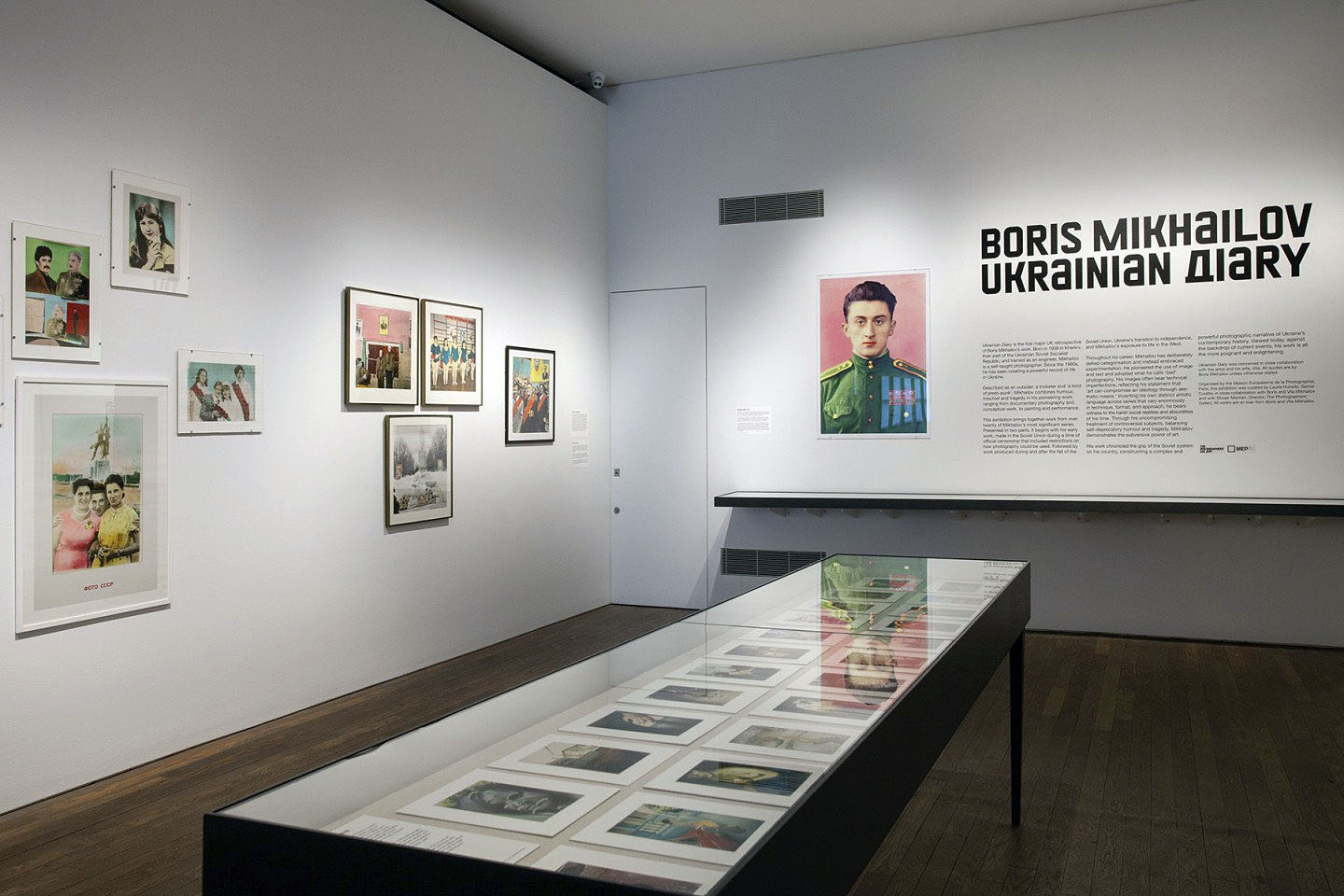
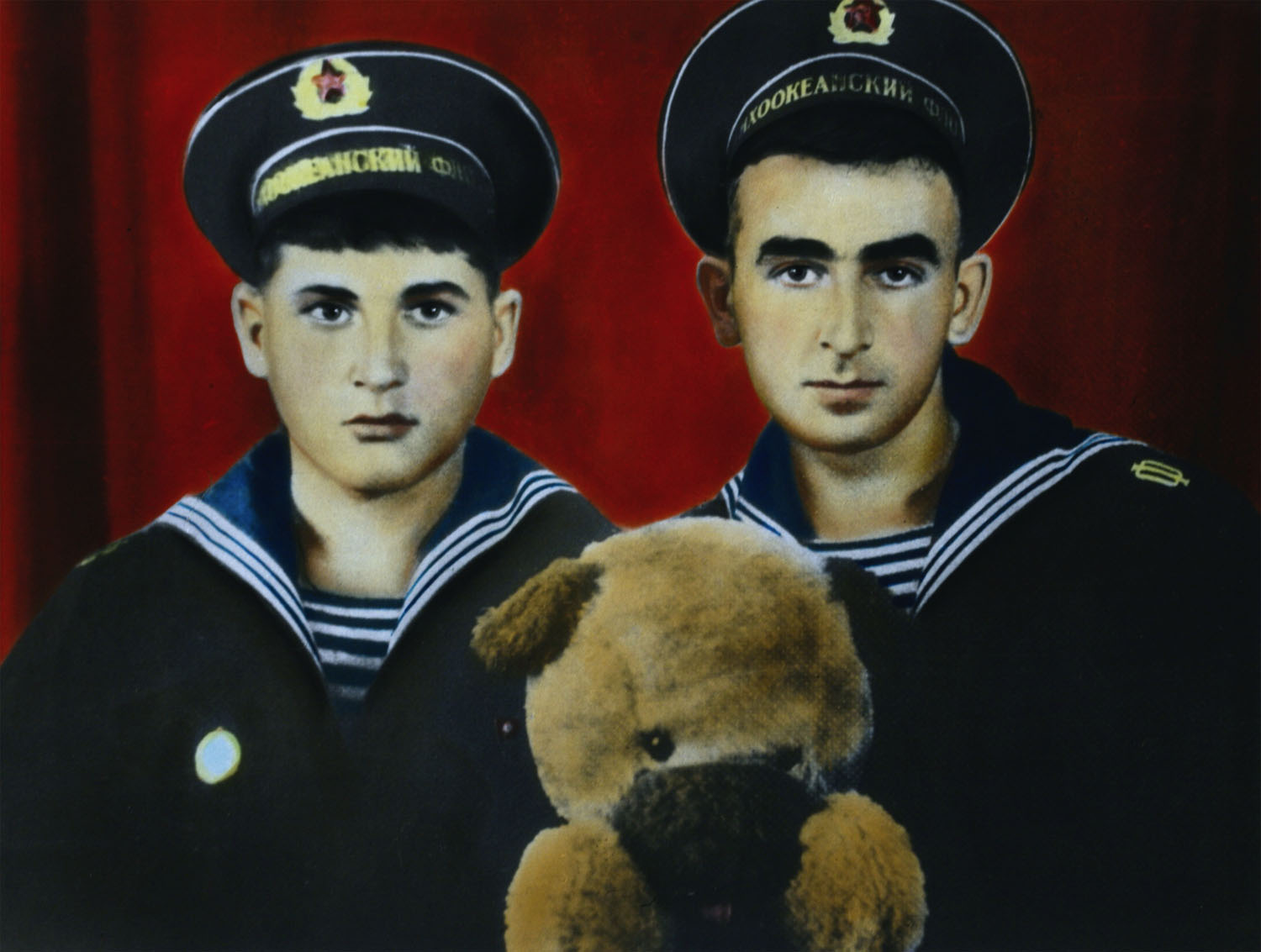
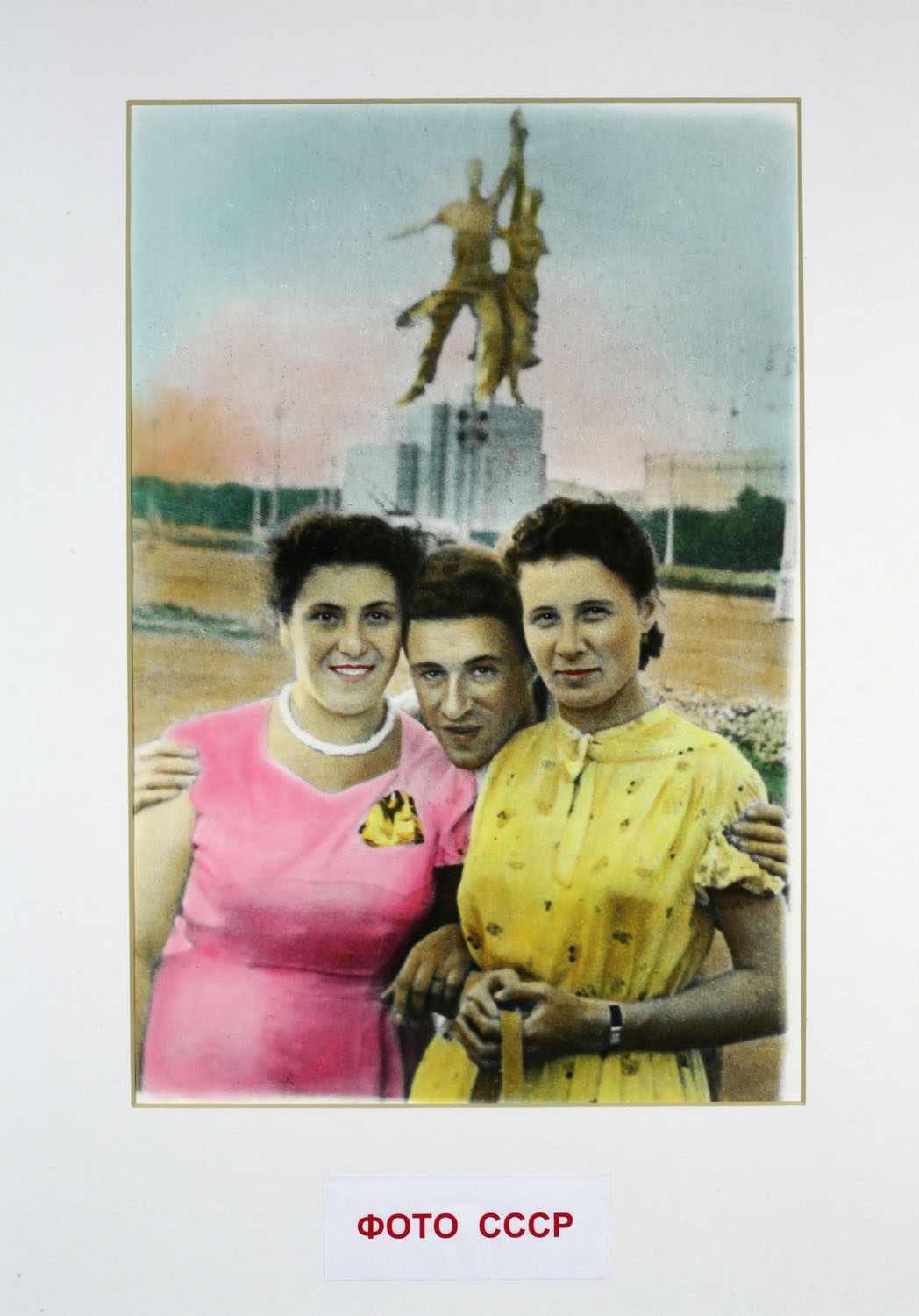
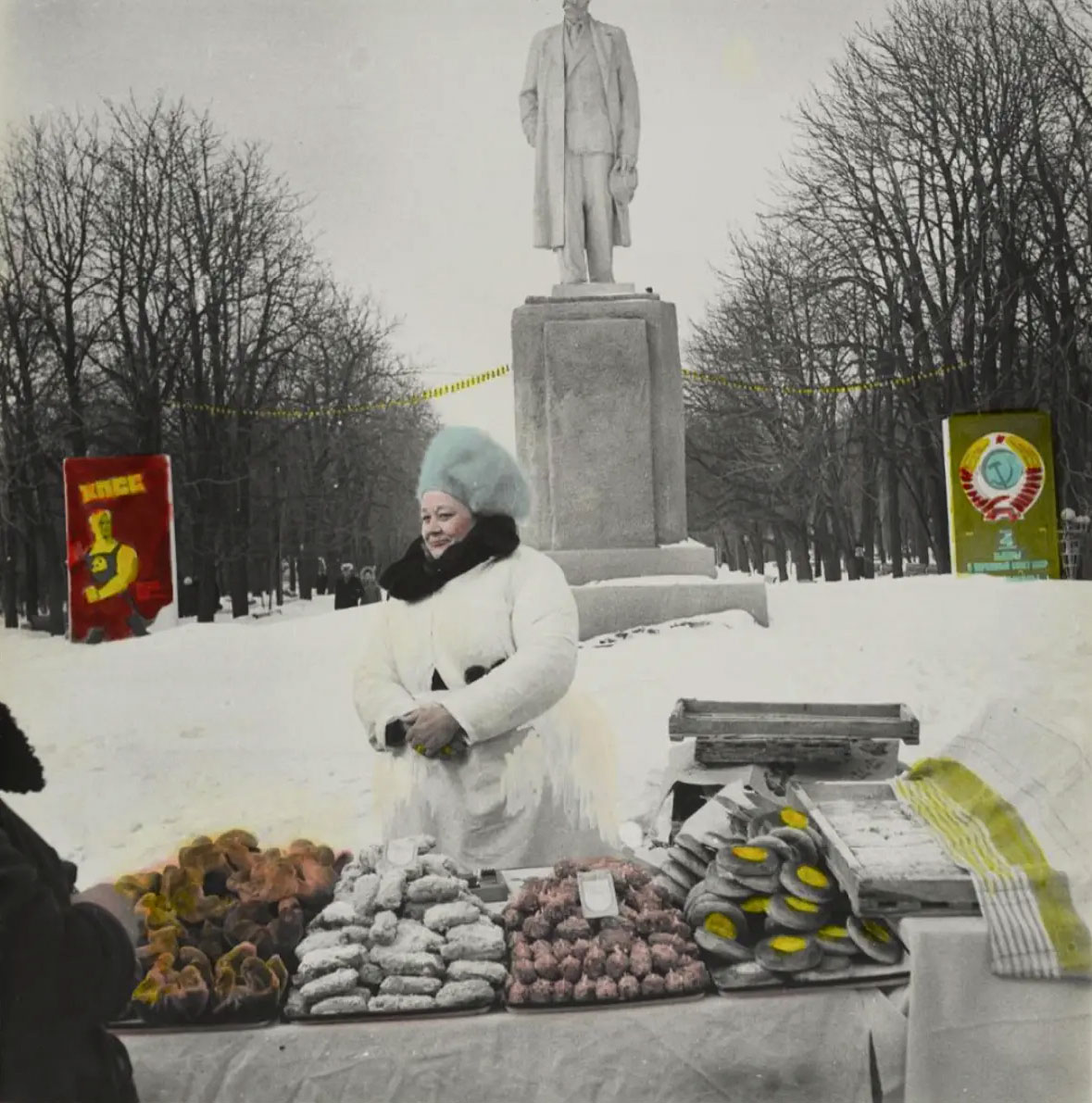
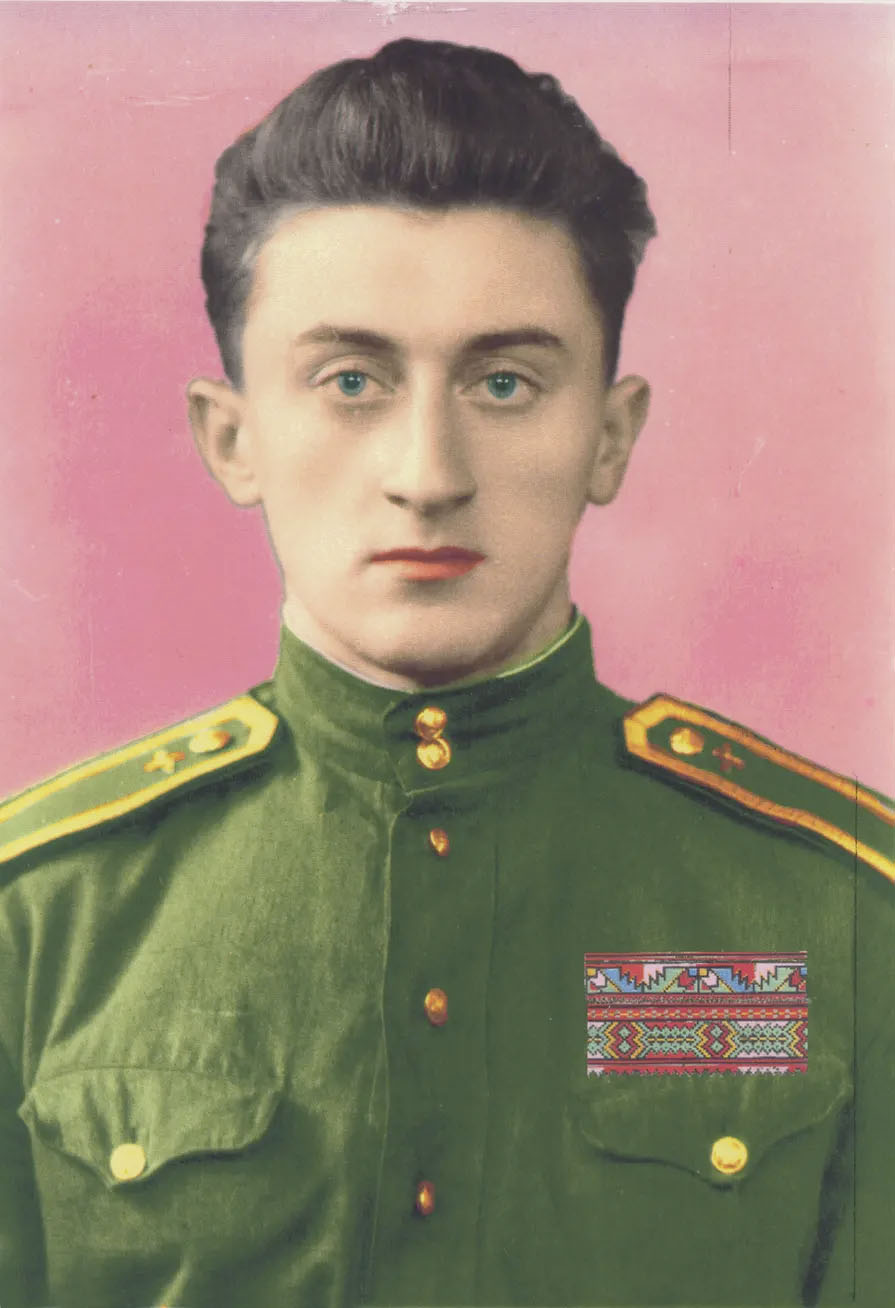
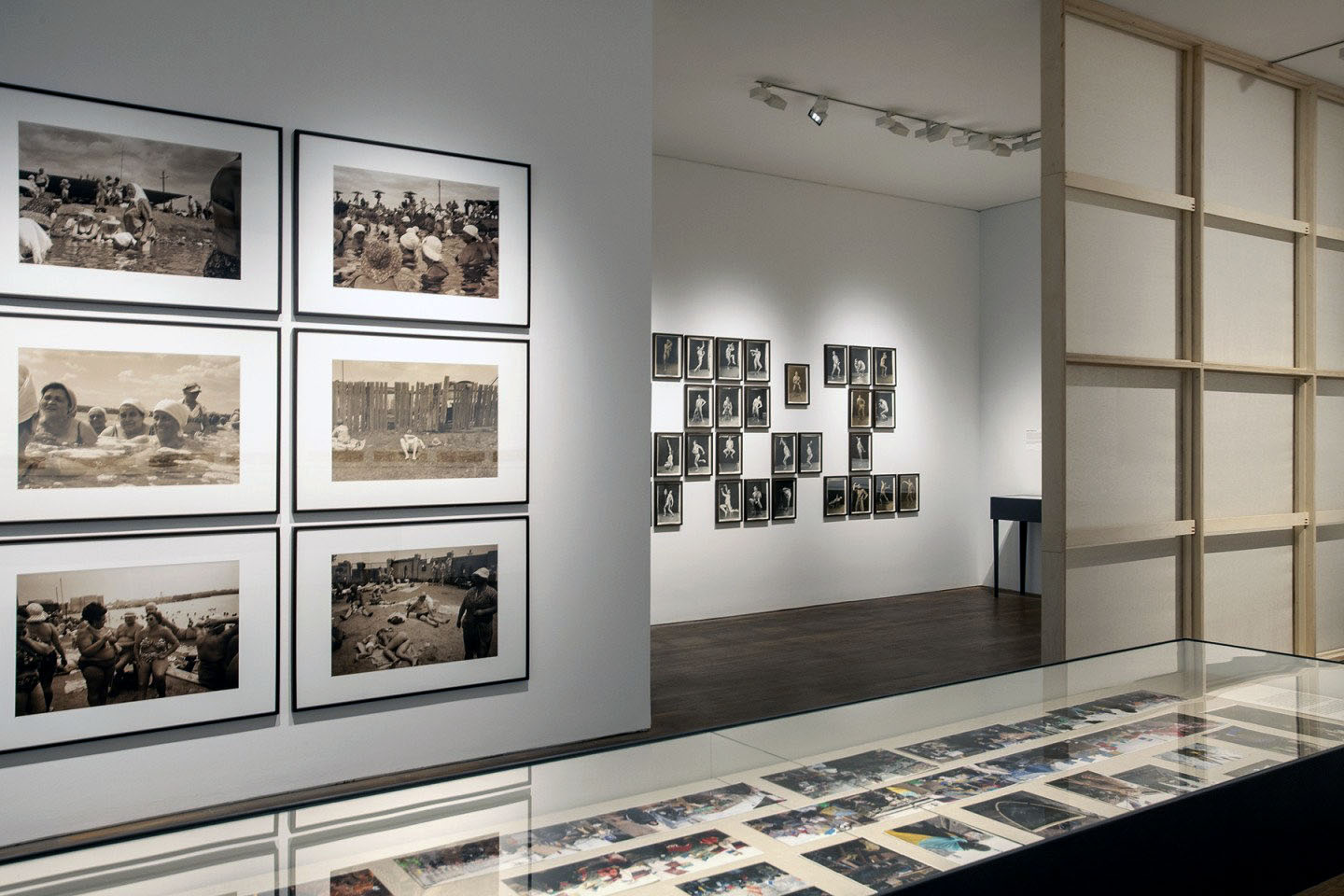
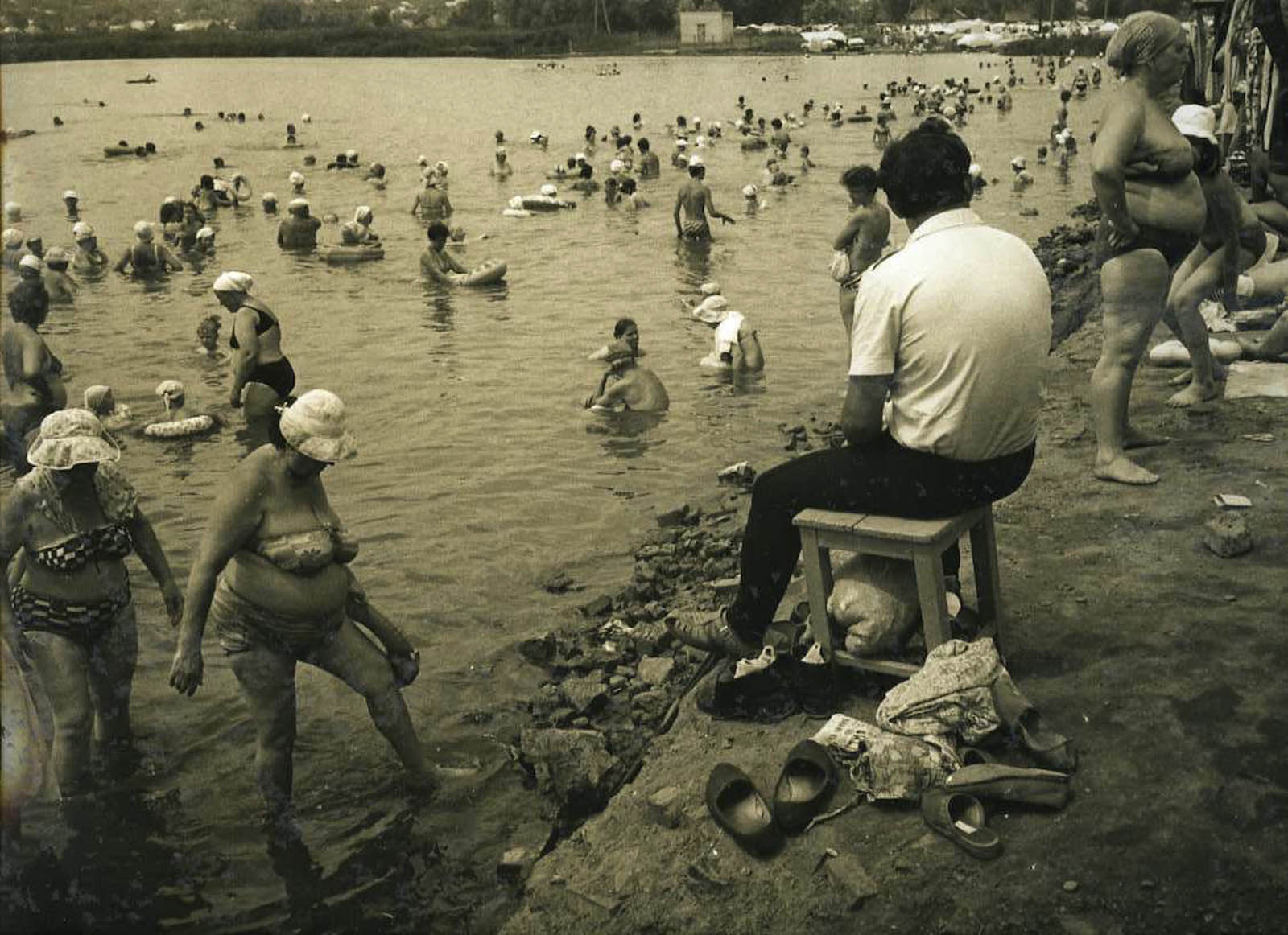
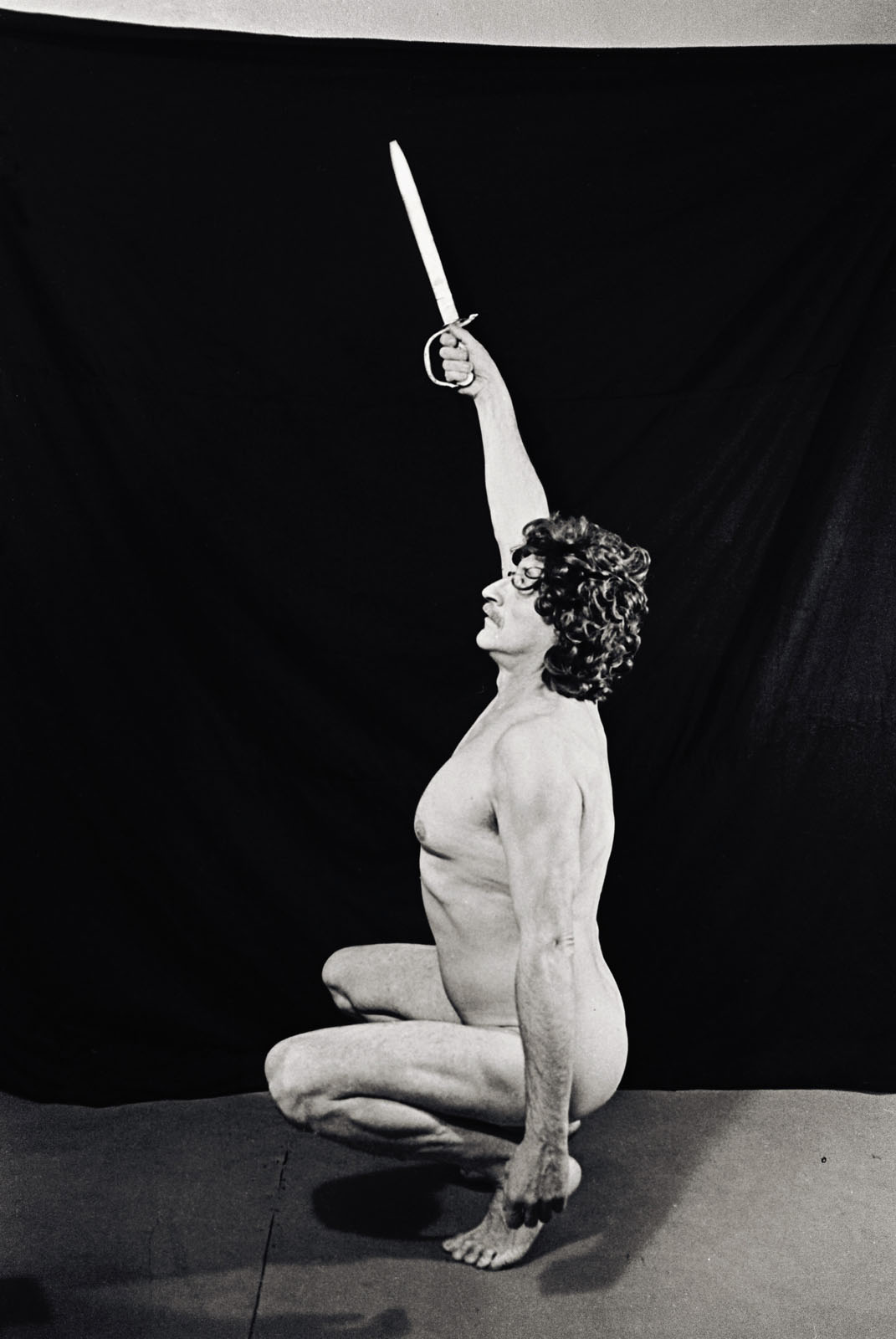
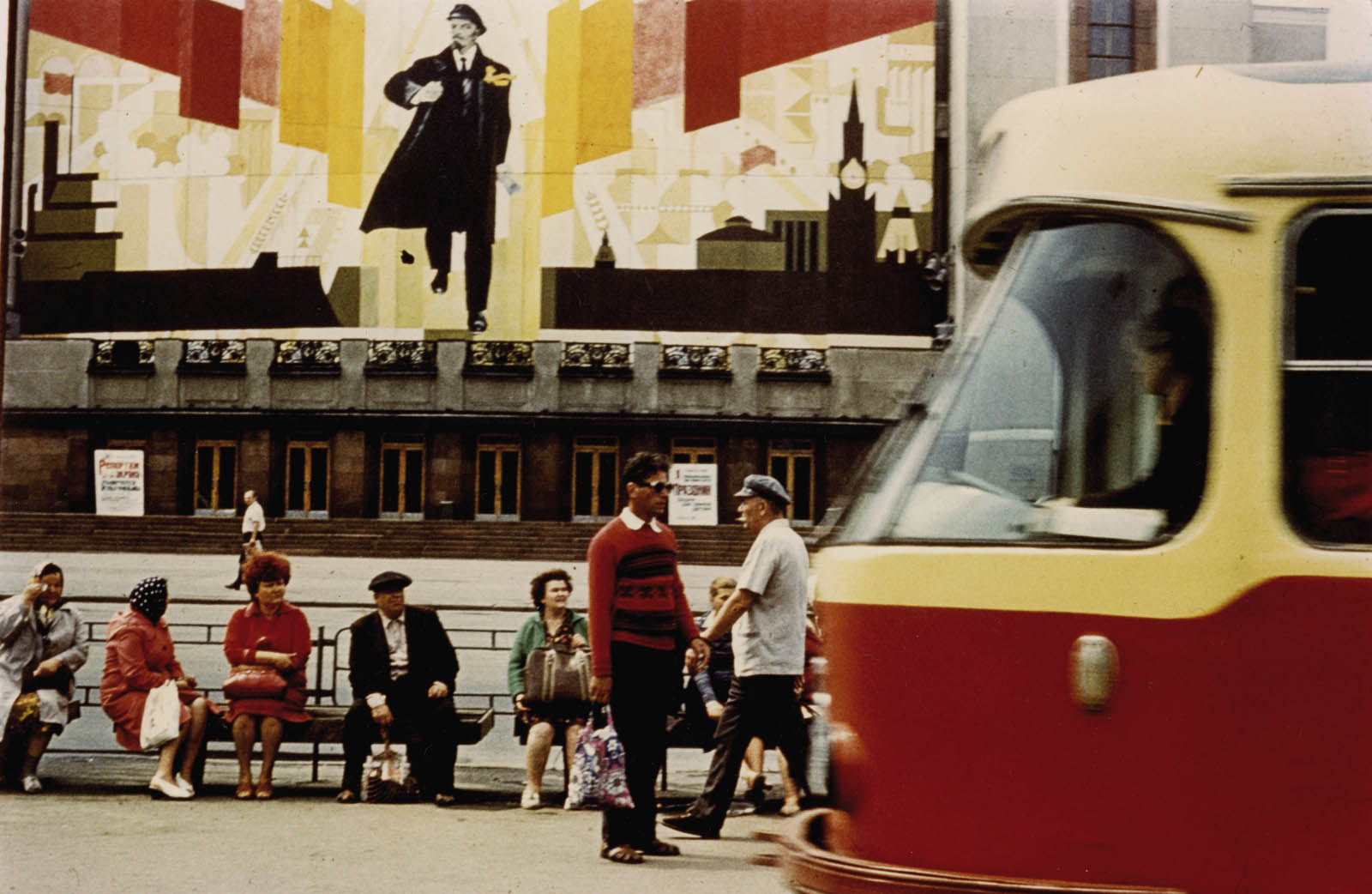
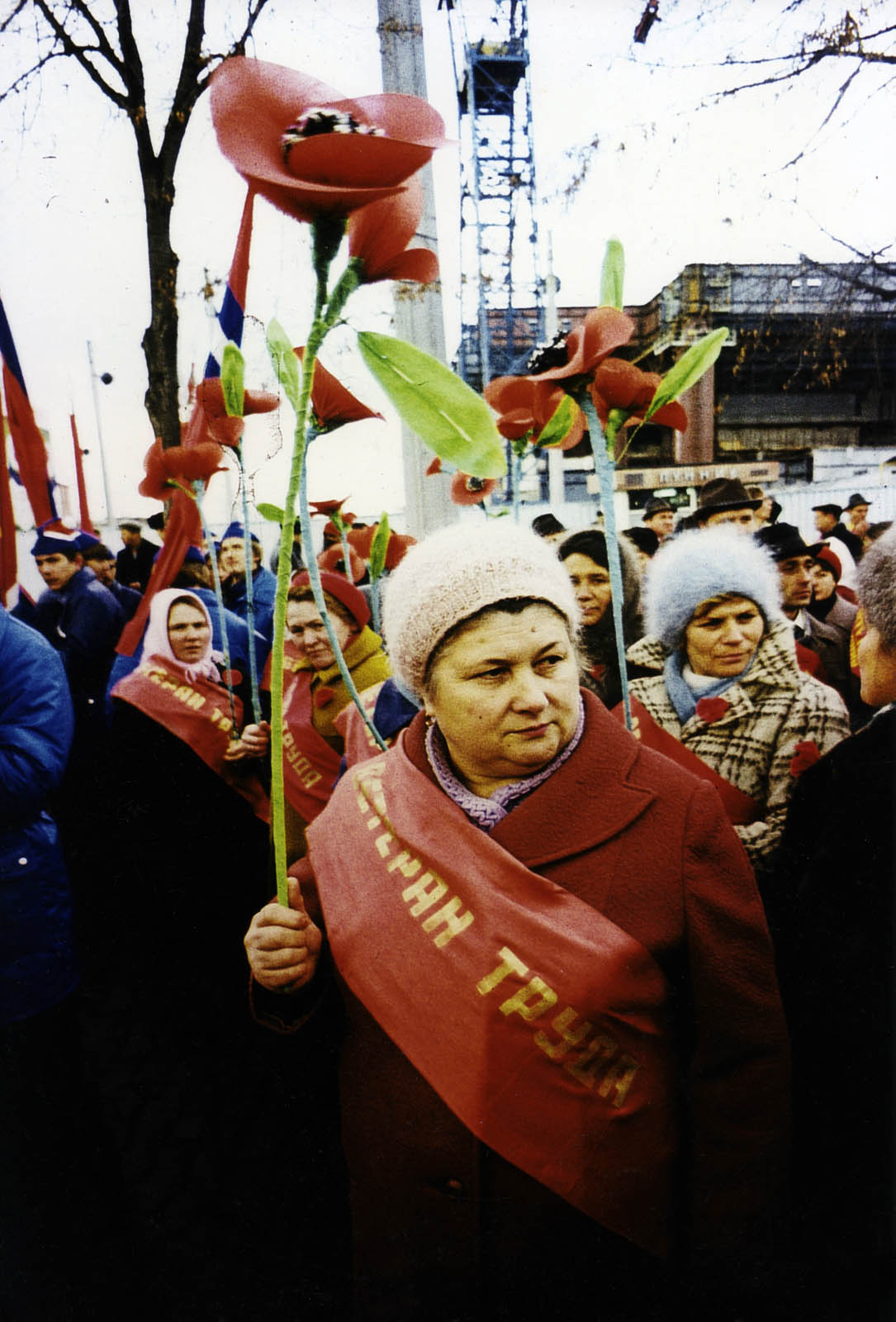
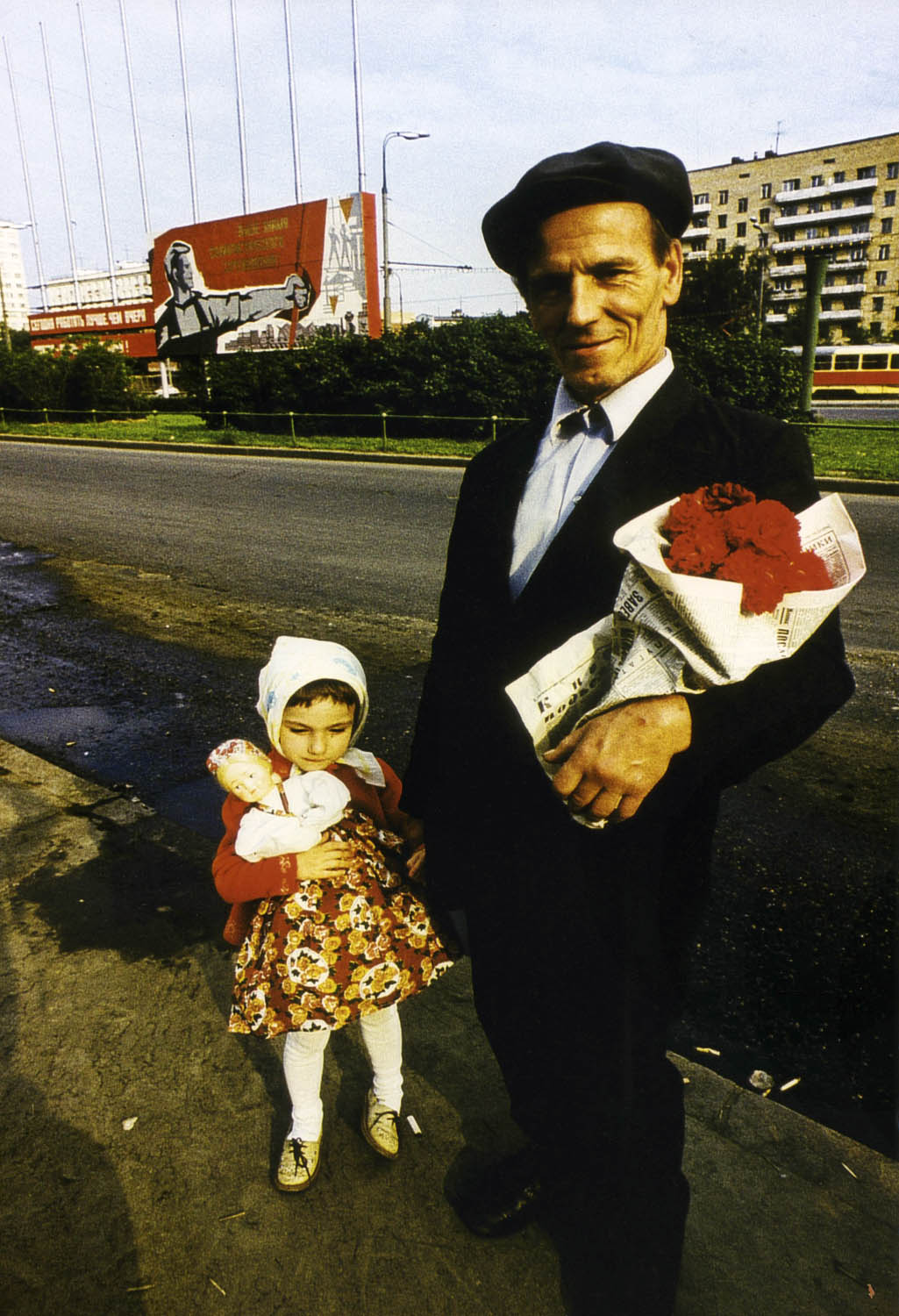
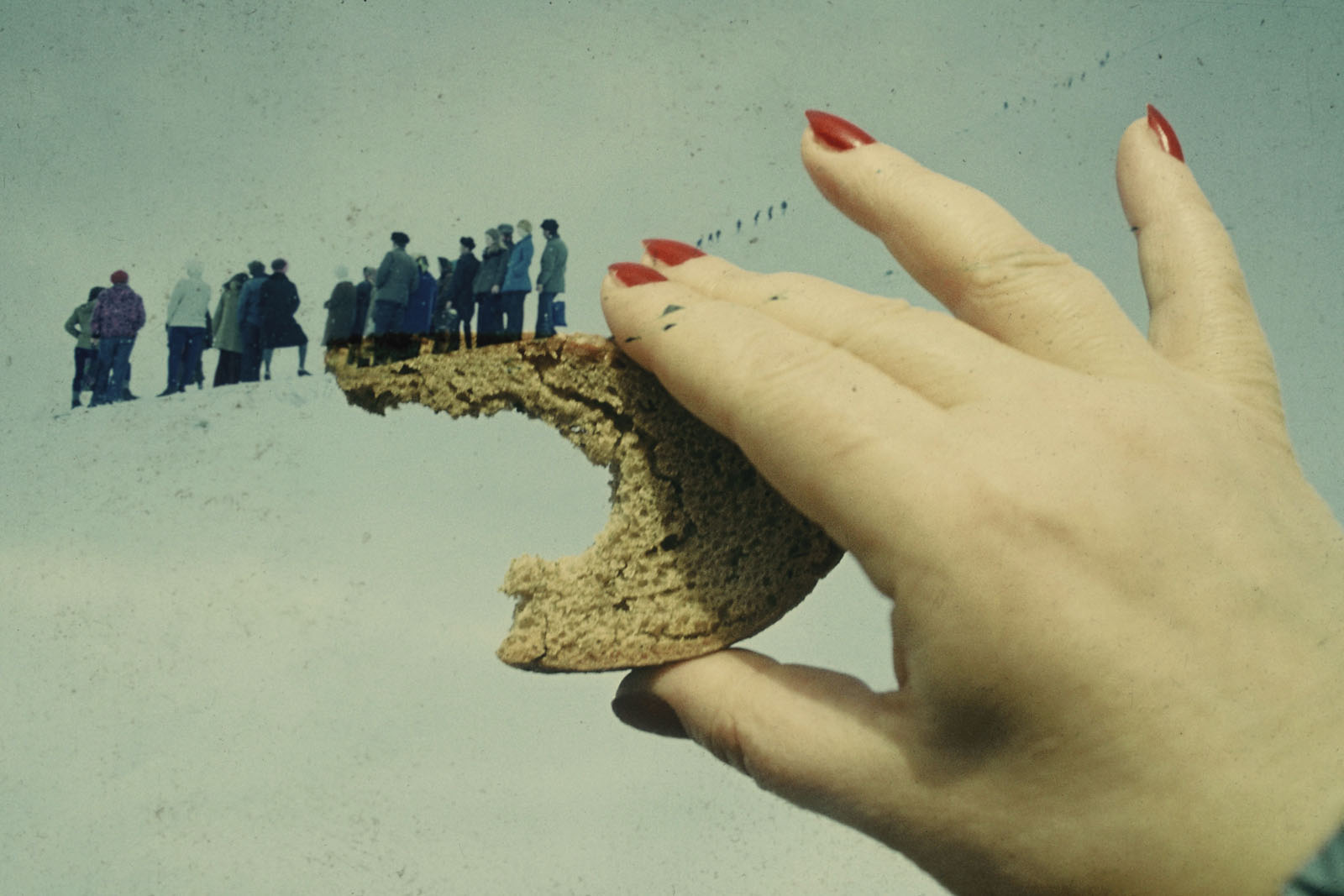
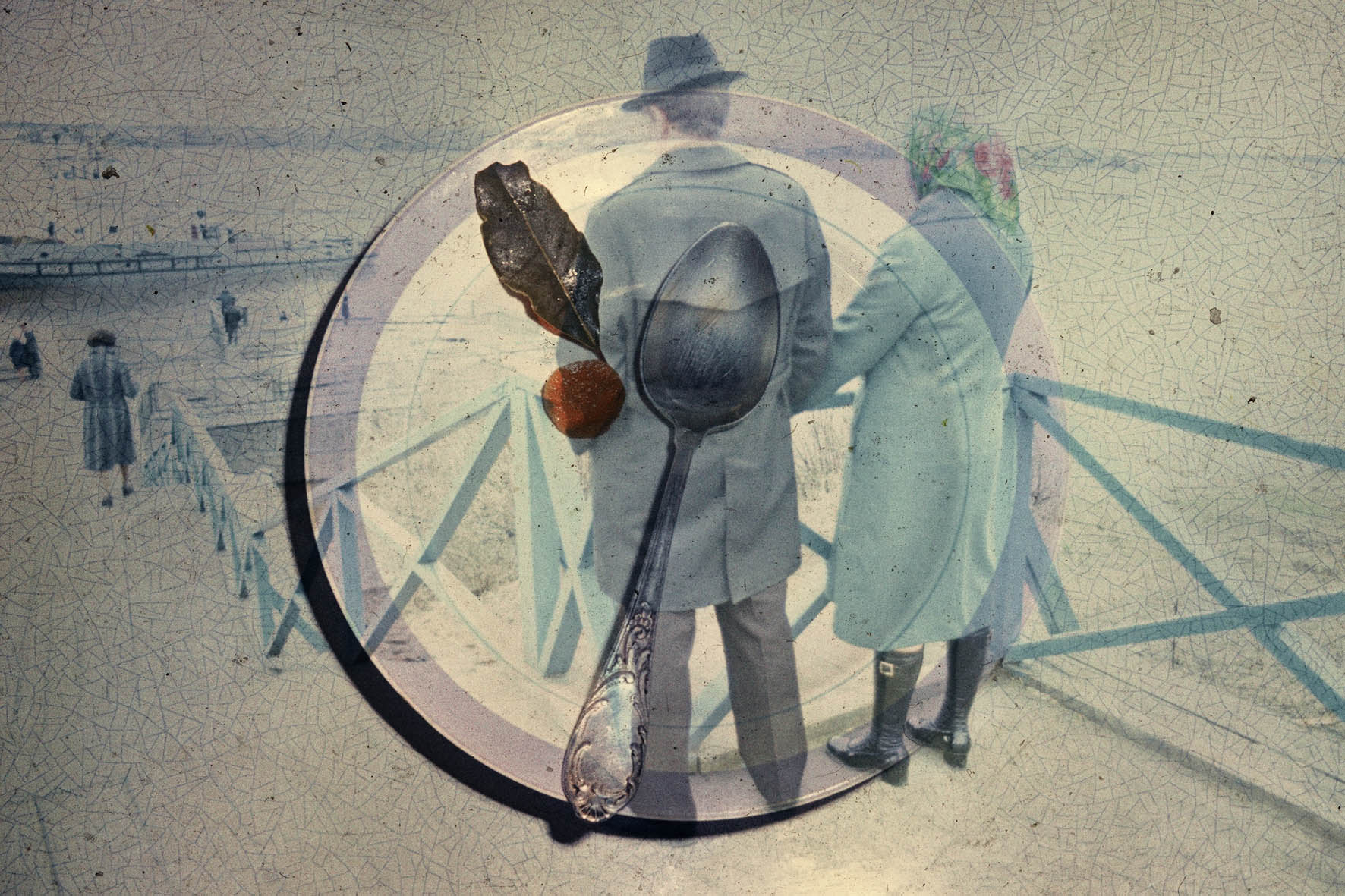
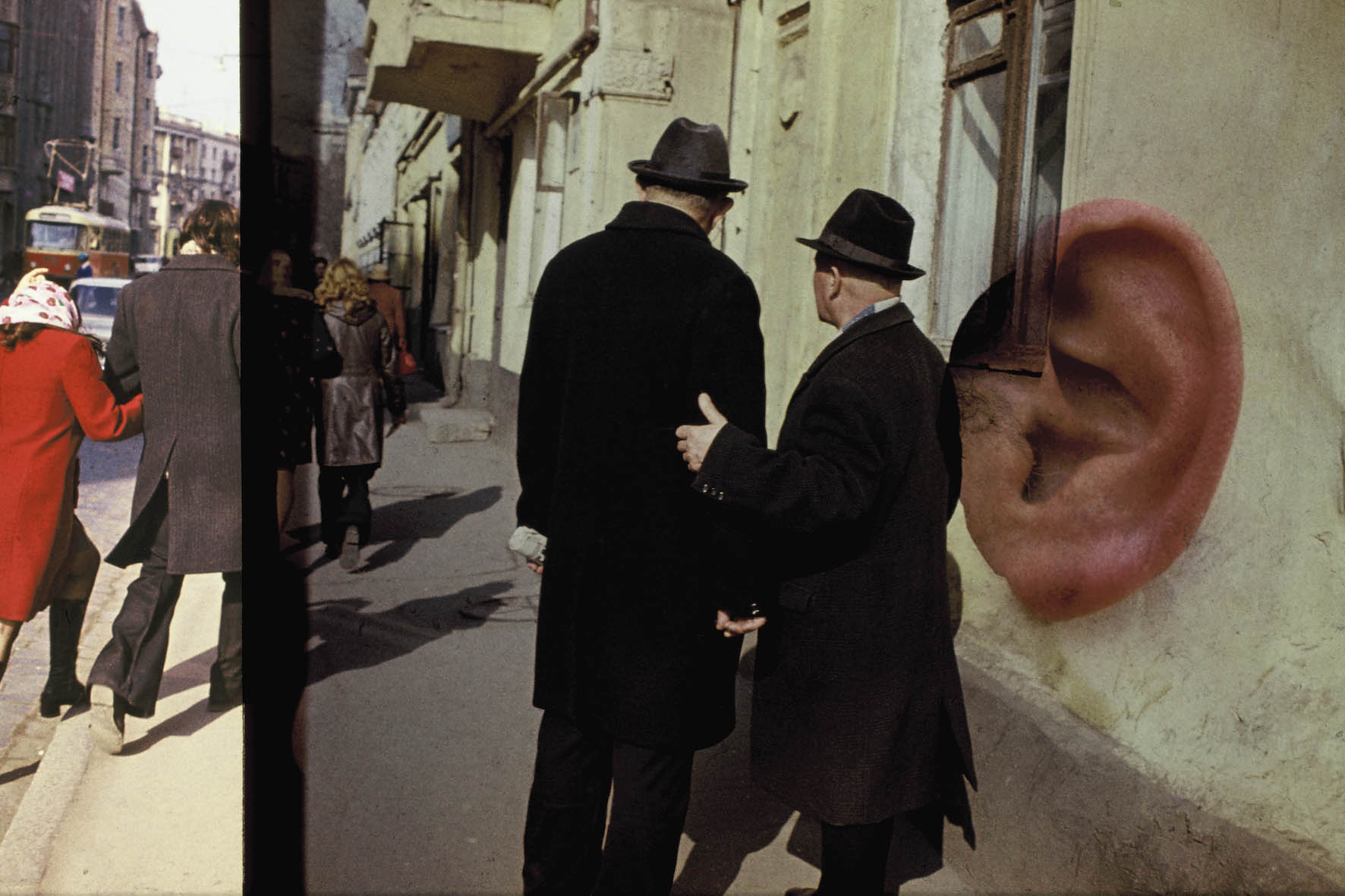
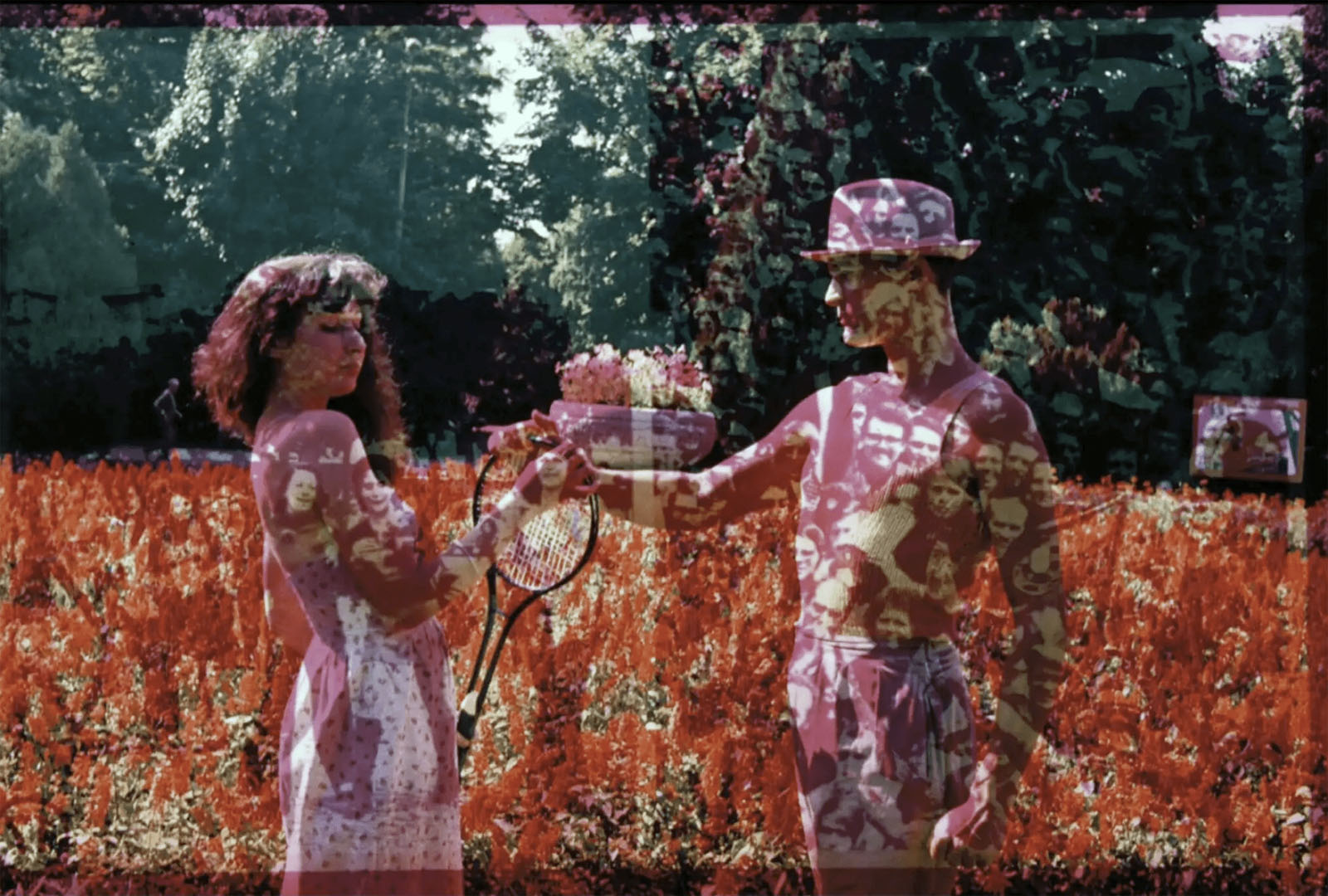
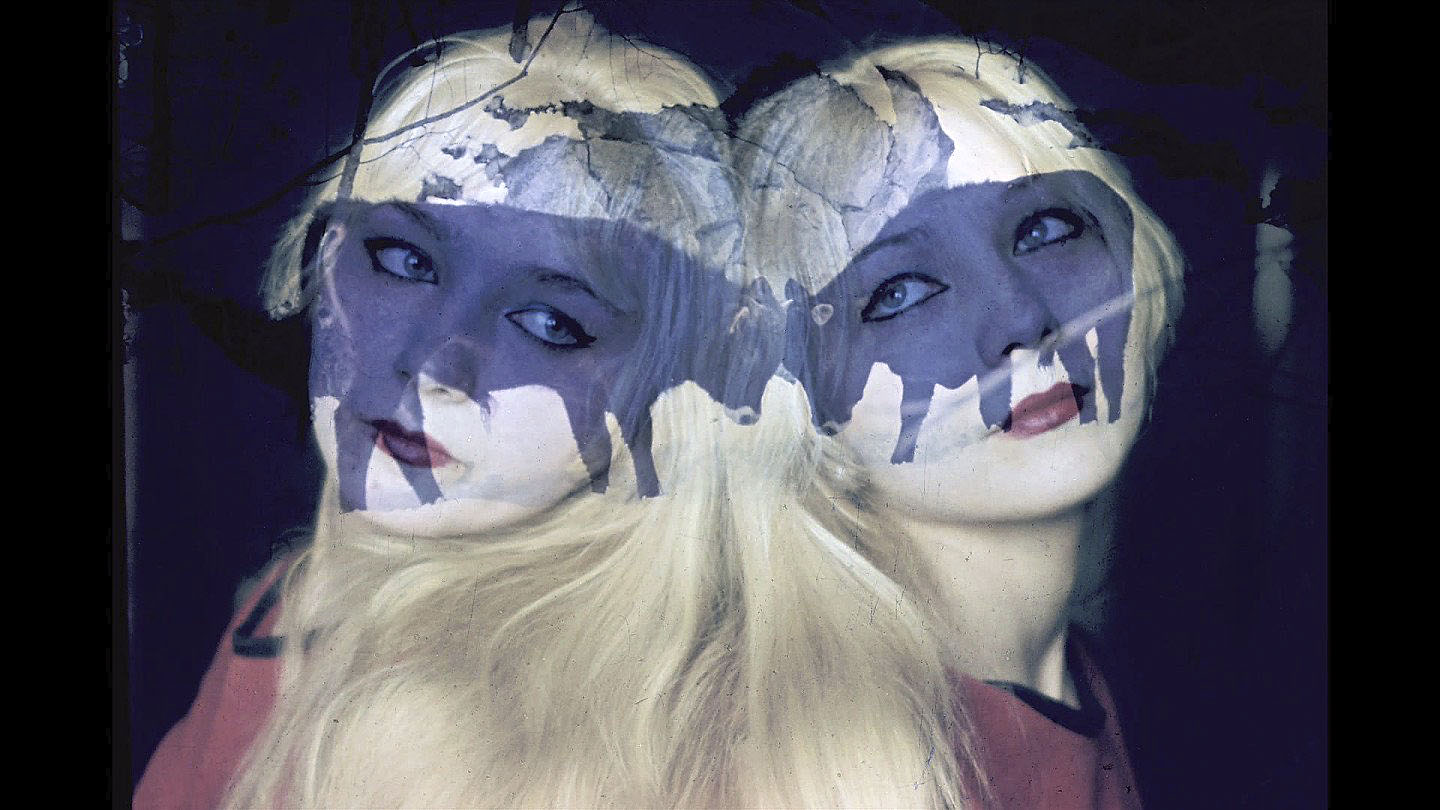
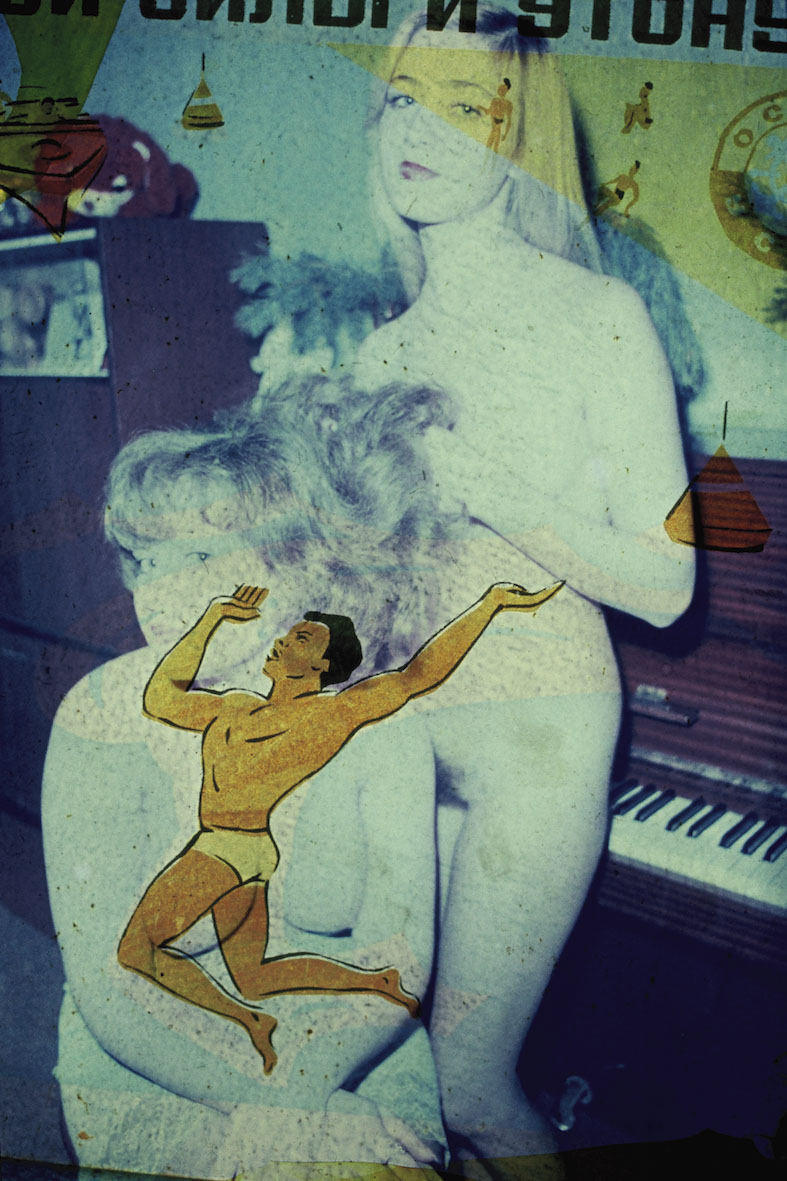

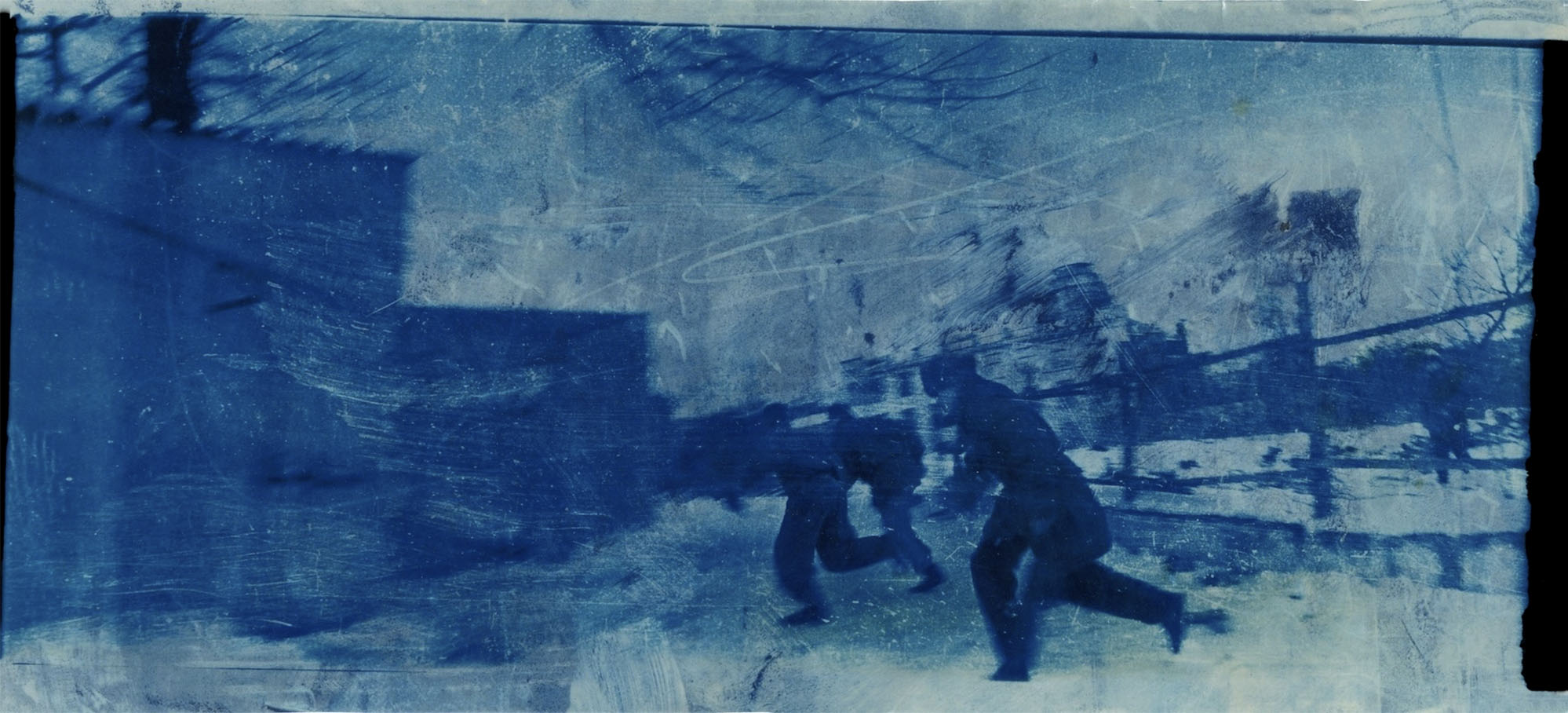
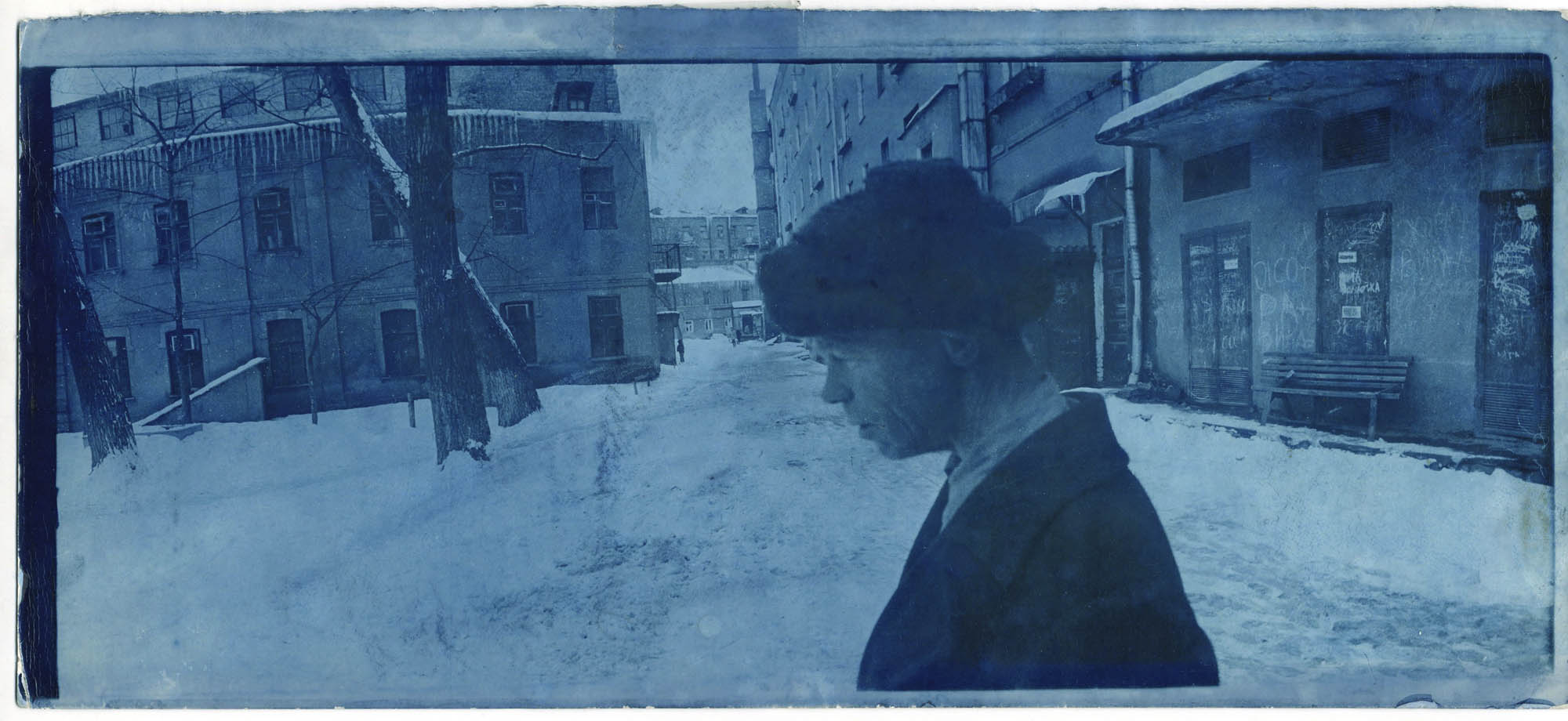
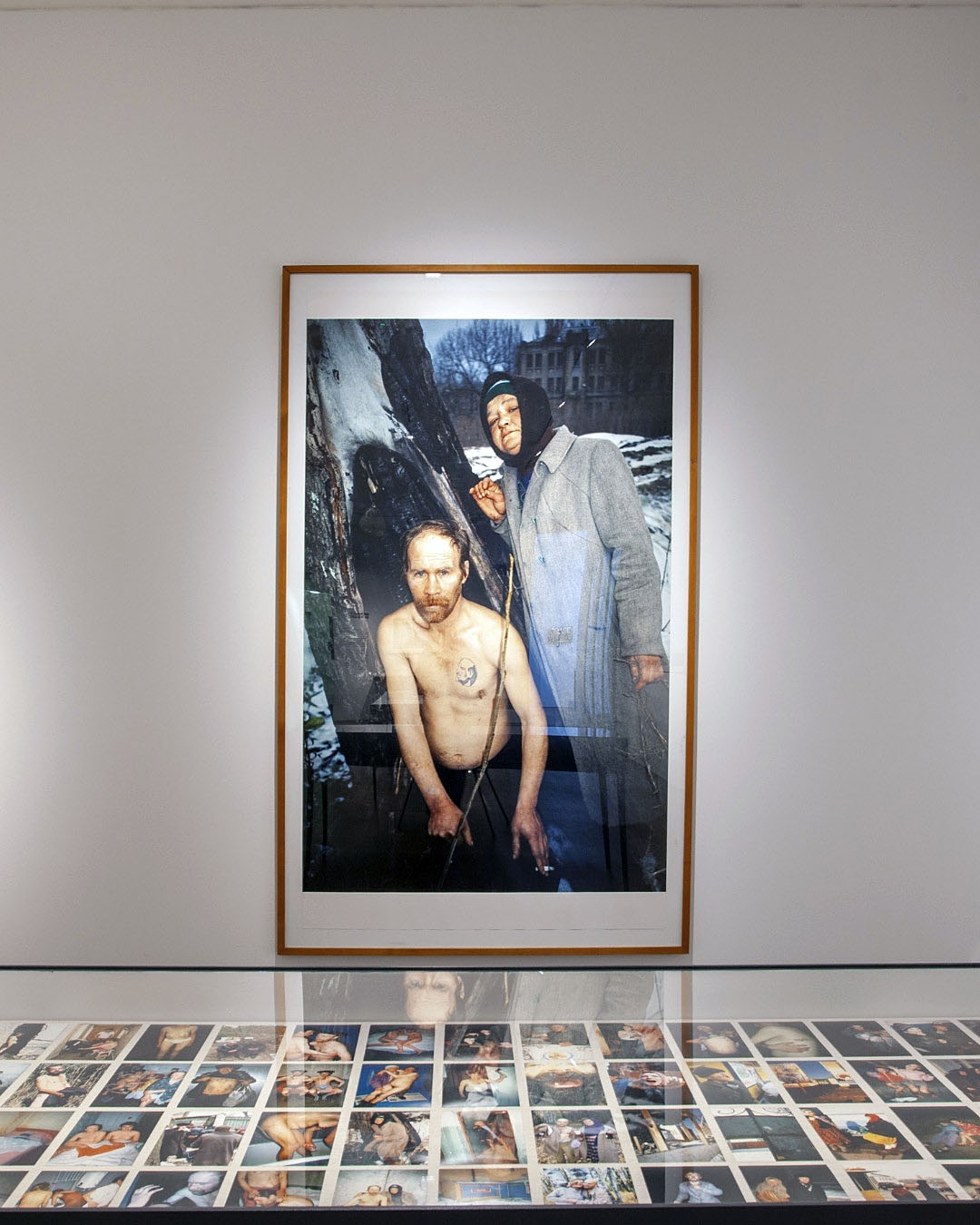


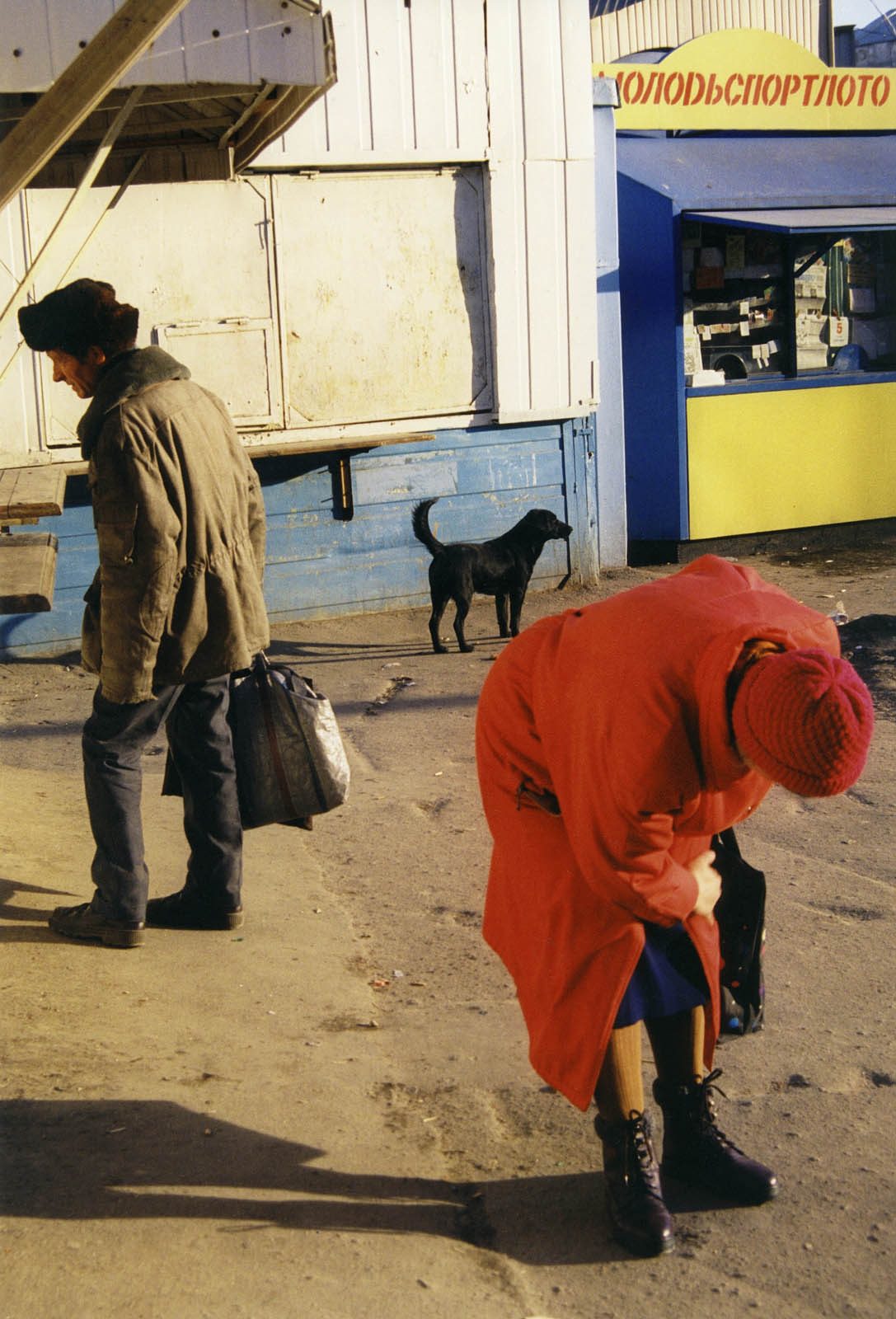
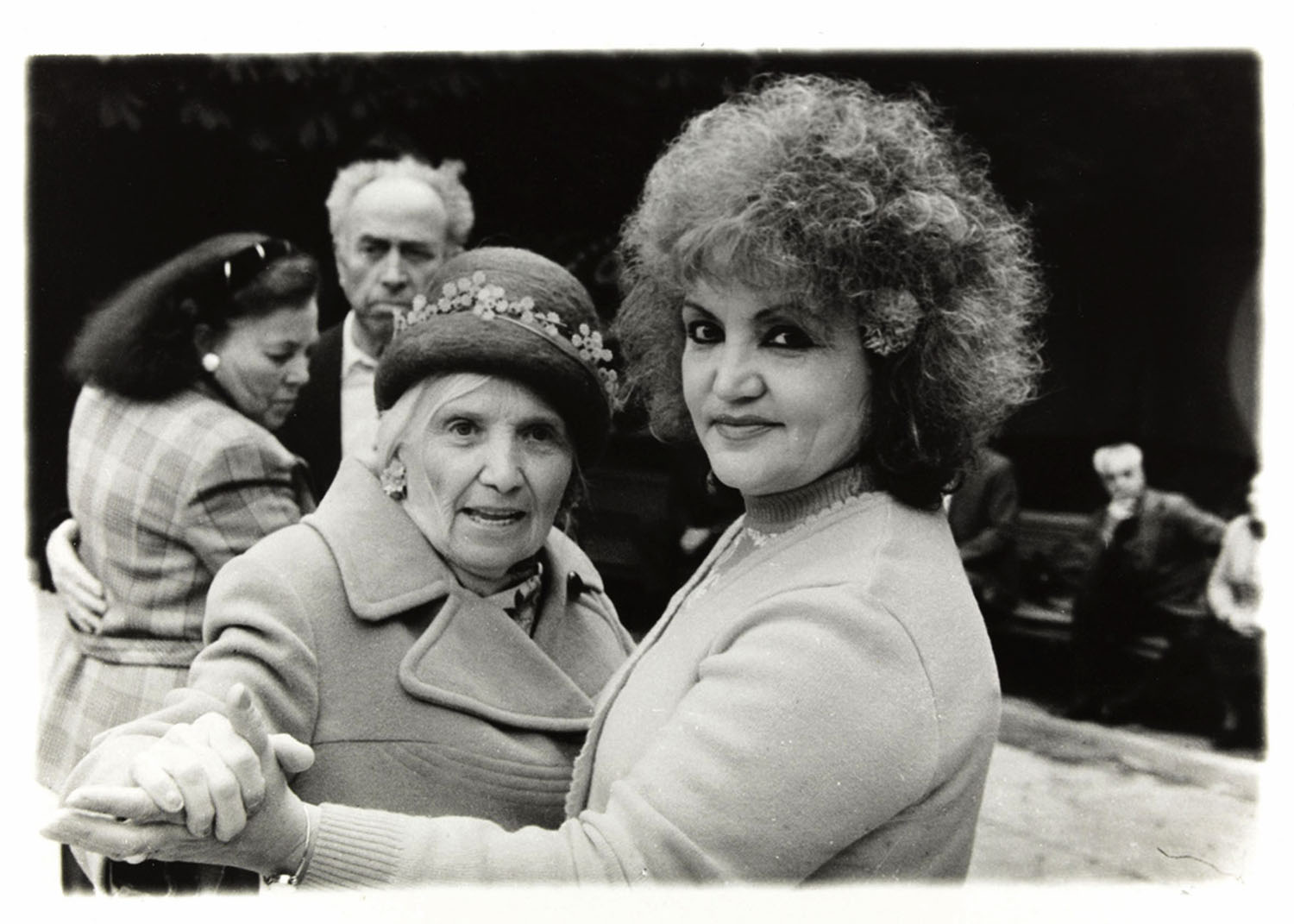

![Heinrich Riebesehl (German, 1938-2010) 'Menschen Im Fahrstuhl, 20.11.1969' [People in the Elevator, 20.11.1969] 1969 from the exhibition 'Typologien: Photography in 20th-century Germany' at Fondazione Prada, Milan, April - July, 2025](https://artblart.com/wp-content/uploads/2025/06/2-typologien_heinrich-riebesehl_siae_sm.jpg "Heinrich Riebesehl (German, 1938-2010) 'Menschen Im Fahrstuhl, 20.11.1969' [People in the Elevator, 20.11.1969] 1969 from the exhibition 'Typologien: Photography in 20th-century Germany' at Fondazione Prada, Milan, April - July, 2025")
![Heinrich Riebesehl (German, 1938-2010) 'Menschen Im Fahrstuhl, 20.11.1969' [People in the Elevator, 20.11.1969] 1969](https://artblart.com/wp-content/uploads/2025/06/1-typologien_heinrich-riebesehl_siae_sm.jpg "Heinrich Riebesehl (German, 1938-2010) 'Menschen Im Fahrstuhl, 20.11.1969' [People in the Elevator, 20.11.1969] 1969")
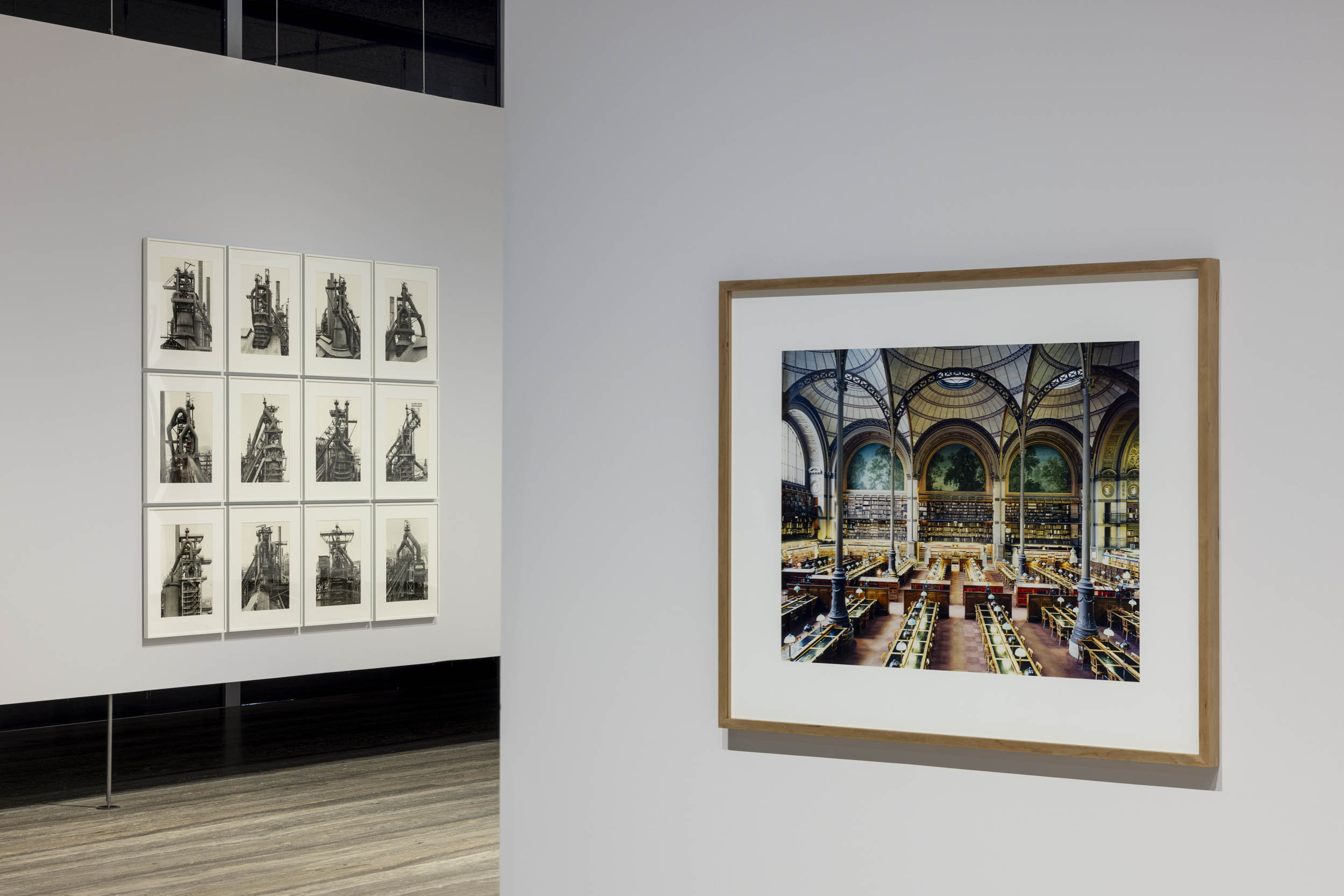
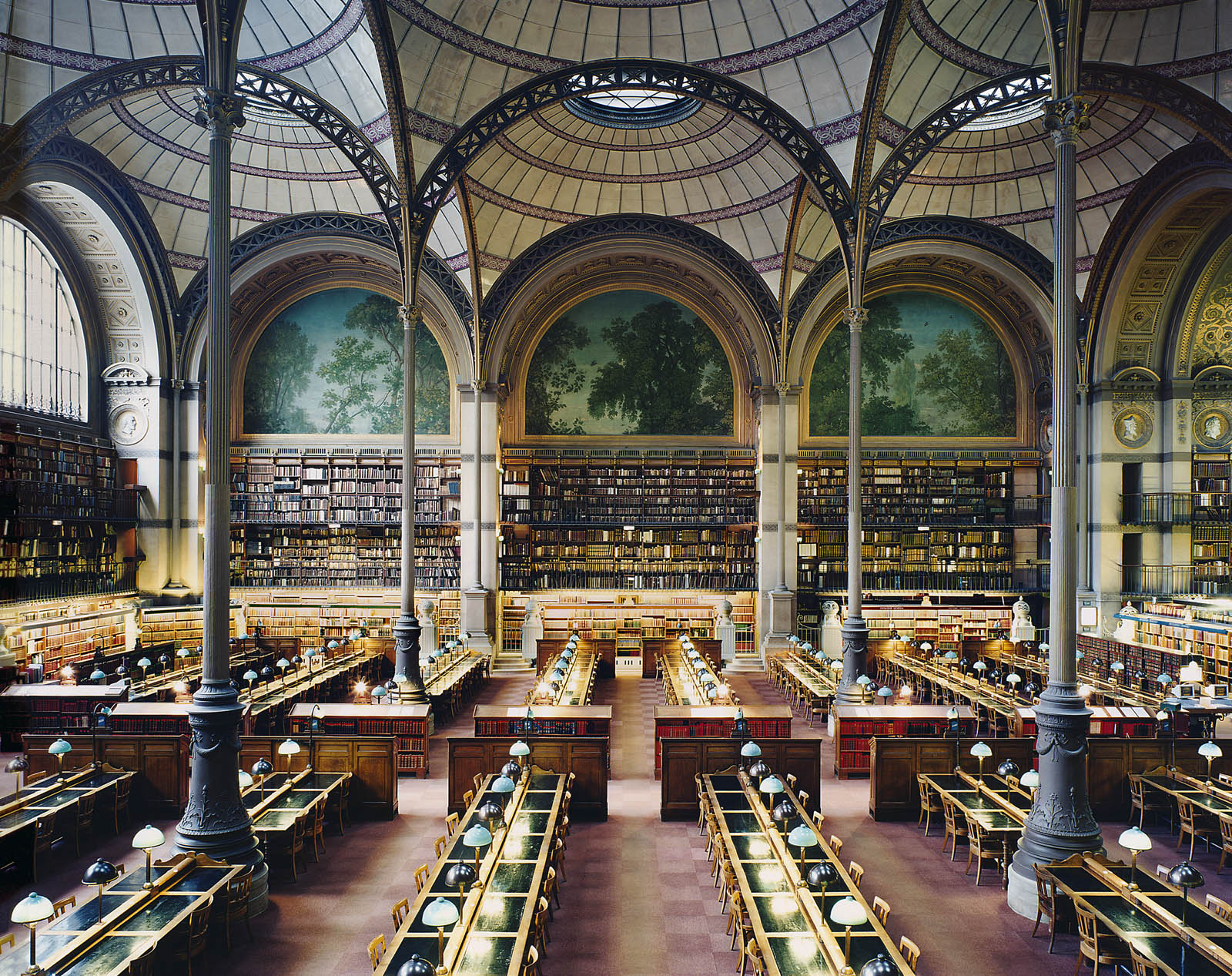

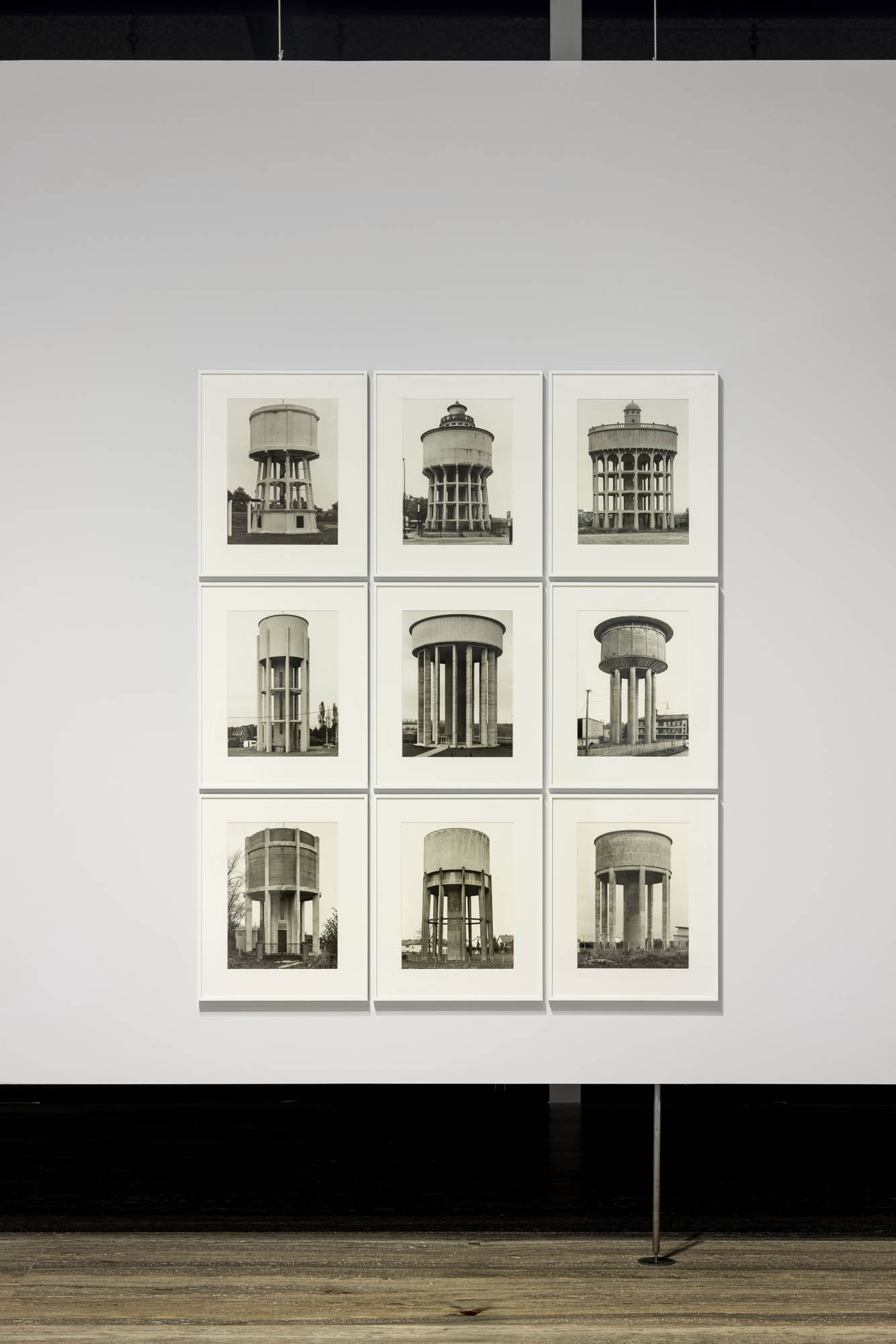


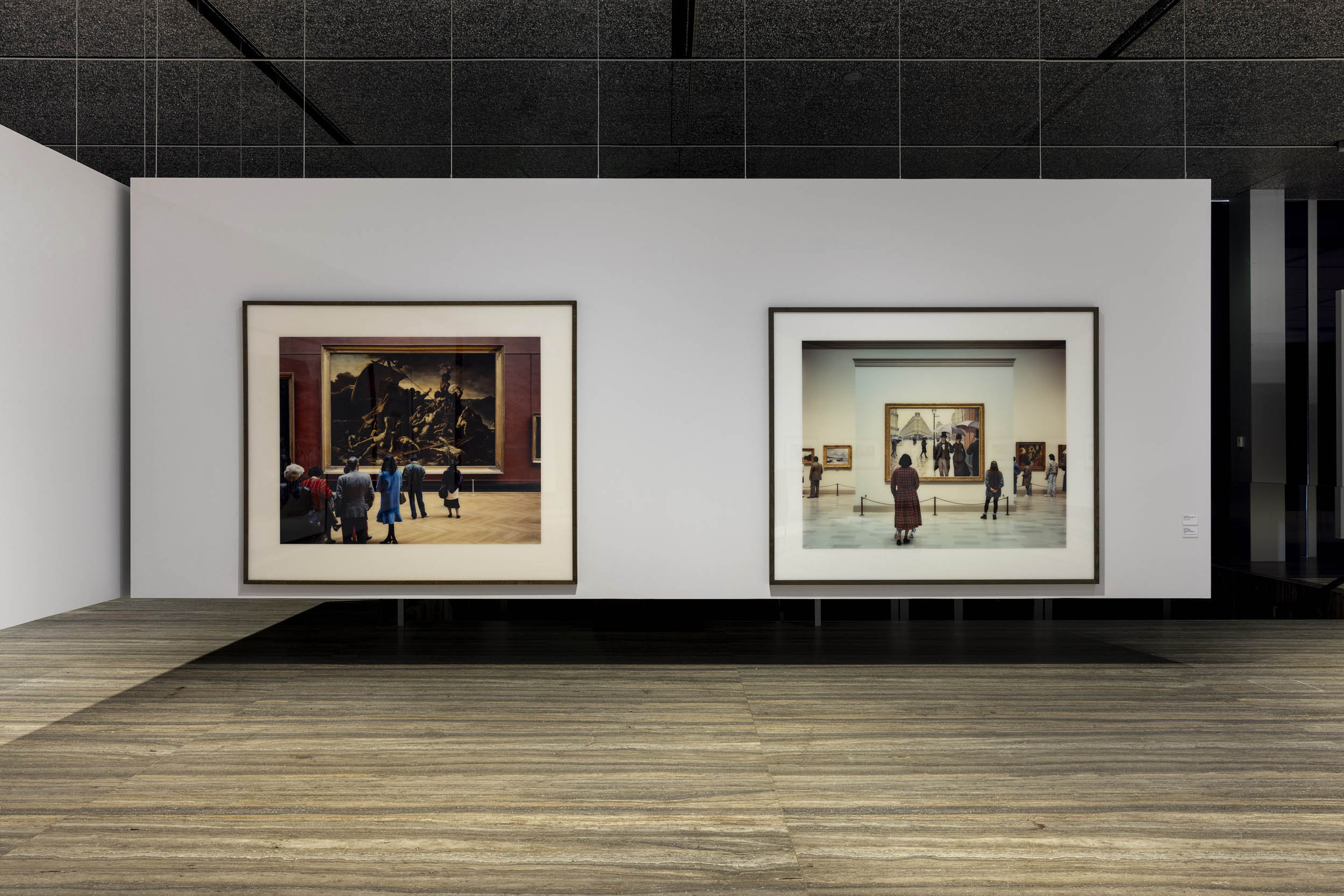
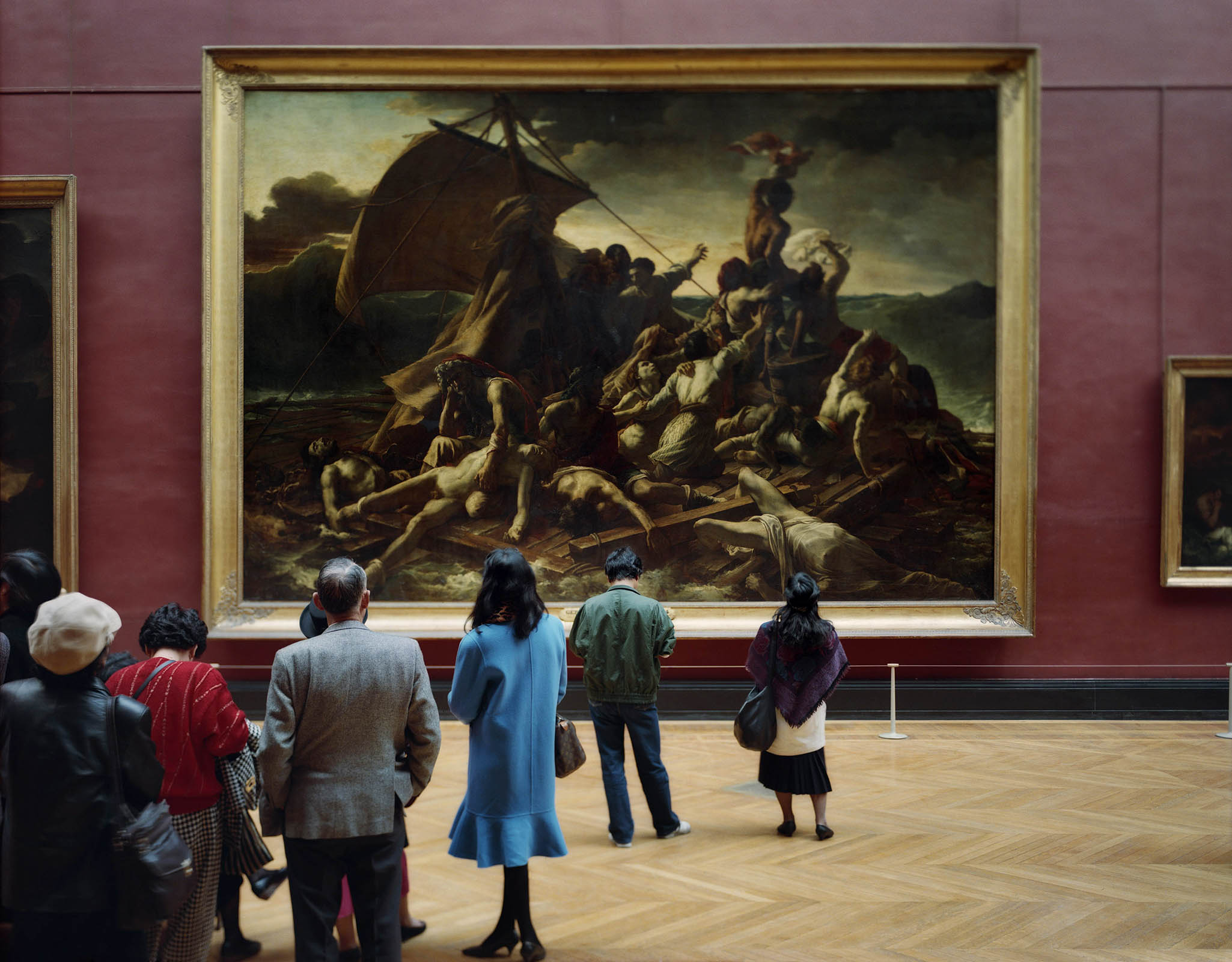

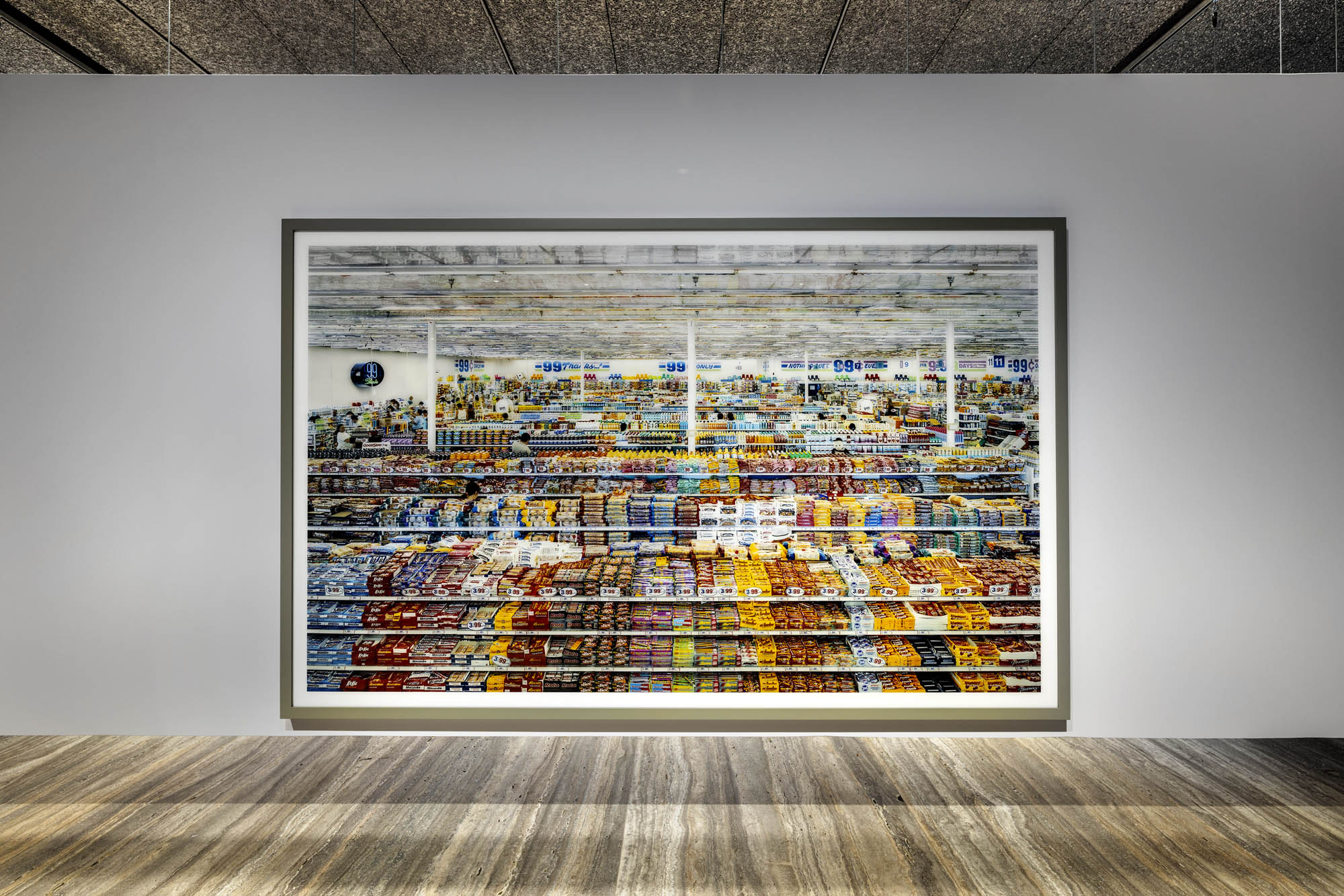
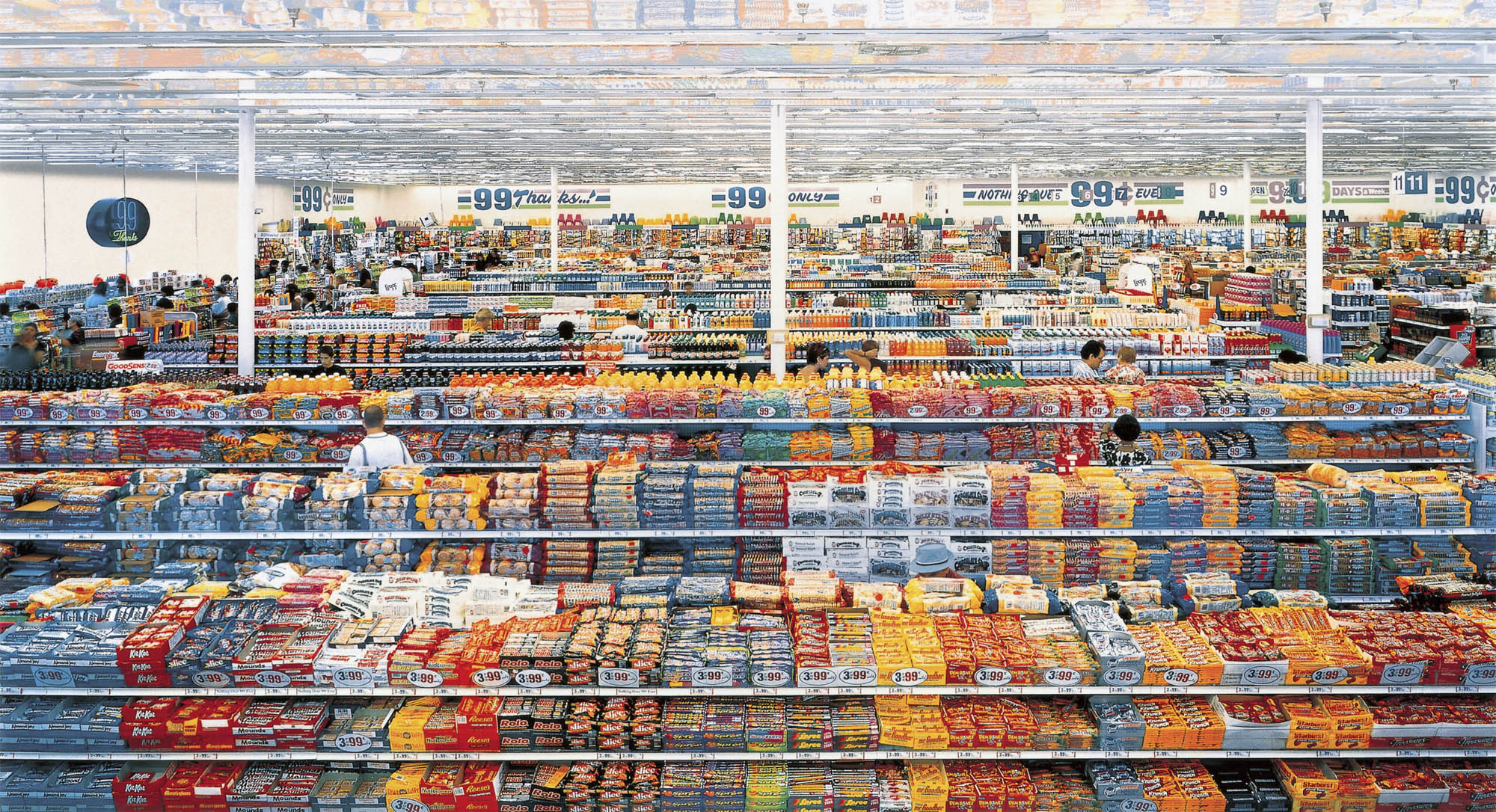
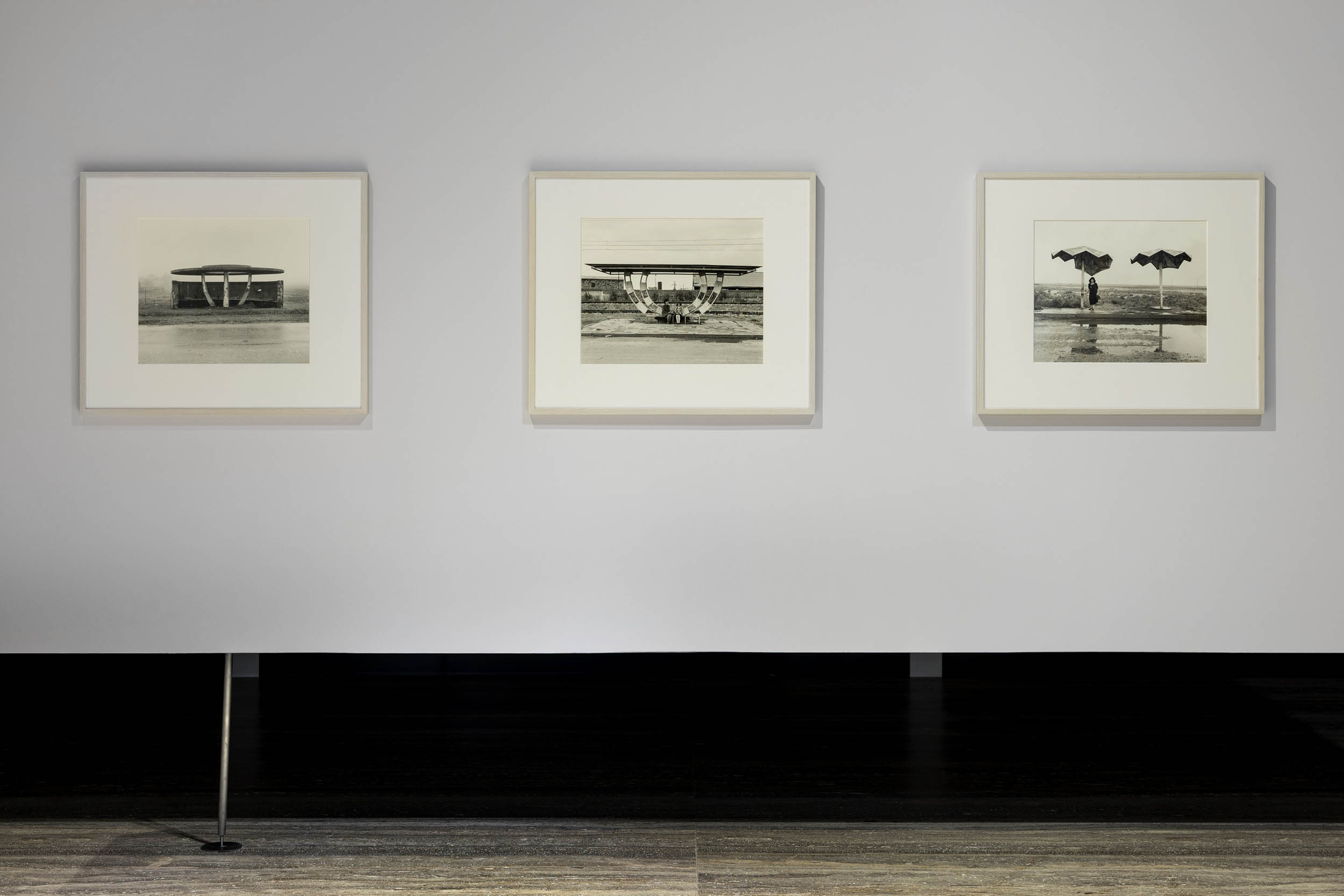
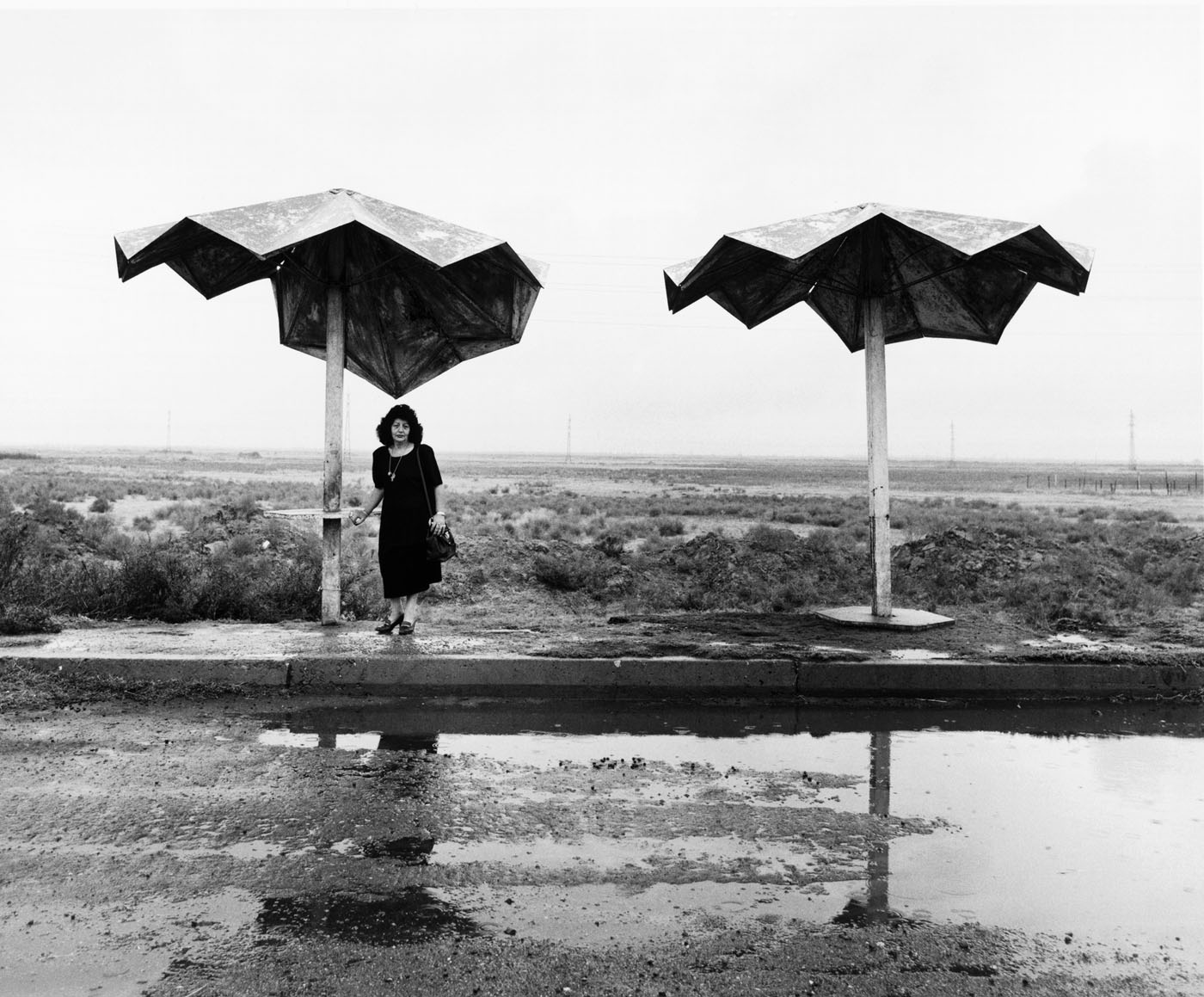
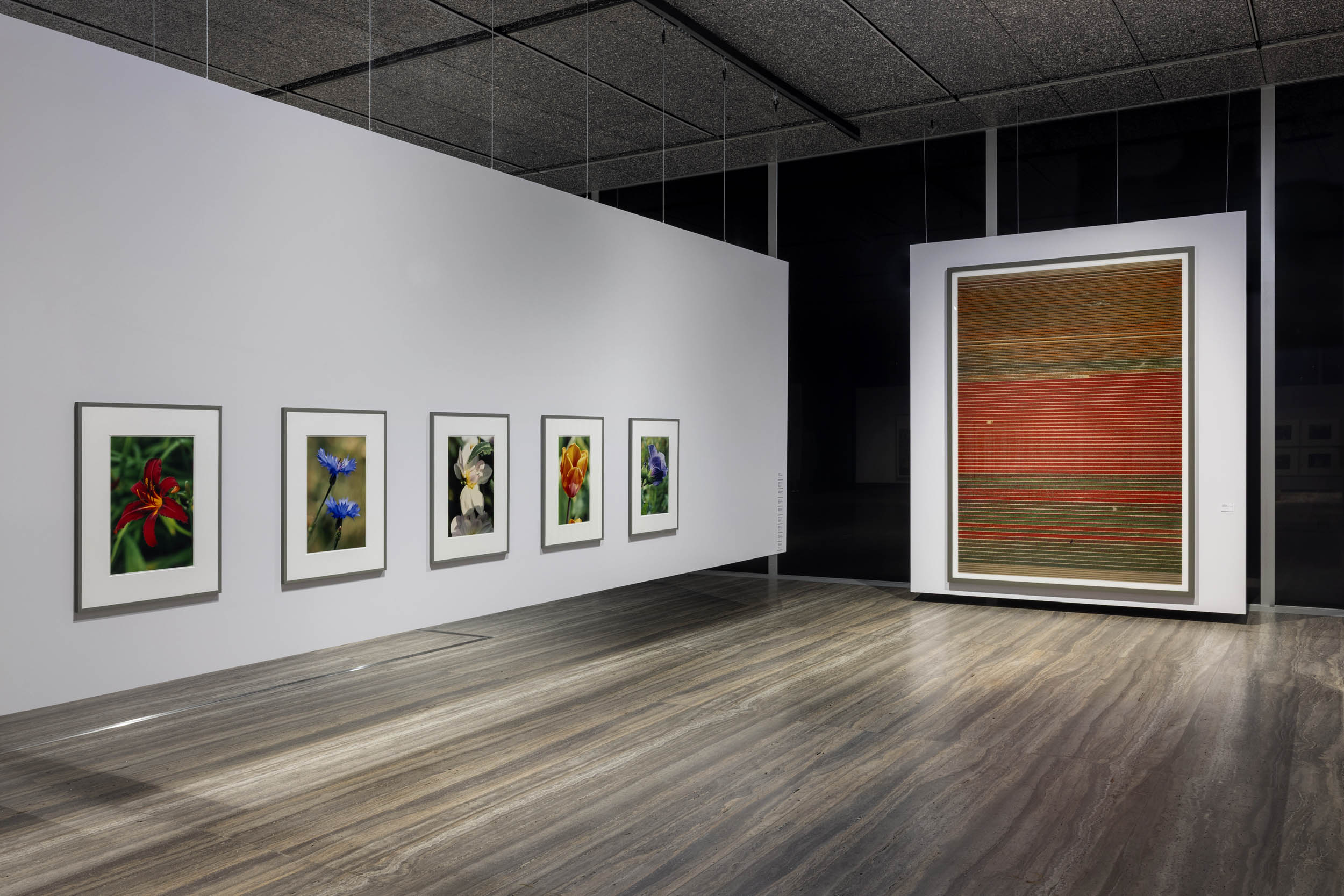
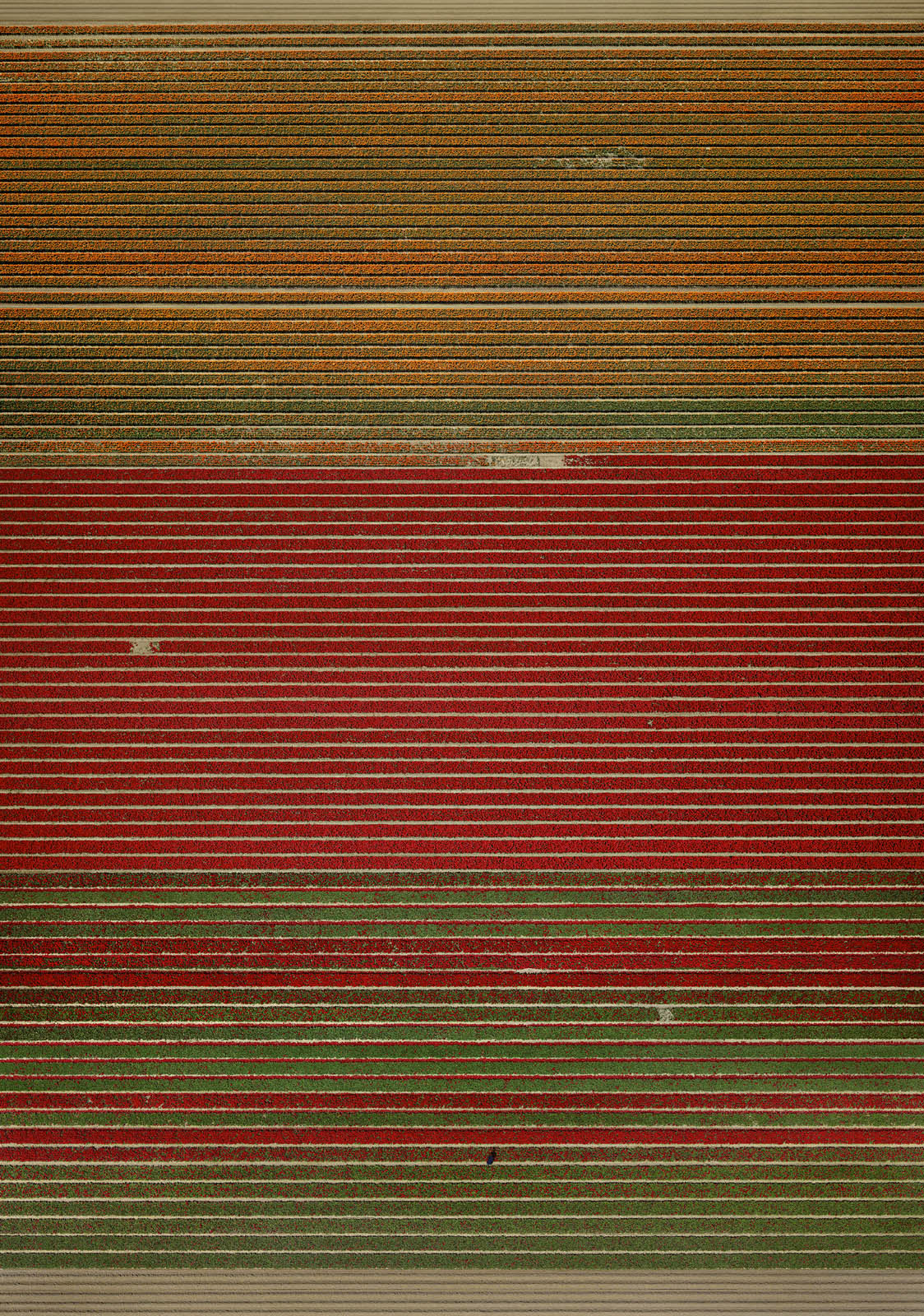

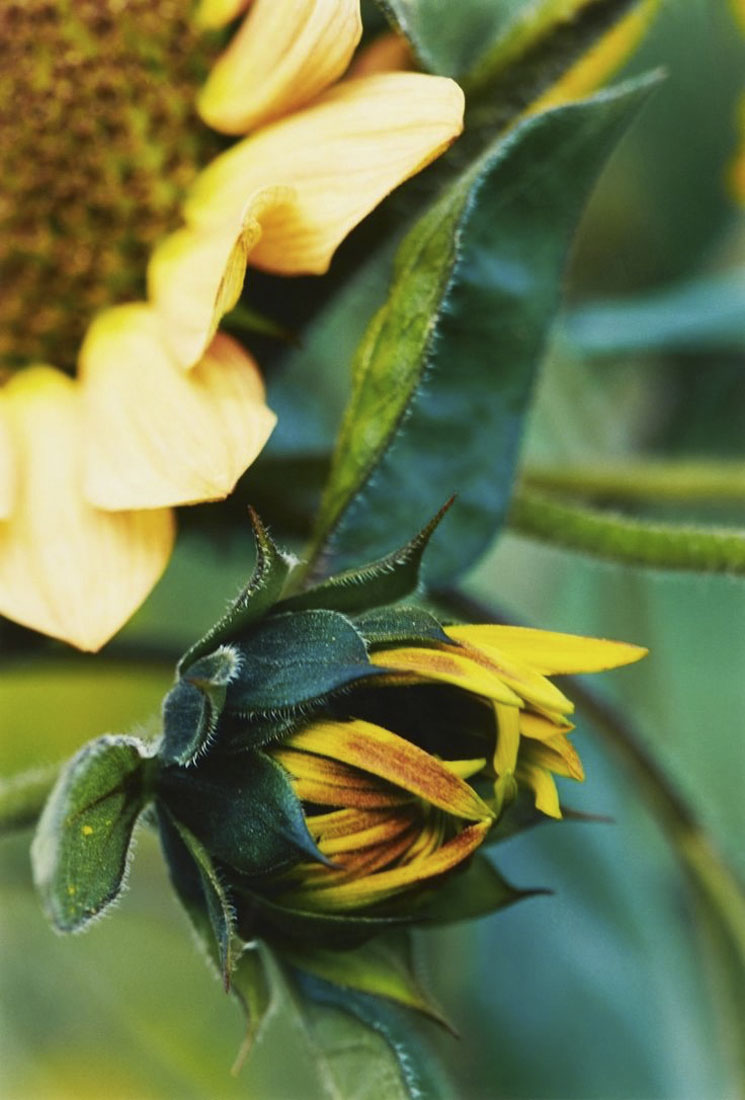
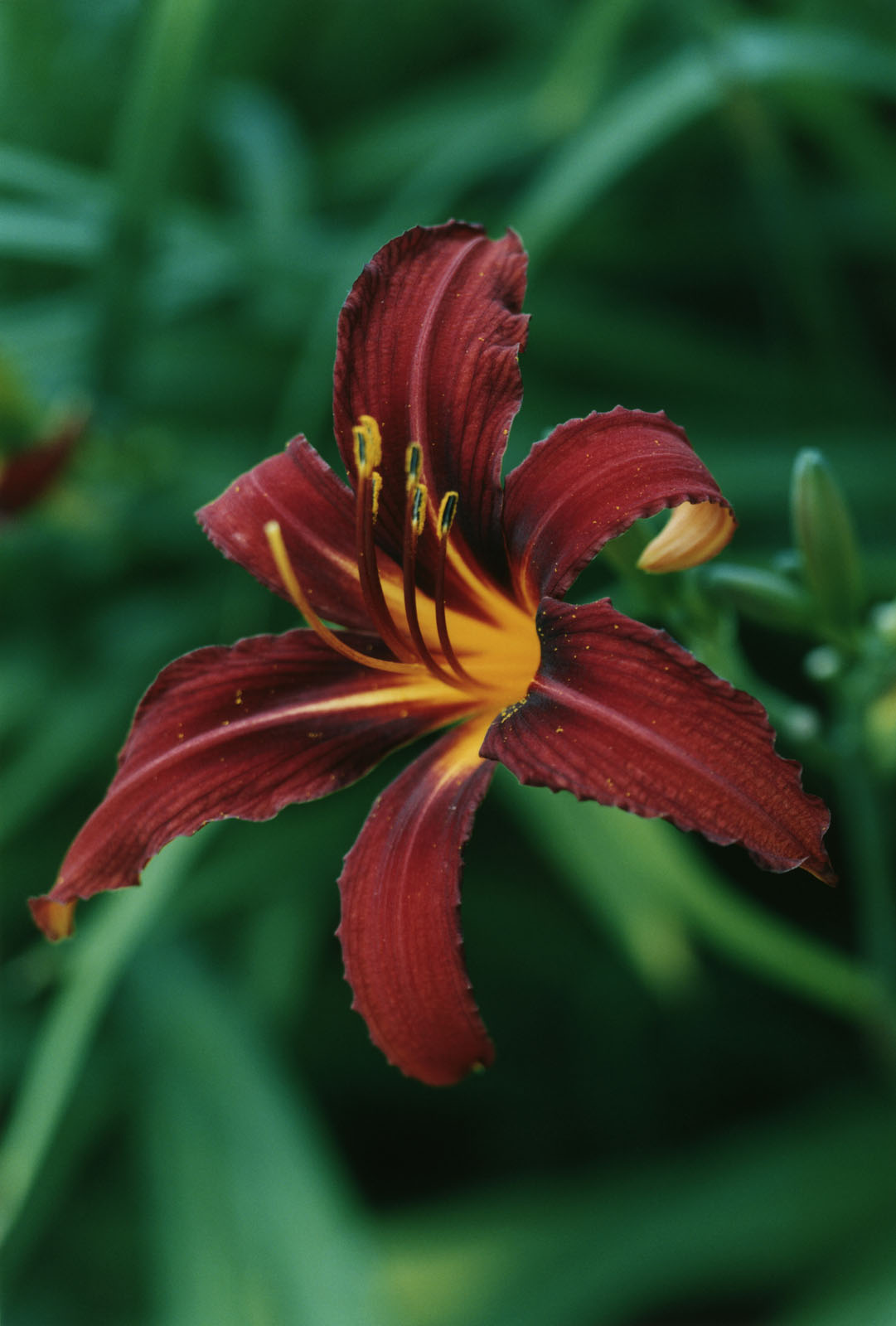
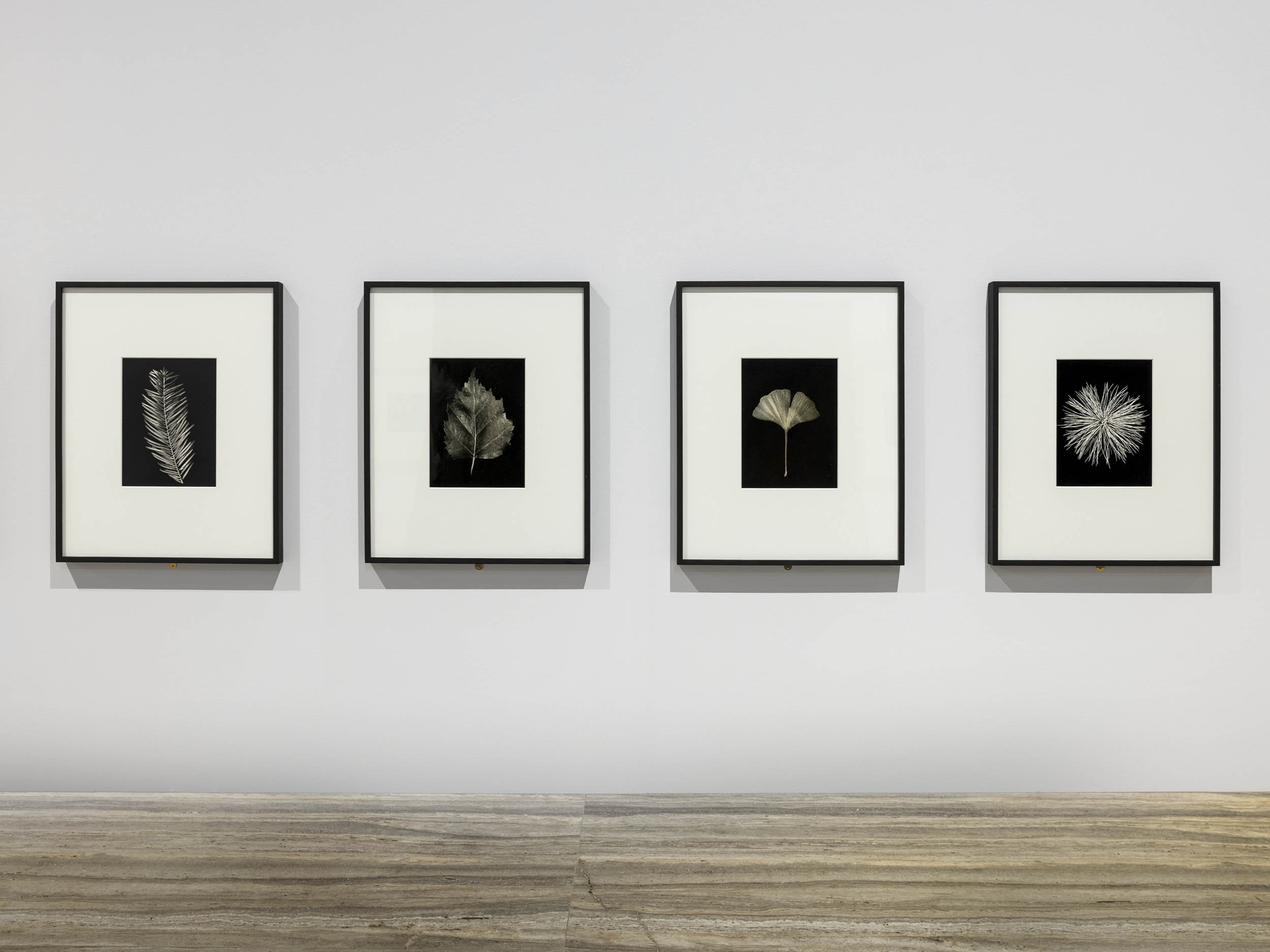
![Hilla Becher (German, 1934-2015) 'Eichenblatt [Oak Leaf]' 1965](https://artblart.com/wp-content/uploads/2025/06/8-typologien_hilla-becher_sm.jpg "Hilla Becher (German, 1934-2015) 'Eichenblatt [Oak Leaf]' 1965")
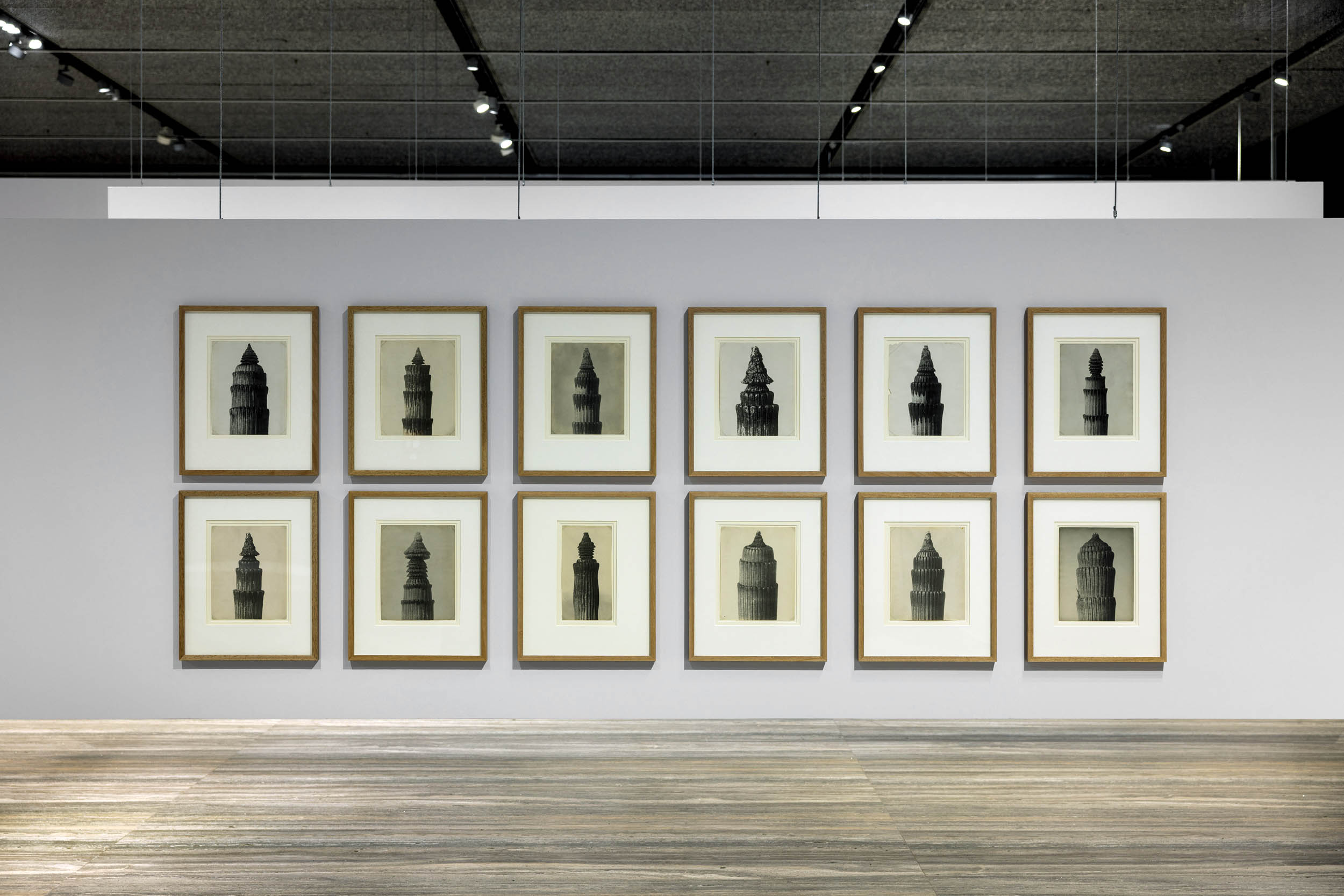
![Karl Blossfeldt (German, 1865-1932) 'Adiantum pedatum, haarfarn, junge, noch eingerollte Wedel' [Maidenhair fern, young, still curled fronds] Nd](https://artblart.com/wp-content/uploads/2025/06/5-typologien_karl-blossfeldt_sm.jpg "Karl Blossfeldt (German, 1865-1932) 'Adiantum pedatum, haarfarn, junge, noch eingerollte Wedel' [Maidenhair fern, young, still curled fronds] Nd")


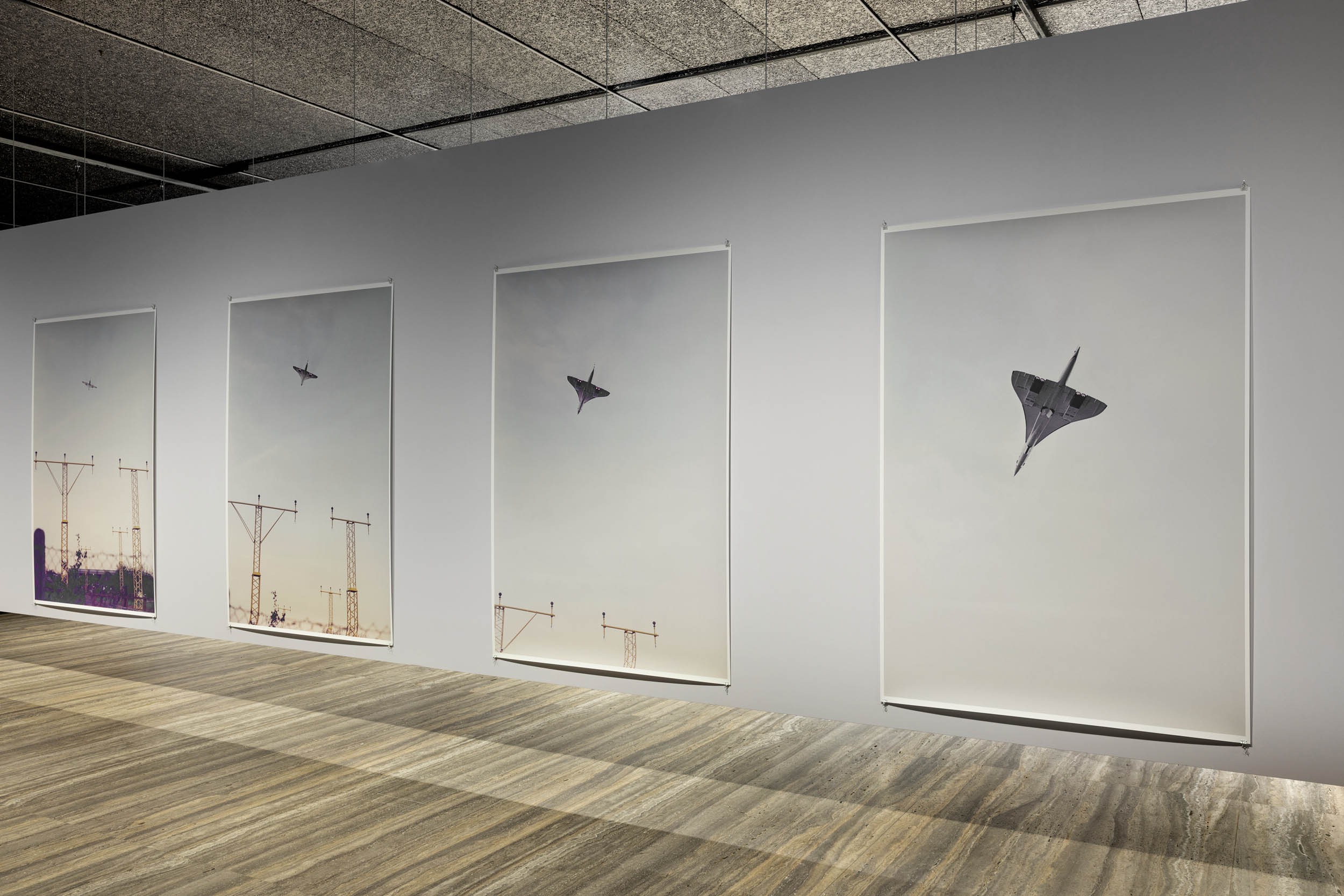
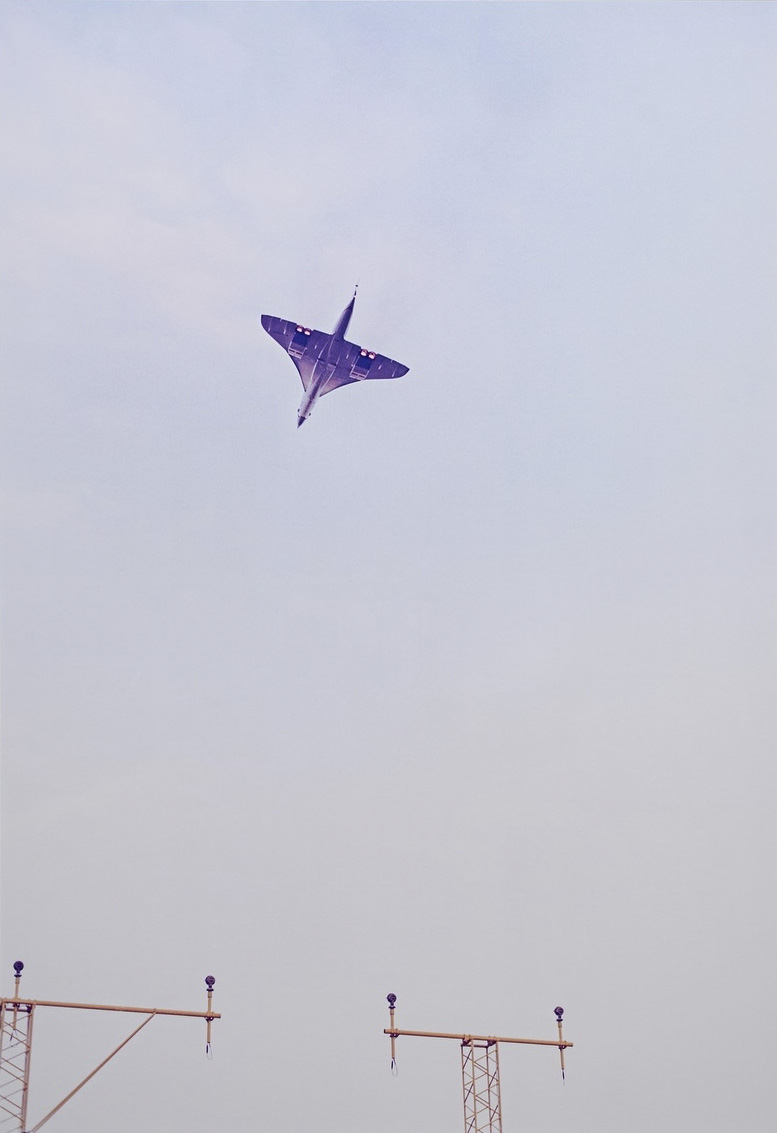
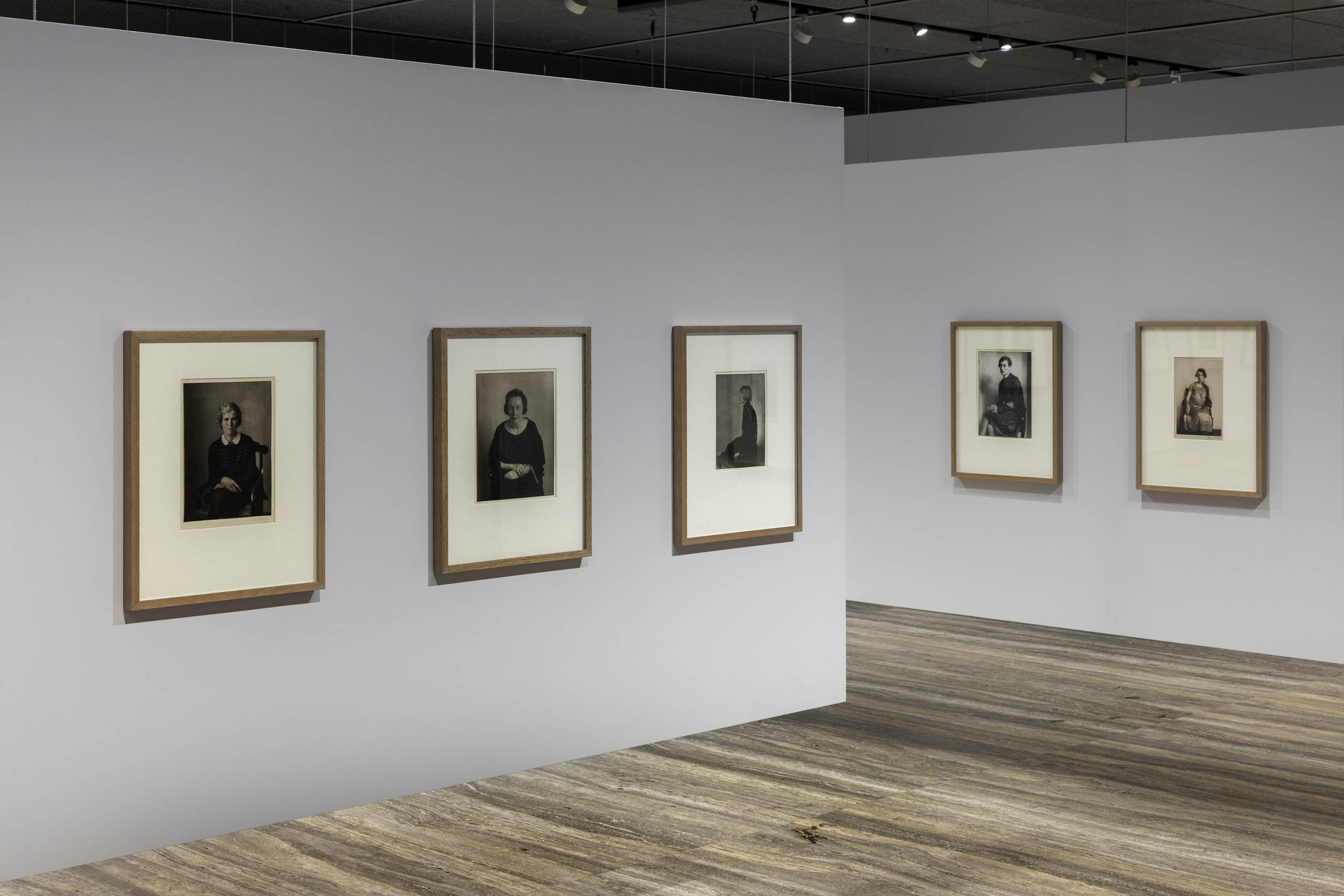
![August Sander (German, 1876-1964) 'Sekretärin beim Westdeutschen Rundfunk in Köln' [Secretary at West German Radio in Cologne] 1931-1950s](https://artblart.com/wp-content/uploads/2025/06/6-typologien_august-sander_siae_sm.jpg "August Sander (German, 1876-1964) 'Sekretärin beim Westdeutschen Rundfunk in Köln' [Secretary at West German Radio in Cologne] 1931-1950s")
![Erich Sander for August Sander's studio. 'Politischer Häftling' [Political Prisoner] 1941-1944 (print date late 1940s)](https://artblart.com/wp-content/uploads/2025/06/7-typologien_august-sander_siae_sm.jpg "Erich Sander for August Sander's studio. 'Politischer Häftling' [Political Prisoner] 1941-1944 (print date late 1940s)")
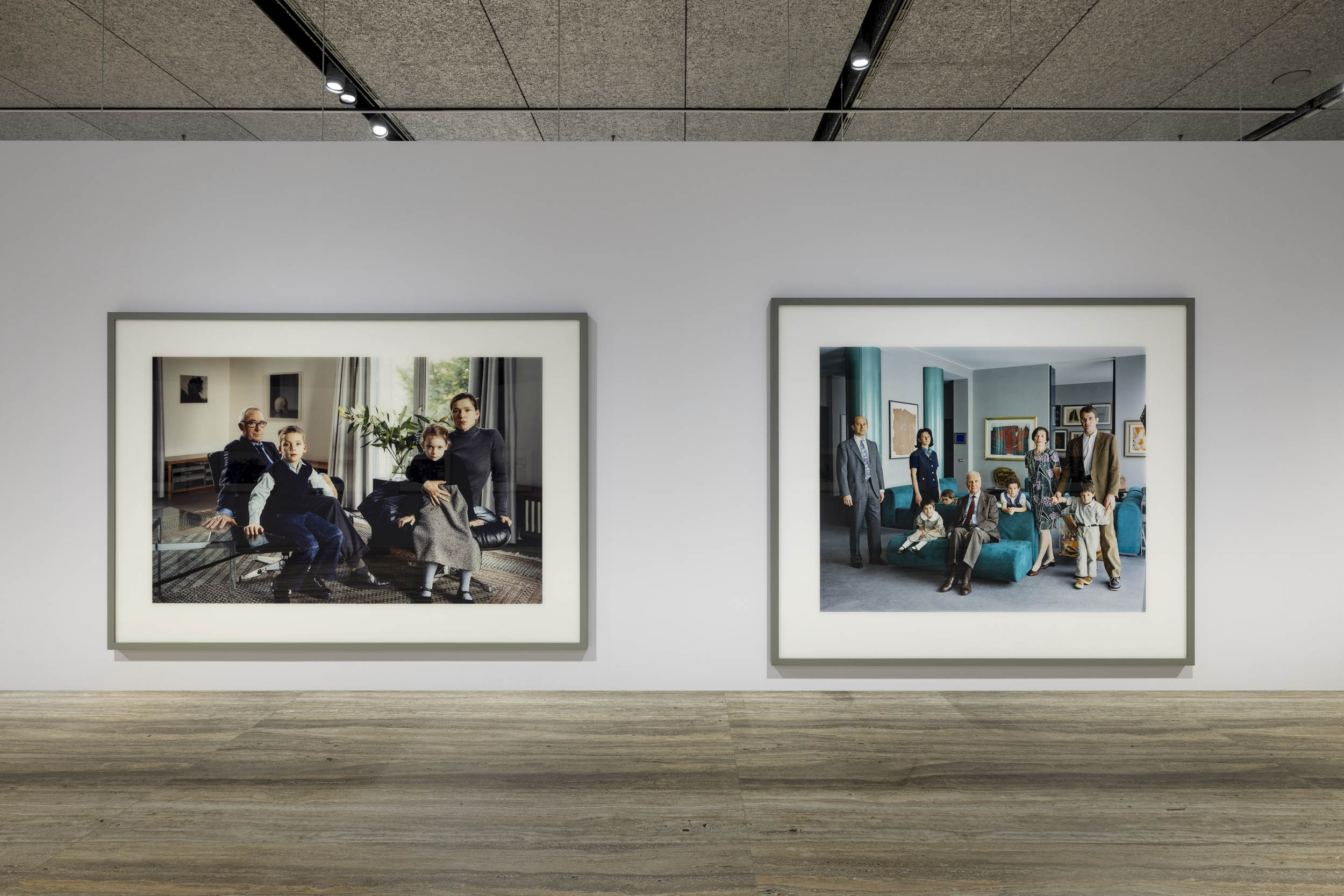

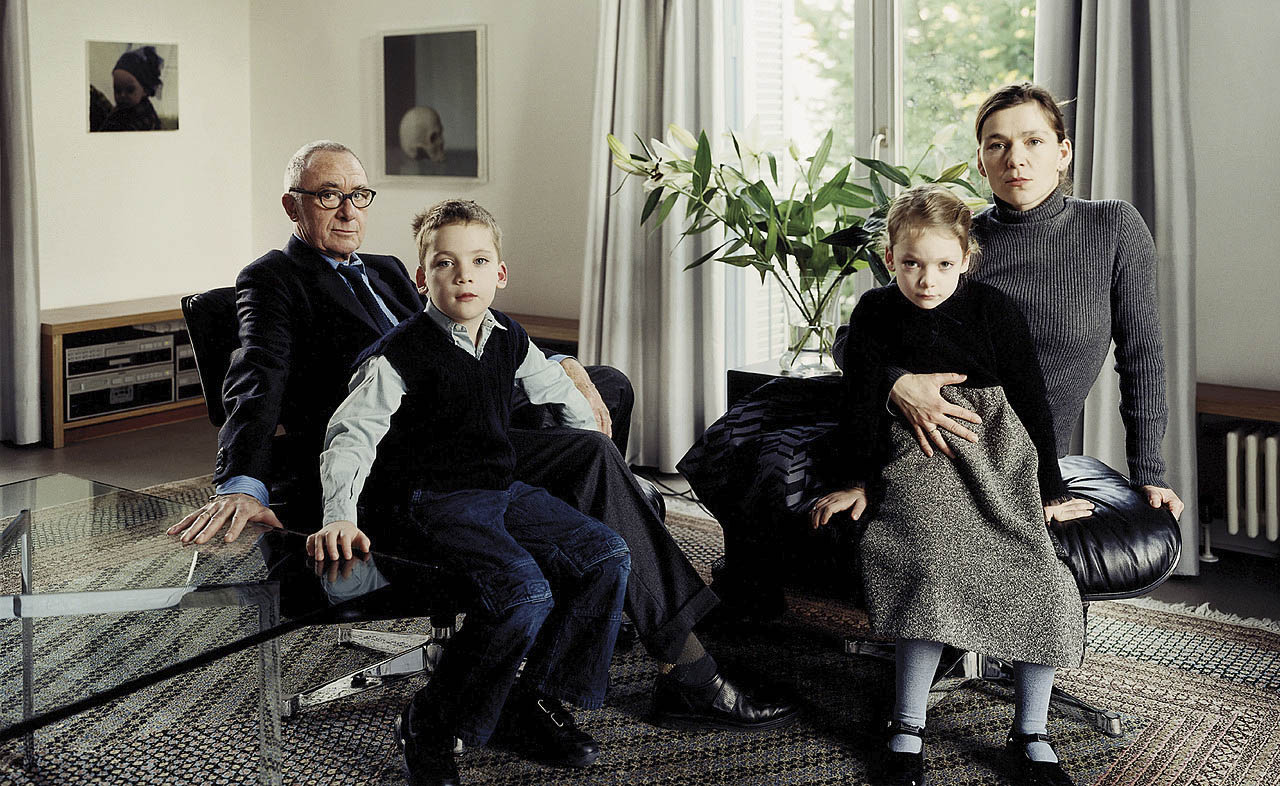
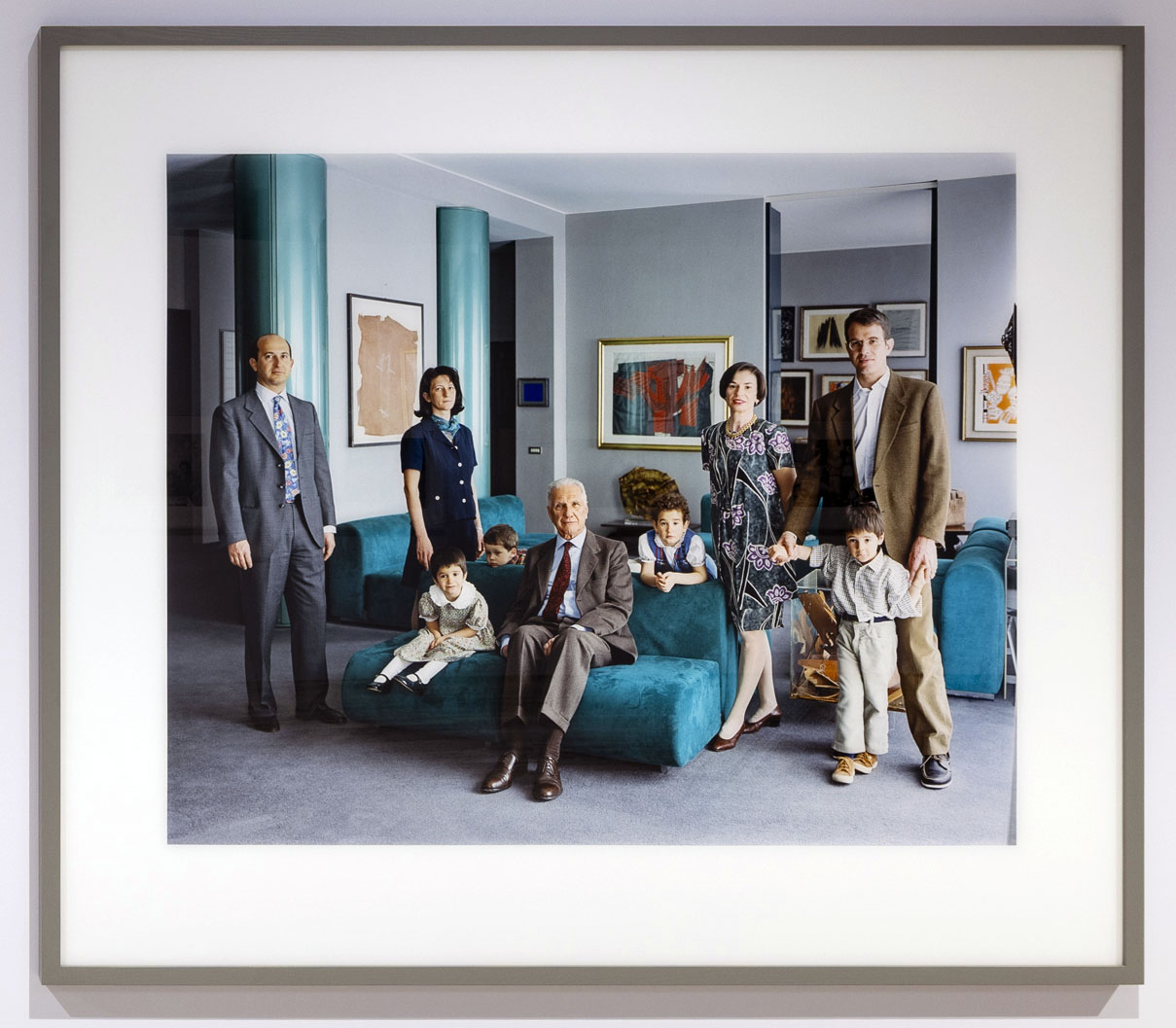
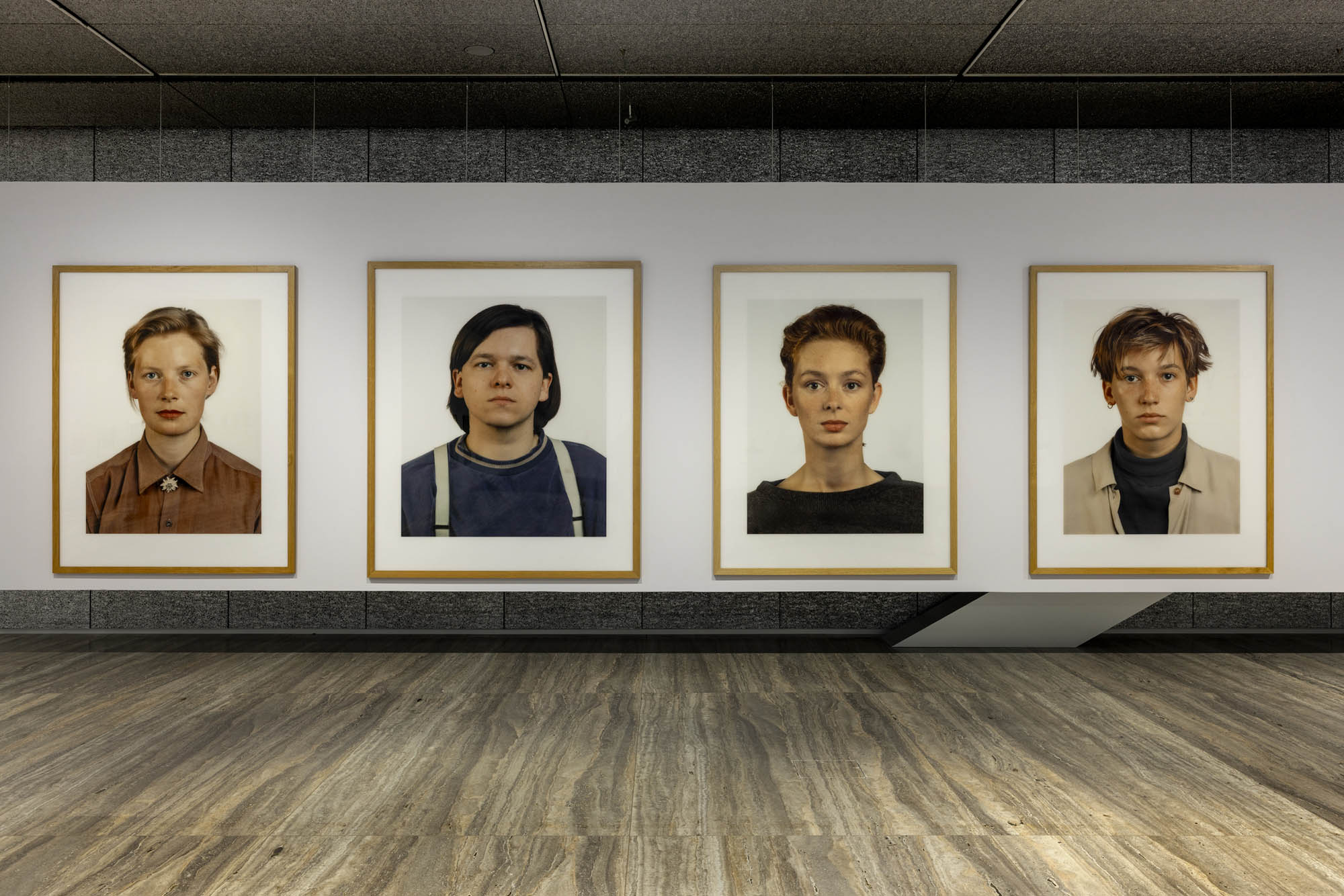
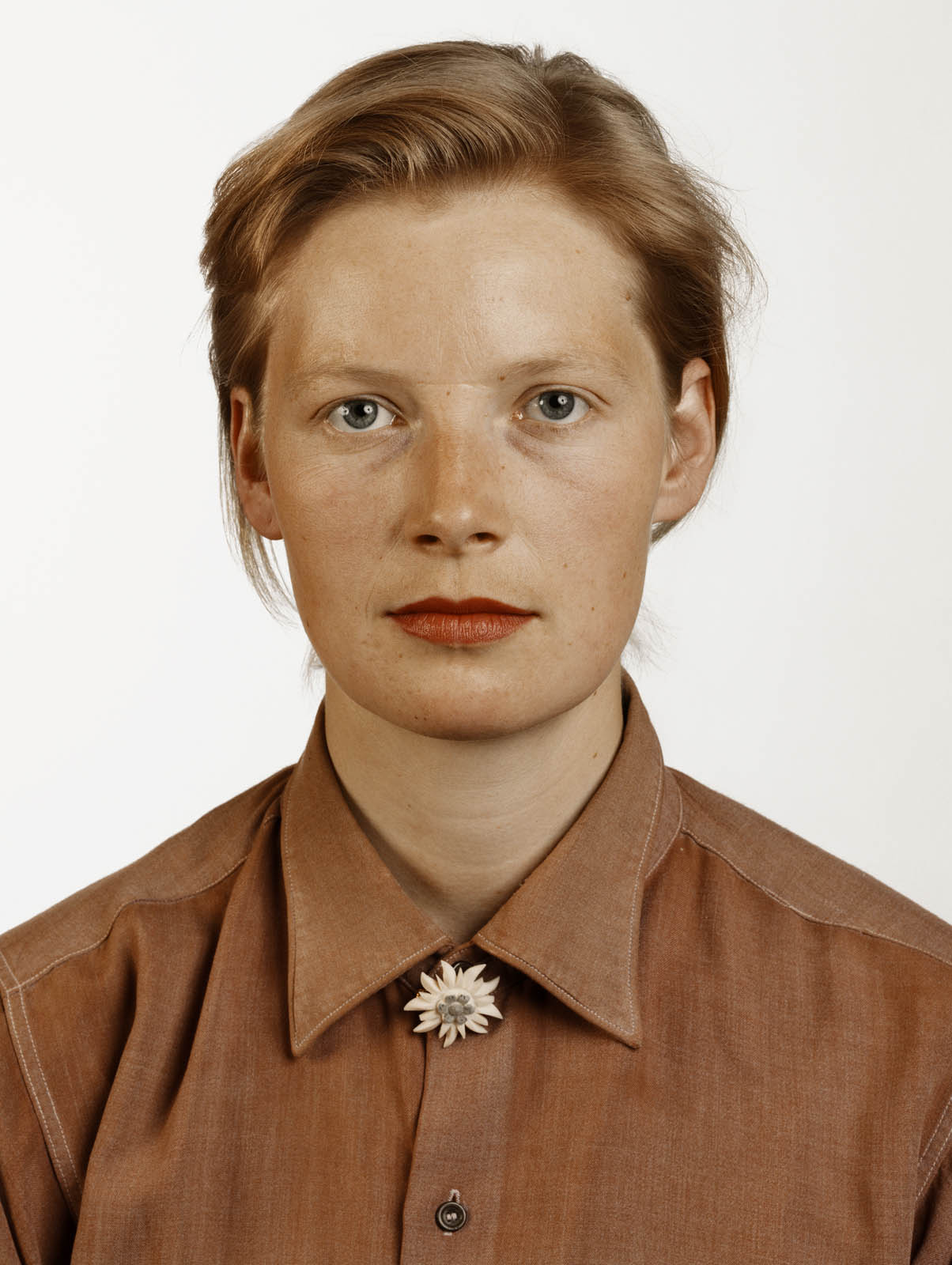

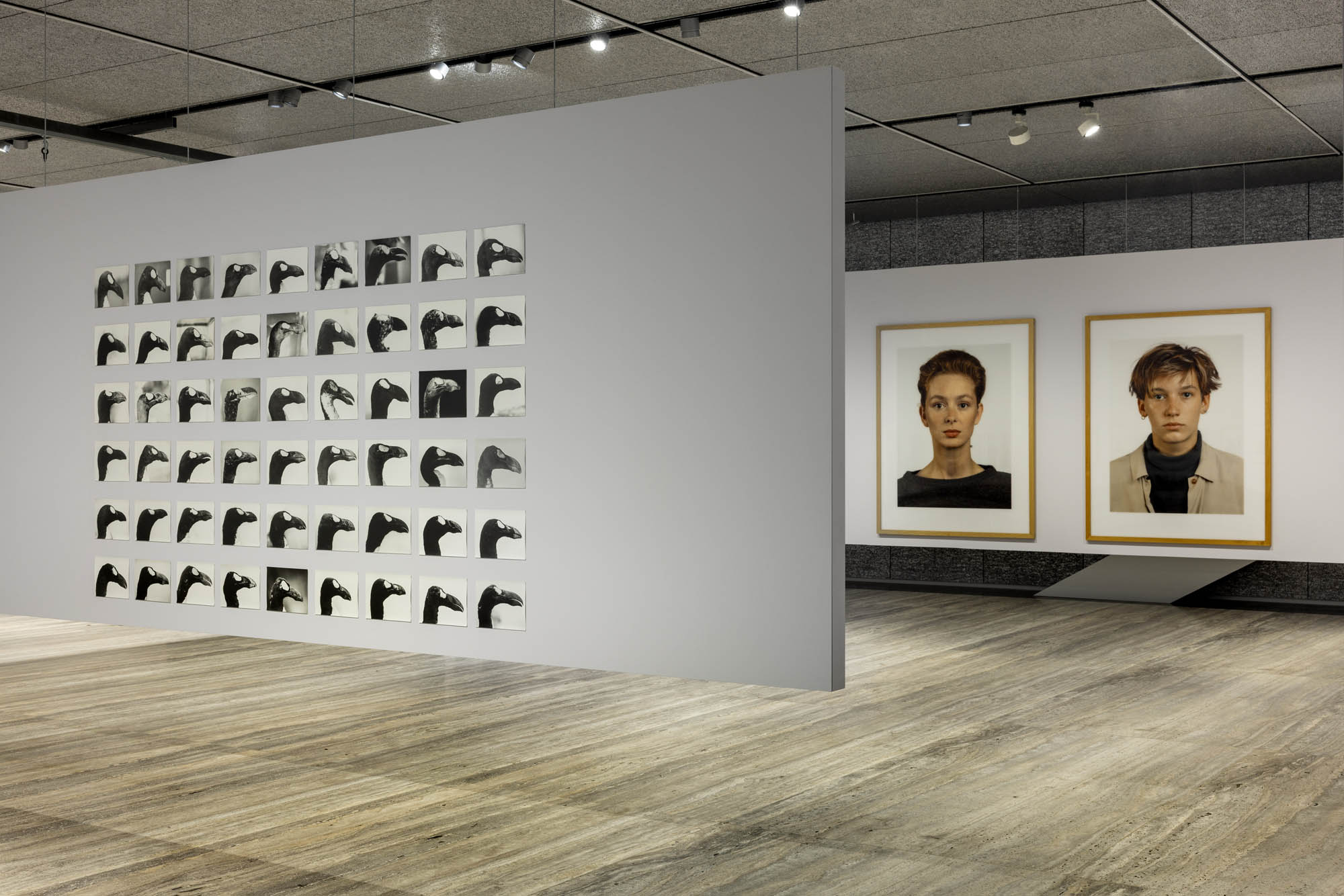
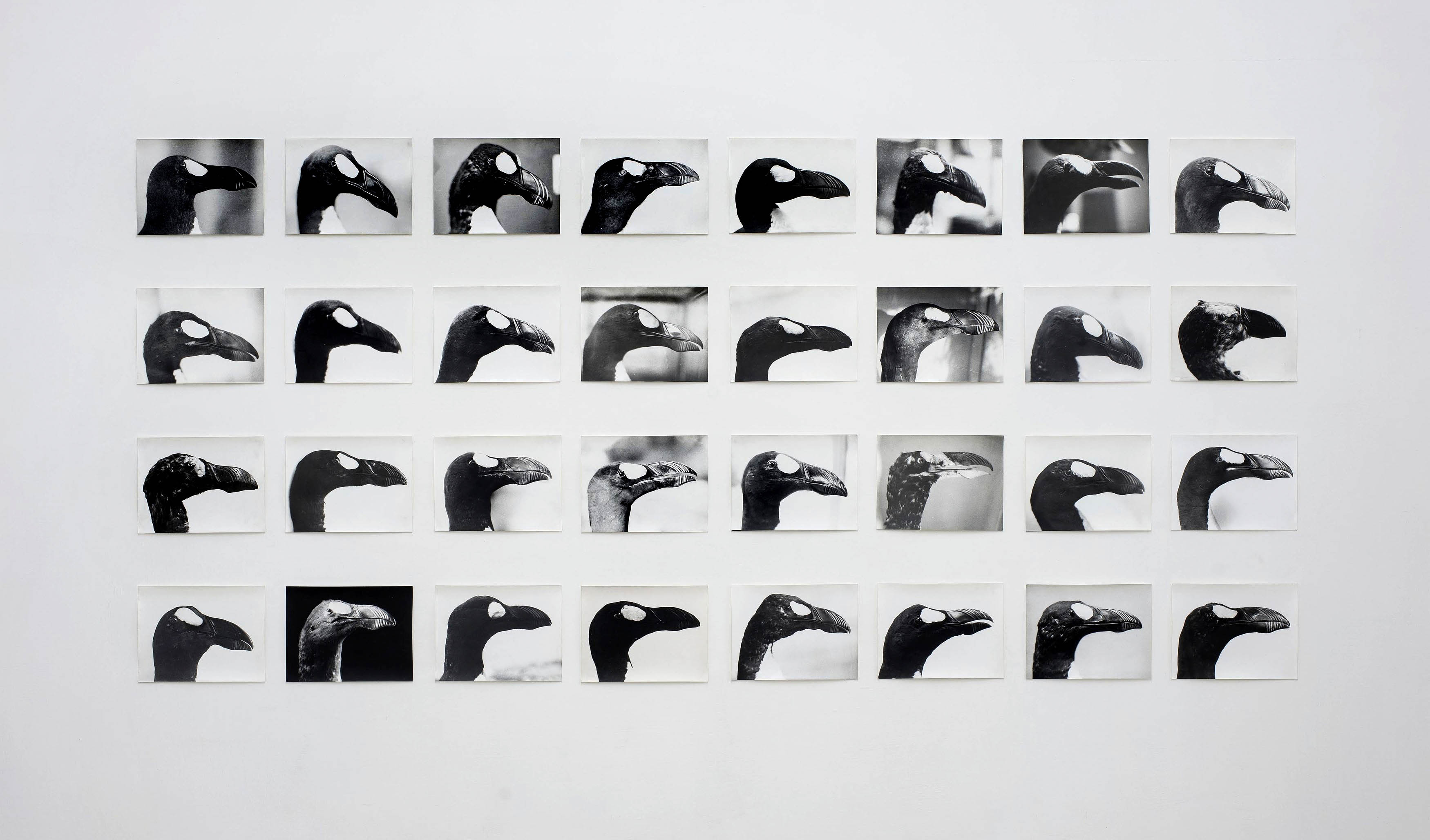

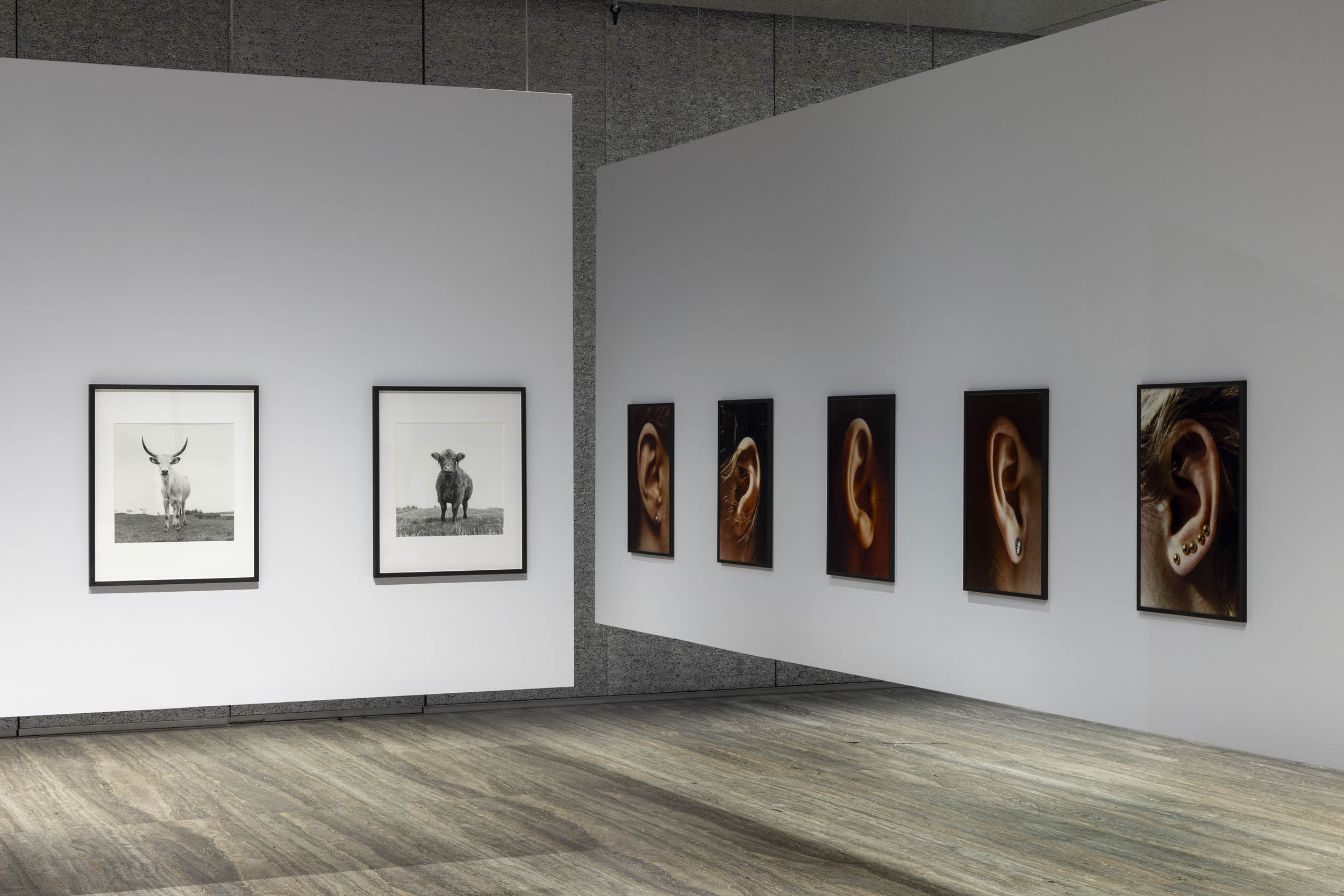
![Ursula Böhmer (German, b. 1965) 'Highland Grampians / Scotland [All Ladies – Cows in Europe]' 2011](https://artblart.com/wp-content/uploads/2025/06/21-typologien_ursula-bohmer_sm.jpg "Ursula Böhmer (German, b. 1965) 'Highland Grampians / Scotland [All Ladies – Cows in Europe]' 2011")
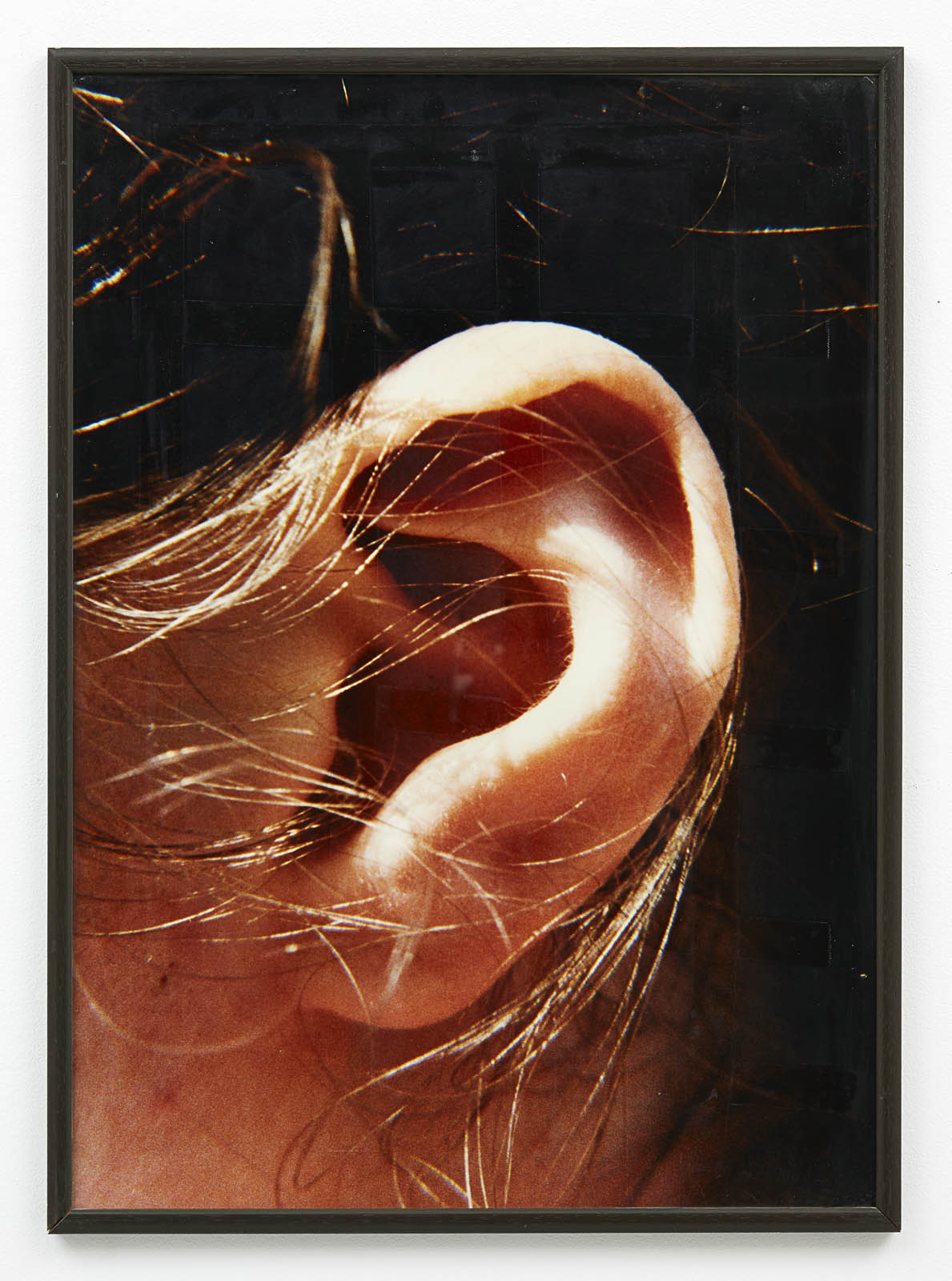
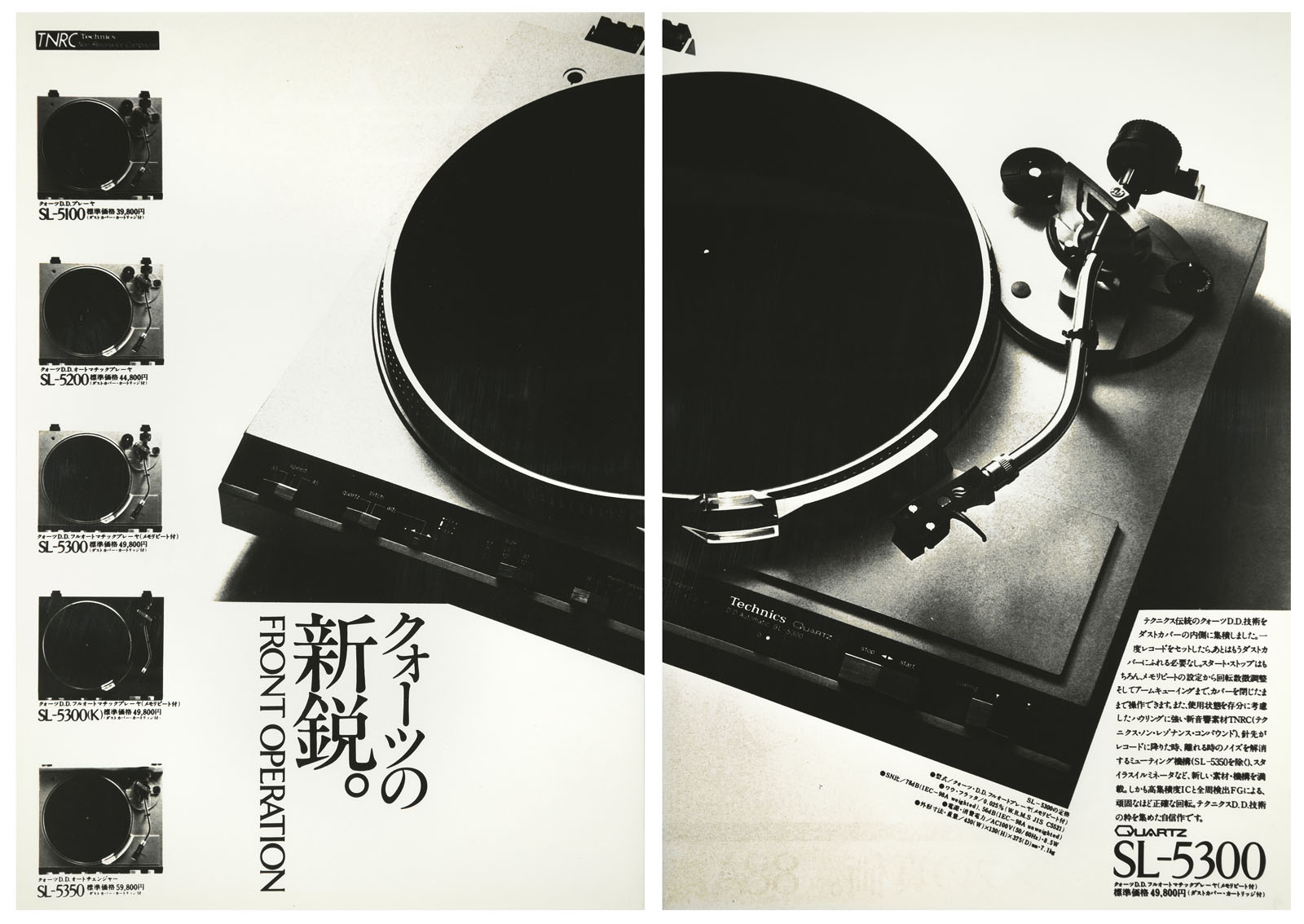
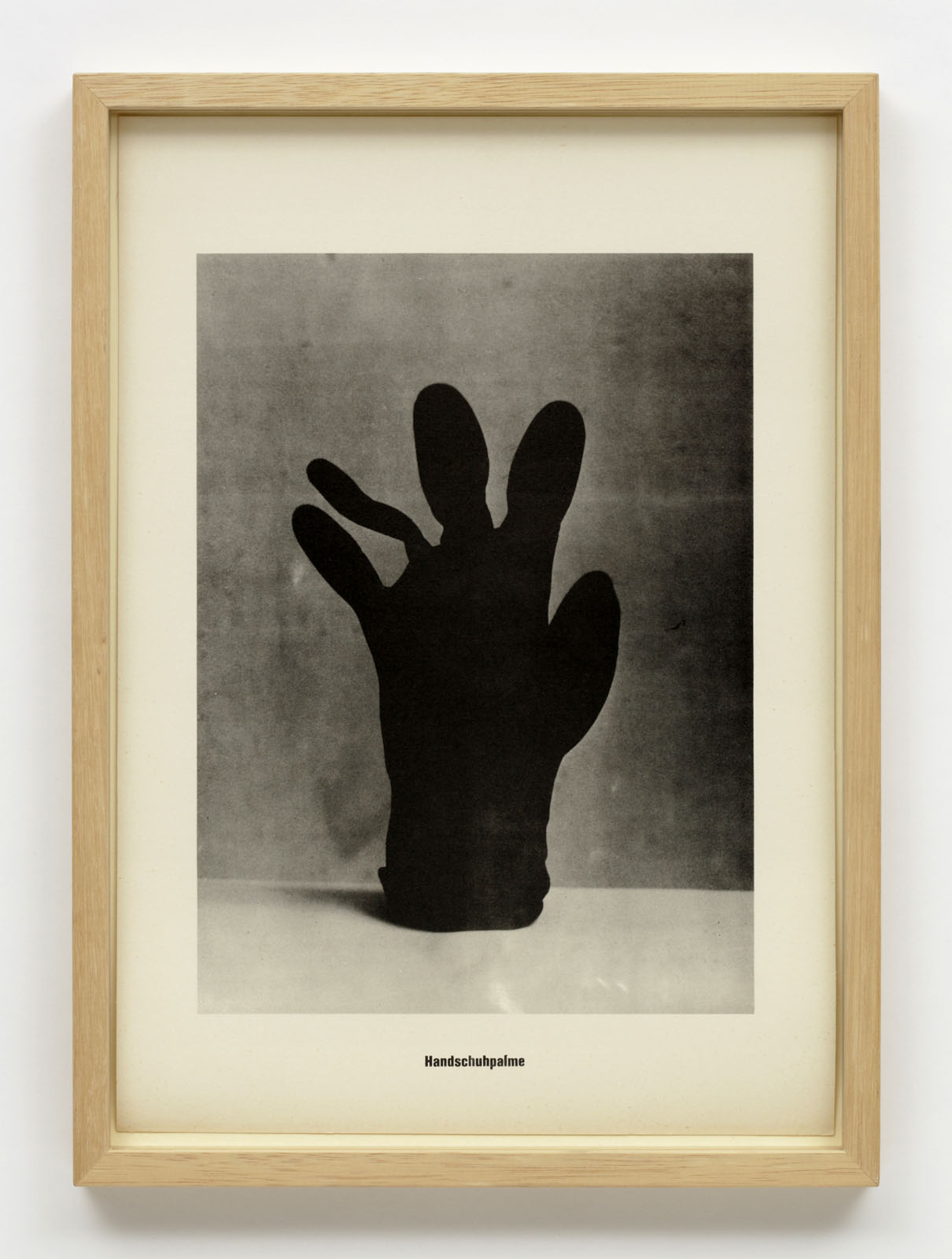
![Lotte Jacobi (American born Poland, 1896-1990) 'Folkwang-Auriga-Verlag, Orch 152. Neottia nidus avis. Vogel-Nestwurz, einzelne Blüte' [Bird's-nest orchid, single flower] c. 1930](https://artblart.com/wp-content/uploads/2025/06/4-typologien_lotte-jacobi_sm.jpg "Lotte Jacobi (American born Poland, 1896-1990) 'Folkwang-Auriga-Verlag, Orch 152. Neottia nidus avis. Vogel-Nestwurz, einzelne Blüte' [Bird's-nest orchid, single flower] c. 1930")
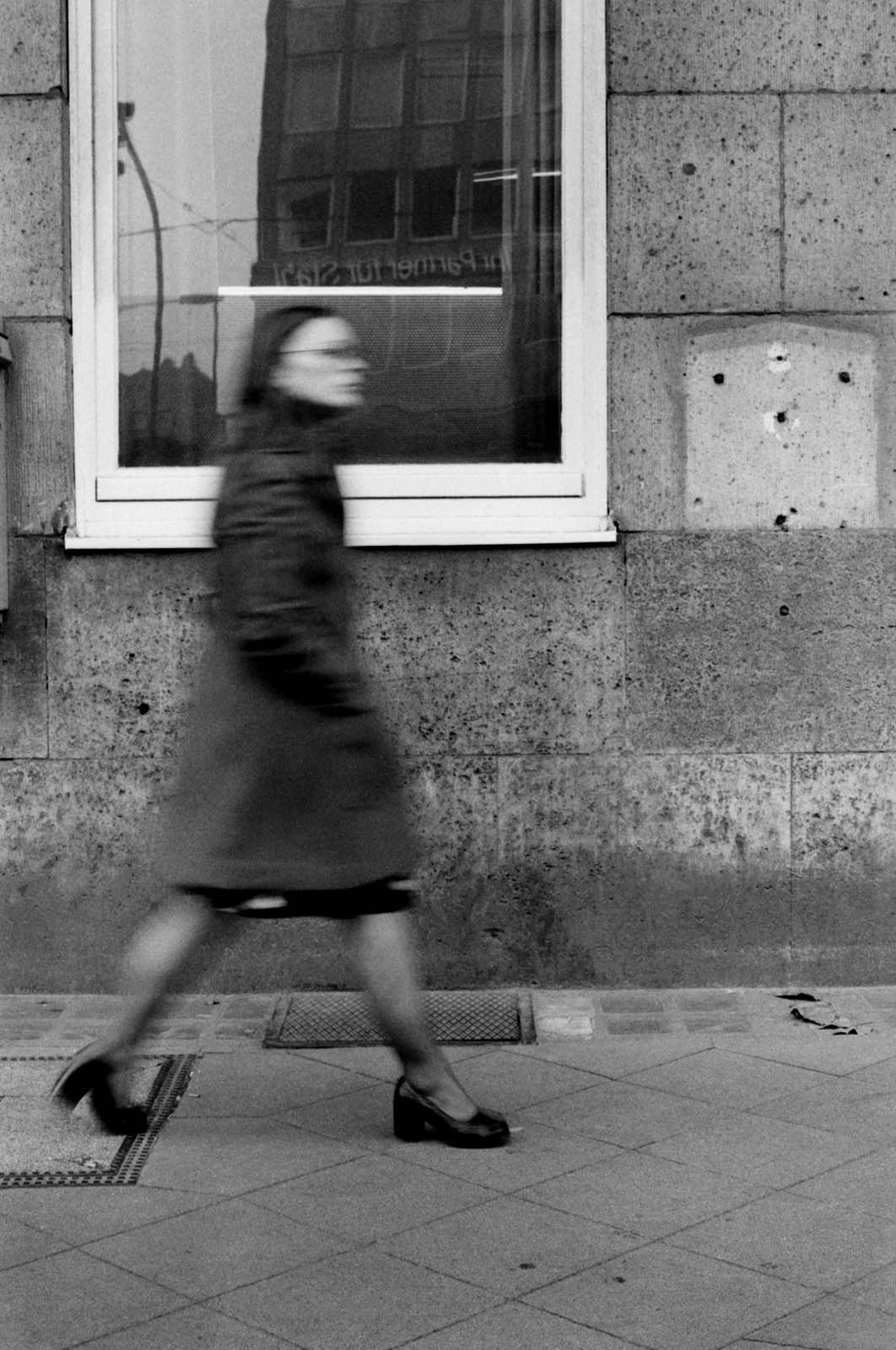
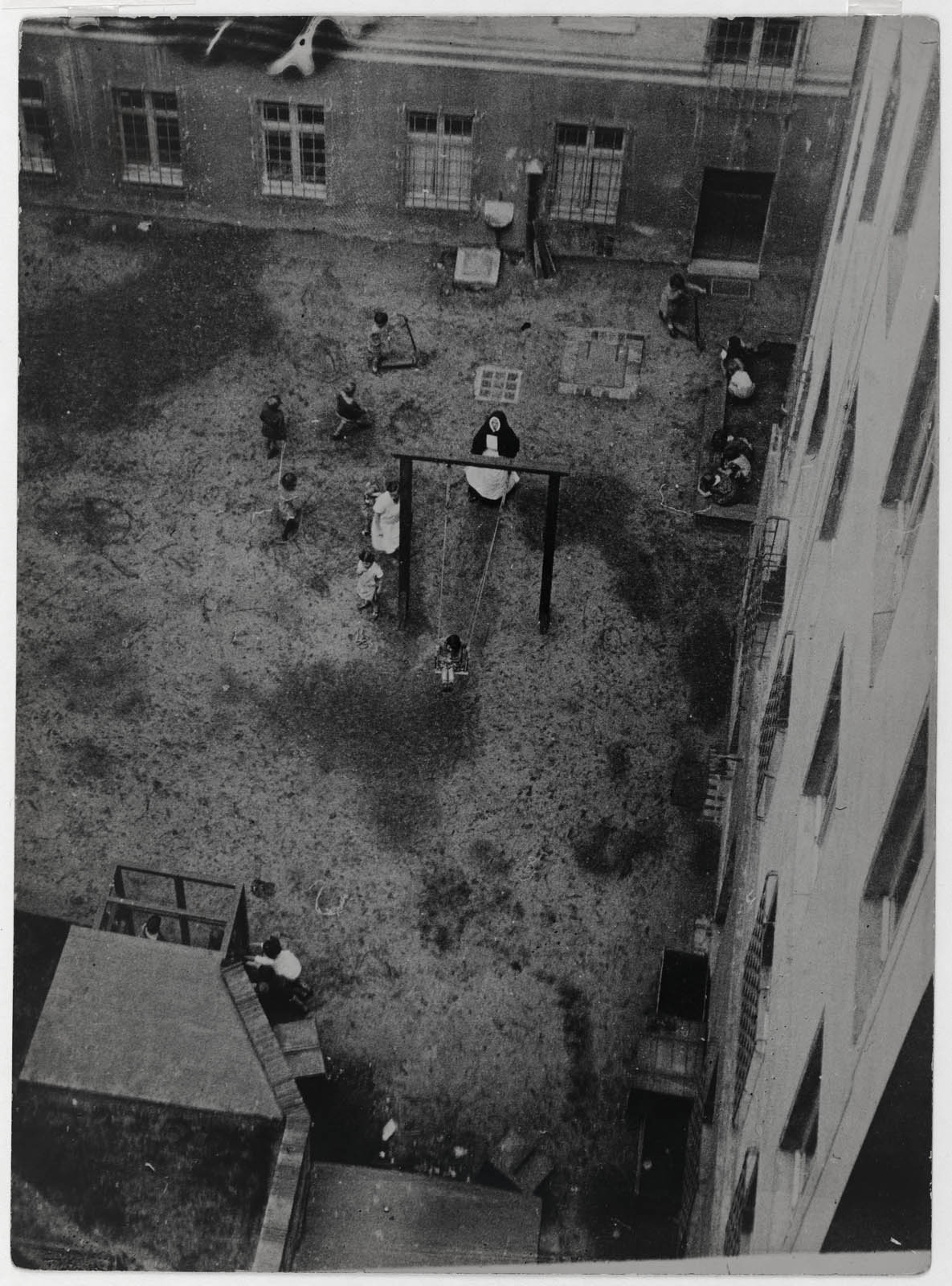
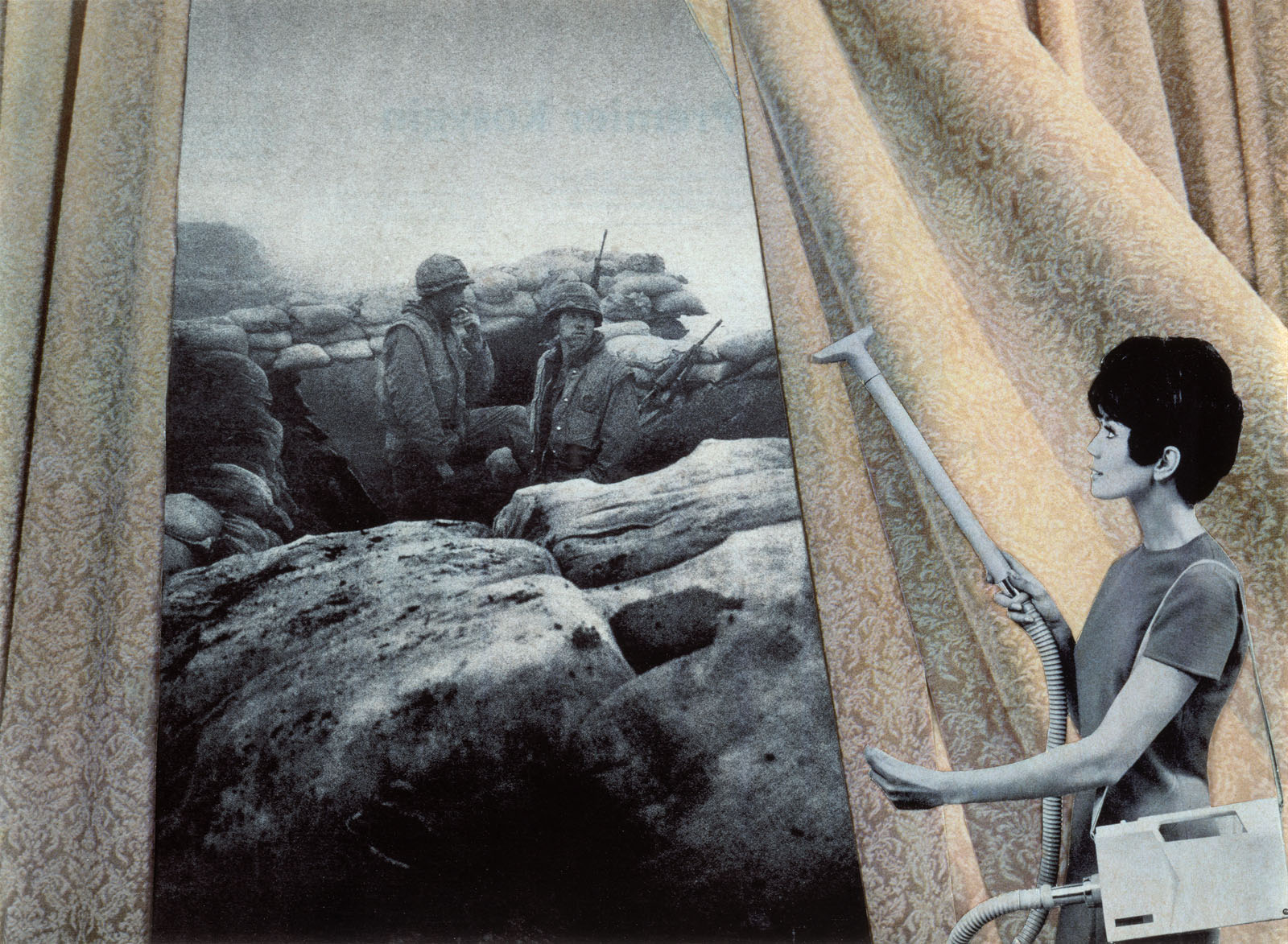


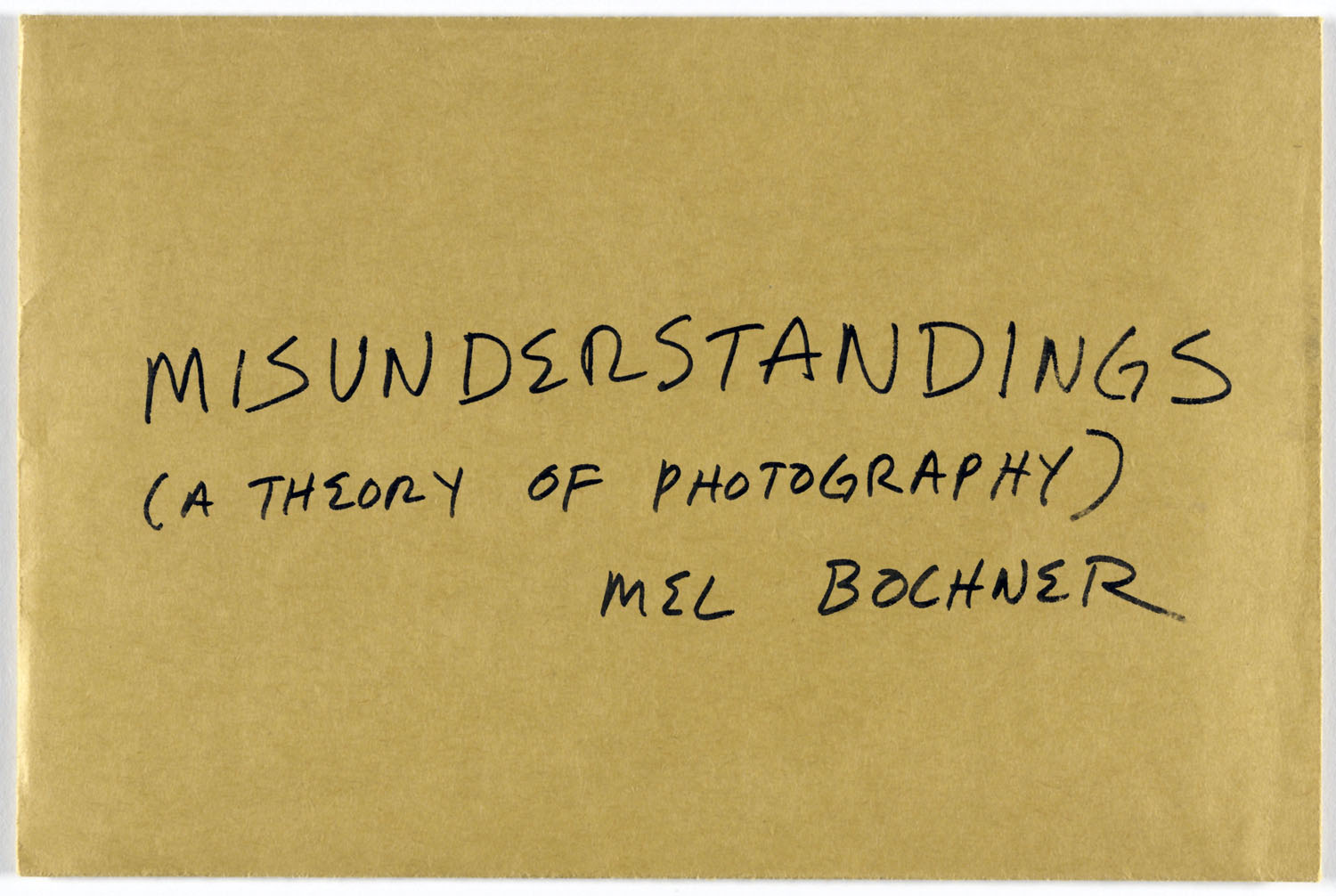


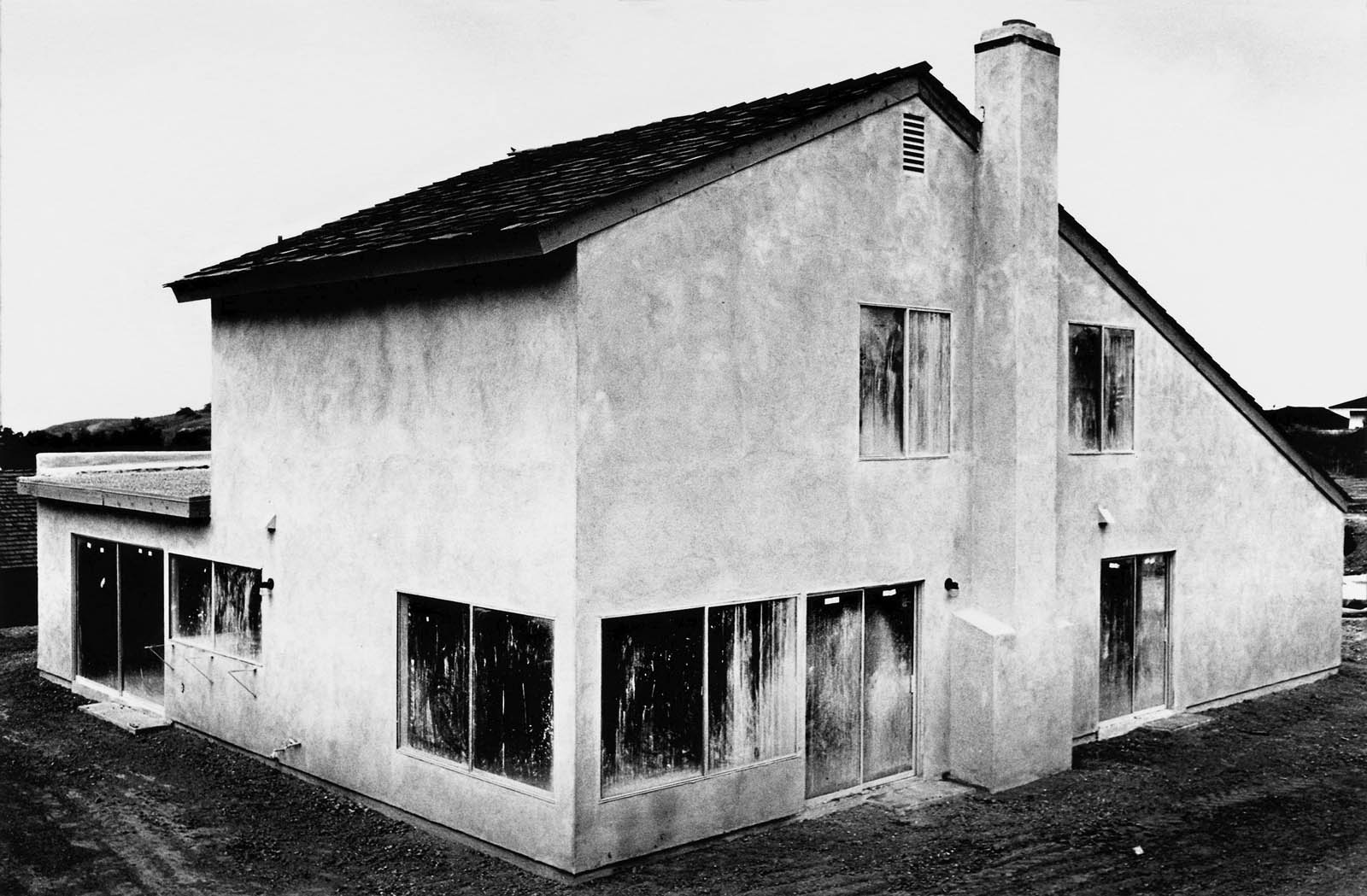


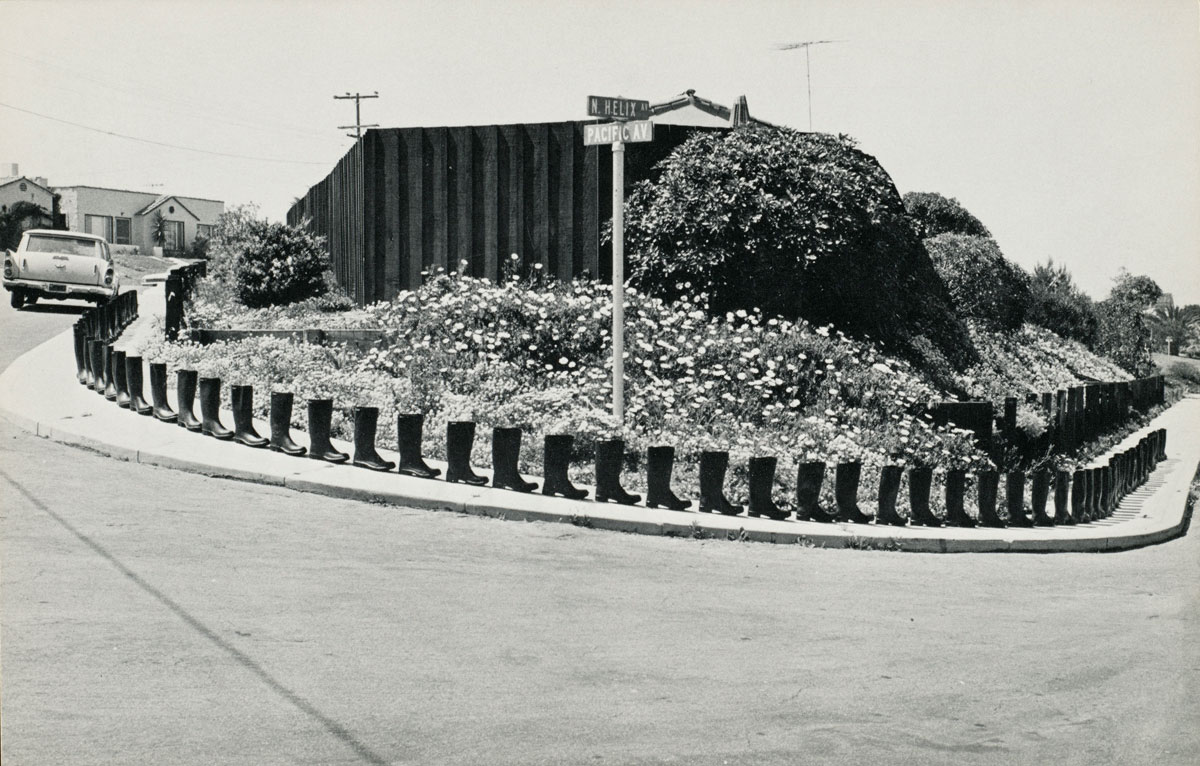
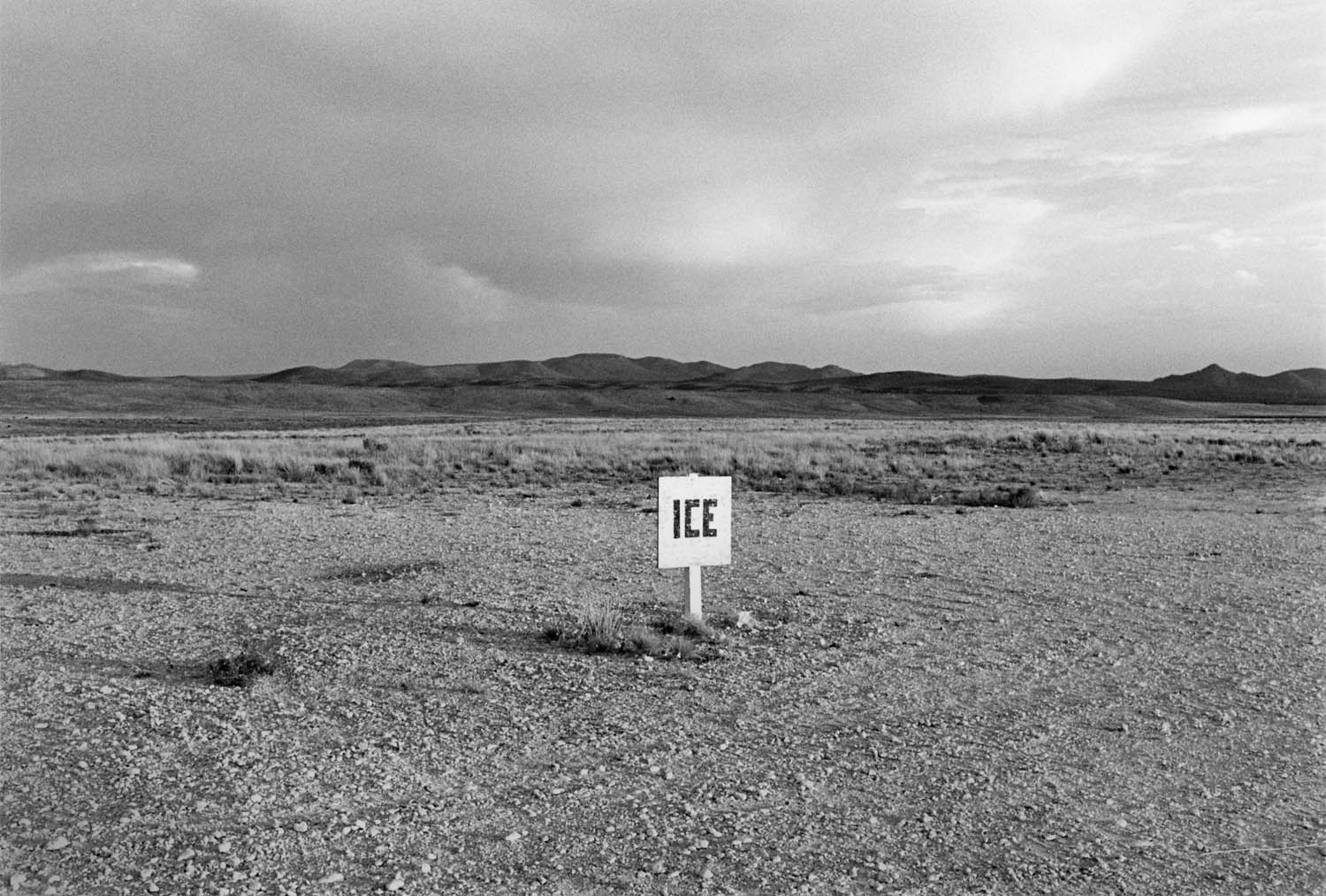

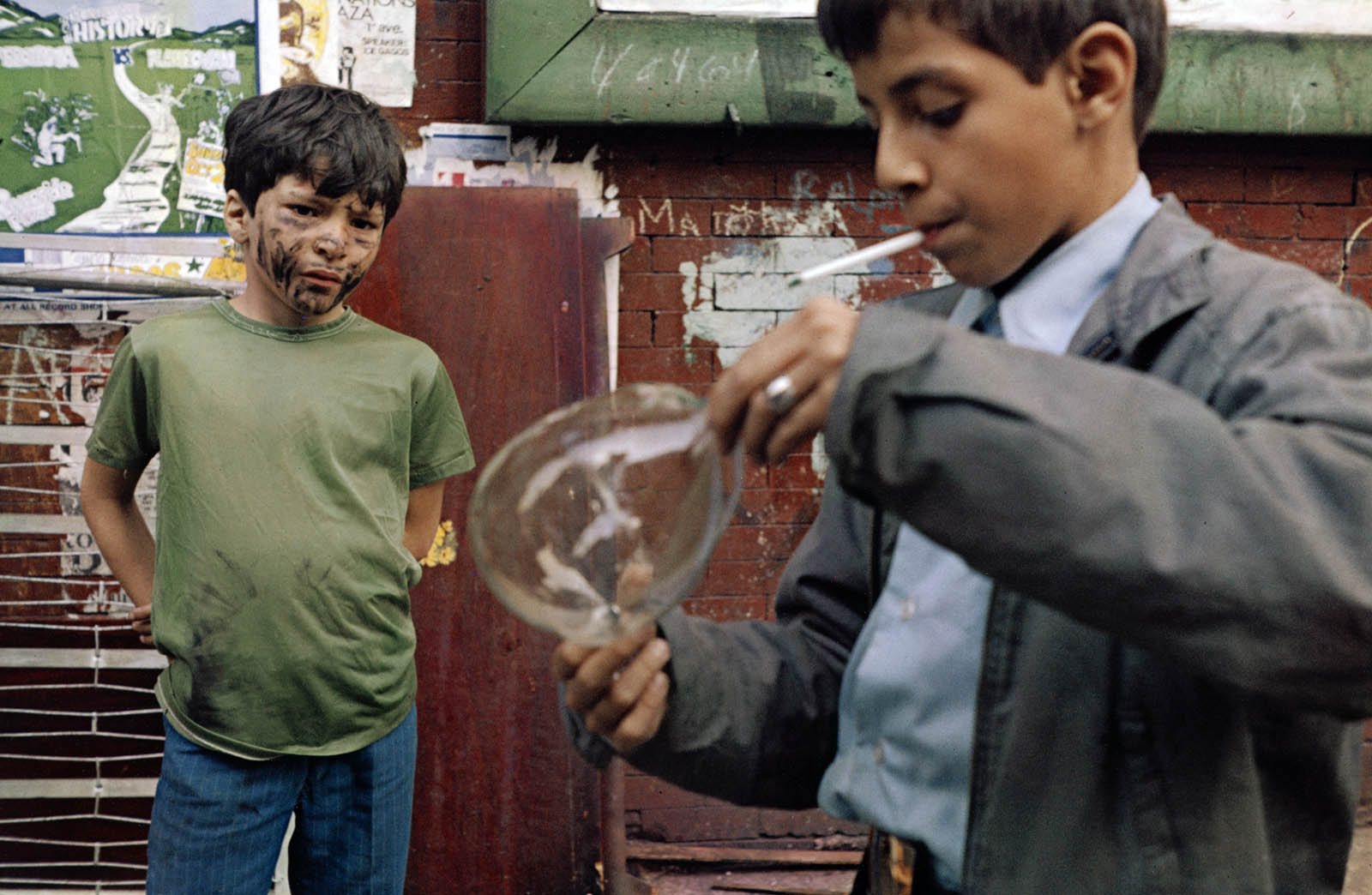


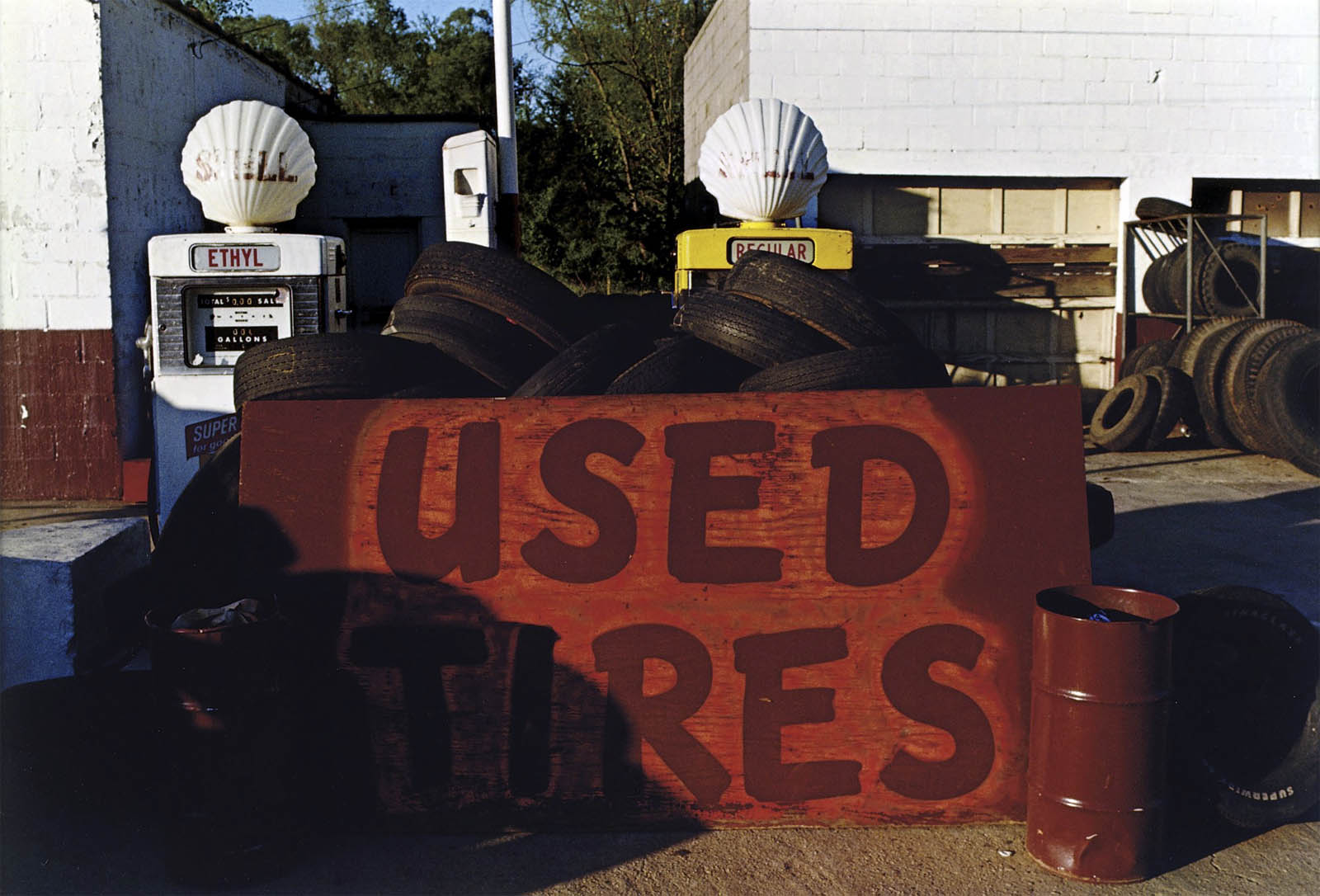
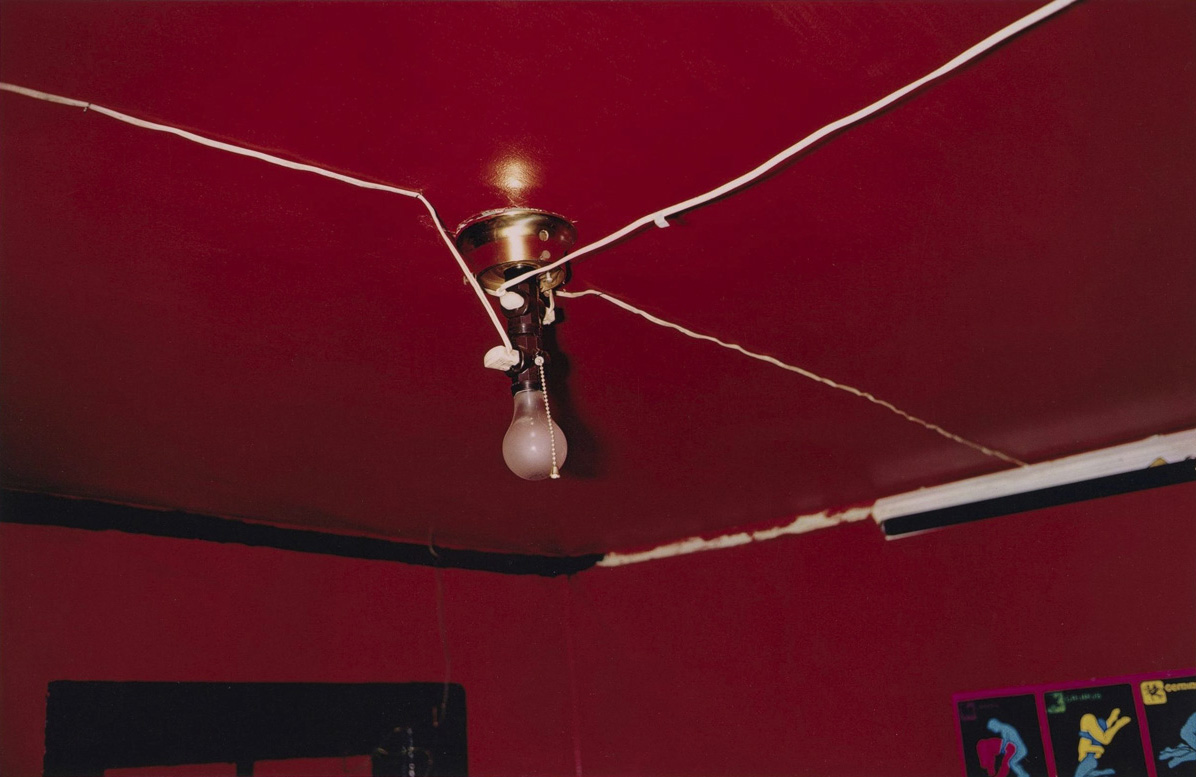

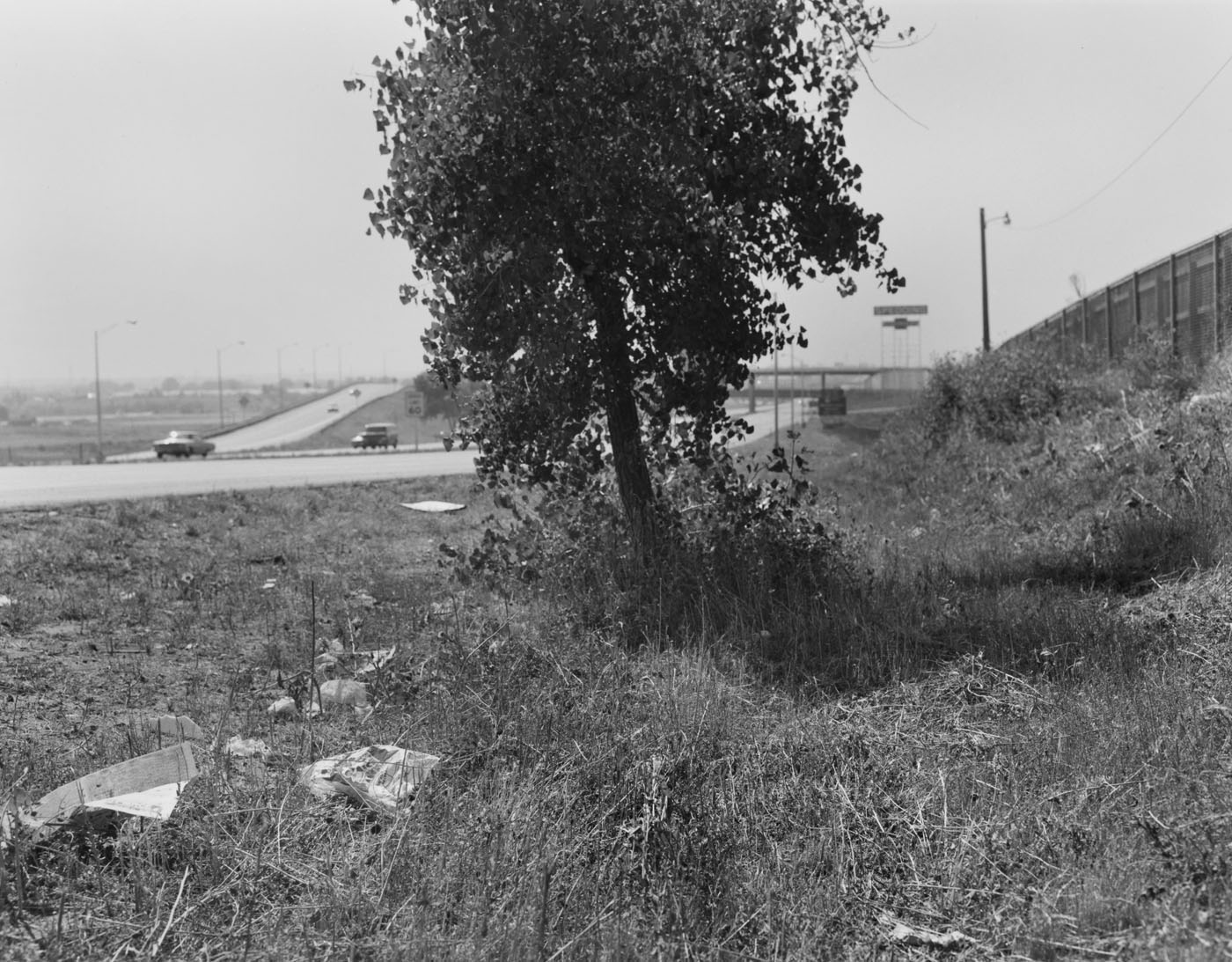

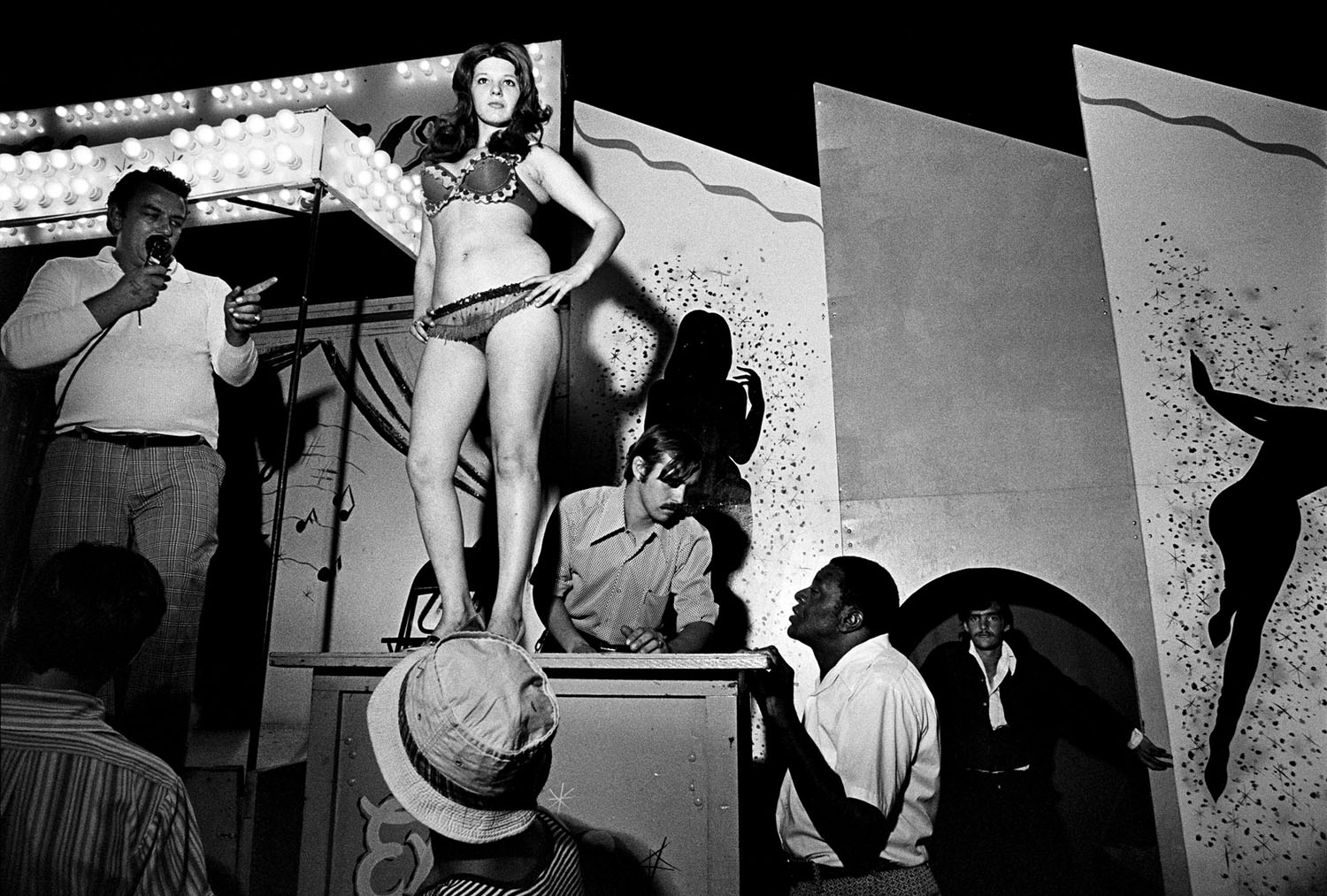


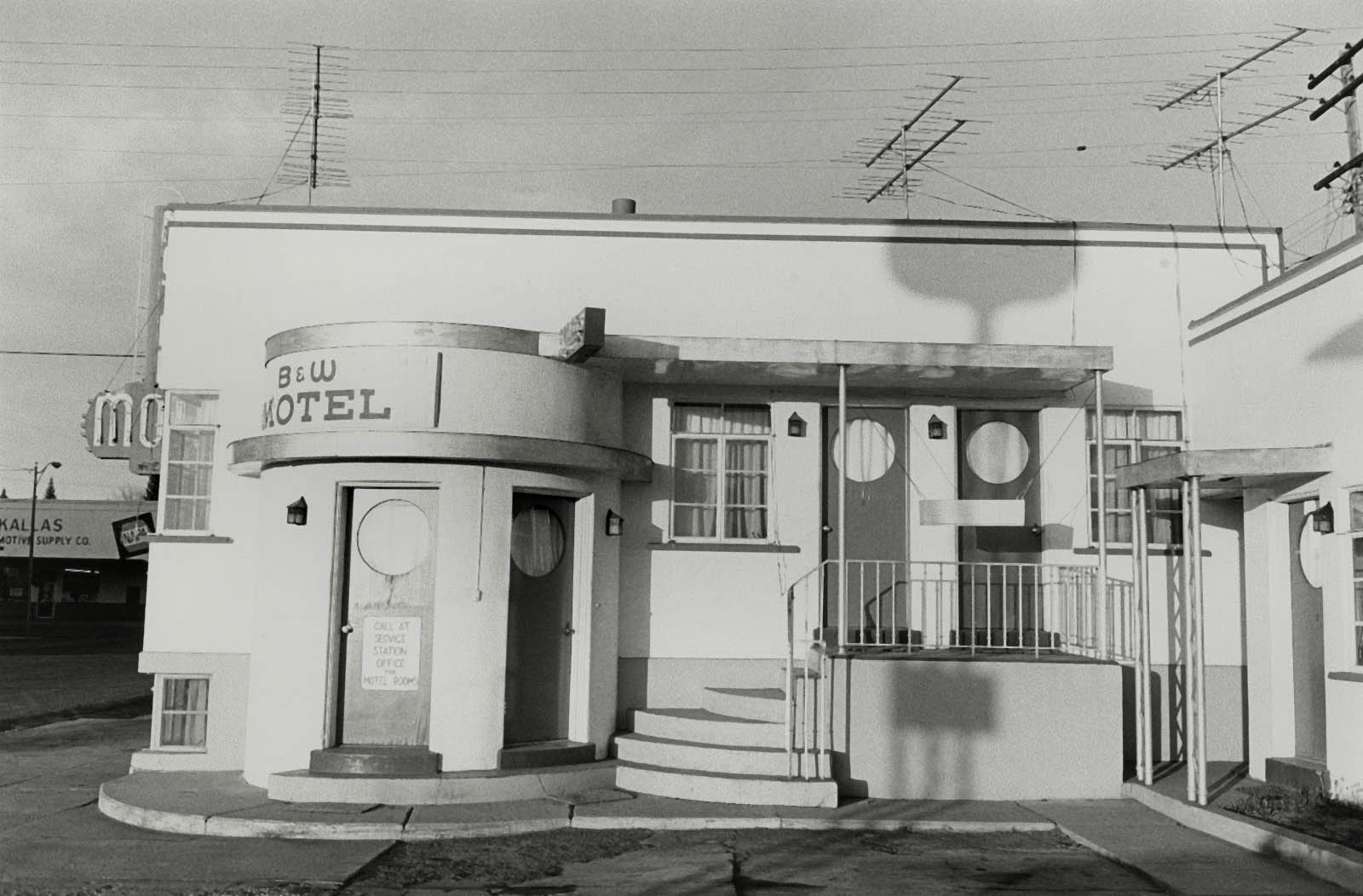

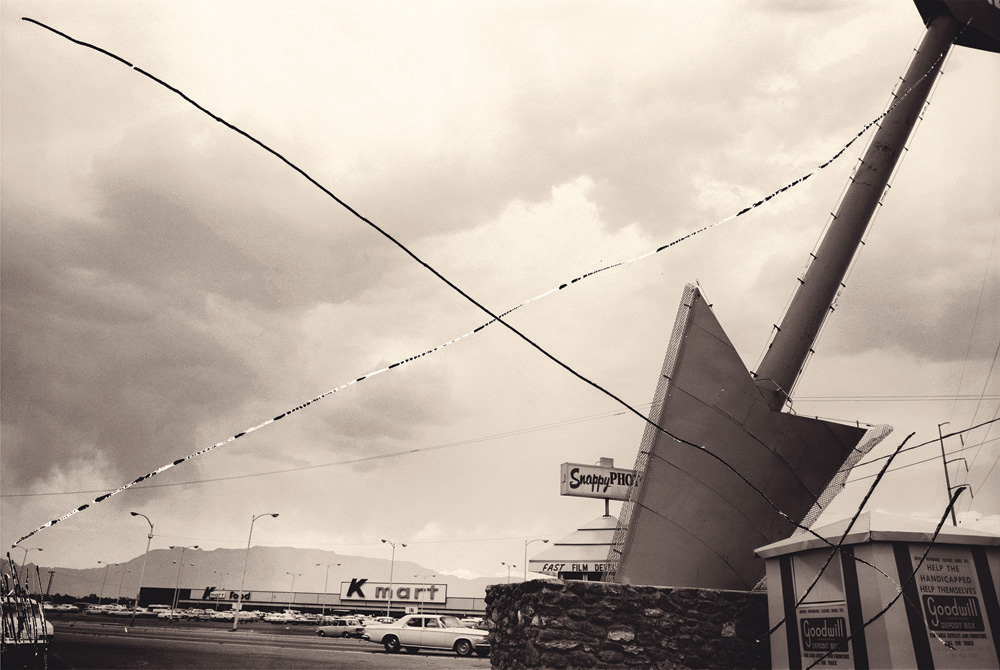
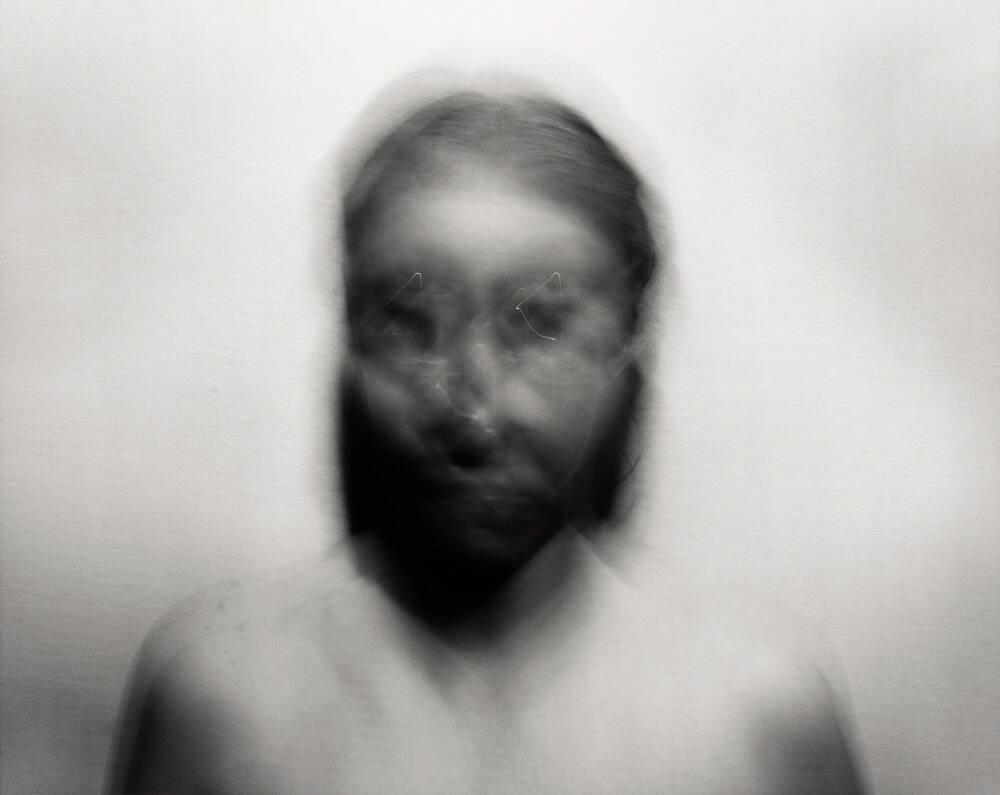
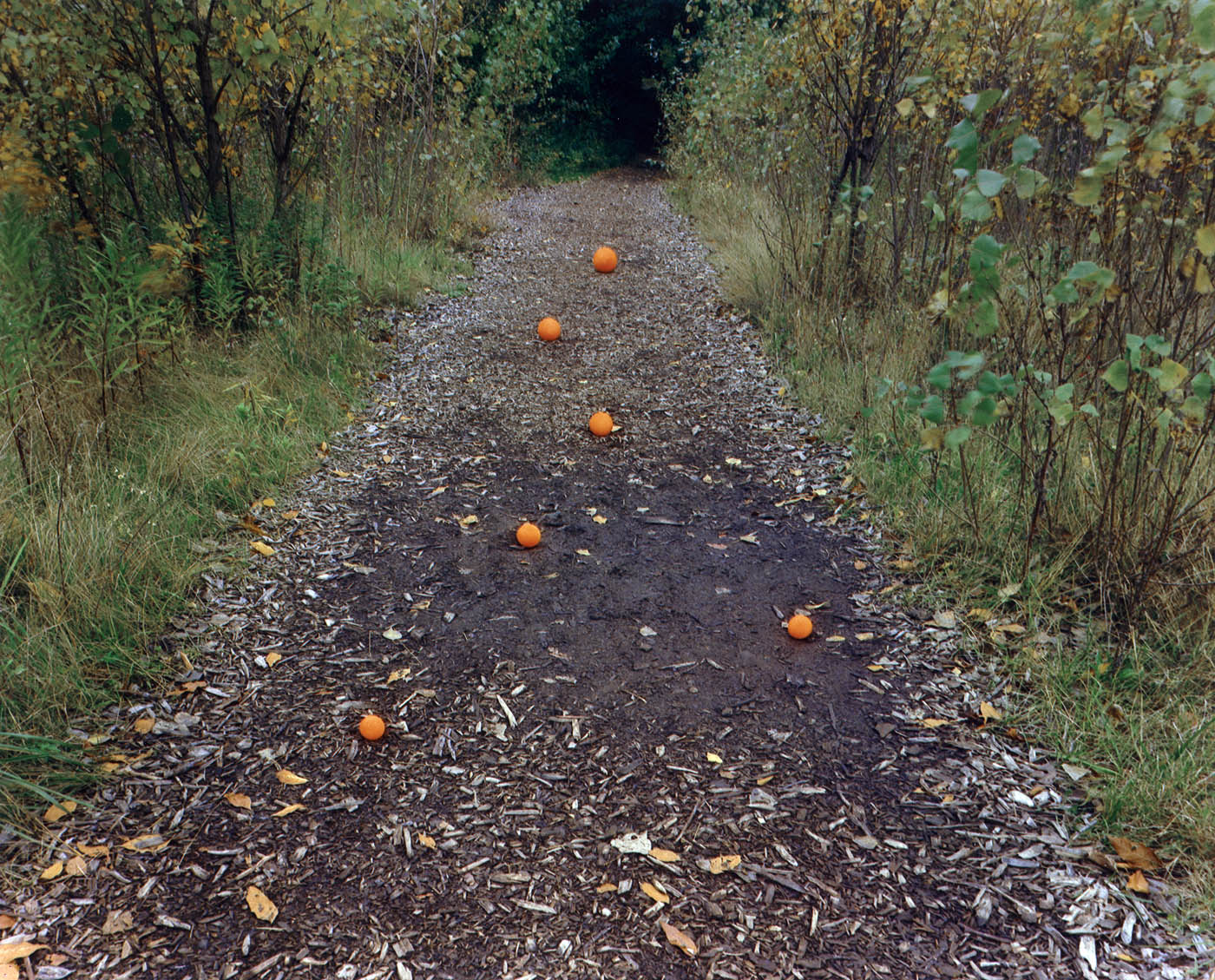
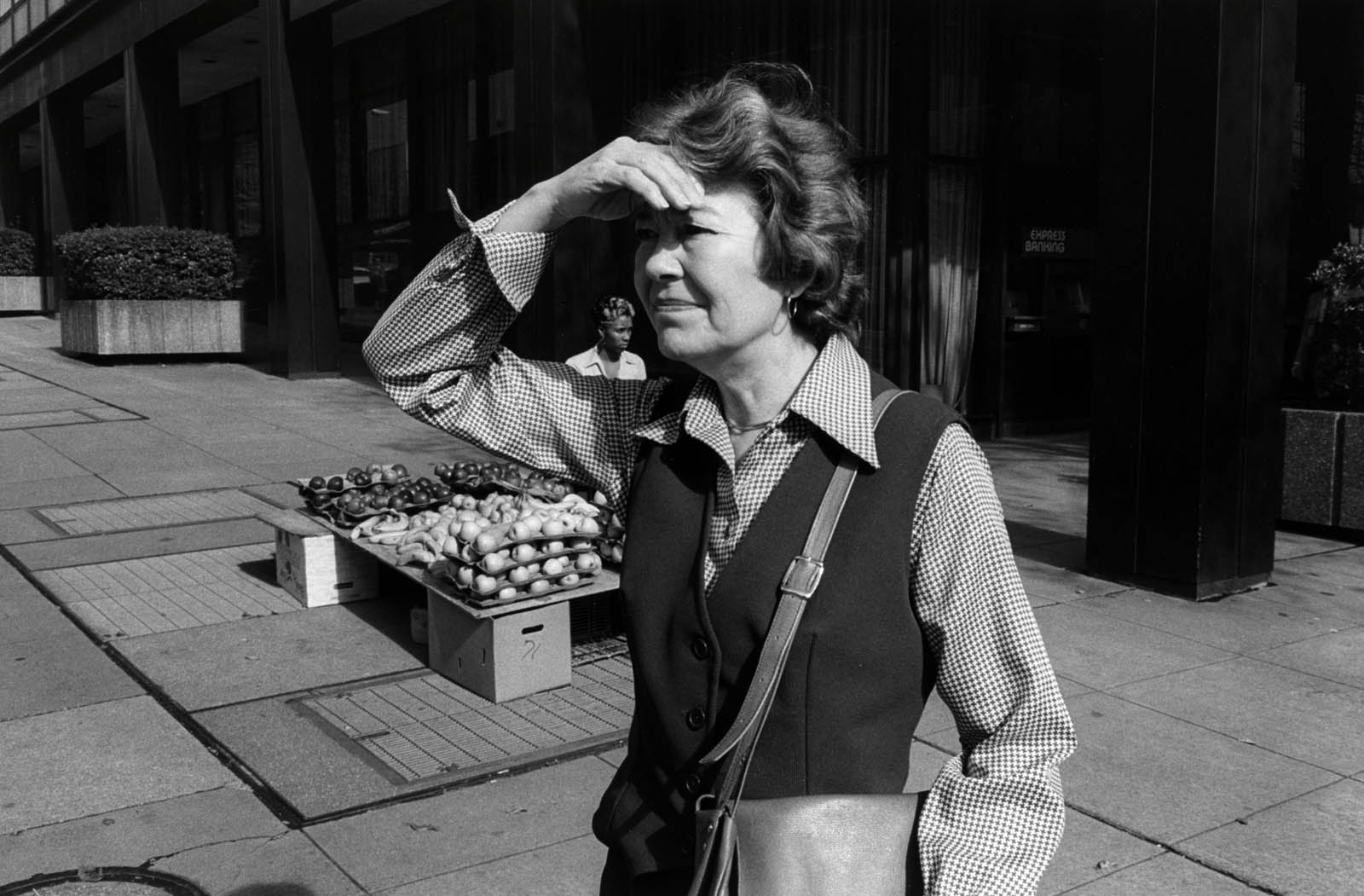


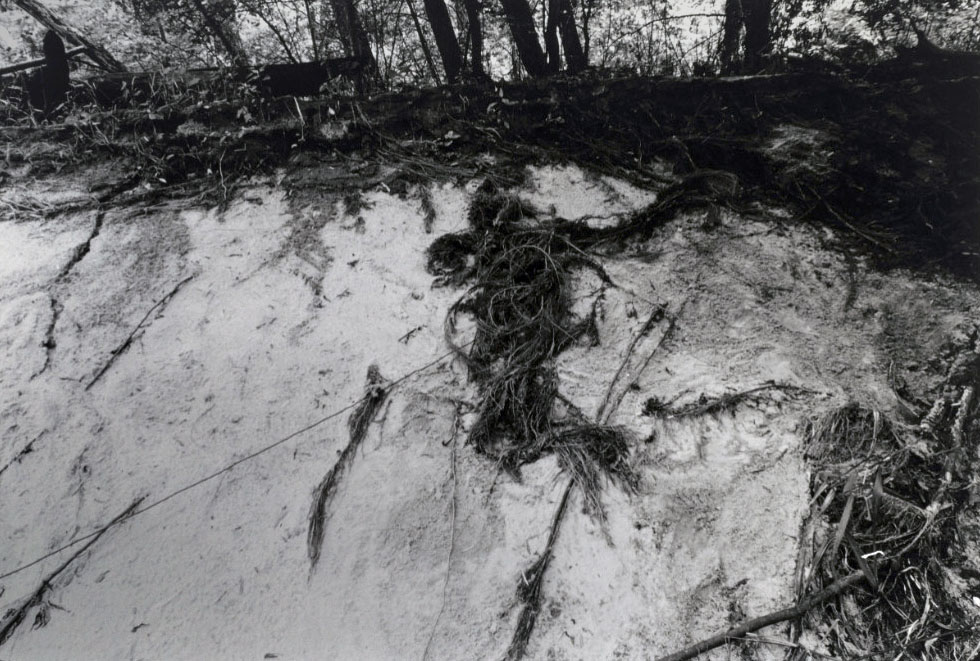

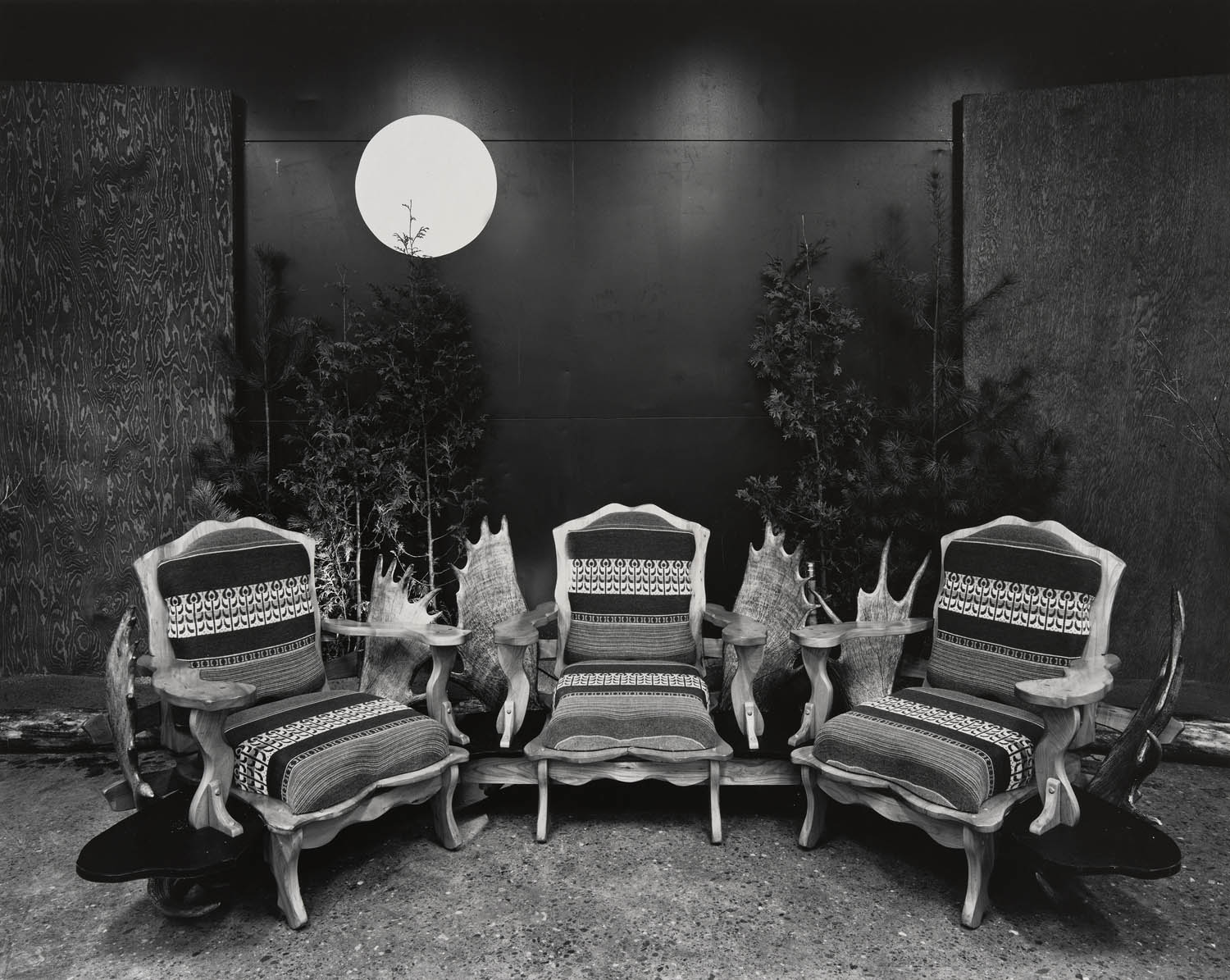

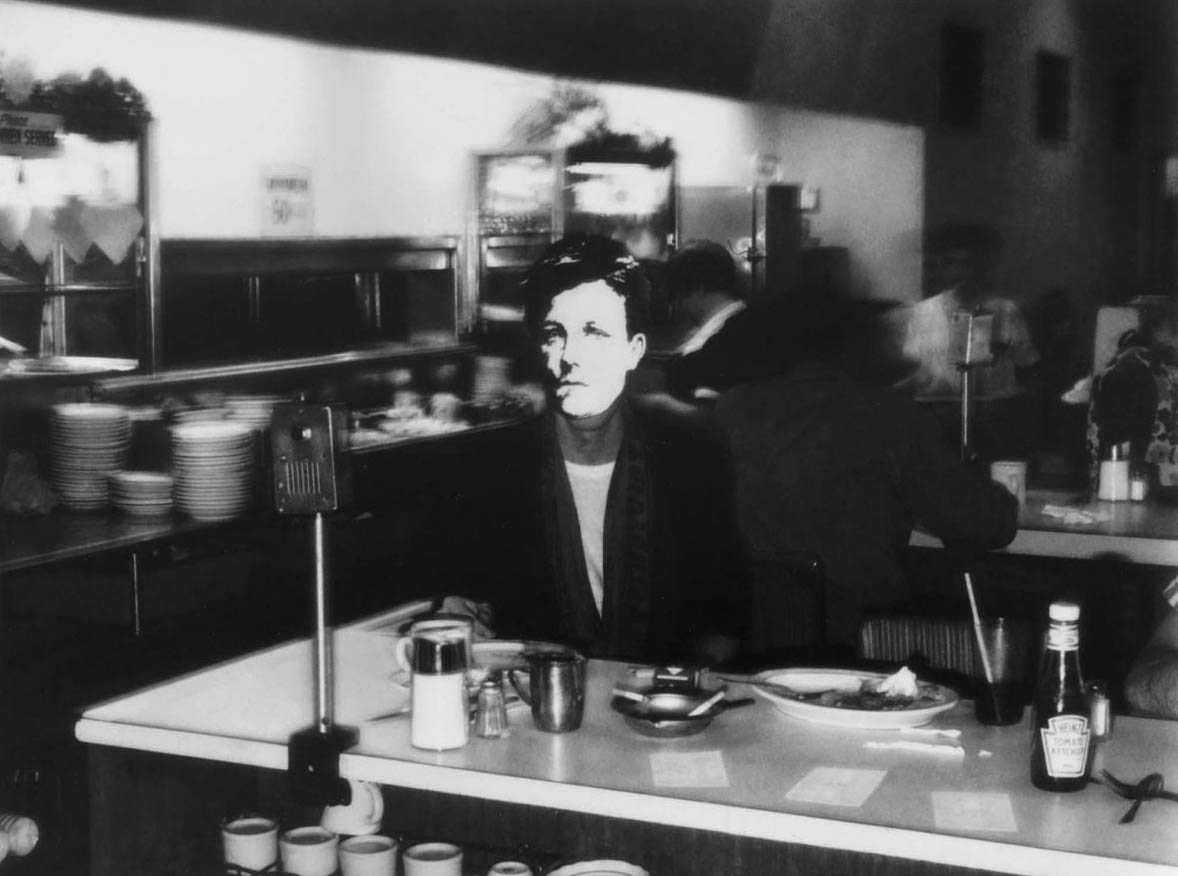


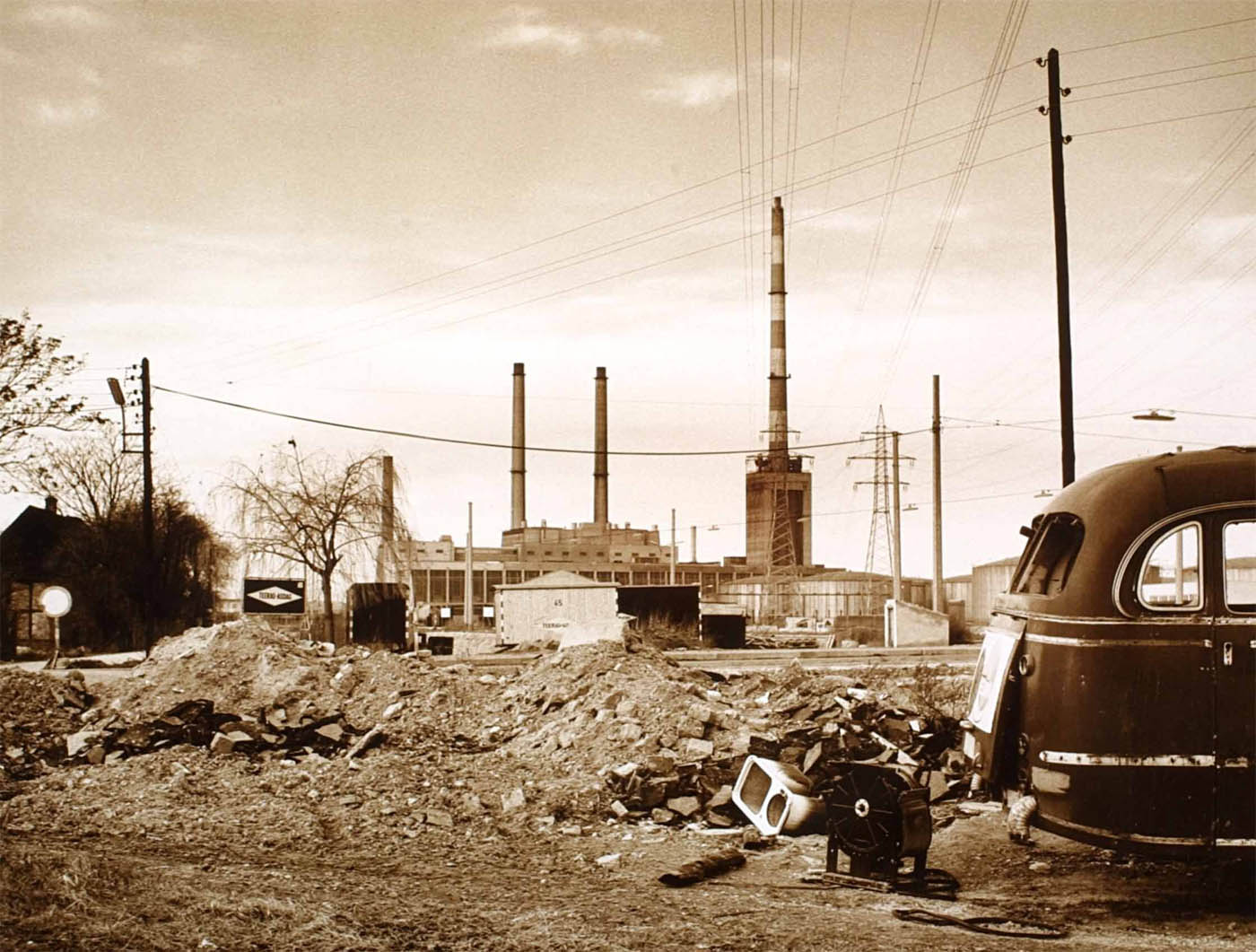
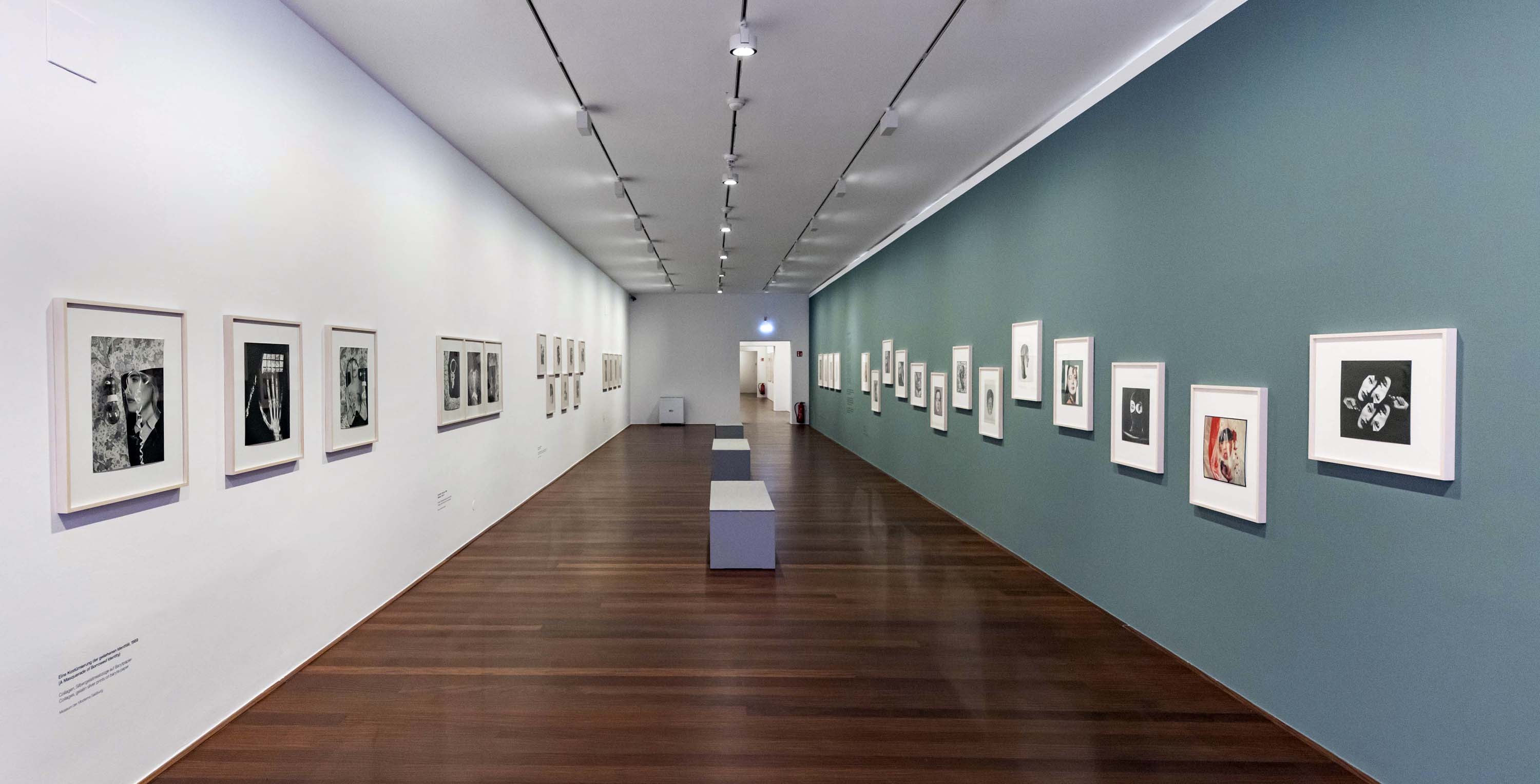
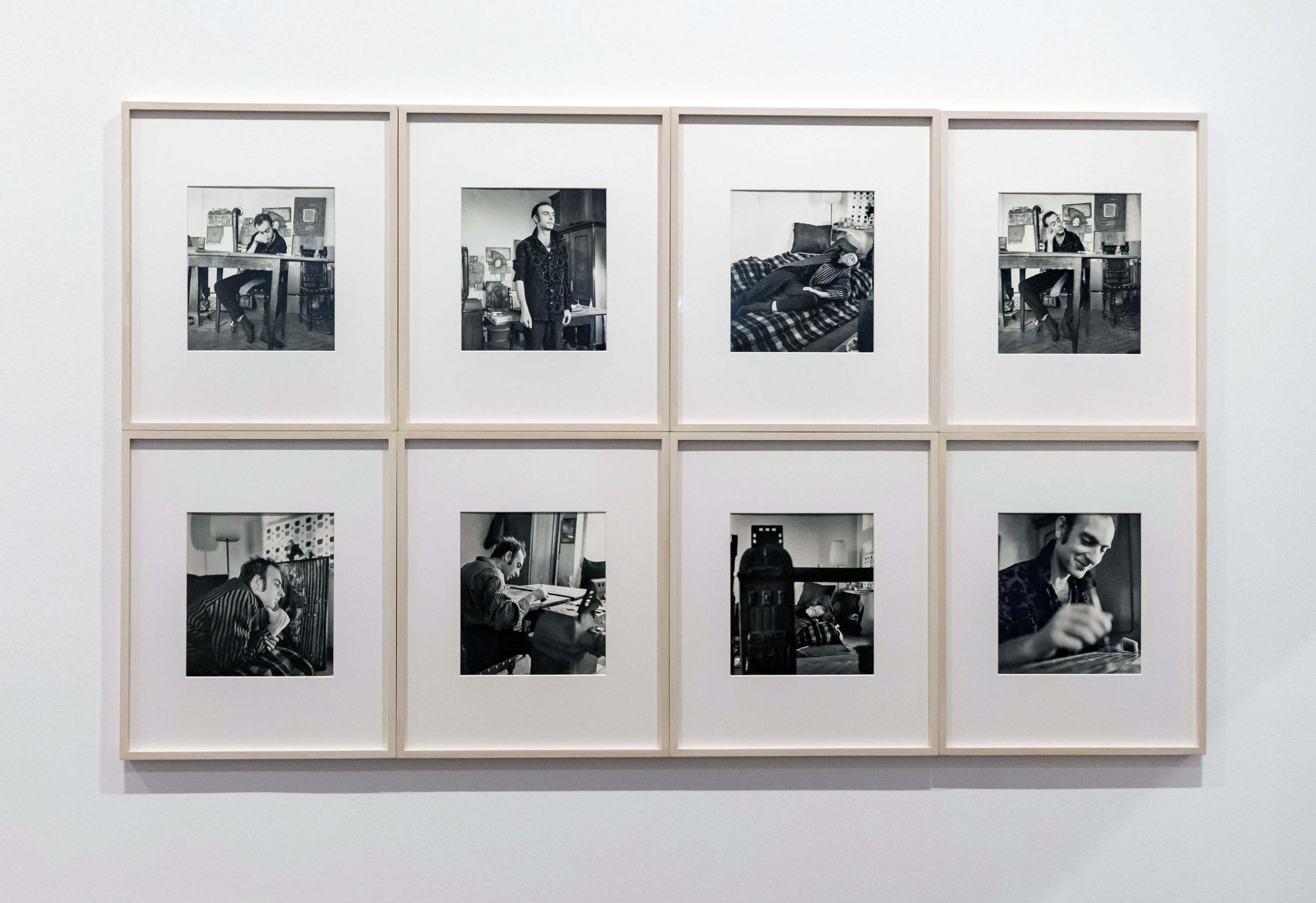

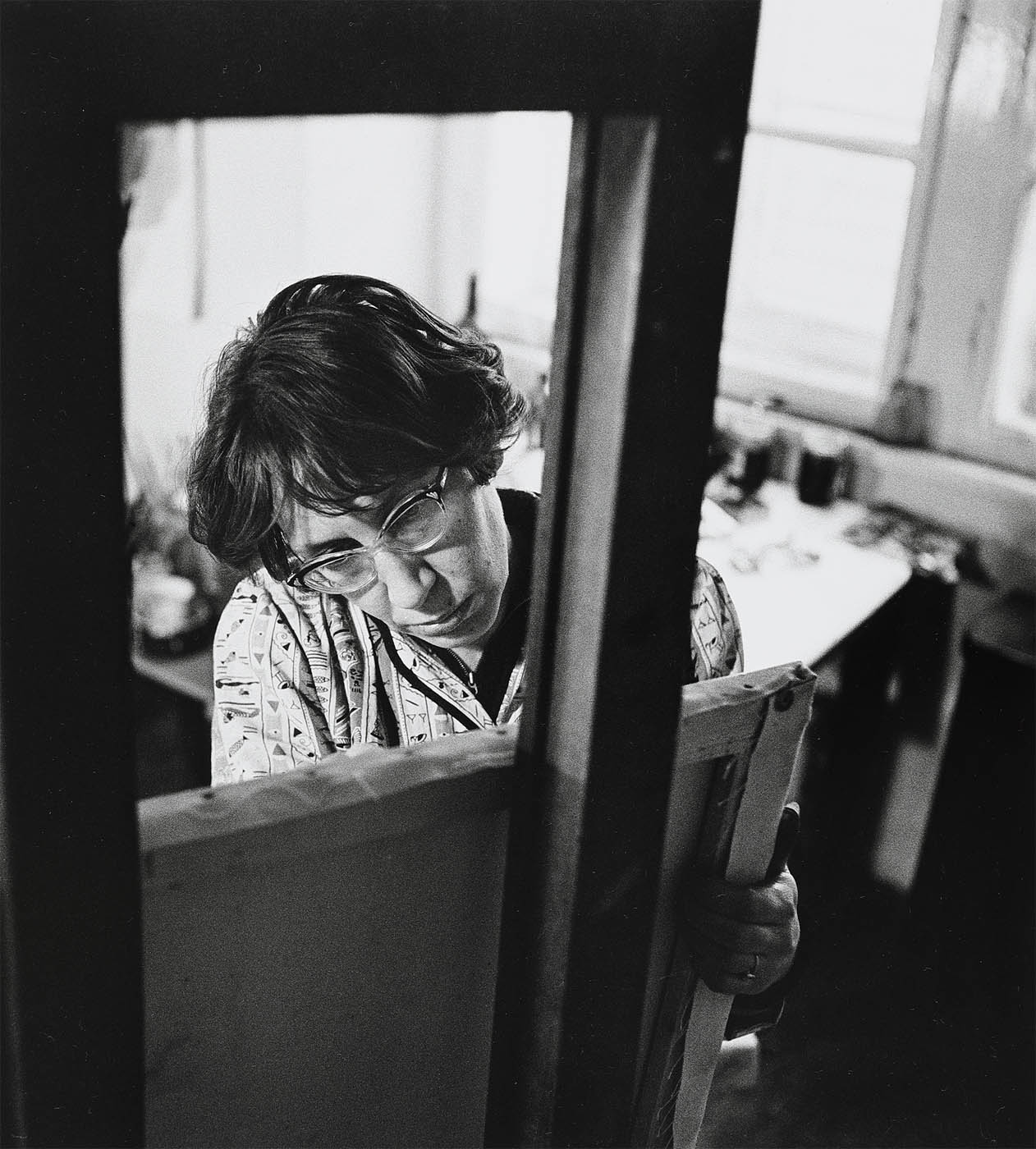
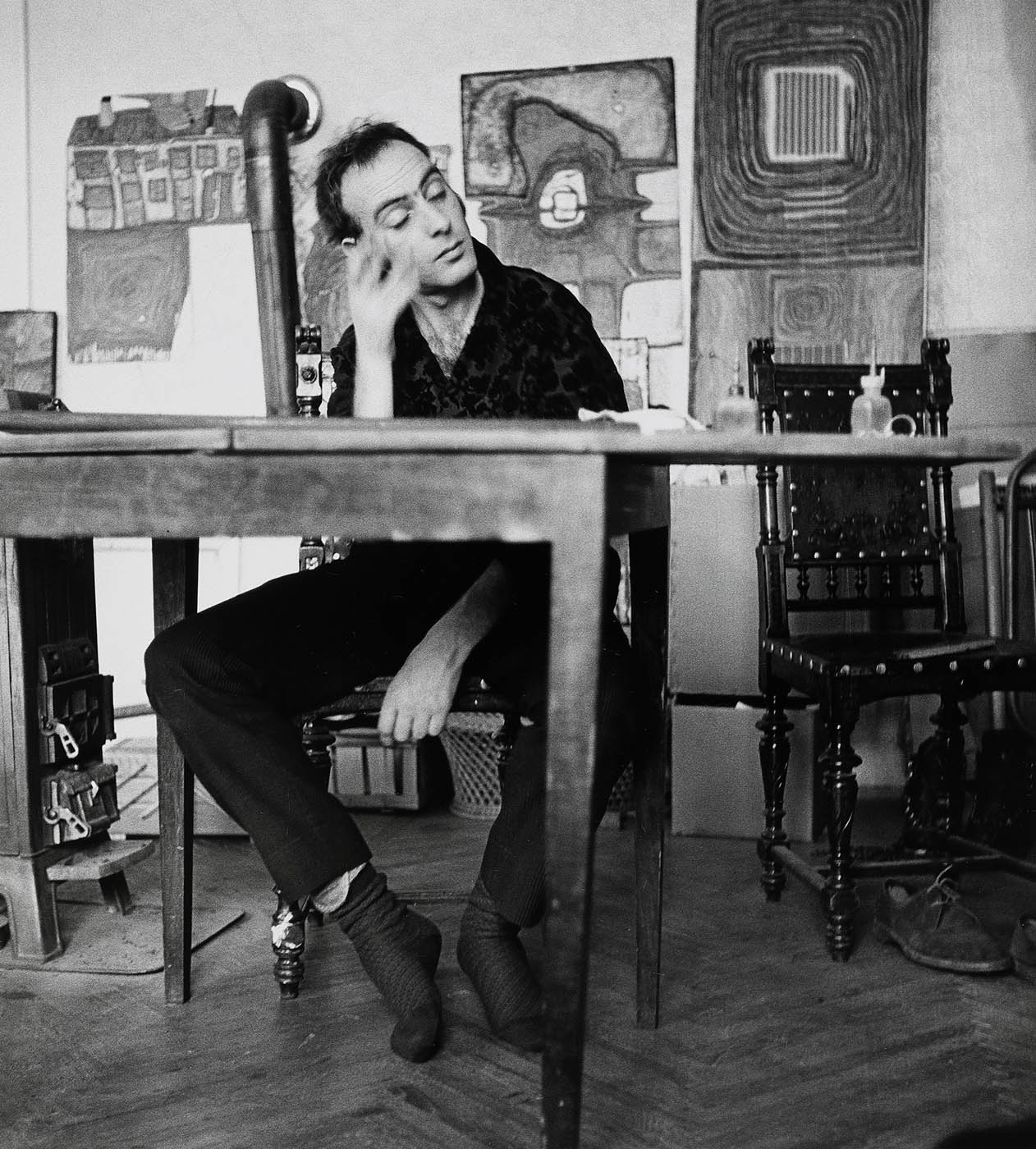

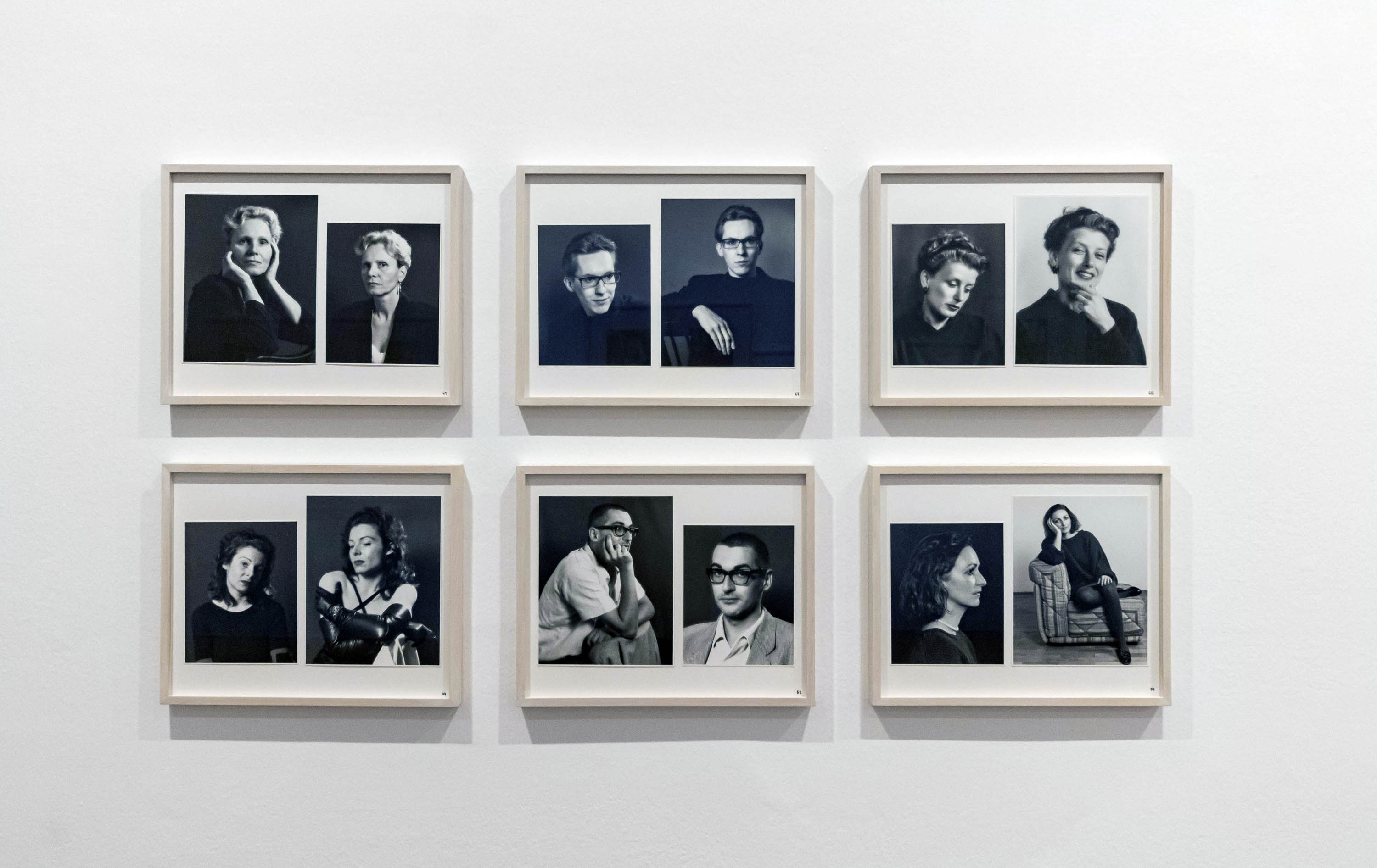
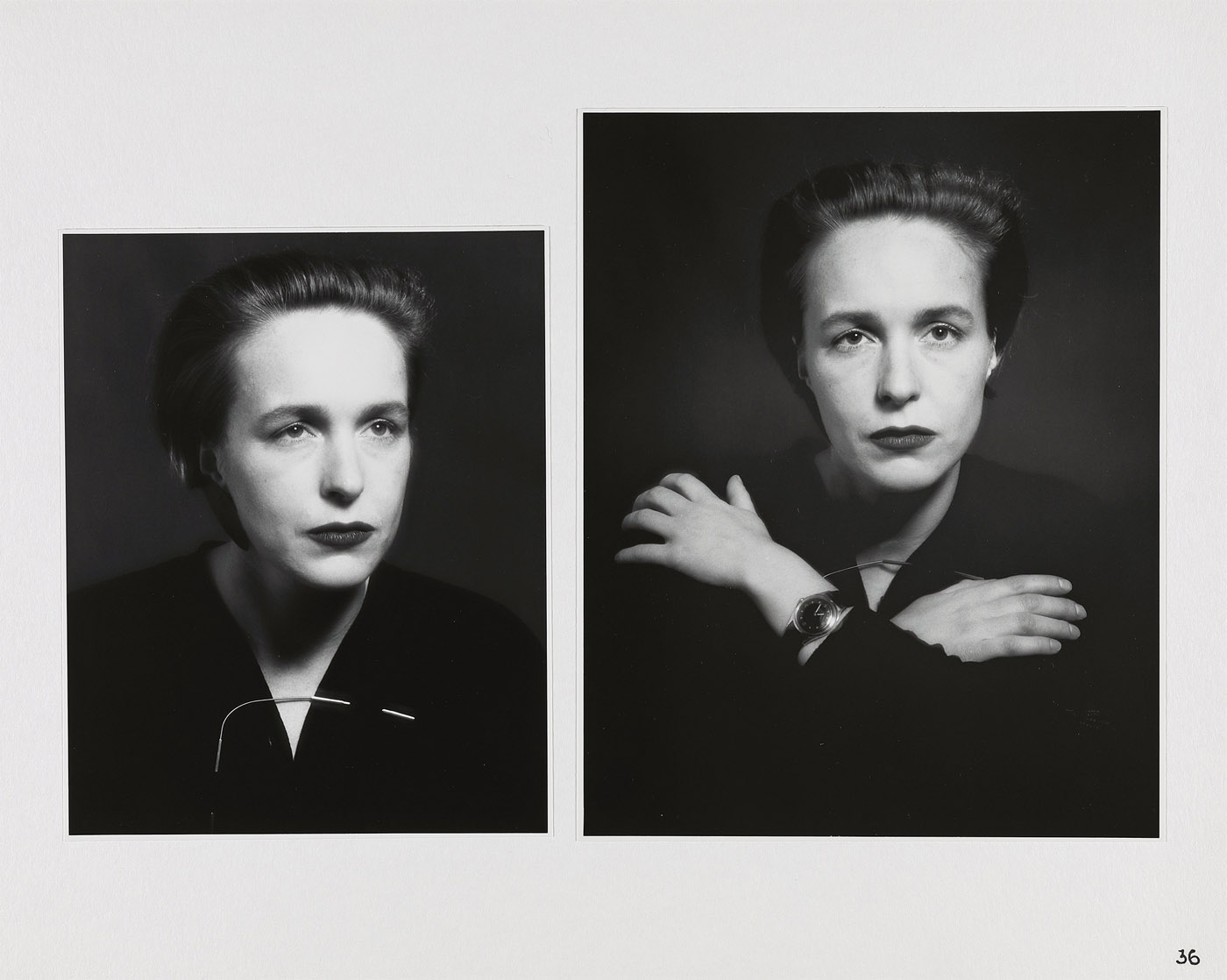
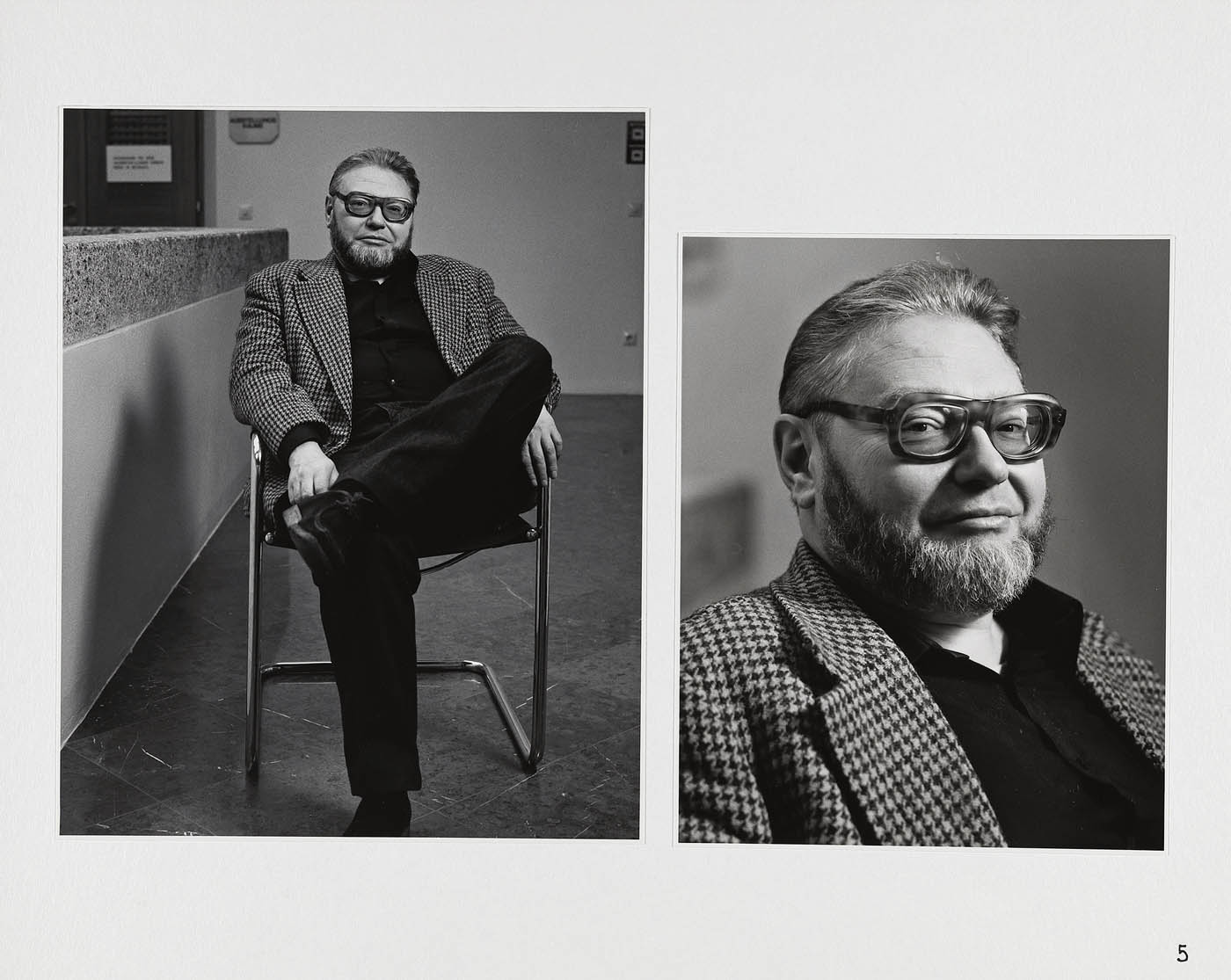

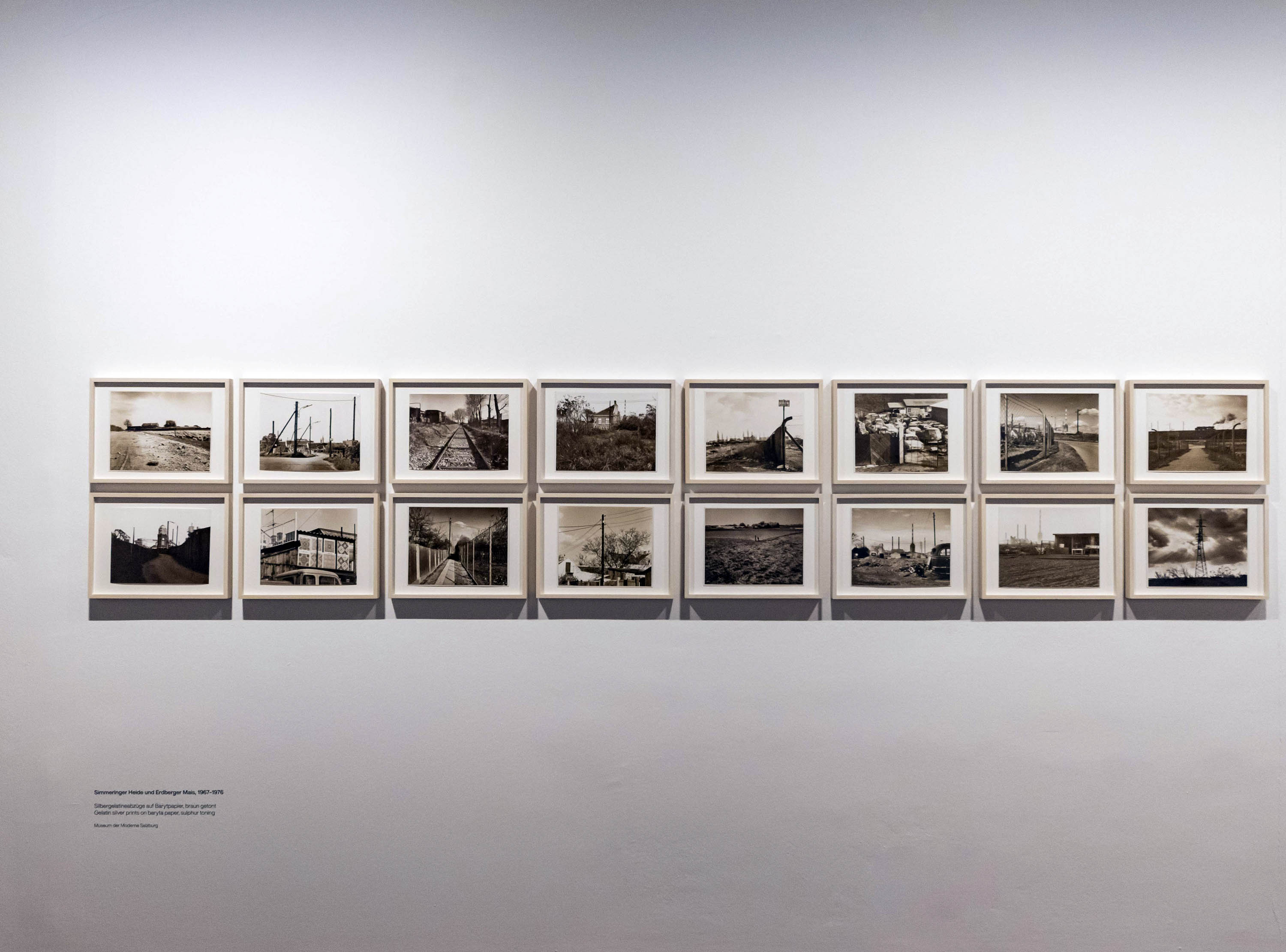
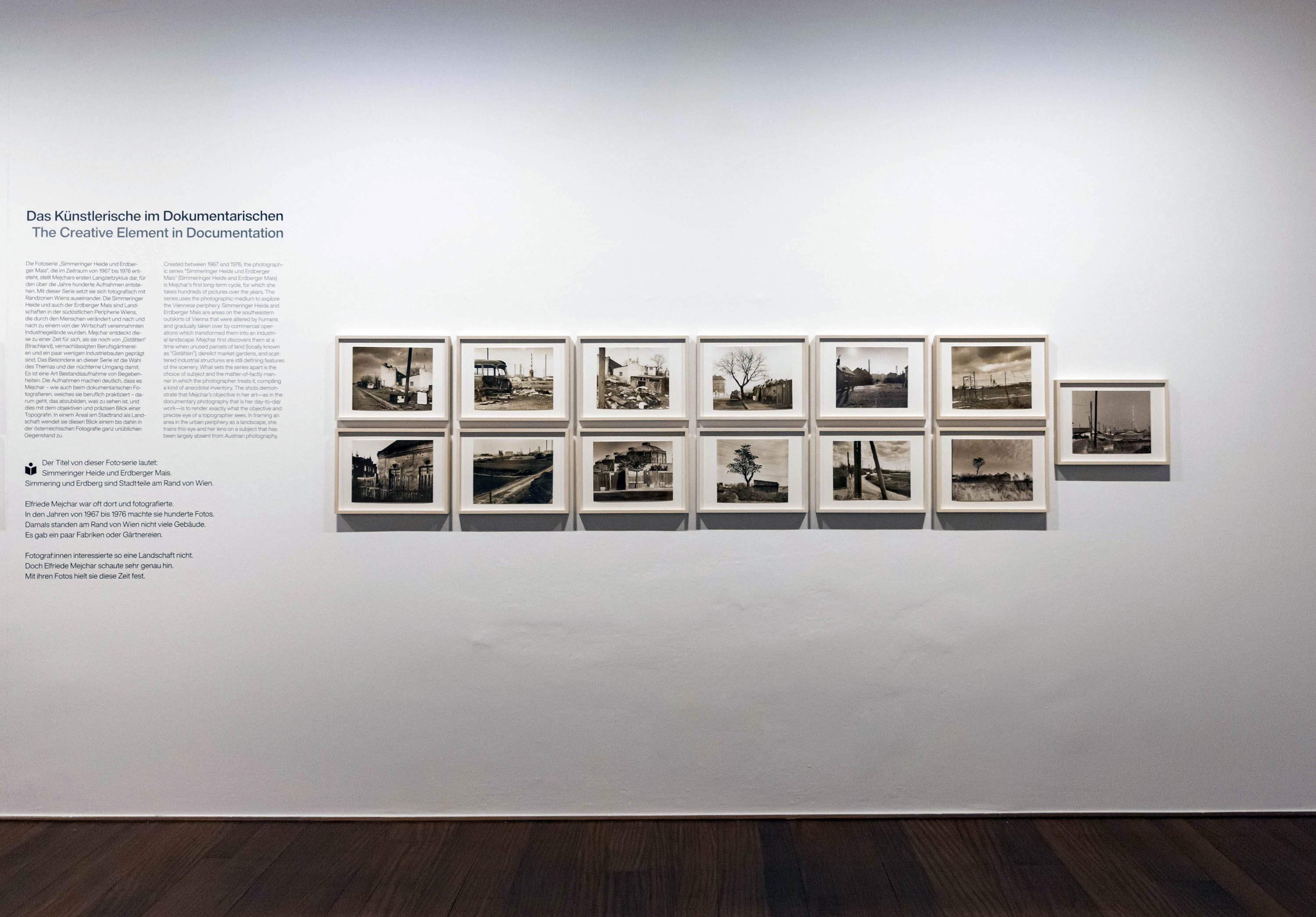
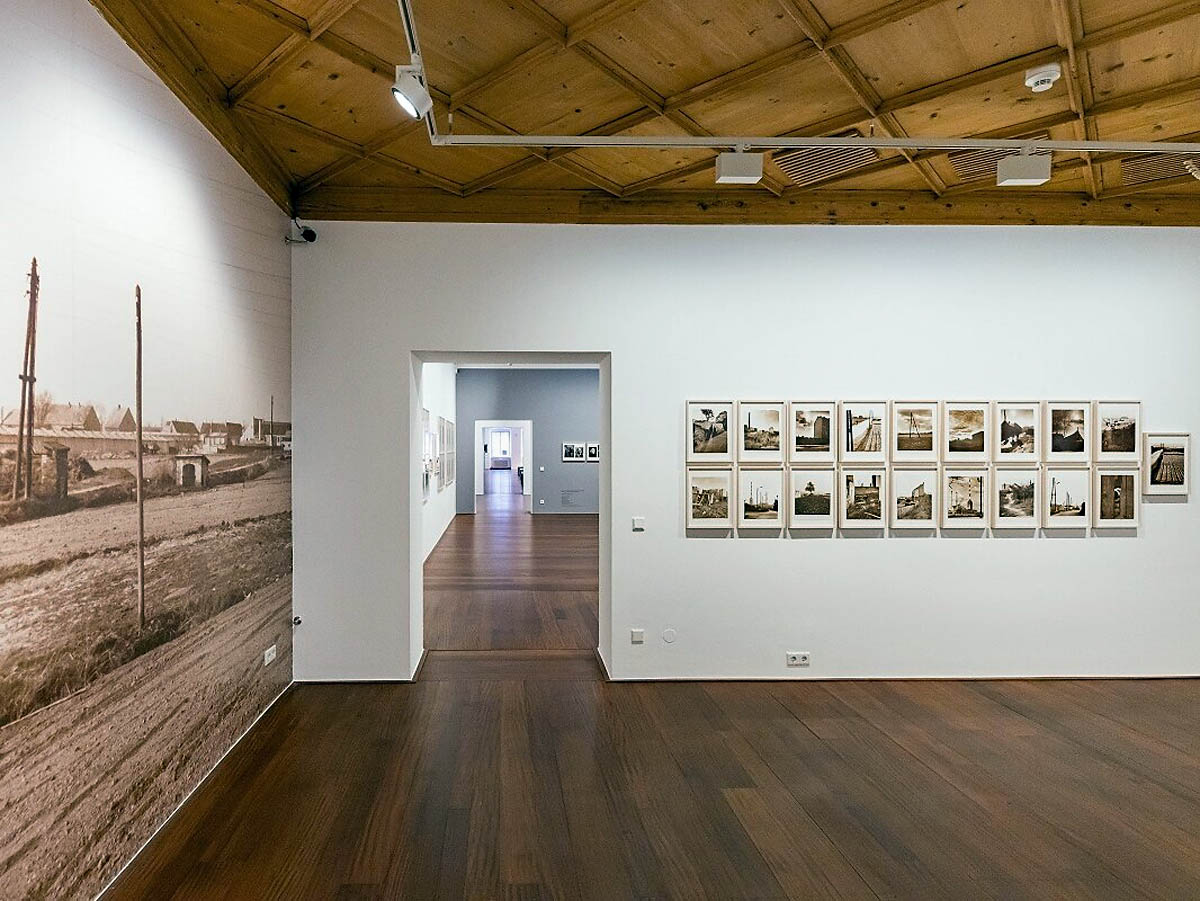

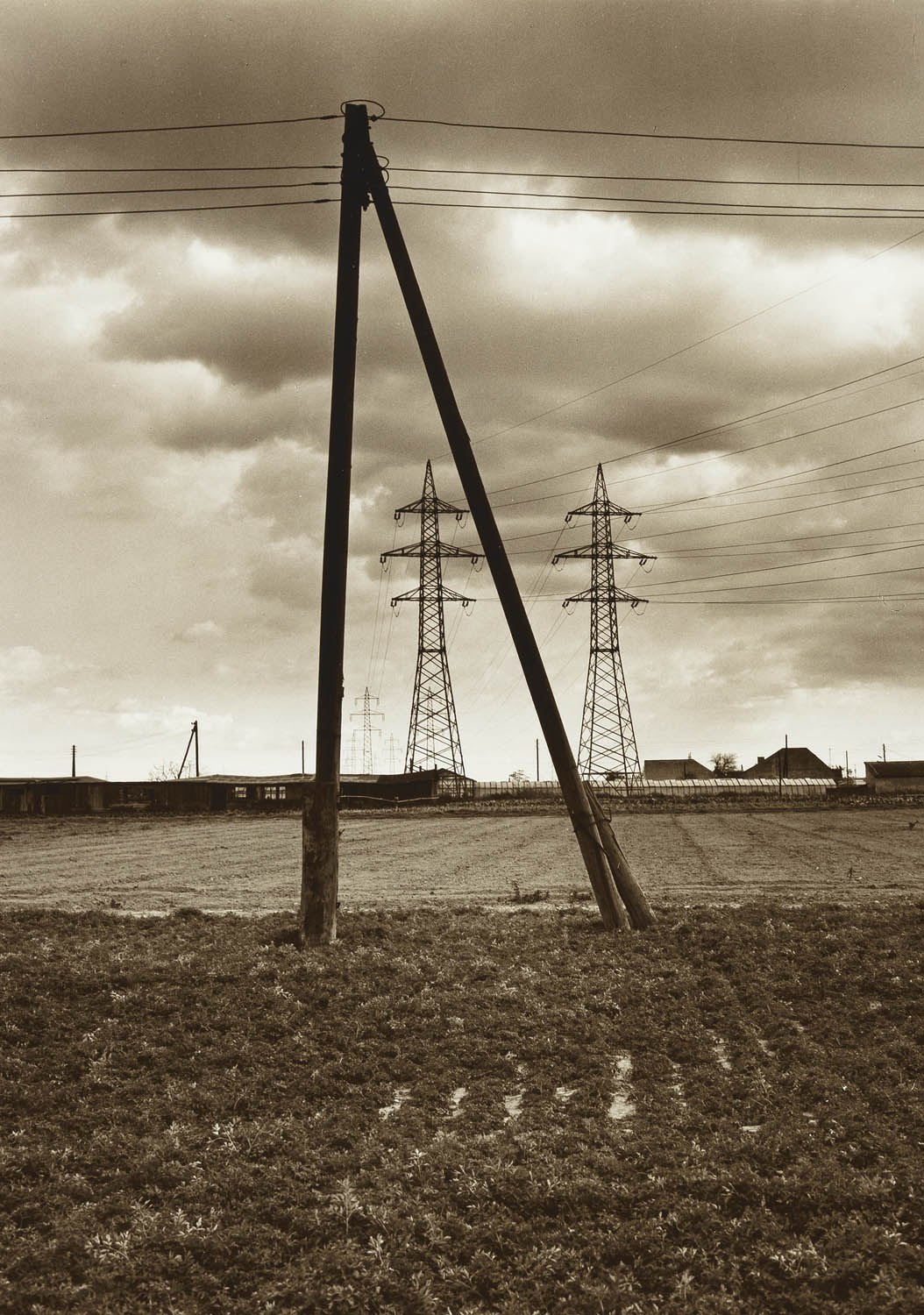

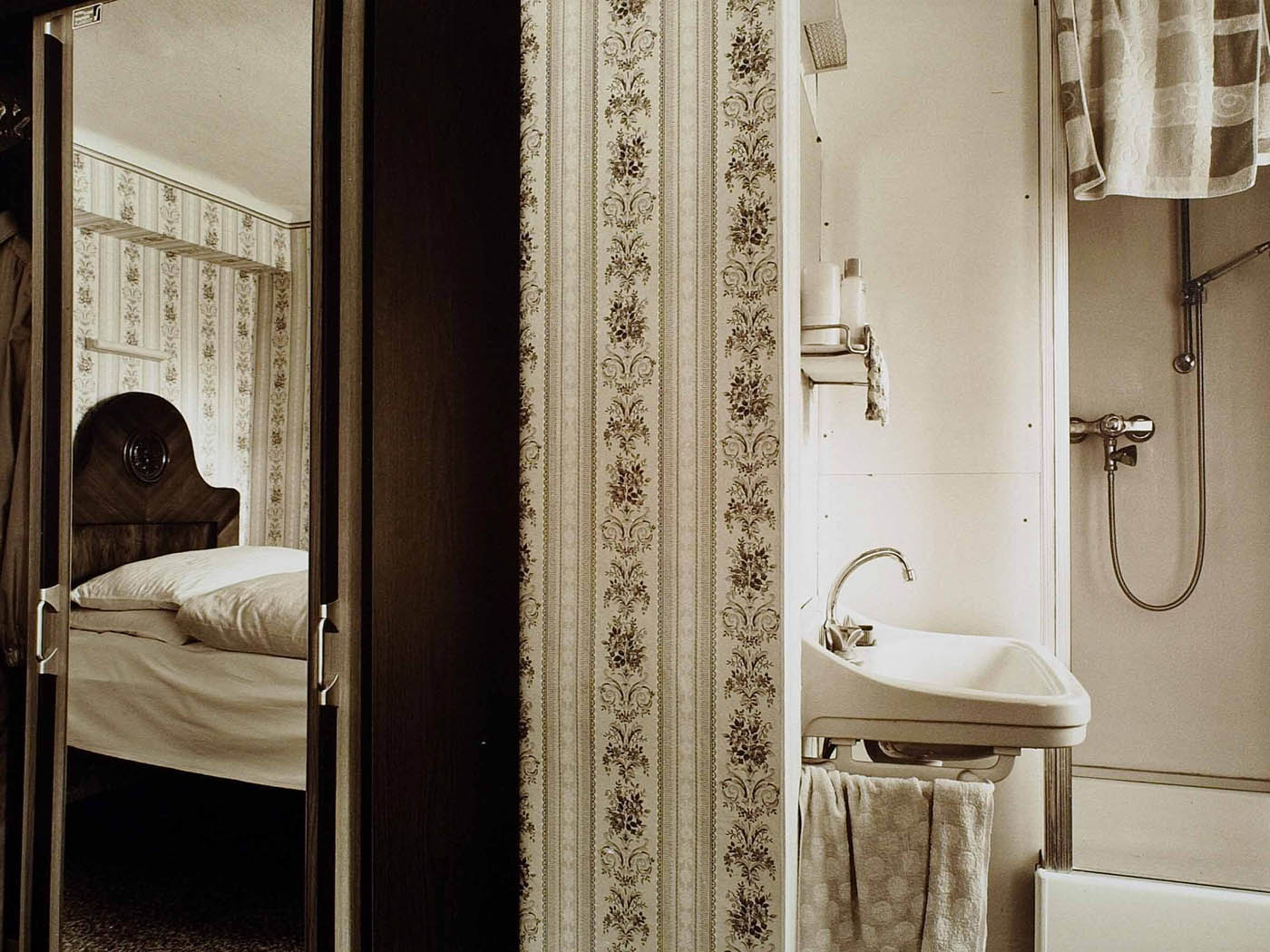
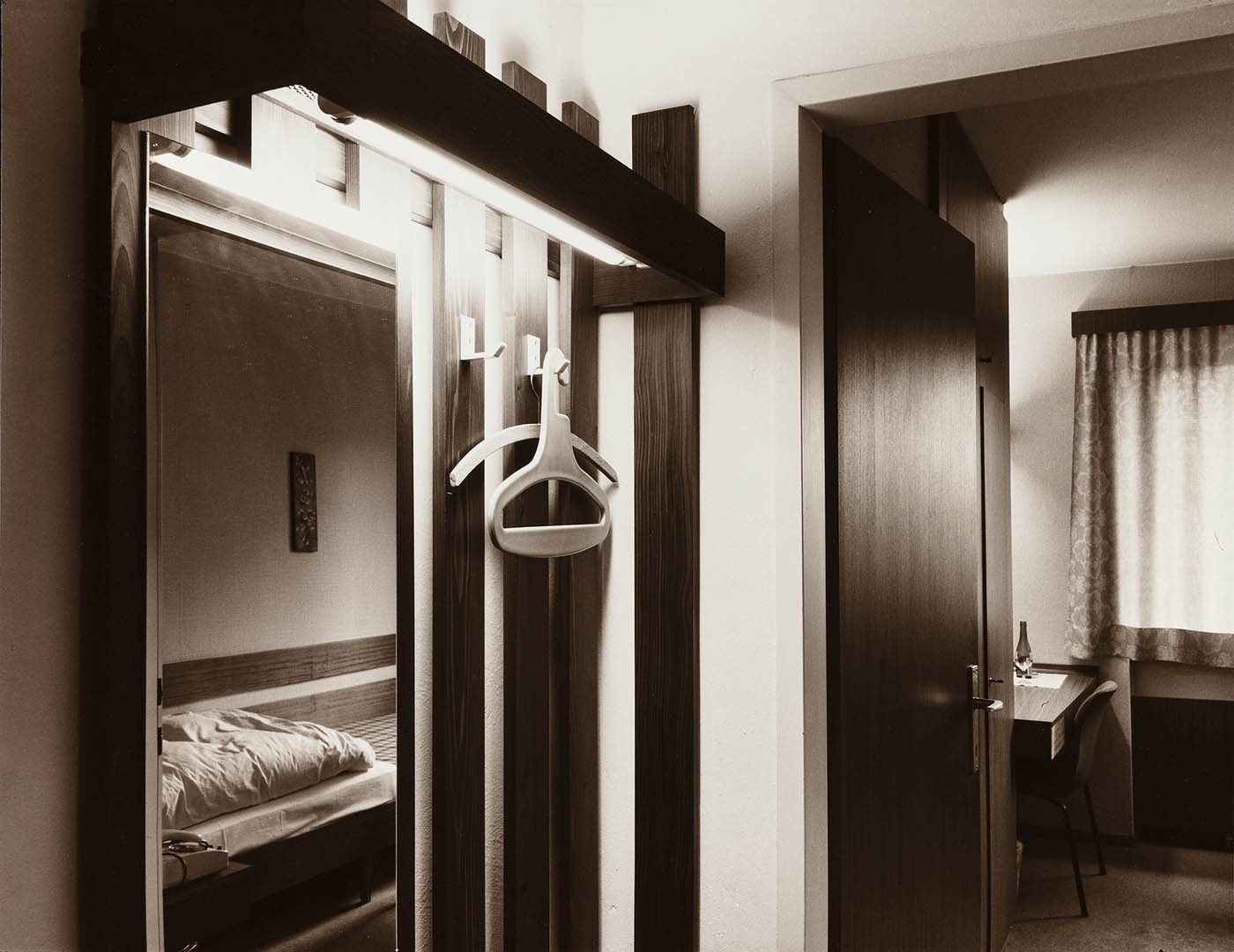
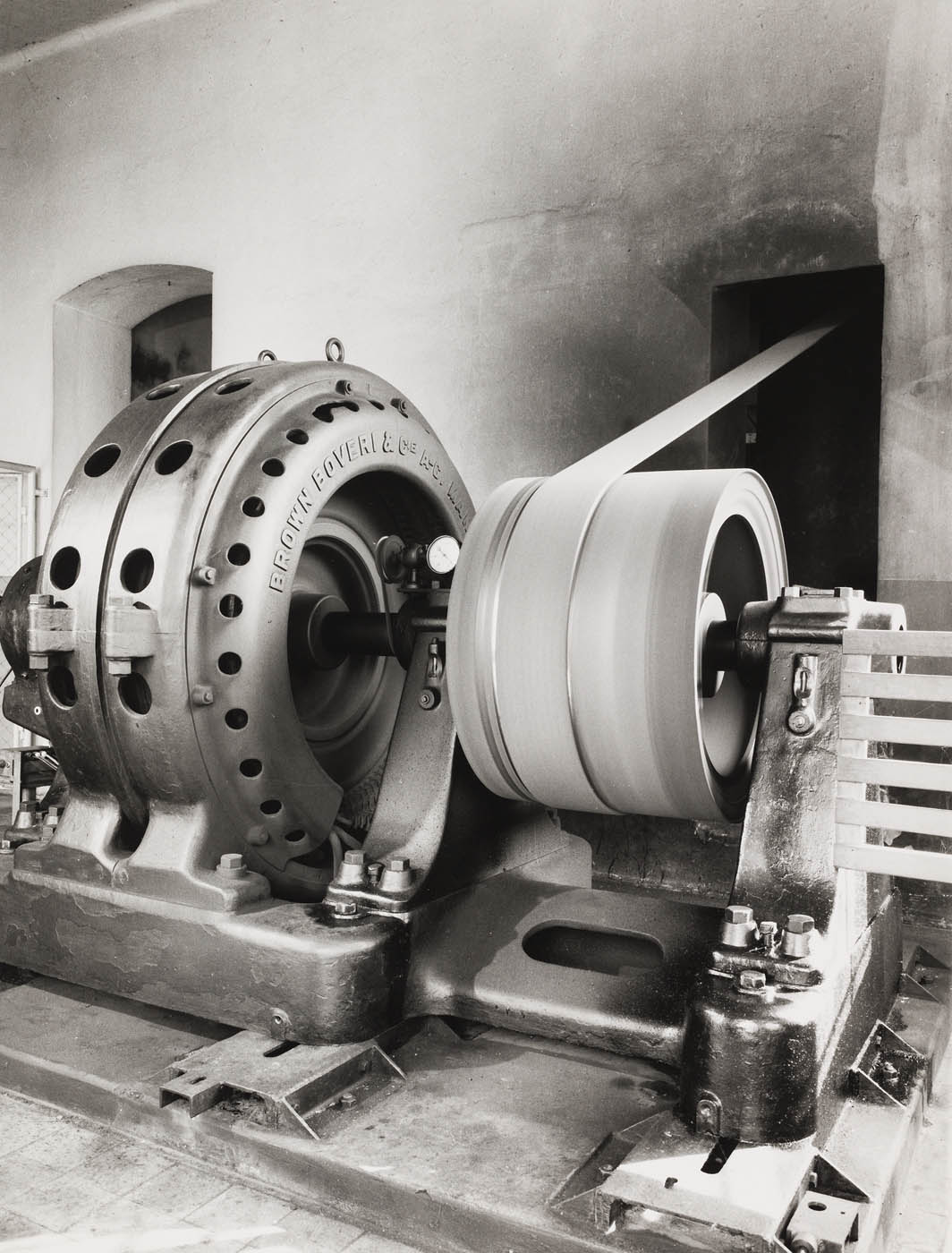


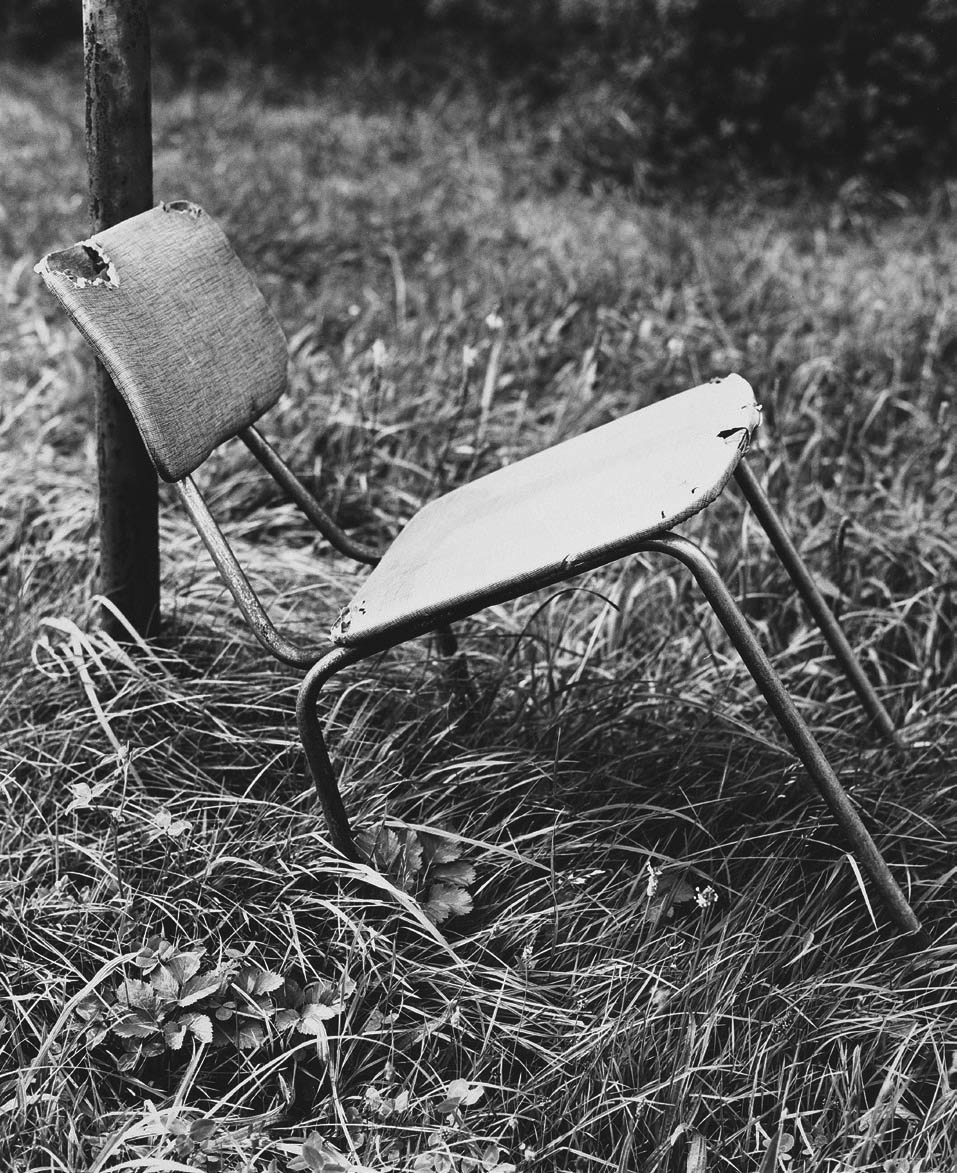
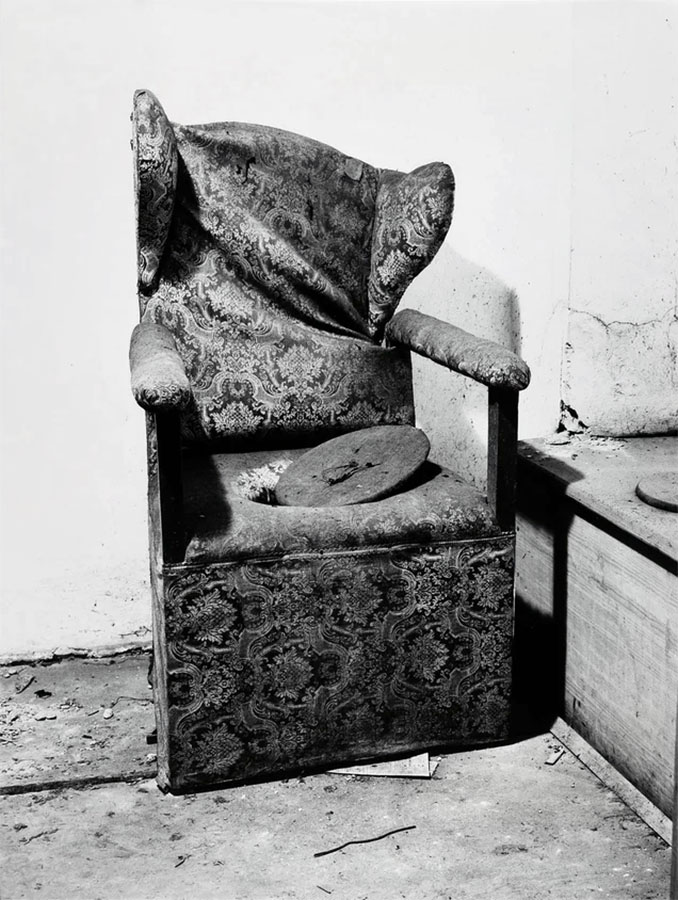


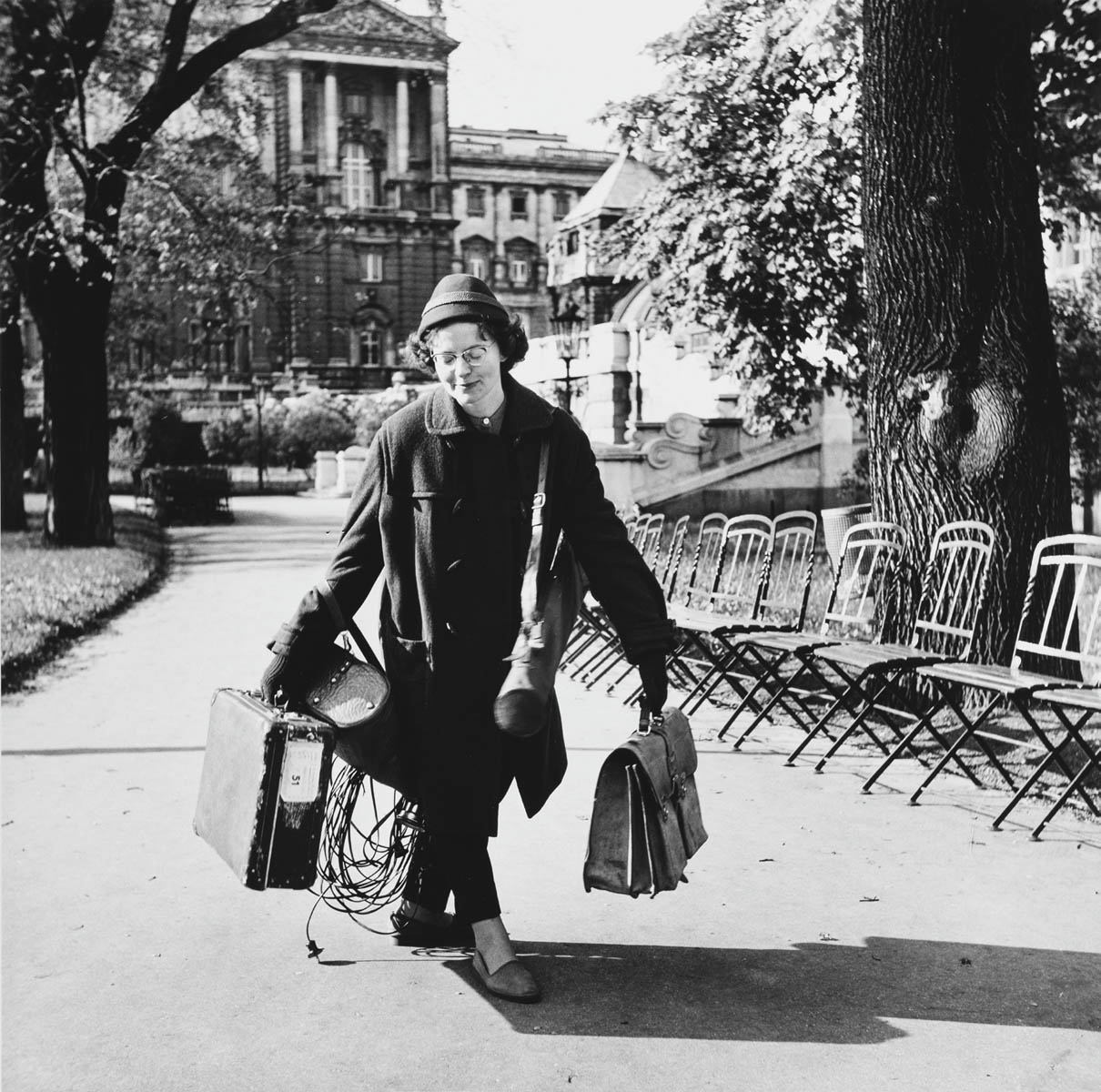
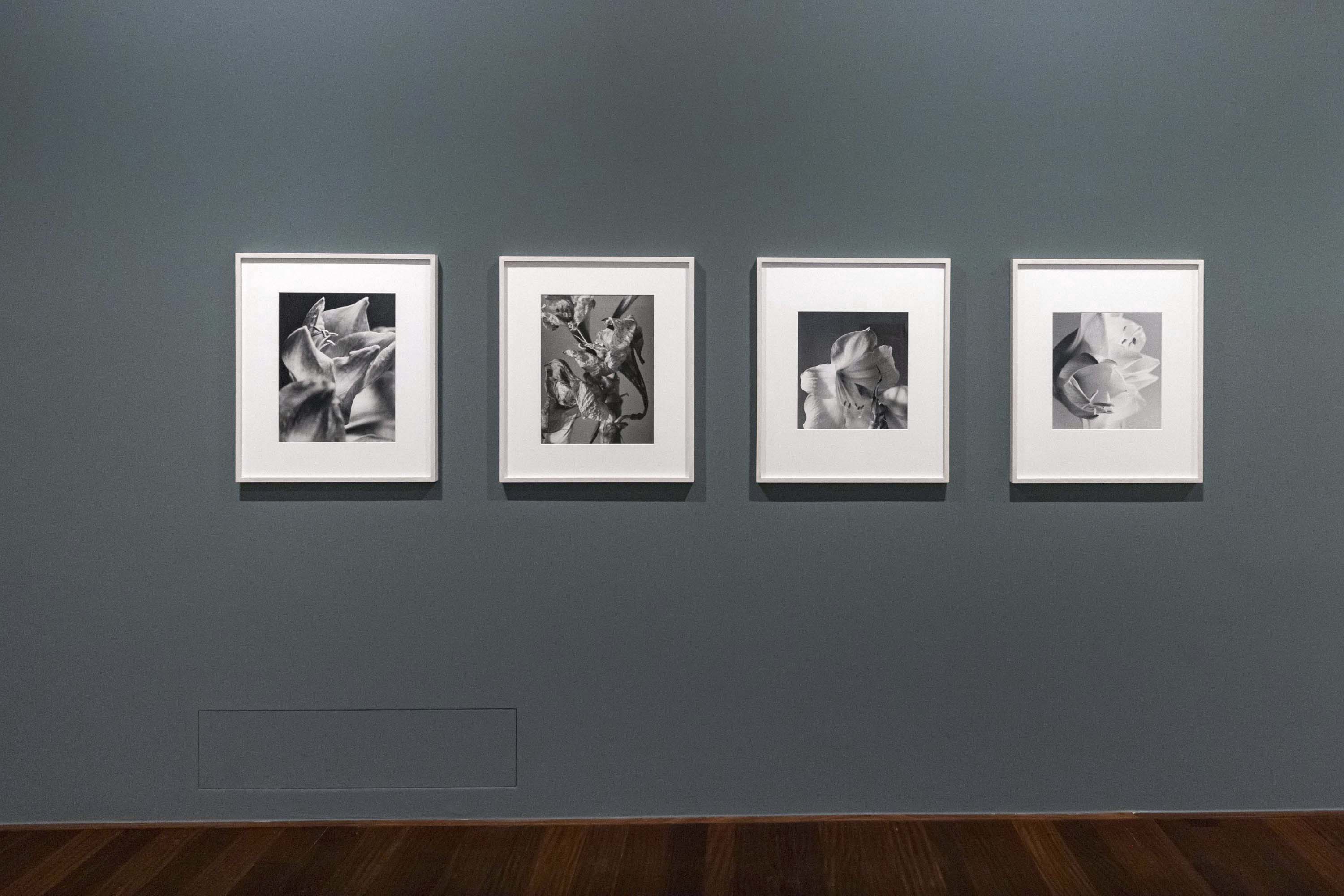

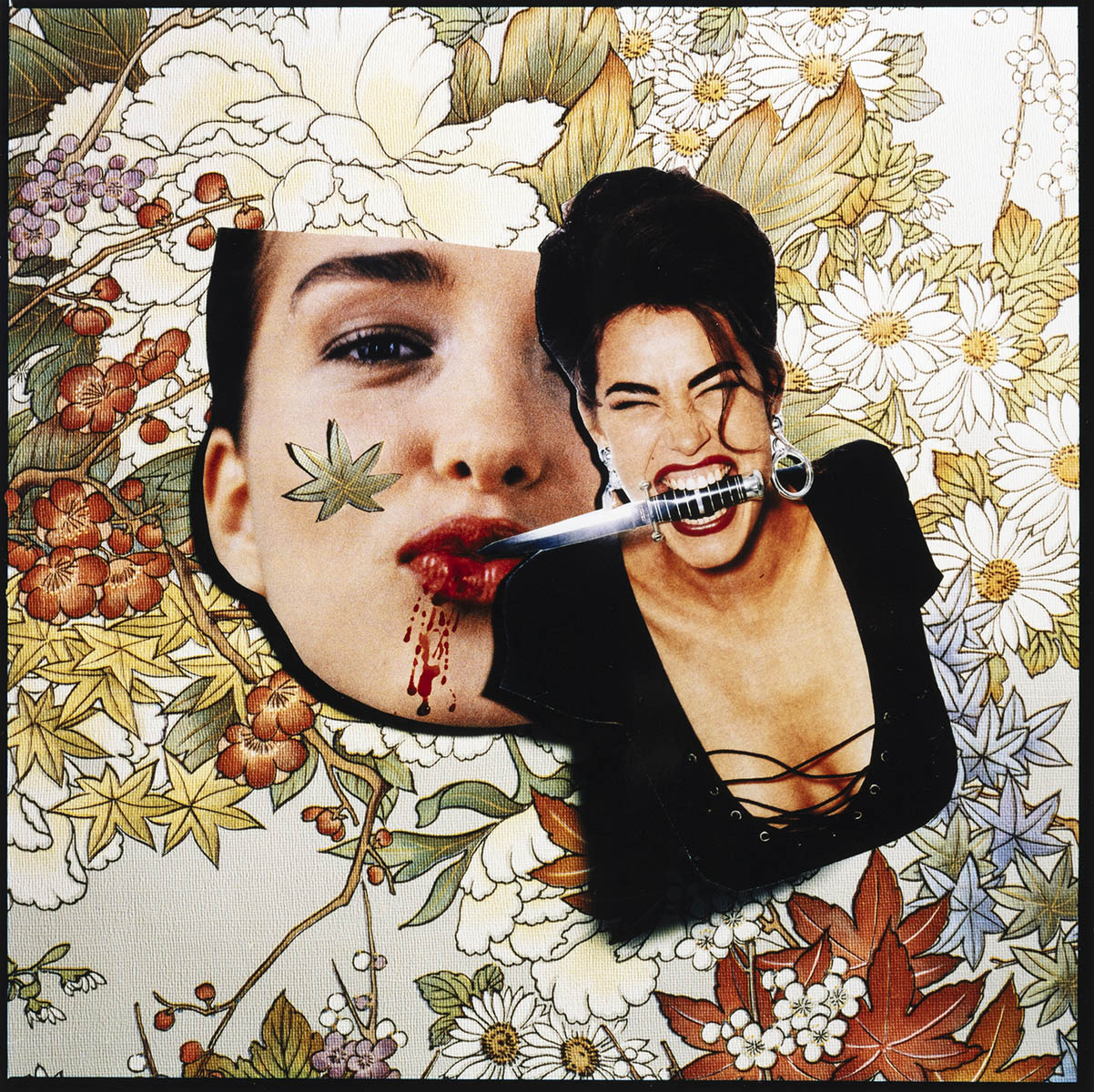
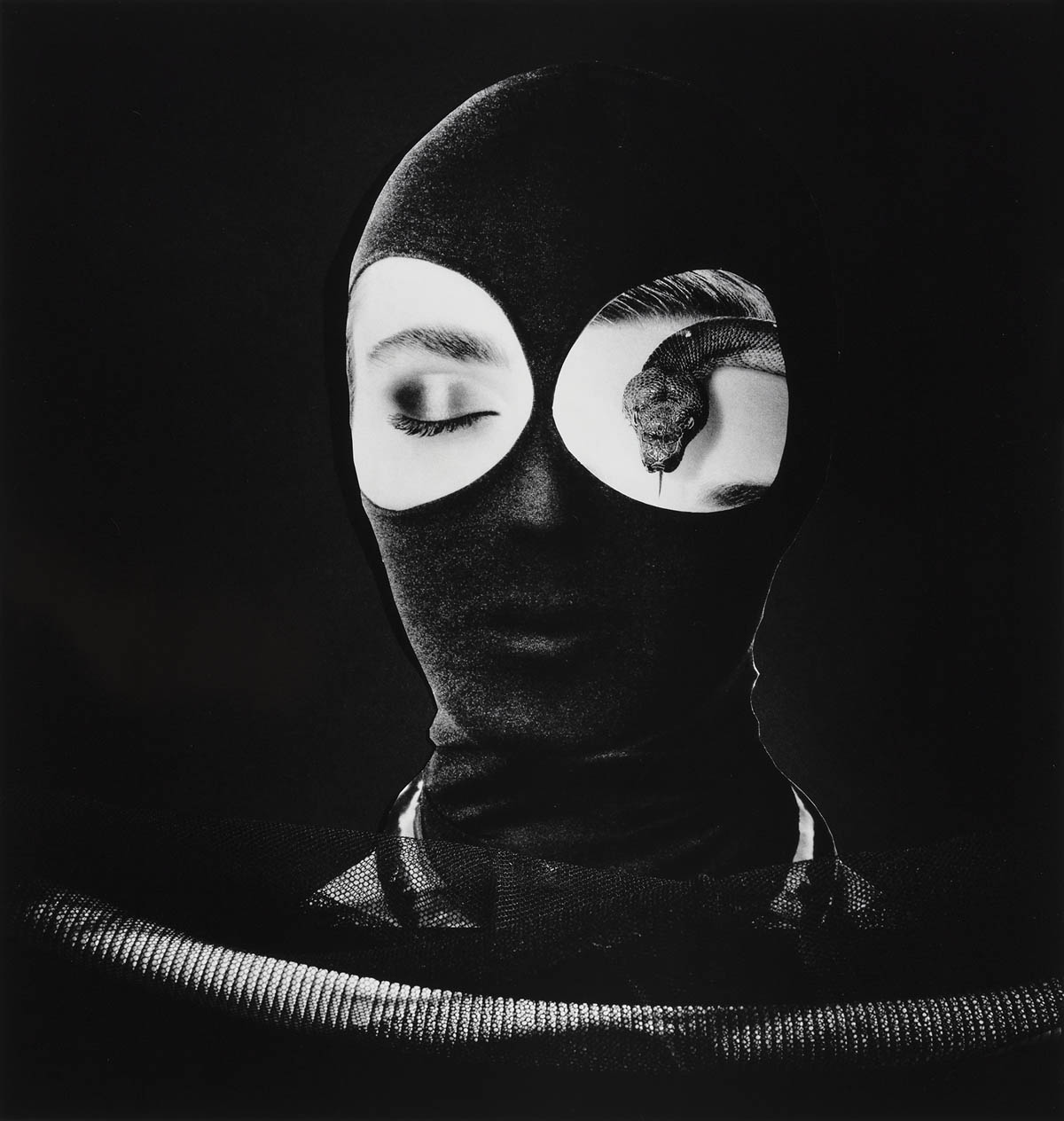
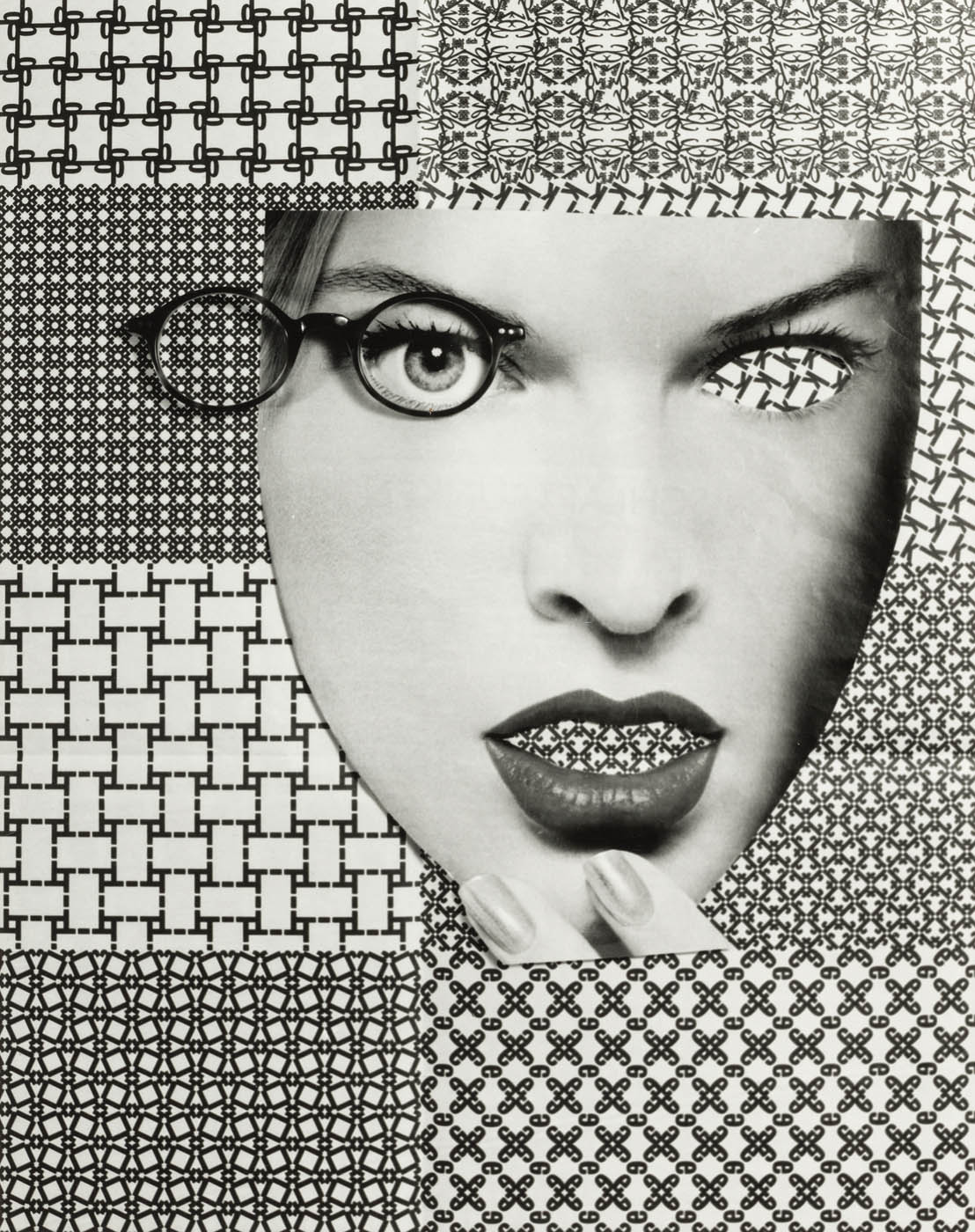

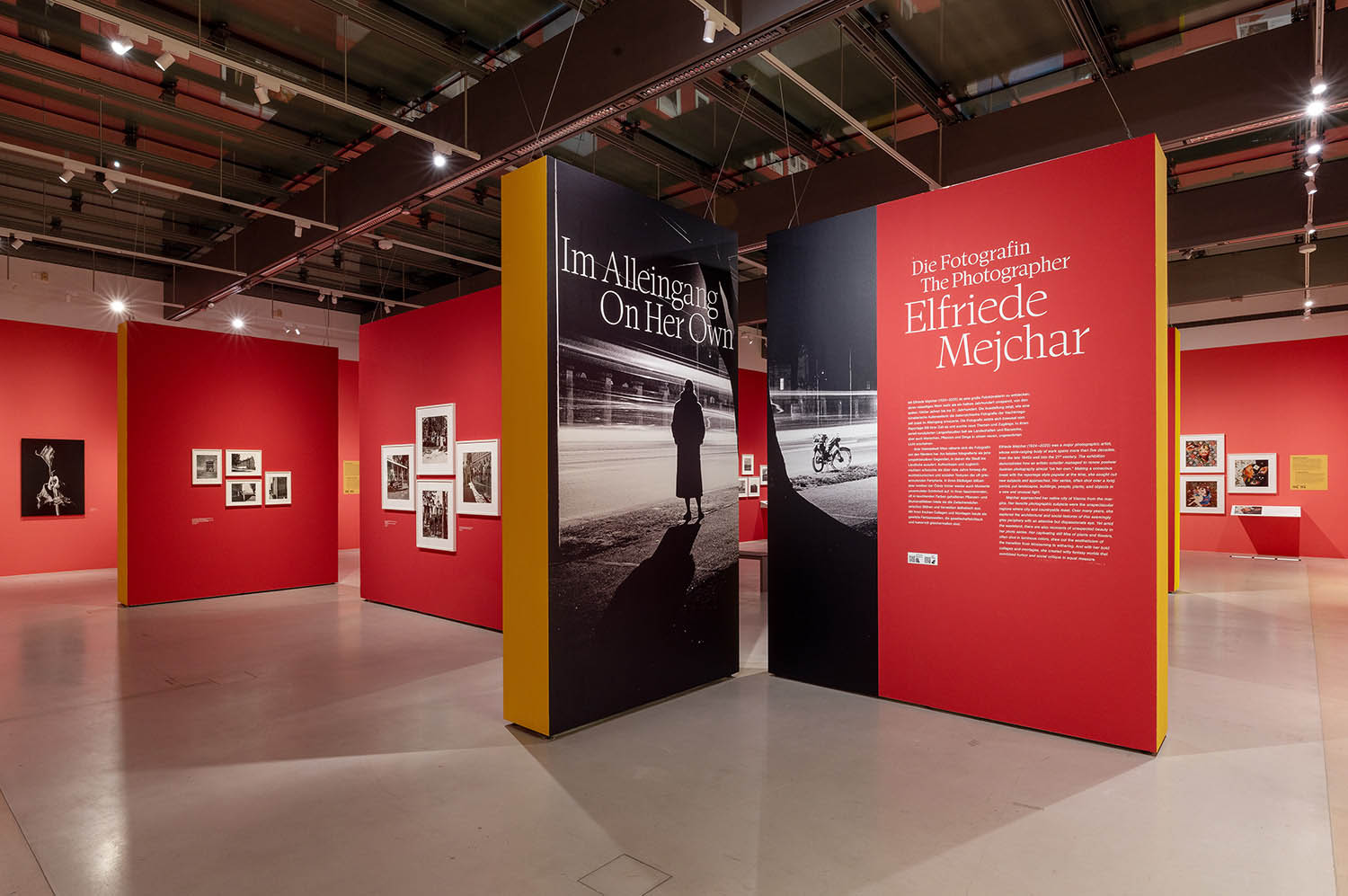

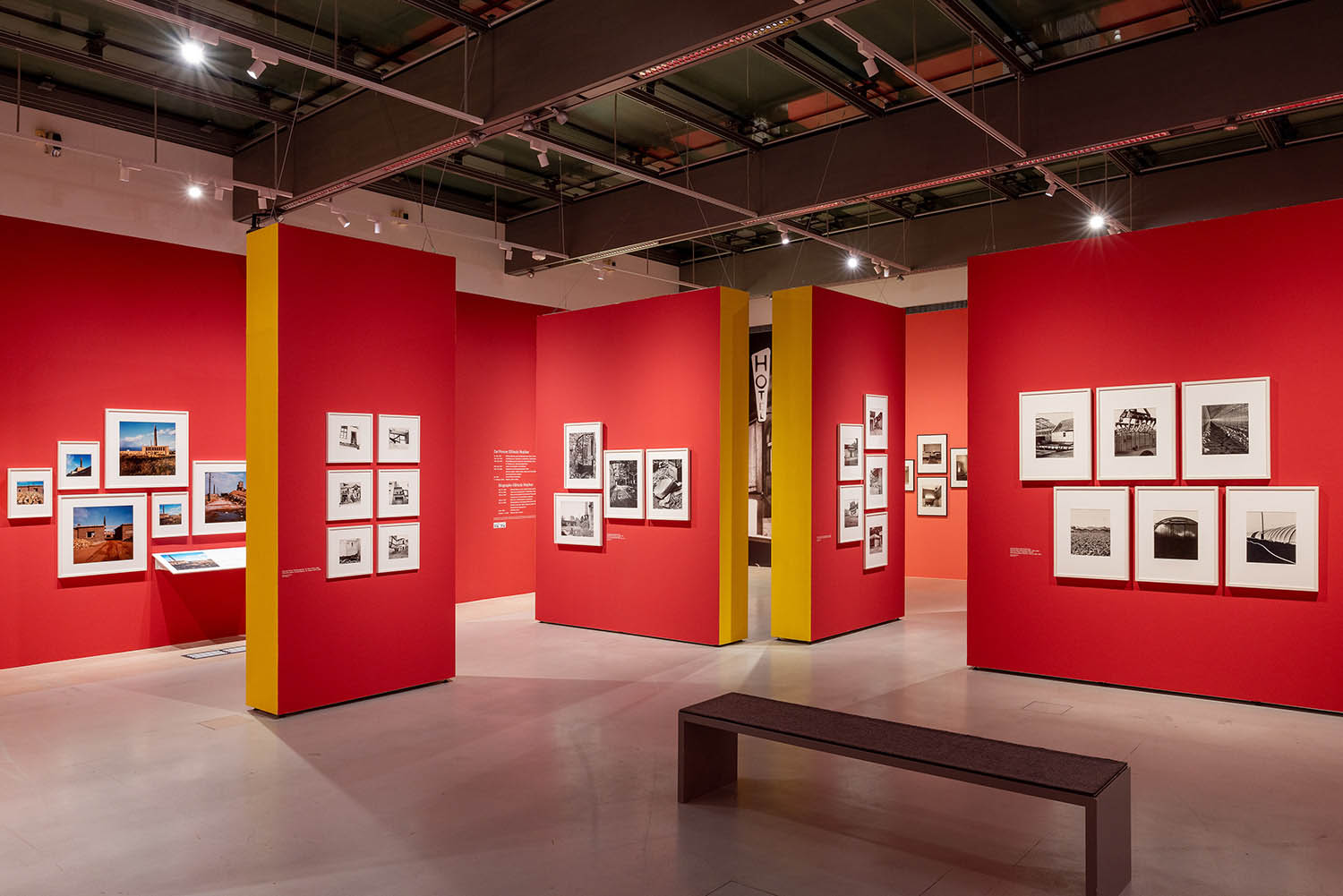

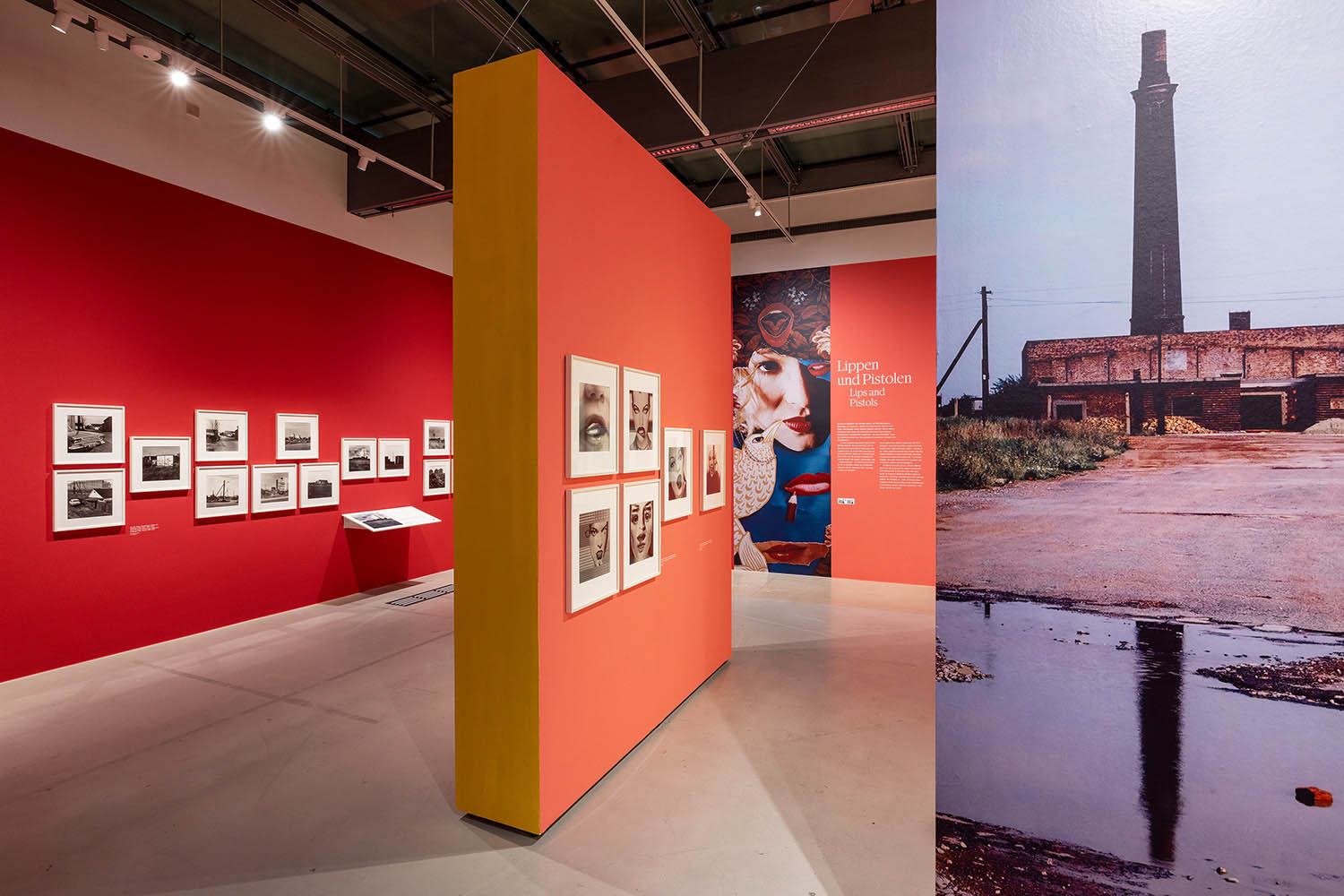
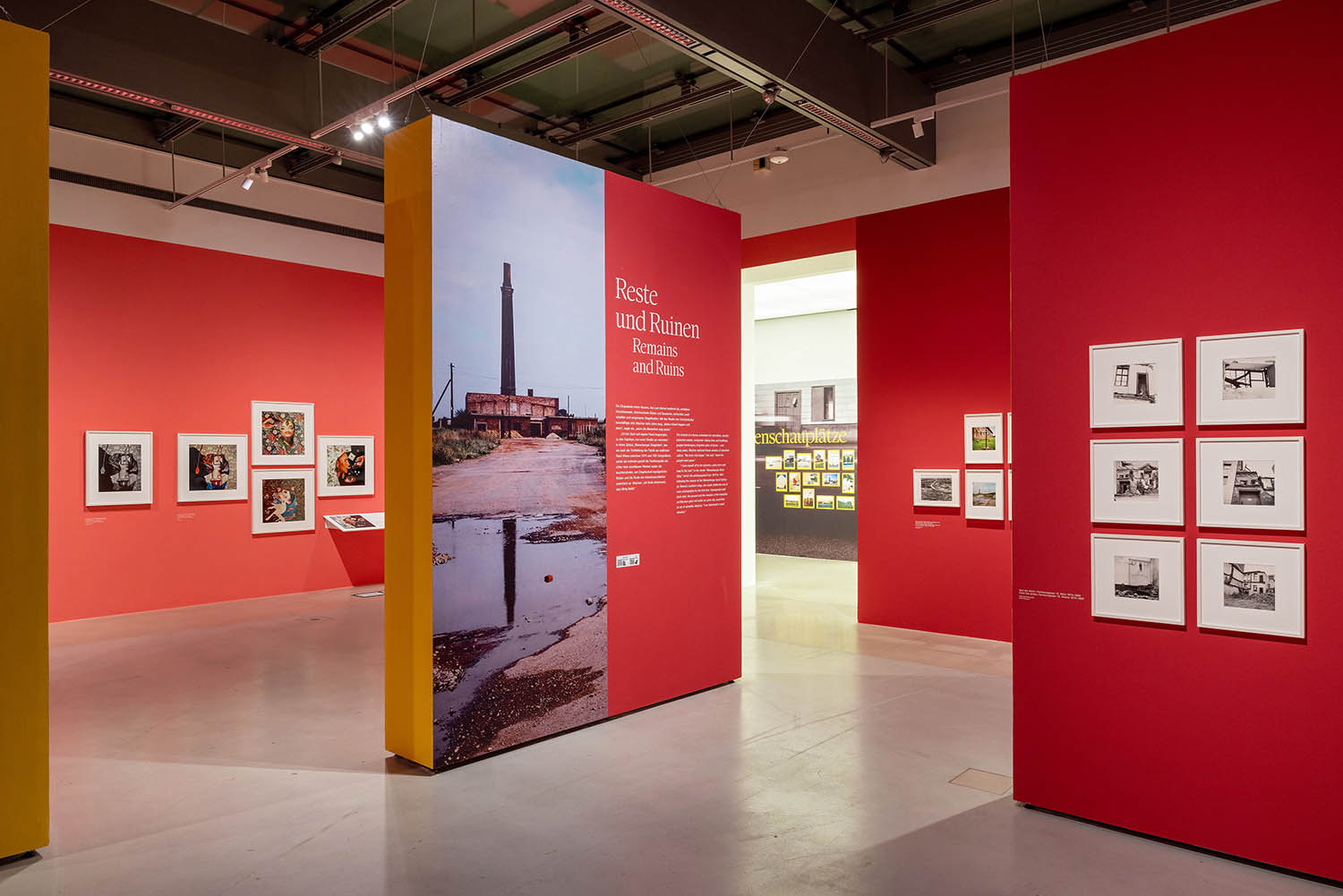
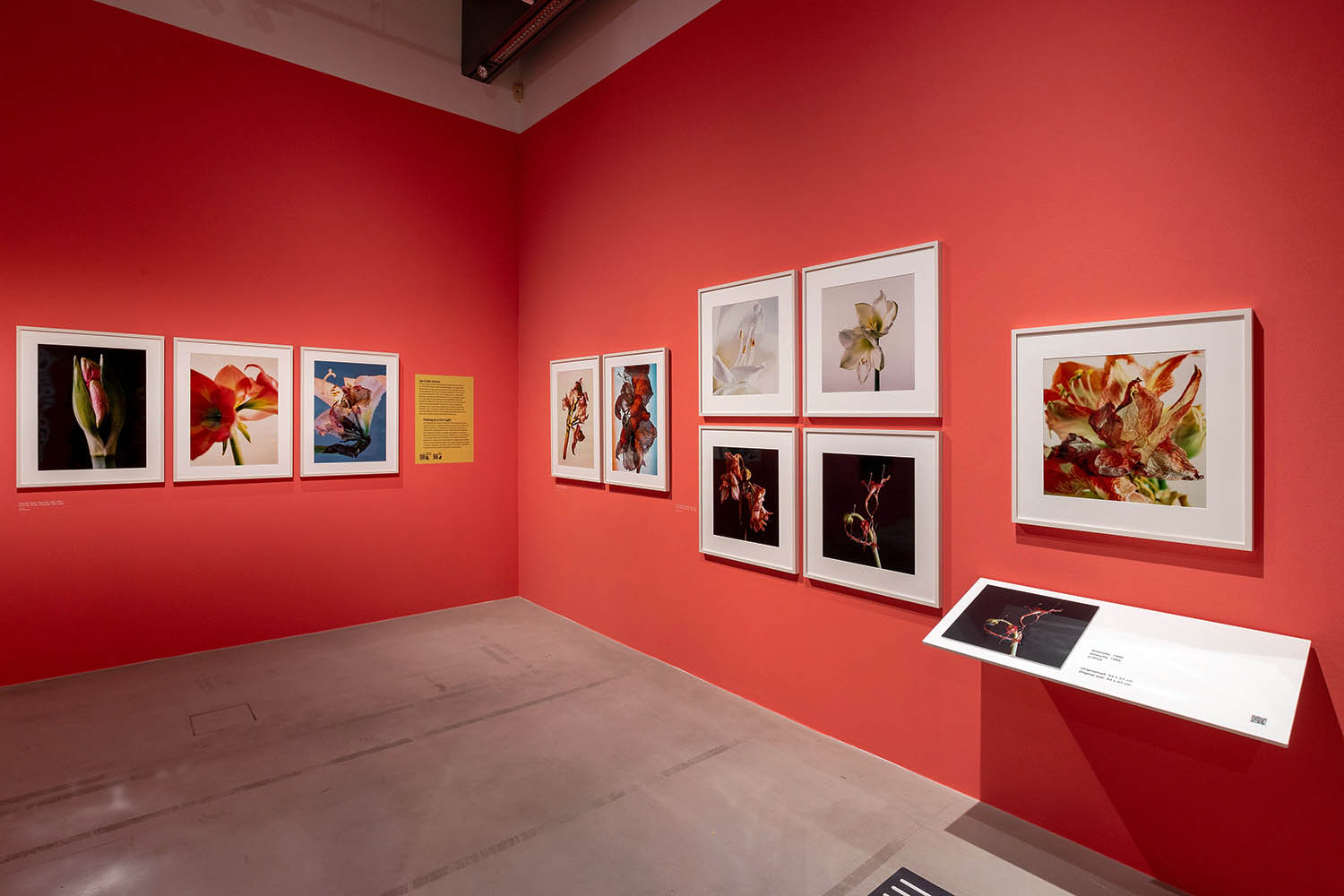
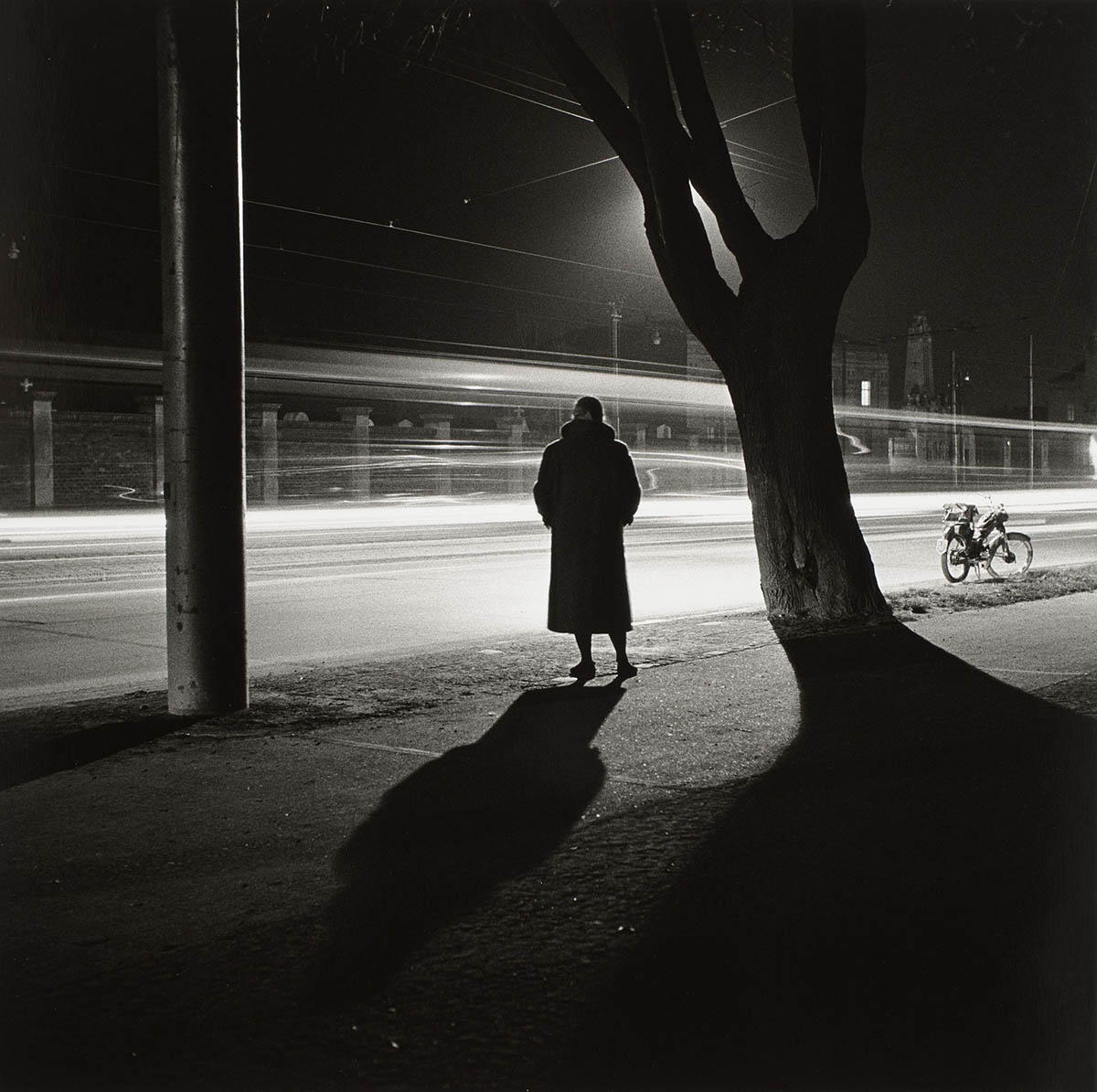
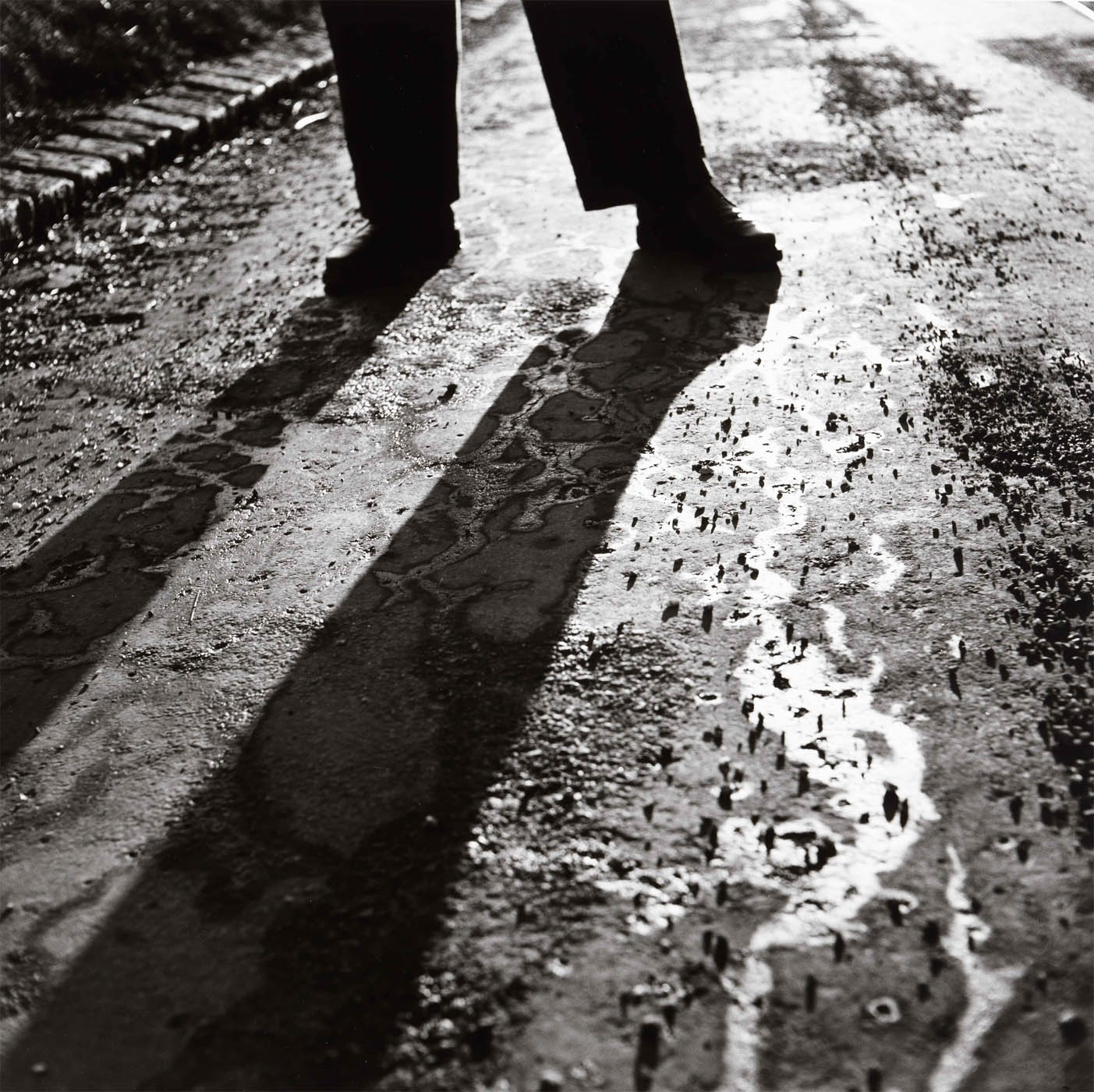


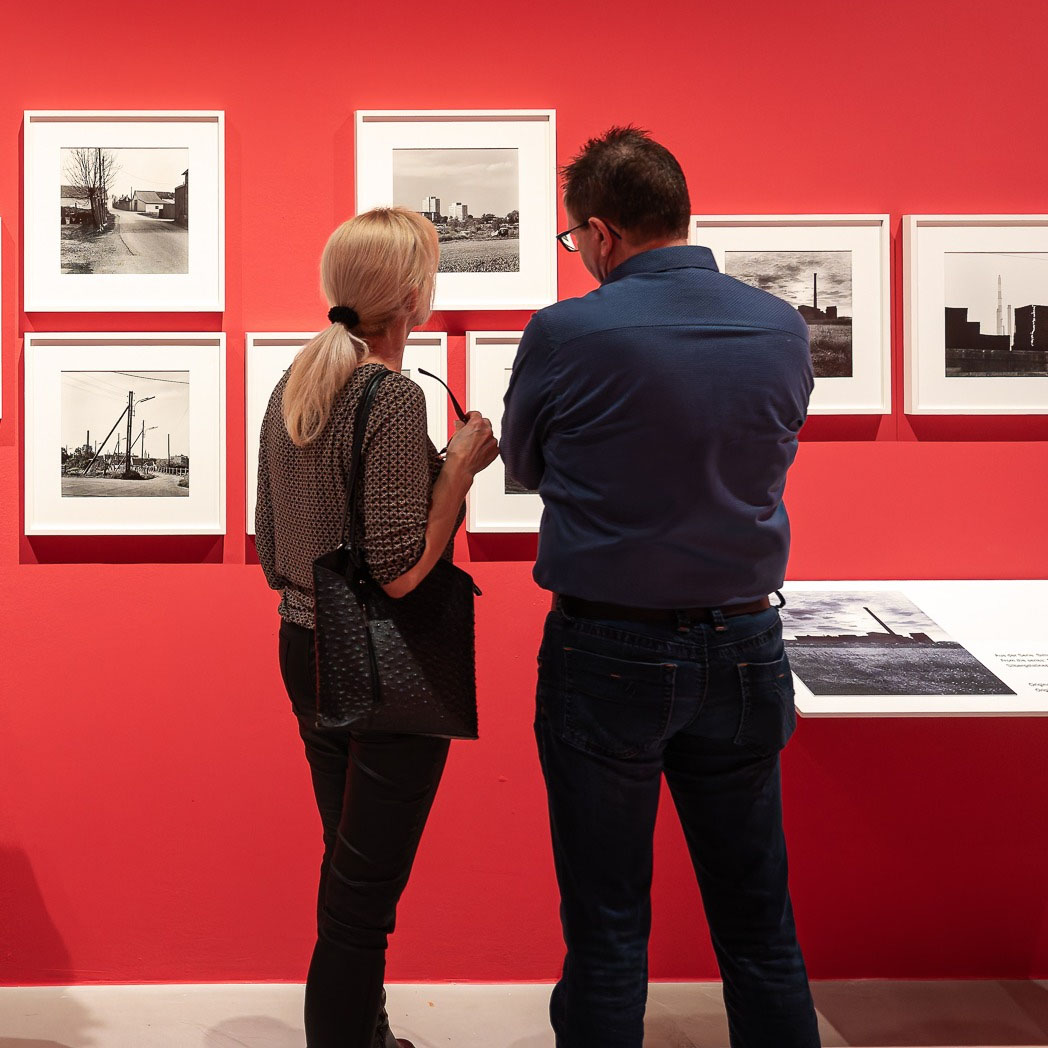
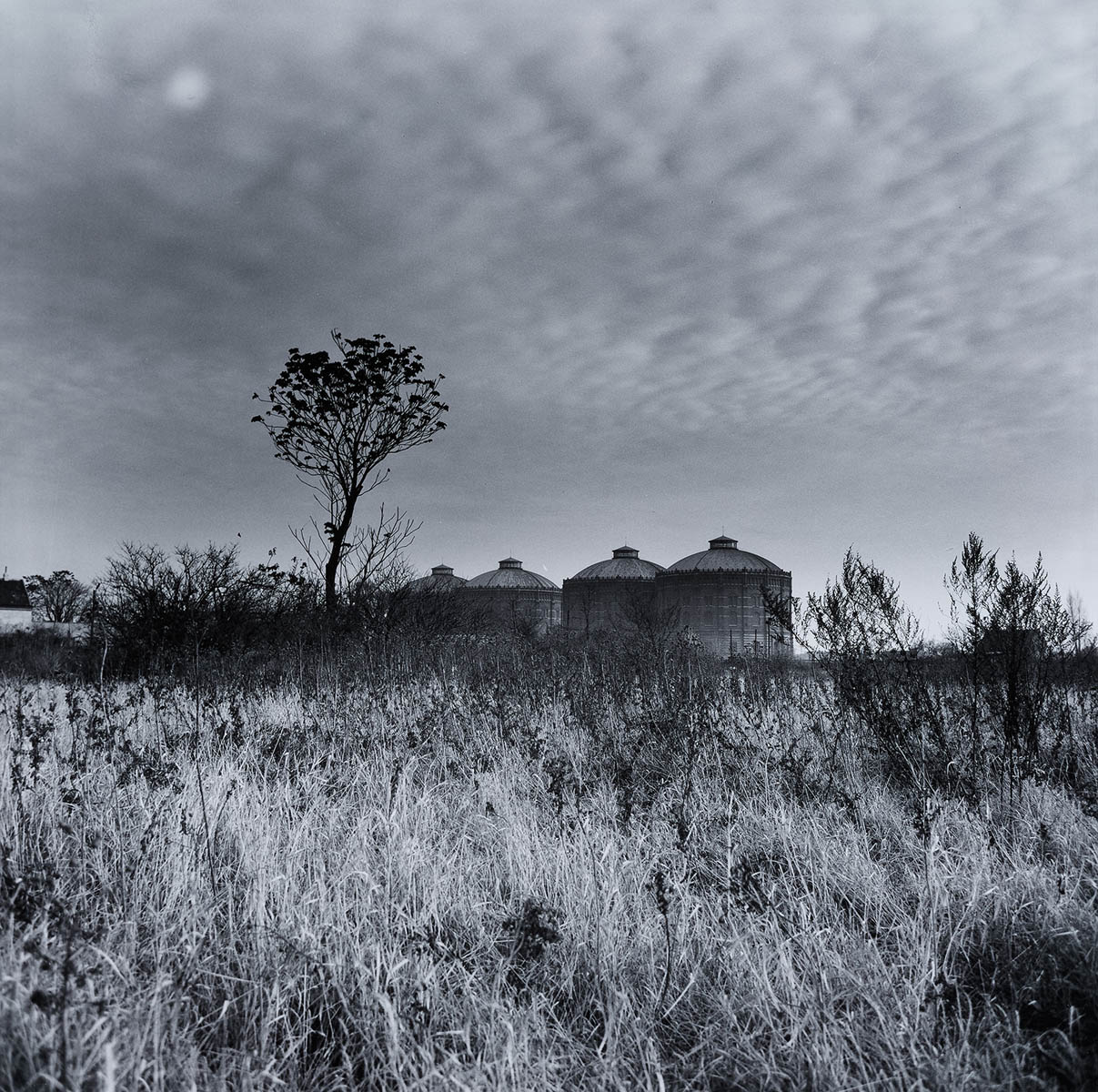
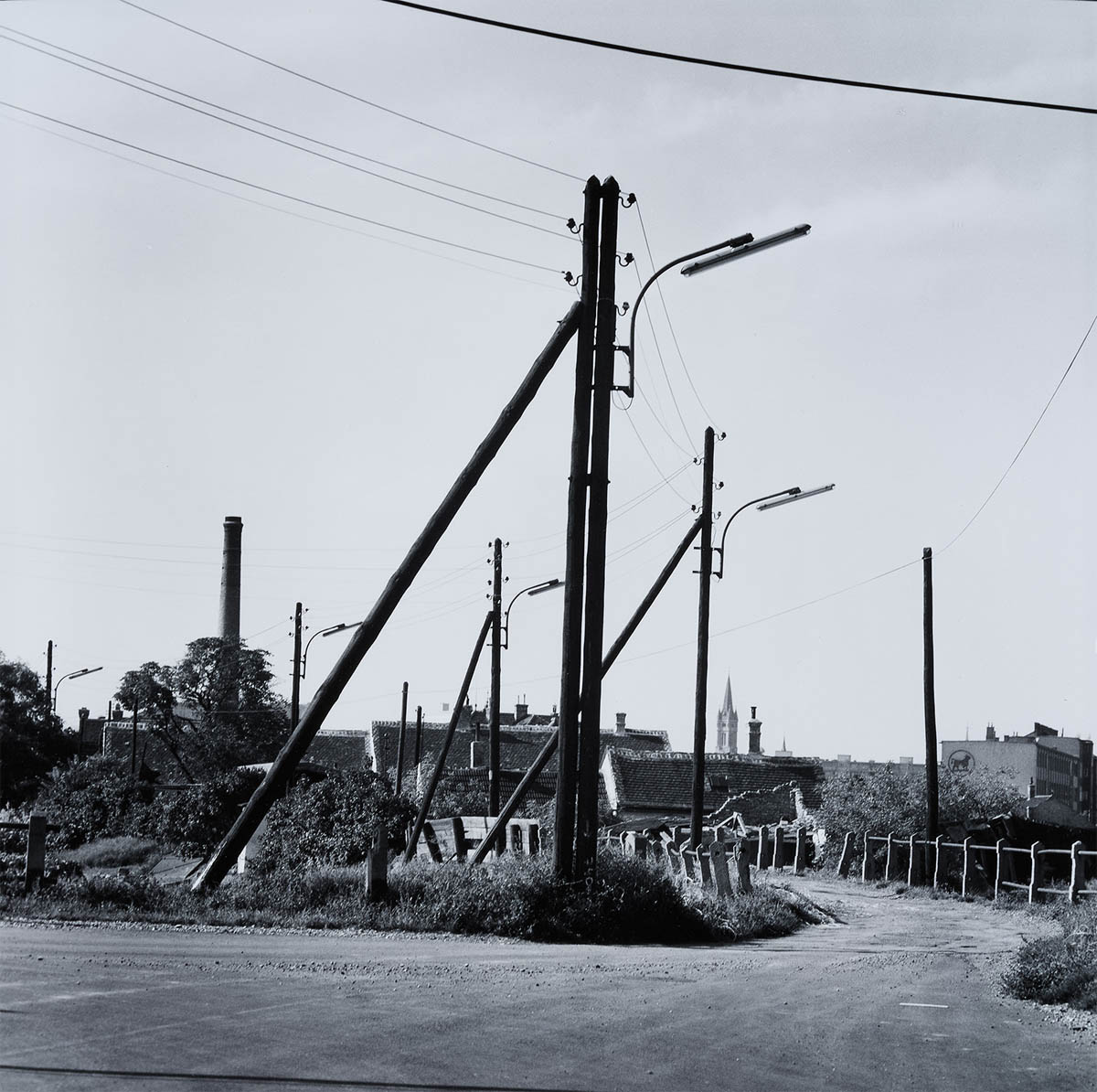
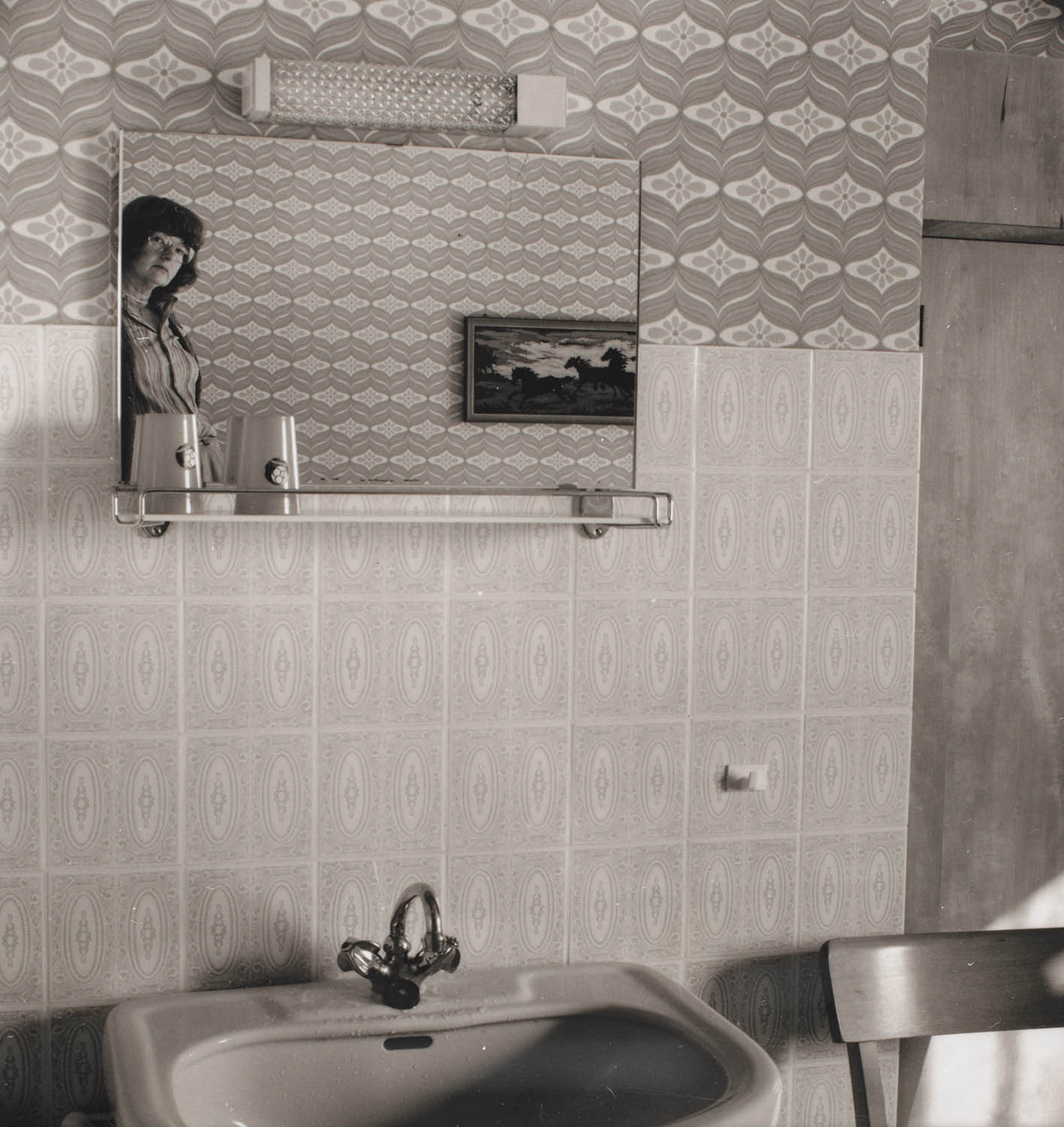
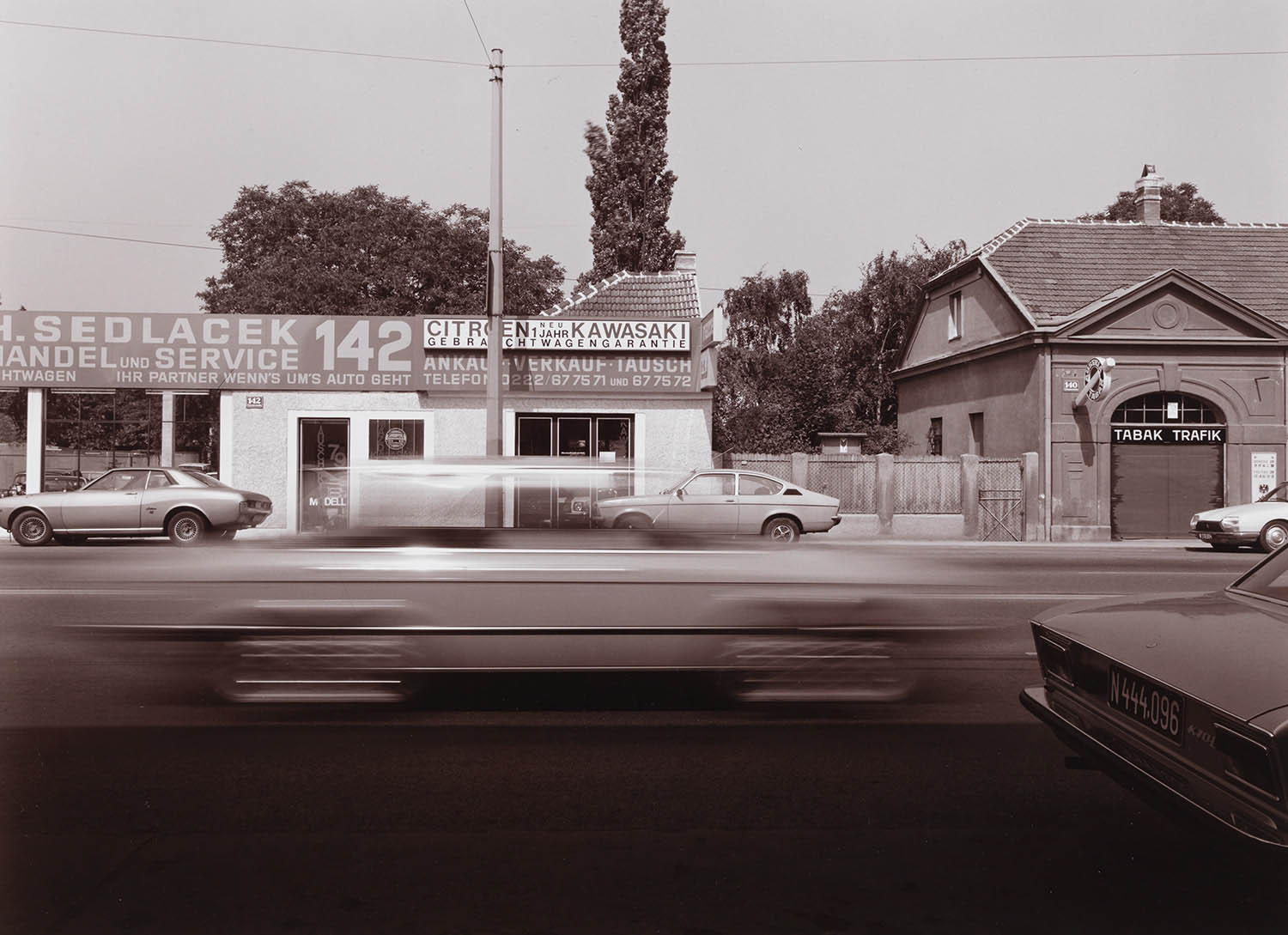

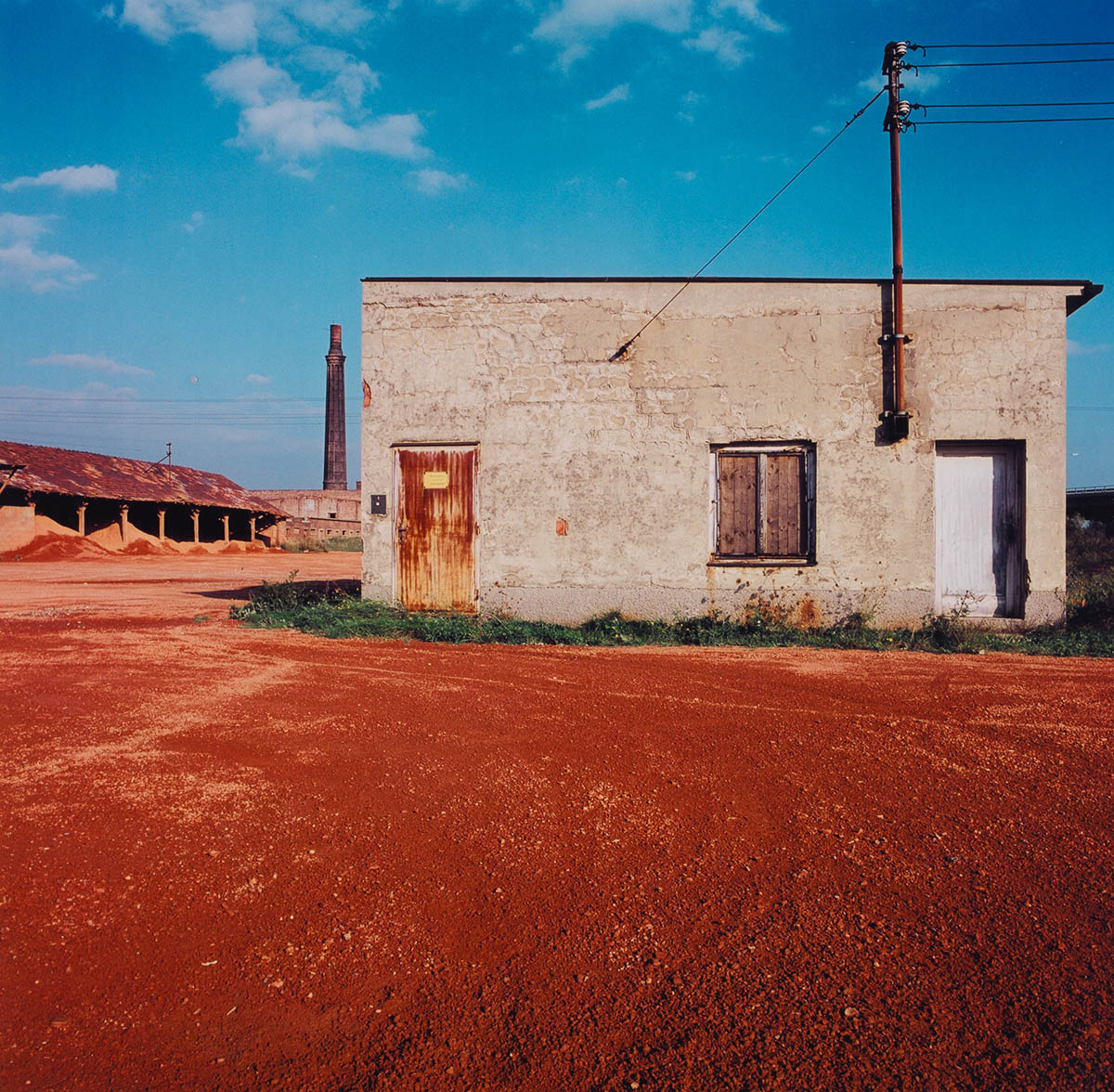

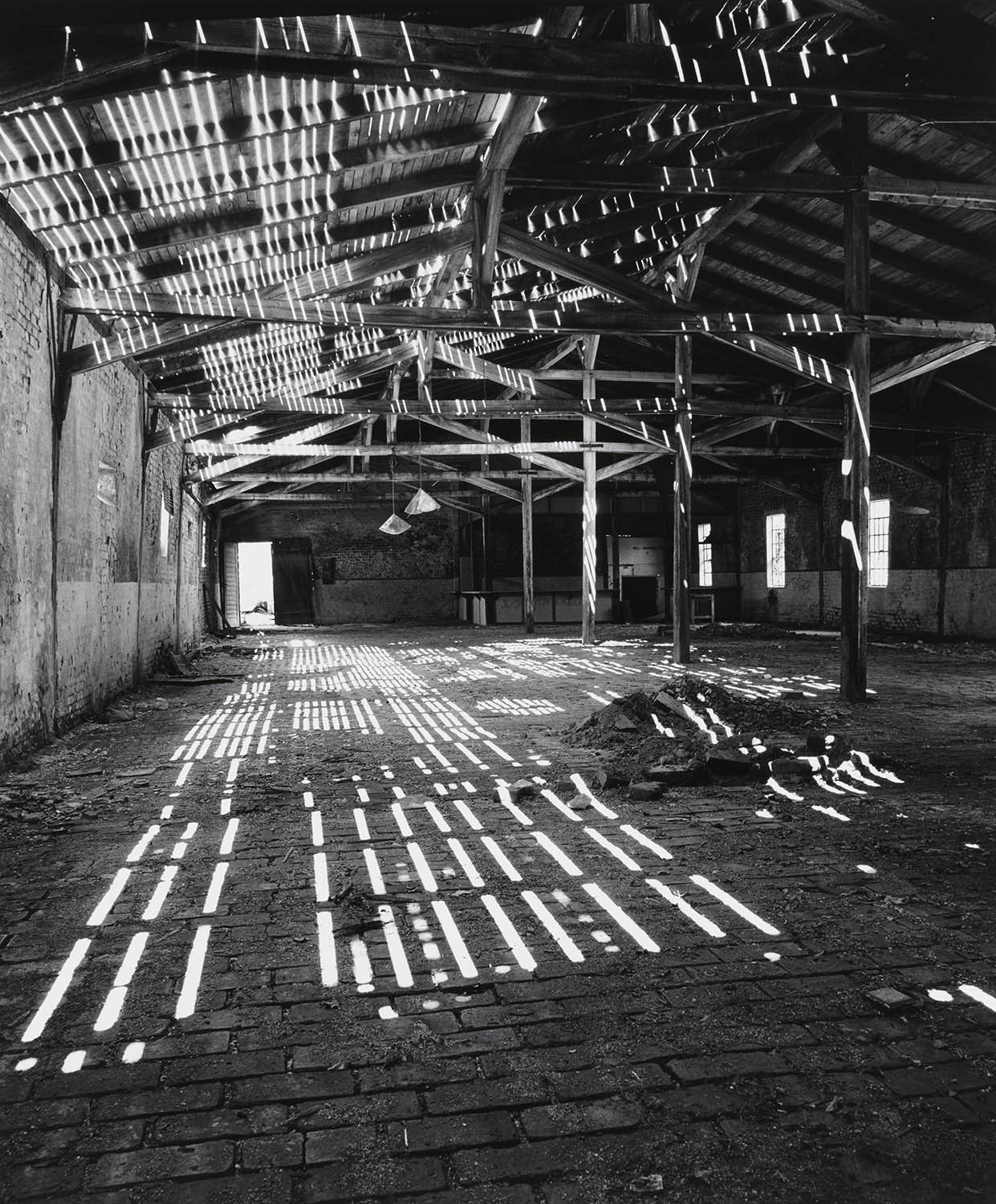
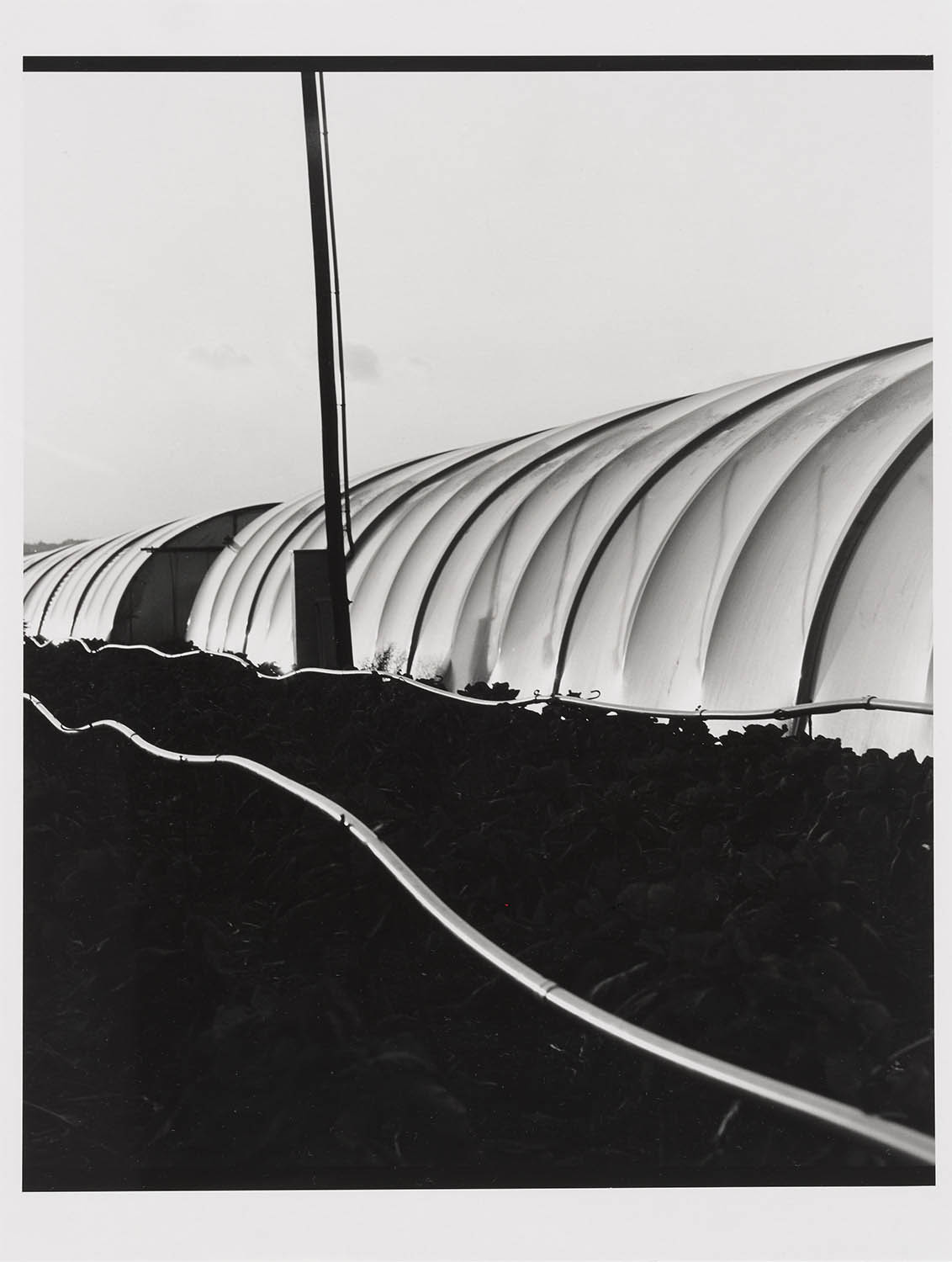
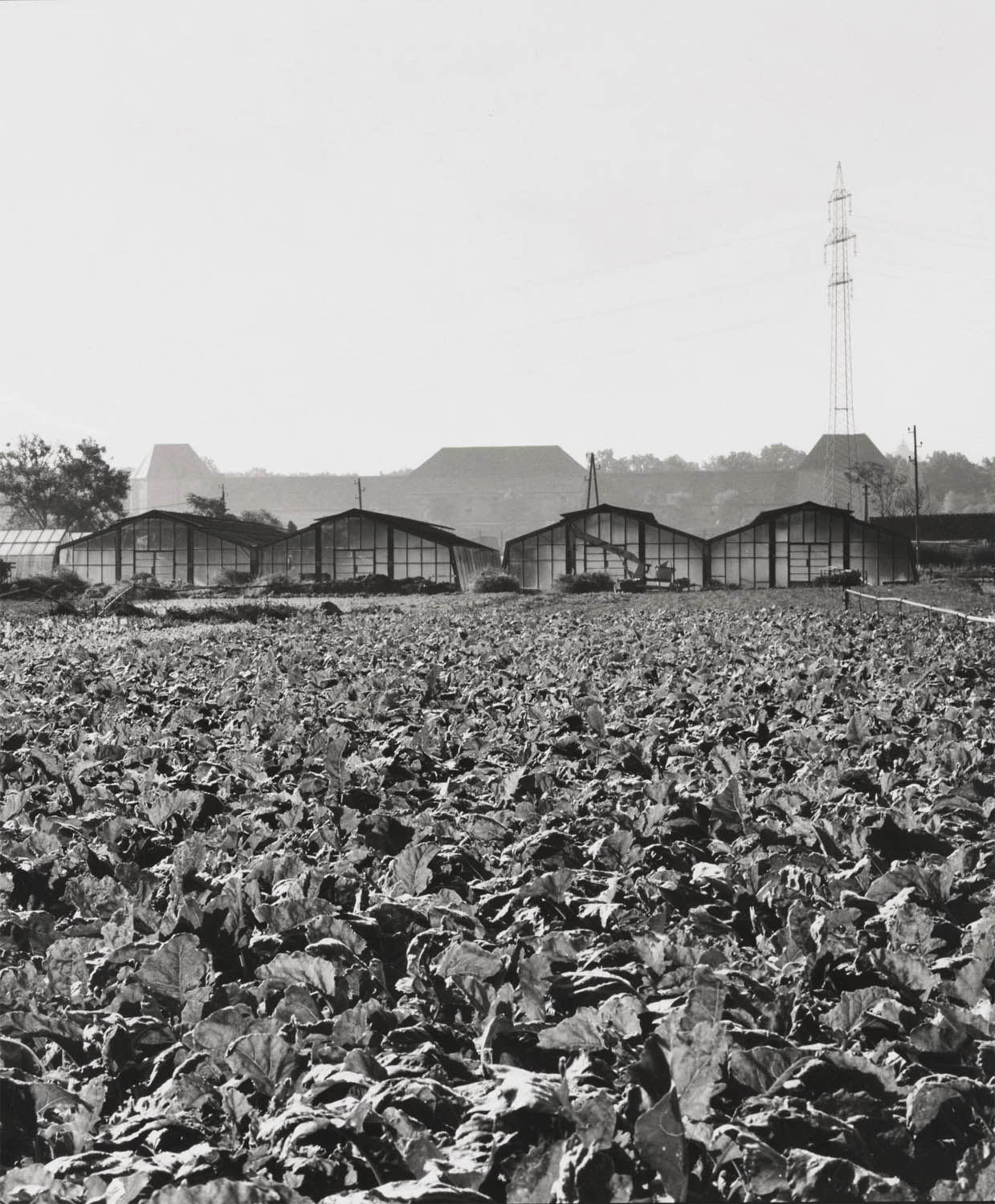

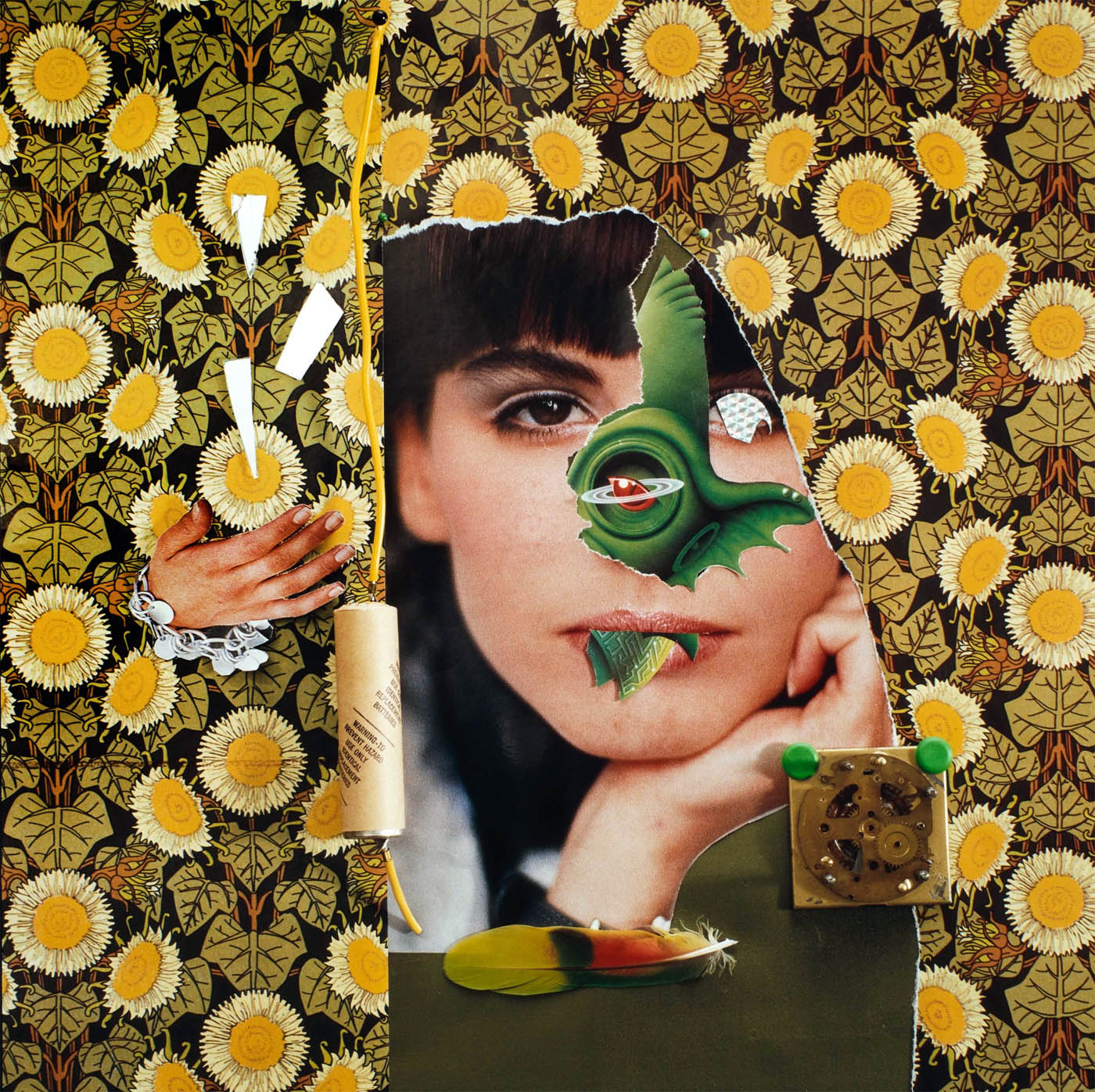
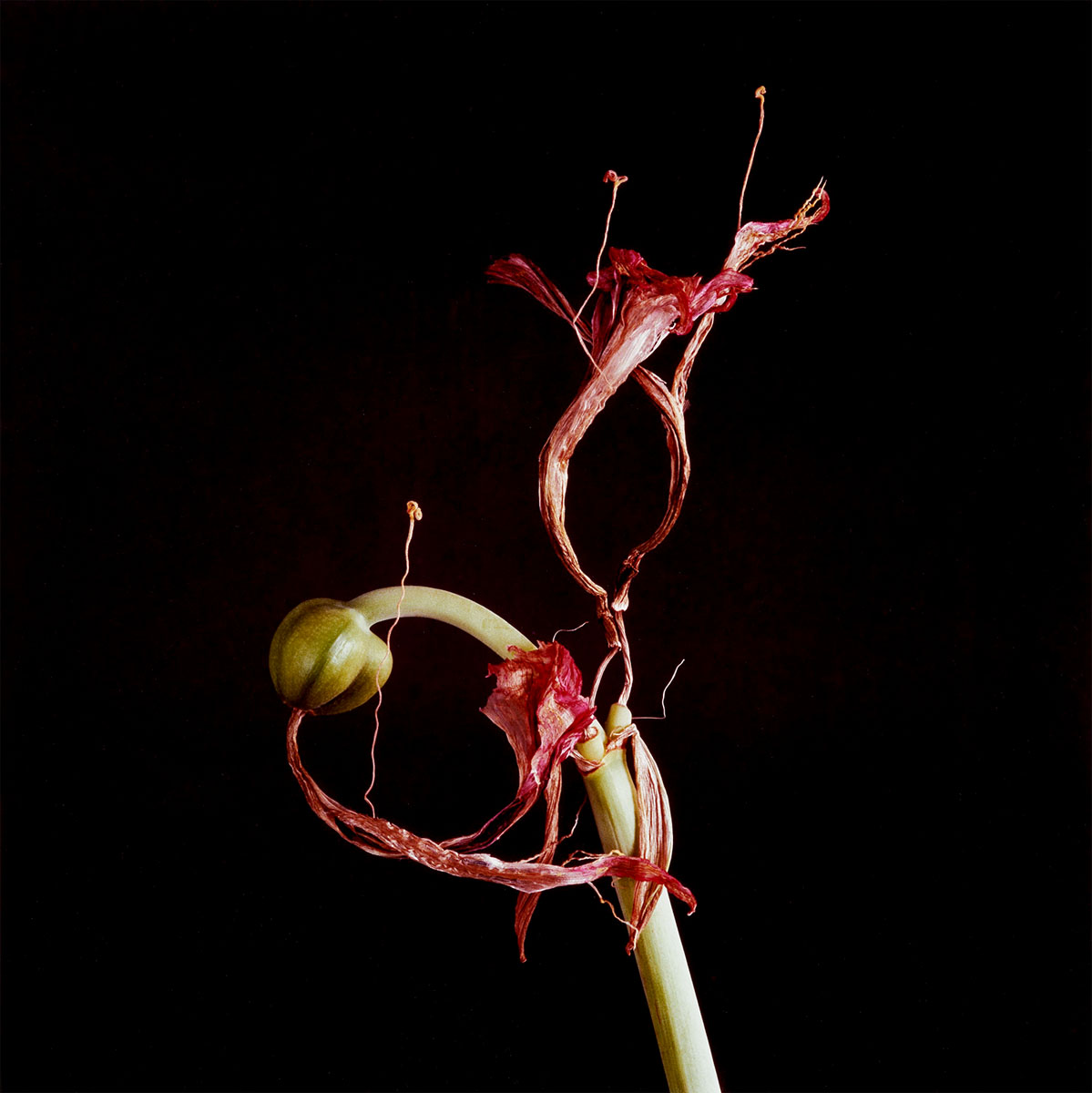
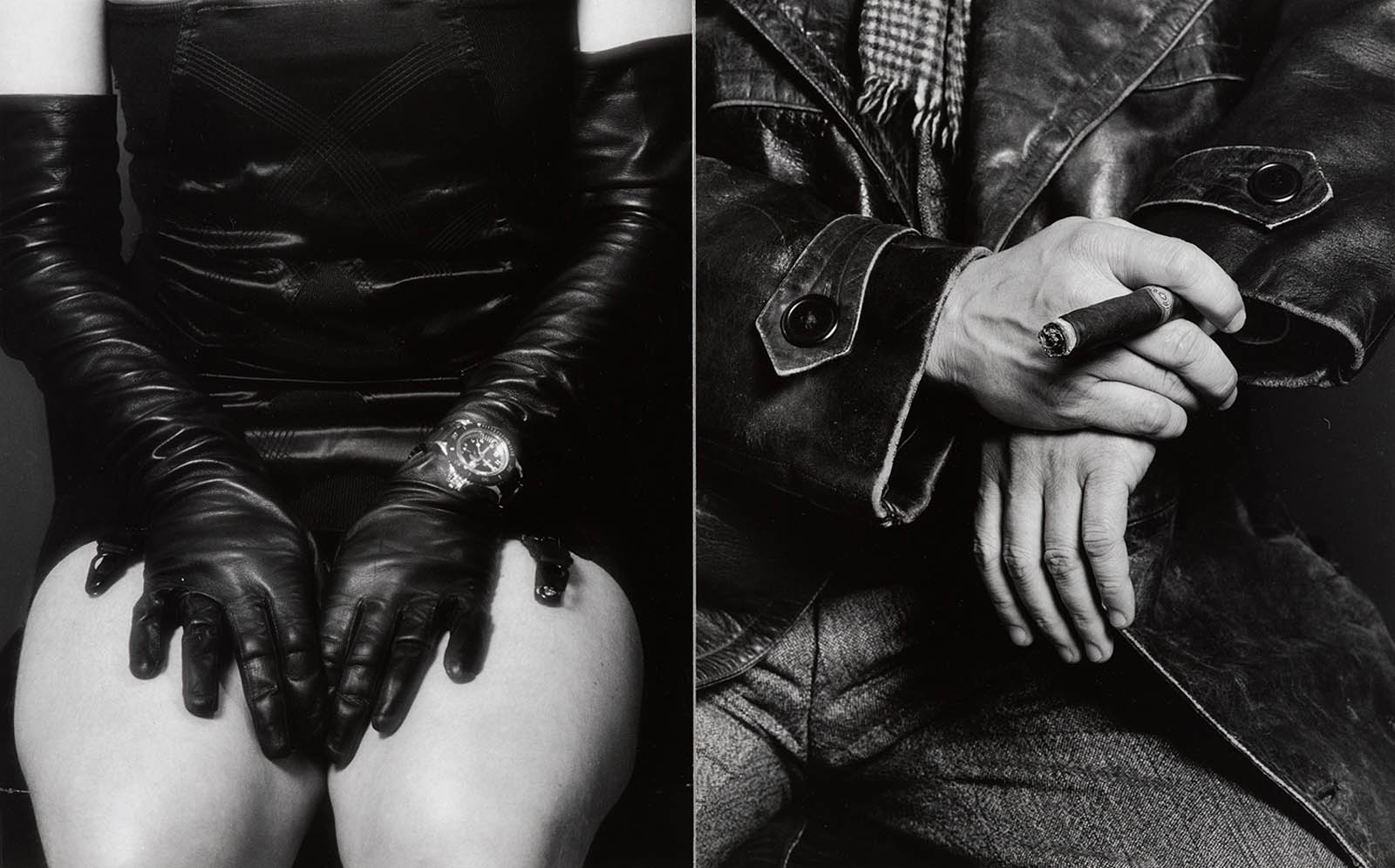
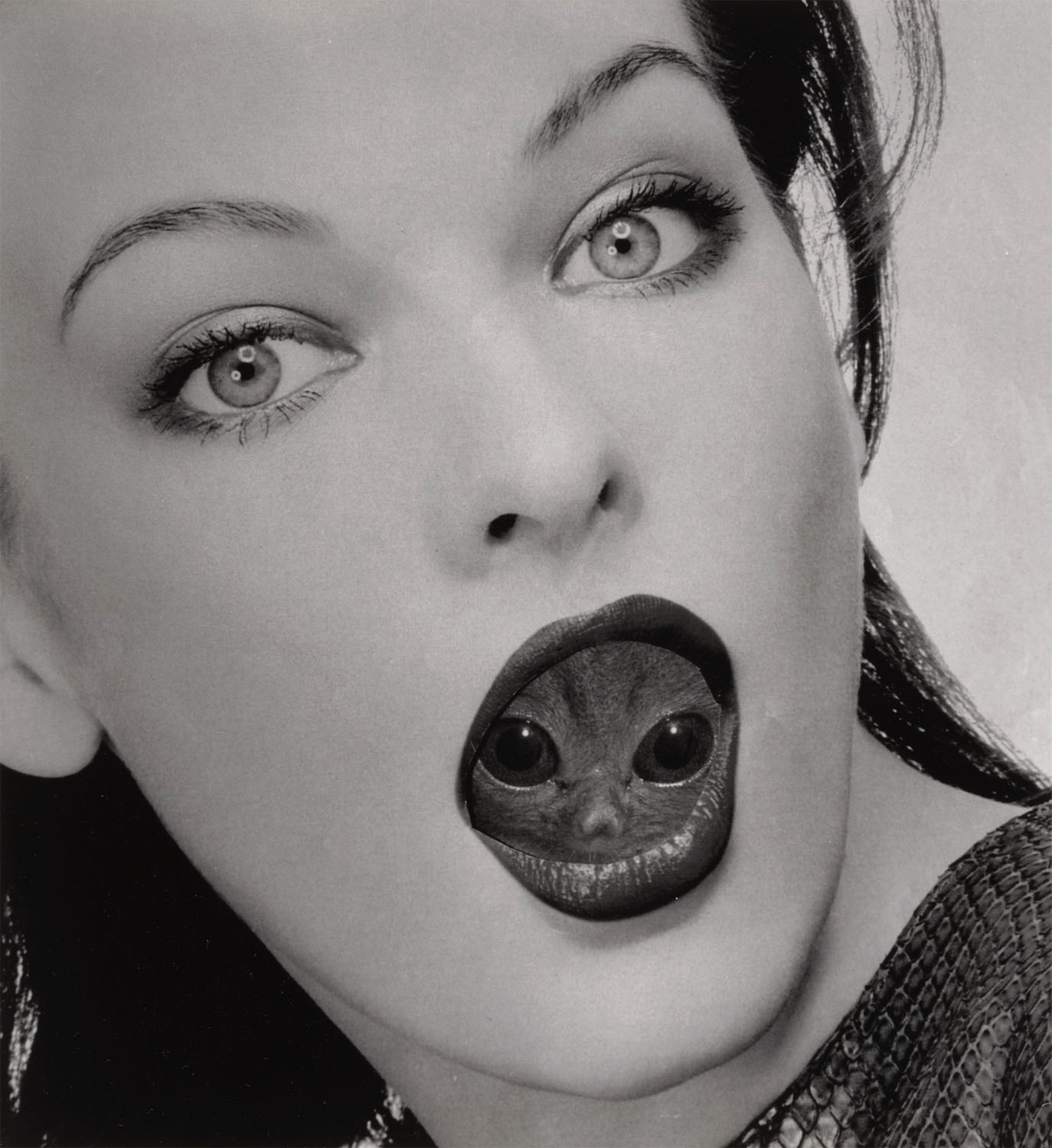
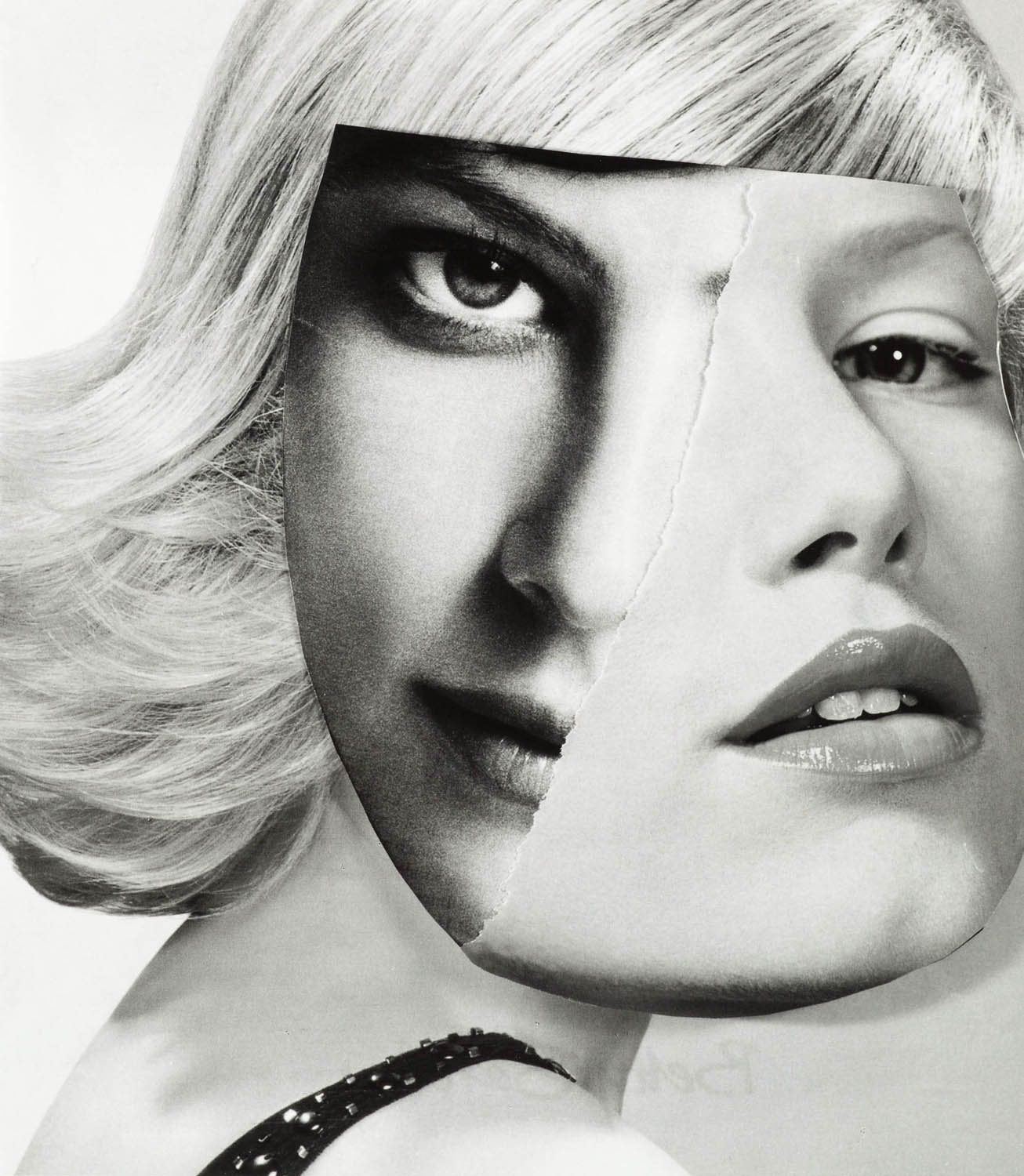






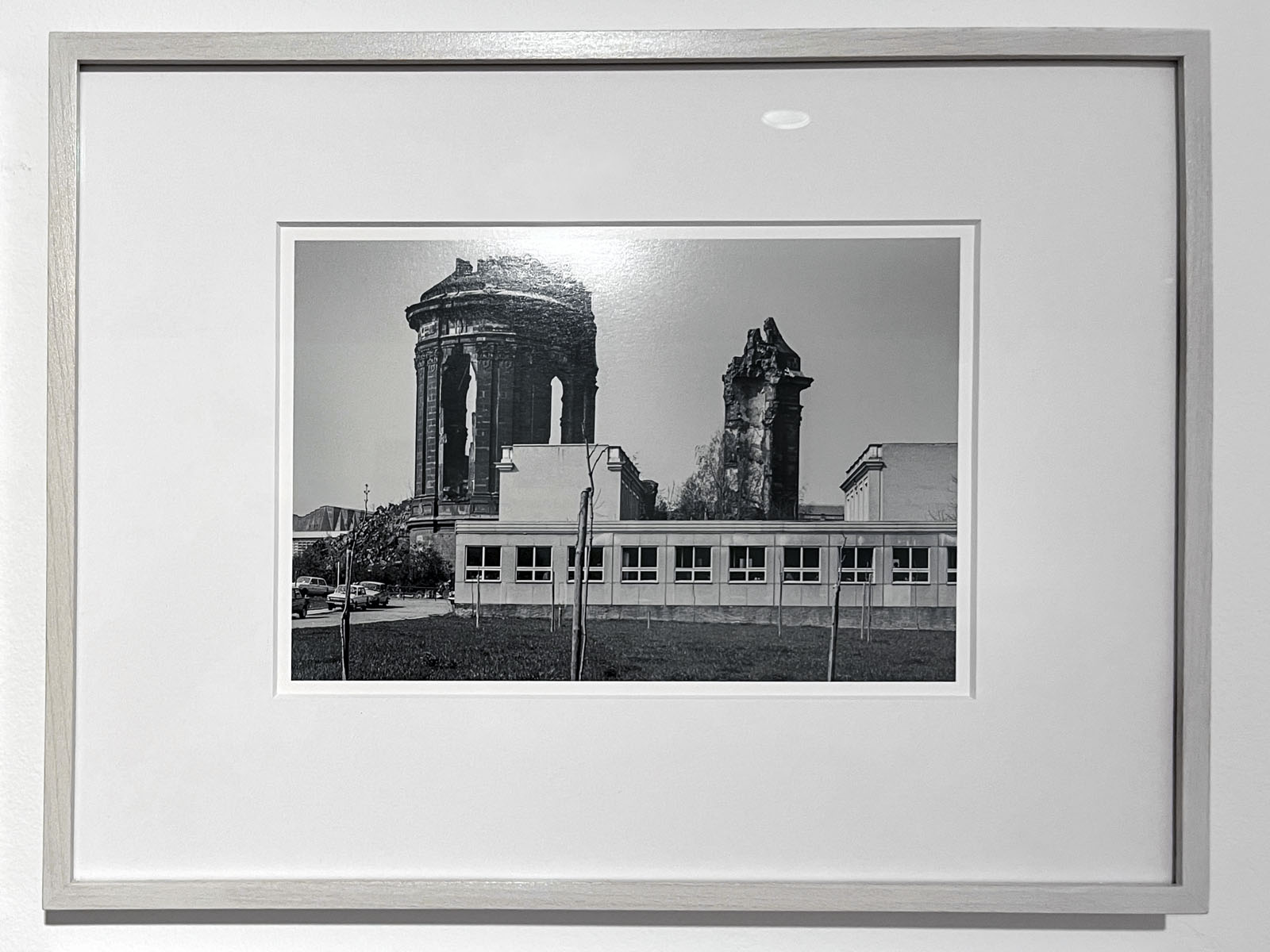
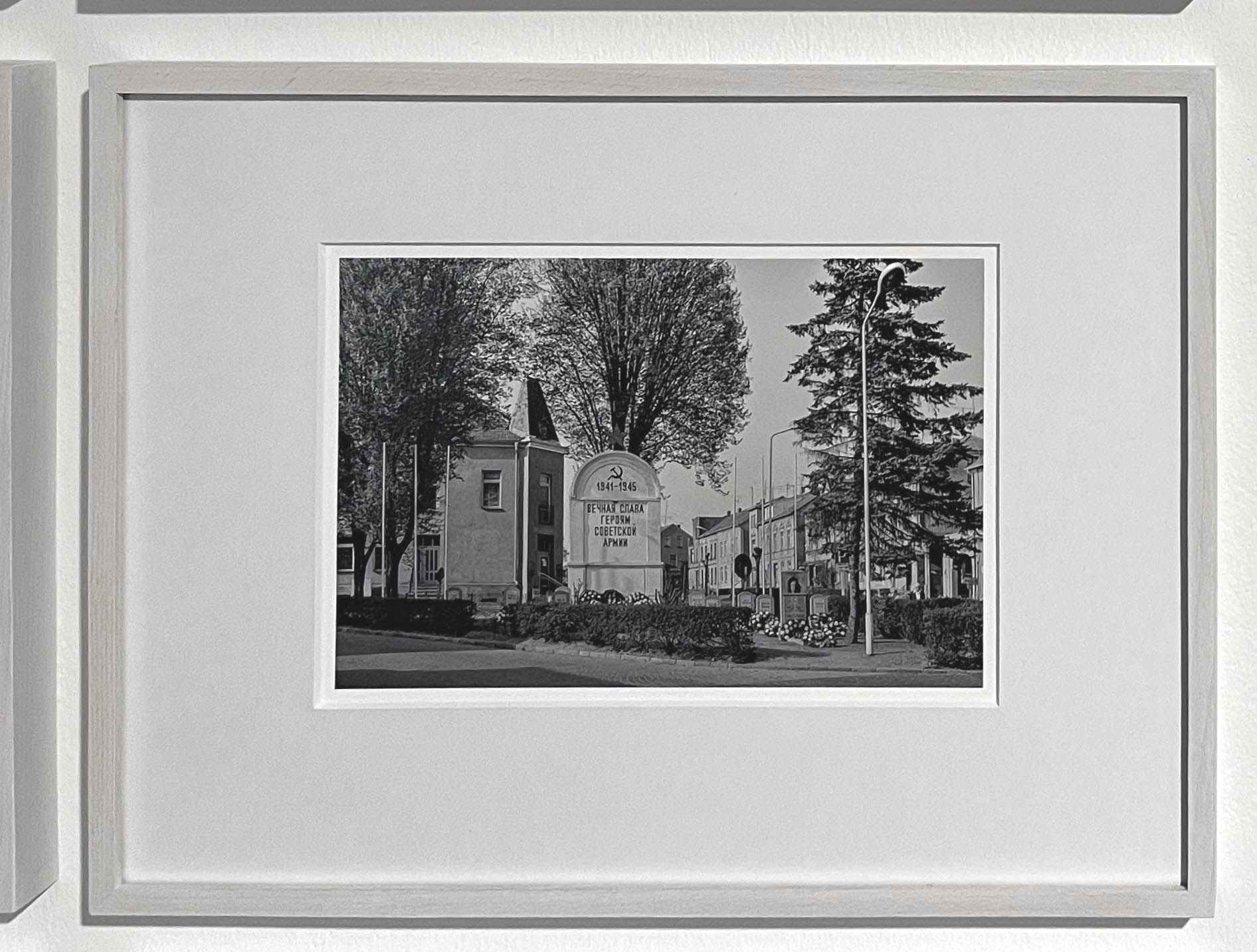


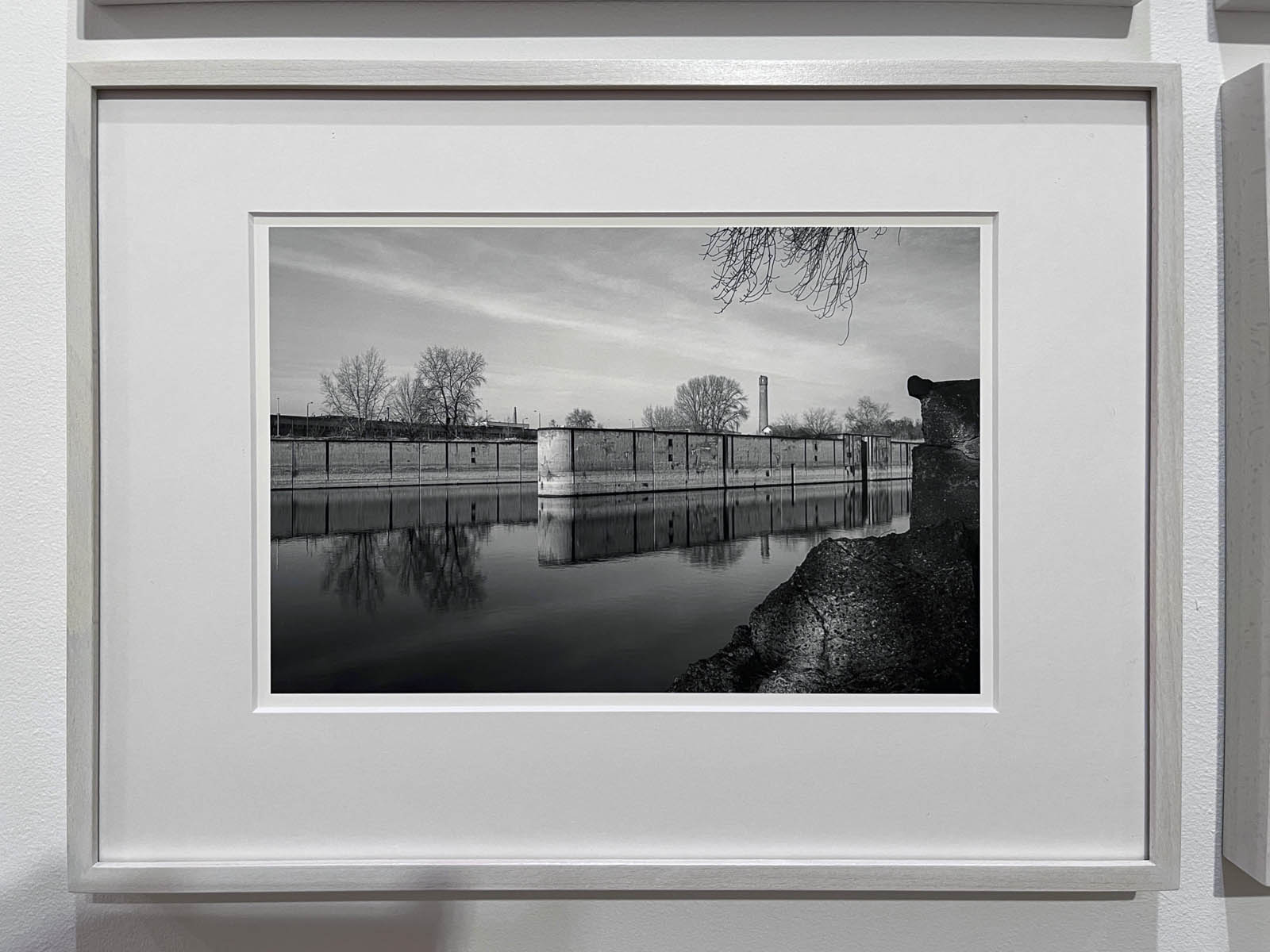
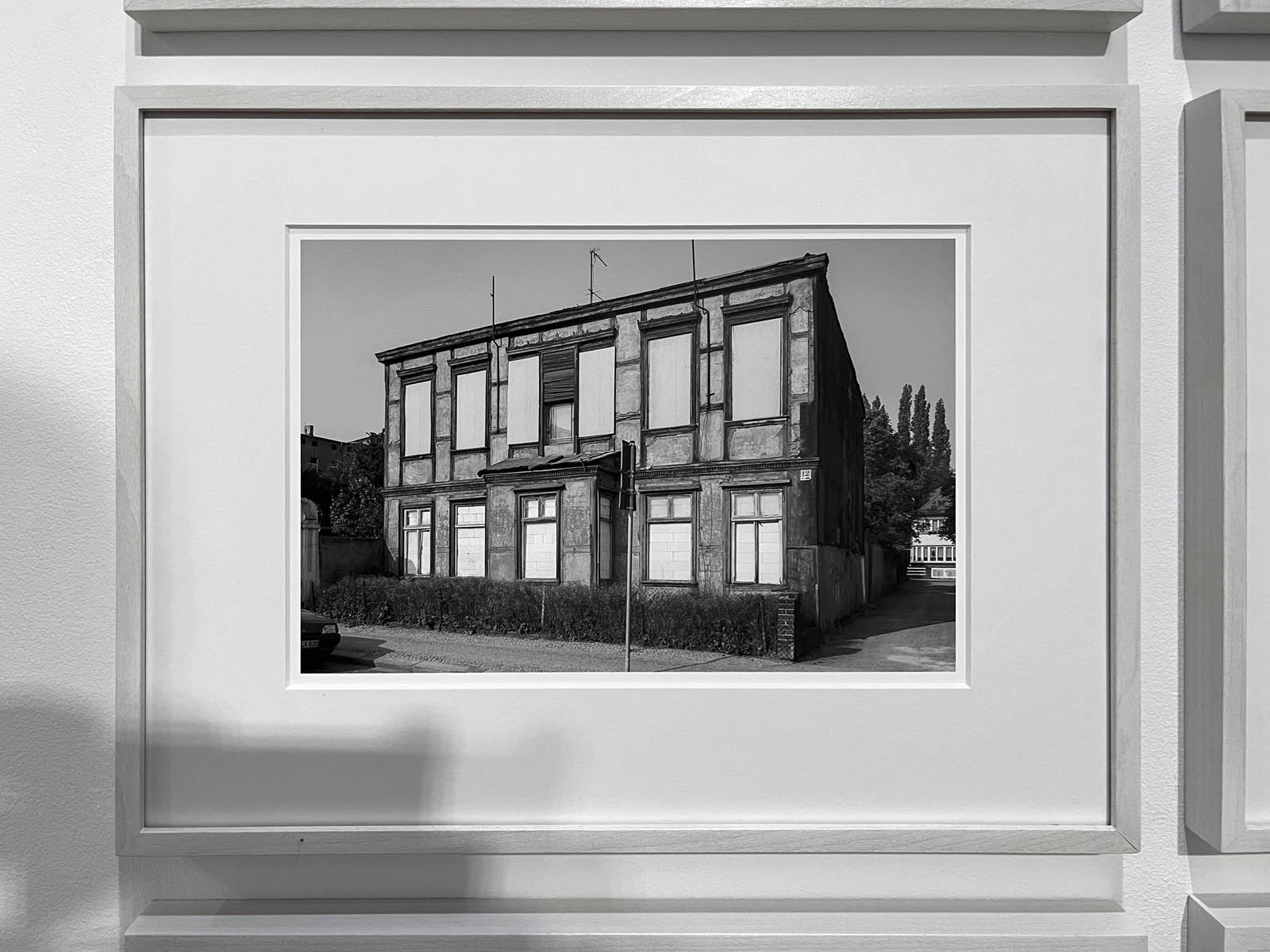

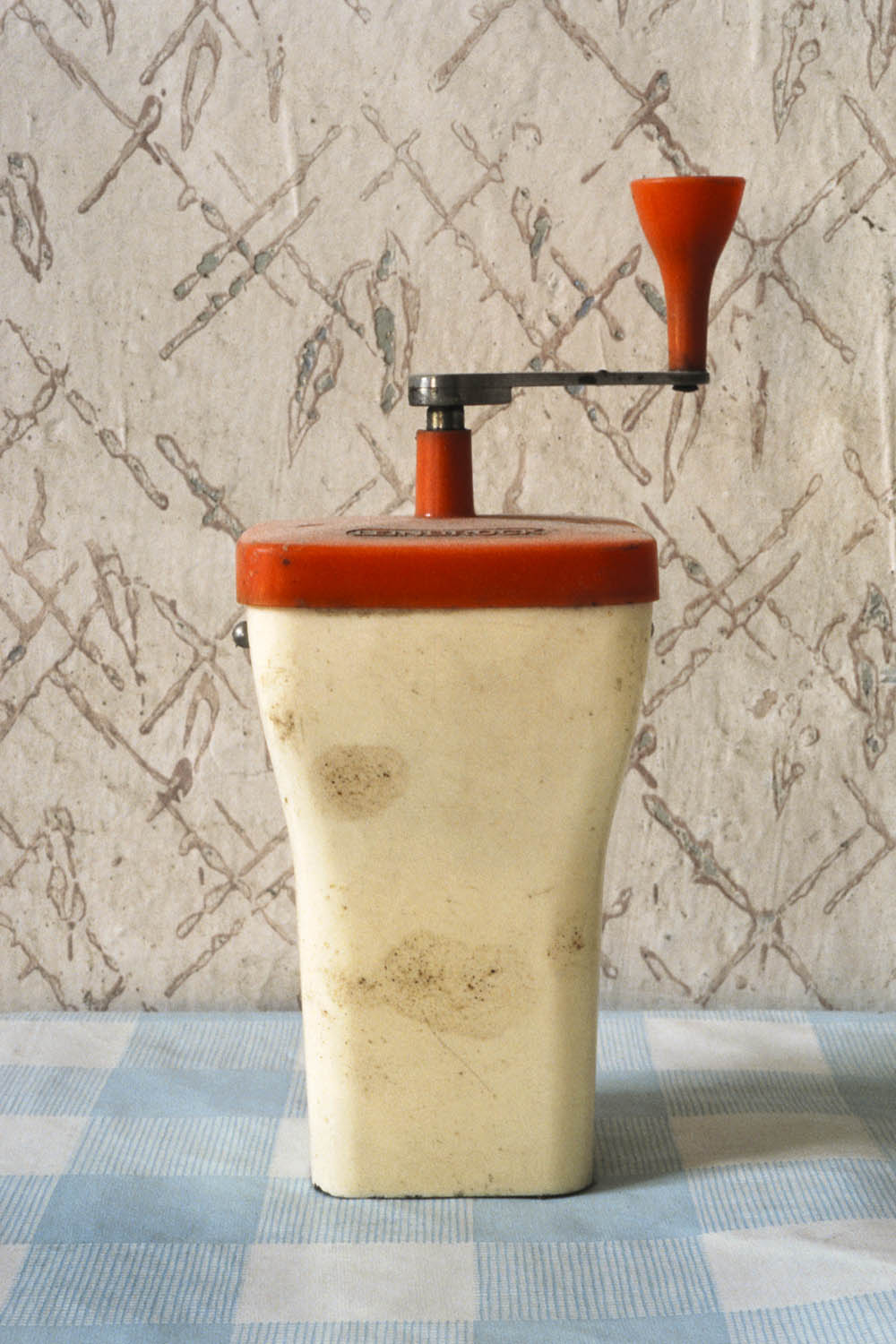


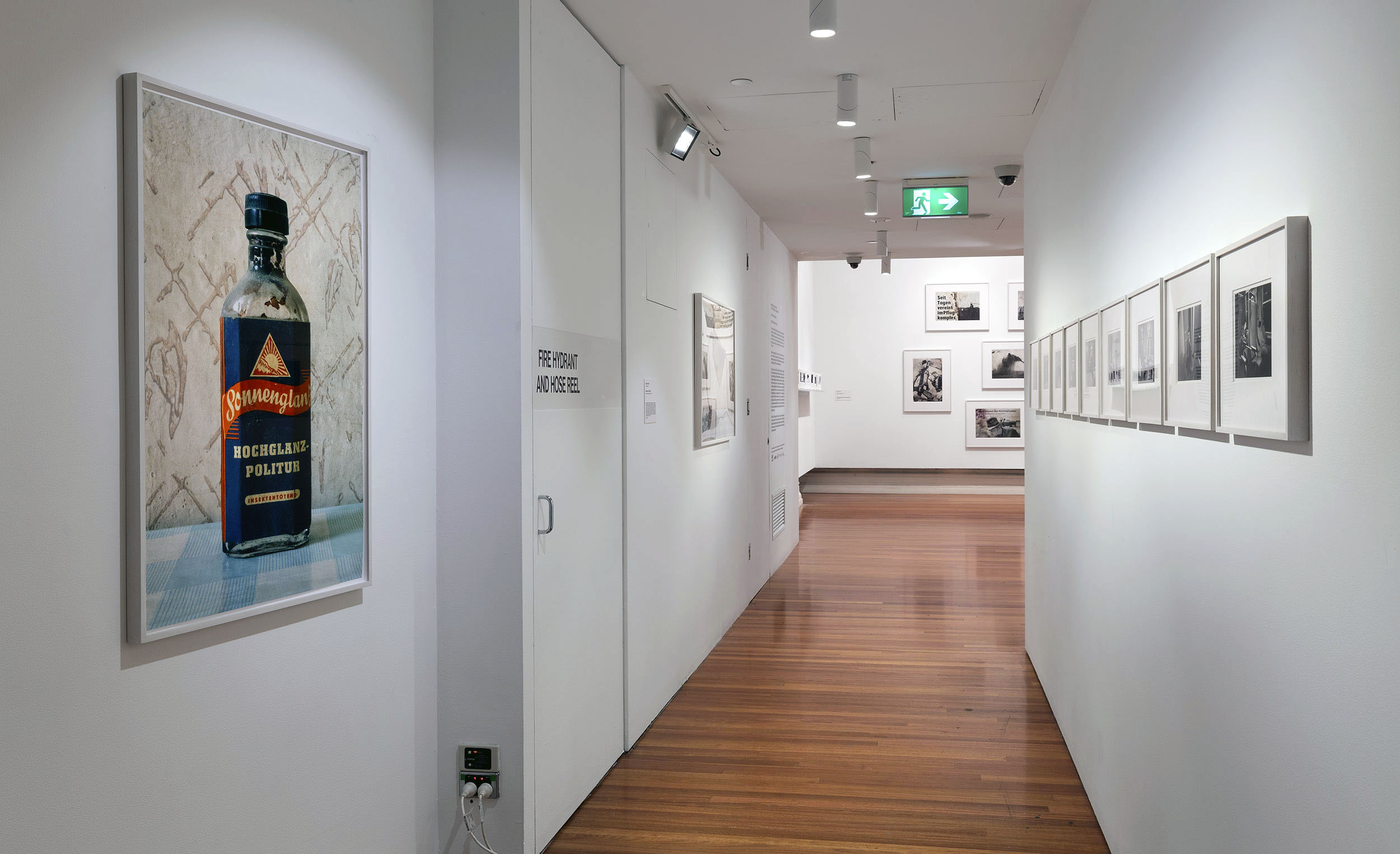
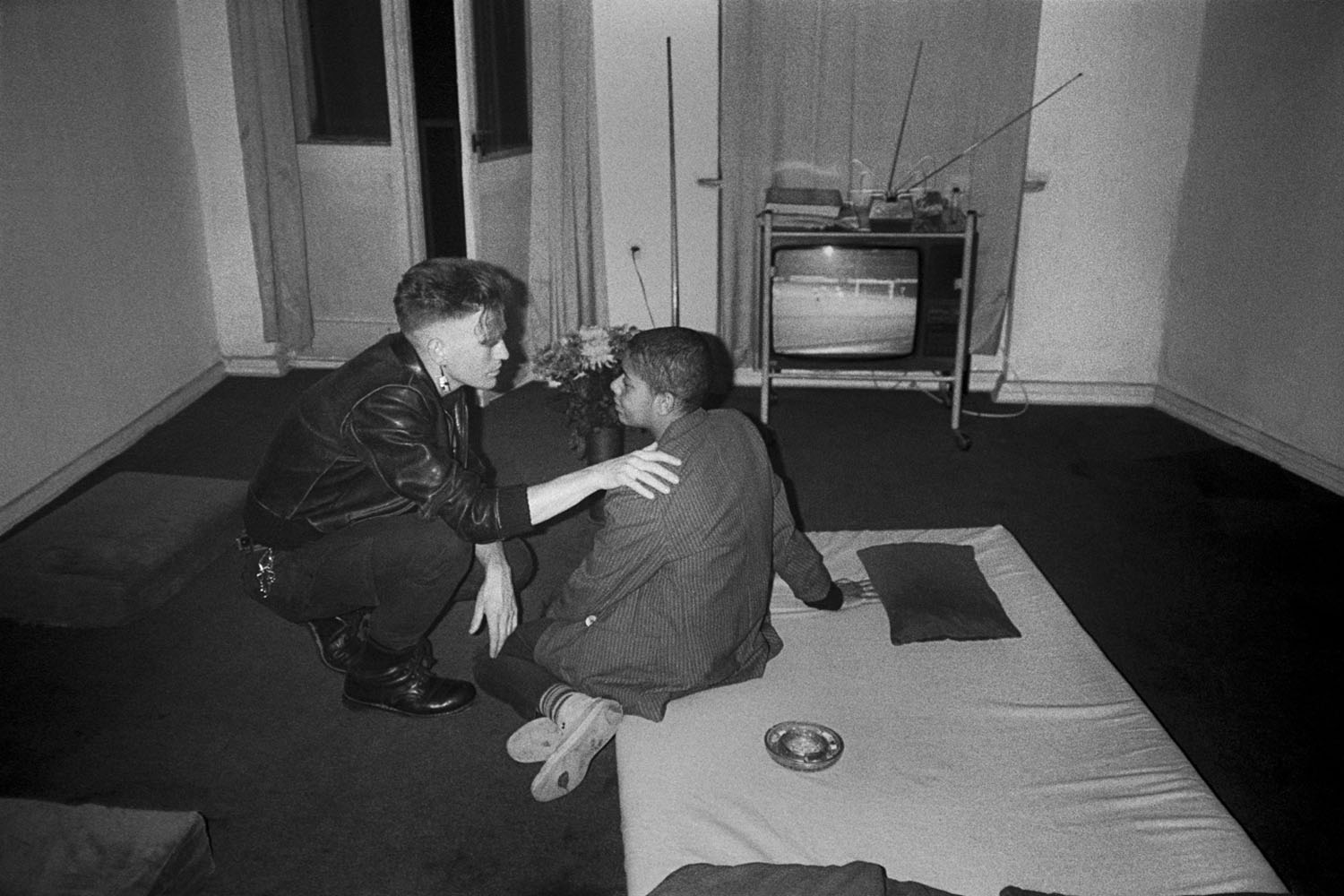


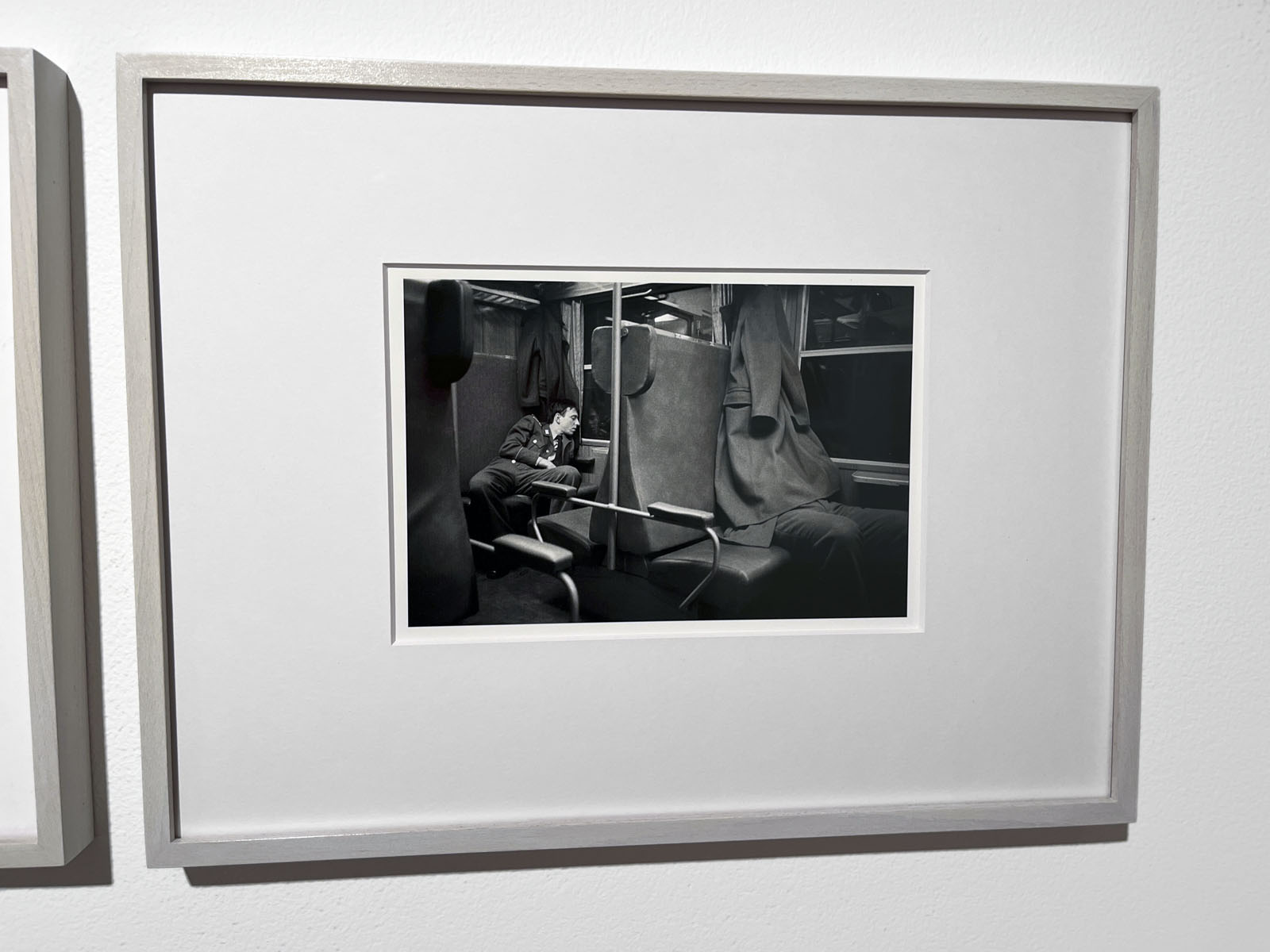
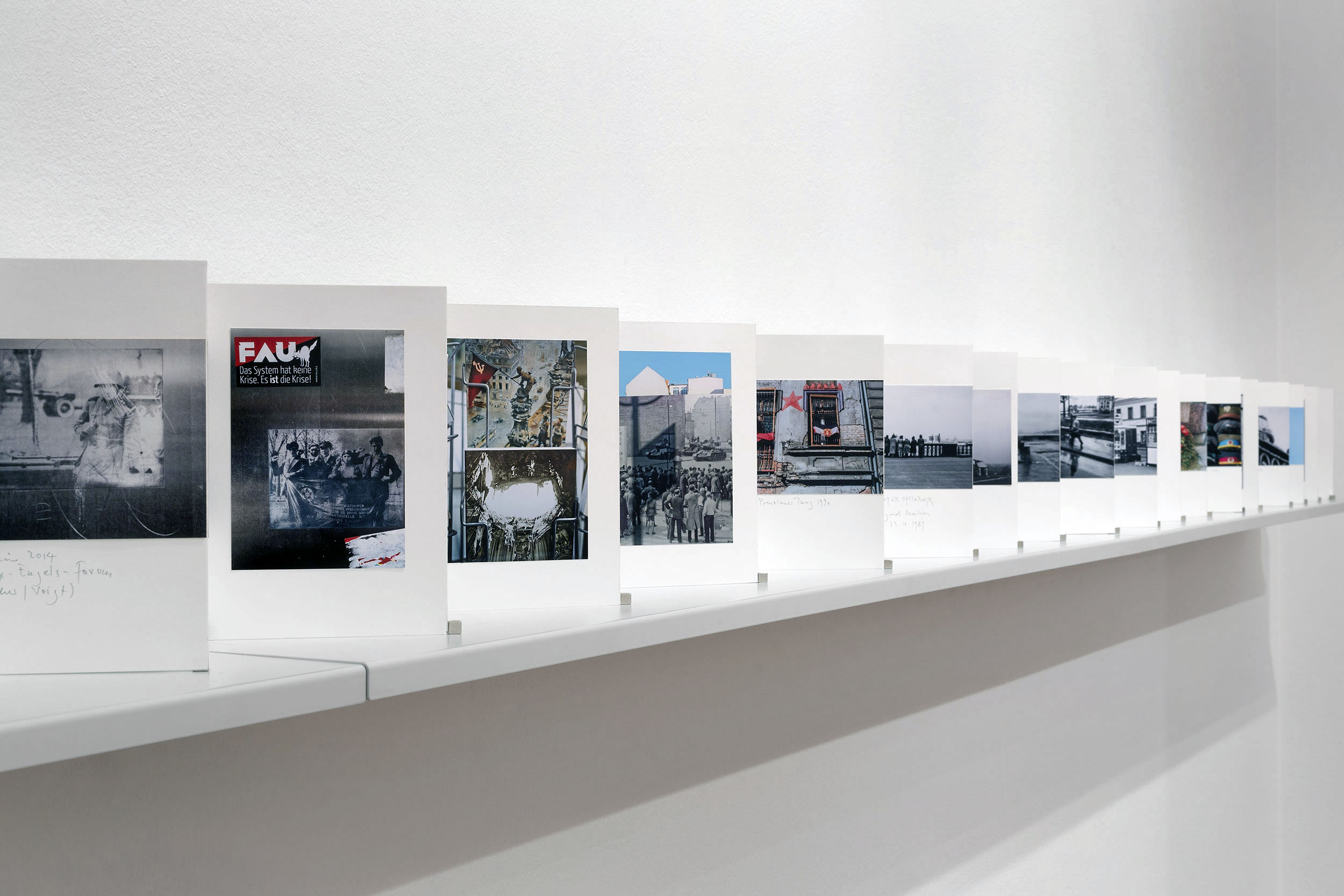
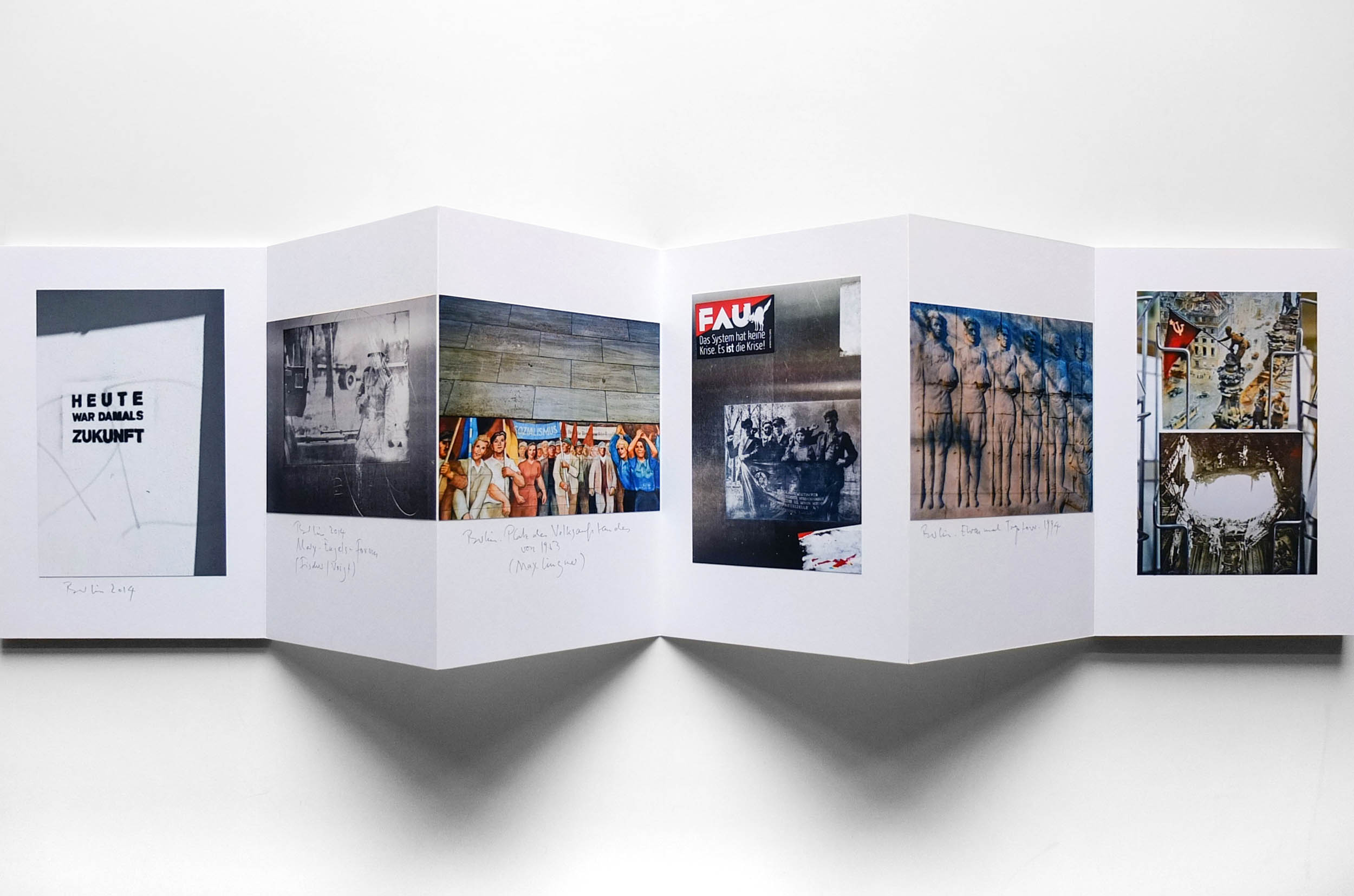

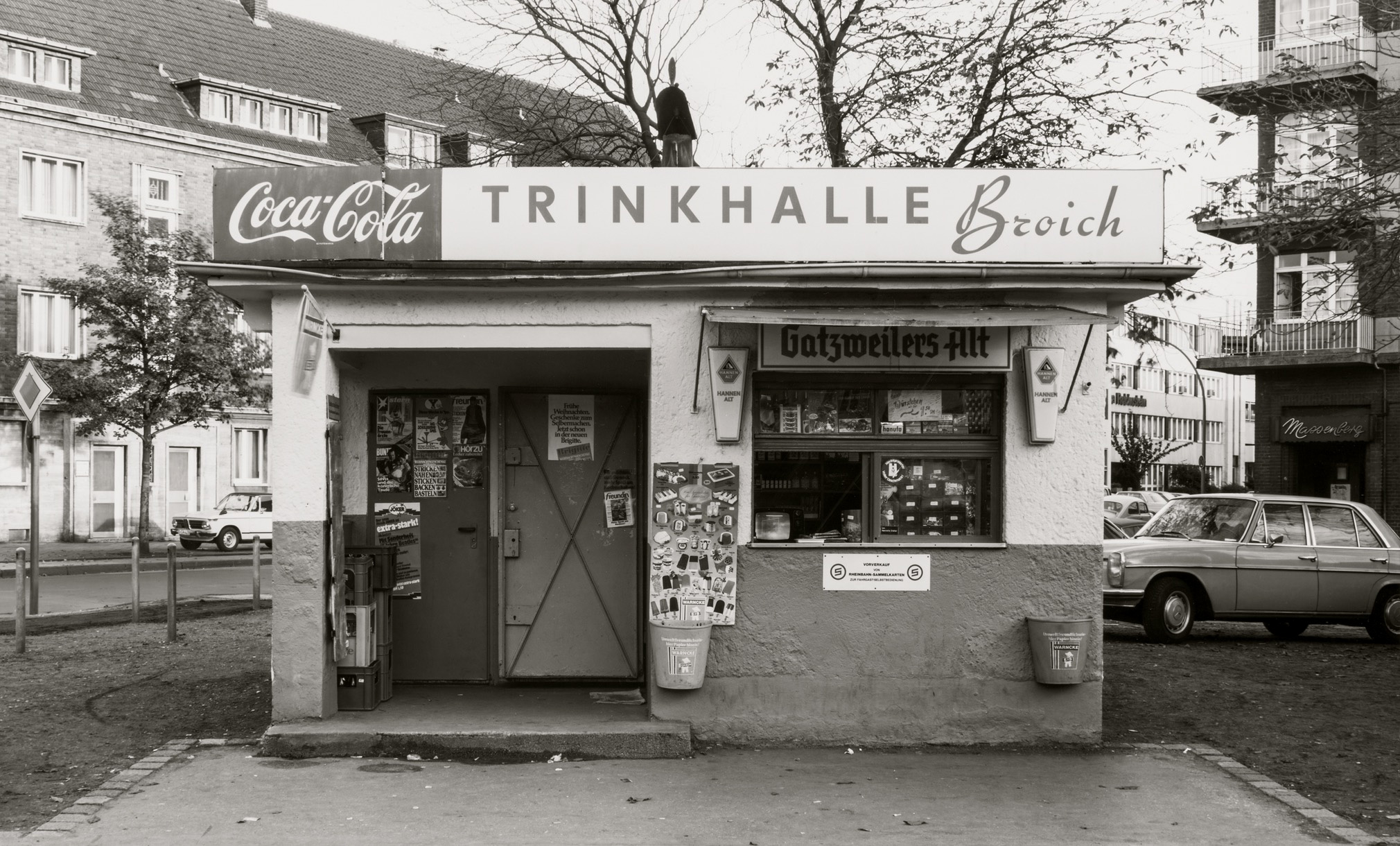


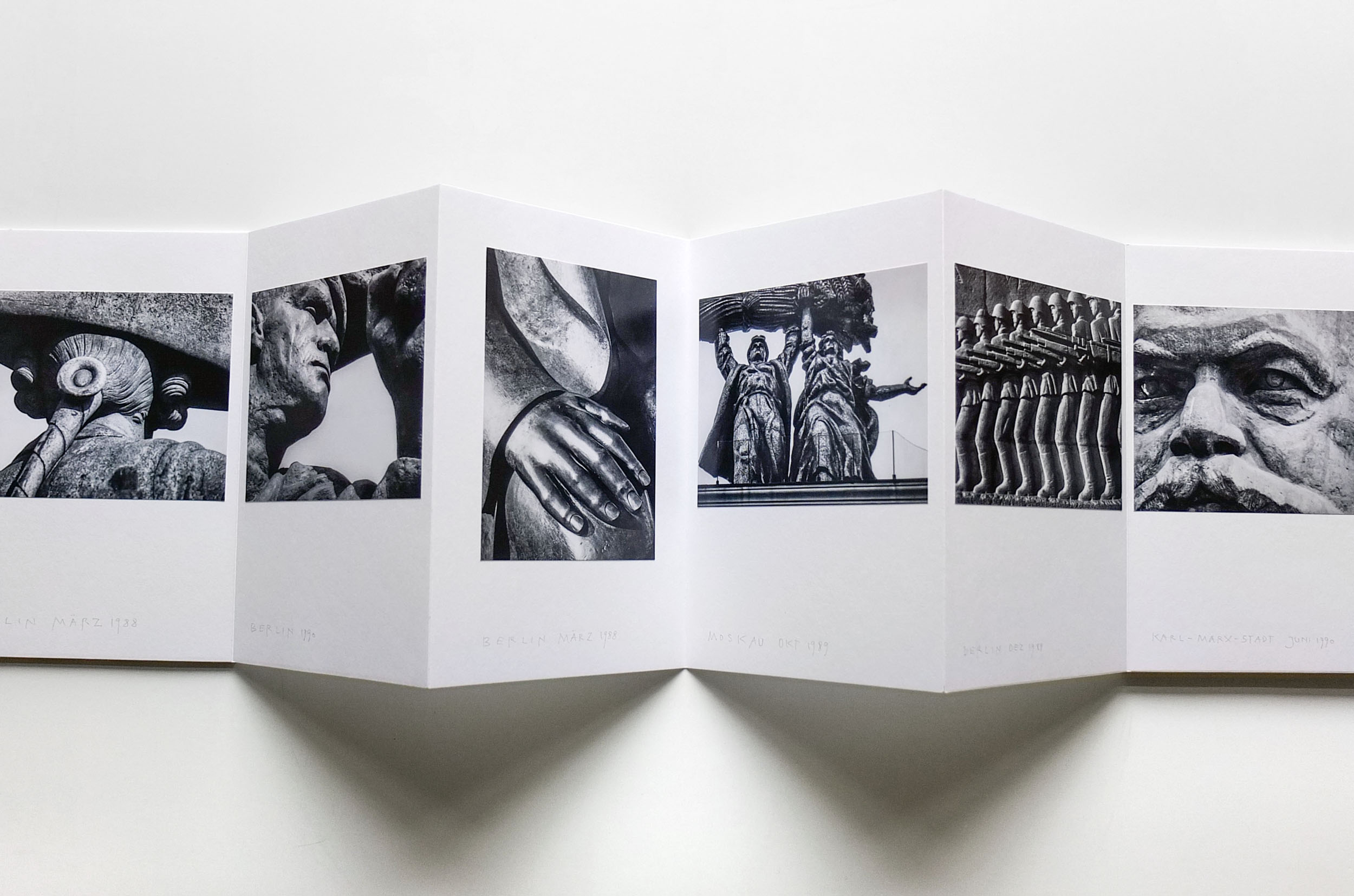


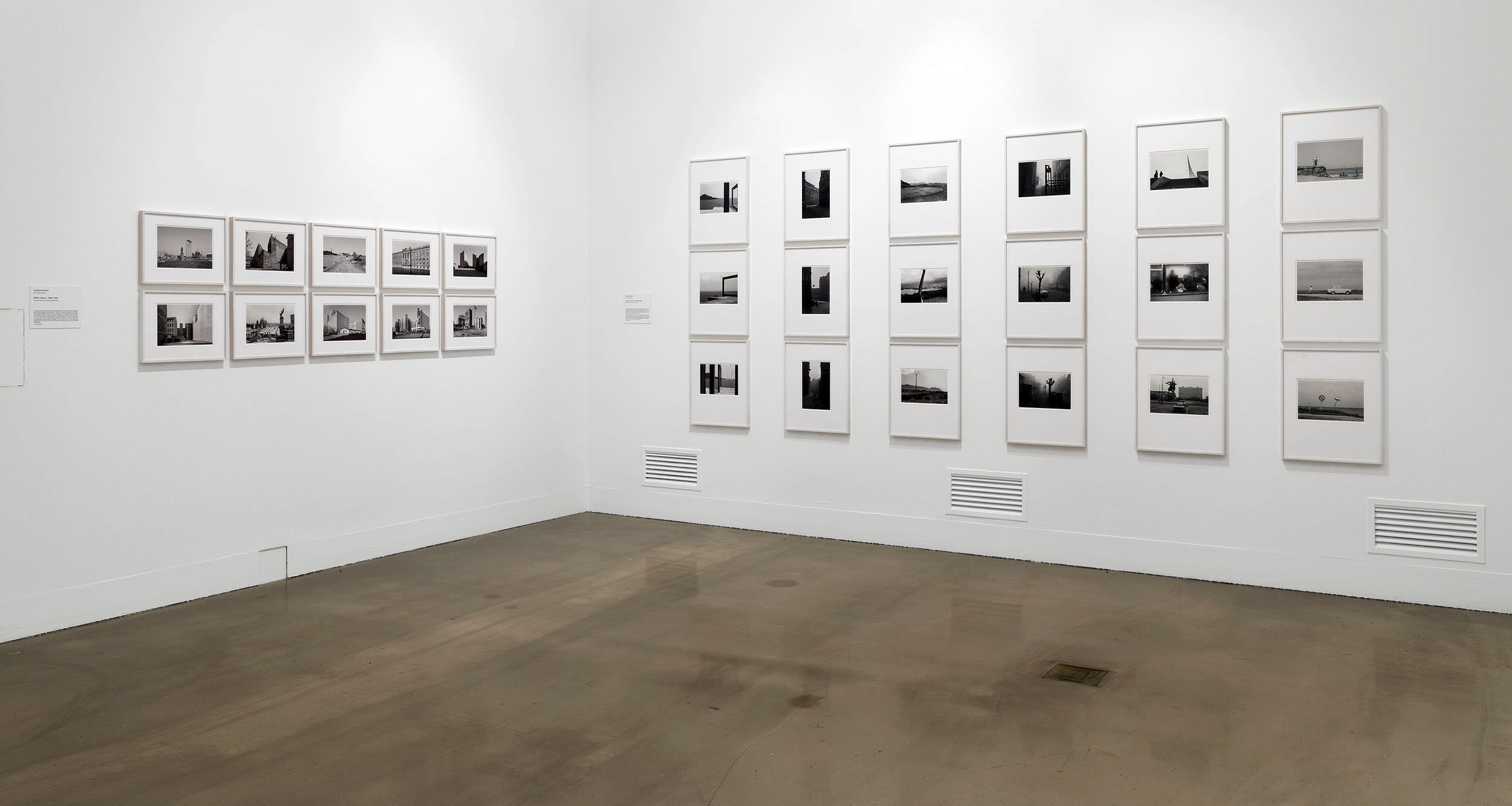


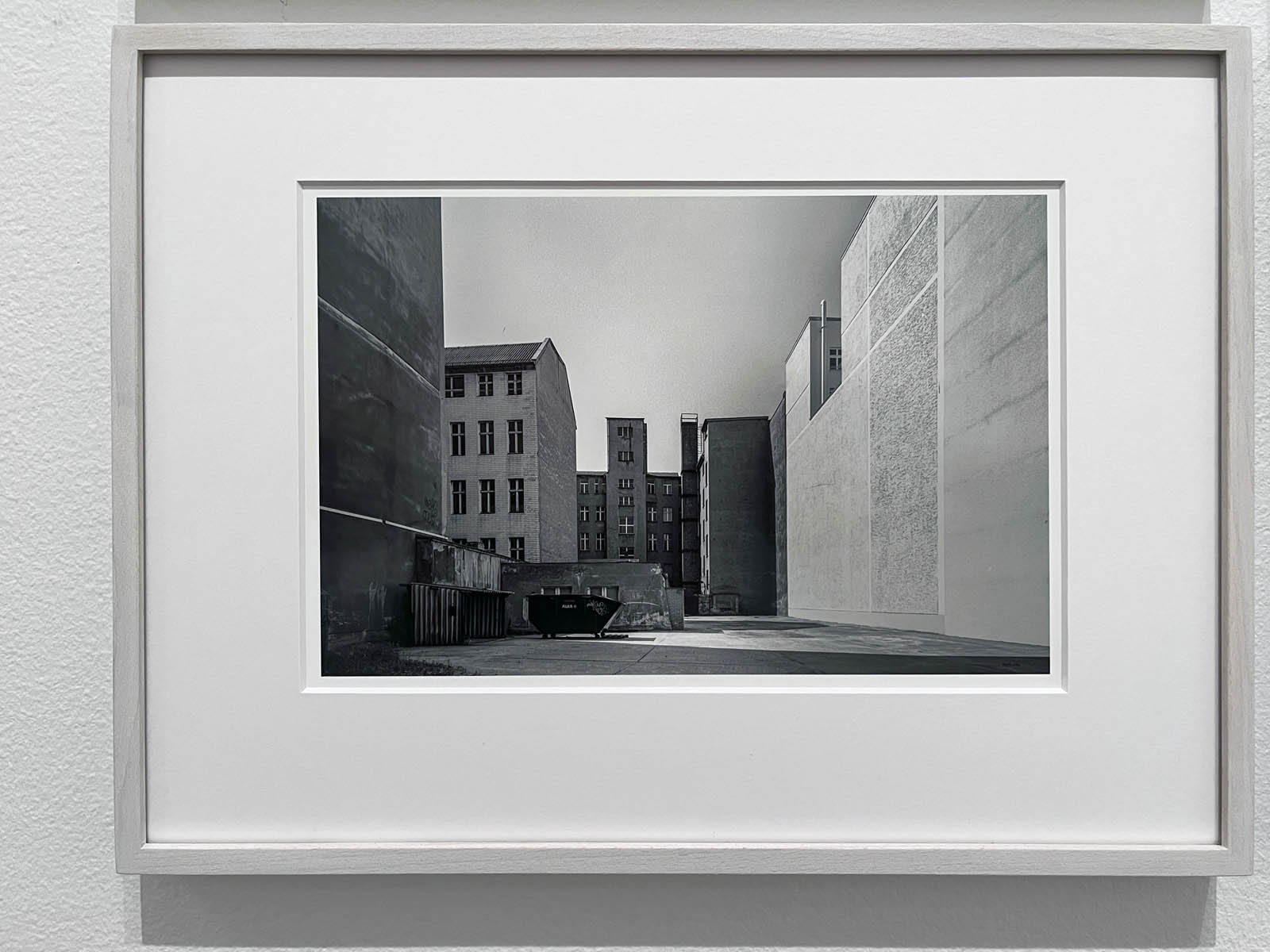
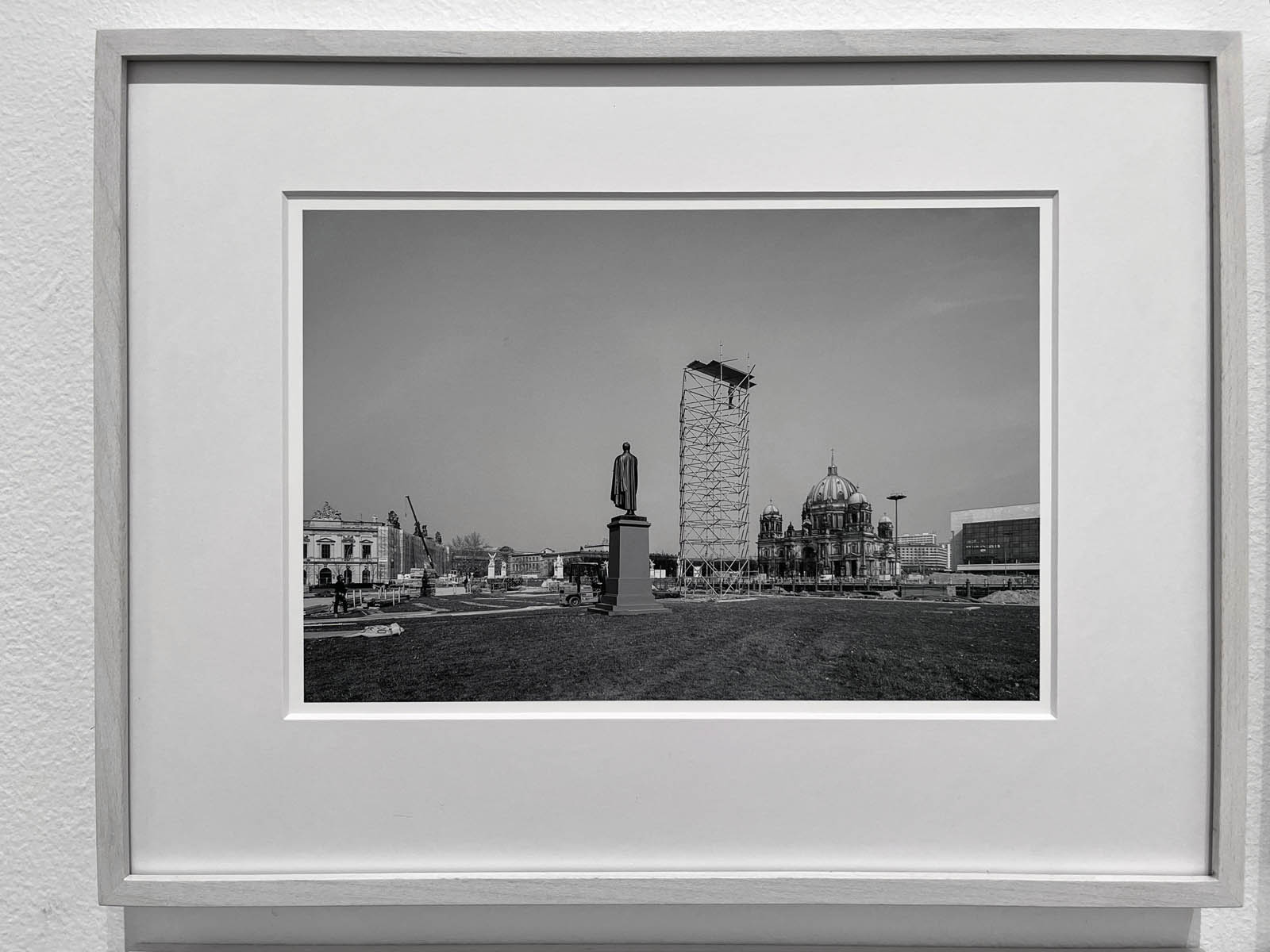


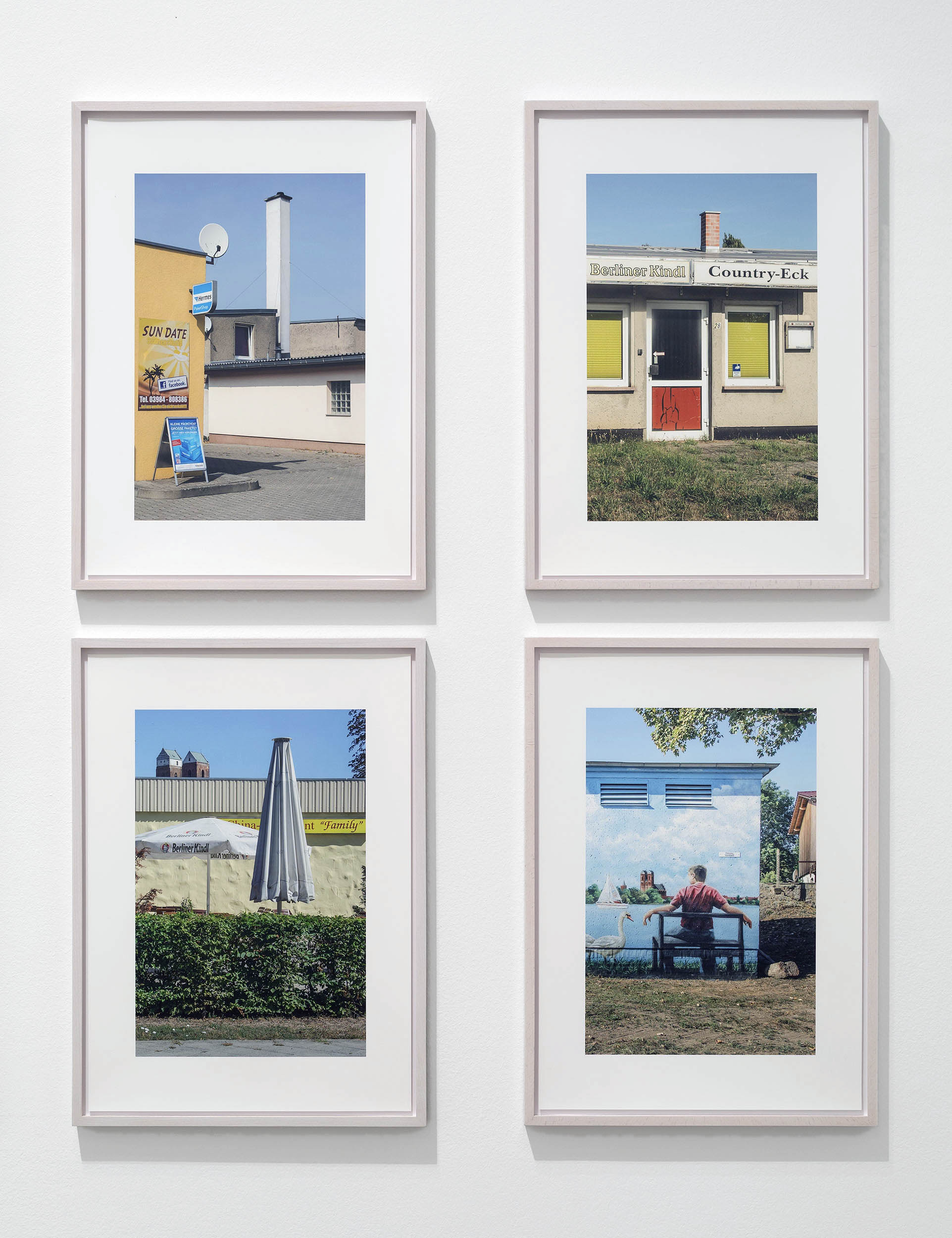
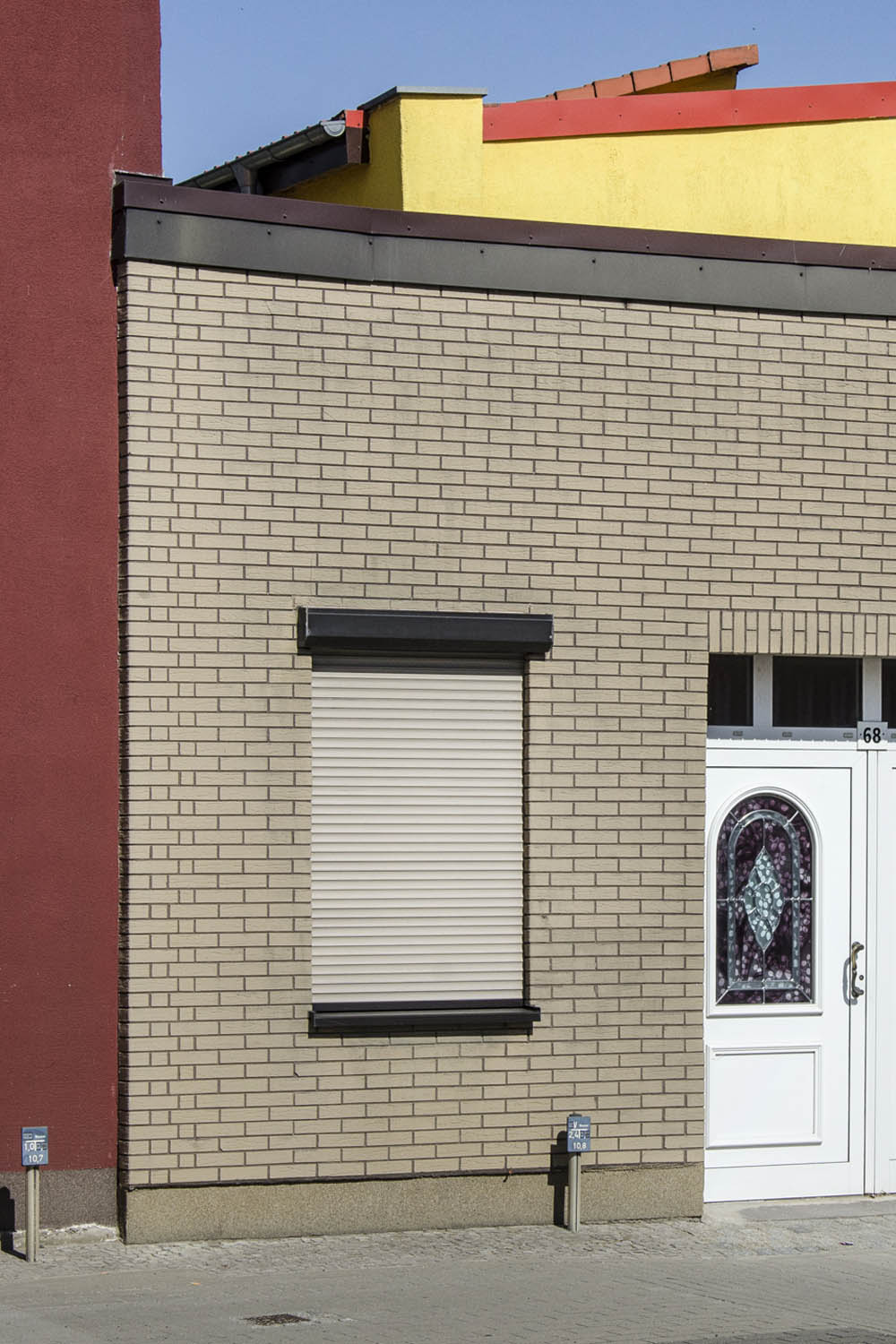
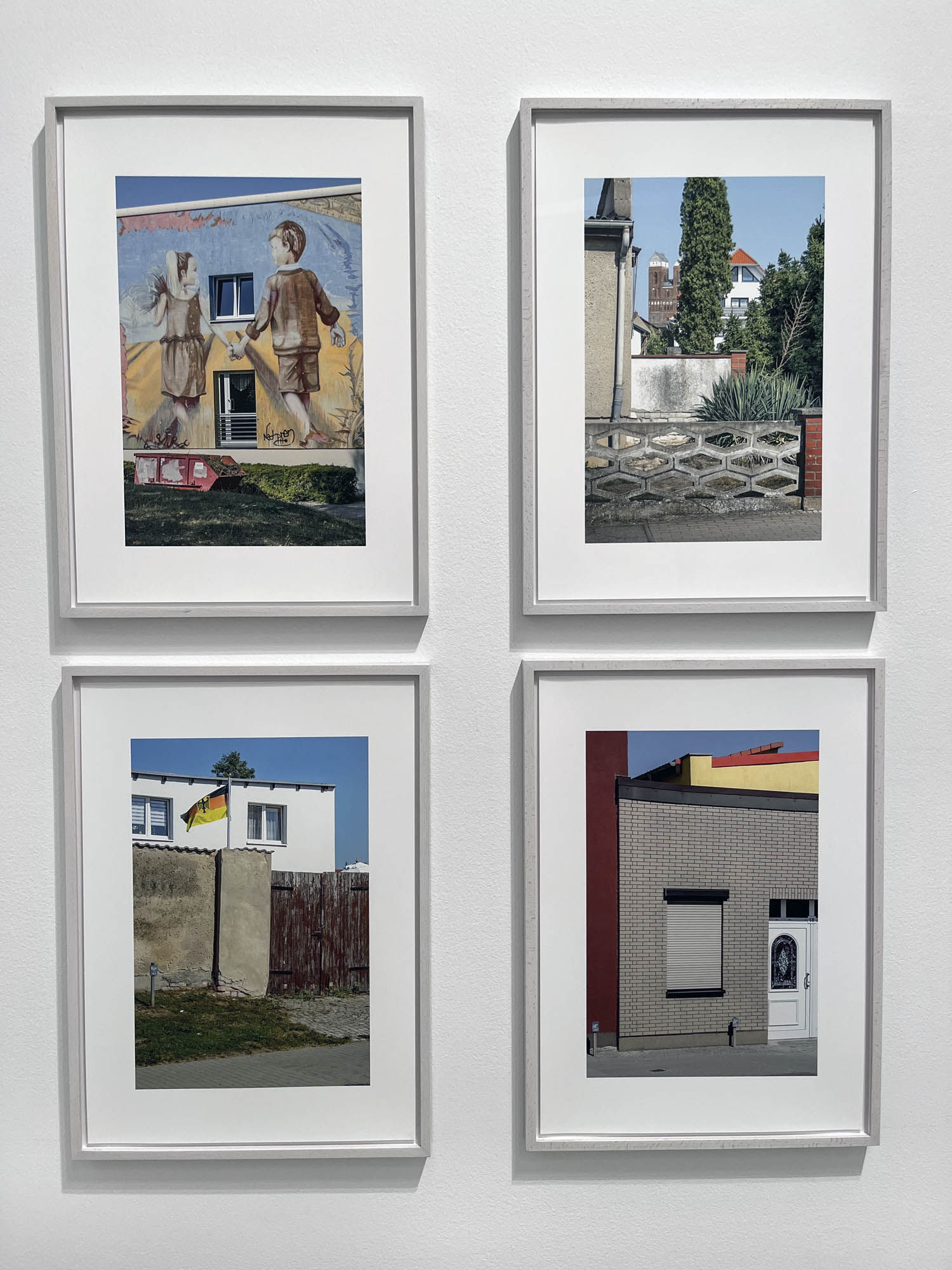


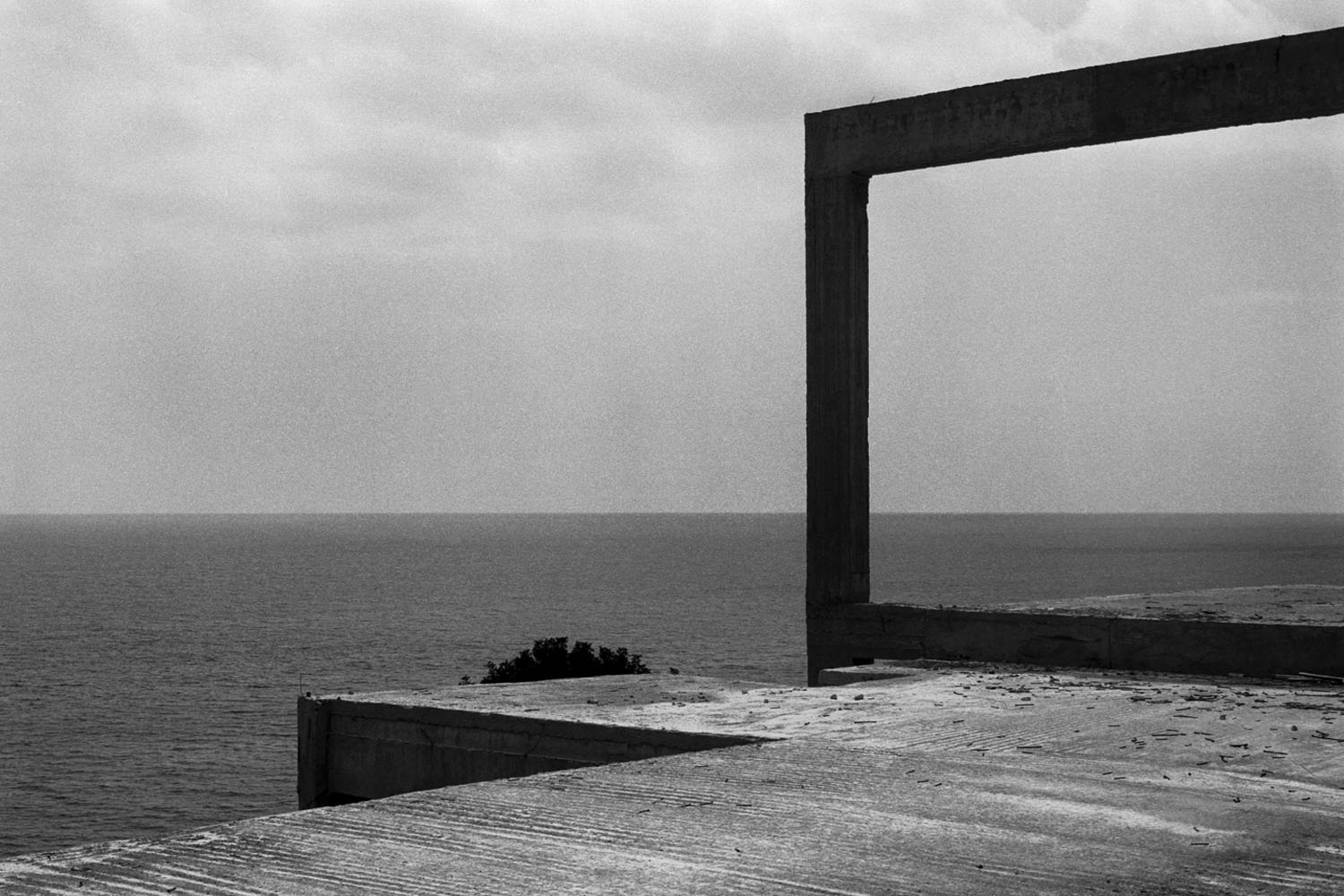
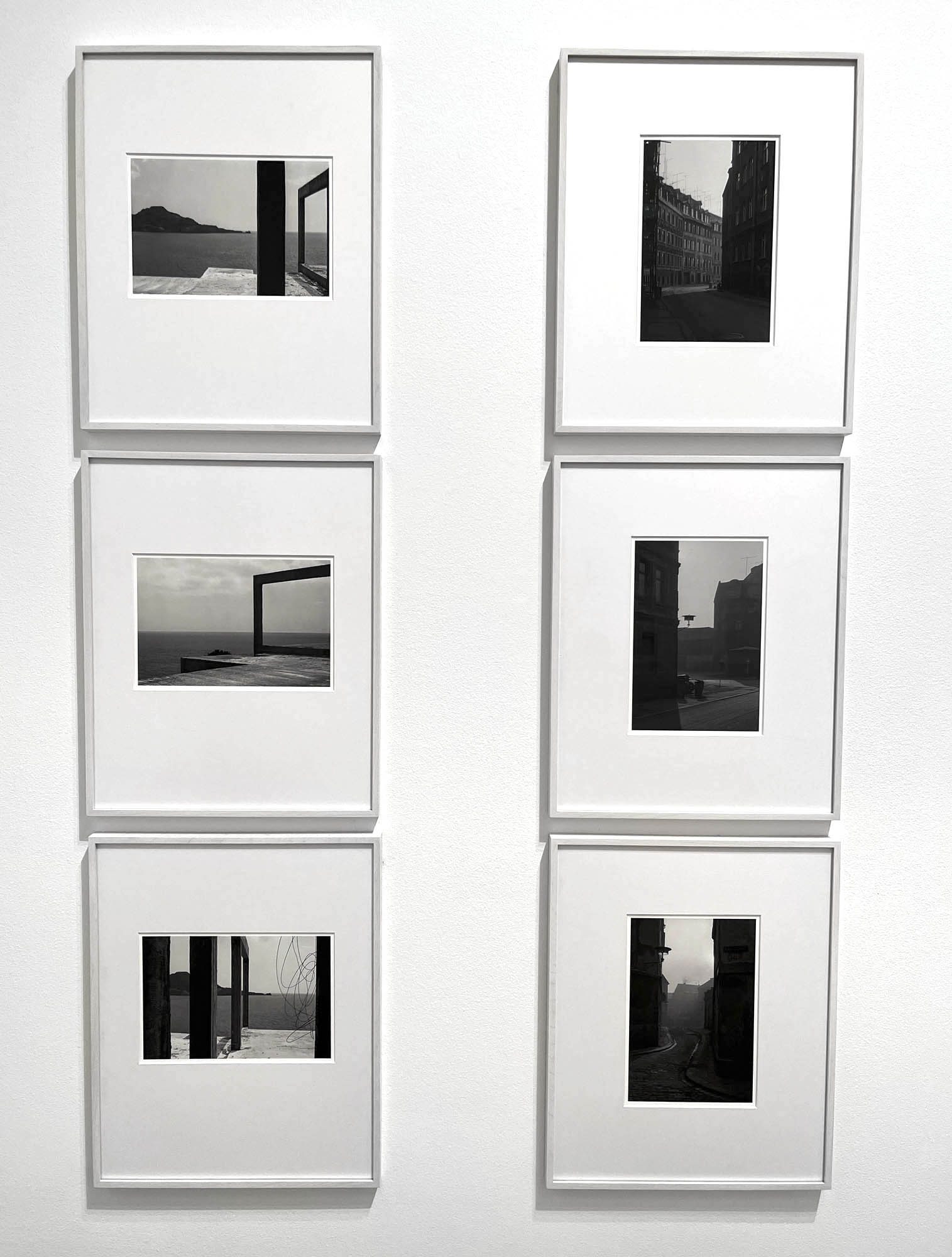


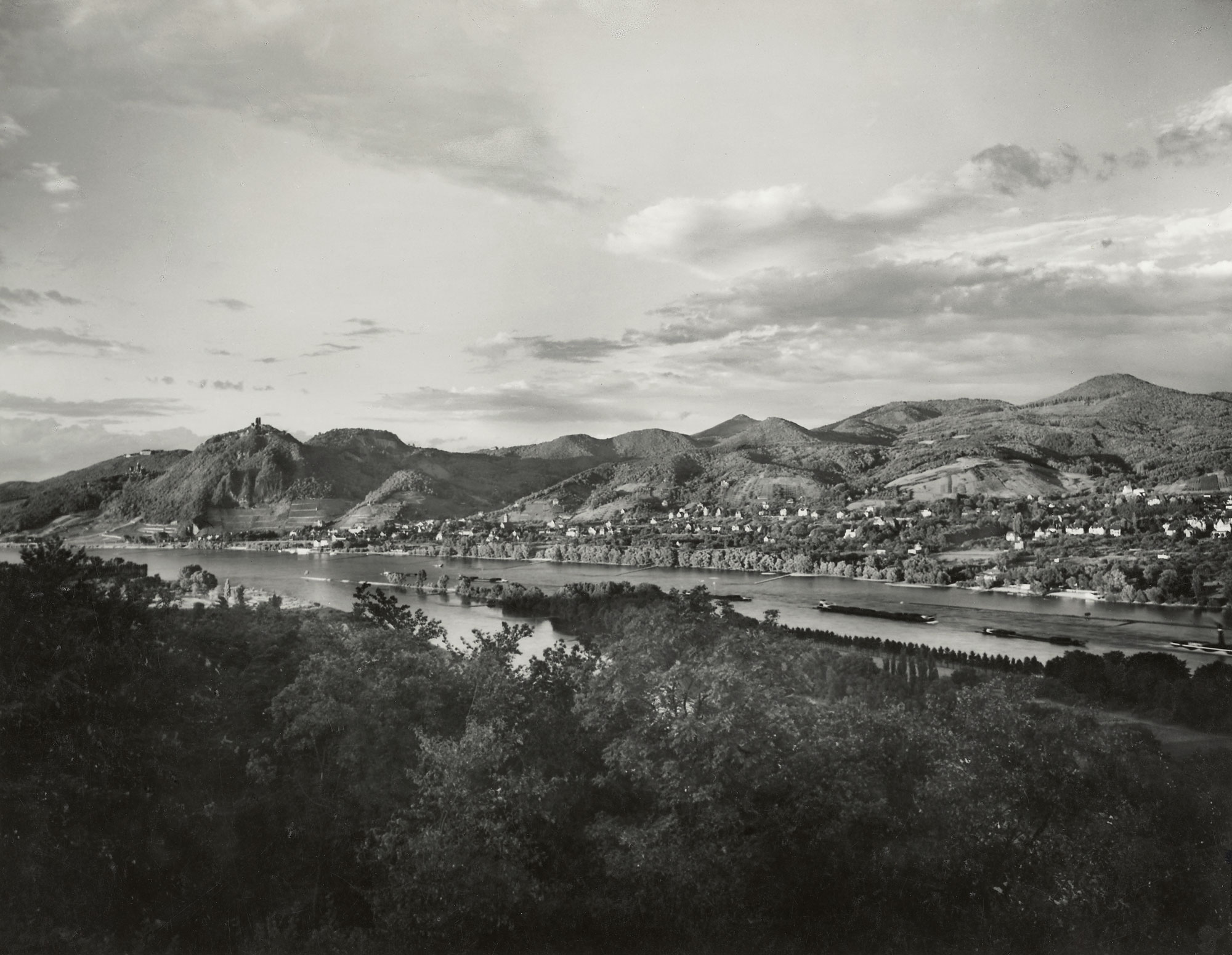
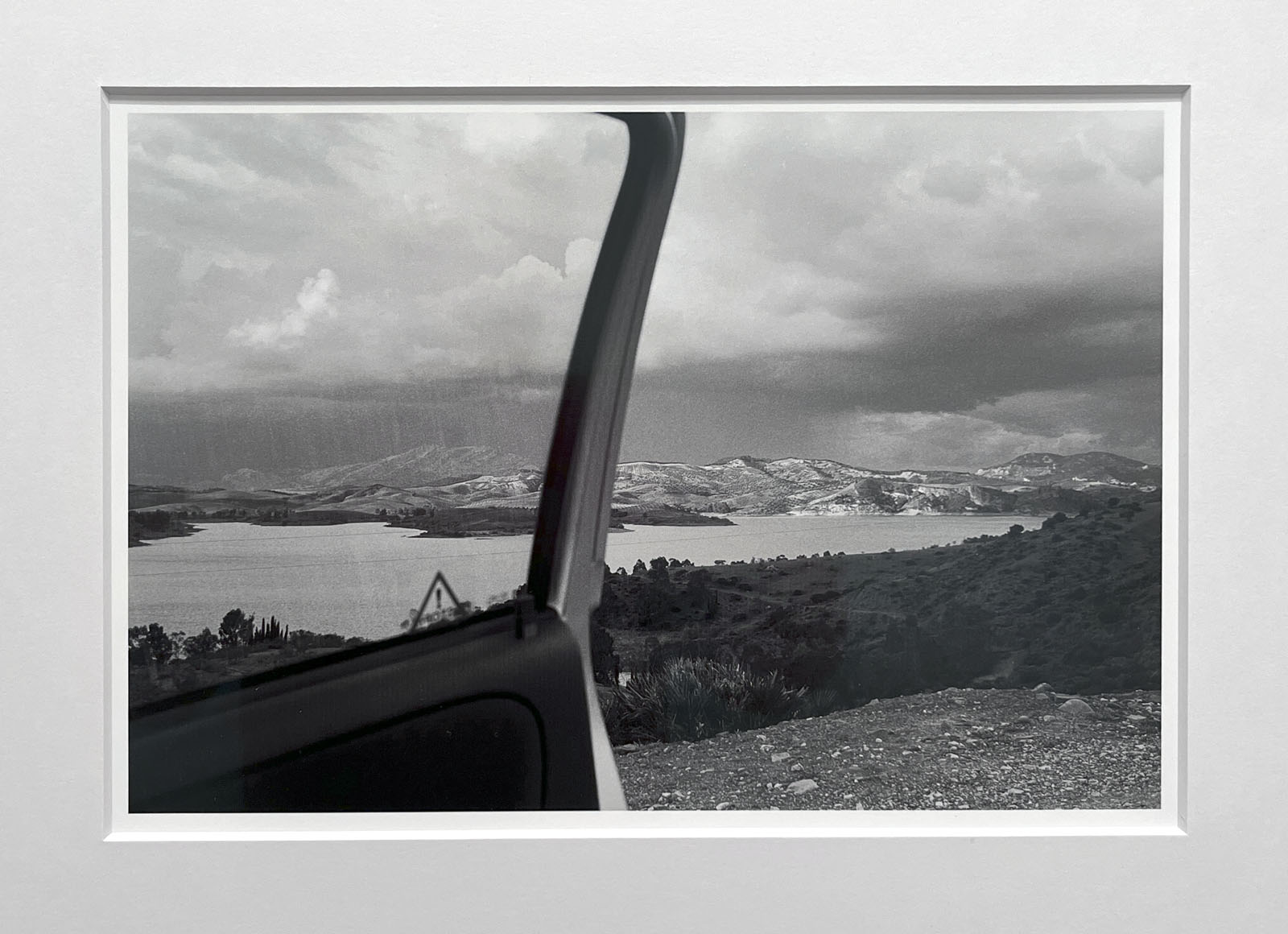


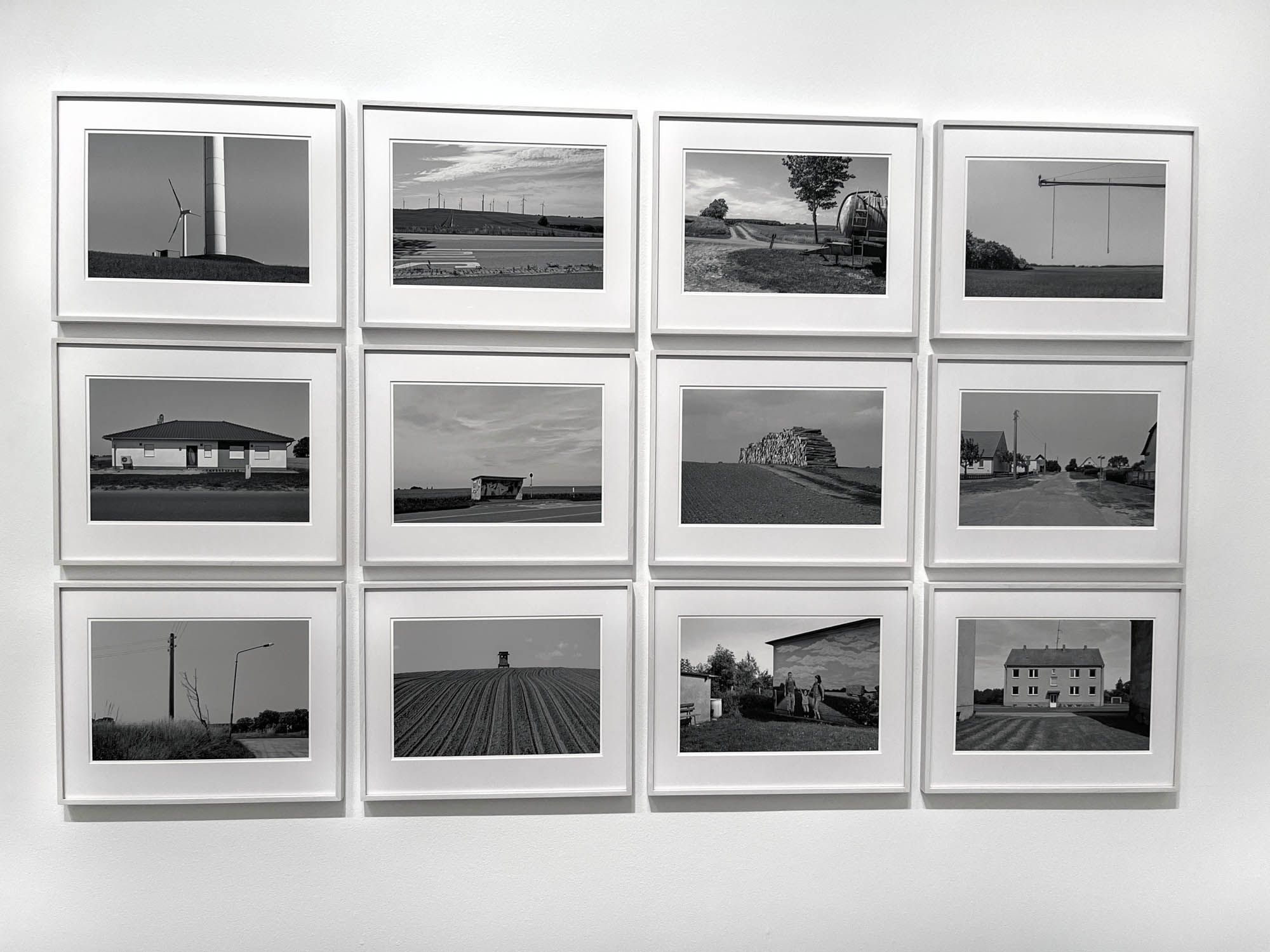


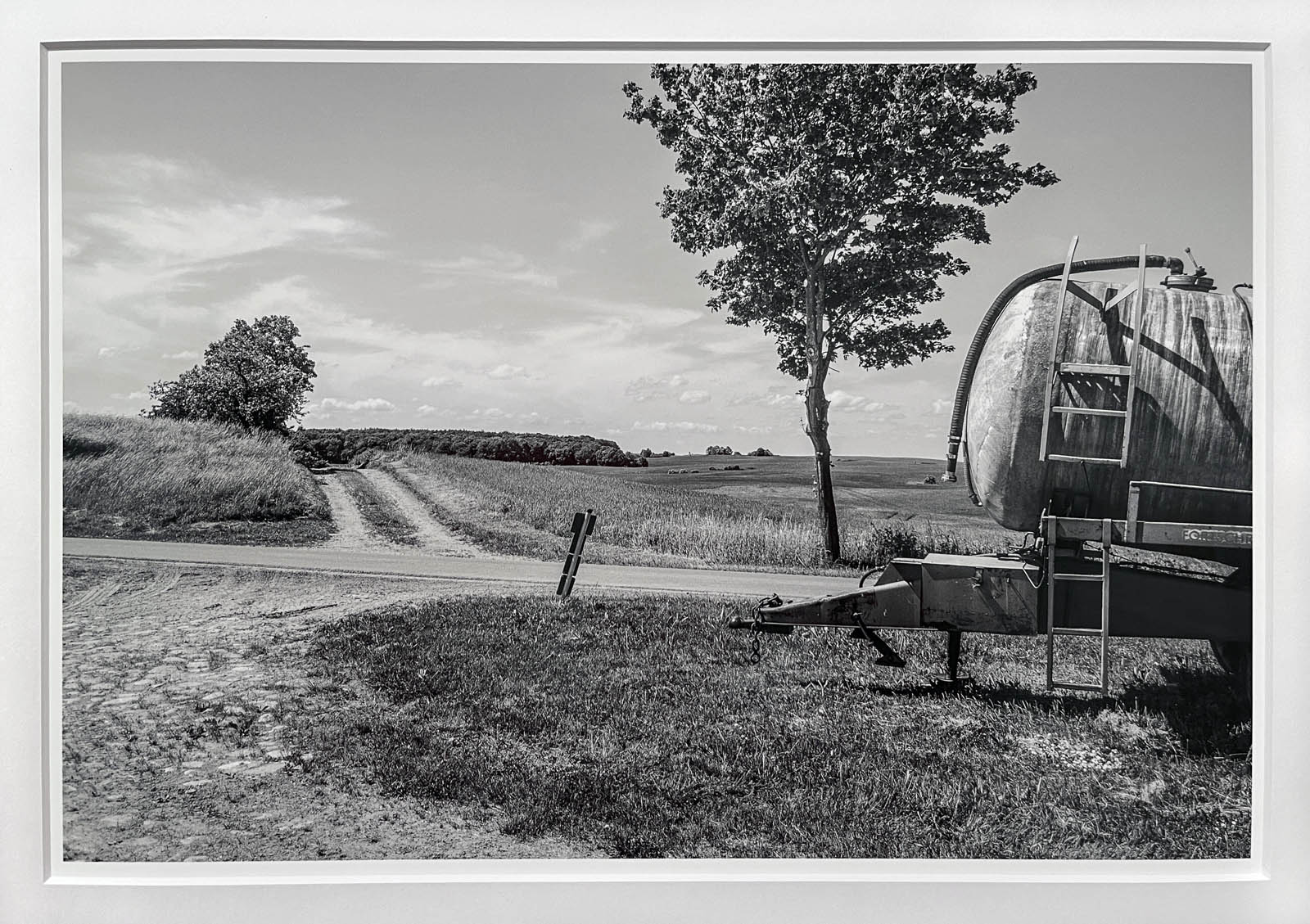

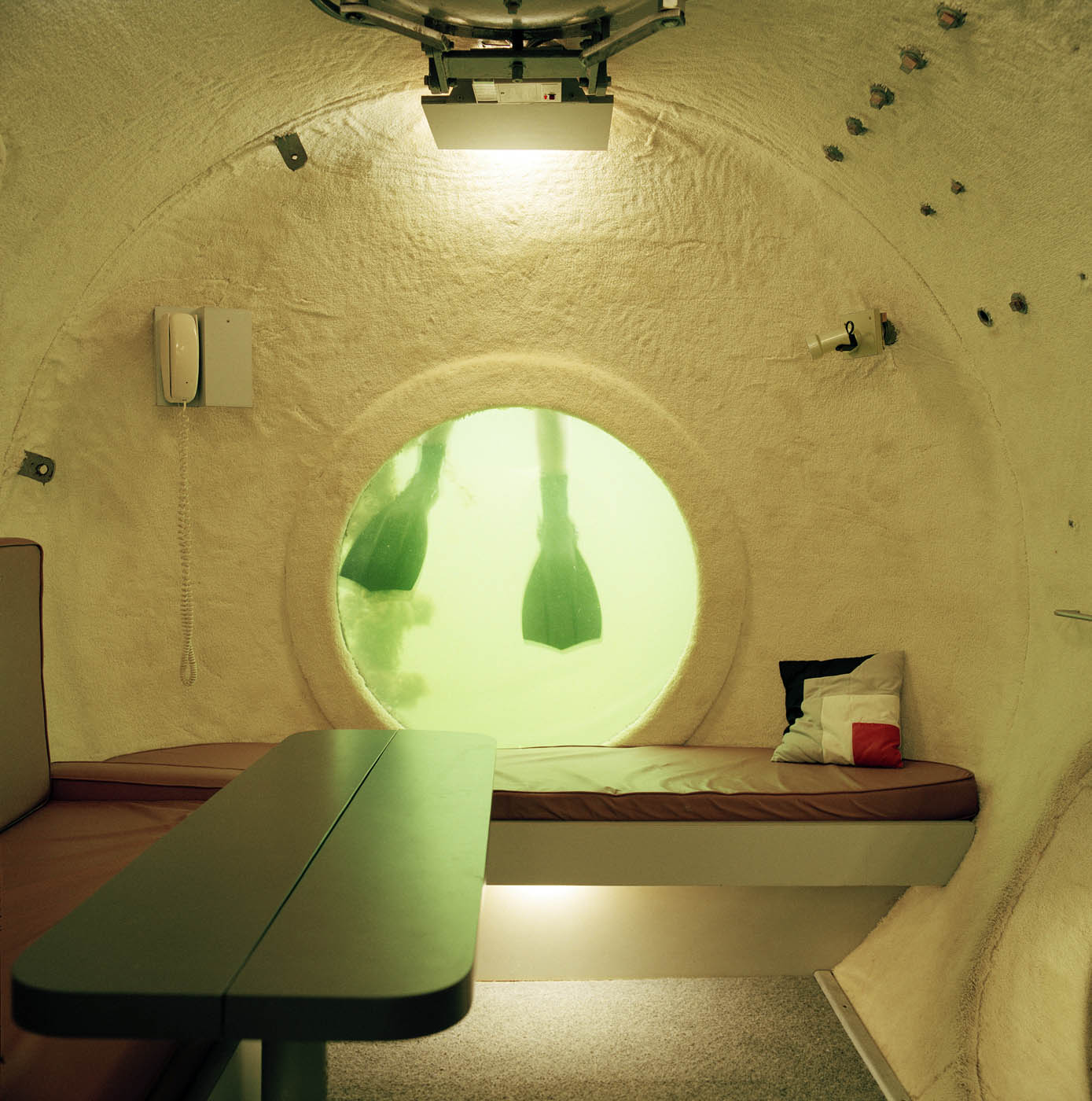

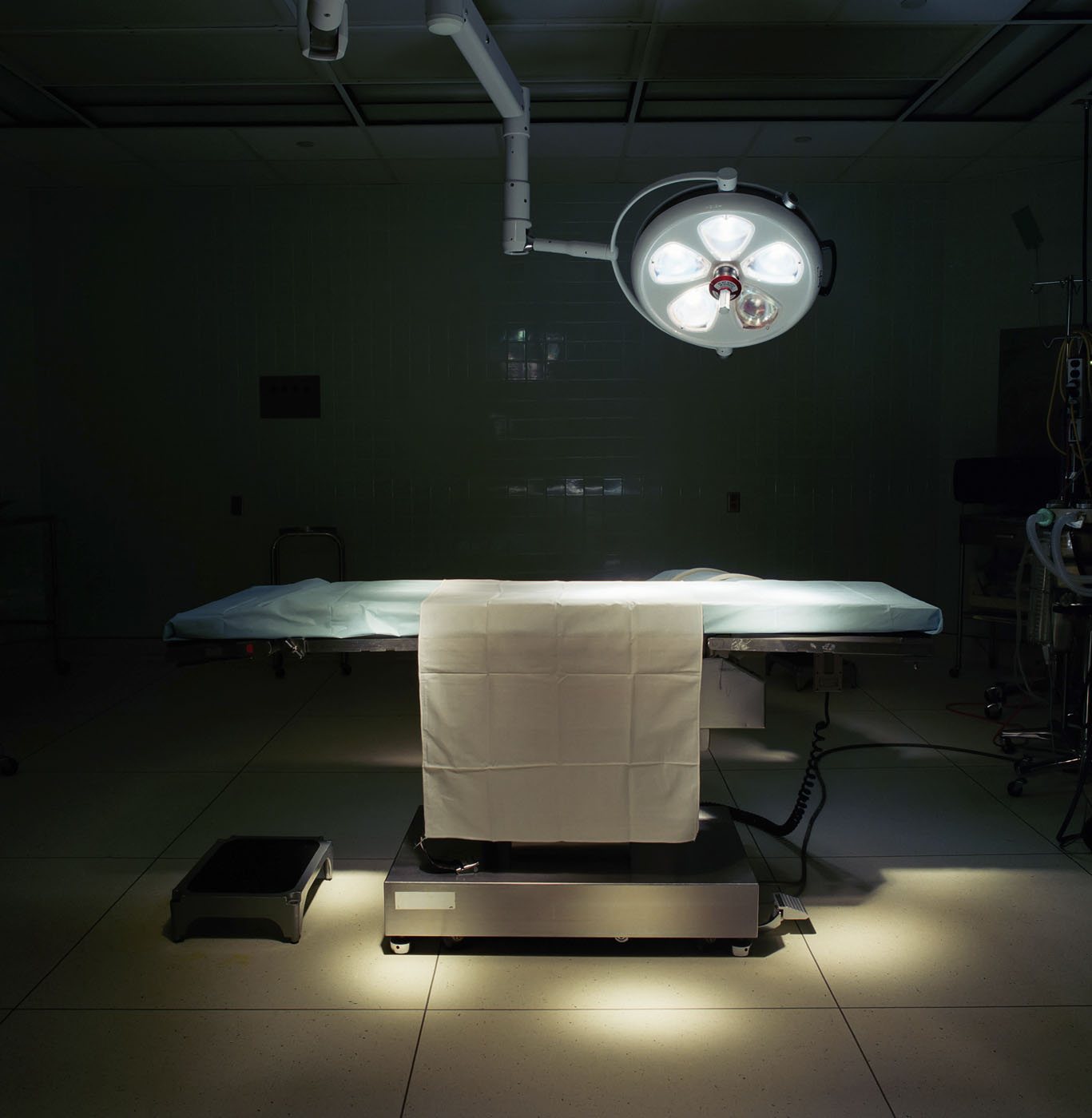

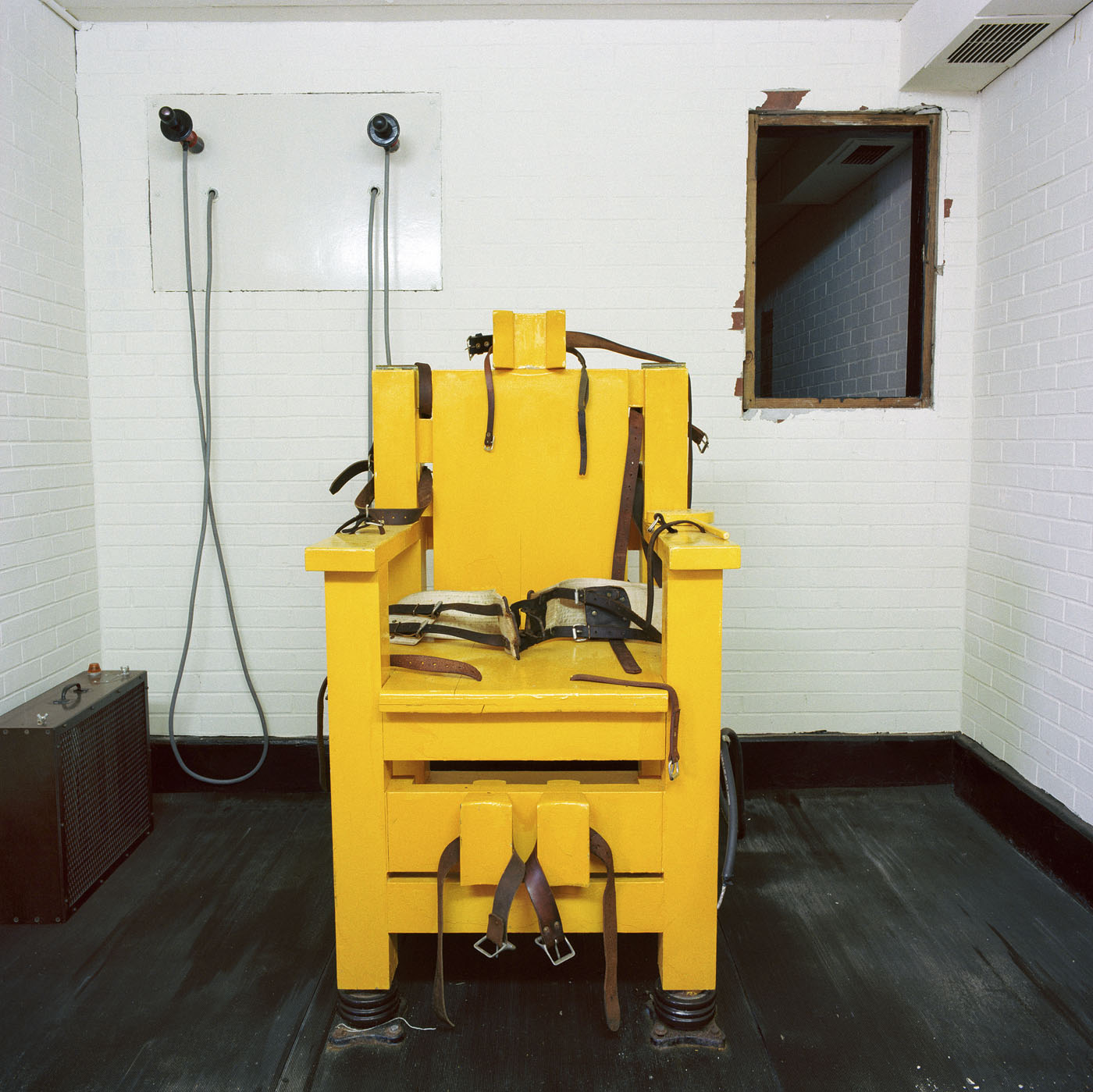


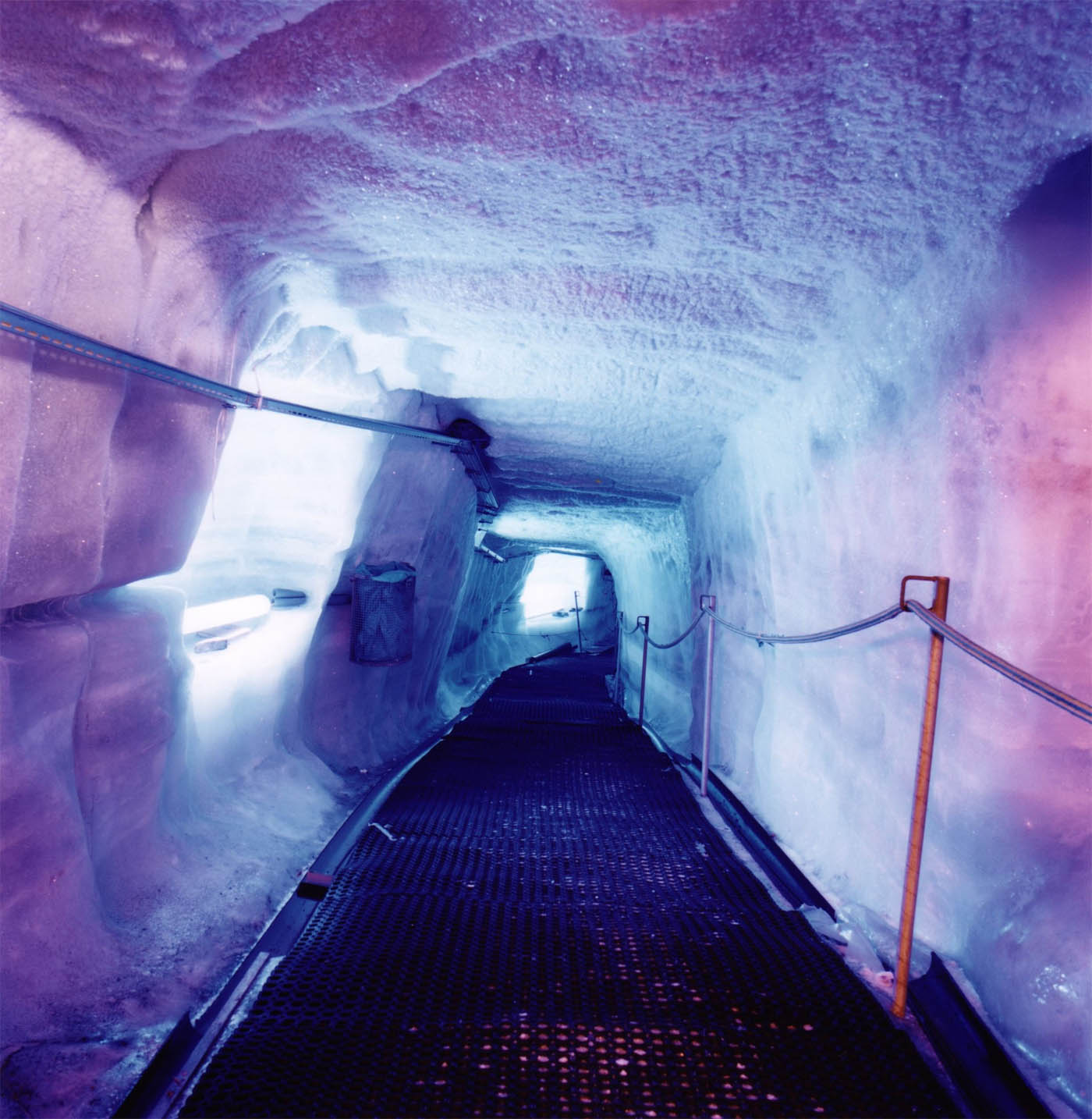



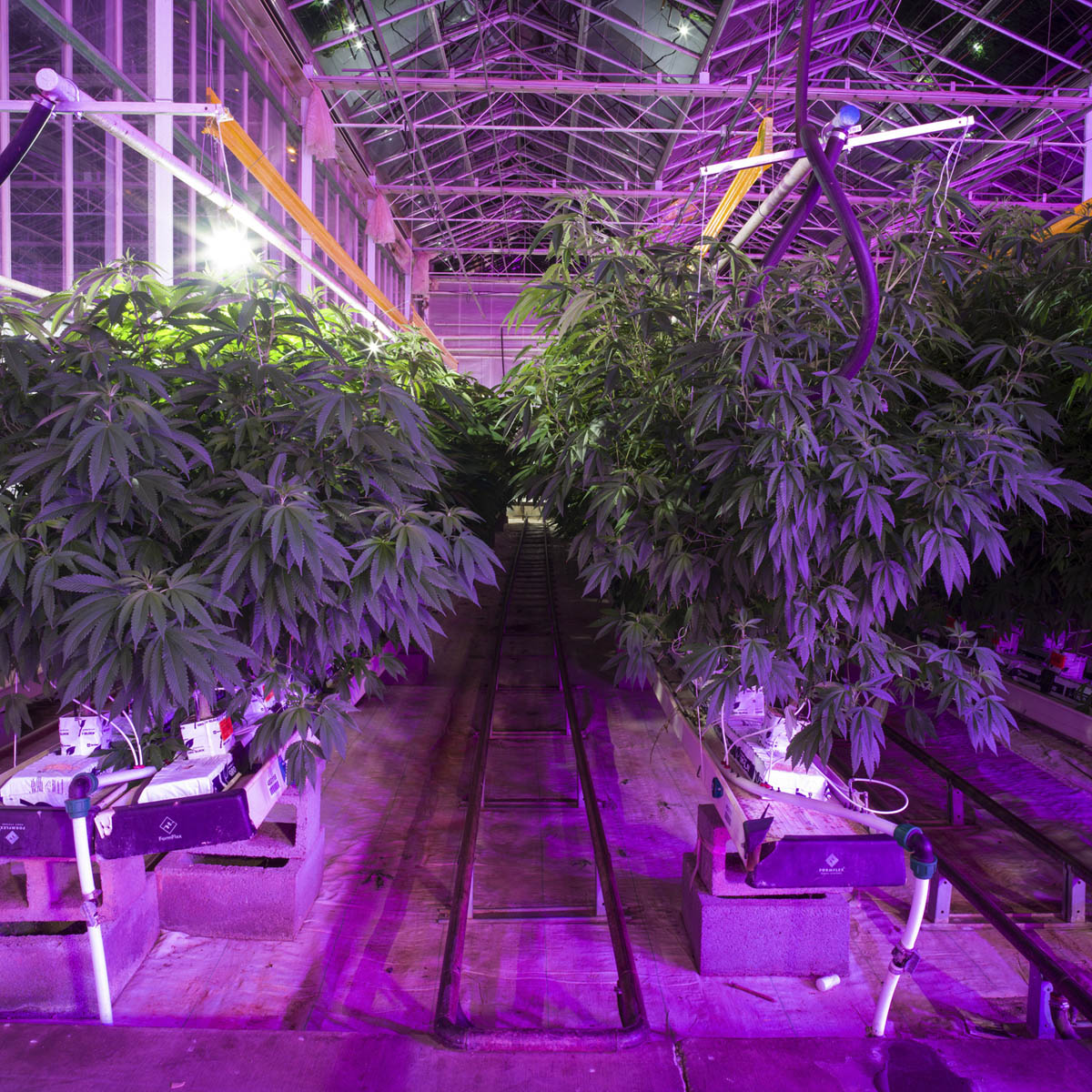
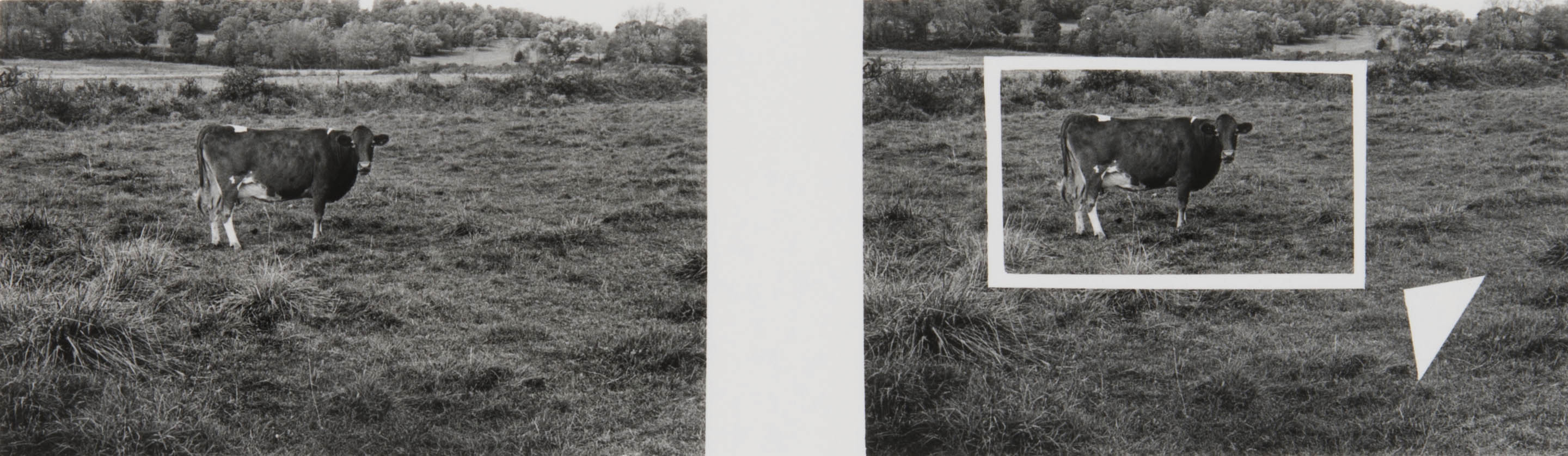
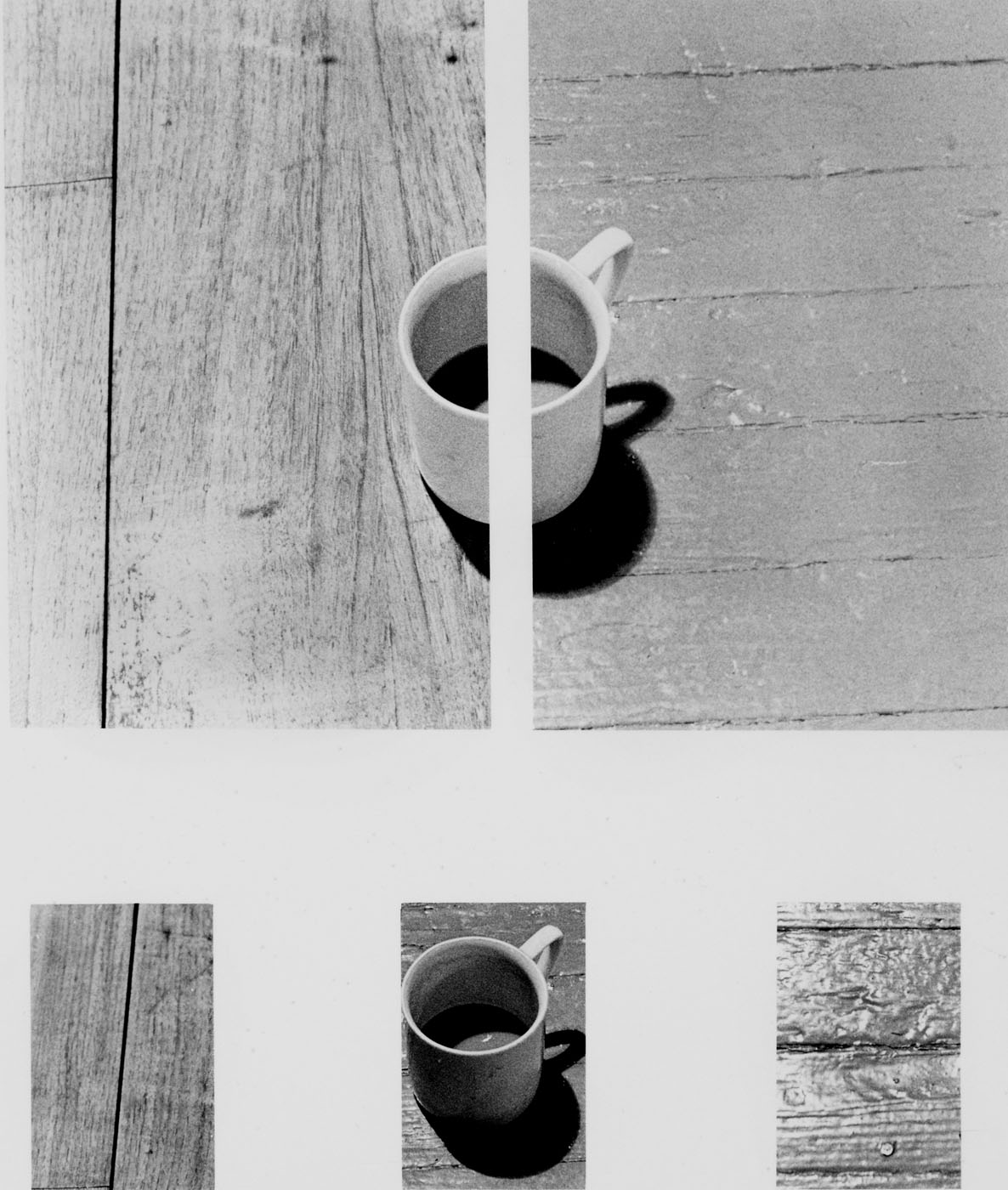
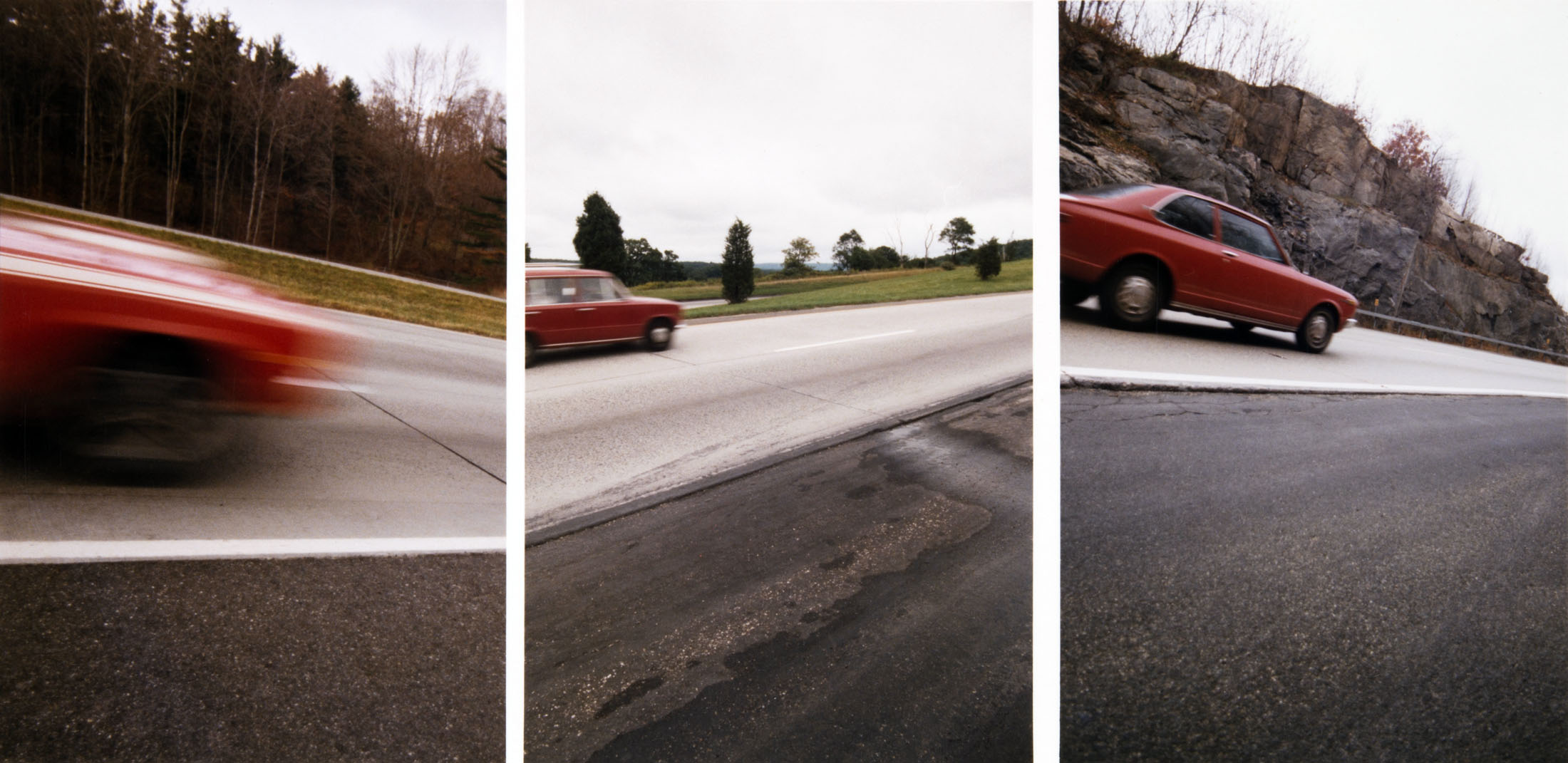
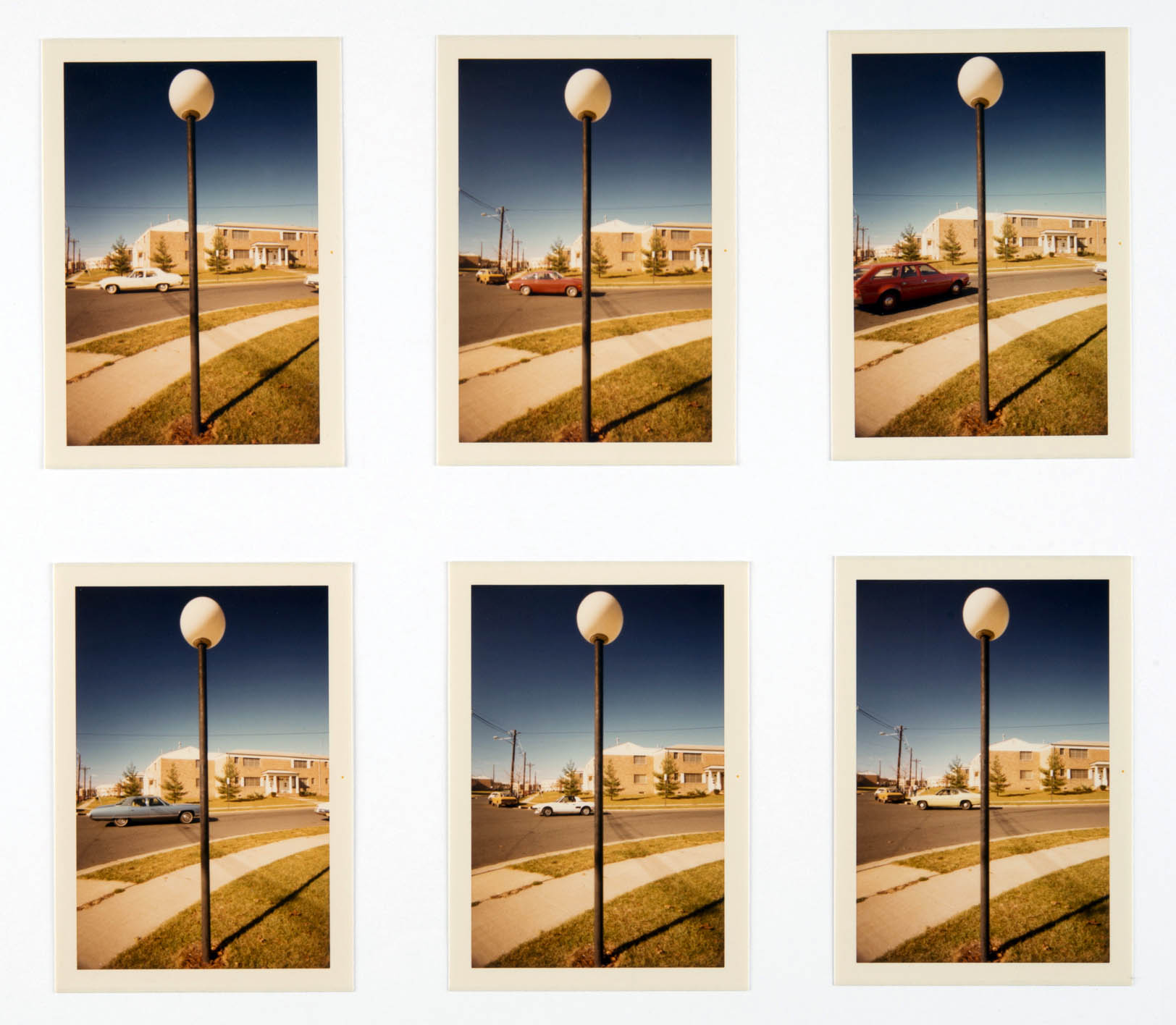
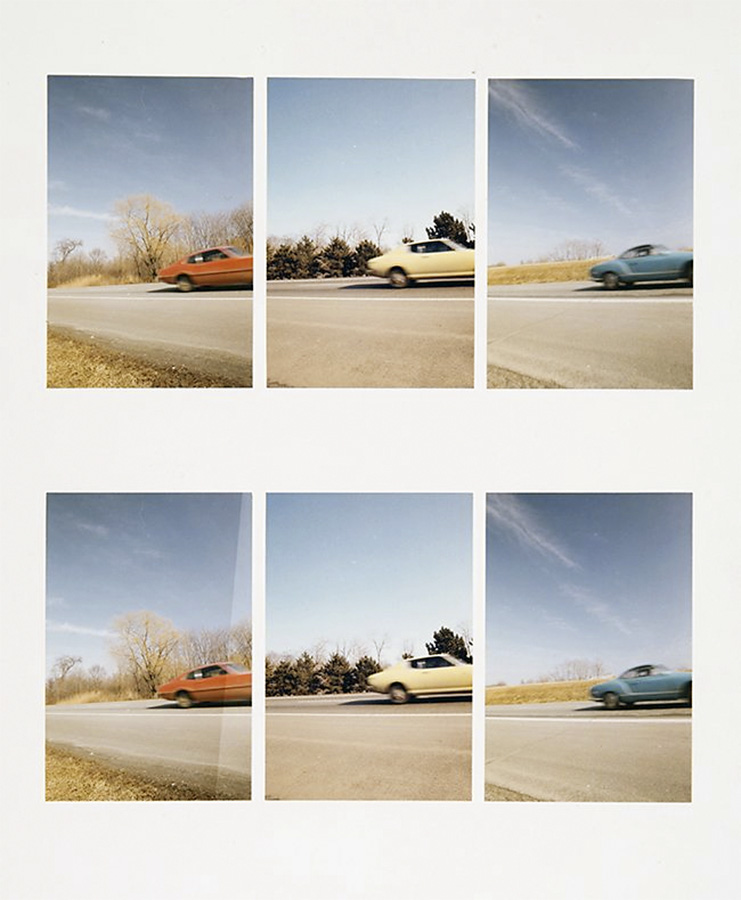
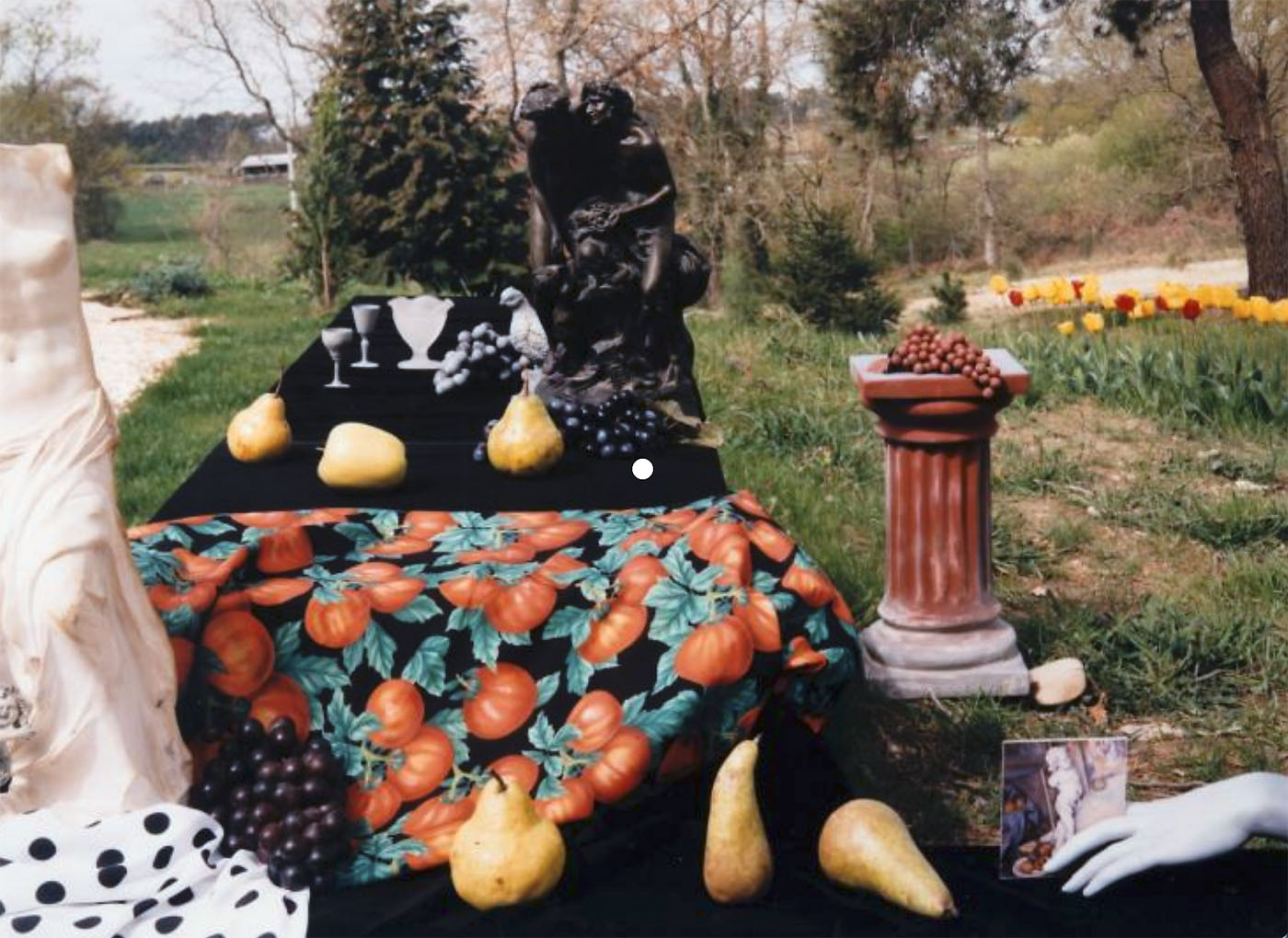
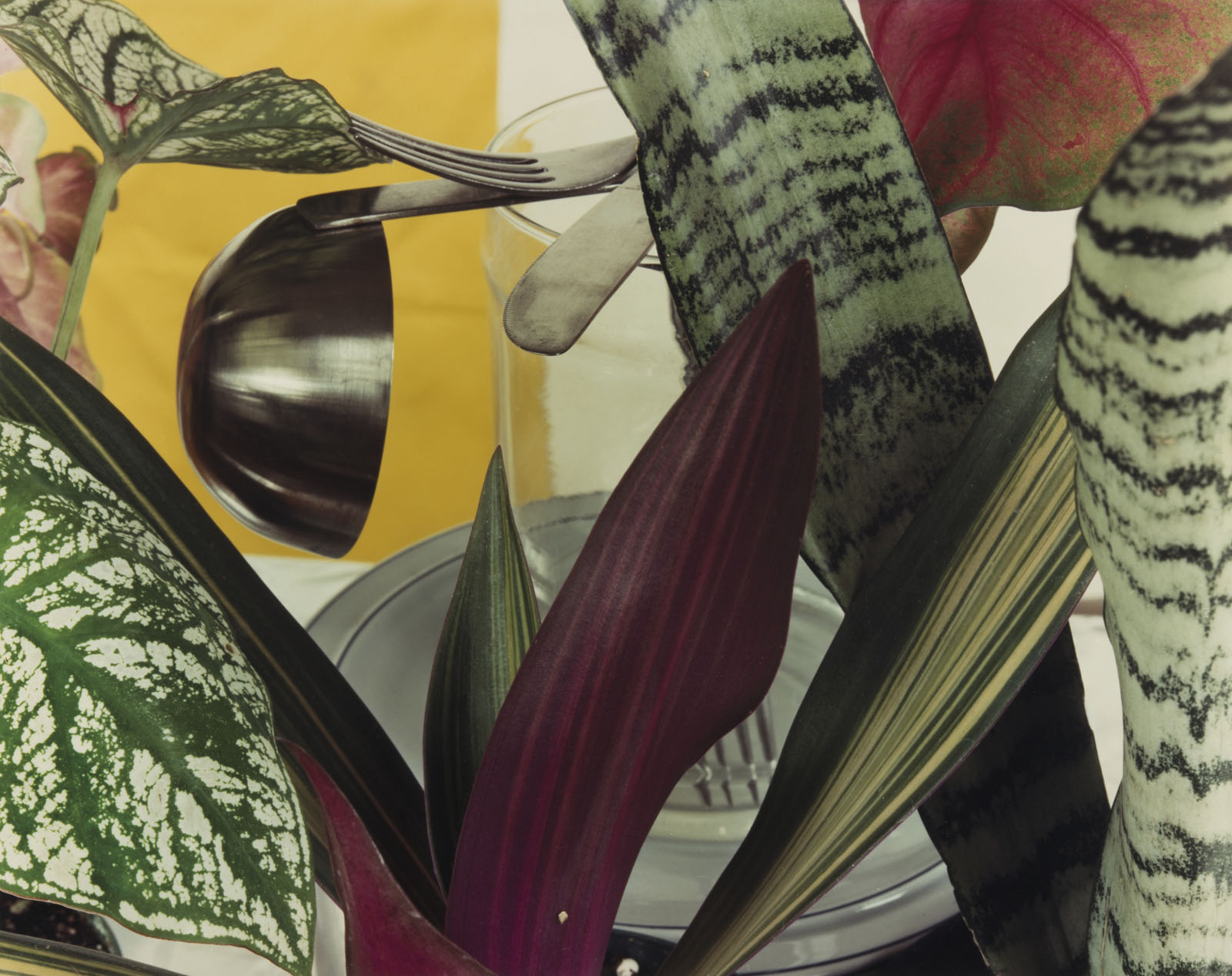
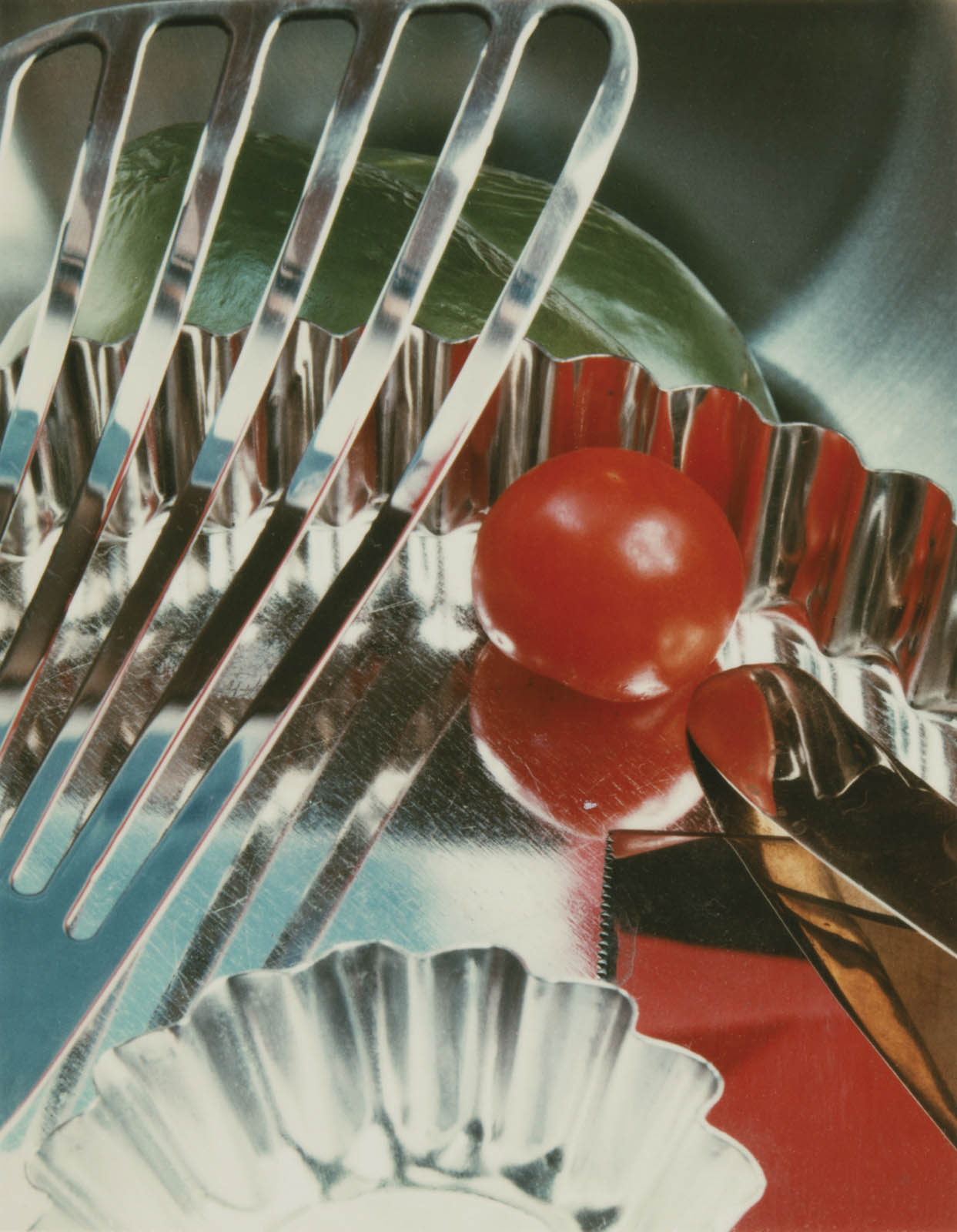

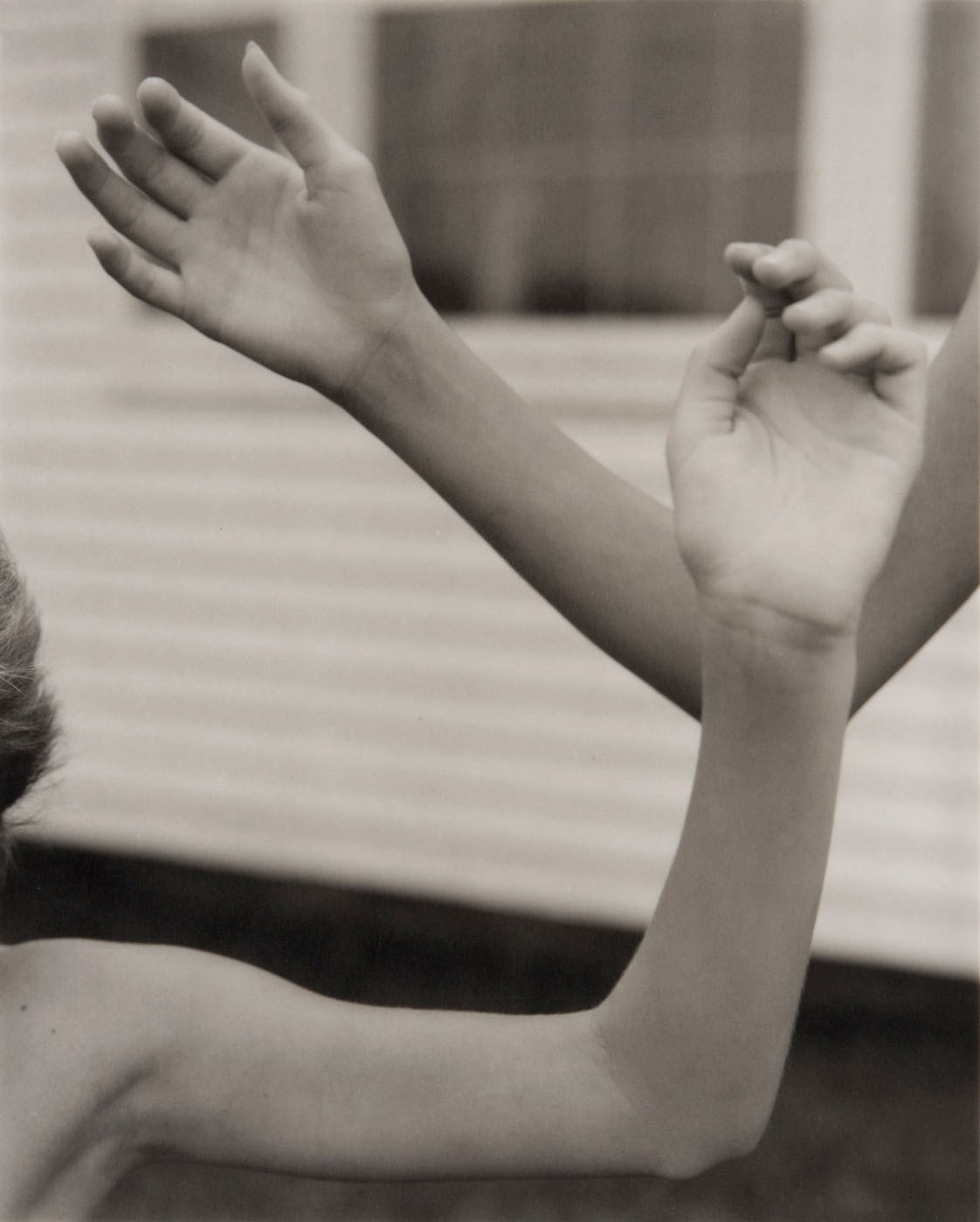
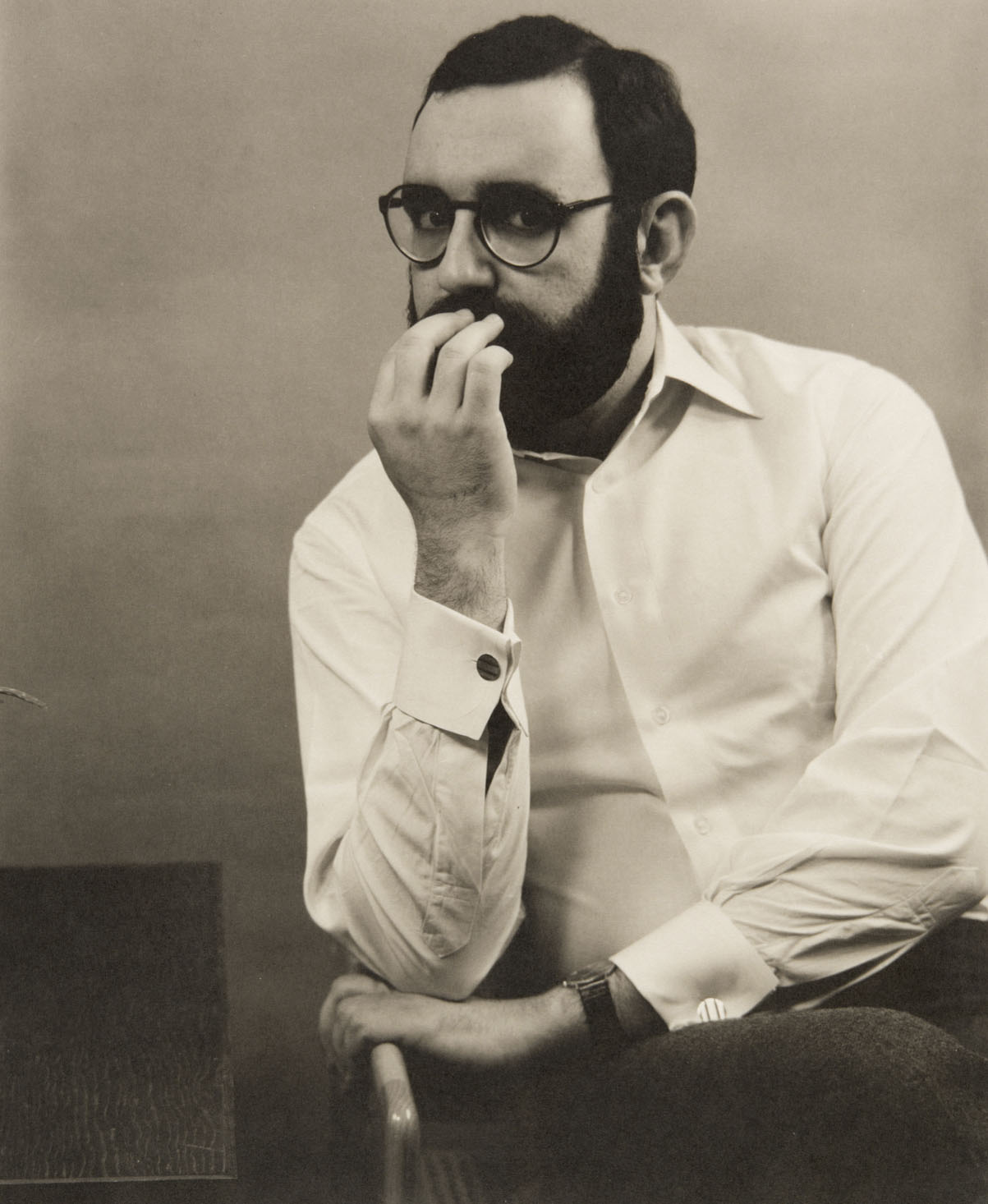
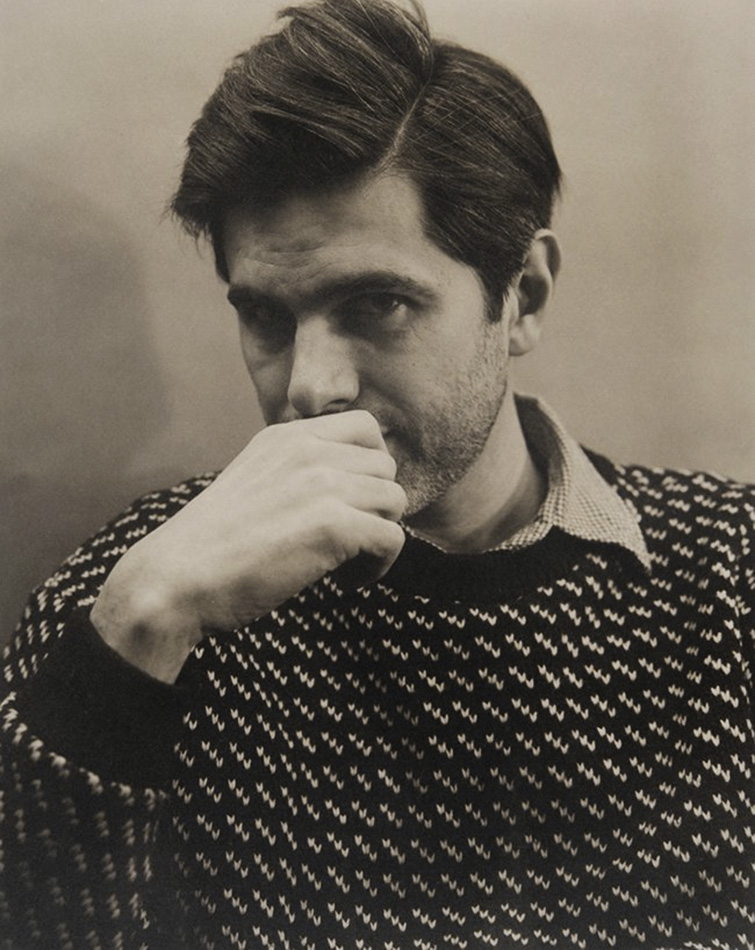
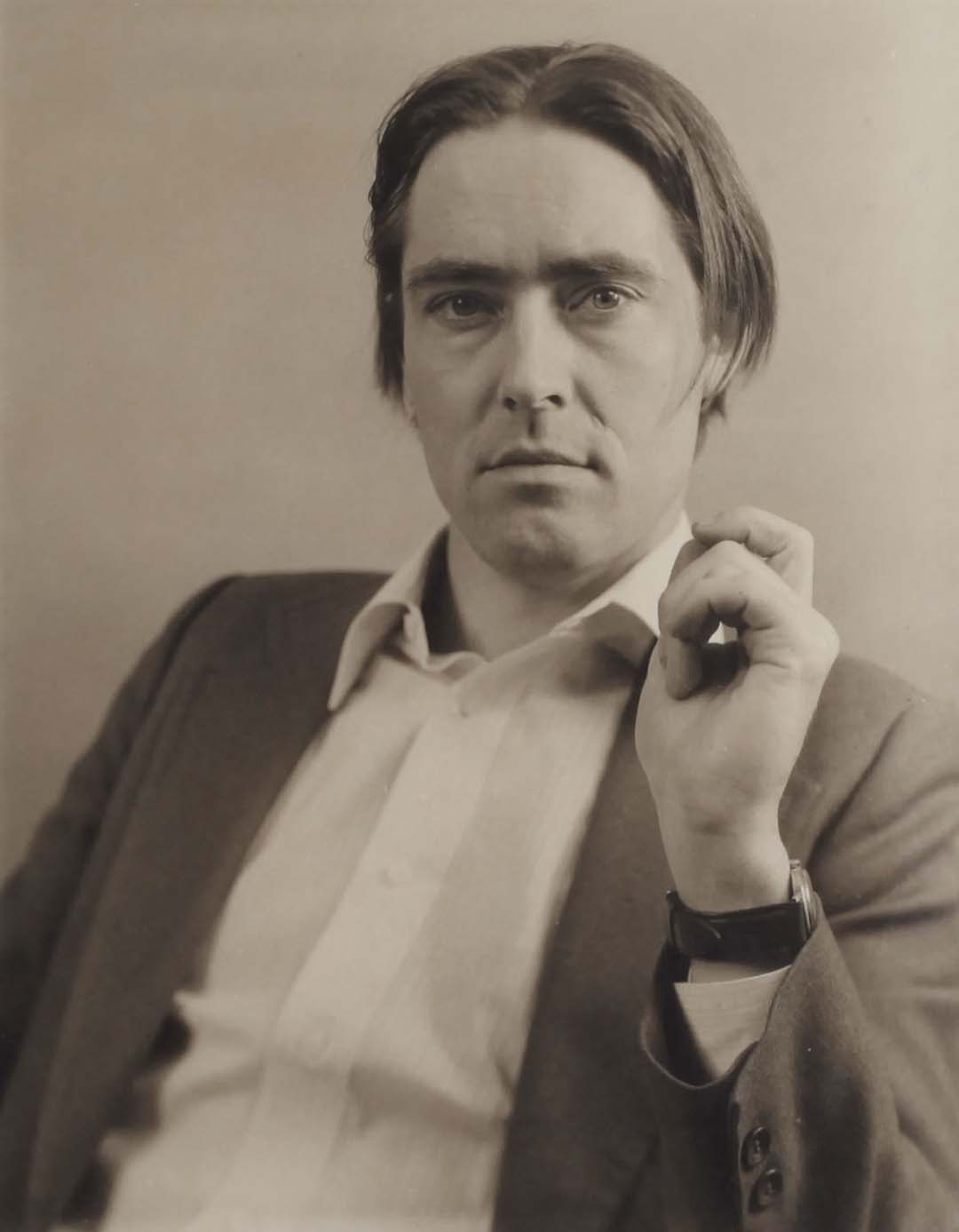
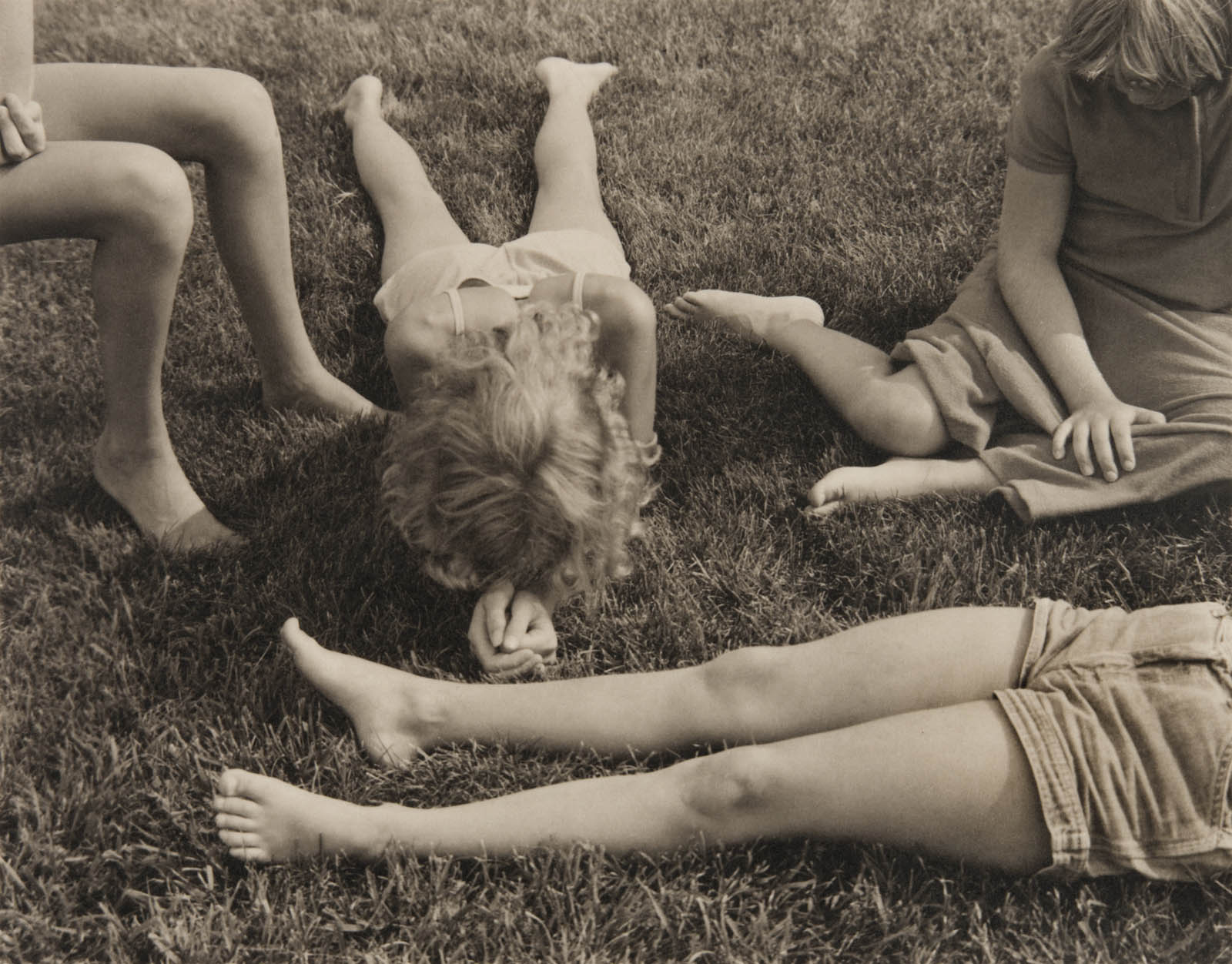
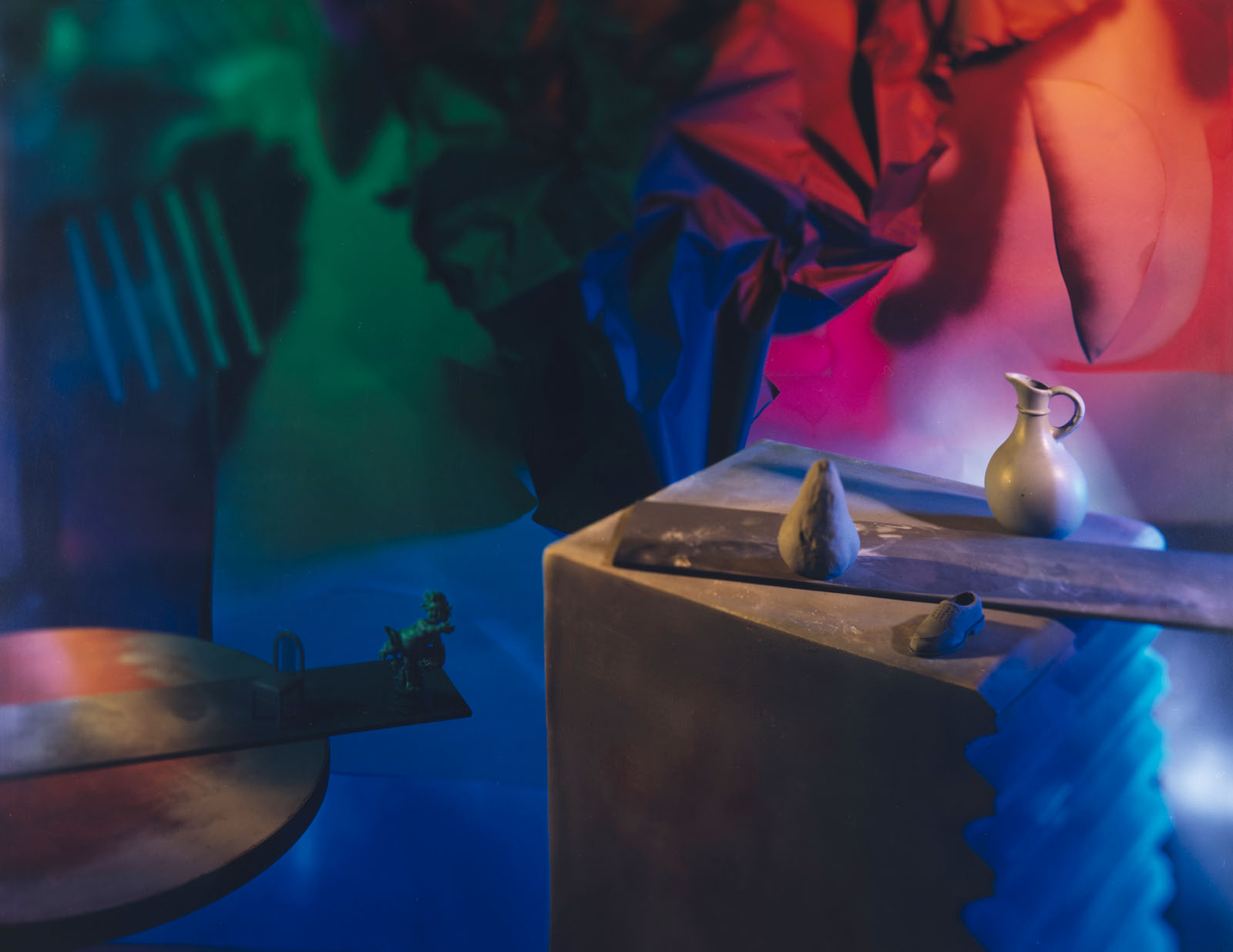
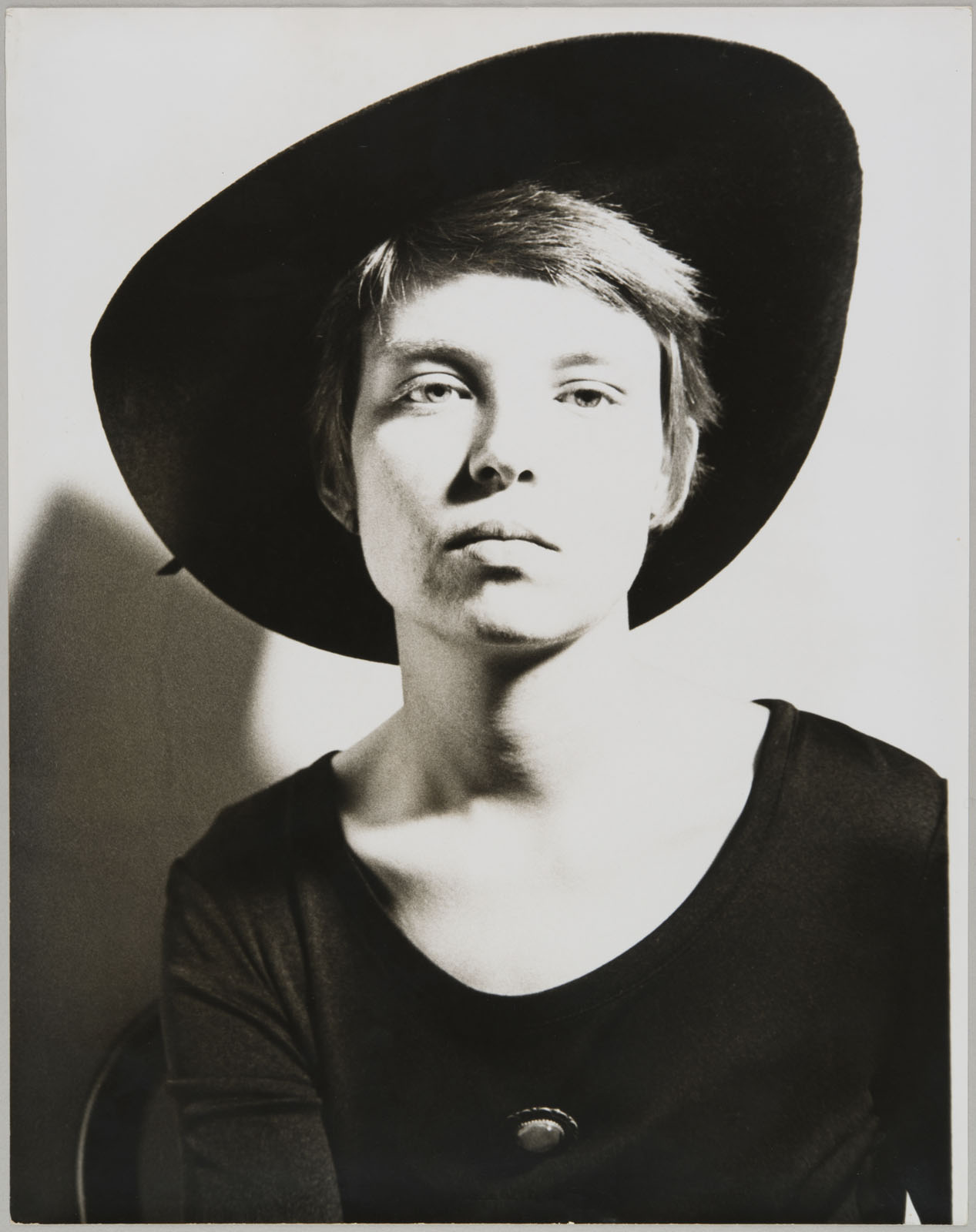
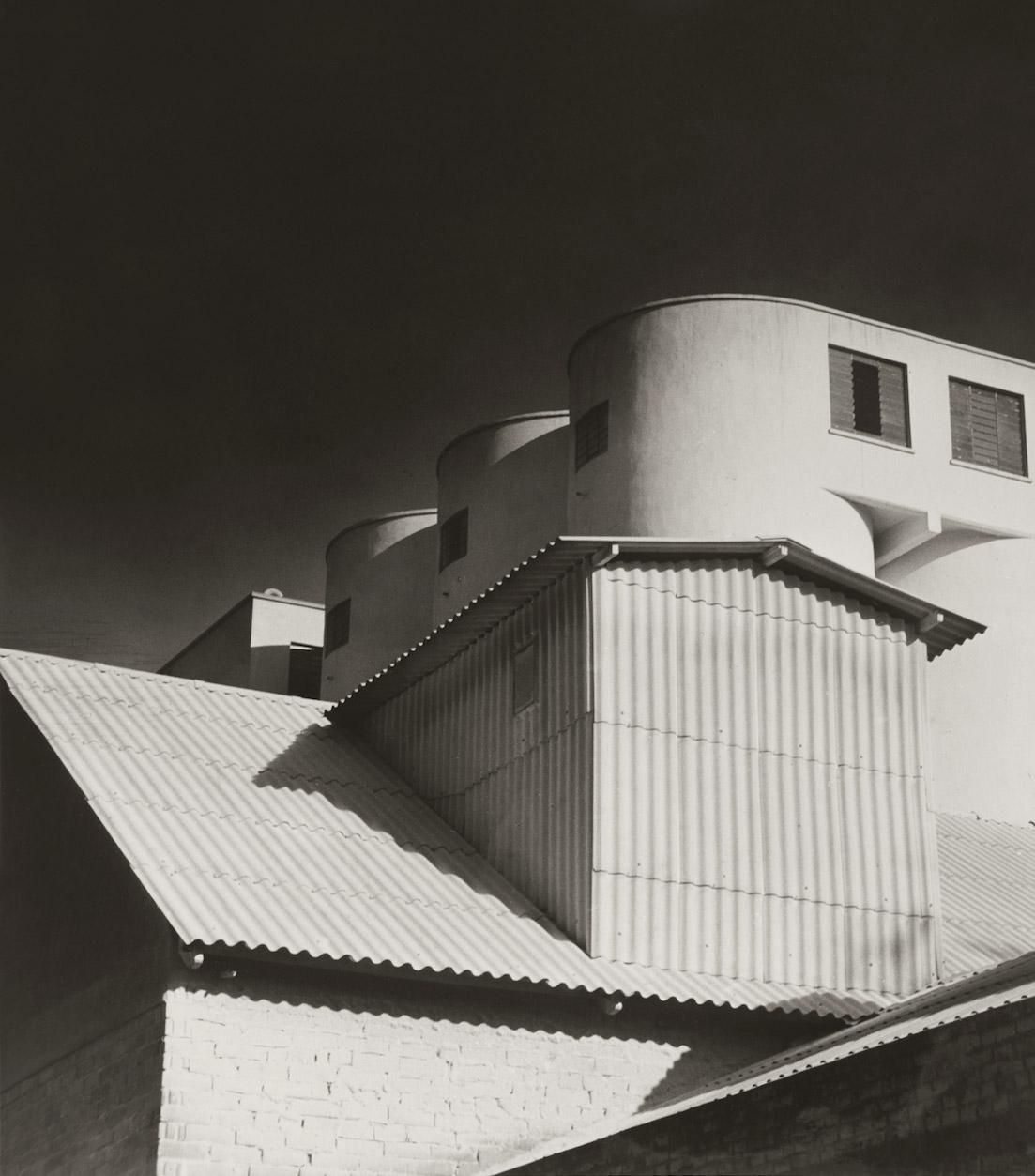
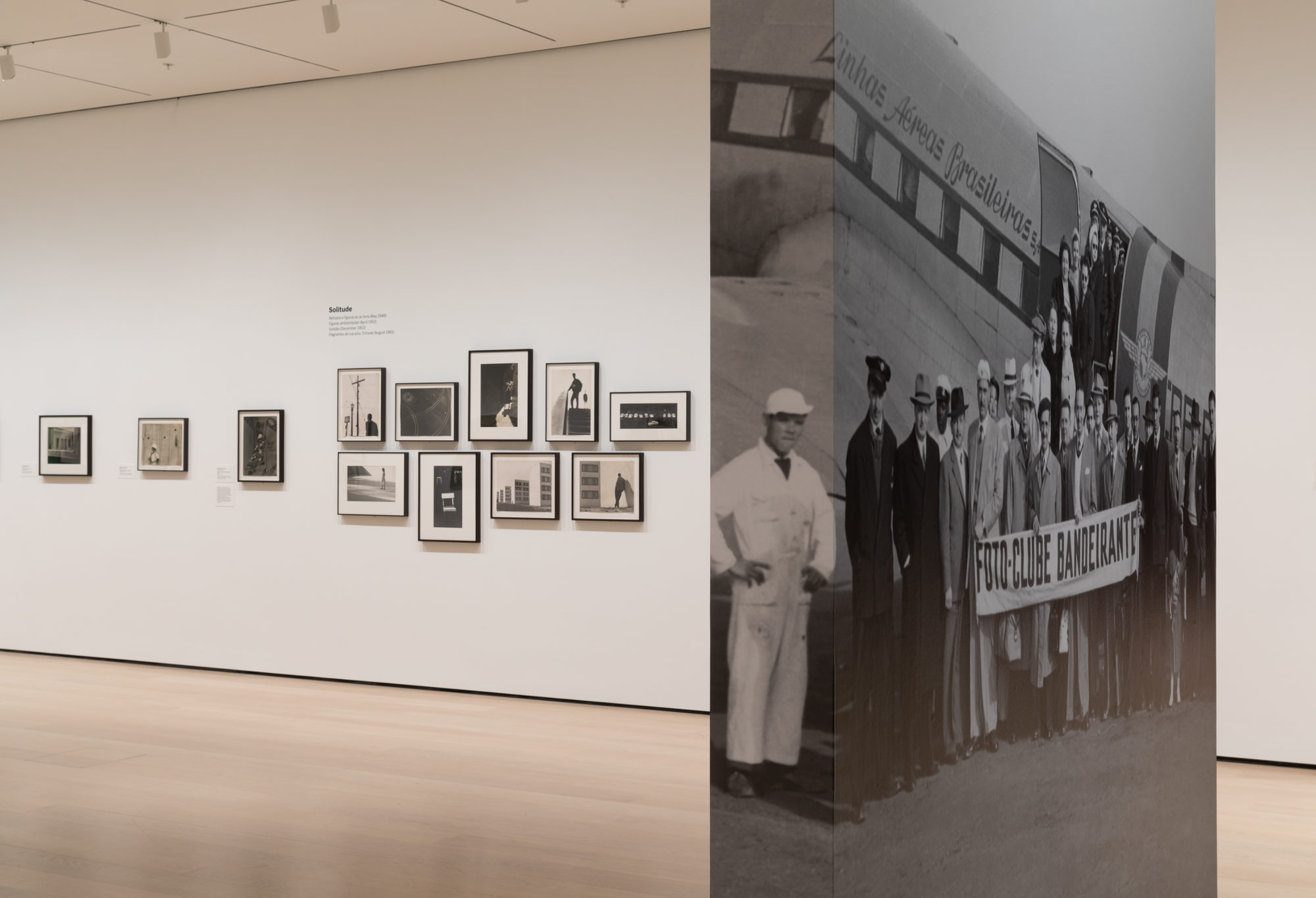
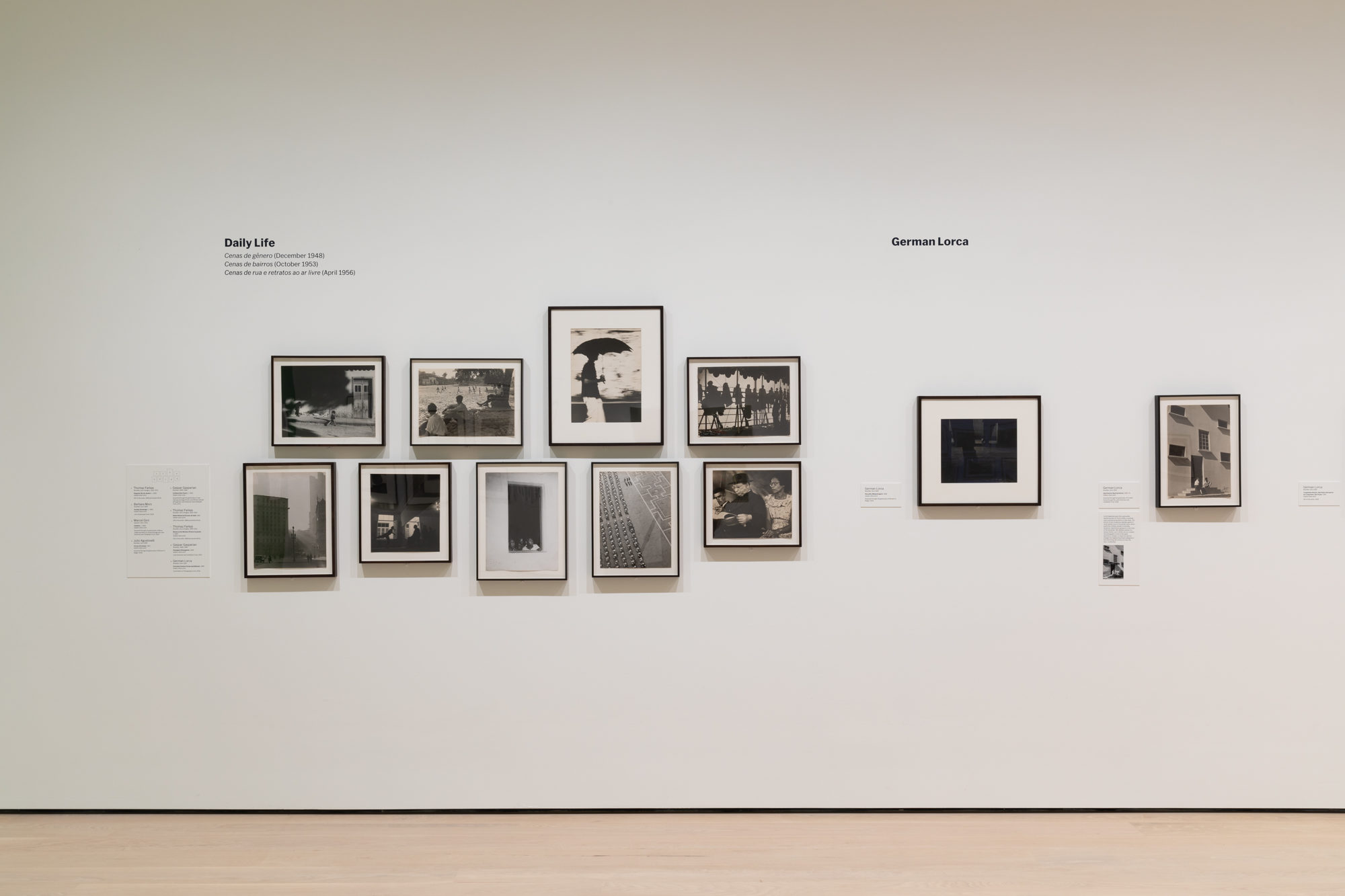
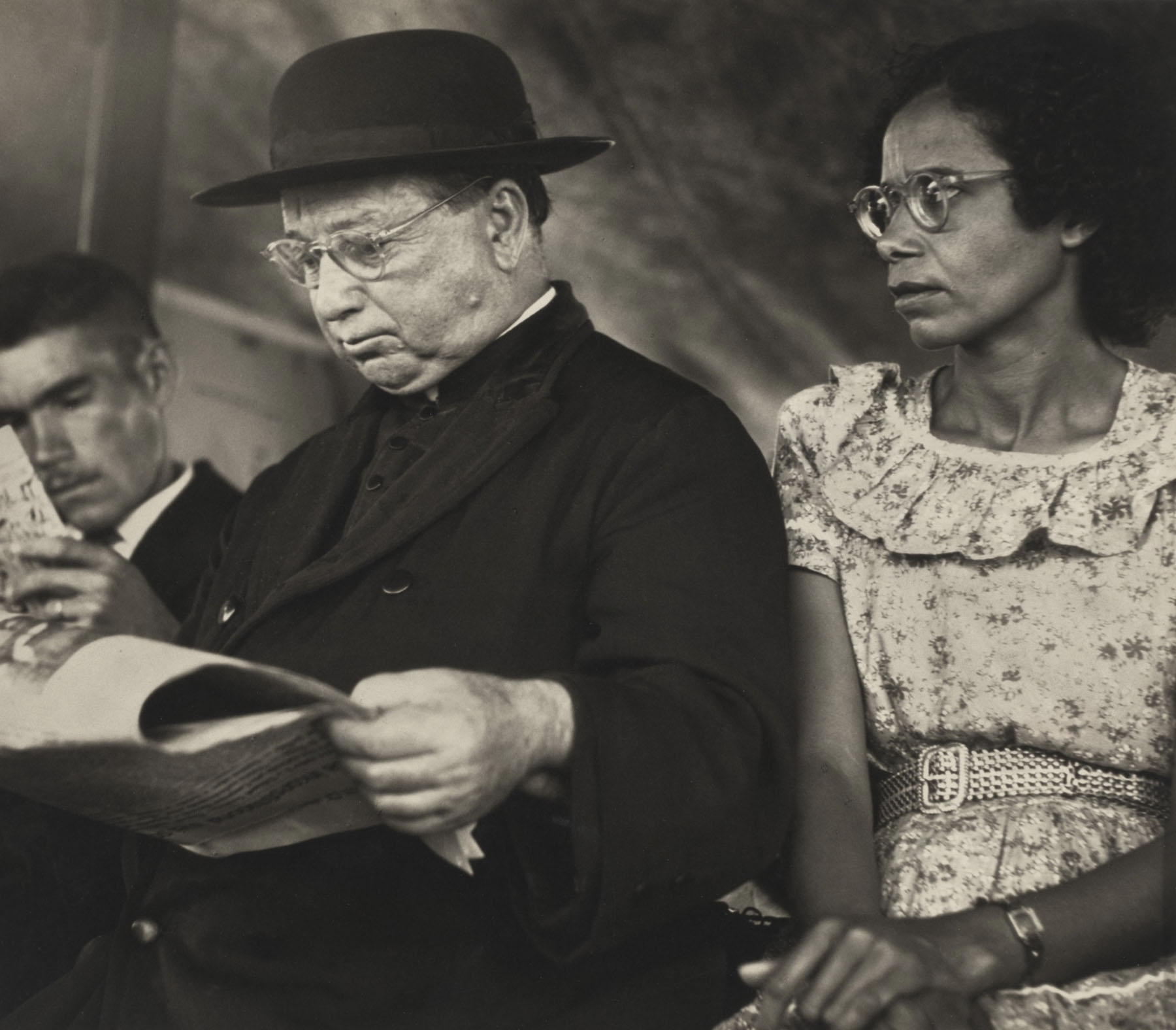
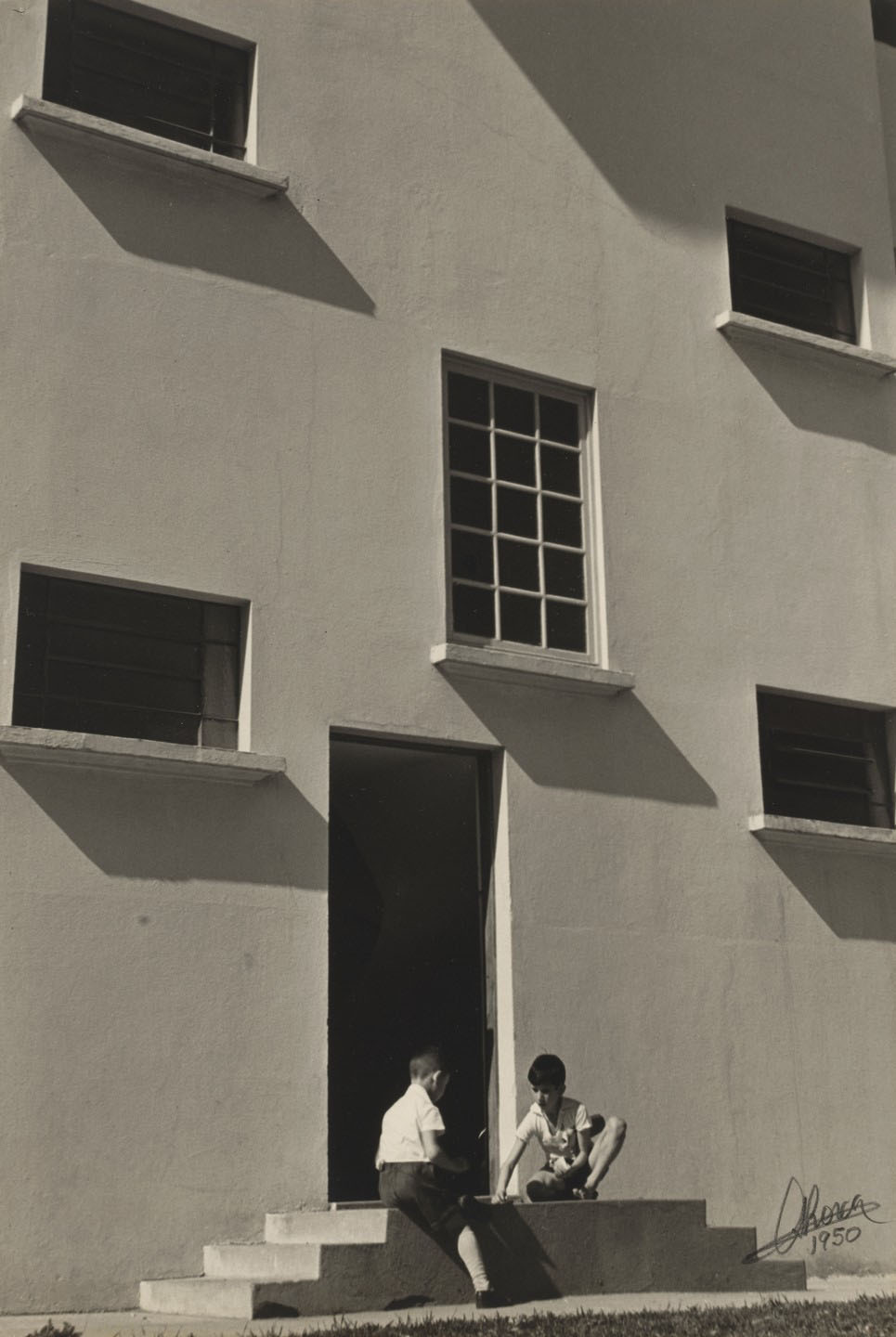
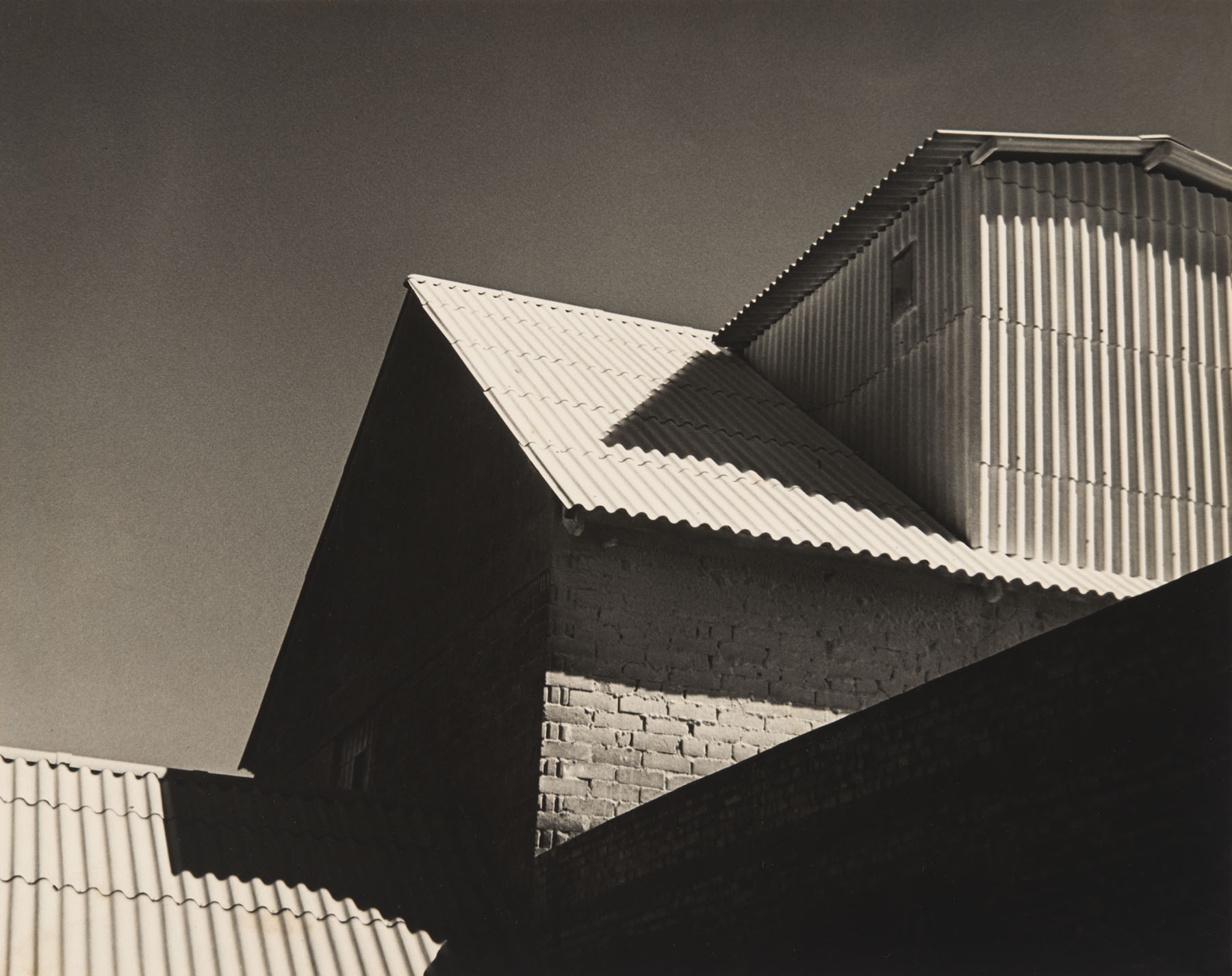
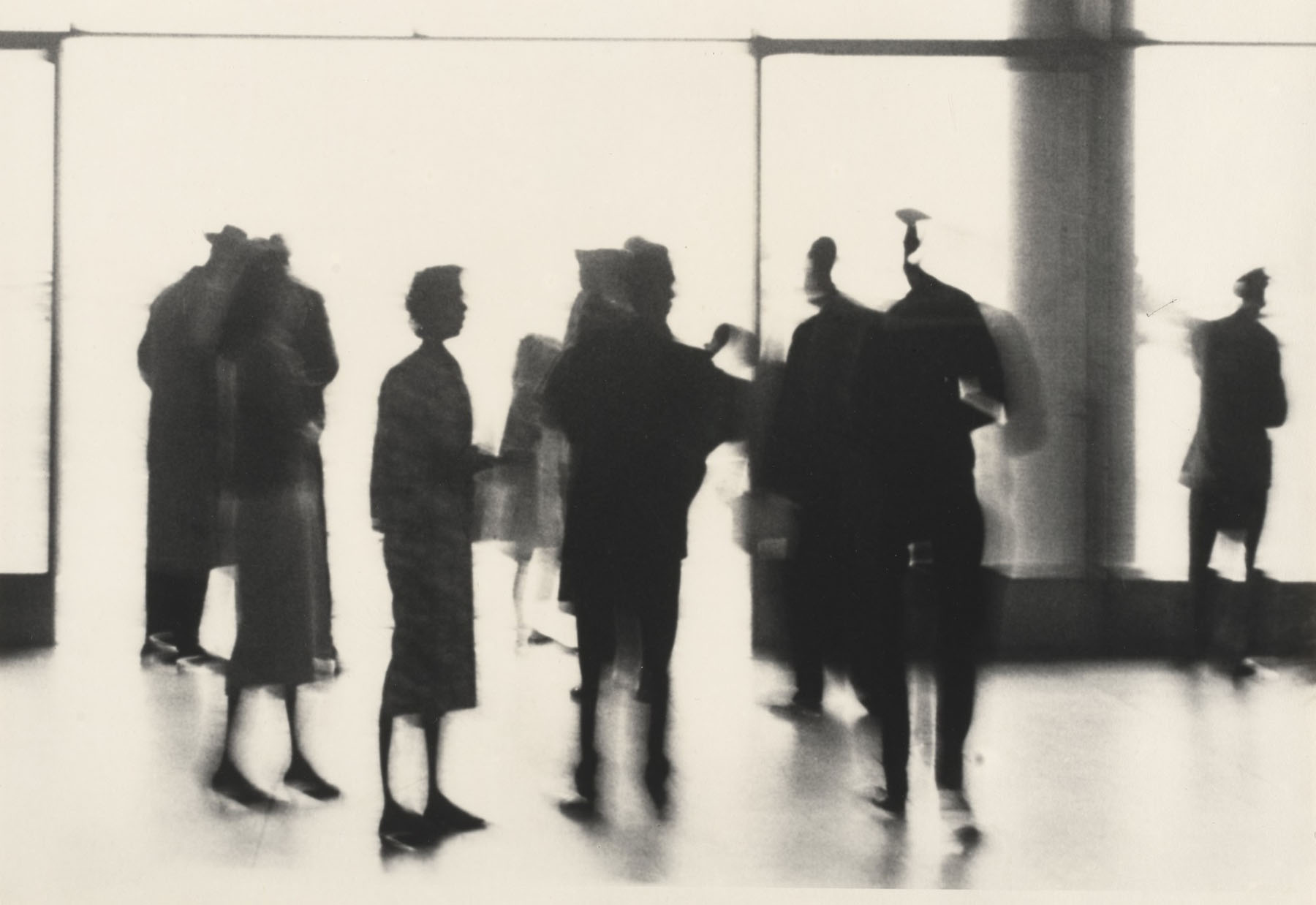
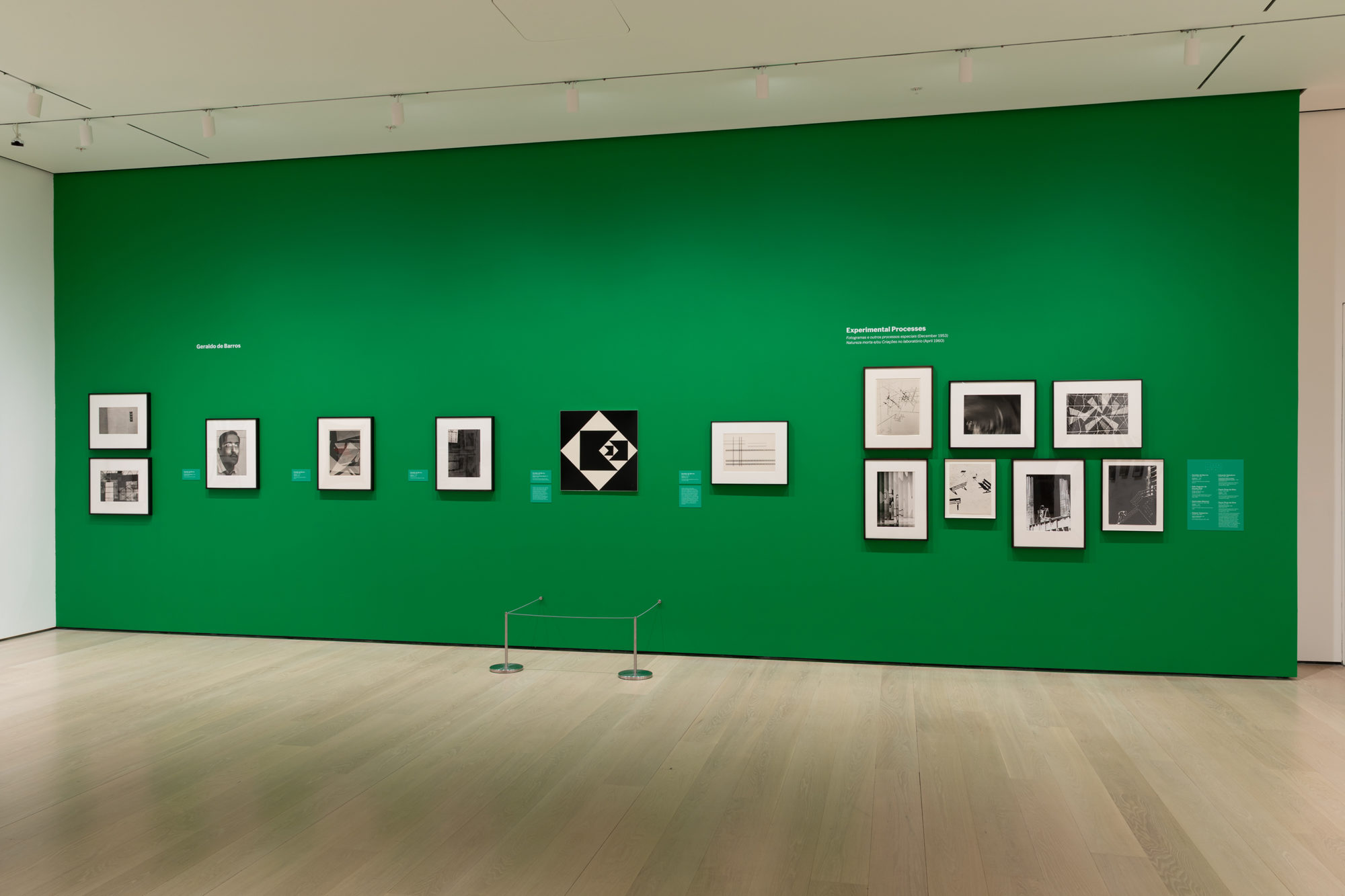
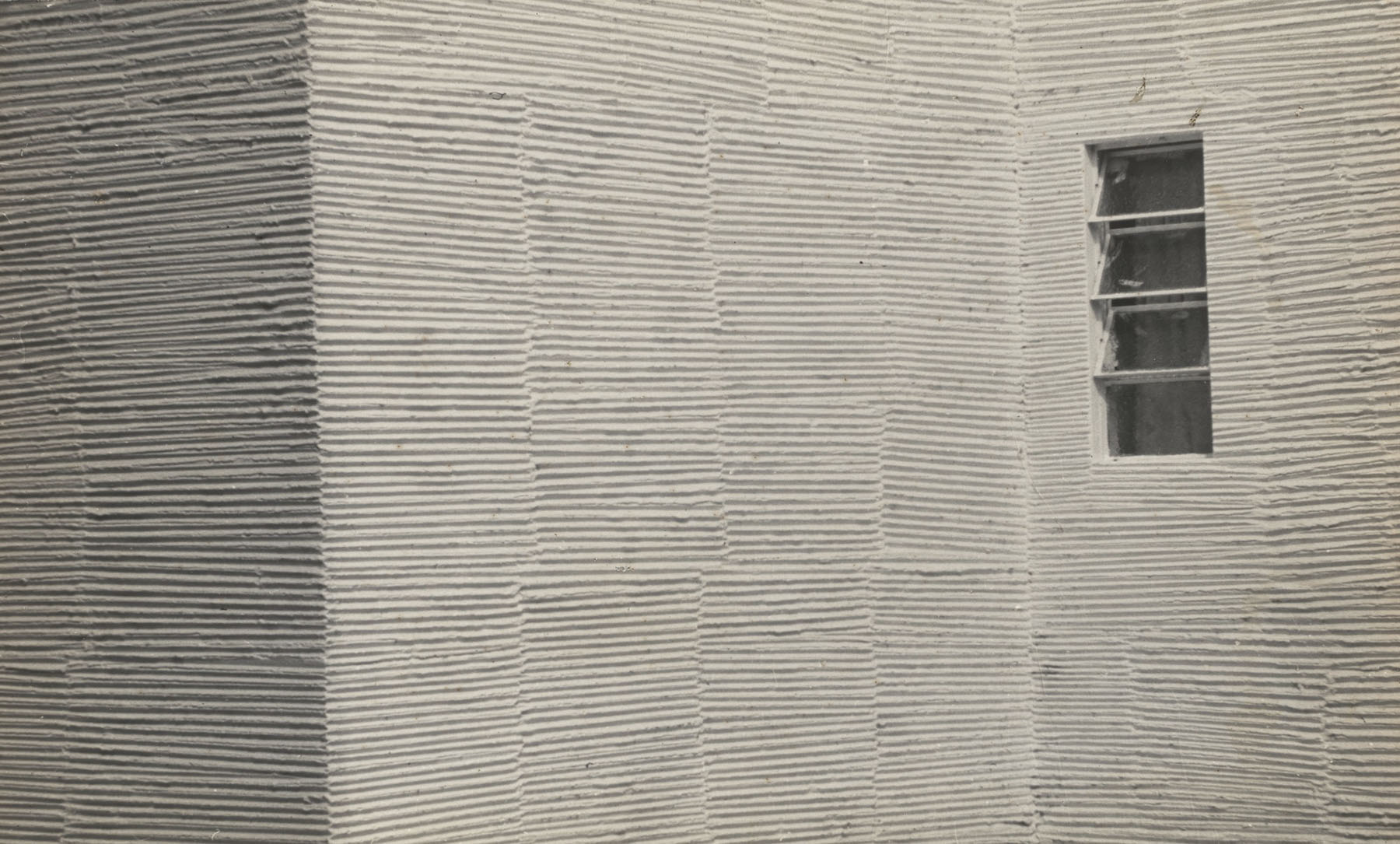
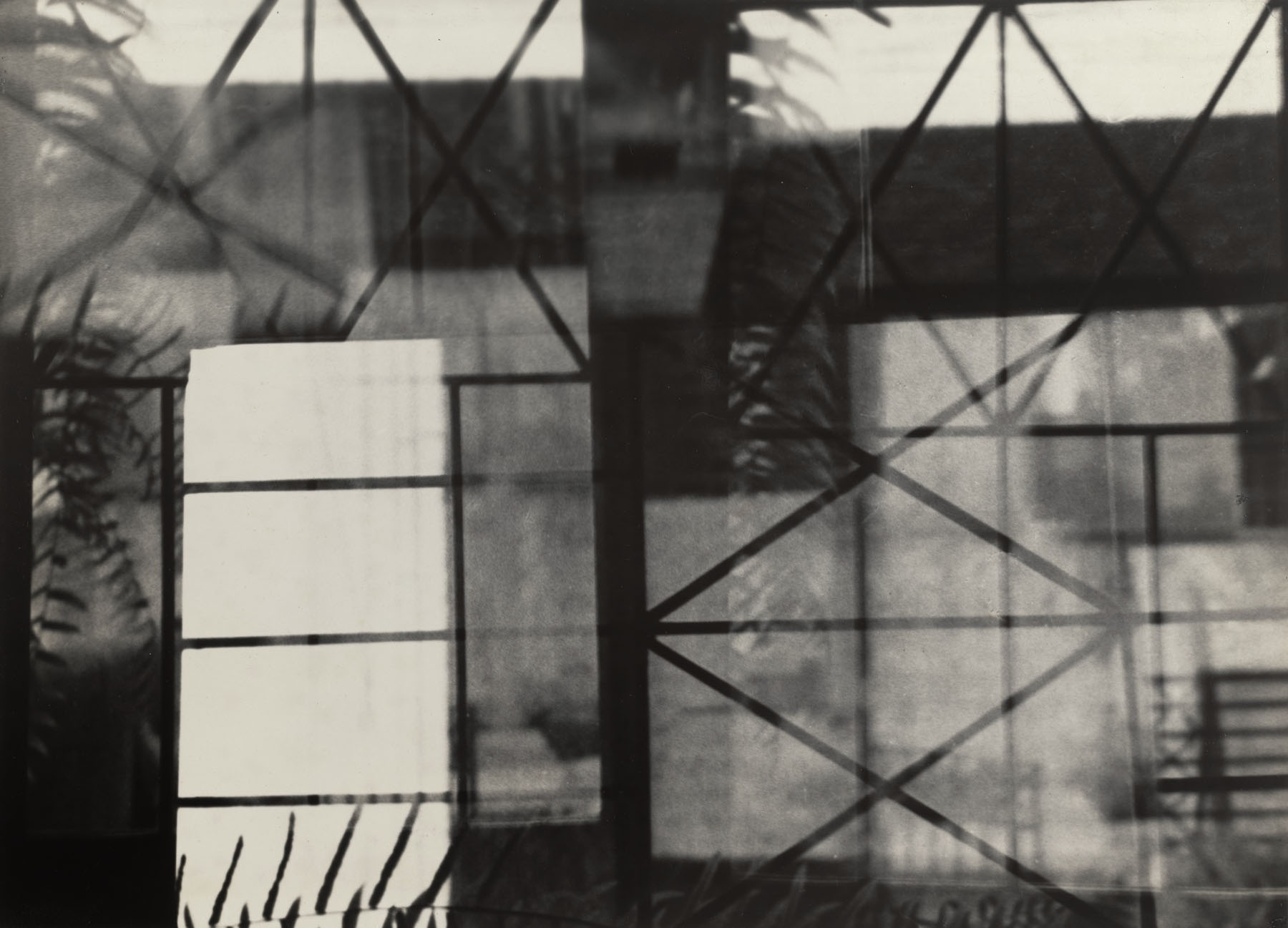
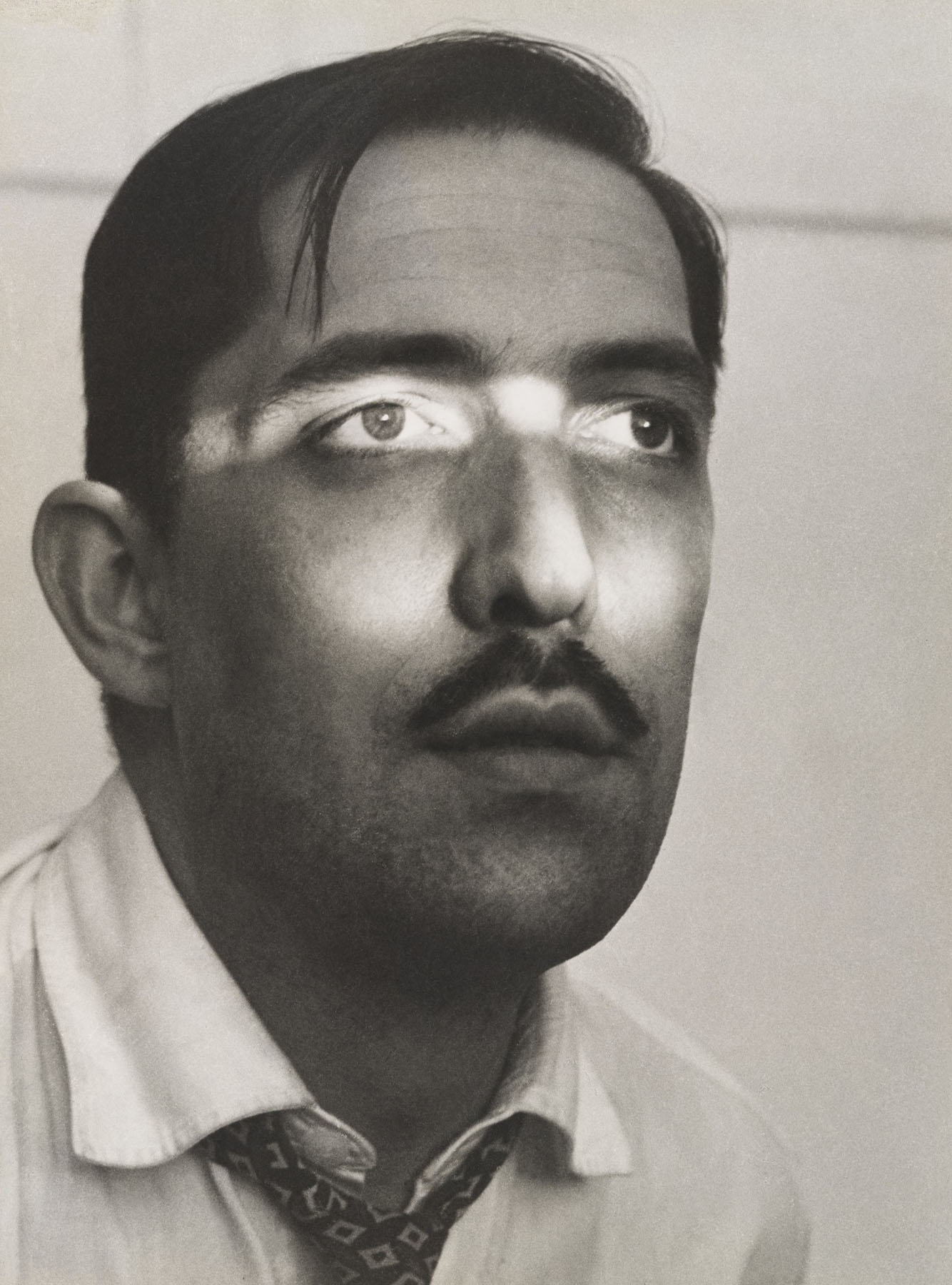
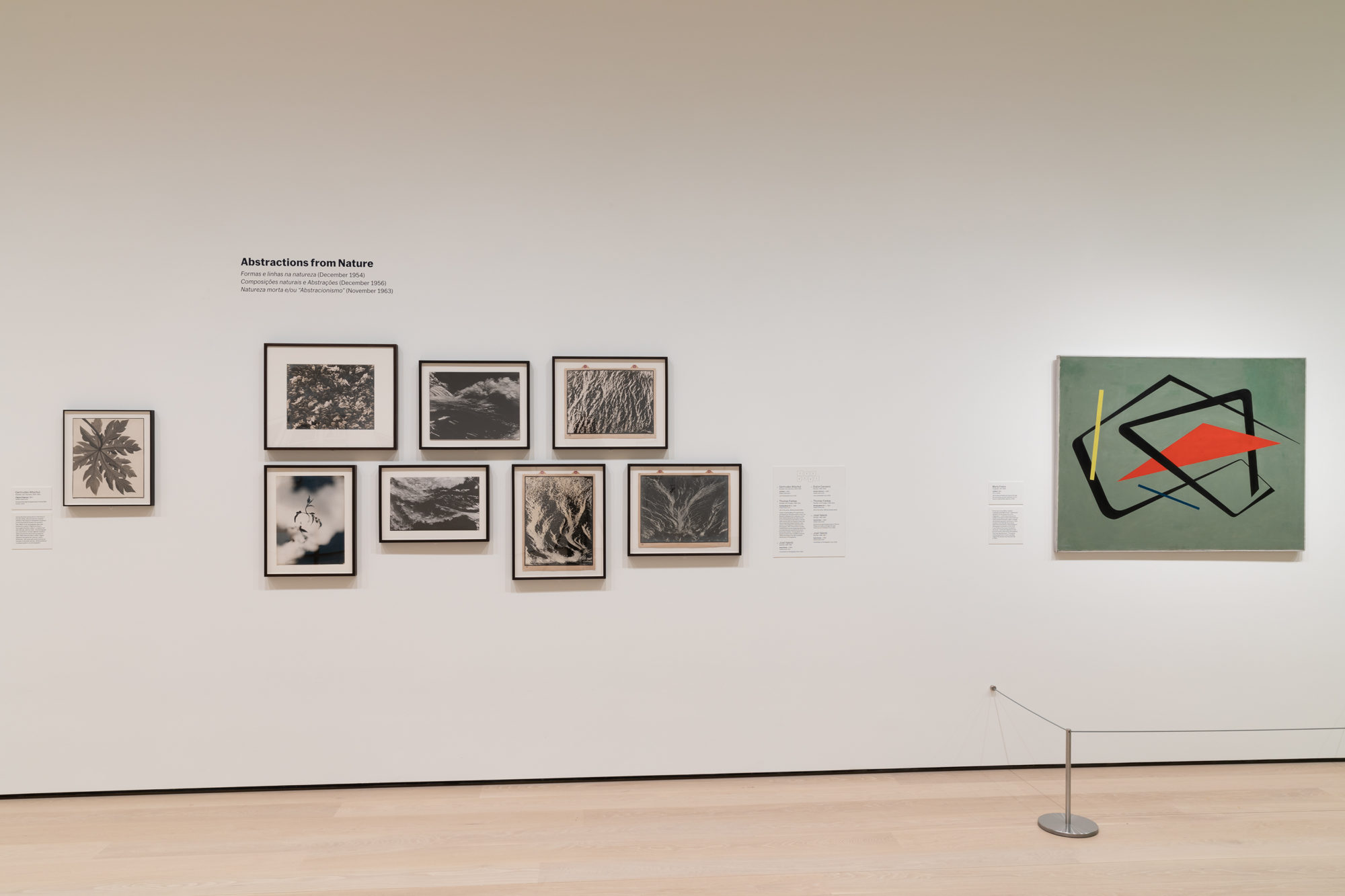
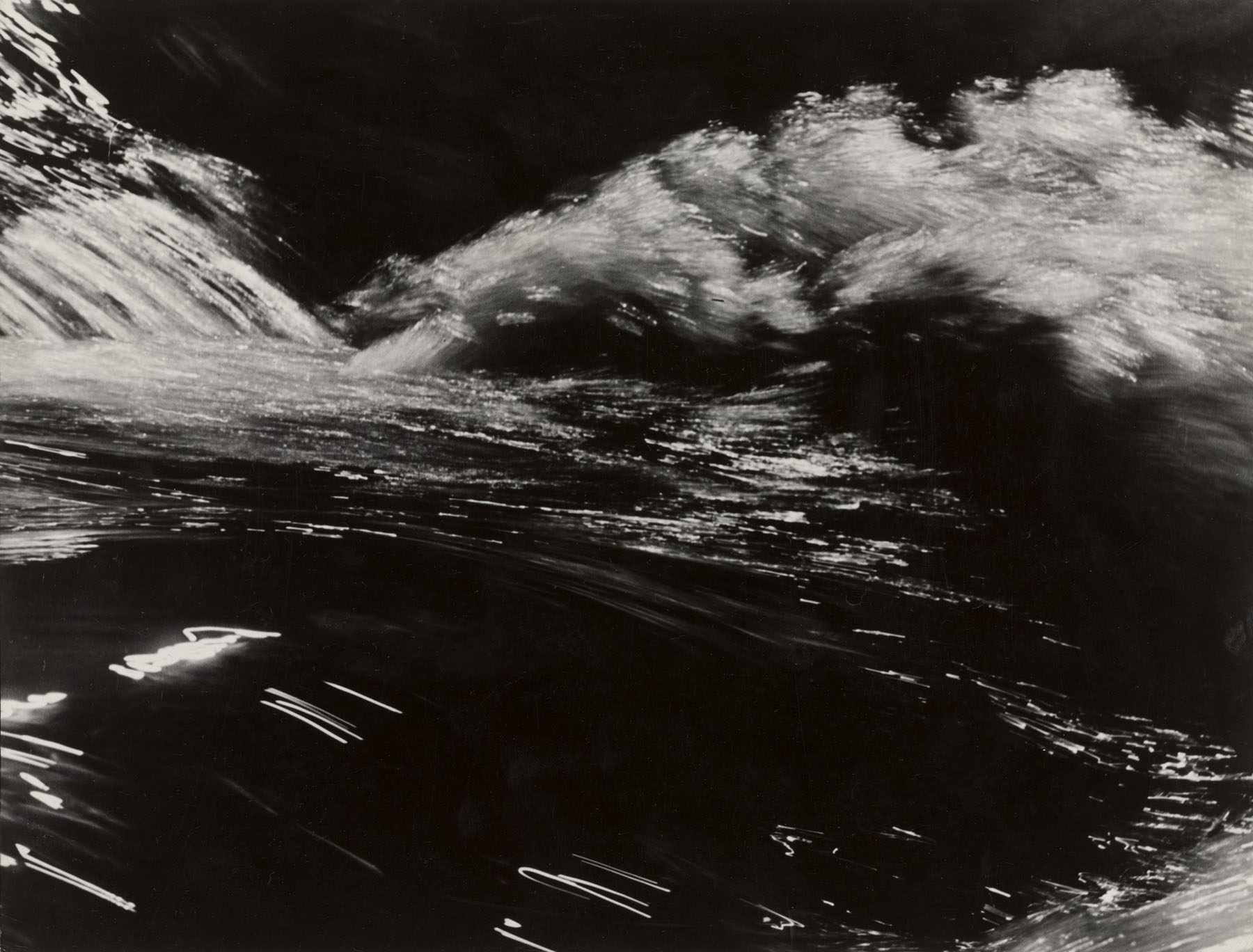
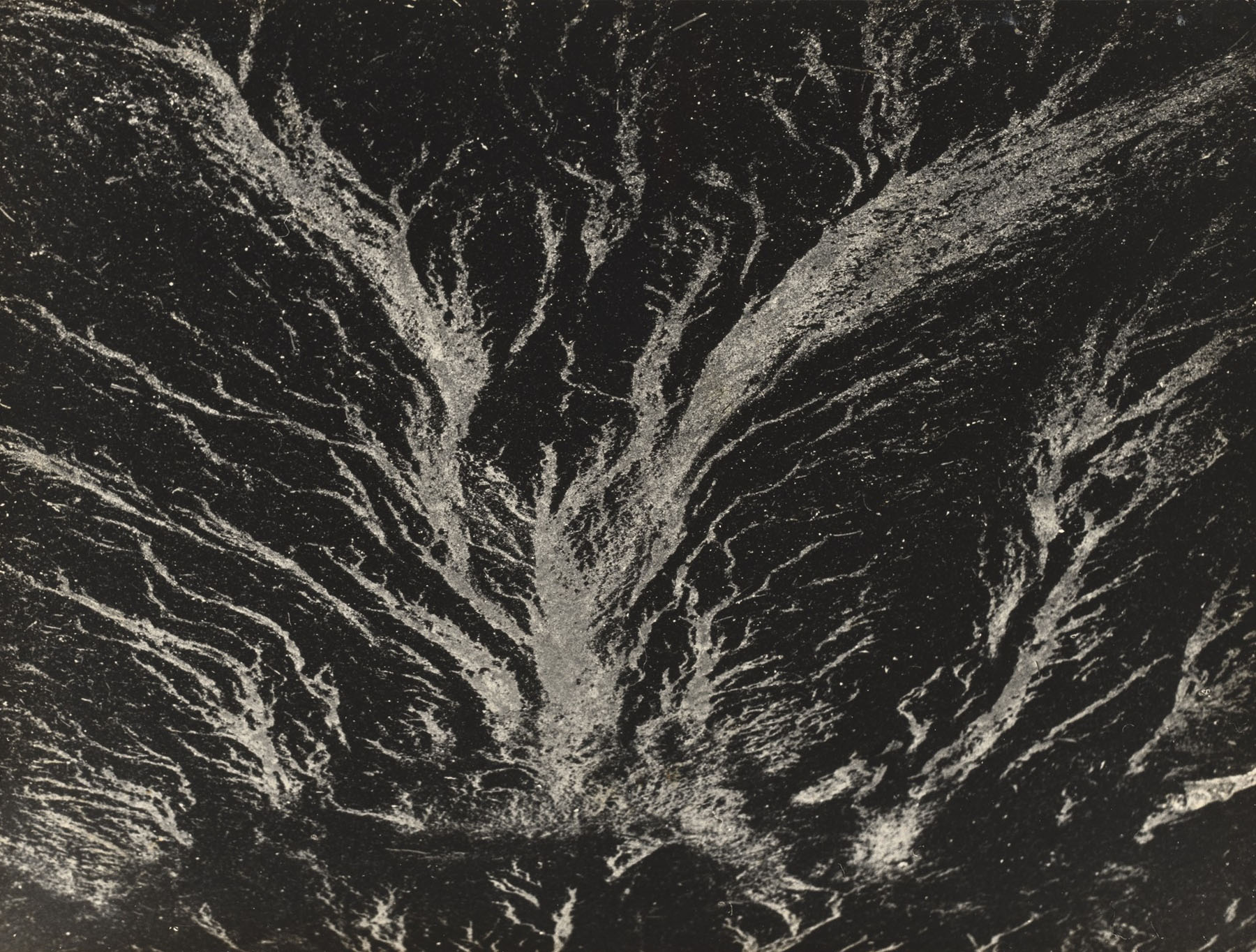
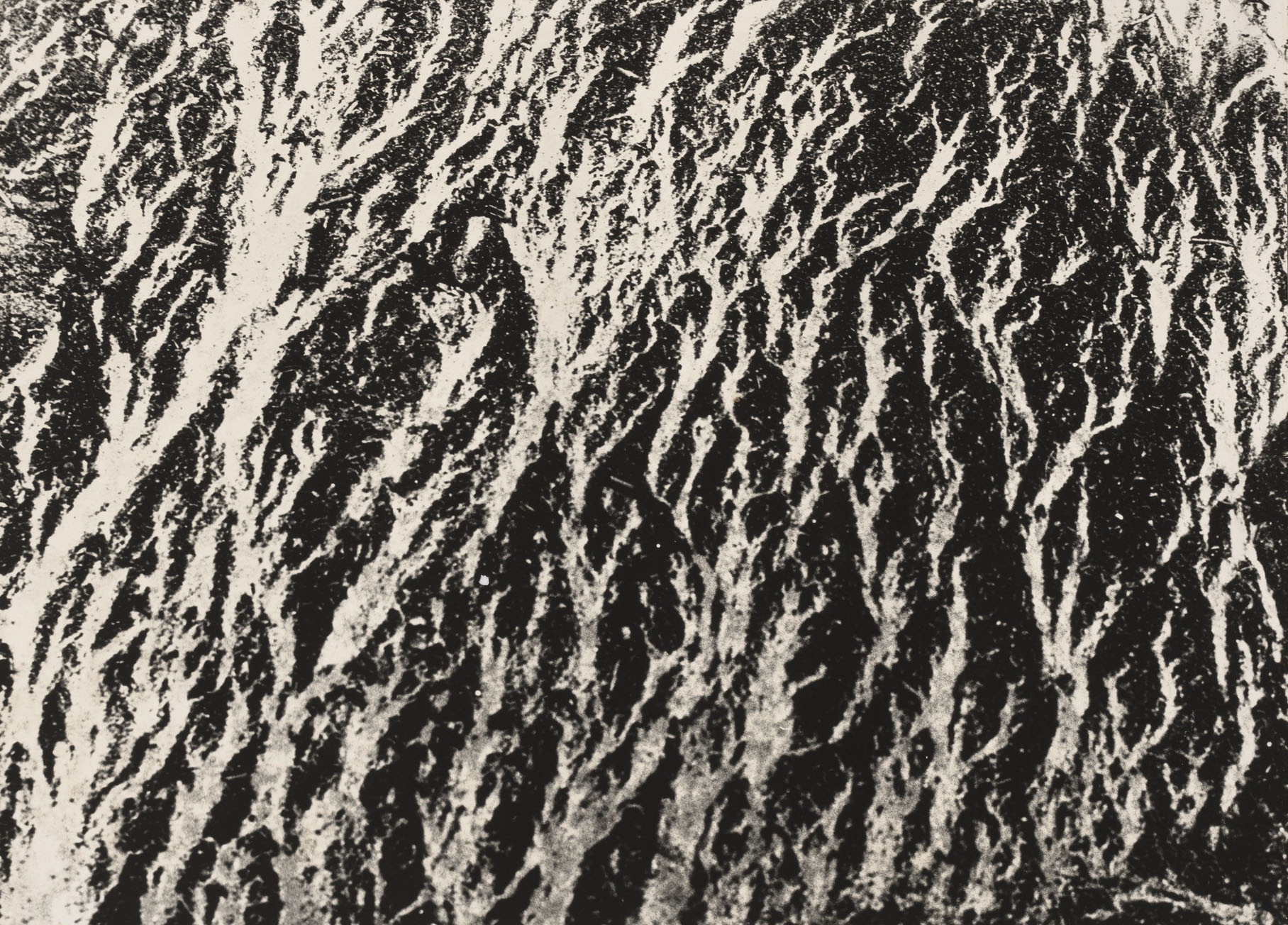
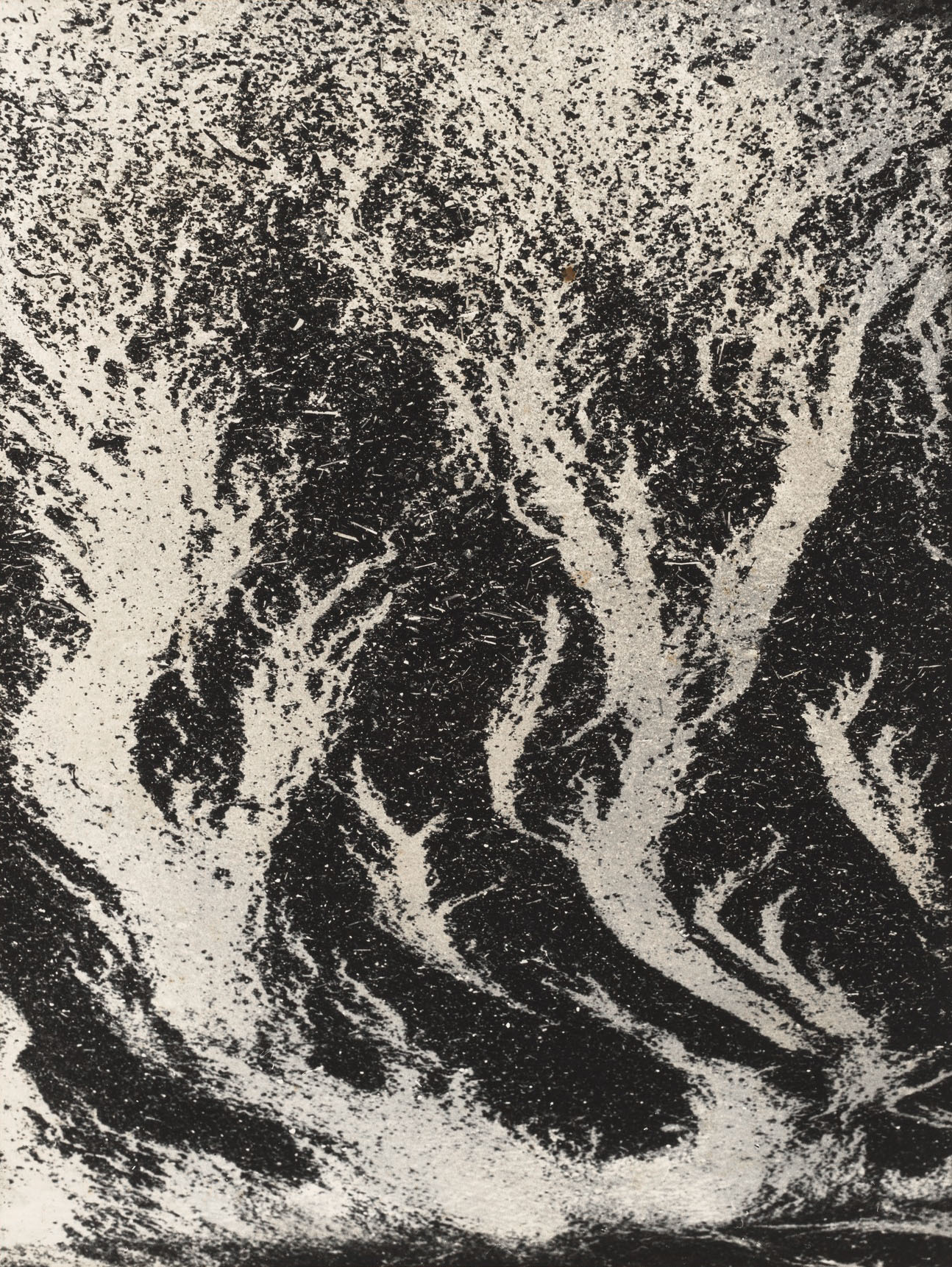
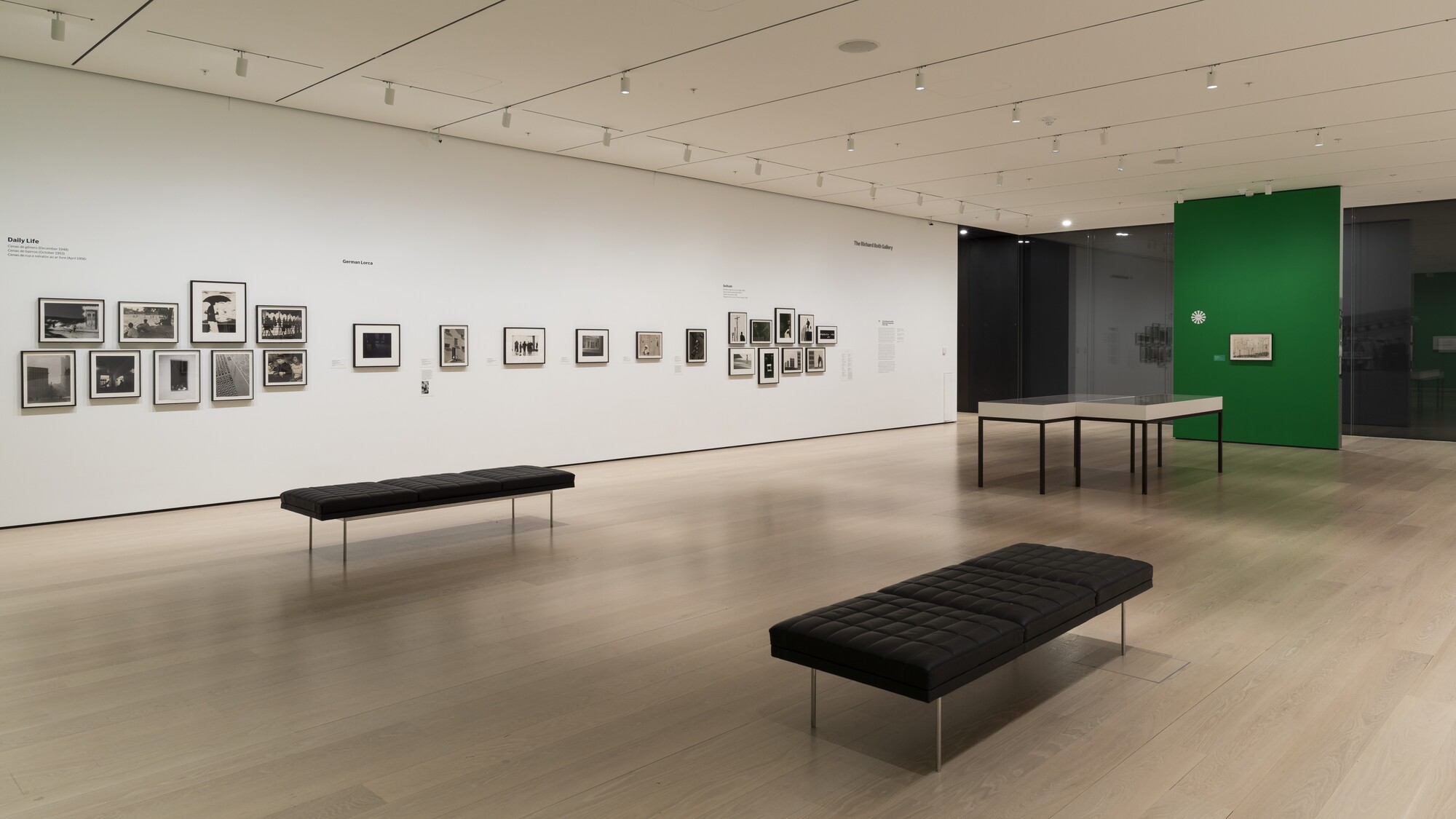
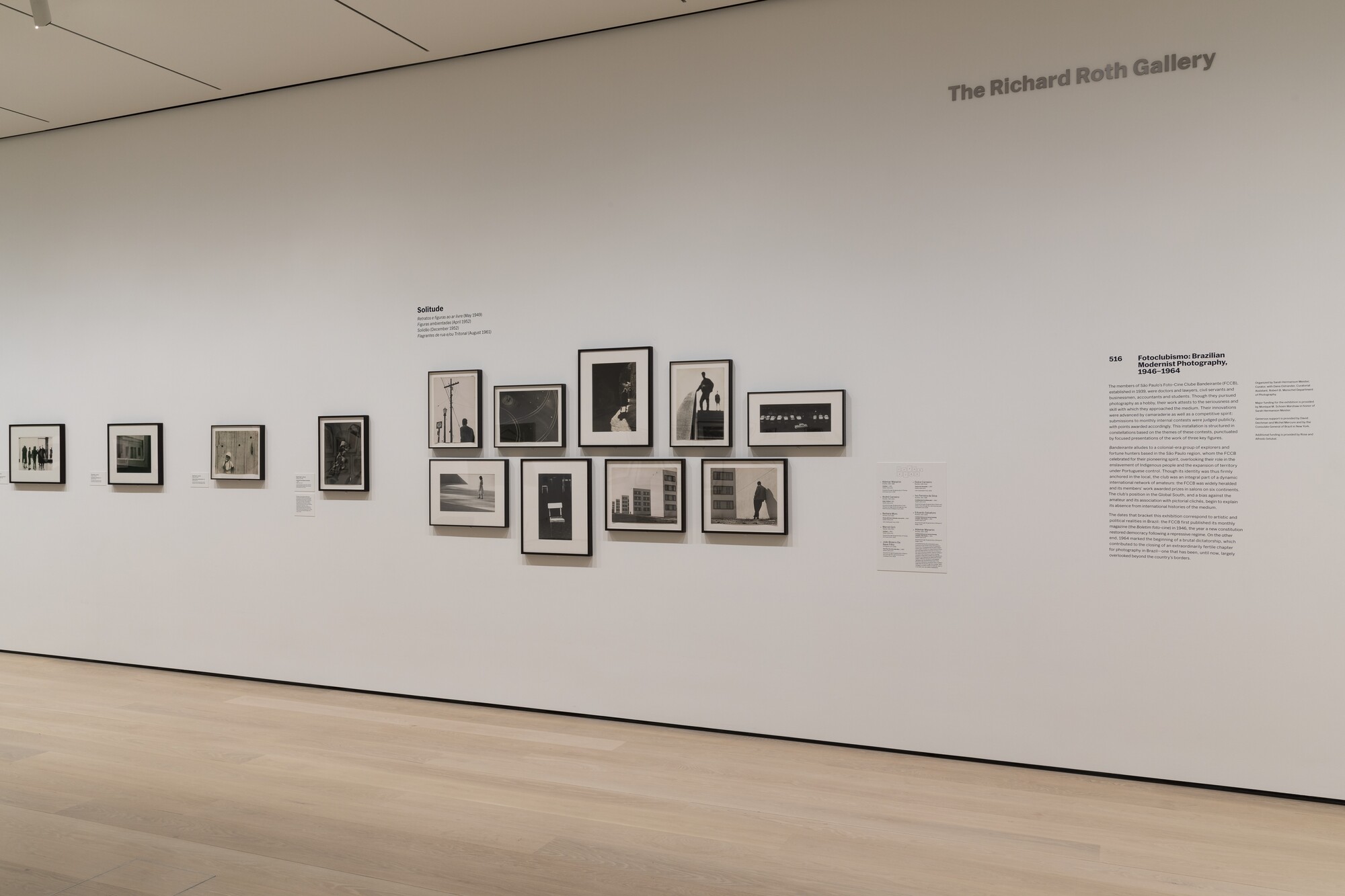
![Installation view of the exhibition 'Fotoclubismo: Brazilian Modernist Photography, 1946-1964' at the Museum of Modern Art (MoMA), New York showing the sections Daily Life, German Lorca and Solitude with bottom right, Ademar Manarini's 'Untitled [Várzea do Carmo housing complex, São Paulo]' (c. 1951)](https://artblart.com/wp-content/uploads/2021/08/fotoclubismo-installation-i.jpg "Installation view of the exhibition 'Fotoclubismo: Brazilian Modernist Photography, 1946-1964' at the Museum of Modern Art (MoMA), New York showing the sections Daily Life, German Lorca and Solitude with bottom right, Ademar Manarini's 'Untitled [Várzea do Carmo housing complex, São Paulo]' (c. 1951)")
![Installation view of the exhibition 'Fotoclubismo: Brazilian Modernist Photography, 1946-1964' at the Museum of Modern Art (MoMA), New York showing the sections Daily Life, German Lorca and Solitude with bottom right, Ademar Manarini's 'Untitled [Várzea do Carmo housing complex, São Paulo]' (c. 1951)](https://artblart.com/wp-content/uploads/2021/08/fotoclubismo-installation-k.jpg "Installation view of the exhibition 'Fotoclubismo: Brazilian Modernist Photography, 1946-1964' at the Museum of Modern Art (MoMA), New York showing the sections Daily Life, German Lorca and Solitude with bottom right, Ademar Manarini's 'Untitled [Várzea do Carmo housing complex, São Paulo]' (c. 1951)")
![Ademar Manarini (Brazilian, 1920-1989) 'Untitled [Várzea do Carmo housing complex, São Paulo]' c. 1951](https://artblart.com/wp-content/uploads/2021/08/manarini-housing-complex.jpg "Ademar Manarini (Brazilian, 1920-1989) 'Untitled [Várzea do Carmo housing complex, São Paulo]' c. 1951")
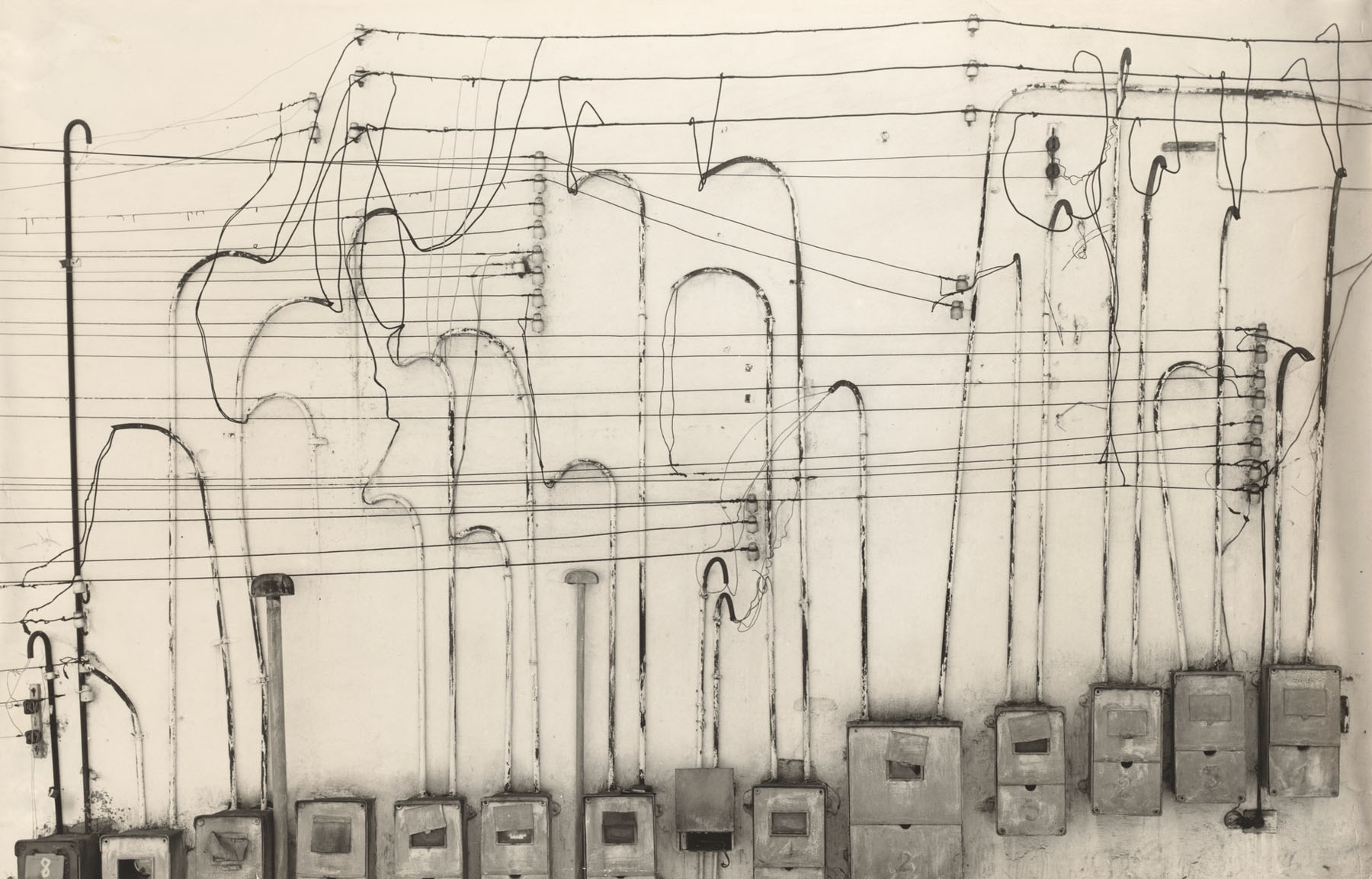
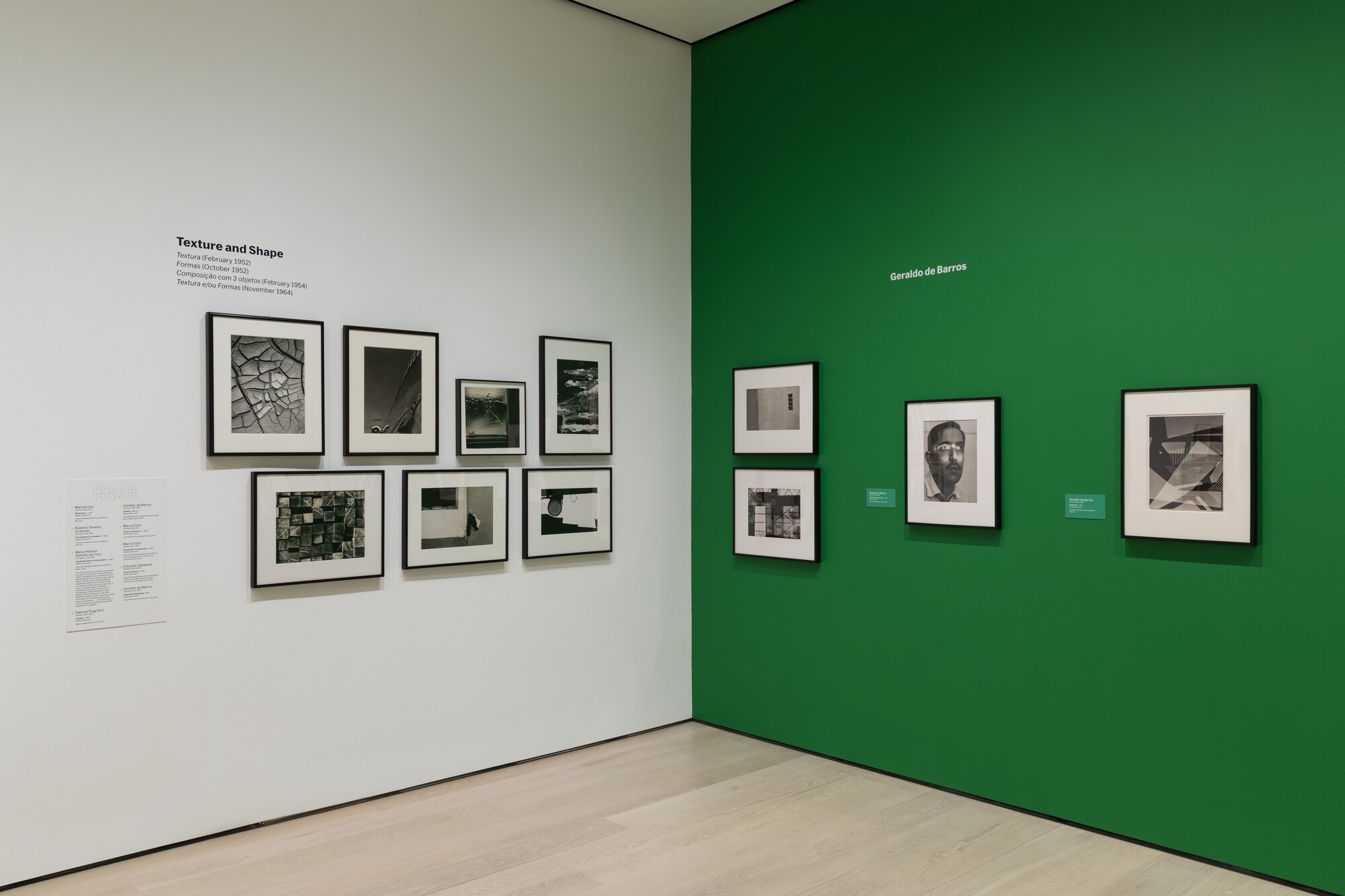
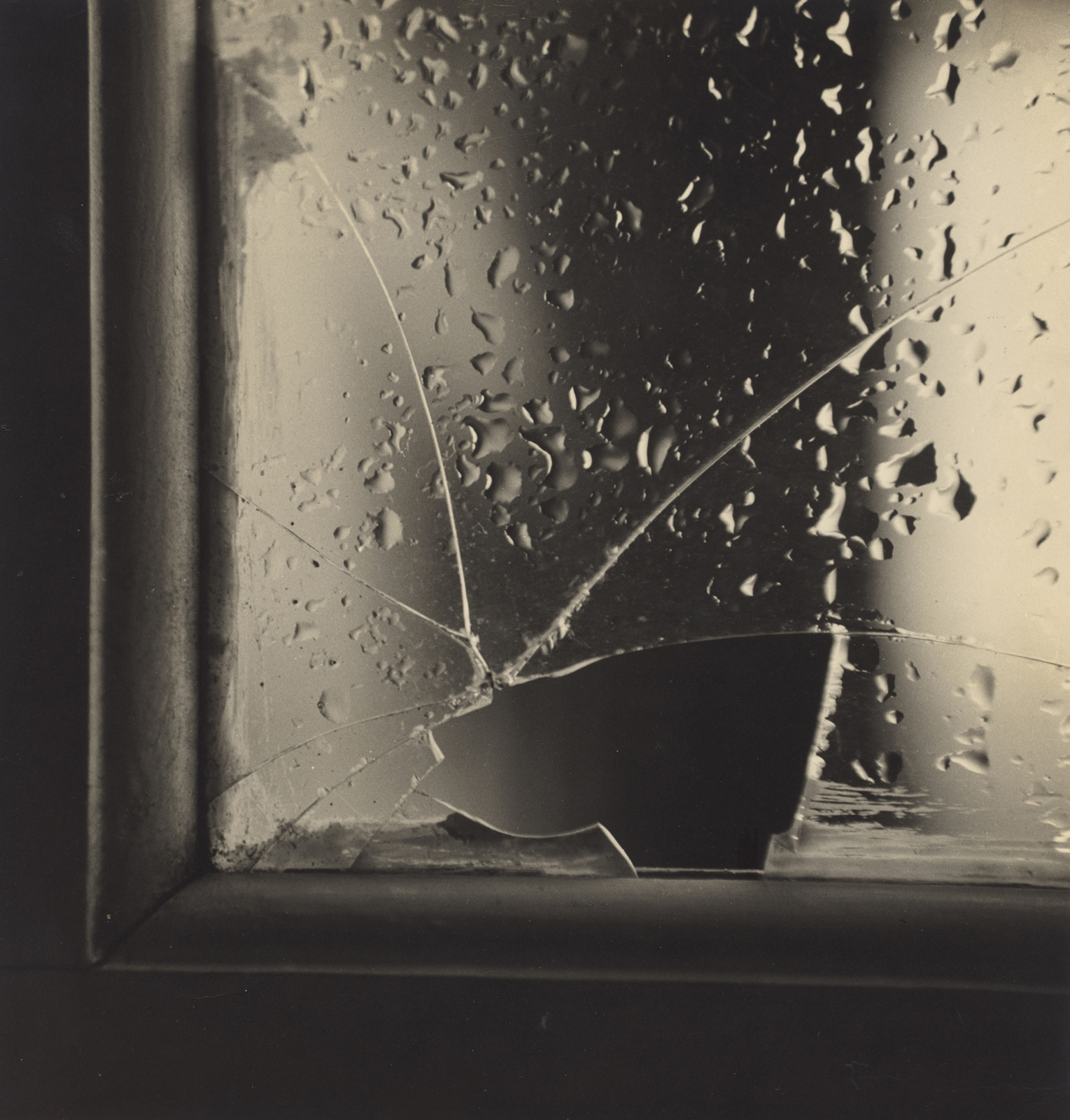
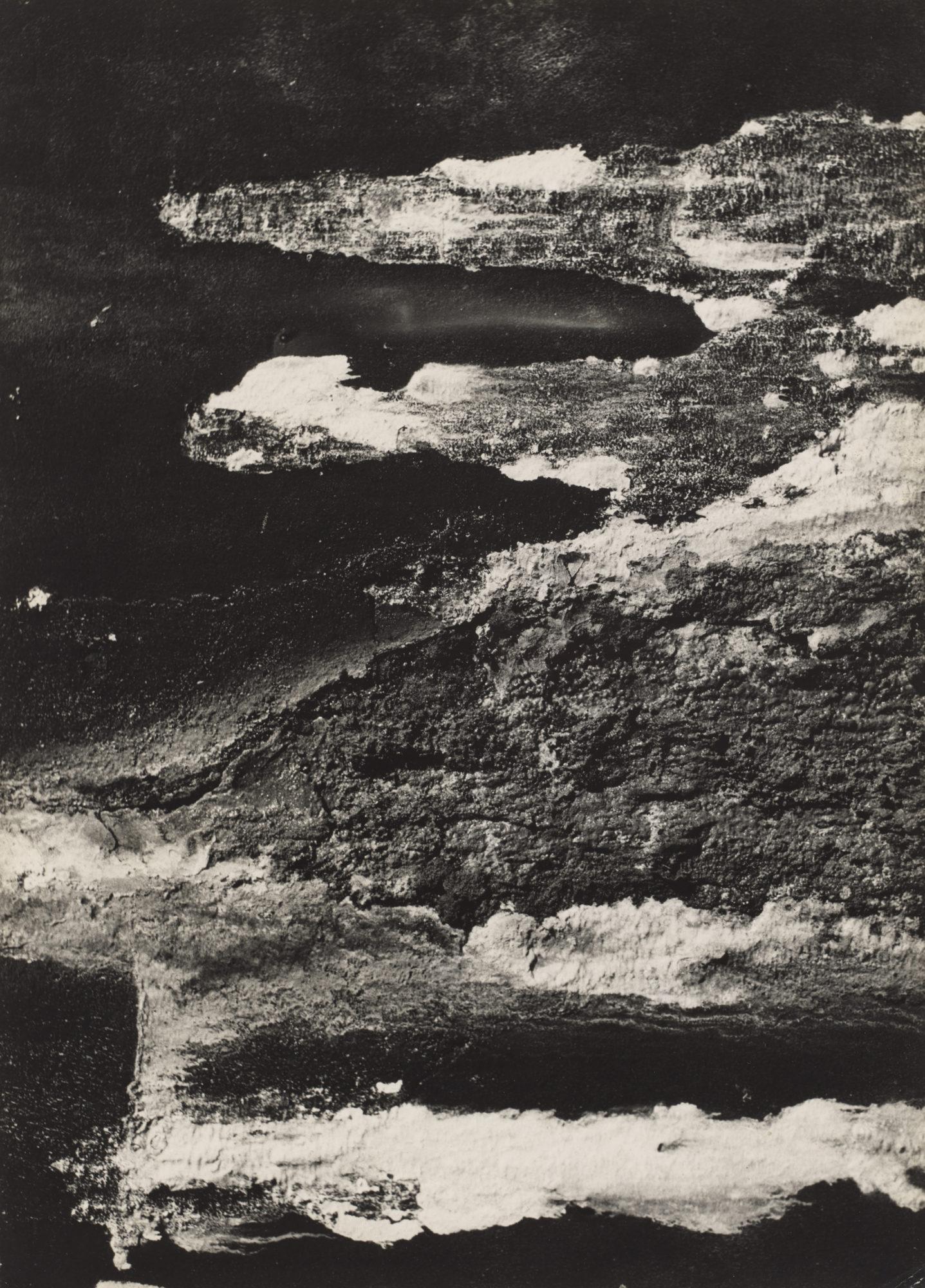
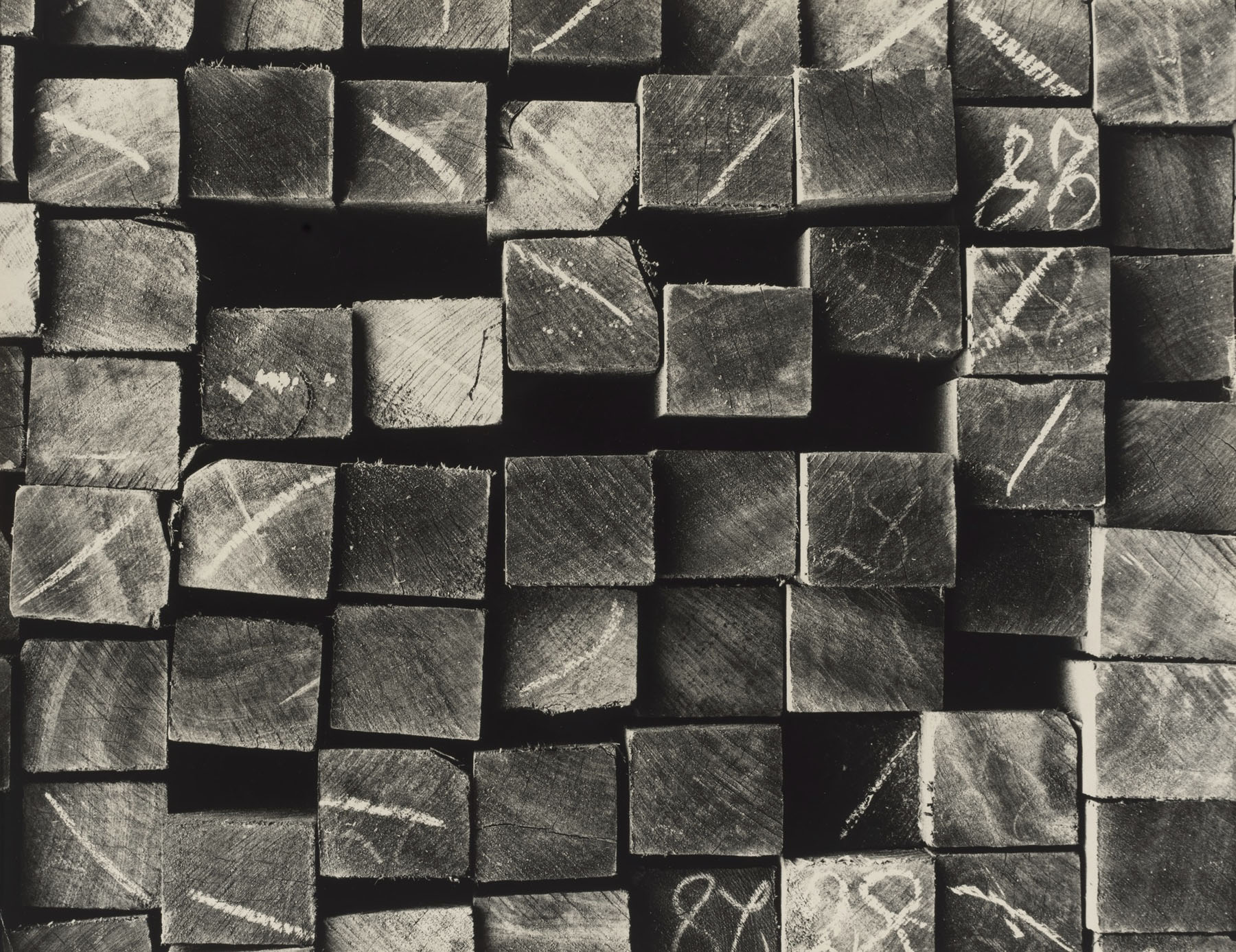
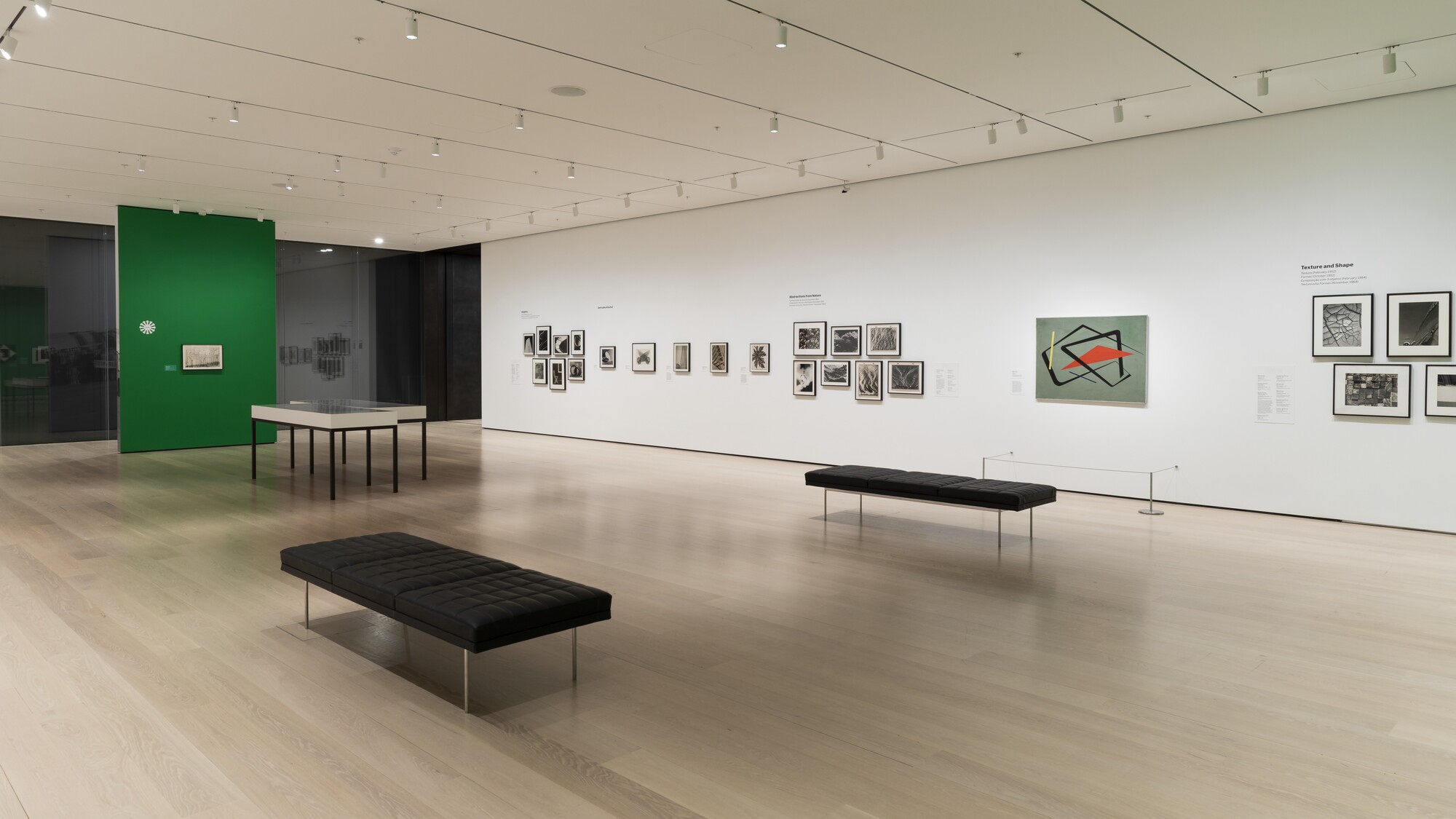
![Installation view of the exhibition 'Fotoclubismo: Brazilian Modernist Photography, 1946-1964' at the Museum of Modern Art (MoMA), New York showing the sections Simplicity and Gertrude Altschul, with at top left, Thomaz Farkas' 'Ministry of Education' (Ministério da Educação) [Rio de Janeiro] (c. 1945); and at right, Gertrudes Altschul's 'Lines and Tones' (Linhas e Tons) (c. 1953)](https://artblart.com/wp-content/uploads/2021/08/fotoclubismo-installation-t.jpg "Installation view of the exhibition 'Fotoclubismo: Brazilian Modernist Photography, 1946-1964' at the Museum of Modern Art (MoMA), New York showing the sections Simplicity and Gertrude Altschul, with at top left, Thomaz Farkas' 'Ministry of Education' (Ministério da Educação) [Rio de Janeiro] (c. 1945); and at right, Gertrudes Altschul's 'Lines and Tones' (Linhas e Tons) (c. 1953)")
![Thomaz Farkas (Brazilian, born Hungary. 1924-2011) 'Ministry of Education (Ministério da Educação) [Rio de Janeiro]' c. 1945](https://artblart.com/wp-content/uploads/2021/08/farkas.jpg "Thomaz Farkas (Brazilian, born Hungary. 1924-2011) 'Ministry of Education (Ministério da Educação) [Rio de Janeiro]' c. 1945")
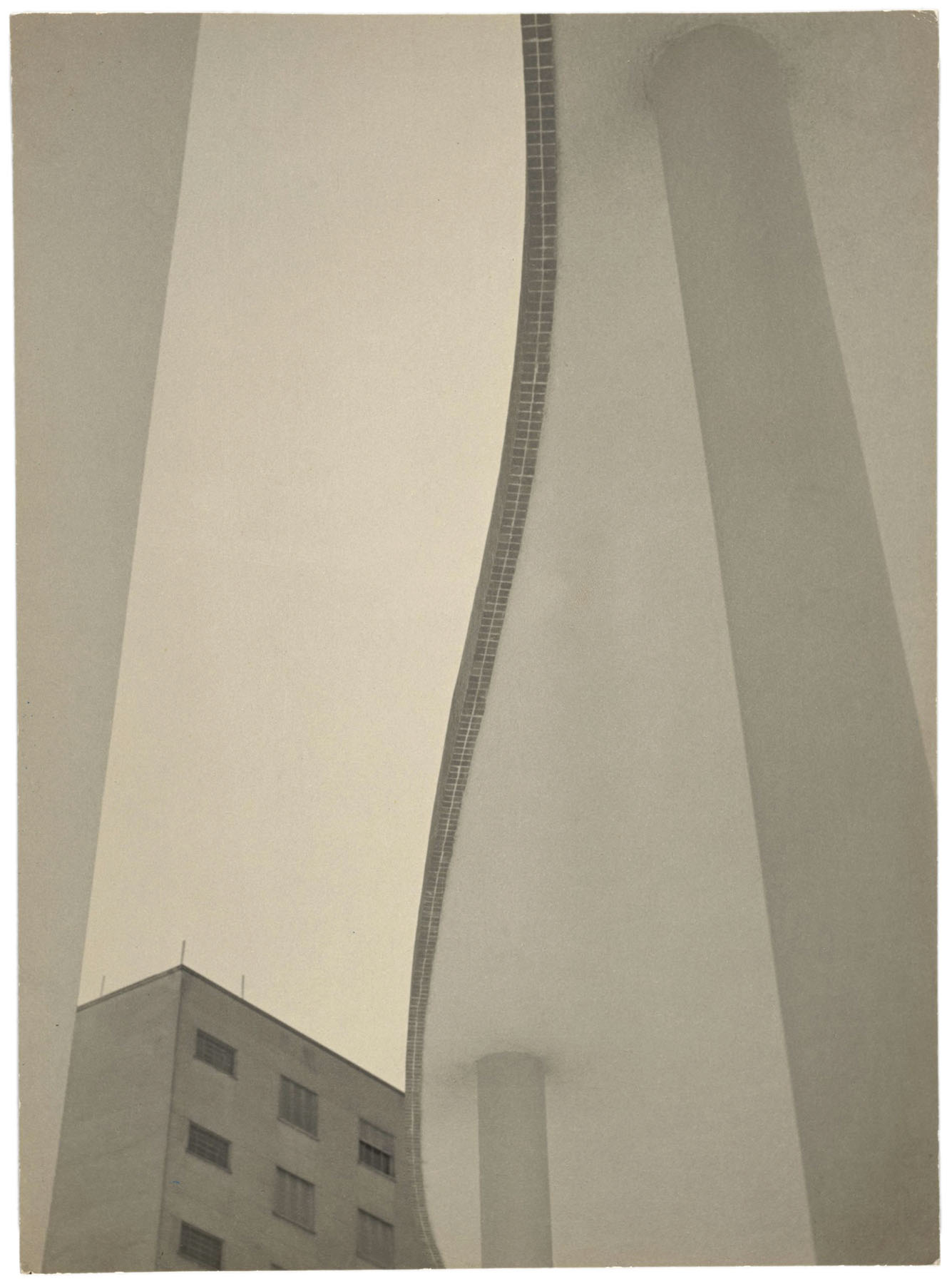
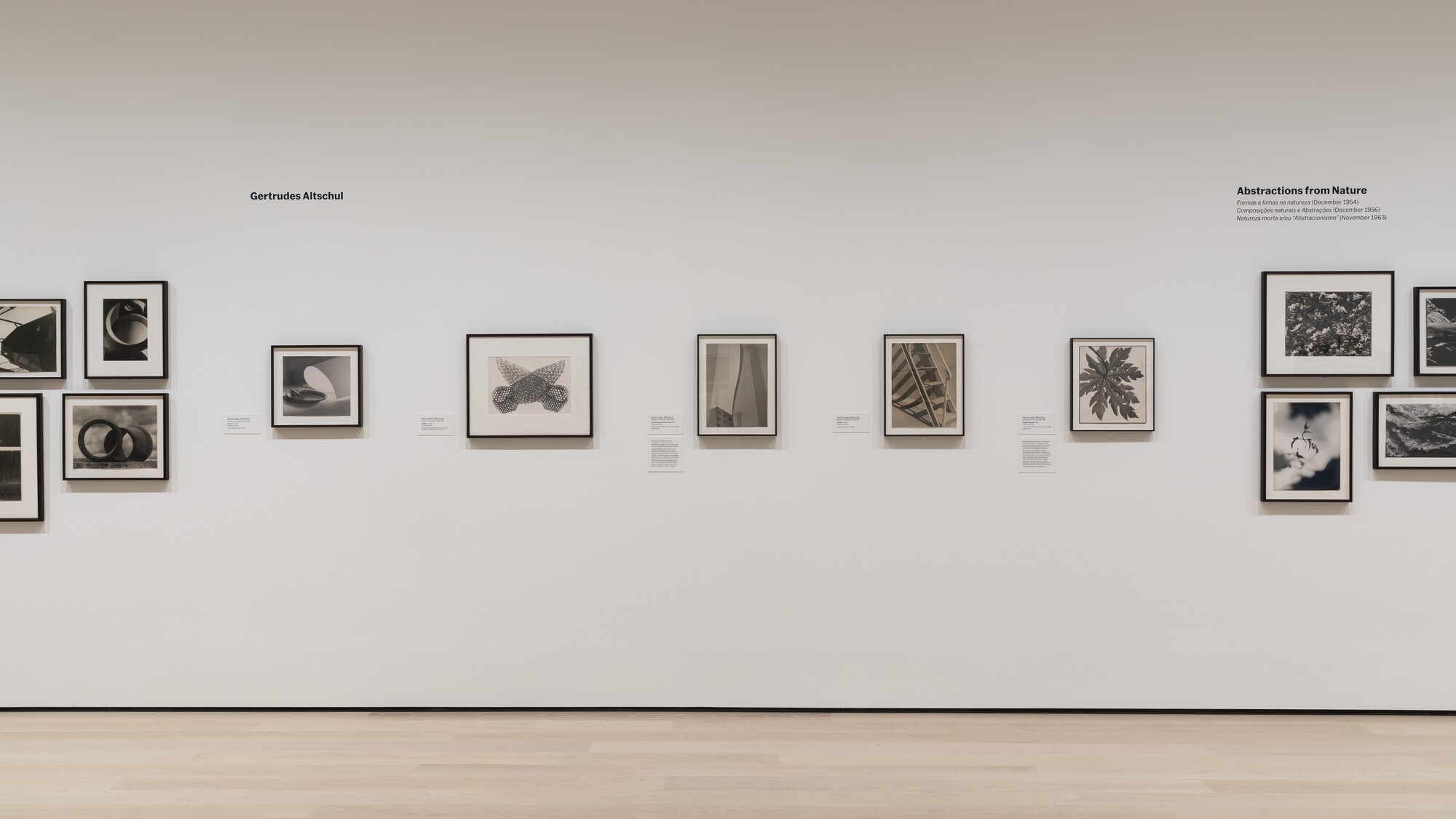
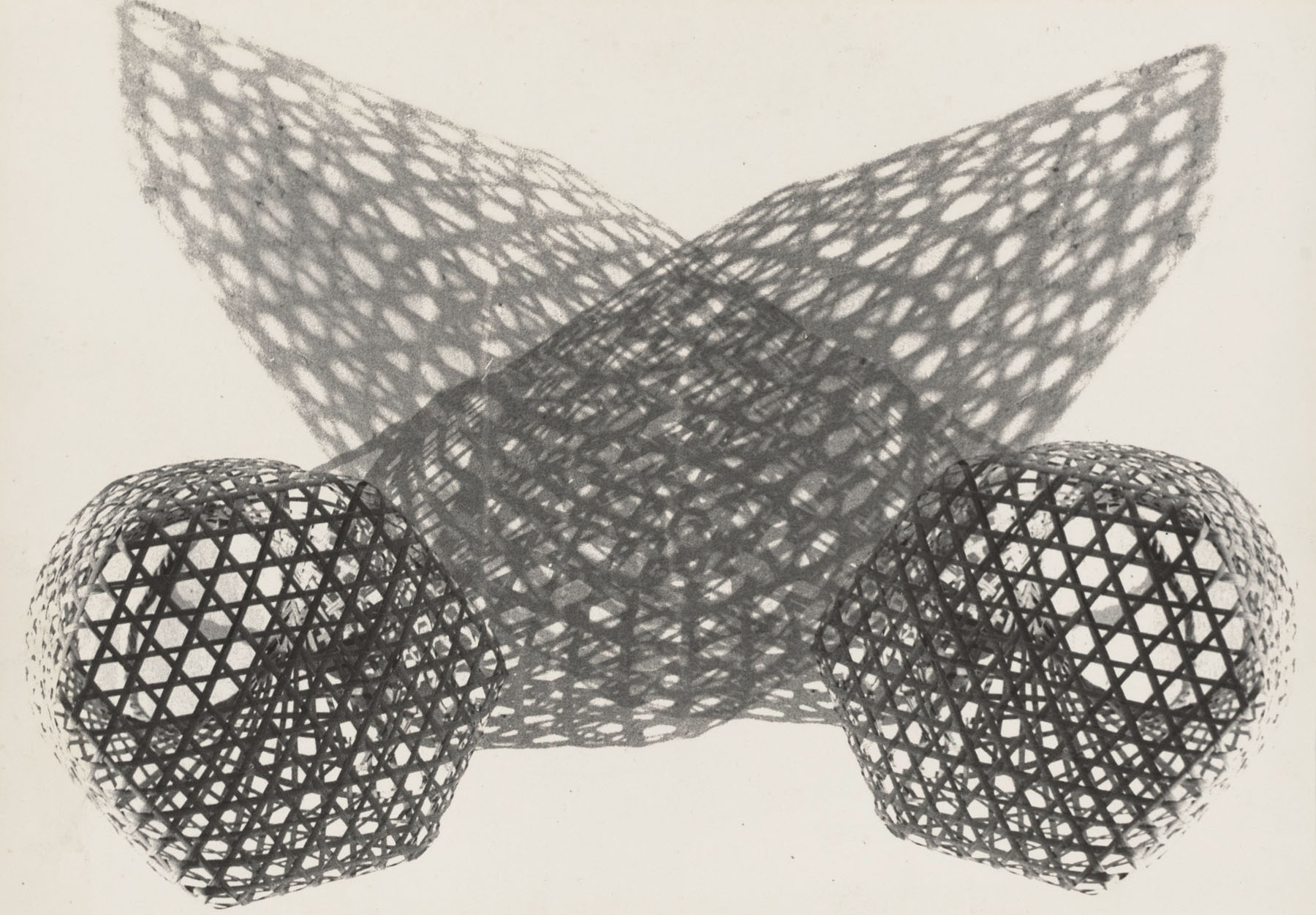
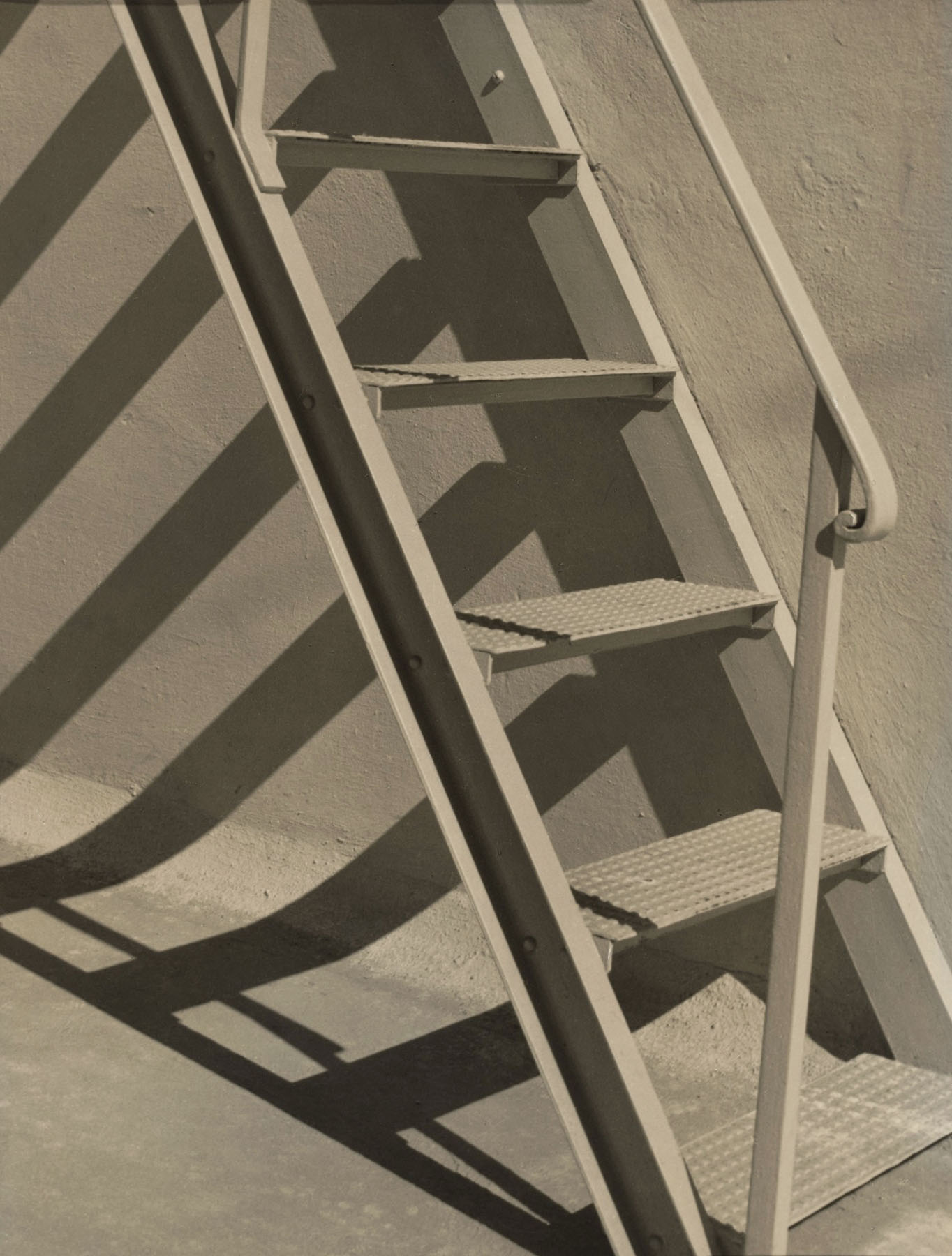
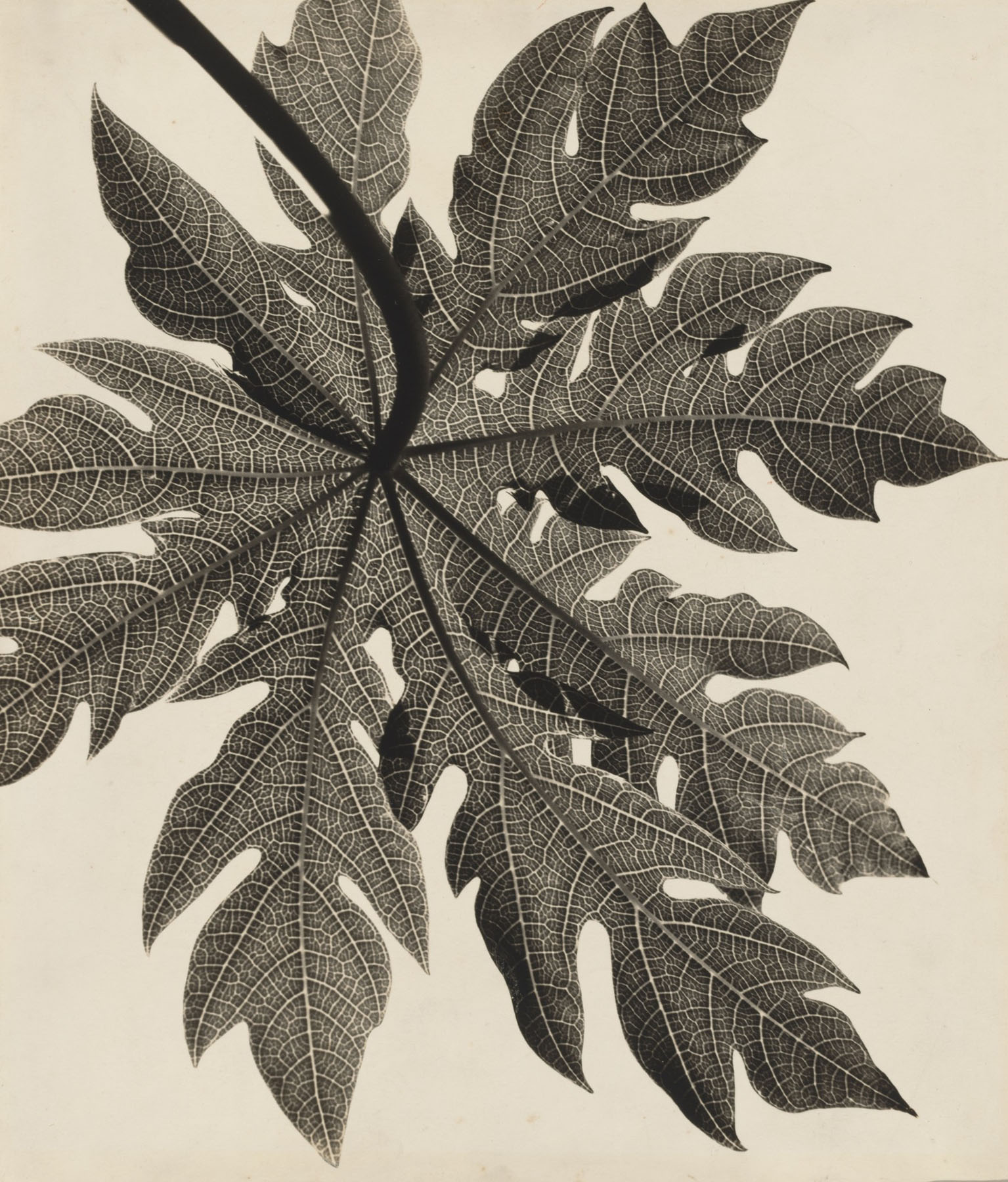
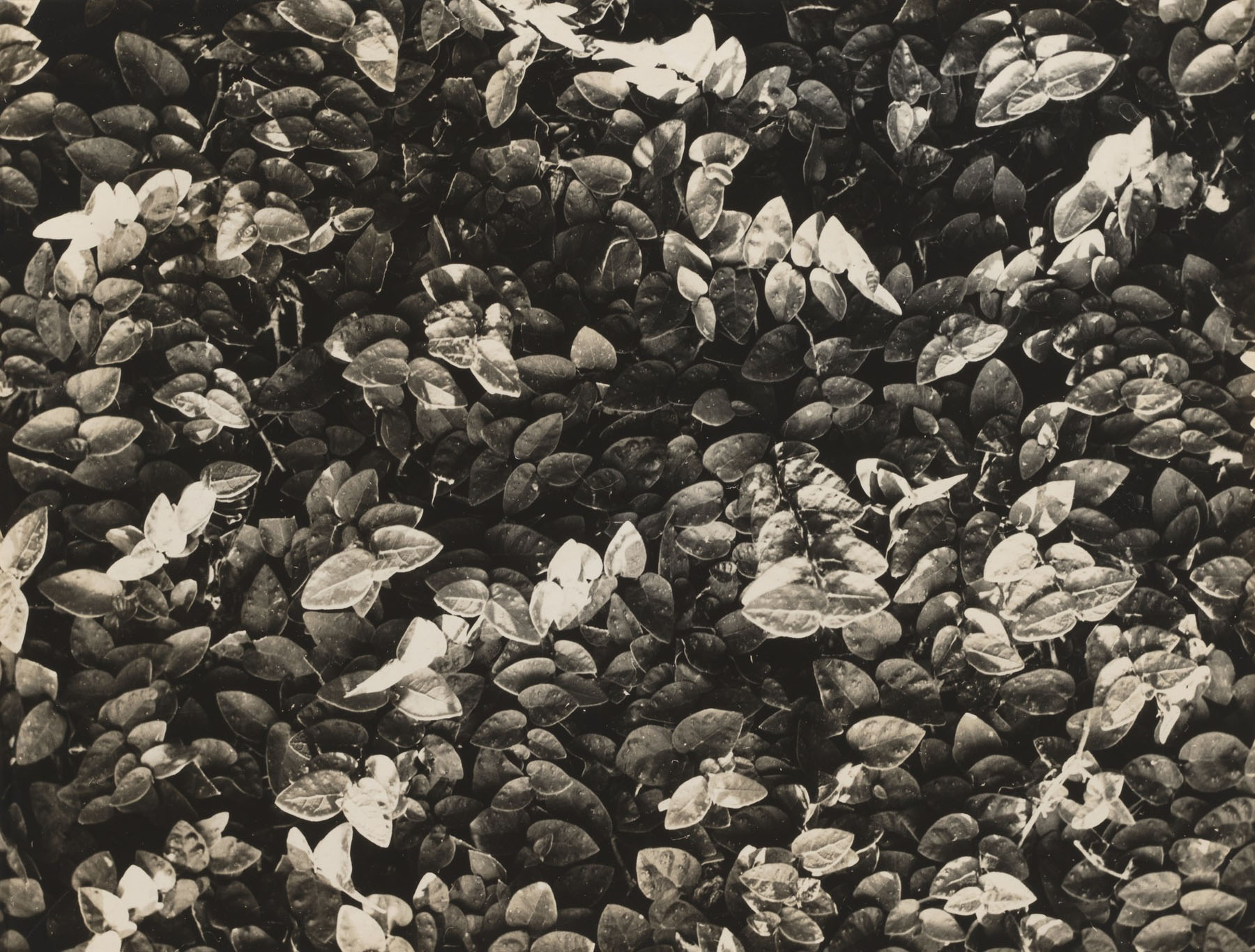
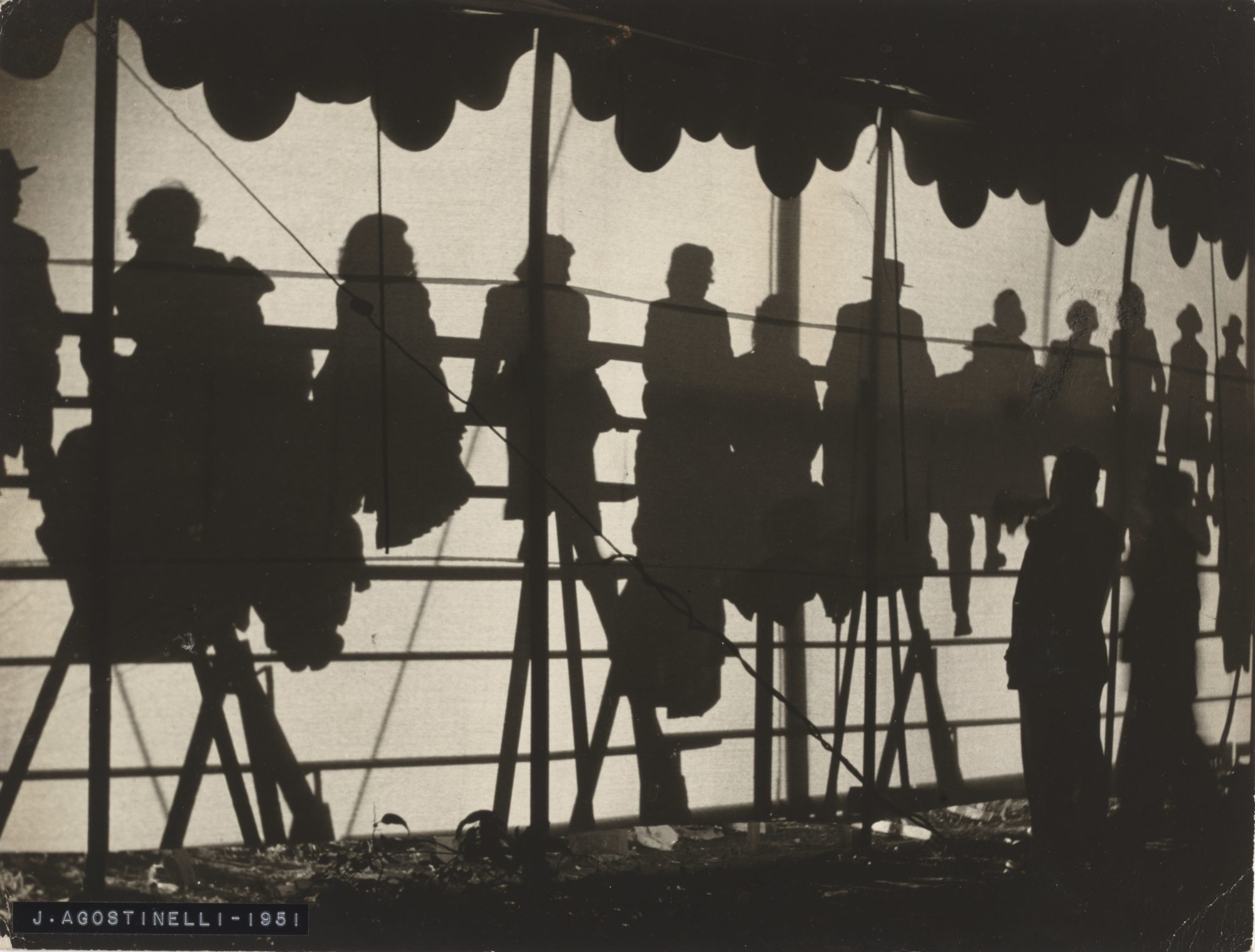
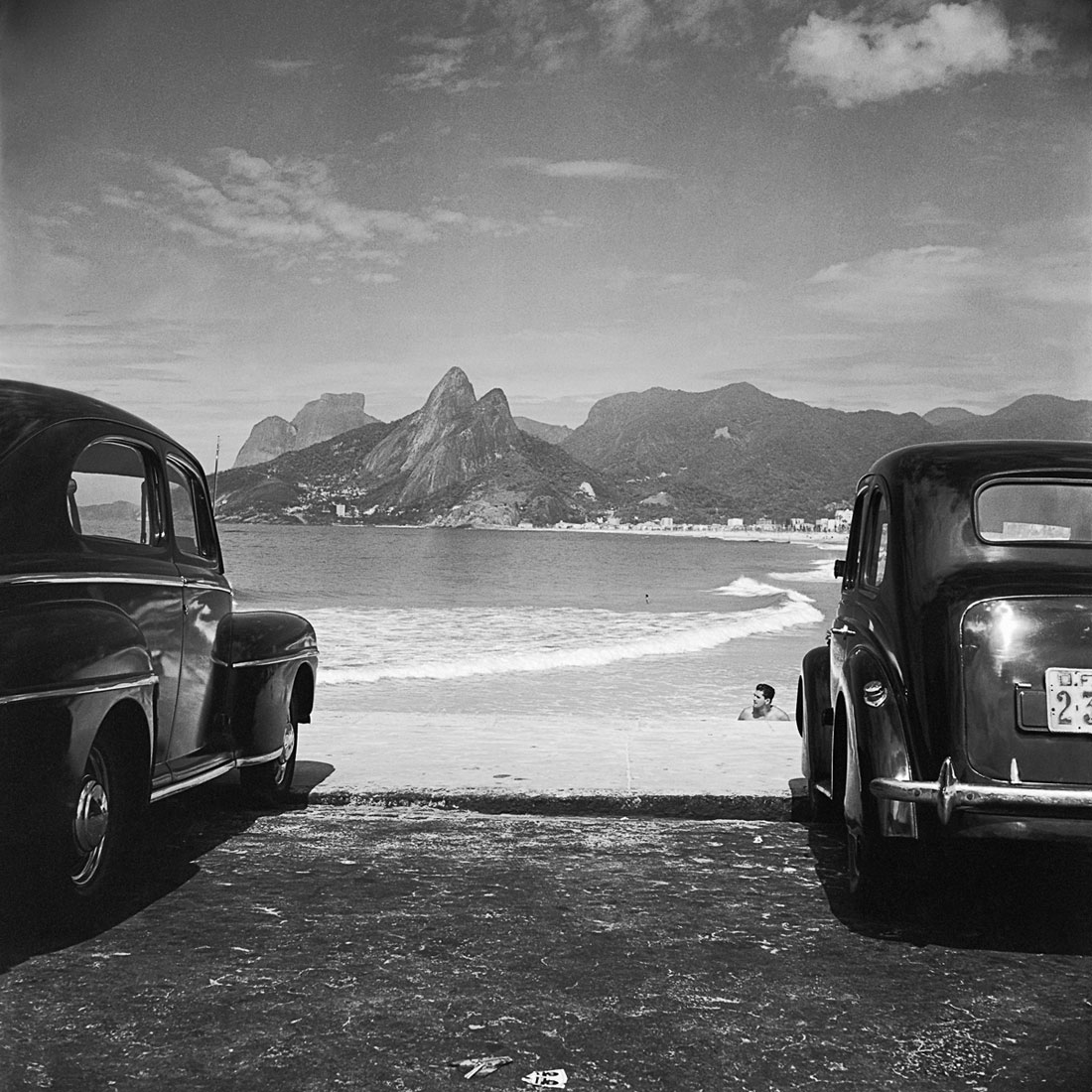
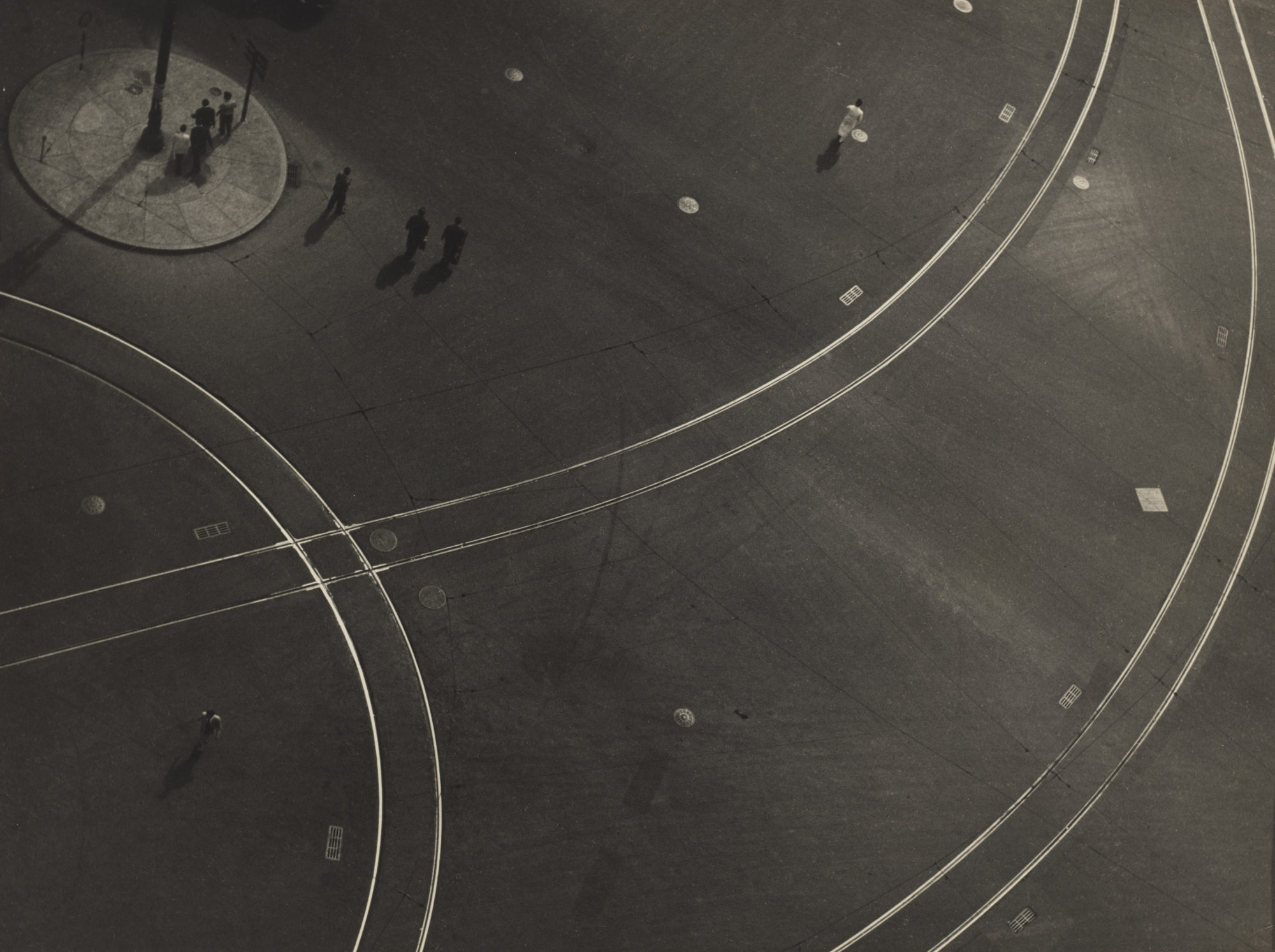
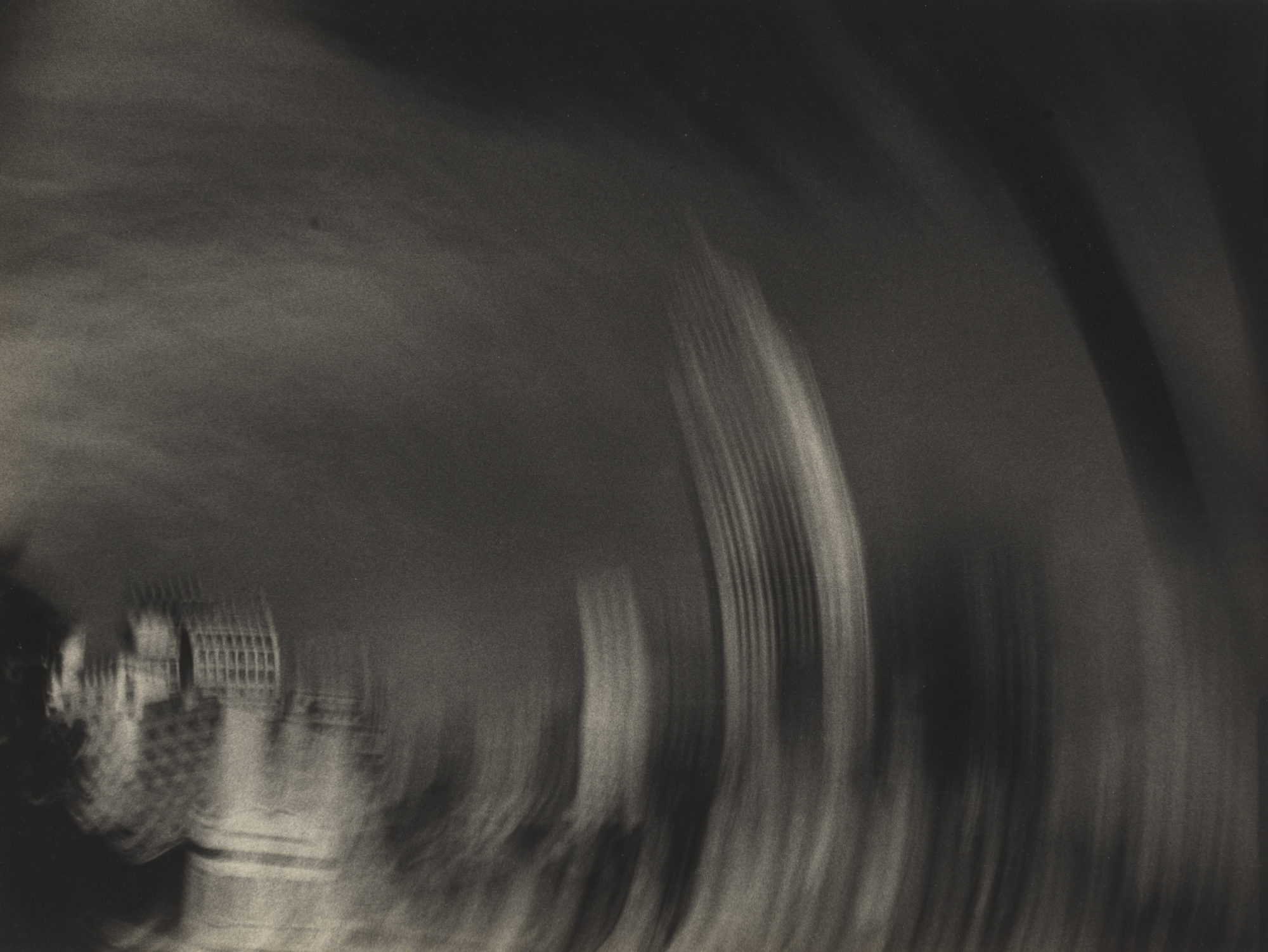
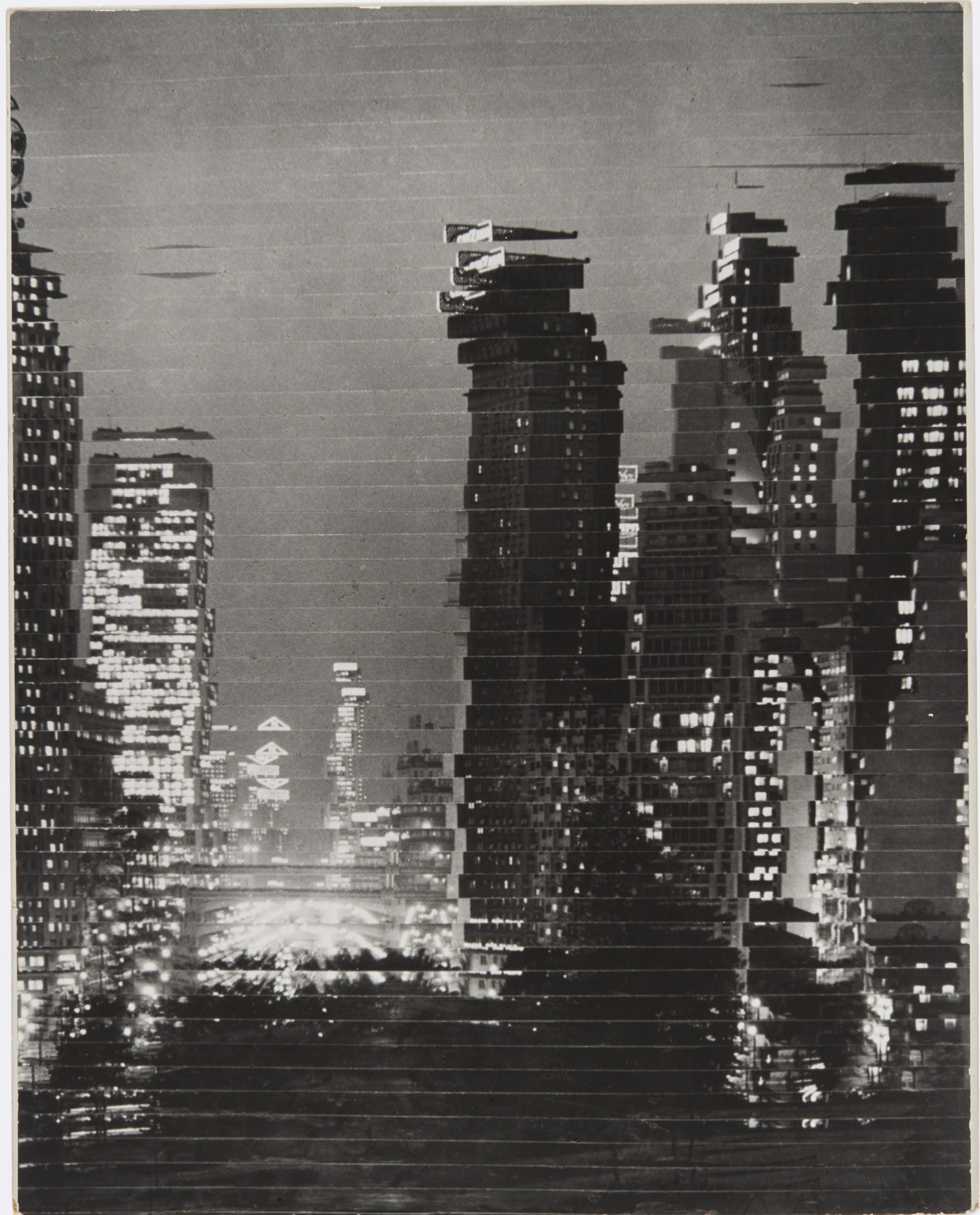
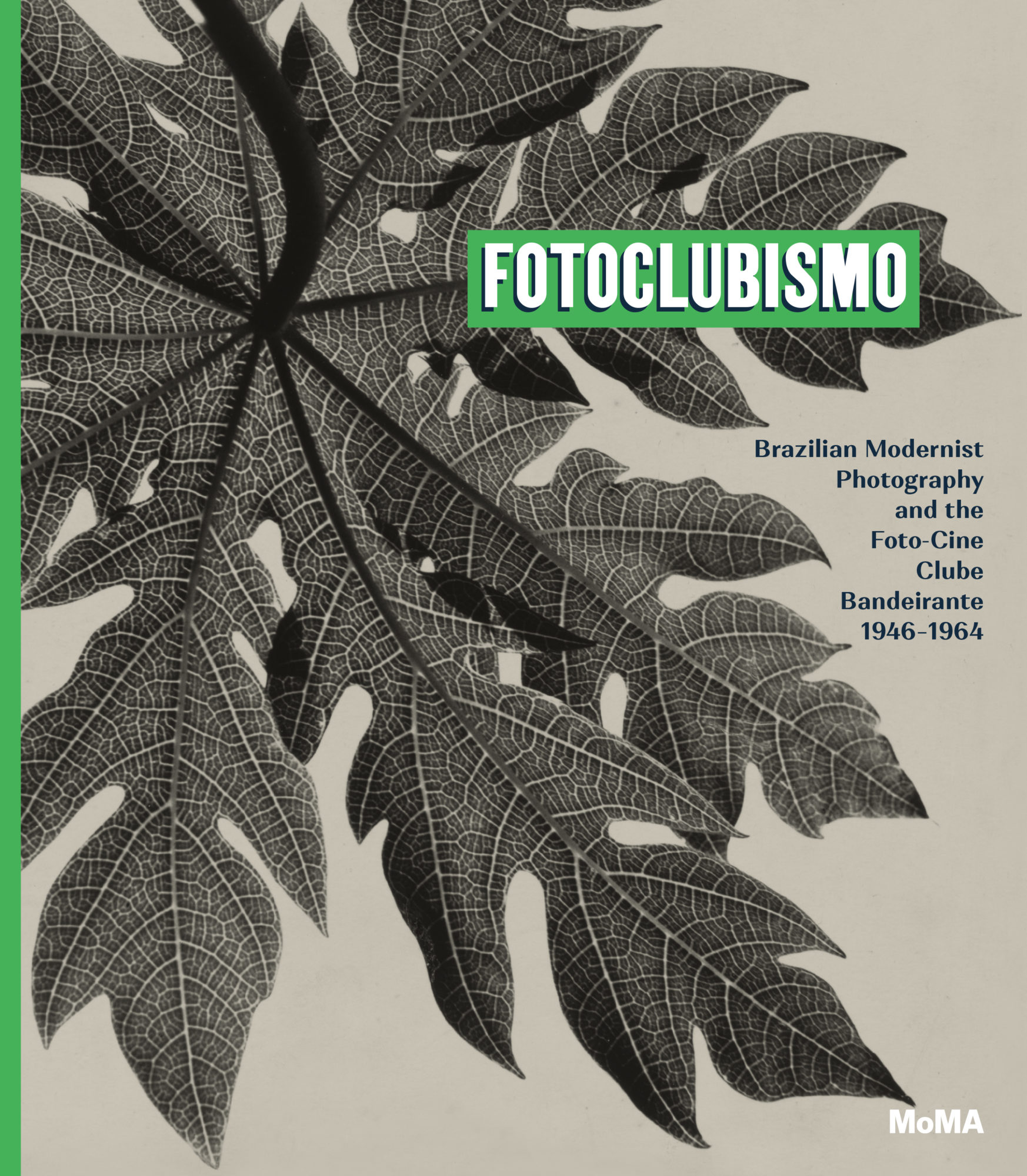
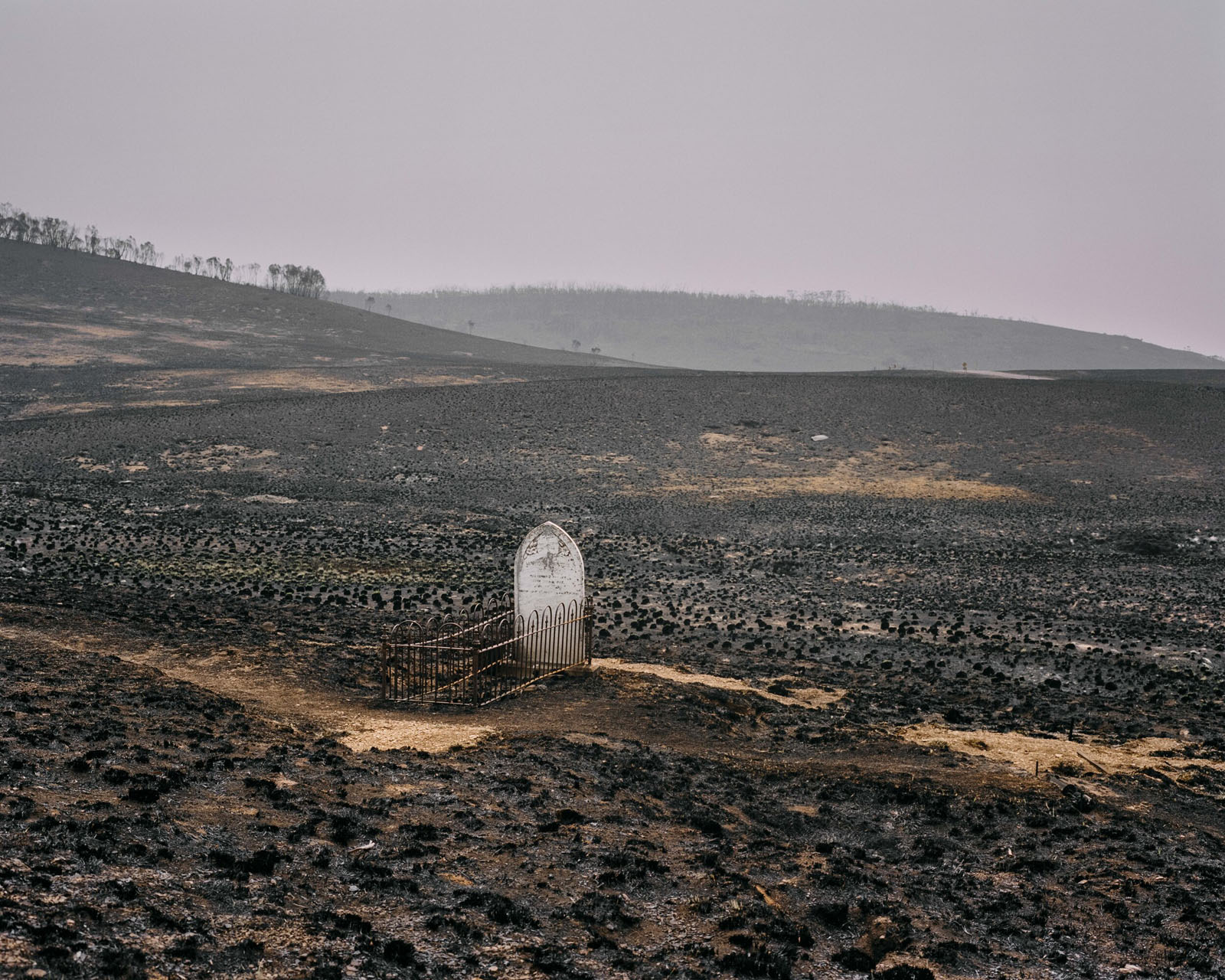
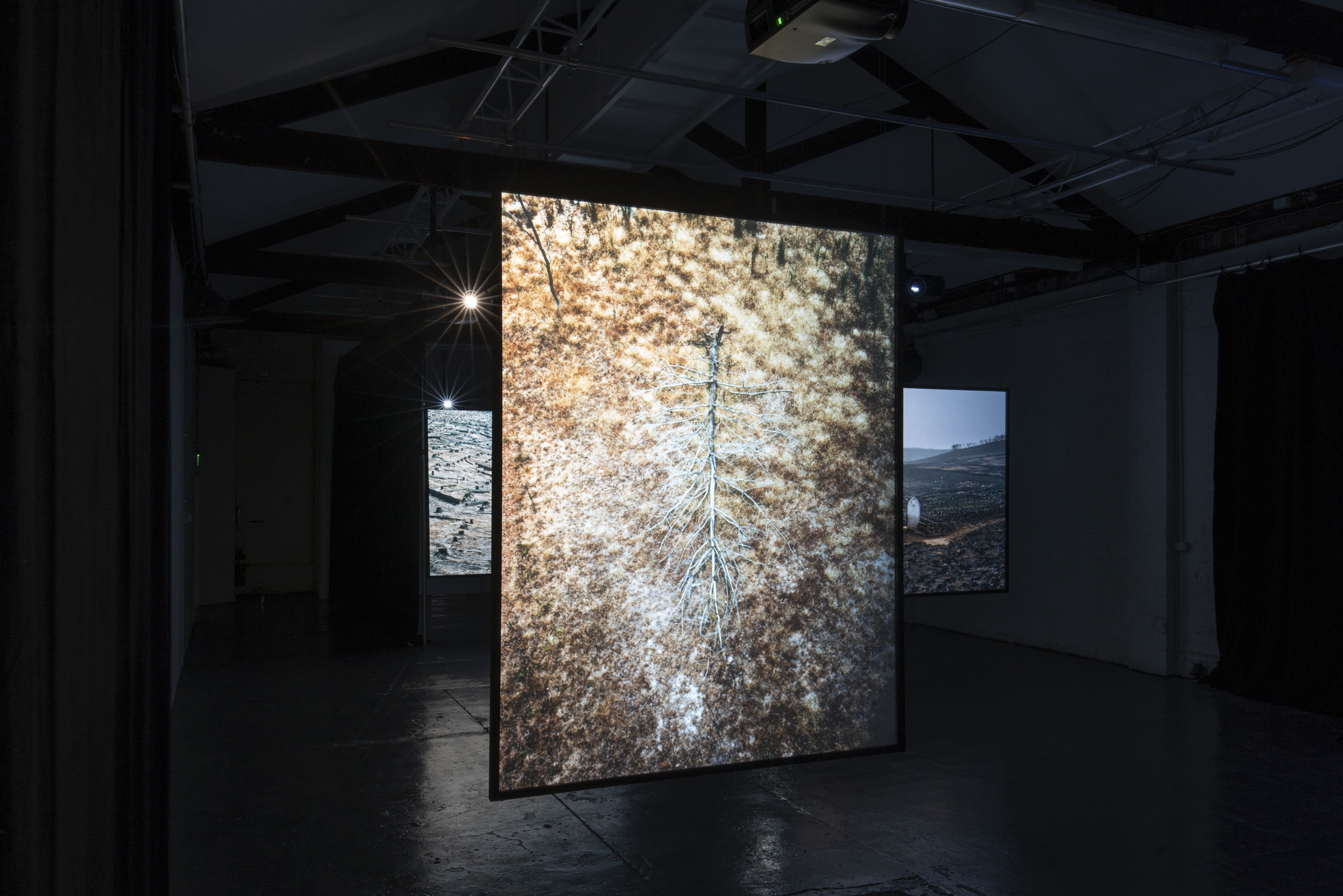
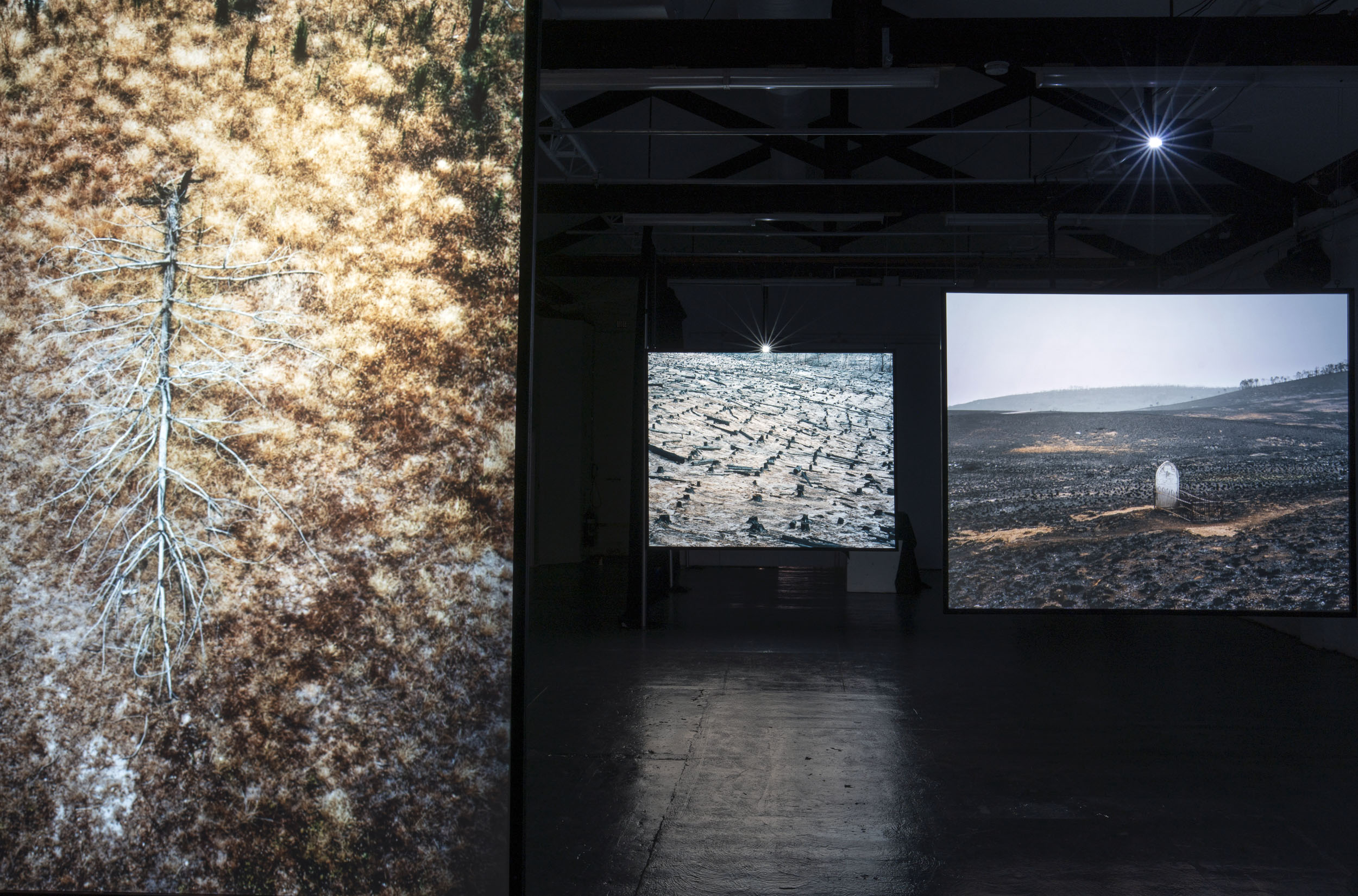
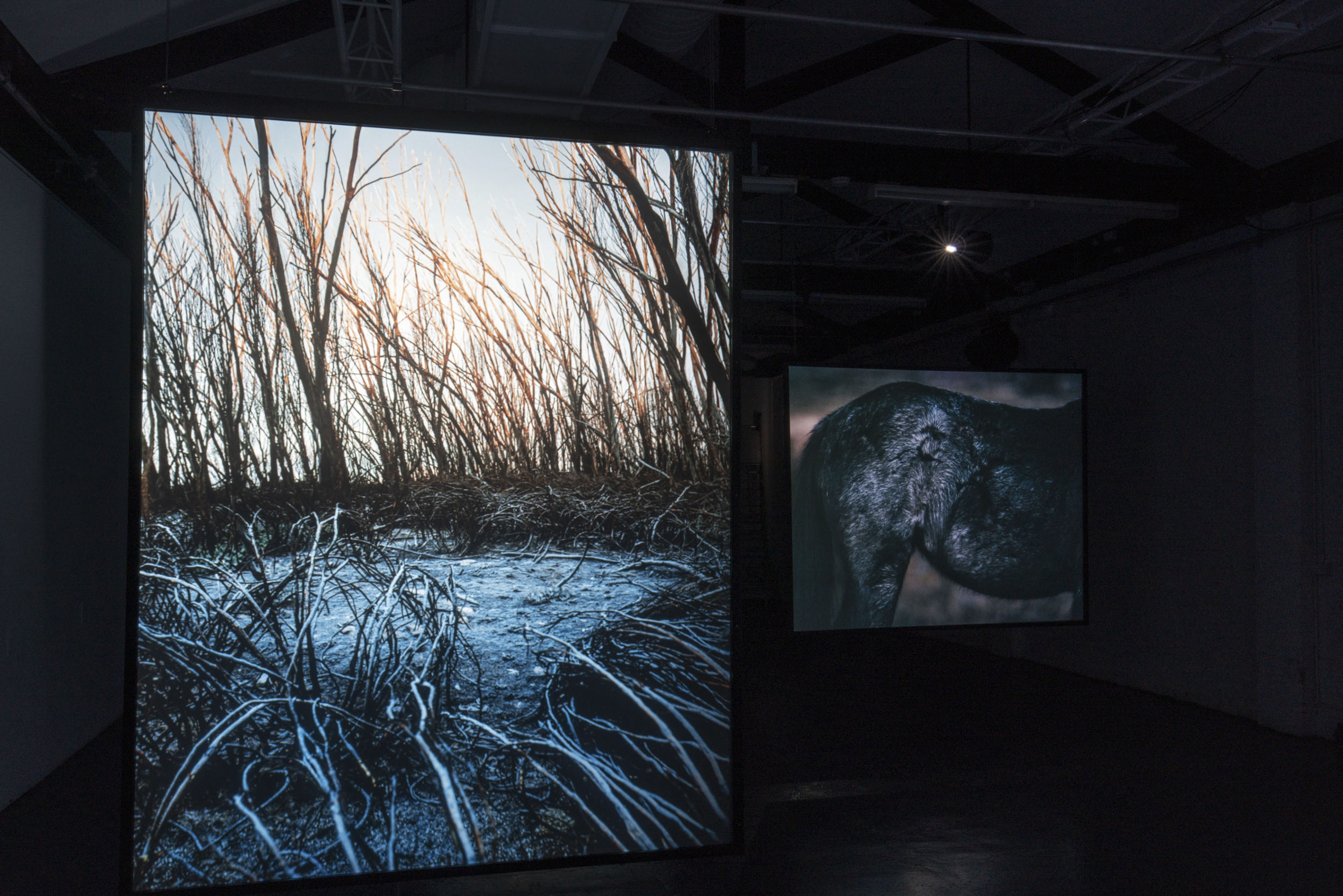
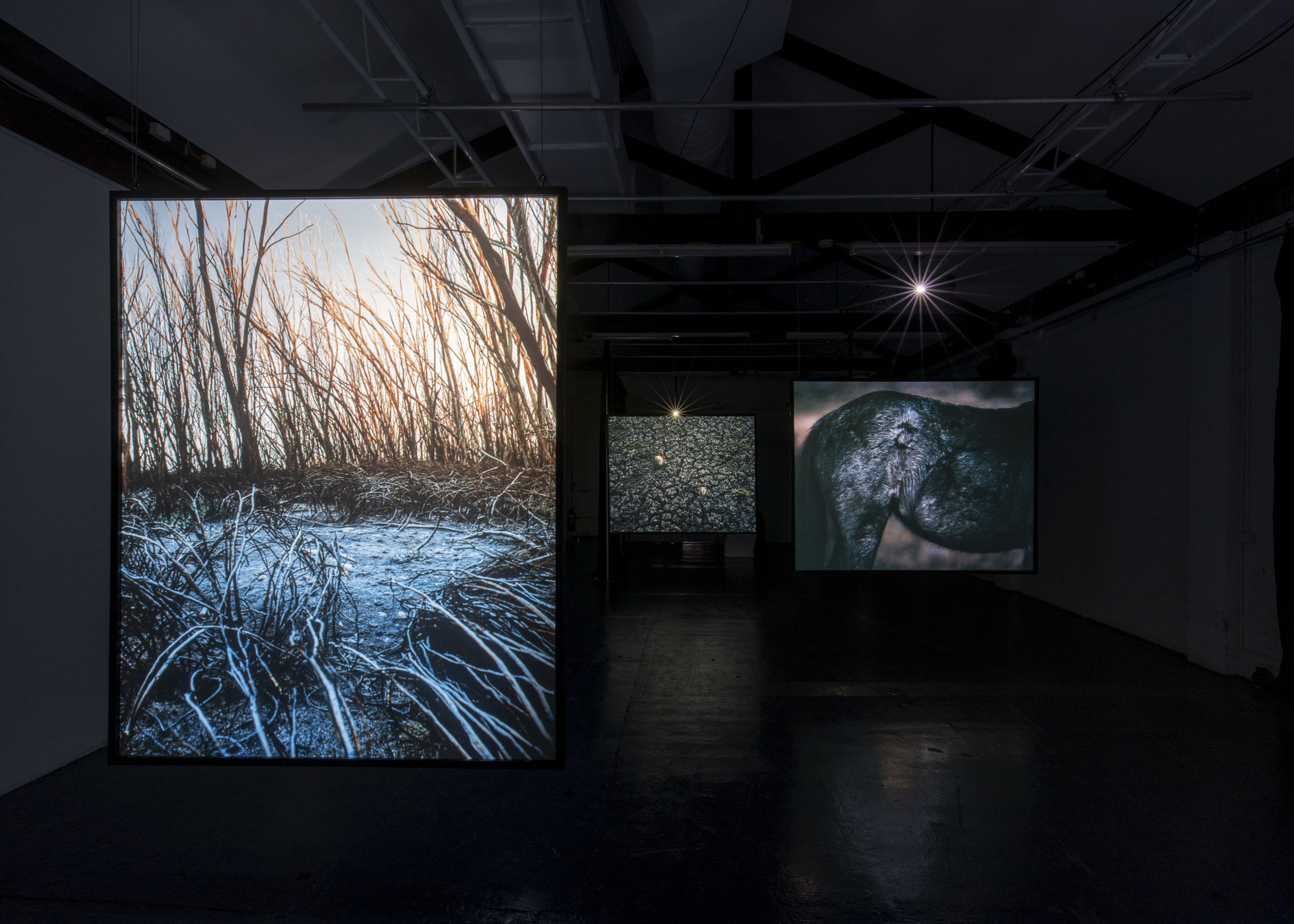
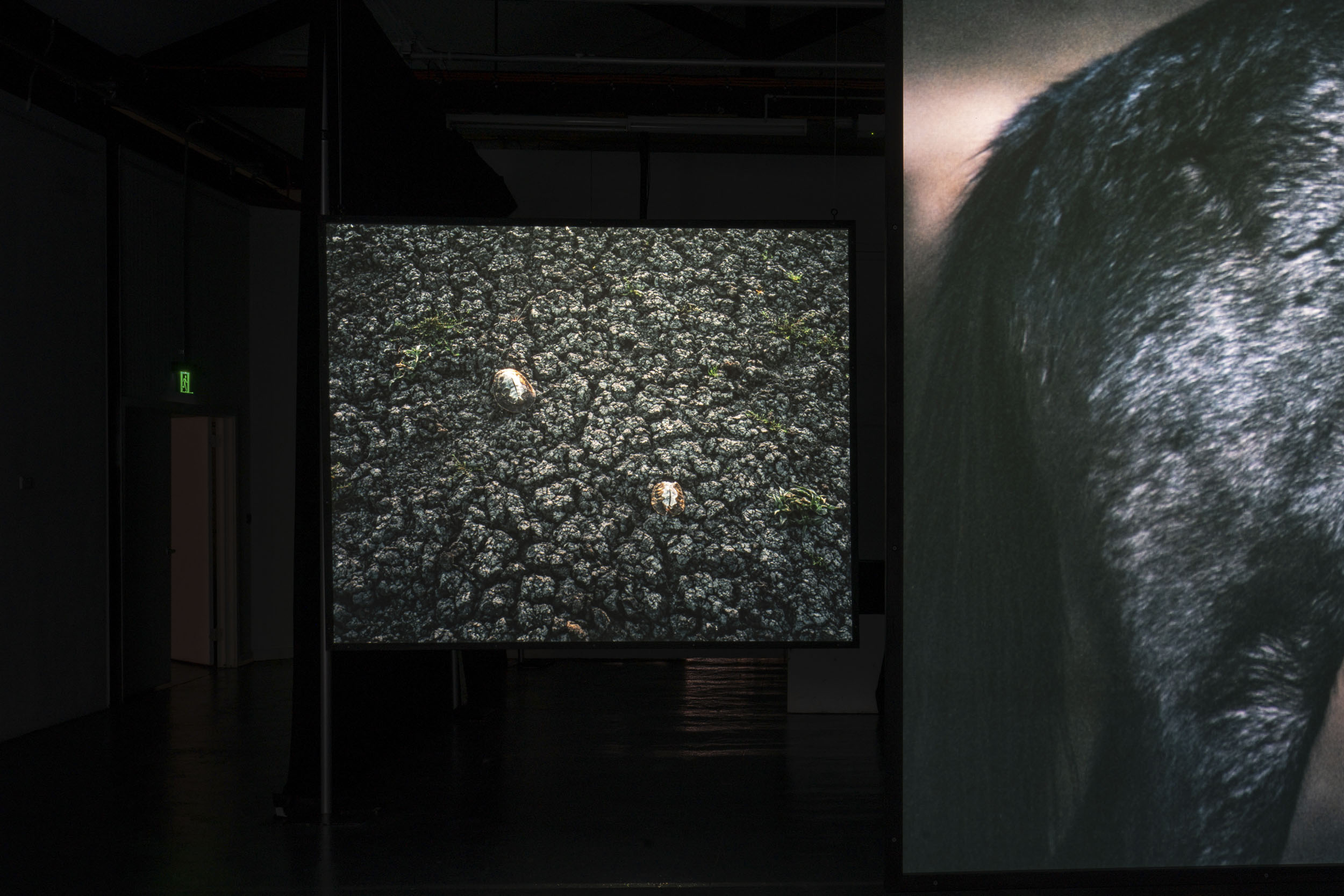
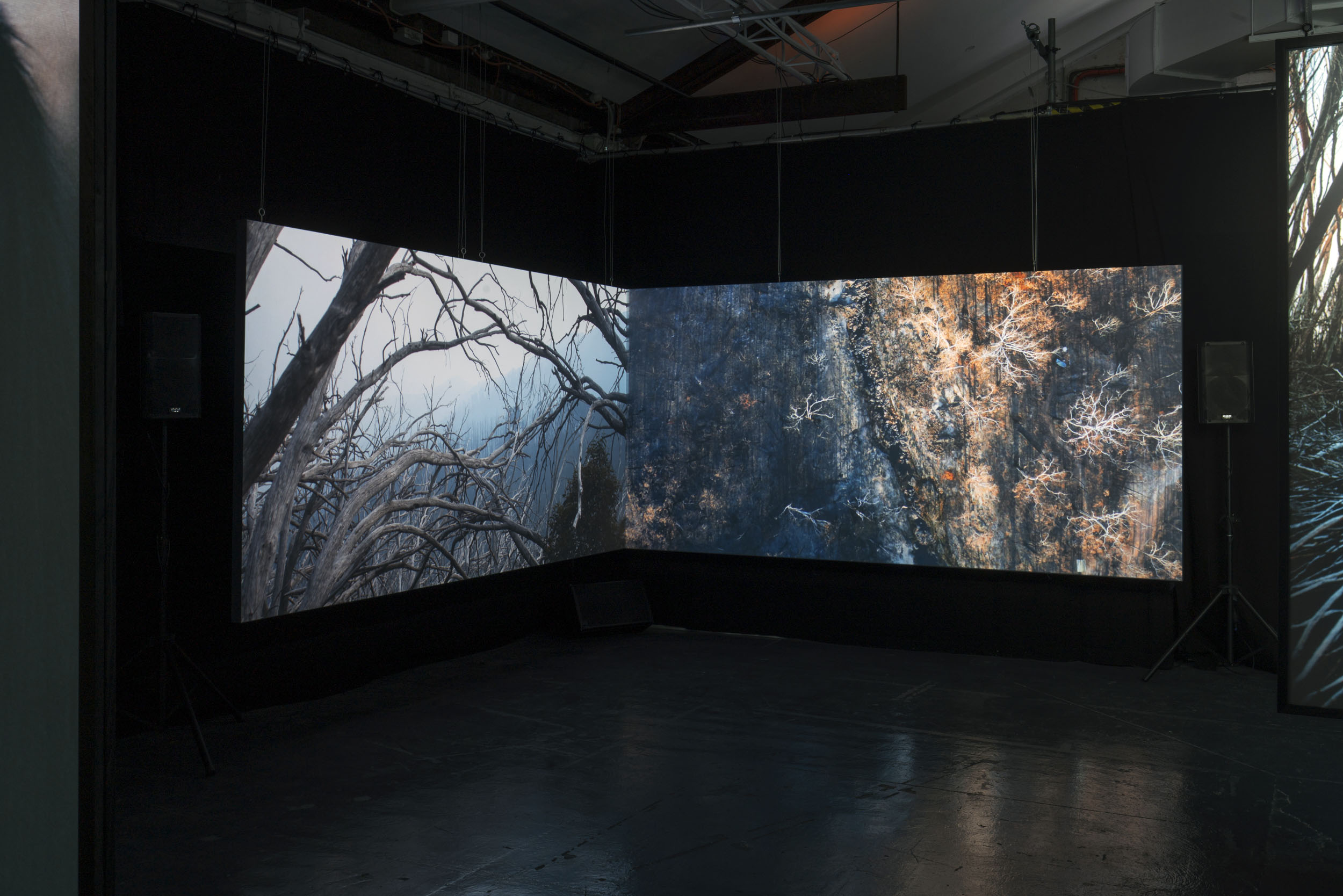
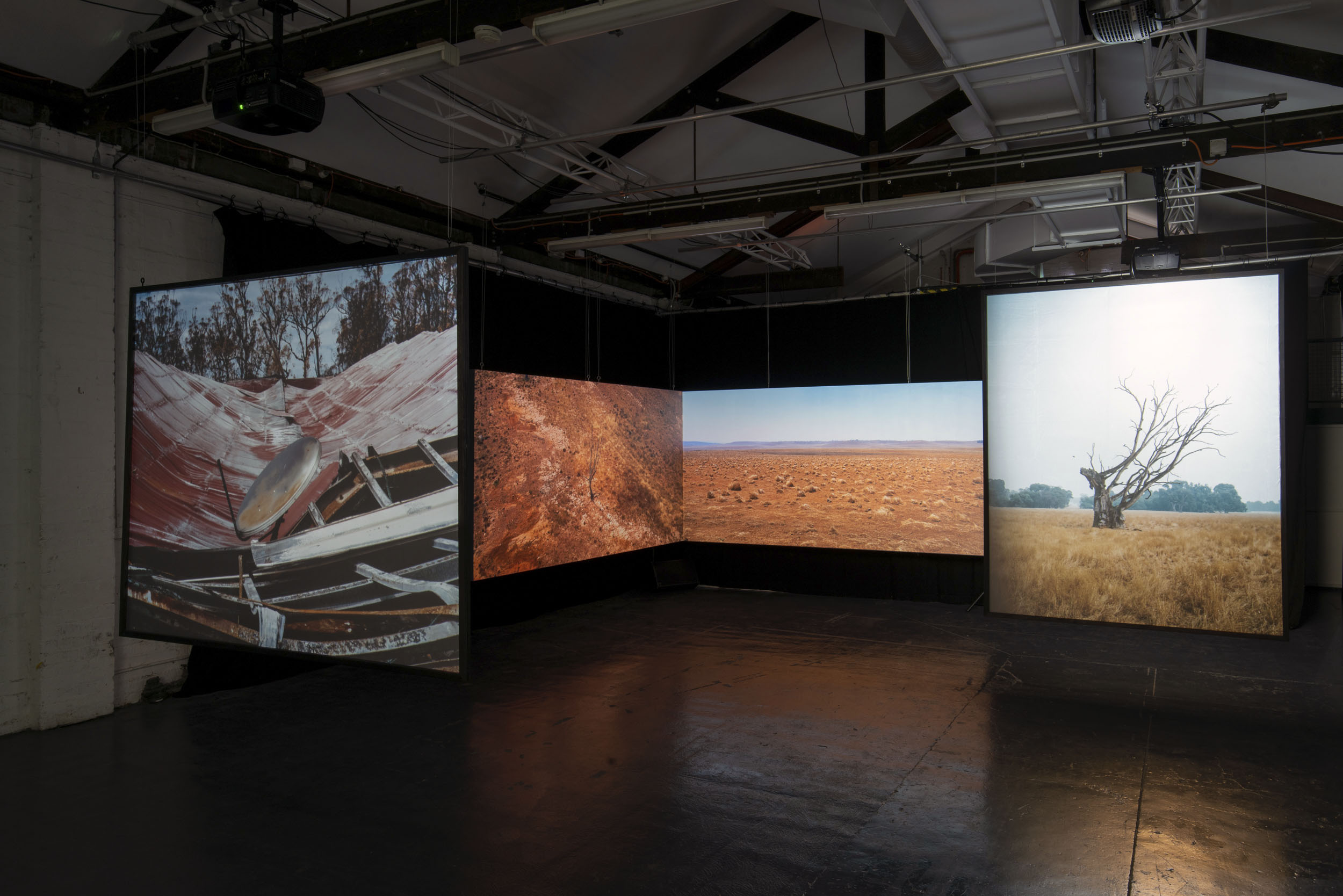
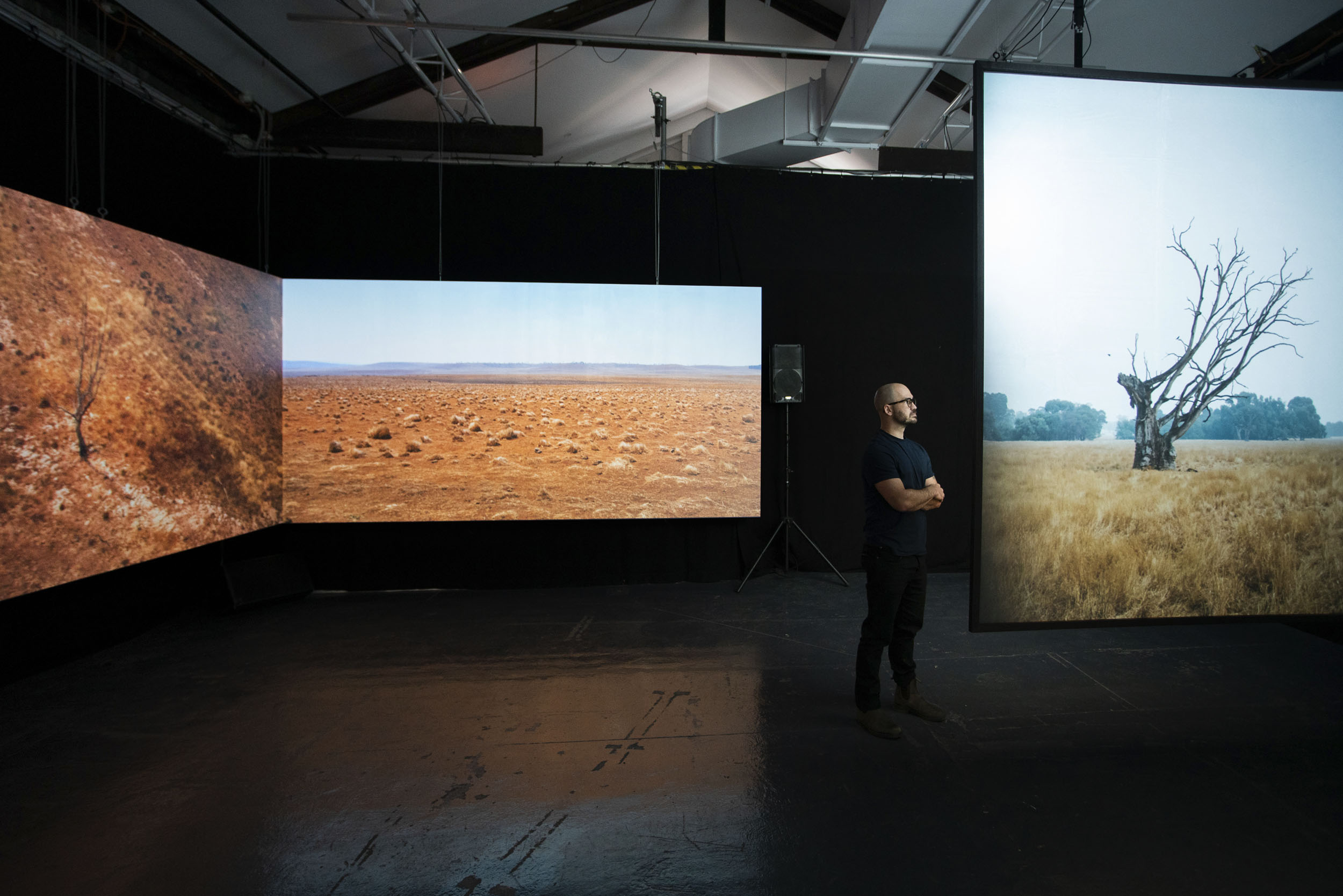
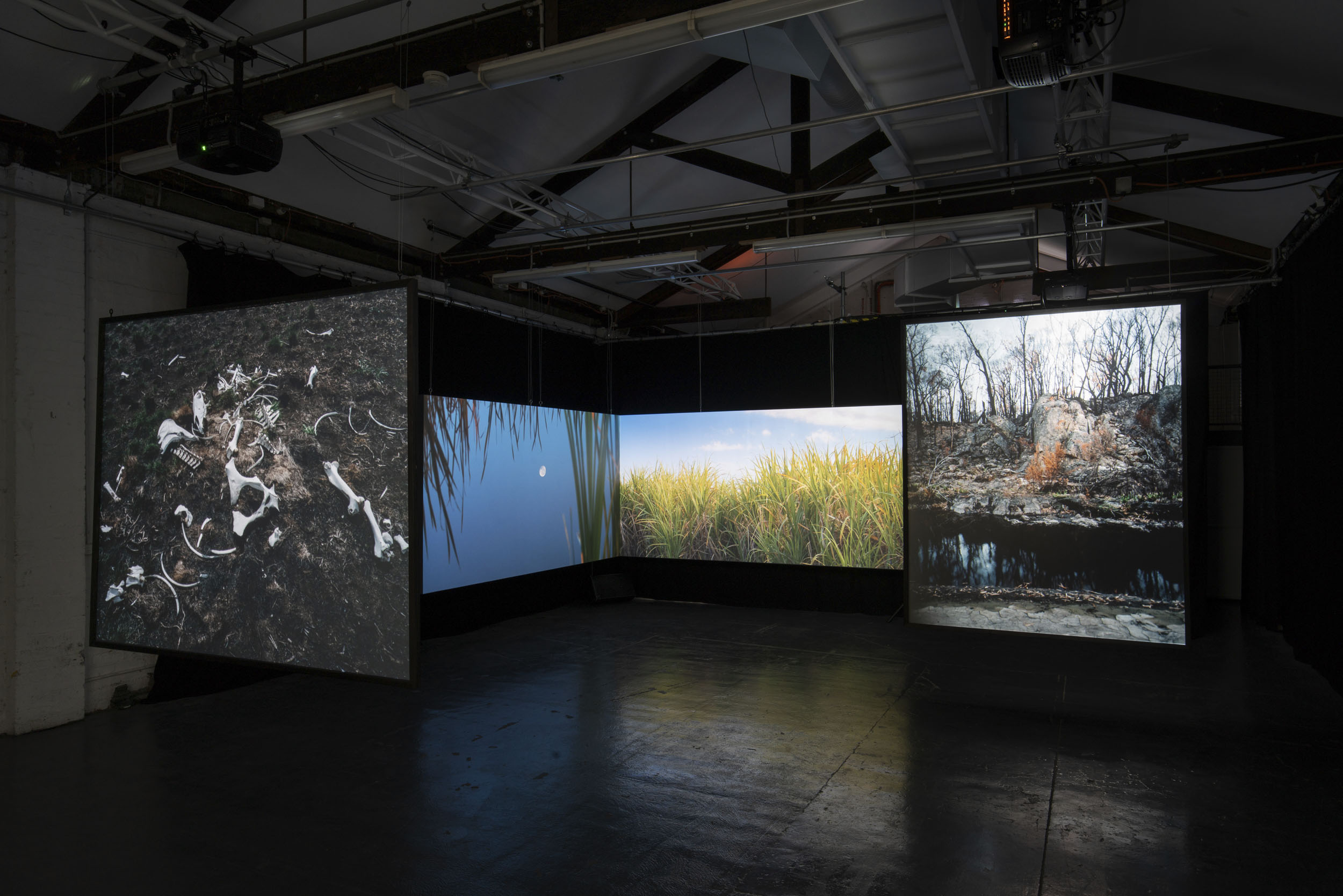
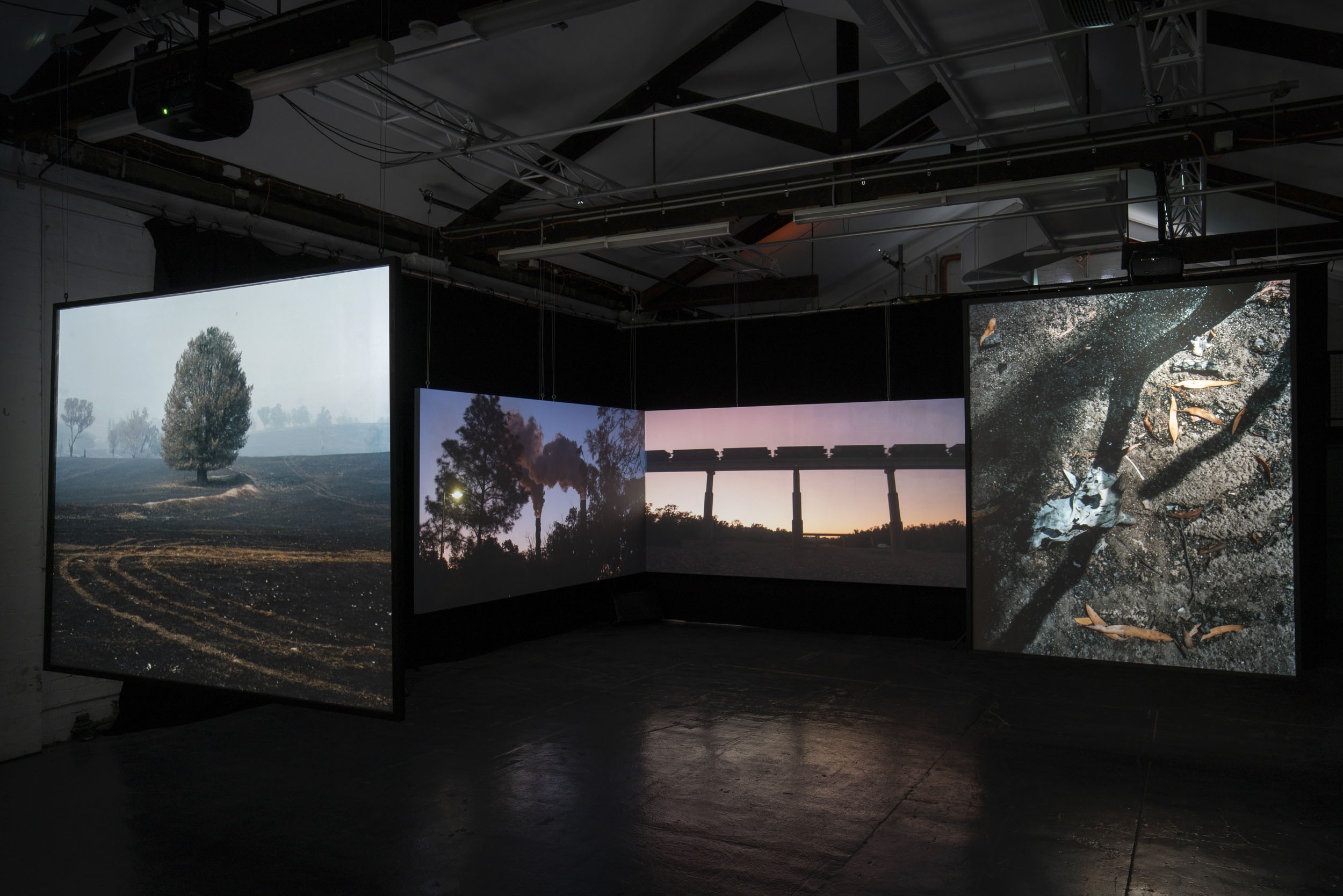
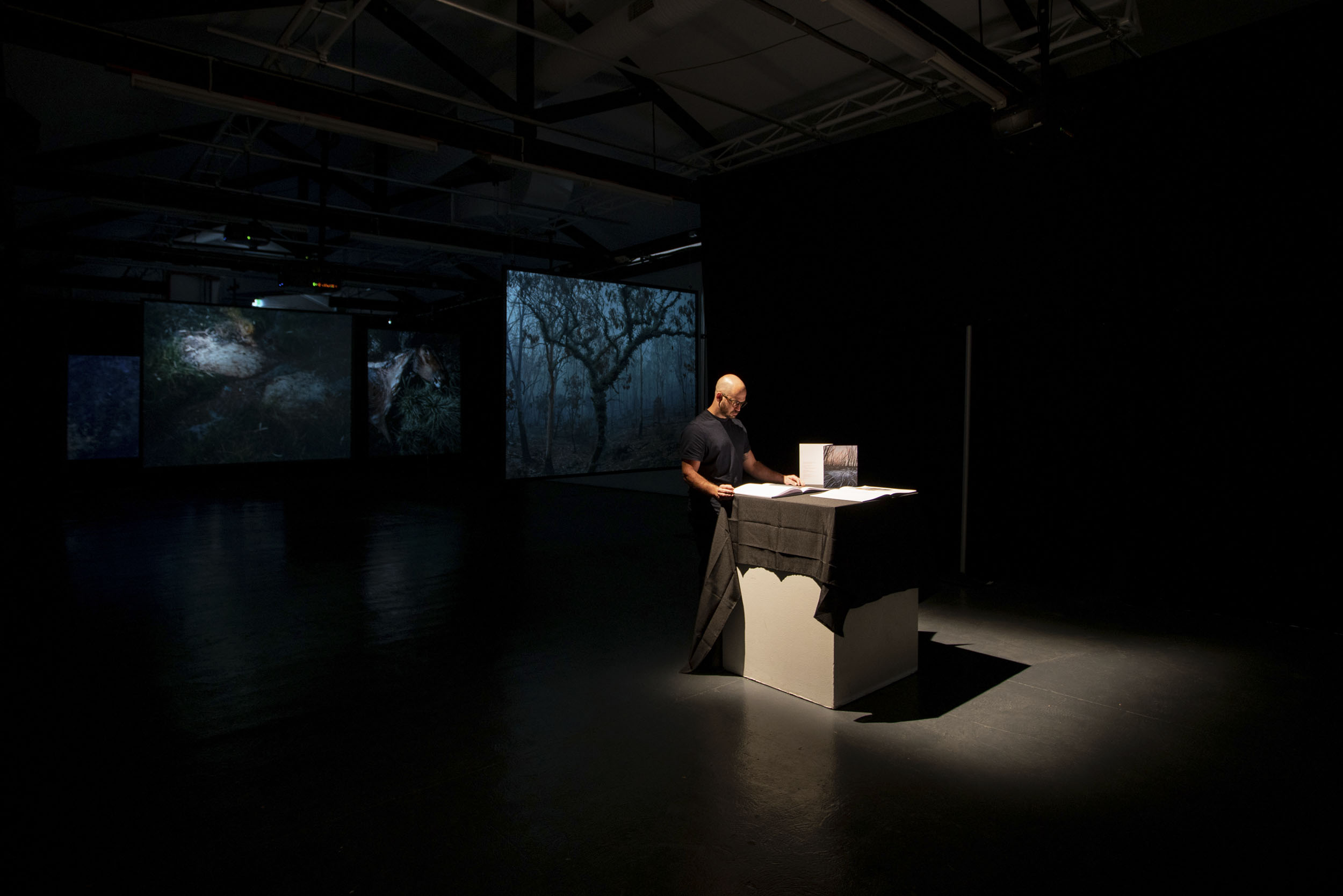
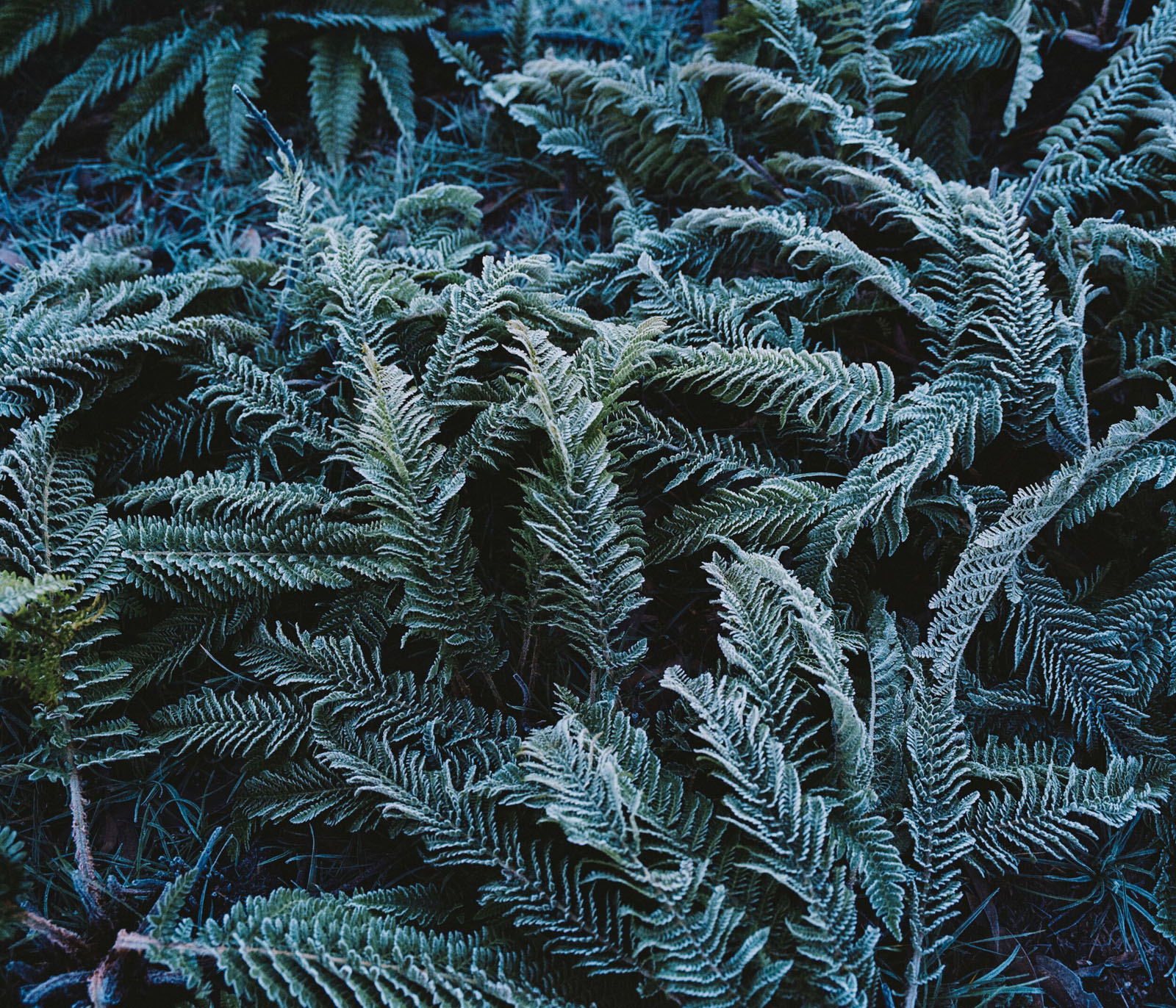
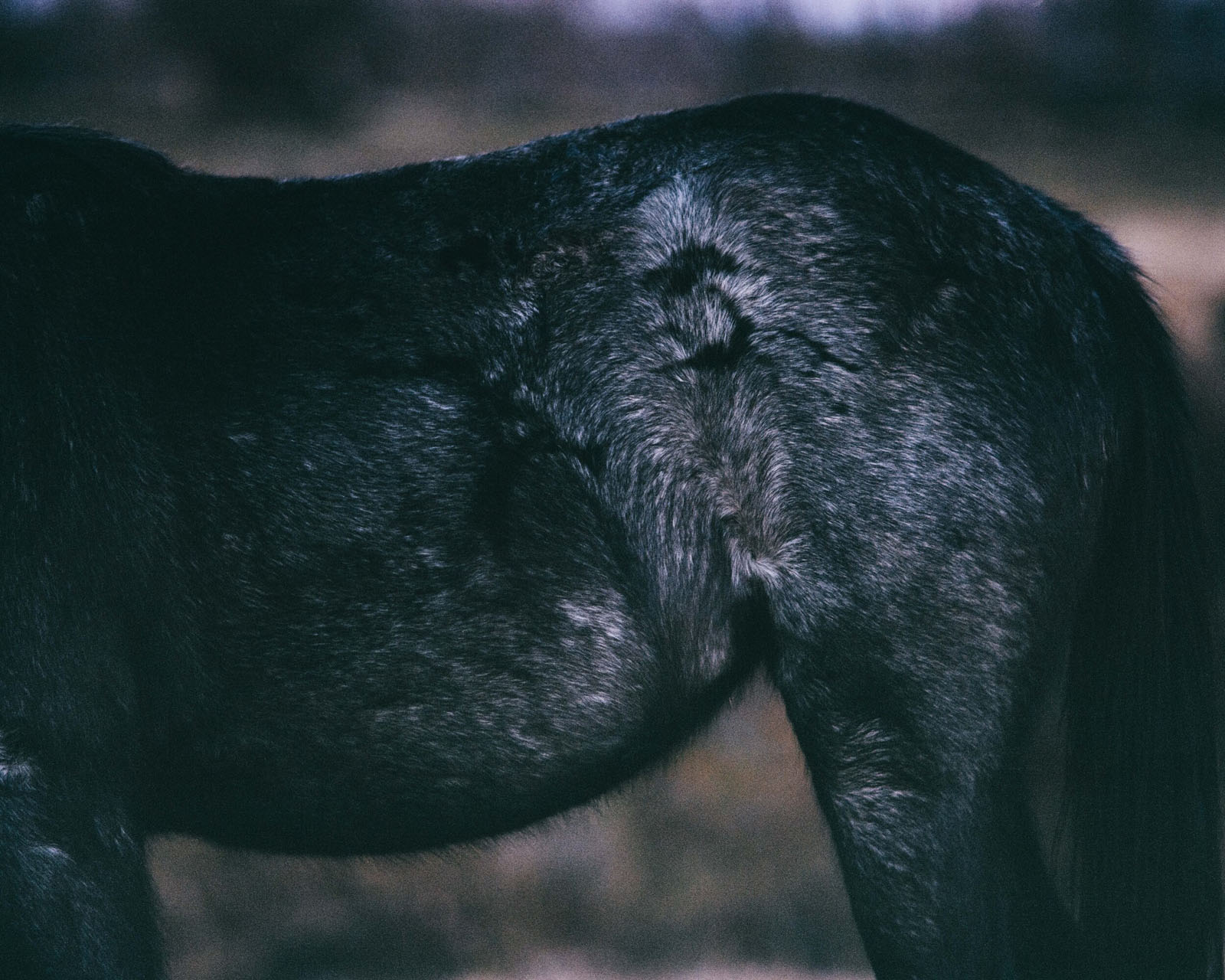
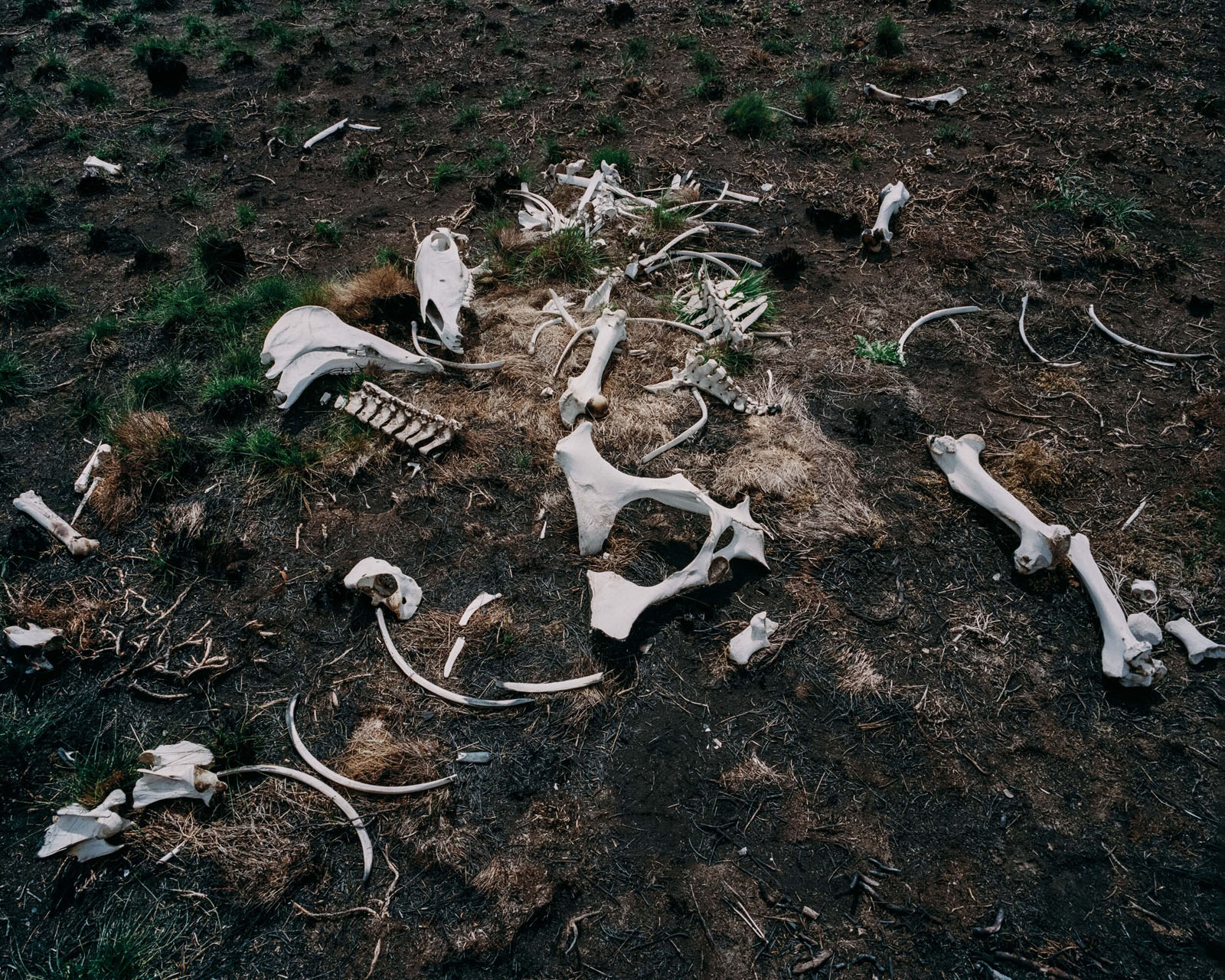
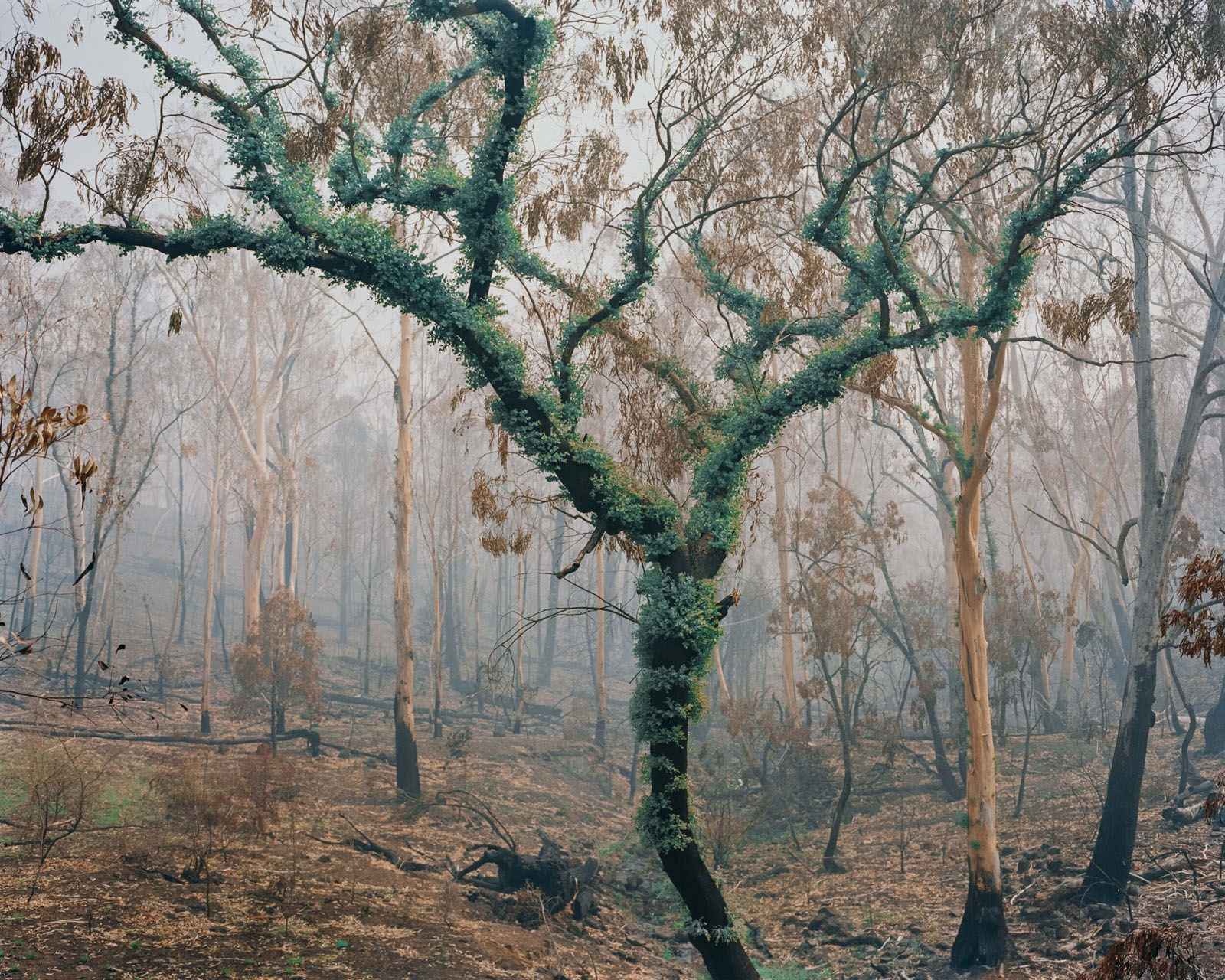
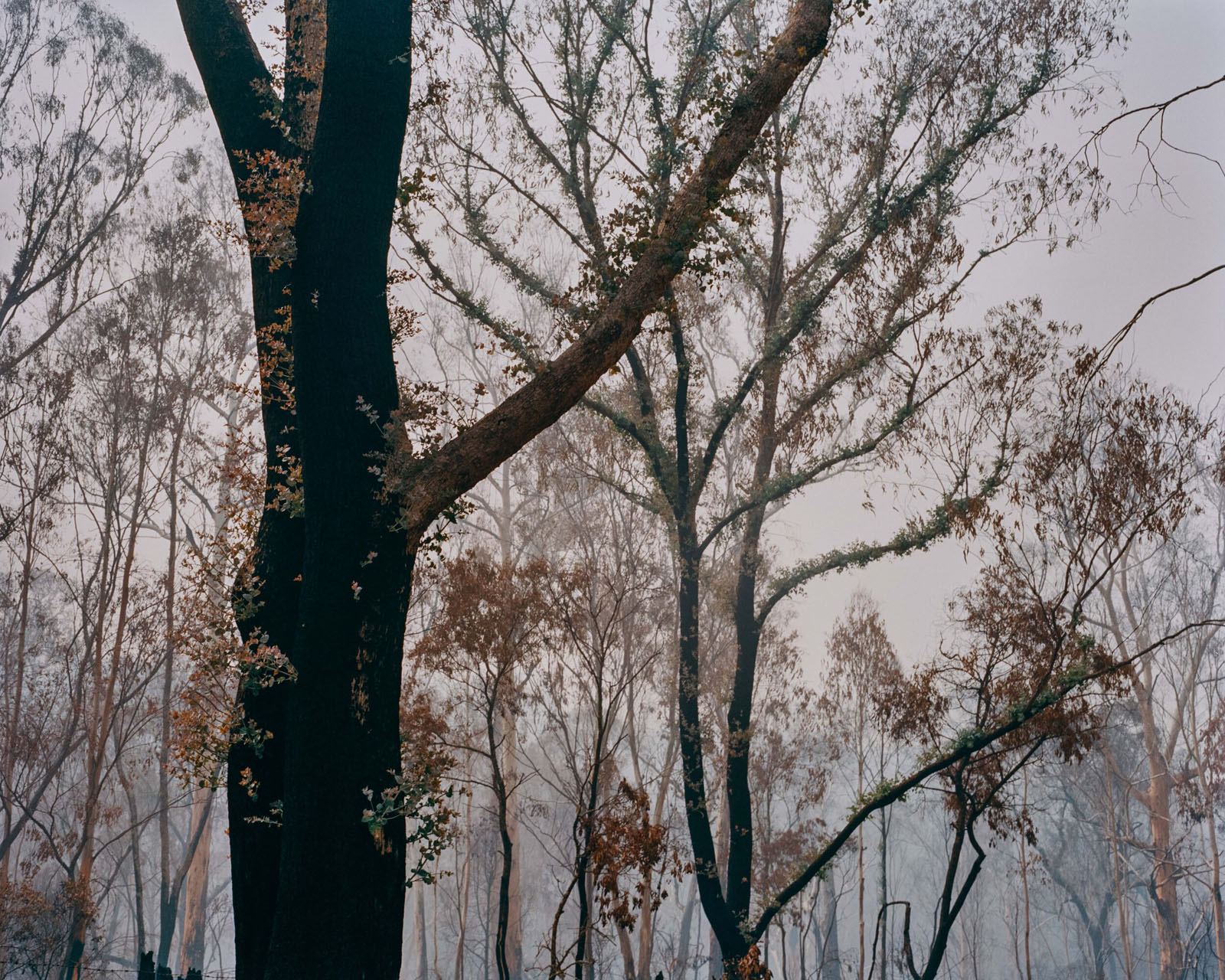
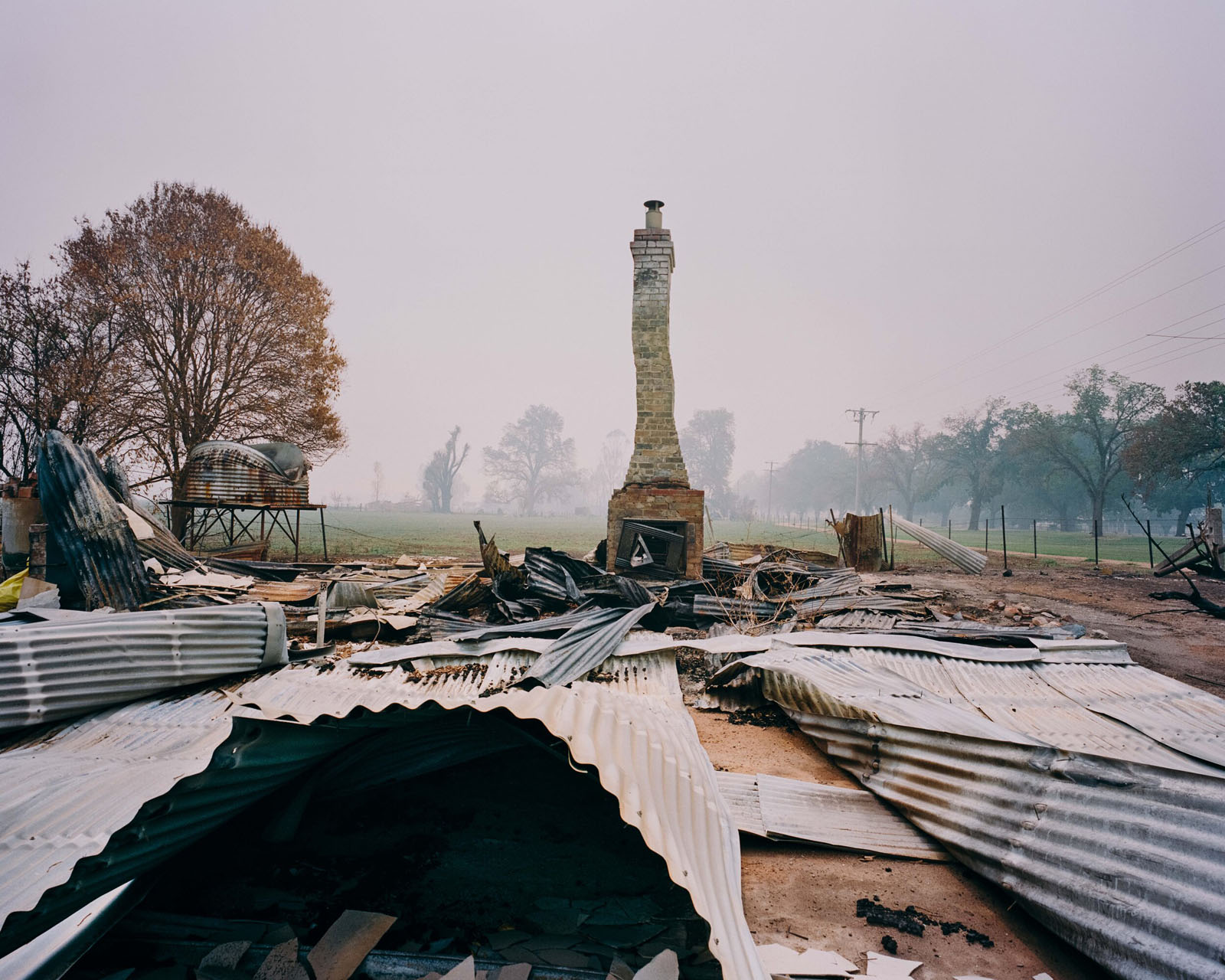
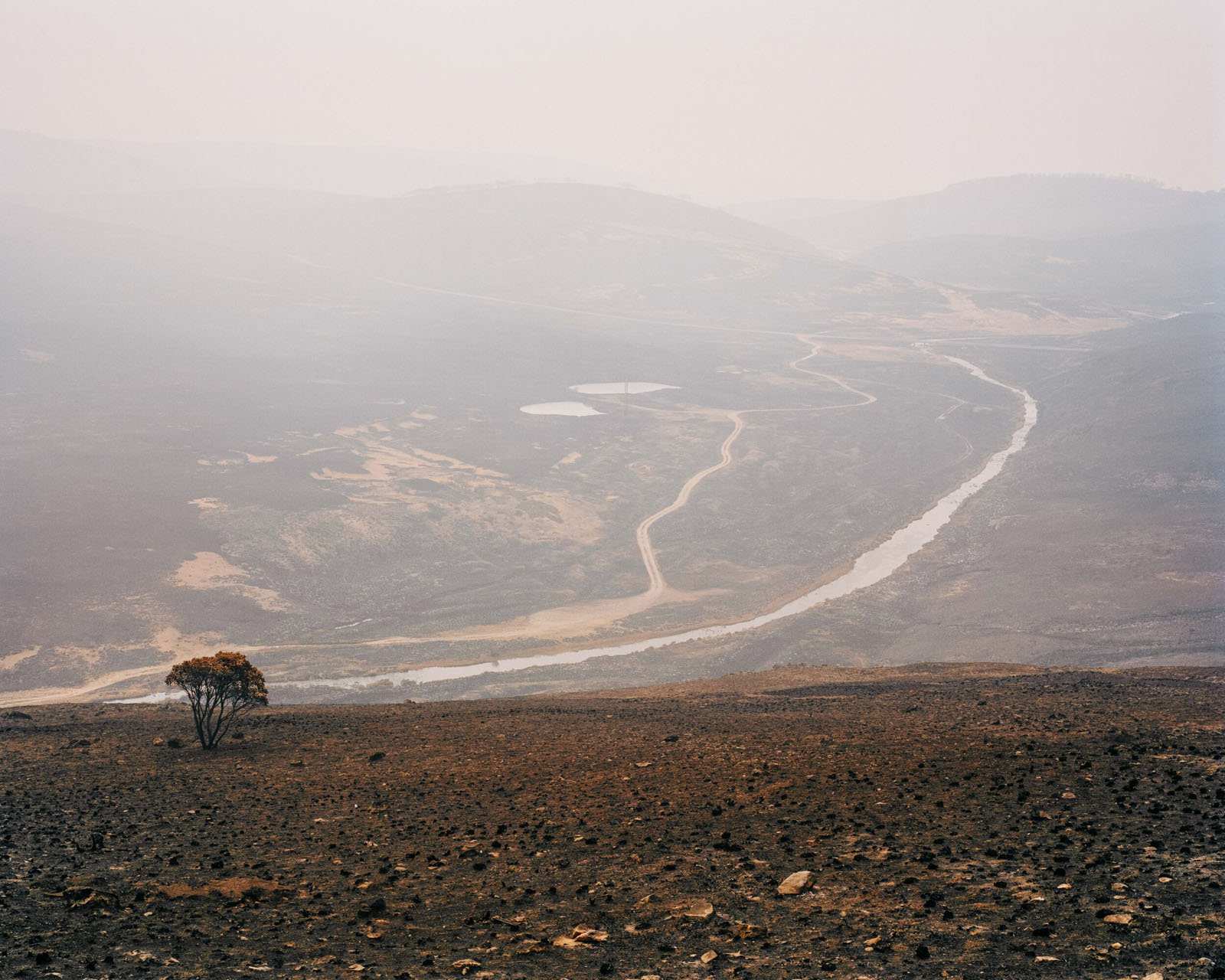
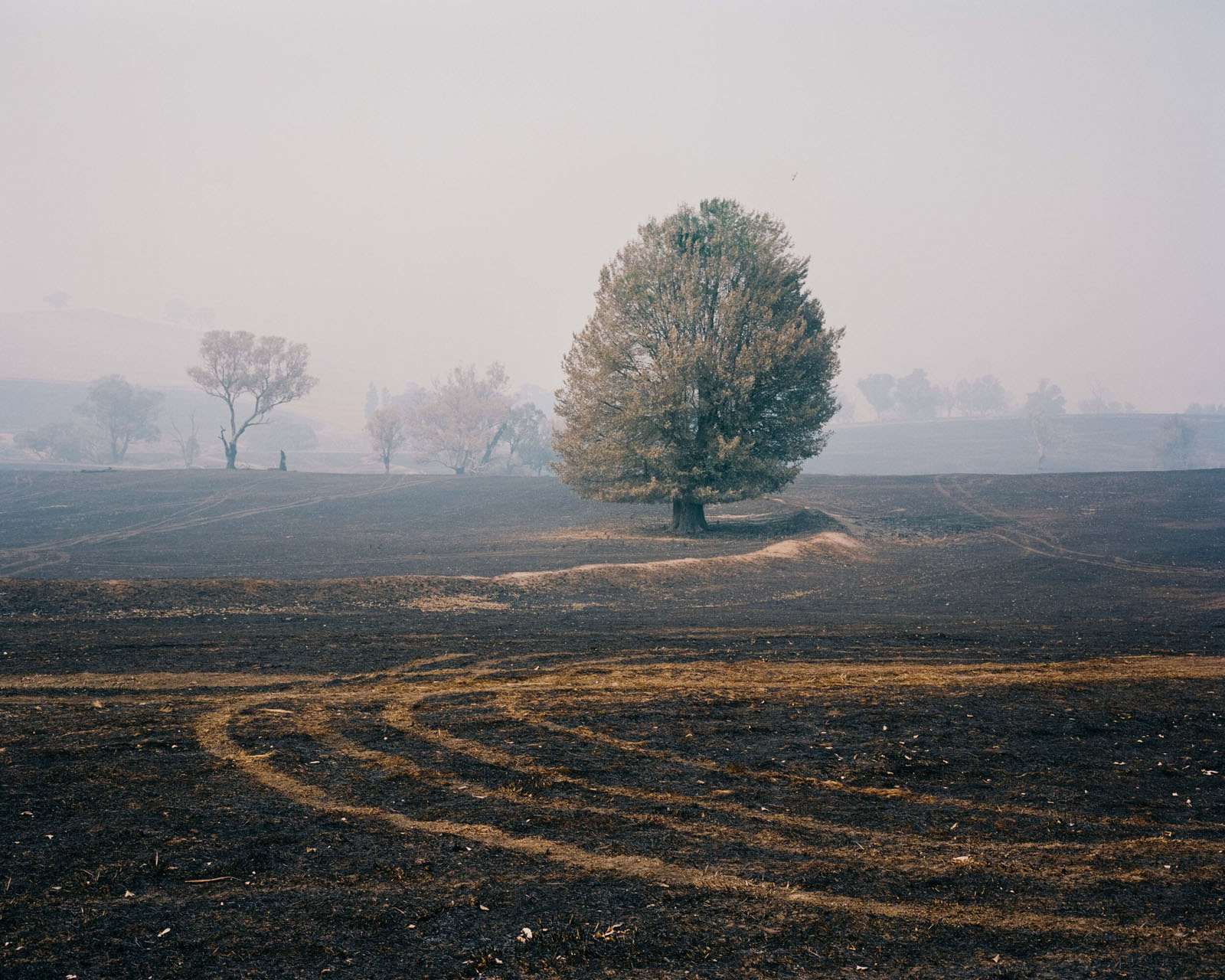
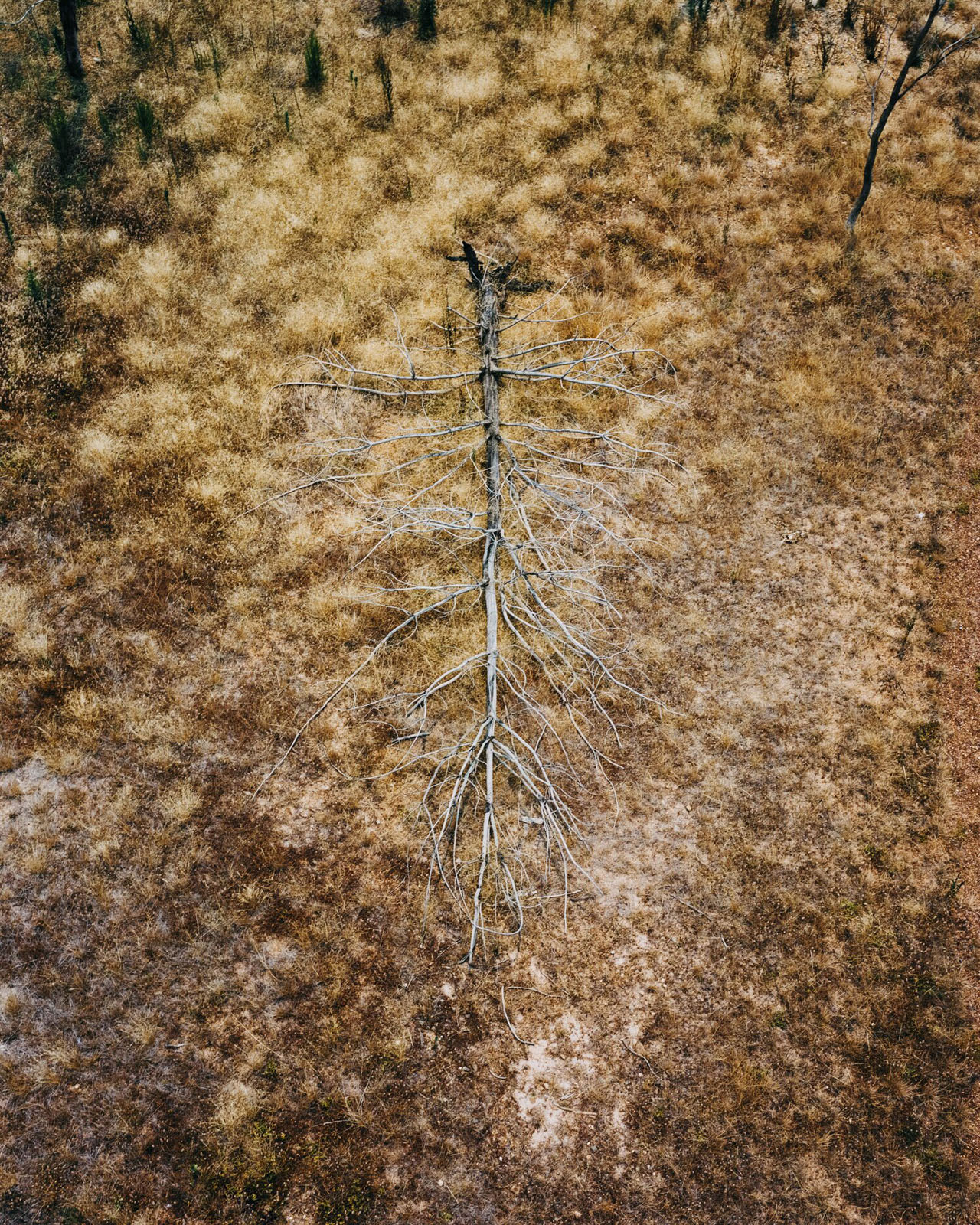
 Art Blart _ art and cultural memory archive
You must be logged in to post a comment.