“Photography for me is not looking, it’s feeling. If you can’t feel what you’re looking at, then you’re never going to get others to feel anything when they look at your pictures”
“You do not go away from here without carrying a huge burden, if you are a decent human being and you have a conscience.”
“I photograph the humble, the anonymous, who are spontaneous and mirror all of us.”
Don McCullin, Sleeping With Ghosts: A Life’s Work in Photography
Many thankx to the National Gallery of Canada for allowing me to publish the photographs in the posting. Please click on the photographs for a larger version of the image.
For the first time ever, the National Gallery of Canada is organising an monographic exhibition dedicated to the work of a contemporary British photographer. Don McCullin: A Retrospective features a collection of 134 exceptional black-and-white photographs taken by McCullin, an unflinching photojournalist best known for his coverage of the world’s most dangerous conflict zones. His photographs have been published in major newspapers and magazines, including The Observer, The Sunday Times and The Daily Telegraph. McCullin has also created an important body of social documentary work and a series of lyrical landscapes in his native Britain. Several of these photographs are included in the exhibition, which will be on display until April 14, 2013 in the NGC’s Prints, Drawings and Photographs Galleries. “McCullin’s photographs belong in an art gallery because they consistently bring clarity and compositional grace to their compelling subject matter. These pictures are both hard to look at and hard not to,” said NGC director and CEO Marc Mayer.
Don McCullin: A Retrospective highlights works from all of McCullin’s major series: portraits of the poor and the homeless in London and northern England (1950s to 1980s); the construction of the Berlin Wall (1961); war and famine in Cyprus, the Congo, Biafra, Vietnam, Bangladesh, Cambodia, Lebanon and Northern Ireland (1964-1982); peoples of Southeast Asia and Africa (1988-2004); and landscapes in Somerset, England, and northern France (1970-2011). In this exhibition, the artist’s journey from working class England to the killing fields and to the landscape of Arthurian myth reveals his searing outrage and profound compassion. Also included are magazines and newspapers relating to past assignments.
McCullin covered war zones on four continents, primarily from the 1960s to the 1980s. His photographs from the battlefields belong to a tradition of war art practiced by Francisco de Goya, Otto Dix and photographer Robert Capa, artists who, like himself, sought to communicate in images the horrors of human conflict. Particularly compelling for their narrative depth, sombre lighting and powerful composition, McCullin’s photographs convey the intensity and intimacy of his human encounters. His landscapes, although also dark and brooding, speak to his desire to distance himself from the subject of human suffering.
Although, McCullin did travel to Syria recently for The Times on one final war assignment (these photographs are not included in the exhibition), his exposure to the worst human atrocities took such a toll on him that he more or less retreated from conflict zones beginning in the 1980s. McCullin does not like being called a war photographer. Nor does he think of himself as an artist, but rather as a photojournalist, or simply, a photographer. In her insightful essay in the exhibition catalogue, Sobey Curatorial Assistant Katherine Stauble writes of the war photographs: “Likely (these images) were not meant to hang on a gallery wall, but rather, to communicate information, to reveal truths and to mobilise action. Now that McCullin has escaped the battlefield and for the past twenty years has been focusing his lens on landscape and still life, one might expect the artist moniker to sit more comfortably with him.”
Press release from the National Gallery of Canada website
Exhibition dates: 22nd December 2012 – 7th April 2013
Many thankx to the Philadelphia Museum of Art for allowing me to publish the photographs in the posting. Please click on the photographs for a larger version of the image.
William Henry Fox Talbot (British, 1800-1877) Group of Persons Selling Fruit and Flowers
1845
Salted paper print from a paper negative
6 11/16 x 8 1/4 inches (17 x 21cm)
Philadelphia Museum of Art, Purchased with the Robert A. Hauslohner Fund, 1967
Felice Beato (English born Italy, 1825-1913) Confucius, Canton, April 1860
April 1860
Albumen silver print
10 x 12 inches (25.4 x 30.5cm)
Philadelphia Museum of Art, Purchased with funds contributed by Dr. Chaoying Fang, Harvey S. Shipley Miller and J. Randall Plummer, and with the Alice Newton Osborn Fund, 1978
Dorothy Norman (American, 1905-1997) Harbor II, (Osterville), Cape Cod
1930s
Gelatin silver print
Sheet: 2 7/8 x 3 7/8 inches (7.3 x 9.8cm)
Philadelphia Museum of Art, From the Collection of Dorothy Norman, 1980
Edward Weston (American, 1886-1958) Dunes, Oceano
1936
Gelatin silver print
Philadelphia Museum of Art
Louise Lawler (American, b. 1947) Living Room Corner Arranged by Mr. and Mrs. Burton Tremaine, Sr.,
1984
Dye destruction print Sheet: 18 1/4 x 23 3/4 inches (46.4 x 60.3cm)
Philadelphia Museum of Art, Gift of Henry S. McNeil, Jr., 1988
Richard Misrach (American, b. 1949) Pink Lightning, Salton Sea
1985
Chromogenic print
18 5/16 x 23 1/16 inches (46.5 x 58.6cm)
Philadelphia Museum of Art, Gift of the Friends of the Philadelphia Museum of Art, 1986
Joachim Koester (Danish active United States, b. 1962) Room of Nightmares #1
2005
Chromogenic print
18 7/8 x 23 7/8 inches (47.9 x 60.6cm)
Philadelphia Museum of Art, Gift of Lynne and Harold Honickman
This exhibition presents a survey of photographs from the permanent collection and includes an important group of works by Dorothy Norman and her mentor Alfred Stieglitz, one of the greatest figures in twentieth-century American art. There are also early masterworks by Gustave Le Gray, whose images of light and motion inspired the Impressionists; Edward Weston; Julia Margaret Cameron; and Charles Aubry. These striking images are complemented by an array of modern and contemporary works that trace the medium’s history as a visual art form, including recent acquisitions by artists such as Florence Henri, Roy DeCarava, and Hiroh Kikai, many on view for the first time in Philadelphia.
The mainly black-and-white photographs reflect the strengths of the Museum’s photography collection, ranging from the 1840s to 2005. Nineteenth-century photographs include works by William Henry Fox Talbot, an early inventor of photography; a group of views from Felice Beato’s 1860 album China; and Rue des Prêtres Saint‑Étienne, de la rue Descartes by Charles Marville, who documented the narrow quarters of nineteenth-century Paris.
Post-World War II American and Japanese photography is seen through a number of works by Robert Frank including Jehovah’s Witness, Los Angeles (1955), Diane Arbus’s Untitled (6) (1970-71), and Masahisa Fukase’s Untitled (1976). The exhibition continues with contemporary photography by a broad range of international artists, including Joachim Koester’s Room of Nightmares #1 (2005) and Gerhard Richter’s Guildenstern (Rhombus II) (1998), a cunning investigation of the shared terrain between painting and photography.
The works by Norman and Stieglitz were made during the years of their creative exchange, from 1929 until Stieglitz’s death in 1946. These include a number of portraits, such as Norman’s cropped close-up Alfred Stieglitz IX, New York (1933); cityscapes and landscapes, as seen in Stieglitz’s New York from the Shelton (1935), showing the interplay of light and shadow on the skyscrapers of a changing New York skyline; and Norman’s Harbor II, Osterville, Cape Cod (1930s), a study in line and composition. These images are complemented by photographs made by their contemporaries, including Man Ray’s surrealist Marquise Casati (1922) and Florence Henri’s Portrait (c. 1930).
Press release from the Philadelphia Museum of Art website
Charles Marville (French, 1816-1879) Rue des Prêtres Saint-Étienne, de la rue Descartes
c. 1865
Albumen silver print
Image and sheet: 12 13/16 x 10 3/8 inches (32.5 x 26.4cm)
Philadelphia Museum of Art, Purchased with the Lola Downin Peck Fund, 2009
Dorothy Norman (American, 1905-1997) Alfred Stieglitz IX, New York
1933
Gelatin silver print Sheet: 2 5/8 x 2 11/16 inches (6.7 x 6.8cm)
Philadelphia Museum of Art, From the Collection of Dorothy Norman, 1968
Exhibition dates: 5th September – 2nd December 2012
Ishiuchi Miyako (Japanese, b. 1947) 1906#38
Nd
Courtesy by The Third Gallery Aya
“The past neglect of the body in social theory was a product of Western mind-body dualism that divided human experience into bodily and cognitive realms. The knowledge-body distinction identifies knowledge, culture, and reason with masculinity and identifies body, nature, and emotion with femininity. Viewing human reason as the principal source of progress and emancipation, it perceives “the rational” as separate from, and exalted over, the corporeal. In other words, consciousness was grasped as separate from and preceding the body (Bordo 1993; Davis 1997). Following feminist thinking about women’s bodies in patriarchal societies, contemporary social theories shifted focus from cognitive dimensions of identity construction to embodiment in the constitution of identities (Davis 1997). Social construction theories do not view the body as a biological given but as constituted in the intersection of discourse, social institutions, and the corporeality of the body. Body practices, therefore, reflect the basic values and themes of the society, and an analysis of the body can expose the intersubjective meaning common to society. At the same time, discourse and social institutions are produced and reproduced only through bodies and their techniques (Frank 1991, 91). Thus, social analysis has expanded from studying the body as an object of social control and discipline “in order to legitimate different regimes of domination” (Bordo 1993; Foucault 1975, 1978, 1980) to perceiving it as a subject that creates meaning and performs social action (Butler 1990). The body is understood as a means for self-expression, an important feature in a person’s identity project (Giddens 1991), and a site for social subversiveness and self-empowerment (Davis 1997).”
Orna Sasson-Levy and Tamar Rapoport. “Body, Gender, and Knowledge in Protest Movements: The Israeli Case,” in ‘Gender & Society’ 17, 2003, p. 381. No longer available online
Despite my great admiration for John Coplans’ photographs of his body, on the evidence of these press photographs and the attached video, this exhibition seems a beautiful if rather tame affair considering the subject matter. Of course these photographs of the body can be understood as a means for self-expression and self-empowerment but there seems little social subversiveness in the choice of work on display.
The two Mapplethorpe’s are stylised instead of stonkingly subversive. The exhibition could have been taken photographs from his ‘X’ portfolio (the self portrait of him with a bull whip up his arse would have been particularly pleasing to see in this context). The exhibition could also have included some of the many artists using the body as protest during the AIDS crisis (perhaps some photographs by David Wojnarowicz or William Yang’s Sadness), the famous Burning Monk – The Self-Immolation (1963) by Malcolm Browne, photographs by Stellarc, Arthur Tress, Duane Michals, Nan Goldin, Diane Arbus, Francesca Woodman, Sally Mann, Cindy Sherman to name but a few; even the Farm Security Administration photographs of share cropper families by Walker Evans and Dorothea Lange would have had more impact than some of the photographs on display here.
Having not seen the entire exhibition it is hard to give an overall reading, but on the selection presented here it would seem that this was a missed opportunity, an exhibition where the body did not protest enough.
Dr Marcus Bunyan
Many thankx to the Albertina, Vienna for allowing me to publish the photographs in the posting. Please click on the photographs for a larger version of the image.
John Coplans (British, 1920-2003) Self Portrait Interlocking Fingers No 6
1999
Silbergelatinepapier
Albertina, Wien
The exhibition The Body as Protest highlights the photographic representation of the human body – a motif that has provided a wide variety of photographers with an often radical means of expression for their visual protest against social, political, but also aesthetic norms.
The show centres on an outstanding group of works by the artist John Coplans from the holdings of the Albertina. In his serially conceived large-format pictures, the photographer focused on the rendering of his own nude body, which he defamiliarised through fragmentation far from current forms of idealisation. Relying on extremely sophisticated lighting, he presented himself in a monumental and sculptural manner over many years. His photographs can be understood as amalgamations of theoretical and artistic ideas, which in the show are accentuated through selective juxtapositions with works by other important exponents of body-related art.
The body also features prominently in the work of other artists such as Hannah Wilke, Ketty La Rocca, Hannah Villiger, Vito Acconci, Bruce Nauman, Robert Mapplethorpe, and Miyako Ishiuchi. By means of these positions, such diverse themes as self-dramatisation, conceptual photography, feminism, body language, and even transience are analysed within an expanded artistic range. Moreover, the exhibition offers a differentiated view of the critical depiction of the human body as it has been practiced since 1970.
Text from the Albertina website
Ketty La Rocca (Italian, 1938-1976) Craniologia
1973
Radiografie mit überblendeter Fotografie
SAMMLUNG VERBUND
Since I didn’t know some of these people I have posted brief biographies. From the biographies we find that most mingled in the same artistic and theatrical circles in Soho, where Farson also hung out. Farson’s photographs are candid and show a deep affection for the subject being photographed: strong, vibrant characters that lived life to the full. He had a good eye did Daniel Farson. The photograph of Shelagh Delaney (1959, below) is a beauty, perfectly capturing one of those dank English days, where the mist envelopes the earth and chills one to the bone, standing outside pebble-dashed council houses in some windswept part of England. I remember it only too well.
Terence Nelhams Wright (23 June 1940 – 8 March 2003), known as Adam Faith, was an English singer, actor, and financial journalist. As a British rock and roll teen idol, he scored consecutive No. 1 hits on the UK Singles Chart with “What Do You Want?” (1959) and “Poor Me” (1960). He became the first UK artist to lodge his initial seven hits in the top 5, and was ultimately one of the most charted acts of the 1960s. He was also one of the first UK acts to record original songs regularly.
Faith also maintained an acting career, appearing as Dave in the teen exploitation film Beat Girl (1960), the eponymous lead in the ITV television series Budgie (1971-1972) and Frank Carver in the BBC comedy drama Love Hurts (1992-1994).
Cyril Vernon Connolly (10 September 1903 – 26 November 1974) was an English intellectual, literary critic and writer. He was the editor of the influential literary magazine Horizon (1940-1949) and wrote Enemies of Promise (1938), which combined literary criticism with an autobiographical exploration of why he failed to become the successful author of fiction that he had aspired to be in his youth.
Connolly did his best work as a critic. Like Edmund Wilson in the United States, he wielded enormous influence. An astute and often witty commentator, with great gifts for often cruel mimicry, Connolly informed the thinking and attitudes of a generation. In The Unquiet Grave he writes: “Approaching forty, sense of total failure: … Never will I make that extra effort to live according to reality which alone makes good writing possible: hence the manic-depressiveness of my style, – which is either bright, cruel and superficial; or pessimistic; moth-eaten with self-pity.”
As editor of Horizon, Connolly gave a platform to a wide range of distinguished and emerging writers. He was robust in his criticism of the decline of the Mandarin and perhaps too effusive in his welcome of the New Vernacular. Kenneth Tynan, writing in the March 1954 Harper’s Bazaar, praised Connolly’s style as “one of the most glittering of English literary possessions.”
The Lady Caroline Maureen Hamilton-Temple-Blackwood (16 July 1931 – 14 February 1996) was a writer and artist’s muse, and the eldest child of the 4th Marquess of Dufferin and Ava and the brewery heiress Maureen Guinness.
A well-known figure in the literary world through her journalism and her novels, Caroline Blackwood was equally well known for her high-profile marriages, first to the artist Lucian Freud, then to the composer Israel Citkowitz and finally to the poet Robert Lowell, who described her as “a mermaid who dines upon the bones of her winded lovers.” Her novels are known for their wit and intelligence, and one in particular is scathingly autobiographical in describing her unhappy childhood.
Nina Hamnett (14 February 1890 – 16 December 1956) was a Welsh artist and writer, and an expert on sailors’ chanteys, who became known as the Queen of Bohemia.
Flamboyantly unconventional, and openly bisexual, Nina Hamnett once danced nude on a Montparnasse café table just for the “hell of it”. She drank heavily, was sexually promiscuous, and kept numerous lovers and close associations within the artistic community. Very quickly, she became a well-known bohemian personality throughout Paris and modeled for many artists. Her reputation soon reached back to London, where for a time, she went to work making or decorating fabrics, clothes, murals, furniture, and rugs at the Omega Workshops, which was directed by Roger Fry, Vanessa Bell, and Duncan Grant.
Her artistic creations were widely exhibited during World War I including at the Royal Academy in London as well as the Salon d’Automne in Paris. Back in England, she taught at the Westminster Technical Institute from 1917 to 1918. After divorcing Kristian, she took up with another free spirit, composer E. J. Moeran. From the mid 1920s until the end of World War II, the area known as Fitzrovia was London’s main Bohemian artistic centre. The place took its name from the popular Fitzroy Tavern on the corner of Charlotte and Windmill Streets that formed the area’s centre. Home of the café life in Fitzrovia, it was Nina Hamnett’s favourite hangout as well as that of her friend from her home town, Augustus John, and later another Welshman, the poet Dylan Thomas.
In 1932 Hamnett published Laughing Torso, a tale of her bohemian life, which became a bestseller in the United Kingdom and United States. The notorious occultist Aleister Crowley unsuccessfully sued her and the publisher for libel over allegations of Black Magic made in her book. Although she won the case, the situation profoundly affected her for the remainder of her life. Alcoholism would soon overtake her many talents and the tragic Queen of the Fitzroy spent a good part of the last few decades of her life at the bar, (usually that of the Fitzroy Tavern in Fitzrovia), trading anecdotes for drinks.
Nina Hamnett died in 1956 from complications after falling out her apartment window and being impaled on the fence forty feet below. The great debate has always been whether or not it was a suicide attempt or merely a drunken accident. Her last words were, “Why don’t they let me die?”
Lucian Michael Freud (8 December 1922 – 20 July 2011) was a German-born British painter. Known chiefly for his thickly impastoed portrait and figure paintings, he was widely considered the pre-eminent British artist of his time. His works are noted for their psychological penetration, and for their often discomforting examination of the relationship between artist and model.
From the 1950s, he began to work in portraiture, often nudes (though his first full length nude was not painted until 1966), to the almost complete exclusion of everything else, and by the middle of the decade developed a much more free style using large hogs-hair brushes, with an intense concentration of the texture and colour of flesh, and much thicker paint, including impasto. With this technique, he would often clean his brush after each stroke when painting flesh, so that the colour remained constantly variable. He also started to paint standing up, which continued until old age, when he switched to a high chair. The colours of non-flesh areas in these paintings are typically muted, while the flesh becomes increasingly highly and variably coloured. By about 1960, Freud had established the style that he would use, with some changes, for the rest of his career. The portraits in the new style often used an over life-size scale from the start, but were mostly relatively small heads or half-lengths. Later portraits were often very much larger, and appealed to galleries and collectors. In his late career he often followed a portrait by producing an etching of the subject in a different pose, drawing directly onto the plate, with the sitter in his view.
Freud’s portraits often depict only the sitter, sometimes sprawled naked on the floor or on a bed or alternatively juxtaposed with something else, as in Girl With a White Dog (1951-52) and Naked Man With Rat (1977-78). According to Edward Chaney, “The distinctive, recumbent manner in which Freud poses so many of his sitters suggests the conscious of unconscious influence both of his grandfather’s psychoanalytical couch and of the Egyptian mummy, his dreaming figures, clothed or nude, staring into space until (if ever) brought back to health and/or consciousness. The particular application of this supine pose to freaks, friends, wives, mistresses, dogs, daughters and mother alike (the latter regularly depicted after her suicide attempt and eventually, literally mummy-like in death), tends to support this hypothesis.”
“I paint people,” Freud said, “not because of what they are like, not exactly in spite of what they are like, but how they happen to be.”
Brendan Francis Behan (9 February 1923 – 20 March 1964) was an Irish poet, short story writer, novelist, and playwright who wrote in both English and Irish.
In 1954, Behan’s first play The Quare Fellow was produced in Dublin. It was well received, however, it was the 1956 production at Joan Littlewood’s Theatre Workshop in Stratford, London, that gained Behan a wider reputation – this was helped by a famous drunken interview on BBC television. In 1958, Behan’s play in the Irish language An Giall had its debut at Dublin’s Damer Theatre. Later, The Hostage, Behan’s English language adaptation of An Giall, met with great success internationally. Behan’s autobiographical novel, Borstal Boy, was published the same year and became a worldwide best seller. Behan was known for his drink problem, which resulted in him suffering from diabetes, which ultimately resulted in his death on 20 March 1964.
“There’s no bad publicity except an obituary,” he once said.
Robert von Ranke Graves (also known as Robert Ranke Graves and most commonly Robert Graves) (24 July 1895 – 7 December 1985) was an English poet, scholar / translator / writer of antiquity specialising in Classical Greece and Rome, and novelist. During his long life he produced more than 140 works. Graves’s poems – together with his translations and innovative analysis and interpretations of the Greek myths, his memoir of his early life, including his role in the First World War, Good-Bye to All That, and his speculative study of poetic inspiration, The White Goddess – have never been out of print.
He earned his living from writing, particularly popular historical novels such as I, Claudius, King Jesus, The Golden Fleece, and Count Belisarius. He also was a prominent translator of Classical Latin and Ancient Greek texts; his versions of The Twelve Caesars and The Golden Ass remain popular today for their clarity and entertaining style. On 11 November 1985, Graves was among 16 Great War poets commemorated on a slate stone unveiled in Westminster Abbey’s Poet’s Corner. The inscription on the stone was written by friend and fellow Great War poet Wilfred Owen. It reads: “My subject is War, and the pity of War. The Poetry is in the pity.” Of the 16 poets, Graves was the only one still living at the time of the commemoration ceremony.
Text from the Wikipedia website
A new display of photographs by legendary Soho figure, Daniel Farson will open at the National Portrait Gallery on 19 March. Famous in the Fifties: Photographs by Daniel Farson will celebrate the multi-faceted career of Farson who worked as a Picture Post photographer, television presenter, and writer.
The sixteen portraits on display include artist Lucian Freud and writer Brendan Behan in Dublin, Cyril Connolly and Lady Caroline Blackwood on Old Compton Street in Soho, artist and illustrator Nina Hamnett, actress Barbara Windsor, artist Graham Sutherland and actor Richard Burton. Writer Anthony Carson, critic John Davenport, photographer John Deakin and poet David Wright are all photographed opposite the French pub in Soho where Farson was a regular. An unpublished photograph of Kingsley Amis and his family is included along with a copy of Panorama, the magazine established by Farson at the University of Cambridge. The jackets of five books written by Farson will be displayed alongside his portraits of their subjects including Graham Sutherland and Gilbert and George. A portrait of Adam Faith inscribed by Farson, ‘I put him on TV first’, illustrates his impact as a pioneering television interviewer. The last exhibition of Farson’s work was in 1997, the year of his death, organised by Robin Muir for Roy Miles. This will be the first solo display of photographs by Farson at the National Portrait Gallery.
Born in Kensington in 1927, Farson was the only child of American-born journalist and adventurer, Negley Farson, and his wife, Enid Eveleen a niece of the author Bram Stoker. He became a political correspondent for the Central Press Agency in Fleet Street at the age of just seventeen and in 1947 he enlisted in the American Army Air Corps gaining experience on the army’s Stars and Stripes magazine supplement. Whilst attending Cambridge University in 1949, Farson established the magazine Panorama which in turn helped him secure a job as a staff photographer for Picture Post in 1951. In the early 1950s he began his affiliation with Soho, where he found acceptance of his homosexuality and later struggled with alcoholism. In 1956 Farson joined commercial television in its infancy, presented his own series and became a television personality. He was under contract with Associated-Rediffusion for eight years, which he described as, ‘one of the busiest and happiest times of my life’. In 1962 Farson bought a pub, the Waterman’s Arms, on the Isle of Dogs where he successfully revived music hall acts. However, this did not prevent bankruptcy and in 1964 Farson moved to his parents’ former home in north Devon. It was here and later in Appledore, Devon, that Farson wrote twenty-seven books, including biographies of his great uncle, Bram Stoker, and his autobiography Never a Normal Man (1997), published in the year in which he died.
Press release from the National Portrait Gallery website
Daniel Farson’s multifaceted career as a Picture Post photographer, television presenter, writer and legendary Soho figure is celebrated with this showcase display.
The son of an English mother and the renowned American foreign correspondent, Negley Farson, Daniel Farson first became interested in photography working for the US Army’s Stars and Stripes magazine supplement. On display is an issue of Panorama, the magazine he established at Cambridge University, which helped Farson secure a job as a staff photographer for Picture Post.
Farson’s association with bohemia is demonstrated by intimate portraits of Lucian Freud and Brendan Behan and a group of writers shown with lifelong friend John Deakin, photographed in Soho, Farson’s haunt of many years.
A portrait of Adam Faith inscribed by Farson, ‘I put him on TV first’, illustrates Farson’s impact on television, presenting programmes including Out of Step (series, 1957) and Living for Kicks (1960). His portrait of Joan Littlewood is one of a group that relates to the theatre. In 1967 Littlewood produced Farson’s play about Marie Lloyd, a venture which followed his revival of music hall acts as the landlord of The Waterman’s Arms on the Isle of Dogs.
From 1964 Farson lived in Devon and became the author of 27 books. Four book jackets are shown alongside his portraits of those he wrote about including Graham Sutherland and Gilbert and George.
Joan Maud Littlewood (6 October 1914 – 20 September 2002) was an English theatre director, noted for her work in developing the left-wing Theatre Workshop. She has been called “The Mother of Modern Theatre.” Littlewood and her company lived and slept in the Theatre Royal while it was restored. Productions of The Alchemist and Richard II, the latter of which starred Harry H. Corbett as the King, established the reputation of the company. The works for which she is now best remembered are probably Shelagh Delaney’s A Taste of Honey (1958), which gained critical acclaim, and the satirical musical Oh, What a Lovely War! (1965), her stage adaptation of a work for radio by Charles Chilton. Both were subsequently made into films. Theatre Workshop also championed the work of Irish playwright Brendan Behan, and Littlewood is often rumoured to have a significant role in his work. She also conceived and developed along with architect Cedric Price the Fun Palace, an experimental model of participatory social environment that, although never realized, has become an important influence in Architecture of the 20th and 21st Centuries.
Shelagh Delaney (25 November 1938 – 20 November 2011) was an English dramatist and screenwriter, best known for her debut work, A Taste of Honey (1958). A Taste of Honey, first performed on 27 May 1958, is set in her native Salford. “I had strong ideas about what I wanted to see in the theatre. We used to object to plays where the factory workers came cap in hand and call the boss ‘sir’. Usually North Country people are shown as gormless, whereas in actual fact, they are very alive and cynical.”
Reuniting the original cast, the play subsequently enjoyed a run of 368 performances in the West End from January 1959; it was also seen on Broadway, with Joan Plowright as Jo and Angela Lansbury as her mother. It is “probably the most performed play by a post-war British woman playwright.” Breaking new ground in touching on issues like homosexuality “this earthily realistic, moving story of a reluctant teenage mother-to-be … raises issues which were later to become prime concerns of feminist writers.”
Many thankx to the Whitechapel Gallery for allowing me to publish the photographs in the posting. Please click on the photographs for a larger version of the image.
The films and photographs of British artist Gillian Wearing (b. Birmingham, 1963) explore our public personas and private lives. This Turner Prize winner’s remarkable works draw on fly-on-the-wall documentaries, reality TV and the techniques of theatre, to explore how we present ourselves to the world.
Wearing’s portraits and mini-dramas reveal a paradox, given the chance to dress up, put on a mask or act out a role, the liberation of anonymity allows us to be more truly ourselves.
The exhibition begins with the artist herself, dancing in a shopping mall, blissfully unaware of her bemused audience. The idea of performance continues with works including Wearing’s 1997 masterpiece, 10–16. Adults lip synch the voices and act out the physical tics of seven children in a captivating film which moves from the breathless excitement of a ten year old to the existential angst of an adolescent.
Other highlights include Wearing’s iconic 1992 series, Signs that say what you want them to say, and not Signs that say what someone else wants you to say where strangers are offered paper and pen to communicate their message. In the upper galleries we enter the inner world of subjectivity. An advert – Confess All On Video. Don’t Worry, You Will Be In Disguise. Intrigued? Call Gillian… (1994) attracted a series of disturbing disclosures. Wearing jettisons her own identity to adopt the guise of family members or artists such as Diane Arbus or Andy Warhol, so revealing her own background and influence.
This comprehensive survey, which also premieres new films and sculptures, shows how Wearing is both political – often focusing on the dispossessed or the traumatised – and poetic, finding the extraordinary in us all.
Curator Daniel Hermann introduces the Gillian Wearing exhibition at the Whitechapel Gallery from 28 March – 17 June 2012.
Installation view of the exhibition Gillian Wearing at Whitechapel Gallery, London showing work from her series Signs that say what you want them to say and not Signs that say what someone else wants you to say
The Whitechapel Gallery presents the first major international survey of Turner Prize-winning British artist Gillian Wearing’s photographs and films which explore the public and private lives of ordinary people. Fascinated by how people present themselves in front of the camera in fly-on-the-wall documentaries and reality TV, Gillian Wearing explores ideas of personal identity through often masking her subjects and using theatre’s staging techniques.
This major exhibition surveys Wearing’s work from the early photographs Signs that Say What You Want Them to Say and Not Signs that Say What Someone Else Wants You to Say (1992-3) to her latest video Bully (2010) and also includes several new photographs made specially for the Whitechapel Gallery exhibition.
Visitors to the exhibition enter a film set-style installation showcasing photographs and films in ‘front and back stage’ areas. Highlights include a striking photograph of the artist posing as her younger self, Self-Portrait at 17 Years Old (2003), Dancing in Peckham (1994), a film which blurs the boundaries between public space and private expression as Wearing dances in the middle of a shopping mall, and the UK premiere of recent film Bully (2010). New photographic works shown for the first time include two portraits of Wearing as artists August Sander and Claude Cahun as part of her ongoing series of iconic photographers, as well as still lives of flowers, looking back to the rich symbolism of the great age of 17th century Dutch painting.
A gallery is dedicated to Wearing’s well-known photographs giving people the chance to write what they were thinking at that moment, titled Signs that Say What You Want Them to Say and Not Signs that Say What Someone Else Wants You to Say (1992-3). The series includes a city worker holding a sign saying, ‘I’m Desperate’, a policeman holding ‘Help!’ and another person’s sign ‘Will Britain ever get through this recession’.
The exhibition also includes a series of private viewing booths for three confessional videos shown together for the first time and in which Gillian Wearing asked people to describe intensely personal experiences. These include Trauma (2000) where sitters describe childhood traumas while wearing a mask. As well as the powerful videos Secrets and Lies (2000) and Confess All On Video. Don’t Worry, You Will Be In Disguise. Intrigued? Call Gillian… (1994). Alongside these works the video 2 into 1 (1997) sees a mother lip synching the voices of her twin sons and vice versa as they describe their relationship.
Press release from Whitechapel Gallery website
Gillian Wearing: Self Made, 2010 Trailer
Gillian Wearing’s debut feature film introduces a cast of untrained actors to a Method acting teacher. Drawing upon their own experiences, each participant creates and stars in their own mini-film.
Continuing my fascination with all things Antarctic, here are more photographs from the Scott and Shackleton expeditions. The photograph Captain Lawrence Oates and Siberian ponies on board ‘Terra Nova’ by Herbert Ponting (1910, above) is simply breathtaking.
Dr Marcus Bunyan
Many thankx to The Royal Collection for allowing me to publish the photographs in the posting. Please click on the photographs for a larger version of the image.
This exhibition of remarkable Antarctic photography by George Herbert Ponting and Frank Hurley marks the 100th anniversary of Captain Scott’s ill-fated journey to the South Pole. Ponting’s dramatic images record Scott’s Terra Nova expedition of 1910-1912, which led to the tragic death of five of the team on their return from the South Pole. Hurley’s extraordinary icescapes were taken during Ernest Shackleton’s polar expedition on Endurance in 1914-1917, which ended with the heroic sea journey from Elephant Island to South Georgia. Both collections of photographs were presented to King George V and are today part of the Royal Photograph Collection.
This Union Jack was given to Scott by the recently widowed Queen Alexandra on 25 June 1910 for him to plant at the South Pole. The flag was recovered with Scott’s body and returned to the queen by his wife, Kathleen, on 12 July 1913.
The photographs of Herbert Ponting and Frank Hurley may be stencilled into the collective memory after nearly a century of over-exposure. But it’s not often you get to see them away from the printed page, and they certainly bring out fresh depths and new perspectives…
It turns out to be highly instructive seeing Hurley and Ponting hung in neighbouring rooms. I’ve always taken Ponting to be somehow the lesser snapper. Hurley had the greatest photostory ever captured land in his lap when Shackleton’s ship the Endurance was trapped in ice floes and held fast for months before pressure ridges eventually crushed it like a dry autumn leaf. Like a good journalist Hurley recorded these traumas and more while also taking the chance to experiment with the strange light and baroque shapes supplied by his surroundings.
Ponting’s story was different. Four or so years earlier, and on the other side of the Antarctic land mass, he didn’t stray far from the expedition base, and indeed was left on the Terra Nova while Scott’s polar party were still out on the ice, trudging balefully towards immortality. There’s something about Ponting’s floridly unmodern moustache which sets him apart from the clean-shaven younger men in either expedition, as if he never quite left the studio behind.
But the photographs are astonishing… The story here is the unequal battle between man and ice, the castellations and ramparts of bergs dwarfing explorers with dogs and sledges placed at their foot to give a sense of scale. Ponting also has a beautiful eye for filigree detail, never more than in one picture of long spindly icicles echoing the adjacent rigging of the Terra Nova.
One of the revelations is that the originals play up the drama of Ponting’s work much more than Hurley’s, which are printed at half the size. For all the astonishing pictures – a field of ice flowers, the masts of the Endurance all but shrouded by Brobdingnagian ice clumps – the final impact of Hurley’s collection lies in the fact that they exist at all… That is partly why Ponting trumps Hurley in this show. His pictures of Scott’s men have never felt more immediate.
Photograph of the Terra Nova in sail, passing through ice and snow. Scott’s ship is seen here held up by the ice pack, with a curiously shaped ‘ice bollard’ in the foreground. The Terra Nova was launched in 1884 as a whaling ship. She had sailed to both the Arctic and Antarctic before serving as Scott’s ship in 1910. She survived until 1943 when she was damaged by ice and sank off the coast of Greenland.
British Antarctic Expedition
Scott and his men reached Antarctica on board the Terra Nova on 31 December 1910. The expedition had several aims that were scientific in nature, but the principal goal for Scott was to lead the first team to the South Pole.
Following his earlier polar experience on the Discovery expedition of 1901-1904, Scott realised the importance of good photographic images for fund-raising and publicising the achievements of the expedition. Scott employed the photographer Herbert Ponting to accompany him. This was the first time a professional photographer had been included in an Antarctic expedition.
Ponting had previously worked in the United States and Asia. He had a great deal of experience, and during his time in Antarctica, he produced around 2,000 glass plate negatives as well as making films. Ponting also taught photography to Scott and other members of the team so that they could record their assault on the Pole.
In March 1912 Ponting left the Antarctic, according to previously-laid plans. After his return to Britain, Ponting exhibited his work and lectured widely about Scott, thus ensuring that his photographs became inextricably linked with Scott and the heroic age of Antarctic exploration.
This iceberg, which resembles a medieval castle, was greatly admired by members of the expedition. Ponting returned several times during 1911 to photograph it, including once in June, the middle of the Antarctic winter, when he set up flashlights to make an image. At its highest point the berg is around 100 feet high (30.5 m).
Mount Erebus, an active volcano on Ross Island which last erupted in 2008, was first climbed in 1908 by members of Shackleton’s Nimrod expedition. Ponting has contrasted the overwhelming size of the natural world against the tiny human figure pulling a sledge, in the lower left corner of the photograph.
It is a story of heroism and bravery, and ultimately of tragedy, that has mesmerised generations. One hundred years on from their epic voyages to the very limits of the Earth, and of man’s endurance, the legends of Scott and Shackleton live on.
To mark the centenary of Captain Robert Falcon Scott’s expedition to the South Pole, the Royal Collection brings together, for the first time, a collection of the photographs presented to King George V by the official photographers from Scott’s Terra Nova expedition of 1910-1913 and Shackleton’s expedition on Endurance in 1914-1916, and unique artefacts, such as the flag given to Scott by Queen Alexandra (widow of King Edward VII) and taken to the Pole.
The exhibition documents the dramatic landscapes and harsh conditions the men experienced, through the work of expedition photographers Herbert Ponting and Frank Hurley. These sets of photographs are among the finest examples of the artists’ work in existence – and the men who took them play a vital part in the explorers’ stories. Highlights from Scott’s voyage include Ponting’s The ramparts of Mount Erebus, which presents the vast scale of the icescape, and the ethereal The freezing of the sea. Among the most arresting images from Hurley’s work on Shackleton’s expedition are those of the ship Endurance listing in the frozen depths and then crushed between floes.
The photographs also give insights into the men themselves. For instance, at the start of the journey Scott appears confident and relaxed, with his goggles off for the camera. In contrast, a photograph taken at the Pole shows him and his team devastated and unsmiling, knowing they had been beaten. The exhibition also records the lighter moments of expedition life, essential for teams cut off from the outside world for years at a time. On Shackleton’s expedition, a derby for the dogs was organised – with bets laid in cigarettes and chocolate. A menu for Midwinter’s Day, on 22 June 1911, shown in the accompanying exhibition publication, includes roast beef and Yorkshire pudding, ‘caviare Antarctic’ and crystallised fruits.
Antarctic adventurer David Hempleman Adams has been closely involved in the exhibition and has written an introduction to the catalogue. First given the taste for adventure by The Duke of Edinburgh’s Award scheme, he was inspired, like generations of school children, by the tales of discovery. As a South Pole veteran, the first Briton to reach the Pole solo and unsupported, he is still in awe of Scott and Shackleton’s achievements – and will return with his daughter this year to mark the centenary. David Hempleman Adams said: “We have a big psychological advantage today: We know it is possible to reach the South Pole. Nowadays you can go on Google Earth and see what’s there. Back then, it was just a big white piece of paper. Scott and Shackleton had no TVs, radios or satellite phones – they were cut off from the outside world – and in terms of equipment, the tents, skis and sledges, today, we carry about one tenth of what they carried, over the same mileage. What they achieved, with what they had, is really magnificent. This is the 100th anniversary and the legend has stood the test of time. Even in this modern world, there’s still just as much interest.”
As the photographs show, animals played an important part in the expeditions. There are portraits of the ponies and of individual sledge dogs. In his diaries, Scott describes the relationship he struck up with the bad tempered husky Vida: “He became a bad wreck with his poor coat… and… I used to massage him; at first the operation was mistrusted and only continued to the accompaniment of much growling, but later he evidently grew to like the warming effect and sidled up to me whenever I came out of the hut… He is a strange beast – I imagine so unused to kindness that it took him time to appreciate it.”
Ponting also photographed wildlife, including seals, gulls and penguins. Scott writes of the moment Ponting tried to photograph killer whales and how the creatures crashed through the ice to catch him. Scott, watching but unable to help, observes, “It was possible to see their tawny head markings, their small glistening eyes, and their terrible array of teeth – by far the largest and most terrifying in the world.”
The inspirational qualities of the explorers were recognised by King George V. In his book, The Great White South, Ponting records what the Monarch said to him when he went to Buckingham Palace to show his Antarctic film: “His Majesty King George expressed to me the hope that it might be possible for every British boy to see the pictures – as the story of the Scott Expedition could not be known too widely among the youth of the nation, for it would help to promote the spirit of adventure that had made the Empire.”
Royal interest in polar exploration began with Queen Victoria and Prince Albert, who followed the fortunes of the early adventurers, such as Sir John Franklin and William Bradford, and it continues to this day. The Duke of Edinburgh, who has written a foreword to the exhibition catalogue, has been the patron of many of David Hempleman Adams’s expeditions and has himself crossed the Antarctic Circle. HRH The Princess Royal is Patron of the UK Antarctic Heritage Trust.
Photograph of the Terra Nova seen from inside a grotto that was formed by an iceberg as it turned over, carrying a large floe which froze onto it. Both Ponting and Scott were struck by the colours of the ice inside this ice grotto; they were a rich mix of blues, purples and greens. Ponting thought that this photograph, framing the Terra Nova, was one of his best.
Both Captain Scott and Herbert Ponting – the photographer accompanying him on the Terra Nova expedition – wrote about the intense colours that they encountered in the landscape of Antarctica. In this series of three short talks by Royal Collection curator Sophie Gordon, we examine how Ponting attempted to capture these magical blues, greens and oranges in his photographs beginning here with the blues of this grotto within an iceberg, taken in January, 1911.
Royal Collection: ‘A Lovely Symphony of Blue and Green’ – Grotto in an Iceberg
Both Captain Scott and Herbert Ponting – the photographer accompanying him on the Terra Nova expedition – wrote about the intense colours that they encountered in the landscape of Antarctica. In this series of three short talks by Royal Collection curator Sophie Gordon, we examine how Ponting attempted to capture these magical blues, greens and oranges in his photographs beginning here with the blues of this grotto within an iceberg, taken in January, 1911.
Photograph of a thin film of new ice covering the sea with ice blocks in the foreground. The Barne Glacier can be seen in the distance. This view, looking from Cape Evans towards Cape Barne on Ross Island, shows the moment when the sea began to freeze. The men would have realised that they could no longer leave Antarctica. Once winter began, no ships would be able to reach them to bring in supplies or to take anyone out.
Royal Collection: ‘A Lovely Symphony of Blue and Green’ – The Freezing of the Sea
In the second of these three short talks, Royal Collection curator Sophie Gordon, briefly considers this atmospheric photograph which captured the moment the sea began to freeze, cutting the men off in Antarctica for the winter.
Royal Collection: ‘A Lovely Symphony of Blue and Green’ – Cirrus Clouds over the Barne Glacier
In this, the third in her series of talks, Royal Collection curator Sophie Gordon examines how Ponting captured the dramatic reds and oranges and the beauty of the natural landscape that he experienced during his time in the Antarctic.
Photograph of the Officer’s table for Captain Scott’s birthday dinner with a variety of food and drink laid out on the table. The men are celebrating Scott’s 43rd birthday – his last – on 6 June 1911. He sits at the head of the table, and is surrounded by the officers and senior members of the team. The only man looking at the camera is the Norwegian naval officer Tryggve Gran (1889-1980). The atmosphere is both festive and patriotic.
Photograph of Vida. One of Scott’s favourite dogs, Vida suffered from a bad coat and would creep up to Scott for attention. Scott noted in his diary that initially the dog would growl at him but eventually his suspicion grew less: ‘He is a strange beast – I imagine so unused to kindness that it took him time to appreciate it’.
Henry Bowers (1883-1912), Edward Wilson (1872-1912) and Apsley Cherry-Garrard (1886-1959) are shown shortly before departing for Cape Crozier in search of Emperor penguin eggs. Between 27 June and 1 August, the trio endured extreme weather conditions and winter darkness as they crossed Ross Island and then returned, having collected three eggs. Cherry-Garrard famously described it as ‘the worst journey in the world’.
Royal Collection: ‘The weirdest bird’s-nesting expedition that has ever been’ – Part Two
In the second in this series of talks, Royal Collection curator Emma Stuart takes us on a journey with three intrepid explorers as they faced the hostile conditions of the Antarctic to recover an Emperor Penguin’s egg.
This photograph of Scott, with Mount Erebus in the background, was taken at the start of the expedition. He is wearing fur gloves with an attached cord, leather boots, gaiters and thick socks.
Photograph of the Shore party. On the back row are (from left to right): T. Griffith Taylor; Apsley Cherry-Garrard; Bernard Day; Edward Nelson; Edward Evans; Lawrence Oates; Edward Atkinson; Robert Falcon Scott; Charles Wright; Patrick Keohane; Tryggve Gran; William Lashly; Frederick Hooper; Robert Forde; Anton Omelchenko; Dimitri Gerov. On the front row are (from left to right): Henry Bowers; Cecil Meares; Frank Debenham; Edward Wilson; George Simpson; Edgar Evans and Tom Crean. This group is the Shore Party – the men who remained in Antarctica throughout the winter of 1911, preparing for Scott’s final departure for the Pole. They pose in front of the expedition hut at Cape Evans. The only people not visible are Clissold, the cook, and Ponting, the photographer. Scott is at the centre of the group and all the men look relaxed. This was taken at the very beginning of the expedition, when they would have been optimistic and excited about the future.
Photograph of Scott’s party at Amundsen’s tent at the South Pole. (from left to right are): Robert Falcon Scott (1868-1912); Lawrence Oates (1880-1912); Edward Wilson (1872-1912) and Edgar Evans (1876-1912). This photograph shows the dejection of the team as they explore the tent left by Roald Amundsen, who reached the South Pole on 14 December 1911, thirty-five days before Scott. There is a Norwegian flag at the top of the tent; inside, Scott found a letter recording their achievement, left by Amundsen in case he did not return safely.
Shackleton set out in October 1914 on the Endurance with the intention of making the first crossing of the Antarctic continent via the South Pole. While he and his men planned to reach Antarctica through the Weddell Sea, another party aboard the Aurora sailed to the other side of the continent to lay food depots for the expected party.
The intention was that only six men would complete the crossing; the photographer Frank Hurley was to be one of the team. Hurley had been to the Antarctic before, as part of the Australasian Expedition of 1911-1914. He was intrepid in his search for dramatic images. The role of photographer was important not just to document the achievements of the expedition, but also to create a source of income. The rights to publish the images would be sold for a great deal of money after the return to Britain.
The expedition ran into difficulties almost immediately. By mid-January 1915, Endurance became trapped in ice and had to become a floating scientific station. The men waited out the harsh Antarctic winter in the hope that their situation would improve.
Photograph of six members of Shackleton’s crew standing on the deck of Endurance. This was the men’s first view of the pack ice through which they had to navigate in order to reach the coast of Antarctica. The Endurance met the ice far further north than they had hoped. The whalers on South Georgia had warned them of the poor ice conditions before they set out. This was a warning of things to come.
Hurley poses with his cinematograph, which was used to shoot moving film footage. The footage was later turned into a film released after his return under the name of In the Grip of the Polar Pack Ice.
Endurance sits benignly at rest in the midst of the ice field. A recent blizzard has coated the hummocks in a layer of snow, softening the contours. All looks peaceful, but within a few months these same hummocks will have crushed the ship.
Photograph of the bow and part of the left side of Endurance, lit by flashlight in the darkness of the night. This is probably Hurley’s best-known photograph, which he took with flashlights at -38 °F/-39 °C. It was later used on the front cover of Shackleton’s account of the expedition, South. Hurley described the scene in his autobiography: Never did the ship look quite so beautiful as when the bright moonlight etched her in inky silhouette, or transformed her into a vessel from fairy-land.
After Endurance became a winter station in February 1915, Shackleton abandoned the usual system of watches. The single nightwatchman had little to do, apart from tending the dogs and observing ice movements. It was private leisure time, to read, or do some washing, but often became a social occasion as shown here, as the men gather companionably round the fire.
Following the onset of winter and the transformation of Endurance into a scientific station, the main cargo hold was emptied and turned into a communal living space for the men, nicknamed the ‘Ritz’. The traditional Antarctic Christmas on Midwinter’s Day (22 June) saw the ‘Ritz’ transformed for a cabaret, featuring satirical speeches, songs, poems and even a drag act. From left to right are Wordie (1889-1962), Cheetham (1867-1918) and Macklin (1889-1967).
This photograph was actually taken at the time of the ‘James Caird’s’ departure on 24 April. Hurley has altered it to represent the moment of rescue, with the arrival of Shackleton on the ‘Yelcho’. The actual rescue was not photographed.
The Royal Collection
The Queen’s Gallery, Buckingham Palace
London SW1A 1AA
Martin Parr (British, 1952-2025) New Brighton, England From the series Last Resort 1983-1985 Pigment print Edition of 5 102 x 127cm Image courtesy of the artist and Niagara Galleries, Melbourne
This is a fine exhibition of the work of celebrated English photographer Martin Parr at Niagara Galleries, Richmond, albeit with one proviso. The mainly large colour prints are handsomely displayed in plain white frames within the gallery space and are taken from his well known series: Last Resort, Luxury, New British and British Food. Parr’s work is at its best when he concentrates on the volume of space within the image plane and the details that emerge from such a concentrated visualisation – whether it be the tension points within the image, assemblage of colour, incongruity of dress, messiness of childhood or philistine nature of luxury.
The best photographs have a wonderful frisson about them, a genuine love of and resonance with the things he is imaging. This frisson can be seen in all of the photographs in this posting but most notably in :
~ The incursion of the surreal red colour to left in England. New Brighton (above) and Parr’s masterful use of vertical and horizontal lines within the image. Note the verticality: of the child’s toy, the two children themselves, the pillars of the pavilion and the lighthouse holding the whole image together at right. If this lighthouse were not there the eye would fall out of the image. As it is it is contained, forcing the viewer to look closely at the absurdity of the melting ice cream and the splashes that have fallen on the ground.
~ The complexity of the photograph England. New Brighton (below) where the eye does not know what to rest upon, constantly jumping from object to object. Do you look at the women on the ground, the shoes to right, the piece of fabric to left, the screaming baby, the sunlit pink umbrella, the women in blue bikini up the ramp, the long elongated shadowed wall with peek-a-boo heads leading to the outlined figures at the vanishing point of image – the top of the ramp. The understanding of light (with the use of flash) and the construction of the image is superlative. Wow!
~ The incongruity evidenced in the photograph England, Ascot. 2003: the over tight pink sateen dress with unfortunate stain (which the eye is irrevocably drawn to), applique bow linked through to hideous flower embossed handbag which then contrasts with the seated women behind in hat and purple floral dress. In the large print in the gallery the background is more out of focus than in the small reproduction here, allowing the viewer’s eye an avenue of escape via the grass and deck chair beyond.
~ The delicious, choreographed mise-en-scène of Australia, The Melbourne Cup. 2008 – the suits, ties and glasses, the teezed hair, the alcohol – where none of the participants is looking at the camera, where only the ladies hand clutches at the back of the man’s shoulder. They look down, they look left, they look right, they look away, they never engage with each other or the viewer. The critical space in this assemblage is the distance between the man and the woman’s noses, that vitally small space of separation that is a synonym for the interactions occurring in the rest of the image. The blindness of Lux’ry, its crassness, its stain.
And so it goes. The dirt under the fingernails of the child eating a doughnut, the lurid colours of the popsicle and jacket of the kid with dribble on his face, all fantastic. There are moments of stasis, for example in the contemplative photograph Australia. South Hedland. Blackrock Tourist Park. 2011 (below) taken from Parr’s new series Australia, where Parr has photographed Australian life in three Western Australian port cities, Fremantle, Broome and Port Hedland. See the video at the bottom of the posting and listen to Parr talk about his work.
This is all fine and dandy, dressed up in polka dots and a lurid bow tie, but when the photographs become too reductive, as in the large photograph in the exhibition England. Dorset. West Bay. 1997 (see first column, fourth down) there is really not enough to hang your hat on. This feeling of over simplification, as though the photographer has said to himself “here’s something I have seen that you haven’t recognised, and I think it is important for you to recognise it” – the perceived essentialness of the object – can become a bit strained. I know that these type of images are part of the series about British or Scottish food or about objects from a specific place but do they really have this grand an importance in the scheme of things? This feeling is reinforced in the exhibition, and this is my proviso to show, when the images such as Scotland. Glasgow. Fairy cakes. 1999, England. Blackpool. 1995 (bread and butter on a plate on red check cloth) are presented at A4 size surrounded by heavy white frames. These photographs have to be large to have any chance of working at all and at the small size they fall flat.
The size of a photograph raises interesting questions about the display of contemporary photography. The giant light boxes of Jeff Wall, the huge group portraits of Thomas Struth, the huge portraits of Thomas Ruff, the huge environments of Candida Hofer and the huge panoramas of Andreas Gursky (to name but a few) are all points in case. Would they work at a smaller size? No. They rely on scale and detail, visual impact for their effect: the same with Martin Parr. What is really ‘In Focus’ is the visualisation of the artist, his ability to envisage the final print at this large size. The A4 prints in this exhibition simply do not work at that size, for these photographs.
Think of Ansel Adams’ famous Monolith, The Face of Half Dome, Yosemite National Park, Calif., (circa 1926). Originally printed as a contact 8″ x 10″ from the negative, Adams gradually increased the size of this image till it became a huge print as tall as a man in his later life. The image works at multiple sizes, it spoke to him (and the viewer) at all these sizes: the small contact is intense and gem-like, the larger imitating the monolithic structure of the Face itself. I feel that some large contemporary photographs are quite vacuous at this large size, that there is no reason for them to be at this size. In other words it is not appropriate for the image. Conversely it would seem that artists previsualise for this size in the end print, which is fine, but that the print cannot exist, cannot breathe in the world at a smaller size. Is this a problem? Does this matter? I believe it does, especially when a photograph is displayed at a size that simply doesn’t work. I was always taught to print a photograph at an appropriate size for the image, whatever size(s) that may be (and there can be multiples), as long as it has resonance for that particular image.
As evidenced in this exhibition, if the photograph cannot “work” at the size that it is to be exhibited then it should not be displayed at all – it is a diminution not just of the artists vision but of the resonance of the photograph, in this case going from large to small. In an upcoming posting about the retrospective of the work of American photographer Fransceca Woodman, there is an installation photograph of the exhibition at The Guggenheim, New York (see above). Her vintage prints (seen in the background) – small, intense visions – have been printed at a huge scale (with her permission) and they simply do not work at this floor to ceiling height. They have lost all of their intimacy, which is one of the strengths of her photography. Again, I believe it is a diminution of the artists vision and the integrity of the photograph, this time from small to large. Artists are not always right. The same can be said of the retrospective of Cartier-Bresson that I saw at the National Galleries of Scotland in Edinburgh in 2005. One room out of four had very small, intense vintage prints in brown hues and the other three galleries had large 20″ x 24″ grainy prints with strong contrast that really ruined any response I had to the work as evidenced by the vintage prints. They were almost reproductions, a simulacra of the real thing. I had a feeling that they weren’t even by the artist himself. The same could be said here.
To conclude I would say this is a fine exhibition of large photographs by Martin Parr that would have been even more focused without the small A4 prints. They are joyous paeans to the quirky, incongruous worlds in which we live and circulate. They evidence life itself in all its orthogonal absurdity. I love ’em!
Dr Marcus Bunyan
Many thankx to the artist and Niagara Galleries for allowing me to publish the photographs in the posting. Please click on the photographs for a larger version of the image.
Francesca Woodman installation photograph at The Guggenheim Museum, New York. Note the small, vintage prints on the far wall.
Martin Parr (British, 1952-2025) New Brighton, England From the series The Last Resort 1983-1985 Pigment print Edition of 5 102 x 127cm Image courtesy of the artist and Niagara Galleries, Melbourne
Martin Parr (British, 1952-2025) Blackrock Tourist Park, South Hedland, Australia, 2011 From the series Australia 2011 Pigment print Edition of 5 101.6 x 152.4cm Image courtesy of the artist and Niagara Galleries, Melbourne
Martin Parr (British, 1952-2025) Ascot, England, 2003 From the series Luxury 1995-2009 Traditional C-type print Edition of 5 101.6 x 152.4cm Image courtesy of the artist and Niagara Galleries, Melbourne
Martin Parr (British, 1952-2025) The Melbourne Cup, Australia, 2008 From the series Luxury 1995-2009 Pigment print Edition of 5 101.6 x 152.4cm Image courtesy of the artist and Niagara Galleries, Melbourne
Martin Parr (British, 1952-2025) Ramsgate, England, 1996 From the series New British 1994-1996 Traditional C-type print Edition of 5 105.5 x 157.5cm Image courtesy of the artist and Niagara Galleries, Melbourne
Martin Parr (British, 1952-2025) Car boot sale, Bristol, England, 1995 From the series British Food 1994-1995 Traditional C-type print Edition of 33 18 x 25.5cm Image courtesy of the artist and Niagara Galleries, Melbourne
No Worries: Martin Parr – FotoFreo 2012
Magnum photographer Martin Parr was asked by FotoFreo Festival Director Bob Hewitt to photograph three Western Australian port cities, Fremantle, Broome and Port Hedland. Photographer David Dare Parker was assigned to document the project, the work titled No Worries.
In the 1970s, Daniel Meadows was at the forefront of the independent photography movement. His practice is complex, passionate and sometimes deeply autobiographical.
Daniel Meadows’ early work broke with tradition and infused the medium with new energies and ways of seeing. Between 1971 and 1987, he produced an astonishing record of urban society in Britain, working in a uniquely collaborative way through his interviews with – and writing about – his subjects.
Text from the National Science and Media Museum website
The National Science and Media Museum presents the first retrospective of the career of Daniel Meadows – photographer, documentarian, digital storyteller and unofficial co-founder of a uniquely British photography movement. Daniel Meadows was one of a group of photographers who spearheaded the independent photography movement in the early 1970s, breaking with tradition and infusing the medium with new energies and ways of seeing. His practice is complex, passionate and sometimes deeply autobiographical.
Between 1971 and 1987, he produced an astonishing record of urban society in Britain, working in a uniquely collaborative way through his interviews with – and writing about – his subjects. Meadows is a documentarist and an exceptional storyteller. He reveals historic and culturally significant aspects of people’s lives, dating from the 1970s to the present day. This exhibition displays photographic works alongside oral testimonies by some of the people featured in the photographs and Digital Stories.
Meadows’ practice developed at Manchester Polythechnic, where he trained alongside fellow photographers Martin Parr, Brian Griffin, Charlie Meecham and Peter Fraser. Together they spearheaded a new documentary movement intent on establishing an independent method for making and disseminating photographs, outside the existing conventions of commercial practitioners and photojournalists. Meadows’ resulting work displays complexity and passion, and confers a personal and sometimes deeply autobiographical imprint. During his career he has produced an astonishing record of urban British society, working in a uniquely collaborative way, through photography, digital stories and recorded interviews, to capture extraordinary aspects of everyday life.
His career began in 1972, when he opened a photographic studio in a former barber’s shop in the Moss Side area of Manchester. The Shop on Greame Street features residents from the district who posed for a portrait which they then received free of charge. None has been previously exhibited, and a selection will be on public display for the first time from October.
Two further early projects are also included in the exhibition, both undertaken in partnership with Martin Parr. June Street, 1973, is an intimate portrayal of working class households in an area of Salford, which have since been demolished. Butlin’s by the Sea, 1972, presents a fascinating record of the holiday camp in Filey, North Yorkshire, just after the heyday of this style of British resort.
In 1973, Meadows, aged 21, also bought a 25-year-old Leyland PD1 double-decker bus for £360.20. He removed the seats to make space for a darkroom and living quarters and named it the Free Photographic Omnibus. He spent 14 months taking his Greame Street studio philosophy of free portraits on tour around England. Original photographs from the journey appear in the retrospective, along with a selection from a follow-up project in which Meadows sought out his Photobus subjects more than 20 years later to re-photograph them for National Portraits: Now and Then, 1995-2000.
Other notable works displayed include Decline in the Cotton Industry, 1975-1978, Welfare State International, 1976-1983, and Nattering in Paradise, 1984-1987. The gallery will also screen a selection of Meadows’ Digital Storytelling films. Condensing personal stories into two-minute features of approximately 250 heartfelt words and 12 images, he created “multimedia sonnets from the people”, leading American commentator J.D Lasica to call him “one of the icons of the Digital Storytelling movement.”
This exhibition and the accompanying publication is the product of research by Professor Val Williams as part of an ongoing study into British photography of 1970s and 1980s at the University of the Arts London. It is preceded by the research project, The New British Photography, 1968-1981, funded by the Arts and Humanities Research Council.
Together Val Williams and Daniel Meadows have brought to light the photographer’s incredible archive of prints and negatives, along with ephemera and audio recordings. They have unearthed unpublished and sometimes forgotten treasures which add to a remarkable document – a dramatic, moving and empathetic evocation of a recognisable, yet increasingly alien era.
Press release from the National Science and Media Museum website
Herbert Ponting (British, 1870-1935) The former whaling ship, the ‘Terra Nova’ 1911
Gelatin silver print
Canterbury Museum NZ
“Greater love hath no man than this, that a man lay down his life for his friends.”
John 15:13
It is difficult to describe how heroic a figure Robert Scott, ‘Scott of the Antarctic’ was to a child of the Empire growing up in the 1960s. He and his doomed party were, and still are, the quintessential heroes of my youth. Despite what we now know of Scott’s failures in leadership and organisation, he and his comrades remain embedded in English consciousness as all that is noble about the explorers of the time. They may have failed to become the first to reach the South Pole and died on the return journey but what a magnificent effort it was, what camaraderie and fortitude they showed in the face of adversity.
At the centre of the exhibition at the Australian National Maritime Museum, Sydney is a representation of Scott’s base camp at Cape Evans. Visitors can walk inside the life-size hut and get a sense of the everyday realities for the 25 expedition members, from the cramped conditions and homeliness of the hut, to the wealth of specimens collected and experiments conducted. The exhibition also reunites the artefacts used by Scott and his team together with scientific specimens collected during the 1910-1913 expedition for the first time since their use in Antarctica. The exhibition uses life-size reproductions of the photographs of Herbert Ponting. At this scale it enables the viewer to inspect in intimate detail the habitus of their lives.
What a master of photography Ponting was. His photographs are classically framed and formally restrained; his use of light is magical. The camera always seems to be in the perfect position to capture the subject, neither too high or low but beautifully balanced so that the eye is led into the photograph, to investigate those wonderful nooks and crannies of the image plane. Because of the excellent quality press images I have been able to close in on details of the photographs (a la Ken Burns). The receding row of male faces to the left of Scott’s birthday dinner, June 1911 (below) that lead to Scott as the focal point at the head of the table, flags of St. George flying above, the two standing men acting as vertical counterpoints to the equipoise of the horizontal perspectival point – and then we glimpse the punctum of the piece of bread held between darkened fingers and thumb of the man caught in mid-conversation with his neighbour. Also note the framed images on the wall behind at top left, bearing witness to the fact that living is more civilised in such a desolate place if you are surrounded by images of culture and home.
This remembrance becomes poignant in the photograph Scott writing in his area of the expedition hut, Scott’s cubicle (below). In the detail of the image we observe candid photographs of what are presumably Scott’s wife in two photographs that are slightly different from each other, his wife and child, his father and small photographs of his children pinned to the hut’s wall. Memories of home and family that become multiple momenti mori – the death of the people in the images pinned to the wall, the death present in Pontings’ photograph (the little death at the point in time that the photograph was taken) and the death of Scott himself. The pocket watch hung from a wooden post only adds to this sense of refractive timelessness.
The sense of these men living in close quarters in this community is beautifully captured in Ponting’s photograph The Tenements, 9 October 1911 (below). Three vertical lozenges project into the space from the bottom of the image, each containing its own theatrical diorama. The balance and space between the men looking across, down, up and out of the image is outstanding. The distance between Oates in the top centre and the man on the right seems somehow infinite in the photograph, like the distance in Alfred Hitchcock’s film North by Northwest where Cary Grant is waiting for the bus in the middle of nowhere and on the other side of the road is another man, also waiting. The spatial tension between the two men in the photograph is palpable, emphasised by the stacked horizontal shelf behind them. The gaze of the man at bottom left allows the viewer some room for escape from the confines of the tenements and the confines of the image plane, for without that gaze the viewer would be caught with no way out. In the detail of this man we can, as before, note the importance of personal remembrances of home with a picture pinned on the wall behind his bunk and a Fry’s Cocoa box stored underneath.
And so to the final few photographs in the posting: the famous photograph of Scott and the Polar Party at the South Pole (below) taken by Henry Bowers. Taken the day after the party had arrived at the South Pole, only to discover that Roald Amundsen had beaten them to their goal by five weeks, Bowers (seated at bottom left) used a string to release the shutter of the camera that can just be seen in his right hand in the photograph – a photograph that was then printed by Herbert Ponting from the recovered glass plate negative. In the detail of Scott and Oates in this photograph you can see the weariness, anguish and defeat in faces that are sun and wind damaged, knowing that they had to trek all the way back from this awful place (as Scott himself said, “Great God! This is an awful place”).
I have put a photograph by Herbert Ponting, Captain Lawrence Edward Grace Oates during the British Antarctic Expedition of 1911-1913, below the detail of him at the South Pole. The face is almost unrecognisable from the strong, handsome face in Ponting’s picture, the prominent nose now blackened and dark being the only thing that make it recognisably the same person. In the detail of Ponting’s photograph, if you enlarge it, you can see two small points of light in his eyes, probably the light of the polar sun when Ponting took the photograph. For me these two spots of light become portents of what was to come as Oates walked out into a blizzard saying those immortal words, “I am just going outside and may be some time”. To me these points of light seared into his retina are like the driving snow that he walked out into in such a selfless act. It is very emotional for me as an Englishman and as a human being to look into the face of this man knowing what he was eventually to go through.
Though they failed in their quest to become the first to the South Pole, for this child, for this man they will forever remain my heroes.
Dr Marcus Bunyan
Many thankx to the Australian National Maritime Museum for allowing me to publish the photographs in the posting. Please click on the photographs for a larger version of the image.
Anonymous photographer Captain Robert Falcon Scott
Nd
Gelatin silver print
Licensed with permission of the Scott Polar Research Institute, University of Cambridge
Herbert Ponting (British, 1870-1935) Members of the ‘Terra Nova’ expedition with Scott in the centre
1911
Gelatin silver print
Canterbury Museum NZ
Herbert Ponting (British, 1870-1935) Scott’s birthday dinner, June 1911
1911
Gelatin silver print
Canterbury Museum NZ
Herbert Ponting (British, 1870-1935) Scott’s birthday dinner, June 1911 (detail)
1911
Gelatin silver print
Canterbury Museum NZ
Herbert Ponting (British, 1870-1935) Scott writing in his area of the expedition hut, Scott’s cubicle
1911
Gelatin silver print
Pennell Collection, Canterbury Museum NZ
Herbert Ponting (British, 1870-1935) Scott writing in his area of the expedition hut, Scott’s cubicle (detail)
1911
Gelatin silver print
Pennell Collection, Canterbury Museum NZ
Herbert Ponting (British, 1870-1935) The Tenements, 9 October 1911
1911
Gelatin silver print
Pennell Collection, Canterbury Museum NZ
Herbert Ponting (British, 1870-1935) The Tenements, 9 October 1911 (detail)
1911
Gelatin silver print
Pennell Collection, Canterbury Museum NZ
Herbert Ponting (British, 1870-1935) Edward Atkinson in the laboratory
1911
Silver gelatin print
Canterbury Museum NZ
Herbert Ponting (British, 1870-1935) Edward Atkinson in the laboratory (detail)
1911
Silver gelatin print
Canterbury Museum NZ
One hundred years after its tragic end, the definitive story of British explorer Captain Robert Falcon Scott’s Terra Nova expedition to Antarctica is being told in a major international exhibition coming to the Australian National Maritime Museum this June.
Scott’s Last Expedition will reunite real artefacts used by Scott and his team together with rare scientific specimens collected during the 1910-1913 expedition for the first time since their use in Antarctica.
When Scott set off on what was his second journey to explore the Antarctic on board the former whaling ship Terra Nova, he could not have predicted it would be his last. Tragically he and four of his colleagues died on the return trek to the South Pole two years later, having lost the race to be first. The exhibition however will go beyond the familiar tales of the journey to the Pole and the death of the Polar party to explore the Terra Nova expedition from every angle.
“Over the years public perceptions of Scott have varied greatly, from hero to flawed leader, and discussions of what really happened still captivate people,” said museum director Mary-Louise Williams today. “This exhibition will give visitors a unique opportunity to immerse themselves in this epic journey and the remarkable landscape of Antarctica,” she said.
Visitors will uncover Scott the man, learn more about the people who made up the expedition and explore every fascinating detail of this historic journey. At the centre of the exhibition will be a life-size representation of Scott’s Cape Evans’ base camp. Visitors can walk inside and get a sense of the everyday realities for the expedition’s members… from the cramped conditions and homeliness of the hut to the wealth of specimens collected and scientific investigations conducted.
Original artefacts, equipment, clothes, and personal effects will be displayed for the first time in Australia and show the group’s attempts to make life in one of the most hostile environments on Earth as bearable as possible. Food tins including Fry’s Cocoa, Trufood Trumilk, and Symington’s Pea Flour recovered from the hut will be on display together with instruments, a microscope, and even Scott’s gramophone.
Photographs of the environment and life in camp taken by expedition photographer Herbert Ponting and poignant letters and diaries by various expedition members create a vivid picture of what life was like… working in hostile conditions, the struggles for survival and the strength of human endurance and courage.
Scott’s Terra Nova expedition made a significant contribution to Antarctic science. The expedition included a full scientific program with a large team of scientists making new discoveries which directly led to a greater understanding of Antarctica. The scientists had to endure harsh Antarctic conditions to carry out their work. It was cold, windy and completely dark in winter and, if not careful, the scientists could easily get frostbitten. And yet despite the conditions, the expedition left a rich legacy that continues to inspire and inform today.
Natural History Museum, London, the Canterbury Museum, Christchurch, New Zealand and the Antarctic Heritage Trust, New Zealand, have collaborated to create this exhibition to commemorate the centenary of the expedition and celebrate its achievements.
Press release from the Australian National Maritime Museum
Herbert Ponting (British, 1870-1935) A member of the team tucks into a tin of Heinz baked beans in the Ross Dependency, during Captain Robert Falcon Scott’s Terra Nova Expedition to the Antarctic, January 1912
1912
Silver gelatin print
Canterbury Museum NZ
Neerav Bhatt (photographer)
Installation view of the exhibition Scott’s Last Expedition at the Australian National Maritime Museum, Sydney, June – October 2011 CC BY-NC-SA 2.0
Scott and the Polar Party at the South Pole
Left to right: Captain Lawrence Oates, Lieutenant Henry Bowers (seated), Captain Robert Falcon Scott, Dr Edward Wilson (Seated), Petty Officer Edgar Evans
1912
Licensed with permission of the Scott Polar Research Institute, University of Cambridge.
Notice the camera release cord in the right hand of Lieutenant Henry Bowers.
The fatal journey
Scott’s 1,450 km journey to the geographic South Pole began on 1 November 1911, two weeks after the Norwegian polar explorer Roald Amundsen left his base camp at the Bay of Whales. Amundsen reached the pole first – on 14 December 1911 – and then raced back to tell the world their news. Scott and his team reached the Pole a month later on 17 January 1912 having been beset by fierce weather conditions. The disappointment was immense. The return journey was undertaken in horrid weather with harsh, intense cold and violent blizzards that, in the end, defeated them. Evans failed first, suffering concussion from a fall; Oates suffered dramatic frostbite to his feet – gangrene had set in – and he crawled out of the tent saying the now famous words, “I am just going outside and may be some time”. The remaining men – Scott, Wilson and Bowers – were weak with malnutrition, starvation and exhaustion and perished on or around 29/30 March 1912 – some three weeks after the world learned that Amundsen had reached the Pole first.
Captain Robert Falcon Scott at the South Pole (detail)
Captain Lawrence Oates at the South Pole (detail)
Herbert Ponting (British, 1870-1935) Captain Lawrence Edward Grace Oates during the British Antarctic Expedition of 1911-1913
c. 1911
Silver gelatin print
Photographic Archive, Alexander Turnbull Library
Herbert Ponting (British, 1870-1935) Captain Lawrence Edward Grace Oates during the British Antarctic Expedition of 1911-1913 (detail)
c. 1911
Silver gelatin print
Photographic Archive, Alexander Turnbull Library
Anonymous photographer The snow cairn raised over Scott, Bowers and Wilson by the search party, their final resting ground (detail)
1912
Silver gelatine print
Canterbury Museum NZ
Australian National Maritime Museum 2 Murray Street
Darling Harbour
Sydney NSW 2000
Australia
Many thankx to The National Media Museum for allowing me to publish the photographs in the posting. Please click on the photographs for a larger version of the image.
Lady Clementina Hawarden (British, 1822-1865) Self Portrait
c. 1864
Albumen print
Courtesy of the National Media Museum/SSPL
Clementina, Lady Hawarden, is a poetic, if elusive, presence among nineteenth-century photographers. As a devoted mother, her life revolved around her eight children. She took up photography in 1857; using her daughters as models, she created a body of work remarkable for its technical brilliance and its original depiction of nascent womanhood.
Lady Hawarden showed her work in the 1863 and 1864 exhibitions of the Photographic Society. With the exception of a few rare examples, her photographs remained in the possession of her family until 1939, when the more than eight hundred images were donated to the Victoria and Albert Museum. Only recently have they been the objects of research, publication, and exhibition.
John Moffat (Scottish, 1819-1894) William Henry Fox Talbot with camera and lens
1864
Julia Margaret Cameron (British born India, 1815-1879) Carlyle like a rough block of Michael Angelo’s sculpture
1867
Albumen print
Courtesy The Royal Photographic Society Collection at the National Media Museum/SSPL
Henry Herschel Hay Cameron (British born India, 1852-1911) Mrs Julia Margaret Cameron
1870
Albument print
Courtesy of the National Media Museum/SSPL
Julia Margaret Cameron (British born India, 1815-1879) So Like a Shatter’d Column Lay the King
1875
Albumen print
Courtesy of The Royal Photographic Society Collection at the National Media Museum
Photographers have created some of the most famous and memorable images ever produced, combining science and art since 1839. The Lives of Great Photographers, a free to enter exhibition at the National Media Museum in Bradford, draws on the Museum’s renowned collection to focus on the pioneers behind the camera, exploring the extraordinary stories surrounding some of photography’s most important innovators and artists.
Featuring Henri Cartier-Bresson, Julia Margaret Cameron, Robert Capa, William Henry Fox Talbot, Weegee, Tony Ray-Jones, Fay Godwin and Eadweard Muybridge, the exhibition will display iconic images and artefacts from these and other great names, selected exclusively from the National Collection of Photography.
Exhibition curator Brian Liddy said: “Photography has been with us for more than 170 years, and in that time countless famous photographs have been taken by many famous photographers. Often we may think we know these men and women because we know their work so well, but over time so many photographers’ personal stories have become overshadowed by their most famous pictures. This major exhibition aims to redress the balance.”
The show begins with an investigation into the rivalry between two of the medium’s earliest pioneers. Without Louis Jacques Mandé Daguerre and William Henry Fox Talbot, photography as it known today would not exist. Daguerre, a former theatrical designer, presented the photographic process to France and the world in 1839. Working in parallel and in competition, Talbot, who became an MP for Chippenham, went on to create the first negative from which multiple copy photographs could be produced.
As technology evolved, the breadth and range of photography increased, and the methods by which it could provide a source of income, or artistic expression, became more diverse. Julia Margaret Cameron, although primarily considered an artist, copyrighted her work and attempted to make a living by selling copies. Her personal connections gave her the opportunity to produce some of the first celebrity photographs in existence. Olive Edis employed photography as a serving war artist during the First World War and Edward Steichen’s career was remarkable for its variety as he moved effortlessly from art, to fashion, to advertising.
Photography also proved an ideal medium when it came to documenting world events. Lewis Hine and Dorothea Lange were both driven by their social consciences to record the Great Depression in America. Photojournalism, the cousin of documentary photography, is represented in the exhibition by names such as Henri Cartier-Bresson and Robert Capa, founding members of the world’s first photographic agency, Magnum. Both served in the Second World War and produced images that helped define an era.
One of the most notorious life stories is that of the English photographer Eadweard Muybridge. His pioneering work in chronophotography, whereby movement is captured by a sequence of photographic exposures, famously demonstrated that all four legs of a horse left the ground as it galloped. Until then the motion of a horse’s hooves were too quick for the human eye to determine. Perhaps less well known is the fact that Muybridge murdered his wife’s lover in cold blood but was later acquitted with a verdict of ‘justifiable homicide’.
The exhibition also includes Roger Fenton, Lady Clementina Hawarden, Alfred Stieglitz, André Kertész, and Larry Burrows. Each photographer is represented by their photographic portrait and a selection of their images. None is living, as only those whose lives and work can be evaluated in their entirety have been selected.
Brian Liddy added: “This exhibition shows just how rich the museum’s collections are. The work of some of the best-known photographers in history will be shown alongside the kinds of cameras they would have had to carry and use in the course of their work. We’ve also taken the opportunity to show rarely seen material, such as pages from the notebooks of Tony Ray-Jones detailing what was going through his mind when he was thinking about how to get the pictures he wanted.”
“By recounting the lives of these great photographers, we hope to provide an insight into what led them to produce some of the greatest photographs ever taken.”
Press release from The National Media Museum
Henry Fox Talbot (British, 1800-1877) The Ladder
1844
Salted paper print from paper negative
Courtesy of the National Media Museum/SSPL
Roger Fenton (British, 1819-1869) Princesses Helena and Louise
1856
Albumen print
Courtesy of The Royal Photographic Society Collection at the National Media Museum
Photograph of Princess Helena and Princess Louise, seated outside together wearing identical outfits, including hats. Both look to front. Upturned stool in foreground.
The two princesses look straight at the camera in what is an unusually direct pose. Princess Helena (1846-1923) and Princess Louise (1848-1939) were the fifth and six children of Queen Victoria and Prince Albert. Princess Helena was herself a keen collector of photographs and compiled a number of albums commemorating her many visits to Balmoral
Text adapted from Roger Fenton – Julia Margaret Cameron: Early British photographs from the Royal Collection, London, 2010 on the Royal Collection Trust website
Eadweard Muybridge (English, 1830-1904) Man (Muybridge) throwing discus walking up steps walking
Plate 519 Animal Locomotion
1887
Collotype
Courtesy of the National Media Museum/SSPL
Unknown photographer Eadweard Muybridge
Date unknown
Courtesy of The Royal Photographic Society Collection at the National Media Museum
Alvin Langdon Coburn (American, 1882-1966) Alfred Stieglitz
1905
Courtesy of the National Media Museum/SSPL
Lewis Hine (American, 1874-1940) Albanian woman Ellis Island
1905
Gelatin silver print
Courtesy of the National Media Museum/SSPL
At the Ethical Culture School in New York Lewis Hine taught photography to teenagers, encouraging them to observe others. He took his classes to Ellis Island to see arriving immigrants. “At times it looked like a costume ball,” he wrote, “with the multicoloured, many-styled national costumes,” This is one of over 200 photographs that Hine made himself at Ellis Island, representing an Albanian immigrant, wearing her best clothes, cleaned and immaculately pressed. Hine’s empathy with the neglected him led to a job with the National Child Labor Committee. He traveled the country photographing children at work in factories in New England, at coal mines in Pennsylvania, and canneries on the Gulf Coast. Hine’s photographs helped secure child labor laws in this country.
From Touchstones of the Twentieth Century: A History of Photography at the University of Notre Dame (exhibition, 2020-21)
Unknown photographer Lewis Hine photographing children in a slum
c. 1910
Gelatin silver print
Courtesy of the National Media Museum/SSPL
Alvin Langdon Coburn (American, 1882-1966) George Davison
1918
Gelatin silver print
Courtesy of the National Media Museum/SSPL
George Davison (19 September 1854 – 26 December 1930) was an English photographer, a proponent of impressionistic photography, a co-founder of the Linked Ring Brotherhood of British artists and a managing director of Kodak UK. He was also a millionaire, thanks to an early investment in Eastman Kodak.
This photograph was published alongside Poodle Parlour, London (PGP 279.33B) in the satirical magazine Lilliput in 1939, offering a comparison between the living conditions of the urban poor and the care lavished on pets by their wealthy owners. The juxtaposition made a simple political point and encouraged the viewer to think about the unequal organisation of society. This was a rhetorical technique common in left-wing illustrated journals on the Continent. The Austrian magazine, Der Kuckuck, had published a similar story in 1931 comparing the living conditions of the Berlin poor with the more salubrious accommodation of the city’s dog home.
Cartier-Bresson had been a prisoner of war in Germany for nearly three years. He tried to escape two times, and then on the third time was successful. And partly because of that experience he was commissioned by the US Office of War Information to make a film about the return of displaced persons and prisoners of war.
And this incident appears in the film. The cameraman is filming this scene, and Cartier-Bresson, is right next to him making his own pictures. This is at a displaced person’s camp. And the woman in the black dress had been denounced to the Gestapo by the woman she’s about to hit. And here they’re both telling their stories to the man on the right who’s obviously the man in authority.
And what’s typical in this picture of Cartier-Bresson’s best work after the war, is that it’s all boiled down to these three protagonists. The anger of the woman who had been betrayed totally saturates her body, just the way the shame and the guilt of the woman who had done the betraying occupies her body, right down to where she’s got her thumb inside her fist.



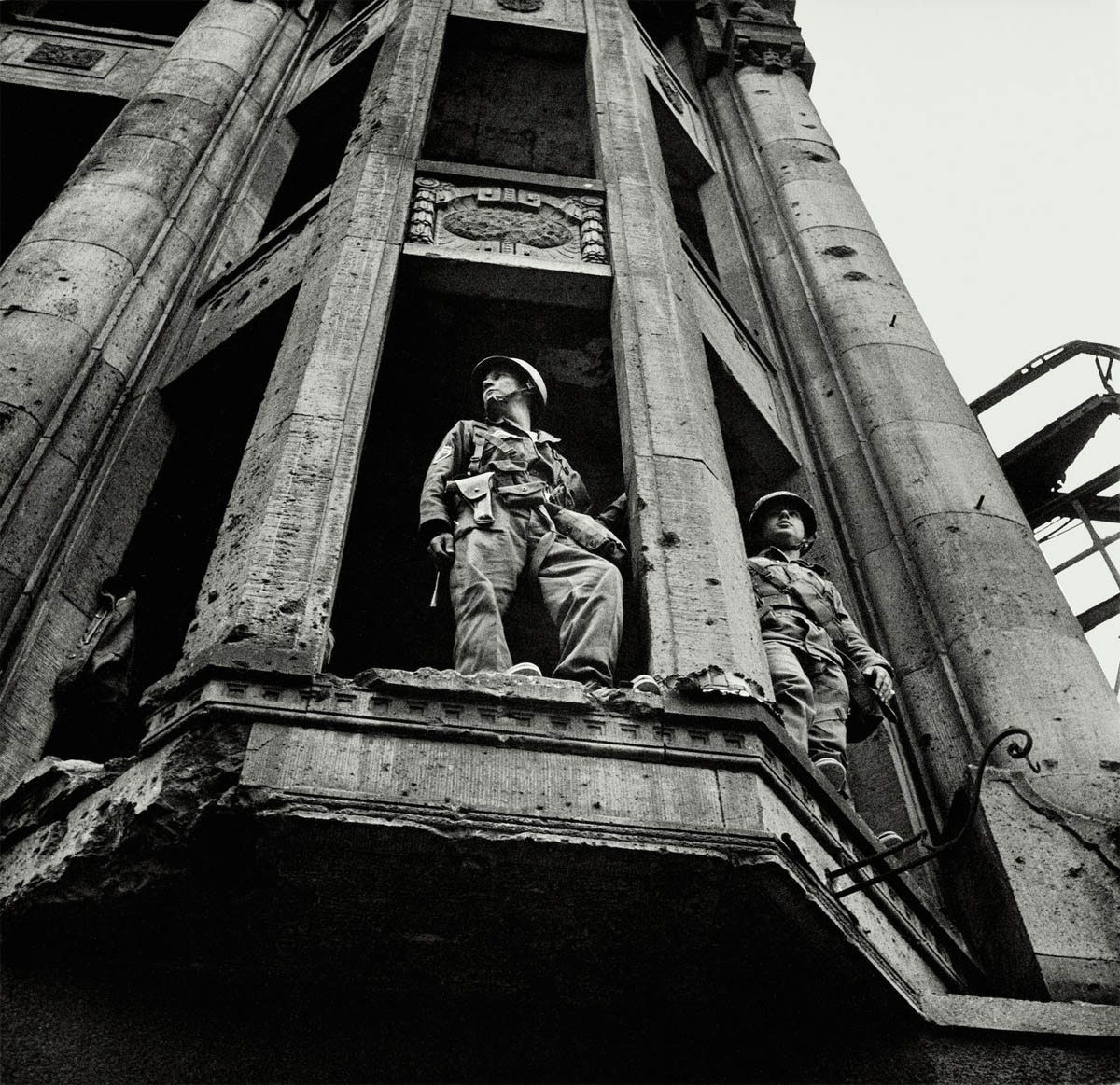


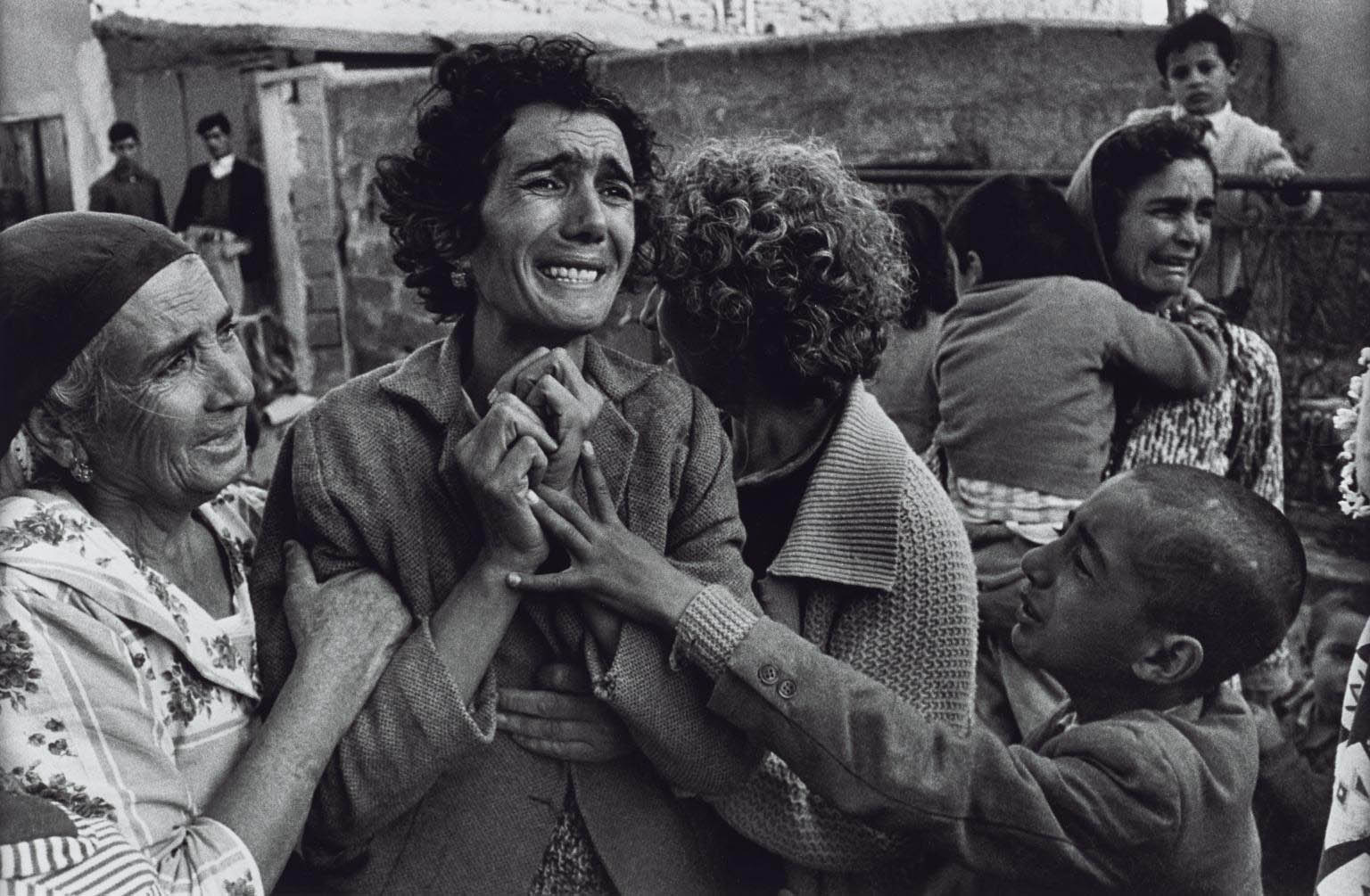
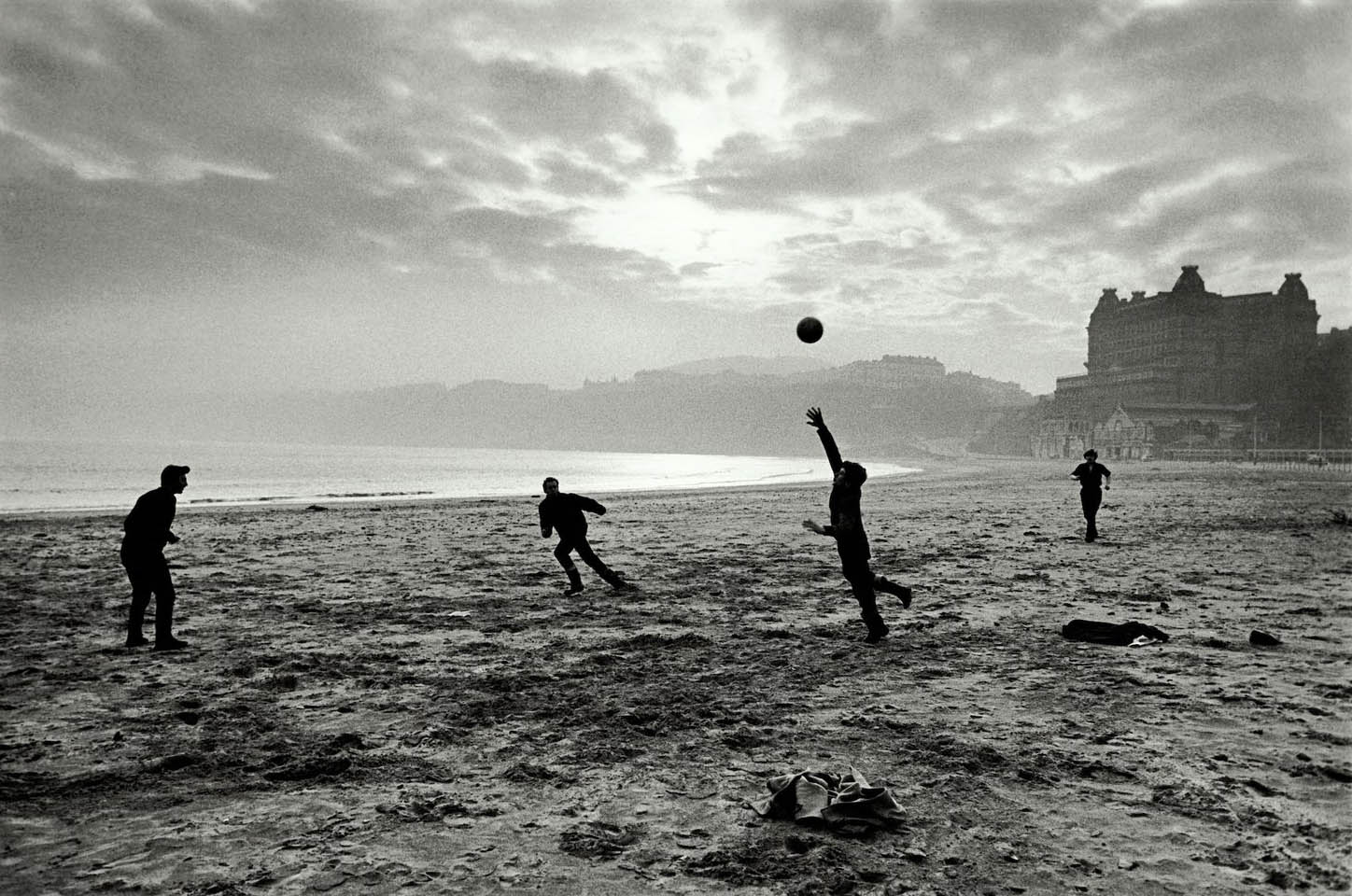

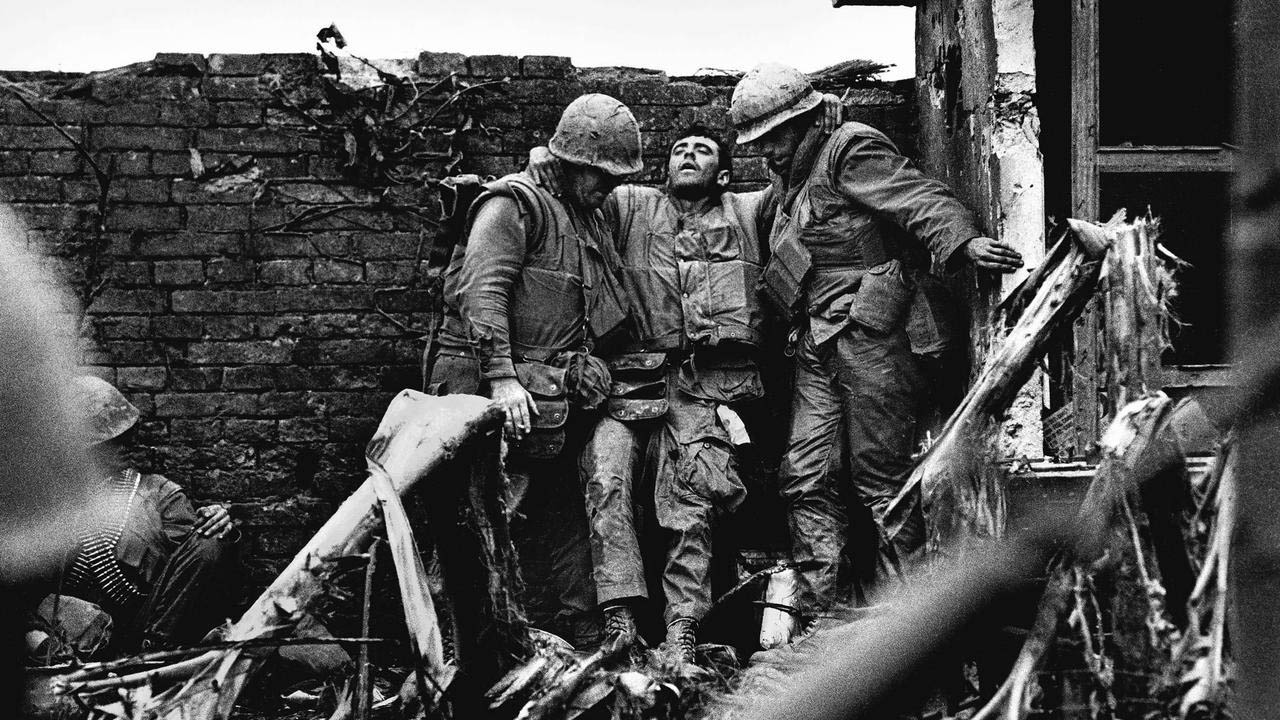
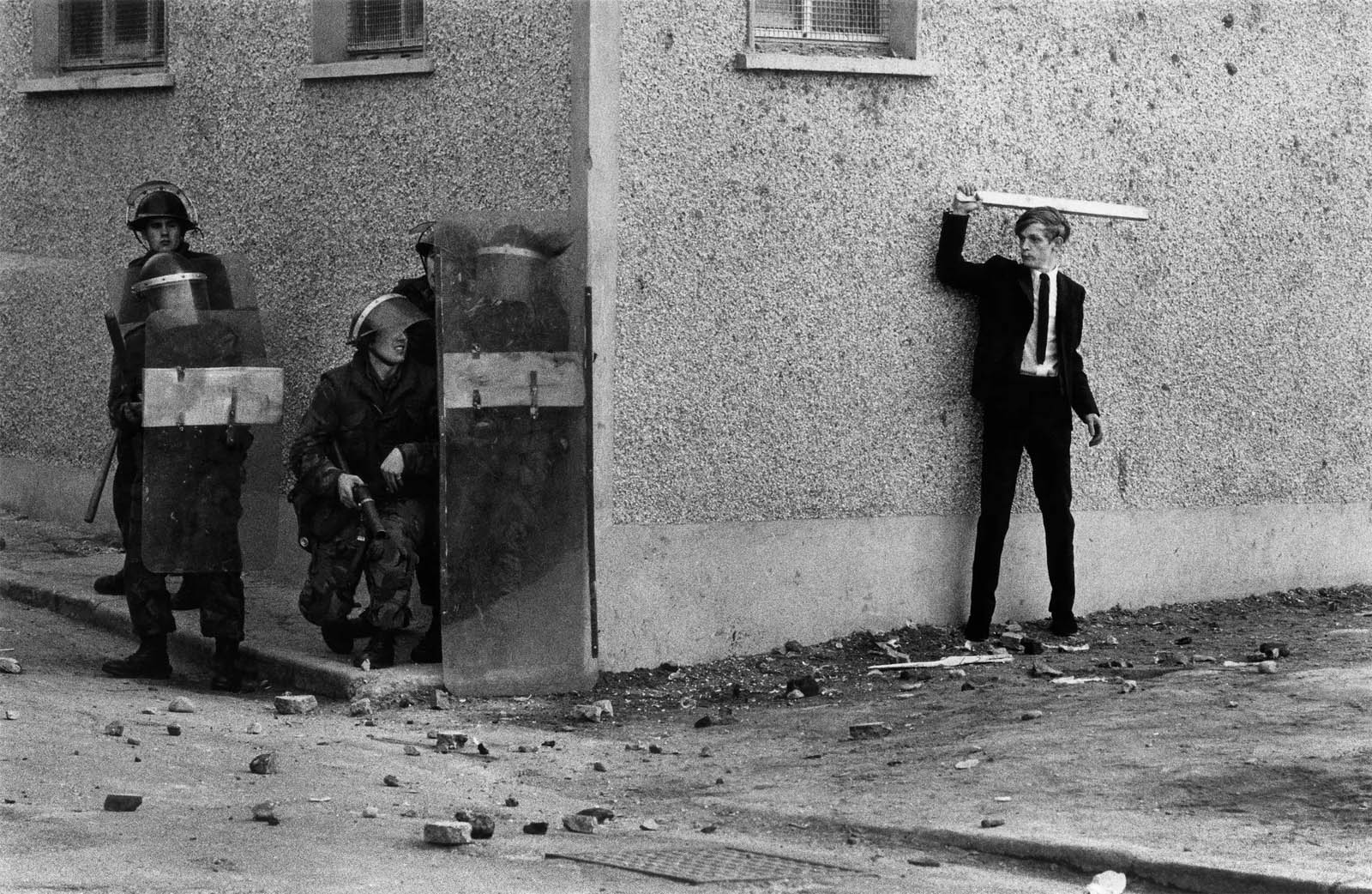
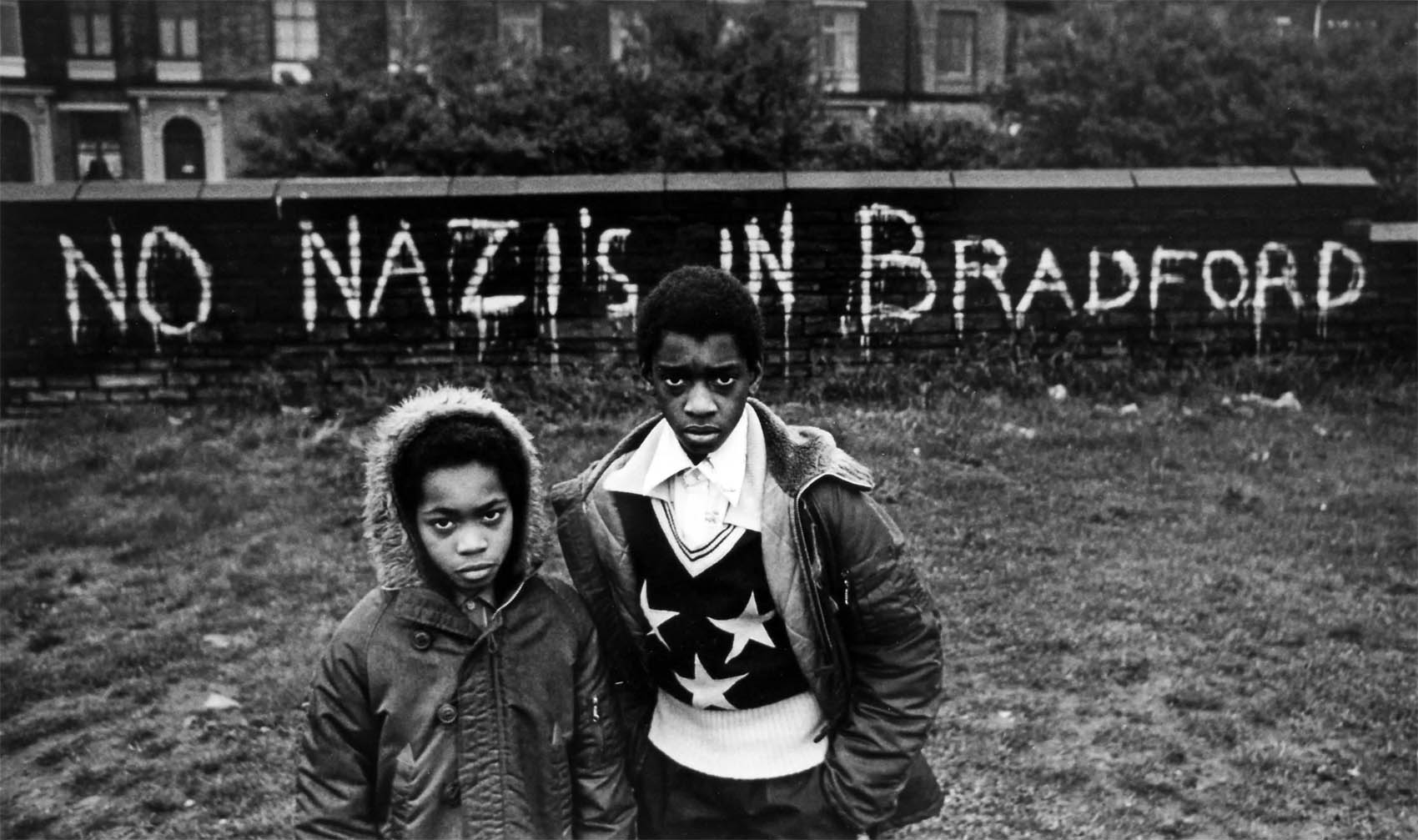


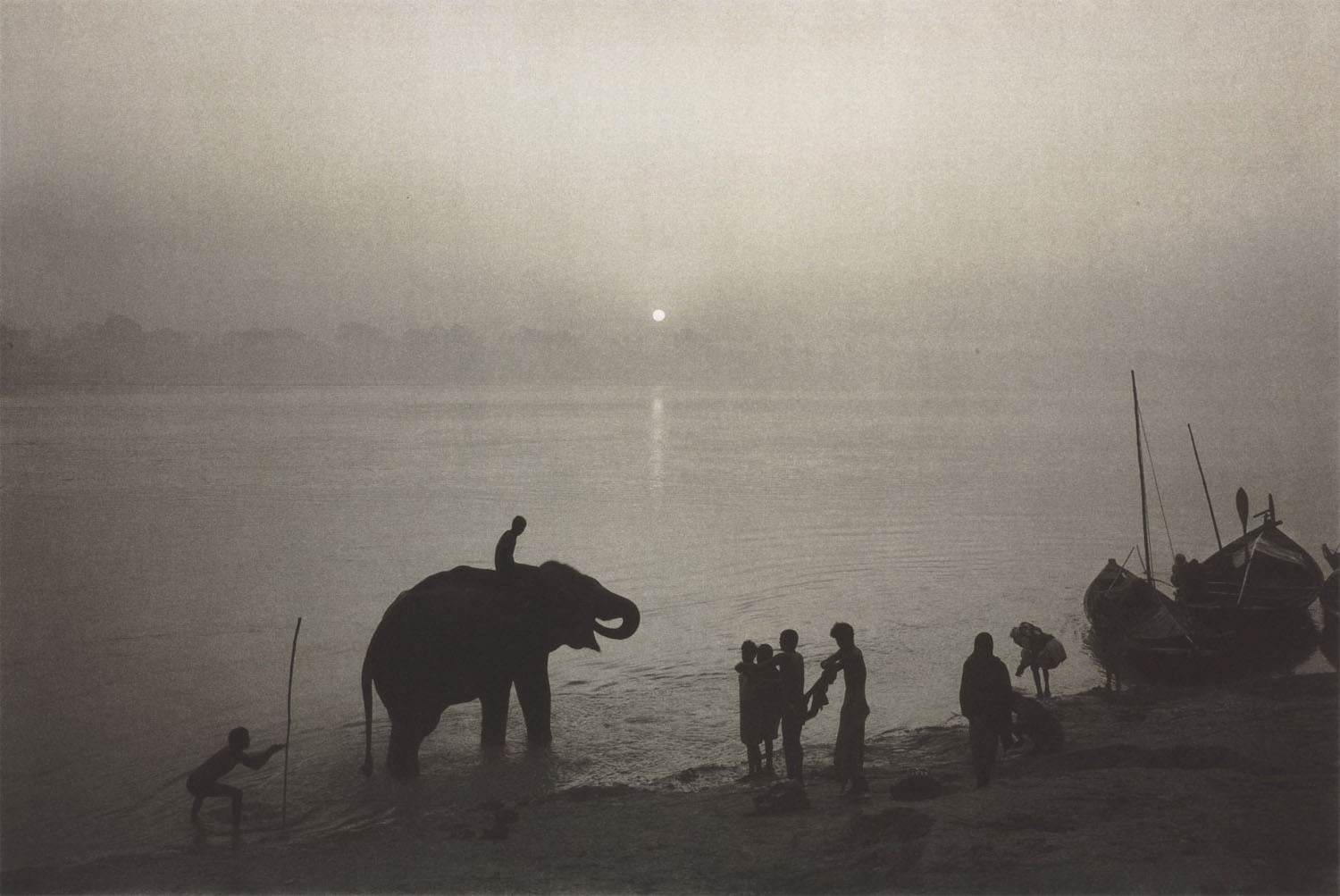


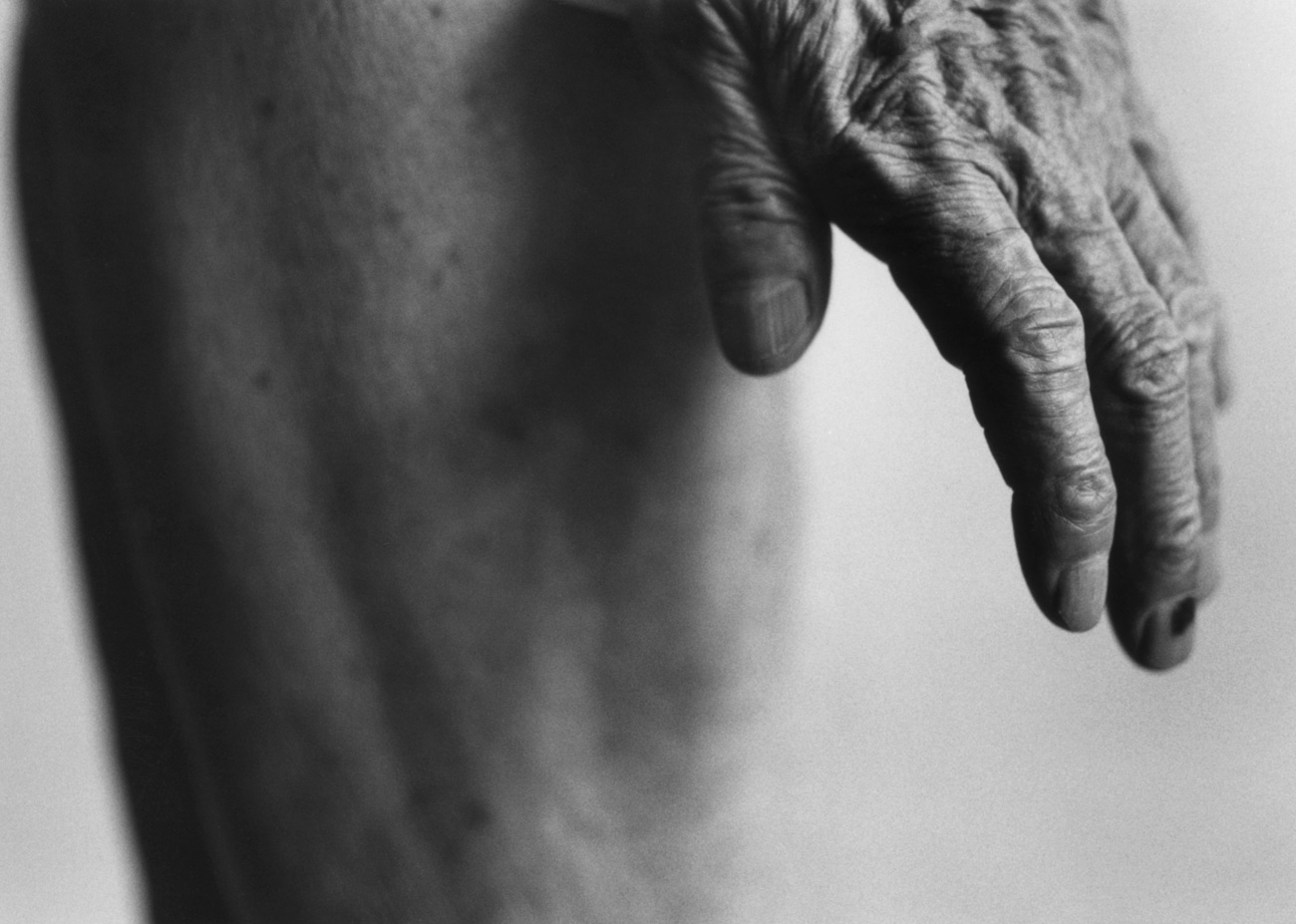


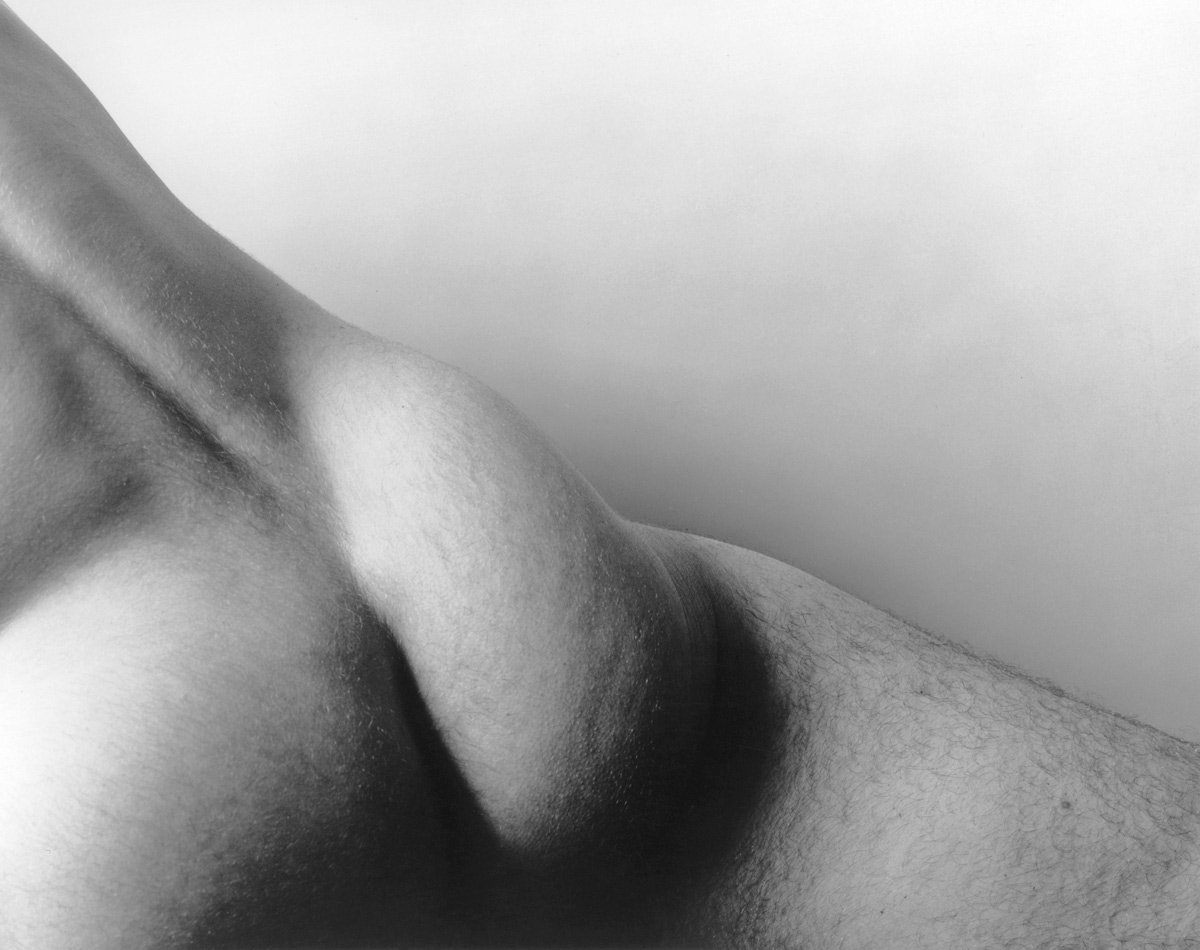

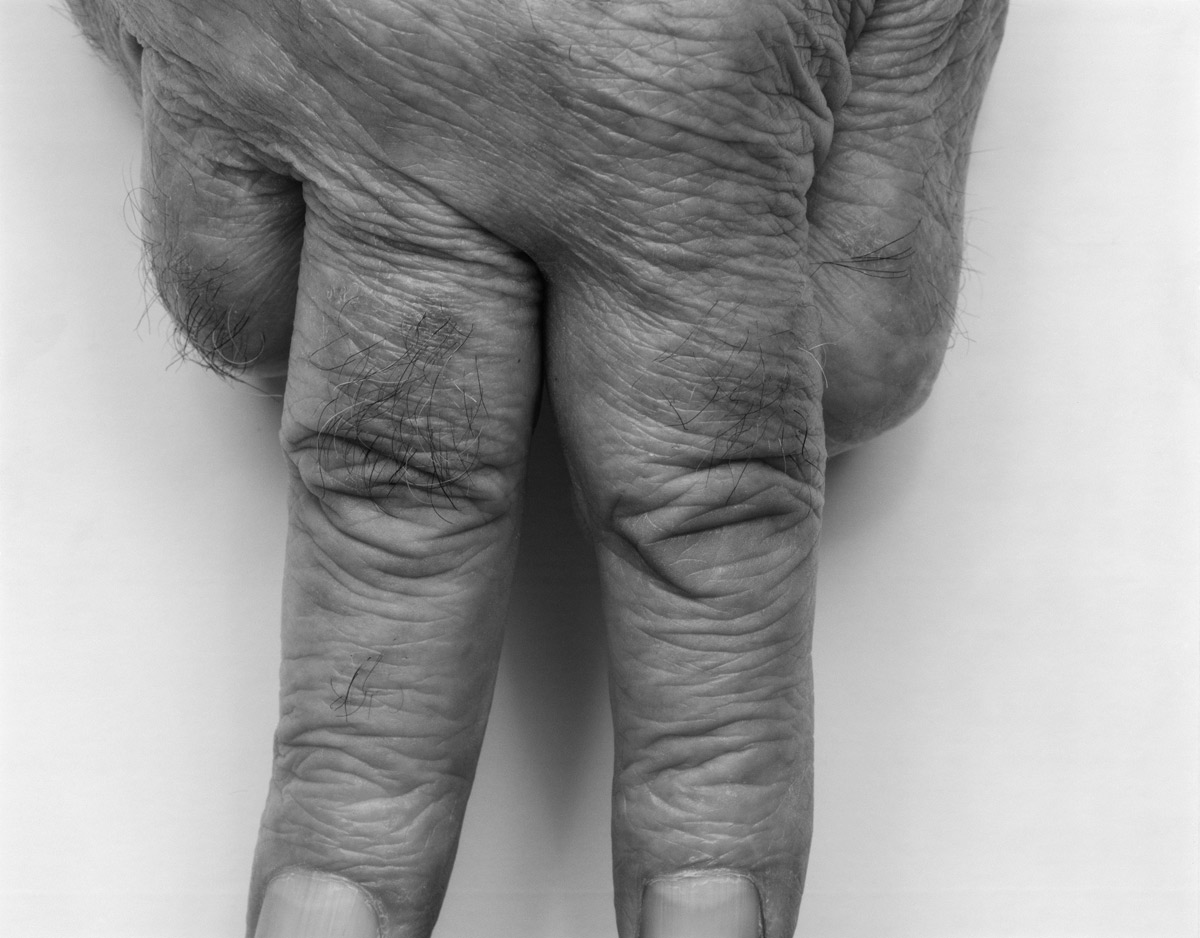
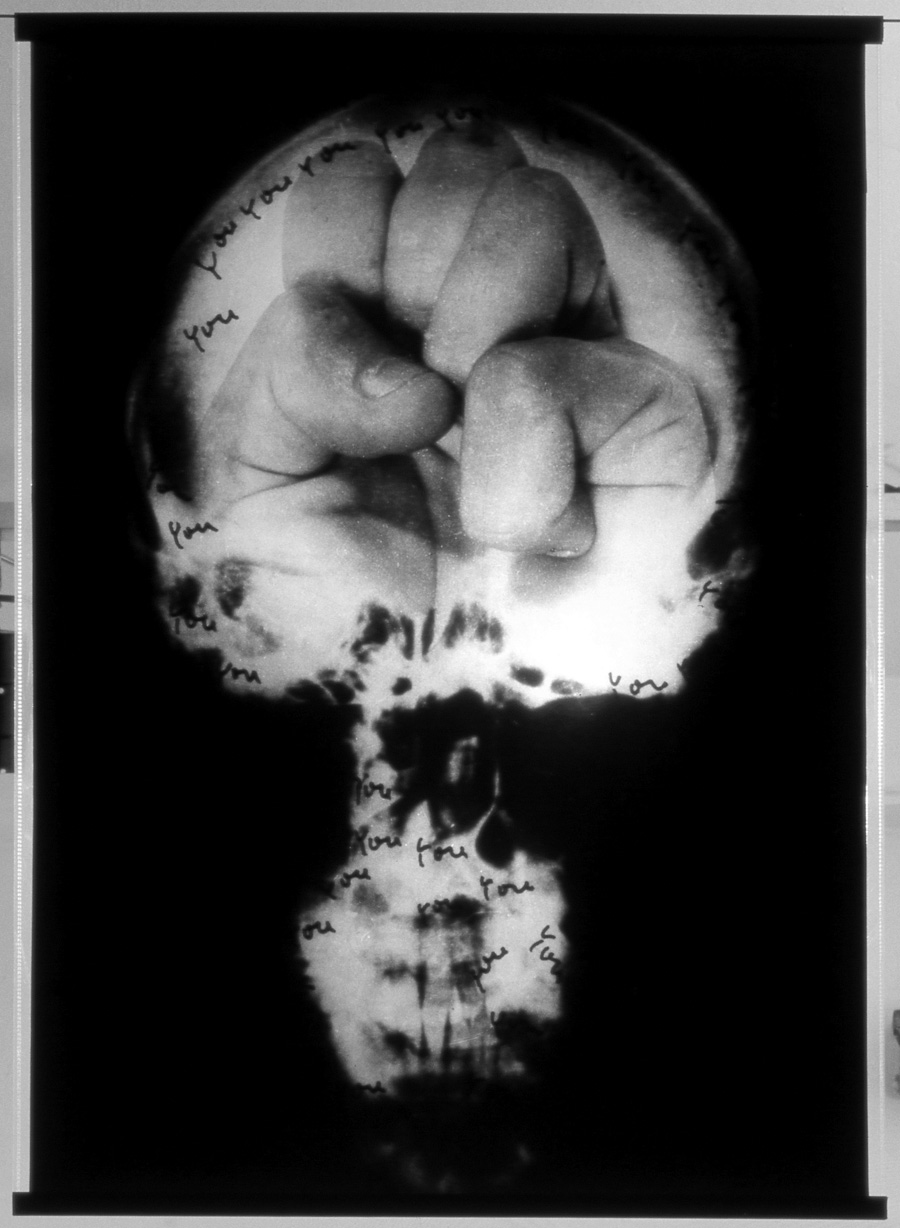

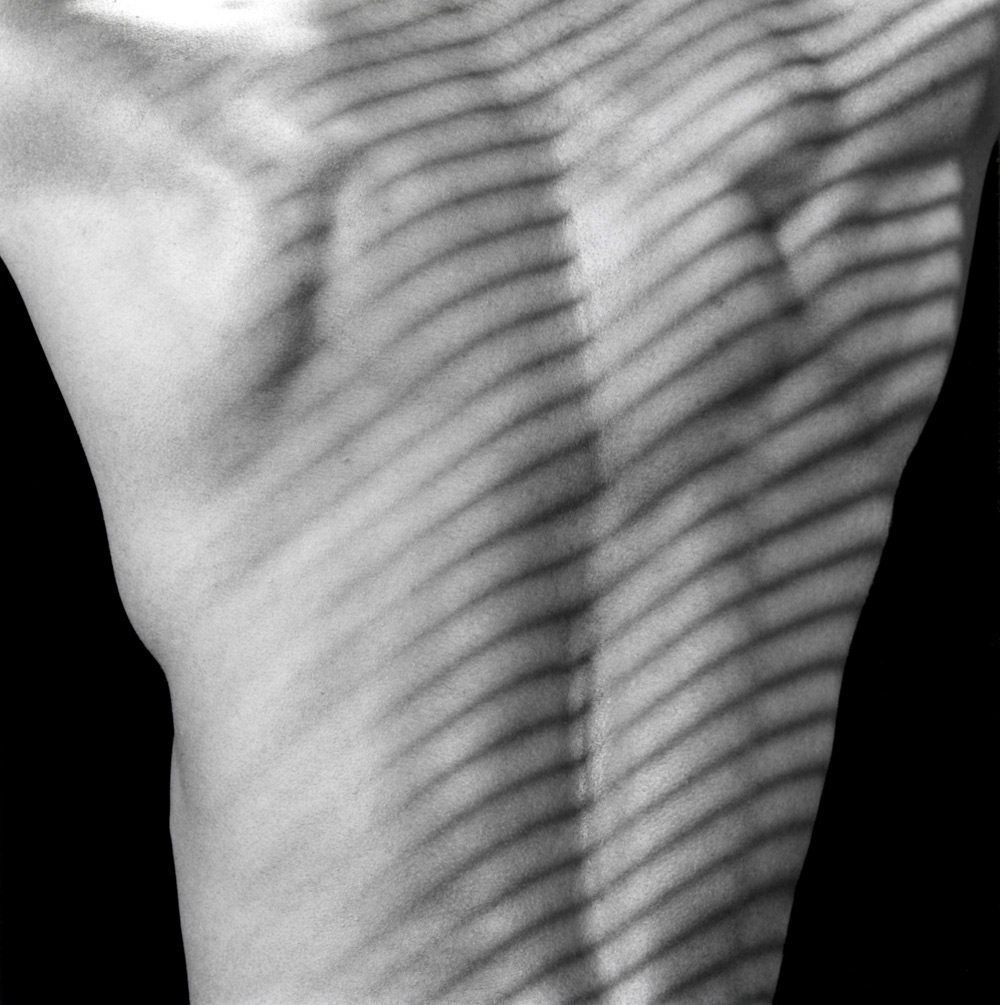

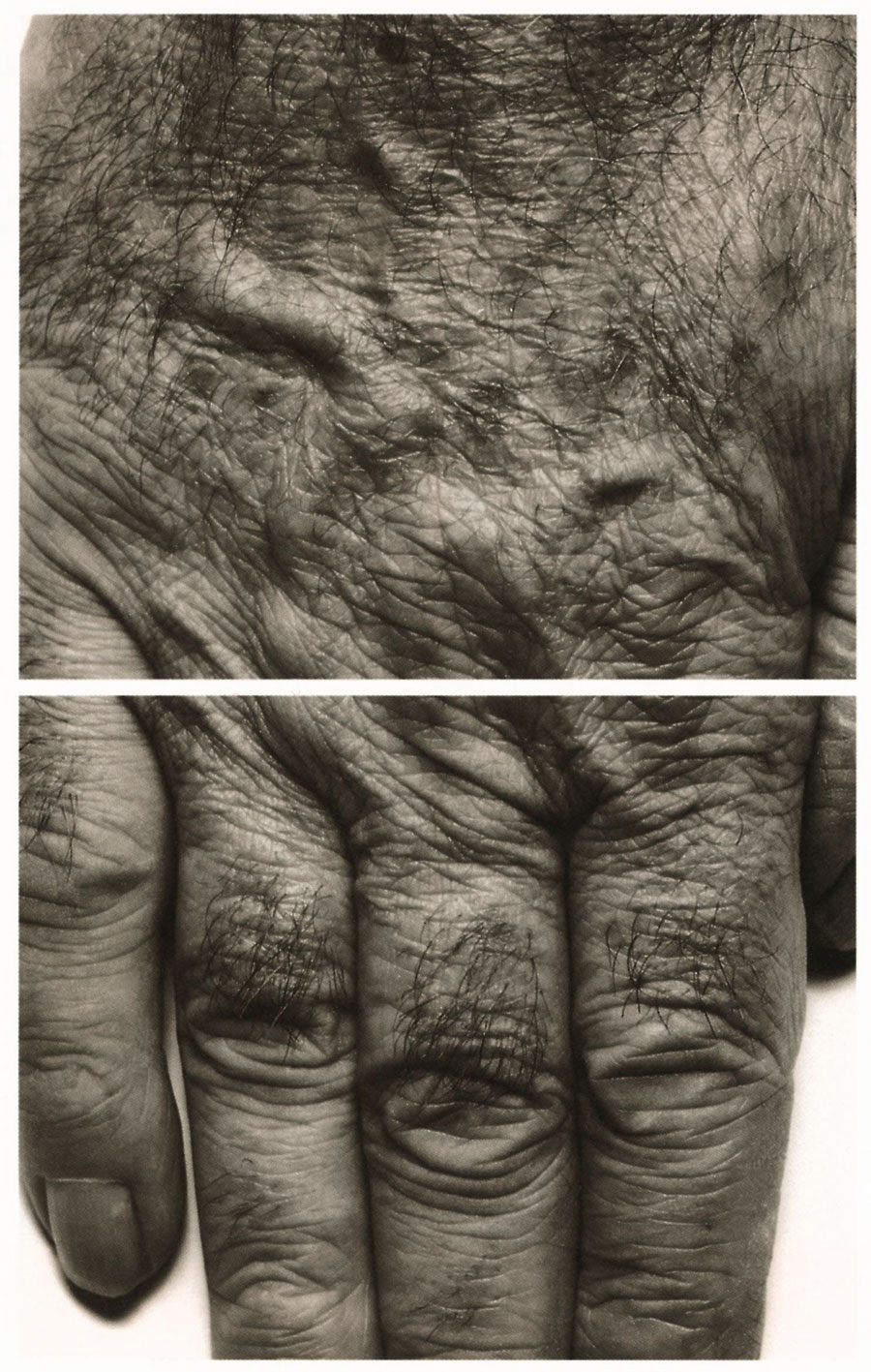
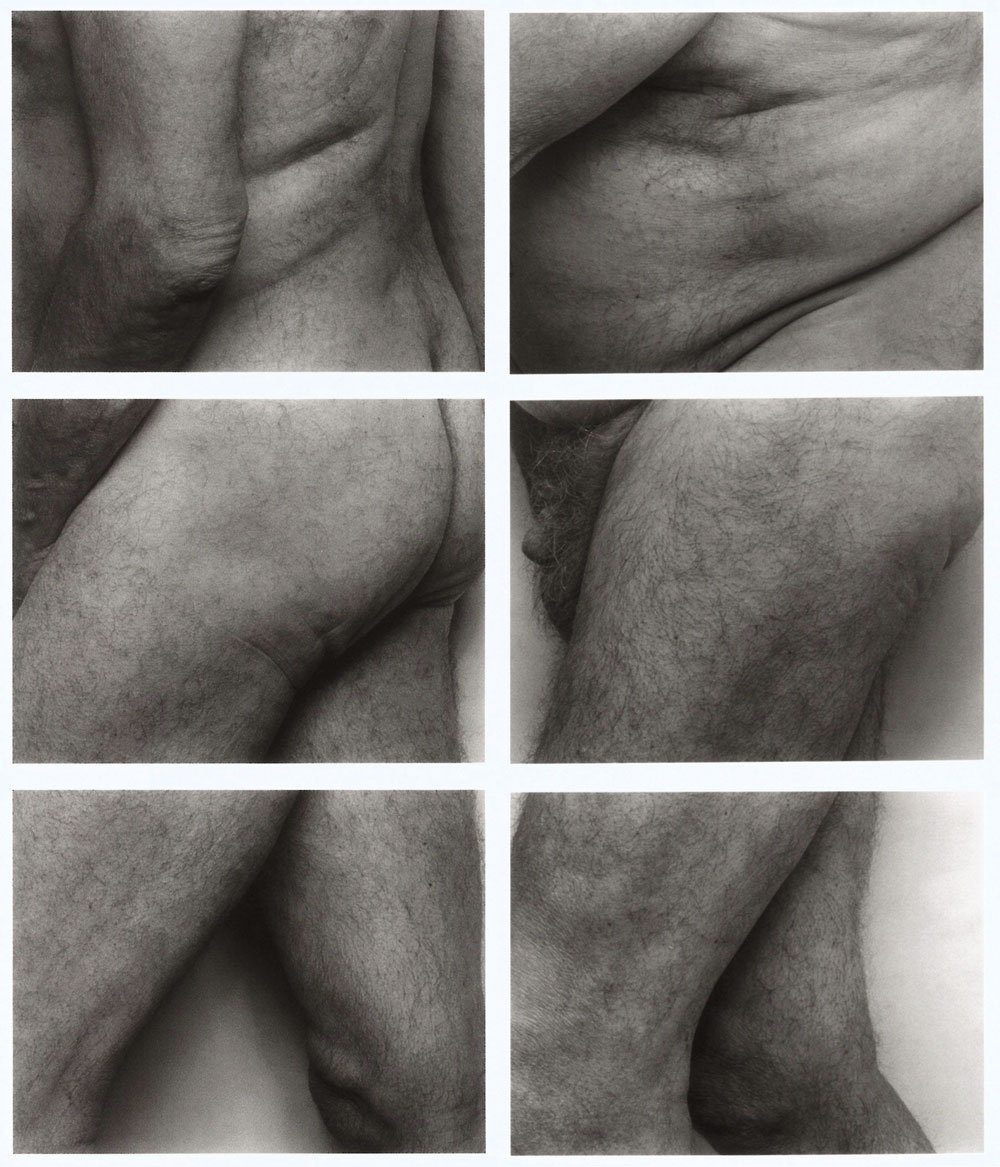
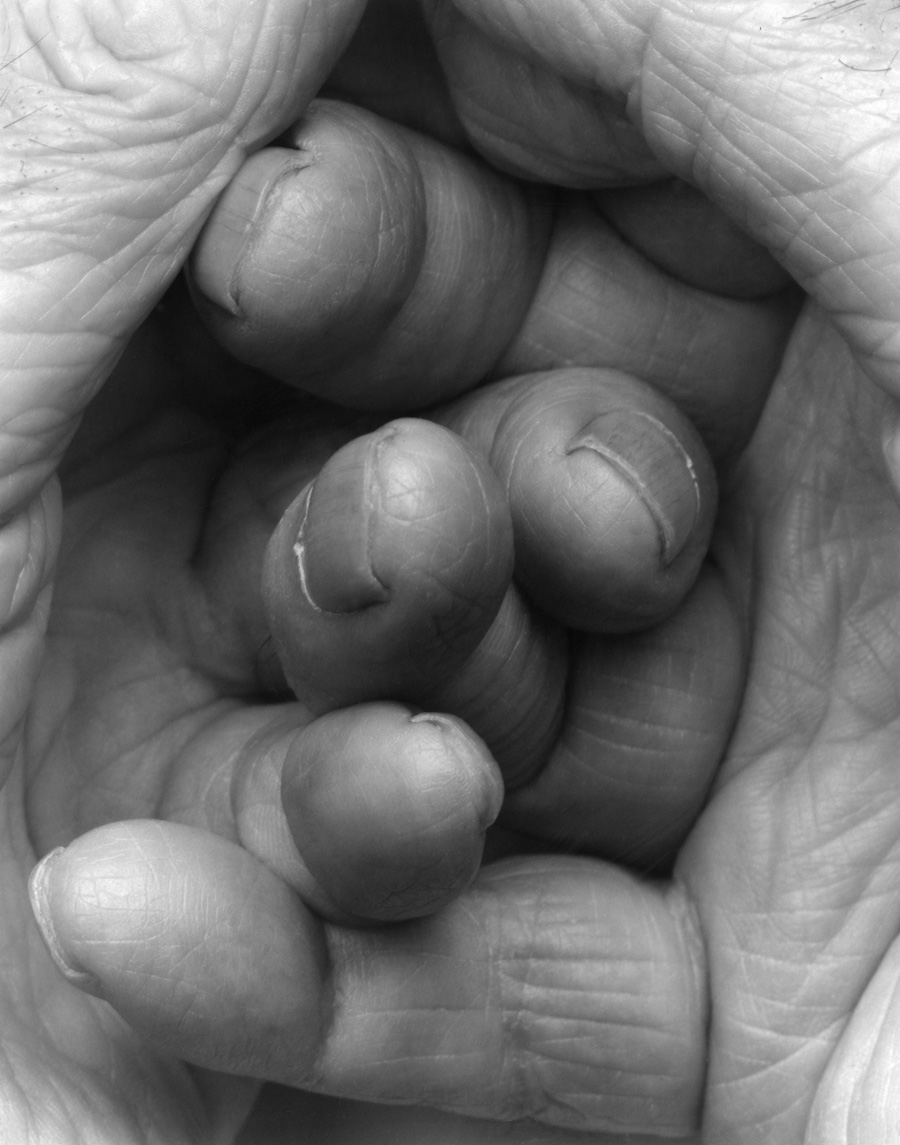


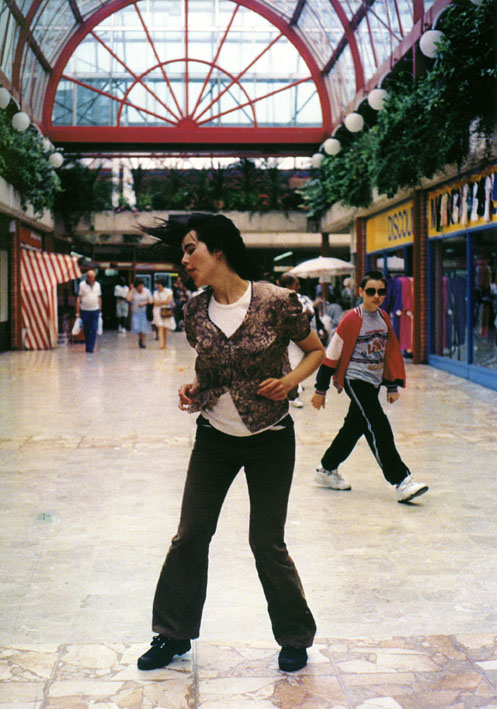

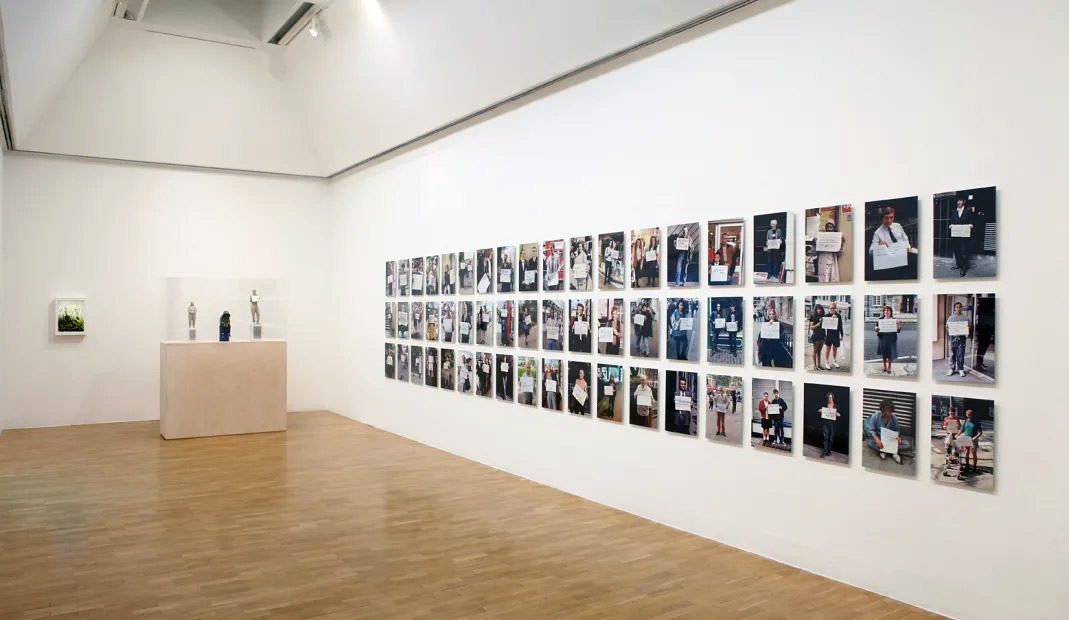
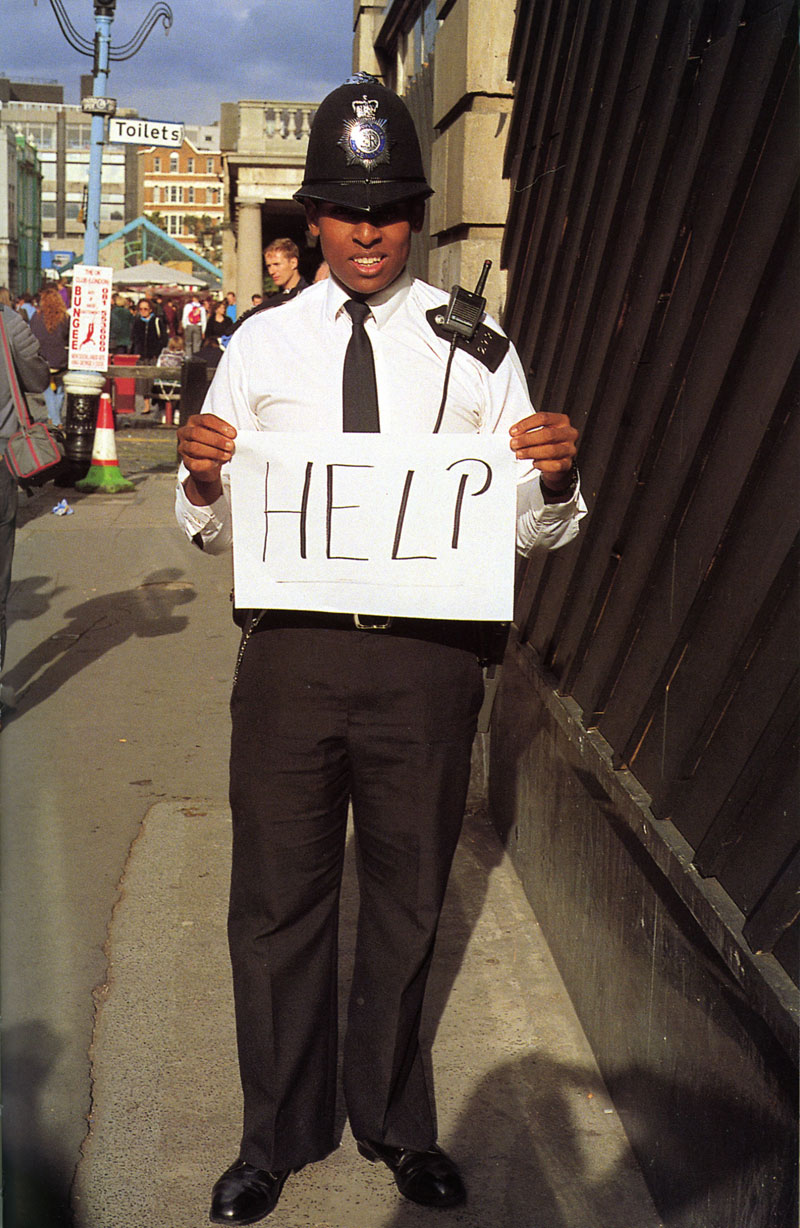


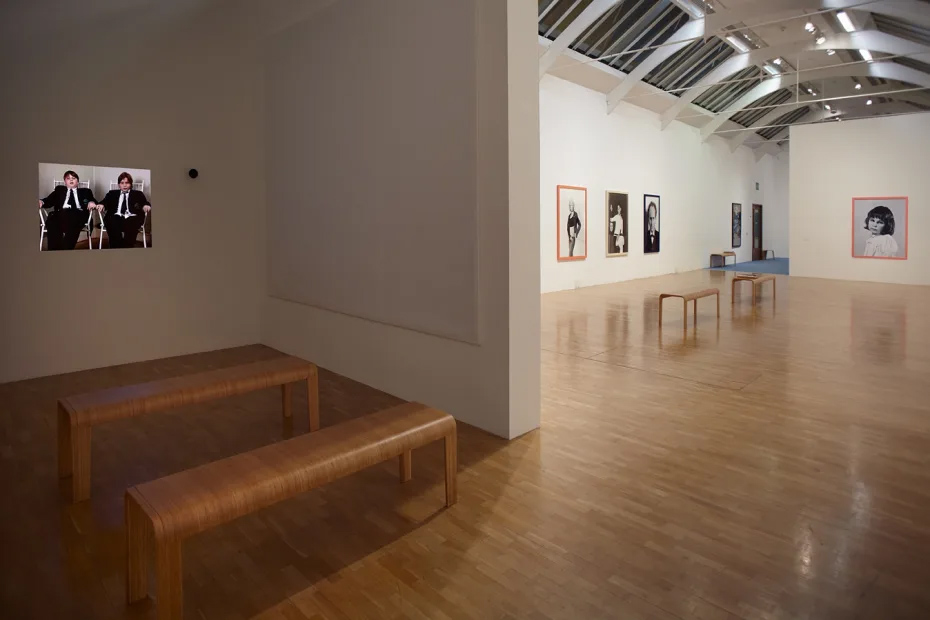


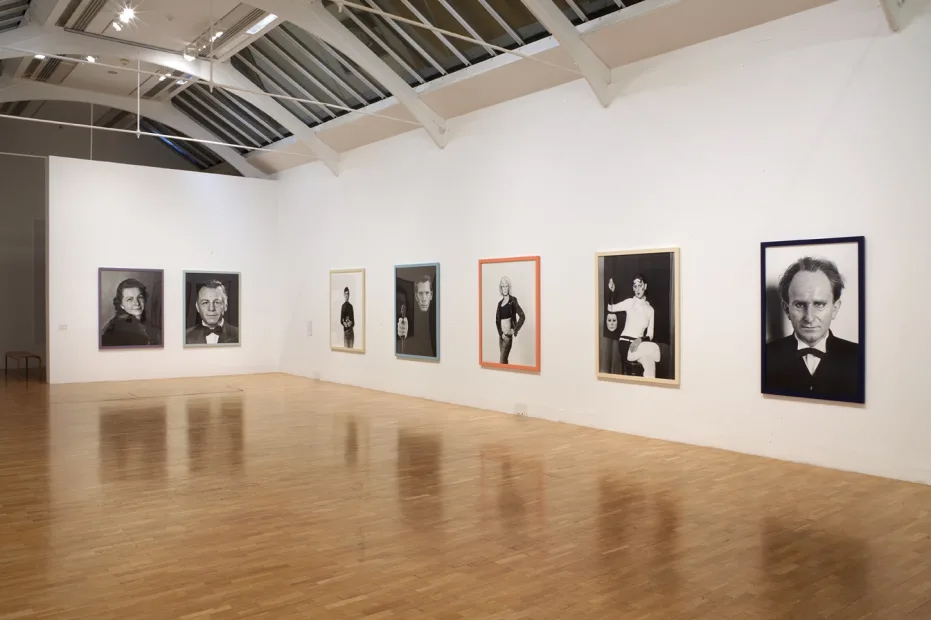

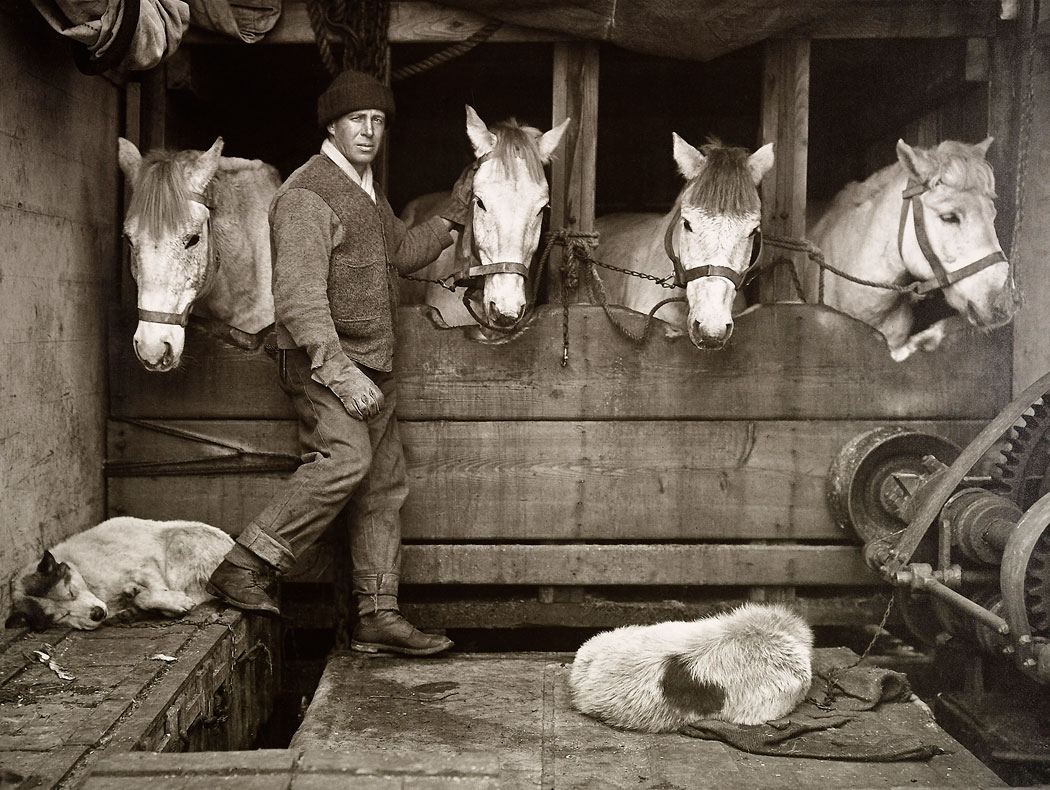
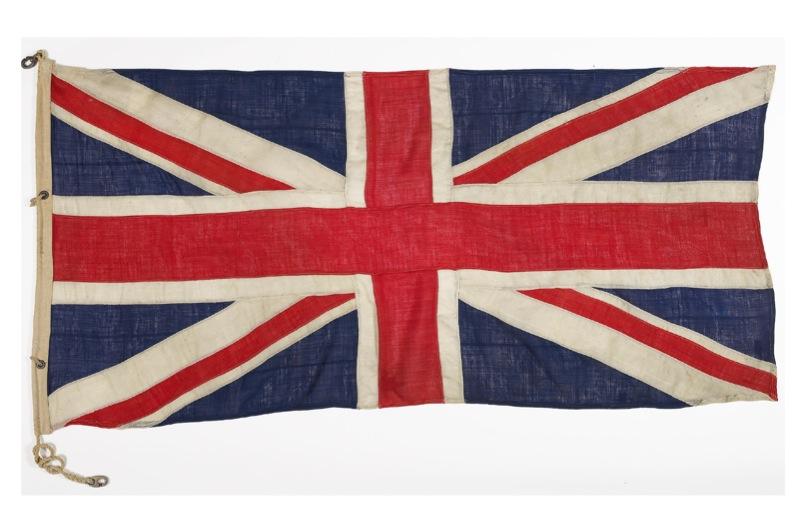
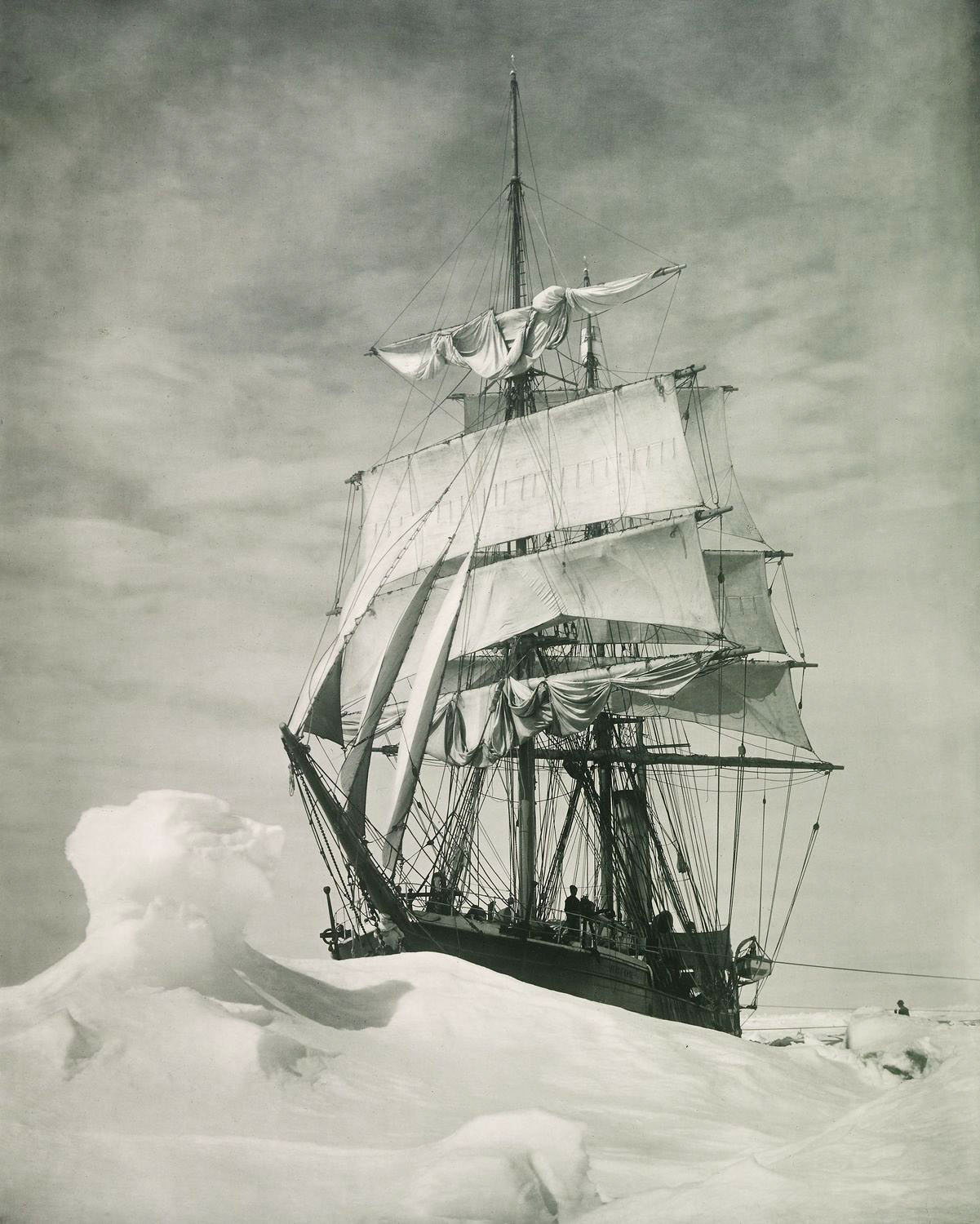
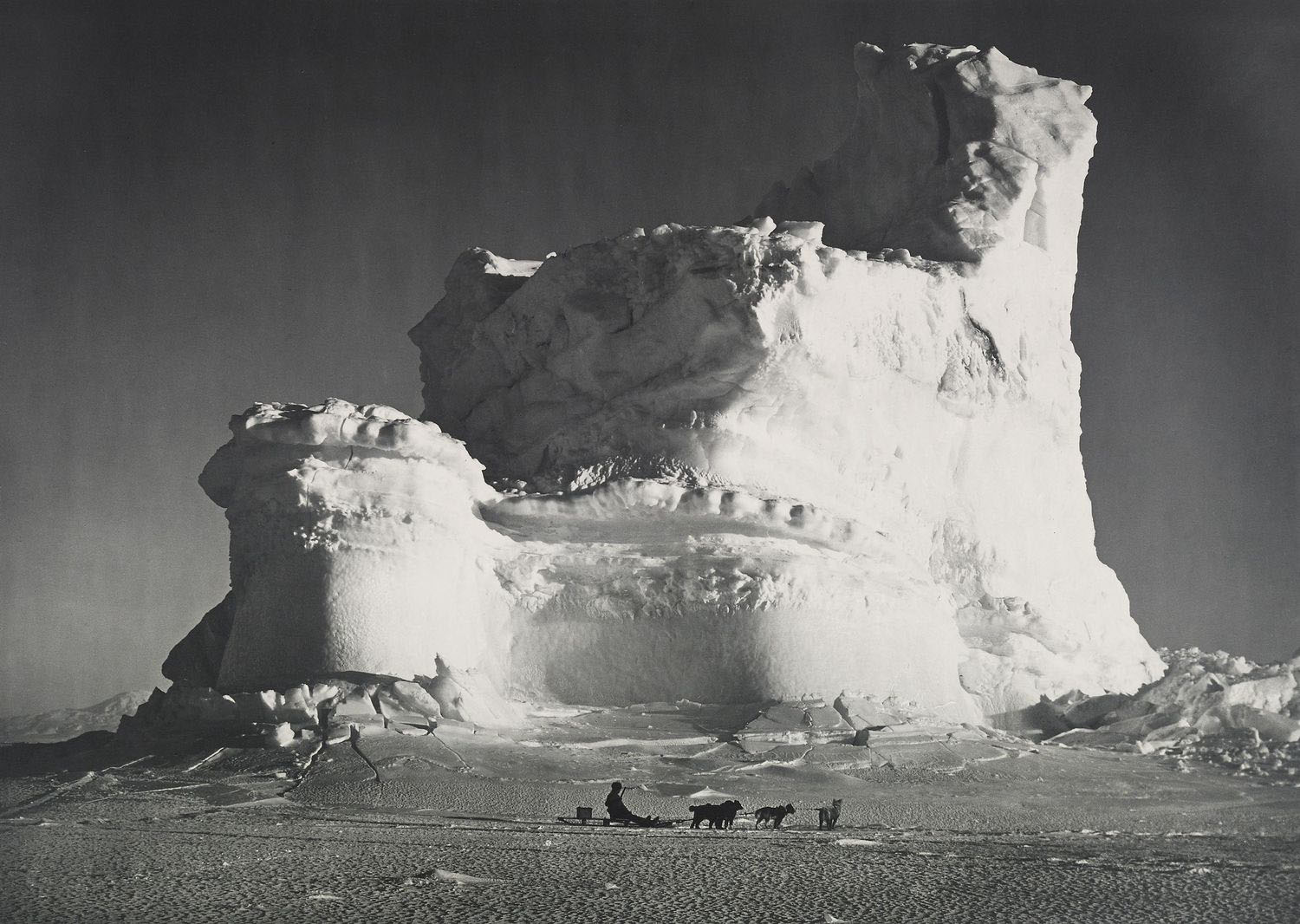


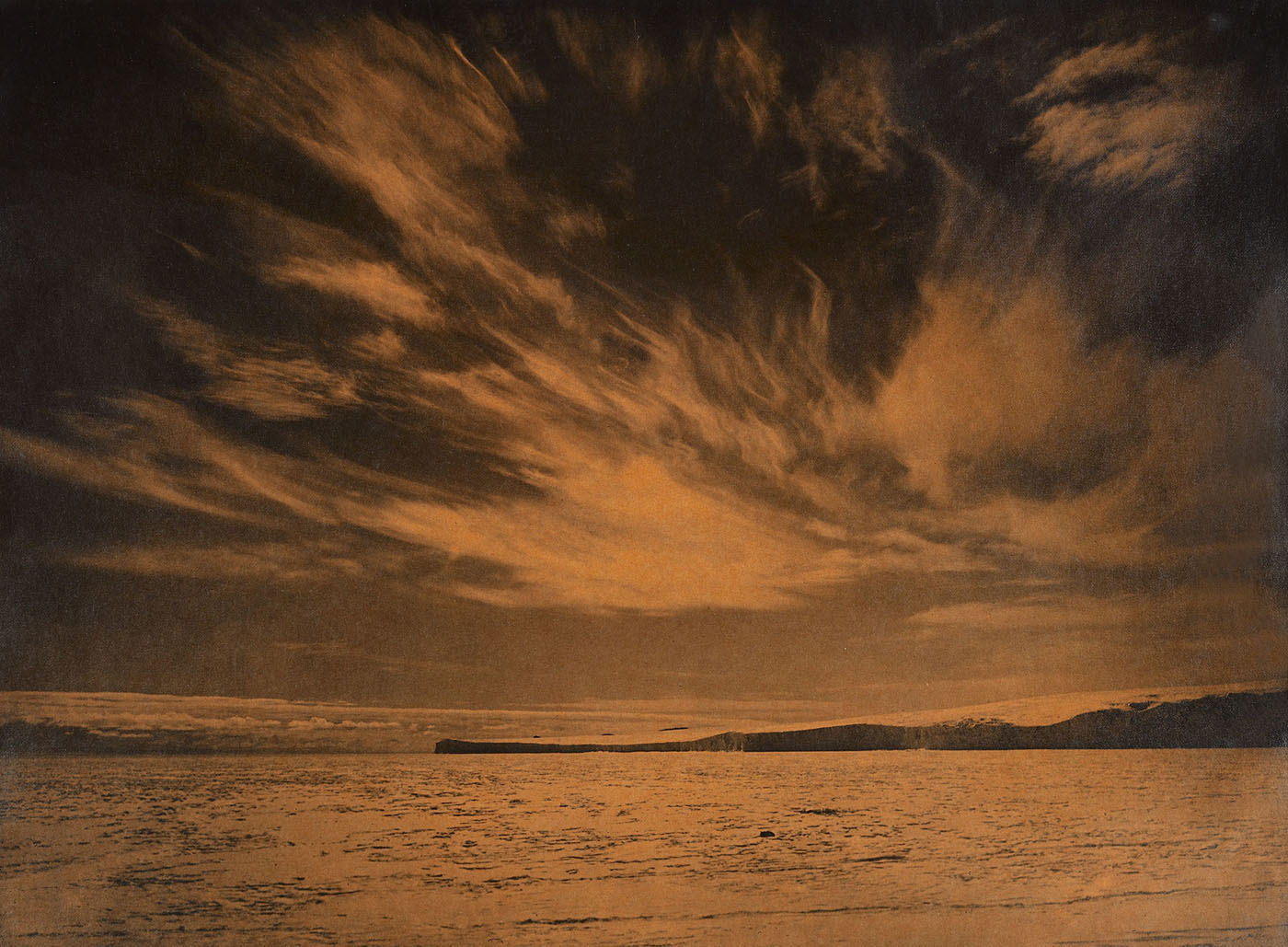
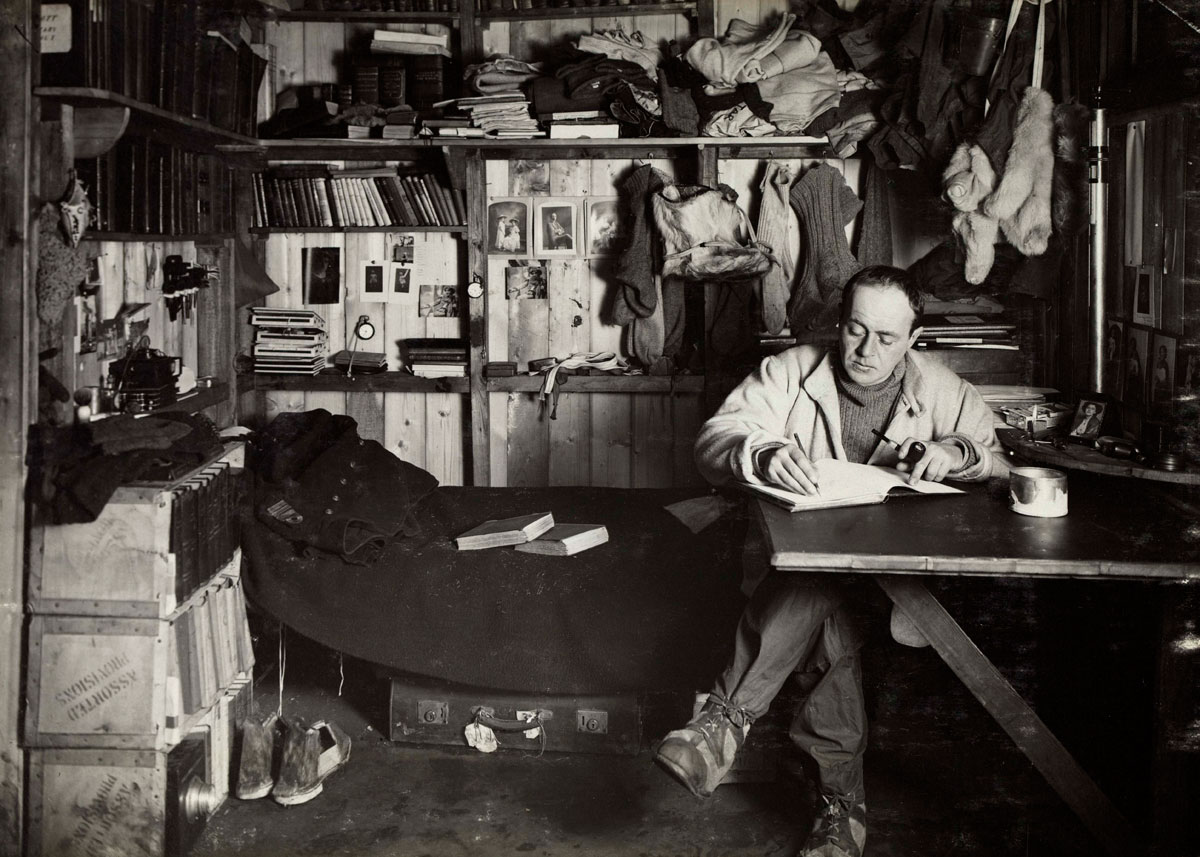
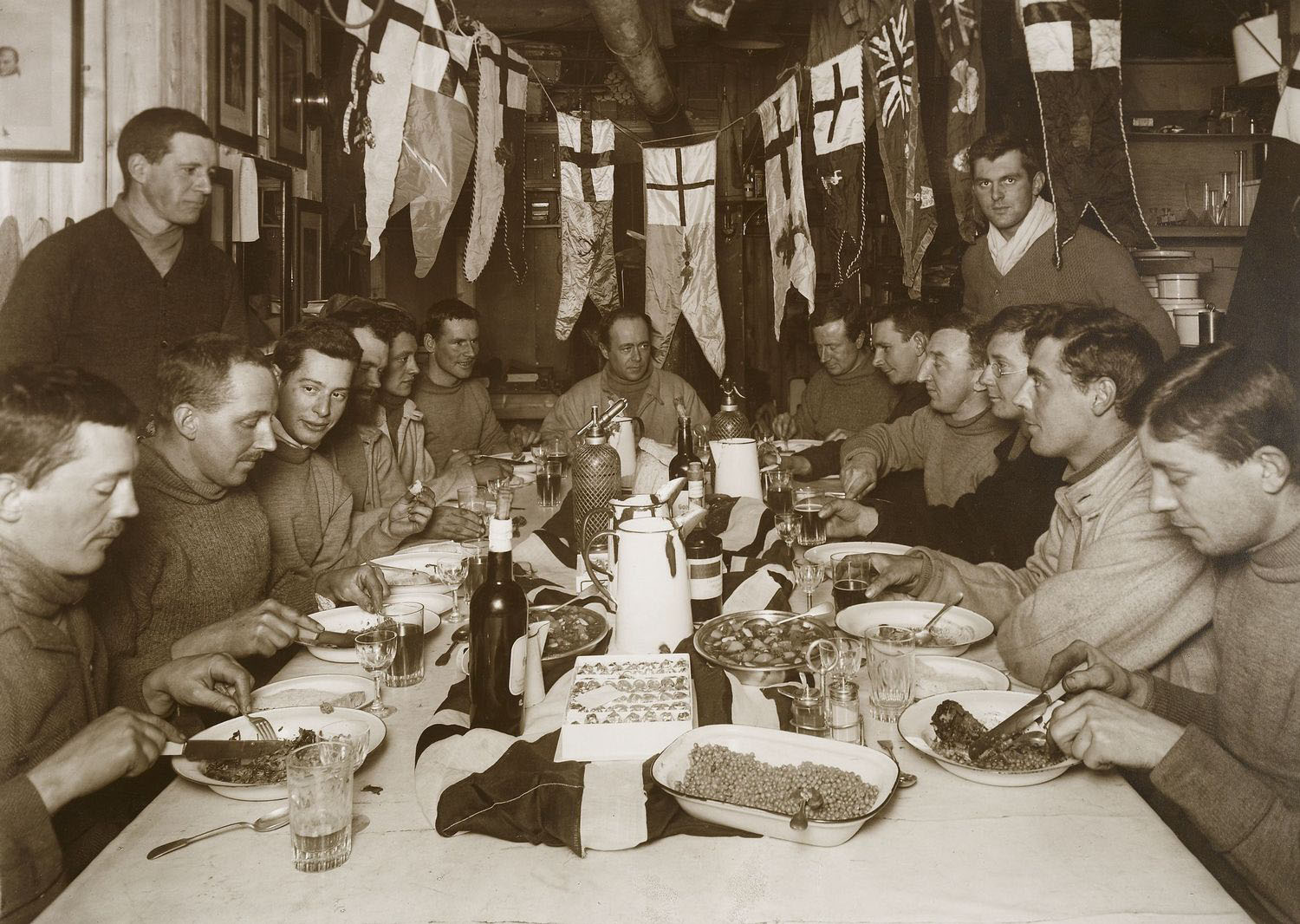

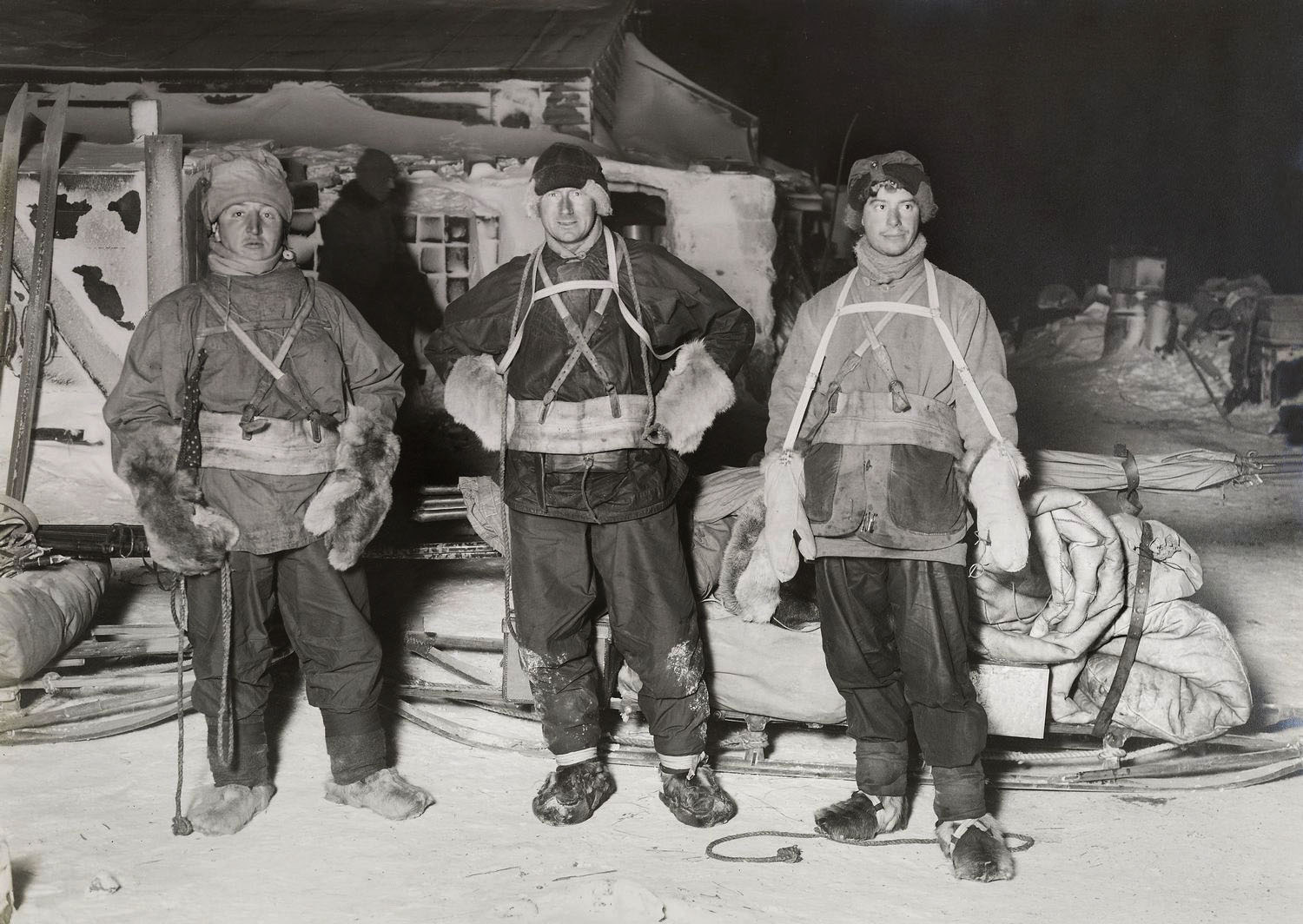
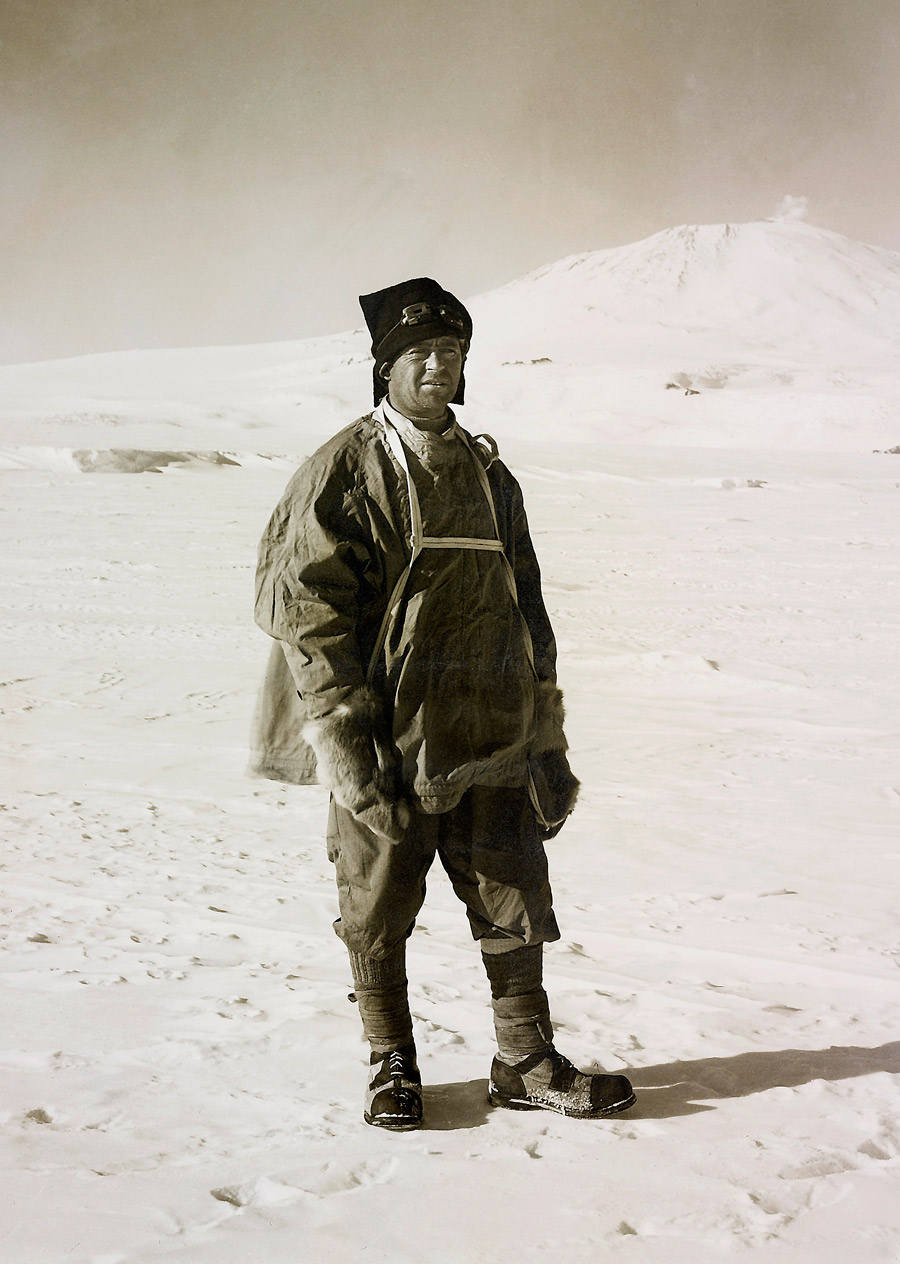
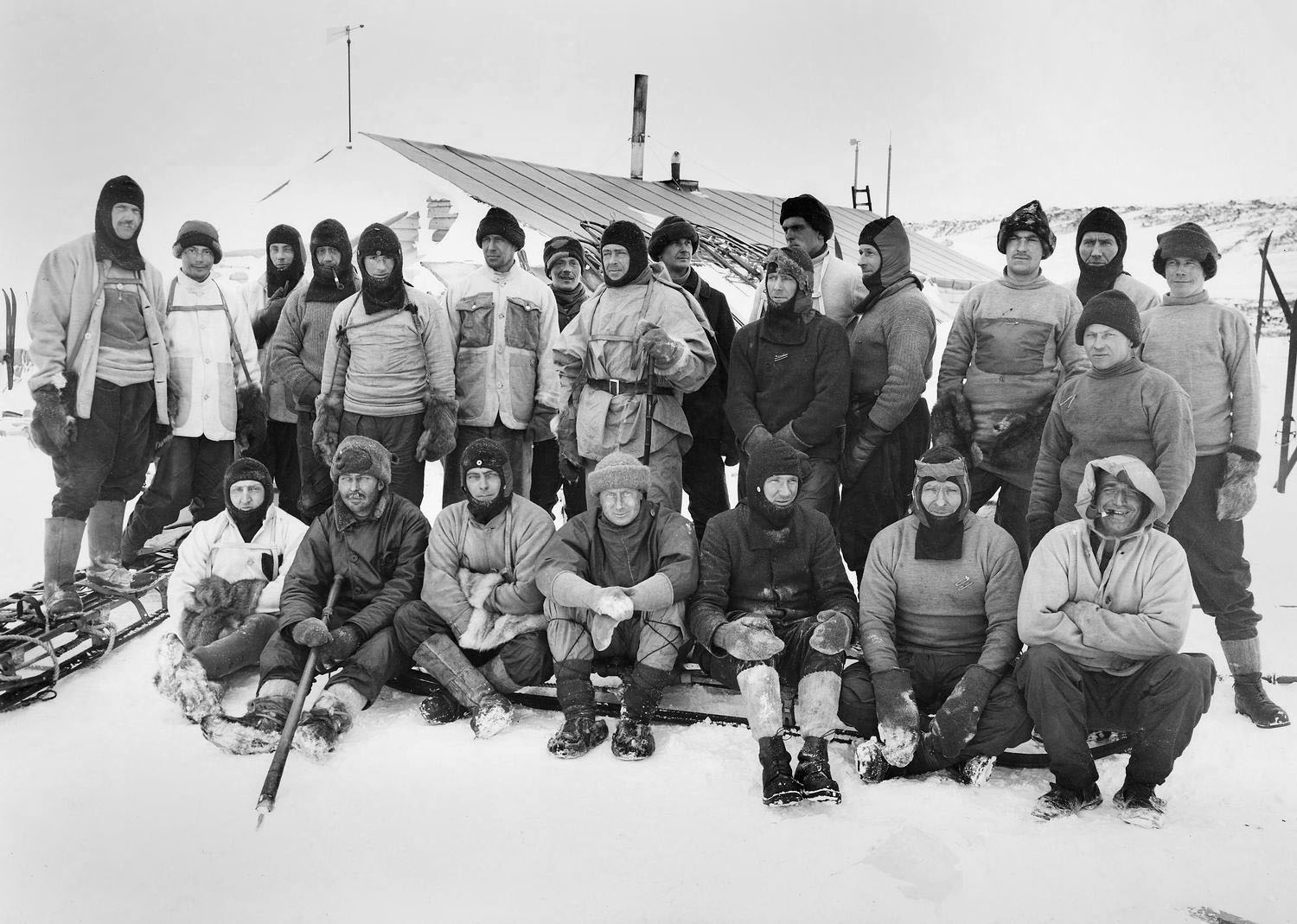

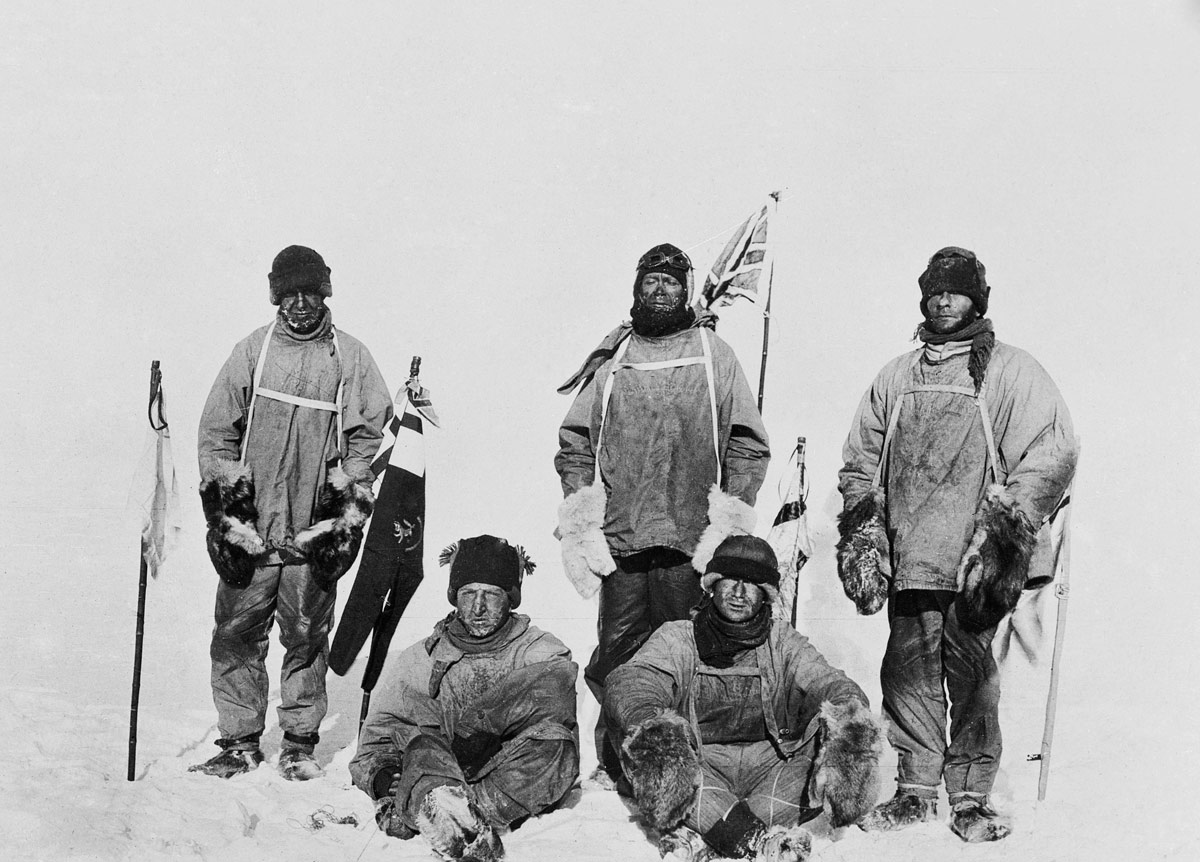
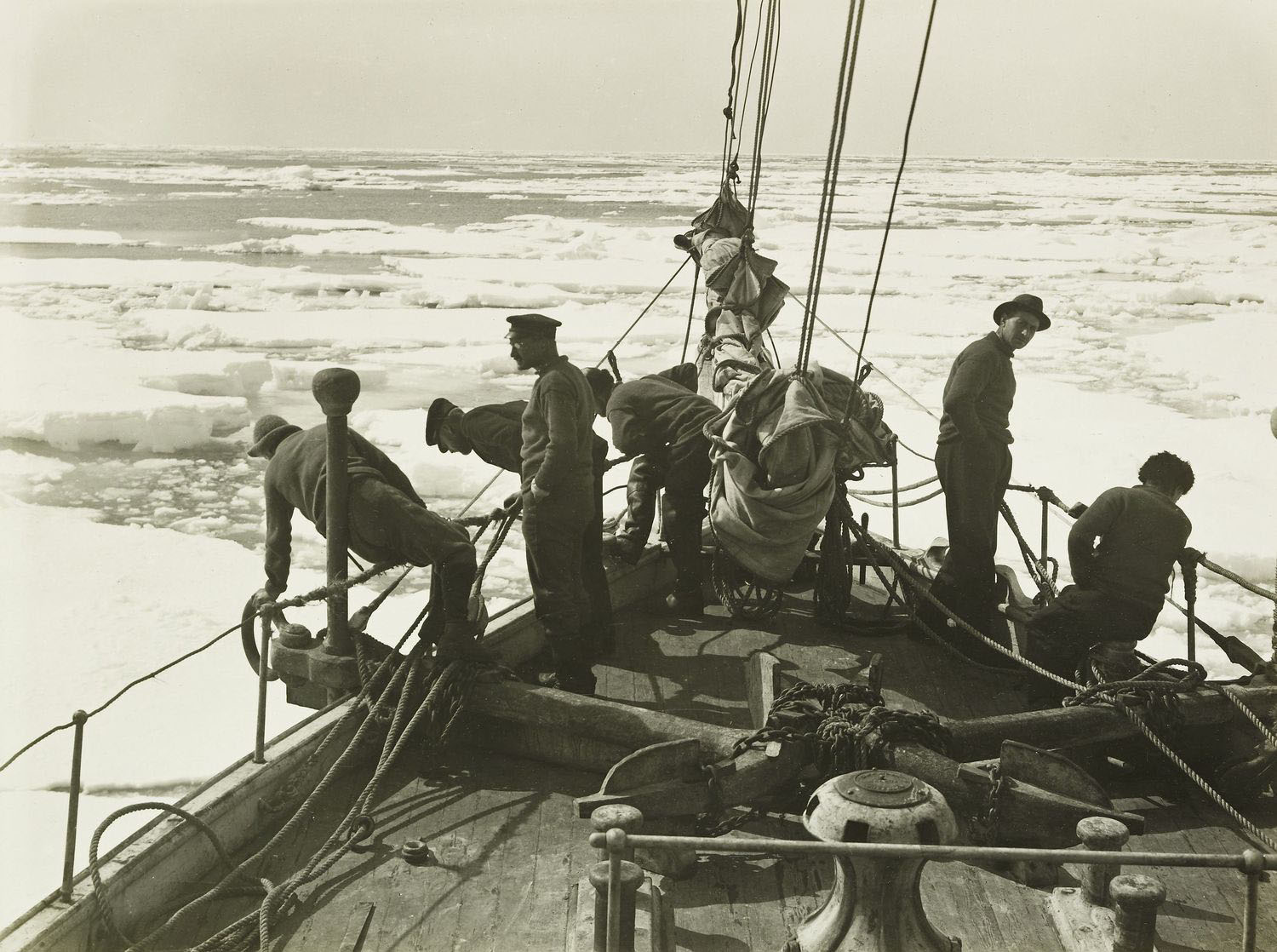

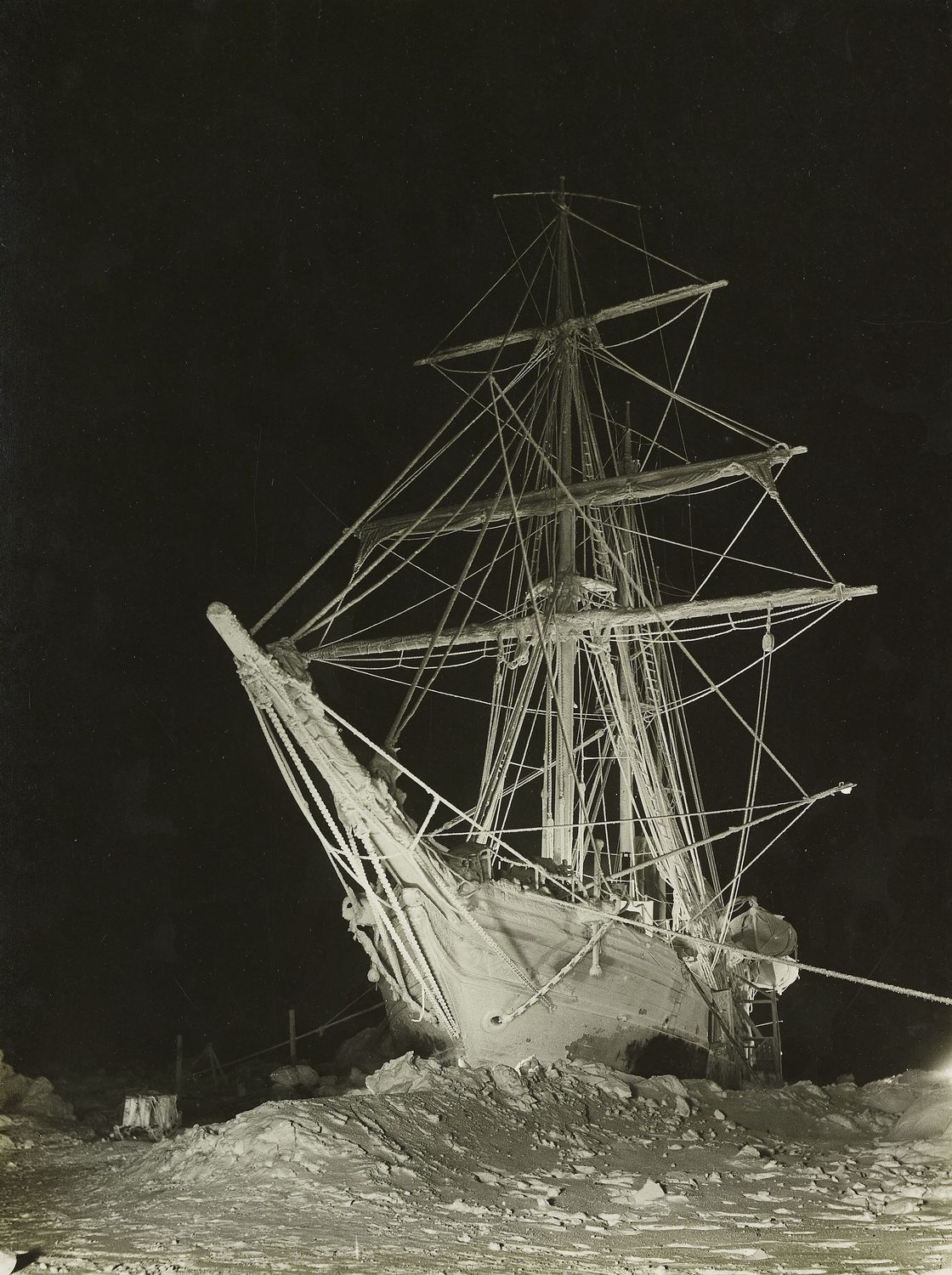
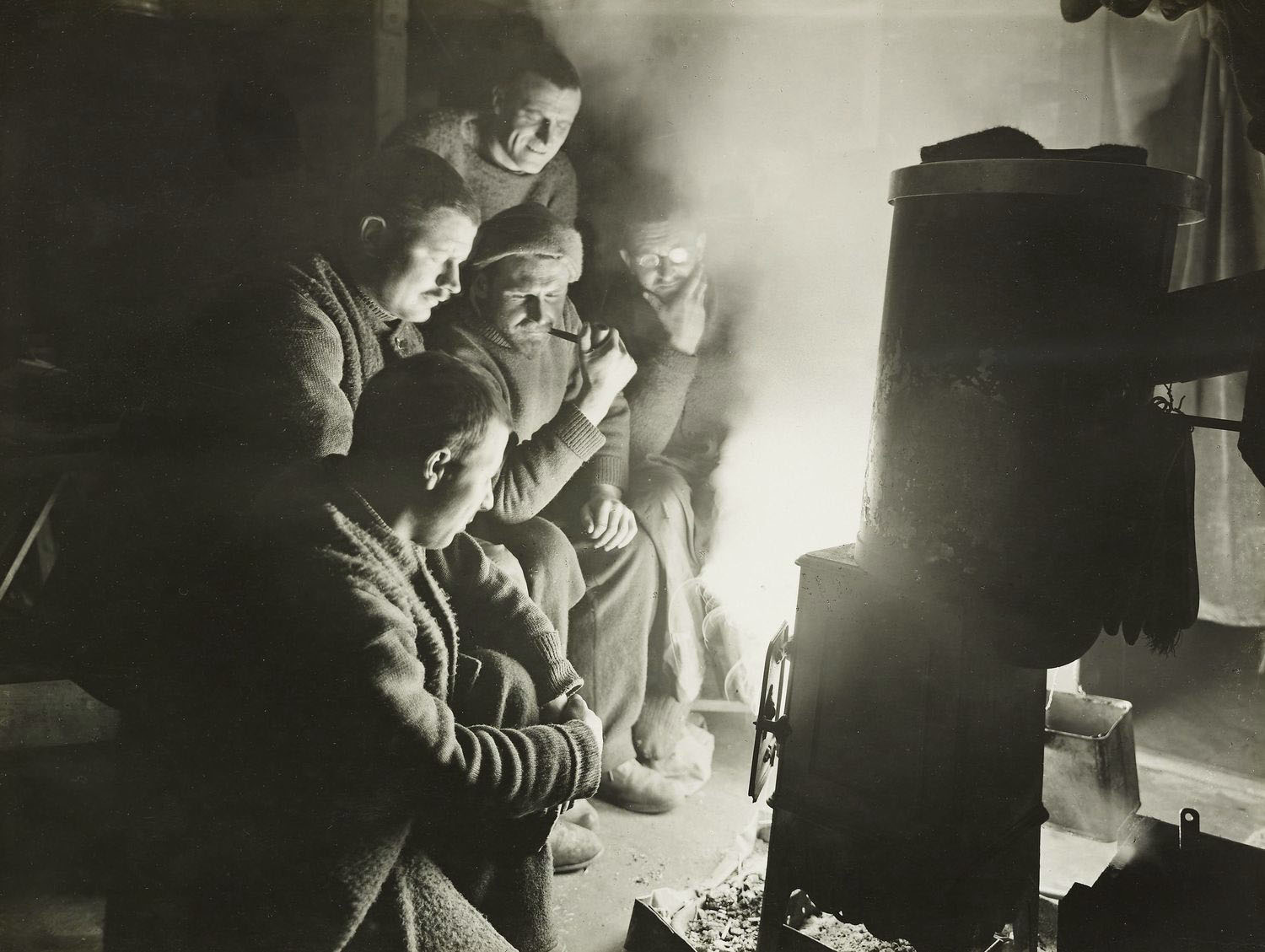
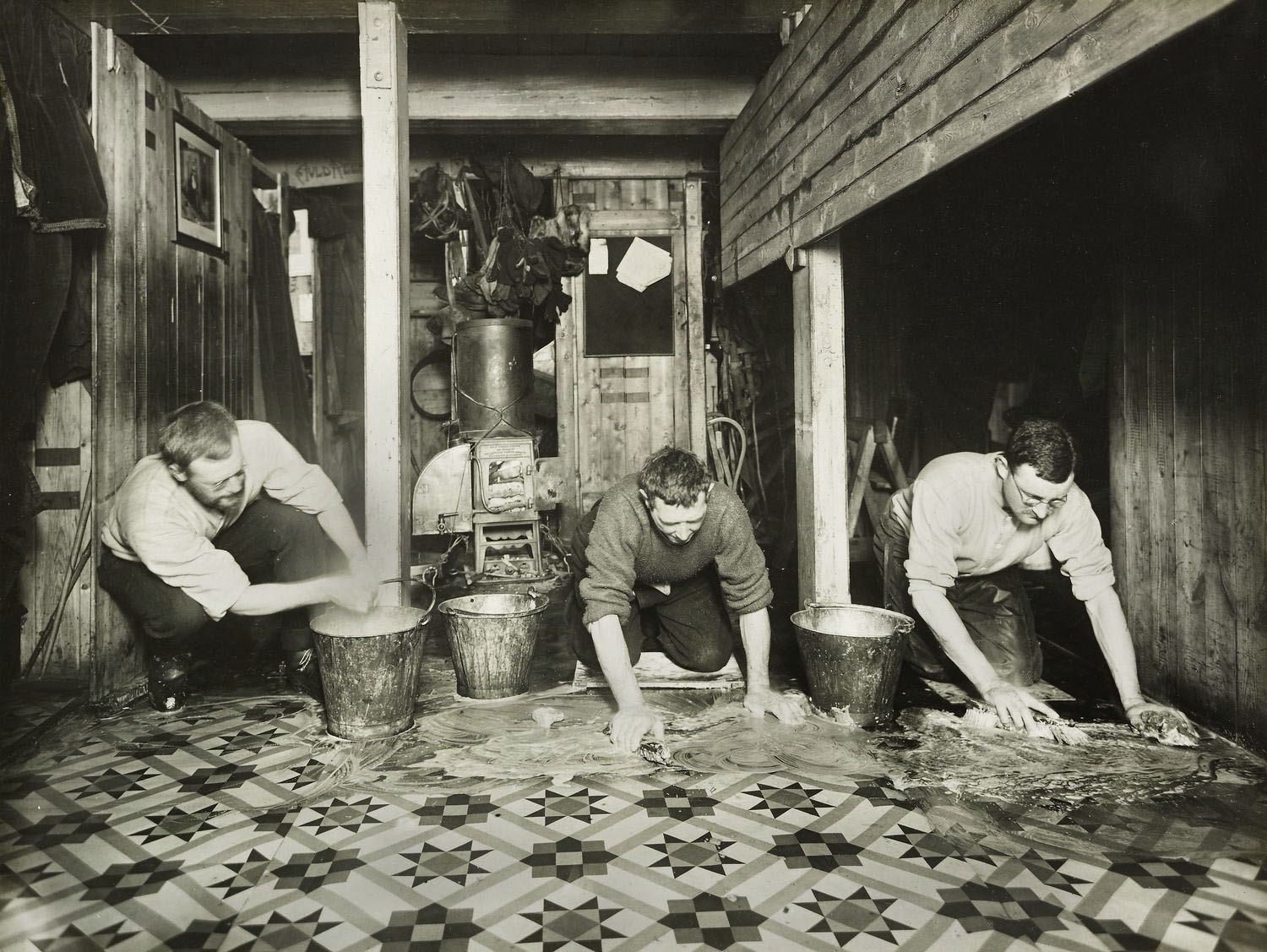

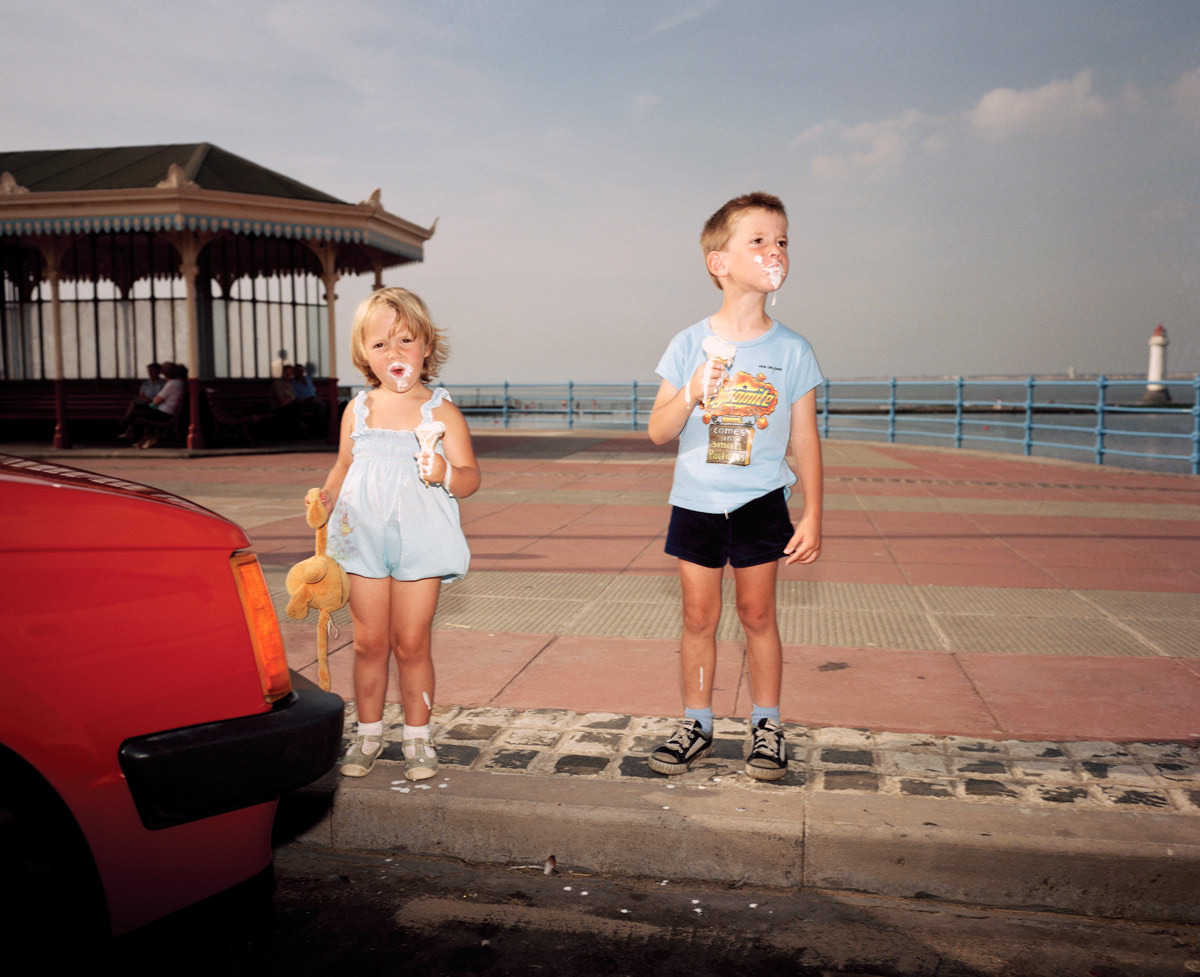
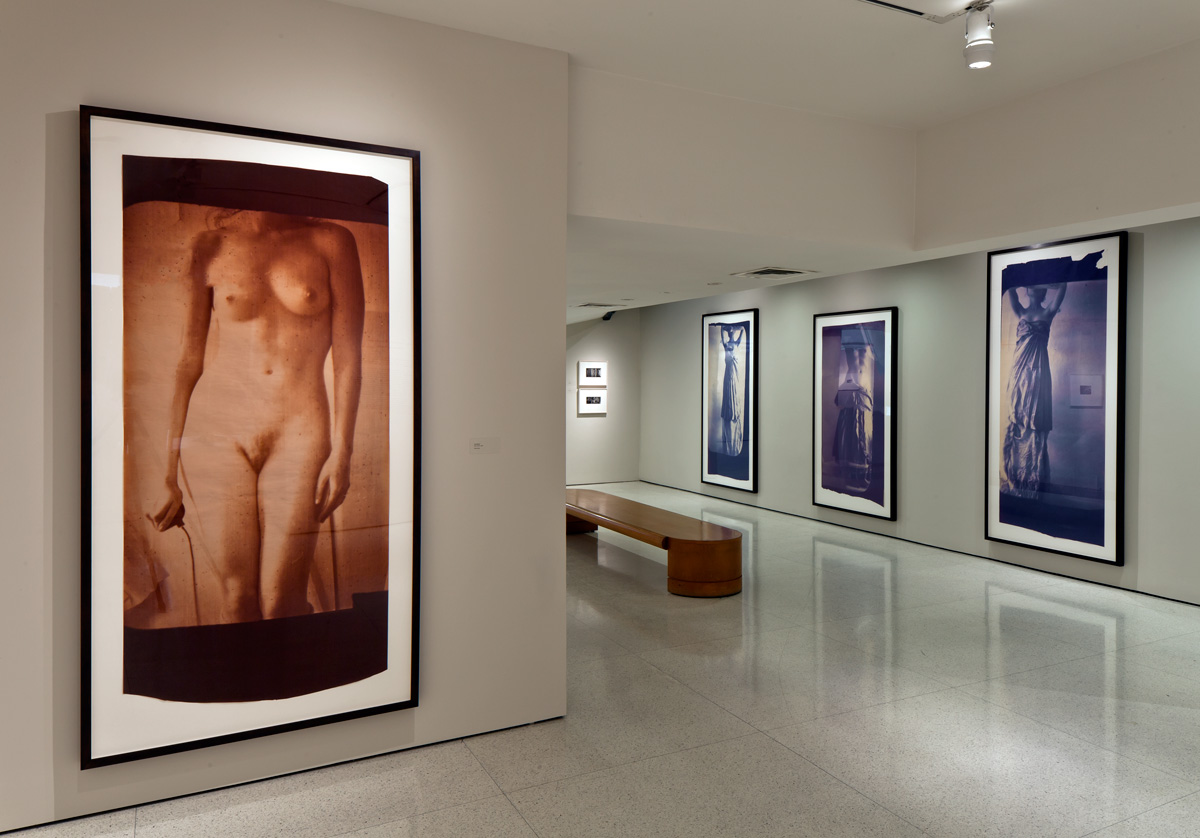
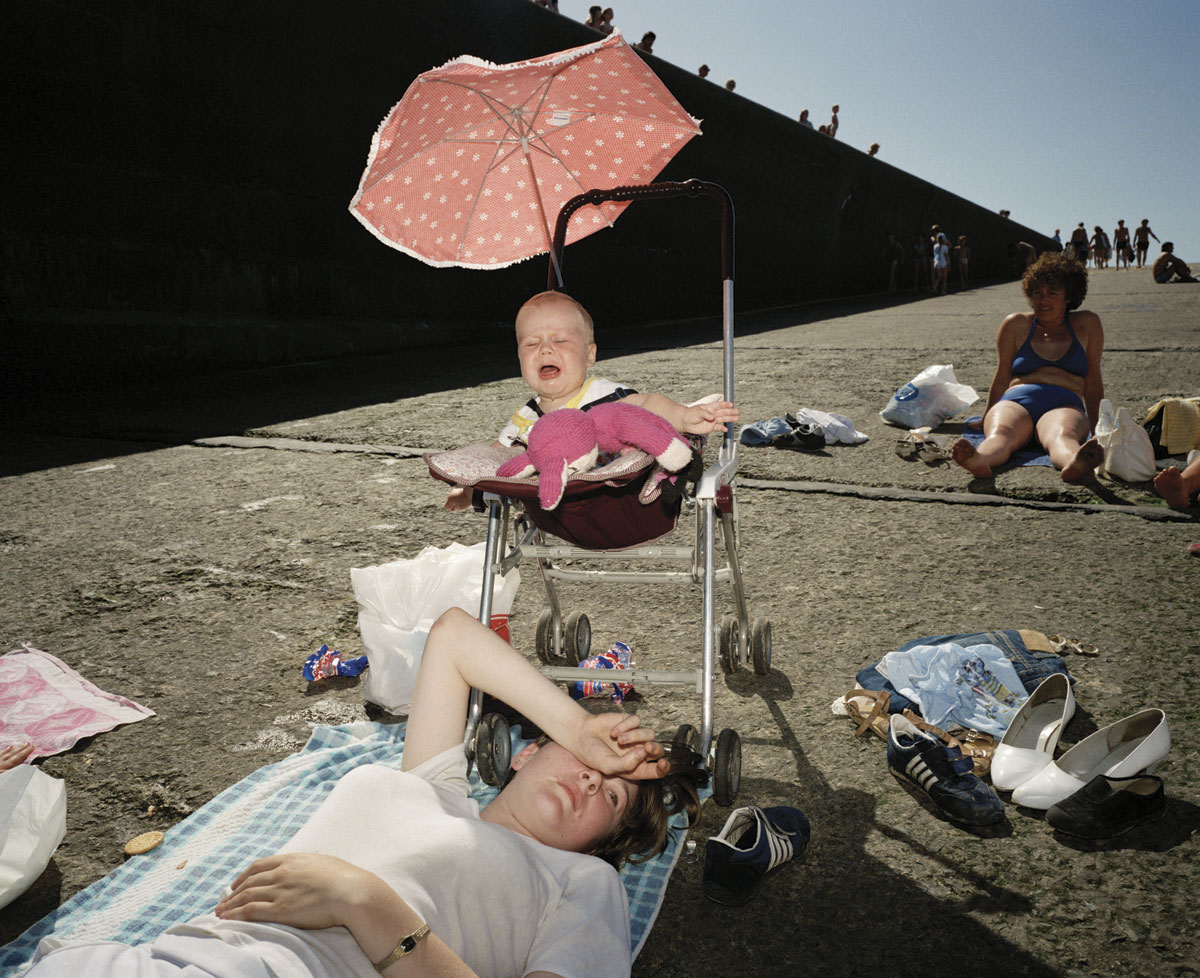
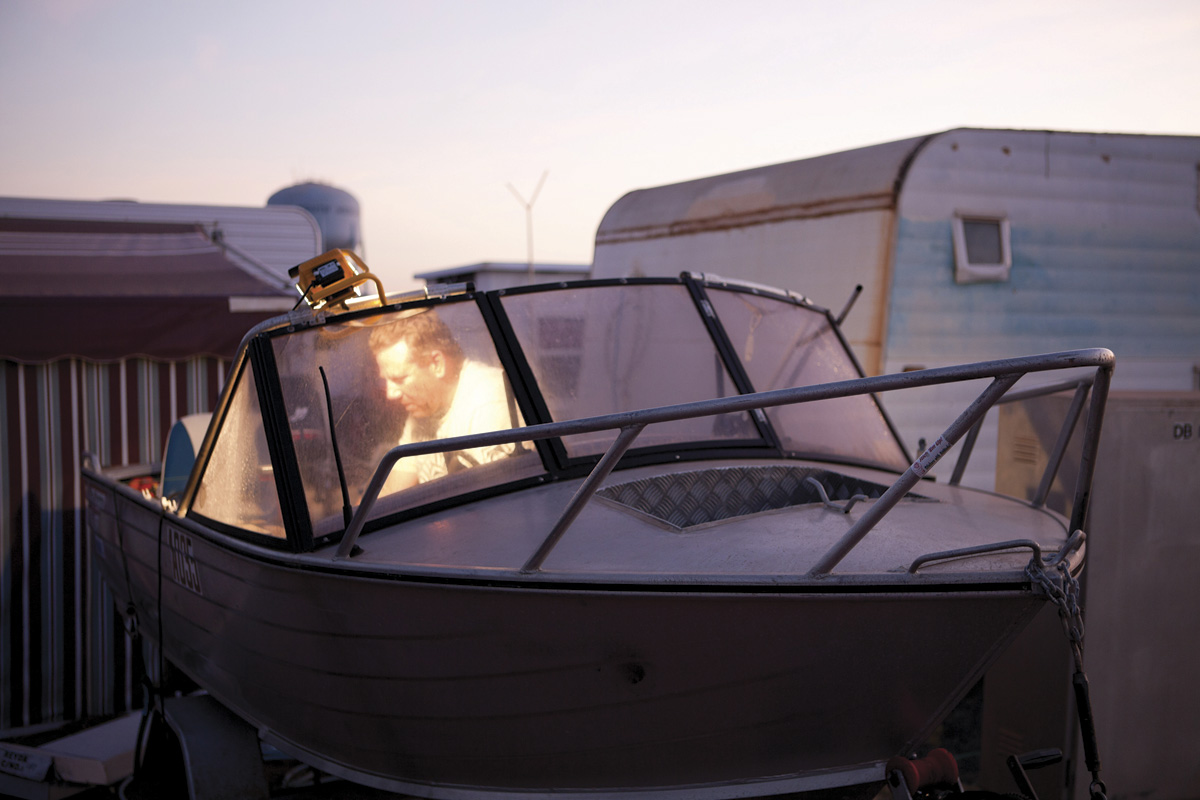
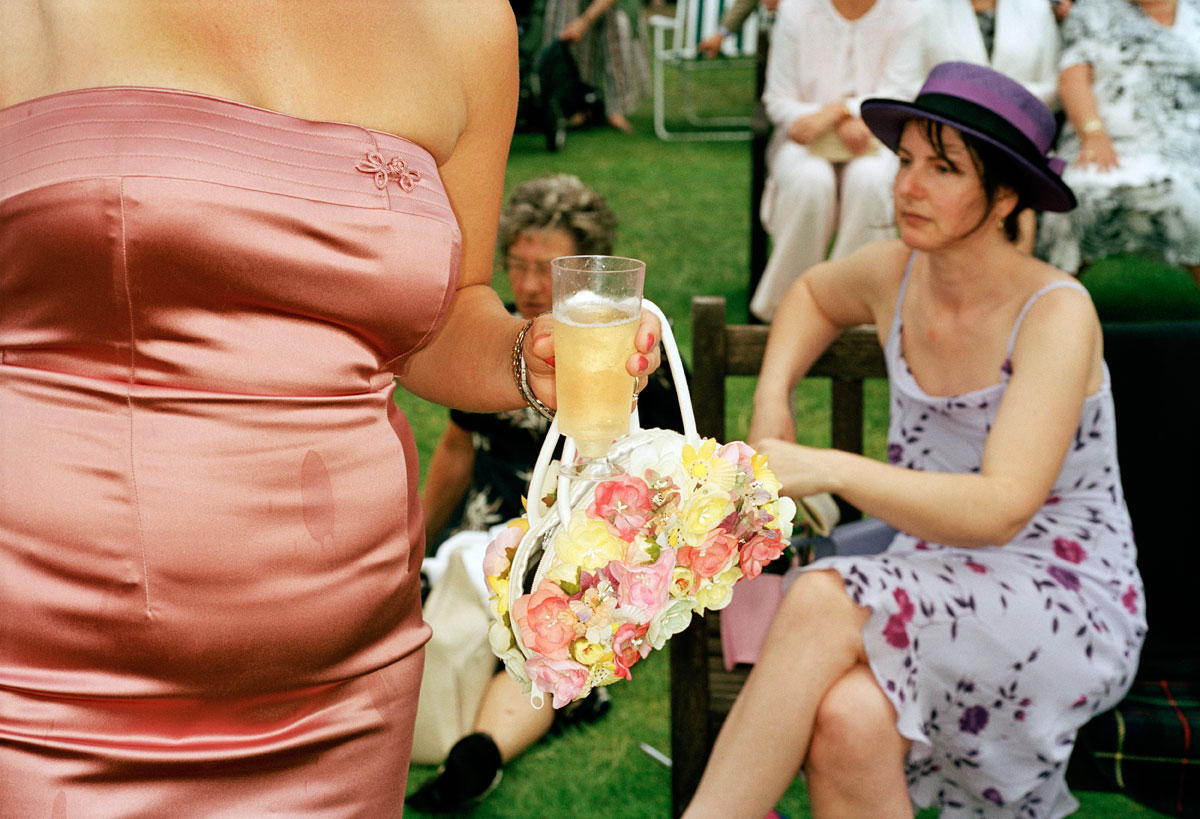
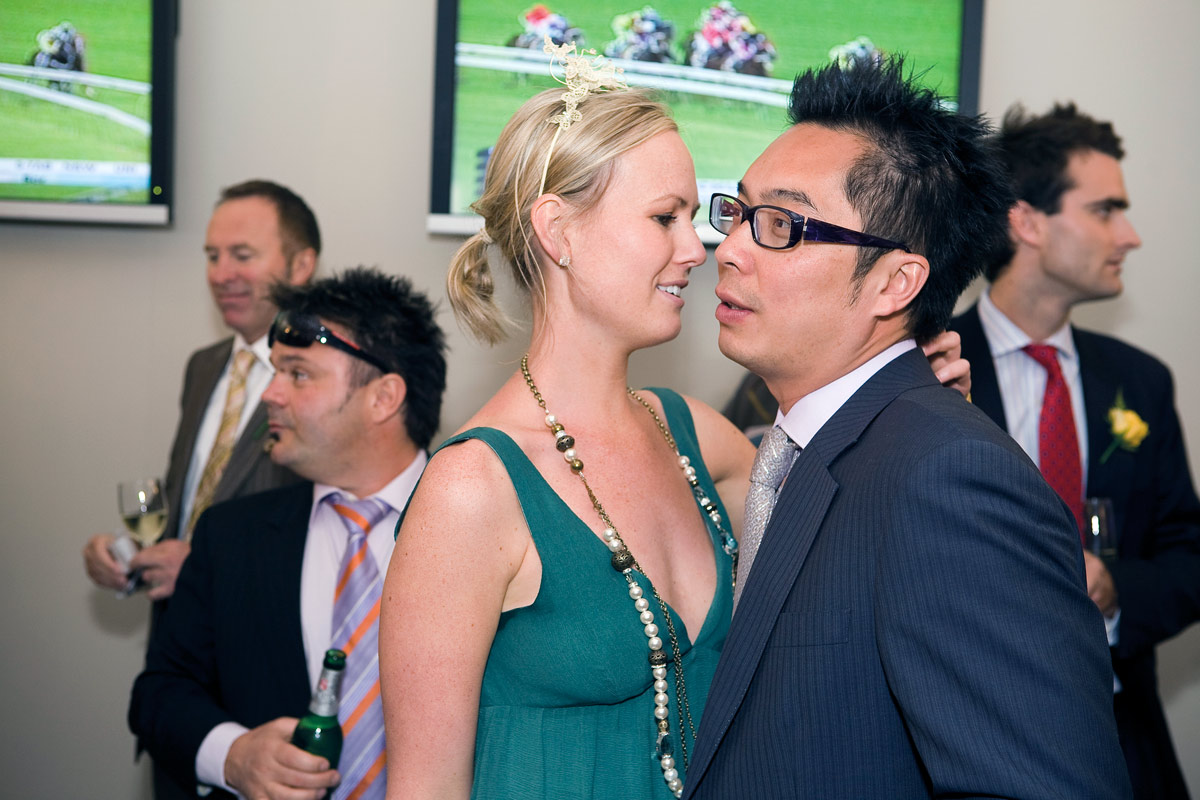
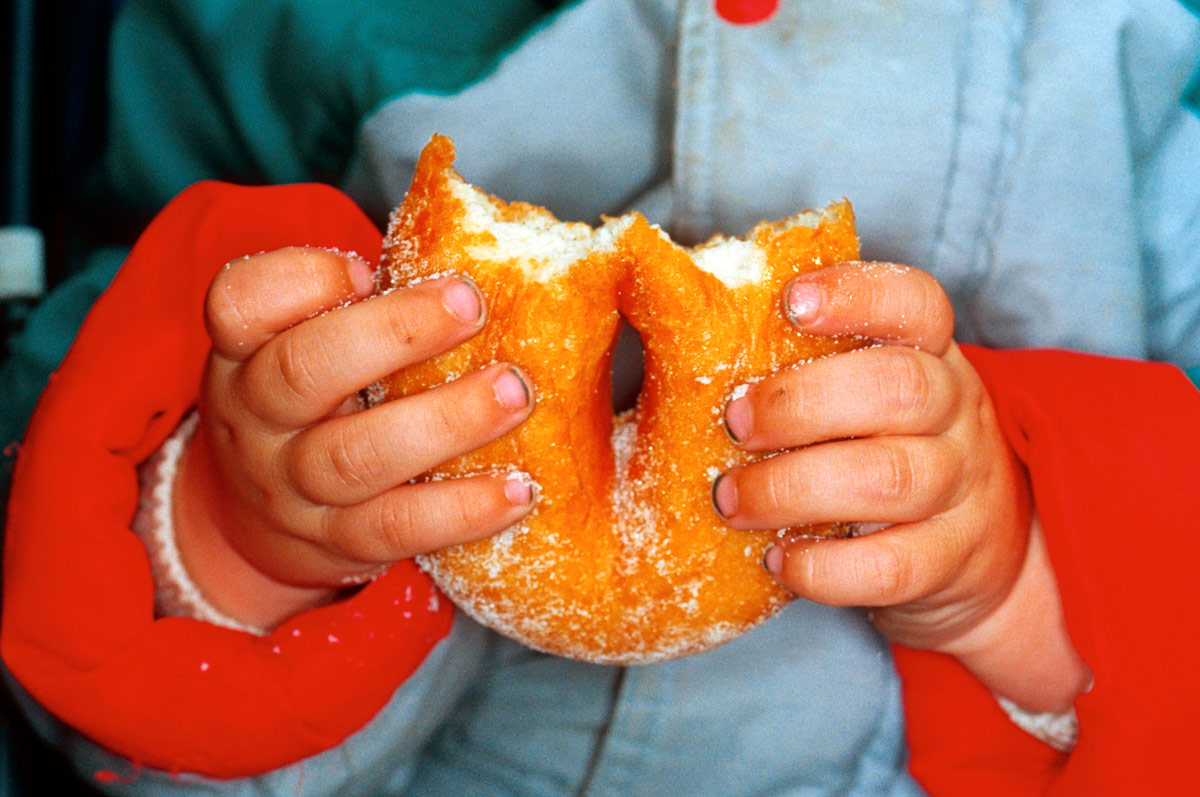
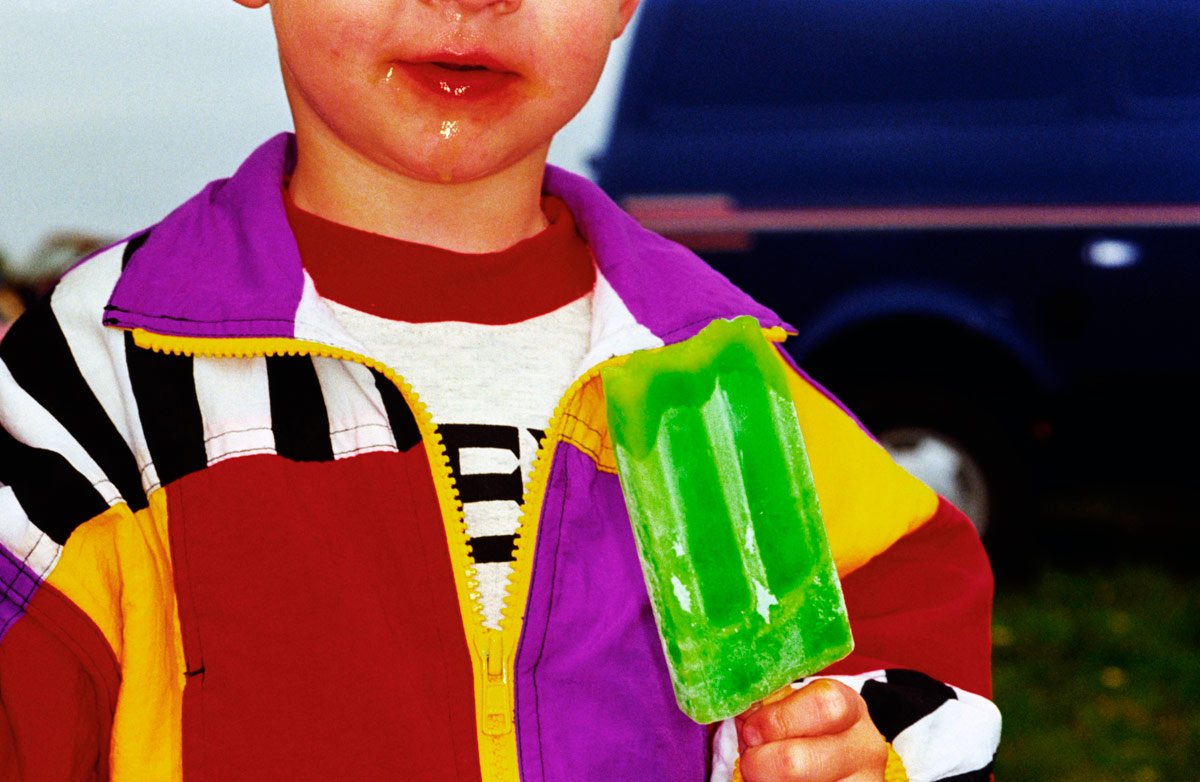
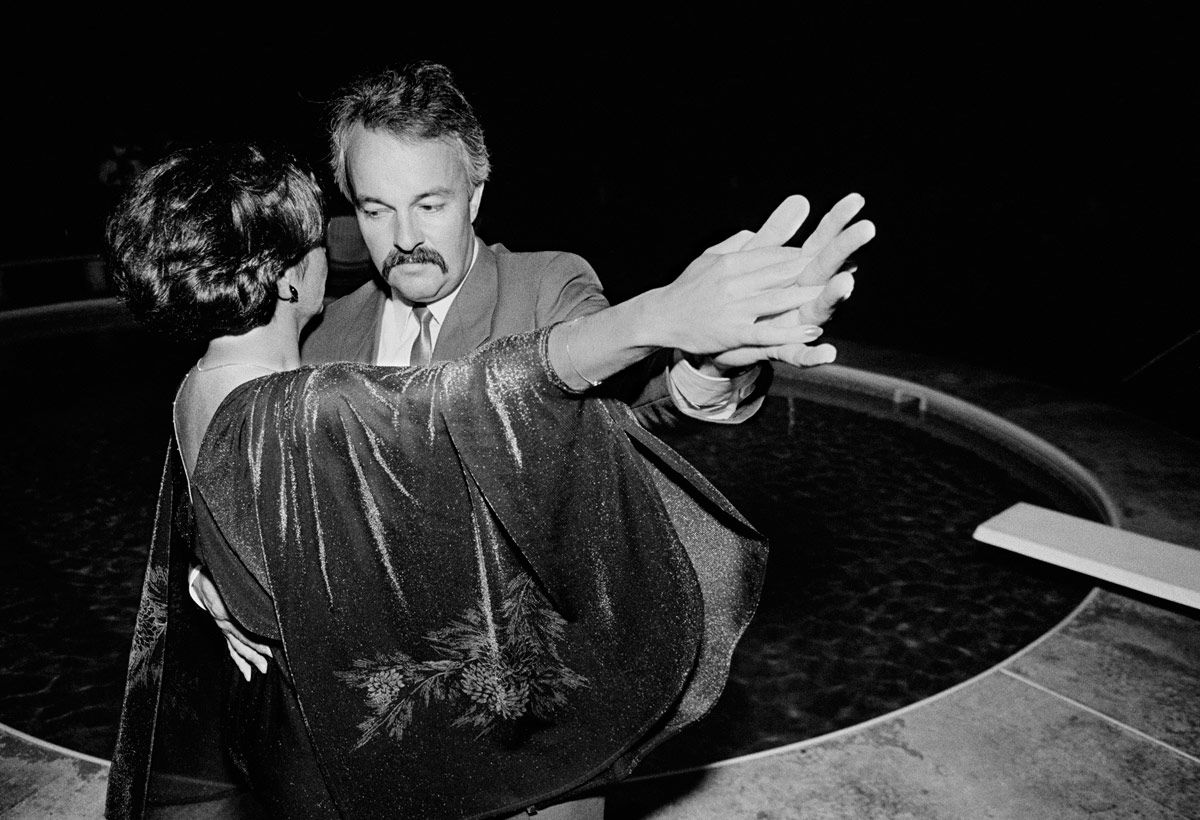
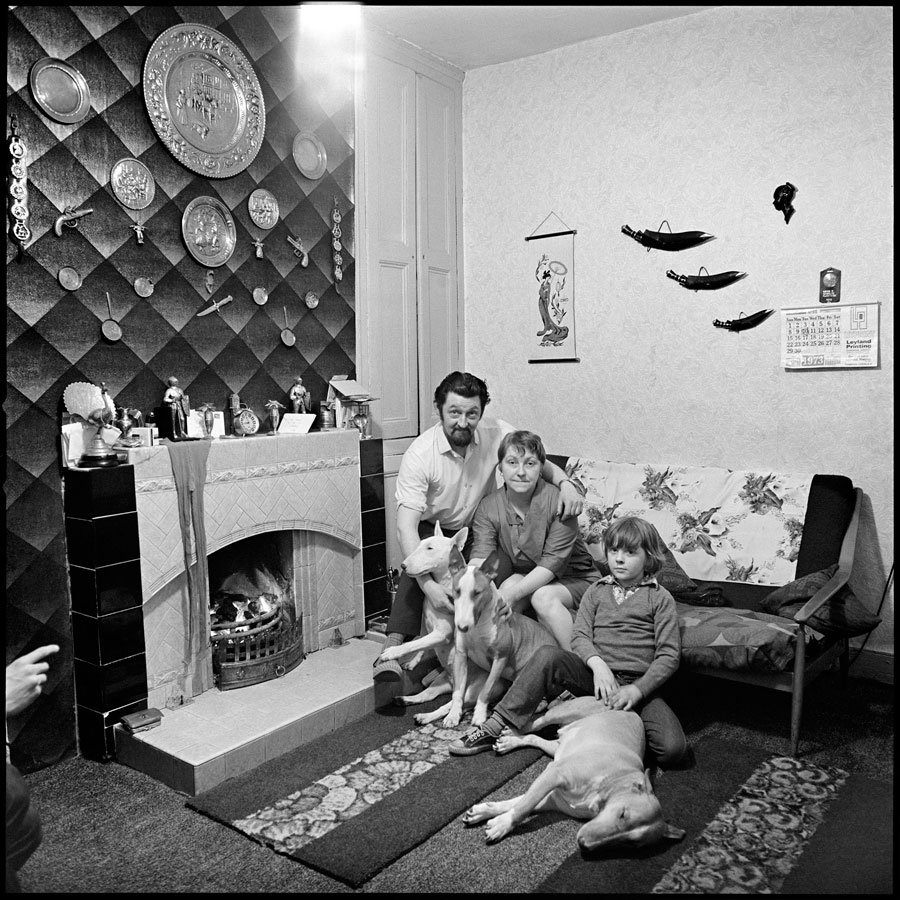
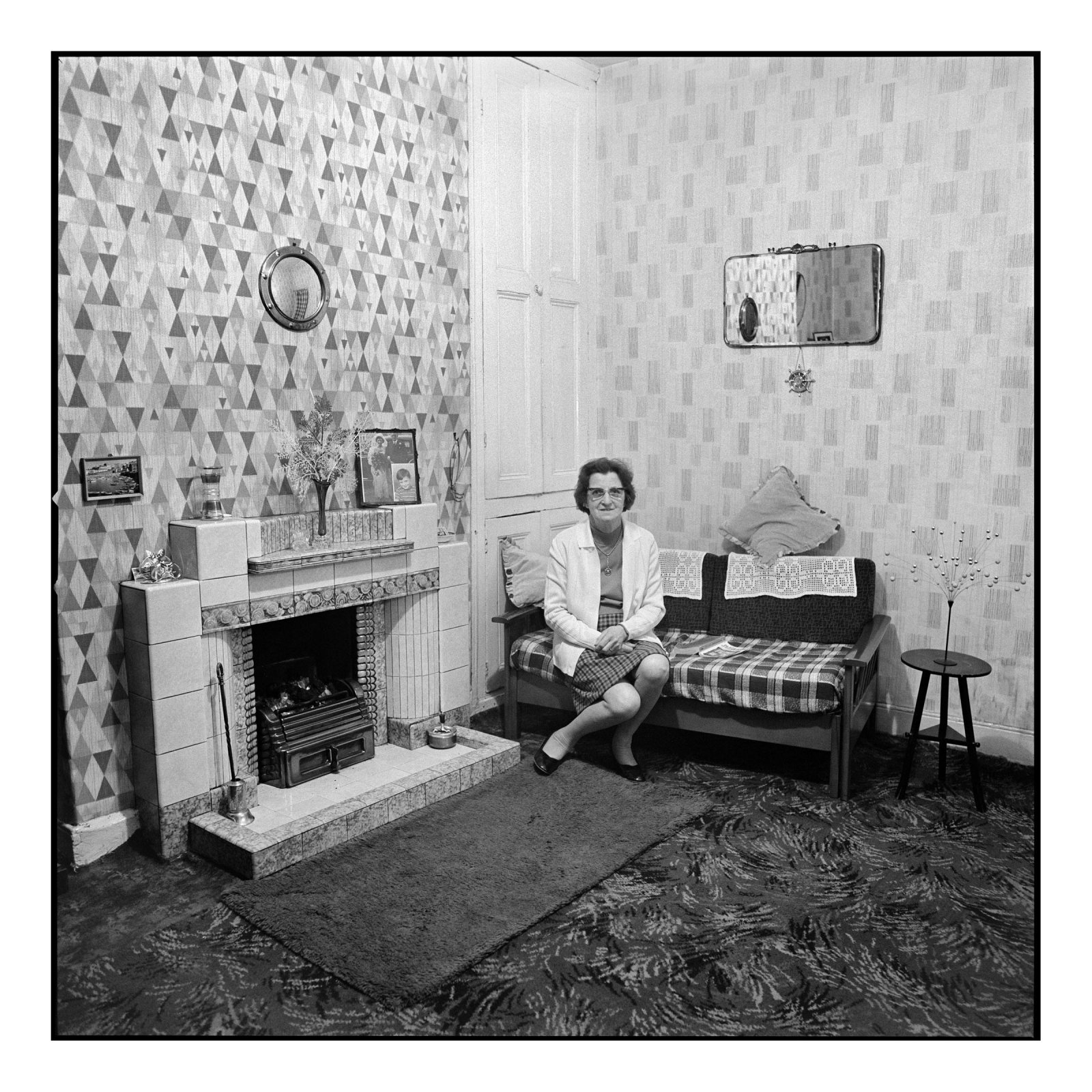
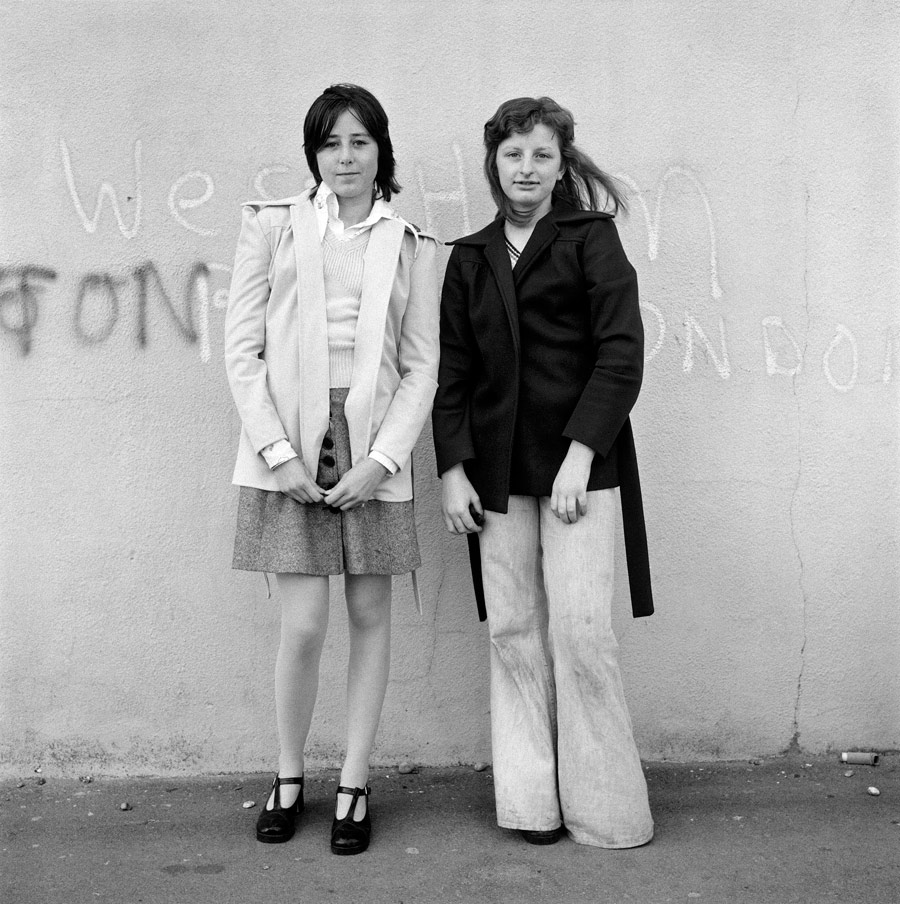
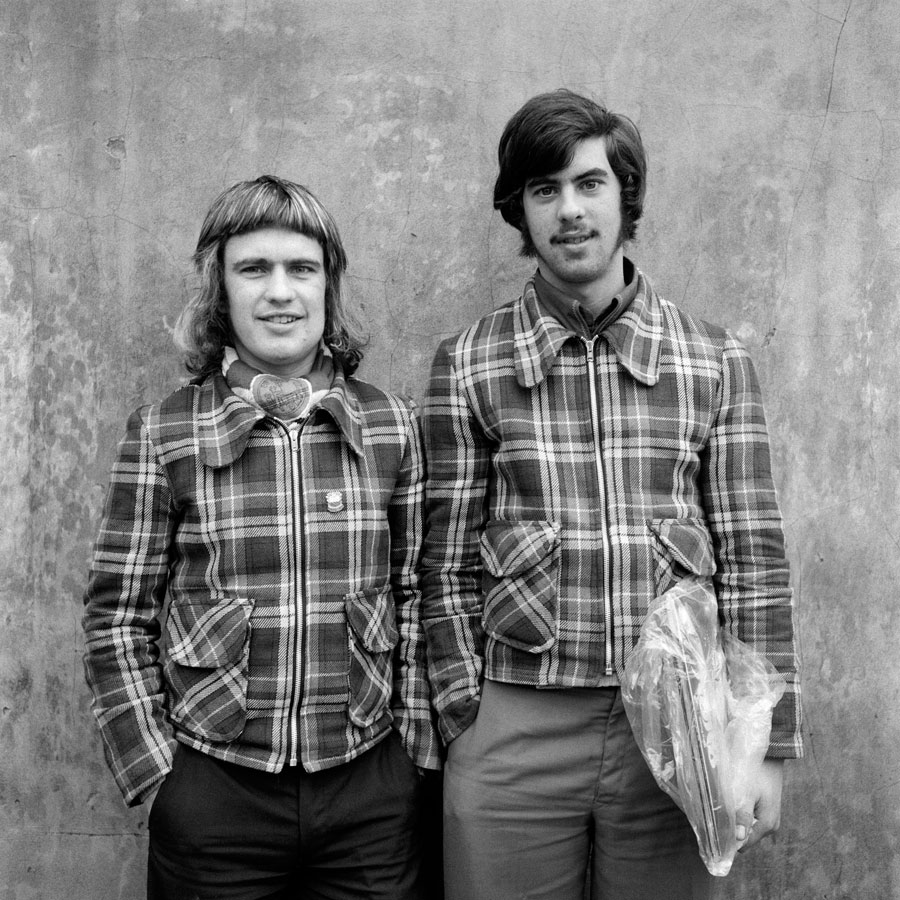
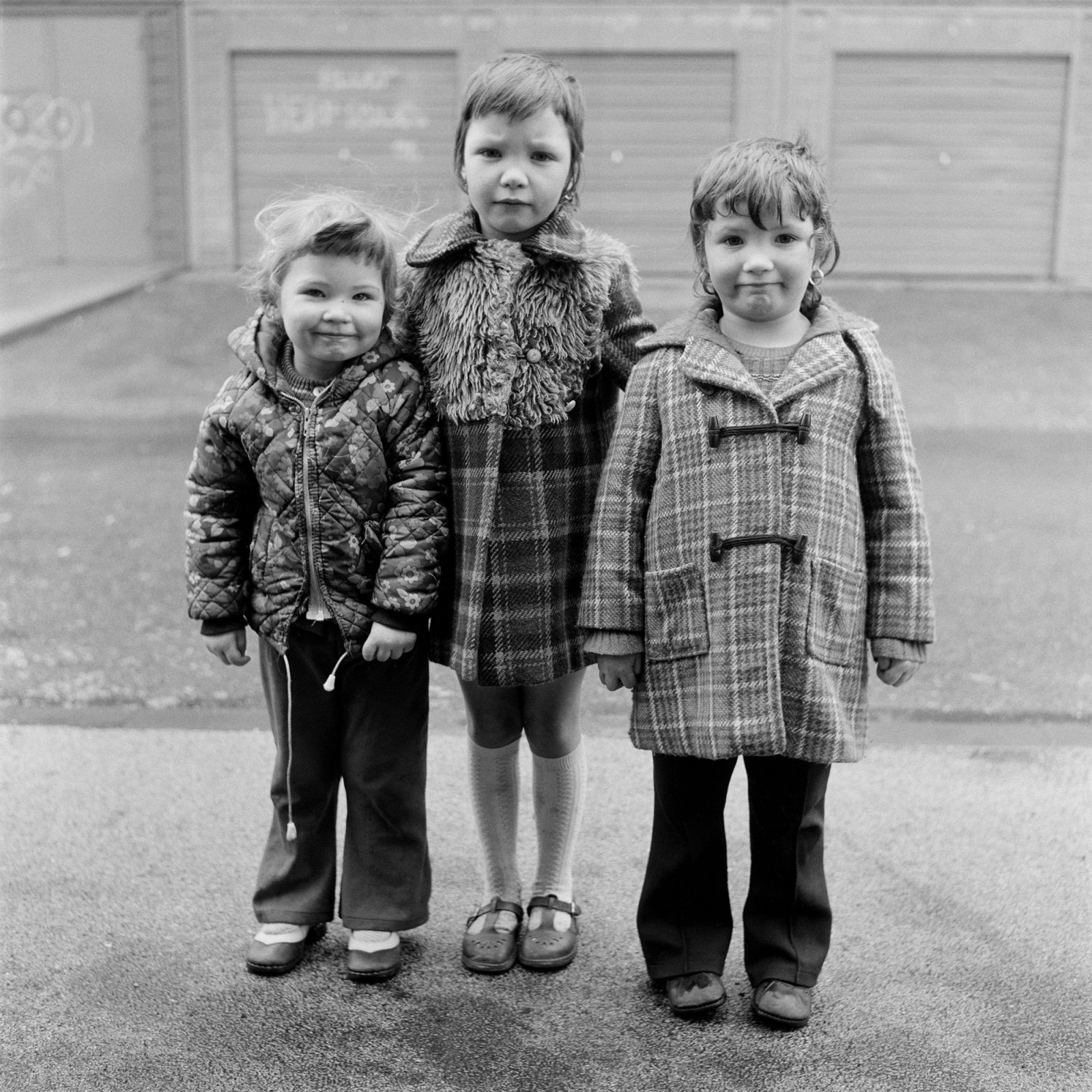
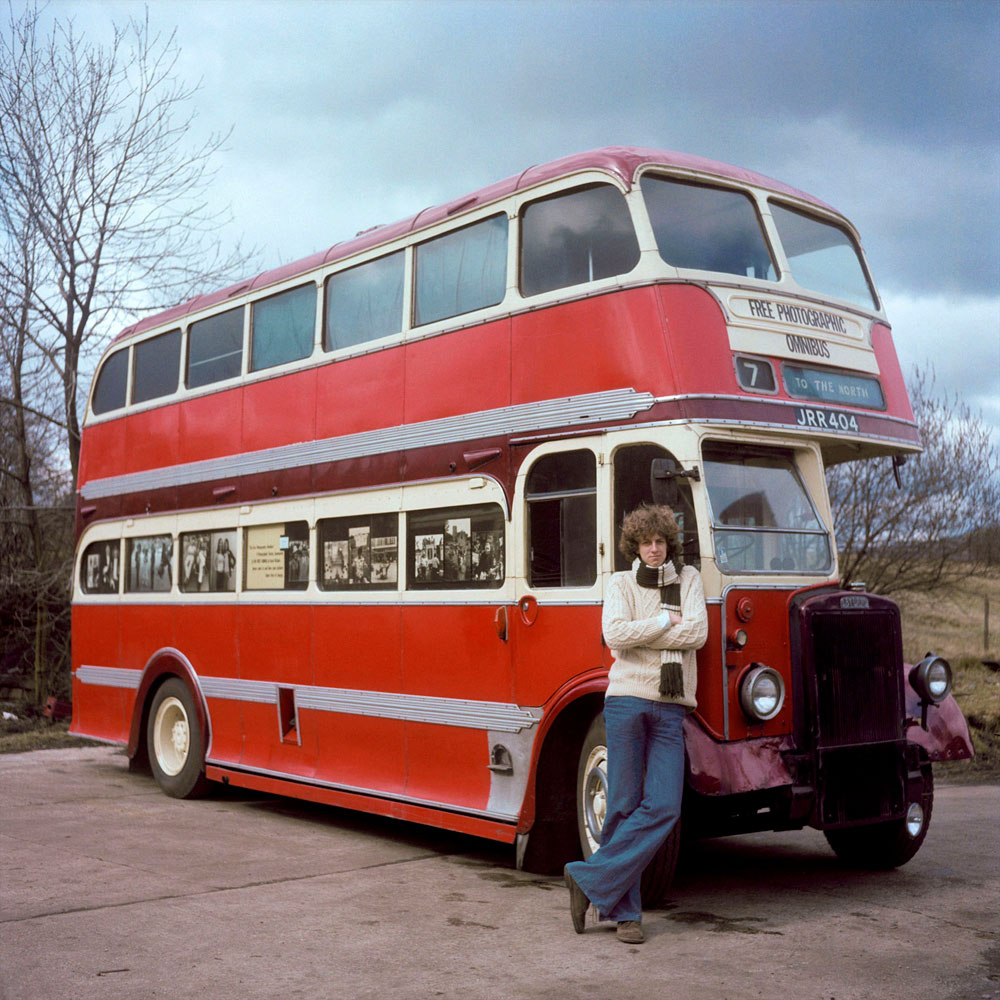
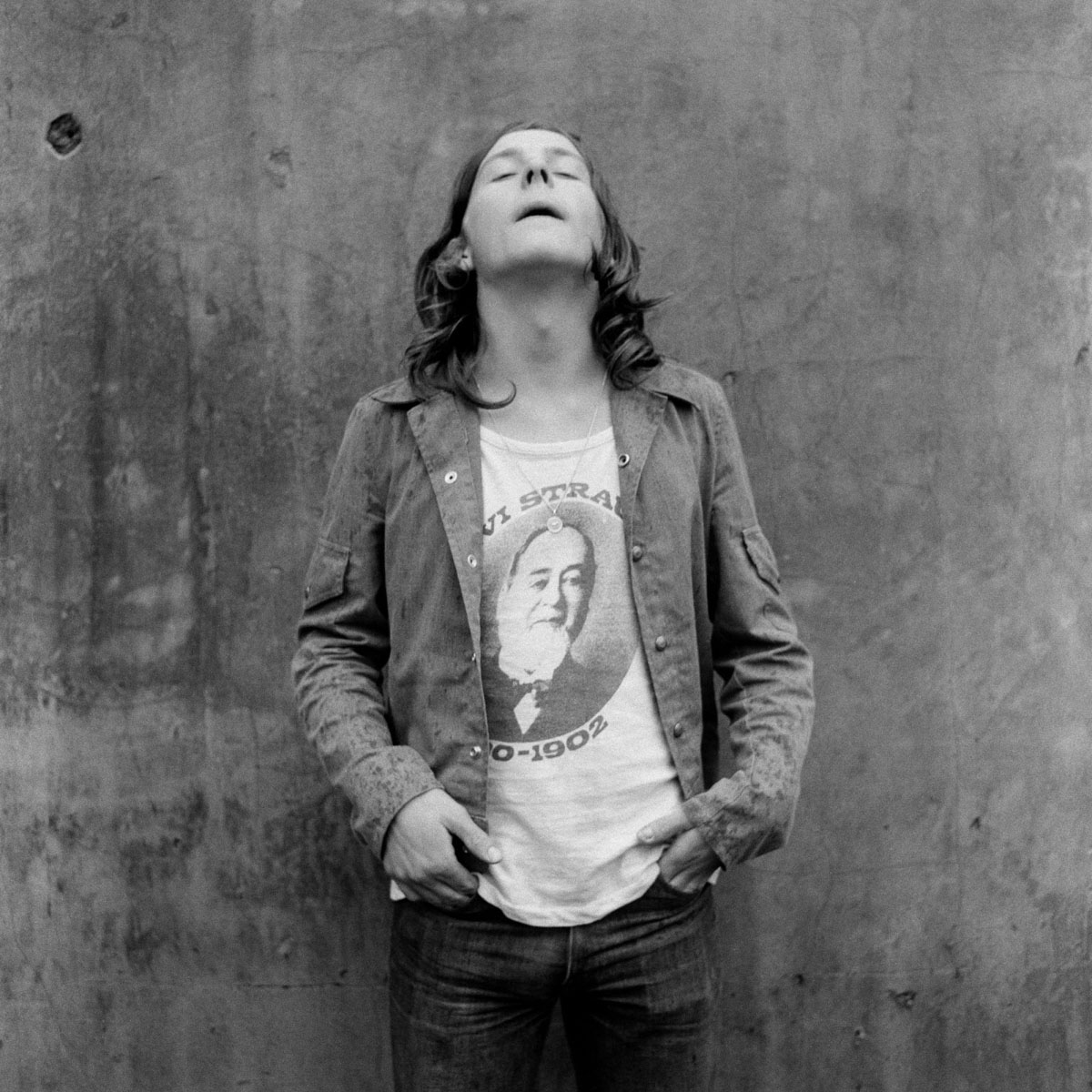
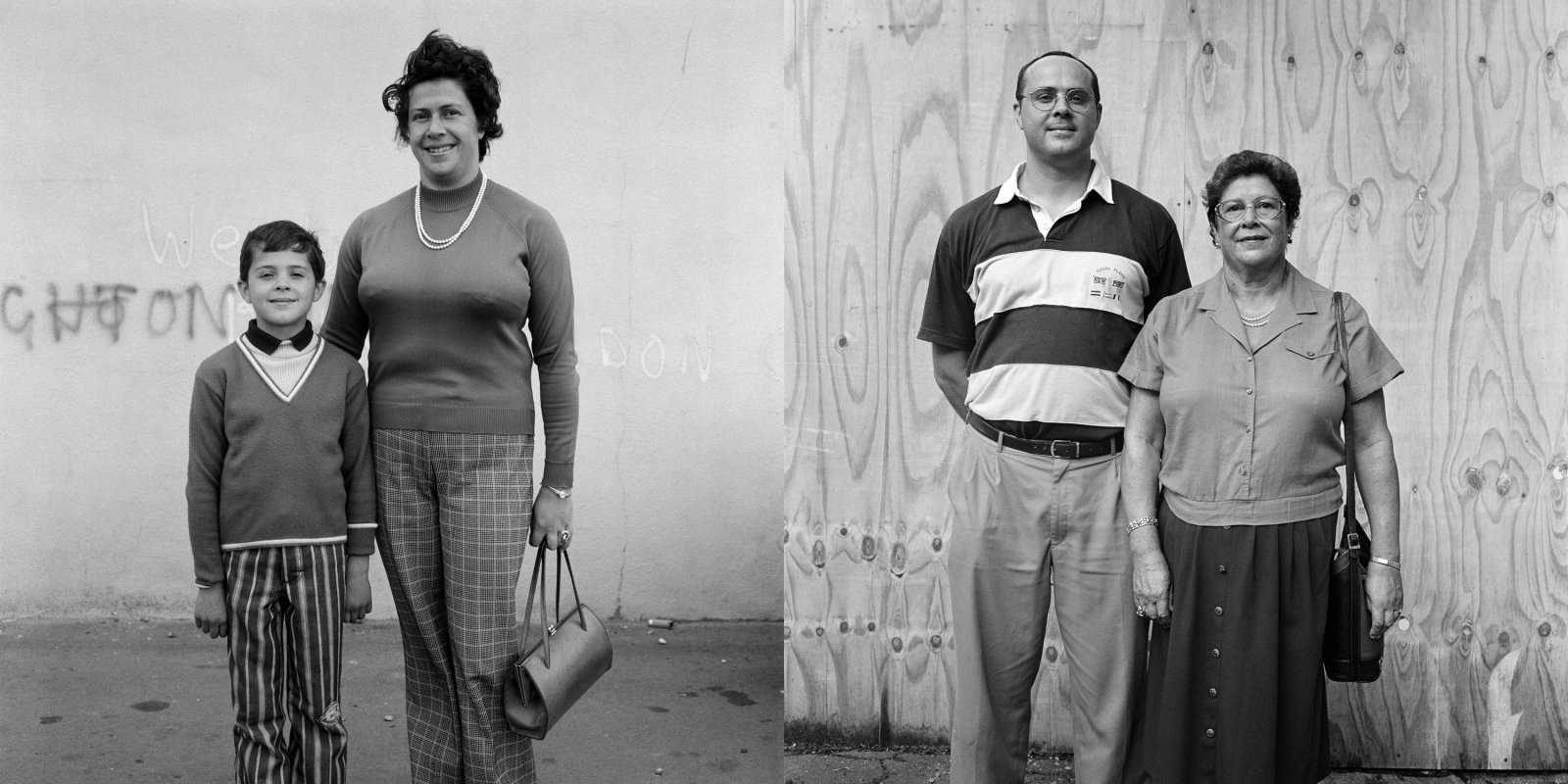
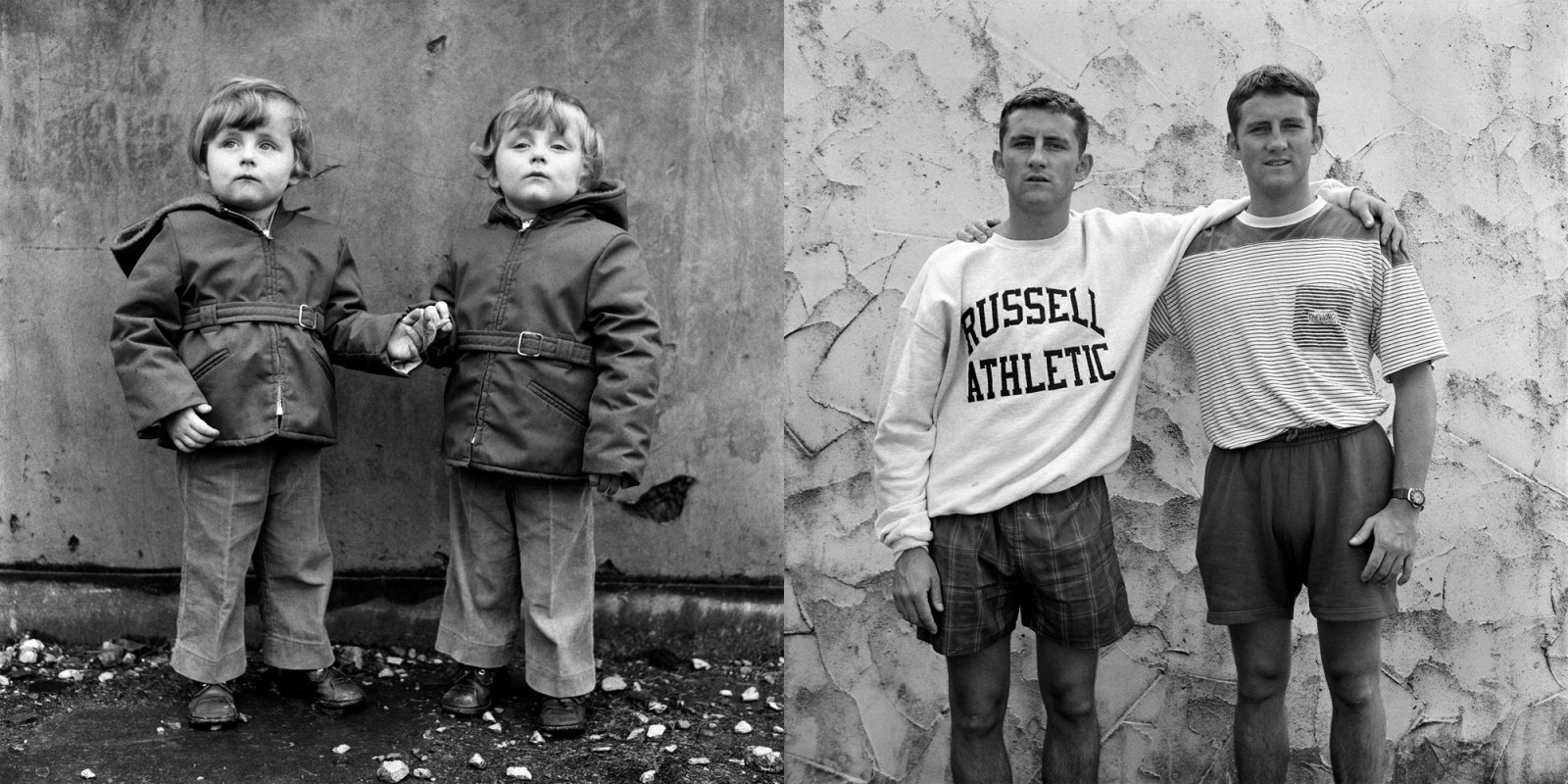
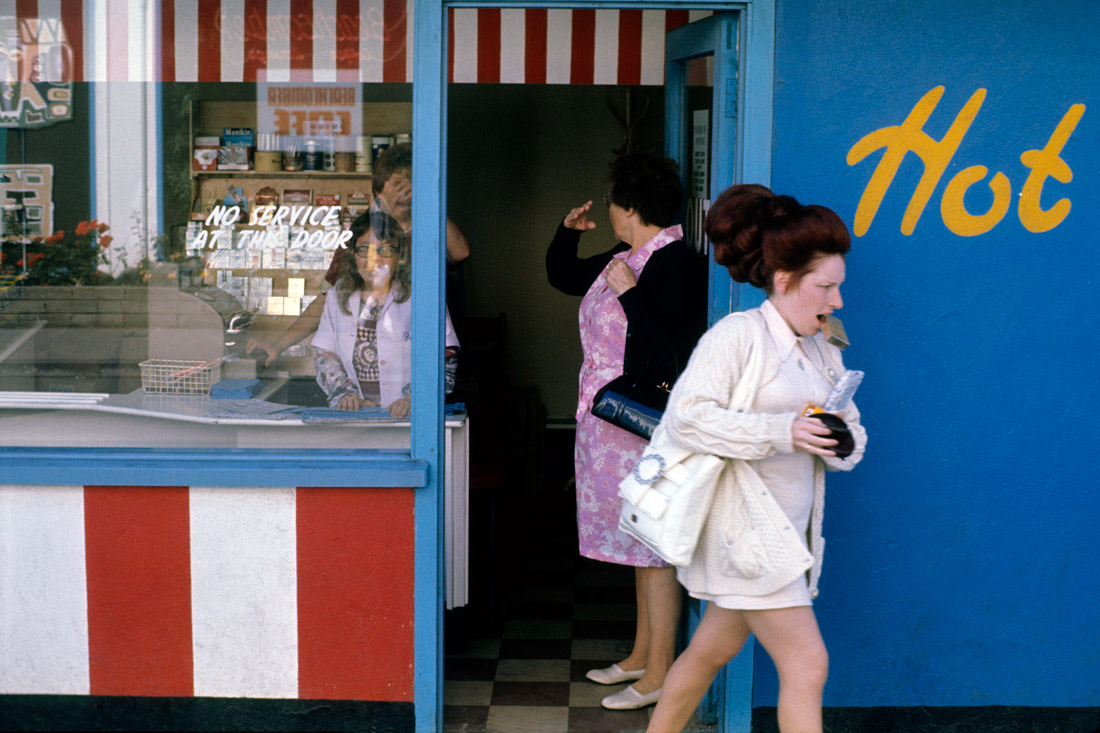
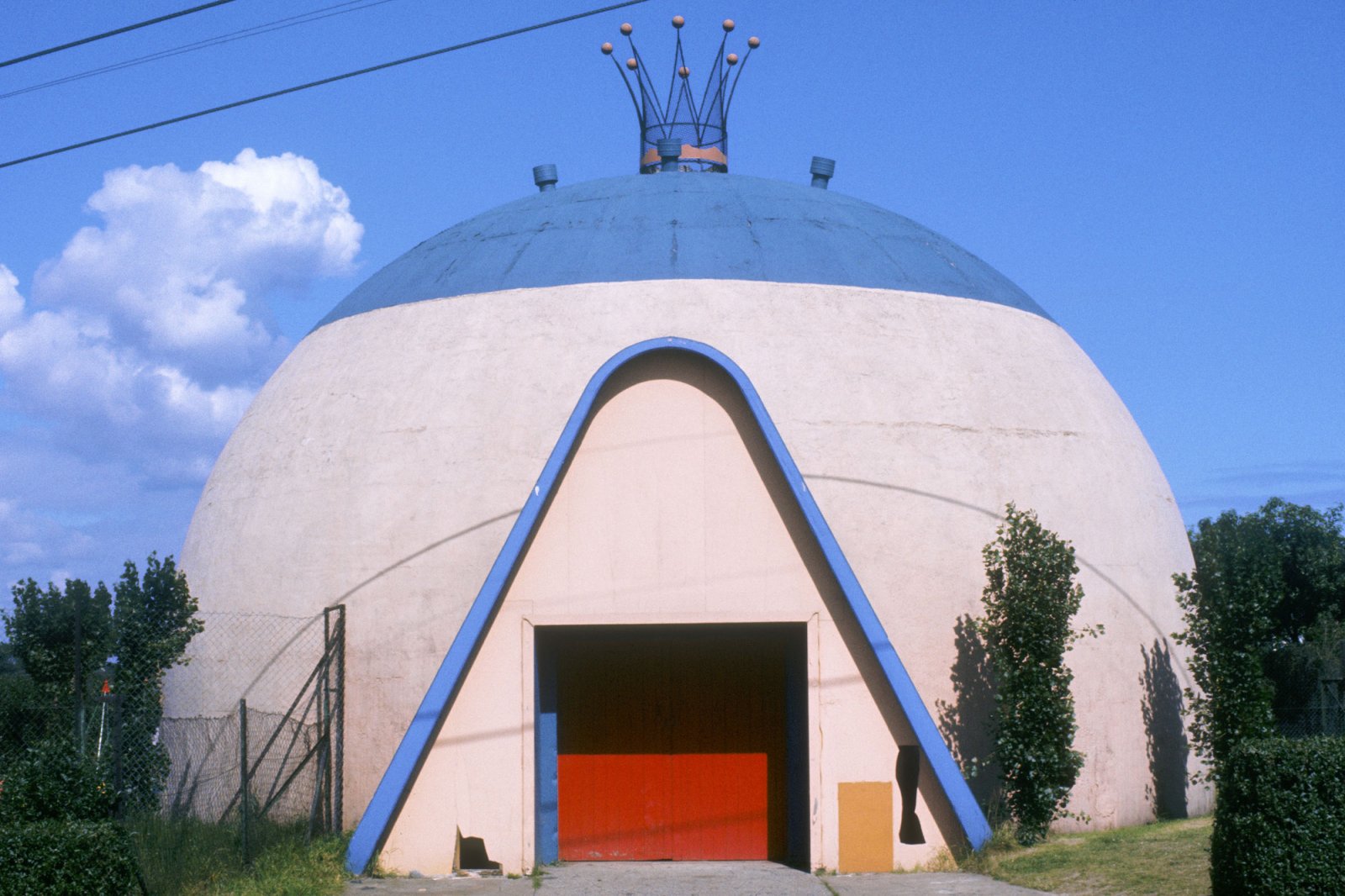
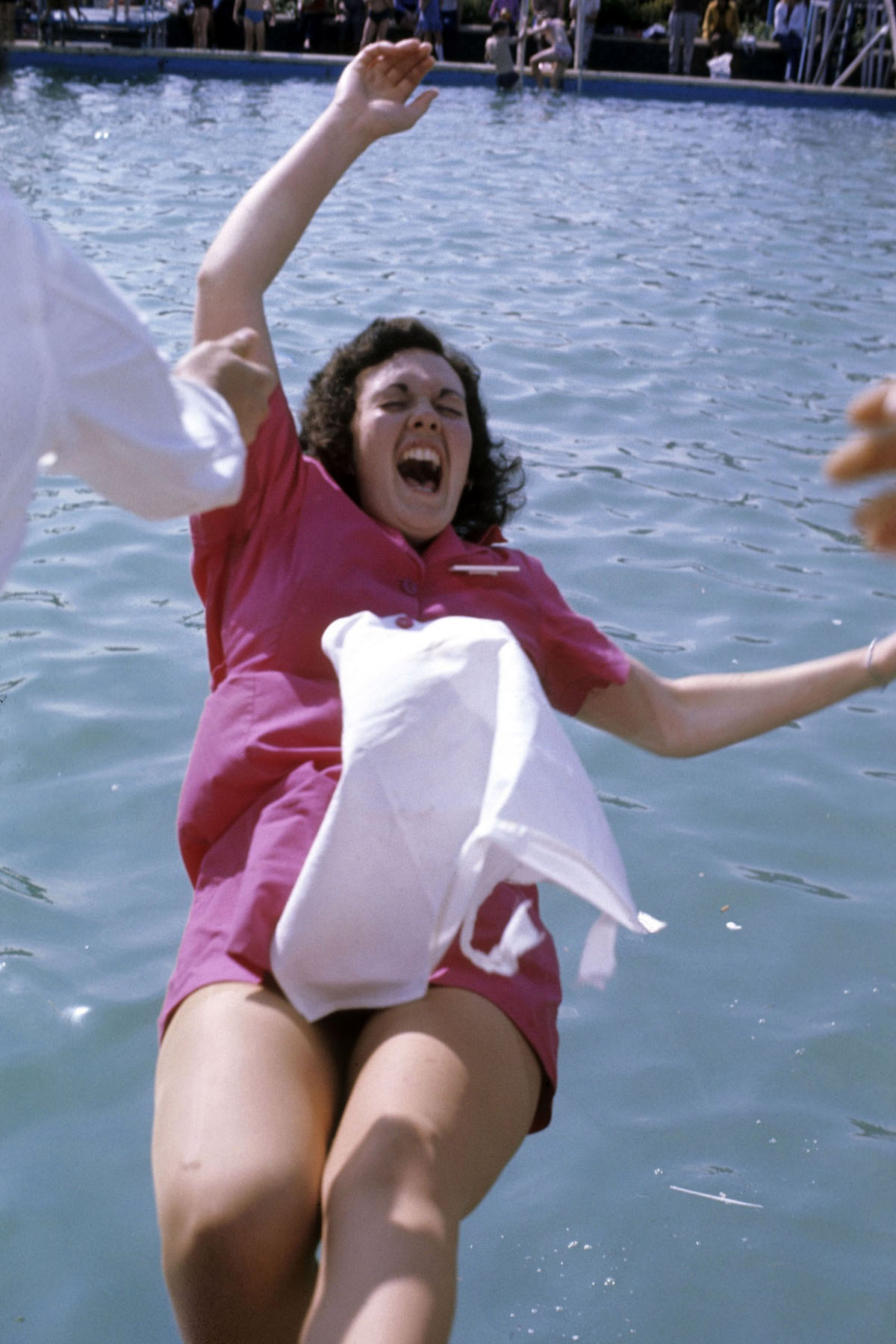
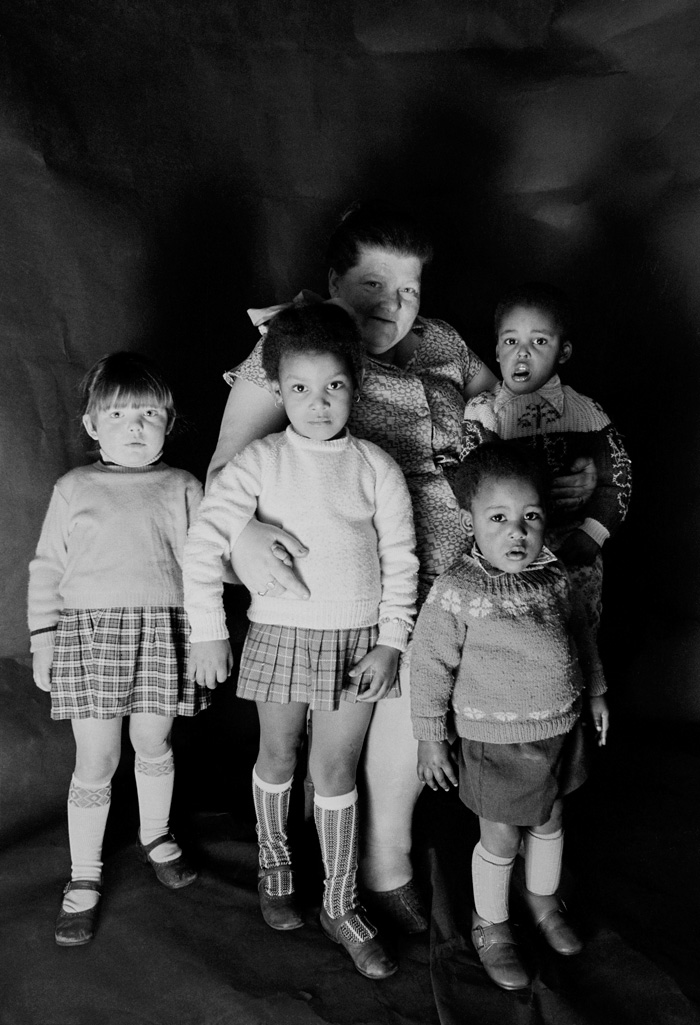
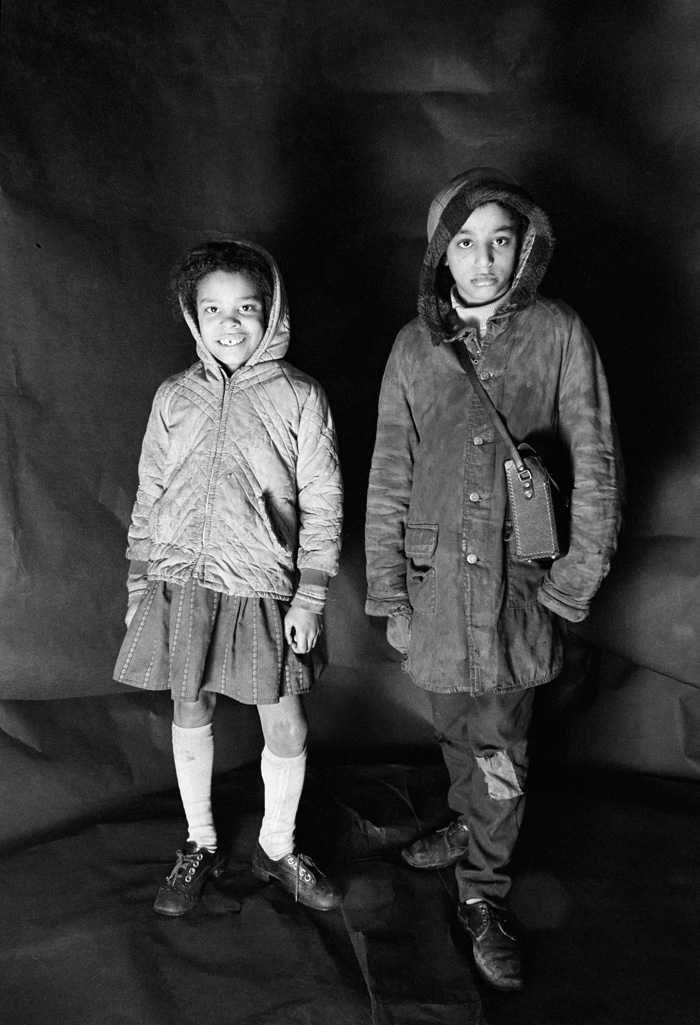
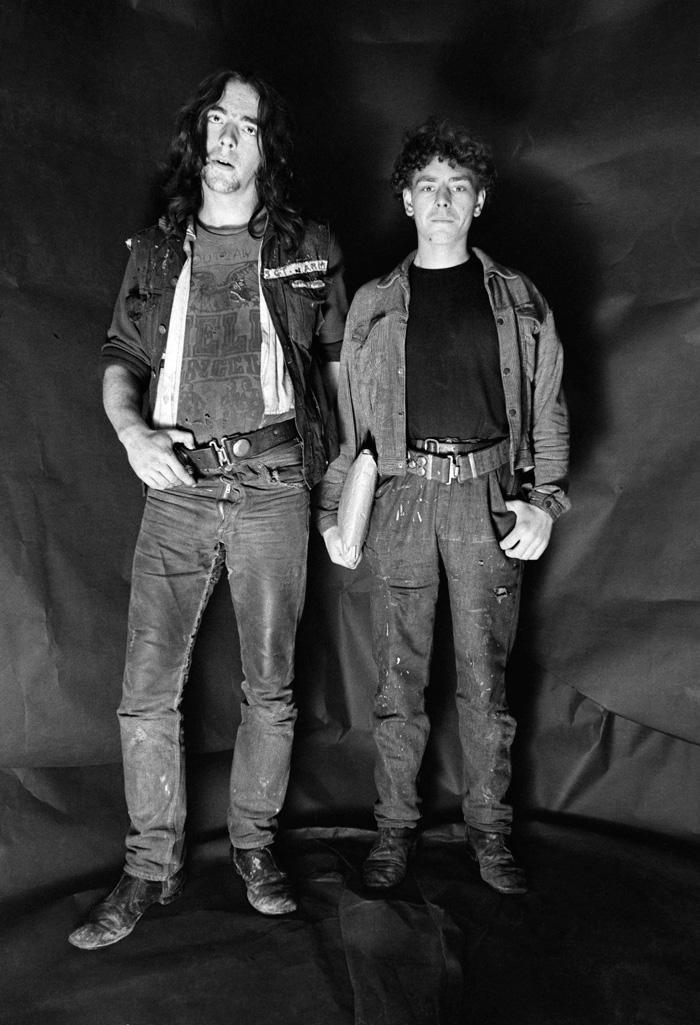
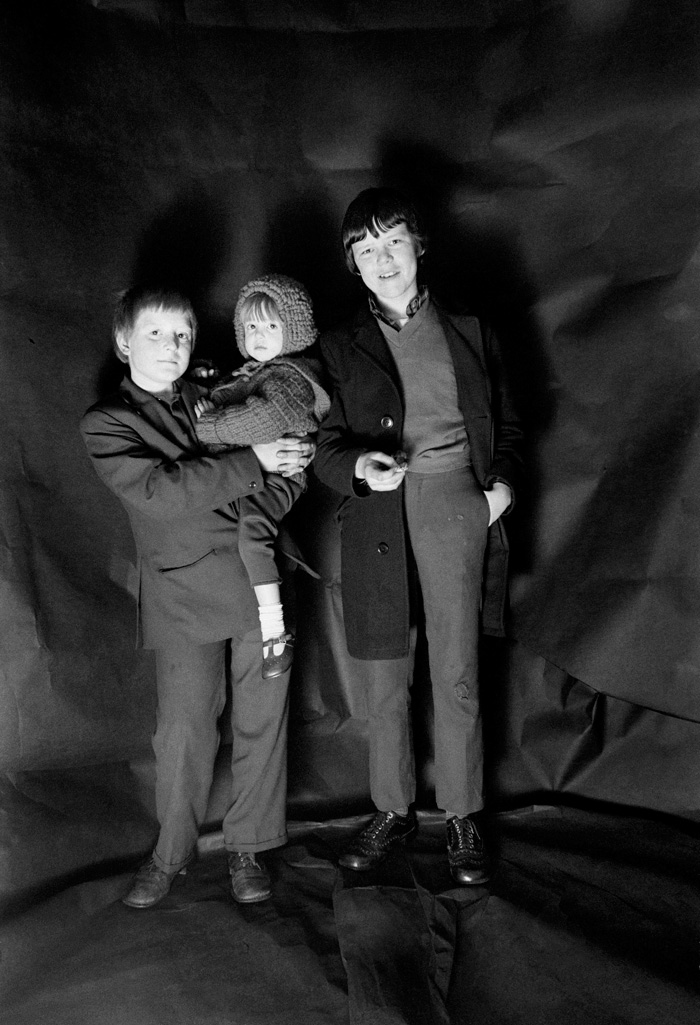
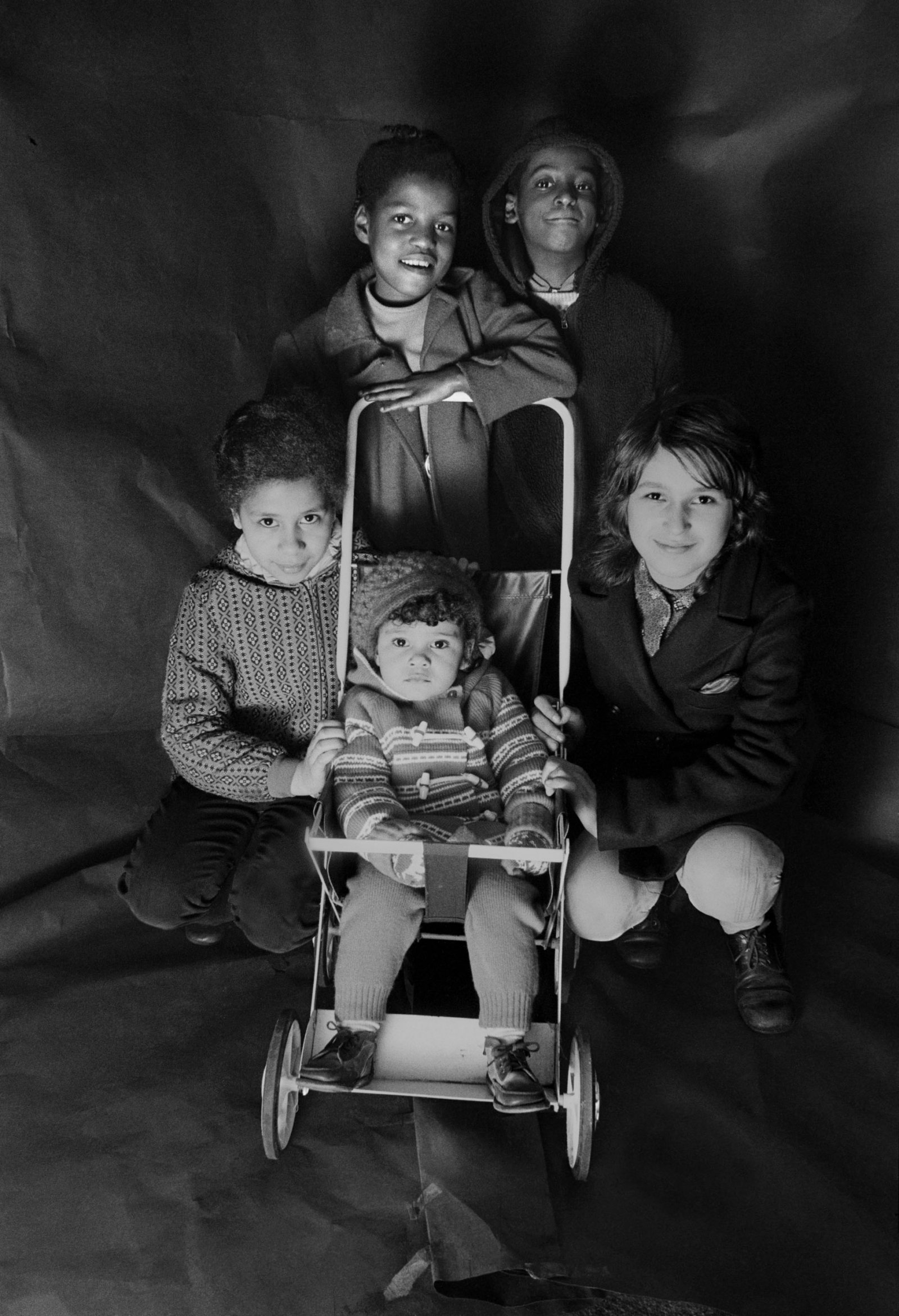
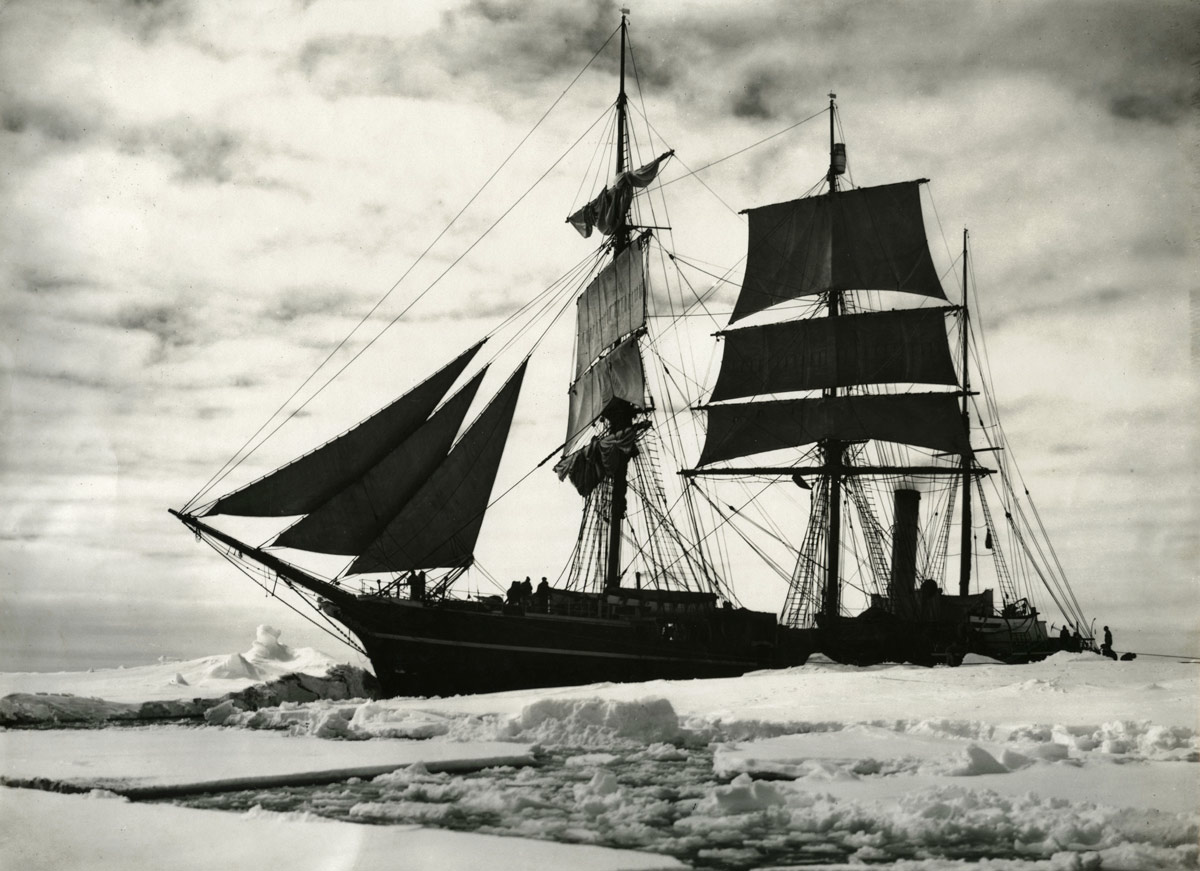
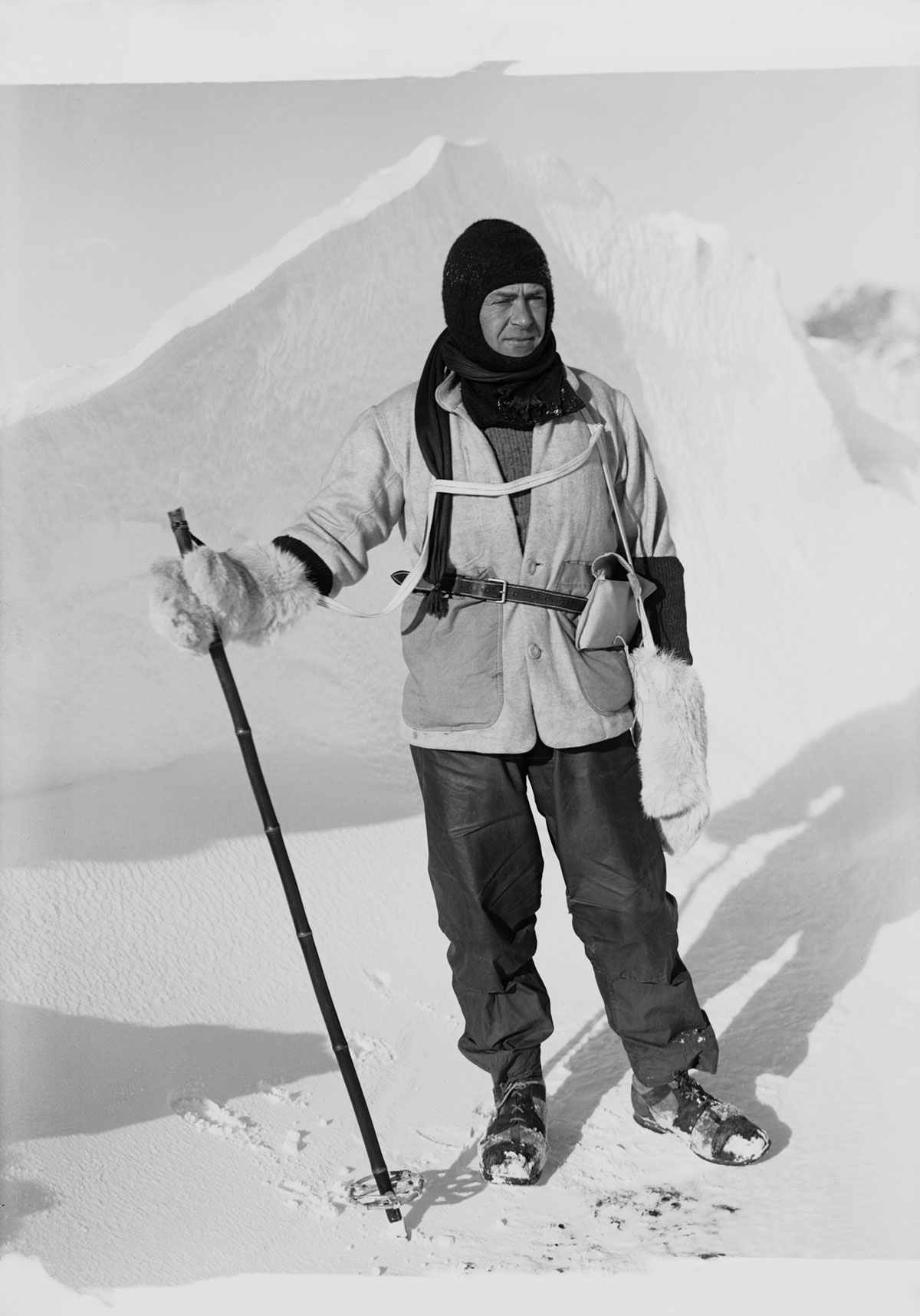
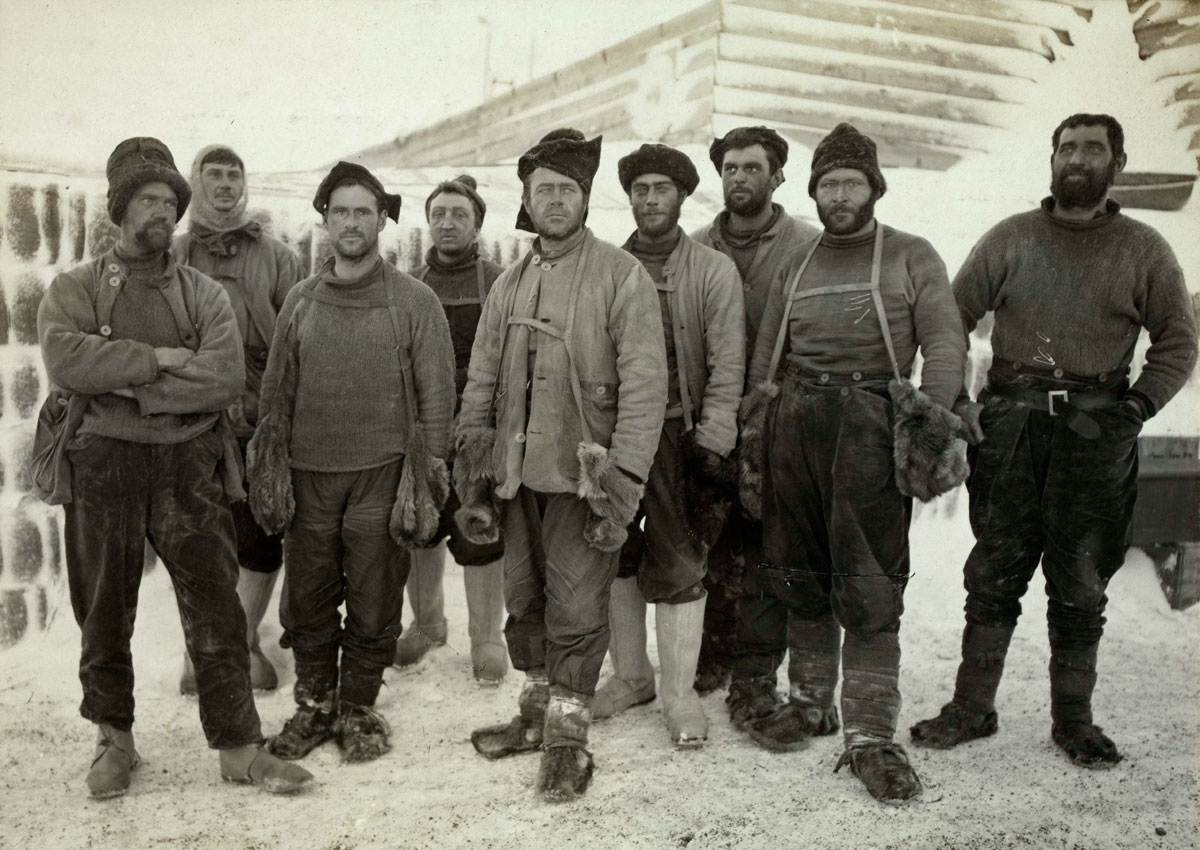
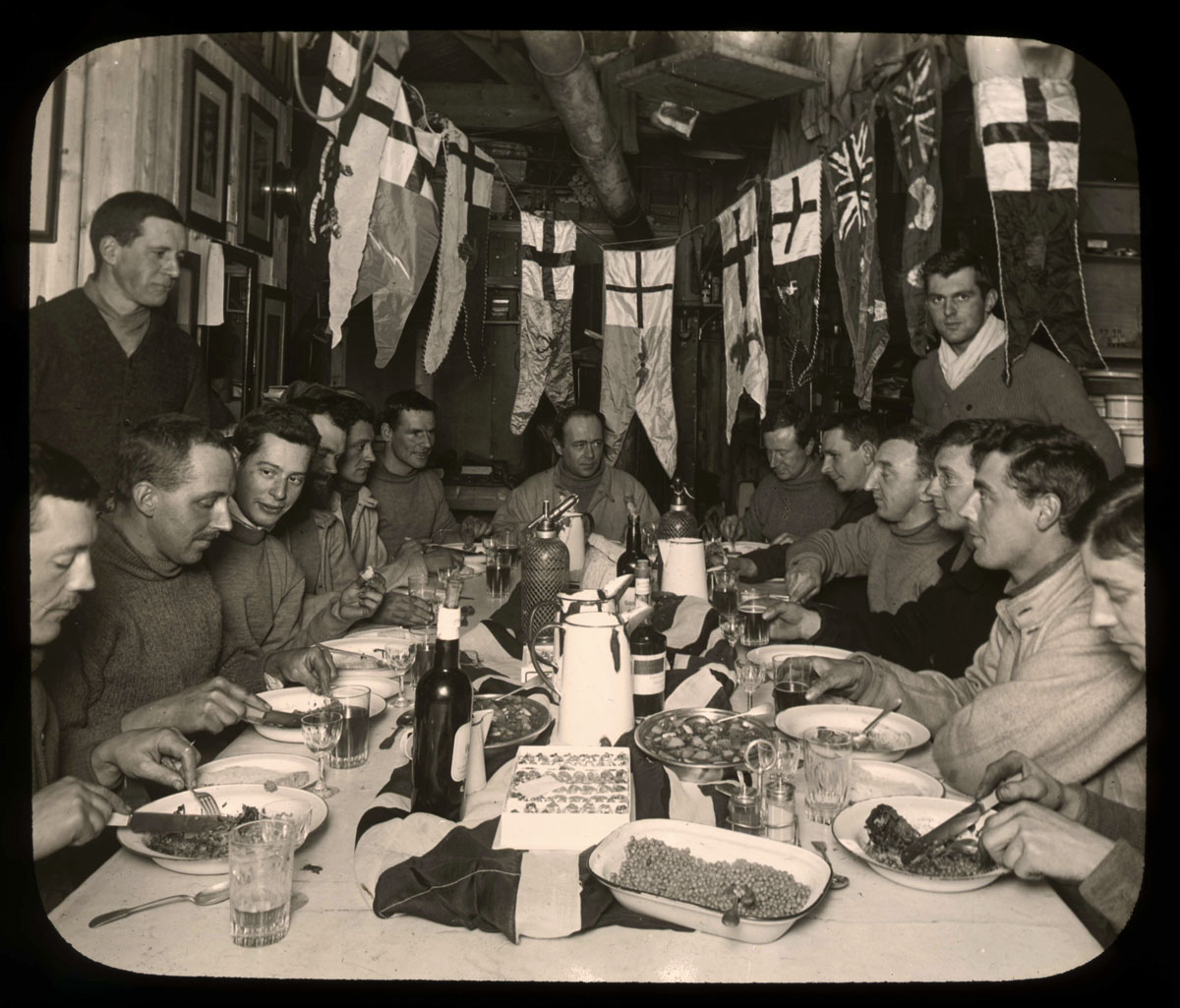
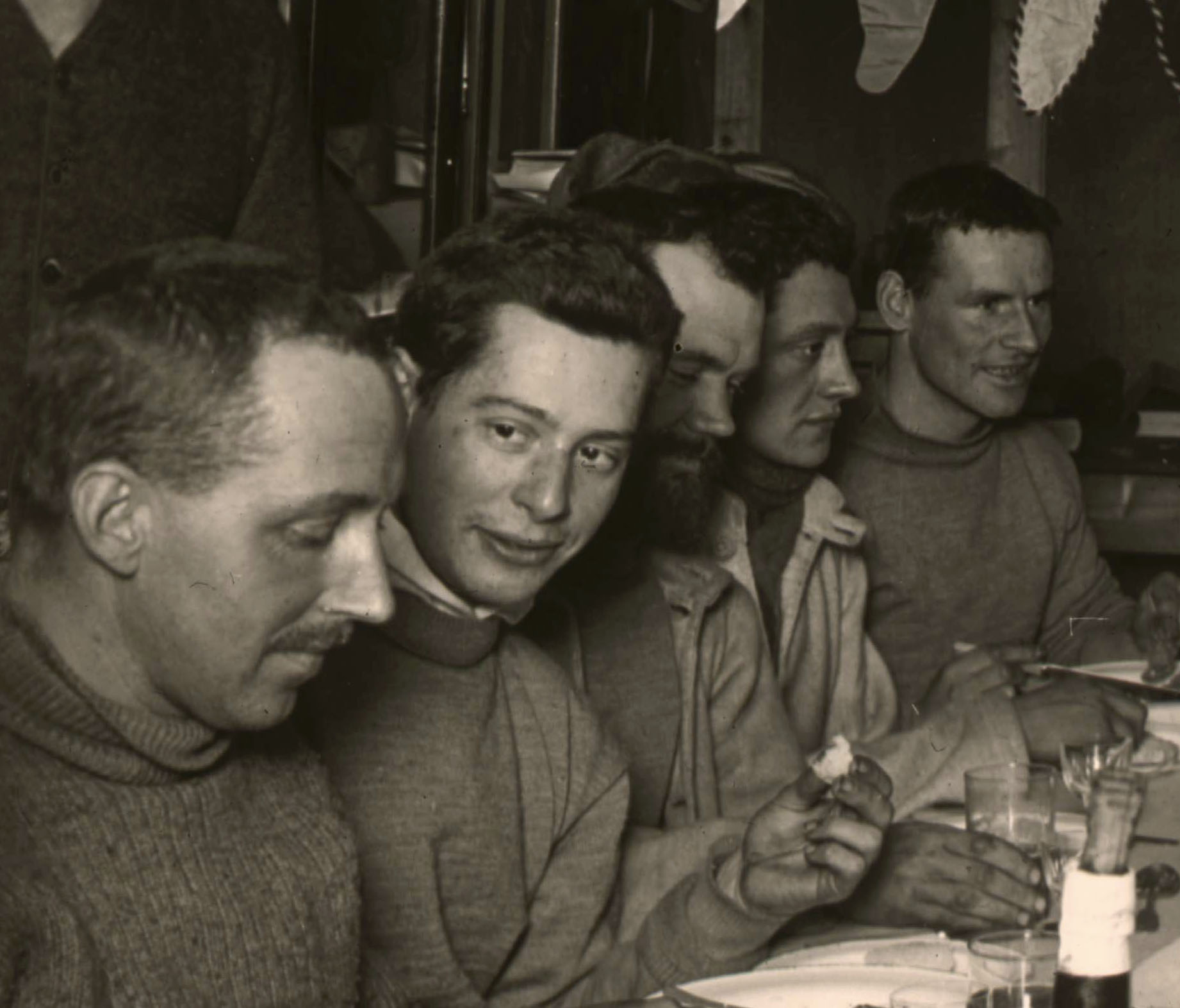
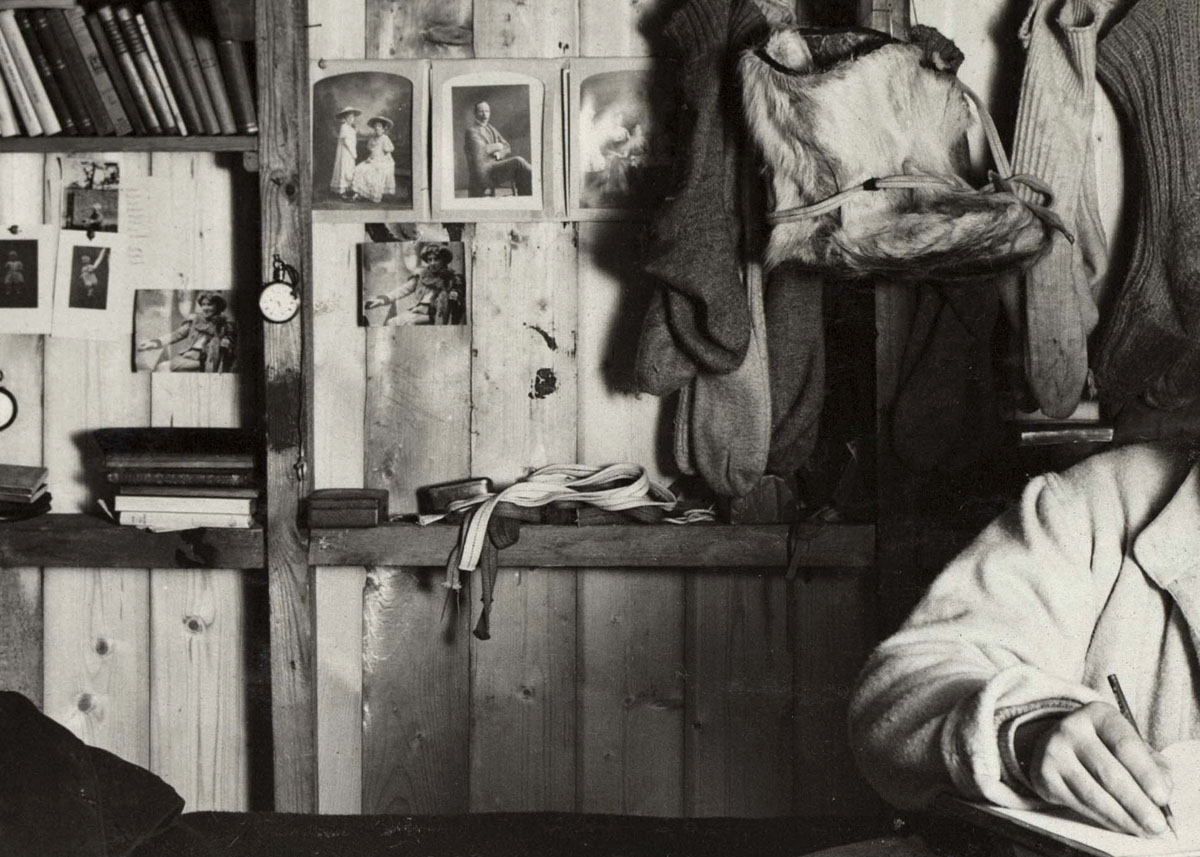
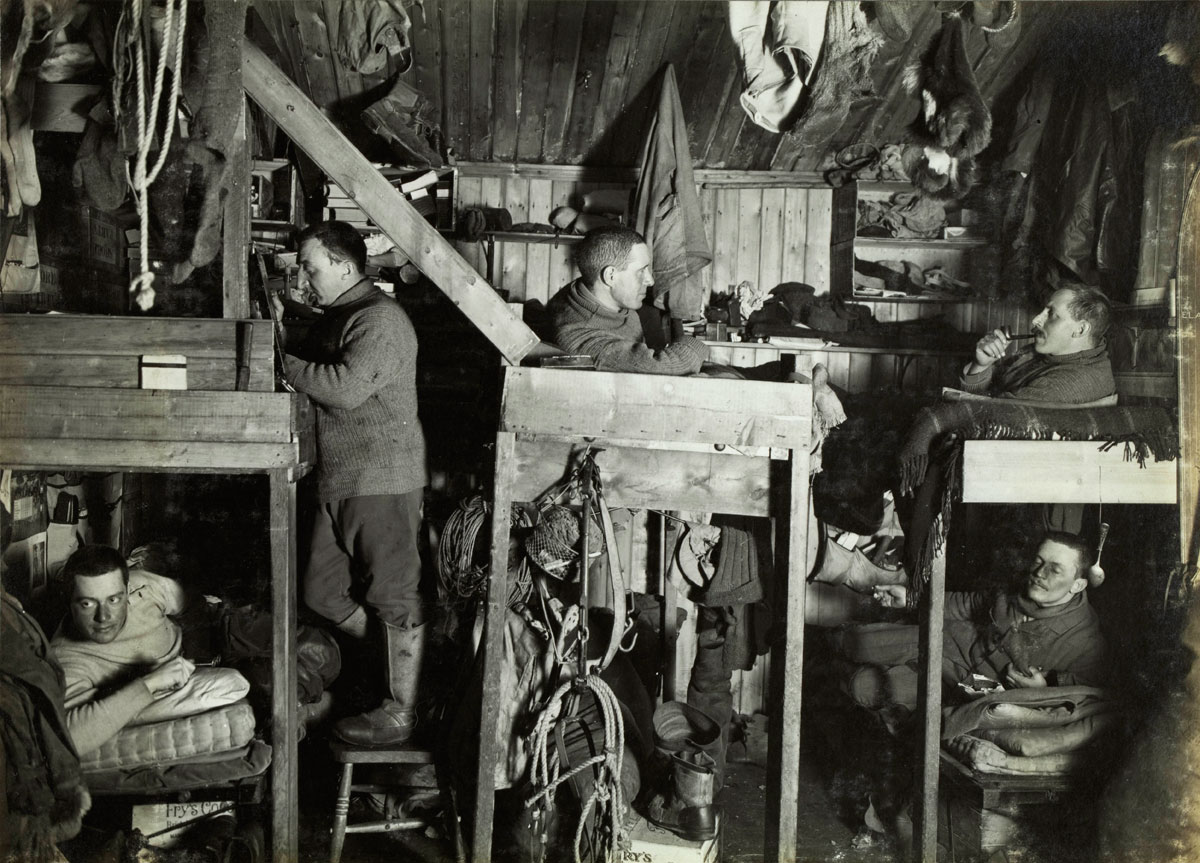
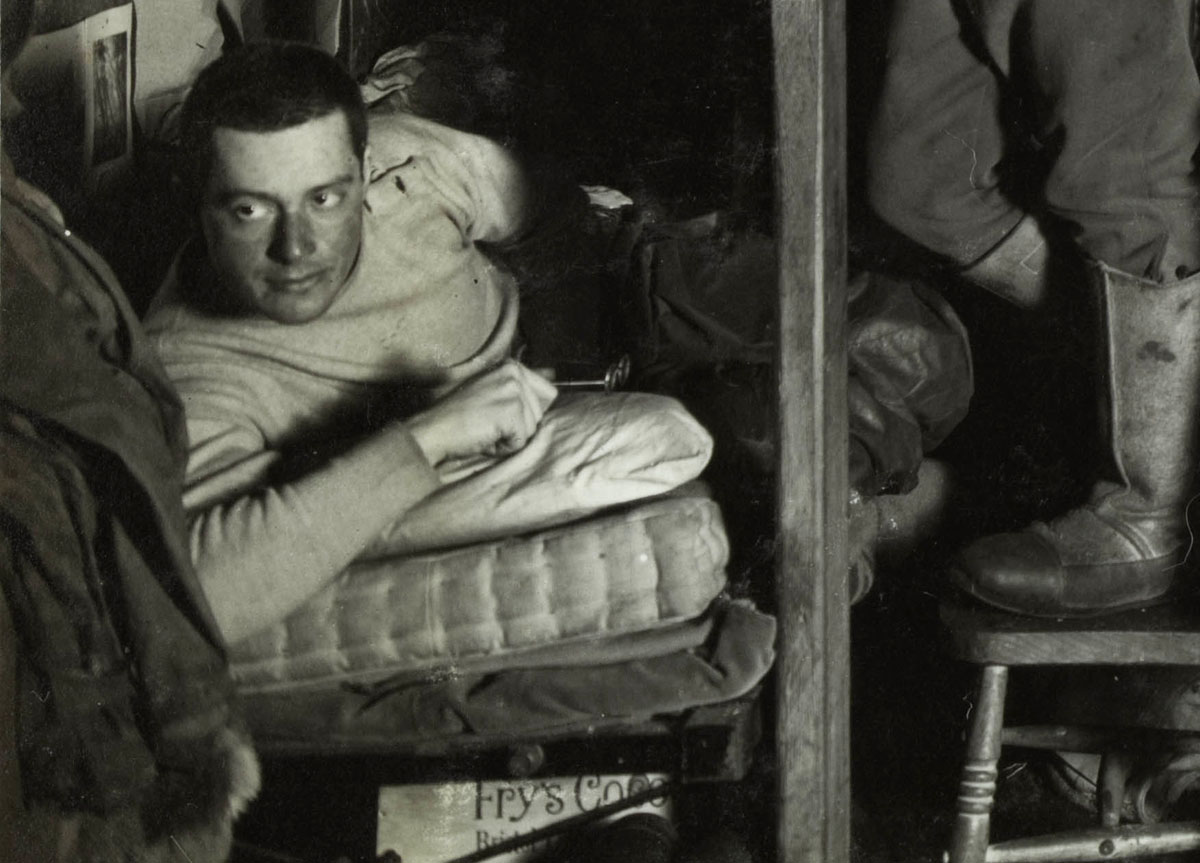
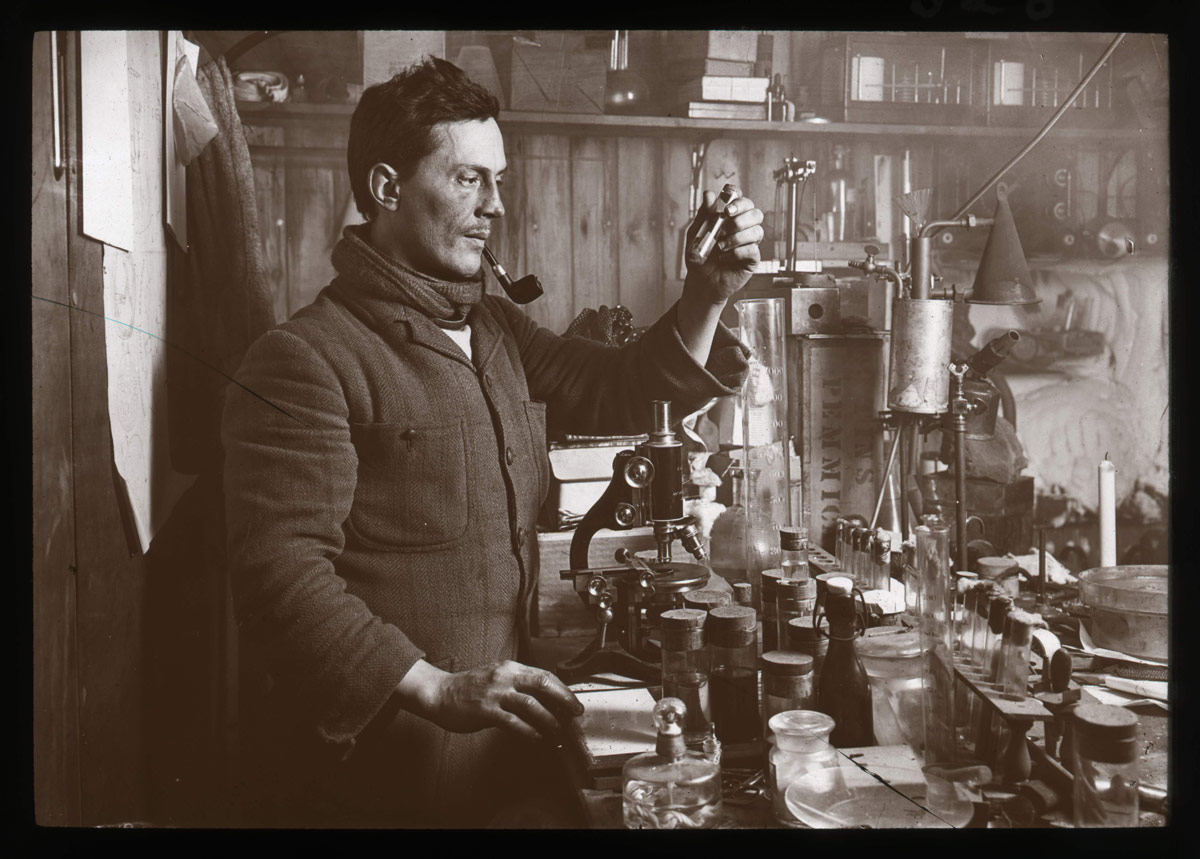
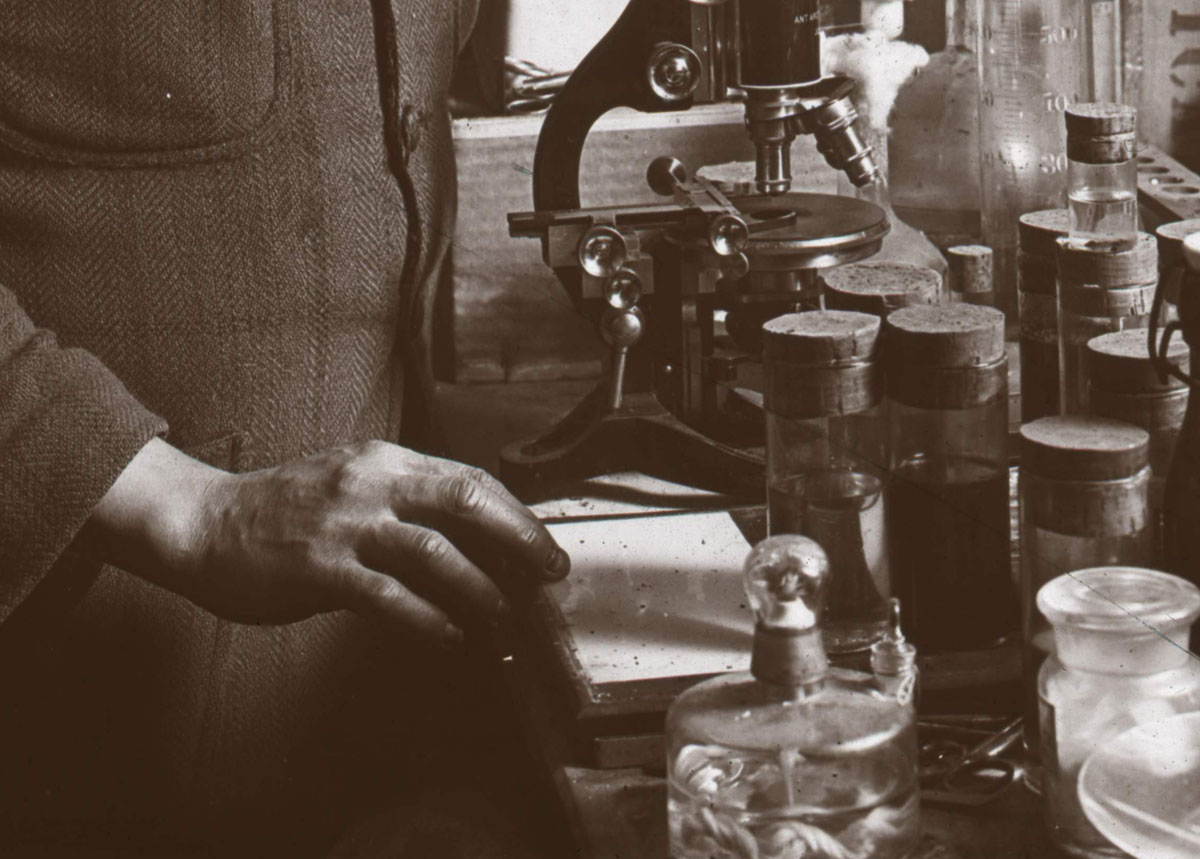
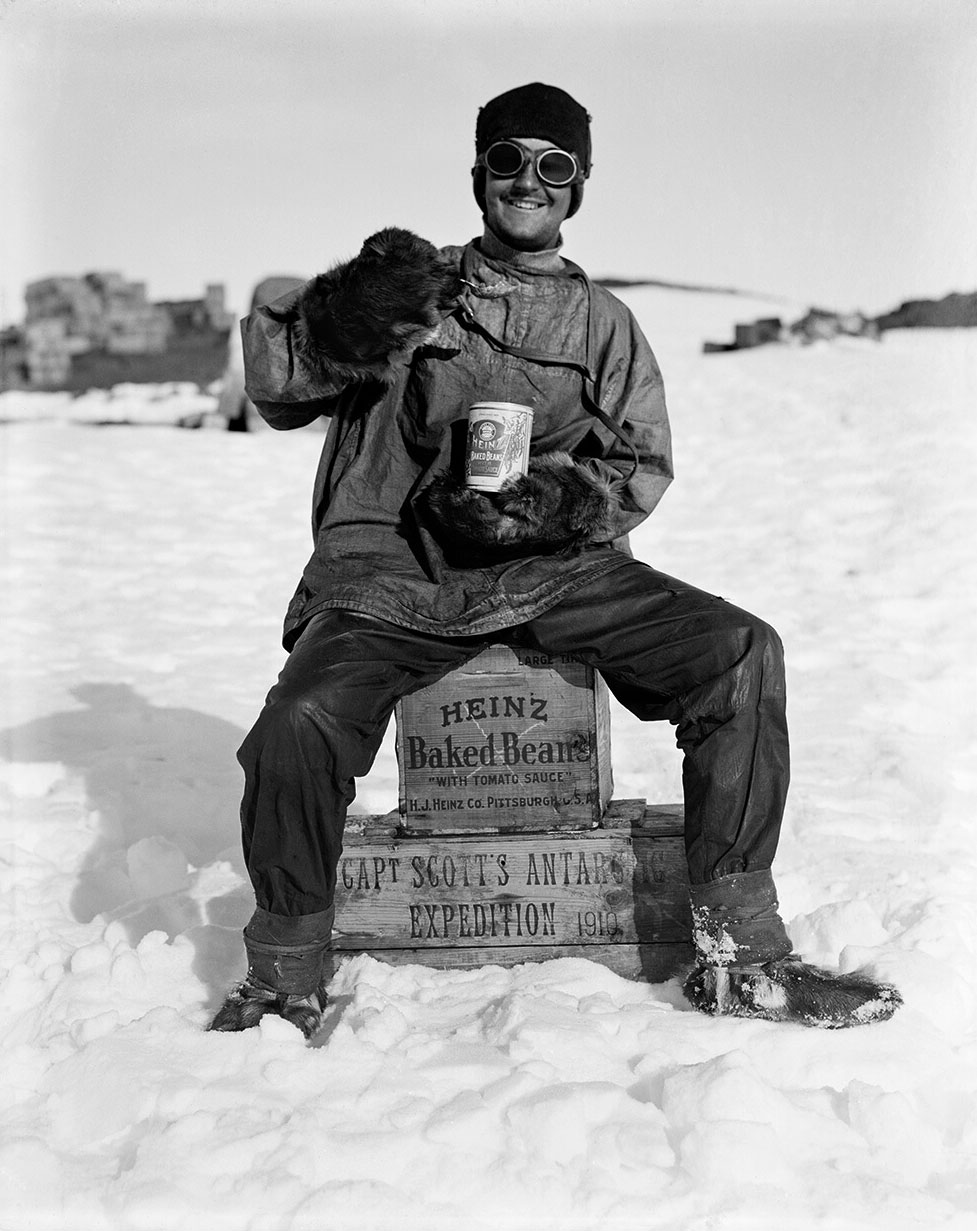
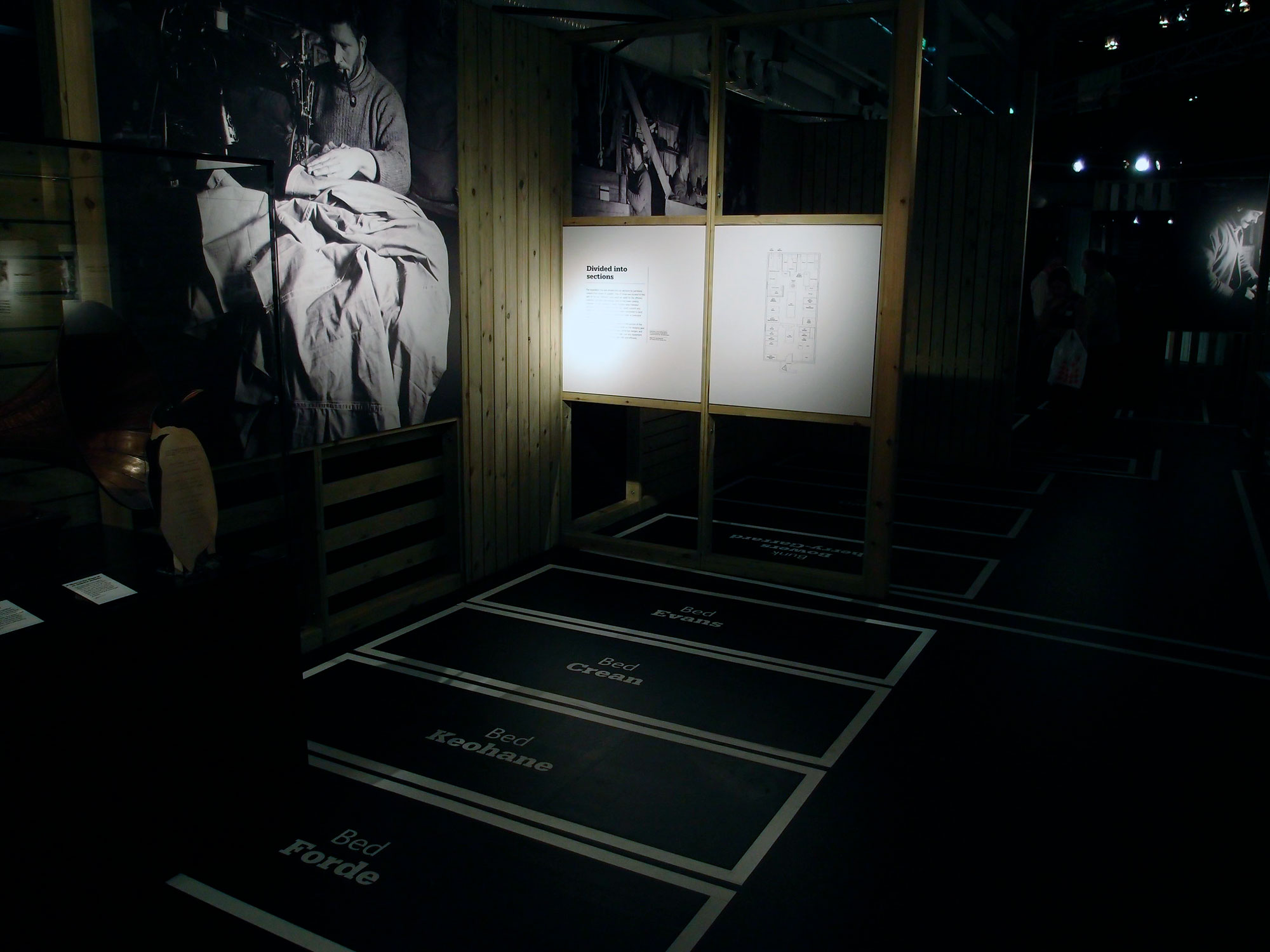
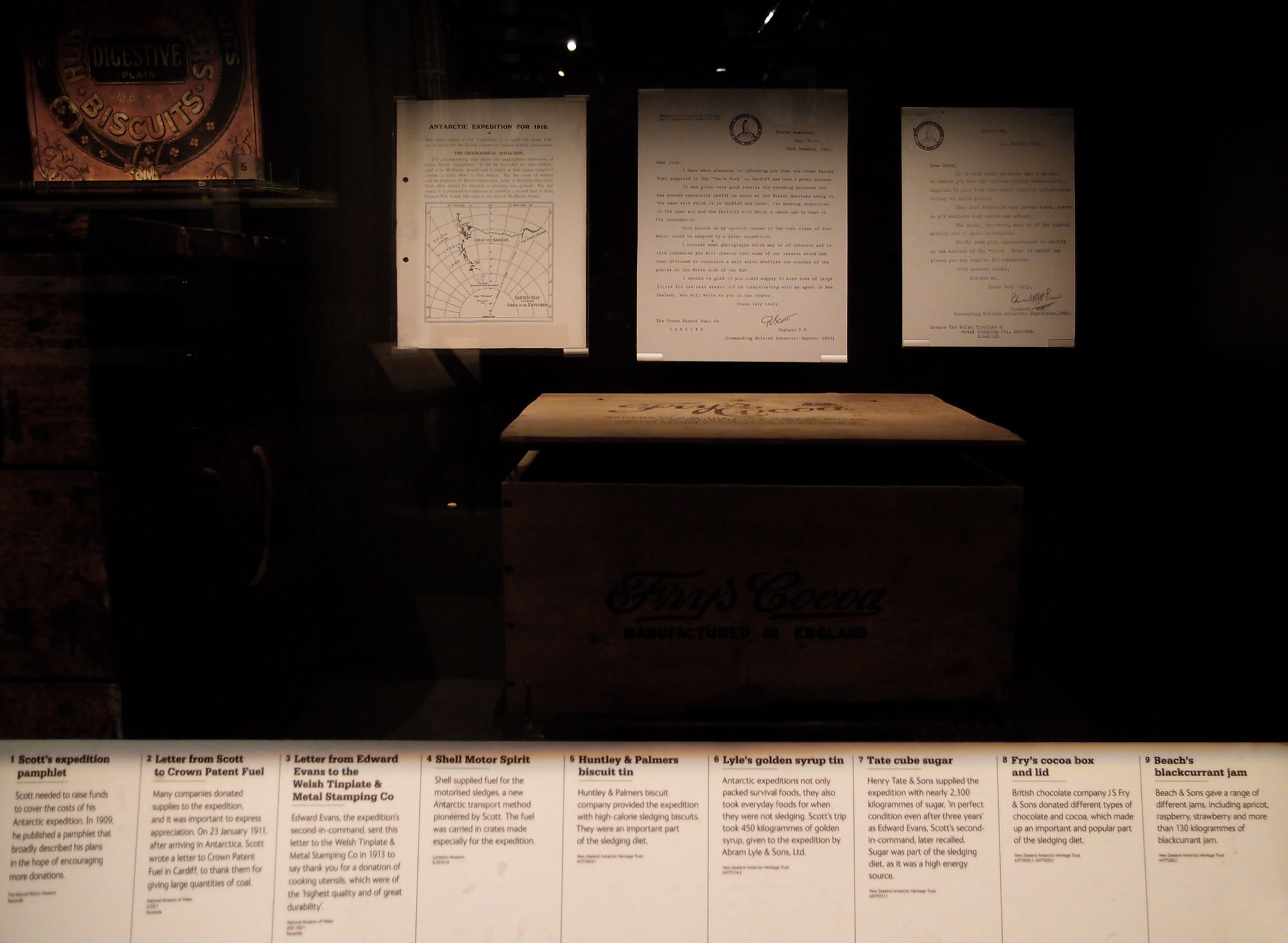
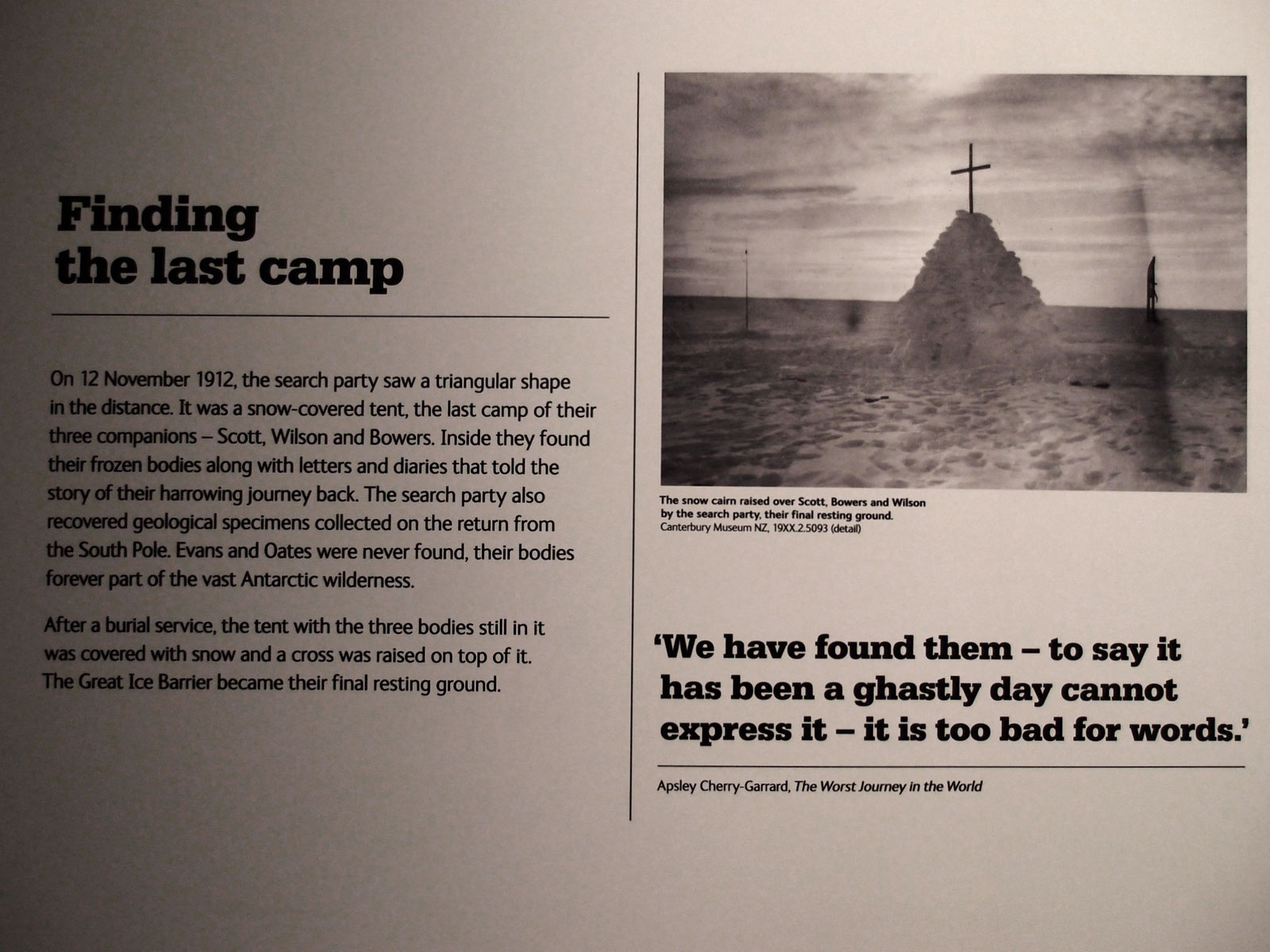

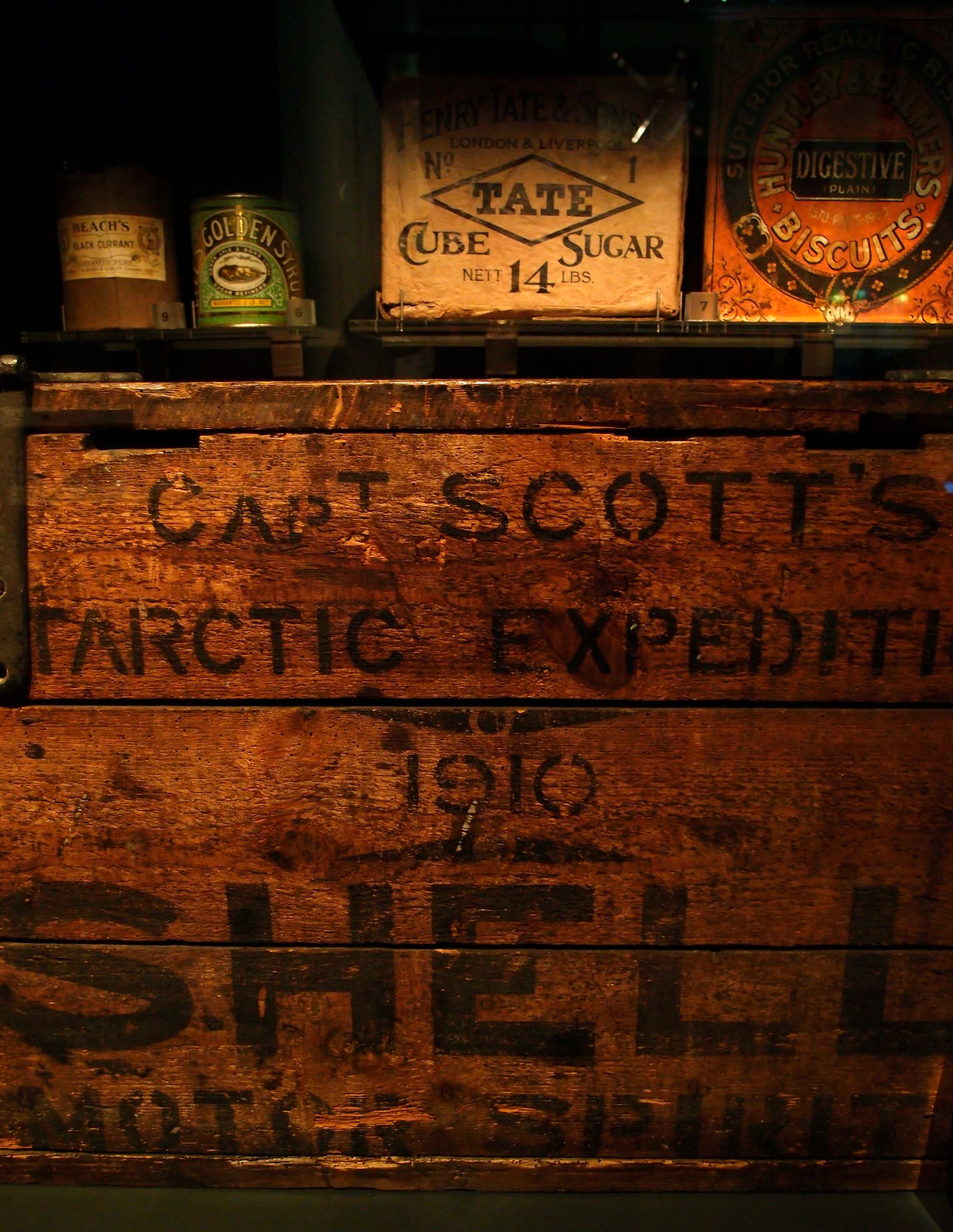
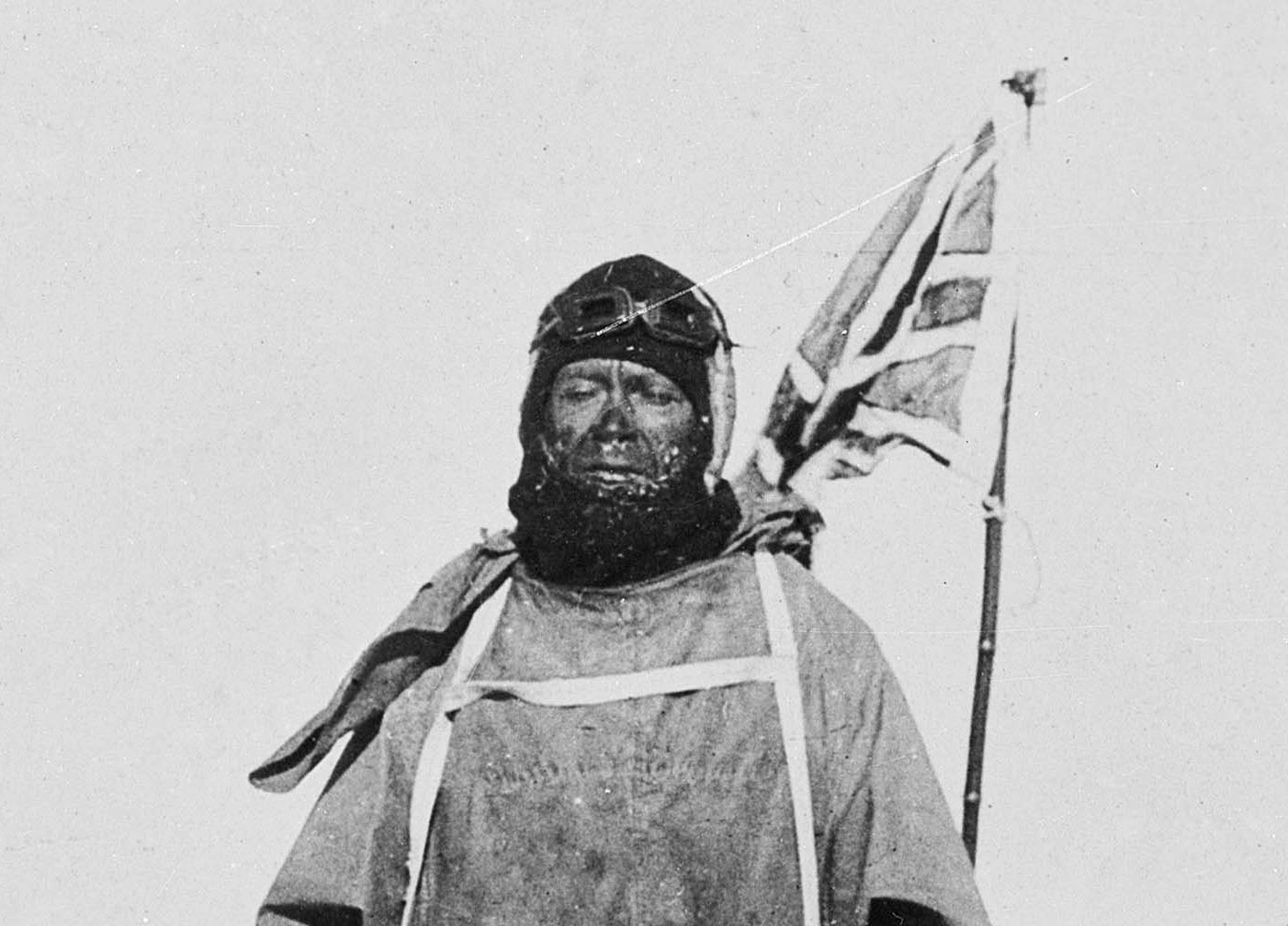
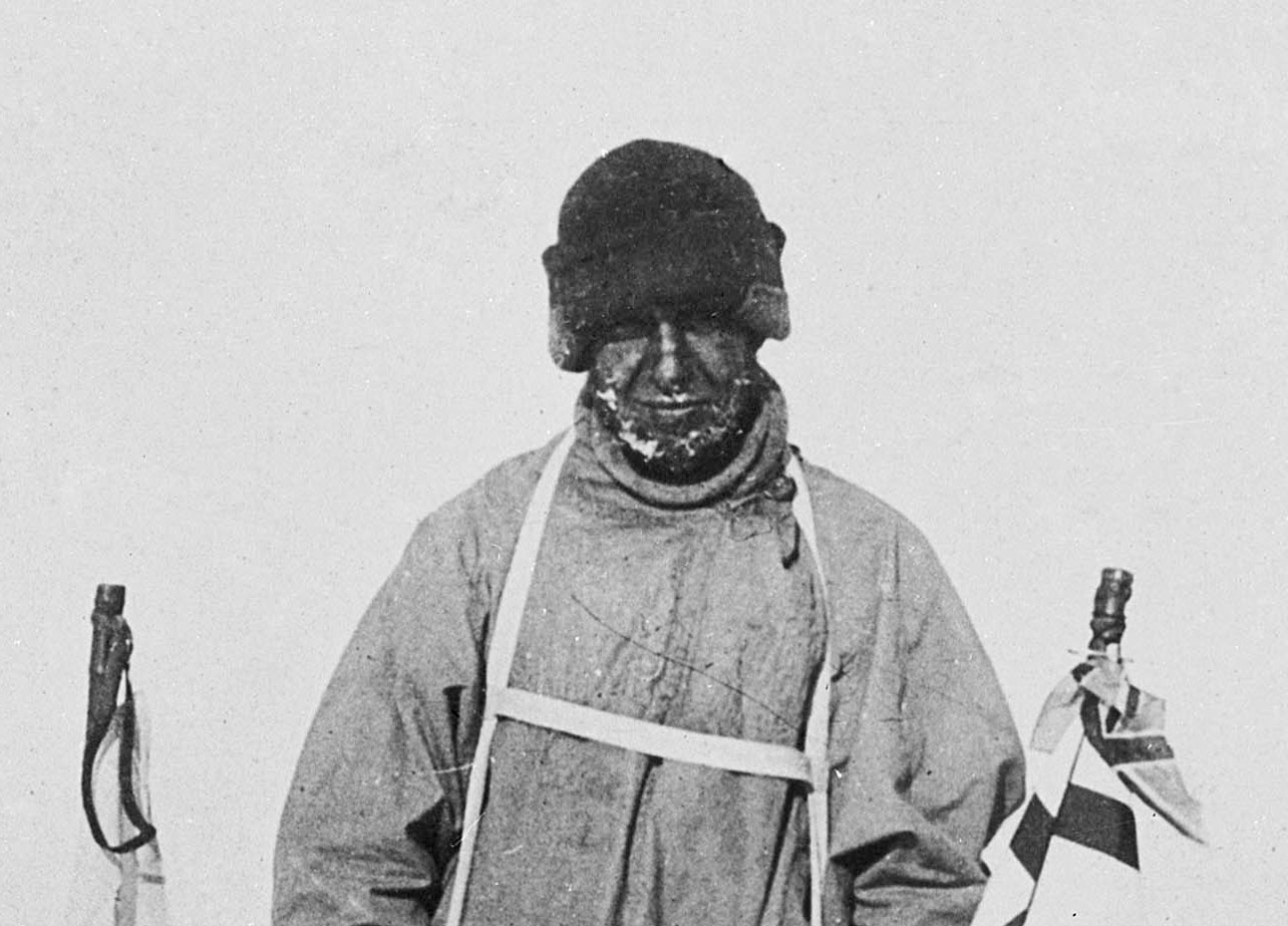
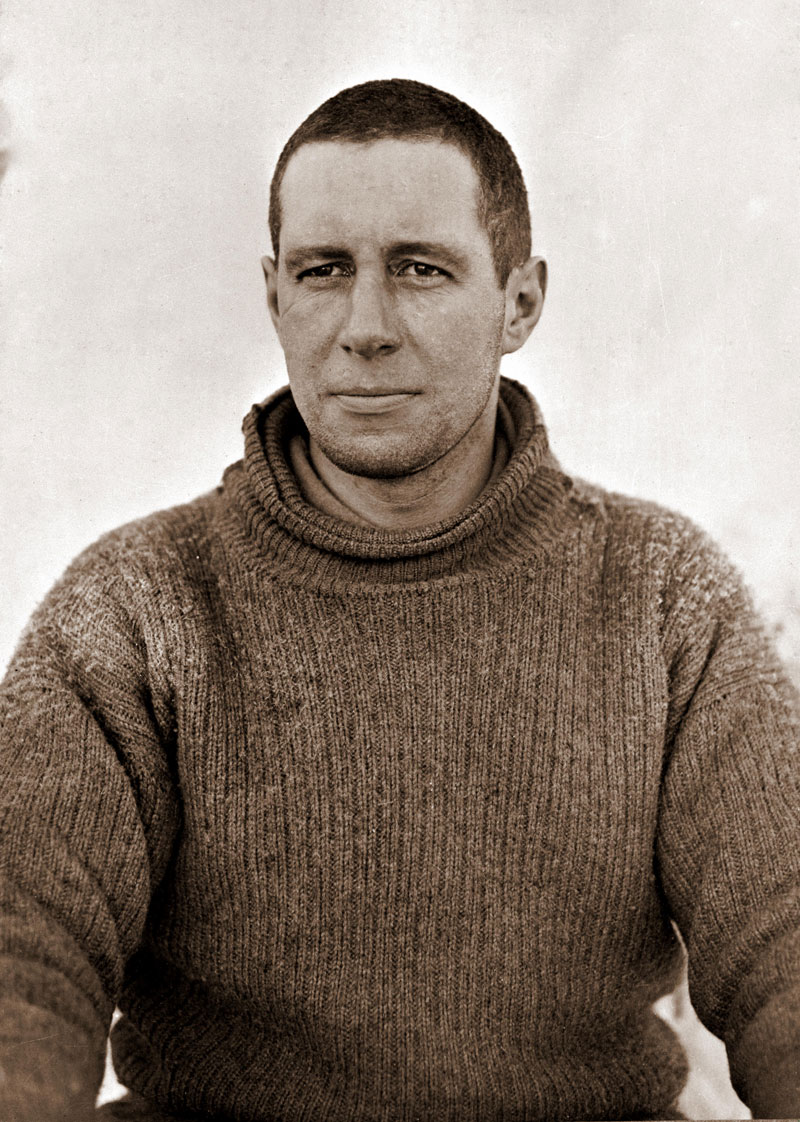
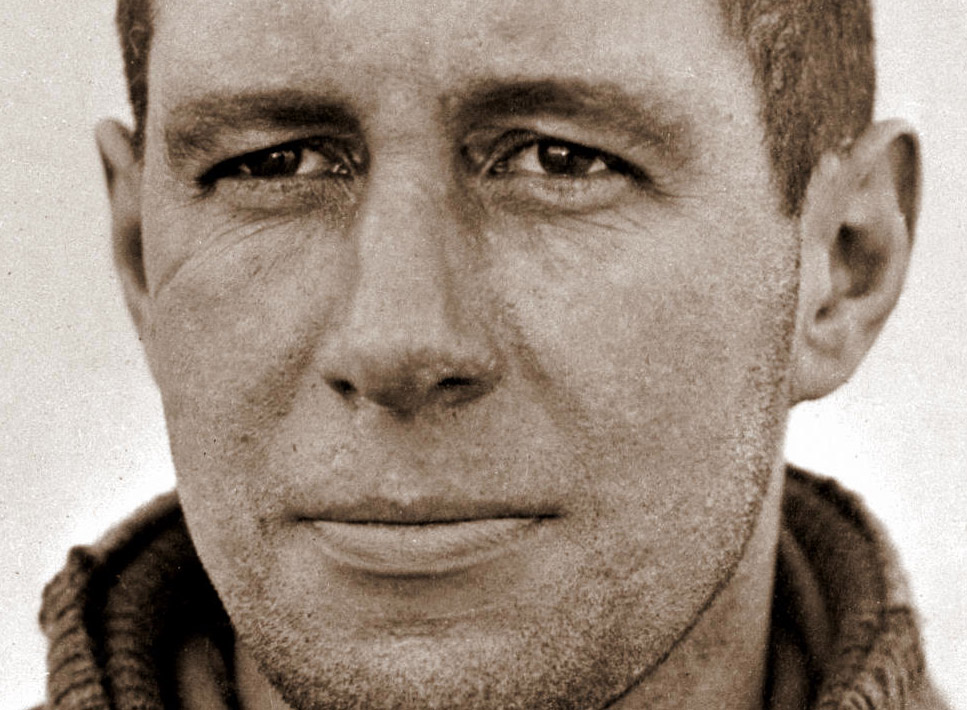
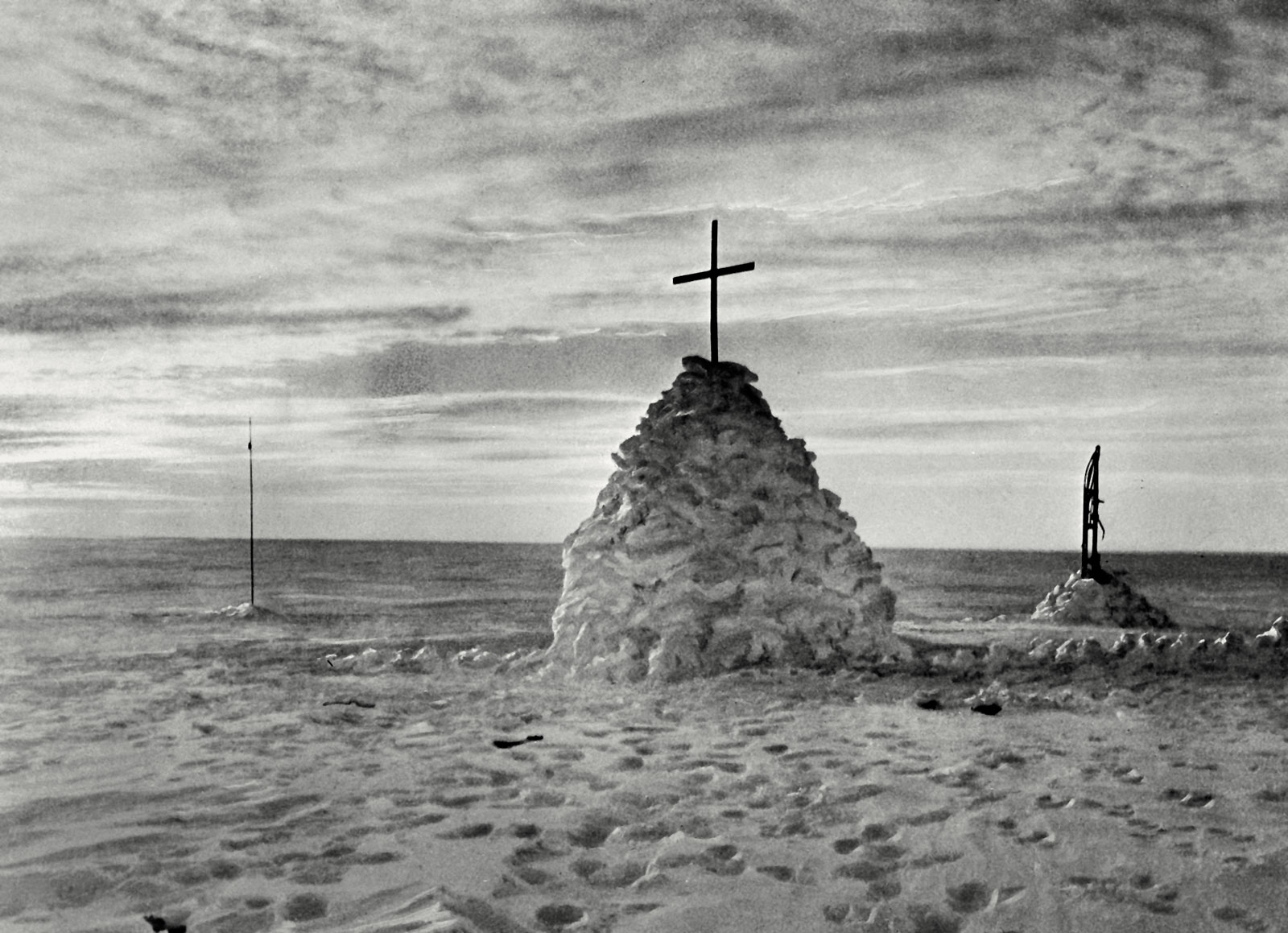


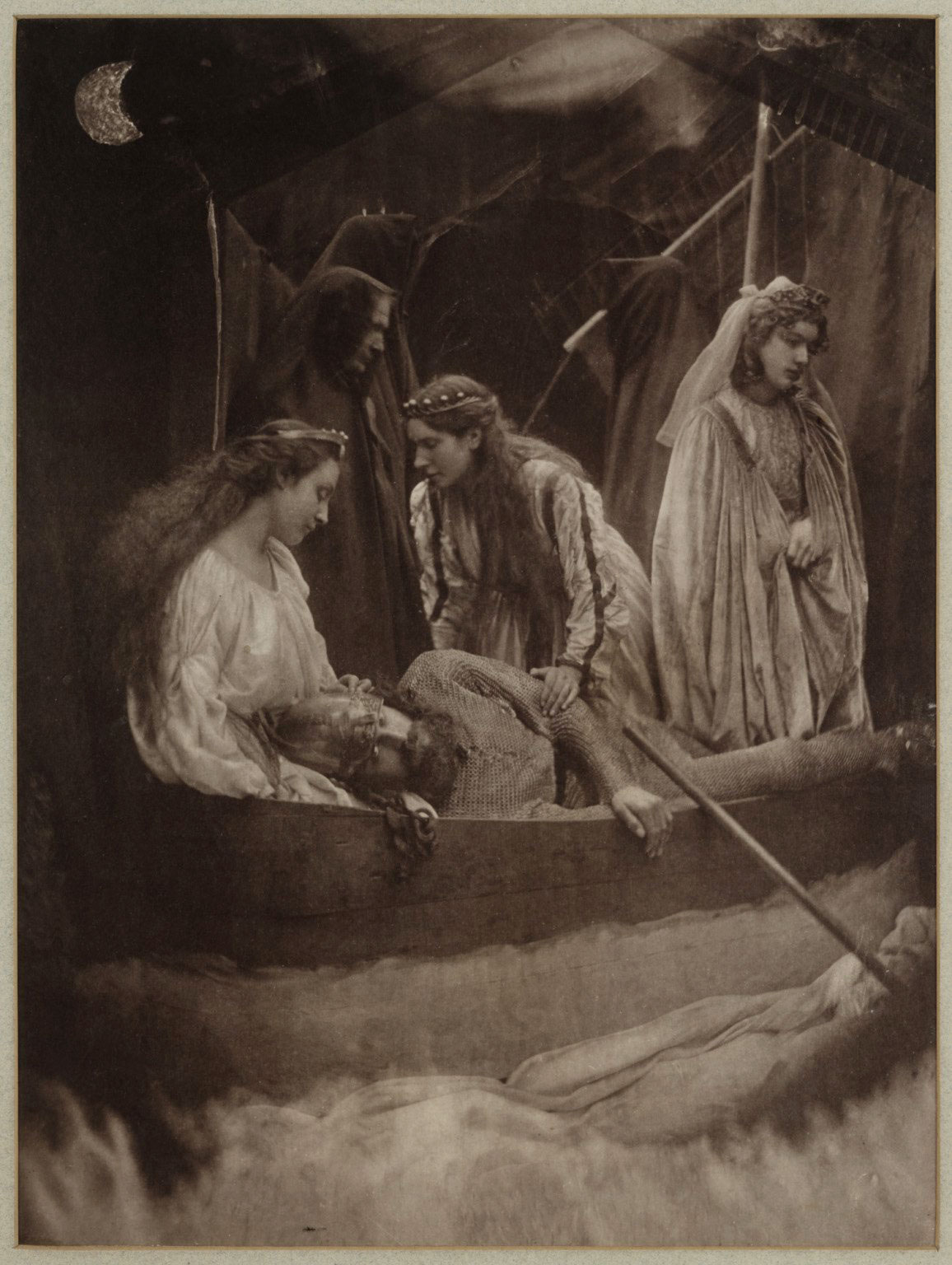
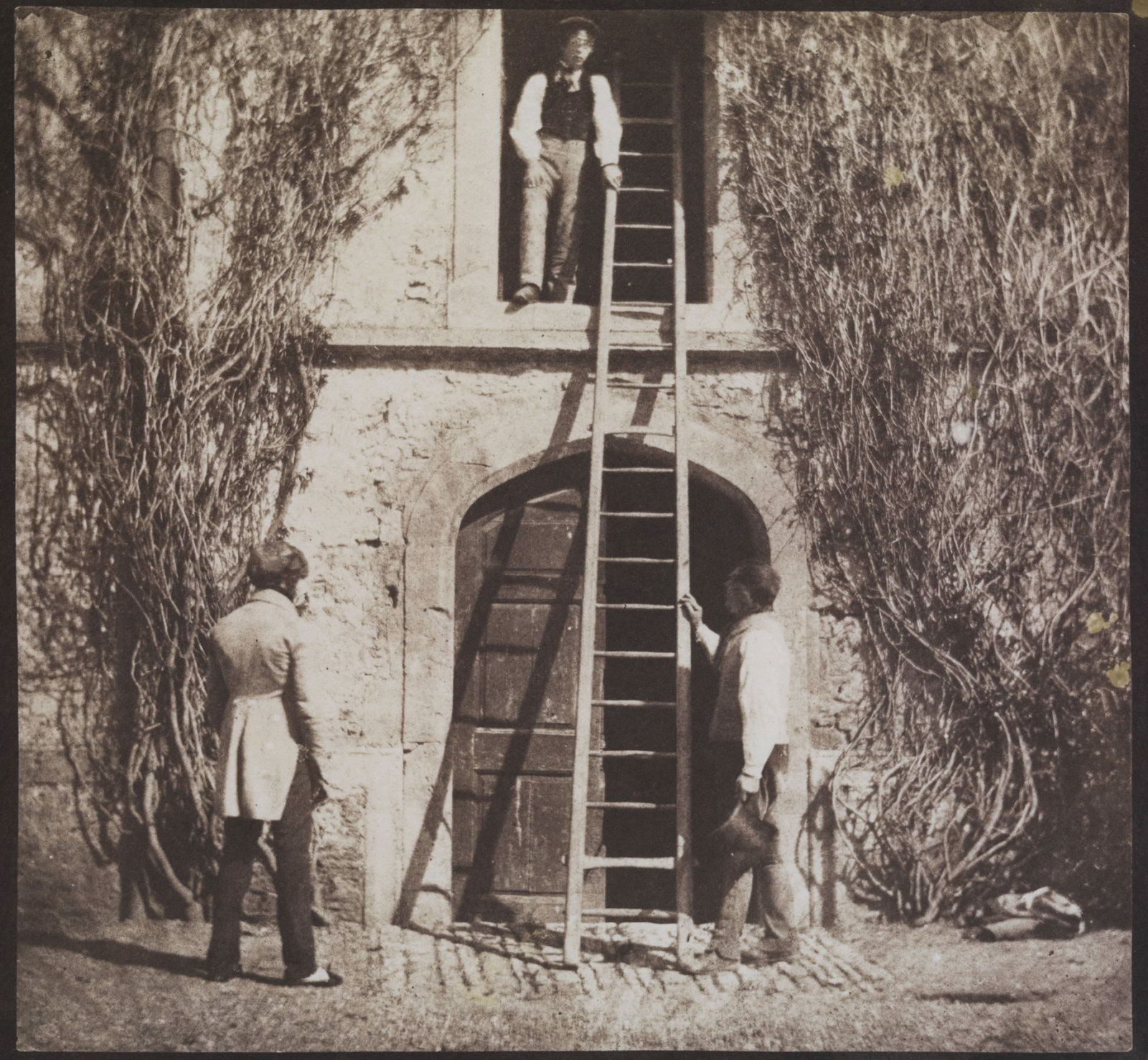
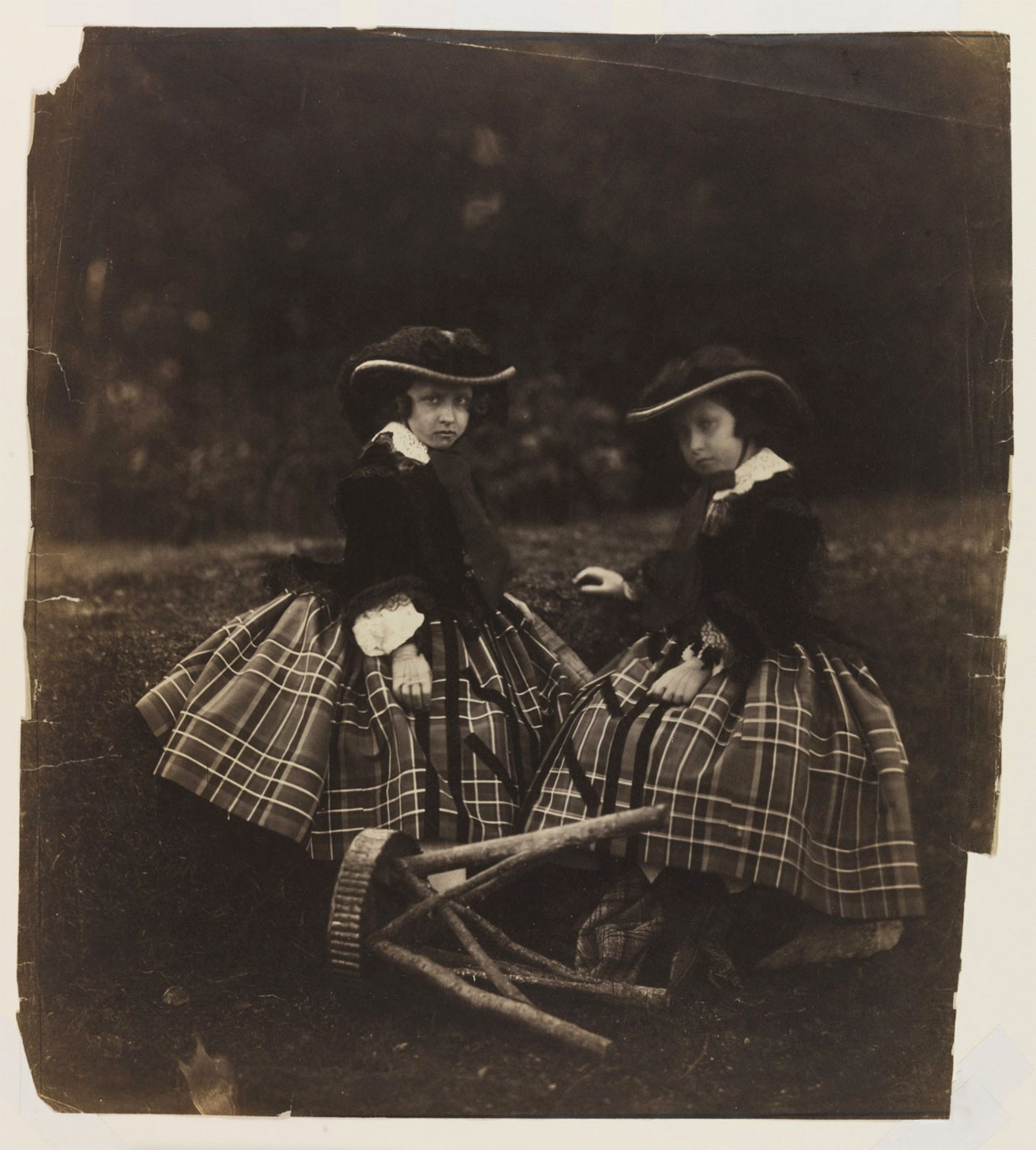


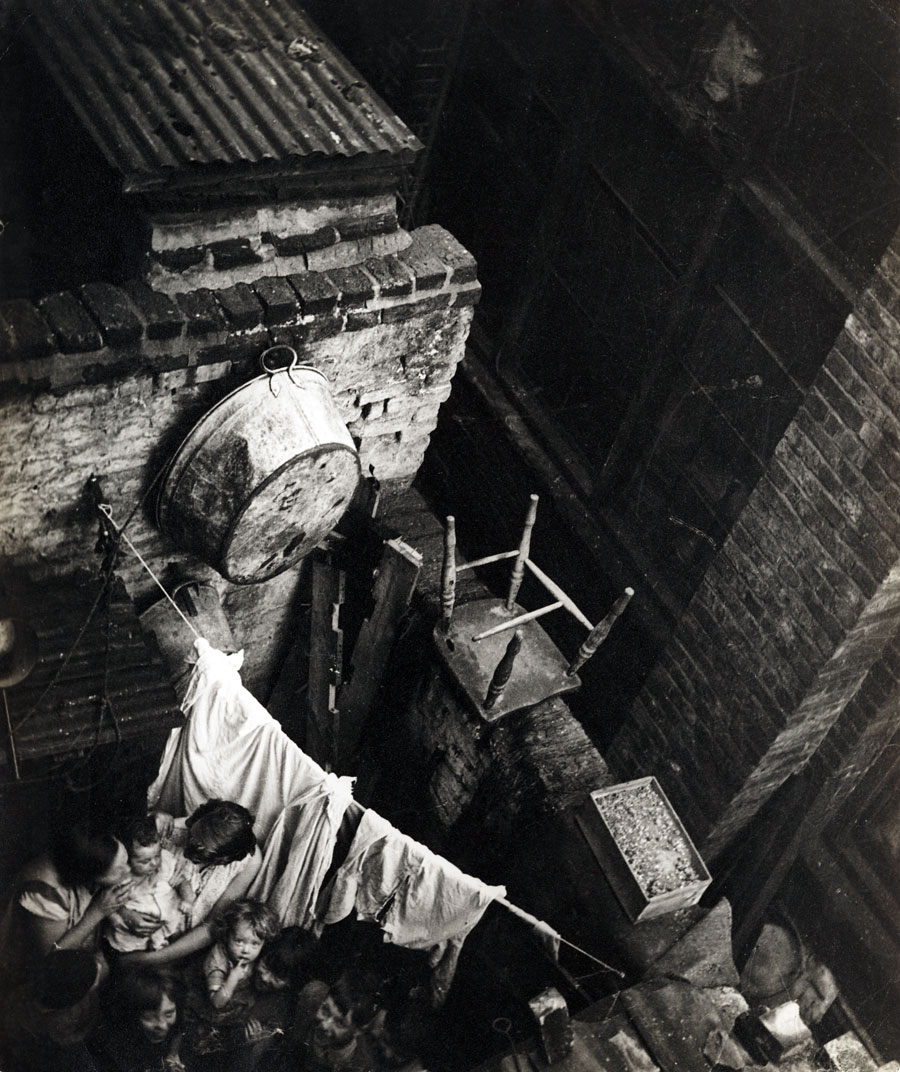


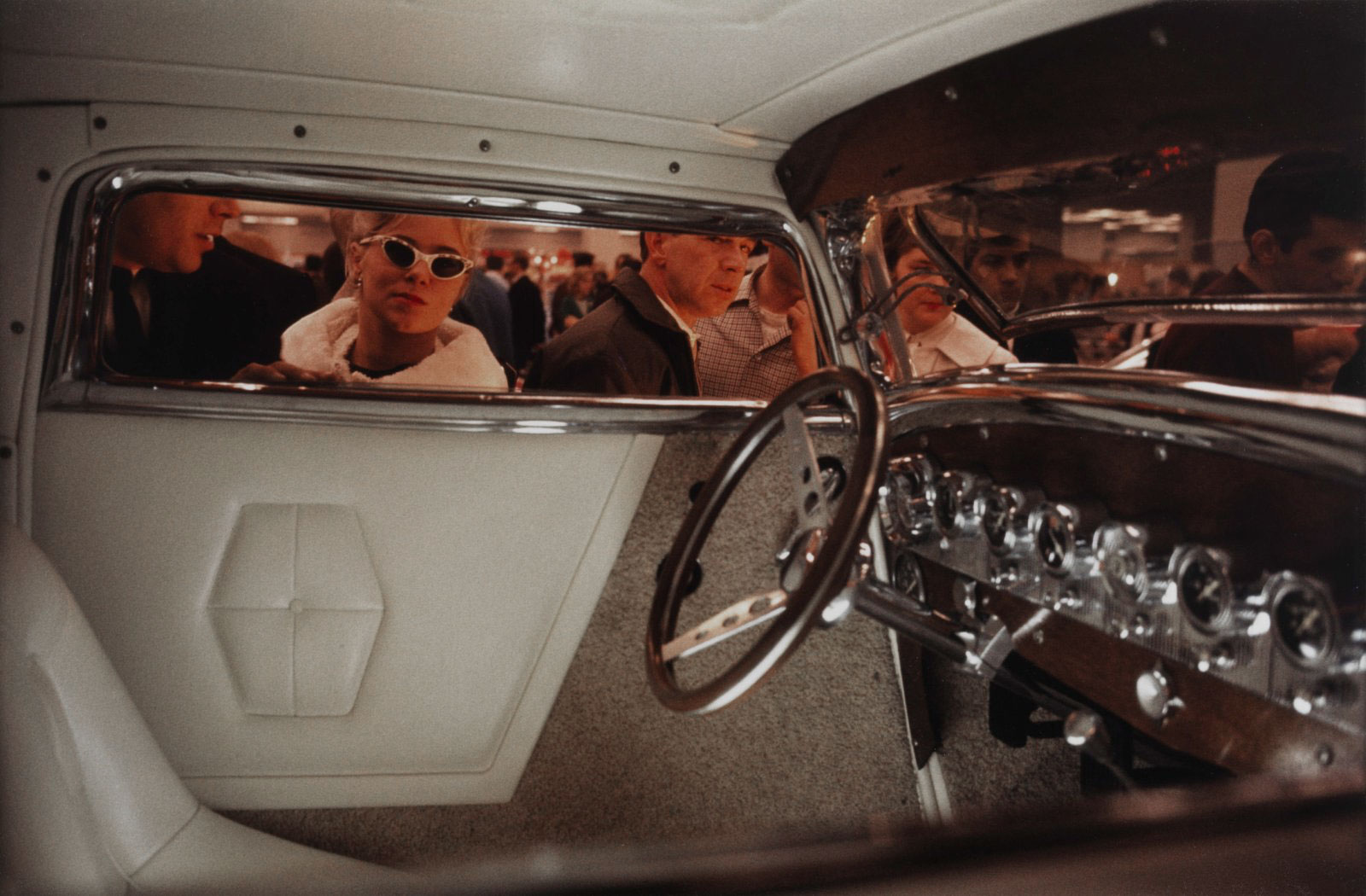

 Art Blart _ art and cultural memory archive
You must be logged in to post a comment.