Marcus Bunyan (Australian, b. 1958) Untitled 1994 from the series Études Silver gelatin print
Studies taken at Newport railway workshops, Melbourne in 1994 with my Mamiya RZ67.
I am scanning my negatives made during the years 1991-1997 to preserve them in the form of an online archive as a process of active memory, so that the images are not lost forever. These photographs were images of my life and imagination at the time of their making, the ideas I was thinking about and the people and things that surrounded me.
Please remember these are just straight scans of the prints, all full frame, no cropping!
Photographs are available from this series for purchase. As a guide, a vintage 8″ x 10″ silver gelatin print costs $700 plus tracked and insured shipping. For more information please see my Store web page.
Marcus Bunyan (Australian, b. 1958) Untitled 1994 from the series Études Silver gelatin print
Marcus Bunyan (Australian, b. 1958) Untitled 1994 from the series Études Silver gelatin print
Marcus Bunyan (Australian, b. 1958) Untitled 1994 from the series Études Silver gelatin print
Marcus Bunyan (Australian, b. 1958) Untitled 1994 from the series Études Silver gelatin print
Marcus Bunyan (Australian, b. 1958) Untitled 1994 from the series Études Silver gelatin print
Marcus Bunyan (Australian, b. 1958) Untitled 1994 from the series Études Silver gelatin print
Marcus Bunyan (Australian, b. 1958) Untitled 1994 from the series Études Silver gelatin print
Marcus Bunyan (Australian, b. 1958) Untitled 1994 from the series Études Silver gelatin print
Marcus Bunyan (Australian, b. 1958) Untitled 1994 from the series Études Silver gelatin print
Marcus Bunyan (Australian, b. 1958) Untitled 1994 from the series Études Silver gelatin print
Marcus Bunyan (Australian, b. 1958) Untitled 1994 from the series Études Silver gelatin print
Marcus Bunyan (Australian, b. 1958) Untitled 1994 from the series Études Silver gelatin print
Marcus Bunyan (Australian, b. 1958) Untitled 1994 from the series Études Silver gelatin print
Marcus Bunyan (Australian, b. 1958) Untitled 1994 from the series Études Silver gelatin print
Marcus Bunyan (Australian, b. 1958) Untitled 1994 from the series Études Silver gelatin print
Marcus Bunyan (Australian, b. 1958) Jim Black, artist 1994 from the series Études Silver gelatin print
A photographer I knew very little about before assembling this posting. The undoubted influence of Henri Cartier-Bresson can be seen in many images (such as Vendeurs de pain, Athènes 1958 and Village moderne de pêcheurs 1954, both below), while other images are redolent of Josef Koudelka (Marriage gitan, 1953) and Paul Strand (Jeune mineur, 1955).
Weiss strikes one as a solid photographer in the humanist, Family of Man tradition who doesn’t push the boundaries of the medium or the genre, nor generate a recognisable signature style.
Dr Marcus Bunyan
Many thankx to Jeu de Paume for allowing me to publish the photographs in the posting. Please click on the photographs for a larger version of the image.
Sabine Weiss – Jeu de Paume Château de Tours
“Sabine Weiss”: exhibition at Jeu de Paume Château de Tours from 18 June 2016 until 30 October 2016.
Sabine Weiss is the last representative of the French humanist school of photography, which includes photographers like Robert Doisneau, Willy Ronis, Édouard Boubat, Brassaï and Izis.
Still active at over 90 years of age, she has accepted for the first time to present her personal archives, thereby providing a privileged insight into her life and career as a photographer. The exhibition at the Château de Tours will showcase just a few milestones from her long career.
Through almost 130 prints, as well as numerous period documents – many of which are being shown for the first time – this exhibition provides visitors with an overview of the multiple facets of this prolific artist, for whom photography was first and foremost, a fascinating occupation.
Sabine Weiss is the last representative of the French humanist school of photography, which includes photographers like Robert Doisneau, Willy Ronis, Édouard Boubat, Brassaï and Izis.
Still active at over 90 years of age, she has accepted for the first time to present her personal archives, thereby providing a privileged insight into her life and career as a photographer. The exhibition at the Château de Tours will showcase just a few milestones from her long career. Through almost 130 prints, as well as numerous period documents – many of which are being shown for the first time – this exhibition provides visitors with an overview of the multiple facets of this prolific artist, for whom photography was first and foremost, a fascinating occupation.
Sabine Weiss is the last representative of the French humanist school of photography, which includes photographers like Robert Doisneau, Willy Ronis, Édouard Boubat, Brassaï and Izis.
Still active at over 90 years of age, she has accepted for the first time to present her personal archives, thereby providing a privileged insight into her life and career as a photographer. The exhibition at the Château de Tours will showcase just a few milestones from her long career. Through almost 130 prints, as well as numerous period documents – many of which are being shown for the first time – this exhibition provides visitors with an overview of the multiple facets of this prolific artist, for whom photography was first and foremost, a fascinating occupation.
Née Weber in Switzerland in 1924, Sabine Weiss was drawn to photography from a very early age and did her apprenticeship at Paul Boissonnas’ studio, a dynasty of photographers practising in Geneva since the late nineteenth century. In 1946, she left Geneva for Paris and became the assistant of Willy Maywald, a German photographer living in the French capital, specialising in fashion photography and portraits. She married the American painter Hugh Weiss in 1950, and at this time embarked upon a career as an independent photographer. She moved into a small Parisian studio with her husband – where she continues to live today – and socialised in the artistic circles of the post-war period. This allowed her to photograph Georges Braque, Joan Miró, Alberto Giacometti, André Breton and Ossip Zadkine, and later numerous musicians, writers and actors.
Circa 1952, Sabine Weiss joined the Rapho Agency thanks to Robert Doisneau’s recommendation. Her personal work met with immediate critical acclaim in the United States with exhibitions at the Museum of Modern Art in New York, the Art Institute of Chicago, the Walker Art Institute in Minneapolis and the Limelight Gallery, New York. Three of her photographs were shown as part of the famous exhibition “The Family of Man”, organised by Edward Steichen in 1955, and Sabine obtained long-lasting contracts with The New York Times Magazine, Life, Newsweek, Vogue, Point de vue-Images du monde, Paris Match, Esquire, and Holiday. From that time and up until the 2000s, Sabine Weiss continued to work for the international illustrated press, as well as for numerous institutions and brands, seamlessly passing from reportage to fashion features, and from advertising to portraits of celebrities or social issues.
In the late 1970s, her work returned to the spotlight thanks to a growing revival of interest in so-called humanist photography on behalf of festivals and institutions. This interest encouraged Sabine to return to black and white photography. At over sixty years of age, she began a new body of personal work, punctuated by her travels in France, Egypt, India, Reunion Island, Bulgaria and Burma, and in which a more sentimental melody may be heard, centred on the pensive and solitary moments of human existence. At the same time, Sabine became the focus of a growing number of tributes, all of which has contributed to her reputation as an independent and dynamic photographer, with a great humanist sensibility and an eye for the detail of everyday life.
Curators: Mia Fineman, Associate Curator; and Beth Saunders, Curatorial Assistant in the Department of Photographs at The Metropolitan Museum of Art
Manuel Alvarez Bravo (Mexican, 1902-2002) La Buena Fama Durmiendo (The Good Reputation Sleeping) 1939, printed c. 1970s Gelatin silver print Mat: 16 × 20 in. (40.6 × 50.8cm) The Elisha Whittelsey Collection, The Elisha Whittelsey Fund, 1973
The best fun I had with this posting was putting together the first twelve images. They seem to act as ‘strange attractors’, a feeling recognised by the curators of the exhibition if you view the first installation photograph by Anders Jones, below.
Dr Marcus Bunyan
Many thankx to photographer Anders Jones and the Duggal website for allowing me to publish the installation photographs in the posting.
Artists have always turned to dreams as a source of inspiration, a retreat from reason, and a space for exploring imagination and desire. In the history of photography, dreams have been most closely associated with the Surrealists, who pushed the technical limits of the medium to transform the camera’s realist documents into fantastical compositions. Whereas their modernist explorations were often bound to psychoanalytic theories, more recently contemporary photographers have pursued the world of sleep and dreams through increasingly open-ended works that succeed through evocation rather than description.
This exhibition takes a cue from the artists it features by displaying a constellation of photographs that collectively evoke the experience of a waking dream. Here, a night sky composed of pills, a fragmented rainbow, a sleeping fairy-tale princess, and an alien underwater landscape illuminate hidden impulses and longings underlying contemporary life. Drawn entirely from The Met collection, Dream States features approximately 30 photographs and video works primarily from the 1970s to the present.
Near the end of Wagner’s second opera of the Ring Cycle, Die Walküre (The Valkyrie), the Valkyrie Brünnhilde, having attempted to help the sibling lovers Siegmund and Sieglinde against their father’s wishes, is punished for her betrayal. Wotan puts her to sleep and surrounds her with a ring of fire (she will be awakened in turn by her nephew Siegfried, the incestuous son of Siegmund and Sieglinde, in the third opera of the cycle).
Kiefer portrays the dormant Brünnhilde as French actress Catherine Deneuve in François Truffaut’s film Mississippi Mermaid, using a photograph he snapped in a movie house in 1969. In the film, Deneuve plays a deceitful mail-order bride who comes to the island of Réunion to marry a plantation owner, played by Jean-Paul Belmondo. Aside from the parallels of love and betrayal in both the Ring Cycle and Truffaut’s film, Kiefer thought the choice of Deneuve for Brünnhilde both ironic and amusing: she was for him “the contrary of Brünnhilde. Very slim, very French, very cool, very sexy,” hinting that no man would go through fire to obtain Wagner’s corpulent, armoured Valkyrie.
Eugène Atget (French, Libourne 1857-1927 Paris) Versailles 1924-25 Salted paper print from glass negative Image: 17.5 x 21.9cm (6 7/8 x 8 5/8 in.) Sheet: 18 × 21.9cm (7 1/16 × 8 5/8 in.) Mat: 40.6 × 50.8cm (16 × 20 in.) Gilman Collection, Purchase, Ann Tenenbaum and Thomas H. Lee Gift, 2005
From 1898 until his death in 1927, Atget exhaustively documented the remains of Old Paris: the city’s streets, monuments, interiors, and environs. Among the last entries in this self-directed preservationist effort was a series of images of landscapes and sculpture in the parks of Saint-Cloud and Versailles. Here, the photographer records a statue of a sleeping Ariadne, the mythical Cretan princess abandoned by her lover Theseus on the island of Naxos. Atget’s simultaneously realistic and otherworldly photographs inspired the Surrealist artist Man Ray, who reproduced four of them in a 1926 issue of the journal La Révolution Surréaliste, thus presenting the elder photographer as a modernist forerunner.
As he traveled around the country in 1955-1956 making the photographs that would constitute his landmark book, The Americans, Frank’s impression of America changed radically. He found less of the freedom and tolerance imagined by postwar Europeans, and more alienation and racial prejudice simmering beneath the happy surface. His disillusionment is poignantly embodied in this image of a disheveled African-American man disengaged from the crowd and asleep in a foetal position amid the debris of an Independence Day celebration on Coney Island.
This was one of the last still photographs Frank made before he devoted his creative energy to filmmaking in the early 1960s. As such, it may be interpreted as an elegy to still photography; the lone figure functions as a surrogate for Frank himself, as he turned his back on Life – like photojournalism to concentrate on the more personal, dreamlike imagery of his films.
This photogram – made without a camera by placing a collage of transparencies on a photosensitive sheet of paper and exposing it to light – is part of a series portraying psychoanalysts and their patients. Here, a patient on a Freudian couch is seen from above; the figure, sheathed in patterns of Maori origin, appears to come apart at the seams under the analyst’s scrutiny.
Following in the tradition of Robert Frank and Helen Levitt, Goldin is her generation’s greatest practitioner of the “snapshot aesthetic” in photography – the intimate, diaristic mode that yields images that, in the right hands, are both spontaneous and carefully seen, tossed off and irreducibly right. In this early work, the artist has captured her friend as a Chatterton of the Lower East Side, lying across the back of a blue convertible with shirt open, eyes closed, and an empty can of Schaeffer beer by his side instead of arsenic – a contemporary vision of glamorous surrender for our own time.
Arthur Tress (American, b. 1940) Boy in Flood Dream, Ocean City, New Jersey 1972 Gelatin silver print Mat: 18 × 18 in. (45.7 × 45.7cm) Gift of the artist, 1973
In the late 1960s, Tress began audio-recording children recounting their dreams and nightmares. He then collaborated with the young people, who acted out their tales for the camera, and published the resulting surreal images in the 1972 book The Dream Collector. Many of the children shared common nightmare scenarios such as falling, drowning, and being trapped, chased by monsters, or humiliated in the classroom. Here, a young boy clings to the roof of a home that has washed ashore as if after a flood. The desolate landscape evokes the sort of non-place characteristic of dreams and conveys feelings of loneliness and abandonment.
Installation view of the exhibition Dream States: Contemporary Photography and Video at the Metropolitan Museum of Art featuring at lower right, Nan Goldin’s French Chris on the Convertible, NYC (1979) Photo: Anders Jones
While obviously indebted to the deadpan photo-text combinations of Conceptualism, Calle’s art is as purely French at its core as the novels of Marguerite Duras and the films of Alain Resnais – an intimate exploration of memory, desire, and obsessive longing. The artist’s primary method involves a perfectly calibrated interplay between narrative and image, both of which steadily approach their object of desire only to find another blind spot-that which can never be captured through language or representation.
This work is the first segment of Calle’s first work, The Sleepers (1979), in which the artist invited twenty-nine friends and acquaintances to sleep in her bed consecutively between April 1 and April 9, during which time she photographed them once an hour and kept notes recording each encounter. All the elements of Calle’s art-from the voyeuristic inversion of the private sphere (rituals of the bedroom) and the public (the book or gallery wall) to the use of serial, repetitive structures-are present here in embryonic form.
Paul Graham (British, b. 1956) Senami, Christchurch, New Zealand 2011 Chromogenic print Image: 44 1/4 in. × 59 in. (112.4 × 149.9cm) Purchase, Vital Projects Fund Inc. Gift, through Joyce and Robert Menschel and Hideyuki Osawa Gift, 2015
Graham’s series, Does Yellow Run Forever?, juxtaposes three groups of photographs: rainbows arcing over the Irish countryside, the facades of pawn-and-jewellery shops in New York, and tender studies of his partner asleep. The thematic links between the images (the rainbow’s mythical pot of gold, the sparkling objects in the Harlem window display, and a sleeping dreamer) may seem obvious, even pat, but Graham’s photographs transmute those clichés into a constellation of deep feeling. These luminous vignettes evoke a sense of longing and pathos, the quest for something permanent amid the illusory and devalued.
The inevitable suggestion that the homeless, hungry man sprawled on the sidewalk might be dreaming of a finely dressed and improbably large salad links Brassaï’s photograph to the work of the Surrealists. Although he frequently depicted thugs, vagrants, and prostitutes, he did so without judgment or political motive; his were pictures meant to delight or perplex the eye and mind-not to prompt a social crusade.
Installation view of the exhibition Dream States: Contemporary Photography and Video at the Metropolitan Museum of Art showing at left, Paul Graham’s Gold Town Jewellery, East Harlem, New York (2012); and at right, Paul Graham’s Senami, Christchurch, New Zealand (2011), both from the series Does Yellow Run Forever? Photo: Anders Jones
The psychological fluidity of the medium has been noted before by the Met. In 1993, to celebrate its purchase of the Gilman Collection, the curator Maria Morris Hambourg chose to call her exhibition The Waking Dream. The title came from Keats’s “Ode to a Nightingale” and suggested, in Hambourg’s words, “the haunting power of photographs to commingle past and present, to suspend the world and the artist’s experience of it in unique distillations.”
Conceptual latitude can benefit curators, giving them plenty of room to manoeuvre in making their selections, or it can be a detriment if a loose framework has so many sides that it won’t support an argument.
Dream States suffers from the latter, even though the leeway of the title allows splendid pictures in disparate styles to be displayed together. Organised by associate curator Mia Fineman and assistant curator Beth Saunders around a theme that isn’t notably pertinent or provocative, the show has no discernible reason for being. It isn’t stocked with recent purchases – fewer than ten of the works entered the collection in this decade – and it isn’t tightly edited. To quality for inclusion here a photograph need only depict someone lying down or with eyes closed. A “dream state” seems to be loosely defined. It can be as a starry or cloudless sky; a tree-less landscape; inverted or abstract imagery; or something blurry.
Born in the postwar baby boom, Goldstein grew up surrounded by the products of the rapidly expanding media culture-movies, television, newspapers, magazines, and advertisements of all kinds. Young artists such as Goldstein went on to be educated in the rigorous and reductive principles of Minimal and Conceptual art during the 1970s but knew from personal experience that images shape our sense of the world and who we are, rather than vice versa; they made their art reflect that secondhand relationship to reality.
In this early work, Goldstein has lifted, or “appropriated,” images of a deep sea diver, a falling figure, and a spaceman from unknown printed sources – isolating them from their original contexts and setting them at a very small scale against monochromatic backgrounds (green for sea, blue for sky, and white for space), as if the viewer were seeing them from a great distance. Because the viewer is unlikely to have seen such figures firsthand, that distance is not merely spatial but also epistemological in nature-the images trigger memories based not on original encounters but on reproductions of experience. The Pull – Goldstein’s only photographic work in a career that spanned painting, performance, film, and sound recordings – was included in “Pictures,” a seminal 1977 exhibition at Artist’s Space in New York, which also introduced the public to other young artists making use of appropriation, such as Sherrie Levine, Robert Longo, and Troy Brauntuch.
Johnson works primarily with photography but also employs a variety of other media – sculpted figurines, dioramas, paint, ink, and bursts of glitter – to amplify the emotional power of her images. Glitter Bomb belongs to a series exploring the bacchanalian culture of summer music festivals. At once ominous and ecstatic, the image evokes the blissed-out mind-set of young revellers taking part in a modern-day rite of passage.
Wasow has a long-standing fascination with science fiction, apocalyptic fantasies, and documentation of unidentified flying objects. In his many pictures of mysterious floating disks and orbs, the artist courts doubt by running found images through a battery of processes, including drawing, photocopying, and superimposition, to create distortions. The resulting photographs play with the human propensity to invest form with meaning, offering just enough detail to spur the imagination.
This “portrait” of the artist’s wife, Laura, belongs to an ongoing series he calls “chemical celestial portraits of inner and outer space.” Tomaselli creates likenesses based on each sitter’s astrological sign and the star map for his or her date of birth. Placing sugar and pills on photographic paper and exposing it to light, he produces a photogram of the corresponding constellation and names the stars after the various drugs the subject remembers consuming, from cold medicine to cocaine. The result is an unconventional map of identity that cleverly weds the mystical and the pharmacological.
Bea Nettles (American, born Gainesville, Florida, 1946) Mountain Dream Tarot: A Deck of 78 Photographic Cards 1975 Photographically illustrated tarot cards Purchase, Dorothy Levitt Beskind Gift, 1977
The idea to create a set of photographic tarot cards came to Nettles in a dream during the summer of 1970, while she was on an artist’s residency in the mountains of North Carolina. She subsequently reinterpreted the ancient symbolism of the traditional tarot deck, enlisting friends and family members as models for photographs that she augmented with hand-painted additions. In 2007 the image Nettles created for the Three of Swords card was used as the disc graphic for Bruce Springsteen’s album Magic.
Installation view of the exhibition Dream States: Contemporary Photography and Video at the Metropolitan Museum of Art showing Bea Nettles’ Mountain Dream Tarot: A Deck of 78 Photographic Cards (1975) Photo: Anders Jones
Artists often turn to dreams as a source of inspiration, a retreat from reason, and a space for exploring imagination and desire. In the history of photography, dream imagery has been most closely associated with the Surrealists, who used experimental techniques to bridge the gap between the camera’s objectivity and the internal gaze of the mind’s eye. While those modernist explorations were often bound to psychoanalytic theories, other photographers have pursued the world of sleep and dreams through deliberately open-ended works that succeed through evocation rather than description. The exhibition Dream States: Contemporary Photographs and Video presents 30 photographs and one video drawn from The Met collection, all loosely tied to the subjective yet universal experience of dreaming. The exhibition is on view at the Museum from May 16 through October 30, 2016.
Many of the works take the surrender of sleep as their subject matter. In photographs by Robert Frank, Danny Lyon, and Nan Goldin, recumbent figures appear vulnerable to the wandering gaze of onlookers, yet their inner worlds remain out of reach. Images of bodies floating and falling conjure the tumultuous world of dreams, and landscapes are made strange through the camera’s selective vision. Highlights include photographs by Paul Graham from his recent series Does Yellow Run Forever (2014); images from Sophie Calle’s earliest body of work, The Sleepers (1979), in which she invited friends and acquaintances to sleep in her own bed while she watched; and Anselm Kiefer’s Brünnhilde Sleeps (1980), a hand-painted photograph featuring French actress Catherine Deneuve recast as a Wagnerian Valkyrie. Also featured are recently acquired works by Shannon Bool, Sarah Anne Johnson, Jim Shaw, and Fred Tomaselli.
Dream States: Contemporary Photographs and Video is organised by Mia Fineman, Associate Curator; and Beth Saunders, Curatorial Assistant in the Department of Photographs at The Metropolitan Museum of Art.
Text from the Metropolitan Museum of Art
Grete Stern (Argentinian born Germany, 1904-1999) Sueño No. 1: “Articulos eléctricos para el hogar” (Dream No. 1: “Electrical Household items”) c. 1950 Gelatin silver print Image: 26.6 x 22.9cm (10 1/2 x 9 in.) Frame: 63.5 x 76.2cm (25 x 30 in.) Twentieth-Century Photography Fund, 2012
In 1948 the Argentine women’s magazine Idilio introduced a weekly column called “Psychoanalysis Will Help You,” which invited readers to submit their dreams for analysis. Each week, one dream was illustrated with a photomontage by Stern, a Bauhaus-trained photographer and graphic designer who fled Berlin for Buenos Aires when the Nazis came to power. Over three years, Stern created 140 photomontages for the magazine, translating the unconscious fears and desires of its predominantly female readership into clever, compelling images. Here, a masculine hand swoops in to “turn on” a lamp whose base is a tiny, elegantly dressed woman. Rarely has female objectification been so erotically and electrically charged.
With his large-scale photograms, Fuss has breathed new life into the cameraless technique that became the hallmark of modernist photographers such as Man Ray and László Moholy-Nagy in the 1920s. He created this image by blowing thick clouds of smoke over a sheet of photographic paper and exposing it to a quick flash of light. Evoking the wizardry of a medieval alchemist, Fuss fixes a permanent image of evanescence.
The Metropolitan Museum of Art 1000 Fifth Avenue at 82nd Street New York, New York 10028-0198 Phone: 212-535-7710
Opening hours: Sunday – Tuesday and Thursday: 10am – 5pm Friday and Saturday: 10am – 9pm Closed Wednesday
Curators: Rossella Menegazzo, Professor of East Asian Art History at the University of Milan and Takeshi Fujimori, Japanese photographer and Artistic Director of the Ken Domon Museum of Photography
Ken Domon (Japanese, 1909-1990) Allenamento degli allievi del corpo della Marina [Students of the Navy training] 1936 Yokosuka 535 x 748mm Ken Domon Museum of Photography
Social Realism
I love most Japanese photography of the post-war period (1950s-1970s) and this artist’s work is no exception. What an absolute master of photography, not just of Japanese photography, he was.
Direct, focused, gritty, unflinching, the work of this initiator of social realist photography lays bare “the direct connection between the camera and the subject” in the most forthright way. While professing that the photographs are “an absolutely non-dramatic snapshot” (just like the Bechers professed that their gridded, ordered photographs were just about form and nothing else), this artist produced quality work that narrates a transcendent story of life in Japan. His images are music, and visions, from the heart of a nation. You only have to look at the photograph Gemella non vedente (1957, below) from the series Hiroshima to understand what I mean. There is just this feeling in your synapses about his pictures, as though you yourself were holding the camera …
In his portrait photographs there is quietness and contemplation; in his other work anger, sadness, joy, humour. A direct connection to reality is at the forefront of his understanding. This connection is miraculously (as in, something that apparently contravenes known laws governing the universe) transformed into other spaces and feelings – the twirling of umbrellas, the lizard on the head, the raised arms and white gloves of the traffic policeman (shot from a crouching position).
While he is not an artist who creates change he certainly documents the results of change in a magnificent way. I love them all.
Dr Marcus Bunyan
Many thankx to the Museo dell’Ara Pacis for allowing me to publish the photographs in the posting. Please click on the photographs for a larger version of the image.
Ken Domon (Japanese, 1909-1990) Esercitazioni delle crocerossine [Red Cross exercises] 1938 Azabu, Tokyo 535 x 748mm Ken Domon Museum of Photography
For the first time ever outside Japan, an exhibition of work by Ken Domon (1909-1990), recognised as a master of realism and one of the most important figures in the history of modern Japanese photography, is being held in Rome at the Museo dell’Ara Pacis. It features about 150 photographs taken in black and white as well as colour between the 1920s and the 1970s, which illustrate the author’s path towards social realism. From the first shots of the period before and during World War II, which display a vision linked to photojournalism and propaganda, through photography of the social sphere, the exhibit follows Ken Domon’s production up to the crucial work documenting the tragedy of Hiroshima, which the photographer undertook as though in response to a call and a humanitarian duty.
Regarded as an absolute master of Japanese photography and initiator of the realistic movement, Ken Domon marked a pivotal chapter in the history of post-war Japanese photography, laying the foundations for contemporary photographic production and remaining a constant point of reference for Japanese enthusiasts. According to Domon, “The fundamental gift of quality work lies in the direct connection between the camera and the subject.” The master’s aim was indeed always to capture a wholly realistic image devoid of drama. Against the background of the renewed spirit of the post-war period, he focused on society in general and everyday life: “I am immersed in the social reality of today but at the same time in the classical culture and traditions of Nara and Kyoto. This twofold involvement has the common denominator of a search for the point at which the two realities are linked to the destinies of people, the anger, sorrow and joy of the Japanese people.”
The realistic photograph, described as “an absolutely non-dramatic snapshot”, therefore plays the leading part in an exhibition thematically laid out to illustrate the master’s vast production, transversally encompassing the whole of Japanese culture. From the early work of a photojournalistic nature and at the service of pre-war propaganda and the cultural promotion of Japan overseas (Photojournalism and Pre-War Propaganda; The Post-War Period: Towards Social Realism) to a focus on recording everyday life and the city’s transformation and westernisation with ever-greater attention to social themes. His social realismis expressed in particular through two series emblematic of this period, namely Hiroshima (1958), regarded by the Nobel laureate Kenzaburō Ōe as the first great modern work of Japan, and The Children of Chikuhō, a series on poverty in the mining villages of southern Japan with a broad range of lively portraits of children encountered in the streets.
This is followed by Portraits, comprising photographs of famous figures in the worlds of art, literature, culture and science such as Yukio Mishima, Jun’ichirō Tanizaki, Tarō Okamoto and Yusaku Kamekura. The final section is devoted to his most important series, Pilgrimage to Ancient Temples, photographs of Buddhist sculptures, buildings and treasures as well as views of landscapes taken on journeys throughout Japan in search of the beauty of the sacred places of the past. Landscapes that conjure up the fascination of cultural diversity and the exotic.
Ken Domon’s work can be described as autobiographical, documentation that is private rather social, always selected on personal criteria that transform the shot into a moment of dialogue with the subject. His vision of the subject, be it a landscape, a sculpture, a person or an object, is a vehicle of the universal beauty seen through the lens, which does not omit the physical characteristics of the form captured. A multifaceted figure whose photography embraces the whole of Japanese culture before and after the war, Ken Domon is also the first photographer to have a personal museum devoted entirely to his vast work in his hometown of Sakata, inaugurated in 2003. Together with friends and other leading figures in the Japanese world of art, he initiated the cultural renewal that enabled Japan to emerge definitively from the defeat in war and led to the contemporary aesthetic that is still a point of reference for the entire world.
The show is part of a vast programme of eventsthat will represent the cultural and technological world of Japan in Italy all through 2016: major exhibitions of art, productions from the great tradition of Noh and puppet theatre (bunraku), concerts, performances of modern and traditional dance, film festivals, exhibits of architecture, design, comics, literature, sport and so much else. The occasion is the celebration of the 150th anniversary of the first treaty of friendship and trade between Italy and Japan, signed on 25 August 1866, which initiated diplomatic relations between the two countries.
Press release from the Museo dell’Ara Pacis
Ken Domon (Japanese, 1909-1990) Pesca all’ayu 1936 Izu, Prefettura di Shizuoka 457 x 560mm Ken Domon Museum of Photography
Ken Domon (Japanese, 1909-1990) Bambini che fanno roteare gli ombrelli [Kids twirling umbrellas] c. 1937 Dalla serie Bambini (Kodomotachi) From the series Children (Kodomotachi) Ogōchimura 535 x 748mm Ken Domon Museum of Photography
The pre-war period
From photojournalism to propaganda photography
Domon began to work in photography in 1933 at the age of 24, carrying out the humble duties of an apprentice at Miyauchi Kōtarō’s studio in Ueno. Right from the start he won prizes and began to write for photography magazines and journals, publishing his first photo in Asahi Camera in August 1935. The 10th of October of the same year marked an important turning point in his career. He replied to an advertisement published by the Nippon Kōbō studio in Ginza, which was looking for a photo technician. Founded by Natori Yōnosuke (1910-1962) when he returned from his experience in Berlin at the Berliner Illustrierte Zeitung, the studio spread in Japan for the first time concepts such as editing and reporting and a new system of production based on the collaboration between photographer and graphic designer under the supervision of an art director, which led to the large-scale diffusion of photojournalism.
Domon began his first reportage for the magazine Nippon, published in English in order to promote Japanese culture abroad with a mix of information and propaganda. The first photographic reportage was on the traditional Shichigosan Festival on the occasion of the presentation of children in the Meiji Jingu shrine, realised with his model C Leica. This was followed by services that presented handicrafts, traditions, industrial and military progress and the progressive aspects of Japan, which in the 1930s had become increasingly nationalistic.
The war years and the bunraku puppet theatre
During the years of maximum Japanese expansion in the Pacific, immediately prior to the Second World War, even photography had to comply with the strict rules of military policy. Only few selected professional photographers could obtain photographic materials for assignments deemed to be “essential”, and naturally the “essential” photographic services were subject to the requirements of government propaganda, the Ministry of Foreign Affairs, the International Tourism Agency and the International Cultural Relations Company.
Thus many photographic publications were discontinued, with economic repercussions for photographers. In fact, Domon had difficulty maintaining a family of seven. He also had the added anxiety of the probable arrival of a “red card” that would have called him to arms and probably to the front in a group of photo-reporters. In response to this critical situation, Domon decided to retire from the public scene, dedicating himself to culture, in particular to Buddhist temples and the bunraku puppet theatre.
On the 8th of December, 1941 he was in the backstage of the Yotsubashi Bunraku Theatre in Osaka when he read the special edition of a newspaper announcing the declaration of war to the United States. It was not easy to gain the respect and collaboration of the master puppeteers – national living treasures such as Yoshida Bungorō, Yoshida Eiza and Kiritake Monjūrō – in the key moment of taking the shot with a camera that did not go unnoticed due to its size and long exposure times. However, by 1943 he had shot about 7,000 negatives, which were collected in the book entitled Bunraku published in 1972.
Ken Domon (Japanese, 1909-1990) Esercitazioni delle crocerossine [Red Cross exercises] 1938 Azabu, Tokyo 535 x 748mm Ken Domon Museum of Photography
Ken Domon (Japanese, 1909-1990) Foto commemorativa della cerimonia di diploma del corpo della Marina [Commemorative photo of the Marine Corp graduation ceremony] 1944 Tsuchiura, Ibaragi 1047 x 747mm Ken Domon Museum of Photography
Ken Domon (Japanese, 1909-1990) Vigile urbano a Ginza 4-chōme [Traffic policeman in Ginza 4-chōme] 1946 Tokyo 457 x 560mm Ken Domon Museum of Photography
The postwar period
The affirmation of realism in photography
The tragic events related to the Second World War and to the defeat of Japan, marked by the atrocities of the atomic bomb, revealed the great deception of the war propaganda. Defeat led to the collapse of the imperial myth and state Shintoism, which had been the basis of military ideology.
If on the one hand, by the end of the 1940s there had been considerable intellectual rebirth leading to a rapid resumption of the diffusion of magazines, publications, exhibitions and artistic circles, on the other hand there was no language that seemed suitable for expressing such a tragic reality. There was a need to document a society undergoing profound change and in this sense Domon became the promoter of realistic photography, becoming a landmark for amateur photographers. He embraced the western trends that had taken over the city, but also the alleys and the poorest sectors of the population.
The high point of the realist tendency was reached around 1953, thanks to the exhibition, Photography Today: Japan and France, held in 1951 at the National Museum of Modern Art in Tokyo, provided the opportunity to make comparisons with names such as Cartier Bresson, Brassai, Doisneau. Domon’s last word on realism appeared in the magazine Photo Art in 1957 with an article that debated the two fundamental concepts of photography: jijitsu, reality, and shinjitsu, truth.
Ken Domon (Japanese, 1909-1990) Pescatrici di perle (ama san) [Pearl fisherwomen] 1948 457 x 559mm Ken Domon Museum of Photography
Ken Domon (Japanese, 1909-1990) Donne a passeggio [Women walking] 1950 Sendai 457 x 560mm Ken Domon Museum of Photography
Ken Domon (Japanese, 1909-1990) L’attrice Yamaguchi Yoshiko [The actress Yoshiko Yamaguchi] 1952 535 x 748mm Ken Domon Museum of Photography
Yoshiko Yamaguchi (Japanese, 1920-2014)
Yoshiko Yamaguchi (山口 淑子, Yamaguchi Yoshiko, February 12, 1920 – September 7, 2014) was a Japanese singer, actress, journalist, and politician. Born in China, she made an international career in film in China, Hong Kong, Japan and the United States.
Early in her career, the Manchukuo Film Association concealed her Japanese origin and she went by the Chinese name Li Hsiang-lan (李香蘭), rendered in Japanese as Ri Kōran. This allowed her to represent China in Japanese propaganda movies. After the war, she appeared in Japanese movies under her real name, as well as in several English language movies under the stage name, Shirley Yamaguchi.
After becoming a journalist in the 1950s under the name Yoshiko Ōtaka (大鷹 淑子, Ōtaka Yoshiko), she was elected as a member of the Japanese parliament in 1974, and served for 18 years. After retiring from politics, she served as vice president of the Asian Women’s Fund.
Ken Domon (Japanese, 1909-1990) Sit-in studentesco a Tachikawa contro l’ampliamento della base americana [Student sit-in in Tachikawa against the expansion of US base] 1955 Tokyo 457 x 560mm Ken Domon Museum of Photography
Ken Domon (Japanese, 1909-1990) Sorelline orfane, Rumie e Sayuri [Orphan sisters, Rumie and Sayuri] 1959 Dalla serie I bambini di Chikuhō (Chikuhō no kodomotachi) From the series Children of Chikuhō 457 x 560mm Ken Domon Museum of Photography
Children and miners’ villages
Domon adored children. His first services for Nippon were focused on the Shichigosan Festival and then on children fishing in Izu. But in 1952 he began to photographing children all over Japan, capturing the vitality of the streets and of the poorer neighbourhoods in Tokyo, Ginza, Shinbashi, Nagoya and Osaka and in particular in the Kōtō area where he lived. Probably due to the loss of his second child in 1946 in an accident, Domon moved increasingly toward a realist if not a socialist approach, which allowed him to deal with current themes in an indirect way through the innocent eyes of children.
Several books were dedicated to this theme: The Children of Kōtō (Kōtō no kodomotachi), whose publication was stopped by Domon himself, dissatisfied with his work in 1956; The Children of Chikuhō (Chikuhō no kodomotachi), published in January 1960, and its continuation which followed in November, The Father of Little Rumie is Dead (Rumie chan has otōsan ga shinda), which showed the miserable conditions of children in the villages of the mining area on the island of Kyūshū, and in particular the story of two orphan sisters, whose story moved Japan becoming a best seller. Lastly, the collection Children (Kodomotachi), published in 1976 by master of graphics and friend, Yūsaku Kamekura, and published by Nikkor Club, the amateur photographers’ association linked to Nikon and Domon.
Ken Domon (Japanese, 1909-1990) Rumie 1959 Dalla serie I bambini di Chikuhō (Chikuhō no kodomotachi) From the series Children of Chikuhō 457 x 560mm Ken Domon Museum of Photography
Ken Domon (Japanese, 1909-1990) Lucertola [Lizard] 1955 Dalla serie I bambini di Kōtō (Kōtō no kodomotachi) From the series Children of Chikuhō Tokyo 457 x 560mm Ken Domon Museum of Photography
Ken Domon (Japanese, 1909-1990) Pioggerella [Drizzle] 1952-1954 Dalla serie Bambini (Kodomotachi) From the series Children (Kodomotachi) Atami 457 x 560mm Ken Domon Museum of Photography
Ken Domon (Japanese, 1909-1990) Bagno presso il fiume davanti allo Hiroshima Dome [Bath at the river in front of the Hiroshima Dome] 1957 From the series Hiroshima 535 x 748mm Ken Domon Museum of Photography
Hiroshima
Published in March 1958, the year prior to the first brain haemorrhage to strike Domon Ken, the Hiroshima collection presents 180 photographs introduced by a short explanatory essay. The work, completed thirteen years after the dropping of an atomic bomb on Hiroshima and then on Nagasaki, focused the attention of the world once again on the still open but almost forgotten wounds of Hiroshima, with a strong social impact.
The importance of this event in the life of the photographer is also evidenced by Domon’s recording in his notebook in the day and time of his arrival: July 23rd, 1957, 2.40 pm. From then until November he went there six times, for thirty-six days, producing more than 7,800 negatives, of which Hiroshima is only the synthesis. Domon realised that until then he had ignored and been afraid of what Hiroshima had actually meant. With his 35mm camera he revealed the places and people directly and indirectly affected by the atomic bomb, coldly recording with tears in his eyes the material damage, physical injuries, scars, deformations, and the plastic surgery and transplants undergone by the victims of the bomb, dedicating 14 pages at the beginning of the book to the progress made in the field of plastic surgery, which became a real photographic dossier.
The public shock that followed the publication of the dossier made him the object of harsh criticism that, however, failed to undermine his determination to represent reality. In an article published in the magazine Shinchō in 1977 the Nobel Prize winner Ōe Kenzaburō defined Hiroshima as the first work of modern art that dealt with the theme of the atomic bomb, talking about the living instead of the dead.
Ken Domon (Japanese, 1909-1990) La morte di Keiji [The death of Keiji] 1957 From the series Hiroshima 457 x 560mm Ken Domon Museum of Photography
Ken Domon (Japanese, 1909-1990) Paziente in ospedale [Hospital patient] 1957 From the series Hiroshima 457 x 560mm Ken Domon Museum of Photography
Ken Domon (Japanese, 1909-1990) Donna in cura per le lesioni da bomba atomica [Women being treated for injuries from atomic bomb] 1957 From the series Hiroshima 457 x 560 mm Ken Domon Museum of Photography
Ken Domon (Japanese, 1909-1990) Gemella non vedente [Blind twin (female)] 1957 From the series Hiroshima 457 x 560mm Ken Domon Museum of Photography
Ken Domon (Japanese, 1909-1990) Autoritratto [Self-portrait] Published in the November issue of the magazine Sankei Camera 457 x 560mm Ken Domon Museum of Photography
Portraits (Fūbō)
In 1953 the publication of the Portraits (Fūbō) collection of photographs, which came out in paperback the following year, concluded fifteen years of work dedicated to the portrait that had begun with the first photograph in May 1936 portraying the writer Takeda Rintarō, continuing during the war and until the year in which the collection was published. Domon gathered in a single volume 83 portraits of friends and acquaintances, personalities from the world of entertainment, literature, theatre and politics, stressing in the introduction that they were ” […] people I respect and like and am close to […] The choice of people was surprisingly subjective and random and no claim to any strictly historical or cultural meaning can be made.”
It seems that the initial choice of the faces to be included in the collection was made by Domon with a list written in ink on a sliding door on the second floor of his house in 1948. This list was subjected to the comments and opinions of friends and publishers who went to his house and subsequently underwent substitutions and changes. Through familiar faces and less well-known personalities, Domon bears witness to a crucial era in Japan, one of great writers such as Mishima, Kawabata and Tanizaki, of actors and directors of the caliber of Mifune and Ozu, of great artists who were often his friends and gave rise to a new important artistic trends in the country, such as the sculptor Noguchi, the graph artist Kamekura, the founder of the Ikebana School, Sōgetsu Teshigahara, or painters like Fujita, Umehara, Okamoto. Each picture is accompanied by the name of the subject, their occupation and the date it was taken. There are also short texts describing the relationship between Domon and the person depicted, in addition to the atmosphere created during the shooting.
Sometimes subjects were exasperated by the professional stubbornness of Domon, as is clear in the portrait of Umehara that reveals an air of irritation close to intolerance. Outrightness and instantaneousness, which were always Domon’s objectives, became easier to achieve thanks to technological developments. He passed from a camera assembled for cabinet card portraits – with a dry plate and flash that worked with magnesium powder, used before the war – to a small Leica in the post-war period.
Ken Domon (Japanese, 1909-1990) Shiga Naoya (scrittore/writer) 1951 457 x 560mm Ken Domon Museum of Photography
Naoya Shiga (志賀直哉, Shiga Naoya, February 20, 1883 – October 21, 1971) was a Japanese writer active during the Taishō and Shōwa periods of Japan, whose work was distinguished by its lucid, straightforward style and strong autobiographical overtones.
Ken Domon (Japanese, 1909-1990) Shiga Kiyoshi (medico ricercatore/medical researcher) 1949 457 x 560mm Ken Domon Museum of Photography
Kiyoshi Shiga (志賀 潔, Shiga Kiyoshi, February 7, 1871 – January 25, 1957) was a Japanese physician and bacteriologist. He had a well-rounded education and career that led to many scientific discoveries. In 1897, Shiga was credited with the discovery and identification of the Shigella dysenteriae microorganism which causes dysentery, and the Shiga toxin which is produced by the bacteria. He conducted research on other diseases such as tuberculosis and trypanosomiasis, and made many advancements in bacteriology and immunology.
Ken Domon (Japanese, 1909-1990) Takami Jun (scrittore/writer) 1948 457 x 560mm Ken Domon Museum of Photography
Jun Takami (Japanese, 1907-1965)
Jun Takami (高見 順, Takami Jun, 30 January 1907 – 17 August 1965) was the pen-name of a Japanese novelist and poet active in Shōwa period Japan. His real name was Takami Yoshio.
Takami was interested in literature from youth, and was particularly attracted to the humanism expressed by the Shirakaba writers. On entering Tokyo Imperial University he joined a leftist student arts group, and contributed to their literary journal (Sayoku Geijutsu). After graduation, he went to work for Columbia Records, and continued his activities as a Marxist writer, as part of the proletarian literature movement.
In 1932, he was arrested with other communists and suspected members of the Japan Communist Party under the Peace Preservation Laws, and was released six months later after being coerced into recanting his leftist ideology. An auto-biographical account of his experience appeared in Kokyu Wasureubeki (“Should Auld Acquaintance Be Forgot”, 1935), which, although considered wordy, was nominated for the first Akutagawa Prize. The theme of ironic self-pity over the weakness that led to his “conversion” and his subsequent intellectual confusion were recurring themes in his future works.
He gained a popular following in the pre-war years with Ikanaru Hoshi no Moto ni (“Under Whatever Star”, 1939-1940)., a story set in the Asakusa entertainment district of Tokyo.
During and immediately after World War II, Takami served as Director of the Investigation Bureau of the Japanese Literature Patriotic Association. After the war, he suffered from poor health, but continued to write poetry from his sickbed.
In 1962, Takami helped establish the Museum of Modern Japanese Literature. In 1964, his poetry collection Shi no Fuchi yori (“From the Abyss of Death”, 1964) won the Noma Prize. The same year, he also published, Takami Jun Nikki, (“The Diaries of Takami Jun”), an extremely detailed account of over 3000 pages, in which he described his experiences during the war and immediately afterwards.
Takami Jun lived in Kamakura, Kanagawa prefecture from 1943 until his death of esophageal cancer. His grave is at the temple of Tōkei-ji in Kamakura.
Ken Domon (Japanese, 1909-1990) Kuga Yoshiko (attrice/actress) and Ozu Yasujirō (regista/director) 1958 457 x 560mm Ken Domon Museum of Photography
Yoshiko Kuga (Japanese, 1931-2024)
Yoshiko Kuga (久我 美子, Kuga Yoshiko, 1931-2024) is a Japanese actress. Kuga was born in Tokyo, Japan. Her father, Michiaki Koga (久我通顕), was a marquis and a member of the House of Peers.
In 1946, while still attending Gakushuin Junior High School, she became an actress for Toho studios. In June 1946, Toho had sponsored a search for “new faces”, choosing Kuga as one of 48 new actresses and actors from 4,000 applicants. In 1947, she made her debut as one of the lead actresses in the omnibus movie Four Love Stories (四つの恋の物語, Yottsu no Koi no Monogatari). She was one of the actors active in the 1948 union strike at Toho studios. In the 1950s, she started working independently and starred in many productions of the Shochiku studios under the direction of Keisuke Kinoshita. Other important directors include Kenji Mizoguchi (The Woman in the Rumor), Yasujirō Ozu (Equinox Flower), and Tadashi Imai (An Inlet of Muddy Water). In 1954, she co-founded the film production company Ninjin Club (Bungei purodakushon ninjin kurabu) with actresses Keiko Kishi and Ineko Arima to enable better working conditions for actors within the studio system. Since the 1970s, she appeared mainly on television and on stage.
Kuga was married to actor Akihiko Hirata from 1961 until his death in 1984.
Yasujirō Ozu (小津 安二郎, Ozu Yasujirō, 12 December 1903 – 12 December 1963) was a Japanese film director and screenwriter. He began his career during the era of silent films, and his last films were made in colour in the early 1960s. Ozu first made a number of short comedies, before turning to more serious themes in the 1930s. The most prominent themes of Ozu’s work are family and marriage, and especially the relationships between generations. His most widely beloved films include Late Spring (1949), Tokyo Story (1953), and An Autumn Afternoon (1962).
Widely regarded as one of the world’s greatest and most influential filmmakers, Ozu’s work has continued to receive acclaim since his death. In the 2012 Sight & Sound poll, Ozu’s Tokyo Story was voted the third-greatest film of all time by critics world-wide. In the same poll, Tokyo Story was voted the greatest film of all time by 358 directors and film-makers world-wide.
Ken Domon (Japanese, 1909-1990) Ushi (Bue), dai dodici guardiani (jūnishinshō) del Murōji [Ushi (Ox), one of the twelve guardians (jūnishinshō) of Muroji] 1941-1943 Murōji, Nara 535 x 748mm Ken Domon Museum of Photography
Pilgrimage to the ancient temples (Kojijunrei)
Murōji
The Murōji temple, small and immersed in the greenery of the Nara mountains, was for Domon the first stage of a “pilgrimage to the ancient temples”, a sort of journey of the soul that accompanied him throughout his life and from which came the encyclopaedic work Kojijunrei (Pilgrimage to the Ancient Temples). It all began in 1939 with a simple excursion, suggested by friend and art historian Mizusawa Sumio (1905-1975): an experience that changed his life. In the first year alone he returned more than forty times and on many more occasions over the course of the following years.
At first Domon focused his photographic work on buildings, from the five-story pagoda – the smallest in Japan – to the architectural details, focusing on the sculptures inside, but also on the imposing profile of the Miroku Buddha of Ōnodera, excavated on the rocky wall facing the river along the road that leads to Murōji. Later he concentrated on wooden statues (kōninbutsu) of the Heian era (794-1185) inside the temple and starting with wide, overall shots he then moved on to capture the most minute details of the wood, so as to emphasize the folds and hems of the vestments and the gestures of the hands and eyes. His favourite statue was of Buddha Shaka, enthroned Mirokudō, who with his “beautiful and compassionate face” was, he claimed, the “most beautiful man on earth.”
For this particular job he used a basic Konishiroku (now Konika) camera made of wood, especially suitable for cabinet card portraits that he had purchased in 1941, but also an Eyemo with a tripod, often carried by his assistants. Evidence of Domon’s numerous pilgrimages and countless photographs can be found in the 1954 Murōji collection. The expanded, definitive edition of this work, Nyonin Takano Murōji, was published in 1978 and includes photographs taken subsequently with the new post-war techniques.
Around the temples
The thousands of shots that Domon took in 39 temples from 1939 to the seventies made up the Pilgrimage to the Ancient Temples (Kojijunrei), the masterpiece of his career for which, even today, he is known worldwide. It consists of five volumes published over a number of years (the first in 1963, the second in 1965, the third in 1968, the fourth in 1971 and the fifth in 1975) which put together 462 colour pictures and 325 photogravures of temples and statues built between the seventh and the sixteenth century, following a subjective criterion and not expecting such large proportions. It is first and foremost a work that documents the beauty of architecture, sculpture, gardens and landscapes around the temples and shrines selected by Domon. And yet it is also a testimony of the progression of photographic technique in those years, such as the transition to colour film of 1958, and of Domon’s health problems that influenced his choices.
In December 1959 he suffered a brain haemorrhage that paralysed the right part of his body, thus making it impossible to hold the camera, even after a long period of rehabilitation. Therefore, he resolved to use a tripod. He suffered a second haemorrhage on the June 22nd, 1968, which this time confined him to a wheelchair. And even with this umpteenth misfortune he did not stop taking photographs. With the help of assistants and by moving his point of view further down, he continued to work. He had a third haemorrhage in 1979, followed by a long stay in hospital and his death on the September 15th, 1990.
Ken Domon (Japanese, 1909-1990) Hitsuji (Pecora), dai dodici guardiani (jūnishinshō) del Murōji [Hitsuji (Sheep), one of the twelve guardians (jūnishinshō) of Muroji] 1941-1943 Murōji, Nara 535 x 748mm Ken Domon Museum of Photography
Ken Domon (Japanese, 1909-1990) Buddha Shaka ligneo a figura intera presso il Mirokudō del Murōji [Buddha Shaka wooden full-length at the Mirokudō Muroji] c. 1943 Nara 457 x 560mm Ken Domon Museum of Photography
Ken Domon (Japanese, 1909-1990) Ōnodera, campana e ciliegi [Onodera, bell and cherry trees] 1977 Nara 535 x 748mm Ken Domon Museum of Photography
Ken Domon (Japanese, 1909-1990) Pagoda del Murōji con la neve [Pagoda Muroji with snow] 1978 Nara 535 x 748mm Ken Domon Museum of Photography
I have found a hidden gem in Roberto Donetta. He has become one of my favourite photographers, this seed salesman from Bleniotal, who died in obscurity and poverty in 1932.
His photographs are like no other that I have seen. There is a directness to his photographs that is deceptively disarming, and humour as well. His theatre is the the theatre of life: the archaic life of his compatriots in the Blenio Valley. If you look at his work on the Roberto Donetta Archive website the landscapes and ambiguous object photographs are interesting, but it is in the genre of portrait photography that he really excels. This was his passion, photographing people.
Somehow, it seems as if the person being photographed has forgotten that the camera was there, as though it has disappeared from view. As the press release observes, “the people did not dissimulate [to disguise or conceal under a false appearance], indeed it’s almost as if they forgot that someone with a camera was watching, so self-engrossed do they look, serious, at one with themselves.” At one with themselves but also at one with being photographed, which is very unusual. There is little affectation here.
The details of the photographs are fascinating. The placement of the figures in Female Workers in Front of the Chocolate Factory Cima Norma for example, where the left two sitting figures have their legs crossed in the opposite direction while both rest their face in their hands, a central figure, and then two figures interlocked as in an infinity symbol looking at each other. The ‘line’ of the photograph changes from one height to another. We observe that Donetta stages his photographs with infinite care, even when there is a blank wall behind the sitter. In Family Portrait, Bleniotal there is a gorgeous touch, as the mother holds the arm of the boy on the left hand side and gently rests two fingers on his other hand. Donetta’s photographs are full of these familial and human observations.
In Group of musicians in front of a building all the men have cigarettes hanging from their mouths, even as they stare directly, unflinchingly into the camera lens. In Humoristic scene, Bleniotal the man holding the tongs can hardly suppress laughing as the theatrical photograph is being taken. Kittens or toys are held in hands while protective arms wrap around shoulders. Here are the precursors to the work of Diane Arbus, in their honesty and straight forwardness: in its modernity Children with Toys, Bleniotal even reminds me a little of Arbus’ Identical Twins, Roselle, New Jersey, 1967. And then there is the use of temporary backdrops, to imitate the upmarket studios of larger towns: “Donetta did imitate the decorative aesthetic of the late 19th century professional studios: he transformed interior or outdoor spaces into improvised studios by, for example, hanging up fabrics or carpets as backdrops and placing objects like chairs or tables with vases of flowers in the foreground. His portraits are carefully composed and arranged, look uncontrived, calm and archaic.”
Despite their deceptively simple nature, there is a mysterious quality to Donetta’s photographs which is enhanced through the use of these portable backdrops. The fabric backdrop and sheet to the left in A wedding couple staged in front of a cloth obscures a rock wall; the idyllic scene behind the boy in Portrait of a Boy, Bleniotal hides an earthy, rudimentary stone wall (and note the figure at the top of the image, holding the backdrop up); in Family Portrait, Bleniotal the hastily hung sheet has been decorated with leaves and branches; and in Untitled [Portrait of a women] a plain concrete wall acts as the backdrop even as a) the women looks out of the image not towards the camera; b) the eye can escape down the left hand side of the image and c) there is a ghost-like figure at the very right hand side of the image standing in what I presume is a doorway. The frontality of his photographs is also very powerful: in Untitled [Portrait of a man] the man looks like he is wearing his Sunday best jacket replete with bow tie. His legs are spread on the chair, the jacket looks to big for him, is stiff and unforgiving, his workers hands rest in his lap and he stares quizzically out of the image: calm, accepting, himself. In Portrait of Cesarina Andreazzi Lazzari, Bleniotal we (again) notice the textures in the image – the stipple, the concrete, the rocks – and then Cesarina’s stubby, dark hands clutching a bunch of flowers and a book, reminiscent of the dirt under the finger nails and dark features of the peasant boys that appear in the work of Baron Wilhelm von Gloeden.
Above all these are honest, direct and engaging photographs. You can think of Lewis Hine, Jacob Riis, Eugène Atget, Walker Evans, Dorothea Lange and all the FSA photographers, Diane Arbus and others, and yet they don’t come close to the modern/archaic aesthetic of this man. These photographs are a pilgrimage into a past that has long disappeared. But these faces, these people and their lives, still resonate long after they have passed. I was so moved by these photographs I was in tears the other night when I was constructing this posting, studying the intimate details of these images. That means a lot to me.
Dr Marcus Bunyan
PS. I usually don’t publish photographs without title and date but in this instance, to gather together as many Donetta images as possible, I have published them when I have found good quality images on the internet. I believe that in this instance it is very worth while.
Many thankx to Fotostiftung Schweiz for allowing me to publish some of the photographs in the posting. Please click on the photographs for a larger version of the image.
Roberto Donetta (1865-1932) from Ticino is one of Swiss photography’s great outsiders. He managed to survive as a travelling photographer and seed salesman, and upon his death left almost 5,000 glass plates which were preserved merely by chance. These capture the archaic life of his compatriots in the Blenio Valley, which at the time was totally isolated, and the gradual advent of modern times in a precise and sensitive way. Over a period of 30 years and in an era of great change, Donetta became a unique chronicler. At the same time, he saw himself as an artist who – self-taught – experimented freely and knew how to master his medium. His pictures are penetrating and humorous, cheerful and deadly serious – be they of children, families, wedding couples, professional people, the harsh everyday-life of women and men, or of the photographer himself. The Blenio Valley as a microcosm: with Donetta the mountain valley becomes the stage for a great Theater of the World. The exhibition will display about 120 works from the Donetta Archive, many of them on show to the public for the first time ever.
Roberto Donetta was born in Biasca on 6 June 1865. It is not known where he spent his youth. Towards the late 1870s his family most probably moved to Castro in the Blenio Valley, as his father had got a job there as a military functionary. An official register entry on the occasion of his marriage to Teodolinda Tinetti indicates that Roberto Donetta certainly lived in the valley as of 1886. He is registered there as “contadino”, a farmer, which he most likely never was. In 1892 he opened a small grocery shop in Corzoneso, but he had it for only six months. In 1894 he went to London to work as a waiter, returning just 15 months later, sick and exhausted. He then became a hawker and travelled into the most remote corners of the whole valley selling vegetable and flower seeds. As of 1900 he lived in the “Casa Rotonda” in Casserio, part of the Corzoneso municipality. He and Teodolinda meantime had seven children, one of whom died at the age of one. It was around that time that Donetta began to be involved with photography. Apparently Dionigi Sorgesa, a sculptor from Corzoneso, introduced him to the profession and also rented him a camera. Now Donetta was not only a seed merchant but also the valley’s photographer.
A Constant traveller
After turbulent quarrels about the use of their sparse income, he and his family separated in 1912: his wife and children left him in the direction of Bellinzona in search of more lucrative work. Only the youngest son, Saul, remained with his father. On 6 June 1913, his 48th birthday, some of Donetta’s belongings were seized and, for a couple of months, he had no camera, which was a great worry to him: “Not to be able to work for a period of nine months – that severed my connection with my art and made me totally destitute.” Donetta spent the years after the First World War in great solitude, constantly on the road throughout the valley. From 1927 onwards, some of his photographs were published in one of Switzerland’s first illustrated journals, L’Illustré, issued by Ringier.
On the morning of 6 September 1932, Roberto Donetta was found dead in his home. All his photographic equipment was confiscated and auctioned so as to pay off his debts to the municipality. The glass plates, however, were all left untouched. In the mid-1980s Mariarosa Bozzini rediscovered them in Corzoneso.
Between tradition and modernity
Donetta’s personality was full of contradictions. On the one hand, he expressed considerable interest in all the phenomena associated with the advent of modern achievements, such as photography. On the other hand, he was decidedly conservative when it came to the cohesion of the family or his close links with nature. The latter prevented him from leaving the valley to look for more secure work in town. He lamented the constant changes associated with road building and new railway lines, which he did not see as a blessing for the valley. In his capacity as a photographer he succumbed to the fascination of the modern, yet at the same time he expressed a deep respect for long-standing traditions and rituals.
Roberto Donetta’s passion was undoubtedly for portrait photography. The self-taught photographer not only exhibited an astonishing technical mastery in portraying people, but was also able to give free rein to his creativity – despite the fact that this particular field of photography was strongly influenced by the conventions and expectations of his clients. His numerous portraits of children are remarkable. With children he was well able to live out his delight in composing, his talent in staging small scenes. He took the young people seriously, and they in turn were his accomplices, becoming involved in his idiosyncratic ideas.
The chronicler and his style
Throughout his life Donetta accompanied life in the valley, taking commissioned photographs of the inhabitants and the representatives of the different professions, as well as of various events: a visit by a bishop, the arrival of a carousel, a flood, a fire, the construction of a railway line or a bell tower. He was also present at life’s rituals, the transitions from one age group to another, from one social group to the next, or else the prominent fixed points in the year’s cycle, be they secular or ecclesiastical: festivals, weddings, funerals, processions, outdoor church services, these were inconceivable without “il fotografo”. Donetta made photography an important part of those rituals, and over the course of time the photographer was as much a part of the valley as the parson was of the church. This is surely the source of the quality of his photographs: the people did not dissimulate, indeed it’s almost as if they forgot that someone with a camera was watching, so self-engrossed do they look, serious, at one with themselves.
The improvised studio
As Donetta did not have a studio of his own, he travelled the whole valley to take his portraits and produced only small modest prints in postcard format (ie. 7 x 11 cm), which he occasionally stamped with his initials. Often the only ornamentation was an oval vignetting or rounded edges. He regularly delivered the commissioned photographs late because, in order to save chemicals, he only developed his films infrequently. After his rounds as a seed merchant, he then struggled with his business correspondence late into the evening. His works differ greatly from the elegant, classic, gold-edged cards that people could have done those days in the city studios without long waiting periods.
Yet in his own way Donetta did imitate the decorative aesthetic of the late 19th century professional studios: he transformed interior or outdoor spaces into improvised studios by, for example, hanging up fabrics or carpets as backdrops and placing objects like chairs or tables with vases of flowers in the foreground. His portraits are carefully composed and arranged, look uncontrived, calm and archaic. Because of the long exposure times, he was concerned to eliminate chance and spontaneity as far as possible.
In addition to this, he also experimented, or simply took photographs for himself: still life, stormy scenes, cloud formations, strangely shaped cliff or tree outlines. These photographs impress us by their modernity and originality and testify to an inquisitive man with an interest in aesthetic issues.
I finally got around to scanning some more of my black and white archive, this time further photographs from a trip to England in 1994 forming a new sequence. The photographs picture my now ageing mother (these were taken over 20 years ago), an English fair, medieval tiles and Highgate Cemetery, among other subjects.
The image of my mother plays off against a land that is noting an absence – maybe an absence of a certain type of yang force… even the “strong draught horse” seems to come from another time.
My friend and mentor Ian Lobb said of the sequence: “Wow – that is really good Marcus”. Praise I value highly indeed.
The photographs form a sequence and should be viewed horizontally. Please click on the long small image below to see them in this format, and then click again to enlarge the images.
Unfortunately, WordPress only allows vertical presentations of images in this blog format that I am using – but I have still presented them for you to see in the posting below in horizontal form.
Please click on the first image below to see the spacing of the sequence, and click again to enlarge the sequence.
Dr Marcus Bunyan
I am scanning my negatives made during the years 1991-1997 to preserve them in the form of an online archive as a process of active memory, so that the images are not lost forever. These photographs were images of my life and imagination at the time of their making, the ideas I was thinking about and the people and things that surrounded me.
Photographs are available from this series for purchase. As a guide, a vintage 8″ x 10″ silver gelatin print costs $700 plus tracked and insured shipping. For more information please see my store web page.
Marcus Bunyan (Australian, b. 1958) England 1994 Second sequence
Marcus Bunyan (Australian, b. 1958) Maman 1994 Gelatin silver print
Marcus Bunyan (Australian, b. 1958) Bridge, Chatsworth House 1994 Gelatin silver print
Marcus Bunyan (Australian, b. 1958) Covered figure with graves 1994 Gelatin silver print
Marcus Bunyan (Australian, b. 1958) IOTA, 1893, Napoli, Cantanese Domenico, age 14 with gravestones 1994 Gelatin silver print
December 20th 1893, a mounted messenger galloped into Boscastle with news that a large ship was driving ashore, but by 4 pm the 1000-ton iron barque IOTA of Naples had crashed under the great Lye rock off Bossiney Cove. Her crew leapt for the rocks, but two fell and were crushed under the barque’s bilges, while Domenico Cantanese, aged fourteen, was swept away… Only the body of the young cabin boy was recovered from the sea, he’s buried in the windswept graveyard of St Materiana Church Tintagel, where a wooden cross and a lifebuoy bearing his name and ‘Iota, Napoli, 1893’ still marks his grave.
Marcus Bunyan (Australian, b. 1958) An English fair 1994 Gelatin silver print
Marcus Bunyan (Australian, b. 1958) Medieval tiles 1994 Gelatin silver print
Marcus Bunyan (Australian, b. 1958) Esther 1994 Gelatin silver print
Marcus Bunyan (Australian, b. 1958) Three crosses four graves, Highgate Cemetery 1994 Gelatin silver print
Marcus Bunyan (Australian, b. 1958) An English fair 1994 Gelatin silver print
Marcus Bunyan (Australian, b. 1958) Death’s pathway 1994 Gelatin silver print
Marcus Bunyan (Australian, b. 1958) Descending 1994 Gelatin silver print
Marcus Bunyan (Australian, b. 1958) Landscape, Chatsworth House 1994 Gelatin silver print
Marcus Bunyan (Australian, b. 1958) An English fair 1994 Gelatin silver print
Marcus Bunyan (Australian, b. 1958) Two graves, Highgate Cemetery 1994 Gelatin silver print
Marcus Bunyan (Australian, b. 1958) Five angels 1994 Gelatin silver print
Marcus Bunyan (Australian, b. 1958) An English fair 1994 Gelatin silver print
Marcus Bunyan (Australian, b. 1958) Medieval tiles 1994 Gelatin silver print
Marcus Bunyan (Australian, b. 1958) Covered figure with flowers 1994 Gelatin silver print
Marcus Bunyan (Australian, b. 1958) An English fair 1994 Gelatin silver print
Marcus Bunyan (Australian, b. 1958) Tree, Highgate Cemetery 1994 Gelatin silver print
Curators: Matthieu Rivallin, collections officer, Médiathèque de l’architecture et du patrimoine, Paris, and Pia Viewing, curator – researcher at the Jeu de Paume, Paris.
François Kollar is a magnificent photographer. He produced strong images that possess few histrionics, even less ego. They simply just are.
People quoted in this posting comment that in his photographs “human measure is omnipresent”; that you never loose the sense of scale; that there are “frequent contrasts between near and far, the intimate and the monumental”; that his photographs are “an anthropological investigation into the behaviour, gestures and postures of people at work”; that “Men and women and their functions and roles in the production process are recurrent elements.”
All these statements are true.
Further, his images are sensitive, beautiful, show no traces of any social movements, and little sign of emotion. As Dominique Vautrin observes, “François Kollar is a photographer who resembles his images: somewhat mysterious, beautiful, and discreet…” And as the text from Jeu de Paume states, “He revealed himself to be a temperate photographer, somewhere between the barebones modernism of Bauhaus and a humanist approach to photography.” Other photographers who could fit into this playlist could be Bill Brandt in England, Walker Evans in America and Wolfgang Sievers in Australia.
But what a splendid description – a “temperate photographer”. Showing moderation and self-restraint… there is far too little of that in contemporary photography. A humanist with an avant-garde edge, a photographer whose vision was clear and consistent throughout his oeuvre, who could turn his hand to anything: advertising, fashion, avant-garde, double exposures, solarisation, photomontage, documentary reportage, surrealism, constructivism, modernism.
Joseph Nechvatal comments that Kollar’s work is poignant. This is an incorrect word to describe the work, for the photographs never evoke a keen sense of sadness or regret. They are of a different order altogether. Let me explain.
There is a wonderful stoicism about the people who Kollar chooses to photograph, who inhabit his world of work. The endurance of work without the display of feelings and without complaint. Labour is not represented in any glorified way, not as a noble undertaking, and certainly not heroic (although the worker can be represented as intimate and monumental). The workers are represented as an adjunct to the machine but not in a cyborg fashion. In his photographs there is a distinctness about the worker which sets the human apart from the machine, even as he is “deeply embedded within their functions and roles in the production process.” I don’t believe that people understand this separation, preferring instead to comment on the embedding of the human within machine processes. But something was bothering me when I looked at these images and I have pondered long and hard over how to interpret them. There was something I could not put my finger on and it is this…
In the work of Lewis Hine, the workers are in the present looking to the future. In the work of François Kollar there is no justification for the work it is just work… being there in the present. No ego, no elevation of experience or emotion, and the photographs are just so. Just being in the world. The thing itself. Nothing more, nothing less. It seems simple when you say it like that, but the concept is very complex – to allow the photograph to materialise from consciousness, as a sort of previsualisation of experience – of being a poor, working class immigrant (which Kollar was) picturing his own.
That he achieved such photographs “with his 5 x 7 large-format camera and cumbersome lighting equipment” is a testament to the dedication to his craft, to his work, and to his roots – a connection to the working man and woman. These are honest and forthright photographs of what most humans do for most of their life: work at a job they may not like – to pay the bills, to put food on the table. The lighting is superb, the compositions eloquent, the characters in his images unforgettable (Kollar particularly likes portraits of men shot from below with their arms folded) but it is the balance between the subjective and objective which is so finely honed in his work. The dispassionate nature of humans when at work is balanced by the aesthetics of the artist and the humanity of the individual.
Dr Marcus Bunyan
Many thankx to Jeu de Paume for allowing me to publish the photographs in the posting. Please click on the photographs for a larger version of the image. View an interesting video of the exhibition and the work of François Kollar on Vimeo.
This retrospective features an ensemble of 130 vintage prints, some of which are previously unseen, as well as others from the photographer’s family’s bequest to the state. It puts Kollar’s work in the spotlight and shows how he managed to lift the veil on the working world in the 20th century. As visitors discover the documentary, artistic and historical qualities of the material on show, they will be able to observe how individuals found their place in society by the means of their occupation and realise the profound changes that took place in industry between the 1930s and the 1960s.
François Kollar. Courtesy Jeu de Paume
“Without falling into hammy Socialist Realism style, Kollar rendered French working class heroes in beautiful, discreet, lush black-and-white tones. These images of the working person endow them with qualities of excellence, nobility, and respect, and evoked in me mixed sensations of hard materialistic capability and human tenderness. These images of men and women, such as “Nettoyage des lampes. Société des mines de Lens, Lens (Pas-de-Calais)” [1931-34, below], show people deeply embedded within their functions and roles in the production process. In that sense, they contrast with Dorothea Lange’s famous and beautiful Migrant Mother series and the uninhabited, rigorously stark industrial scenes photographed by Bernd and Hilla Becher…
Kollar’s distinctive aesthetic provides a strong, sweet spot amid the sour struggles for employment taking place today in economies shaped by histories of slavery, colonialism, union-busting, sexual exploitation, and corporate capitalism. His artistic style, one that colorlessly abstracts, unifies, and embeds the worker within his or her technological environment, broadens the social politics of employment beyond the heroic human. Rather, he depicts through his unifying, ashen tones the conjunction of laborer and machine. In these photographs, the human worker is bound up with non-human apparatuses in cyborg fashion, depicting a complex technological laborer who is no less real and worthy of our aesthetic delectation.”
François Kollar (French born Slovakia, 1904-1979) Construction des grands paquebots, Rivetage de tôles d’un pont de navire, chantier et ateliers de Saint-Nazaire à Penhoët Construction of large ships, riveting the sheets of a ships deck, site workshops of Saint Nazaire Penhoët 1931-1932 Vintage silver gelatin photograph 28.9 x 23.5cm Donation François Kollar, Médiathèque de l’architecture et du patrimoine
François Kollar: “A Working Eye” from 09 February 2016 until 22 May 2016 at Jeu de Paume, Paris
François Kollar (French born Slovakia, 1904-1979) Dans le port, à bord. Super Ile de France: cisaillage au chalumeau oxhydrique. Société des chantiers et ateliers de Saint-Nazaire à Penhoët In port, on board. Super Ile de France: cutting using the welding torch. Company building sites and workshops of Saint Nazaire Penhoët 1931 Vintage silver gelatin photograph
François Kollar (French born Slovakia, 1904-1979) Dans le port, à bord. Champlain: grattage du pont. Société des chantiers et ateliers de Saint-Nazaire à Penhoët In port, on board. Champlain: scraping the bridge. Company building sites and workshops of Saint Nazaire Penhoët 1931 Vintage silver gelatin photograph
François Kollar (French born Slovakia, 1904-1979) Dans le port, à bord. “Negre” soutier, Bordeaux (Gironde) In port, on board. “Negro” help, Bordeaux (Gironde) 1931 Vintage silver gelatin photograph
François Kollar was born in Szenc, Hungary in 1904 (now the Slovakian town of Senec) and died in Créteil, France in 1979. He was first employed on the railways in his native country and then worked as a lathe operator at Renault’s Boulogne-Billancourt factory, before becoming a professional photographer at the age of 24 after gaining solid experience as a studio manager at the Parisian printer’s, Draeger. His in-depth knowledge of the world of work, in sectors as diverse as advertising, fashion, industry, handicrafts and agriculture, allowed him to portray tools, materials and gestures with exceptional professional expertise.
This retrospective features an ensemble of 130 vintage prints, some of which are previously unseen, as well as others from the photographer’s family’s bequest to the state. It puts Kollar’s work in the spotlight and shows how he managed to lift the veil on the working world in the 20th century. As visitors discover the documentary, artistic and historical qualities of the material on show, they will be able to observe how individuals found their place in society by the means of their occupation and realise the profound changes that took place in industry between the 1930s and the 1960s.
In 1930 Kollar got married and set up his own studio in Paris. His wife, who was his first model, worked faithfully by his side throughout his life. He worked for advertising agencies and famous luxury brands and excelled in showcasing the qualities of his models, forms and fabrics thanks to his feeling for light and texture. François Kollar worked with several fashion magazines, notably Harper’s Bazaar for which, over the course of more than fifteen years, he produced many photographic series, particularly images shot on location. Whether he was photographing the period’s fashion celebrities (Coco Chanel, Elsa Schiaparelli, Pierre Balmain) or models and adverts for the major fashion houses (Hermès, Molyneux, Oméga, Christofle and Worth et Coty perfumes…), he experimented with a wide variety of modern photographic techniques, freely creating original compositions using backlighting, double exposures, overprinting and solarisation…
In 1930, after exhibiting at “Das Lichtbild”, an international photography exhibition in Munich alongside Florence Henri, André Kertész, Germaine Krull and Ergy Landau, François Kollar received a major commission from a publishing company, Horizons de France entitled La France travail (1931-1934) that would establish his reputation as one of the period’s greatest industrial reporters. During the war he refused to collaborate with the powers that be during the German occupation and left the public eye, moving with his wife and three children to the Poitou-Charentes region and only returning to photography in 1945 on his return to Paris. In the 1950s and 1960s, Kollar covered numerous industrial subjects in France and abroad.
Text from the Jeu de Paume website
François Kollar (French born Slovakia, 1904-1979) La Tour Eiffel (The Eiffel Tower) 1930 Montage of a negative and interpositive, period photomontage 18 x 24cm Donation François Kollar, Médiathèque de l’architecture et du patrimoine
François Kollar (French born Slovakia, 1904-1979) Bouche du tunnel Sainte-Catherine, Sotteville-lés-Rouen St. Catherine tunnel mouth, Sotteville-lés-Rouen 1931-1932 Vintage silver gelatin photograph Donation François Kollar, Médiathèque de l’architecture et du patrimoine
François Kollar (French born Slovakia, 1904-1979) Étude publicitaire pour Magic Phono, portrait de Marie Bell en photomontage Advertising study for Magic Photo, Marie Bell portrait photomontage 1930 Vintage silver gelatin photograph Donation François Kollar, Médiathèque de l’architecture et du patrimoine
François Kollar (French born Slovakia, 1904-1979) Publicité pour machine à écrire Hermès Advertising for the Hermes typewriter 1930 Vintage silver gelatin photograph 30.1 x 23.7cm Donation François Kollar, Médiathèque de l’architecture et du patrimoine
François Kollar (French born Slovakia, 1904-1979) Escalier chez Chanel Staircase at Chanel 1937 Vintage silver gelatin photograph Donation François Kollar, Médiathèque de l’architecture et du patrimoine
François Kollar (French born Slovakia, 1904-1979) Gabrielle Chanel 1938 Silver gelatin photograph
François Kollar (French born Slovakia, 1904-1979) Le mannequin Muth, Balenciaga The model Muth, Balenciaga 1930 Vintage silver gelatin photograph Donation François Kollar, Médiathèque de l’architecture et du patrimoine
François Kollar (French born Slovakia, 1904-1979) Haute couturière Elsa Schiaparelli in a window of her showroom at 21 Place Vendôme in Paris 1938 Vintage silver gelatin photograph Courtesy Jeu de Paume
The design of the three large exhibition halls, which sometimes suffers from inadequate lighting, is completed by numerous documents (leaflets, magazines, personal albums) and an extensive slide show. The rooms are color-coded: white, blue-grey, and light beige, corresponding to the curators’ pedagogical intention. The beige in the last room is particularly interesting because it nearly blends in with the wooden frames, thereby intensifying the magical black-and-white tones in François Kollar’s work.
In addition to the documentary dimension of his work, the power of this photographer lies in his evocation of a “journey”: hence the exhibition walls are brimming with gems such as Les enseignes lumineuses (“Illuminated signs”, above), La bouche du tunnel (“The entrance of the tunnel”, above), or La fabrique à papier (“Paper factory”), advertisements for Hermès or Chanel (above), and many other photographs which, I have no doubt, will resonate with the visitor.
François Kollar is a photographer who resembles his images: somewhat mysterious, beautiful, and discreet, such as his small picture of a river outside the city of Abidjan. A Working Eye which conveys the nobility of men who, one day, had to travel far from home to earn their living.
François Kollar was commissioned by the publishers Horizons de France for a major documentary investigation into the world of work. He took a large number of photos, a part of which were published in a work that has since become famous: La France travaille. This ensemble comprises the main part of the exhibition. The photographer criss-crossed the whole of France, observing the country through the prism of work. Kollar delivered more than 2,000 images covering agricultural and industrial activity in twenty regions of France, including Paris and its suburbs. Horizons de France published La France travaille between 1932 and 1934 in the form of fifteen separate booklets, which are presented in the exhibition in relation to a selection of around sixty prints. The images are organised by theme. Each theme corresponds to a type of raw material used in industry: coal, iron, products of the sea, glass, textiles etc. Slideshows are used to underline the extent of this archive and the variety of photos it contains, as well as analysing it from a contemporary point of view.
The fifteen booklets that comprise La France Travaille constitute “an anthropological investigation into the behaviour, gestures and postures of people at work” (Jean-François Chevrier, ‘La France travaille: les vertus de l’illustration’, Jeu de Paume, Editions de La Martinière). These fifteen volumes touch on the revolutions taking place across the country – factories, hydroelectric installations etc – as well as the place of the workers in these infrastructures. Apart from the recognition that he had earned in the world of fashion and luxury products, it was through his work to fulfil this commission, the most important in France in the 1930s, that Kollar distinguished himself as a photographer and an ‘industrial reporter’.
From 1931 to 1934, just before the major protests led by the Popular Front, François Kollar (1904-1979) traveled across France meeting its working population. This wide-ranging survey of the working world, which featured 1400 illustrations, was published in 1934 in booklets entitled La France Travaille (France at Work). With his 5 x 7 large-format camera and cumbersome lighting equipment, this Slovak immigrant of humble origins convinced miners, winemakers, boatmen and railroad men to pose for him during their daily routines. The images from La France Travaille, negatives and positives, are preserved at the Bibliothèque Forney and distributed exclusively by the Agence Roger-Viollet.
François Kollar’s body of work covers two major periods in photographic history and the history of the 20th century: the 1930s and the 1950s-1960s. This retrospective at the Jeu de Paume is part of a cycle of exhibitions devoted to the emblematic photographers of the period, such as Laure Albin Guillot, André Kertész, Claude Cahun and Germaine Krull. The exhibition gives pride of place to the photographer’s three children’s bequest of negatives, prints, magazines, press cuttings and advertising pamphlets that was accepted by the French state in 1987.
The exhibition is organised chronologically following the photographer’s life and career, starting with his experimentations in the 1930s (self-portraits and photomontages) with his wife and close collaborator, Fernande. Right from the start of his photographic work in the field of advertising and fashion, François Kollar asserted his talent with photo shoots for Oméga, Christofle, Hermès and Worth et Coty perfumes. For many years he worked with such magazines as Harper’s Bazaar, L’Illustration, VU, Voilà, Le Figaro Illustré and Plaisir de France. Following his coverage of the transformation of the working world in the 1930s, during the 1950s and 60s industrial reports in French West Africa and in France set the tempo for the later years of his career.
Thanks to his experience as a manual worker in Renault, François Kollar’s photography demonstrates his awareness of the world of industry and industrial spaces. ‘Un ouvrier du regard’ bears witness to his high level of technical expertise, both in the studio and on location and his deep-seated interest for industrial trades. It highlights the wide variety of subjects photographed by François Kollar throughout his career, a variety that is mirrored in the techniques he used, as well as the evolutions in the working world as it transitioned from handicrafts and cottage industries to industrial production.
The central part of the exhibition is devoted to the high point of François Kollar’s career, La France travaille. This commission from the publishing company Horizons de France comprises some fifteen booklets produced between 1931 and 1934. The reports, indexed by sector – from agriculture to the steel industry, including the maritime industry and electricity production – were produced with the aim of showcasing France’s leading companies and the figure of the working man, contributing in this way to idealising the image of men and women at work. Taken as a whole, these reports constitute a unique chronicle in images of the world of work and French society from the beginning of the 1930s up until the 1960s. During this entire period, François Kollar endeavoured to photograph the mechanised world of serial production, standardisation and the rationalisation of production.
Through a play with light, transparency and chiaroscuro effects, as well as compositions that highlighted different textures, François Kollar managed to reveal a sensitive side to industrial landscapes. He revealed himself to be a temperate photographer, somewhere between the barebones modernism of Bauhaus and a humanist approach to photography. At the beginning of his career, François Kollar had immortalised dresses, jewellery and objets d’art for Harper‘s Bazaar in a manner that demonstrated his attention to the gesture and the ‘intelligence of the hand’. Kollar’s work is characterised by an approach that is simultaneously sensitive and distant: sensitive to shape and light in the situations in which objects and human bodies are portrayed; distant because of this lens between him and the general population. The camera’s lens distanced him from the ordinary men and women and their demands, which explains why his work shows no traces of any social movements, although they were frequent at the time (1929 and 1931-1936).
The retrospective provides the means to fully-apprehend the diversity of a photographer who was himself a ‘worker’ (ouvrier) at the service of his clients – whether advertising companies, clients from the world of fashion and the media, or industrialists – but who nevertheless managed to preserve a strong photographic identity and a unique view on his times. Throughout his body of work, François Kollar bears witness to the ideology of progress that drives the capitalist economy, whilst preserving his characteristic objectivity.
First part
The first part of the exhibition features Kollar’s experimental period including self-portraits taken in his Parisian studio, as well as his work for advertising firms and the fashion industry. This section is made up of photos that reflect the spirit of the modern world he lived in and bear witness to Kollar’s desire to develop an experimental and expressive style of photography through an almost playful approach to his models, objects, lighting and composition. Detailed documentary resources enable visitors to understand the context of his advertising work and the photos for the blossoming illustrated magazine sector, which were published in L’Illustration, Vu, Voilà, Art et Médecine and Plaisir de France, amongst others.
Second part
The central part of the exhibition, devoted to La France travaille (1931-1934), features vintage prints and slideshows, as well as archives and publications. This photographic commission constitutes a unique record of the world of work in the 1930s. Kollar photographed every sector of activity: industry, agriculture, aviation, handicrafts, as well as the automobile, maritime and railway industries. Men and women and their functions and roles in the production process are recurrent elements in François Kollar’s images. Published in the form of fifteen themed booklets, printed in photogravure by Editions Horizons de France, Kollar’s photographs were used to illustrate texts by popular authors from the period (Paul Valéry, Pierre Hamp, Lucien Favre…) dealing with the main professions in French industry.
Third part
The third part of the exhibition presents works by Kollar from the period following on from La France travaille, notably fashion photography and commissions for industrial reporting assignments. Thanks to his reputation as a talented advertising photographer, François Kollar was much in demand for portrait work and he notably photographed Coco Chanel, Elisa Schiaparelli and the Duchess of Windsor. Although his collaboration with Harper’s Bazaar came to an end in 1955, Kollar continued to enjoy a successful career in industrial photography. Amongst his numerous photographic series, the Jeu de Paume has chosen to show in particular the 1951 commission from the French State for a report on French West Africa (now Burkina Faso, Ivory Coast, Mali and Senegal), as well as a series of photos showing the workshops of the Union Aéromaritime de Transport. In this way, the exhibition highlights the transformations in the world of work during the 20th century and the place occupied by men and women at a time when the world was in a state of upheaval because of global conflicts, as well as in the midst of rebuilding itself.
Text from Jeu de Paume
François Kollar (French born Slovakia, 1904-1979) Untitled 1930
François Kollar (French born Slovakia, 1904-1979) Untitled 1930
François Kollar (French born Slovakia, 1904-1979) Fleur d’ail (Garlic flower) 1930 Vintage silver gelatin photograph 29.4 x 22.6cm Donation François Kollar, Médiathèque de l’architecture et du patrimoine
FRENCH WEST AFRICA (A.O.F.) COMMISSION ED BY THE FRENCH STATE, 1951
When France invested massively in the 1950s in the construction of infrastructures in French West Africa, Kollar went to document this milestone in the relationship between France and its colonies, notably today’s Burkina Faso, Ivory Coast, Mali and Senegal. His photos were published in the magazines of French West Africa to portray France’s initiatives in a positive light. Continuing to play his part in the ‘manufacture’ of consensual, positive images, Kollar continued his career by taking photos of men and women at work in factories, building roads or on ships plying their trade… “What François Kollar wants to portray is a sort of gradual disengagement of the colonial power, (…) but also how behind the ‘modernity’ (which is the subject of his remit) lies a form of tradition, rather as if he wanted to show how the two aspects are in contradiction with each other” (Pascal Blanchard, ‘Francois Kollar. Afrique 50. Dans l’oeil de la propagande’, Jeu de Paume, Editions de La Martinière).
Text from Jeu de Paume
INDUSTRIAL REPORTS 1950-1960
Back in Paris in 1945, François Kollar re-established his contacts and started receiving commissions from French industry once more. His photos powerfully document the relationship between the human body, the machine and the working environment. “In Kollar’s images, the human measure is omnipresent; one almost never loses the sense of scale […] with frequent contrasts between near and far, the intimate and the monumental”. (Jean-François Chevrier, ‘La France travaille: les vertus de l’illustration’, Jeu de Paume, Editions de La Martinière). Indeed the design of new industrial buildings took the question of ergonomics into account, which went hand-in-hand with the evolutions in the roles and tasks of factory workers. Amongst others, François Kollar worked for the Union Aéromaritime de Transport, (an airline that mainly served Africa, and French West Africa in particular, later to become UTA); the potash mines of Alsace; Moulinex; Christofle; and Poliet-et-Chausson. Kollar, who learnt how to use colour photography techniques early on, used this new medium for some of these reports.
Text from Jeu de Paume
François Kollar (French born Slovakia, 1904-1979) Chaussures Bata, Rufisque, Senegal Bata Shoes, Rufisque, Senegal 1951 Vintage silver gelatin photograph 22.6 x 24.8cm Donation François Kollar, Médiathèque de l’architecture et du patrimoine
François Kollar (French born Slovakia, 1904-1979) Poliet et Chausson, Gargenville 1957-1958 Vintage silver gelatin photograph 29.7 x 21.6cm Donation François Kollar, Médiathèque de l’architecture et du patrimoine
François Kollar (French born Slovakia, 1904-1979) Untitled [Emplacement de traverses, usine Cima, Croix] [Replacement of sleepers, Cima factory, Croix] c. 1954 Vintage silver gelatin photograph 29.7 x 21.6cm Donation François Kollar, Médiathèque de l’architecture et du patrimoine
François Kollar (French born Slovakia, 1904-1979) Type de laiterie dans une ferme Normande Type of dairy farm in Normandy 1950 Vintage silver gelatin photograph 15.5 x 11.5cm Donation François Kollar, Médiathèque de l’architecture et du patrimoine
François Kollar (French born Slovakia, 1904-1979) Fabrication de corps de chauffe de chauffe-eau, usine Brandt, France Manufacturing water heater, heater factory Brandt, France 1950 Vintage silver gelatin photograph 13.6 x 8.9cm Donation François Kollar, Médiathèque de l’architecture et du patrimoine
François Kollar (French born Slovakia, 1904-1979) Untitled [Fabrication des moulins à légumes, usine Moulinex, Alençon] [Production of vegetable mills, Moulinex factory, Alençon] 1950 Vintage silver gelatin photograph 29.6 x 21.6cm Donation François Kollar, Médiathèque de l’architecture et du patrimoine
François Kollar (French born Slovakia, 1904-1979) Untitled [Emboutissage des couverts, Christofle, France] [Stamping cutlery, Christofle, France] 1957-1958 Vintage silver gelatin photograph 30 x 21.6cm Donation François Kollar, Médiathèque de l’architecture et du patrimoine
Other François Kollar photographs
François Kollar (French born Slovakia, 1904-1979) Untitled 1931 Silver gelatin photograph
François Kollar (French born Slovakia, 1904-1979) Untitled 1936 Silver gelatin photograph
François Kollar (French born Slovakia, 1904-1979) Construction 1936 Silver gelatin photograph
Jeu de Paume 1, Place de la Concorde 75008 Paris métro Concorde Phone: 01 47 03 12 50
Unknown photographer (Australian) Hobart Town – from Kangaroo Point 1891 1891 Albumen photograph 34.5 x 22.2cm
This albumen photograph of Hobart, Tasmania was taken in 1891 by an unknown photographer. Mount Wellington is behind the city. The photograph is one that is possibly not known before of this place. Kangaroo Point is now known as Kangaroo Bluff. I have scanned and lightly cleaned the image.
A memory of a different time and place.
Dr Marcus Bunyan
Many thankx to Nick Henderson for allowing me to scan this wonderful image.
While the photographs of the bridge, rigging and pastimes aboard the twin-screw turbine steamer New York are the most avant-garde and successful (in terms of composition, light and pictorial space) in this posting, it is very interesting to observe how a German immigrant artist viewed New York through the lens of a Leica camera upon his arrival.
These photographs could be seen as typical tourist snapshots but there is a certain vivacity (don’t you just love that word, vivacity – viva/city) and angular disposition about them that raises them above the status of snapshots. Grosz captures the spatial abstractness, intensity and excitement of the metropolis in displaced beats and accents – the sense of the buildings closing in looking uptown on 42nd street, or the flashing of bodies frozen in perpetual motion.
These images are precursors to the work of other great immigrant photographers who made the journey to America – the Hungarian André Kertész in 1936 and, later, the Swiss Robert Frank in 1947. Even though these latter photographers have a completely different style to Grosz, all three artists cast their dispassionate eye over American culture. They view it from the standpoint of an outsider, reinterpreting what they see from a different point of view.
Dr Marcus Bunyan
Please note: I have added the postcard of the steamer SS New York, the photograph of the boxer Max Schmeling and the paintings by George Grosz to give some social, historical and artistic context to the photographs in the exhibition. These works are NOT included in the exhibition.
Many thankx to the Akim Monet Side by Side Gallery for allowing me to publish the photographs in the posting. Please click on the photographs for a larger version of the image.
“After his emigration to the USA in 1933, Grosz “sharply rejected [his] previous work, and caricature in general.” In place of his earlier corrosive vision of the city, he now painted conventional nudes and many landscape watercolours. More acerbic works, such as Cain, or Hitler in Hell (1944), were the exception. In his autobiography, he wrote: “A great deal that had become frozen within me in Germany melted here in America and I rediscovered my old yearning for painting. I carefully and deliberately destroyed a part of my past.”Although a softening of his style had been apparent since the late 1920s, Grosz’s work assumed a more sentimental tone in America, a change generally seen as a decline.”
Akim Monet Side by Side Gallery presents a selection of 60 photographs by George Grosz taken in 1932 in partnership with Ralph Jentsch, director of the George Grosz Estate.
George Grosz is well known for his painting and drawing. The DADA MARSHAL, the moralist and angry observer, whose obsessive eye misses nothing and whose cutting, razor-sharp line, records the dangers and problems of his time like no other.
Lesser known is George Grosz the photographer, who in 1932, during his first voyage to America, took camera in hand and in just a few days shot almost 200 multi-layered photos. Right before his departure for America to accept a teaching position, George Grosz bought his first camera in Berlin especially for this trip. With it he started to take photographs during the Atlantic crossing on a ship tellingly called the New York. He chose specific subject matter with a clear emphasis on angles. Behind the viewfinder of the objective camera, finding the right crop became for him a fascinating, creative moment.
His photography profoundly changed after his arrival. In New York, instead of structured stills, his photography was dominated by dynamic movement. In rapid shots taken from moving double-decker buses or in sequences of moving subjects, George Grosz captured the restless metropolis that fascinated him, as if he wanted to imitate cinema with these syncopated images. Chance and detail take the place of balanced composition. The whole, pulsating life of New York is seen through the eyes of the artist.
Text after: Jentsch, Ralph, George Grosz. Eye of the Artist, Photographs New York 1932, Weingarten, 2002.
Press release from the Akim Monet Side by Side Gallery
Anonymous photographer Knackstedt & Co (publisher) SS New York (front and verso) After 1926 Postcard
The Twin-Screw Turbine Steamer “New York”
Measurement: 21,500 tons gross • Length 633 ft. • Beam 79 ft. • Depth 56 ft. 5 Builders: Messrs. Blohm 6- Voss, of Hamburg (1926/27)
New York, the city after which the Hamburg-America Line (HAPAG) steamer “New York” was christened by the Lady Mayoress of the American metropolis on the occasion of her being launched in Hamburg on October 20, 1926. USA service, 1941 transferred to Deutsche Amerika Line, 1945 bombed at Kiel and capsized.
George Grosz (German, 1893-1959) Lower Manhattan c. 1934 Oil on cardboard 18 x 24 (45.7 x 61cm) Gift of Dalzell Hatfield
The Greatest Boxing Fights of All Time – Max Schmeling vs Mickey Walker in 1932
Unknown photographer Max Schmeling(German, 1905-2005) “The Black Uhlan” Heavyweight Champion 1930-1932
Maximillian Adolph Otto Siegfried “Max” Schmeling (September 28, 1905 – February 2, 2005) was a German boxer who was heavyweight champion of the world between 1930 and 1932. His two fights with Joe Louis in 1936 and 1938 were worldwide cultural events because of their national associations.
Starting his professional career in 1924, Schmeling came to the United States in 1928 and, after a ninth-round technical knockout of Johnny Risko, became a sensation. He became the first to win the heavyweight championship (at that time vacant) by disqualification in 1930, after opponent Jack Sharkey knocked him down with a low blow in the fourth round. Max retained his crown successfully in 1931 by a TKO victory over Young Stribling. A rematch in 1932 with Sharkey saw the American gaining the title from Schmeling by a controversial fifteen-round split decision. In 1933, Schmeling lost to Max Baer by a tenth-round TKO. The loss left people believing that Schmeling was past his prime. Meanwhile, Adolf Hitler and the Nazi Party took over control in Germany, and Schmeling came to be viewed as a ‘Nazi puppet.’
In 1936, Schmeling knocked out American rising star Joe Louis, placing him as the number one contender for Jim Braddock’s title, but Louis got the fight and knocked Braddock out to win the championship in 1937. Schmeling finally got a chance to regain his title in 1938, but Louis knocked him out in one round. During World War II, Schmeling served with the German Air Force (Luftwaffe) as an elite paratrooper (Fallschirmjäger). After the war, Schmeling mounted a comeback, but retired permanently in 1948.
After retiring from boxing, Schmeling worked for The Coca-Cola Company. Schmeling became friends with Louis, and their friendship lasted until the latter’s death in 1981. Schmeling died in 2005 aged 99, a sporting icon in his native Germany. Long after the Second World War, it was revealed that Schmeling had risked his own life to save the lives of two Jewish children in 1938.
A single image posting, which is a rarity on Art Blart … just because the image is so fab. This is a brilliant image – the same year as Weston’s first Point Lobos images. Click on the image to enlarge it.
My friend and mentor Ian Lobb said of this image:
“I doubt that the film has been developed in a great tonal developer like pyrogallol or D-23. You would have to be the world’s finest technician to develop large format film as evenly as this in pyro – nor do the shadows show any compensation.
It is a standard developer – but a great film. There were films made by Adox (for example) that were rich in emulsion. I suspect a moderate filter to make the sky a little darker – (a yellow / green filter or an orange, probably the former guessing the colours beyond the bridge). The way the blue shadows under the bridge are so dark, it could be either of these filters. I don’t think a red, it would be too dramatic in the sky.
Anyhow it is all to do with the sharpness and the tonal separation in the middle greys. This is a very early example of pre-visualisation – and being able to execute that pre-visualisation. That is what I wanted to say!”
Werner Mantz (German, 1901-1983) Bridge 1929 Silver gelatin print
Werner Mantz (German, 1901-1983) is known as one of the most prominent photographers of the Neues Bauen movement of modernist architecture in Cologne during the 1920s. Born and raised in Cologne, in 1921 he opened a photo studio, where he initially took portraits of famous intellectuals, artists, and politicians. In 1926 he began receiving commissions as an architectural photographer for Wilhelm Riphahn, Peter Franz Nöcker, Caspar Maria Grod, and other representatives of avant-garde architecture who implemented Konrad Adenauer’s housing policy for a modern Cologne. Architectural magazines such as Bauwelt, Die Form, and Bauwarte frequently published his works. Their objective, black-and-white austerity gives the deserted buildings and streets in Mantz’s pictures the appearance of monumental backdrops of the modern age. It was these pictures that made Cologne’s modernist architecture renowned beyond the boundaries of the city.
In 1932 Mantz opened a second studio in Maastricht, and he moved to the Netherlands in 1938. There he returned to portrait photography and specialized in portraits of children. He saw his portraits as equally important as his architectural photographs, but they have not yet been exhibited. The Museum Ludwig will now bring together these two aspects of his oeuvre and will allow visitors to experience it in its historical breadth and diversity for the first time ever.
Text from the Museum Ludwig website [Online] Cited 08/09/2021

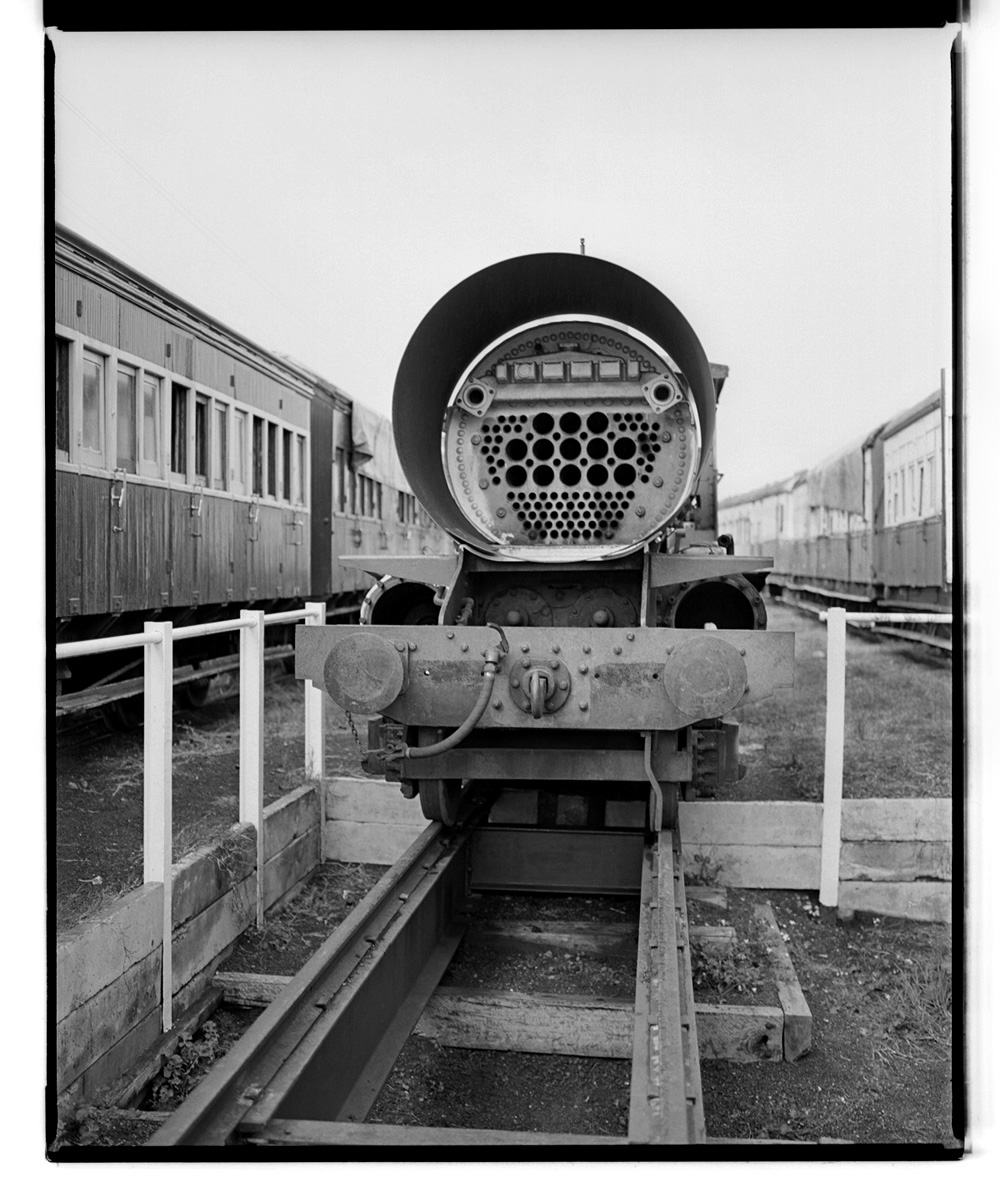
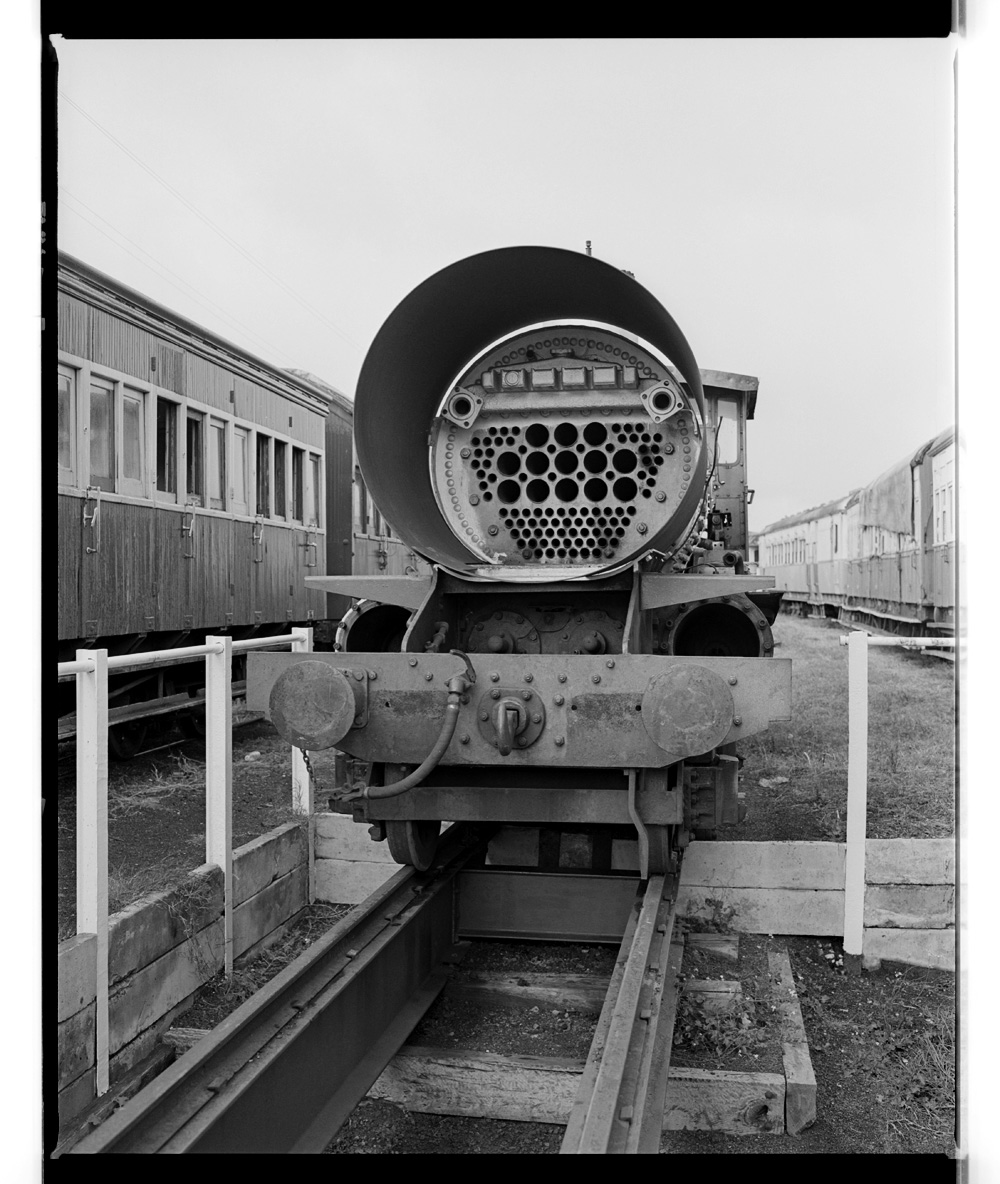
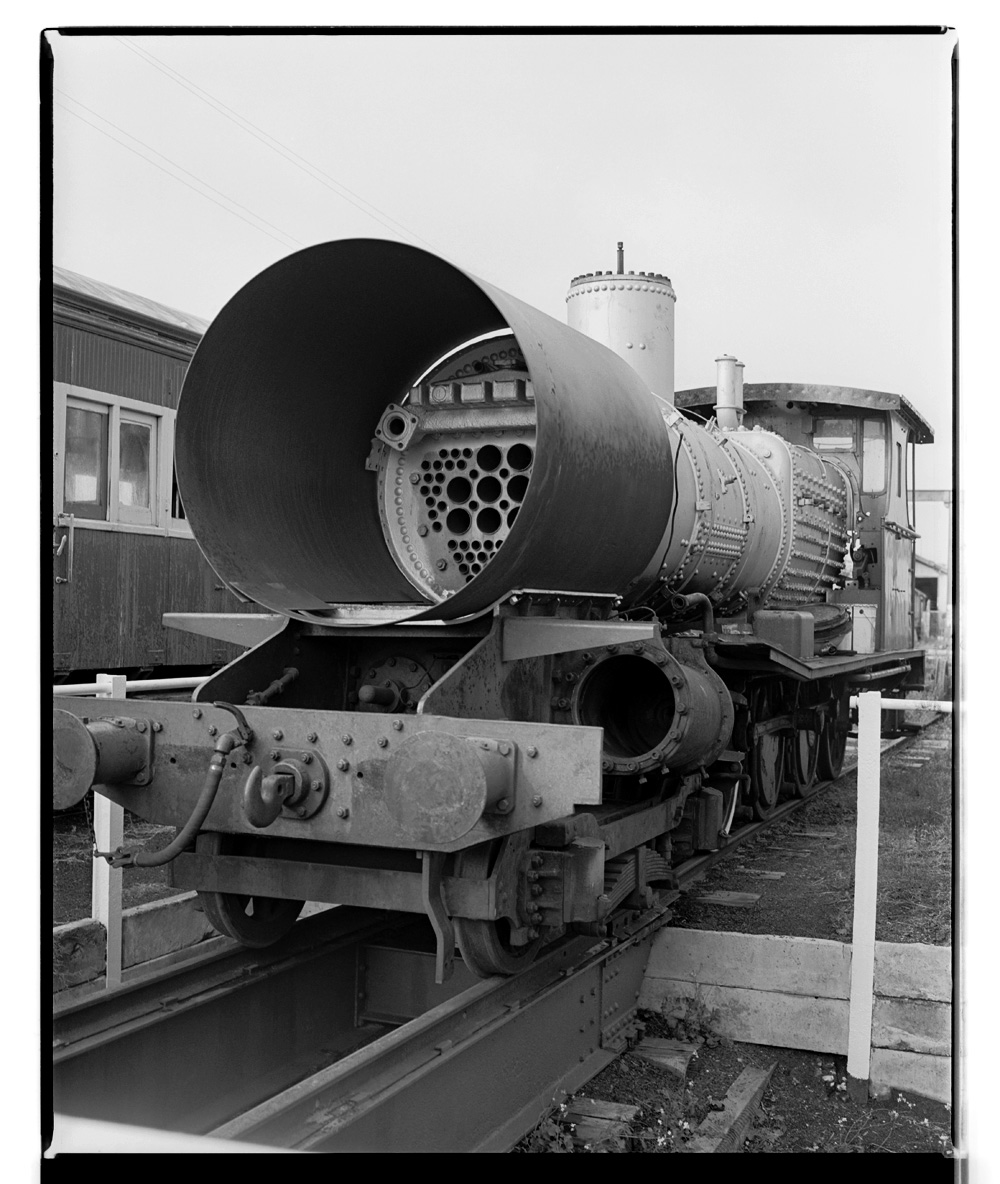
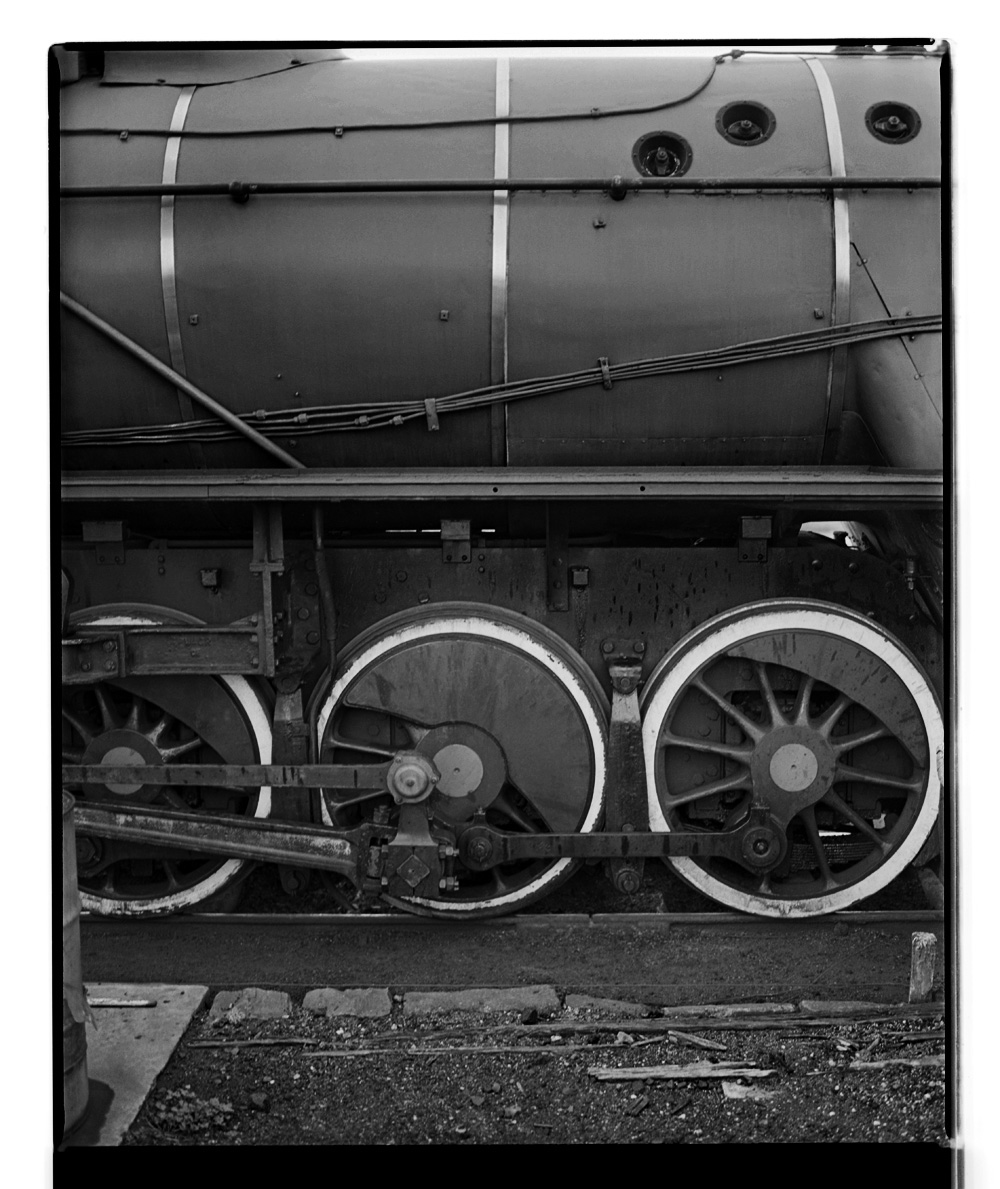
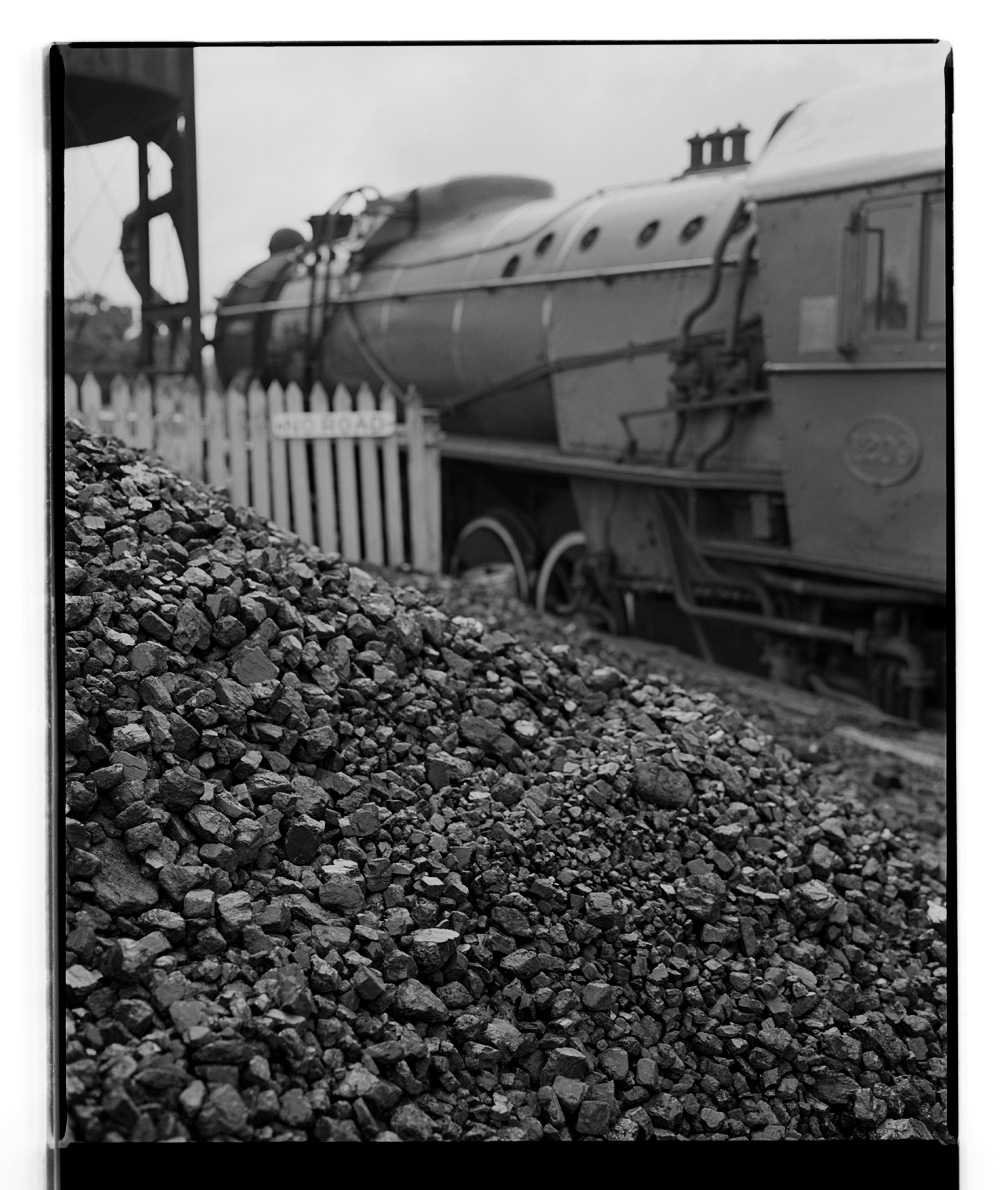
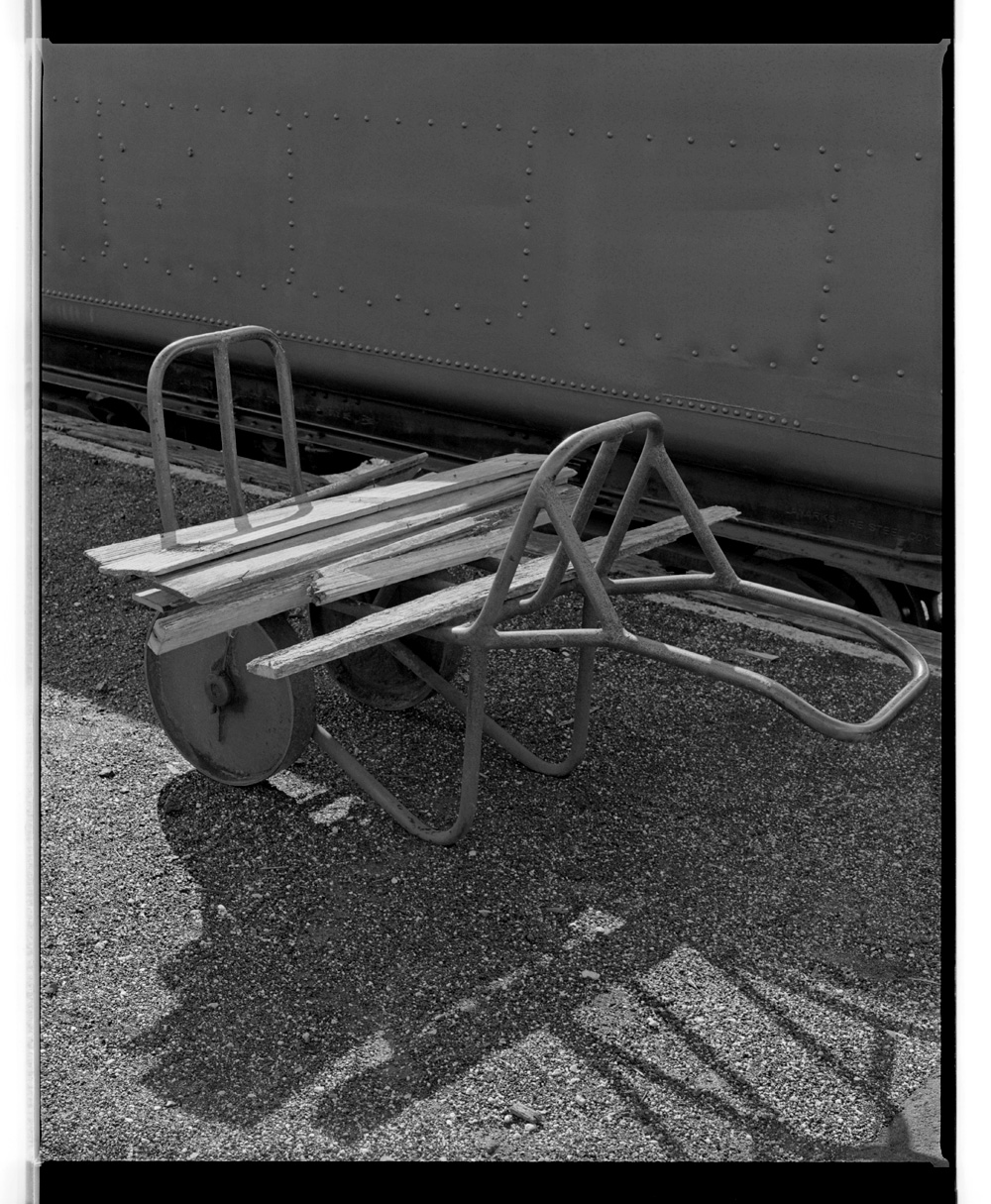
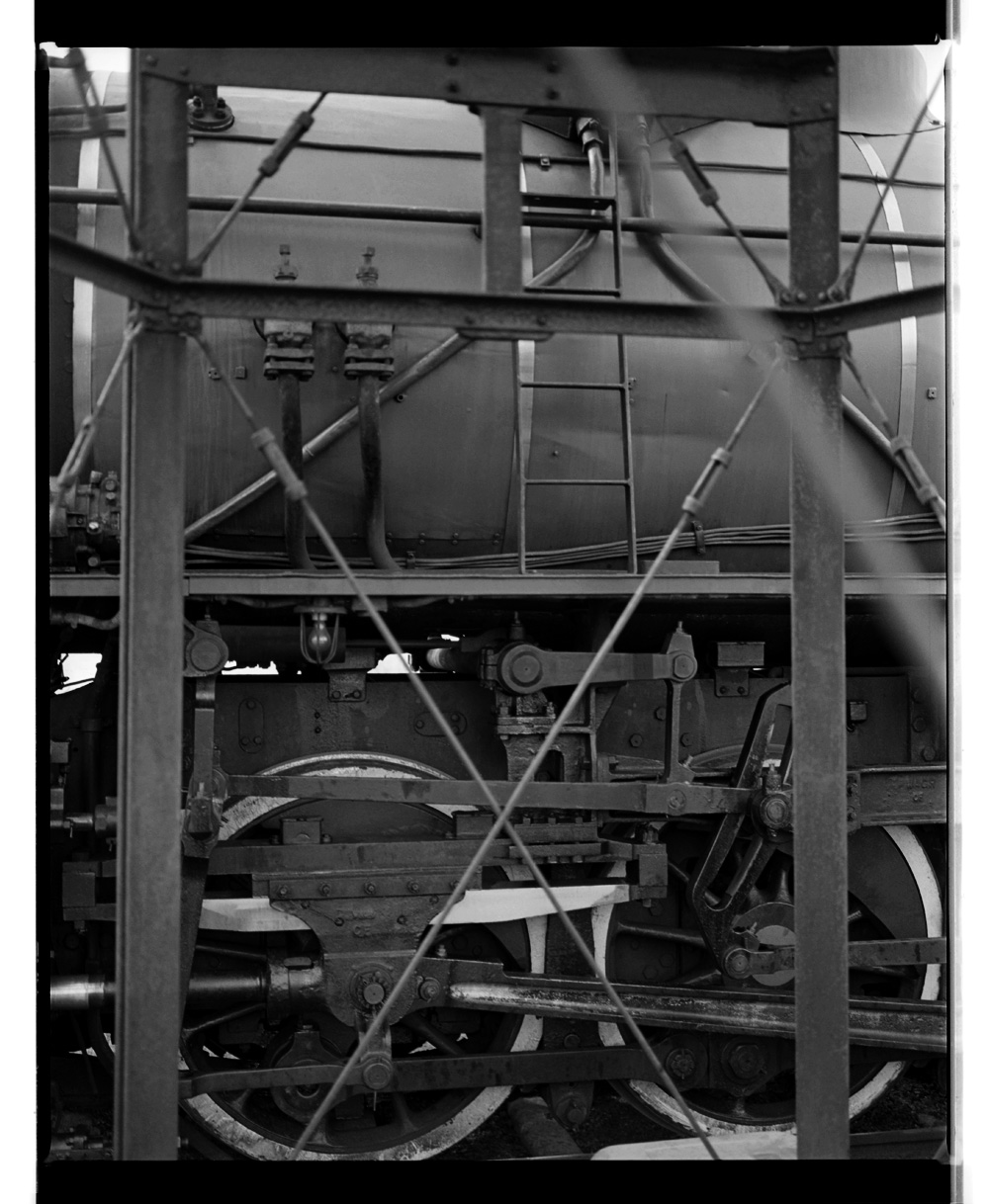
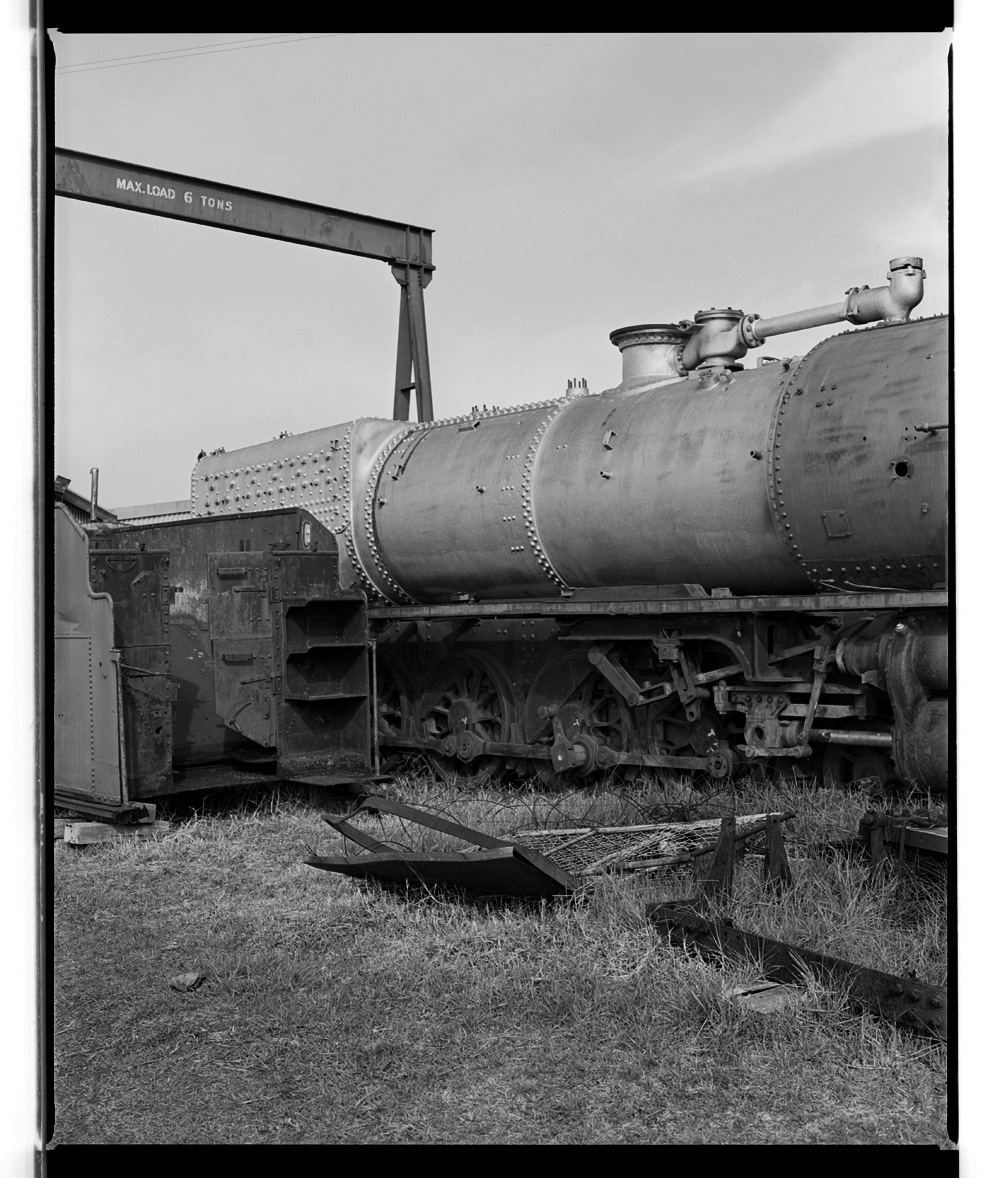
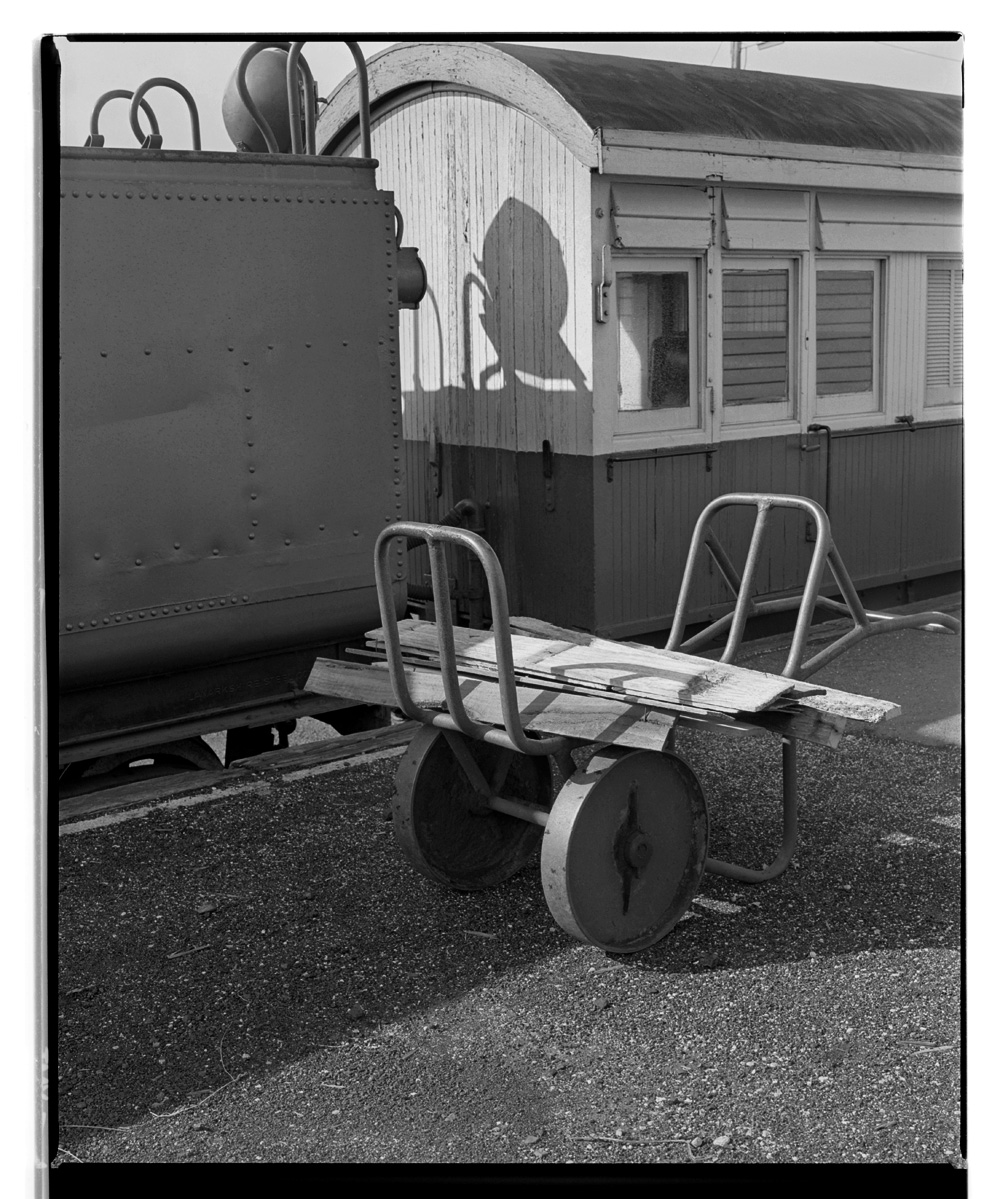
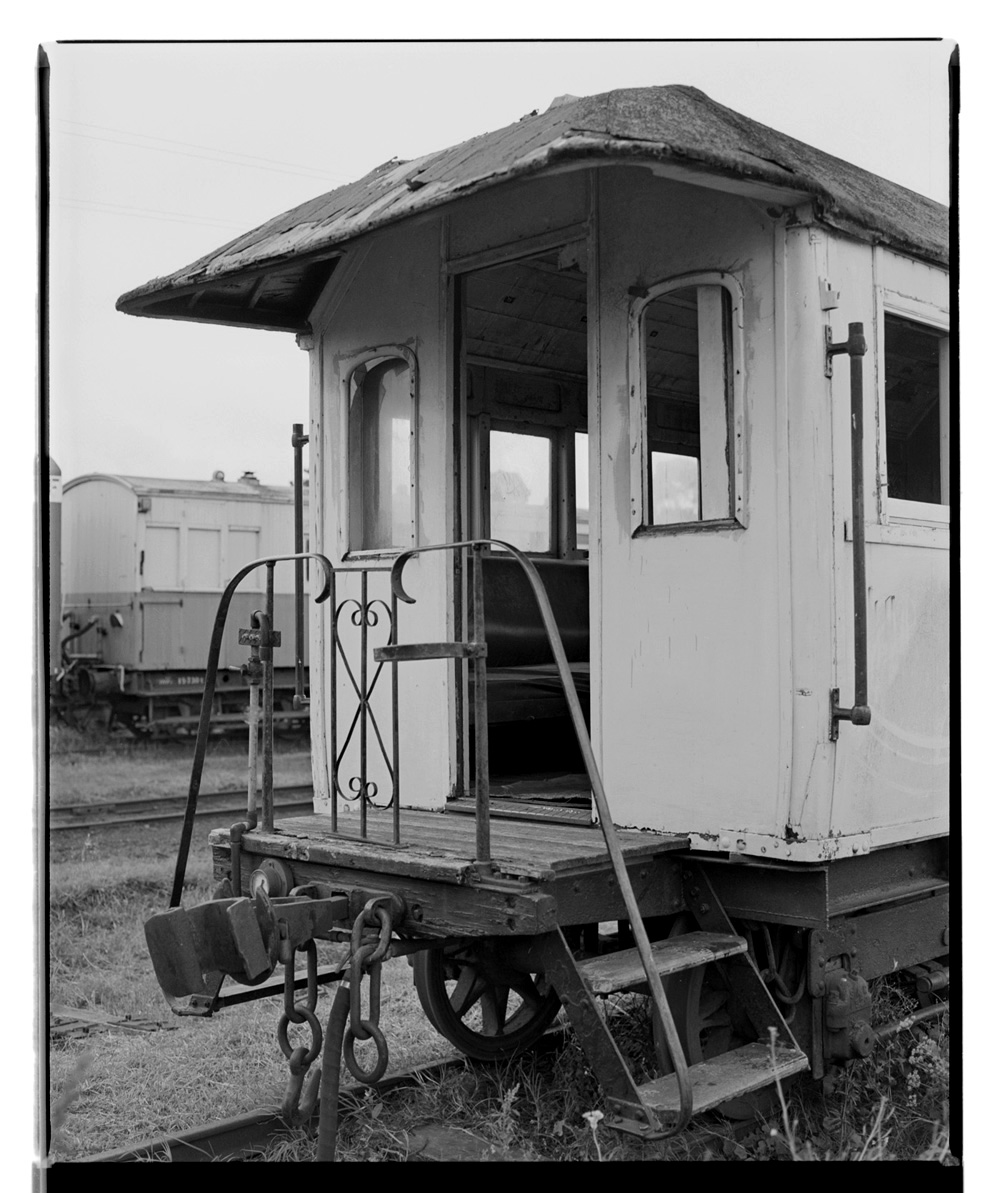
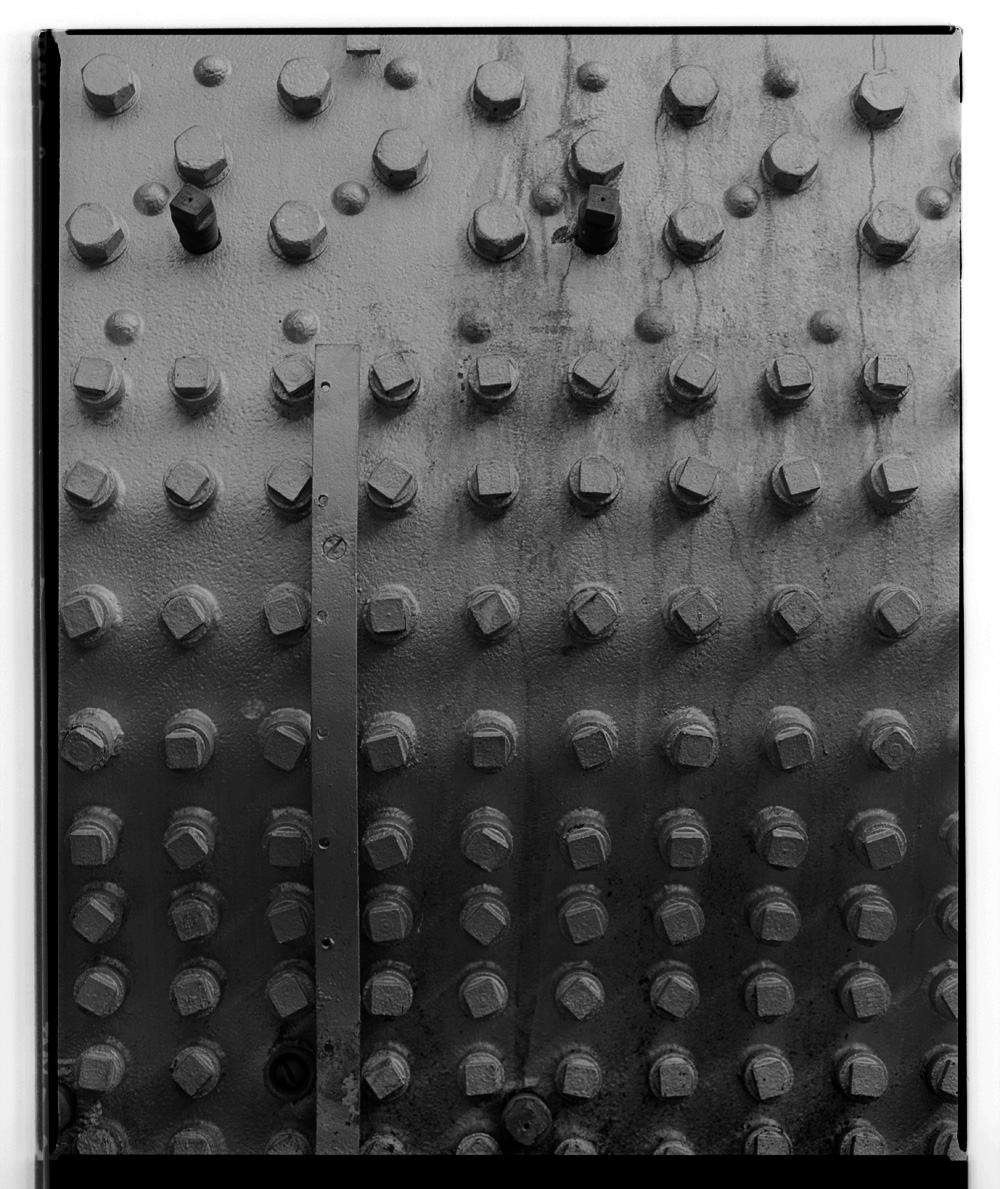
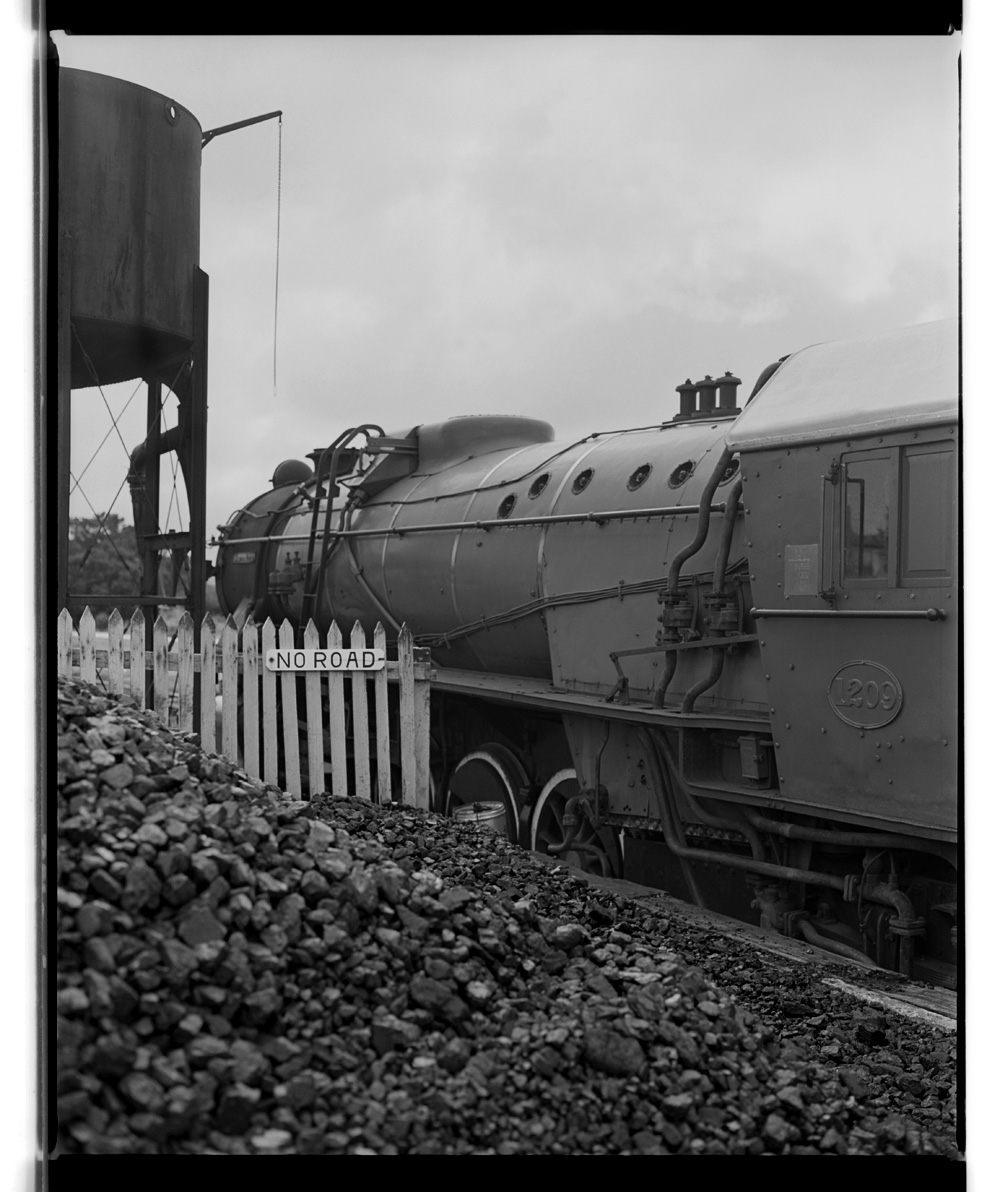
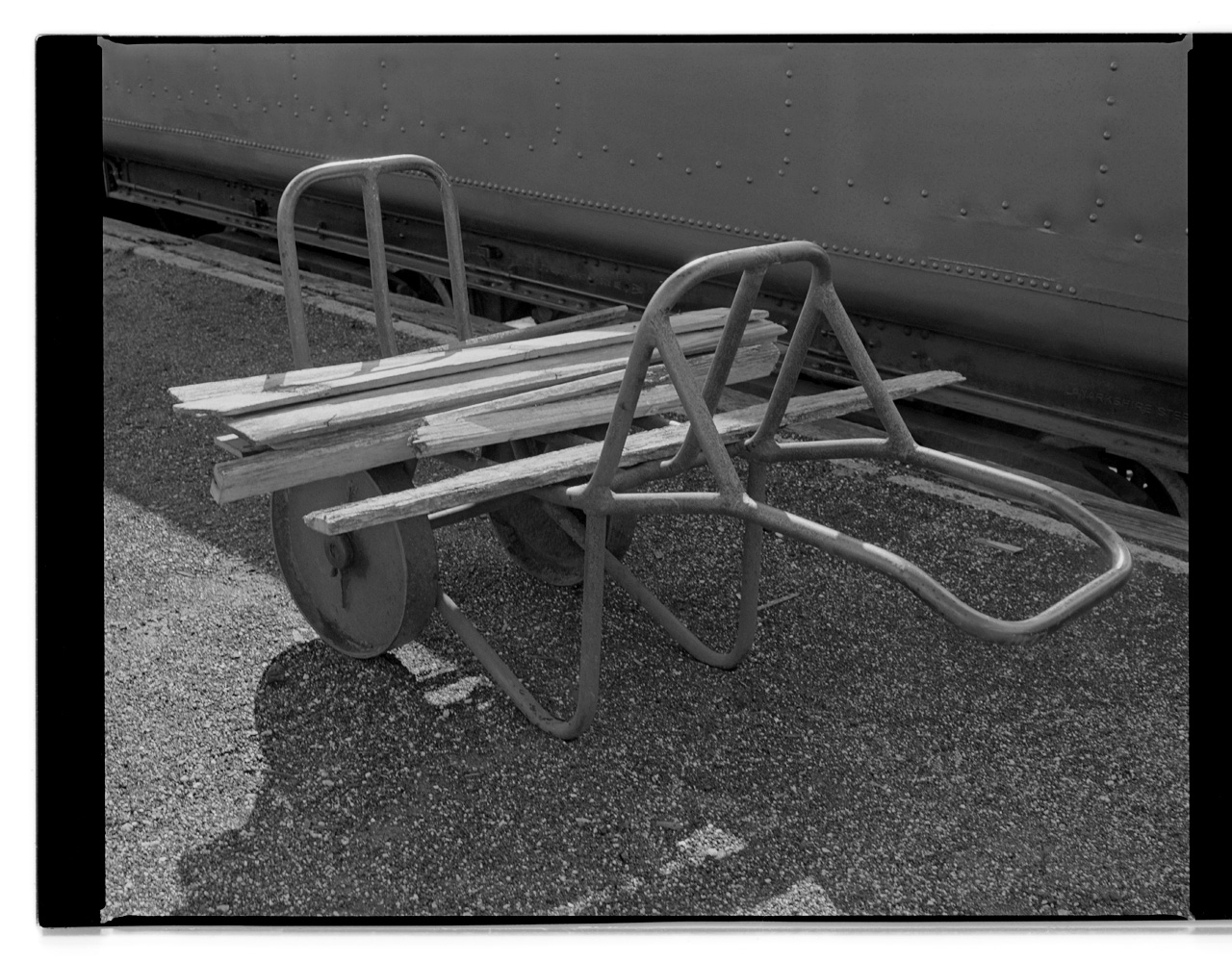
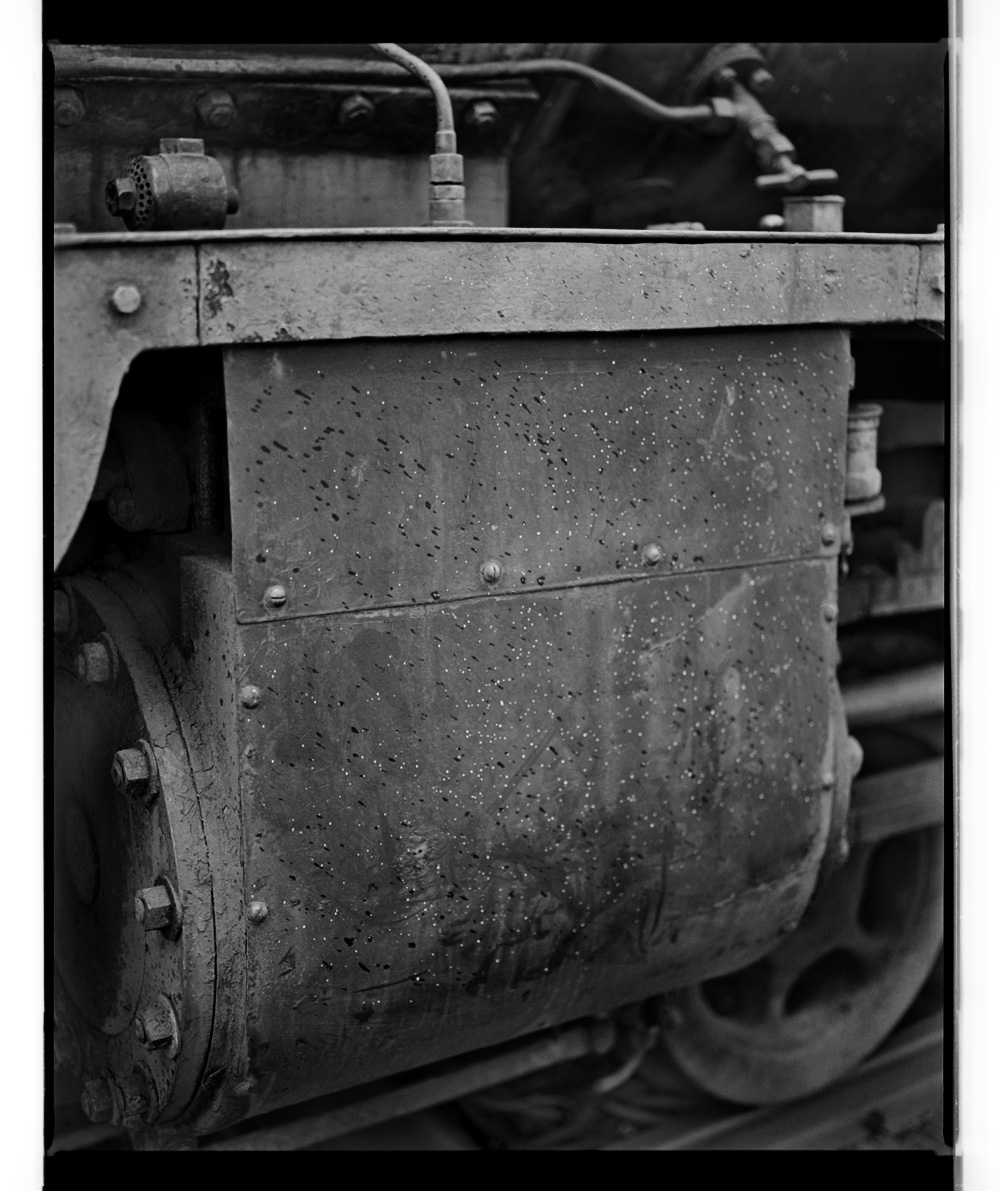
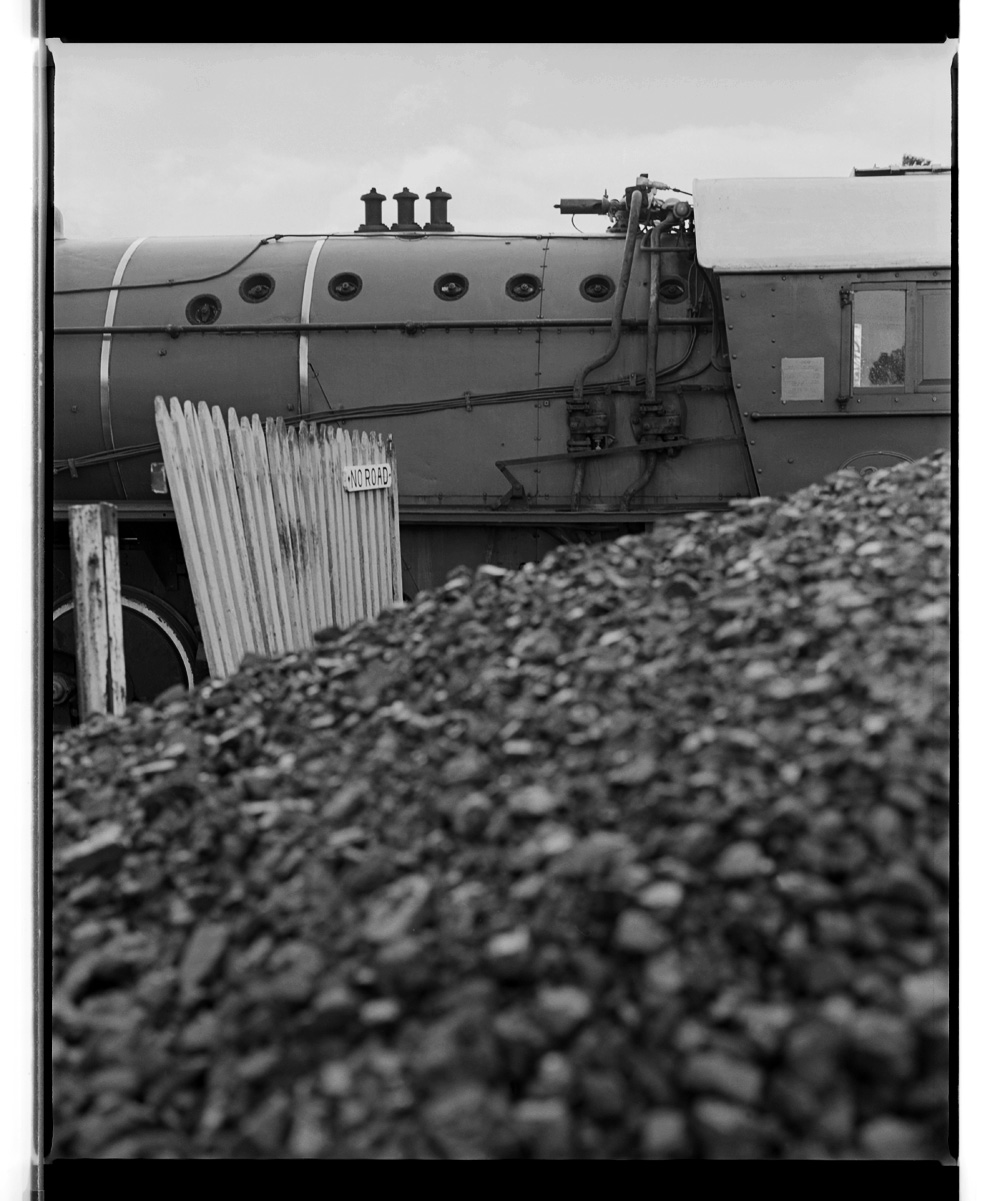
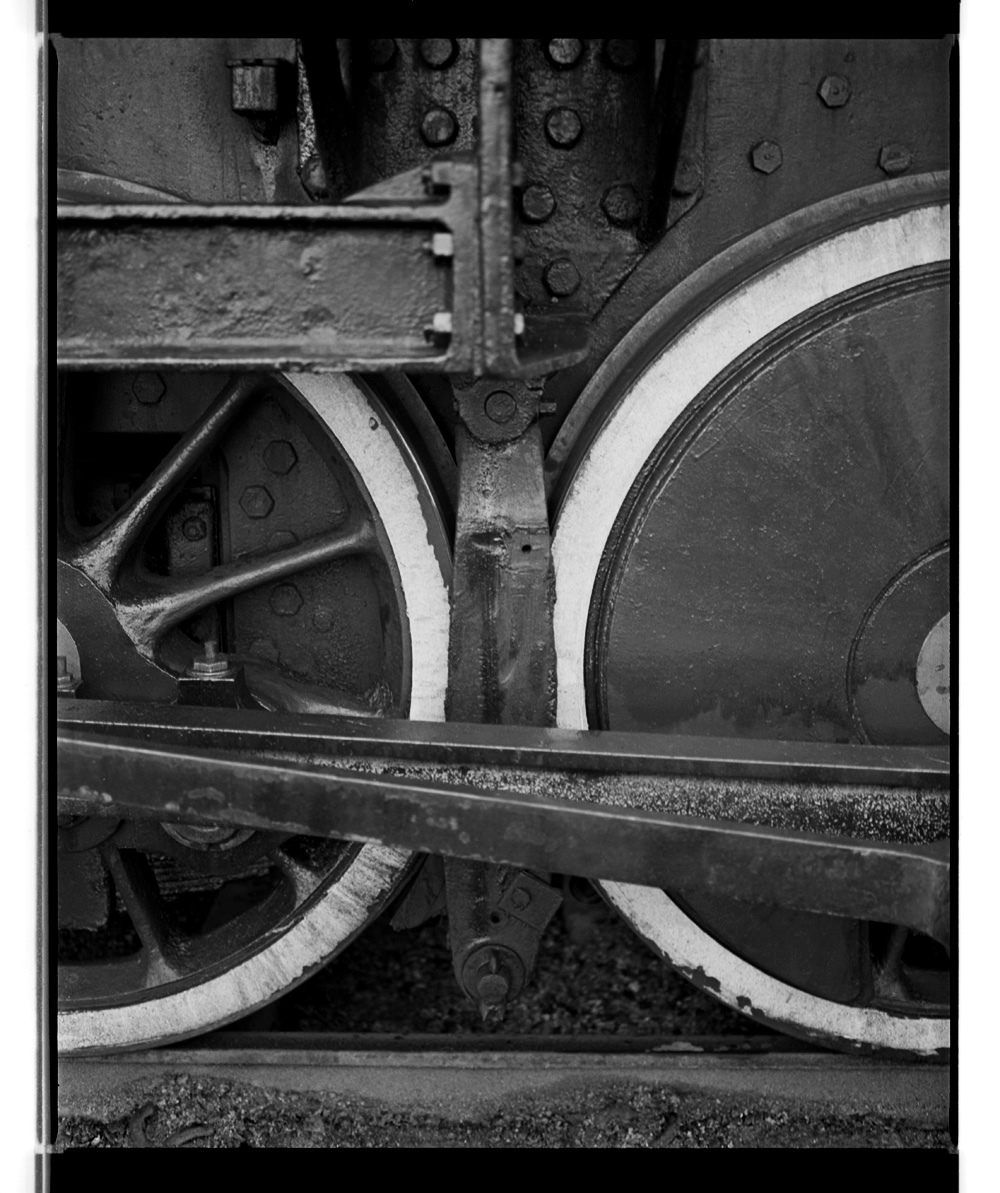
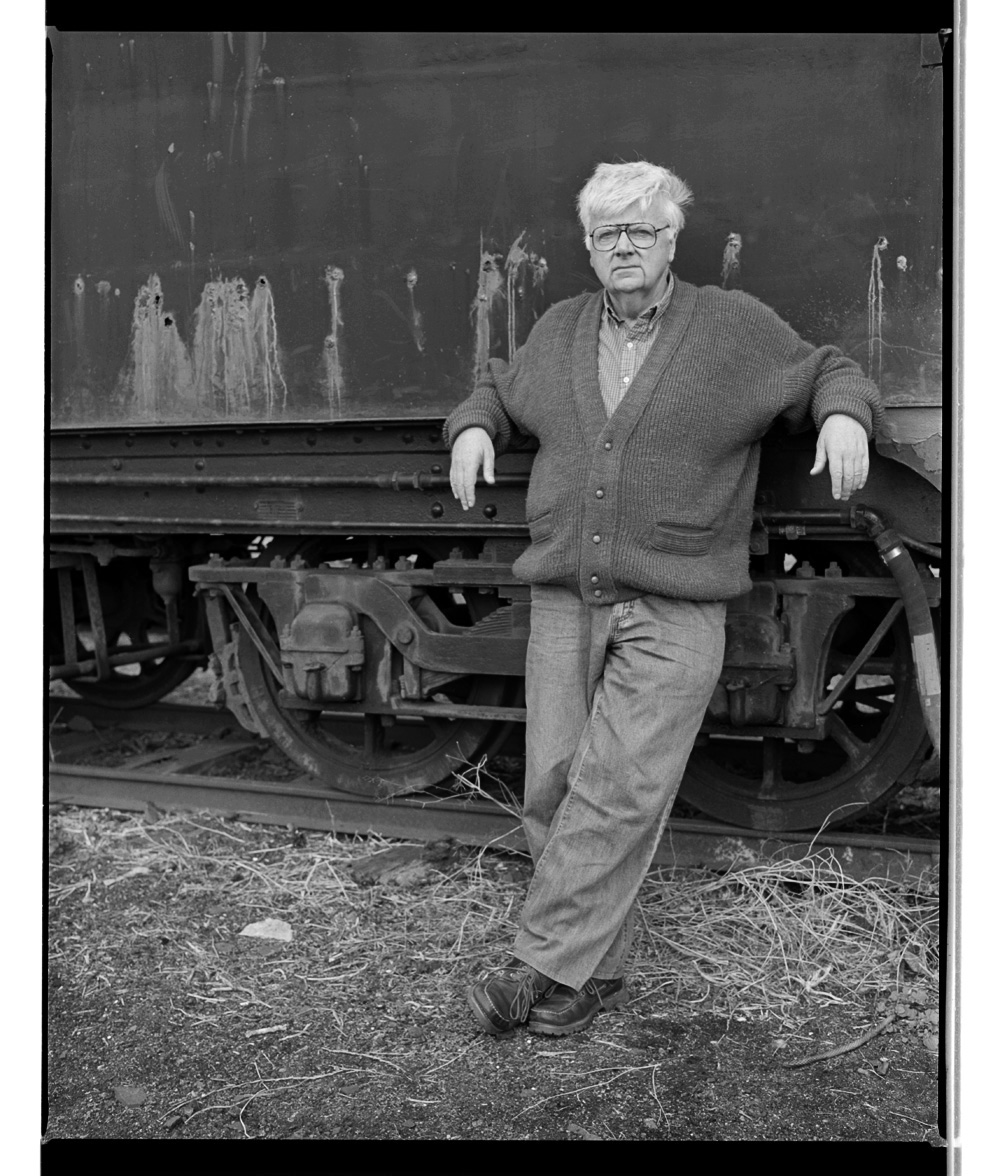
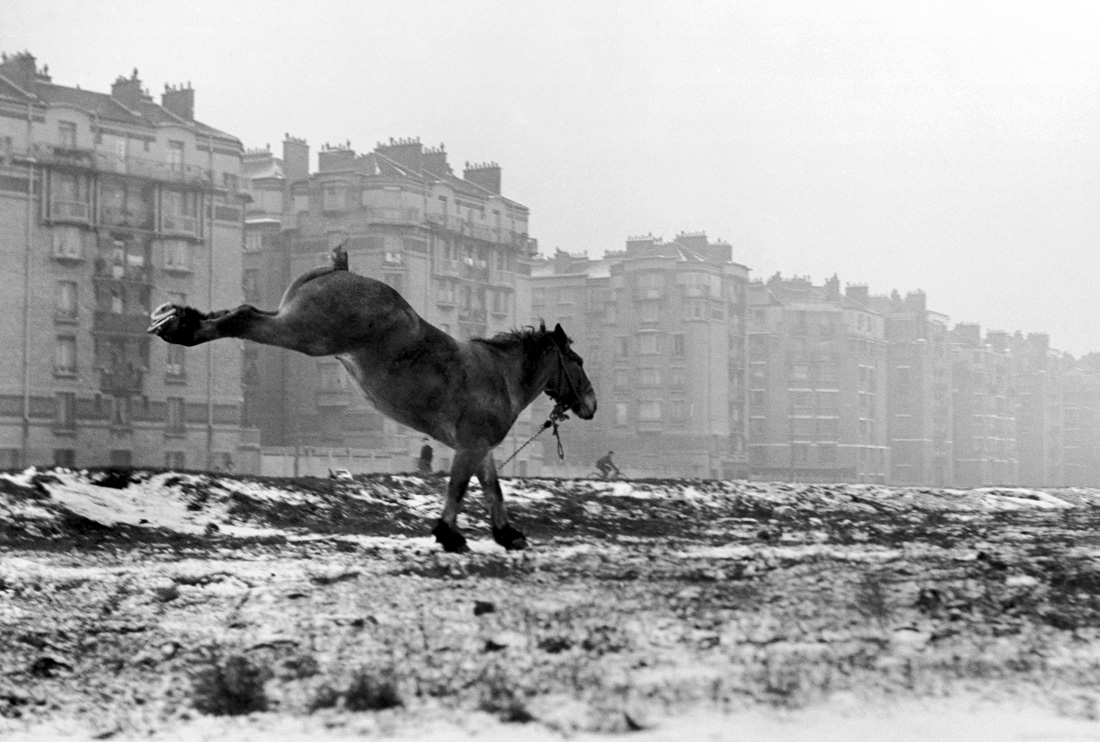

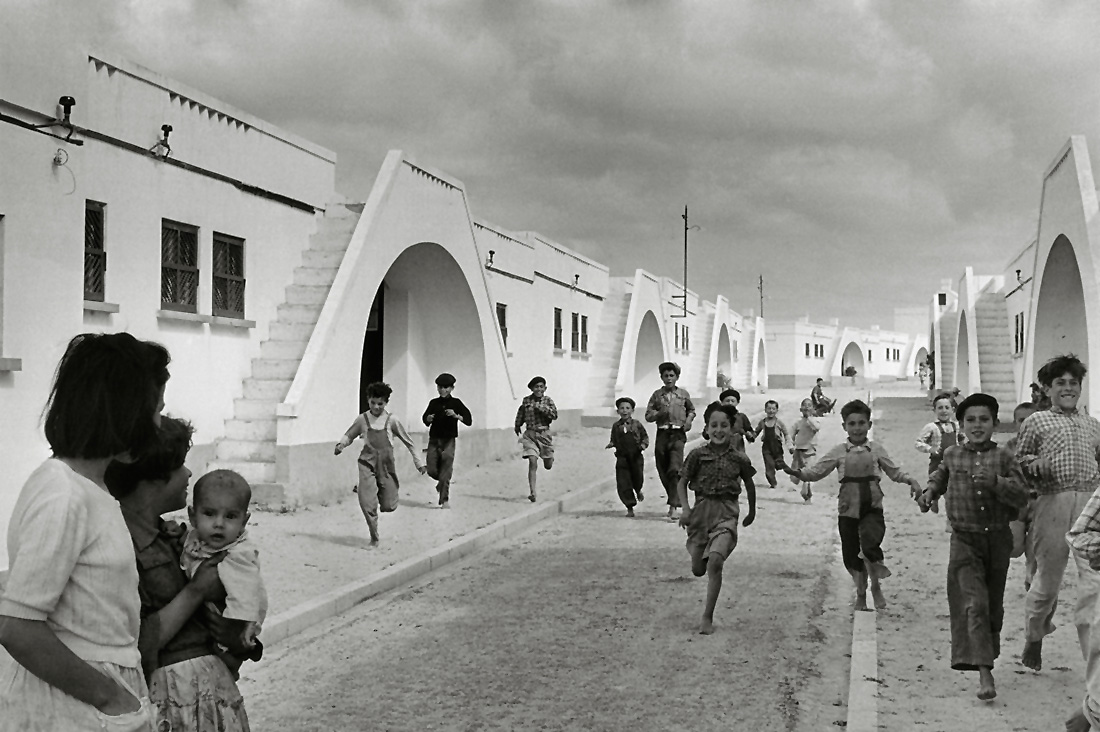
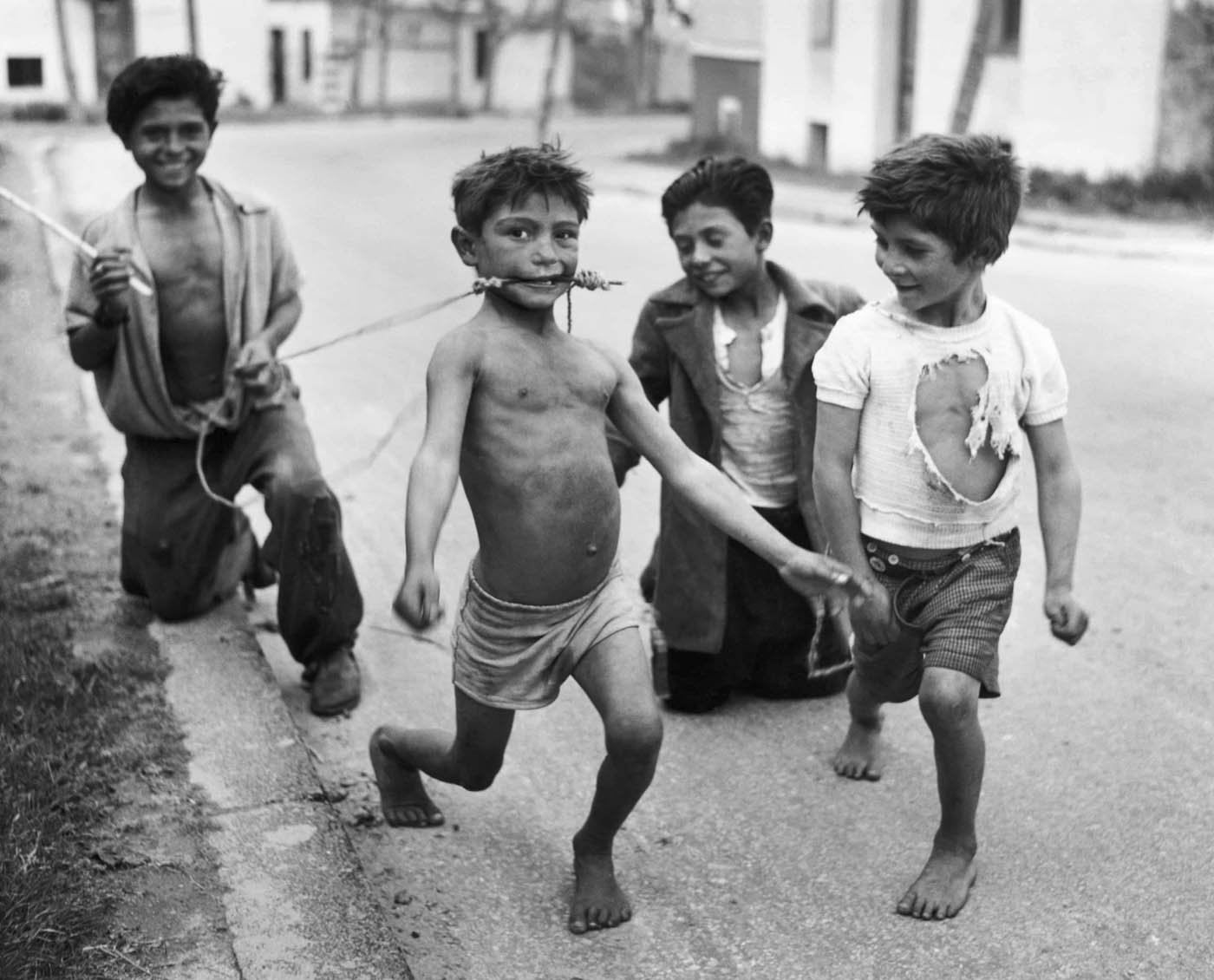
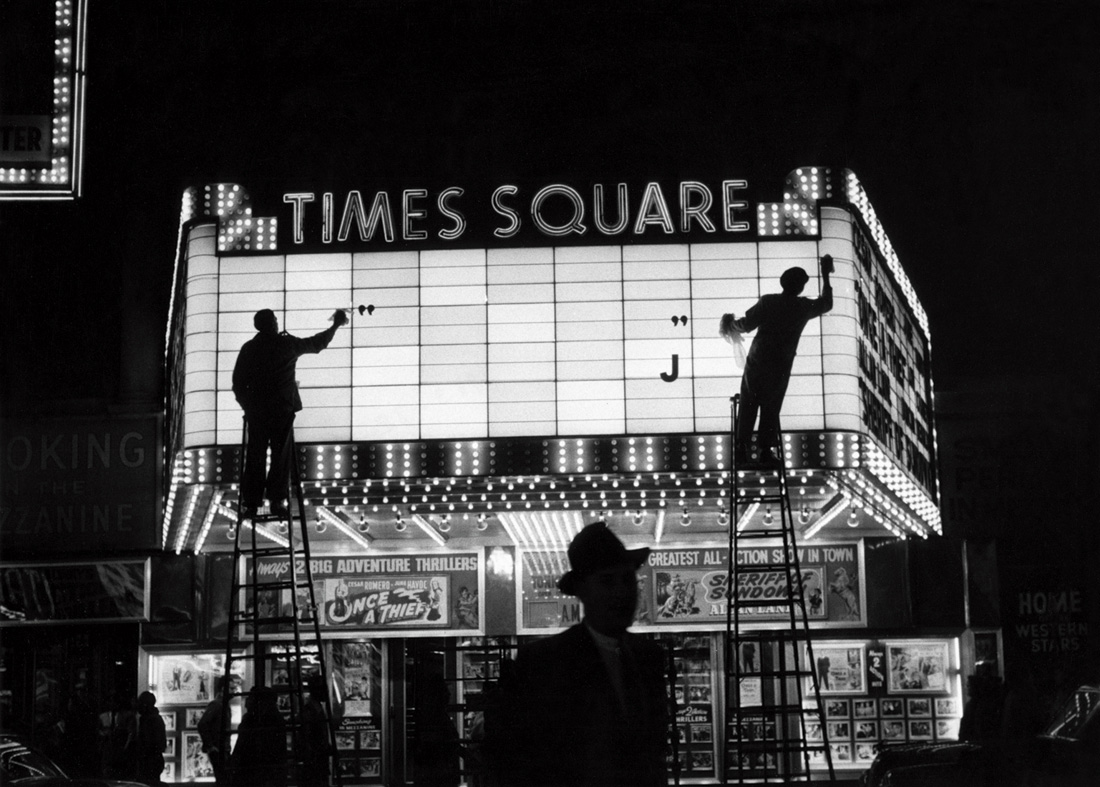


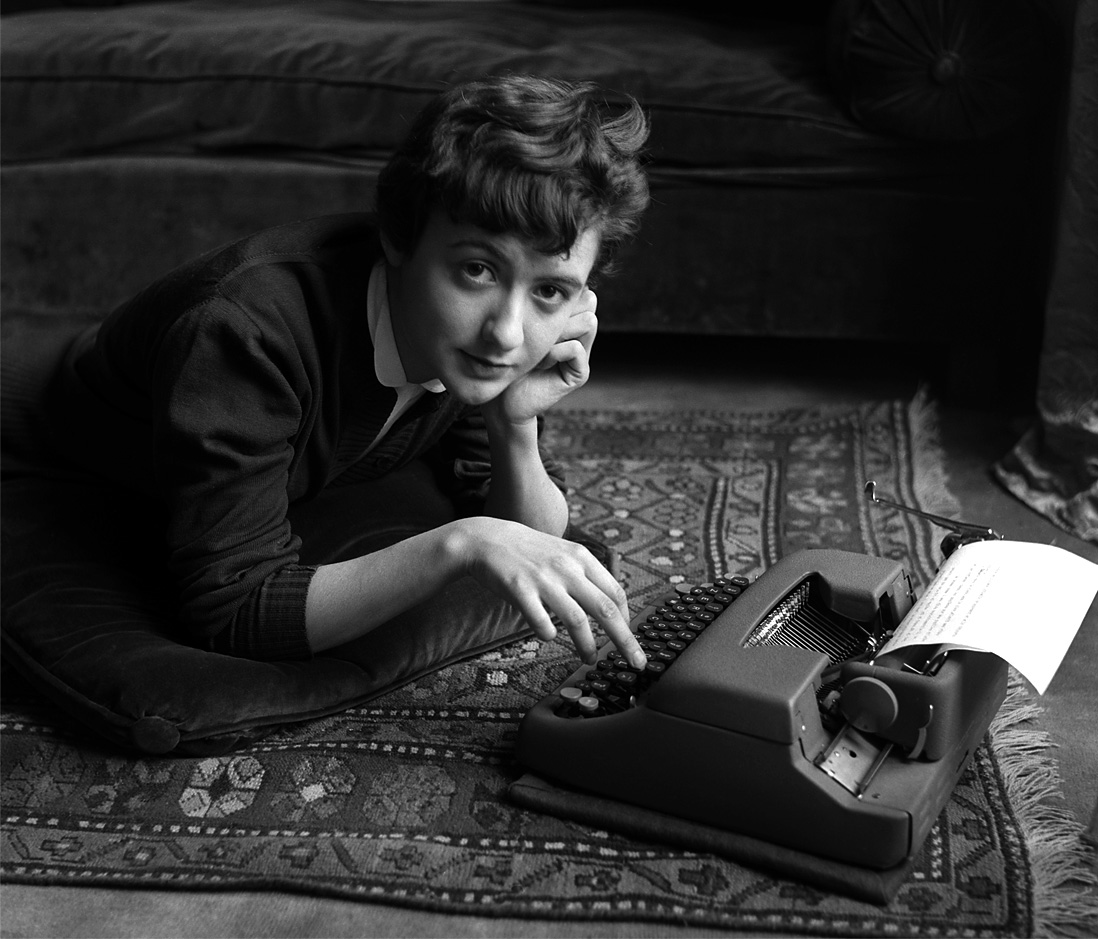


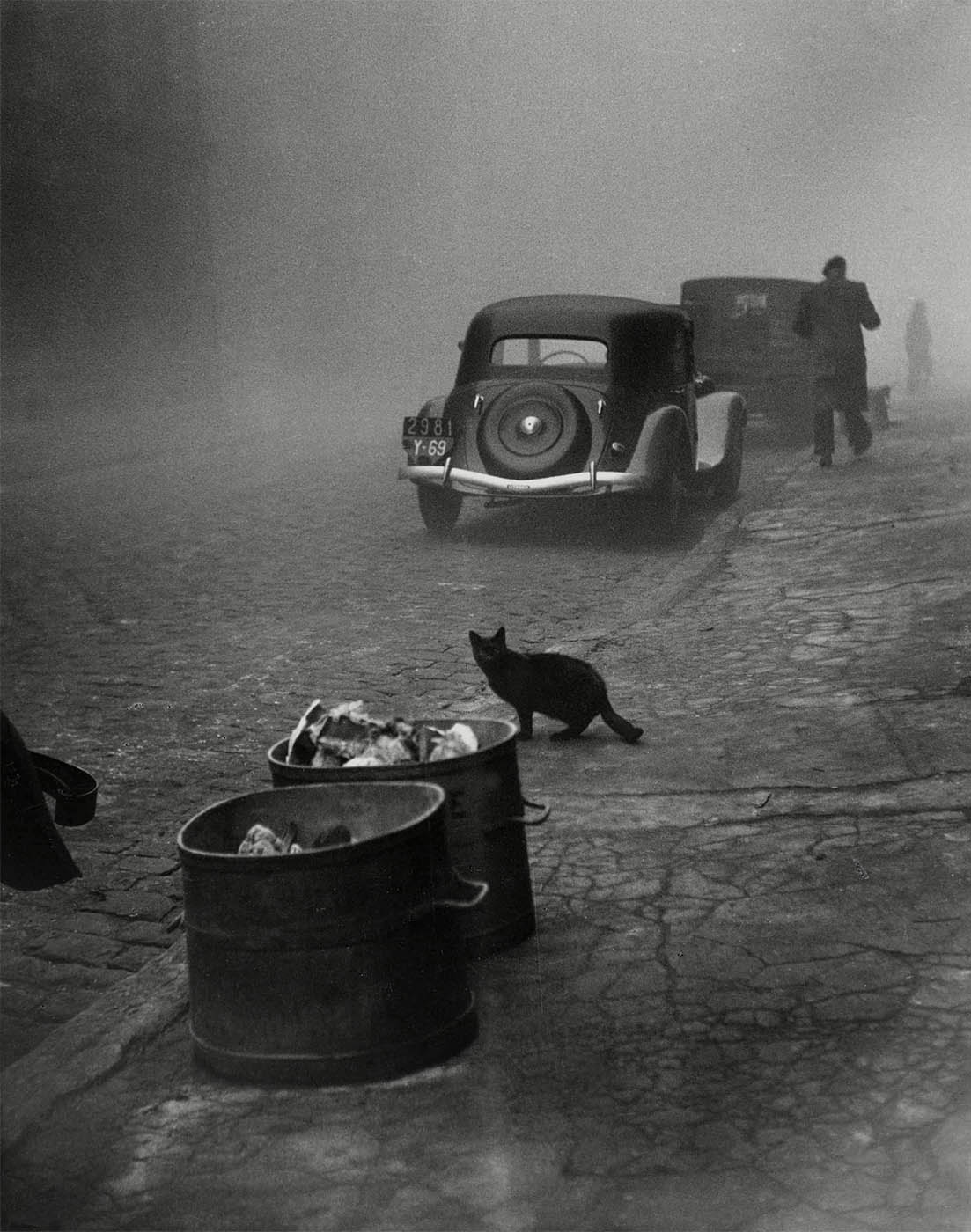
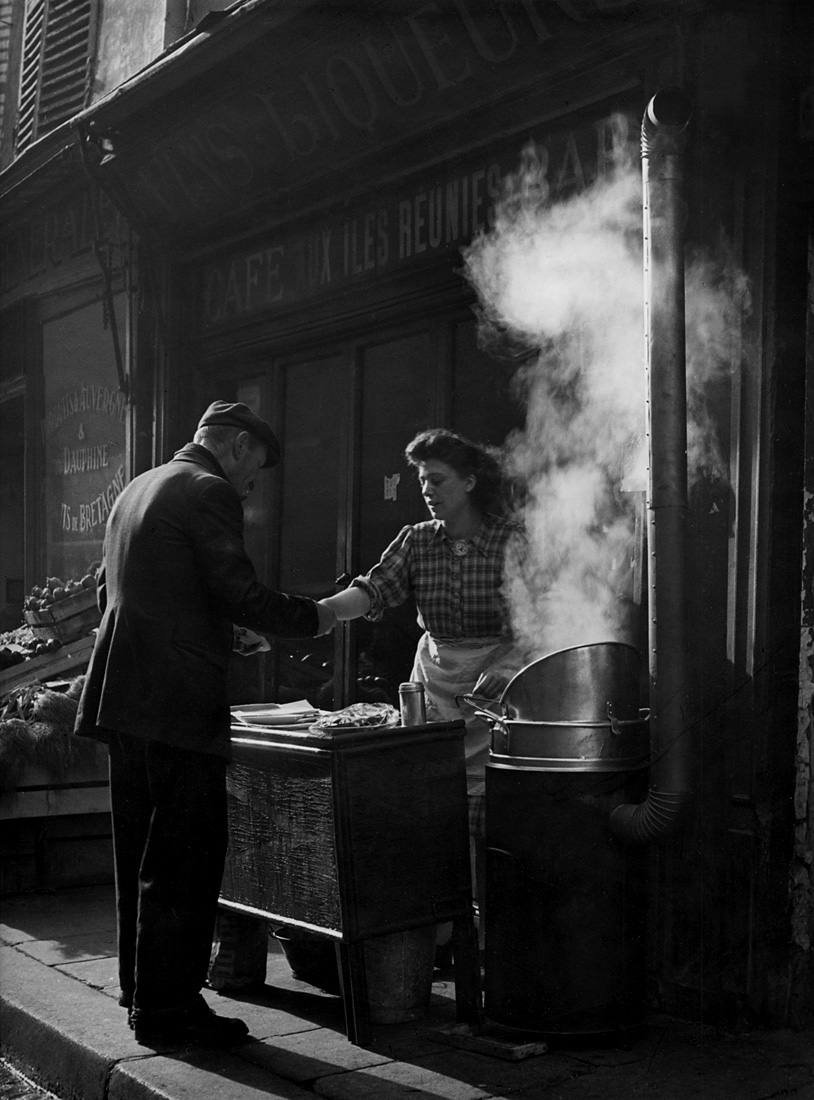
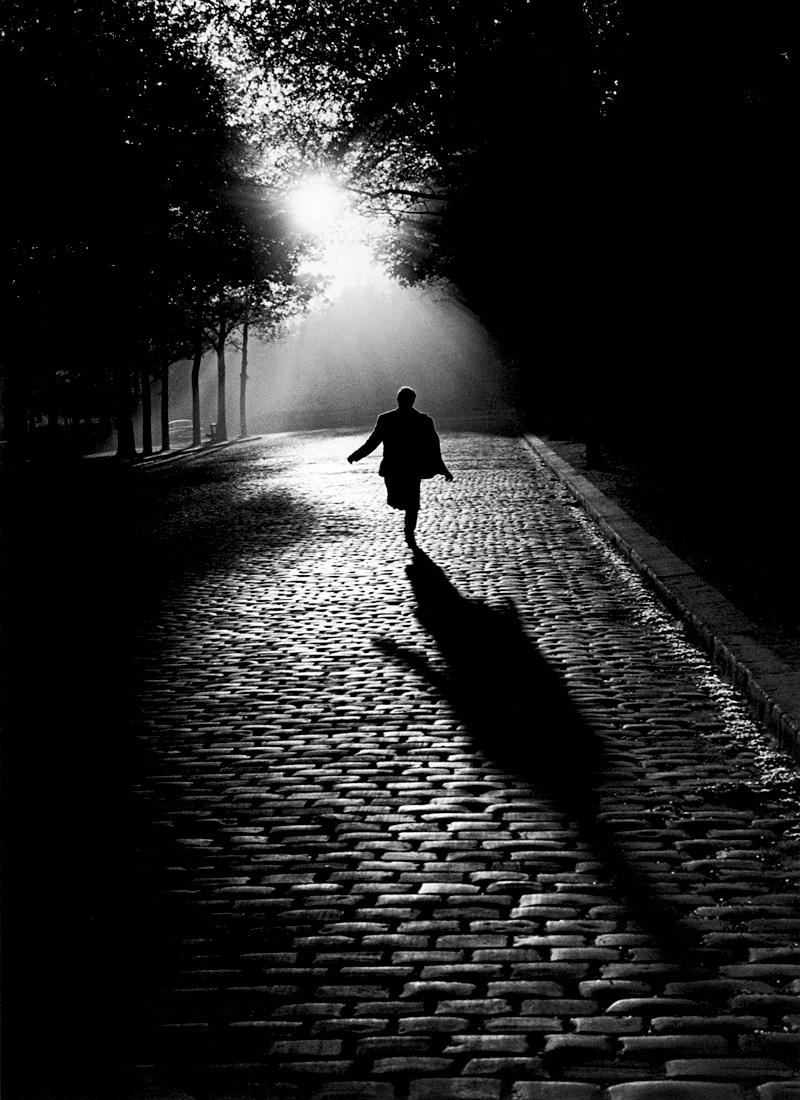
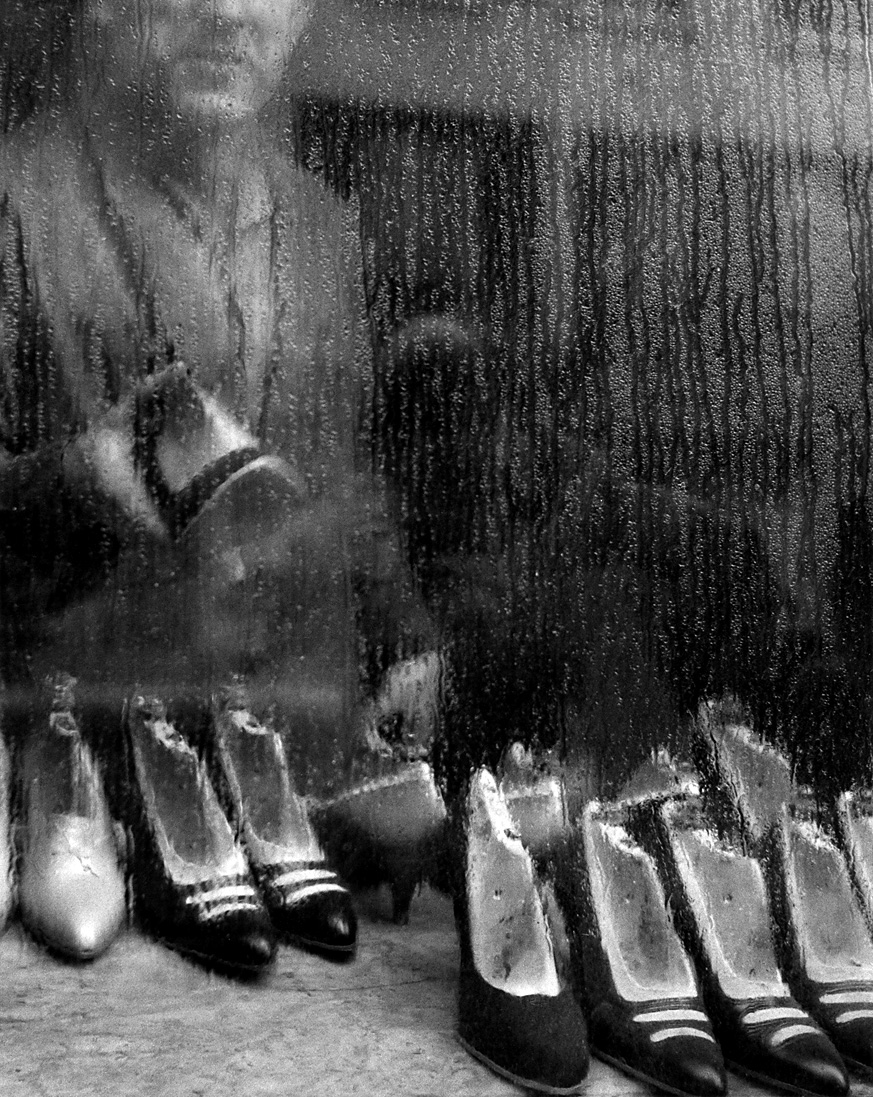
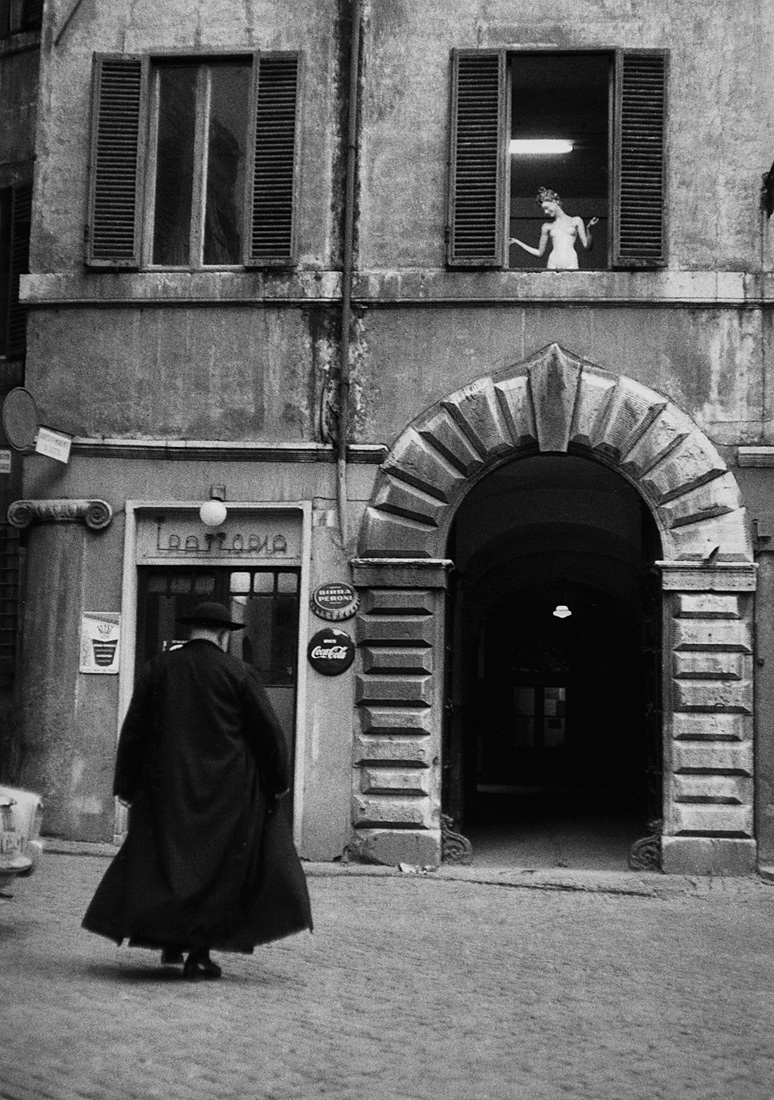
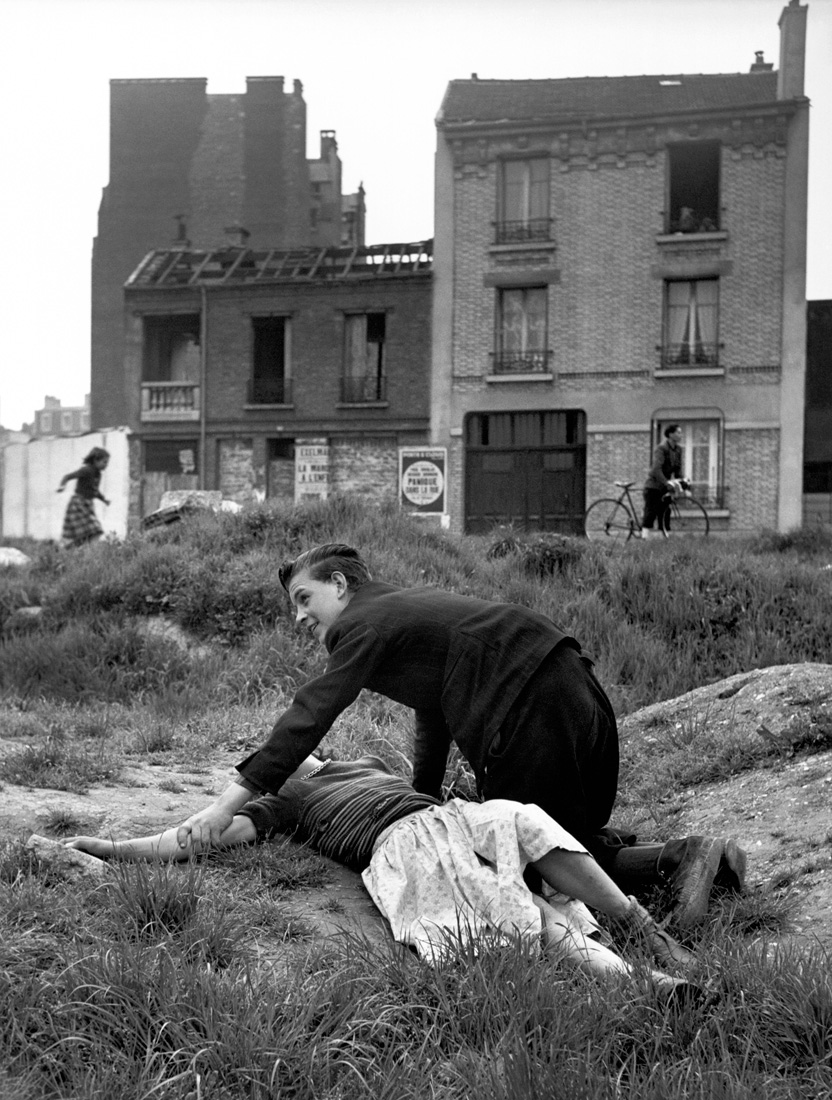
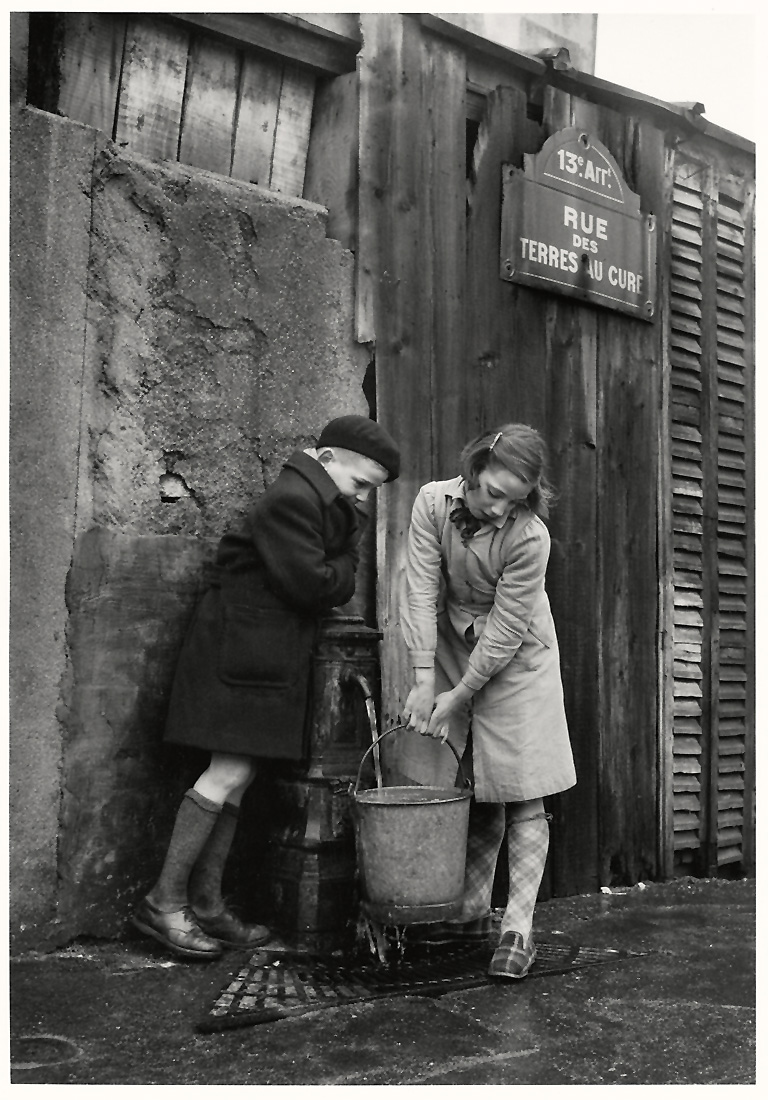
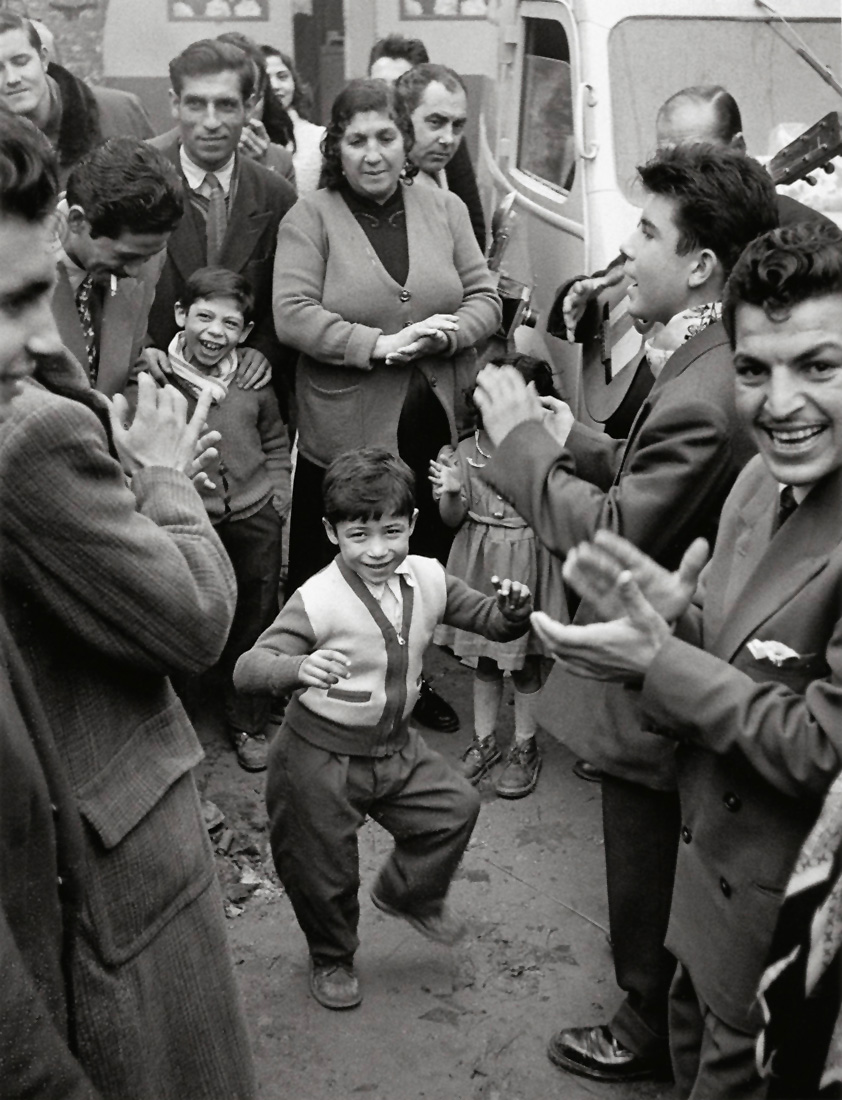
![Sabine Weiss (Swiss-French, 1924-2021) 'Enfants jouant, rue Edmond-Flamand' [Children playing, rue Edmond-Flamand] Paris, 1952](https://artblart.com/wp-content/uploads/2016/10/weiss-children-playing-web.jpg "Sabine Weiss (Swiss-French, 1924-2021) 'Enfants jouant, rue Edmond-Flamand' [Children playing, rue Edmond-Flamand] Paris, 1952")
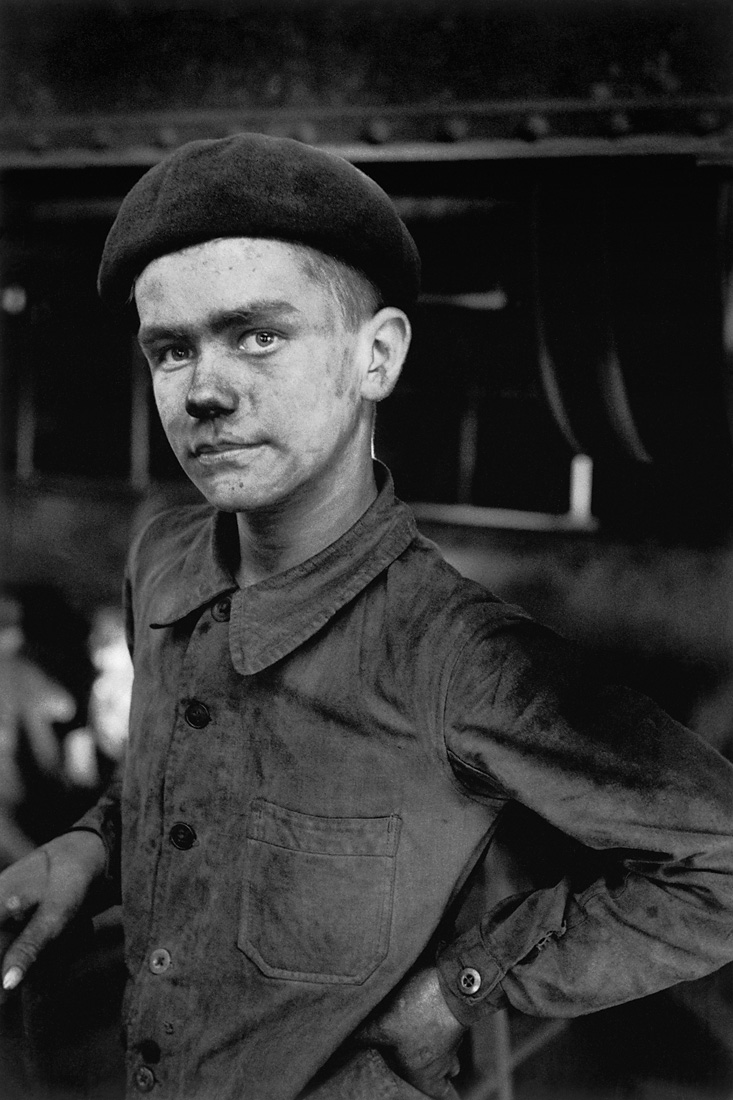
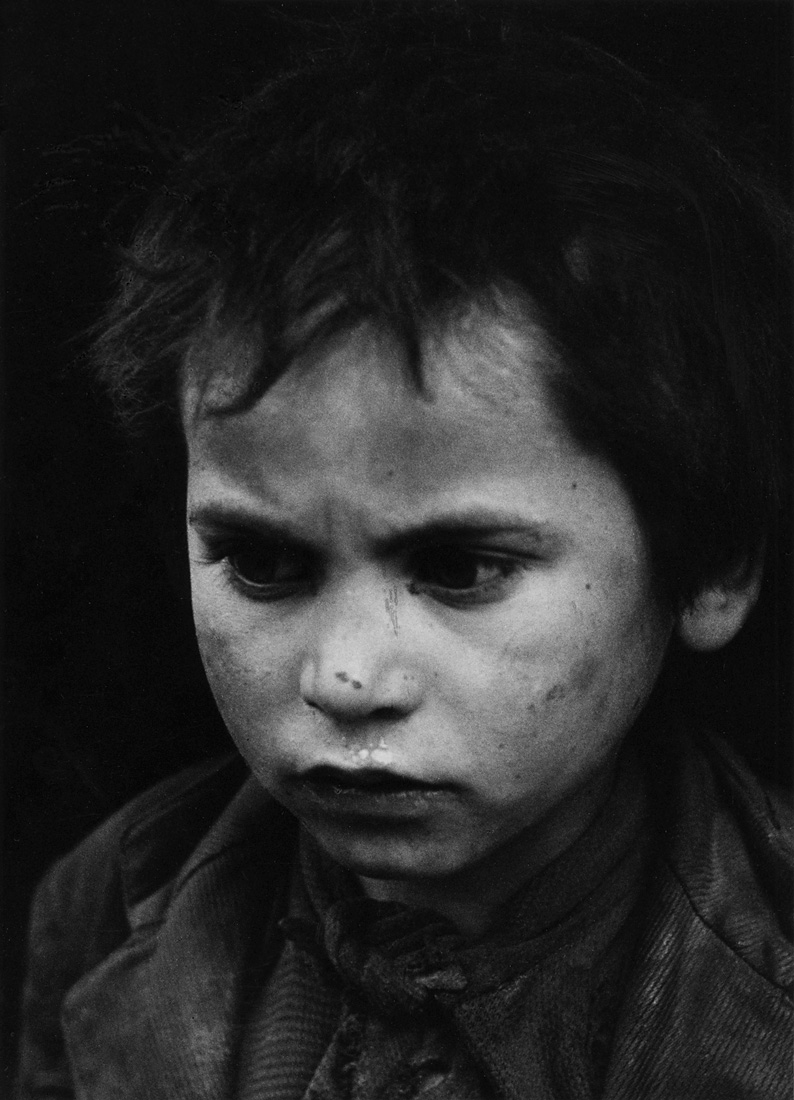
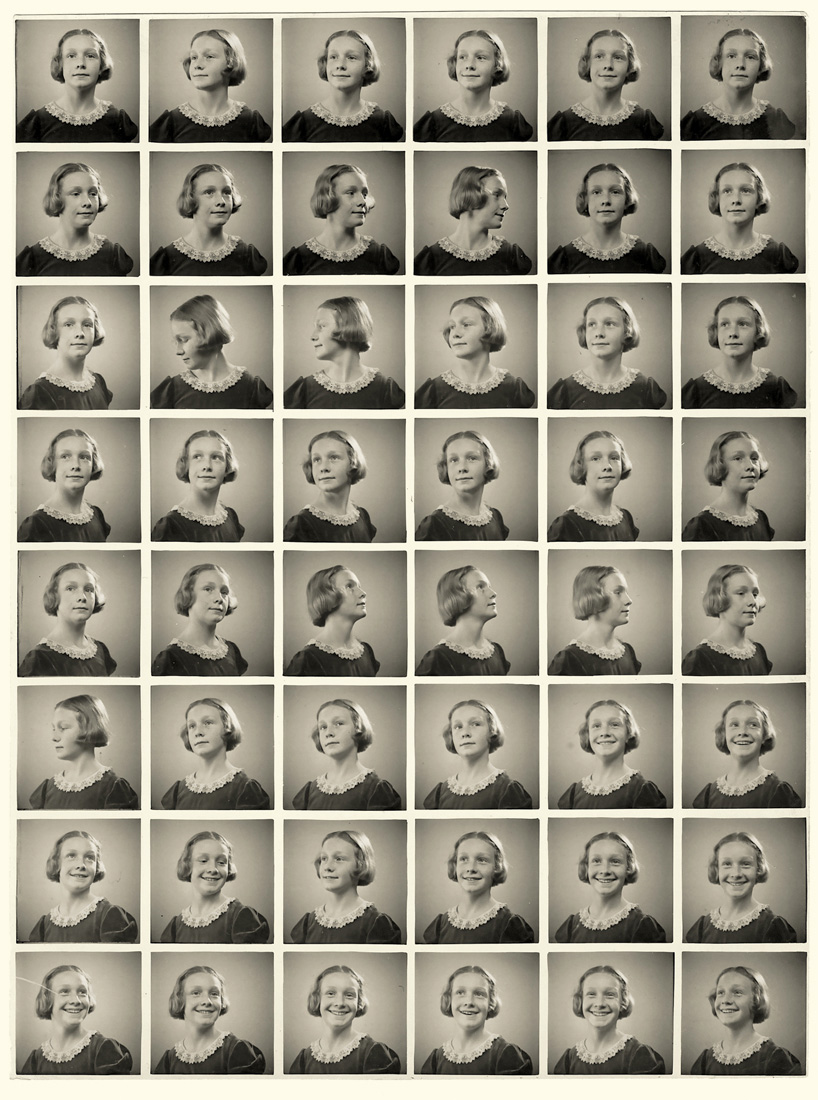
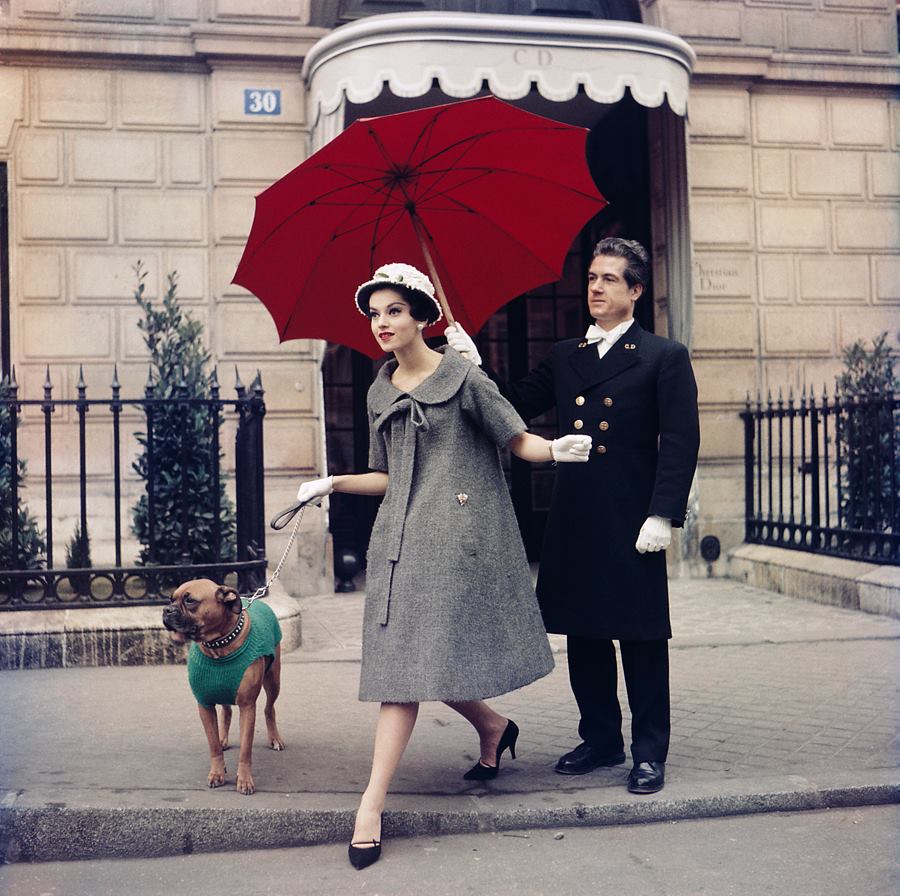
![Sabine Weiss (Swiss-French, 1924-2021) 'Anna Karina pour la marque Korrigan' [Anna Karina for the brand Korrigan] 1958](https://artblart.com/wp-content/uploads/2016/10/weiss-karina-web.jpg "Sabine Weiss (Swiss-French, 1924-2021) 'Anna Karina pour la marque Korrigan' [Anna Karina for the brand Korrigan] 1958")
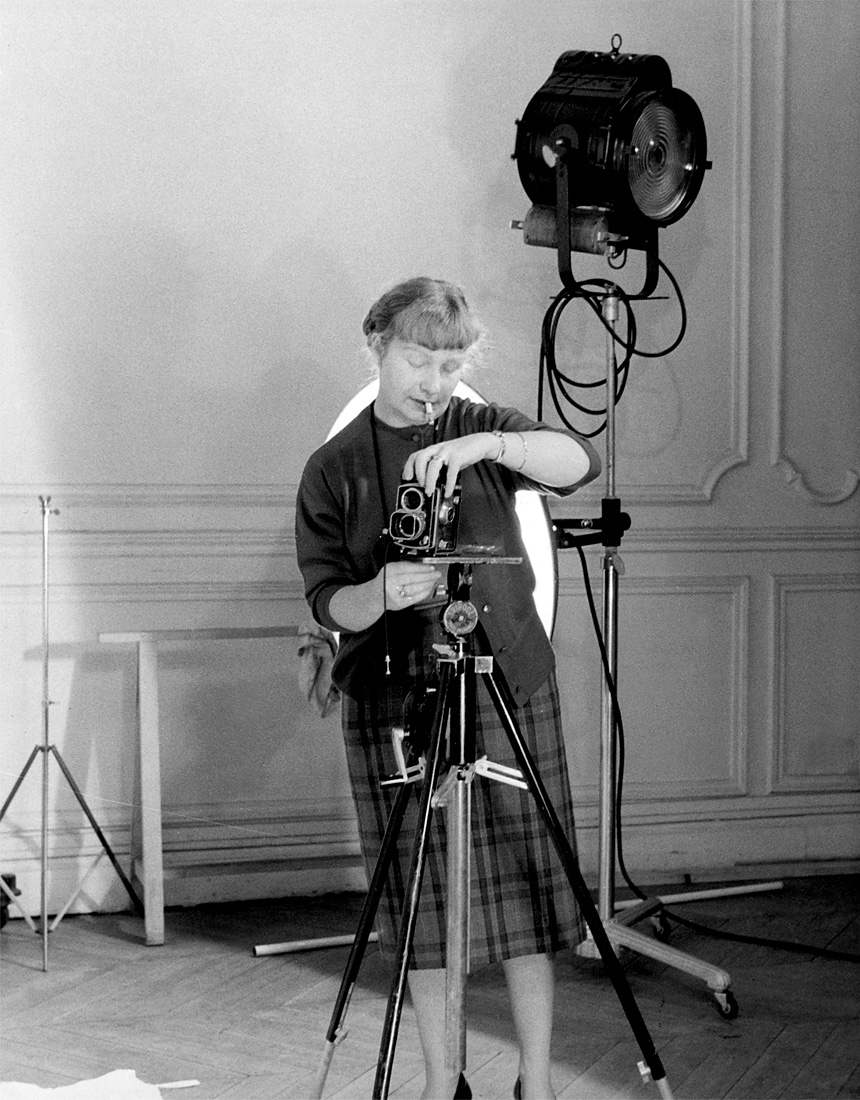
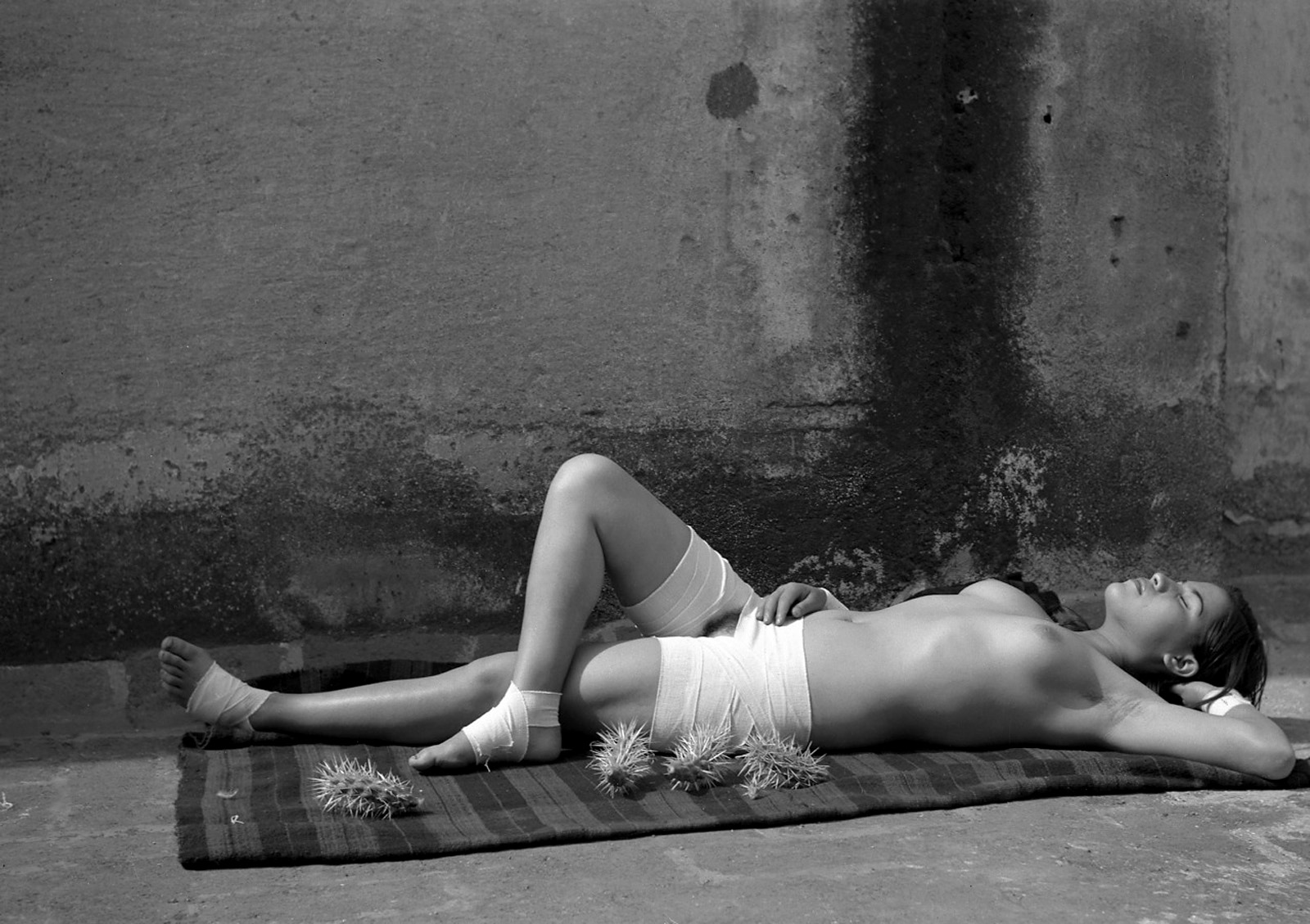

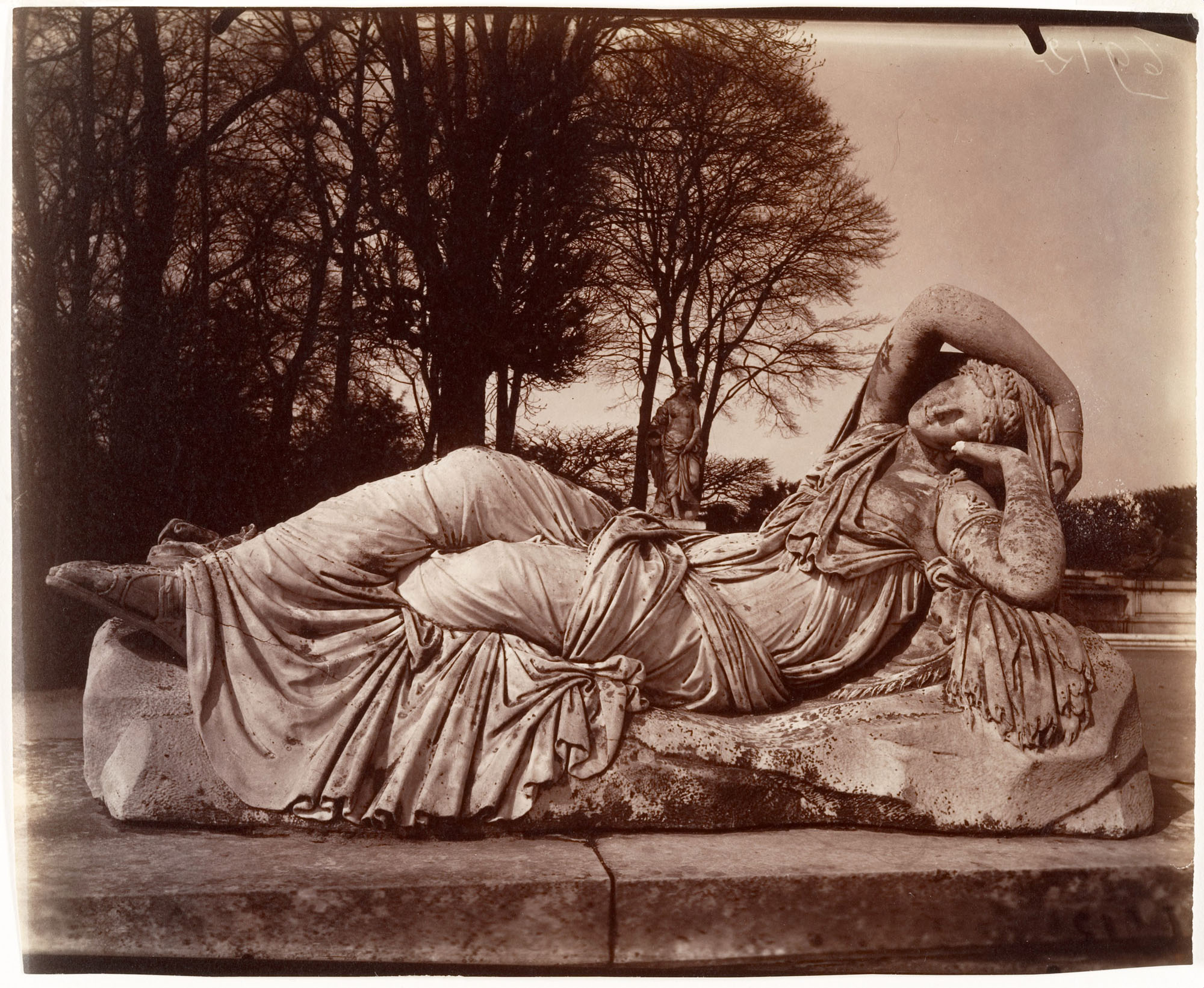
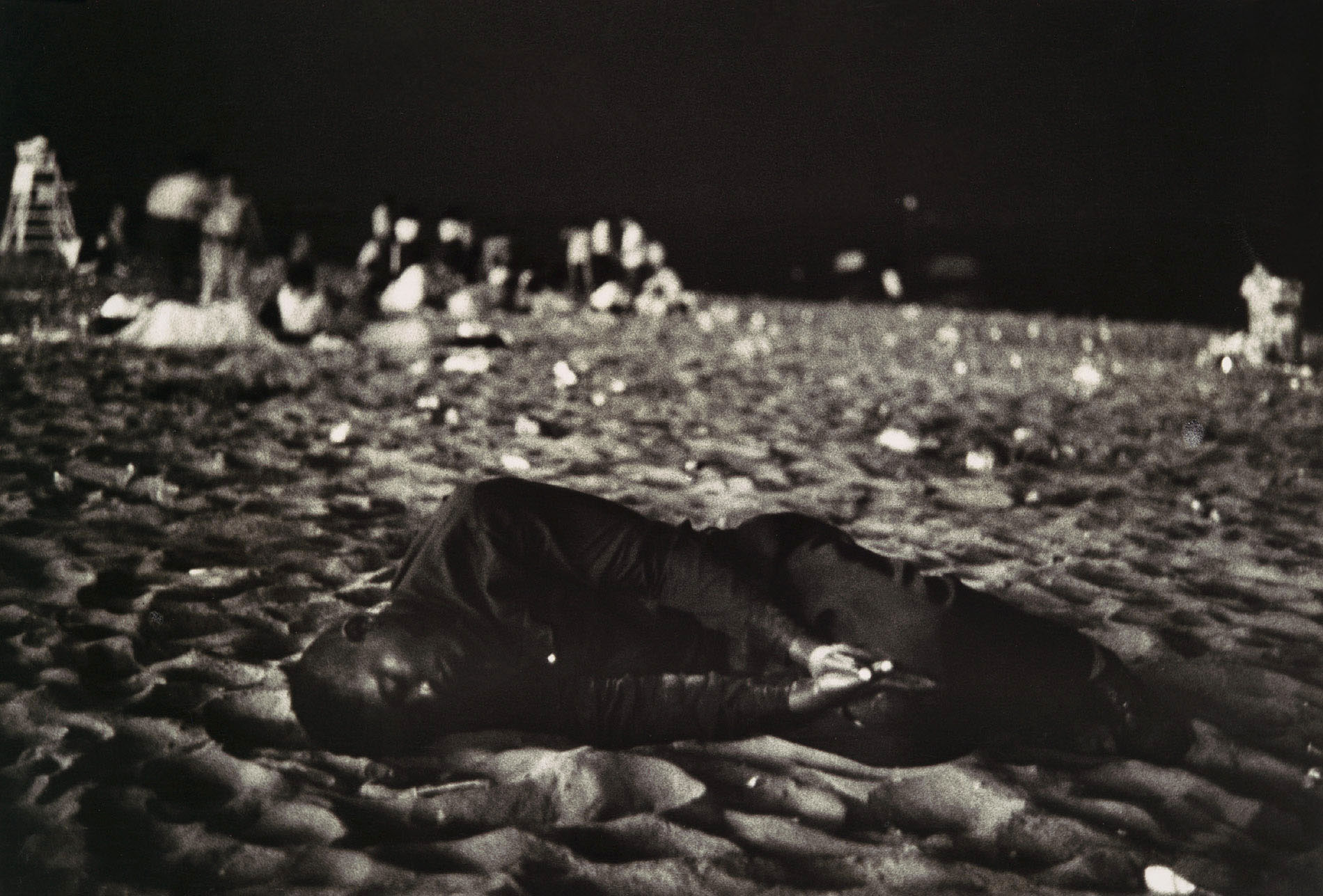


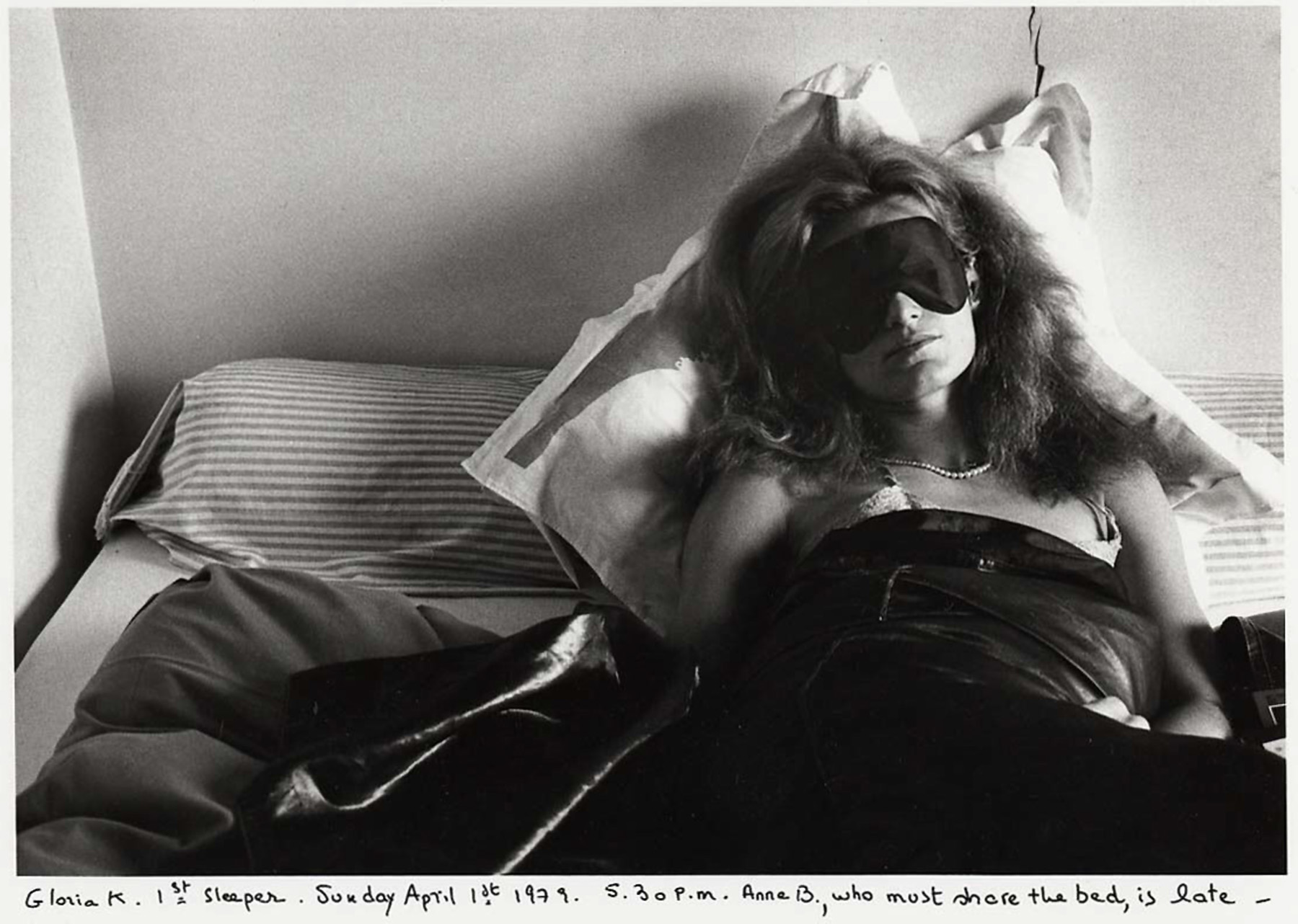
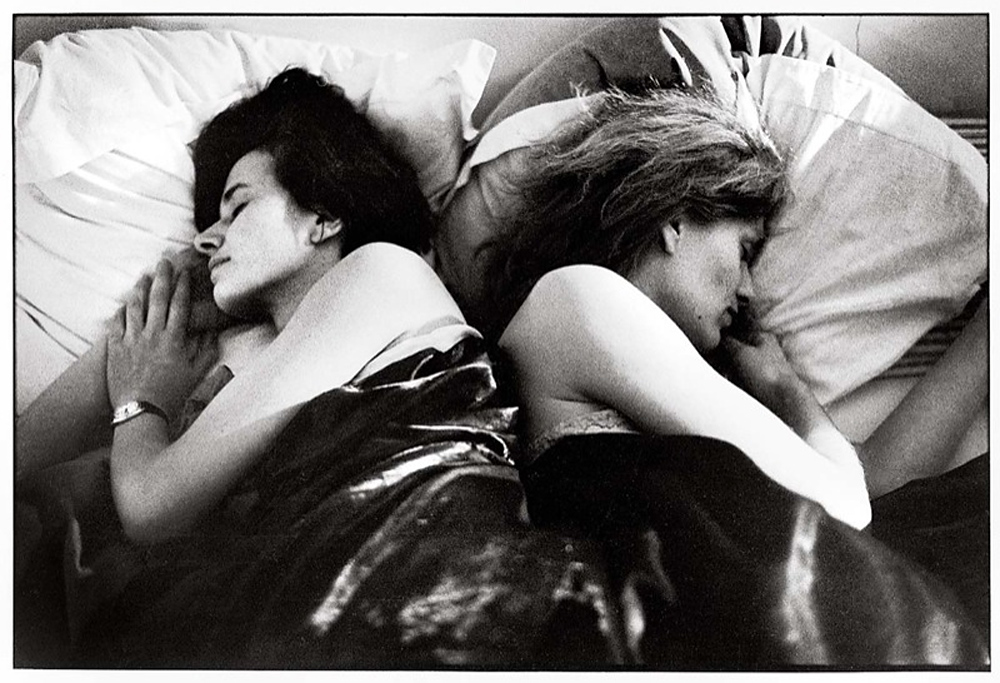


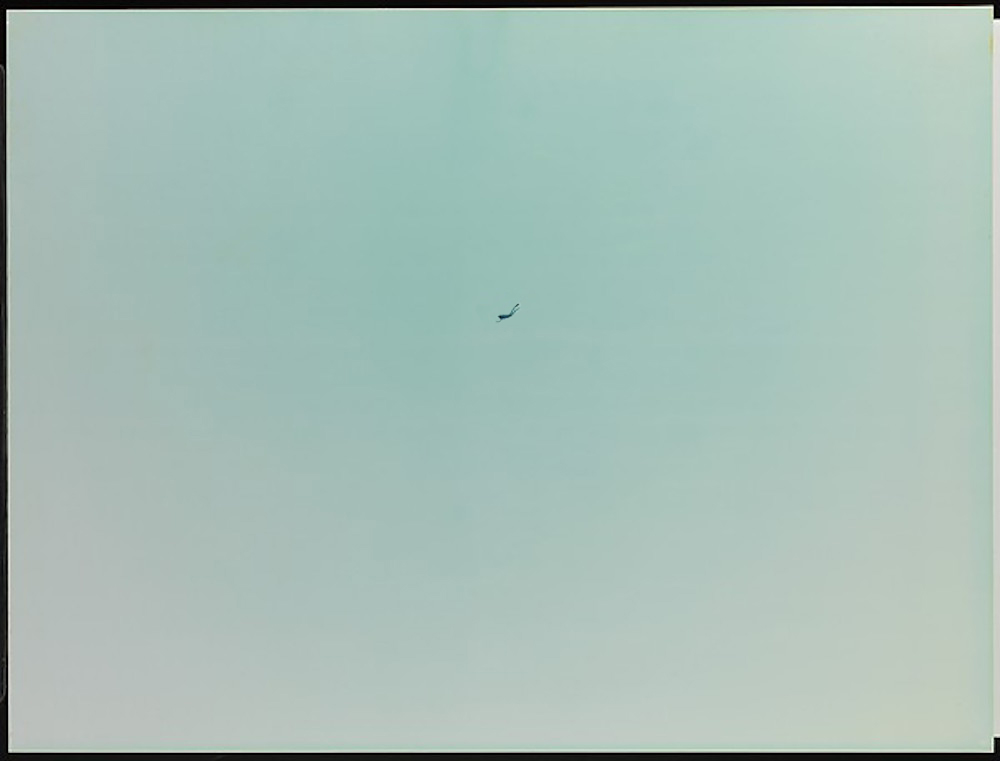
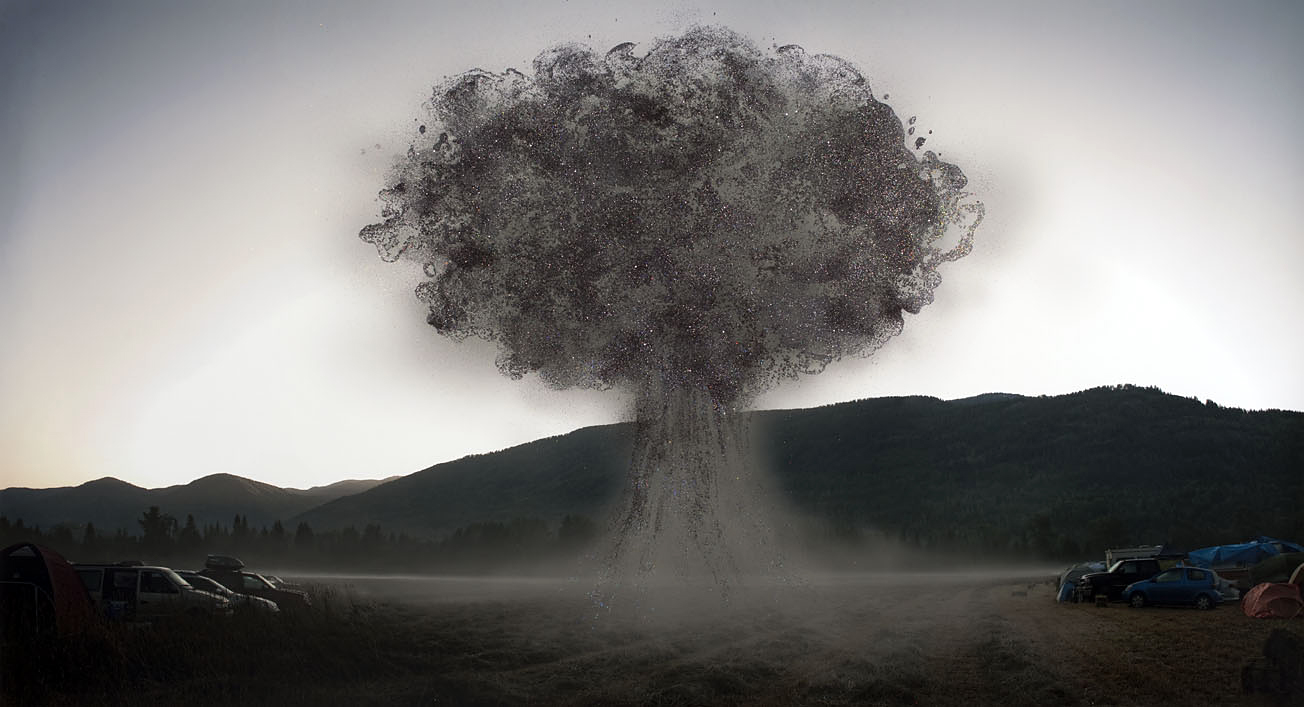


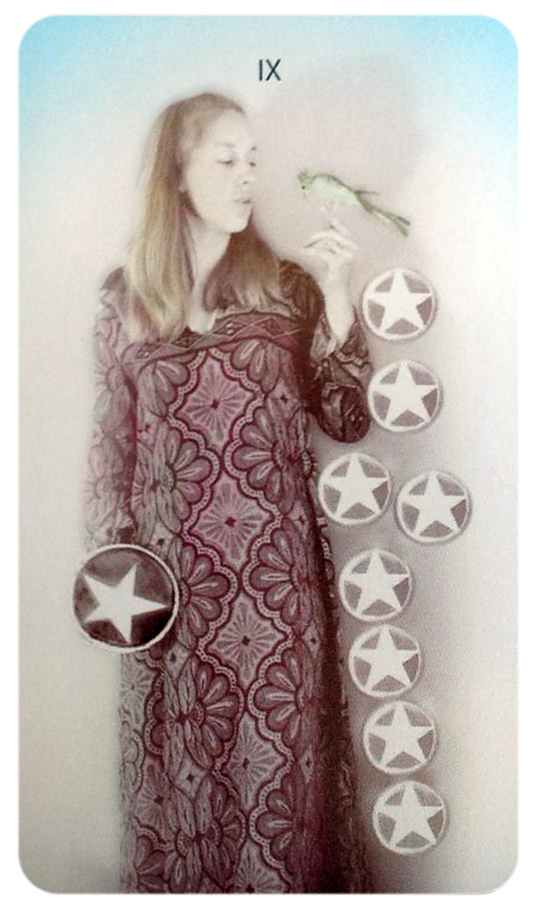

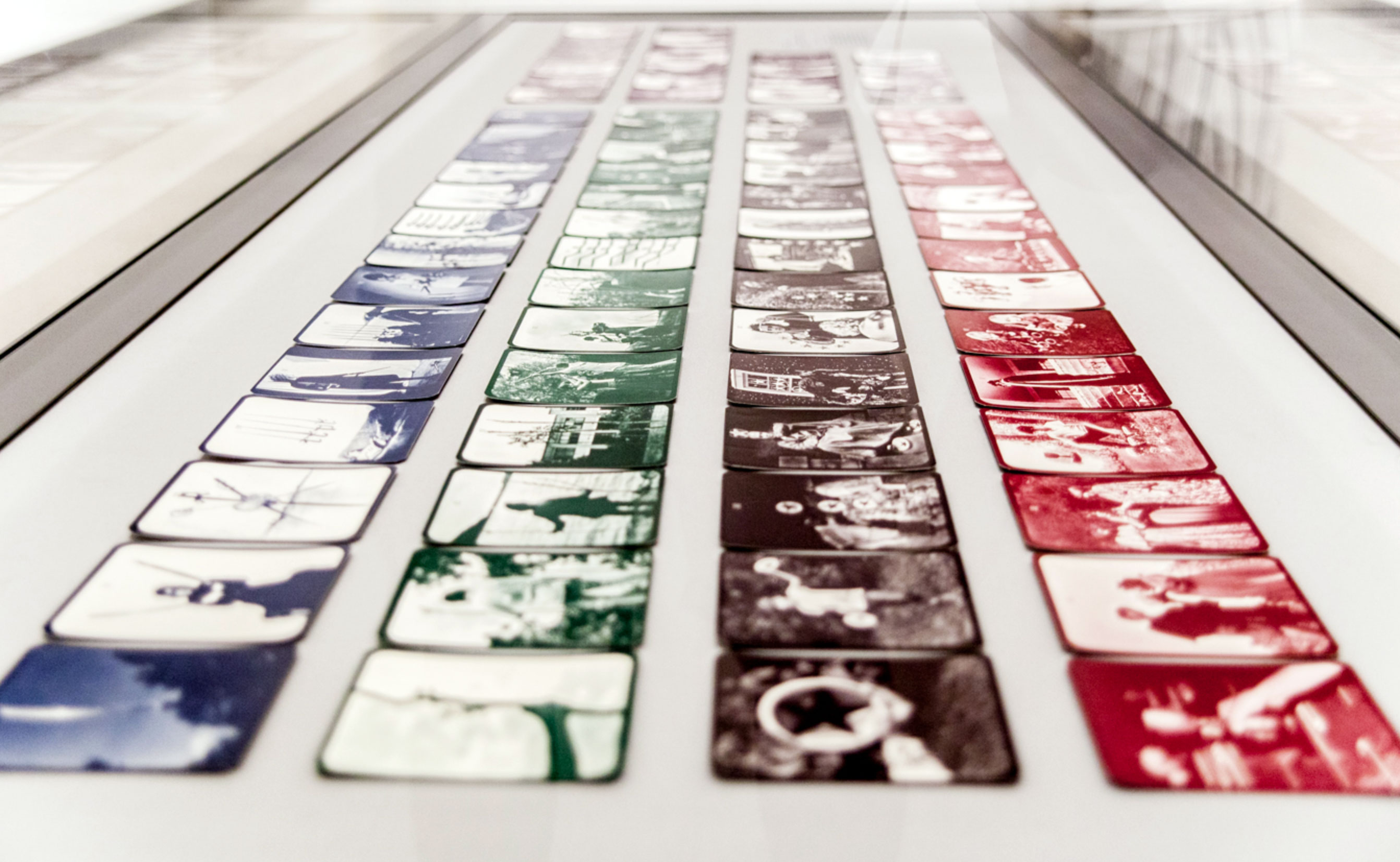
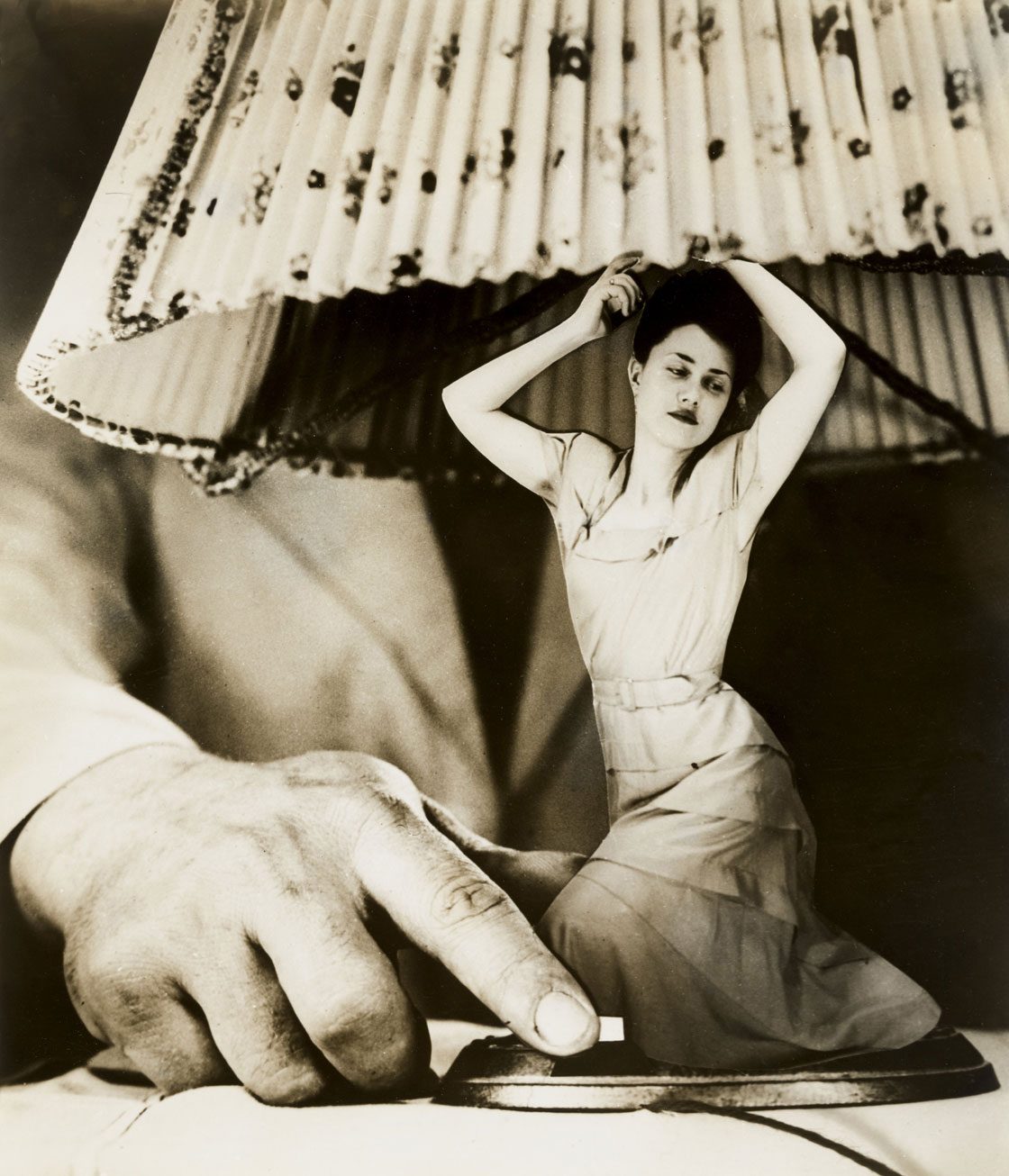

![Ken Domon (Japanese, 1909-1990) 'Allenamento degli allievi del corpo della Marina [Students of the Navy training]' 1936 from the exhibition 'Ken Domon: Master of Japanese Realism' at the Museo dell'Ara Pacis, Rome, May - Sept, 2016](https://artblart.com/wp-content/uploads/2016/08/2-domon-ken-web.jpg "Ken Domon (Japanese, 1909-1990) 'Allenamento degli allievi del corpo della Marina [Students of the Navy training]' 1936 from the exhibition 'Ken Domon: Master of Japanese Realism' at the Museo dell'Ara Pacis, Rome, May - Sept, 2016")
![Ken Domon (Japanese, 1909-1990) 'Esercitazioni delle crocerossine' [Red Cross exercises] 1938 from the exhibition 'Ken Domon: Master of Japanese Realism' at the Museo dell'Ara Pacis, Rome, May - Sept, 2016](https://artblart.com/wp-content/uploads/2016/08/3-domon-ken-web.jpg "Ken Domon (Japanese, 1909-1990) 'Esercitazioni delle crocerossine' [Red Cross exercises] 1938 from the exhibition 'Ken Domon: Master of Japanese Realism' at the Museo dell'Ara Pacis, Rome, May - Sept, 2016")

![Ken Domon. 'Bambini che fanno roteare gli ombrelli [Kids twirling umbrellas]' c. 1937](https://artblart.com/wp-content/uploads/2016/08/15-domon-ken-web.jpg "Ken Domon. 'Bambini che fanno roteare gli ombrelli [Kids twirling umbrellas]' c. 1937")
![Ken Domon (Japanese, 1909-1990) 'Esercitazioni delle crocerossine [Red Cross exercises]' 1938](https://artblart.com/wp-content/uploads/2016/08/4-domon-ken-web.jpg "Ken Domon (Japanese, 1909-1990) 'Esercitazioni delle crocerossine [Red Cross exercises]' 1938")
![Ken Domon (Japanese, 1909-199 'Foto commemorativa della cerimonia di diploma del corpo della Marina' [Commemorative photo of the Marine Corp graduation ceremony] 1944](https://artblart.com/wp-content/uploads/2016/08/5-domon-ken-web.jpg "Ken Domon (Japanese, 1909-199 'Foto commemorativa della cerimonia di diploma del corpo della Marina' [Commemorative photo of the Marine Corp graduation ceremony] 1944")
![Ken Domon (Japanese, 1909-1990) 'Vigile urbano a Ginza 4-chōme' [Traffic policeman in Ginza 4-chōme] 1946](https://artblart.com/wp-content/uploads/2016/08/6-domon-ken-web.jpg "Ken Domon (Japanese, 1909-1990) 'Vigile urbano a Ginza 4-chōme' [Traffic policeman in Ginza 4-chōme] 1946")
![Ken Domon (Japanese, 1909-1990) 'Pescatrici di perle (ama san)' [Pearl fisherwomen] 1948](https://artblart.com/wp-content/uploads/2016/08/9-domon-ken-web.jpg "Ken Domon (Japanese, 1909-1990) 'Pescatrici di perle (ama san)' [Pearl fisherwomen] 1948")
![Ken Domon (Japanese, 1909-1990) 'Donne a passeggio' [Women walking] 1950](https://artblart.com/wp-content/uploads/2016/08/7-domon-ken-web.jpg "Ken Domon (Japanese, 1909-1990) 'Donne a passeggio' [Women walking] 1950")
![Ken Domon (Japanese, 1909-1990) 'L'attrice Yamaguchi Yoshiko' [The actress Yoshiko Yamaguchi] 1952](https://artblart.com/wp-content/uploads/2016/08/8-domon-ken-web.jpg "Ken Domon (Japanese, 1909-1990) 'L'attrice Yamaguchi Yoshiko' [The actress Yoshiko Yamaguchi] 1952")
![Ken Domon (Japanese, 1909-1990) 'Sit-in studentesco a Tachikawa contro l'ampliamento della base americana' [Student sit-in in Tachikawa against the expansion of US base] 1955](https://artblart.com/wp-content/uploads/2016/08/10-domon-ken-web.jpg "Ken Domon (Japanese, 1909-1990) 'Sit-in studentesco a Tachikawa contro l'ampliamento della base americana' [Student sit-in in Tachikawa against the expansion of US base] 1955")
![Ken Domon (Japanese, 1909-1990) 'Sorelline orfane, Rumie e Sayuri' [Orphan sisters, Rumie and Sayuri] 1959](https://artblart.com/wp-content/uploads/2016/08/12-domon-ken-web.jpg "Ken Domon (Japanese, 1909-1990) 'Sorelline orfane, Rumie e Sayuri' [Orphan sisters, Rumie and Sayuri] 1959")

![Ken Domon (Japanese, 1909-1990) 'Lucertola [Lizard]' 1955](https://artblart.com/wp-content/uploads/2016/08/13-domon-ken-web.jpg "Ken Domon (Japanese, 1909-1990) 'Lucertola [Lizard]' 1955")
![Ken Domon (Japanese, 1909-1990) 'Pioggerella' [Drizzle] 1952-1954](https://artblart.com/wp-content/uploads/2016/08/14-domon-ken-web.jpg "Ken Domon (Japanese, 1909-1990) 'Pioggerella' [Drizzle] 1952-1954")
![Ken Domon (Japanese, 1909-1990) 'Bagno presso il fiume davanti allo Hiroshima Dome' [Bath at the river in front of the Hiroshima Dome] 1957](https://artblart.com/wp-content/uploads/2016/08/16-domon-ken-web.jpg "Ken Domon (Japanese, 1909-1990) 'Bagno presso il fiume davanti allo Hiroshima Dome' [Bath at the river in front of the Hiroshima Dome] 1957")
![Ken Domon (Japanese, 1909-1990) 'La morte di Keiji' [The death of Keiji] 1957](https://artblart.com/wp-content/uploads/2016/08/20-domon-ken-web.jpg "Ken Domon (Japanese, 1909-1990) 'La morte di Keiji' [The death of Keiji] 1957")
![Ken Domon (Japanese, 1909-1990) 'Paziente in ospedale' [Hospital patient] 1957](https://artblart.com/wp-content/uploads/2016/08/17-domon-ken-web.jpg "Ken Domon (Japanese, 1909-1990) 'Paziente in ospedale' [Hospital patient] 1957")
![Ken Domon (Japanese, 1909-1990) 'Donna in cura per le lesioni da bomba atomica' [Women being treated for injuries from atomic bomb] 1957](https://artblart.com/wp-content/uploads/2016/08/18-domon-ken-web.jpg "Ken Domon (Japanese, 1909-1990) 'Donna in cura per le lesioni da bomba atomica' [Women being treated for injuries from atomic bomb] 1957")
![Ken Domon (Japanese, 1909-1990) 'Gemella non vedente' [Blind twin (female)] 1957](https://artblart.com/wp-content/uploads/2016/08/19-domon-ken-web.jpg "Ken Domon (Japanese, 1909-1990) 'Gemella non vedente' [Blind twin (female)] 1957")
![Ken Domon (Japanese, 1909-1990) 'Autoritratto' [Self-portrait] 1958](https://artblart.com/wp-content/uploads/2016/08/21-domon-ken-web.jpg "Ken Domon (Japanese, 1909-1990) 'Autoritratto' [Self-portrait] 1958")


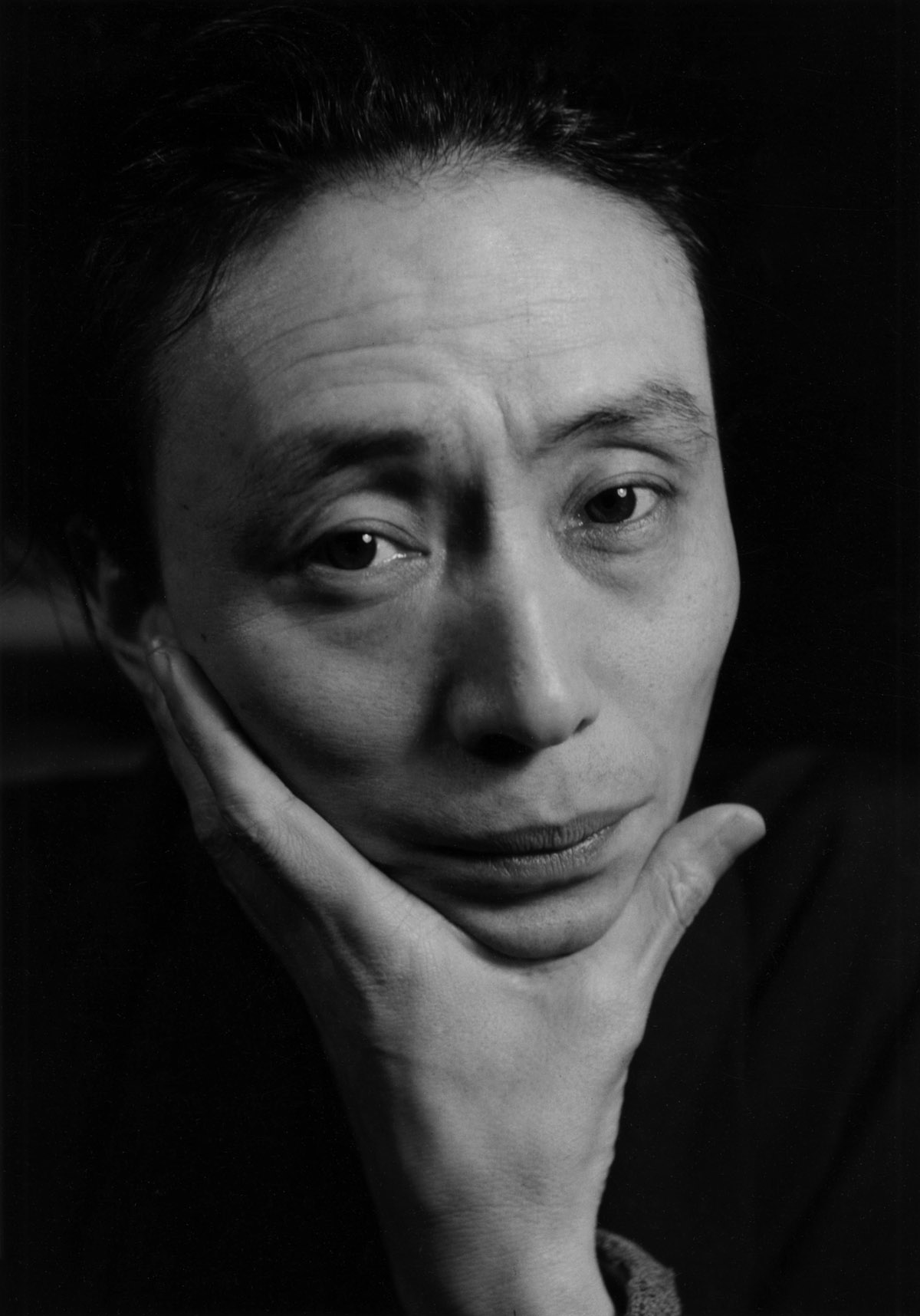

![Ken Domon (Japanese, 1909-1990) 'Ushi (Bue), dai dodici guardiani (jūnishinshō) del Murōji' [Ushi (Ox), one of the twelve guardians (jūnishinshō) of Muroji] 1941-1943](https://artblart.com/wp-content/uploads/2016/08/26-domon-ken-web.jpg "Ken Domon (Japanese, 1909-1990) 'Ushi (Bue), dai dodici guardiani (jūnishinshō) del Murōji' [Ushi (Ox), one of the twelve guardians (jūnishinshō) of Muroji] 1941-1943")
![Ken Domon (Japanese, 1909-1990) 'Hitsuji (Pecora), dai dodici guardiani (jūnishinshō) del Murōji' [Hitsuji (Sheep), one of the twelve guardians (jūnishinshō) of Muroji] 1941-1943](https://artblart.com/wp-content/uploads/2016/08/27-domon-ken-web.jpg "Ken Domon (Japanese, 1909-1990) 'Hitsuji (Pecora), dai dodici guardiani (jūnishinshō) del Murōji' [Hitsuji (Sheep), one of the twelve guardians (jūnishinshō) of Muroji] 1941-1943")
![Ken Domon (Japanese, 1909-1990) 'Buddha Shaka ligneo a figura intera presso il Mirokudō del Murōji [Buddha Shaka wooden full-length at the Mirokudō Muroji]' c. 1943](https://artblart.com/wp-content/uploads/2016/08/30-domon-ken-web.jpg "Ken Domon (Japanese, 1909-1990) 'Buddha Shaka ligneo a figura intera presso il Mirokudō del Murōji [Buddha Shaka wooden full-length at the Mirokudō Muroji]' c. 1943")
![Ken Domon (Japanese, 1909-1990) 'Ōnodera, campana e ciliegi [Onodera, bell and cherry trees]' 1977](https://artblart.com/wp-content/uploads/2016/08/28-domon-ken-web.jpg "Ken Domon (Japanese, 1909-1990) 'Ōnodera, campana e ciliegi [Onodera, bell and cherry trees]' 1977")
![Ken Domon (Japanese, 1909-1990) 'Pagoda del Murōji con la neve [Pagoda Muroji with snow]' 1978](https://artblart.com/wp-content/uploads/2016/08/29-domon-ken-web.jpg "Ken Domon (Japanese, 1909-1990) 'Pagoda del Murōji con la neve [Pagoda Muroji with snow]' 1978")
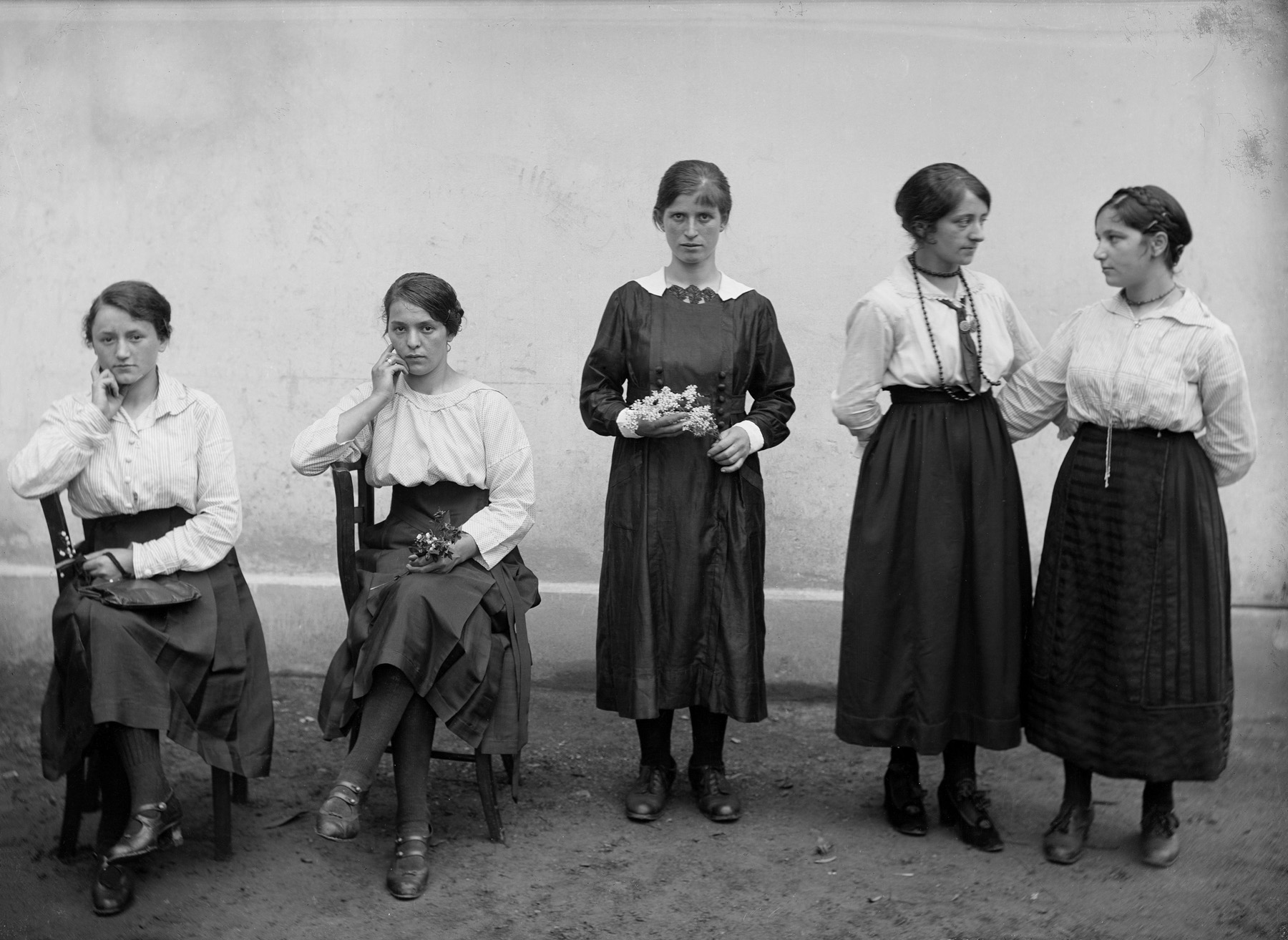


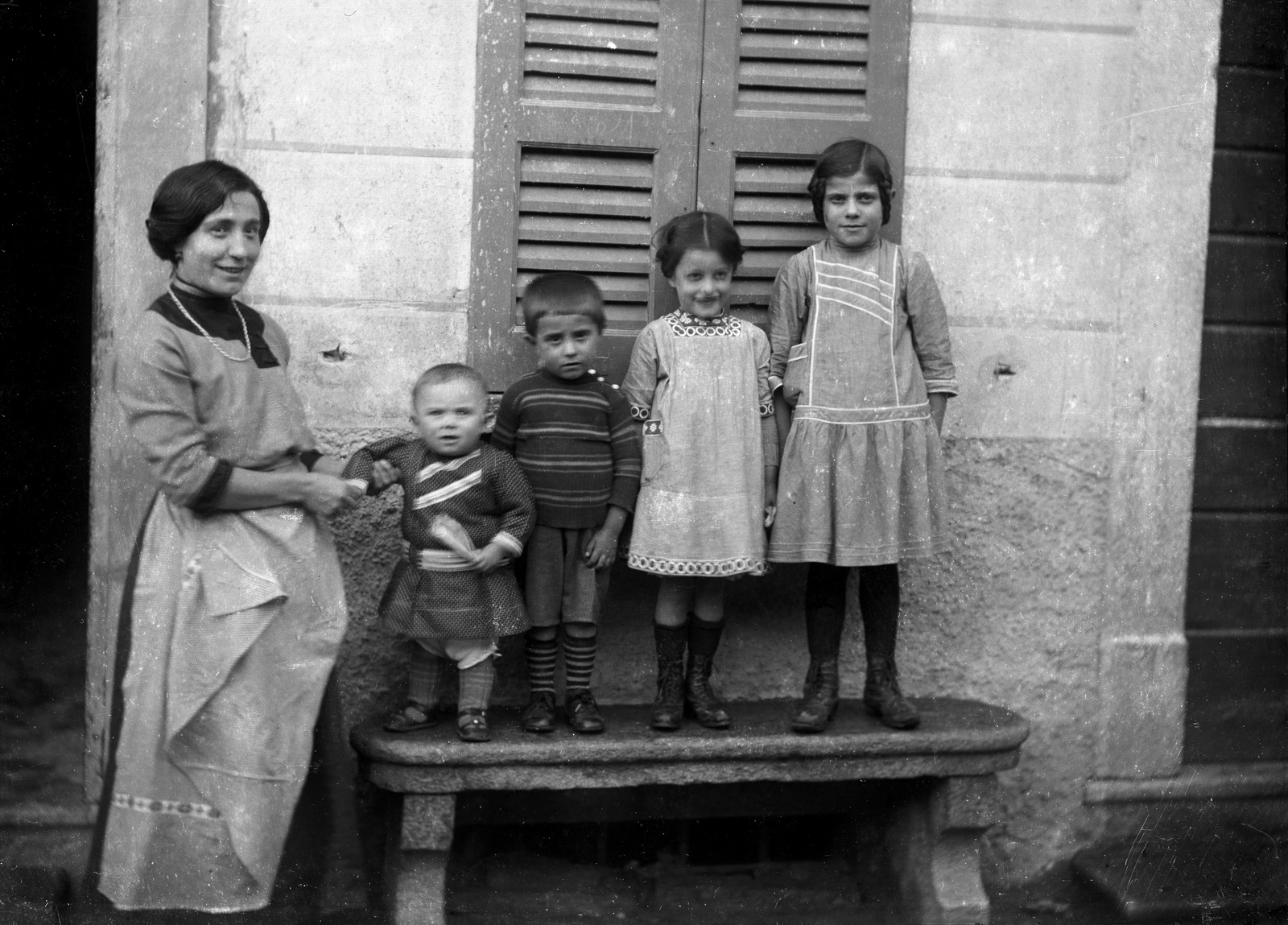
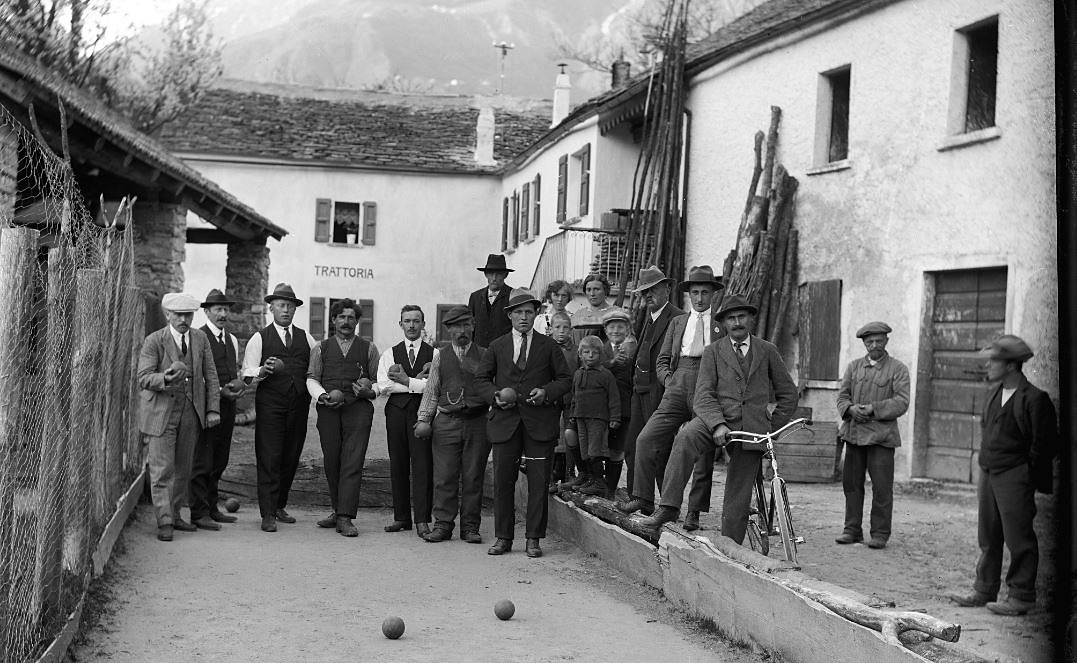
![Roberto Donetta (Swiss, 1865-1932) 'Untitled [Basket maker], Bleniotal' Nd](https://artblart.com/wp-content/uploads/2016/08/donetta-l-web.jpg "Roberto Donetta (Swiss, 1865-1932) 'Untitled [Basket maker], Bleniotal' Nd")
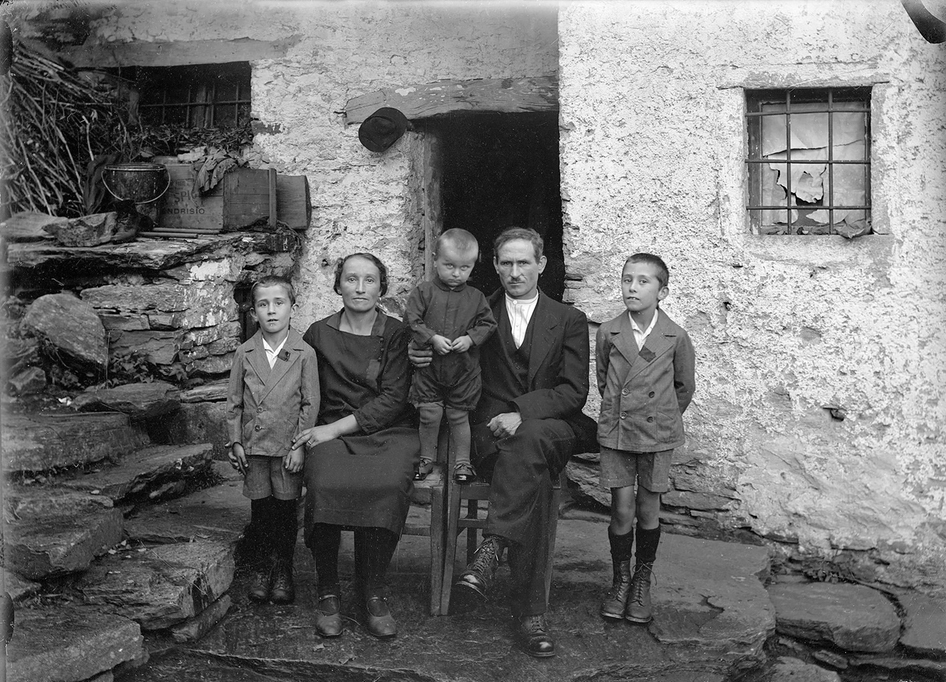
![Roberto Donetta (Swiss, 1865-1932) 'Untitled [Group Portrait], Bleniotal' Nd](https://artblart.com/wp-content/uploads/2016/08/donetta-j-web.jpg "Roberto Donetta (Swiss, 1865-1932) 'Untitled [Group Portrait], Bleniotal' Nd")

![Roberto Donetta (Swiss, 1865-1932) 'Untitled [Group of men], Bleniotal' Nd](https://artblart.com/wp-content/uploads/2016/08/donetta-i-web.jpg "Roberto Donetta (Swiss, 1865-1932) 'Untitled [Group of men], Bleniotal' Nd")


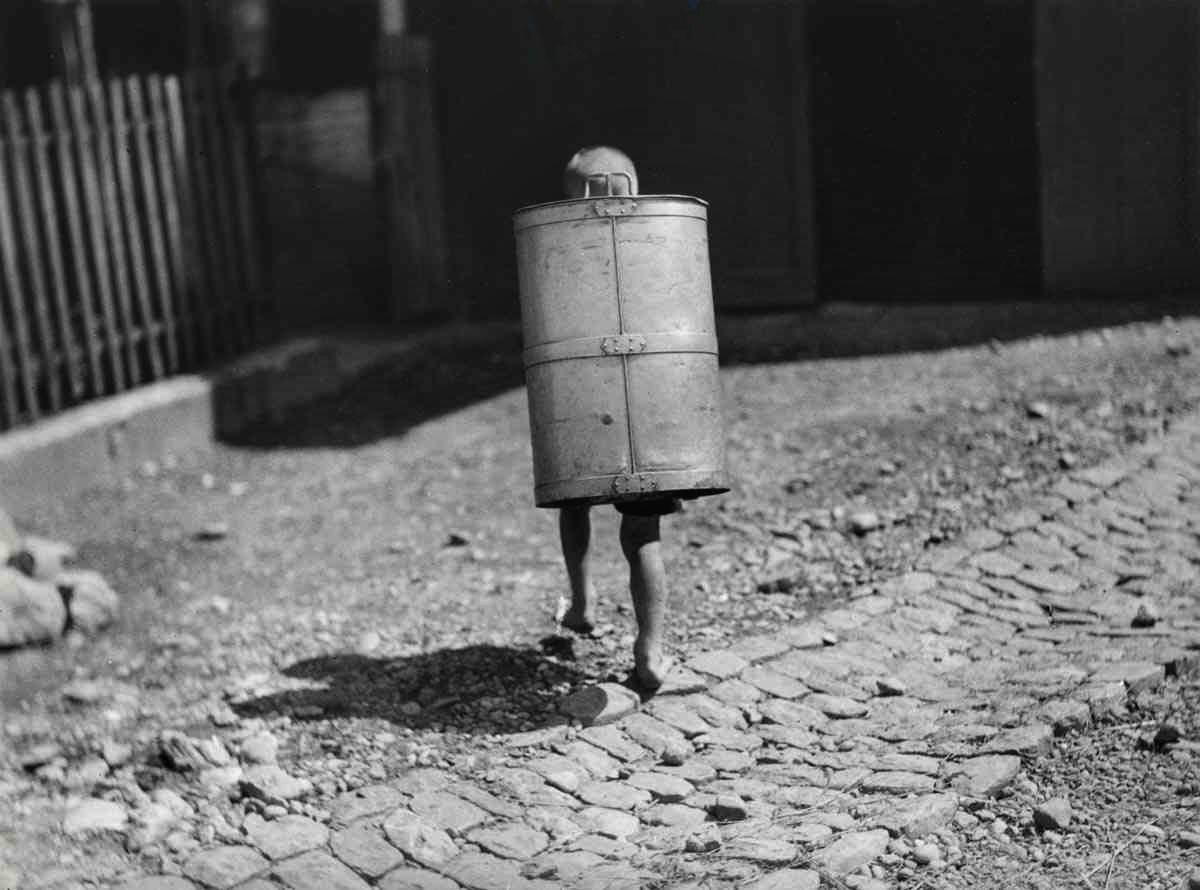
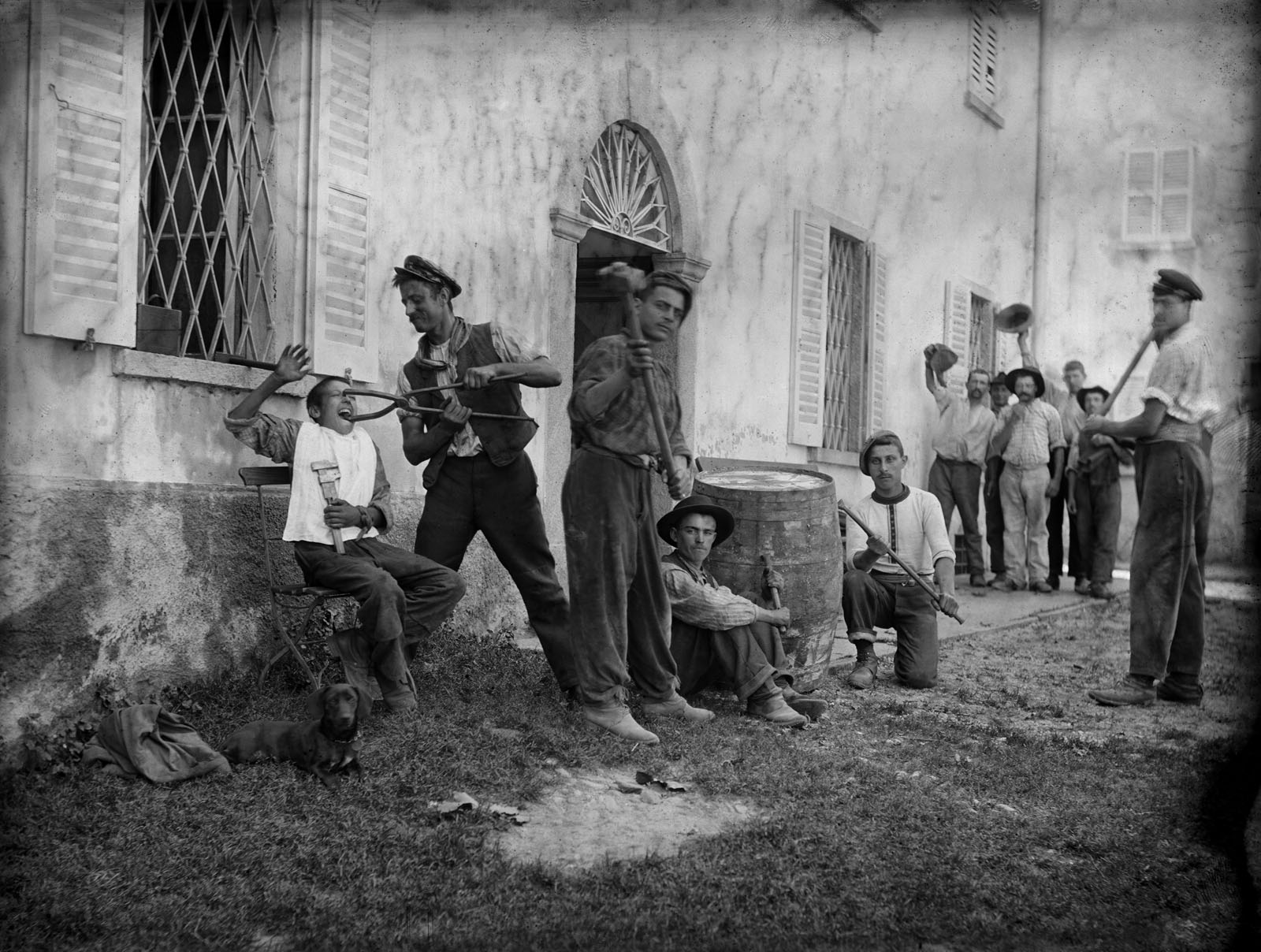
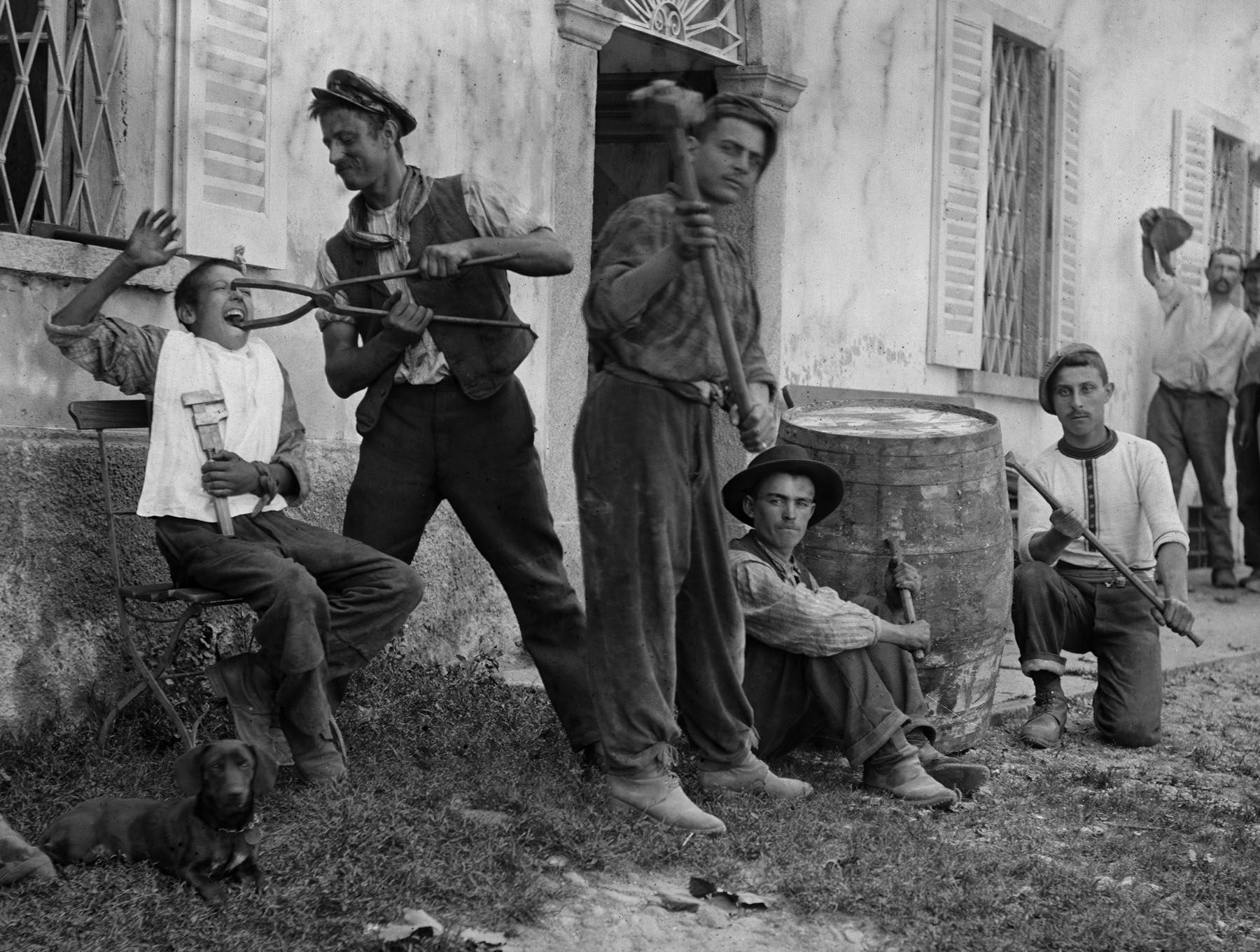


![Roberto Donetta (Swiss, 1865-1932) 'Untitled [Boy and girl]' Nd](https://artblart.com/wp-content/uploads/2016/08/donetta-r-web.jpg "Roberto Donetta (Swiss, 1865-1932) 'Untitled [Boy and girl]' Nd")
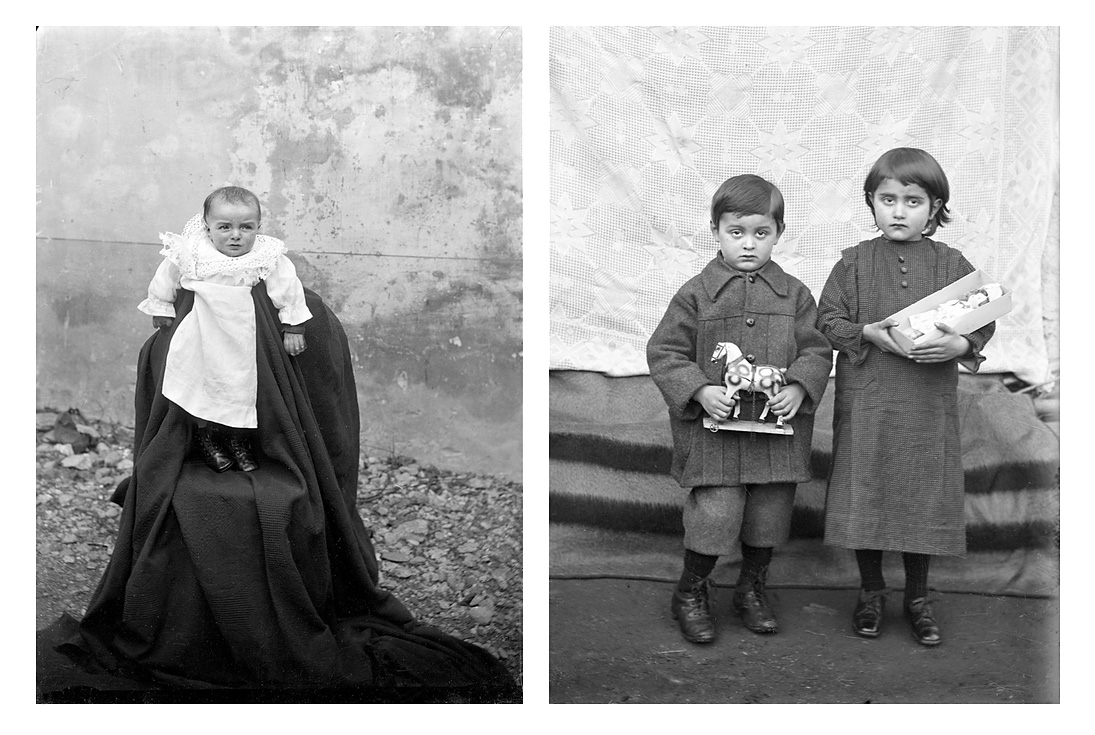

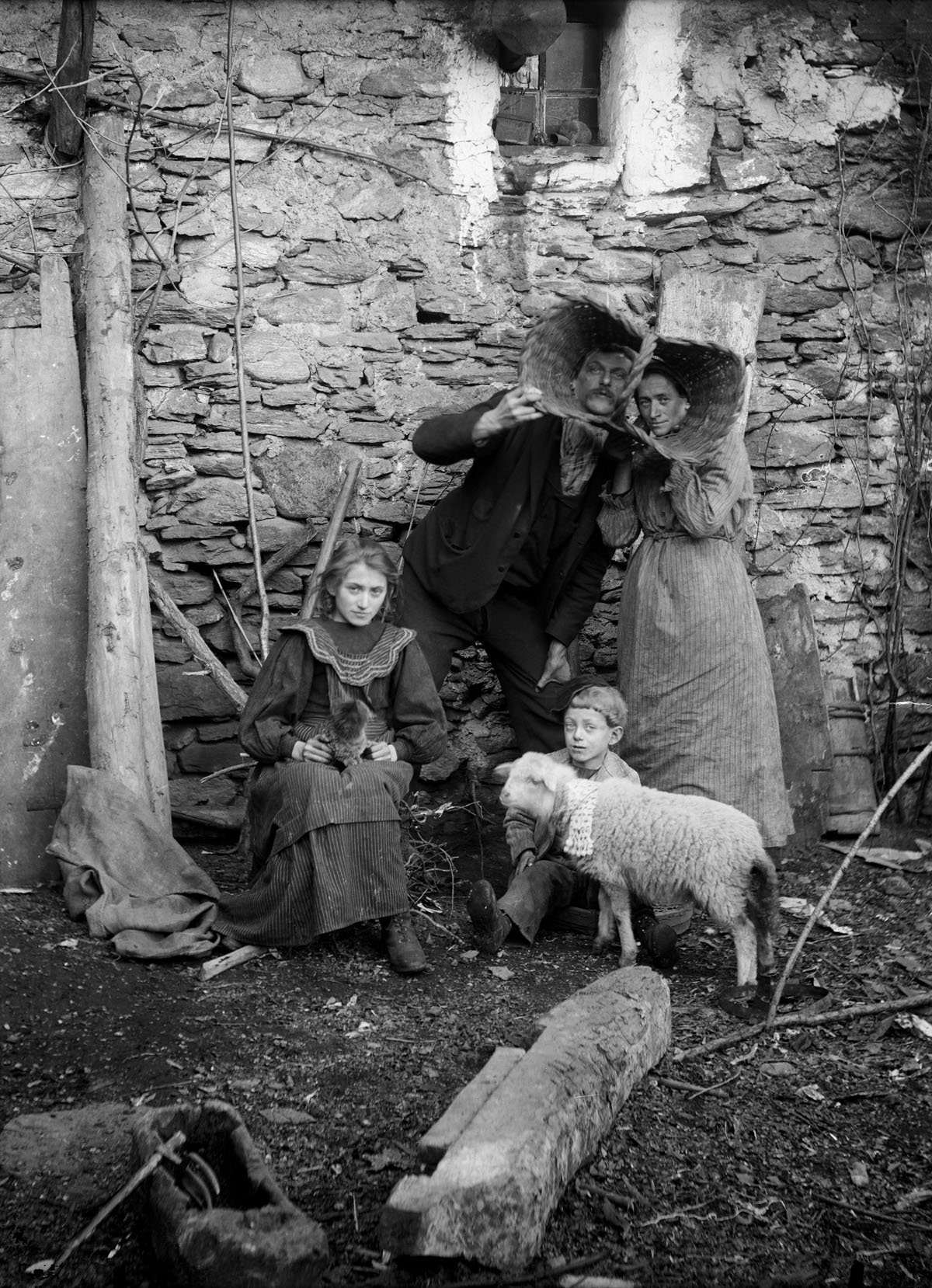


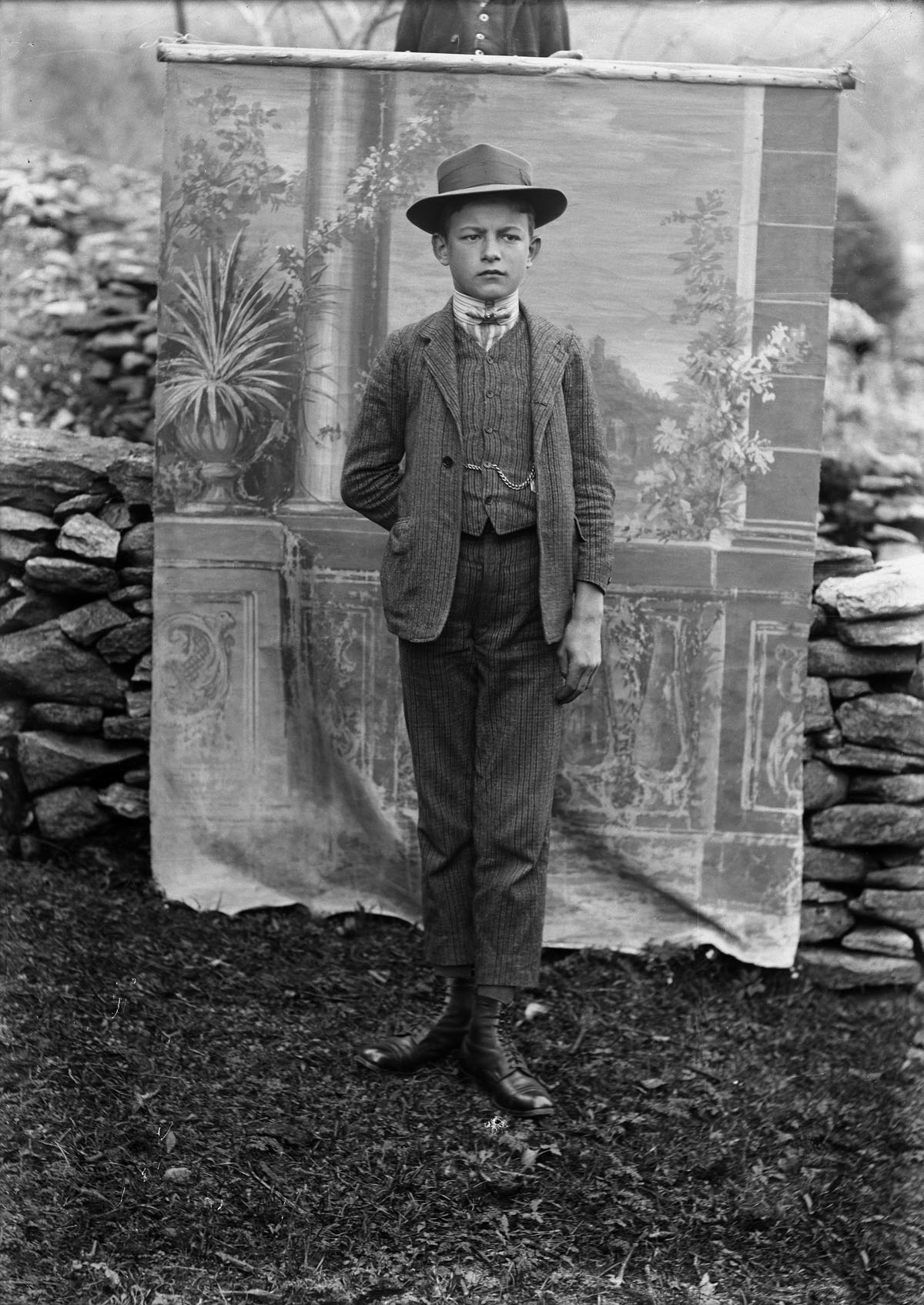


![Roberto Donetta (Swiss, 1865-1932) 'Untitled [Portrait of a women]' Nd](https://artblart.com/wp-content/uploads/2016/08/donetta-p-web.jpg "Roberto Donetta (Swiss, 1865-1932) 'Untitled [Portrait of a women]' Nd")
![Roberto Donetta (Swiss, 1865-1932) 'Untitled [Portrait of a man]' Nd](https://artblart.com/wp-content/uploads/2016/08/donetta-o-web.jpg "Roberto Donetta (Swiss, 1865-1932) 'Untitled [Portrait of a man]' Nd")
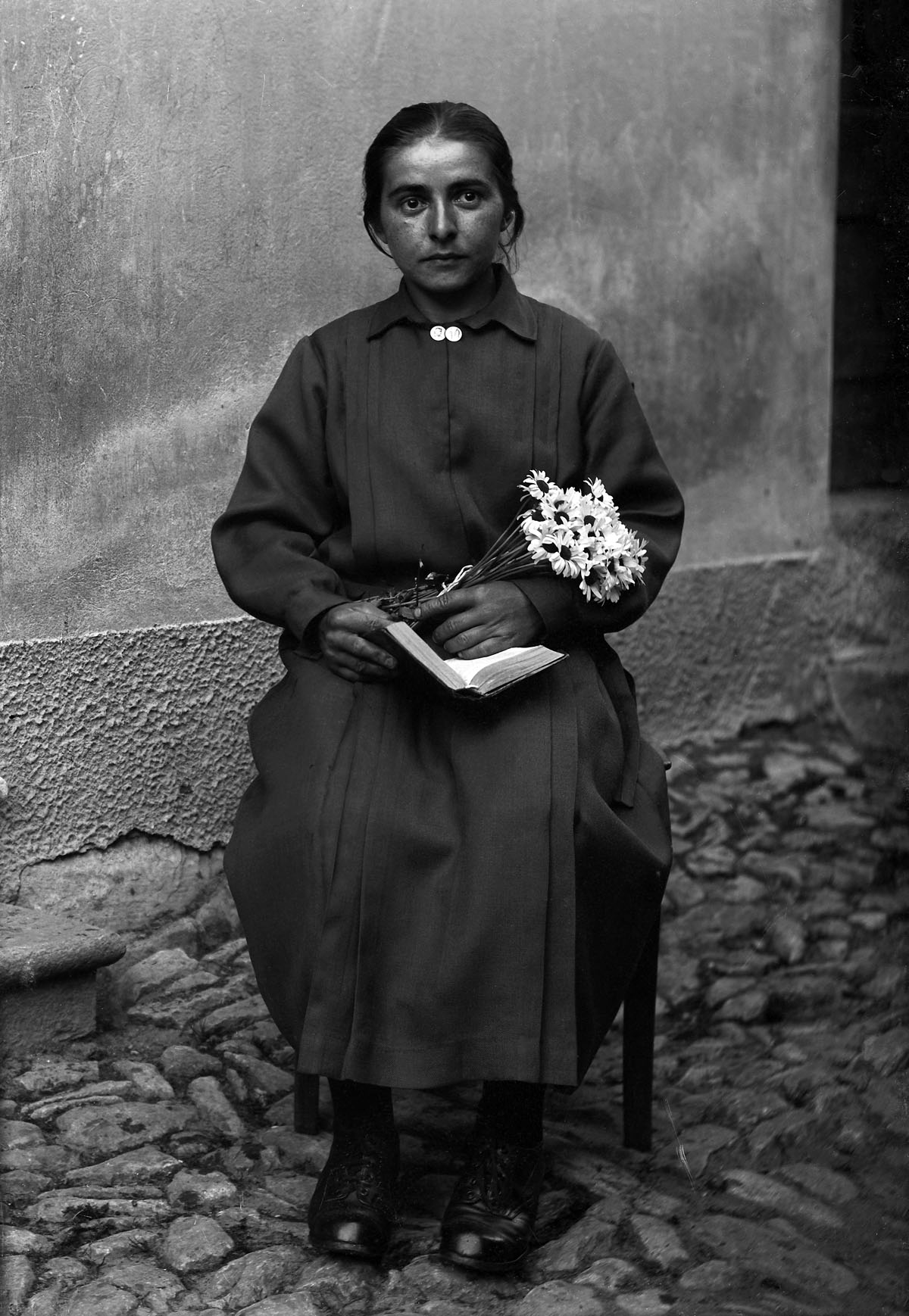
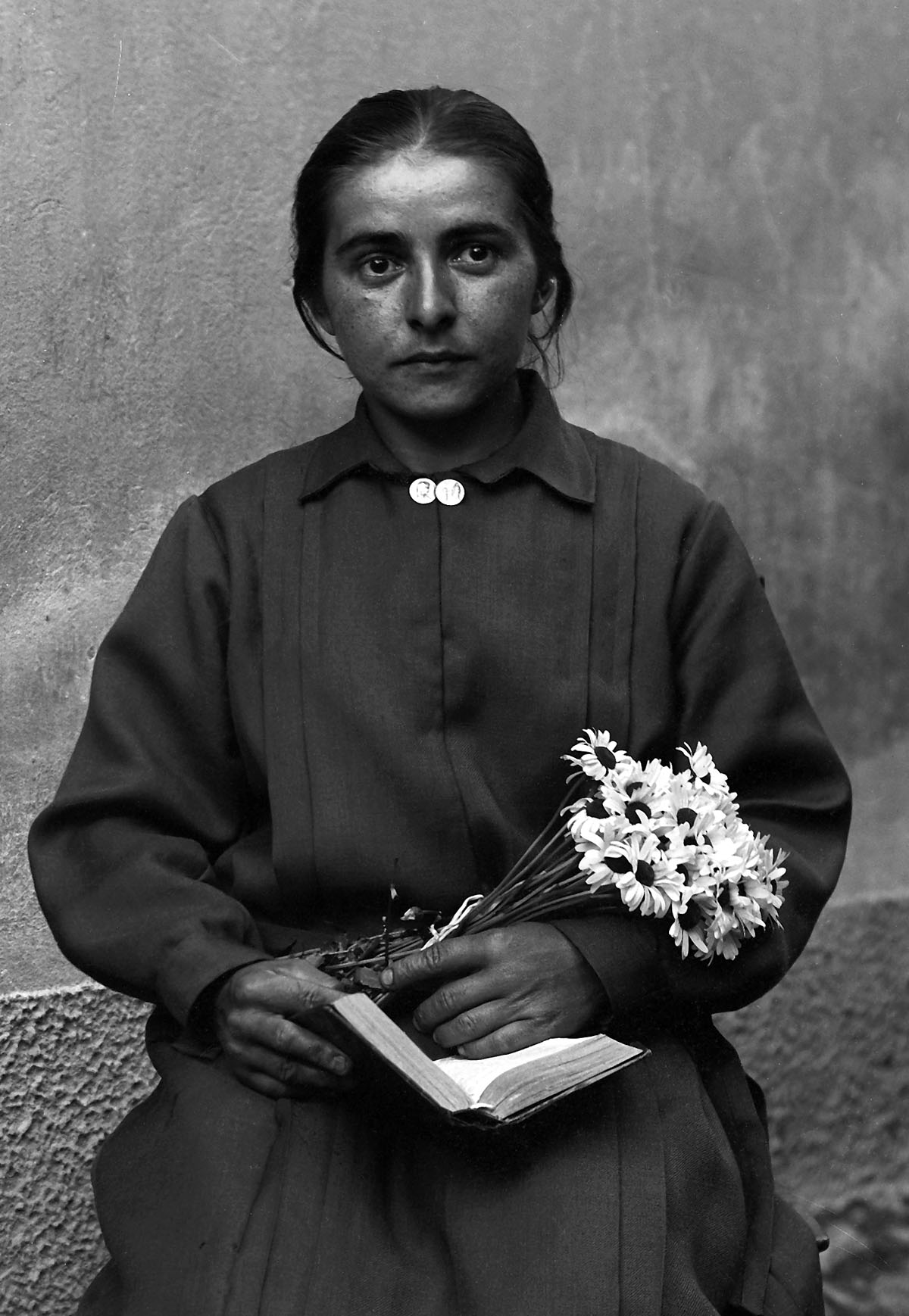
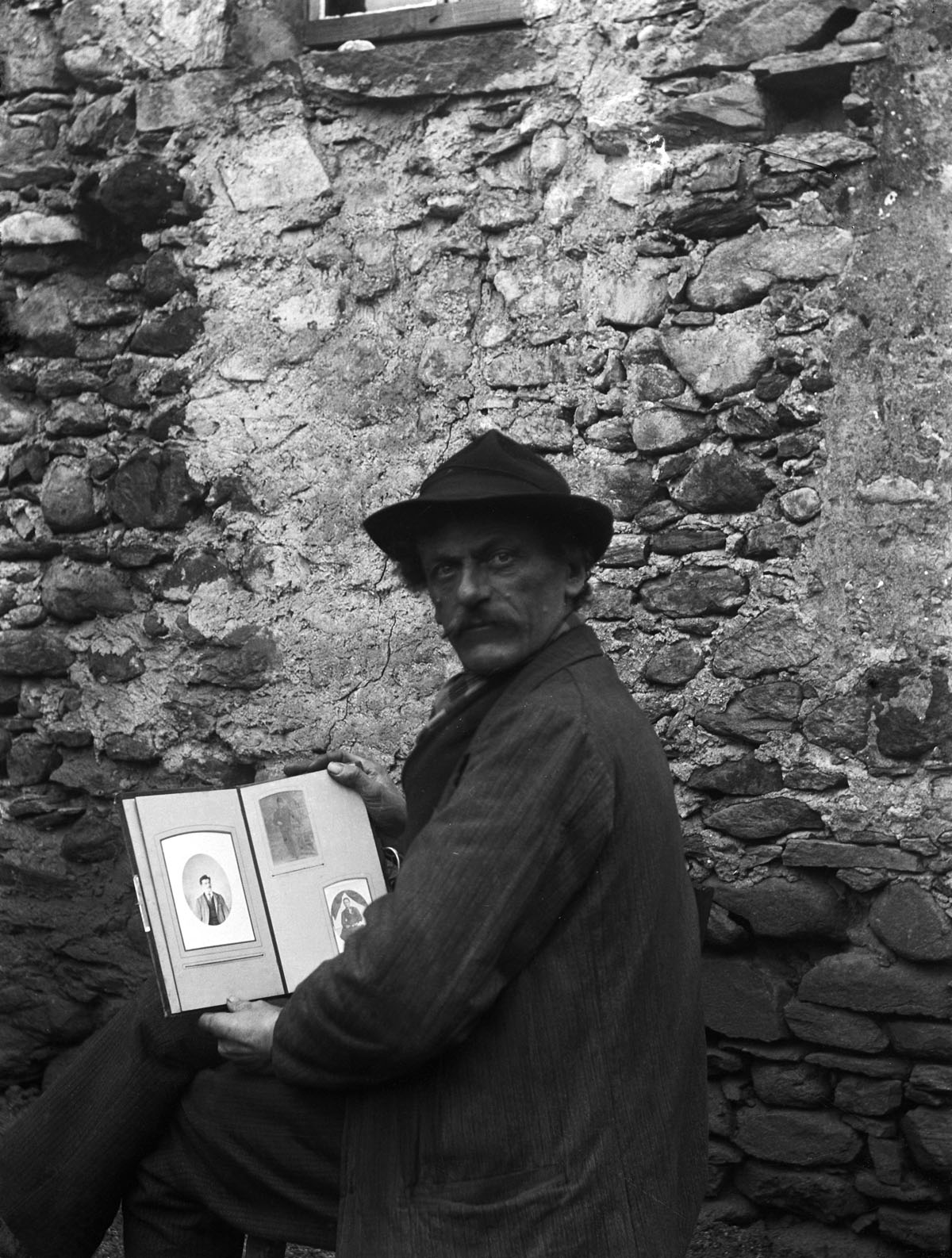

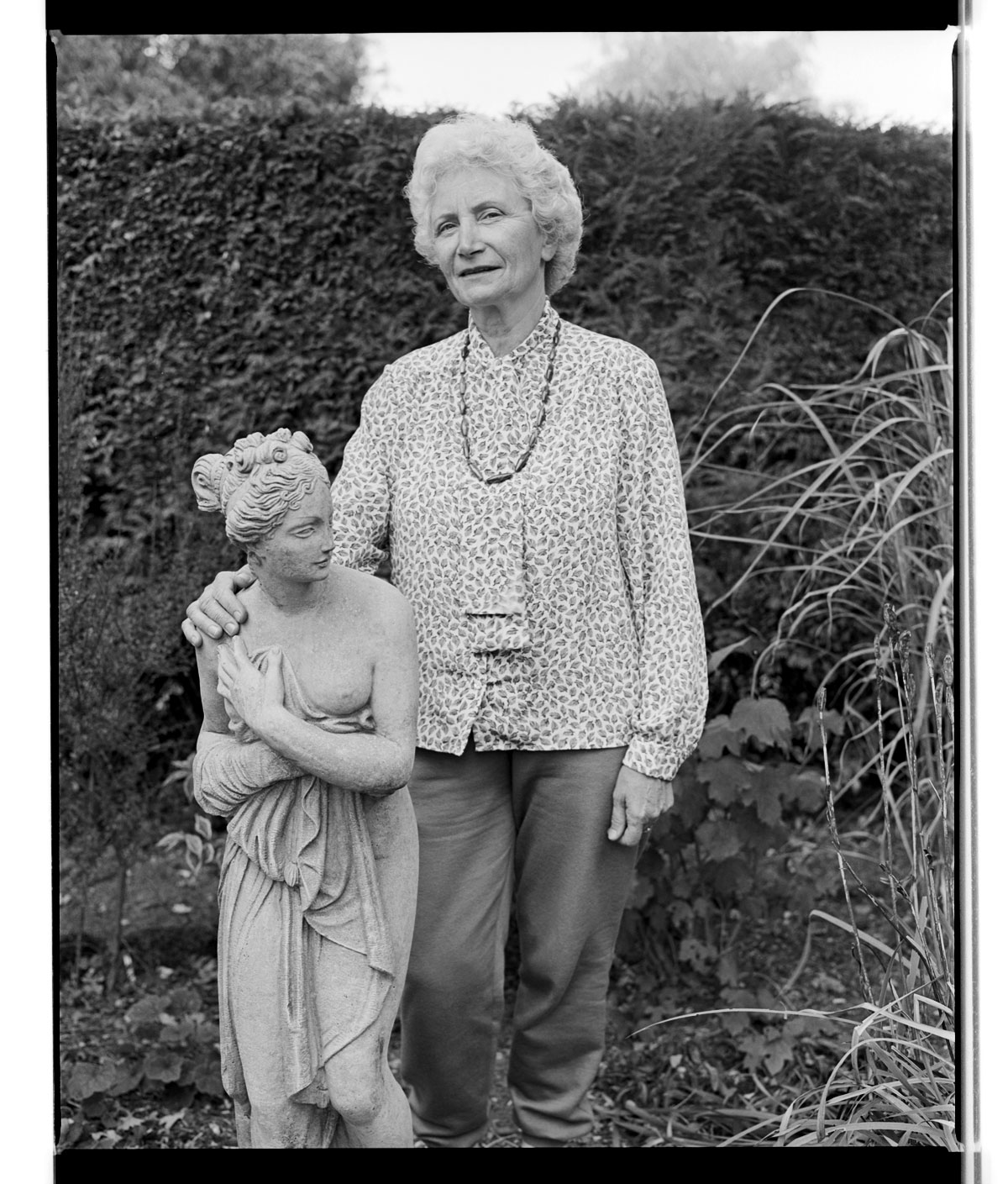
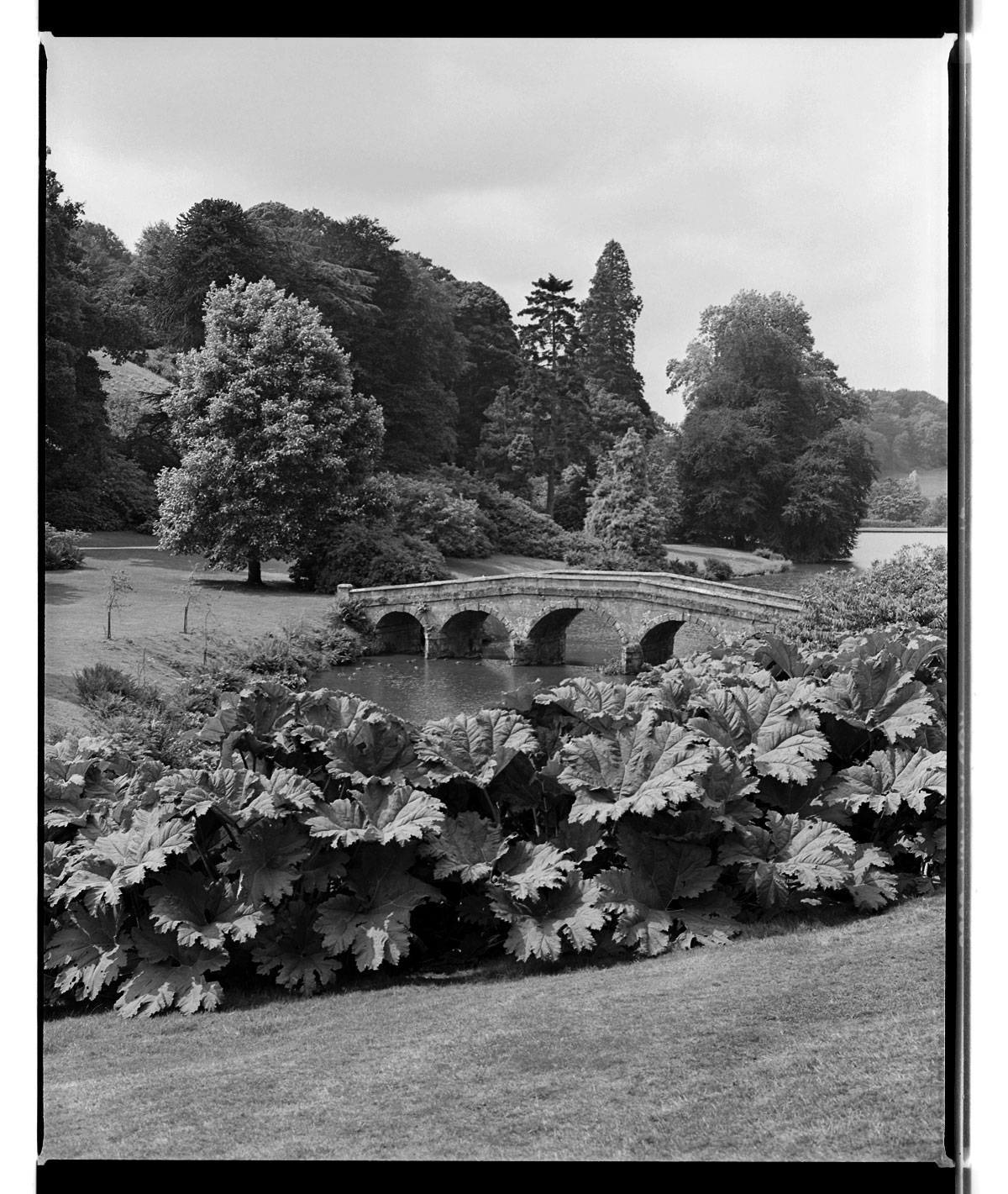
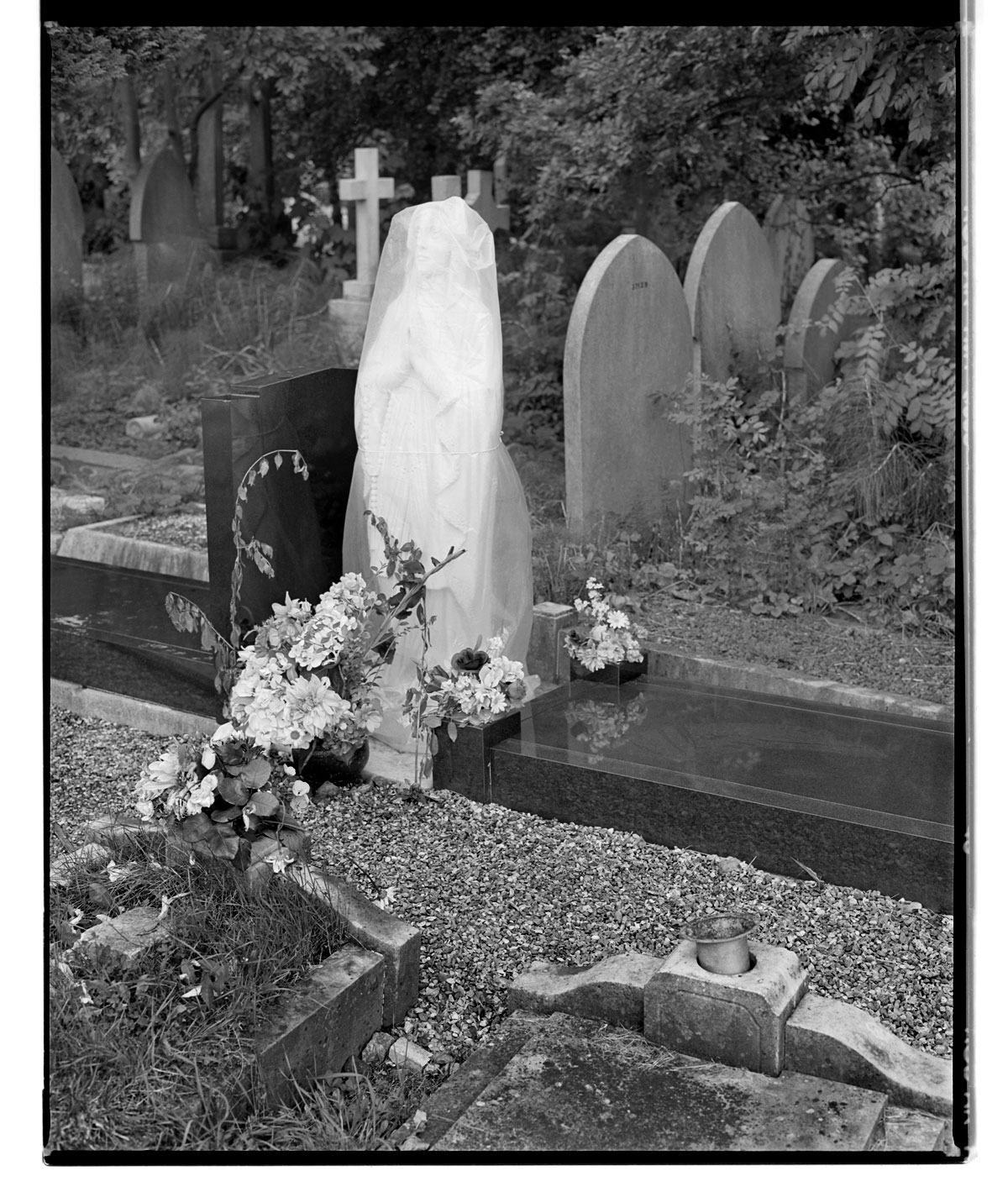

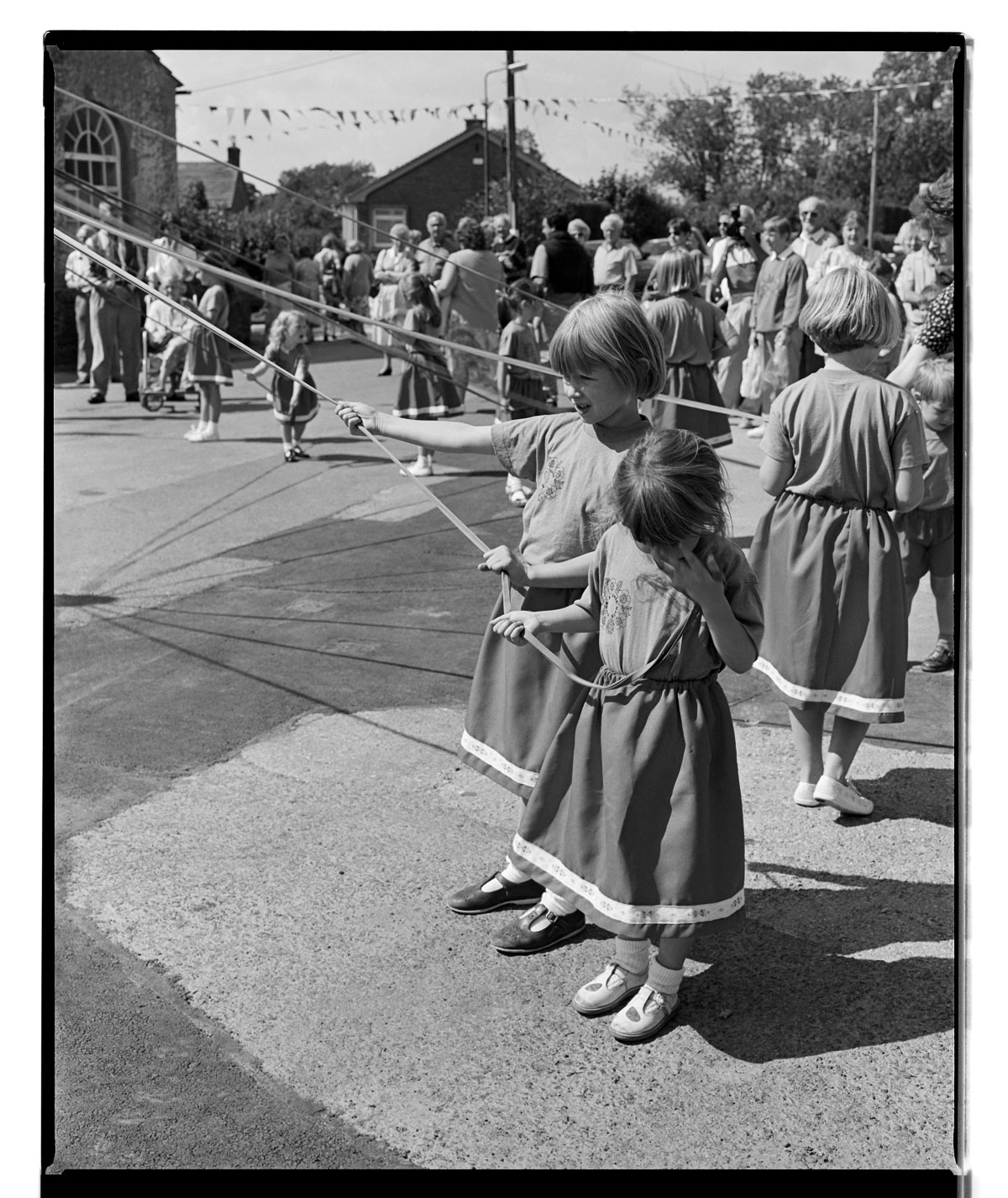
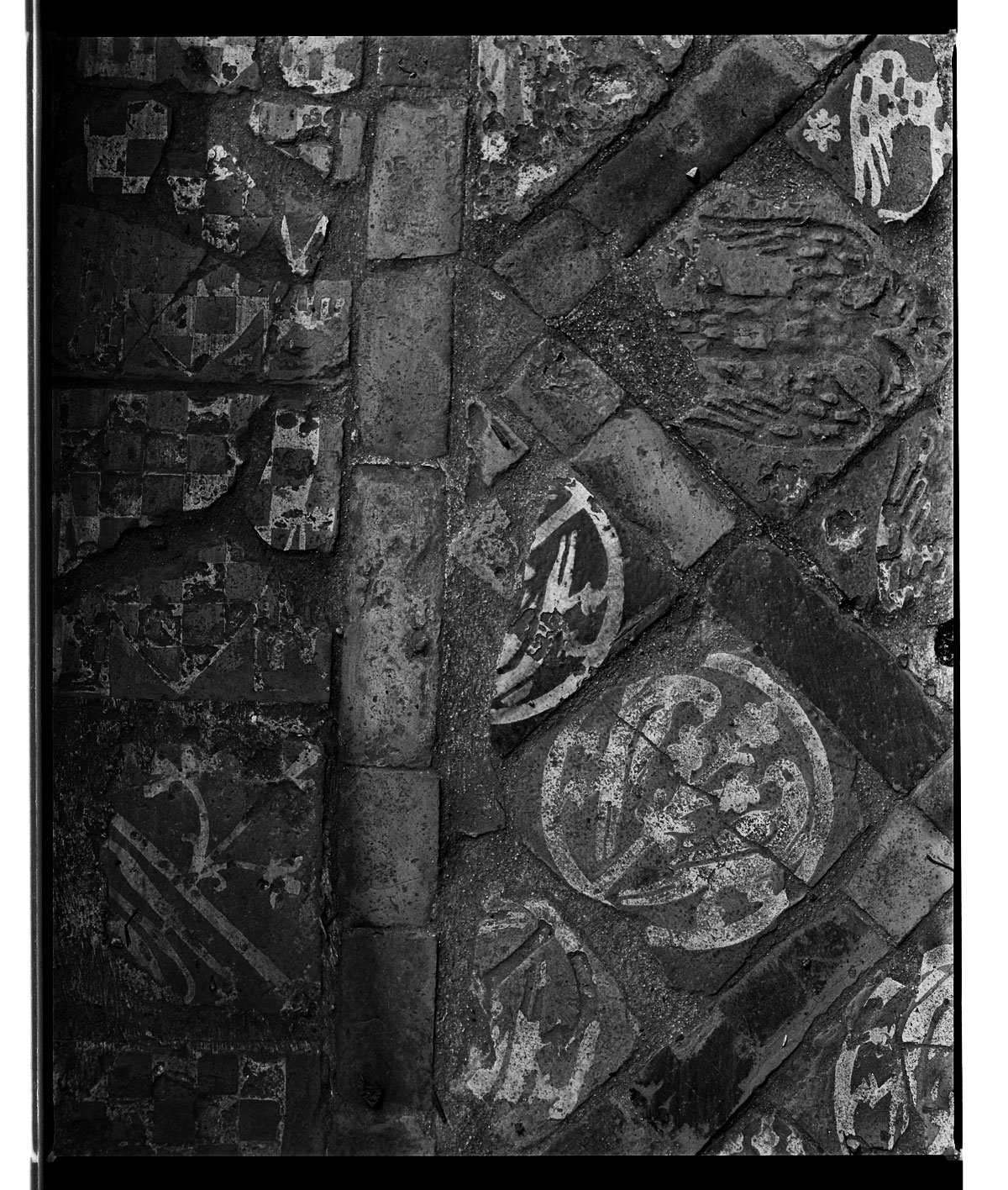
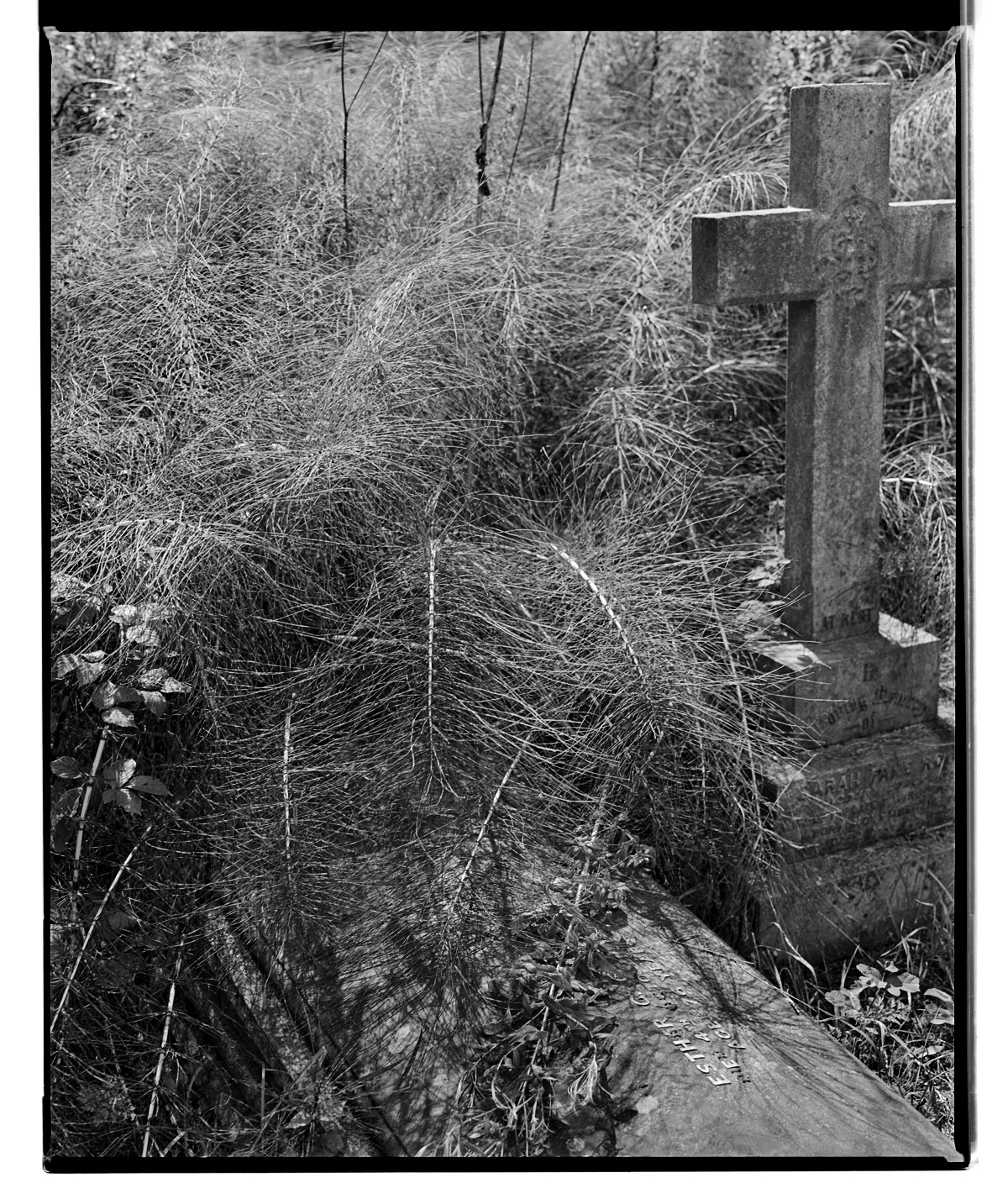
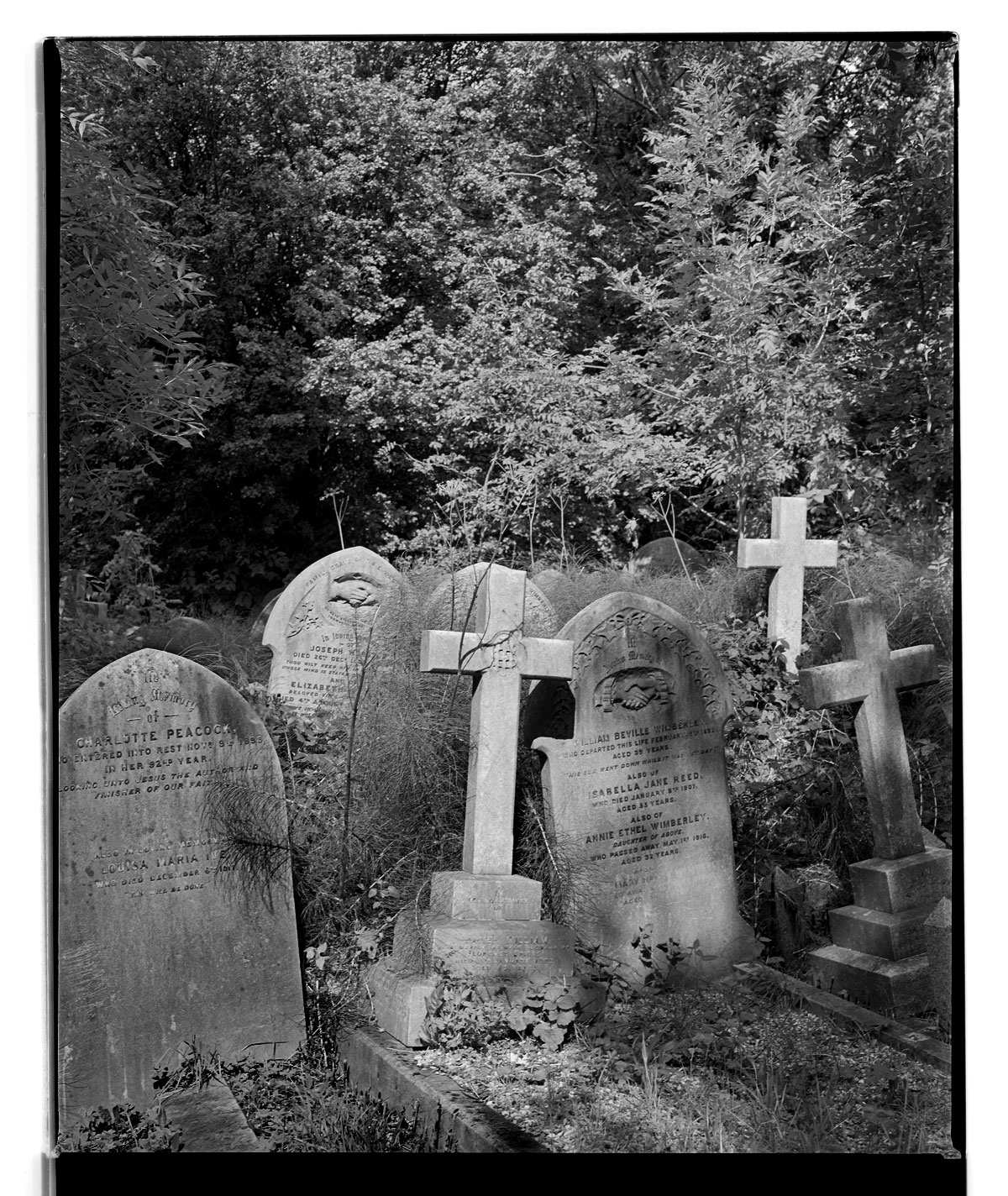
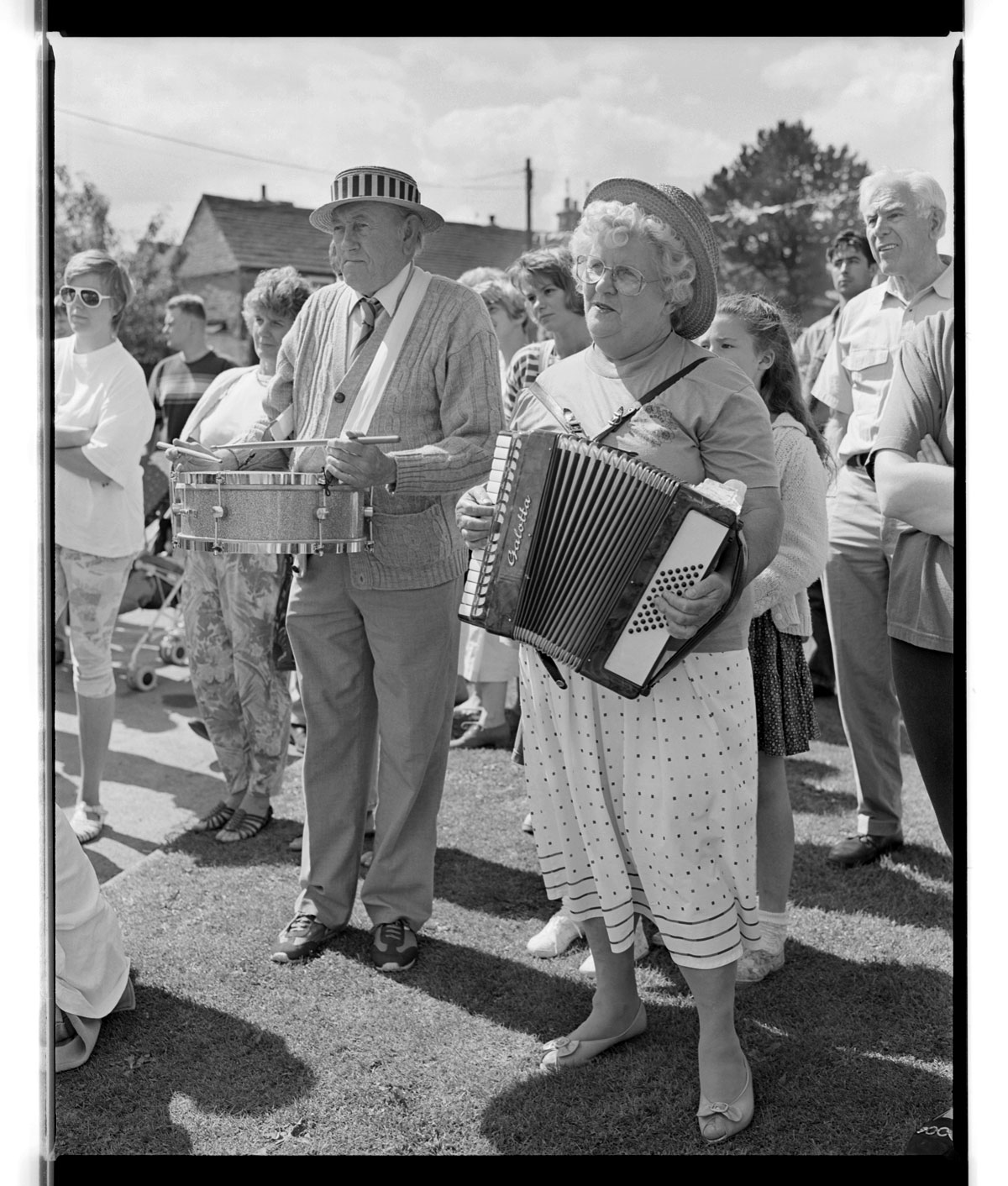
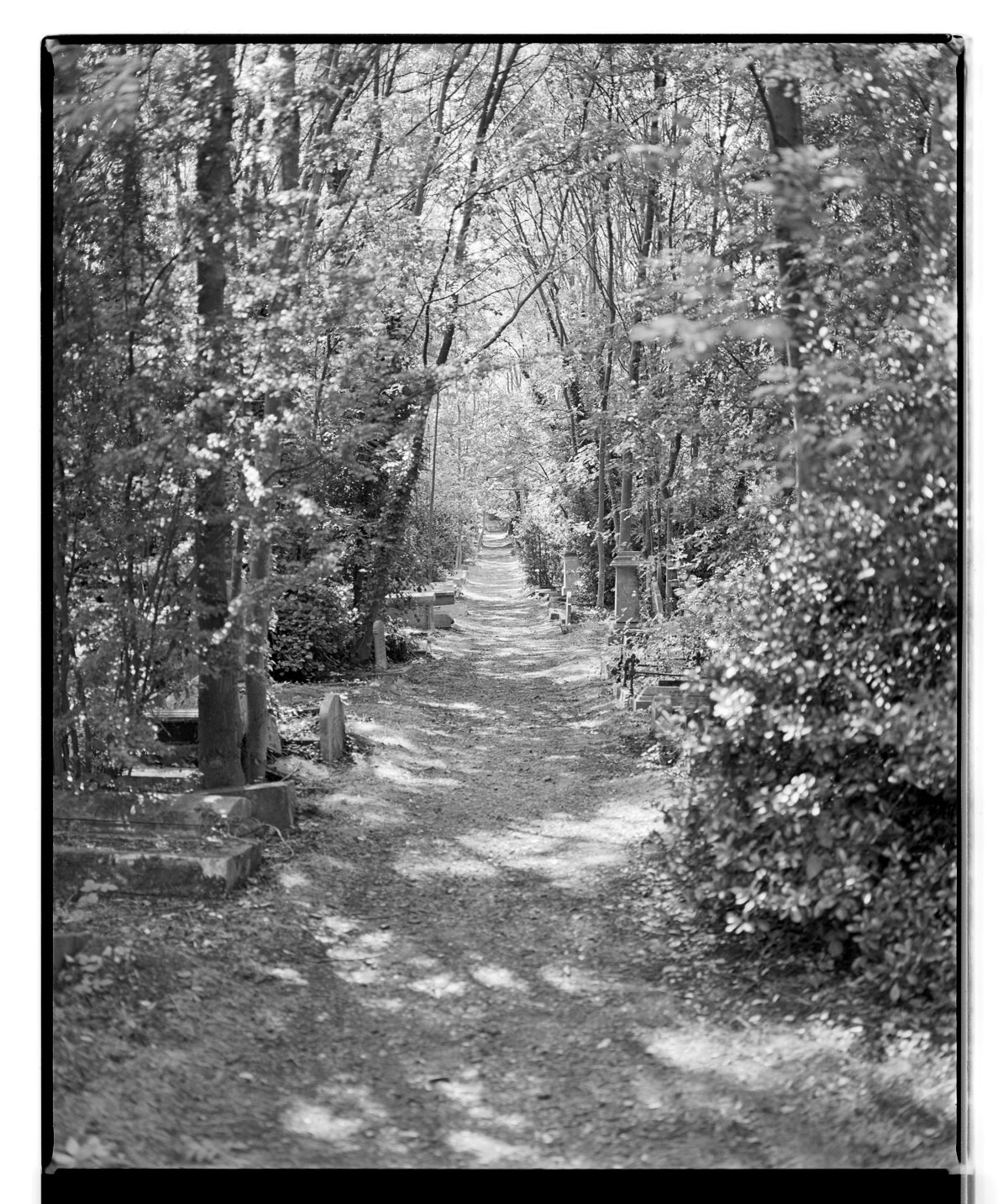
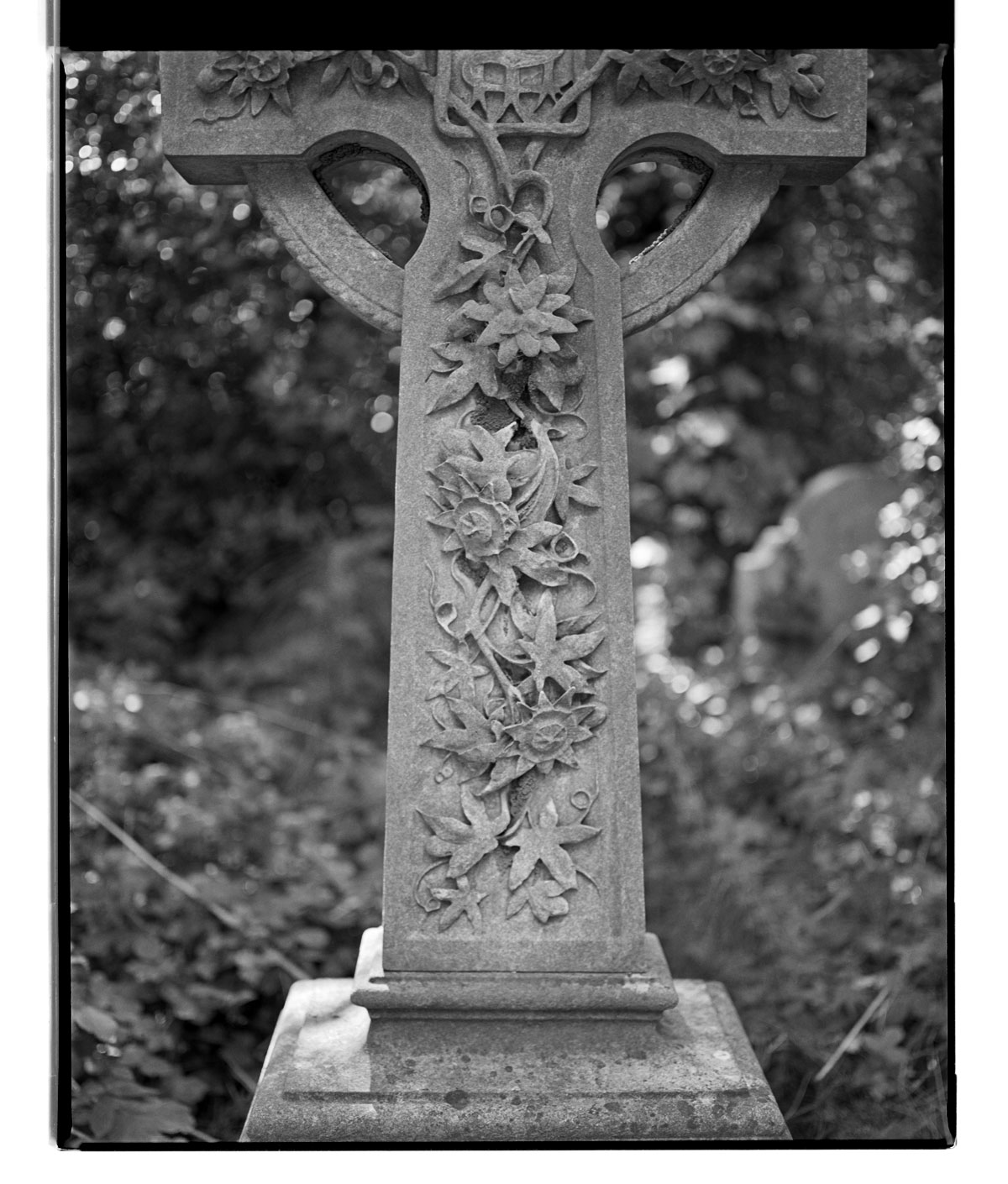
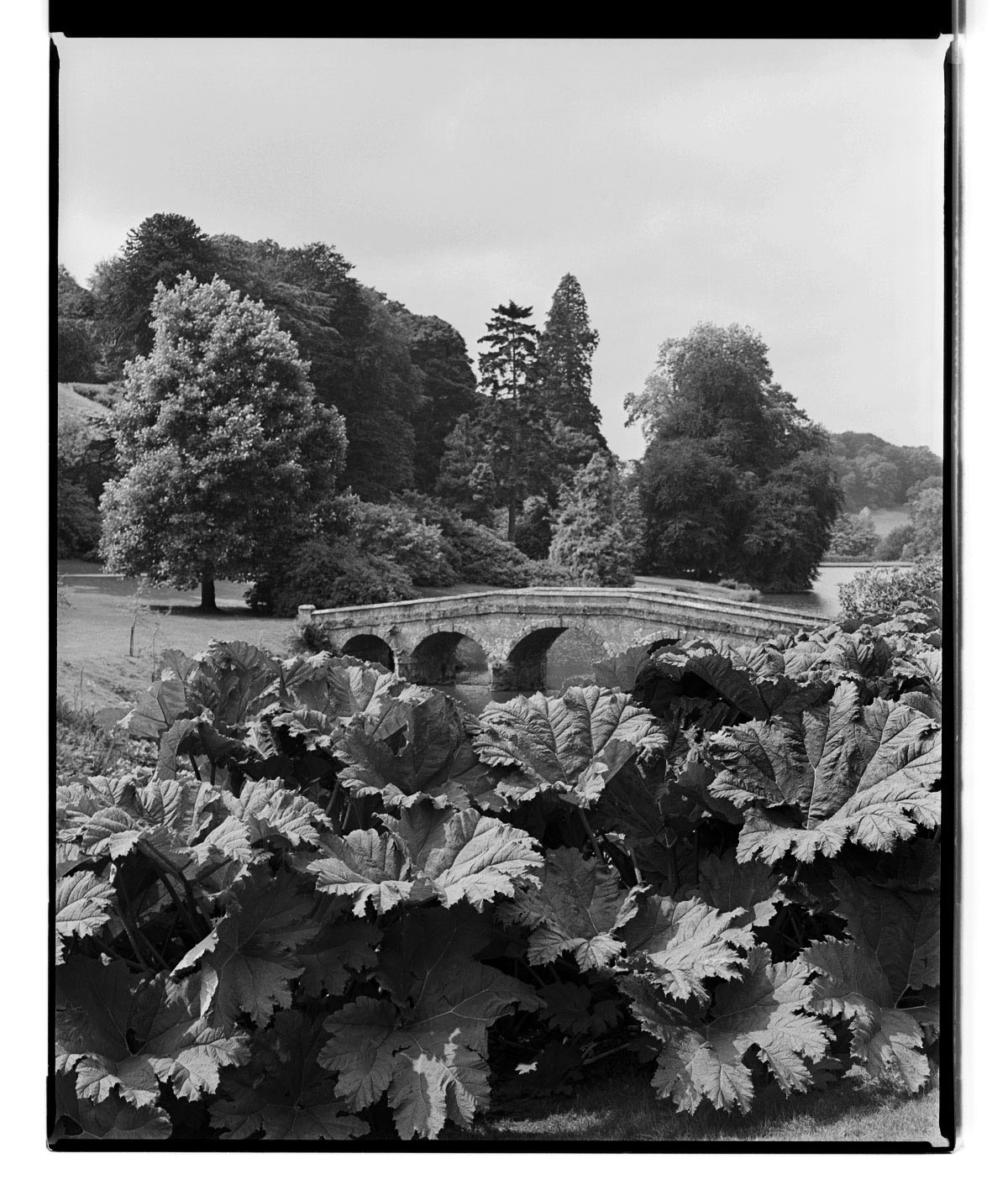
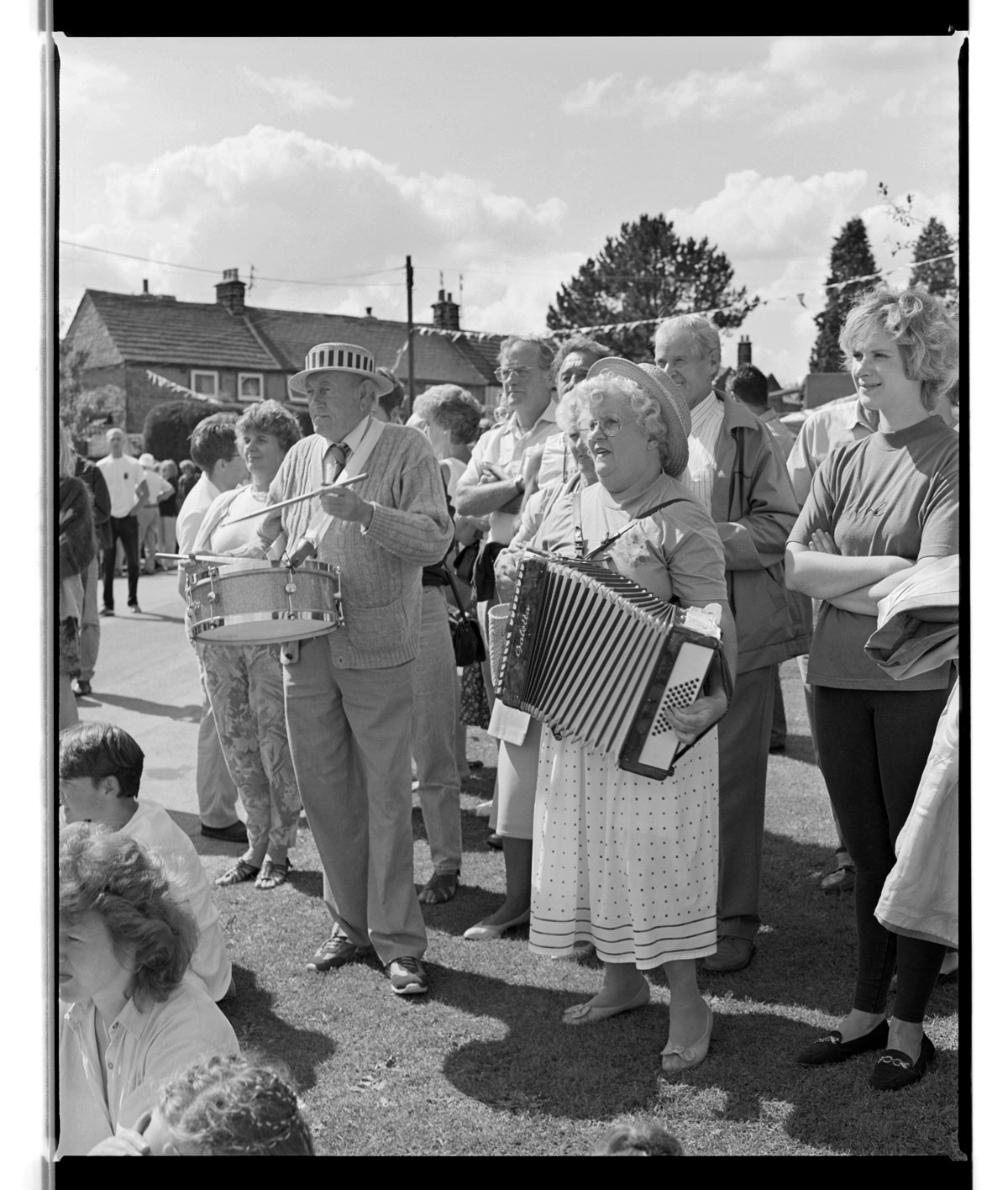
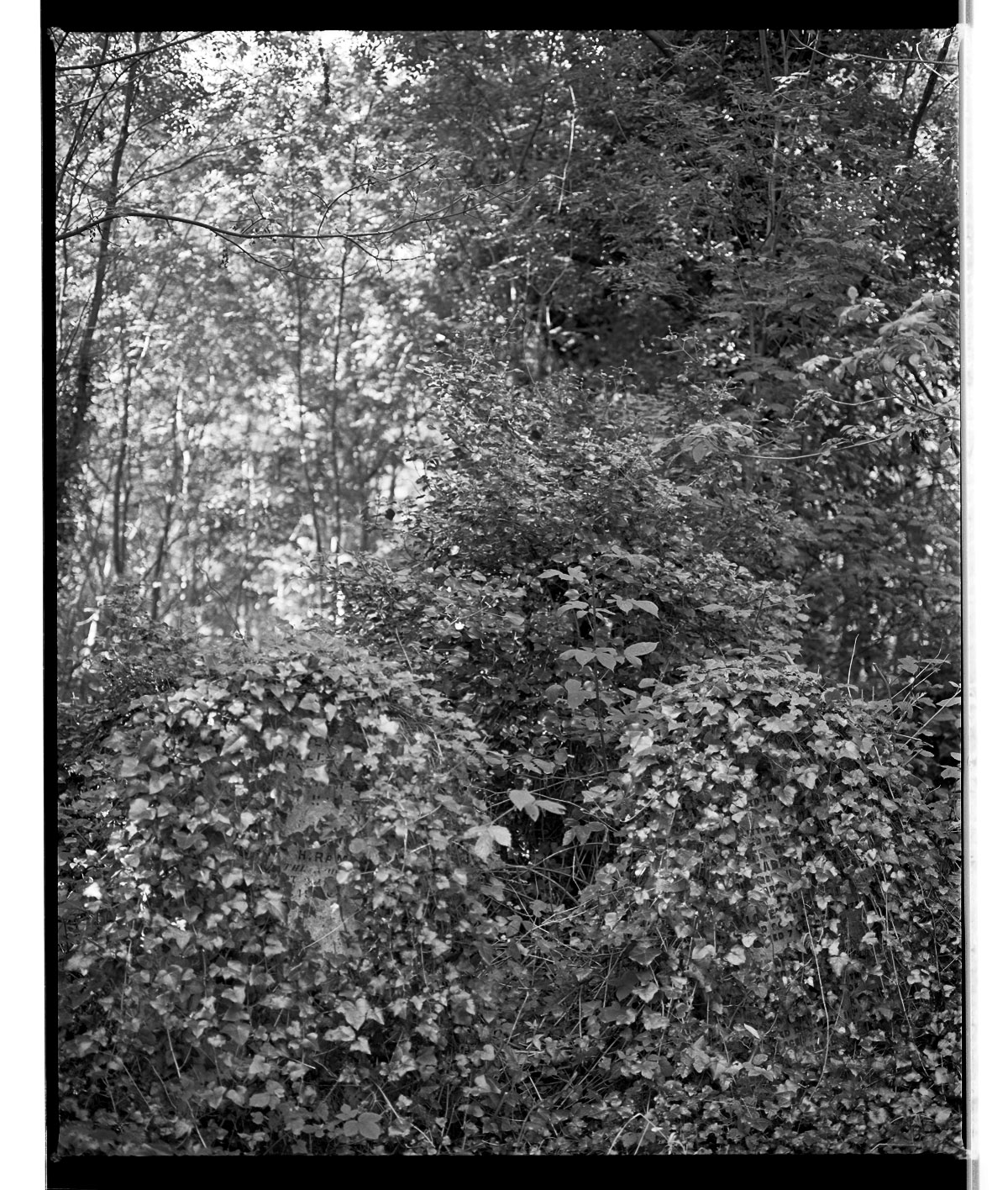
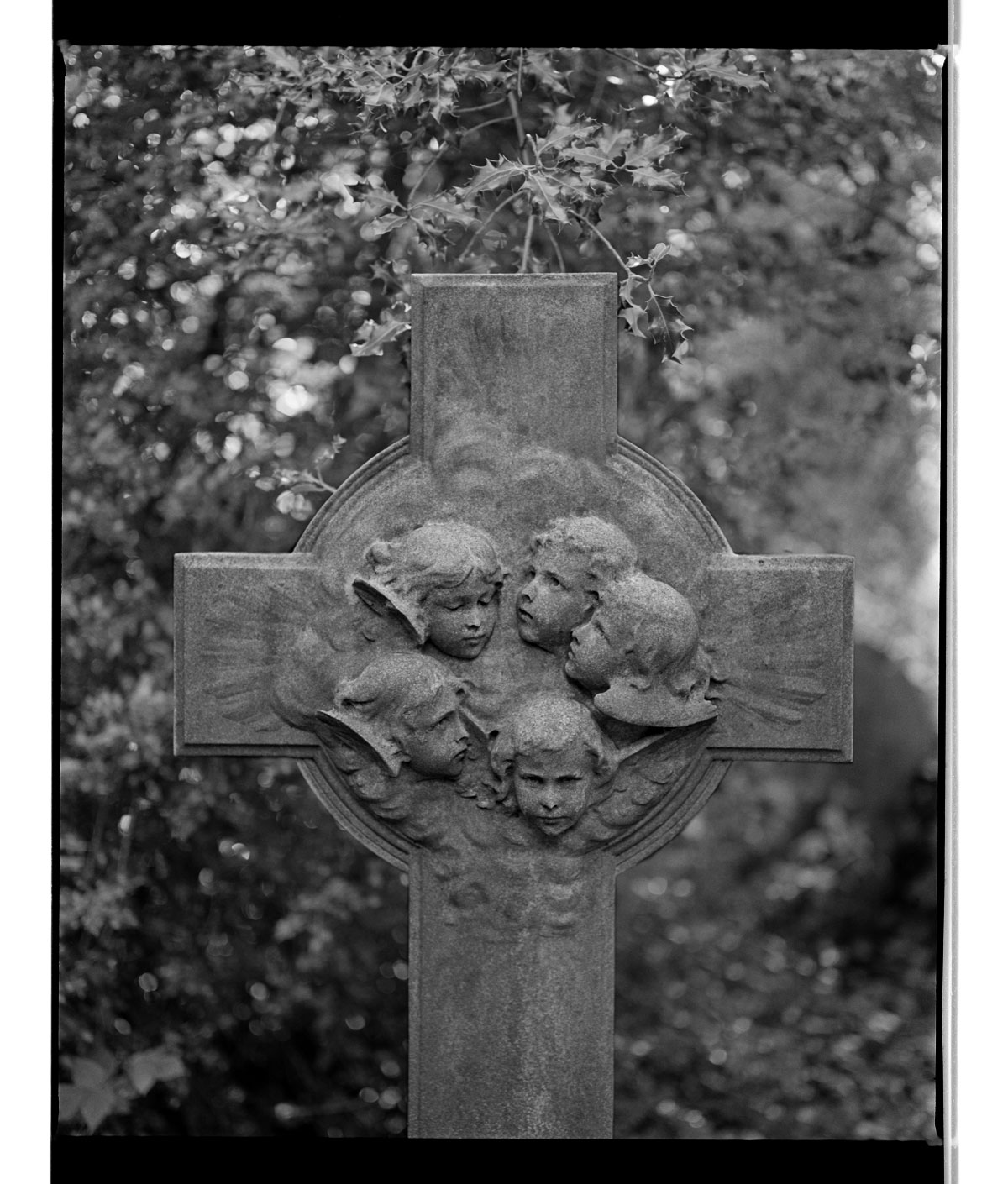
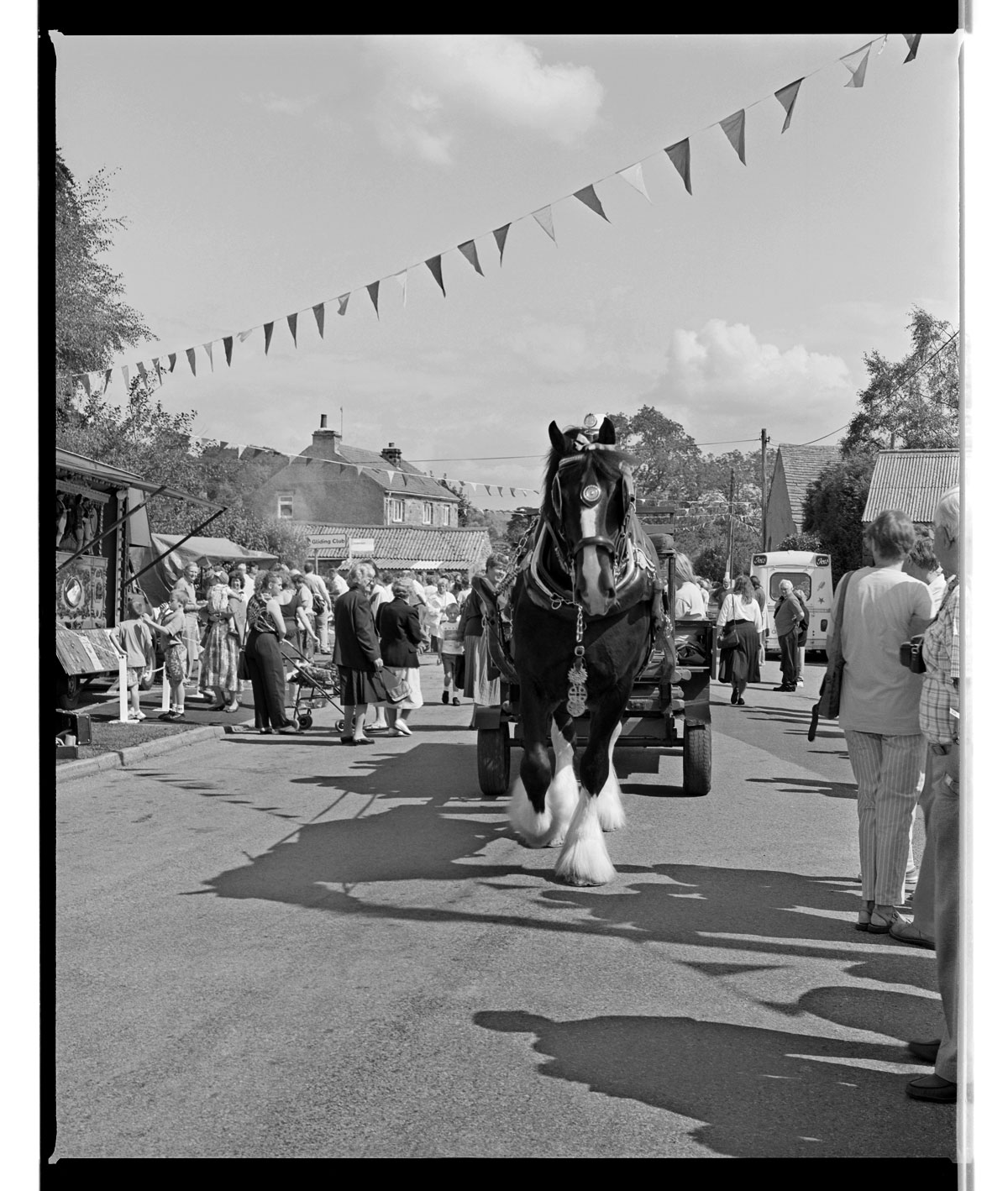
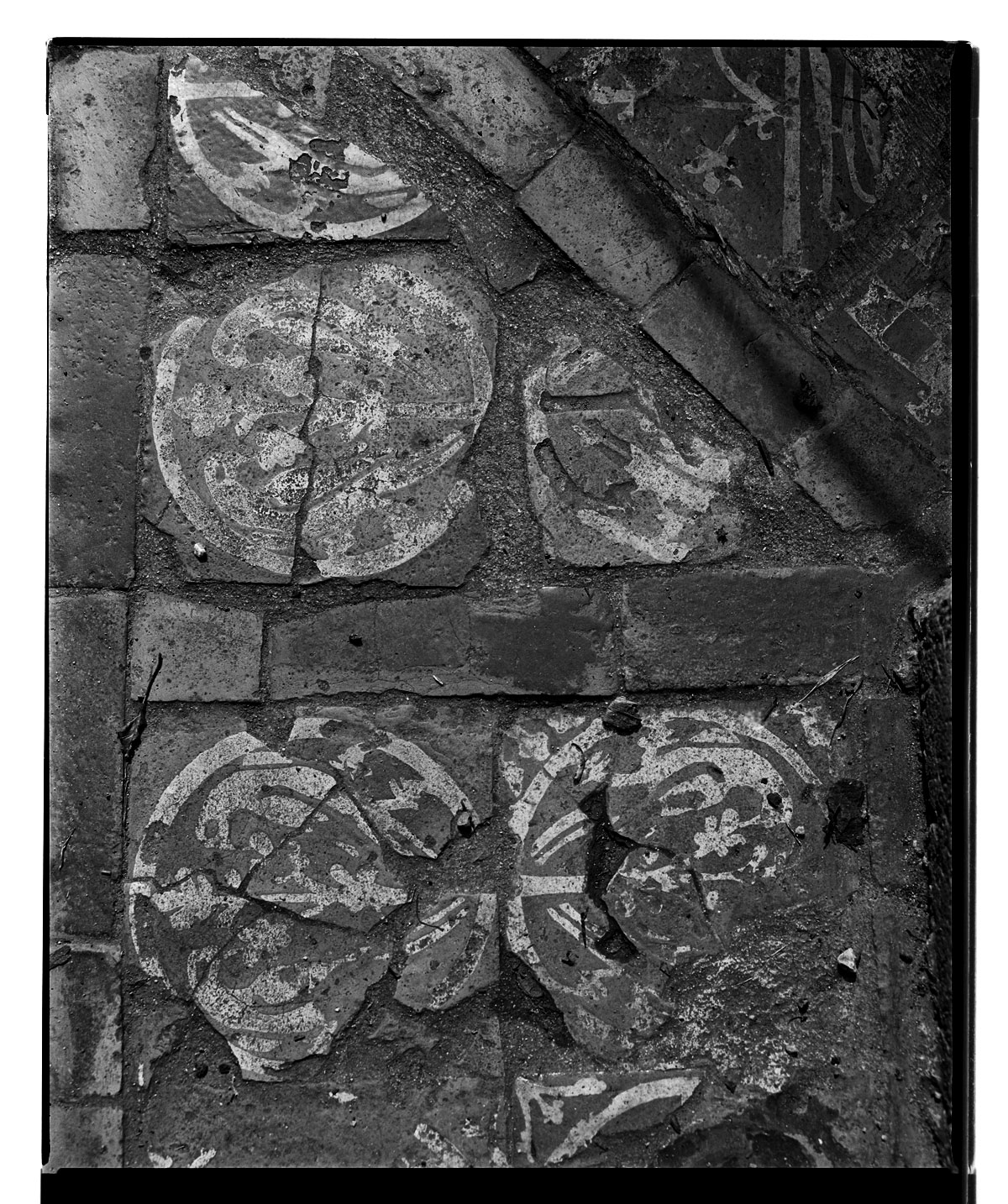
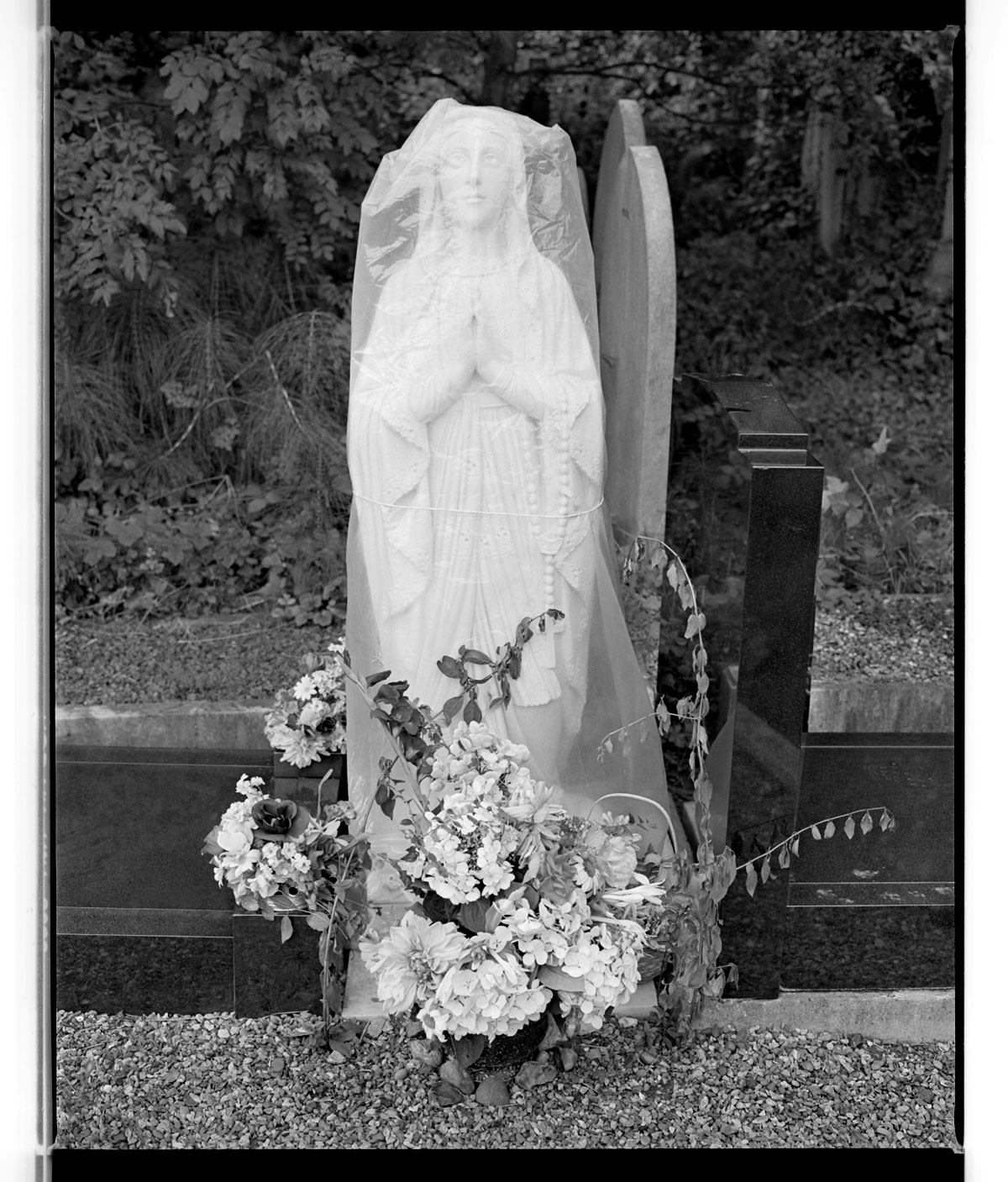
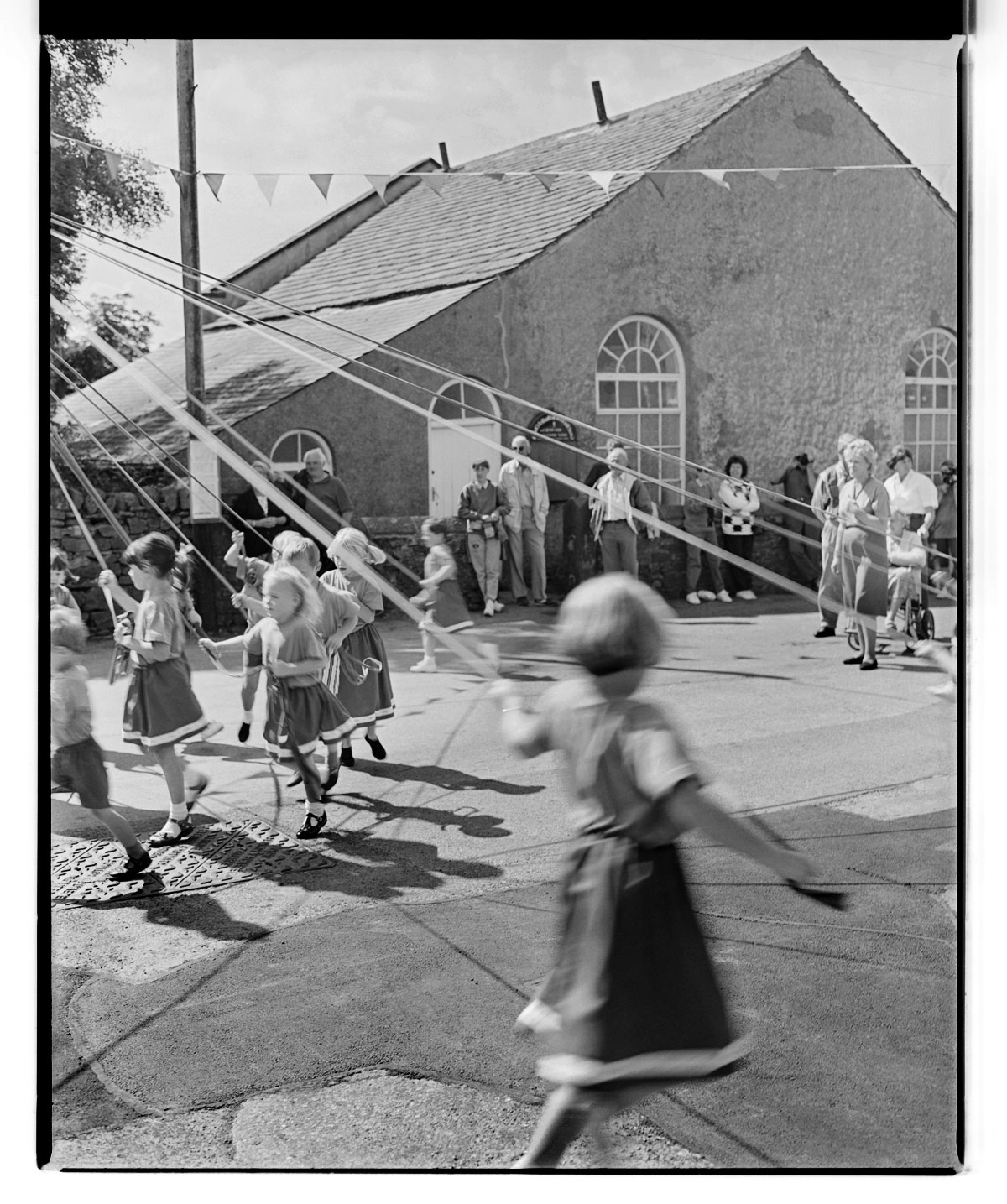
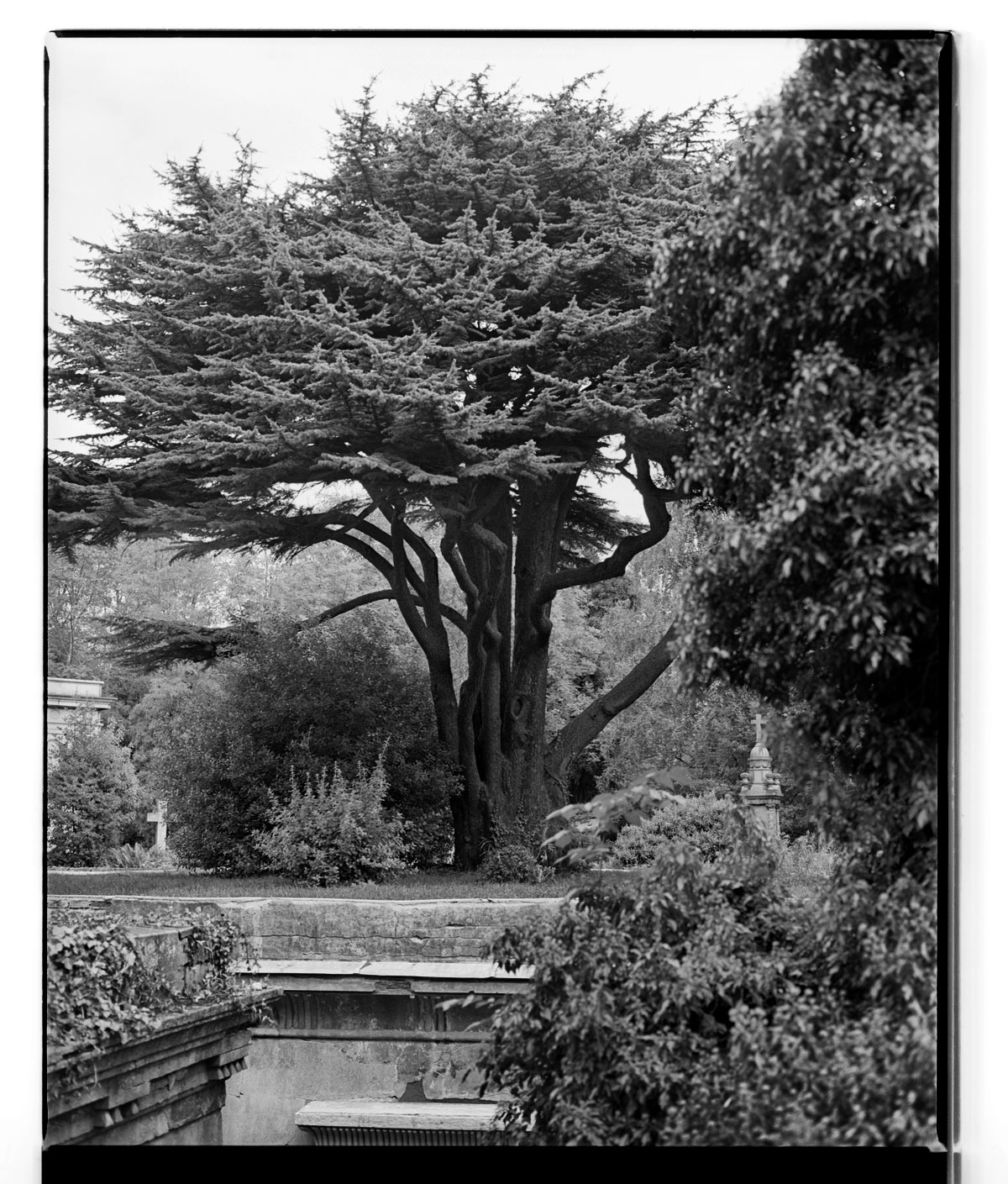


![François Kollar (French born Slovakia, 1904-1979) 'Untitled [mine worker]' 1931-1934](https://artblart.com/wp-content/uploads/2016/05/kollar-worker-web.jpg "François Kollar (French born Slovakia, 1904-1979) 'Untitled [mine worker]' 1931-1934")
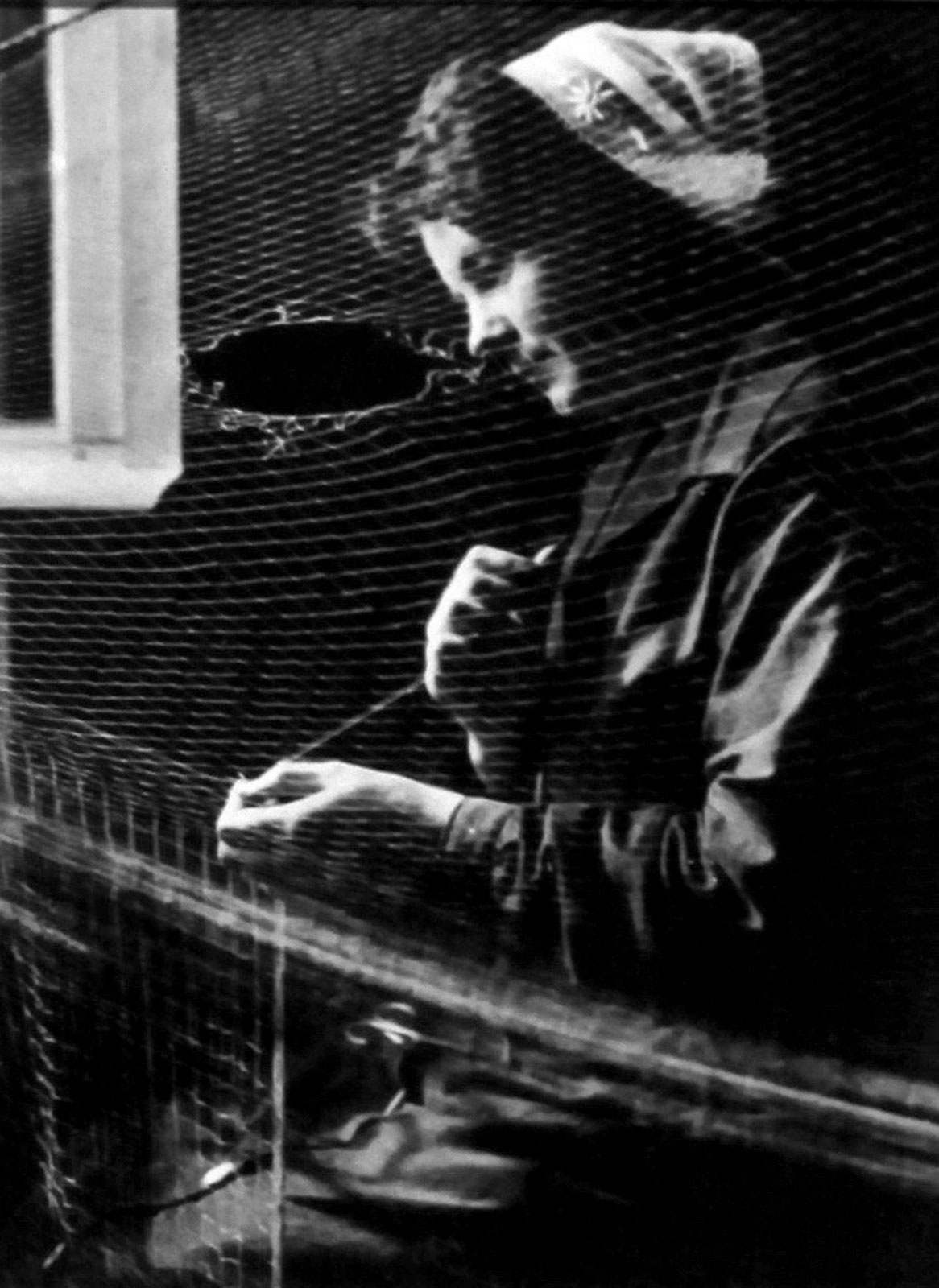


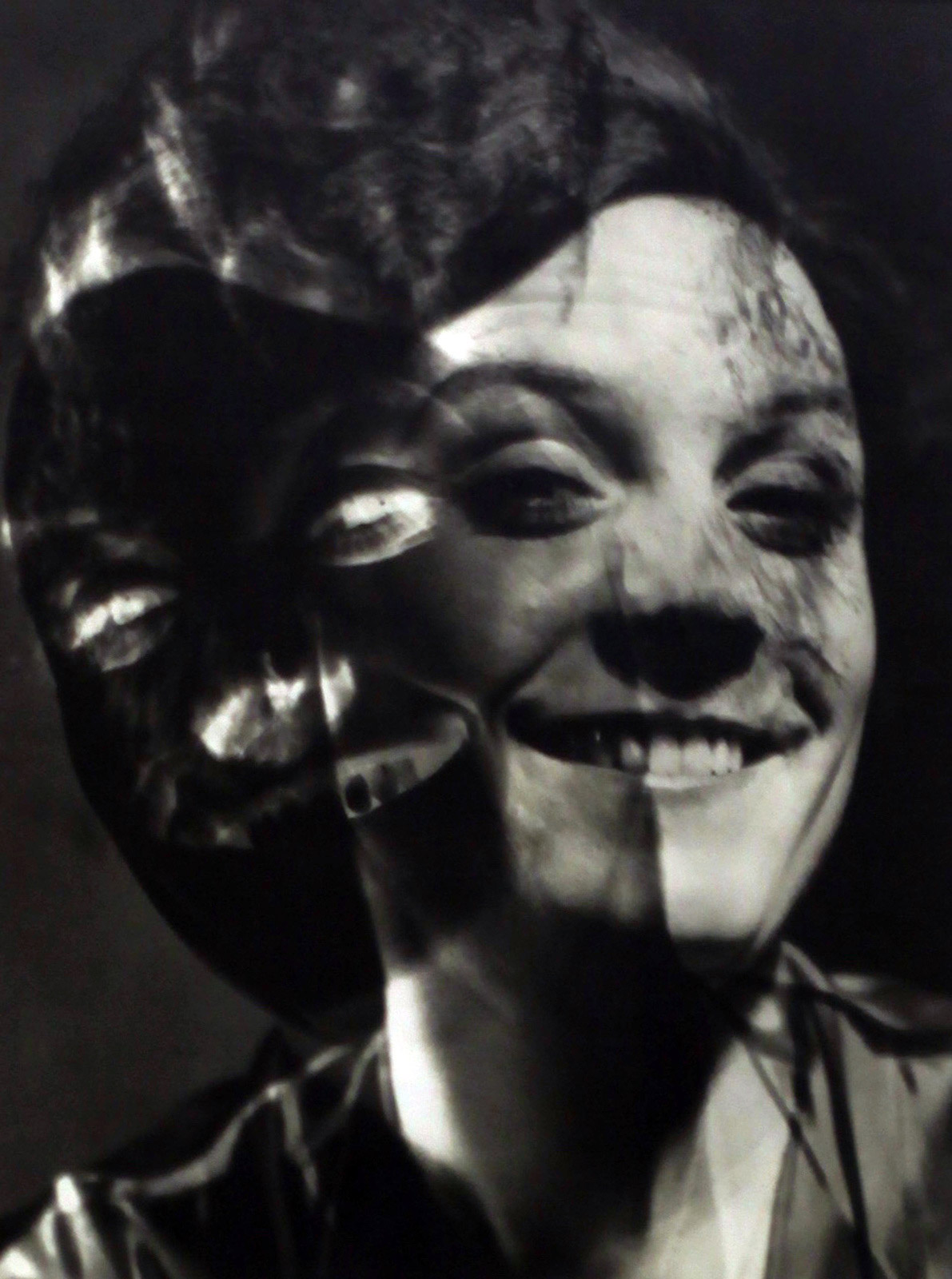


![François Kollar (French born Slovakia, 1904-1979) Untitled [Emplacement de traverses, usine Cima, Croix]' [Replacement of sleepers, Cima factory, Croix] c. 1954](https://artblart.com/wp-content/uploads/2016/05/kollar_18-web.jpg "François Kollar (French born Slovakia, 1904-1979) Untitled [Emplacement de traverses, usine Cima, Croix]' [Replacement of sleepers, Cima factory, Croix] c. 1954")

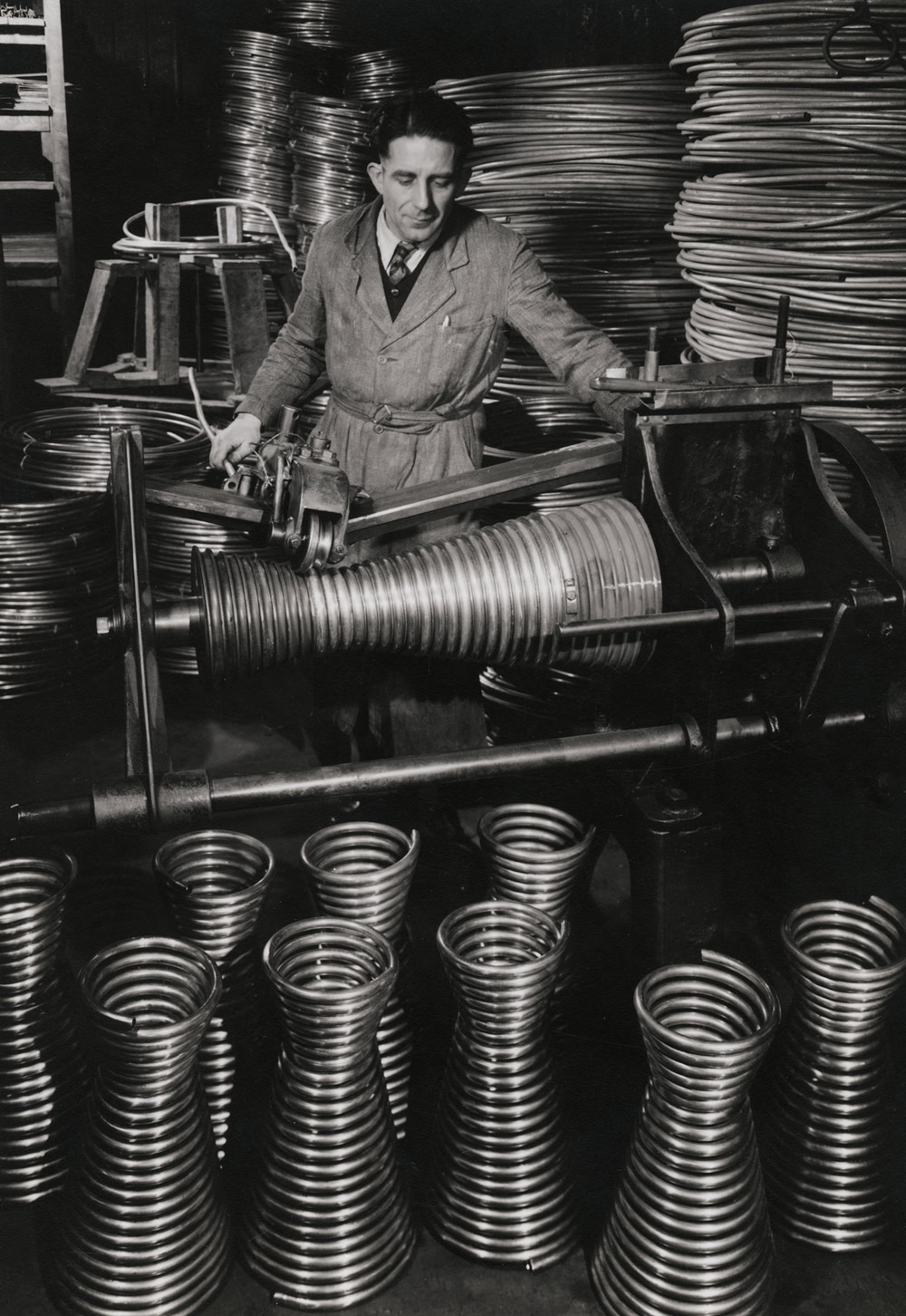
![François Kollar (French born Slovakia, 1904-1979) 'Untitled [Fabrication des moulins à légumes, usine Moulinex, Alençon]' [Production of vegetable mills, Moulinex factory, Alençon] 1950](https://artblart.com/wp-content/uploads/2016/05/kollar_16-web.jpg "François Kollar (French born Slovakia, 1904-1979) 'Untitled [Fabrication des moulins à légumes, usine Moulinex, Alençon]' [Production of vegetable mills, Moulinex factory, Alençon] 1950")
![François Kollar (French born Slovakia, 1904-1979) 'Untitled [Emboutissage des couverts, Christofle, France]' [Stamping cutlery, Christofle, France] 1957-1958](https://artblart.com/wp-content/uploads/2016/05/kollar_15-web.jpg "François Kollar (French born Slovakia, 1904-1979) 'Untitled [Emboutissage des couverts, Christofle, France]' [Stamping cutlery, Christofle, France] 1957-1958")


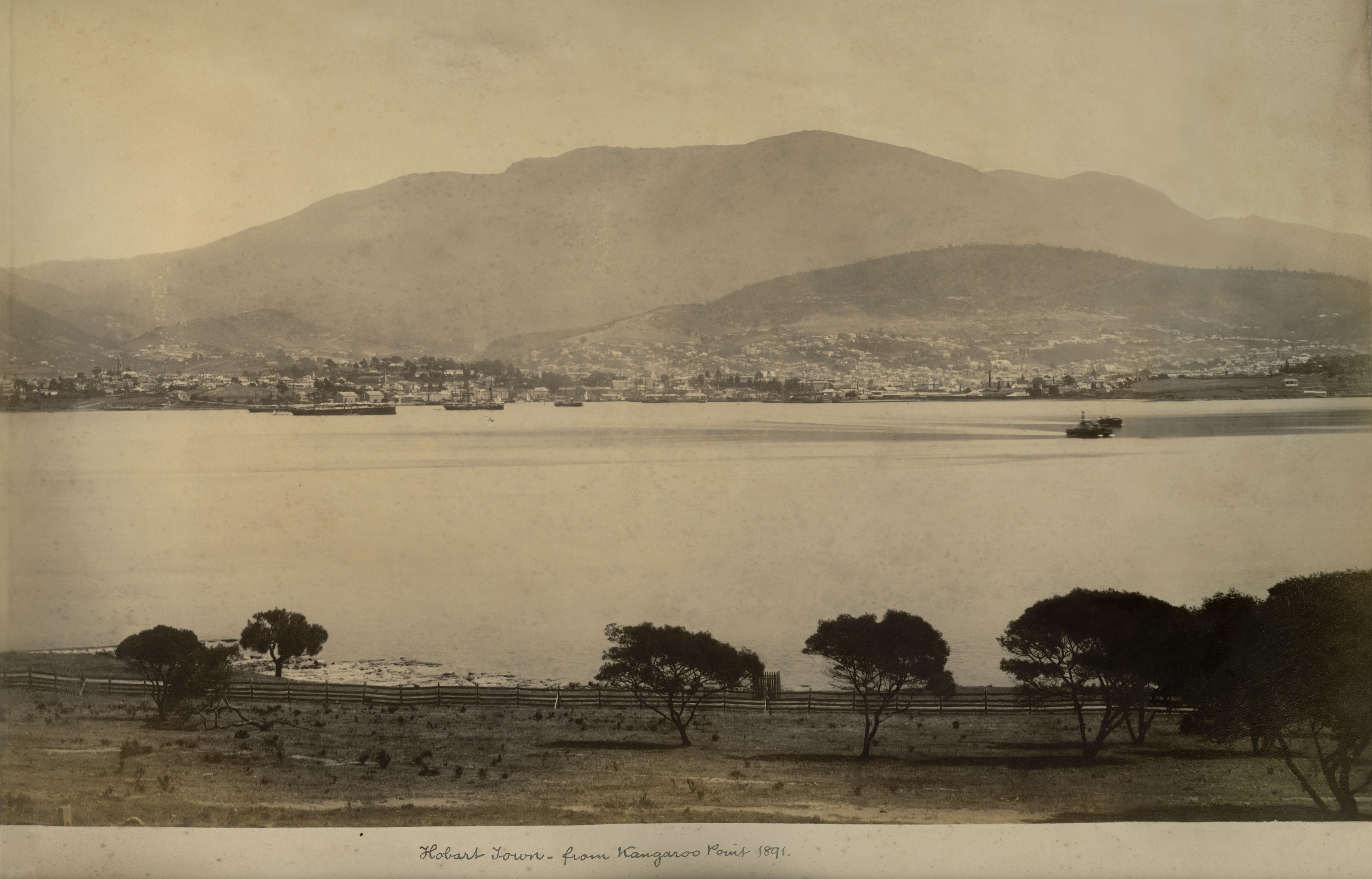


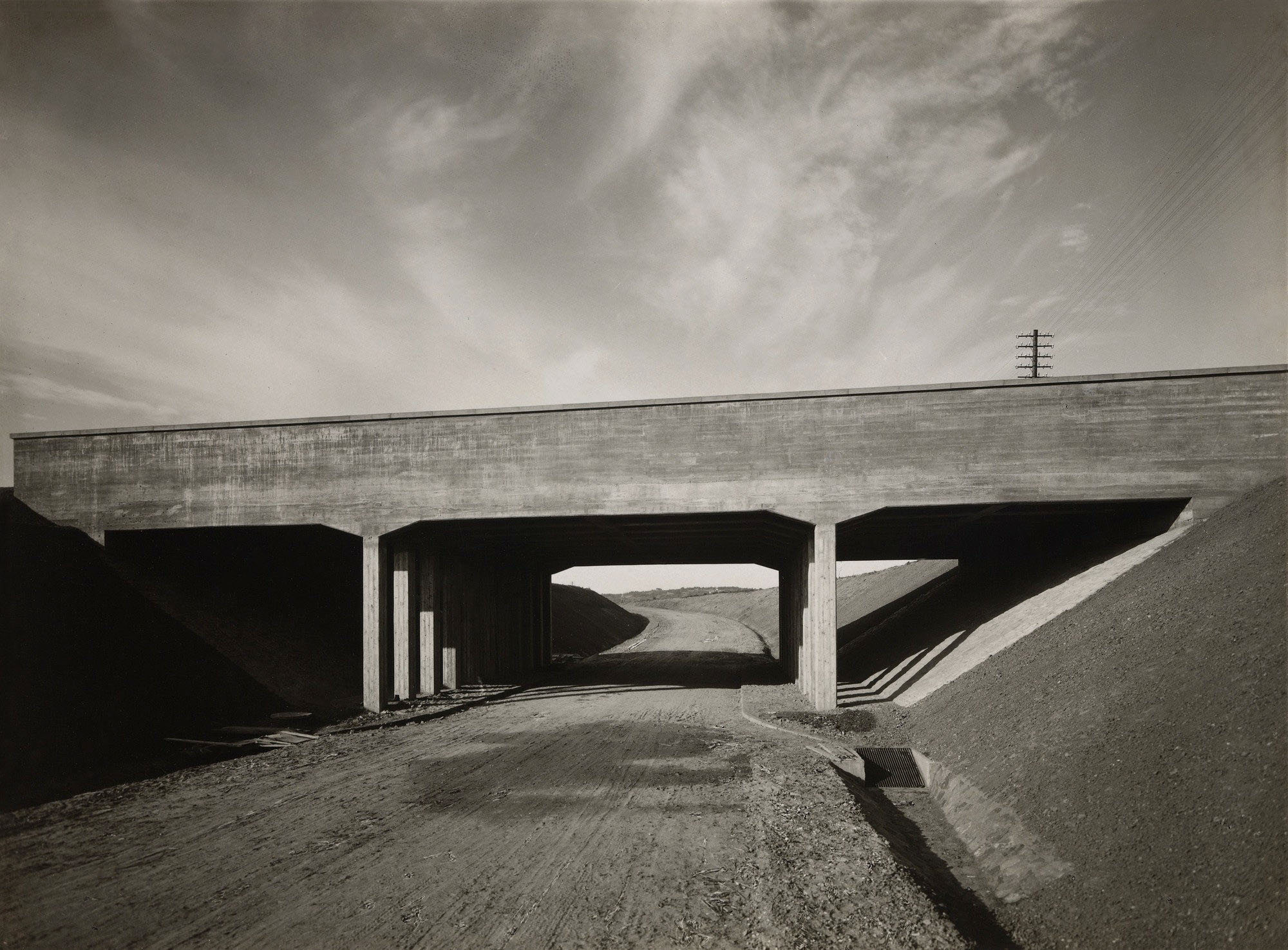
 Art Blart _ art and cultural memory archive
You must be logged in to post a comment.