Marcus Bunyan (Australian, b. 1958) Untitled 2021 From the series Resonance
In 2021, I celebrate 30 years of art practice with the creation of a new website, the first to contain all my bodies of work since 1991 (note: more bodies of work still have to be added between 1996-1999).
My first solo exhibition was in a hair dressing salon in High Street, Prahran, Melbourne in 1991, during my second year of a Bachelor of Arts (Fine Art Photography) at RMIT University (formerly Phillip Institute out in Bundoora). Titled Of Magic, Music and Myth it featured black and white medium format photographs of the derelict Regent Theatre and the old Victorian Railway’s Newport Workshops.
The concerns that I had at the time in my art making have remained with me to this day: that is, an investigation into the boundaries between identity, space and environment. Music and “spirit” have always been an abiding influence – the intrinsic music of the world and the spirit of objects, nature, people and the cosmos … in a continuing exploration of spaces and places, using found images and digital and film cameras to record glances, meditations and movement through different environments.
30 years after I started I hope I have learnt a lot about image making … and a lot about myself. I also hope the early bodies of my work are still as valid now as they were when I made them. In the 30 years since I became an artist my concerns have remained constant but as well, my sense of exploration and joy at being creative remains undimmed and an abiding passion.
Now, with ego integrated and the marching of the years I just make art for myself, yes, but the best reason to make art is … for love and for the cosmos. For I believe any energy that we give out to the great beyond is recognised by spirit. Success is fleeting but making art gives energy to creation. We all return to the great beyond, eventually.
Dr Marcus Bunyan
Unknown photographer Opening of Marcus Bunyan’s exhibition The Naked Man Fears No Pickpockets at The Photographers’ Gallery and Workshop, Melbourne, 1993 showing at left (behind the crowd) the photograph Richmond Steps 1993 1993 Polaroid
Ian Lobb (Australian, b. 1948) Marcus 31/8/92 Taken by Ian Lobb at Phillip [Institute] 1992 Polaroid
Jeff Whitehead (Australian) Marcus in his Fred Perry and Doc Martens with his Mamiya RZ67 on tripod with Pelican case on Jeff’s car, Studley Park, Melbourne 1991-1992 Colour photograph
The only photograph of me with my camera 30 years ago!
Each photograph from a body of work in this posting (below) links to the body of work on my new website. Please click on the photographs to see the work.
Resonancenoun: the power to bring images, feelings, etc. into the mind of the person reading or listening; the images, etc. produced in this way…
A body of work for 2021. Very proud of this sequence…
Taken in heavy overcast conditions with slight rain after a thunderstorm had passed through on my Mamiya RZ67 medium format film camera, at Eagle’s Nest, Bunurong Marine and Coastal Park, Victoria, Australia.
A period of intense seeing and previsualisation.
No cropping, all full frame photographs. The colours are as the camera saw them.
Please click on the photographs for a larger version of the image.
Photographs are available from this series for purchase. As a guide, a digital colour 16″ x 20″ print costs $1,000 plus tracked and insured shipping. For more information please see the Store web page.
Warning: Aboriginal and Torres Strait Islander readers should be aware that this posting contains images and names of people who may have since passed away.
Can you imagine, please, being the first person to step foot on the moon. Or the first person to discover radium. Now imagine being the first Indigenous Australian photojournalist, for the very first time taking photographs of your culture from the inside, photographs that picture the ongoing suffering of Indigenous people but also, as importantly, their strength and joy. Such was the calling of that legend of Australian photography, Mervyn Bishop.
Bishop was the first in a long line of Indigenous photographers who unearth, investigate, picture and honour their community, although interestingly none of the later photographers are photojournalists. Artists such as Tracey Moffatt, Michael Riley, Ricky Maynard, Lisa Bellear, R e a (rea saunders), Michael Cook, Brook Andrew, Bindi Cole and Christian Thompson) follow in his footsteps. Indeed in this posting, there is a photograph by Bishop presumably of the father of the photographer Ricky Maynard, Eric Maynard cleaning a mutton bird, Great Dog Island, Tasmania (1975, below), followed by a photograph by Maynard himself of muttonbirding on Dog Island from his series Portrait of a Distant Land. The songlines of place and ancestors are strong in Aboriginal culture, and “show the connectedness between places and the Creation events and ceremonies associated with those places. People born in that country are forever tied to the creation history of their birthplace and have custodial obligations to that place.”
The stories Bishop shares through his images are different from the colonial ones of yesteryear because they come from within the spirit and soul of the communities he is photographing. Less than 20 years before Bishop’s first photographs things were very different. The Australian journalist and writer Stan Grant observes that, “…there are images in our history, of Aboriginal people in chains. Aboriginal people tied together, with armed police standing either side of them.” In an article on The Guardian website we learn that “Neck chains were still being used on Aboriginal people in Western Australia in 1958. Witnesses at Halls Creek in the Kimberley reported seeing Aboriginal prisoners chained to a veranda post of the police station for weeks at a time… At peak periods, from the 1880s to the 1940s, hundreds of Aboriginal people were chained for alleged cattle theft, and marched out of their country, some for up to 400km. Each neck piece weighed 2.4kg.”1 Even in Dawn – A Magazine for the Aboriginal People of N.S.W. created by the New South Wales Aboriginal Welfare Board and aimed at Aboriginal Australians (running monthly from January 1952 until December 1968) – in which there was an article in February 1965 on a young Mervyn Bishop training to become a photographer (see below) – the forces of colonial assimilation were hard at work, as can be seen on the back cover of the Dawn October 1965 issue, where Leslie Ryan makes his debut at a “Deb” Ball for kindergarten children, where he “seems to be getting a better deal out of life now that he has love and attention.” Now that he has love and attention. Just let that sink in. Today, the dripping irony and sadness of this photograph in relation to what is now known as “The Stolen Generation”2 is apparent, the two young children taken from their families, taken from their culture, dressed to the nines in formal Western attire at such a young age. Remember, this is less than 60 years ago.
As much as Eugène Atget (French, 1857-1927) was a working photographer making “Documents pour artistes,” declaring his modest ambition to create images for other artists to use as source material, so Bishop was a working photographer who created “Documents for people” at the Department of Aboriginal Affairs in Canberra from 1974 onwards, where he covered the major developments in Aboriginal communities throughout Australia. As Mervyn himself says, “Photography has been my life, my passion for 60 years: the art and technique, the stories I’ve witnessed and captured. I’m glad to be able to share my life’s work with the public.” There it is in a nutshell… an intimate understanding of the the art and technique of photography (the construction the image plane, lighting, point of view, scale, printing, etc… ) and the stories he wanted to tell. And he tells those stories straight down the line, with no bullshit. When asked in an audio recording in this posting about why his award winning photograph Life and death dash (1971, below) was misunderstood, he says “it has nothing to do with blackfellas, put it that way… people say it’s a nun running away with a little black kid, the Stolen Generation – nothing to do with it! Not a bloody thing! … people interpret their own way. Who would know that I was black? People still go on about it but people are talking through their … whatever… so, you don’t know what your talking about.” There you have it.
Like his personality, Bishop’s wonderful photographs are strong and direct, informed and understanding of the work of Walker Evans or Dorothea Lange. In Girl pours tea, Burnt Bridge (1988, above), an Aboriginal mother sits at a kitchen table in a corrugated iron shack and pours tea from a large battered teapot into enamel mugs, one for herself and one presumably for the photographer. Light pours through a hole in the roof. The table is covered in a floral probably plastic table cloth. There are plastic flowers set upon it. The chairs are vinyl. Behind her is an old kitchen unit from the 1950s with a wire screen at eye level, used to keep flies out. To the right are boxes and detritus while to the left a plastic bucket sits on the battered sink. Her child plays next to her oblivious of the camera flash while she stares directly at the camera. Much as Lange’s Migrant Mother, this women possesses her own inner dignity which Bishop captures so well: an unexpected intimacy with the subject in which we confront uncomfortable truths.
Other photographs, such as Children playing in river, Mumeka (1975, below) capture the pure joy of Aboriginal life, or the resoluteness of a people having to survive the trauma of cultures and societies and their complex histories (Couple on veranda, Coffs Harbour 1988, below). But let us be clear… this is not a vanishing race, nor an assimilated race but a proud, creative and intelligent race now picturing its own history and future. As Ricky Maynard states, “The contest remains over who will image and own this history. We must define history, define whose history it is, and define its purpose, as well as the tools used for the telling of this.” Bishop was at the very beginning of this imaging and ownership of Aboriginal history, not by colonial photographers of the past, but from within the community itself, in the present. His photographs are about speaking up about injustice and making sure that Indigenous perspectives were heard and not railroaded by non-indigenous people – Bishop was at the beginning of this – and about how the image speaks truth to power (a non-violent political tactic, employed by dissidents against the received wisdom or propaganda of governments they regard as oppressive, authoritarian or an ideocracy),
Towards the end of the documentary “The Bowraville Murders”, Stan Grant observes that Aboriginal people are kicked every day… [and this remains] out of sight, out of mind. He reminds us that between 1991 and 2021 there have been more than 470 Aboriginal deaths in custody… and not a single conviction. Out of sight, out of mind. Indeed, “fluidity of memory and a capacity to forget is perhaps the most haunting trait of our species. As history confirms, it allows us to come to terms with any degree of social, moral, or environmental degradation.”3 And this is what we all do. That is, until a photographer and artist like Mervyn Bishop comes along and reminds us through his photographs of the integrity, vitality and presence of Aboriginal people, spirit that stretches back thousands of years – despite our capacity to forget the trauma that Indigenous Australians have endured. This is the purpose of Bishop’s photographs … they bring to the forefront of our knowledge and imagination an understanding of the history and future of Aboriginal people. They remain, in our sight, in our mind.
2/ The Stolen Generations refers to a period in Australia’s history where Aboriginal children were removed from their families through government policies. This happened from the mid-1800s to the 1970s.In the 1860s, Victoria became the first state to pass laws authorising Aboriginal children to be removed from their parents. Similar policies were later adopted by other states and territories – and by the federal government when it was established in the 1900s. For about a century, thousands of Aboriginal children were systematically taken from their families, communities and culture, many never to be returned. These children are known as the Stolen Generations survivors, or Stolen Children.These children were taken by the police; from their homes; on their way to or from school. They were placed in over 480 institutions, adopted or fostered by non-Indigenous people and often subjected to abuse. The children were denied all access to their culture, they were not allowed to speak their language and they were punished if they did. The impacts of this are still being felt today.There are currently more than 17,000 Stolen Generations survivors in Australia. Over one third of all Aboriginal and Torres Strait Islander people are their descendants. In Western Australia almost half of the population have Stolen Generation links. Anonymous. “Who are the Stolen Generations?” on the Healing Foundation website [Online] Cited 03/10/2021.
3/ Wade Davis. “The Unraveling of America,” on the Rolling Stone website August 6, 2020 [Online] Cited 03/10/2021.
Many thankx to the National Film and Sound Archive of Australia for allowing me to publish the photographs in the posting. Please click on the photographs for a larger version of the image.
“The contest remains over who will image and own this history. We must define history, define whose history it is, and define its purpose, as well as the tools used for the telling of this.”
Ricky Maynard, 2007
“Australia in many ways is a crime scene. And the first crime is Captain Cook ordering his men to shoot at Aboriginal people. That’s the shot that we still hear all around Australia. And of course, there are images in our history, of Aboriginal people in chains. Aboriginal people tied together, with armed police standing either side of them. This is what has happened in our country, so it isn’t a great step to go from frontier attitudes of violence to deaths of three children in Bowraville. Because for us, it’s the same thing. It’s a killing that never stops.”
Stan Grant quoted in the documentary “The Bowraville Murders” directed by Allan Clarke on SBS on Demand, Australia, 2021
The National Film and Sound Archive of Australia will celebrates Mervyn Bishop, one of Australia’s most prolific and influential photographers, with a new exhibition 5 March – 4 October 2021.
Mr Bishop’s images of culture, politics and people have significantly influenced our collective understanding of Australia’s history. This exhibition is drawn from the Art Gallery of New South Wales collection, the artist’s private archive, and enriched by sound and moving image from the NFSA.
Mervyn Bishop features iconic photographs that derive from his career as a photojournalist, alongside personal images of family and friends and intimate portraits of members of the Aboriginal community. Spanning the past 60 years, the exhibition provides a fascinating insight into Bishop’s life and work.
In 1963 Mervyn Bishop left his hometown of Brewarrina, venturing to Sydney, where he successfully applied for a cadetship at The Sydney Morning Herald. He became Australia’s first Aboriginal press photographer and in 1971 won the News Photographer of the Year Award with his front-page photograph Life and Death Dash, 1971.
Bishop went on to work at the Department of Aboriginal Affairs in Canberra in 1974 where he covered the major developments in Aboriginal communities throughout Australia. This included his iconic image from 1975 when the (then) Prime Minister, Gough Whitlam, poured a handful of earth back into the hand of Vincent Lingiari, Gurindji elder and traditional landowner.
Unknown photographer Untitled [Australian Aborigines in chains] Nd
Indigenous Australians in neck chains. Historical records say they had been chained after killing an animal. Neck chains were used by police across Western Australia from the 1880s to the late 1950s. Photograph: State Library of Western Australia
Gurindji strike (or Wave Hill Walk-Off) led by Vincent Lingiari
On 23 August 1966 200 Gurindji stockmen, domestic workers and their families walked off Wave Hill station in the Northern Territory and refused to keep working for the station owners. The disagreement over wages and land ownership lasted for seven years. In 1974 some of the Gurindji people’s homelands were returned to them. This influenced the first legislation, passed in 1976, that allowed Aboriginal people to claim land title. In September 2020 the Gurindji claim for native title to Wave Hill station was granted, 54 years after the walk-off that helped to spark Australia’s Indigenous land rights movement.
Why did the Gurindji people strike?
In the 1960s Wave Hill station was owned by an international company called Vestey Brothers. Vestey Brothers paid the Gurindji people working on the station very low wages. On 23 August 1966 the Gurindji people stopped working and walked off Wave Hill station in protest. They were led by elder Vincent Lingiari.
In 1967 the Gurindji set up a camp at Daguragu (also known as Wattie Creek). It soon became clear that the Gurindji did not simply want fair wages. More importantly they wanted the government to return some of their land. For seven years the Gurindji stayed at Daguragu and sent letters and petitions to the Northern Territory Government and the Australian Government asking that their land be returned to them.
How was the dispute resolved?
In 1972 the Labor Party led by Gough Whitlam came to power. The Whitlam government was interested in establishing Aboriginal land rights. Around the same time, Vestey Brothers finally agreed to hand over a small section of Wave Hill station around Daguragu to the Gurindji people.
In 1975 Prime Minister Whitlam visited Daguragu and in a ceremony he returned the land to the Gurindji people. Whitlam famously poured a handful of soil through Vincent Lingiari’s hand and said, ‘Vincent Lingiari, I solemnly hand to you these deeds as proof, in Australian law, that these lands belong to the Gurindji people’. …
The Gurindji strike helped to make the Australian public aware of Aboriginal land ownership claims. It also influenced the first legislation in Australia that allowed Aboriginal people to apply for ownership of their traditional lands, the Aboriginal Land Rights (Northern Territory) Act 1976.
Text from the National Museum of Australia website [Online] Cited 14/09/2021
“I bin thinkin’ this bin Gurindji country. We bin here longa time before them Vestey mob.”
Vincent Lingiari, 1966
“We originally took the picture under the shade of a bough shed and it didn’t have a nice look about it.”
Mervyn Bishop
What’s the backstory to your famous land rights photograph?
An historic handful of dirt: Whitlam and the legacy of the Wave Hill Walk-Off
On the prime ministerial jet that morning, public servant turned Aboriginal affairs adviser H.C. ‘Nugget’ Coombs urged Whitlam to keep his speech short and invest the day with a sense of ceremony.
Coombs recounted a story told by anthropologist Bill Stanner: how Wurundjeri elders had formalised their people’s 1835 land treaty with encroaching settlers at Port Phillip by placing soil into the hand of explorer John Batman. Hearing Coombs’ suggestion that the PM might reverse the gesture with Lingiari, Whitlam revised his performance plan for Daguragu on the spot.
When it came to his turn to speak, Whitlam congratulated the Gurindji and their supporters on their victory after a nine-year “fight for justice”. Promising that the Australian government would “help you in your plans to use this land fruitfully”, his speech concluded with the words:
Vincent Lingiari, I solemnly hand to you these deeds as proof, in Australian law, that these lands belong to the Gurindji people, and I put into your hands this piece of the earth itself as a sign that we restore them to you and your children forever.
In finishing, Whitlam handed Lingiari the new deeds to the Gurindji’s land, now officially dubbed NT Pastoral Lease 805. Then, to the joy of assembled photographers, he stooped down, grabbed a handful of red earth, and poured it into Lingiari’s open palm. …
Lingiari – who according to one reporter was struck with a case of nerves – responded to Whitlam and the crowd in his own language:
The important white men are giving us this land ceremonially… It belonged to the whites, but today it is in the hands of us Aboriginals all around here. Let us live happily as mates, let us not make it hard for each other… They will give us cattle, they will give us horses, and we will be happy… These important white men have come here to our ceremonial ground and they are welcome…
You (Gurindji) must keep this land safe for yourselves, it does not belong to any different Welfare man. They took our country away from us, now they have bought it back ceremonially.
After Whitlam gave the old man even more dirt for the benefit of the press, photographer Mervyn Bishop’s images of the “handover” became some of the most recognised in Australian political history. The power of the photos rested in the symbolism of Whitlam’s gesture, made on behalf of millions concerned by Aboriginal dispossession.
The handover implicitly acknowledged the moral rightfuness of the Gurindji’s stand, and the historical injustices done to them by the Europeans on their country. It was by dint of the Gurindji’s hard slog at Wattie Creek that they had successfully brought all this to the nation’s attention. The handover day was the old Gurindji men’s finest hour, and their victory.
Charlie Ward. “An historic handful of dirt: Whitlam and the legacy of the Wave Hill Walk-Off,” on The Conversation website August 21, 2016 [Online] Cited 14/09/2021
Mervyn Bishop: pioneer, artist, and source of inspiration
Hear from National Film and Sound Archive of Australia curator Tara Marynowsky as she describes the ‘insider’s knowledge’ visitors to the Mervyn Bishop exhibition will receive, and how his story brings together those of the famous faces he captured.
In this excerpt from ABC series art+soul curator Hetti Perkins talks with artist photographer Mervyn Bishop
Mervyn Bishop exhibition at the National Film and Sound Archive of Australia (NFSA), Canberra Courtesy NFSA
Mervyn Bishop exhibition at the National Film and Sound Archive of Australia (NFSA), Canberra Photo by Madeleine Stevens, Courtesy NFSA
Mervyn Bishop exhibition entrance Courtesy NFSA
Mervyn Bishop at NFSA Photo by Madeleine Stevens, Courtesy NFSA
Mervyn Bishop exhibition at the NFSA, featuring images and footage of boxer Lionel Rose. See Bishop’s photograph Lionel Rose at his press conference (1968, below) Photographs by Grace Costa
Mervyn Bishop exhibition at the NFSA showing some of his cameras Courtesy NFSA
Mervyn Bishop with camera Courtesy NFSA
Teenage Mervyn had already in a sense begun his career in the mid 1950s. He started to take documentary family snaps on his mother’s Kodak 620, followed by a more expensive fifteen pound Japanese 35mm of his own in 1957. He was encouraged by with the help of a Church of England Bush Brother [priest] Brother Richard and Vic King a local photographer who had a dark room that Merv frequented. He then began to hold backyard slide nights of his family and neighbourhood snaps.
By the beginning of the 1960s the search for the exotic authentic had shifted from the south-east to northern Australia. Although Australian painters such as Russell Drysdale and Arthur Boyd had created images from their trips to western NSW post WWII, photographer Axel Poignant and US Life magazine photographer Fritz Gorro both visited Arnhem Land in the 1950s to document and ‘compose’ their subject matter. …
‘Merv Bishop Graduates from Photographers’ Course’, Dawn magazine’s headline said. After leaving Dubbo High in 1962 he spent a year as a clerk with the ABC before starting as a cadet photographer at the Sydney Morning Herald in 1963, (the first Aboriginal photographer ever hired by the paper) and entered the first photographic course at the Sydney Technical College, Broadway Sydney, graduating in 1966, Next year was the important year of the referendum concerning Aboriginal people and ‘the state’…
Djon Mundine. “Brewarrina Boy,” on the Australian Museum website 12/07/2021 [Online] Cited 14/09/2021
Mervyn Bishop media call 4 March 2021 – Curator Coby Edgar and Mervyn Bishop Courtesy NFSA
Mervyn Bishop in a recreation of his darkroom at the exhibition media call Courtesy NFSA
Mervyn Bishop at NFSA Photo by Madeleine Stevens, Courtesy NFSA
Mervyn Bishop exhibition at the NFSA showing at left, Pool game, Burnt Bridge (1988, below); at second left, Save the children pre-school, Nambucca Heads (1974, below); at centre Woman standing near electric power cord in water, Burnt Bridge (1988, below); and at right, Couple on veranda, Coffs Harbour (1988, below) Courtesy NFSA
Mervyn Bishop exhibition at the NFSA showing at middle, Elders, Amata (1977, below); and at right, ‘Bob’s catch’ Shoalhaven Heads (1974, below) Courtesy NFSA
Lowitja Lois O’Donoghue Smart, AC, CBE, DSG (born Lois O’Donoghue; 1 August 1932) is an Aboriginal Australian retired public administrator. In 1990-1996 she was the inaugural chairperson of the Aboriginal and Torres Strait Islander Commission (ATSIC) (dismantled in 2004). She is patron of the Lowitja Institute, a research institute for Aboriginal & Torres Strait Islander health and wellbeing.
Oodgeroo Noonuccal (/ˈʊdɡəruː ˈnuːnəkəl/ UUD-gə-roo NOO-nə-kəl; born Kathleen Jean Mary Ruska, later Kath Walker (3 November 1920 – 16 September 1993) was an Aboriginal Australian political activist, artist and educator, who campaigned for Aboriginal rights. Noonuccal was best known for her poetry, and was the first Aboriginal Australian to publish a book of verse.
Exhibition dedicated to photographer Mervyn Bishop opens in Canberra
National Film and Sound Archive of Australia (NFSA) to showcase work of award-winning artist from 5 March – 1 August 2021.
The National Film and Sound Archive of Australia (NFSA) is celebrating Mervyn Bishop, one of Australia’s most prolific and influential photographers, with a new exhibition opening in Canberra tomorrow Friday 5 March. Mr Bishop himself will present a floor talk on opening day, at 12pm.
Mr Bishop’s images of culture, politics and people have significantly influenced our collective understanding of Australia’s history. This exhibition is drawn from the Art Gallery of New South Wales (AGNSW) collection, the artist’s private archive, and enriched by sound and moving image from the NFSA.
Mervyn Bishop features iconic photographs that derive from his career as a photojournalist, alongside personal images of family and friends and intimate portraits of members of the Aboriginal community. Spanning the past 60 years, the exhibition provides a fascinating insight into Bishop’s life and work.
NFSA Acting CEO Nancy Eyers said: ‘We are pleased to bring the work of Mervyn Bishop to Canberra and share his story with our audiences. Mr Bishop’s photographs present us with a wonderful combination of history, artistic excellence, and self-representation. In addition to the striking prints from the AGNSW, the NFSA’s audiovisual collection will bring a new dimension to the exhibition.’
‘This comprehensive exhibition was developed by the Art Gallery of New South Wales (AGNSW), but there are new additions from the NFSA collection for Canberra audiences. It’s been fantastic working with them; there are not many exhibitions that combine photography with mixed media, and I think visitors will be amazed by this combination.’
AGNSW Curator Coby Edgar added: ‘Working with Mervyn Bishop and the NFSA to build this show has been a truly collaborative process with the aim to present Australia through Mervyn’s eyes. He has captured many of our country’s most pivotal moments politically and socially, and this exhibition is a celebration of his life and practice and the Australian peoples and cultures that he has documented.’
In 1963 Mervyn Bishop left his hometown of Brewarrina, venturing to Sydney, where he successfully applied for a cadetship at The Sydney Morning Herald. He became Australia’s first Aboriginal press photographer and in 1971 won the News Photographer of the Year Award with his front-page photograph Life and Death Dash 1971. Bishop went on to work at the Department of Aboriginal Affairs in Canberra in 1974 where he covered the major developments in Aboriginal communities throughout Australia. This included his iconic image from 1975 when the (then) Prime Minister, Gough Whitlam, poured a handful of earth back into the hand of Vincent Lingiari, Gurindji elder and traditional landowner. Bishop’s childhood, his life experiences and career will be explored by former Reuters journalist Tim Dobbyn in an upcoming biography tentatively titled A Handful of Sand.
Mervyn Bishop said: ‘Photography has been my life, my passion for 60 years: the art and technique, the stories I’ve witnessed and captured. I’m glad to be able to share my life’s work with the public.’
An AGNSW touring exhibition, presented in collaboration with NFSA.
About Mervyn Bishop
Born and raised in Brewarrina, New South Wales, Mervyn Bishop was encouraged by his mother to take his first photograph. After witnessing the ‘magic’ of the developing process, he became passionate about photography. In 1963 he successfully applied for a four-year cadetship at The Sydney Morning Herald and completed a Photography Certificate Course at Sydney Technical College during these years. Bishop continued to work for The Sydney Morning Herald and was Australia’s first Aboriginal press photographer. In 1971 he won the News Photographer of the Year Award with his front-page photograph, Life and Death Dash, 1971.
Bishop started work at the Department of Aboriginal Affairs in Canberra in 1974, in the early years of an important era in Indigenous self-determination. Here he covered the major developments in Aboriginal communities throughout Australia, including the historical moment in 1975 when the (then) Prime Minister, Gough Whitlam, poured a handful of earth back into the hand of Vincent Lingiari, Gurindji elder and traditional landowner. This image – representing the Australian government’s recognition of Aboriginal land rights – became an icon of the land rights movement and Australian photography. In 1989 Bishop received his Associate Diploma in Adult Education at Sydney College of Advanced Education and went on to teach photography at Tranby Aboriginal College in Glebe, Sydney and the Eora Centre TAFE (Technical and Further Education) in Redfern, Sydney.
Bishop’s diverse career, combining journalistic and art photography, was celebrated in 1991 in his solo exhibition and accompanying monograph, ‘In Dreams: Mervyn Bishop Thirty Years of Photography 1960-1990’. This important exhibition was curated by Tracey Moffatt and opened at the Australian Centre for Photography, Sydney, before touring nationally and internationally. The timely and intimate photographs celebrate Bishop’s contribution to Australian art and photojournalism. In 2000, Bishop was presented with the Red Ochre Award from the Aboriginal and Torres Strait Islander Board of the Australia Council, in recognition of his pioneering work and ongoing influence.
Biography by Jonathan Jones, first published in ‘Tradition today: Indigenous art in Australia’, Art Gallery of New South Wales, Sydney, 2014.
Mervyn Bishop’s journey to be one of Australia’s best-known photographers is paved with triumphs, setbacks and tragedy. Bishop left Canberra in 1979 to return to The Sydney Morning Herald in a career choice that ended with his departure in 1986. While looking for work he was befriended by people from the Sydney arts scene, leading to his first solo exhibition in 1991, the In Dreams show. But this victory is forever linked to the death of his wife Elizabeth on the same day as the exhibition’s opening. His later work is dominated by portraiture that demonstrates his ability to put people at ease and a sympathetic appreciation for the human condition.
Synopsis from the upcoming biography A Handful of Sand, by author Tim Dobbyn.
Aboriginal Protection Board (1952-1969) (publisher) Department of Child Welfare and Social Welfare (1970-1975) Aborigine Trains as News Photographer Dawn magazine, February 1965
Aboriginal Protection Board (1952-1969) (publisher) Department of Child Welfare and Social Welfare (1970-1975) Your Career – Photography Dawn magazine, October 1965
Aboriginal Protection Board (1952-1969) (publisher) Department of Child Welfare and Social Welfare (1970-1975) Untitled [Deb Ball] Dawn magazine, October 1965 back cover
Dawn – A Magazine for the Aboriginal People of N.S.W.
Dawn was an Australian magazine created by the New South Wales Aboriginal Welfare Board and aimed at Aboriginal Australians. It ran monthly from January 1952 until December 1968. Two issues were published in 1969 before the disbanding of the Aboriginal Welfare Board led to the publication ceasing. The magazine was relaunched in April 1970 under the title New Dawn, published by the New South Wales Department of Child Welfare and Social Welfare. It continued to be produced on a monthly basis; production slowed in 1974 and a final issue was published in July 1975.
‘YES’ for Aborigines pamphlet 1967 Donated by Janelle Marshall, the child pictured on the pamphlet National Museum of Australia
It is 1967.
Aboriginal and Torres Strait Islander people are citizens, can vote and are as entitled to government pensions as all other Australians.
But they are not formally counted in census returns, and the Australian Government does not have the power to make laws for their benefit.
Aboriginal and Torres Strait Islander Australians are subject to individual state controls and laws, rather than uniform national ones, and in several cases the states are not legislating for the benefit of their Aboriginal and Torres Strait Islander inhabitants.
To change this situation there needs to be a change to the Constitution, by a referendum, a national vote.
Text from the National Museum of Australia website
“Do not take picture with camer. If someone take it? The law said, please, when coming in here, take only the park painting, no money, but someone else body is ten dollars and countrie is eleven dollars. This is going all over the world to white men and blacks.”
Yuendumu is a town in the Northern Territory of Australia, 293 kilometres northwest of Alice Springs on the Tanami Road, within the Central Desert Region local government area. It ranks as one of the larger remote communities in central Australia, and has a thriving community of Aboriginal artists.
Shearwaters, a type of muttonbird, also called yolla or moonbird, are harvested for food (the meat tastes like mutton), feathers for mattress fill, and the omega-3 rich oil, which is squeezed out of the birds’ guts, for medicinal use. Harvesting is a confronting job to outsiders: chicks are pulled from their burrows and their necks are quickly snapped. …
Indigenous people have been catching muttonbirds for thousands of years. “Millennia,” Maynard emphasises. “It’s just evolved. Our old fellas used to go to the rookeries, and get these birds when they were there because they were a great food source; a seasonal tucker.”
Dog Island, where the muttonbirds are harvested in Maynard’s play, is named for Great Dog or Big Dog Island: a 354-hectare granite isle filled with tussock grassland, off the south coast of Flinders Island in Bass Strait, where commercial birding operations have existed for more than 200 years. Maynard’s father didn’t take him muttonbirding on Big Dog, his family’s “spiritual home”, until he was 15, because birding season, which runs late March through late April, clashed with the school term. Maynard, though, takes his eight-year-old son each year.
Maynard is a Trawlwoolway man and descendant of Mannalargenna, a leader of the north-east Tasmanian Indigenous peoples, who led resistance against British soldiers in the early 19th century.
In 1995 the Tasmanian government handed back several sites, including Great Dog and Babel islands, to Indigenous people in an acknowledgement of Aboriginal dispossession.
Steve Dow. “‘I wanted something to celebrate’: Indigenous playwright tackles tradition in ‘The Season’,” on The Guardian website Wed 14 Dec 2016 [Online] Cited 14/09/2021
Charles Perkins (Australian, 1936-2000; Arrernte; Kalkadoon)
Charles Nelson Perkins AO, commonly known as Charlie Perkins (16 June 1936 – 19 October 2000), was an Australian Aboriginal activist, soccer player and administrator. He was the first Indigenous Australian man to graduate tertiary education, and is known for his instigation and organisation of the 1965 Freedom Ride and his key role in advocating for a “yes” vote in the Australian referendum, 1967 (Aboriginals). He had a long career as a public servant.
Let me tell you a story… a story made up of many smaller tales, told to me by a chronicler, diarist, writer, performance artist and filmmaker; socio-documentary photographer and historian; master of oral history and storytelling – Chinese-Australian artist William Yang.
Voluminous amounts of text have been written about Yang’s art practice and for this reason I only offer here a brief precis of his fifty year career as an artist. Indeed, it is impossible to cover such an expansive career in performance, film, text and photographs in one posting. After the precis I offer some thoughts and insights into Yang’s work.
Yang was born in 1943 into a family of Chinese immigrants in Far North Queensland. After moving to Brisbane in the mid-1960s to study architecture, he journeyed to Sydney in 1969 where he helped produce plays. Yang picked up a camera and started taking photographs of his friends, celebrities, parties and the gay scene in Sydney, Australia in the early-mid 1970s. His first exhibition Sydneyphiles at the Australian Centre for Contemporary Photography in 1977 set him on his way. Personal reflections were written directly on the mounts around his photographs something that he was to adapt further, inscribing his stories directly on the photographs in later bodies of work (“an oral tradition of storytelling transferred to the physical medium of the photograph”). In 1989, Yang began performing monologues with slide projections in theatres, integrating his skills as a writer and a visual artist.
As can be heard in the exhibition curator Rosie Hays’ video talk below, Yang’s first period was as a social life photographer / commercial photographer, earning a living selling his photographs to gay newspapers; his second period encompassed investigations into marginalised communities: queer community, Australian-Chinese community, Indigenous communities and telling alternative histories of Australia including the history of his Chinese-Australian heritage; and in the third period, Yang’s work has become more reflective, interested in ordinary things, interested in the life of the human embodied in the landscape.
. As a documentary photographer and performance artist, Yang’s work has examined numerous linked themes. The artist investigates the intimate connections between dystopian and utopian worlds – for example, between the body racked by AIDS and the body beautiful (see above), or between the racism of his childhood and the acceptance of his Chinese heritage – as he probes the paradoxes of existence, those parallels streams of life and death, where one person looks death in the eye and the other doesn’t even know it exists… in that moment. And then proposes a reconciliation between past and present, personal and private, between the margins and the centre. Through his personal stories he exposes himself in the act of making his art, transcending his life in art. Ego drops away and he becomes entirely his own person, entirely himself, when he performs in his inimitable, self-deprecating style.
I have a suspicion, and I could be entirely wrong here, that at heart the young Yang was a very shy and insecure person. From personal experience I know that many introverts hide their shyness through extrovert behaviour, wanting to belong, wanting to be in with the in crowd, to be the life of the party. Yang was always there at any event opening or party, never without a camera, always ready to capture what life put before him because he wanted to belong. Then, to his great credit, instead of getting caught in a rut as many artists do repeating the same thing over and over again, he had the intelligence, will and creativity to push himself further, to take those next steps in his development as an artist and human being… to take those steps that descend, in metaphor, to the centre of the earth, to the centre of his existence. He was on that golden path of self discovery, another step in the evolution of himself. He wanted to know how he, and others, fitted into the great scheme of life. As a chronicler of moments, a chronicler of history, he speaks aloud the thoughts of his own becoming.
While photography is about capturing a moment and being a vehicle for storytelling, it is so much more than that. It can be about the relationship between the photographer and the subject and how that relationship evolves from a personal engagement to a universal engagement. It is the artist’s view of the world through the camera lens turned from a personal story into a universal story to which any human being can relate. Here we have empathy and humanity, diversity and racism, voyeurism and performance, public and private, bigotry and poofdom, decadence and death. The artist tells those stories, where personal is universal.
Yang is an national treasure, a living legend. People relate to William Yang. They reveal themselves to him because they feel comfortable in his presence, comfortable in his spirit and energy. He draws people to him, he is a sage – from the Latin sapere ‘be wise’ – who loves documenting people and their interactions with each other and with himself. He draws people into his orbit… and creates magical stories and intimate photographs about human existence. There is an undeniable virtu to the person and his work. All the subjects of his art are his family. Whether a celebration of life, an investigation into community, in joy and in sadness, we are all, always, part of the Family of Yang.
Dr Marcus Bunyan
Many thankx to the Queensland Art Gallery | Gallery of Modern Art (GOMA) for allowing me to publish the photographs in the posting. Please click on the photographs for a larger version of the image.
Queensland-born, Sydney-based photographer William Yang’s significant contribution to Australian photography spans five decades. Known for his reflective and joyous depictions of Australia’s LGBTIQ+ scene in the late 70s and 80s through to the present. Yang’s photography is informed by the cultural and political pressures of growing up as a gay man from a Chinese immigrant family in north Queensland.
This exhibition is a major survey of Yang’s work, which traces his career from documentary photography through to explorations of cultural and sexual identities and his depictions of landscape. Yang integrates a photographic practice with writing, video and performance. The exhibition includes Yang’s prolific social portraiture which features prominent creative identities from theatre, film, art and literature such as Patrick White, Brett Whiteley and Cate Blanchett, his revelatory insights into the LGBTIQ+ community, and insightful images of the Australian landscape.
Seeing and Being Seen also includes early social photographs of Sydney’s arts scene as well as the artist’s long exploration of his family and childhood experience in North Queensland which interrogate and celebrate his Chinese-Australian identity, Yang’s identity as a Chinese-Australian, a gay man and artist informs his marginalised experience.
While the stories and images included in the exhibition are quite specific to Yang’s life, the emotions underpinning them are instantly recognisable and acutely relatable. There is confession and courage in his storytelling – his most well-known works are often deeply personal and represent the means by which he reckons with his past, his relationships, and his experience outside the mainstream.
Text from the QAGOMA website
“Yang’s generation is not life as reported in the newspapers but ‘as I saw it’: a personal account summed up as a litany of parties, of innocence lost and worldliness gained, a continuum of his search for contact and meaning. Like his contemporaries Rennie Ellis or Michael Rosen, William Yang is a social photographer, a recorder of life. His strength lies in creating a living testament, and his medium’s strength is that it is necessarily shared. He offers no moral tale, nor any notion of karma to underscore the events: just the three basic but vital stories – birth, love and death.”
Michael Desmond, Senior Curator, National Portrait Gallery, Canberra
“For me, seeing William’s images of men, swaddled in their desire, affection and easy love for one another, continues to disentangle something that’s been knotted up inside me for as long as I can remember. Asian men occupy a very specific idea in the Australian imagination – of being non-sexual, and therefore, undesirable – that we all inevitably internalise. The raw, unashamed sensuality of William’s imagery – of his unabashed desire for the men he captures, and the framing of Asian male beauty itself – is such a potent corrective. His images remind us that desire isn’t anything to be ashamed of, and that Asian men are desirable too.”
Benjamin Law. ‘Bearing witness in the church of William Yang’ 2021
“I was a photographer, which means that I was a voyeur.”
William Yang
“It was difficult to make ends meet as a playwright, so I became a photographer as a way of making money. I was attracted to the glamorous world. I wanted to be a part of it. One way of doing this, I thought, was to be a fashion photographer but i was terrible at it – I couldn’t cover up the flaws. I was better at covering parties and events.”
William Yang, 1993
Installation view of the exhibition William Yang: Seeing and Being Seen at the Queensland Art Gallery | Gallery of Modern Art (GOMA) showing at left, Stand Palm Beach (1981); at middle, The Pool at Bondi #3 (1987); and at right, Golden Summer (1987/2016, above)
William Yang: Seeing and Being Seen / Exhibition walk-through
William Yang (Australia b. 1943) Life Lines #3 – Self portrait #2 (1947) 1947/2008 Photographer: Unknown Inkjet print on Innova Softex paper, ed. 2/30 100 x 70cm Collection of The University of Queensland, purchased 2010 Photo: Carl Warner Reproduced courtesy of the artist and Andrew Baker Art Dealer, Brisbane
Installation view of the exhibition William Yang: Seeing and Being Seen at the Queensland Art Gallery | Gallery of Modern Art (GOMA) showing the artist standing in front of his photograph Life Lines #11 – William in scholar’s costume (1984) (1984/2009, below)
William Yang (Australia b. 1943) Life Lines #11 – William in scholar’s costume (1984) 1984/2009 Inkjet print on Innova Softex paper, ed. 1/20 94.6 x 61.6cm Collection of The University of Queensland, purchased 2010 Photo: Carl Warner Reproduced courtesy of the artist and Andrew Baker Art Dealer, Brisbane
An exhibition of more than 250 works by Australian photographer and performance artist William Yang opens at the Queensland Art Gallery from tomorrow until 22 August, 2021. William Yang: Seeing and Being Seen spans the artist’s five-decade career and is the first major survey of his work to be presented by an Australian state gallery.
Queensland Art Gallery | Gallery of Modern Art Director Chris Saines said Seeing and Being Seen referred to the artist’s view of the world through the camera lens. ‘Yang captures people across all walks of life, including celebrity artists, alongside photographic explorations that throw light onto subcultures and marginalised groups, and he does not turn away from unsettling narratives or uncomfortable truths,’ Mr Saines said. ‘We are thrilled to be presenting this major exhibition encompassing every aspect of Yang’s practice and highlighting his life-long fascination with people and storytelling. We are also premiering his major new performance ‘In Search of Home’ at GOMA.’
Minister for the Arts Leeanne Enoch said QAGOMA continued to take a leading role in showcasing Queensland-born artists, such as William Yang.
‘William Yang is a noted writer, performer and visual artist with an international profile and this exhibition is an important survey of his work, celebrating inclusivity and diversity,’ Minister Enoch said. ‘The Queensland Government’s support for QAGOMA helps ensure the Gallery will continue its legacy of celebrating Queensland artists and sharing works that tell our stories.’
The exhibition includes Yang’s prolific social portraiture which features prominent creative identities from theatre, film, art and literature such as Patrick White, Brett Whiteley and Cate Blanchett, his revelatory insights into the LGBTIQ+ community, and insightful images of the Australian landscape. Seeing and Being Seen also includes early social photographs of Sydney’s arts scene as well as the artist’s long exploration of his family and childhood experience in North Queensland which interrogate and celebrate his Chinese-Australian identity.
Rosie Hays, Associate Curator, Australian Cinémathèque, QAGOMA and curator of Seeing and Being Seen said Yang’s identity as a Chinese-Australian, a gay man and artist informs his marginalised experience.
‘While the stories and images included in the exhibition are quite specific to William’s life, the emotions underpinning them are instantly recognisable and acutely relatable,’ Ms Hays said. ‘There is confession and courage in William’s storytelling. His most well-known works are often deeply personal and represent the means by which he reckons with his past, his relationships, and his experience outside the mainstream.’
Born in North Queensland in 1943, Yang grew up with little knowledge of his Chinese heritage. Even though his parents were second-generation Chinese-Australian, Cantonese was not spoken at home. After coming to Brisbane in the mid-1960s to study architecture at the University of Queensland, he moved to Sydney in 1969, and has lived and worked there ever since.
A major hard-cover publication accompanying the exhibition features essays by William Yang, curator Rosie Hays, Professor Susan Best and Benjamin Law.
Press release from the GOMA website
William Yang: Seeing and Being Seen / Illustrated Curator’s Talk
Exhibition curator Rosie Hays (Associate Curator, Australian Cinémathèque, QAGOMA) traces William Yang’s reflective and joyous career, delving deeper into the artworks and themes addressed in Seeing and Being Seen.
Artist William Yang’s slideshow performance with stories and eyewitness images from Sydney’s thrilling and turbulent gay scene from the 1970s until now.
Yang is one of Australia’s greatest storytellers, a prolific photographer and a performer of monologues with slide projections. His stories describe the experience of coming to terms with his identity as a gay Chinese Australian. Yang’s work presents a rich and celebratory visual record of this journey, from Gay Liberation in the seventies, to the emergence of the Mardi Gras and a gay subculture in the eighties, to AIDS in the nineties.
William Yang. Families and Fictions: Contemporary Photography from the Collection: Artist Talk, Queensland Art Gallery, 2005
Installation view of the exhibition William Yang: Seeing and Being Seen at the Queensland Art Gallery | Gallery of Modern Art (GOMA) showing photographs for Yang’s ‘About my mother’ portfolio
Installation views of the exhibition William Yang: Seeing and Being Seen at the Queensland Art Gallery | Gallery of Modern Art (GOMA) showing in the top image, Dawn, Central Australia #3; and in the bottom image at centre top, Doris Fish (1988, below)
Morning sun raking through a window gently lights William Yang’s photograph of sleeping bodies and cast-off clothing, portraying ‘the morning after’ with the intimacy of the dawn. Yang photographed Sydney’s social scene of the 1970s and 80s, capturing wild times at discos, nightclubs and parties. Yang also captured the revellers at rest, photographing the supine forms of his naked lovers, night-clubbers passed out on city pavements and benches, and friends sharing makeshift beds on lounge-room floors.
Yang’s first solo exhibition in 1977, Sydneyphiles, was a frank depiction of the Sydney party scene and the emerging gay community. In their unposed realism, his photographs avoid any air of glamour, focusing instead on the unguarded moment and the spontaneous interactions between friends. The scrupulous honesty of his black-and-white documentary style is offset by his poignant and affectionate portrayals of those people and places familiar to him. His photographs are taken from the position of a participant in the worlds they depict, collectively describing the experience of coming to terms with his identity as a gay Chinese Australian. Yang’s visual stories are infused with a gently wry tone, mixing self-deprecating humour with insightful reflections on cultural identity. Here Yang has created images of the aftermath of intimate encounters, apparent in crumpled sheets and the shapes of sleeping bodies.
Text from the Museum of Contemporary Art, Sydney website
William Yang, like many of his fellow Australian photographers, cannot help but be fascinated with the beach. In 1969, Yang left Brisbane for the bright lights of Sydney, and he fell in love with the city. At a distance from his family and Queensland’s conservatism, Sydney provided an opportunity for reinvention.
It was here that he combined his two photographic passions – landscape and people. Yang embraced the bleached allure of the city’s eastern beaches and took many iconic photographs of Bondi, Tamarama and Clovelly. …
Yang’s beach images present a refreshingly different framing of the typical Australian beach scene. The usual shots of bronzed female bodies or recreational pursuits take a backseat. Instead, Yang takes immense joy in the male figure, and his works represent a desirous male gaze on desirable male bodies.
The beach captured Yang’s eye from early in his career. At the time he started exploring the beach in his new Sydney home, Yang was also a jobbing social photographer, capturing celebrities and the ‘beautiful people’ behind the scenes at A-list parties for magazines. His approach to this work was in the photo-journalist style of capturing the unguarded moment.
Of his passion for taking images of the beach, Yang is a romantic at heart and has said:
“There’s an impulse in me that makes me go for the runny make-up, the unguarded moment, the Freudian slip. I mean I could photograph the plastic bags in the water, the rolls of fat, but the beach brings out the romantic in me. I’m overwhelmed by the beauty of it – the space, the surf, the sand and all that flesh. I’ve never gotten beyond the obvious.”
Rosie Hays. “William Yang: The Beach,” on the QAGOMA website 17 June, 2021 [Online] Cited 10/08/2021
“A prolific documentary photographer, storyteller and performer, William Yang creates works that tell an intimate, autobiographical story. Yang draws on his extensive archive of images, memories and sensual experiences, showing the unique atmosphere of freedom that prevailed on Sydney beaches in the 70s, 80s and 90s. Taken around Bondi and Tamarama, Yang has captured the joy of an era and the beauty of the elements with humour and generosity. More than reminiscence or exposé, Yang’s images reveal sensitive connections and insightful reflections about cultural identity.”
William Yang’s work, intimate and considered, draws on the artist’s own lived experience. Yang’s personal stories inform his spoken-word performances and photography, and he often scribes these stories directly onto his photographic prints. Drawn to people, Yang’s work reveals unsettling narratives in his own life, in the lives of his subjects, and in society. Adept at uncovering the unvarnished beauty and hidden foibles of our lives, storytelling is intrinsic to his practice. The artist spoke with exhibition curator Rosie Hays.
Rosie Hays: Are there stories you feel must be told? What draws you to the stories you tell from your own life?
William Yang: I [was] brought up as an assimilated Australian. Neither my brother, Alan, or my sister, Frances, or I learned to speak Chinese. Partly because my father’s clan was the Hakka, so he spoke Hakka, whereas my mother’s clan was the See Yap, and she spoke Cantonese, so English was their common language and that was what we spoke at home. My mother could have taught us Cantonese as it was generally left up to her to do that sort of thing, but she never did. She thought being Chinese was a complete liability and wanted us to be more Australian than the Australians. So, the Chinese part of me was completely denied and unacknowledged until I was in my mid-30s and I became Taoist. It was through my engagement with Chinese philosophy that I embraced my Chinese heritage. People at the time called me Born Again Chinese, and that’s not a bad description as there was a certain zealousness to the process, but now I see it as a liberation from racial suppression, and I prefer to say I came out as a Chinese.
My first big success was my show ‘Sydneyphiles’ at the Australian Centre for Photography in 1977. It was mainly about my social life in Sydney, with portraits of people I had met. Besides my own set of artistic types (I knew Brett Whiteley, Martin Sharp, Jenny Kee and Linda Jackson), I brushed with celebrities on the social rounds working for magazines. The exhibition caused a sensation. I knew then that people were my subject. I found that they wanted to see themselves on the gallery walls, they wanted representation. A compromising photo might cause annoyance, but it was better than being left out. There has always been an appetite for celebrities, well, that was to be expected. A vicarious interest in celebrity life still fuels the media. But I showed many photos of the emerging gay community as well. Australian photos of this type had not been shown in institutions before and it got a mixed reaction. Some said that these works shouldn’t be shown at a public institution, but mostly the pictures were accepted, especially by the gay community. A few were angry with me for outing them, but mostly I was hailed as a hero and was metaphorically given the keys to Oxford Street. I sensed that the mood of the gay community at the time was this: throughout history our community has been invisible. These photos may not be pretty, but we recognise them, and we accept them. We want our stories told.
Installation view of the exhibition William Yang: Seeing and Being Seen at the Queensland Art Gallery | Gallery of Modern Art (GOMA) showing at centre right, Brett Whiteley, Lavender Bay, Sydney (1975, below); and directly below this, Cate Blanchett: The star in her dressing room. After “Hedda Gabler.” Wharf Theatre. Sydney (2004, below)
These days I don’t take as many photographs. I’m sorting through my collection, trying to get it into some sort of order, and trying to digitise the negatives and the colour transparencies […]. I don’t want to be a photographer who dies leaving a pile of mouldy negatives for someone else to sort out […]. Every time I look through my collection, I am surprised because I have largely forgotten what happened in the past. Photography is a major aid to memory and the photographer a witness to the past. A photograph captures a moment in time. You don’t have to do anything special for this to happen, just press the shutter. There is something in the nature of the camera to freeze these moments in time, and there is something in the nature of the world to change and move on, so these moments never occur again.
In the early 1980s I started to do slide projection. It started off as a way to show my colour photography. At the time the colour printing process, Cibachrome, was expensive, and projection was a cheaper way showing my colour images. In 1980 in Adelaide, I met Ian de Gruchy, who did slide projection as his main art form. I was interested in his dissolve unit – a device using two projectors where the projected images dissolved into each other. Music was used, usually minimal music, and the result was known as an audio-visual. When one projects slides, as in a living room slide show, there is a tendency to talk with the slides, explaining them, and I started to do that. I worked with audio-visuals for seven years during the 80s until I had nine photographic essays, or short stories, to string together into a one man show. It was called ‘The Face of Buddha’ and I presented it at the Downstairs Belvoir Street Theatre in 1989. I lost money on that show, but still consider it a success. Everyone liked the form, story-telling with images and music.
William Yang (Australia b. 1943) Production still from Sadness 1999 Director: Tony Ayres Image courtesy: National Film and Sound Archive, Australia and William Yang
“Allan was a landmark for Yang and for Australian documentary photography. The combination of simple, unadorned portrait photos and diaristic, handwritten commentary made each viewer feel intimately acquainted with the subject. The step-by-step progress towards death puts us on the alert for every passing emotion in Allan’s face – he is sad, stoical, cheerful, grim, frivolous and heroic by turns. At the end of his life he has become an empty husk. It’s a devastating slice of reality smuggled into an art gallery, a piece that stops viewers in their tracks every time it’s shown.”
Extract from John McDonald. “Devastating and intimate: the landmark photos that stop viewers in their tracks,” on the Sydney Morning Herald website April 1, 2021 [Online] Cited 09/08/2021
The most popular story was called ‘About My Mother’. I told the story about my mother’s family, how they came to Australia in the 1880s from Guang Dong province in China. My mother’s sister, my Aunt Bessie, married a rich landowner, William Fang Yuen, who was murdered by the white manager on his cane farm at Marilyan in north Queensland in 1922. I got an Australia Council grant to do my third performance piece, ‘Sadness’, in 1992. There were two themes: the first involved the AIDS pandemic in Sydney where many gay men, some of them my friends, were dying; and the second was a trip I took to north Queensland to talk to my relatives about William Fang Yuen’s murder. The two themes formed a powerful story about death and legacy. It was an immediate hit and toured Australia and the world. International entrepreneurs wanted my performance pieces, which they considered unique, not my exhibitions, so I kept doing more performance pieces and they became my main artistic expression.
The performance pieces changed my photographic practice. Before the 1990s, I made my living from freelance work. I would do whatever jobs people would pay me money to do. Then I found I could make a living doing my performance pieces, so I didn’t have to work for other people. I was able to channel all my energy into my own work and I became more productive. My performance pieces were about stories and I realised that many of my photos had stories behind them. I started writing the text directly onto the photo with a pen. My first series was about men with whom I had had encounters. All those photos had good stories. I have continued to do written works, as I call them, and the pictures with my handwriting have become the signifier of my work. Now I often choose images because they have a story.
Rosie Hays: Do you ever feel you’re telling other people’s stories, or are they your stories that happen to intersect with other people?
William Yang: When I ran out of my own stories, I wanted to tell an Aboriginal story because I felt the Chinese and the Aboriginal people had something in common: both had suffered under British colonialism. In my commissioned piece ‘Shadows’, I tried to tell an Aboriginal story about a community in Enngonia in north-western New South Wales, and it was successful in that I made myself part of the story, but I felt a little uncomfortable telling their story. Later I found someone, Noeline Briggs-Smith, who could tell her own story, and we did a story-telling duet on stage [called] ‘Meeting at Moree’, where we told alternating chapters of our stories on stage. She […] had a much stronger story than me. She had suffered more and worse injustices than I had, but there were interesting intersections in our stories.
Rosie Hays: Something we highlight in the exhibition is your connection to landscape. How would you describe your relationship to nature / the landscape, and has it changed over time?
William Yang: Most photographers have a go at nature. Everyone has photographed a sunset. I had my first serious encounter with photographing nature when I was recovering from a bad case of hepatitis at Frogs Hollow, Maleny, in 1979. I felt fragile from the illness and taking photos made me feel I could still do things. Looking at the photos now, the pictures are a beginner’s view. That’s the thing about nature: it’s been done a billion times before, and it’s difficult [to] escape cliché, but I had to start somewhere and I got a few good ones.
When I became Taoist, I took on a whole new philosophy. I came to appreciate nature, in the form of landscape, as a source and a driving force behind everything that exists. It was constantly changing and renewing itself. Everything about nature was beautiful because it was essentially always itself. I found I could apply a concept of beauty to nature, at least compared to the human nature I was photographing at the time. Later I began to see nature as a titanic struggle for survival […].
I came to realise that the landscape which moved me the most was the country around Dimbulah in north Queensland (on the Atherton Tableland), where I had grown up. It was part of my identity, part of my idea of home. I had absorbed it, it had imprinted itself upon me, and, although I did not realise it at the time – this was before I had articulated an artistic consciousness – it was there in my consciousness and I could draw upon it. So, in the early 90s, I made several trips up to Dimbulah, checking out the country that I remembered from my childhood. Nothing quite fitted my memories, but perhaps that’s a thing about childhood and memory. Nevertheless, I photographed a series on a medium format camera, trying to recapture memories. Now I enjoy returning to Dimbulah and seeing the landscape. It still triggers off emotions, but I feel they have become more distant. This text is from my print William at Thornborough, 2006:
“I have left these places and I have changed. These places still hold me but I move around these hills like a ghost. It is the motherland which formed and nourished me, from where I came, but to which I can never return.”
Installation view of the exhibition William Yang: Seeing and Being Seen at the Queensland Art Gallery | Gallery of Modern Art (GOMA) showing Return to the place of childhood. Dimbulah (2016, below)
Installation views of the exhibition William Yang: Seeing and Being Seen at the Queensland Art Gallery | Gallery of Modern Art (GOMA) showing at lower left, Boranup Karri Forest #1 (2018, above)
Rosie Hays: What are your aspirations as an artist? What is the aim for your work in the larger sense?
William Yang: Two of my most important realisations were, firstly, that I was not white but Chinese, and secondly, that I was not straight, but gay. I probably realised these at an early age, but it took me a long time to articulate the condition and to come to terms with it. Personally, I suffered more pain being a closeted gay than being Chinese. These are both big themes in my work. When I started including gay work in my exhibitions, some photographers told me it [was] a phase I was going through and I’d be better off dealing with universal issues. They were right, in a way, because by continuing to deal with marginalised issues, my audience base is much smaller. I would probably have made more money sticking with celebrity lives and continuing the status quo, but it is important for me to talk about being gay and to talk about racial difference, even if they are commercially unpopular subjects. Nowadays, there is more acceptance of being gay here in Australia, and likewise, there is more awareness of racial difference, but in the wider world this is not always the case. It is a cause worth pursuing, and documentary photography with a personal story thrown in is a good way of doing it. I want to acknowledge the activists around the world that have made social change happen.
I want my work to embrace my life. I’ve managed to live to a mature age – I was fortunate not to die young as many of my colleagues did during the AIDS pandemic. One lives a life, and I am not the same person as I was when I was younger. Then I had more energy, had more opinions, some of them obnoxious – in short, I had many of the traits of a young person that old people like to complain about. But one learns from life, and I have lived to this age and can see there is a shape to one’s life. It has to do with the things you believe in and the choices you make (I always knew being an artist would be a hard road), it is shaped by external forces beyond your control, and it is also shaped by luck. Still, I consider my life a fortunate one.
I think I like stories because they are about people and the world. They somehow embrace humanity. I would like my art to convey feelings, emotions, what it is like to be a sentient human: experiencing joy, laughter and sadness, to realise we are vulnerable, that we have our failings, we do bad things, but we are capable of forgiveness, kindness and love.
Rosie Hays is Associate Curator, Australian Cinémathèque, QAGOMA She spoke with the artist in 2020.
This is an edited excerpt of the original interview, which appears in the exhibition publication William Yang: Seeing and Being Seen, available at the QAGOMA Store
William Yang Self portrait #1 / A Director’s Perspective
Join QAGOMA Director Chris Saines CNZM as he discusses William Yang’s Self portrait #1 1992 (printed 2013)
William Yang’s work, intimate and considered, draws on the artist’s own lived experience. Yang’s personal stories inform his spoken-word performances and photography, and he often scribes these stories directly onto his photographic prints. Drawn to people, Yang’s work reveals unsettling narratives in his own life, in the lives of his subjects, and in society. Adept at uncovering the unvarnished beauty and hidden foibles of our lives, storytelling is intrinsic to his practice.
Self Portrait #1
Yang’s unflinching photographic gaze draws from the documentary tradition. Since the 1980s, Yang has displayed an unyielding persistence in unearthing stories that society, or even his subjects, might prefer to remain hidden. His instinct and passion is to present the whole, flawed story, not just the glossy surface.
With stories such as his uncle’s murder, Yang courts his family’s disapproval by airing hidden family stories, balancing potential indiscretions with the importance of telling real stories that reveal experiences or communities often left out of public discourse.
…
In the mid 1980s, Yang met Yensoon Tsai, a young Taiwanese woman who would become a close friend. Tsai taught Yang the tenets of the Chinese philosophy of Taoism, which led him to explore his Chinese-Australian identity.
Throughout the late 1980s and 90s in Australia, multicultural stories emerged across various art forms. Yang was part of this wave of artists rejecting a suppression of their cultural histories, and who instead wanted to highlight and celebrate diversity. Yang travelled throughout regional and urban Australia documenting the lives of Chinese-Australians, and the landscapes reflecting the legacy of the Chinese in Australia, such as religious shrines and mining sites.
Self Portrait #1 is a landscape work (in the way Yang talks about landscape which is often rooted in people and place and memory) as much as it a portrait work. Capturing the landscape is part of Yang’s somewhat diaristic approach to processing his social and physical environment.
When Yang returns to the Queensland landscape from his childhood, he characterises it as a site to escape from. He needed to escape from racist school bullying, constrictive family expectations, and the dread that his sexuality may be met with disapproval. Yang revisits his childhood home regularly, and some of his most potent performances and photographs come from connecting family and place. The series ‘My Uncle’s Murder’ – and its recounting of an injustice borne of racism dating from 1922 – resulted from such a trip. In his later works, he makes an uneasy peace with these past experiences that are embedded in the landscape of his youth.
Rosie Hays. “William Yang’s work reveals unsettling narratives in his own life,” on the QAGOMA website 4 October, 2020 [Online] Cited 10/08/2021
William Yang (Australia b. 1943) Patrick White #1, living room, Martin Road 1988 Gelatin silver photograph, ed. 2/10 45.6 x 36.4cm Queensland Art Gallery Foundation Grant purchased 1998 Collection: Queensland Art Gallery | Gallery of Modern Art
Queensland-born, Sydney-based artist William Yang describes a moment in Sydney when a number of creative groups came together to generate an artistic wave that swept across Australian society.
The intersections of the tight literary circle of Nobel award winner Patrick White and his partner, Manoly Lascaris, with the theatrical circle, their friends Jim Sharman and actress Kate Fitzpatrick. Fitzpatrick, in turn, models frocks in the exuberant fashion parades organised by designers Linda Jackson and Jenny Kee, while artists Peter Tully and David McDiarmid extend the tongue-in-cheek Australiana of the two fashionistas’ outfits with witty accessories. Their parades and parties at retail outlet Flamingo Park, a magnet for influential people in business, politics and the arts, determined the look of the 1970s and early 1980s. Tully and McDiarmid used their bravura visuals to jump start the Gay and Lesbian Mardi Gras, giving the event its unique and unforgettable style. The pair lived out a parallel lifestyle that might epitomise the Australian story of gay liberation, with its heady rush unfolding into aching tragedy.
Golden couple Brett and Wendy Whiteley enjoyed the creative atmosphere of the swinging ’60s and the plunge into a riotous world of sex, drugs and rock’n’roll. Yang shows Brett painting, smoking and partying with the beautiful people, and his eventual deterioration as heroin took a fearful hold. The early death of their beautiful daughter, Arkie, was another aspect of this fated family history. Linda Jackson and Jenny Kee eventually split; Kee takes Danton Hughes, the son of Robert Hughes, as a lover; Danton suicides; Kee takes up Buddhism. Yang portrays lives that unfold, flower or wither: lives lived.
Yang’s generation is not life as reported in the newspapers but ‘as I saw it’: a personal account summed up as a litany of parties, of innocence lost and worldliness gained, a continuum of his search for contact and meaning. Like his contemporaries Rennie Ellis or Michael Rosen, William Yang is a social photographer, a recorder of life. His strength lies in creating a living testament, and his medium’s strength is that it is necessarily shared. He offers no moral tale, nor any notion of karma to underscore the events: just the three basic but vital stories – birth, love and death.
Extract from Michael Desmond. “William Yang: My Generation,” in Artlines 1-2009 in “William Yang: Portraits,” on the QAGOMA website 22 September, 2017 [Online] Cited 10/08/2021.
In order to make a living as a photographer, Yang began his career taking candid shots of ‘beautiful people’ at parties and events for the social pages of newspapers and magazines. Yang rubbed shoulders with celebrities, artists and performers, and discovered that the camera was an entry pass to an exclusive backstage world populated by kindred spirits, with whom he formed close bonds.
Yang’s prolific social portraiture includes some of the most prominent people in Australian theatre, film, art and literature, with more than a few international cameos. A much-loved and trusted figure who is embedded into Sydney’s social fabric, Yang’s images are taken with the razzle-dazzle of celebrity, but little of its conceit.
Within the show is a salon hang ‘social wall’ which long predates Instagram. The selection of faces is reflective of Yang’s friendships and his abiding passion for the arts – they embody both the glamour of celebrity and provide behind-the-scenes insights into the lives of artists from a range of backgrounds. With a camera around his neck, Yang came to understand that he could ask his subjects a series of personal questions, and they would reveal more of themselves than they would during the course of casual conversation.
Representing only a fraction of Yang’s social photography, these images capture the almost compulsive nature of his passion for recording people and places. His gift for eliciting the essence of his subjects through portraiture – whether candid or posed – has been apparent his entire career.
Rosie Hays. “William Yang: Celebrity and Portraiture,” on the QAGOMA website 7 May, 2021 [Online] Cited 10/08/2021.
Warning: Aboriginal and Torres Strait Islander readers should be aware that this posting contains images and names of people who may have since passed away.
John “Jack” Riverstone Faviell 1922-1933 photo album front cover
Discovered in an op shop (charity shop in America), this is the most historically important and exciting Australian photo album that I have ever found.
Belonging to John “Jack” Riverston Faviell, a senior New South Wales public accountant and featuring his photographs, the album ranges across the spectrum of Australian life and culture from the East to the West of the continent in the years 1922-1933. A list of locations and topics can be seen below.
In this posting there are some important photographs of “Aboriginal Types, along the Trans-Australian Railway” and “Australian Desert Blacks.” The Indigenous Australians had come to trade boomerangs and spears in return for money and clothing. According to the excellent book Bitter Fruit: Australian photographs to 1963 by Michael Graham-Stewart and Francis McWhannell, after the completion of the continental railway in 1917,
“The Railway provided a source of income for Aboriginal people, much to the ire of the Chief Protector of Aborigines in Western Australia, A. O. Neville, to whom the slightest hint of autonomy was anathema. There was some begging (Neville was convinced that children were being ‘bred’ for the purpose), but also a system of charging for photographs. Boomerang and spear demonstrations were given, and artefacts were souvenired.
The most important stop on the line was Ooldea. This was situated six kilometres south of Ooldea Soak, one of the few places in the region with permanent water. The site had long been of great ceremonial and social significance for Aboriginal people, a fact attested by the profusion of stone artefacts in the area… It was a junction of migratory routes, a centre for exchange, and a refuge in times of drought.”1
As Episode 1 of the series ‘Australia in Colour’ states of similar home movie images, “these photographs offer an unfiltered glimpse into a world seldom seen.”2
Other fascinating images in this posting include the grave of bushranger John Dunn; the Macquarie Watchtower in La Perouse; the goldfields and mines of Kalgoorlie and “Boulder City” in Western Australia; the oldest inhabitant of Geraldton, W.A.; Fremantle prison; and pearling in Shark’s Bay, W.A. including two photographs – one of the dilapidated “White’s Cemetery” with single cross and bones and the other a “Grave in the Niggers Cemetery” with nothing but a mound of earth and some dead branches. Other photographs offer casual racism as a matter of course in their titles.
Dr Marcus Bunyan
PS. This album is now in the State Library of New South Wales collection, given its importance in documenting through photographs regional NSW, Indigenous Australians and the opening of the Sydney Harbour Bridge. See Part 2 of the posting for these previously unseen images of the opening of the bridge.
Footnotes
1/ Michael Graham-Stewart and Francis McWhannell. Bitter Fruit: Australian photographs to 1963. Michael Graham-Stewart, 2017, p. 66.
2/ Episode 1 Season 1: “Outpost Of Empire”: This episode charts the story of the nation from 1897 to 1929 as agriculture transforms the land. ‘Australia in Colour’ is the history of Australia told via a unique collection of cinematic moments brought to life for the first time in stunning colour. It tells the story of how Australia came to be the nation it is today. Narrated by Hugo Weaving, it’s a reflection on our nation’s character, its attitudes, its politics, and its struggle to value its Indigenous and multicultural past. ‘Australia in Colour’ gives us a chance to relive history from a fresh perspective.
Grateful thankx to Douglas Stewart Fine Books for their research help with this photo album. Please click on the photographs for a larger version of the image.
“Biscuits and cake and fruit were thrown to them from the train windows, while their boomerangs and native weapons, and their importance in the landscape as subjects for photography, brought many a shilling and sixpence for them to spend.”
Daisy Bates, The Passing of the Aborigines quoted in Bitter Fruit: Australian photographs to 1963.1
“John “Jack” Riverston Faviell, was a senior NSW public accountant. Originally from Colinroobie, near Narrandera in NSW, he married Melanie Audrey Pickburn (daughter of Judge Pickburn) in a society wedding at St James’ Church, Sydney, in February 1925. He built no. 20 Yarranabbe Rd, Darling Point as their first married home but he divorced Audrey in October 1930. He would later remarry in 1934, as would Audrey.”
Blue Mountains, NSW (1922) Leura Falls, NSW (1922) Weeping Rock, Wentworth Falls, NSW (1922) Tarana Picnic Races, NSW (1922) Doona, Breeza, NSW (1922) Avoca, NSW (1922) Newcastle Races, NSW (1923) Belmont / Belmont Regatta, NSW (1923) Hawkesbury, NSW (1923) Frenches Forest, NSW (1923) “Foxlow” Station, Bungedore, NSW (1923) Sydney, NSW (Customs House, National Art Gallery, Mitchell Library, Darlinghurst Courthouse) (1923) Muswellbrook Picnic Races, NSW (1923) Maitland / Maitland Cup Meeting, NSW (1923) Breeza, NSW (1923) Wiseman’s Ferry, NSW (1923) Moss Vale / Sutton Forest Church, NSW (1923) Frensham, NSW (1923) La Perouse, NSW (Historical Society Excursion) (1923) Old Customs Watch Tower, La Perouse (1923) The Old Illawarra Road, NSW (1923) Yarcowie, SA (1923) Trans-Australian Railway (Port Augusta to Kalgoorlie) (1923) Karonie, WA (1923) Kalgoorlie, WA (1923) Boulder City, WA (1923) Fremantle, WA (1923) Geraldton, WA (1923) Shark’s Bay, WA (1923) Henry Freycinet Estuary, WA (1923) Tamala Station, WA (1923) Perth, WA (1923) Adelaide, SA (Torrens River) (1923) “Redbank,” Scone, NSW (1924) Muswellbrook Picnic Races, NSW (1924) “Craigieburn,” Bowral, NSW (1924) The Dudley Cup at Kensington, NSW (1924) Camden Grammar School, NSW (1924) Liverpool Church, NSW (1924) Landsdowne Bridge, NSW (1924) Jenolan Caves, NSW (1924) Avon Dam, NSW (1924)Herald Office, Pitt Street, NSW (1924) Camping, Cronulla, NSW (1925) Roseville, NSW (1926) Whale Beach, NSW (1927) Visit of the Duke and Duchess of York, Macquarie Street, NSW (1927) 20, Yarranabbe Rd., Darling Point, NSW (1926) Canberra, ACT (1927) Jenolan Caves, NSW (Lady Dorothy Hope-Morley) (1927) Ellen’s Isle, Loch Katrine, Scotland (1925) Sydney Harbour Bridge, NSW (1931-32) “Springfield,” Byng, Near Orange, NSW (1932) Lucknow, near Orange, NSW (1933) Hawkesbury, NSW (1933) Bathurst, NSW (1933) “Millambri, ” Canowindra, NSW (1933) Melbourne, VIC (1933)
Topics
Men Pastoralism and grazing Horses / country horse racing Sheep and shearing Cows Mill / logging Pine plantation Bush Bores and dams Cathedral / churches Tennis Golf Cars (Ford, Pan-American, Essex, Oldsmobile, early Hupmobile, Chrysler 70) Buses Bank, post office Pastoral Play Monuments Rock carvings Houses Cemetery / tombstones John Dunn, executed 1866 South Australian Railways / locomotives S.A. constable and Adelaide cop Indigenous Australians (Aboriginal types, along the Trans-Australian Railway) Australian Desert Blacks Gold mine / gold panning Mining (Boulder and Perseverance Mines) Convict gaol Oldest inhabitant (Henry Desmond) Hotels Beach and sea, surf girls Mother of pearl Dates Afghan / camels Yachting, sailing / boats Guano Fred Adams, Boss-Pearler Stations and station hands Rowing Dredging Polo Rugby Caves Guns Nobility and royalty Camping, picnics Tennis House building / old houses Parliament House Prime Ministers residence Bridges and bridge building Federal and state governors The world’s first auto-gyro plane (1909-1912) The Southern Cross Pioneers Mounted police First house in Byng Rabbiting Glamour Social status / socialite Family Women and children Sydney Harbour Bridge opening Carillon (bells) Myers and Bourke Street, Melbourne
“Blue Mountains, N.S.W,” January, 1922 in John “Jack” Riverstone Faviell 1922-1933 photo album
“Blue Mountains, N.S.W,” January, 1922 in John “Jack” Riverstone Faviell 1922-1933 photo album
“Blue Mountains, N.S.W,” January, 1922 in John “Jack” Riverstone Faviell 1922-1933 photo album
Blue Mountains
The Blue Mountains are a mountainous region and a mountain range located in New South Wales, Australia. The region borders on Sydney’s metropolitan area, its foothills starting about 50 kilometres (31 mi) west of centre of the state capital, close to the major suburb of Penrith. The public’s understanding of the extent of the Blue Mountains is varied, as it forms only part of an extensive mountainous area associated with the Great Dividing Range. Officially the Blue Mountains region is bounded by the Nepean and Hawkesbury rivers in the east, the Coxs River and Lake Burragorang to the west and south, and the Wolgan and Colo rivers to the north. Geologically, it is situated in the central parts of the Sydney Basin. …
The Blue Mountains have been inhabited for millennia by the Gundungurra people, now represented by the Gundungurra Tribal Council Aboriginal Corporation based in Katoomba, and, in the lower Blue Mountains, by the Darug people, now represented by the Darug Tribal Aboriginal Corporation…
Examples of Aboriginal habitation can be found in many places. In the Red Hands Cave, a rock shelter near Glenbrook, the walls contain hand stencils from adults and children. On the southern side of Queen Elizabeth Drive, at Wentworth Falls, a rocky knoll has a large number of grinding grooves created by rubbing stone implements on the rock to shape and sharpen them. There are also carved images of animal tracks and an occupation cave. The site is known as Kings Tableland Aboriginal Site and dates back 22,000 years.
You’ll find the locality of Kanimbla Valley in New South Wales about 90km west-northwest of Sydney. At about 677m above sea level, Kanimbla Valley is one of the higher localities in New South Wales.
“Tarana Picnic Races,” January, 1922 in John “Jack” Riverstone Faviell 1922-1933 photo album
Tarana
Tarana is a small town in the Central West of New South Wales, Australia in the City of Lithgow.
“Doona, Breeza,” October, 1922 in John “Jack” Riverstone Faviell 1922-1933 photo album
J. Pickering – John Pickering, grazier of Breeza, Upper Hunter Valley, killed by a log he was loading onto a wagon in February 1924. B.B. Capper – Capper family of Rossmer Homestead at Breeza, Upper Hunter Valley. Doona Station and Breeza Station owned by the Clift family.
Information from Douglas Stewart Fine Books
“Doona, Breeza,” October, 1922 in John “Jack” Riverstone Faviell 1922-1933 photo album
Breeza
Breeza is a small village located about 45 kilometres south east of Gunnedah on the Kamilaroi Highway. The aboriginal name for Breeza means “one hill”.
The village overlooks the rich fertile Liverpool Plains and this diverse farming area produces many and varied crops throughout the year. When in season, the fields of sunflowers, sorghum, canola, wheat and cotton provide a picturesque vista across the sweeping plains.
Breeza was settled in 1848 by Andrew Lang. Old folk say that Bushranger Ben Hall was born at Breeza, he was in fact born near Maitland, but his father, Ben Hall Snr worked on Breeza Station at one time. A mural ‘Ben Hall’s Wall’ stands in the heart of Breeza to commemorate Ben Hall’s final years set against “those wild colonial days” of yesteryear.
Text from the australias.guide website [Online] Cited 18/10/2019
“Avoca,” Xmas, 1922 in John “Jack” Riverstone Faviell 1922-1933 photo album
Avoca Beach
Avoca Beach is a coastal suburb of the Central Coast region of New South Wales, Australia, about 95 kilometres (59 mi) north of Sydney. Avoca Beach is primarily a residential suburb but also a popular tourist destination. Terrigal is a major coastal suburb of the Central Coast region of New South Wales, Australia, located 12 kilometres (7 mi) east of Gosford on the Pacific Ocean. (Text from the Wikipedia website)
“Newcastle Races,” New Year, 1923 in John “Jack” Riverstone Faviell 1922-1933 photo album
Located in the heart of Newcastle on the picturesque Hunter Coast only two hours drive north of Sydney is Newcastle Racecourse. In operation for over 100 years, the Newcastle Racecourse is the largest provincial club in NSW.
“Belmont,” New Year, 1923 in John “Jack” Riverstone Faviell 1922-1933 photo album
Belmont, on Lake Macquarie near Newcastle, NSW.
“Saddington’s Ford,” New Year, 1923 in John “Jack” Riverstone Faviell 1922-1933 photo album
“Belmont,” 1923 in John “Jack” Riverstone Faviell 1922-1933 photo album
John C Reid and Mark C Reid
The Reid brothers John C Reid and Mark C Reid were nephews of Sir George Houstoun Reid, 4th Prime Minister of Australia and former Premier of New South Wales prior to Federation. On Friday 14 January, 1898 the Reid boys were at the train station to welcome their uncle the Premier to Newcastle.
Roger Steel, Historian, Belmont
O.E. Friend (died 1942)
O.E. Friend was a very wealthy man and was Director of the Commercial Banking Company of Sydney with a keen interest in pastoral pursuits, investments, etc., Perhaps Faviell worked for Friend or was a close confidante, which would explain all the shots of pastoral locations (Friend’s interests).
Information from Douglas Stewart Fine Books
Obituary
MR. O. E. FRIEND DIES IN SYDNEY
Mr O. E. Friend, 60, died today. He was a director of the Permanent Trustee Company, the Commercial Banking Company of Sydney, Pitt, Son, and Badgery, the United Insurance, and Howard Smith companies, and several other business organisations. Mr. Friend was keenly interested in pastoral pursuits. He was chairman of directors of Retreat Station Ltd., Queensland, and was formerly president of the Royal Historical Society.
The Courier-Mail, Brisbane, Qld., Tue 26 May, 1942, Page 4 on the Trove website [Online] Cited 05/11/2019
“Belmont Regatta,” 1.1.23 in John “Jack” Riverstone Faviell 1922-1933 photo album
Belmont Regatta
I am researching the local history of Belmont, NSW and in particular the history of the Belmont Sailing Club. The Belmont Sailing Club was formed at a meeting on 13th May 1922 and it held its first race on 7th October 1922.
Whilst an annual regatta had been held on Belmont Bay for some decades, the Belmont Regatta held on 1st January 1923 is the first run under the auspices of the newly formed Belmont Sailing Club. The photo in the album would be the earliest photograph of 16ft skiffs sailing on Belmont Bay.
Interestingly, John C. Reid, living in Weeroona on the shores of Lake Macquarie was the sailing club’s first patron, having been involved previously with the Belmont regattas as well as the regattas held on Newcastle Harbour. He was also a benefactor providing trophies for the club and had a high profile having formerly been the Mayor of Newcastle and the French Consul for Newcastle, there to assist French sailors. He played a significant role following the wreck of the ship Adolphe (1904, see below) in Newcastle Harbour. His younger brother Mark Christian Reid was the sailing club’s first President. Both of these men lived truly amazing lives.
Is there any possibility of getting a high resolution scan of a few of these photographs? In particular the photo of the 1923 Belmont Regatta is priceless.
The skiffs in the club then used numbers on their sails instead of ensigns like other 16ft skiff clubs. Its hard to see, but it looks like the leading skiff has the number one on the sail, making it the skiff named ‘Clift’ (No numbers are visible on the sails just splotches – Marcus). That name Clift is significant in Belmont as you can see from your photo album. The Clifts were wealthy graziers from Breeza who would holiday at Belmont in their 17 room home.
Roger Steel, Historian, Belmont
Email to Marcus Bunyan 07/07/2021
This slide depicts the wreck of the Adolphe as photographed on 30 September 1904. You can also see the mast of the shipwreck Regent Murray in this photo. University of Newcastle Library’s Cultural Collections
Adolphe
The Adolphe was a sailing ship that was wrecked at the mouth of the Hunter River in New South Wales, Australia, in 1904. The ship is now the most prominent of several wrecks on what is now the Stockton breakwall, which protects Newcastle harbour. The rescue of the ship’s crew has gone down in local maritime history as one of the most remarkable in local waters.
On 30 September 1904, the Adolphe was being towed through the entrance of Newcastle harbour by the tugs Hero and Victoria after an 85-day voyage in ballast from Antwerp under the command of Captain Lucas. Heavy seas prevented the tugs from holding her, and after the tug hawser parted she was swept first on to the wreck of the Colonist, then battered by waves that forced her on top of other submerged wrecks on what was then called the Oyster Bank. The lifeboat hurried to the scene and within two hours all 32 of the crew had been taken off. The northern breakwater of the entrance to the port of Newcastle was extended after the loss of the Adolphe. The French consul made an official visit to Newcastle to recognise the efforts of the lifeboat crew.
“Fun at The Lake,” 17/19 February, 1923 in John “Jack” Riverstone Faviell 1922-1933 photo album
“O.E.F. (O.E. Friend) & B.B.C. (Basil Cappers),” 17/19 February, 1923 in John “Jack” Riverstone Faviell 1922-1933 photo album
“The Basil Cappers’ departure for England,” 9 March, 1923 in John “Jack” Riverstone Faviell 1922-1933 photo album
“Untitled,” 1923 in John “Jack” Riverstone Faviell 1922-1933 photo album
“Pan-American, 6666,” 1923 in John “Jack” Riverstone Faviell 1922-1933 photo album
“The Hawkesbury from the train,” 1923 in John “Jack” Riverstone Faviell 1922-1933 photo album
“Foxlow,” 3/5 March, 1923 in John “Jack” Riverstone Faviell 1922-1933 photo album
“Foxlow,” March, 1923 in John “Jack” Riverstone Faviell 1922-1933 photo album
“Foxlow,” 3/5 March, 1923 in John “Jack” Riverstone Faviell 1922-1933 photo album
“Foxlow Station, Bungendore,” 3/5 March, 1923 in John “Jack” Riverstone Faviell 1922-1933 photo album
“Foxlow,” 3/5 March, 1923 in John “Jack” Riverstone Faviell 1922-1933 photo album
Foxlow
Bungendore property “Foxlow” has more than 7500 hectares of land. It was purchased by F.B.S Falkiner (the son of F.S. Falkiner) in 1920.
Before the Falkiner family ownership, “Foxlow” had been in the hands of the Osborne family, and previously the Rutledge family; they had a short ownership of two years after purchasing it from John Hosking, in the 1860s. Hosking himself was the first mayor of Sydney, and had given the property its name, after his wife, Martha Foxlow Terry.
Mr Falkiner said “Foxlow” was one of the first farms to be taken up in the Molonglo Valley.
The property was profiled in The Land‘s country homes series in 1976, which detailed the property’s history extending back to an original grant in 1839 to Thomas Wood.
It is not known exactly when Hosking himself purchased the property, but his ownership lasted until 1868 when it was purchased by Thomas Rutledge, and then later George Osborne, who had owned the property for 50 years before the Falkiner family ownership.
“Mr Friend examining the old bell,” March, 1923 in John “Jack” Riverstone Faviell 1922-1933 photo album
“Sydney,” 1923 in John “Jack” Riverstone Faviell 1922-1933 photo album
“Customs House,” Sydney, 1923 in John “Jack” Riverstone Faviell 1922-1933 photo album
Customs House, Sydney
Customs House, Sydney is a heritage-listed museum space, visitor attraction, commercial building and performance space located in the Circular Quay area at 45 Alfred Street, in the Sydney central business district, in the City of Sydney local government area of New South Wales, Australia. The building served as a customs house prior to Federation and then as the head office of New South Wales operations of the Government of Australia agency Department of Trade and Customs (and its successors) until 1988. The customs function relocated to a new site in 1990. The initial designs were by Mortimer Lewis and it was built during 1845 by under the administration of Governor Sir George Gipps.
“National Art Gallery,” Sydney, 1923 in John “Jack” Riverstone Faviell 1922-1933 photo album
“Upper Hunter Amateur Race Club Meeting… (Muswellbrook Picnic Races)” 15/16 May, 1923 in John “Jack” Riverstone Faviell 1922-1933 photo album
Muswellbrook
Muswellbrook is a town in the Upper Hunter Region of New South Wales, Australia, about 243 km (151 mi) north of Sydney and 127 km (79 mi) north-west of Newcastle. Geologically, Muswellbrook is situated in the northern parts of the Sydney basin, bordering the New England region. The area is predominantly known for coal mining and horse breeding, but has also developed a reputation for gourmet food and wine production.
“Upper Hunter Amateur Race Club Meeting… (Muswellbrook Picnic Races)” 15/16 May, 1923 in John “Jack” Riverstone Faviell 1922-1933 photo album
“The Button’s Essex,” May, 1923 in John “Jack” Riverstone Faviell 1922-1933 photo album
“Muswellbrook Picnic Races,” 15/16 May, 1923 in John “Jack” Riverstone Faviell 1922-1933 photo album
“Muswellbrook Picnic Races,” 15/16 May, 1923 in John “Jack” Riverstone Faviell 1922-1933 photo album
“Belmont,” 23/25 June, 1923 in John “Jack” Riverstone Faviell 1922-1933 photo album
Three women standing in front of Belmont Soldier’s Memorial Hall (middle) and Belmont School of Arts (right) in John “Jack” Riverstone Faviell 1922-1933 photo album
Belmont Soldier’s Memorial Hall and Belmont School of Arts
My interest in the photo of the women in front of the Belmont Soldier’s Memorial Hall (opened 1921) (above) is also in the hope of seeing what is written on the building beside it (it says Belmont Literary Institute – more commonly known as the Belmont School of Arts, opened 1914). If it is the School of Arts, this suggests the building may have been moved at some stage. I’m very curious as I believed the School of Arts was close by in an adjoining street.
Roger Steel, Historian, Belmont
Belmont
Belmont is a suburb in the Hunter Region of New South Wales, Australia, located 20 kilometres (12 mi) from Newcastle’s central business district on the eastern side of Lake Macquarie and is part of the City of Lake Macquarie. Belmont is situated on a sandy peninsula formed by the Tasman Sea on the east and Lake Macquarie.
“”Weroona”, Belmont,” 23/25 June, 1923 in John “Jack” Riverstone Faviell 1922-1933 photo album
3 women at Weeroona in John “Jack” Riverstone Faviell 1922-1933 photo album
Weeroona and the Reid’s
If we look carefully at the photograph of the 3 women at Weeroona with the lake in the back ground (above), you can see the old stone ferry jetty. It was in a state of disrepair in 1923 and Mark C Reid, having been a former Alderman on Newcastle Council and a very prominent business man, was lobbying Lake Macquarie Shire Council to have the jetty repaired. Note this jetty became the club house of Lake Macquarie Yacht Club in the early 1930’s, built at the end of the pier, and still in the same location to this day. I’ve attached an old postcard (below) which shows a view of the yacht club from the Weeroona boatshed.
Some of the information from the Wikipedia page is not correct (below). John C Reid didn’t live in Weeroona during his retirement as he died relatively young and Mark C Reid took over his brother’s position as manager of John Reid Limited and as French Consul following his brother’s unexpected death. The Crippled Children’s Association did purchase Weeroona in about 1950 following Mark C Reid’s death however based on my memory, Weeroona would have been demolished much later than 1979.
Roger Steel, Historian, Belmont
John Christian Reid
John Christian Reid, JP (1873 – 20 March 1932) was a New South Wales businessman, yachtsman and alderman, who served several terms as Mayor of Newcastle… In retirement, Reid lived with his family at his residence, “Weroona”, in Belmont, which later became the holiday home for the NSW Crippled Children’s Association and was demolished in 1979.
The Reid’s water-front, Lake Macquarie in John “Jack” Riverstone Faviell 1922-1933 photo album
Belmont, Near Newcastle 1950s? Postcard Colour lithograph
“Maitland,” 25 August, 1923 in John “Jack” Riverstone Faviell 1922-1933 photo album
Maitland
Maitland is a city in the Lower Hunter Valley of New South Wales, Australia and the seat of Maitland City Council, situated on the Hunter River approximately 166 kilometres (103 mi) by road north of Sydney and 35 km (22 mi) north-west of Newcastle. It is on the New England Highway about 17 km (11 mi) from its start at Hexham.
“Dr Kennedy’s house, East Maitland,” August, 1923 in John “Jack” Riverstone Faviell 1922-1933 photo album
“Maitland Cup Meeting,” Spring, 1923 in John “Jack” Riverstone Faviell 1922-1933 photo album
“Finish of The Cup,” Spring, 1923 in John “Jack” Riverstone Faviell 1922-1933 photo album
“Breeza (Doona Cyprus Pine Venture),” 13th September, 1923 in John “Jack” Riverstone Faviell 1922-1933 photo album
“”Karua” household,” September, 1923 in John “Jack” Riverstone Faviell 1922-1933 photo album
“Breeza,” 13th September, 1923 in John “Jack” Riverstone Faviell 1922-1933 photo album
John Pickering was killed by a log, 1924. Cyprus Pine venture was an investment project that Friend and Faviell were working on with Pickering and Capper?
Information from Douglas Stewart Fine Books
Breeza
Breeza is a locality in New South Wales, Australia. It is about 43 kilometres south of Gunnedah, in the Liverpool Plains agricultural region. The area around Breeza in particular is called the “Breeza Plains”. The name “Breeza” may be derived from an Aboriginal word meaning “one hill”.
“The team in the bush,” Breeza, September 1923 in John “Jack” Riverstone Faviell 1922-1933 photo album
“Breeza,” 13th September, 1923 in John “Jack” Riverstone Faviell 1922-1933 photo album
“Wiseman’s Ferry,” 25 November, 1923 in John “Jack” Riverstone Faviell 1922-1933 photo album
Wisemans Ferry
Wisemans Ferry is a town in the state of New South Wales, Australia, located 75 kilometres north north-west of the Sydney central business district in the local government areas of Hornsby Shire, The Hills Shire, City of Hawkesbury and Central Coast Council. The town is a tourist spot with picnic and barbecue facilities. As well as a rich convict and colonial heritage in the area, the Dharug National Park and Yengo National Park are close by.
The town was originally called Lower Portland Headland, but the name was eventually changed to Wisemans Ferry, named after Solomon Wiseman, a former convict (1778-1838), who received a land grant in the area from Governor Macquarie in 1817. Wiseman established a ferry service on the Hawkesbury River in 1827 for the transport of produce and provisions to the convicts building the Great North Road and was known to many as King of the Hawkesbury.
“Moss Vale,” 8/9 December, 1923 in John “Jack” Riverstone Faviell 1922-1933 photo album
Moss Vale
Moss Vale is a town in the Southern Highlands of New South Wales, Australia, in the Wingecarribee Shire. At the 2016 census, it has a population of 8,579 and is sited on the Illawarra Highway, which connects to Wollongong and the Illawarra coast via Macquarie Pass.
“Frensham Pastoral Play,” 8th December 1923 in John “Jack” Riverstone Faviell 1922-1933 photo album
Frensham School
Frensham School is an independent non-denominational comprehensive single-sex early learning, primary, and secondary day and boarding school for girls, located at Mittagong, south of Sydney, in the Southern Highlands region of New South Wales, Australia.
“La Perouse (Historical Society Excursion),” 17 November, 1923 in John “Jack” Riverstone Faviell 1922-1933 photo album
Captain J. H. Watson, Royal Historical Society
O.E. Friend was President of the Royal Historical Society. Faviell was evidently also a member and visited La Perouse on a RHS excursion, with O.E. Friend. Friend disappears from the album after this time. Did Friend and Faviell part ways?
Information from Douglas Stewart Fine Books
La Perouse
La Perouse is a suburb in south-eastern Sydney, in the state of New South Wales, Australia. The suburb of La Perouse is located about 14 kilometres southeast of the Sydney central business district, in the City of Randwick.
“La Perouse (Historical Society Excursion),” 17 November, 1923 in John “Jack” Riverstone Faviell 1922-1933 photo album
“John Dunn. Executed, 19.3.1866,” 17 November, 1923 in John “Jack” Riverstone Faviell 1922-1933 photo album
John Dunn
John Dunn (14 December 1846 – 19 March 1866) was an Australian bushranger. He was born at Murrumburrah near Yass in New South Wales. He was 19 years old when he was hanged in Darlinghurst Gaol. He was buried in the former Devonshire Street Cemetery in Sydney.
“Old Customs Watch Tower, La Perouse,” 17 November, 1923 in John “Jack” Riverstone Faviell 1922-1933 photo album
Macquarie Watchtower
The Macquarie Watchtower is the earliest known surviving, sandstone tower building in Australia, the oldest surviving building on Botany Bay, and has long been recognised as a picturesque landmark on the headland, particularly popular for wedding photographs. The c. 1820 Macquarie Watchtower is thought to have been commissioned by Governor Macquarie. Not only is it the oldest surviving watchtower in Australia but it is the only known tower specifically constructed for colonial border protection and the prevention of smuggling.
“The old Illawarra Road,” 1923 in John “Jack” Riverstone Faviell 1922-1933 photo album
“Vera Capper and the children,” 1923 in John “Jack” Riverstone Faviell 1922-1933 photo album
“South Australian Railways,” 1923 in John “Jack” Riverstone Faviell 1922-1933 photo album
South Australian Railways
South Australian Railways (SAR) was the statutory corporation through which the Government of South Australia built and operated railways in South Australia from 1854 until March 1978, when its non-urban railways were incorporated into Australian National, and its Adelaide urban lines were transferred to the State Transport Authority.
“Terowie to Pt. Augusta, 120 ml.,” 1923 in John “Jack” Riverstone Faviell 1922-1933 photo album
“S.A. Constable,” 1923 in John “Jack” Riverstone Faviell 1922-1933 photo album
“Trans-Australian Railway (Port August to Kalgoorlie, 1051 miles),” 1923 in John “Jack” Riverstone Faviell 1922-1933 photo album
Trans-Australian Railway
The Trans-Australian Railway crosses the Nullarbor Plain of Australia from Port Augusta in South Australia to Kalgoorlie in Western Australia. It includes a 478-kilometre (297 mi) stretch of dead-straight track, the world’s longest, between the 797 km (495 mi) post west of Ooldea and the 1,275 km (792 mi) post west of Loongana.
The line forms an important freight route between Western Australia and the eastern states. Currently two passenger services also use the line, the Indian Pacific for its entire length and The Ghan between Port Augusta and Tarcoola. Earlier passenger services on the route were known as the Great Western Express.
“Aboriginal Types, along the Trans-Australian Railway,” 1923 in John “Jack” Riverstone Faviell 1922-1933 photo album
“At Ooldea, S.A.,” 1923 in John “Jack” Riverstone Faviell 1922-1933 photo album
“At Barton, S.A.,” 1923 in John “Jack” Riverstone Faviell 1922-1933 photo album
“Ooldea,” 1923 in John “Jack” Riverstone Faviell 1922-1933 photo album
Ooldea
Ooldea is a tiny settlement in South Australia. It is on the eastern edge of the Nullarbor Plain, 863 km (536 mi) west of Port Augusta on the Trans-Australian Railway. Ooldea is 143 km (89 mi) from the bitumen Eyre Highway.
“At Ooldea,” 1923 in John “Jack” Riverstone Faviell 1922-1933 photo album
“Australian Desert Blacks,” 1923 in John “Jack” Riverstone Faviell 1922-1933 photo album
“Untitled,” 1923 in John “Jack” Riverstone Faviell 1922-1933 photo album
“Kalgoorlie,” 1923 in John “Jack” Riverstone Faviell 1922-1933 photo album
Kalgoorlie-Boulder
Kalgoorlie-Boulder, known colloquially as just Kalgoorlie, is a city in the Goldfields-Esperance region of Western Australia, located 595 km (370 mi) east-northeast of Perth at the end of the Great Eastern Highway. The city was founded in 1889 by the amalgamation of the towns of Kalgoorlie and Boulder, which developed in 1893 during the Coolgardie gold rush, on Western Australia’s “Golden Mile”. It is also the ultimate destination of the Goldfields Water Supply Scheme and the Golden Pipeline Heritage Trail.
“Where gold was first found, by Hannan. 15 Jan., 1893,” 1923 in John “Jack” Riverstone Faviell 1922-1933 photo album
“Boulder City,” 1923 in John “Jack” Riverstone Faviell 1922-1933 photo album
Boulder
Boulder is a suburb in the Western Australian Goldfields 595 kilometres (370 mi) east of Perth and bordering onto the town of Kalgoorlie in the Eastern Goldfields region.
“Perseverence Mine,” 1923 in John “Jack” Riverstone Faviell 1922-1933 photo album
Perseverance Gold Mine, Golden Mile Mines, Kalgoorlie-Boulder, Kalgoorlie-Boulder Shire, Western Australia, Australia
The lease was spoken as the richest 24 acre block on the Golden Mile in 1901. Ten shafts were on the lease, but the two most important was Main Shaft (700feet 1901) in the centre of the block accessing the Perseverance Lode, and No6 Shaft (600 feet 1901) near the southern boundary on the Consols Lode. Measurements are in imperial in keeping with the historic references. Lake View Consols was to its north, South Kalgurli to its south, Associated to its east, and Great Boulder Proprietary to its west.
The general manager of the mine was Ralph Nicholls who arrived in July 1899, about three years after the mine opened. He was in for a torrid time later. A new mill was constructed shortly after to process the sulphide ore, while remaining oxidised ore was taken to Hannan’s Public Crushing Company, which the mine owned. All ore was processed at a new mill constructed on the lease in 1910.
Around 1900 a series of scandals hit the Golden Mile mines. From 1896-1900 they had mined incredibly rich ore loads, but as these became exhausted, lower (but still very profitable) gold grades became the norm. Several of the mines had over estimated the potential gold which could be extracted, leading to wild fluctuations in share prices. Employees of the companies were accused of what we would now call insider trading of shares they owned.
Around 1903, the Boulder Perseverance Mine was the latest to be caught in the scandal. The outcry finally forced the Government’s hand which launched a Royal Commission. Delivering its report in 1904, it was scathing of the company.
Text from “Perseverance Gold Mine (Boulder Perseverance Mine),” on the mindat.org website [Online] Cited 29/10/2019
“Boulder Mine,” 1923 in John “Jack” Riverstone Faviell 1922-1933 photo album
Great Boulder Gold Mine, Golden Mile Mines, Kalgoorlie-Boulder, Kalgoorlie-Boulder Shire, Western Australia, Australia
The Great Boulder Mine was the first large scale mine on the Golden Mile, and considered the largest and richest on the field.
The town of Boulder (as in Kalgoorlie-Boulder) was named after the mine.
Visitors to the underground workings in the early part of the Twentieth Century wrote in amazement at seeing ore shoots loaded with fine grained gold. One writer wrote the battery was barely keeping up with gold being processed from the access tunnels, let alone the ore shoots. In 1929 the mine had extracted the most gold of any location in Western Australia. In 1940 it was noted as the second largest producer to that point in Australia.
The discovery of gold at Hannans, just north of the Golden Mile, led to the greatest gold-rush in Australia’s history. After only a couple of years of frenzied activity, by thousands of individual miners, the alluvial gold had been exhausted.
British speculators successfully floated the Great Boulder and Lakeview Mines in 1895 to access the rich underground reefs. The Great Boulder Gold Mines Limited was formed at this time, until it ceased as a company in 1972. …
Between 1895-1931 over four million tonnes of ore was processed for almost the same amount in ounces of gold. Dividends amounted to 3524% of the initial capital invested. The company had produced 15 million pounds of gold monetary wise, and 7.5 million pounds in profits.
Text from “Great Boulder Gold Mine,” on the mindat.org website [Online] Cited 29/10/2019
“Fremantle,” 1923 in John “Jack” Riverstone Faviell 1922-1933 photo album
“Interior Courtyard, Old Gaol,” Fremantle, 1923 in John “Jack” Riverstone Faviell 1922-1933 photo album
Fremantle Prison
Fremantle Prison, sometimes referred to as Fremantle Gaol or Fremantle Jail, is a former Australian prison and World Heritage Site in Fremantle, Western Australia. The six-hectare (15-acre) site includes the prison cellblocks, gatehouse, perimeter walls, cottages, and tunnels. It was initially used for convicts transported from Britain, but was transferred to the colonial government in 1886 for use for locally-sentenced prisoners. Royal Commissions were held in 1898 and 1911, and instigated some reform to the prison system, but significant changes did not begin until the 1960s.
“Geraldton, W.A.,” in John “Jack” Riverstone Faviell 1922-1933 photo album
Geraldton
Geraldton is a coastal city in the Mid West region of the Australian state of Western Australia, 424 kilometres (263 mi) north of the state capital, Perth.
“Oldest Inhabitant (Henry Desmond.),” Geraldton, W.A. 1923 in John “Jack” Riverstone Faviell 1922-1933 photo album
“Shark’s Bay, W.A.,” 1923 in John “Jack” Riverstone Faviell 1922-1933 photo album
Pearling interests? Investments? in Western Australia (Information from Douglas Stewart Fine Books)
Shark Bay
Shark Bay is a World Heritage Site in the Gascoyne region of Western Australia. The 23,000-square-kilometre (8,900 sq mi) area is located approximately 800 kilometres (500 mi) north of Perth, on the westernmost point of the Australian continent.
“The only street (Entirely paved of Mother of Pearl),” 1923 in John “Jack” Riverstone Faviell 1922-1933 photo album
“Shark’s Bay,” 1923 in John “Jack” Riverstone Faviell 1922-1933 photo album
“White’s Cemetery,” Shark’s Bay, 1923 in John “Jack” Riverstone Faviell 1922-1933 photo album
“Grave in Nigger’s Cemetery,” Shark’s Bay, 1923 in John “Jack” Riverstone Faviell 1922-1933 photo album
“Shark’s Bay,” 1923 in John “Jack” Riverstone Faviell 1922-1933 photo album
Gin
Gin is the term for an Aboriginal woman. It is racist, the derogatory saying most people would be familiar with is “looks like a gin’s camp”, meaning they think the place is dirty/untidy.
“Shark’s Bay,” 1923 in John “Jack” Riverstone Faviell 1922-1933 photo album
“All Mother-of-Pearl,” 1923 in John “Jack” Riverstone Faviell 1922-1933 photo album
Exhibition dates: 5th February – 27th February, 2021
Photography & Curation/Art Direction – Tom Goldner Moving Image – Angus Scott Sound – Sean Kenihan Poetry – Dr Judith Crispin (publication) Colourist – CJ Dobson (moving image) Audio Visual – Toto Creative Cover Art – Katherina Rodrigues (publication)
Tom Goldner (Australian, b. 1984) Untitled from the series Do Brumbies Dream In Red? 2020
Strange Beauty
Bloated prostrate tentacles
wither into our idea of dying
overlapping human, shit
feeding foulest vegetables,
regenerating sourly
Kingdoms of foulest water
regorging sourly
Bloated brumbies, winged coal
rejigs
Strange Beauty
Floating in our mind
In grey greasy horror water
Full of surprises –
like a holocaust holding pond
At your peril
Skull twisted,
Served on corrugated soot
Land, once precious
disguised, drained
black, gold – split
burnt to reburn
charred brumbies, flying coal
rem/embers,
Millions of worst worst
Strange Beauty
lost as sources
Boiling, bubbling – like a holocaust
At your peril
Belching wishes to reassemble
Hexing new forms
Bottom of our nightmare
Bottom of our innings
Animals worst worst
Plants unredeemable
Satan not lucifer
Sky a trap
Wings a trap
Escape a trap
Strange Beauty
beside the dead and ugly
like a holocaust
Do you want to …
(At your peril)
… Remember ?
Marcus Bunyan and Ian Lobb, May 2021
Contested Ground
I saw this darkly mysterious, immersive exhibition by the artist Tom Goldner just after Melbourne suffered its mini-five day COVID lock down in February 2021, but I have been awaiting the installation photographs and video of the event to publish this posting.
This stimulating exhibition, with its wonderfully atmospheric sound track, was an overlapping animation of conceptual, documentary photographs that appear in Goldner’s book Do Brumbies Dream in Red? – and placed “the audience within the Snowy Mountains and Victorian Alpine regions during the period of 2019-2020 referred to as the Black Summer“, the project (both multimedia exhibition and book) considering “the systems which position the Snowy Mountain brumby and the catastrophic 2019-2020 Australian bushfires within a time of ecological uncertainty.” The starting point into Goldner’s investigation was that of the Snowy Mountain brumby, an Australian feral wild-roaming horse, an invasive, non-native species introduced during colonisation. The brumbies cannot see in red, and the artist wondered how the world must have appeared to them illuminated by the strange light of the raging bushfires. He uses this idea as a metonym throughout the project which acts as an entry point into both the human and nonhuman world, to begin to understand the human perception of this catastrophic event and the anthropogenic changes that are happening in the Australian landscape.
The research which underpins Goldner’s project is guided “by the work of English professor Timothy Morton and his theories on ‘ecological awareness’ in Dark Ecology (2016), which examine the intersection of places, scales and nonhuman interrelations. Running parallel to these ideas are those of American professor Donna Haraway’s most recent book, Staying with the Trouble (2016). Particularly her concept of the ‘Chthulucene’ that strives to capture a future in which all things in the world are connected, coexist and, in many cases, ‘collaborate’, and through this, we learn to ‘live and die well together’ and achieve a kind of ‘ongoingness’.” The artist seeks to flatten the hierarchy between human and nonhuman life by allowing us to recognise ourselves within the violence we inflict on the natural world during this human-assisted ecological disaster.
While the project professes to challenge the notion of clear and tidy boundaries in a time of ecological uncertainty, in reality it offers a particularly one-eyed perspective on the subject of anthropogenic changes to the landscape. I don’t mind this perspective at all, in fact I applaud it, for the ultimate goal of the photographs is to open our eyes to the destruction that human actions are inflicting on our environment. Through beautifully modulated photographs of great sensitivity Goldner pictures these spaces of destruction and re/generation. But is there ever an “original” landscape to which we must return?
In humans, a reduced sensitivity to red light due to missing or defective L-cones (or long wave cones) is known as protanopia or protanomaly. The derivation of the word protanopia is from the early 20th century: from proto- ‘original’ (red being regarded as the first component of colour vision) + an- ‘lacking’ + ‘opia’- (denoting a visual disorder). Protanomaly makes red look more green and less bright while protanopia makes you unable to tell the difference between red and green at all. People with protanopia are more likely to confuse black with many shades of red; dark brown with dark green, dark orange and dark red; some blues with some reds, purples and dark pinks; and mid-greens with some oranges (see image below).
When the first component of colour vision (red) is lacking we have a visual disorder. How, then, can we see the intersection of the human and non-human world clearly if we have a visual disorder? To what are we to return, to an untouched paradisiacal landscape pre-colonisation, pre-human inhabitation – to an “original” we can no longer see – or do we acknowledge the paradoxical “nature” of our contemporary existence on this earth in a more balanced way. Nothing is ever black and white, or in this case colour(–).1
For many generations humans have lived in the Snowy Mountains and Victorian Alpine regions, singing pastorals to the gods, seeking guidance to live on the land: the mountain ranges are thought to have had Aboriginal occupation for 20,000 years and after the areas were first explored by Europeans from the 1830s-1850s, high country stockmen followed using the mountains for grazing during the summer months (Wikipedia). Over the last few years, people of Victoria’s high country and animal lovers have rallied against the proposed culling of feral brumbies in the state’s national parks. They cite that brumbies hold “heritage value, they are part of our cultural and social history. Brumbies have lived in our Heritage National Parks for two centuries; are descendants of remounts that were sent to War with our soldiers… Brumbies were immortalised by Banjo Patterson, feature in paintings by Sydney Nolan and written about in the Silvery Brumby novels by Ellyne Mitchell. Brumbies are part of the fabric of our Australian society. It is undeniable that extremist elements must not be allowed to dictate on cultural and social values.”2 Goldner states that, “Brumbies are a symbol of national consciousness. While they may be labelled as a ‘feral species’ and a threat to native ecosystems by environmentalists, they are also valued as an important part of Australia’s history as a symbol of national spirit.”
Contested ground indeed, and perhaps one that needed to be more fully investigated in Goldner’s project.
While the second sentence in the above paragraph is true I would argue that the opposite of the first sentence is at least possible – that brumbies are an anti-symbol of national consciousness, for the animals hardly ever impinge on the collective consciousness of most Australians when they think about the Australian landscape. How often would the vast bulk of the city-dwelling Australian population think about the brumby as a symbol of national consciousness? Hardly ever would be my answer. It is not an original thought about the landscape that they would have.
Walking through the darkened spaces of the exhibition, I let the phenomena of superb images and sounds wash over me. The experience was particularly moving given the strange beauty of the limited colour palette images and the atmospheric vibrations of the music. For me, the key image of the exhibition was not that of the bloated brumby lying prostrate on the blackened earth, but that of an isolated grave standing erect in the scorched landscape. With no context to allow the viewer to anchor this grave to a historical past, all we are left with are questions and metaphors. What is this grave doing seemingly in the middle of nowhere? Who is the person buried there? The metaphors are rich indeed: the erect whiteness of the white man’s grave stone isolated against the black ness of the landscape, a landscape not their own, and perhaps not of their own making. The anonymous writing on the grave stone standing as a metaphor for any human who has ever lived. The iron fence that segregates the human from the land even as they buried in it… as though they are a part of this earth but apart from it. A masterful image if ever I saw one.
In the overlapping, interstitial, spatio-temporal dimensions of the gallery I placed myself into the existence of these works, into their networks of existence. As the artist wanted, I recognised “the violence we inflict on the natural world during this human-assisted ecological disaster” but not, I insist, through the flattening of the hierarchy between human and nonhuman life but through it’s very opposite – through an acknowledgement of the multiple, fragmented, lexias of existence,2 networks that live in multiple levels of intersectionality, like a spiders web created in the dimensions of extended space. Into this geometry of space, into the spatio-temporal ‘nature’ of photography – death, power, transcendence, timelines, delay, exposure, territorialisations, assemblage, bricolage, rhizomic structures and the author – “seeing is no longer framed or presupposed through relations of distance or perspective. Rather, the eye and the visible are embodied as they struggle with positionality, in the physical, mental, and emotional conflicts that result when you have to take responsibility for what you see, instead of conferring that responsibility on an-other.”4
Goldner’s vision embodies this ongoing thickness, this ongoing responsibility.
Dr Marcus Bunyan
Footnotes
1/ “Conceptually, wholes are divided up or taken apart, dis-integrated into component pieces. They may be reintegrated, but in a way that reflects the understanding of those pieces at the time of their disassembly; the way the functions of individual parts of a whole are seen depends on the way the whole is divided into parts. Different visions result in different views of the whole.” Wolf, Mark. Abstracting Reality: Art, Communication, and Cognition in the Digital Age. Lanham: University Press of America, 2000, p. 196.
2/ Anonymous author. “Melbourne rally “Stop the bullets”,” media release on the Australian Brumby Alliance website May 1, 2021 [Online] Cited 09/05/2021.
3/ Lexia is perhaps the most widely applicable term for describing the linked pieces of information within a hypertext, referred to in various contexts as nodes, pages, frames and workspaces.
4/ Burnett, Ron. Cultures of Vision: Images, Media, & the Imaginary. Bloomington: Indiana University Press, 1995, pp. 137-138.
Many thankx to Tom Goldner for allowing me to publish the photographs and video in the posting. Please click on the photographs for a larger version of the image. The Do Brumbies Dream in Red? – Photo Book is available from Tom Goldner’s website.
Protanopia vision
Photography & Curation/Art Direction – Tom Goldner Moving Image – Angus Scott
Photography & Curation/Art Direction – Tom Goldner Moving Image – Angus Scott
“A large portion of the project was made in the Snowy Mountain region of New South Wales.
During the first tip to the fire grounds in early January 2020 we came across a wild horse… It had died of a lung bleed while trying to escape the bushfires. I used the brumby as an entry point into Australia’s colonial history, proposing that the brumby is a manifestation of our collective actions.
I later learn that horses only see in blues and greens, and I wondered how the world must have appeared to them illuminated by that strange red light.
The project asks, can we too see the world differently?”
Tom Goldner on the Blackriver website [Online] Cited 05/04/2021
Do Brumbies Dream in Red? is a research-driven project which explores anthropogenic changes in the Australian landscape through the use of conceptual documentary photography. Presented as an immersive experience this collaborative project utilises large-scale projection to place the audience within the Snowy Mountains and Victorian Alpine regions during the period of 2019-2020 referred to as the Black Summer.
Do Brumbies Dream in Red? negotiates the human perception of this catastrophic event. This exhibition and publication reveals the bushfires and resulting damage through the eyes of another human-assisted ecological disaster, one of an invasive species: the Snowy Mountain Brumby.
The project considers the systems which position the Snowy Mountain brumby and the catastrophic 2019-2020 Australian bushfires within a time of ecological uncertainty. The Snowy Mountain brumby, an Australian feral wild-roaming horse, appears as a metonym throughout the project and acts as an entry point into both the human and nonhuman world.
Installation views of the exhibition Do Brumbies Dream In Red? – Tom Goldner 2021 at the Meat Market Stables, Melbourne
“Mixed-up times are overflowing with both pain and joy – with vastly unjust patterns of pain and joy, with unnecessary killing of ongoingness but also with necessary resurgence. The task is to make kin in lines of inventive connection as a practice of learning to live and die well with each other in a thick present. Our task is to make trouble, to stir up potent response to devastating events, as well as to settle troubled waters and rebuild quiet places.”
Donna Haraway, 2016
Do Brumbies Dream in Red? is a project driven by research which explores anthropogenic changes in the Australian landscape through the use of conceptual documentary photography, video and audio recordings.
The project considers the systems which position the Snowy Mountain brumby and the catastrophic 2019-2020 Australian bushfires within a time of ecological uncertainty. The Snowy Mountain brumby, an Australian feral wild-roaming horse, appears as a metonym throughout the project and acts as an entry point into both the human and nonhuman world.
Brumbies are a symbol of national consciousness. While they may be labelled as a ‘feral species’ and a threat to native ecosystems by environmentalists, they are also valued as an important part of Australia’s history as a symbol of national spirit. Brumbies represent wildness and the way we relate to, and attempt to control, nature.
The project challenges the notion of clear and tidy boundaries in a time of ecological uncertainty. The research is underpinned by the work of English professor Timothy Morton and his theories on ‘ecological awareness’ in Dark Ecology (2016), which examine the intersection of places, scales and nonhuman interrelations. Running parallel to these ideas are those of American professor Donna Haraway’s most recent book, Staying with the Trouble (2016). Particularly her concept of the ‘Chthulucene’ that strives to capture a future in which all things in the world are connected, coexist and, in many cases, ‘collaborate’, and through this, we learn to ‘live and die well together’ and achieve a kind of ‘ongoingness’.
Do Brumbies Dream in Red? seeks to flatten the hierarchy between human and nonhuman life by allowing us to recognise ourselves within the violence we inflict on the natural world. The visual outcomes that navigate these ideas are intertwined and are driven by a series of photographs, moving images and audio recordings. The project culminates in a photobook with an accompanying poem by Australian artist and academic Dr Judith Nangala Crispin. The publication was produced to be presented alongside a mixed-media exhibition, comprising of large-format projected still and moving imagery and a soundscape.
Text from the Tom Goldner website [Online] Cited 05/04/2021
Tom Goldner (Australian, b. 1984) Untitled from the series Do Brumbies Dream In Red? 2020
Tom Goldner (Australian, b. 1984) Untitled from the series Do Brumbies Dream In Red? 2020
Tom Goldner (Australian, b. 1984) Untitled from the series Do Brumbies Dream In Red? 2020
Tom Goldner (Australian, b. 1984) Untitled from the series Do Brumbies Dream In Red? 2020
Tom Goldner (Australian, b. 1984) Untitled from the series Do Brumbies Dream In Red? 2020
Tom Goldner (Australian, b. 1984) Untitled from the series Do Brumbies Dream In Red? 2020
Tom Goldner (Australian, b. 1984) Untitled from the series Do Brumbies Dream In Red? 2020
Tom Goldner (Australian, b. 1984) Untitled from the series Do Brumbies Dream In Red? 2020
Tom Goldner (Australian, b. 1984) Untitled from the series Do Brumbies Dream In Red? 2020
Tom Goldner (Australian, b. 1984) Untitled from the series Do Brumbies Dream In Red? 2020
Tom Goldner (Australian, b. 1984) Untitled from the series Do Brumbies Dream In Red? 2020
Tom Goldner (Australian, b. 1984) Untitled from the series Do Brumbies Dream In Red? 2020
Tom Goldner (Australian, b. 1984) Untitled from the series Do Brumbies Dream In Red? 2020
Tom Goldner (Australian, b. 1984) Untitled from the series Do Brumbies Dream In Red? 2020
Tom Goldner (Australian, b. 1984) Untitled from the series Do Brumbies Dream In Red? 2020
Tom Goldner (Australian, b. 1984) Untitled from the series Do Brumbies Dream In Red? 2020
Tom Goldner (Australian, b. 1984) Untitled from the series Do Brumbies Dream In Red? 2020
Exhibition dates: 26th February – 18th April, 2021
Curators: a collaboration of Adam Harding CCP Director, Jack Willet CCP Curator, Ruth Maddison and independent Curator Olivia Poloni, with inceptive curatorial work from Linsey Gosper and Madé Spencer-Castle.
Ruth Maddison (Australian, b. 1945) Equal pay demo, Bourke Street Melbourne 1985 Pigment print from scanned negative 39 x 58cm (image size) Courtesy of the artist and the Centre for Contemporary Photography
“One can also pursue politics with art. Everything that intervenes in the processes of life, and transforms them, is politics.”
Hans Richter
“I always wanted to document people’s lives – their work, their family, their relationships, their leisure – their pain and pleasure.
“To me, every individual’s life is more wondrous than any fantasy could ever be.”
** Thinking. Australia. For such a small (in population) and isolated (geographically) country, rarely in the history of photography can there have been such an accumulated wealth of talent within the space of 60 years or so. I have suggested to a major public gallery in Melbourne a group exhibition of these artists but it went nowhere. Why? This is world class talent! **
Which brings me to the exhibition Ruth Maddison: It was the best of times, it was the worst of times which occupies all galleries at the Centre for Contemporary Photography, Melbourne.
What a delight it is to see this artist in full flight in this exceptionally strong exhibition. As pictured in the flow of images, Maddison has carved her name as a social documentary and feminist photographer, her holistic body of work providing a “significant contribution to the documentation of Australian life and society from the 1970s to the present – from her earliest iconic hand-coloured works, the working life of women, Melbourne’s social and cultural life of the 1980s, and Maddison’s documentation of the people and industries of her adopted home of Eden.”
Through direct, frontal mainly black and white / hand coloured photographs, Maddison builds compelling stories in her work, stories which explore the cultures and sub-cultures of Australia: the political upheavals, alternative lifestyles and counter culture, the women’s movement, gay liberation, Vietnam, union, nuclear, anti-fascist and other protests; the fight for equality and equal pay, the fight against discrimination and other actions that fight for fairness, acceptance and respect for all, within Australian society. With compassion and understanding Maddison pictures youth and exuberance, old age and protest, life on the land and sea, and life leaving it for the cities. Her photographs serve a testificatory function – related to BOTH a person who has witnessed these events (the artist) AND an object used as evidence (the photograph).
Maddison’s testimony to such events creates a polyperspectivity – not so much in terms of what the camera sees in individual images, but in what it sees directed by the artist over an entire career, comprising more than 40 years. Of looking, of being present, of being ethical. In her work, “the shadows already become immortal while still alive.”1
This is the crux of the matter. Since the very day that Maddison picked up a camera being ethical when representing the world around her has been a gut reaction. “Ethics is concerned with what is good for individuals and society and is also described as moral philosophy. The term is derived from the Greek word ethos which can mean custom, habit, character or disposition.” Her presentation of the world reflects her character and disposition. Her ethos is embedded in her being and psyche – the human soul, mind AND spirit. You can’t make this stuff up, you either have it or you don’t.
Maddison has this generosity of spirit in spades. The belief in balance, fairness, and equality for all. Yes, her photographs document people’s pleasure and pain, their lives, their existence but only through her own presence and vision. Her photographs are a reflection of her inner being, her spirit. What she believes the world can be, should be. It is this force of nature, her own being, that propels the investigation forwards. Never more so than now, in the midst of a pandemic, the world needs such ethical artists. To remind us for what we fight for.
For example, Netflix have recently announced a new “docu-soap” series “Byron Baes” (babes) to be filmed in the northern NSW beachside town of Byron Bay, which will reveal “hot Instagrammers, living their best lives, being their best selves,” with a cast of “celebrity-adjacent-adjacent influencers.” Who cares about these egotistical non-entities, when in the town drug use is rampant, housing is unaffordable and people cannot get a job! That is the real story, one which an artist such as Maddison would recognise and document with empathy and insight.
Maddison is a fellow traveller2 and I travel with her. She doesn’t follow “the running dog of capitalism” – or as people used to call them, “running dogs”3 – nipping at your heels, constantly harassing you, but these days not even that… just lackadaisical multinational corporations who don’t even care to hide their disdain for the working class, or their ecological disdain for the health of the world. All that matters is money and keeping the shareholders happy. She follows her own path and long may that continue. Looking and documenting is always both personal and political and this is Maddison’s story: “Everything that intervenes in the processes of life, and transforms them, is politics.” Blessings to her.
Dr Marcus Bunyan
1/ Joseph Roth, quoted, in translation, from Ulrich Raulff. “Umbrische Figuren,” in Floris M. Neusüss. Fotogramme – die lichtreichen Schatten. Kassel 1983, p. 16.
2/ A person who travels with another; a person who is not a member of a particular group or political party … but who sympathises with the group’s aims and policies.
3/ A servile follower, especially of a political system.
Ruth Maddison (Australian, b. 1945) From First roll of film (installation view) 1976 Photo: Marcus Bunyan
Ruth Maddison (Australian, b. 1945) From First roll of film (installation view) 1976 Photo: Marcus Bunyan
Ruth Maddison (Australian, b. 1945) From First roll of film (installation view) 1976 Photo: Marcus Bunyan
Installation view of the exhibition Ruth Maddison It was the best of times, it was the worst of times at the Centre for Contemporary Photography, Melbourne showing at left the series Christmas Holidays with Bob’s Family, Mermaid Beach, Queensland (1979) Photo: Marcus Bunyan
Installation views of the exhibition Ruth Maddison It was the best of times, it was the worst of times at the Centre for Contemporary Photography, Melbourne showing the series Christmas Holidays with Bob’s Family, Mermaid Beach, Queensland (1979) Photos: Marcus Bunyan
Ruth Maddison (Australia, b. 1945) No title (Woman collecting a Christmas present from the car) 1977-1978 From the series Christmas Holidays with Bob’s Family, Mermaid Beach, Queensland 1979
Ruth Maddison (Australia, b. 1945) From Christmas Holidays with Bob’s family, Mermaid Beach, Queensland 1979
Ruth Maddison (Australia, b. 1945) From Christmas Holidays with Bob’s family, Mermaid Beach, Queensland 1979
Installation views of the series Christmas Holidays with Bob’s family, Mermaid Beach, Queensland (1979) from the exhibition Ruth Maddison It was the best of times, it was the worst of times at the Centre for Contemporary Photography, Melbourne Photos: Marcus Bunyan
Ruth Maddison (Australian, b. 1945) Untitled #18 1979 From the series Christmas holidays with Bob’s family. Mermaid Beach, Queensland 1979 Pigment print from scan, edition 1/1 10.5 x 16.2cm Courtesy of the artist and the Centre for Contemporary Photography
Installation view of the exhibition Ruth Maddison It was the best of times, it was the worst of times at the Centre for Contemporary Photography, Melbourne showing photographs of women workers and single mothers (various dates and series, see above) Photo: Marcus Bunyan
Installation views of the exhibition Ruth Maddison It was the best of times, it was the worst of times at the Centre for Contemporary Photography, Melbourne showing images from the series And so we joined the Union (1985) Photos: Marcus Bunyan
Ruth Maddison (Australian, b. 1945) Prison Officers, Pentridge 1985 Pigment print from scanned negative (Print by Les Walkling) 50 x 50cm (image size) Courtesy of the artist and the Centre for Contemporary Photography
Ruth Maddison (Australian, b. 1945) From the series Let’s Dance (installation views) 1979 Photos: Marcus Bunyan
Ruth Maddison photographed the social spaces that had been important to activist communities but which were in the process of passing away. These were mainly commissioned projects for labour and social movements, otherwise these histories would have been lost.
Dancing and entertainment were features of Ruth Maddison’s work throughout the 1980s. These photographs reflected Maddison’s own social life, which often revolved around Melbourne’s pubs and nightclubs. But there was also a classical documentary function to her photographs of trade union dances and the annual women’s dance at St Kilda Town Hall. These pictures reflected social spaces that had been important to activist communities, but which by the mid-1980s were in the process of passing away; as women’s groups began to fragment, and as the membership of labour organisations changed. The photograph shown here of the Vehicle Builders’ Union Ball at Collingwood Town Hall were part of a commission. Like many photographers in this exhibition (including Helen Grace, Sandy Edwards and Ponch Hawkes), political affiliation and professional practice often came together in commissioned projects for labour and social movements.
Text from the Monash Gallery of Art website
Ruth Maddison (Australian, b. 1945) Vehicle Builders’ Union Ball, Collingwood Town Hall, Melbourne 1979 Gelatin silver print
Installation view of a work from Ruth Maddison’s series Single Mothers and their Children 1994 Photo: Marcus Bunyan
Ruth Maddison (Australian, b. 1945) Mmaskepe Sejoe and her daughter Nthabelong. Botswana – Melbourne (installation view) 1997 From the series Australian Women Photo: Marcus Bunyan
Ruth Maddison (Australian, b. 1945) Mary Marcoftsis. Macedonia – Melbourne (installation view) 1997 From the series Australian Women Photo: Marcus Bunyan
Ruth Maddison (Australian, b. 1945) Nada Jankovic. Serbia – Buli, NSW (installation view) 1997 From the series Australian Women Photo: Marcus Bunyan
Ruth Maddison (Australian, b. 1945) Lia Tata Ruga, Devi Hamid, Anna Dartania and Ita Sulis. Indonesia – Sydney (installation view) 1997 From the series Australian Women Photo: Marcus Bunyan
Ruth Maddison (Australian, b. 1945) Trade workshop for girls, Preston TAFE (installation view) 1984, printed 2020 Pigment print from scanned negative 18.6 x 28cm Photo: Marcus Bunyan
Ruth Maddison (Australian, b. 1945) Trade workshop for girls, Preston TAFE (installation view) 1984, printed 2020 Pigment print from scanned negative 18.6 x 28cm Photo: Marcus Bunyan
Ruth Maddison (Australian, b. 1945) Women’s Dance, St Kilda Hall (installation view) 1985, printed 2014 Gelatin silver prints
Installation views of the exhibition Ruth Maddison It was the best of times, it was the worst of times at the Centre for Contemporary Photography, Melbourne Photos: Marcus Bunyan
Ruth Maddison (Australian, b. 1945) Ponch Hawkes, Helen and Alice Garner 1978-2018 Pigment print from scanned negative Image: 22.6 x 15cm Courtesy of the artist and the Centre for Contemporary Photography
Ruth Maddison (Australian, b. 1945) Jane Clifton and Helen Garner (installation views) 1976-2013 Photos: Marcus Bunyan
Installation view in gallery one of the exhibition Ruth Maddison It was the best of times, it was the worst of times at the Centre for Contemporary Photography, Melbourne Photo: Marcus Bunyan
Installation view of the exhibition Ruth Maddison It was the best of times, it was the worst of times at the Centre for Contemporary Photography, Melbourne showing at second top left, Keith Haring (1985-2014) Photo: Marcus Bunyan
Ruth Maddison (Australian, b. 1945) Keith Haring 1985-2014 Pigment print from scanned negative, hand-coloured and digitally enhanced 40 x 40cm Courtesy of the artist and the Centre for Contemporary Photography
Ruth Maddison (Australian, b. 1945) Monika Behrem, Rochelle Haley and their baby Indigo (installation view) 2017 Photo: Marcus Bunyan
Installation views of the exhibition Ruth Maddison It was the best of times, it was the worst of times at the Centre for Contemporary Photography, Melbourne Photos: Marcus Bunyan
Ruth Maddison (Australian, b. 1945) Equal pay demo, Bourke Street Melbourne (installation view) 1985 Photo: Marcus Bunyan
Installation view of the exhibition Ruth Maddison It was the best of times, it was the worst of times at the Centre for Contemporary Photography, Melbourne Photos: Marcus Bunyan
Gallery two
Installation views in gallery two of the exhibition Ruth Maddison It was the best of times, it was the worst of times at the Centre for Contemporary Photography, Melbourne Photos: Marcus Bunyan
Installation views of the exhibition Ruth Maddison It was the best of times, it was the worst of times at the Centre for Contemporary Photography, Melbourne Photos: Marcus Bunyan
Ruth Maddison (Australian, b. 1945) Highway 23 (installation view) 2009 Type C print from digital file Photo: Marcus Bunyan
Installation views showing work from the series Crossing the Monaro (2009) in the exhibition Ruth Maddison It was the best of times, it was the worst of times at the Centre for Contemporary Photography, Melbourne Photos: Marcus Bunyan
In Ruth Maddison’s regular trips across the Monaro she stopped frequently to take photographs. She is drawn to the expansiveness of this unencumbered landscape, the way it opens up and seems to encourage something similar in ourselves.
“I drive across the Monaro and look at the sweep of the land and think about what was there and what has gone – time and time again. Stopping at small cemeteries scattered across the Monaro, passing through the dying towns, collecting bird and animal bones scattered all along the way, watching grass seeds blowing across the road. I am conscious of layers of history held beneath the surface of the land. …
History is writ large on this route. Small towns attest to times of brief plenty: the promise of gold, the economy of fleece. They are established at distances determined in an era when horses paced the daily work. Where rail provided a short-lived reprise. They are now towns that compete for use to “Stop Revive Survive” or to which some retire…
This new body of work is a departure from the people-focused documentary / portrait based work that has informed my public practice for 30 years. This departure is the outcome of my social and professional isolation [in Eden], which I sought and have embraced. Yet I consider this work a documentary piece – I am documenting the passage of my life through a place and a time via photography and the problem solving processes it presents to me. I am documenting what it is that makes me want to go on and on with the work.”
Ruth Maddison artist statements 2008-09 quoted in Merryn Gates. “There is a time,” (catalogue essay) from the exhibition There is a time at the Huw Davies Gallery, September 2009 [Online] Cited 05/04/2021
Installation view in gallery two of the exhibition Ruth Maddison It was the best of times, it was the worst of times at the Centre for Contemporary Photography, Melbourne Photo: Marcus Bunyan
Ruth Maddison (Australian, b. 1945) Millsy (Jason Mills) (installation view) 2000-2002 From the series Now a river went out of Eden Photo: Marcus Bunyan
Ruth Maddison (Australian, b. 1945) Bounge (Gregory Curtis) and Apple (John McCrory) (installation view) 2000-2002 From the series Now a river went out of Eden Photo: Marcus Bunyan
Ruth Maddison (Australian, b. 1945) Norm Joiner (installation view) 2000-2002 From the series Now a river went out of Eden Photo: Marcus Bunyan
Ruth Maddison (Australian, b. 1945) Imlay Street, Eden 1.44 pm 31 December 2019 (installation view) Walking towards Aslings Beach 7.14 am 31 December 2019 2019 From the series When No Birds Sing 2020 Photo: Marcus Bunyan
Ruth Maddison (Australian, b. 1945) Volunteers sorting. At the Fishermen’s Co-op, Eden. 3.06 pm 18 January 2020 (installation view) 2020 From the series When No Birds Sing 2020 Photo: Marcus Bunyan
Ruth Maddison (Australian, b. 1945) Julie Ristanovic, canteen supervisor. Chip mill(installation view) Nd Photo: Marcus Bunyan
Gallery three
Fifty-one selected posters, from the Samuel Goldbloom Collection, Melbourne University Archives, pigment prints Photos: Marcus Bunyan
Installation views in gallery three of the exhibition Ruth Maddison It was the best of times, it was the worst of times at the Centre for Contemporary Photography, Melbourne showing on the television The Dustbins of History (1950s / 2020), edited from ASIO footage sourced from the National Archives of Australia Photos: Marcus Bunyan
Still from The Dustbins of History (1950s / 2020), edited from ASIO footage sourced from the National Archives of Australia
She [Maddison] also discovered reels of surveillance film documenting suspected members of the Communist party as they arrived at a secret meeting in one of Melbourne’s laneways in the 50s. This footage appears in the exhibition as The Dustbins of History, a short film that is comedic in its ambiguity and monotony. All that’s missing is the Keystone Cops.
Alison Stieven-Taylor. “The communist who raised me: photographer Ruth Maddison interrogates her father’s Asio file,” on the Guardian website Thurs 25 February 2021 [Online] Cited 05/04/2021
Installation views in gallery three of the exhibition Ruth Maddison It was the best of times, it was the worst of times at the Centre for Contemporary Photography, Melbourne Photos: Marcus Bunyan
Installation views in gallery three of the exhibition Ruth Maddison It was the best of times, it was the worst of times at the Centre for Contemporary Photography, Melbourne showing works from the series My father’s footsteps (1942-2020) Photos: Marcus Bunyan
Ruth Maddison (Australian, b. 1945) To everything there is a turn, turn, turn 2020 From the series My father’s footsteps (1942-2020) Diptych Pigment print from ASIO files
After decades of being denigrated in the press and parliament, in 1990 Goldbloom was awarded an OAM for his service as an activist for peace. Later, a street was named after him in Canberra. Maddison has paired an ASIO image of her father at a peace rally in 1965 with the Goldbloom street sign, evidence she says of “history doing the wheel again”.
Alison Stieven-Taylor. “The communist who raised me: photographer Ruth Maddison interrogates her father’s Asio file,” on the Guardian website Thurs 25 February 2021 [Online] Cited 05/04/2021
Installation view in gallery three of the exhibition Ruth Maddison It was the best of times, it was the worst of times at the Centre for Contemporary Photography, Melbourne Photo: Marcus Bunyan
Ruth Maddison (Australian, b. 1945) Hiroshima Day, Melbourne (installation views) 1981/2020 Pigment print from scanned black and white negative. Hand coloured and digitally enhanced Photos: Marcus Bunyan
I just met the most wonderful lady at the Ruth Maddison exhibition at the Centre for Contemporary Photography, Melbourne.
100 year old Herta Koppel (pictured with her daughter Jill) was as bright as a button. She escaped the Nazis from Vienna with her two sisters in 1939, a few weeks before the war, leaving behind her parents who did not make it.
In the gallery the family were reminiscing on the people they knew in Ruth’s photographs while ‘The Internationale’ played in the background. How fitting.
Marcus
Photo: Marcus Bunyan
Samuel Goldbloom. Four photographs by ASIO 1957/1965/1968/1970 archival pigments prints 2020 (installation view) Photos: Marcus Bunyan
Ruth Maddison (Australian, b. 1945) Sam self-portrait, self-redacted (installation view) Nd Pigment print from scanned negative Photo: Marcus Bunyan
Ruth Maddison (Australian, b. 1945) Sam self-portrait, self-redacted (installation view detail) Nd Pigment print from scanned negative Photo: Marcus Bunyan
Installation views in gallery three of the exhibition Ruth Maddison It was the best of times, it was the worst of times at the Centre for Contemporary Photography, Melbourne Photos: Marcus Bunyan
Ruth Maddison (Australian, b. 1945) Maddison’s parents (installation view) Nd Pigment print from scanned black and white negative Photo: Marcus Bunyan
Ruth Maddison (Australian, b. 1945) Last night I had the strangest dream (#1) (installation view) 2020 Pigment print, hand coloured and digitally enhanced 64 x 70cm Photo: Marcus Bunyan
From an early age, Ruth Maddison knew her father, Sam Goldbloom, was being watched. “He used to tell us not to worry about the men sitting in the car in front of the house … we were aware the clicks on the phone meant ‘they’ were listening too,” the award-winning Melbourne-born photographer says.
“They” were the Australian Security Intelligence Organisation. In the 1940s, Goldbloom’s anti-fascist ideals drew ASIO’s attention. He later joined the Communist party before becoming a major player in the World Peace Council. These associations made him a person of interest for more than 30 years. …
While the spy agency’s prolonged surveillance of her father was not news, Maddison says that when her mother, Rosa, died in 2008, she discovered a much more layered history. As she and her two sisters packed up the family home, Maddison was tasked with clearing out her father’s shed. He had died in 1999 but until then no one had gone through “Sam’s stuff”.
There she found packs of slides, video footage from Goldbloom’s numerous peace missions to communist regimes including the USSR, East Germany and Cuba, as well as home movies, correspondence and other paraphernalia related to his activist work. This discovery became the entry point to The Fellow Traveller, the centrepiece for the first major survey of Maddison’s work, “It was the best of times, it was the worst of times”.
…
She [Maddison] uses her camera to explore the influence of politics on everyday life, often focusing on the personal. In The Fellow Traveller she exposes the social and political climate of the postwar years through a very intimate and at times painful lens.
“For my father, politics was number one,” she says. “To see it all laid out in the ASIO files, you know, night after night after night Sam was at meetings, and then this year he’s overseas for one month, and then another year for two months, then three. While I was looking at all of that I realised family wasn’t number one for him.”
While Maddison was not witness to her father’s interactions with world leaders, she imagined him meeting men like Mao and Khrushchev. In a series, “Last night I had the strangest dream” Maddison has inserted Goldbloom into pictures with his political heroes [see Last night I had the strangest dream (#1) below].
“It’s not about reinterpreting history, I am playing with him and his life, and wondering if he ever daydreamed these images like I am now.” These hand-coloured photographs are also visual evidence of the fiction ASIO pursued.
Maddison describes her treatment of the archival materials as “part real, part desire and part imaginary”, which parallels the narrative in the ASIO files. In the endless reams of observational notes, innocuous photographs and informers’ statements lies the hope that Goldbloom was up to something.
After decades of being denigrated in the press and parliament, in 1990 Goldbloom was awarded an OAM for his service as an activist for peace. Later, a street was named after him in Canberra. Maddison has paired an ASIO image of her father at a peace rally in 1965 with the Goldbloom street sign, evidence she says of “history doing the wheel again”. [See the diptych To everything there is a turn, turn, turn 2020 above]
Alison Stieven-Taylor. “The communist who raised me: photographer Ruth Maddison interrogates her father’s Asio file,” on the Guardian website Thurs 25 February 2021 [Online] Cited 05/04/2021
Ruth Maddison (Australian, b. 1945) Last night I had the strangest dream (#1) 2020 Pigment print, hand coloured and digitally enhanced 64 x 70cm Courtesy of the artist and the Centre for Contemporary Photography
Gallery four
Installation views in gallery four of the exhibition Ruth Maddison It was the best of times, it was the worst of times at the Centre for Contemporary Photography, Melbourne Photos: Marcus Bunyan
Ruth Maddison: It was the best of times, it was the worst of times is a significant survey exhibition focusing on Maddison’s social documentary practice from 1976 to the current day. Bringing together key historical works with a major new commission, this exhibition is a timely and focused look at one of Australia’s leading feminist photographers.
The exhibition features several key series, from Maddison’s earliest hand-coloured works Miss Universe (1979); her iconic Christmas Holidays with Bob’s Family, Mermaid Beach, Queensland (1979); a selection of series focusing on women in the workforce (from 1979); The Beginning of Absence (1996) documenting her father’s mortality; photojournalistic works documenting political rallies and activism in Australia (1975-2015); to Maddison’s more recent projects documenting the people and industries of Eden, NSW (2002-2014).
These works are presented alongside Maddison’s documentation of the cultural milieu of Melbourne with a focus on the late 1970s and 1980s. Her portraits of Melbourne’s leading writers, artists, theatre makers and musicians include Helen Garner, Tracey Moffatt, Steven Cummings, Jenny Watson, Mickey Allen, Ponch Hawkes and the founders of Melbourne’s Circus Oz amongst others.
Maddison’s more recent projects documenting Eden’s people and industries illustrate the changing face of regional Australia and the societal pressures that have come to bear. The Eden teens captured in Maddison’s 2002 series have now splintered, with half leaving town for new opportunities and the other remaining. The two industries – fishing and timber – that have underpinned Eden’s economy for decades have been dramatically reduced. While the 2019 bushfires, followed by the COVID-19 pandemic have further economically ravaged a community trying to rebuild itself.
The newly commissioned work The Fellow Traveller (2020) is an immersive photographic installation exploring Maddison’s father’s radical political activities in Australia and overseas from the 1950s-1980s, which were under ASIO scrutiny. Combining archival material, footage and hand-coloured photographs among a sea of revealing and curious images, The Fellow Traveller presents the shifting nature of long held personal and historical truths at a time of increasing social and political urgency.
Delivered through the collaboration of Adam Harding CCP Director, Jack Willet CCP Curator, Ruth Maddison and independent Curator Olivia Poloni, with inceptive curatorial work from Linsey Gosper and Madé Spencer-Castle.
Biography
Ruth Maddison (b. Melbourne, 1945, lives and works in Eden) is one of Australia’s foremost senior feminist photographers. Best known for her hand-coloured series, Christmas Holidays with Bob’s Family, Mermaid Beach, Queensland (1977-78), for over 40 years Maddison has been exploring ideas surrounding relationships, working lives, and communities through portraiture and social documentary photography.
An entirely self-taught practitioner, Maddison shot her first roll of film in 1976 under the encouragement of longtime friend Ponch Hawkes, and has hardly put down a camera since. Maddison’s work is represented in major public collections, including the National Gallery of Australia, National Gallery of Victoria, the Museum of Contemporary Art, the National Library and the State Libraries of Victoria and New South Wales.
Text from the CCP website [Online] Cited 28/03/2021
Gallery one
Documentation photography J Forsyth
Gallery two
Gallery three
Gallery four
Ruth Maddison: It was the best of times, it was the worst of times, installation views Centre for Contemporary Photography, 2021. Documentation photography J Forsyth
Marcus Bunyan (Australian, b. 1958) Ma mère 1994 Gelatin silver print
Earlier in my life I believed that identity was always fluid, always in flux. These photographs reflect that belief.
Now as I get older, this belief has changed.
Identity is always steady – at a certain level – and that the old adage to know ones-self is still the greatest challenge. And that this knowledge brings a core that is consistent.
The fluidity of self-knowledge disappears when attention is sharpened.
Marcus Bunyan 2021
I am scanning my medium format Mamiya RZ67 negatives made during the years 1991-1997 to preserve them in the form of an online archive as a process of active memory, so that the images are not lost forever. These photographs were images of my life and imagination at the time of their making, the ideas I was thinking about and the people and things that surrounded me.
*PLEASE NOTE THIS POSTING CONTAINS ART PHOTOGRAPHS OF MALE NUDITY – IF YOU DO NOT LIKE PLEASE DO NOT LOOK, FAIR WARNING HAS BEEN GIVEN*
Photographs are available from this series for purchase. As a guide, a vintage 8″ x 10″ silver gelatin print costs $700 plus tracked and insured shipping. For more information please see my Store web page.
Marcus Bunyan (Australian, b. 1958) Untitled (Rembrandt thinking) 1996 Gelatin silver print
Marcus Bunyan (Australian, b. 1958) The conversation 1996 Gelatin silver print
Marcus Bunyan (Australian, b. 1958) Untitled (Pope folded) 1996 Gelatin silver print
Marcus Bunyan (Australian, b. 1958) Untitled (Pope unfolded) 1996 Gelatin silver print
Marcus Bunyan (Australian, b. 1958) The Angelus, New R, 1892 1996 Gelatin silver print
Marcus Bunyan (Australian, b. 1958) Thy Kingdom Come 1996 Gelatin silver print
Marcus Bunyan (Australian, b. 1958) Purity 1996 Gelatin silver print
Marcus Bunyan (Australian, b. 1958) Whistler’s mother (looking out to sea) 1996 Gelatin silver print
Marcus Bunyan (Australian, b. 1958) Holbein’s Happiness 1996 Gelatin silver print
Marcus Bunyan (Australian, b. 1958) Untitled (Sweet heart with leaves) 1996 Gelatin silver print
Marcus Bunyan (Australian, b. 1958) Windows at 63aa 1995 Gelatin silver print
Marcus Bunyan (Australian, b. 1958) Untitled 1995 Gelatin silver print
Marcus Bunyan (Australian, b. 1958) Urban abstraction (for Max) 1995 Gelatin silver print
Marcus Bunyan (Australian, b. 1958) Untitled 1995 Gelatin silver print
Marcus Bunyan (Australian, b. 1958) Between the breath and the silence 1995 Gelatin silver print
Marcus Bunyan (Australian, b. 1958) Shame Fraser 1995 Gelatin silver print
Marcus Bunyan (Australian, b. 1958) Port Melbourne to Port of Melbourne 1995 Gelatin silver print
Marcus Bunyan (Australian, b. 1958) Out back 1995 Gelatin silver print
Marcus Bunyan (Australian, b. 1958) Untitled (pear on black) 1994 Gelatin silver print
Marcus Bunyan (Australian, b. 1958) Pear I 1994 Gelatin silver print
Marcus Bunyan (Australian, b. 1958) Pear II 1994 Gelatin silver print
Marcus Bunyan (Australian, b. 1958) Abstract I 1995 Gelatin silver print
Marcus Bunyan (Australian, b. 1958) Abstract II 1995 Gelatin silver print
Marcus Bunyan (Australian, b. 1958) Nude in sunlight 1995 Gelatin silver print
Marcus Bunyan (Australian, b. 1958) Abstract III 1995 Gelatin silver print
Marcus Bunyan (Australian, b. 1958) Abstract IIII 1995 Gelatin silver print
Marcus Bunyan (Australian, b. 1958) Abstract V 1995 Gelatin silver print
Marcus Bunyan (Australian, b. 1958) Abstract VI 1995 Gelatin silver print
Marcus Bunyan (Australian, b. 1958) Question mark 1995 Gelatin silver print
Marcus Bunyan (Australian, b. 1958) Four lines and two trestles 1995 Gelatin silver print
Marcus Bunyan (Australian, b. 1958) Four tyres 1995 Gelatin silver print
Marcus Bunyan (Australian, b. 1958) Untitled (two cracks) 1995 Gelatin silver print
Marcus Bunyan (Australian, b. 1958) Untitled 1995 Gelatin silver print
Marcus Bunyan (Australian, b. 1958) Untitled (plank) 1995 Gelatin silver print
Marcus Bunyan (Australian, b. 1958) Untitled (creature) 1996 Gelatin silver print
Marcus Bunyan (Australian, b. 1958) Untitled (creature) 1996 Gelatin silver print
Marcus Bunyan (Australian, b. 1958) Untitled (creature) 1996 Gelatin silver print
Marcus Bunyan (Australian, b. 1958) Untitled (creature) 1996 Gelatin silver print
Marcus Bunyan (Australian, b. 1958) Untitled (creatures) 1996 Gelatin silver print
Marcus Bunyan (Australian, b. 1958) Untitled (creatures) 1996 Gelatin silver print
Marcus Bunyan (Australian, b. 1958) Roundel I 1996 Gelatin silver print
Marcus Bunyan (Australian, b. 1958) Roundel II 1996 Gelatin silver print
Marcus Bunyan (Australian, b. 1958) Roundel III 1996 Gelatin silver print
Marcus Bunyan (Australian, b. 1958) Roundel IIII 1996 Gelatin silver print
Marcus Bunyan (Australian, b. 1958) The structure and fabric of existence 1 1995 Gelatin silver print
Marcus Bunyan (Australian, b. 1958) Passionfruit² 1995 Gelatin silver print
Marcus Bunyan (Australian, b. 1958) Passionfruit² 1995 Gelatin silver print
Marcus Bunyan (Australian, b. 1958) The structure and fabric of existence 2 1995 Gelatin silver print
Marcus Bunyan (Australian, b. 1958) Untitled 1995 Gelatin silver print
Marcus Bunyan (Australian, b. 1958) Williamstown 1 1995 Gelatin silver print
Marcus Bunyan (Australian, b. 1958) Williamstown 2 1995 Gelatin silver print
Marcus Bunyan (Australian, b. 1958) Williamstown 3 1995 Gelatin silver print
Marcus Bunyan (Australian, b. 1958) Case Tractor – 1925 – 1996 Gelatin silver print
Marcus Bunyan (Australian, b. 1958) Fordson Tractor 1922 1995 Gelatin silver print
Marcus Bunyan (Australian, b. 1958) Hart Parr 1995 Gelatin silver print
Marcus Bunyan (Australian, b. 1958) John Deere Tractor c. 1925 1995 Gelatin silver print
Marcus Bunyan (Australian, b. 1958) Lanz Bulldog Tractor 1930 1995 Gelatin silver print
Marcus Bunyan (Australian, b. 1958) McCormick Deering Tractor c. 1928 1995 Gelatin silver print
Marcus Bunyan (Australian, b. 1958) Fighter 1 1994-96 Gelatin silver print
Marcus Bunyan (Australian, b. 1958) Fighter 2 1994-96 Gelatin silver print
Marcus Bunyan (Australian, b. 1958) “Boomerang Way” Tocumwal Wishing Well 1995 Gelatin silver print
Marcus Bunyan (Australian, b. 1958) “Boomerang Way” Tocumwal Wishing Well 1995 Gelatin silver print
Marcus Bunyan (Australian, b. 1958) “Boomerang Way” Tocumwal Wishing Well 1995 Gelatin silver print
Marcus Bunyan (Australian, b. 1958) Australian landscape 1995 Gelatin silver print
Marcus Bunyan (Australian, b. 1958) Australian landscape 1995 Gelatin silver print
Marcus Bunyan (Australian, b. 1958) Australian landscape 1995 Gelatin silver print
Marcus Bunyan (Australian, b. 1958) A twist of the mind 1995 Gelatin silver print
Marcus Bunyan (Australian, b. 1958) A twist of the mind 1995 Gelatin silver print
Marcus Bunyan (Australian, b. 1958) A twist of the mind 1995 Gelatin silver print
Marcus Bunyan (Australian, b. 1958) Australian landscape 1995 Gelatin silver print
Marcus Bunyan (Australian, b. 1958) Australian landscape 1995 Gelatin silver print
Marcus Bunyan (Australian, b. 1958) Australian landscape 1995 Gelatin silver print
Marcus Bunyan (Australian, b. 1958) Australian landscape 1995 Gelatin silver print
Marcus Bunyan (Australian, b. 1958) Untitled 1995 Gelatin silver print
Marcus Bunyan (Australian, b. 1958) Untitled 1995 Gelatin silver print
Marcus Bunyan (Australian, b. 1958) Untitled 1995 Gelatin silver print
Marcus Bunyan (Australian, b. 1958) Untitled 1995 Gelatin silver print
Marcus Bunyan (Australian, b. 1958) Untitled 1995 Gelatin silver print
Marcus Bunyan (Australian, b. 1958) Untitled 1995 Gelatin silver print
Marcus Bunyan (Australian, b. 1958) Two men and a ute 1994-95 Gelatin silver print
Marcus Bunyan (Australian, b. 1958) Plume (X marks the spot) 1995 Gelatin silver print
Marcus Bunyan (Australian, b. 1958) Lumbe, Blacksmith, Undertaker 1995 Gelatin silver print
Marcus Bunyan (Australian, b. 1958) Tall Bamboo 1994-1996 Gelatin silver print
I am scanning my negatives made during the years 1991-1997 to preserve them in the form of an online archive as a process of active memory, so that the images are not lost forever. These photographs were images of my life and imagination at the time of their making, the ideas I was thinking about and the people and things that surrounded me.
Photographs are available from this series for purchase. As a guide, a vintage 8″ x 10″ silver gelatin print costs $700 plus tracked and insured shipping. For more information please see my Store web page.
Marcus Bunyan (Australian, b. 1958) Baby, Oslo 1994-1996 Gelatin silver print
Marcus Bunyan (Australian, b. 1958) Baby, Oslo 1994-1996 Gelatin silver print
Marcus Bunyan (Australian, b. 1958) Baby, Oslo 1994-1996 Gelatin silver print
Marcus Bunyan (Australian, b. 1958) Baby, Oslo 1994-1996 Gelatin silver print
Marcus Bunyan (Australian, b. 1958) Barrows 1994-1996 Gelatin silver print
Marcus Bunyan (Australian, b. 1958) Barrows 1994-1996 Gelatin silver print
Marcus Bunyan (Australian, b. 1958) Bellows 1994-1996 Gelatin silver print
Marcus Bunyan (Australian, b. 1958) Bonsai 1994-1996 Gelatin silver print
Marcus Bunyan (Australian, b. 1958) Bricks and cups 1994-1996 Gelatin silver print
Marcus Bunyan (Australian, b. 1958) Cabbage 1994-1996 Gelatin silver print
Children and flowers
Marcus Bunyan (Australian, b. 1958) Children and flowers I 1994-1996 Gelatin silver print
Marcus Bunyan (Australian, b. 1958) Children and flowers II 1994-1996 Gelatin silver print
Marcus Bunyan (Australian, b. 1958) Children and flowers III 1994-1996 Gelatin silver print
Marcus Bunyan (Australian, b. 1958) Children and flowers IV 1994-1996 Gelatin silver print
______________________________
Marcus Bunyan (Australian, b. 1958) Corrugations I 1994-1996 Gelatin silver print
Marcus Bunyan (Australian, b. 1958) Corrugations II 1994-1996 Gelatin silver print
Marcus Bunyan (Australian, b. 1958) Corrugations III 1994-1996 Gelatin silver print
Marcus Bunyan (Australian, b. 1958) Corrugations IV 1994-1996 Gelatin silver print
Marcus Bunyan (Australian, b. 1958) Crazy paving 1994-1996 Gelatin silver print
Marcus Bunyan (Australian, b. 1958) Marguerite Daisy I 1994-1996 Gelatin silver print
Marcus Bunyan (Australian, b. 1958) Marguerite Daisy II 1994-1996 Gelatin silver print
______________________________
Marcus Bunyan (Australian, b. 1958) Doll face I 1994-1996 Gelatin silver print
Marcus Bunyan (Australian, b. 1958) Doll face II 1994-1996 Gelatin silver print
Marcus Bunyan (Australian, b. 1958) Drainpipe I 1994-1996 Gelatin silver print
Marcus Bunyan (Australian, b. 1958) Drainpipe II 1994-1996 Gelatin silver print
Marcus Bunyan (Australian, b. 1958) Face I (William Klein) 1994-1996 Gelatin silver print
Marcus Bunyan (Australian, b. 1958) Face II (William Klein) 1994-1996 Gelatin silver print
Marcus Bunyan (Australian, b. 1958) Gate I 1994-1996 Gelatin silver print
Marcus Bunyan (Australian, b. 1958) Gate II 1994-1996 Gelatin silver print
Marcus Bunyan (Australian, b. 1958) Chalice I 1994-1996 Gelatin silver print
Marcus Bunyan (Australian, b. 1958) Chalice II 1994-1996 Gelatin silver print
Marcus Bunyan (Australian, b. 1958) Chalice III 1994-1996 Gelatin silver print
Marcus Bunyan (Australian, b. 1958) Cracked 1994-1996 Gelatin silver print
Marcus Bunyan (Australian, b. 1958) Gumnuts 1994-1996 Gelatin silver print
Marcus Bunyan (Australian, b. 1958) Hat I 1994-1996 Gelatin silver print
Marcus Bunyan (Australian, b. 1958) Hat II 1994-1996 Gelatin silver print
Marcus Bunyan (Australian, b. 1958) Helicopter, flag pole and sun 1994-96 Gelatin silver print
Marcus Bunyan (Australian, b. 1958) If? 1994-1996 Gelatin silver print
Marcus Bunyan (Australian, b. 1958) Jubilee Street, Melbourne 1994-1996 Gelatin silver print
Marcus Bunyan (Australian, b. 1958) Kids horse I 1994-1996 Gelatin silver print
Marcus Bunyan (Australian, b. 1958) Kids horse II 1994-1996 Gelatin silver print
Marcus Bunyan (Australian, b. 1958) Monster 1994-1996 Gelatin silver print
Marcus Bunyan (Australian, b. 1958) Marquetry 1994-1996 Gelatin silver print
Marcus Bunyan (Australian, b. 1958) Saint Gregory I 1994-1996 Gelatin silver print
Marcus Bunyan (Australian, b. 1958) Saint Gregory II 1994-1996 Gelatin silver print
Marcus Bunyan (Australian, b. 1958) Saint Gregory III 1994-96 Gelatin silver print
Melbourne gay pride 1994
Marcus Bunyan (Australian, b. 1958) Melbourne gay pride 1994 Gelatin silver print
Marcus Bunyan (Australian, b. 1958) Body painting, Melbourne gay pride 1994 Gelatin silver print
Marcus Bunyan (Australian, b. 1958) Body painting, Melbourne gay pride 1994 Gelatin silver print
Marcus Bunyan (Australian, b. 1958) Body painting, Melbourne gay pride 1994 Gelatin silver print
Marcus Bunyan (Australian, b. 1958) Body painting, Melbourne gay pride 1994 Gelatin silver print
Marcus Bunyan (Australian, b. 1958) James Dean, Melbourne gay pride 1994 Gelatin silver print
Marcus Bunyan (Australian, b. 1958) Banquet table, Melbourne gay pride 1994 Gelatin silver print
Marcus Bunyan (Australian, b. 1958) Eagle brand, Melbourne gay pride 1994 Gelatin silver print
Marcus Bunyan (Australian, b. 1958) Pentagram, Melbourne gay pride 1994 Gelatin silver print
Marcus Bunyan (Australian, b. 1958) Love, Melbourne gay pride 1994 Gelatin silver print
Marcus Bunyan (Australian, b. 1958) Dragons wing, Melbourne gay pride 1994 Gelatin silver print
Marcus Bunyan (Australian, b. 1958) Rose Kennedy, Melbourne gay pride 1994 Gelatin silver print
Marcus Bunyan (Australian, b. 1958) Om, Melbourne gay pride 1994 Gelatin silver print
Marcus Bunyan (Australian, b. 1958) Untitled 2017-2020 From the series Stones, Vaults, Flowers: Père Lachaise Digital photograph
les jeunes ñ’oublient pas souvenir et jeunesse
young people don’t forget memory and youth
Stones, Vaults, Flowers: Père Lachaise
A body of work from Père Lachaise cemetery, Paris. Unfortunately, I can’t display the series how I would like them laid out on Art Blart due to the limited page width… please see the layout on desktop (not mobile, again problems) at https://marcusbunyan.com/stones-vaults-flowers-pere-lachaise/
There are some beautiful individual images here – closing in on details, low depth of field, over saturated colours, out of focus, blurred – but in bringing them together I compose with the camera … a feeling, an homage to this place.
Conceptual: Instead of the axis ‘xyz’ being ‘space time context’ I roll the matrix through 90 degrees so the axis is now context (x), space (y) and time (z) – time being the floating variable (not just the variable time of the camera’s shutter): a photograph of the memorial to the victims of the Paris Commune; photographs of the tomb of Victor Noir who became a symbol of opposition to the imperial regime after he was assassinated; photographs of stones laid in respect to the victims of the Nazi death camps; the life of flowers (mostly artificial); the light streaming through stained glass windows at the back of vaults. Light, bending, light bending – illuminating the Stygian darkness, revealing hidden relations, small revelations.
I am the unmoved mover contemplating the perfectly beautiful, indivisible connection between life and death.
Photographs are available from this series for purchase. As a guide, a digital colour 16″ x 20″ print costs $1,000 plus tracked and insured shipping. For more information please see the Store web page.

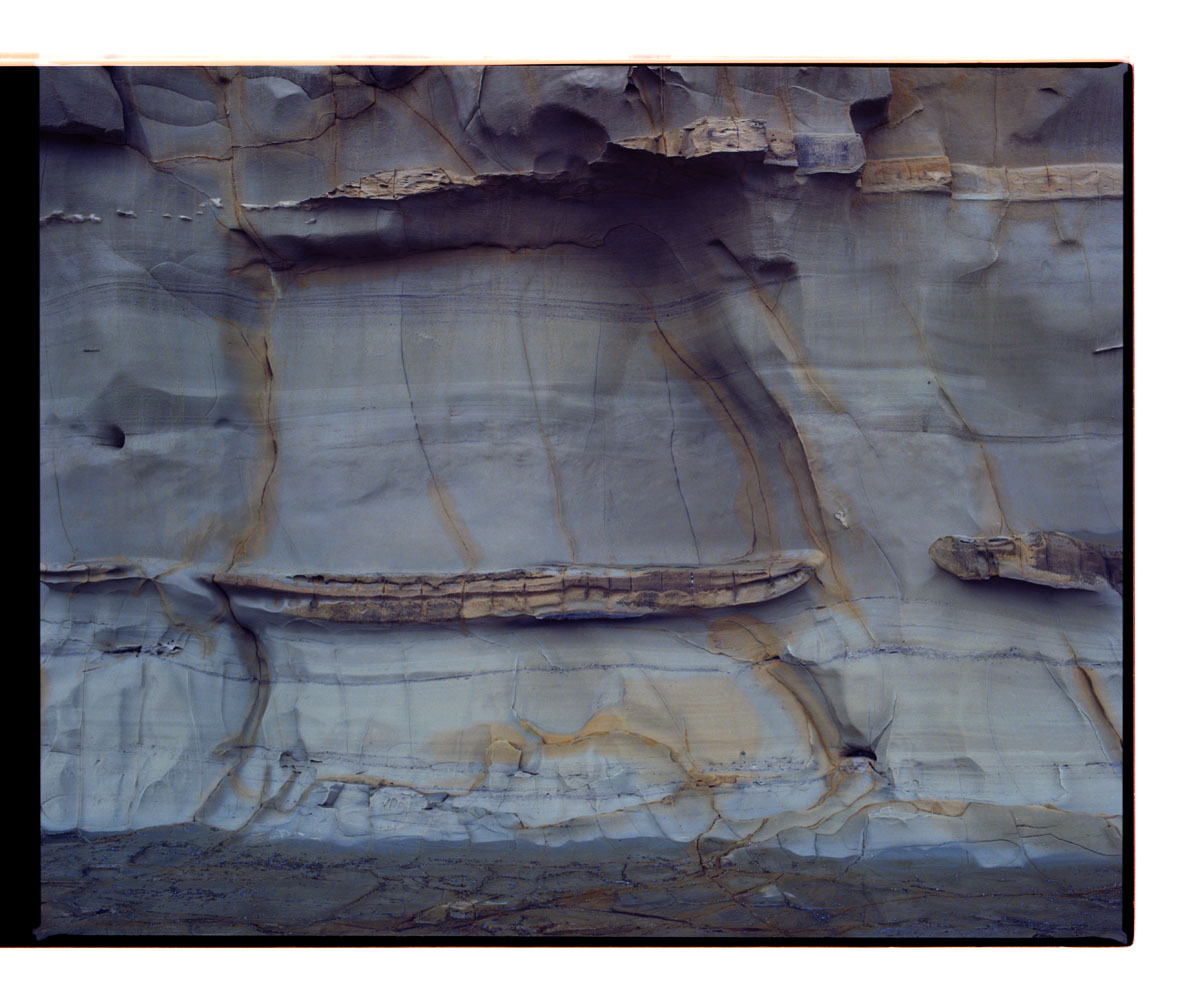

![Ian Lobb (Australian, b. 1948) 'Marcus 31/8/92 Taken by Ian Lobb at Phillip [Institute]' 1992](https://artblart.com/wp-content/uploads/2021/11/ian-lobb-marcus-phillip-institute-1992.jpg "Ian Lobb (Australian, b. 1948) 'Marcus 31/8/92 Taken by Ian Lobb at Phillip [Institute]' 1992")

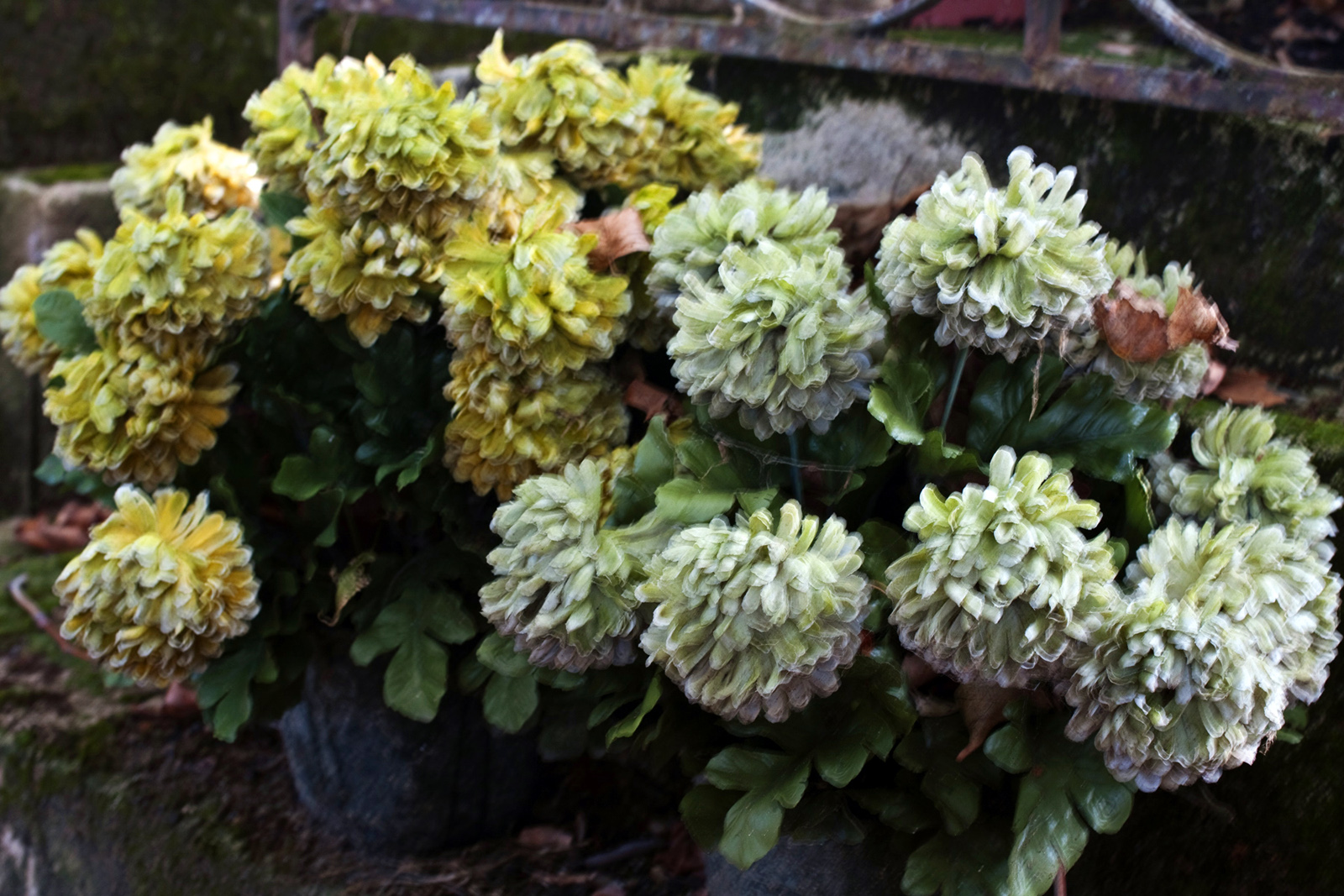
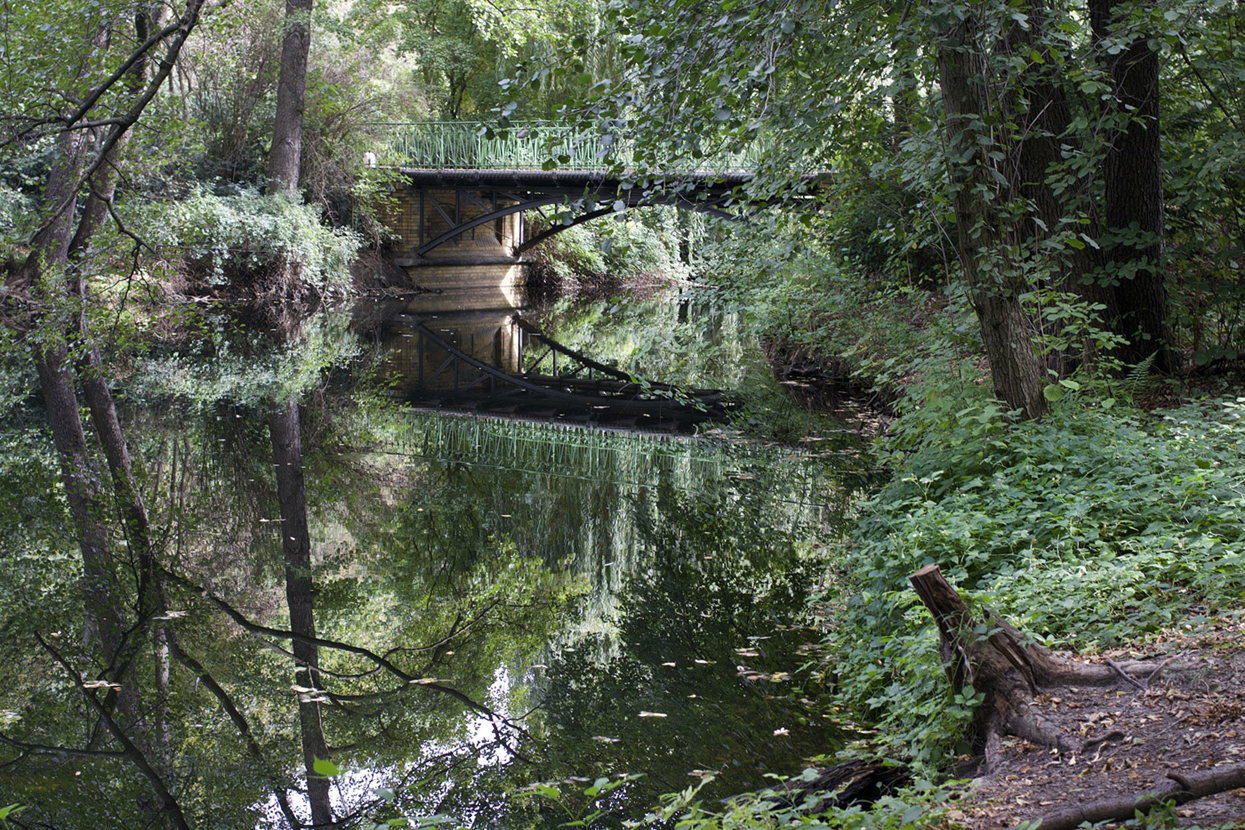
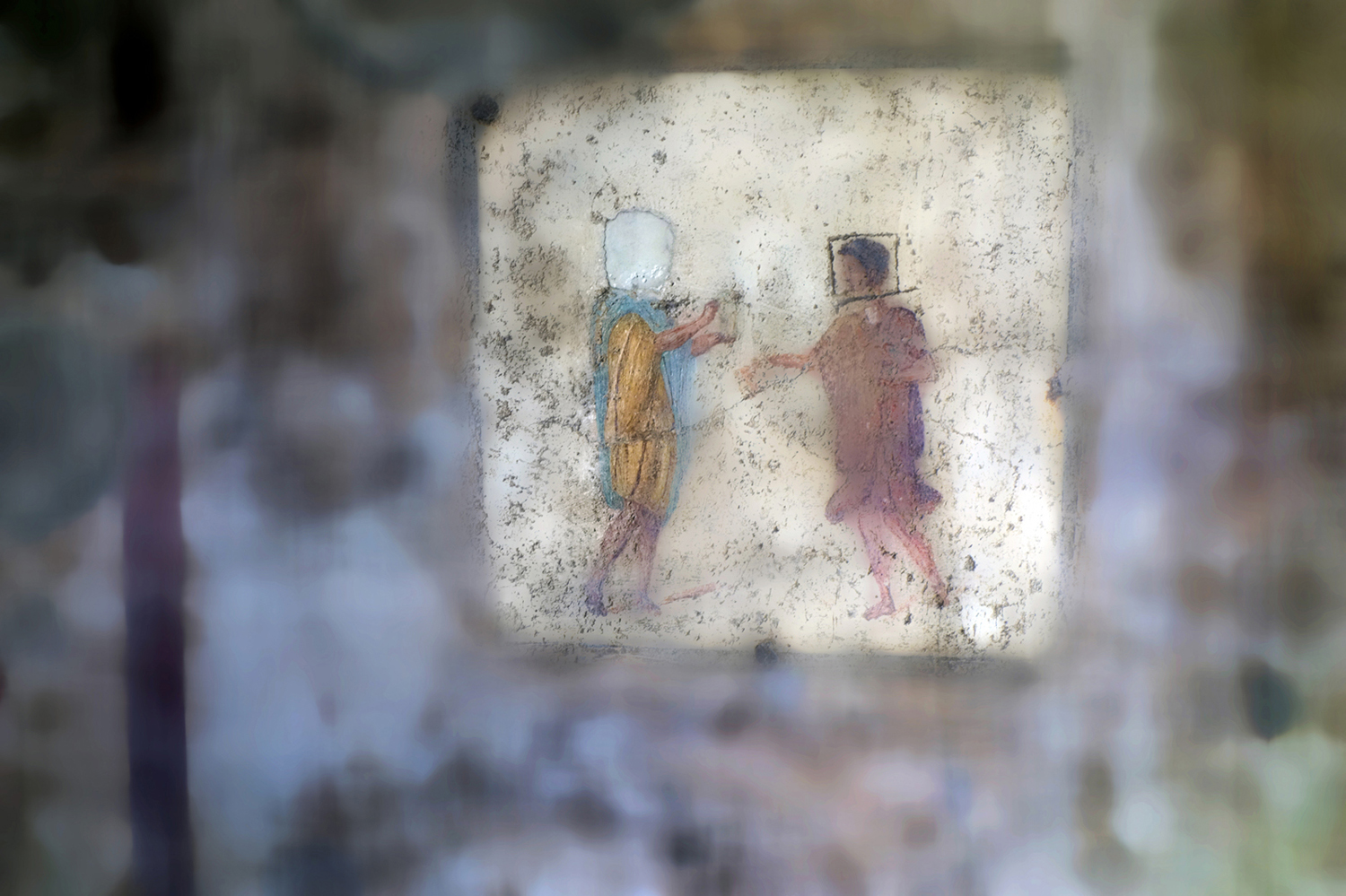

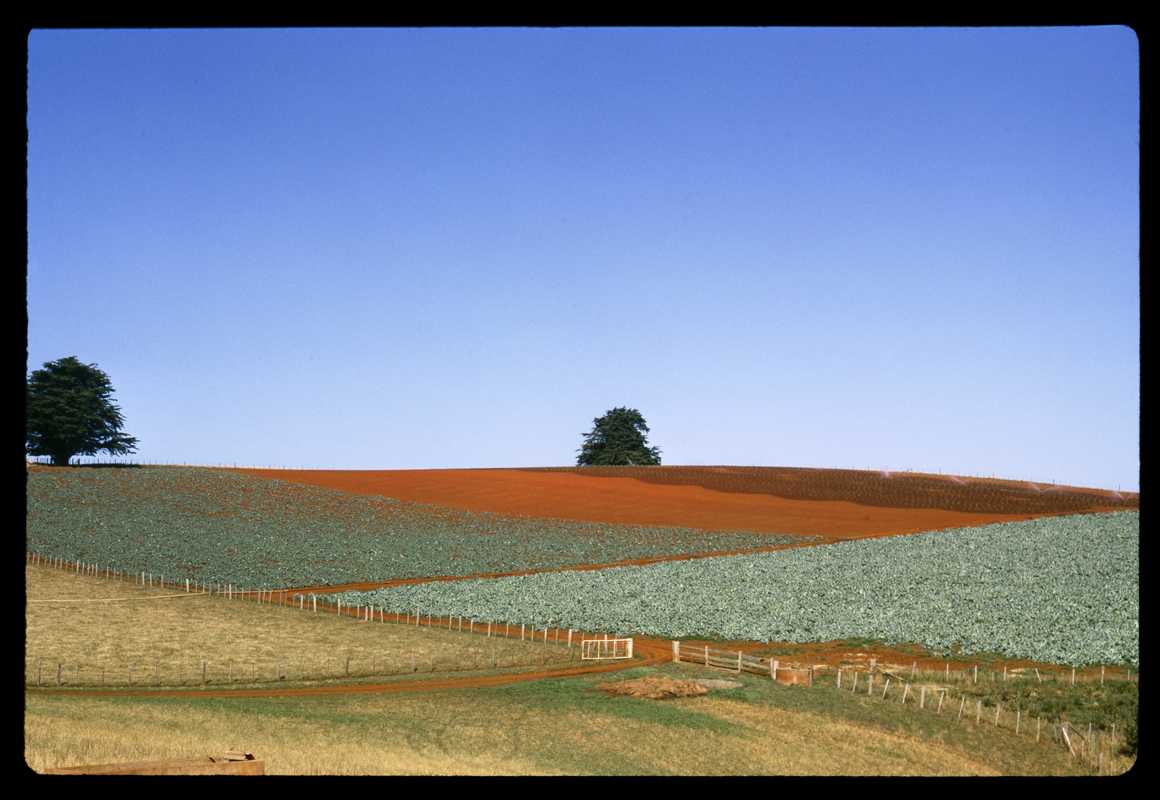
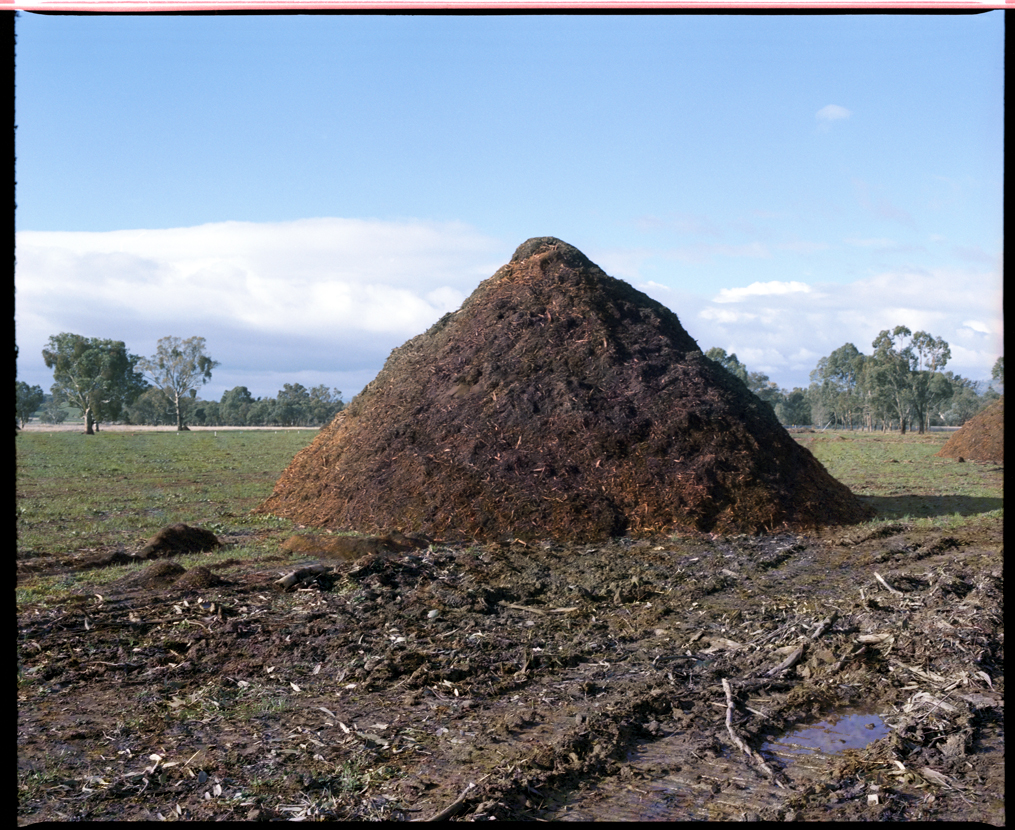
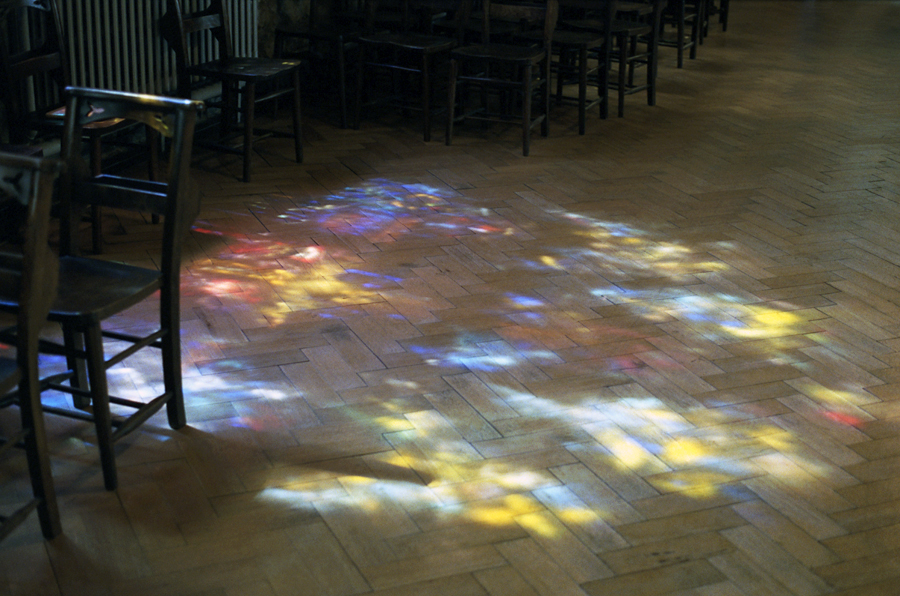

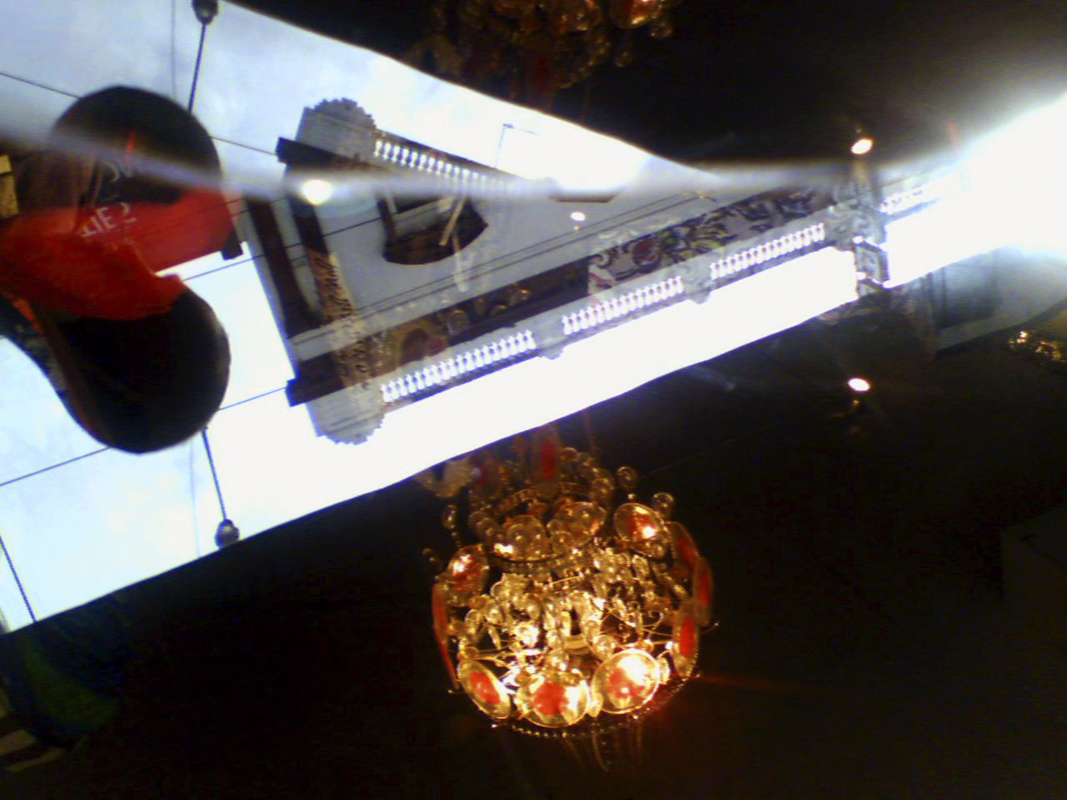
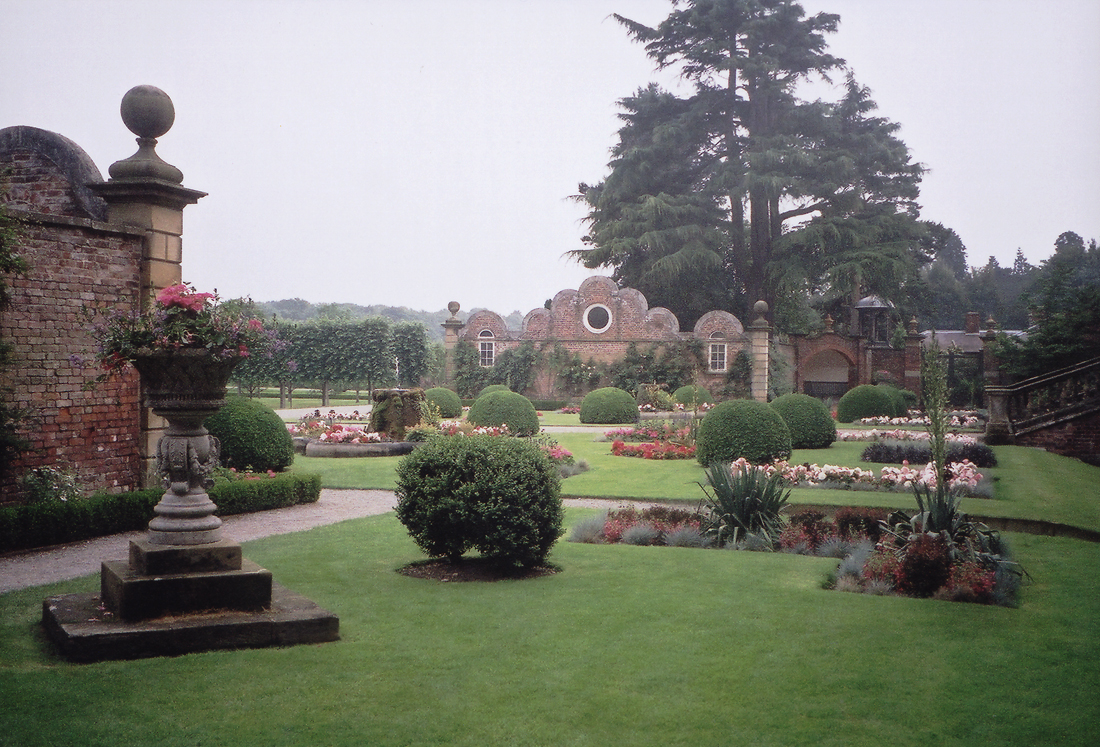
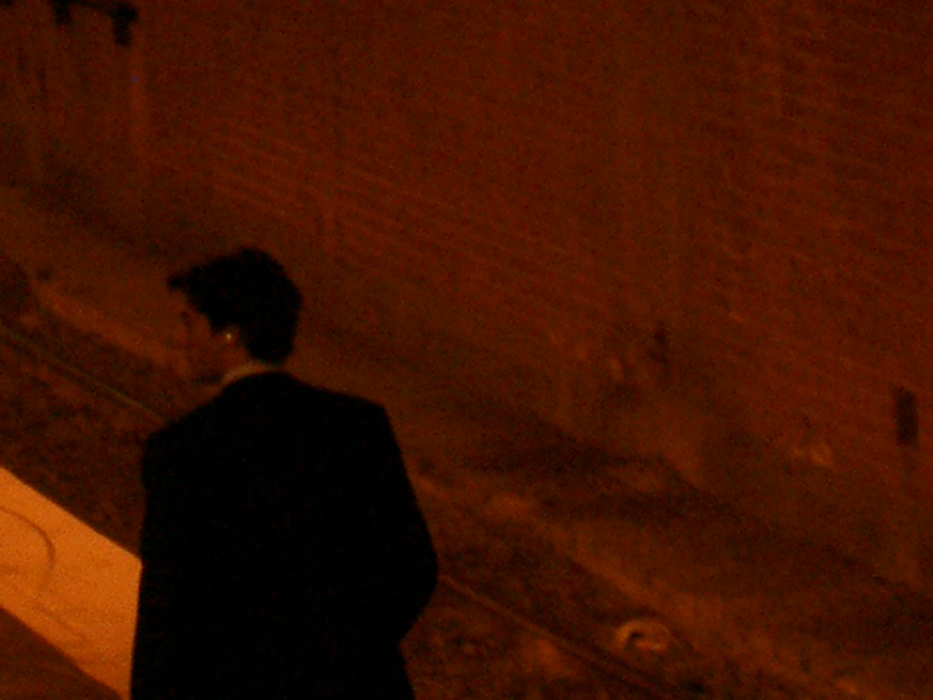

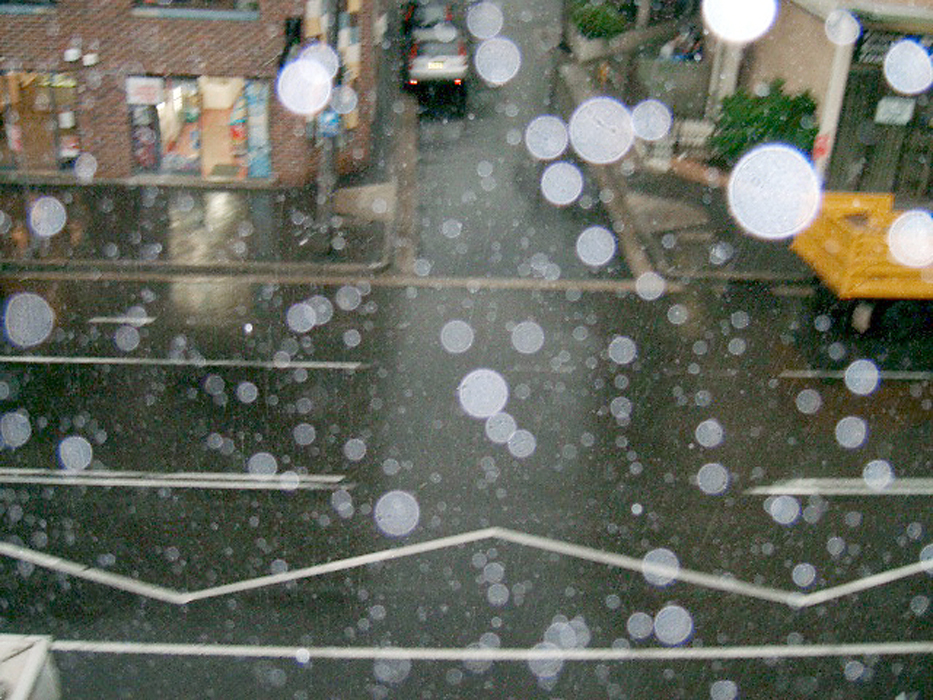
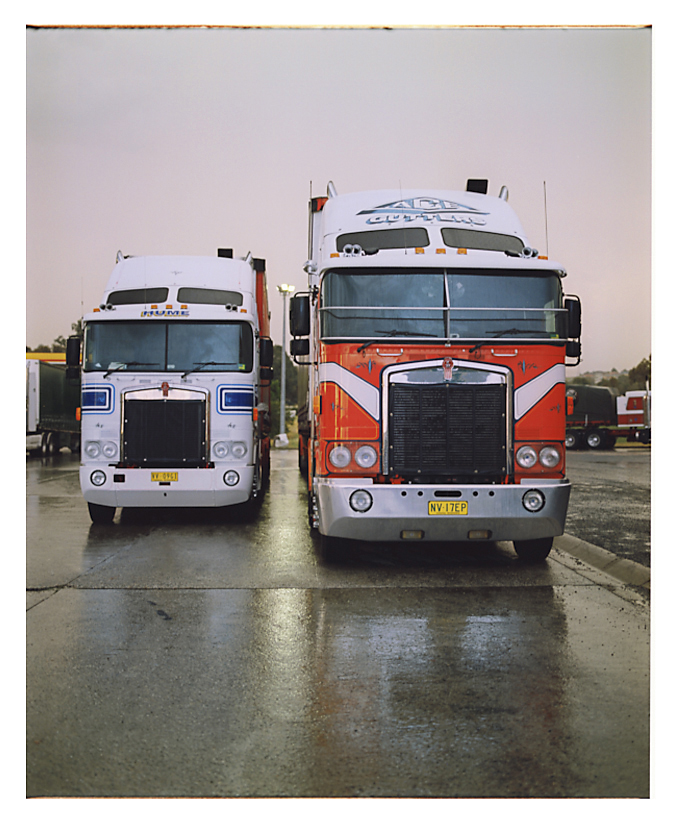
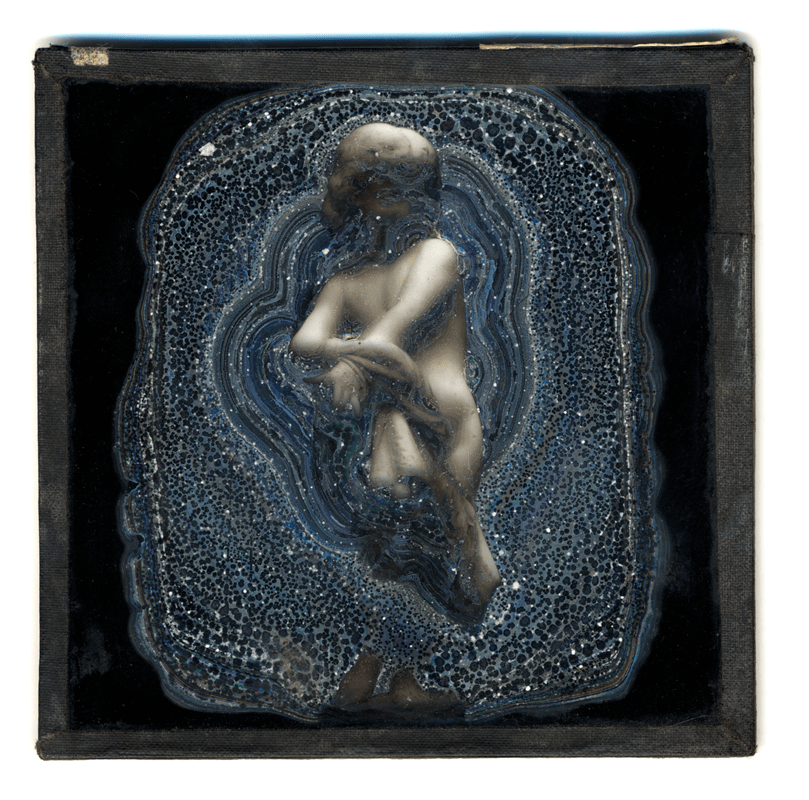
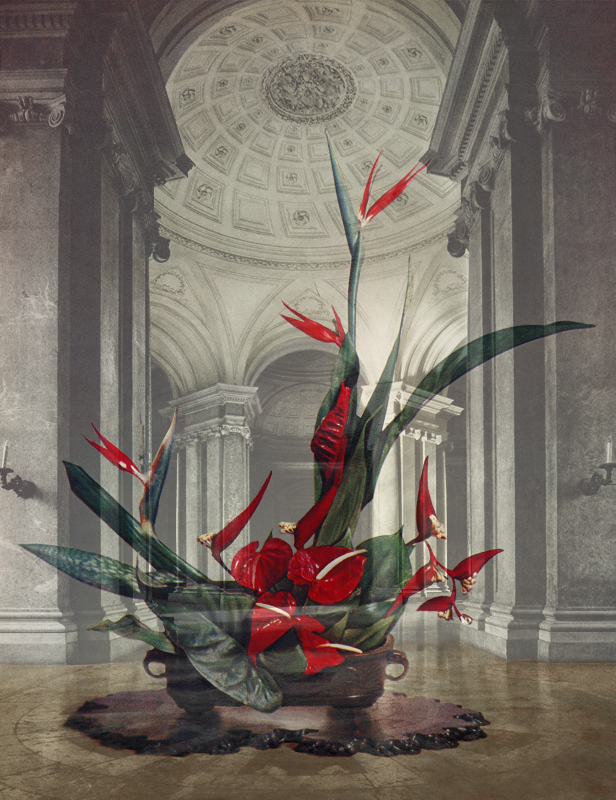
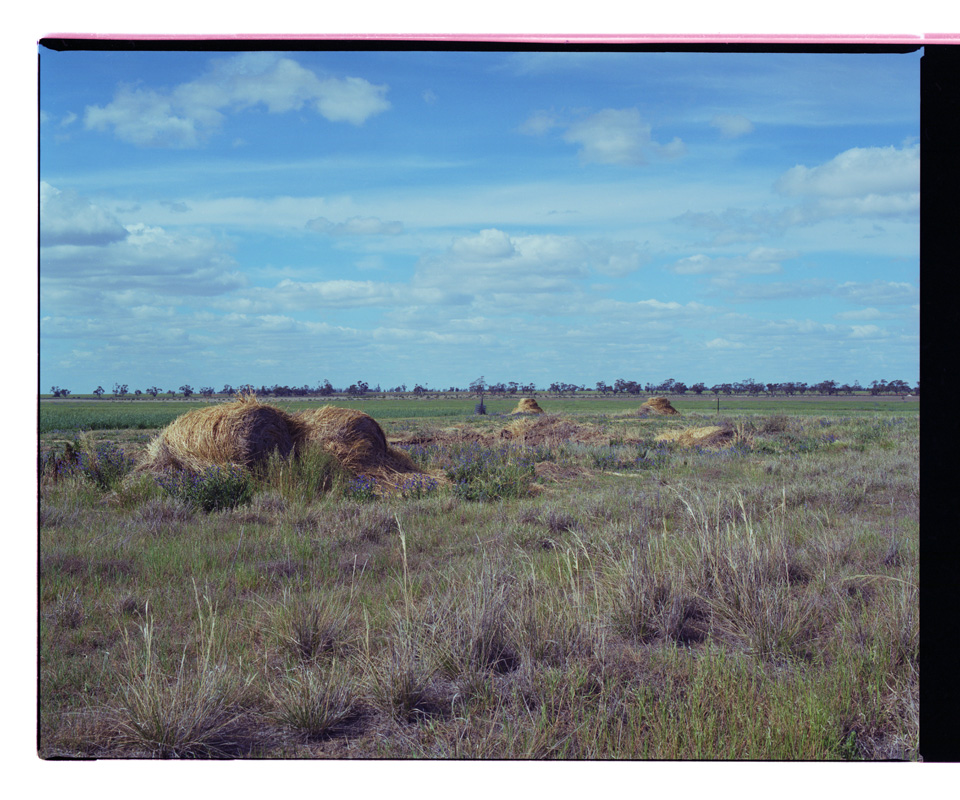
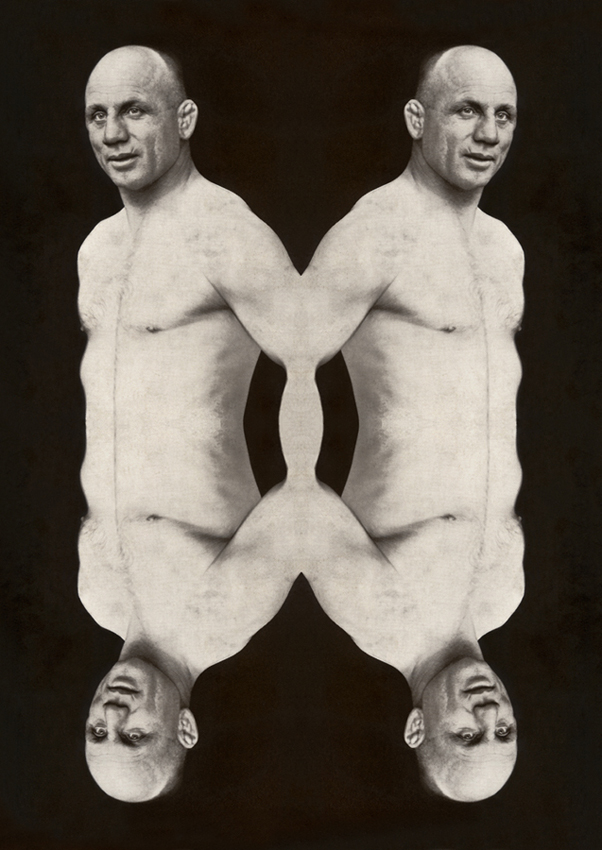
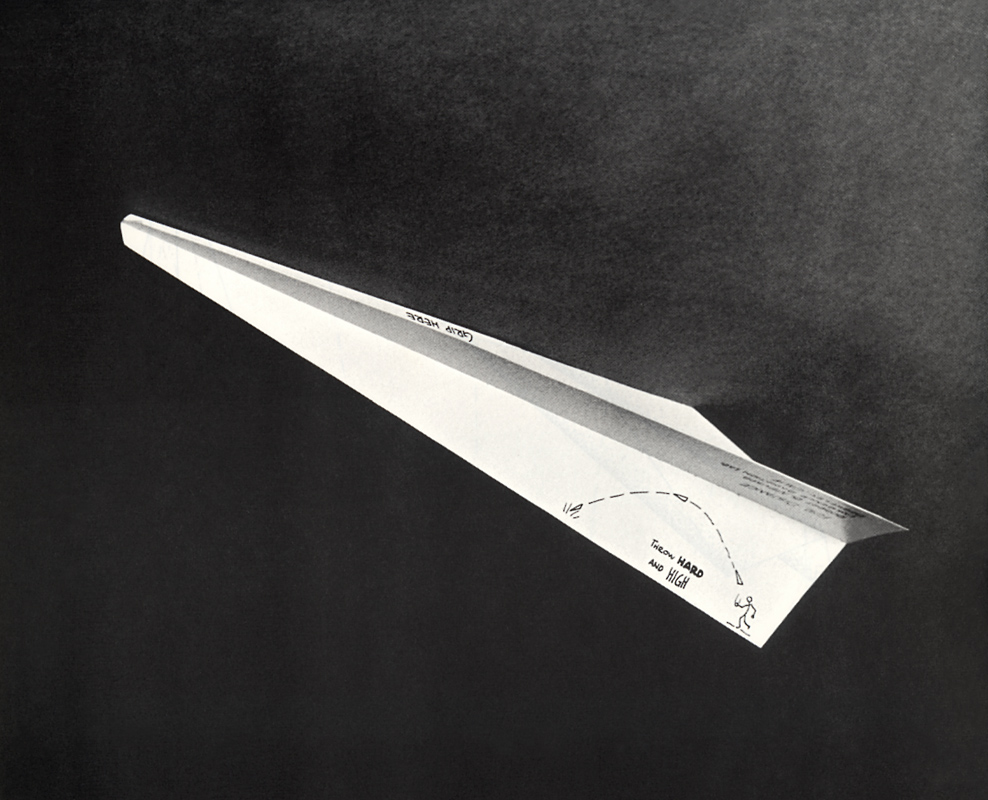
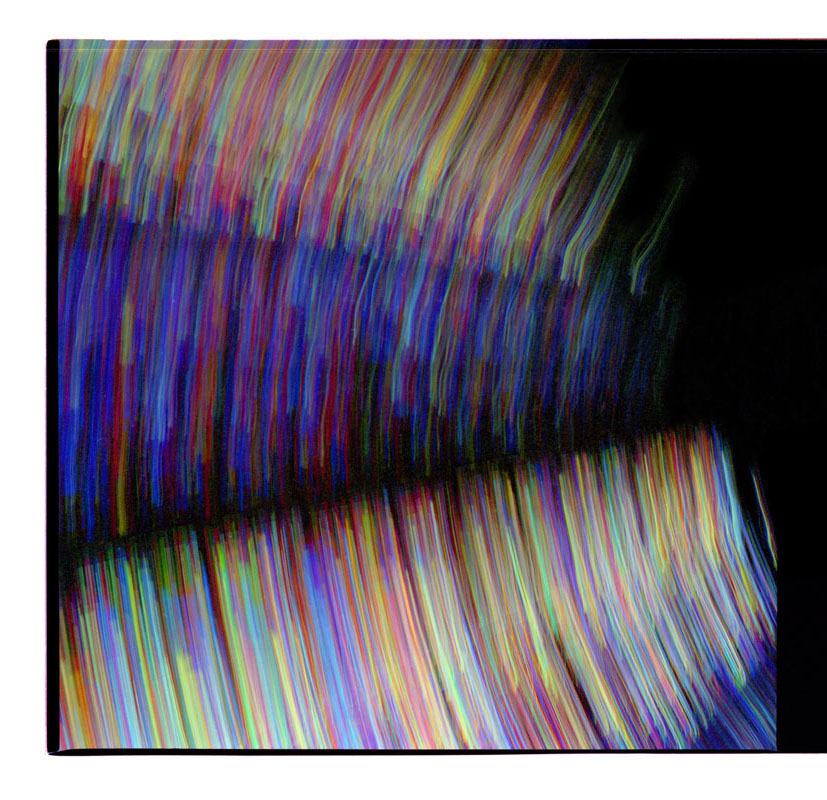

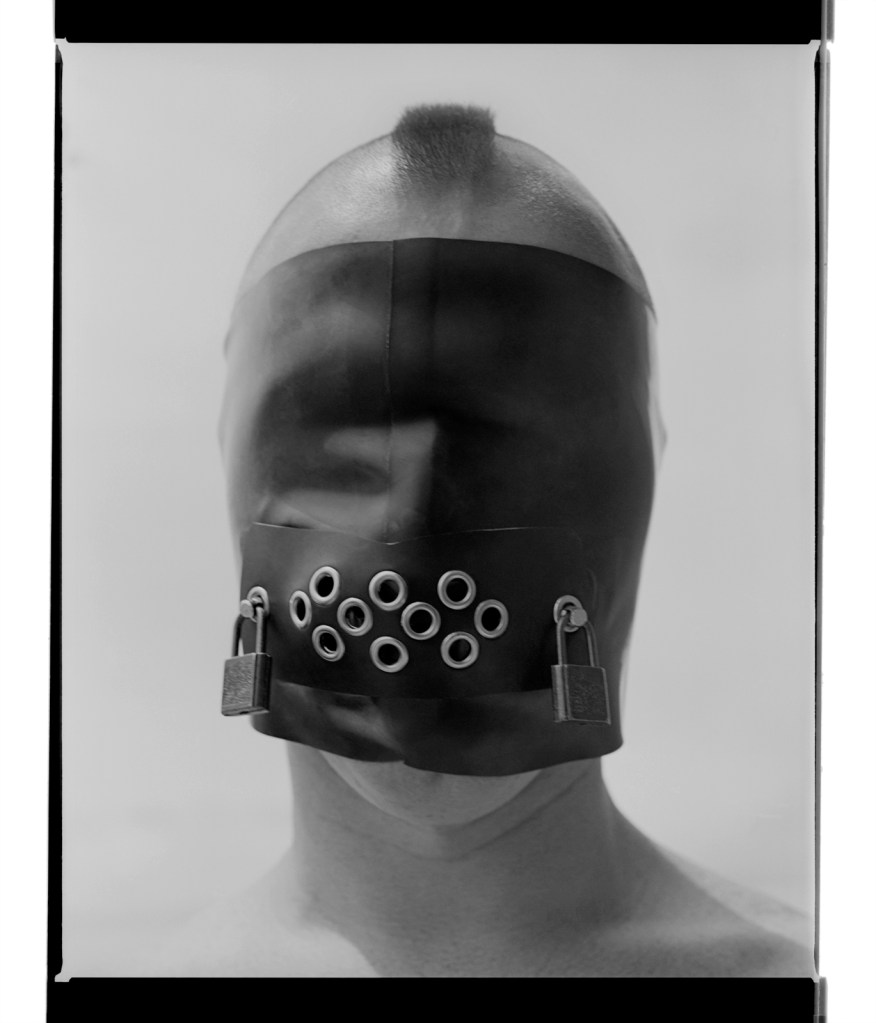
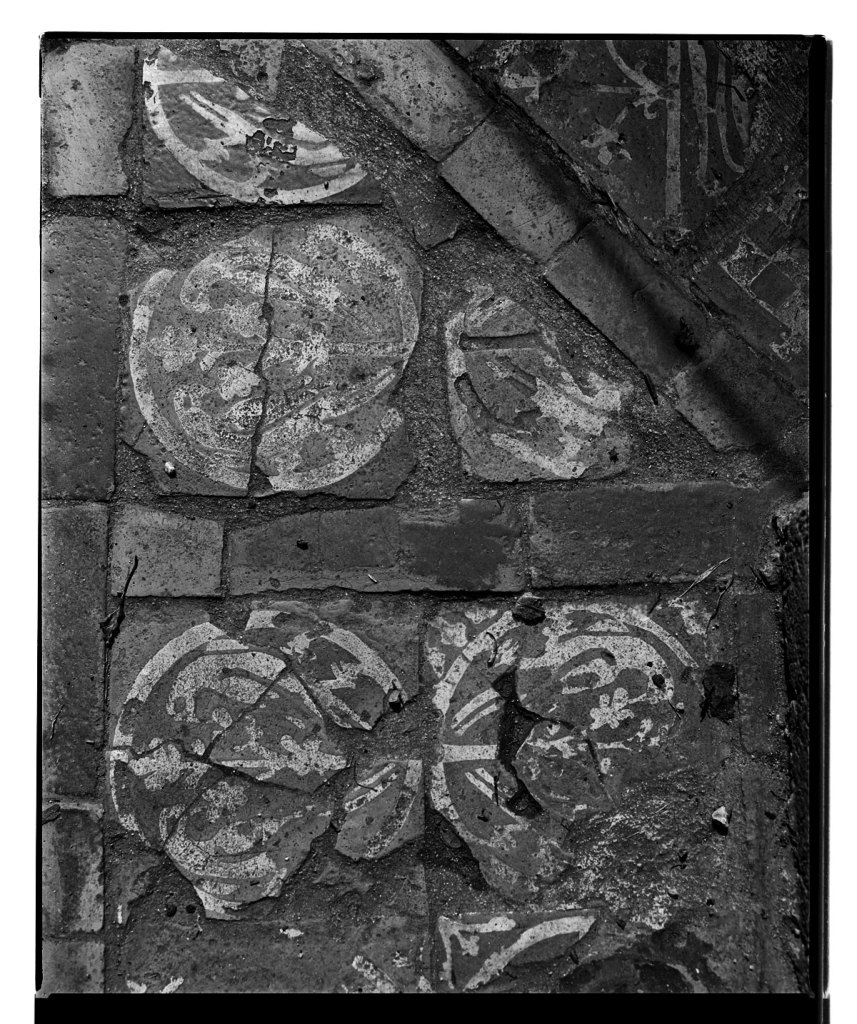
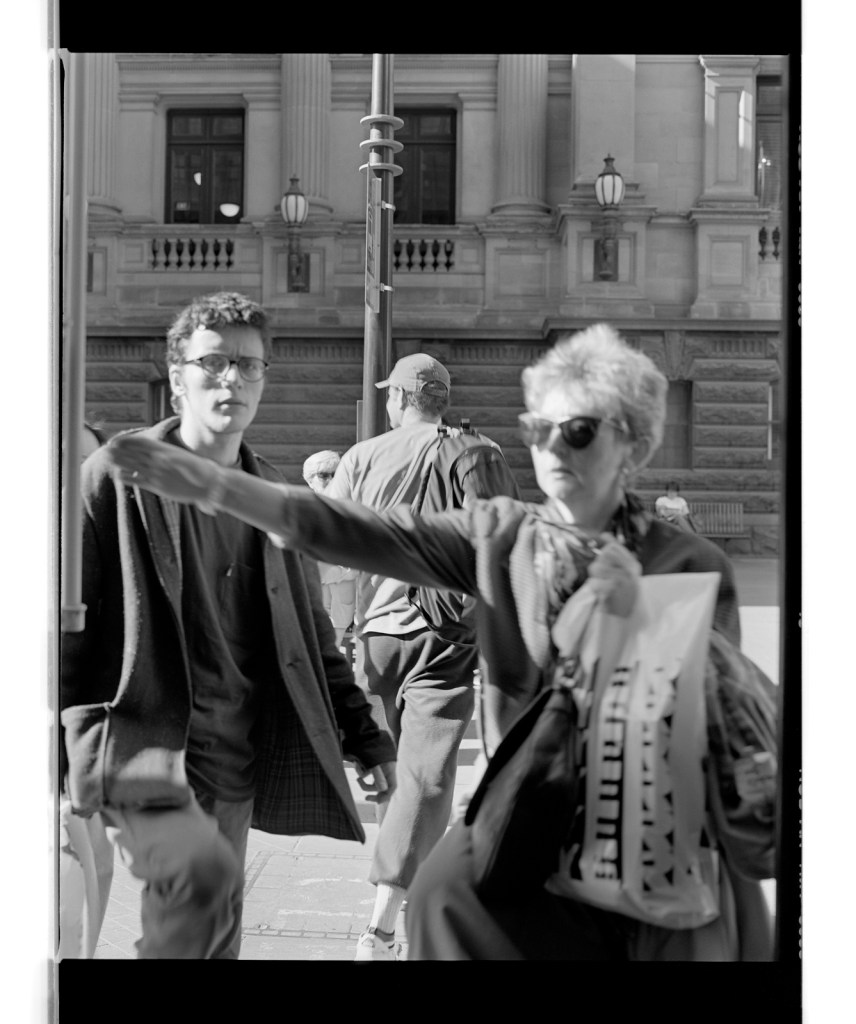
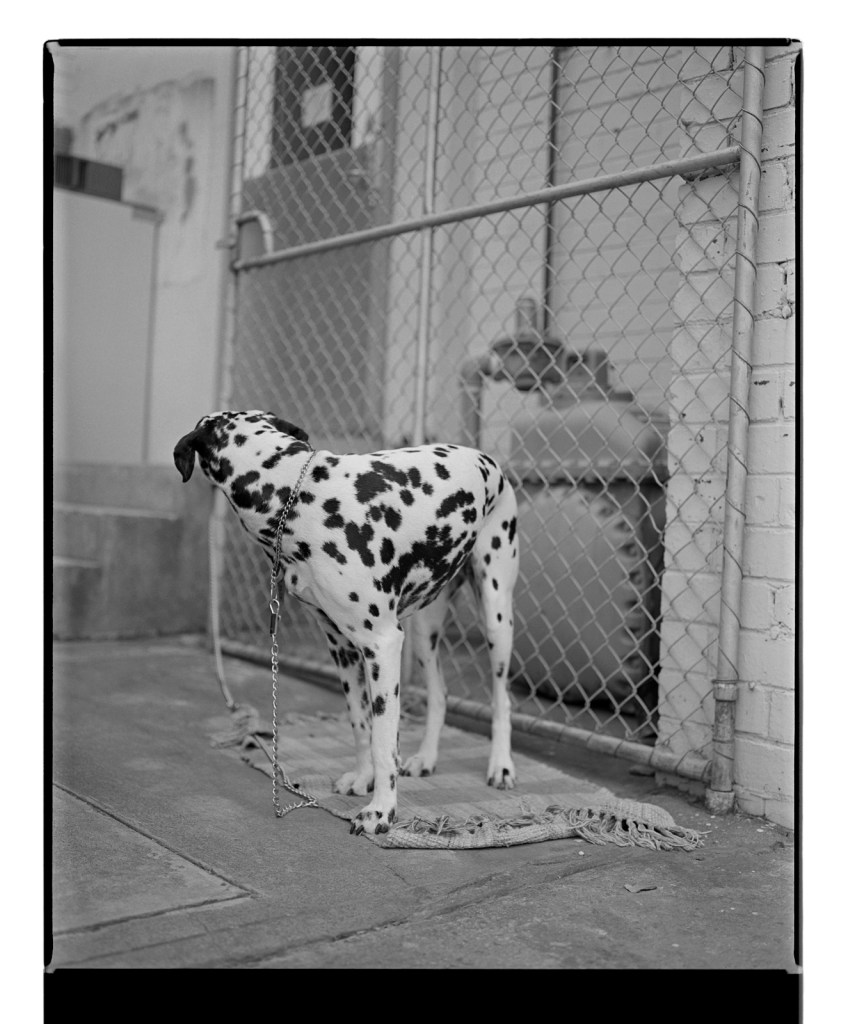
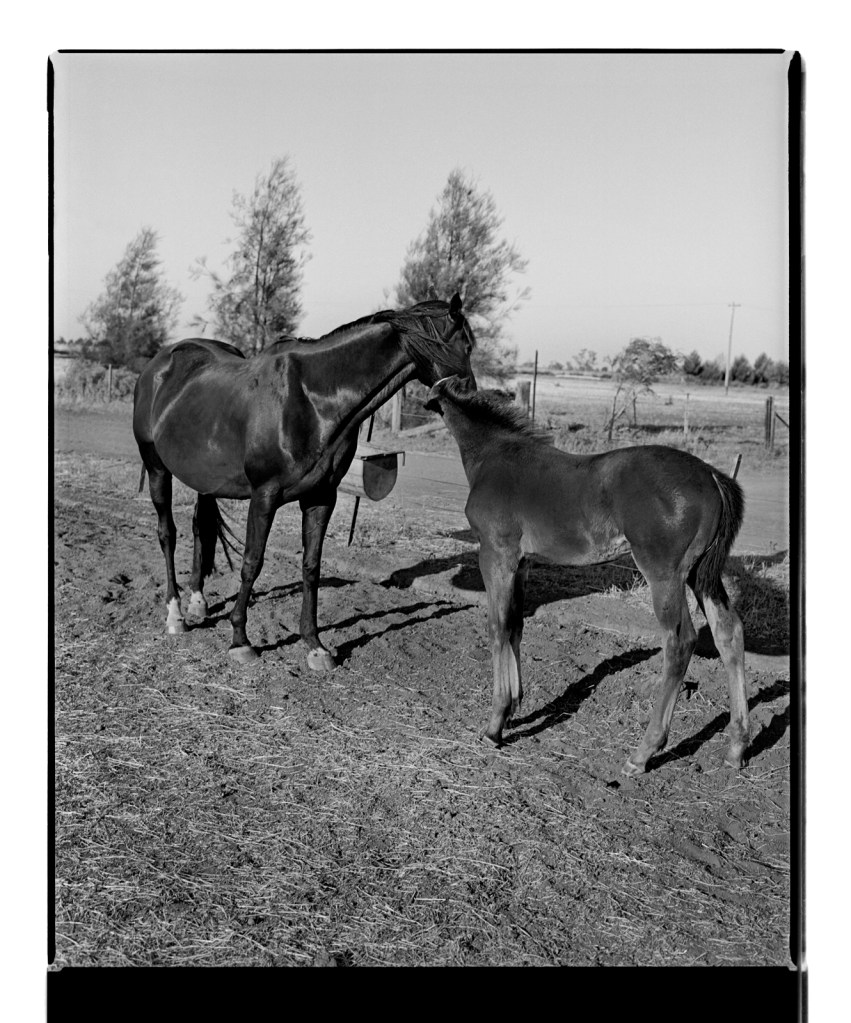
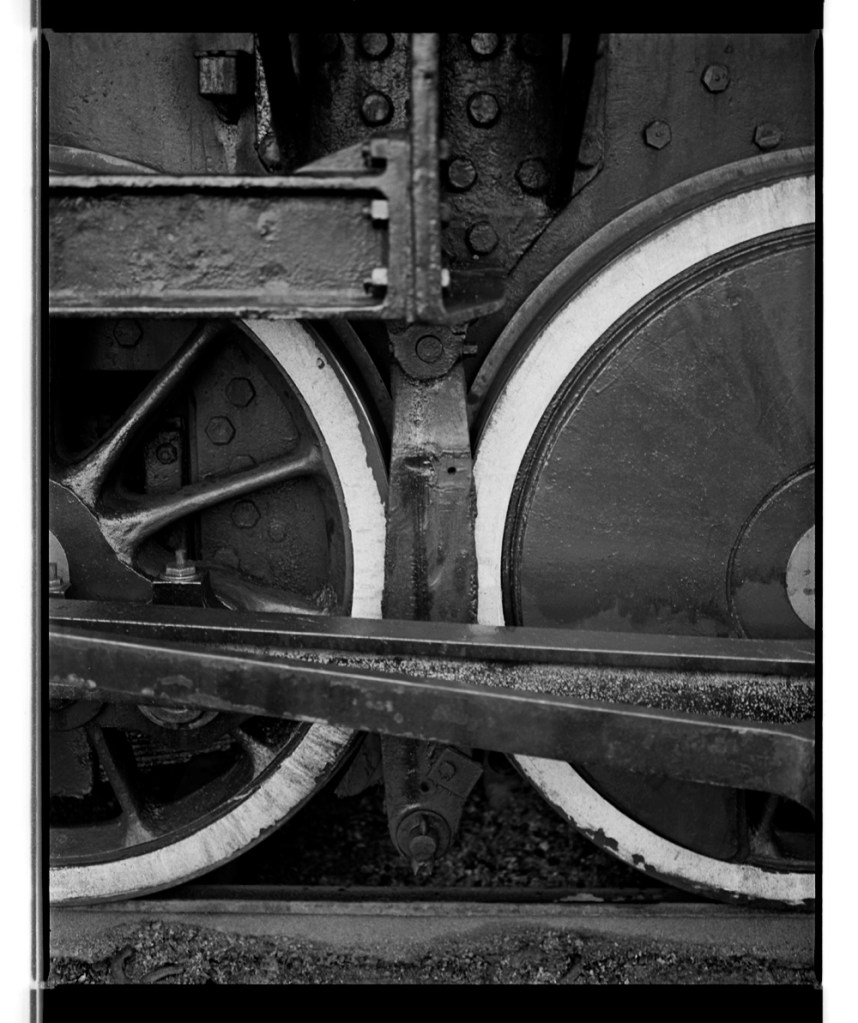
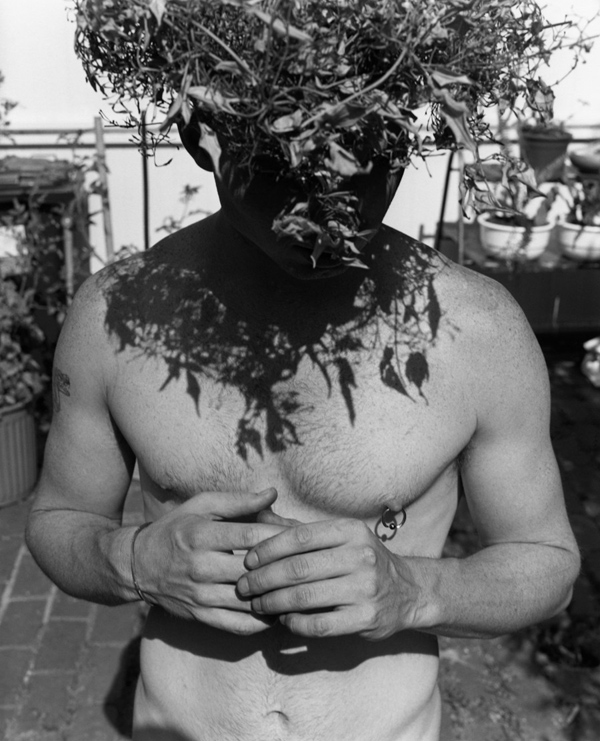

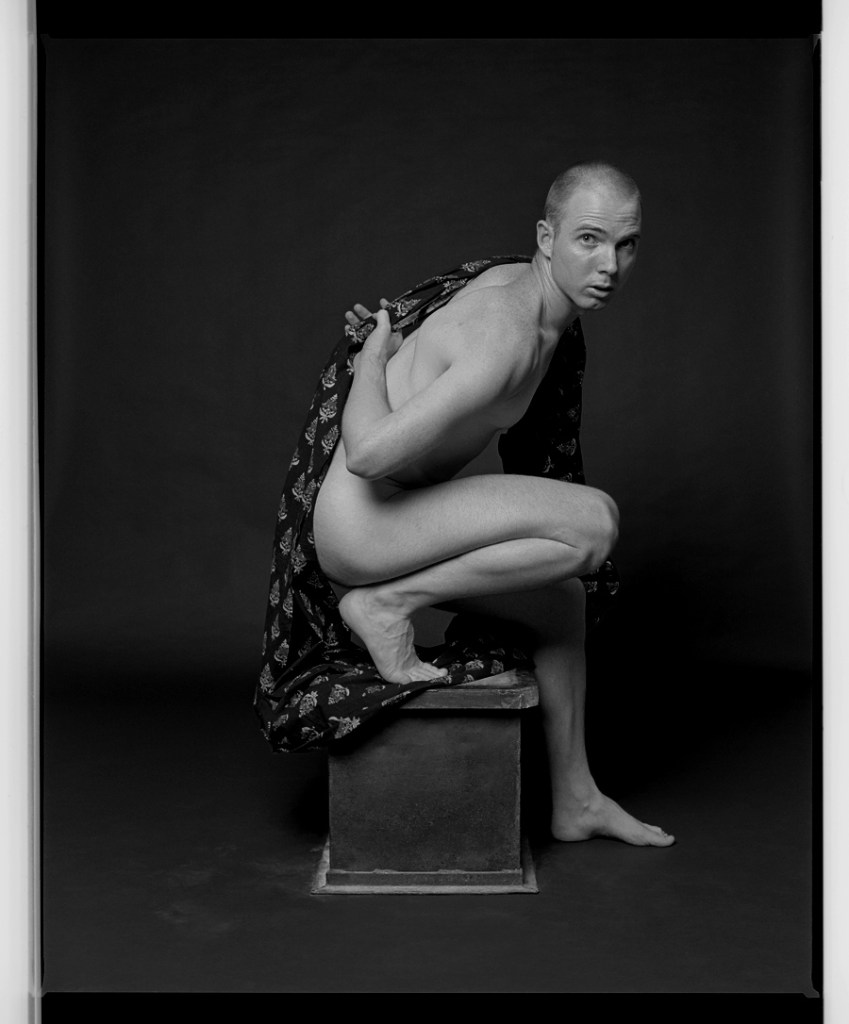
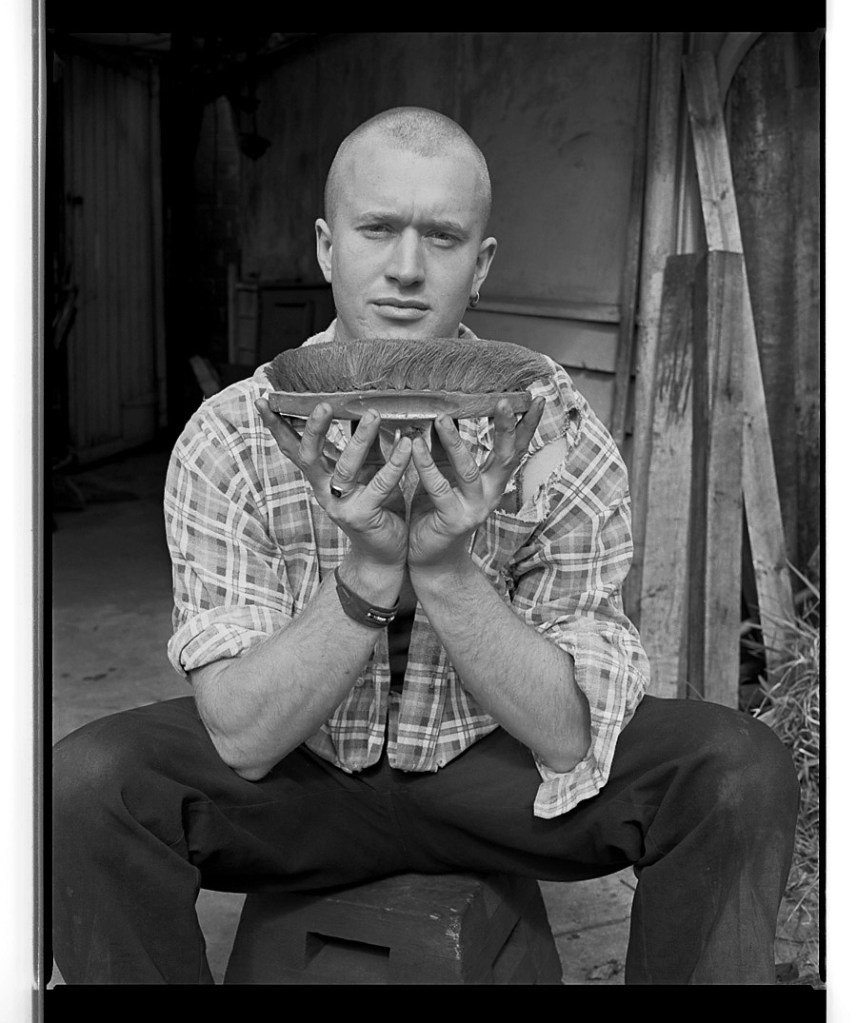
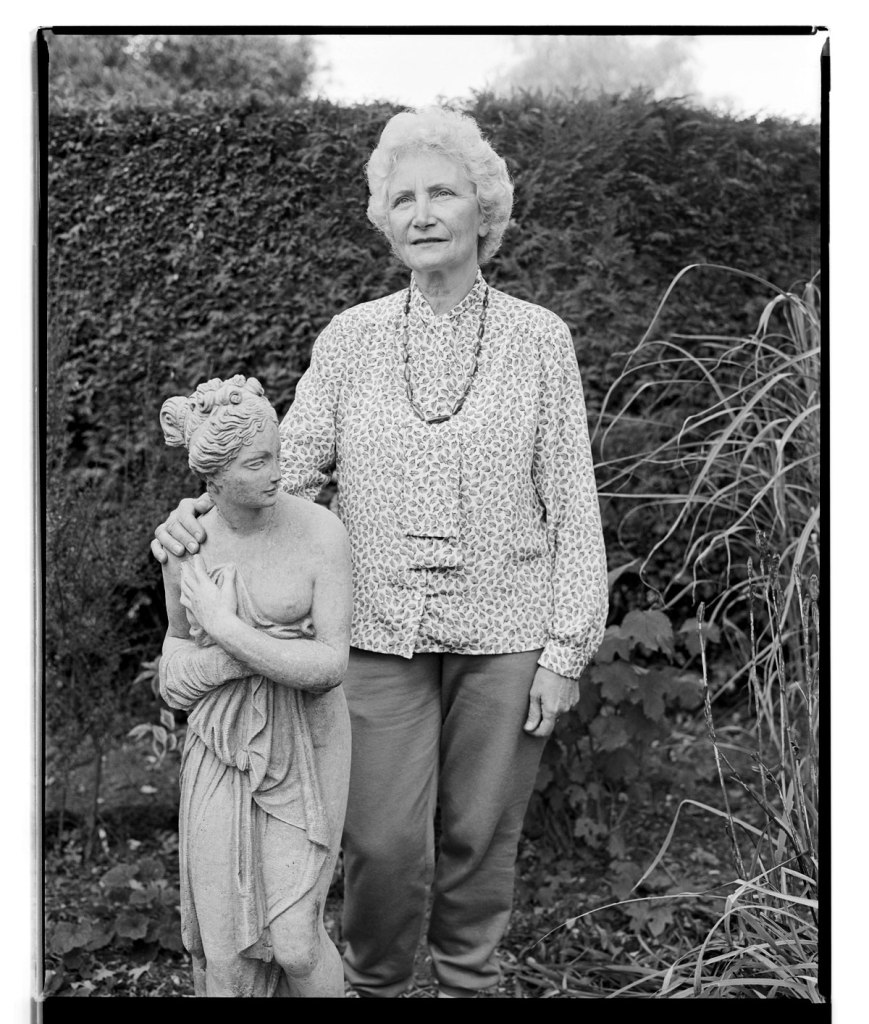
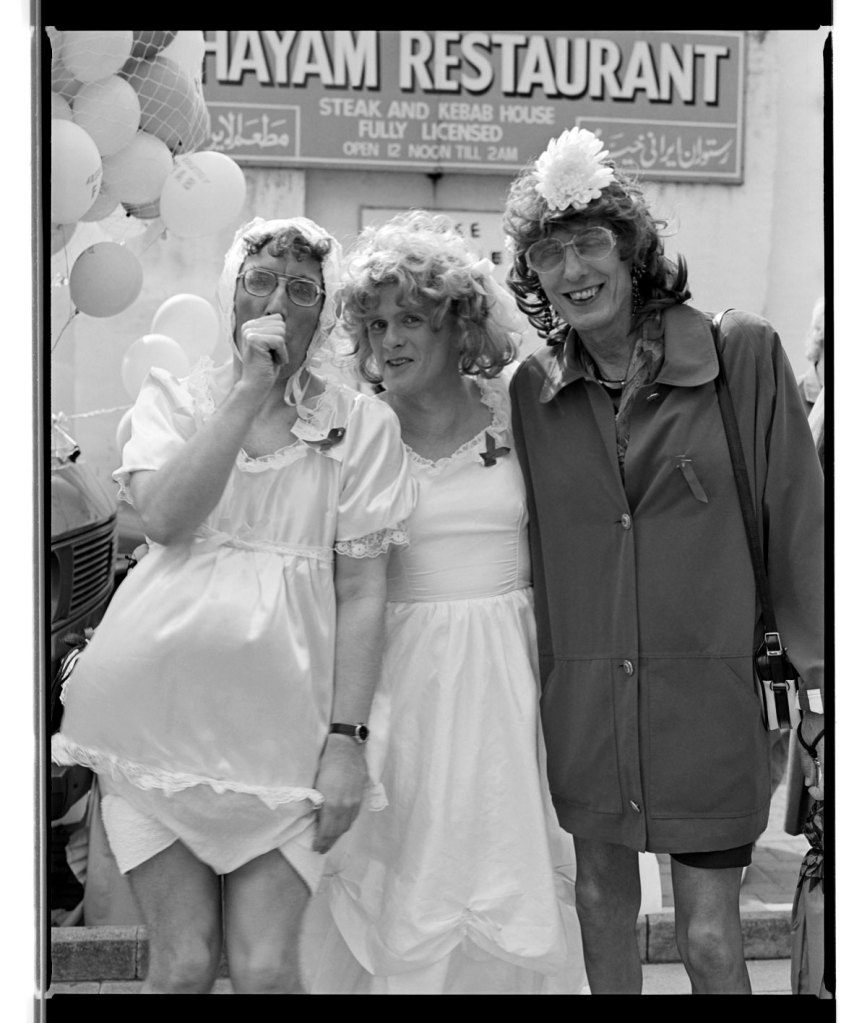
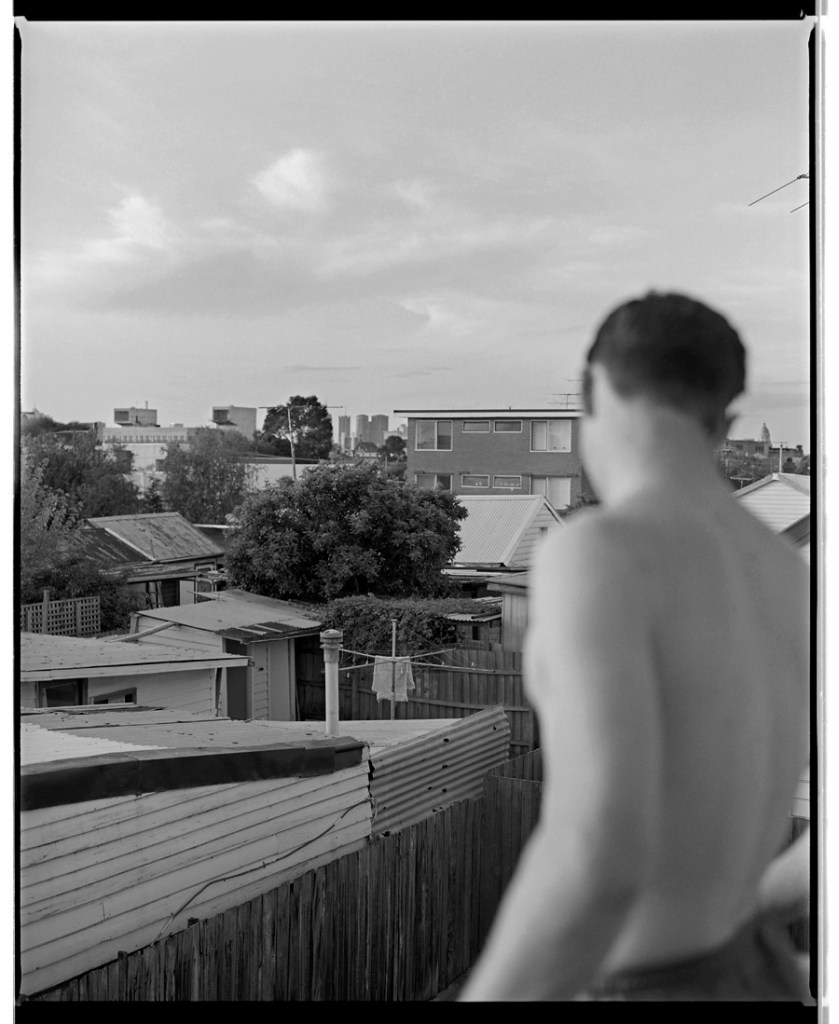

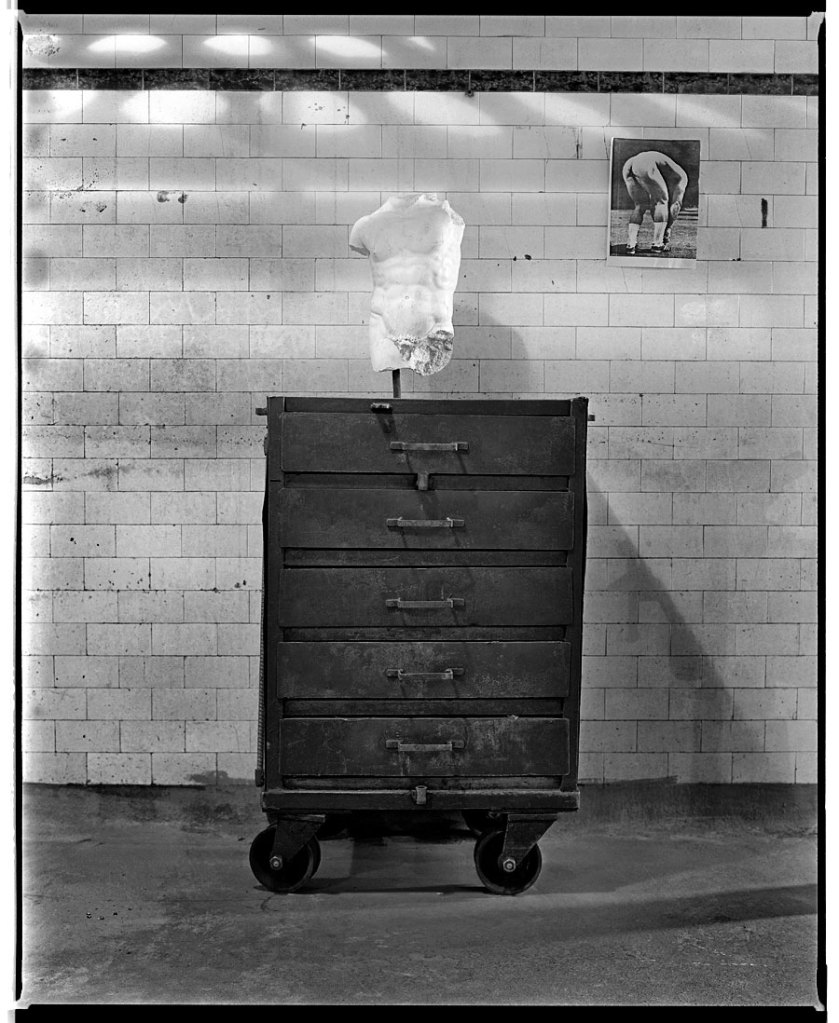

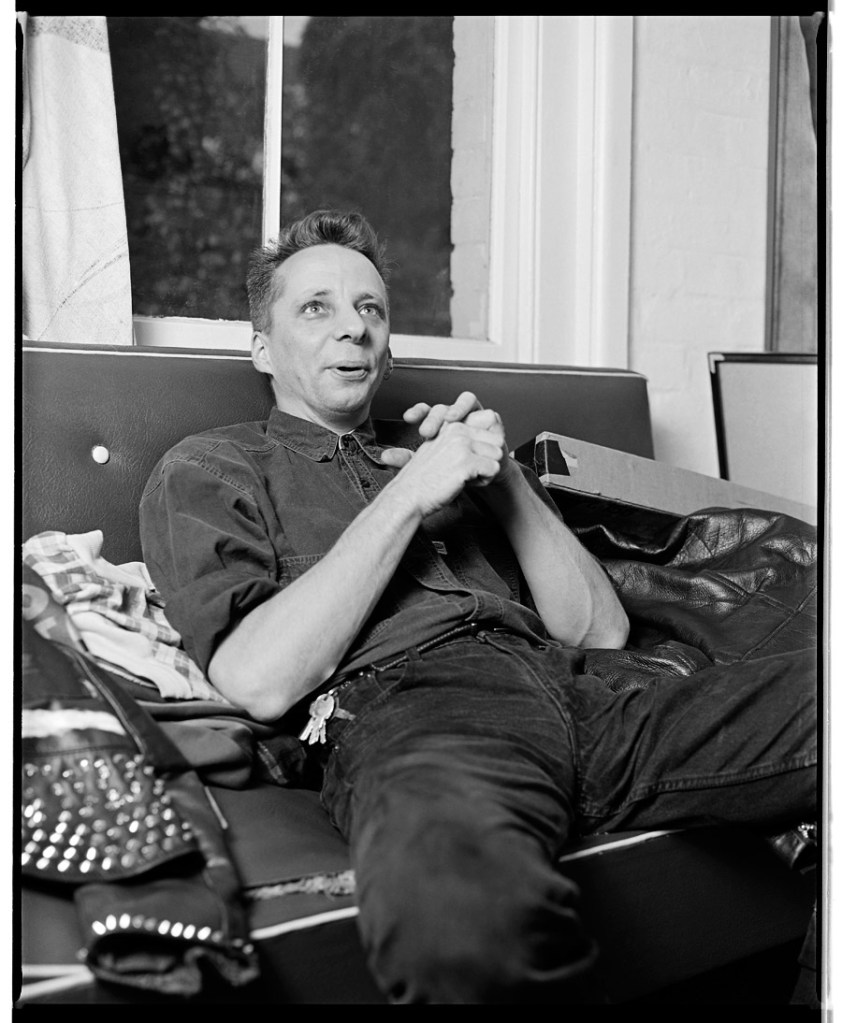


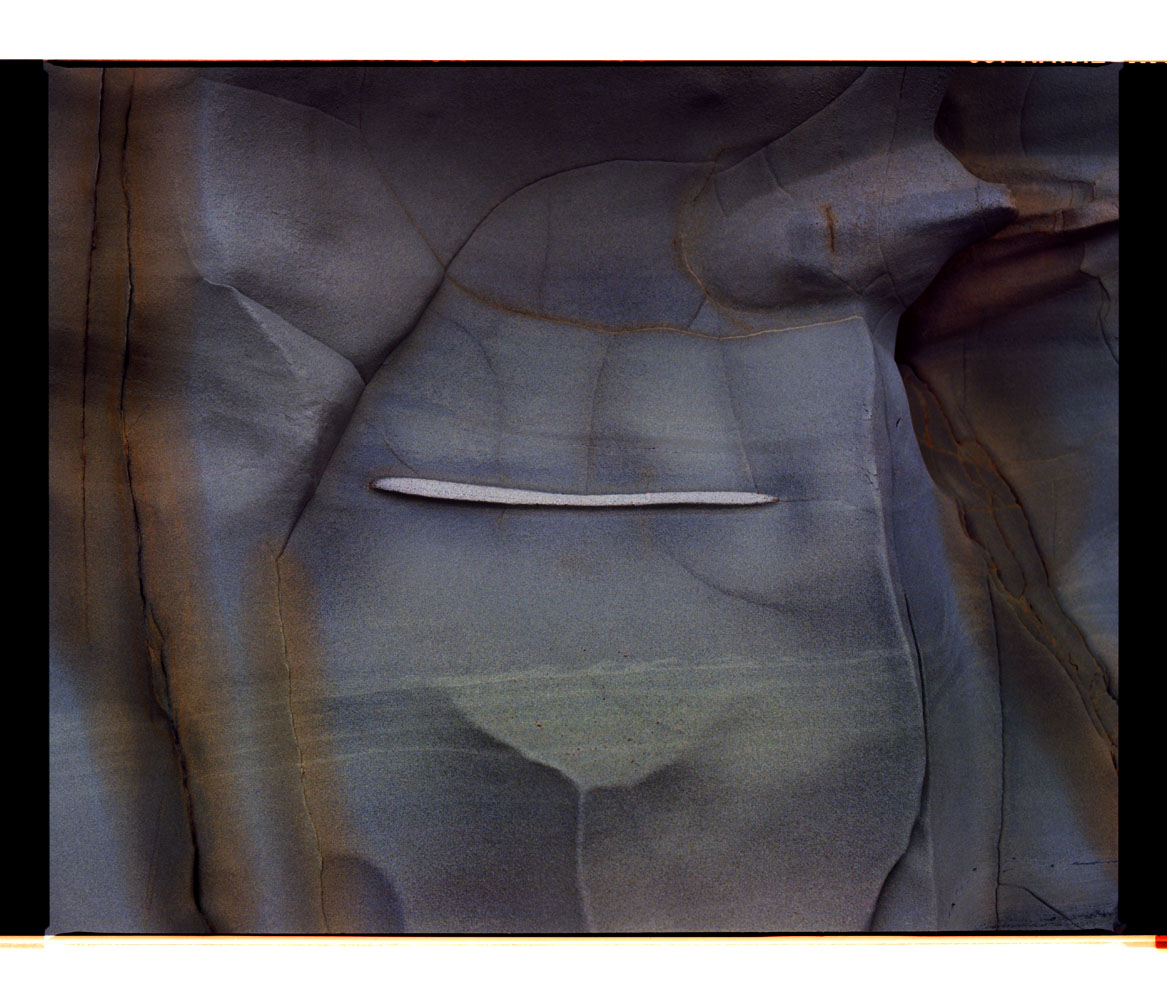


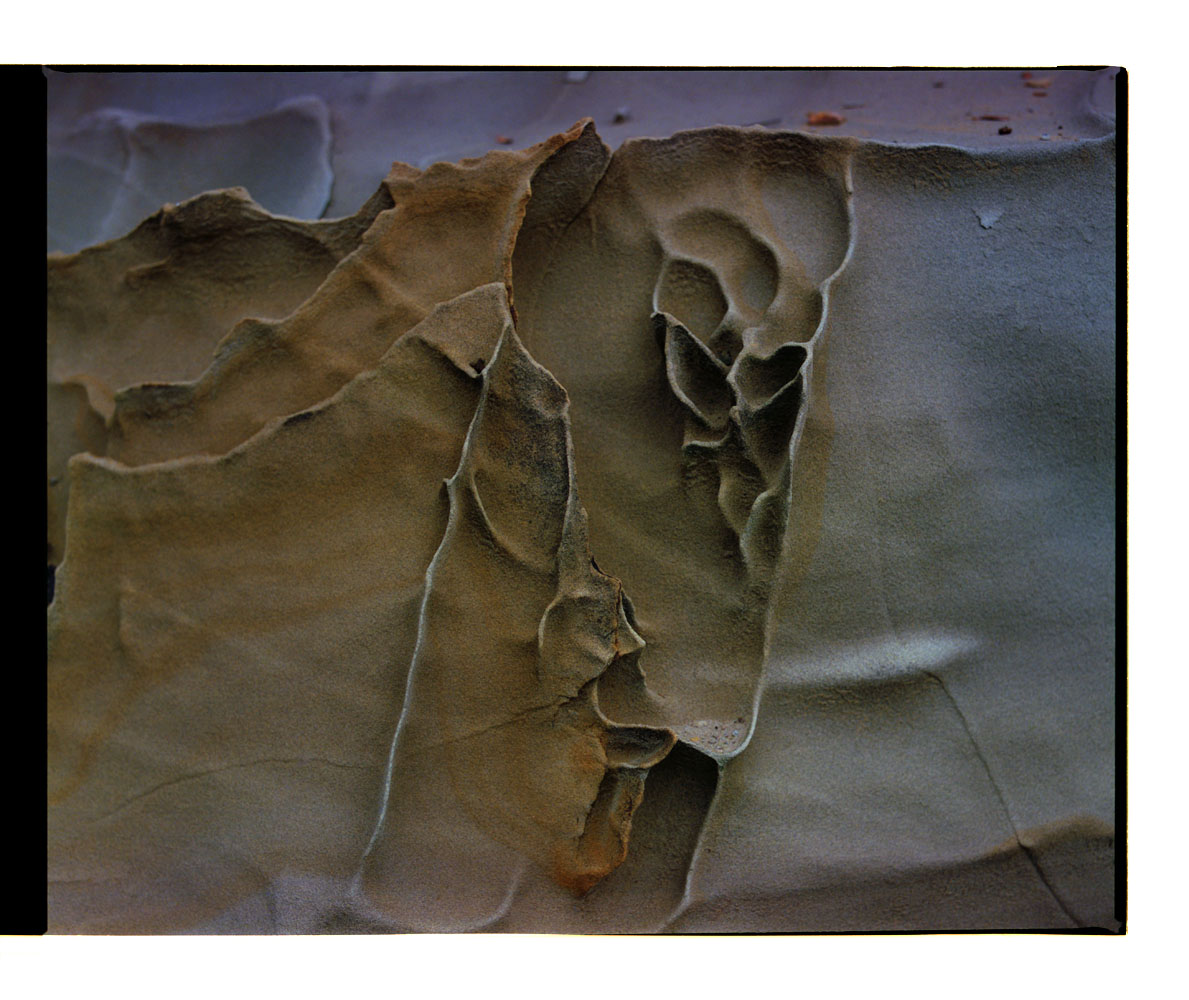

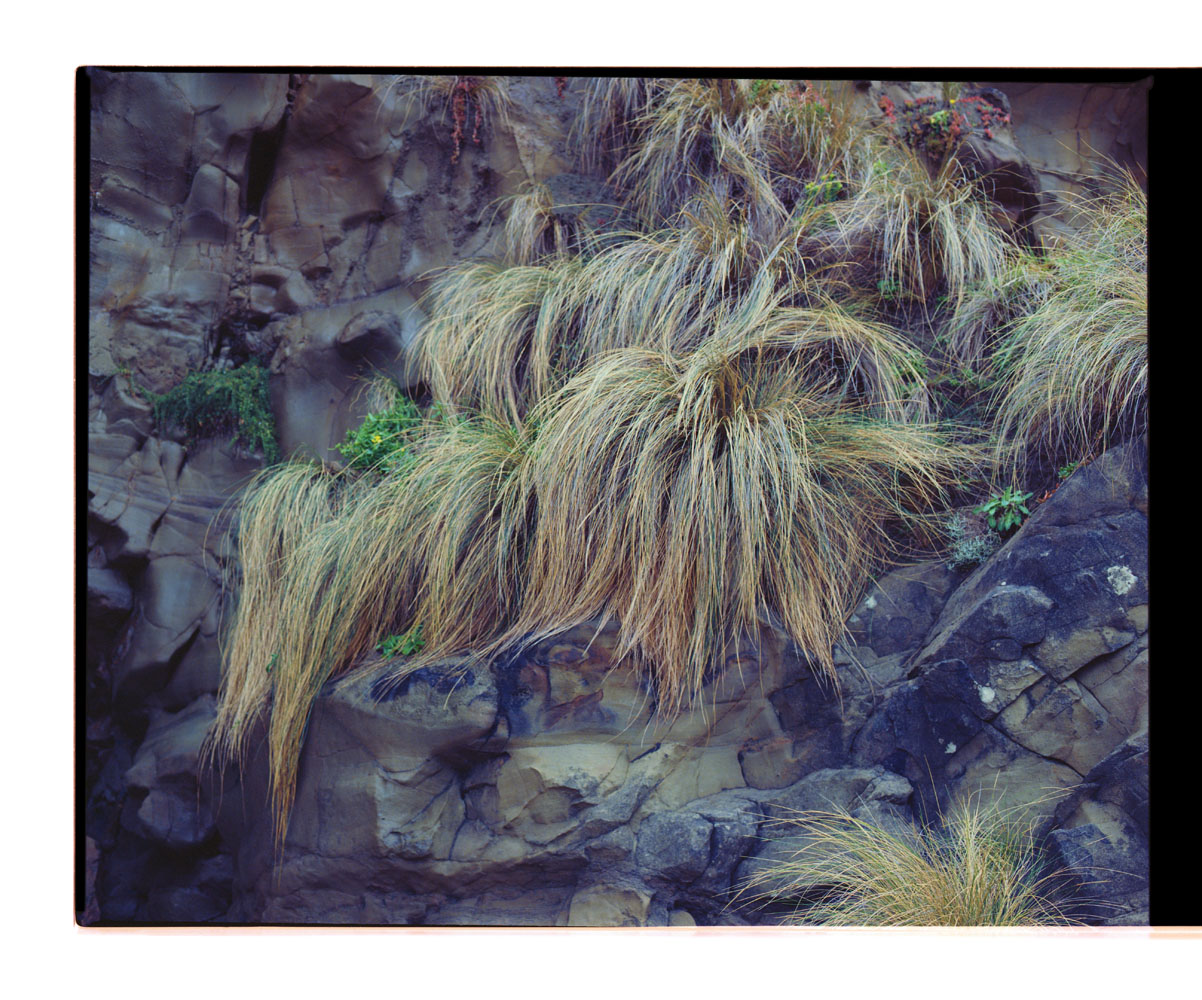


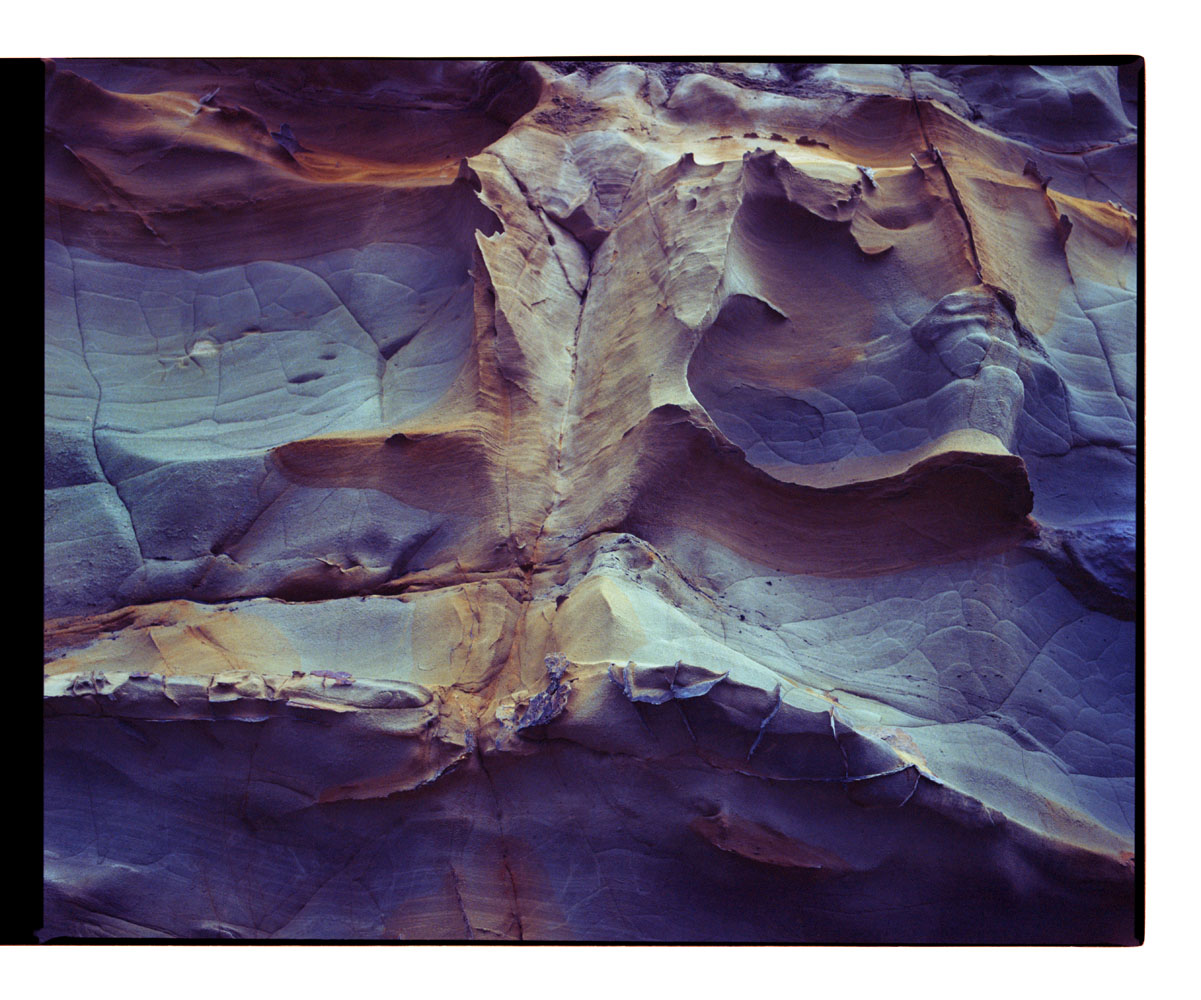
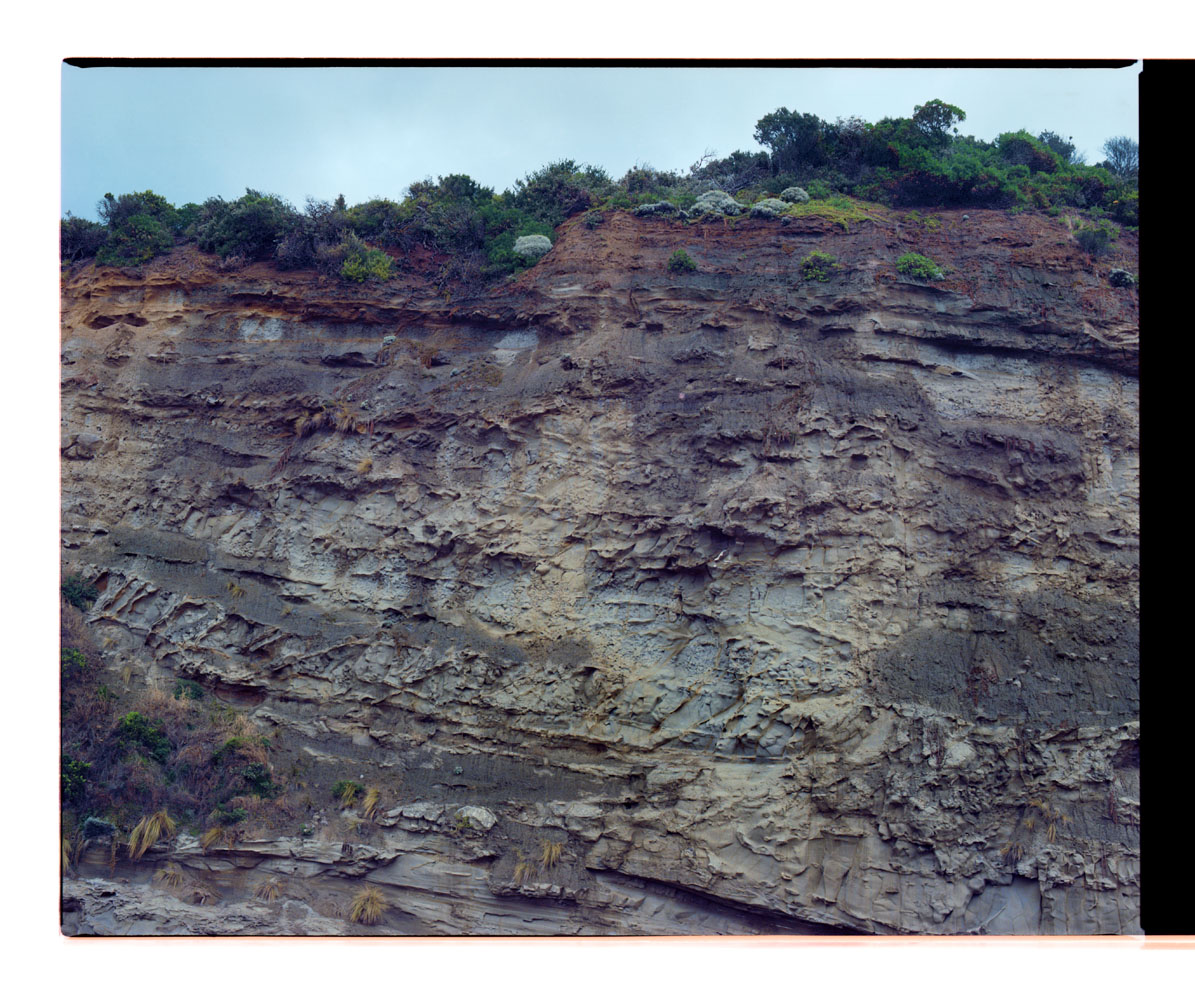
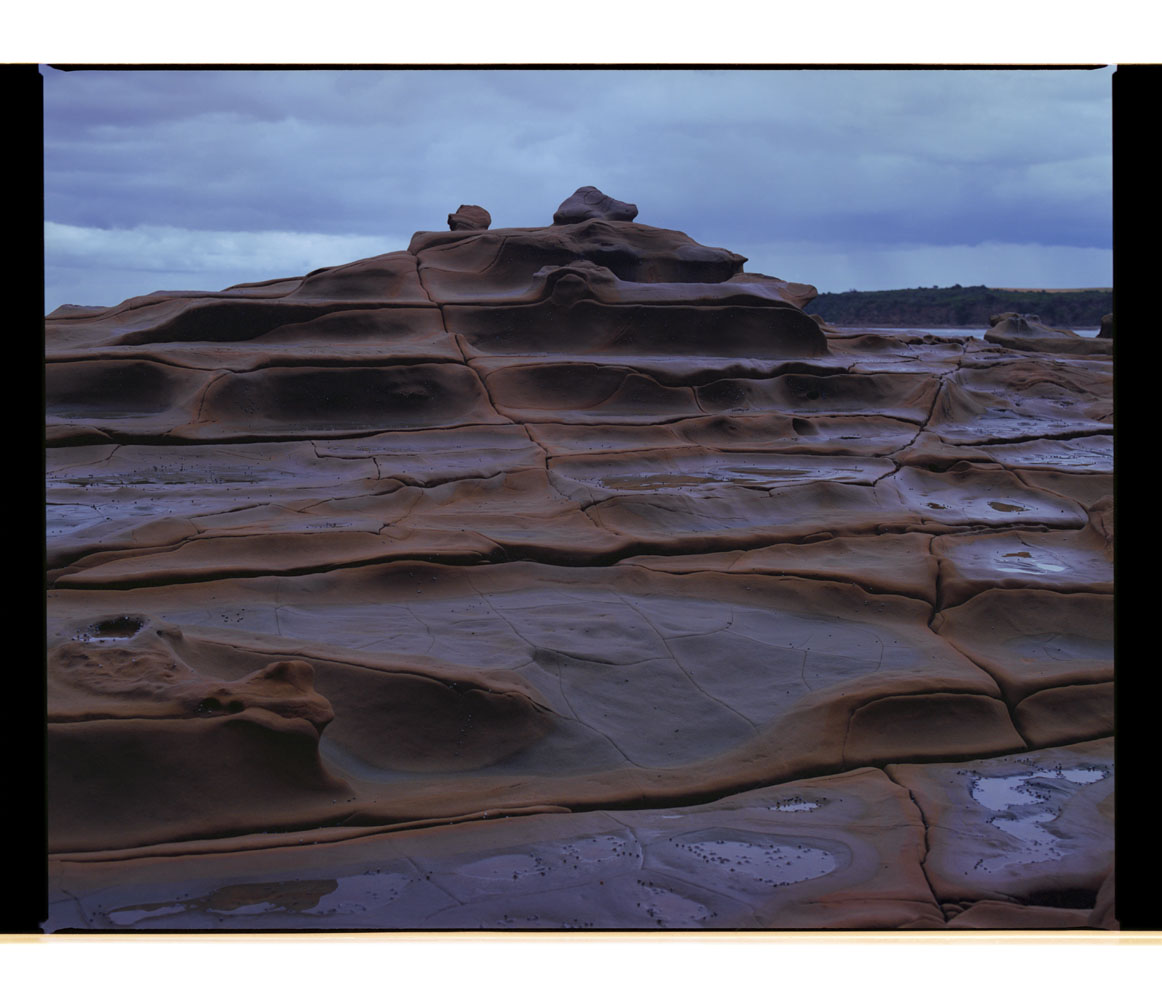


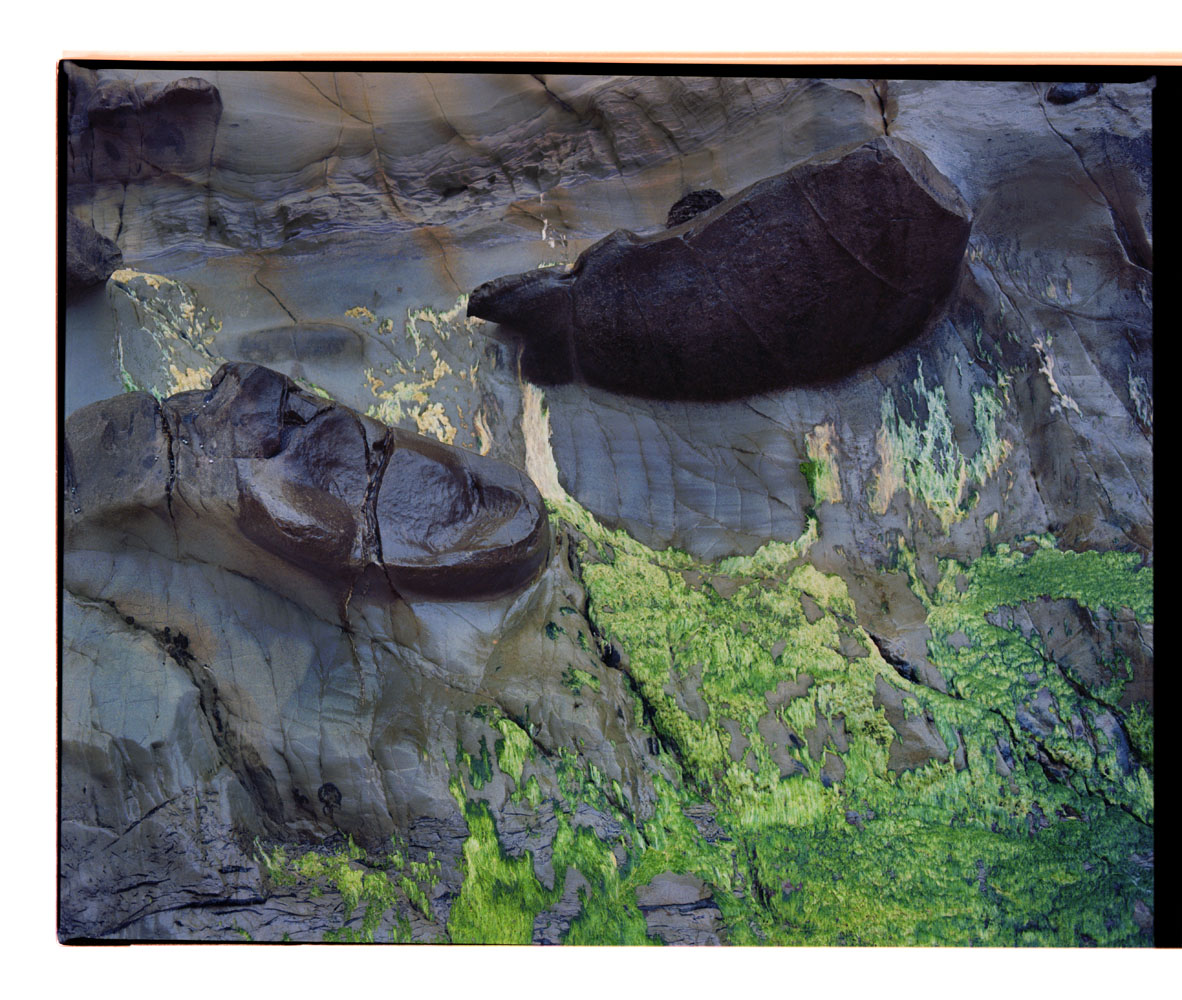
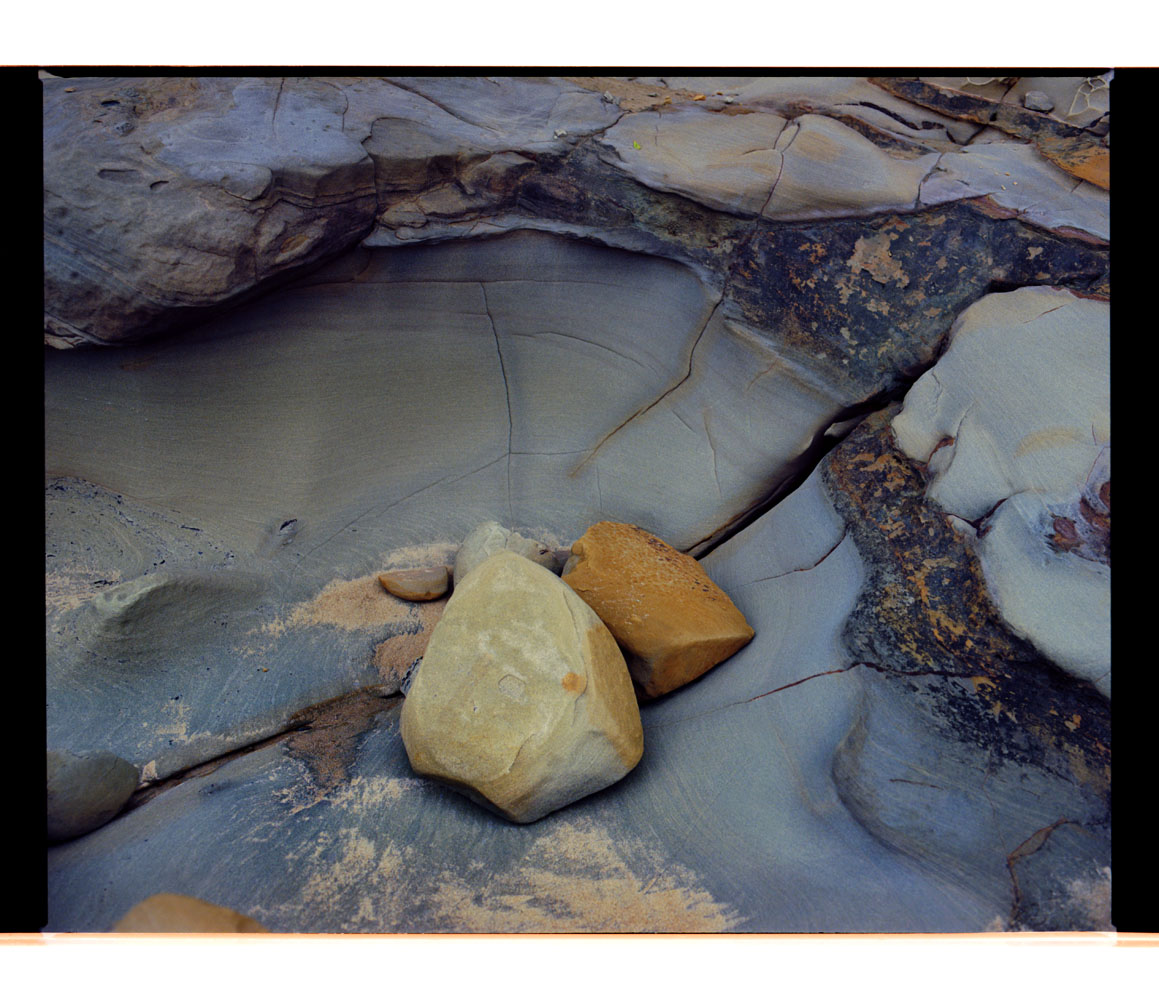

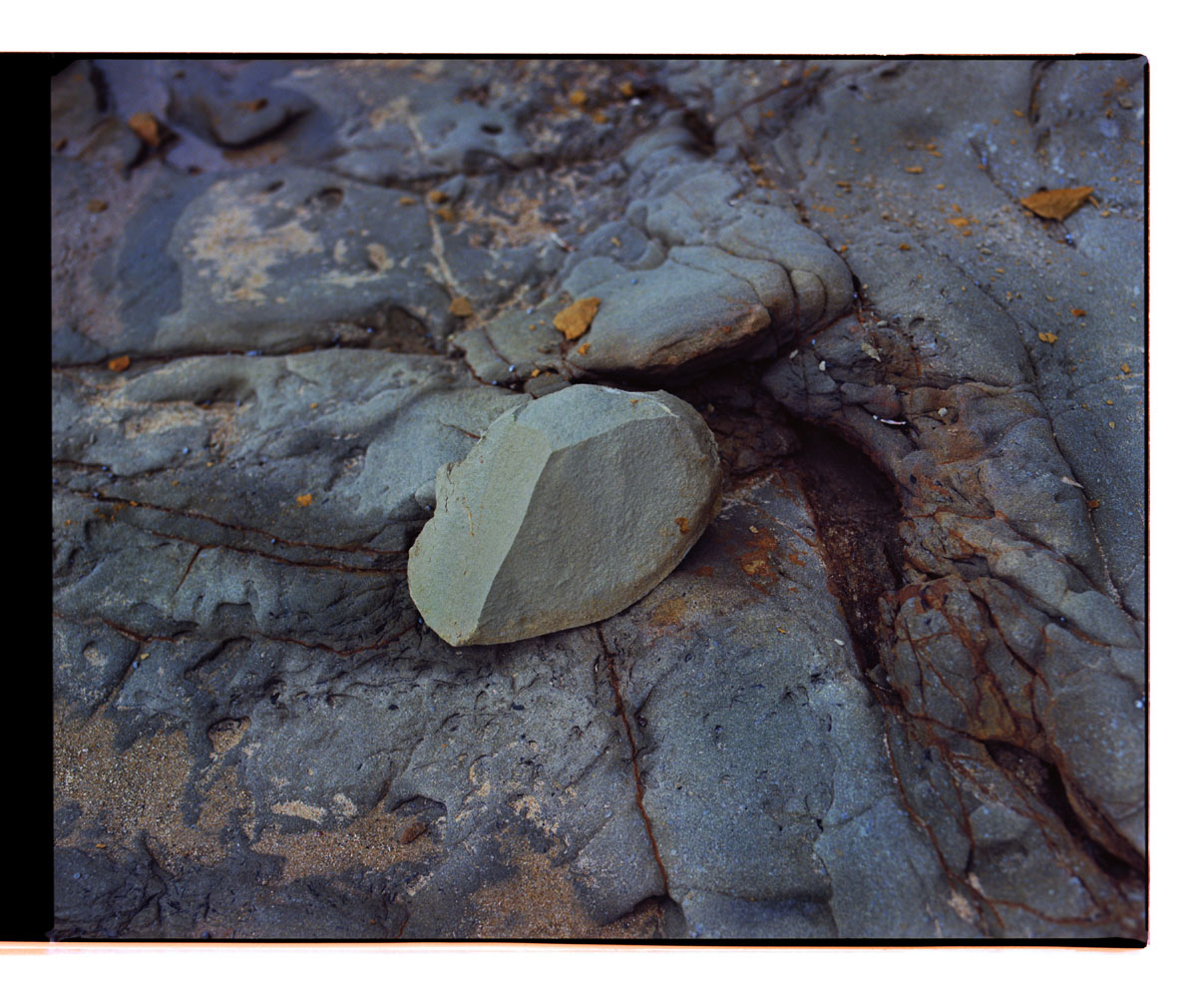

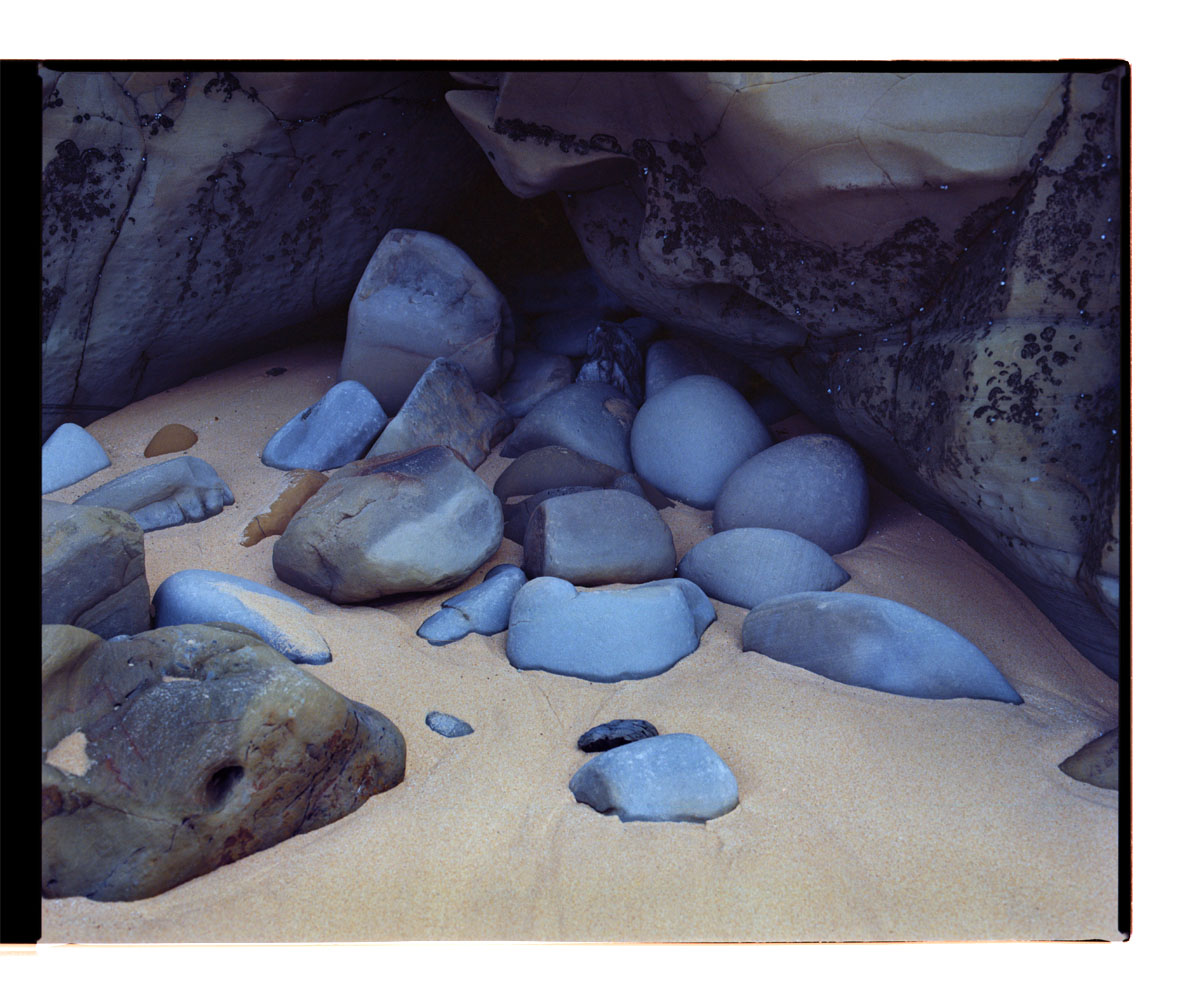


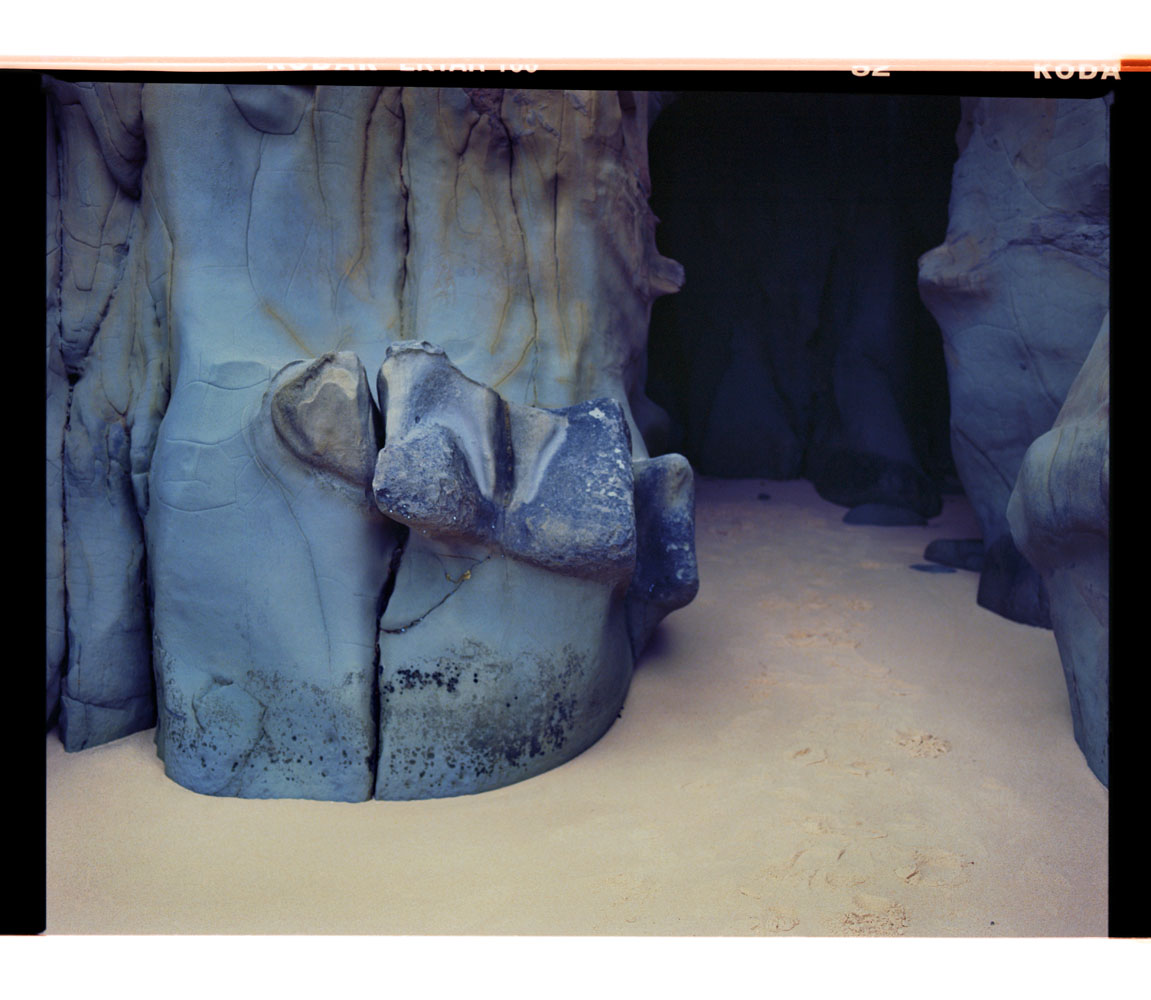
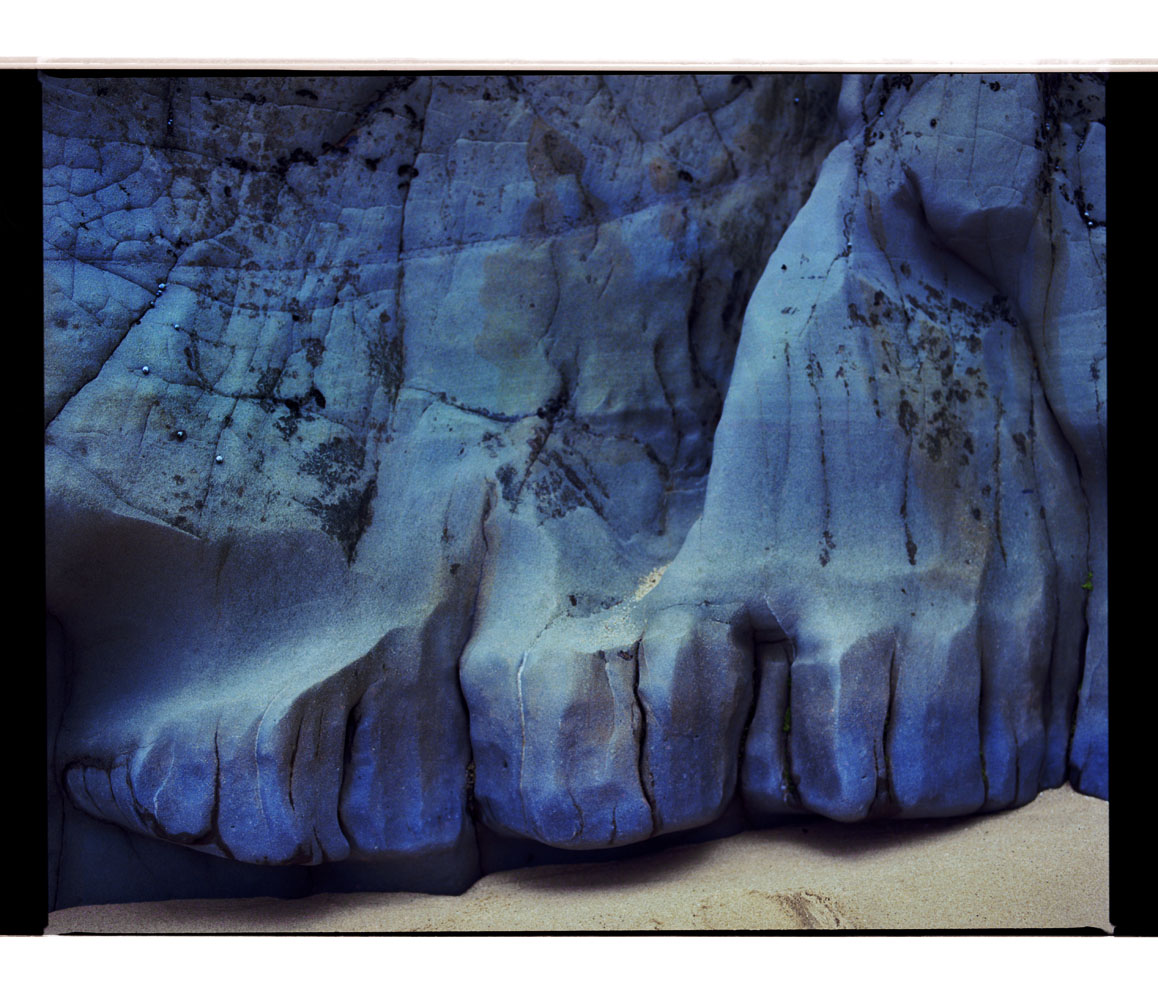


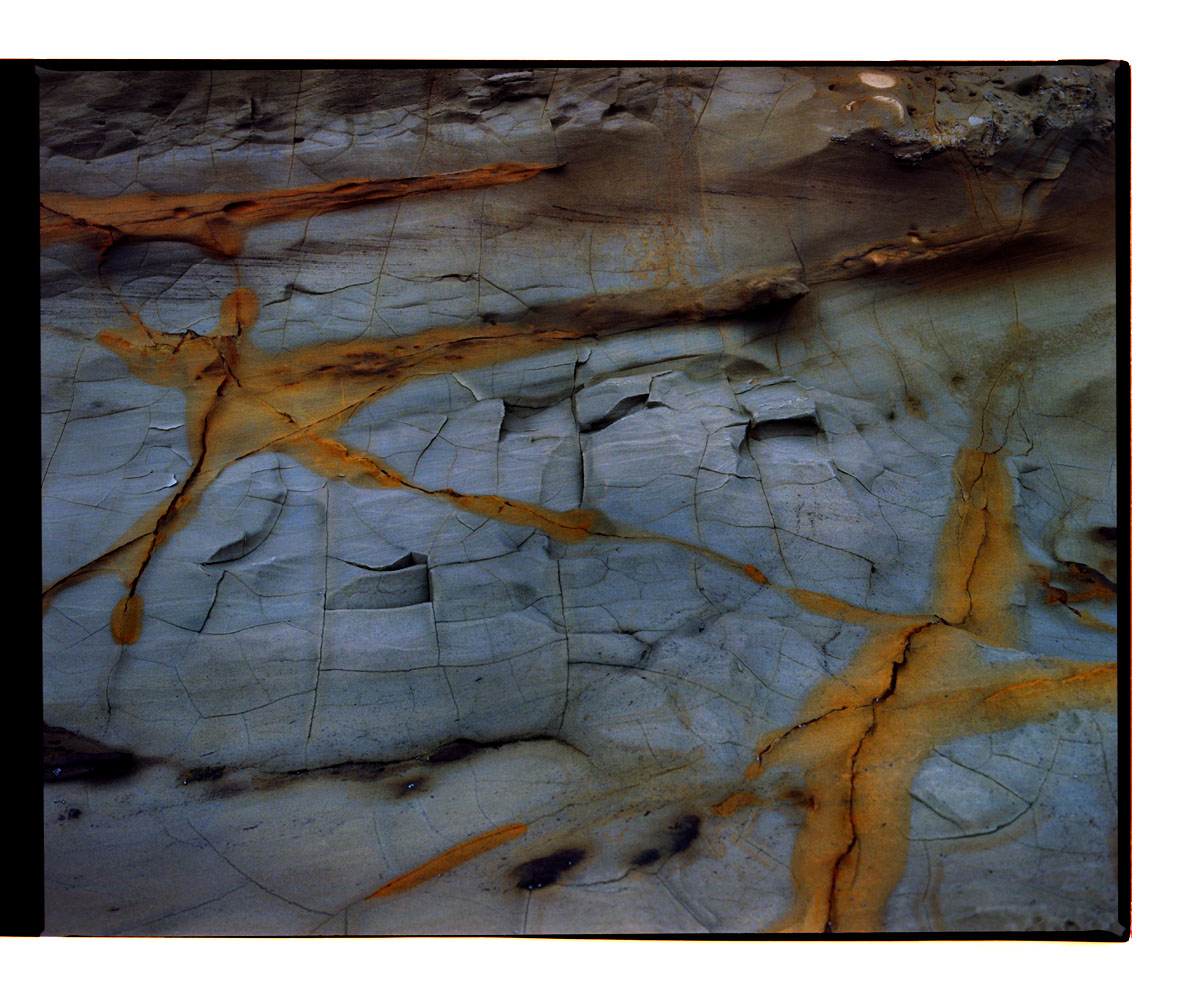

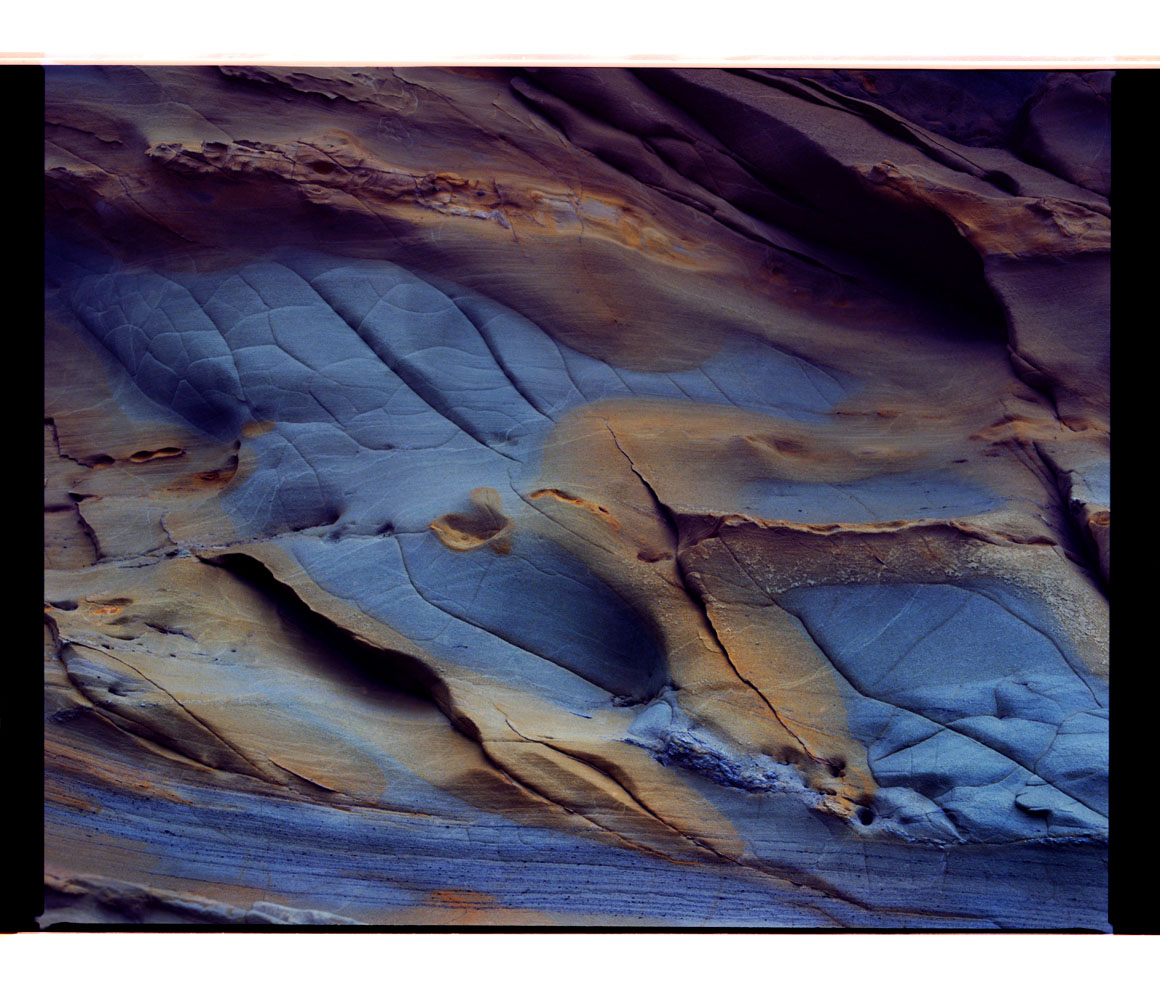


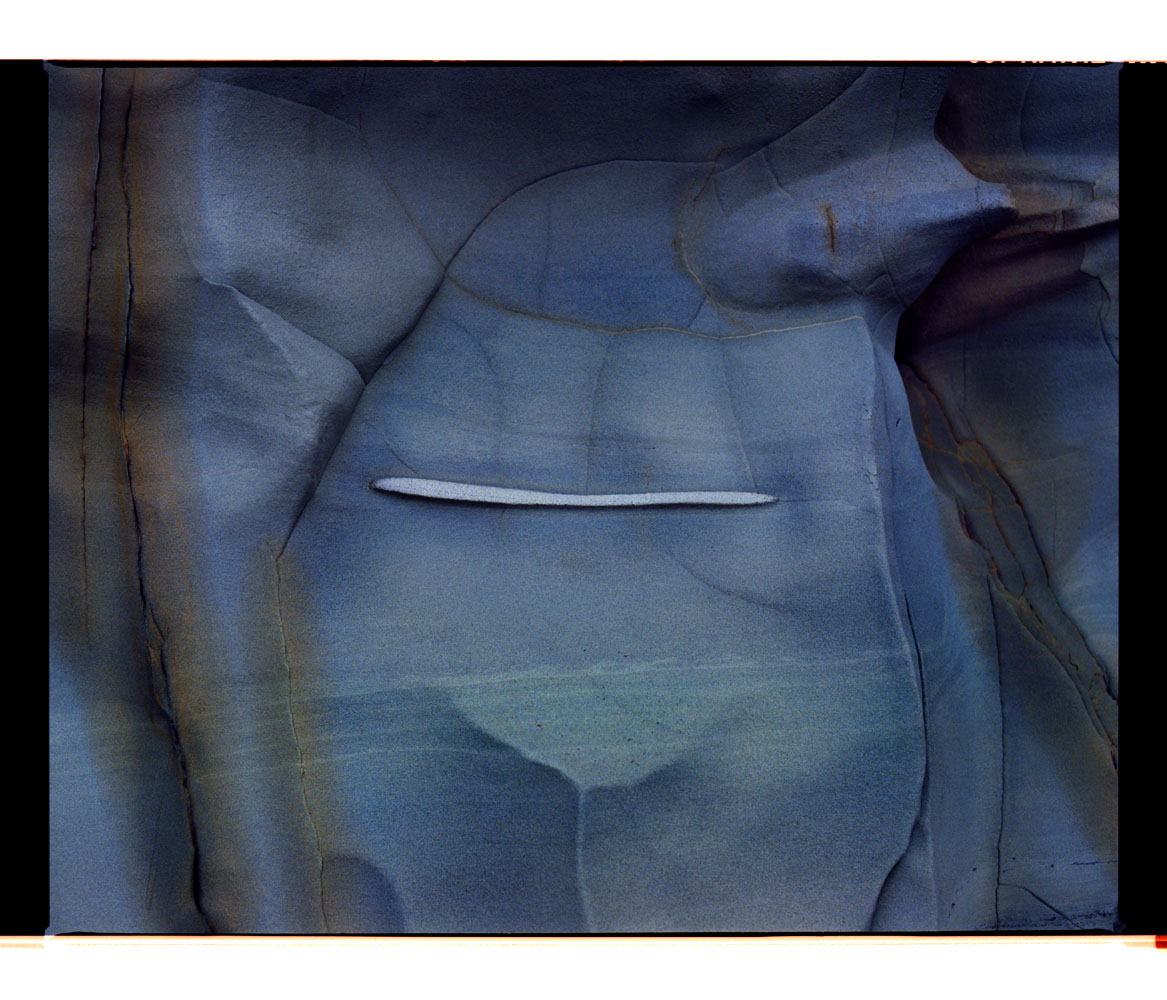
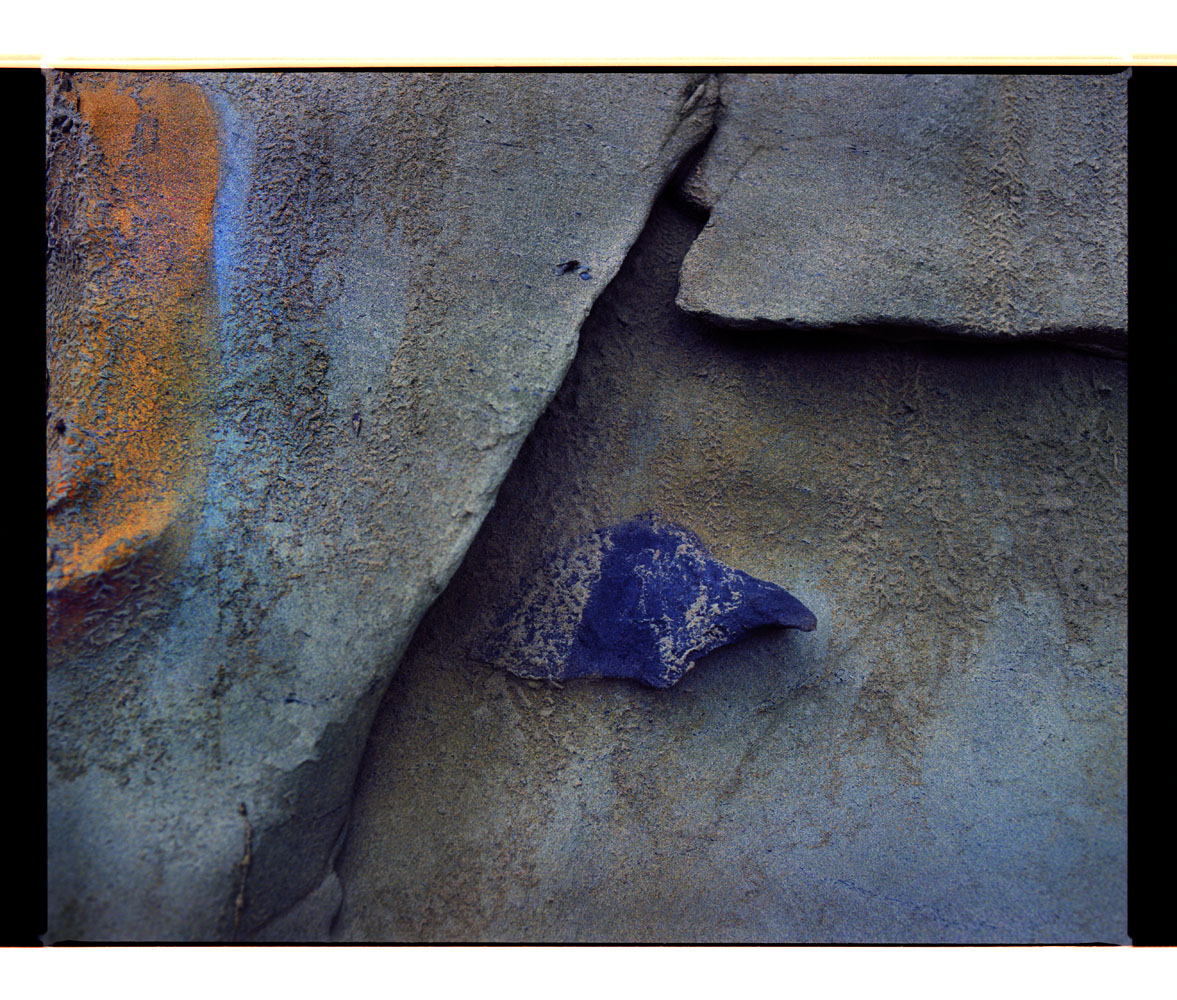


![Unknown photographer. 'Untitled [Australian Aborigines in chains]' Nd](https://artblart.com/wp-content/uploads/2017/11/australian-aborigines-c-web.jpg "Unknown photographer. 'Untitled [Australian Aborigines in chains]' Nd")
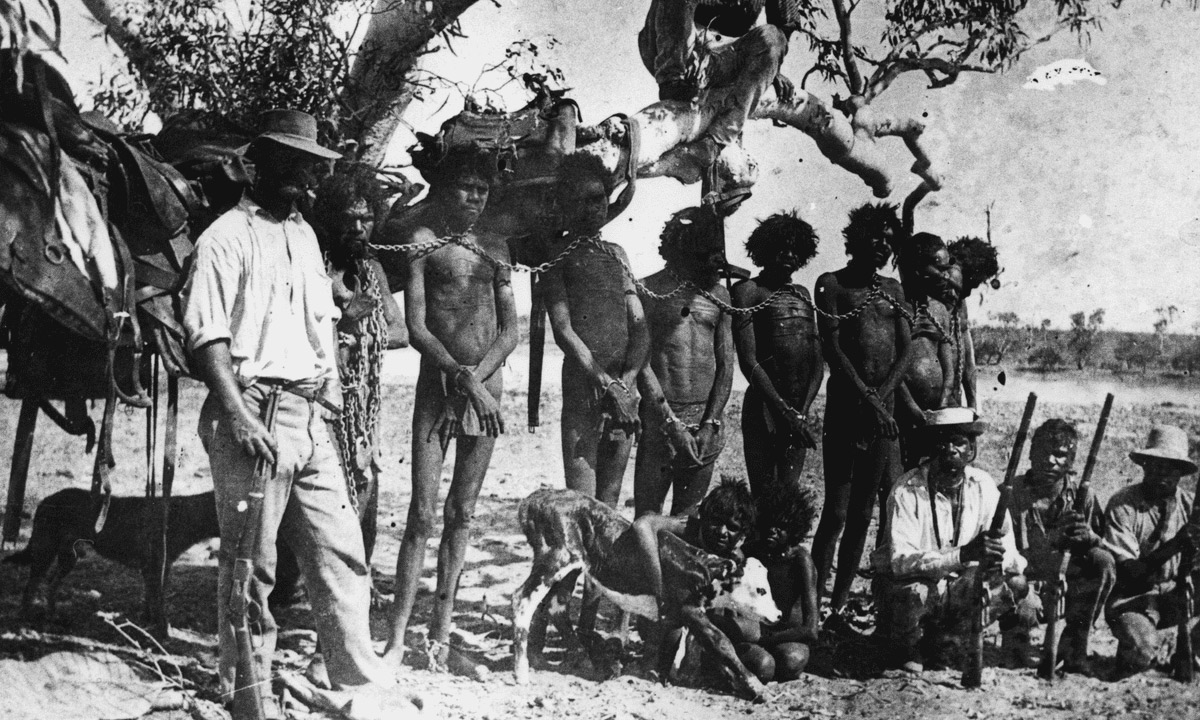


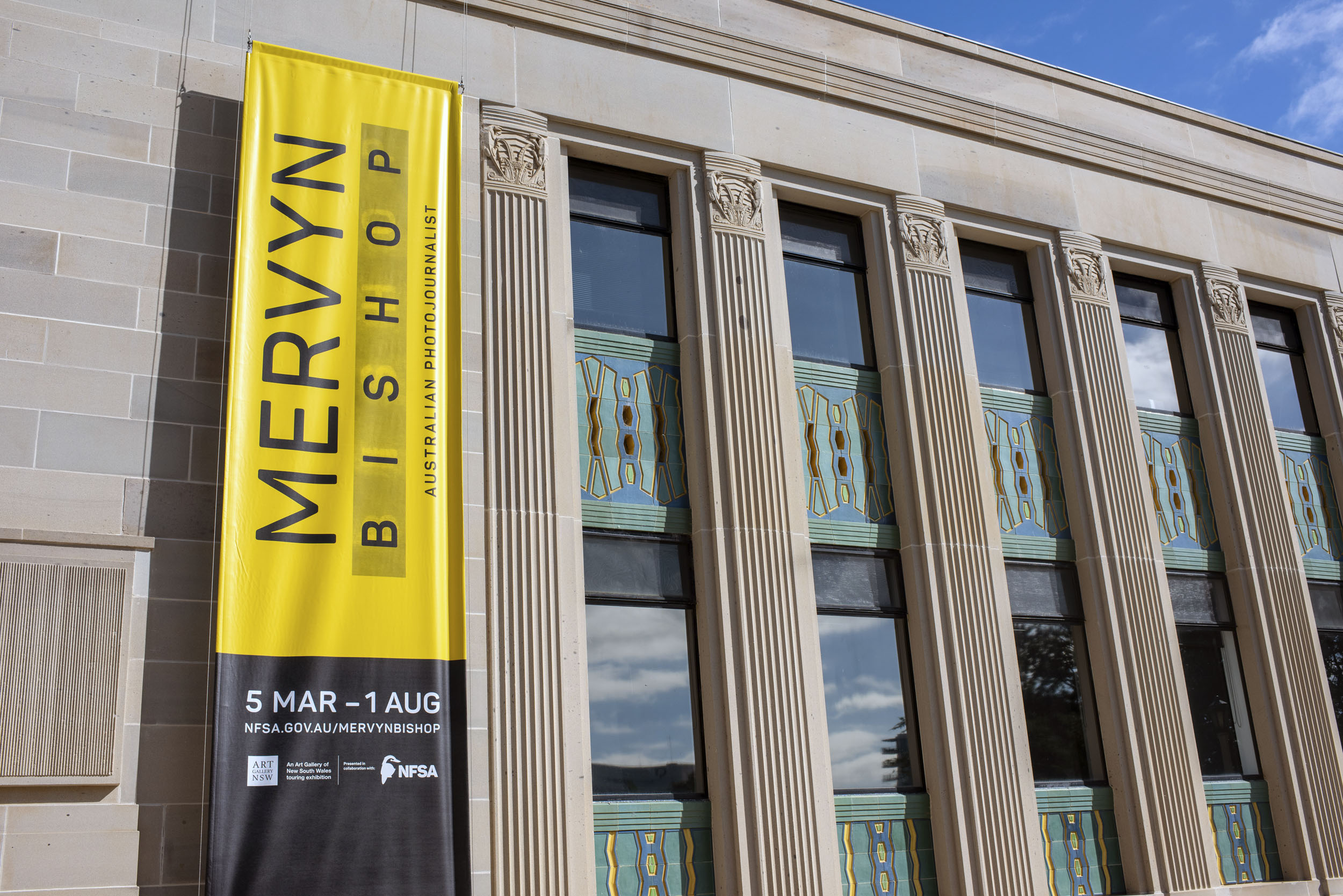

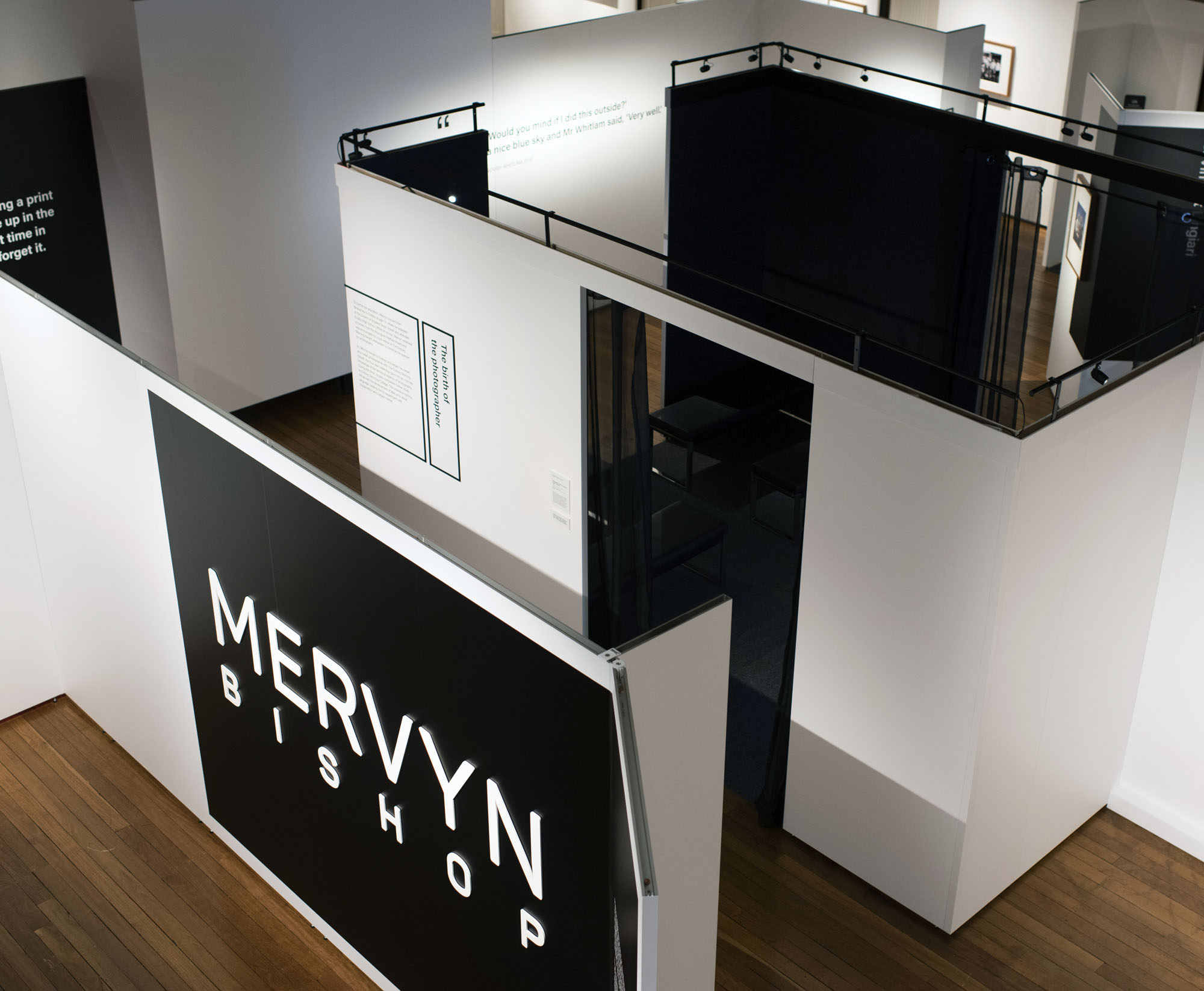


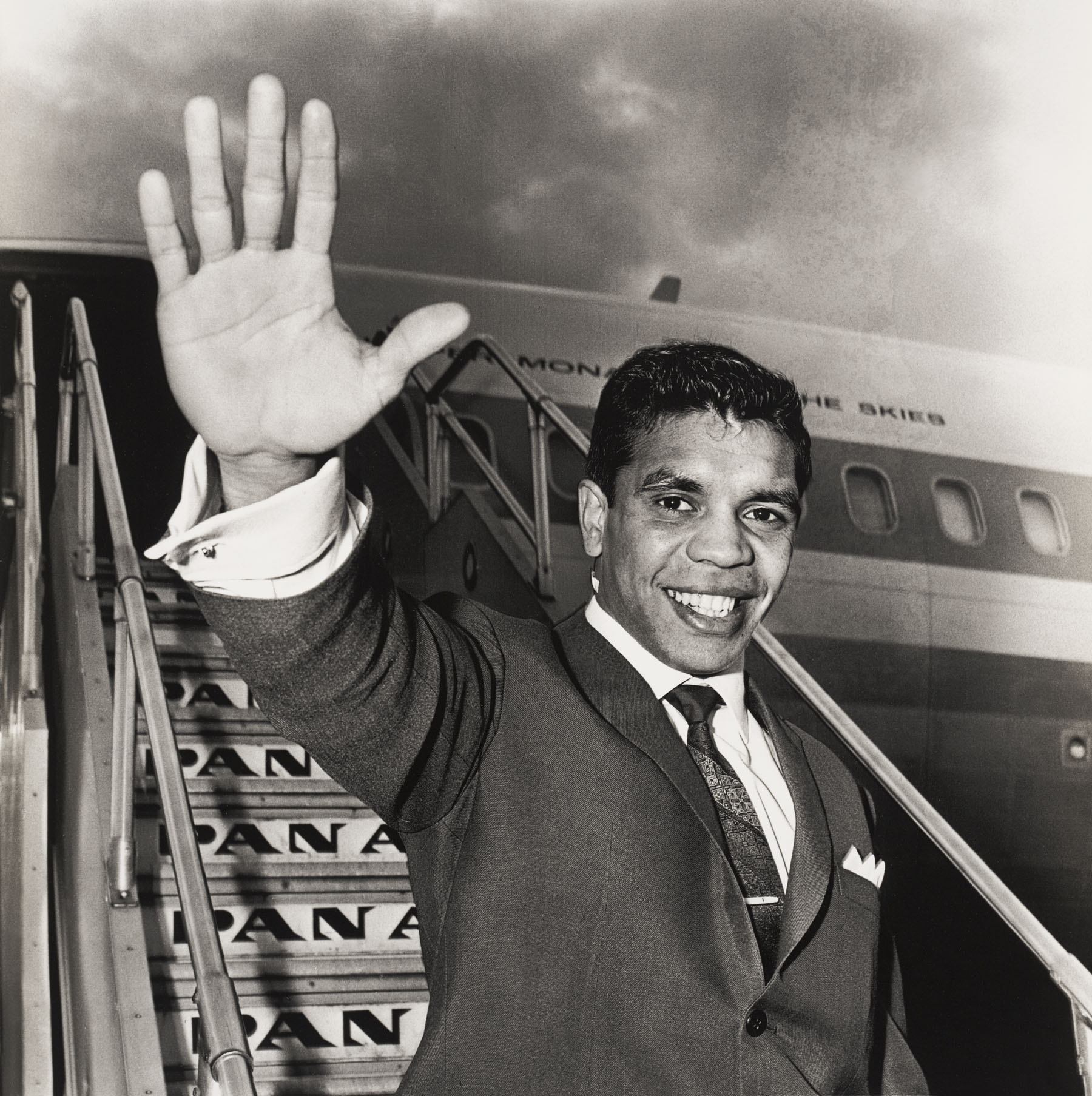
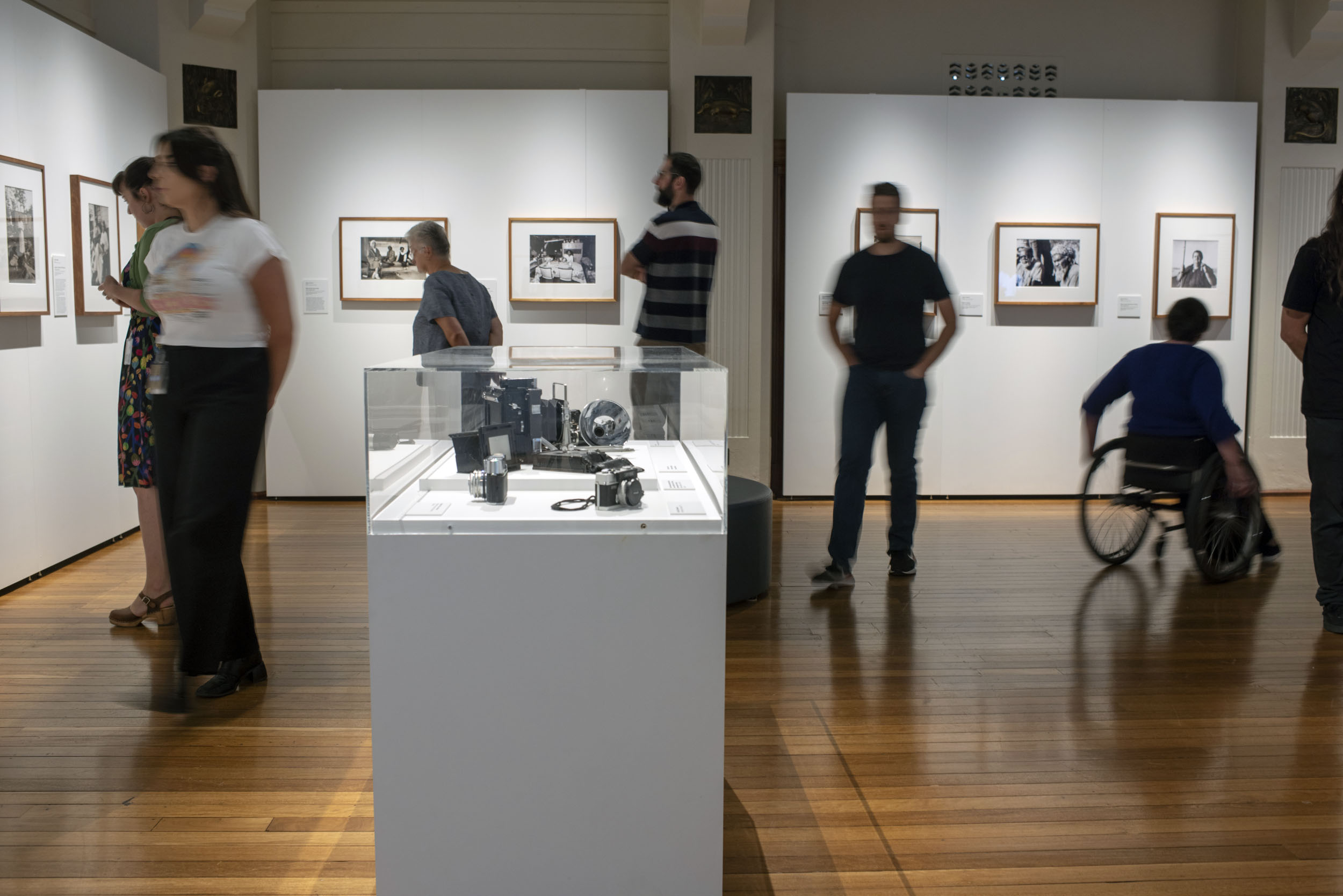


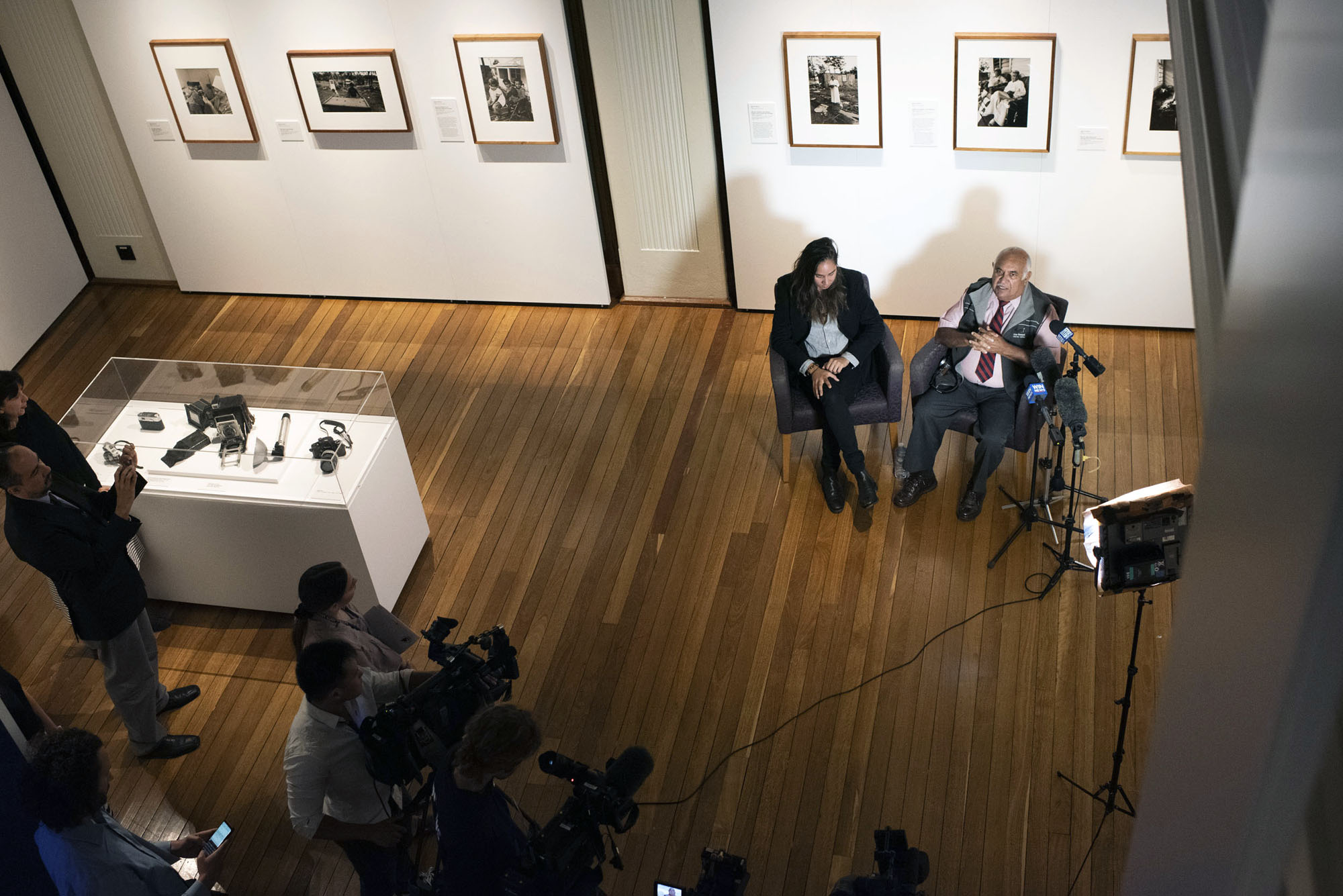


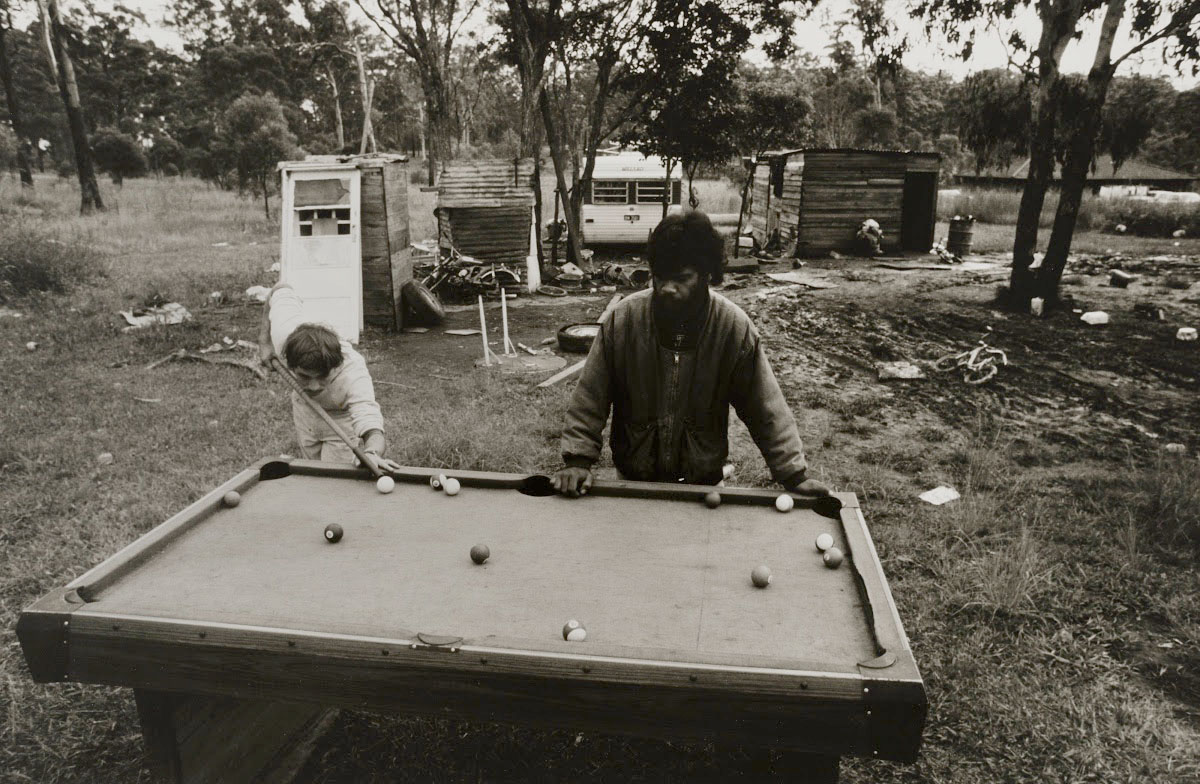


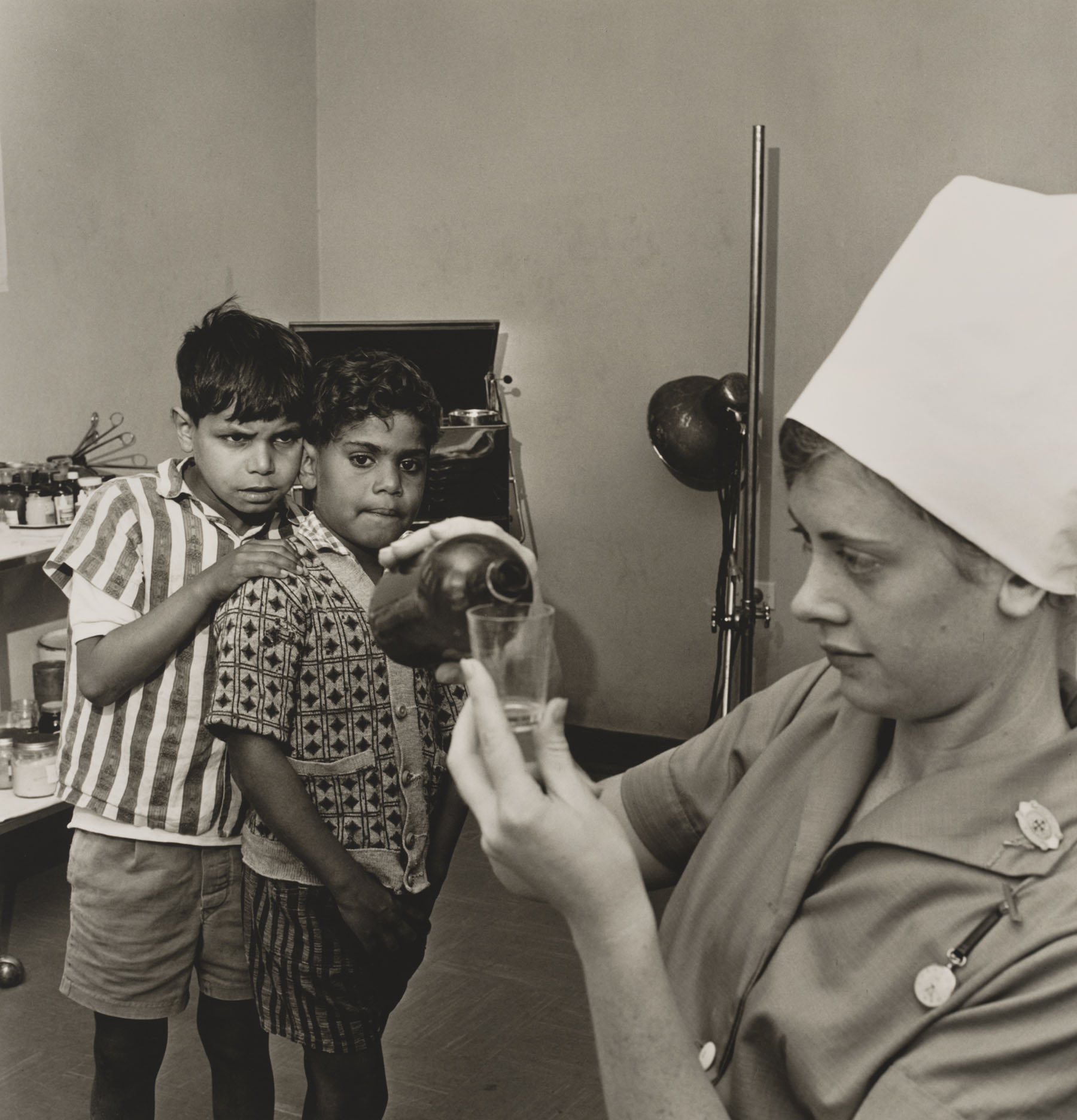


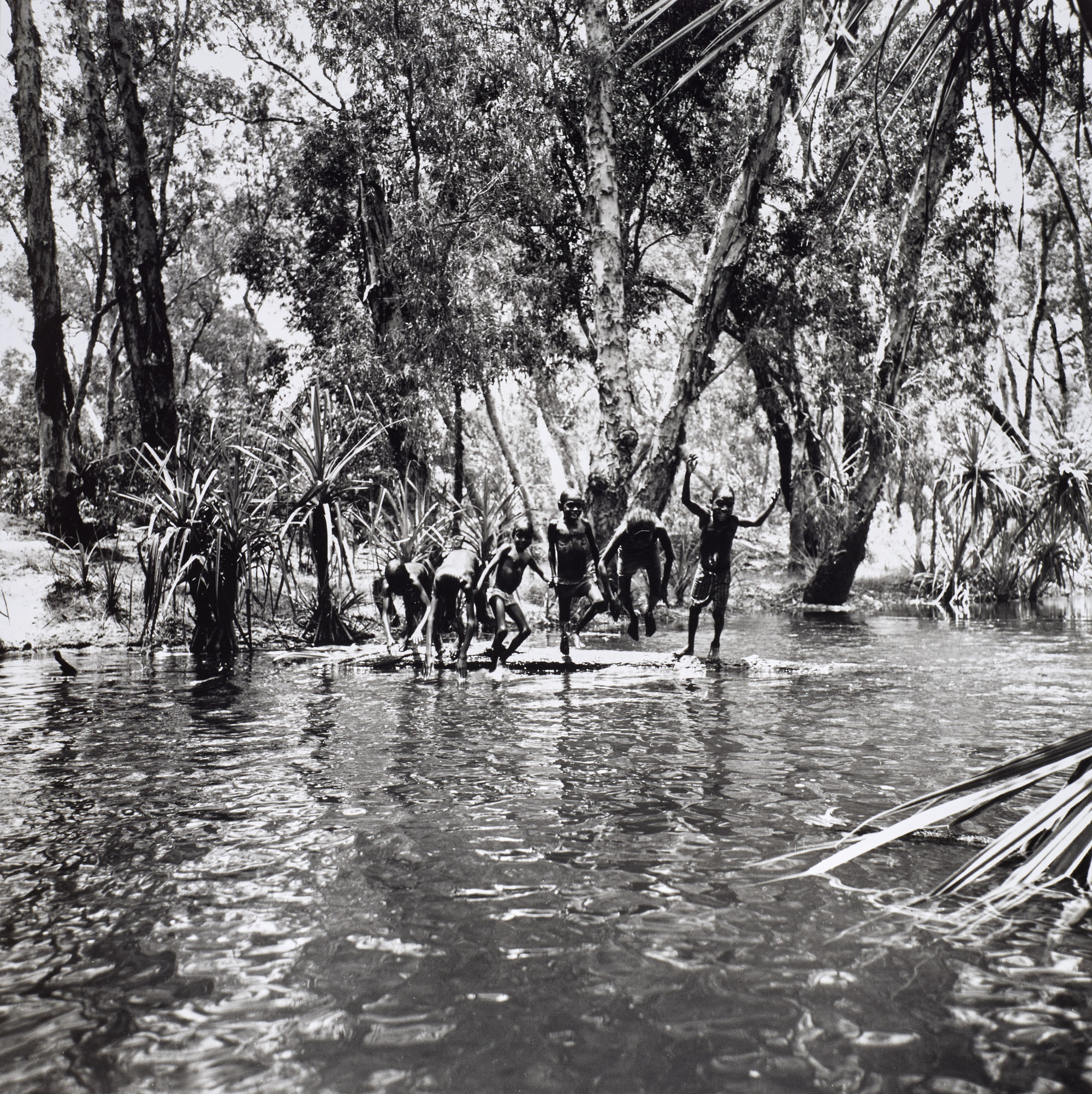
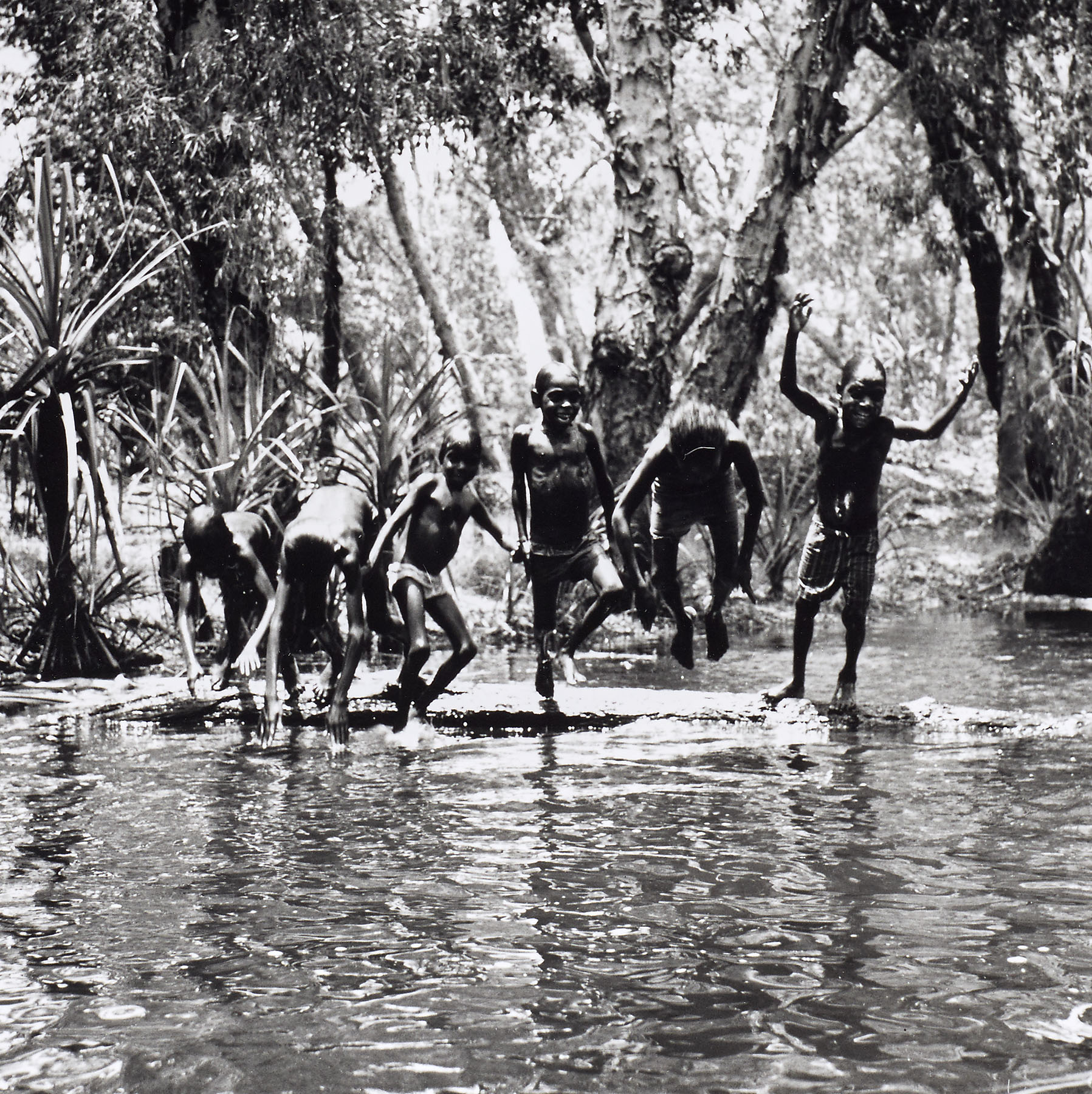


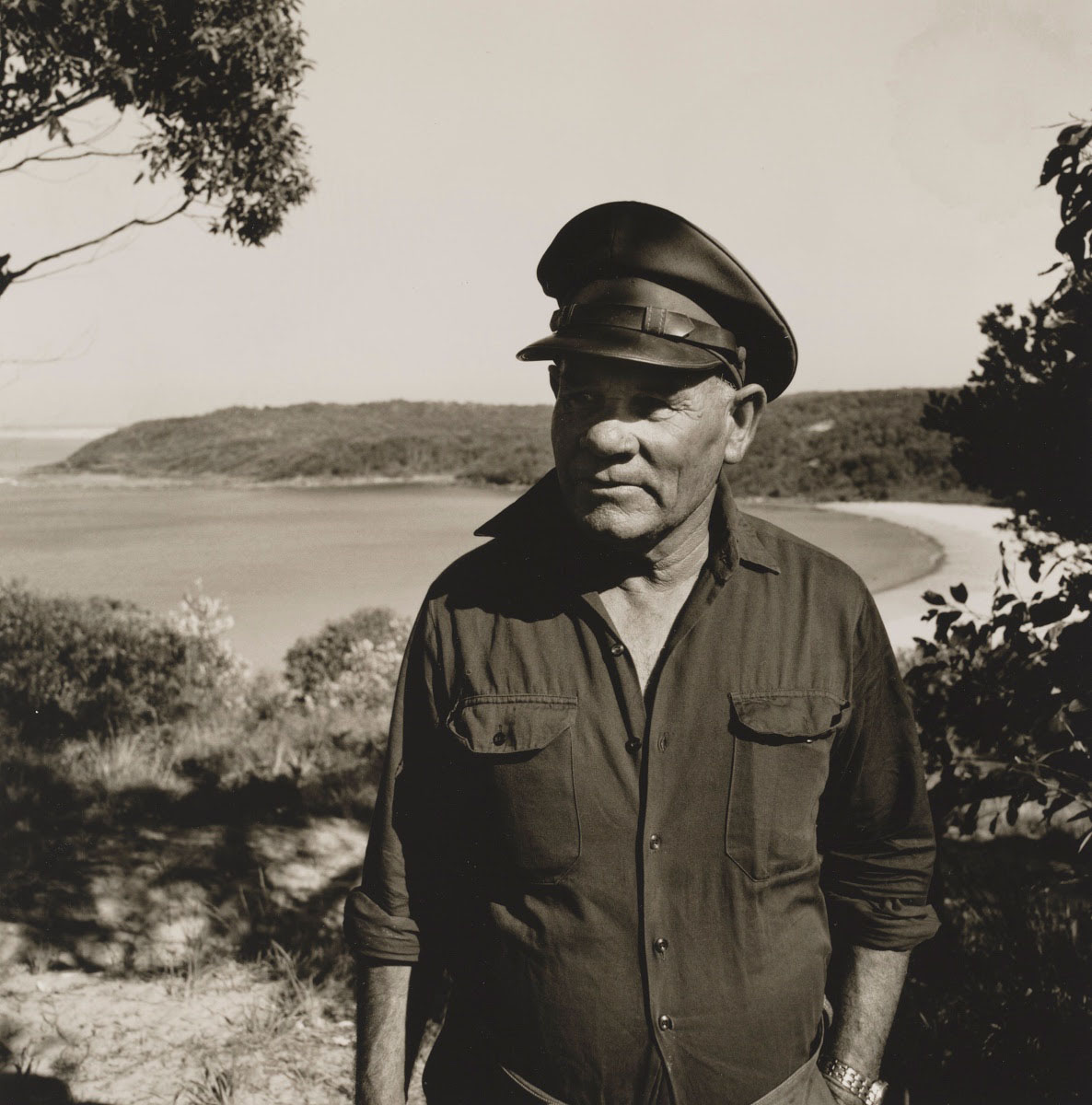

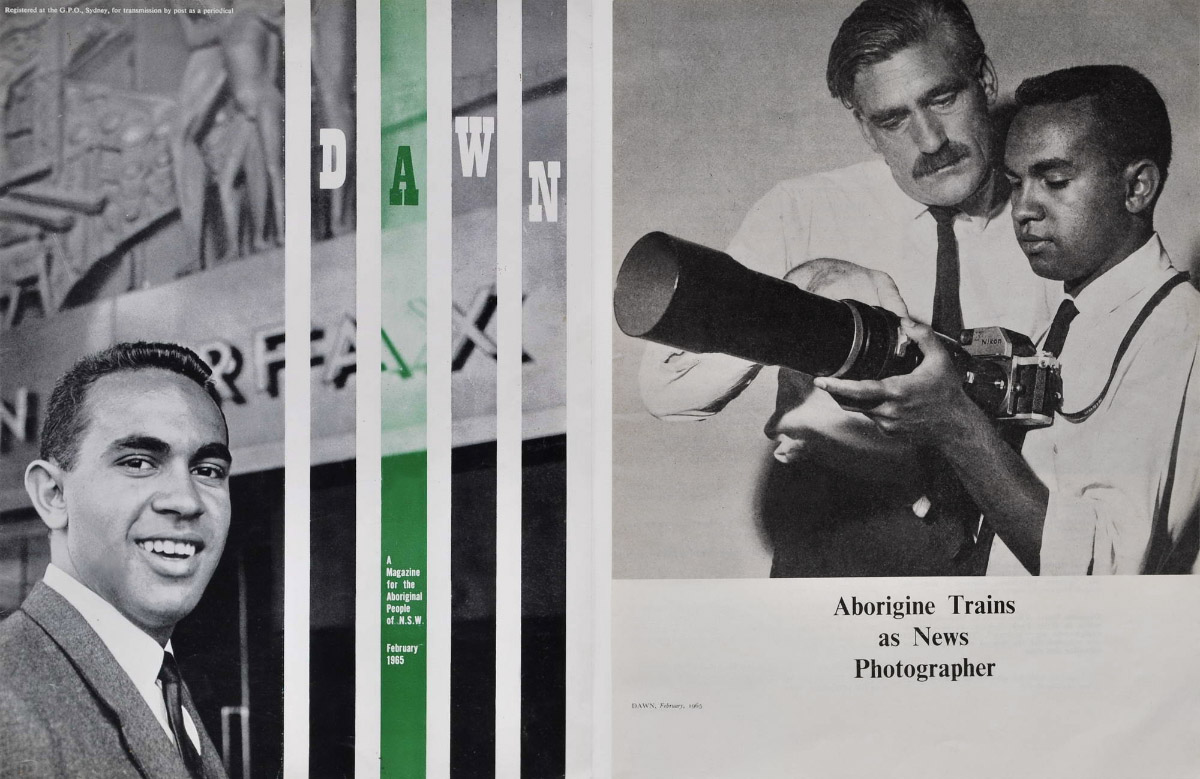


![Aboriginal Protection Board (1952-1969) (publisher) Department of Child Welfare and Social Welfare (1970-1975) "Untitled [Deb Ball]" Dawn magazine, October 1965 back cover](https://artblart.com/wp-content/uploads/2021/09/dawn-october-1965-back-cover.jpg "Aboriginal Protection Board (1952-1969) (publisher) Department of Child Welfare and Social Welfare (1970-1975) \"Untitled [Deb Ball]\" Dawn magazine, October 1965 back cover")


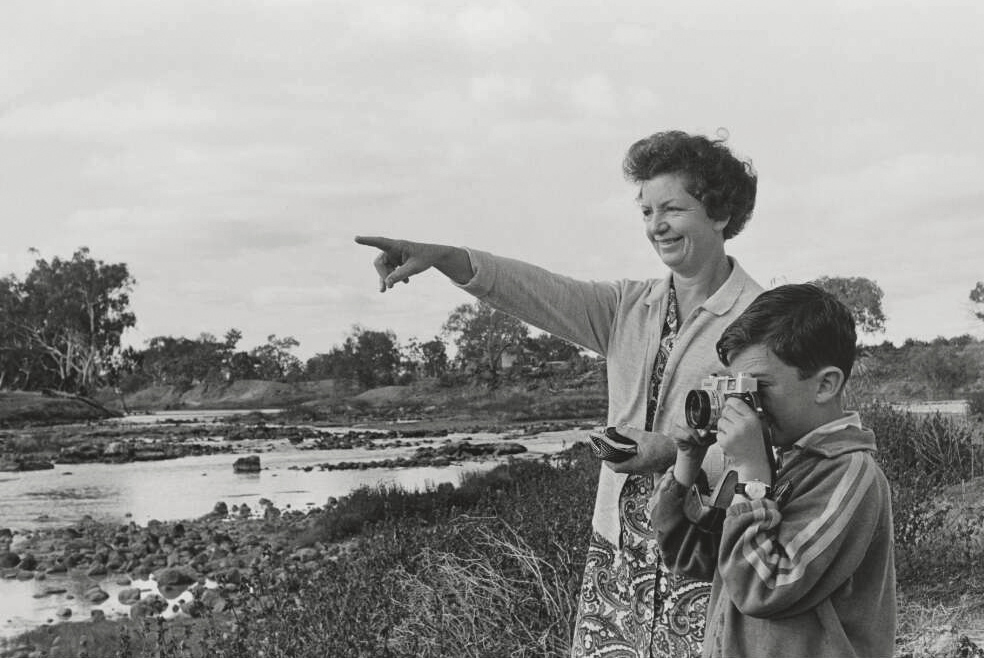
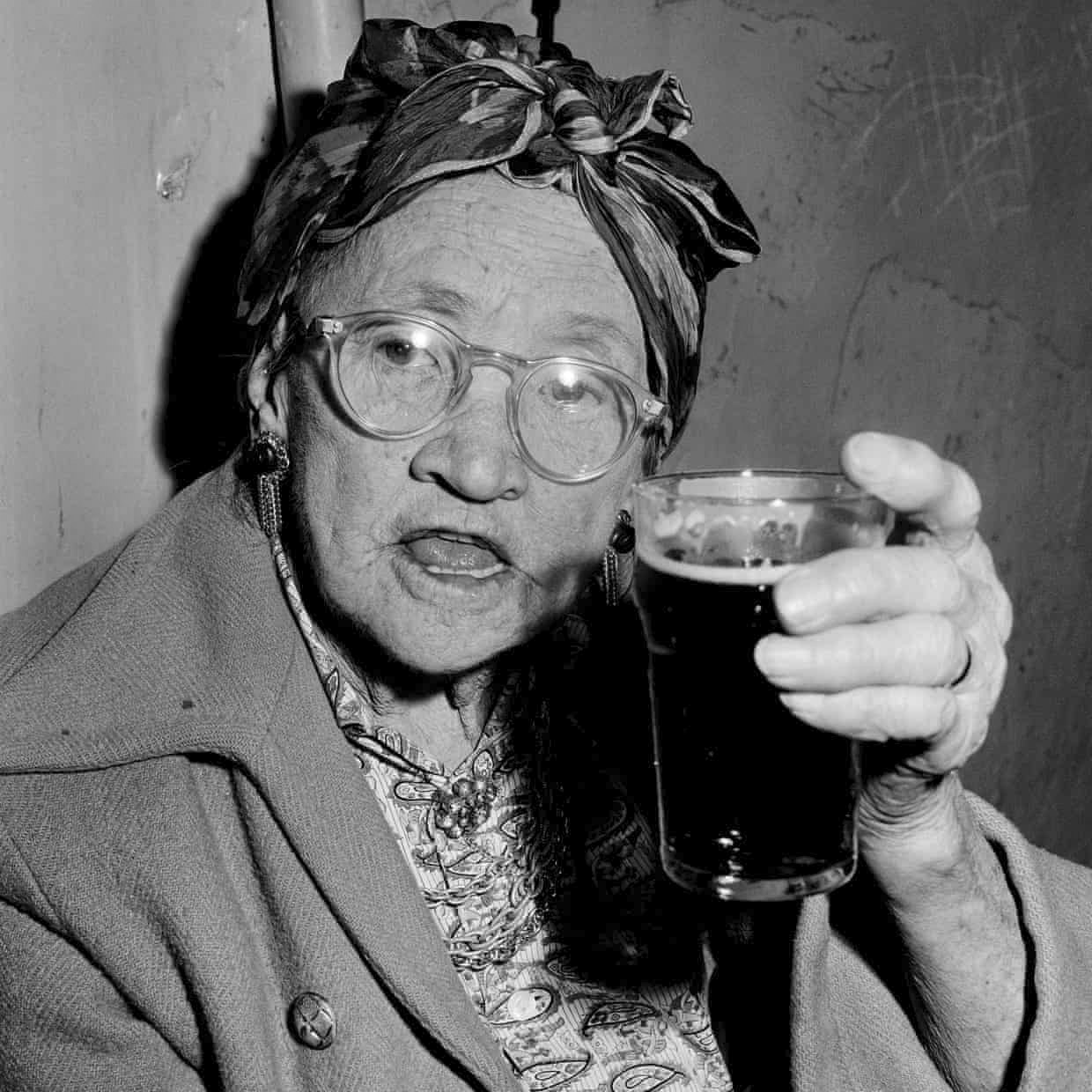


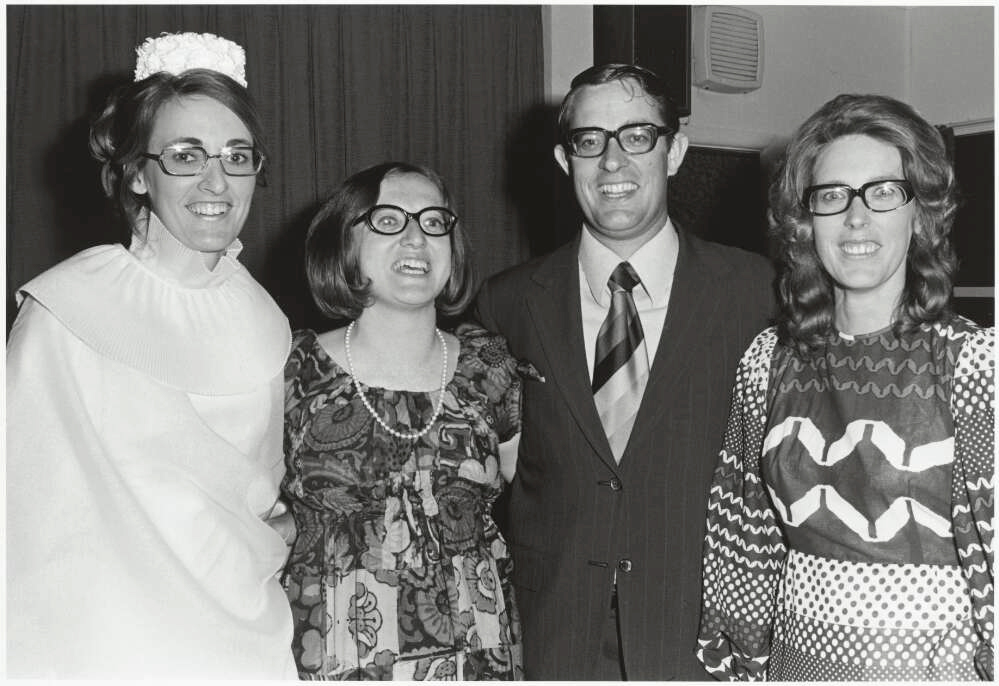

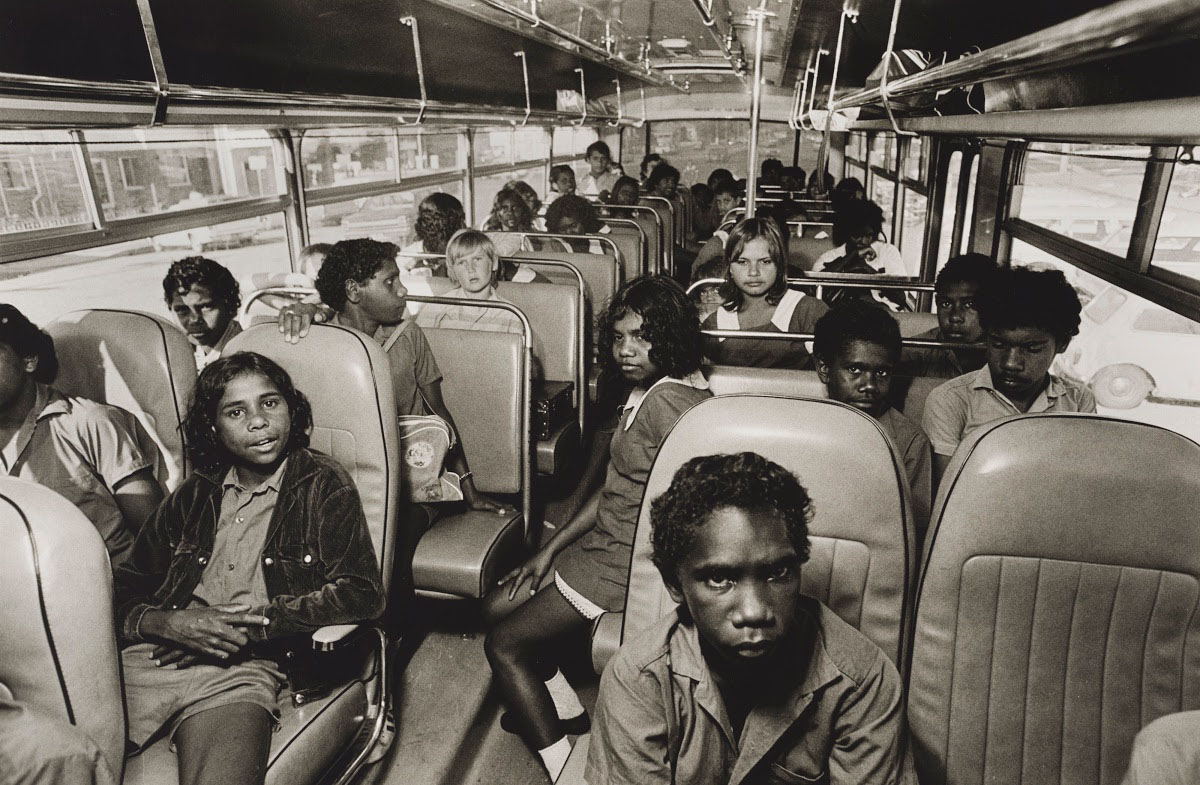
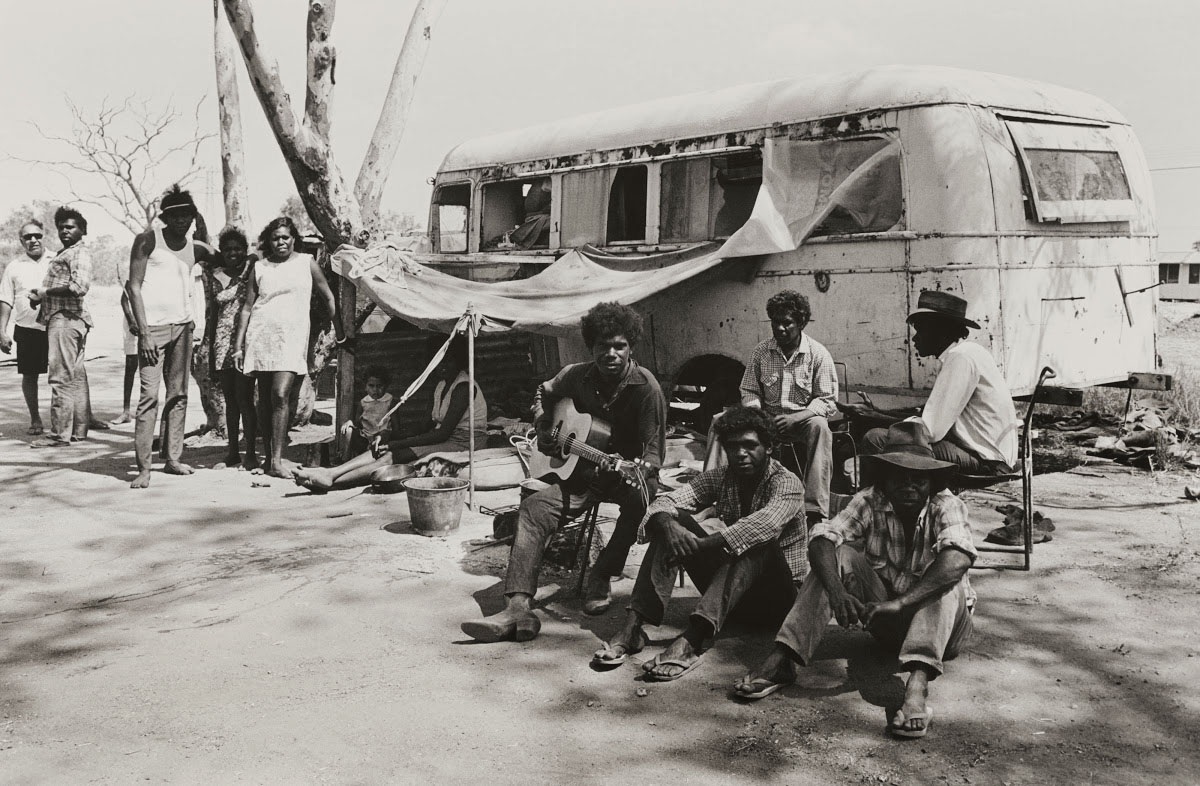
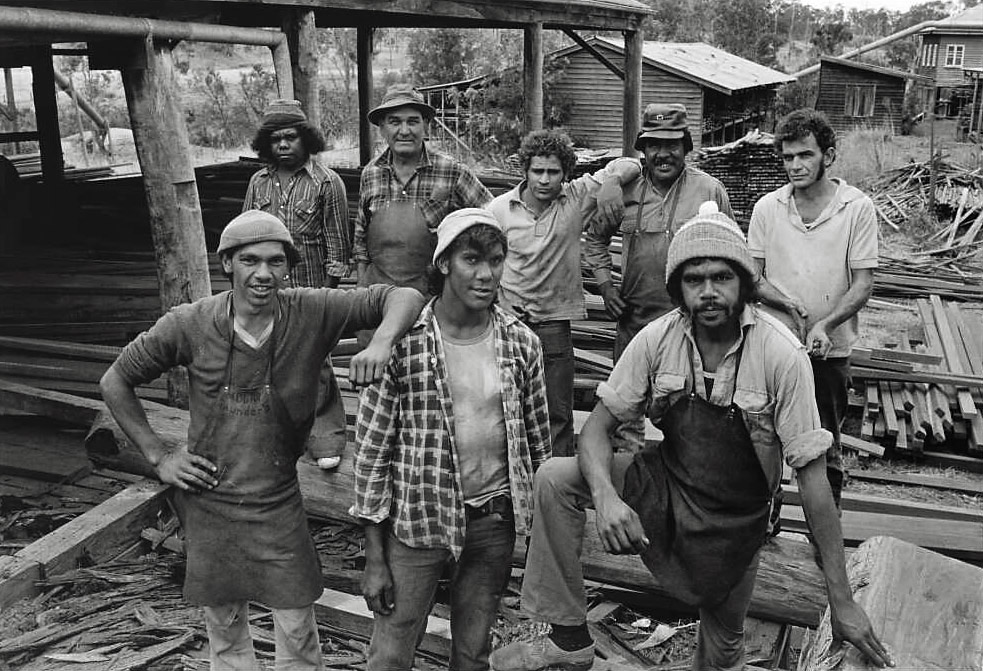


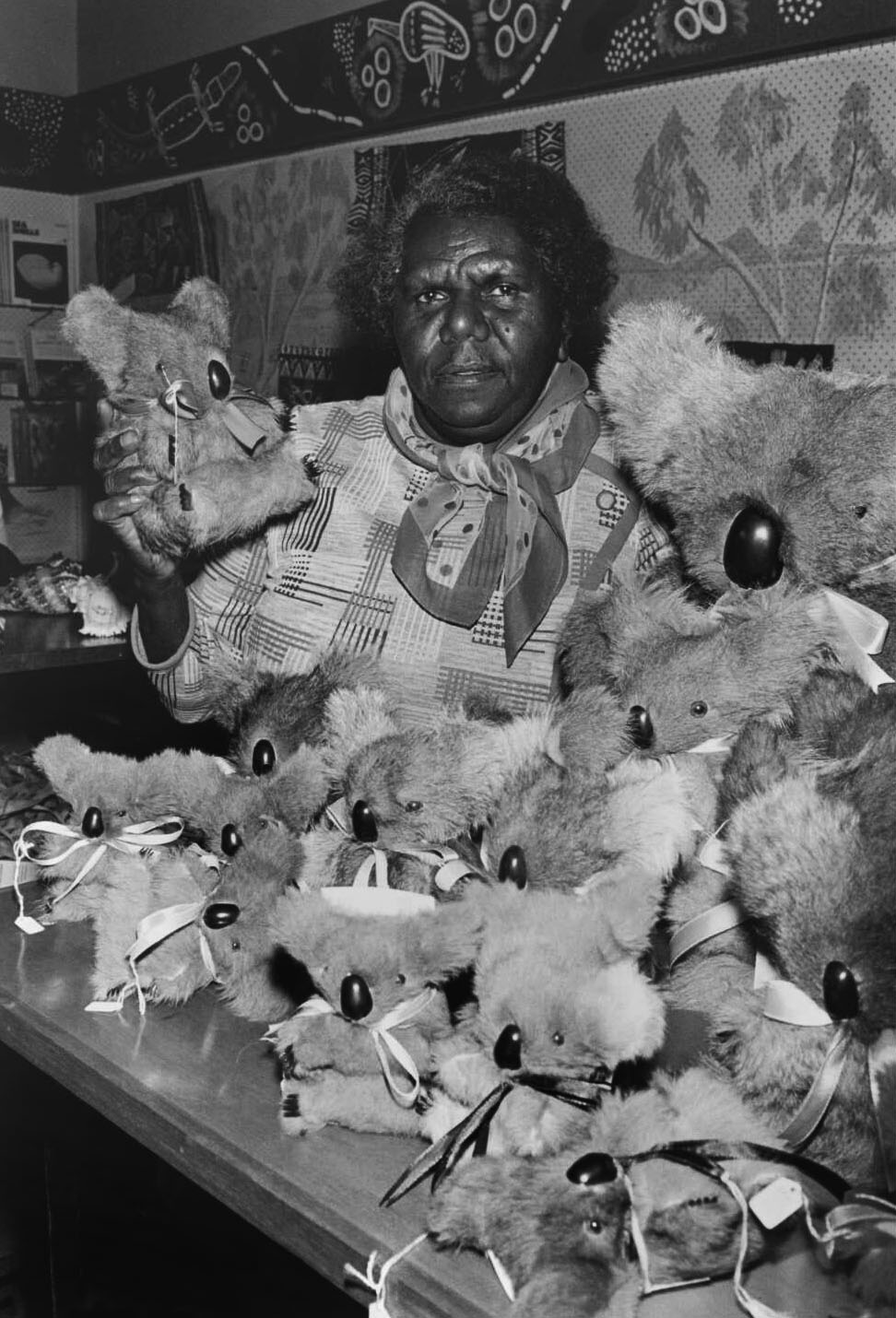
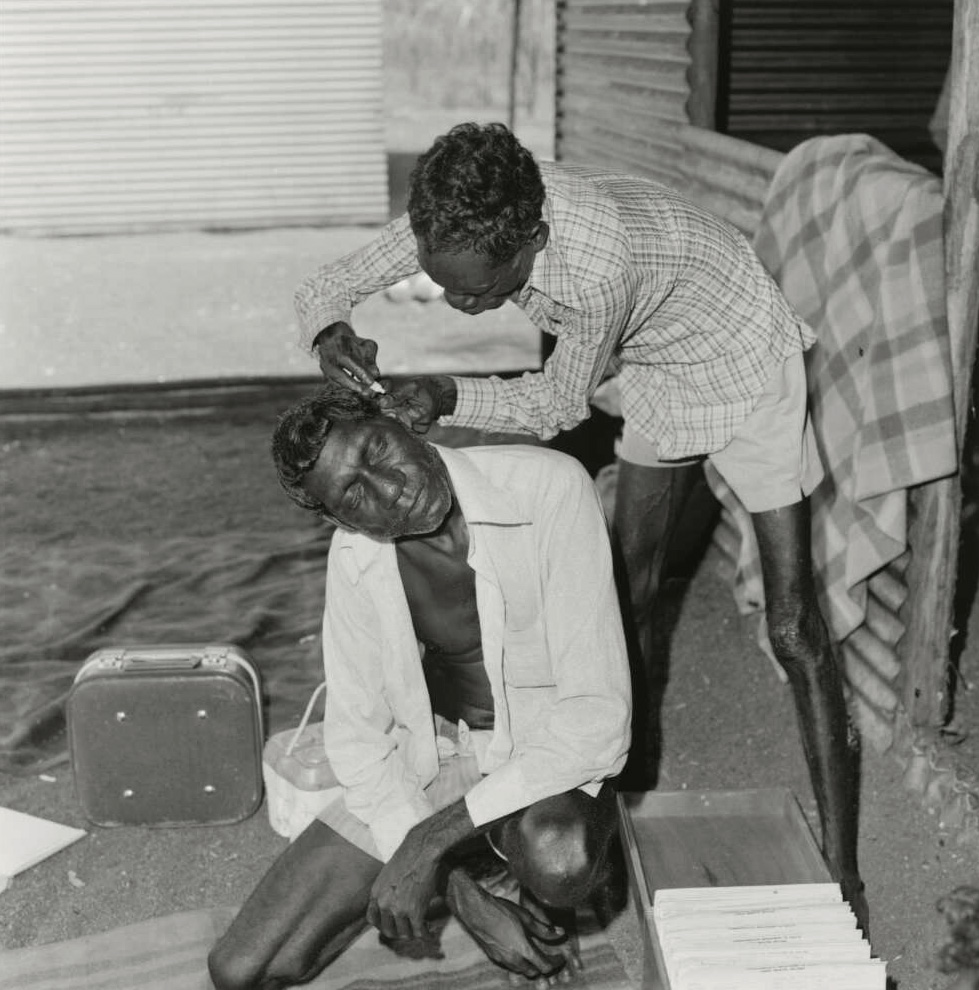
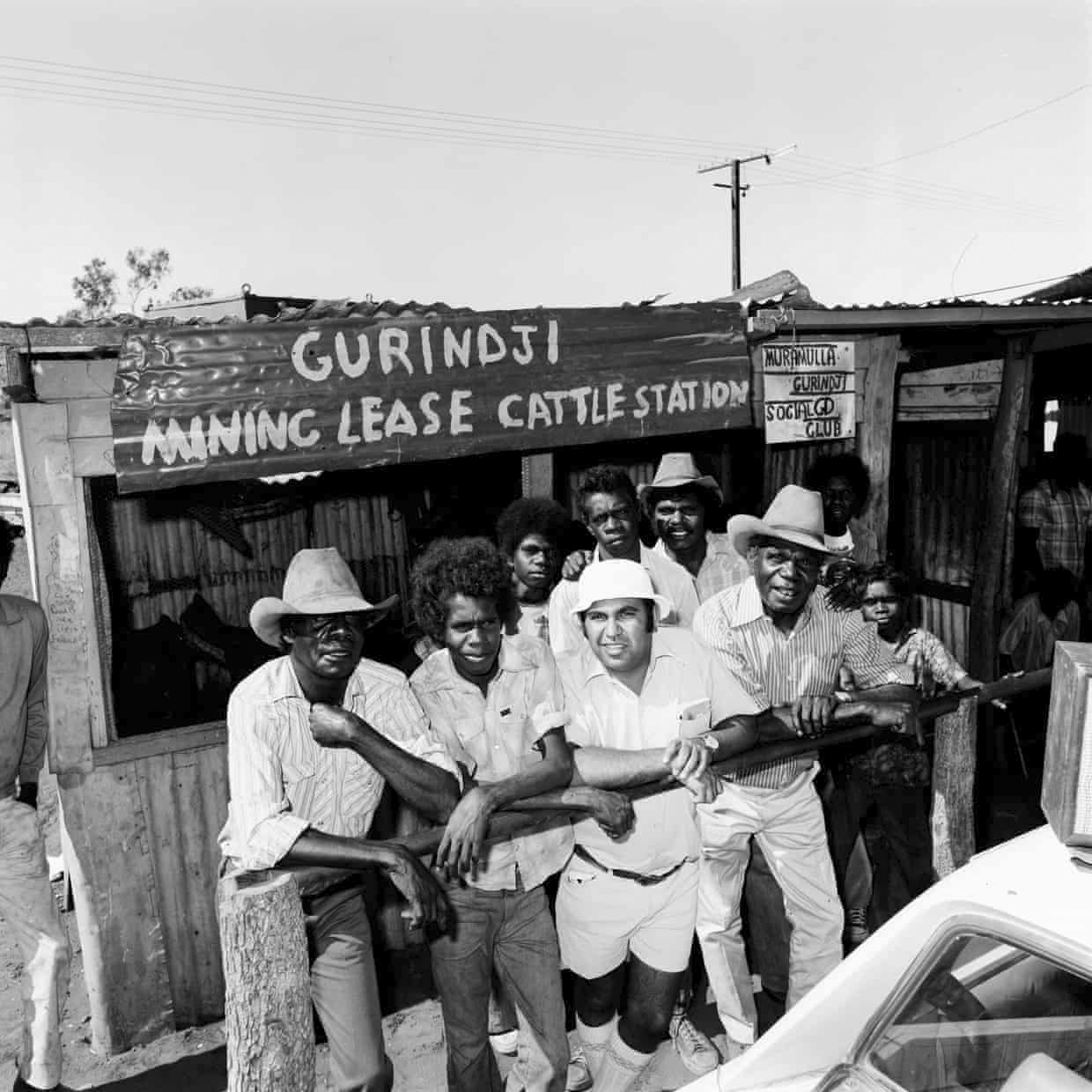
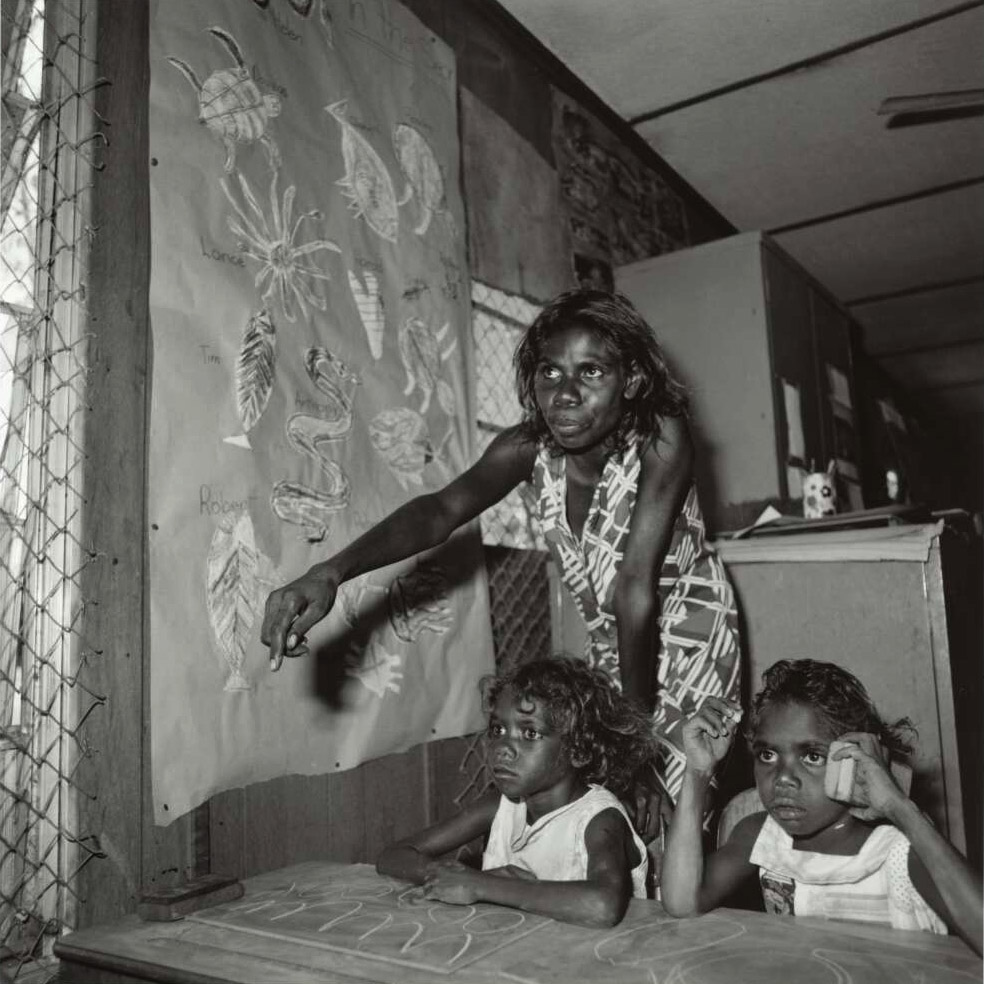

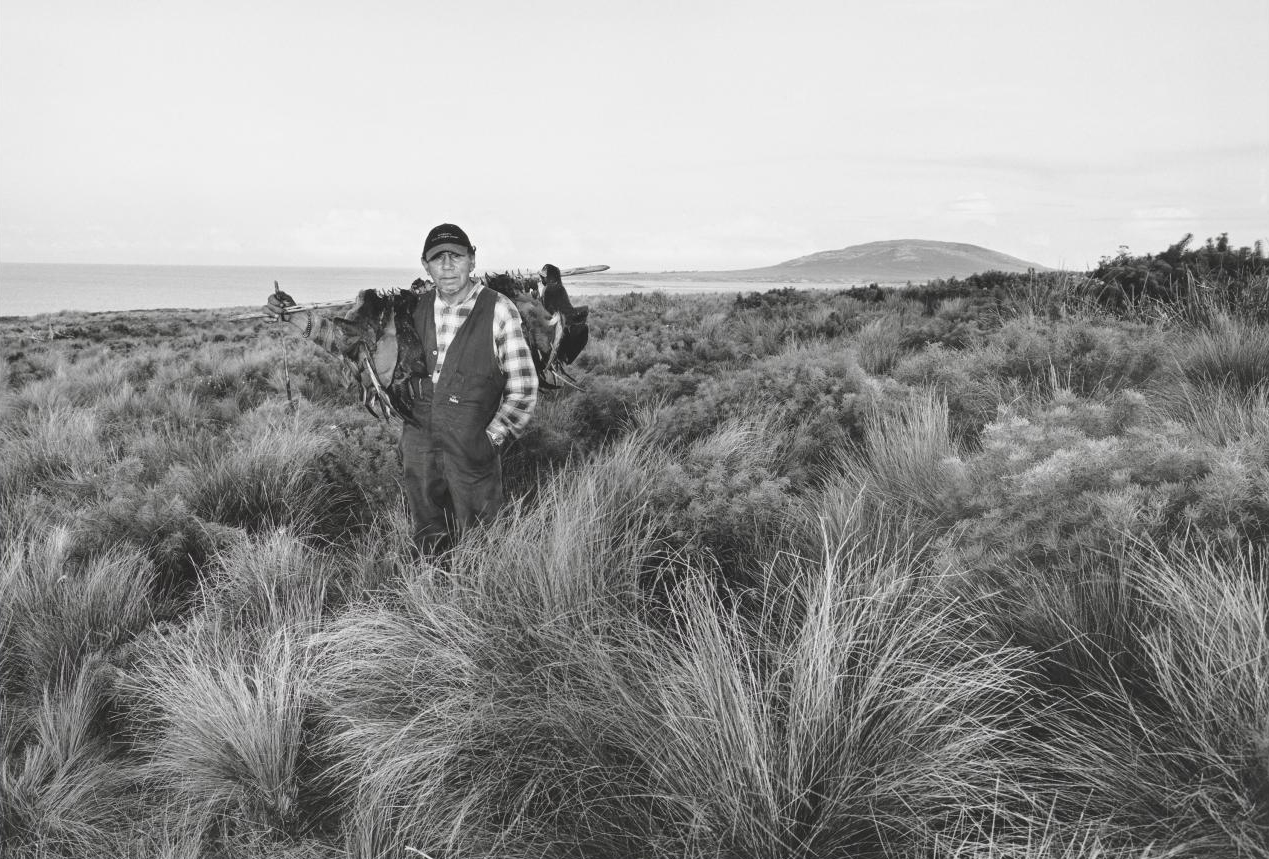

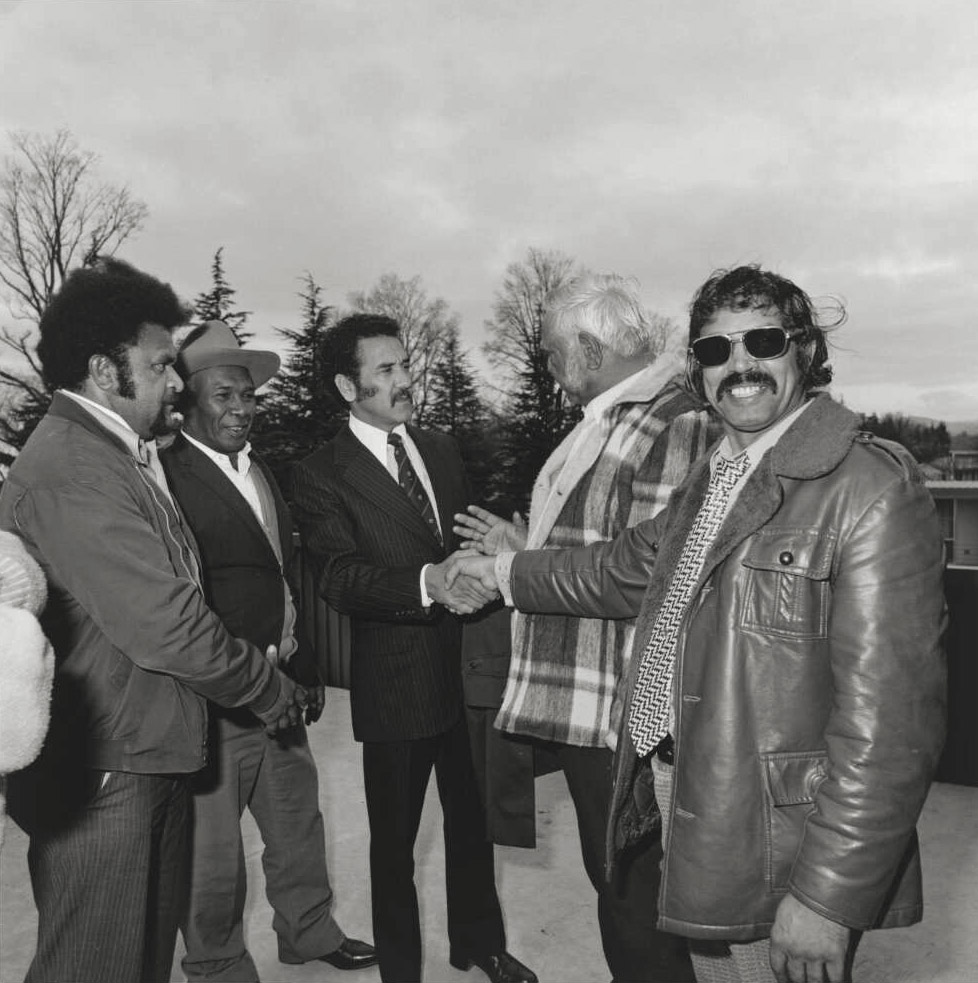
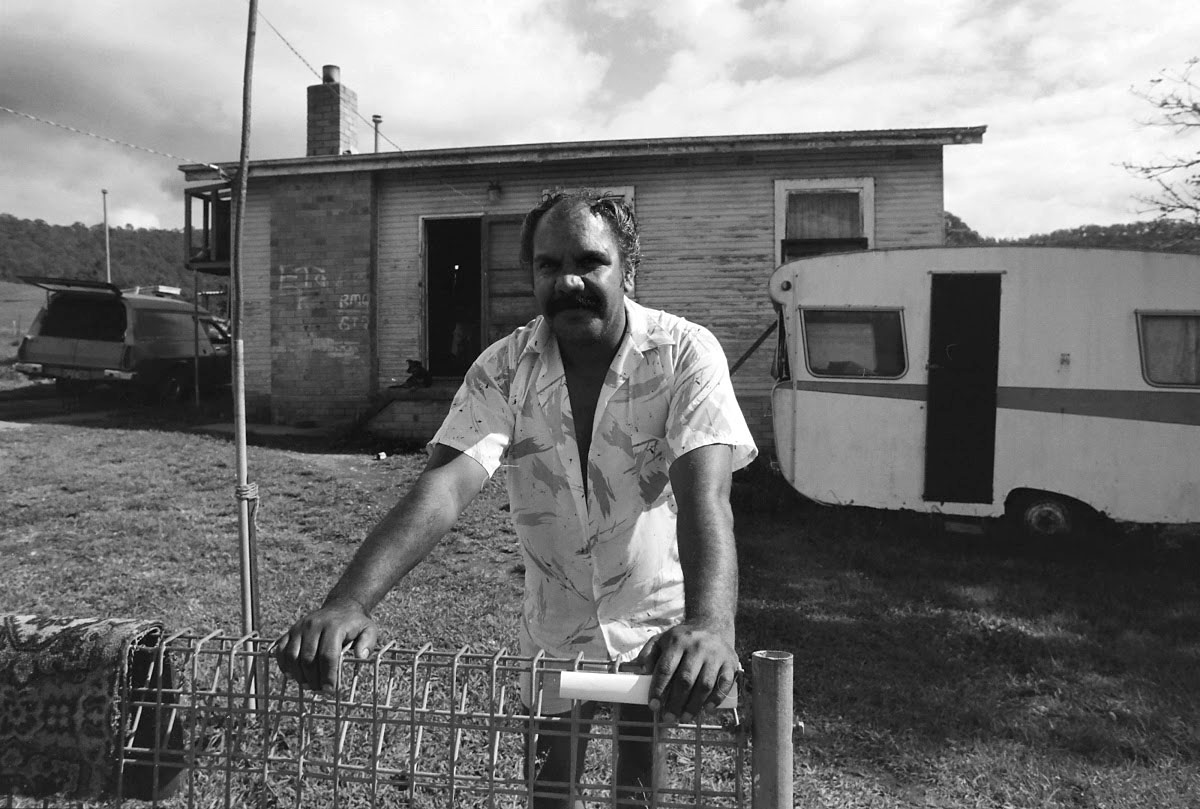


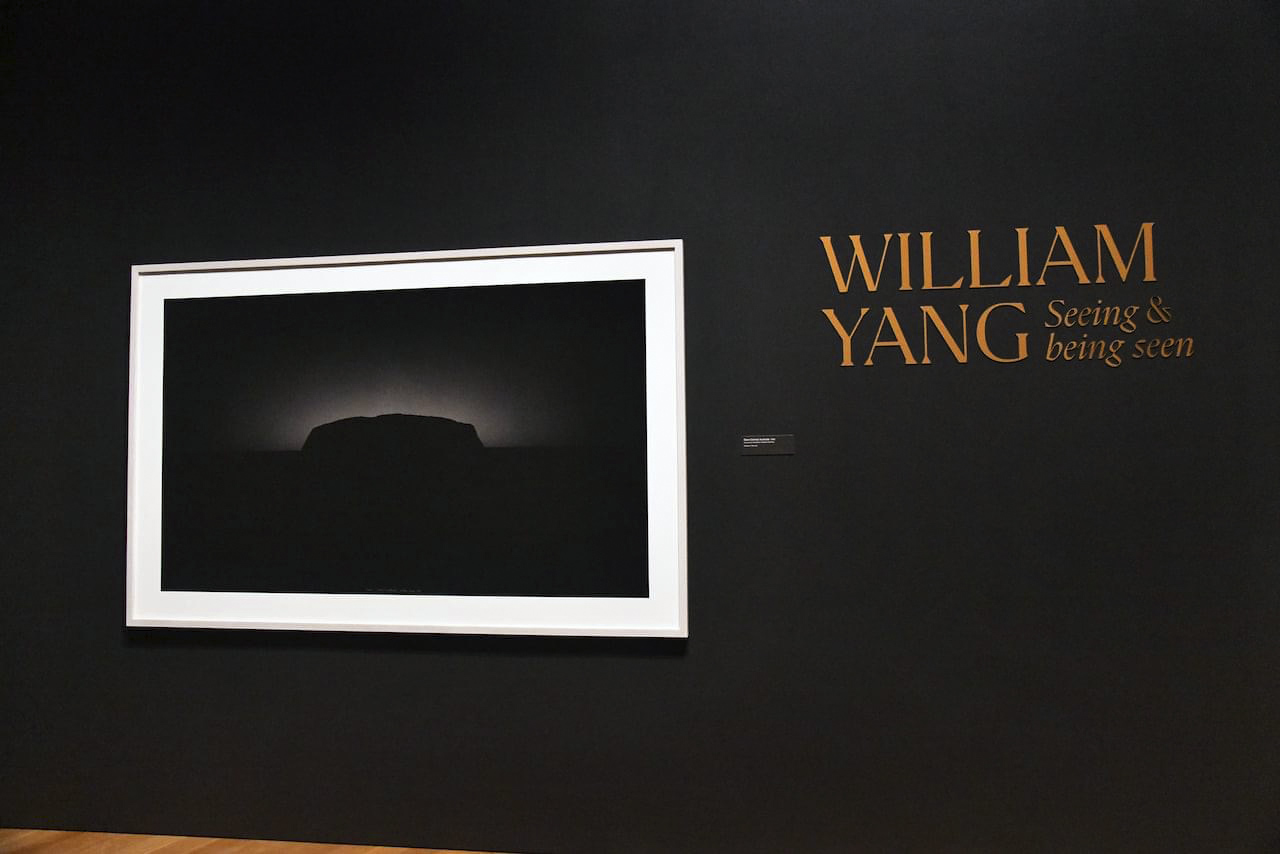

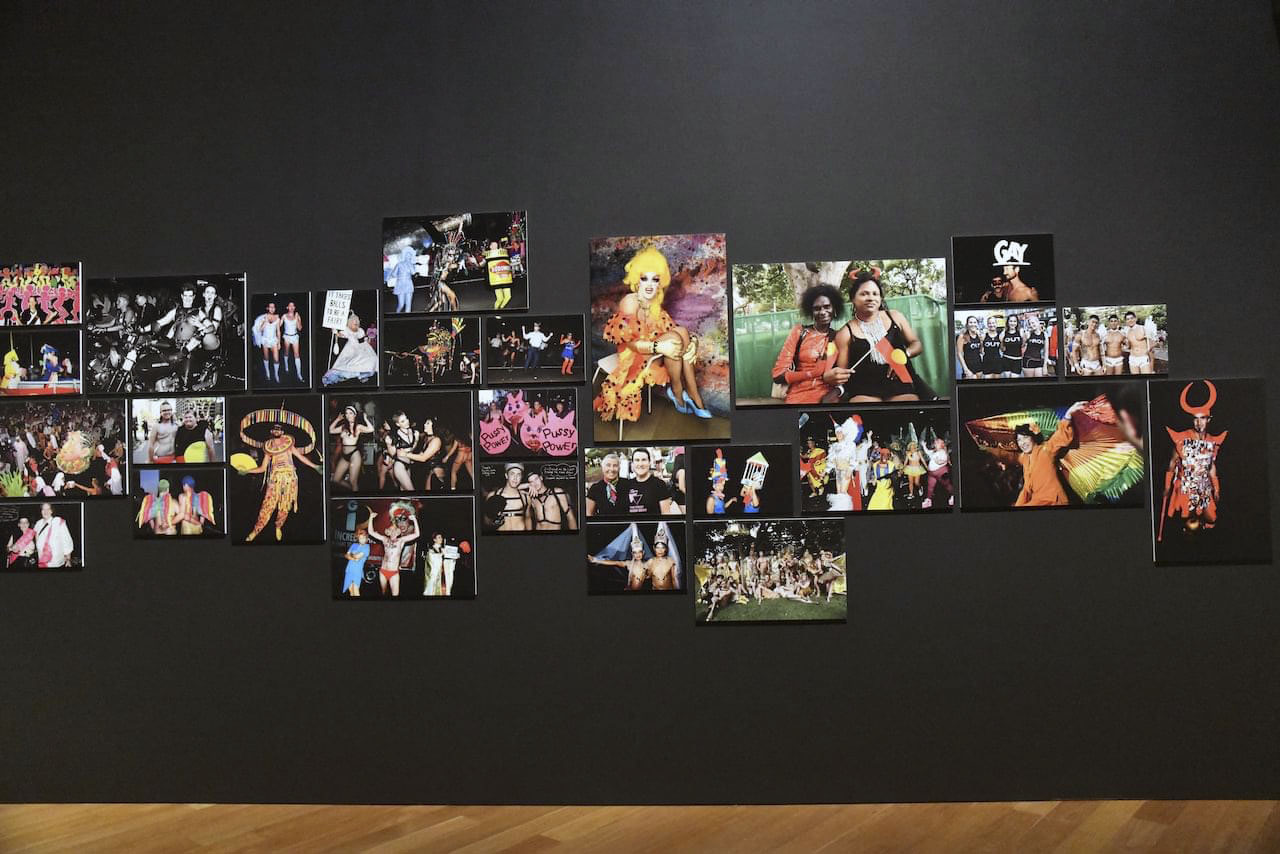


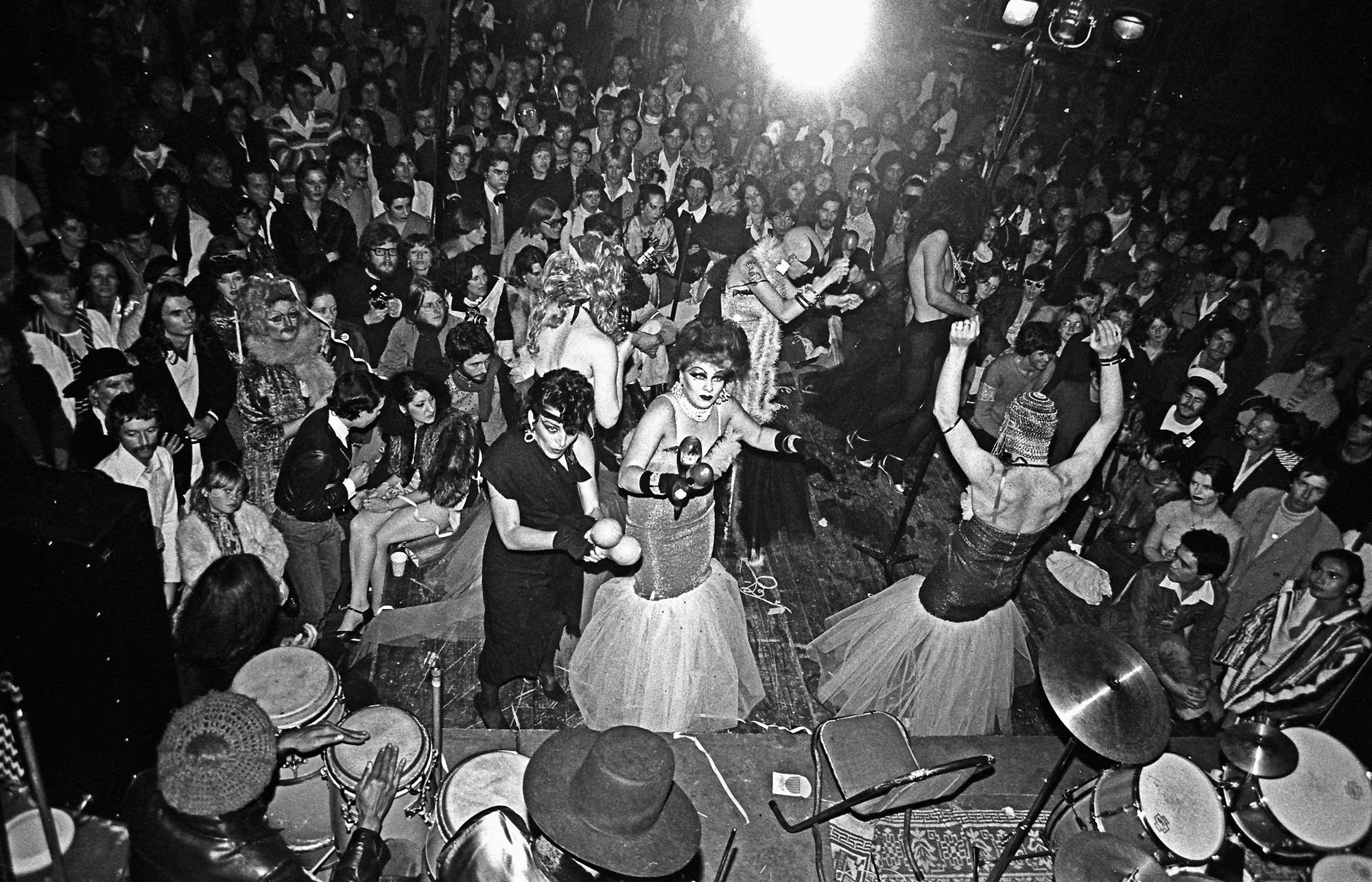


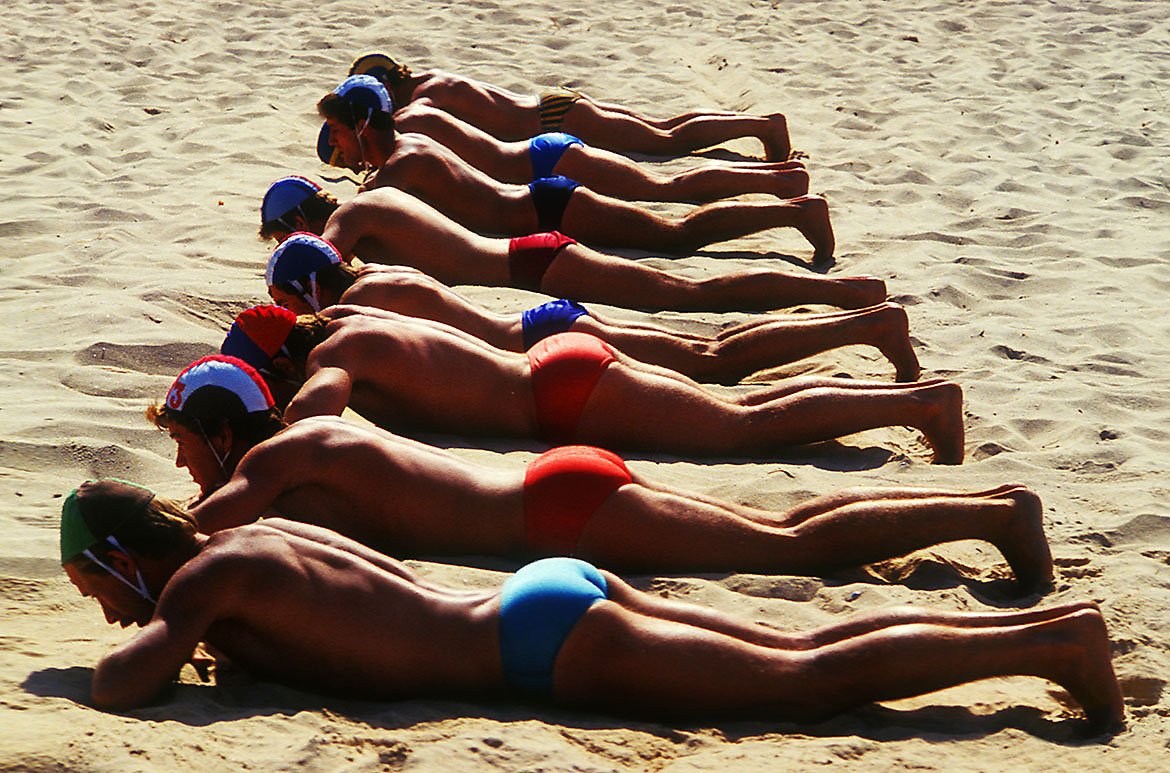
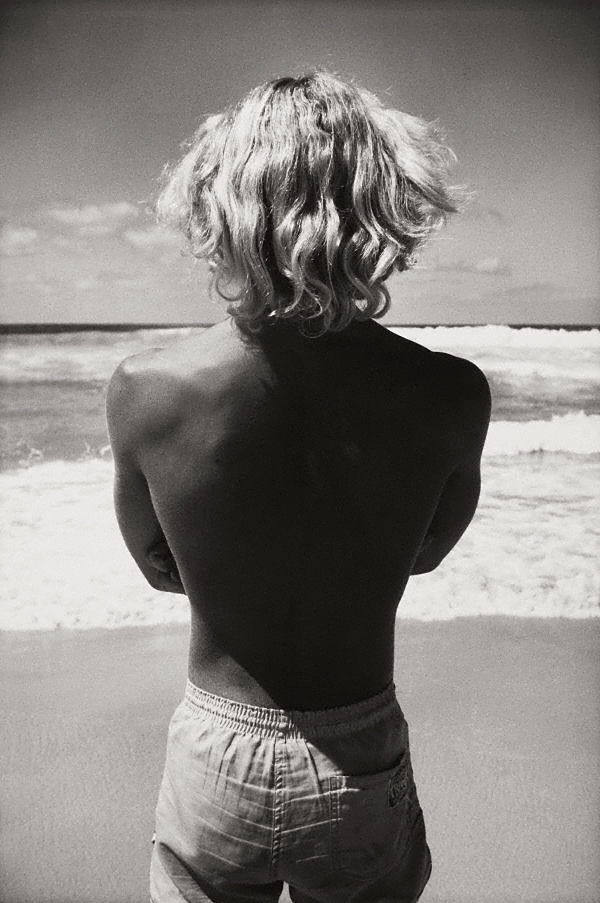


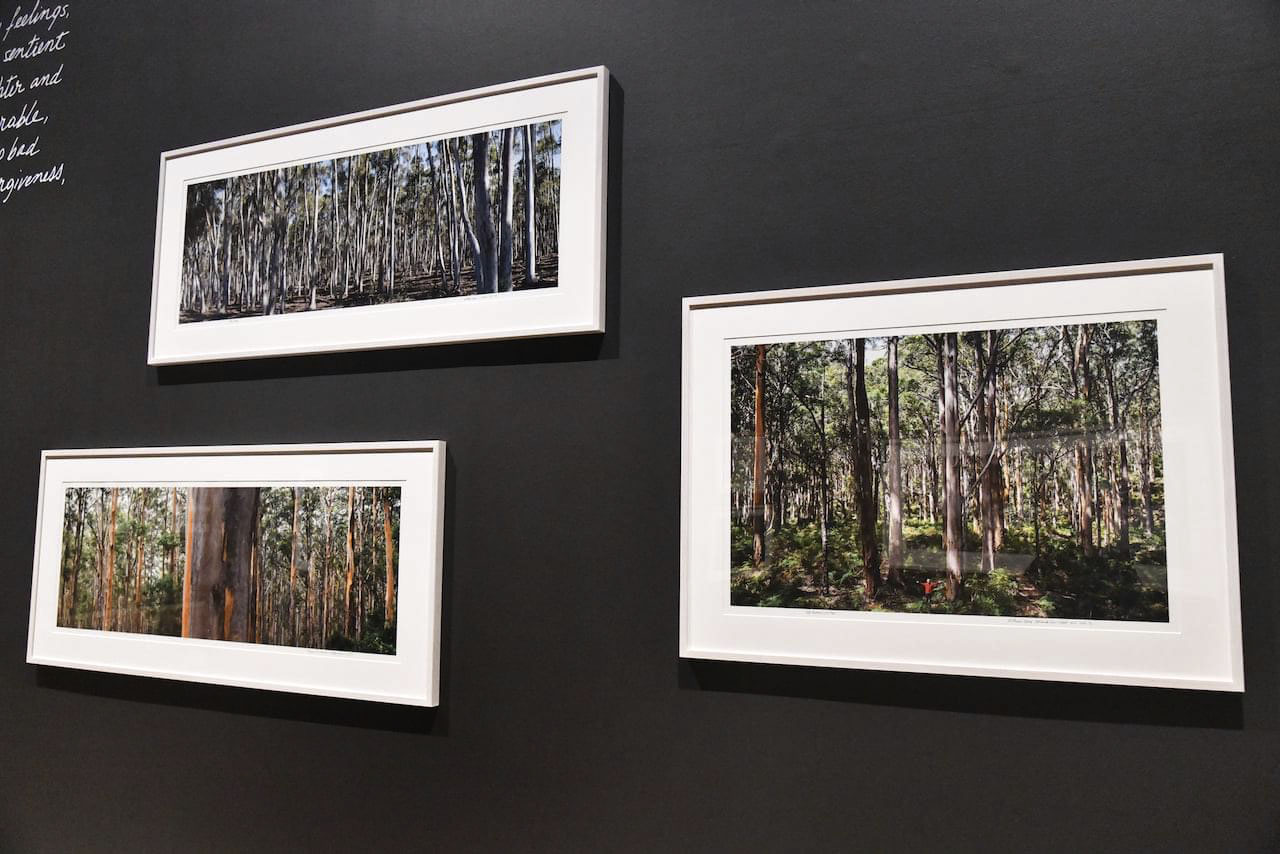


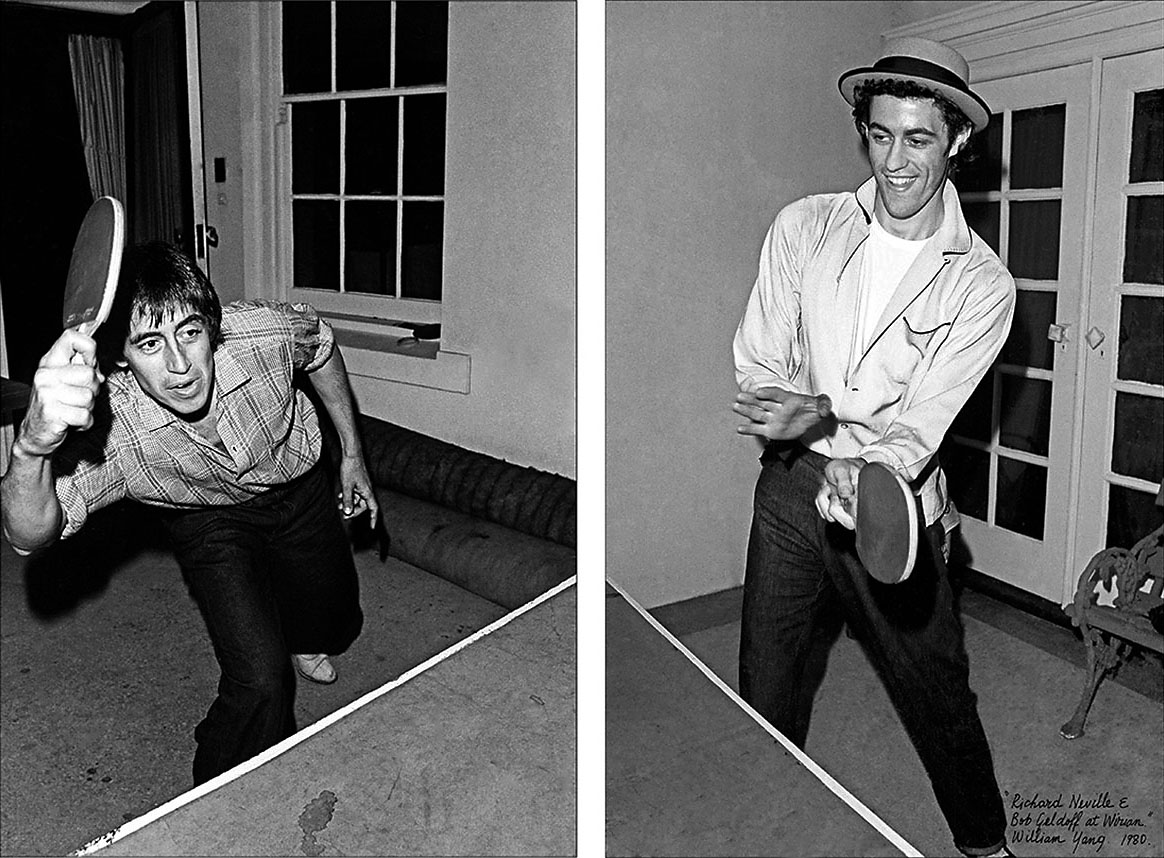



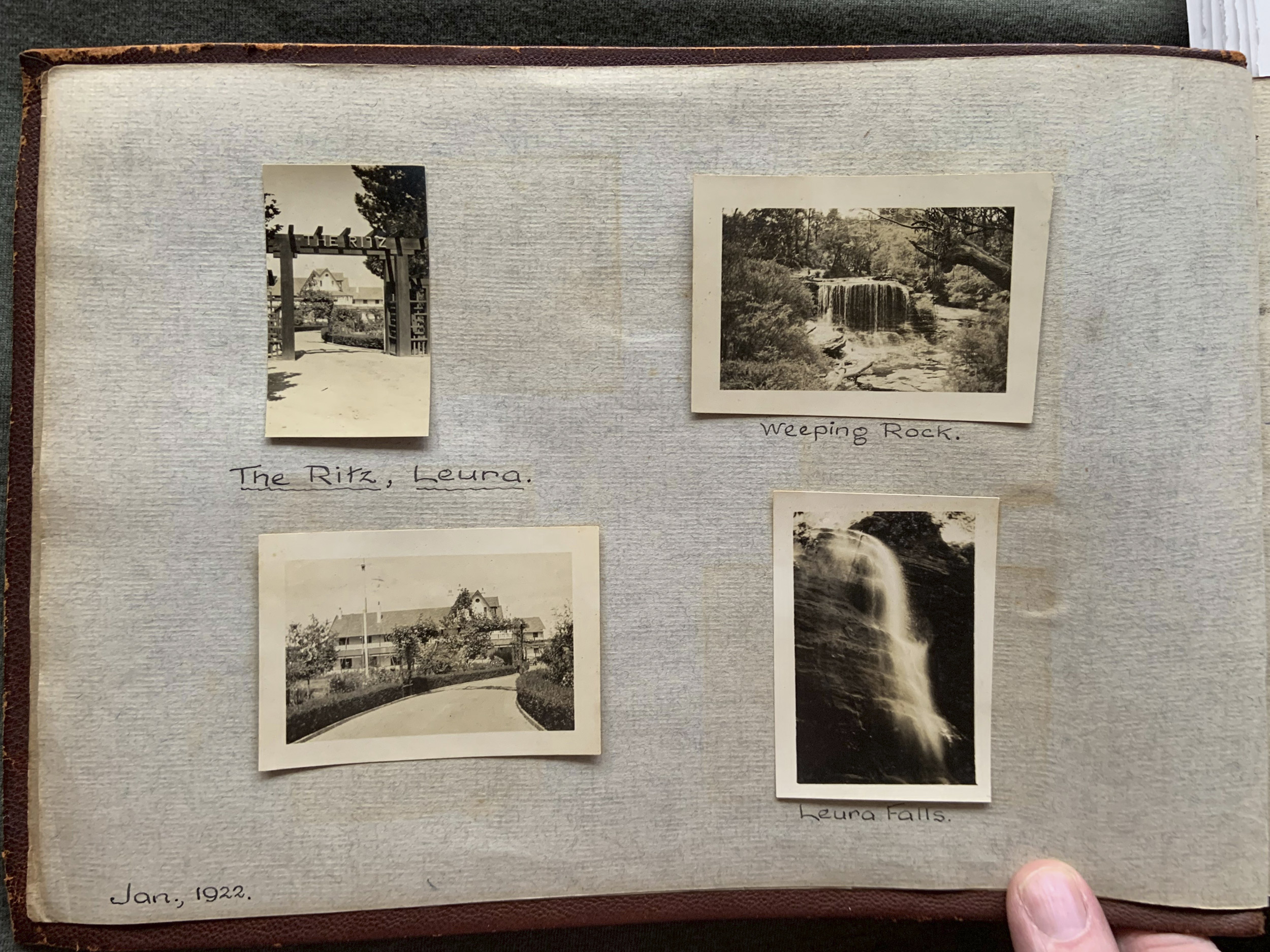


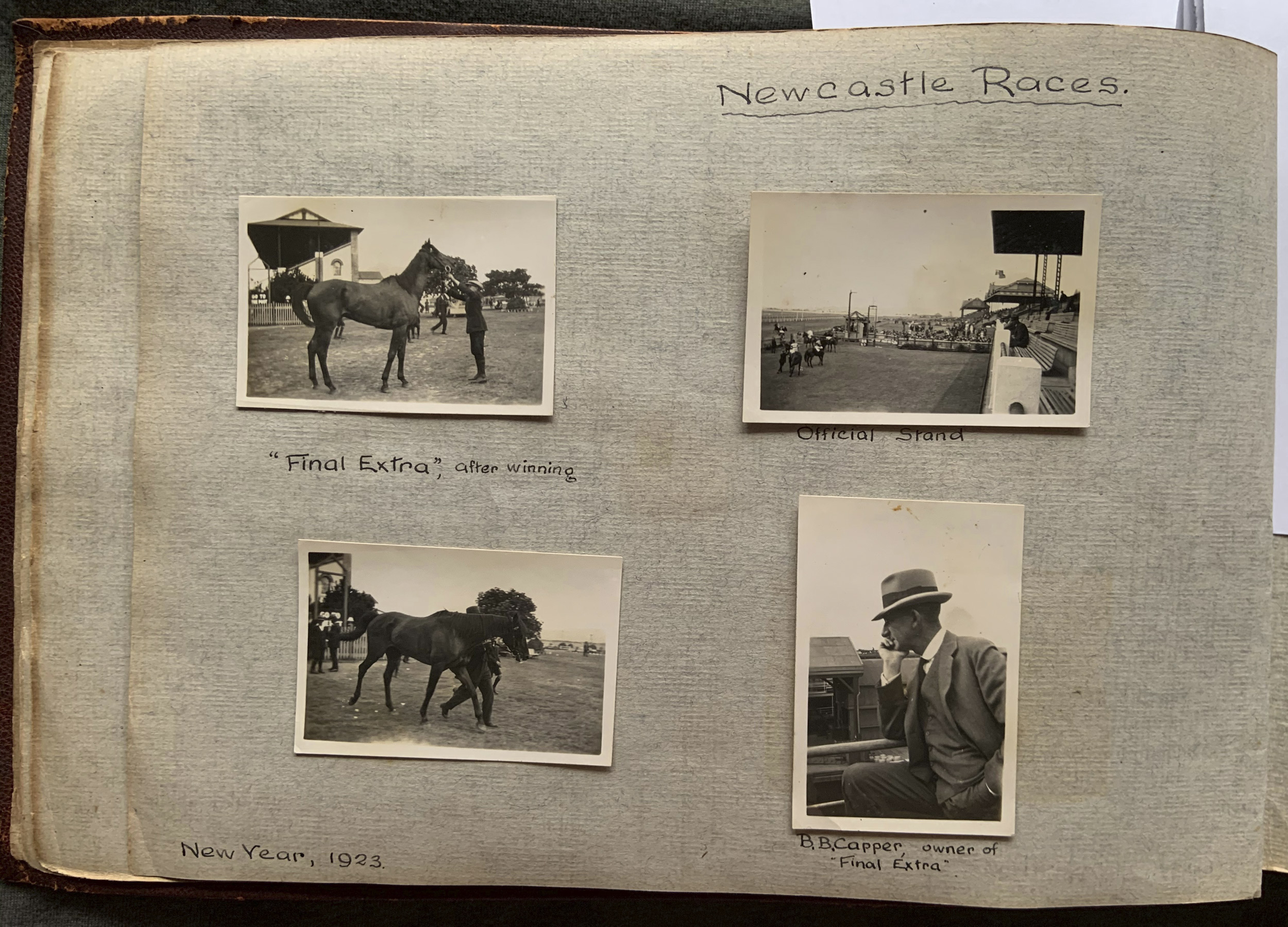

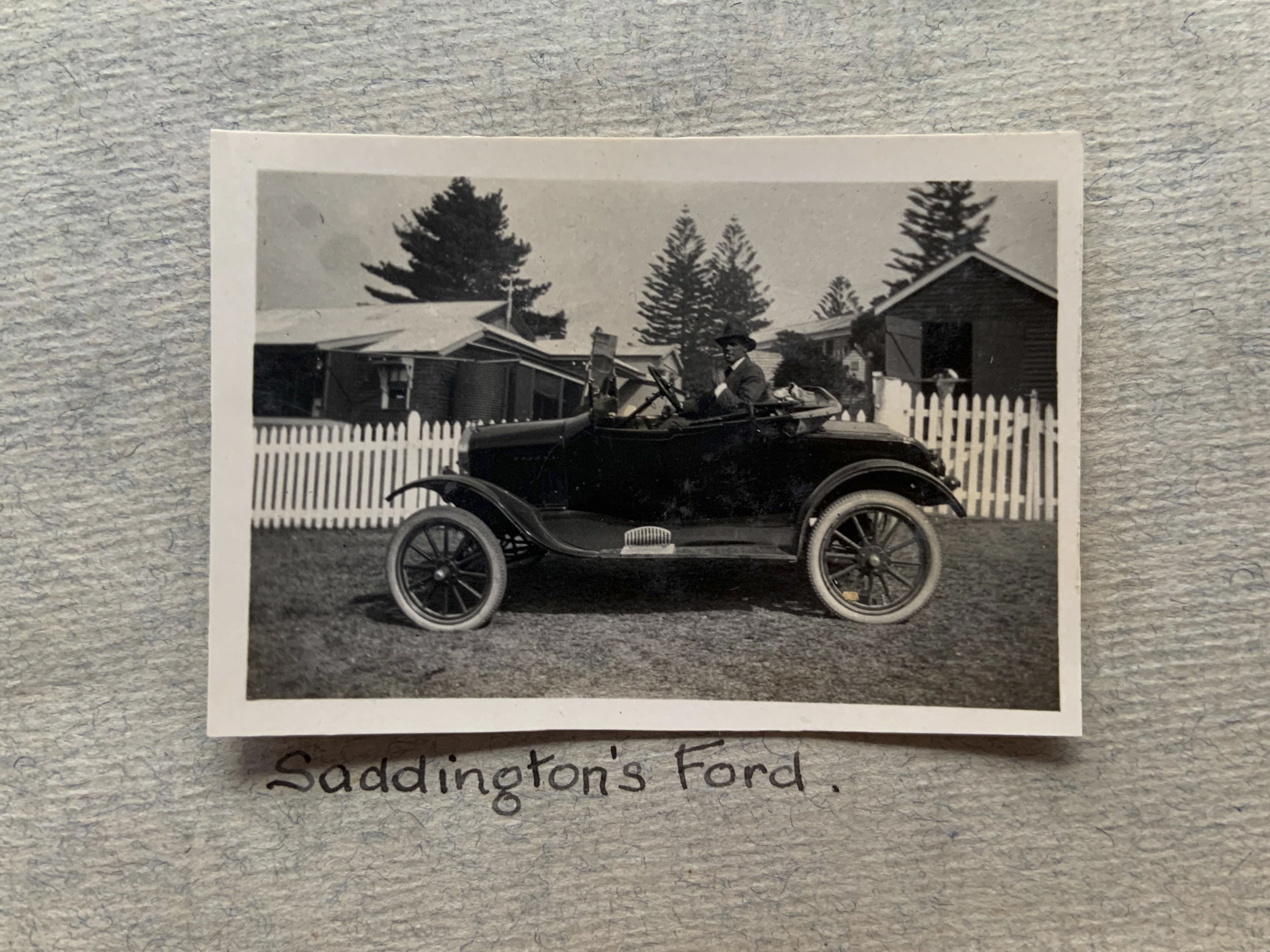
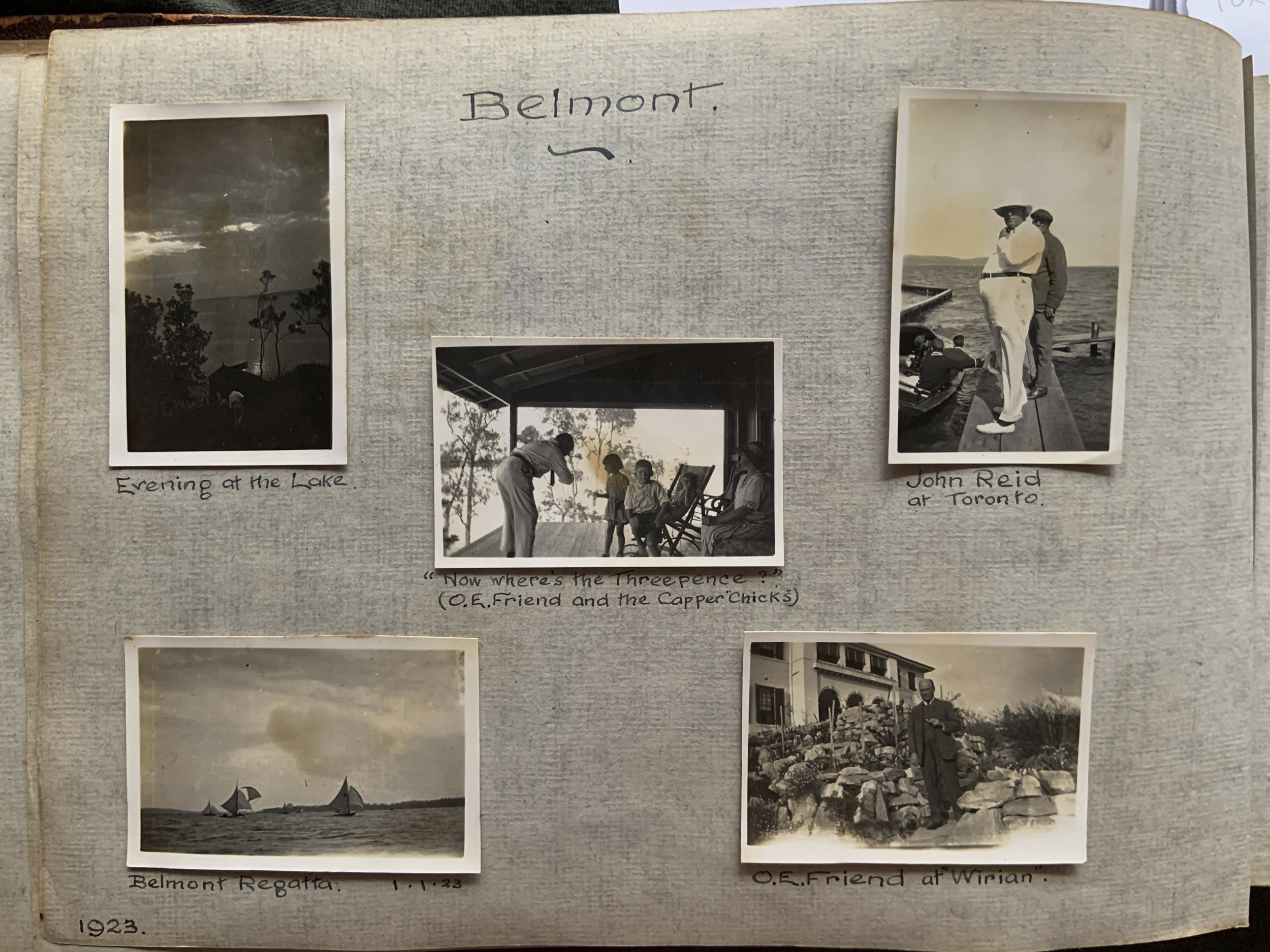






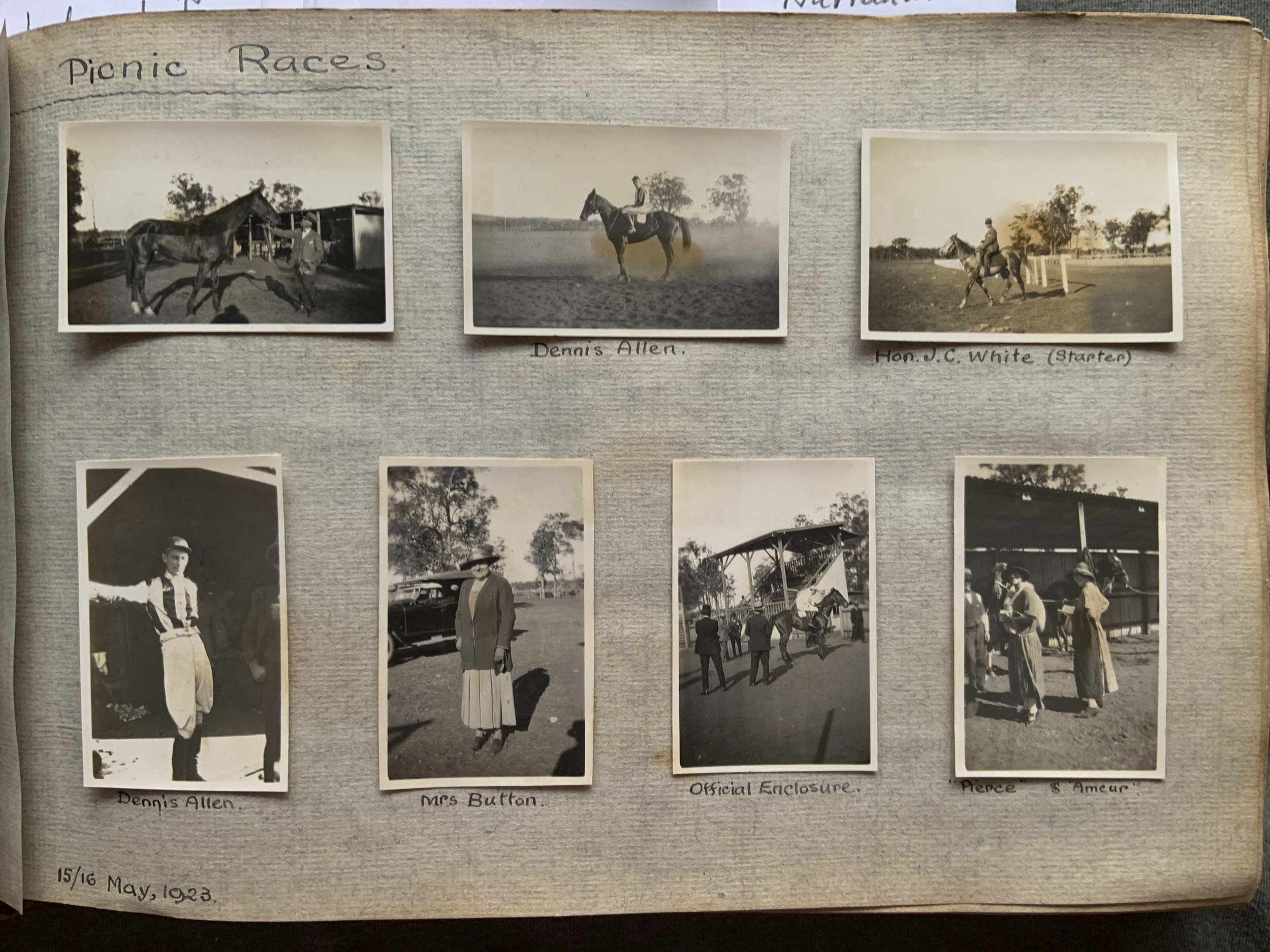


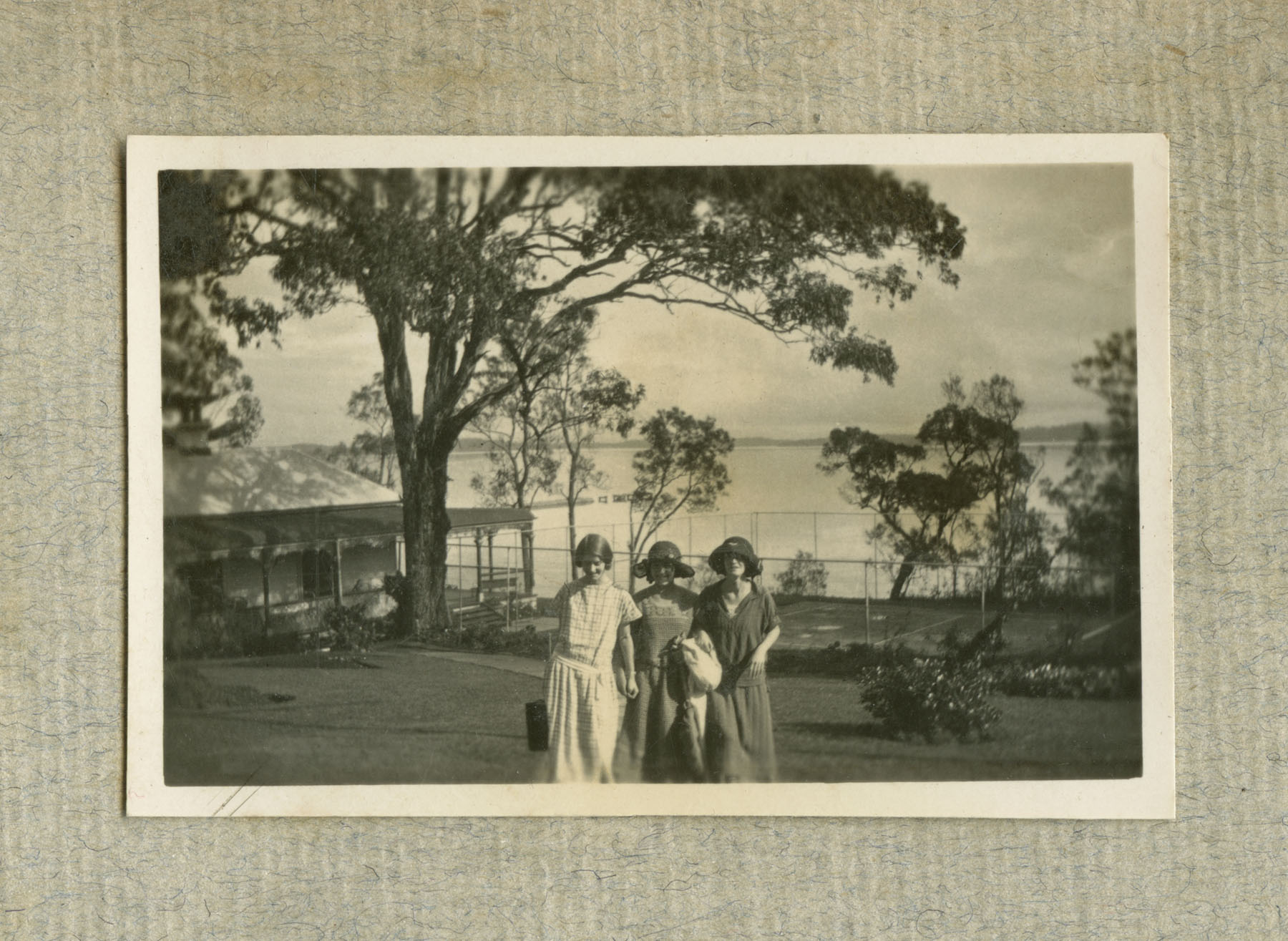


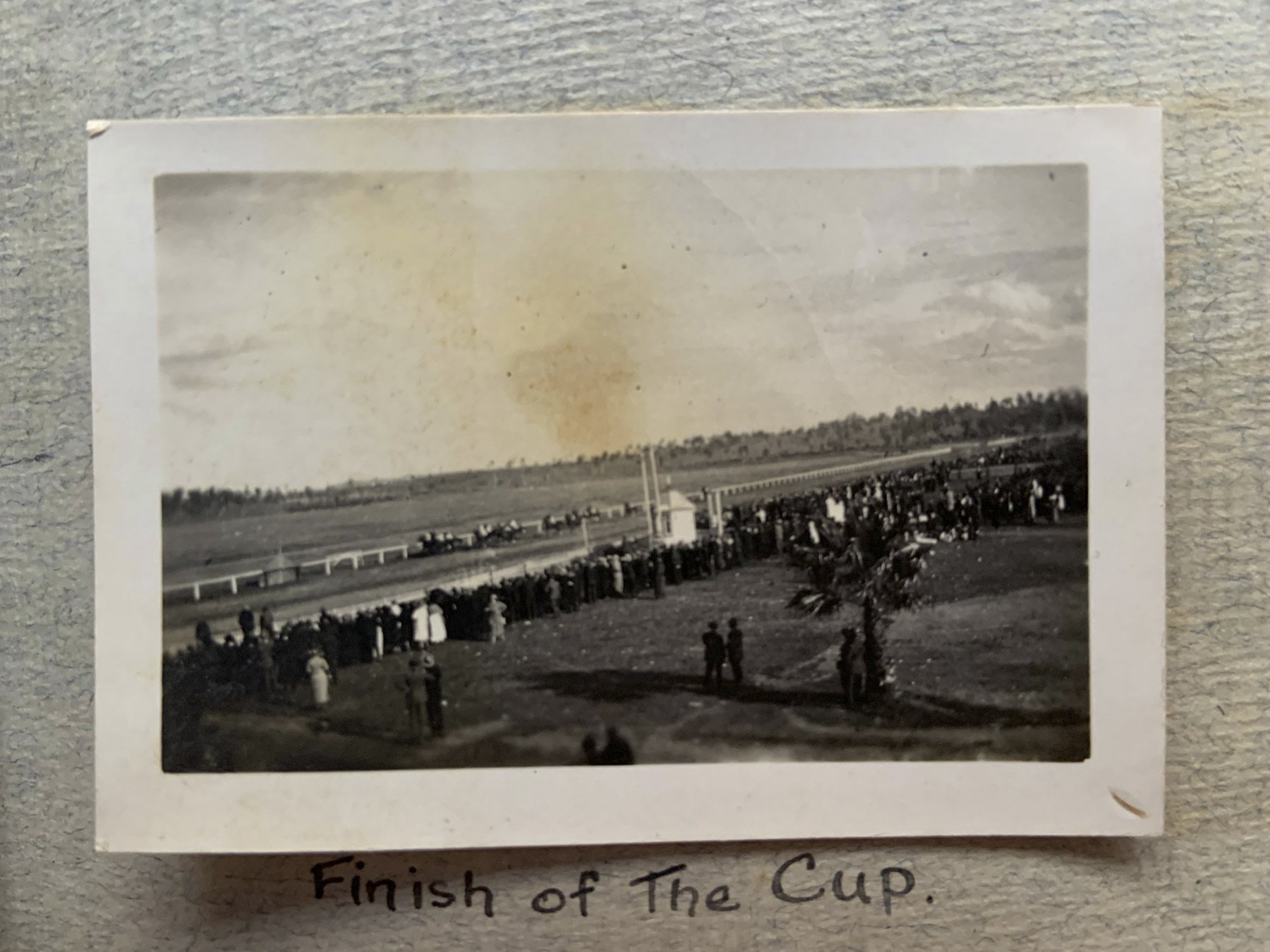

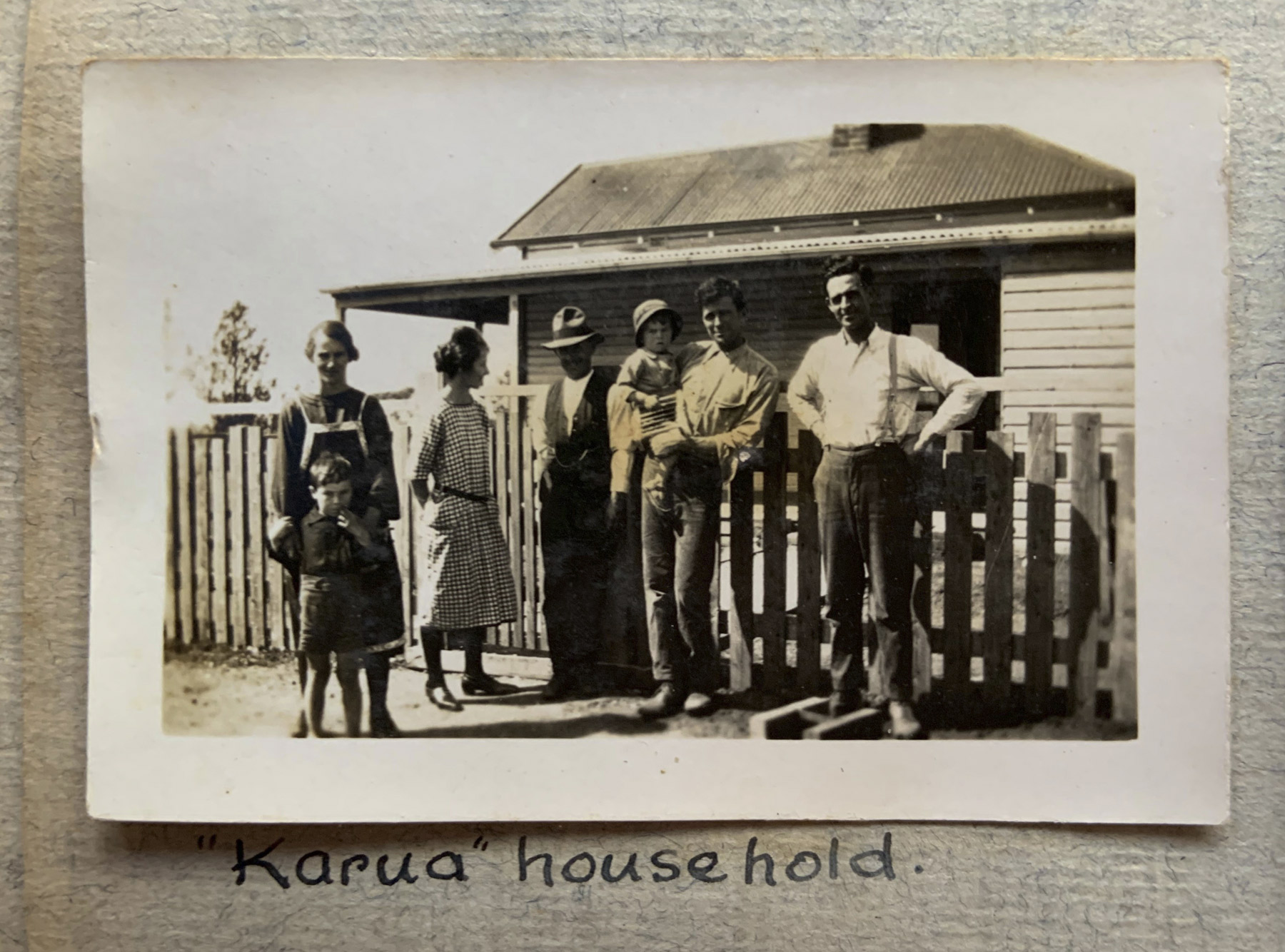


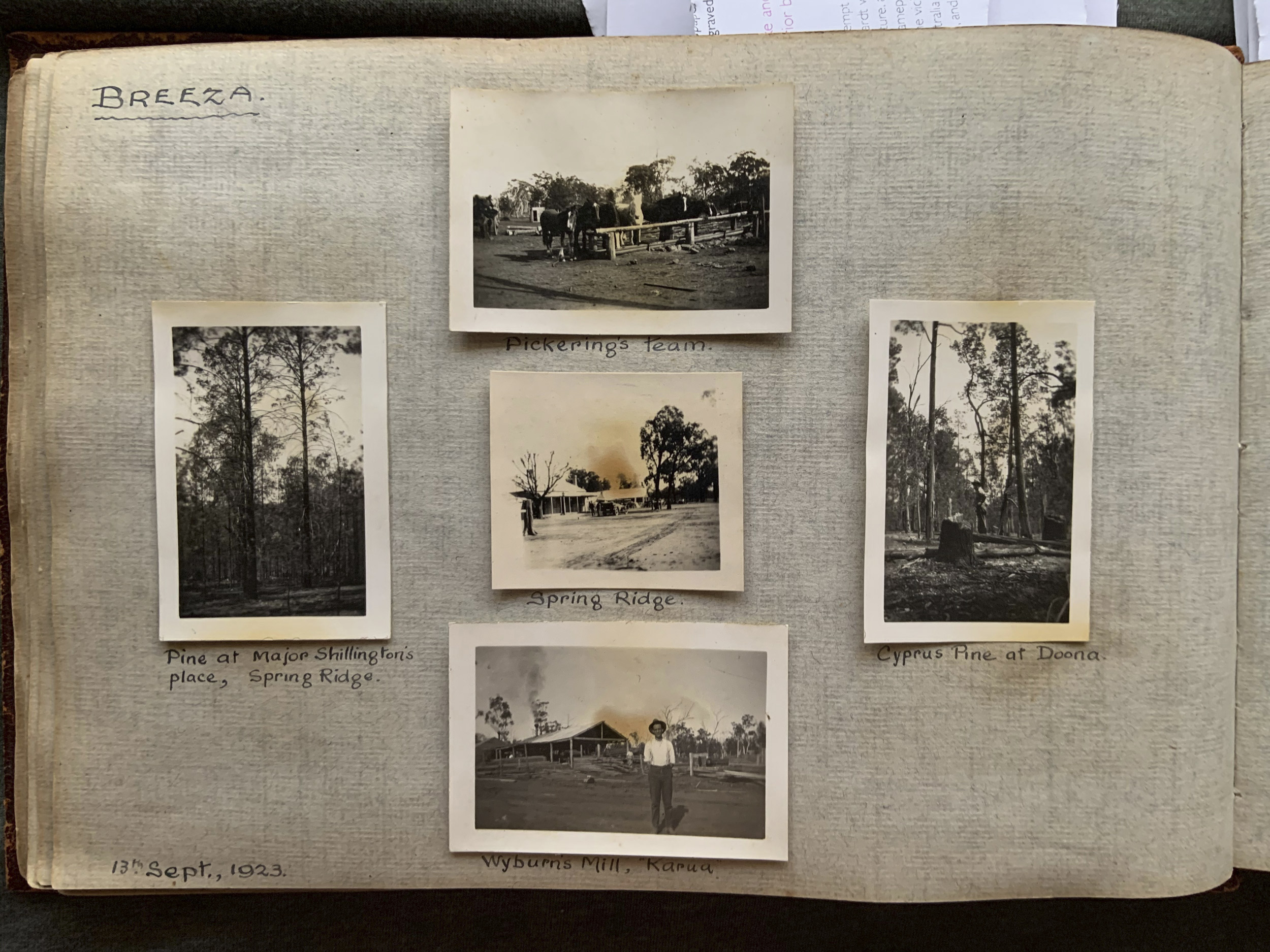


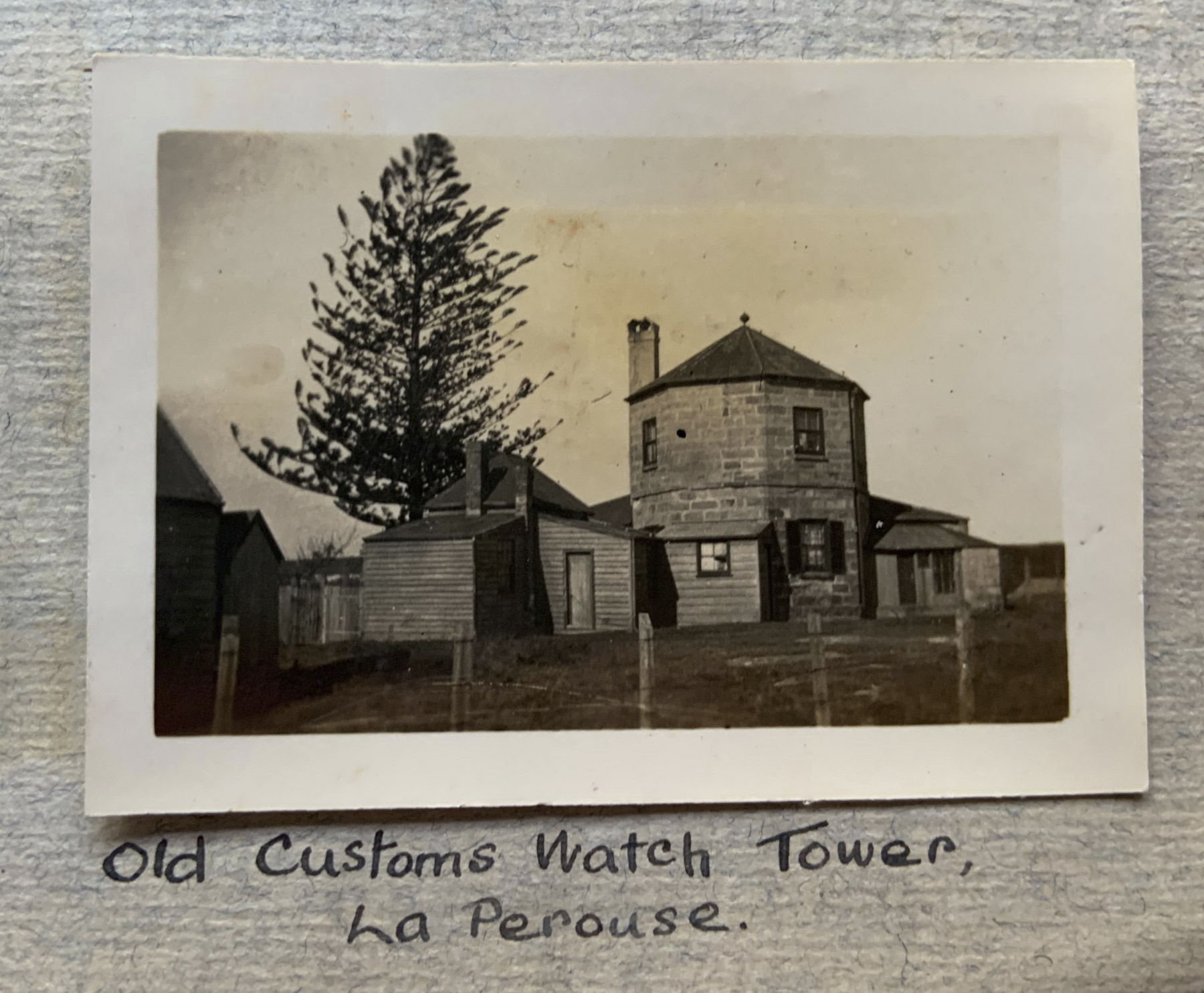


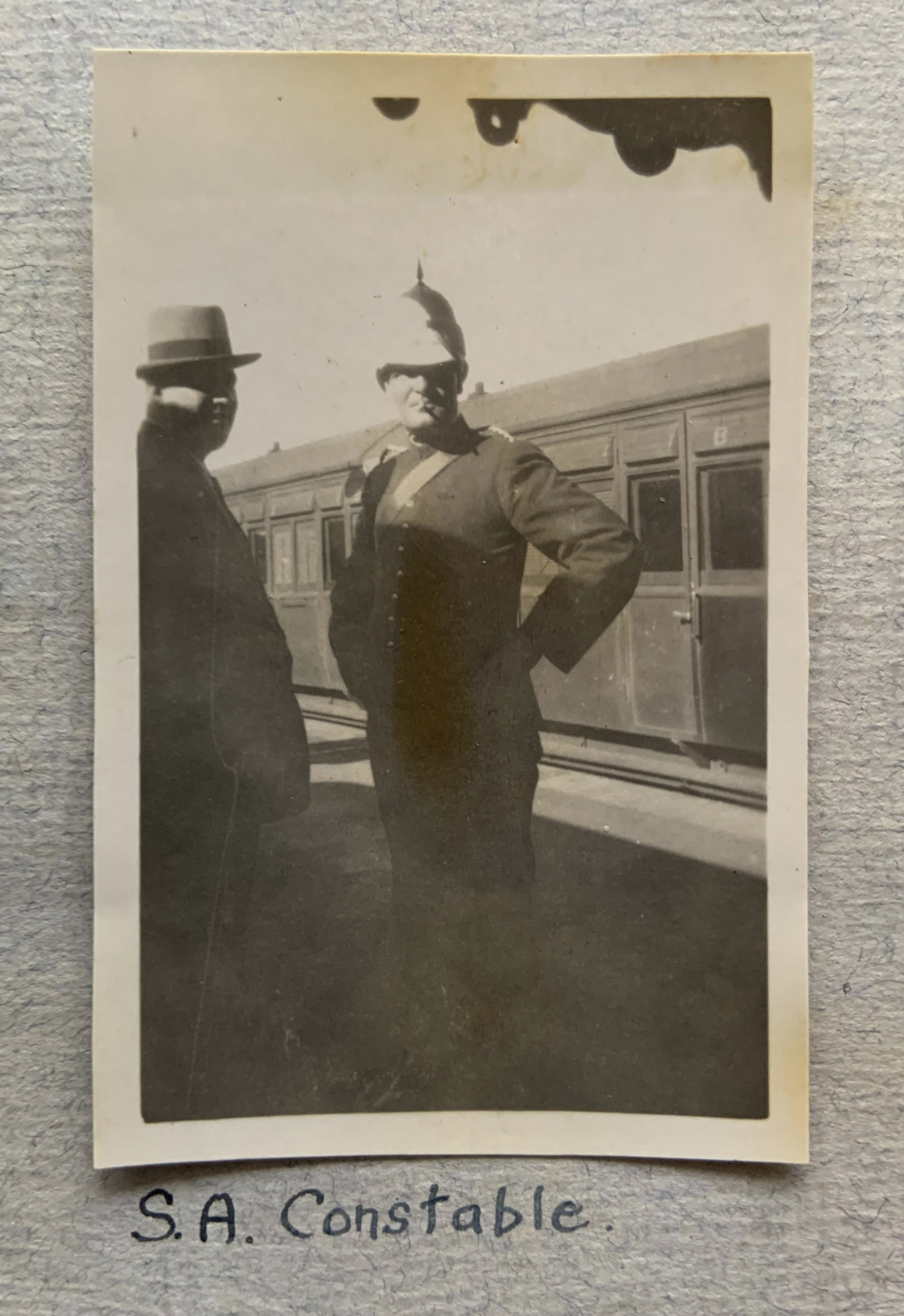
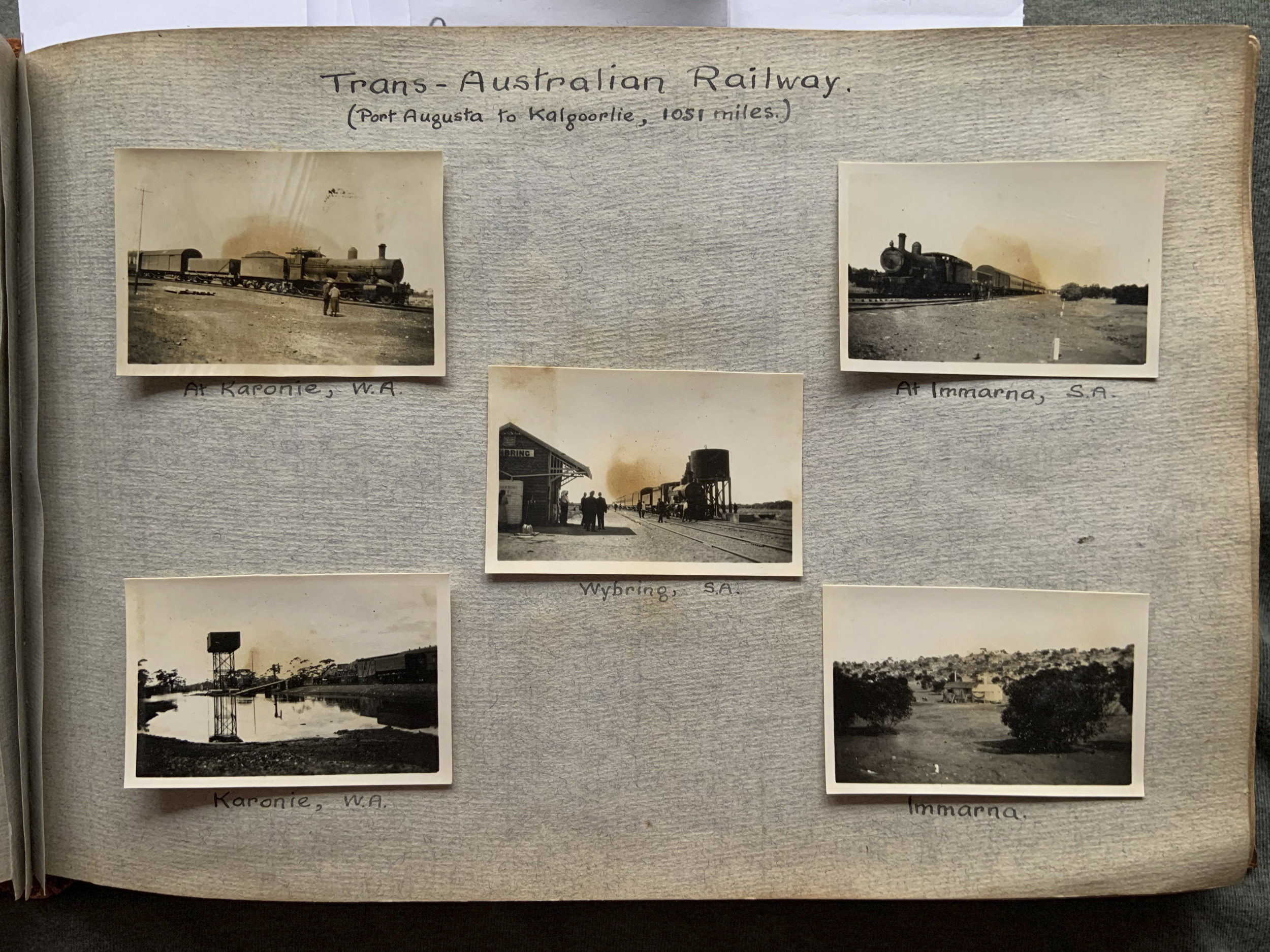

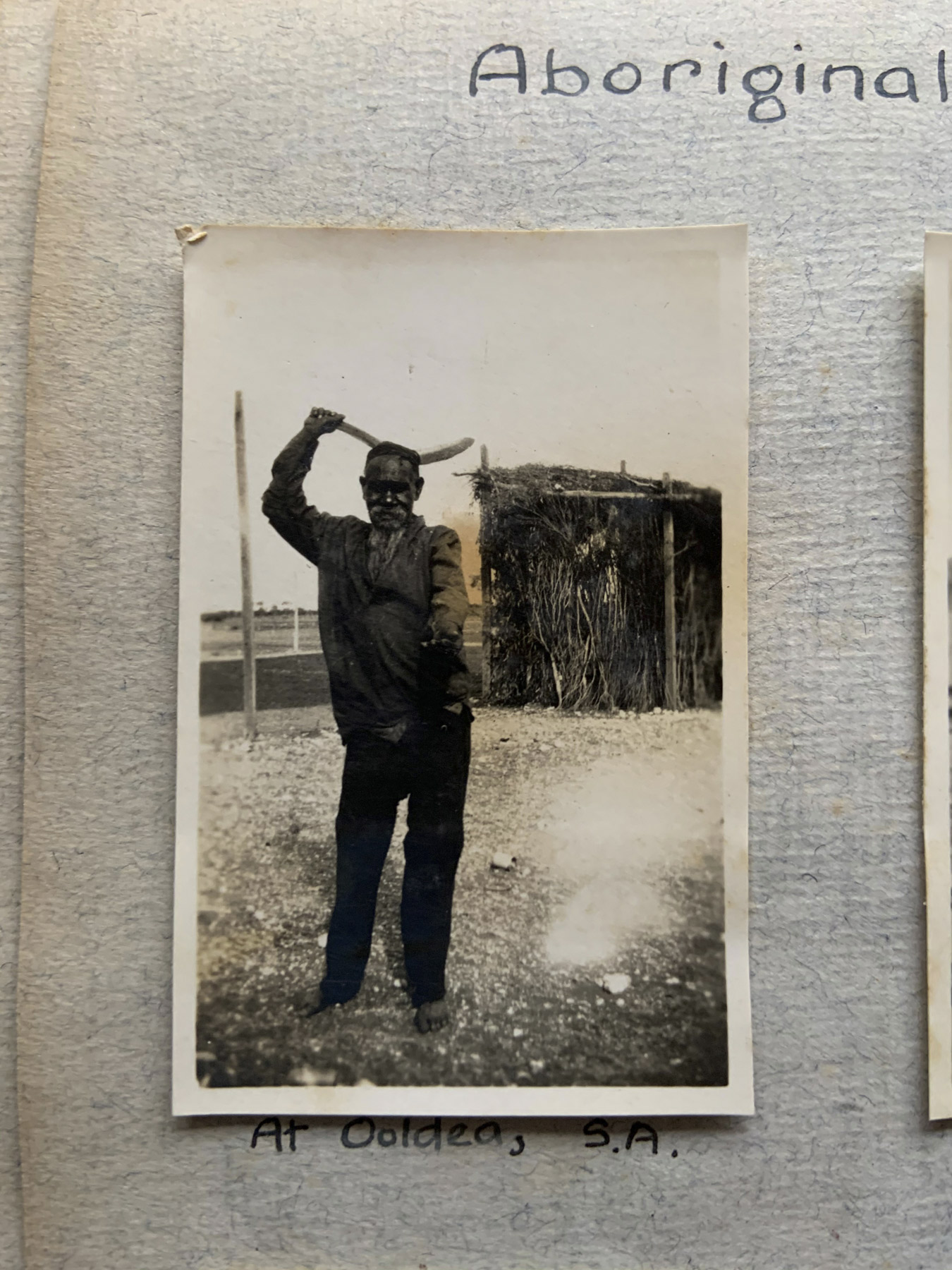
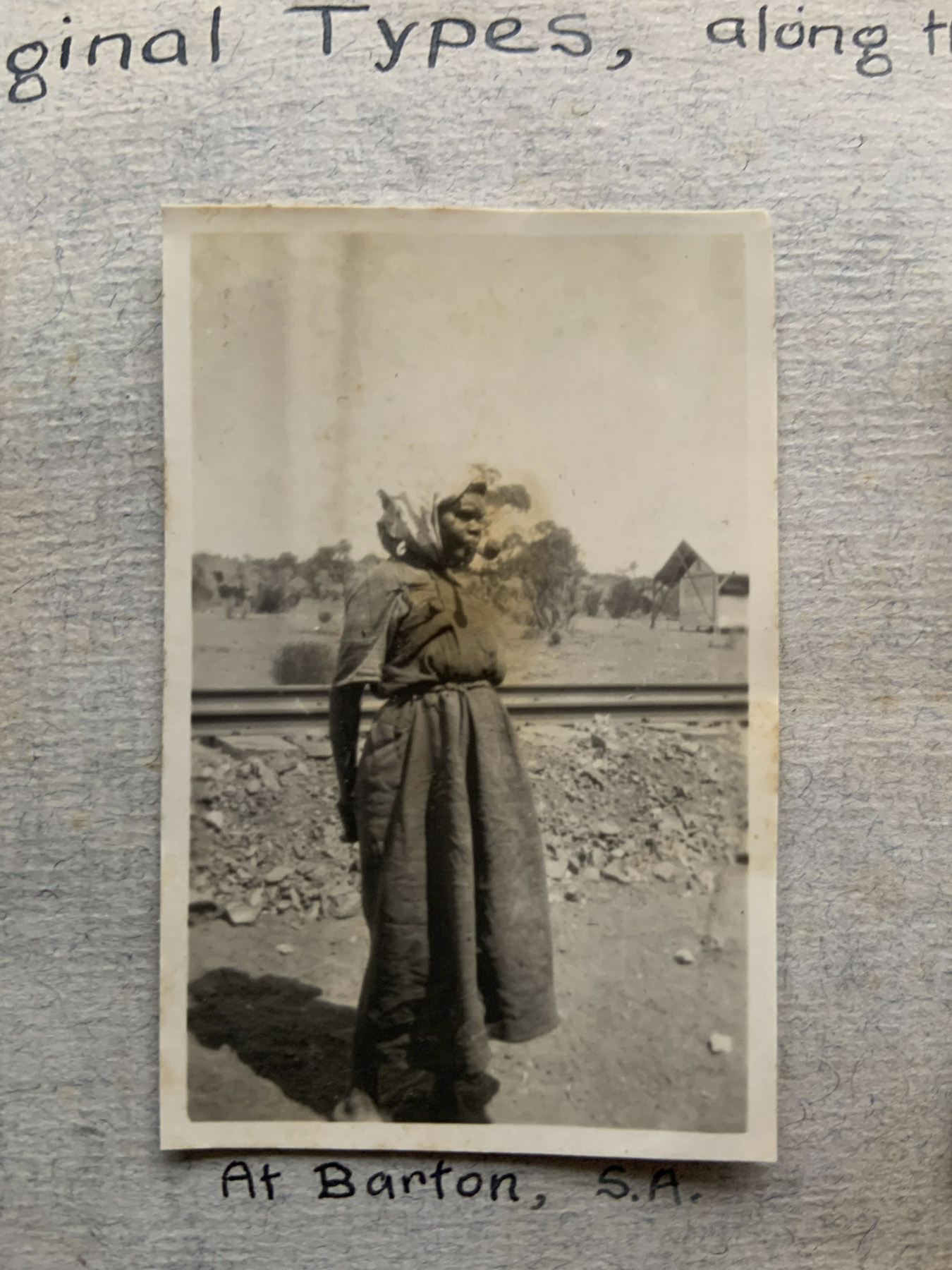


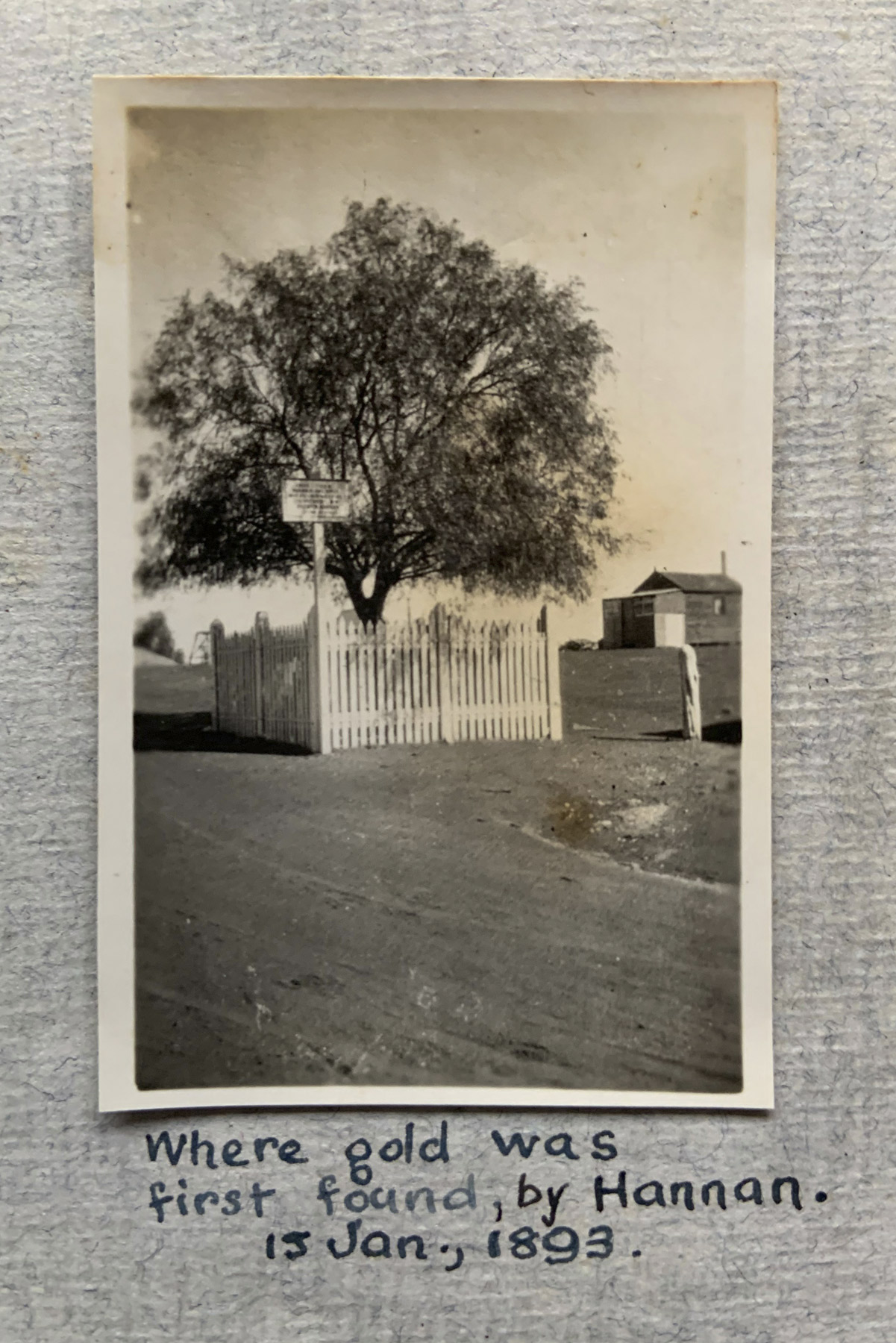


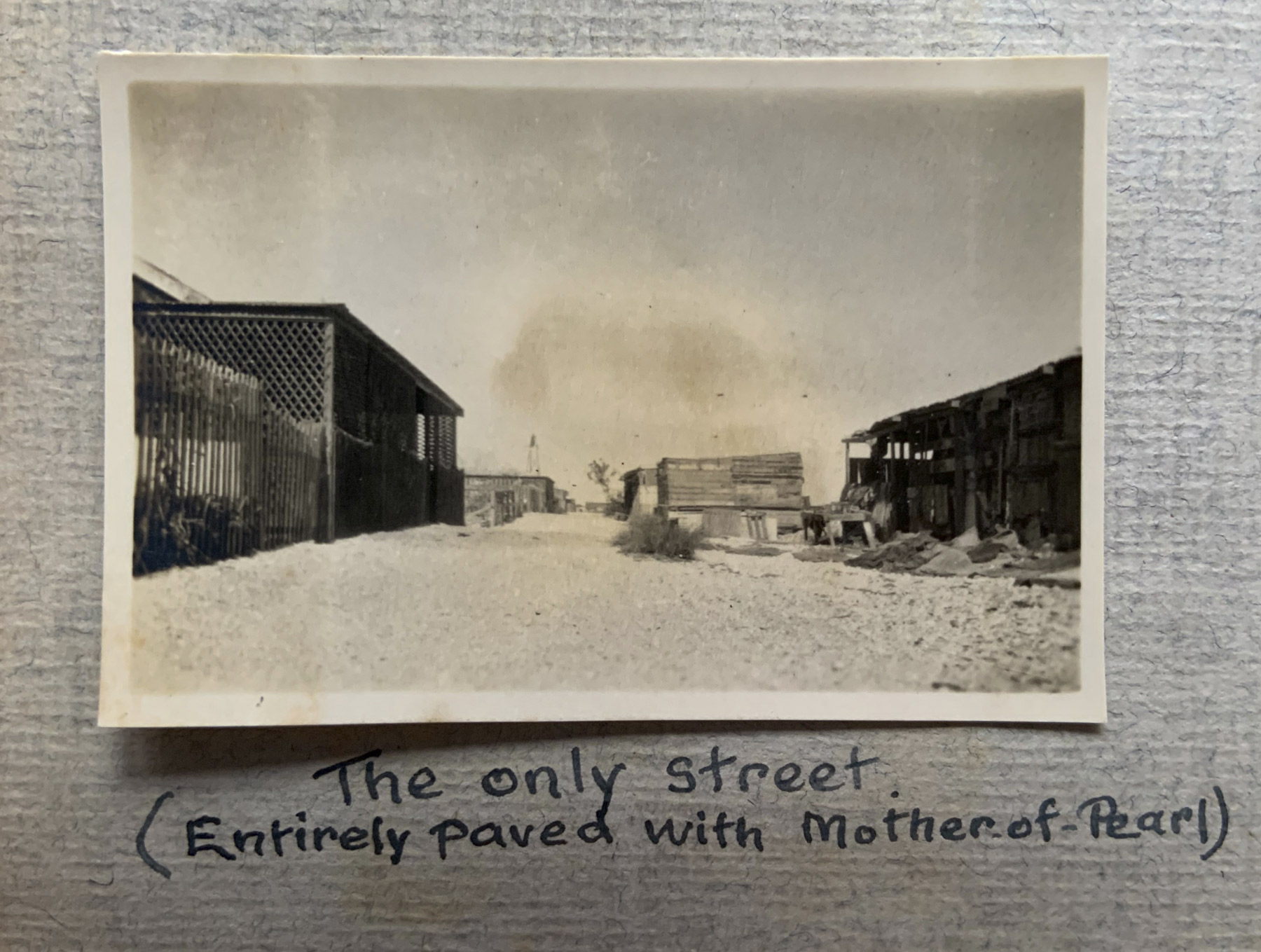

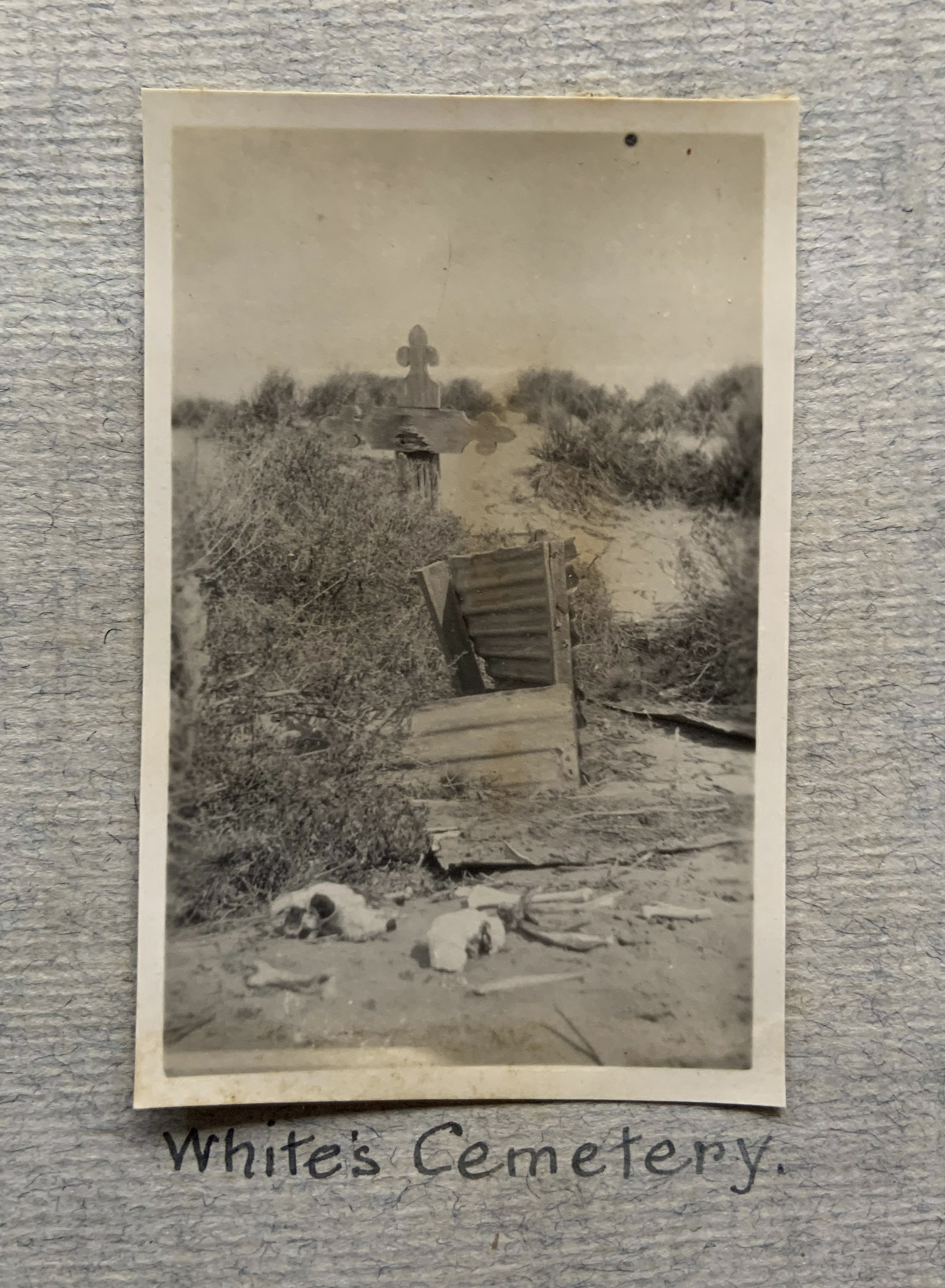


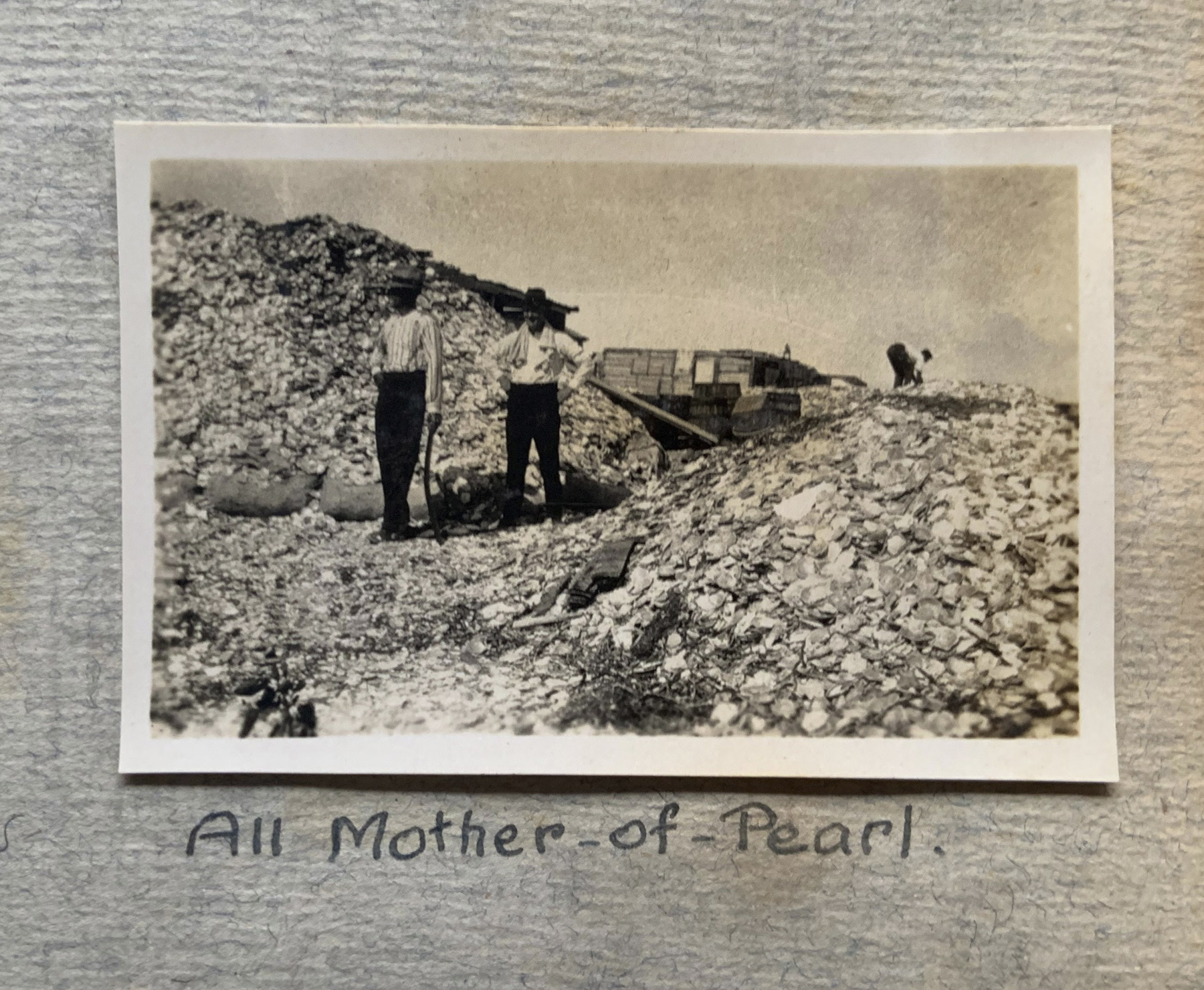
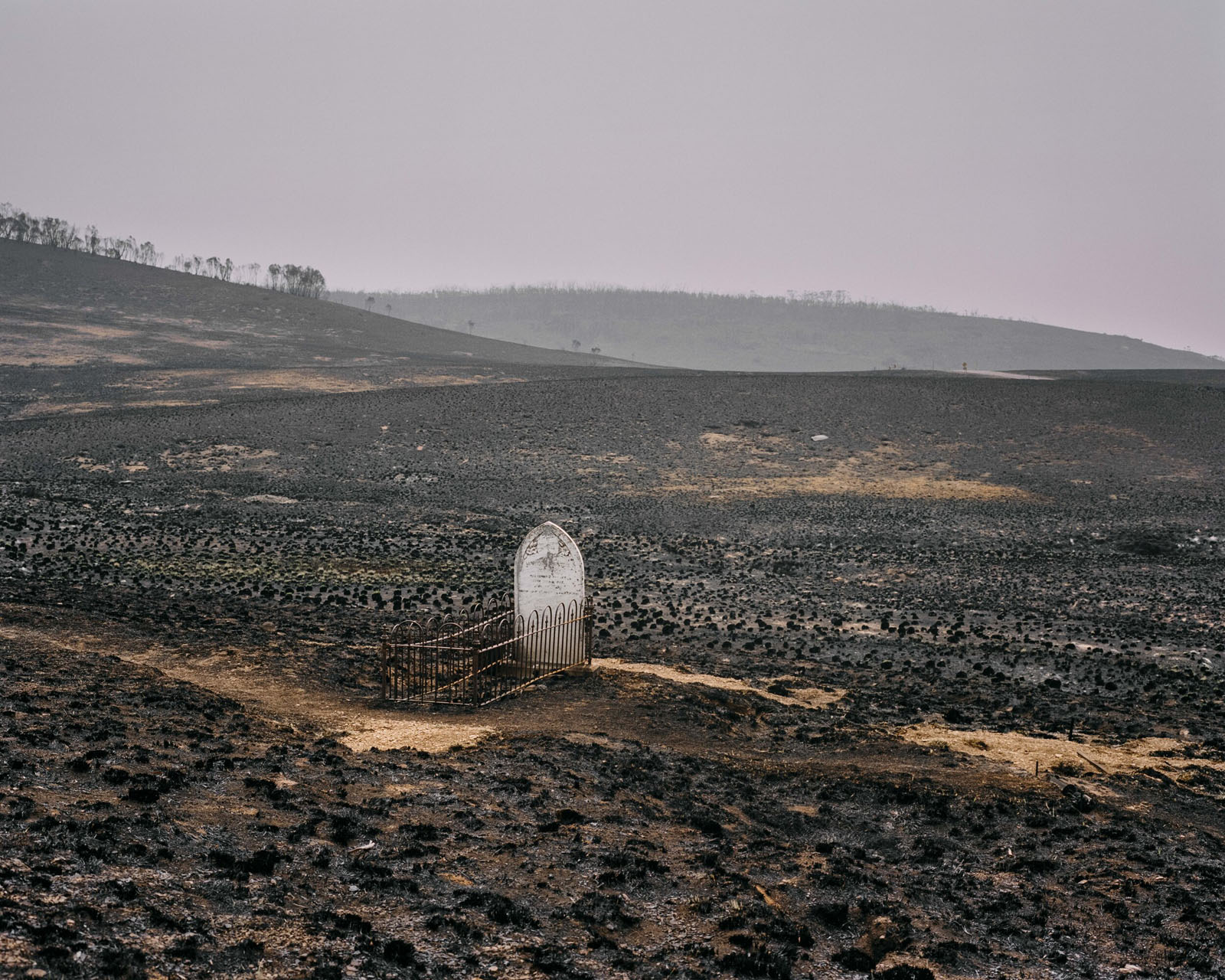
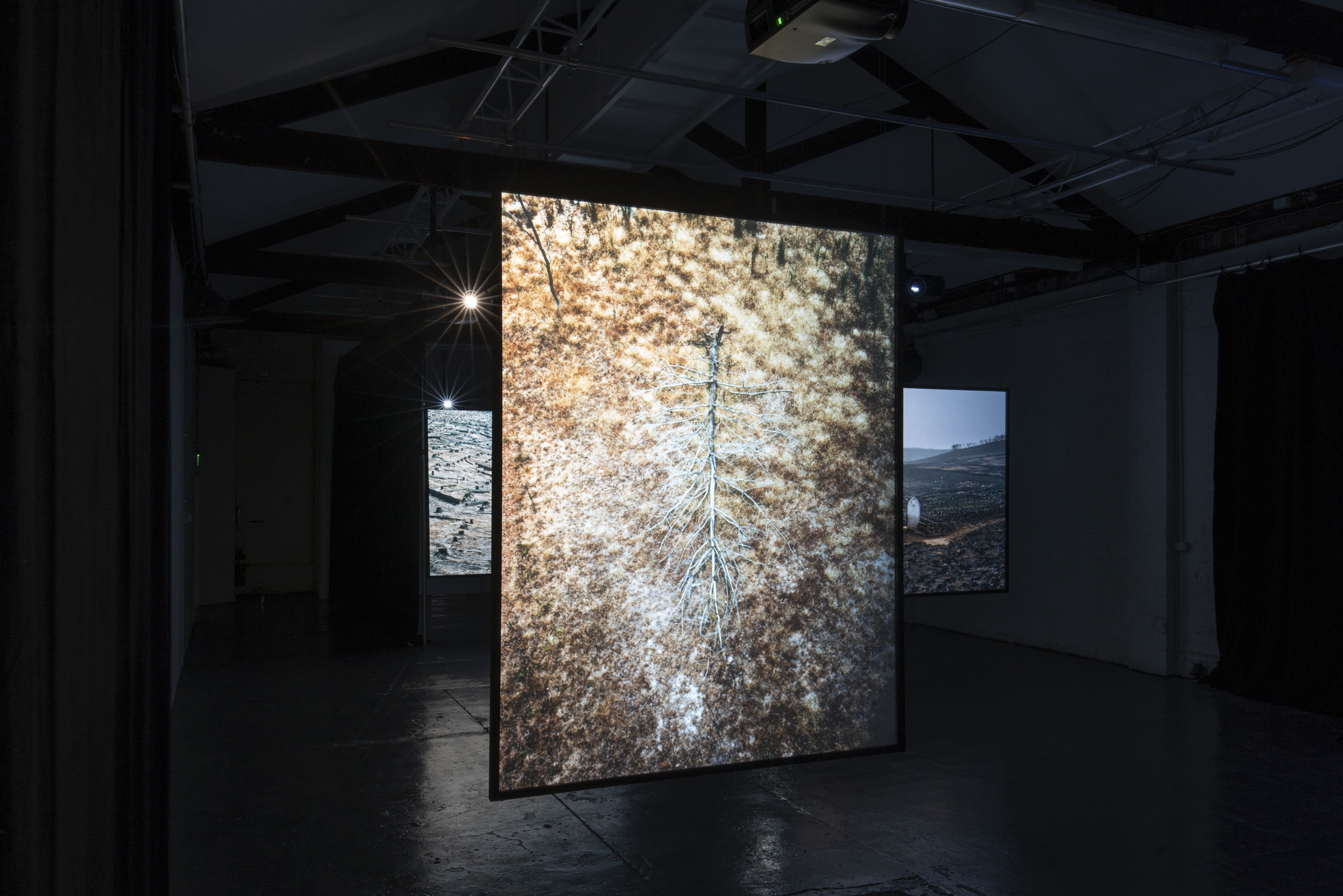
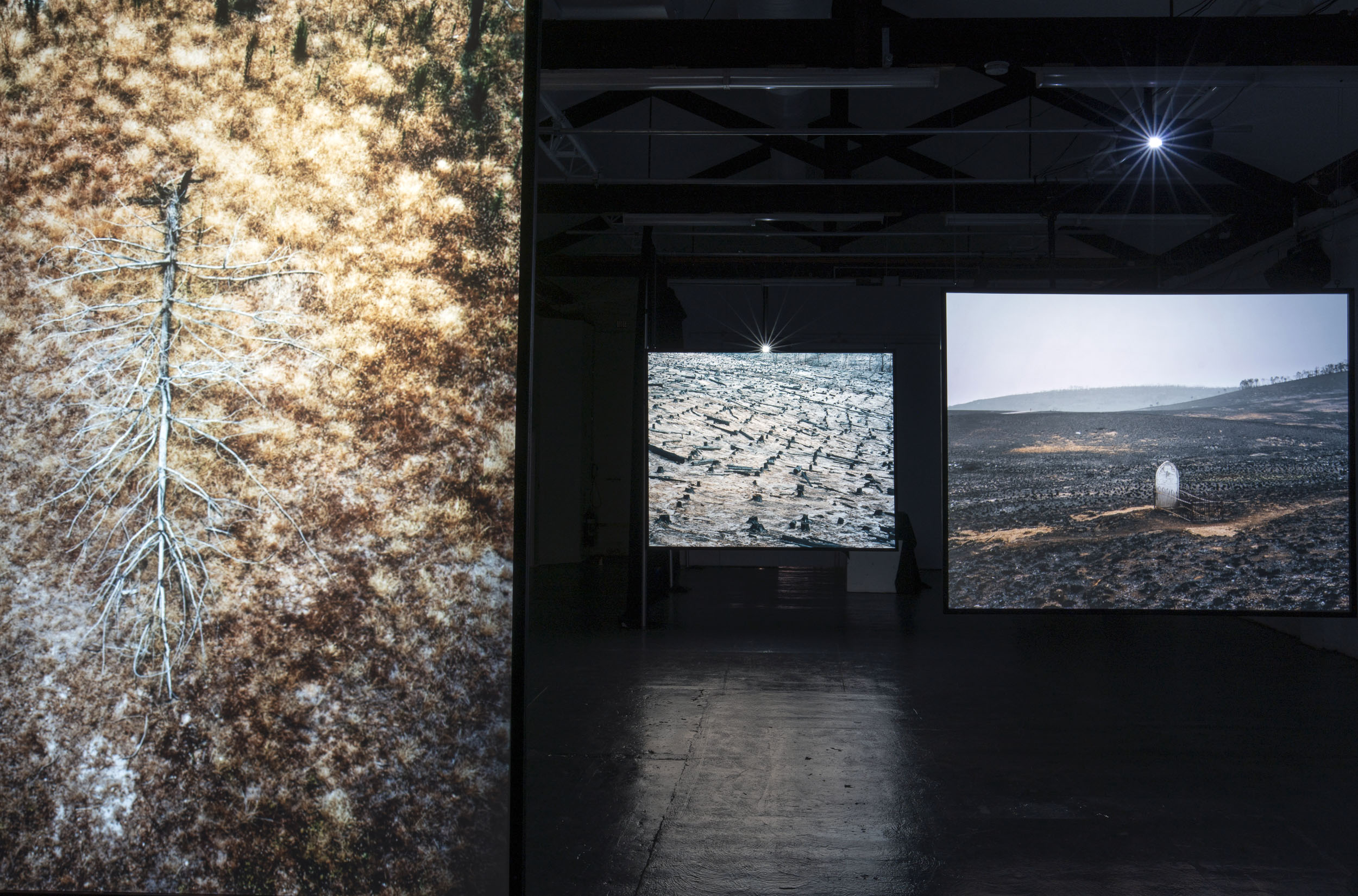
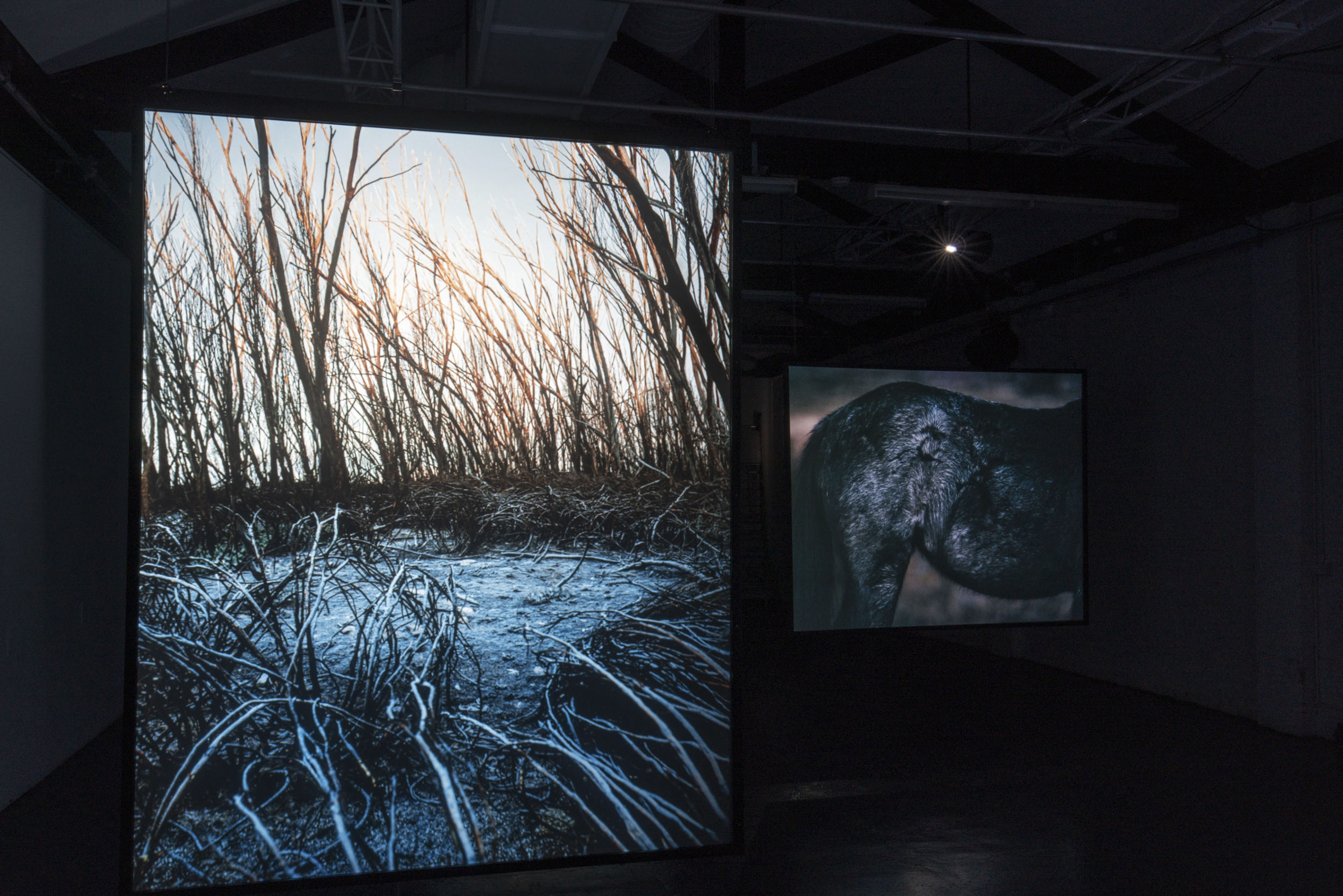
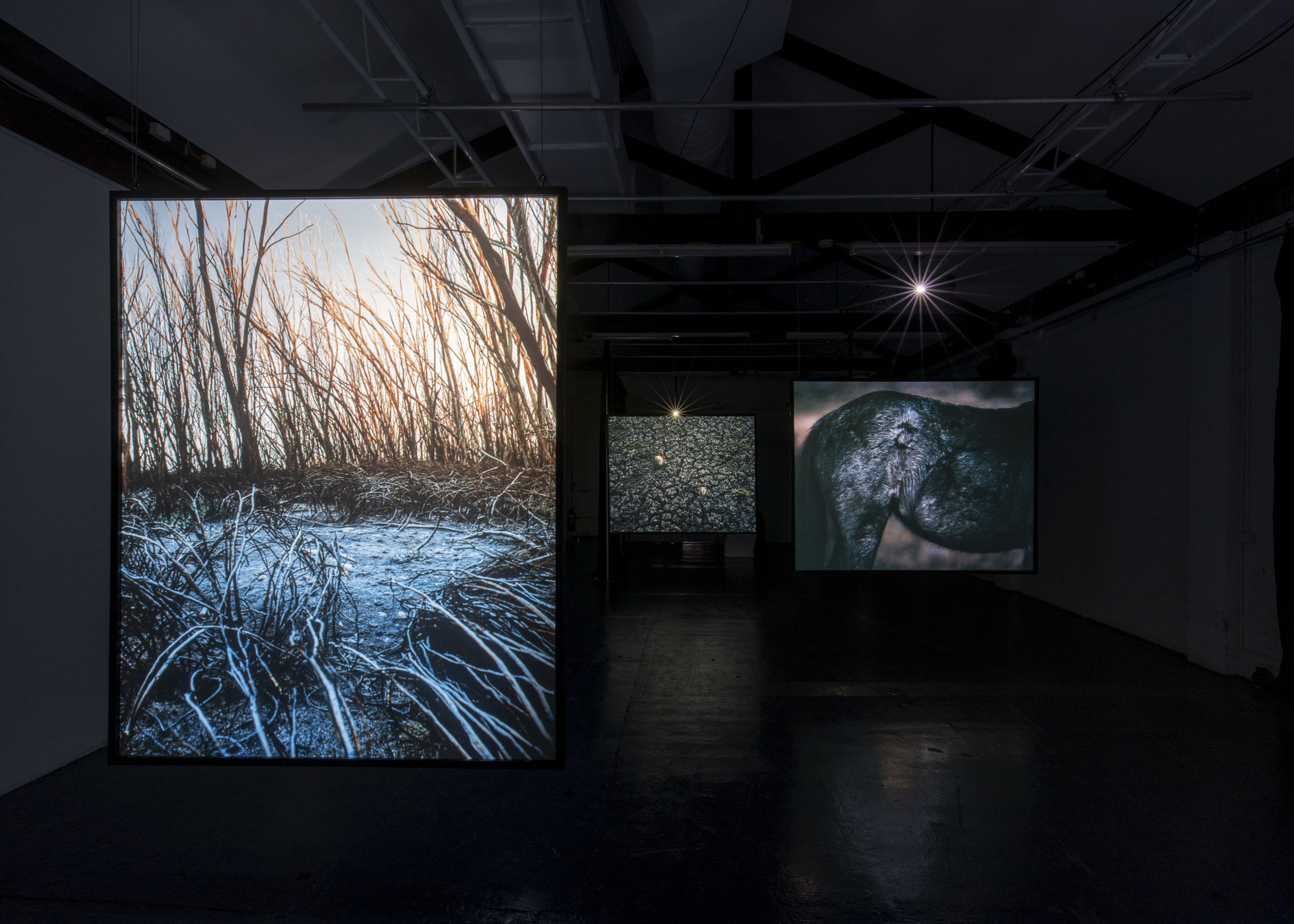
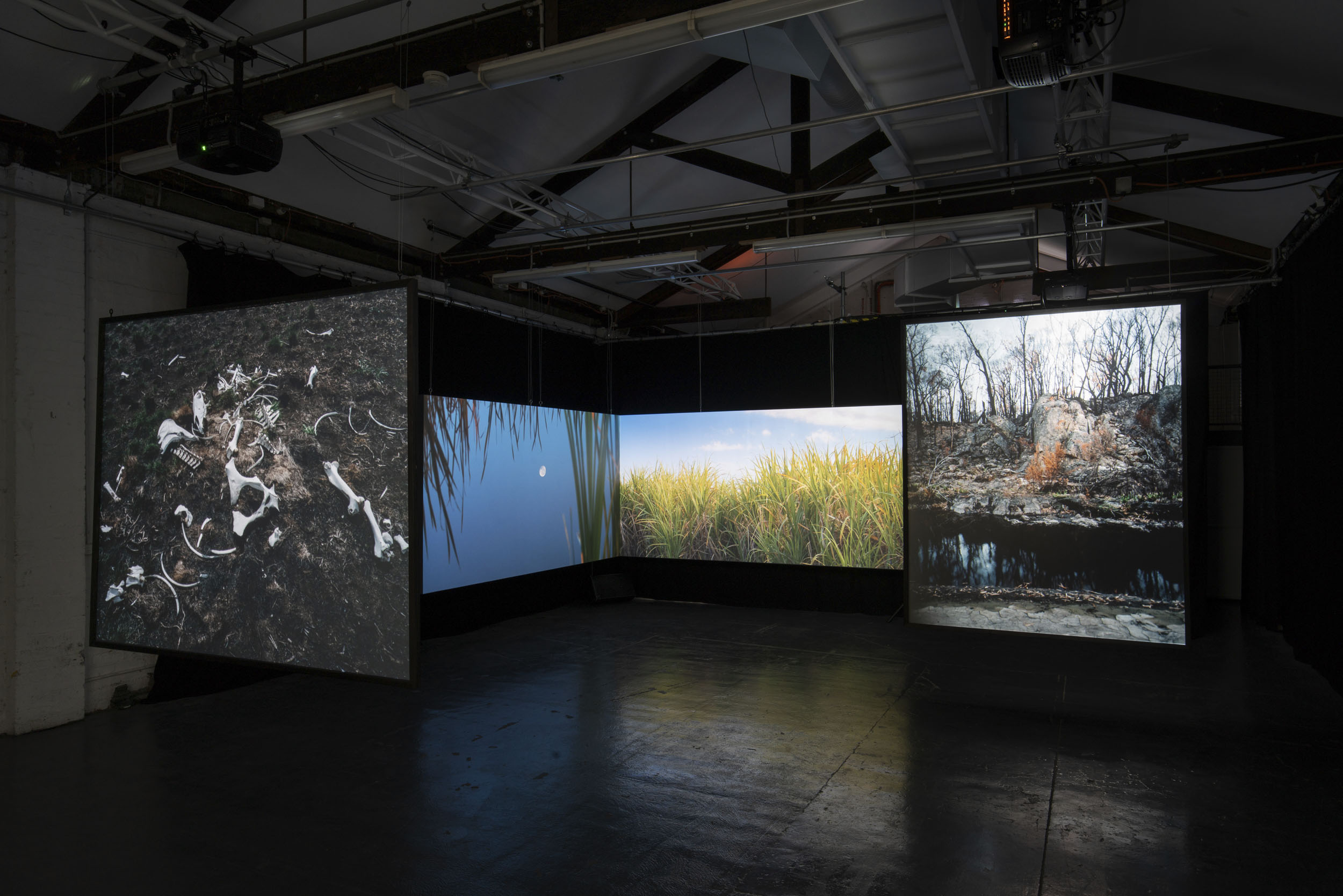
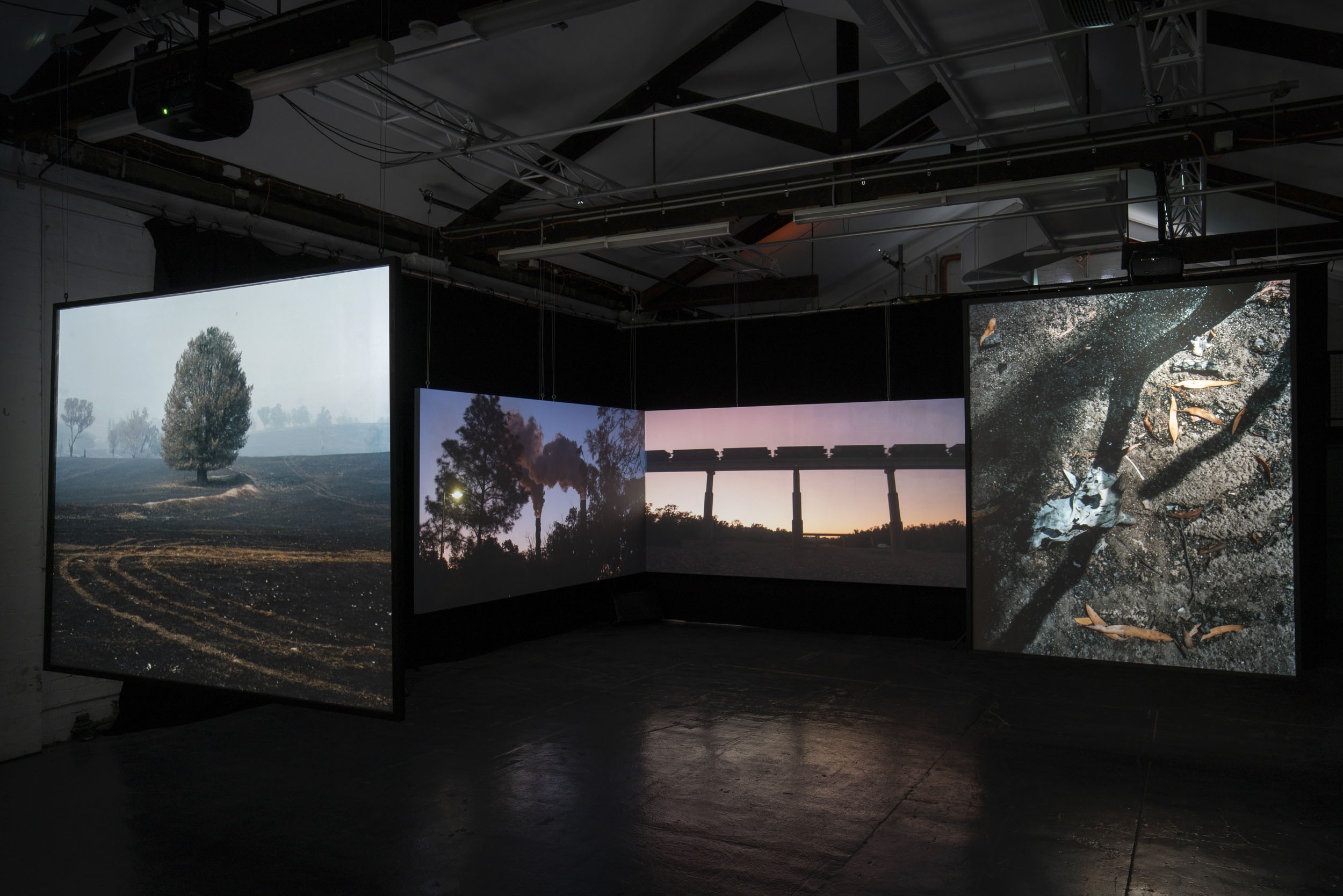
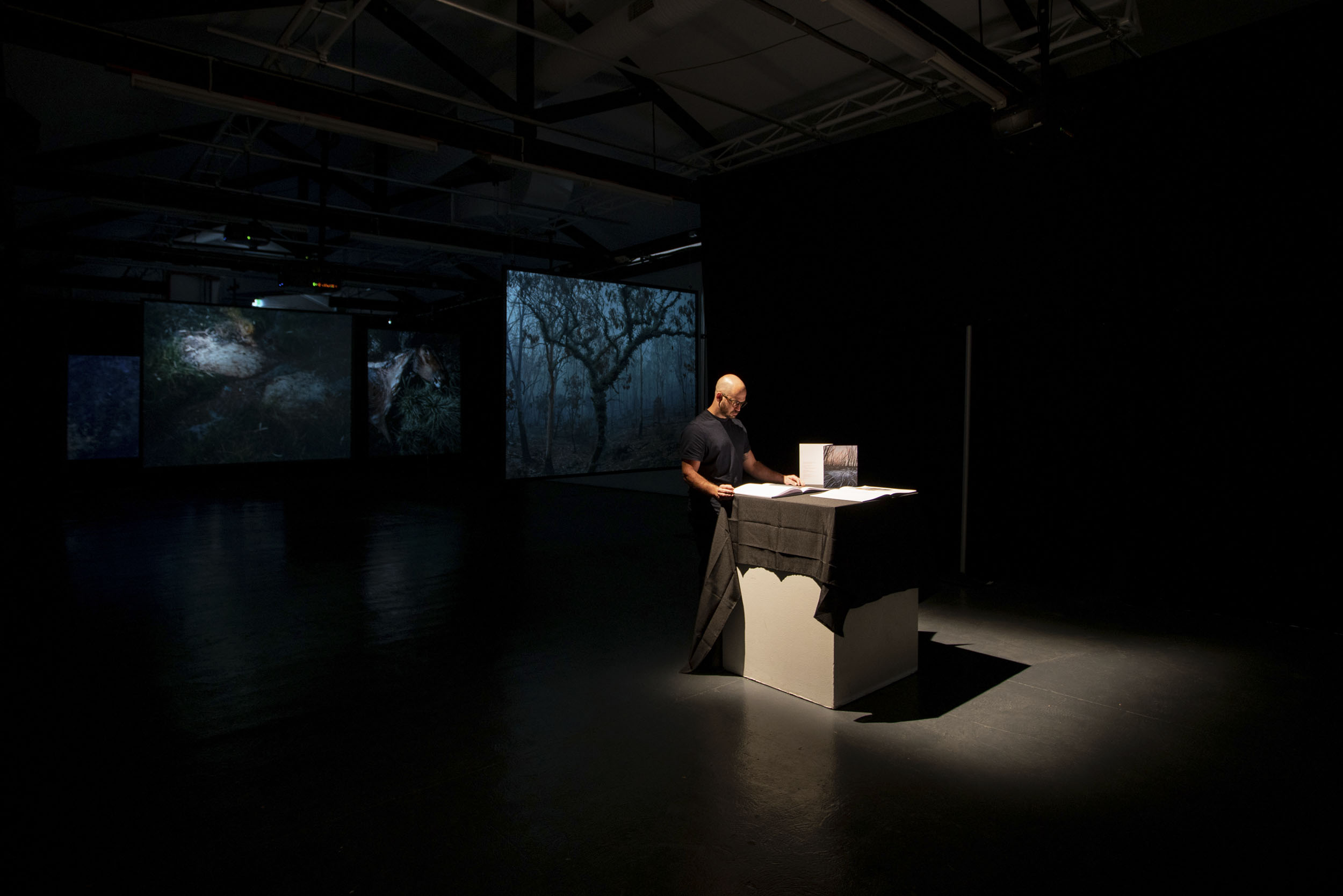
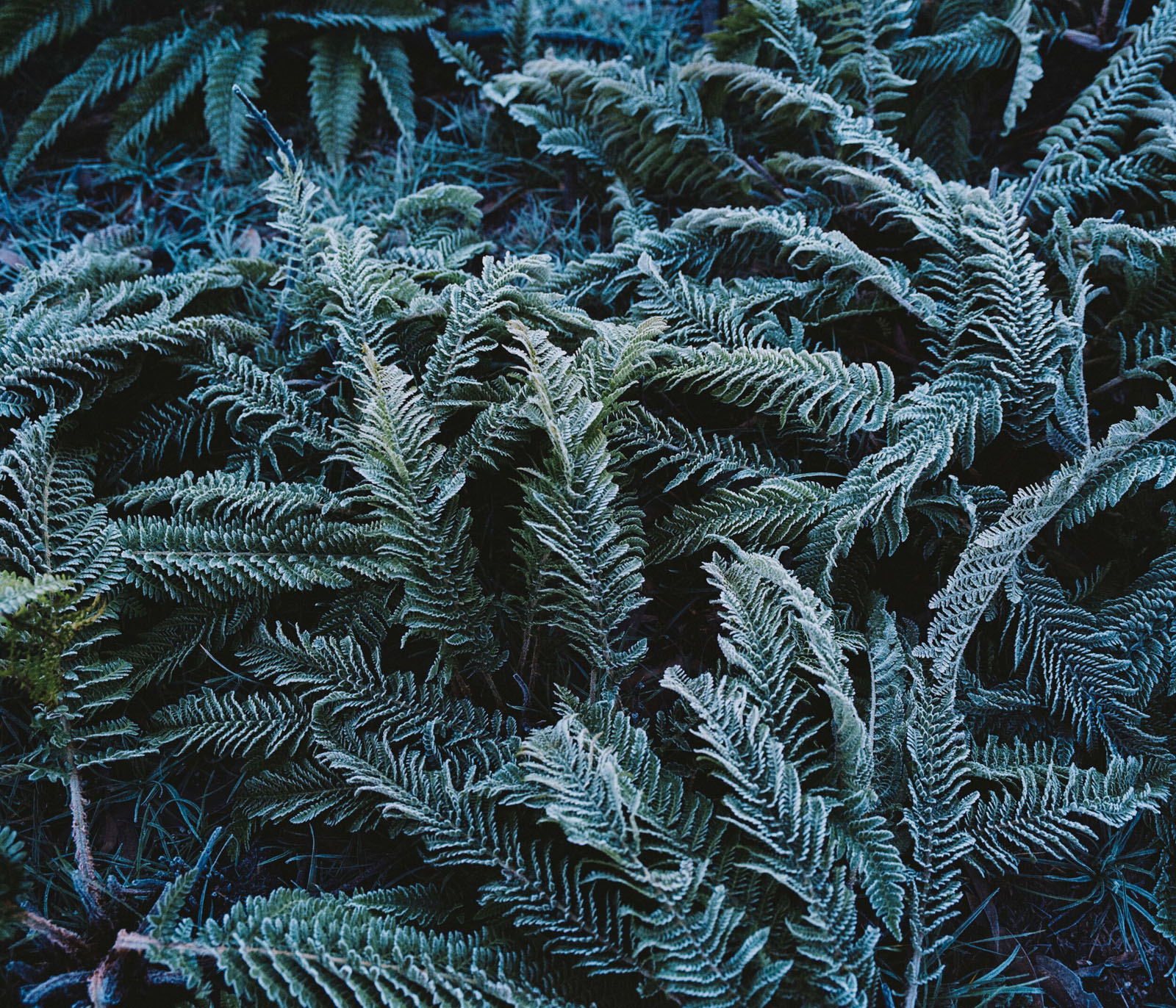
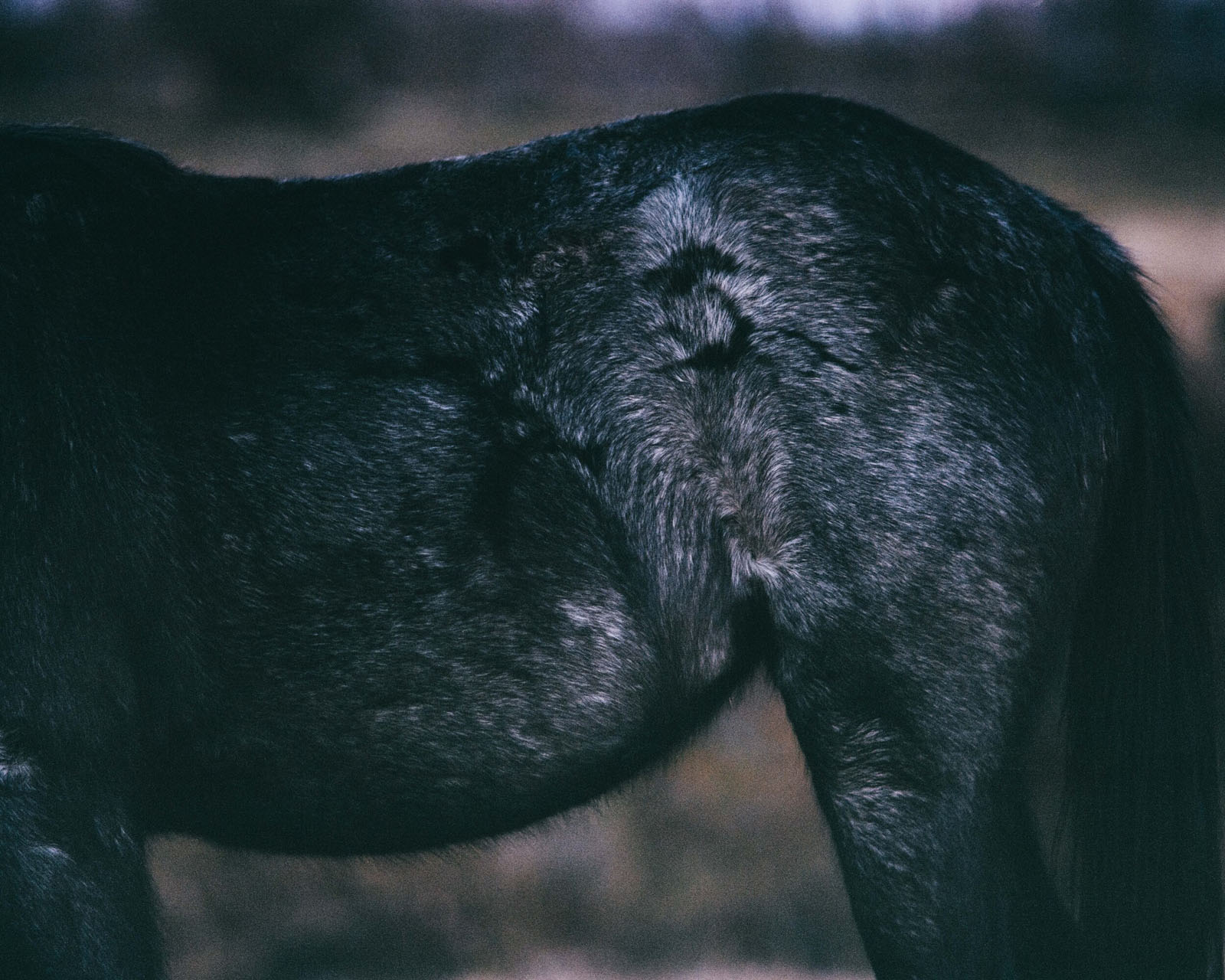
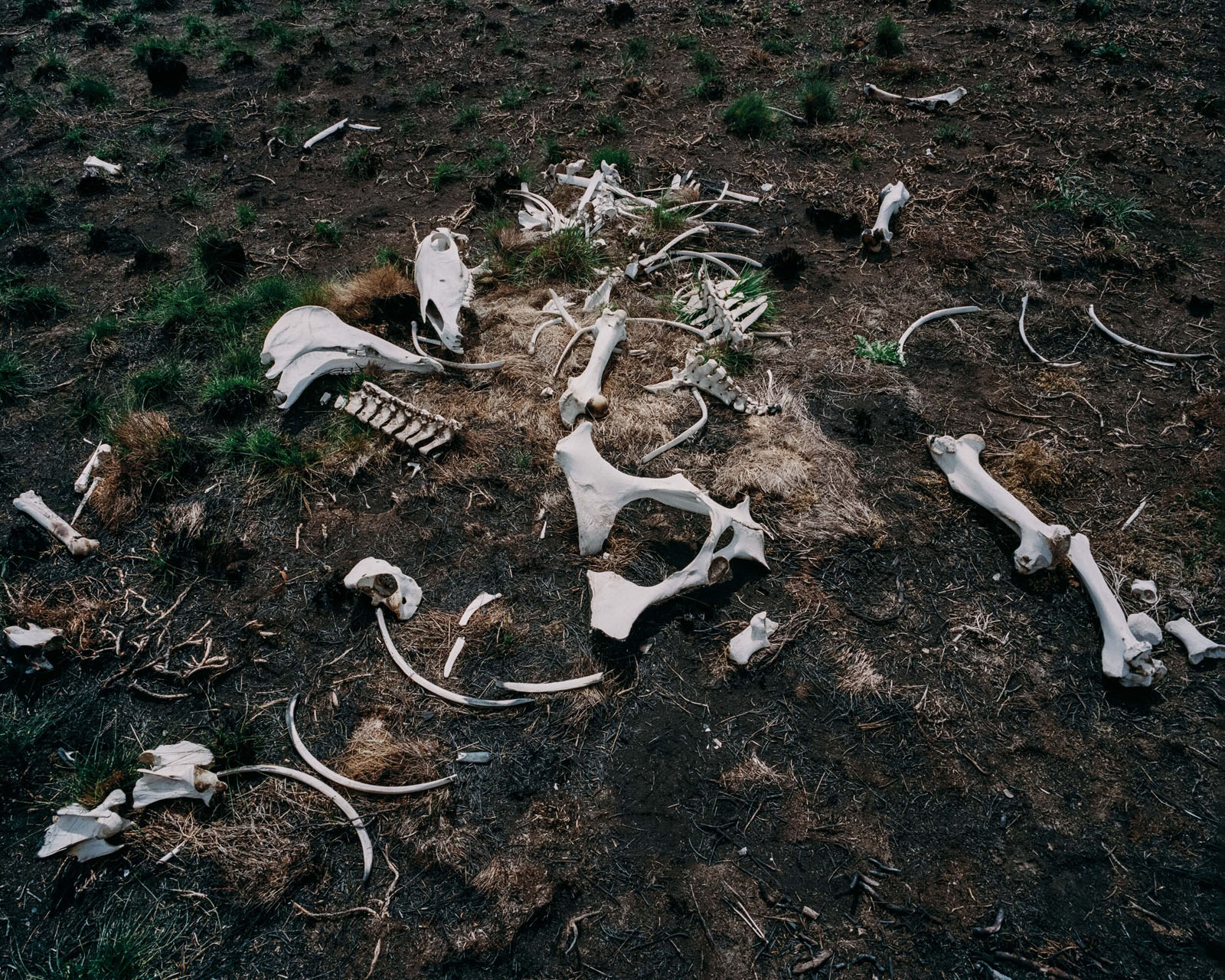
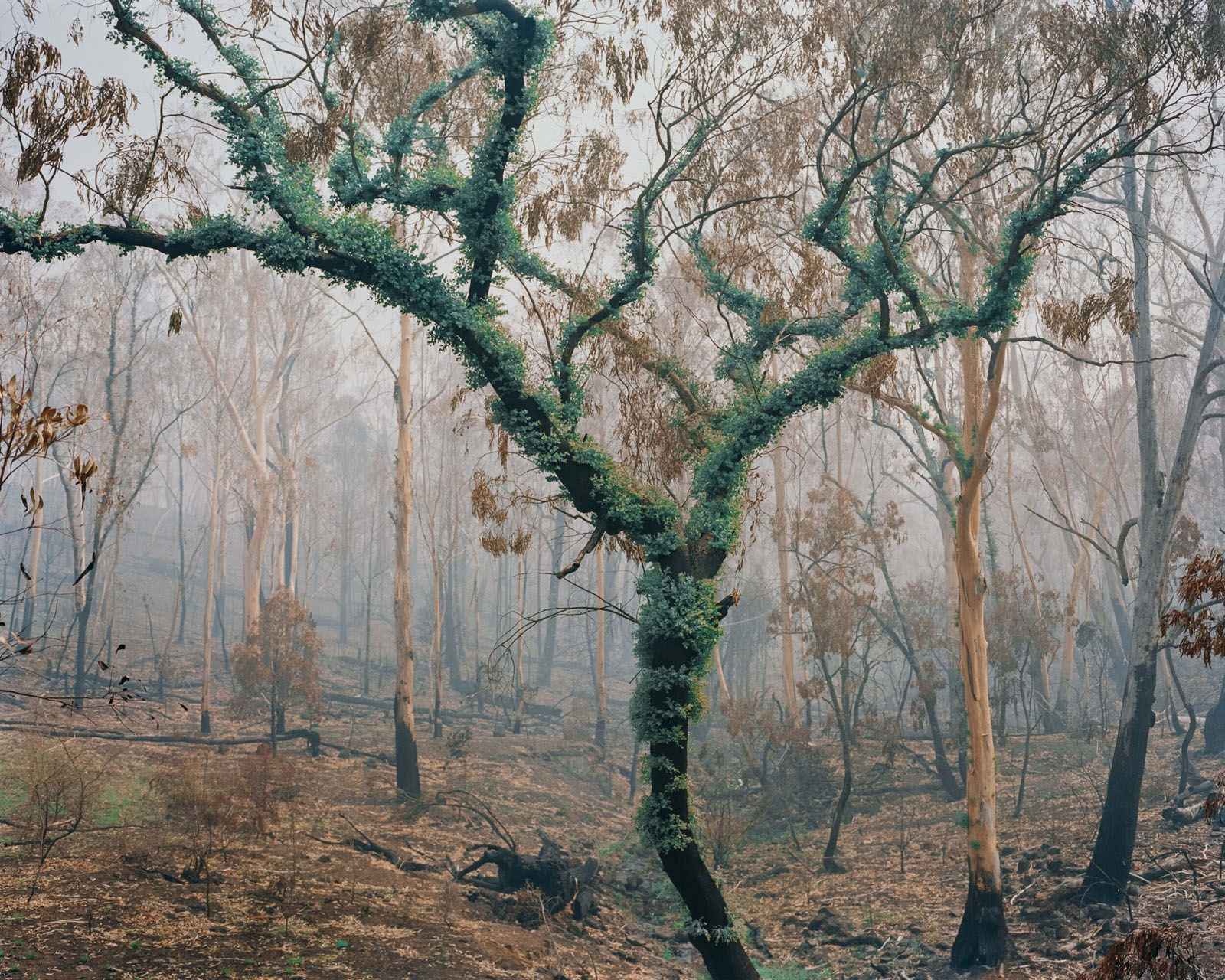
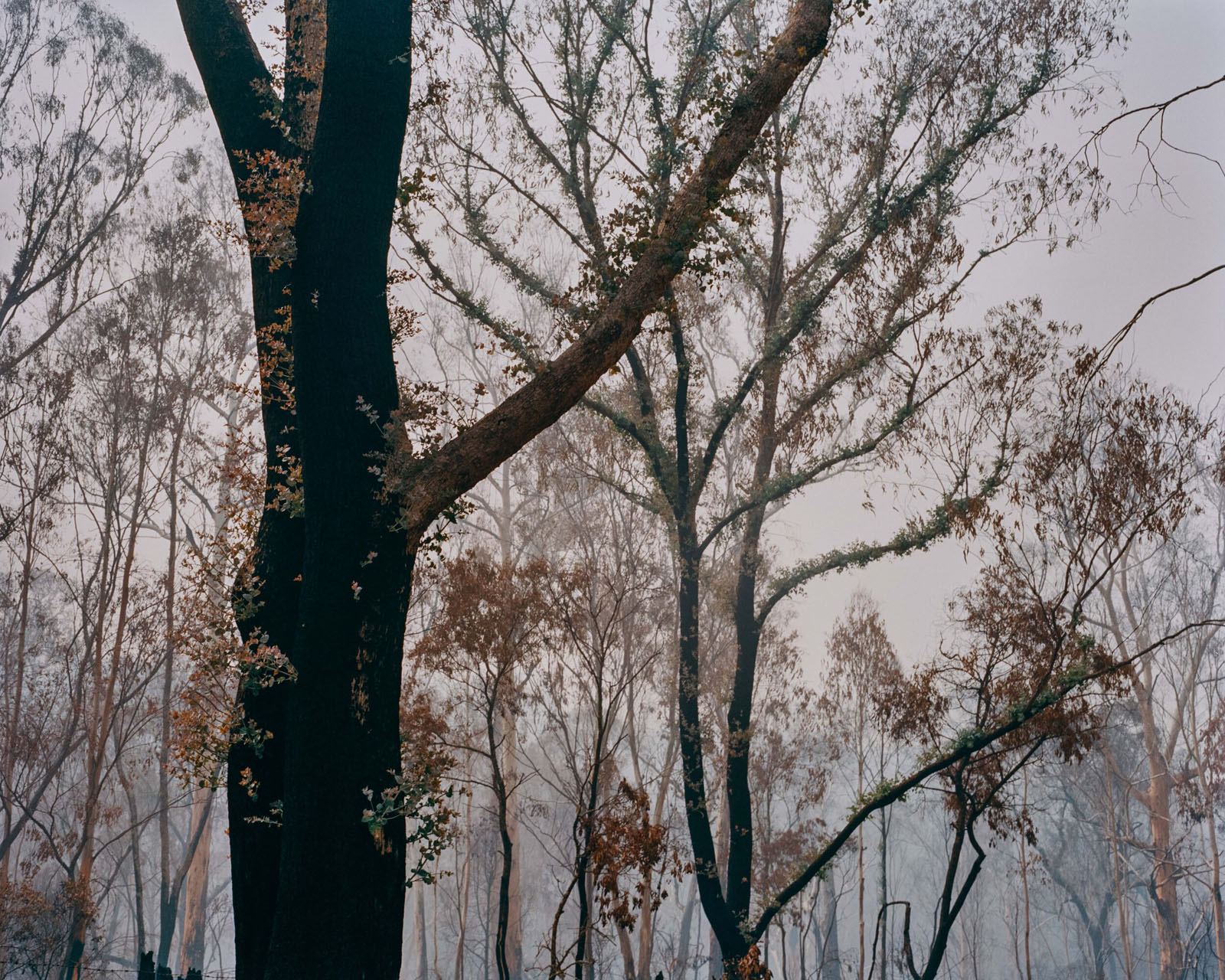
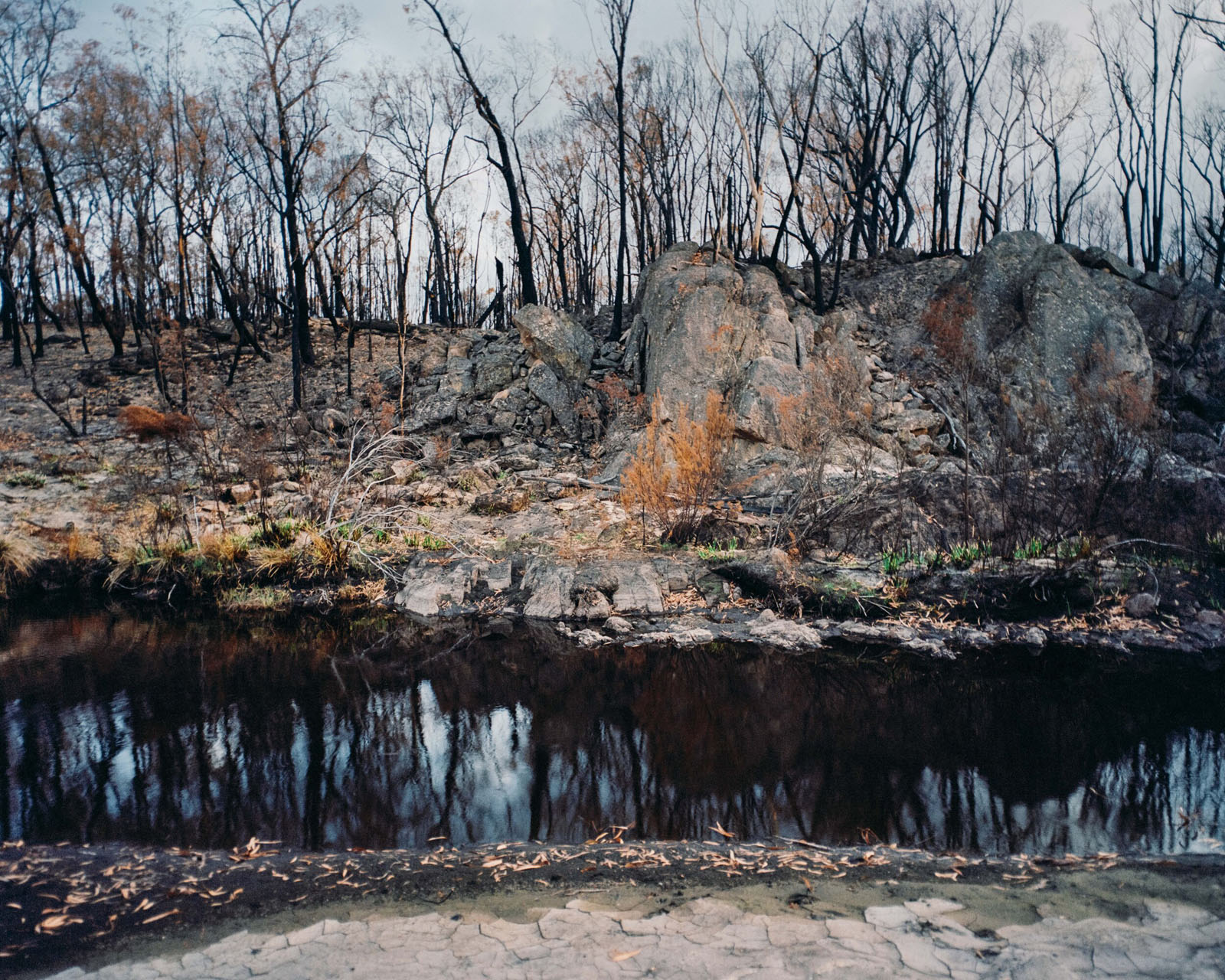
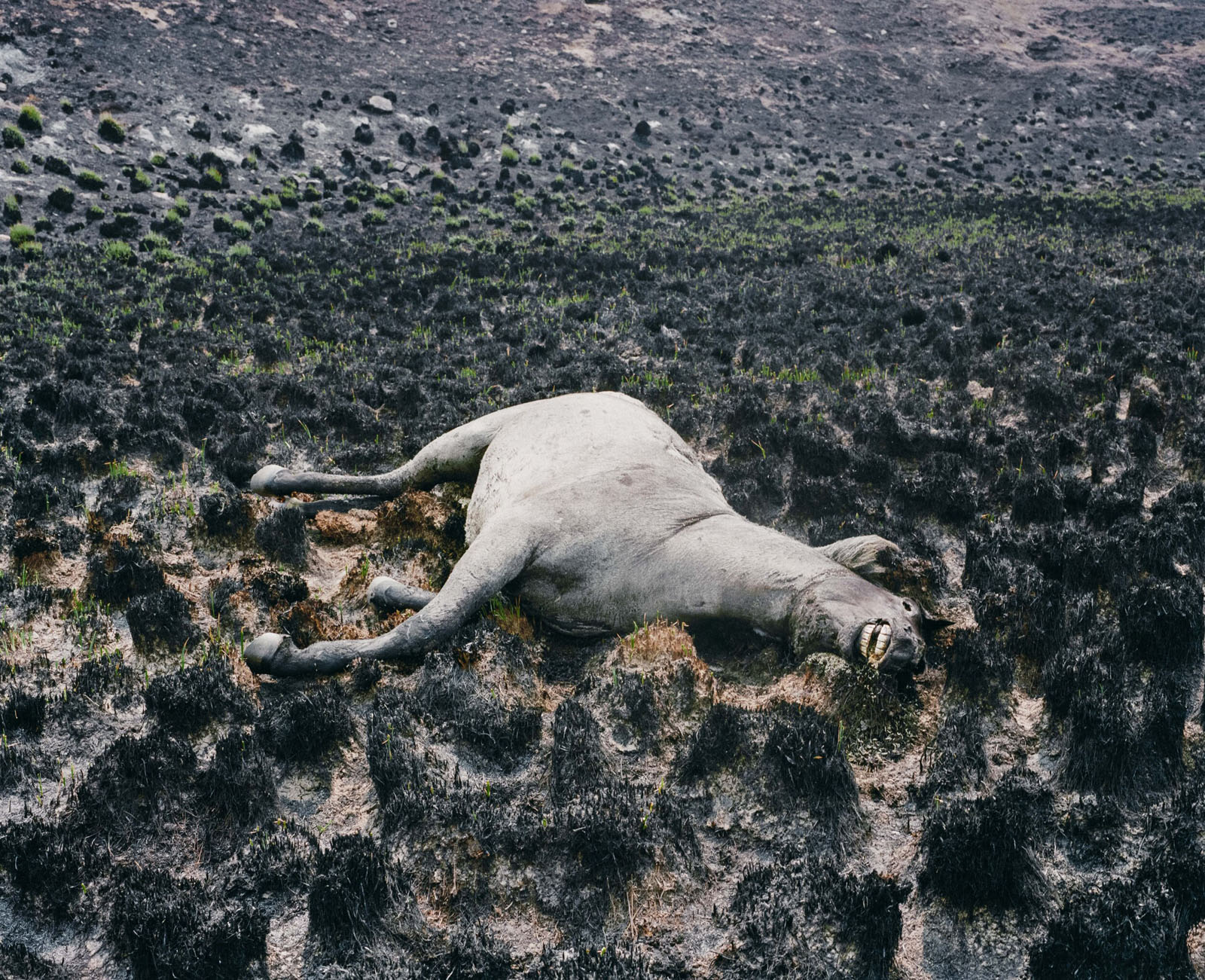
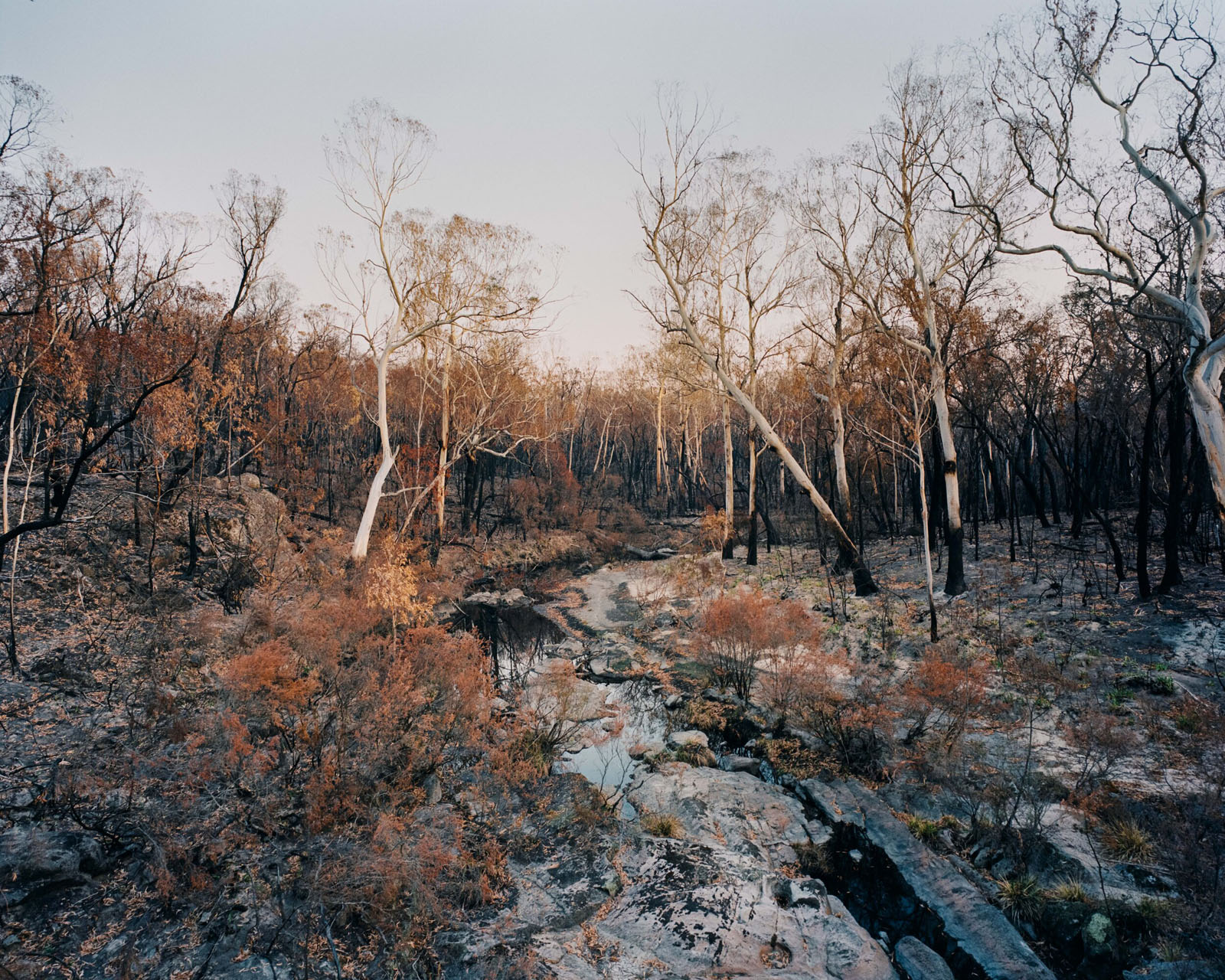
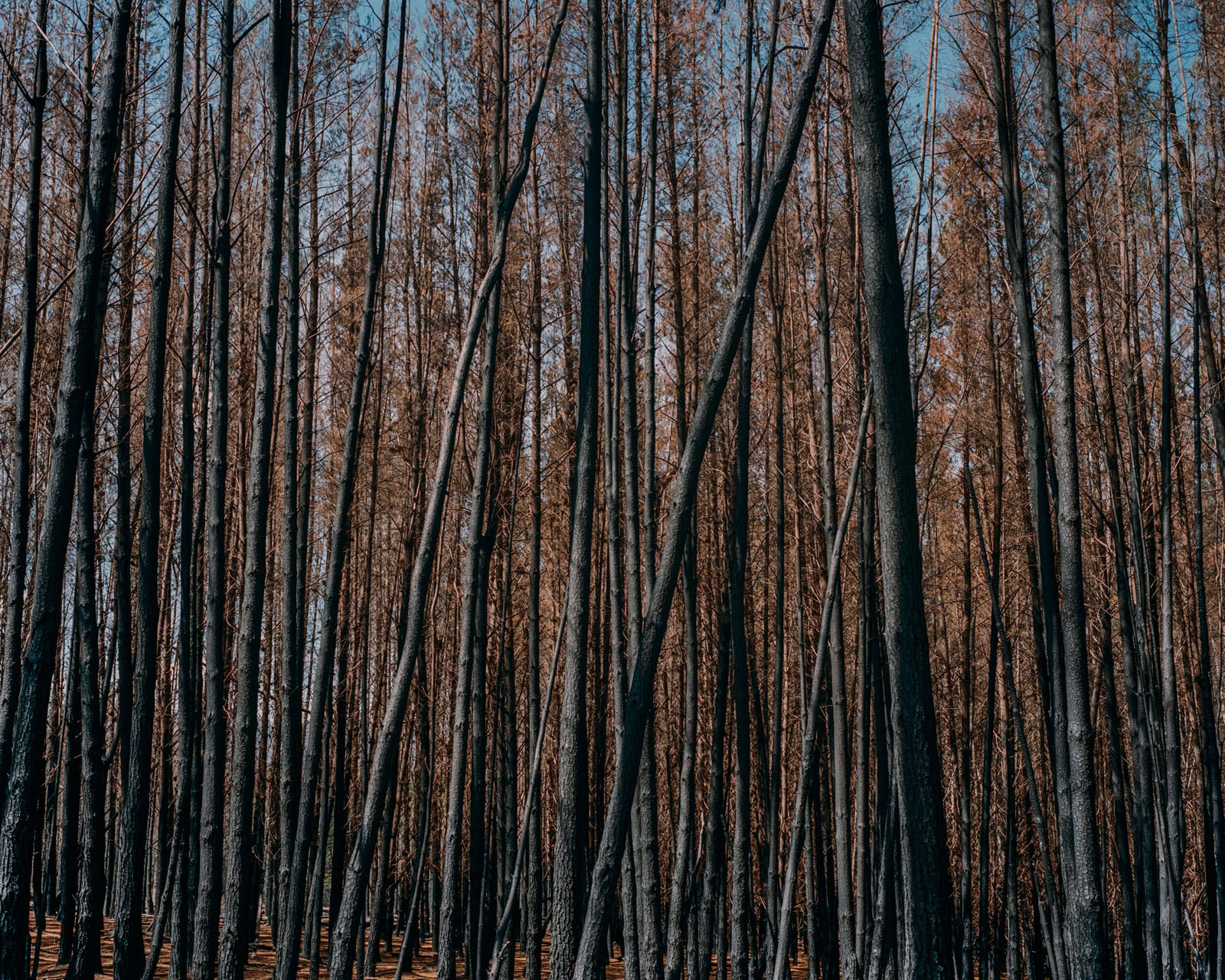
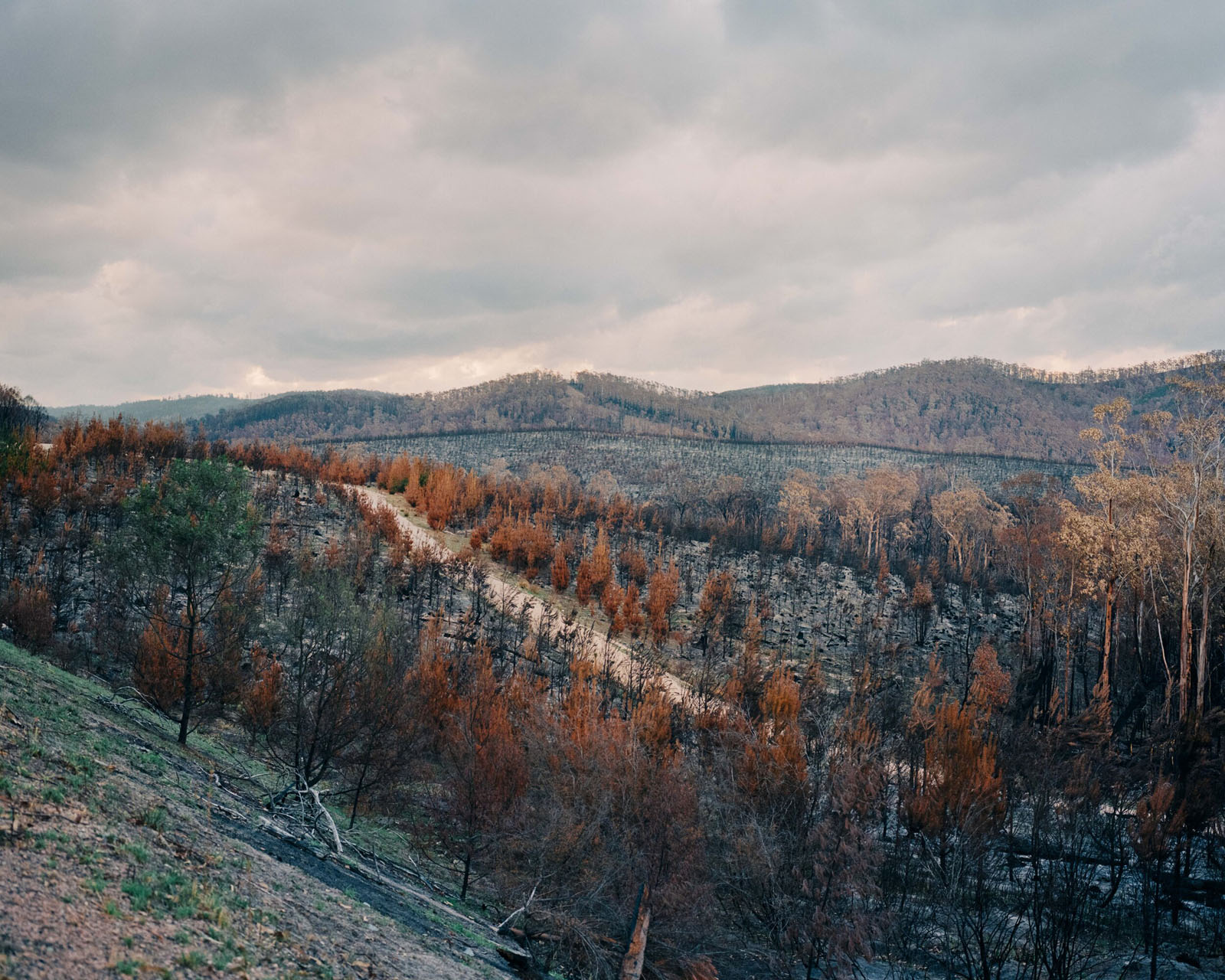
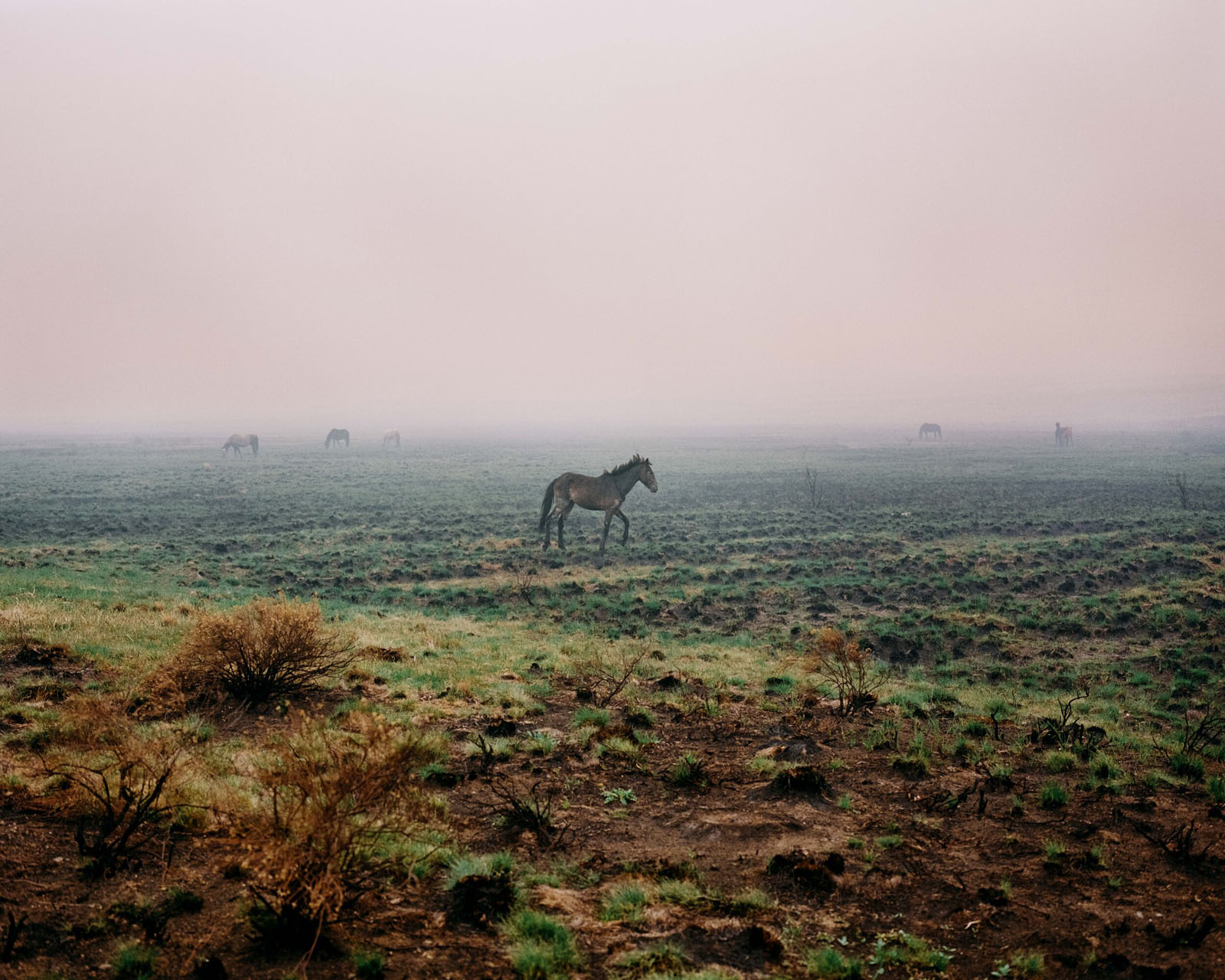
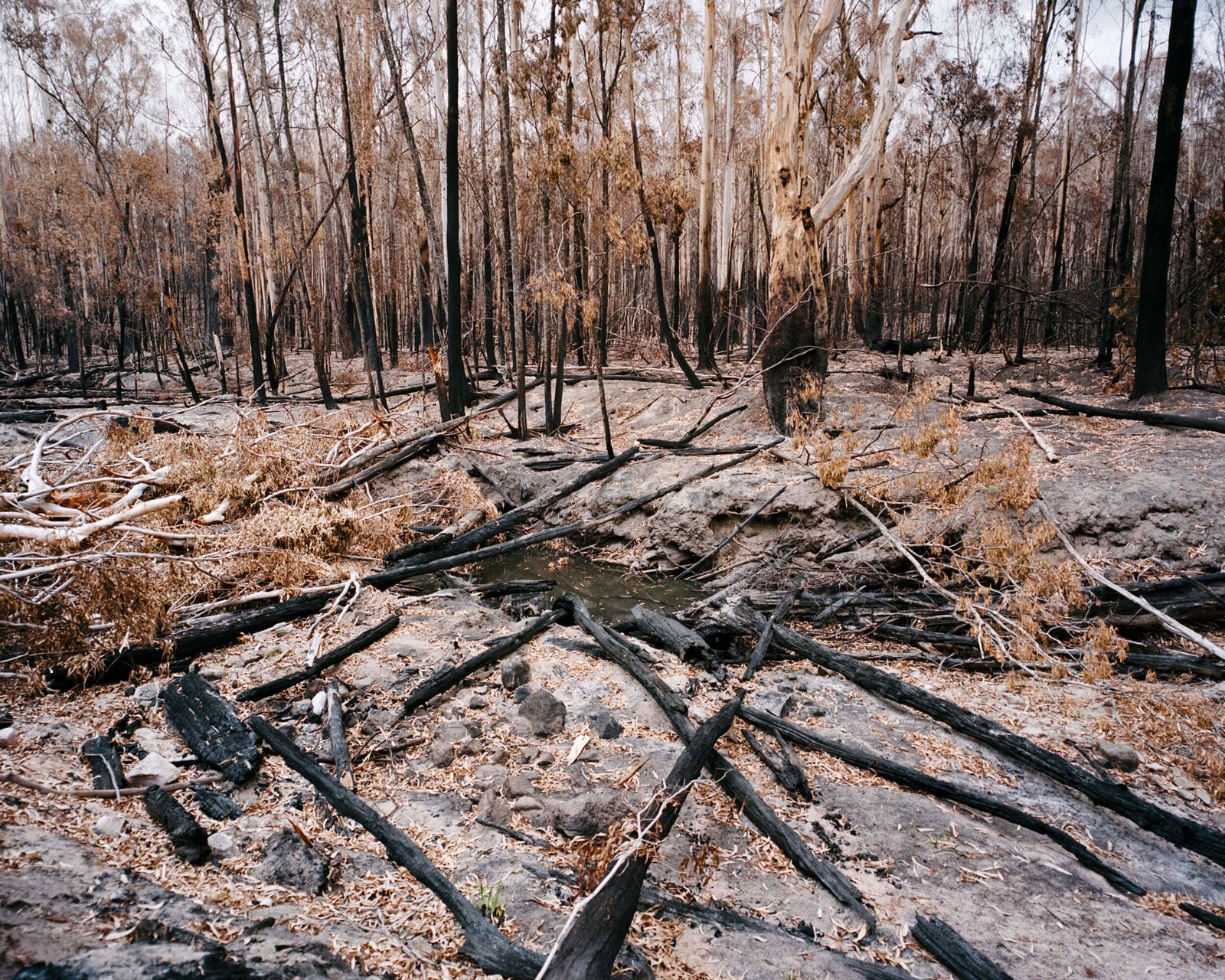
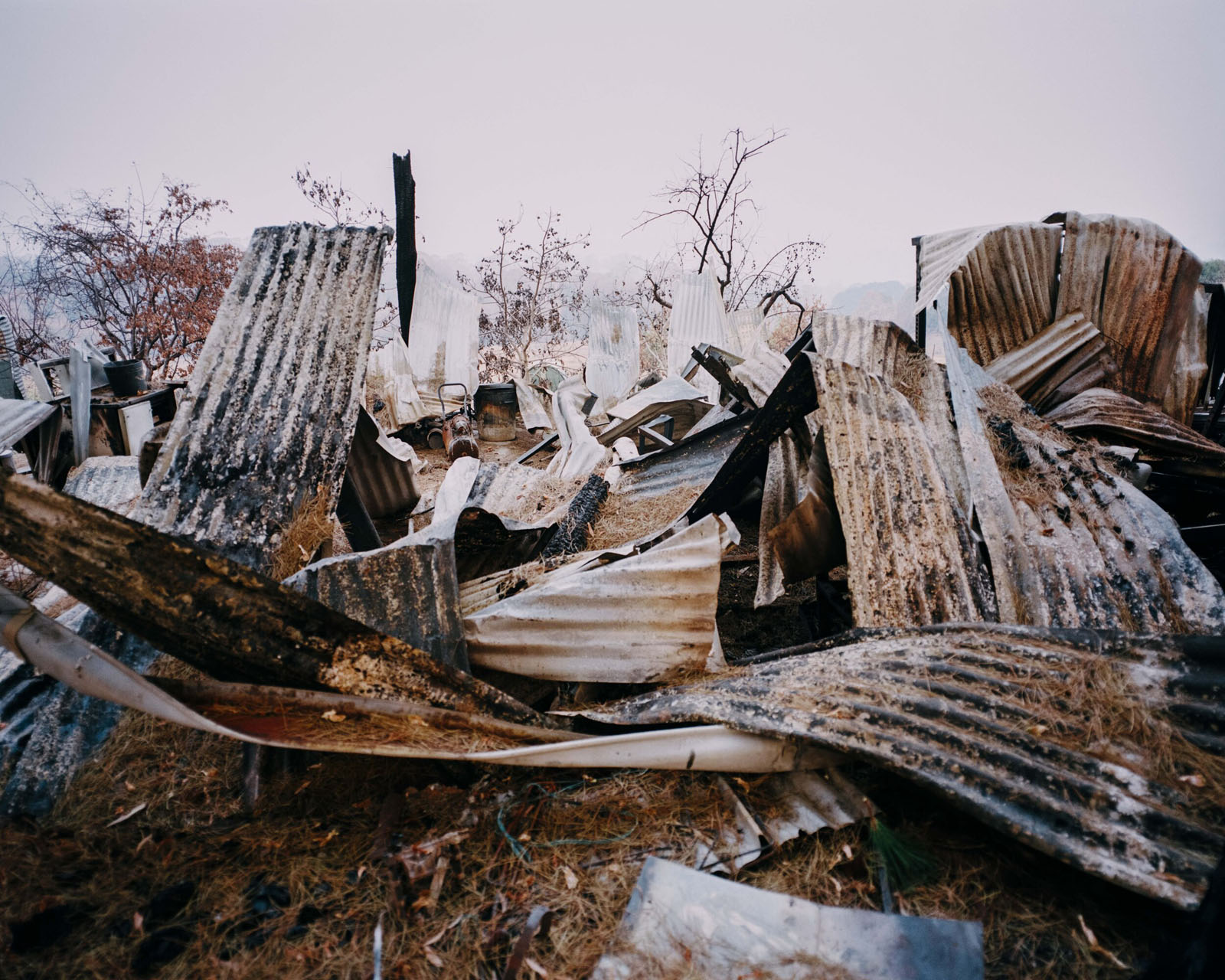
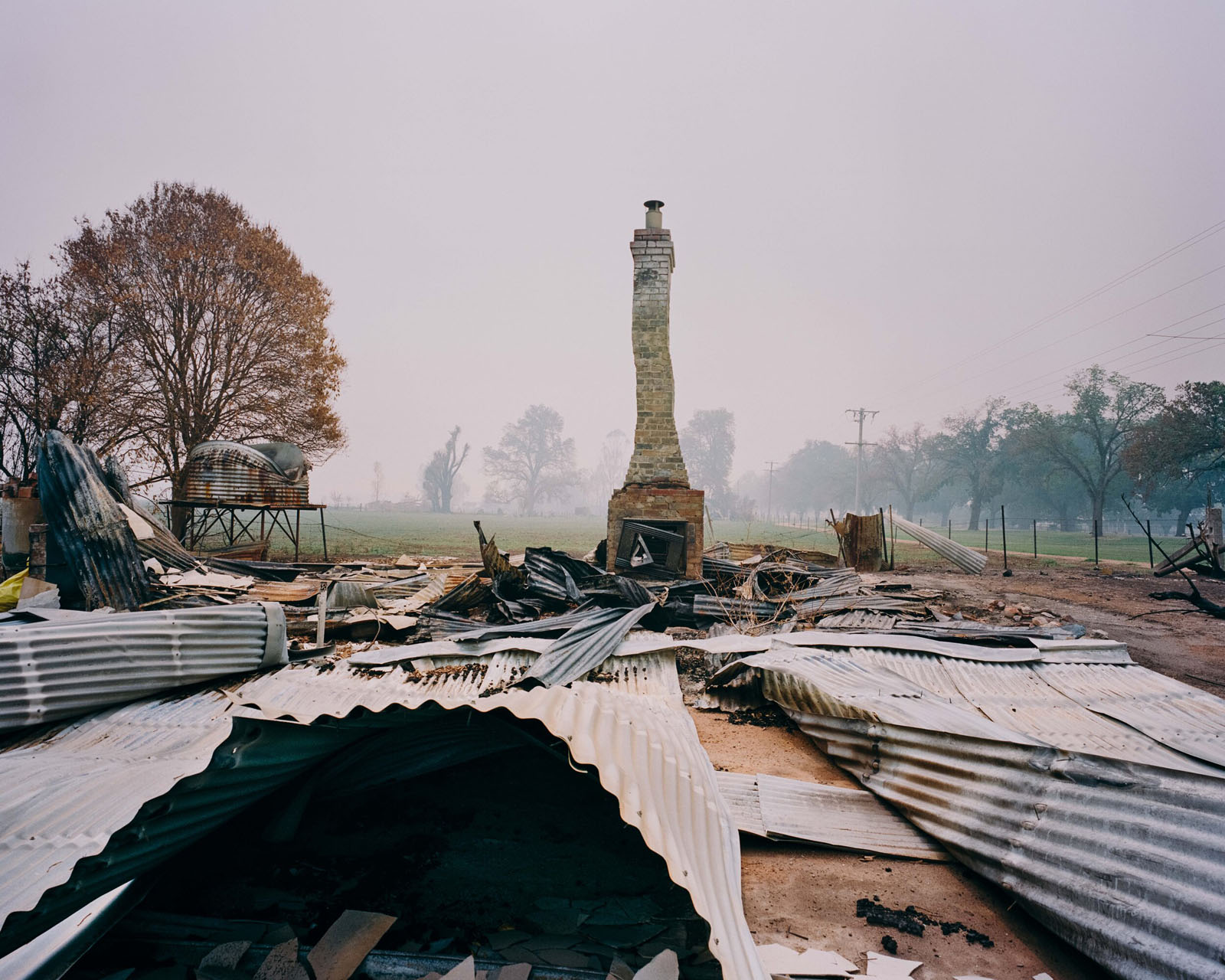
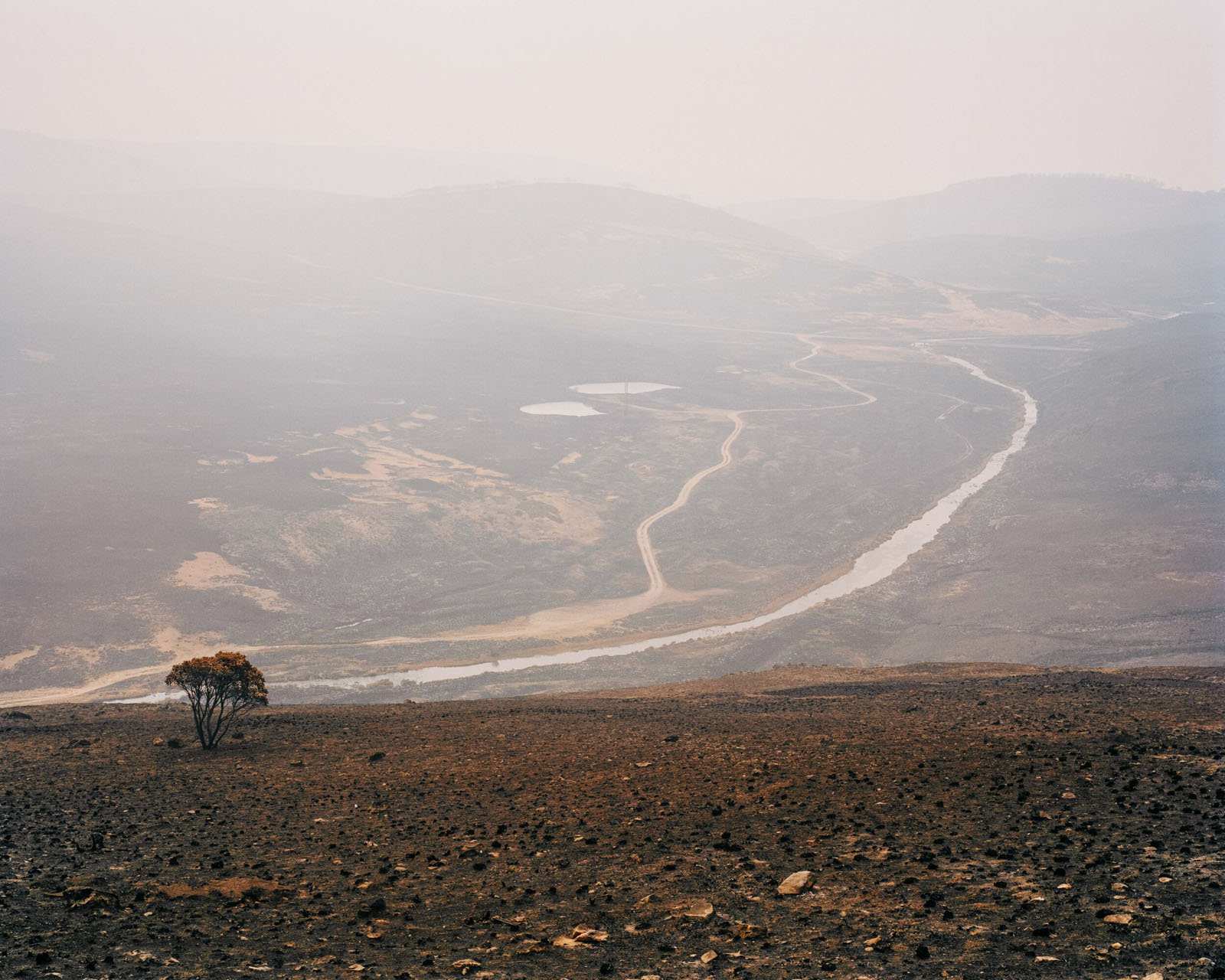
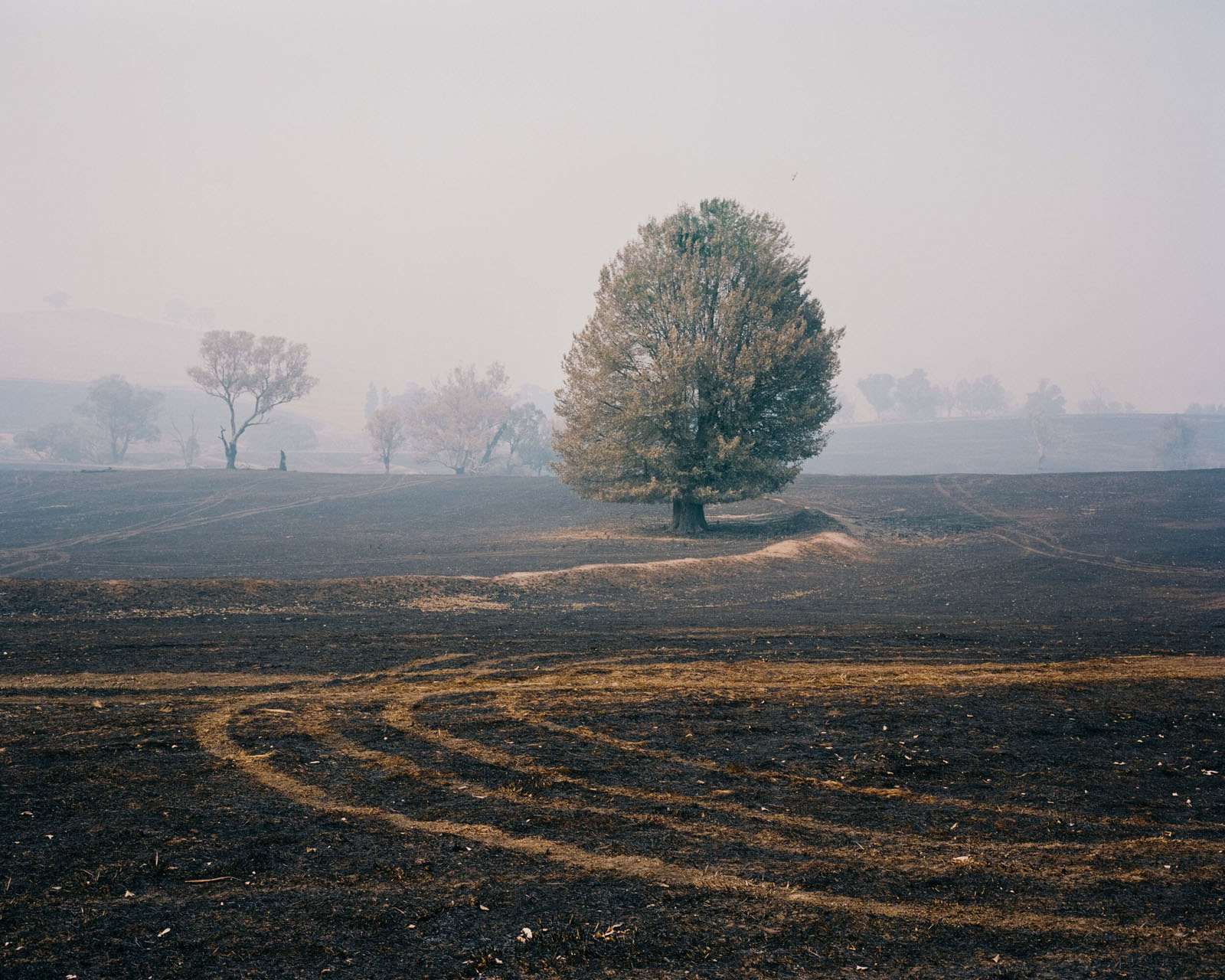
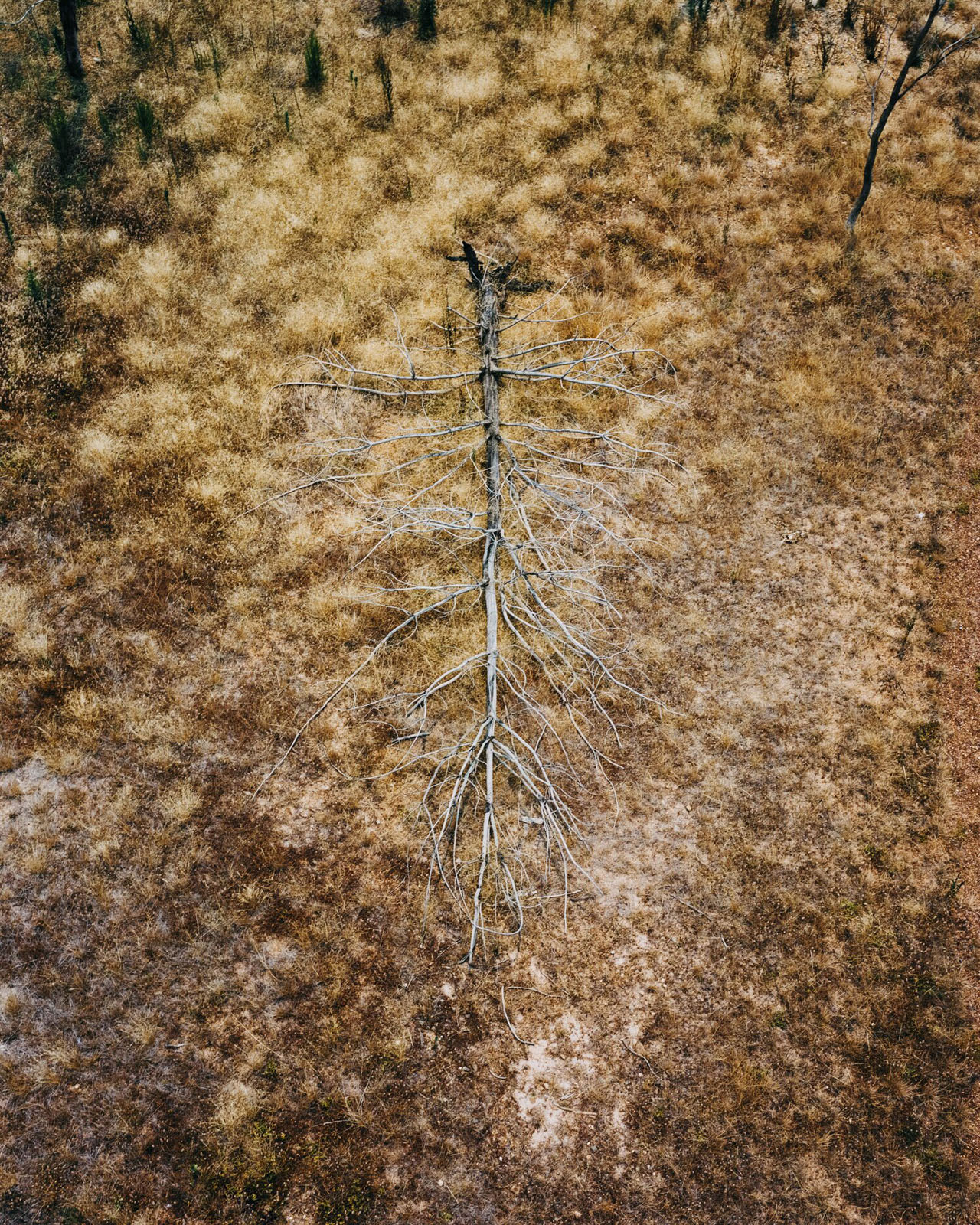
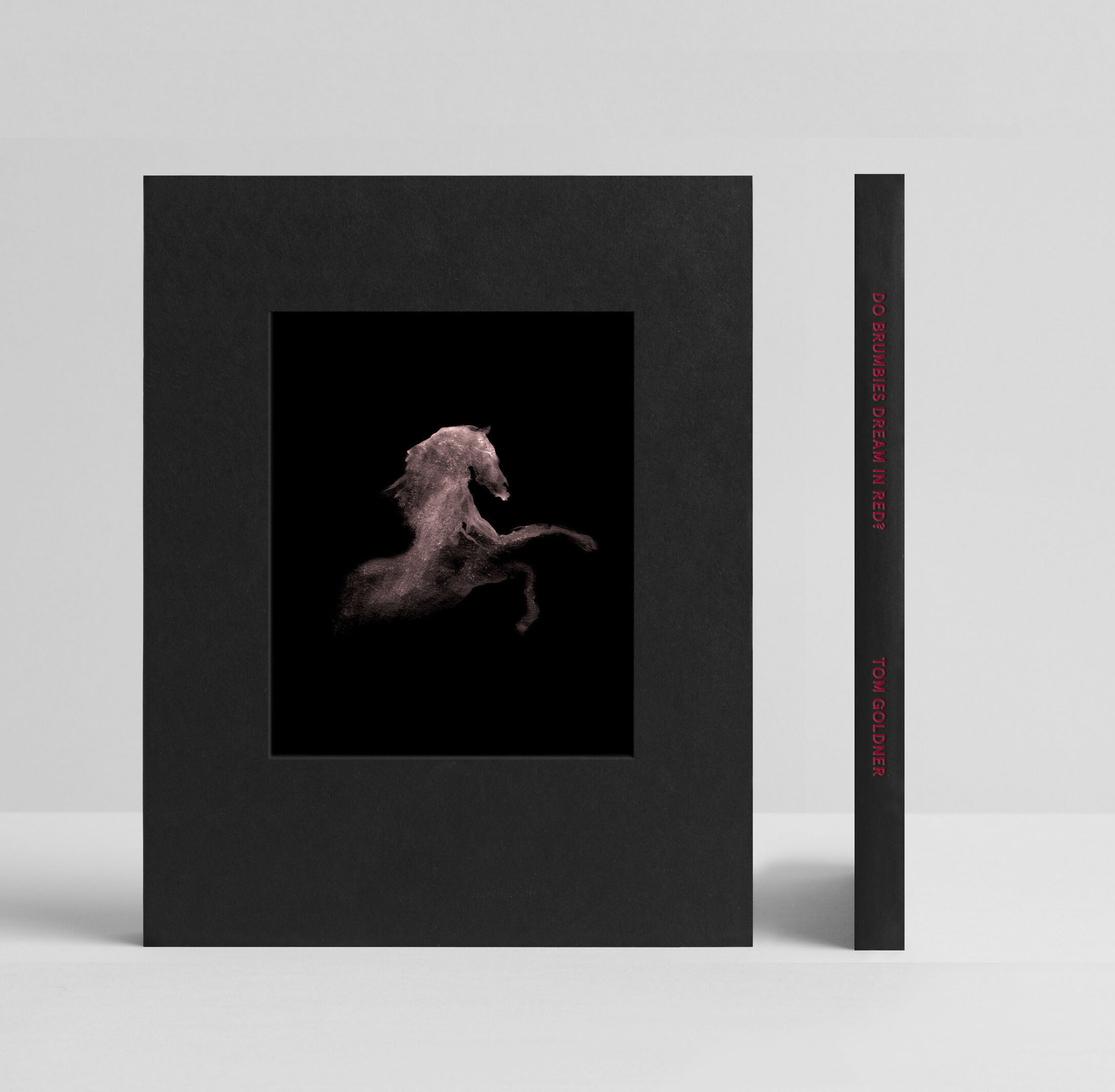
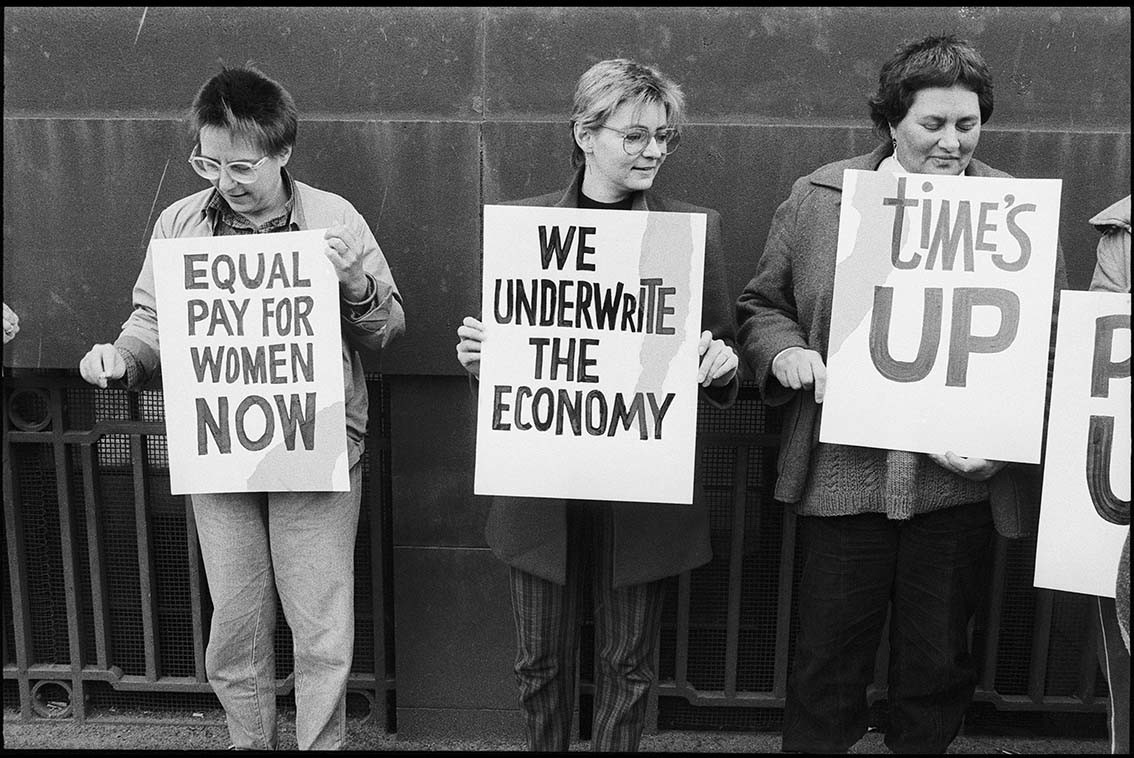
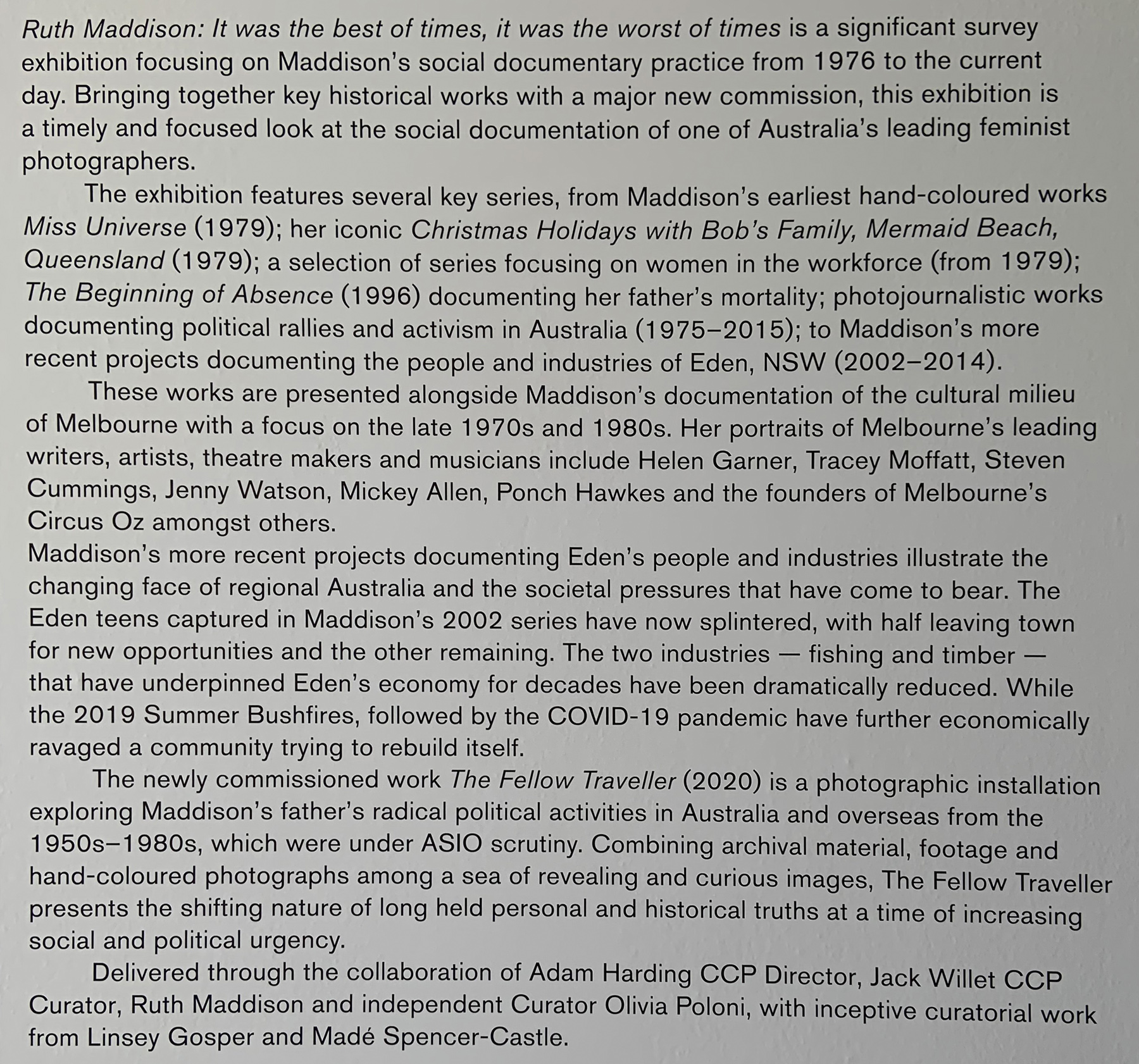
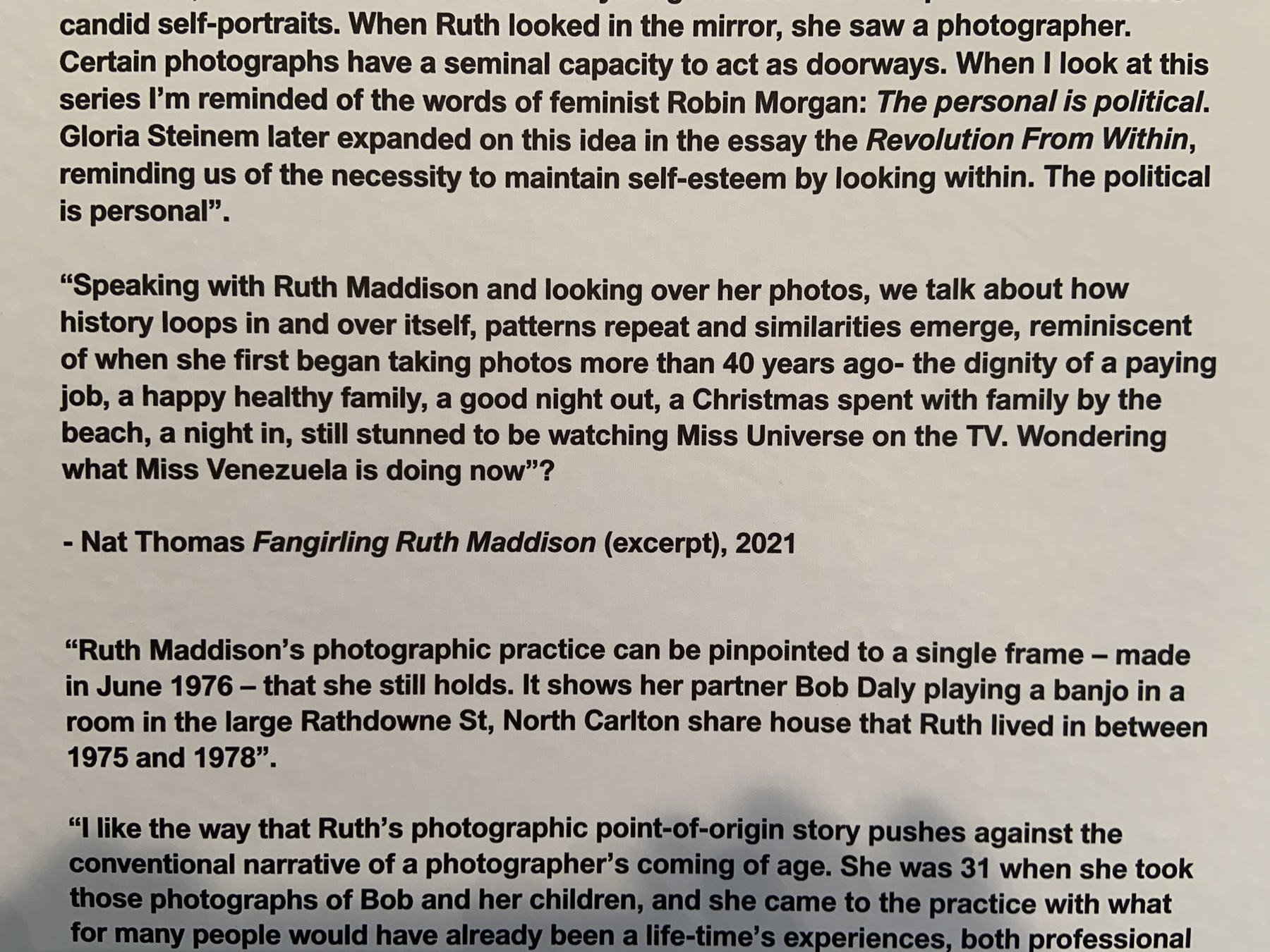
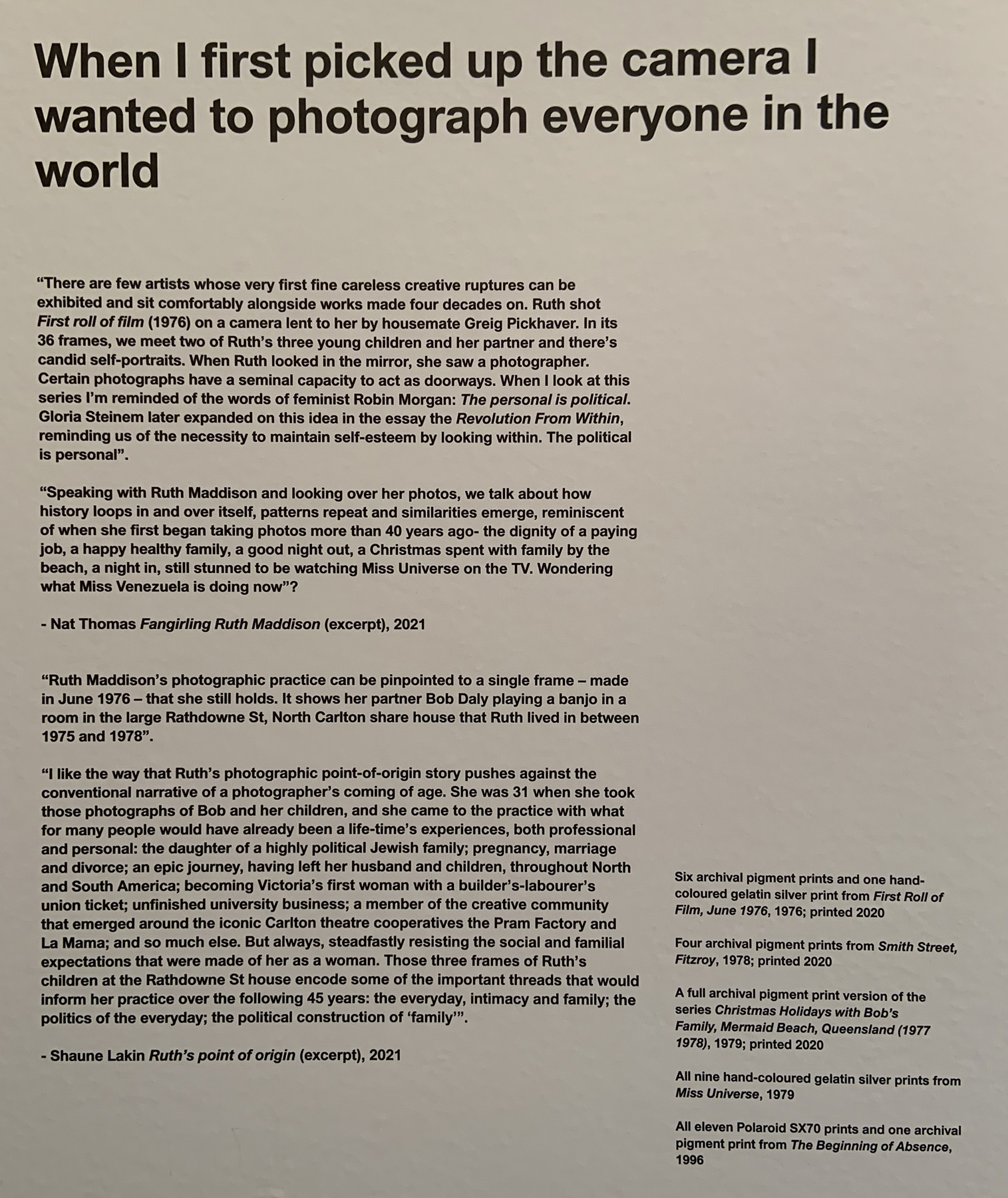
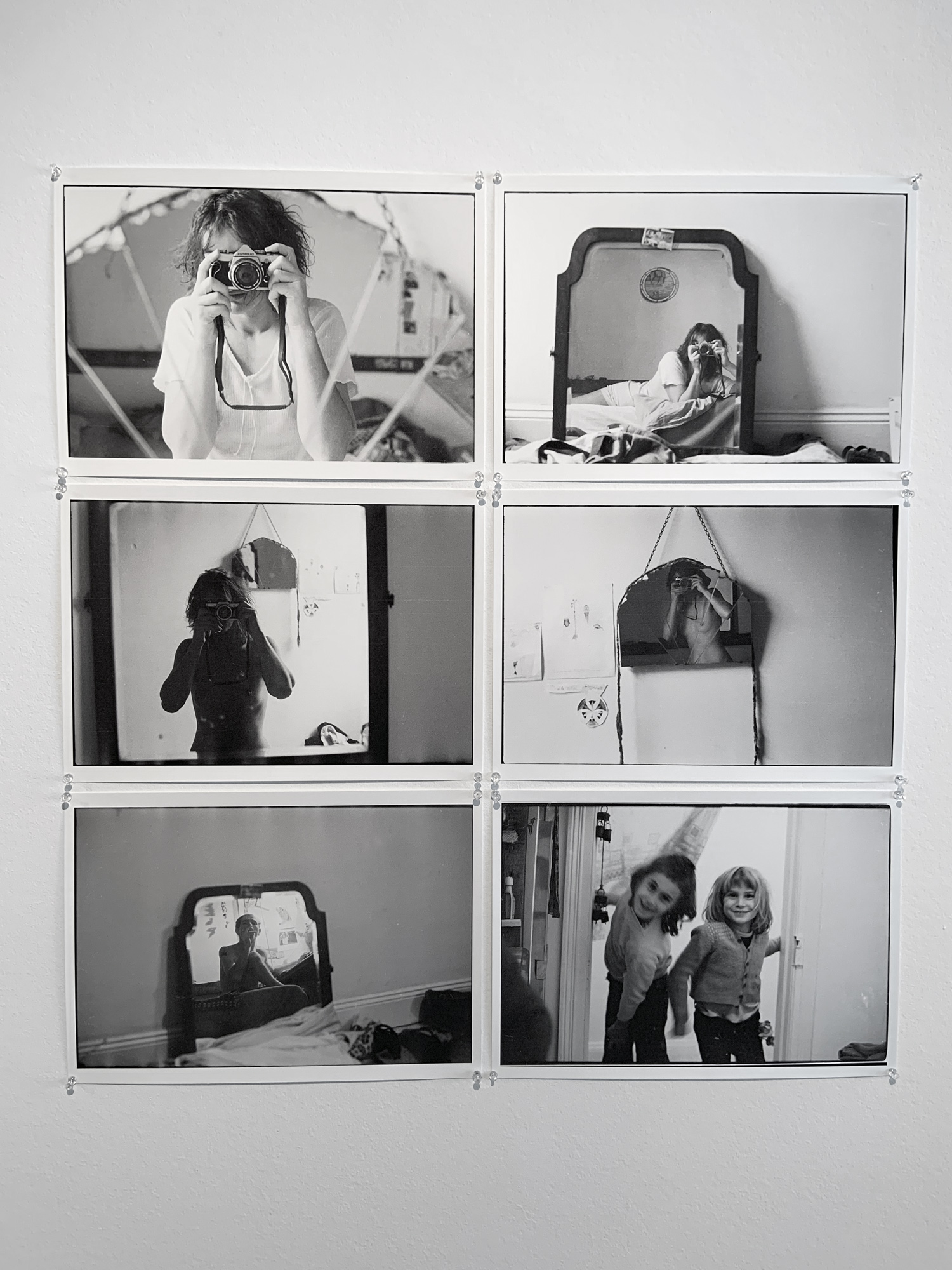
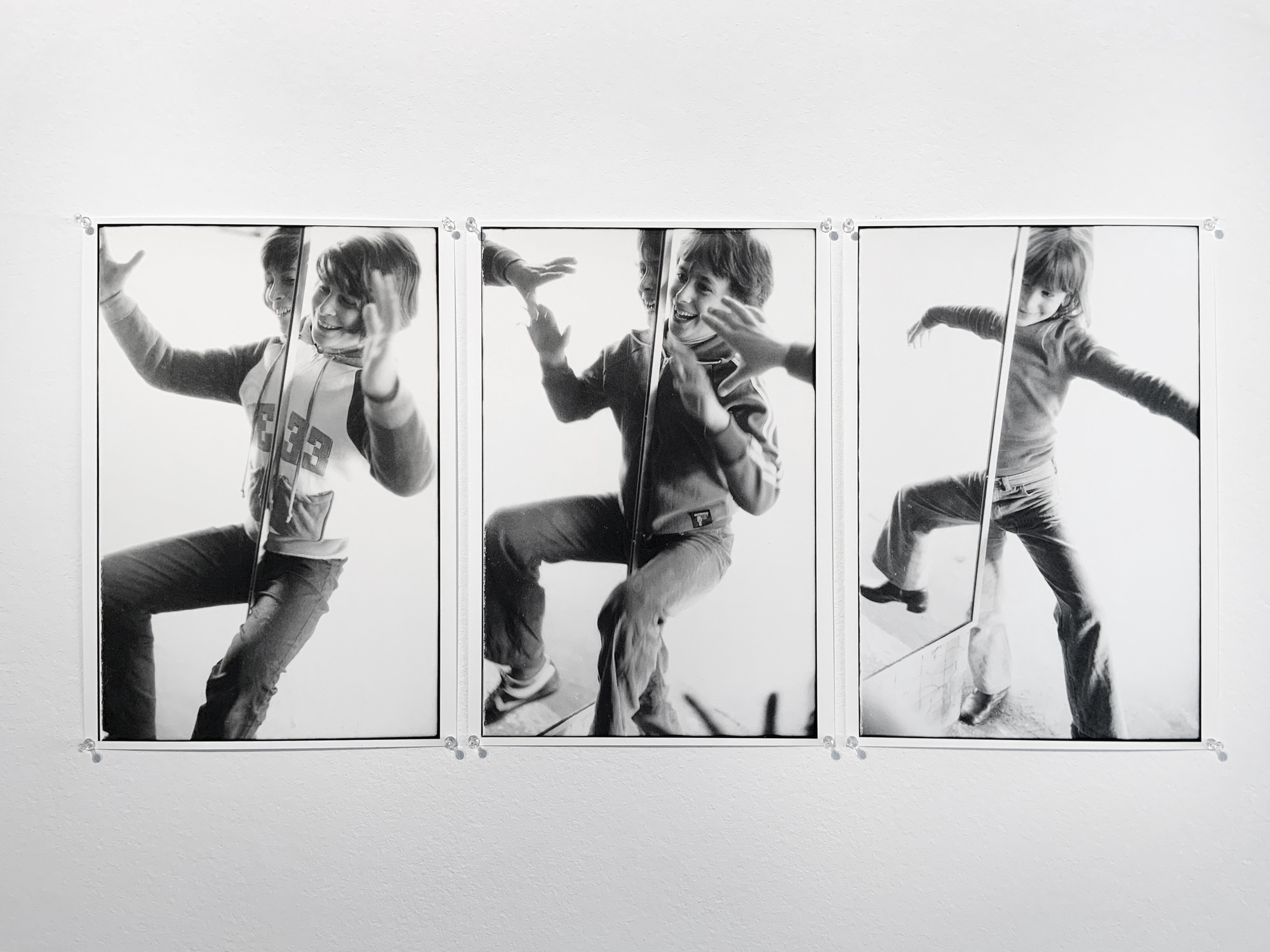
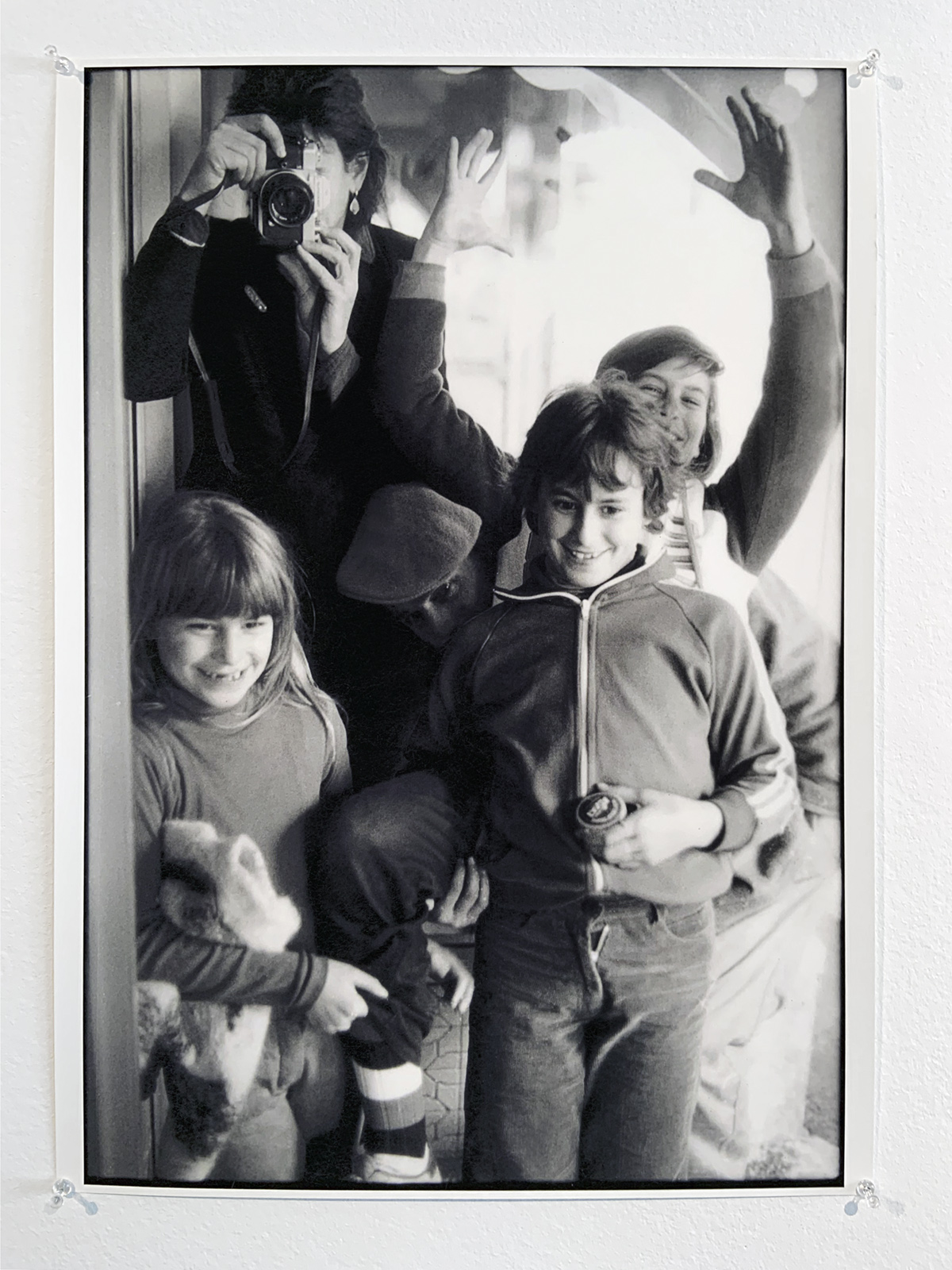
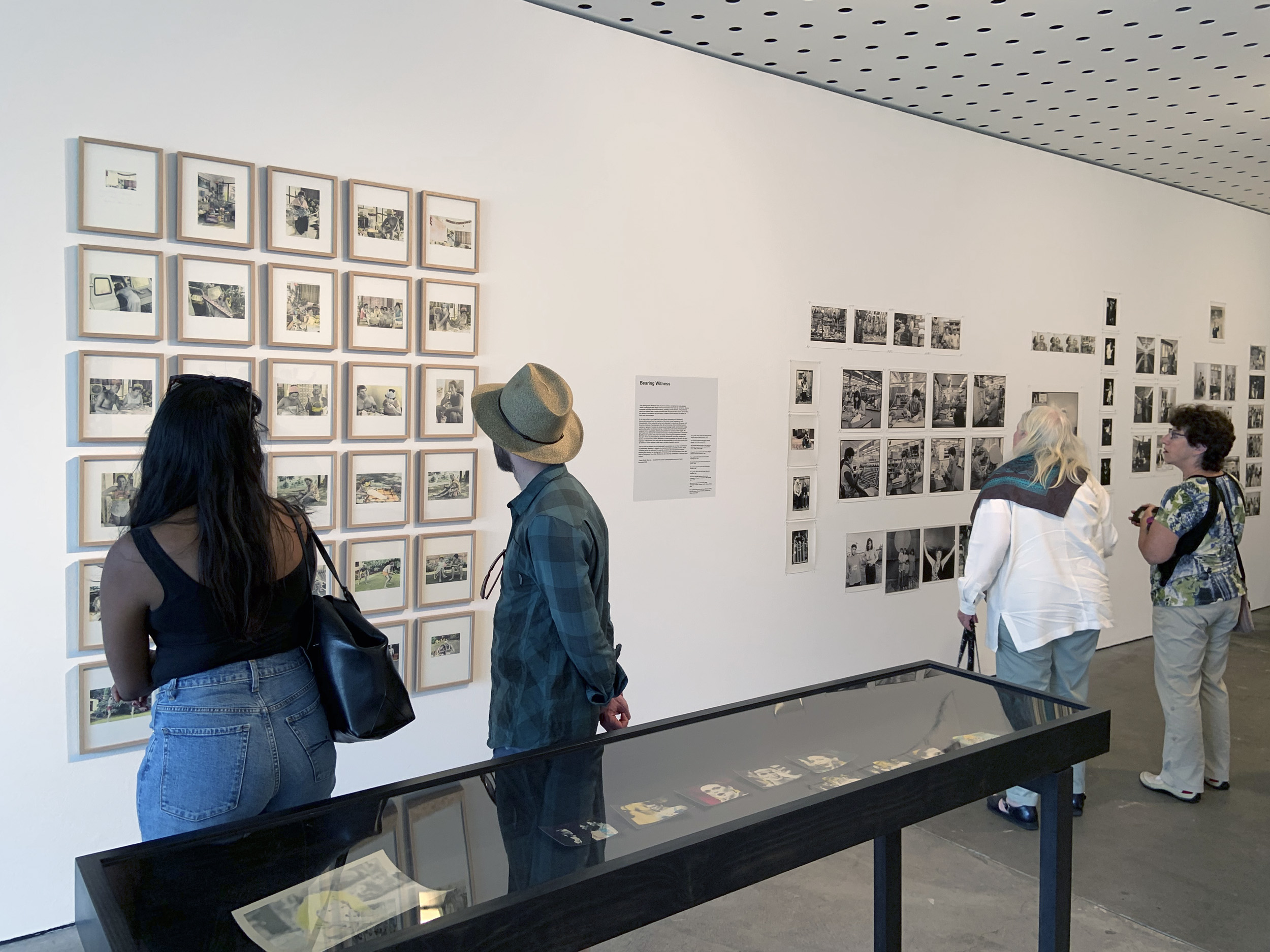
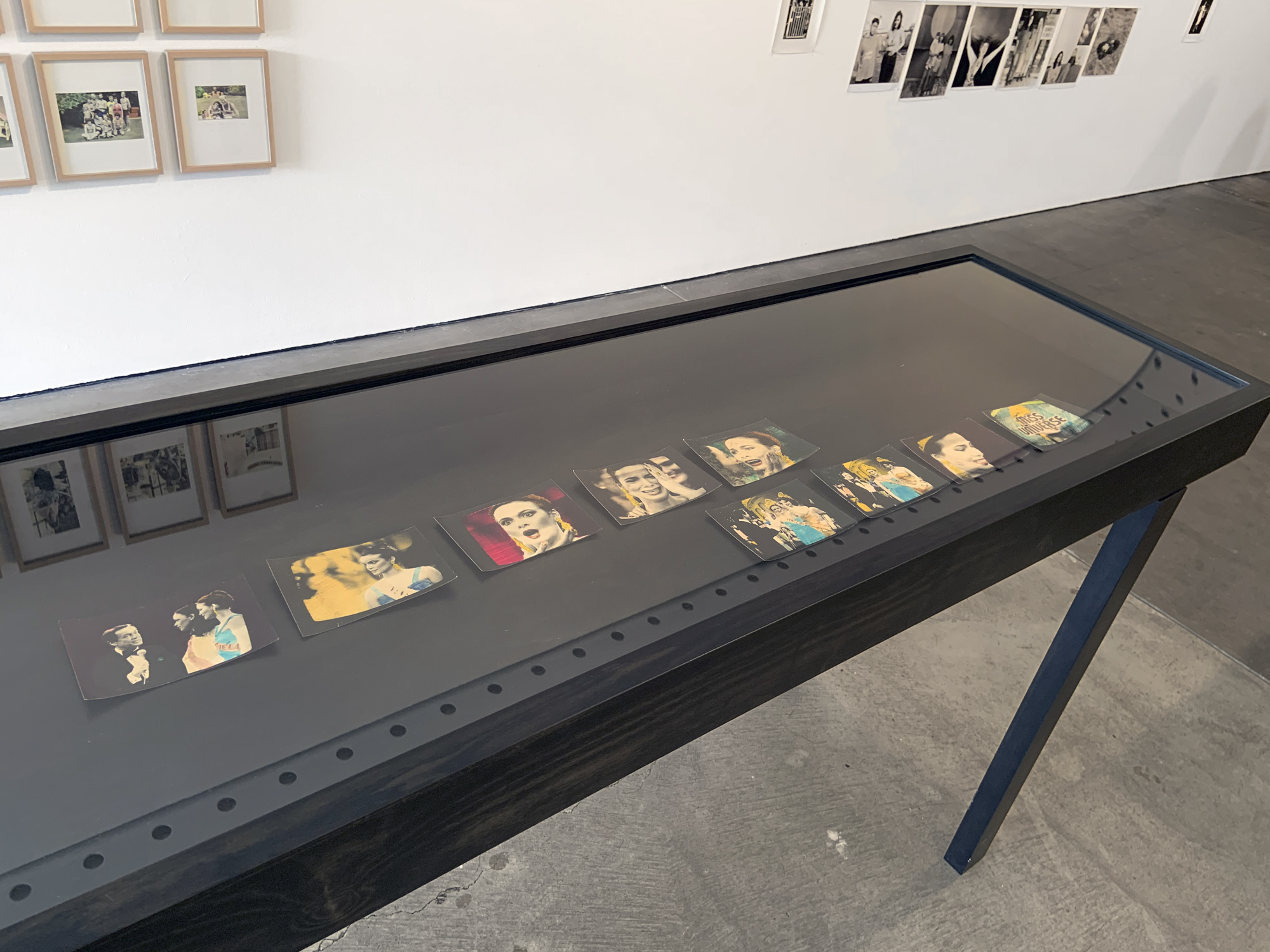
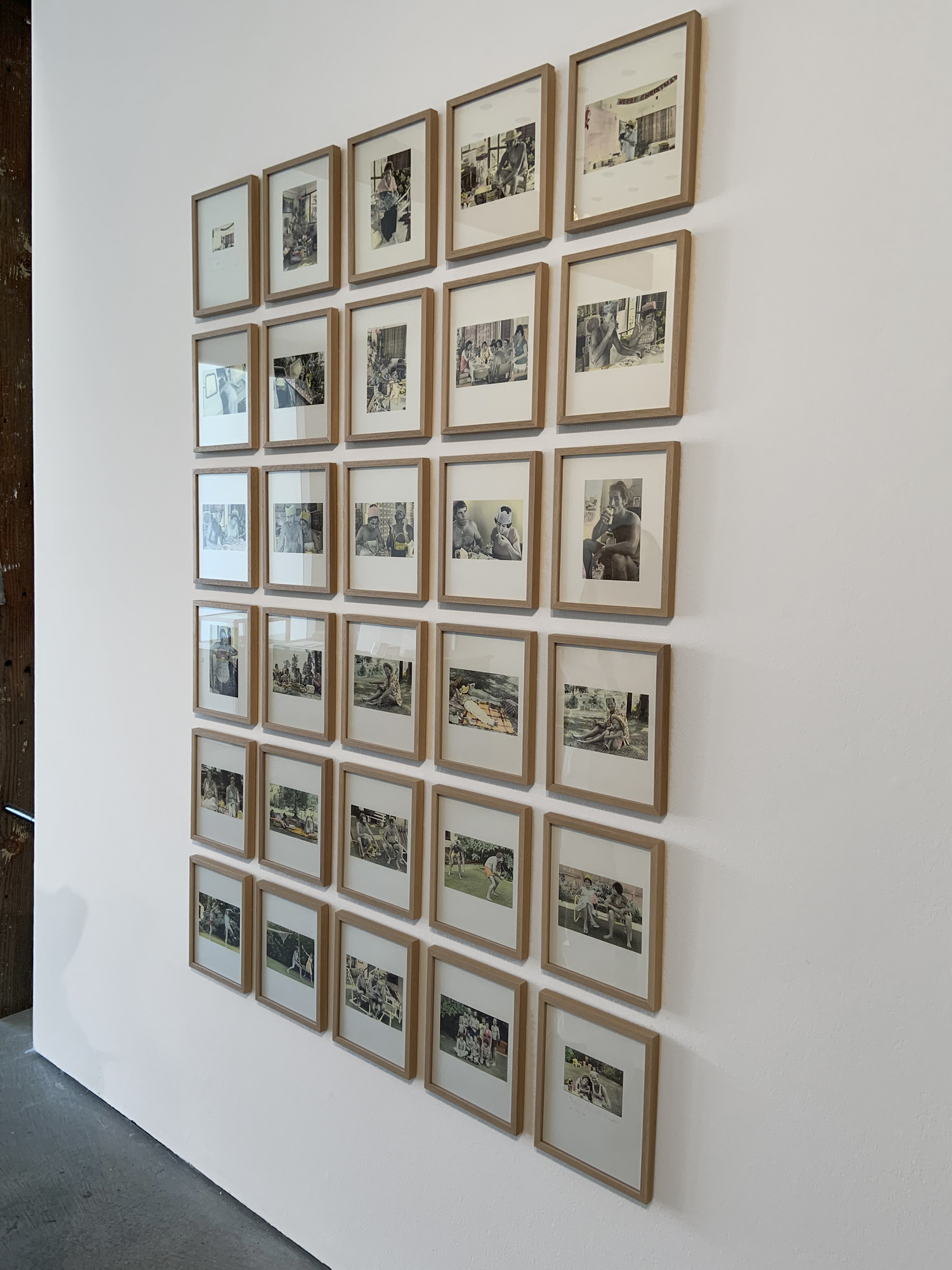
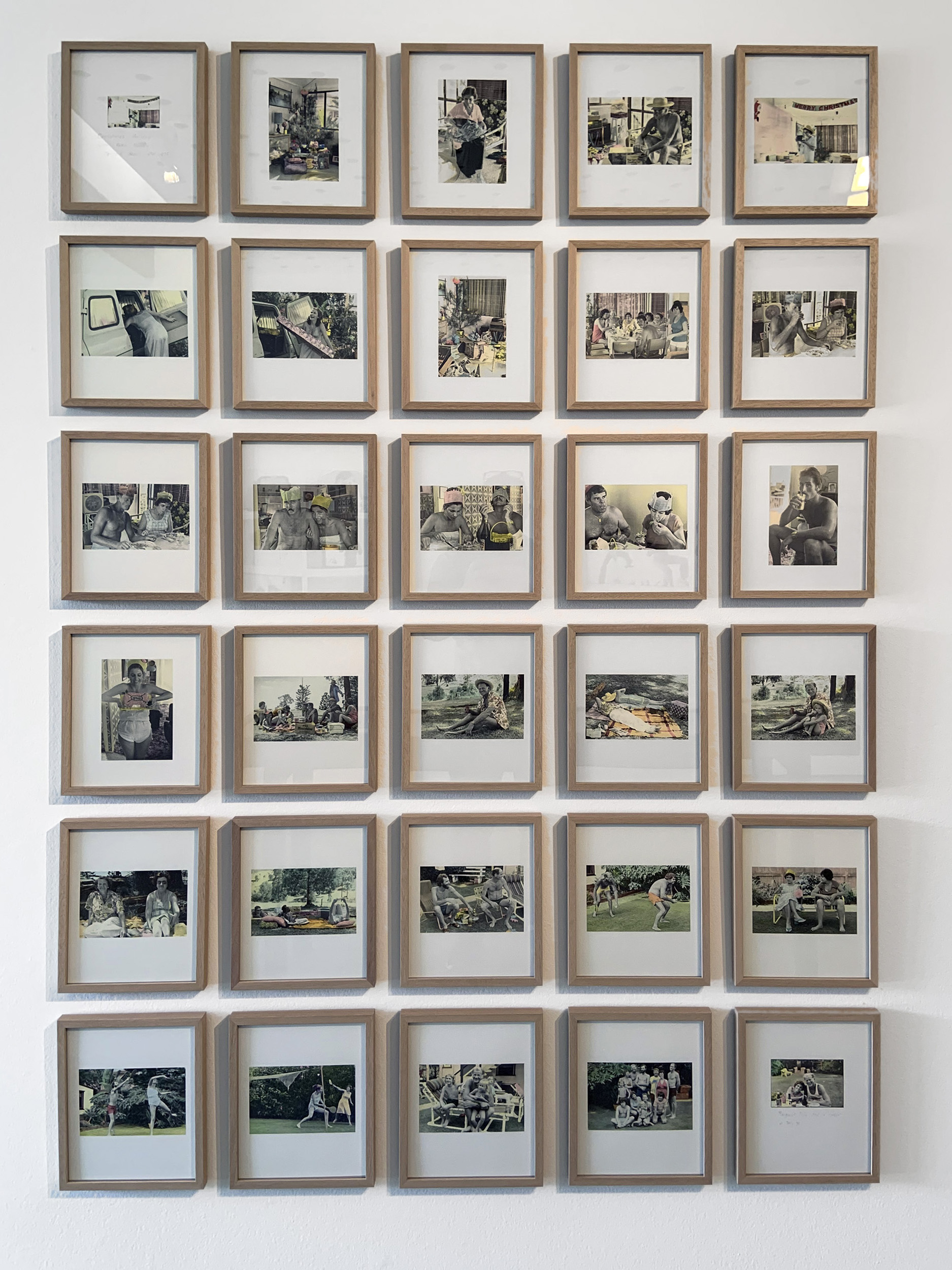

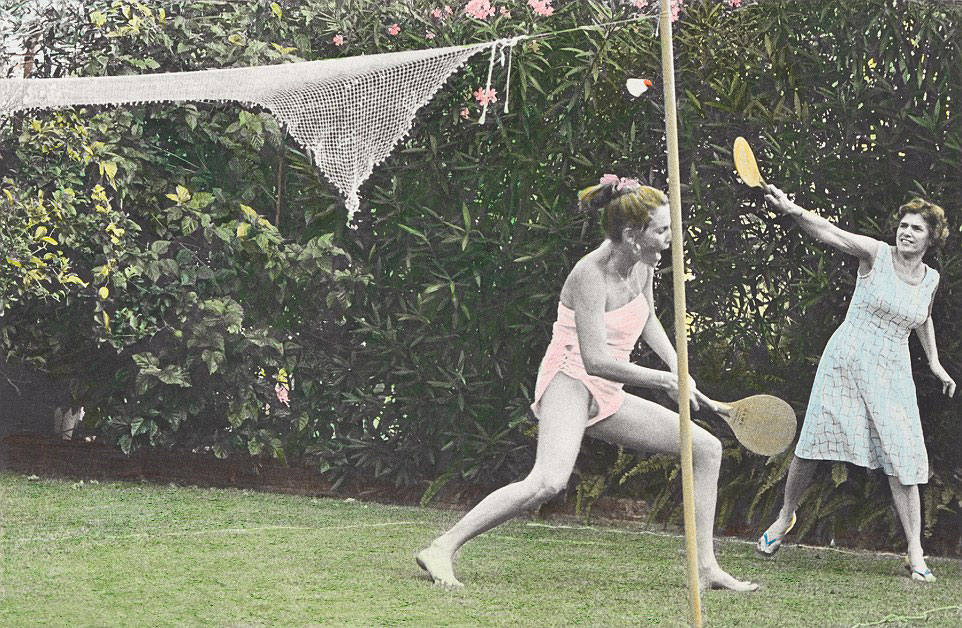
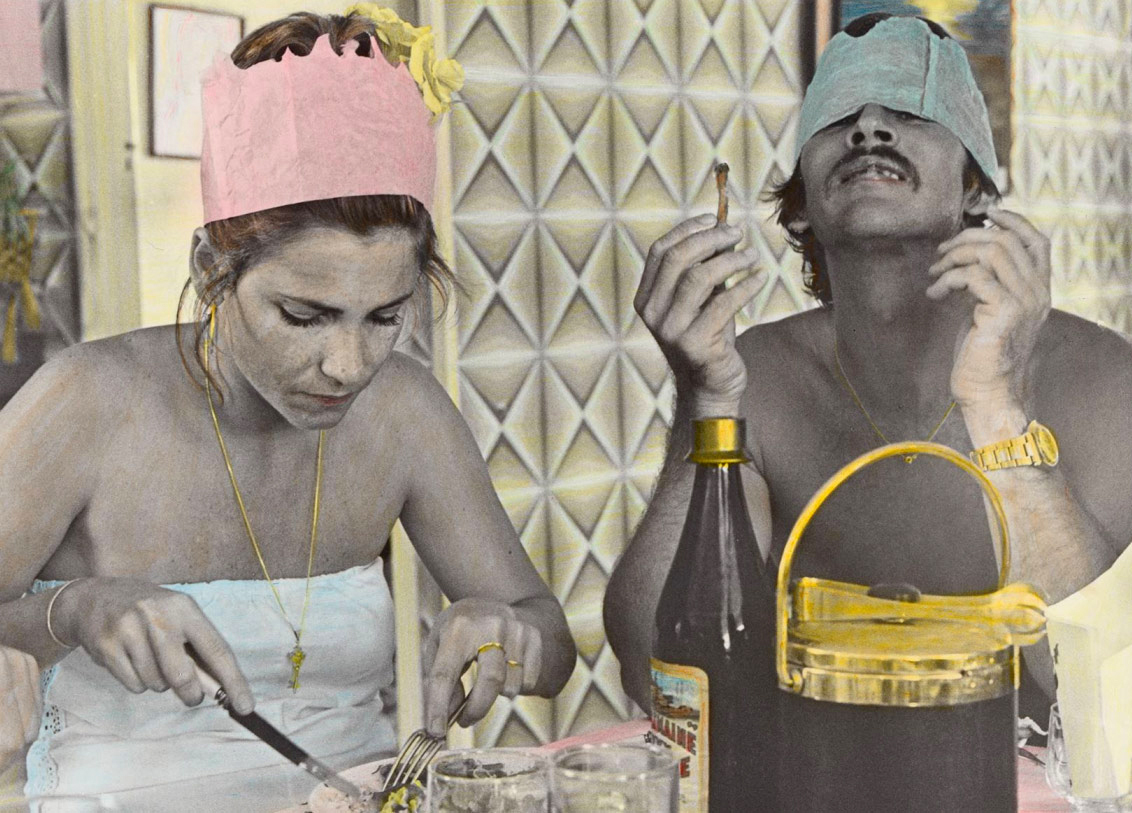
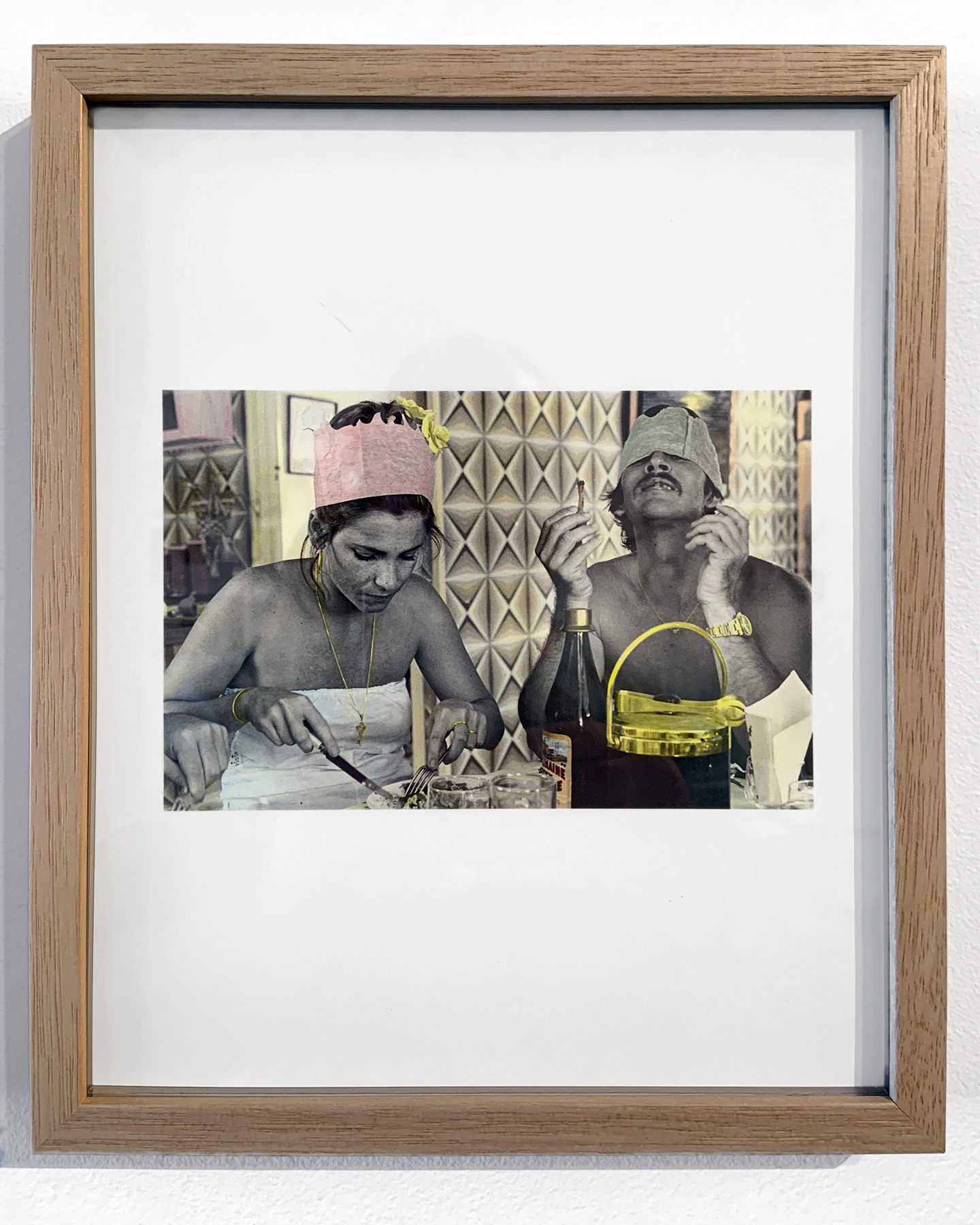
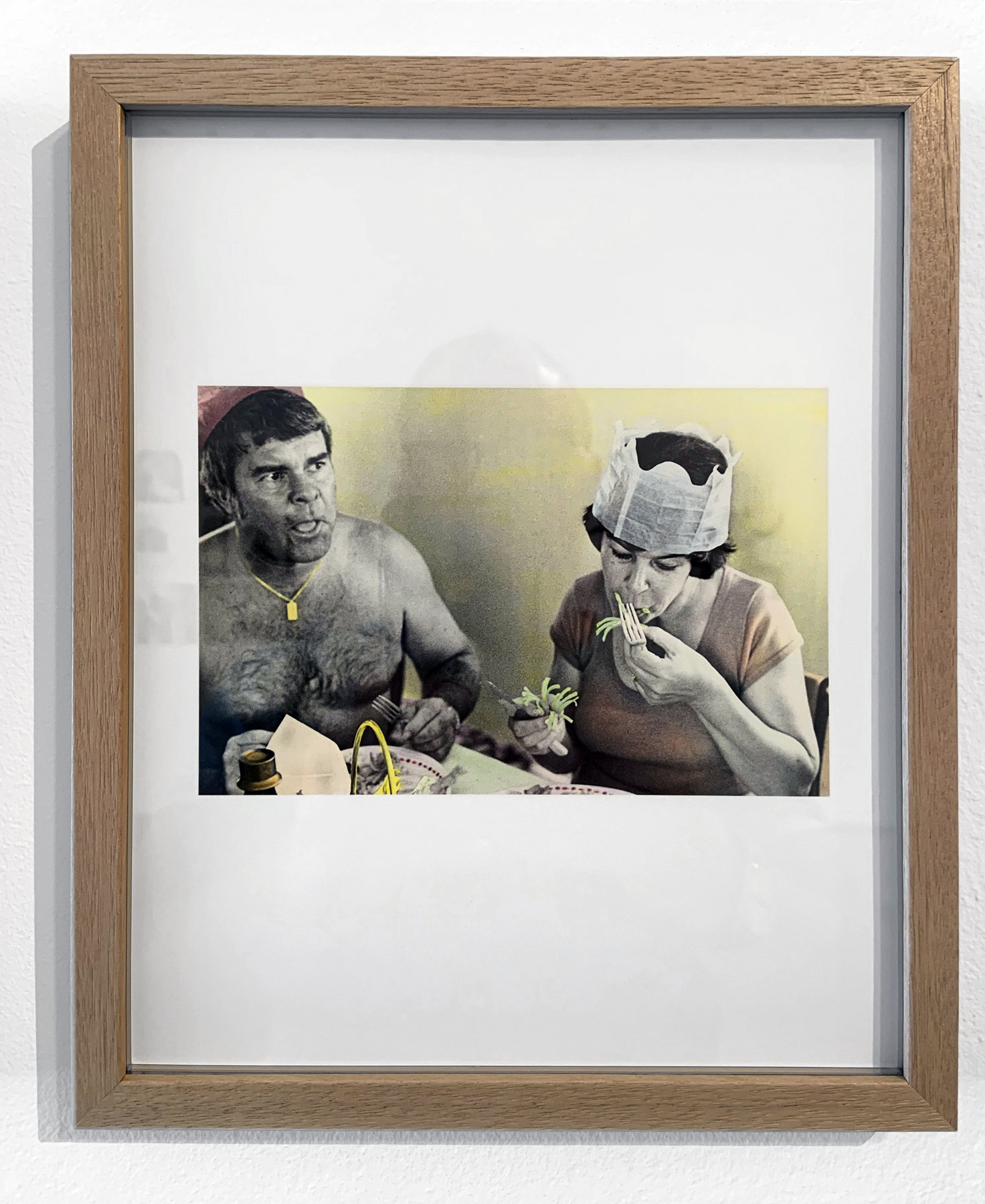
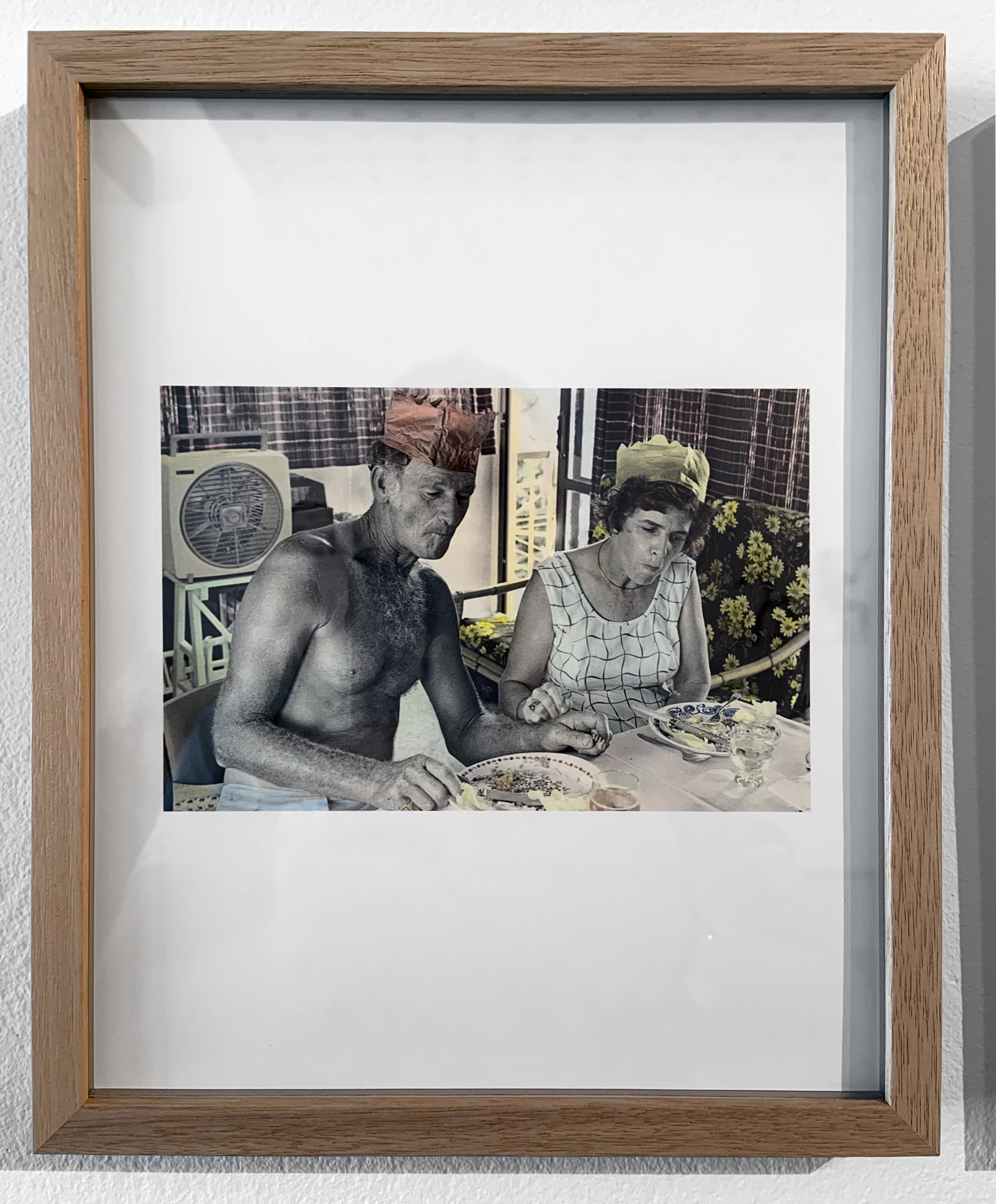
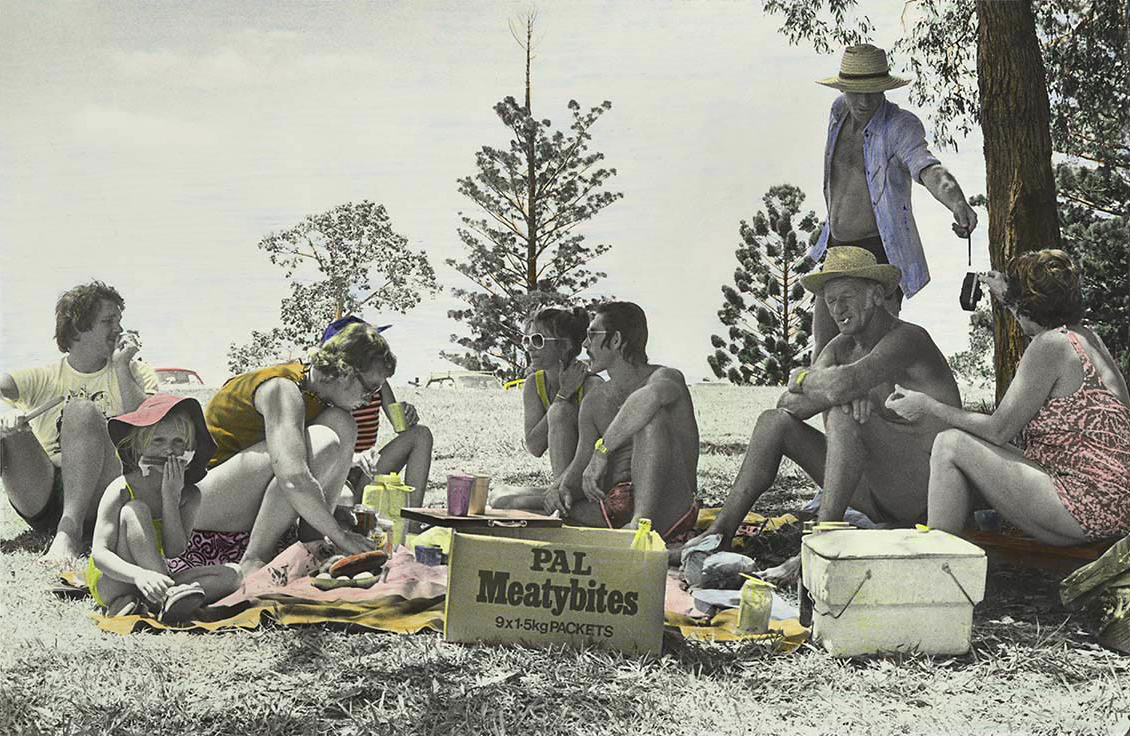
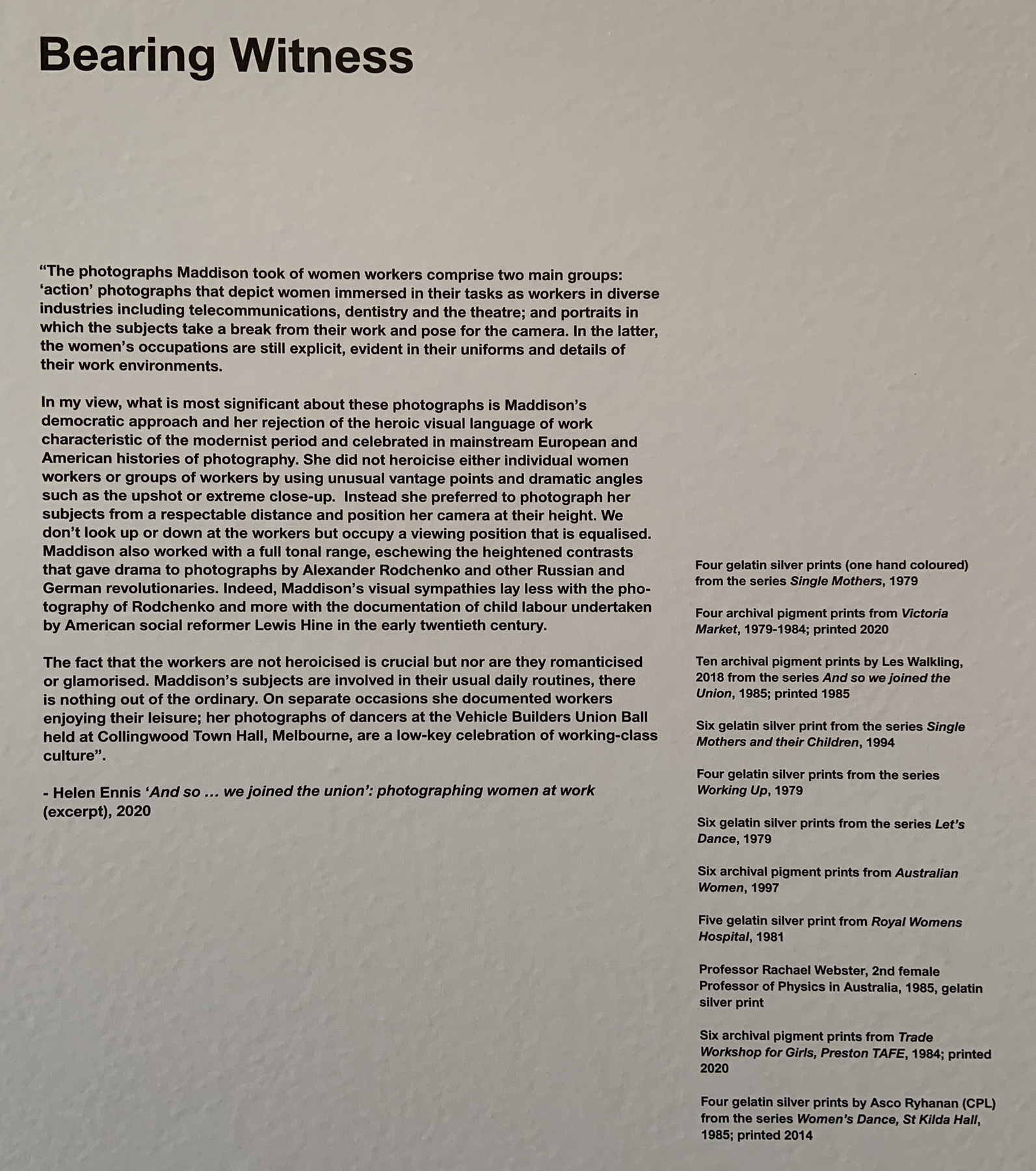
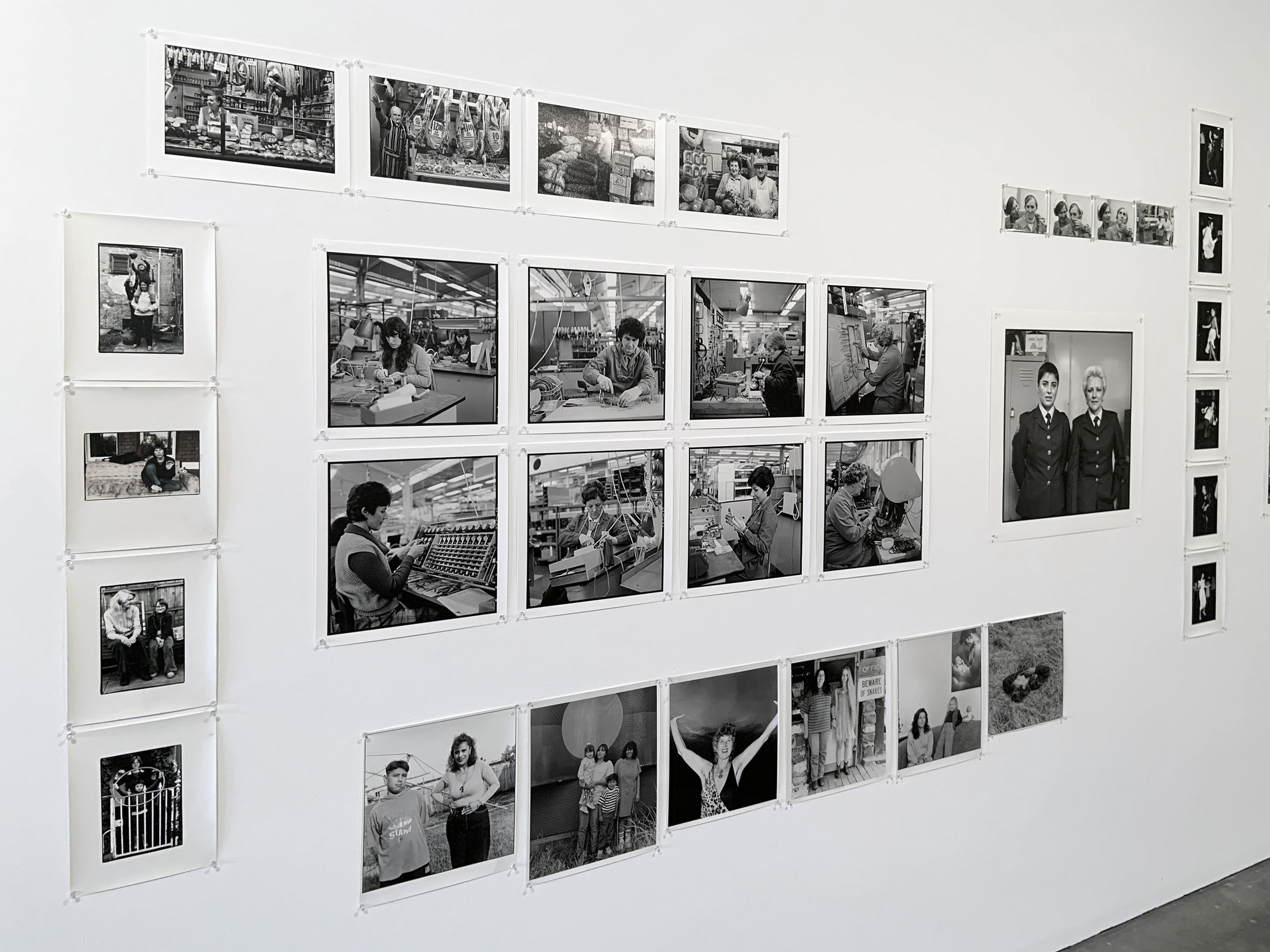
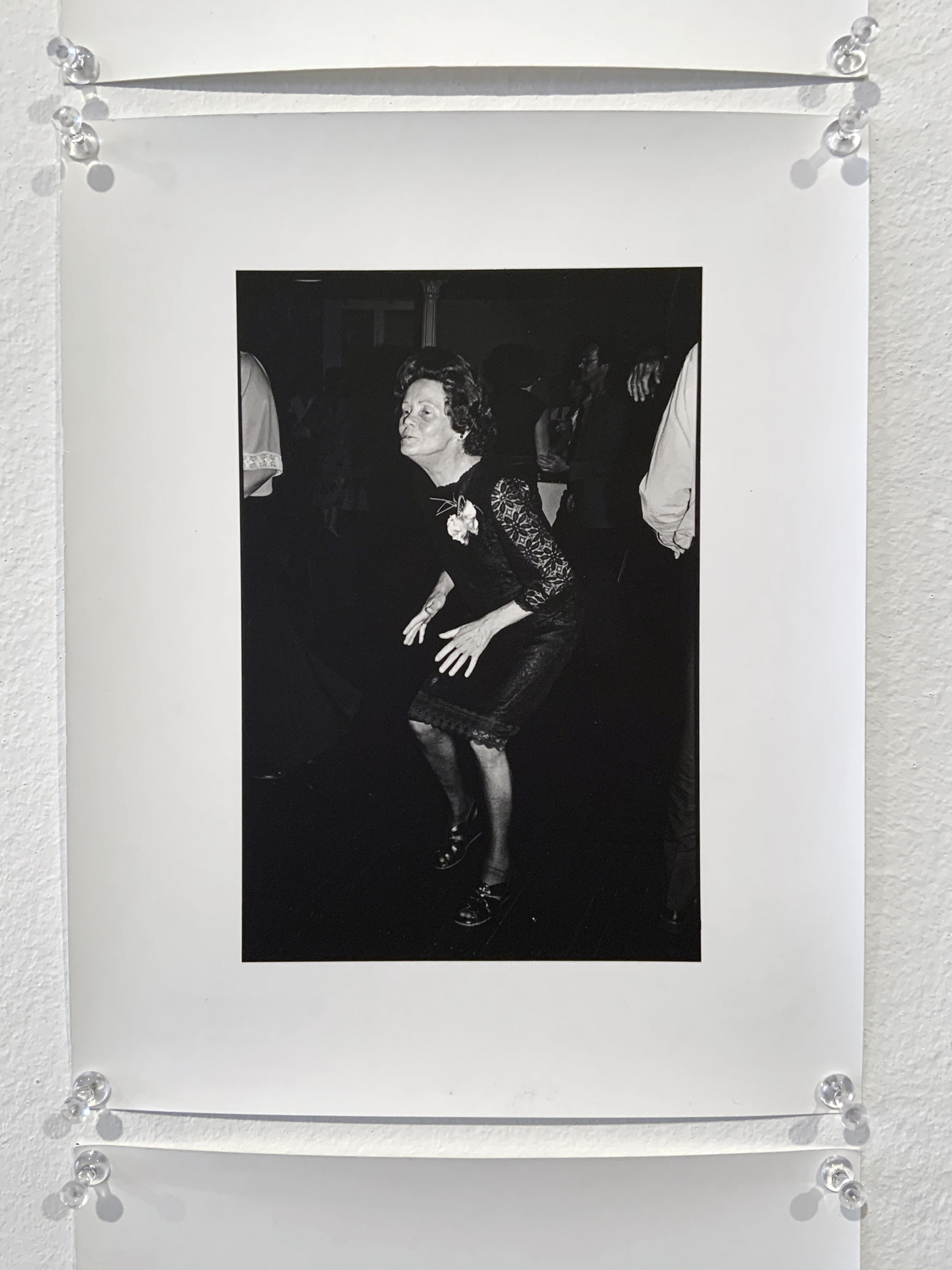

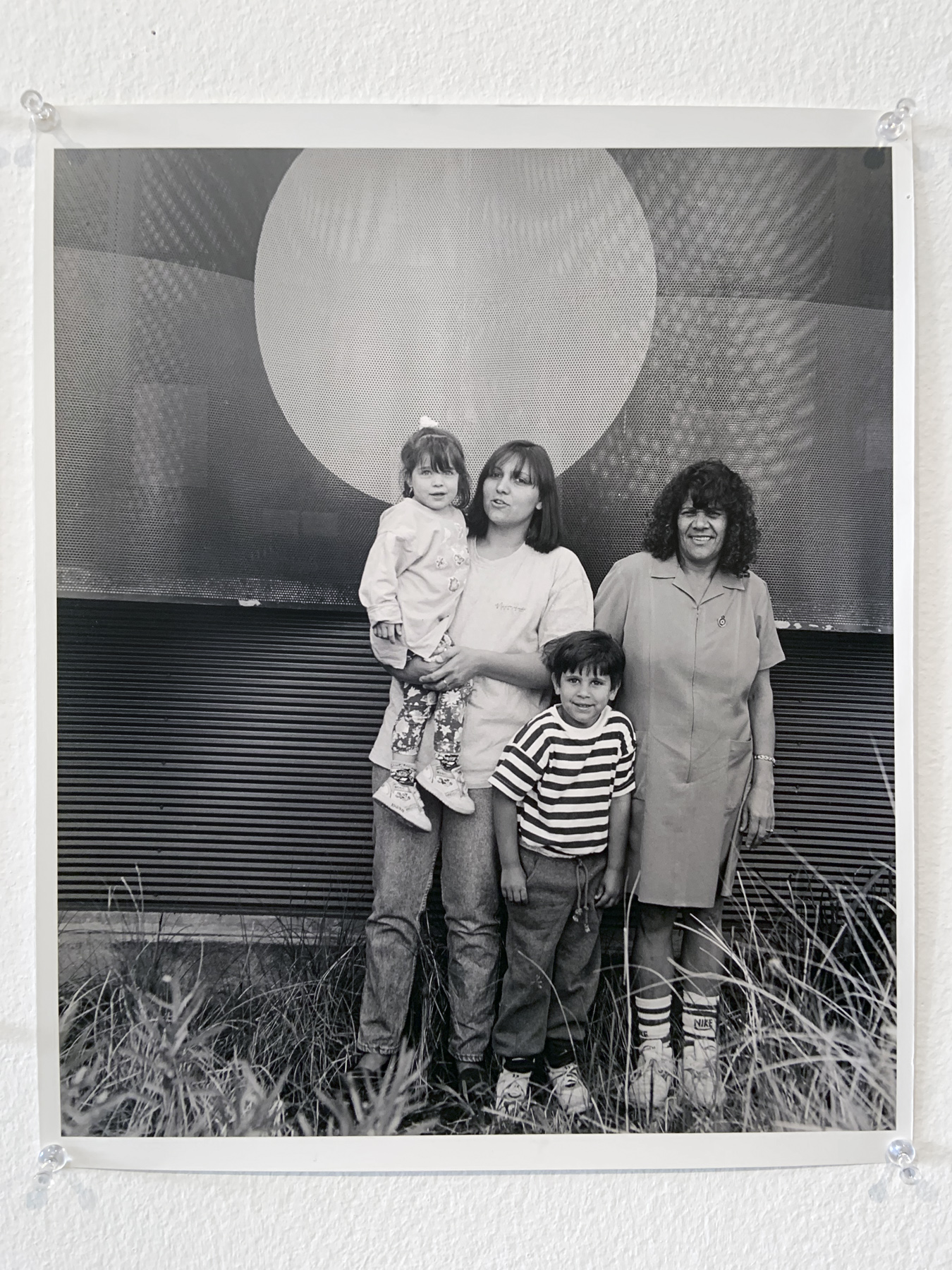
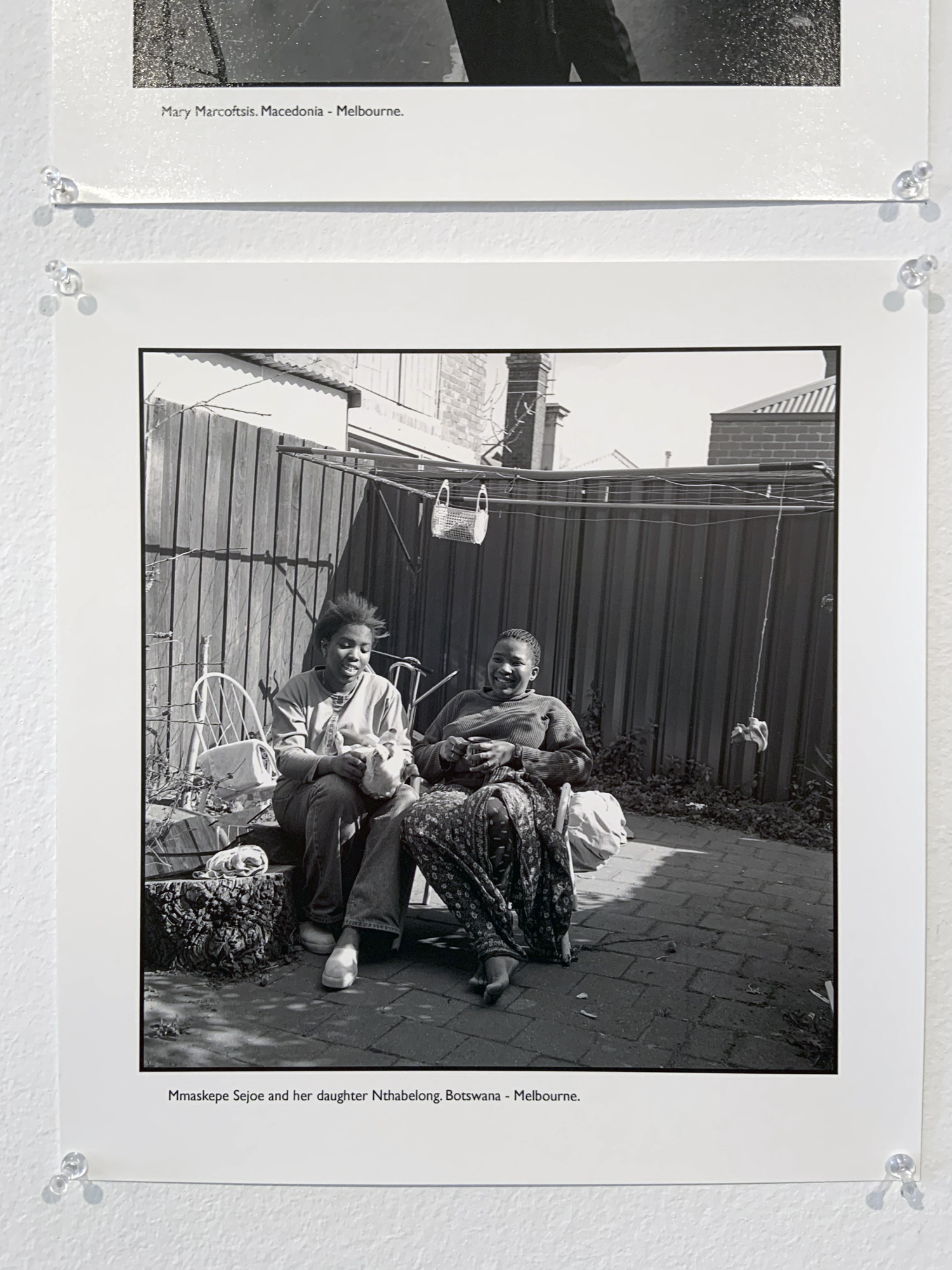
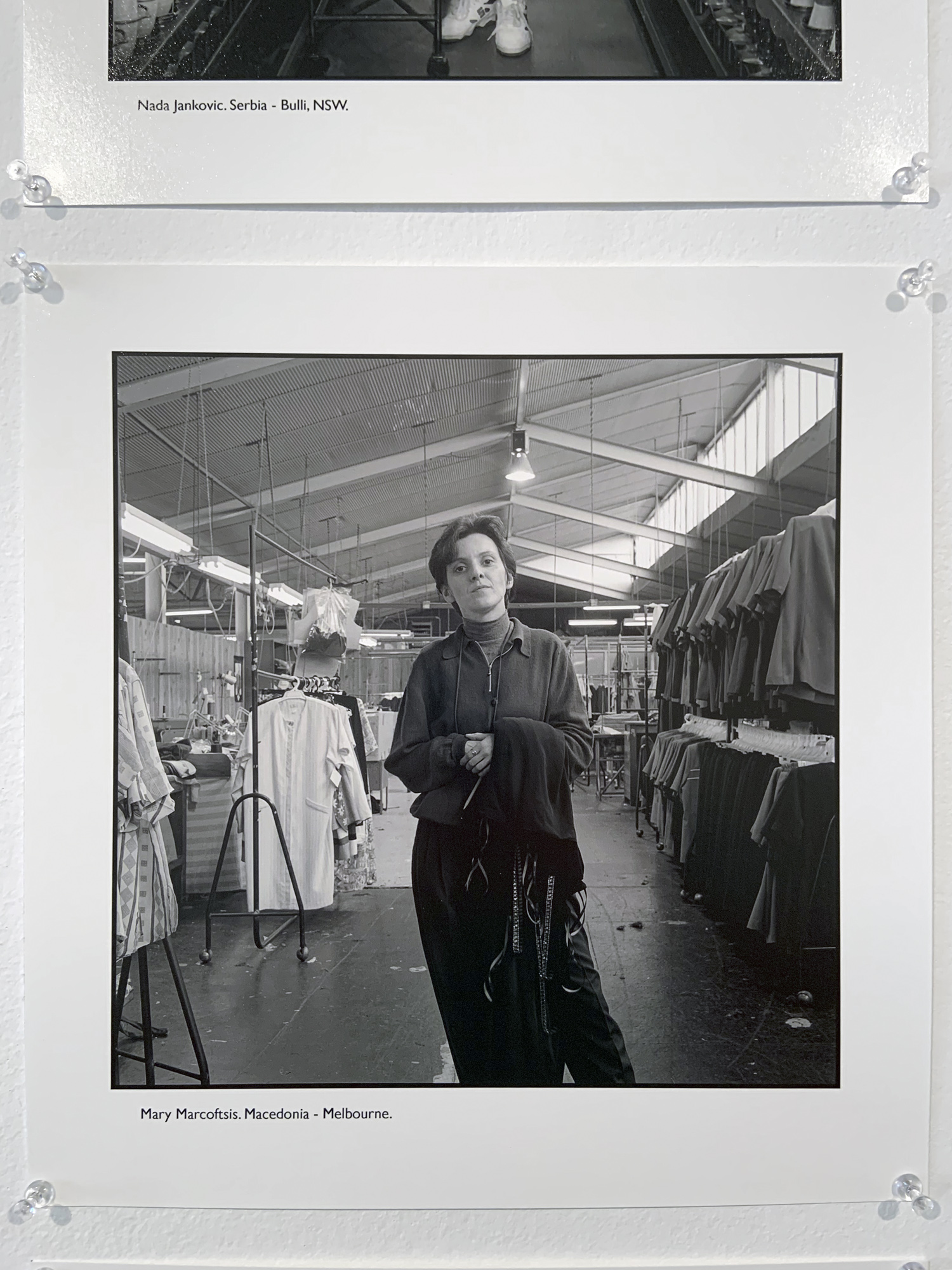
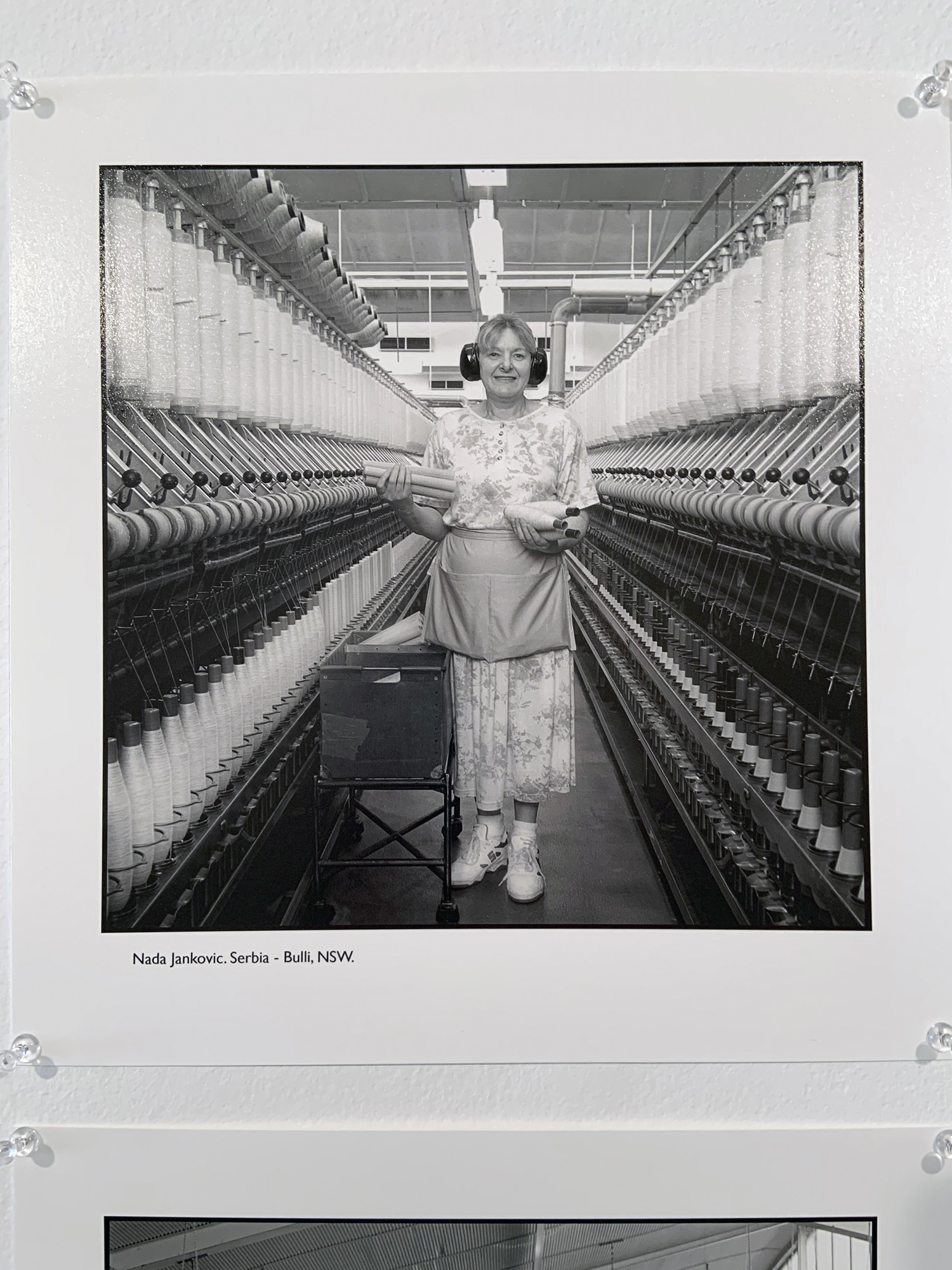
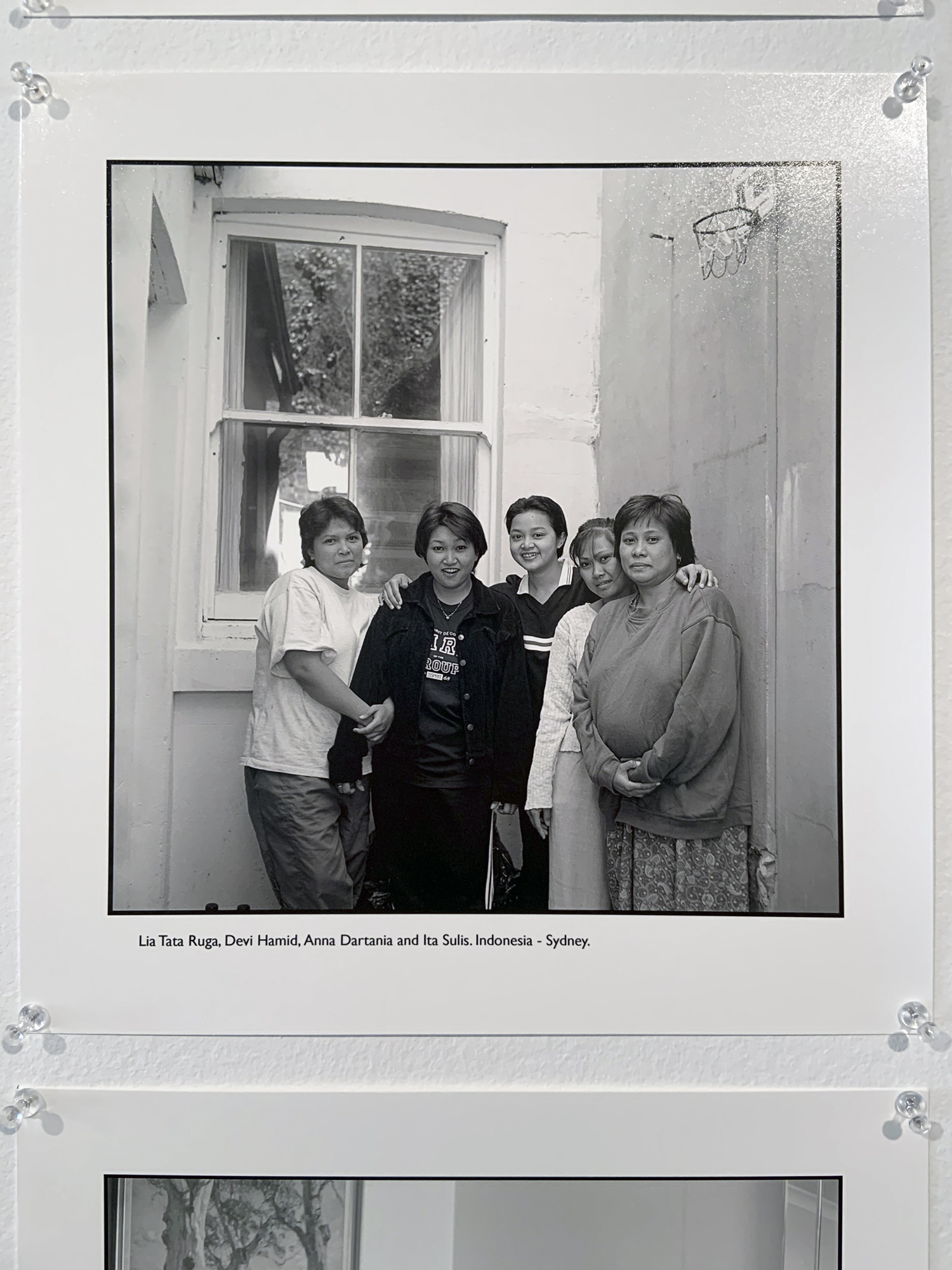
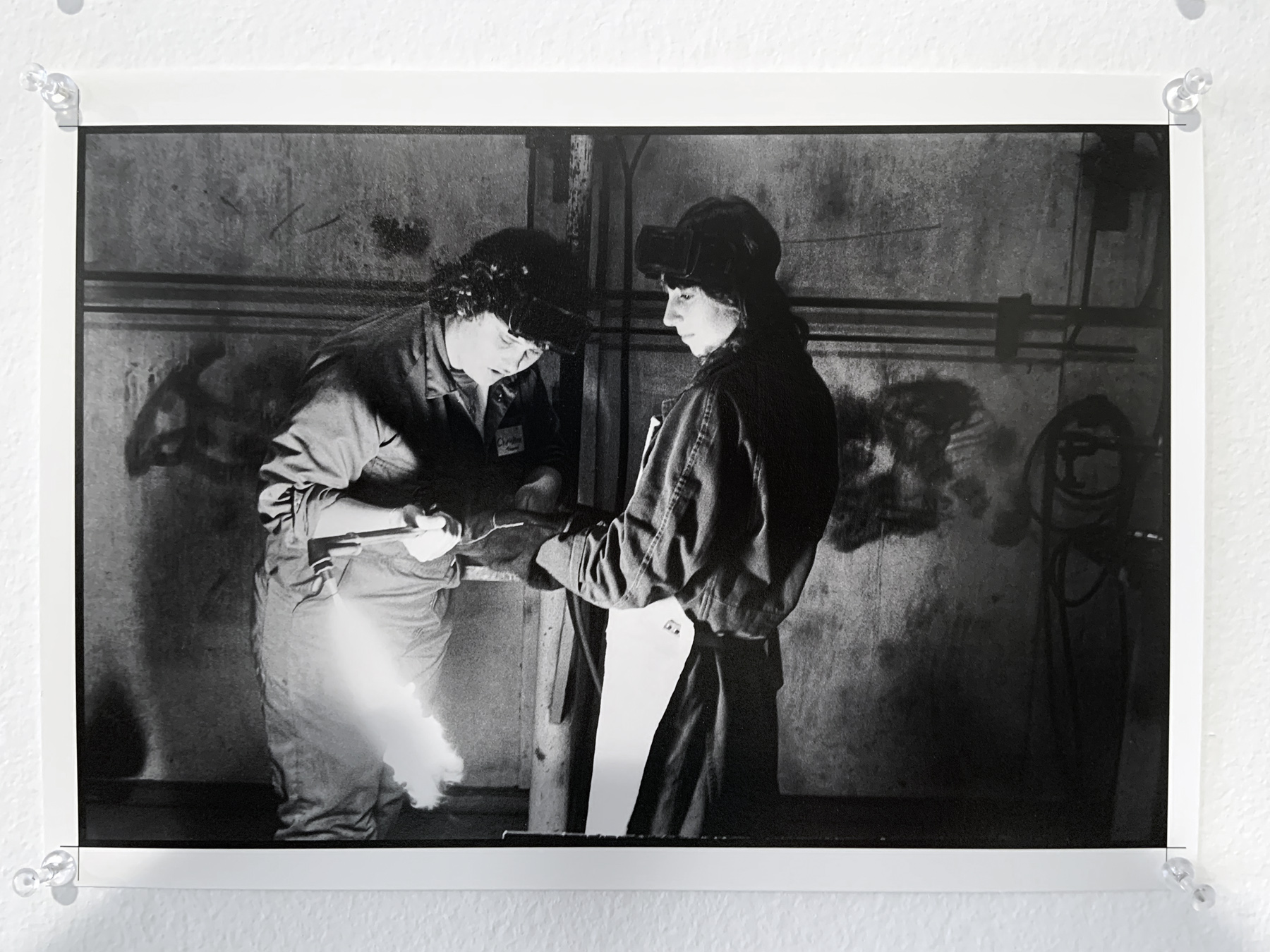
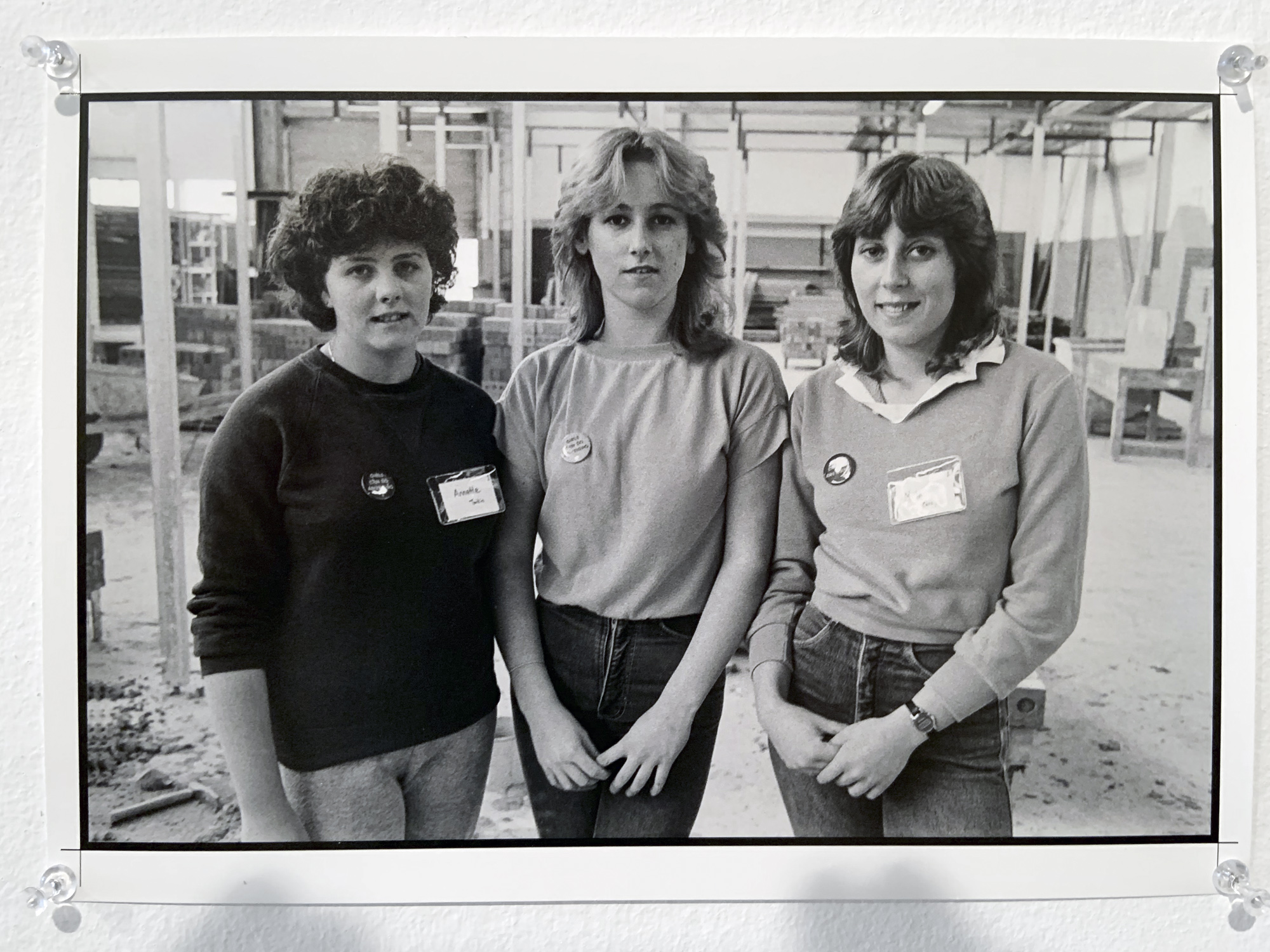
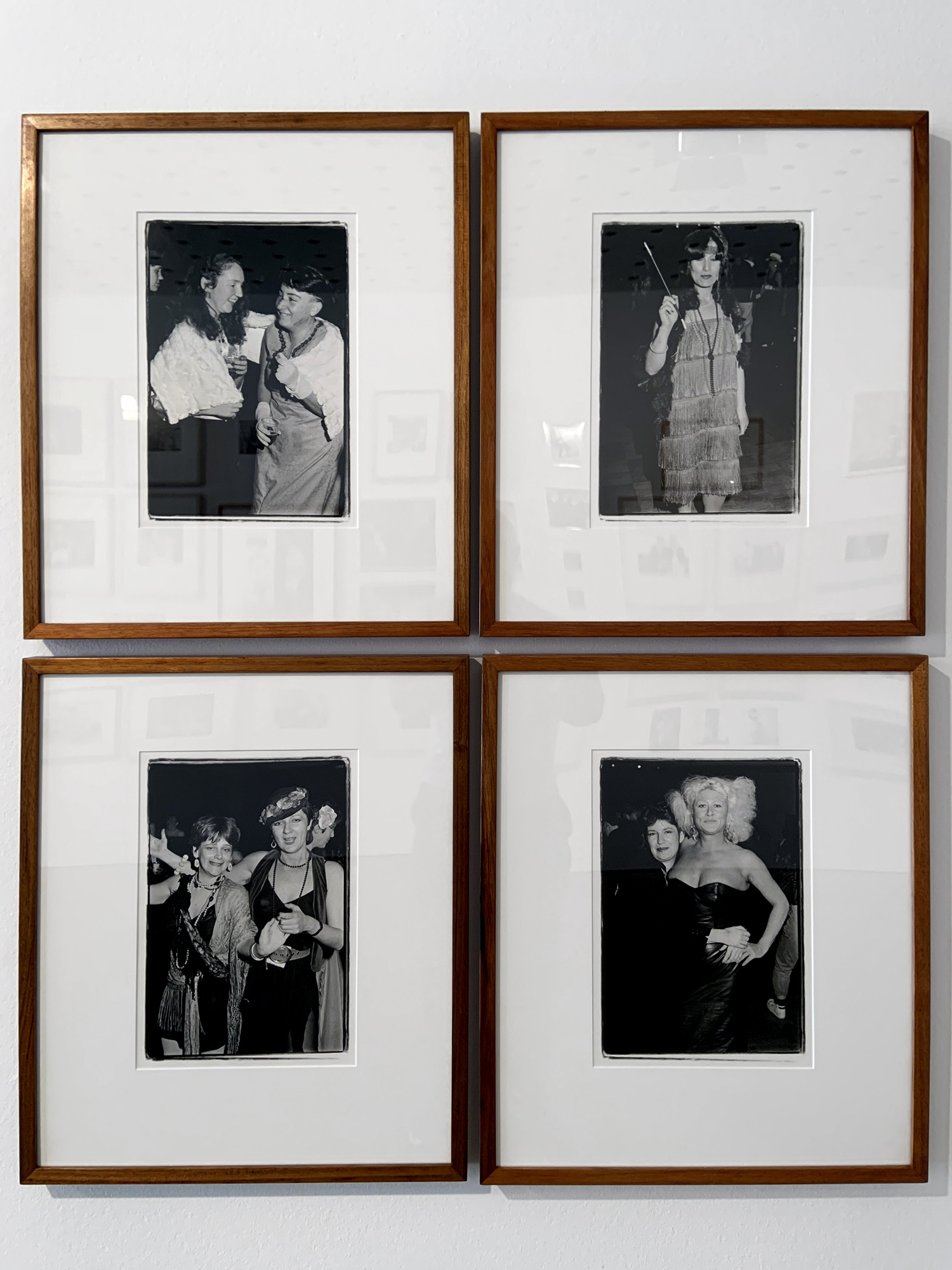
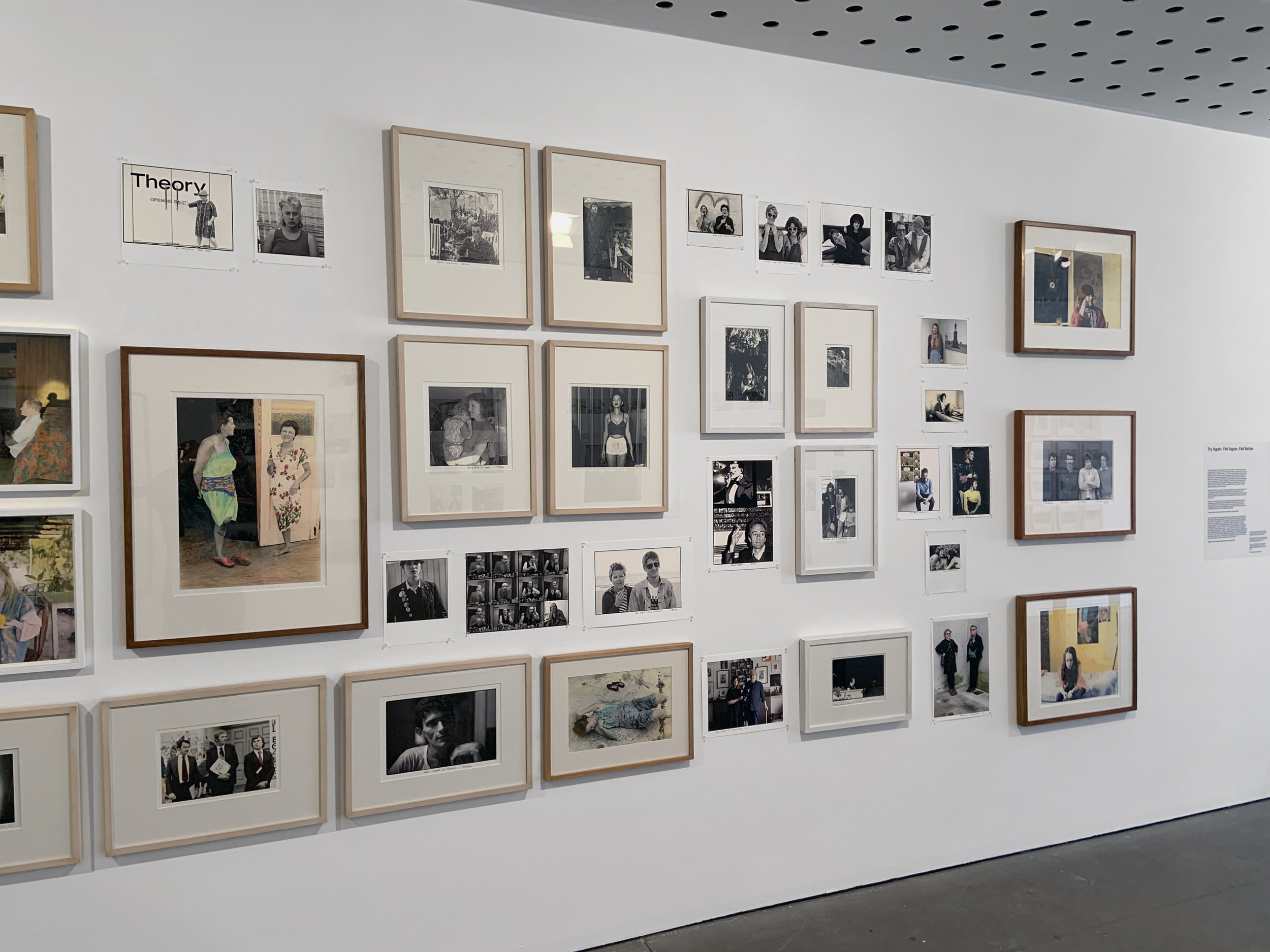
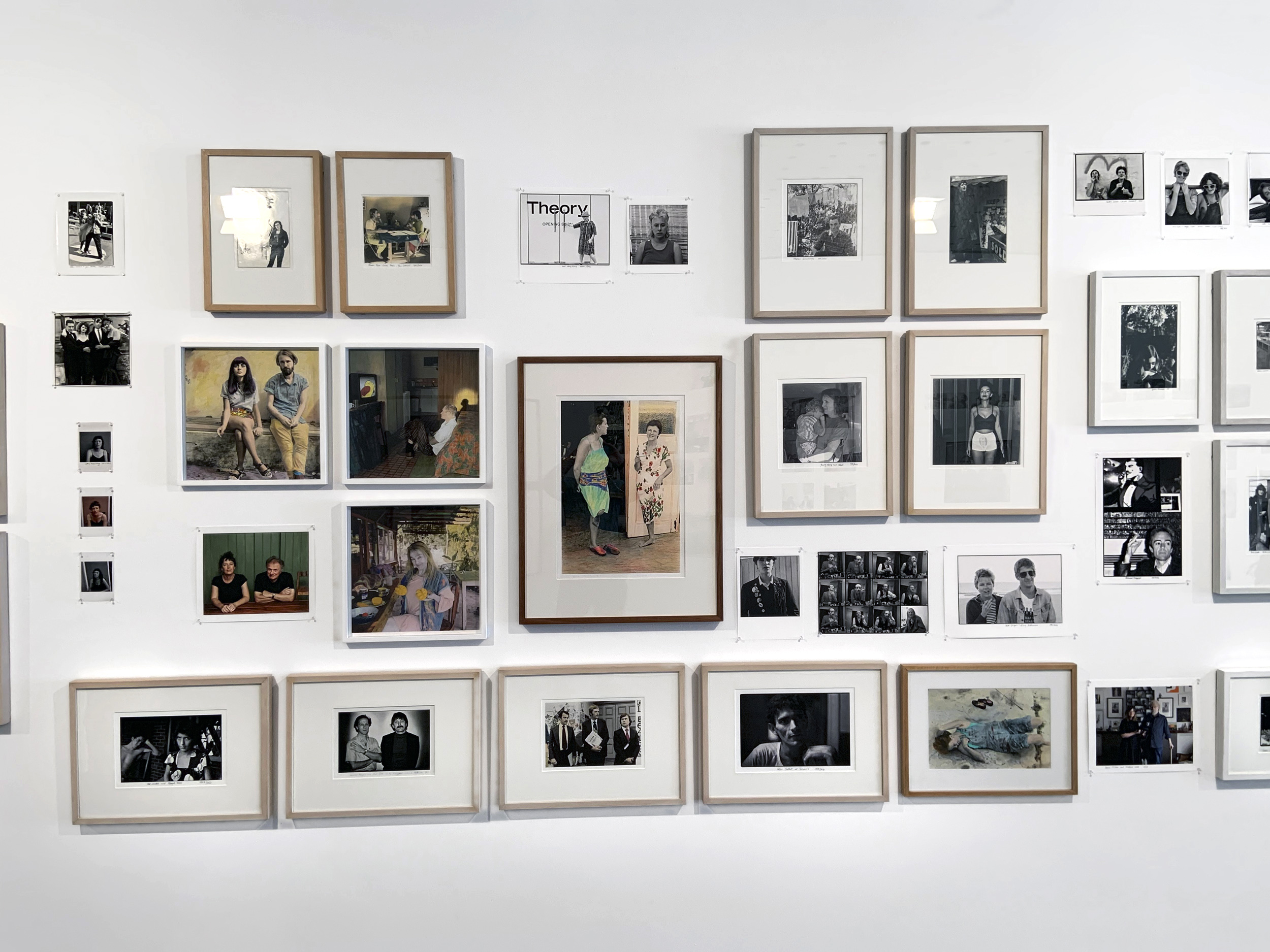
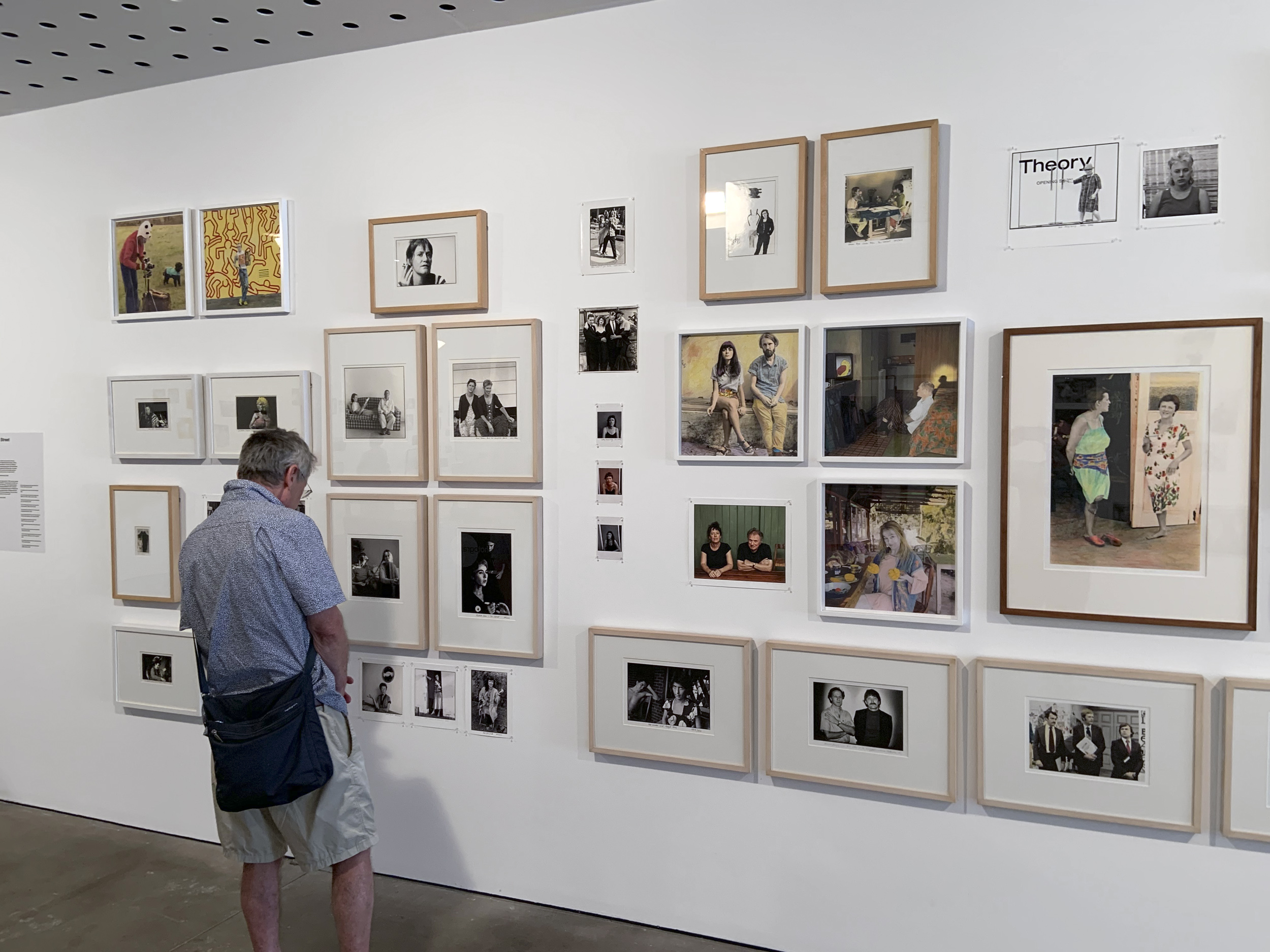
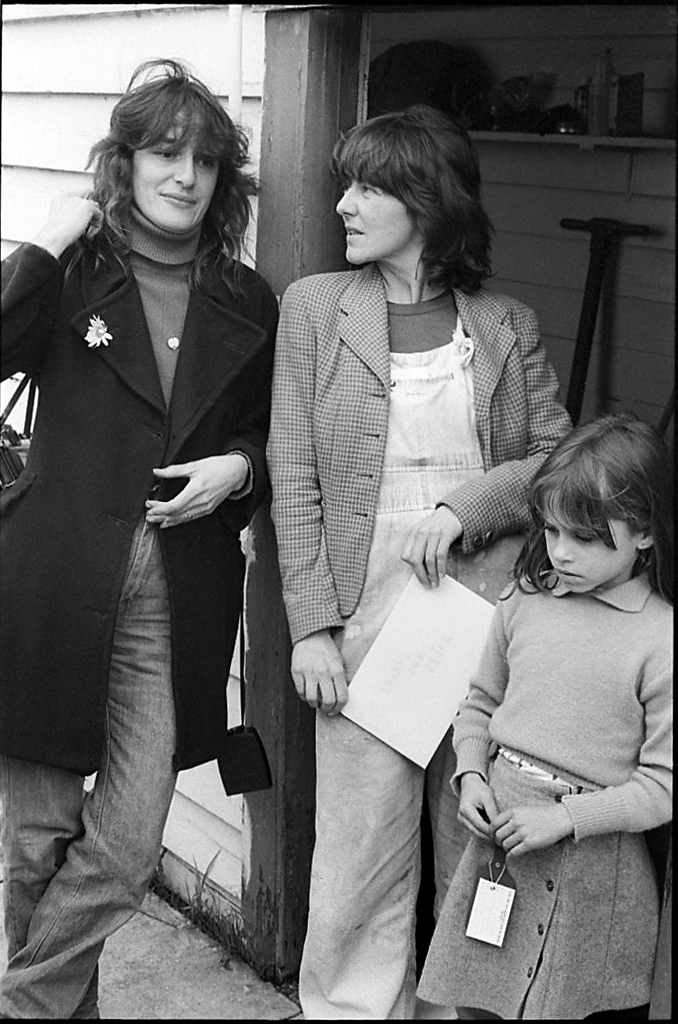
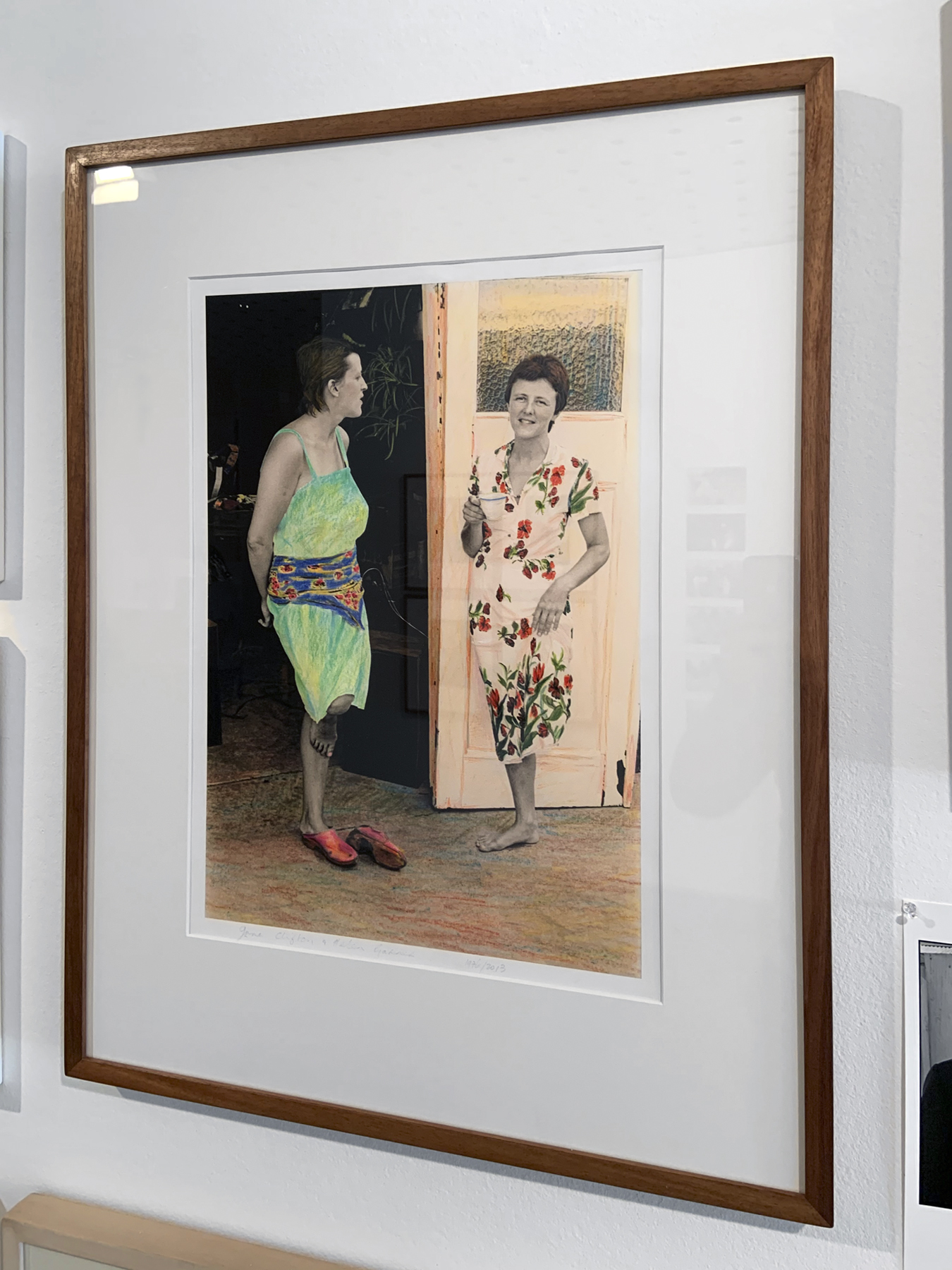
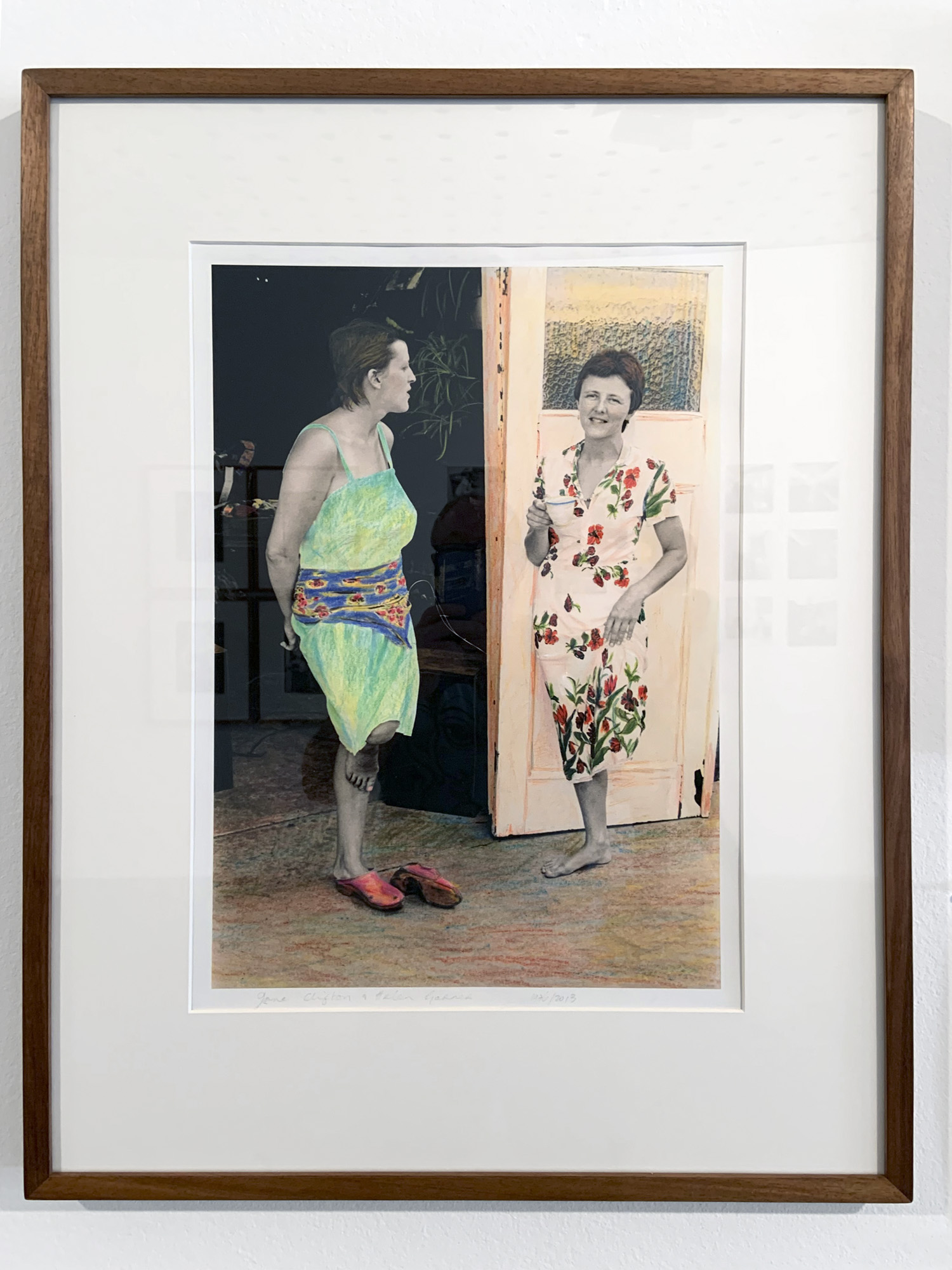
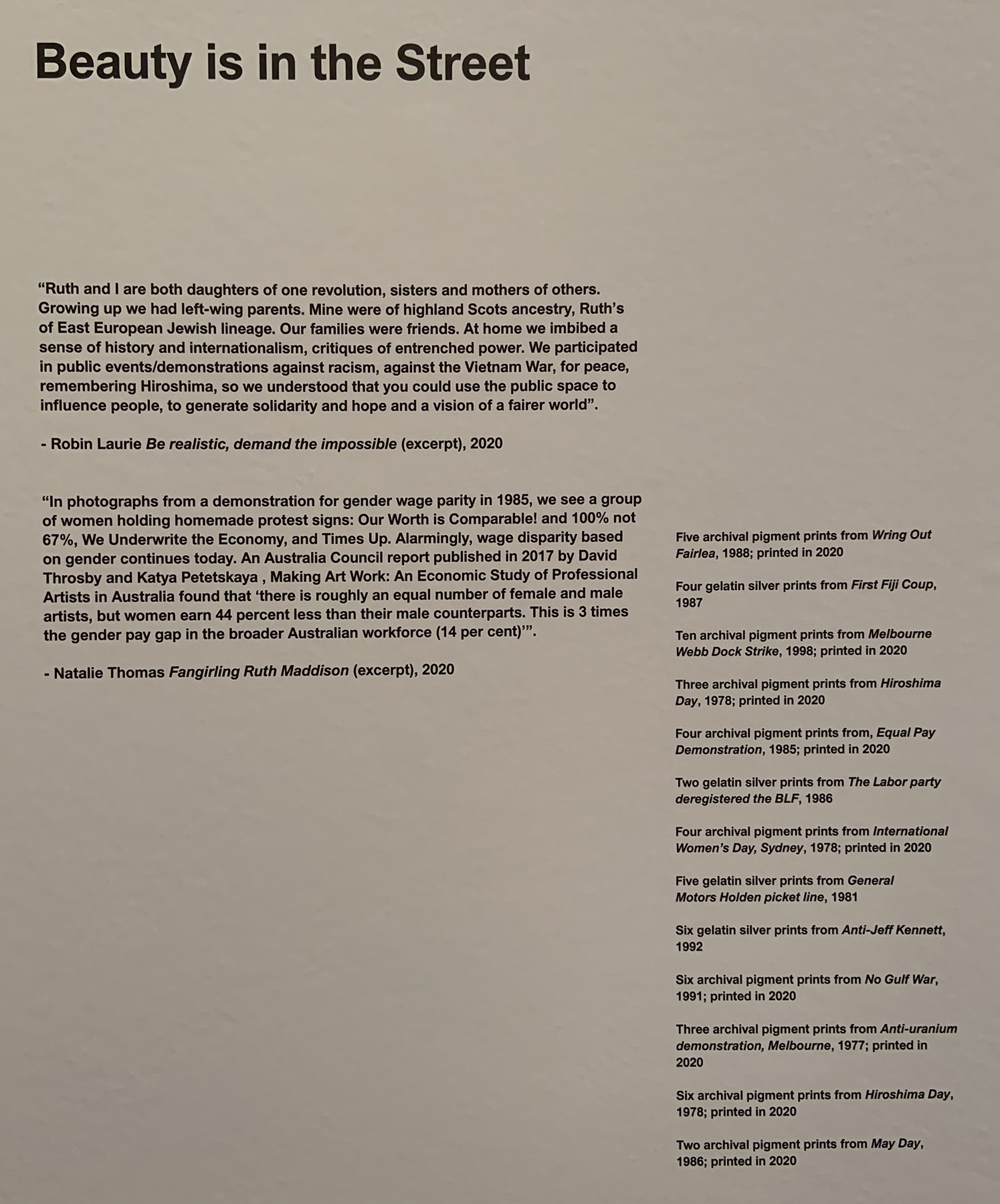
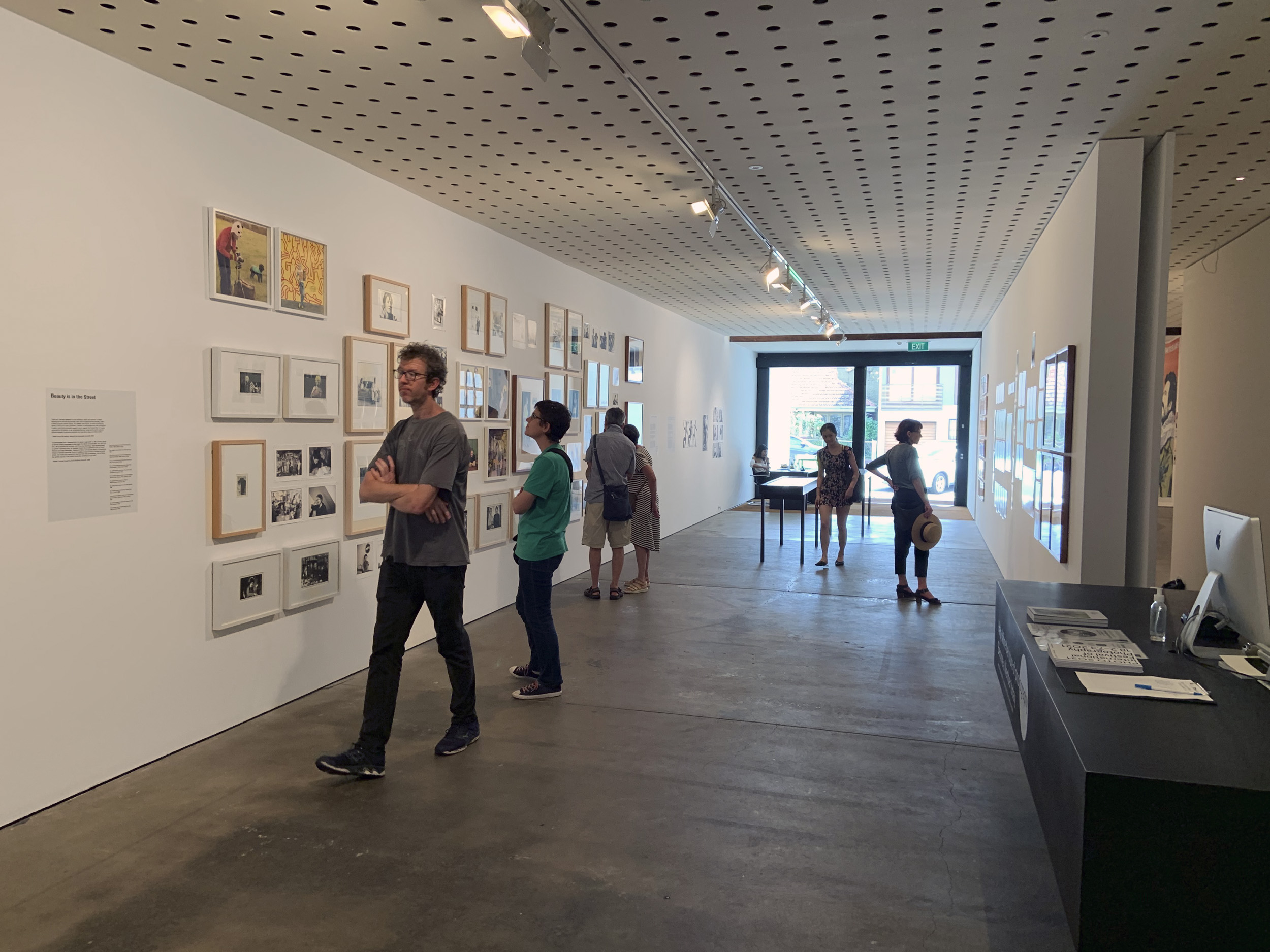
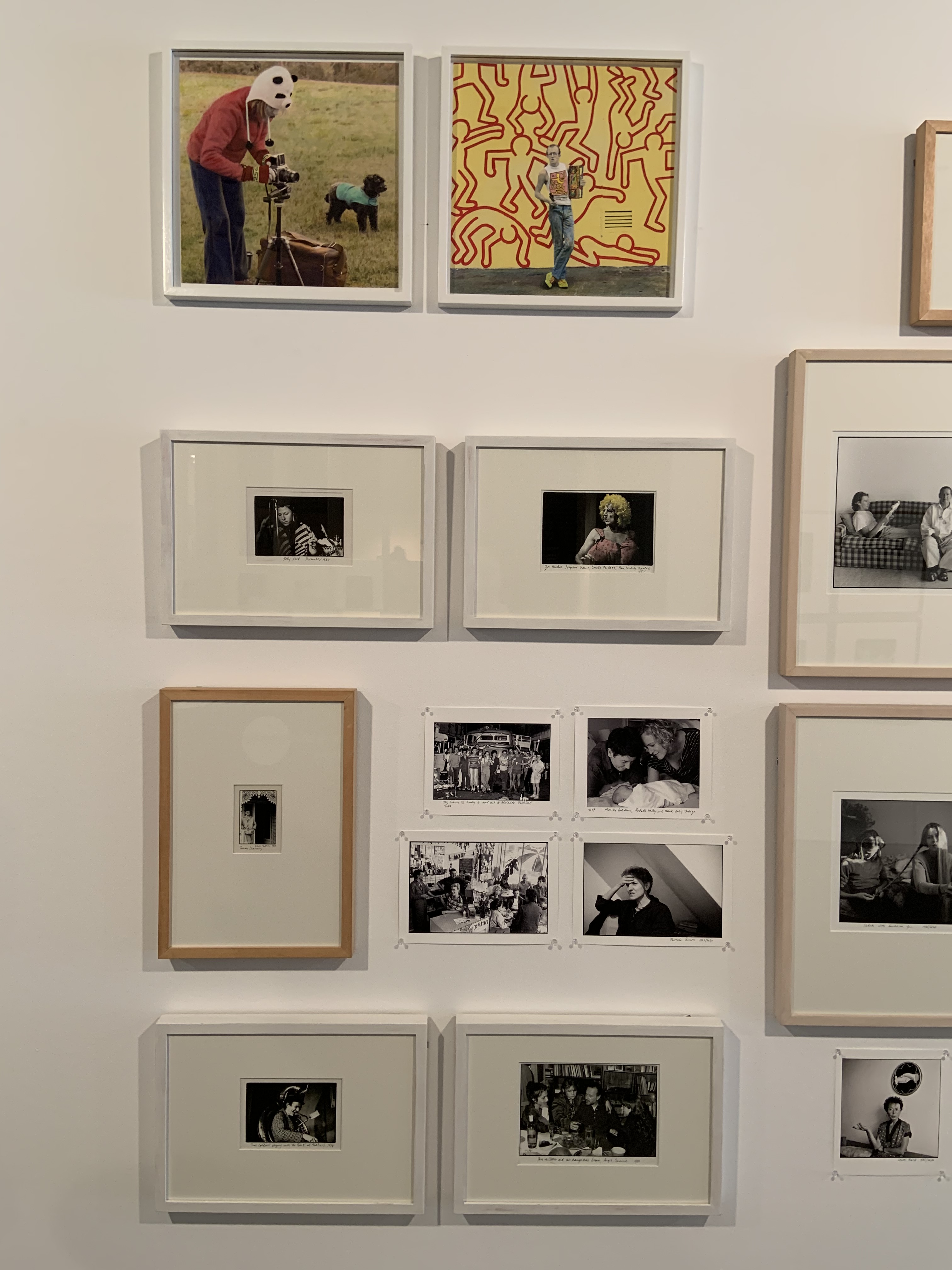
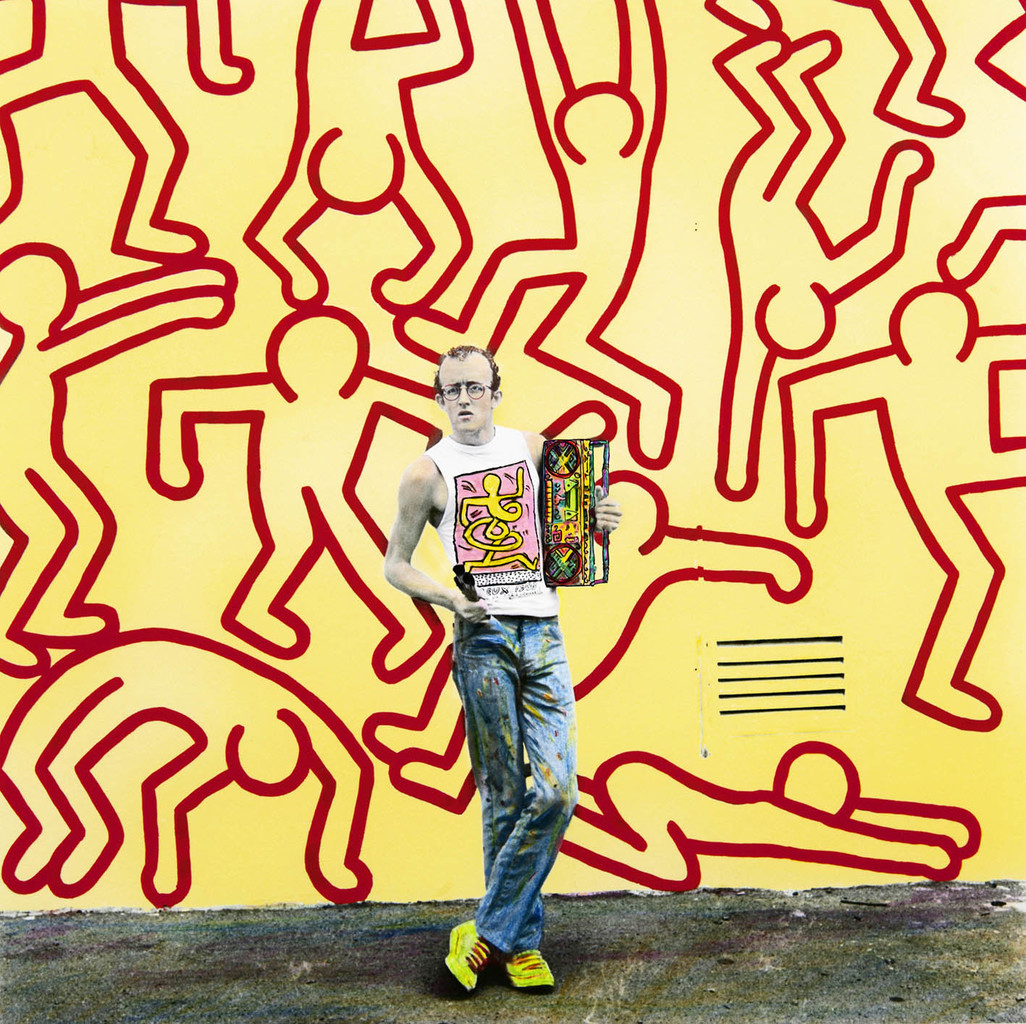
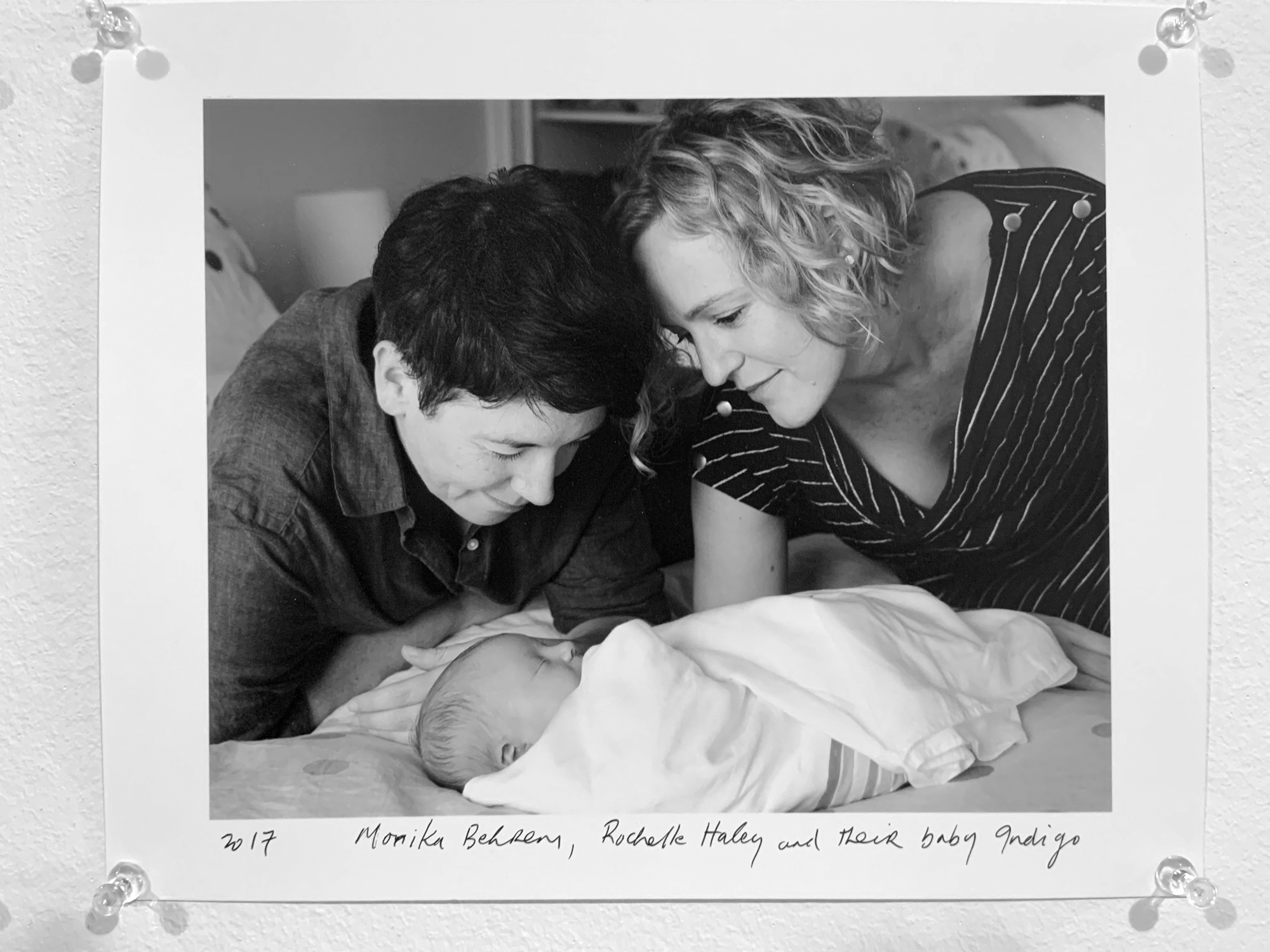
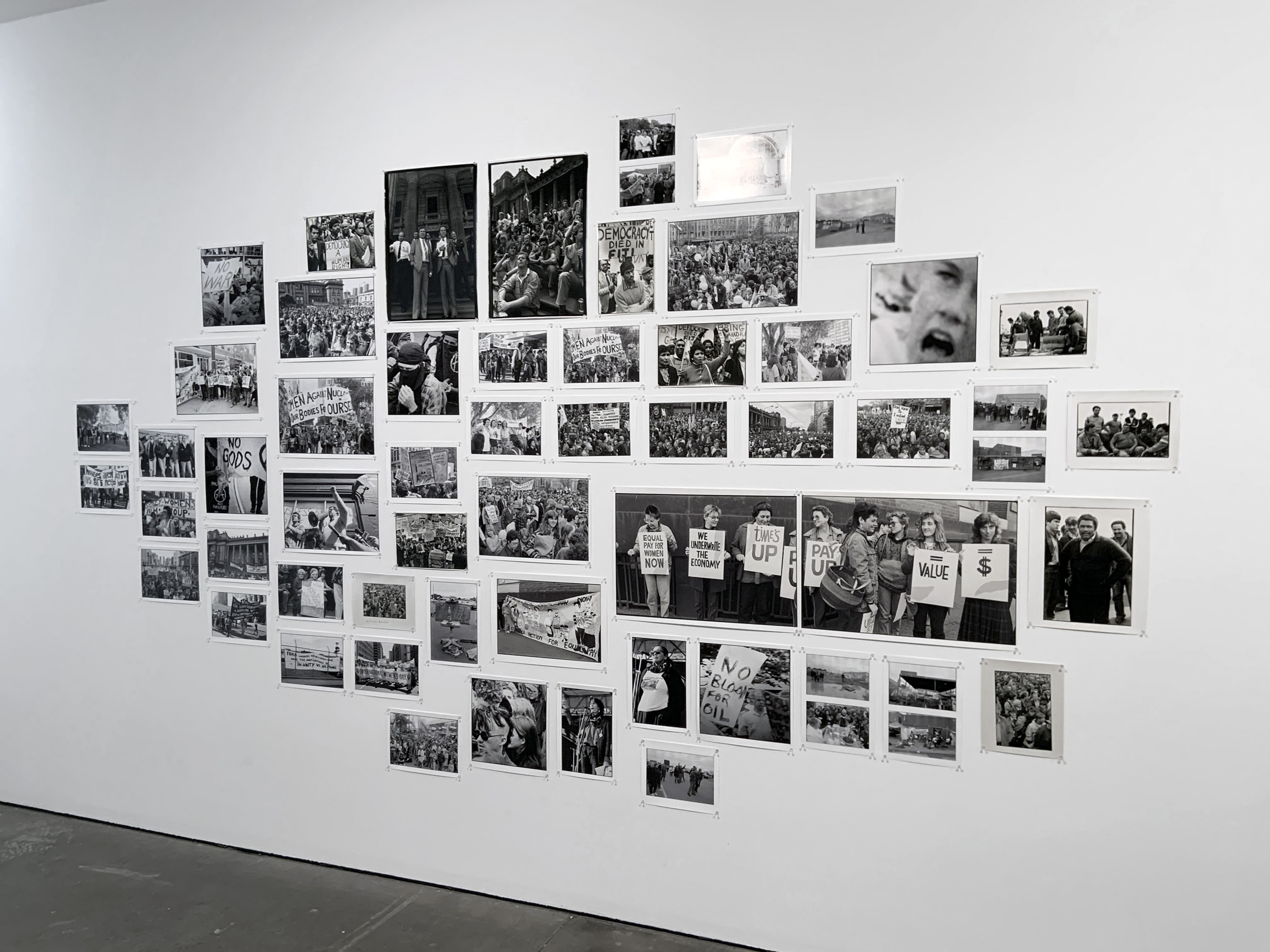
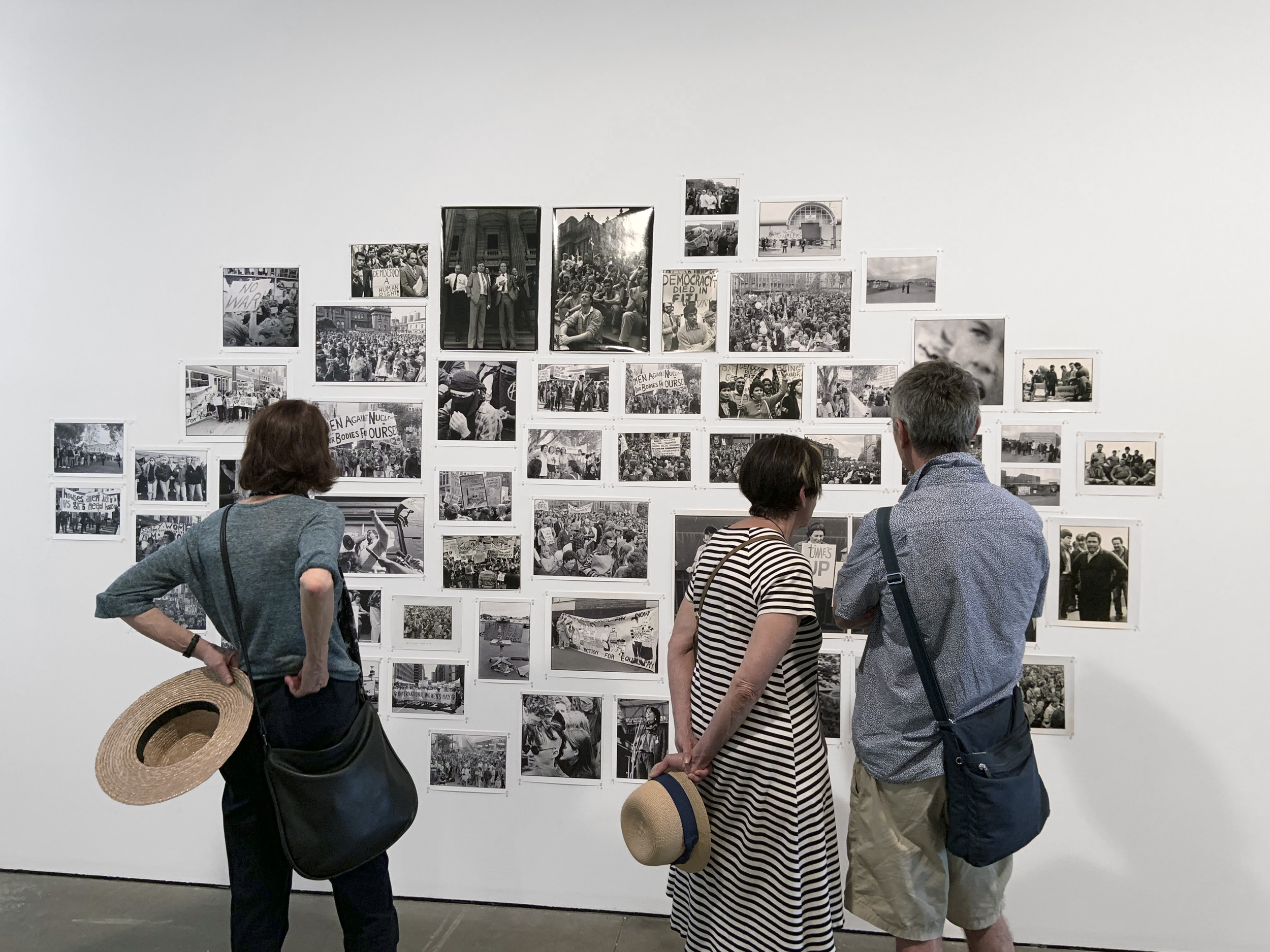
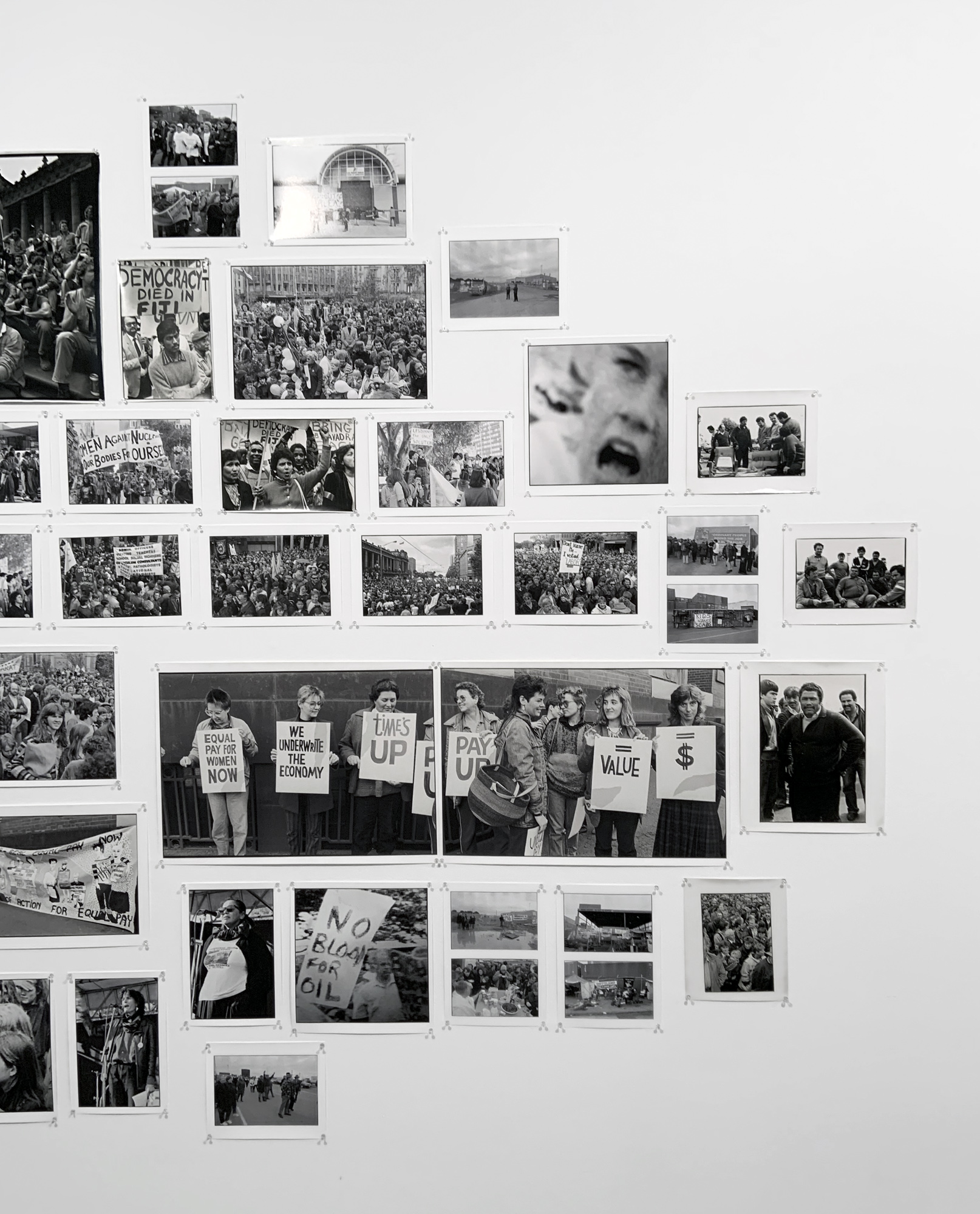
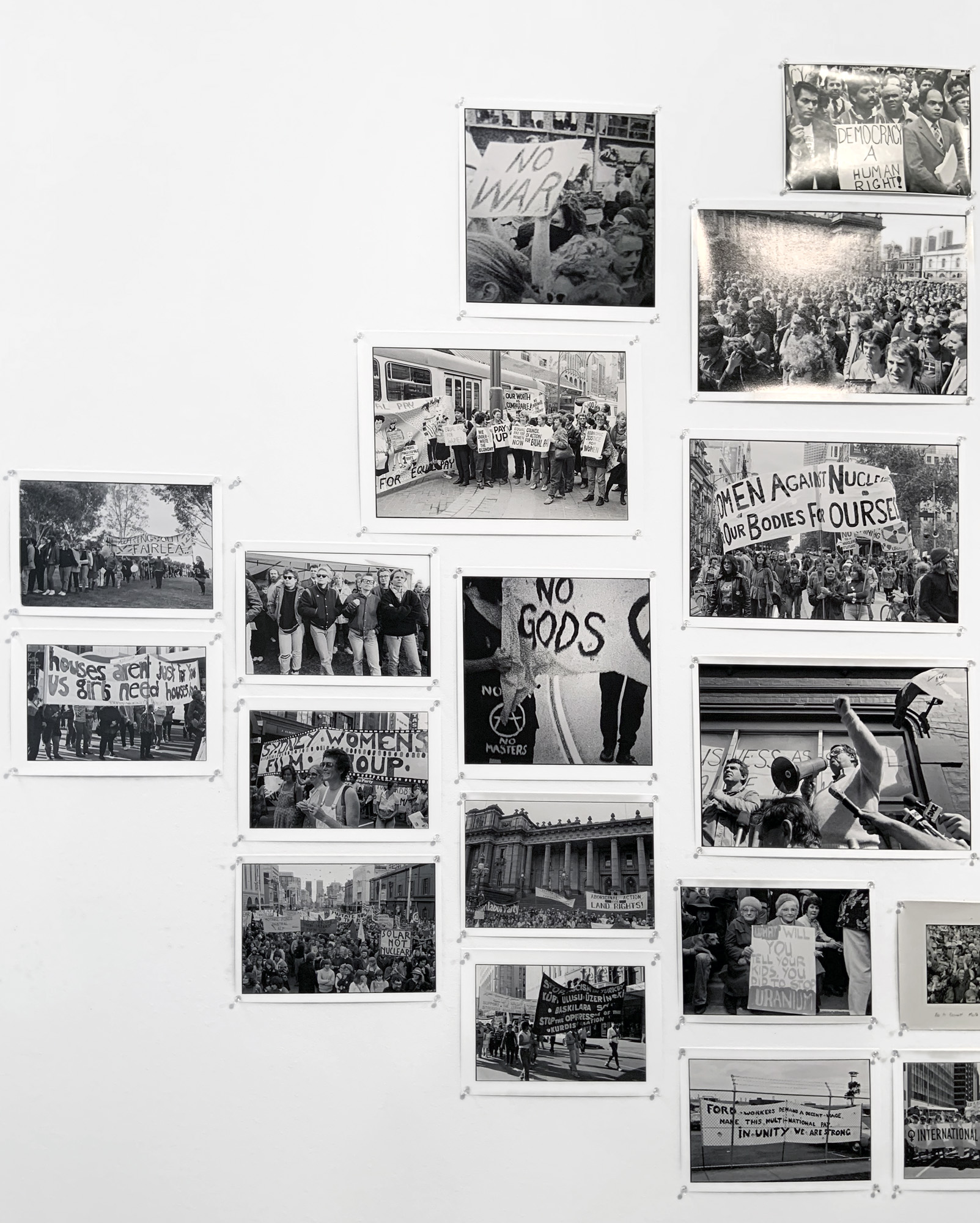
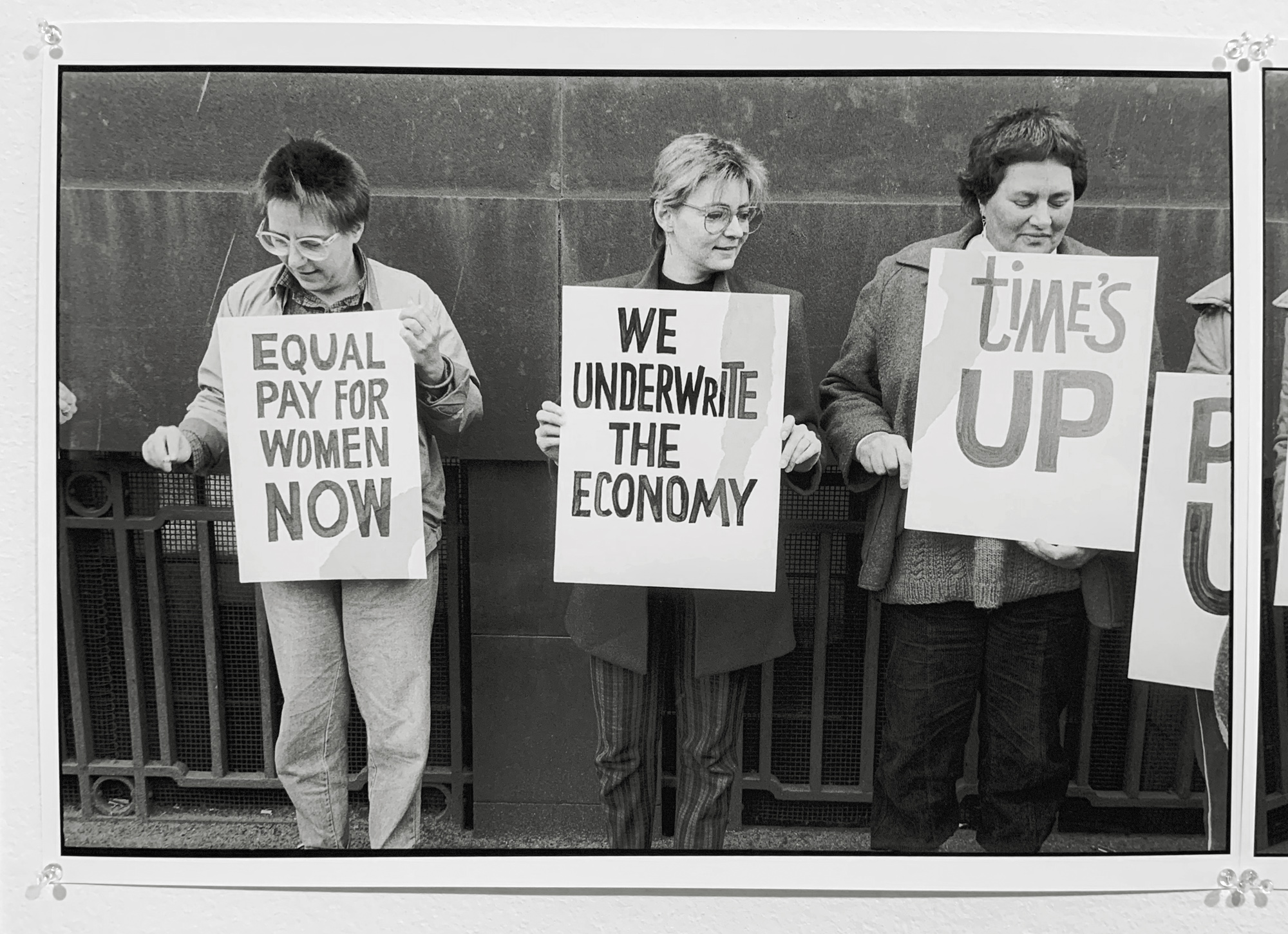
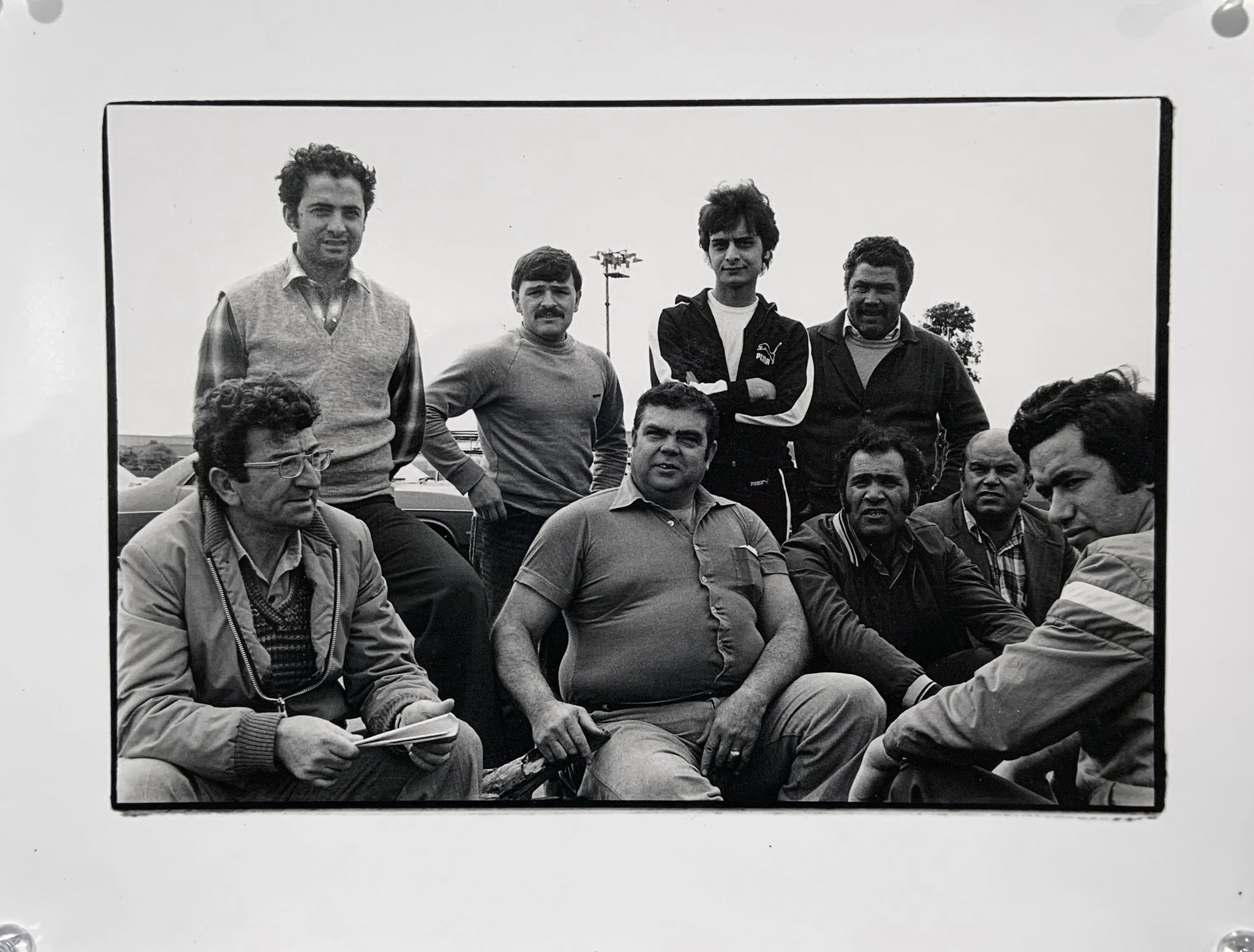
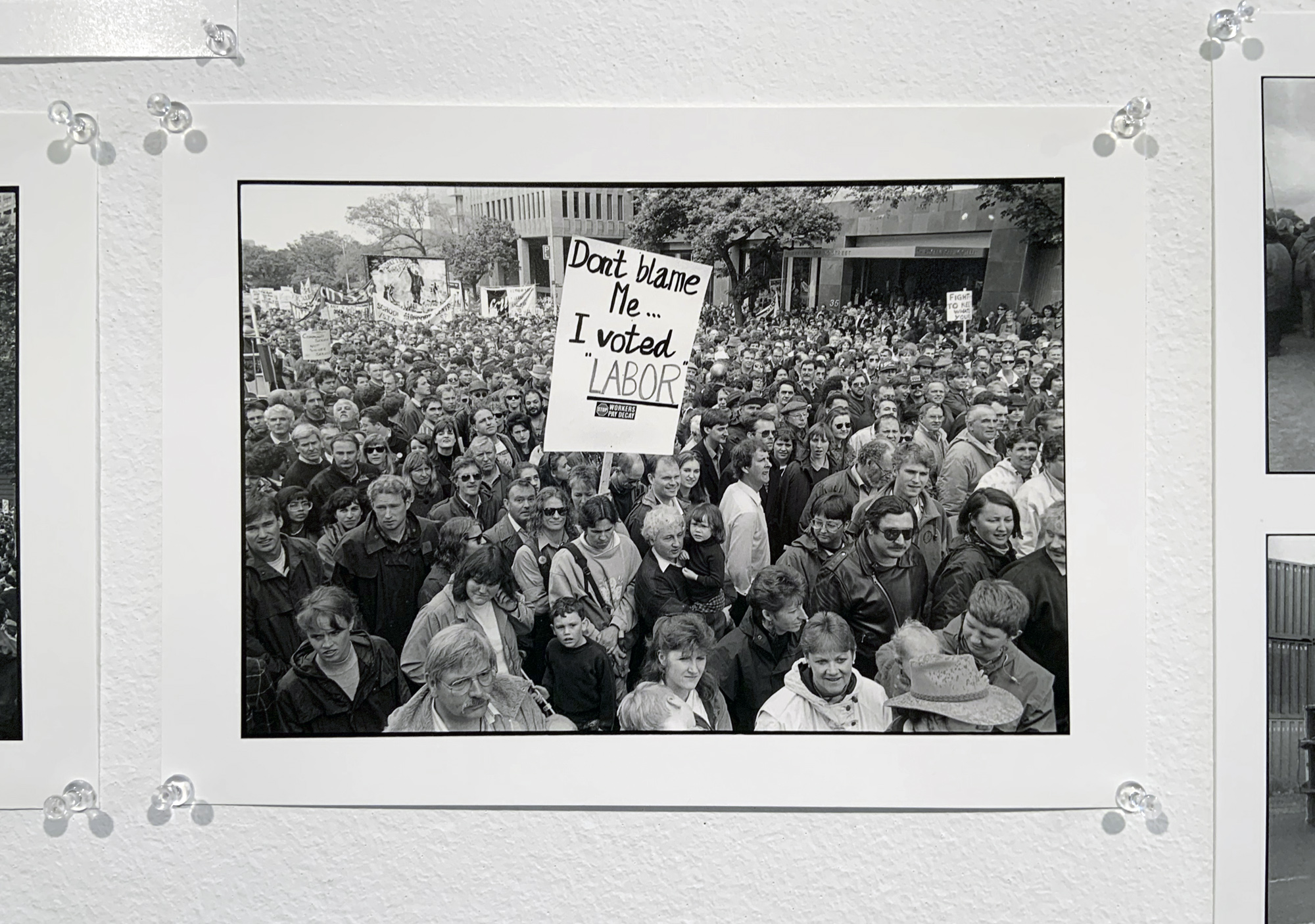
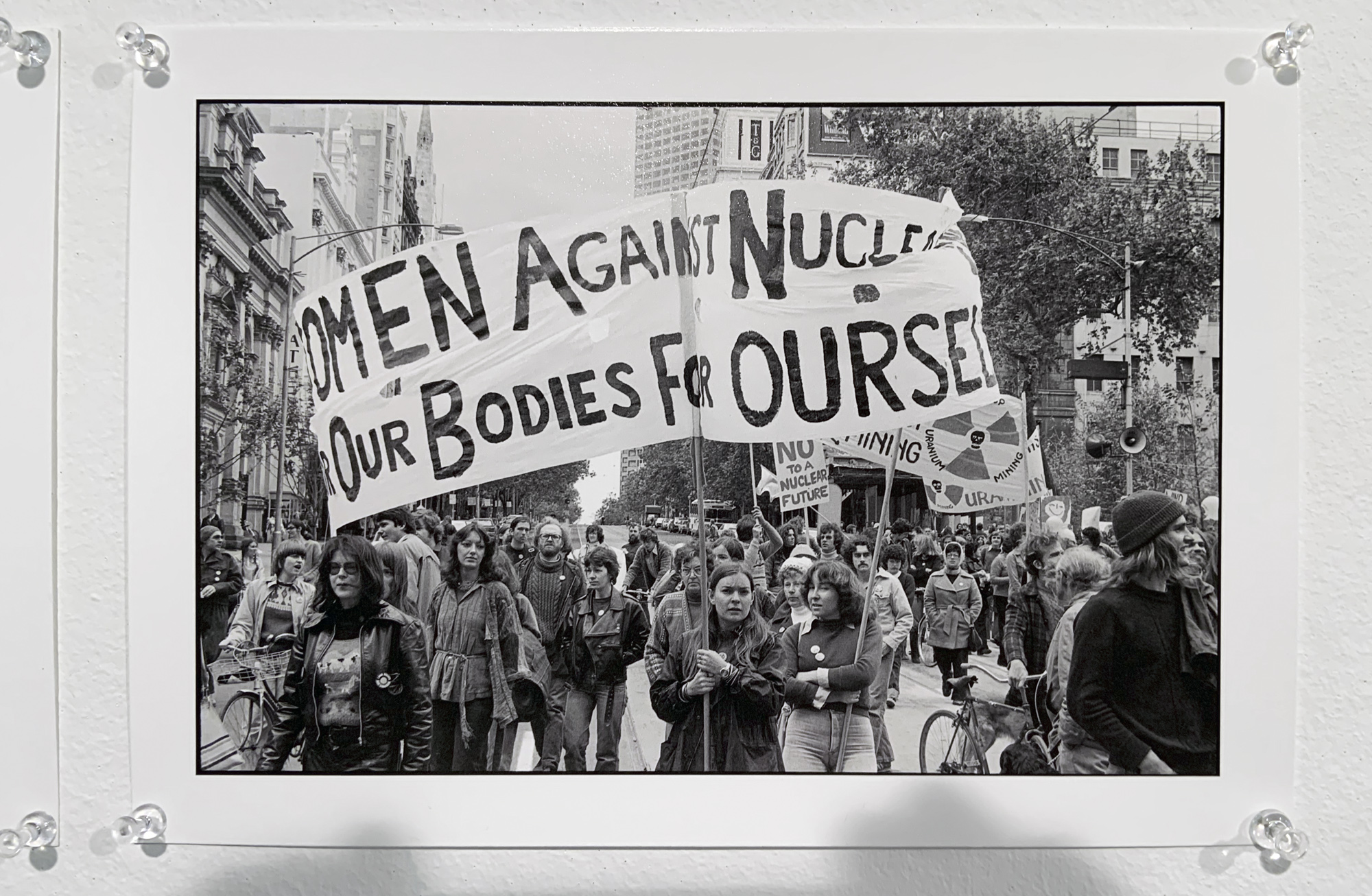
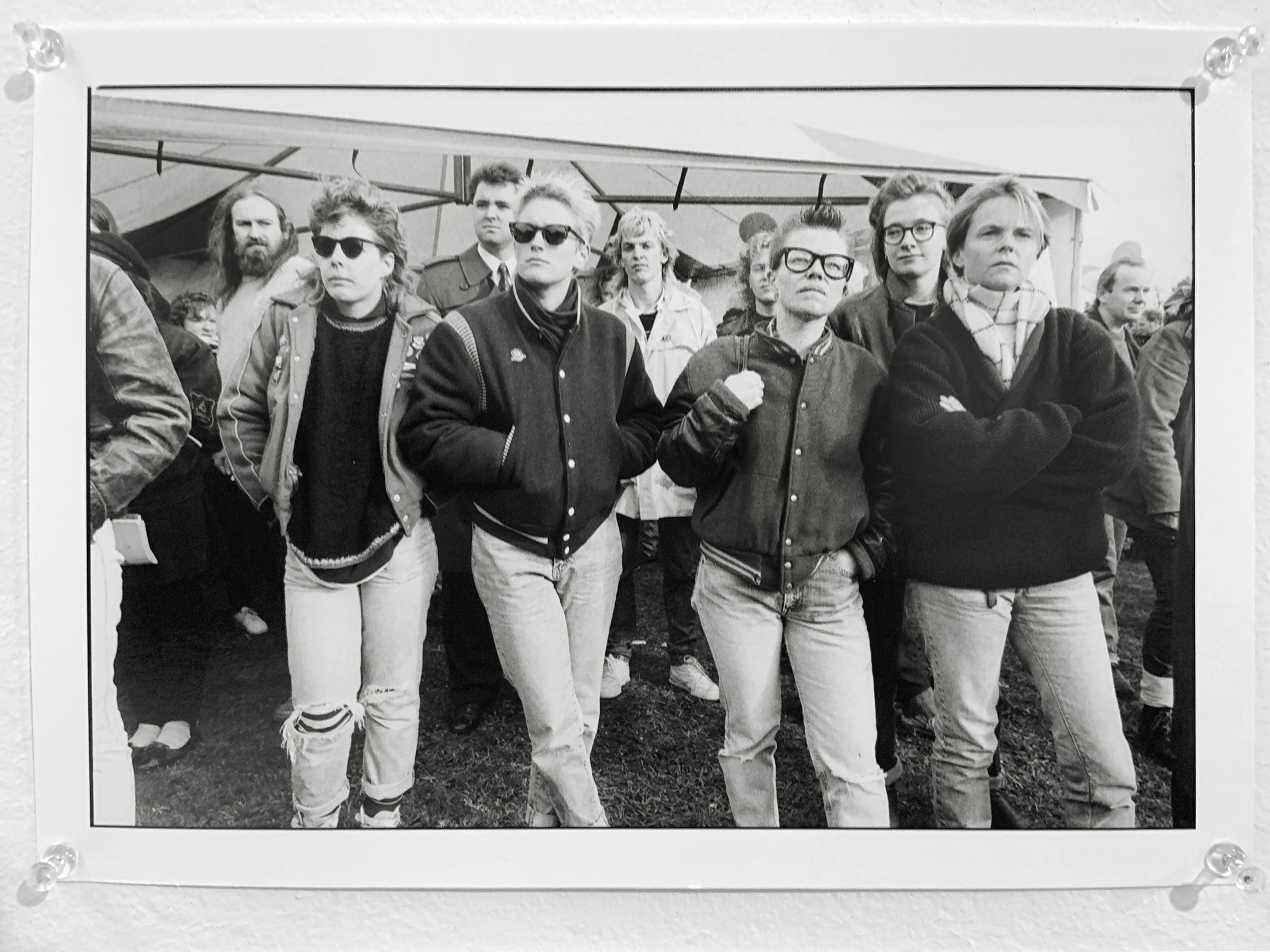
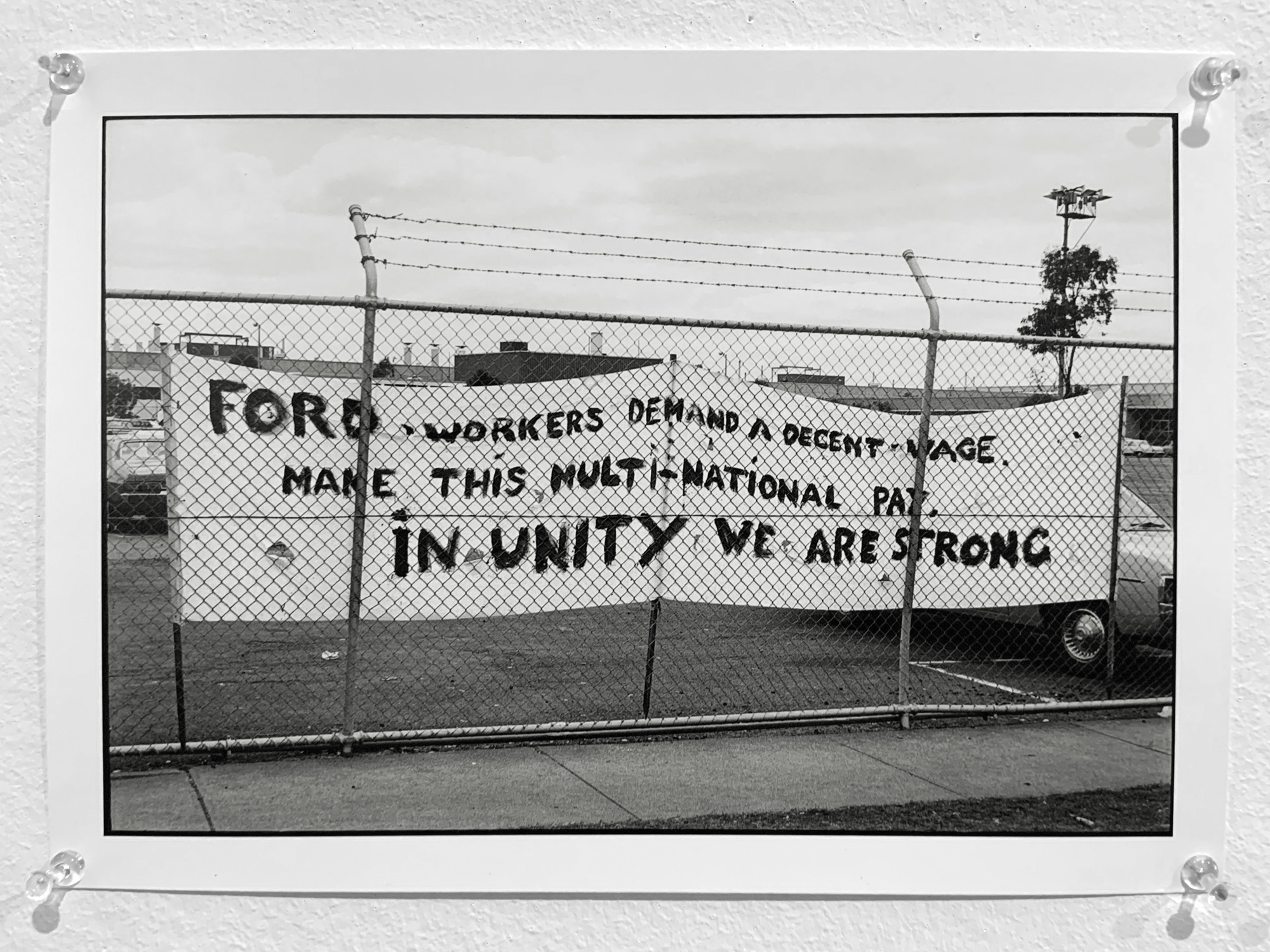
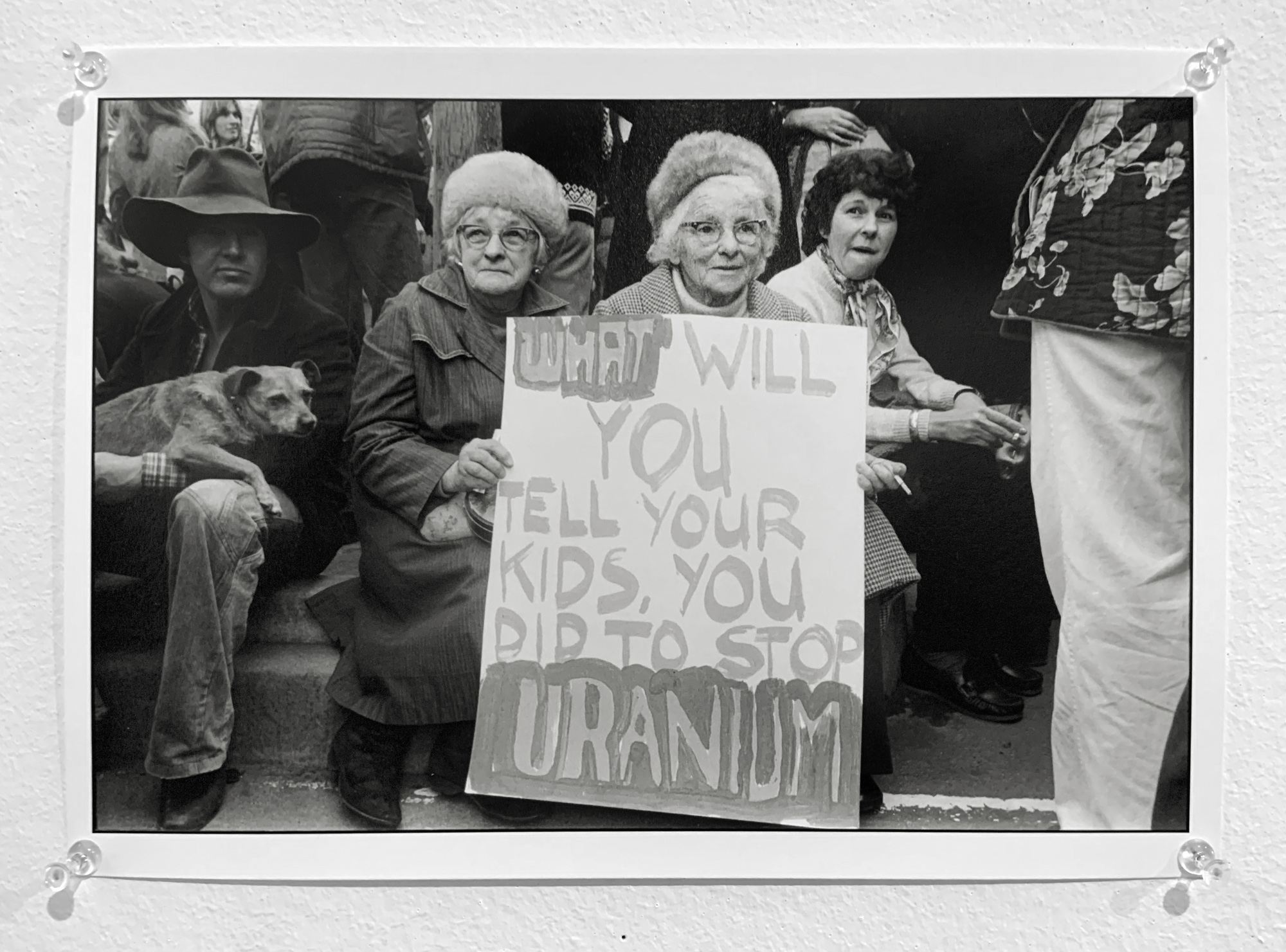
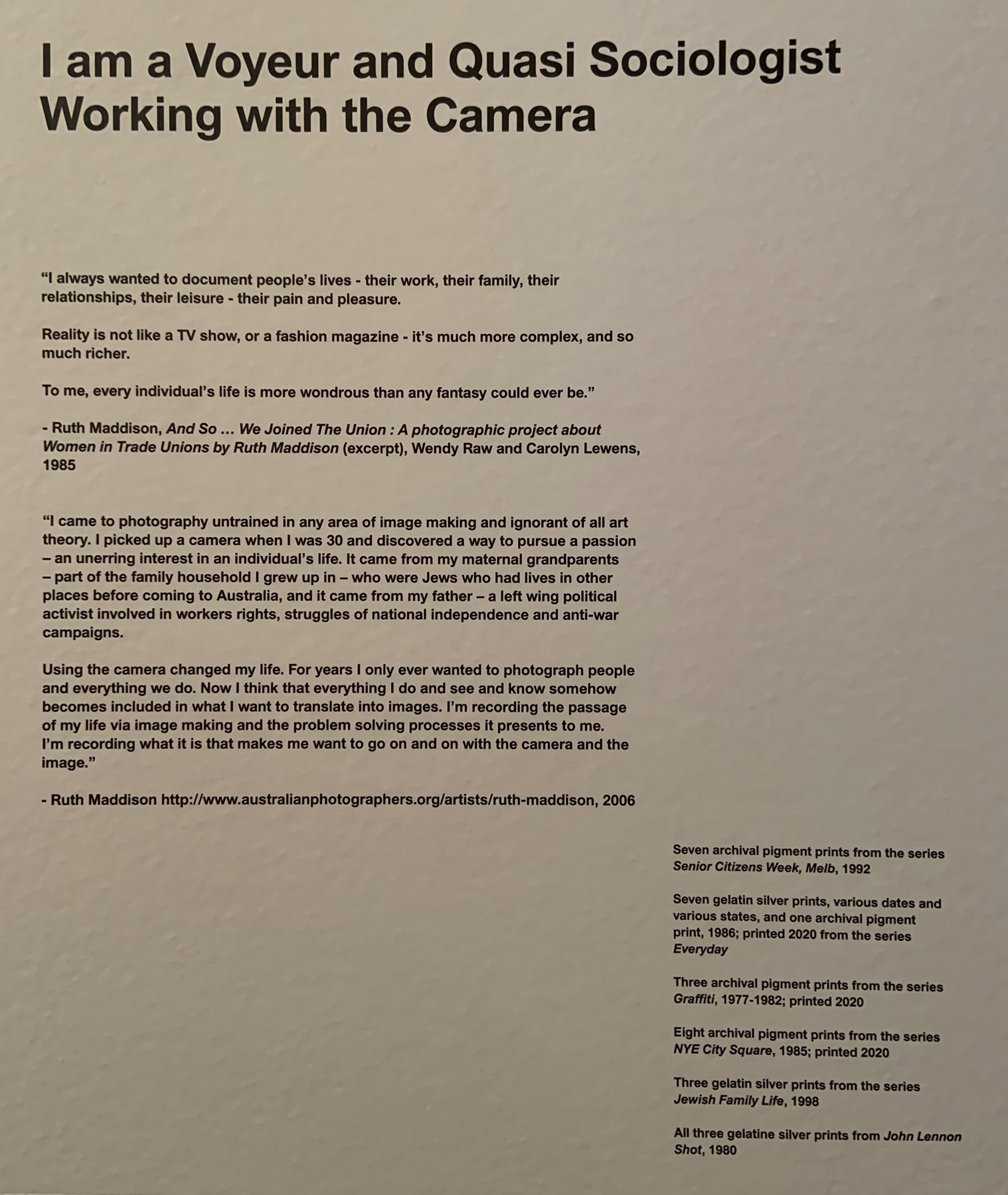
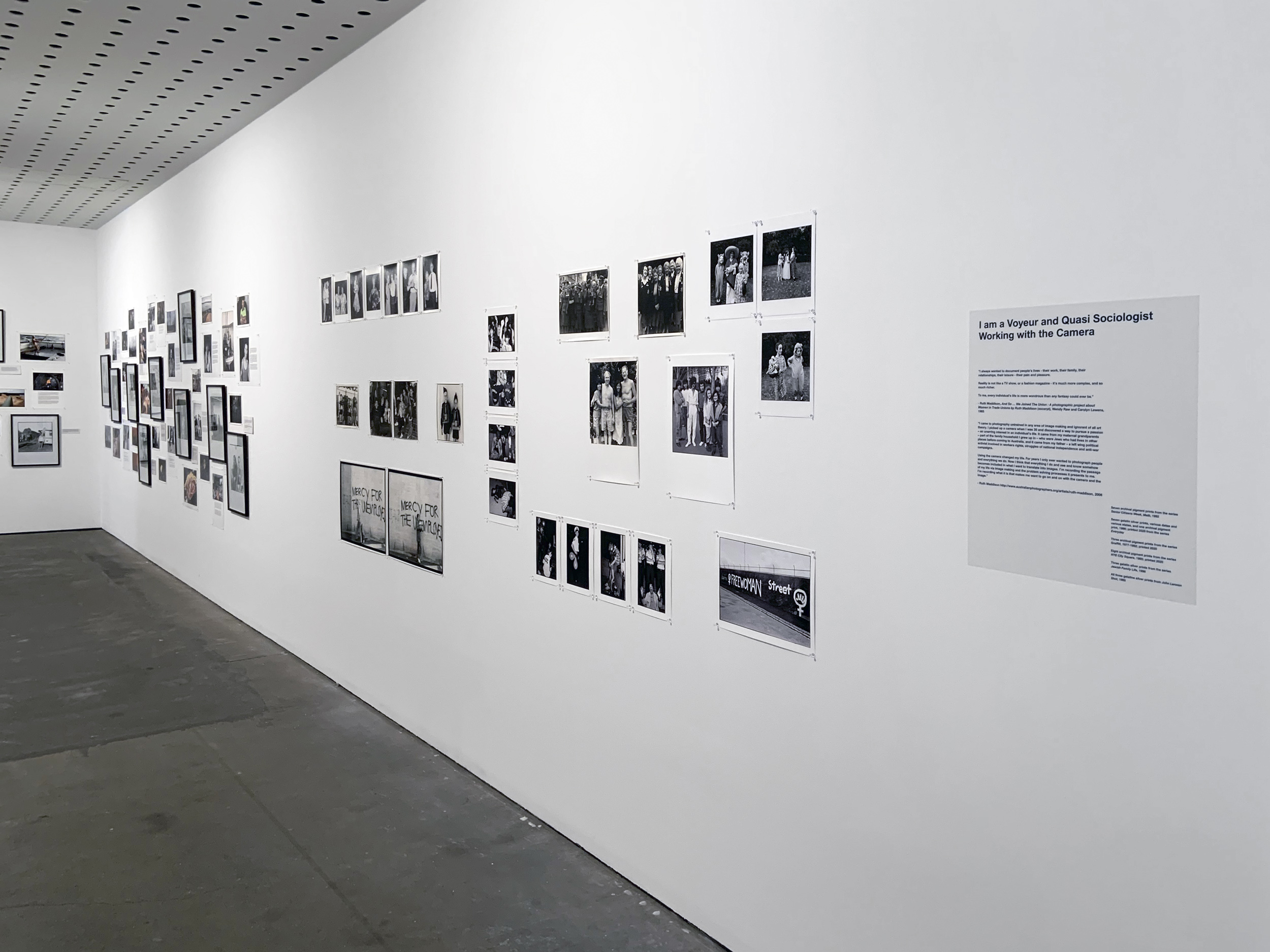
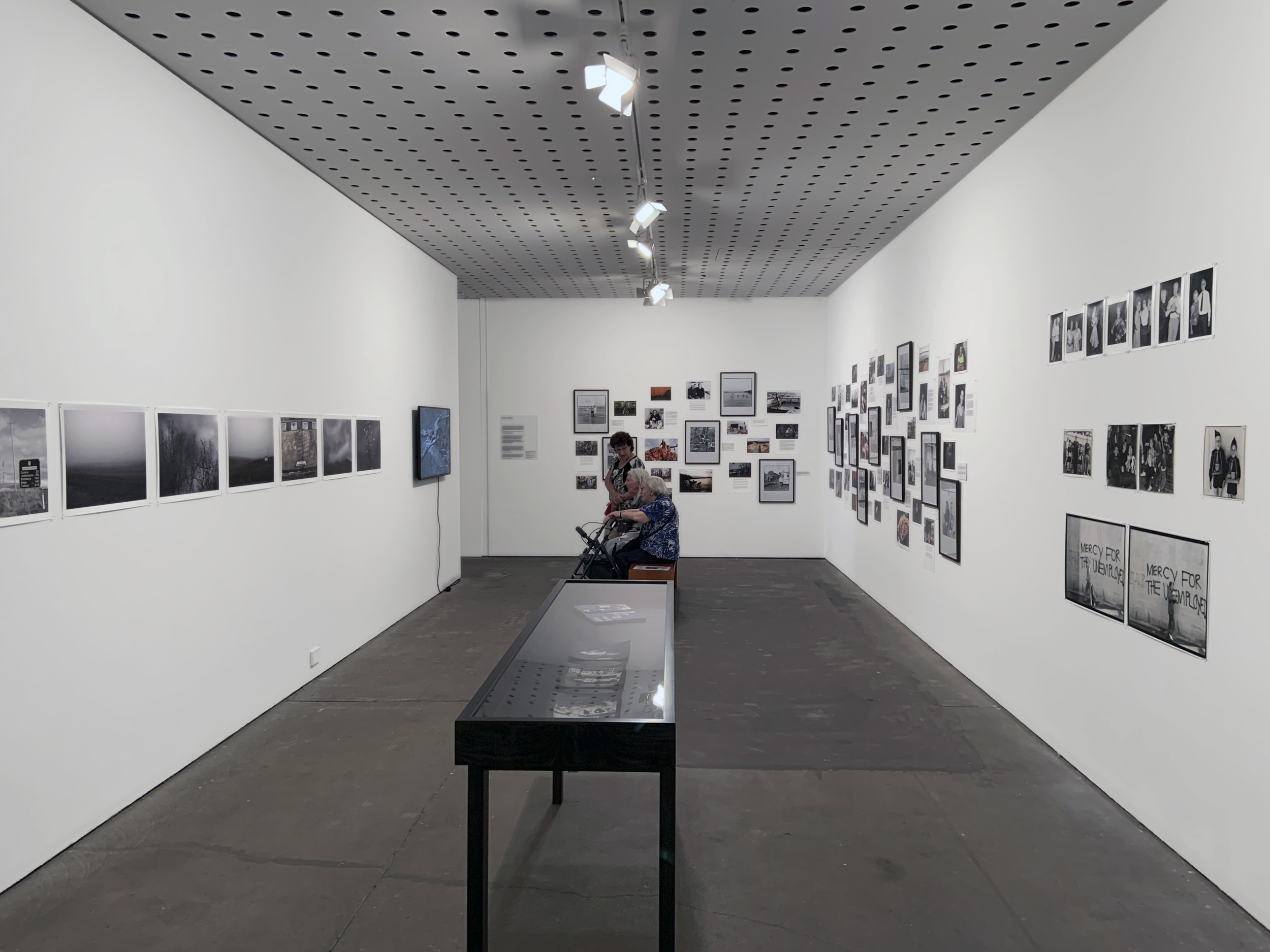
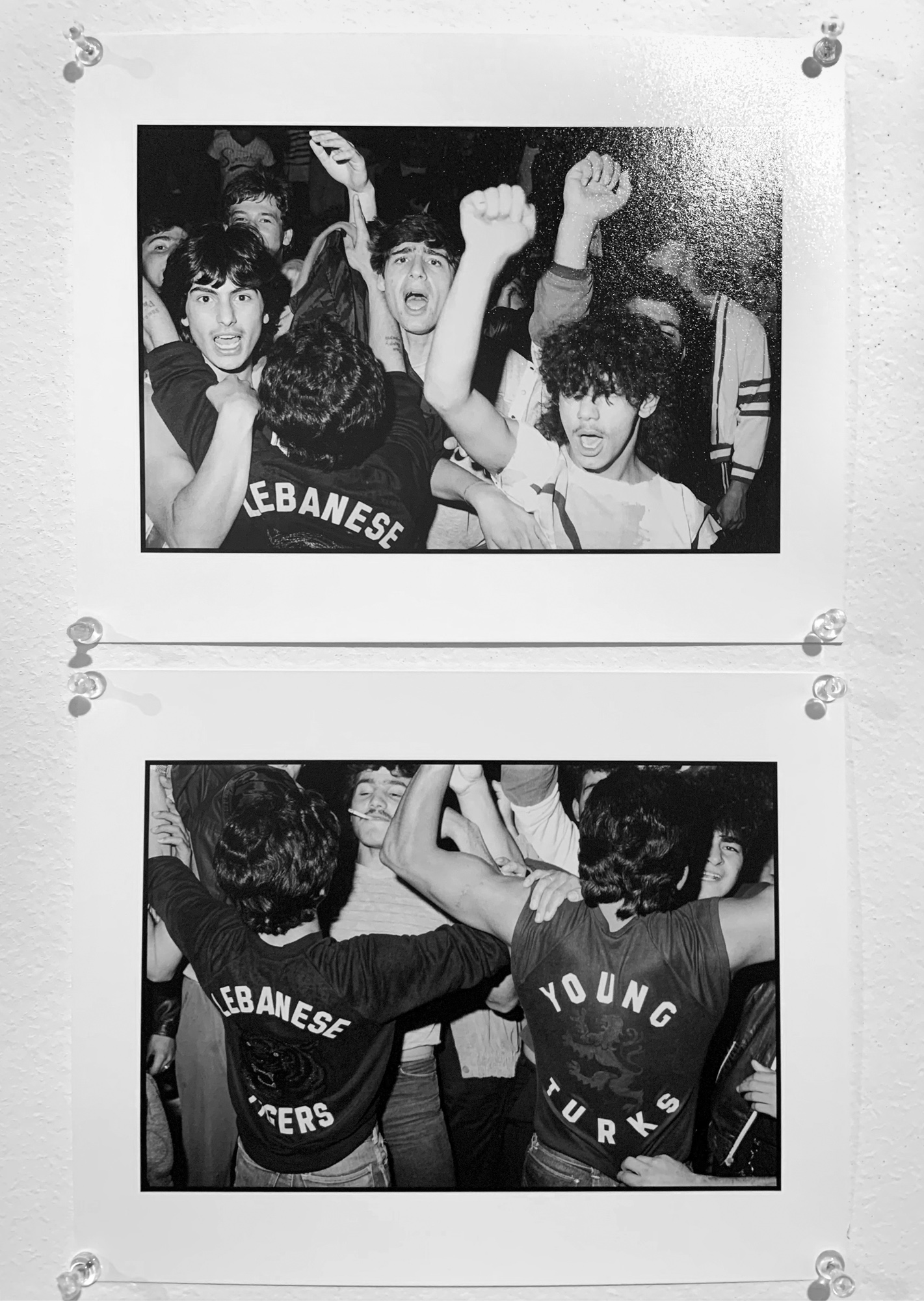
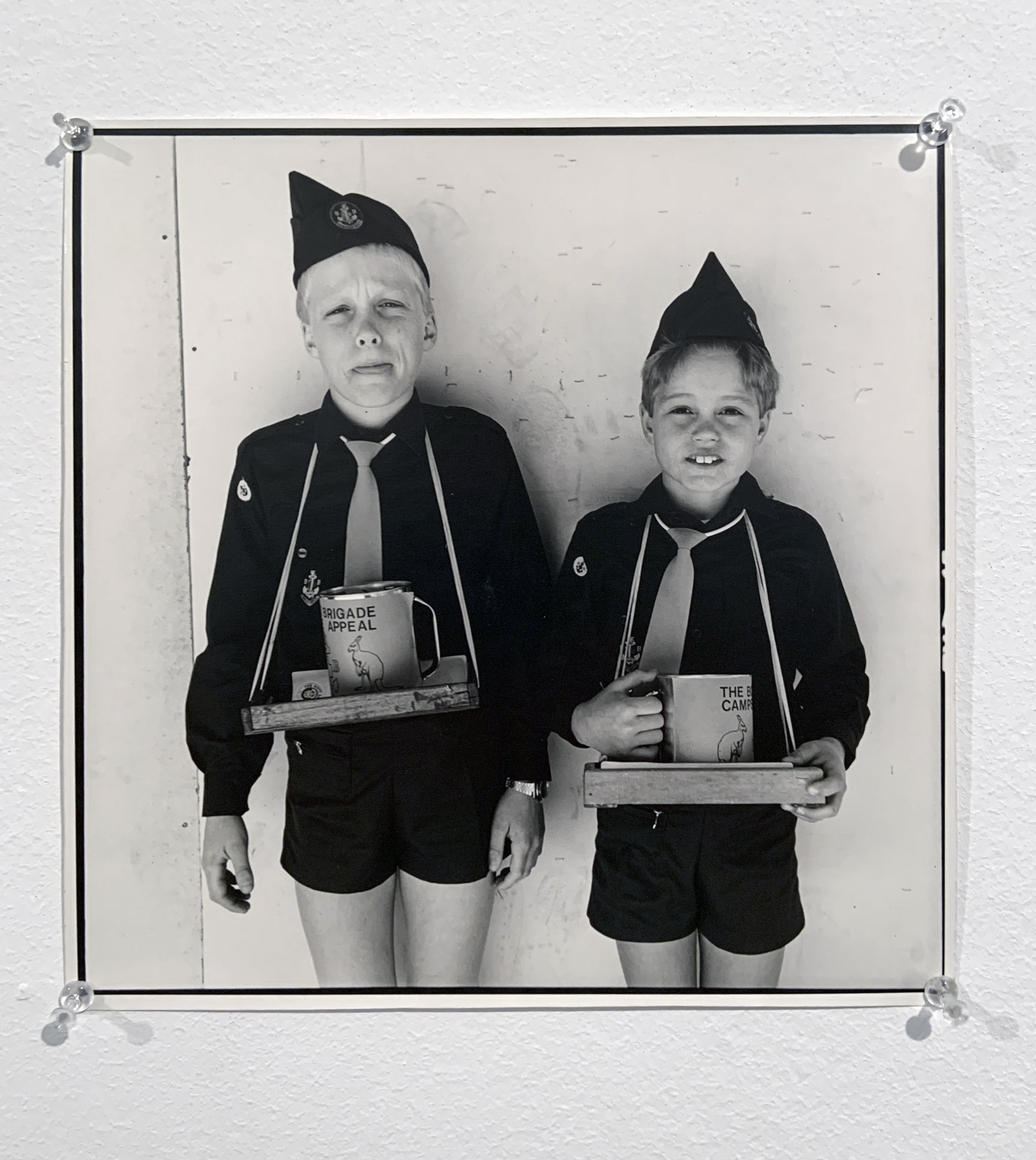
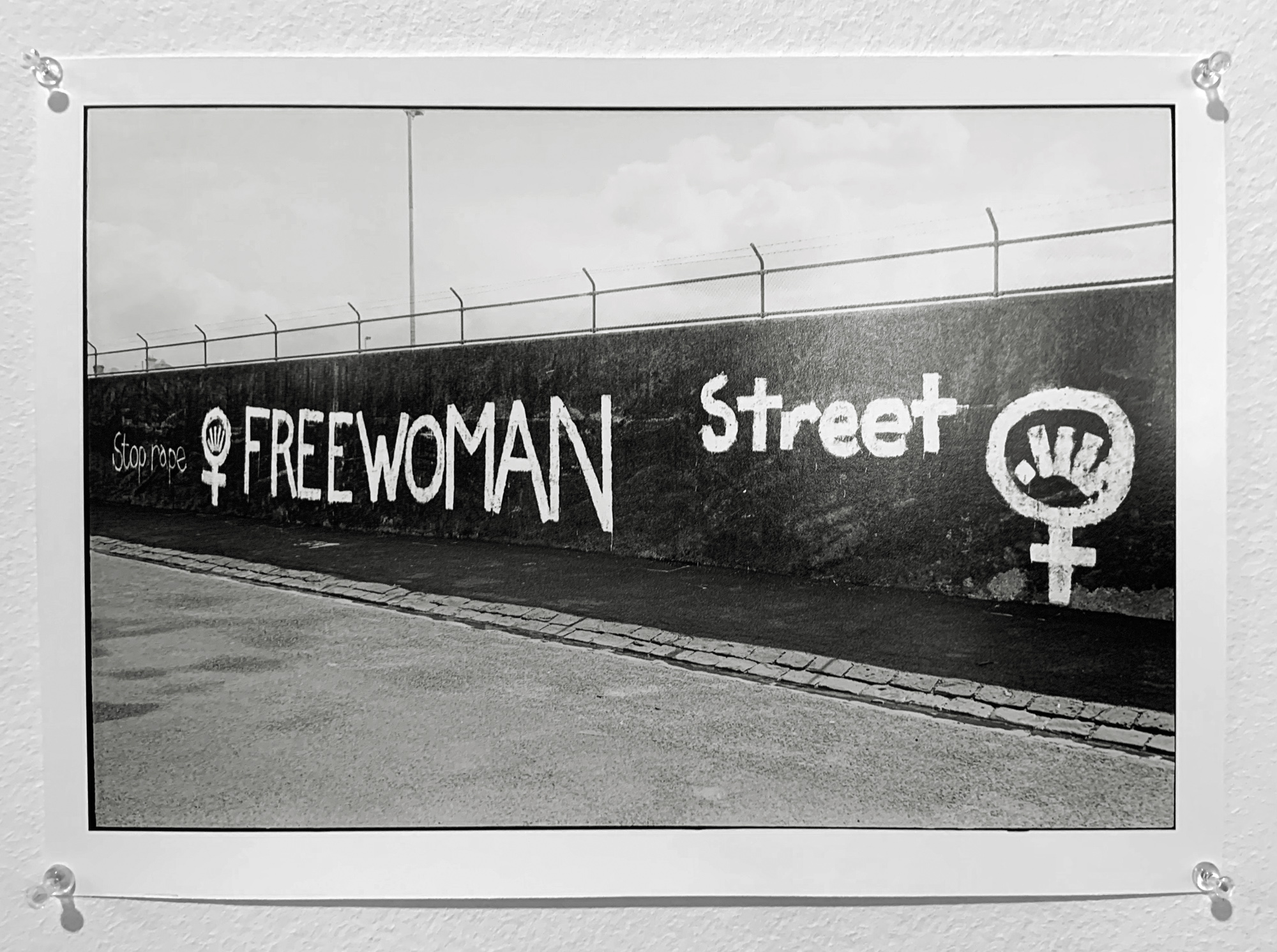
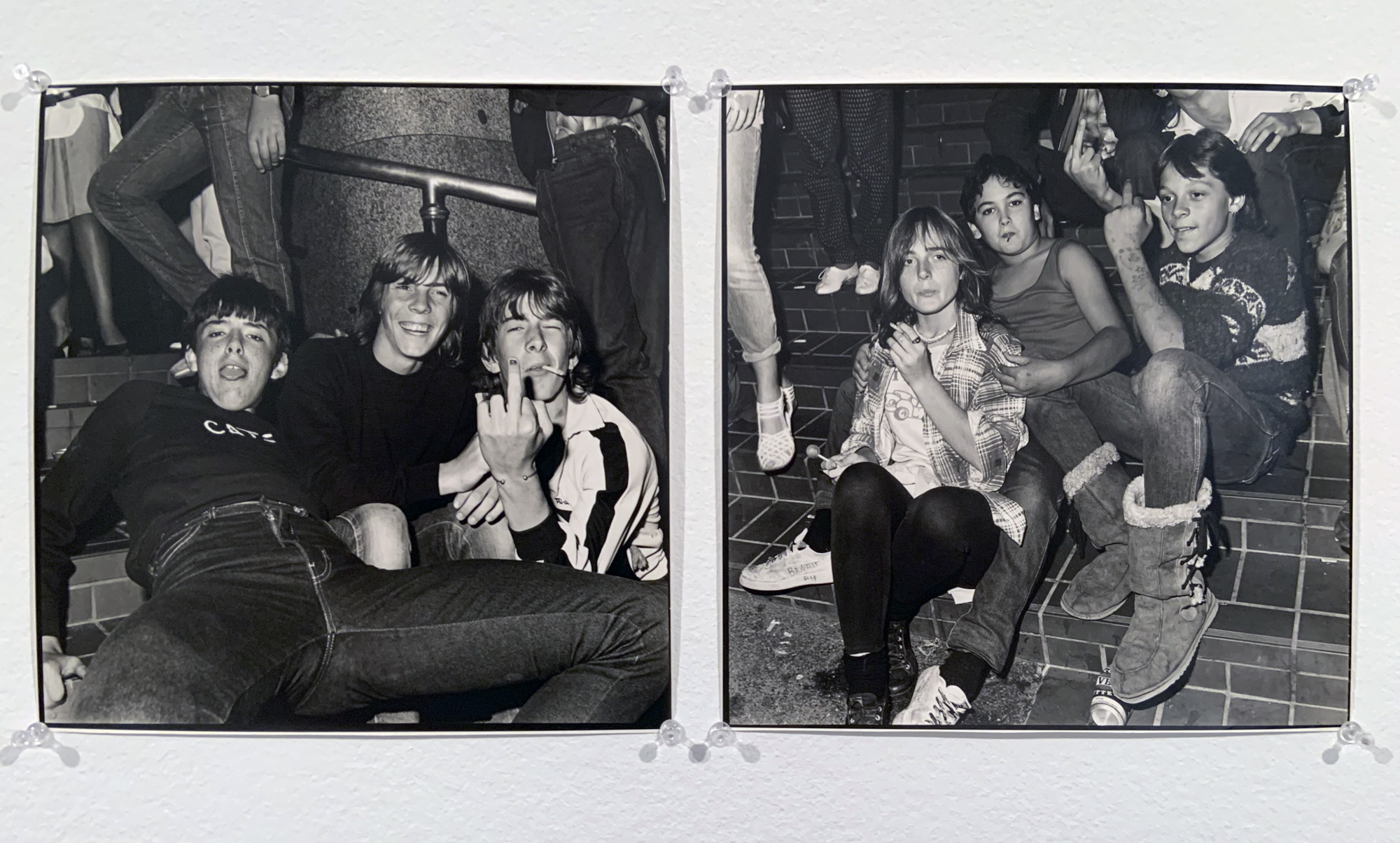
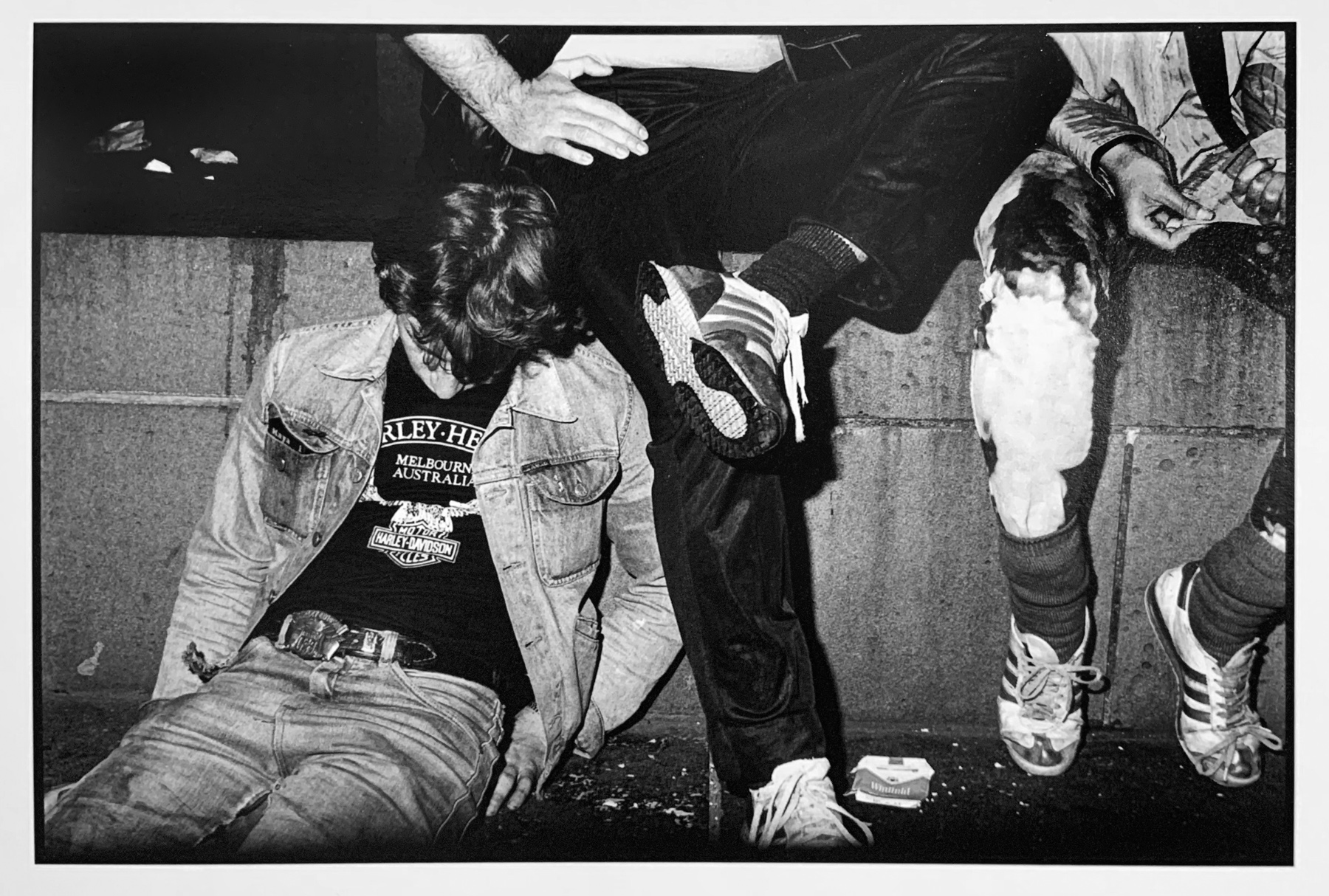
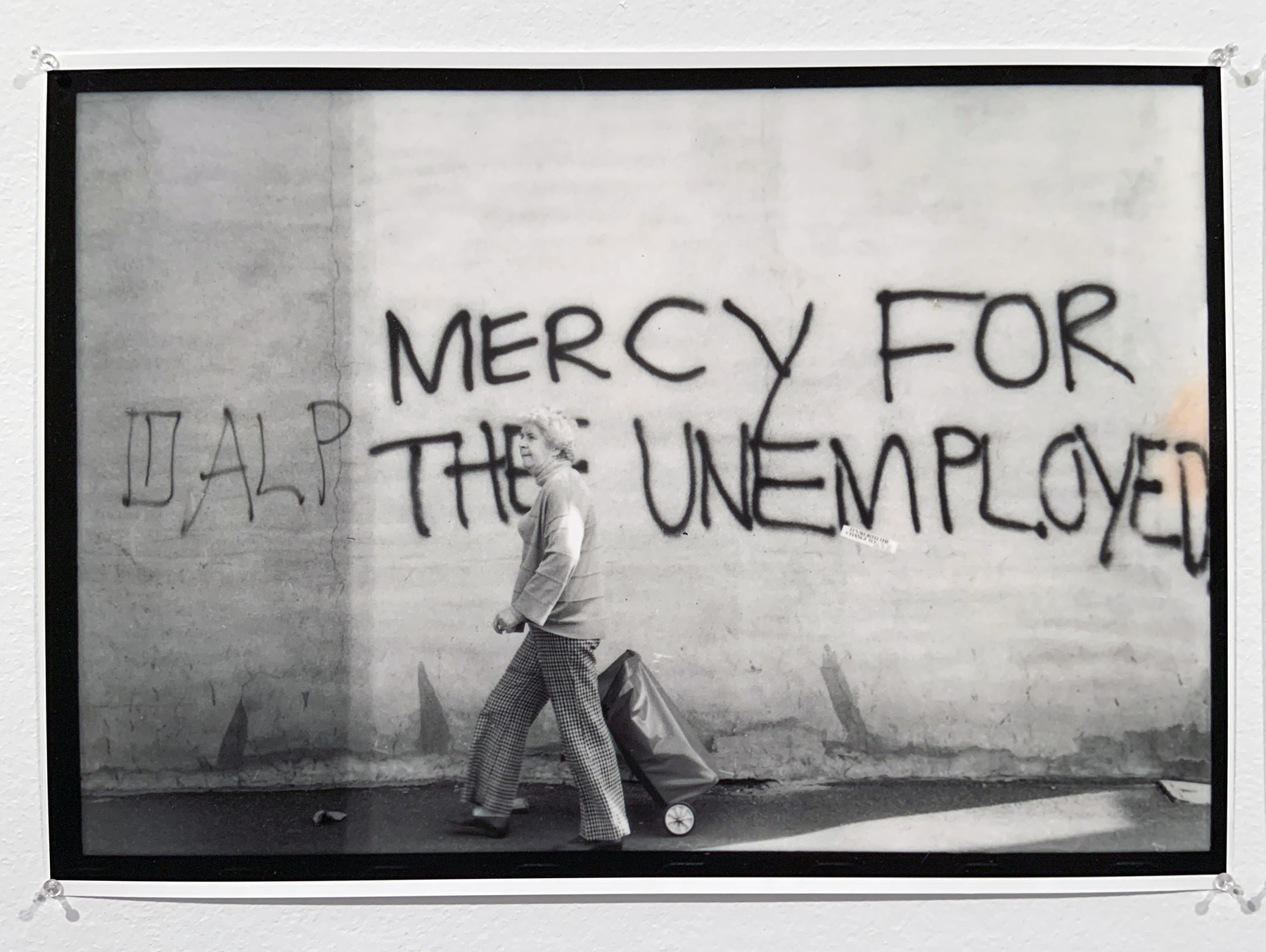
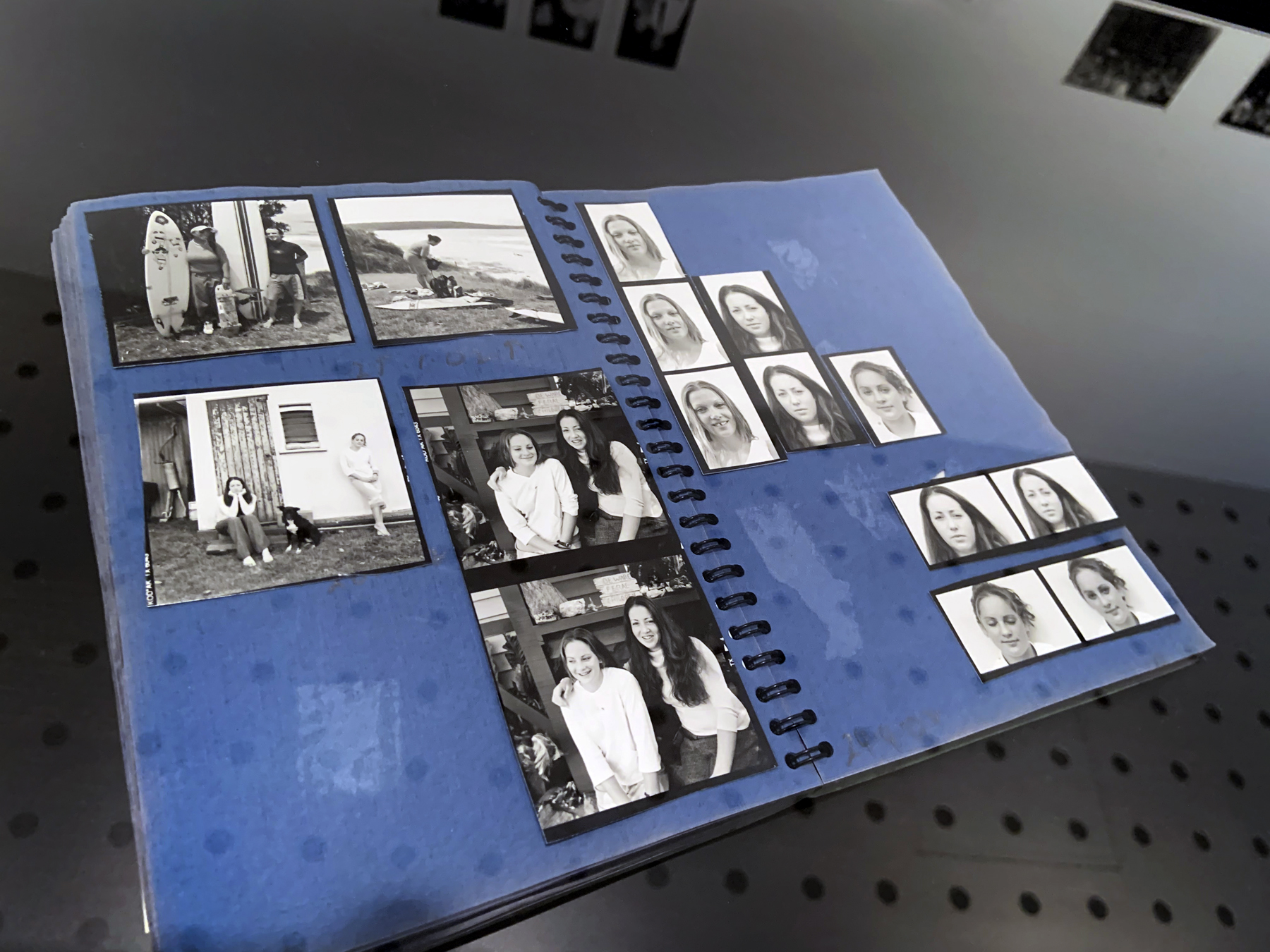
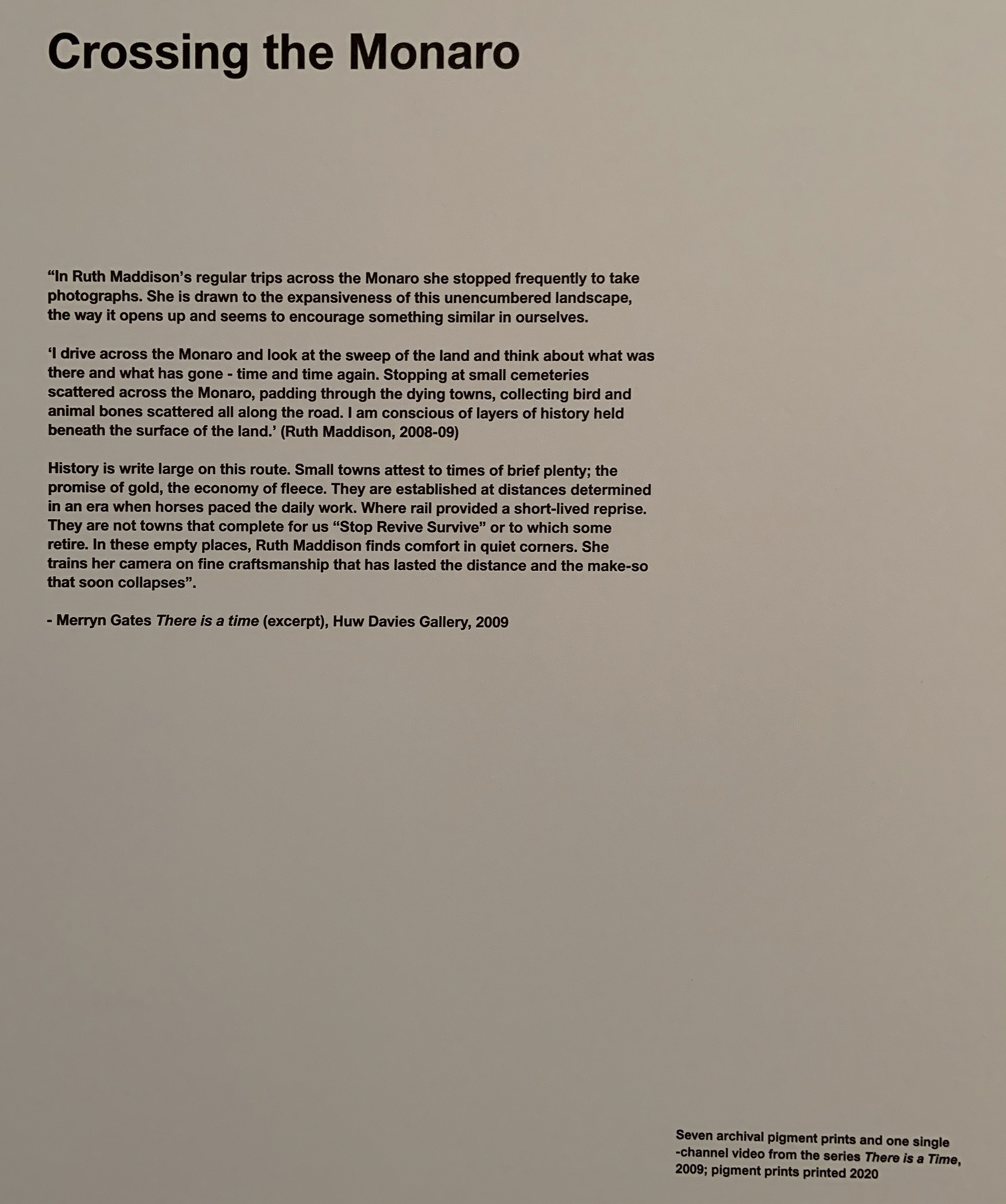
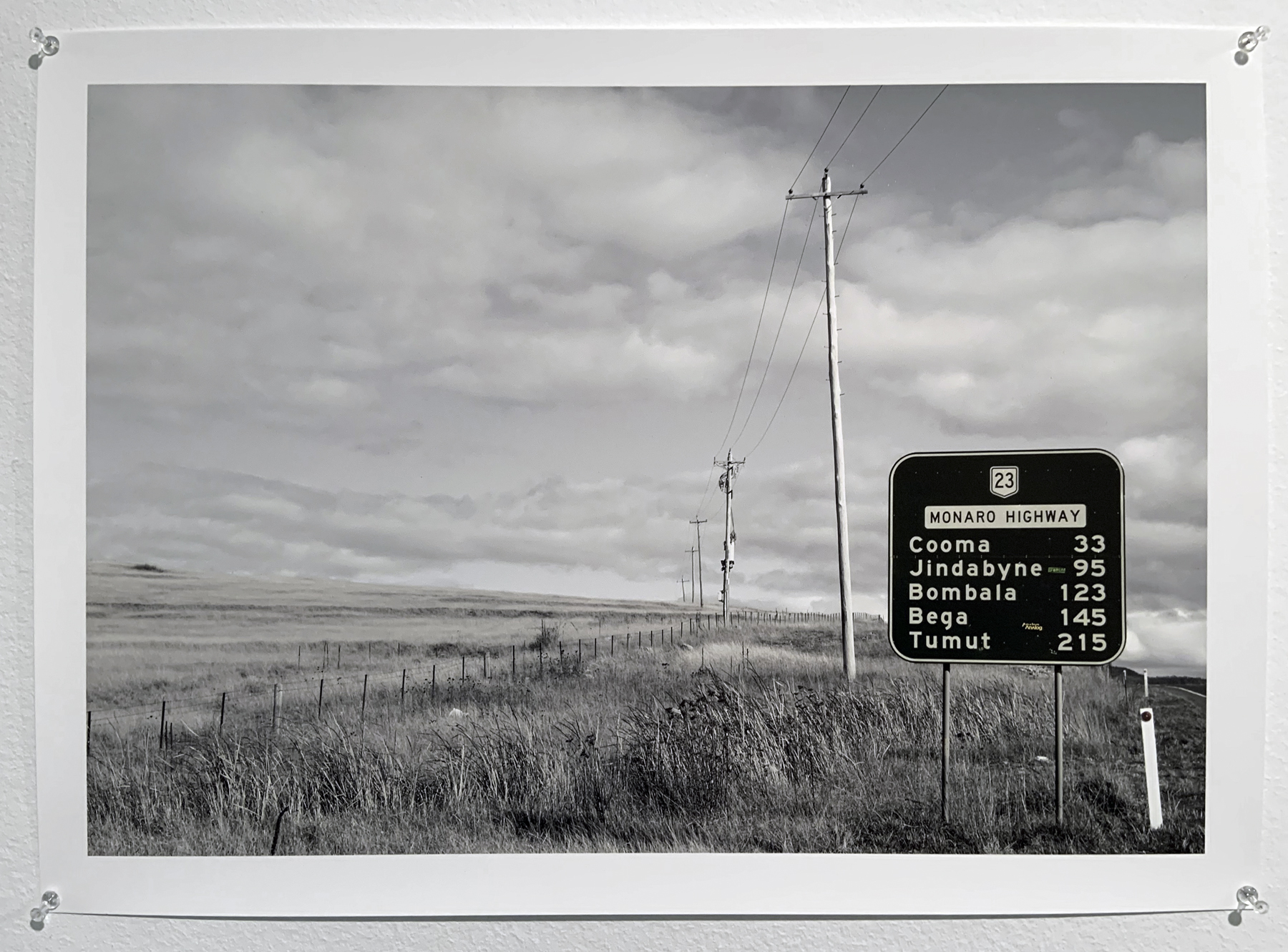
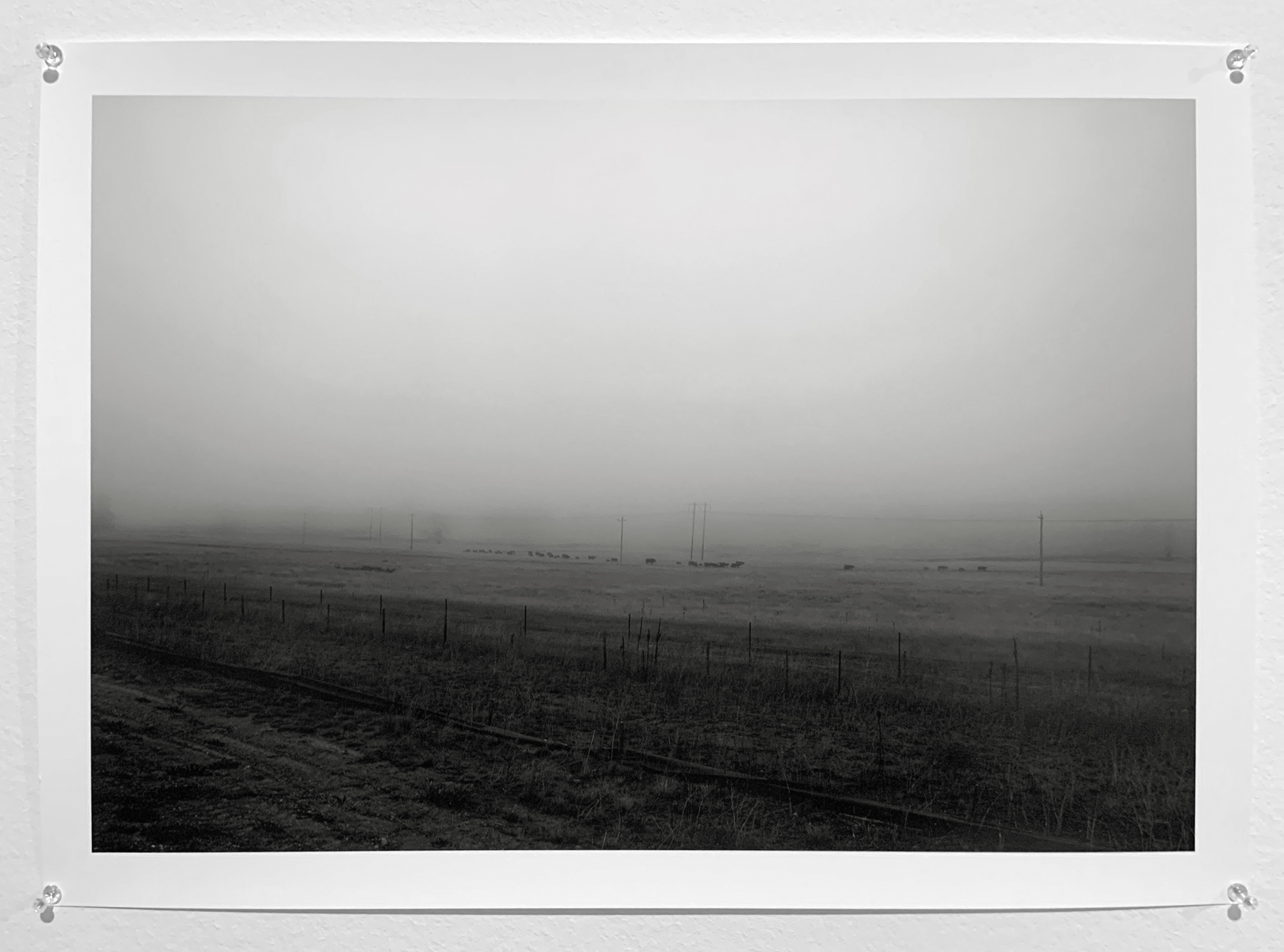
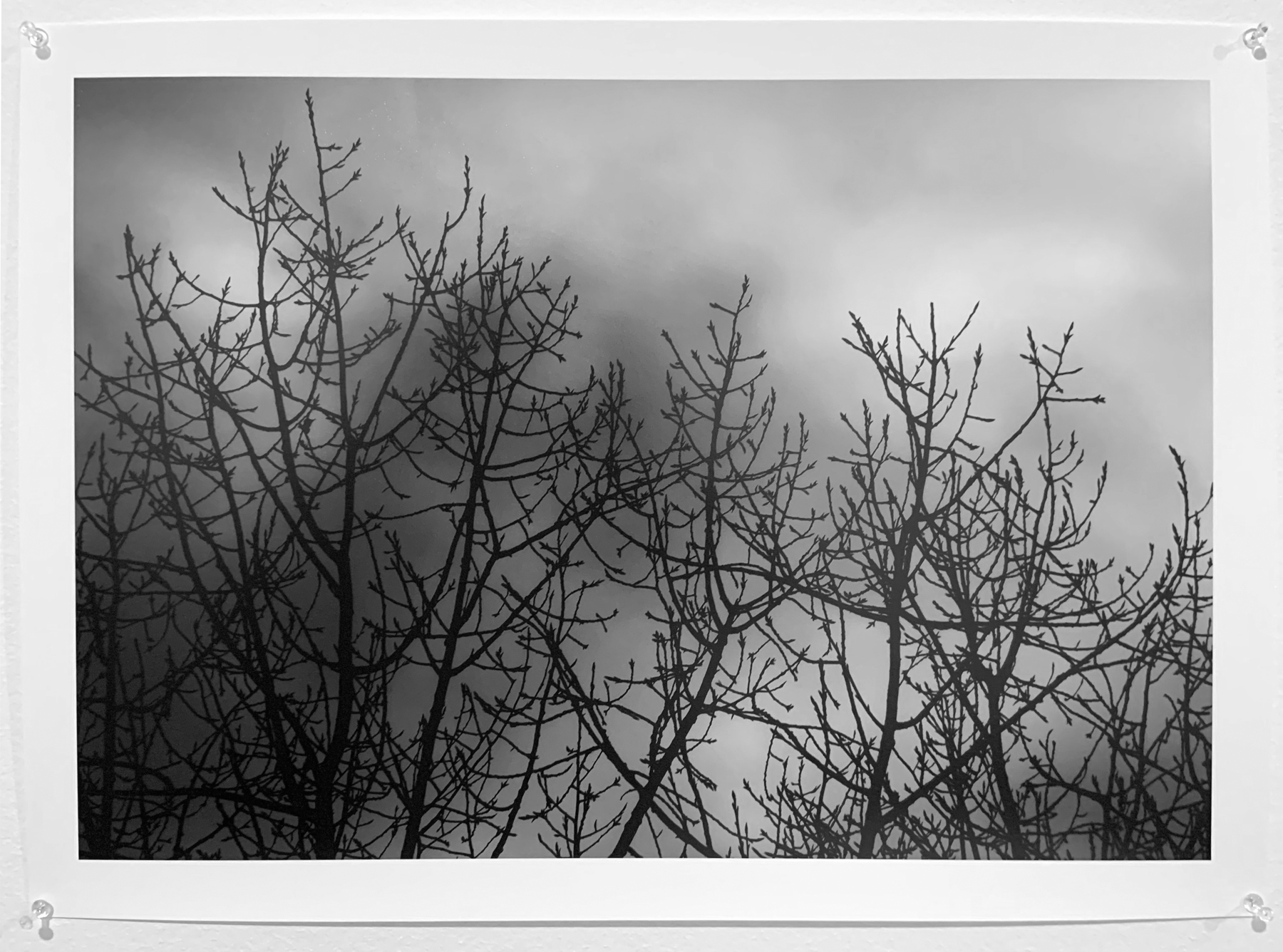
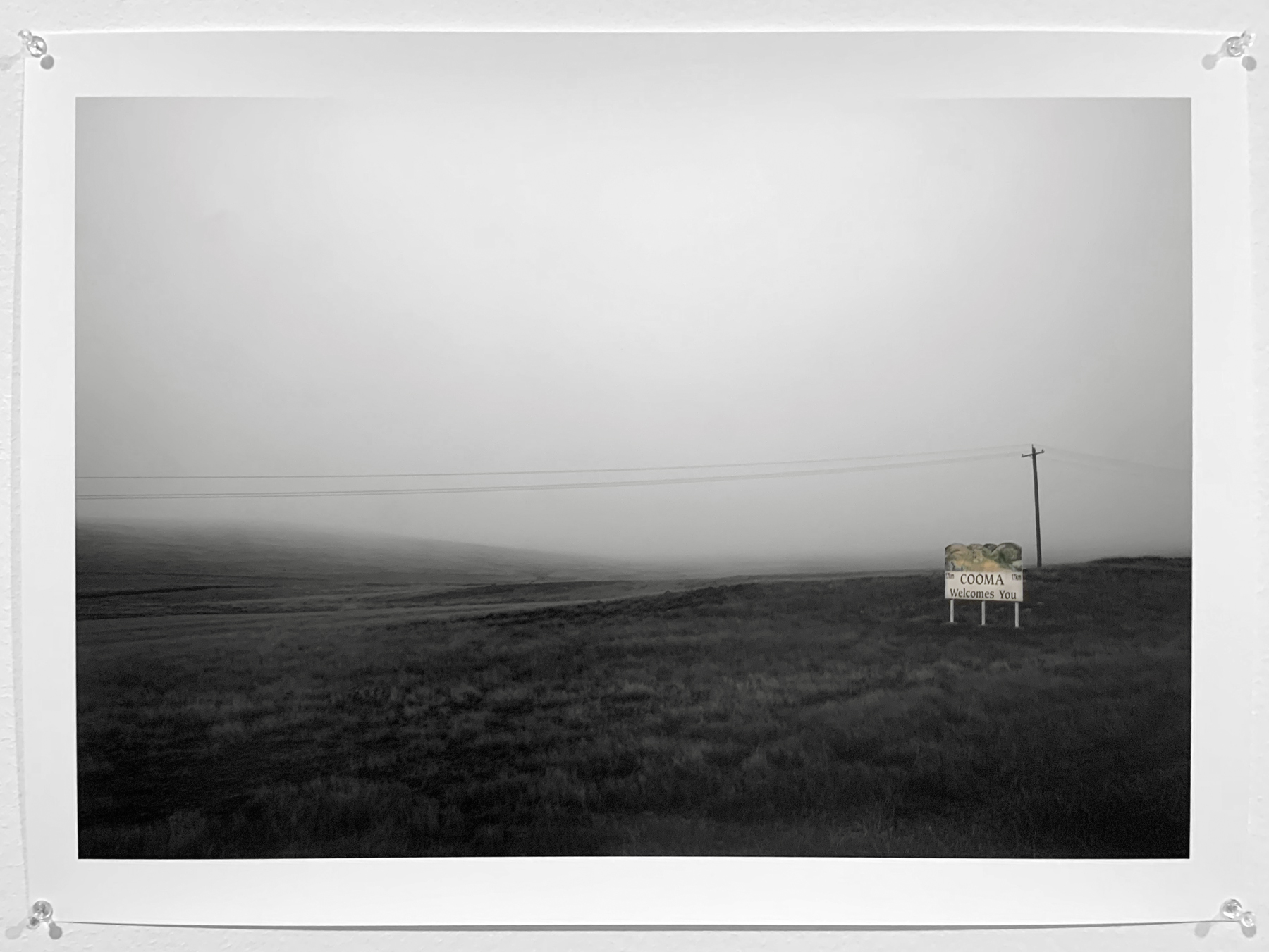
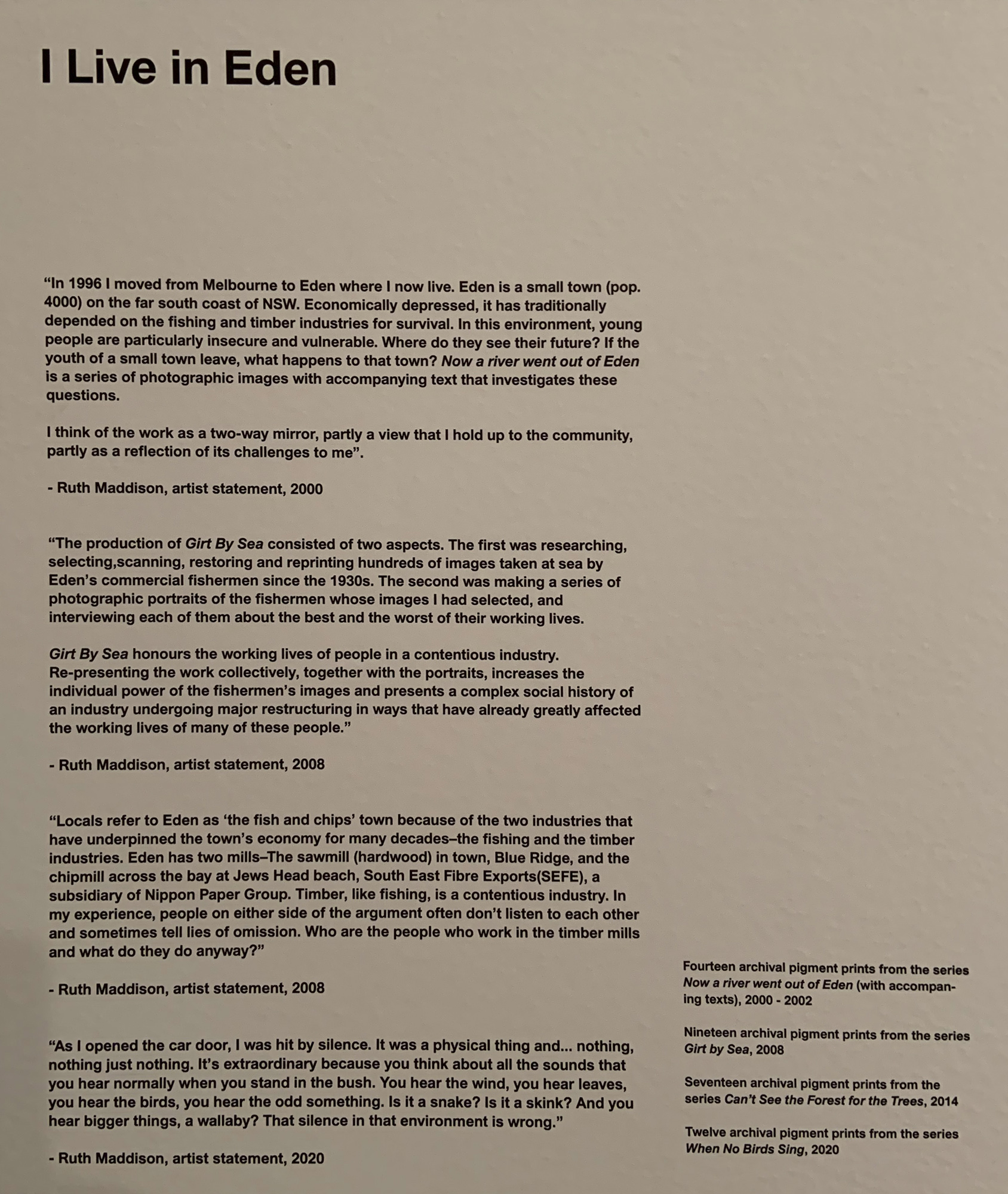
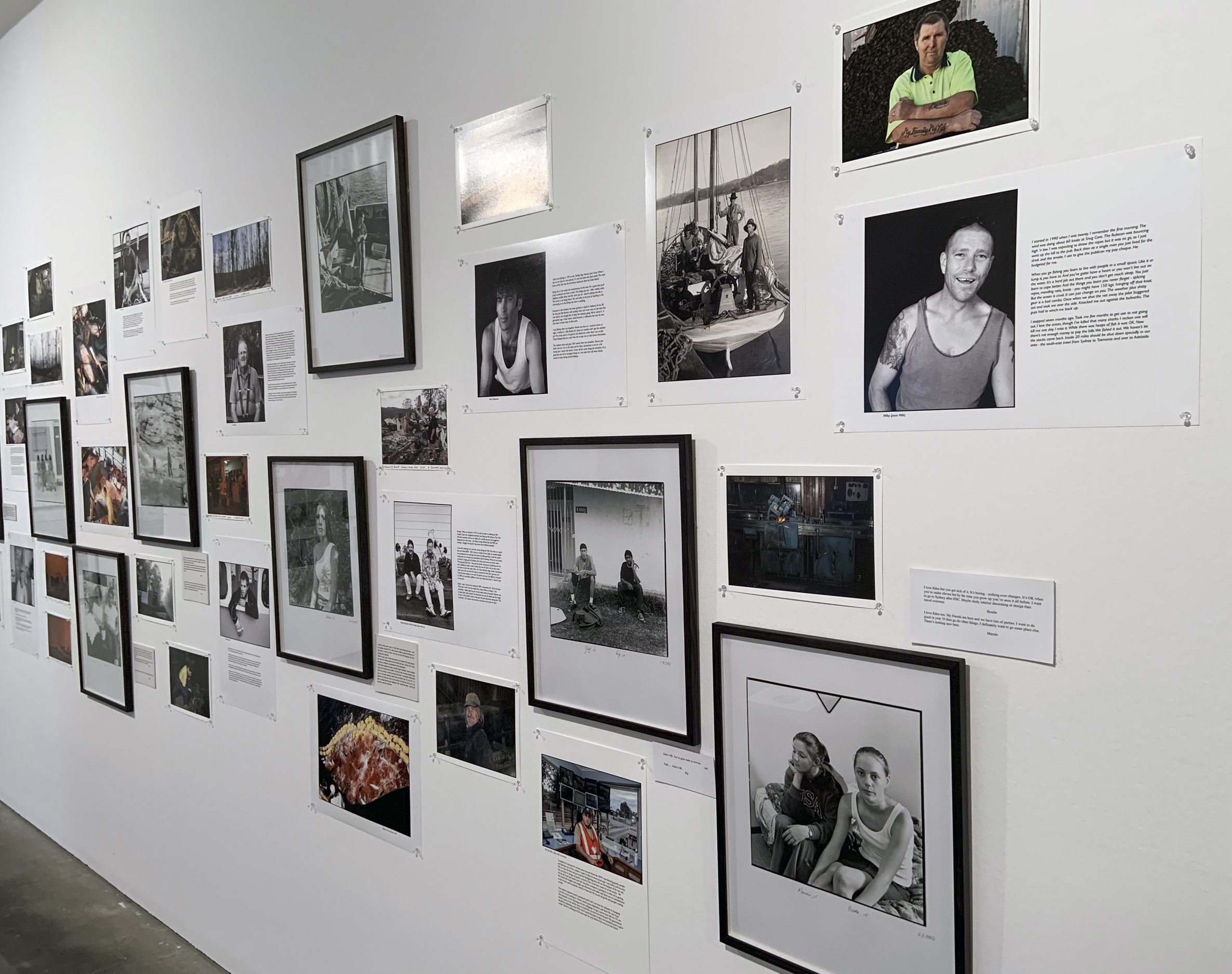
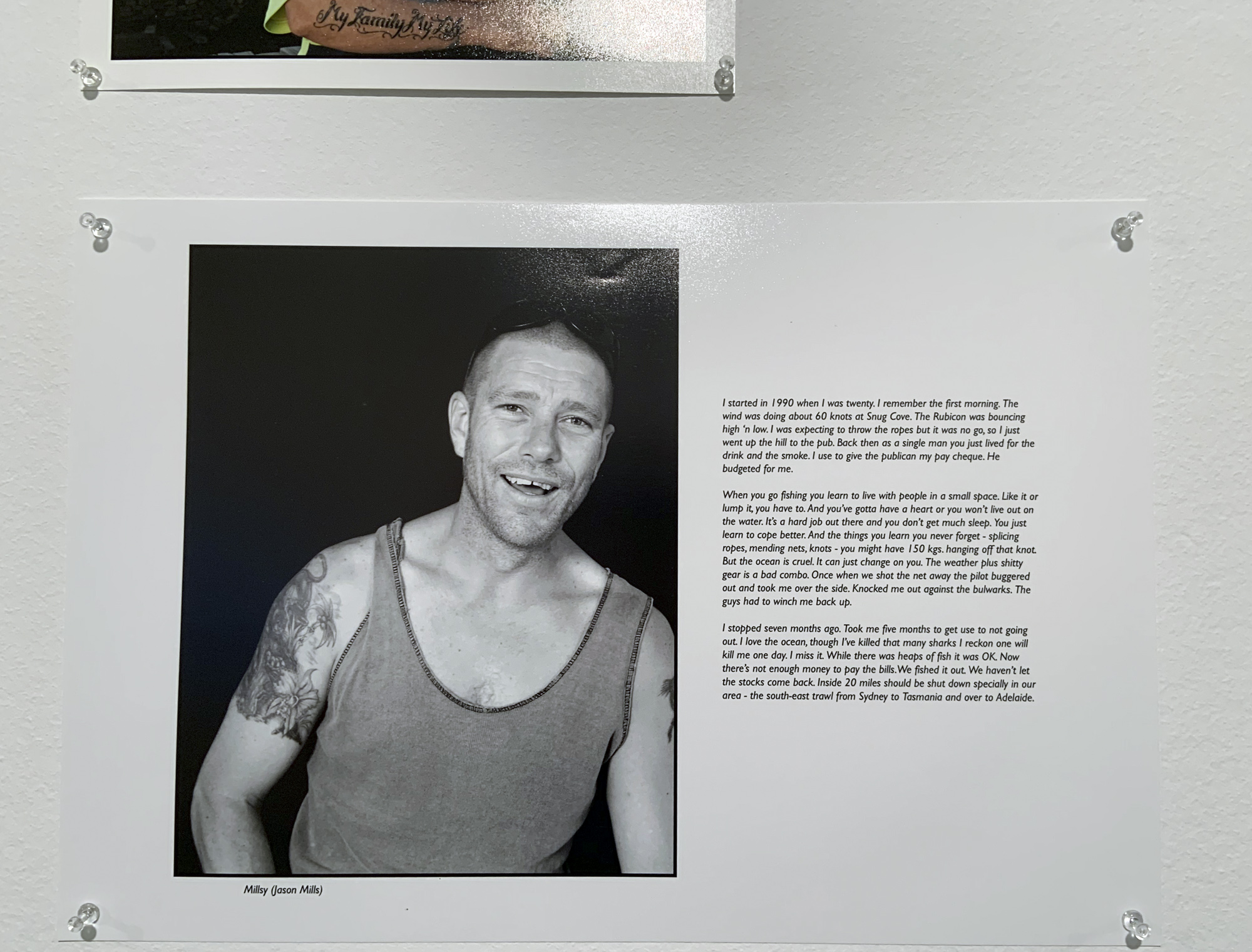
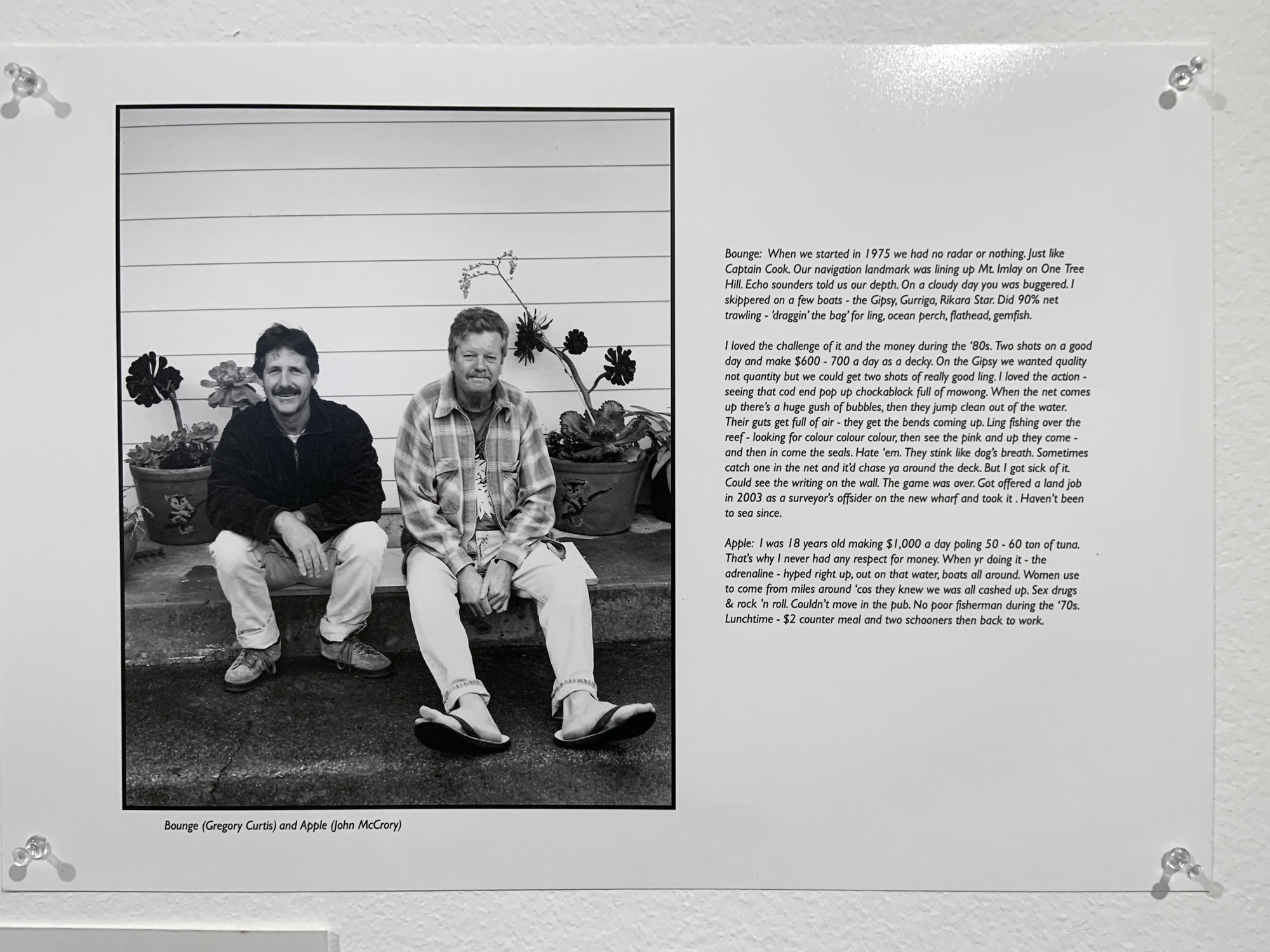
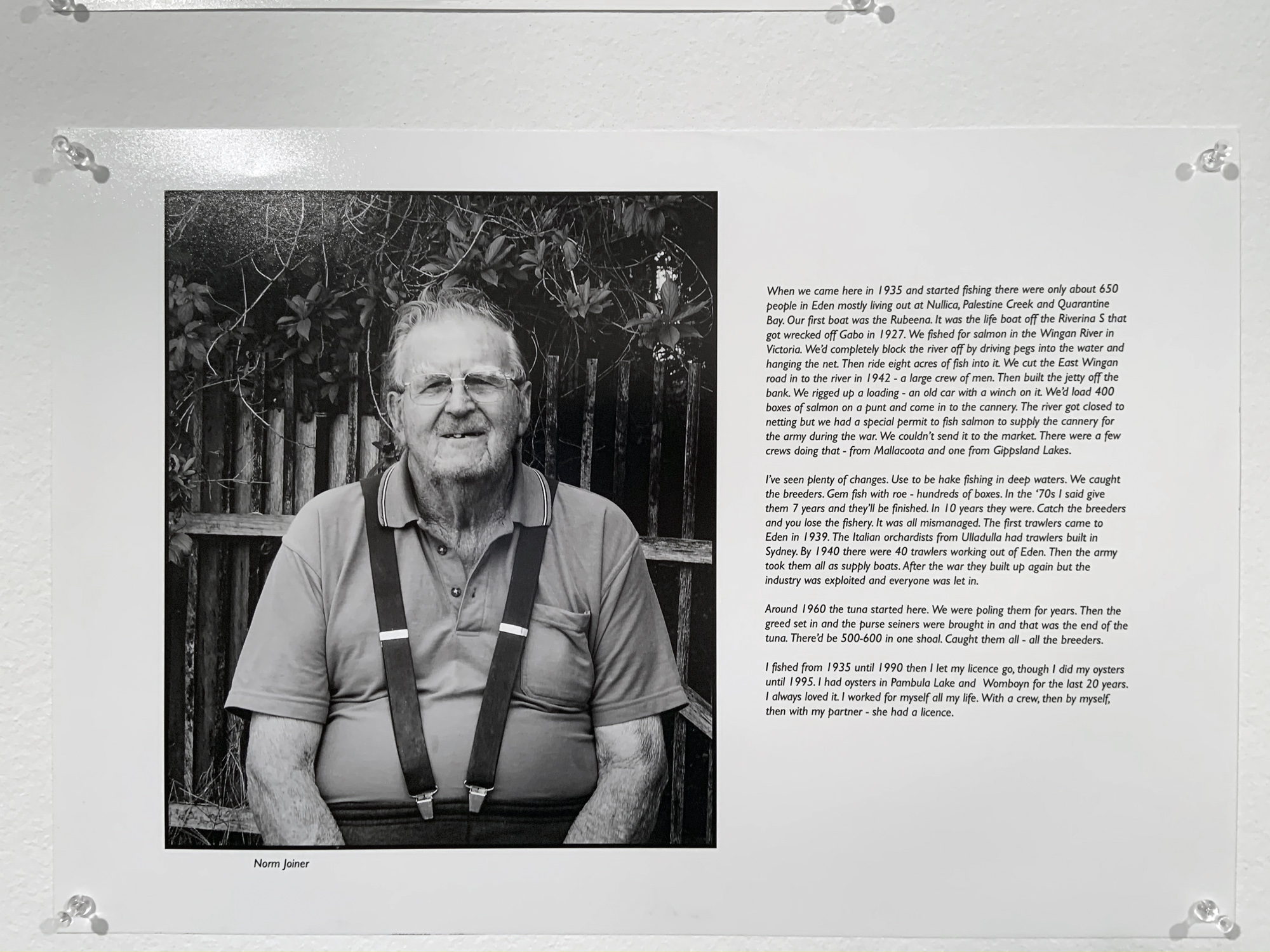
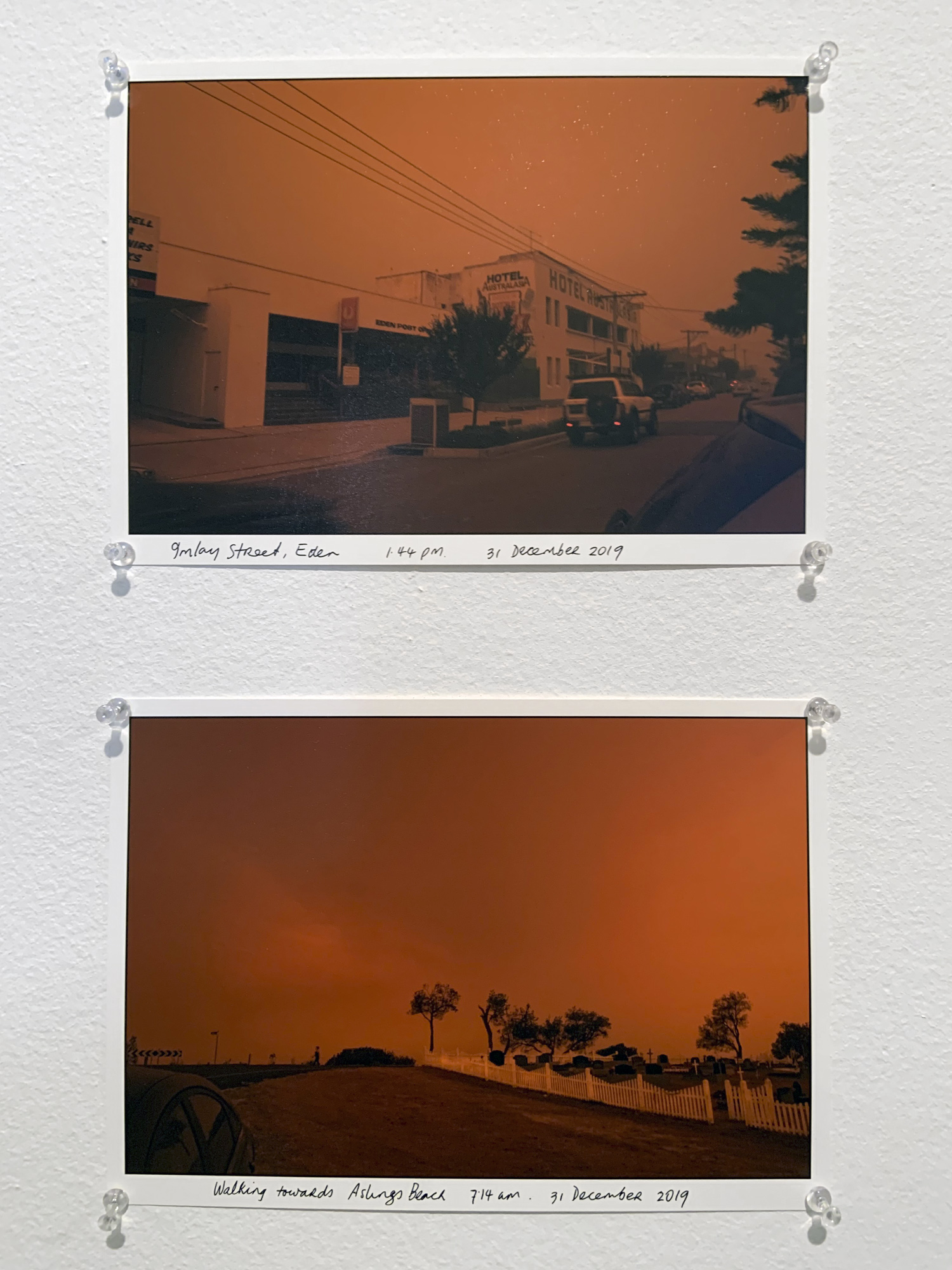
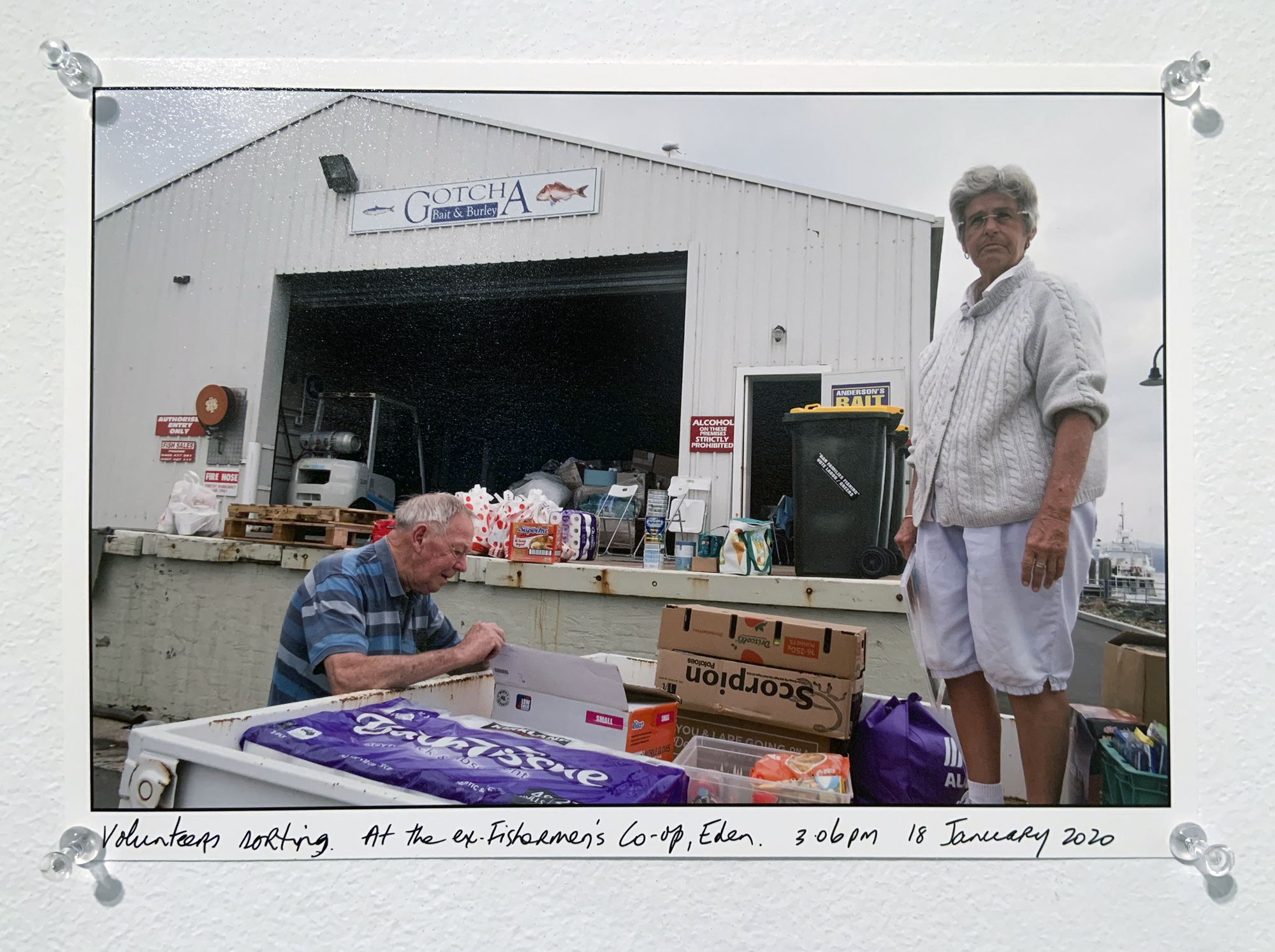
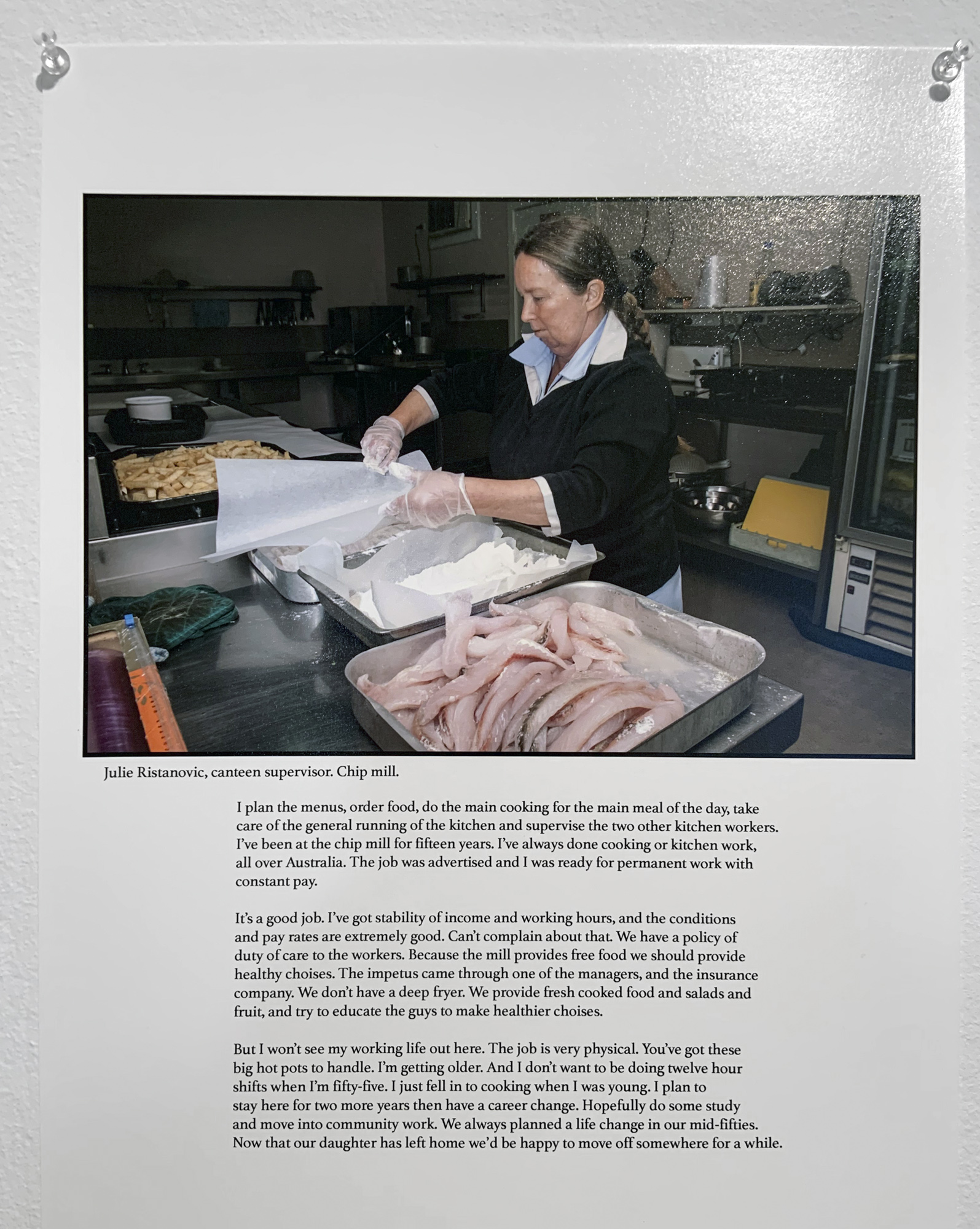
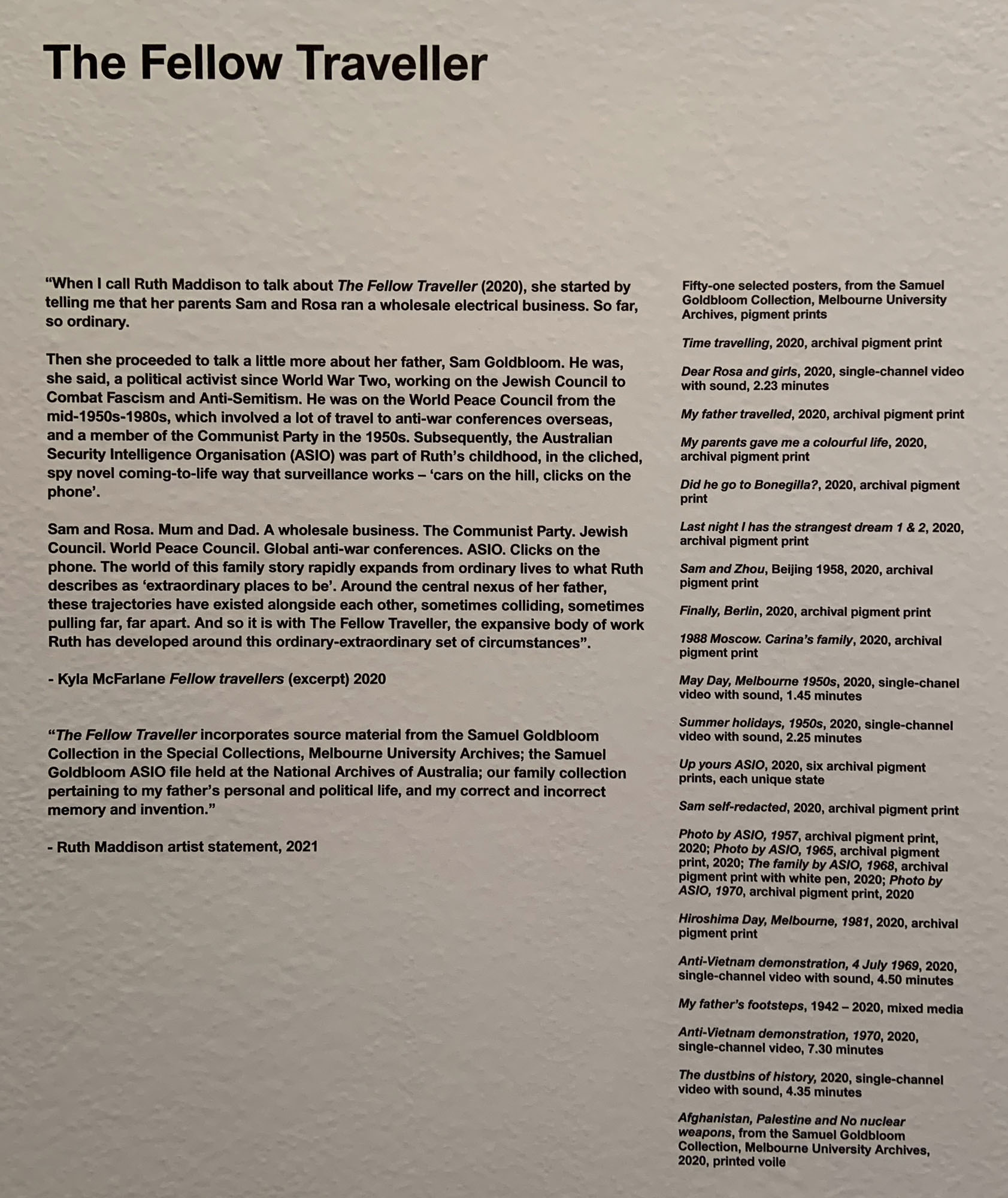
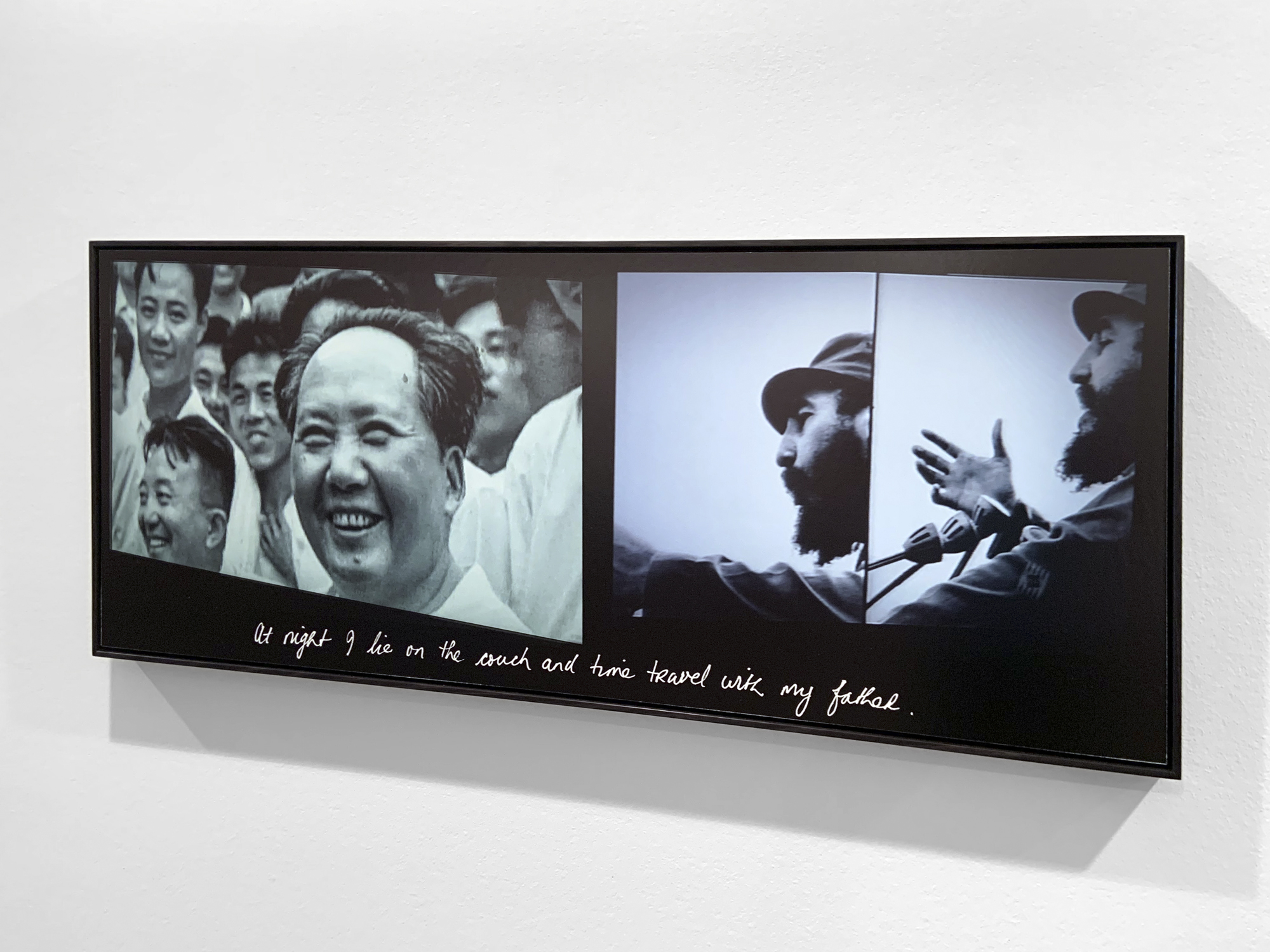
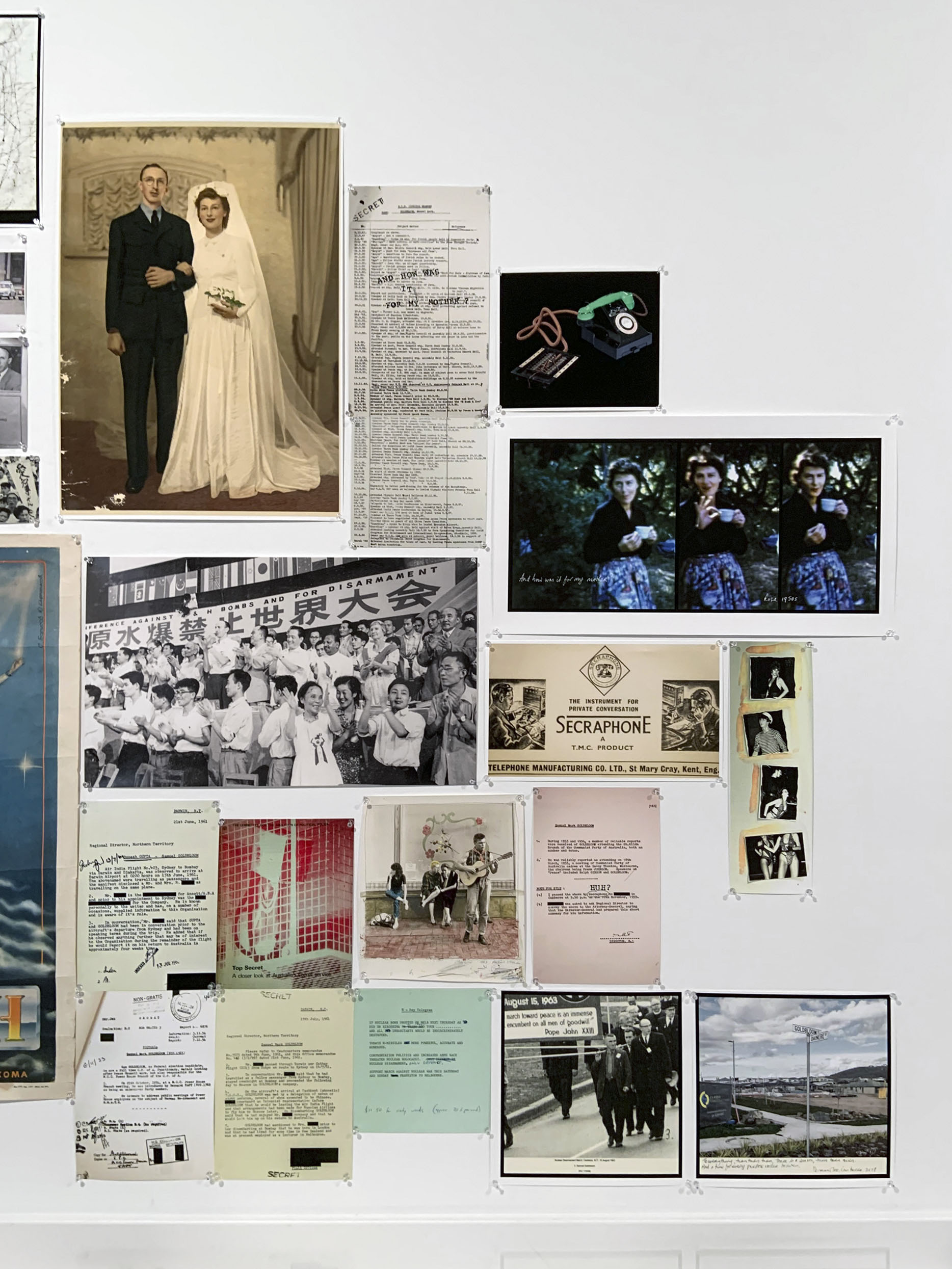
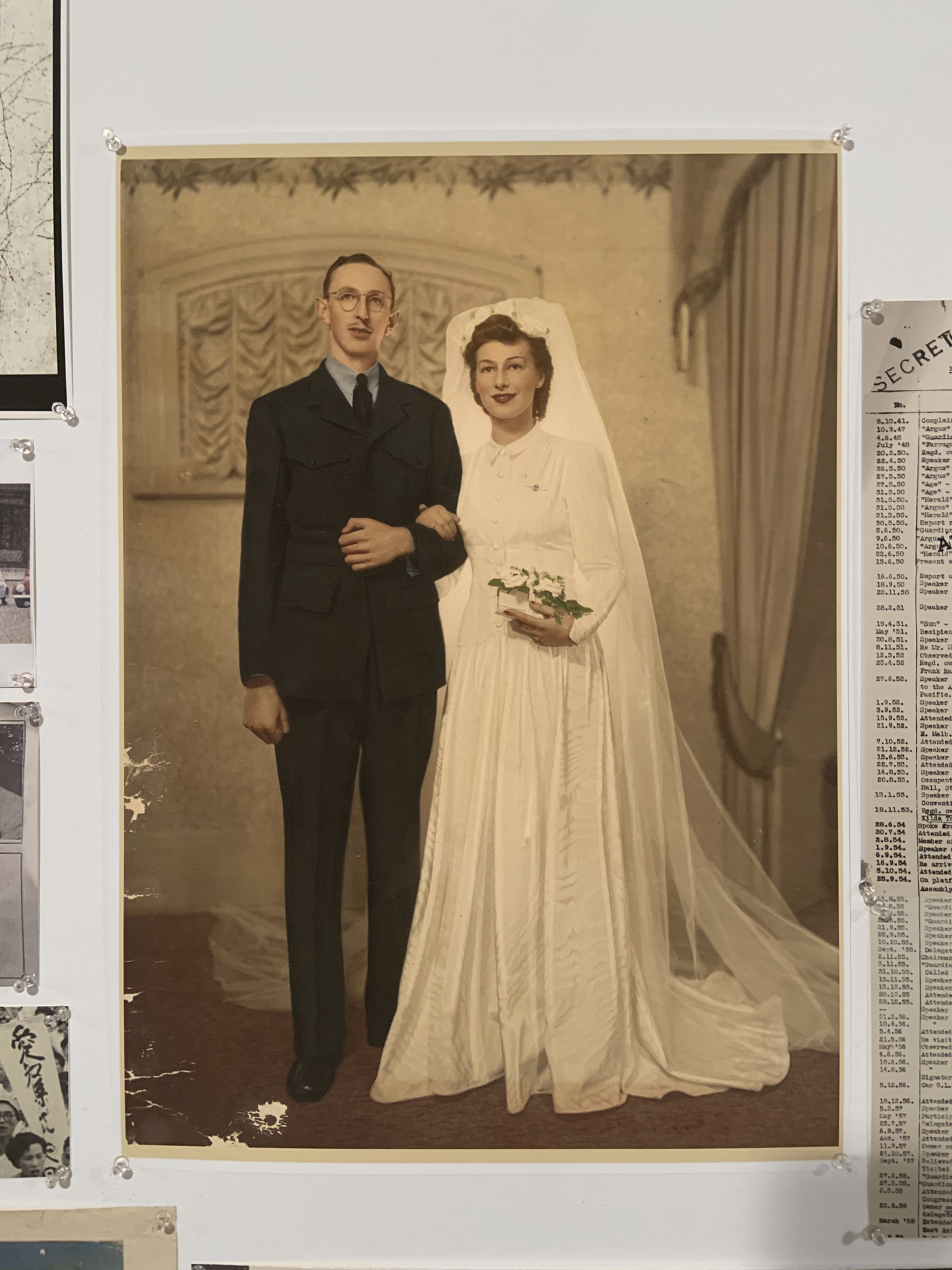
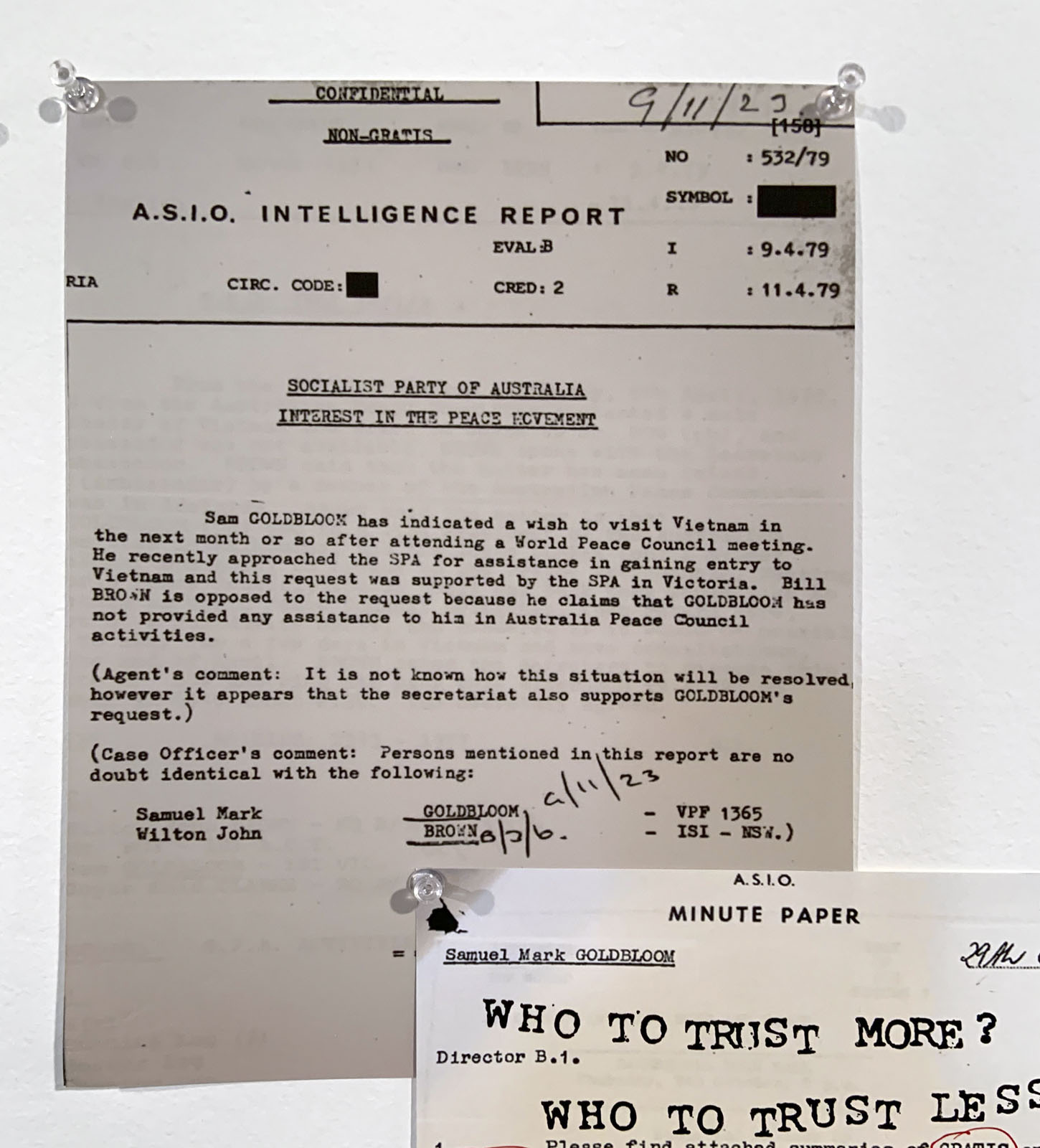
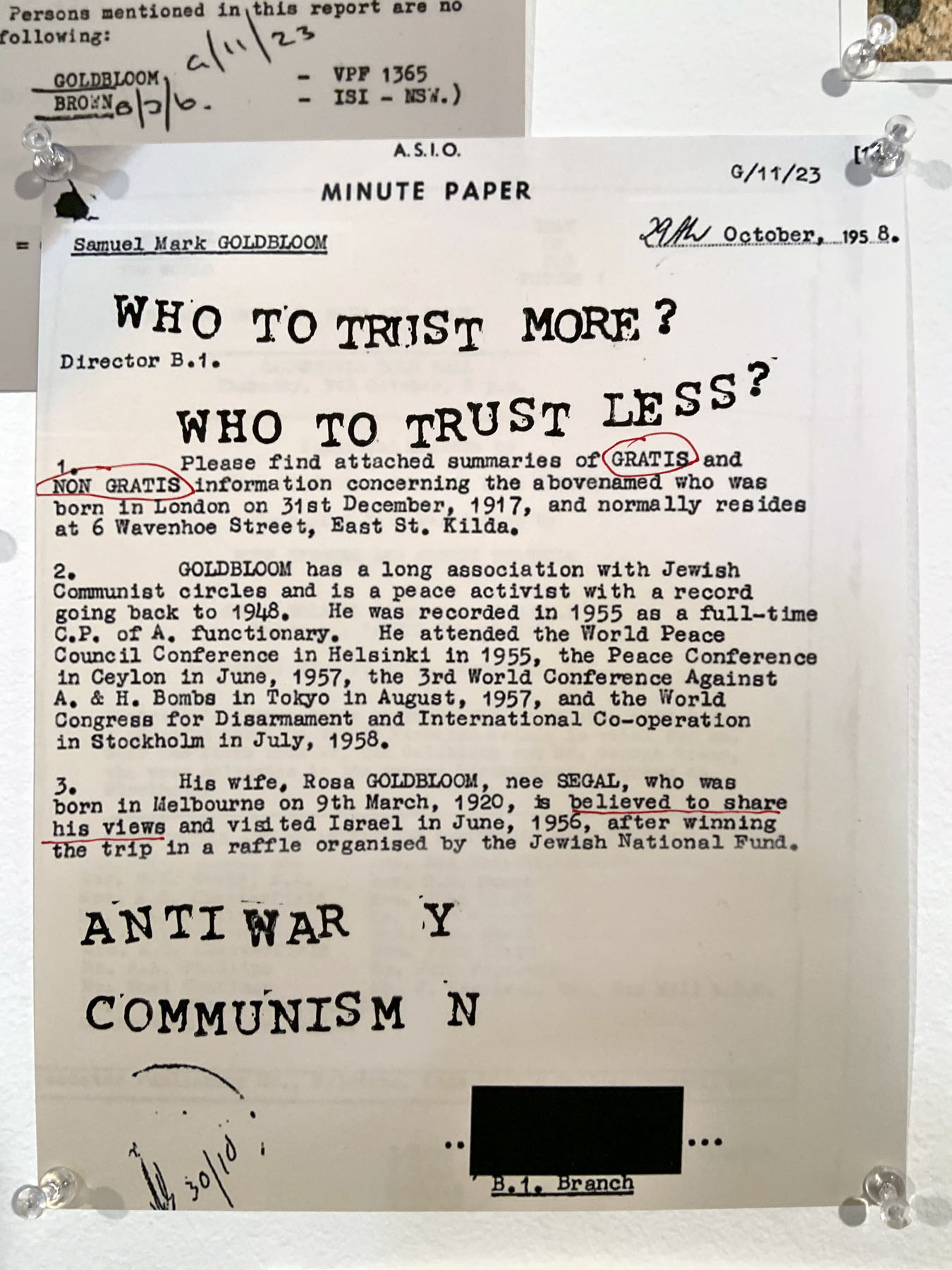
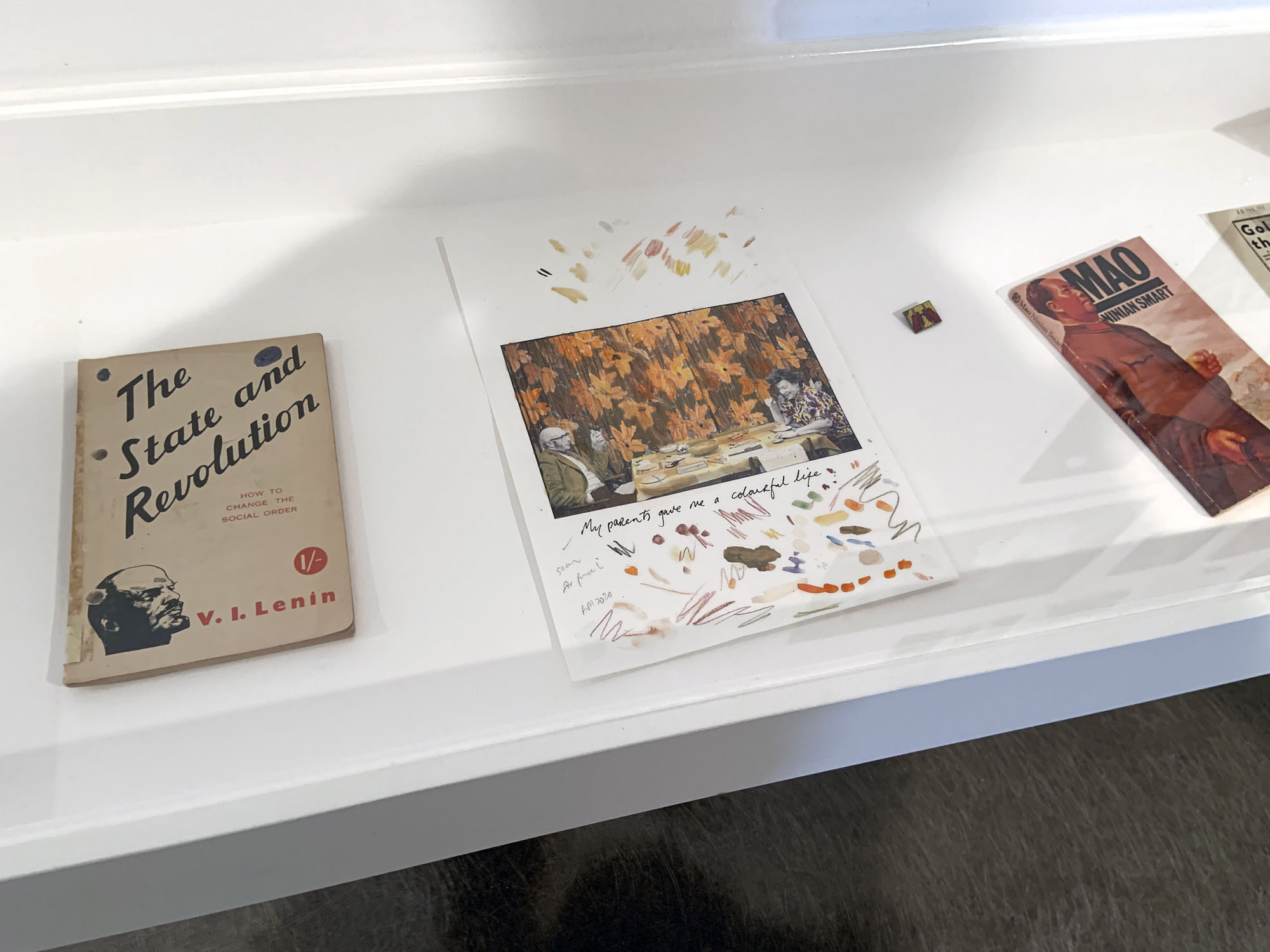
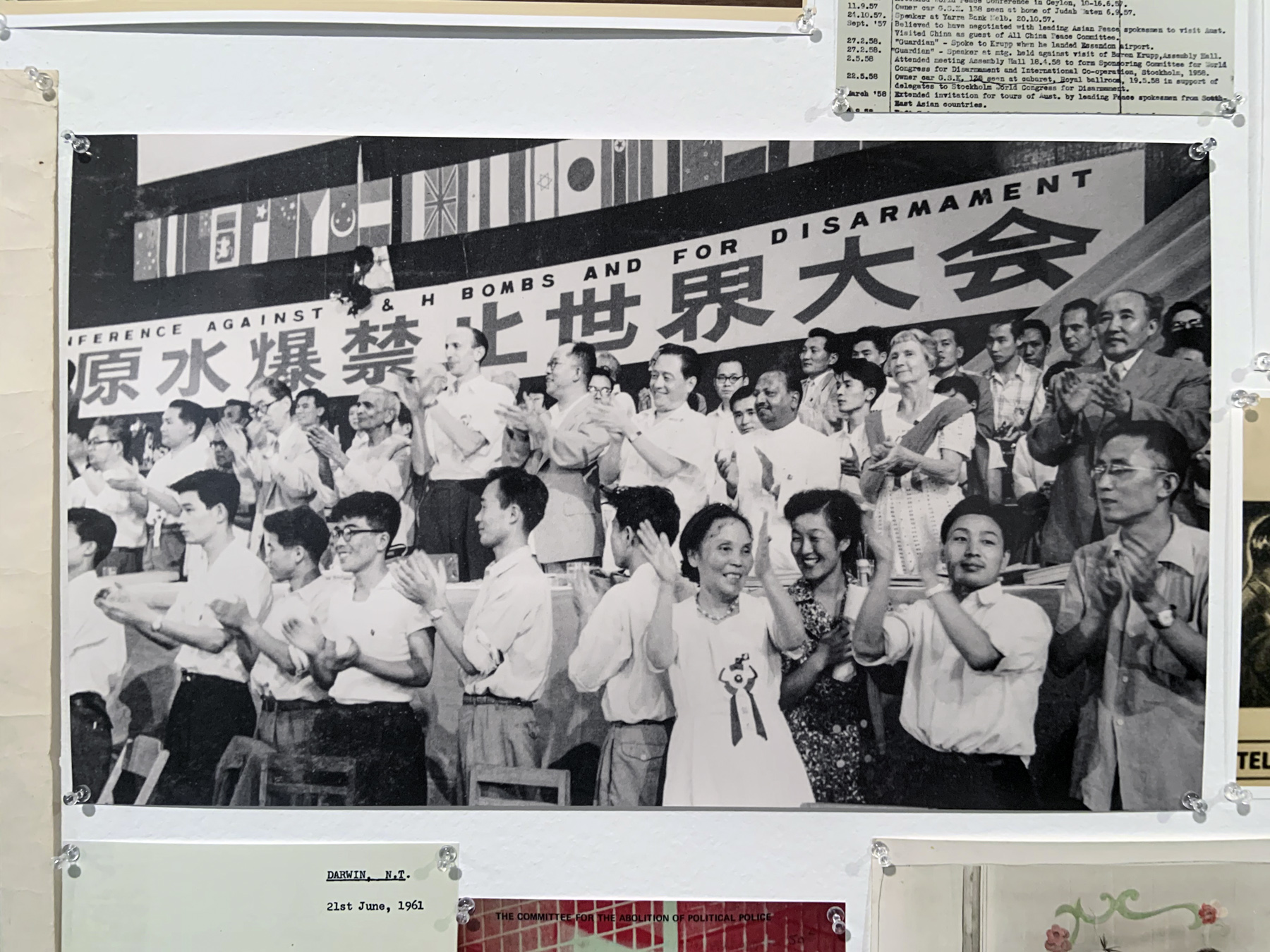
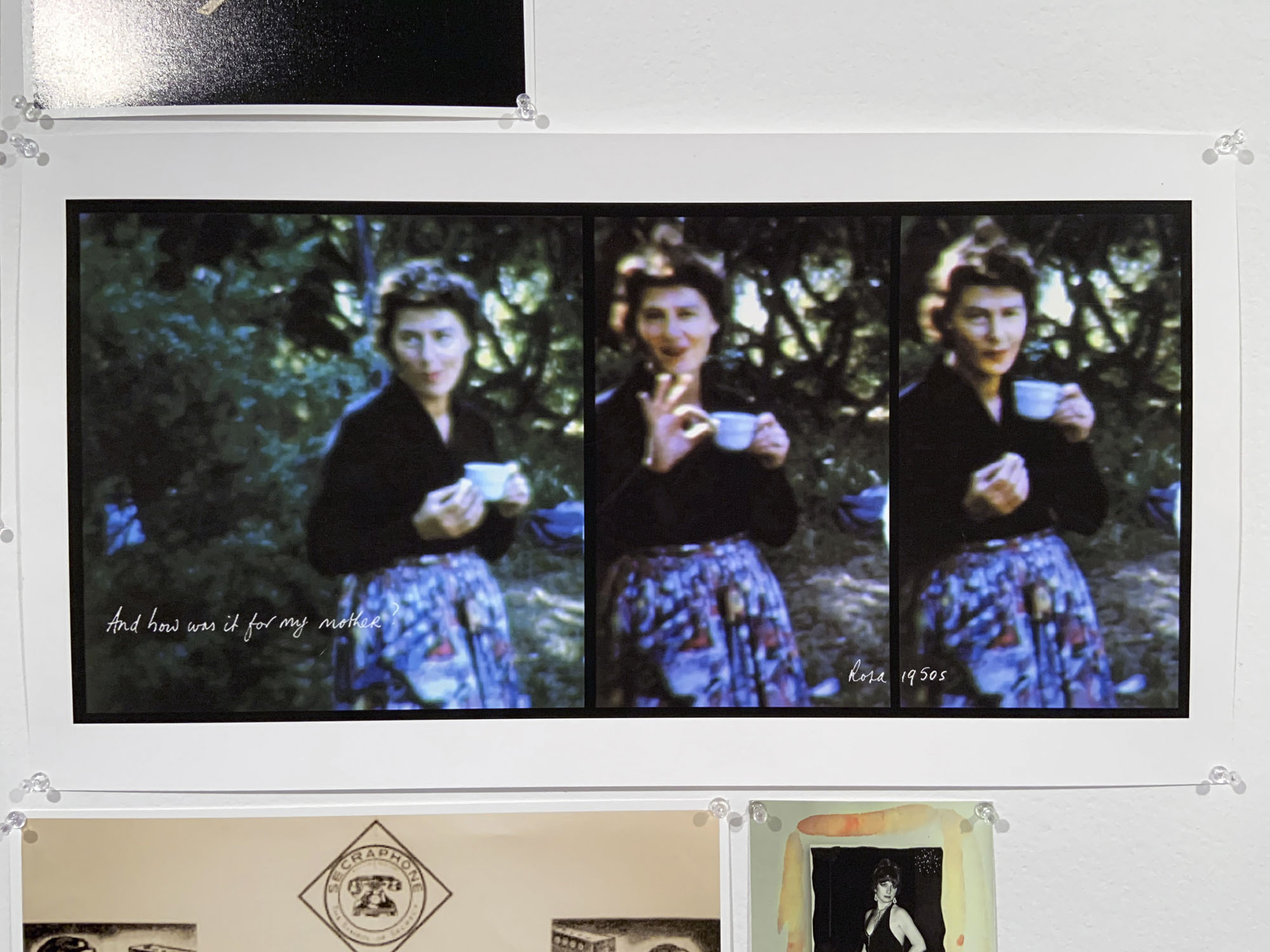
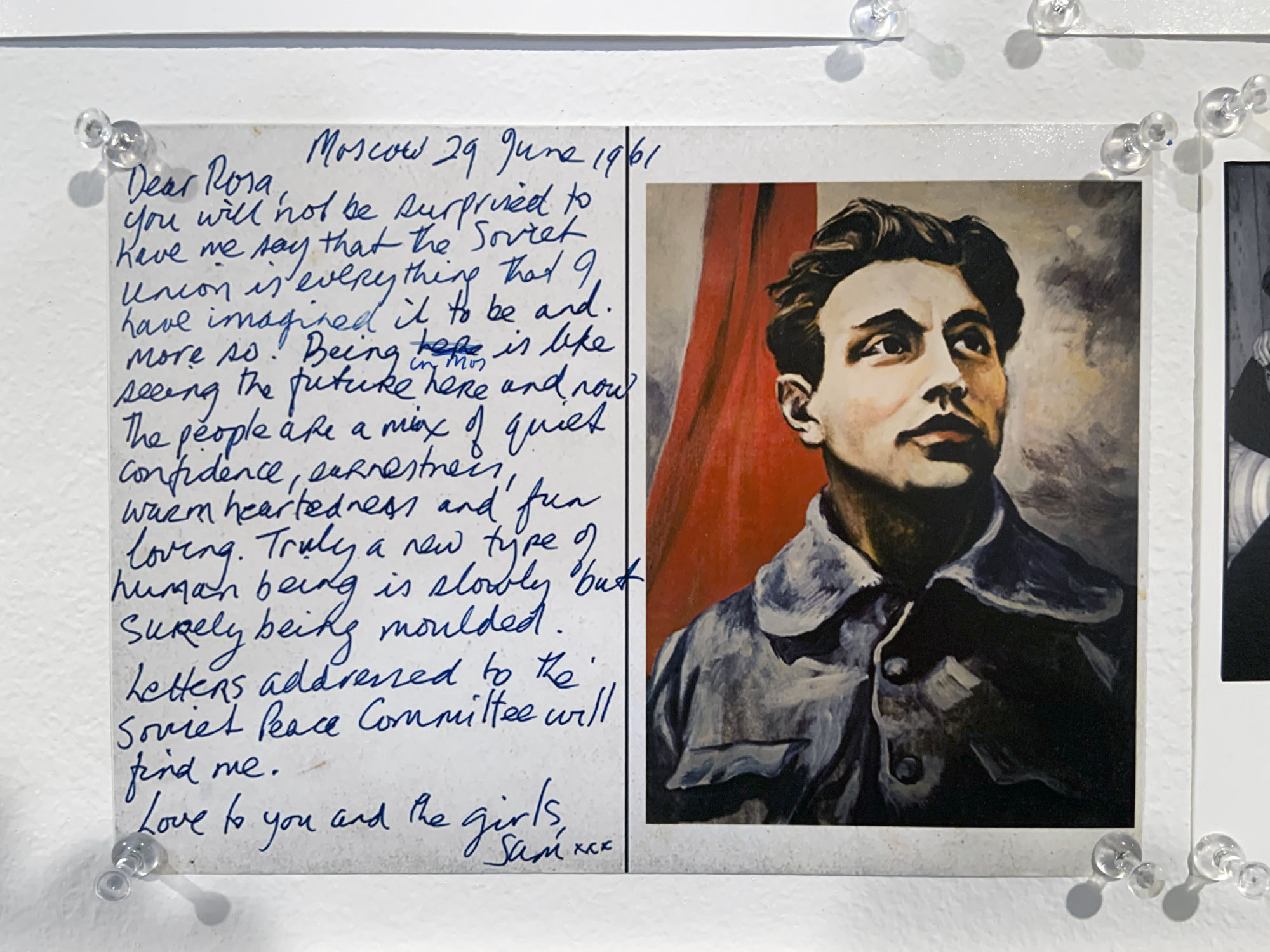
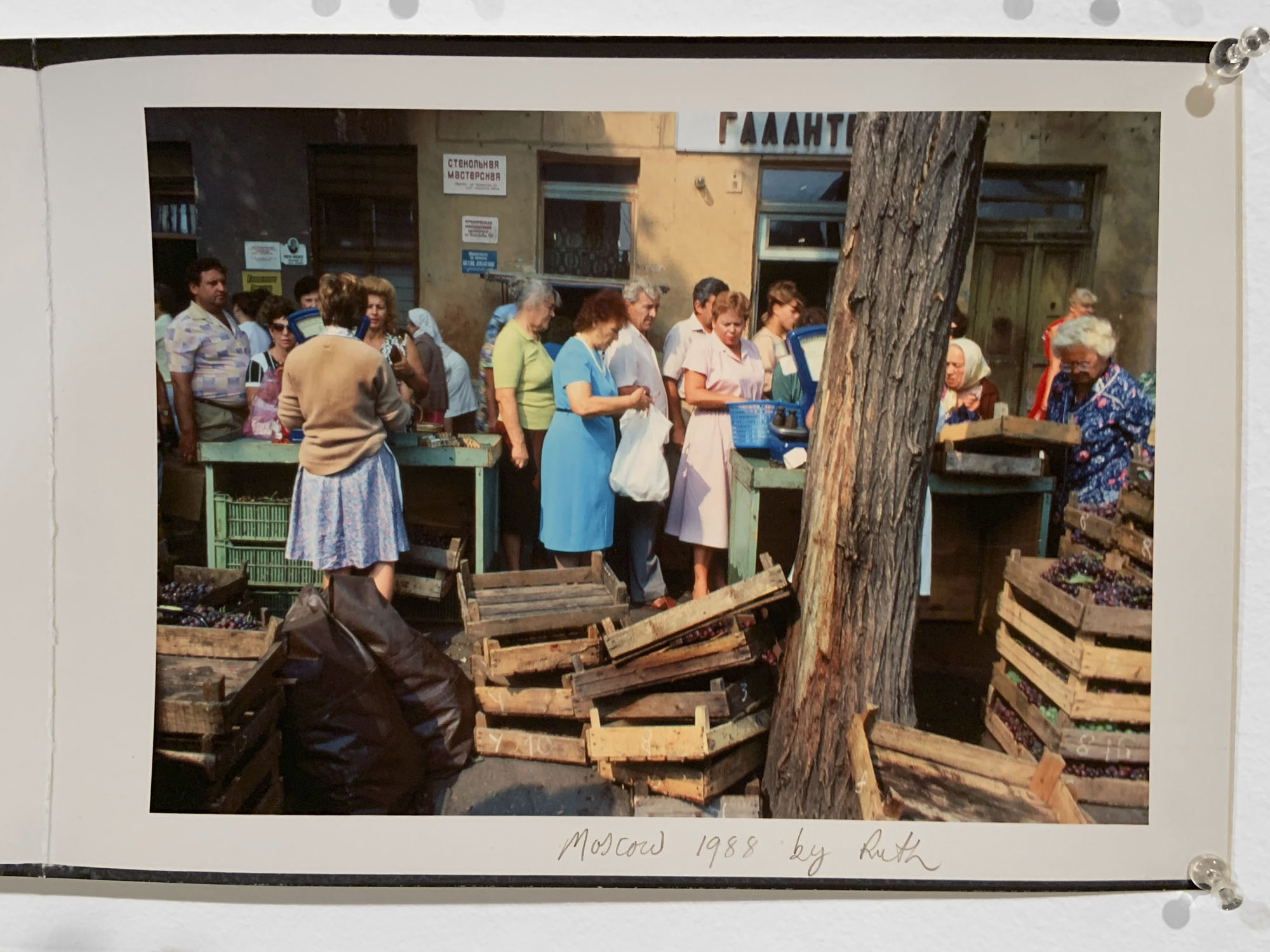
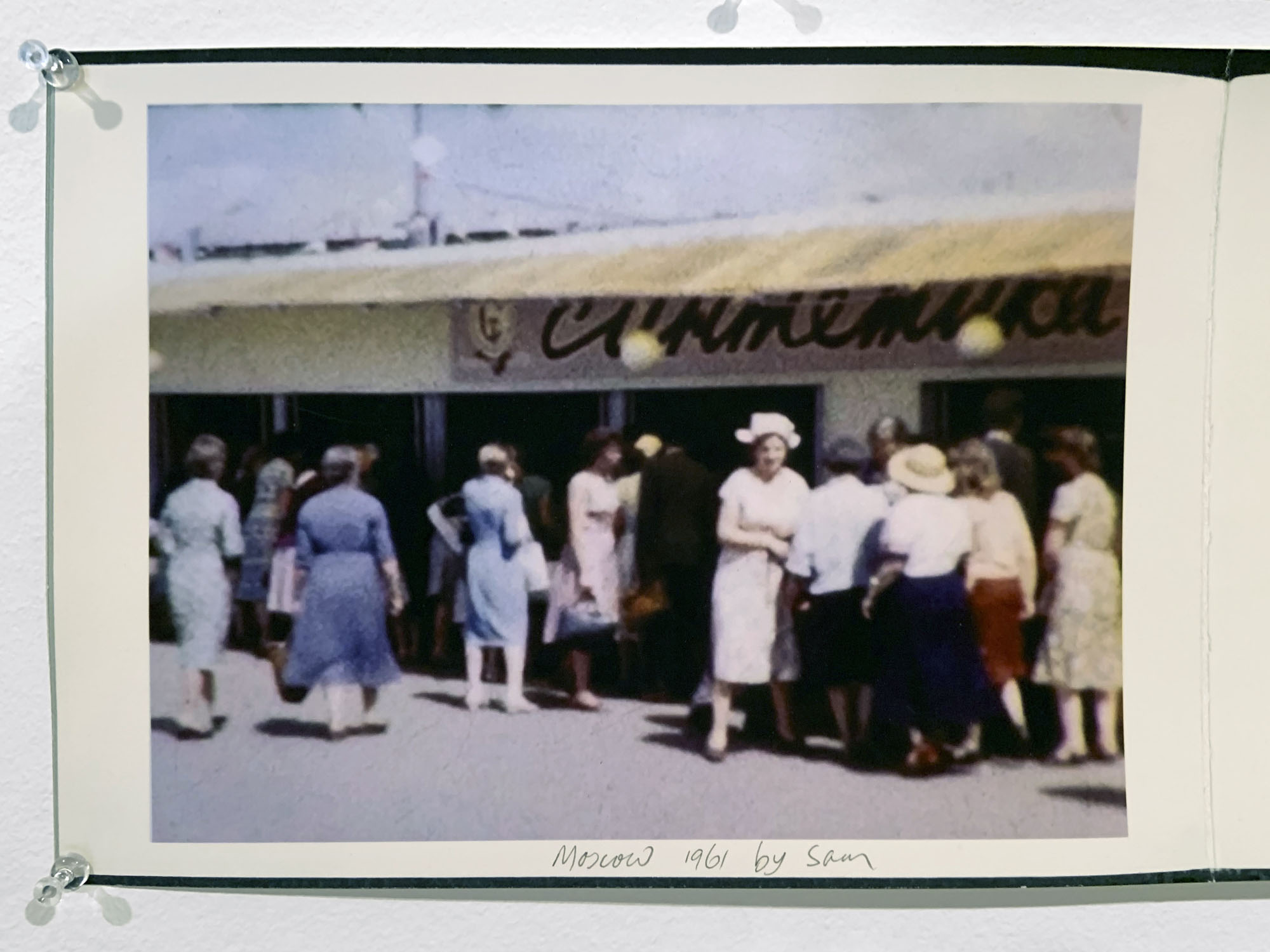
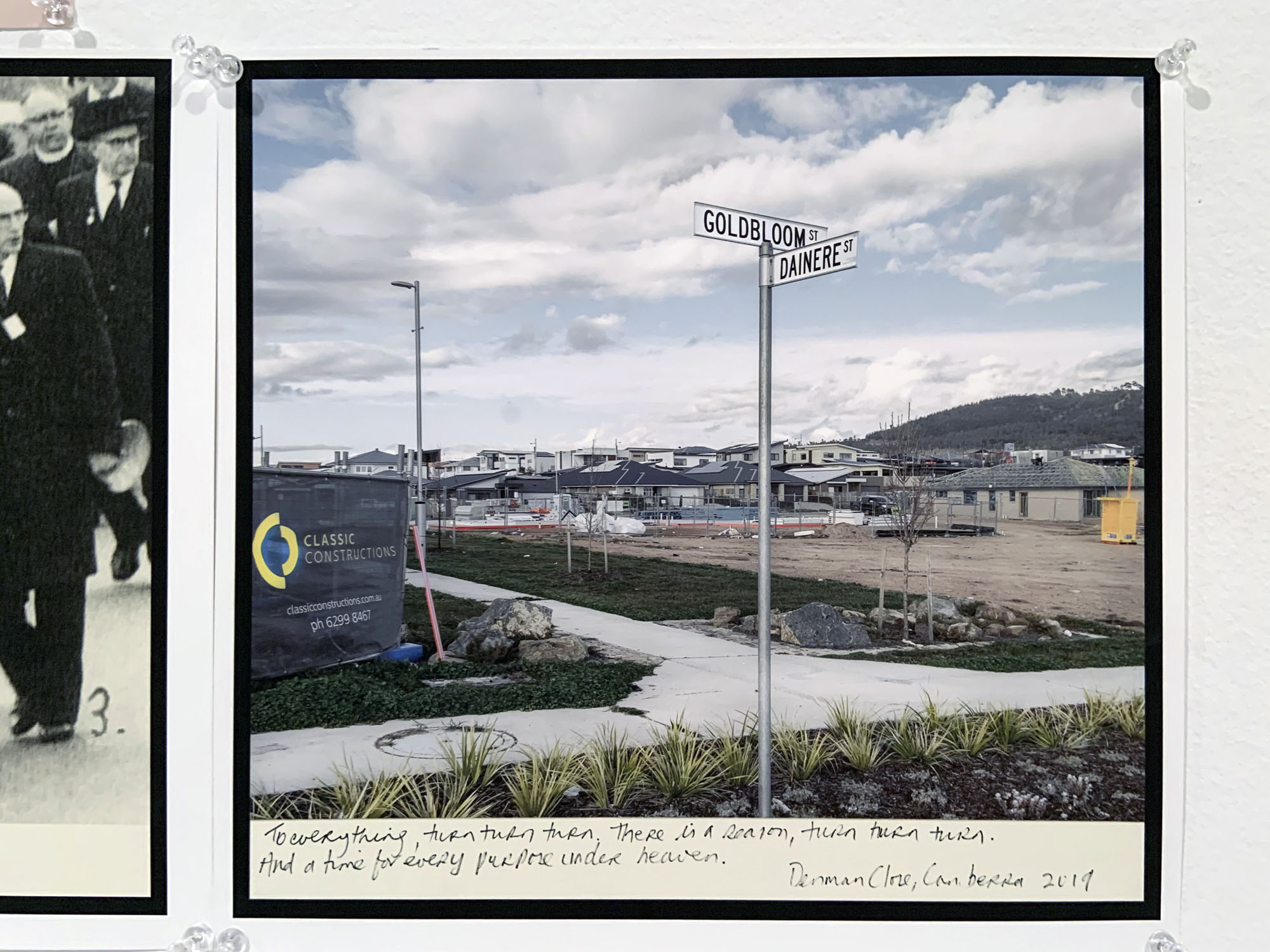
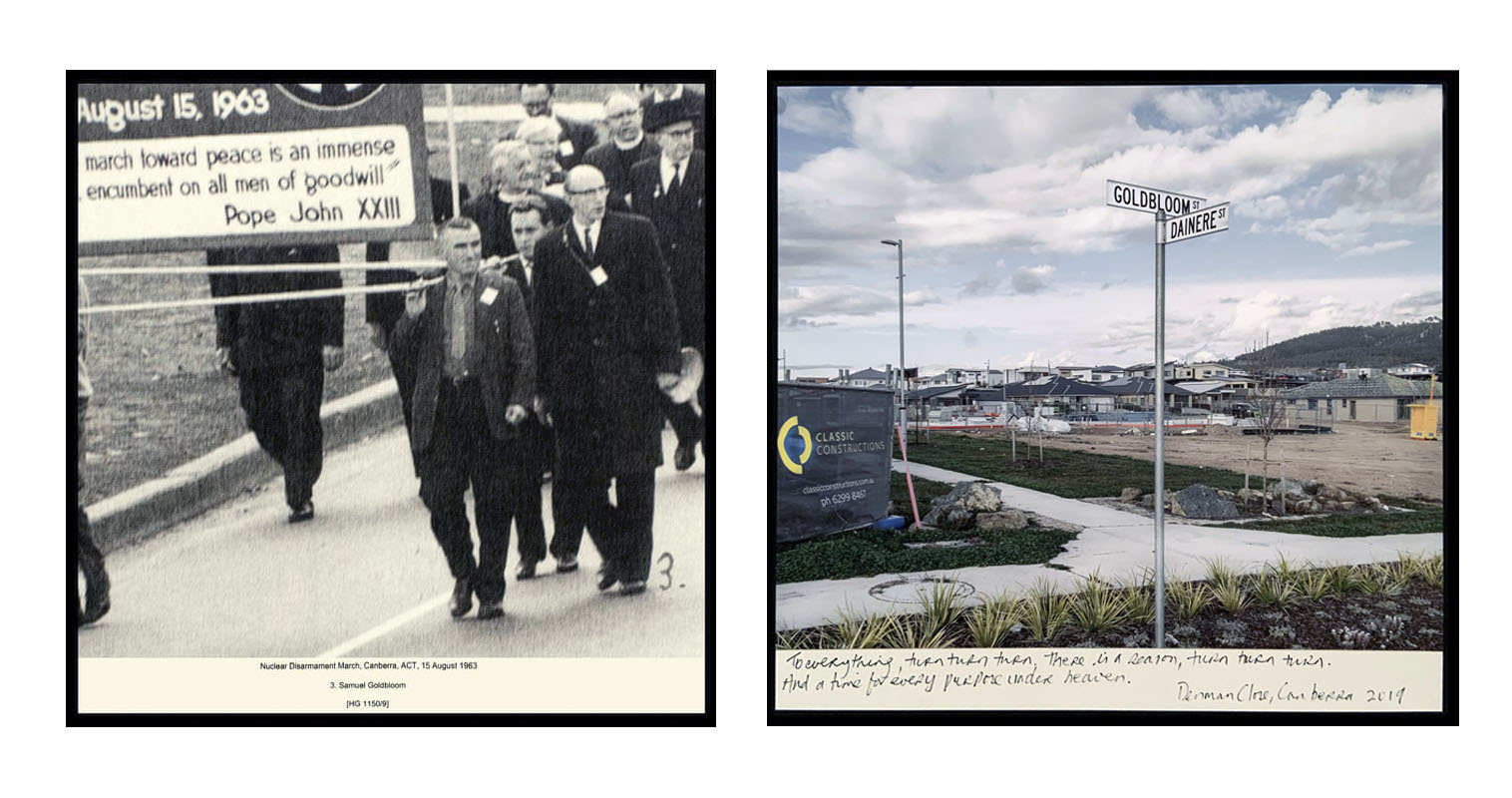
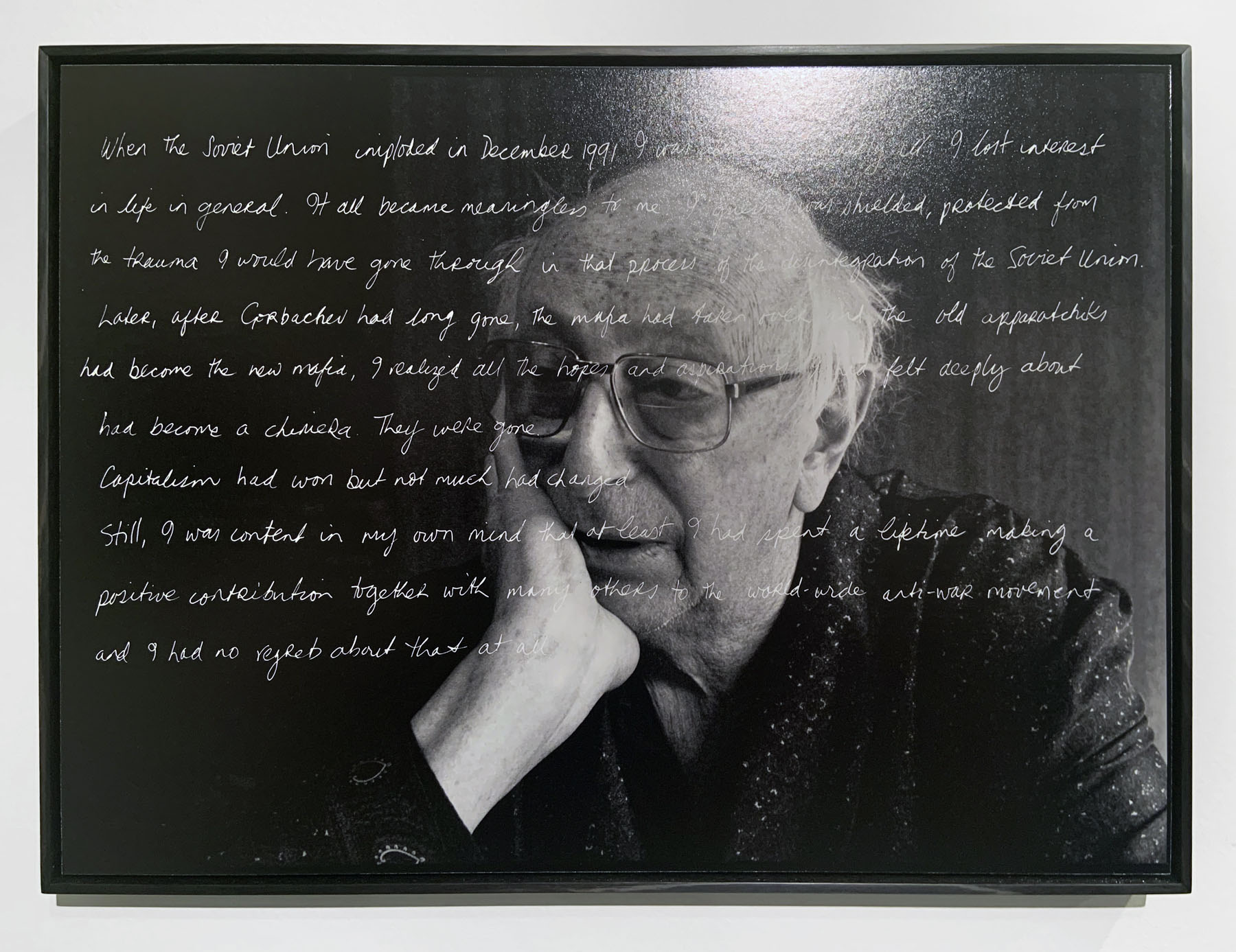
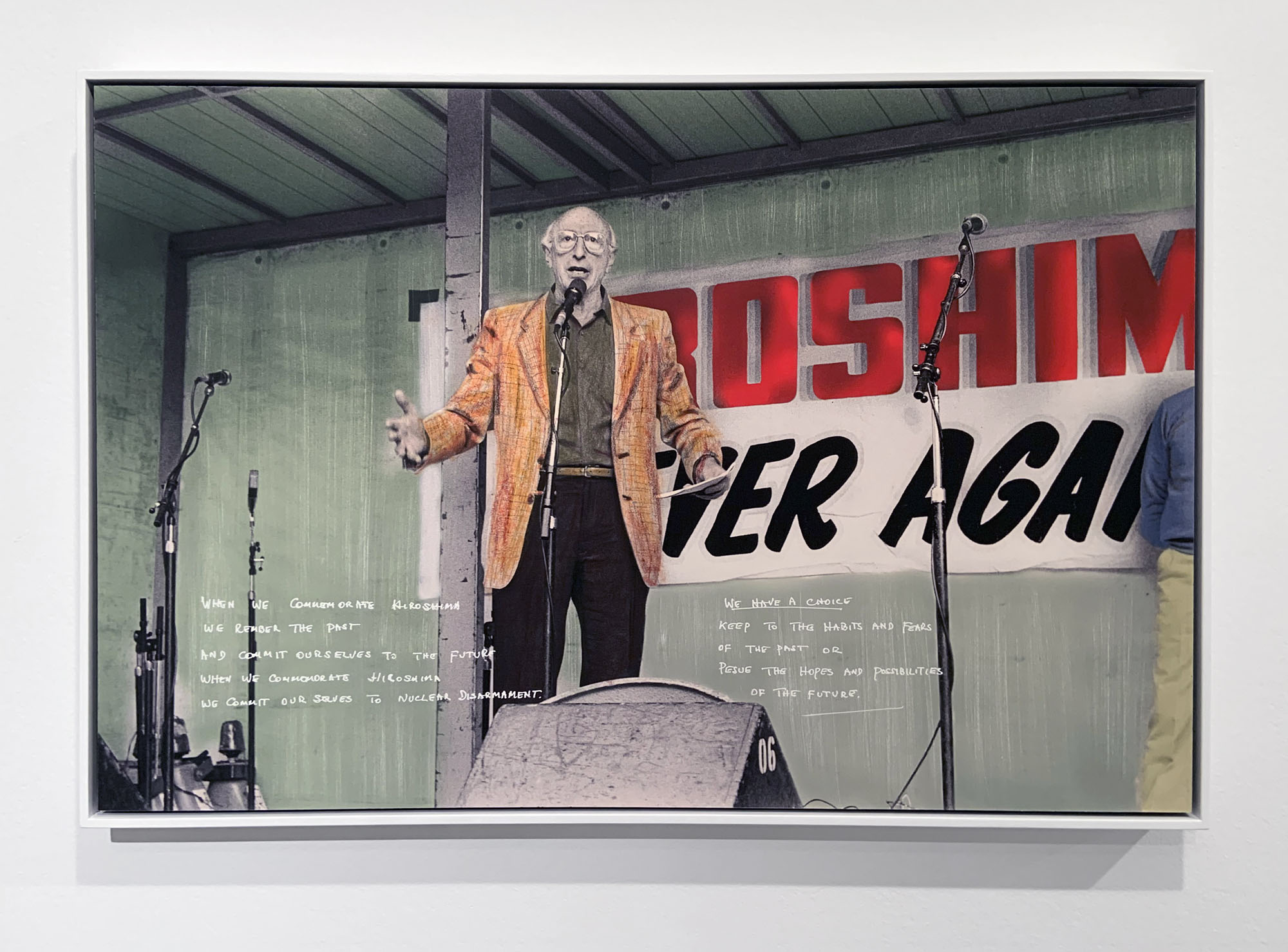
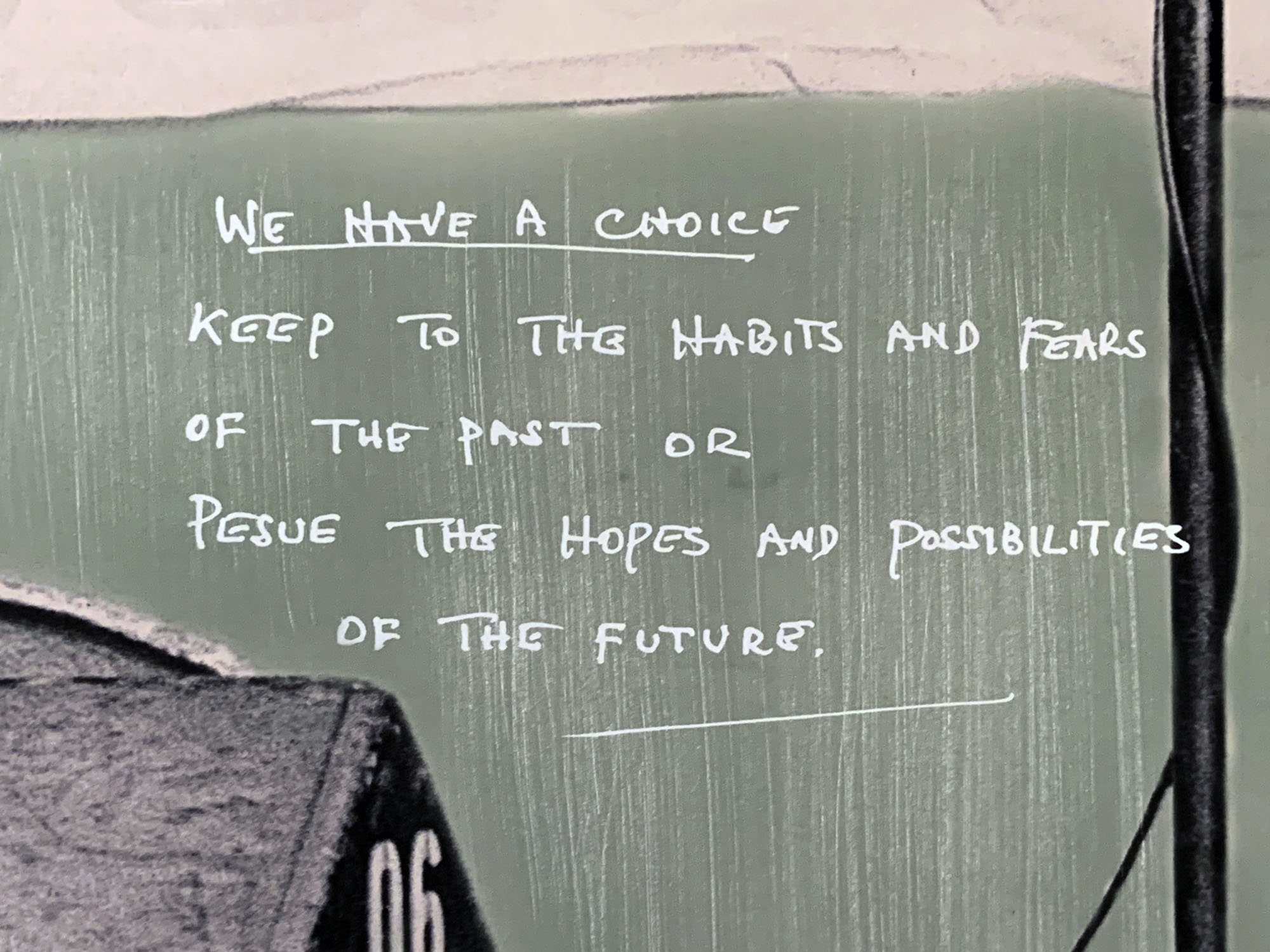
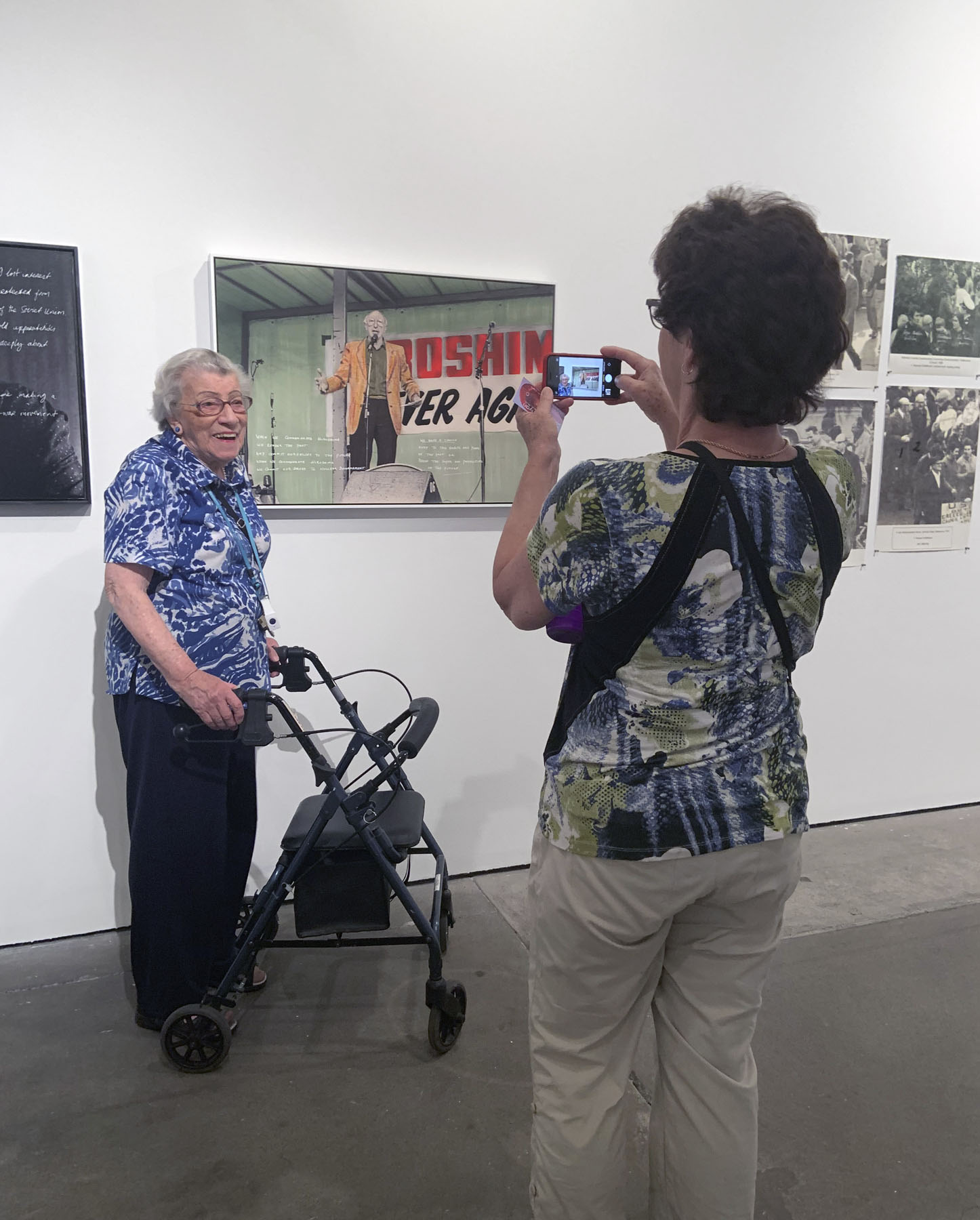
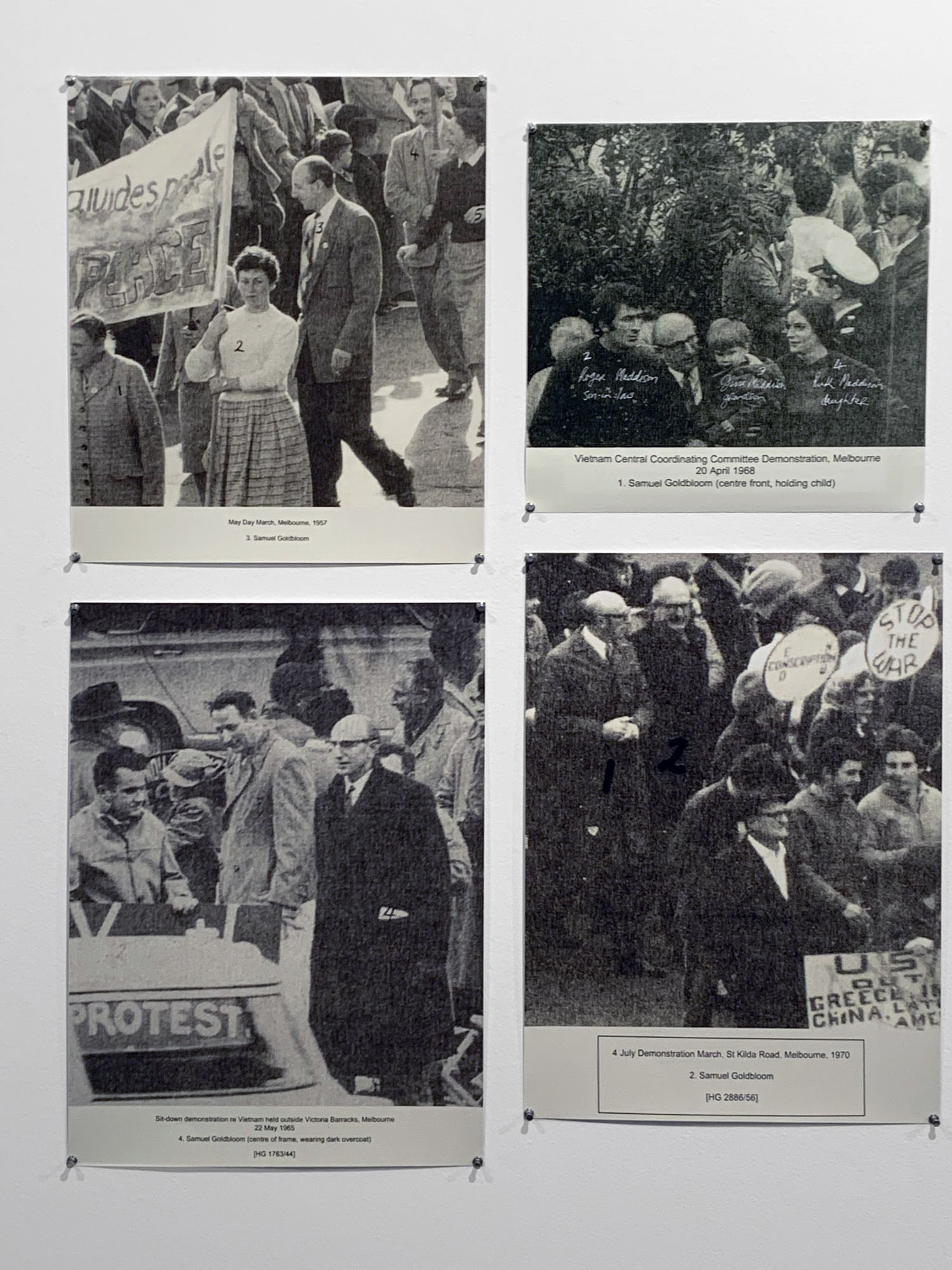
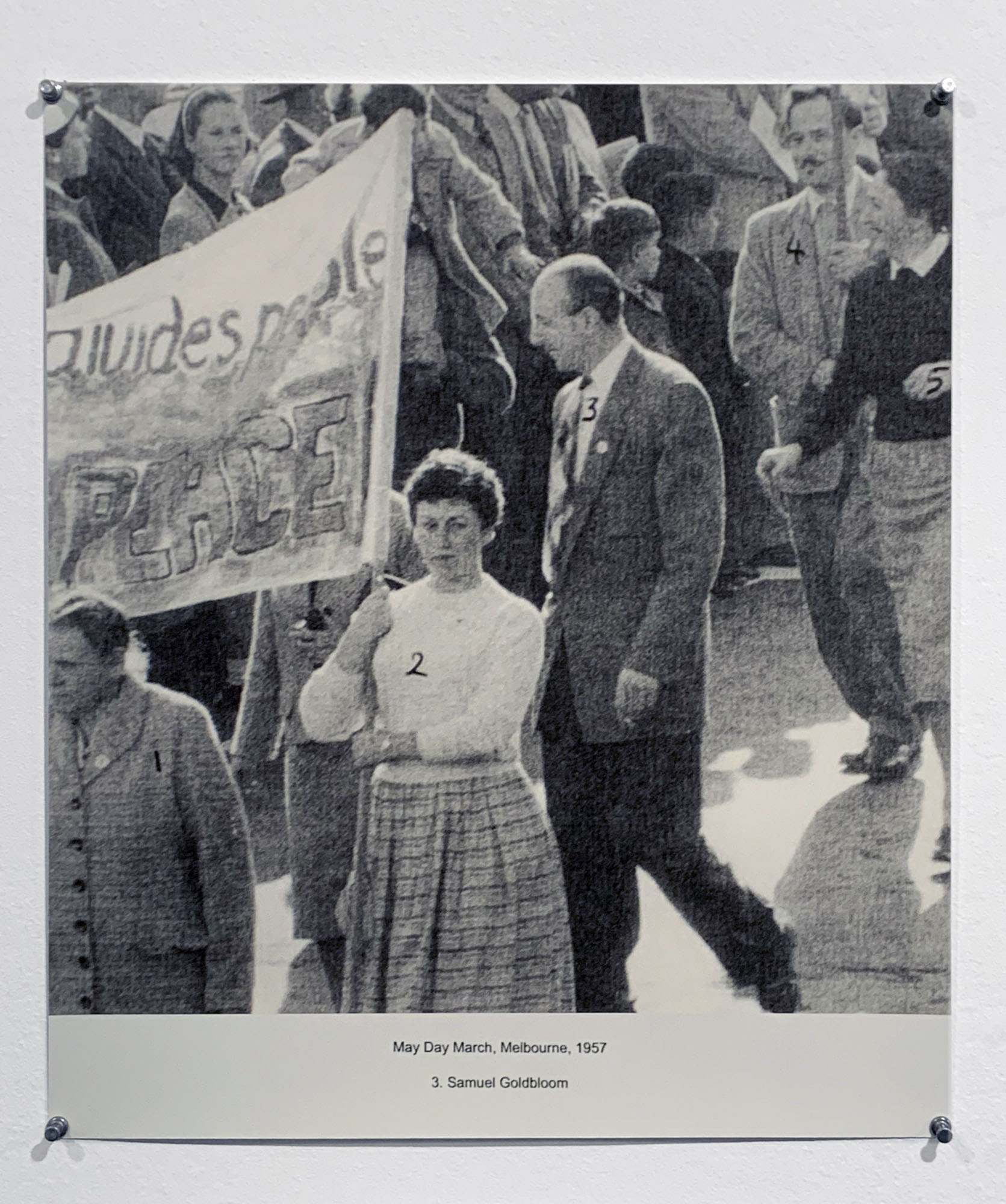
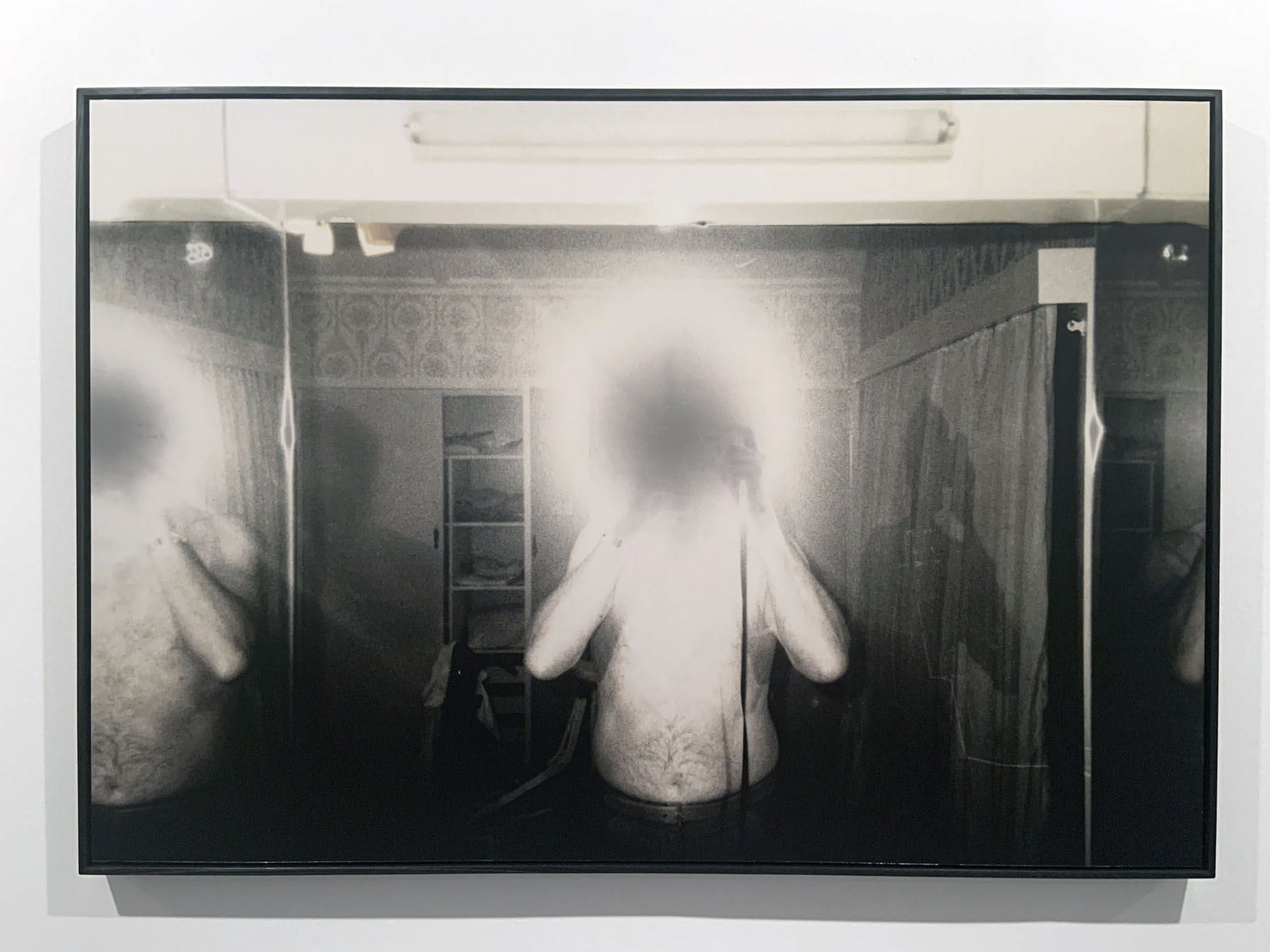
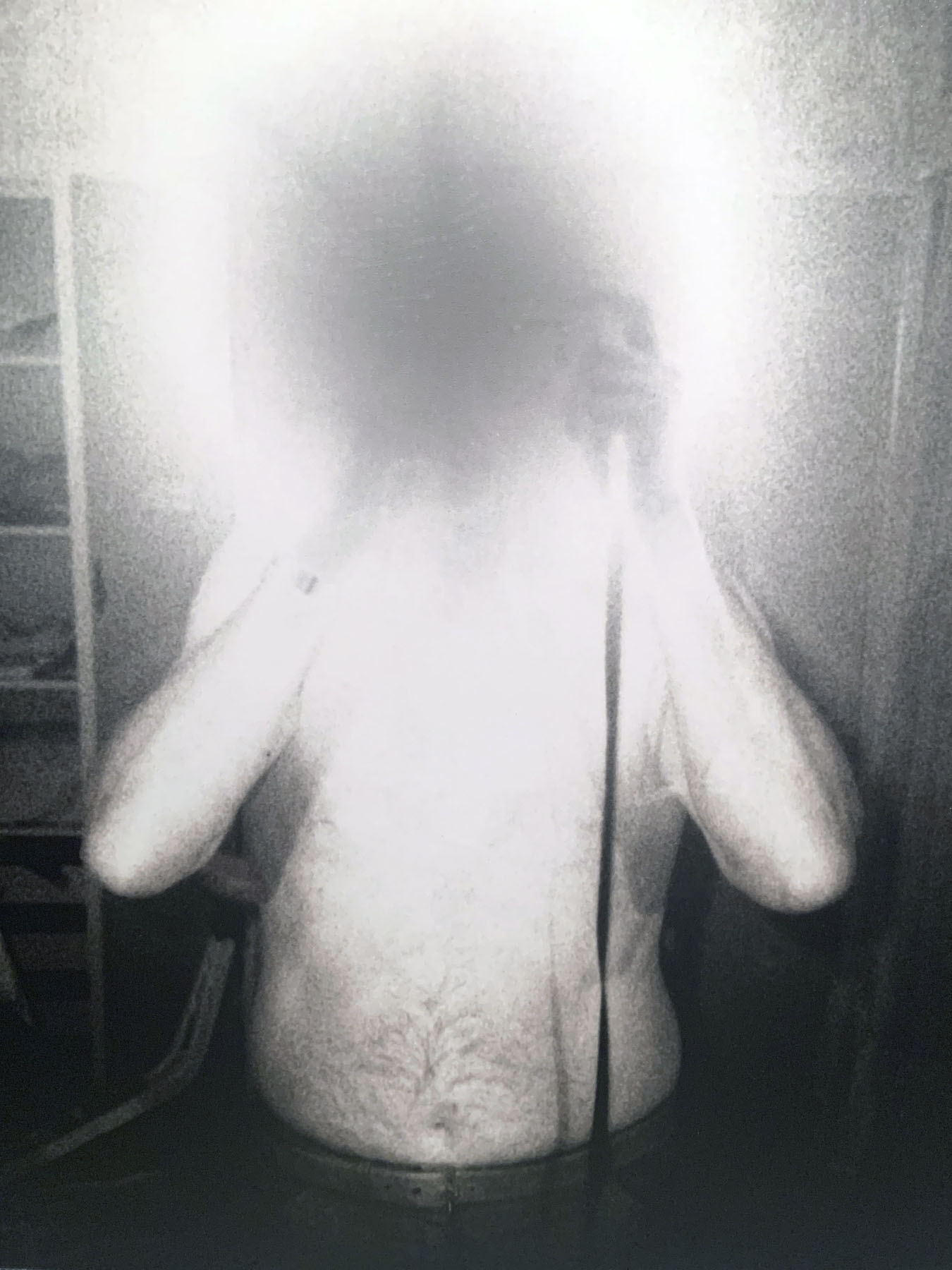
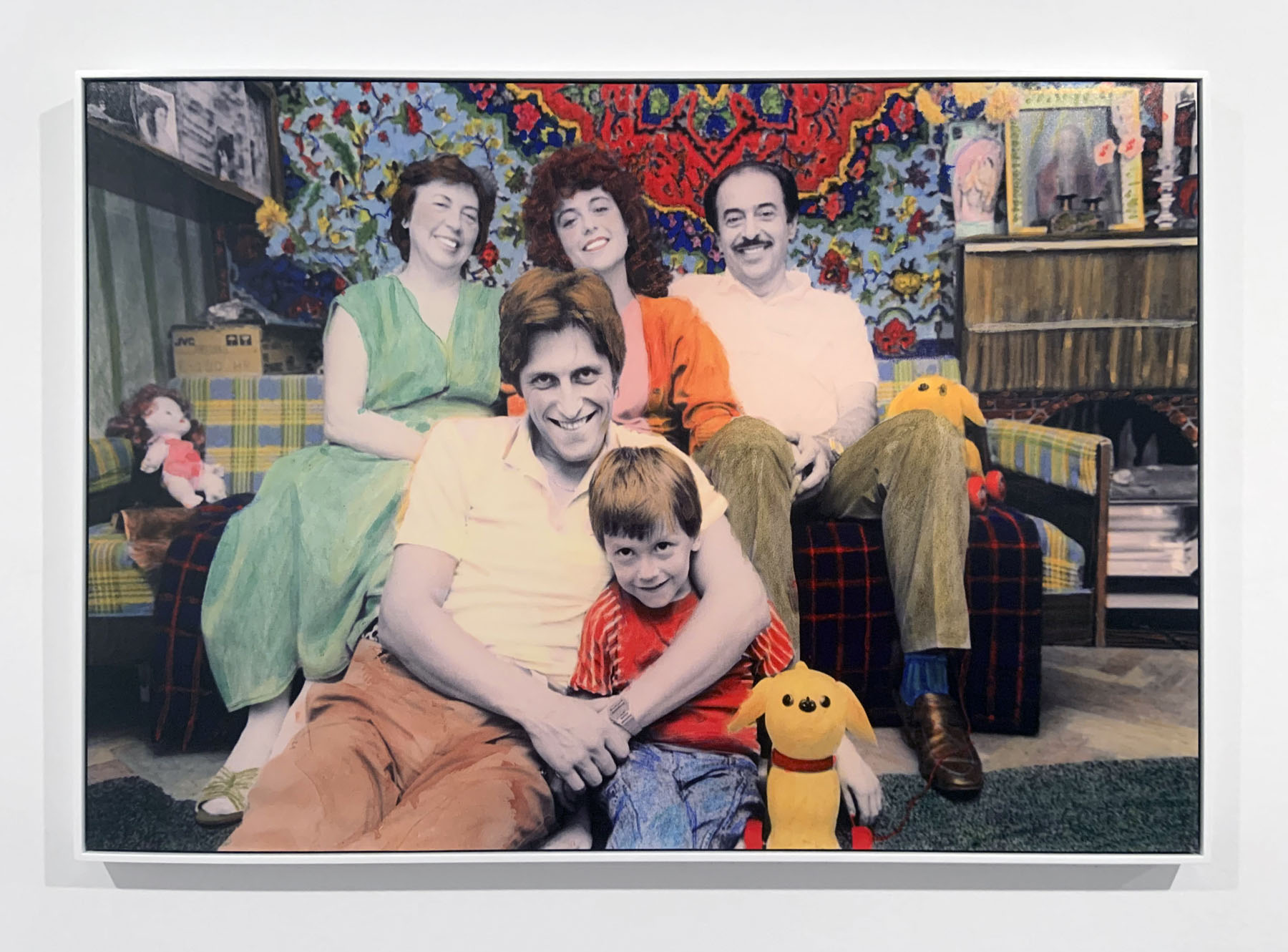
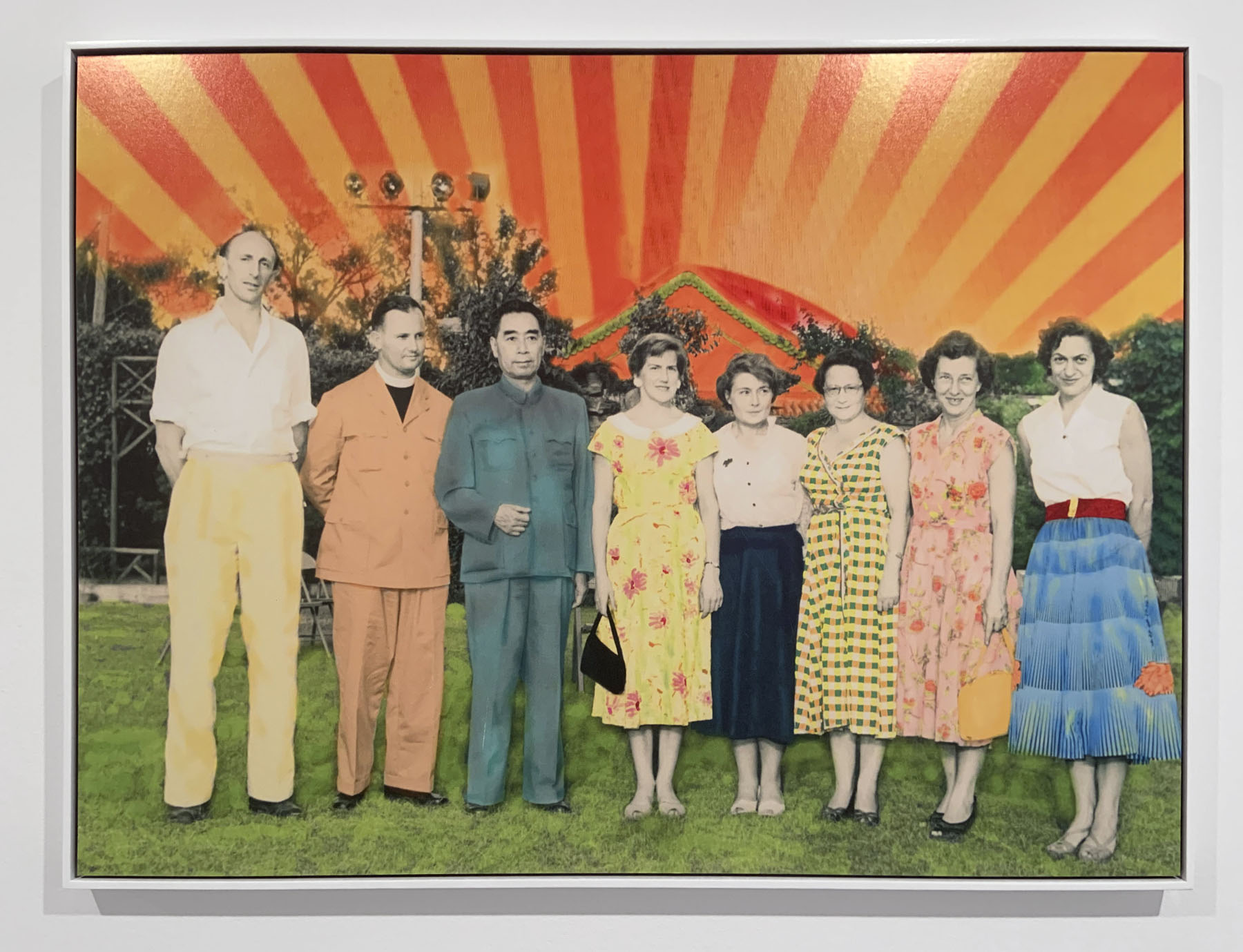
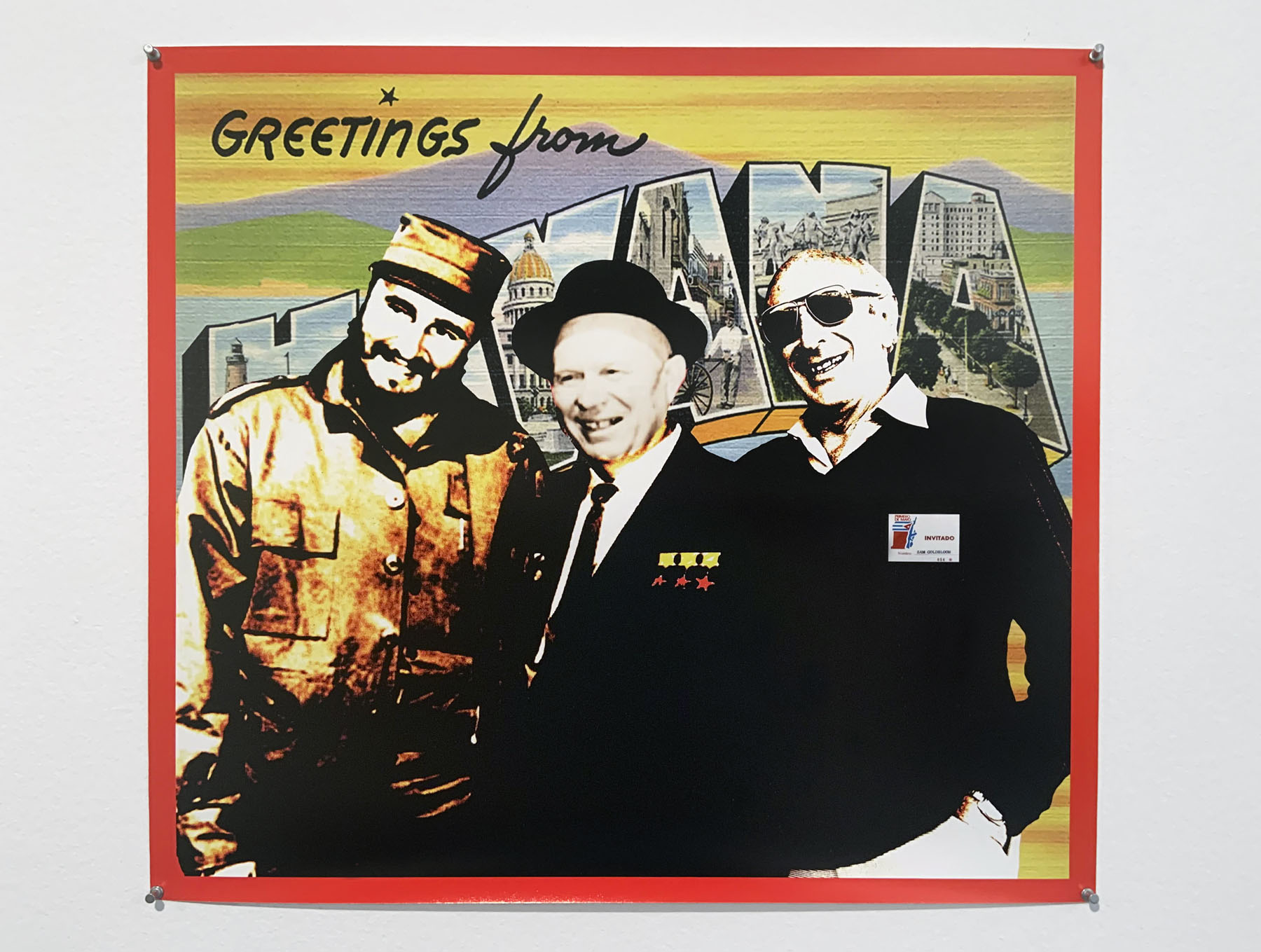
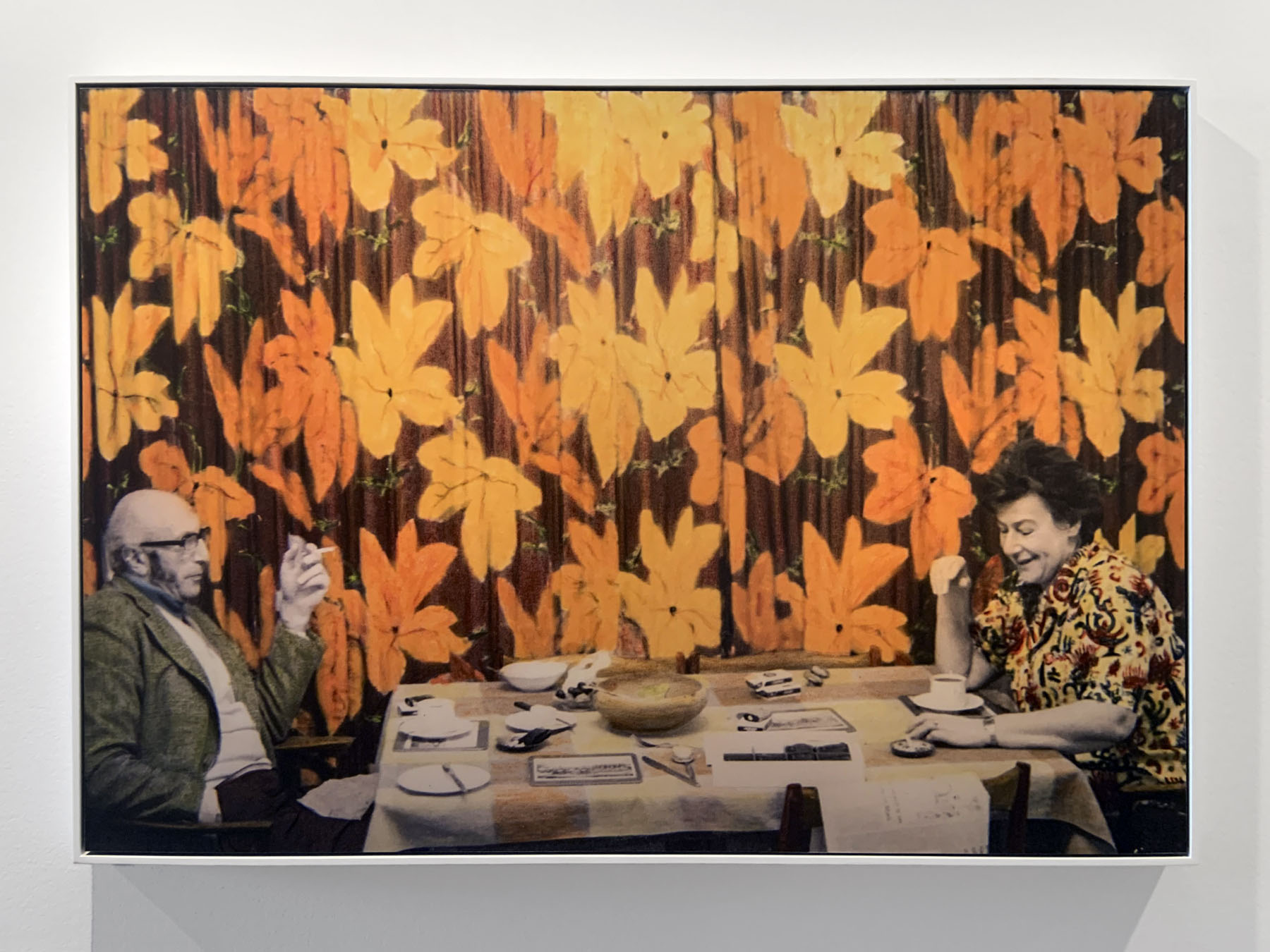
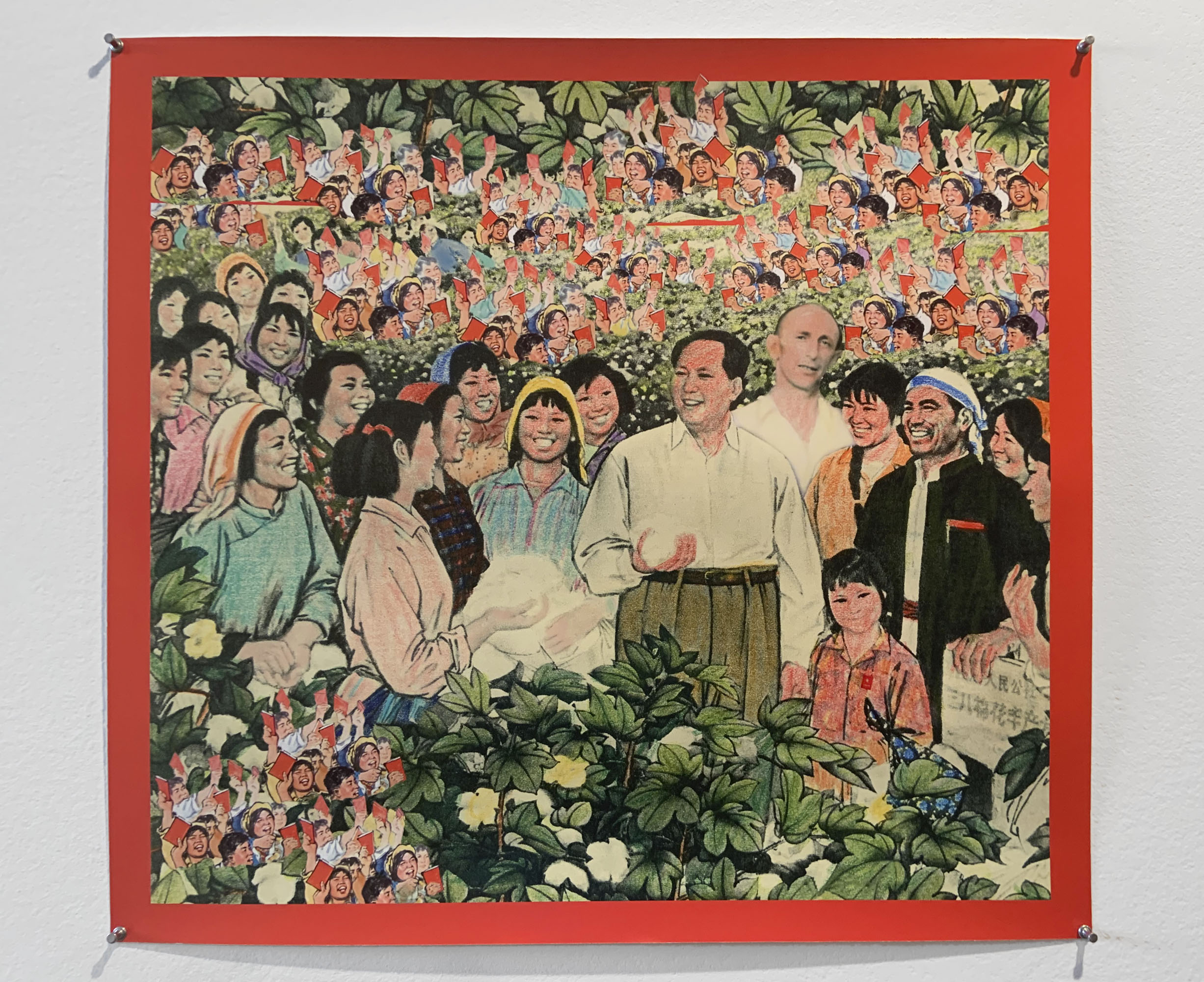
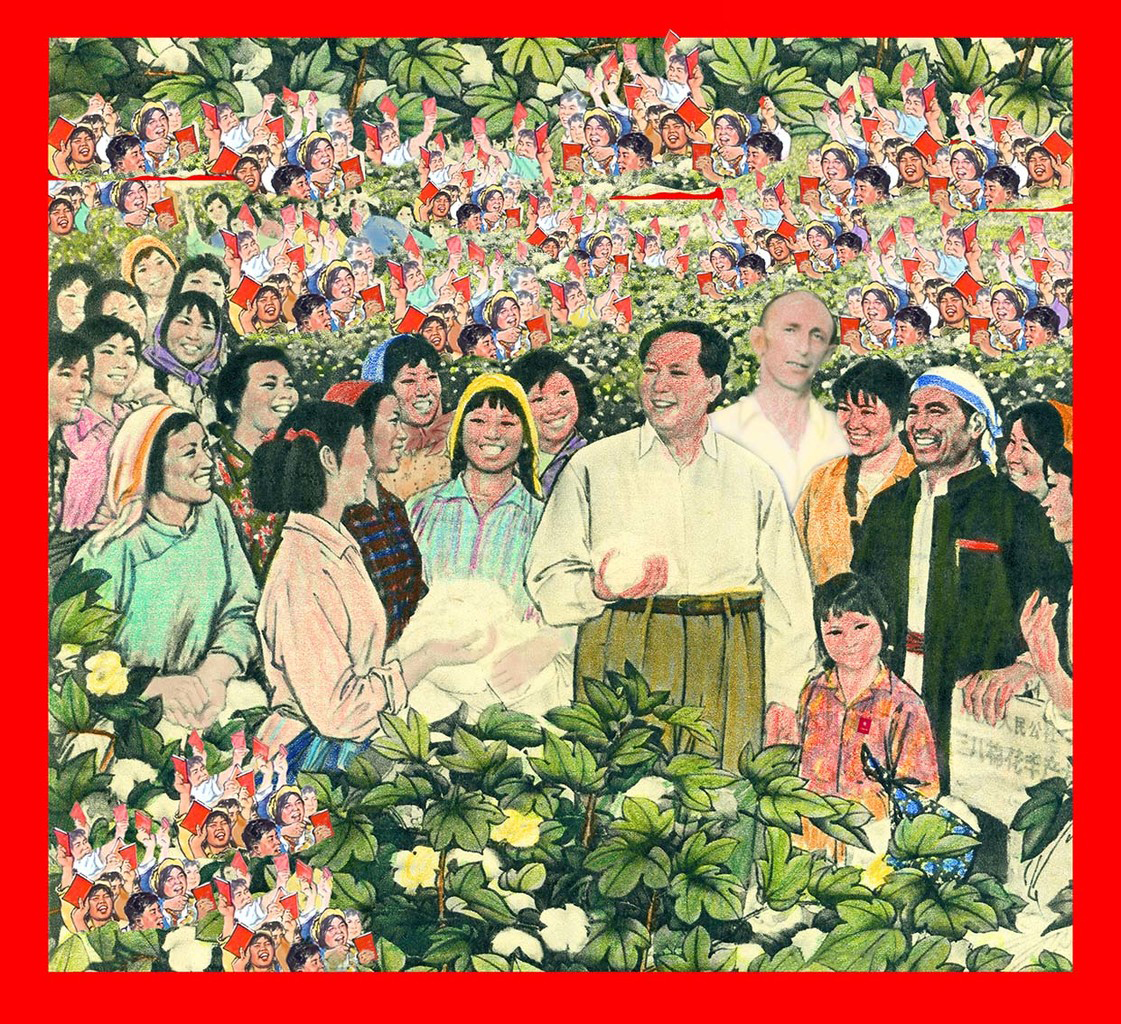
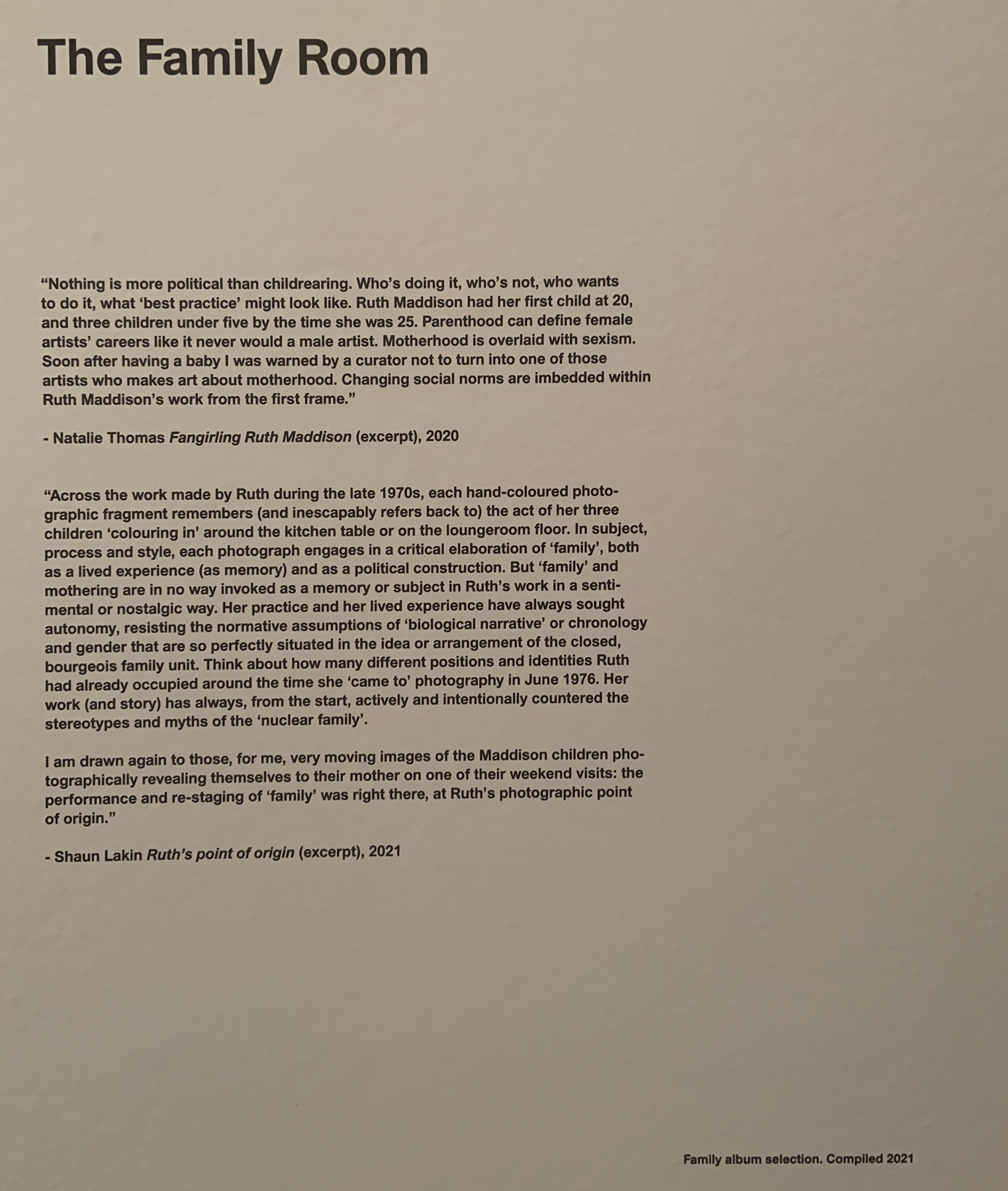
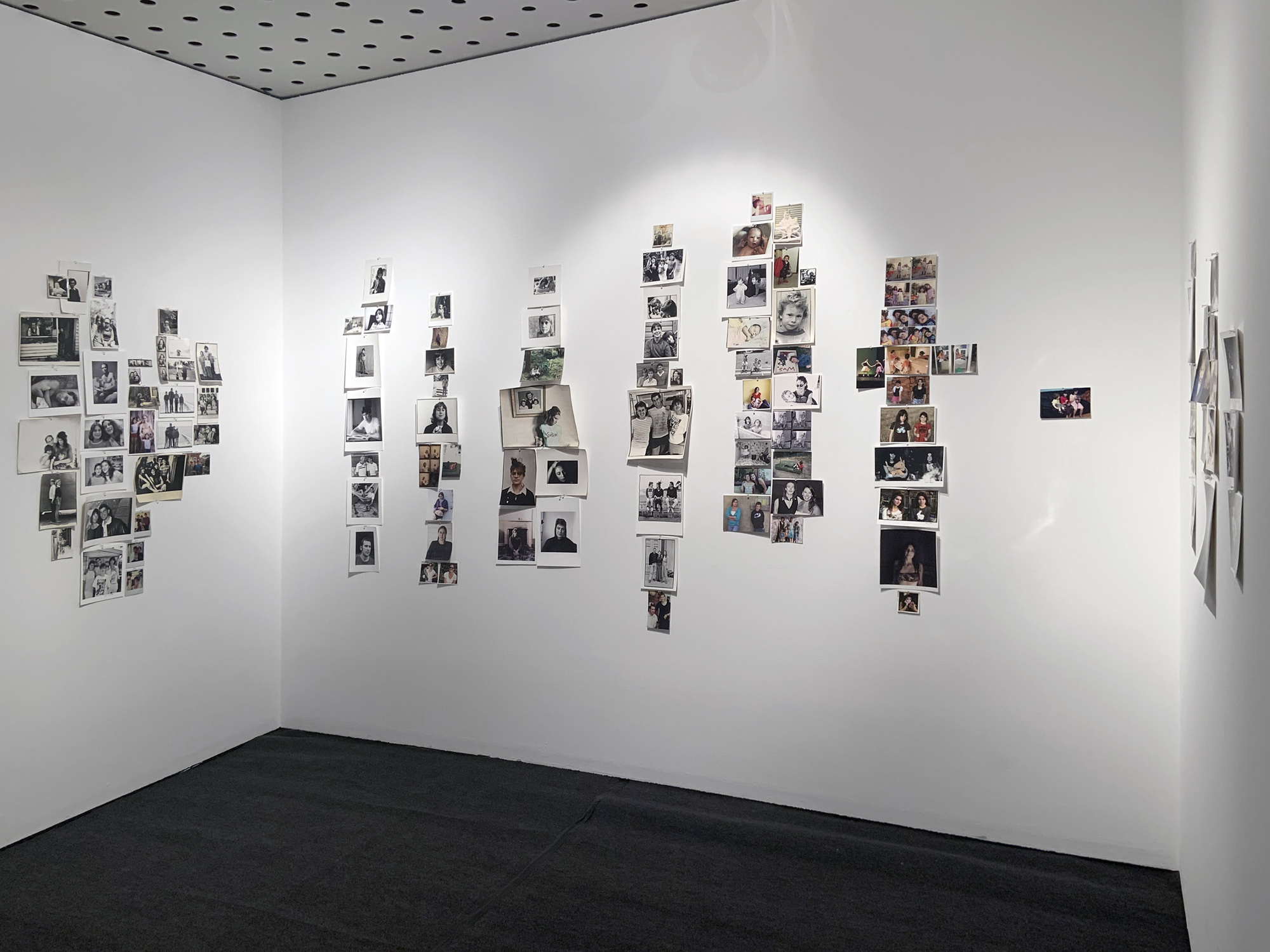
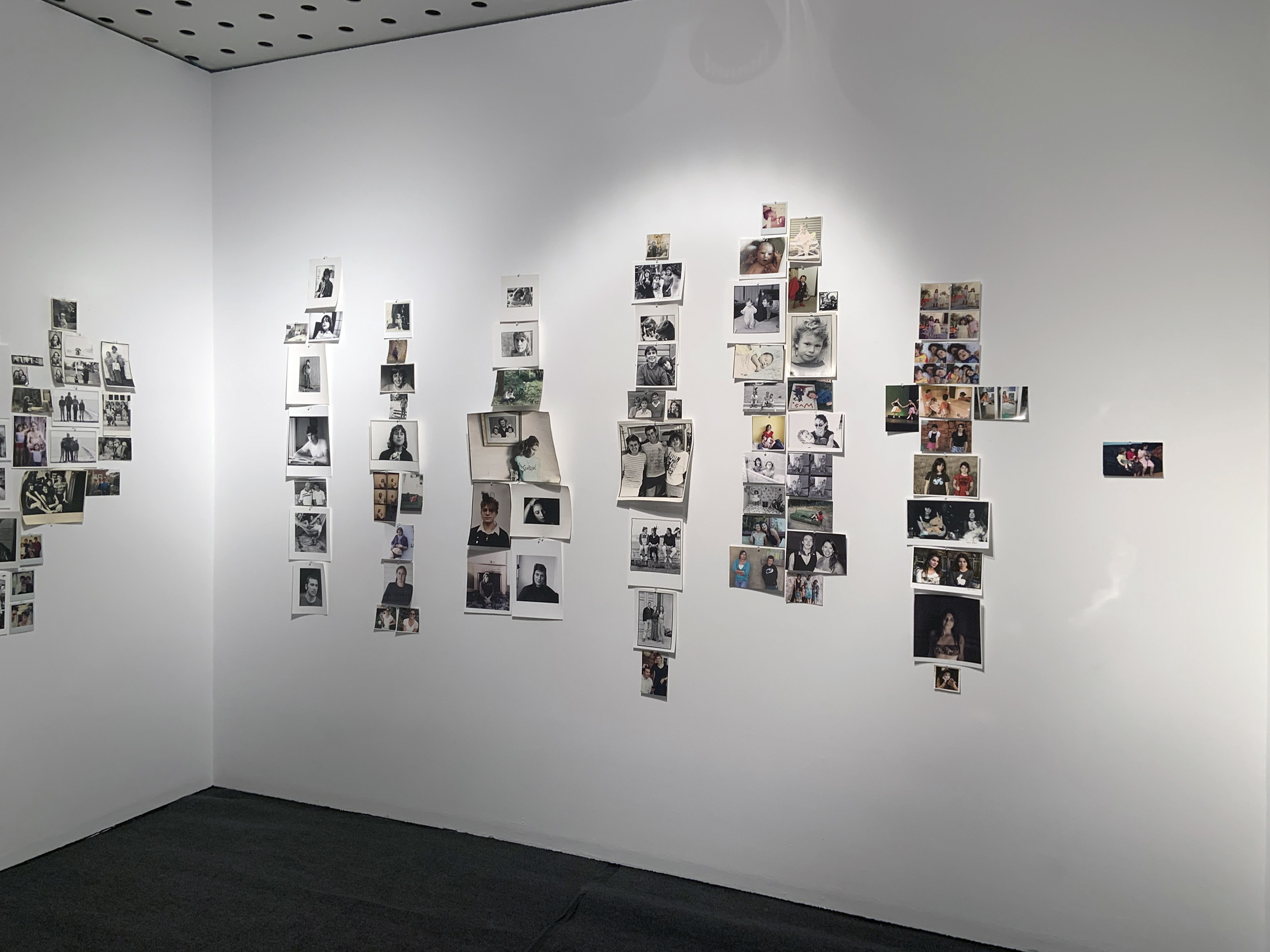
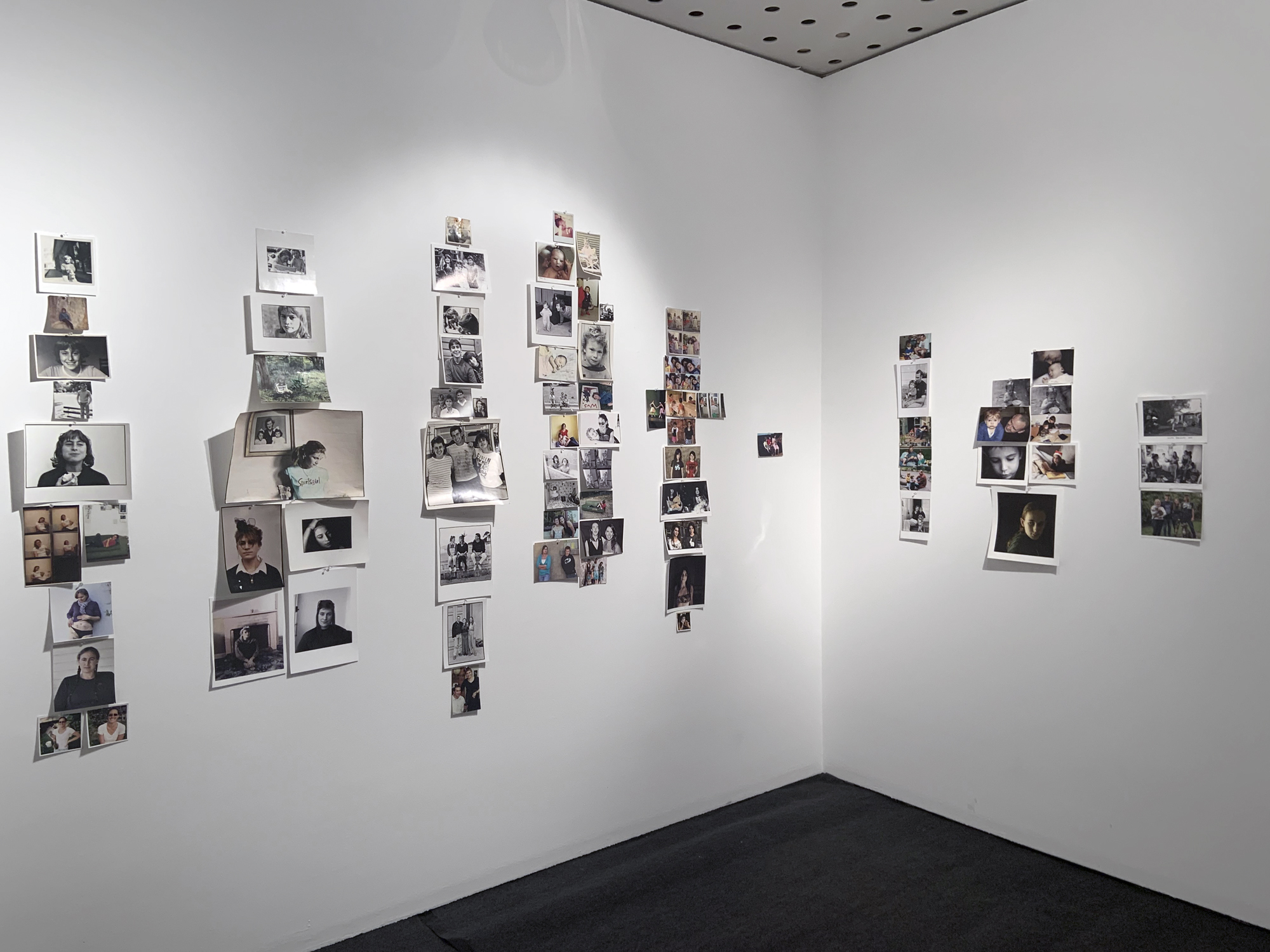
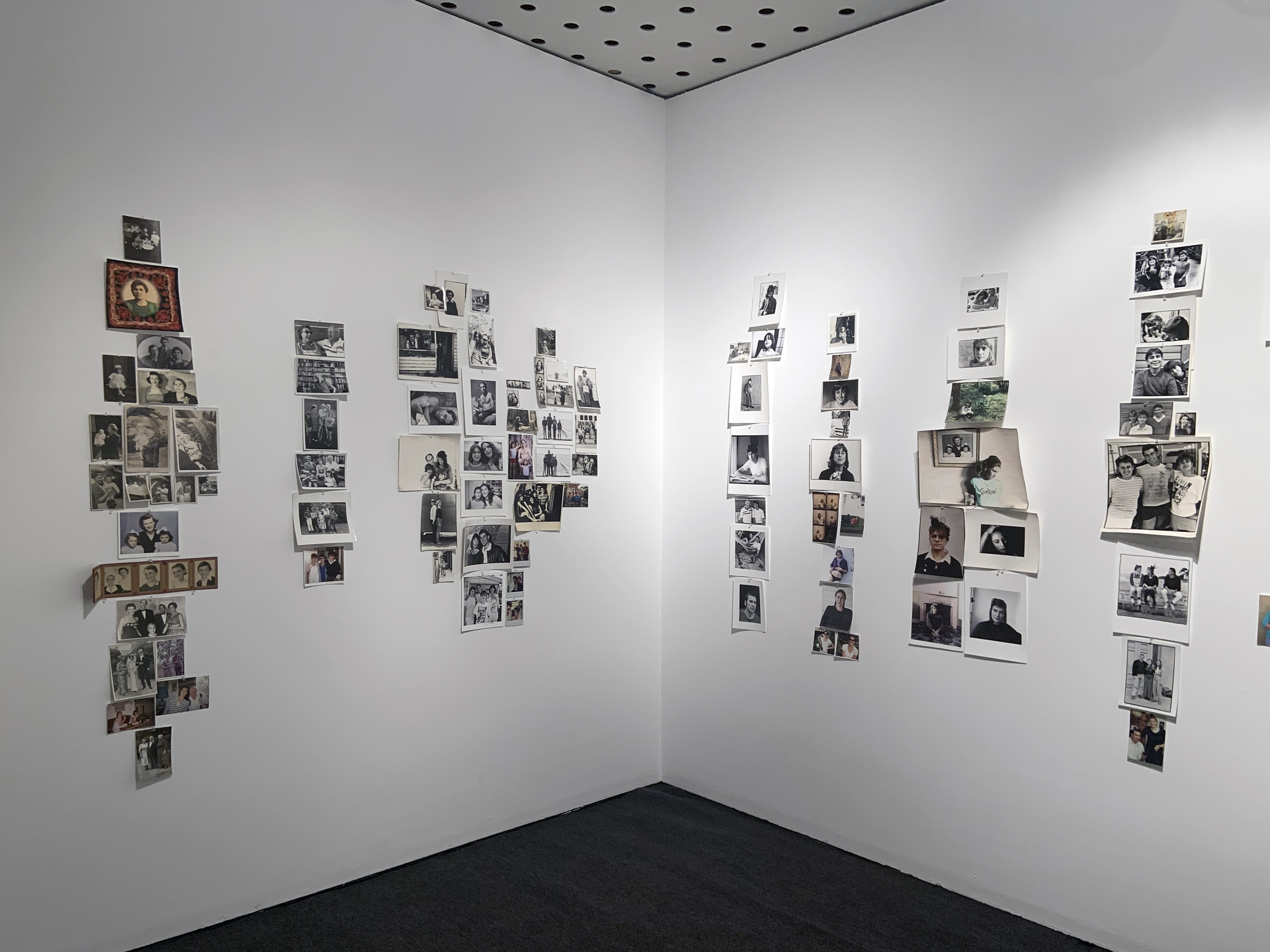
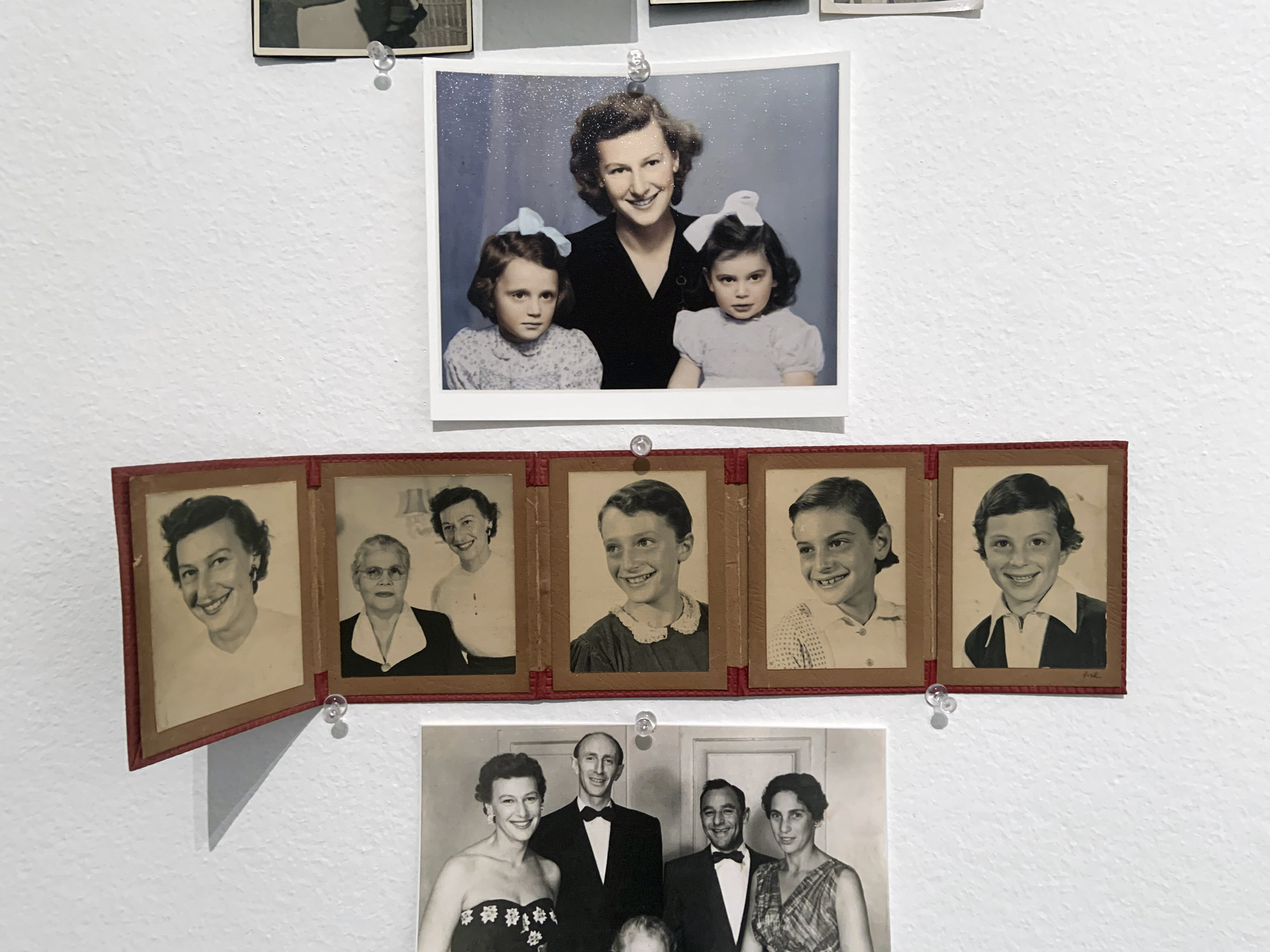
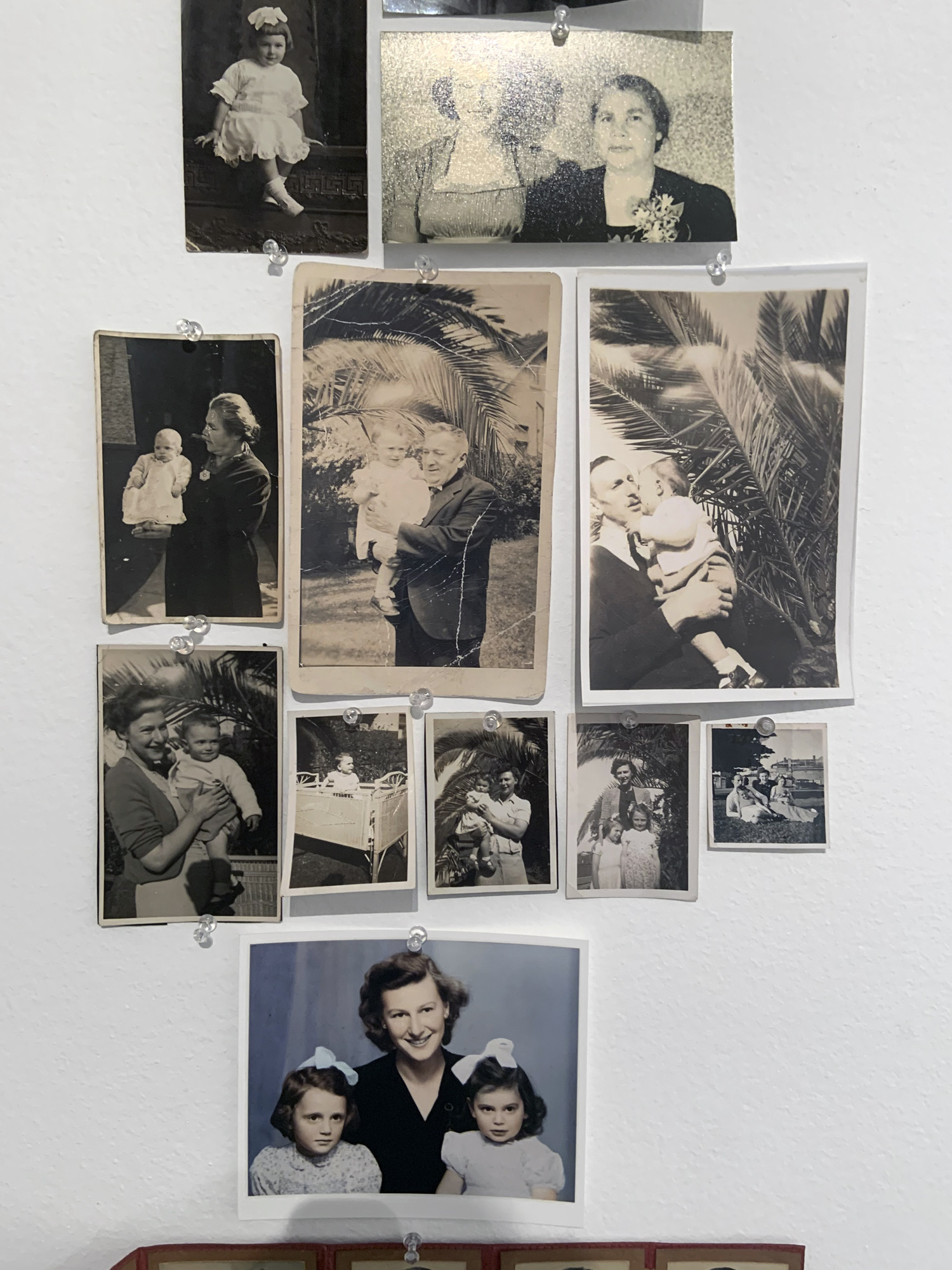
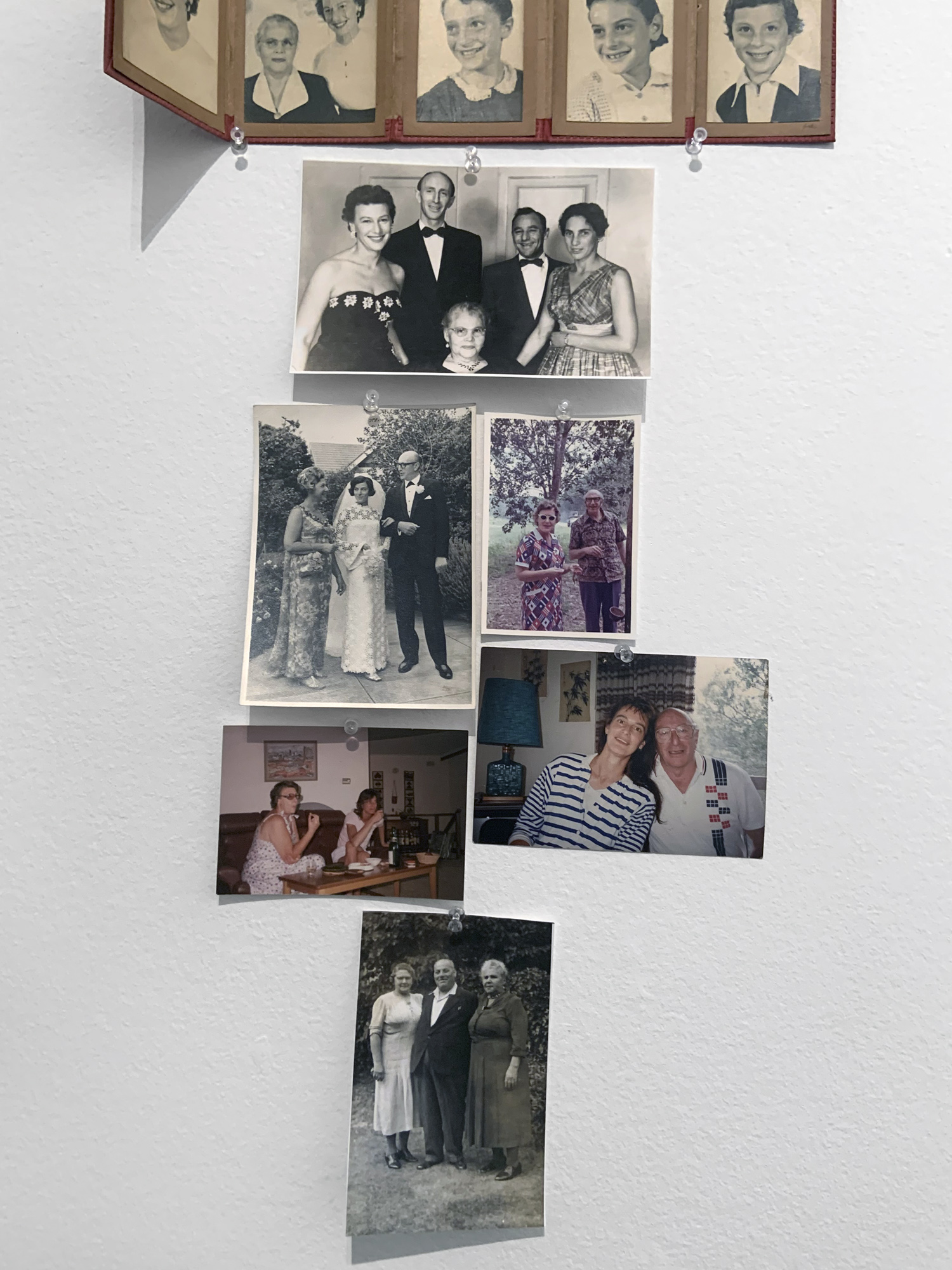
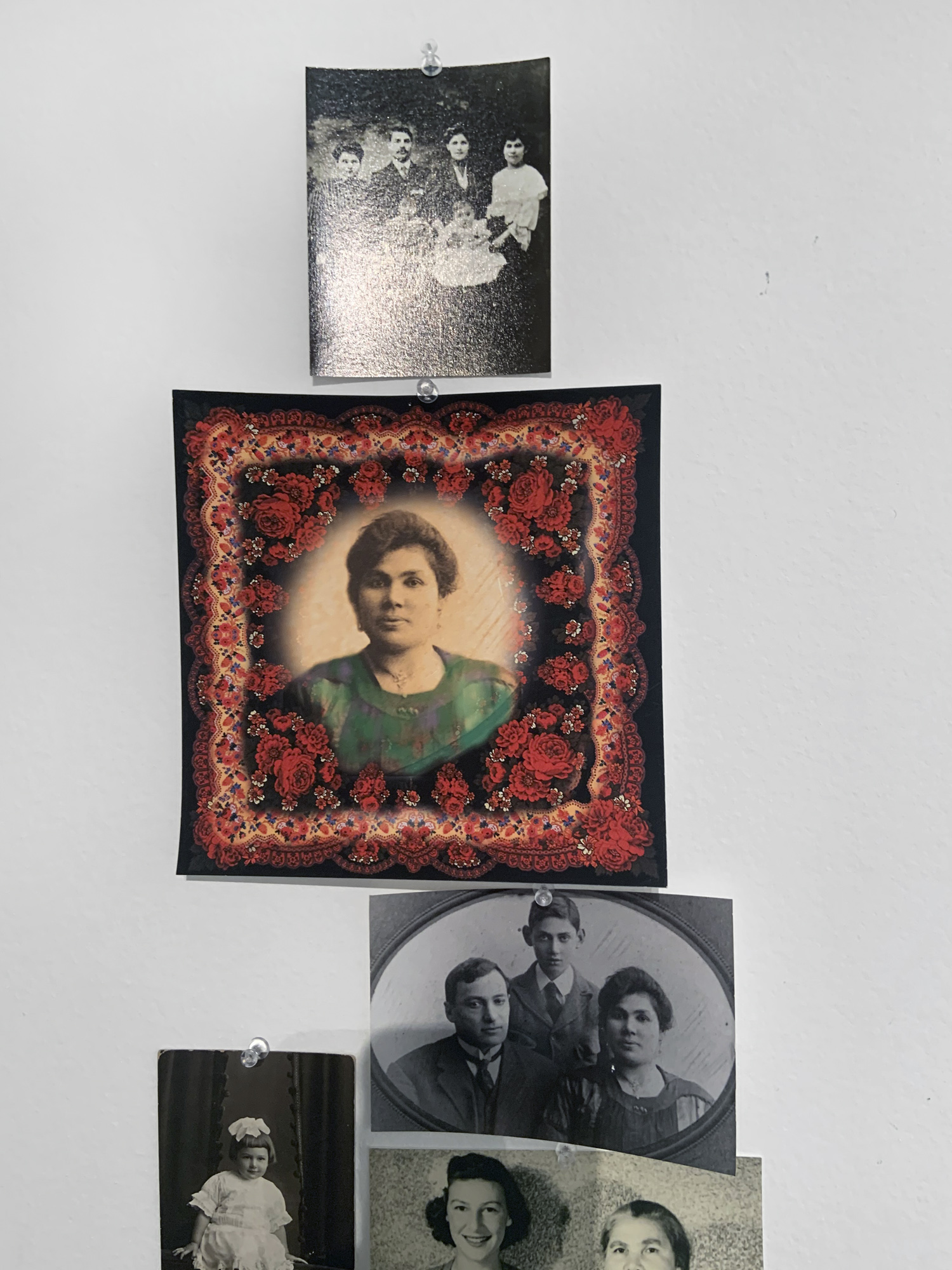
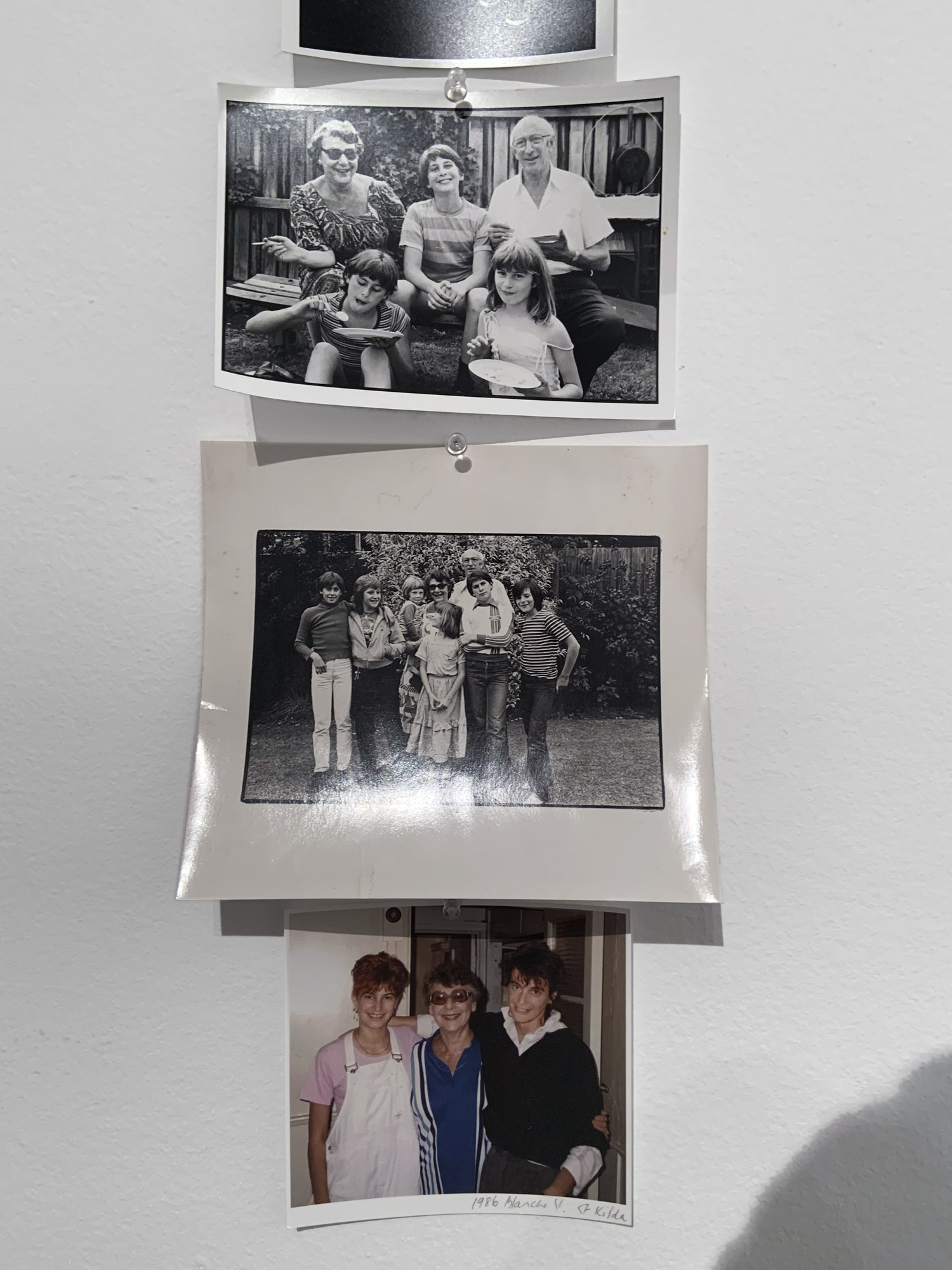
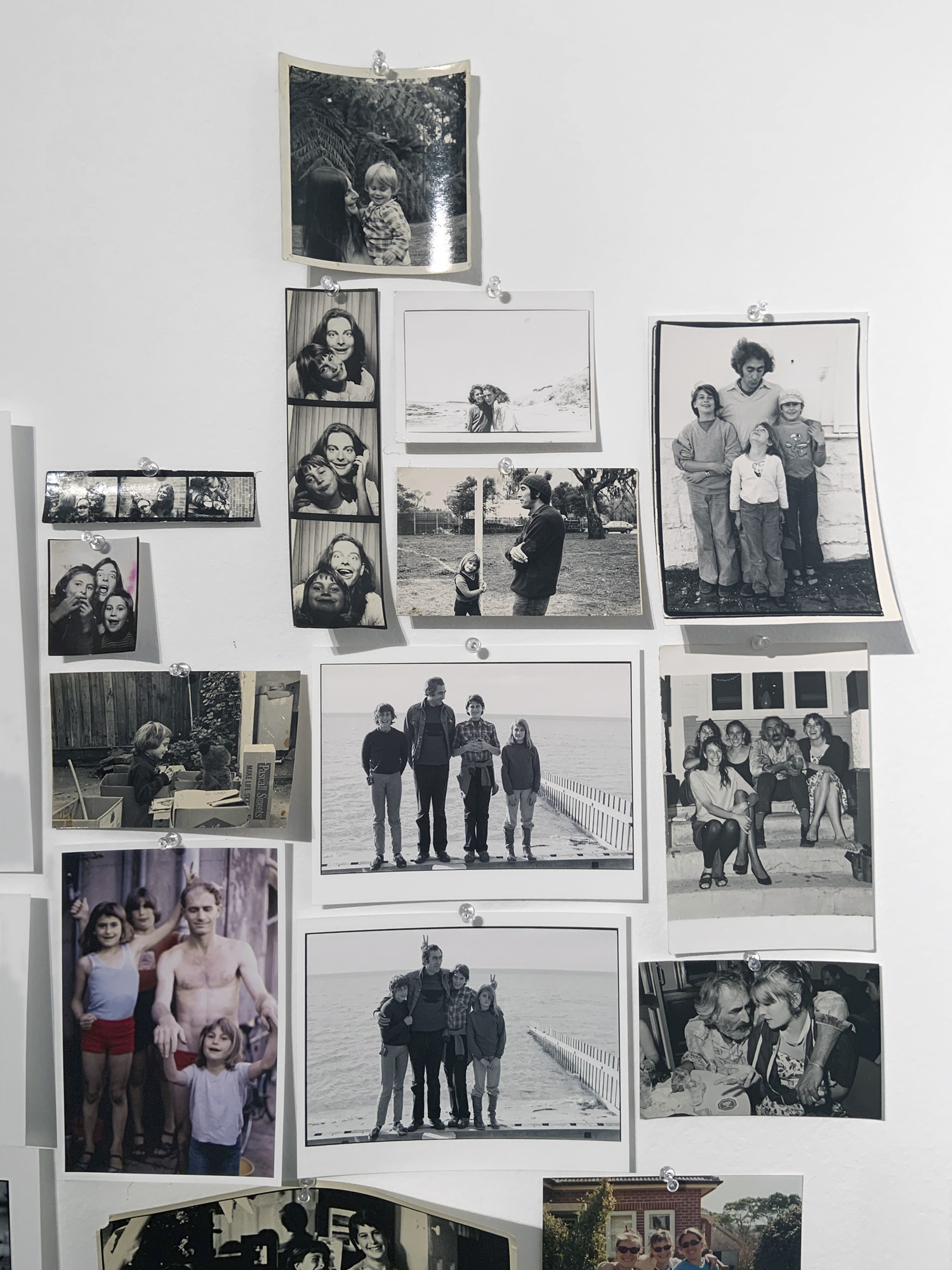
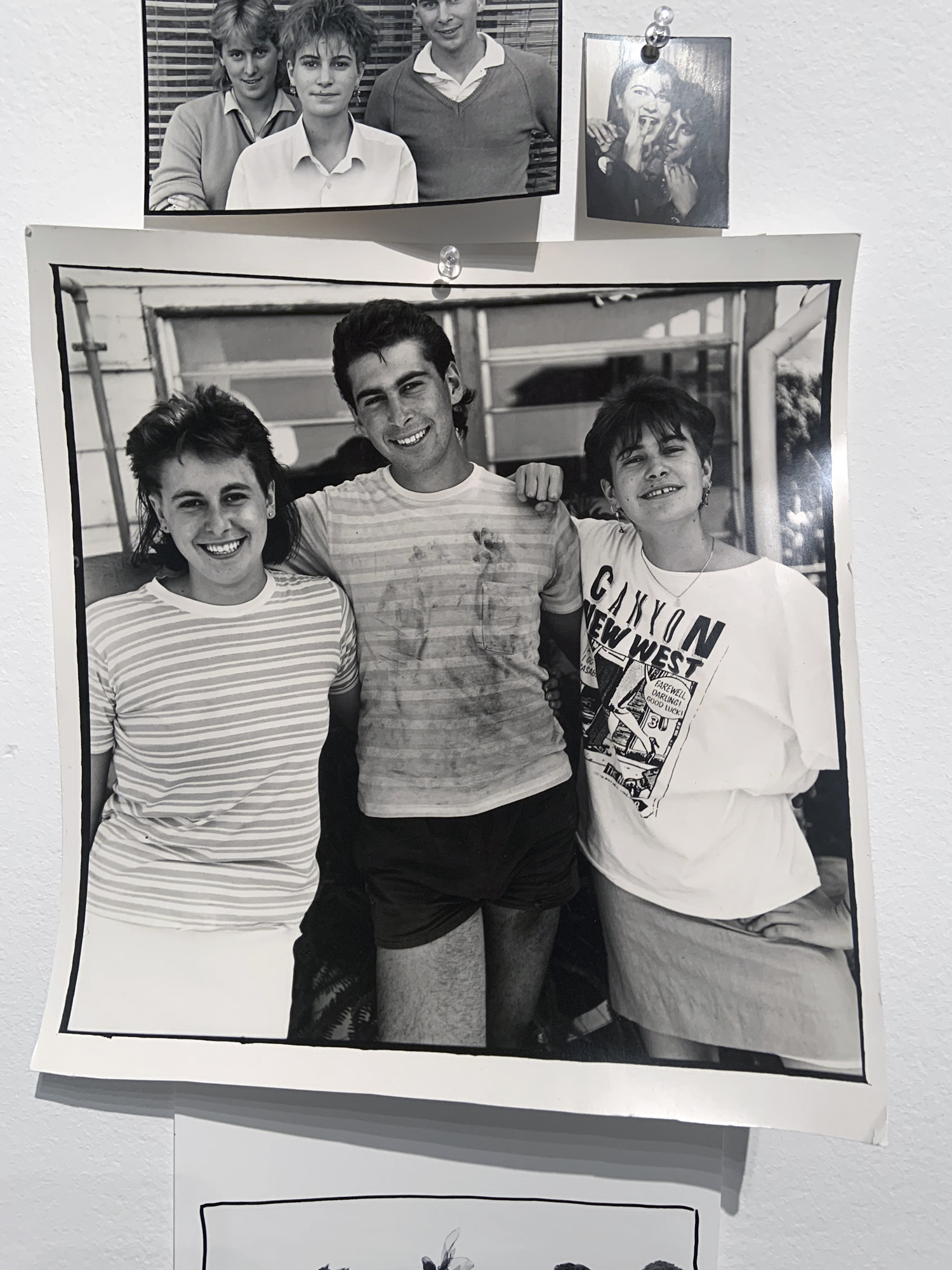
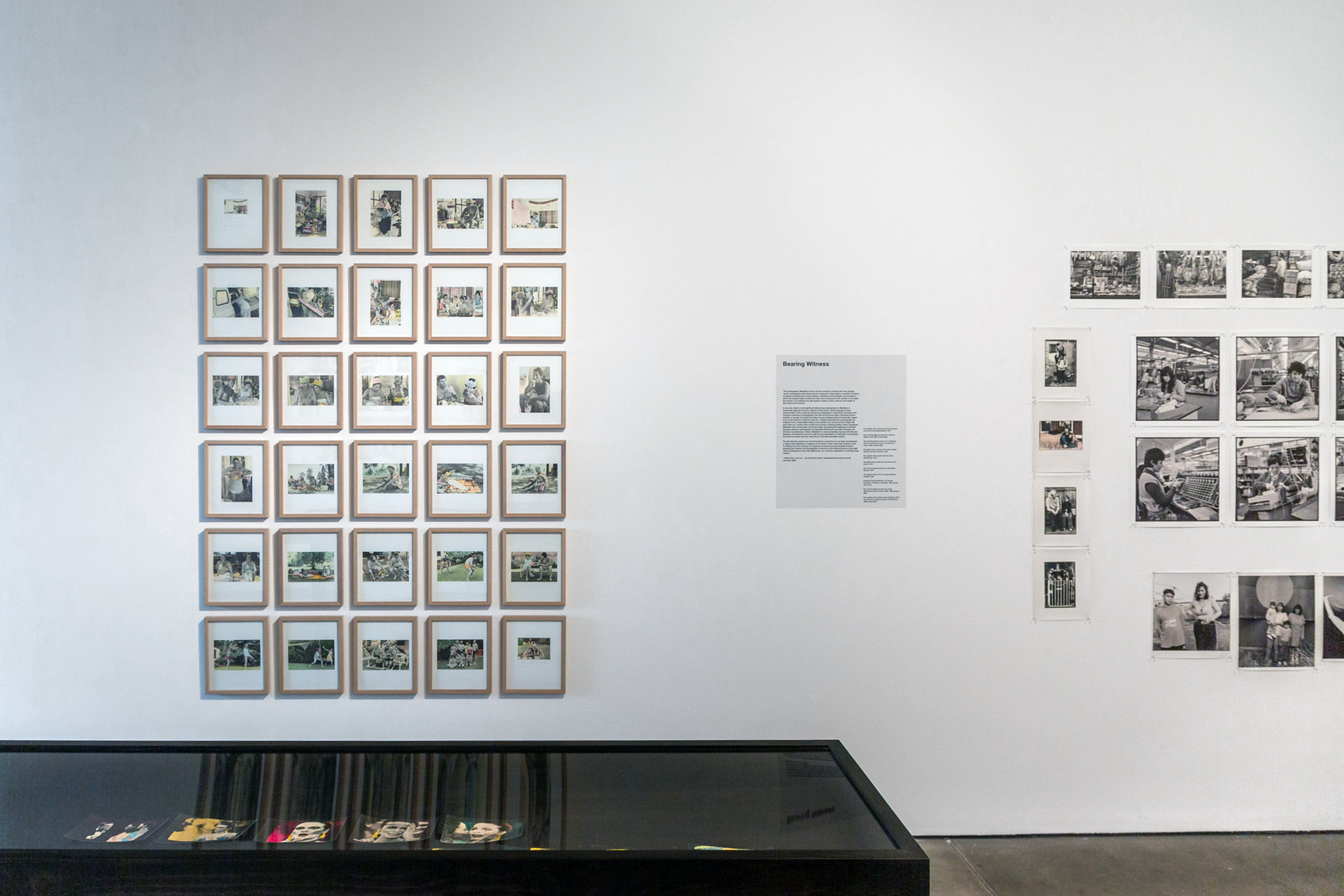
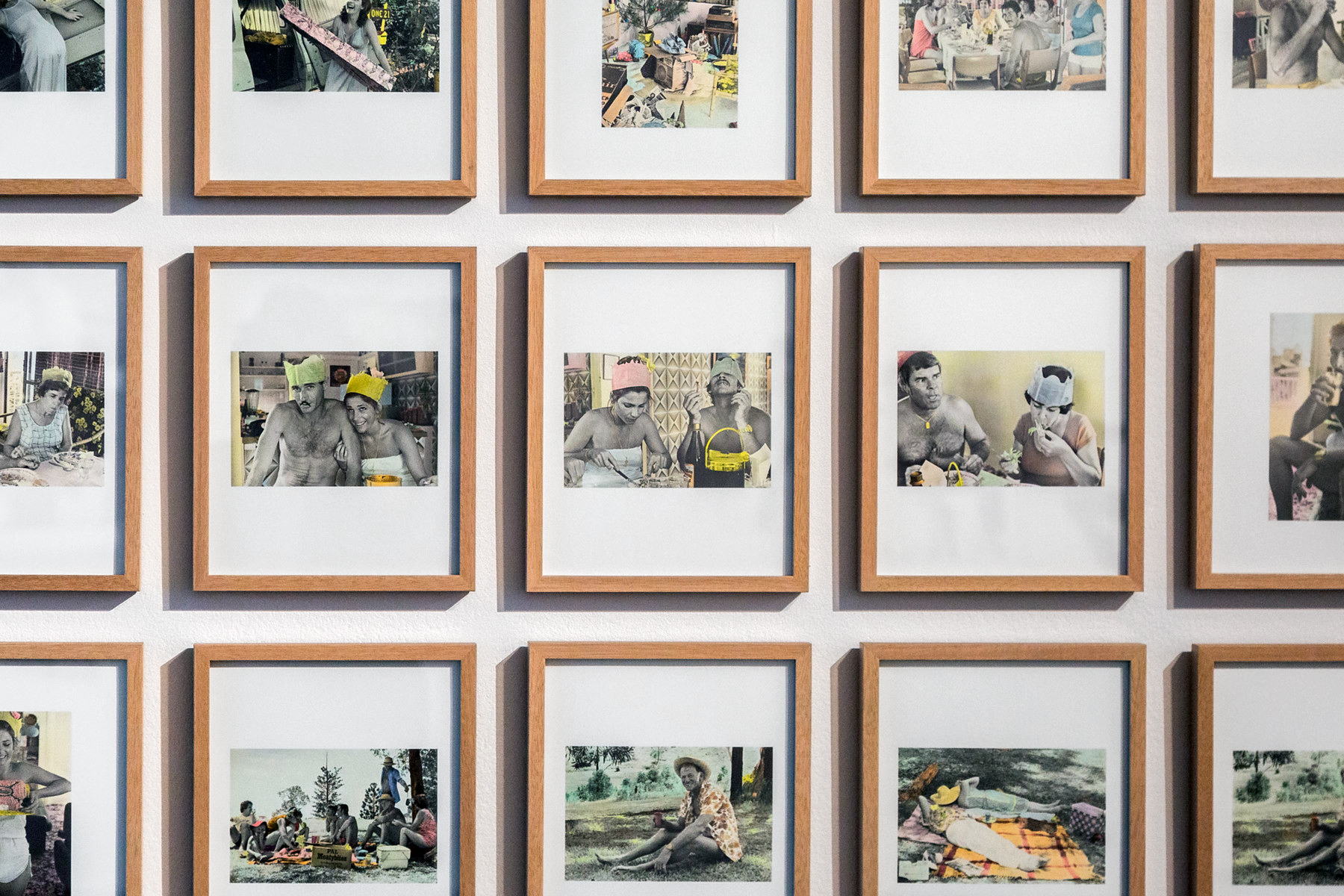
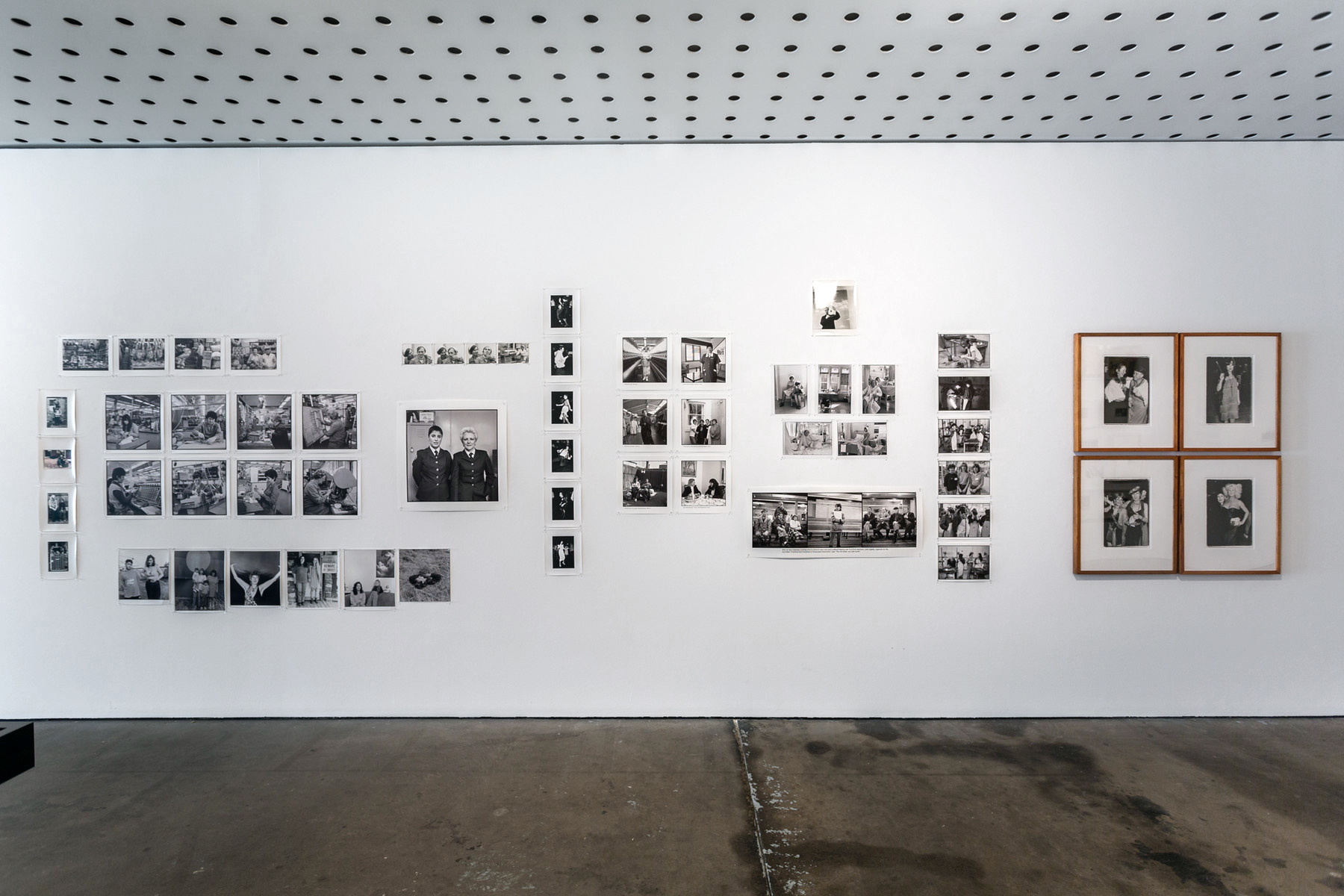
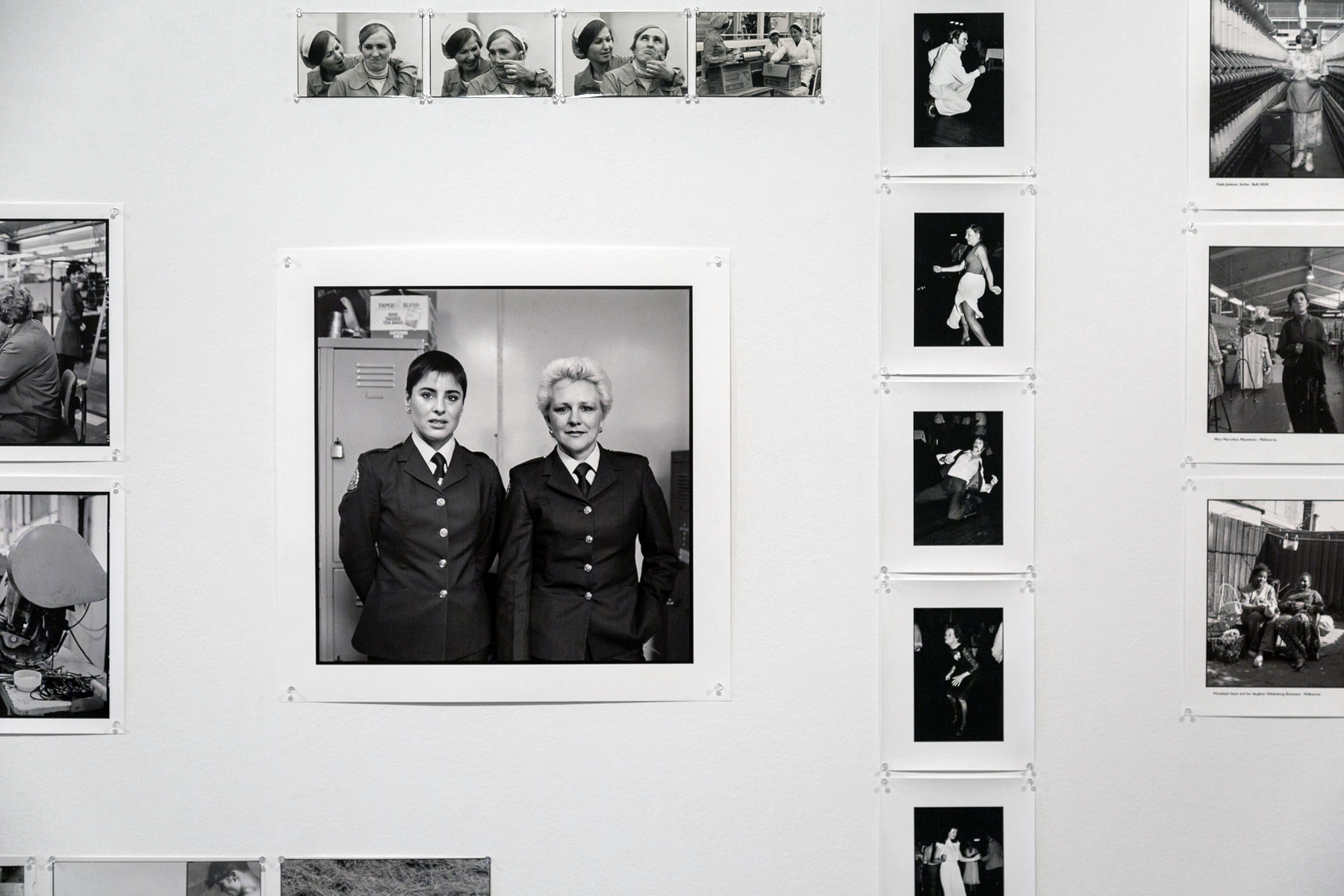
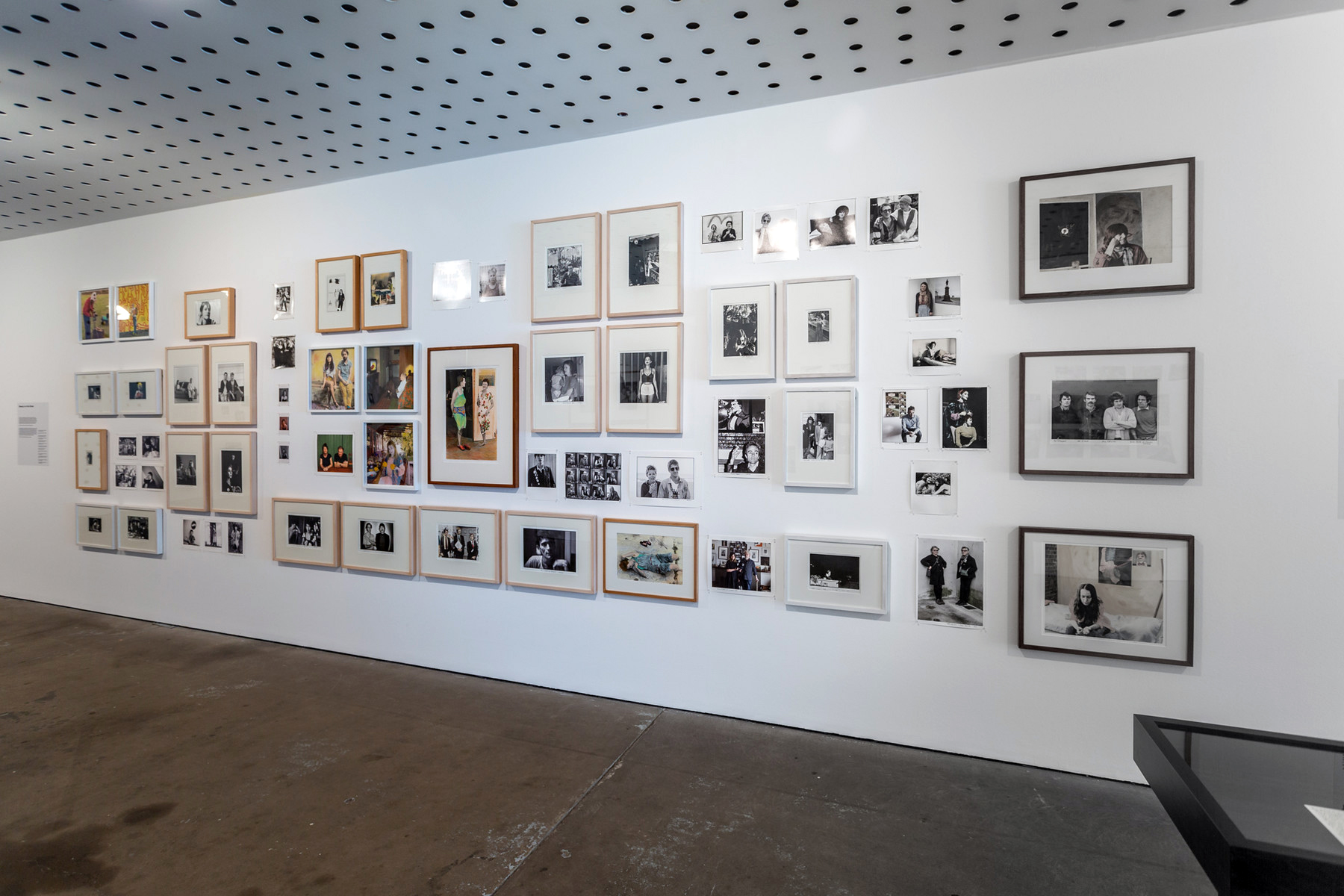
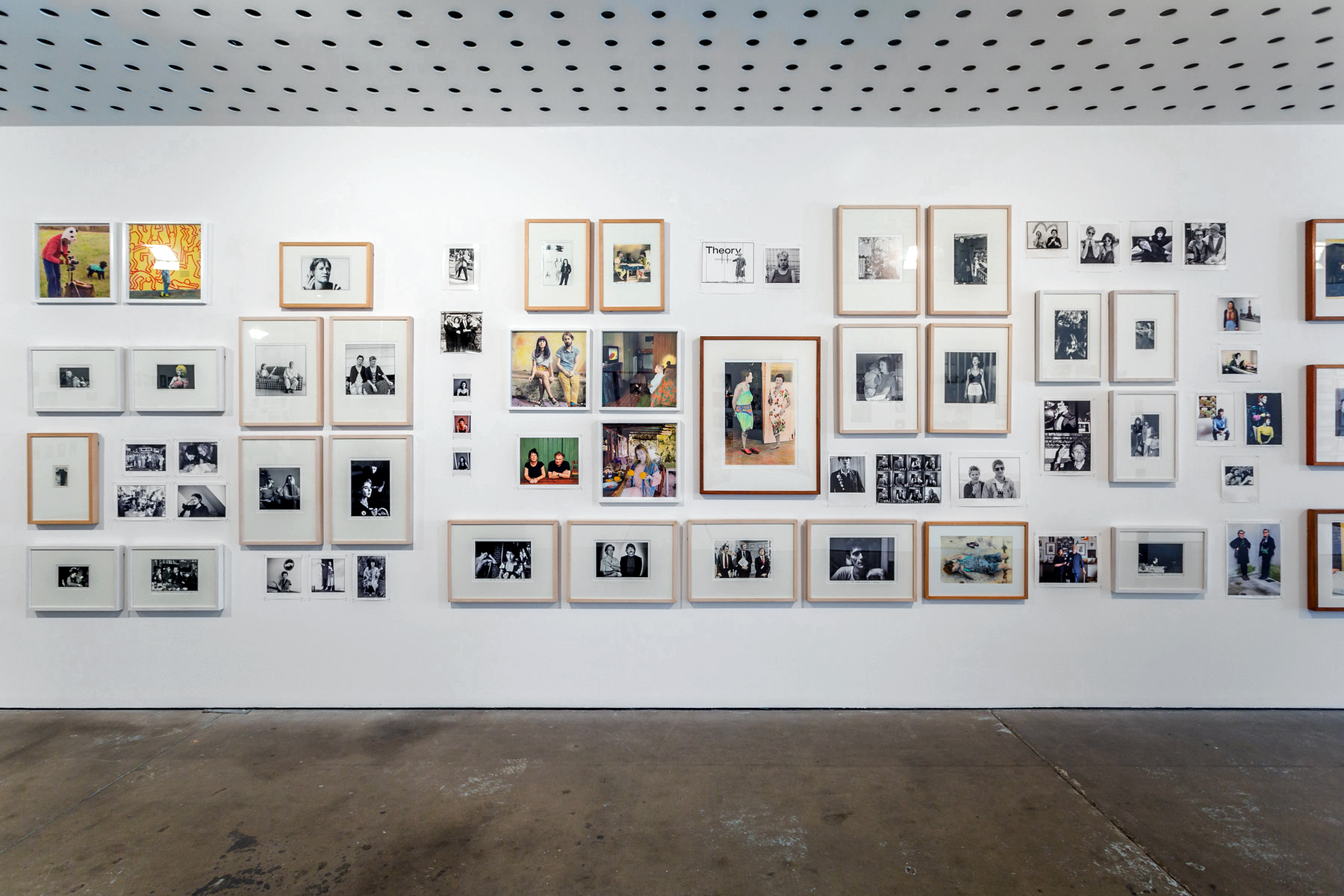
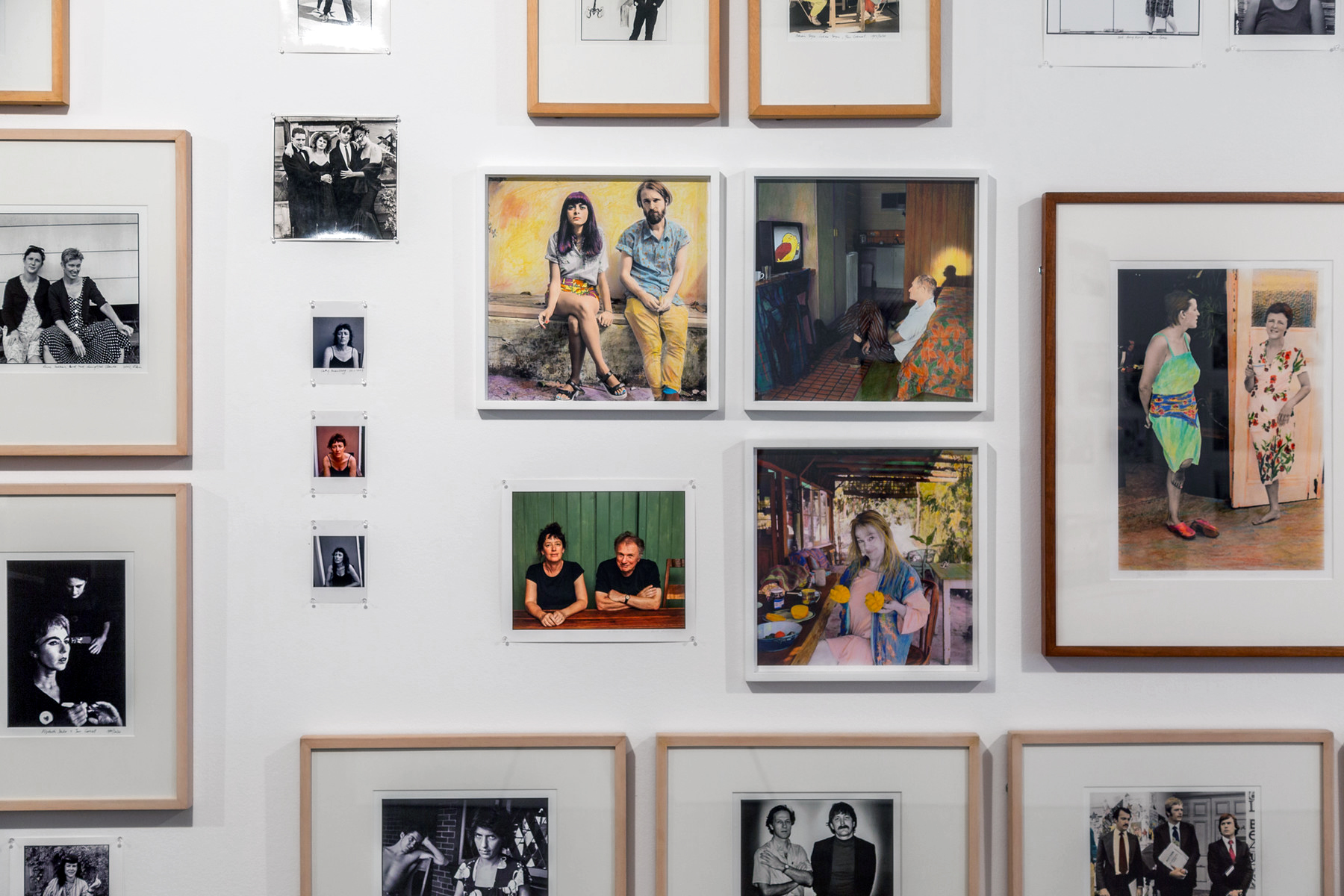
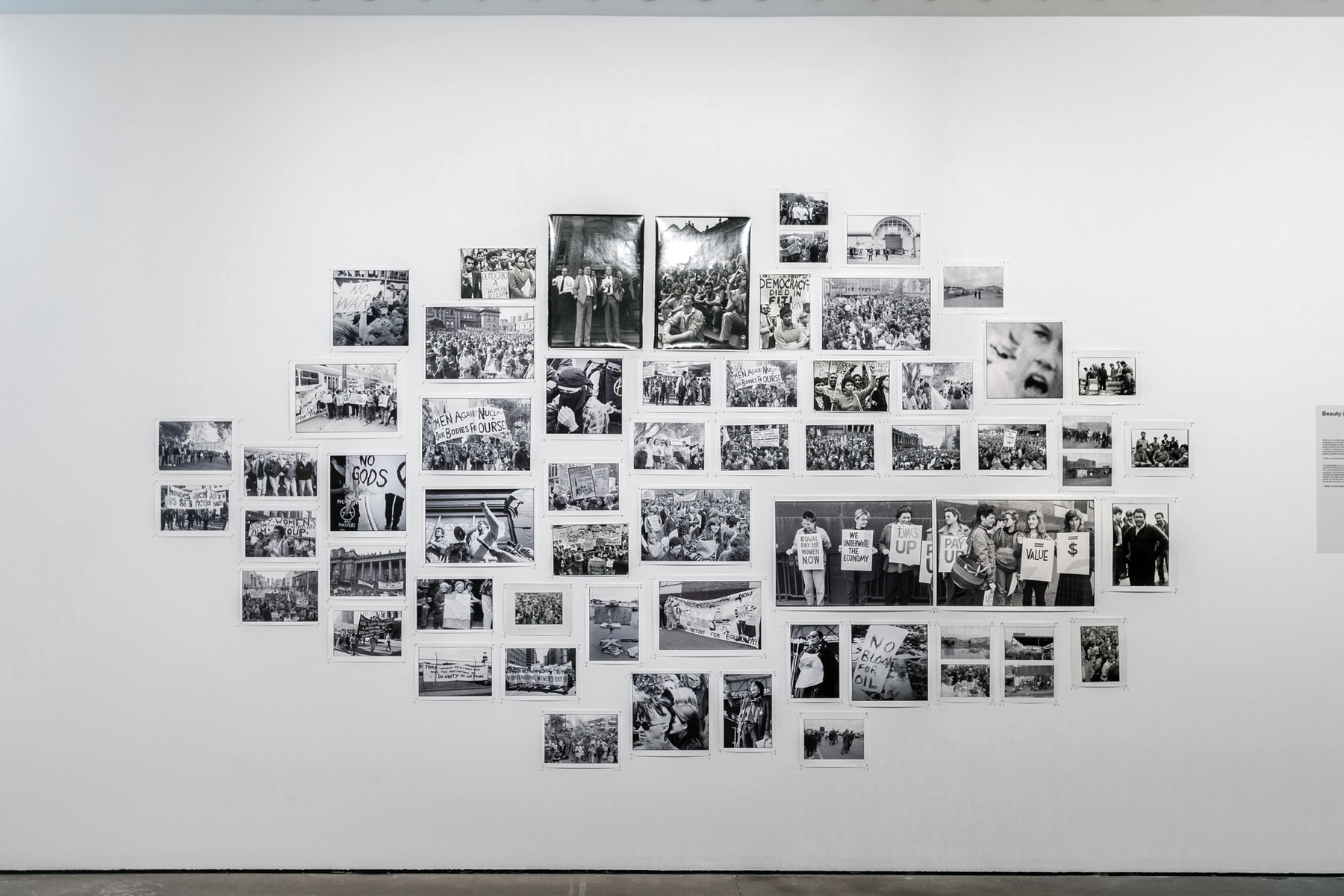
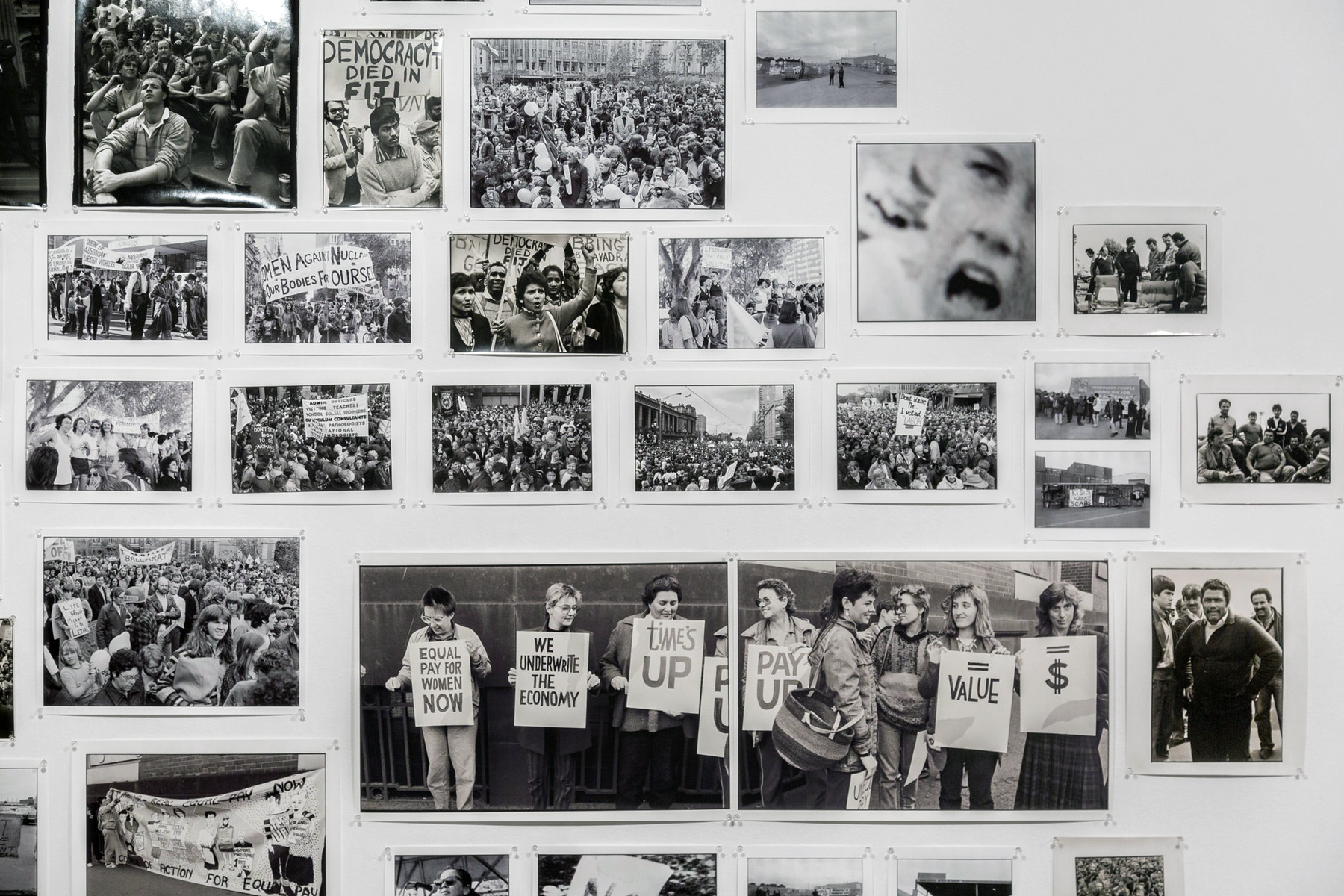
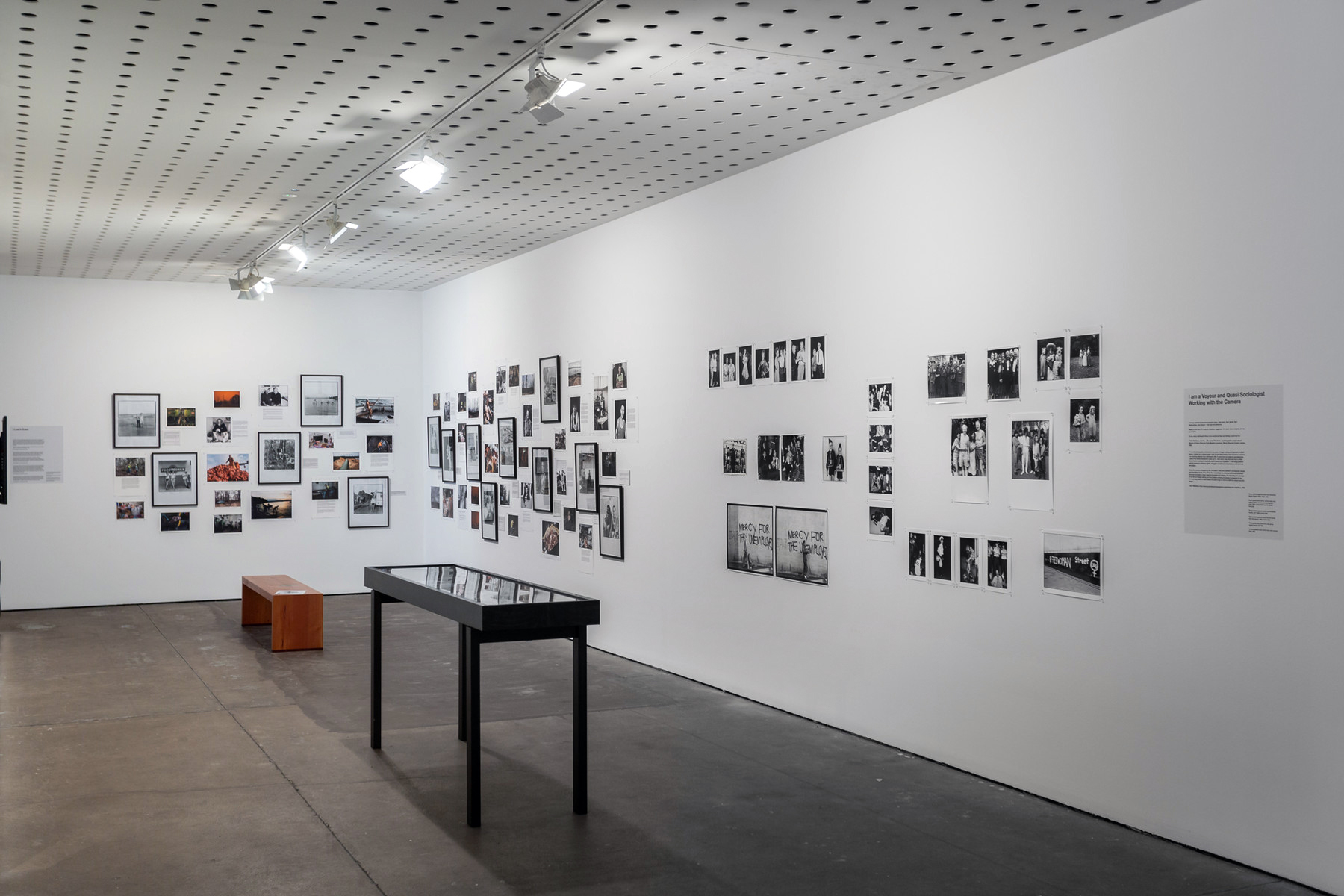
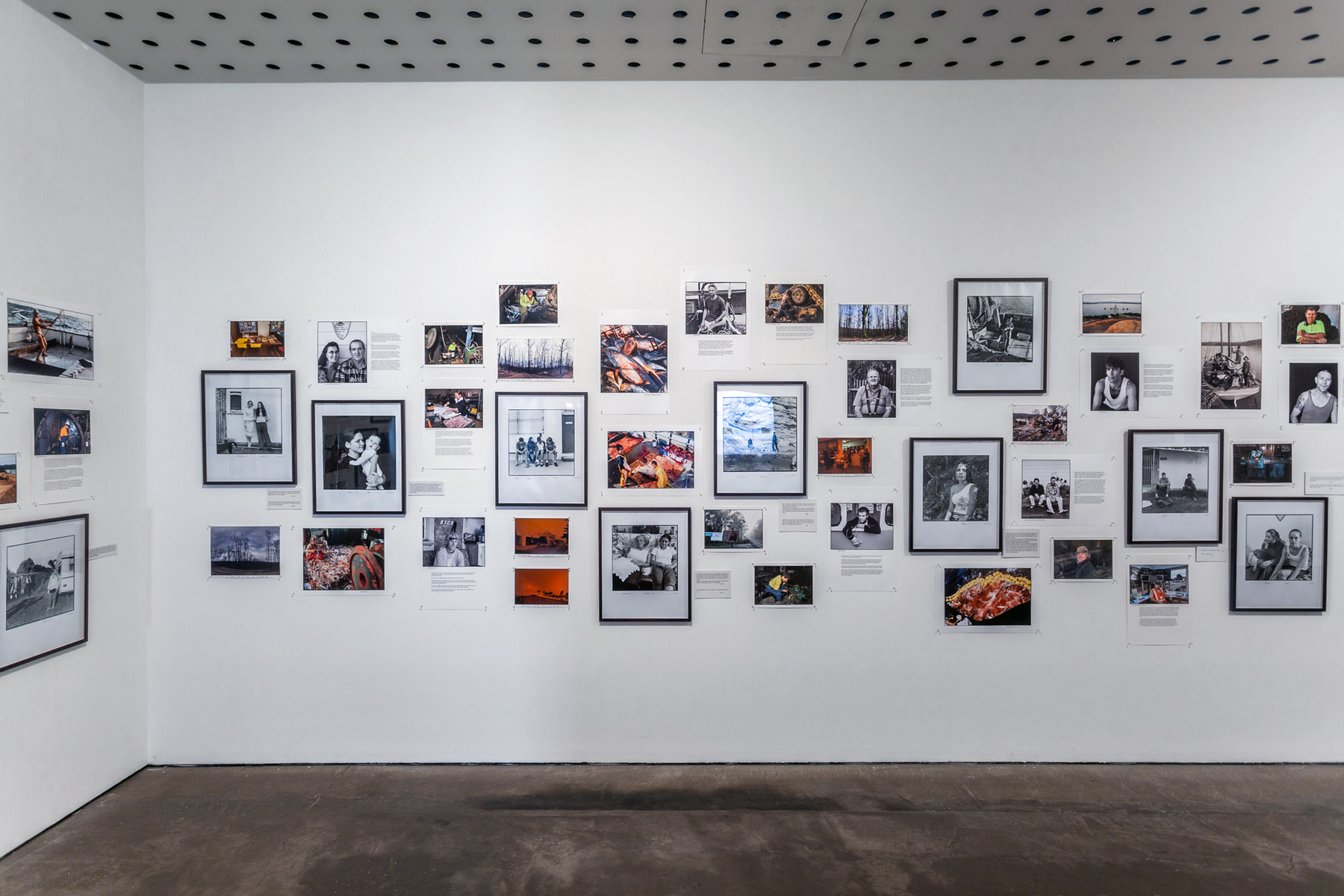
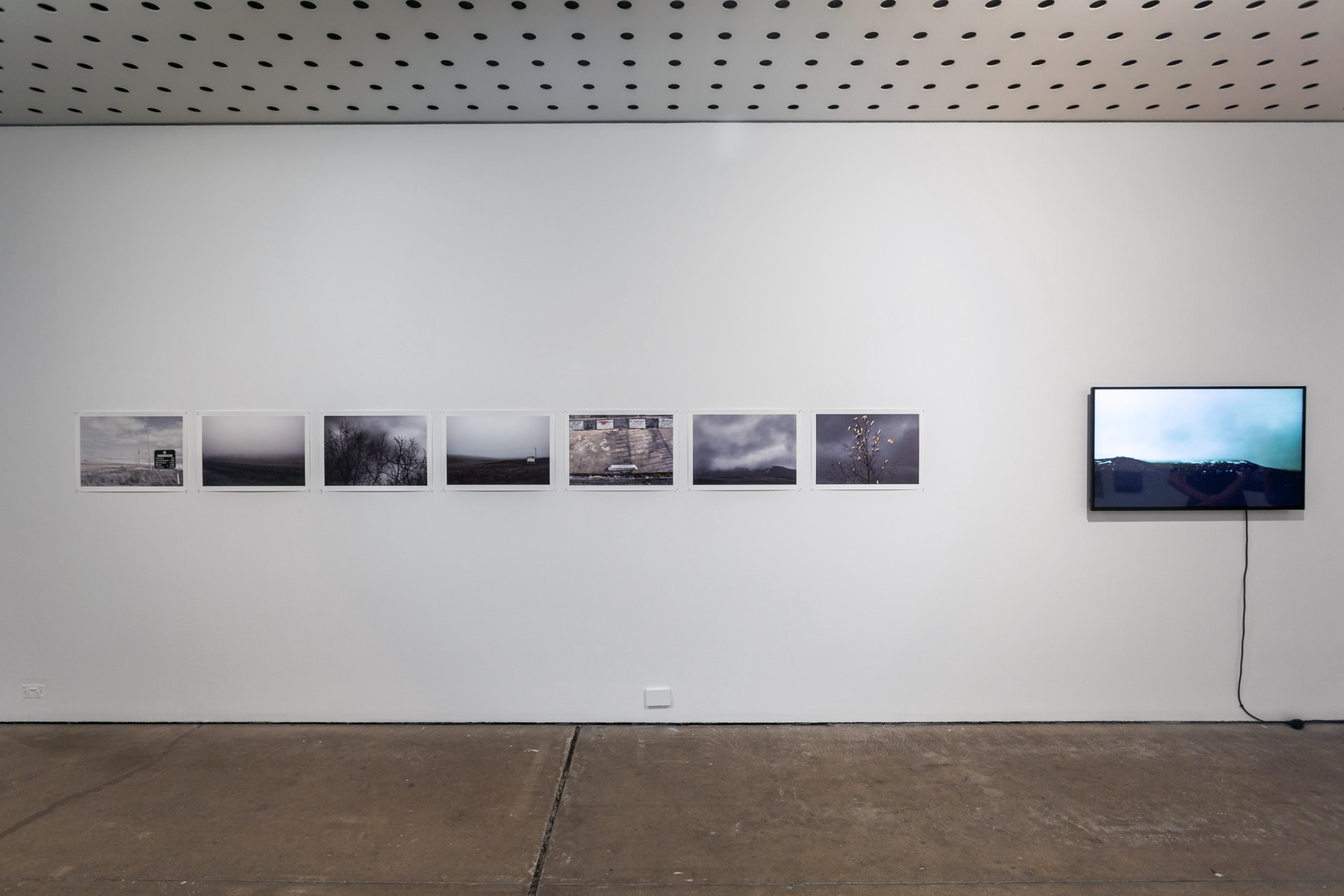
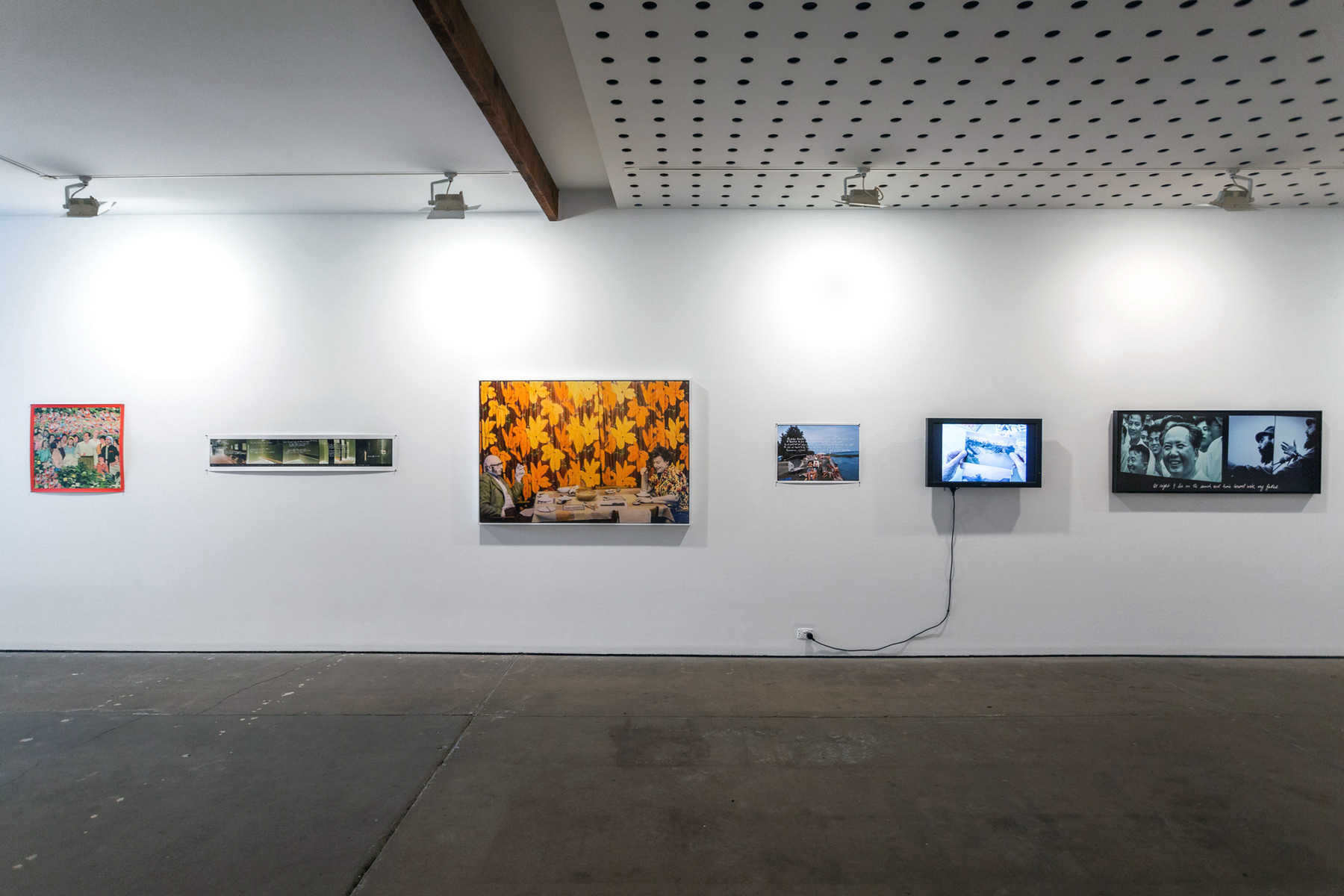
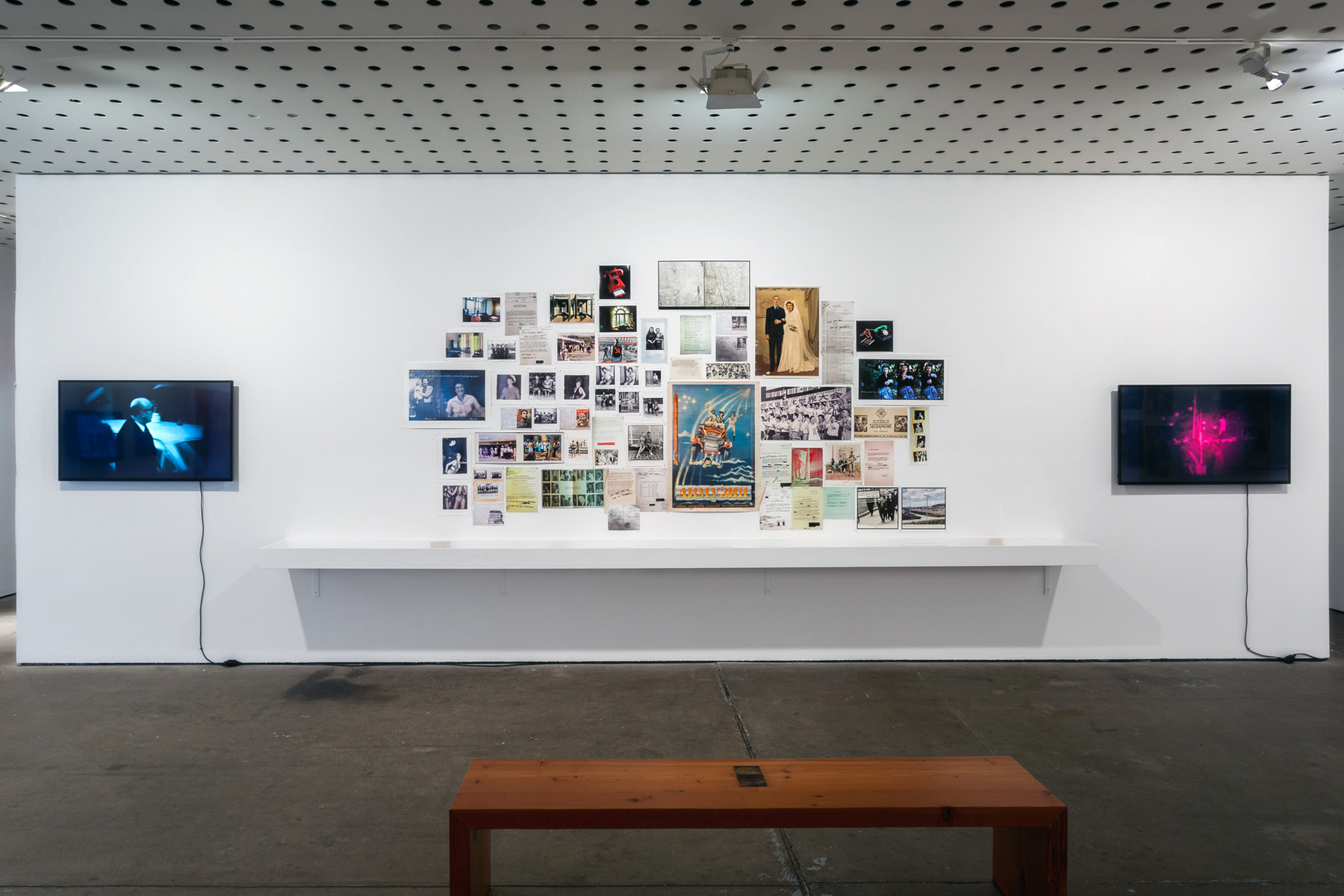
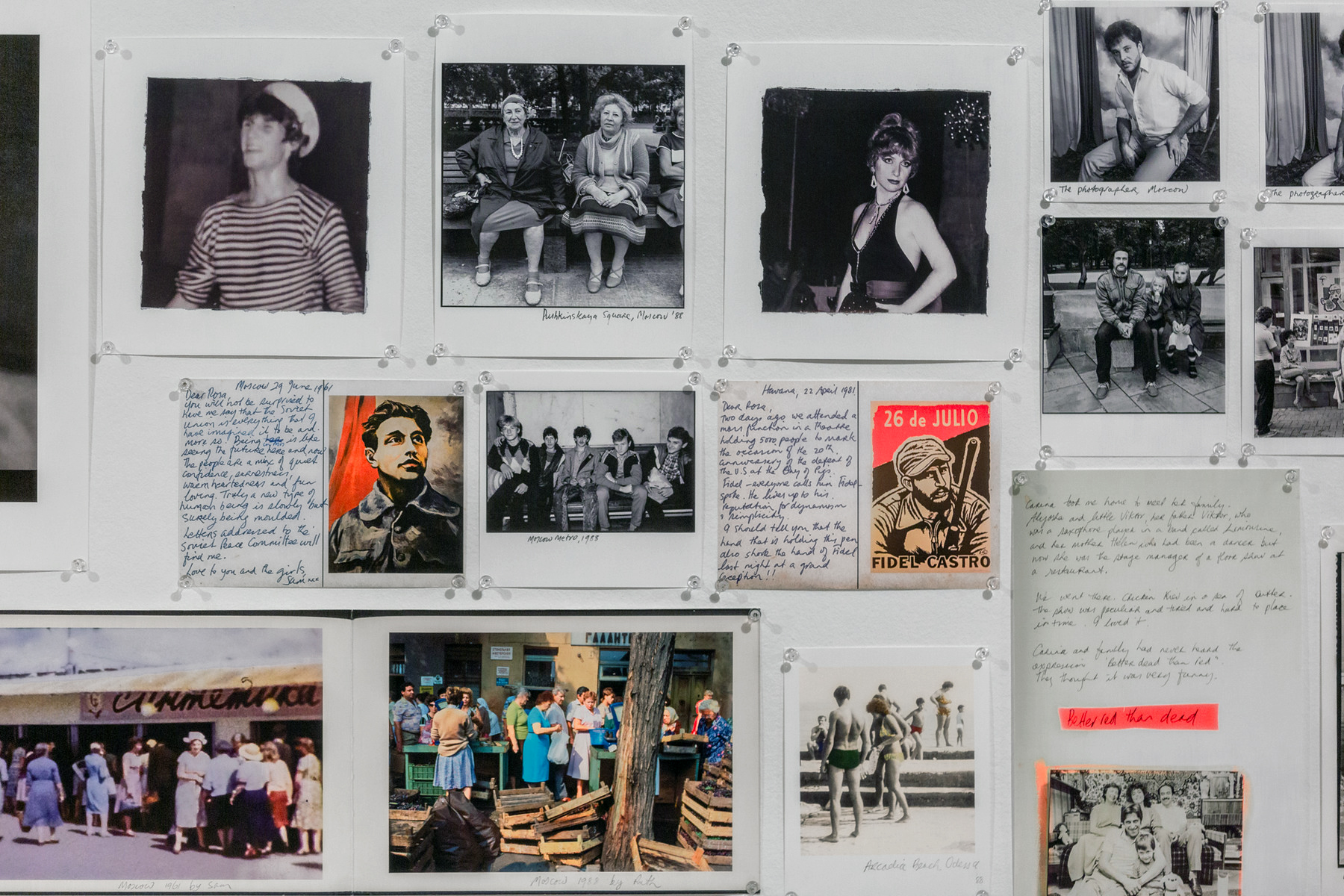
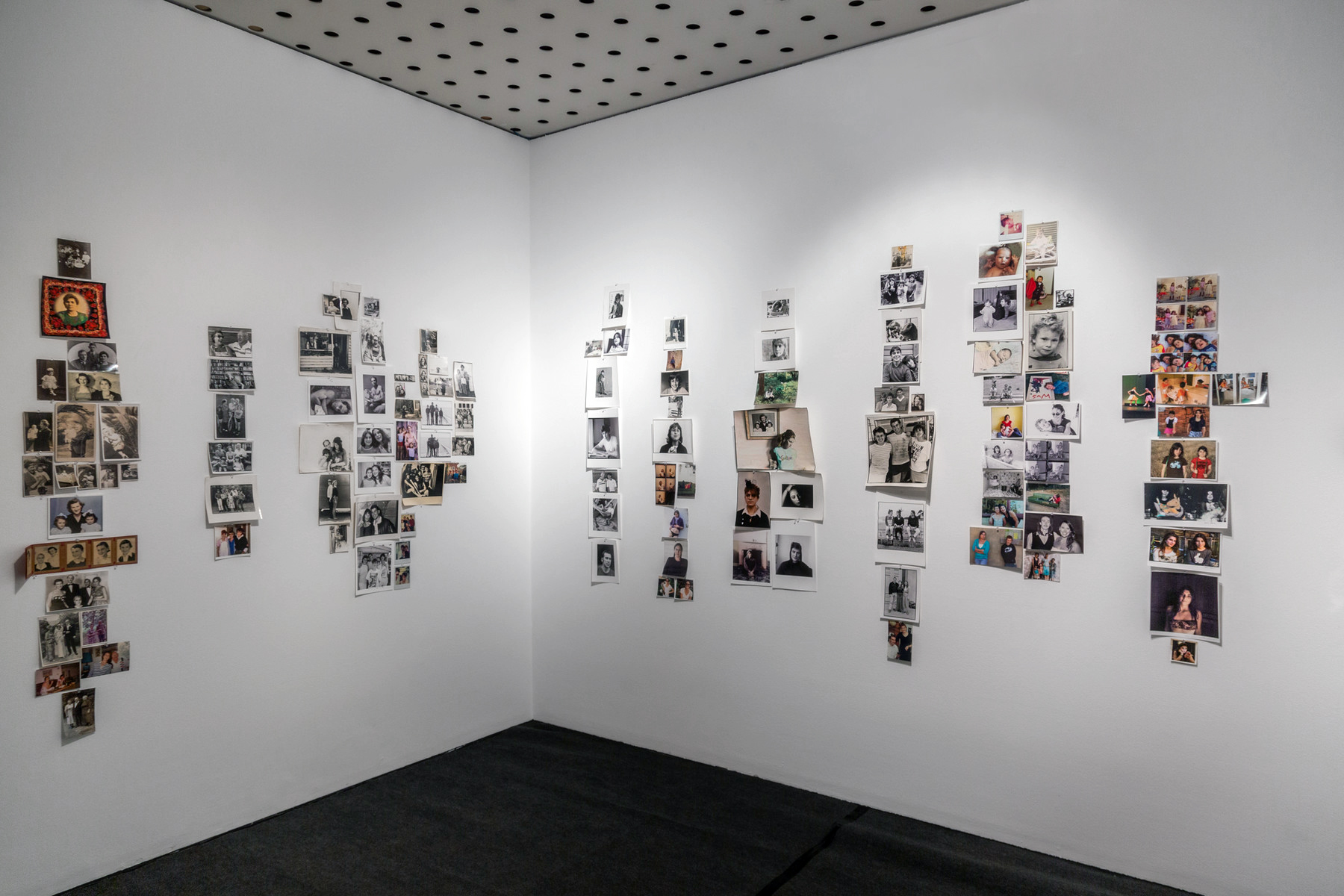
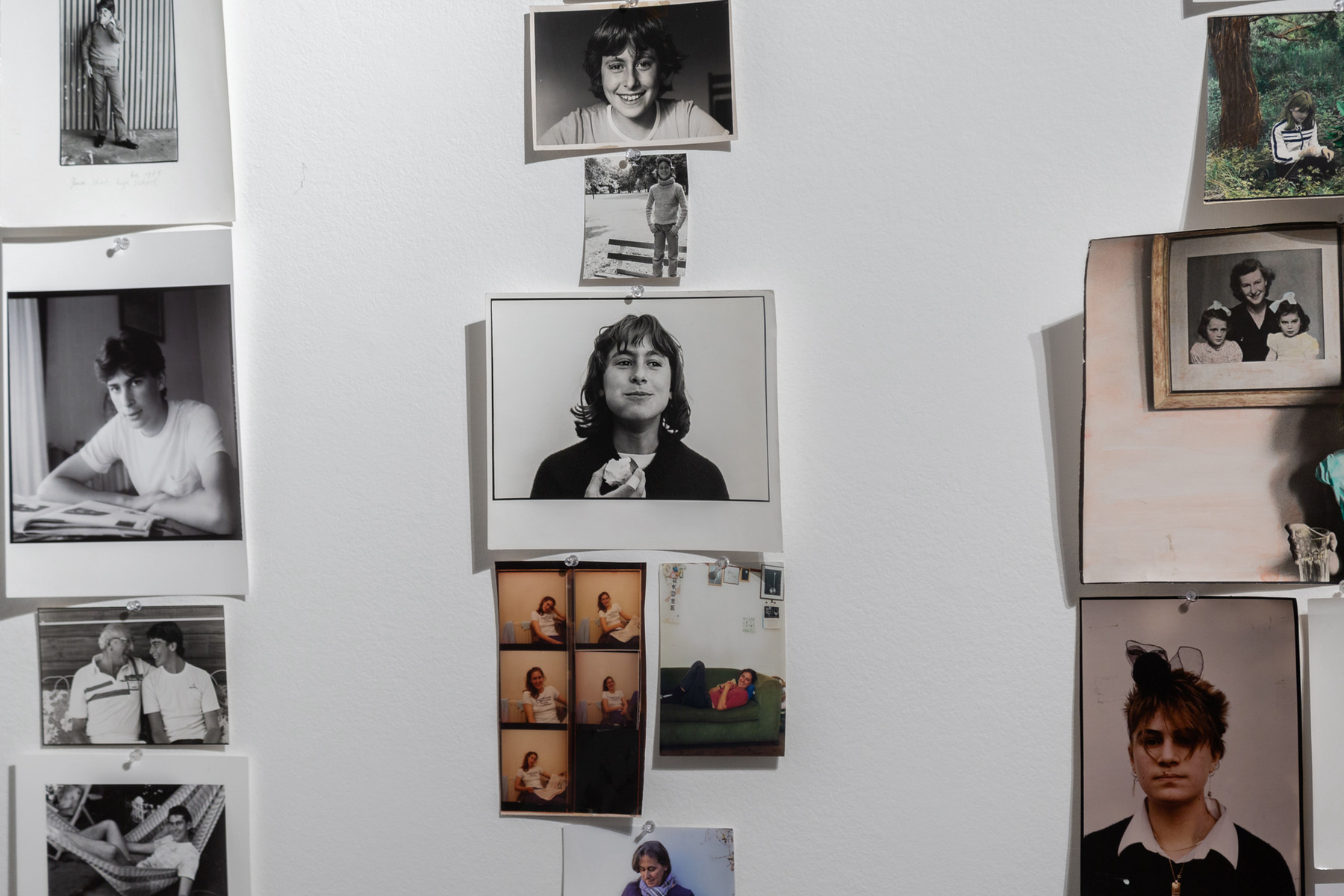


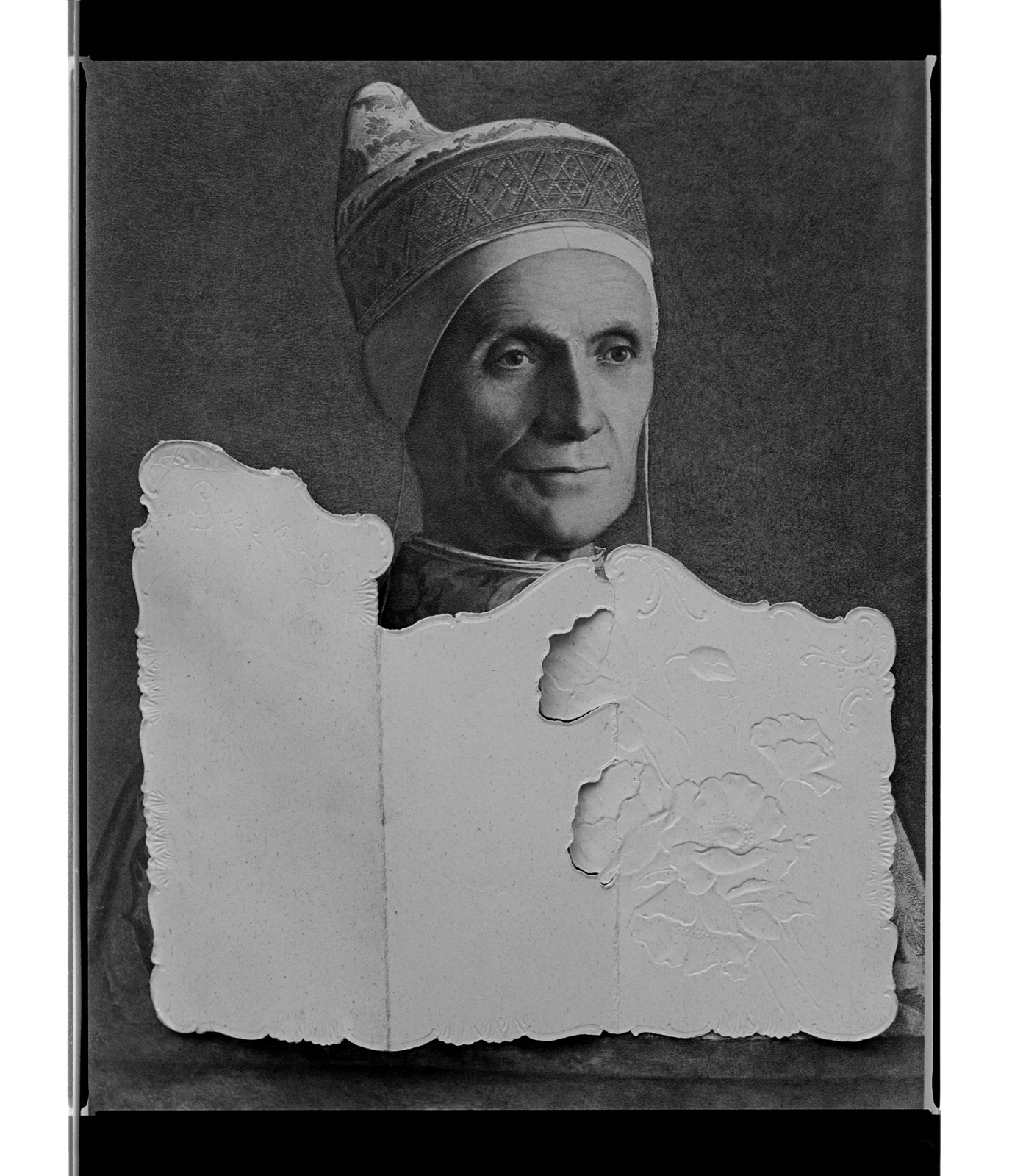


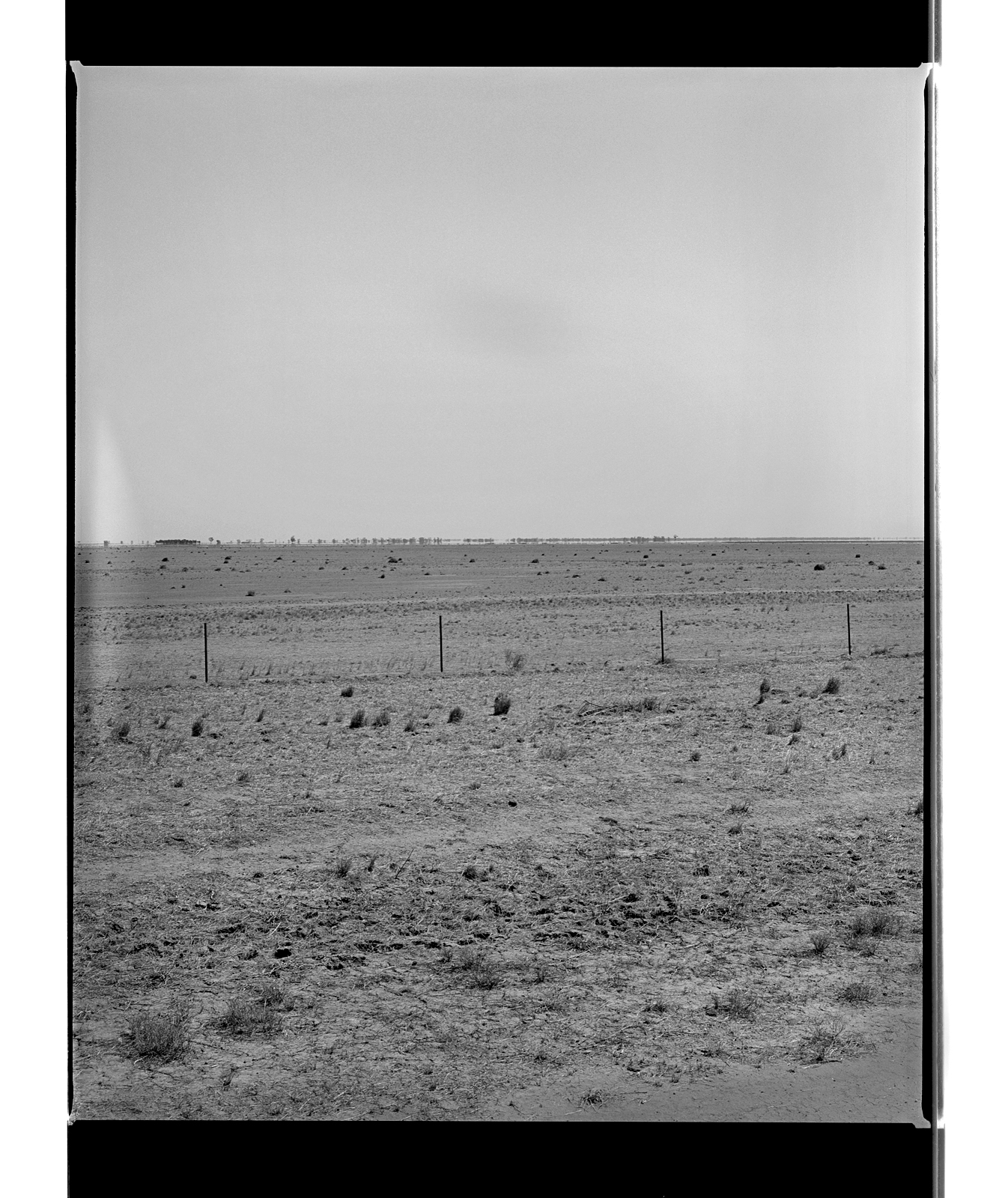
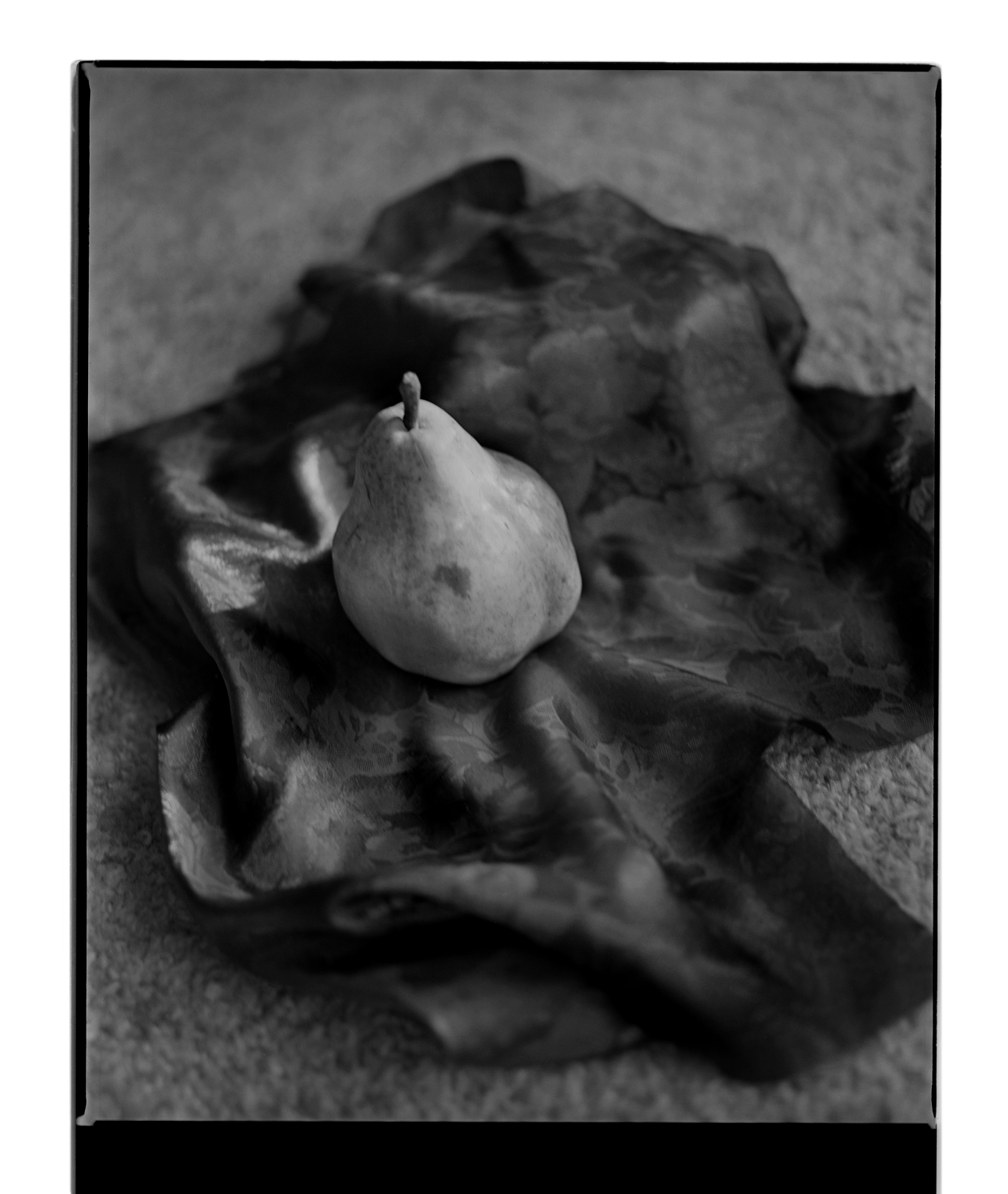


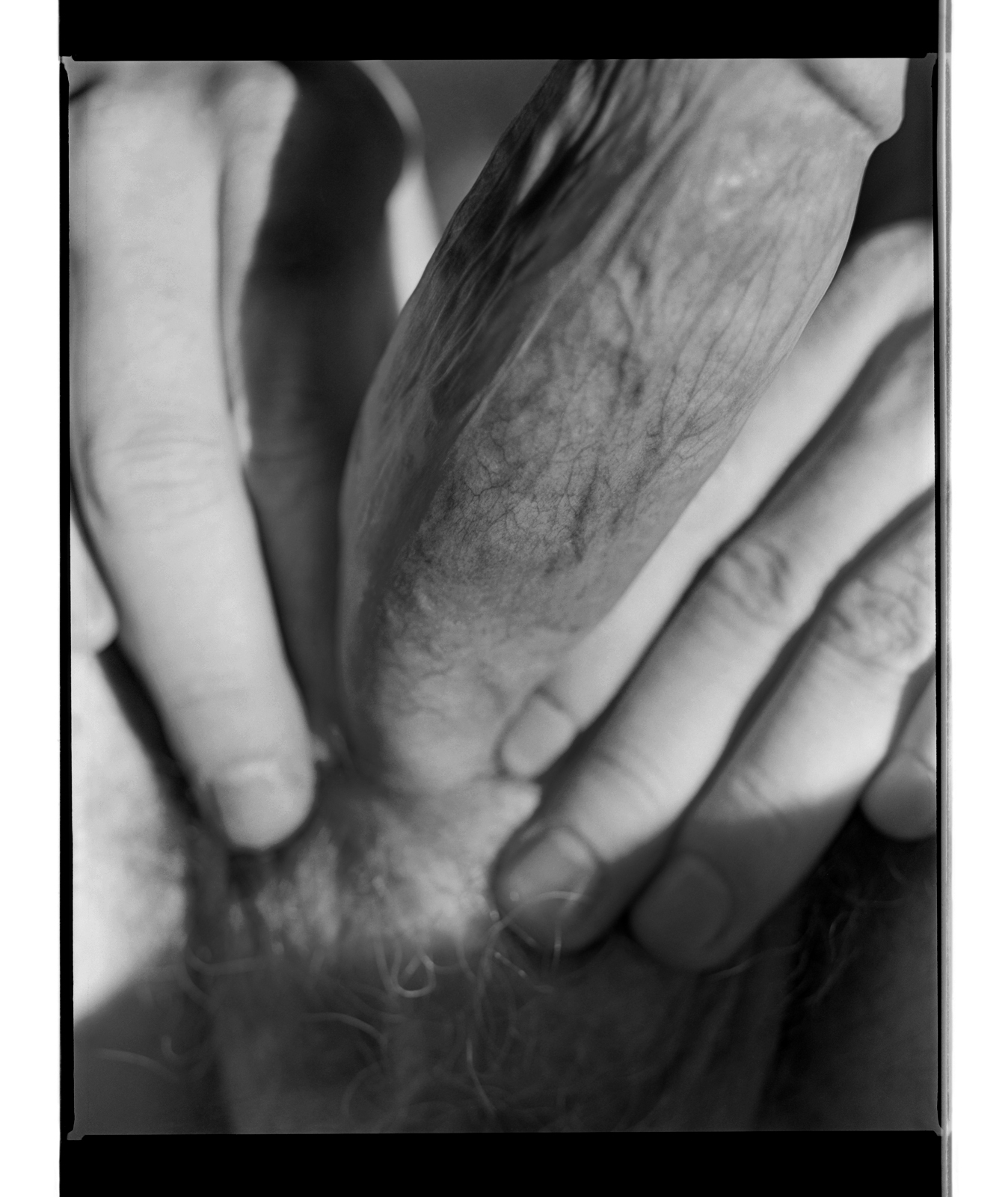

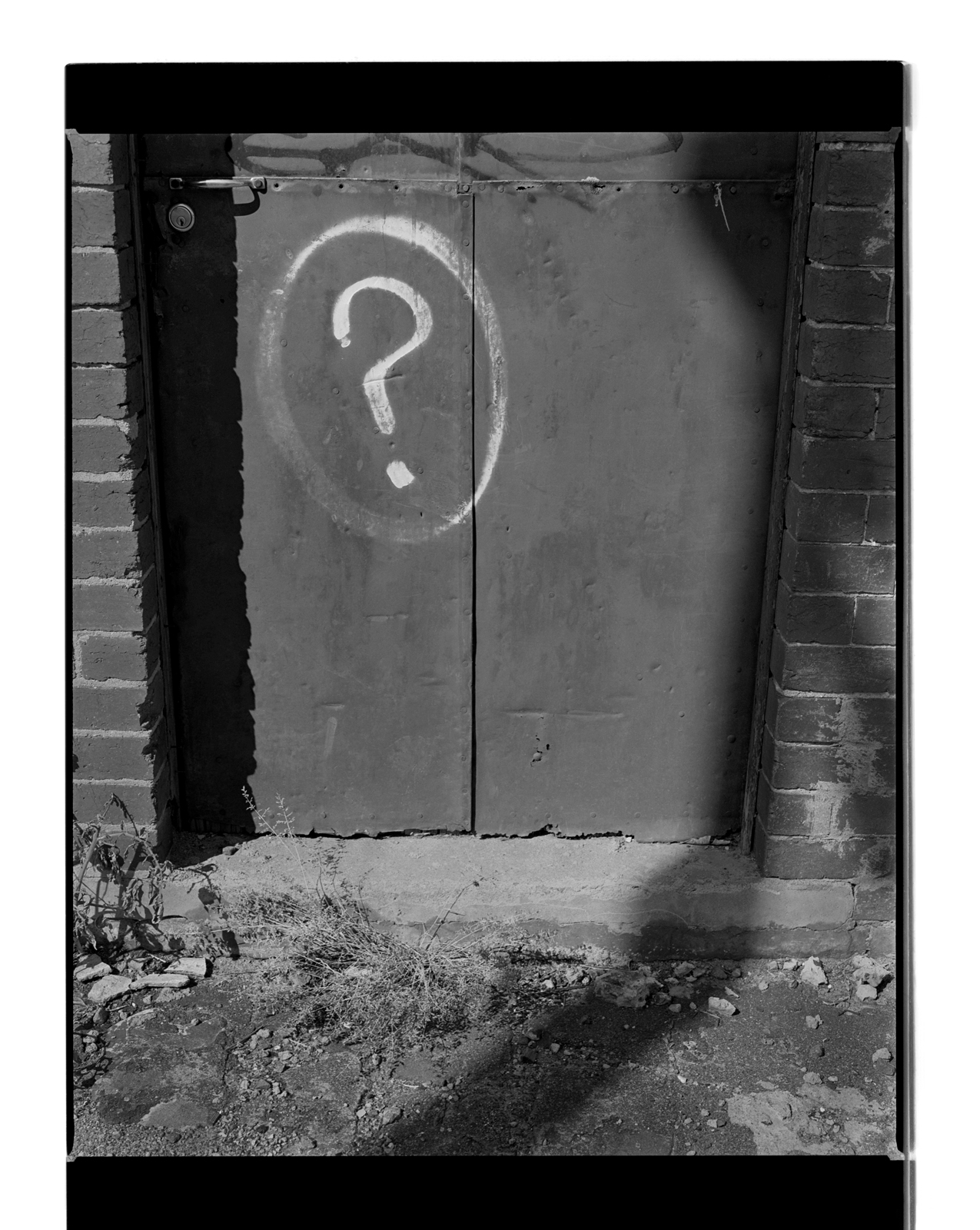


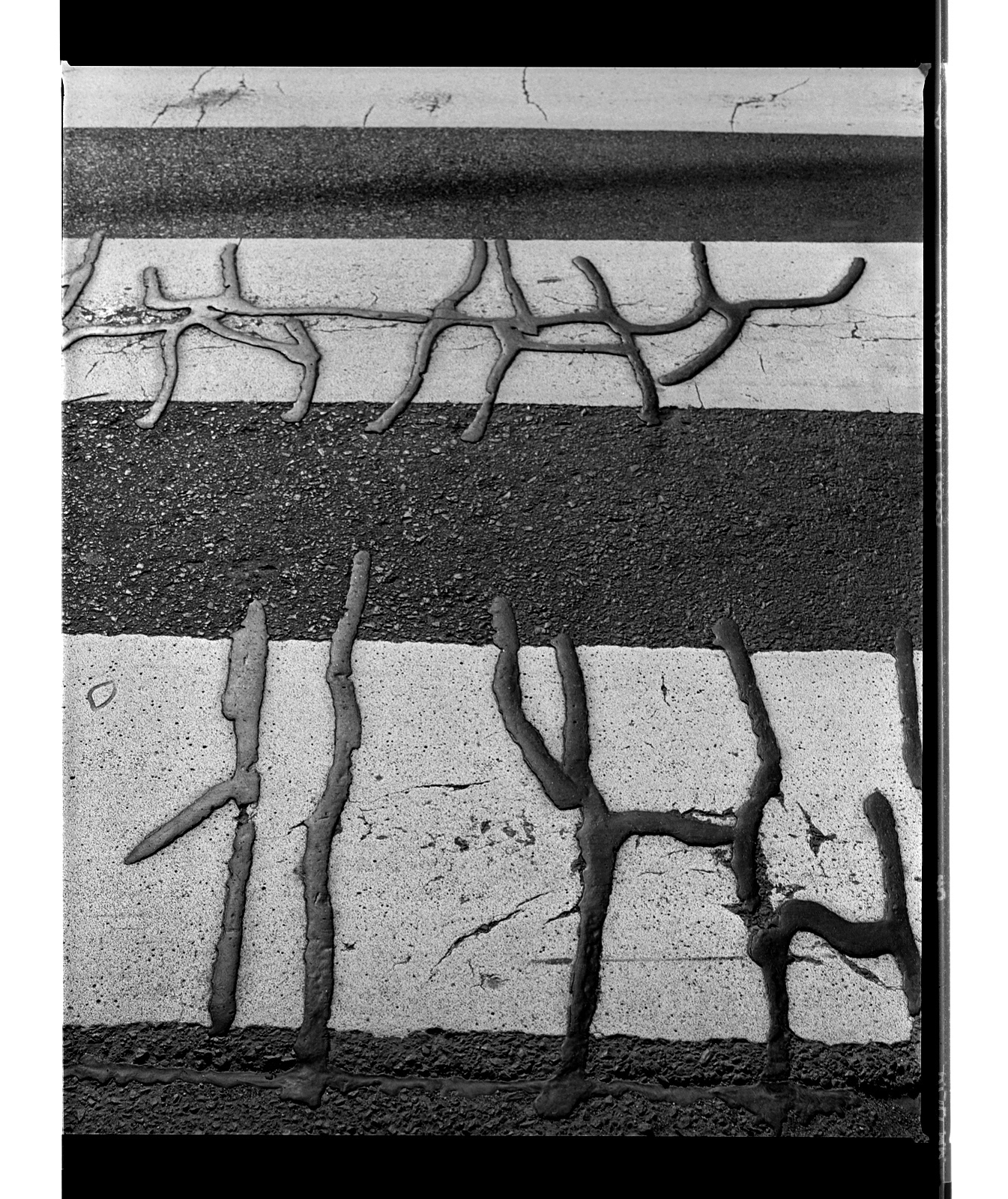


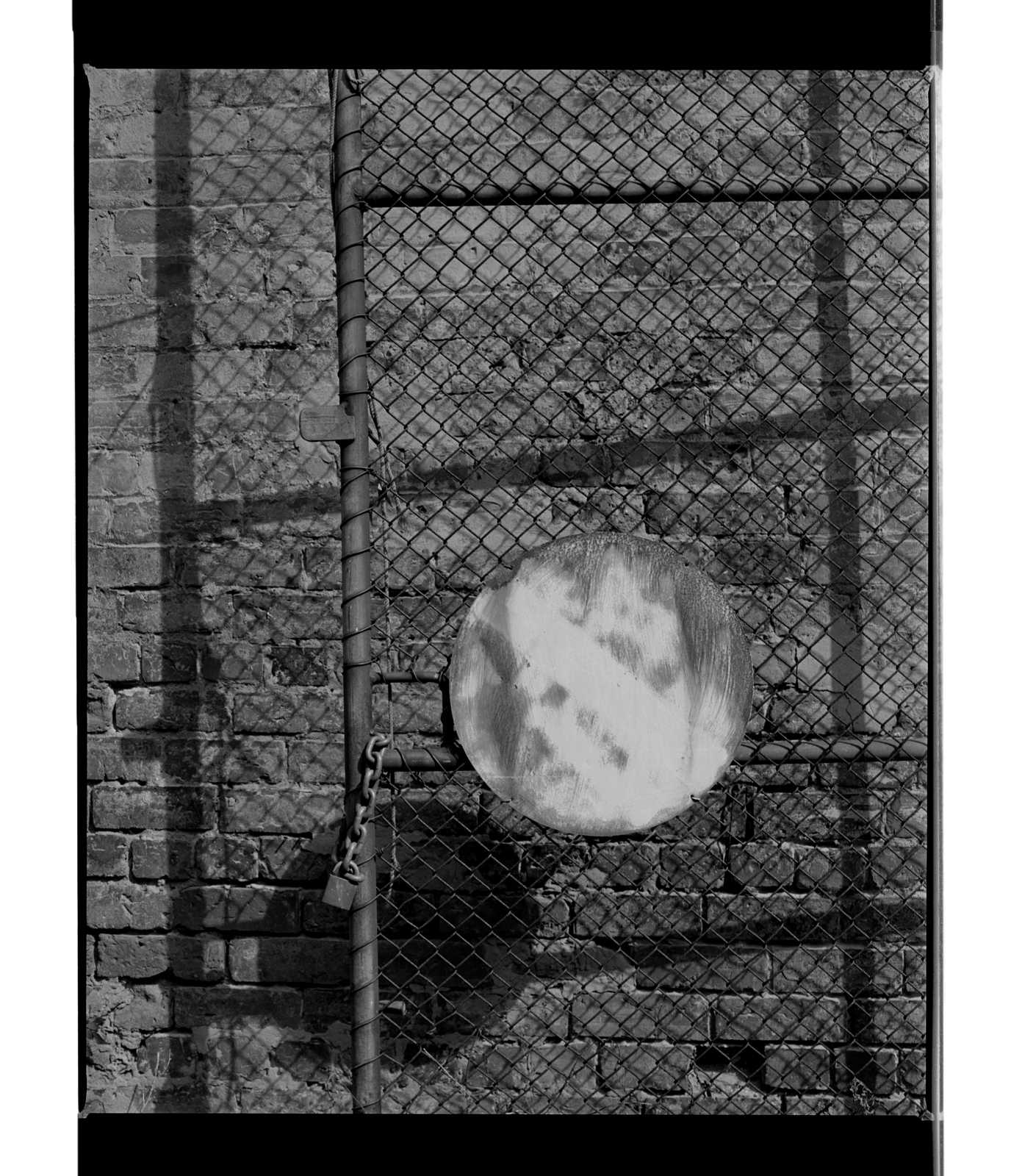
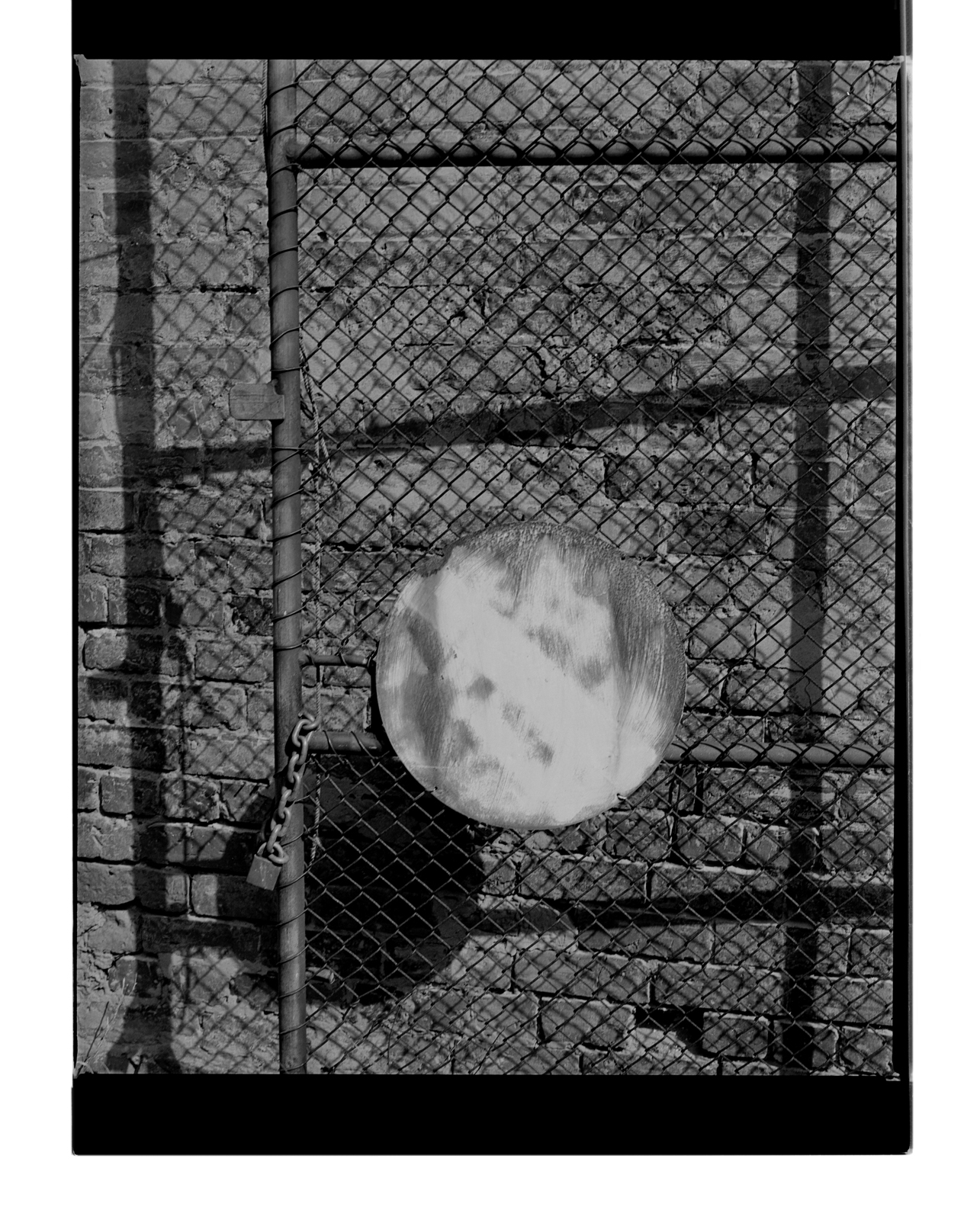


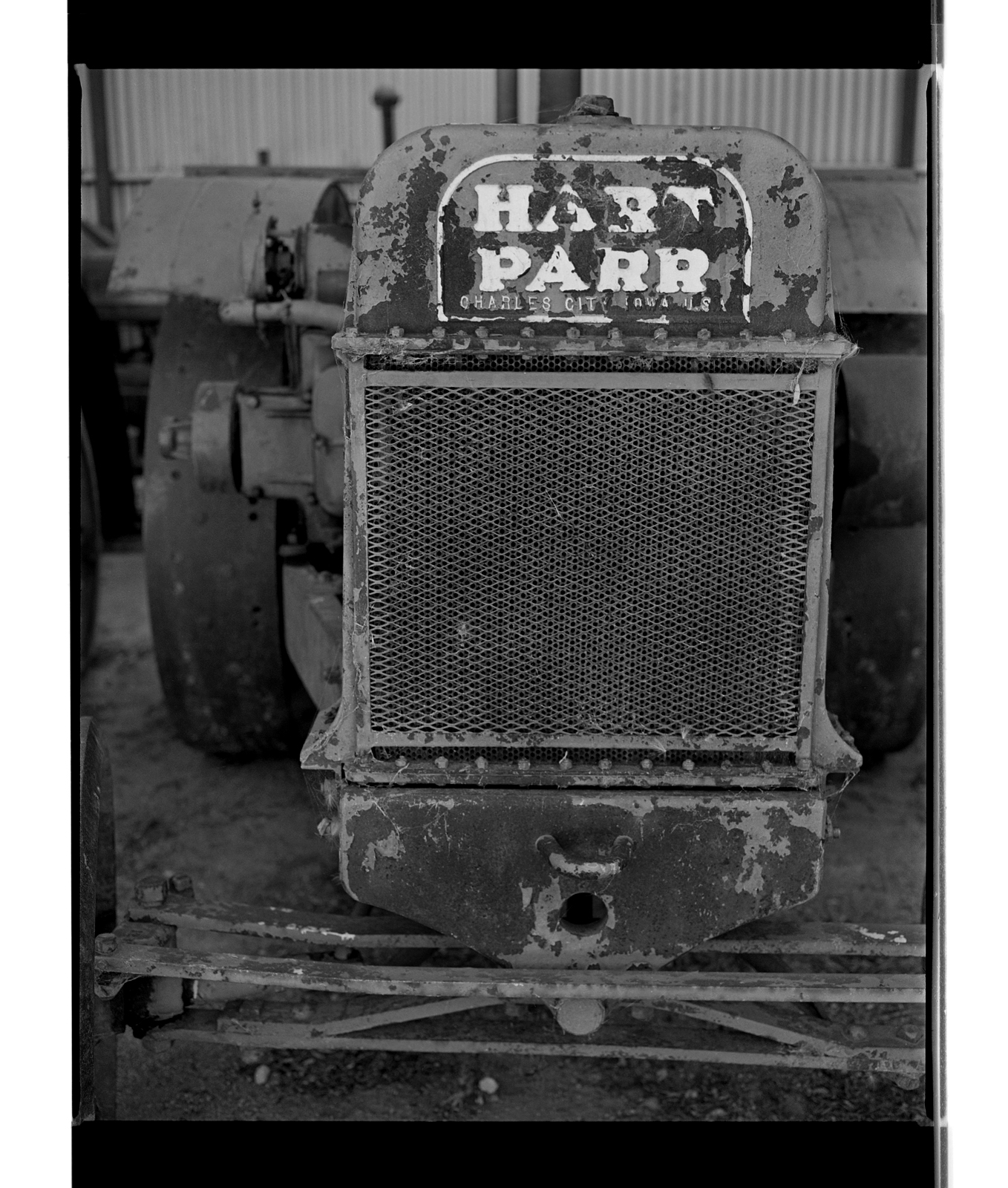

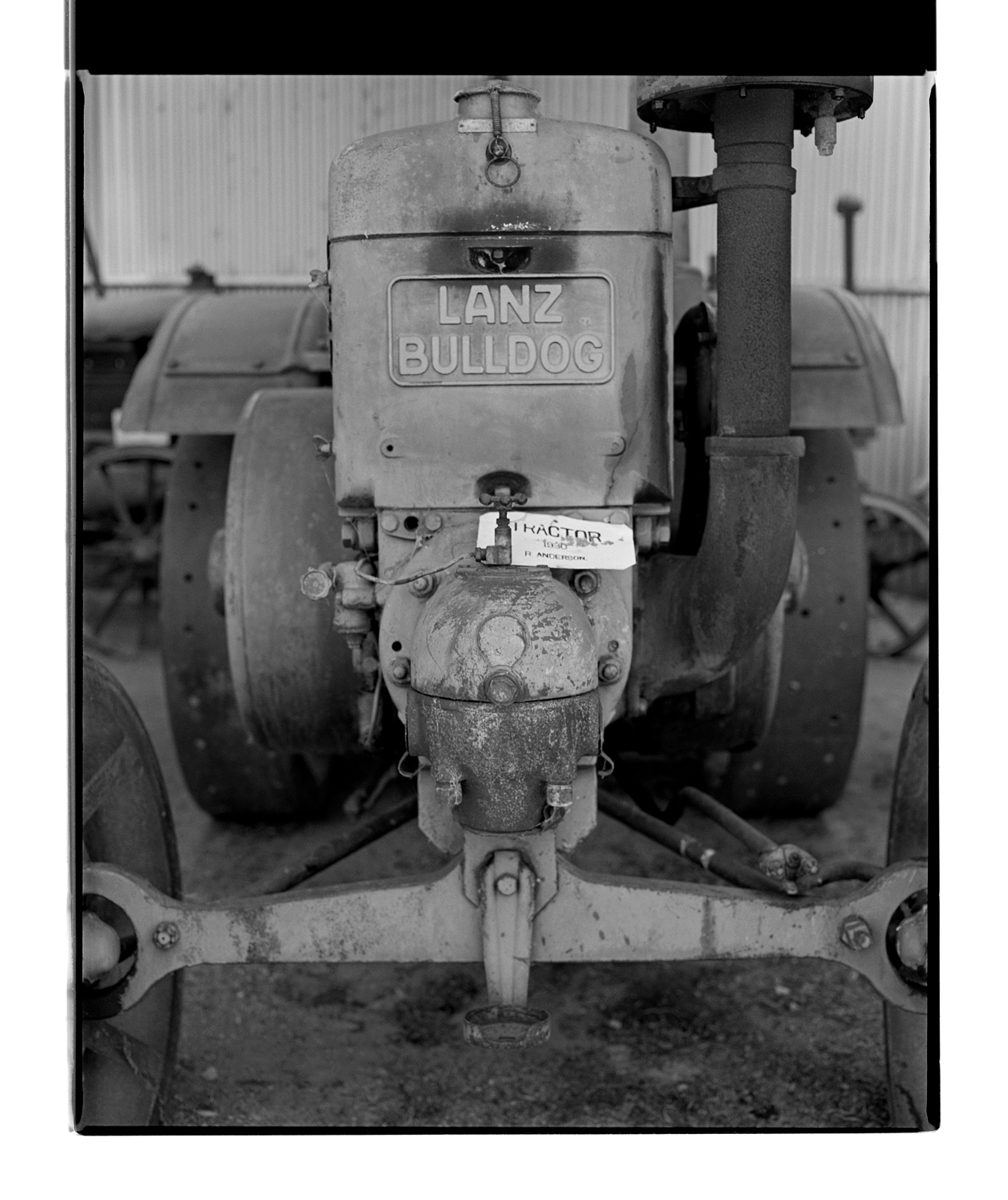


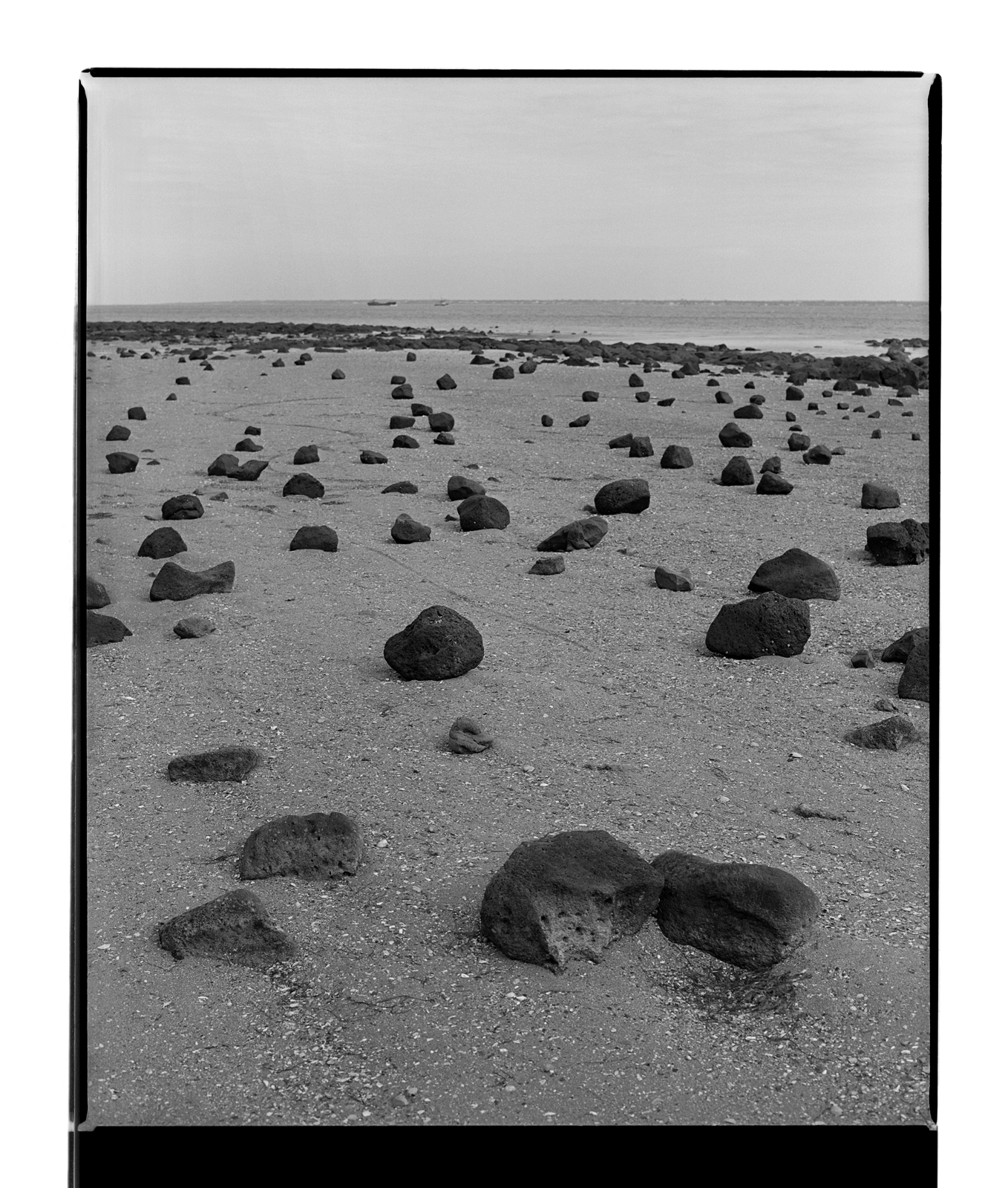


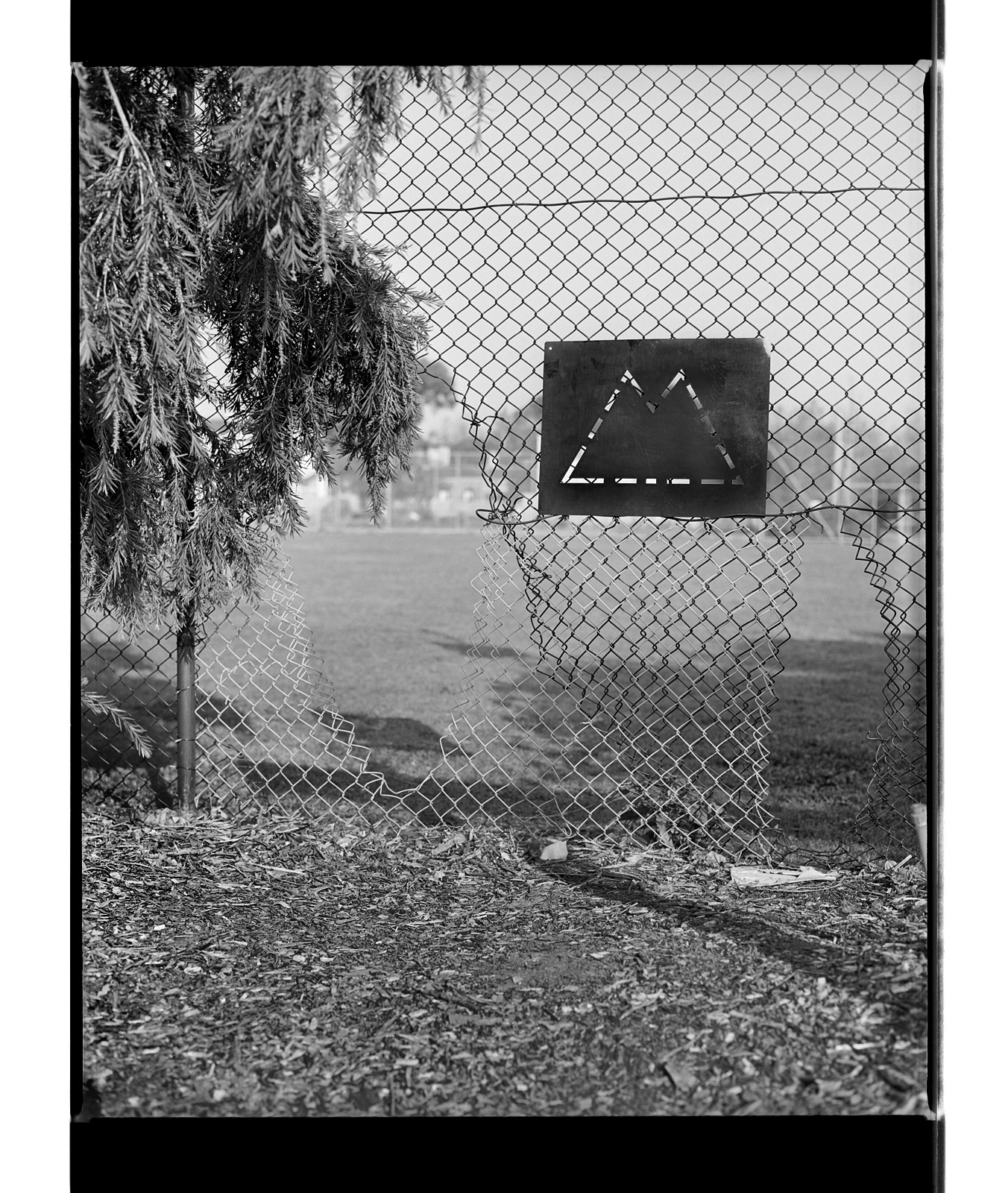
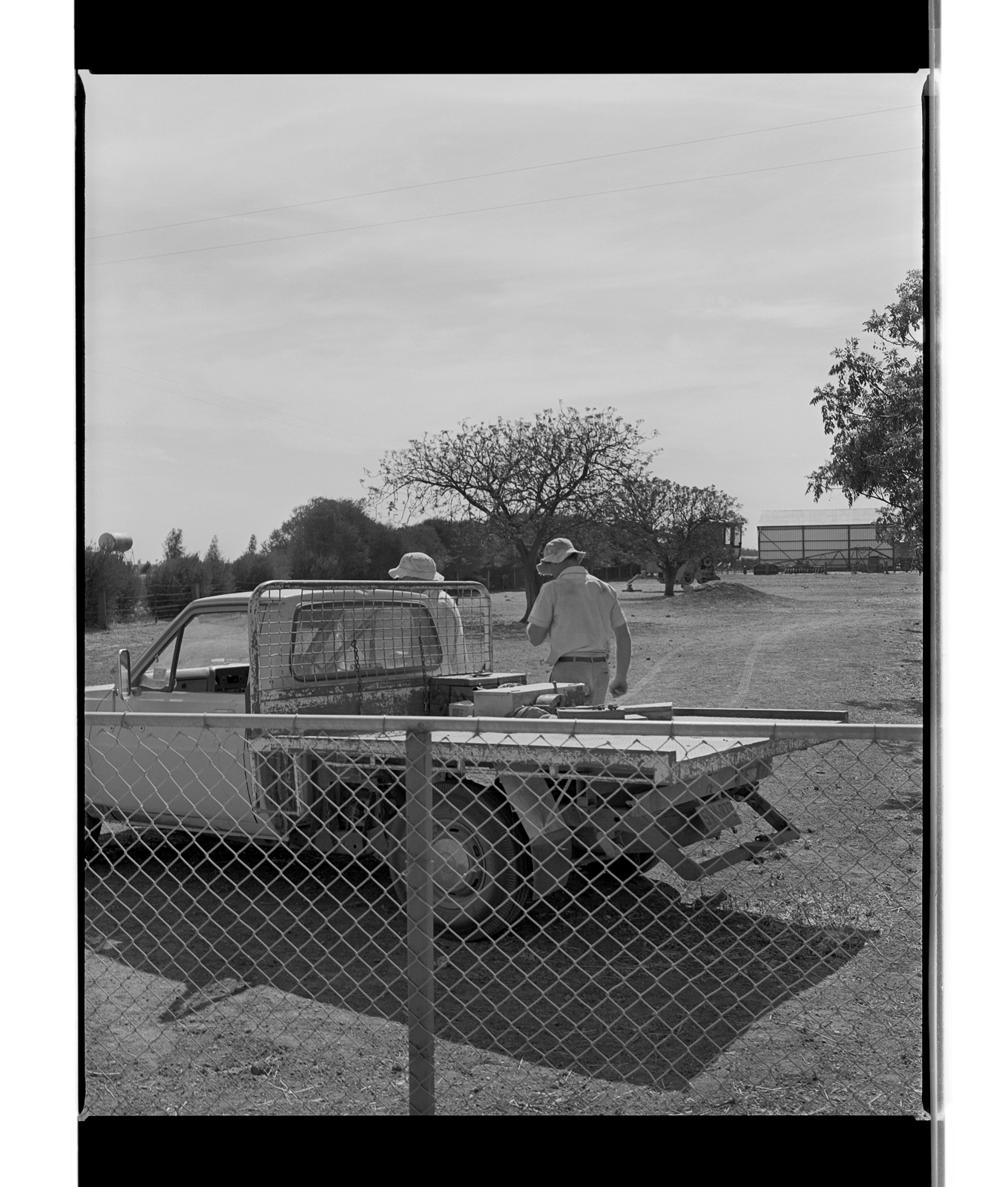


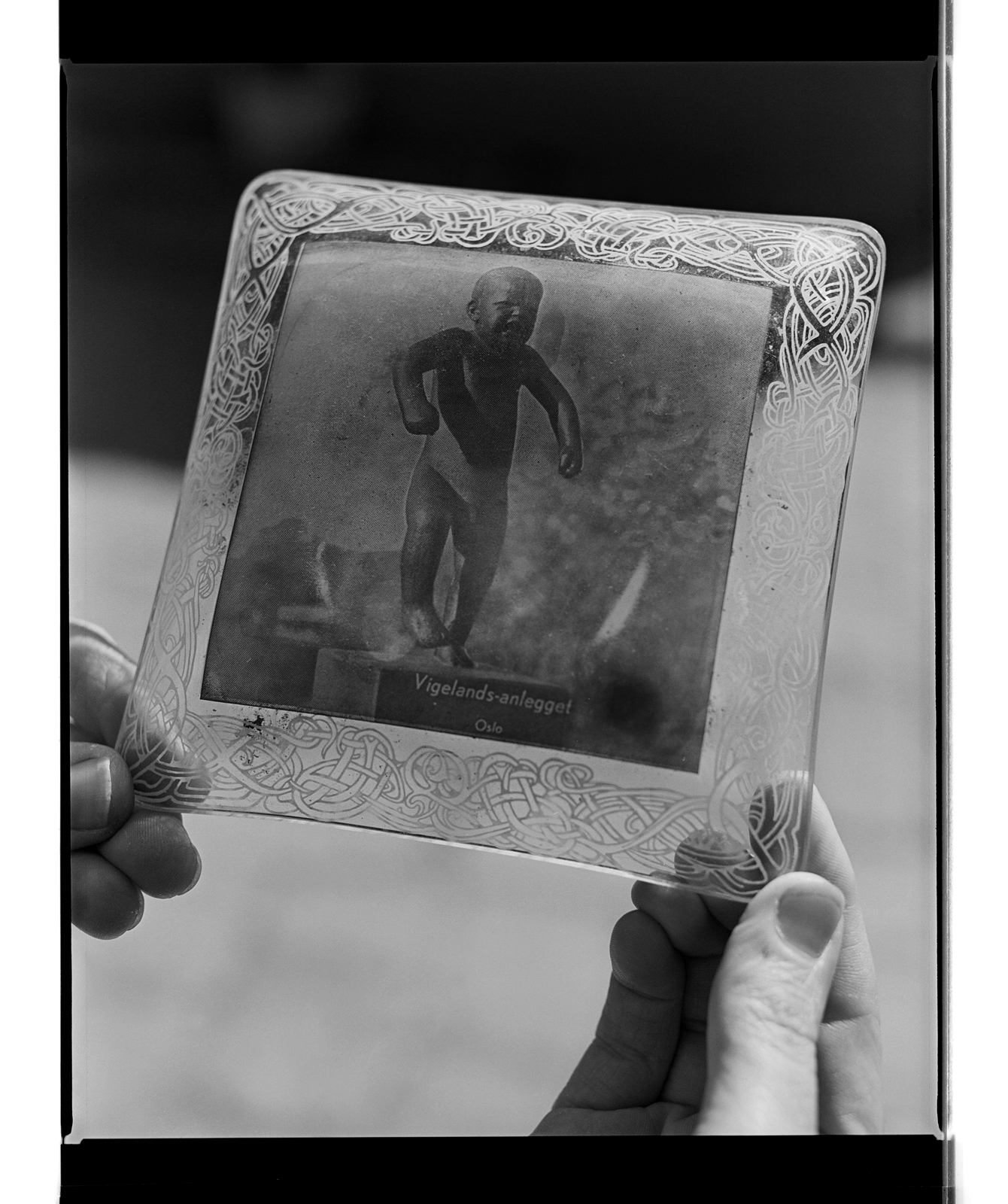


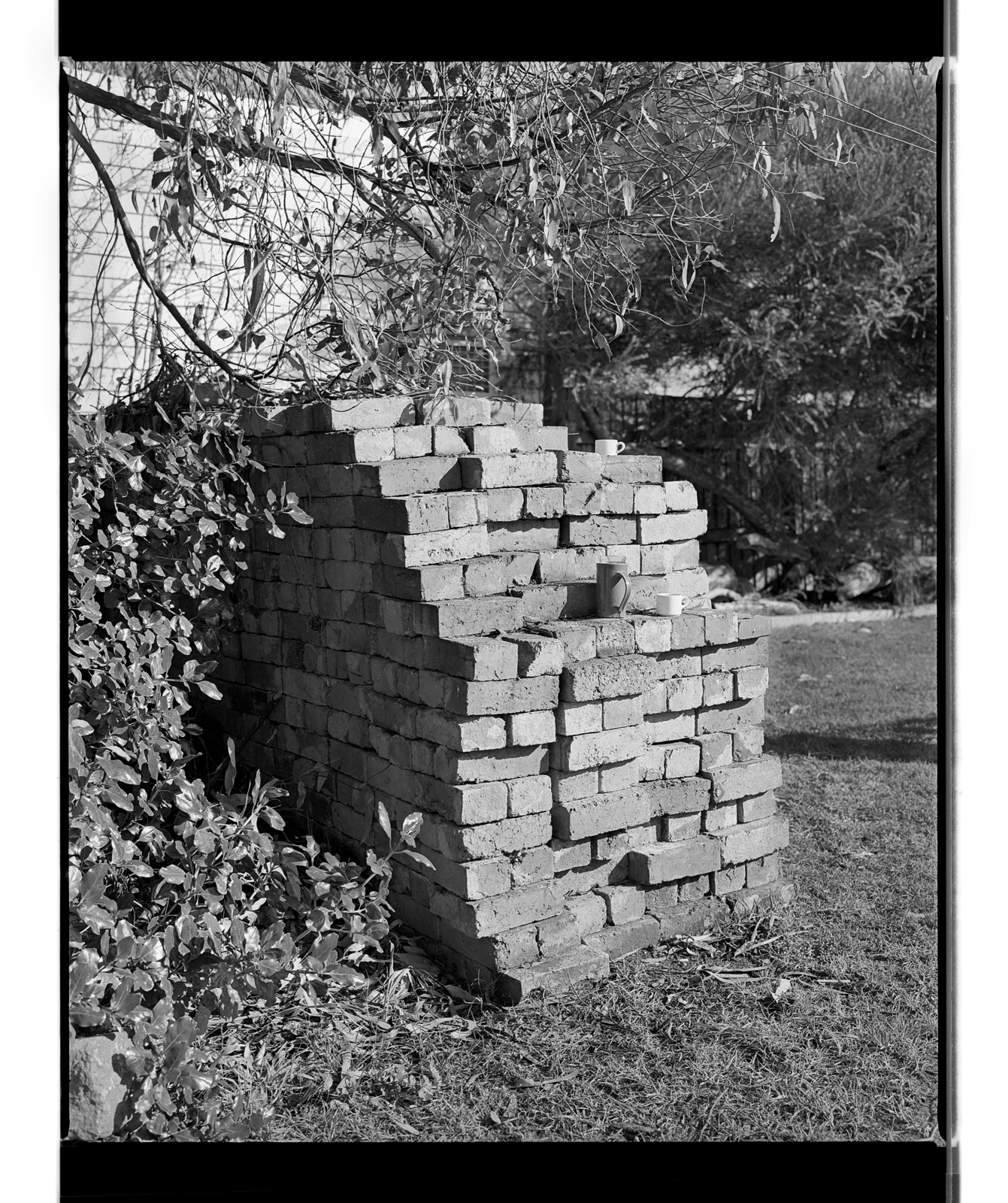


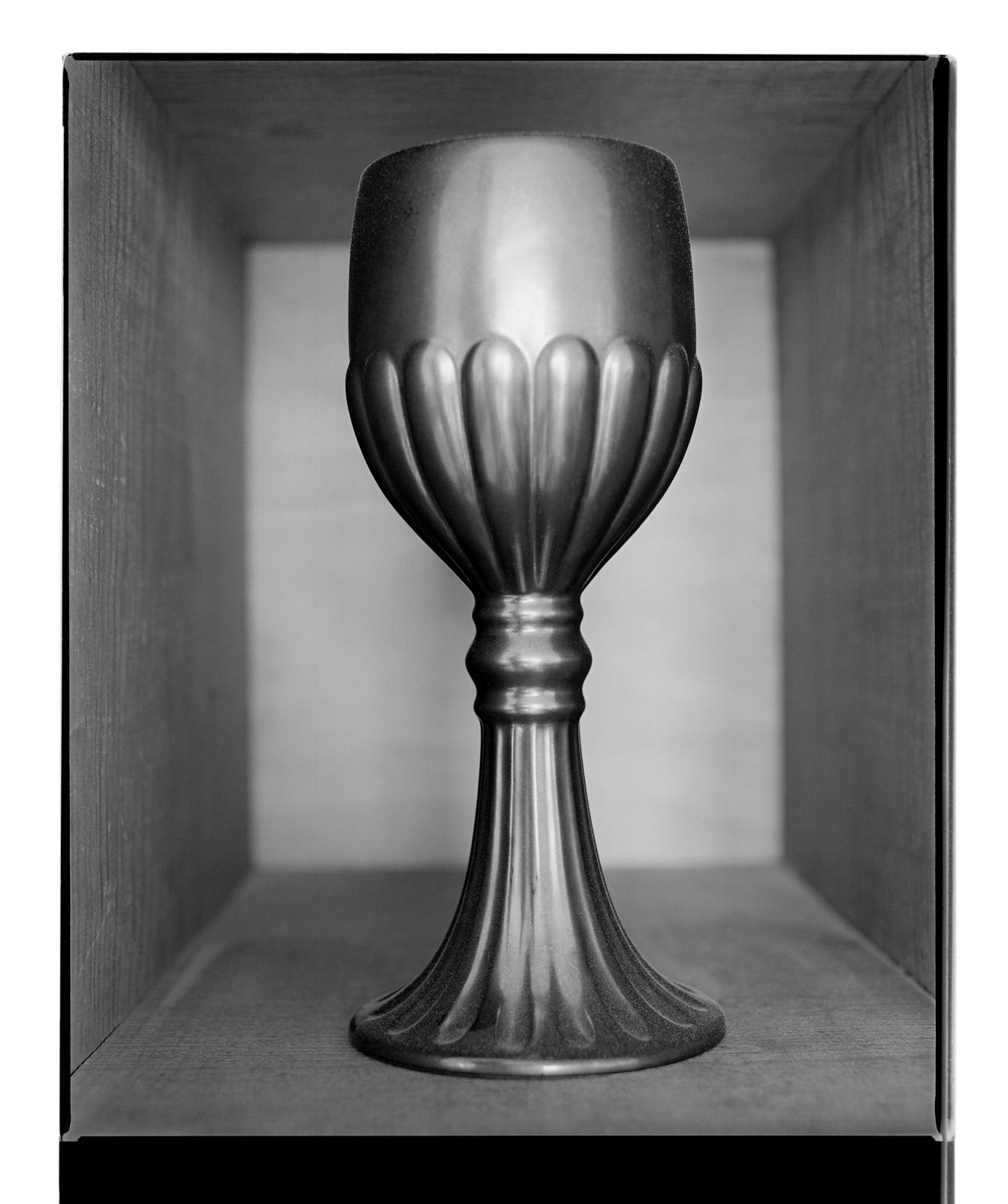


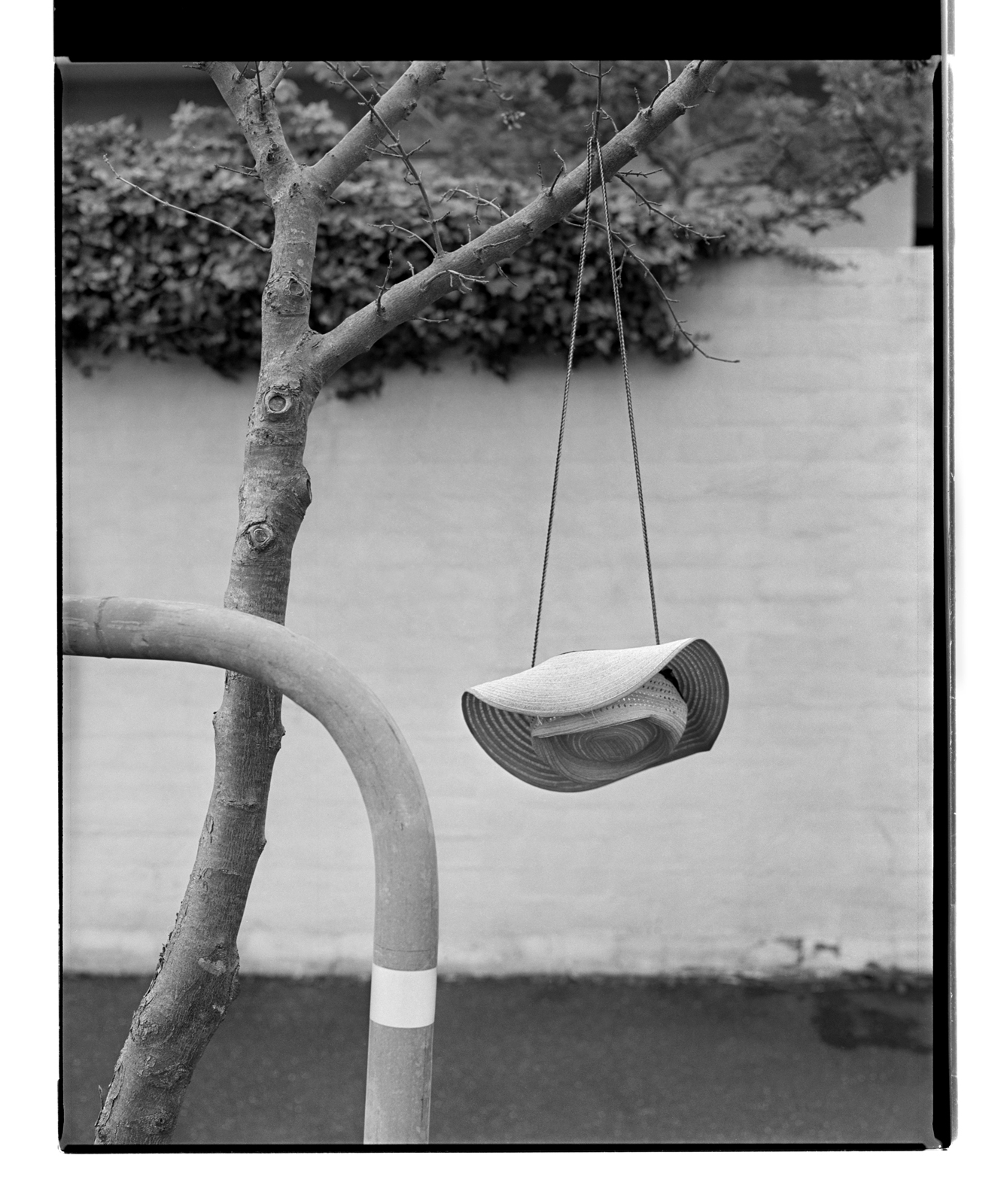


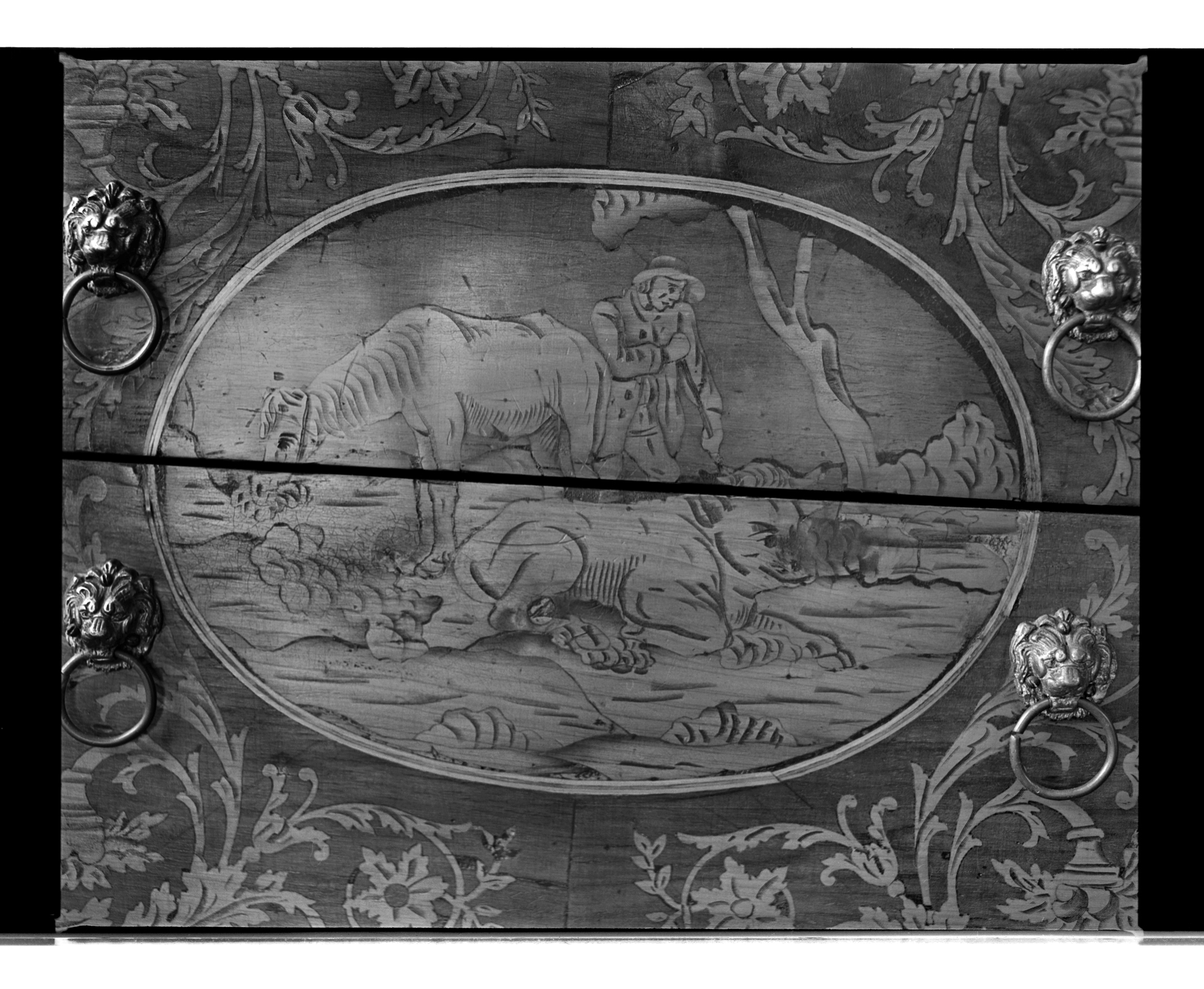


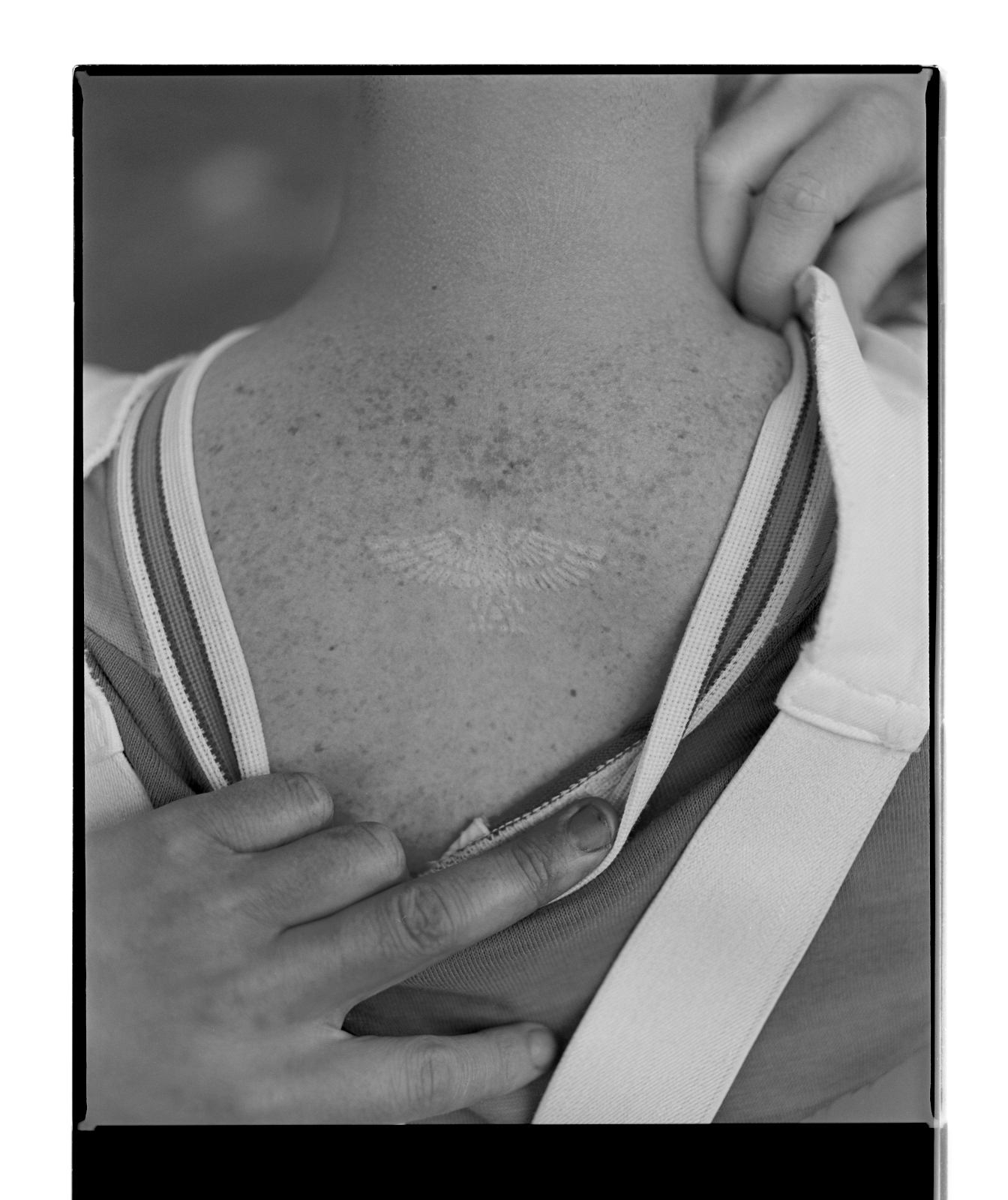




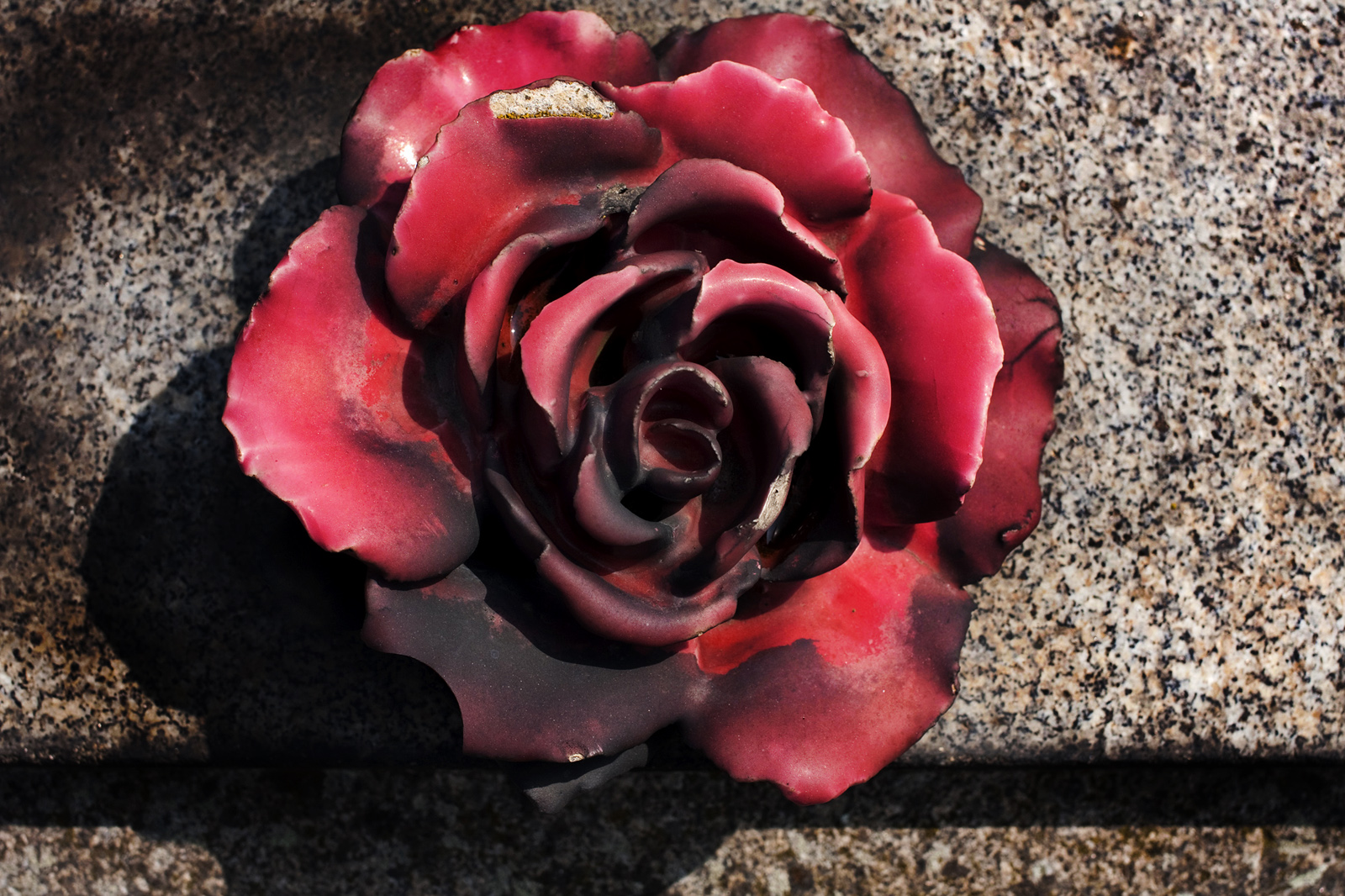


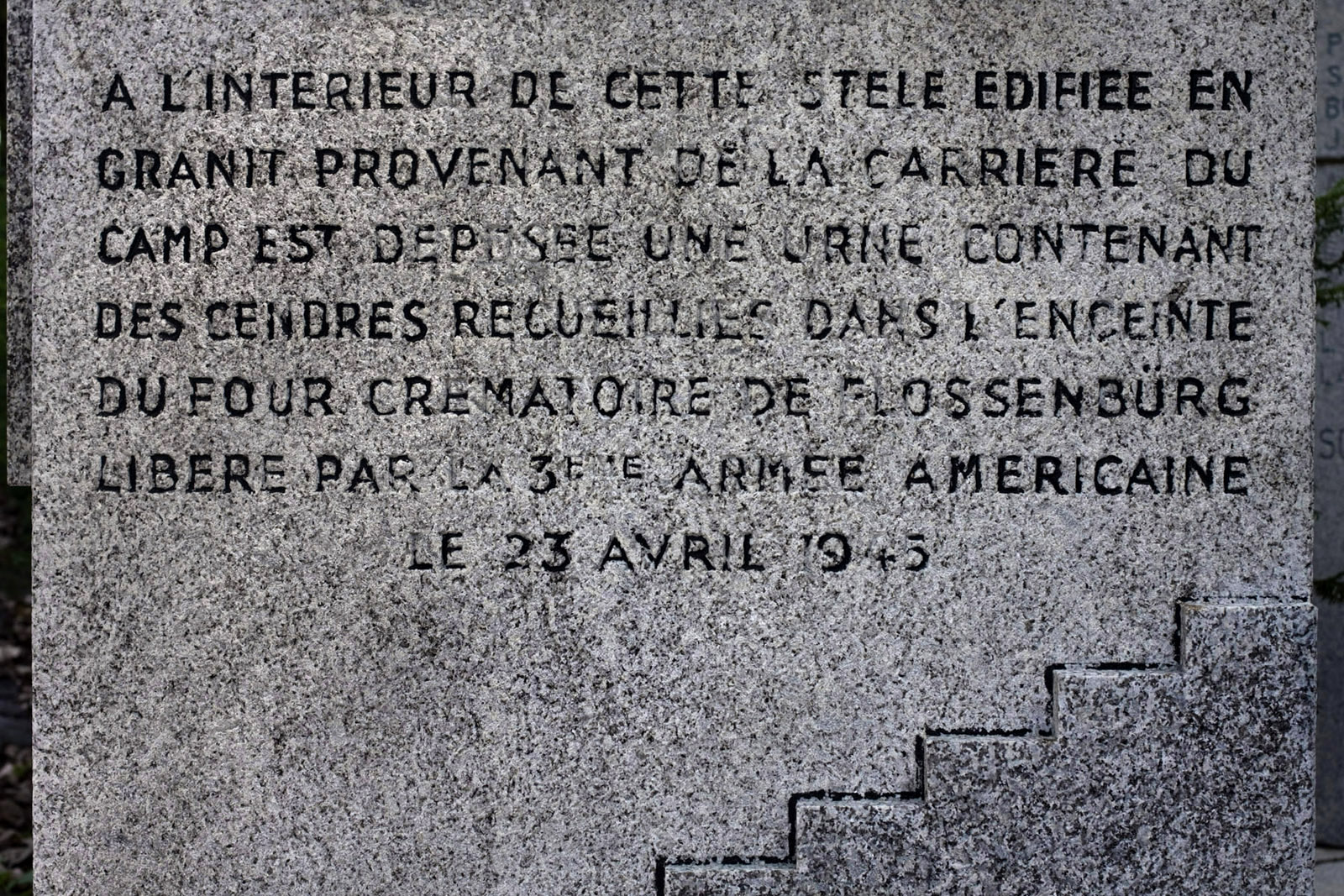


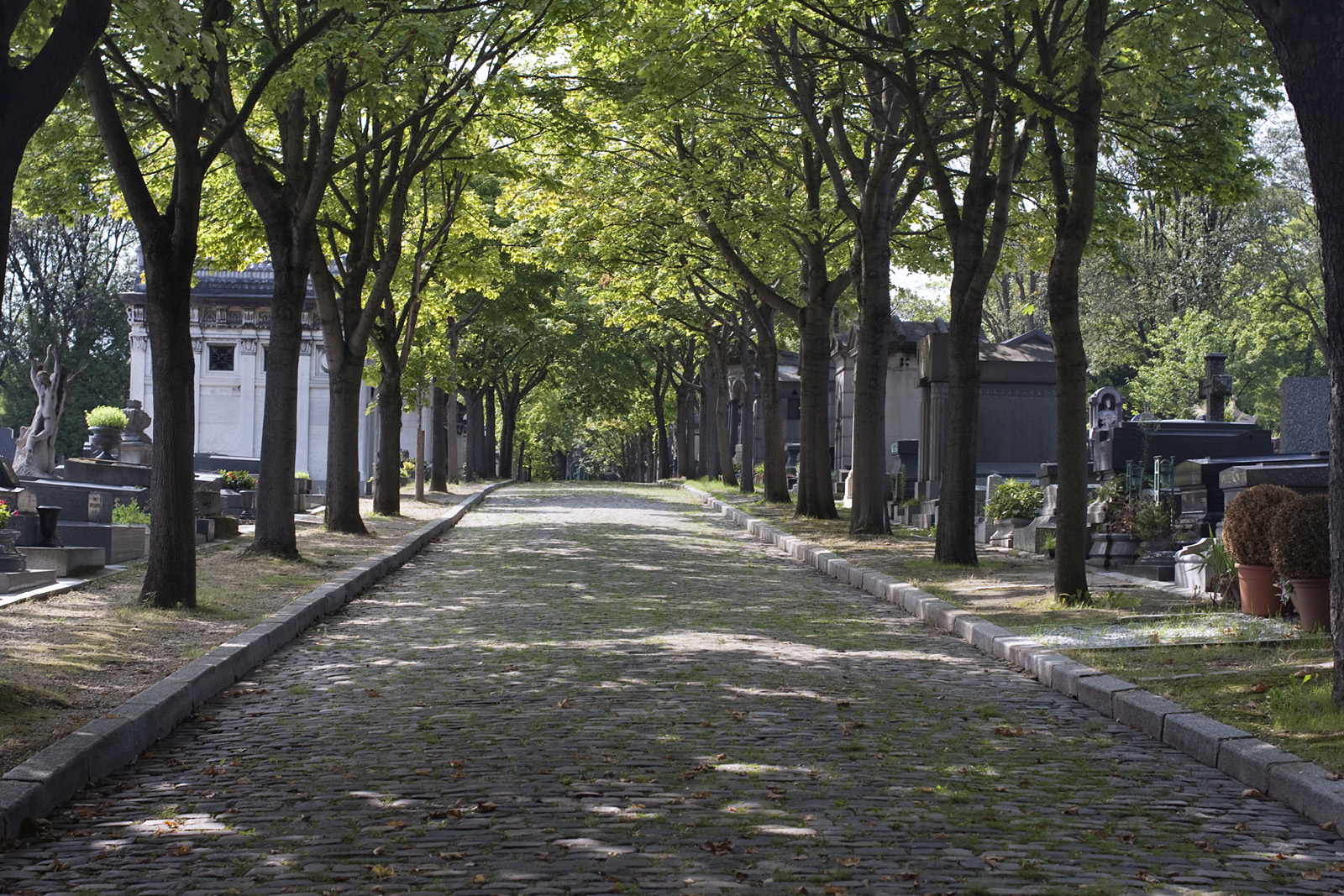
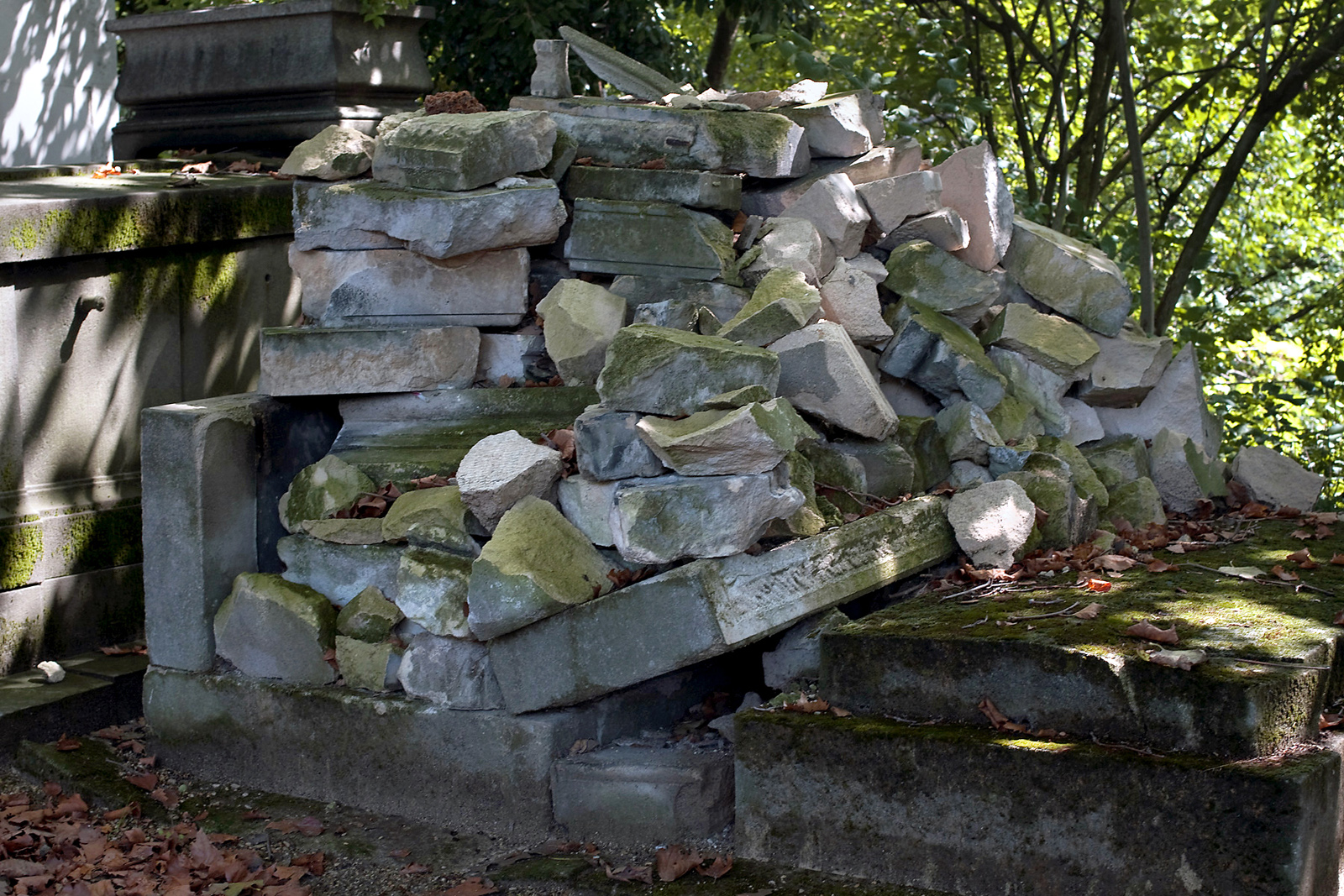






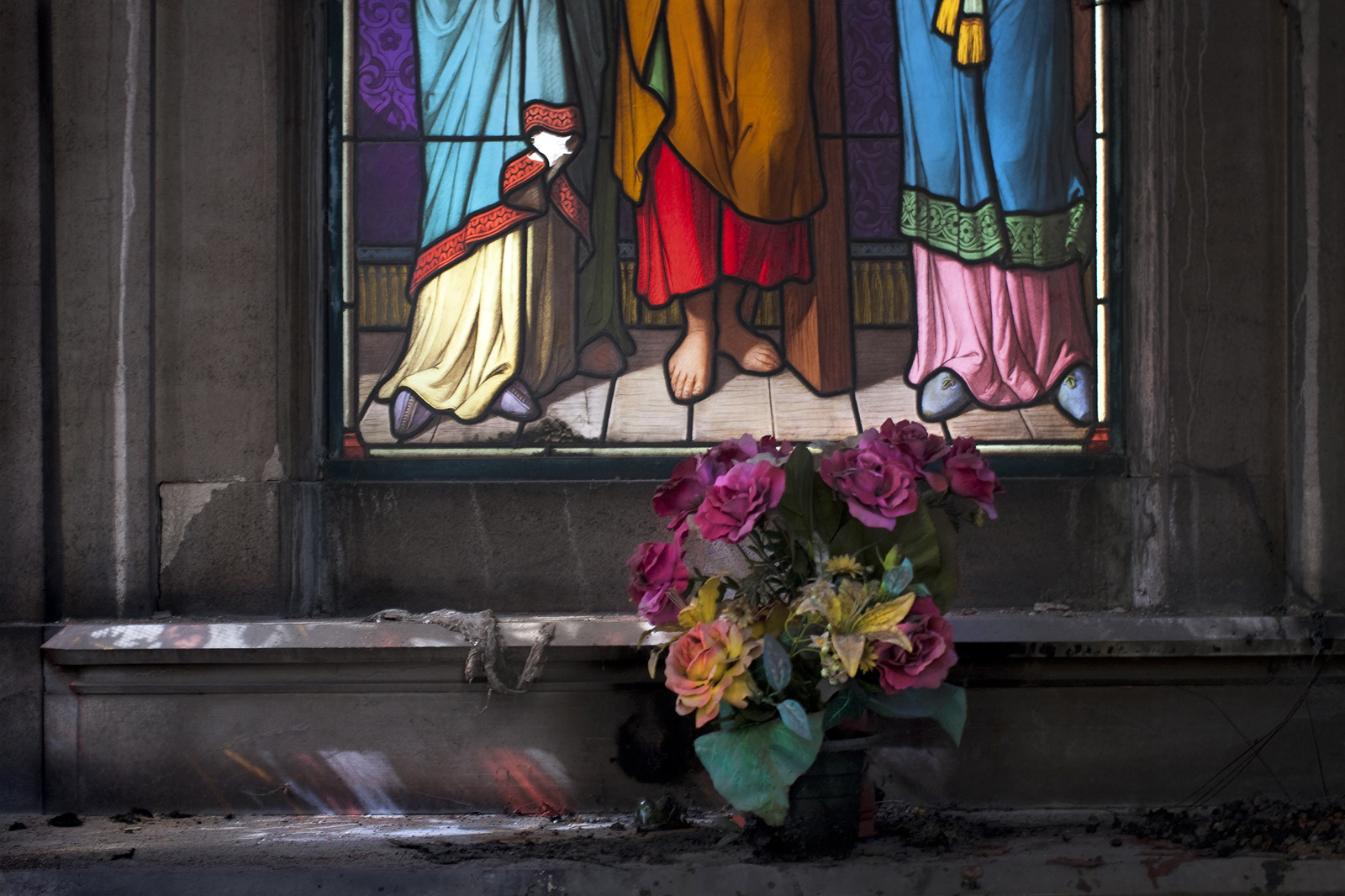
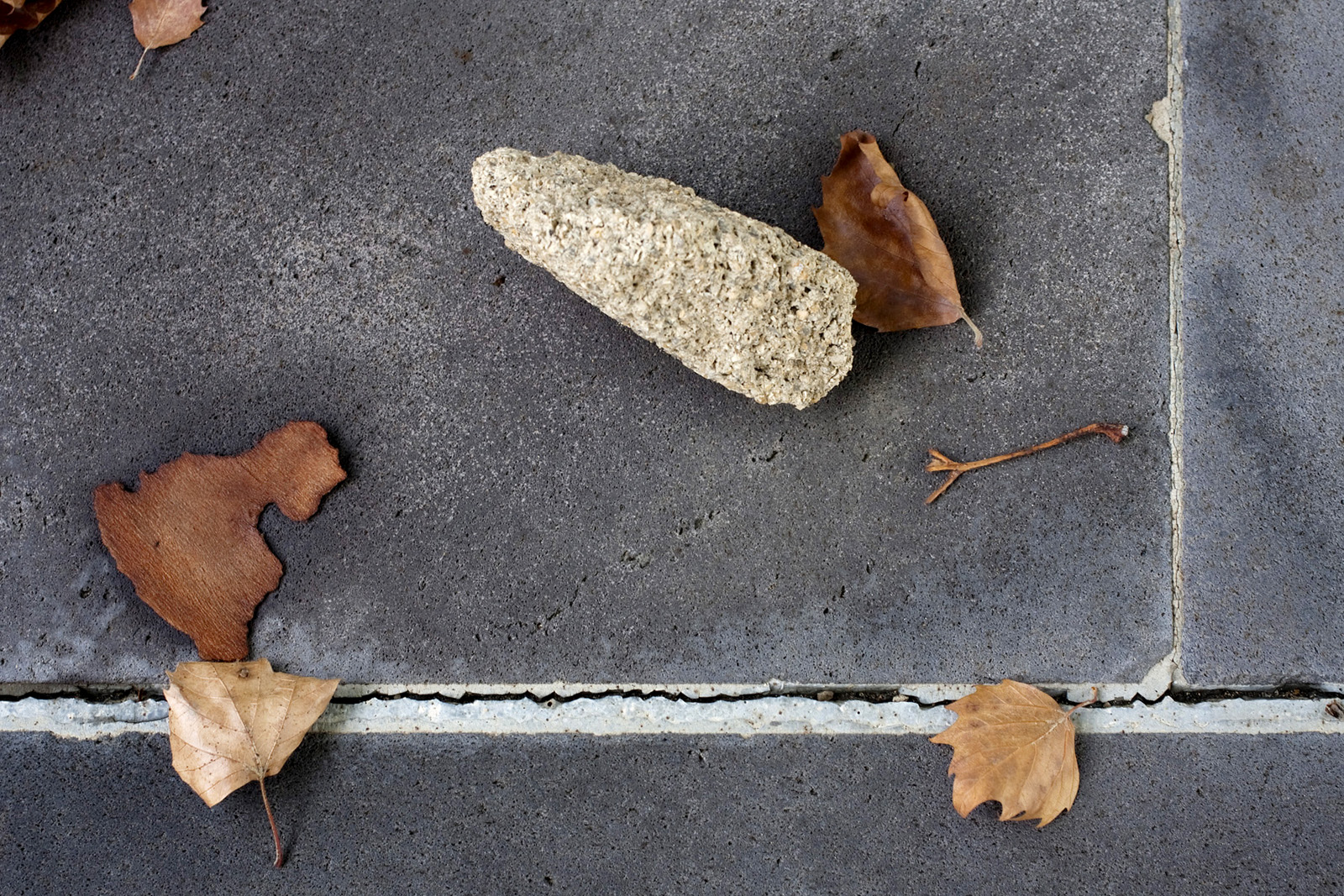
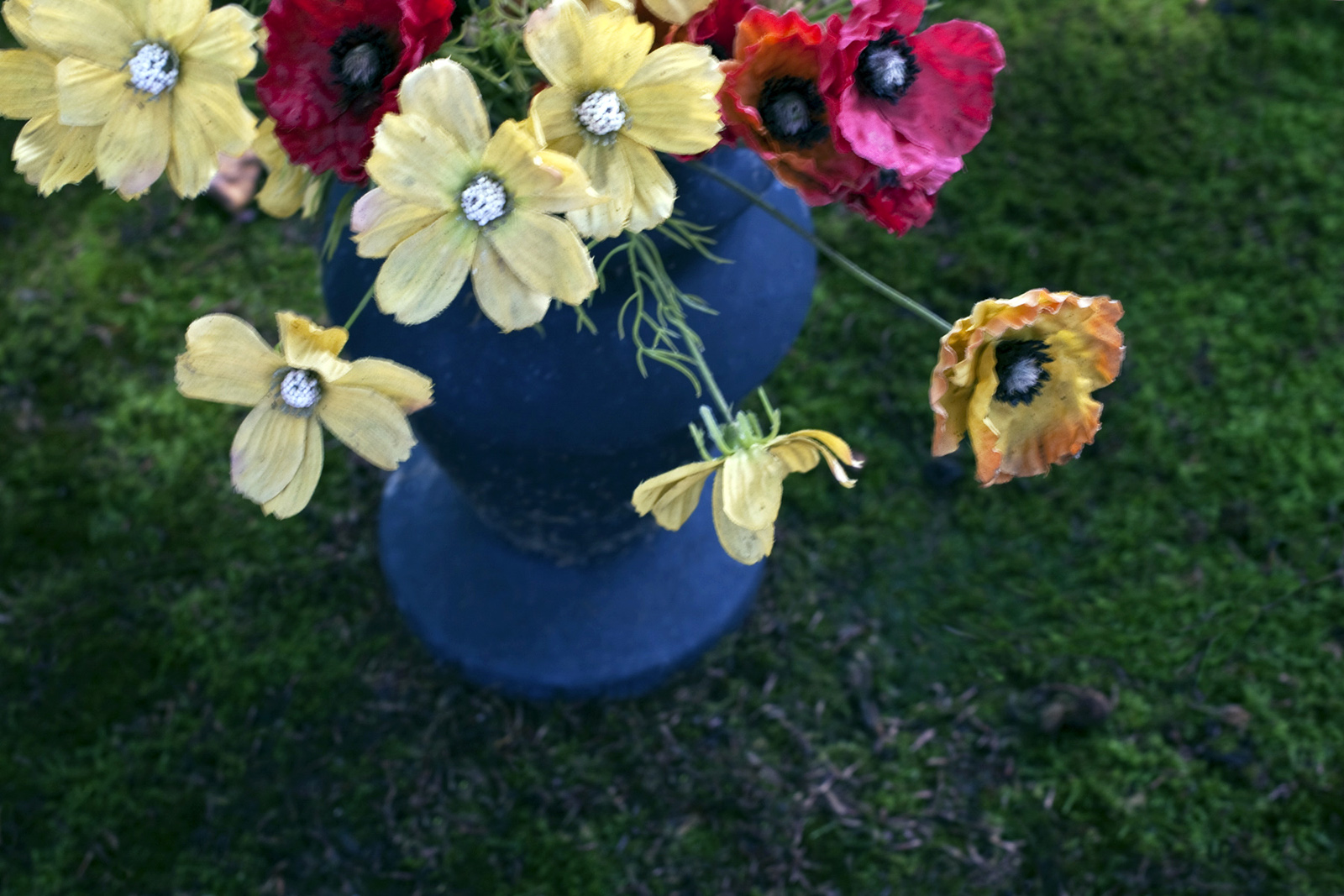


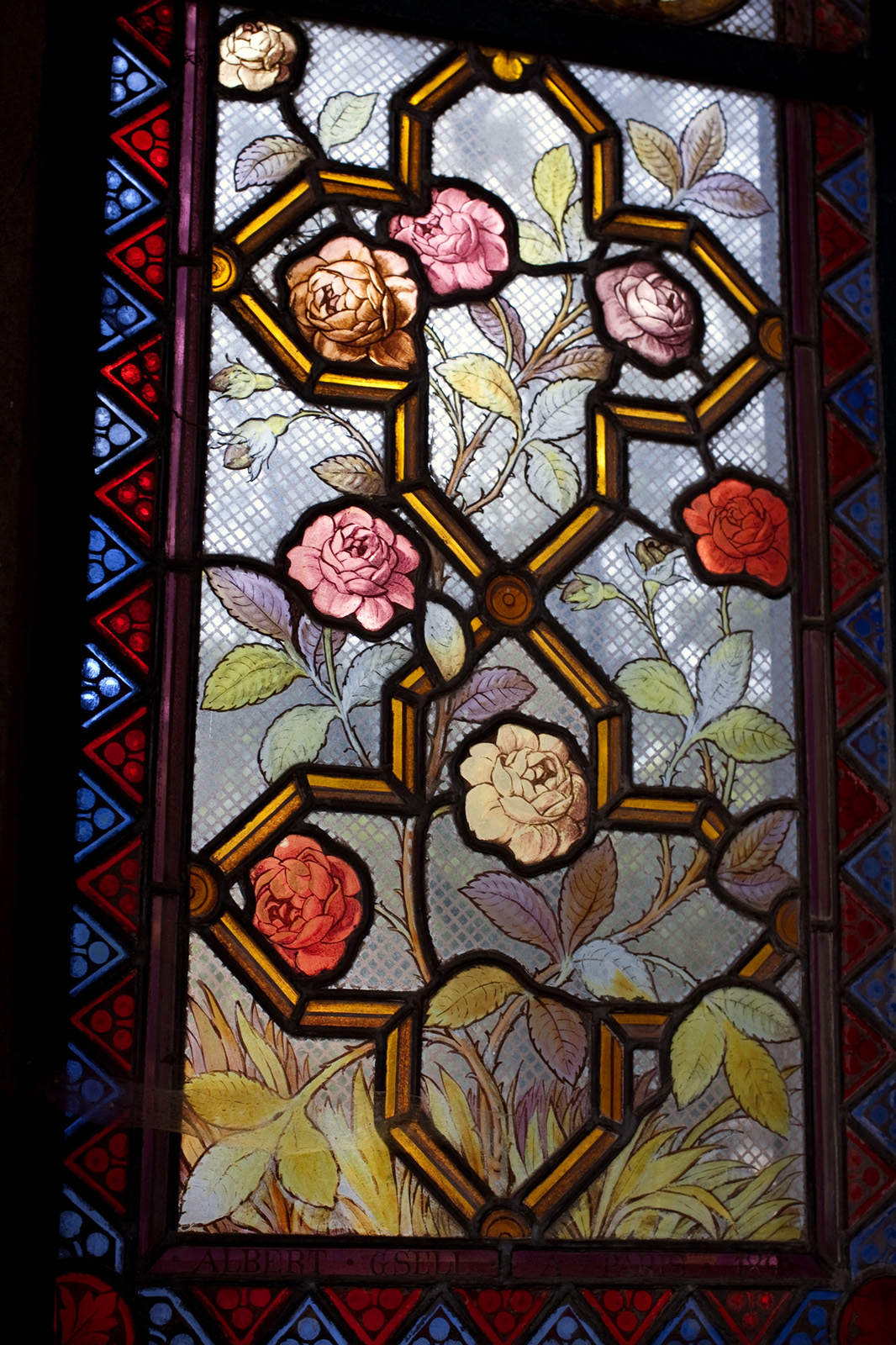


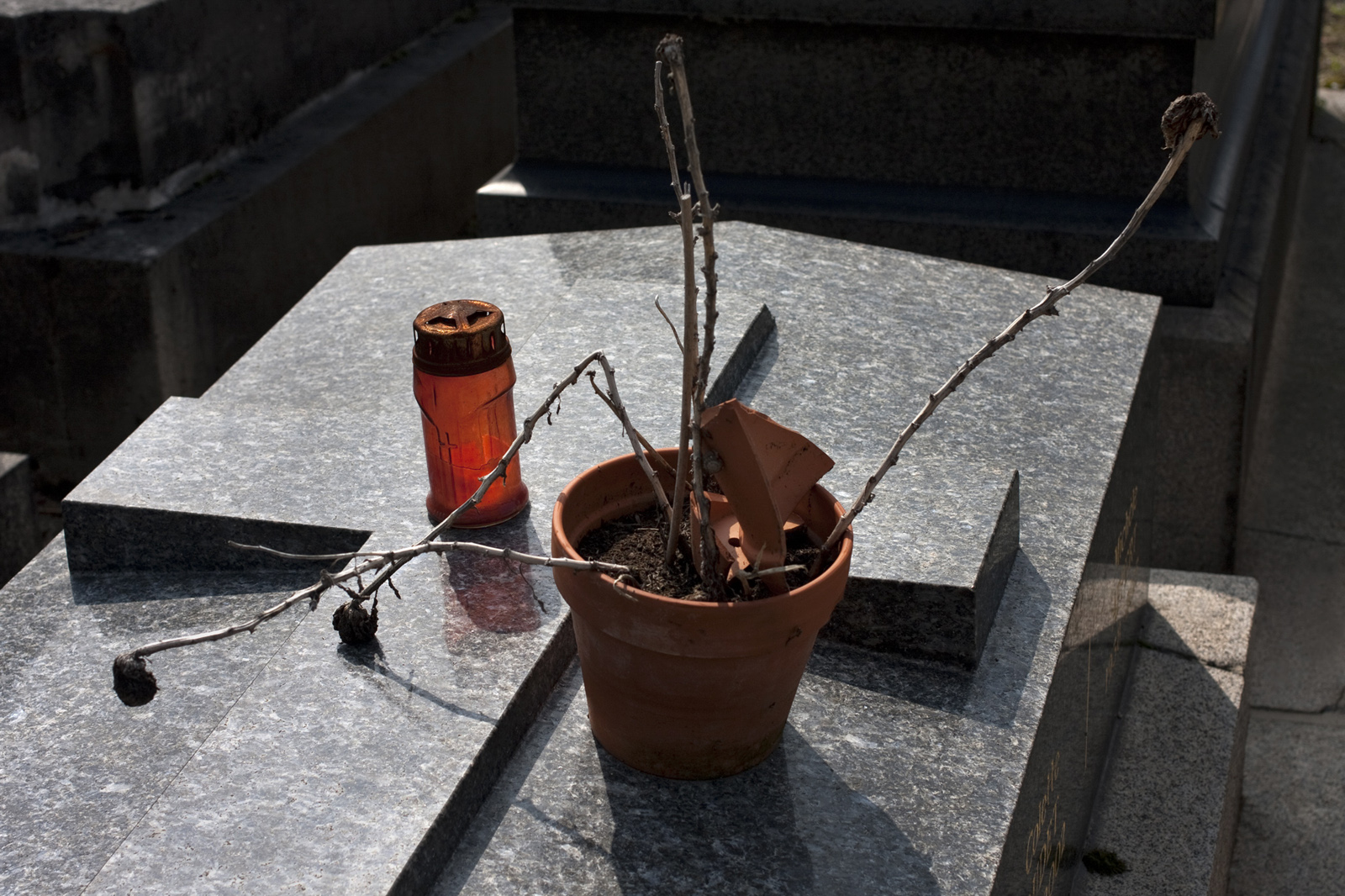


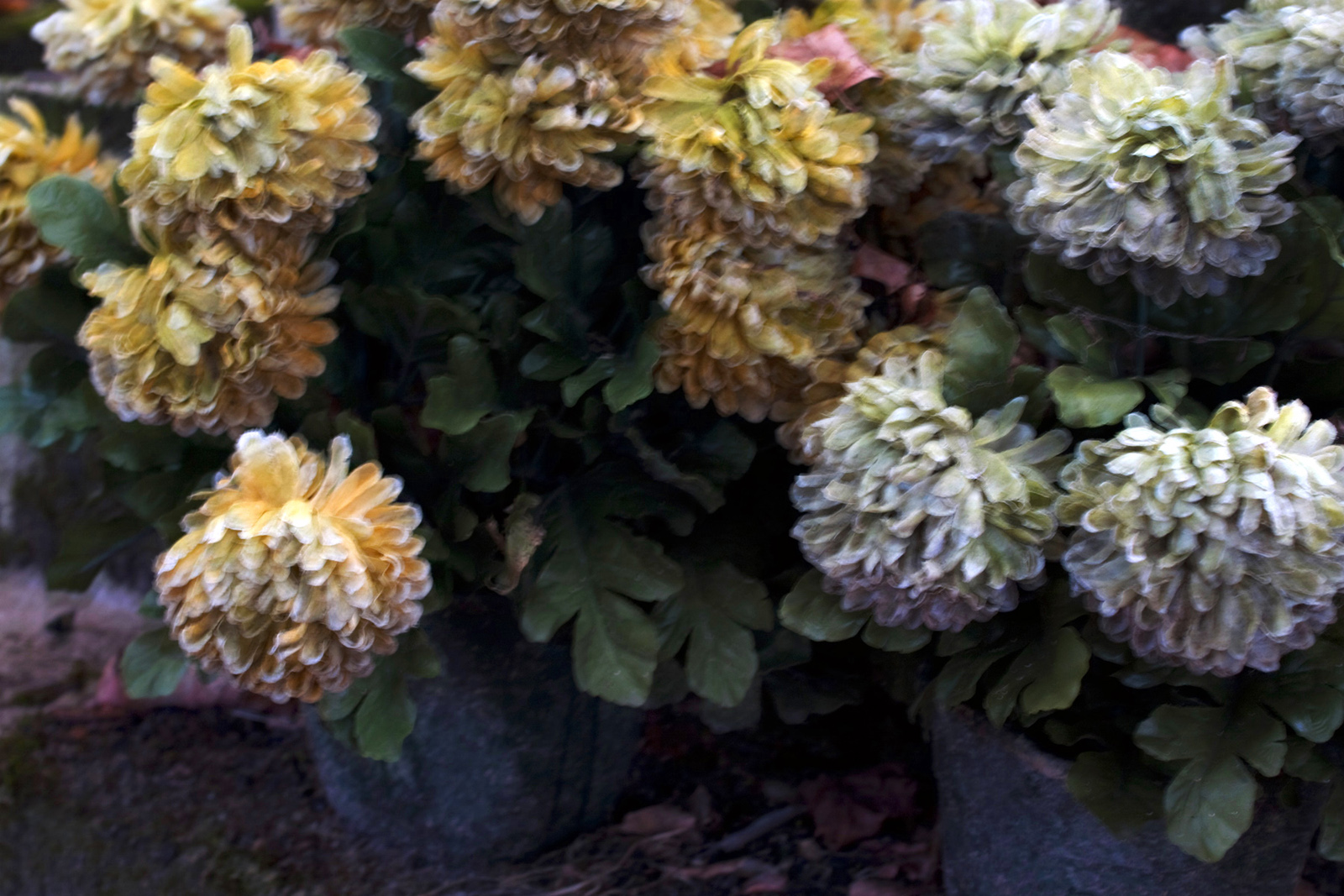
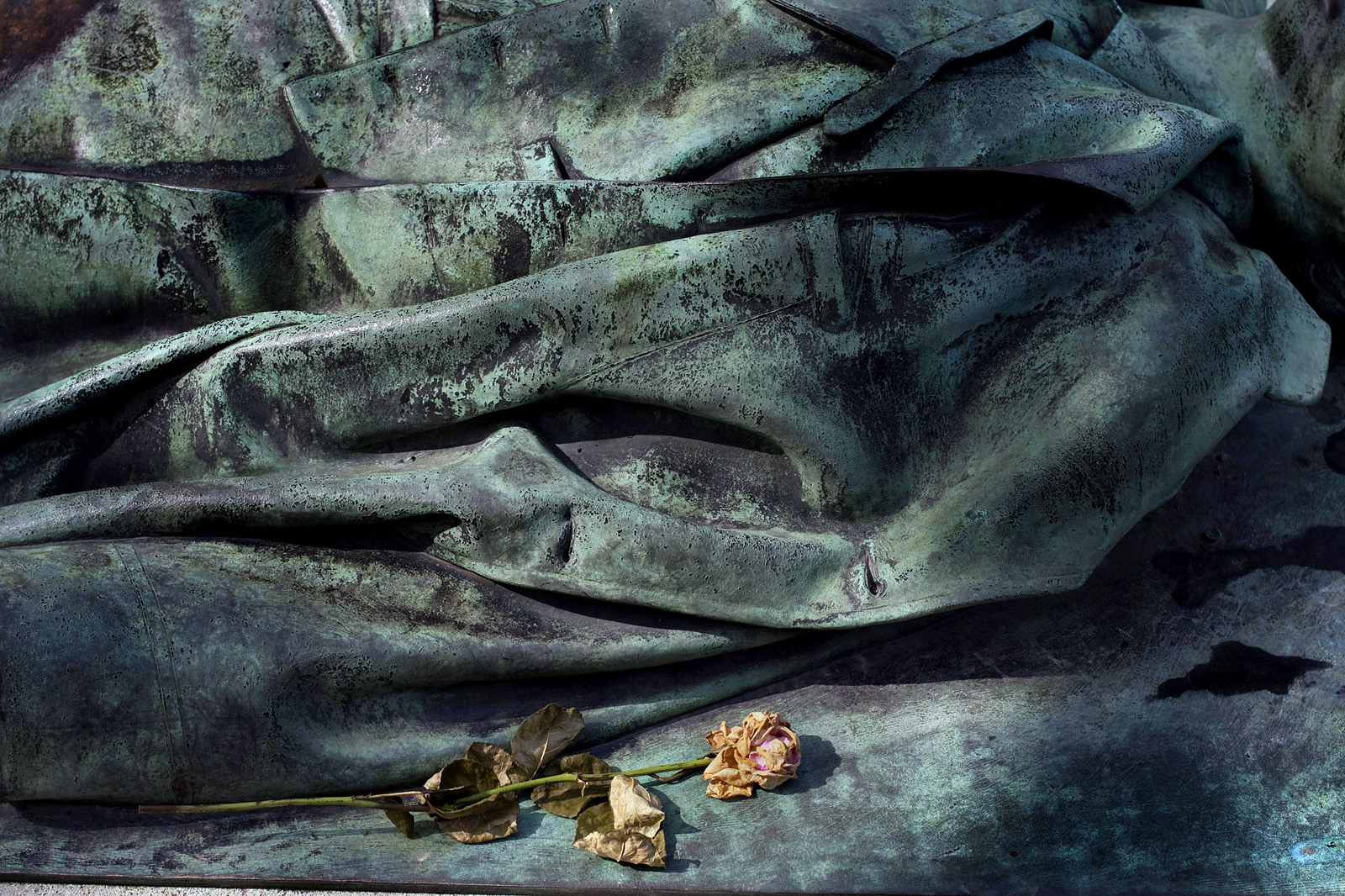

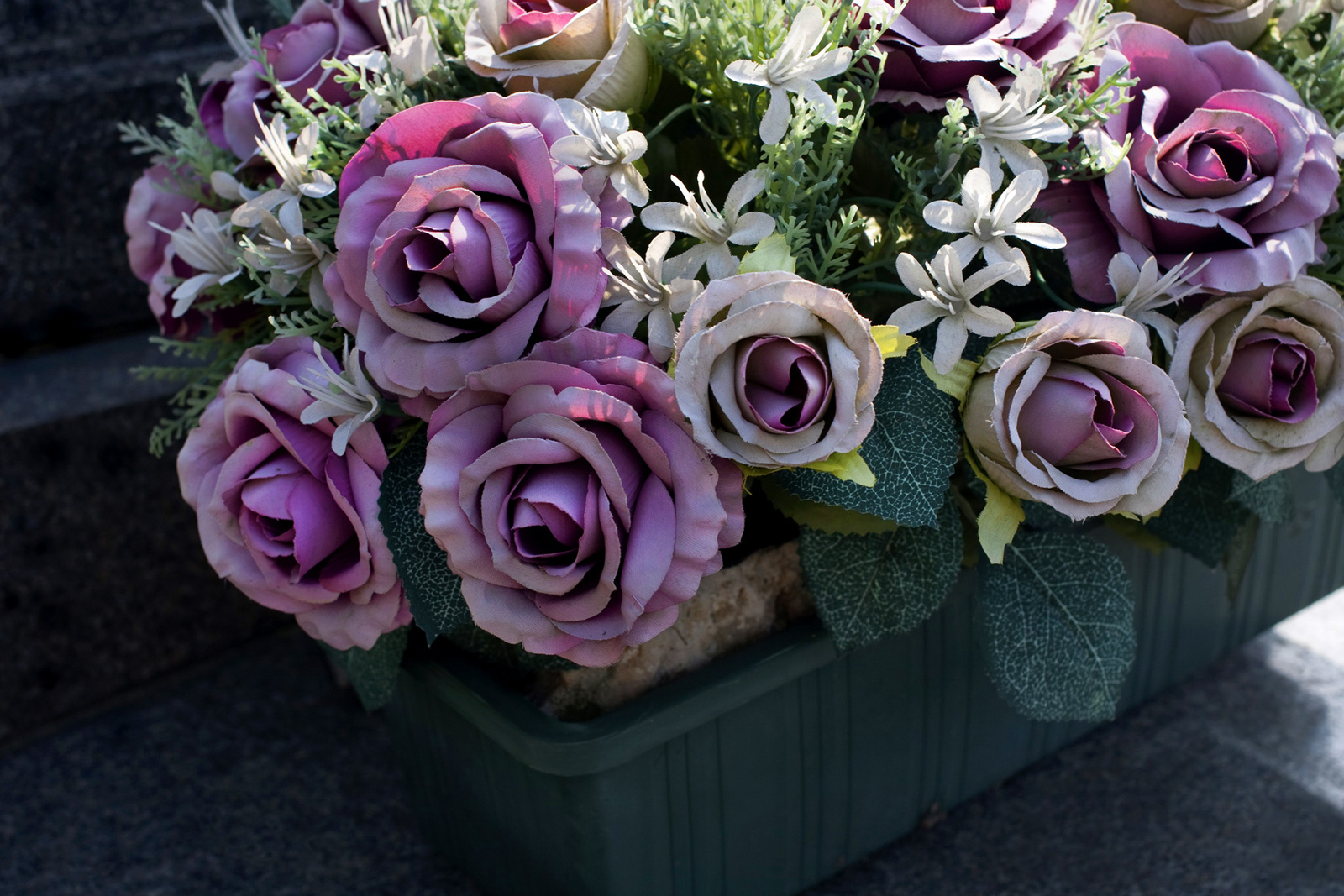


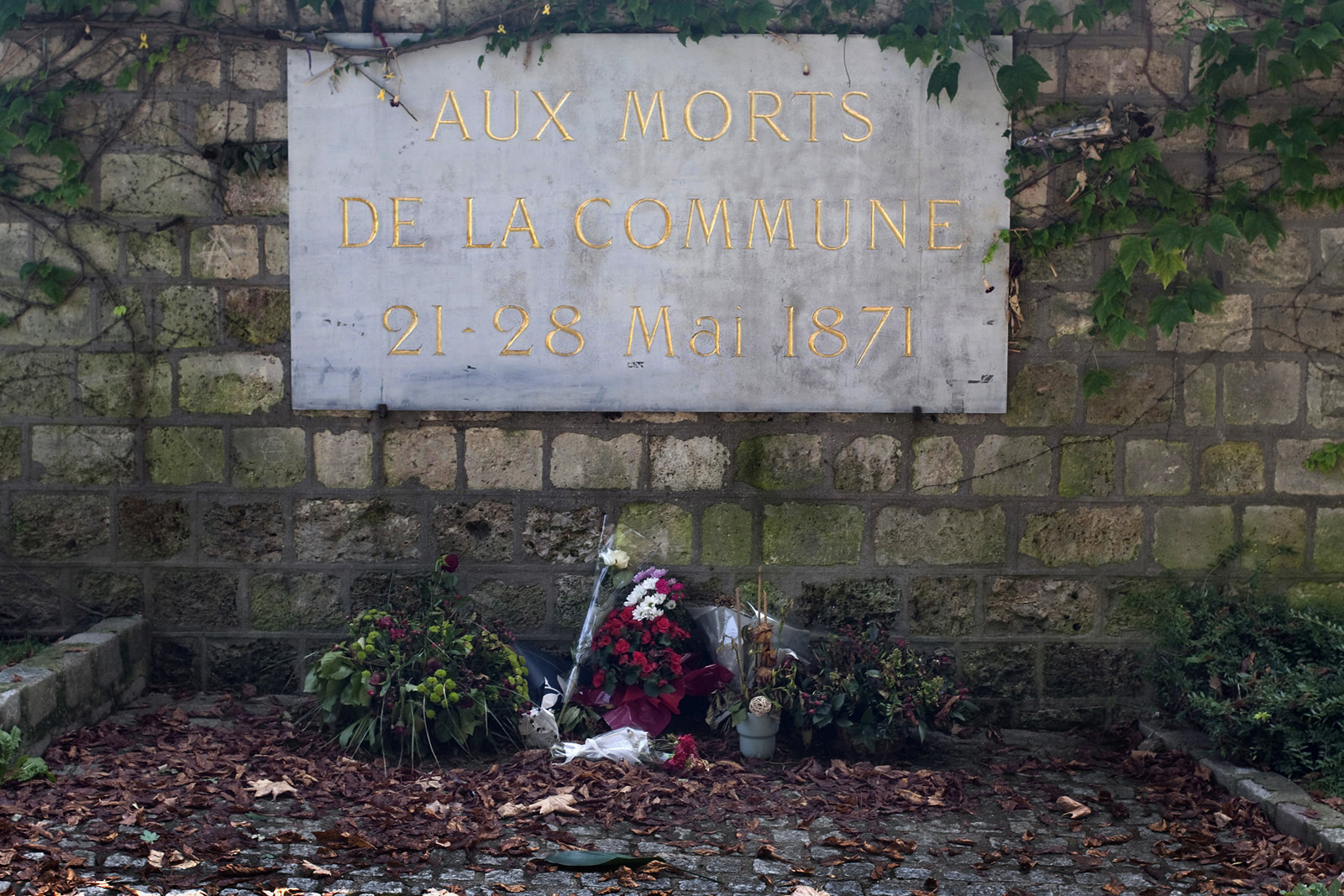

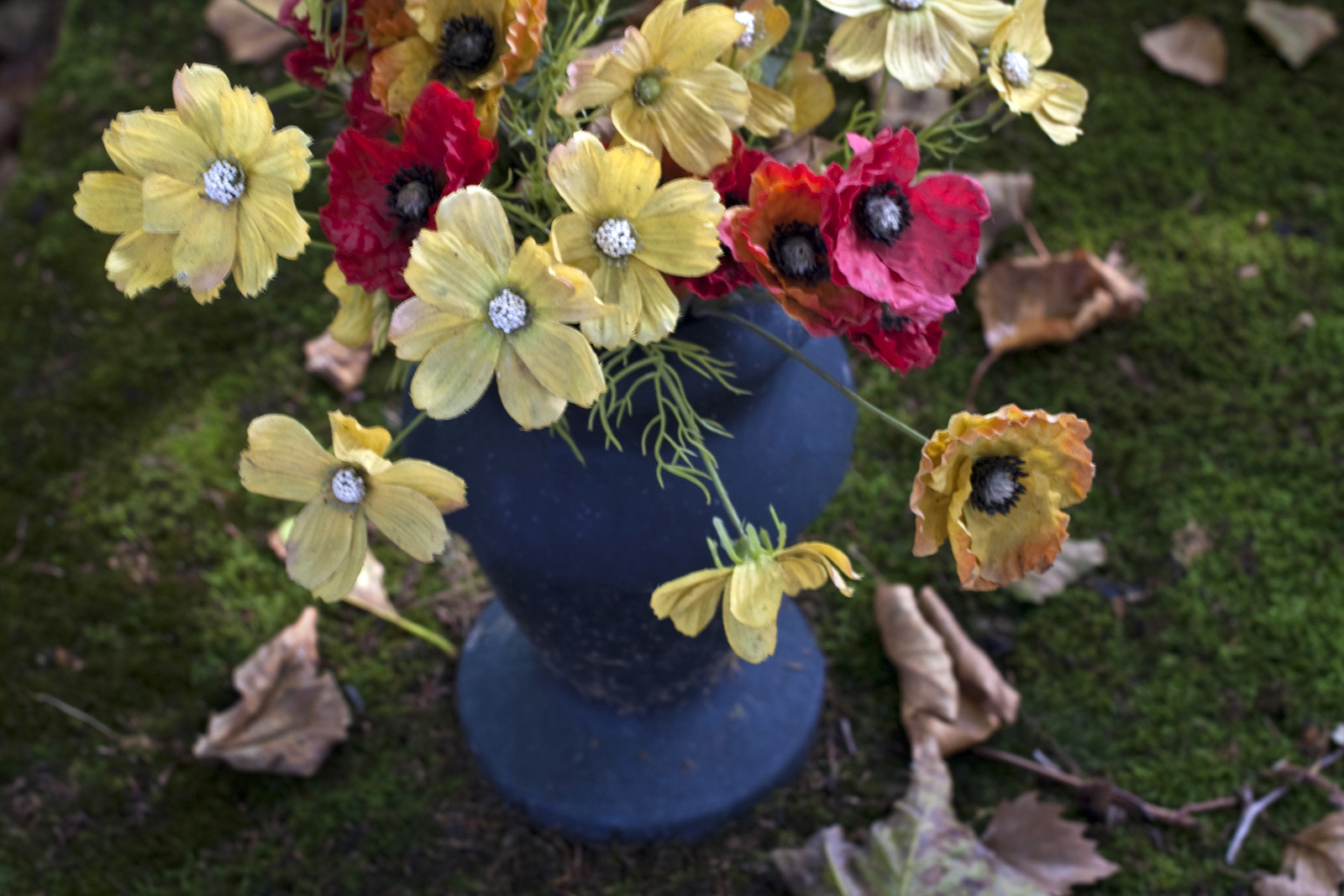
 Art Blart _ art and cultural memory archive
You must be logged in to post a comment.