Unknown photographer (Australian) The Nobbies, Phillip Island, Victoria, Australia 1960s Ektachrome medium format transparency scanned
Further Australian photographs from scans of 73 medium format Kodak Ektakchrome slides found in a country town in Victoria, Australia taken in Australia, Mexico, United States of America and Canada in the mid-1960s. I believe that the photographer was an Australian who was on holiday in Mexico, United States of America and Canada.
In nearly 40 years of being a photographer I have never seen colour medium format slides from the 1960s. There was no colour fading to the slides. The person who took the photographs was shooting medium format colour in the 1960s so they would have been a photographic aficionado. Just by holding the slides up to the light I could see the photographs were compositionally very interesting. Whoever the photographer was they had a great eye!
There are some beautiful photographs of the Australian landscape here. And the Australian “light” and colour are so different from the rest of the photographs (see part 1 of the posting).
I have also included an example of how incredibly dirty these slides were, see Untitled (Australian landscape) (detail uncleaned and cleaned) 1960s (below), and note how much work and many hours were required to bring these images back into a state of grace … and preservation.
Unknown photographer (Australian) Untitled (Australian landscape) 1960s Ektachrome medium format transparency scanned
The fault at left appears in several other slides in these Ektachromes and must have been in the camera as it’s not in the slide itself…
Unknown photographer (Australian) Untitled (Australian landscape) 1960s Ektachrome medium format transparency scanned
Unknown photographer (Australian) Untitled (Australian landscape) 1960s Ektachrome medium format transparency scanned
There is a Mini panel van on the causeway!
Unknown photographer (Australian) Untitled (Australian landscape) 1960s Ektachrome medium format transparency scanned
The same landscape as the two photographs below
Unknown photographer (Australian) Untitled (Australian landscape) 1960s Ektachrome medium format transparency scanned
Unknown photographer (Australian) Untitled (Australian landscape) 1960s Ektachrome medium format transparency scanned
Unknown photographer (Australian) Untitled (Australian landscape) (detail uncleaned and cleaned) 1960s Ektachrome medium format transparency scanned
Unknown photographer (Australian) Untitled (Man holding his movie camera, Australia) 1960s Ektachrome medium format transparency scanned
Australian built Ford XR Falcon station wagon
Unknown photographer (Australian) Unknown woman 1960s Ektachrome medium format transparency scanned
I don’t know where this is but it feels Australian to me, especially the fashion…
Unknown photographer (Australian) Untitled (Australian landscape, possibly South Point, Wilson’s Prom, Victoria) 1960s Ektachrome medium format transparency scanned
Australian coastal she oak and tea tree.
Unknown photographer (Australian) Untitled (Australian landscape) 1960s Ektachrome medium format transparency scanned
Wonderful photograph of the Australian landscape…
Unknown photographer (Australian) Untitled (Australian landscape) 1960s Ektachrome medium format transparency scanned
Unknown photographer (Australian) Untitled (Australian landscape) 1960s Ektachrome medium format transparency scanned
Unknown photographer (Australian) Untitled (Australian landscape) 1960s Ektachrome medium format transparency scanned
Max Dupain (Australian, 1911-1992) Silos through windscreen 1935 Gelatin silver print
Unknown photographer (Australian) Untitled (Australian landscape) 1960s Ektachrome medium format transparency scanned
The second photograph taken through the windscreen of a car
Unknown photographer (Australian) Untitled (Australian landscape) 1960s Ektachrome medium format transparency scanned
Unknown photographer (Australian) Untitled 1960s Ektachrome medium format transparency scanned
I’m not sure what they are doing or where this is (possibly Australia) but I like the photo!
Unknown photographer (Australian) Untitled 1960s Ektachrome medium format transparency scanned
A geologist hammer in his hand?
Unknown photographer (Australian) Untitled (Visitors must not leave pathway) 1960s Ektachrome medium format transparency scanned
Synergy. Now’s there’s an interesting word. It means “the interaction or cooperation of two or more organisations, substances, or other agents to produce a combined effect greater than the sum of their separate effects.” It derives from mid 19th century: from Greek sunergos ‘working together’, from sun- ‘together’ + ergon ‘work’. Thus, this glorious exhibition brings together two artists metaphorically “working together” under the Australian sun… even as they are separated by culture, location, time and space.
Their work comes together in a confluence of ideas of approximately equal width – one grounded in stories of family and Country thousands of years old, the artist investigating post-colonial settlement and the industrial world and interpreting Australian Indigenous objects of ritual and culture; the other not so much grounded but playing with Western ideas of pattern and randomness, belonging, and the metaphysical space of the landscape of the Monaro, in the southwest of New South Wales. Both points of view are equally valid and have important things to say about our various relationships to the land (both Indigenous and colonial) and the “creation” of a contemporary Australian national identity.
Both artists use found objects in their work, but as Russell-Cook points out, “I think that what unites the two artists is the shared materials they use, but not a ‘shared-use of materials.’ They are both fascinated by the artistic possibilities of found objects, but they use those materials to tell contrasting stories.” Connelly-Northey uses her experience of living on Country and her gleaning of discarded objects in Country to gather up the threads of her multiple heritages and Aboriginal custodianship of the land to picture – through the merging of organic and inorganic forms – the disenfranchisement of her people but also to celebrate their deep roots in Country. Gascoigne on the other hand is the more ethereal of the two artists, concerned as she is with light, land, spirit of place and the rightness of materials being used. Hers is a very structured and formal art practice grounded in her training in the Japanese art of ikebana and her understanding of Minimalism. Sympathetically, through their individual creativity both artists transmute (to change in form, nature, or substance) the reality of the materials they work with, the raw material of experience transmuted into stories. As Rozentals and Russell-Cook observe, “Both Connelly-Northey and Gascoigne’s work is defined by, and yet transcends, its sense of materiality.”
Two things jar slightly. Connelly-Northey is ‘a bit anxious’ that her Indigenous originality won’t be recognised and that “I’ve worked too hard for people to think I borrowed it all from Rosalie. Our use of corrugated iron is the only thing we have in common.”
Connelly-Northey can have no fear that her Indigenous originality won’t be recognised because every pore of her strong work speaks to her cultural being. Her spiky, brittly astringent, barbed and feathered works take you to Country, posing the viewer uncomfortable questions about “soft” assertions of history and the hard reality of contemporary Indigenous life: metal as string, desecration of sacred sights, barbed wire handles, “hunters and gatherers whose remains have been upturned by settled Australian societies.” She weaves her stories well.
If the second statement has not been taken out of context, it shows a heap of unnecessary defensive aggression by Connelly-Northey towards Gascoigne’s work. It’s a silly, uninformed statement which hints at a lack of confidence in the strength of her own work. Patently, their use of corrugated iron is not the only thing they have in common.
Both speak towards a love of the Australian land whether from an ancient Aboriginal custodianship perspective or from a Western colonial perspective. Both use scavenging, gathering and gleaning in order to recycle the refuse of society in their art making, Connelly-Northey using weaving to bring together that which is disparate; Gascoigne assembling her formal compositions with an attention to order and randomness. Both artists love to move through the space and time of the land, exploring its idiosyncrasies, “disassociating objects from their original function via a system of obsessive collecting and gathering, while simultaneously reflecting their individual experiences of being immersed in the bush environment.” As Rozentals and Russell-Cook comment, “Despite their careers having been separated by time, and coming from vastly different backgrounds, in both artists we see a singular vision that is immediately recognisable, and unmistakably them. And yet there is a sympathetic connection between their practices that is undeniable.”
Conjoined by more than corrugated iron, more than land, air and clan, their common union is the journey of two creative souls on that golden path of life and the connection of those souls to the cosmos.
“Although they are often compared, Gascoigne and Connelly-Northey are separated conceptually and chronologically. For a start, despite being two Australian women artists working with landscape, they never met. This fact is less surprising when one remembers that Connelly-Northey’s practice only matured towards the later stages of Gascoigne’s life. Gascoigne came to prominence late and rapidly, with her first exhibition in 1974, when she was fifty-seven years old, and it was only eight years later that she represented Australia at the Venice Biennale. Connelly-Northey started exhibiting seriously in the mid-nineties, shortly before Gascoigne passed away in 1999. However, Connelly-Northey has herself commented on a nuanced relationship to the historical comparison with Gascoigne, pointing out in a recent conversation with Jeremy Eccles that “I’ve worked too hard for people to think I borrowed it all from Rosalie. Our use of corrugated iron is the only thing we have in common.” In some ways, then, the fact they never met may have been fortuitous, with both artists driven to probe their subject matter in distinct and complete ways. …
Surrounding built and natural environments are a recurring prompt for Connelly-Northey, who often merges organic and inorganic forms. She investigates the intricate dilemmas and complexities that arise when two cultures meet. Co-curator Myles Russell-Cook explains that the artist “is using her work to explore the connection between her multiple heritages, as well as her experience living on Country. Take her work On Country, 2017; in that installation, Connelly-Northey explores the relationship between the twin cities of Albury and Wodonga, depicting the river a living being, which she imagines as a snake repurposed out of chicken wire and rusted and industrial scrap metal. It’s a dioramic representation of the landscape, but it is also so embedded with references to Aboriginal custodianship of Country.” As a result, Russell-Cook argues, Connelly-Northey proposes “a really different way of being in Australian landscape.”
Beyond these conceptual and chronological differences, however, Russell-Cook points out that “I think that what unites the two artists is the shared materials they use, but not a ‘shared-use of materials.’ They are both fascinated by the artistic possibilities of found objects, but they use those materials to tell contrasting stories.” As Rozentals notes, for Gascoigne, “the objects had to be just right – what she collected, for instance, with shells. There could be no cracks and they had to be of a particular colour and a particular shine; she would collect the feathers of different species of birds from particular locations.” For Russell-Cook, “At the heart of what Connelly-Northey does, is the act of cleaning up Country: going out and collecting up bits of discarded and refuse machinery, and then working with that to create customary forms. She makes a lot of possum-skin cloaks, narrbong-galang, which are a type of string bag, as well as koolimans (coolamons), lap-laps, and other types of cultural objects … she repurposes them to create a juxtaposition between cultural memories.”
Extract from Rose Vickers. “Found and Gathered: Lorraine Connelly-Northey and Rosalie Gascoigne,” in Artist Profile, Issue 57, 2021 [Online] Cited 01/02/2022
Installation view of the exhibition Found and Gathered at The Ian Potter Centre NGV Australia Photo: Tom Ross NGV
Wall text from the exhibition
Entrance to the exhibition Found and Gathered at The Ian Potter Centre NGV Australia Photo: Marcus Bunyan
Lorraine Connelly-Northey (Australian / Waradgerie, b. 1962) Lap Lap (various numbers) (installation views) 2011 Mixed media Murray Art Museum Albury, commissioned 2011 Photos: Marcus Bunyan
Animal skins and woven plant fibres are preferred natural resources for making cloaks, belts, skirts and lap laps. Worn by both males and females, lap laps were created for a simple covering of the groin. Also considered a body adornment, the wearing of a lap lap has different significance between Nations. Connelly-Northey constructed these lap laps from hard and harsh materials, such as rusted industrial objects including an axe head, a cut-down rabbit trap, barbed fencing wire along with copper sheeting. Metaphorically, Connelly-Northey’s lap laps both expose and draw attention to the difficult and ‘barbed’ sexual relations thats existed between Aboriginal women and settlers, post-European arrival.
Wall text from the exhibition
Installation view of Rosalie Gascoigne’s Step through (1977 – c. 1979-1980) at the exhibition Found and Gathered at The Ian Potter Centre NGV Australia Photos: Marcus Bunyan
Rosalie Gascoigne (Australian born New Zealand, 1917-1999) Step through (installation view) 1977 – c. 1979-1980 Linoleum on plywood on wood National Gallery of Australia, Canberra Photo: Marcus Bunyan
In 1977, Rosalie Gascoigne commenced making sculptures out of discarded linoleum, which she sourced primarily from rubbish dumps. Step through features torn pieces of floral linoleum glued to plywood which are mounted on wooden blocks, and she used a jigsaw to cut around the shapes. Although linoleum is associated with domestic interiors, for Gascoigne it was about outdoor spaces. This work references untidy vacant blocks in the city, which one might ‘step-through’ as a short cut. Gascoigne’s floor-based works are intended to be experienced from all angles, and the arrangement of the blocks at different heights creates a rhythm, drawing the eyes to wander up and across the installation.
Rosalie Gascoigne (Australian born New Zealand, 1917-1999) Smoko (installation views) 1984 Weathered wood, dried grass (possibly African lovegrass, Eragrostis curvula) Private collection, Tasmania Photos: Marcus Bunyan
Installation views of Rosalie Gascoigne’s Pieces to walk around (1981, foreground) at the exhibition Found and Gathered at The Ian Potter Centre NGV Australia Photos: Marcus Bunyan
Rosalie Gascoigne (Australian born New Zealand, 1917-1999) Pieces to walk around (installation view detail) 1981 Saffron thistle sticks (Carthamus lanatus) Museum of Contemporary Art, Sydney Photo: Marcus Bunyan
‘This is a piece for walking around and contemplating. It is about being in the country with its shifting light and shades of grey, its casualness and it prodigality. The viewer’s response to the landscape may differ from mine, but I hope this picture will convey some sense of the countryside that produced it: and that an extra turn or two around the work will induce in the viewer the liberating feeling of being in the open country.’ ~ Rosalie Gascoigne, 1981
Piece to Walk Around is a microcosm of the landscape of the Monaro, in the southwest of New South Wales, where Rosalie Gascoigne lived from 1943. This environment provided the experiences and the materials that shaped her work, found on her journeys through it. Piece to Walk Around refers directly to the experience of moving through the Australian landscape, titled to draw attention to the changing visual effects as one circles the work and the shifting play of light on the natural material.
Comprised of a patchwork of bundles of saffron thistle stalks arranged in 20 squares lying on the floor in alternating directions, it resembles the undulating countryside, the ordering of agriculture and industry, and the mottled effects of light and shadow upon it. The work conveys a sense of the infinite expansiveness and liberation experienced in the country, as manifested in the grid’s open-ended structure to which additional bundles of thistles could theoretically be added or subtracted.
Gascoigne’s work from the early-1980s reveal a sophisticated aesthetic – an engagement with Minimalism’s orderliness and pre-occupation with the grid, and an almost Japanese mixture of formal composition and attention to nature. It was this sense of ‘order with randomness’ which Gascoigne recognised as an essential feature of the Monaro-Canberra region, and which resonates in the ‘careful-careless’ effect of this assemblage. Created only seven years after her first solo show in 1974, this work has a remarkable maturity and balance, achieved through a lifetime of looking at the landscape.
Anonymous text from the Museum of Contemporary Art Australia website Nd [Online] Cited 01/02/2022
Rosalie Gascoigne (Australian born New Zealand, 1917-1999) Takeover bid (installation view) 1981 Found window frames, thistle stems Heide Museum of Modern Art, Melbourne Photo: Marcus Bunyan
Rosalie Gascoigne (Australian born New Zealand, 1917-1999) Takeover bid (installation view detail) 1981 Found window frames, thistle stems Heide Museum of Modern Art, Melbourne Photo: Marcus Bunyan
Rosalie Gascoigne (Australian born New Zealand, 1917-1999) Balance (installation view) 1984 Weathered plywood Collection of Justin Miller, Sydney Photo: Marcus Bunyan
Rosalie Gascoigne (Australian born New Zealand, 1917-1999) Balance (installation view detail) 1984 Weathered plywood Collection of Justin Miller, Sydney Photo: Marcus Bunyan
Rosalie Gascoigne (Australian born New Zealand, 1917-1999) Graven image (installation view) 1982 Weathered wood and plywood Private collection, Canberra Photo: Marcus Bunyan
Rosalie Gascoigne perceived wood as being distinctly different to the manufactured materials she incorporated in her art, such as tin, aluminium and iron. Wood, like the shells, dried grasses and plants she also worked with across her career, came from nature. Gascoigne gathered wood that had been weathered, including window frames and fence palings, preferring pieces that had been bleached by the sun until they were almost grey in colour. Gascoigne would use wood either as the main component of a composition, or as the backing from another work.
Installation view of Rosalie Gascoigne’s Feathered Fence (1978-1979, foreground) with Winter paddock (1984, back left) and Afternoon (1996, back right) at the exhibition ‘Found and Gathered’ at The Ian Potter Centre NGV Australia Photo: Marcus Bunyan
Rosalie Gascoigne (Australian born New Zealand, 1917-1999) Feathered fence (installation view details) 1978-1979 Swan (Cygnus atratus) feathers, galvanised wire mesh, metal win nuts, synthetic polymer paint on wood National Gallery of Australia, Canberra Gift of the artist, 1994 Photos: Marcus Bunyan
Rosalie Gascoigne (Australian born New Zealand, 1917-1999) Afternoon (installation views) 1996 Painted weathered plywood on backing boards TarraWarra Museum of Art, Healesville Gift of Eva Besen AO and Marc Besen AC Photos: Marcus Bunyan
One of Rosalie Gascoigne’s late works, Afternoon, created for the exhibition In Place (Out of Time), held at the Museum of Modern Art in Oxford, comprises twenty-seven panels of weathered plywood organised in a grid-like configuration. Looking out from her vantage point at the top of Mount Stromlo across the countryside, Gascoigne was in awe of the view, the vast sky, and te sense of emptiness. The sections of lights applied white paint and areas of exposed timer of Afternoon are suggestive of passing clouds, and communicates her experiences and enduring recollections of being in the landscape.
As perhaps the most archetypal form of modernist abstraction, the grid has been employed as a formal, compositional device in countless artworks over the past century.
In ‘Grids’ (1979), Rosalind Krauss’ seminal essay on the subject, she describes this structural device as: ‘[f]lattened, geometricized, ordered, it is antinatural, antimimetic, antireal. It is what art looks like when it turns its back on nature’.(1) However, for Rosalie Gascoigne, the grid was employed as a compositional method in order to generate highly personal and experiential evocations of natural phenomena in ways which transcended the more rigid, impersonal qualities associated with its geometry.
In one of her late works entitled Afternoon (1996), Gascoigne assembled 27 individual panels of found painted timber in roughly similar sizes in a grid-like formation. At a surface level the serial repetition of components arranged and balanced according to vertical and horizontal axes corresponds to a reductive Minimalist sensibility. However, it is the heavily weathered timber with its faded white paint which infuses the work with a resonant and suggestive force. As the artist traversed the open countryside she deliberately sought out materials that she felt were ‘invested with the spirit of the place’ and capable of recalling ‘the feeling of an actual moment in the landscape’.(2) In this light, the vital materiality of the reclaimed painted timber is not only inscribed with the effects of its prolonged exposure to the elements, but it also speaks directly to Gascoigne’s deep and abiding memories of her experiences in the landscape. In Afternoon, the richly allusive quality of the individual boards is suggestive of passing clouds, evoking the ephemeral and transitory phenomena of nature in continuous metamorphosis. Contemplated as a unified pictorial whole, this humble assemblage of discarded and deteriorating matter assumes a metaphysical dimension bordering on the ineffable, one which resoundingly accords with the artist’s desire to ‘capture the “nothingness” of the countryside, those wide open spaces … the great Unsaid … the silence that often only visual beauty transcends’.(3)
2/ Quoted in Deborah Edwards, Rosalie Gascoigne: Material as Landscape, (exh. cat.), Sydney: Art Gallery of New South Wales, 1997, p. 8.
3/ Ibid, p. 16.
Anonymous text. “Rosalie Gascoigne,” on the Culture Victoria website Nd [Online] Cited 01/02/2022
Rosalie Gascoigne (Australian born New Zealand, 1917-1999) Afternoon 1996 Painted weathered plywood on backing boards TarraWarra Museum of Art, Healesville Gift of Eva Besen AO and Marc Besen AC
Rosalie Gascoigne (Australian born New Zealand, 1917-1999) Winter paddock (installation view) 1984 Weathered and painted wood, painted plywood, silver gull (Chroicocephalus novaehollandiae) feathers Parliament House Art Collection, Canberra Acquired 1985 Photo: Marcus Bunyan
Rosalie Gascoigne (Australian born New Zealand, 1917-1999) Winter paddock (installation view detail) 1984 Weathered and painted wood, painted plywood, silver gull (Chroicocephalus novaehollandiae) feathers Parliament House Art Collection, Canberra Acquired 1985 Photo: Marcus Bunyan
Found and Gathered: Rosalie Gascoigne | Lorraine Connelly-Northey brings attention to the shared materiality at the heart of the practices of Rosalie Gascoigne (1917-1999) and Lorraine Connelly-Northey (b. 1962). Both artists are known for their transformative use of found and discarded objects to create works of art that challenge our understanding of the landscape, and Country.
New Zealand–born Rosalie Gascoigne is recognised for her textural works assembled from items that she had collected, including corrugated iron, feathers, wood and wire, as well as her distinctive wall-mounted pieces formed from retro-reflective road signs and soft-drink cases. Gascoigne moved to Mount Stromlo Observatory, a remote community on the outskirts of Canberra in 1943. Describing the area as being ‘all air, all light, all space, all understatement’, the surrounding region where Gascoigne regularly searched for materials greatly inspired her artistic practice. Her first exhibition was held in 1974 when she was 57 years old, and in 1982, Gascoigne was selected as the inaugural female artist to represent Australia at the Venice Biennale.
Lorraine Connelly-Northey was born and raised at Swan Hill in western Victoria, on the traditional lands of the Wamba Wamba people. Much of her work is inspired by her maternal Waradgerie (also known as Wiradjuri) heritage. Connelly-Northey gathers and uses materials often associated with European settlement and industrialisation, and repurposes them into sculptural works that reference traditional weaving techniques and Indigenous cultural objects. Through her work, Connelly-Northey explores the relationship between European and Indigenous ways of being and draws attention to the dynamic and resilient ways that Aboriginal people have been, and continue to be, custodians of Country.
Through a major display of more than 75 wall-based and sculptural works, Found and Gathered highlights each artist’s unique and significant place within Australian art, while also illuminating the sympathetic relationships between their works. Continuing the popular series of paired exhibitions hosted by NGV, this is the first exhibition in this series focused on the work of two women.
Held at The Ian Potter: NGV Australia, this exhibition includes works by both artists held in the NGV Collection as well as works from major public institutions and private collections around Australia.
Text from the NGV Australia website
Wall text from the exhibition
Lorraine Connelly-Northey (Australian / Waradgerie, b. 1962) Magpie bag (installation view) 2002 From the Koolimans and String Bags series Wire mesh, magpie feathers 27.8 × 33.5 × 10.0cm National Gallery of Victoria, Melbourne Purchased with funds donated by Supporters and Patrons of Indigenous Art, 2003 Photo: Marcus Bunyan
Lorraine Connelly-Northey (Australian / Waradgerie, b. 1962) Pelican bag (installation view) 2002 From the Koolimans and String Bags series Wire, pelican feathers 31.4 × 29.7 × 10.6cm National Gallery of Victoria, Melbourne Purchased with funds donated by Supporters and Patrons of Indigenous Art, 2003 Photo: Marcus Bunyan
Lorraine Connelly-Northey (Australian / Waradgerie, b. 1962) Narrbong (String bag) (installation view) 2005 Wire, wire mesh National Gallery of Victoria, Melbourne Purchased with funds donated by Supporters and Patrons of Indigenous Art, 2005 Photo: Marcus Bunyan
Lorraine Connelly-Northey (Australian / Waradgerie, b. 1962) Narrbong (String bag) (installation view) 2005 Wire mesh, feathers 26.5 × 10.5 × 11.5cm National Gallery of Victoria, Melbourne Purchased with funds donated by Supporters and Patrons of Indigenous Art, 2005 Photo: Marcus Bunyan
Lorraine Connelly-Northey (Australian / Waradgerie, b. 1962) Narrbong (String bag) (installation view) 2005 Wire, wire mesh, emu feathers 17.8 × 8.7 × 8.5cm National Gallery of Victoria, Melbourne Purchased with funds donated by Supporters and Patrons of Indigenous Art, 2005 Photo: Marcus Bunyan
Lorraine Connelly-Northey reproduces the form of traditional cultural objects with a range of gathered materials found on the side of the road, in illegal rubbish dumps, or decaying on farms. As she explains: ‘We Aboriginal people only take what we need when we need it. I do a lot of travelling to spot something and it can take up a lot of time. The beauty is that I always work from leftovers and if I don’t use a material, I take it back. Also, in the sculpting process, I try to not alter the material too much’.
Lorraine Connelly-Northey (Australian / Waradgerie, b. 1962) Narrbong (Container) 2005 Iron, emu feathers 30.5 × 34 × 35.5cm National Gallery of Victoria, Melbourne Gift of Robert Cirelli, through the Australian Government’s Cultural Gifts Program, 2019 Photo: NGV
Found and Gathered
By Beckett Rozentals and Myles Russell-Cook
Found and Gathered: Rosalie Gascoigne | Lorraine Connelly-Northey brings to attention the work of two artists, both who are well known for their transformative use of found and discarded objects to create works of art. Lorraine Connelly-Northey is a contemporary artist and Waradgerie (Wiradjuri) woman living on Wamba Wamba Country. Rosalie Gascoigne was born in Aotearoa (New Zealand), and moved to Mount Stromlo Observatory, a remote community in the Australia Capital Territory on the lands of Ngunawal people, in 1943. Both are celebrated as two of Australia’s pioneering contemporary artists.
Gascoigne passed away in 1999 not long after Connelly-Northey first began exhibiting. They never met, and it was not until many years after first showing as an artist that Connelly-Northey became aware of Gascoigne and her work. Despite never meeting, some enduring parallels between their work are evidence of their shared love for the natural sophistication of found objects. Found and Gathered: Rosalie Gascoigne | Lorraine Connelly-Northey is the first major exhibition to unite these artists, providing a conversation between artists and across time. Together these inspiring sculptors challenge our understanding of found materials, of seeing the landscape, and of being on Country.
Rosalie Gascoigne is recognised for textural works assembled from collected items, including corrugated iron, wire, feathers and wood, as well as her distinctive wall-mounted pieces formed from split soft-drink cases and brightly coloured yellow and red road signs. Producing work primarily about the landscape, Gascoigne’s art practice stemmed from her appreciation of humble found objects and weathered materials. Gascoigne sourced objects from the Southern Tablelands and the Monaro district, unique natural environments that lie close to Canberra, describing the regions as ‘all air, all light, all space, all understatement’,1 as well as building sites, refuse and recycling centres.
Born in 1962 and raised at Swan Hill in western Victoria, on the traditional lands of the Wamba Wamba people, today Lorraine Connelly-Northey is known for gathering and utilising industrial remnants associated with European settlement. Her practice is founded in the union of her father’s Irish heritage with her mother’s Waradgerie2 heritage. Since 1990, Connelly-Northey’s strong desire to undertake traditional Aboriginal weaving has resulted in a rediscovery of her childhood bush environments of the Mallee and along the Murray River, to learn more about Aboriginal lifestyle prior to European settlement.
Gascoigne commenced classes in the Japanese art of ikebana in 1962, studying under Tokyo-trained Norman Sparnon, who taught the modern Sogetsu school. Ikebana was to significantly inform the basis of her sculptural works. Looking towards line and form over colour, Gascoigne commenced making assemblages in 1964, her first works created from discarded rural machinery. In a similar way, the materials that Connelly-Northey works with are both natural and inorganic, combining items such as discarded wire, metal and scraps of old housing, with wood, shells, feathers and other naturally occurring media. In bringing together disparate materials, Connelly-Northey also uses her work to push audiences to consider the relationships between First Peoples and settler societies, and critiques the ongoing dispossession that is experienced by Aboriginal people throughout Australia.
Gascoigne’s first solo exhibition was held at Macquarie Galleries, Canberra, in 1974 when she was fifty-seven years old. Gascoigne quickly rose to prominence as one of Australia’s most admired artists, and four years later, she was the focus of Survey 2: Rosalie Gascoigne held at the National Gallery of Victoria, Melbourrne. In 1982, Gascoigne was the first female artist to represent Australia at the Venice Biennale. Following her distinguished career, a retrospective of Gascoigne’s work opened at The Ian Potter Centre: NGV Australia in 2008.3
Exhibited at the Venice Biennale in 1982 was Gascoigne’s first iron work, Pink window, 1975, an assemblage comprising a window frame and painted corrugated galvanised iron. Gascoigne stated of the work that
The pink and the shape and everything was actually as I found it, and I didn’t do a thing to it. It was only after quite some months I realised it could sit on that window frame. At the time I was on about the emptiness of the Australian landscape, and I kept thinking of a woman stuck out there on the plains standing at her window. She looks out, what does she see? Nothing. It spoke of loneliness or something … and it got happier as time went on. The pink carries it … the pink is very beautiful.4
Across her career, Gascoigne gathered wood, with a preference for pieces that had been weathered, such as fence palings and apiary boxes, as well as a dozen abandoned pink primed window frames, including the one featured in Pink window.
For Connelly-Northey, gathering her materials and ‘cleaning up’ the landscape is one in the same. She describes the act of ‘gathering’, as an act of ‘taking back Country’. Caring for lands and waterways and the importance of preserving culture are two things that were instilled in her from a young age, by both her mother and father, who encouraged her to reuse discarded materials, and taught her handiwork and craft.
Many of Connelly-Northey’s sculptures take the form of classical Aboriginal cultural objects, such as narrbong-gallang (string bags), kooliman-gallang (coolamons), possum-skin cloaks and lap laps. These objects can be rendered simply, such as her rectangular sheets of metal with bent wire handles and her drawings with cable wire, or as elaborately constructed pictorial installations, which combine a variety of mixed media. Connelly-Northey uses the title A Possum Skin Cloak as a way of introducing the cultural stories that appear within her more dioramic installations. Presented for the first time in this exhibition, Connelly-Northey unites four of her most ambitious possum skin cloak installations: A Possum Skin Cloak: Three rivers country, 2010 (Museum of Contemporary Art, Sydney); A Possum Skin cloak: Blackfella road, 2011-2013 (National Gallery of Victoria, Melbourne); A Possum Skin Cloak: On Country, 2017 (Murray Art Museum Albury); and her most recent work, A Possum Skin Cloak: Hunter’s Duck Net, 2021 (courtesy of the artist).
A Possum Skin Cloak: Hunter’s Duck Net depicts a traditional duck net cut from oxidised, corrugated iron, that hangs, framed between two majestic river red gums, one a scarred ‘canoe’ tree. Traditionally, when using duck nets, Aboriginal hunters would throw a boomerang, no doubt a returning one, overhead like a predatory hawk to the startle the ducks, forcing them to fly low and into the net strung across the tributary of the river. The ducks in Connelly-Northey’s work appear animated, some still on the water’s surface, others in mid-flight before being either trapped or escaping the net. The encircling boomerang can be seen at the top of this dioramic scene giving audiences a sense of the action at the moment just before the ducks become ensnared.
Gascoigne is perhaps most well known for her unique assemblages constructed from cut up and rearranged retro-reflective road signs that flash and flicker in the light. The first signs she found were discovered face down in the mud at a roadside dump and, by chance, had already been cut up into squares. Gascoigne, taken by the way the material responded to the light, began salvaging signs no longer in use, collecting examples abandoned on the side of the road and also at road maintenance depots.
Gascoigne’s use of the boldness of the retro-reflective road signs to reveal her ongoing interest in the expressive possibilities of the grid is exemplified in Flash art, 1987. In this work, Gascoigne has explored all aspects of the featured lettering and negative space, creating whole words, as well as including sections and fragments of text. The title references the reflective quality of the material, with Gascoigne stating that: ‘It was the most blasting of the retro-reflectives I ever did, because it was eight feet by eight feet, it had road tar on it, and when it lit up, boy, it was every bushfire’.5 The gestural smears of black tar across the bright yellow surface additionally links the work back to the roads and highways where the signs were once positioned in the landscape.
The customary shapes and forms that appear and reappear throughout Connelly-Northey’s work most often reference the cultural objects of her ancestors, and the stories embedded within Country. Connelly-Northey has dedicated a great deal of her life to researching and exploring how these cultural objects, as well as knowledge associated with Aboriginal custodianship of Country can be reimagined using materials associated with colonisation.
One of Connelly-Northey’s most ambitious installations, A Possum Skin Cloak: On Country, overflows across two adjoining walls. This major diorama features a series of blue, white and brown koolimans representing the twin cities Albury and Wodonga. Albury was originally known by the Waradgerie as Bungambrawatha, meaning Homeland. Wodonga retained its original name, which refers to a type of plant called cumbungi, a bush potato that is also commonly known as bulrush. Within the installation are two canoes placed on the body of the barbed-wire snake that represents the Murray River.
The large possum skin cloak that adjoins to the central installation represents the land of the grass seed people, the Waradgerie. Connelly-Northey has rendered her cloak in rusted iron and sections of pressed tin that were salvaged from Albury’s former town hall ceiling during the renovations of the Murray Art Museum Albury. It is distorted and undulates, creating a sense of folded fabric.
Both Connelly-Northey and Gascoigne’s work is defined by, and yet transcends, its sense of materiality. Gascoigne perceived the wood, shells, feathers and dried grasses that she collected as being markedly different to the industrial objects incorporated in her art, such as tin, aluminium and iron. Instead, these materials came from nature itself. Connelly-Northey views the act of gathering as one of the central inspirations behind her practice. Rather than drawing attention to the differences between collected materials, Connelly-Northey uses traditional weaving, not assemblage, as a way of bringing together that which is disparate.
Gascoigne and Connelly-Northey each dissociate objects from their original function, while simultaneously reflecting their individual experiences of being immersed in the bush environment. Despite their careers having been separated by time, and coming from vastly different backgrounds, in both artists we see a singular vision that is immediately recognisable, and unmistakably them. And yet there is a sympathetic connection between their practices that is undeniable.
Beckett Rozentals and Myles Russell-Cook
Notes
1/ Rosalie Gascoigne, interview with Peter Ross, ABC, 1990.
2/ ‘Waradgerie’, also known as ‘Wiradjuri’, is the artist’s preferred spelling.
3/ For further reading on the artist’s career and exhibition history, see Martin Gascoigne, Rosalie Gascoigne: Catalogue Raisonné, ANU Press, Canberra, 2019.
4/ Rosalie Gascoigne, interview with Ian North, Canberra, 9 Feb. 1982. Transcript held in National Gallery of Australia Research Library, Canberra, and Rosalie Gascoigne papers, box 21, National Library of Australia, Canberra.
5/ Rosalie Gascoigne quoted in Viki MacDonald, Rosalie Gascoigne, Regaro Pty Ltd, Paddington, Sydney, 1998, p. 76.
Rosalie Gascoigne (Australian born New Zealand, 1917-1999) Country air (installation view) 1977 Painted and corrugated galvanised iron, weathered wood, plywood National Gallery of Australia Purchased 1979 Photo: Marcus Bunyan
Rosalie Gascoigne began incorporating both sheet and corrugated iron in her work between 1973 and 1974. Gascoigne viewed galvanised iron as a very ‘Australian’ material, and she continued using iron until 1998, experimenting with different weights and colours of the pieces she collected. Country air comprises four heavy, weathered and dented corrugated sheets, which Gascoigne found at the Canberra Brickworks in 1976, and are presented in the state that she found them. Encased in the simple timber frames, the ripples and bent pieces of iron have the illusion of curtains gently blowing in a breeze.
Rosalie Gascoigne (Australian born New Zealand, 1917-1999) Country air (installation view detail) 1977 Painted and corrugated galvanised iron, weathered wood, plywood National Gallery of Australia Purchased 1979 Photo: Marcus Bunyan
Installation view of Rosalie Gascoigne’s Crop 2 (1982, foreground) and Lorraine Connelly-Northey’s A Possum Skin cloak: Blackfella road (2011-2013, background) at the exhibition Found and Gathered at The Ian Potter Centre NGV Australia Photo: Marcus Bunyan
Rosalie Gascoigne (Australian born New Zealand, 1917-1999) Crop 2 (installation views) 1982 Salsify (Tragopogon porrifolius), galvanised wire, corrugated iron National Gallery of Victoria Gift of Ben Gascoigne AO Photos: Marcus Bunyan
Crop 2 comprises a piece of chicken wire that seems to float over a sheet of galvanised iron. The two are connected by hundreds of dried salsify heads (Tragopogon porrifolius – part of the daisy family), which are stripped of their leaves and threaded through the holes in the wire. The resulting effect is a poetic evocation of cultivated land, and of order imposed on the natural environment. Evident in Crop 2 is the influence of the artist’s training in Sogetsu ikebana, as it is based on a knowing combination of intuition and discipline, and a concentrated search for an essential form.
Lorraine Connelly-Northey (Australian / Waradgerie, b. 1962) A Possum Skin cloak: Blackfella road (installation view) 2011-2013 Rusted iron and tin, fencing and barbed wire, wire National Gallery of Victoria, Melbourne Purchased with funds donated by Supporters and Patrons of Indigenous Art, 2014 Photo: Marcus Bunyan
Lorraine Connelly-Northey (Australian / Waradgerie, b. 1962) A Possum Skin cloak: Blackfella road (installation view) 2011-2013 Rusted iron and tin, fencing and barbed wire, wire National Gallery of Victoria, Melbourne Purchased with funds donated by Supporters and Patrons of Indigenous Art, 2014 Photo: NGV
Wall text from the exhibition
Lorraine Connelly-Northey (Australian / Waradgerie, b. 1962) A Possum Skin cloak: Blackfella road (installation view details) 2011-2013 Rusted iron and tin, fencing and barbed wire, wire National Gallery of Victoria, Melbourne Purchased with funds donated by Supporters and Patrons of Indigenous Art, 2014 Photo: Marcus Bunyan
Lorraine Connelly-Northey (Australian / Waradgerie, b. 1962) A Possum Skin cloak (installation view) 2005-2006 From the Hunter-gatherer series Rusted corrugated iron 119.5 × 131.5 × 5.0cm National Gallery of Victoria, Melbourne Purchased with funds donated by Supporters and Patrons of Indigenous Art, 2006 Photo: Marcus Bunyan
Lorraine Connelly-Northey (Australian / Waradgerie, b. 1962) A Possum Skin cloak (installation view) 2005-2006 From the Hunter-gatherer series Steel, Chinese chicken feathers 148.0 × 132.0 × 10.0cm National Gallery of Victoria, Melbourne Purchased with funds donated by Supporters and Patrons of Indigenous Art, 2006 Photo: Marcus Bunyan
Lorraine Connelly-Northey (Australian / Waradgerie, b. 1962) A Possum Skin cloak (installation view detail) 2005-2006 From the Hunter-gatherer series Steel, Chinese chicken feathers 148.0 × 132.0 × 10.0cm National Gallery of Victoria, Melbourne Purchased with funds donated by Supporters and Patrons of Indigenous Art, 2006 Photo: Marcus Bunyan
Installation view of Rosalie Gascoigne’s Milky way (1982, far left) and her Lantern (1990, third right) and Vintage (1990, second right) at the exhibition Found and Gathered at The Ian Potter Centre NGV Australia Photo: Marcus Bunyan
Rosalie Gascoigne (Australian born New Zealand, 1917-1999) Milky way (installation view) 1995 Painted wood TarraWarra Museum of Art, Healesville Gift of Eva Besen AO and Marc Besen AC Photo: Marcus Bunyan
Rosalie Gascoigne moved to Mount Stromlo Observatory in 1943 to marry astronomer Ben Gascoigne, who she had previously met while studying at university in Auckland. The first of their three children was born later that year. It was also in 1943 that Gascoigne started exploring the region on foot, bringing home objects she discovered on her journeys. Milky way is one of just two works Gascoigne produced directly related to an astrological theme. Following his wife’s passing, Ben Gascoigne stated that although Gascoigne had many chances, at no time did she look through te telescopes at the Observatory during they years they lived there.
Rosalie Gascoigne (Australian born New Zealand, 1917-1999) Lantern (installation view) 1990 Sawn plywood retro-reflective road signs on plywood backing TarraWarra Museum of Art, Healesville Gift of Eva Besen AO and Marc Besen AC Photo: Marcus Bunyan
Rosalie Gascoigne (Australian born New Zealand, 1917-1999) Vintage (installation view) 1990 Sawn plywood reflective road signs on composition board Private collection, Canberra Photo: Marcus Bunyan
Installation view of the exhibition Found and Gathered at The Ian Potter Centre NGV Australia showing at right, Rosalie Gascoigne’s Yellow beach (1984) Photo: Marcus Bunyan
Rosalie Gascoigne (Australian born New Zealand, 1917-1999) (Yellow beach) (installation view) 1984 Scallop shells, painted wood, plywood Private collection, Canberra Photo: Marcus Bunyan
Rosalie Gascoigne (Australian born New Zealand, 1917-1999) Red beach (installation view) 1984 Wood, nails, shells, paint Private collection, Canberra Photo: Marcus Bunyan
Rosalie Gascoigne was an avid shell collector, often focusing on gathering just one type of shell at a time, and storing them in boxes, jars and bowls. Discerning in her selection, she brought home only shells she deemed to be of good colour and with no chips. The Tasmanian scallop shells used in Red beach, (Yellow beach) and (Twenty-five scallop shells) were collected by Gascoigne’s son, Toss, who was living in Hobart at the time. He gathered them from Seven Mile beach, just near Hobart Airport, which the family used to visit.
Rosalie Gascoigne (Australian born New Zealand, 1917-1999) Red beach (installation view) 1984 Wood, nails, shells, paint Private collection, Canberra Photo: Marcus Bunyan
Rosalie Gascoigne (Australian born New Zealand, 1917-1999) Twenty-five scallop shells (installation view) c. 1984-1986 Scallop shells, wood Private collection, Canberra Photo: Marcus Bunyan
Rosalie Gascoigne (Australian born New Zealand, 1917-1999) Twenty-five scallop shells (installation view detail) c. 1984-1986 Scallop shells, wood Private collection, Canberra Photo: Marcus Bunyan
Rosalie Gascoigne (Australian born New Zealand, 1917-1999) Turn of the tide (installation view) 1983 Painted wood, galvanised iron, shells Private collection, Sydney Photo: Marcus Bunyan
Rosalie Gascoigne (Australian born New Zealand, 1917-1999) Turn of the tide (installation view detail) 1983 Painted wood, galvanised iron, shells Private collection, Sydney Photo: Marcus Bunyan
Installation view of Lorraine Connelly-Northey’s On Country (2017) at the exhibition Found and Gathered at The Ian Potter Centre NGV Australia Photo: Marcus Bunyan
The installation On Country overflows onto the adjoining wall with this possum skin cloak. This component on On Country represents the land of the grass seed people, the Waradgerie. The object has been rendered in rusted iron and sections of pressed tin, and the cloak is fringed with white and brown koolimans of varying scales, which were salvaged from Albury’s former town hall ceiling during renovations of the Murray Art Museum Albury. The rusted sheet is distorted and undulates over the entire object creating a sense of folded fabric.
In Inland sea, 1986 (above), sixteen large sheets of corrugated tin hover above the floor in a loose grid arrangement. The grid format unifies the separate parts of the composition, and also enhances the expressive power of different visual elements through repetition. The shapes and lines repeated across the buckling sheets of tin create a powerful sense of the gentle movement of wind or water.
The strong visual rhythms and movement evident in Gascoigne’s compositions are often achieved through the repetition of different visual elements. Step through, 1980 (above), is made from fifteen separate parts, each made from a torn piece of brightly coloured, floral patterned linoleum mounted on a block of wood. The blocks sit at different angles creating different levels within the installation. The spaces between the different parts create a meandering path for the viewer to explore, highlighting the importance of movement through and across space in Gascoigne’s work.
“I was thinking about the unkempt empty blocks in built up city areas … usually covered in rank grasses and flowering weeds … rubble, old tins and bottles. One steps through them gingerly and, with possible snakes in mind, lifts one’s knees high.” ~ Vici MacDonald, Rosalie Gascoigne, Regaro Pty Ltd, Sydney, 1998, p. 48
Text from the NGV Rosalie Gascoigne Education Kit
Rosalie Gascoigne (Australian born New Zealand, 1917-1999) Honey flow 1985 Painted and stencilled wood, nails on plywood backing Collection of Justin Miller, Sydney
Some of the most eye-catching and striking board pieces by Rosalie Gascoigne are her compositions created out of distinctive yellow Schweppes soft-drink boxes. In 1985m Gascoigne created her first all-yellow-soft-drink box work, Honey flow, which was the same year she made her first all-yellow retro-reflective work. With both these materials, Gascoigne explored all aspects of the featured lettering and negative space, including whole words, sections of texts and letters, and isolated shapes. She also experimented with different degrees of weathering and shading of her materials.
Rosalie Gascoigne (Australian born New Zealand, 1917-1999) All summer long 1996 Sawn painted and stencilled wood from soft-drink boxes Bendigo Art Gallery, Bendigo
One of Rosalie Gascoigne’s largest wall-base pieces, All summer long was included in an exhibition of her all-yellow works held at the Adelaide Festival in 1996. The title references the long hot summer days experienced in Adelaide and its surrounds – the sunburnt landscape turning yellow. The slivers of black text once read ‘Schweppes screw top 32 fl. oz’, and the areas of split and broken text rise and fall against the expanses of the muted golden tones, drawing the eye steadily across the composition.
Rosalie Gascoigne (Australian born New Zealand, 1917-1999) Flash art 1987 Tar on reflective synthetic polymer film on wood National Gallery of Victoria, Melbourne Purchased with funds donated by the Loti and Victor Smorgon Fund, 2010
Created from cut-up road signs that have been rearranged and organised in a grid configuration, the scratched panels and fragments of disconnected text form a striking abstract field of flickering letters against a bright yellow background. This work exemplifies Rosalie Gascoigne’s poetic use of found objects, particularly those containing text. The open structure and repetitive patterns evoke a sense of expansiveness and space, while the weather-beaten surface with gestural smears of tar connects it to a particular idea of place.
Wall text from the exhibition
Rosalie Gascoigne (Australian born New Zealand, 1917-1999) Suddenly the lake 1995 FSC-coated plywood formboard, painted galvanised iron sheet, synthetic polymer paint on composition board National Gallery of Australia, Canberra Given by the artist in memory of Michael Lloyd, 1996
Suddenly the lake is based on the view of Lake George at Gearys Gap, New South Wales, seen while driving along the Federal Highway out of Canberra. The parallel hills also reference the work of New Zealand artist, Colin McCahon, who Gascoigne greatly admired. Gascoigne referred to the curved piece of formboard used in the work as her ‘Ellsworth Kelly curve’ as it reminded Gascoigne of American artist Kelly’s Orange curve, 1964-1965 (below), which she had viewed at the National Gallery of Australia, Canberra.
Ellsworth Kelly (American, 1923-2015) Orange curve 1964-1965 Oil on canvas National Gallery of Australia, Canberra
Rosalie Gascoigne (Australian born New Zealand, 1917-1999) Clouds III 1992 Weathered painted composition board on plywood (a-d) 75.4 × 362.2cm (installation) National Gallery of Victoria, Melbourne Purchased 1993
Evocative of clouds shifting and transforming shape across the horizon, the hand-torn masonite shapes incorporated into Clouds III speak to the transience of natural phenomena. The metaphysical quality Rosalie Gascoigne imbued in everyday materials that had been discarded enabled her to, as she articulated it, ‘capture the “nothingness” of the countryside, those wide-open spaces … the great Unsaid … the silence that often only visual beauty transcends’. Clouds III was originally displayed as part of an installation of three Cloud works at Roslyn Oxley9, Sydney, in 1992.
“Three rivers country pays homage to my mother’s knowledge of water on country. The work is my interpretation of an opossum skin cloak with incisions depicting rivers and koolimans. The work represents the land of the ‘Waradgerie Winnowers’, my mother’s tribal boundary, Waradgerie Country.”
Lorraine Connelly-Northey, 2010
In Lorraine Connelly-Northey’s A Possum Skin Cloak: Three rivers country, she challenges conventioanl historical narratives, employing the objects of Western industry to map Waradgerie Country. Waradgerie Country, in central New South Wales, is often referred to as ‘Three rivers country’, because the Wambool (the Macquarie), the Kalari (the Lachlan) and the Murrumbidjeri (Murrumbidgee) rivers course through it. As the artist states: ‘Three rivers country pays homage to my mother’s tribal boundary, Waradgerie Country, along with the peoples known as the grass seed people who created koolimans to winnow their seed for seed cake making’.
Waradgerie (Wiradjuri) country in central New South Wales is vast, with hills in the east, river floodplains and grasslands in the interior and mallee to the west. It is known as Three Rivers Country, as the Murrumbidgee, Kalari (Lachlan) and Wambool (Macquarie) rivers course through it, teeming with life. But as the colonial frontier spread west from Bathurst in the early 1800s, the Three Rivers Country was surveyed and cleared, dissected and demarcated, and kilometres of fencing spread through Waradgerie land like cracks through ice.
In her epic installation Three rivers country Lorraine Connelly-Northey wrestles with this history, employing the objects of western industry to map her country. The materials she uses marry the two foundations of her practice: the heritage of her Waradgerie mother and the heritage of her Irish father. While her father encouraged her use of discarded materials, it was as a young child with her mother that she honed her fine handiwork skills through crocheting and sewing. As Connelly-Northey explains: ‘I set out to ensure that however my art developed it would represent my parents equally.’1
In this work the snaking rivers dominate, shifting from rusted rippled iron and the delicate open weave of agricultural fencing to the familiar lacework of rabbit-proof wire. Tying these forms together are coolamons: oval-shaped bowls that form both the riverbanks and the great, cultivated plains of the interior. The work, says Connelly-Northey, ‘pays homage to my mother’s knowledge of water on country … [and represents] the land of the “Waradgerie Winnowers”.’ But it also speaks to her mother’s life experience, ‘born and raised on the banks of freshwater rivers’ in shanties patch worked together with discarded materials like those Connelly-Northey uses in her works of art.
Notes
1/ Lorraine Connelly-Northey quoted in Julian Bowron, Lorraine Connelly-Northey: Waradgerie weaver, exh. cat., Swan Hill Regional Art Gallery, Victoria, unpaginated.
2/ Lorraine Connelly-Northey, artist’s statement, in Carly Lane and Franchesca Cubillo (eds.,), unDisclosed: 2nd National Indigenous Art Triennial, exh. cat., National Gallery of Australia, Canberra, 2012, p. 39.
Anonymous text. “Lorraine Connelly-Northey: Three rivers country, 2010,” on the Museum of Contemporary Art website [Online] Cited 28/12/2021. No longer available online
Aboriginal Nations / Languages in NSW and ACT – Mount Stromlo is in the ACT (Canberra on the map)
The Ian Potter Centre: NGV Australia
Federation Square Corner of Russell and Flinders Streets, Melbourne
Exhibition dates: 5th February – 27th February, 2021
Photography & Curation/Art Direction – Tom Goldner Moving Image – Angus Scott Sound – Sean Kenihan Poetry – Dr Judith Crispin (publication) Colourist – CJ Dobson (moving image) Audio Visual – Toto Creative Cover Art – Katherina Rodrigues (publication)
Tom Goldner (Australian, b. 1984) Untitled from the series Do Brumbies Dream In Red? 2020
Strange Beauty
Bloated prostrate tentacles
wither into our idea of dying
overlapping human, shit
feeding foulest vegetables,
regenerating sourly
Kingdoms of foulest water
regorging sourly
Bloated brumbies, winged coal
rejigs
Strange Beauty
Floating in our mind
In grey greasy horror water
Full of surprises –
like a holocaust holding pond
At your peril
Skull twisted,
Served on corrugated soot
Land, once precious
disguised, drained
black, gold – split
burnt to reburn
charred brumbies, flying coal
rem/embers,
Millions of worst worst
Strange Beauty
lost as sources
Boiling, bubbling – like a holocaust
At your peril
Belching wishes to reassemble
Hexing new forms
Bottom of our nightmare
Bottom of our innings
Animals worst worst
Plants unredeemable
Satan not lucifer
Sky a trap
Wings a trap
Escape a trap
Strange Beauty
beside the dead and ugly
like a holocaust
Do you want to …
(At your peril)
… Remember ?
Marcus Bunyan and Ian Lobb, May 2021
Contested Ground
I saw this darkly mysterious, immersive exhibition by the artist Tom Goldner just after Melbourne suffered its mini-five day COVID lock down in February 2021, but I have been awaiting the installation photographs and video of the event to publish this posting.
This stimulating exhibition, with its wonderfully atmospheric sound track, was an overlapping animation of conceptual, documentary photographs that appear in Goldner’s book Do Brumbies Dream in Red? – and placed “the audience within the Snowy Mountains and Victorian Alpine regions during the period of 2019-2020 referred to as the Black Summer“, the project (both multimedia exhibition and book) considering “the systems which position the Snowy Mountain brumby and the catastrophic 2019-2020 Australian bushfires within a time of ecological uncertainty.” The starting point into Goldner’s investigation was that of the Snowy Mountain brumby, an Australian feral wild-roaming horse, an invasive, non-native species introduced during colonisation. The brumbies cannot see in red, and the artist wondered how the world must have appeared to them illuminated by the strange light of the raging bushfires. He uses this idea as a metonym throughout the project which acts as an entry point into both the human and nonhuman world, to begin to understand the human perception of this catastrophic event and the anthropogenic changes that are happening in the Australian landscape.
The research which underpins Goldner’s project is guided “by the work of English professor Timothy Morton and his theories on ‘ecological awareness’ in Dark Ecology (2016), which examine the intersection of places, scales and nonhuman interrelations. Running parallel to these ideas are those of American professor Donna Haraway’s most recent book, Staying with the Trouble (2016). Particularly her concept of the ‘Chthulucene’ that strives to capture a future in which all things in the world are connected, coexist and, in many cases, ‘collaborate’, and through this, we learn to ‘live and die well together’ and achieve a kind of ‘ongoingness’.” The artist seeks to flatten the hierarchy between human and nonhuman life by allowing us to recognise ourselves within the violence we inflict on the natural world during this human-assisted ecological disaster.
While the project professes to challenge the notion of clear and tidy boundaries in a time of ecological uncertainty, in reality it offers a particularly one-eyed perspective on the subject of anthropogenic changes to the landscape. I don’t mind this perspective at all, in fact I applaud it, for the ultimate goal of the photographs is to open our eyes to the destruction that human actions are inflicting on our environment. Through beautifully modulated photographs of great sensitivity Goldner pictures these spaces of destruction and re/generation. But is there ever an “original” landscape to which we must return?
In humans, a reduced sensitivity to red light due to missing or defective L-cones (or long wave cones) is known as protanopia or protanomaly. The derivation of the word protanopia is from the early 20th century: from proto- ‘original’ (red being regarded as the first component of colour vision) + an- ‘lacking’ + ‘opia’- (denoting a visual disorder). Protanomaly makes red look more green and less bright while protanopia makes you unable to tell the difference between red and green at all. People with protanopia are more likely to confuse black with many shades of red; dark brown with dark green, dark orange and dark red; some blues with some reds, purples and dark pinks; and mid-greens with some oranges (see image below).
When the first component of colour vision (red) is lacking we have a visual disorder. How, then, can we see the intersection of the human and non-human world clearly if we have a visual disorder? To what are we to return, to an untouched paradisiacal landscape pre-colonisation, pre-human inhabitation – to an “original” we can no longer see – or do we acknowledge the paradoxical “nature” of our contemporary existence on this earth in a more balanced way. Nothing is ever black and white, or in this case colour(–).1
For many generations humans have lived in the Snowy Mountains and Victorian Alpine regions, singing pastorals to the gods, seeking guidance to live on the land: the mountain ranges are thought to have had Aboriginal occupation for 20,000 years and after the areas were first explored by Europeans from the 1830s-1850s, high country stockmen followed using the mountains for grazing during the summer months (Wikipedia). Over the last few years, people of Victoria’s high country and animal lovers have rallied against the proposed culling of feral brumbies in the state’s national parks. They cite that brumbies hold “heritage value, they are part of our cultural and social history. Brumbies have lived in our Heritage National Parks for two centuries; are descendants of remounts that were sent to War with our soldiers… Brumbies were immortalised by Banjo Patterson, feature in paintings by Sydney Nolan and written about in the Silvery Brumby novels by Ellyne Mitchell. Brumbies are part of the fabric of our Australian society. It is undeniable that extremist elements must not be allowed to dictate on cultural and social values.”2 Goldner states that, “Brumbies are a symbol of national consciousness. While they may be labelled as a ‘feral species’ and a threat to native ecosystems by environmentalists, they are also valued as an important part of Australia’s history as a symbol of national spirit.”
Contested ground indeed, and perhaps one that needed to be more fully investigated in Goldner’s project.
While the second sentence in the above paragraph is true I would argue that the opposite of the first sentence is at least possible – that brumbies are an anti-symbol of national consciousness, for the animals hardly ever impinge on the collective consciousness of most Australians when they think about the Australian landscape. How often would the vast bulk of the city-dwelling Australian population think about the brumby as a symbol of national consciousness? Hardly ever would be my answer. It is not an original thought about the landscape that they would have.
Walking through the darkened spaces of the exhibition, I let the phenomena of superb images and sounds wash over me. The experience was particularly moving given the strange beauty of the limited colour palette images and the atmospheric vibrations of the music. For me, the key image of the exhibition was not that of the bloated brumby lying prostrate on the blackened earth, but that of an isolated grave standing erect in the scorched landscape. With no context to allow the viewer to anchor this grave to a historical past, all we are left with are questions and metaphors. What is this grave doing seemingly in the middle of nowhere? Who is the person buried there? The metaphors are rich indeed: the erect whiteness of the white man’s grave stone isolated against the black ness of the landscape, a landscape not their own, and perhaps not of their own making. The anonymous writing on the grave stone standing as a metaphor for any human who has ever lived. The iron fence that segregates the human from the land even as they buried in it… as though they are a part of this earth but apart from it. A masterful image if ever I saw one.
In the overlapping, interstitial, spatio-temporal dimensions of the gallery I placed myself into the existence of these works, into their networks of existence. As the artist wanted, I recognised “the violence we inflict on the natural world during this human-assisted ecological disaster” but not, I insist, through the flattening of the hierarchy between human and nonhuman life but through it’s very opposite – through an acknowledgement of the multiple, fragmented, lexias of existence,2 networks that live in multiple levels of intersectionality, like a spiders web created in the dimensions of extended space. Into this geometry of space, into the spatio-temporal ‘nature’ of photography – death, power, transcendence, timelines, delay, exposure, territorialisations, assemblage, bricolage, rhizomic structures and the author – “seeing is no longer framed or presupposed through relations of distance or perspective. Rather, the eye and the visible are embodied as they struggle with positionality, in the physical, mental, and emotional conflicts that result when you have to take responsibility for what you see, instead of conferring that responsibility on an-other.”4
Goldner’s vision embodies this ongoing thickness, this ongoing responsibility.
Dr Marcus Bunyan
Footnotes
1/ “Conceptually, wholes are divided up or taken apart, dis-integrated into component pieces. They may be reintegrated, but in a way that reflects the understanding of those pieces at the time of their disassembly; the way the functions of individual parts of a whole are seen depends on the way the whole is divided into parts. Different visions result in different views of the whole.” Wolf, Mark. Abstracting Reality: Art, Communication, and Cognition in the Digital Age. Lanham: University Press of America, 2000, p. 196.
2/ Anonymous author. “Melbourne rally “Stop the bullets”,” media release on the Australian Brumby Alliance website May 1, 2021 [Online] Cited 09/05/2021.
3/ Lexia is perhaps the most widely applicable term for describing the linked pieces of information within a hypertext, referred to in various contexts as nodes, pages, frames and workspaces.
4/ Burnett, Ron. Cultures of Vision: Images, Media, & the Imaginary. Bloomington: Indiana University Press, 1995, pp. 137-138.
Many thankx to Tom Goldner for allowing me to publish the photographs and video in the posting. Please click on the photographs for a larger version of the image. The Do Brumbies Dream in Red? – Photo Book is available from Tom Goldner’s website.
Protanopia vision
Photography & Curation/Art Direction – Tom Goldner Moving Image – Angus Scott
Photography & Curation/Art Direction – Tom Goldner Moving Image – Angus Scott
“A large portion of the project was made in the Snowy Mountain region of New South Wales.
During the first tip to the fire grounds in early January 2020 we came across a wild horse… It had died of a lung bleed while trying to escape the bushfires. I used the brumby as an entry point into Australia’s colonial history, proposing that the brumby is a manifestation of our collective actions.
I later learn that horses only see in blues and greens, and I wondered how the world must have appeared to them illuminated by that strange red light.
The project asks, can we too see the world differently?”
Tom Goldner on the Blackriver website [Online] Cited 05/04/2021
Do Brumbies Dream in Red? is a research-driven project which explores anthropogenic changes in the Australian landscape through the use of conceptual documentary photography. Presented as an immersive experience this collaborative project utilises large-scale projection to place the audience within the Snowy Mountains and Victorian Alpine regions during the period of 2019-2020 referred to as the Black Summer.
Do Brumbies Dream in Red? negotiates the human perception of this catastrophic event. This exhibition and publication reveals the bushfires and resulting damage through the eyes of another human-assisted ecological disaster, one of an invasive species: the Snowy Mountain Brumby.
The project considers the systems which position the Snowy Mountain brumby and the catastrophic 2019-2020 Australian bushfires within a time of ecological uncertainty. The Snowy Mountain brumby, an Australian feral wild-roaming horse, appears as a metonym throughout the project and acts as an entry point into both the human and nonhuman world.
Installation views of the exhibition Do Brumbies Dream In Red? – Tom Goldner 2021 at the Meat Market Stables, Melbourne
“Mixed-up times are overflowing with both pain and joy – with vastly unjust patterns of pain and joy, with unnecessary killing of ongoingness but also with necessary resurgence. The task is to make kin in lines of inventive connection as a practice of learning to live and die well with each other in a thick present. Our task is to make trouble, to stir up potent response to devastating events, as well as to settle troubled waters and rebuild quiet places.”
Donna Haraway, 2016
Do Brumbies Dream in Red? is a project driven by research which explores anthropogenic changes in the Australian landscape through the use of conceptual documentary photography, video and audio recordings.
The project considers the systems which position the Snowy Mountain brumby and the catastrophic 2019-2020 Australian bushfires within a time of ecological uncertainty. The Snowy Mountain brumby, an Australian feral wild-roaming horse, appears as a metonym throughout the project and acts as an entry point into both the human and nonhuman world.
Brumbies are a symbol of national consciousness. While they may be labelled as a ‘feral species’ and a threat to native ecosystems by environmentalists, they are also valued as an important part of Australia’s history as a symbol of national spirit. Brumbies represent wildness and the way we relate to, and attempt to control, nature.
The project challenges the notion of clear and tidy boundaries in a time of ecological uncertainty. The research is underpinned by the work of English professor Timothy Morton and his theories on ‘ecological awareness’ in Dark Ecology (2016), which examine the intersection of places, scales and nonhuman interrelations. Running parallel to these ideas are those of American professor Donna Haraway’s most recent book, Staying with the Trouble (2016). Particularly her concept of the ‘Chthulucene’ that strives to capture a future in which all things in the world are connected, coexist and, in many cases, ‘collaborate’, and through this, we learn to ‘live and die well together’ and achieve a kind of ‘ongoingness’.
Do Brumbies Dream in Red? seeks to flatten the hierarchy between human and nonhuman life by allowing us to recognise ourselves within the violence we inflict on the natural world. The visual outcomes that navigate these ideas are intertwined and are driven by a series of photographs, moving images and audio recordings. The project culminates in a photobook with an accompanying poem by Australian artist and academic Dr Judith Nangala Crispin. The publication was produced to be presented alongside a mixed-media exhibition, comprising of large-format projected still and moving imagery and a soundscape.
Text from the Tom Goldner website [Online] Cited 05/04/2021
Tom Goldner (Australian, b. 1984) Untitled from the series Do Brumbies Dream In Red? 2020
Tom Goldner (Australian, b. 1984) Untitled from the series Do Brumbies Dream In Red? 2020
Tom Goldner (Australian, b. 1984) Untitled from the series Do Brumbies Dream In Red? 2020
Tom Goldner (Australian, b. 1984) Untitled from the series Do Brumbies Dream In Red? 2020
Tom Goldner (Australian, b. 1984) Untitled from the series Do Brumbies Dream In Red? 2020
Tom Goldner (Australian, b. 1984) Untitled from the series Do Brumbies Dream In Red? 2020
Tom Goldner (Australian, b. 1984) Untitled from the series Do Brumbies Dream In Red? 2020
Tom Goldner (Australian, b. 1984) Untitled from the series Do Brumbies Dream In Red? 2020
Tom Goldner (Australian, b. 1984) Untitled from the series Do Brumbies Dream In Red? 2020
Tom Goldner (Australian, b. 1984) Untitled from the series Do Brumbies Dream In Red? 2020
Tom Goldner (Australian, b. 1984) Untitled from the series Do Brumbies Dream In Red? 2020
Tom Goldner (Australian, b. 1984) Untitled from the series Do Brumbies Dream In Red? 2020
Tom Goldner (Australian, b. 1984) Untitled from the series Do Brumbies Dream In Red? 2020
Tom Goldner (Australian, b. 1984) Untitled from the series Do Brumbies Dream In Red? 2020
Tom Goldner (Australian, b. 1984) Untitled from the series Do Brumbies Dream In Red? 2020
Tom Goldner (Australian, b. 1984) Untitled from the series Do Brumbies Dream In Red? 2020
Tom Goldner (Australian, b. 1984) Untitled from the series Do Brumbies Dream In Red? 2020
Marcus Bunyan (Australian, b. 1958) Ma mère 1994 Gelatin silver print
Earlier in my life I believed that identity was always fluid, always in flux. These photographs reflect that belief.
Now as I get older, this belief has changed.
Identity is always steady – at a certain level – and that the old adage to know ones-self is still the greatest challenge. And that this knowledge brings a core that is consistent.
The fluidity of self-knowledge disappears when attention is sharpened.
Marcus Bunyan 2021
I am scanning my medium format Mamiya RZ67 negatives made during the years 1991-1997 to preserve them in the form of an online archive as a process of active memory, so that the images are not lost forever. These photographs were images of my life and imagination at the time of their making, the ideas I was thinking about and the people and things that surrounded me.
*PLEASE NOTE THIS POSTING CONTAINS ART PHOTOGRAPHS OF MALE NUDITY – IF YOU DO NOT LIKE PLEASE DO NOT LOOK, FAIR WARNING HAS BEEN GIVEN*
Photographs are available from this series for purchase. As a guide, a vintage 8″ x 10″ silver gelatin print costs $700 plus tracked and insured shipping. For more information please see my Store web page.
Marcus Bunyan (Australian, b. 1958) Untitled (Rembrandt thinking) 1996 Gelatin silver print
Marcus Bunyan (Australian, b. 1958) The conversation 1996 Gelatin silver print
Marcus Bunyan (Australian, b. 1958) Untitled (Pope folded) 1996 Gelatin silver print
Marcus Bunyan (Australian, b. 1958) Untitled (Pope unfolded) 1996 Gelatin silver print
Marcus Bunyan (Australian, b. 1958) The Angelus, New R, 1892 1996 Gelatin silver print
Marcus Bunyan (Australian, b. 1958) Thy Kingdom Come 1996 Gelatin silver print
Marcus Bunyan (Australian, b. 1958) Purity 1996 Gelatin silver print
Marcus Bunyan (Australian, b. 1958) Whistler’s mother (looking out to sea) 1996 Gelatin silver print
Marcus Bunyan (Australian, b. 1958) Holbein’s Happiness 1996 Gelatin silver print
Marcus Bunyan (Australian, b. 1958) Untitled (Sweet heart with leaves) 1996 Gelatin silver print
Marcus Bunyan (Australian, b. 1958) Windows at 63aa 1995 Gelatin silver print
Marcus Bunyan (Australian, b. 1958) Untitled 1995 Gelatin silver print
Marcus Bunyan (Australian, b. 1958) Urban abstraction (for Max) 1995 Gelatin silver print
Marcus Bunyan (Australian, b. 1958) Untitled 1995 Gelatin silver print
Marcus Bunyan (Australian, b. 1958) Between the breath and the silence 1995 Gelatin silver print
Marcus Bunyan (Australian, b. 1958) Shame Fraser 1995 Gelatin silver print
Marcus Bunyan (Australian, b. 1958) Port Melbourne to Port of Melbourne 1995 Gelatin silver print
Marcus Bunyan (Australian, b. 1958) Out back 1995 Gelatin silver print
Marcus Bunyan (Australian, b. 1958) Untitled (pear on black) 1994 Gelatin silver print
Marcus Bunyan (Australian, b. 1958) Pear I 1994 Gelatin silver print
Marcus Bunyan (Australian, b. 1958) Pear II 1994 Gelatin silver print
Marcus Bunyan (Australian, b. 1958) Abstract I 1995 Gelatin silver print
Marcus Bunyan (Australian, b. 1958) Abstract II 1995 Gelatin silver print
Marcus Bunyan (Australian, b. 1958) Nude in sunlight 1995 Gelatin silver print
Marcus Bunyan (Australian, b. 1958) Abstract III 1995 Gelatin silver print
Marcus Bunyan (Australian, b. 1958) Abstract IIII 1995 Gelatin silver print
Marcus Bunyan (Australian, b. 1958) Abstract V 1995 Gelatin silver print
Marcus Bunyan (Australian, b. 1958) Abstract VI 1995 Gelatin silver print
Marcus Bunyan (Australian, b. 1958) Question mark 1995 Gelatin silver print
Marcus Bunyan (Australian, b. 1958) Four lines and two trestles 1995 Gelatin silver print
Marcus Bunyan (Australian, b. 1958) Four tyres 1995 Gelatin silver print
Marcus Bunyan (Australian, b. 1958) Untitled (two cracks) 1995 Gelatin silver print
Marcus Bunyan (Australian, b. 1958) Untitled 1995 Gelatin silver print
Marcus Bunyan (Australian, b. 1958) Untitled (plank) 1995 Gelatin silver print
Marcus Bunyan (Australian, b. 1958) Untitled (creature) 1996 Gelatin silver print
Marcus Bunyan (Australian, b. 1958) Untitled (creature) 1996 Gelatin silver print
Marcus Bunyan (Australian, b. 1958) Untitled (creature) 1996 Gelatin silver print
Marcus Bunyan (Australian, b. 1958) Untitled (creature) 1996 Gelatin silver print
Marcus Bunyan (Australian, b. 1958) Untitled (creatures) 1996 Gelatin silver print
Marcus Bunyan (Australian, b. 1958) Untitled (creatures) 1996 Gelatin silver print
Marcus Bunyan (Australian, b. 1958) Roundel I 1996 Gelatin silver print
Marcus Bunyan (Australian, b. 1958) Roundel II 1996 Gelatin silver print
Marcus Bunyan (Australian, b. 1958) Roundel III 1996 Gelatin silver print
Marcus Bunyan (Australian, b. 1958) Roundel IIII 1996 Gelatin silver print
Marcus Bunyan (Australian, b. 1958) The structure and fabric of existence 1 1995 Gelatin silver print
Marcus Bunyan (Australian, b. 1958) Passionfruit² 1995 Gelatin silver print
Marcus Bunyan (Australian, b. 1958) Passionfruit² 1995 Gelatin silver print
Marcus Bunyan (Australian, b. 1958) The structure and fabric of existence 2 1995 Gelatin silver print
Marcus Bunyan (Australian, b. 1958) Untitled 1995 Gelatin silver print
Marcus Bunyan (Australian, b. 1958) Williamstown 1 1995 Gelatin silver print
Marcus Bunyan (Australian, b. 1958) Williamstown 2 1995 Gelatin silver print
Marcus Bunyan (Australian, b. 1958) Williamstown 3 1995 Gelatin silver print
Marcus Bunyan (Australian, b. 1958) Case Tractor – 1925 – 1996 Gelatin silver print
Marcus Bunyan (Australian, b. 1958) Fordson Tractor 1922 1995 Gelatin silver print
Marcus Bunyan (Australian, b. 1958) Hart Parr 1995 Gelatin silver print
Marcus Bunyan (Australian, b. 1958) John Deere Tractor c. 1925 1995 Gelatin silver print
Marcus Bunyan (Australian, b. 1958) Lanz Bulldog Tractor 1930 1995 Gelatin silver print
Marcus Bunyan (Australian, b. 1958) McCormick Deering Tractor c. 1928 1995 Gelatin silver print
Marcus Bunyan (Australian, b. 1958) Fighter 1 1994-96 Gelatin silver print
Marcus Bunyan (Australian, b. 1958) Fighter 2 1994-96 Gelatin silver print
Marcus Bunyan (Australian, b. 1958) “Boomerang Way” Tocumwal Wishing Well 1995 Gelatin silver print
Marcus Bunyan (Australian, b. 1958) “Boomerang Way” Tocumwal Wishing Well 1995 Gelatin silver print
Marcus Bunyan (Australian, b. 1958) “Boomerang Way” Tocumwal Wishing Well 1995 Gelatin silver print
Marcus Bunyan (Australian, b. 1958) Australian landscape 1995 Gelatin silver print
Marcus Bunyan (Australian, b. 1958) Australian landscape 1995 Gelatin silver print
Marcus Bunyan (Australian, b. 1958) Australian landscape 1995 Gelatin silver print
Marcus Bunyan (Australian, b. 1958) A twist of the mind 1995 Gelatin silver print
Marcus Bunyan (Australian, b. 1958) A twist of the mind 1995 Gelatin silver print
Marcus Bunyan (Australian, b. 1958) A twist of the mind 1995 Gelatin silver print
Marcus Bunyan (Australian, b. 1958) Australian landscape 1995 Gelatin silver print
Marcus Bunyan (Australian, b. 1958) Australian landscape 1995 Gelatin silver print
Marcus Bunyan (Australian, b. 1958) Australian landscape 1995 Gelatin silver print
Marcus Bunyan (Australian, b. 1958) Australian landscape 1995 Gelatin silver print
Marcus Bunyan (Australian, b. 1958) Untitled 1995 Gelatin silver print
Marcus Bunyan (Australian, b. 1958) Untitled 1995 Gelatin silver print
Marcus Bunyan (Australian, b. 1958) Untitled 1995 Gelatin silver print
Marcus Bunyan (Australian, b. 1958) Untitled 1995 Gelatin silver print
Marcus Bunyan (Australian, b. 1958) Untitled 1995 Gelatin silver print
Marcus Bunyan (Australian, b. 1958) Untitled 1995 Gelatin silver print
Marcus Bunyan (Australian, b. 1958) Two men and a ute 1994-95 Gelatin silver print
Marcus Bunyan (Australian, b. 1958) Plume (X marks the spot) 1995 Gelatin silver print
Marcus Bunyan (Australian, b. 1958) Lumbe, Blacksmith, Undertaker 1995 Gelatin silver print
Curator: AGSA Curator of Australian Art and Exhibition Curator Tracey Lock
Clarice Beckett (Australia, 1887-1935) Solitude c. 1932 Melbourne Oil on board Gift of Alastair Hunter OAM and the late Tom Hunter in memory of Elizabeth through the Art Gallery of South Australia Foundation 2019 Art Gallery of South Australia, Adelaide
Realist structuralist illusionist
The only four words that you really need to know are this: I bought the catalogue.
Beckett’s story of tragedy and redemption is briefly told. Trained as a painter under Max Meldrum in the modernist Australian tonalist school (which she far surpassed). Painted the hazy, misty suburbs of Melbourne en plein air in all weather conditions, usually in the early morning or at dusk. Worked incredibly hard at her art but, as with a lot of artists, had little recognition during her brief career despite numerous solo exhibitions. Died at a young age of double pneumonia after an outdoor painting session. Work lost to the mists of time until the art historian Rosalind Hollinrake salvaged a mere 369 paintings – 1,600 were beyond repair – from an open sided barn in country Victoria. Sadness at the loss of a young life cut short, of so many paintings lost to the elements and possums, but a deep gratitude that we still have what remains of her reality, as seen through her paintings. Now become, in my humble opinion, one of the greatest Australian painters of all time.
In her review of the exhibition Catherine Speck observes that Beckett’s works are a “study in transience”; another commentary has her as the “master of the half-light”; curator Tracey Lock has said her work is “luminous, ethereal, and very gentle… producing some of the most radically minimalist landscapes of the period … atmospheric abstractions of the commonplace.” All true.
Beckett had studied theosophy – a belief in divine wisdom via mysticism – and had read Madame Blavatsky’s book The Voice of Silence. Blavatsky urged her followers to seek spiritual knowledge beyond sensory experience – a sense of “limitless” and expanse. As John MacDonald observes, Beckett “explored the spiritual dimension of modernism” but only in so far “as a function of the open-minded, open-hearted way she approached the subject of a painting.” Again, all true.
But I find there is something more grounded in Beckett’s work than just smoke and mirrors.
While Beckett’s work can be seen as both radically minimalist landscapes and “atmospheric abstractions”, if you really look at these paintings – seemingly just daubs of paint over layers of thin background washes – there is an incredible draughtsmanship and structure to all of her paintings. The underpinning of these transient paintings are anything but random tones applied to the canvas. A foundation built on sand cannot last, cannot sustain such a penetrating inquiry.
In many ways I see Beckett as much a structuralist as a modernist or tonalist. Following Meldrum’s ideas about the rational analytic observation of subtle visual patterns of tones and accents, we can say that Beckett worked to uncover the structures that underlie all the things that humans do, think, perceive, and feel in the immediacy of her painting, in her painting outdoors, in her inner vision of a reality that she felt and saw. In the phenomena of her life she envisaged, intimately, her interrelations with the world, and understood that below the surface phenomena there are constant laws of abstract structure.
How she evinces that structure in the solitude of a man in a boat, or passing trams, the warmth of the setting sun, or motor car lights in rain shows her “characteristic ability to catch the spontaneity of a lived moment.” As with a legion of great artists – van Gogh’s bedroom, Cezanne’s still life, Hooper’s diner at night – it is her ability to make the ordinary extraordinary that sets her apart from the rest. “She found a distinctive beauty in the ordinary objects such as telegraph poles, strips of road, trams, cars, buses and the daily activity taking place in the street.”
In paintings such as The Red Bus (Nd), Morning Ride (Nd), Out Walking (c. 1928-1929), The Bus Stop (1930), Evening light, Beaumaris (c. 1925), Beach Road after the rain (Street scene) (c. 1927), Walking home (1931) and Dusk (Nd) it is the spatial distance between objects, not just physically but mentally – that leap of faith that the viewer must make into the space of the painting – that draws you in, that immerses you into that time and space that Beckett observed so truthfully. Poetic and lyrical yes, but also grounded and spatial, opening out this vista in front of you … humans as colourful accretions of paint (in)distinct in their existence, placed in fleeting moments, caught on the wind.
MacDonald notes, “If this show were being staged at Tate Modern or the Museum of Modern Art, Beckett would be hailed as a figure of world renown.” I heartily concur. Much as the Swedish artist Hilma af Klint (1862-1944) – whose lyrical abstract canvases were hidden for 20 years after her death – has recently had blockbuster exhibitions at Moderna Museet Malmö, Solomon R. Guggenheim Museum, New York and coming to the Art Gallery of New South Wales Sydney later in 2021, so I believe that Clarice Beckett will be recognised as an important world artist.
You really can’t pick out a bad painting by Beckett. Each has its own personality and seduction. I am ravished by them all.
Dr Marcus Bunyan
Many thankx to the Art Gallery of South Australia for allowing me to publish the photographs in the posting. Please click on the photographs for a larger version of the image.
“To give a sincere and truthful representation of a portion of the beauty of Nature, and to show the charm of light and shade, which I try to give forth in correct tones so as to give as nearly as possible an exact illusion of reality.”
Clarice Beckett
“It sometimes sounds as though [Max] Meldrum actually invented the idea of tone, but artists had understood this quality since the days of Leonardo da Vinci and Velasquez. In brief, it refers to the lightness or darkness of colours and the way they relate to each other in a composition. Meldrum’s innovation was to make tone the defining feature of painting – the inflexible standard to which every other aspect of a work must conform.”
John MacDonald. “Misty Moderns,” on the Sydney Morning Herald website, November 21, 2009 [Online] Cited 19/03/2021
“The facts of Beckett’s life may be told in short order. She was born in 1887 into a well-heeled, middle-class family. She had a passion for art and literature and would go on to study drawing under Fred McCubbin at the National Gallery School, then spend nine months attending the independent art school run by the outspoken Max Meldrum. It was an experience that would help mould her technique and views on art, although not so much as many have presumed. Although Beckett had admirers, she turned down several offers of marriage and would end her life living at home in the bayside suburb of Beaumaris, having spent years looking after her invalid mother.
In 1935, shortly after her mother’s death, Beckett caught double pneumonia and passed away at the age of 48. What happened next is just as tragic, as her father burnt paintings that he didn’t consider finished or good enough. Her sister, Hilda, would store the remaining 2000 canvases in an open-sided shed in the countryside near Benalla. When Hollinrake tracked them down in 1970, only 369 were salvageable. The weather and the possums had laid waste to the rest.
The loss of so many works ranks as one of the great disasters of Australian art history. We may all be thankful that Hollinrake saved what she could.”
John MacDonald. “This exhibition is so phenomenal I saw it three days in row,” on the Sydney Morning Herald website, March 25, 2021 [Online] Cited 29/03/2021
“Modern science maintains that all colours in the universe are founded in three elements: hue (colour), saturation (chroma) and tone (value). Hue refers to the spectral colours such as red, green, blue, and so on, that are visibly distinct from each other…
Saturation represents the intensity, or quantity, of colour… The best way to understand this is if you take a can of blue paint and gradually stir in some white, rather than getting a new colour, the result is a lighter blue. An exception to this rule is that by adding white to red, we make pink. Red is a highly saturated pink; they are of the same hue but the quantity of red colour is less in pink.
Tone refers to how light or dark a colour is. On a scale of 0 to 10, 0 is colourless (or white), 5 is a medium grey [think Zone V in the black and white zone system] and 10 is black. So, as the tone increases, it intensifies the darkness [of the colour]. Tone begins to impact the saturation … once it reaches a percentage high enough to overpower it. This percentage varies with each colour, just as the saturation range varies with hues. For example, saturation in a yellow … may reach as high as ninety percent, whilst in a blue … it may only reach three percent, with the result that a small percentage increase in tone on a blue … would have a far greater impact on the blue, resulting in the grey becoming more noticeable. [Colours] with a higher saturation, such as yellow, would require correspondingly higher levels of tone for the brown to be observed. When the percentage of tone exceeds the saturation, the brown or grey will actually become the body (primary) colour and the hue the modifier, for example bluish-grey.”
Hamish Sharma. “Colour: How we see diamonds and gemstones,” in the Leonard magazine, Issue 90, February – March 2021 Cited 19/03/2021.
Featuring the artist’s luscious and distinctive soft focus, the Art Gallery of South Australia’s newly opened Clarice Beckett exhibition, curated by Tracey Lock, presents her paintings as a sensorium – with colour, music and video to enhance the experience.
Each room in the gallery’s exhibition space is dedicated to her paintings of specific times of the day, from sunrise, to early morning, then midday and sunset, concluding with the nocturnes. She was fascinated with temporal change. The exhibition is very much an experiential journey. Viewers enter through an elliptical portal to an immersive rounded space filled with magnified projections of her paintings, and music from Simone Slattery’s specially commissioned soundscape.
Beckett was musical too. The transcendence to another realm has begun. The mood changes with each room in the exhibition.
A sad loss but precious works remain
The poignant Clarice Beckett story is known by many. She died from pneumonia in 1935 at 48 years of age, and left behind a large cache of work. It was stored for a number of years in an open-side shed in rural Victoria, only to be discovered in the late 1960s, in a poor state of repair, by art historian Rosalind Hollinrake. She salvaged a mere 369 paintings – 1,600 were beyond repair.
Hollinrake guided the artist’s rediscovery at a time when numerous women artists were reinserted into the canon. The impetus for this exhibition is the generous donation by Alastair Hunter of a large collection of Beckett’s work previously held by Hollinrake.
Mysticism meets science
Theosophy – a belief in divine wisdom via mysticism – was a major influence on her approach to painting. Like others around the world, Beckett came under the popular esoteric movement’s spell in the early years of the 20th century. She owned a well-thumbed copy of Madame Blavatsky’s seminal occult text The Voice of Silence, attended spiritualist meetings and moved in artistic circles where post-dinner seances were often held.
But Beckett also took on board painter Max Meldrum’s quasi-scientific ideas about rational analytic observation of subtle visual patterns of tones and accents. She studied with him for nine months, although it is widely accepted she surpassed him with her brilliant tonal landscapes. This is the hybrid intellectual and artistic milieu she moved in, supplemented by an interest in Eastern philosophy and Freud.
For Beckett, painting was as much about performing her spiritual beliefs as it was about portraying that which was observable. Her friends in the Melbourne Society of Women Painters and Sculptors, to which she belonged, recall she loved talking about theories behind her work.
What emerges in the exhibition is her finely honed and daring visual language.
Artist without a studio
A curatorial coup is achieved with the installation of a domestic kitchen in the exhibition space. Her father had declined her request for a studio to work in. He suggested she use the kitchen table instead.
While most of her paintings were completed outdoors, she did paint still life and portraits, and finish off larger en plein air works at home. This work was indeed done on the kitchen table, which is so tellingly included in the exhibition, surrounded by her still life paintings including Marigolds (1925).
Catherine Speck. “Clarice Beckett exhibition is a sensory appreciation of her magical moments in time,” on The Conversation website March 1, 2021 [Online] Cited 06/03/2021.
Clarice Beckett (Australia, 1887-1935) Passing trams c. 1931 Oil on board 48.60 mm (1.91 in); Width: 44.20 mm (1.74 in) Art Gallery of South Australia Public domain, Google Art Project
Clarice Beckett (Australia, 1887-1935) Summer fields 1926 Naringal, Western District, Victoria Oil on board Gift of Alastair Hunter OAM and the late Tom Hunter in memory of Elizabeth through the Art Gallery of South Australia Foundation 2019 Art Gallery of South Australia, Adelaide
Clarice Beckett (Australia, 1887-1935) The plains 1926 Naringal, Western District, Victoria Oil on board; Gift of Alastair Hunter OAM and the late Tom Hunter in memory of Elizabeth through the Art Gallery of South Australia Foundation 2019 Art Gallery of South Australia, Adelaide
Clarice Beckett (Australia, 1887-1935) Wet sand, Anglesea 1929 Victoria Oil on board Gift of Alastair Hunter OAM and the late Tom Hunter in memory of Elizabeth through the Art Gallery of South Australia Foundation 2019 Art Gallery of South Australia, Adelaide
Clarice Beckett (Australia, 1887-1935) The boatshed 1929 Melbourne Oil on board Gift of Alastair Hunter OAM and the late Tom Hunter in memory of Elizabeth through the Art Gallery of South Australia Foundation 2019 Art Gallery of South Australia, Adelaide
Clarice Beckett (Australia, 1887-1935) October morning c. 1927 Melbourne Oil on board Gift of Alastair Hunter OAM and the late Tom Hunter in memory of Elizabeth through the Art Gallery of South Australia Foundation 2019 Art Gallery of South Australia, Adelaide
Clarice Beckett (Australia, 1887-1935) Walking home c. 1931 Oil on board Gift of Alastair Hunter OAM and the late Tom Hunter in memory of Elizabeth through the Art Gallery of South Australia Foundation 2019 Art Gallery of South Australia, Adelaide
The Art Gallery of South Australia is presenting the most comprehensive retrospective ever staged of Clarice Beckett, one of Australia’s most enigmatic and admired modernist painters. Clarice Beckett: The present moment, sees nearly 130 works by the artist on display as part of the 2021 Adelaide Festival in February 2021.
Associated with a legendary story of rediscovery, Clarice Beckett is today celebrated for her ethereal, atmospheric landscape paintings that capture the commonplace. In 1935 Clarice Beckett died at the age of forty-eight, and for the next thirty-five years her work vanished from art history before being rescued by Dr Rosalind Hollinrake. Hollinrake salvaged 369 of the artist’s neglected canvases from a remote, open-sided shed in rural Victoria. Hollinrake’s extensive research and promotion led to Beckett’s recognition as a major force in Australian modernism.
The present moment includes many of the salvaged paintings, as well as her master works drawn from national public collections as well as private collections including Russell Crowe and Ben Quilty. Misunderstood in her lifetime, The present moment presents Beckett as a visionary mystic who saw nature as all powerful and as an artist driven by spiritual impulses rather than worldly success.
Her timeless and incidental everyday scenes have been curated to chart the chronology of one single day. The present moment exhibition will take visitors on a sensory journey from the first breath of sunrise, through to the hush of sunset and finally a return into the enveloping mists of nightfall.
AGSA Curator of Australian Art and Exhibition Curator Tracey Lock says, ‘Audiences experience an affinity with the art of Clarice Beckett. On one level Beckett represents the triumph of the spirit over adversity and certainly the ideal of an artist driven by something beyond worldly success. On a deeper level they sense a profound humanity, something that has united the world in such adversity over the past year.
‘There is a certain magnetism to her paintings: an experiential quality of sound, sight or feeling that transcends language. Enveloped in diffused light and exuding peacefulness, her paintings invite a sense of stillness that points to a healing, spiritual quality.’
AGSA Director Rhana Devenport ONZM says, ‘The Art Gallery of South Australia is thrilled to stage this important exhibition which was initiated following the significant acquisition of 21 paintings by Clarice Beckett early in 2020, made possible thanks to the extraordinary generosity of Alastair Hunter OAM.’
Press release from the Art Gallery of South Australia
Clarice Beckett (Australia, 1887-1935) Sandringham Beach c. 1933 Oil on canvas 55.8 x 50.9cm National Gallery of Australia
Centre painting in the second installation image below.
Clarice Beckett’s Sandringham Beach is a dynamic and modern composition of sand, bathing boxes and beach walkers. Beckett depicted the scene from an unusual perspective – from a cliff looking down onto the beach. Captured in the glare of a summer day, the smooth body of sand appears to shimmer with ‘white heat’. Backing onto scruffy vegetation, the brightly coloured striped roofs of the bathing boxes are the most solid aspects of the composition.
The ocean occupies a small portion of Beckett’s view, with beachgoers strolling along the water’s edge and a game of beach cricket taking place. The bright modern swimsuits and exposed skin of the walkers have been brushed onto the canvas with soft dabs of colour. The playful atmosphere of Sandringham Beach encapsulates Australian’s love of the beach as a key site of recreation and relaxation.
Beckett first studied in Ballarat, and then from 1914 to 1916 with Frederick McCubbin at the National Gallery School. In 1917 she attended Max Meldrum’s public lecture on tonal painting at Melbourne’s Athenaeum Theatre and, impressed by his theories, enrolled in his classes. While Beckett was considered a ‘Meldrumite’ – a devotee of her teacher’s theories of tonal values as the best means of depicting nature – she adapted his ideas to create her own lyrical vision of the Australian landscape.
Clarice Beckett (Australia, 1887-1935) Beach Scene 1932 Oil on canvas 52.1 x 62.0cm Cbus art collection
Second left painting in the second installation image below.
Installation view of the exhibition Clarice Beckett: The present moment, Art Gallery of South Australia, Adelaide, 2021 Photos: Saul Steed
It may be that a dash of Meldrum had a beneficial effect on artists who took only what they wanted and never became followers. By contrast, those who bought the full package seem to belong to a single family, sharing the same DNA. The true Meldrumites in this show are Colin Colahan, Clarice Beckett, Percy Leason, A.D.Colquhoun, Hayward Veal, Justus Jorgensen, A.E.Newbury, John Farmer and Polly Hurry. Most took part in the first group exhibitions of the Meldrum School held in 1919, 1920 and 1921, in which paintings were exhibited in uniform black frames and identified only by numbers. A photograph in the catalogue shows pictures crammed together like items on a supermarket shelf.
This was not simply a way of submerging the ego of the student into that of the great God, Meldrum, it was intended to demonstrate the futility of any personal, subjective approach. For Meldrum, learning to paint was largely synonymous with learning to look. In his first major public lecture, given in 1917, he argued: “The art of painting is a pure science – the science of optical analysis.”
Needless to say there were numerous techniques to master, all of them expounded at great length in an anthology of 1950, titled The Science of Appearances – which has been freshly issued in a new (but expensive) paperback edition. The Meldrumite palette was restricted to only five tones, with outlines being strictly forbidden. This was one of the master’s articles of faith from his earliest days. …
Meldrum’s famous method required a lot of squinting and stepping back from the canvas to compare one’s impression with the true tones of the motif. Some students wore sunglasses to get the appropriate frisson, some put their palettes on trolleys that could be wheeled back and forth. They cared so little for the subject that detractors thought the School motto should be: “Anything’ll do.”
The paintings that resulted were remarkably similar in their blurred edges and smudgy, atmospheric surfaces. Looking at a large number of these works side by side one begins to see the world as a dim, misty, melancholy place. Even though Meldrum despised the word, this penchant for gloom seems to have been a temperamental preference among his students. They liked to paint on rainy, overcast days, which may explain why Melbourne remained the heartland of the movement.
Despite the self-imposed bondage of Meldrum’s method many of these artists were exceptionally talented. Painting in a doctrinaire style that eschewed individuality, squinting at the most ordinary scenery in the rain, they still managed to produce beautiful and poetic pictures.
Following her rediscovery in recent decades, Clarice Beckett is firmly established as a significant figure in Australian modern art. By almost universal assent she is now considered the greatest of the Meldrumites; her previous obscurity being caused by her early death at the age of forty-eight in 1935 and the misfortune of having many of her works in storage eaten by possums.
John MacDonald. “Misty Moderns,” on the Sydney Morning Herald website, November 21, 2009 [Online] Cited 19/03/2021.
Installation view of the exhibition Clarice Beckett: The present moment featuring Tea Gardens by Clarice Beckett, c. 1933, Gift of Sir Edward Hayward 1980, Art Gallery of South Australia, Adelaide, 2021 Photos: Saul Steed
Clarice Beckett (Australia, 1887-1935) Hawthorn Tea Gardens 1933 Oil on canvas laid on pulpboard 51.0 x 43.7cm Gift of Sir Edward Hayward 1980 Art Gallery of South Australia
Installation view of the exhibition Clarice Beckett: The present moment featuring Zinnias (Flower piece) by Clarice Beckett, 1927, Private collection, Art Gallery of South Australia, Adelaide, 2021 Photos: Saul Steed
Australian tonalism
Australian tonalism was an art movement that emerged in Melbourne during the 1910s. Known at the time as tonal realism or Meldrumism, the movement was founded by artist and art teacher Max Meldrum, who developed a unique theory of painting, the “Scientific Order of Impressions”. He argued that painting was a pure science of optical analysis, and believed that a painter should aim to create an exact illusion of spatial depth by carefully observing in nature tone and tonal relationships (shades of light and dark) and spontaneously recording them in the order that they had been received by the eye.
Meldrum’s followers – among the most notable being Clarice Beckett, Colin Colahan and William Frater – began staging group exhibitions at the Melbourne Athenaeum in 1919. They favoured painting in adverse weather conditions, and often went out together in the morning or towards evening in search of fog and wintry wet surfaces, which provided increased spatial effects. Their subtle, “misty” depictions of Melbourne’s beaches and parks, as well as its everyday, unadorned suburbia, show an interest in the interplay between softness and structure, nature and modernity.
The movement peaked during the interwar period, and its lingering influence can be seen in experimental works by other Australian artists, such as Lloyd Rees and Roland Wakelin. Although dismissed by many of their art world contemporaries, today the Australian tonalists are well-represented in Australia’s major public art galleries. The minimum of means they used to distil the essence of their subjects has drawn comparisons to the haiku form of poetry, and the movement has been described as prefiguring the late modernist style minimalism. [Tonalism opposed Post-Impressionism and Modernism and is now regarded as a precursor to Minimalism and Conceptualism.]
Clarice Beckett (Australia, 1887-1935) Evening, after Whistler c. 1931 Melbourne Oil on board Gift of Alastair Hunter OAM and the late Tom Hunter in memory of Elizabeth through the Art Gallery of South Australia Foundation 2019 Art Gallery of South Australia, Adelaide
Clarice Beckett (Australia, 1887-1935) Motor lights 1929 Melbourne Oil on board Gift of Alastair Hunter OAM and the late Tom Hunter in memory of Elizabeth through the Art Gallery of South Australia Foundation 2019 Art Gallery of South Australia, Adelaide
Clarice Beckett (Australia, 1887-1935) Tranquility c. 1933 Melbourne Oil on board Gift of Alastair Hunter OAM and the late Tom Hunter in memory of Elizabeth through the Art Gallery of South Australia Foundation 2019 Art Gallery of South Australia, Adelaide
Clarice Beckett (Australia, 1887-1935) Sea Drift c. 1930 Melbourne Oil on canvas on board Gift of Alastair Hunter OAM and the late Tom Hunter in memory of Elizabeth through the Art Gallery of South Australia Foundation 2019 Art Gallery of South Australia, Adelaide
Clarice Beckett
Clarice Marjoribanks Beckett (21 March 1887 – 7 July 1935) was an Australian artist and a key member of the Australian tonalist movement. Her works are featured in the collections of Australia’s major public galleries, including the National Gallery of Australia, National Gallery of Victoria and the Art Gallery of South Australia. …
Work
Beckett is recognised as one of Australia’s most important modernist artists, though some have classified her as a ‘daughter of Monet’. In his review of the first of two exhibitions held at the Rosalind Humphrey Gallery in 1971 and 1972, Patrick McCaughey described Beckett as a remarkable Modernist, because of the ‘flatness of the surface in her painting’. Despite a talent for portraiture and a keen public appreciation for her still lifes, the subject matter favoured by her teacher Meldrum, Beckett preferred the solo, outdoor process of painting landscapes. She persistently and diligently painted sea and beachscapes, rural and suburban scenes, often enveloped in the atmospheric effects of early mornings or evening. Candice Bruce describes “a sense of an ever-present melancholy: a vulnerability mixed with a calm that, even if one were in total ignorance of the details of the artist’s life, would still be felt.” Her subjects were often drawn from the Beaumaris area, where she lived for the latter part of her life. She was one of the first of her group to use a painting trolley, or mobile easel to make it easier to paint outdoors in different locations.
Formal qualities and reception
In her mid-thirties, Beckett elucidated her artistic aims in the catalogue accompanying the sixth annual exhibition of the Twenty Melbourne Painters in 1924:
To give a sincere and truthful representation of a portion of the beauty of Nature, and to show the charm of light and shade, which I try to give forth in correct tones so as to give as nearly as possible an exact illusion of reality.
…
By 1931, however, Percy Leason, writing a long review in Table Talk, draws comparison with Rembrandt, Whistler and Corot to say;
Miss Beckett’s work has so much in common with them: there is a like success in achieving the first essential, a convincing illusion of actual space and air and light; the same refinement and delicacy of true colour; the same regard for true form and character; and the same complete indifference to conventions and the mere clever handling of paint for the sake of it. (Leason in the next issue of Table Talk reiterated his praise, calling the show “one of the best exhibitions of the year.”)
However, like her female contemporaries, Beckett faced considerable prejudice from conservative male artists. Meldrum, commenting as late as 1939 on Nora Heyson’s receiving the Archibald Prize, expressed his opinion on women’s capacity to be great artists; “Men and women are differently constituted. Women are more closely attached to the physical things of life, and to expect them to do some things equally as well as men is sheer lunacy […] A great artist has to tread a lonely road. He becomes great only by exerting himself to the limit of his strength the whole time. I believe that such a life is unnatural and impossible for a women,” an attitude he qualified in relation to his favourite pupil Beckett, announcing in the event of her death that “Beckett had done work of which any nation should be proud.”
During her lifetime no Beckett work was purchased for a public collection, though now almost every major Australian gallery holds examples. By 2001 her paintings had achieved six figures at auction.
Australian Tonalism
Tonalism opposed Post-Impressionism and Modernism, but is now regarded as a precursor to Minimalism. The whole movement had been under fierce controversy and they were unpopular amongst other artists and derided as “Meldrumites”. Influential Melbourne artist and teacher George Bell described Australian Tonalism as a “cult which muffles everything in a pall of opaque density”.
Meldrum blamed social decadence for artists’ exaggerated interest in colour over tone and proportion. Beckett’s painting however represents a departure from Meldrum’s strict principles which dictated that tone should take precedence over colour, as commented upon in a newspaper critique of her 1931 solo exhibition. A reviewer of her 1932 Atheneum show expressed her particular version of this as “an adaptation of art to nature, which belongs neither to the realm of the orthodox normalist or the avowed modern, but is a purely individual expression of certain sensations in light, form and colour…” Rosalind Hollinrake, who was largely responsible for Beckett’s revival, notes a use colour to reinforce form, and more daring design, in the later years of the artist’s short life.
Clarice Beckett (Australia, 1887-1935) Luna Park 1919 Melbourne Oil on board Gift of Alastair Hunter OAM and the late Tom Hunter in memory of Elizabeth through the Art Gallery of South Australia Foundation 2019 Art Gallery of South Australia, Adelaide
Clarice Beckett (Australia, 1887-1935) Bathing boxes, Brighton 1933 Melbourne Oil on board Gift of Alastair Hunter OAM and the late Tom Hunter in memory of Elizabeth through the Art Gallery of South Australia Foundation 2019 Art Gallery of South Australia, Adelaide
Clarice Beckett (Australia, 1887-1935) The red sunshade 1932 Melbourne Oil on board Gift of Alastair Hunter OAM and the late Tom Hunter in memory of Elizabeth through the Art Gallery of South Australia Foundation 2019 Art Gallery of South Australia, Adelaide
Clarice Beckett (Australia, 1887-1935) Wet day, Brighton c. 1928 Melbourne Oil on board Gift of Alastair Hunter OAM and the late Tom Hunter in memory of Elizabeth through the Art Gallery of South Australia Foundation 2019 Art Gallery of South Australia, Adelaide
Clarice Beckett (Australia, 1887-1935) Bathing boxes in the storm 1934 Melbourne Oil on board Gift of Alastair Hunter OAM and the late Tom Hunter in memory of Elizabeth through the Art Gallery of South Australia Foundation 2019 Art Gallery of South Australia, Adelaide
Clarice Beckett (Australia, 1887-1935) Bathing boxes after the storm 1934 Melbourne Oil on board Gift of Alastair Hunter OAM and the late Tom Hunter in memory of Elizabeth through the Art Gallery of South Australia Foundation 2019 Art Gallery of South Australia, Adelaide
During the 1920s and 1930s Clarice Beckett surrendered to the sensory impressions of her everyday world with such intensity that the force of her painted observations created an entirely new visual language. The extreme economy of her painting tested her Australian audiences, and yet distinguished her as working at the avant-garde of international modernism. Drawn from national public and private collections, highlights include the artist’s famed ethereal images of commonplace motifs such as lone figures, waves, trams and cars.
Driven by spiritual impulses beyond worldly success, she was a visionary mystic that saw nature as all powerful. Through veils of natural light she captured the eternal in the temporal. Accordingly, the 130 paintings in The present moment will be thematically displayed around shifts in time that chart the chronology of one single day. The exhibition will take visitors on a sensory journey from the first breath of sunrise, through to the hush of sunset and finally a return into the enveloping mists of nightfall.
The Art Gallery of South Australia is renowned for collecting, displaying and publishing the work of modern Australian women artists. Clarice Beckett: The present moment showcases Alastair Hunter OAM’s recent support of the acquisition of 21 Clarice Beckett paintings and proudly announces the AGSA’s ongoing commitment to the promotion and celebration of the work of great Australian women artists.
Text from the Art Gallery of South Australia website [Online] Cited 19/03/2021
Clarice Beckett (Australia, 1887-1935) Pavlova, the dying swan 1929 Melbourne Oil on board Gift of Alastair Hunter OAM and the late Tom Hunter in memory of Elizabeth through the Art Gallery of South Australia Foundation 2019 Art Gallery of South Australia, Adelaide
Clarice Beckett (Australia, 1887-1935) Pavlova, the dying swan 1929 Melbourne Oil on board Gift of Alastair Hunter OAM and the late Tom Hunter in memory of Elizabeth through the Art Gallery of South Australia Foundation 2019 Art Gallery of South Australia, Adelaide
Clarice Beckett (Australia, 1887-1935) The cottage San Remo c. 1931 Melbourne Oil on board Gift of Alastair Hunter OAM and the late Tom Hunter in memory of Elizabeth through the Art Gallery of South Australia Foundation 2019 Art Gallery of South Australia, Adelaide
Clarice Beckett (Australia, 1887-1935) Sunset Nd Melbourne Oil on card Gift of Alastair Hunter OAM and the late Tom Hunter in memory of Elizabeth through the Art Gallery of South Australia Foundation 2019 Art Gallery of South Australia, Adelaide
Clarice Beckett (Australia, 1887-1935) Across the Yarra c. 1931 Oil on cardboard 32.5 × 45.9cm National Gallery of Victoria, Melbourne Purchased through The Art Foundation of Victoria with the assistance of the Marjorie Webster Memorial, Governor, 1985
Clarice Beckett (Australia, 1887-1935) Marigolds c. 1925 Oil on board 40.5 x 30.5cm
Unknown photographer Portrait of Clarice Beckett Nd Art Gallery of South Australia
Further works by Clarice Beckett
Clarice Beckett (Australia, 1887-1935) (Phillip Island from San Remo) c. 1930-1933 Oil on cardboard 18.6 × 23.7cm National Gallery of Victoria, Melbourne Gift of Jennifer Rogers in memory of her father, Ron Lilburne, 2008
Clarice Beckett (Australia, 1887-1935) Taxi rank c. 1931 Oil on canvas on board 58.5 x 51.0cm National Gallery of Australia
Clarice Beckett (Australia, 1887-1935) The Red Bus Nd Oil on canvas on composition board 36.5 x 44cm
The Red Bus is an excellent example of one of Clarice Beckett’s outer Melbourne suburban street scenes. It expresses her characteristic ability to catch the spontaneity of a lived moment, in an intensely lyrical and poetic manner. She found a distinctive beauty in the ordinary objects such as telegraph poles, strips of road, trams, cars, buses and the daily activity taking place in the street.
In this painting the everyday scene is made extraordinary by an atmospheric dreamlike slice of landscape which in turn is contrasted with the subtle feeling of action. This comes from the sensation of the motion of the bus travelling uphill in opposition to the gently felt abstract figures moving away downhill. Beckett’s use of the enveloping haze does not detract from the effect of the fresh atmosphere of a bright sunny morning in this painting, but serves to unify the scene and evoke a sense of quiet calm.
Beckett achieves this with her famed use of soft dissolving edges, a difficult technical feat employed to create an atmospheric reality of emotional content, a characteristic of her modernist style. The lumbering red bus moves towards the viewer and alerts our attention with its bright colour and dark windows which eerily suggest no visible driver. This creates an eerie feeling of uncertainty and mystery which is reminiscent of the paintings of Edward Hopper who worked at a similar time to Beckett although half a world away. Beckett’s modernism lies in her minimalist aesthetic and her ability to arouse an emotional response with her images.
She was hailed for making the tarred road artistically acceptable and as the critic Mervyn Skipper wrote in The Bulletin 29 October 1930: “She has become the most original painter. She has merely abandoned conventions which earlier artists brought from Europe, has in fact done quite quietly and as if by accident what Australian poets and writers are only just beginning to do.”
Beckett was an innovative and extremely important figure in Australia’s art history during the 1920’s and early 30’s. Her work is seldom found in auction rooms or galleries, and The Red Bus is a part of the first private collection to have ever come up for sale. Her influence and inspiration has been wide in contemporary Australian art beginning fifty years after her death. Her original label of artist’s artist continues to be vindicated, although a more receptive public now are beginning to appreciate the beauty and allure of her ability to capture transient moments of life and the calming effect of her beautiful meditative images.
Clarice Beckett (Australia, 1887-1935) Winter Morning, Beaumaris c. 1927-1931 Oil on canvas 39.3 x 55cm
Beckett was renowned for her innovative compositions, her remarkable poetic lyricism and the dramatic intensity she was able to create. This work shows the essence of the atmospheric moment as well as creating an illusion of the actual temperature and a sense of atmospheric space all characteristic traits of the artist.
Winter Morning Beaumaris has a typically Melbourne winter mood and is a very strong image due to the compositional choice where the image is dramatically strengthened by a stark tree trunk which contrasts with Zen-like meditative softness of shifting fog shrouding the headland and flora. Subtle in its poetic style, it holds the wonderful sense of the mysterious unknown that sea fog brings to the landscape. Another characteristic of Beckett’s work was her ability to create a sense of place and a sense of the actual temperature of the subject. This was due to her ability to mix the finest degrees of tonal range that the landscape before her held and her ability to run her soft edges into each other to form a unified and genuine sense of airy atmosphere. This is even difficult to achieve in a studio environment.
This large size work is a rare example of a limited number (approx. 10) paintings on canvas and stretcher that survived the destruction of at least 60 works of this size and even larger which were burnt straight after her death. The challenge of painting an impression of nature en plein air on this size canvas is immense. Fleeting sunsets, sunrises and gathering dusk and moving sea fogs last for only minutes and the image and tones in a landscape changes constantly. The painter must work with enormous speed and a great knowledge of tones, being able to know what colours to mix to achieve the perfect reflection of what is being painted. Incredible skill with handling the paint and keeping a freedom of the impression is evident in this image. Beckett was greatly admired for achieving all those requirements of painting to achieve a sense of living breathing elusive reality.
This work was painted from Beckett’s favourite haunts on the cliff tops along the foreshore looking out to Port Phillip Bay. It shows her classic poetic lyricism and a contemporary daring with her sparing use of paint and her paring back of form.
Rosalind Hollinrake on the Lauraine Diggins Fine Art website [Online] Cited 08/03/2021.
Clarice Beckett (Australia, 1887-1935) Out Walking c. 1928-1929 Oil on canvas on board 29 x 34.5cm
Out Walking, c. 1928-29, depicts a view close to Clarice Beckett’s home in the Melbourne bay-side suburb of Beaumaris. Beckett moved there from Casterton, near Bendigo, in 1919 with her parents whose health was failing; and the suburb is aptly named, being a truncation of the French ‘beau marais’, meaning ‘beautiful marsh’. Following Melbourne’s European settlement, Beaumaris became a popular holiday destination noted for its winding coastal trails, atmospheric tangles of ti-tree and capacious views over Port Phillip Bay. At the base of the weathered sandstone cliffs lie secluded beaches and rock ledges full of fossils. Beckett would return to these familiar sites many times throughout her career – and in all weathers – to such an extent that it is impossible to walk the same territory today and not see it through her eyes.
The family lived at ‘St. Enoch’s’ in Dalgetty Road, and Out Walking shows that street’s intersection with Beach Road, with the shimmering blue of the bay beyond. Beckett would already have been a familiar sight to locals, as she walked the paths with her hand-built painting trolley. Her painting technique was aligned to the group of artists called the ‘tonalists’ who gathered around Max Meldrum; and the trolley, in fact, had a particular use beyond mere transport. ‘Tonalist works were created to be viewed, when complete, from a distance of about six metres (approximately twenty feet). The painting process required much to-ing and fro-ing between the subject and the observation point by both the painter and the painting … Consequently to assist with this process, many of the artists constructed custom-built wheeled easels or painting trolleys. Clarice Beckett was one of the first to adopt a trolley.’1 This description of the dedicated process involved in constructing such images belies the spontaneous sensation given by Out Walking, that of a snapshot briefly glimpsed before being captured in a hurried application of paint. As noted by the curator Ted Gott, ‘Beckett’s compositions have an elusive, phantasmic mystique. [By comparison] everything in our world today is sharp, crystal clear, hard and fast.’2 Not surprisingly, critics often attached the term ‘Whistler-ian’ to her work.
Judging by the long coats, Out Walking was painted on an early Spring morning, with the overcast sky punctured at points by sunshine which illuminates patches of the sandy road and grassed verge. To the left, a carer in a blue coat watches a red-caped girl as she rushes towards the intersection. Two older ladies in grey hats and coats walk the other way, deep in conversation; and, crunching the unsealed road between them, the hand-propelled cart in the middle-centre. The rows of telegraph poles create a frame within the frame, anchored horizontally by the white fence line indicating the cliff path. To the left, a flash of muted red indicates an emergency box, a tiny detail of colour which links visually to the girl’s cape and the man’s cart. Like the companion work with the same title,3 Beckett’s paintings of pedestrians are predominantly solo studies, making this version of Out Walking one of the rarer compositions to include small groups of people.
We are grateful to Rosalind Hollinrake for her assistance with this catalogue entry.
Andrew Gaynor. “Clarice Beckett, Out Walking, c. 1928-29,” on the Invaluable website [Online] Cited 08/03/2021.
1/ Lock-Weir, T. Misty Moderns: Australian tonalists 1915-1950, Art Gallery of South Australia, Adelaide, 2008, p. 46
2/ Gott, T. ‘Foreword’, Clarice Beckett: 1887-1935, Niagara Galleries, Melbourne, 29 February – 1 April 2000, p. 5
3/ Rosalind Hollinrake describes this alternate version as being of Beckett’s young niece Patricia walking along the cliff top path
Clarice Beckett (Australia, 1887-1935) Silent Approach c. 1924 Oil on board 48.0 x 58.0cm National Gallery of Australia
Clarice Beckett, like the visual arts equivalent of a haiku master, was able to distil the essence of her subjects with a minimum of means. Silent approach is a particularly fine example of the strength and delicacy of Beckett’s approach in which no mark is wasted. While the painting exudes a pervasive stillness, the green vegetation in the foreground appears to have a vitality of its own, extending out to the shadowy figure. This fluid organic form is balanced by the vertical power pole (with echoes of the form receding into the distance), a classic Beckett subject indicating modernity. The interplay between structure and softness gives way on the left to the foggy atmosphere in which space itself is the dominant aspect.
A magical aspect of Silent approach is that, for all the restraint of Beckett’s palette, subtle tonalities and subject matter, it is full of presence and imbued with an inner life. In 1919, Beckett moved with her parents to the bayside suburb of Beaumaris, an environment that provided her with evocative inspiration. Despite many challenges, she was driven to paint every day and in all weathers. She also exhibited regularly. While each work is self-sufficient, she felt considerable pleasure in seeing the cumulative effects of her paintings shown together – each illuminating the other.
Beckett’s interest in a tonal approach was informed by Max Meldrum, an influential teacher in Melbourne who espoused a theory of Tonalism. Meldrum considered her his star pupil and, before long, her independent vision shone through – a fact that he acknowledged in a tribute to her at a memorial exhibition at the Athenaeum Gallery in 1936. Tragically, she died far too early, at the age of forty-seven, from pneumonia after catching a chill while painting in inclement weather.
After Beckett’s death, a large number of her paintings were left to deteriorate in a barn and were unsalvageable. Thanks to the great generosity of a number of donors, the Gallery has been able to add Silent approach, one of her most accomplished remaining works, to the national collection.
Deborah Hart, Senior Curator of Australian Painting and Sculpture post 1920 in artonview, issue 80, Summer 2014.
Clarice Beckett (Australia, 1887-1935) Princes Bridge Station c. 1928 Oil on board 25.0 x 35.0cm Private collection
Clarice Beckett (Australia, 1887-1935) Chestnut Avenue, Ballarat Gardens c. 1927 Oil on canvas board 30.5 x 40.5cm Private collection
Clarice Beckett’s connection with Ballarat was more than that of a happy visit to its beautiful lakeside gardens in 1927. Born in Casterton, she attended school in Ballarat at Queen’s College and also studied charcoal drawing under a Miss Eva Hopkins, before her family moved to Melbourne in 1904. Some years later, in 1914 she returned to art, studying drawing under Frederick McCubbin at the National Gallery School, and then painting with Max Meldrum from 1917. While she became Meldrum’s ‘star’ pupil, the poetic and philosophical inclination of her art was, no doubt, encouraged by McCubbin, whose philosophising had led to him being dubbed ‘The Proff’ by his friends. From 1919, when her parents retired to the Melbourne suburb of Beaumaris, its beach sides and surrounds became a major inspiration for her paintings. Captured early and late in the day, in different seasons, and focused on the everyday of unglamorous roads and telegraph poles, or bathing boxes, through her art the ordinary was metamorphosed into paintings of profound beauty. Evening Light, Beaumaris, c.1925, in the collection of the National Gallery of Victoria, Melbourne, and Sandringham Beach, c. 1933, in the National Gallery of Australia, Canberra are captivating examples of the prosaic transformed into the poetic. In Melbourne city she painted light-filled streets on wet nights and tranquil views across the Yarra River, often embraced by the spans of its most handsome bridges. One such major work, Princes Bridge, 1930, was sold by Deutscher and Hackett in Melbourne on 29 April 2009, lot 100.
Paintings of foggy mornings, dreamy sunsets, Collins Street, the Dandenongs and Olinda were among the sixty works that made up Beckett’s 1927 exhibition, which included Chestnut Walk, Avenue Gardens, c. 1927. There were only two other Ballarat subjects in the show – Ballarat Gardens and Ash Tree, Ballarat Gardens, clearly rare examples in her oeuvre. Ballarat Botanical Gardens would have appealed to Beckett both through recollections from childhood and in their own right as highly significant cool climate gardens. Established in 1858, they are noted for their many mature trees, the avenue of Horse Chestnuts being one of the four main axes running north south through the gardens.1 Beckett captures the quiet, natural grandeur of the avenue in Chestnut Walk, Avenue Gardens, greens contrasted with terracottas, verticals with horizontals, classic in balance. The shadows are as substantial as the trees that cast them, adding a sense of drama within the harmony of forms and colours wrapped in stillness. According to Beckett scholar and curator, Rosalind Hollinrake, one of the most striking features of Beckett’s art is her sense of place, which ‘… became heightened by the growing intimacy she developed for certain locations’.2 While this has been noted in her Beaumaris works, Chestnut Walk, Avenue Gardens captures perfectly the stately feel and calm of the place. Its sense of time past is touched by the universal through a seemingly disarming simplicity that invites contemplation of its profundity. Of art, Beckett said her aim was: ‘To give a sincere and truthful representation of a portion of the beauty of Nature, and to show the charm of light and shade, which I try to set forth in correct tones so as to give as nearly as possible an exact illusion of reality’.3
David Thomas on the Invaluable website [Online] Cited 13/03/2021
1/ Since 1940 this avenue has also accommodated the avenue of Prime Ministers’ bronze busts. The Botanical Gardens are rich in earlier sculptures, especially Italian marble figures donated by Thomas Stoddart in 1884 and the later Flight from Pompeii and others in the Statuary Pavilion of 1887
2/ Hollinrake, R., Clarice Beckett: Politically Incorrect, The Ian Potter Museum of Art, The University of Melbourne, Melbourne, 1999, p. 21
Clarice Beckett (Australia, 1887-1935) Beaumaris Foreshore Nd Oil on board 37 x 29cm
Clarice Beckett (Australia, 1887-1935) Evening landscape c. 1925 Oil on cardboard 35.5 x 40.7cm Purchased 1974 National Gallery of Australia
Clarice Beckett (Australia, 1887-1935) From the Boatshed Roof Nd
Clarice Beckett (Australia, 1887-1935) The Bus Stop 1930 Oil on canvas 41 x 34cm
Clarice Beckett (Australia, 1887-1935) Early Morning (The Fishermen) c. 1930 Oil on canvas on board 45.5 x 38cm
Clarice Beckett (Australia, 1887-1935) Evening light, Beaumaris c. 1925 Oil on canvas on cardboard 0.3 × 40.2cm National Gallery of Victoria, Melbourne Presented by the National Gallery Society of Victoria to mark the retirement of Paton Forster, General Secretary of the Society (1968-1989), 1989
‘For an artist of her time, and especially a woman artist, it must have been a leap of faith on her part to paint four ‘ordinary’ poles as revered and exalted lyrical subject matter. This was not only innovative, it was nothing short of daring.’
Painting ordinary elements of modern suburban life which included wet roads, telegraph poles, motor vehicles, bathing boxes and petrol bowsers was unique for its time. In contrast to the popular idealised views of rural landscapes often painted in panoramic scale, Beckett showed a sensitivity to beauty in the everyday in her modestly scaled paintings. In Evening light Beaumaris (c. 1925), seen above, she has taken a humble telegraph pole and turned it into something worthy of contemplation.
Hollinrake, Rosalind. ‘Clarice Beckett’, The Ordinary Instant, The Gallery at Bayside Arts and Cultural Centre: Melbourne, 2016, p. 11 quoted in Anonymous. “Her Own Path: Clarice Beckett,” in the Bayside City Council website [Online] Cited 08/03/2021.
Clarice Beckett (Australia, 1887-1935) Evening on the Yarra from Alexandra Avenue Nd Oil on pulpboard 29 x 39.5cm
Clarice Beckett (Australia, 1887-1935) Dusk Nd Oil on canvas on pulpboard 24.5 x 34.5cm
Clarice Beckett (Australia, 1887-1935) Anglesea 1929 Oil on pulpboard 24.5 x 34.5cm
An uncharacteristically sun-drenched work, this scene depicts Beckett’s companions on the foreshore in front of what is now the Anglesea Caravan Park. A land of rich resources for the Wathaurong people, the area had been popular with campers from Geelong since the 1860s. Like all of Beckett’s outdoor images, it was painted in one plein air session, capturing her friends on a perfect summer’s day without a cloud in the sky, and only a single distant yacht sharing the experience. Beckett has utilised broad, simplified bands of colour – caramel and blue highlighted by white – with the only pronounced brush stokes representing the waves rolling to the shore and the casual poses of the figures. Anglesea, is also an environmental record of the time for the foreshore has been much changed by ninety years of storms and erosion. The beach remains but the ochre-coloured limestone cliffs have crumbled leaving the shore strewn with large boulders. Beckett included a group of Anglesea paintings in her solo exhibition at the Athenaeum Gallery in October 1930.
Andrew Gaynor. “Anglesea, 1929,” on the Invaluable website [Online] Cited 08/03/2021
Clarice Beckett (Australia, 1887-1935) Beach Road after the rain (Street scene) c. 1927 Oil on cardboard 35.7 × 25.5cm National Gallery of Victoria, Melbourne Bequest of Harriet Minnie Rosebud Salier, 1984
Clarice Beckett (Australia, 1887-1935) Sunset across Beaumaris Bay c. 1930-1931 Oil on composition board Bayside City Council Art and Heritage Collection Purchased 2014
In 1919, her father retired due to ill health and the Beckett family moved to the Bayside suburb of Beaumaris, living in a newly built weatherboard house on the corner of Beach Road and Tramway Parade. Built without any consideration for Clarice’s painting practice, the new house had no space for an art studio, however she cleverly constructed a small cart which would hold her easel and painting equipment which she could transport to the sites she was to paint around the area. She had a relentless work ethic, painting most days of her life and became a known character in Beaumaris, wearing her dowdy art clothes as she painted the foreshore and suburban streets, occasionally selling a work to a local passer-by.
Aside from a brief stint teaching art at a girl’s school in Mount Macedon in 1927 and yearly painting trips to San Remo with fellow Meldrumites, Beckett was to remain in Beaumaris for the rest of her life and many of her paintings are synonymous with the area.
Anonymous. “Her Own Path: Clarice Beckett,” in the Bayside City Council website [Online] Cited 08/03/2021.
Clarice Beckett (Australia, 1887-1935) Cliff path c. 1929 Oil on composition board Bayside City Council Art and Heritage Collection Purchased 2000
Clarice Beckett (Australia, 1887-1935) Ship at sea or Warship on the Bay c. 1925 Oil on canvas on board 30 x 41.2cm Courtesy Cruthers Collection of Women’s Art, The University of Western Australia
Clarice Beckett (Australia, 1887-1935) Reflected Lights, Beaumaris Bay c. 1930-1931 Oil on composition board Bayside City Council Art and Heritage Collection Purchased 2014
Max Meldrum believed that the tonal values (areas of dark and light) of a subject were of utmost importance and privileged them over detailed draughtsmanship or the use of colour. Despite being criticised for it, Beckett embraced Meldrum’s theories and her work shows his influence in their limited colour and handling of tone.
In Reflected lights, Beaumaris Bay (c. 1930-1931), seen above, through an economy of brushstrokes and paint, Beckett has captured the hazy quality of her nocturnal coastal scene. Here Beckett records the atmosphere and unique evocation of the reflected lights rather than focusing on details.
Anonymous. “Her Own Path: Clarice Beckett,” in the Bayside City Council website [Online] Cited 08/03/2021.
Clarice Beckett (Australia, 1887-1935) (Summer Day, Beaumaris) c. 1933 Oil on canvas on board 55 x 45cm
Writing in the catalogue of the sixth annual exhibition of the Twenty Melbourne Painters in 1924, Clarice Beckett defined her artistic aim as being ‘To give a sincere and truthful representation of a portion of the beauty of Nature, and to show the charm of light and shade, which I try to give forth in correct tones so as to give as nearly as possible an exact illusion of reality’.1 A student of the Melbourne tonal realist painter Max Meldrum, whose theory and teaching of art as a science based on optical analysis upset conservative art circles and presented a direct challenge to the strict academic approach of the National Gallery School, Beckett absorbed his methods but developed a personal style and distinctive range of subject matter that made her work unique within early twentieth century Australian art. As curator Rosalind Hollinrake has noted, ‘She saw in soft focus and there were no edges in her work. She was concerned with achieving an harmonic atmospheric unity … While many paintings were completed in situ, many others were worked upon indoors, taken from colour notations, sketches and memory with later imaginative touches.’2
Beckett and her family moved to Beaumaris in 1919, the Melbourne bayside suburb where they had previously spent many summer holidays. The streets and surrounding coastal landscape of this and other nearby areas including Black Rock, Sandringham and Brighton soon became favourite subjects for her painting. In a vivid expression of her determination to succeed as a professional artist, Beckett responded to her father’s refusal to build a dedicated studio by constructing a small cart to house her painting materials which she wheeled around as she worked, using the lid of her painting box as a mobile easel.3 Her first solo exhibition was held at the Athenaeum Gallery, Melbourne in 1923 and in another measure of her drive and commitment, Beckett continued to exhibit there annually throughout the next decade before her premature death from pneumonia in 1935. During these years she reportedly painted almost every day, six hours in the morning and another six in the evening when, like so many other female artists, she worked at the kitchen table.
A gift from the artist to a friend which is still housed in its original Thallon frame, (Summer Day, Beaumaris), c. 1933 is classic Clarice Beckett. Tall gnarled trees shaped by their coastal environment and a row of bathing boxes – a familiar feature of Melbourne’s bayside beaches that appears frequently in her work – provide the backdrop for a trio of figures walking along the beach. The heat is palpable, glimpses of the pale bleached blue sky appear as part of a scene that has been recorded quickly and viewed through the haze of a hot summer afternoon. Her mature colour sense comes to the fore in this work, the muted tones of the trees enlivened by the subtle play of the pinks, brown and ochres of the bathing boxes and the brilliant flashes of blue and yellow that attract the eye to the movement of the foreground figures. Beckett found a seemingly endless array of inspiration in her immediate surrounds and when asked why she didn’t travel overseas replied, ‘Why would I wish to go somewhere else … I’ve only just got the hang of painting Beaumaris.’4
Kirsty Grant on the Invaluable website [Online] Cited 13/03/2021
1/ Beckett, C., Twenty Melbourne Painters 6th Annual Exhibition Catalogue, 1924 quoted in Hollinrake, R., Clarice Beckett: Politically Incorrect, exhibition catalogue, The Ian Potter Museum of Art, Melbourne, 1999, p. 19
2/ Hollinrake, R., ibid., p. 17
3/ Op. cit., pp. 14-15
4/ Mundy, A., quoted in interview with Hollinrake, R., op. cit., p. 24.
Clarice Beckett (Australia, 1887-1935) (At Rickett’s Point, Beaumaris) Nd Oil on canvas on composition board 35.5 x 45.5cm
Clarice Beckett (Australia, 1887-1935) Rose and Grey c. 1928-1929 Oil on pulpboard 27.5 x 37.5cm
Clarice Beckett (Australia, 1887-1935) After Sunset c. 1929 Oil on canvas on board 26 x 29cm
Clarice Beckett (Australia, 1887-1935) Evening on the Yarra Nd Oil on board 35 x 39.5cm
Clarice Beckett (Australia, 1887-1935) Evening Calm c. 1928 Oil on board 40.5 x 30.5cm
Clarice Beckett (Australia, 1887-1935) Saturday Nd Oil on pulpboard 30.5 x 23.7cm
Clarice Beckett (Australia, 1887-1935) Collins Street Nd Oil on board 39.5 x 29.5cm
Time has been Clarice Beckett’s friend both in terms of her art and her reputation. Largely overlooked during her lifetime, her posthumous recognition as one of Australia’s leading modernists has now far surpassed her initial cool reception at the hands of critics. Beckett’s interest in the everyday features of modern life were long captured through the poetic and ephemeral half-light of dusk and dawn or the soft darkness of the evening light.
To great effect, Beckett employs a rose-gold ambient light in City Street, Melbourne c. 1925 to reveal the dual realities of her hometown where cars share the road with a horse-led delivery cart and a pedestrian in transit – not an uncommon sight, but perhaps also the artist’s subtle signifier of transition as Melbourne transforms itself into the metropolis we know it as today.
Clarice Beckett (Australia, 1887-1935) The Yarra, Sunset c. 1930 Oil on board 30.5 x 35.5cm
‘When we look back at the 20th century from a vantage point in the next, certain Australian artists stand out, not just for the aesthetic quality of their work, but also for their significant contribution to our understanding of what constitutes the Australian identity. Clarice Beckett is one such artist. Her works capture the essence of Australian city life, in particular that of Melbourne and more specifically that of the bayside suburbs, at a time between the World Wars when the advent of the modern age was signified by the motor car and the ubiquitous telegraph pole’.1
Although enjoying universal admiration and acclaim today, Clarice Beckett’s highly evocative works that celebrated modernity and the quiet beauty of suburbia were nevertheless challenging for her time. Not only was the momentous task of expressing Australian values in landscape painting a distinctly male prerogative, with flower pieces and indoor scenes the only subject matter deemed suitable for women artists. Moreover, the ridicule and critical denigration she frequently encountered in reviews of her paintings was the direct result of her association with her teacher, tonal realist painter Max Meldrum a ferociously argumentative man whose theory and teaching of art as a science based upon exact optical analysis upset conservative art circles and undermined the strict academic approach endorsed by the National Gallery School. Indeed, that Beckett never compromised her unique vision, continuing to paint ‘against all odds’ and that today her legacy endures despite near obscurity at the time of her death in 1935 and the vast destruction of her works subsequently poignantly highlights the compelling and inspirational nature of her achievements.
Recalling Whistler’s lyrical nocturnes, The Yarra, Sunset, c. 1930 offers one of the most exquisite elaborations of the artist’s signature motif the city enveloped in a rosy toned, transparent veil of luminosity evoking the last moments of twilight. Painted on the Richmond side of the Yarra River, from a position near the Chapel Street bridge, the composition features the railway bridge still present today (although altered in appearance) that carries busy suburban trains to and from the city, with the tall gothic spires of the city churches, Scots and the Independent, just perceptible in the palest silhouette of the background. Although conveying a very definite sense of time and place Melbourne of the 1930s paradoxically the work also bears an unmistakable sense of the universal, of silence within its stillness. Rich in lyricism and beauty, it encapsulates the artist’s preference for early evening subjects which, importantly, was not simply to enhance poetic effect. Rather, Beckett delighted in the technical challenge of capturing the essence of her subject within the fleeting moment of observing the transient, atmospheric effects of light to develop delicate tonal nuances that blurred the boundaries between reality and illusion. As the artist herself aptly elucidated in the catalogue accompanying the sixth annual exhibition of the Twenty Melbourne painters in 1924, her artistic aim was always ‘To give a sincere and truthful representation of a portion of the beauty of Nature, and to show the charm of light and shade, which I try to give forth in correct tones so as to give as nearly as possible an exact illusion’.
No author. Text from the Invaluable website [Online] Cited 13/03/2021
Clarice Beckett (Australia, 1887-1935) Yacht at Sunset c. 1928 Oil on board 38 x 32cm
Clarice Beckett (Australia, 1887-1935) The Old Model T Ford Nd Oil on board 43 x 52cm
Clarice Beckett (Australia, 1887-1935) Sunset Glow 1928 Oil on pulpboard 24.5 x 34.5cm
Clarice Beckett (Australia, 1887-1935) Path to the Beach Nd Oil on board 49 x 43.5cm
Clarice Beckett (Australia, 1887-1935) Morning Ride Nd Oil on canvas on composition board 31 x 36cm
Clarice Beckett (Australia, 1887-1935) Dusk Nd Oil on board 28 x 41cm
Clarice Beckett (Australia, 1887-1935) Evening, St Kilda Road c. 1930 Oil on board 35.5 x 40.5cm
Times of transience and soft-focus realism unite in the art of Clarice Beckett, suited ideally to sunrises and sunsets, foggy days and heat haze. Evening, St Kilda Road, c. 1930 provides the perfect moment as Beckett cloaks the city scene in a diaphanous veil, highlighted by lights and anchored in the darker forms of cars and trams. Its aesthetic appeal is enormous. But there is twofold pleasure in the reminiscence of a scene well known to Melburnians from a time less crowded than today. The absence of narrative allows for the better presentation of beauty, like music, free from the demands of verisimilitude. As Beckett once said, ‘My pictures like music should speak for themselves.’1 The likeness was appreciated in her own time, as witness The Bulletin art critic, who said, when reviewing her solo exhibition at the Athenaeum Hall in 1930, ‘Her counterpoint is so simple in its elements that the intrusion of the slightest false accent would destroy the harmony.’2 Therein lies a happy paradox. The stillness which envelops her paintings, allies itself to silence, leitmotifs wherein comes so much of the magic of her art. In painting, as in music, there is harmony, rhythm, and colour. Painting gives you its pleasures in a moment, its realms of silence are unique. The seeming simplicity with which Beckett creates profoundly moving visual statements is disarming. While her subjects are the everyday, her creativity transforms the pedestrian into poetic vision.
While Beckett painted many scenes of Melbourne’s bayside beaches – Silver Morning (Near Beaumaris), c. 1931 or Sandringham Beach, c. 1933 (National Gallery of Australia, Canberra) – she found the city of Melbourne rich in subject matter, especially the River Yarra and its bridges. City street scenes include Collins Street, Evening, 1931 (National Gallery of Australia) and Taxi Rank, c. 1931. The latter, with its lights reflecting on wet roads, is so free and painterly that it might pass for a work of lyric abstraction. As in Evening, St Kilda Road, the illusion of depth is halted either by reflection or string of lights, with paint thin, and sky and ground similar in tone to maintain a flatness of the picture plane. Beckett seeks no illusion of reality, preferring the beauty of creativity and its inner harmonies. St Kilda Road and the suburb of St Kilda itself featured often as a sources of inspiration, as in St Kilda Road, Wet Night, and from her 1923 exhibition Sand Pump, Foreshore, St Kilda and Grey Morning, St Kilda. The mellifluous luminosity and handling of tone in Evening, St Kilda Road recalls the lyricism of Whistler in a nocturne, mellow of poesy, and dreamily romantic.
David Thomas on the Invaluable website [Online] Cited 13/03/2021
1/ Beckett, quoted in R. Hollinrake, Clarice Beckett: Politically Incorrect, Ian Potter Museum of Art, University of Melbourne, 1999, p. 19
2/ The Bulletin, Sydney, 29 October 1930, p. 33
Clarice Beckett (Australia, 1887-1935) Warm Shallows c. 1930 Oil on card 21 x 25cm
Clarice Beckett (Australia, 1887-1935) Summer Morning, Beaumaris Nd Oil on pulpboard 22 x 31cm
Clarice Beckett (Australia, 1887-1935) Moonrise Beaumaris, Sunset and Trees Nd Oil on pulpboard 17.5 x 19.5cm
Clarice Beckett (Australia, 1887-1935) Wet Evening c. 1927 25.7 x 30.4cm Oil on cardboard Castlemaine Art Museum, Maud Rowe Bequest, acq. 1937
Clarice Beckett (Australia, 1887-1935) Boatshed, Beaumaris c. 1928 Oil on cardboard 30.5 x 36.0cm Castlemaine Art Museum, Maud Rowe Bequest, acq. 1937
Art Gallery of South Australia North Terrace Adelaide Public information: 08 8207 7000
The empty yet altered landscape takes on different moods with Rosemary Laing’s, One Dozen Considerations Totem 1 – Emu (2013) monument marking the site of an weapon’s test with a British flag flying behind it. Both look like conqueror’s claims to territory, powerful images of the attempts to colonise Indigenous space, to write a colonial history through markers of significance, to write out the Indigenous voice but at the same time to appropriate Indigenous ideas and language.
Larissa Behrendt. “Black Mist Burnt Country,” on the Artlink website 12 October 2016 [Online] Cited 07/11/2018
Field of thunder ~ big devil spirit ~ colonial fireworks
a/atom
late 15th century: from Old French atome, via Latin from Greek atomos ‘indivisible’, based on a- ‘not’ + temnein ‘to cut’.
a/secret
something that is not properly understood; a mystery
a/secretion
from French sécrétion or Latin secretio(n- ) ‘separation’, from secret- ‘moved apart’, from the verb secernere
a/desecration
late 17th century: from de- (expressing reversal) + a shortened form of consecrate
a/segregation
the enforced separation of different racial groups in a country, community, or establishment
Lest we forget what was bequeathed the land, Traditional Owners and servicemen by the British and Australian governments. Death, disease, displacement from Country and radioactivity so they can never return. Literally sickening.
Shame, shame and more shame.
Dr Marcus Bunyan
Many thankx to the National Museum of Australia for allowing me to publish the art work in the posting. Please click on the photographs for a larger version of the image.
There was also a lot of tearing down of Aboriginal sites according to what I’ve heard and just sort of this blinkered vision, and I think it’s a horrible education to learn that’s the way Aboriginal in those areas were perceived… and then you look at the ramifications of the health of both the people and the land and how that has been totally compromised…
Whether it came to treatment of Aboriginal people or whether it came to treatment of the environment. Hopefully [the exhibition will] engender something that people will fight, fight for their rights and fight for their land.
Yami Lester, Walatinna Station, South Australia, 2006 – In 1953, Yami, a Yankunytjatjara man, was ten years old, living at Wallatinna Station when Totem One went off, it was part of a series of atmospheric atomic bombs that the British and Australian governments were testing during the 50’s and 60’s at Emu Field and Maralinga in South Australia and the Monte Bello Islands off the West Australian coast. He was blinded not long after the fallout.
Jessie Boylan
Yami Lester (Boylan) Yunkunytjatjara man Yami Lester talks about the mysterious poisonous ‘black mist’ that badly affected Aboriginal area after the Totem 1 atomic test in 1952
At Maralinga, the tests caused adverse effects on both the local people and military personnel, but in many cases it was difficult to determine the extent to which people had been affected. But for Yankunytjatjara Elder Tjamu Yami Lester it was devastating. He was blinded at 10 years old as a result of the ‘black mist’ that descended onto his country.
He died last year at the age of 75.
Much of his life was spent fighting for people affected by nuclear testing, subsequently becoming the public face of a tireless campaign. He led the push for the 1984 Royal Commission into British Nuclear Tests in Australia, which resulted in a clean-up of the testing ground and compensation for the Anangu people. While reparations can never repair the damage inflicted upon Yami Lester, his people and country, his remarkable legacy lives on.
The burnt, barren trees in Blak Douglas’s Tjarutja Tragedy are bent, leaning to one side with their branches split in two representing the letter Y.
“That’s because I’m asking why did this happened to us people?”
The Dunghutti artist’s work captures a land destroyed by atomic testing in Australia and speaks to the deep displacement of its Traditional Owners.
“I wanted to create a piece that really encapsulated the return of blackfellas to their country when your country has been blasted. It’s metaphoric for a lot of blackfellas… [And] effectively it’s a metaphor for the continent en masse, and how much of us can’t return to our tribal homelands including myself.”
“Whole peoples were dispossessed from their country and this was done complicity on behalf of the British government and the Australian people really had no say in it.” …
Blak Douglas says his own work was inspired by Mr Lester’s spirited crusade [see above].
“I remember seeing images of him and I googled Maralinga on YouTube a long time ago and I saw Uncle Yami as he was blinded as result of the atomic tests,” he said.
“I’ve dedicated this painting to that mob and I’m proud of that and I’m sure that Uncle Yami, or that mob there when I meet them in due time, will be embracing of it.”
He says Maralinga was one of the “worst atrocities any blackfella has suffered.”
“To blow bombs like that on country and to name them gammin white names or code names that’s just the epitome of colonial fireworks,” he says.
An award-winning national touring exhibition of artworks by over 30 Indigenous and non-Indigenous artists, commemorating the British atomic tests in Australia in the 1950s, opens today at the National Museum of Australia in Canberra.
Black Mist Burnt Country features artworks from the past seven decades, selected from public and private collections, including works by Sidney Nolan, Arthur Boyd, Pam Debenham, Toni Robertson, Rosemary Laing, Jonathan Kumintjarra Brown, Judy Watson, Hilda Moodoo and Yvonne Edwards.
Developed by the Burrinja Dandenong Ranges Cultural Centre, Black Mist Burnt Country revisits the history of the British atomic test program at Maralinga, Emu Field and Montebello Islands and examines the impact on people and land, as well as its on-going legacies.
It presents works across the mediums of painting, printmaking, sculpture, photography, new media and music, while exploring the varied perspectives and creative approaches of artists from post-Second World War modernists to contemporary artists.
A variety of interactive elements enable visitors to gain insights into the social, political and environmental dimensions, while placing the Australian atomic tests in the context of the nuclear arms race and its present-day realities.
Margo Neale, Head of the National Museum’s Indigenous Knowledge Centre and Advisor to the Director, said, ‘This potent exhibition by a cast of great artists broaches a number of thresholds in the telling of Australian history through art, and the role of museums in bringing these relatively little-known stories to life. These visual stories penetrate the heart while revealing little-known truths of human consequence about a tragic event in our shared history.’
Burrinja exhibition curator JD Mittmann said, ‘It is surprising how few people are aware that atomic bombs were exploded in Australia, and how little they know about the dislocation of Aboriginal people, the exposure of Australian servicemen and the contamination of the land. This exhibition offers some remarkable insights into a chapter of our history that has long-lasting consequences, while it poses some important questions in relation to contemporary nuclear issues’.
The project has been produced by Burrinja Dandenong Ranges Cultural Centre, Upwey, Victoria and has been on tour nationally since September 2016, when it marked the 60th anniversary of the first British test at Maralinga. The project has been assisted by the Australian Government’s Visions of Australia program and developed through the Exhibition Development Fund of National Exhibition Touring Support (NETS) Victoria. The project has also received financial assistance from the Gordon Darling Foundation.
Black Mist Burnt Country received the 2017 Museums Australia Victoria Archival Survival Award (Small Museums) and a Highly Commended at the Museums Australia National Conference (Touring and Temporary Exhibitions).
Press release from the National Museum of Australia
Adam Norton Sydney-based artist Adam Norton talks about his work Prohibited Area, which is part of a series of reproduced signs he encountered in “nuclear badlands”.
Maralinga Prohibited Area sign on Emu/Nawa Road 1974 National Archives of Australia NAA: A6457, P042
British nuclear tests at Maralinga
Historical context
On 3 October 1952, the United Kingdom tested its first nuclear weapon, named “Hurricane”, at the Monte Bello Islands off the coast of Western Australia. A year later the first nuclear test on the Australian mainland was Totem 1 (9.1 kilotonnes of TNT (38 TJ)) at Emu Field in the Great Victoria Desert, South Australia, on 15 October 1953. Totem 2 (7.1 kilotonnes of TNT (30 TJ)) followed two weeks later on 27 October. The Supply Minister, Howard Beale, stated in 1955 that “England has the know how; we have the open spaces, much technical skill and a great willingness to help the Motherland. Between us we should help to build the defences of the free world, and make historic advances in harnessing the forces of nature.”
The British government formally requested a permanent test facility on 30 October 1953. Due to concerns about nuclear fallout from the previous tests at Emu Field and the site’s inadequate infrastructure and water supply, the recently surveyed Maralinga site was selected for this purpose. The new site was announced in May 1955. It was developed as a joint, co-funded facility between the British and Australian governments.
Prior to selection, the Maralinga site was inhabited by the Pitjantjatjara and Yankunytjatjara Aboriginal people, for whom it had a great spiritual significance. Many were relocated to a new settlement at Yalata, and attempts were made to curtail access to the Maralinga site. These were often unsuccessful. (My emphasis) …
A Department of Veterans’ Affairs study concluded that “Overall, the doses received by Australian participants were small. … Only 2% of participants received more than the current Australian annual dose limit for occupationally exposed persons (20 mSv).” However, such findings are contested. Australian servicemen were ordered to: repeatedly fly through the mushroom clouds from atomic explosions, without protection; and to march into ground zero immediately after bomb detonation. Airborne drifts of radioactive material resulted in “radioactive rain” being dropped on Brisbane and Queensland country areas. A 1999 study for the British Nuclear Test Veterans Association found that 30 per cent of involved veterans had died, mostly in their fifties, from cancers.
Successive Australian governments failed to compensate servicemen who contracted cancers following exposure to radiation at Maralinga. However, after a British decision in 1988 to compensate its own servicemen, the Australian Government negotiated compensation for several Australian servicemen suffering from two specific conditions, leukaemia (except lymphatic leukaemia) and the rare blood disorder multiple myeloma.
One author suggests that the resettlement and denial of aboriginal access to their homelands “contributed significantly to the social disintegration which characterises the community to this day. Petrol sniffing, juvenile crime, alcoholism and chronic friction between residents and the South Australian police have become facts of life.” In 1994, the Australian Government reached a compensation settlement with Maralinga Tjarutja, which resulted in the payment of $13.5 million in settlement of all claims in relation to the nuclear testing. (My emphasis)
Media coverage
According to Liz Tynan from James Cook University, the Maralinga tests were a striking example of what can happen when the popular media are unable to report on activities that the government may be trying to hide. Maralinga was an example of extreme secrecy, but by the late 1970s there was a marked change in how the Australian media covered the British nuclear tests. Some resourceful investigative journalists emerged, whistle-blowers such as Avon Hudson [see photograph below] spoke out and political scrutiny became more intense. The investigative journalist Brian Toohey ran a series of stories in the Australian Financial Review in October 1978, based in part on a leaked Cabinet submission.
In June 1993, New Scientist journalist Ian Anderson wrote an article entitled “Britain’s dirty deeds at Maralinga” and several related articles. They are a detailed analysis of the legacy of Vixen B and the Australian government’s prolonged negotiations with the United Kingdom on cleaning up Maralinga and sharing the cost of “safe-sealing” waste plutonium. Previously, much of this highly toxic nuclear waste had simply been lightly bulldozed into the soil rather than buried in deep, secure, purpose-built, concrete bunkers. In 1993, Anderson won two Michael Daley Awards for his Maralinga articles.
Maralinga: Australia’s Nuclear Waste Cover-up is a book by Alan Parkinson about the clean-up following the British nuclear tests at Maralinga, published in 2007. Parkinson, a nuclear engineer, explains that the clean-up of Maralinga in the late 1990s was compromised by cost-cutting and simply involved dumping hazardous radioactive debris in shallow holes in the ground. Parkinson states that “What was done at Maralinga was a cheap and nasty solution that wouldn’t be adopted on white-fellas land.”
Australian servicemen and nomadic Aboriginals reveal the devastating effects of atomic weapons testing carried out in Australia by the British during the 1950s. For the first time, members of the Royal Australian Army, Air Force and Navy describe former top secret aspects of those tests. With the use of rare archival film and photographs, as well as eye witness accounts, Australian Atomic Confessions chronicles the hidden history and exposes previously hidden Government cover-ups. The consequences of nuclear testing imposed on the Australian people and land are not just skeletons of the past. Sydney’s new nuclear reactor continues to pose a threat to the environment and civilians, and the problem of removing and disposing of the old nuclear reactor remains an unanswered question. Prominent Aboriginal Elders also warn that an imminent catastrophe may occur in Central Australia as a result of two uranium mines. Australian Atomic Confessions is a chilling expose of nuclear testing and its damaging legacy, one that continues to this day.
Jessie Boylan (Australian, b. 1986) Portrait of a whistleblower: Avon Hudson was a leading aircraftman for the RAAF during the nuclear tests in Maralinga 2011-2015 Image: Burrinja Cultural Centre
This series chronicles Avon Hudson’s life, from early years growing up in regional South Australia, to service in the Royal Australian Air Force as a Leading Aircraftman, through the experience of British atomic bomb tests, to his “whistle blower” act of revealing Maralinga’s deadly legacy.
What Avon knew, and was prepared to tell publically about Maralinga, contributed to the establishment of the Royal Commission into British Nuclear Tests in Australia (1984-1985). His motivation was to put a halt to government plans to return Maralinga to its traditional owners, pending a full clean-up of land still contaminated by radioactive debris.
The story of nuclear testing is unknown to most Australians. Between 1952 and 1963, after a decision made by Prime Minister Menzies alone, nine atomic bombs were exploded and hundreds of ‘minor’ experiments were conducted at the British-run testing ranges at Emu and Maralinga in South Australia. Three bombs were also exploded at Monte Bello Islands in Western Australia.
The impacts of these experiments continue to play out in the ill health and changed lives of both Aboriginal and non-Aboriginal communities, who were exposed to or involved in the tests, over multiple generations. The tests have also left a deep-future legacy of environmental contamination.
It is a portrait of someone with a photographic memory, capable of grasping and articulating every detail of the atomic age as he experienced it.
It depicts a committed citizen and serviceman, husband and father, always an advocate and an activist, who in civilian life became a Wakefield councillor for over 20 years. It shows a practical man – mechanic, wood-turner and furniture maker; and portrays a nature-enthusiast and an educator on environmental and social issues.
It is also a portrait of someone who has invariably lived by his convictions – as that’s what whistleblowers do. Since the 1970s, Avon has campaigned for recognition of nuclear veterans and civilian personnel. As his co-authored book “Beyond Belief” records, “His life has been deeply affected by a sense of injustice and by the callousness of successive Australian and British governments ignoring the plight of those caught up in ‘the grand game’.”
This series is a recognition and celebration of the significant role Avon has played South Australia’s unfolding atomic history. His life as an activist seems to belong to the present, as the future of nuclear science and technology is considered anew.
Boylan is a photomedia artist who explores issues relating to human impacts on the land and communities in relation to environmental and social devastation – nuclear testing, mining and war. Through her work Boylan’s has expressed ideas of history and place in relation to contemporary Australian identity, community and activism. She recently completed her MFA on the topic of photography, the campsite and the anti-nuclear movement in Australia.
Jessie Boylan is a key member of the Atomic Photographers Guild, an international group who aim to render visible all aspects of the nuclear age. She won first place in Images of Justice at Adelaide University 2015 and has been a finalist for the Josephine Ulrick and Win Schubert Photography Award in 2007, 2009 & 2012, the Spirit of Youth Award in 2009, the Head On Alternative Portrait Awards, ACP, Sydney in 2009 & 2010.
Taranaki test site-and cleanup-area (image source: Google Earth)
Jonathan Kumintjarra Brown
Pitjantjatjara artist Jonathan Kumintjarra Brown talks about his country and the effects the atomic tests had on it.
Jonathan Brown was removed from his parents at Ooldea and grew up with foster parents in Melbourne and Sydney. At a later stage of his life he located his parents at Yalata and learnt about the atomic tests, the removal of his people from their traditional lands and the destruction of country. Jonathan first came to recognition as artist when he worked with Lin Onus for the 1990 exhibition Balance at the Queensland Art Gallery. His later paintings were heavily influenced by the experiences of the Pitjantjatjara / Anangu which became the focus of his work.
Text from the Black Mist Burnt Country website
Jonathan Kumintjarra Brown (Australian, 1960-1997) Maralinga before the Atomic Test 1994 Ochres, sand and kapok on linen 227 x 205cm Yarra Ranges McLeod Gift Collection
Much of the exhibition centres on the story of artist Jonathan Kumintjara Brown who was removed from his family at Ooldea Mission, located on the transcontinental railway near Watson about 250 kilometres west of Ceduna.
Three of his works feature in the exhibition, and grainy textures bring his pieces to life. One in particular, Black Rain, powerfully illustrates the destruction of country through a black sky punctured by white thick stripes of rain and cloud.
“He did it with such a great sense of power and visual impact,” says Burrinja Executive Director Ross Farnell.
“He would depict the landscape and then basically throw a whole heap of ochre, sand and glue over the top of it and then just obliterate most of the painting and then go that’s Maralinga after the test, ‘that’s what happened to my country’,” Mr Farnell told NITV News.
One of the central stories of Black Mist Burnt Country is the story of artist Jonathan Kumintjarra Brown. Jonathan was removed from his parents at Ooldea mission station at very early age and grew up with in a foster family in Melbourne and Sydney. At a later stage of his life he located his parents at Yalata and went back to be reunited with them.
The return to his people was traumatic. Neither could he speak Pitjantjatjara, nor did he know he had a brother. He learned about the removal of his people from their country and the destruction of country through atomic testing.
Fabian Peel, who worked as a nurse in the community at the time and is now director of Tullawon Health Clinic in Yalata, took Jonathan around the country. He remembers: “It was very painful. Jonathan cried all the way.”
Jonathan went on to make several paintings depicting the impacts of the nuclear testing program on Anangu and the land, some of which will be included in the exhibition.
Kate studied graphic design at Newcastle-upon-Tyne College of Art and worked in London during the 1970s as an illustrator and layout artist in various publishing houses. In the 1980s she studied painting at Exeter College of Art, graduating with a BA in Fine Art and Literature and concentrated on her purely abstract paintings in the tradition of the St. Ives School of painters with whom she trained. In the mid 1990s her working style changed dramatically and abstraction became a background element in new works where a variety of figurative styles and painting techniques were used within the same image. Since then she has worked to combine both painterly and graphic imagery to narrative effect. A life-long interest in textiles, quilting and the language of stitching is also evident in her work.
Since emigrating to Australia Kate has been concentrating on a series of paintings whose theme is the fragmentary and personal nature of memory and the process of memorialisation, as with the paintings she presents in this exhibition. Here she is using the naive imagery of rural community quilting to bring together varied scraps of information and family anecdotes about the British Australian nuclear tests. Kate’s father was a seismologist for the Atomic Weapons Research Institute and he was closely involved in the development and testing of the H Bomb during the 1950s. Her work here is a deeply personal response to historical events.
Text from the Black Mist Burnt Country website
Kate Downhill Kate Downhill talks about her father’s involvement in the British atomic test program as a seismologist and explains her painting’s reference to quilting.
Tjariya Stanley was a Pitjantjatara woman, born in Wingellina (Irrunytju) in 1939. Until recently, she went by her birth name Nungalka, but changed to Tjariya following a death in the community. She lived and worked in Ernabella and had two daughters, one of whom (Renata) is also a senior artist at Ernabella. Tjariya has been involved in the art centre for a long time and mastered several different media.
Initially she assisted in making floor rugs, painting moccasins and knitting jumpers, the first enterprise undertaken by the Ernabella craft room. In the 1970’s she learnt batik from Daisy Baker following her visit to Indonesia, and developed into one of Ernabella’s most accomplished batik artists. She also taught herself weaving with grass and raffia (tjanpi) and crocheting mukata (beanies) with the sheep wool that she still hand spun. Stanley also developed as a painter and ceramic designer, and used these mediums to tell tjukurpa (creation stories) of her country and family, or used designs of the landscape such as tjukula (rockholes) and flowers.
Tjariya was a stalwart of the community and the heart of the art centre. Her traditional knowledge was strong and deep and she was also a ngankari (traditional healer). She was an excellent story teller, and delighted in telling stories of when she was a young girl growing up in Ernabella mission. Her grandson Ngunytjima is also an accomplished potter. Tjariya’s works are in a number of public collections including the Queen Victoria Museum & Art Gallery of Tasmania, the National Museum of Australia, the National Museum of Scotland, the National Gallery of Australia and Artbank.
Hilda Moodoo (Australian, b. 1952) and Jeffrey Quema (Pitjantjatjara/Australian, 1947-2009) Destruction II 2002 Synthetic polymer paint on canvas 101 x 122cm Santos Fund for Aboriginal Art 2002, Art Gallery of South Australia, Adelaide Courtesy of the artists
Hilda Moodoo painting began at Oak Valley in December 2001 when Victorian Yorta Yorta artist Lance Atkinson spent two months in the community teaching the technical skills for painting on canvas. Hilda Moodoo and Kunmanara Queama’s collaborative paintings Destruction I and II were included in the resulting Desert Oaks exhibition at the Adelaide Festival Centre in March 2002 and are now in the collection of the Art Gallery of South Australia. The Desert Oaks project was a deliberate expression of identity and an opportunity to pass on knowledge through painting.
Text from the Black Mist Burnt Country website
Queama, a Pitjantjatjara man, was born at Ooldea, on the eastern edge of the Nullabor Plain. With the dispersal of residents after the closure of the United Aborigines Mission (UAM) at Ooldea in 1952, he was sent to the Lutheran mission school at Koonibba, near Ceduna. He worked for many years on land conservation and management boards, and lobbied tirelessly for the return of the Maralinga-Tjarutja lands to the traditional owners. In 1984 the lands were been returned, and he and his wife Hilda Moodoo among others founded Oak Valley community, 150 kilometres northwest of Maralinga.
In Arthur Boyd’s Jonah on the Shoalhaven – Outside the City (1976), the iconic cloud sits on the horizon, almost like a puff of dust rising off the white sand. Boyd had been conscripted into the army and became a pacifist. For him, the threat of nuclear destruction sits in the backdrop, no less menacing than Nolan’s apocalyptic response two decades earlier.
Larissa Behrendt. “Black Mist Burnt Country,” on the Artlink website 12 October 2016 [Online] Cited 07/11/2018
Sidney Nolan (Australian, 1917-1992) Central Desert Atomic Test 1952-1957 Oil on canvas
Nolan’s landscape sits harsh and red under a blue sky and the mushroom cloud of the bomb. Nolan was living in London at the time but news of the tests started appearing in the media. The cloud and dust were added to one of Nolan’s desert paintings as an act of protest over the events taken place back in Australia and the addition turns a rugged landscape into an image that seethes with anger at the act of destruction. In Nolan’s landscape, the bomb looms large.
Larissa Behrendt. “Black Mist Burnt Country,” on the Artlink website 12 October 2016 [Online] Cited 07/11/2018
Toni Robertson (Australian, b. 1953) The Royal Nuclear Show – 6 1981 Screen print on paper (set of 6 screenprints) Prints, screenprints, printed in colour inks, each from four hand-cut and three photo-stencils Flinders University Art Museum Collection Image courtesy of National Gallery of Australia, Canberra
Toni Robertson studied fine arts at the University of Sydney in the 1970s and was a founding member of the influential Earthworks Poster Collective (1971-1980) at the University’s Tin Sheds. Robertson’s work has appeared in many group exhibitions in the 1970s and 1980s, and along with Chips Mackinolty and others she is recognised as a leading figure in Australian political printmaking. Her work is held in many public collections, including the National Gallery of Australia, the Art Gallery of New South Wales, the National Gallery of Victoria, the Australian War Memorial, Artbank and the Museum of Contemporary Art, Sydney as well as tertiary, state library and union collections.
The political poster movement in Australia was at its height in the 1970s, supporting anti-war, anti-uranium, pro-land rights and pro-feminist causes. Members of the Earthworks Poster Collective, opposed to the egotism of individual artistic fame, worked from the Tin Sheds (University of Sydney Art Workshop). In Daddy what did you do in the nuclear war? Toni Robertson and Chips Mackinolty appropriated a British recruiting poster from the First World War, adapting the children’s bodies to reflect the genetic consequences of radiation.
Christine Dixon
Victorian-born artist Chips Mackinolty was involved in the campaigns against the war in Vietnam by producing protest posters. He was a key figure in the radical poster movement and was introduced to screen printing in Goulburn Street, Sydney. During the 1970s posters became an art form artists using the cheap posters as a political tool. The Earthworks Poster Collective, established in 1971, was the most active and well-known of these groups. Earthworks operated from the Sydney University Art Workshop, commonly known as the Tin Sheds, finally demolished in 2007. Mackinolty used sharp, flat colours and increasingly professional techniques to produce posters such as “For the man who said life wasn’t meant to be easy – make life impossible.” The poster is a multi-imaged send-up of former Australian Prime Minister Malcolm Fraser. It was posted up at night around Sydney, helping to politicise a generation. His work is held in major national and international institutions.
Text from the Black Mist Burnt Country website
Pam Debenham (Launceston, Tasmania, Australia, b. 1955) Tin Sheds Posters (Sydney, New South Wales, Australia | commenced 1984 (organisation)) Tin Sheds Art Workshop (commenced 1969 | print workshop (organisation)) No nukes in the Pacific 1984 Prints, posters, screenprint, printed in colour inks, from multiple stencils Printed image: 88.0 h x 62.0 w cm Sheet: 91.0 h x 65.0 w cm National Gallery of Australia, purchased 1990
Dale Cox (Australian, b. 1969) Usurper Ruminant 2016 Acrylic on gold enamel on board 120cm x 90cm
Clarion call
The sky is blue, the sun is shining and yet, in this era of the Anthropocene, the Earth is in deep shit. Through the activities of a virus, a contagion that infests the planet… that is – the ego, the selfishness of the individual human and, collectively, of the human race – “we are perhaps amongst the first to contemplate not just our own finite existence, but the doomed fate of the Earth itself.”
My friend Dale Cox’s exhibition Inner Logic at Australian Galleries dissects this situation in a most intelligent and imaginative manner. Instead of didactic protest, Cox uses the language of Australian pastoral landscape, iconic edifice and stratigraphic cross section to make ironic comment on popular culture, history and religion. As you dissect the various influences and concepts within the work you chuckle to yourself at the artist’s inventiveness and humour.
Mixing the tight style and formal, classical beauty of Australian colonial painting (with reference in particular to the work of John Glover) with the uncanny sense of reality and precision found in the paintings of Jeffrey Smart, Cox twists his realities and points of view. Shopping trolleys have a strange perspective when filled with Australian colonial landscapes; aircraft stairs seem strangely twisted as they lead to a geological cross-section topped with verdant greenery (a journey through time); clouds in the burning landscape look like that of an atomic bomb; an Uluru-like profile of Elvis in the Australian bush is dotted with tents and encampments; and Australian ute’s of unlikely shape sit at the base of a constructed Elvis edifice, the most prominent thing to my mind in the painting being the four air conditioning units at the base of the construction cabin, sitting in an absolutely barren landscape. The perspicacity of Cox’s (re)marks is exemplary.
My favourite works in the exhibition are the Usurper paintings. Here Cox condenses the customs, traditions and rituals of the human race (colonisation, farming, habitation – power, possession, destruction and modification of the environment and its animals) onto the body of the (b)ovine family, the livestock “genetically modified over time through the artificial selection of desirable traits by humans, with a view to increasing the docility of the animals, their size and productivity, their quality as agricultural products, and other culturally desired features,”1 to serve humans who are substantially dependent on their livestock for sustenance and other purposes. These artificial bodies, these illegitimate usurpers, float on a sea of gold enamel and wood grain form.
Cox’s declamations, his inner logic if you like, document in the most inventive way the liturgy of errors of the human race. His work is a clarion call for humans to be better custodians (for that is what we are) of the Earth. Through his subversive paintings, the artist “challenges the myopic tendency for us humans to fixate on ourselves in a way that bodes poorly for our ability to see the bigger picture and act as stewards for the entire planet rather than as self serving, selfish species.” (Email to the author, 28 July 2018). His humors (basic substances which are in balance when a person, or in this case the Earth, is healthy) add to the raised voices against the naysayers of global warming, the backward looking fossil fuel industry, the power of nations and corporations, and the vested interests of the rich and powerful, mainly men. It’s time for the dreamers, the artists, and the spiritual to confront these dinosaurs of the past, so that they may shape the future. So that the human race can cast aside their shadow and learn to walk on the Earth without leaving tracks.
Dr Marcus Bunyan
Many thankx to Dale Cox for allowing me to publish the text and the photographs in the posting. Please click on the photographs for a larger version of the image.
Shaman
“There are two kinds of people in this world.
There are those who are dreamers and those who are being dreamed.
There comes a time in every mans life when he must encounter his past.
For those that are dreamed, who have no more than a passing acquaintance with power, this moment is usually played out on their death beds as they try to bargain with fate for a few more moments of life time.
But for the dreamer, the person of power, this moment takes place alone, before a fire, when he calls upon the spectres of his personal past to stand before him like witnesses before the court…
I am not speaking of remembering the past. Anyone can remember the past, and in remembering we frame it to serve and justify the present. Remembering is a conscious act and therefore subject to embellishment. Remembering is easy.
The person of power sits alone before the fire and confronts his past. He hears the testimony of these spectres and he dismisses them one by one. He acquits himself of his past. If you comprehend this, the man of power has no past. No history that can claim him. He has cast aside his shadow and learnt to walk in the snow without leaving tracks.”
Dr Alberto Villoldo
Dale Cox (Australian, b. 1969) Usurper Transplant 2016 Acrylic on gold enamel on board 120cm x 90cm
Dale Cox (Australian, b. 1969) Usurper Glover 2016 Acrylic on gold enamel on board 120cm x 90cm
John Glover (England 1767 – Australia 1849, Australia from 1831) The River Nile, Van Diemen’s Land, from Mr Glover’s farm 1837 Oil on canvas 76.4 x 114.6cm National Gallery of Victoria, Melbourne Felton Bequest, 1956
John Glover’s colonial landscapes can be divided into two groups: pastoral scenes of the land surrounding his own property, and pre-contact Aboriginal Arcadias. Although the Aboriginal figures are at times generic, they are shown as active participants in the landscape. Such scenes were, however, entirely imagined, as Glover encountered very few Tasmanian Aboriginal people while in the colony. Glover had not experienced the conflict or witnessed the violence between Tasmanian Aboriginal resistance fighters and white settlers during the 1820s. By the time of his arrival in 1831, the Tasmanian Aboriginal survivors had been forced to leave Country and relocate to Flinders Island.
Dale Cox (Australian, b. 1969) Tract 38 (Burning landscape) 2012 Acrylic on canvas 102 x 152cm
Dale Cox (Australian, b. 1969) Tract 38 (Burning landscape) (detail) 2012 Acrylic on canvas 102 x 152cm
Dale Cox (Australian, b. 1969) Flight SQ2118 to Thailand 2018 Acrylic on board 81 x 122cm
Dale Cox (Australian, b. 1969) Rewilding II 2018 Acrylic on board 81 x 122cm
Dale Cox (Australian, b. 1969) Anticolonial 2018 Acrylic on board 81 x 122cm
Inner Logic 2018
The motifs and elements in this exhibition are all related to our human predicament; to this era of the Anthropocene and our unique capacity amongst living things to contemplate our own mortality. While we have grappled with our impermanence for thousands of years, we are perhaps amongst the first to contemplate not just our own finite existence, but the doomed fate of the Earth itself. A kind of double death.
It’s a lot to take on board.
Perhaps, unsurprisingly, we are well practiced at diversion, denial and a kind of wishful thinking when it comes to our fate. Religion has served us rather well as a kind of ‘soft landing’ into the unknown; furnishing us cradle to grave with a reassuring framework towards a life after death.
It is an intoxicating idea that when we die we go elsewhere. Anything but death seems like a plan. Indeed, many opine that a belief in an afterlife is essential to the very fabric of humanity, that our lives would be meaningless if it simply ended. Perhaps there is an inner logic to this: Is there a point to a life that simply ends?
Our aversion to annihilation runs deep, and in light of some fairly compelling arguments that it is so, humanity is slow to accept the deal. And now that we are facing mounting evidence that we are hurtling towards an environmental collapse of our own making, it seems the all too human ability to simply avert our gaze is once again at play. Desperate times call for desperate measures in collective denial, and so it seems we enter the post-truth era.
There are myriad ways in which we pull off this practised art of self-delusion. Central to it is our unerring fascination with ourselves, our own species. ‘Anthropocentricity’ has served us for millennia as an essential tool of survival by strengthening our ties as family units, tribes, villages and, by extension, nations. The gods we created invariably took a patriarchal form, and we still cling to these heroic manifestations of our own image.
Even our innate altruism appears limited to all things ‘us’. We seem ill-equipped as stewards of the planet of being capable of seeing the bigger picture, of accommodating the survival of all species. All animals are necessarily hardwired to fixate on their own collective survival at the expense of other species, but it is humans alone who can progress that exclusivity to global obliteration.
I generalise, of course. Many manage to stare reality squarely in the face, and many more understand the importance of the broader environment. And it will get harder to remain wilfully ignorant, as the ecological collapse is well underway, overtaking even the gloomiest of predictive models. It is in plain sight and will only become harder to ignore.
The environmental problems we face appear too colossal for individuals to consider; it all seems too overwhelming, too daunting. These are not ‘human-sized’ problems after all. But if we can apply the same collective fervour and inventiveness we applied to bettering our human lot, if we can find a global will to turn our remarkable capacity for enterprise in science, technology and innovation to repairing the planet as a whole, we may have just cause for hope.
Dale Cox
Dale Cox (Australian, b. 1969) The Bungle Bungles 2018 Acrylic on board 122 x 244cm
Dale Cox (Australian, b. 1969) Always on my mind 2018 Acrylic on board 101 x 244cm
Anthropocene definition
Relating to or denoting the current geological age, viewed as the period during which human activity has been the dominant influence on climate and the environment.
Evolutionary psychology definition
Evolutionary psychology is a theoretical approach to psychology that attempts to explain useful mental and psychological traits – such as memory, perception, or language – as adaptations, i.e., as the functional products of natural selection.
The purpose of this approach is to bring the functional way of thinking about biological mechanisms such as the immune system into the field of psychology, and to approach psychological mechanisms in a similar way.
In short, evolutionary psychology is focused on how evolution has shaped the mind and behaviour. Though applicable to any organism with a nervous system, most research in evolutionary psychology focuses on humans.
Evolutionary psychologists argue that much of human behaviour is the output of psychological adaptations that evolved to solve recurrent problems in human ancestral environments…
Evolutionary psychologists hold that behaviours or traits that occur universally in all cultures are good candidates for evolutionary adaptations including the abilities to infer others’ emotions, discern kin from non-kin, identify and prefer healthier mates, and cooperate with others.
A short piece of writing, especially on a religious or political subject, that is intended to influence other people’s opinions; a large area of land; a major passage in the body, large bundle of nerve fibres, or other continuous elongated anatomical structure or region.
Usurper definition
A usurper is an illegitimate or controversial claimant to power, often but not always in a monarchy. In other words, a person who takes the power of a country, city, or established region for themselves without any formal or legal right to claim it as their own. Usurpers are both those who overtake a region by often unexpected physical force, as well as individuals or organisations who overtake a region through political influence and subterfuge – though the word “usurper” denotes a single person; either an individual who acted alone, or the leader of a group which supported their controversial claim.
Dale Cox (Australian, b. 1969) Untitled (Lunar lander of wood) 2012 Acrylic on board 51 x 77cm
Dale Cox (Australian, b. 1969) Cold War Reliquary 2014 Mixed media Wood acrylics gold enamel metal rock glass Dimensions variable Created for the Blake Prize
Cold War Reliquary 2015-2016
A reliquary (also referred to as a shrine or by the French term châsse) is a container for relics. These may be the purported physical remains of saints, such as bones, pieces of clothing, or some object associated with saints or other religious figures. (Wikipedia definition)
. My sculpture is a vessel – a craft, a portal, a reliquary. Like many Religious objects its serves as a nexus, a transport between Earth and Heaven. The Apollo Lunar Module carried the first Human to the Moon landing on July 20 1969. I was 3 months old. Russia had landed an unmanned craft safely on the moon ten years earlier. The ‘Space Race’ was chiefly an assertion of Ideological superiority between Communism and Capitalism, and the most symbolic battlefield of the ‘Cold War’.
I have long thought of mans tentative forays into space as a kind of membrane piercing journey into the Spiritual – the body released of its Earthly mass and transcended into the Heavens. The reference to a Religious Relic and object of Art – a reliquary for the precious moon rock it houses within the glass dome, elevates a Mechanical Machine to the status of a Religious Relic and is intended to supplant and parody the Christian Canon that asserts our ascension to Heaven (or Hell) upon death.
The essential role of Science as the facilitator of Space Exploration is significant, and as such the Spacecraft itself is venerated here as a Religious object.
The use of Quasi Religious painted panels directly references early Christian Art, whilst most of the Latin Inscriptions are direct translations of NASA Radio Transcripts between (Earth) Base Command and the Astronauts during the critical stages of the Moon landing, and the first historic moments upon landing. Buzz Aldrins remark as he first set foot on the moon was “Beautiful, beautiful. Magnificent desolation.” In Latin Magnificus in desertum.
Dale Cox
Cold War Reliquary
The Cold War Reliquary is a vessel – a spacecraft, and a Holy Relic. Like many Religious objects, it serves as a nexus, a transport between Earth and Heaven. I have long thought of man’s forays into space as a kind of membrane piercing journey into the Spiritual – the body released of its Earthly mass and transcended into the Heavens. This reliquary for the precious moon rock it houses within a glass dome, elevates a Mechanical Machine to the status of a Religious Relic and playfully parodies the Space Race as the era in which Science finally transcended Religion.
Inner Logic continues Dale Cox’s insightful and evocative explorations into environmental, spiritual and anthropological themes; investigating the impact of humankind on this planet and our collective search for meaning.
“The motifs and elements within the current exhibition of my paintings all are in some way or another related to our human predicament and this era of the anthropocene and our unique capacity amongst living things to contemplate our own mortality,” says Cox, “We humans have been grappling with our own mortality for thousands of years. Are we today, however amongst the first generations to contemplate not just our own finite existence, but also the doomed fate of the Earth itself? A kind of double death…”
Inner Logic presents a dynamic series of recent paintings in Dale Cox’s highly distinctive visual language, in which elements from the natural world and icons from popular, religious, industrial and historical culture are assembled in precarious, yet harmonious balance upon a backdrop of the vast unknown. Meticulously executed in acrylic paint, these works are visually intricate and conceptually dense, yet the clarity and significance of their message resonates with immediacy and power.
Dale Cox is equally proficient in sculpture as he is in painting and works across a wide range of media. This exhibition presents the artist’s compelling Cold War Reliquary (Finalist in the 64th Blake Prize); a magnificent recreation of the Lunar Lander spacecraft realised as a gilded religious receptacle, “My sculpture is a vessel – a spacecraft, a portal, a reliquary. Like many religious objects its serves as a nexus, a transport between Earth and Heaven. I have long thought of man’s forays into space as a kind of membrane piercing journey into the spiritual – the body released of its Earthly mass and transcended into the Heavens. This reliquary for the precious moon rock it houses within a glass dome, elevates a Mechanical Machine to the status of a Religious Relic and playfully parodies and challenges the Christian Church.” Dale Cox, 2018
Press release from Australian Galleries
Dale Cox (Australian, b. 1969) Art Mart 2018 Acrylic on board 120 x 89cm
Dale Cox (Australian, b. 1969) Albert 2018 Acrylic on board 160 x 122cm
Dale Cox (Australian, b. 1969) The wonder of you 2018 Acrylic on board 120 x 90cm
Dale Cox (Australian, b. 1969) The wonder of you (detail) 2018 Acrylic on board 120 x 90cm
John Gollings (Australian, b. 1944) Berman House (Harry Seidler), Joadja, New South Wales 2007
From ancient to modern; different but same
This is a solid exhibition of the work of architectural photographer John Gollings, which features highly colour saturated photographs of the built environment, from ancient to modern.
The formal, classical images are well seen and photographed, mainly for commercial clients who, at the end of the project, want to document their construction in the most flattering light. And that’s what you get with a Gollings architectural photograph – a known “style” used again and again to document an object devoid of human presence, usually photographed at the bewitching hour for photographers (dawn or dusk) or illuminated, to give the building that special glow. Sounds easy, but it isn’t!
For some people the intention of the photographer is primary… later on comes the successful manifestation of that intention. And of course, there is the public intention stated in the brief directed to a photographer who has accepted that brief. As well, there are the photographer’s private intentions and for these we have to refer to the image(s). I then ask, what happens when the photographer’s private intentions becomes his commercial practice, when his style becomes his trademark?
In these photographs which are about multiplicity / difference (in the sense of a different set of objects) / series and the pursuit of spirit (as compared to the pursuit of ego), Gollings evidences something inherent in man that has shown itself from the start – inhabitation – that has now has become something else. He has put these series together to make sense / no sense / nonsense and through this juxtaposition, he hopes that something transcendent happens when these environments are seen together. The contemporary structures are made by extraordinary people who keep pushing to make an ultimate ideal of their belief, and so they are extraordinary, yet different from each other. Gollings captures this difference.
“What is it that asks a question that cannot be answered” is a question that I believe that Gollings is interested in, and it manifests itself in people and some of their works, e.g. poetry, cinema, photography, music… and this is the scope of that question in architecture. I think that Gollings has just tried to be clear about this question in his work, in the images straightforward yet dramatic way.
In their usually monolithic grounding, the building is always front and centre, even in his views of ancient structures or the landscape. “Gollings will use dramatic lighting and acute points of view to create a moody effect, and draw people into the ambience of the architect’s creation.” (Wall text) That is the key word, effect. While Gollings has stripped everything back to the bare minimum, removed ego, has it got him any closer to that place of magic and noumenality – that place that we can know but never experience (e.g. death). SOME of the images work towards an exploration of this subliminal state of being, the unconscious raised to the surface (images such as Habitat filter (Matt Drysdale, Matt Myers and Tim Dow), Southbank, Victoria, 2017 and The Lotus Building (Studio 505), Changzhou, China, 2013), yet others just sit there, the camera angles too regulated, the monolithic structure too central. How I longed for a more unusual positioning of the camera – something Atget might have done for example – to capture the personality of the building, for I never really “get” the personality of the building in Gollings representational photographs.
Personally, what I love about photography is the magical space of exploration in the image, and that is something that I don’t really get in these photographs, from one image to the next. The same feeling emanates from them time after time. They have little human warmth despite their high colour sheen. But I think that a lot of the absence of the magical that I regret is probably quite intentional. That is not Gollings’ project or his projection, his “effect” if you like, for he is a very intelligent artist, and a very well informed photographer. He has considered all of this, and his photographs come out exactly the way he wants them to come out. They might not be my cup of tea but I can appreciate and understand them on an intellectual and aesthetic, if not a spiritual, level. Gollings’ holistic vision over more than 40 years has stood the test of time, proving that he is, indeed, a damn good photographer.
Installation views of the exhibition John Gollings: The history of the built world at the Monash Gallery of Art featuring the opening title and text Photos: Marcus Bunyan
Installation view of the exhibition John Gollings: The history of the built world at the Monash Gallery of Art showing the rear of opening wall featuring at right, Kay Street housing (Edmond & Corrigan), Carlton, Victoria 1983 Photo: Marcus Bunyan
Installation views of the exhibition John Gollings: The history of the built world at the Monash Gallery of Art showing at left in the bottom image, Melbourne CBD, Melbourne, Victoria 2009; middle, Federation Square, Melbourne, Victoria 2010; and right, Melbourne CBD, Melbourne, Victoria 2010 Photo: Marcus Bunyan
Installation view of the exhibition John Gollings: The history of the built world at the Monash Gallery of Art showing Gollings’ photograph Melbourne CBD, Melbourne, Victoria 2010 Photo: Marcus Bunyan
Installation views of the exhibition John Gollings: The history of the built world at the Monash Gallery of Art showing in the bottom image, Gollings’ photograph Vineyard House (Denton Corker Marshall), Yarra Valley, Victoria 2013 Photo: Marcus Bunyan
Installation view of the exhibition John Gollings: The history of the built world at the Monash Gallery of Art showing Gollings’ photograph Somers House (Kai Chen), Somers, Victoria 1997 Photo: Marcus Bunyan
Installation view of the exhibition John Gollings: The history of the built world at the Monash Gallery of Art Photo: Marcus Bunyan
Main gallery
Installation views of the exhibition John Gollings: The history of the built world at the Monash Gallery of Art showing in the bottom image, Gollings’ photograph Sabratha Theatre, Sabratha, Libya 2005 Photos: Marcus Bunyan
Installation view of the exhibition John Gollings: The history of the built world at the Monash Gallery of Art showing in the bottom image, Gollings’ photograph Underground temple, Kep, Cambodia 2007 Photo: Marcus Bunyan
Installation views of the exhibition John Gollings: The history of the built world at the Monash Gallery of Art Photos: Marcus Bunyan
Installation view of the exhibition John Gollings: The history of the built world at the Monash Gallery of Art showing Gollings’ photograph Jiaohe Old City, Turfan, China 2005 Photo: Marcus Bunyan
Installation view of the exhibition John Gollings: The history of the built world at the Monash Gallery of Art showing at right, Sidney Myer Music Bowl refurbishment (Yuncken Freeman/Greg Burgess), Melbourne, Victoria 2001 Photo: Marcus Bunyan
Installation view of the exhibition John Gollings: The history of the built world at the Monash Gallery of Art showing at second left, The Lotus Building (Studio 505), Changzhou, China 2013; third left, Croft House (James Stockwell), Inverloch, Victoria 2013; second right, Australian Centre for Contemporary Art (Wood Marsh), Southbank, Victoria 2002; and right, Habitat filter (Matt Drysdale, Matt Myers and Tim Dow), Southbank, Victoria 2017 Photo: Marcus Bunyan
Installation view of the exhibition John Gollings: The history of the built world at the Monash Gallery of Art showing Gollings’ photograph Croft House (James Stockwell), Inverloch, Victoria 2013 Photo: Marcus Bunyan
Installation views of the exhibition John Gollings: The history of the built world at the Monash Gallery of Art Photos: Marcus Bunyan
Installation view of the exhibition John Gollings: The history of the built world at the Monash Gallery of Art showing Gollings’ photograph Nawarla Gabarnmang, Arnhem Land, Northern Territory 2015 Photo: Marcus Bunyan
Installation view of the exhibition John Gollings: The history of the built world at the Monash Gallery of Art Photo: Marcus Bunyan
Third gallery
Installation view of the exhibition John Gollings: The history of the built world at the Monash Gallery of Art showing at left, El Dorado Motel, Surfers Paradise, Queensland 1973; second left, Golden Sun Motel, Surfers Paradise, Queensland 1973; second right, Biscayne Apartments, Surfers Paradise, Queensland 1973; and right, Cuba Flats, Surfers Paradise, Queensland 1973 Photo: Marcus Bunyan
Installation view of the exhibition John Gollings: The history of the built world at the Monash Gallery of Art showing at left Mid-century house, Surfers Paradise, Queensland 2017; middle, Mid-century house, Surfers Paradise, Queensland 2017; and right, Mid-century house, Surfers Paradise, Queensland 2017 Photo: Marcus Bunyan
Installation views of the exhibition John Gollings: The history of the built world at the Monash Gallery of Art showing at right in the bottom image, Gollings’ Every building on Surfers Paradise Boulevard west 1973 Photos: Marcus Bunyan
Installation view of the exhibition John Gollings: The history of the built world at the Monash Gallery of Art showing Every building on Surfers Paradise Boulevard west 1973 (detail) Photo: Marcus Bunyan
Installation view of the exhibition John Gollings: The history of the built world at the Monash Gallery of Art showing Every building on Surfers Paradise Boulevard west 1973 (detail) Photo: Marcus Bunyan
John Gollings is Australia’s most pre-eminent and prolific photographer of the built environment. For the past 50 years he has been synthesising his parallel interests in photography and architecture to explore the cultural construction of social spaces. From sacred rock art sites and ancient temples to suburban dream homes and the monuments of corporate architecture, Gollings’s catalogue of images provides a remarkable visual history of human habitats. The history of the built world is the first major survey of Gollings photographic practice, and offers a much anticipated opportunity to appreciate the full breadth of his unique photographic vision.
John Gollings (Australian, b. 1944) Monash Gallery of Art (Harry Seidler), Wheelers Hill, Victoria 1990
Wonderful photograph I love this.
Waverley City Gallery
Gollings photographed Harry Seidler’s Waverley City Gallery before it was extended and renamed as Monash Gallery of Art. Gollings worked under Seidler’s direction to document the building, and the photographs clearly reflect Seidler’s architectural philosophy of organic geometric forms and interlocking planes.
Gollings’s interior view shows a Josef Albers tapestry hanging in the original foyer; an artwork that Seidler donated to the gallery with the intention of it remaining a permanent feature. Seidler once stated that he learnt more about design from Albers than any architectural school, and two of Albers’s design principles are clearly articulated in the architecture of MGA. The first of these is the notion that a high centre of gravity makes visual forms more dynamic, as evidenced in MGA’s top-heavy roofline. And the second – that irregular forms are more interesting to the eye than symmetrical grids – is apparent in the complex geometry of the building.
Wall text from the exhibition
John Gollings (Australian, b. 1944) Webb Bridge (Robert Owen with Denton Corker Marshall), Docklands, Victoria 2003
Melbourne architecture
Gollings’s photographs of Melbourne offer a compelling portrait of the city he knows best. His aerial photographs draw out different features of Melbourne’s character, from the flatness of its suburban sprawl to the resplendent jewel box quality of its central business district. The sequence of images along this wall emphasises Gollings’s ability to metaphorically crawl inside the skin of his home town. Whether he’s photographing temporary architectural interventions or monumental entertainment stadiums, he finds ways to render them as skeletal structures or translucent surfaces. Gollings’s ability to embed the viewer in a scene is apparent across his work, but this is particularly evident in his images of Melbourne, where it seems he wears the built environment like a second skin. Even in his photograph of the Eureka Tower, Gollings uses the reflected light of a sunset to subdue this monolithic form and embed a reflected image of himself in the glass facade.
Wall text from the exhibition
John Gollings (Australian, b. 1944) Federation Square, Melbourne, Victoria 2010
John Gollings (Australian, b. 1944) Hotel Hotel foyer (March Studio), New Acton, Australian Capital Territory 2013
John Gollings (Australian, b. 1944) Karijini Visitor Centre (Woodhead International BDH), West Pilbara, Western Australia 2001
Modern and contemporary architecture
Gollings’s professional practice has always included fashion and advertising projects, and one could argue that his treatment of architecture is invested with a certain dramatic fl air that owes something to these other genres of photography. Rather than using a sequence of photographs to systematically document different aspects of an architect’s design, Gollings often composes a single shot that captures the personality of a building. These are like portrait photographs, which use props and the surrounding backdrop to accentuate a sitter’s identity. A domestic house might be photographed through foliage in order to give it a bucolic character. Or a photograph might include more sky than building in order to evoke the vista that can be enjoyed by the inhabitants. In a similar vein, Gollings will use dramatic lighting and acute points of view to create a moody effect, and draw people into the ambience of the architect’s creation.
Wall text from the exhibition
John Gollings (Australian, b. 1944) Penleigh and Essendon Grammar School (McBride Charles Ryan), Essendon, Victoria 2011
John Gollings (Australian, b. 1944) Featherston House (Robin Boyd), Ivanhoe, Victoria 2011
“Gollings’s photographic practice is driven by a deep enthusiasm and interest in the built environment,” explains MGA Senior Curator, Stephen Zagala. “He loves architecture and he uses photography to share his passion, bringing constructed spaces to life and drawing viewers into sensual encounters with architectural form.”
John Gollings is Australia’s pre-eminent, and most prolific, photographer of the built environment. For the past 50 years he has been synthesising his parallel interests in photography and architecture to explore the cultural construction of social spaces. While Gollings is well known for his documentation of new buildings and cityscapes, this survey exhibition situates these images within the broader context of his photographic practice. Alongside his commercial work, Gollings has always engaged in projects concerned with architectural history and heritage. This includes photographs of iconic modernist buildings, ancient sites of spiritual significance and the ruins of abandoned cities. Gollings’s interest in architectural heritage is also apparent in his documentation of places such as Melbourne and Surfers Paradise, where he has recorded the evolution of the built environment over extended periods of time.
From sacred rock art sites and ancient temples, to suburban dream homes, iconic monuments and architectural interventions, Gollings’s catalogue of images provides a remarkable visual history of how humans have chosen to inhabit their world. Constantly innovating with photographic technologies, and investigating new architectural subjects with a restless enthusiasm, Gollings has developed a distinctive visual style. This style typically conveys a personal or physical connection with the structure being photographed. Rather than documenting buildings in a way that reproduces the impersonal elevation plans of an architectural diagram, Gollings embeds the viewer in face-to-face encounters with built environments. Using a range of compositional techniques and visual effects to invest architecture with personality, he portrays buildings as lively habitats rather than static monuments.
The history of the built world is the first major survey of Gollings’s photographic practice and offers a much anticipated opportunity to appreciate the full breadth of his unique vision. With academic training in the history of architecture, and a professional grounding in photographic practice, Gollings documents and dramatises architecture with an informed artistic flair. Constantly innovating with photographic technologies, and investigating new architectural subjects with a restless enthusiasm, Gollings’s connoisseurship of the built world is unparalleled.
Press release from the Monash Gallery of Art
John Gollings (Australian, b. 1944) Uluru Visitor Centre (Gregory Burgess), Uluru, Northern Territory 1999
John Gollings (Australian, b. 1944) Kabaw Berber Granary, Kabaw, Libya 2005
John Gollings (Australian, b. 1944) Bayon, Angkor Thom, Cambodia 2012
John Gollings (Australian, b. 1944) North face, south gate, Angkor Thom, Cambodia 2007
John Gollings (Australian, b. 1944) Buddha detail, Borobudur, Java, Indonesia 2011
John Gollings (Australian, b. 1944) Mori Tim Stupa, Silk Road, China 2005
John Gollings (Australian, b. 1944) Jiaohe Old City, Turfan, China 2005
John Gollings (Australian, b. 1944) Pushkarani Kund (King’s Bath), Hampi, India 1988
John Gollings (Australian, b. 1944) Ta Prohm Temple, Angkor Thom, Cambodia 2007
John Gollings (Australian, b. 1944) Hanuman Temple, Hampi, India 2006
John Gollings (Australian, b. 1944) Small Ganesh, Hampi, India 2006
John Gollings (Australian, b. 1944) Vittala Dance Mandapa interior, Hampi, India 2005
Ancient architecture
Gollings has embarked on a number of heritage projects that document the evolution of architectural history under various religious and political regimes across Asia. This includes the Chinese city of Jiaohe, which was carved out of the earth 2 000 years ago and then abandoned after Genghis Khan invaded the area in the 13th century; the Khmer temples of the Angkor Empire that once extended across much of mainland south-east Asia; and the architecture of the Hindu Vijayanagara Empire that ruled over southern India for 200 years before being conquered by Muslim sultanates in the 16th century. Further a fi eld, Gollings has documented the grain stores of the nomadic Berbers in Lybia, and the marble theatres that supplanted them when the Roman Empire occupied northern Africa at the dawn of the Common Era. Gollings brings his characteristic style to bear on all these subjects, drawing the viewer into the built environment with embedded perspectives and dramatic lighting.
Wall text from the exhibition
John Gollings (Australian, b. 1944) Nawarla Gabarnmang, Arnhem Land, Northern Territory 2015
The Nawarla Gabarnmang rock shelter is the oldest human construction that Gollings has photographed. Located in southwestern Arnhem Land, on the traditional lands of the Jawoyn people, the architecture of this site was created by tunnelling into a naturally eroding cliff face. The roof is supported by 36 pillars, formed by the natural erosion of fissure lines in the bedrock. Archaeologists have shown that some pre-existing pillars were removed, some were reshaped and others were moved to new positions in order to modify the interior space. The ceiling, walls and pillars feature paintings of fi sh, wallabies, crocodiles, people and spiritual figures. Radiocarbon dating of floor deposits indicates that humans have used the shelter for over 45 000 years, and the rock art itself has been firmly dated back 28 000 years, making it some of the oldest surviving artwork in the world. Gollings’s photographs, with their accentuated perspectives and saturated colours, celebrate Nawarla Gabarnmang as a site of imagination and awe.
Wall text from the exhibition
John Gollings (Australian, b. 1944) Australian Centre for Contemporary Art (Wood Marsh), Southbank, Victoria 2002
John Gollings (Australian, b. 1944) Habitat filter (Matt Drysdale, Matt Myers and Tim Dow), Southbank, Victoria 2017
Wow! What a scintillating photograph…
John Gollings (Australian, b. 1944) Jean-Marie Tjibaou Cultural Centre (Renzo Piano), Nouméa, New Caledonia 1997
John Gollings (Australian, b. 1944) The Lotus Building (Studio 505), Changzhou, China 2013
Illuminated architecture
Photographing an inanimate object in the half light of dusk or dawn tends to invest it with a sense of life. A house with its interior lights on as night falls can seem enlivened with nocturnal possibilities. A building emerging from the shadows at daybreak might appear to be stirring from sleep. Gollings often takes advantage of the half light to give architecture a quiet vitality. He sometimes describes these photographs as ‘efficient images’, when the balance of sunlight and internal lighting allows him to make the interior and exterior of a building simultaneously visible. In effect, these images draw attention to the skin of architecture, rendering buildings as shells or envelopes rather than solid volumes. This approach is a particularly effective way of giving a sense of spiritual lightness to ancient stone temples.
Wall text from the exhibition
John Gollings (Australian, b. 1944) Surfers Paradise aerial, Surfers Paradise, Queensland 2012
Surfers Paradise
Gollings’s relationship with the Gold Coast stretches back to childhood road trips that he made to Queensland with his parents in the late 1950s and 1960s. While he was still a teenager, Gollings took photographs that testify to an early fascination with the fanciful architecture of roadside motels. And in recent years he has continued to record the quaint postwar architecture of Surfers Paradise, along with the high rise developments that now overshadow them.
During 1973 and 1974 Gollings embarked on a major survey of architecture in Surfers Paradise. This project was specifically inspired by a seminal book on postmodern architecture, Learning from Las Vegas, authored by Robert Venturi, Denise Scott Brown and Steven Izenour in 1972. This book turned its back on the formal purism of modernist architecture and argued for an approach to urban design that embraced popular culture, personal narratives and humour. Gollings, along with Mal Horner (urban planner), Julie James (graphic designer) and Tony Styant-Browne (architect), set out to produce a complimentary publication, Learning from Surfers Paradise. The publication was abandoned in 1975, but Gollings’s photographs remain an important record of Surfers Paradise and the postmodern condition in Australian culture.
The ideas associated with postmodern architecture have had a lasting influence on Gollings’s approach to photography. Throughout his work, Gollings subverts pure formalism with humorous juxtapositions and personal affectations.
Wall text from the exhibition
John Gollings (Australian, b. 1944) Every high rise on the Gold Coast, Surfers Paradise, Queensland 2012
John Gollings (Australian, b. 1944) Every high rise on the Gold Coast, Surfers Paradise, Queensland (detail) 2012
Monash Gallery of Art 860 Ferntree Gully Road, Wheelers Hill Victoria 3150 Australia Phone: + 61 3 8544 0500
Exhibition dates: 30th September – 12th November, 2017
Curators: Naomi Cass and Pippa Milne
Living artists include: Laurence Aberhart, Brook Andrew, Rushdi Anwar, Warwick Baker, Paul Batt, Robert Billington, Christian Boltanski, Pat Brassington, Jane Brown, Daniel Bushaway, Sophie Calle, Murray Cammick, Christian Capurro, Steve Carr, Mohini Chandra, Miriam Charlie, Maree Clarke, Michael Cook, Bill Culbert, Christopher Day, Luc Delahaye, Ian Dodd, William Eggleston, Joyce Evans, Cherine Fahd, Fiona Foley, Juno Gemes, Simryn Gill, John Gollings, Helen Grace, Janina Green, Andy Guérif, Siri Hayes, Andrew Hazewinkel, Lisa Hilli, Eliza Hutchison, Therese Keogh, Leah King-Smith, Katrin Koenning, O Philip Korczynski, Mac Lawrence, Kirsten Lyttle, Jack Mannix, Jesse Marlow, Georgie Mattingley, Tracey Moffatt, Daido Moriyama, Harry Nankin, Jan Nelson, Phuong Ngo.
Historic photographers: Hippolyte Bayard (French, 1801-1887), Charles Bayliss (Australian born England, 1850-1897), Bernd and Hilla Becher (German; Bernd Becher 1931-2007, Hilla Becher 1934-2015), Lisa Bellear (Australian / Goernpil, 1962-2006), James E. Bray (Australian, 1832-1891), Jeff Carter (Australian, 1928-2010), Harold Cazneaux (Australian, 1878-1953), Olive Cotton (Australian, 1911-2003), Peter Dombrovskis (Australian, 1995-1996), Max Dupain (Australian, 1911-1992), Joyce Evans (Australian, 1929-2019), Walker Evans (American, 1903-1975), Sue Ford (Australian, 1943-2009), Marti Friedlander (New Zealand born Britain, 1928-2016), Kate Gollings (Australian, 1943-2017), André Kertész (Hungarian, 1894-1985), J. W. Lindt (Australian born Germany, 1845-1926), W. H. Moffitt (Australian, 1888-1948), David Moore (Australian, 1927-2003), Michael Riley (Australian / Wiradjuri/Kamilaroi, 1960-2004), Robert Rooney (Australian, 1937-2017), Joe Rosenthal (American, 1911-2006), Mark Strizic (Australian, 1928 -2012), Ingeborg Tyssen (Australian, 1945-2002), Aby Warburg (German, 1866-1929), Charles Woolley (Australian, 1834-1922).
(1) J W Lindt (Australian, 1845-1926) Body of Joe Byrne, member of the Kelly Gang, hung up for photography, Benalla 1880 Courtesy State Library Victoria, Pictures Collection
Thought to be the first press photograph in Australia, this shows Joe Byrne, a member of the Kelly Gang, strung up for documentation days after his death, which followed the siege at Glenrowan. Byrne is displayed for an unknown photographer and the painter Julian Ashton who is standing to the left with possibly a sketchbook under his arm. Lindt’s photograph captures not only the spectacle of Byrne’s body but the contingent of documentarians who arrived from Melbourne to record and widely disseminate the event for public edification.
Double take
I was a curatorial interlocutor for this exhibition so it was very interesting to see this exhibition in the flesh.
An unorthodox flow of images is a strong exhibition, splendidly brought to fruition by curators Naomi Cass and Pippa Milne at the Centre for Contemporary Photography (CCP), Melbourne. To be able to bring so many themes, images, ideas and people together through a network of enabling, and a network of images, is an impressive achievement.
The exhibition explores the notion of connectivity between images in our media saturated world – across context, time and space. “With a nod to networked image viewing behaviour and image sharing – in one long line – the flow also impersonates the form of a sentence.” While the viewer makes their own flows through the works on view, they must interpret the interpolation of images (much like a remark interjected in a conversation) in order to understand their underlying patterns of connection. Like Deleuze and Guattari’s horizontal rhizome theory1 – where the viewer is offered a new way of seeing: that of infinite plateaus, nomadic thought and multiple choices – here the relationship between the photograph and its beholder as a confrontation between self and other, and the dynamic relation between time, subjectivity, memory and loss is investigated … with the viewer becoming an intermediary in an endless flow of non-hierarchical images/consciousness.
In this throng of dialects, the exhibition meanders through different “sections” which are undefined in terms of their beginning and end. The starting point for this flow is the public demonstration of trauma for the edification of society (the photographs of the aftermath of the siege of Ned Kelly and his gang at Glenrowan), notably what is thought to be the first press photograph in Australia, J W Lindt’s Body of Joe Byrne, member of the Kelly Gang, hung up for photography, Benalla (1880, above), and the flow then gathers its associations through concepts such as studio work, the gaze, disruption, truth, performance and traces, to name just a few. The exhibition ceaselessly establishes connections between semiotic chains, organisations of power and contextual circumstances, moving forward and backwards in time and space, jumping across the gallery walls, linking any point to any point if the beholder so desires. In this sense (that of an expanded way of thinking laterally to create a democracy of sight and understanding), the exhibition succeeds in fostering connections, offering multiple entryways into the flow of images that proposes a new cultural norm.
For Deleuze and Guattari these assemblages (of images in this case), “… are the processes by which various configurations of linked components function in an intersection with each other, a process that can be both productive and disruptive. Any such process involves a territorialization; there is a double movement where something accumulates meanings (re-territorialization), but does so co-extensively with a de-territorialization where the same thing is disinvested of meanings.”2 Now here’s the rub (or the trade-off if you like) of this exhibition, for everything in life is a trade-off: the accumulation of new meaning that such a flow of images creates is balanced by what has been lost. Both an accumulation and disinvestment of meaning.
I have a feeling that in such a flow of images the emotion and presence of the subject has been lost, subsumed into a networked, hypermedia flow where, “images become more and more layered until they are architectural in design, until their relationship to the context from which they have grown cannot be talked about through the simple models offered by referentiality, or by attributions of cause and effect.”3 The linear perspective developed during the Renaissance and its attendant evidence of truth / objective reality (the logic of immediacy) is disrupted. It is no longer about being there, about the desire for presence, but about a logic of hypermediacy that privileges fragmentation, process, and performance. Of course, immediacy / hypermediacy are part of a whole and are not exclusionary to each other. But here contemporary art, and in particular contemporary photography, keeps coming back to the surface, redefining conceptual and aesthetic spaces.
This is where I was plainly unmoved by the whole exhibition. Conceptually and intellectually the exhibition is very strong but sequentially and, more importantly, emotionally – the flow of images failed to engage me. The dissociative association proposed – like a dissociative identity disorder – ultimately becomes a form of ill/literation, in which the images seem drained of their passion, a degenerative illness in which all images loose their presence and power. In a media saturated world what does it mean to pluck these images from a variable spatio-temporal dimensionality and sequence them together and hope they give meaning to each other? Ultimately, it’s a mental exercise of identity organisation that is pure construct.
Further, this (re)iteration is a repetition that is supposed to bring you successively closer to the solution of a problem: what is the relevance of the stream of image consciousness in contemporary society? What happens to the referentiality and presence of the individual image?
With this in mind, let us return to the first image in the flow of images, J W Lindt’s Body of Joe Byrne, member of the Kelly Gang, hung up for photography, Benalla (1880, above). Here Byrne is displayed for an unknown photographer and the painter Julian Ashton who is standing to the left with possibly a sketchbook under his arm. Amongst other things, the image is by a photographer taking a photograph of another photographer taking a photograph of the body of Joe Byrne. Immediately, the triangular relationship of camera / subject / viewer (cause and effect) is disrupted with the addition of the second photographer. There is a doubling of space and time within this one image, as we imagine the image the photographer in the photograph would have taken. And then we can see two variations of that internal photograph: Photographer unknown Joe Byrne’s Body, Benalla Gaol, 29 June 1880 (below) and William J. Burman’s Joe Byrne’s Body, Benalla Gaol, 29 June 1880 (1880, below) which 1/ appears to solve who the “photographer unknown” is (unless Burman purchase the rights to use another’s photographers’ negatives); and 2/ is a more tightly framed image than the first iteration. If you look at the top of the head in the second image the hair goes over the metal hinge of the door behind… so the photographer (the same one) has moved closer and dropped the height of the camera, so that the camera looks up more, at the body.
Other details fascinate. The ring on the left finger of Joe Byrne; his stripped shirt; the rope under his arms used to help support his weight; the rope disappearing out of picture to help string him up; and questions such as, how did they get his left hand to stay in that position? This is also, “an image of an audience as much as a portrait of the deceased … Members of the public are also documented; children, men – trackers perhaps, bearing witness to the public display of retribution that was intended to restore social order.” To the left we have what is presumably the photographers’ coat hung on a tree; a man wiping his nose with his thumb; and Aboriginal man; and a boy looking at the camera. Through his silhouette the Aboriginal man can probably be identified as Tracker Johnny, one of five trackers who helped track Ned Kelly, and we can see a portrait of him in an albumen photograph held by the Queensland Police Museum (1880, below). A picture of the ‘Other’, both outsiders, the outlaw and the Aboriginal, detailing the social order. The blurred image of the boy looking at the camera shows the length of the time exposure for the glass plate, but it is his “Janus-faced” visage that I am fascinated with… as he both looks forwards and backwards in time. Whilst most images within An unorthodox flow of images are conceptually grounded, they also evidence only one direct meaning in relationship to themselves within that network, “each one connected to those on either side,” – from point to point to point. Conversely, in this image the interpretation is open-ended, WITHIN THE ONE IMAGE. It is a network all of its own. I also remember, emotionally, the other images of the burnt out Glenrowan Inn, the place where the rails were taken up (I was there!), the bodies in the coffins, the preparation for the photograph of the Kelly Gang Armour laid out in a muddy field for documentation, and the burnt to a cinder, charred remains rescued from the ashes of the Glenrowan Inn laid out on a piece of wood. There is a physicality to these photographs, and an emotional charge, that no other photograph in this exhibition matches. I think, then, not of Joe Bryne’s lifeless body and its/the photographs morbidity, but of him as a younger man – standing legs crossed, one hand on hip, the other resting on the surface of a table, imagining his touch on that table in reality – a son, an outlaw, a living being.
I wish the curators had been braver. I wish that they had given these images more chance to breathe. I wish they had cut the number of images and sequenced them so that the space between them (what Minor White calls ice/fire, that frisson of space between two images that adds to their juxtaposed meaning) provided opportunity for a more emotional engagement with what was being presented. Yes, this is a strong exhibition but it could have been so much more powerful if the flow had not just meandered through the sentence, but cried out, and declaimed, and was quiet. Where was the punctum? Where was the life blood of the party, if only disappearing in a contiguous flow of images.
Dr Marcus Bunyan
Word count: 1,642
Footnotes
1/ Deleuze, Gilles and Guattari, Felix. A Thousand Plateaus: Capitalism and Schizophrenia. Minneapolis and London: University of Minneapolis Press, 1987
2/ Wood, Aylish. “Fresh Kill: Information technologies as sites of resistance,” in Munt, Sally (ed.,). Technospaces: Inside the New Media. London: Continuum, 2001, p. 166
3/ Burnett, Ron. Cultures of Vision: Images, Media, & the Imaginary. Bloomington: Indiana University Press, 1995, pp. 137-138.
Many thankx to the CCP for allowing me to publish the photographs in the posting. Please click on the photographs for a larger version of the image. The numbers in brackets refer to the number of the image in the field guide. The text is taken from the field guide to the exhibition [Online] Cited 01/11/2017. No longer available online.
J W Lindt (Australian, 1845-1926) Body of Joe Byrne, member of the Kelly Gang, hung up for photography, Benalla (details) 1880 Courtesy State Library Victoria, Pictures Collection
An unorthodox flow of images commences with what is known as the first press photograph in Australia and unfurls through historic, press, portraiture, popular and art photography, some in their intended material form and others as reproductions. An unbroken thread connects this line of still and moving images, each tied to those on either side through visual, conceptual, temporal, material or circumstantial links.
This is a proposition about photography now. Relationships between images are sometimes real, and sometimes promiscuous. Unorthodox brings new contexts to existing artworks whilst celebrating the materiality of real photographs, in real time and critically, honouring the shared democratic experience of the public gallery space.
This image appears to the one of the images taken by the photographer in J. W. Lindt’s Body of Joe Byrne, member of the Kelly Gang, hung up for photography, Benalla 1880(above)
William J. Burman (Australian born England, 1814-1890) Joe Byrne’s Body, Benalla Gaol, 29 June 1880 1880 At 209 Bourke Street, East Melbourne 1878-1888 Albumen carte de visite 6.5 × 10.5cm
This image appears to the one of the images taken by the photographer in J. W. Lindt’s Body of Joe Byrne, member of the Kelly Gang, hung up for photography, Benalla 1880.
Unknown photographer Untitled [Portrait of Tracker Johnny from Maryborough District one of five trackers who helped track Ned Kelly] (detail, not in exhibition) c. 1880 Albumen photograph Queensland Police Museum Non-commercial – Share Alike (cc)
“As objects of contemplation, images of the atrocious can answer to several different needs. To steel oneself against weakness. To make oneself more numb. To acknowledge the existence of the incorrigible.”
~ Susan Sontag, Regarding the Pain of Others (2003)
In her comments on a related photograph by Bray, Helen Ennis writes, “What you see pictured, presumably as part of the official documentation are the thoroughly blackened remains of either Dan Kelly or Steve Hart… Relatives raked what remained of the bodies… from the ashes of the Glenrowan Inn. These were then photographed before family members took them home on horseback and buried them. … [These photographs] also underscore the brutality and barbarism of the post-mortem photographs – the violence physically enacted on the body in the first instance and then visually in terms of the photographic representation.”
Helen Ennis. “Portraiture in extremis” in Photogenic Essays / Photography / CCP 2000-2004, Daniel Palmer (ed.), 2005, CCP, pp. 23-39, p. 34
W. E. (William Edward) Barnes (Australian, 1841-1916) Steve Hart (1859-1880) (not in exhibition) c. 1878 Albumen carte de visite State Library of Victoria
(9) Piero della Francesca (Italian, 1415-1492) Flagellation of Christ 1455-1460 Oil and tempera on wood, reproduced as digital print on wallpaper 58.4 × 81.5 cm, reproduced at 20 × 30 cm
The meaning of della Francesca’s Flagellation and exact identity of the three foreground figures in fifteenth century dress, is widely contested. In the context of this flow of images, the painting represents the pubic display of suffering as punishment, for the edification of society. In both J.W. Lindt’s documentary photograph and the possibly allegorical Flagellation, the broken body of Joe Byrne and that of Christ are isolated from other figures and subject of conversation and debate by gathered figures. Other formal similarities include framing of the tableau into shallow and deep space the organising role of architecture in signifying the key subject.
(10) Joosep Martinson Police Hostage Situation Developing at the Lindt Café in Sydney 2014 Digital print on wallpaper 20 × 30cm
The scene outside the Lindt Cafe siege, caught by the photojournalist in a moment of public trauma. This bears formal resemblance to J.W. Lindt’s photograph of Joe Byrne, and even further back to Piero della Francesca.
(13) Tracey Moffatt (Australian, b. 1960) I made a camera 2003 photolithograph 38 × 43cm, edition 201 of 750 Private collection
Returning to J.W. Lindt’s photograph in particular the hooded central figure photographing Joe Byrne – Tracey Moffatt’s picturing of children role-playing calls to mind the colonial photographer’s anthropological gesture.
(14) Siri Hayes (Australian, b. 1977) In the far reaches of the familiar 2011 C-type print 88 × 70 cm, exhibition print Courtesy the artist
The photographer’s hood is the photographer.
(15) Janina Green (Australian born Germany, b. 1944) Self Portrait 1996 Digital version of a hand-coloured work in early Photoshop 44 × 60cm Courtesy the artist and M.33, Melbourne
(16) Georgie Mattingly Portrait IV (After Arthroplasty) 2016 Hand-tinted silver gelatin print 36 × 26cm Unique hand print Courtesy the artist
The photographer’s hood has become a meat-worker’s protective gear, tenderly hand-coloured. [And spattered with blood ~ Marcus]
(17) Lisa Hilli (Makurategete Vunatarai (clan) Gunantuna / Tolai People, Papua New Guinea) In a Bind 2015 Pigment print on cotton rag 76 × 51.5cm Courtesy the artist
‘The woven material that hoods the artist’s identity is a reference to collected Pacific artefacts, which are usually of a practical nature. Magimagi is a plaited coconut fibre used for reinforcing architectural structures and body adornment within the Pacific. Here it emphasises the artist’s feeling of being bound by derogatory Western and anthropological labels used by museums and the erasure of Pacific bodies and narratives within public displays of Pacific materiality.’ ~ Lisa Hilli 2017, in an email to the curator
In an era of ‘tumbling’ images, An unorthodox flow of images presents visual culture in a novel way: commencing with Australia’s first press photograph, 150 images unfurl in flowing, a-historical sequences throughout the gallery. Each work is connected to the one before through formal, conceptual or material links.
An unorthodox flow of images draws upon the photographic image in its many forms, from significant historical photographs by major Australian artists, such as J.W. Lindt, Olive Cotton and Max Dupain, through to contemporary international and Australian artists, such as Tracey Moffatt, Michael Parekowhai, Christian Boltanski and Daido Moriyama. This exhibition brings early career artists into the flow, including Georgie Mattingley, Jack Mannix and James Tylor.
Celebrating the breadth of photographic technologies from analogue through to digital, including hand made prints, a hand-held stereoscope, early use of Photoshop, iPhone videos and holography, An unorthodox flow of images propels the viewer through a novel encounter with technology, art, and the act of looking. Rather than a definitive narrative, this exhibition is a proposition about relationships between images: sometimes real and sometimes promiscuous, and is inevitably open to alternative readings. Contemporary culture necessitates quick, networked visual literacy. So viewers are invited to make their own readings of this unorthodox flow.
Akin to how images are experienced in our personal lives and perhaps to how artists are influenced by the multiverse of photography, this extraordinary gathering also includes spirited incursions from other kinds of images – rare prints of grizzly 19th century photojournalism abuts contemporary video first shared on Instagram, and surrealist French cinema nestles in with Australian image-makers.
This exhibition aims to bring new contexts to existing artworks to highlight networked image-viewing behaviour, whilst honouring the materiality of real photographs, in real time and critically, honouring the shared democratic experience of the public gallery space. An unorthodox flow of images is presented as part of the 2017 Melbourne Festival.
Press release from the CCP
(30)Siri Hayes (Australian, b. 1977) Plein air explorers 2008 C-type print 108 × 135cm, edition 4 of 6 Collection of Jason Smith
An artist’s studio in the landscape.
(31) Robyn Stacey (Australian, b. 1952) Wendy and Brett Whiteley’s Library 2016 From the series Dark Wonder C-type print 110 × 159cm, edition of 5 + 3 artist proofs Courtesy the artist and Jan Manton Gallery, Brisbane
The landscape brought into the studio by a camera obscura. Robyn Stacey captures the perfect moment of light and clarity, in this instance, also turning the egg-object into an orb of light.
(37) Pat Brassington (Australian, b. 1942) Vedette 2015 Pigment print 75 × 60cm, edition of 8, Courtesy the artist and ARC ONE Gallery, Melbourne and Bett Gallery, Hobart
Two orbs, a positive and a negative space.
(38) Anne Noble (New Zealand, b. 1954) Ruby’s Room 10 1998-2004 Courtesy the artist and Two Rooms Gallery Auckland
(43) Leah King-Smith (Australian / Bigambul, b. 1957) Untitled #3 1991 From the series Patterns of connection C-type print 102 × 102cm, edition 6 of 25 Private collection
‘I was seeing the old photographs as both sacred family documents on one hand, and testaments of the early brutal days of white settlement on the other. I was thus wrestling with anger, resentment, powerlessness and guilt while at the same time encountering a sense of deep connectedness, of belonging and power in working with images of my fellow Indigenous human beings.’ ~ L King-Smith, White apron, black hands, Brisbane City Hall Gallery, 1994, p. 7. In this series, the artist superimposes the colonial portrait onto images of the subject’s own landscape, returning the dispossessed to country.
Unorthodox: a field guide
We could have started anywhere. Perhaps every image ever made connects with another image in some way. But, we have begun with what is known as the first press photograph in Australia – a grisly depiction of Kelly Gang member Joe Byrne, strung up some days after his execution, for a group of onlookers, including a group of documentarians who came in by train to record the event: a painter and several photographers. This is an image of an audience as much as a portrait of the deceased. A hooded photographer bends to his tripod, and a painter waits in line. Perhaps a seminal moment between competing technologies of record, magnificently captured by colonial photographer, J. W. Lindt (1845-1926): this is as decisive a moment as current technology permitted. Members of the public are also documented; children, men – trackers perhaps, bearing witness to the public display of retribution that was intended to restore social order.
From here, Unorthodox draws a thread of images together, each one connected to those on either side, whether through visual, conceptual, temporal, material or circumstantial ties, or by something even more diffuse and smoky – some images just conjure others, without a concrete reason for their bond. Spanning the entire gallery space, nearly 150 images unfurl with links that move through historic, press, portraiture, popular and art photography.
You are invited to wander through CCPs nautilus galleries, and make what you will of this flow because unlike a chain of custody, there is no singular narrative or forensic link: you are invited to explore not just connections between works but to see individual works in a new light.
At the core of this exhibition is an attempt to lay bare the way that images inform and seep into everyday life, underpinning the way that we see, interpret and understand the world. With a nod to networked image viewing behaviour and image sharing – in one long line – the flow also impersonates the form of a sentence.
The act of looking. Looking is a process, informed by context – where and when we see something, and what surrounds it. Here, images are unbuckled from their original context, indeed there are no museum labels on the wall. But this is often the way when viewing images on the internet, or reproduced in books, referenced in ads, reenacted in fashion shoots, or reinterpreted by artists. The notion of reproductions within photography is slippery, made more so by the rapid circulation of images whereby we sometimes only know certain originals through their reproductions. In this exhibition, sometimes we have the original images, at others we proffer ‘reproductions’, setting out a swathe of contemporary and historical approaches to the craft of photography and video, unhampered by traditional constraints of what we can or cannot show within a non-collecting contemporary art space.
This exhibition moves through a number of notional chapters, for example visual connections can be made between orbs made by soap bubbles (no. 32, 34) and moons (no. 33); eyes (no. 40, 41, 42), gaping mouths (no. 37), the balletic body in space (no. 45); and light from orbs (no. 44, 46) and then moonlight on the ocean (no. 47), which tumbles into salty connections, with photographs exposed by the light of the moon through seawater (no. 48) connecting to an image of salt mines (no. 50), and on to salt prints (no. 51).
We have been influenced by observing how audiences view exhibitions, traversing the space, seemingly drawing connections, making their own flows through works on view. In spite of its indexicality to the world, photography is particularly open to multiple readings due to its reproducibility and its vulnerability to manipulation. A key to this permeability is the intention of the photographer, which can become opaque over time. For example, installation artist Christian Boltanski’s found photograph (no. 137) has been taken out of its time and context so as to mean something quite different from what the photographer intended.
Importantly, due to their multiple readings, many works could be equally effective if placed in other sections of the exhibition. For example, of the many places to position Leah King-Smith’s Untitled #3 (no. 43), we have elected to locate it amongst compositions that include orbs. However, it is also a staged work; a constructed or collaged photograph; it embodies an Indigenous artist returning the colonial gaze and, due to the age of her source photograph, it represents a deceased person. And, in her own words King-Smith is responding to the trauma of settlement. ‘I was thus wrestling with anger, resentment, powerlessness… while at the same time encountering a sense of deep connectedness, of belonging and power in working with images of my fellow Indigenous human beings.’
A curious process indeed, we have been open to many repositories of images while gathering this flow – from our work with artists at CCP; to childhood memories of images and personal encounters with photography and video; to our trawling of the Internet and books; as well as conversations with writers, artists and collectors. From these stores, we have also considered which works were available in their material form, as opposed to reproductions on wallpaper, postcards and record covers. While we exhibit a broad timespan and multiple technologies, our primary desire as a contemporary art space is to create new contexts for the exhibition of contemporary photography and video.
Unorthodox is a proposition about relationships between images: sometimes real and sometimes promiscuous, and is inevitably open to alternative readings. It brings new contexts to existing artworks whilst celebrating the materiality of real photographs, in real time and critically, honouring the shared democratic experience of the public gallery space.
Naomi Cass and Pippa Milne
(62) Brook Andrew (Australian, b. 1970) I Split Your Gaze 1997, printed 2005 Silver gelatin print 160 × 127cm Private collection Courtesy the artist and Tolarno Galleries, Melbourne; Roslyn Oxley9 Gallery, Sydney; and Galerie Nathalie Obadia, Paris and Brussels
(63) Brassaï (French, 1899-1984) Young couple wearing a two-in-one suit at Bal De La Montagne Saint-Genevieve c. 1931 Gelatin silver print Reproduced as digital print on wallpaper 23.2 × 15.9cm, reproduced at 24.5 × 19cm
(64) William Yang (Australian, b. 1943) Alter Ego 2000 from the series Self Portraits Inkjet print, edition 2 of 30 68 × 88cm Courtesy the artist
(65) Sue Ford (Australian, 1943-2009) Lyn and Carol 1961 Silver gelatin print, edition 3 of 5 44 × 38cm Courtesy Sue Ford Archive
(76) Harold Cazneaux (Australian, 1878-1953) Spirit of Endurance 1937 Silver gelatin print 16.8 × 20.4cm Private collection
In the following two works, a critical change of title by the artist reveals what, alone, the eye cannot see. This photograph had already achieved iconic status as a symbol of the noble Australian landscape when, following the loss of his son who died aged 21 at Tobruk in 1941, Cazneaux flipped the negative and presented the image under the new title Spirit of Endurance. The tree is now classified on the National Trust of South Australia’s Register of Significant Trees.
(77) Jeff Carter (Australian, 1928-2010) The Eunuch, Marree, South Australia 1964 Silver gelatin print 37.5 × 27.2cm Private collection
Changing a title can dramatically alter the meaning of an image. This work has had several titles:
Morning Break 1964; Dreaming in the sun at Marree, outside the towns single store 1966; At times there is not too much to do except just sit in the sun… 1968; ‘Pompey’ a well known resident of Marree; and finally The Eunuch, Marree, South Australia 2000
Under early titles, the photograph appeared to be a simple portrait of “Pompey”, a local Aboriginal man in Marree who worked at the town’s bakery. The final title draws viewers’ attention away from what might have seemed to be the man’s relaxed approach to life, and towards the violence enacted on Aboriginal communities in castrating young boys.
(82) Photographer undisclosed Persons Of Interest – ASIO surveillance images 1949 -1980 ‘Frank Hardy under awning Caption: Author Frank Hardy shelters under an awning, in the doorway of the Building Workers Industrial Union, 535 George St, Sydney, August 1955’ C-type prints 22 × 29cm each Private collection
The Australian Security and Intelligence Organisation (ASIO) employed photographers to spy on Australian citizens. The photographs which were annotated to indicate persons of interest, were retained by ASIO along with other forms of material gathered through espionage.
(85) Luc Delahaye (French, b. 1962) L’Autre (detail) 1999 Book published by Phaidon Press, London 17 × 22cm Private collection
In the footsteps of Walker Evans’ classic candid series, Rapid Transit 1956
(94) David Moore (Australian, 1927-2003) Migrants arriving in Sydney 1966 Silver gelatin print 35.7 × 47cm Private collection
In 2015, Judy Annear said of this famous photograph: “It’s great to consider that it’s not actually what it seems.” Years after the photo was published, it emerged that four of the passengers in it were not migrants but Sydneysiders returning home from holiday.
(95) Joe Rosenthal (American, 1911-2006) Raising the Flag on Iwo Jima 1945 Digital print on wallpaper, reproduced at 20 × 25cm
While not present at the the raising of the first flag over Iwo Jima, Rosenthal witnessed the raising of the replacement flag. Some maintain that this Pulitzer Prize winning photograph was staged, while others hold that it depicts the replacement of the first flag with a larger one.
(103) Charles Kerry (Australian, 1857-1928) Aboriginal Chief c. 1901-1907 Carte de visite 13.7 × 8.5 cm Private collection
No name or details are recorded of this sitter from Barron River, QLD. He was a member of the touring Wild West Aboriginal troupe, which staged corroborees, weapon skills and tableaux of notorious encounters between armed Native Police and unarmed local communities.
(104) Brook Andrew (Australian, b. 1970) Sexy and Dangerous 1996 Computer-generated colour transparency on transparent synthetic polymer resin, included here as postcard of artwork original 146.0 × 95.6cm, included here at 15.3 × 10.5cm The artist is represented by Tolarno Galleries, Melbourne; Roslyn Oxley9 Gallery, Sydney; and Galerie Nathalie Obadia, Paris and Brussels
(116) William Eggleston (American, b. 1939) Untitled (glass on plane) 1965-1974 C-type print 41 × 56cm Private collection
(117) Bill Culbert (New Zealand, b. 1935) Small glass pouring Light, France 1997 Silver gelatin print, edition of 25 40.5 × 40.5cm Courtesy the artist and Roslyn Oxley9 Gallery, Sydney and Hopkinson Mossman Gallery, Auckland
(118) Olive Cotton (Australian, 1911-2003) Teacup Ballet 1935 Silver gelatin print 35.5 × 28cm Courtesy Tony Lee
(119) David Moore (Australian, 1927-2003) Sisters of Charity 1956 Silver gelatin print 40.5 × 27.1cm Private collection
(123) Max Dupain (Australian, 1911-1992) Backyard, Forster, New South Wales 1940 Silver gelatin print 44 × 39cm Private collection
(138) Joyce Evans (Australian, 1929-2019) Budapest Festival 1949 Inkjet print 7.6 × 7.6cm Courtesy the artist
(145) Jeff Wall (Canadian, b. 1946) A sudden gust of wind (after Hokusai) 1993 Transparency on lightbox, included here as postcard of artwork 250 × 397 × 34cm, included here at 15.3 × 10.5cm Artist is represented by Marian Goodman Gallery; Gagosian; and White Cube Gallery
(147) Masayoshi Sukita (Japanese, b. 1938) David Bowie – Heroes 1977 Record cover 31 × 31cm
Sukita: In gesture and gaze, Sukita’s photograph for David Bowie’s 1977 cover harks back 60 years to Weimar Republic artist, Erich Heckel’s 1917 painting, Roquairol, which is in Bowie’s art collection.
(148) Francis Alÿs (Belgian based Mexico, b. 1959) Railings (Fitzroy square) London, 2004 4.03 min. Francis Alÿs website
We posit Fitzroy Square at this point; in honour of your journey through this unorthodox flow of images.
Installation view of the exhibition Brave New World: Australia 1930s at NGVA Photo: Eugene Hyland
Brave New World: Australia 1930s at NGV Australia, Melbourne is a small but stylishly designed exhibition that presents well in the gallery spaces. The look and feel of the exhibition is superb, and it was a joy to see so many works in so many disparate medium brought together to represent a decade in the history of Australia: photography, sculpture, painting, drawing, ceramic art, magazine art, travel posters, Art Deco radios, film, couture, culture, Aboriginal art, and furniture making, to name but a few.
The strong exhibition addresses most of the concerns of the 1930s – The Great Depression, beach and body culture, style, fashion, identity, culture, prelude to WW2, dystopian and utopian cities etc., – but it all felt a little cramped and truncated. Such a challenging time period needed a more expansive investigation. What there is was excellent but one display case on slums or magazine art was not substantive enough. The same can be said for most of the exhibition.
There needed to a lot more about the impact of the Great Depression and people living in poverty, for you get the feeling from this exhibition that everyone was living the Modernist high-life, wearing fashionable frocks and smoking cigarettes sitting around beautifully designed furniture surrounded by geometric textiles. The reality is that this paradigm was the exception rather than the rule. Many people struggled to even feed themselves due to The Great Depression, and it was a time of extreme hardship for people in Australia. Life for many, many people in Australia during the 1930s was a life of disenfranchisement, assimilation, oppression, social struggle, poverty, hunger and a hand to mouth existence.
“After the crash unemployment in Australia more than doubled to twenty-one per cent in mid-1930, and reached its peak in mid-1932 when almost thirty-two per cent of Australians were out of work… The Great Depression’s impact on Australian society was devastating. Without work and a steady income many people lost their homes and were forced to live in makeshift dwellings with poor heating and sanitation.” (Text from “The Great Depression,” on the Australian Government website [Online] Cited 06/10/2017. No longer available online)
New artists and designers may have been emerging, new skyscrapers being built and the new ‘Modern Woman’ may have made her appearance but the changes only affected white, middle and upper social classes. Migrants, particularly those from Italy and southern Europe, were resented because they worked for less wages than others; and only brief mention is made of the White Australia policy in the exhibition but not by name (see text under Indigenous art and culture below). This section was more interested in how white artists appropriated Aboriginal design during this period for their own ends.
With this in mind, it is instructive to read sections of the illustrated handbook (see cover below, handbook not in the exhibition) produced by the National Museum of Victoria (in part, the forerunner of the NGV) to accompany a special exhibition of objects illustrating Australian Aboriginal Art in 1929:
“The subject of aboriginal Art – in this case the Art of the Australian Aboriginal – has to be approached with the utmost caution, for, though it comes directly within the domain of anthropology, it is in an indirect way a very important question in psychology and pedagogies. We possess some knowledge of our own mentality through the kind of offices of psychology; but though we have some – many in certain classes – material relics of our primitive and prehistoric ancestor, the only evidence of evolution of thought and the development of his powers of abstract conception must be derived from his art…
Still it appears possible that the study of primitive man, as represented by our Australian black, will throw some new light on the subject, and even if not more important than the old world pictographs themselves, his art work will enable the efforts of the Aurignacian and Magdalenian artists [cultures of the Upper Paleolithic in western Europe] to be better comprehended, and their import understood. But, for that study to achieve even a modicum of success, it is essential that the inquiring psychologist divest his mind of all civilized conceptions and mentality and assume those of the prehistoric man – or of the infant of the present day.”1
This is the attitude towards Aboriginal art that pervaded major art institutions right across Australia well into the 1950s. That the white has to “divest his mind of all civilised conceptions and mentality and assume those of the prehistoric man” – in other words, he has to become a savage – in order to understand Aboriginal art. It says a lot that the Trustees of the National Museum of Victoria then decided to reprint the illustrated handbook in 1952 without amendment, reprinting the publication originally used for the Exhibition in 1929. Nothing had changed in 22 years!
Other small things in the exhibition rankle. The preponderance of the work of photographer Max Dupain is so overwhelming that from this exhibition, it would seem that he was the only photographer of note working in Australia throughout the decade. While Dupain was the first Modernist photographer in Australia, and a superb artist, Modernist photography was very much on the outer during most of the 1930s… the main art form of photography being that of Pictorialism. None of this under appreciated style of photography makes an appearance in this exhibition because it does not fit the theme of “Brave New World”. This dismisses the work of such people as Cecil Bostock, Harold Cazneaux, Henri Mallard, John Eaton et al as not producing “brave”, or valuable, portraits of a country during this time frame. This is a perspective that needs to be corrected.
Highlights in this exhibition included an earthenware vase by Ethel Blundell; a painting by that most incredible of atmospheric painters, Clarice Beckett (how I long to own one of her paintings!); a wonderful portrait by the underrated Cybil Craig; two stunning Keast Burke photographs; two beautiful stained glass windows of a male and female lifesaver; the slum photographs of F. Oswald Barnett (more please!); and the graphic covers of mostly short-lived radical magazines.
These highlights are worth the price of admission alone. A must see before the exhibition closes.
Dr Marcus Bunyan
Footnotes
1/ A. S. Kenyon. “The Art of the Australian Aboriginal.” in Australian Aboriginal Art. Melbourne: Trustees of the National Museum of Victoria, (1929) reprinted 1952, p. 15.
National Museum of Victoria Australian Aboriginal Art (cover) 1952 (reprint of 1929 illustrated handbook) Brown, Prior, Anderson Pty. Ltd., Melbourne (publishers) Trustees of the National Museum of Victoria 39 pages
The 1930s was a turbulent time in Australia’s history. During this decade major world events, including the Depression and the rise of totalitarian regimes in Europe, shaped our nation’s evolving sense of identity. In the arts, progressive ideas jostled with reactionary positions, and artists brought substantial creative efforts to bear in articulating the pressing concerns of the period. Brave New World: Australia 1930s encompasses the multitude of artistic styles, both advanced and conservative, which were practised during the 1930s. Included are commercial art, architecture, fashion, industrial design, film and dance to present a complete picture of this dynamic time.
The exhibition charts the themes of celebrating technological progress and its antithesis in the nostalgia for pastoralism; the emergence of the ‘New Woman’ and consumerism; nationalism and the body culture movement; the increasing interest in Indigenous art against a backdrop of the government policy of assimilation and mounting calls for Indigenous rights; the devastating effects of the Depression and the rise of radical politics; and the arrival of European refugees and the increasing anxiety at the impending threat of the Second World War. Brave New World: Australia 1930s presents a fresh perspective on the extraordinary 1930s, revealing some of the social and political concerns that were pertinent then and remain so today.
Text from the NGV website
Harold Cazneaux (New Zealand 1878 – Australia 1953, Australia from 1886) No title (Powerlines and chute) c. 1935 Gelatin silver photograph National Gallery of Victoria, Melbourne Purchased through The Art Foundation of Victoria with the assistance of the H. J. Heinz II Charitable and Family Trust, Governor, 1993
In 1934 BHP (Broken Hill Proprietary Company Limited) commissioned leading pictorialist photographer Harold Cazneaux to record their mining and steel operations for a special publication to mark their fiftieth anniversary in 1935. Cazneaux’s dramatic industrial images blended a soft, atmospheric focus with a modernist sense of space, form and geometry. In 1935-36 Australia exported close to 300,000 tonnes of iron ore to Japan; however, after Japan’s invasion of China in 1937 fear of its expansionist aims in the Pacific increased and soon afterwards the federal government announced a ban on the export of all iron ore to Japan.
Fred Ward (designer) (Australian, 1900-1990) E. M. Vary, Fitzroy, Melbourne (attributed to) (manufacturer) active 1920s-1940s
Sideboard c. 1932 Mountain ash (Eucalyptus sp.), painted wood, painted plywood, steel (a-e) 84.0 x 119.7 x 48.7cm (overall) Proposed acquisition
Side table c. 1932 Mountain ash (Eucalyptus sp.), jarrah (Eucalyptus marginata), steel 55.7 x 66.0 x 49.2cm Proposed acquisition
Tray table c. 1932 Mountain ash (Eucalyptus sp.), blackwood (Acacia melanoxylon), steel (a-b) 52.0 x 60.9 x 42.5cm (overall) Proposed acquisition
A new generation of artists and designers
While modern art was a source of debate and controversy throughout the 1930s, modernism in architecture, interior design, industrial design and advertising became highly fashionable. In Melbourne a small group of designers pioneered modern design in Australia. Furniture designer Fred Ward first designed and made furniture for his home in Eaglemont, where he had established a studio workshop. It was admired by friends and he was encouraged to produce furniture for sale. In 1932 Ward opened a shop in Collins Street, Melbourne. There he offered his furniture, as well as linens and Scandinavian glass. The fabrics for curtains and upholstery were printed by Australian designer Michael O’Connell with bold designs that shocked some but were favoured by a new generation looking to create modern interiors.
More than in most periods, in the 1930s art, design and architecture were closely integrated with the changing realities of contemporary life. It was a time when the last vestiges of the conservative art establishment were swept away by a new generation of artists and designers who were to drive Australian art in the second half of the twentieth century.
Installation views of the exhibition Brave New World: Australia 1930s at NGVA with Max Dupain’s Illustration for Kelvinator advertisement at left and Ethel Blundell’s Vase centre on sideboard Photos: Courtesy NGV Photographic Services
Fred Ward was one of the first and most important designers of modern furniture in Australia. He began making furniture around 1930, and in 1932 opened a shop in Collins Street selling his furniture, as well as textiles by Michael O’Connell and other modern design pieces. In 1934 Ward went into partnership with Myer Emporium and established the Myer Design Unit, for which he designed a line of modular ‘unit’ furniture for commercial production. Ward’s simple, functional aesthetic and use of local timbers with a natural waxed finish was in contrast to the luxurious materials and decorative motifs of the contemporary Art Deco style.
The armchair, sideboard and occasional tables were designed by Fred Ward and purchased by Maie Casey in the early 1930s. The wife of R. G. Casey, federal treasurer in the Lyons Government, Maie was a prominent supporter of modern art and design. Moving to Canberra in 1932, she furnished her house at Duntroon in a modern style with furniture by Ward and textiles by Michael O’Connell. The design of Ward’s armchair closely resembles a 1920s armchair by German Bauhaus furniture designer Erich Dieckmann, who was known for his standardised wooden furniture based on geometric designs.
Michael O’Connell designer (England 1898-1976, Australia 1920-1937) Textile c. 1933 Block printed linen National Gallery of Victoria, Melbourne Purchased, 1988
Michael O’Connell pioneered modernist textiles in Melbourne and was an influential advocate of modern design. Working with his wife Ella from his studio in Beaumaris, O’Connell used woodblocks and linocuts to hand print onto raw linens and silks, which were used for fashion garments and home furnishing. O’Connell’s boldly patterned and highly stylised designs were considered startlingly modern. Some of his early fabrics featured ‘jazz age’ scenes of nightclubs and dancing, while later motifs were based on Australian flora and fauna, or derived from Oceanic and Aboriginal art.
Sam Atyeo (Australian, 1910-1990) Album of designs: tables c. 1933 – c. 1936 Album: watercolour, brush and coloured inks, coloured pencils, 14 designs tipped into an album of 16 grey pages, card covers, tape and stapled binding 30.0 x 19.2 cm (page) 30.0 x 20.8 x 0.8cm (closed) National Gallery of Victoria, Melbourne Gift of the artist, 1988
Sam Atyeo was a leading figure in Melbourne’s emerging modernist circles in the early 1930s, the partner of artist Moya Dyring and lover of Sunday Reed. He had studied at the National Gallery School, where he was a brilliant and rebellious student. Around 1932 Atyeo became friendly with Cynthia Reed, who managed Fred Ward’s furniture shop and interior design consultancy on Collins Street. After she opened Cynthia Reed Modern Furnishings in Little Collins Street, Atyeo designed furniture for Reed, that was strongly influenced by Ward’s designs.
Max Dupain (Australia 1911-1992) Illustration for Kelvinator advertisement 1936 Gelatin silver photograph 32.8 x 25.3cm Art Gallery of New South Wales, Sydney Purchased with funds provided by the Photography Collection Benefactors’ Program 2000
Modernity reflected what was new and progressive in Australian urban life. The image of the city became an allegory for this in art, and efficiency and speed became watchwords for modernity. Many artists celebrated the city and technological advancements in works utilising a modern style of hard-edged forms, flat colours and dynamic compositions. The engineering marvel of the Sydney Harbour Bridge, which opened in 1932, was an ongoing source of fascination for artists, as were images of building the city, industry and modern modes of transport.
The skyscraper was also a powerful symbol of modern prosperity, especially when the Great Depression cast doubt on the inevitability of progress; hence the advent of tall buildings in Australian cities was hailed with relief and optimism. In 1932, at the peak of the Depression, the tallest building in Melbourne was opened: the Manchester Unity Building at the corner of Swanston and Collins streets. With its ornamental tower and spire taking its overall height to 64 metres, the building was welcomed by The Age newspaper as ‘a new symbol of enterprise and confidence, undaunted by the “temporary eclipse” of the country’s economic fortune’.
Installation view of the exhibition Brave New World: Australia 1930s at NGVA with Seventh city of the Empire – Melbourne, Victoria at left; and Evening dress at right Photo: Eugene Hyland
Percy Trompf (Australian, 1902-1964) Seventh city of the Empire – Melbourne, Victoria 1930s Colour lithograph printed by J. E. Hackett, Melbourne State Library Victoria, Melbourne Gift of Mr Grant Lee, 2007
Percy Trompf’s poster celebrates Melbourne’s first skyscraper, the iconic Manchester Unity Building on the corner of Swanston and Collins streets. Designed by architect Marcus Barlow in the Art Deco ‘Gothic’ style, it was built at high speed between 1930 and 1932, and provided much needed employment during the Depression. At twelve storeys high and topped with a decorative tower it was Melbourne’s tallest building and contained the city’s first escalators. A powerful symbol of the city’s modernity, it was often featured in images of Melbourne.
Unknown, Australia Evening dress c. 1935 Silk 144cm (centre back), 36cm (waist, flat) National Gallery of Victoria, Melbourne Gift of Miss Irene Mitchell, 1975
Ethel Spowers (Australia 1890-1947, England and France 1921-1924) The works, Yallourn 1933 Colour linocut, ed. 3/50 National Gallery of Victoria, Melbourne The Joseph Brown Collection Presented through the NGV Foundation by Dr Joseph Brown AO OBE, Honorary Life Benefactor, 2004
Ethel Spowers and Eveline Syme were leading figures in modern art in Melbourne. In the 1920s they studied with modernist Claude Flight at the Grosvenor School in London, where they learnt to make colour linocuts that followed Flight’s principles of rhythmic design combined with flat colour. In April 1933 Spowers and Syme visited the Yallourn Power Station in Gippsland, which had been opened in 1928 and was the largest supplier of electricity to the state.
Clarice Beckett (Australian, 1887-1935) Taxi rank c. 1931 Oil on canvas on board Kerry Stokes Collection, Perth
Installation view of Herbert Badham’s George Street, Sydney (1934) from the exhibition Brave New World: Australia 1930s at NGVA Photo: Dr Marcus Bunyan
After serving in the Royal Australian Navy during the First World War, Herbert Badham studied at the Sydney Art School and began exhibiting in 1927. In his paintings he was a keen observer of everyday urban life: streets with shoppers, city workers on their lunch break and drinkers in the pub were painted in a contemporary, hard-edged realist style.
Max Dupain (Australian, 1911-1992) Rush hour in King’s Cross 1938, printed c. 1986 Gelatin silver photograph 41.2 x 40.3cm National Gallery of Victoria, Melbourne Purchased through The Art Foundation of Victoria with the assistance of Mr A.C. Goode, Fellow, 1987
During the 1930s the city provided a rich source of imagery for artists working in modern styles, who celebrated the speed and efficiency of modern transport technology and expanding road and rail networks. Yet as car ownership increased during the 1930s, larger cities began to suffer congestion and the rush hour became part of urban life. Throughout the decade the pace and stress of modern life became a topic of public debate, with conservative commentators decrying this transformation of the Australian lifestyle.
Installation view of the exhibition Brave New World: Australia 1930s at NGVA with Max Dupain’s Rush hour in King’s Cross at right Photo: Courtesy NGV Photographic Services
Installation view of the exhibition Brave New World: Australia 1930s at NGVA with Grace Cossington Smith’s The Bridge in-curve at right Photo: Courtesy NGV Photographic Services
The slow rise of the Sydney Harbour Bridge above the city was recorded by numerous painters, printmakers and photographers, including Sydney modernist Grace Cossington Smith. Her iconic The Bridge-in-curve depicts the bridge just before its two arches were joined in August 1930, and conveys the sense of wonder, achievement and hope that was inspired by this engineering marvel. By painting the emerging, rather than the complete bridge, Cossington Smith also focuses our attention on the energy and ambition required to create it.
Installation view of Frank Hinder’s Trains passing (1940) from the exhibition Brave New World: Australia 1930s at NGVA Photo: Dr Marcus Bunyan
Frank Hinder (Australian, 1906-1992, United States 1927-1934) Trains passing 1940 Oil on composition board National Gallery of Australia, Canberra Purchased 1974
Frank Hinder was one of the first abstract artists in Australia. After living and studying in the United States, Hinder and his wife, the American sculptor Margel, returned to Sydney in 1934. There they became part of a small avant-garde group that included Grace Crowley, Rah Fizelle, Ralph Balson and the German sculptor and art historian Eleanore Lange, all of whom were interested in Cubist, Constructivist and Futurist art. Hinder later said that this work was inspired by seeing Lange, sitting next to him on a train, reflected in the windows of a passing train.
Frank Hinder (Australia 1906-1992, United States 1927-1934) Commuters 1938 Tempera on paper on board Private collection
Victorian Railways, Melbourne (publisher) (Australia, 1856-1976) The Victorian Railways present The Spirit of Progress 1937 Booklet: colour photolithographs and letterpress, 12 pages, cardboard cover printed by Queen City Printers, Melbourne 20.8 x 26.8cm (closed) State Library Victoria, Melbourne
Launched in November 1937, The Spirit of Progress express passenger train was a source of immense pride to Victorians. Built in Newport, Victoria, the train featured many innovations, including all-steel carriages and full air-conditioning. Designed in the Art Deco, streamlined style by architectural firm Stephenson & Turner, the passenger carriages were fitted out to a level of comfort not previously seen in Australia, and included a full dining carriage. The train ran between Melbourne and the New South Wales state border at Albury, the longest non-stop train journey in Australia at that time, at an average speed of 84 kilometres per hour.
Installation view of Ivor Francis’ Speed! from the exhibition Brave New World: Australia 1930s at NGVA Photo: Dr Marcus Bunyan
Ivor Francis (England 1906 – Australia 1993, Australia from 1924) Speed! 1931 Colour process block print Art Gallery of South Australia Adelaide South Australian Government Grant 1986
Randille, Melbourne (maker) active 1930s Night gown c. 1938 Silk (a) 166cm (centre back) 38.9cm (waist, flat) (dress) (b) 121cm (centre back) 38cm (waist, flat) (slip) National Gallery of Victoria, Melbourne Presented by Mrs A. G. Pringle, 1982
Installation view of the exhibition Brave New World: Australia 1930s at NGVA with Max Dupain’s Rush hour in King’s Cross left and Frank Hinder’s Jackhammer third from right and Margel Hinder’s Man with jackhammer second right Photo: Courtesy NGV Photographic Services
Margel Hinder (United States 1906 – Australia 1995, Australia from 1934) Man with jackhammer 1939 Cedar National Gallery of Victoria, Melbourne Purchased through the NGV Foundation with the assistance of J. B. Were & Son, Governor, 2001
American-born Margel Hinder was one of Australia’s leading modernist sculptors. She had studied art in Boston, where she met and married Sydney artist Frank Hinder. In 1934 they moved to Australia and became an important part of Sydney’s small modern art scene. In Man with jackhammer Hinder has simplified and contained the figure within a square frame, the strong diagonal form of the jackhammer creating a sense of compressed energy and force. Man and machine have fused in this celebration of industry and progress.
In the 1930s the new ‘Modern Woman’ made her appearance as a more serious and emancipated version of the giddy 1920s ‘flapper’. A woman who worked, she often lived alone in one of the new city apartment buildings, visited nightclubs and showed less interest in traditional marriage and child rearing. A lean body type became fashionable and was enhanced by the lengthened hemlines and defined waists introduced by French couturier Jean Patou in 1929. This slender silhouette was supported by form-fitting foundation garments by manufacturers such as Berlei.
The Modern Woman became one of the most potent images of contemporary life, being celebrated in women’s magazines such as the ultra-stylish Home and the Australian Women’s Weekly, launched in 1933. While such magazines were congratulating her and promoting new consumer goods to the Modern Woman, at the same time she was criticised by conservative commentators. In 1937 photographer Max Dupain wrote: ‘There must be a great shattering of modern values if woman is to continue to perpetuate the race… In her shred of a dress and little helmet of a hat, her cropped hair, and stark bearing, the modern woman is a sort of a soldier… It is not her fault it is her doom’.
Installation view of the exhibition Brave New World: Australia 1930s at NGVA with Peter Purves Smith’s Maisie left, Cybil Craig’s Peggy second left and Peter Purves Smith’s Lucile at top right Photo: Eugene Hyland
Installation view of the exhibition Brave New World: Australia 1930s at NGVA with Cybil Craig’s Peggy second left and Lina Bryans The babe is wise at right Photo: Courtesy NGV Photographic Services
Peter Purves Smith (Australia 1912-1949, England 1935-1936, England and France 1938-1940) Maisie 1938-1939 Gouache National Portrait Gallery, Canberra Bequest of Lady Maisie Drysdale 2001
In 1937 the striking, auburn-haired Maisie Newbold was a student at the George Bell School in Melbourne, where she met fellow student Peter Purves Smith and his best friend Russell Drysdale. Maisie and Purves Smith were married in 1946, only three years before latter’s premature death from tuberculosis. Purves Smith painted this portrait at the start of their relationship. It depicts Maisie as a stylish woman wearing the latest fashion, the angularity of her features contrasted by the soft fur of her collar and feathers of her hat. Many years later Maisie married Drysdale.
Installation view of Sybil Craig’s work Peggy c. 1932 Photo: Dr Marcus Bunyan
Lina Bryans (Germany (of Australian parents) 1909 – Australia 2000, Australia from 1910) The babe is wise 1940 Oil on cardboard National Gallery of Victoria, Melbourne Gift of Miss Jean Campbell, 1962
Lina Bryans’s portrait of author Jean Campbell is titled after Campbell’s 1939 novel The Babe is Wise, a contemporary story set in Melbourne and in which the main protagonists are European migrants. A well-known figure in Melbourne’s literary circles, Campbell was noted for her ‘quick and slightly audacious wit’. Bryans had begun painting in 1937 with the support of William Frater. In the late 1930s she lived at Darebin Bridge House, which became an informal artists’ colony and meeting place for writers associated with the journal Meanjin.
Peter Purves Smith (Australian, 1912-1949, England 1935-1936, England and France 1938-1940) Lucile 1937 Oil on board Queensland Art Gallery, Brisbane Purchased 2011 with funds raised through the Queensland Art Gallery Foundation Appeal
Nora Heysen (Australian, 1911-2003, England and Italy 1934-1937) Self-portrait 1932 Oil on canvas National Gallery of Australia, Canberra Acquired with the assistance of the Masterpieces for the Nation Fund 2011
During the first decade of her life as a professional artist, Nora Heysen completed numerous self-portraits. In many of these she depicts herself in the act of drawing or painting, holding a palette and brush or with other accoutrements of the artist, and thereby asserting her professional identity. Yet these are also highly charged works in which Heysen scrutinises herself (and the viewer) with an unflinching and unsmiling gaze.
Installation view of the exhibition Brave New World: Australia 1930s at NGVA with Arthur Challen’s Miss Moira Madden above chair Photo: Eugene Hyland
The terrible physical losses and psychological traumas of the First World War changed Australian society and prompted anxious concerns about the direction of the nation. For some this meant an inward-looking isolationism, a desire that Australian culture should develop independently and untouched by the ‘degenerate’ influences of Europe.
The search for rejuvenation frequently involved explorations of the capabilities and vulnerabilities of the human body. In the hands of artists, corporeal forms came to symbolise nationhood, most often expressed through references to the art of Classical Greece and mythological subjects. The evolution of a new Australian ‘type’ was also proposed in the 1930s – a white Australian drawn from British stock, but with an athletic and streamlined shape honed by time spent swimming and surfing on local beaches.
This art often has a distinctive quality to it, which in the light of history can sometimes make for disquieting viewing. With the terrible knowledge of how the Nazi Party in Germany subsequently used eugenics in its systematic slaughter of those with so-called ‘bad blood’, the Australian enthusiasm for ‘body culture’ can now seem problematic. Images of muscular nationalism soon lost their cache in Australia following the Second World War, tainted by undesirable fascistic overtones.
Keast Burke (New Zealand 1896 – Australia 1974, Australia from 1904) Harvest c. 1940 Gelatin silver photograph (25.6 x 30.5cm) National Gallery of Victoria, Melbourne Gerstl Bequest, 2000
Keast Burke (New Zealand 1896 – Australia 1974, Australia from 1904) Husbandry 1 c. 1940 Gelatin silver photograph Art Gallery of New South Wales, Sydney Gift of Iris Burke 1989
Max Dupain (Australian, 1911-1992) Discus thrower 1937, printed (c. 1939) Gelatin silver photograph 38.5 x 37.5cm National Gallery of Victoria, Melbourne Purchased, 2003
Max Dupain (Australian, 1911-1992) Souvenir of Cronulla 1937 Gelatin silver photograph National Gallery of Victoria, Melbourne Purchased through The Art Foundation of Victoria with the assistance of National Australia Bank Limited, Honorary Life Benefactor, 1992
In the 1930s Max Dupain responded to Henri Bergson’s book Creative Evolution (1907) in which he considered creativity and intuition as central to the renewed development of society, and the artist as prime possessor of these powers. Vitalism, as this philosophy was termed, was believed to be expressed through polarised sexual energies. In this work Dupain focuses on the sexually differentiated ‘energies’ of men and women, associating women with the forces of nature.
Installation view of the exhibition Brave New World: Australia 1930s at NGVA with Daphne Mayo’s A young Australian in foreground Photo: Eugene Hyland
Installation view of the exhibition Brave New World: Australia 1930s at NGVA with Dorothy Thornhill’s Neo-classical nudes and Resting Diana at left; Tom Purvis’ Australia’s 150th Anniversary Celebrations (wall print) at centre rear; and Jean Broome-Norton’s Abundance on plinth at right Photo: Courtesy NGV Photographic Services
Tom Purvis (England, 1888-1959) Australia’s 150th Anniversary Celebrations c. 1938 Colour lithograph Courtesy of Josef Lebovic Gallery, Sydney
Installation view of Dorothy Thornhill’s Neo-classical nudes from the exhibition Brave New World: Australia 1930s at NGVA Photo: Dr Marcus Bunyan
Dorothy Thornhill (England 1910 – Australia 1987, New Zealand 1920-1929, Australia from 1929) Resting Diana 1931 Oil on canvas National Gallery of Australia, Canberra Purchased 1977
The invocation of the Classical body as a modern prototype was a powerful idea in the 1930s. The Graeco- Roman goddess Diana, the virgin patron goddess of the hunt, was popularly invoked as an ideal of female perfection, and represented with a slender and athletic physique. Dorothy Thornhill’s Diana is a remarkable visualisation of such a ‘modern Diana’, her angular body and defined musculature reflecting the masculinisation of female bodies at this time. She is a formidable presence, the quiver of arrows slung nonchalantly across her shoulders a trophy of her victory over the male gender.
Jean Broome-Norton (Australian, 1911-2002) Abundance 1934 Plaster, bronze patination National Gallery of Victoria, Melbourne Purchased through The Art Foundation of Victoria with the assistance of ICI Australia Limited, Fellow, 1994
“High-rise buildings, fast trains and engineering feats such as the Sydney Harbour Bridge jostled against the Great Depression, conservatism and a looming Second World War during the 1930s, one of the most turbulent decades in Australian history. The major exhibition at the NGV, Brave New World: Australia 1930s, will explore the way artists and designers engaged with these major issues providing a fresh look at a period characterised by both optimism and despair. The exhibition will present a broad-ranging collection of more than 200 works spanning photography, painting, printmaking, sculpture and decorative arts as well as design, architecture, fashion, graphics, film and dance.
Tony Ellwood, Director, NGV, commented, “Brave New World explores an important period of Australian art history during which Abstraction, Surrealism and Expressionism first emerged, and women artists arose as trailblazers of the modern art movement. It will offer an immersive look at the full spectrum of visual and creative culture of the period, from Max Dupain’s iconic depictions of the Australian body and beach culture to a vast display of nearly 40 Art Deco radios, which were an indispensable item for the Australian home during the 1930s.”
Presented thematically, Brave New World will show how artists and designers responded to major social and political concerns of the 1930s. The Great Depression, which saw Australia’s unemployment rate rise to 32% by 1932, is seen through the eyes of photographer F. Oswald Barnett in his powerful images of poverty-stricken inner Melbourne suburbs such as Fitzroy, Collingwood and Carlton, and in the works of Danila Vassilieff, Yosl Bergner, Arthur Boyd and Albert Tucker who were among the first artists to depict Australia’s working class and destitute.
In contrast, many other artists at the time chose to focus upon the vibrant city streets, cafes and buildings of contemporary Australian cities, such as renowned modernist Grace Cossington Smith with her energetic canvasses of flat colours and abstracted forms. Other artists featured in Brave New World including Hilda Rix Nicholas and Elioth Gruner concentrated on more traditional scenes of the Australian bush, which was seen as a place of respite from the frenetic pace of modern city life.
The exhibition will explore artists’ responses to the growing calls for Indigenous rights during the 1930s, which was accompanied by a rising interest in Aboriginal art and particularly the work of Albert Namatjira, the first Indigenous artist of renown in Australia; and the rise of the ‘modern woman’, a female who favoured urban living, freedom and equality over marriage and child rearing.
The 1930s also saw the idea of the ‘Australian body’, a tanned, muscular archetype shaped by sand and surf, come to the fore of the Australian identity. Artists who engaged with this idea, including Max Dupain, Charles Meere and Olive Cotton, will be presented in Brave New World. The exhibition will be accompanied by a fully-illustrated, 212-page hardback publication, featuring essays by leading writers on each of the exhibition themes. A series of public programs will also be offered including a major symposium, an Art Deco walking tour of Melbourne and a dance performance, recreating Demon machine (1924) by the Bodenweiser company that toured Australia in the late 1930s as well as an original solo by the choreographer, Carol Brown (NZ).
Press release from the NGV
Nanette Kuehn (Germany 1911 – Australia 1980, Australia from 1937) Borislav Runanine and Tamara Grigorieva in Jeux D’Enfants, original Ballets Russes, Australian tour 1939-1940 Gelatin silver photograph Performing Arts Collection, Arts Centre, Melbourne The Australian Ballet Collection. Gift of The Australian Ballet, 1998
The expressive body: dance in Australia
If modern art encapsulated the ideals and conflicting forces of the early twentieth century, then modern dance embodied its restless vitality and the quest for a different kind of subjectivity and expression. To many, modern dance is the pivotal art form for a mid twentieth century concerned with plasticity, the expressive body and tensions between the individual and its collective formation.
The decade of the 1930s is framed by the 1928-1929 tour of Anna Pavlova’s dance company and the three tours of the remnant Ballets Russes companies (1936-1937, 1938-1939,1939-1940) that excited many aspiring modernist artists. These tours sowed the seeds for subsequent ballet narratives in Australia, because the eruption of war in 1939 meant that Ballets Russes dancers, including Helene Kirsova and Edouard Borovansky, stayed in the country and established ballet companies. While trained in Russian dance technique, these artists were also influenced by the aesthetics of change in European art and dance that included new bodily techniques, dynamic movement patterns and modern technologies. It was the individual dancers of modern dance, however, including Louise Lightfoot and Sonia Revid, who produced the expressive intensity of a more autonomous art of movement.
Installation views of the exhibition Brave New World: Australia 1930s at NGVA featuring a wall print of Sonia Revid dancing on Brighton beach c. 1935 by an unknown Australian photographer Photos: Courtesy NGV Photographic Services
Australia, Unknown photographer Sonia Revid dancing on Brighton beach c. 1935 Courtesy of State Library Victoria, Melbourne
Sonia Revid was one of the leading proponents of modern interpretative dance in Melbourne. Born in Latvia, she studied with the great dancer Mary Wigman in Germany before coming to Australia in 1932. Revid is credited with introducing the ‘German Dance’ to Australian audiences, and in the mid 1930s established the Sonia Revid School of Art and Body Culture in Collins Street. She composed her own dances, one of the best known being Bushfire drama (1940), based on the 1939 Victoria Bushfires.
Max Dupain (Australian, 1911-1992) Ballet (Emmy Towsey and Evelyn Ippen, Bodenwieser Dancers performing Waterlilies) 1937, printed (c. 1939) Gelatin silver photograph 44.5 x 33.5cm National Gallery of Victoria, Melbourne Purchased, 2003
Jack Cato (Australia 1889-1971, England 1909-1914, South Africa 1914-1920) Helene Kirsova and Igor Youskevitch in Les Presages, Monte Carlo Russian Ballet 1936-1937 Gelatin silver photograph 24.8 x 19.4cm Performing Arts Collection, Arts Centre, Melbourne The Australian Ballet Collection Gift of The Australian Ballet, 1998
Choreographed by Léonide Massine in 1933, Les Presages (Destiny) was a popular and avant-garde work during the Ballets Russes tours to Australia in 1936-1937. It was one of the first contemporary ballets to be choreographed to an existing musical score, Tchaikovsky’s Fifth Symphony. Portrayed in this picture are two principal dancers from the Monte Carlo Ballets Russes: Hélène Kirsova, who remained in Australia and formed her own ballet company in Sydney in the early 1940s, and Igor Youskevitch, who became a leading American ballet dancer, appearing here in the role of the Hero.
Evelyn Ippen designer and maker active in Australia 1930s Dress for Slavonic Dances 1939 Cotton, silk (velvet) (appliqué), elastic, metal (zip) for a production of the Bodenwieser Ballet, choreographed by Gertrud Bodenwieser Performing Arts Collection, Arts Centre, Melbourne Bodenwieser Collection. Gift of Barbara Cuckson, 2000
The Slavonic Dances were choreographed by Gertrud Bodenwieser to represent what she described as the ‘vigour and passionate feelings of the Slavonic people’, and toured with her first company in Australia in 1939. Loosely using folk-dance motifs, this ensemble work would have been a stylish crowd-pleaser in contrast to more serious dances. The appliqué and colourful flower motifs on this dress are similar to designs by Natalia Goncharova for the Ballets Russes, although the simplified appeal of its ‘red bodice, long, swirling skirt, and gathered white sleeves’ were probably designed by one of the company dancers, Evelyn Ippen.
Max Dupain (Australian, 1911-1992) Tamara Tchinarova in Presages Published in Art in Australia, February 15, 1937 National Gallery of Victoria Melbourne Shaw Research Library
Australia Tunes Into The World
These radios comprise a selection of Australian designed and manufactured tabletop models from the 1930s at a time when this new method of communication became an integral part of every home. They reflect the rapid spread of the streamlined style to Australia from the United States, England and Europe, where industrial designers applied machine-age styling to everyday household appliances. The use of new synthetic plastics (Bakelite) and mass production helped to make radios affordable for ordinary people, even in the depths of the Depression, and radio transmission brought the world into every Australian home. As cheap alternatives to the expensive wooden console in the lounge room, these small, portable radios allowed individual family members to listen to serials, quizzes and popular music in other rooms such as the kitchen, bedroom and verandah, as well as in the workplace.
Radios of the 1930s are now appreciated as quintessential examples of Art Deco styling, and one of the first expressions of art meeting industry. These colourful and elegant radio sets were one of the first pieces of modern styling in the Australian home. They were also a symbol of modern technology and a new future.
Installation view of Australian Art Deco radios from the exhibition Brave New World: Australia 1930s at NGVA Photo: Eugene Hyland
Airzone (1931) Ltd, Sydney (manufacturer) Mullard (white) 1938 Collection of Peter Sheridan and Jan Hatch
Airzone (1931) Ltd, Sydney (manufacturer) Mullard (speckled green) 1938 Collection of Peter Sheridan and Jan Hatch
Installation views of Australian Art Deco radios from the exhibition Brave New World: Australia 1930s at NGVA Photos: Courtesy NGV Photographic Services
Sun and surf
The beach was a complex location in the Australian creative imagination. It was a democratic site in which the trappings of wealth and position were abandoned as people stripped down to their bathers. It was a place of hedonistic pleasures that offered sensuous engagement with sun and surf, and a primitive landscape where natural forces restored the bodies of those depleted by modern life. It was a playground for the tourist that was considered distinctively Australian. As war loomed again in the late 1930s, it was also a pseudo-militaristic zone in which the lifesaver was honed for ‘battle’ in the surf.
The lifesavers that helped protect the beach-going public were regularly praised as physical exemplars who could build the eugenic stock of the nation. As the Second World War approached, the connection of these trained lifesavers to military servicemen also became painfully apparent.
Male lifesavers were used by artists in promoting Australia to tourists: a poster commemorating the opening of the Sydney Harbour Bridge in 1932 positioned the lifesaver as the quintessential representative of Australian manhood. Douglas Annand and Arthur Whitmore’s virile lifesaver proudly gestures towards the new bridge, his muscles as strong and protective as the steel girders that span the harbour.
Max Dupain (Australian, 1911-1992) On the beach. Man, woman, boy 1938 Gelatin silver photograph 39.2 x 47.2cm National Gallery of Australia, Canberra Purchased 1982
Showing a naked family on the beach, Max Dupain’s work is a perfect illustration of social concerns of the times. As Australia moved closer to engagement in another world war, fears about the poor physical fitness of the population were debated, with a ‘national fitness’ campaign instituted by the government in 1938. Dupain’s father, George, was one of the country’s first physical educationalists, opening the Dupain Institute of Physical Education and Medical Gymnastics in 1900 and writing extensively on the subject of health and fitness. Max Dupain attended the gym and was well versed in contemporary concerns about fitness.
Installation view of the exhibition Brave New World: Australia 1930s at NGVA Photo: Eugene Hyland
Installation view of Male lifesaver, window and Female lifesaver, window (both c. 1935) from the exhibition Brave New World: Australia 1930s at NGVA Photo: Dr Marcus Bunyan
Unknown, Melbourne Male lifesaver, window c. 1935 Stained glass, lead 47.5 x 40.8cm Williamstown Swimming and Life Saving Club, Williamstown Donated by C. J Dennis
‘On golden and milky sands, bodily excellence is displayed the year round, clearly defined by the sun in an atmosphere as viewless and benign as the air of Hellas as described by Euripides.’
J. S. Macdonald, 1931
Unknown, Melbourne Female lifesaver, window c. 1935 Stained glass, lead 47.0 x 40.9cm Williamstown Swimming and Life Saving Club, Williamstown Donated by Councillor R. T. Bell
Although much was made of the ‘gods of the golden sand’, as one poet glowingly described lifesavers, lifesaving clubs were not entirely male in membership. Women lifesavers also made their mark, albeit in more limited numbers and with much less recognition. At the Williamstown Lifesaving Club in Melbourne a woman lifesaver was included in this fine and very rare stained glass window that, along with its counterpart featuring a male lifesaver, graced the newly established clubhouse around 1935.
Installation view of the exhibition Brave New World: Australia 1930s at NGVA with the male and female lifesavers (centre); Max Dupain’s The carnival at Bondi (fourth from right); Sydney Bridge celebrations (second right); and Douglas Annand and Max Dupain’s Australia (right) Photo: Courtesy NGV Photographic Services
Max Dupain (Australian 1911-1992) Sunbaker (1938), dated 1937, printed c. 1975 Gelatin silver photograph 38.0 x 43.1cm National Gallery of Victoria, Melbourne Purchased with the assistance of the Visual Arts Board, 1976
Taken on a camping trip near Culburra, on the Shoalhaven River in New South Wales, in January 1938, Max Dupain’s original version of the Sunbaker was a much darker image that existed at the time only in an album gifted to his friend Chris Van Dyke. Dupain lost the original negative and printed this variant version in 1975 for an exhibition. It is an image that is now considered an icon in Australian photography, and has come to represent key values of the interest in ‘body culture’, celebrating health and fitness in the context of the beach.
Max Dupain (Australian, 1911-1992) The carnival at Bondi 1938 Gelatin silver photograph National Gallery of Australia, Canberra Purchased 1982
‘The lifesaving teams … are splendid examples of the physique, resourcefulness and vitality of our youth and manhood. They are typical of the outdoor life which Australians lead and they are living testimonies to the value of surfing and the vigour and stamina of our race.’
DAILY EXAMINER, July 1935
Max Dupain (Australian, 1911-1992) Manly 1938, printed c. 1986 Gelatin silver photograph National Gallery of Victoria, Melbourne Purchased from funds donated by Hallmark Cards Australia Pty Ltd, 1987
Gert Sellheim (Russia (of German parents) 1901 – Australia 1970, Australia from 1926) The seaside calls – go by train – take a Kodak 1930s Colour lithograph Printed by F. W. Niven, Melbourne State Library Victoria, Melbourne Gift of Mr Grant Lee
Gert Sellheim was born to German parents in Estonia, at that time part of the Russian Empire. After studying architecture in Europe he travelled to Western Australia in 1926, before settling in Melbourne in 1931, where he began working as an industrial and commercial designer. Working for the Australian National Travel Association, Sellheim created a series of posters promoting beach holidays, which incorporated Art Deco motifs and typography. His most famous design is the flying kangaroo logo for Qantas, which he created in 1947.
Douglas Annand (attributed to) (Australian, 1903-1976) Follow the sun – Australia’s 150th Anniversary celebrations 1938 Colour lithograph and photolithograph Courtesy of Josef Lebovic Gallery, Sydney
The 1930s were the heyday of the travel poster. Posters were commissioned by railway and tourism groups or shipping companies and airlines to promote Australian holiday destinations, both at home and overseas. The Australian National Travel Association was formed in 1929 to promote Australia to overseas markets. As part of its strategy it commissioned posters from leading graphic artists, such as Percy Trompf, James Northfield and Douglas Annand. From the late 1920s Australia began to actively promote itself to the world by using the beach, sun and surf as motifs.
Installation views of the exhibition Brave New World: Australia 1930s at NGVA with the work of John Rowell, Hilda Rix Nicholas, Gert Sellheim and Percy Trompf on the far wall, and Robert E. Coates Photographs of Australian Pavilion at New York World’s Fair (1939) on the projector screen at left Photos: Courtesy NGV Photographic Services
The Australian Pavilion at the New York World’s Fair projected an image of Australia as a young and healthy nation, a place of industry, sport and tourism. Designed by John Oldham of Sydney architectural firm Stephenson & Turner, the modern design of the building was complemented by Douglas Annand’s interior displays featuring the latest graphic design, and audio-visual and photomontage techniques. These photographs of the Australian Pavilion at the New York World’s Fair were taken by commercial photographer Robert E. Coates.
Installation views of Robert E. Coates’ Photographs of Australian Pavilion at New York World’s Fair (1939) (digital images, looped) Photos: Dr Marcus Bunyan
Pastoral landscapes
Along with the beach, another national myth evolved around the Australian bush. Although most Australians lived in cities, in the years following the First World War the nation became increasingly informed by a mythology centred on the bush and the landscape. For those who considered the modern city a profoundly depleting force, the bush was a touchstone of traditional ‘values’. It was nostalgically conceived of as an idyllic natural realm whose soil, literally and metaphorically, sustained its people. Both the classical Pastoral ideal of a land in which only sheep and cattle roam, and the Georgic tradition, which celebrated the achievements of agriculture, became dominant themes in landscape art.
Pastoral landscapes were admired above all as representing the antithesis of ‘decadent’ modern life. As art critic and gallery director J. S. Macdonald wrote, such art would ‘point the way in which life should be lived in Australia, with the maximum of flocks and the minimum of factories’. With their emphasis on farming and pastoral industries, such works affirmed white landownership, with Indigenous people largely absent.
John Rowell (Australian, 1894-1973) Blue hills c. 1936 Oil on canvas National Gallery of Victoria, Melbourne Felton Bequest, 1936
Gert Sellheim (Russia (of German parents) 1901 – Australia 1970, Australia from 1926) Spring in the Grampians 1930s Colour photolithograph State Library Victoria, Melbourne Purchased 2000
Hilda Rix Nicholas (Australian, 1884-1961, Europe 1911-1918) The fair musterer c. 1935 Oil on canvas Queensland Art Gallery, Brisbane Purchased 1971
As a young artist Hilda Rix Nicholas had a successful career in France before returning to Australia after the First World War. In 1934, several years after the birth of her son, Rix Nicholas returned to painting and depicted her new life living on the family property Knockalong, on the Monaro Plains in New South Wales. Depicting the governess of her young son holding the reins of her horse, dog at her feet, and sheep in the distance, in The fair musterer Rix Nicholas claims for women an active role in the masculine world of pastoral Australia.
Hilda Rix Nicholas (Australian, 1884-1961, Europe 1911-1918) The shepherd of Knockalong 1933 Oil on canvas Collection of Peter Rix, Sydney Courtesy of Deutscher & Hackett
Depicting the artist’s husband and young son, The shepherd of Knockalong is a reminder of the traditional importance of the wool industry to the nation’s economy. With his legs firmly connected to the ground and pictured as a large figure dominating the landscape setting, the farmer is the benign owner and ‘shepherd’ of the land spreading out behind him, the presence of his young son ensuring dynastic succession. At a time when Aboriginal people were confined to reservations and denied citizenship, Hilda Rix Nicholas’s painting can also be considered as an assertion of the British colonisers’ right to ownership of Australia.
Percy Trompf (Australian, 1902-1964) Western Australia c. 1936 Colour lithograph Courtesy of Josef Lebovic Gallery, Sydney
Indigenous art and culture
During the 1930s Aboriginal people were often pejoratively referred to as a ‘dying race’. The Australian Government continued to enforce a ‘divide and rule’ assimilationist policy. Determined by eugenics, this entailed removing Aboriginal people of mixed descent from their families and reserves, and absorbing them into the dominant society, with consequent loss of their own language and customary ritual practices. Increasingly during this period, Aboriginal people formed their own organisations and agitated for full citizenship rights.
This was also a decade that saw increasing awareness of, and interest in, Indigenous art. Albert Namatjira astonished Melbourne audiences at his first solo exhibition at the Athenaeum Gallery in 1938. Comprising forty-one watercolour paintings, all of his works sold within three days of the opening. The following year the Art Gallery of South Australia purchased one of Namatjira’s works. Indigenous art also inspired non-Indigenous artists, including Margaret Preston and Frances Derham who appropriated design elements in their works. The idea of ‘Aboriginalism’, in which settlers sought an Australian identity in the context of Britishness and the Empire, saw artists travelling to the outback to paint and sketch subjects they believed connected them to Indigenous history.
Best known as a progressive educator and advocate of children’s art, Frances Derham was also an active member of the Arts and Crafts Society of Victoria, and with potter Allan Lowe shared Margaret Preston’s interest in the appropriation of Indigenous art. From the mid 1920s Derham began to incorporate Aboriginal motifs into her linocuts and in 1929, synchronous with the exhibition Australian Aboriginal Art at the Museum of Victoria, Derham presented a lecture to the Arts and Crafts Society, entitled ‘The Interest of Aboriginal Art to the Modern Designer’.
Frances Derham (Australian, 1894-1987, New Zealand and Ireland 1902-1908) Kangaroo (at the zoo) c. 1931 Linocut printed in brown ink on Chinese paper National Gallery of Victoria, Melbourne Gift of Mr Richard Hodgson Derham, 1988
Frances Derham (Australia 1894-1987, New Zealand and Ireland 1902-1908) The Aboriginal artist 1931 Colour linocut on Japanese paper National Gallery of Victoria, Melbourne Gift of Mr Richard Hodgson Derham, 1988
During the 1920s Margaret Preston considered Aboriginal art a source of good design in the decoration of household items. In the 1930s her study of Aboriginal culture intensified, as she developed a greater interest in its anthropological and cosmological elements. In 1940 Preston travelled to the Northern Territory to study Aboriginal art. On her return she developed a more explicit Aboriginal style in paintings featuring earthy tones, strong black outlines and patterns of dots and lines.
Unknown Walamangu active (1930s) Dhukurra dhaawu (Sacred clan story) c. 1935 Earth pigments on Stringybark (Eucalyptus sp.), resin 128.3 x 63.9cm The Donald Thomson Collection Donated by Mrs Dorita Thomson to the University of Melbourne and on loan to Museums Victoria, Melbourne
During the late nineteenth and early twentieth centuries, segregation was the main government policy regarding Aboriginal people. It was re-enforced by the 1909 Aborigines Protection Act, which gave the Aborigines Protection Board the power to control where Aboriginal people lived in New South Wales. In 1937 the Commonwealth Government adopted a policy of assimilation, whereby Aboriginal people of mixed descent were henceforth to be assimilated into white society, while others were confined to reserves. In 1931 Arnhem Land was declared an Aboriginal Reserve by the government and non-Indigenous entry into the region was restricted.
Tjam Yilkari Katani Liyagalawumirr active 1930s Wagilag dhaawu (Wagilag Sisters story) (installation view) 1937 Earth pigments on Stringybark (Eucalyptus sp.) The Donald Thomson Collection Donated by Mrs Dorita Thomson to the University of Melbourne and on loan to Museums Victoria, Melbourne Photo: Dr Marcus Bunyan
For Yolgnu people, painting on bark or objects is intimately connected with painting on the body, and the Yolgnu term barrawan means both ‘skin’ and ‘bark’. These paintings are transcriptions of the sacred designs that were painted onto men’s bodies and convey the power of the Yolgnu ancestors whose actions created their world. The Wagilag Sisters Dreaming story chronicles the creative acts of the sisters as they travelled across Arnhem Land. Such stories pass on important knowledge, cultural values and belief systems to later generations.
Arthur Murch (Australian, 1902-1989, Europe 1936-1940) Walila, Pintupi tribe 1934 Pencil National Gallery of Victoria, Melbourne Purchased, 1934
In 1933, on the invitation of Professor H. Whitridge Davies, Sydney artist Arthur Murch accompanied a research team from Sydney University to Hermannsburg Lutheran Mission, south-west of Alice Springs. Murch remained there for six weeks painting the landscapes and making portraits of Indigenous people. These were exhibited in Sydney soon after his return.
Percy Leason (Australia 1888 – United States 1959, United States from 1938) Thomas Foster (installation view) 1934 Oil on canvas State Library Victoria, Melbourne Gift of Mrs Isabelle Leason, 1969 Photo: Dr Marcus Bunyan
Thomas Foster was born at Coranderrk Station in 1882, the son of Edward Foster and Betsy Benfield. Foster’s was one of the last portraits painted by Leason as part of the unfortunately titled exhibition The Last of the Victorian Aborigines. These portraits were debuted on 11 September at the Athenaeum Gallery in Collins Street, Melbourne, to great public acclaim. Foster, like most of Leason’s subjects, appears shirtless, his arms folded behind his back, pushing forward his chest and clearly showing his scarification marks.
Gert Sellheim (Russia (of German parents) 1901 – Australia 1970, Australia from 1926) Corroboree Australia 1934 Colour lithograph printed by F. W. Niven, Melbourne State Library Victoria, Melbourne Gift of the Australian National Travel Association, 1934
Dystopian cities
Australia was hit hard by the Great Depression. The worst year was 1932, when unemployment reached nearly thirty-two per cent, and by the following year almost a third of all unemployed men had been without work for three years. With wages cut and unemployment rising, many families were left struggling to survive and this poverty was most evident in run-down, inner-city areas. Two émigrés, Danila Vassilieff and Yosl Bergner, were the first Australian artists to turn their attention to the plight of the urban poor and the disposed. Their powerful, expressive style was influential upon young artists, including Arthur Boyd and Albert Tucker.
Economic hardship fostered bitterness and political unrest, and membership of radical groups on both the left and right increased. Boundaries between political agendas and art production became porous in this decade, and many artists believed, like Bergner, ‘that by painting we would change the world’. The complex enmeshment of the creative and political became a defining feature of the decade, and art in Australia became increasingly political, with the political realm involving itself with art.
By the end of the decade the worsening political situation overseas and a sense that another world war was inevitable contributed to a growing sense of unease. Many artists expressed this anxiety and foreboding in their works.
Laurence Le Guay (Australian, 1917-1990) No title (War montage with globe) c. 1939 Gelatin silver photograph 30.4 x 24.9cm National Gallery of Victoria, Melbourne Purchased through the NGV Foundation with the assistance of Mrs Mem Kirby, Fellow, 2001
Max Dupain (Australian, 1911-1992) Hot rhythm! 1936 Silver gelatin photograph 24.7 x 17.8cm National Gallery of Victoria, Melbourne William Kimpton Bequest, 2016
In this work, Max Dupain has the shadow of a slide trombone seemingly bisect the naked body of a woman in a photograph that, in the context of his known views, is less an erotic celebration of modern jazz culture and nightlife than a comment on the disruptive nature of modernity.
Max Dupain (Australian, 1911-1992) Doom of youth 1937 Gelatin silver photograph National Gallery of Australia, Canberra Purchased 1982
In Doom of youth – a title taken from Wyndham Lewis’s 1932 polemical book of the same name – Max Dupain creates an allegorical photograph in which a naked male body represents his vision of modern Australia. Using symbols that suggest disempowerment, Dupain implies that the flywheel of mechanisation has doomed youth (the representatives of a nation’s future) to a bleak fate.
Max Dupain (Australian, 1911-1992) Night with her train of stars and her gift of sleep 1936-1937 Gelatin silver photograph National Gallery of Victoria, Melbourne William Kimpton Bequest, 2016
Referring to Edward Hughes’s 1912 Symbolist work of the same name, Max Dupain has replaced the painter’s dark-winged goddess of the night, who tries to calm the putti (or ‘stars’) that cling to her, with an updated modern version in which city lights replace starlight. The symbolism of the giant breast that towers over the electric lights of the urban landscape suggests an inversion of the natural for the man-made. The personification of night refers to the Greek goddess Nyx, a powerful force born of Chaos, and the mother of children including Sleep, Death and Pain. Given his often gloomy assessment of modernity, Dupain’s invocation of Nyx seems appropriate in the context.
Installation views of the exhibition Brave New World: Australia 1930s at NGVA with Herbert Badham’s Paint and morning tea second left and Albert Tucker’s Self-portrait third from right Photos: Courtesy NGV Photographic Services
Installation view of the exhibition Brave New World: Australia 1930s at NGVA with Albert Tucker’s Self-portrait (1937) at left Photo: Eugene Hyland
Installation view of Albert Tucker’s Self-portrait (1937)from the exhibition Brave New World: Australia 1930s at NGVA Photo: Dr Marcus Bunyan
In the late 1930s Albert Tucker’s contact with émigré artists Yosl Bergner and Danila Vassilieff was to provide important encouragement for him to pursue his artistic vocation and to make art that was responsive to the issues of his time. In 1938 Tucker was a founding member of the Contemporary Art Society, and he became one of the most articulate voices in the often bitter debates between modernists and conservatives. In the 1940s, together with his partner Joy Hester, Tucker was a key member of the group of artists and writers that formed around John and Sunday Reed at Heide.
From 1936 until the early 1940s Albert Tucker chronicled himself with numerous painted and drawn self-portraits. In these works we witness a harrowing disintegration of his physical self, which mirrored the artist’s overwrought emotional state. He recalled: ‘It was a period when the whole world, and all the people I knew, seemed to be seething with ideas and energies and experiences; and my own mind was a seething mess … The highly emotional, overwrought expressionist paintings suited my state at the time’.
Installation view of the exhibition Brave New World: Australia 1930s at NGVA with work by Danila Vassilieff on the centre black wall including Street scene with graffiti (left), Truth, Woolloomooloo (second left) and Young girl (Shirley) the large painting at right; and F. Oswald Barnett’s photographs of Melbourne slums in the display cabinet Photos: Courtesy NGV Photographic Services
Installation view of Danila Vassilieff ‘s Street scene with graffiti (1938) from the exhibition Brave New World: Australia 1930s at NGVA Photo: Dr Marcus Bunyan
Danila Vassilieff (Russia 1897 – Australia 1958, Australia from 1923, Central and South America, Europe, England 1929-1934) Truth, Woolloomooloo 1936 Oil on canvas Private collection
It is notable that the first artists to depict the poverty of inner-city slums were two recently arrived émigrés, Danila Vassilieff and Yosl Bergner. Russian-born Vassilieff, who had fought with the white Russian army, first arrived in Australia in 1923 before leaving again in 1929. On his return in 1935 he painted a series of dark streetscapes, depicting the inner suburban areas of Woolloomooloo and Surry Hills in Sydney. Moving to Melbourne, Vassilieff’s expressionist style influenced many young artists, including Lina Bryans, Albert Tucker, Arthur Boyd and Sidney Nolan.
Danila Vassilieff (Russia 1897 – Australia 1958, Australia from 1923, Central and South America, Europe, England 1929-1934) Young girl (Shirley) 1937 Oil on canvas on composition board National Gallery of Victoria, Melbourne National Gallery Society of Victoria Century Fund, 1984
F. Oswald Barnett (Australian, 1883-1972)
Fitzroy. View from the Brotherhood of St Lawrence Fitzroy. Rear view of house North Melbourne. Group of children in Erskine Place West Melbourne. A Dudley Mansion Carlton. Wash-house and bath-room, 48 Palmerston Street North Melbourne. No. 19 Byron Street West Melbourne rubbish tip
c. 1930 – c. 1935 Gelatin silver photograph and typewriting on card State Library Victoria, Melbourne F. Oswald Barnett Collection Gift of Department of Human Services, Victoria 2001
One of the most visible and lasting effects of the Great Depression was the housing crisis in the poor working class areas of Melbourne and Sydney. Many of the nineteenth-century houses had fallen into disrepair, overcrowding was endemic and a great number of families lived in squalid and unhealthy conditions. Throughout the decade ‘slum’ abolition movements in Melbourne and Sydney ran public campaigns to place public housing on the political agenda, leading to the creation of the first state Housing Commissions.
In Melbourne, Methodist layman F. Oswald Barnett led a campaign calling for slum demolition and the rehousing of residents in government-financed housing. He took hundreds of photographs that were used in public lectures and to illustrate the 1937 report of the Housing Investigation and Slum Abolition Board. This led to the creation of the Housing Commission of Victoria in 1938, with its first major project being the Garden City estate at Fishermans Bend. In Sydney a similar campaign led to the Housing Improvement Act of 1936 and the construction of the first fifty-six home units at Erskineville. (NGV)
The photographs in the F. Oswald Barnett Collection were taken by Barnett and other unidentified photographers in the 1930s. Many of them were used to illustrate a government report on slum housing and/or made into lantern slides for lectures in a public campaign. F. Oswald Barnett was born in Brunswick, Victoria. A committed Methodist and housing reformer, he led a crusade against Melbourne’s inner city slums. In 1936 he was appointed to the Slum Abolition Board and from 1938-1948 he was the vice-chair of the Housing Commission. In this position he attempted to shape compassionate public housing policy. He later protested vigorously against proposed high-rise housing (Monash Biographical Dictionary of 20th century Australia).
Scenes from Melbourne during the depression (extract) c. 1935 Black and white film transferred to media player 1 min. 51 sec. silent (looped) Courtesy of National Film and Sound Archive of Australia, Canberra Video: Dr Marcus Bunyan
While there is an abundance of newspaper and documentary photographs which document the 1930s shanty towns, slums, relief and charity works, there is very little moving image recordings available. Instead, the moving image medium at the time was primarily focused on providing entertainment that would allow the audience temporary relief from the Depression. This rare footage depicts slum areas of inner Melbourne, and provides great insight into the horrible living conditions that many Australian families experienced.
Ola Cohn (Australian, 1892-1964, England 1926-1930) The sundowner 1932 Painted plaster National Gallery of Victoria, Melbourne Gift of Jack and Zena Cohn, 2016
Ola Cohn studied sculpture with Henry Moore at the Royal College of Art in London in the 1920s. She returned to Melbourne in 1930, where the following year her solo exhibition established her as a leading proponent of modern sculpture. During the Depression the sight of ‘swagmen’ or ‘sundowners’ became commonplace as unemployed men travelled across the country in order to find work. In 1932 Cohn submitted this maquette of a sundowner to a competition for a full-scale sculpture to be erected in Fitzroy Gardens in Melbourne: unsurprisingly it was not chosen as the winning entry.
Installation view of the exhibition Brave New World: Australia 1930s at NGVA with Bernard Smith’s The advance of Lot and his Brethren at centre and Albert Tucker’s The futile city at right Photo: Eugene Hyland
Installation view of Bernard Smith’s The advance of Lot and his Brethren from the exhibition Brave New World: Australia 1930s at NGVA Photo: Dr Marcus Bunyan
Bernard Smith (Australian, 1916-2011, England and Europe 1948-1951) The advance of Lot and his Brethren 1940 Oil on canvas National Gallery of Australia, Canberra Gift of the artist, 2008
In the early 1930s, artists depicted the city as a modern utopia, a place of triumphant progress and aspiration later in the decades, a new radical iconography of the city as a place of moral decay and corruption appeared. Painted at the start of the Second World War, Lot and his brethren expresses Bernard Smith’s despair at the conflagration that the world had been plunged into. Based on the biblical story of Lot, who fled from God’s destruction of Sodom, Smith depicts Karl Marx as the saviour who leads his people from the burning city.
Albert Tucker (Australian, 1914-1999, Europe and United States 1947-1960) The futile city 1940 Oil on cardboard Heide Museum of Modern Art, Bulleen, Melbourne Purchased from John and Sunday Reed, 1980
At the start of the Second World War Surrealism was an important influence upon Albert Tucker, as were the writings of T. S. Eliot. The futile city was inspired by Eliot’s epic poem The Waste Land (1922): ‘I came on T. S. Eliot, and instantly I recognised a twin soul because here was horror, outrage, despair, futility, and all the images that went with them. He confirmed my own feelings and also became a source … because of the images that would involuntarily form while I was reading the poetry’.
Installation view of the exhibition Brave New World: Australia 1930s at NGVA with Yosl Bergner’s Citizen (c. 1940) at left Photo: Eugene Hyland
Installation view of Yosl Bergner’s Citizen (c. 1940) from the exhibition Brave New World: Australia 1930s at NGVA Photo: Dr Marcus Bunyan
Yosl Bergner was one of approximately 7000-8000 Jewish people, mainly from Germany, Austria and Czechoslovakia, who arrived in Australia between 1933 and 1939 fleeing Nazi persecution. This number included many artists, musicians, architects, writers and intellectuals who were to contribute greatly to Australia’s cultural life. However, government policy remained opposed to large-scale intake of Jewish refugees, and some were met with anti-Semitic sentiments upon their arrival.
Installation view of Yvonne Atkinson The tram stop (1937) from the exhibition Brave New World: Australia 1930s at NGVA Photo: Dr Marcus Bunyan
Max Dupain (Australian, 1911-1992) Brave New World 1938 Gelatin silver photograph 29 x 20cm National Gallery of Victoria, Melbourne William Kimpton Bequest, 2017
In 1935 Max Dupain referred to Aldous Huxley’s book Brave New World (1932) in his photograph of a woman trapped by technology. Dupain was attracted to this biting satire on the ethical dilemmas of social engineering because it appeared to endorse his own fervently held ideas of how modernity was affecting the individual and national body. At the time his choice to directly reference this book was surprisingly provocative: Brave New World had been banned by the Australian customs department, with existing copies rounded up and burned. Dupain returned again to the theme in 1938, producing this variant version.
Installation view of the exhibition Brave New World: Australia 1930s at NGVA with Max Dupain’s Brave New World (wall print) at centre rear with Sideboard and Chest of drawers at right Photo: Eugene Hyland
Installation view of Sideboard and Chest of drawers from the exhibition Brave New World: Australia 1930s at NGVA Photo: Eugene Hyland
Unknown, Australia Sideboard 1920s-1940s Painted wood, wood, tin National Gallery of Victoria, Melbourne Purchased NGV Foundation, 2013
Unknown, Australia Chest of drawers 1920s-1940s Painted wood, wood, tin National Gallery of Victoria, Melbourne Purchased NGV Foundation, 2013
Unknown, Australia Sideboard 1920s-1940s Painted wood, wood, tin National Gallery of Victoria, Melbourne Purchased NGV Foundation, 2013
Unknown, Australia Chest of drawers 1920s-1940s Painted wood, wood, tin National Gallery of Victoria, Melbourne Purchased NGV Foundation, 2013
Working-class people were the most affected by the high levels of unemployment during the Depression. By 1932 more than 60,000 men, women and children were dependent on the susso, a state-based sustenance payment that enabled families to buy only the bare minimum of food. Many families unable to pay their rent were evicted from their homes. For those suffering economic hardship, ‘making do’ became a way of life, and furniture would be constructed from found items such as kerosene tins and packing crates.
J. M. Harcourt (writer) (Australian, 1902-1971) John Long (publisher) Upsurge 1934 London, March 1934 State Library Victoria, Melbourne
Censorship of books was vigorously pursued by federal and state governments during the 1930s. Australia was one of only two countries in the world to ban Aldous Huxley’s Brave New World when it was first published in 1932. Australian author J. M. Harcourt’s novel Upsurge (1934) was the first book to be banned following a recommendation by the newly established Book Censorship Board in 1934. Portraying the lives of Western Australia’s working class during the Depression, it was described by one customs official as ‘thinly disguised propaganda on behalf of Communism and social revolution’.
Activism
During the 1930s a small number of artists became active in the militant working-class struggle through their involvement in social and cultural organisations affiliated with the Communist Party, such as the Friends of the Soviet Union, the Workers’ Art Club and the Workers’ Theatre Group, which were formed in Sydney, Melbourne and other metropolitan centres. A number of these artists were also involved with a variety of mostly short-lived radical magazines, helping with their production, as well as providing covers and illustrations. Linocuts were a preferred medium for these artists, as the materials were inexpensive and the images reproduced well.
Jack Maughan (illustrator) (Australia 1897-1980) Masses Cover illustration for Masses, vol. 1, no. 1, printed by Bright Printing Services, published by the Workers’ Art Club, Melbourne, November 1932 1932 Linocut printed in red and black ink State Library Victoria, Melbourne
Installation view of Herbert McClintock’s cover illustration for Strife, vol. 1, no. 1 (1930) from the exhibition Brave New World: Australia 1930s at NGVA Photo: Dr Marcus Bunyan
Edited by eighteen-year-old communist Judah Waten, with Herbert McClintock as art editor, Strife declared itself ‘an organ of the new culture, destructive and constructive’. The first issue was due for release in October 1930; however, a blasphemous poem by Brian Fitzpatrick published in the magazine prompted a police raid on the Strife office and the editor’s hasty destruction of (most) copies of the issue.
Installation view of cover illustration for Proletariat, vol. 2, no. 1 (1933) by an unknown illustrator from the exhibition Brave New World: Australia 1930s at NGVA Photo: Dr Marcus Bunyan
The Ian Potter Centre: NGV Australia Federation Square Corner of Russell and Flinders Streets, Melbourne

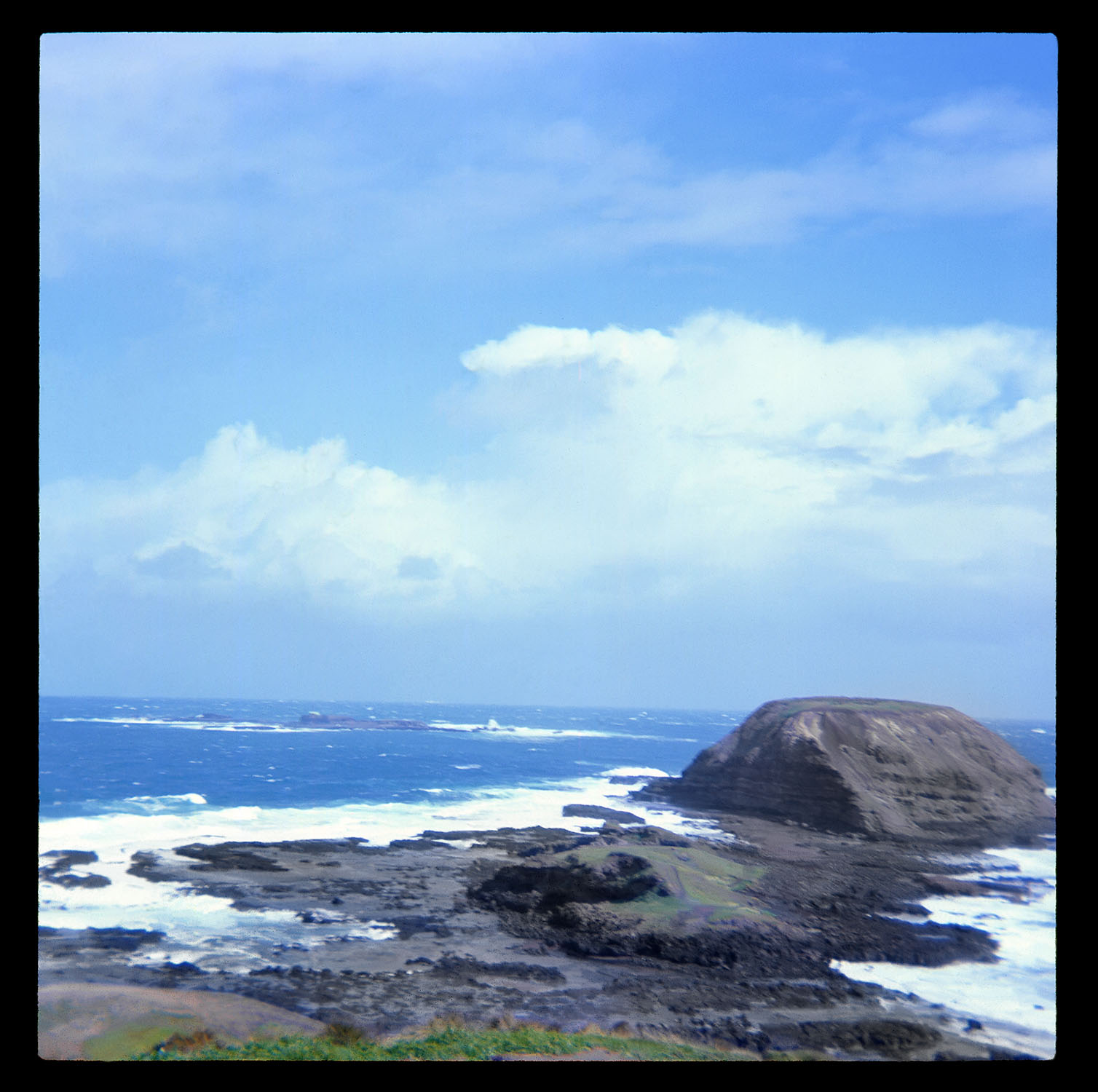
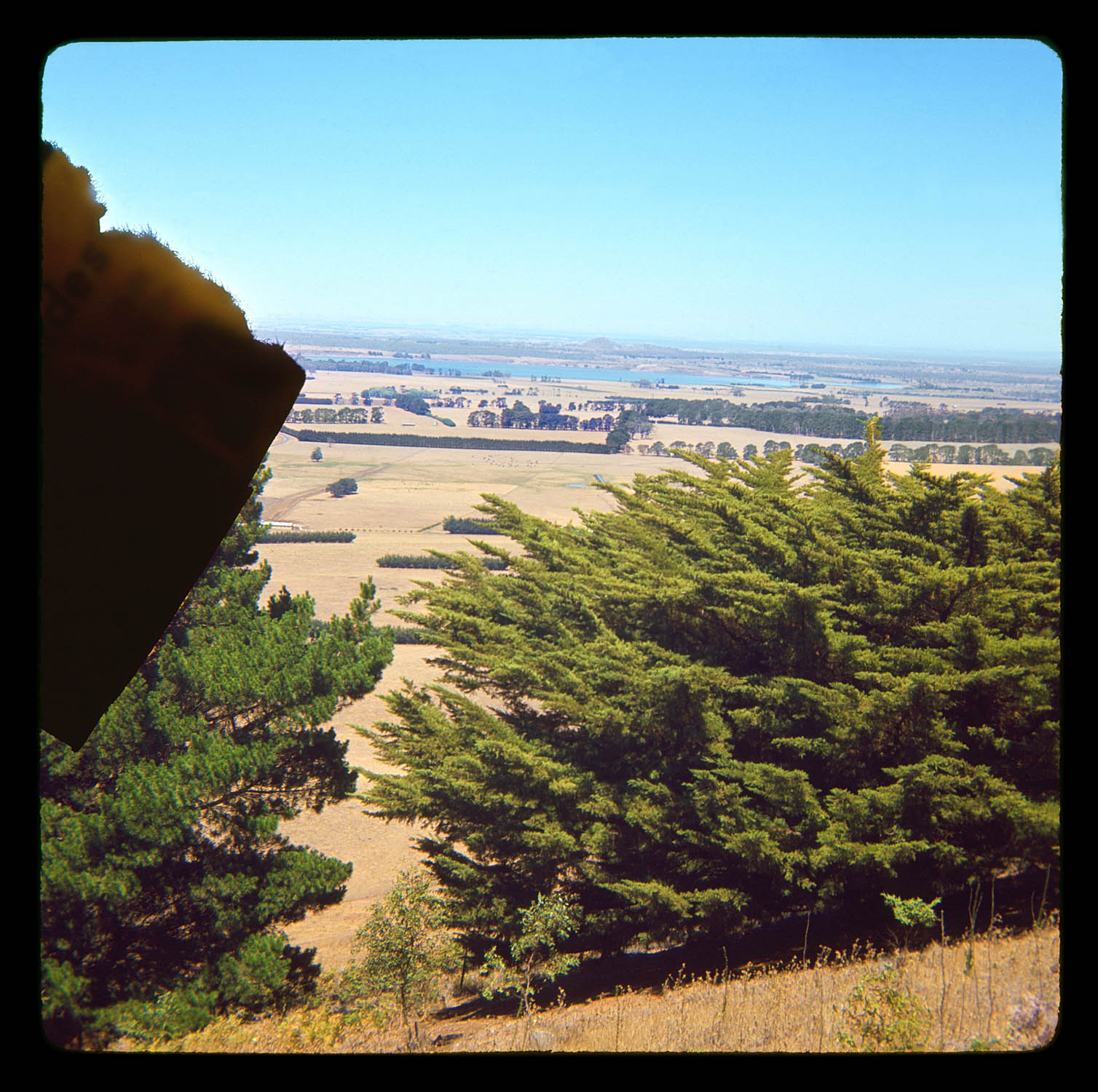
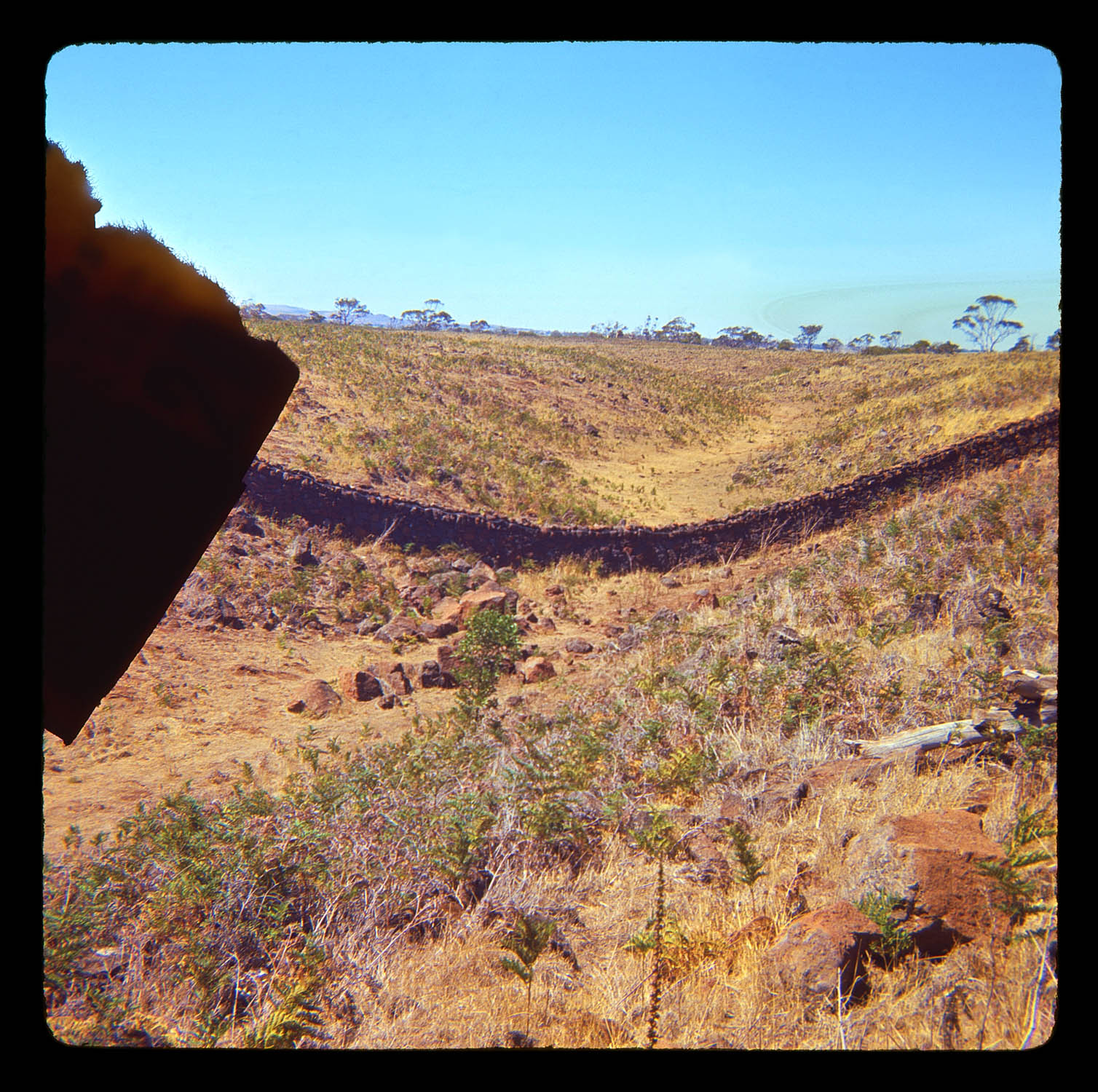
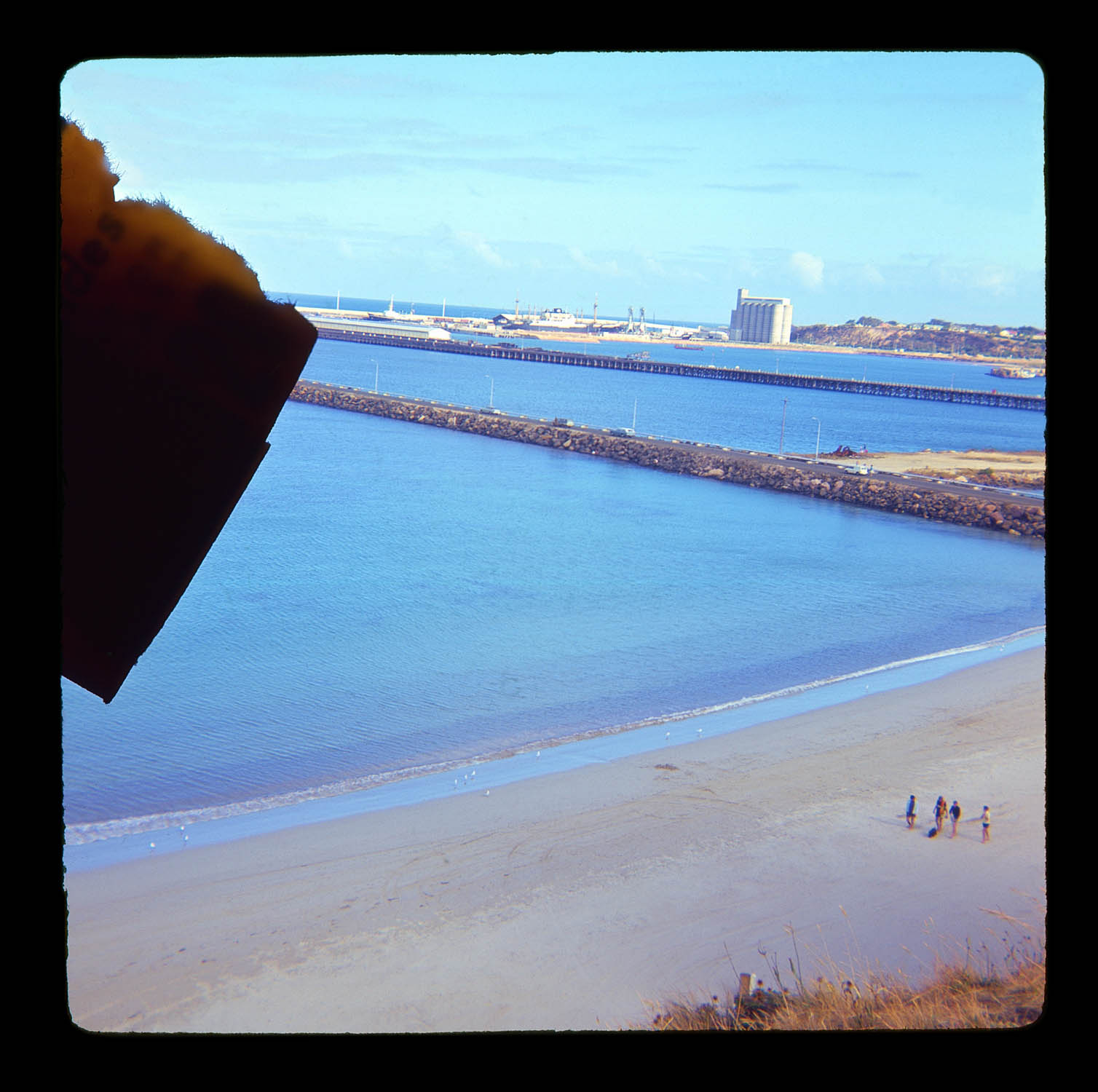
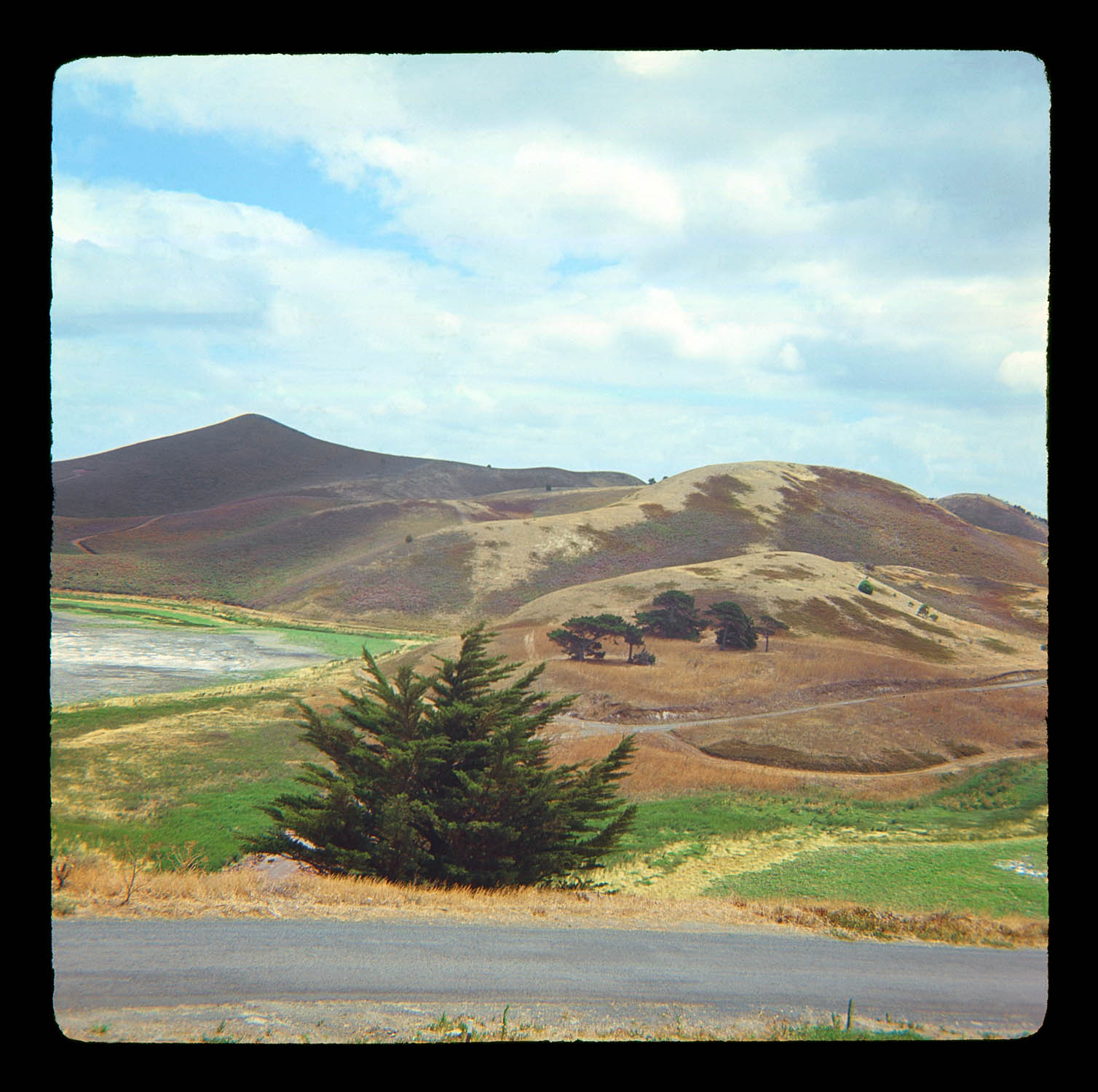
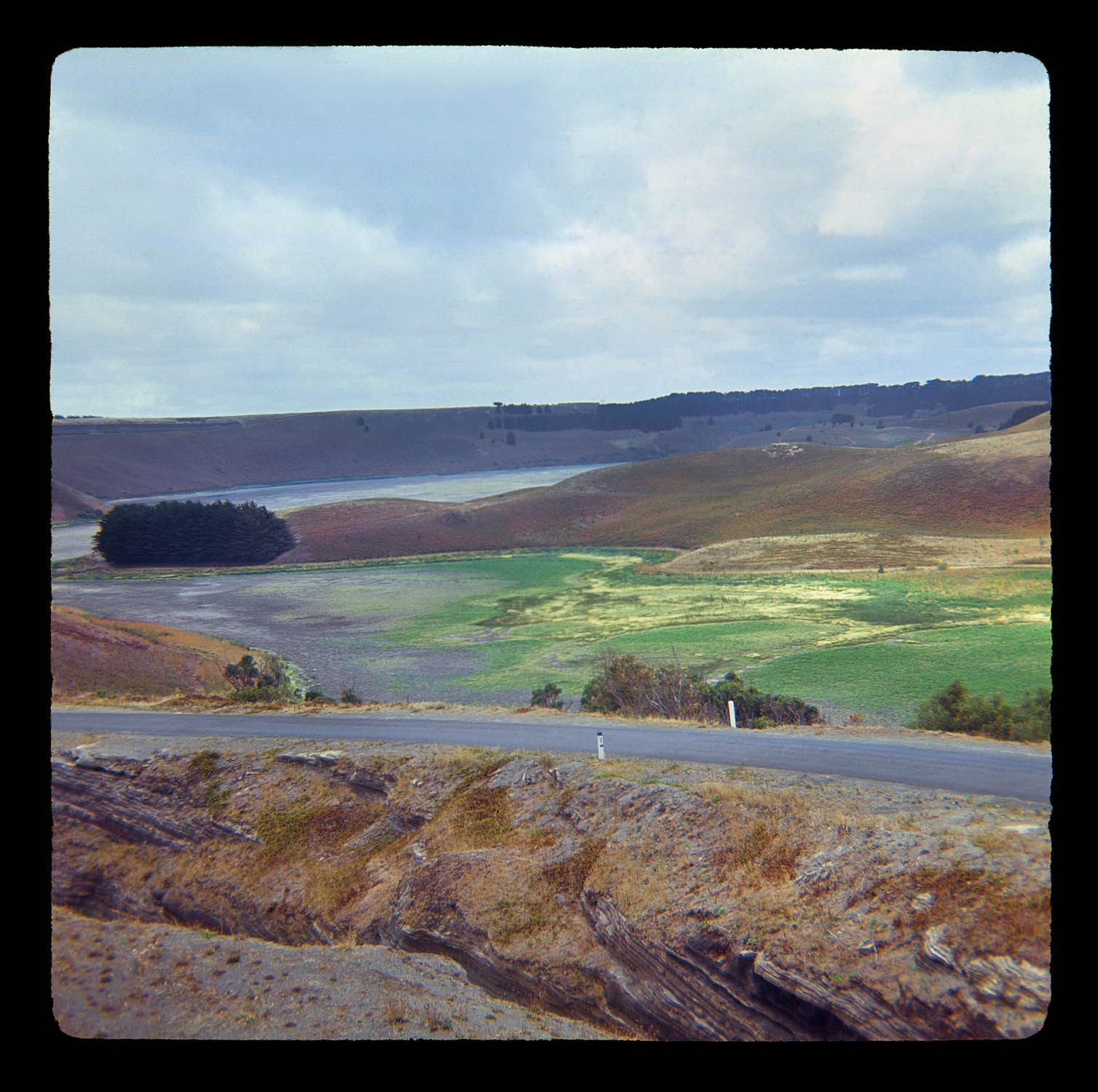

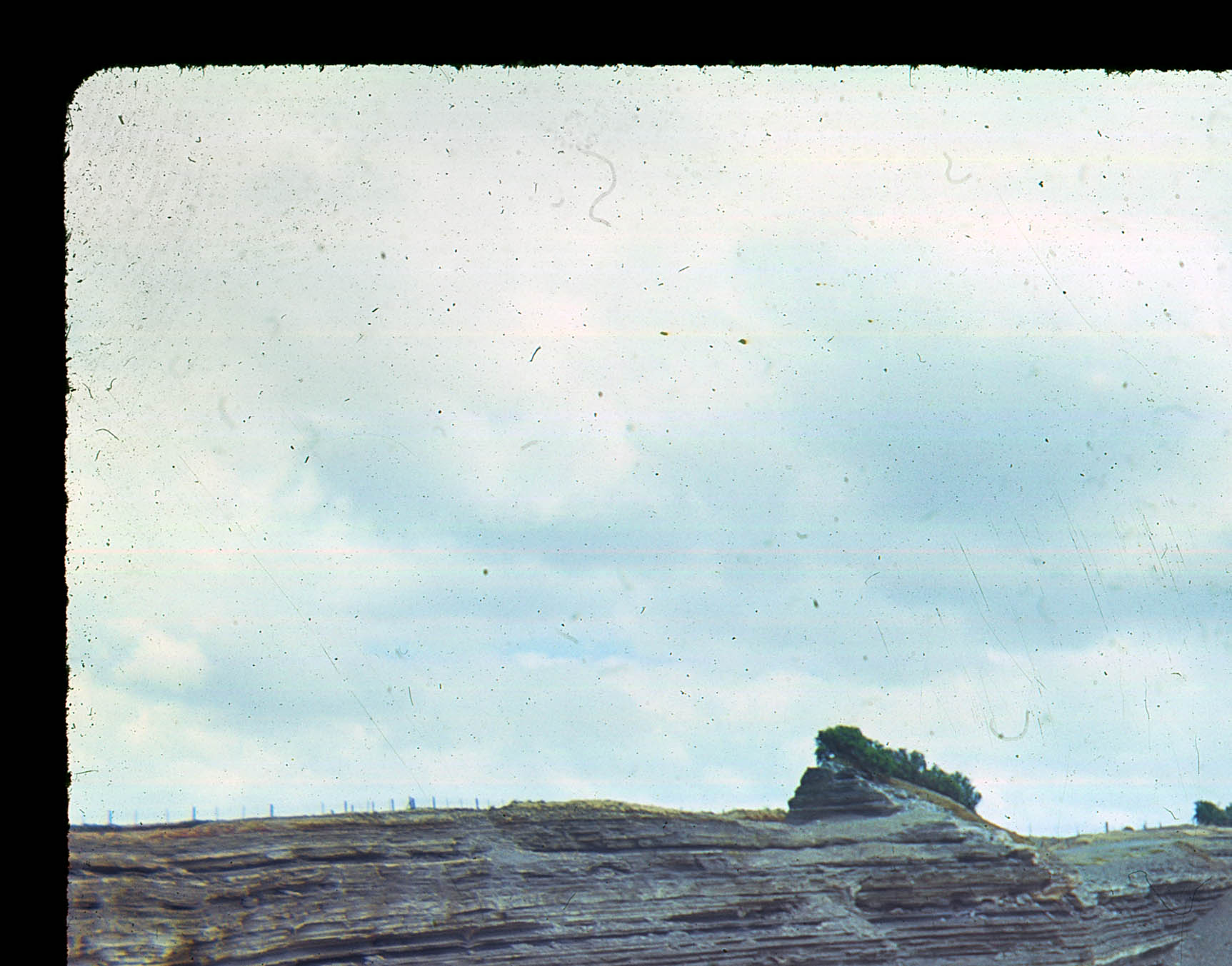
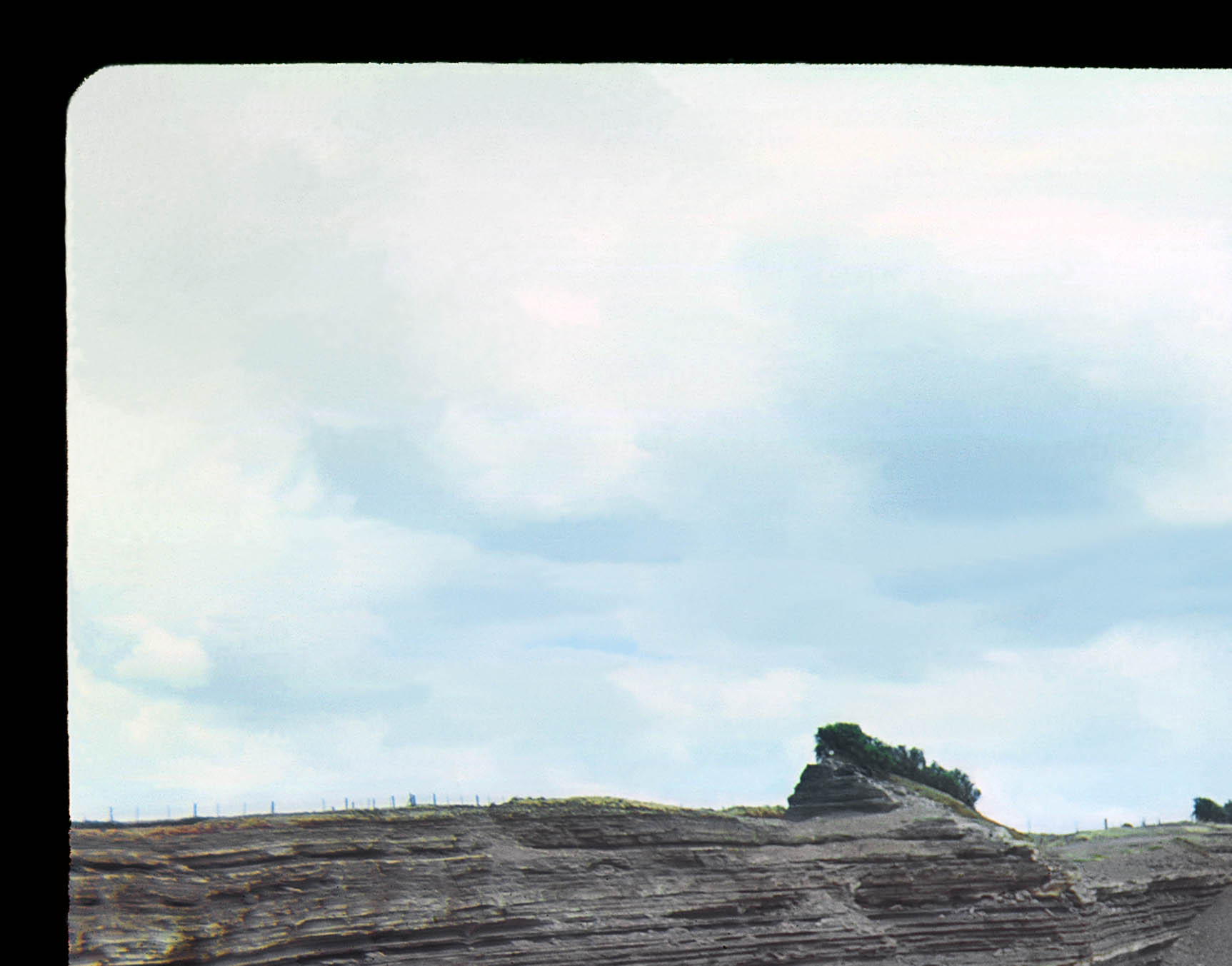
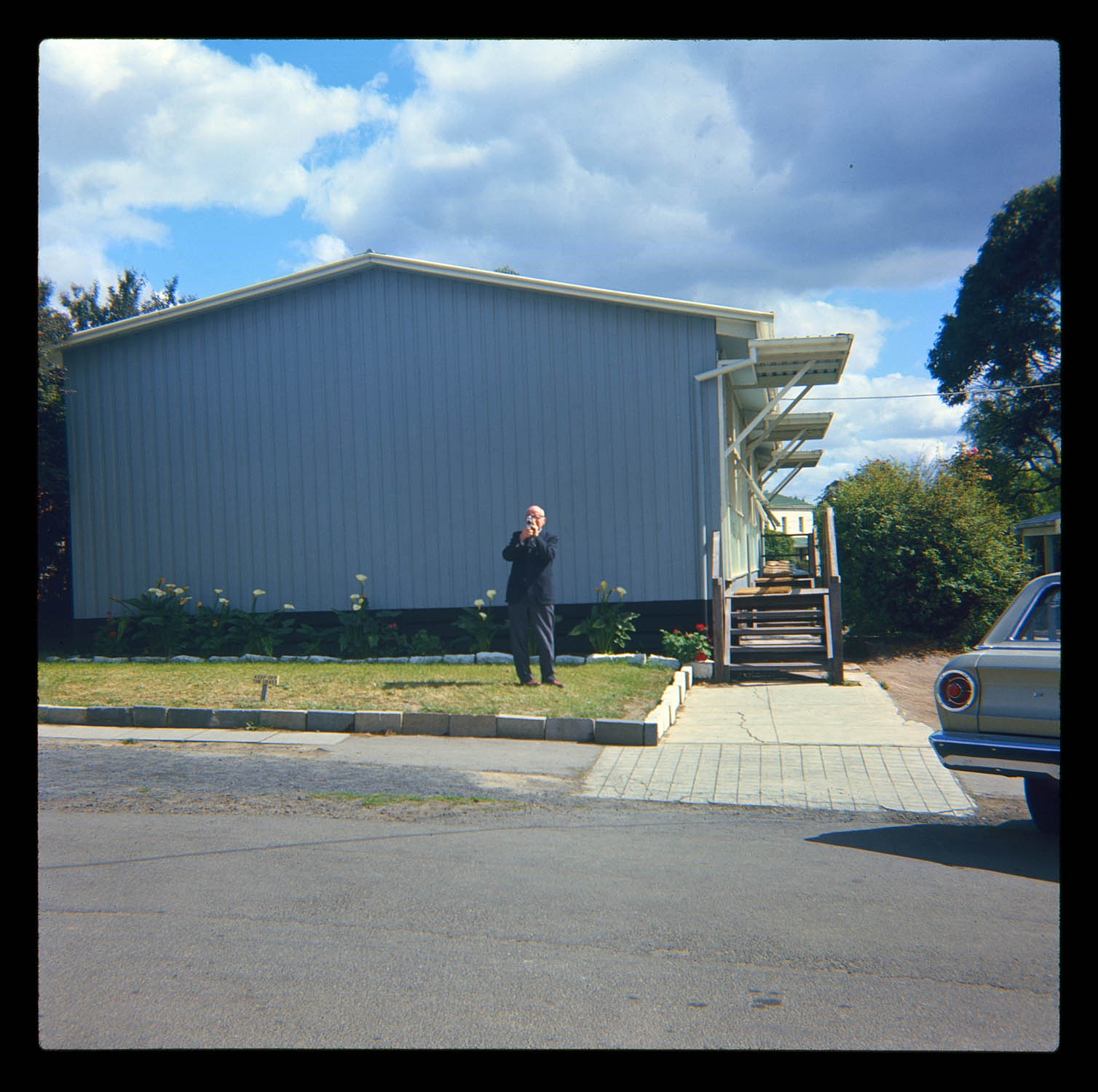
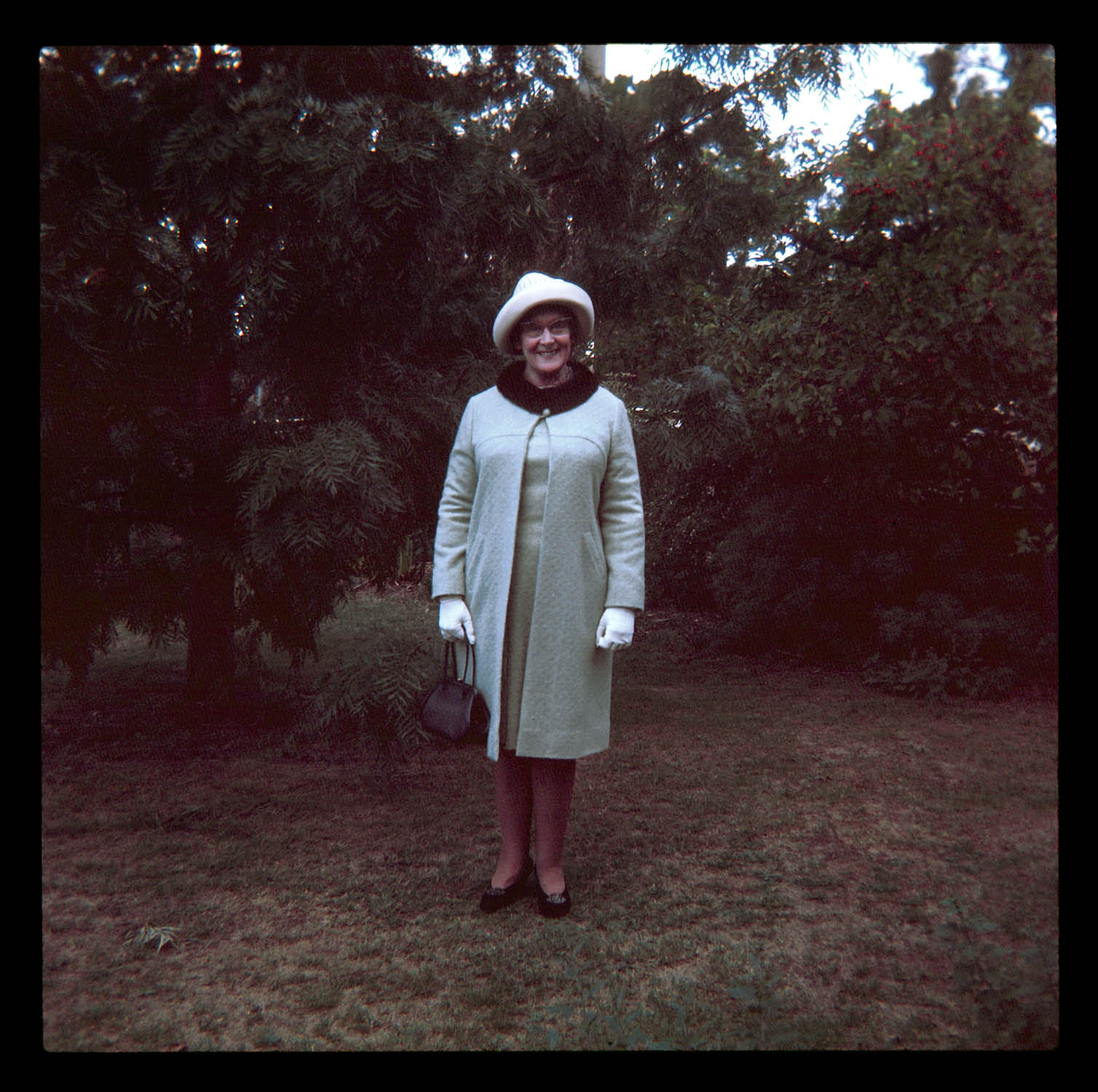
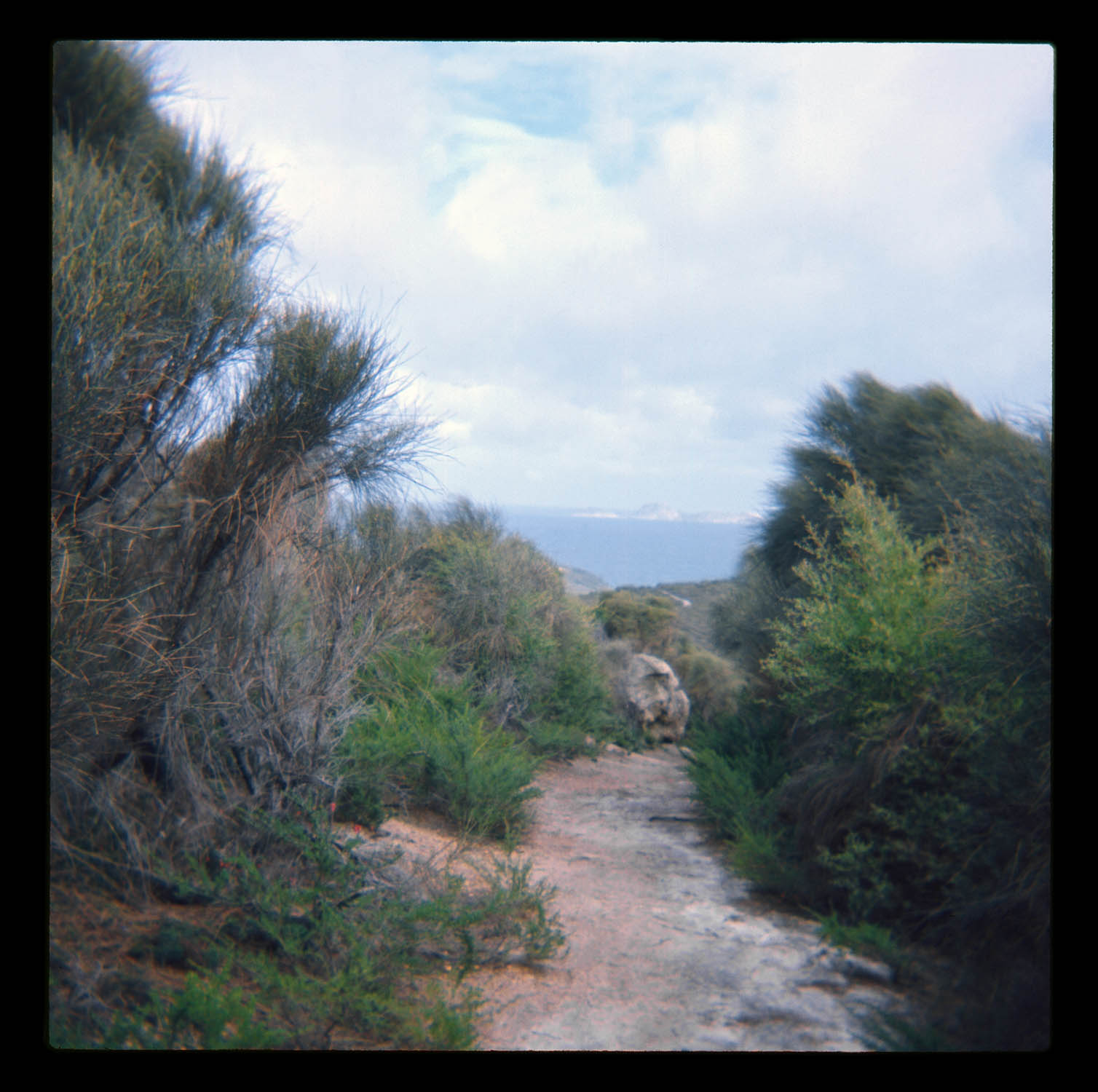
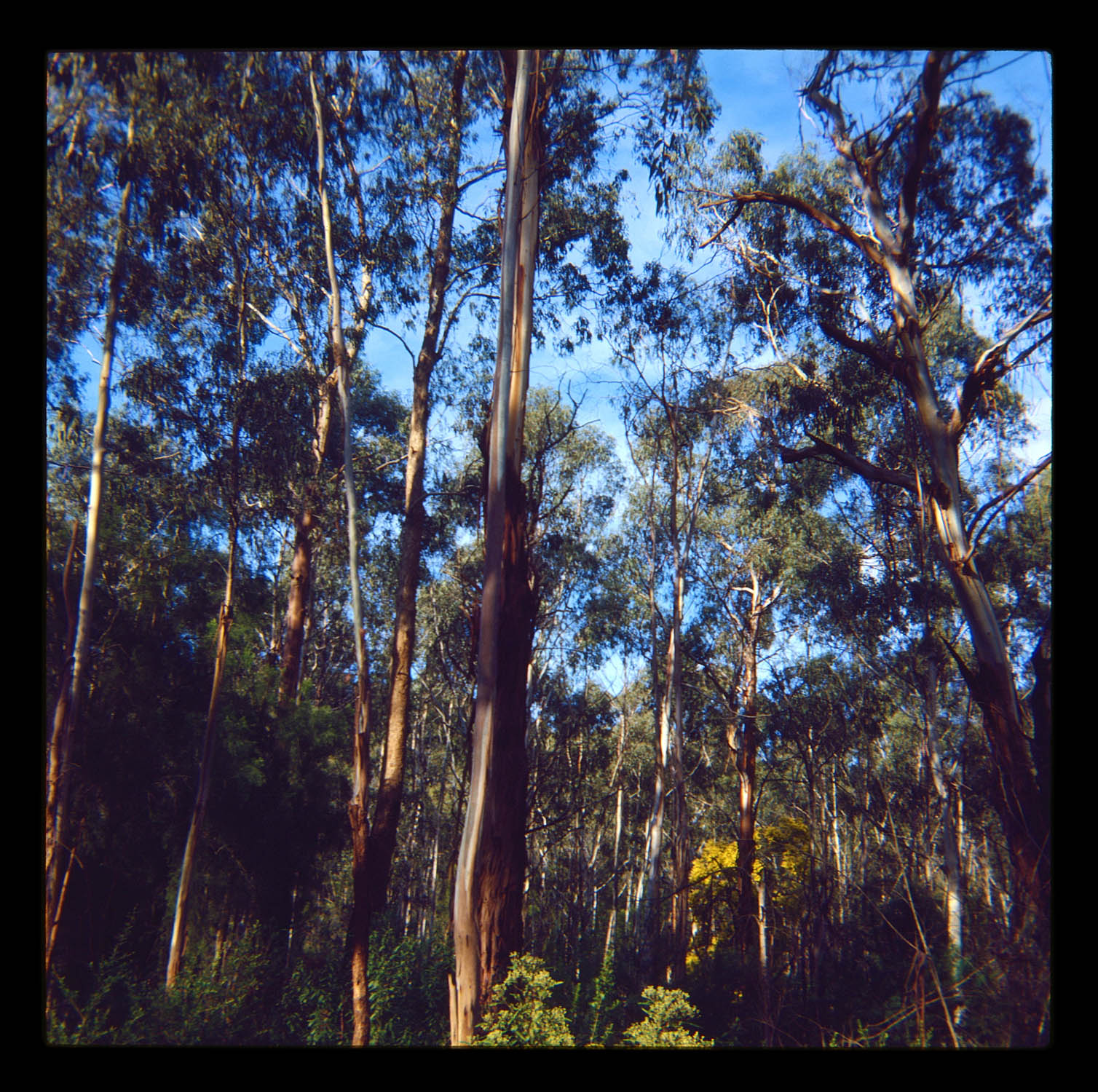
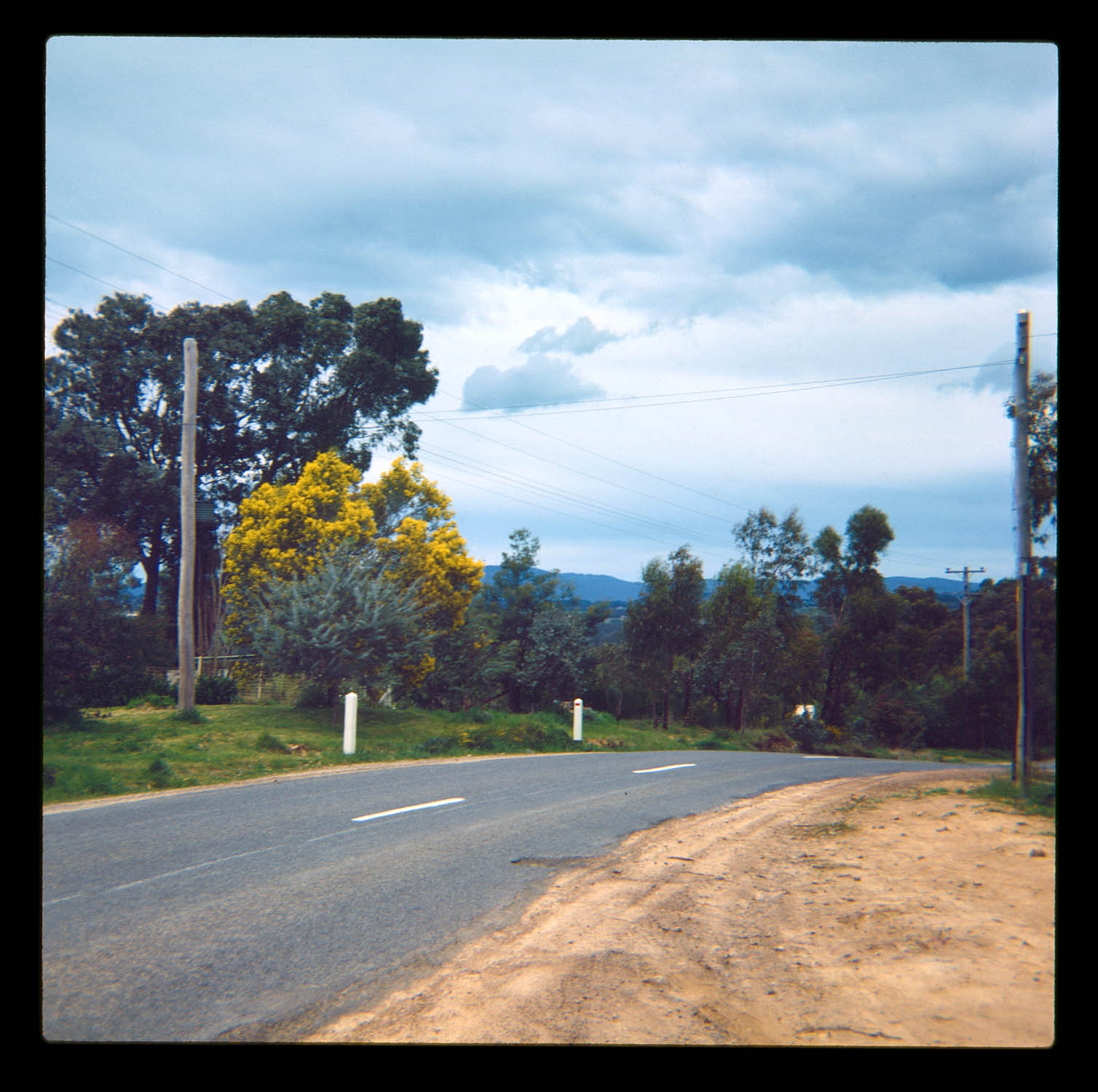
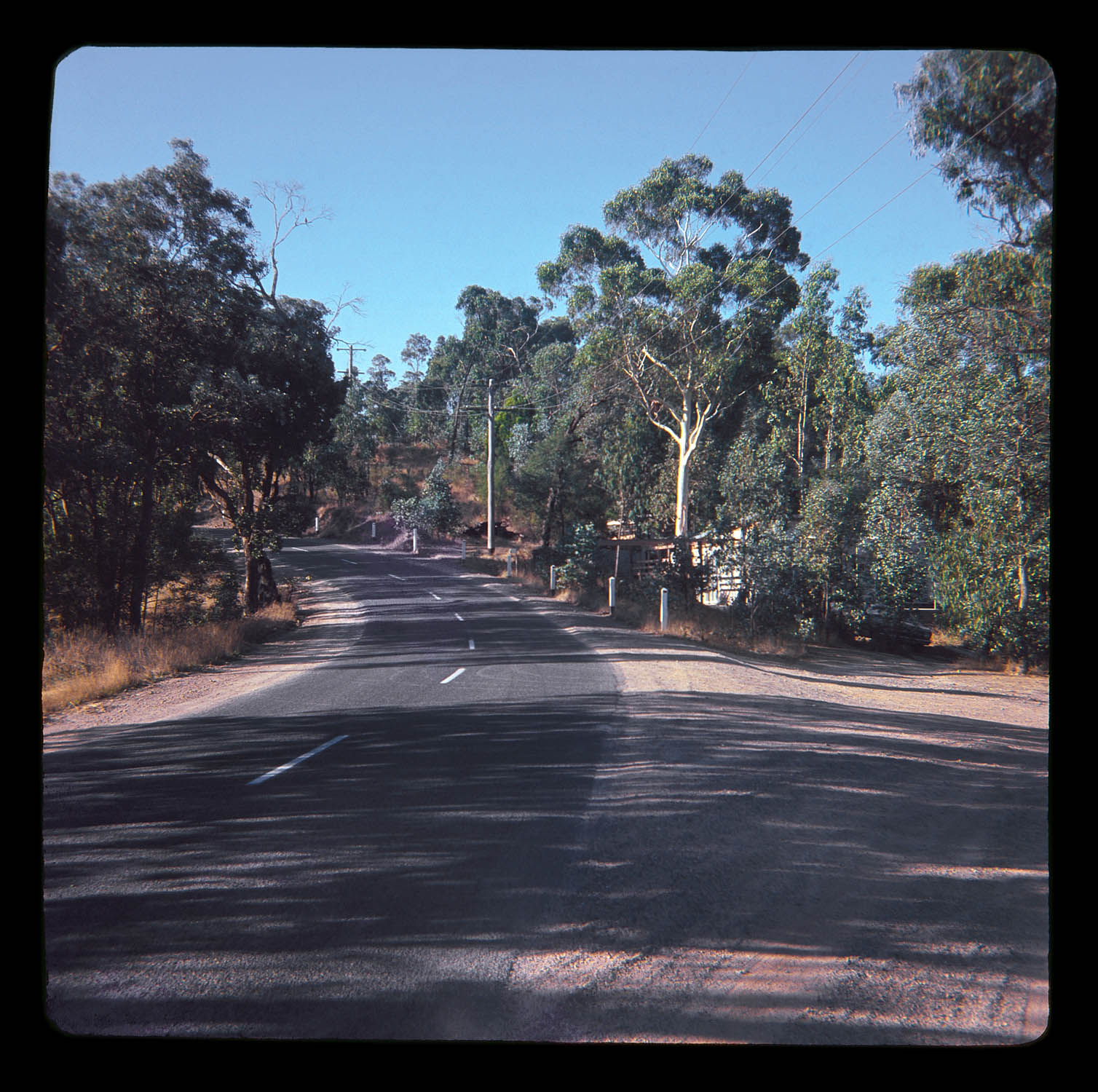
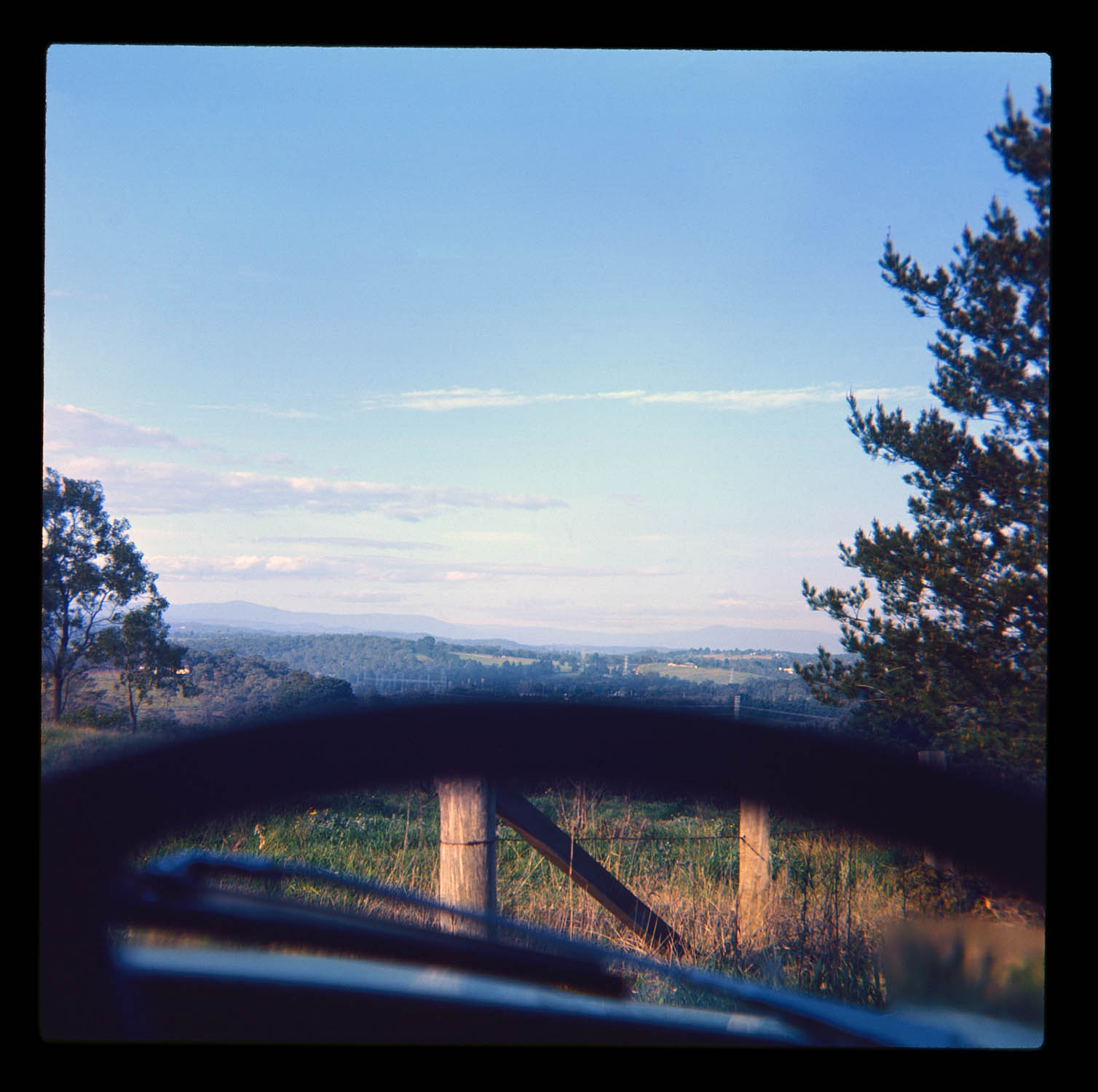

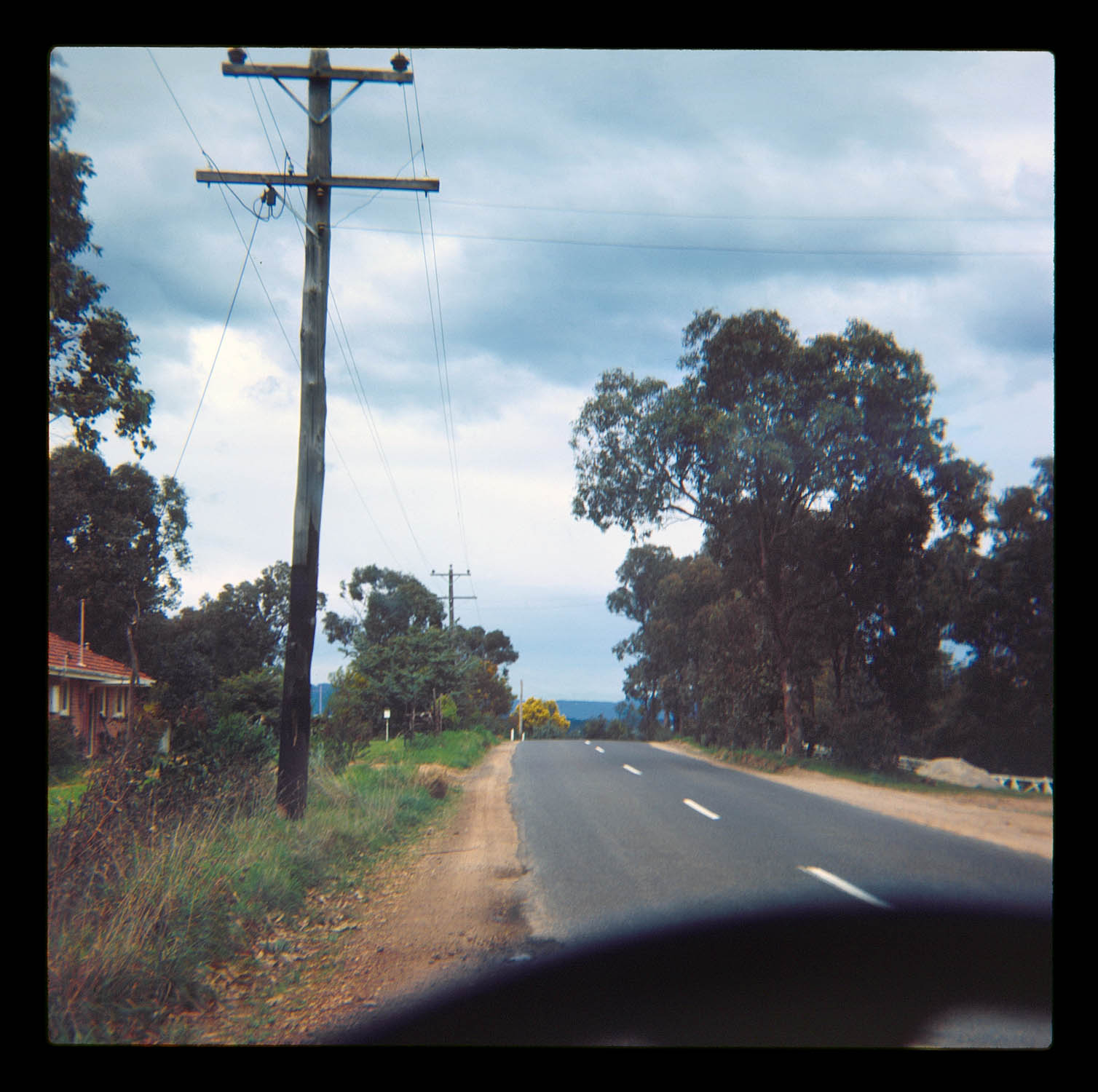
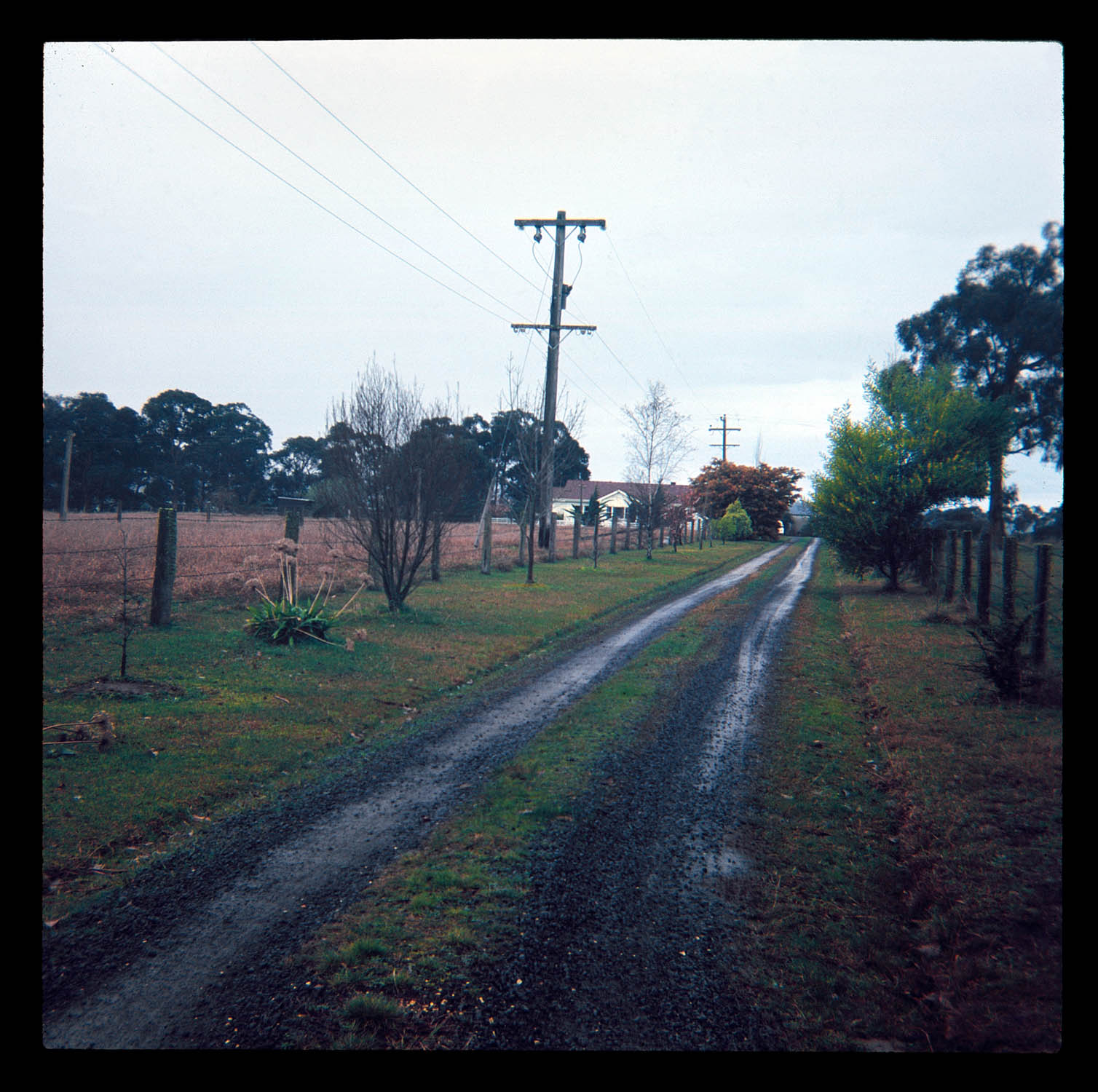
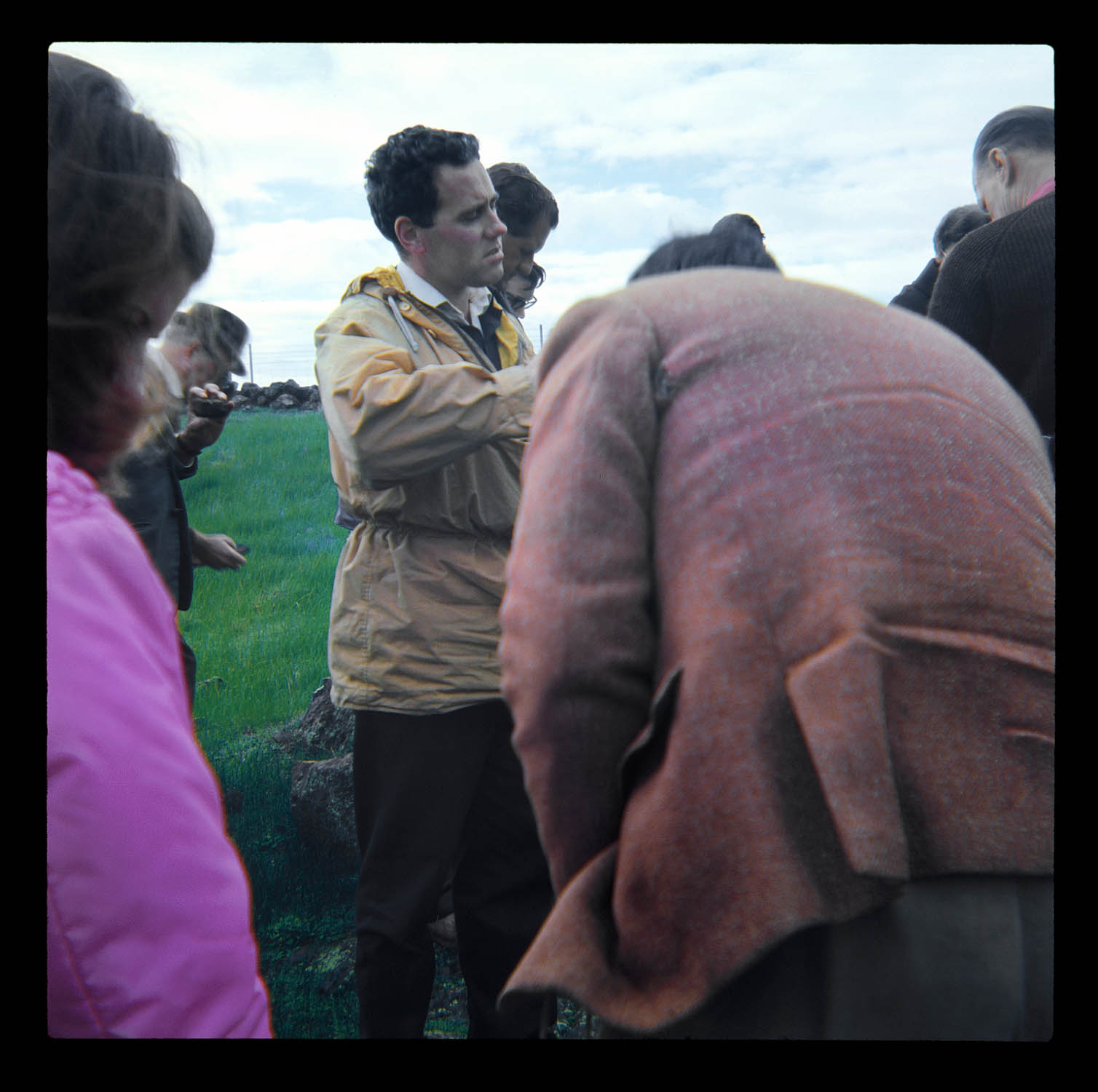
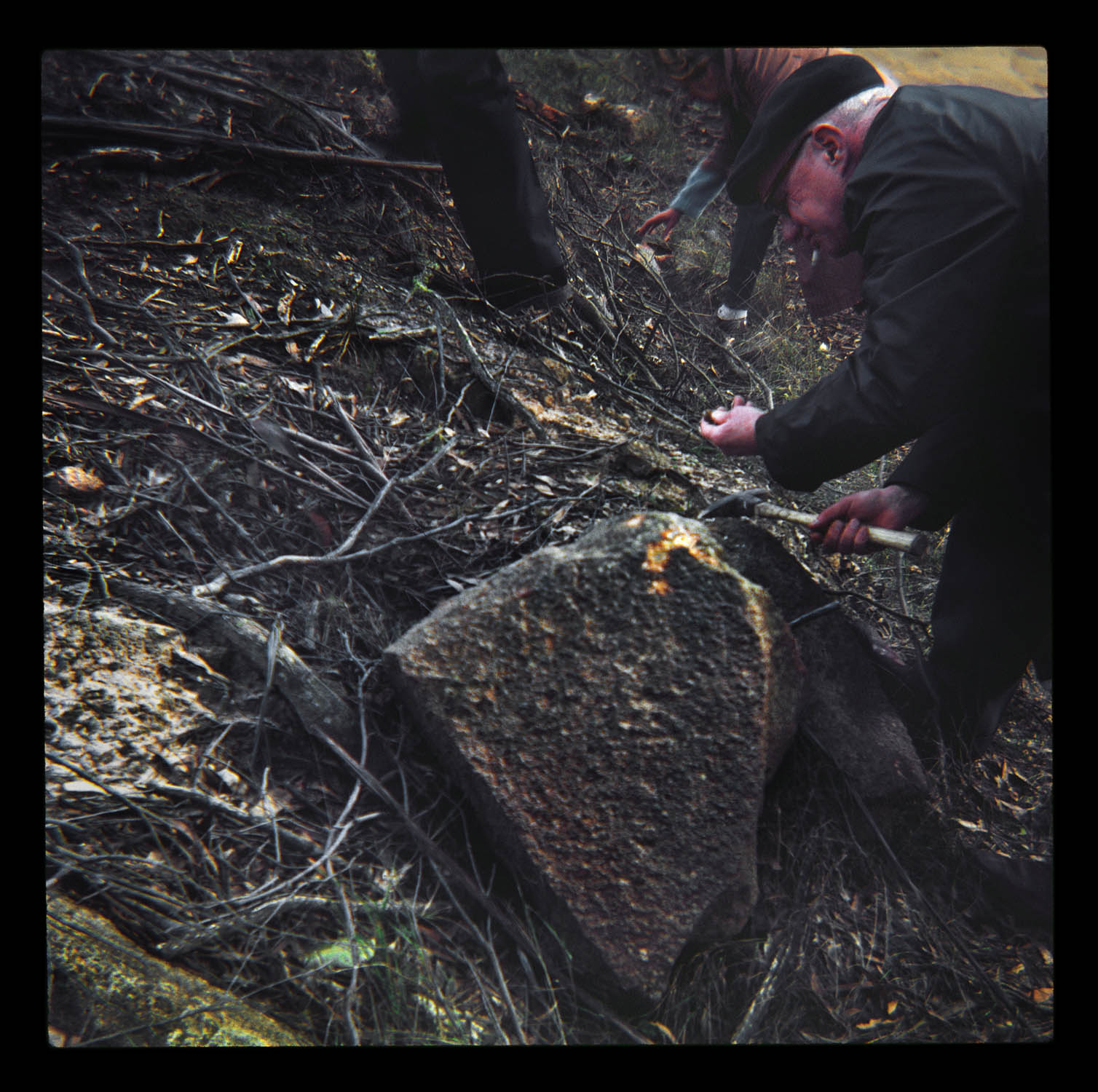
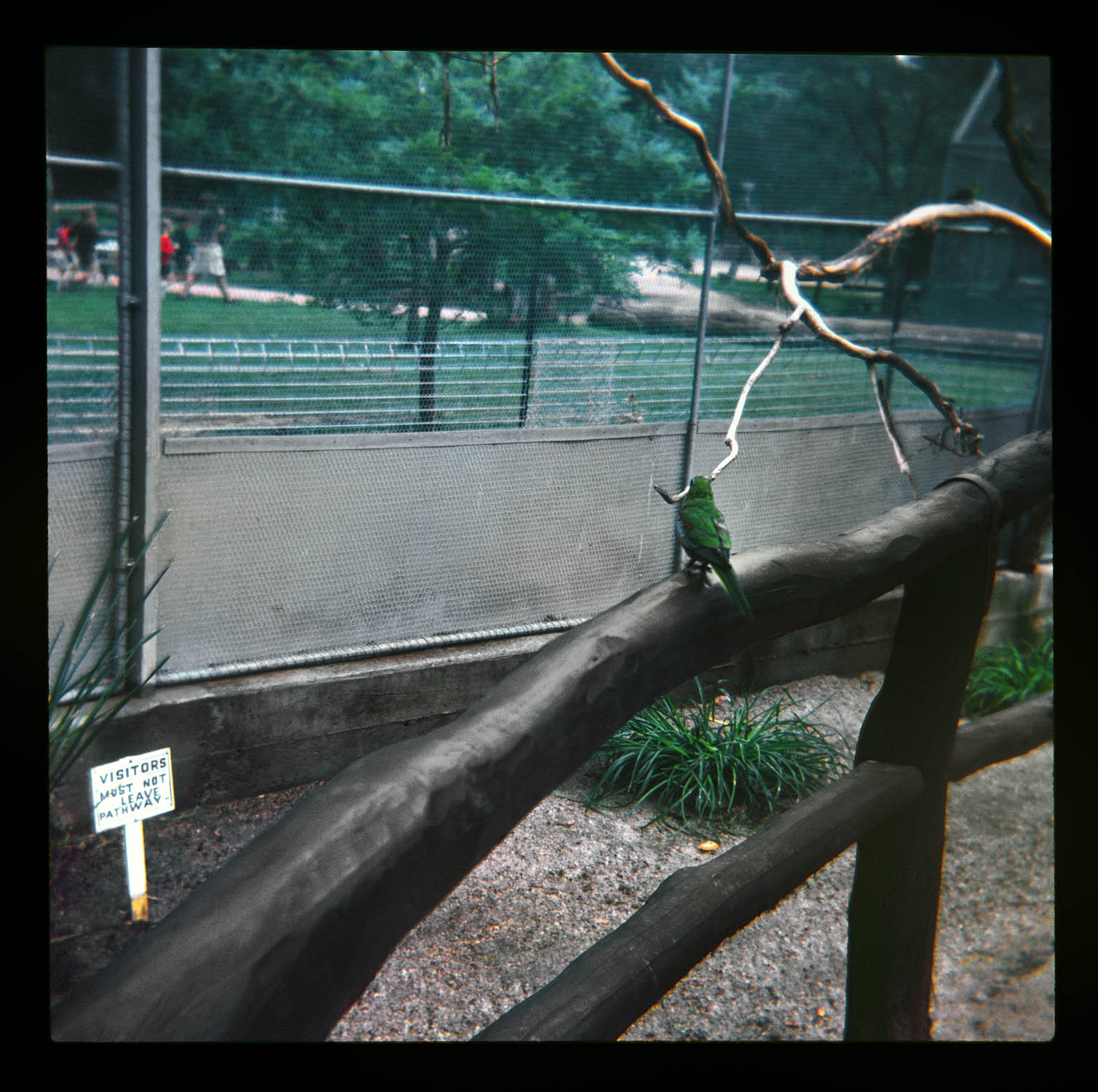

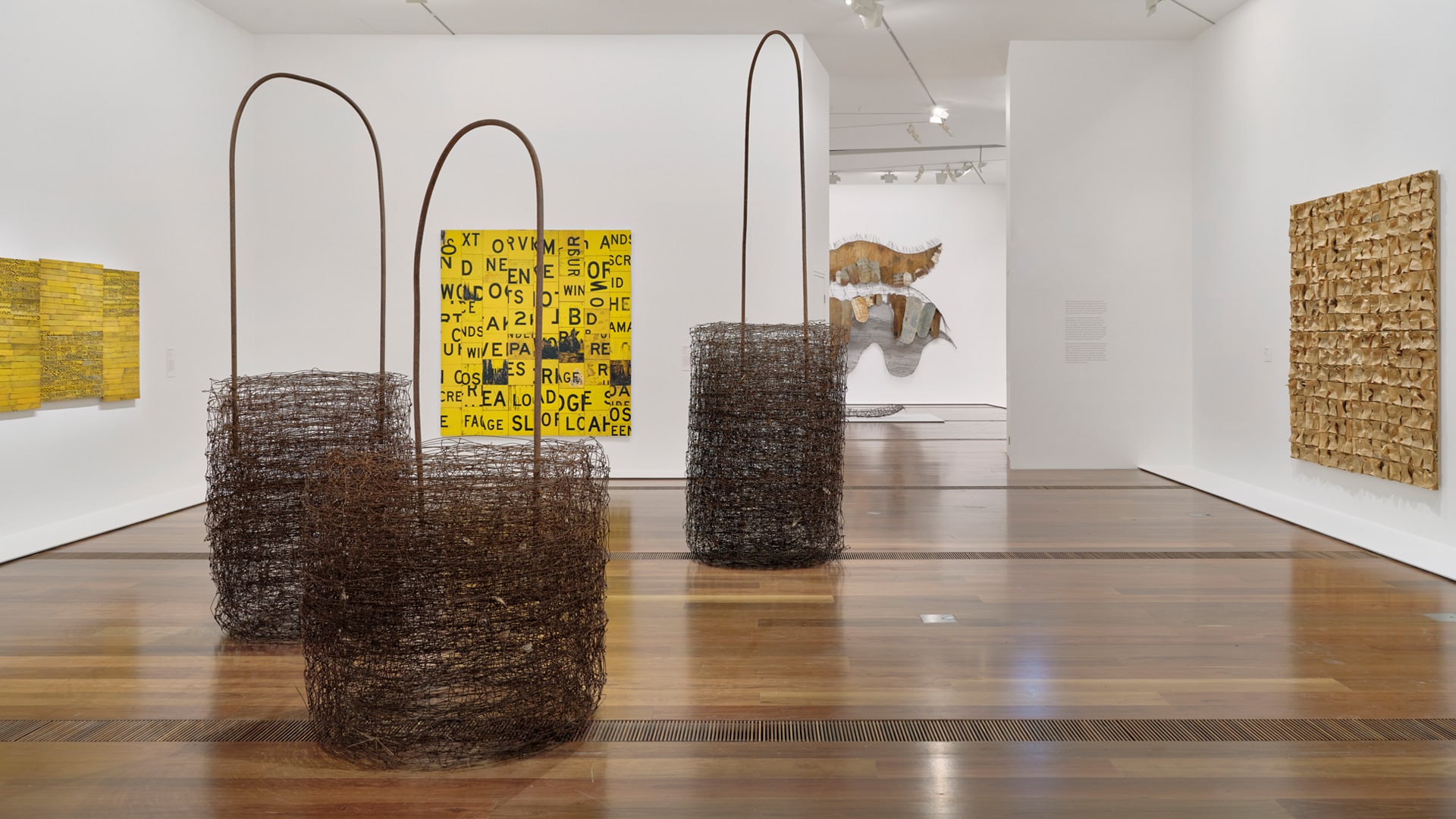
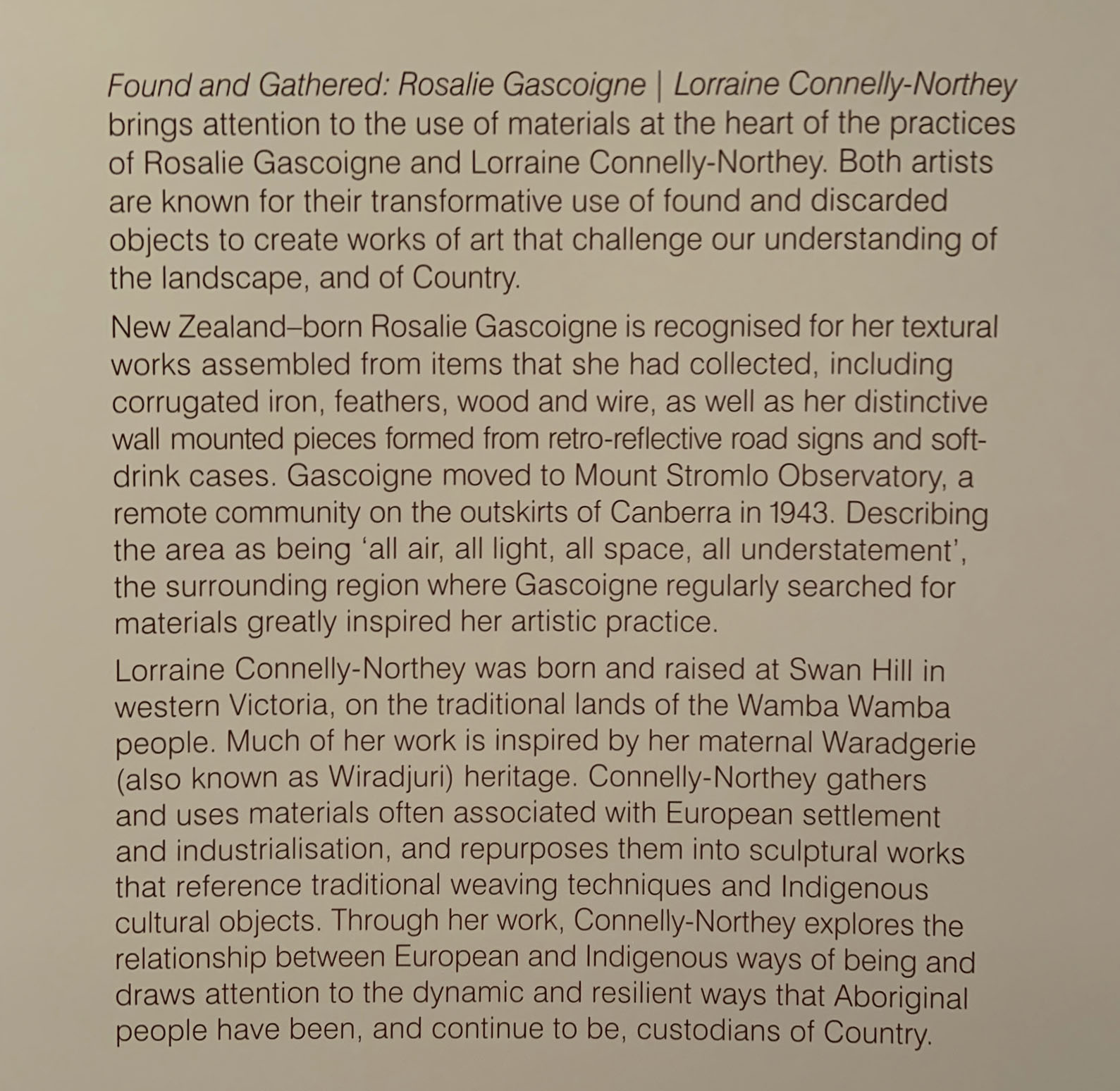


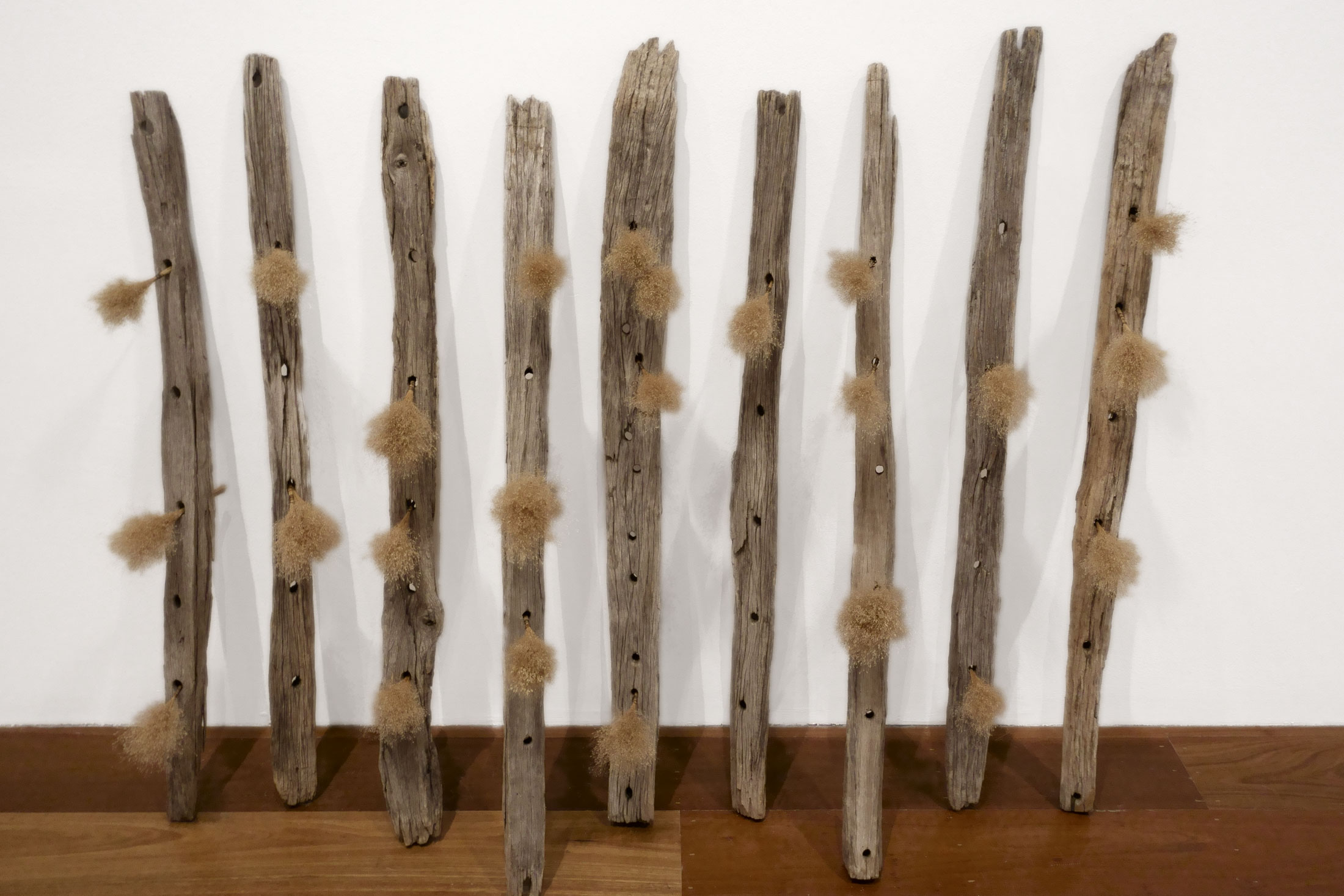
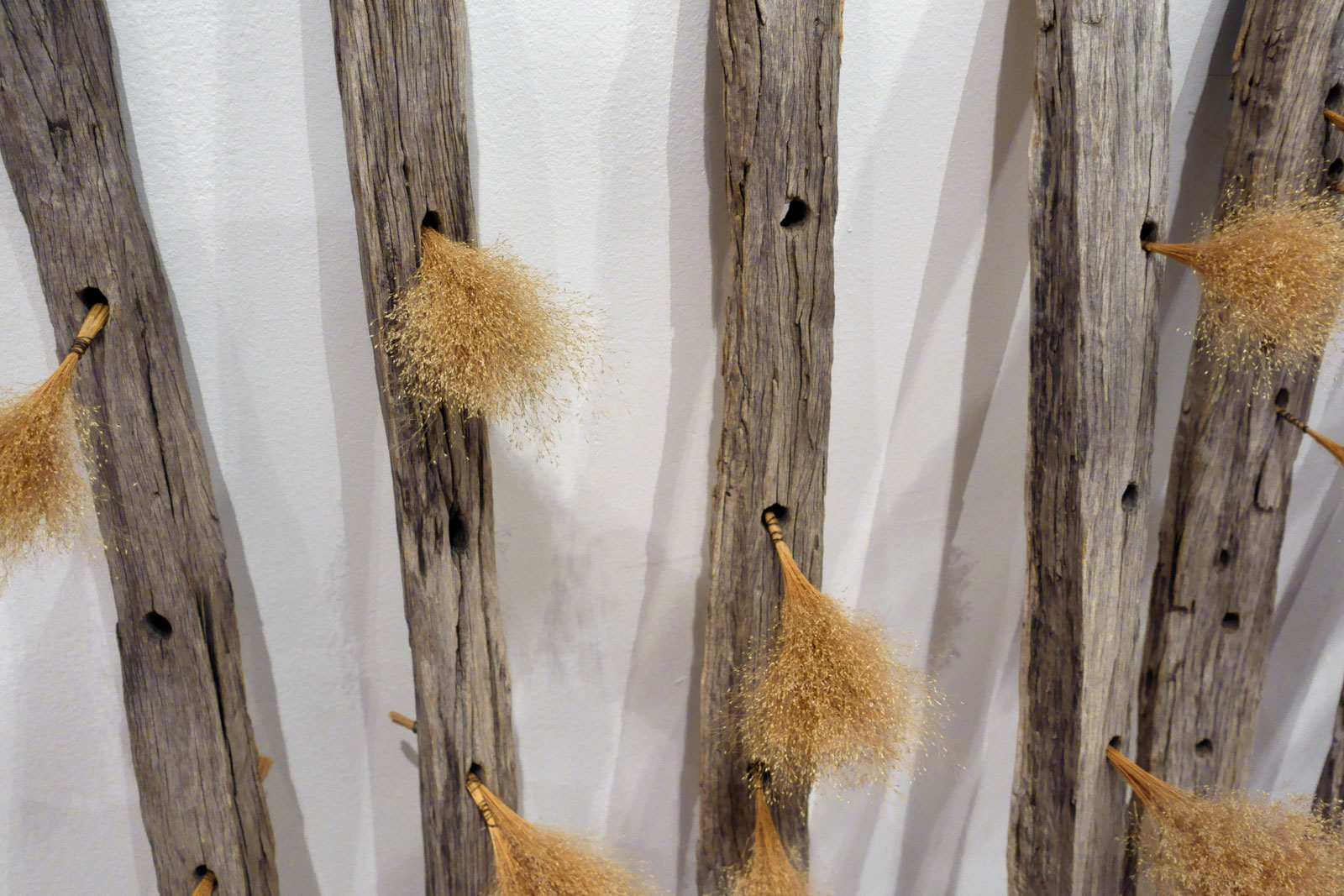

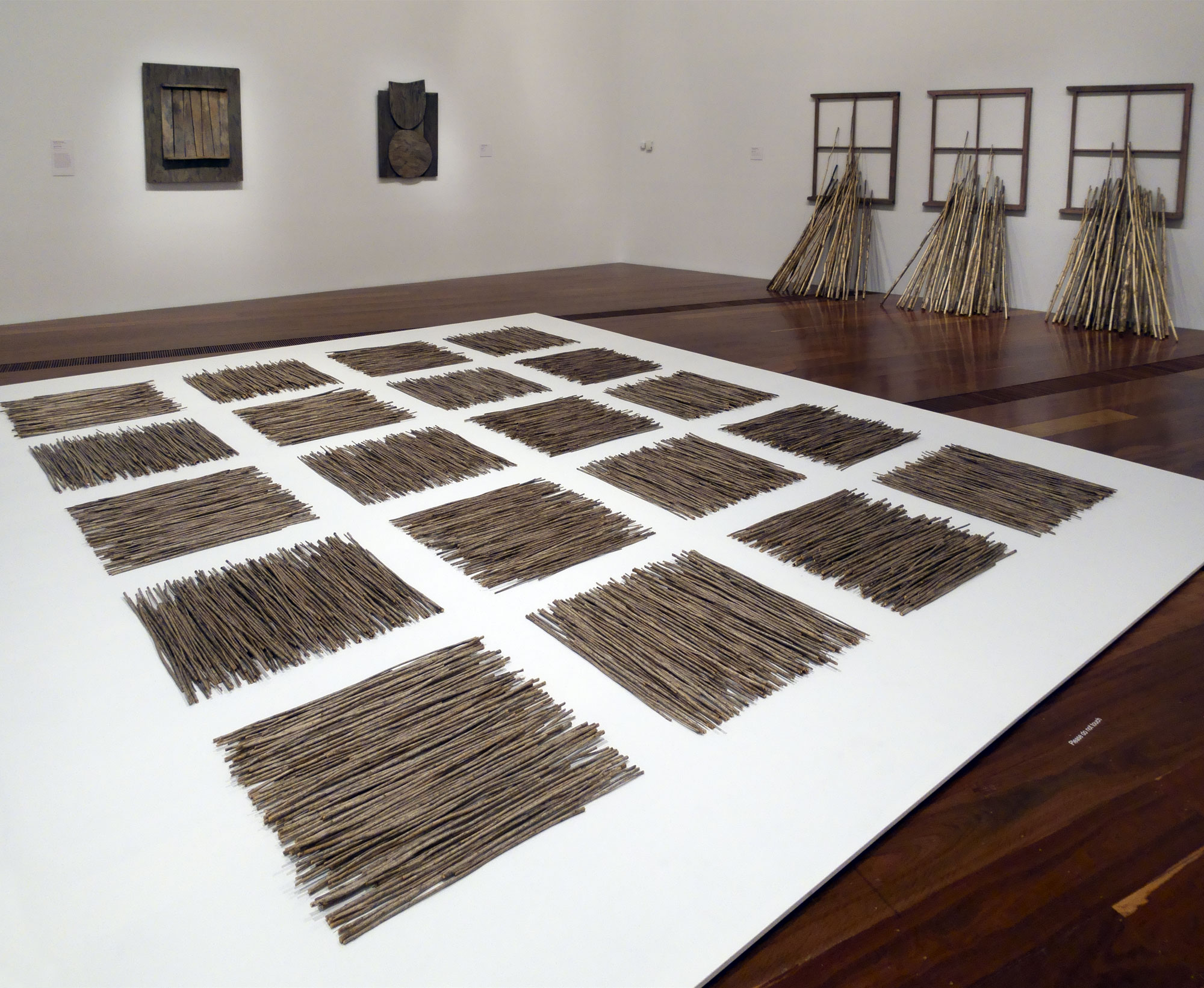


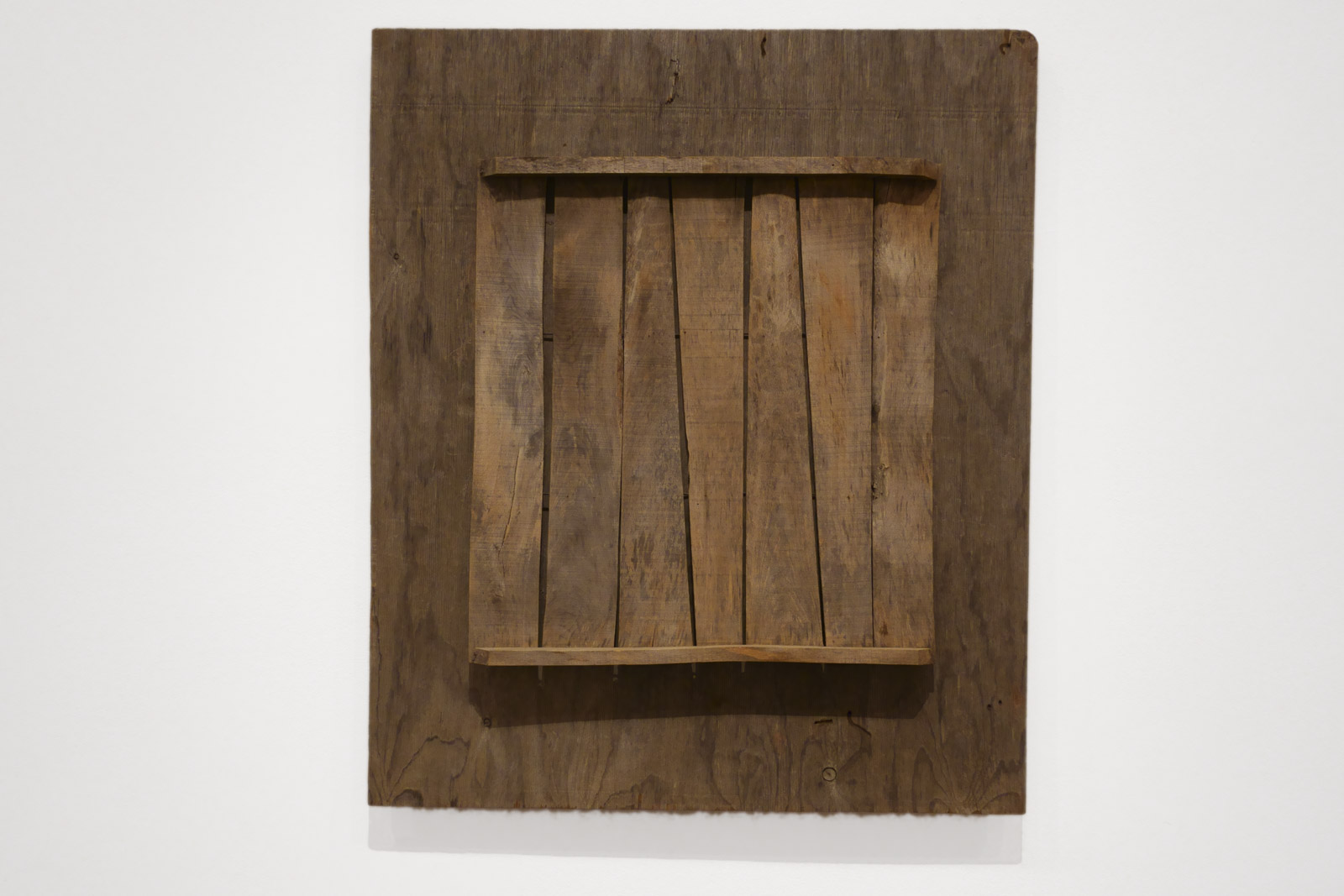
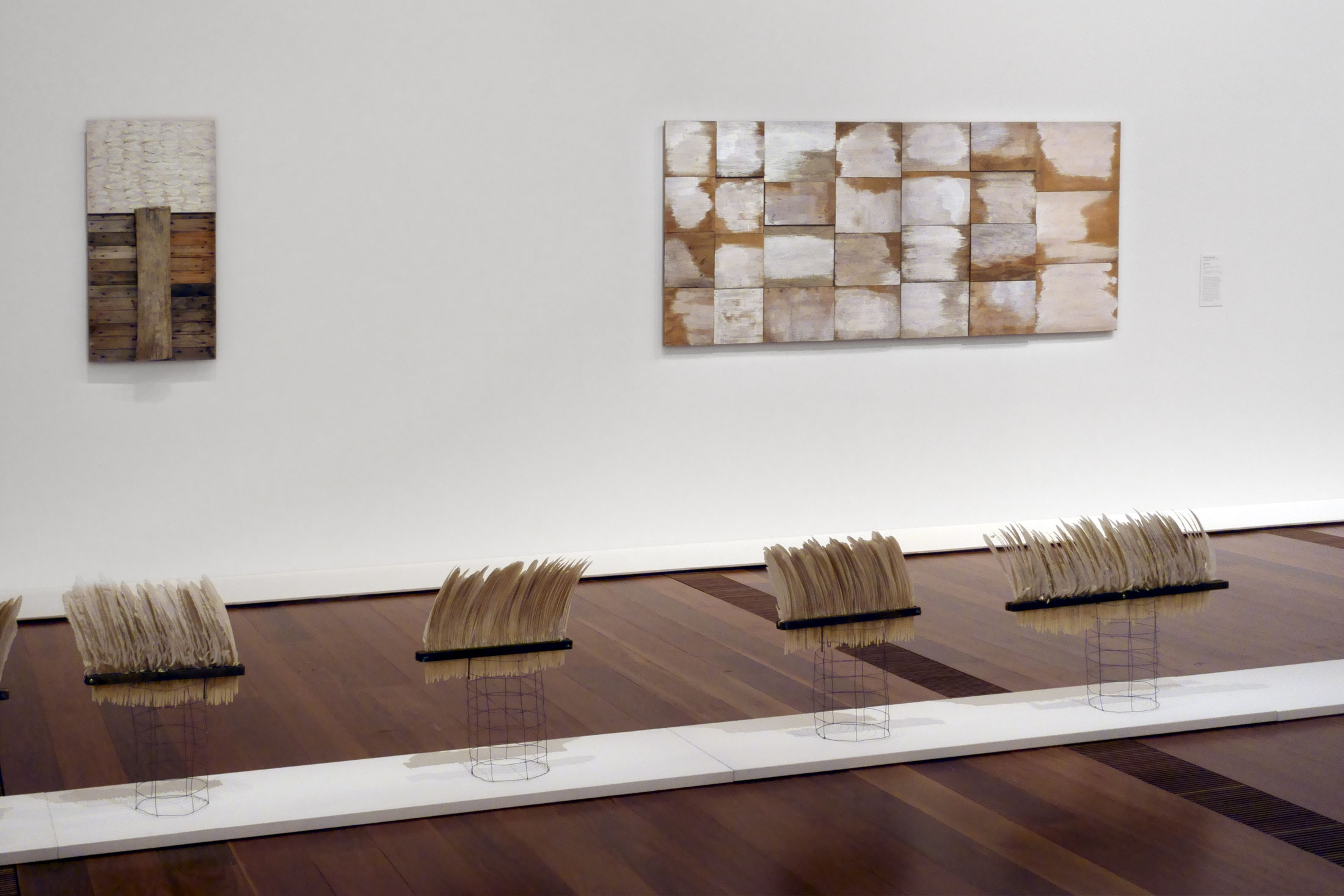
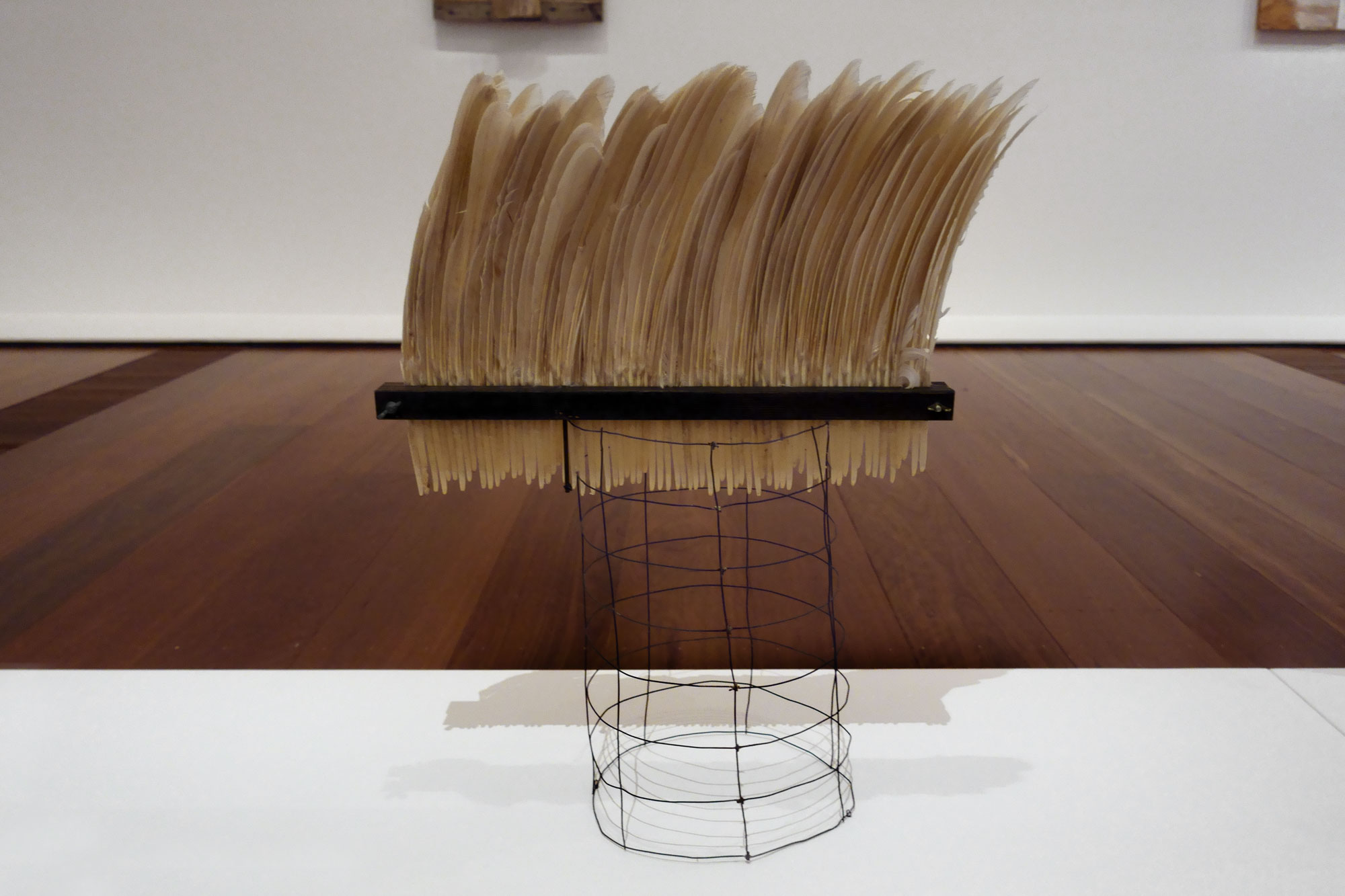


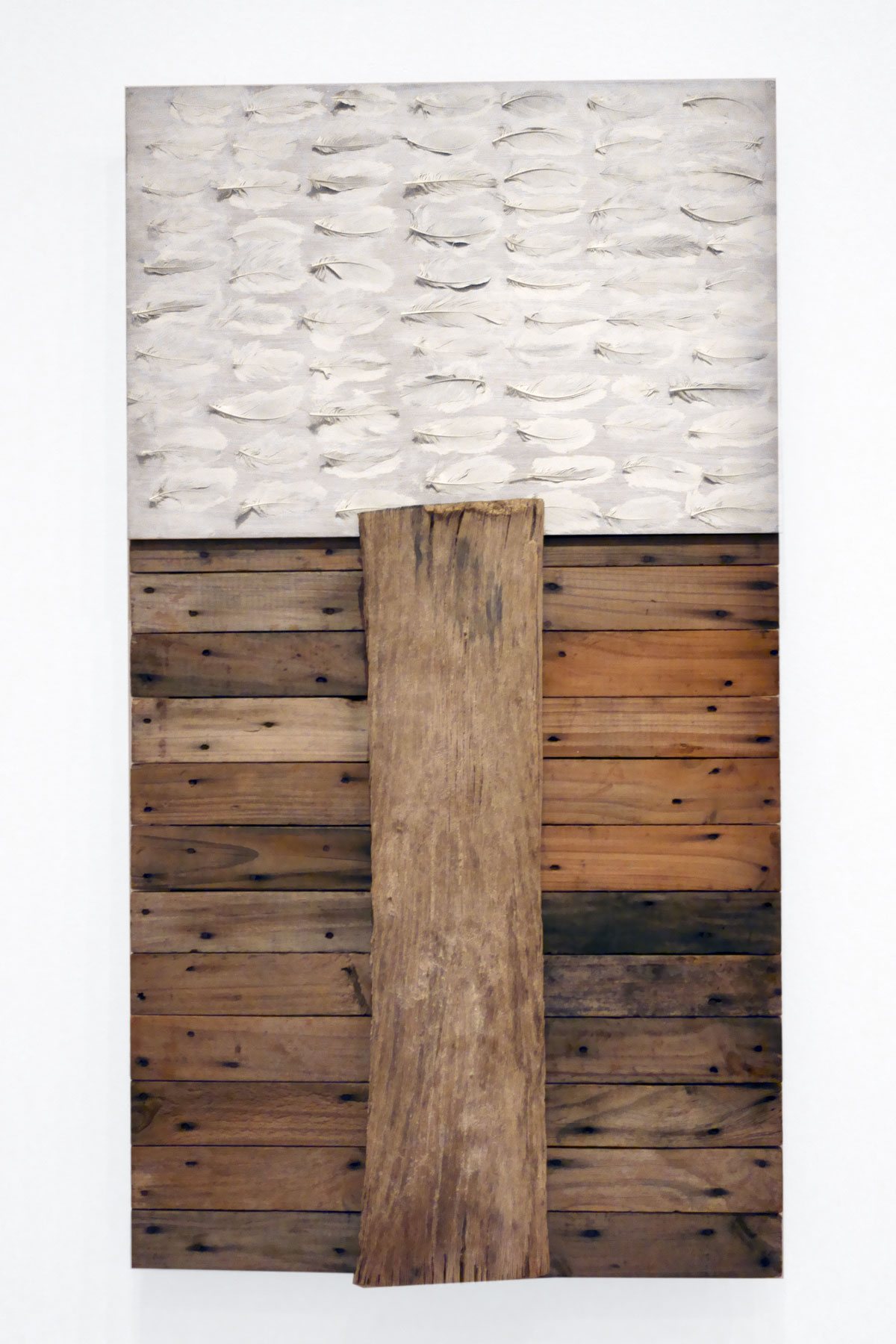

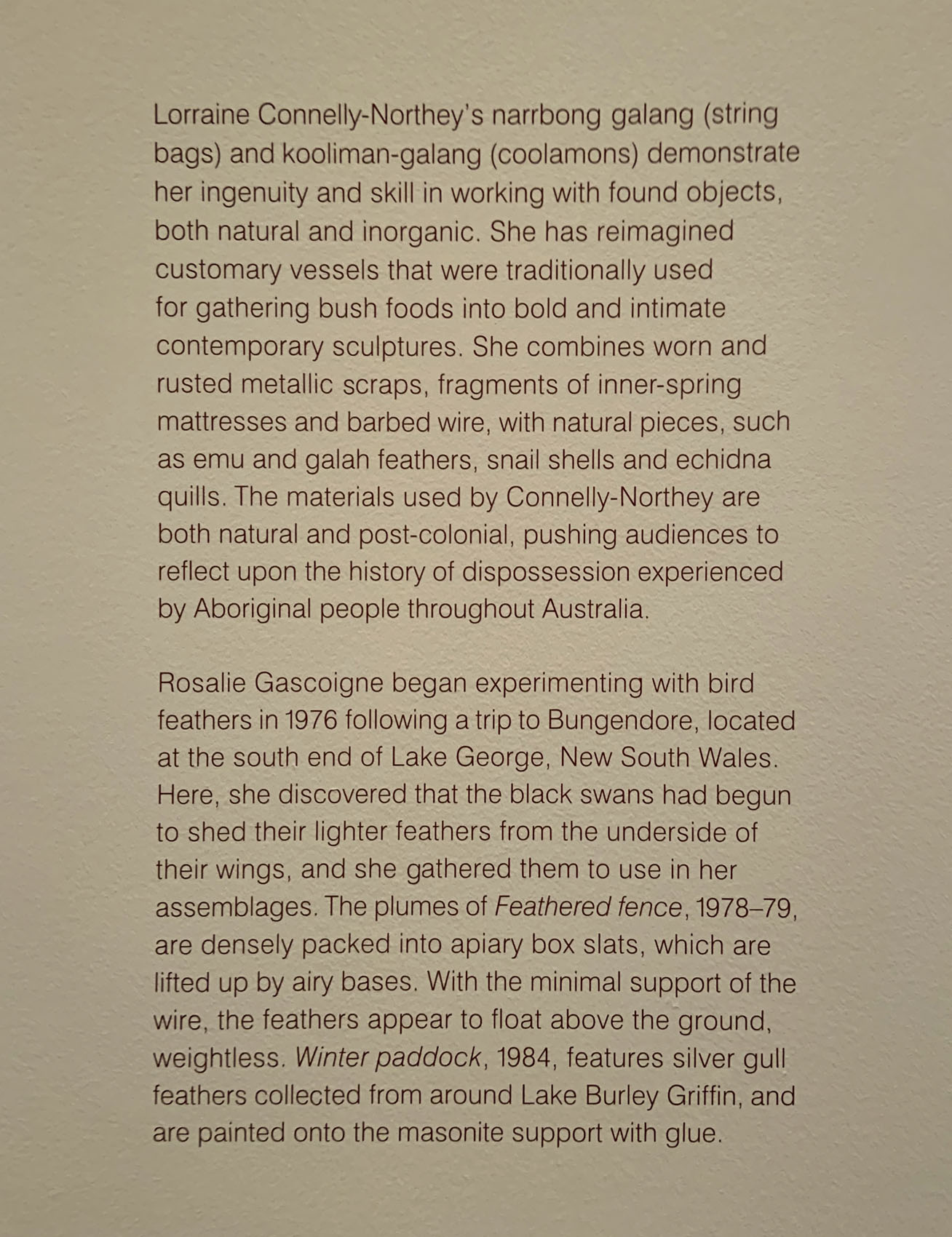

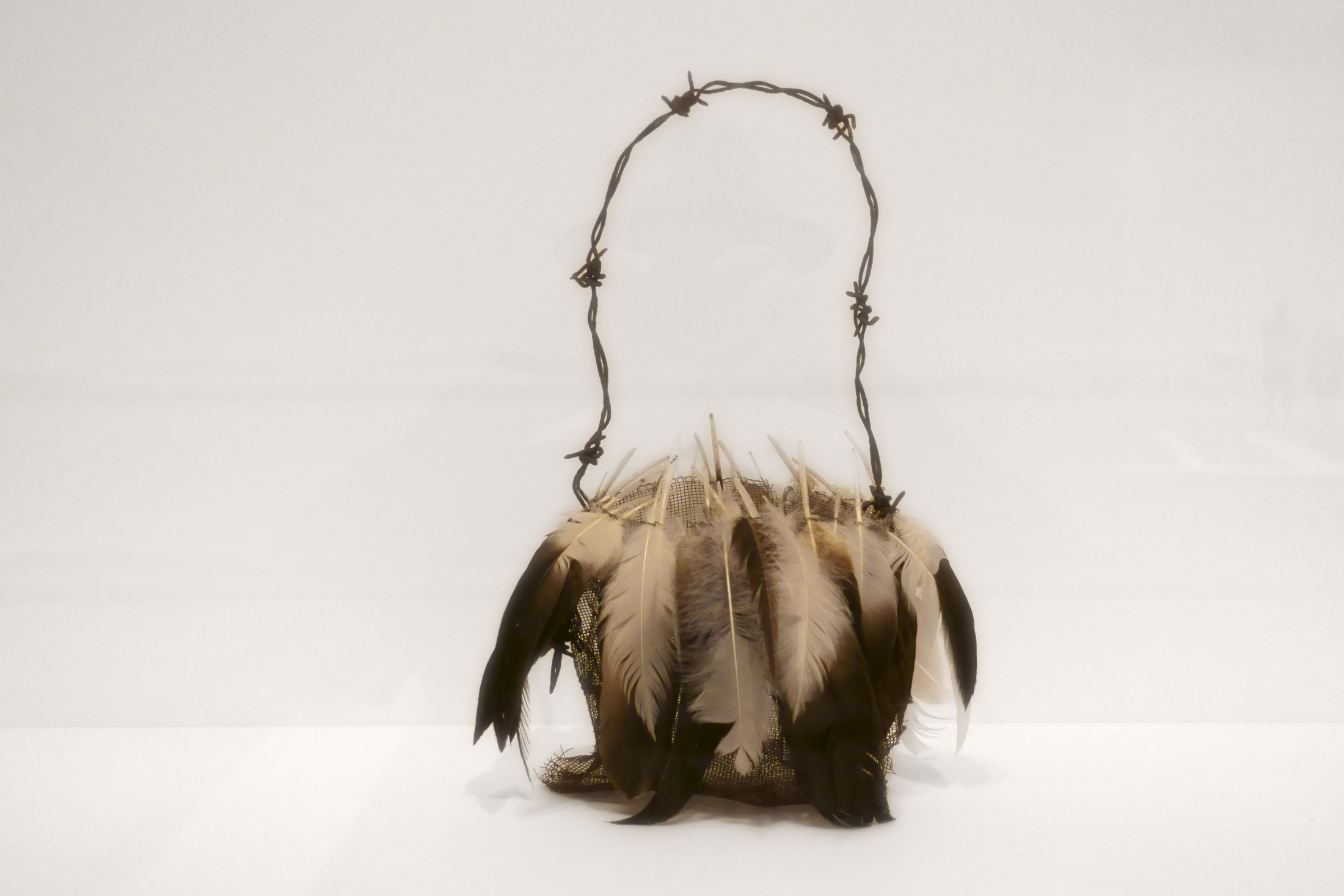


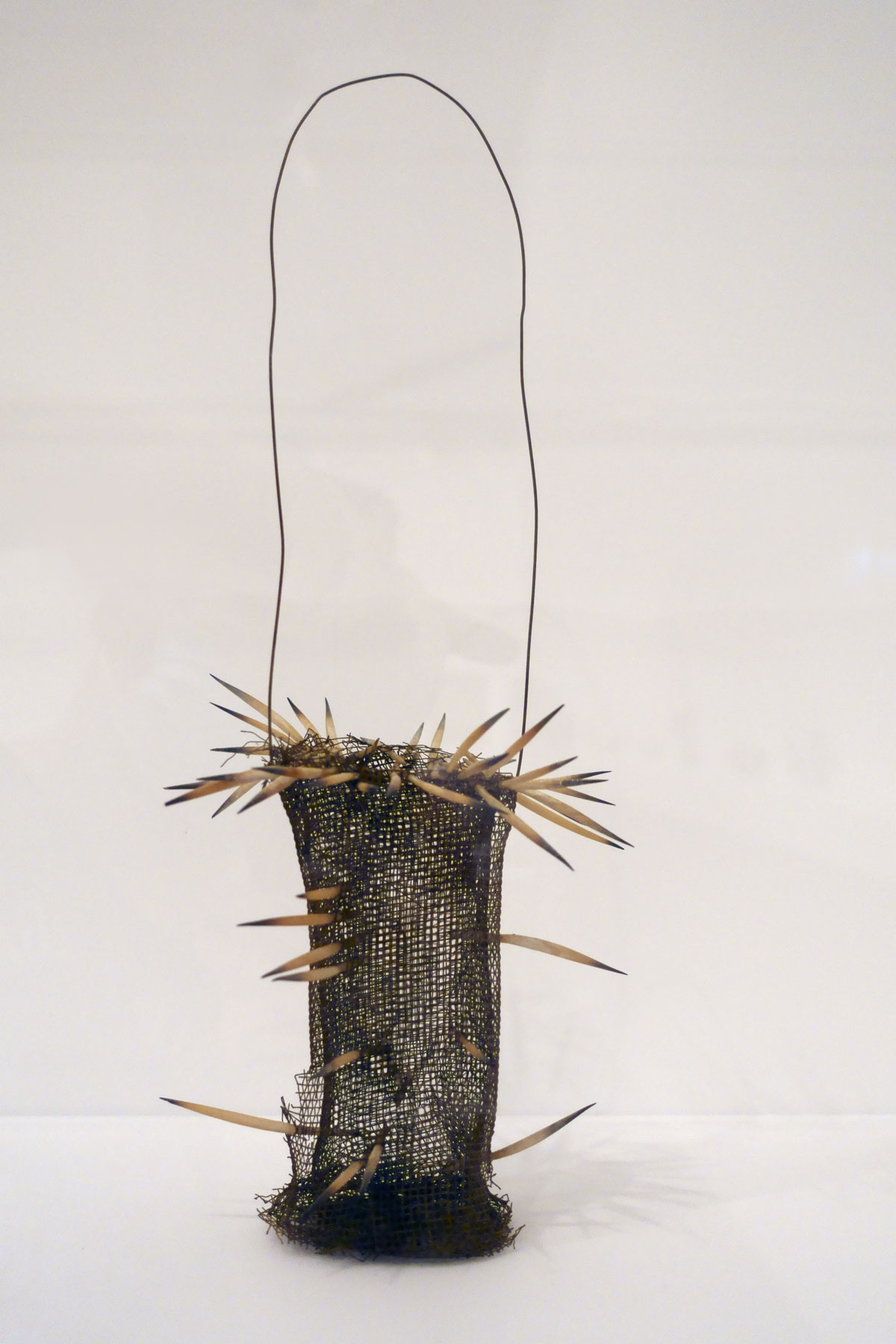


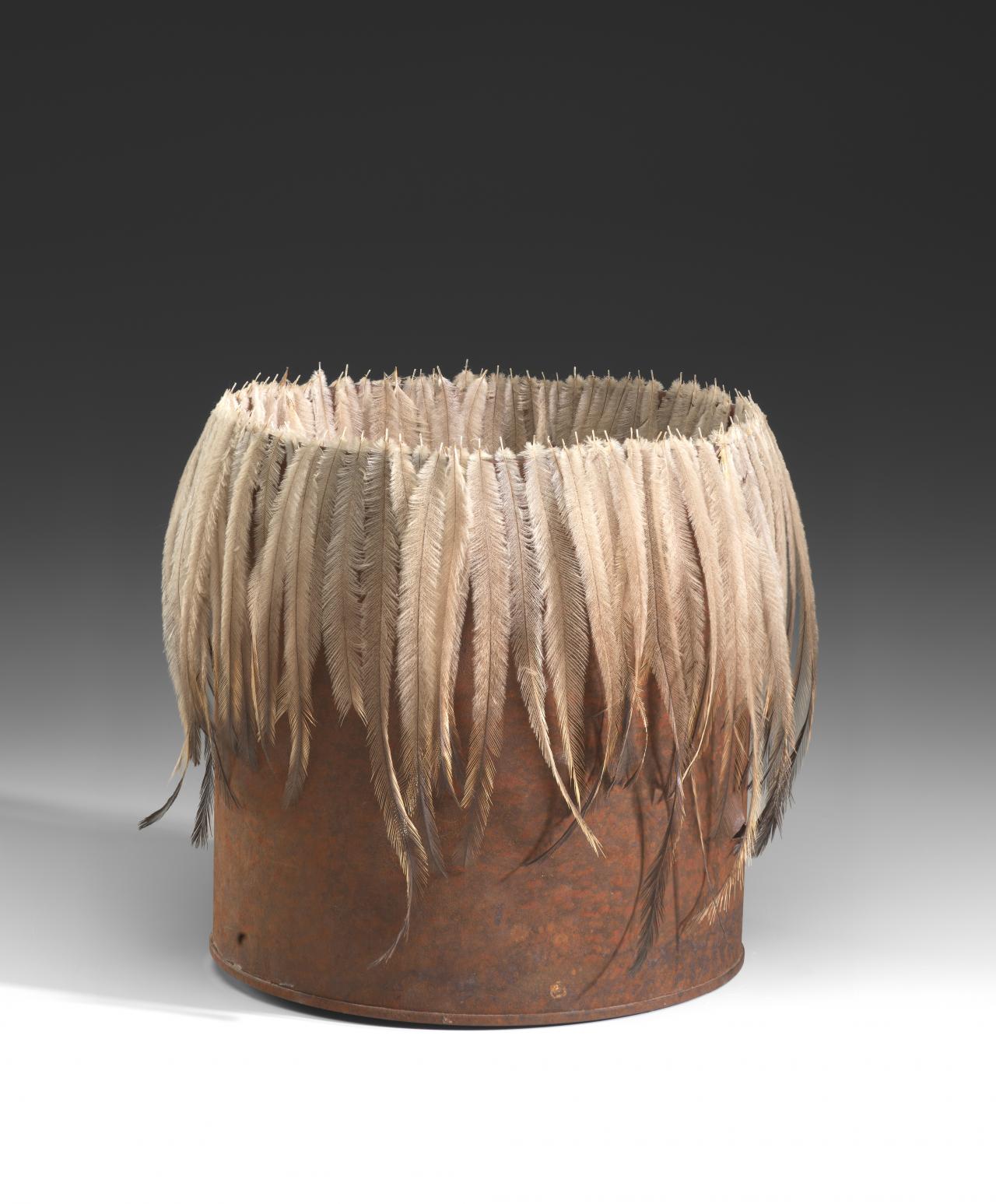
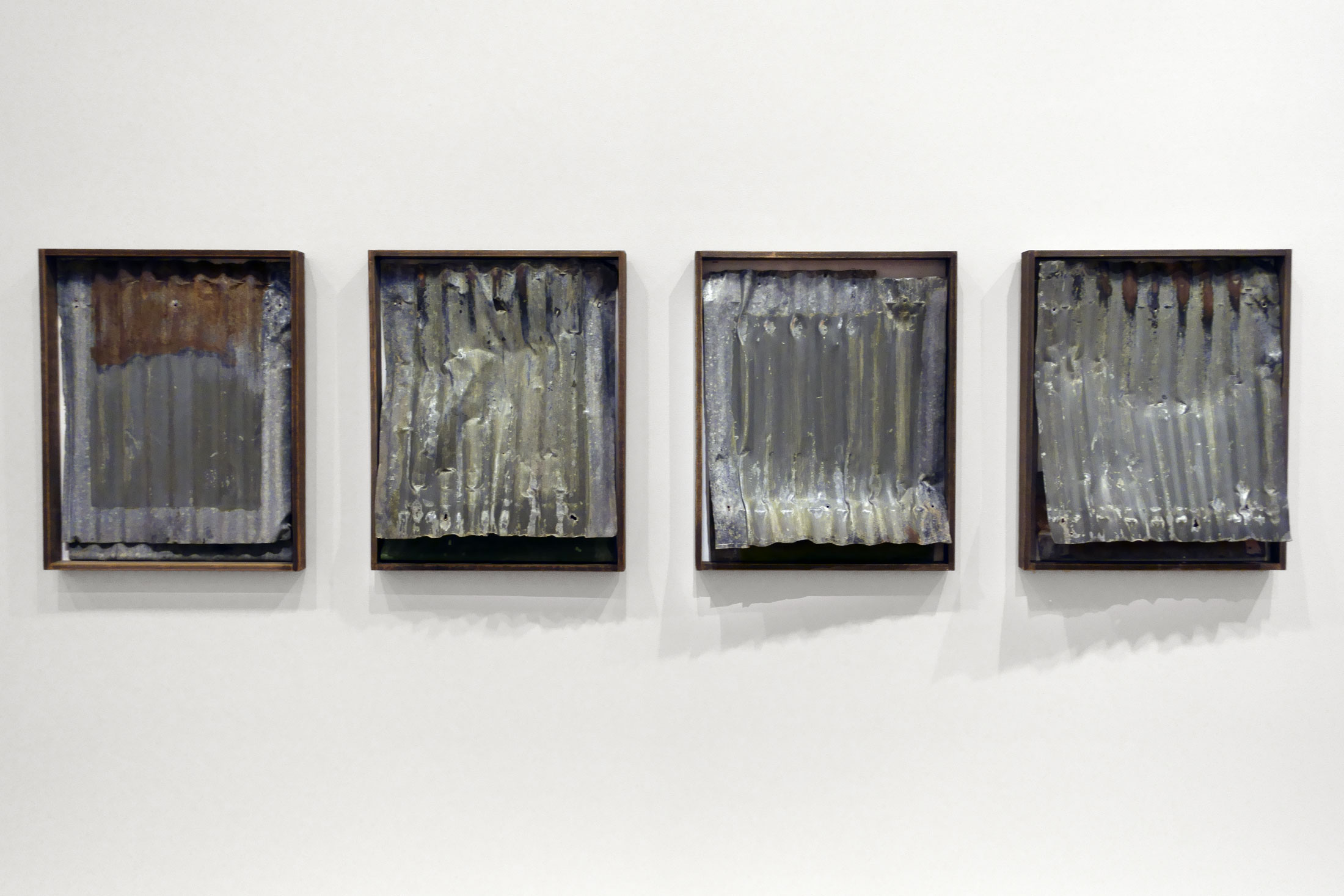


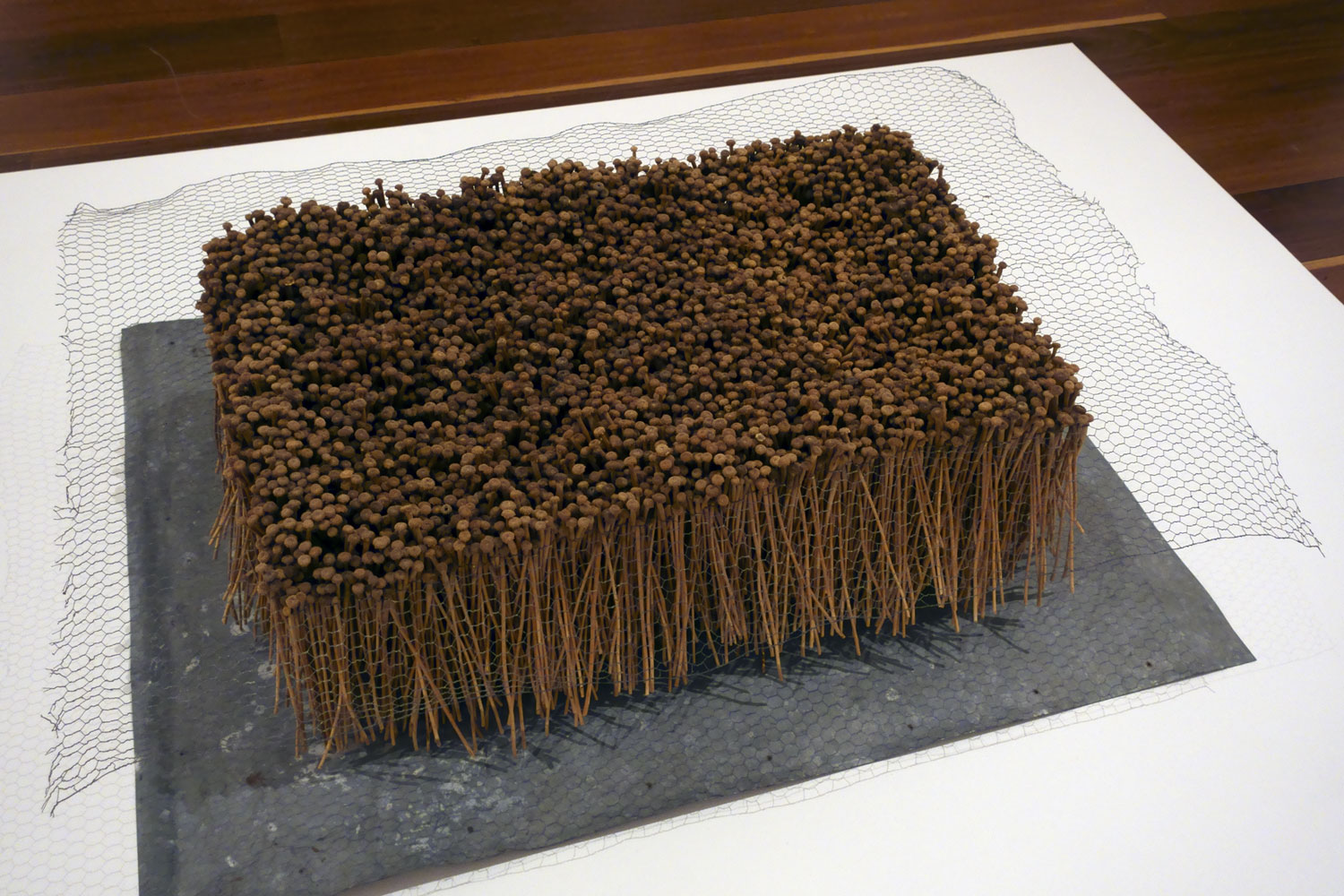
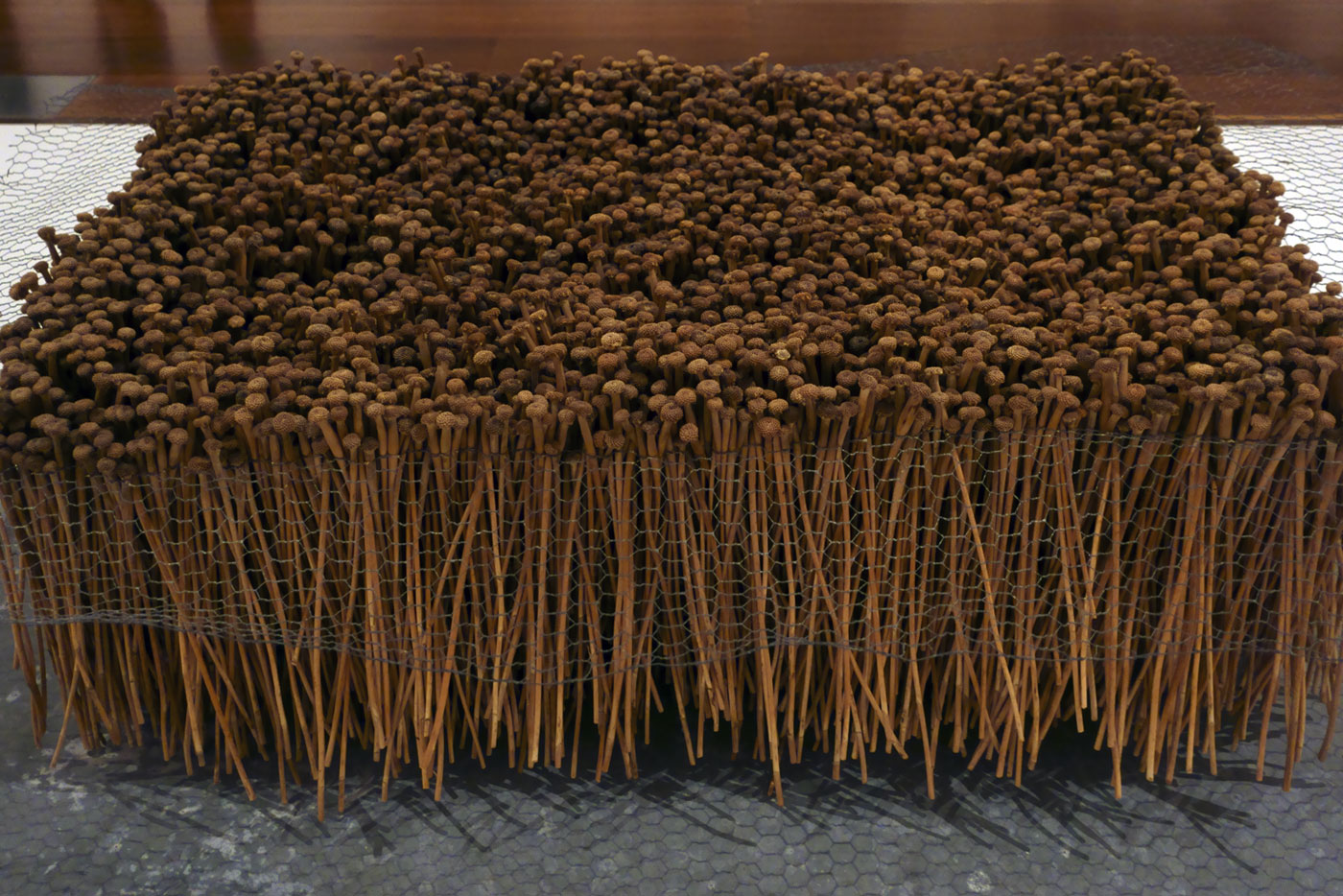


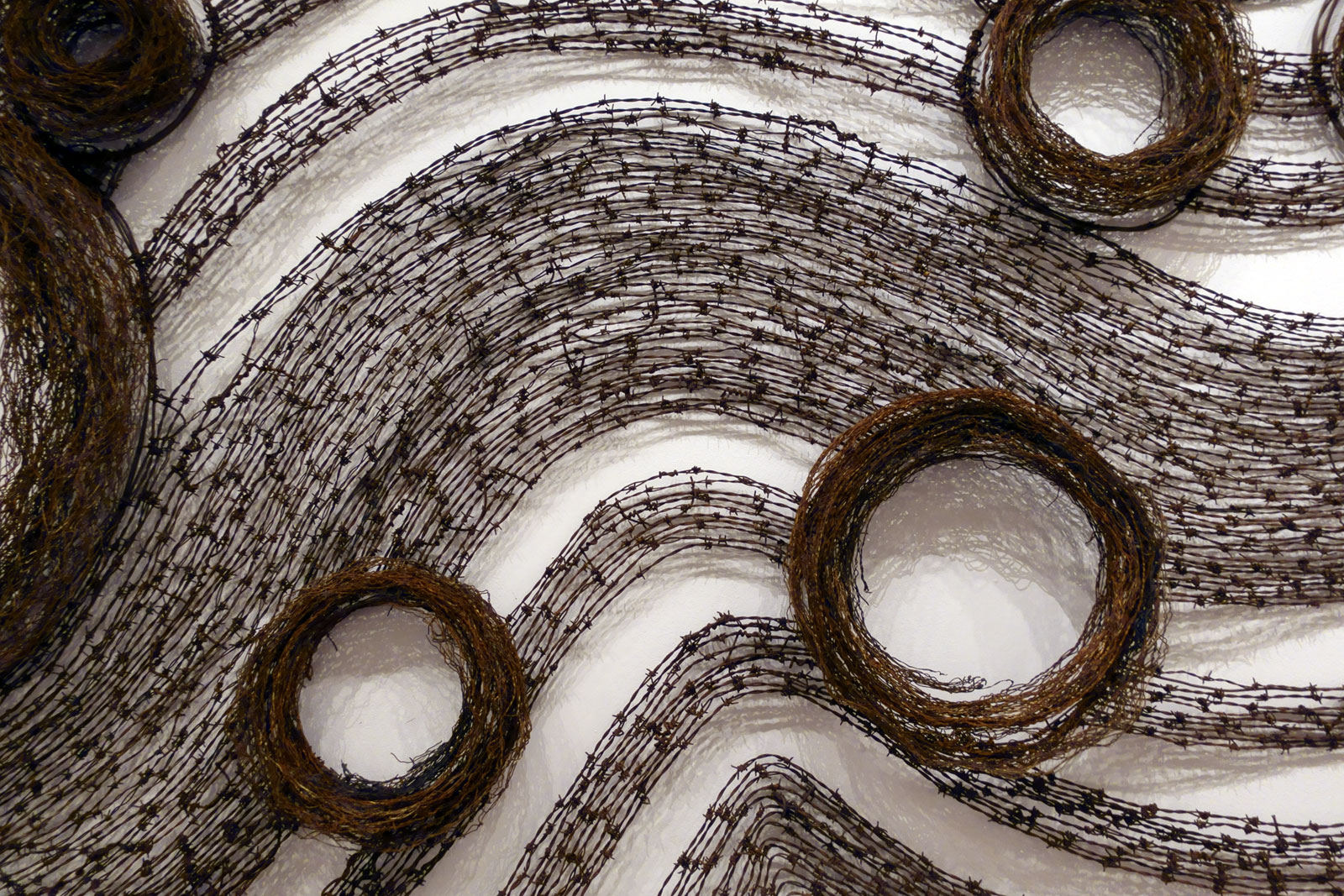


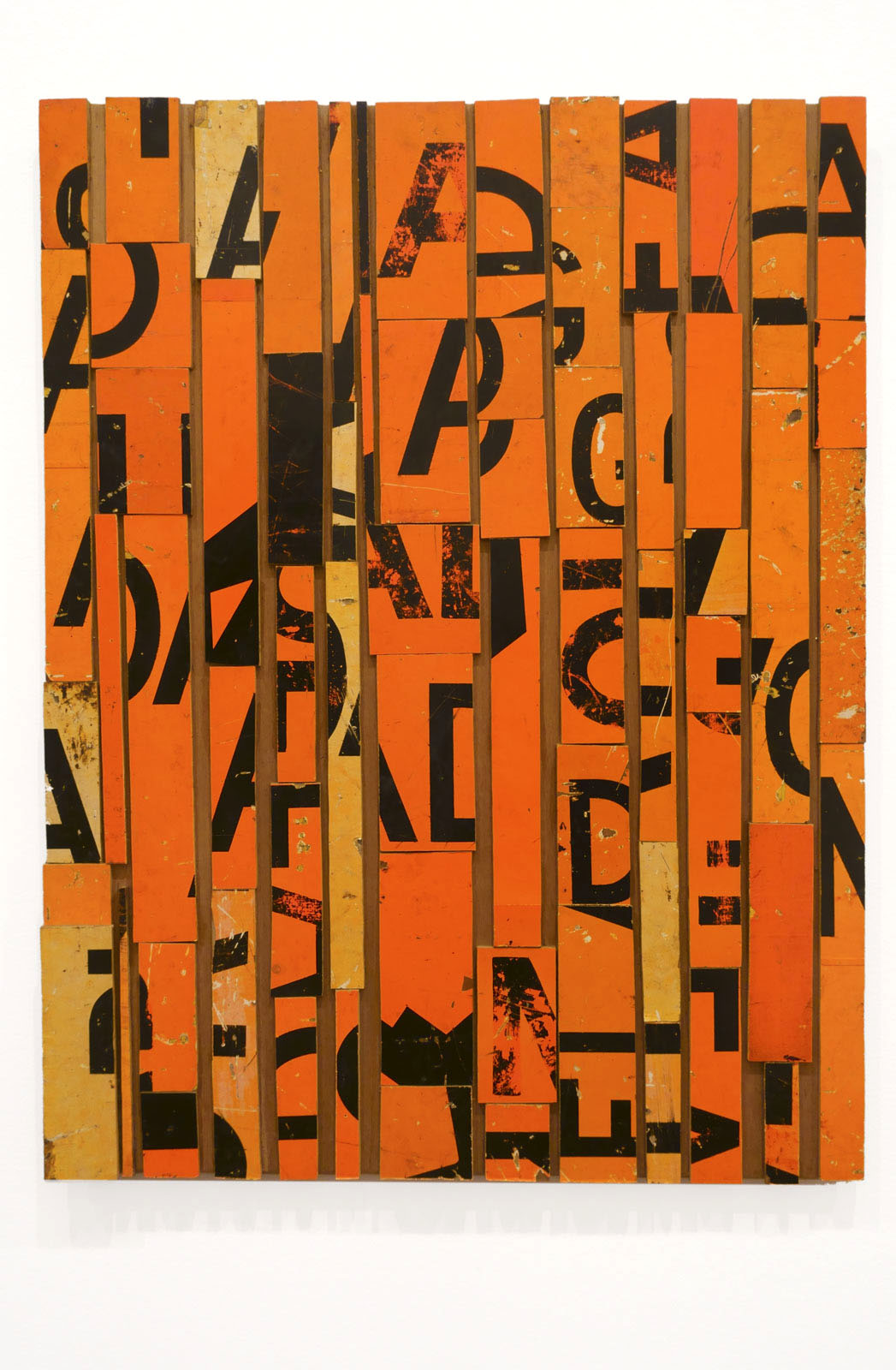


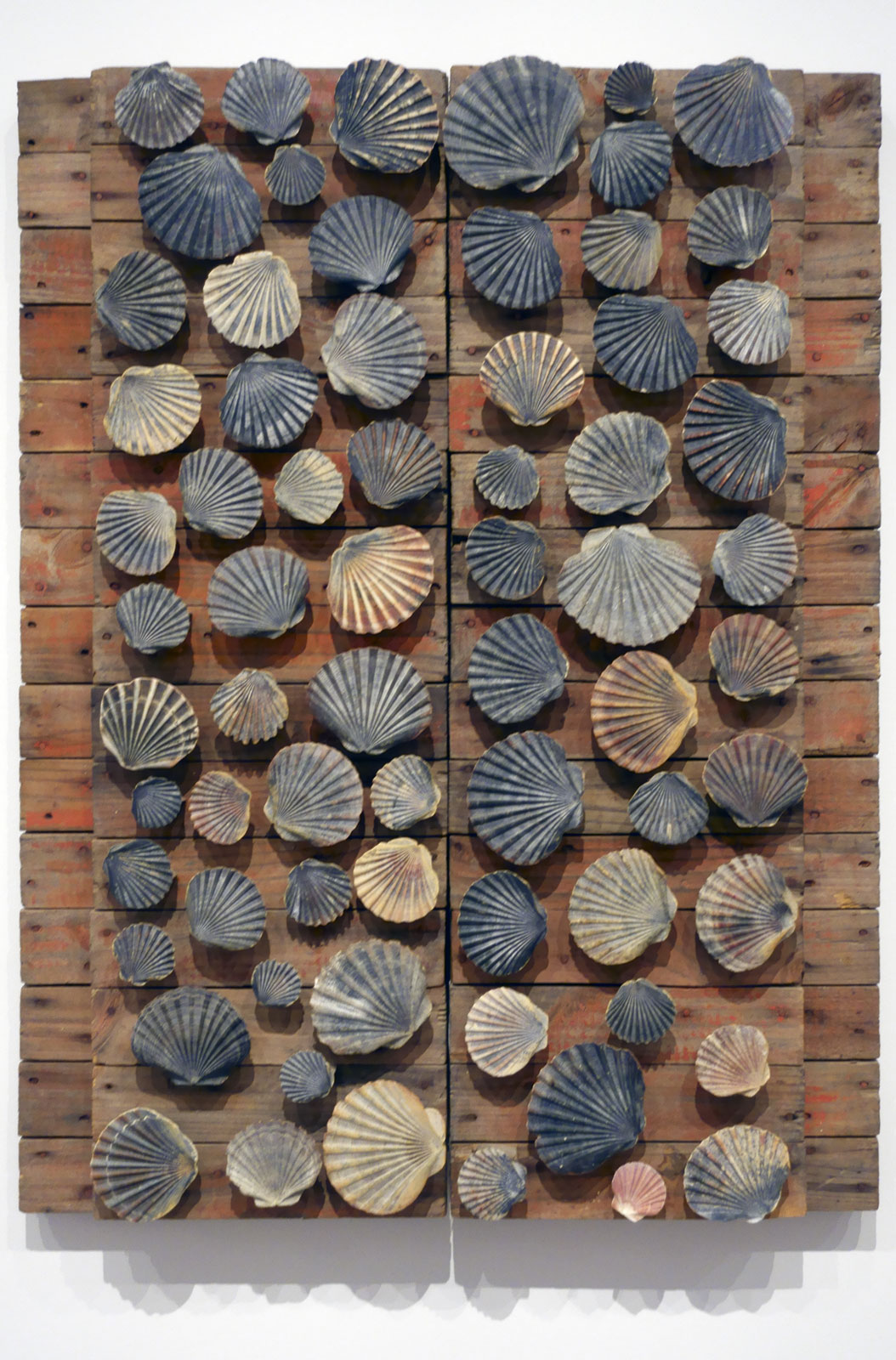
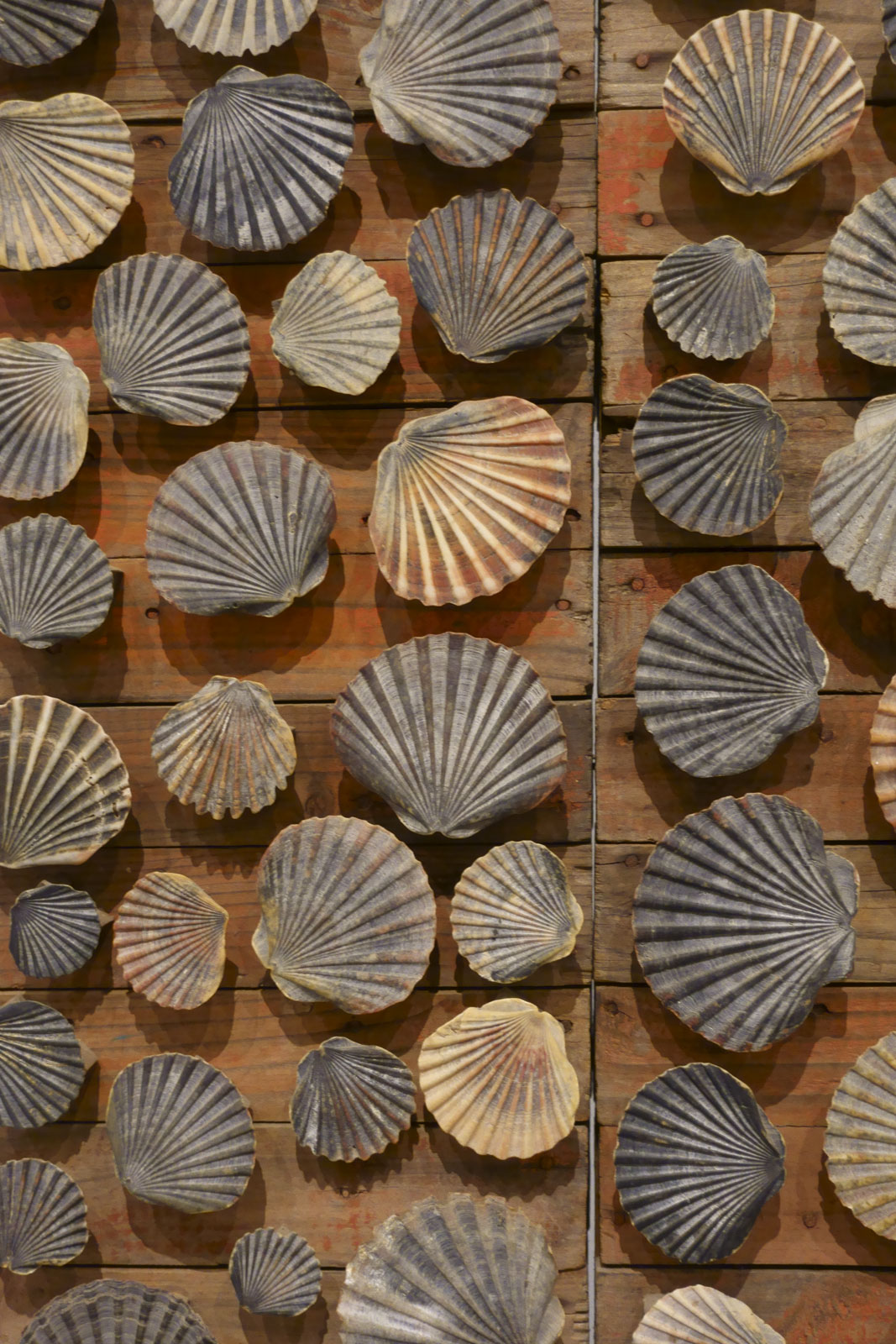


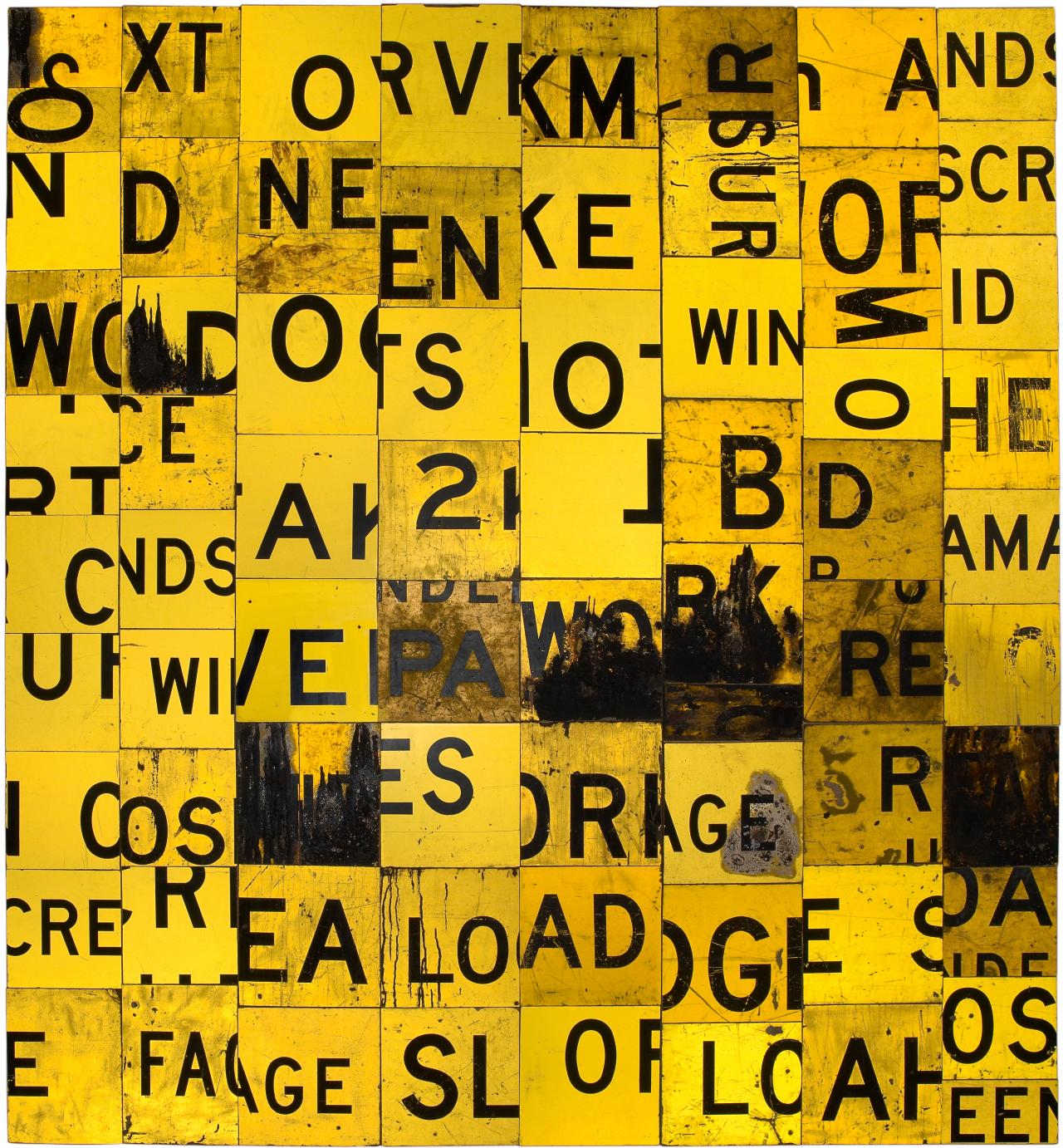
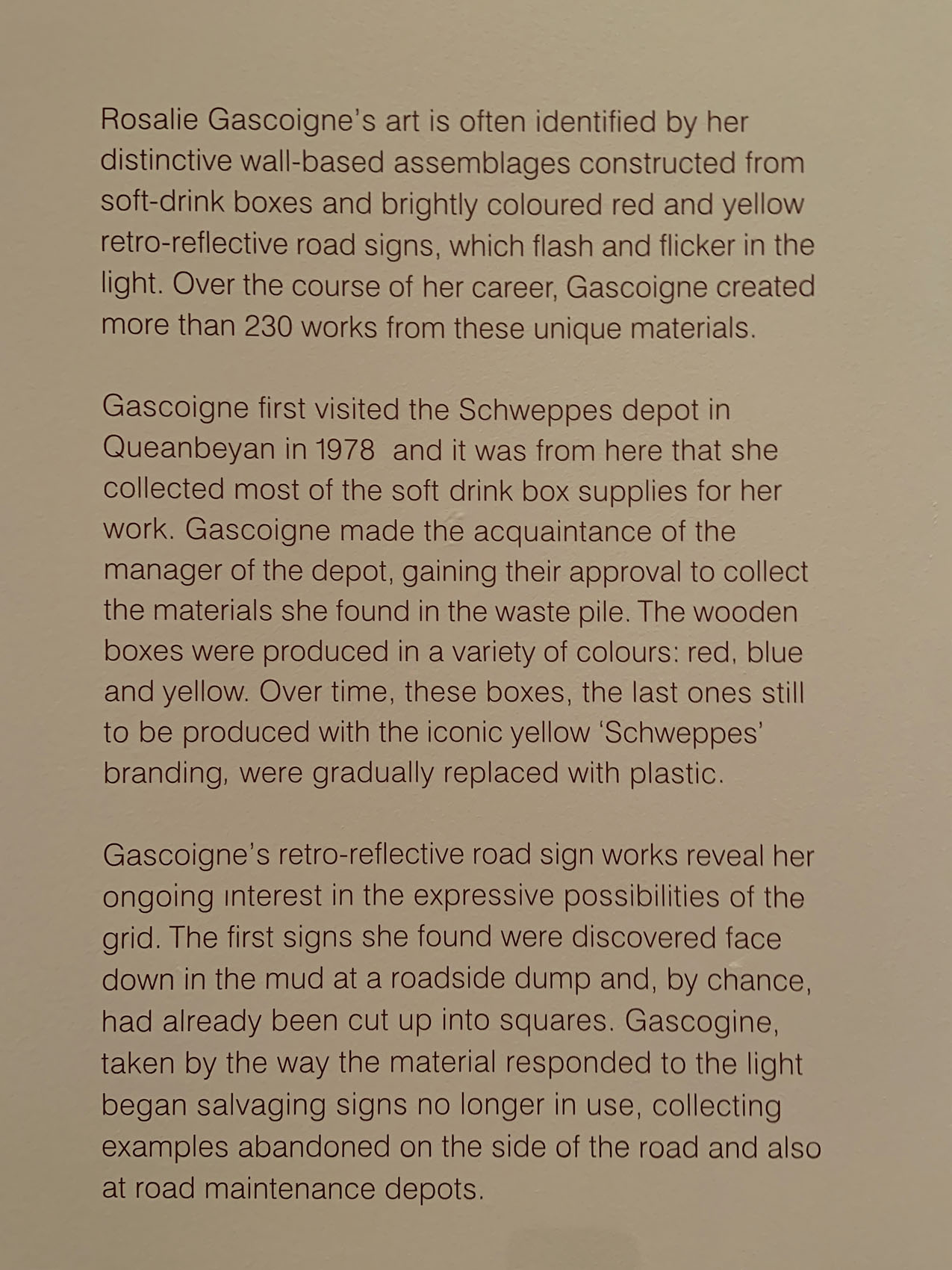


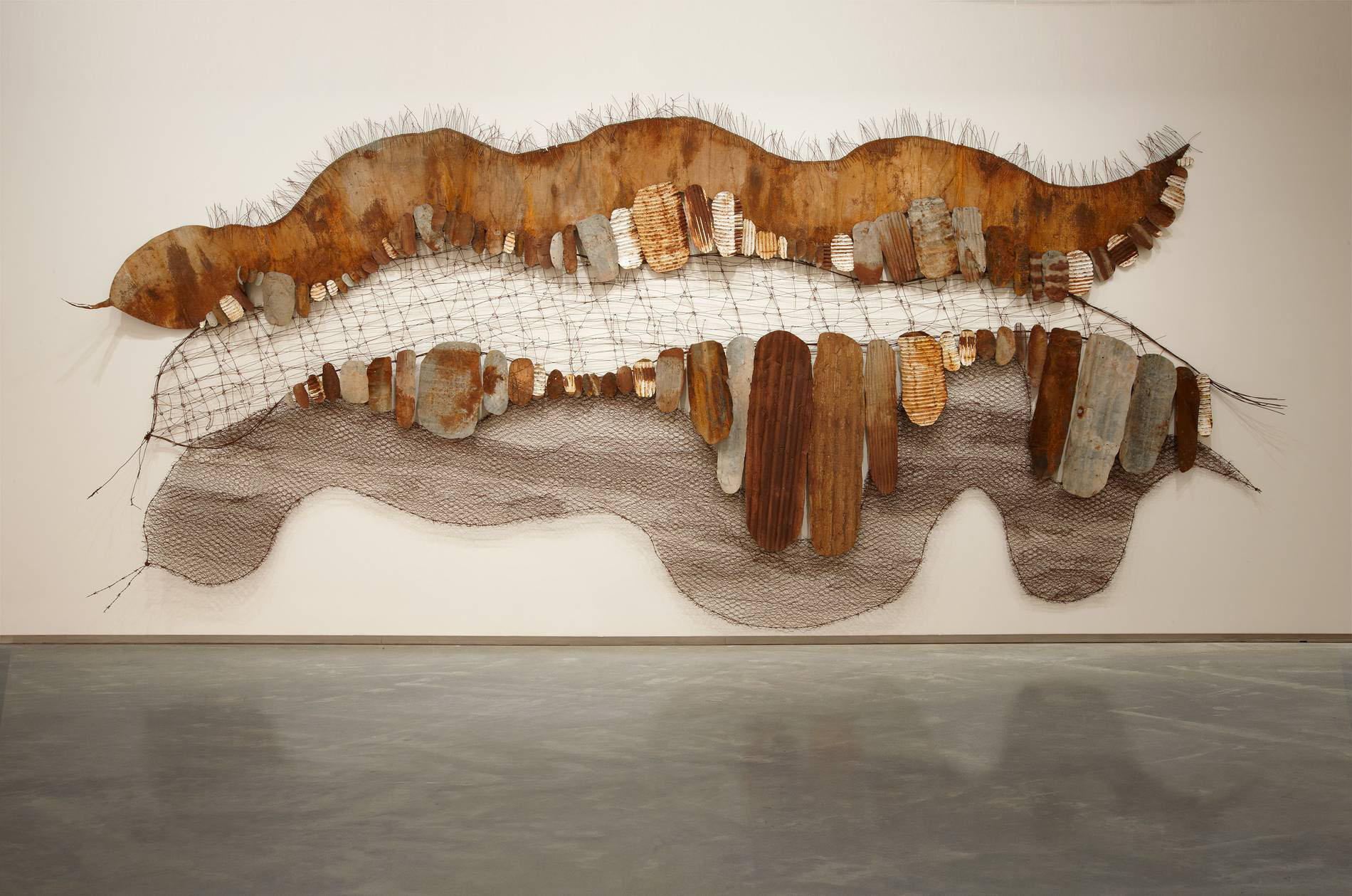

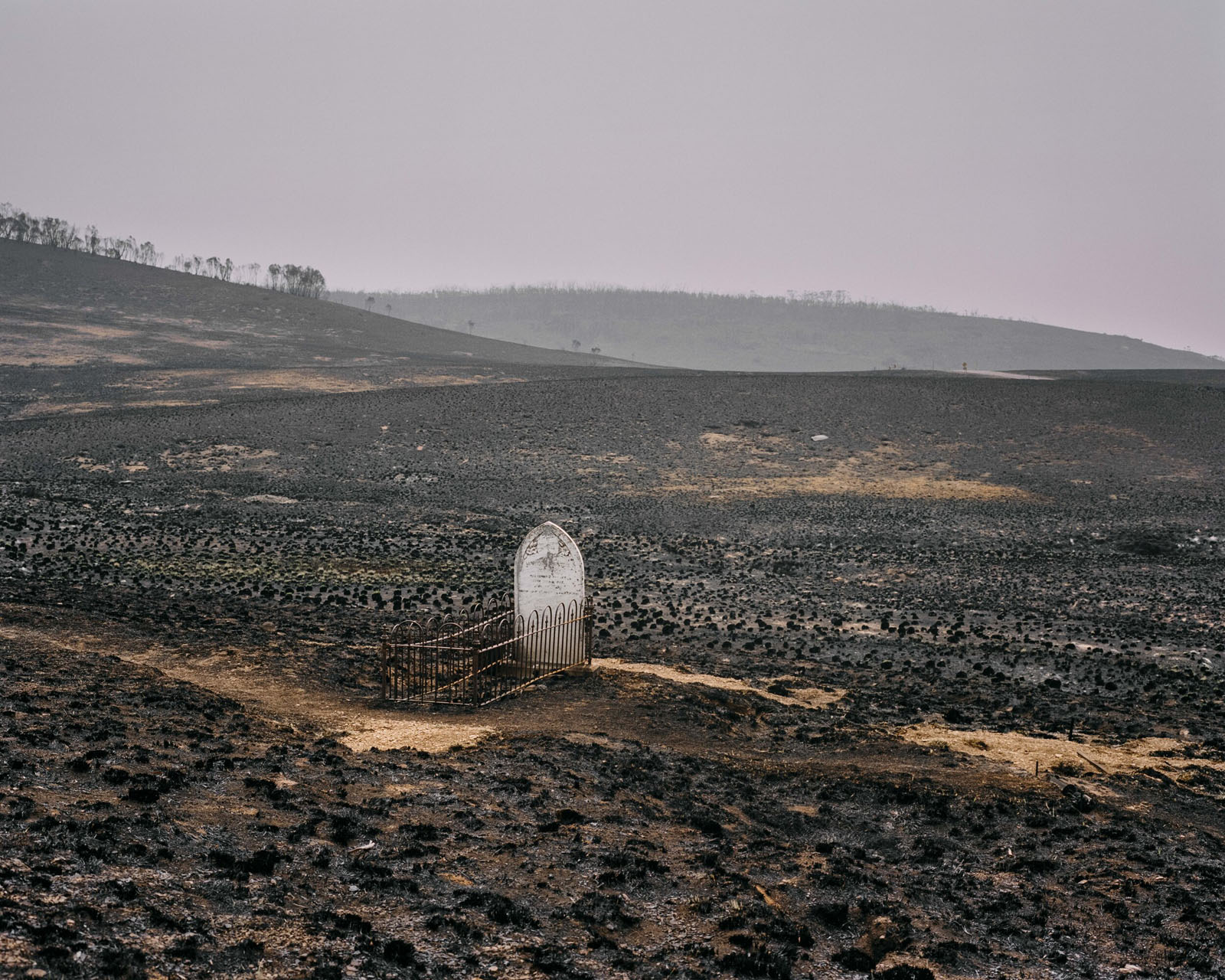
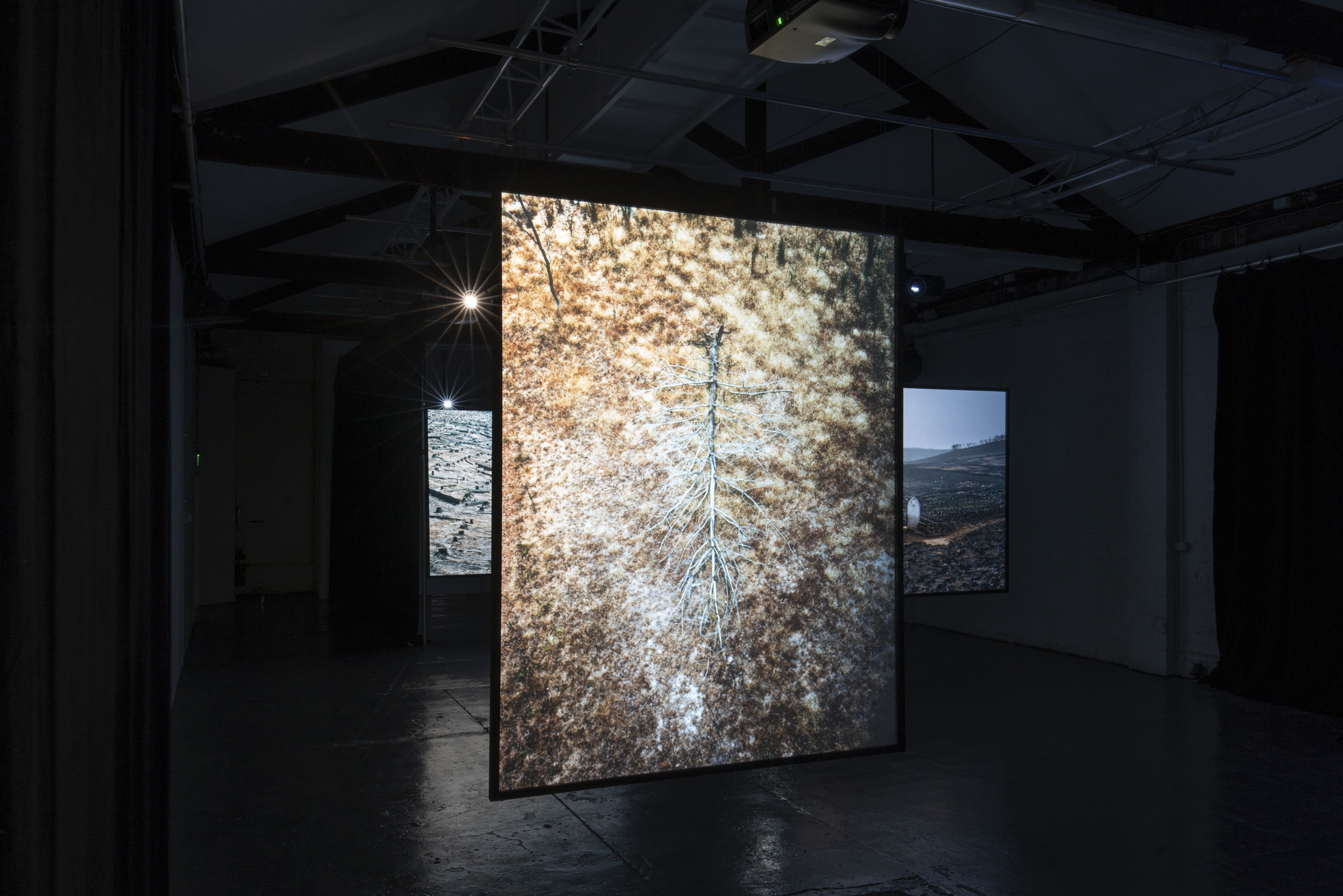
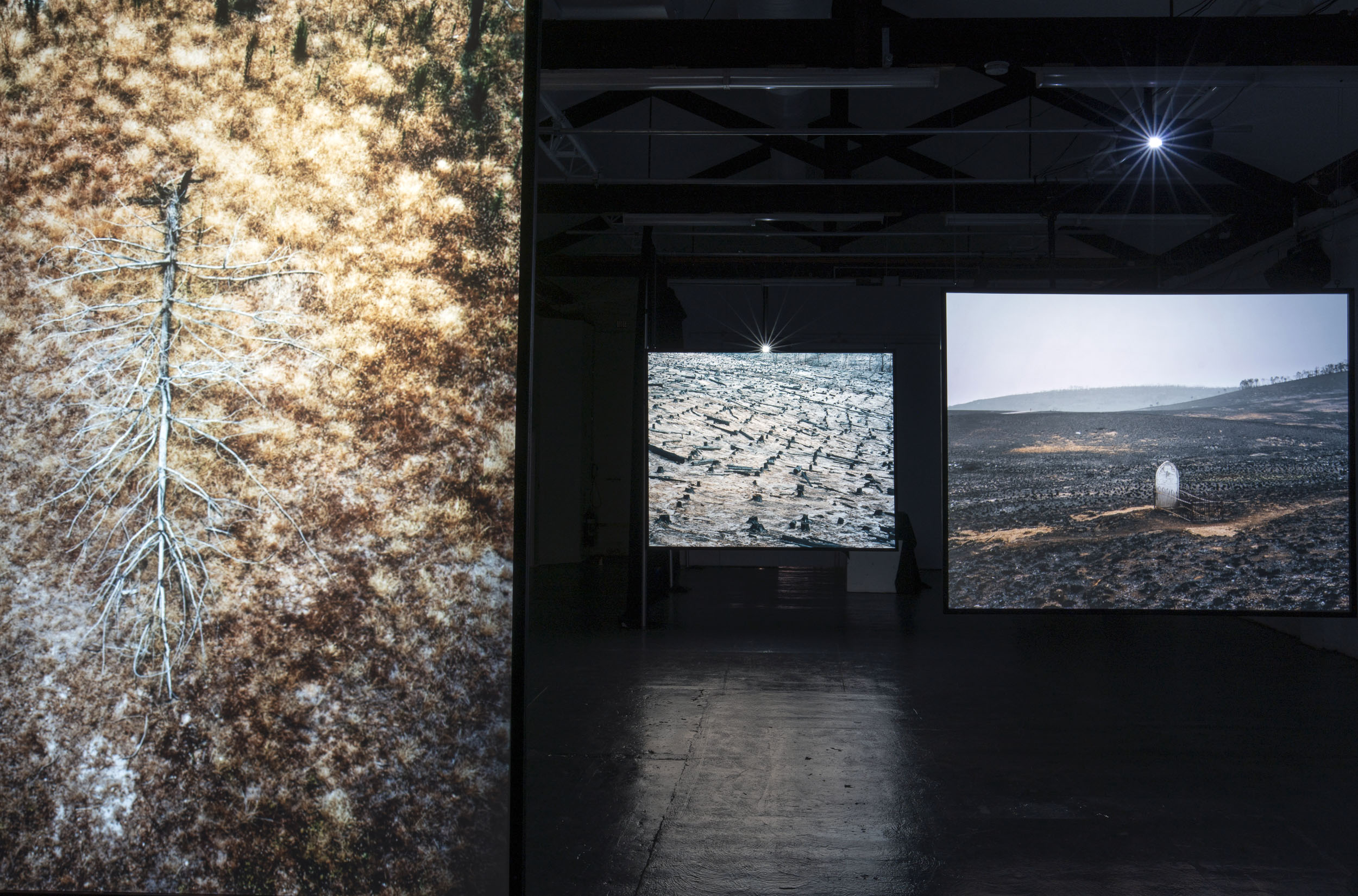
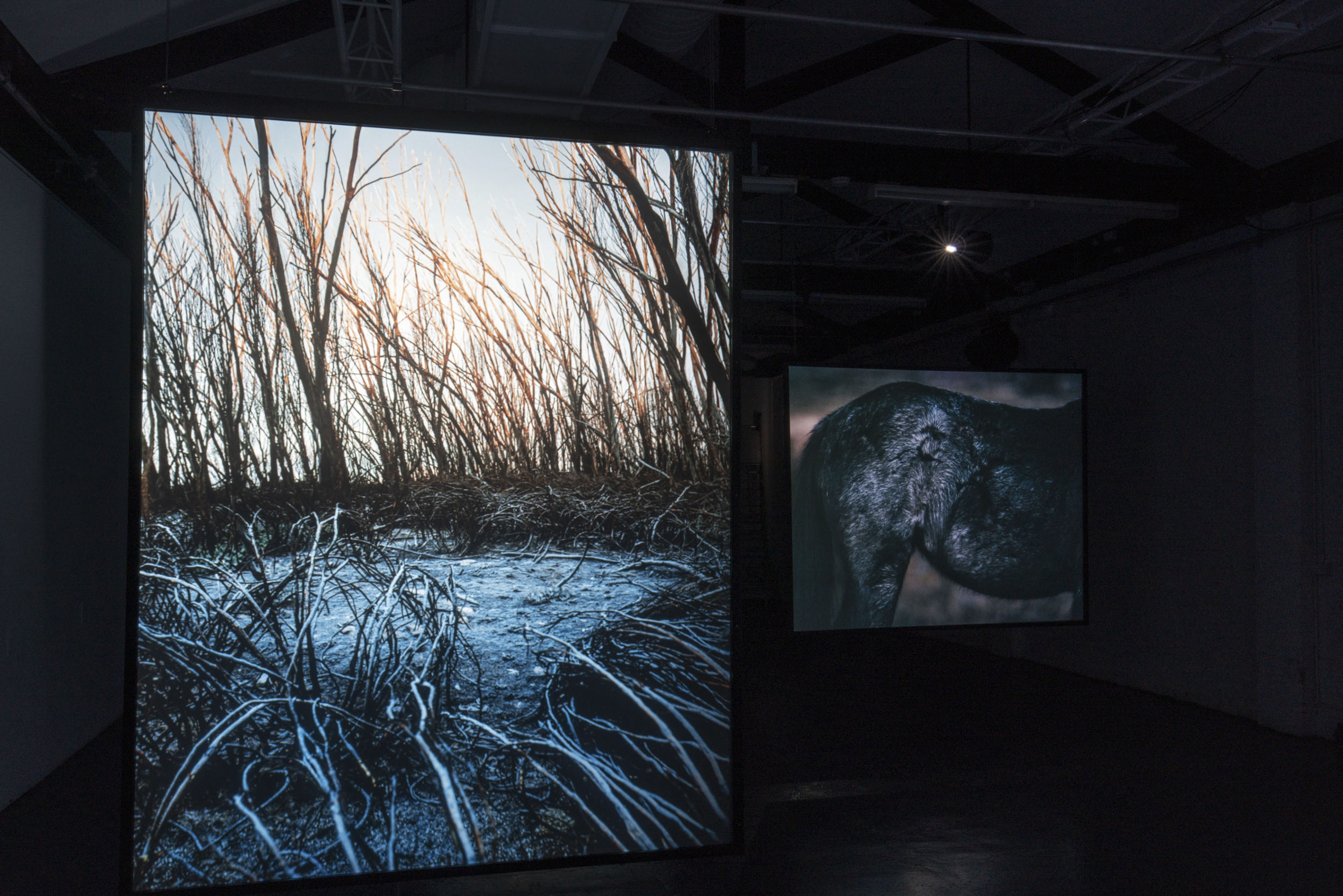
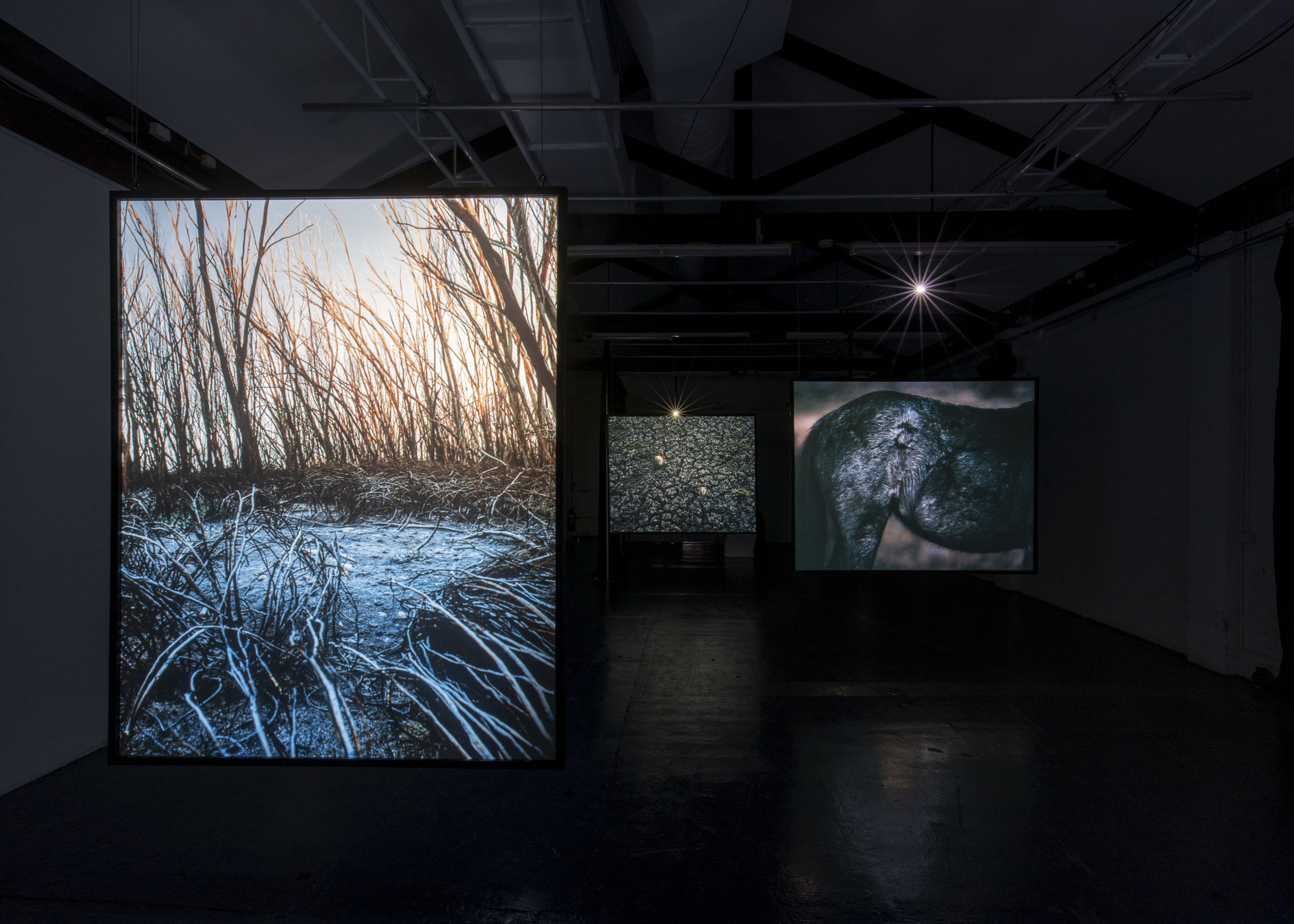
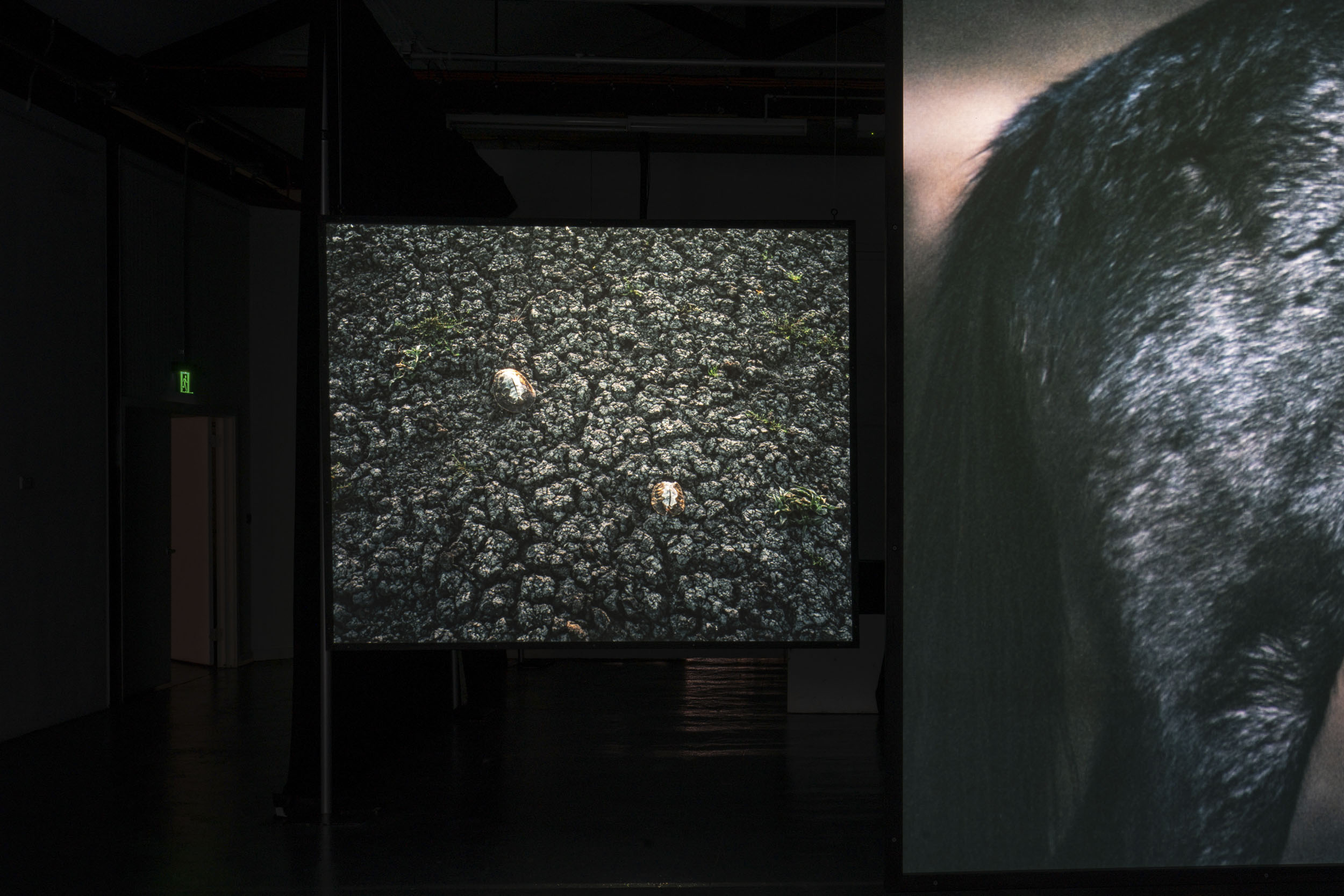
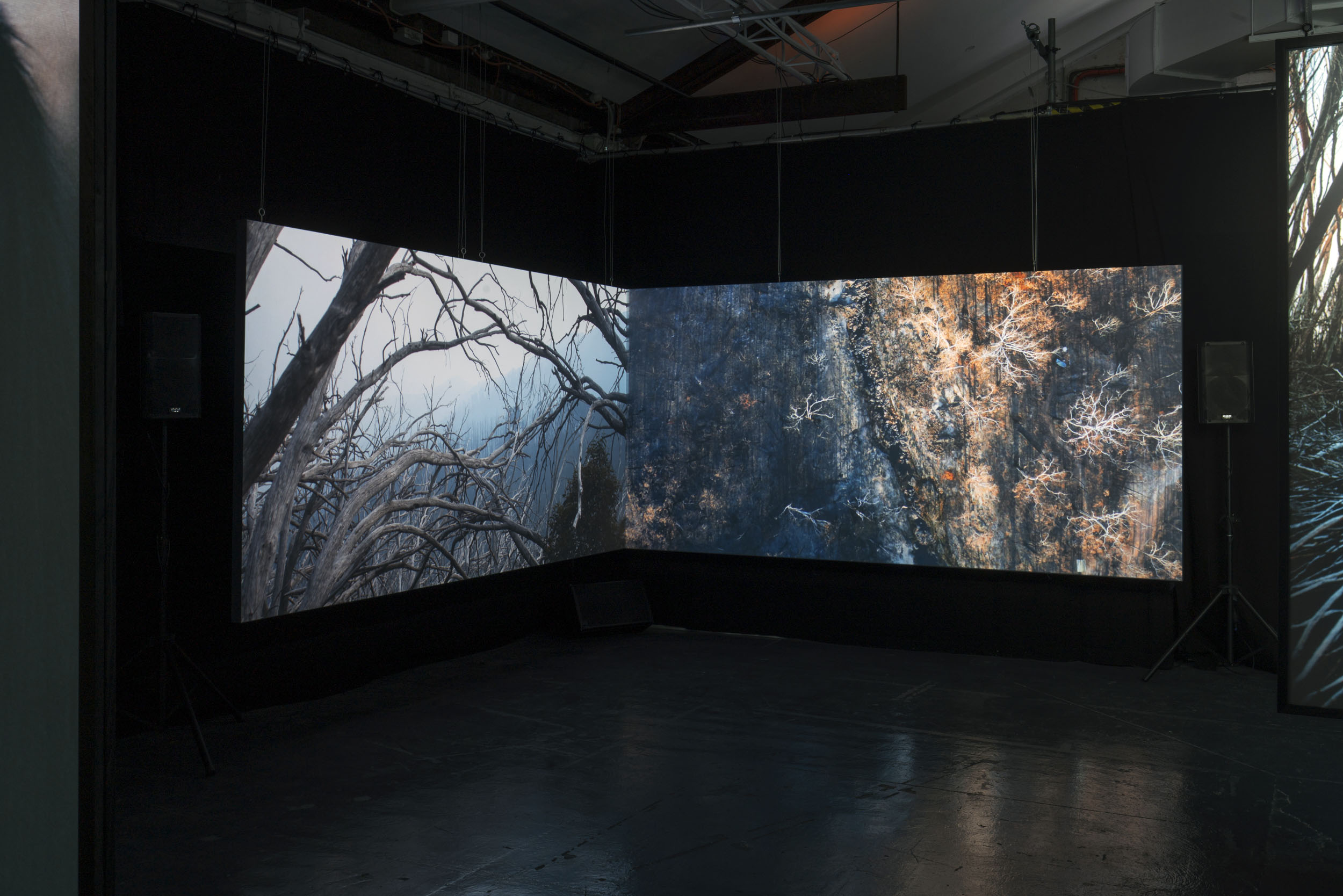
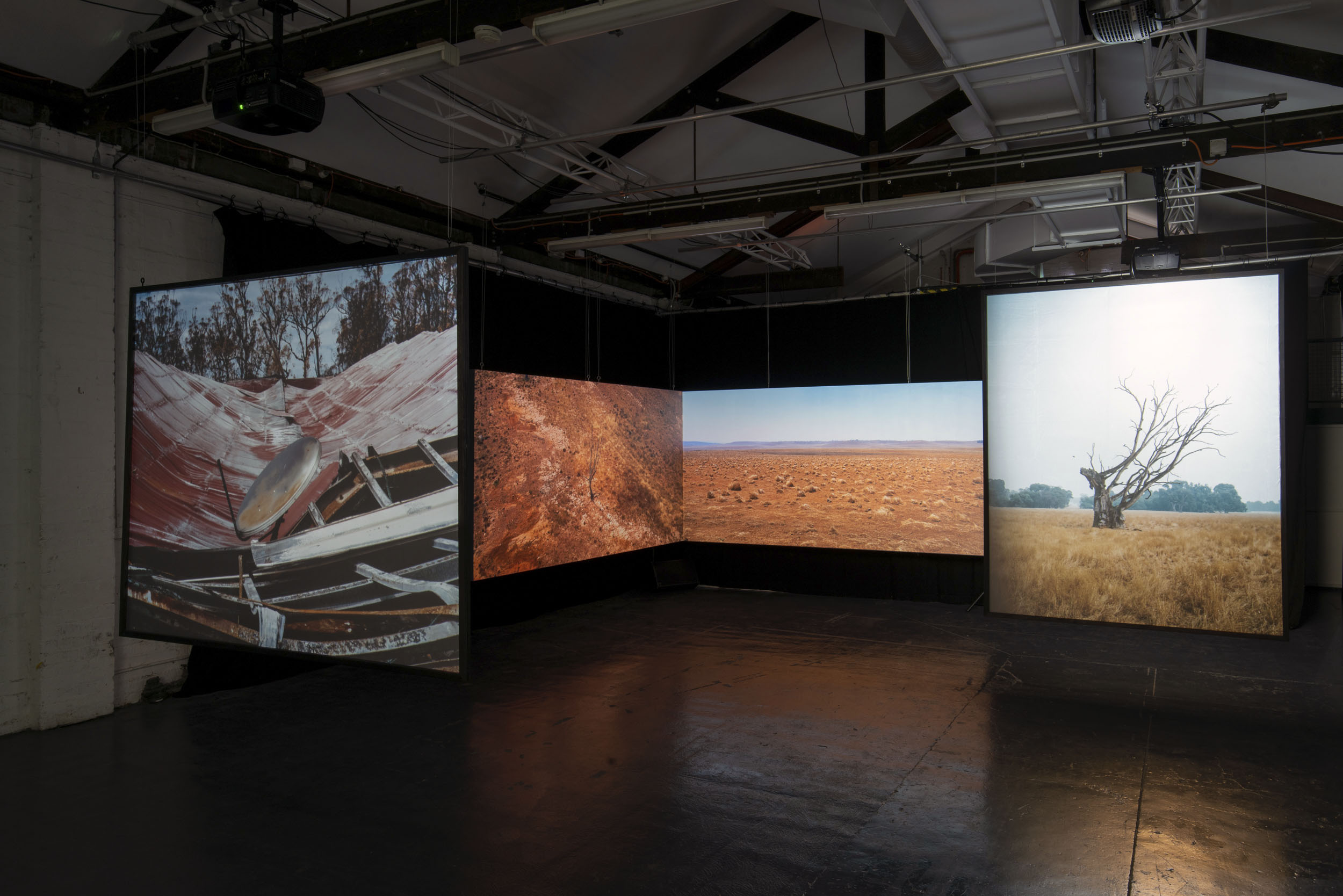
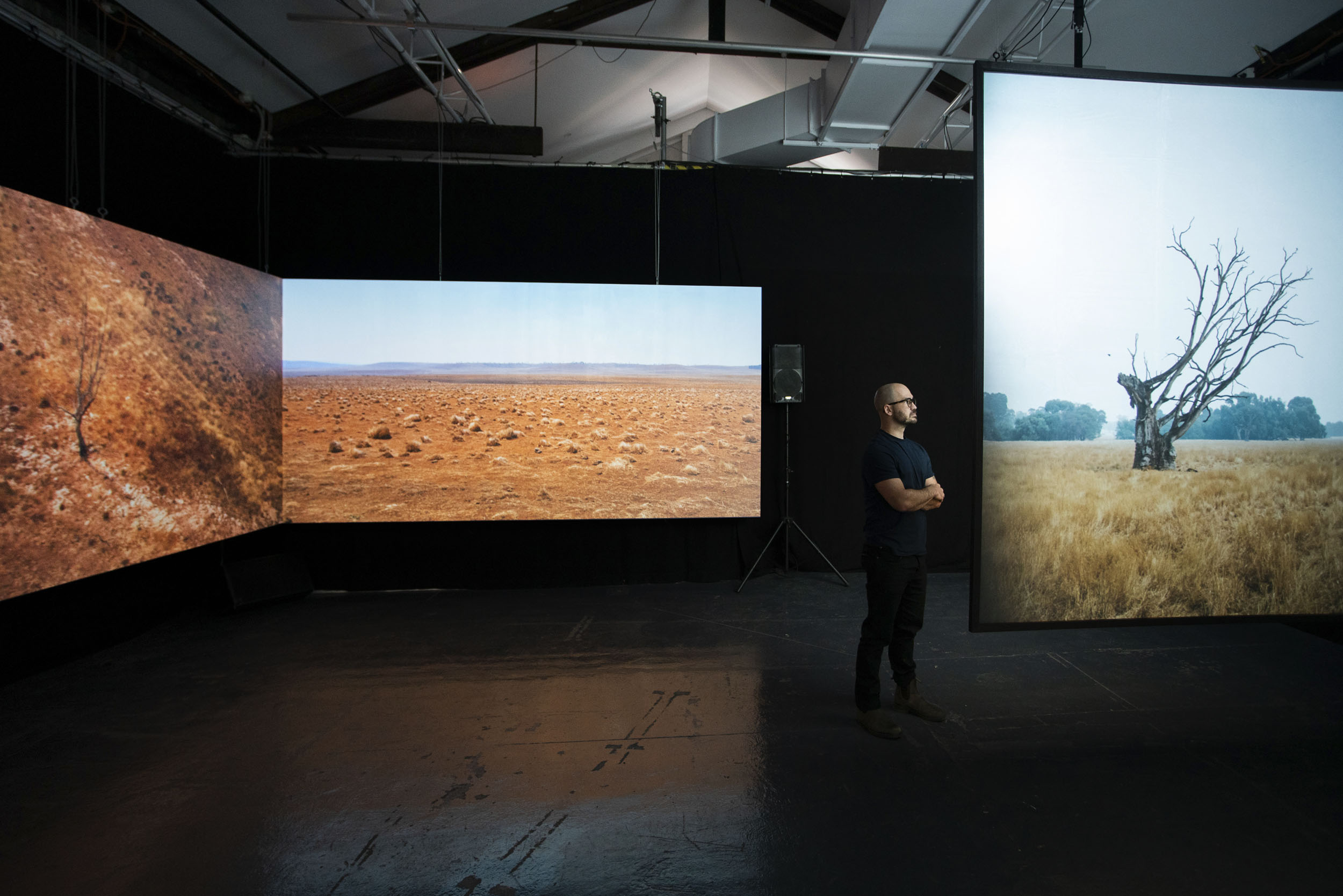
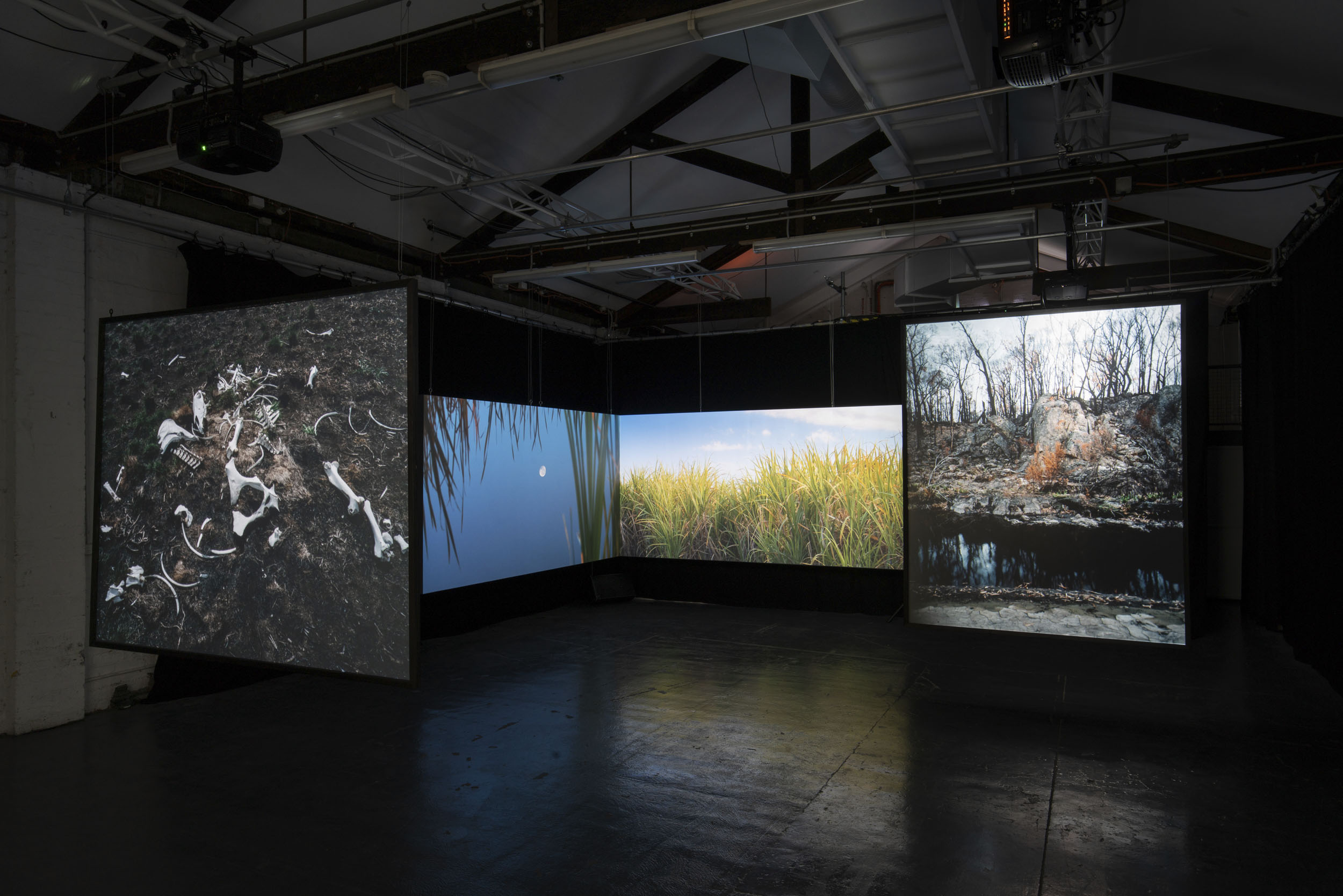
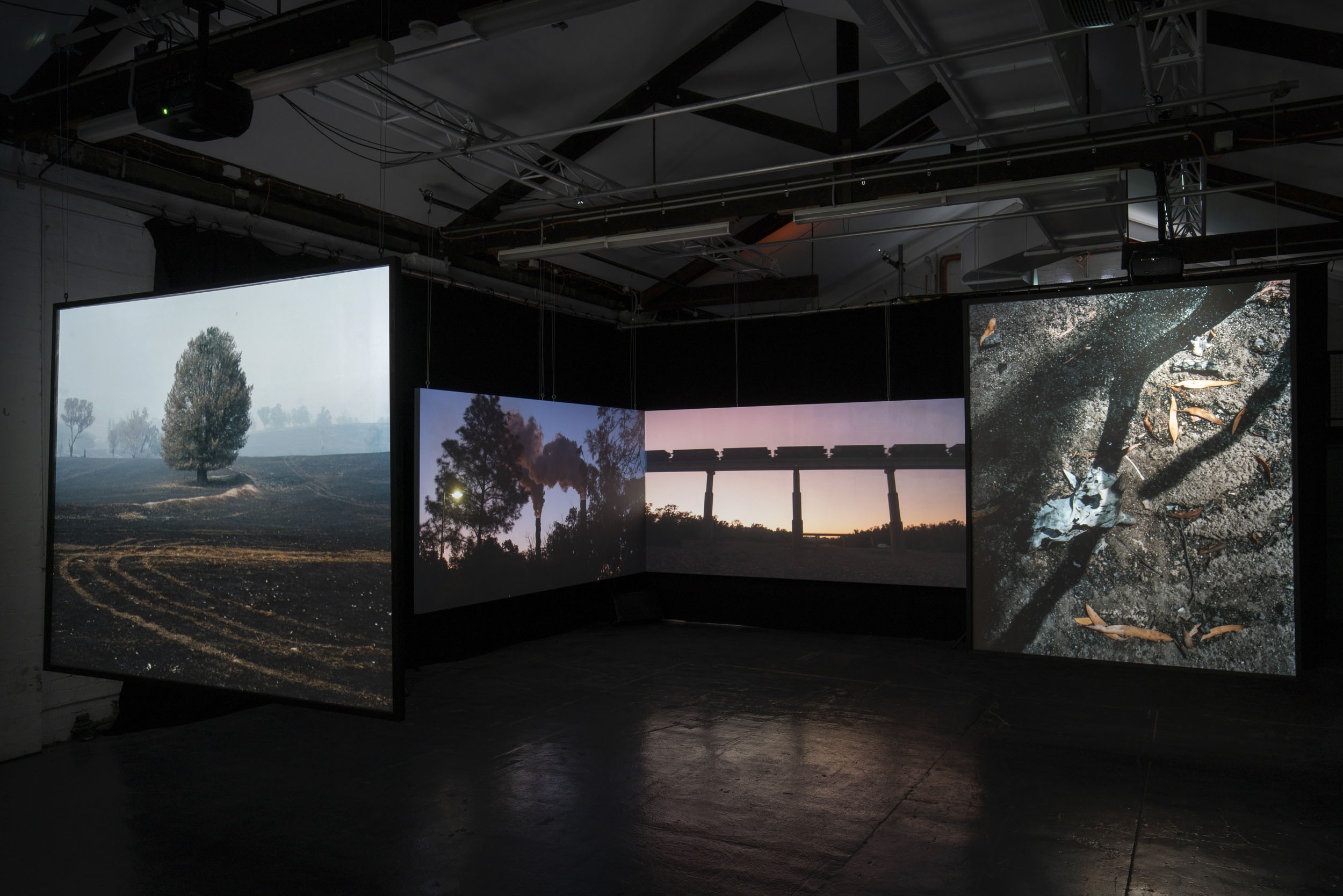
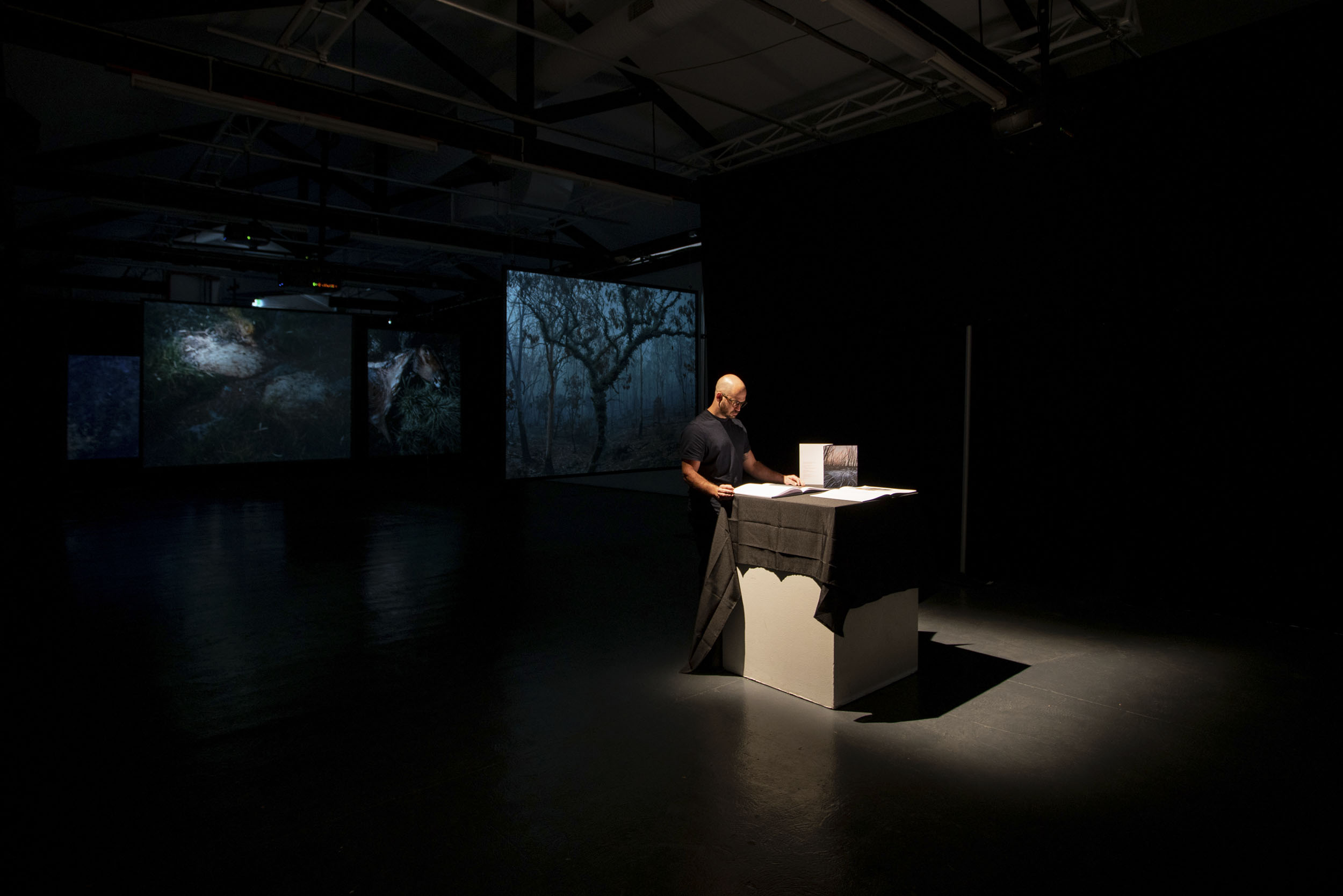
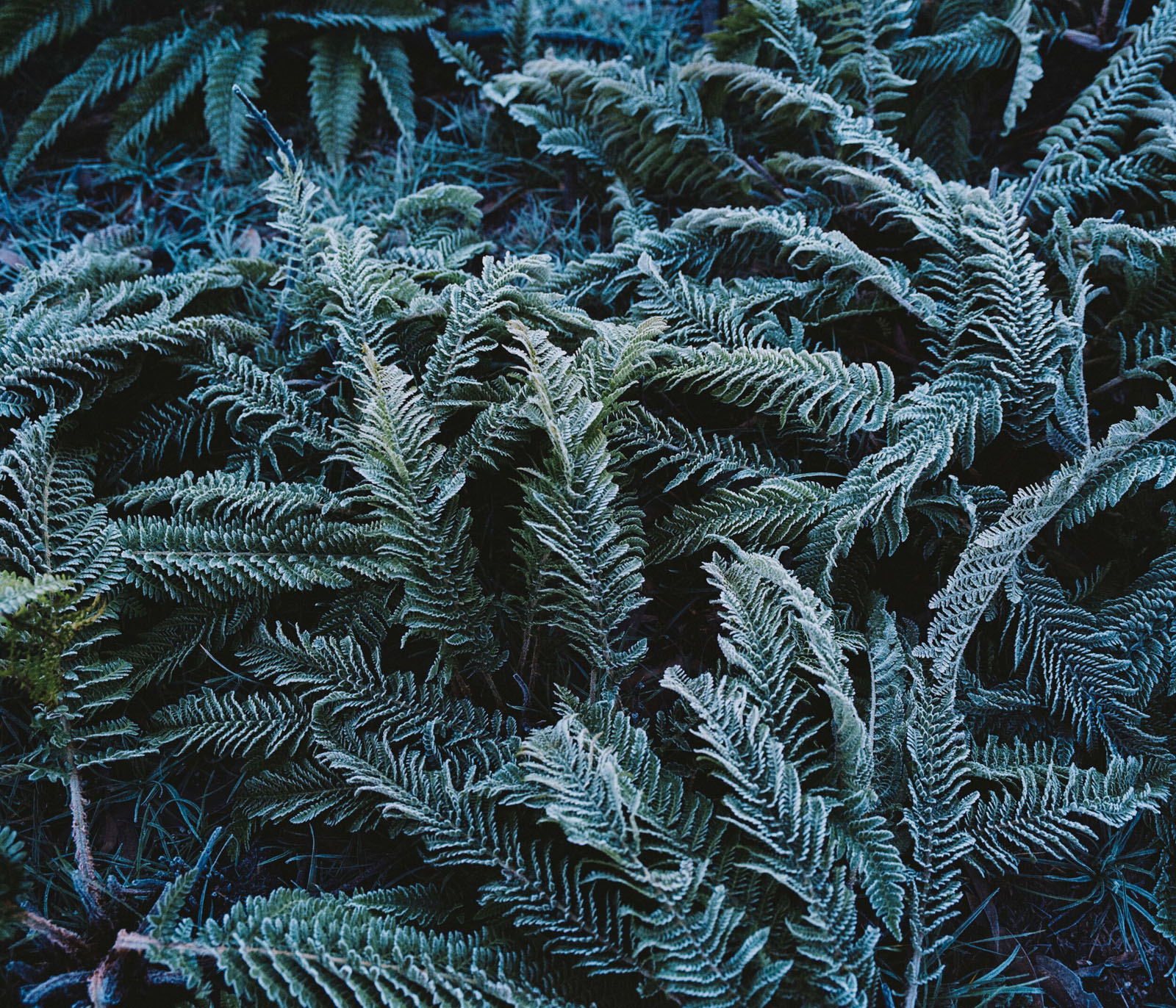
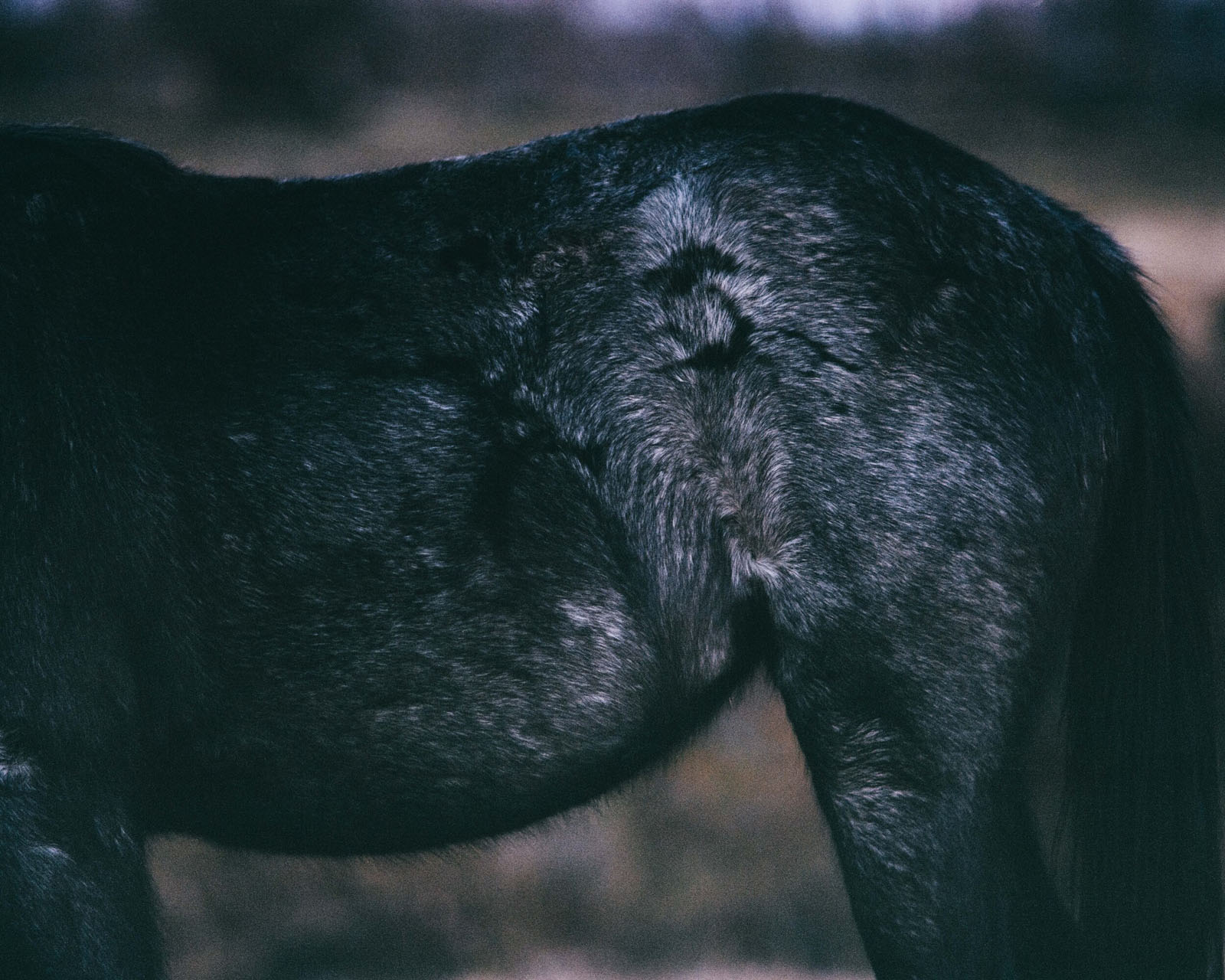
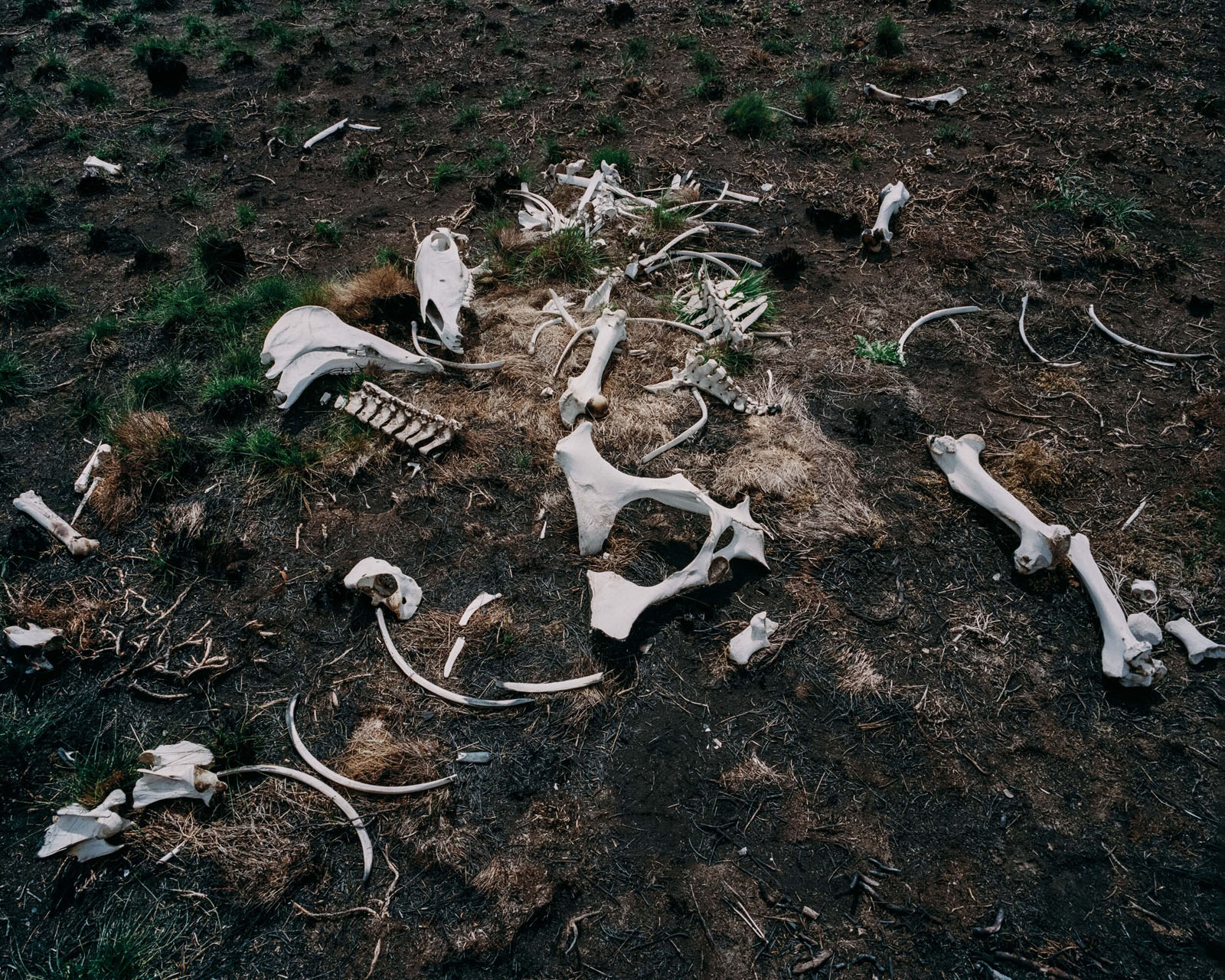
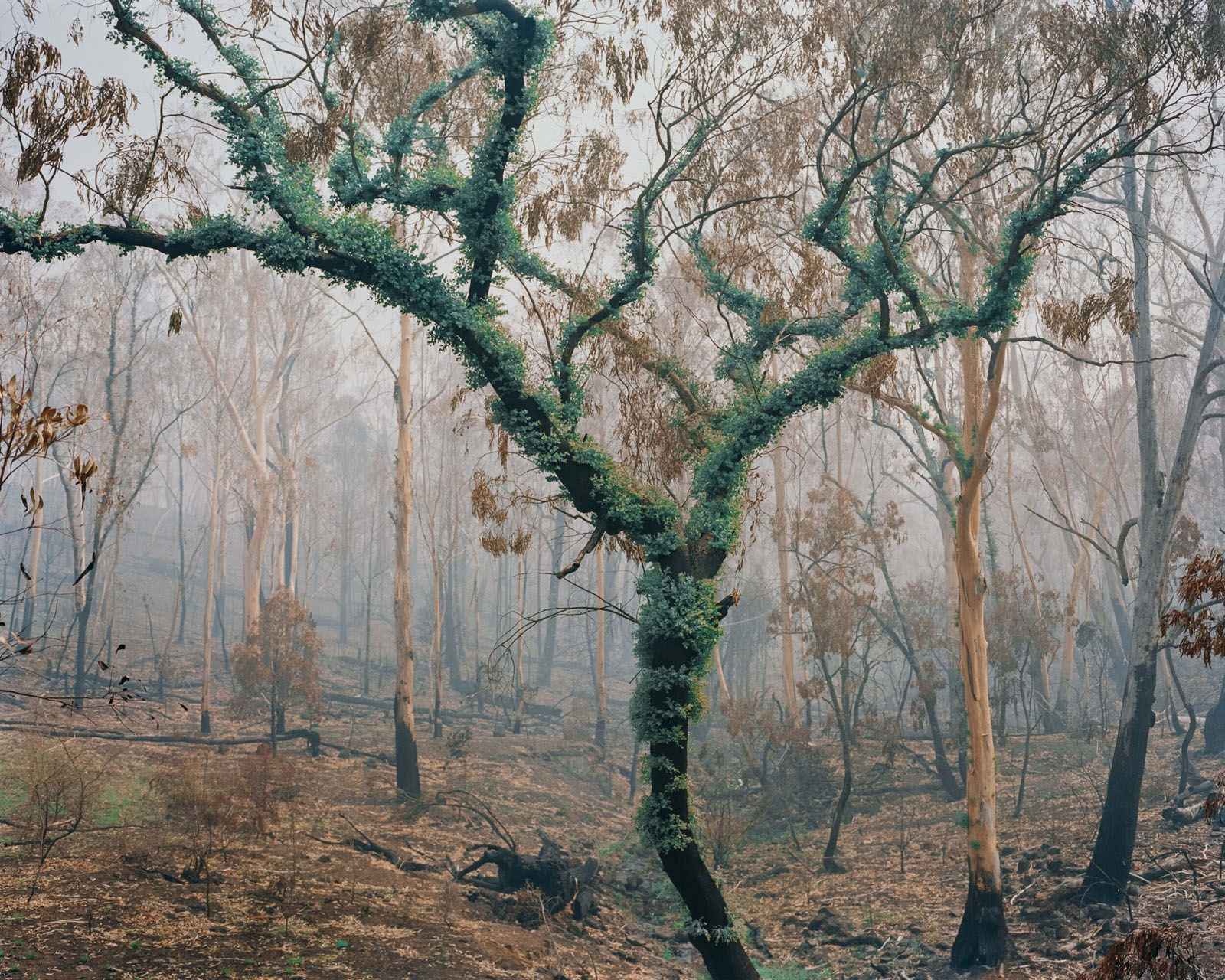
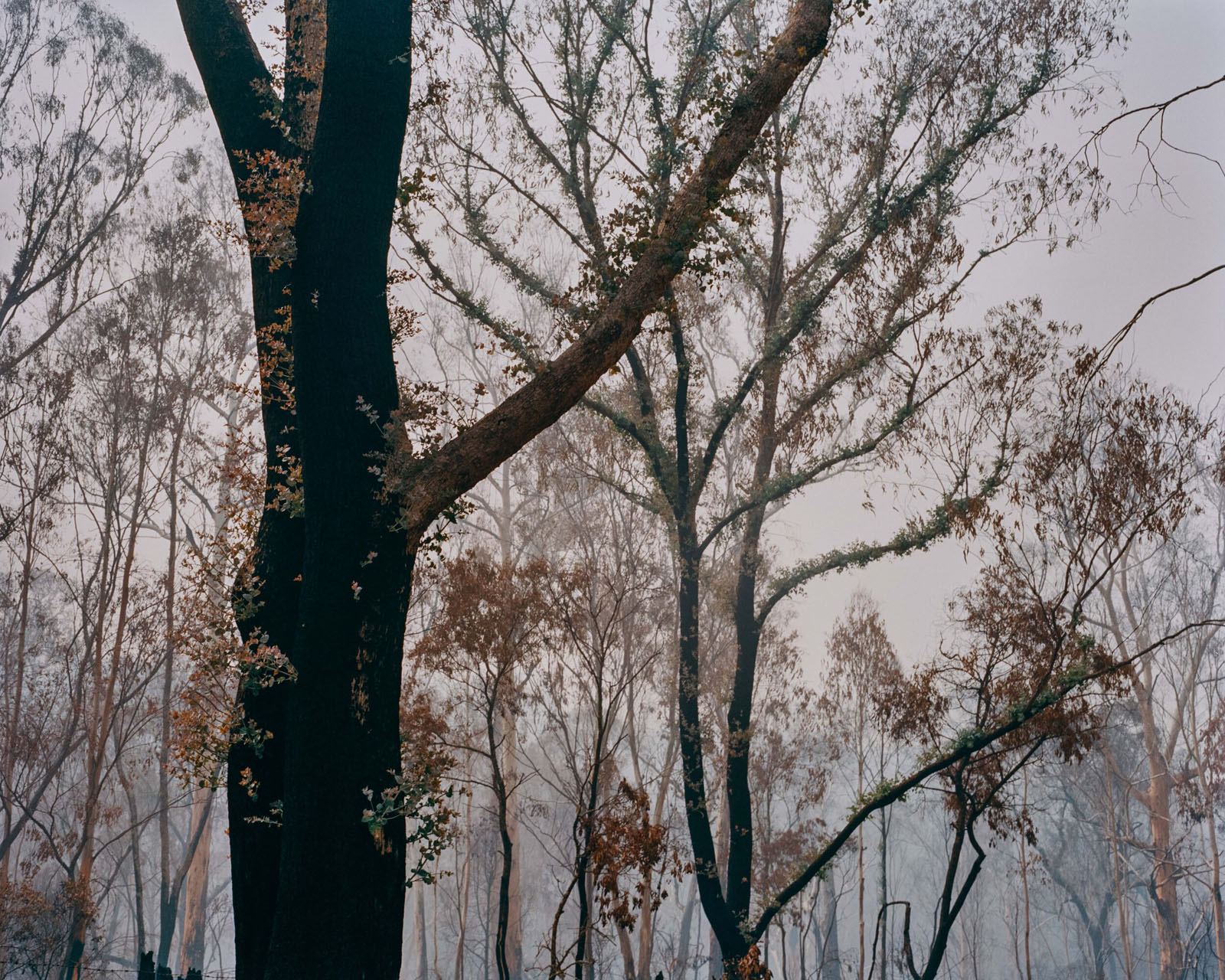
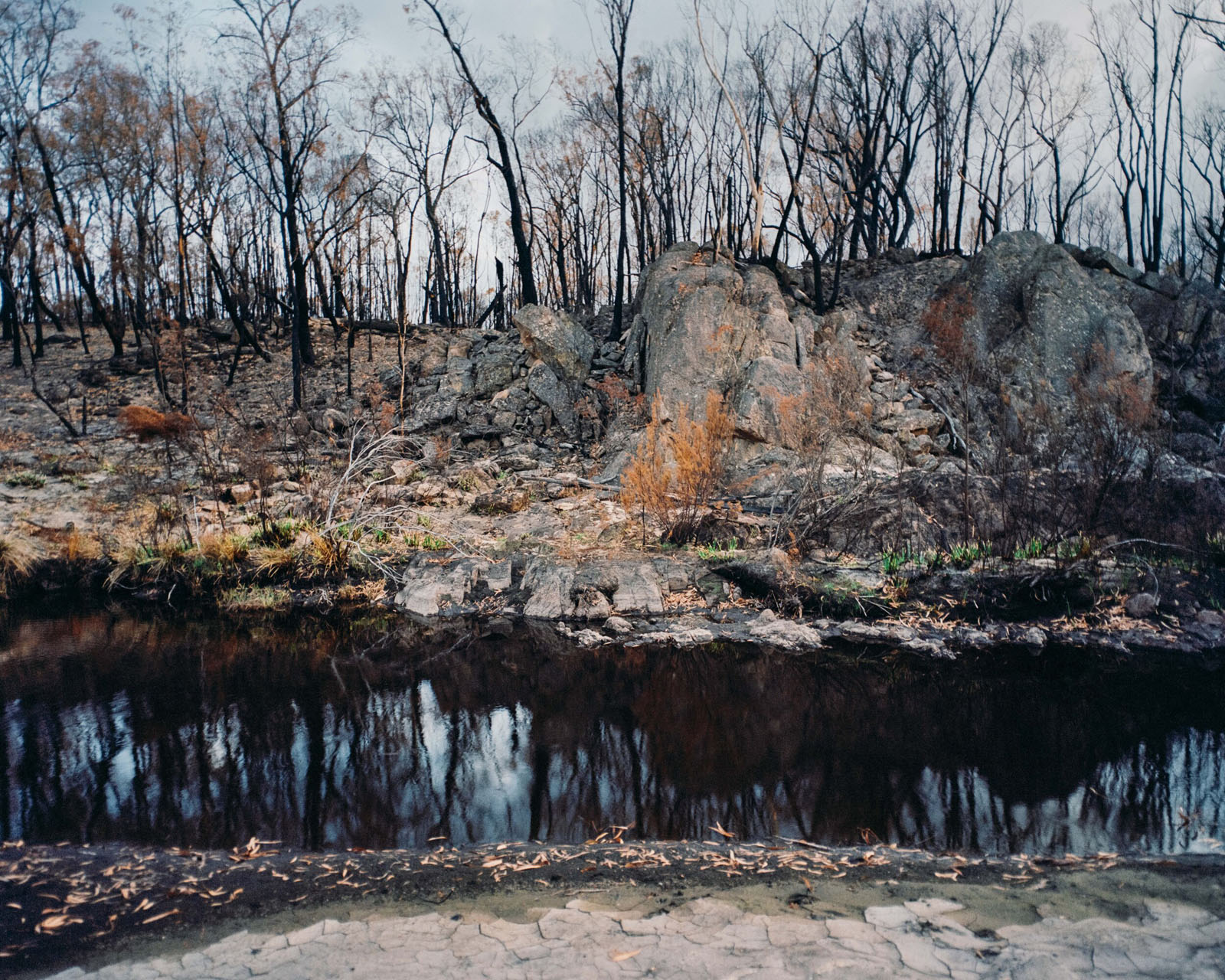
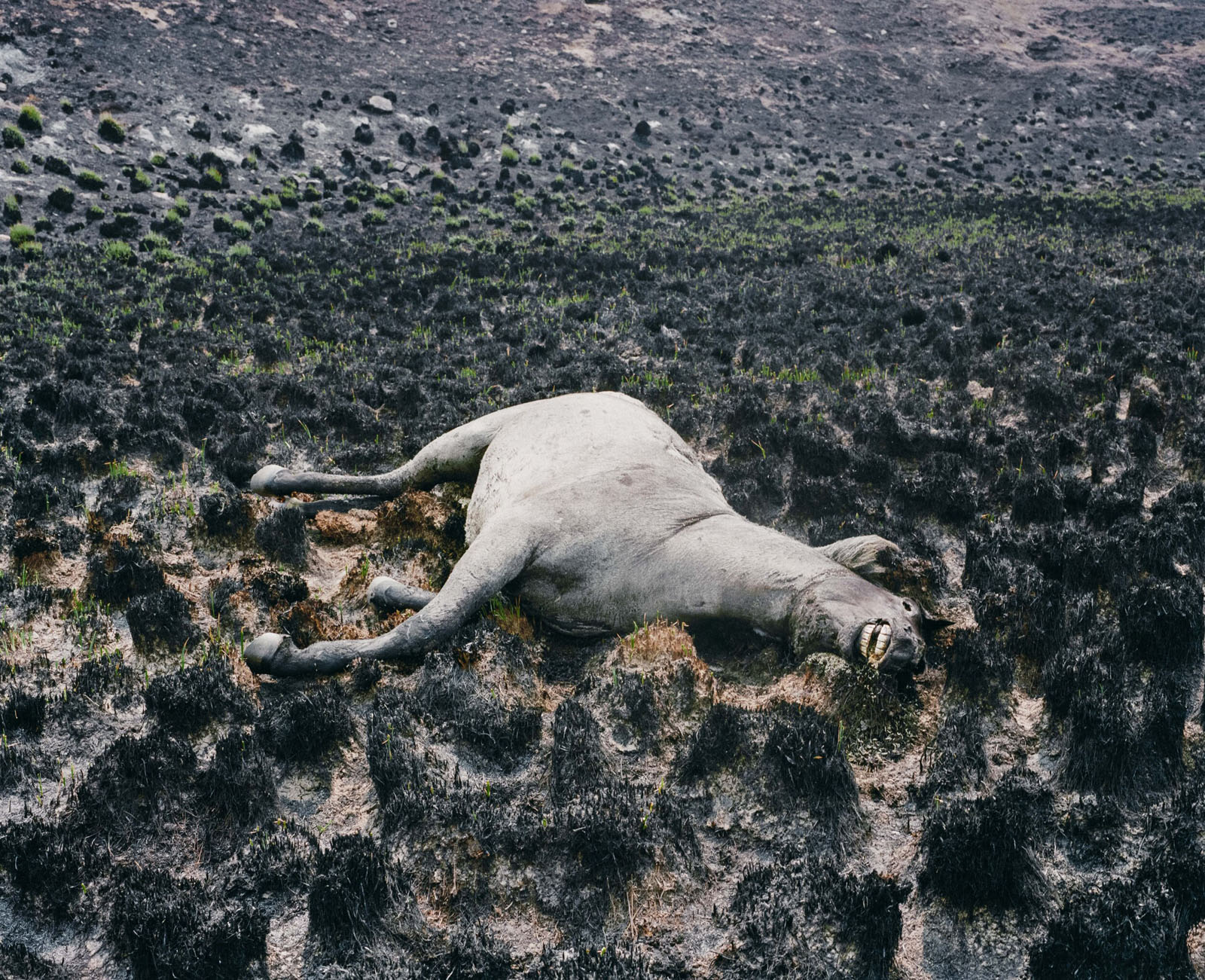
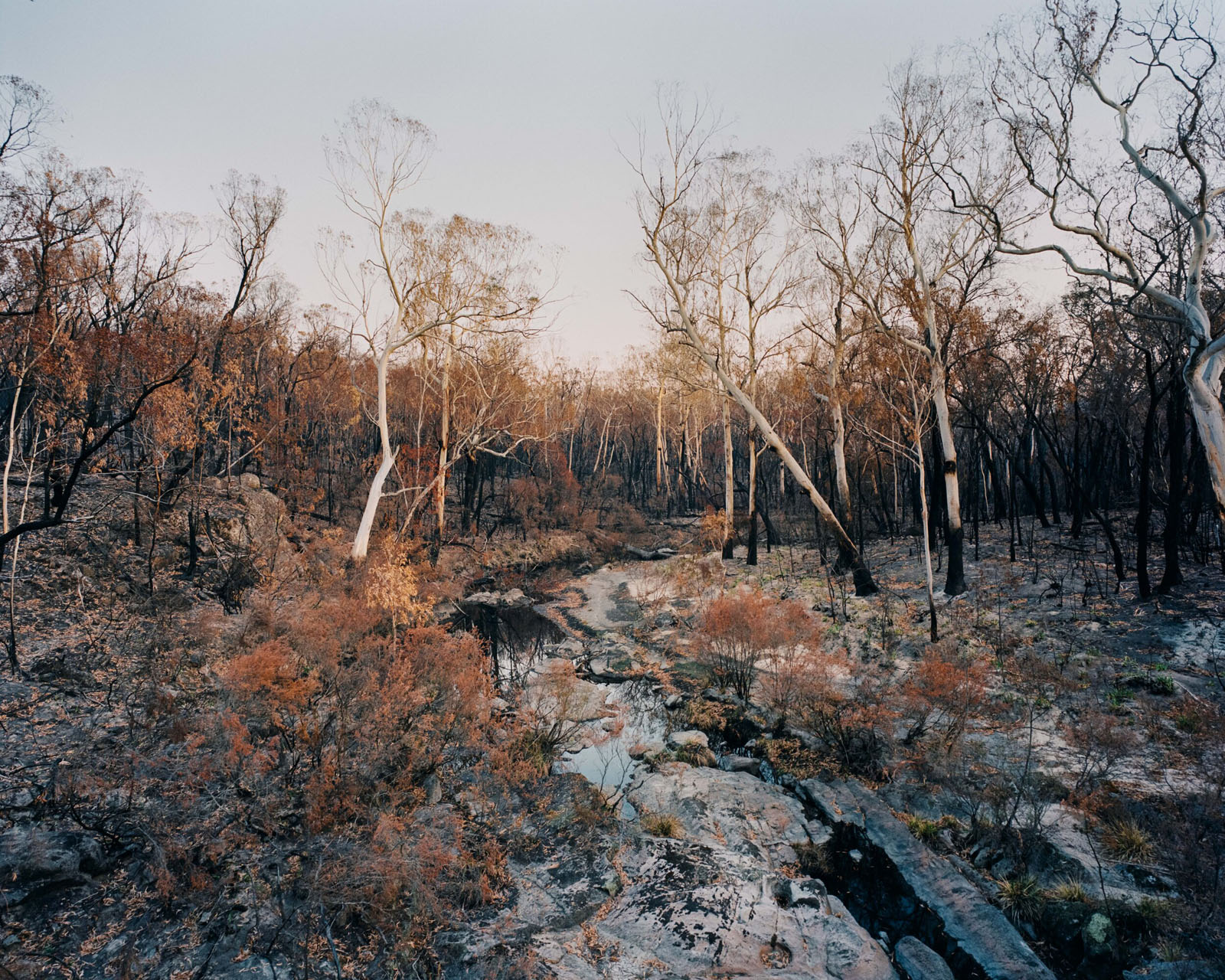
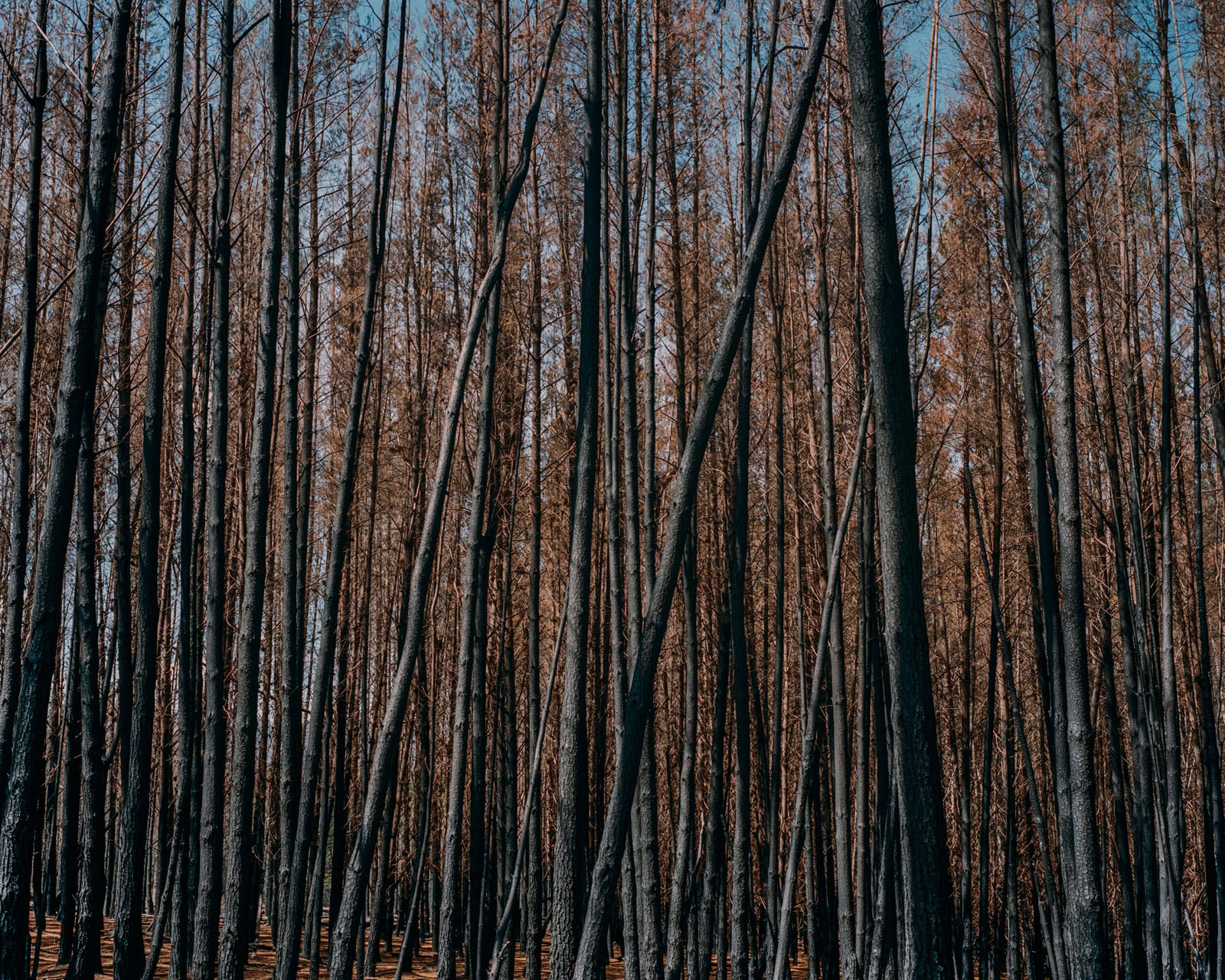
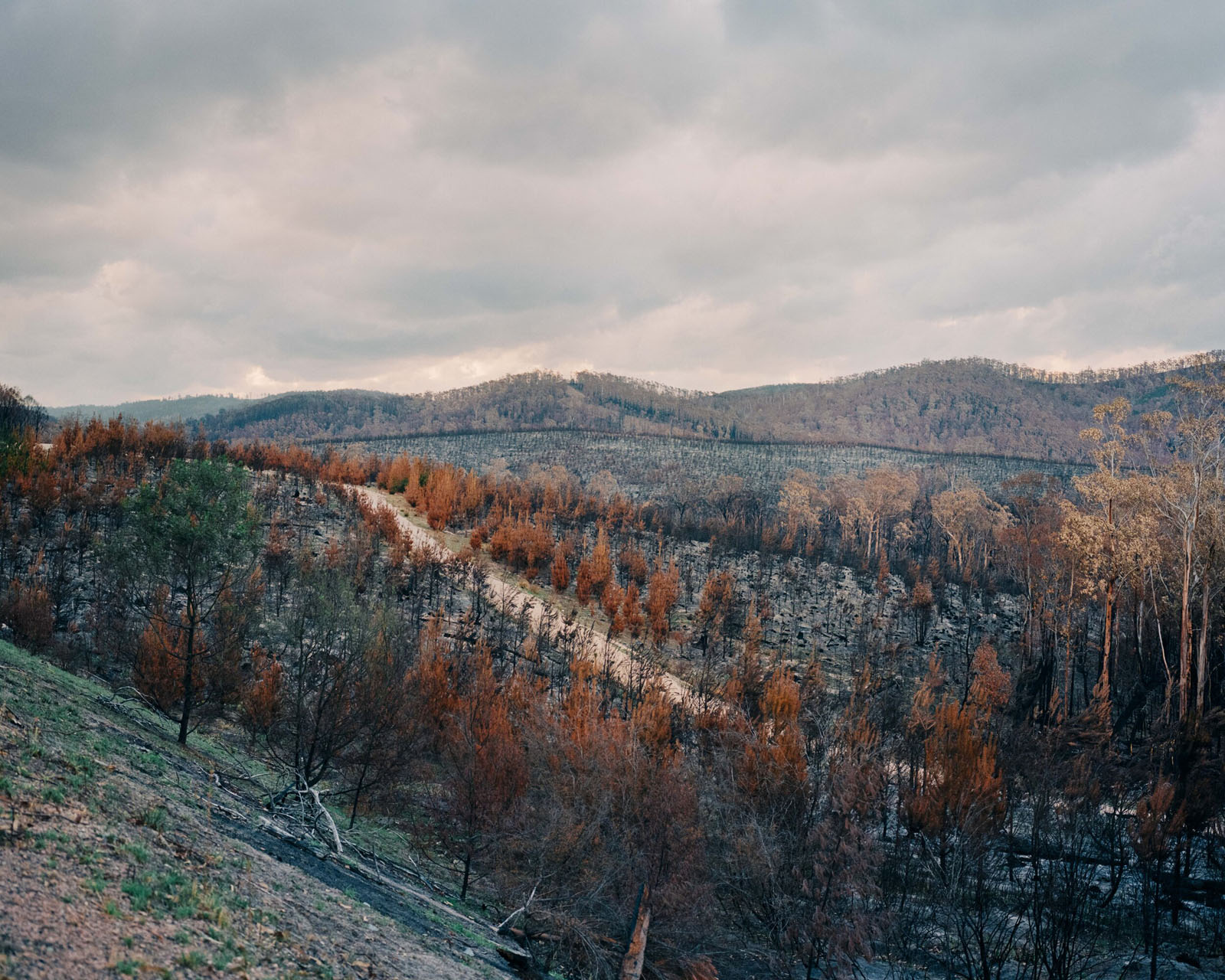
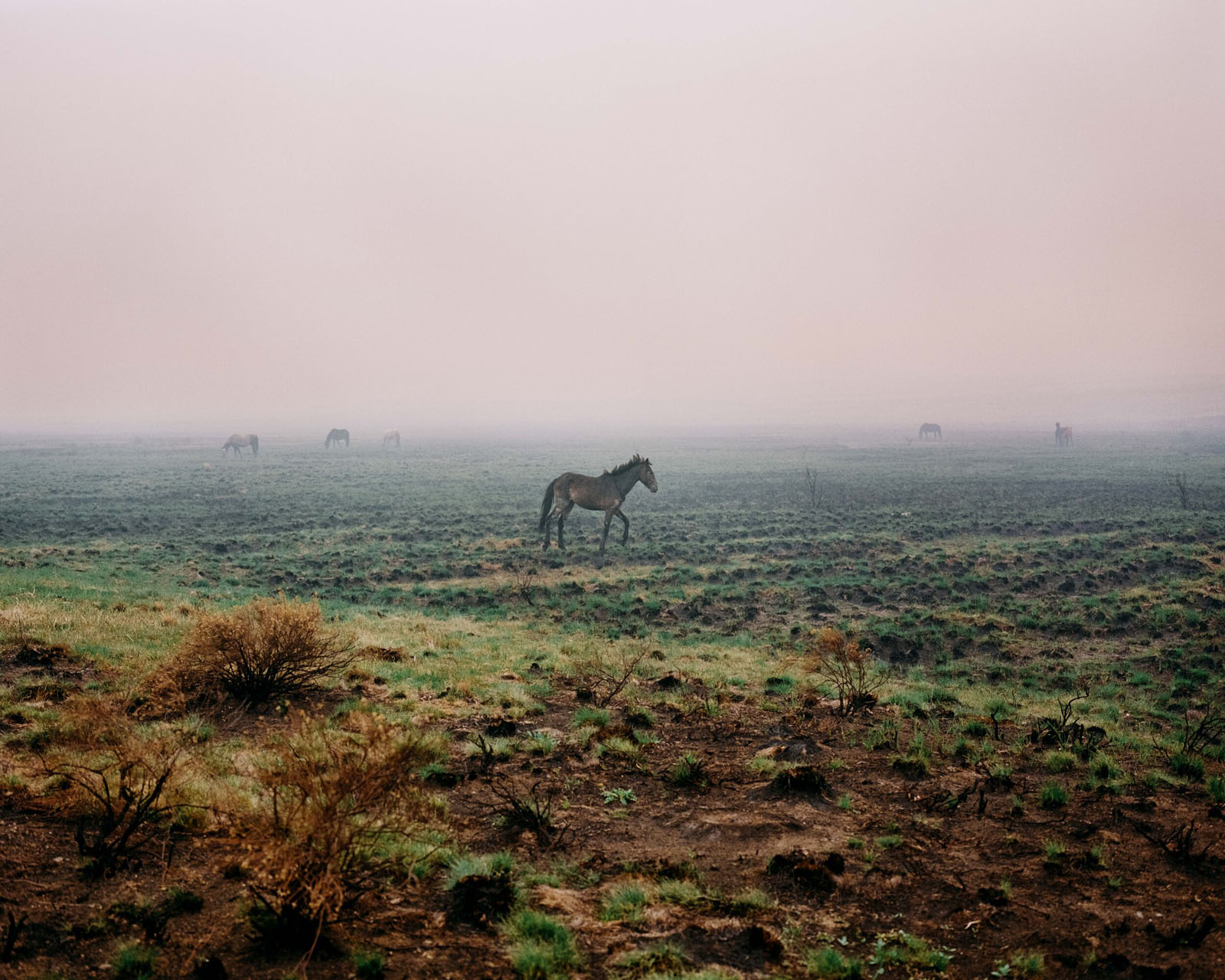
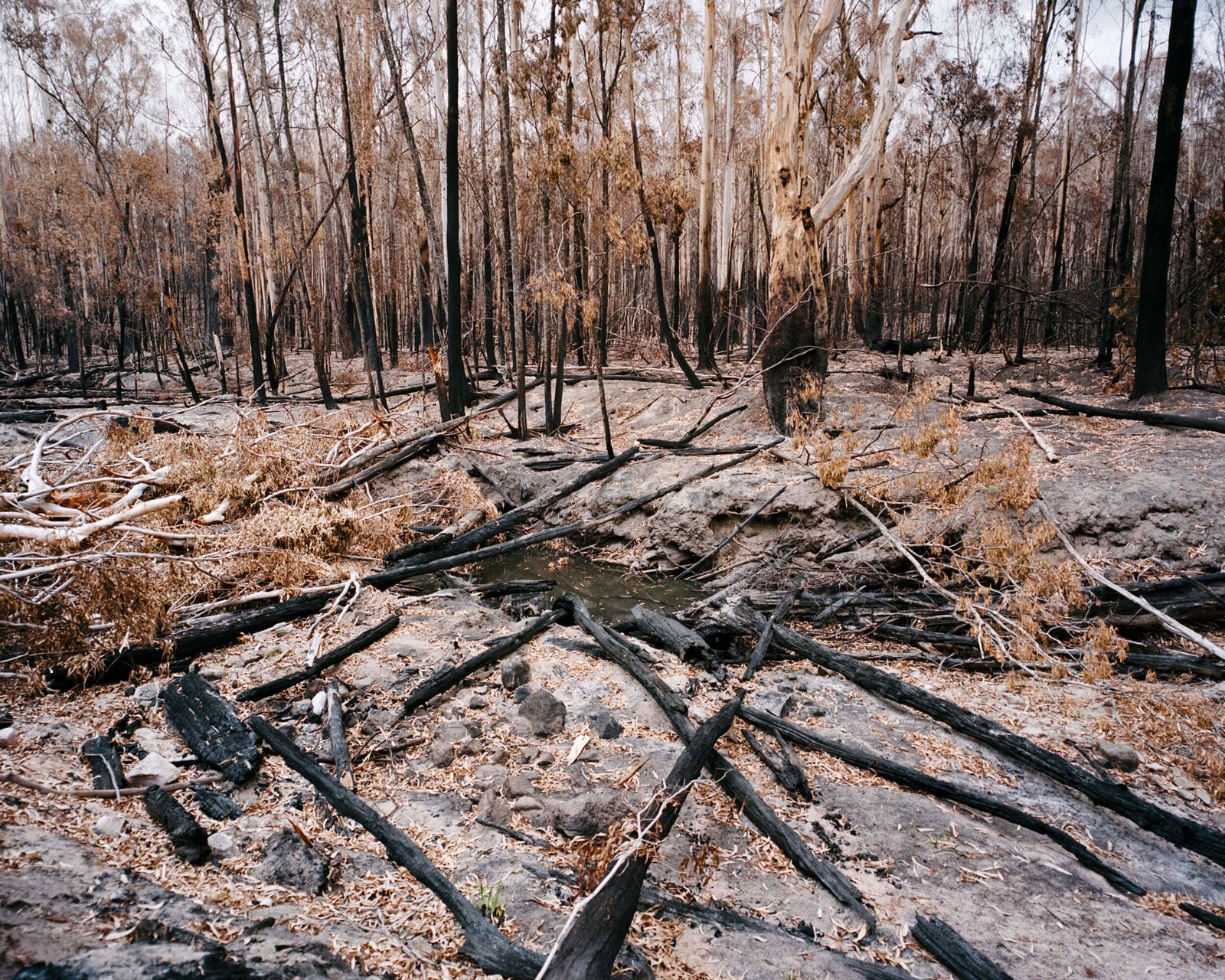
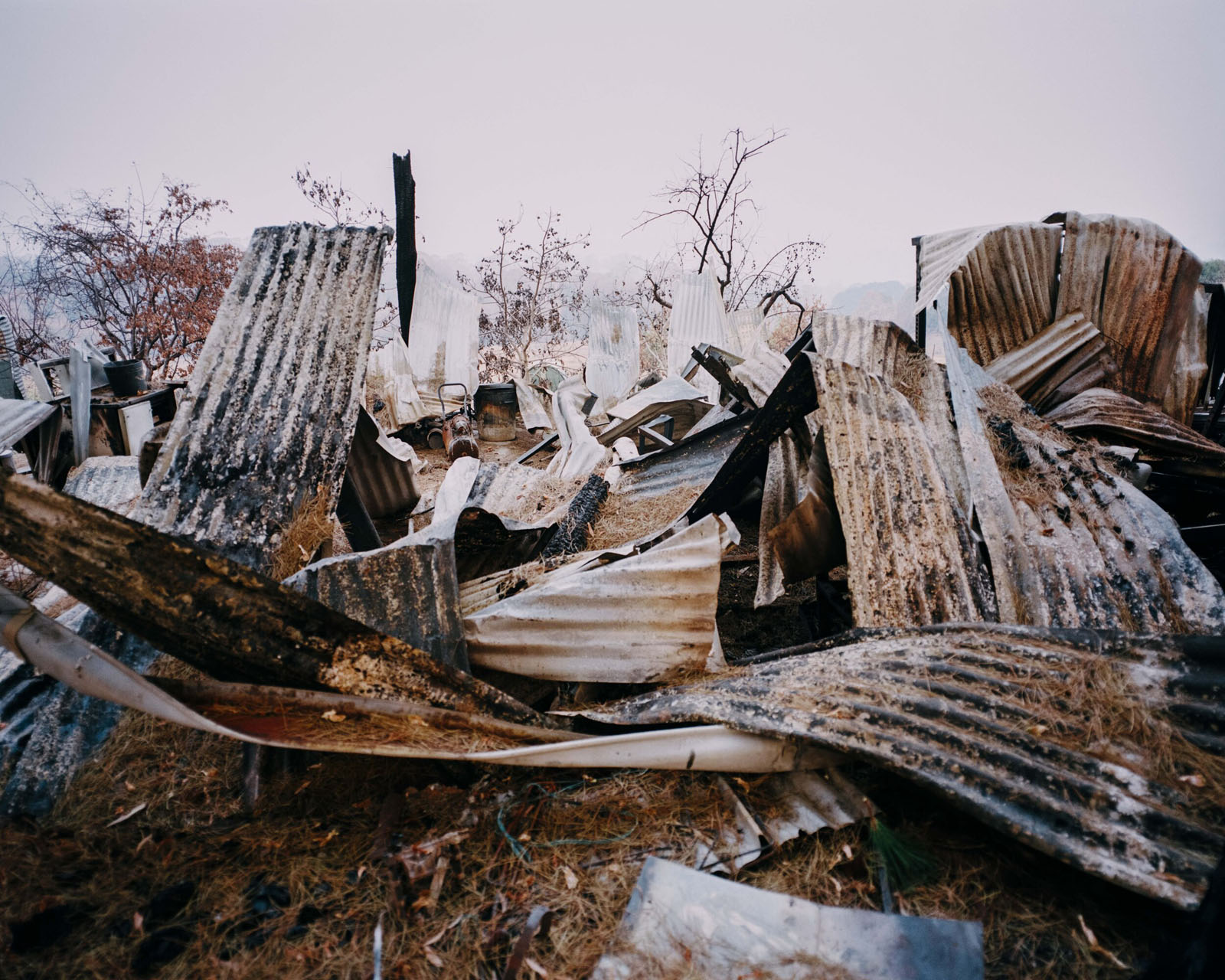
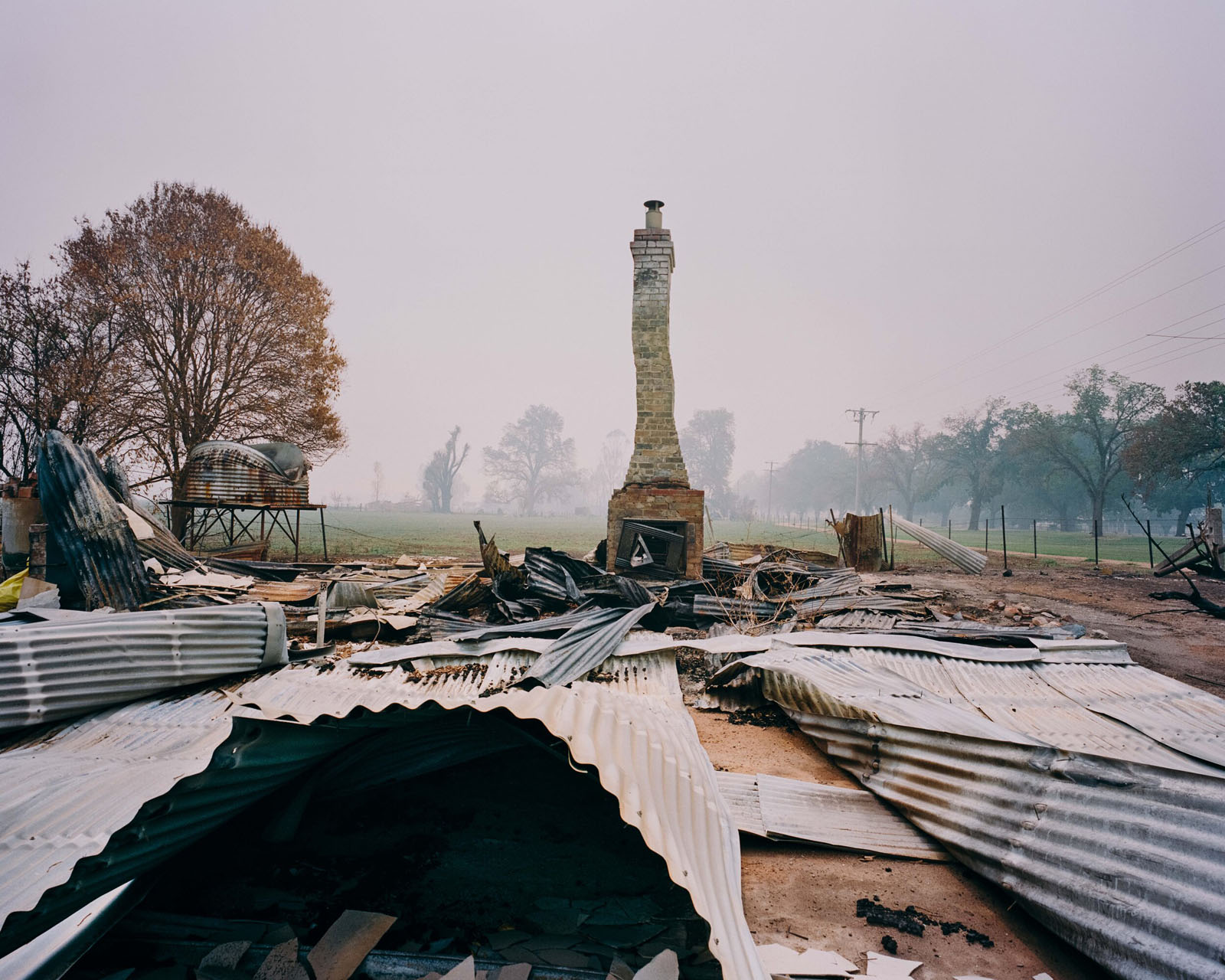
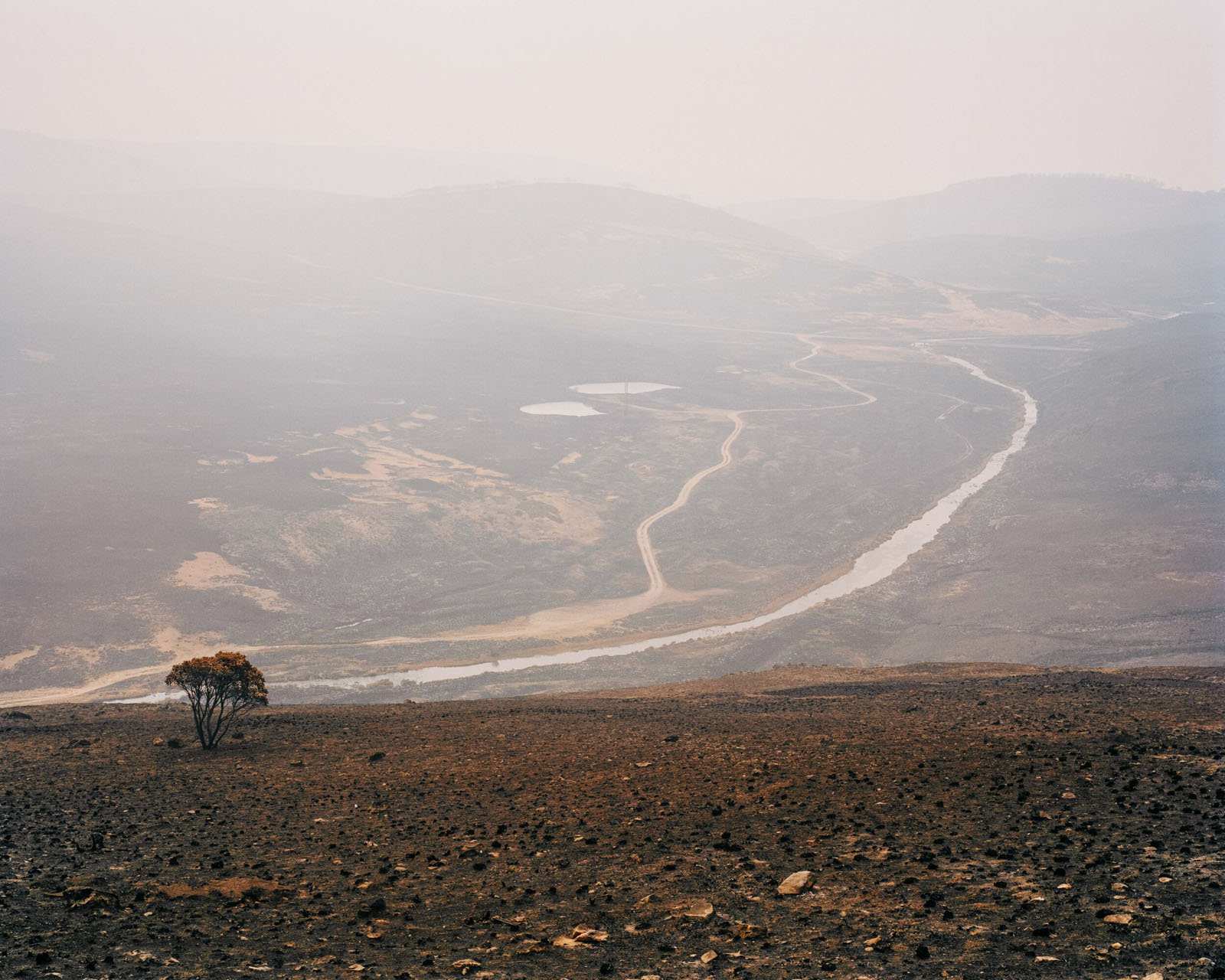
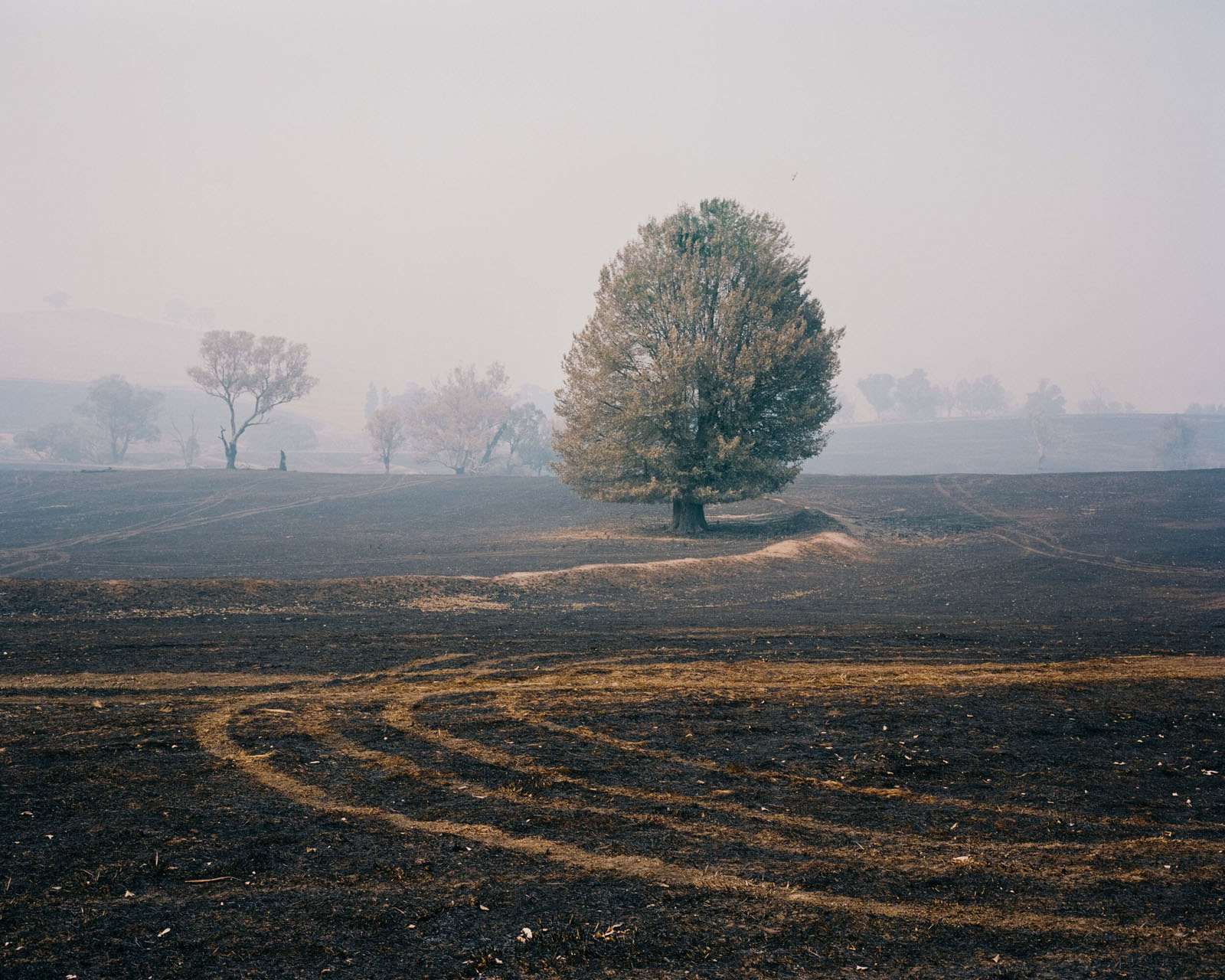
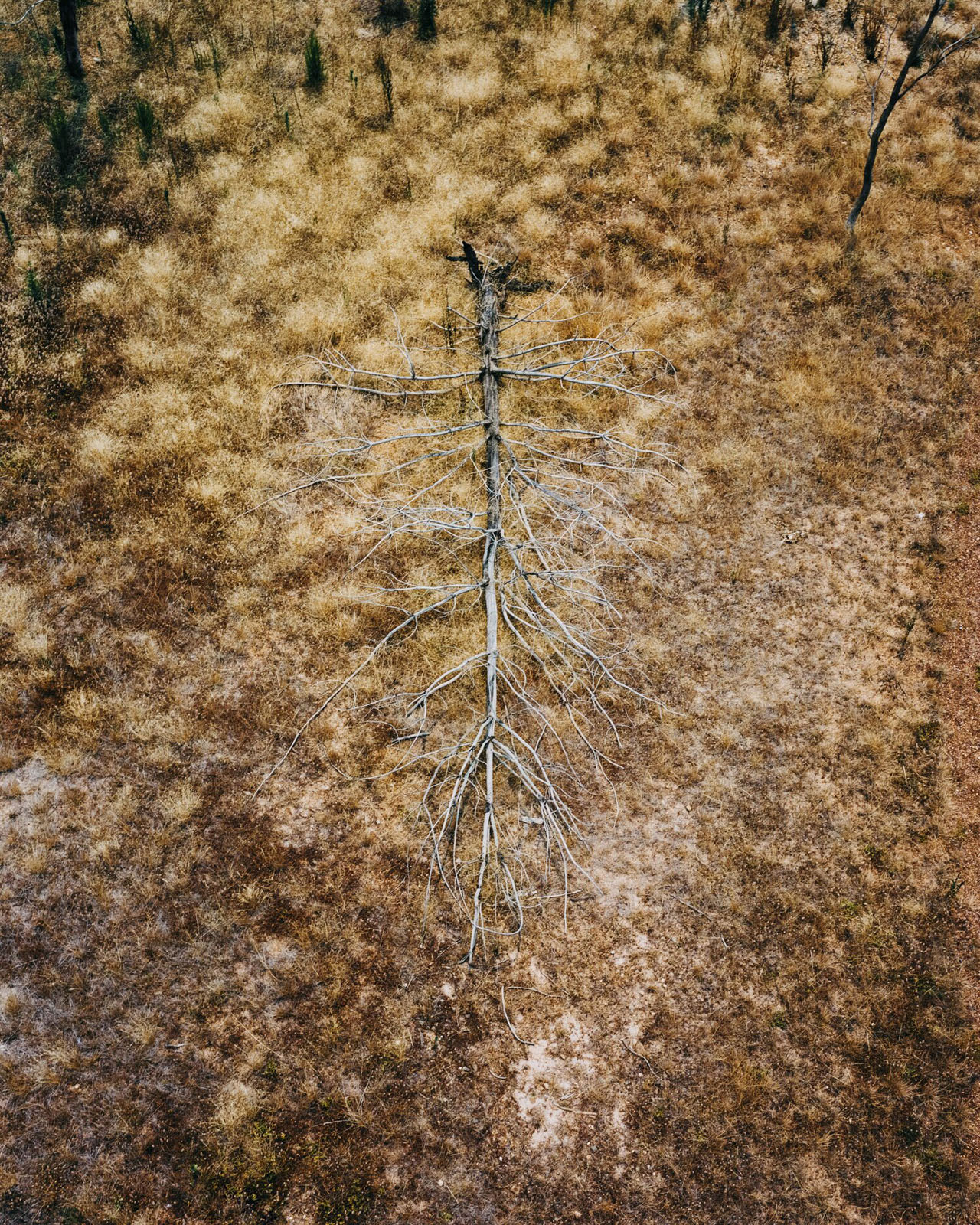
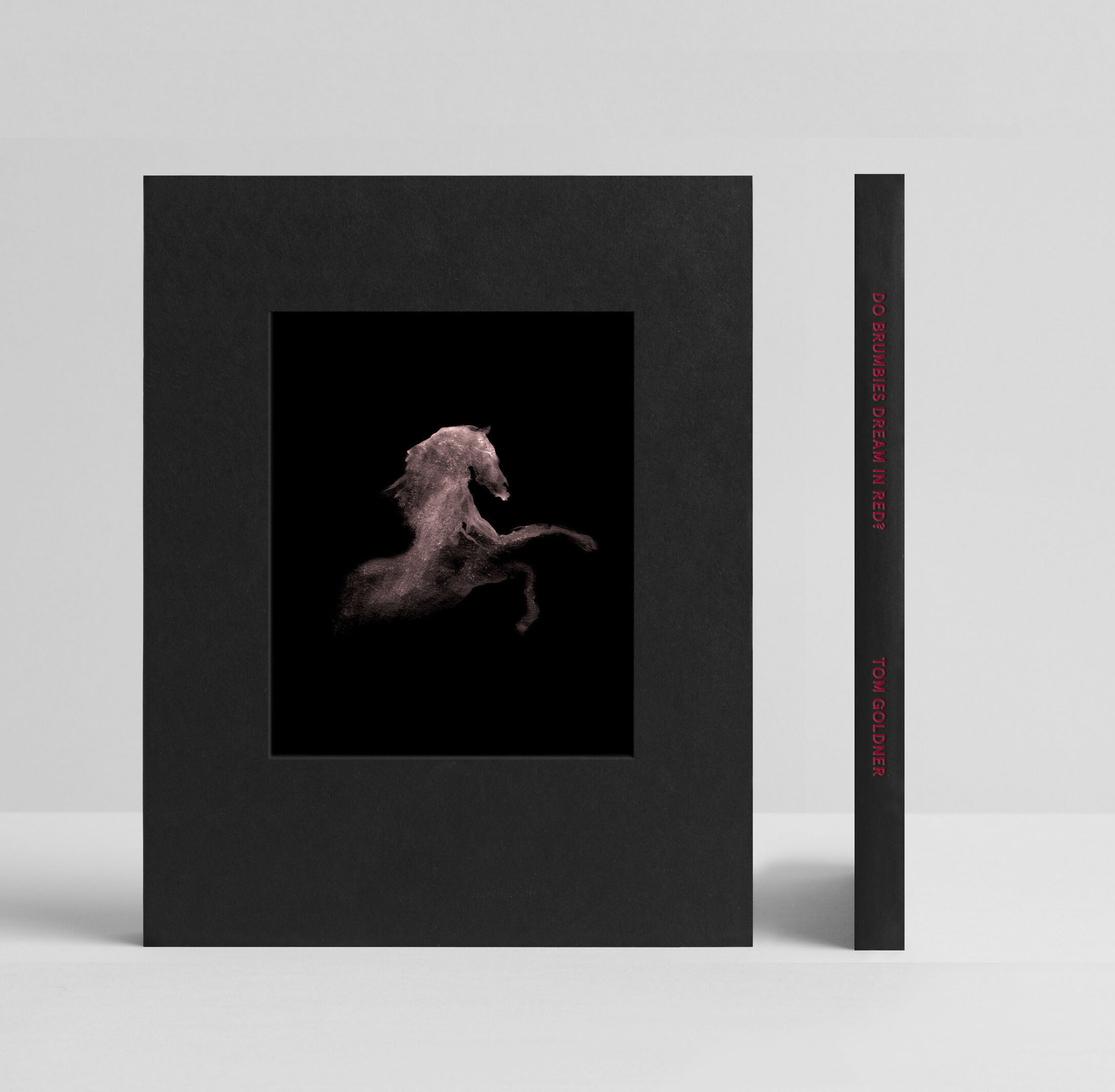


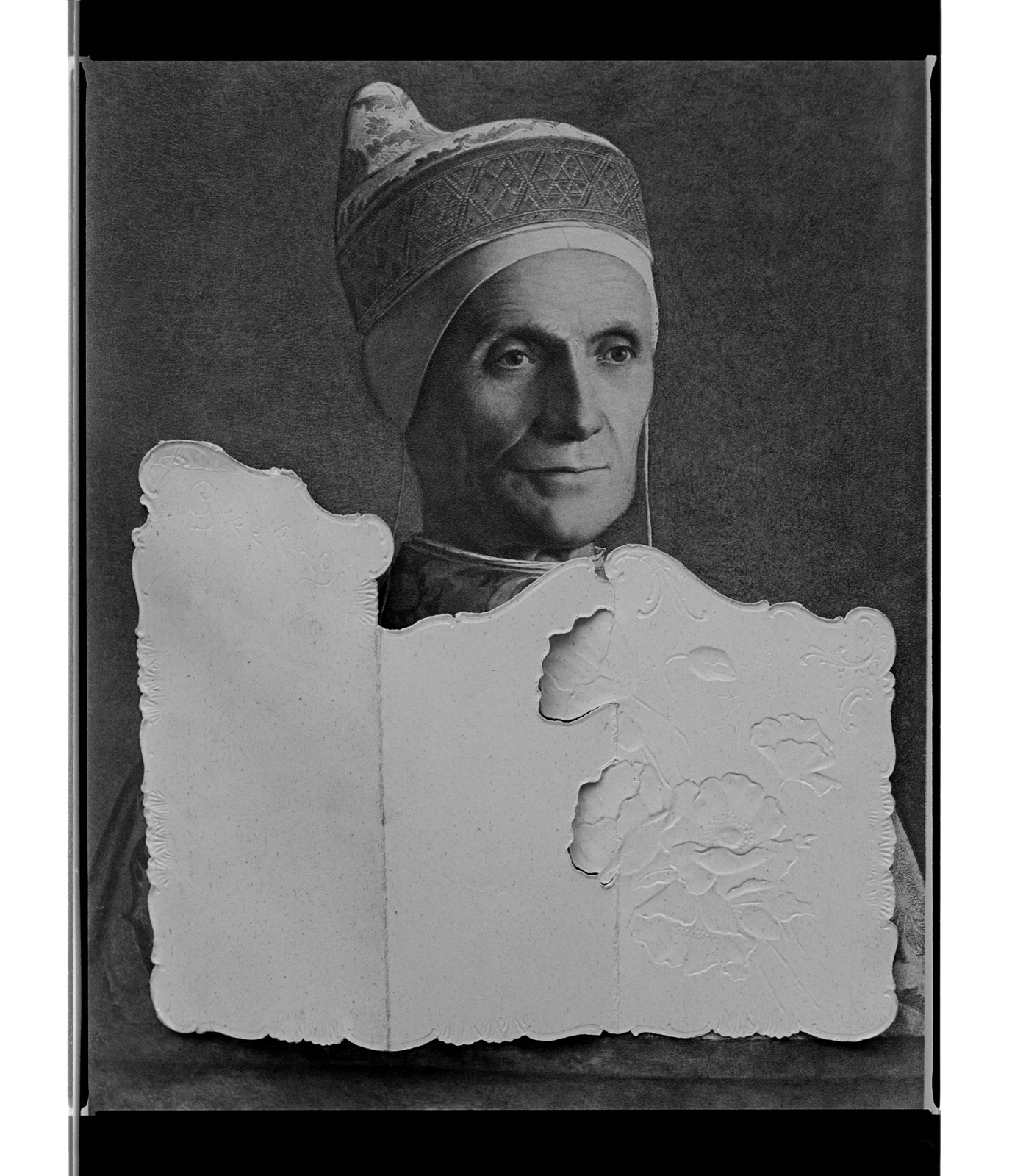


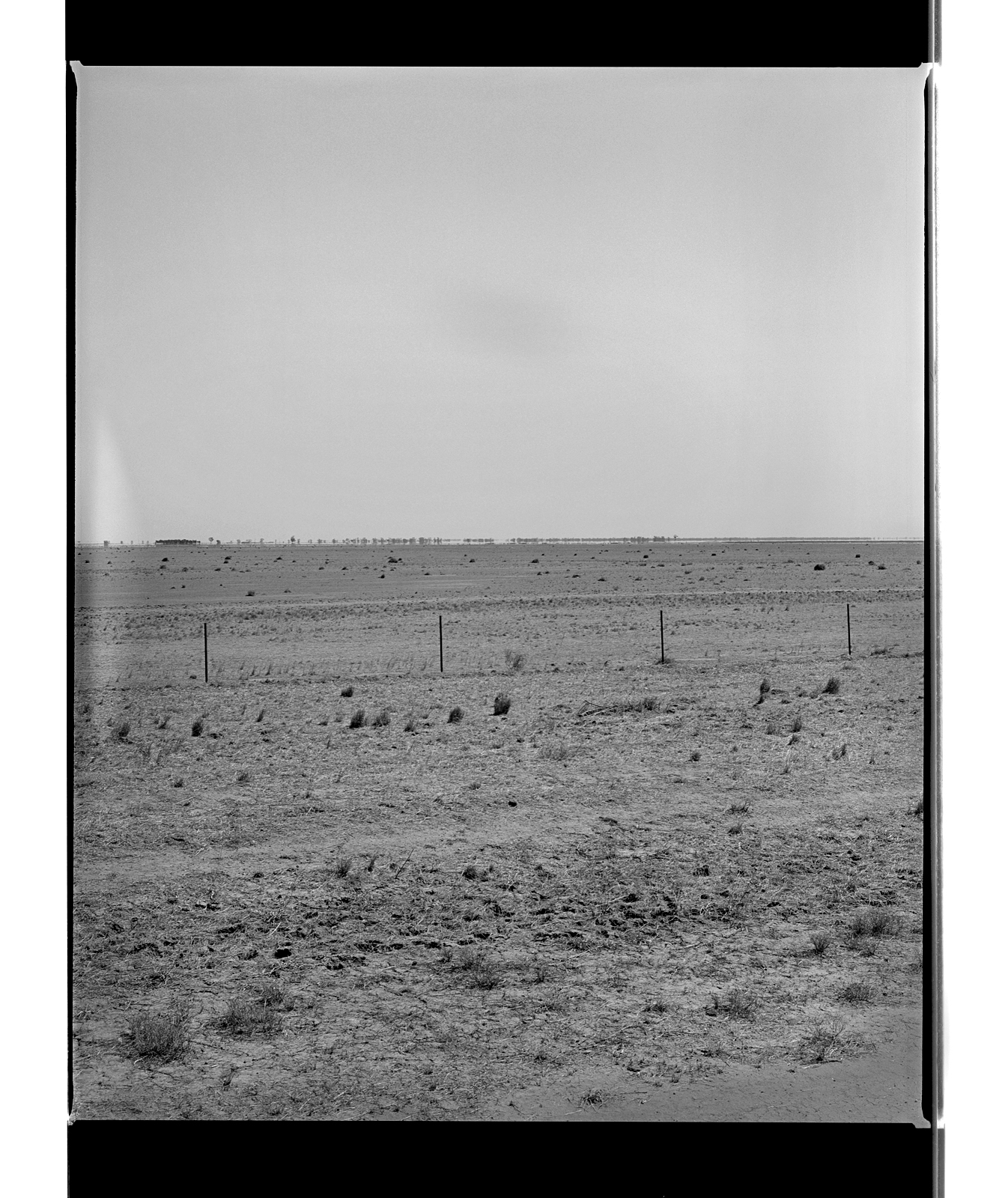
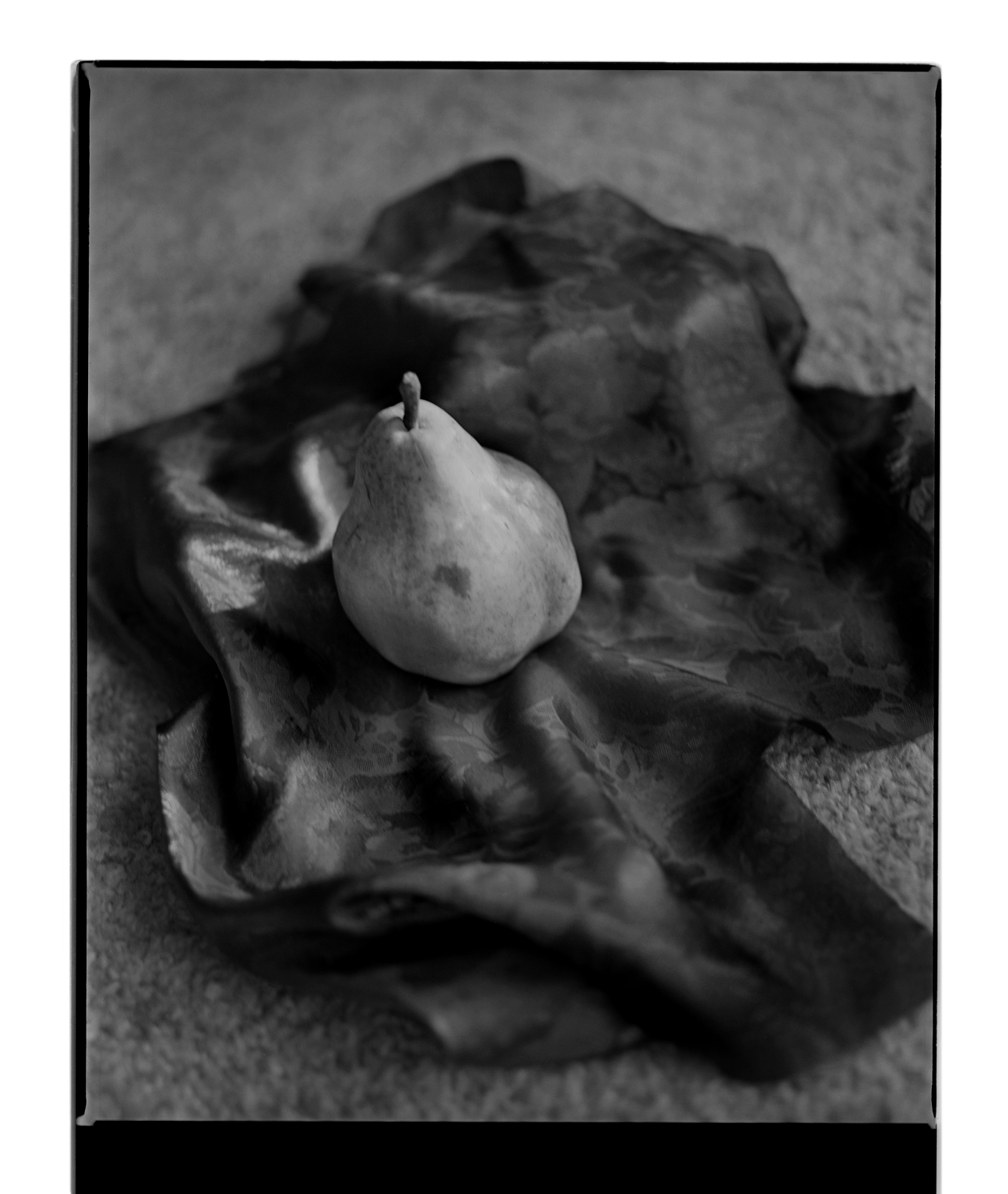


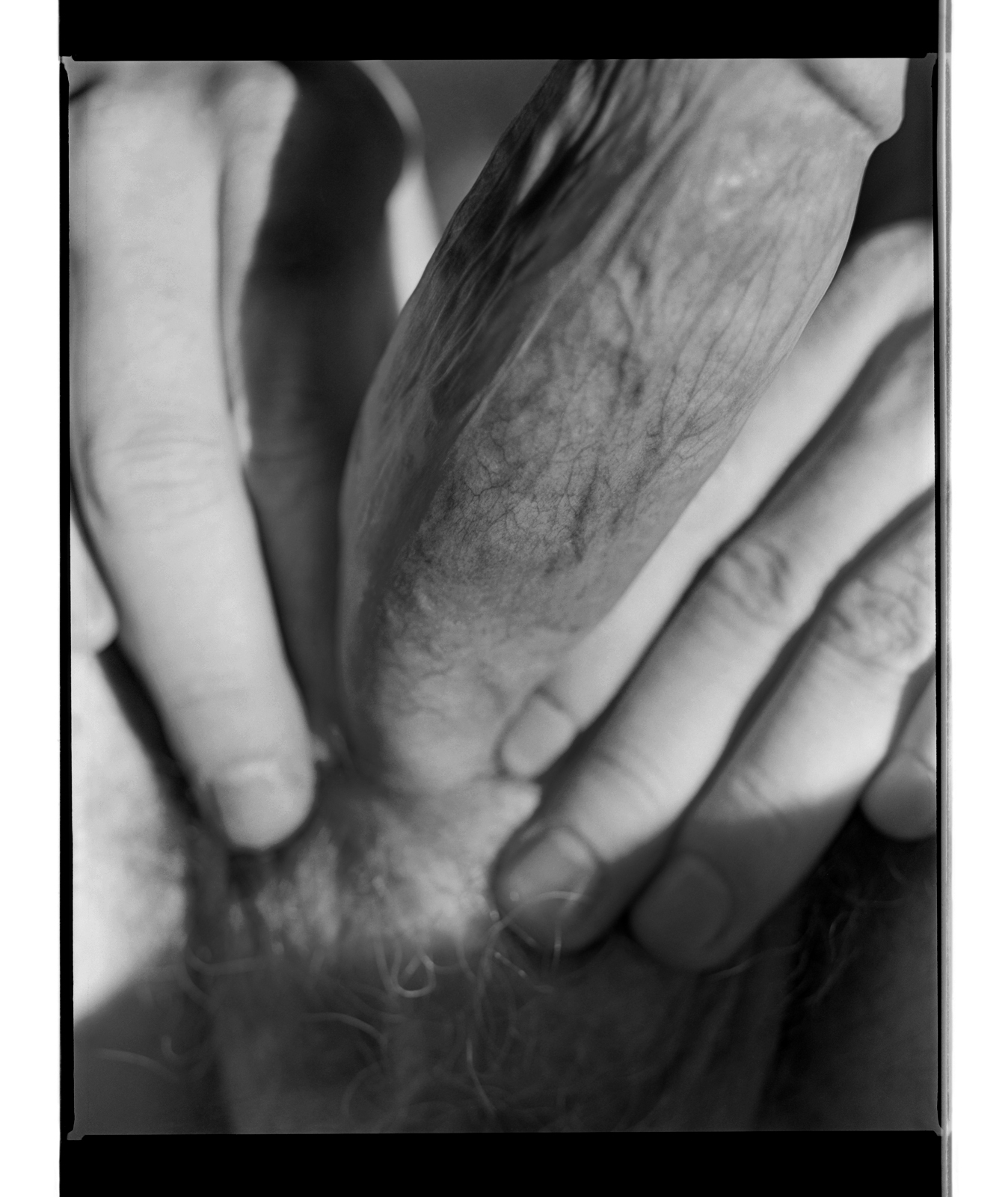

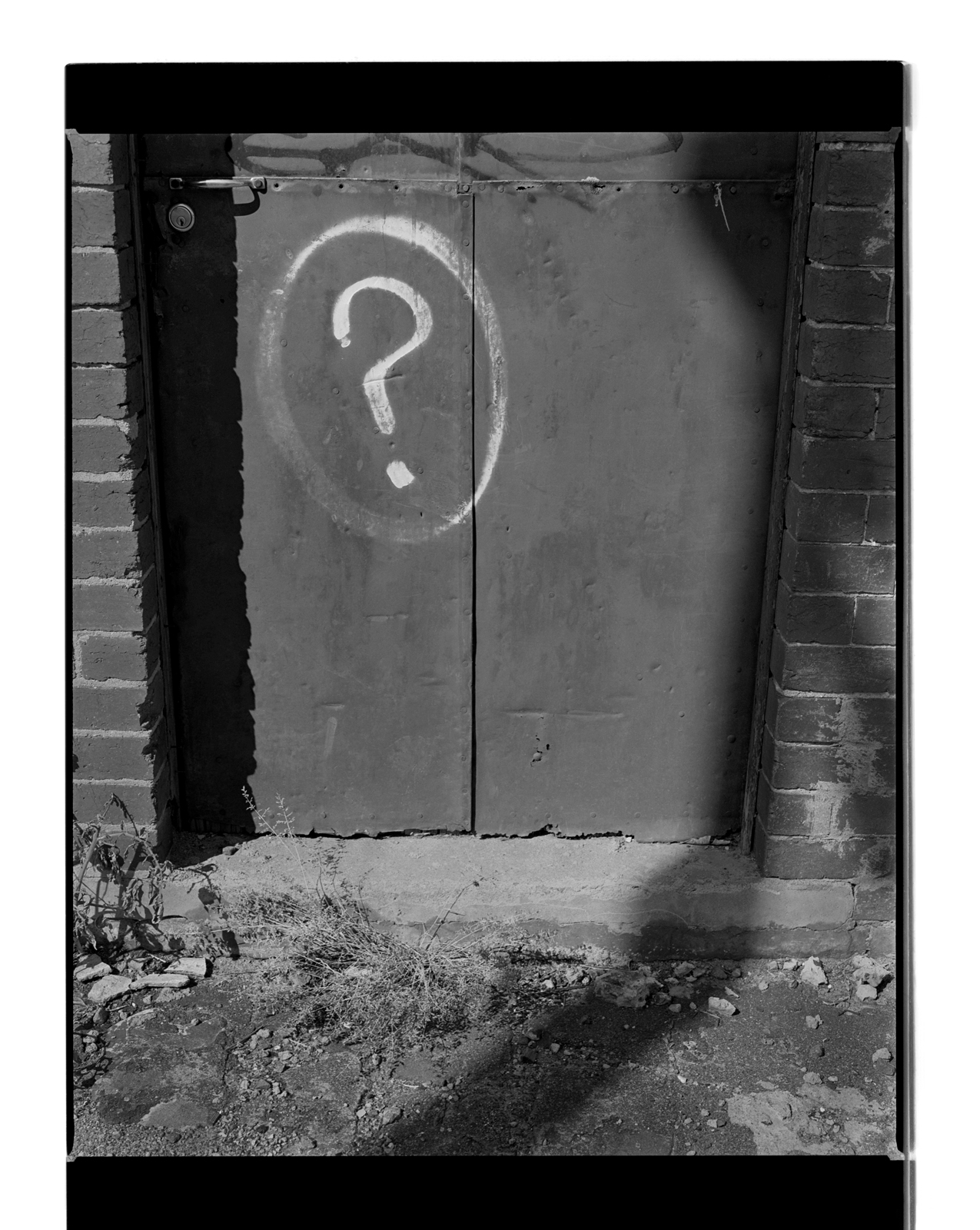


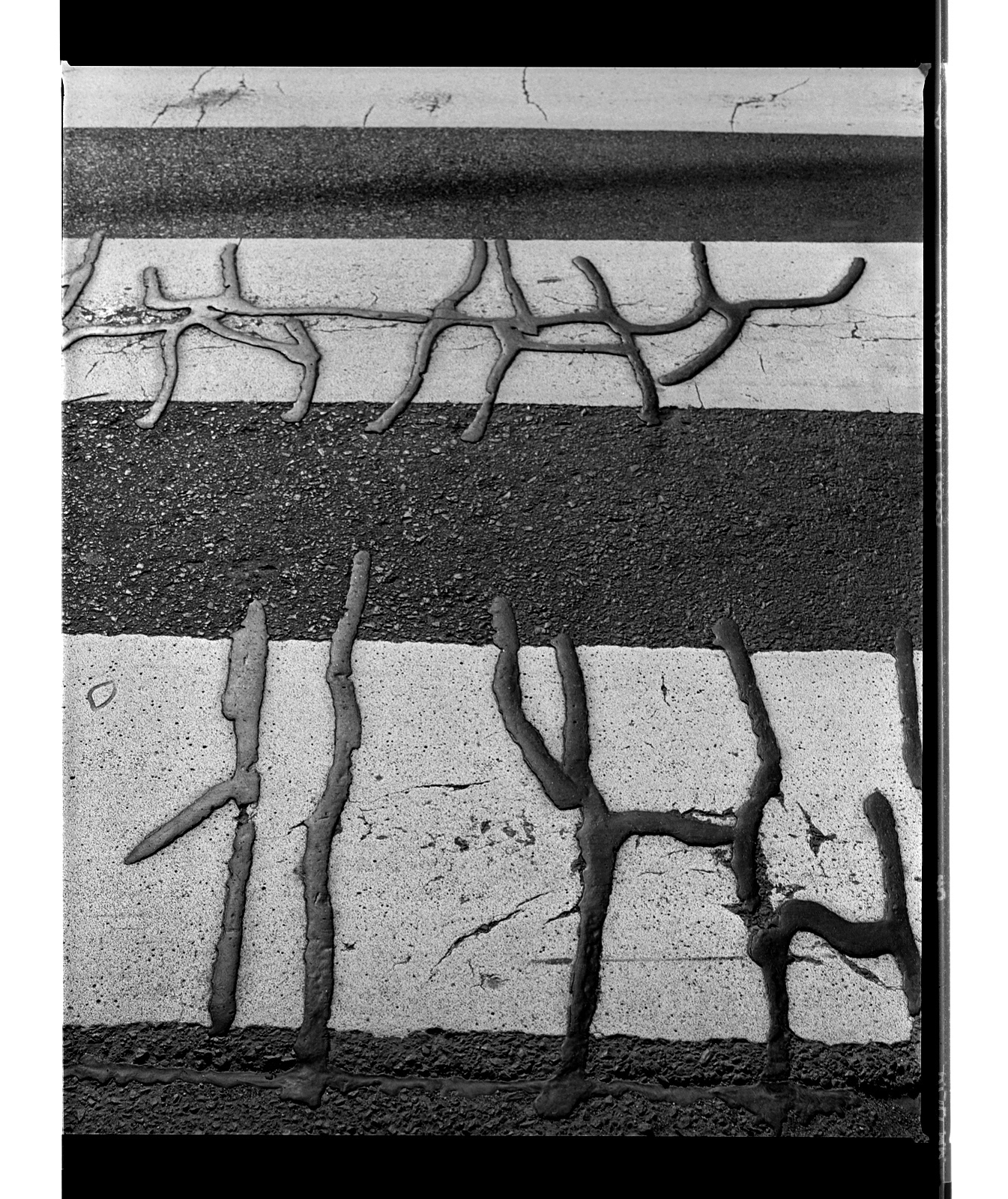







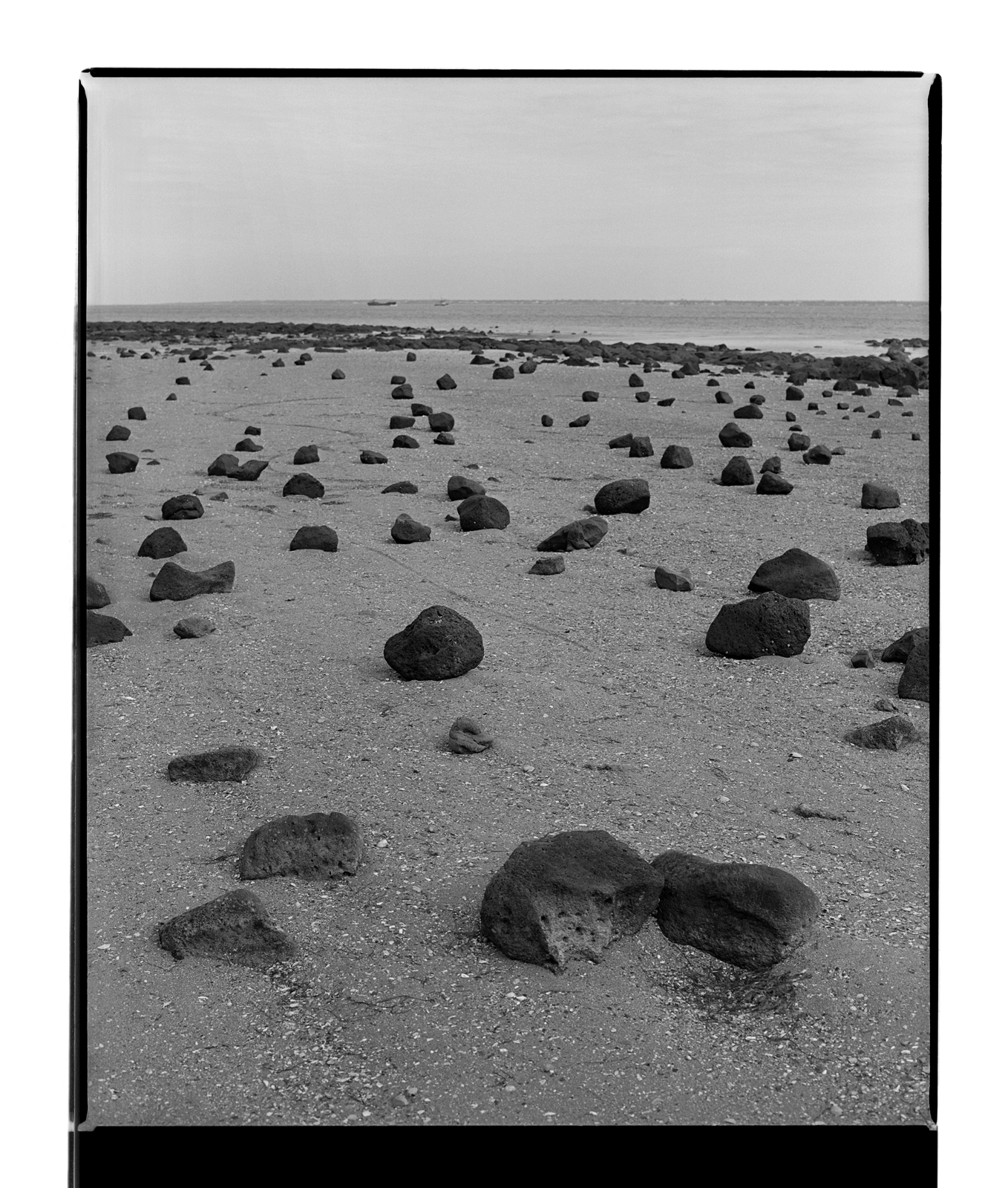


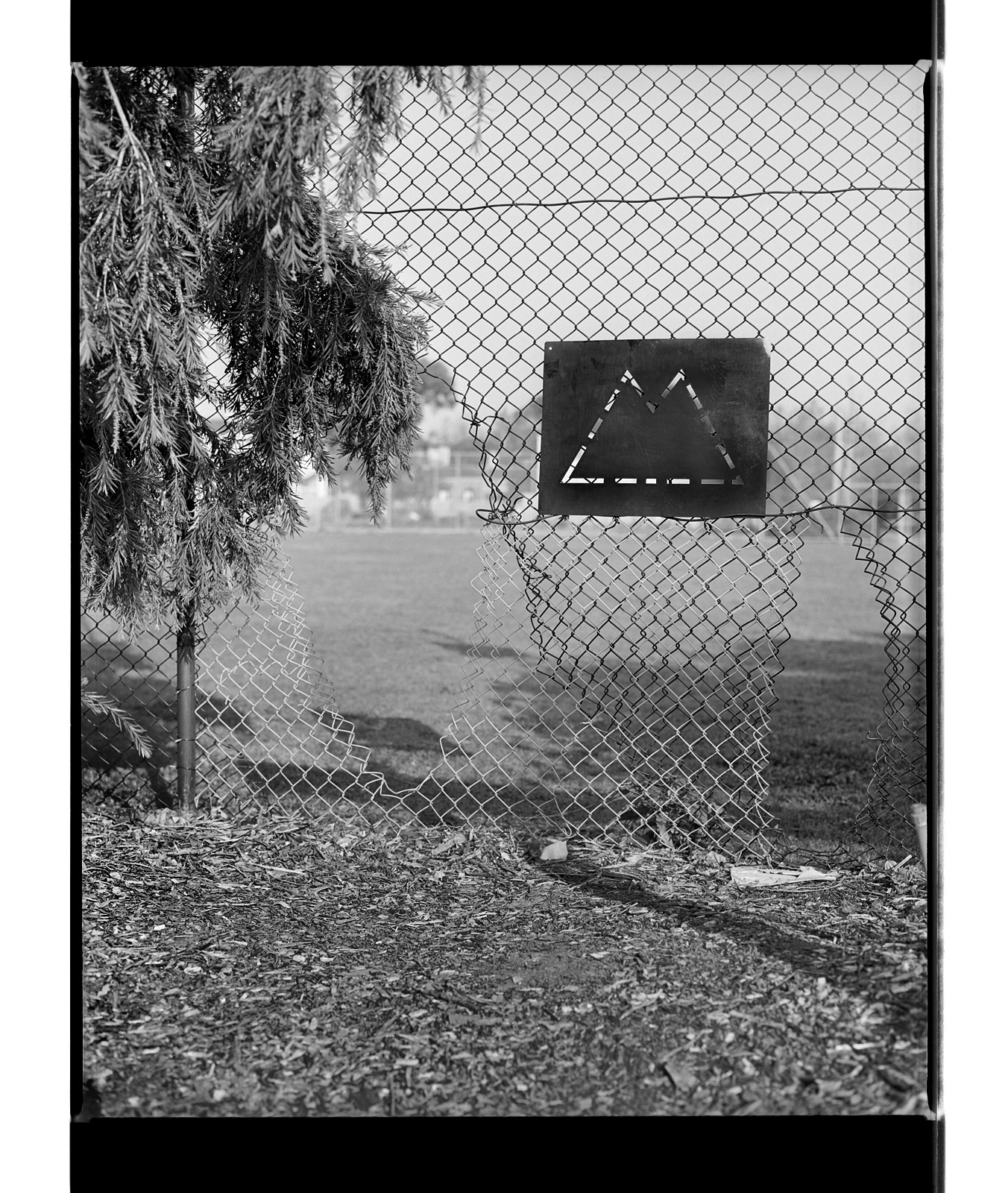
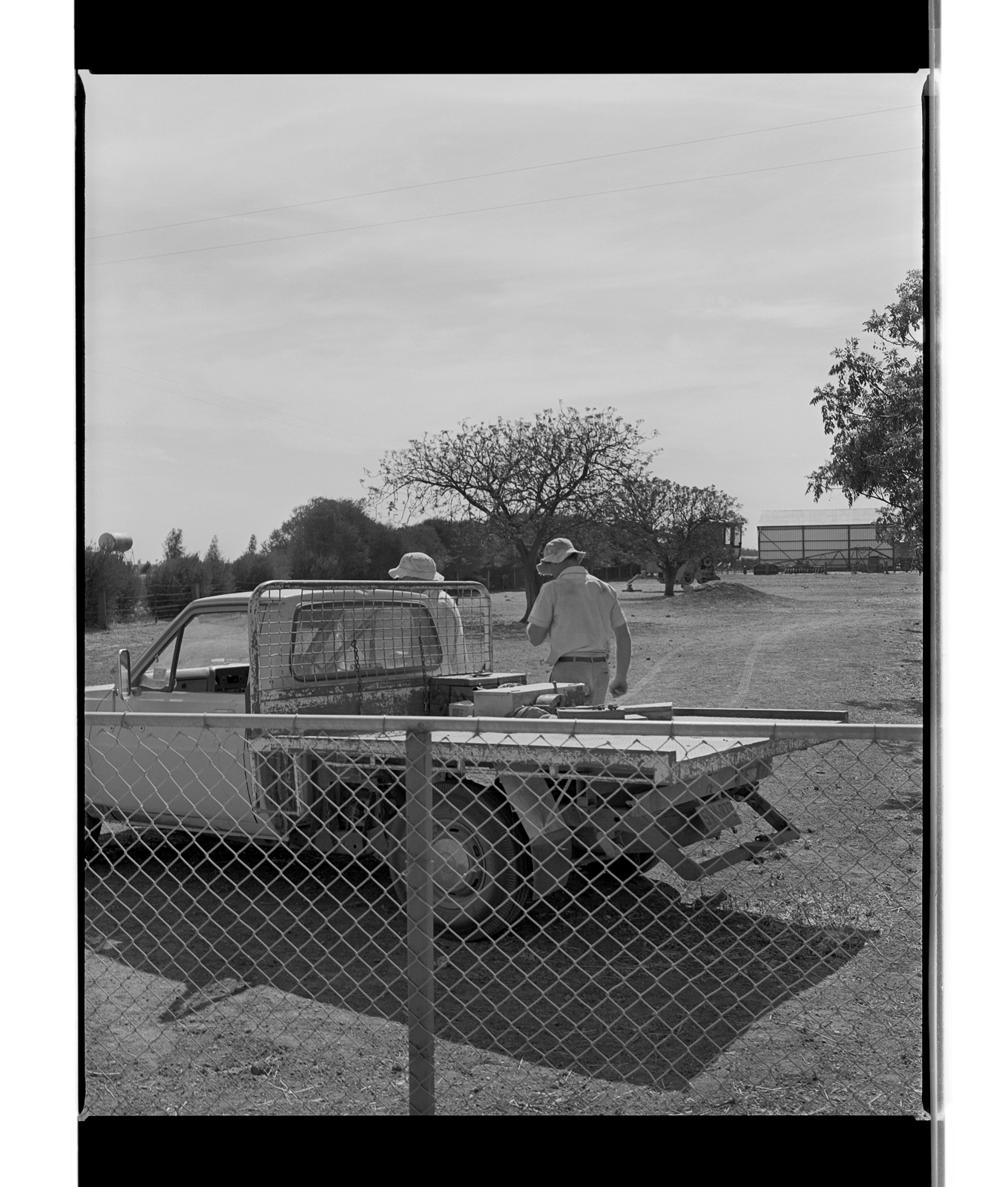


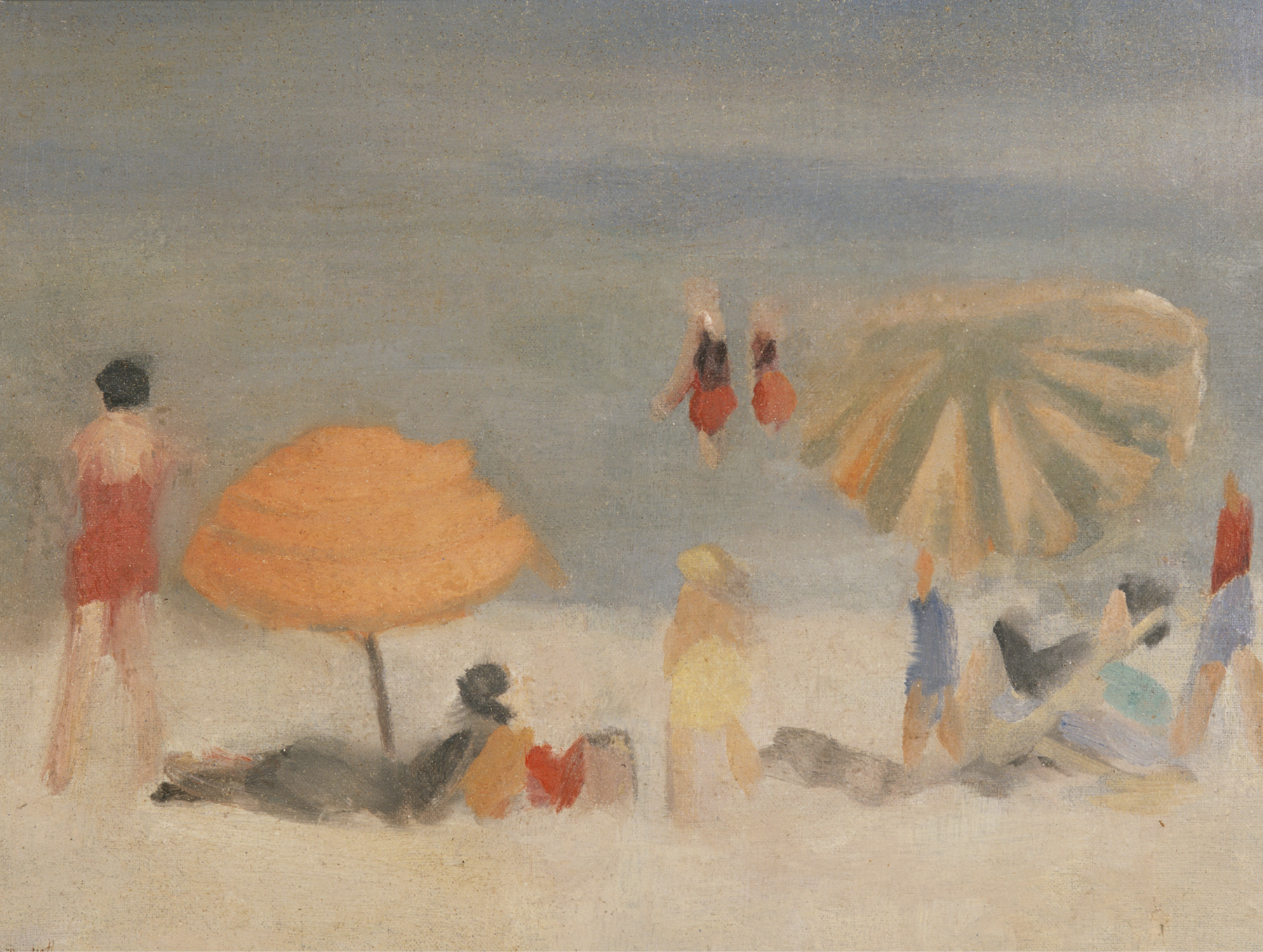
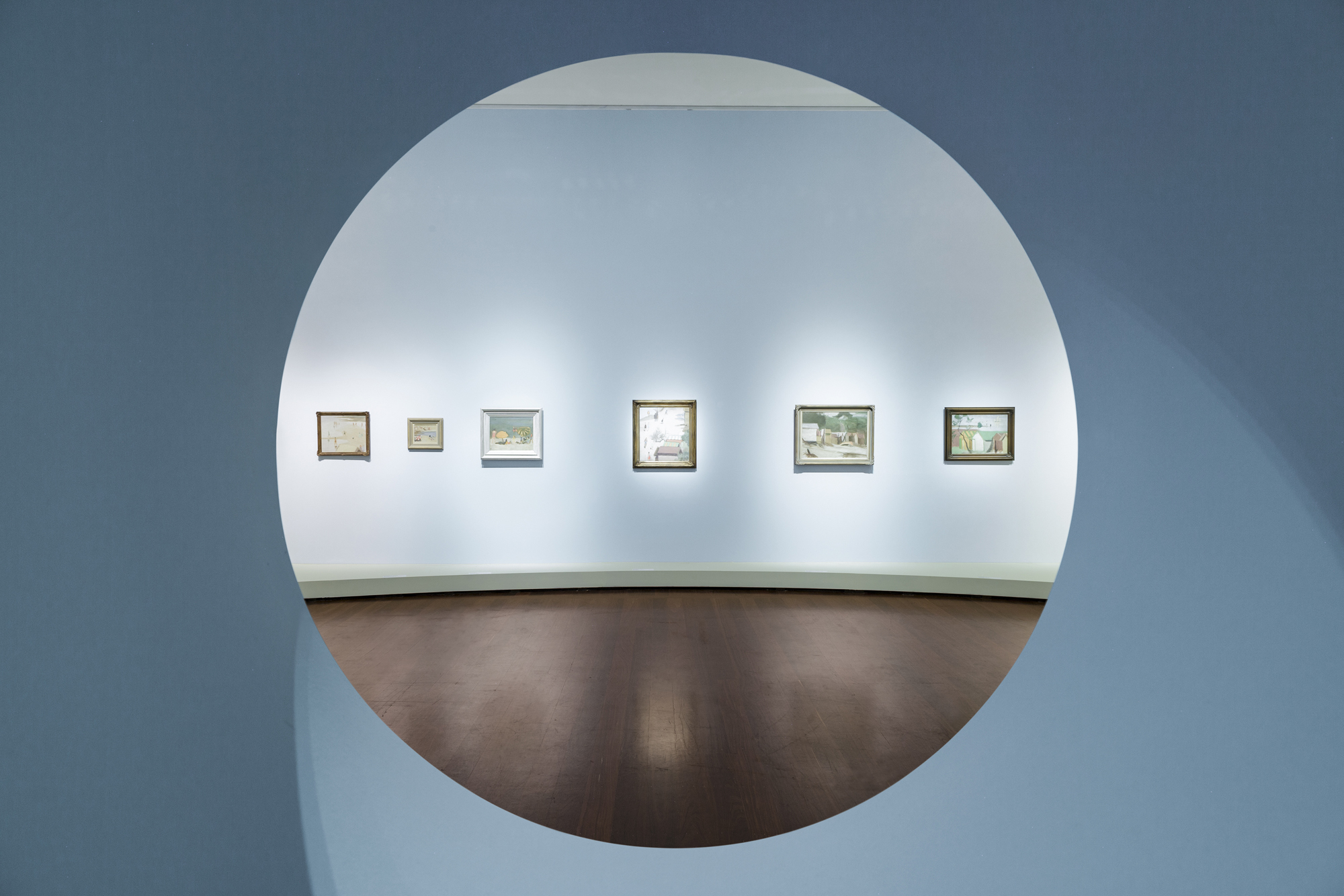
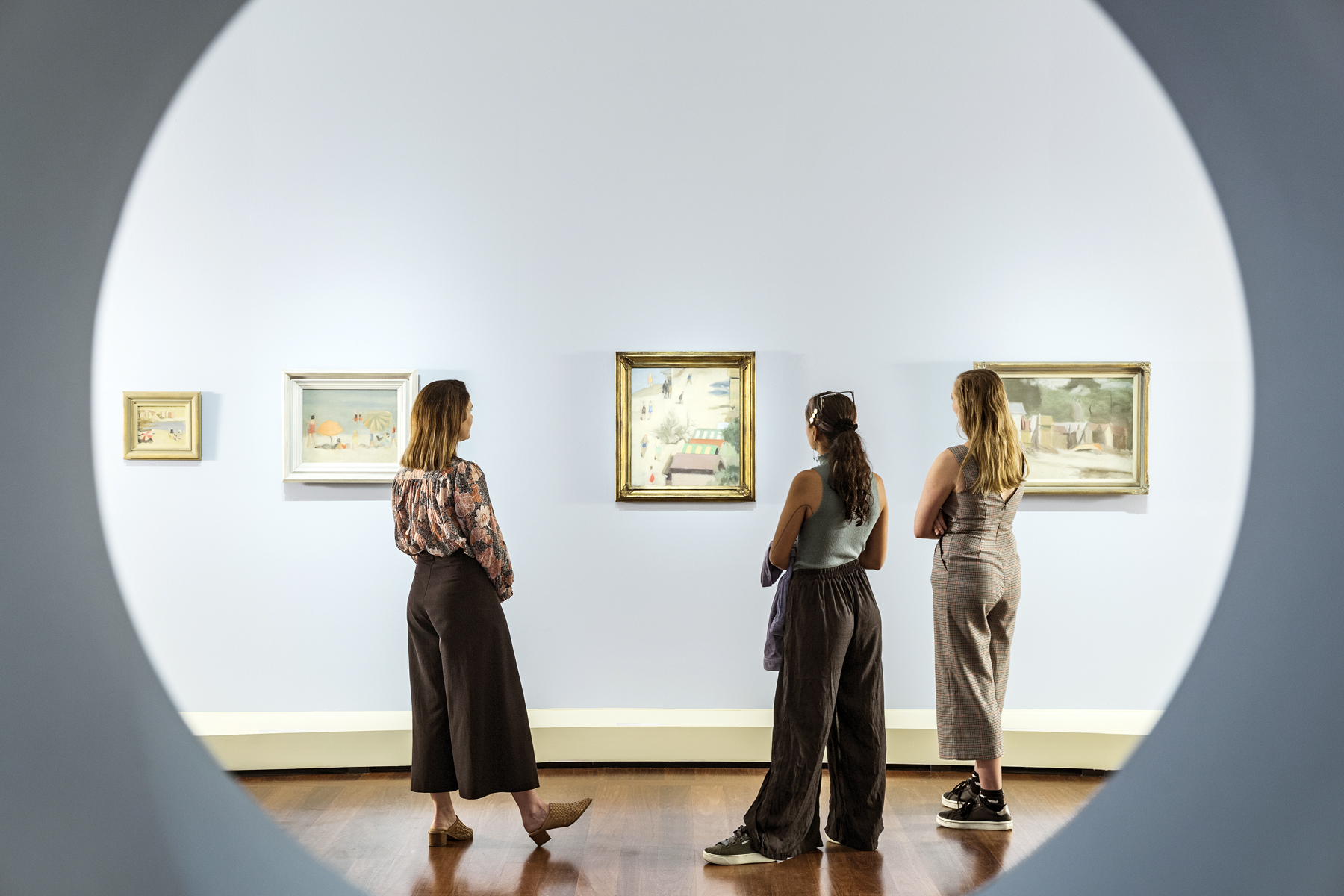
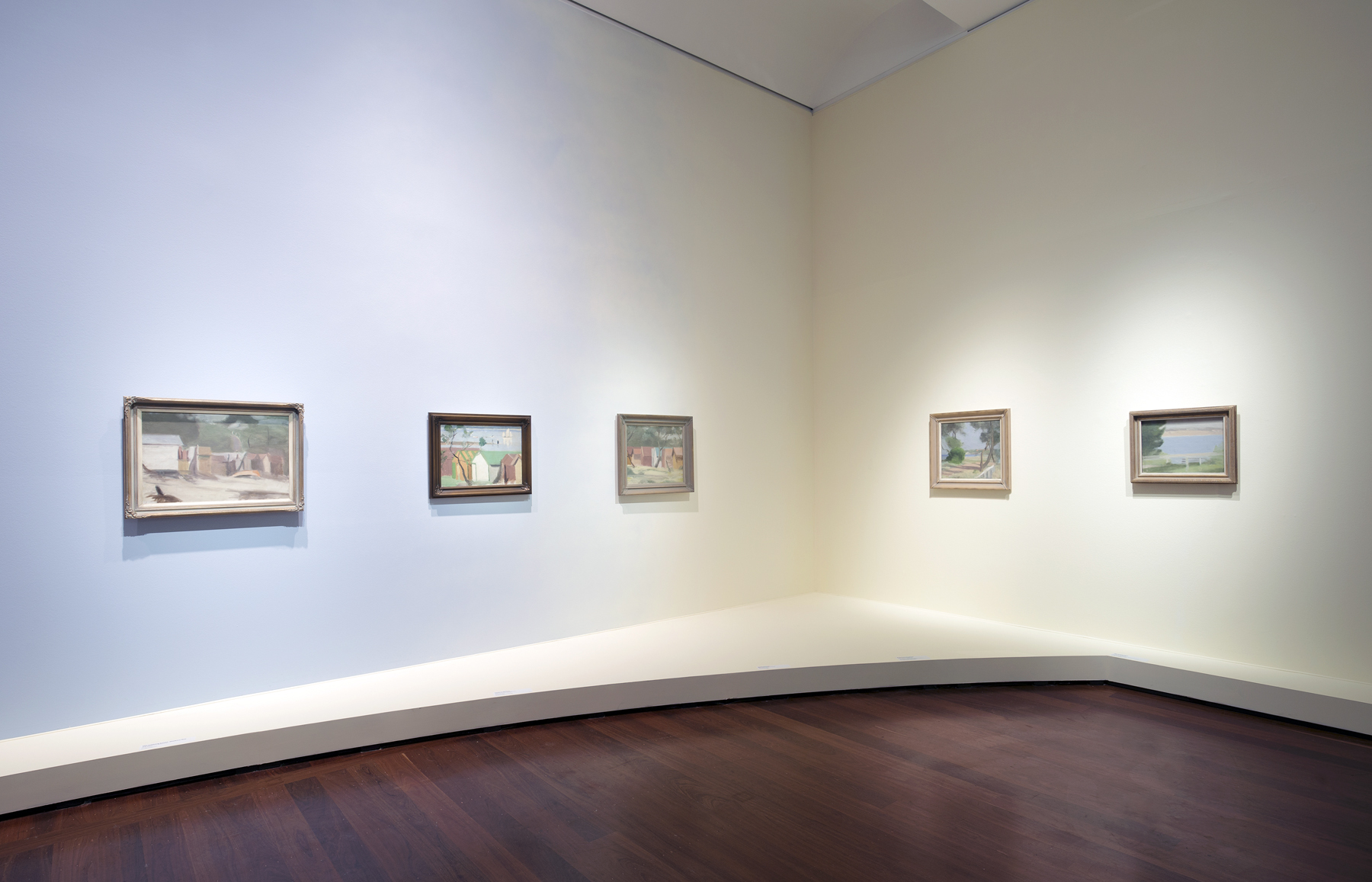
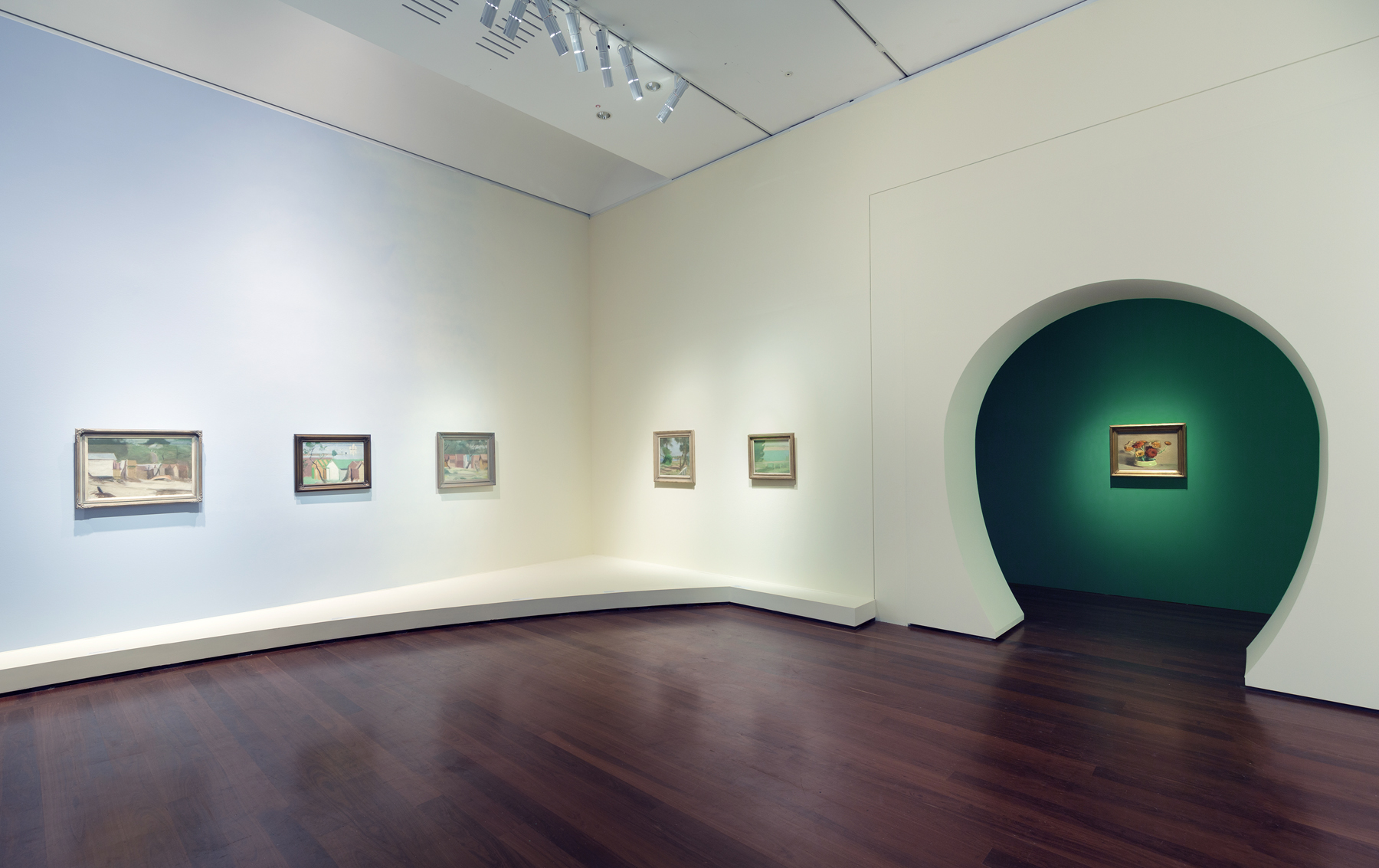
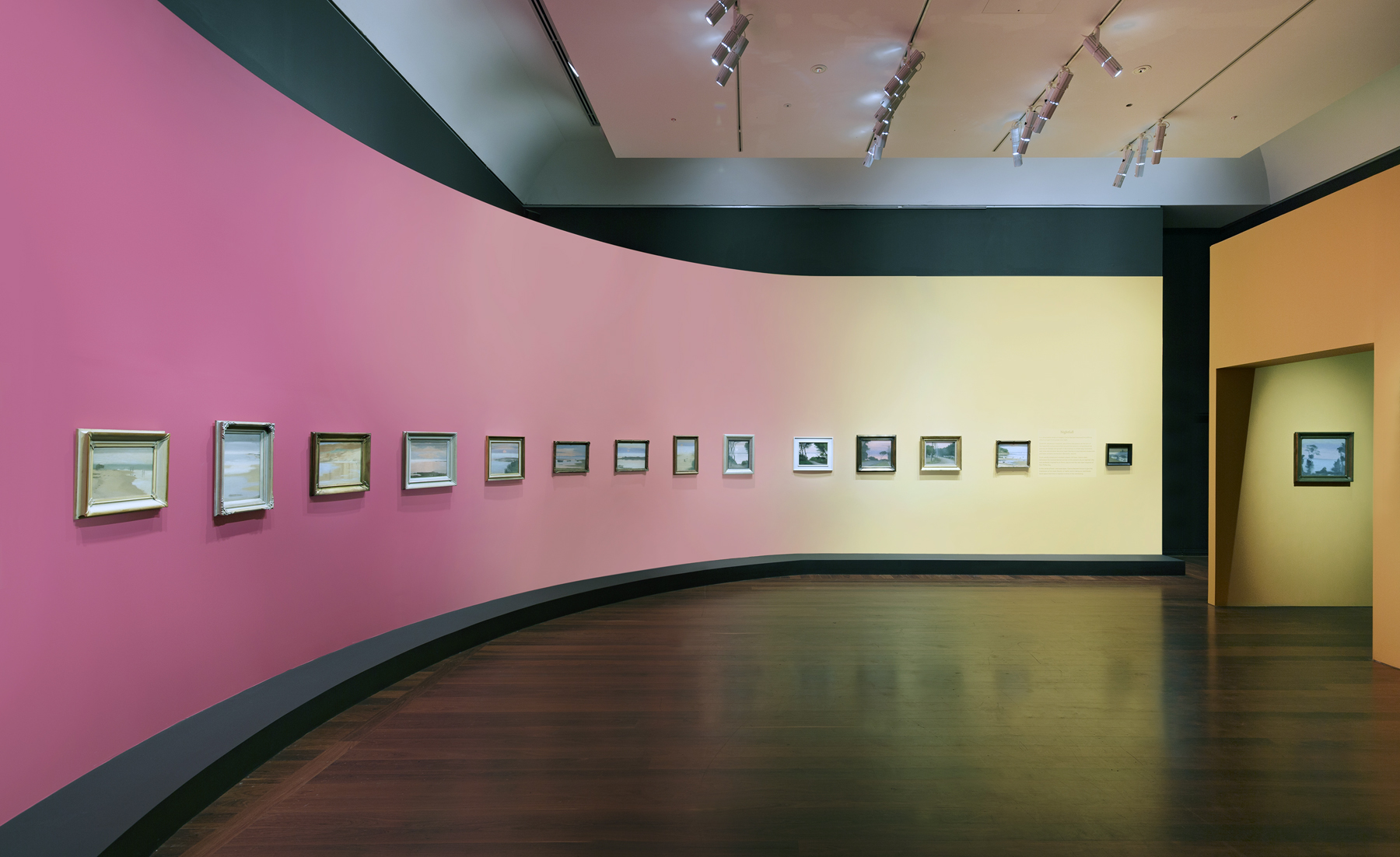
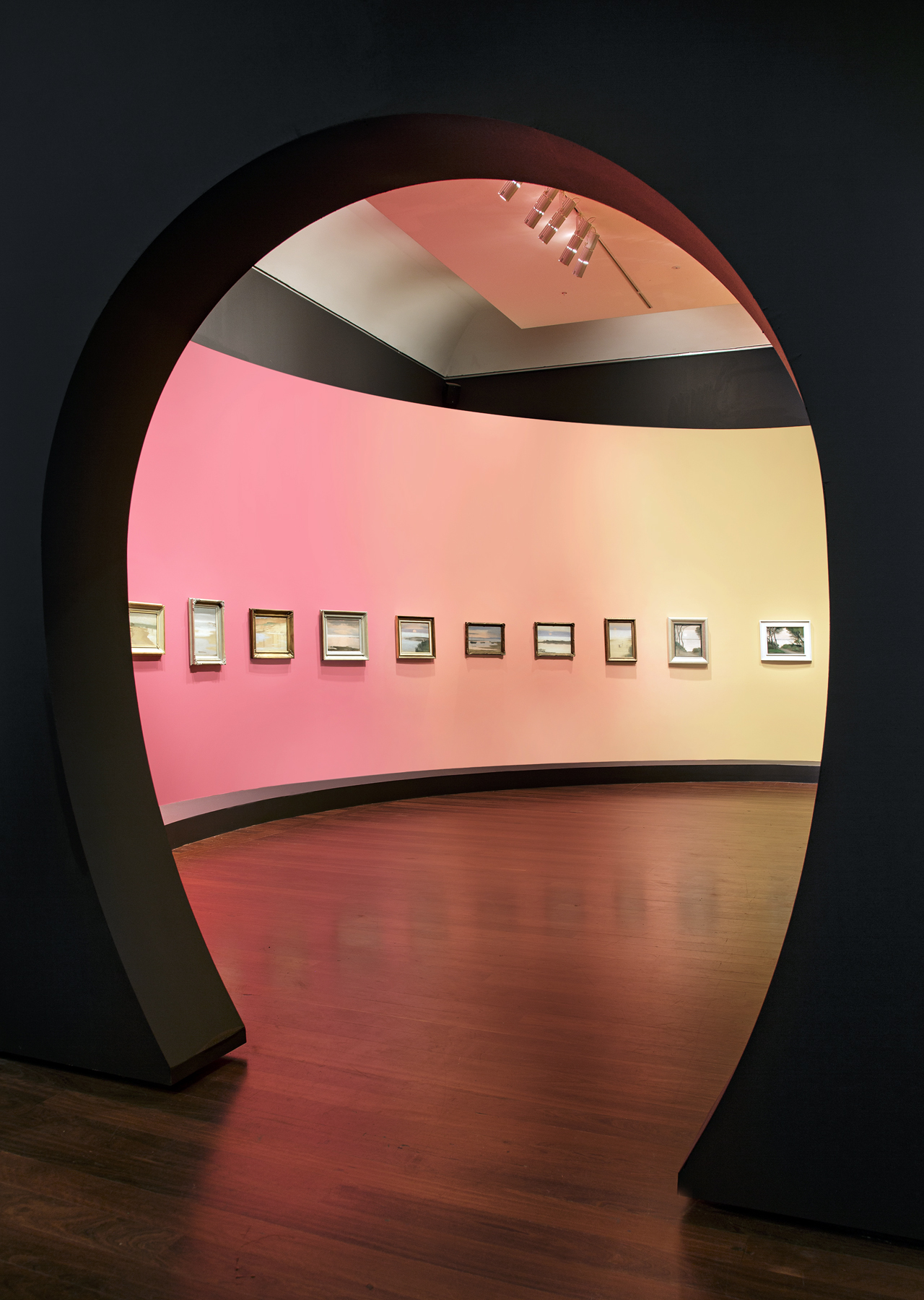
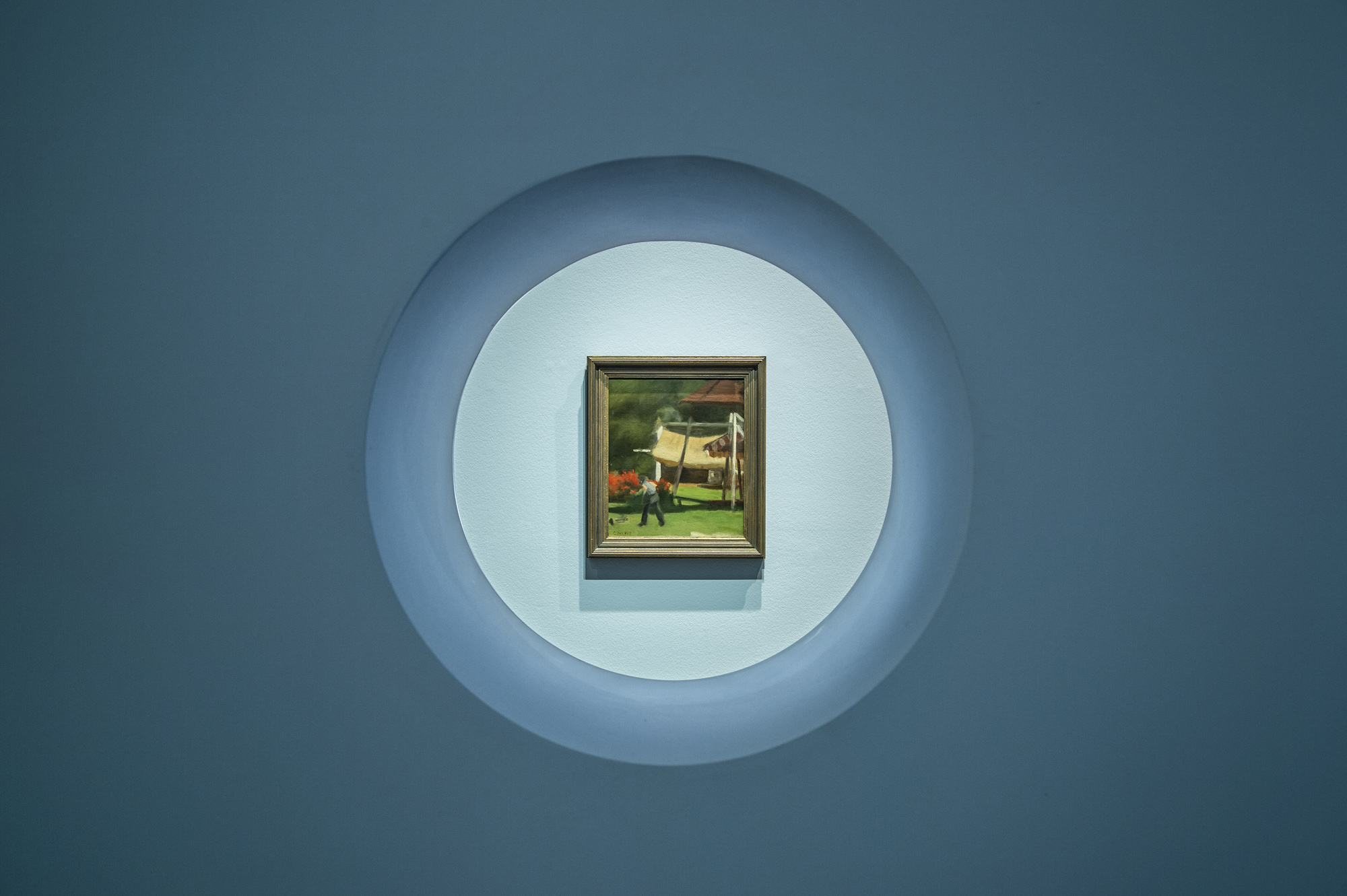

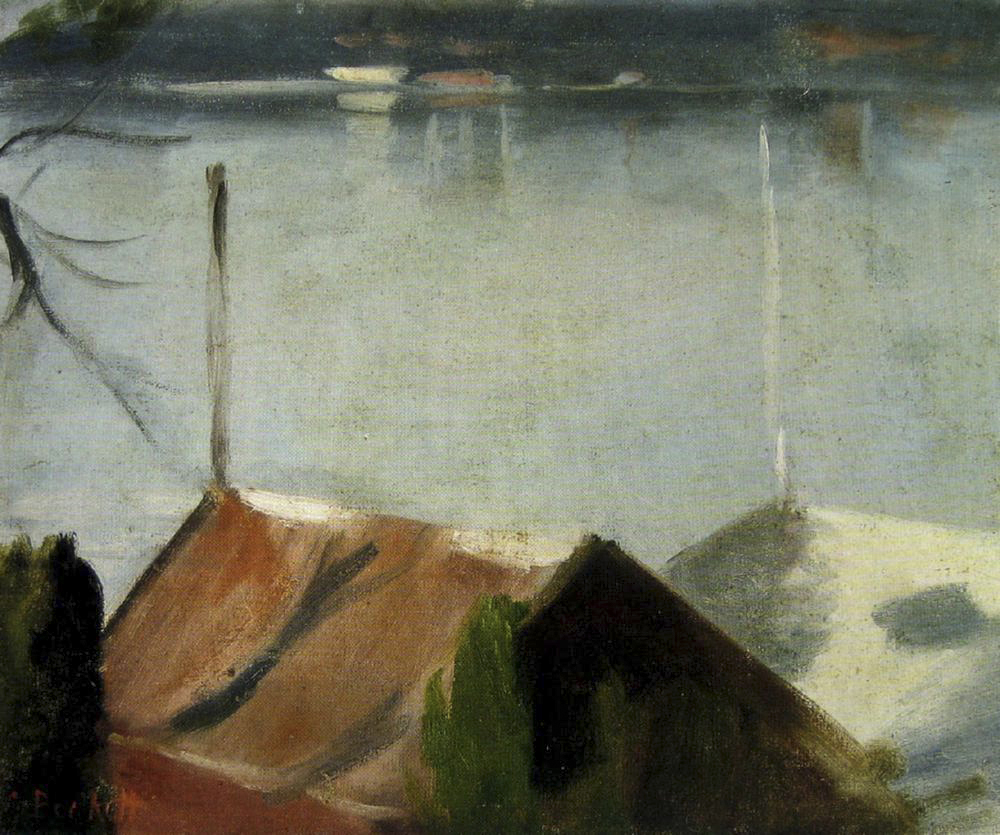
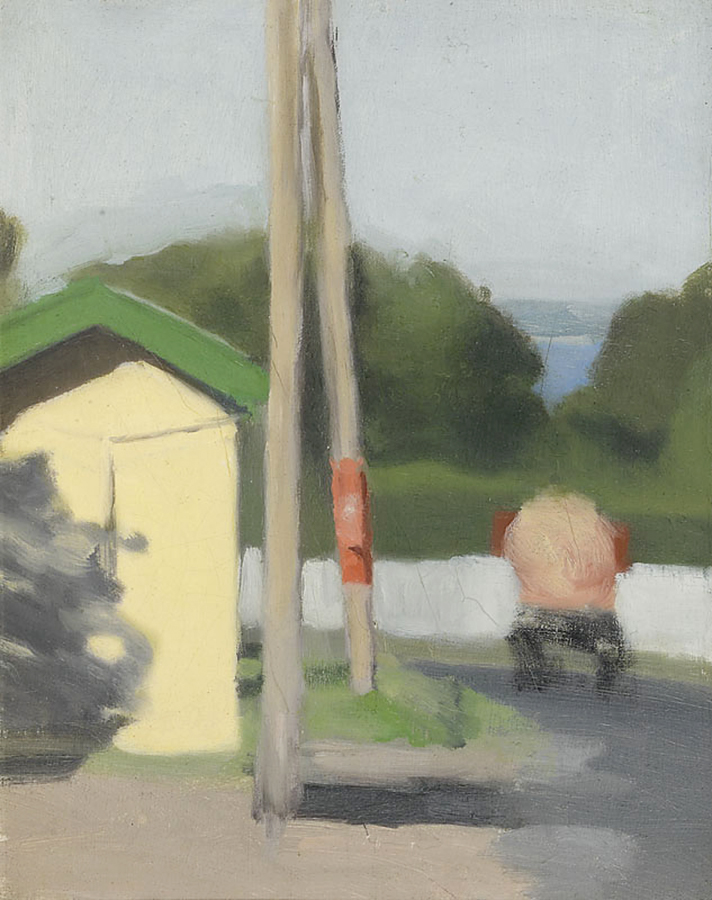
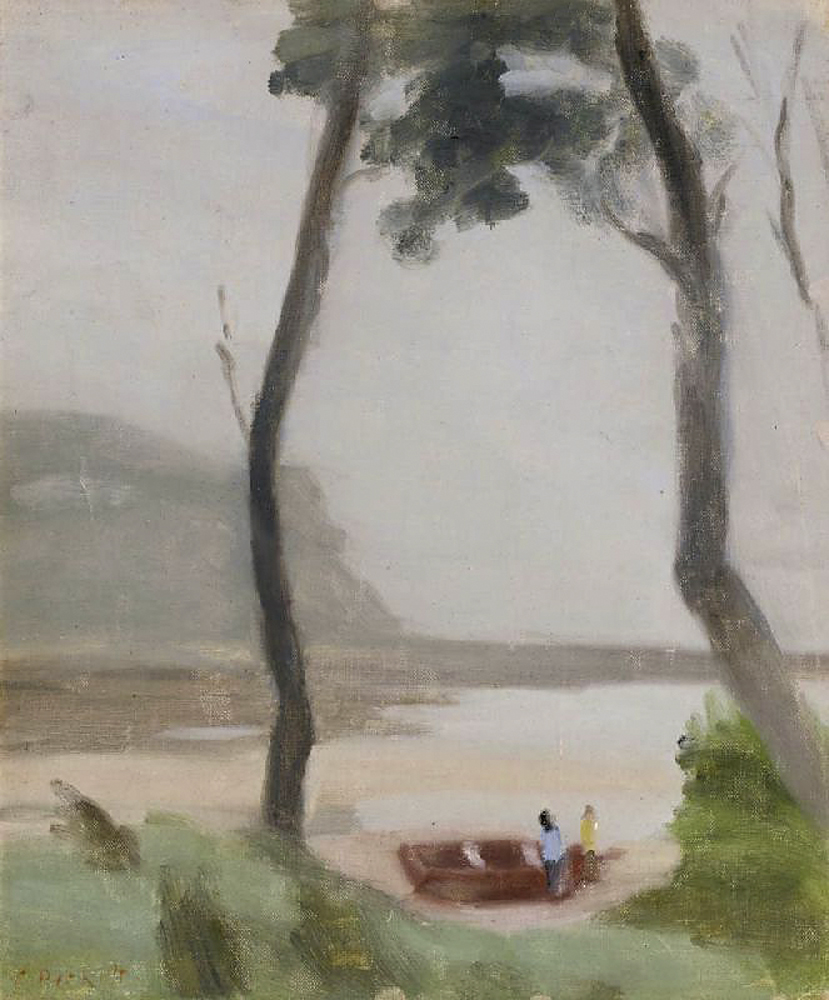
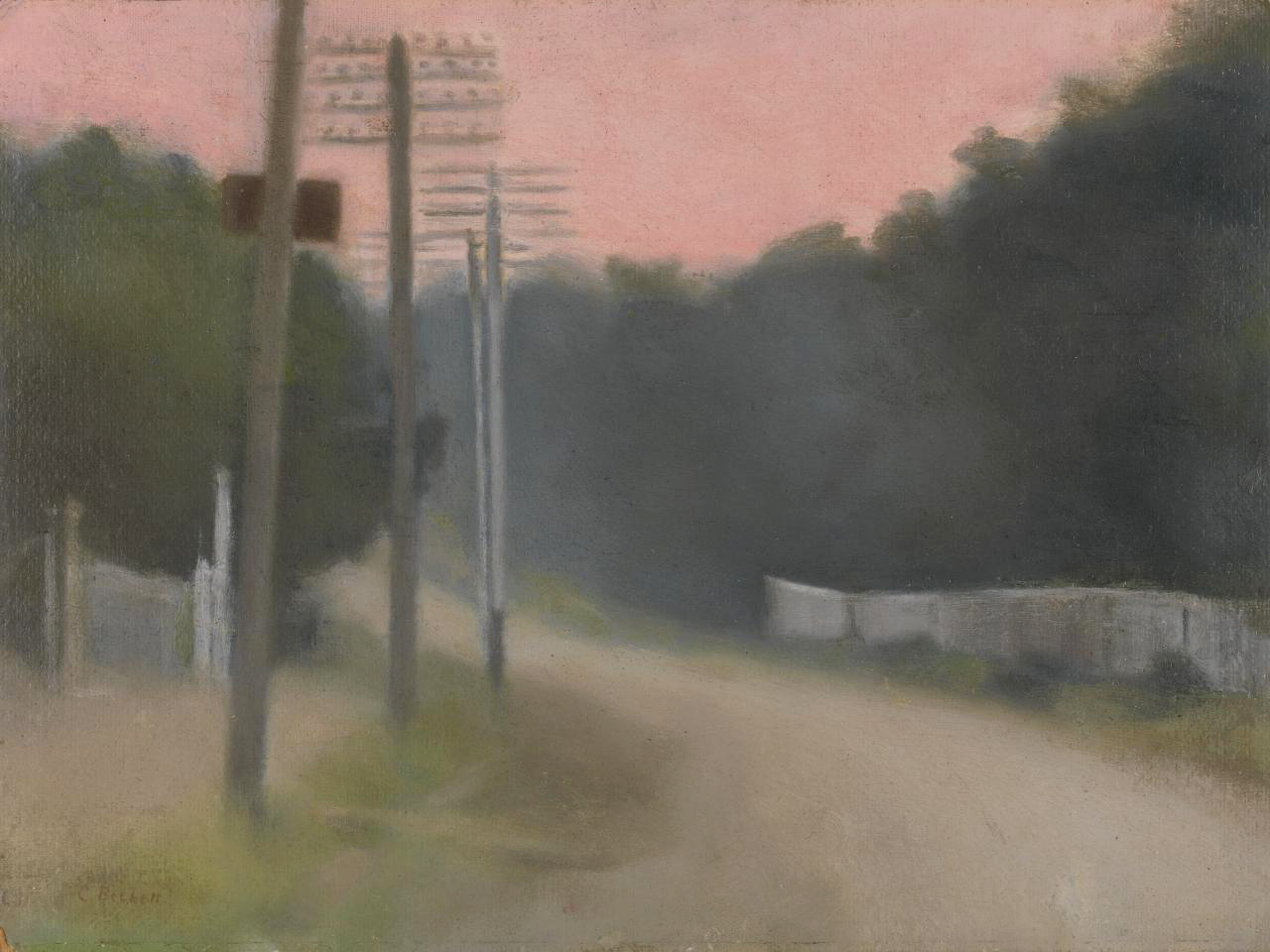
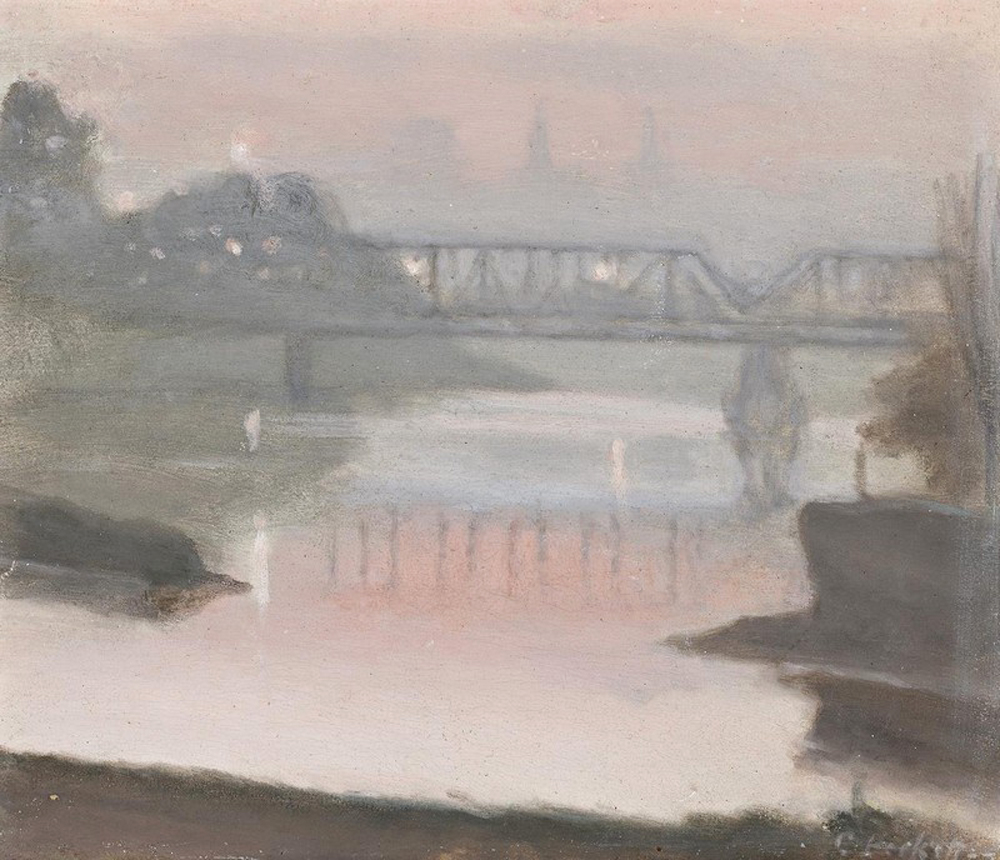
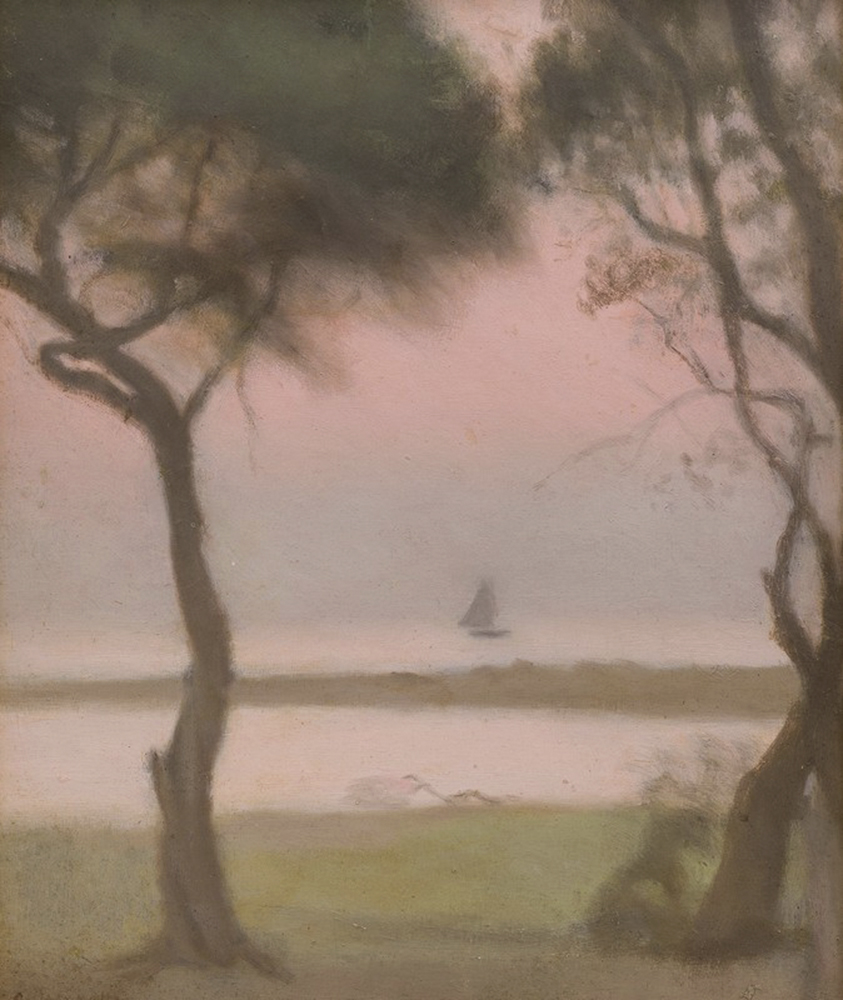
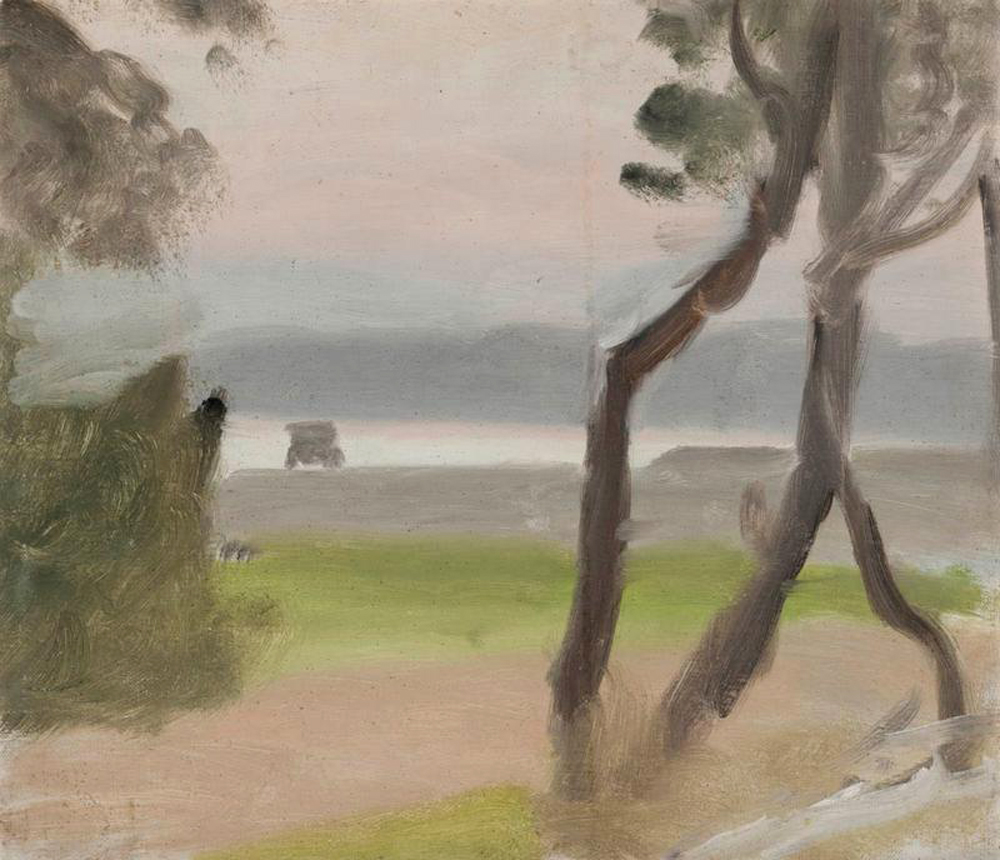
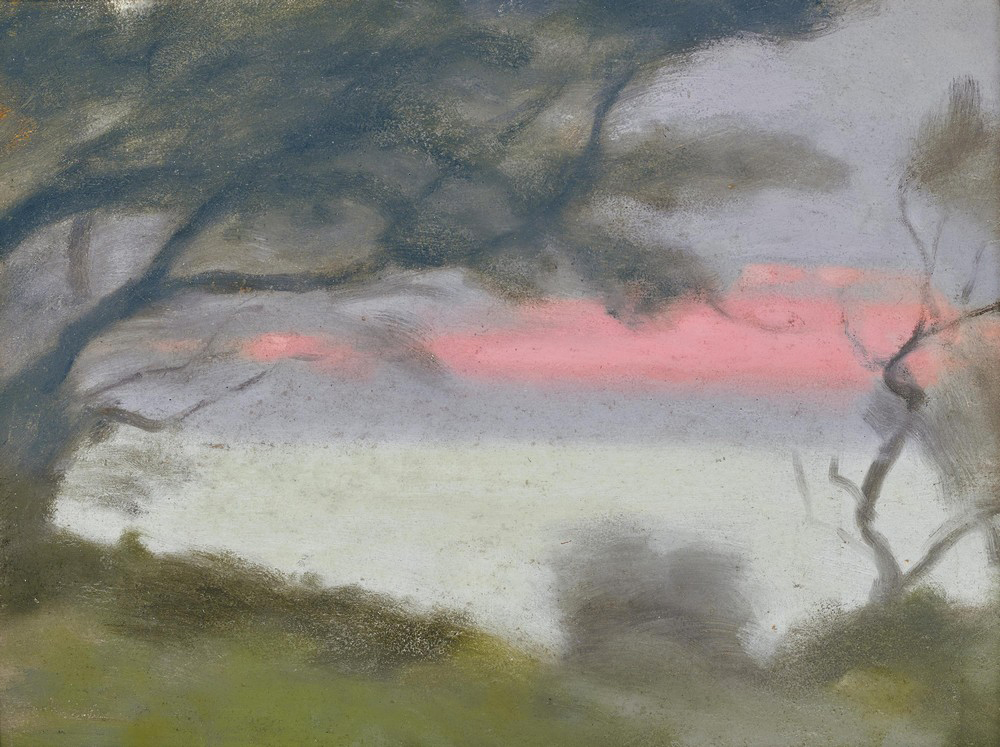
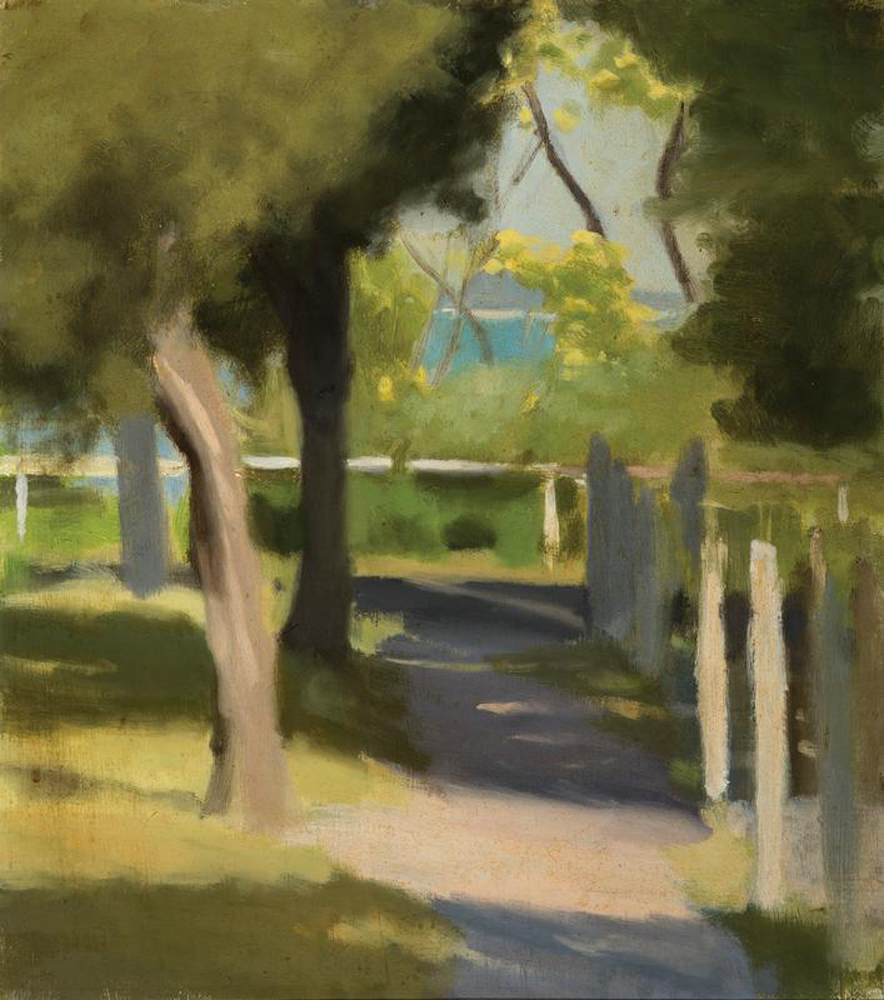
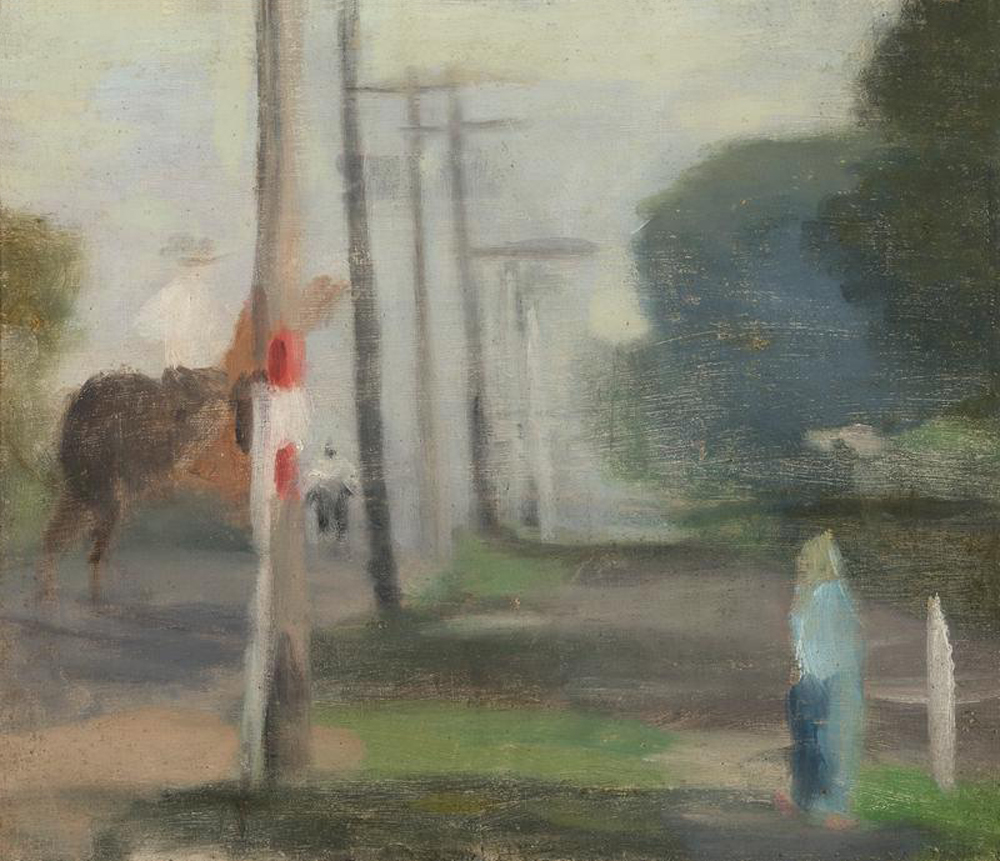
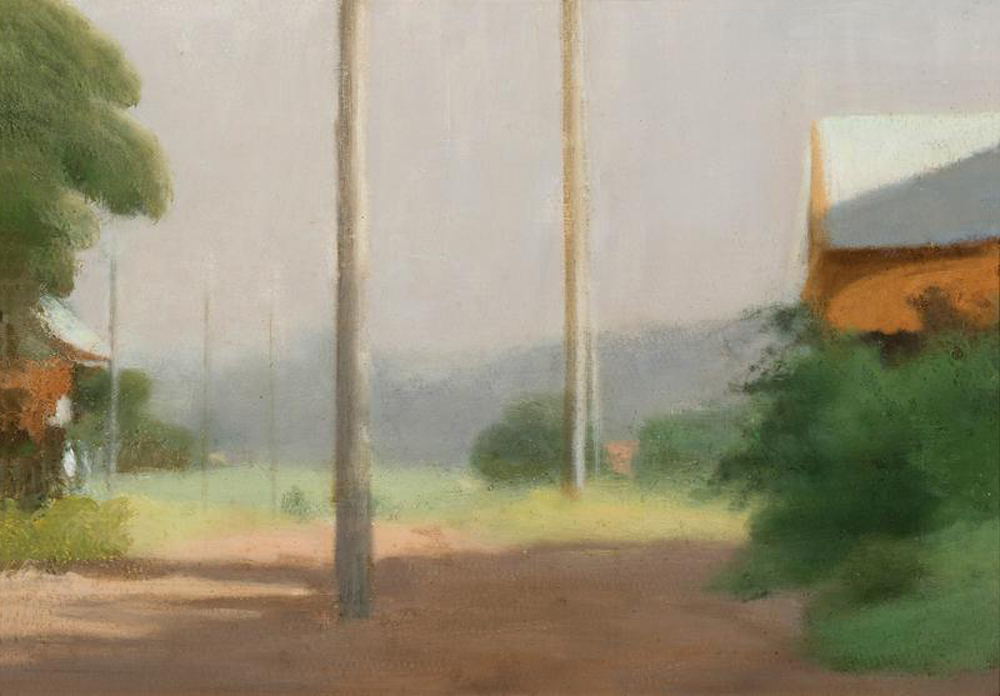
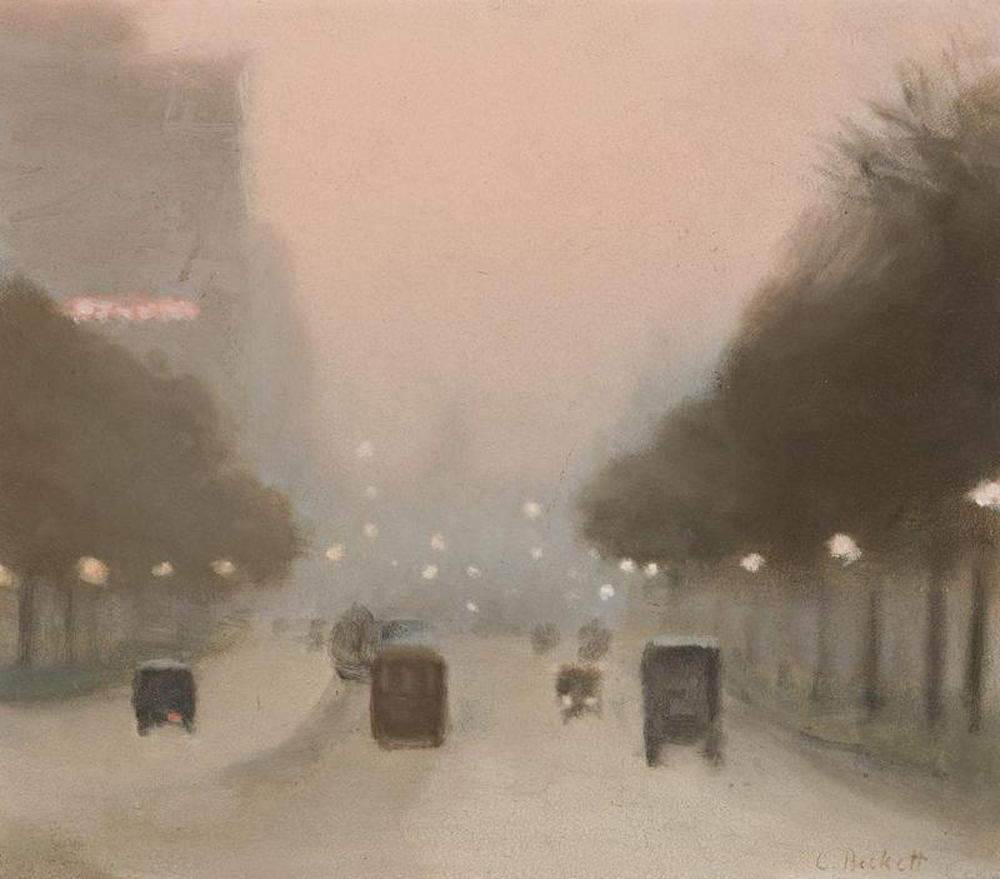
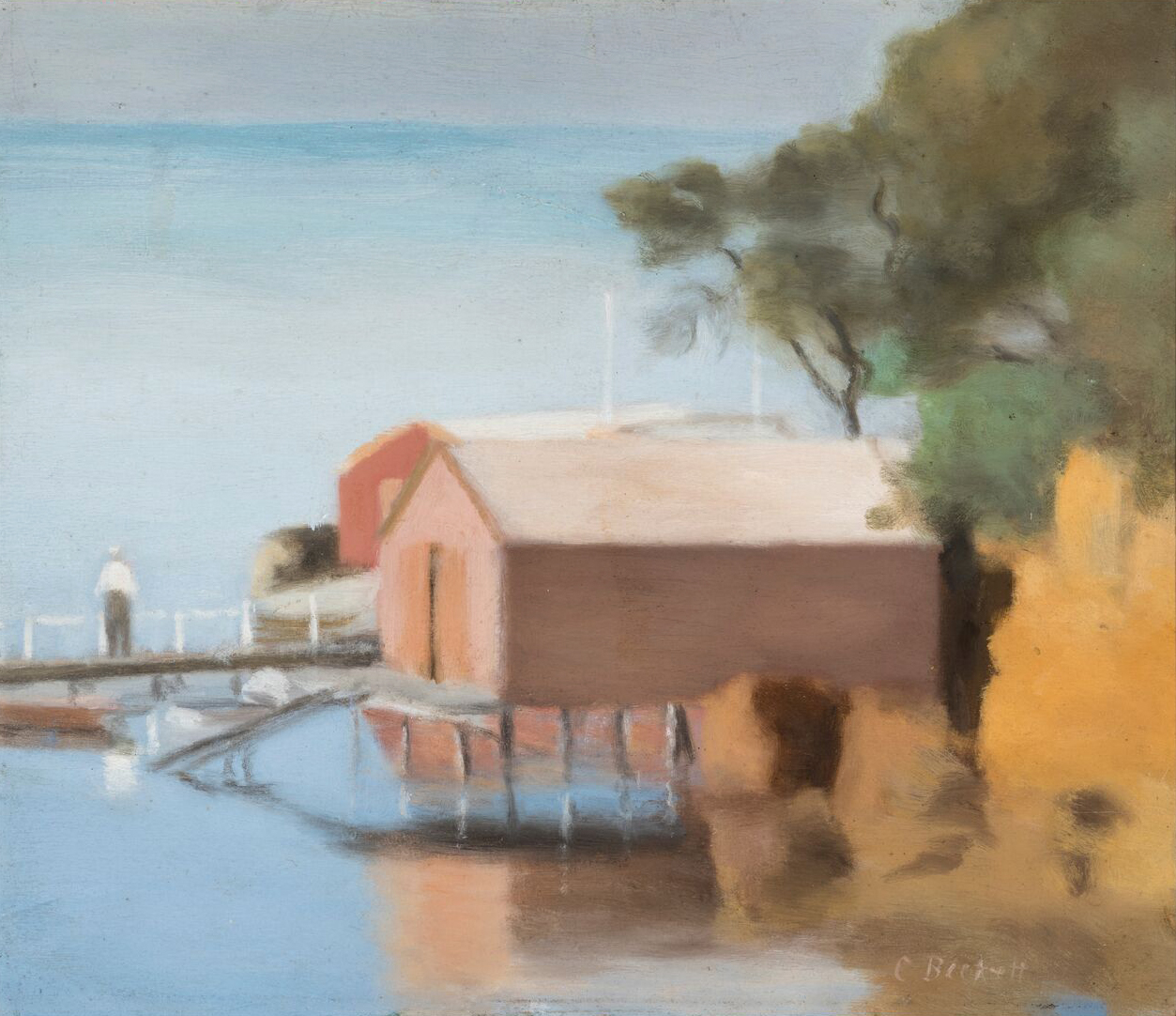


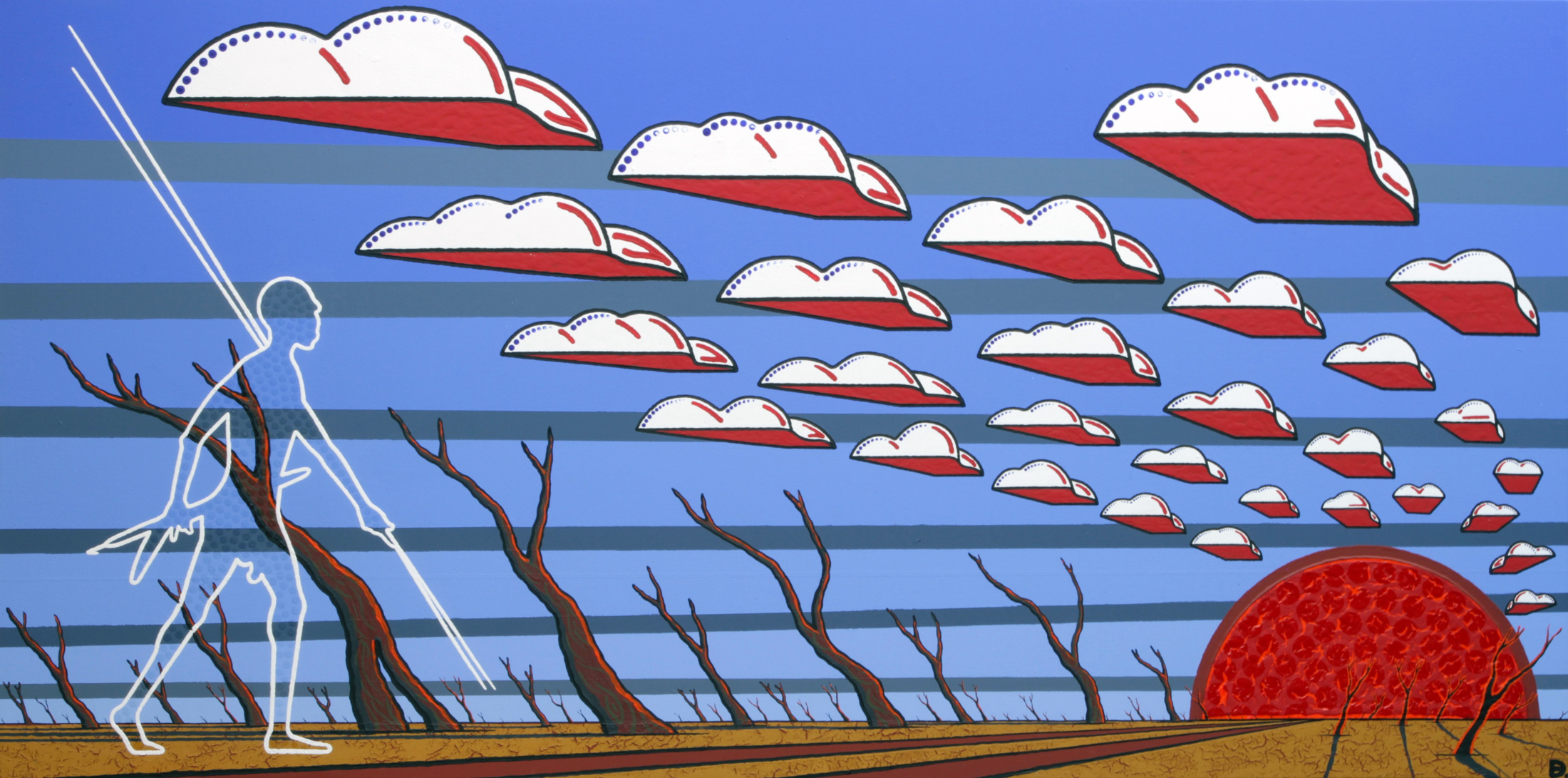


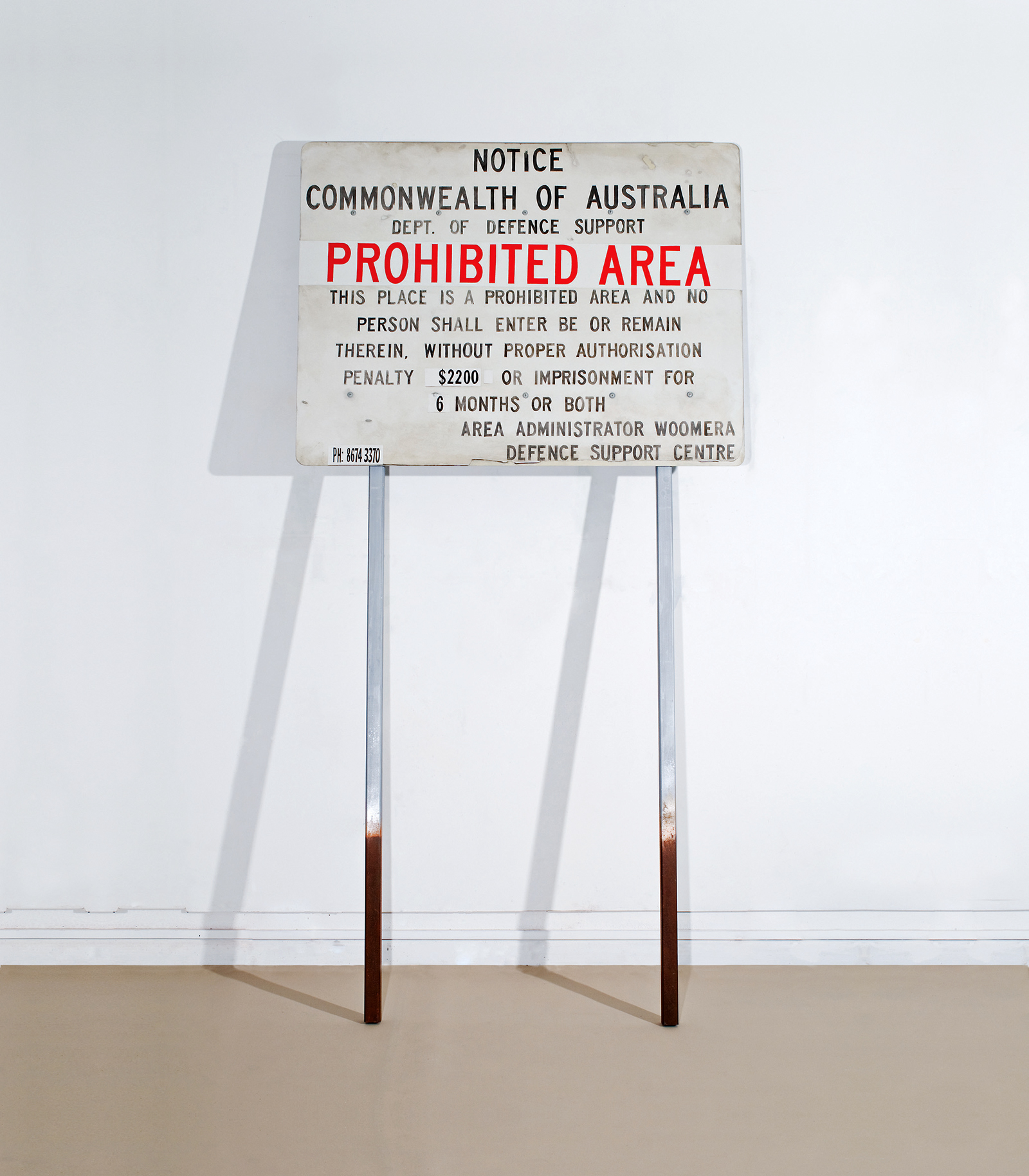


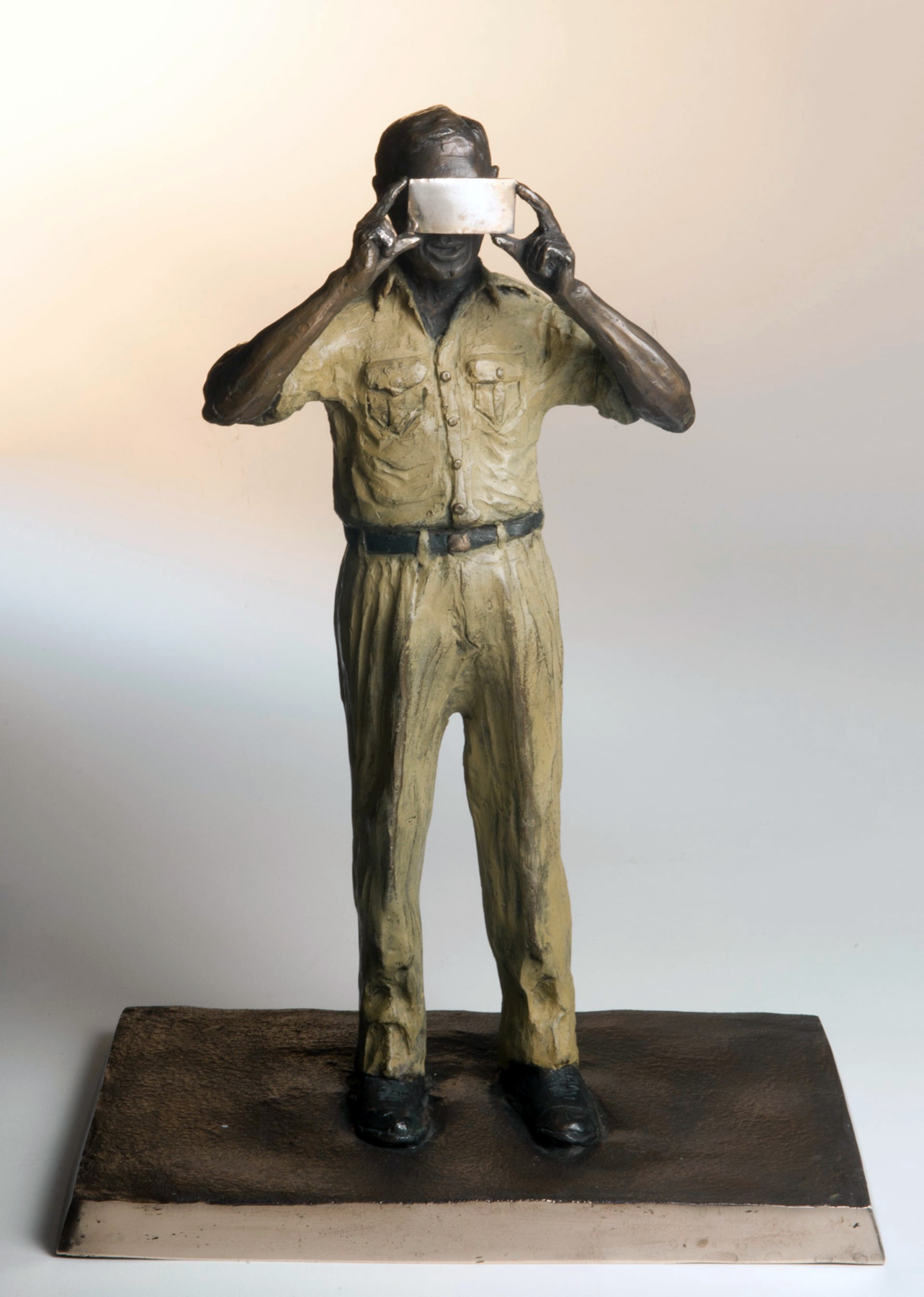


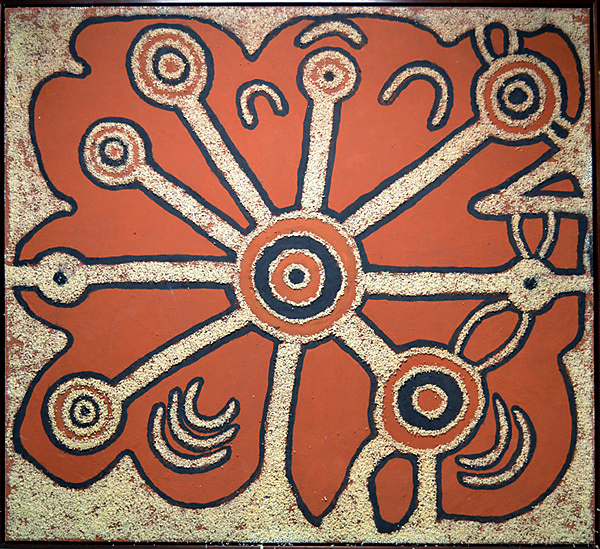

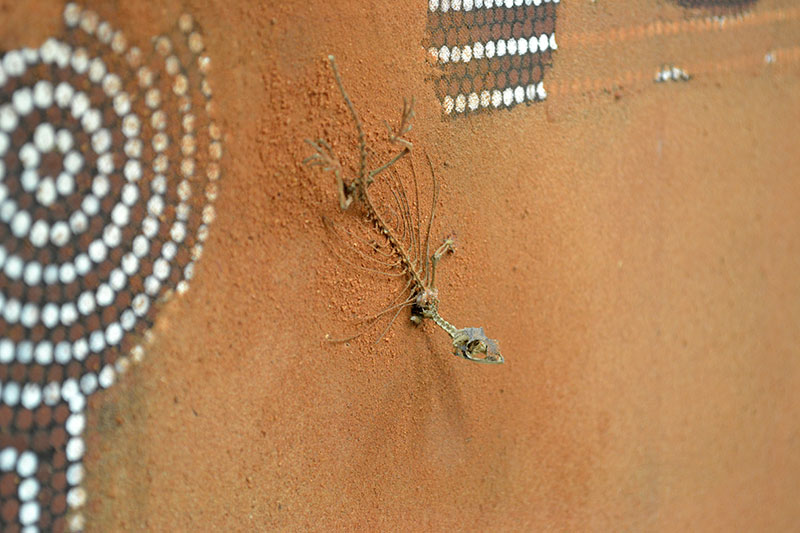


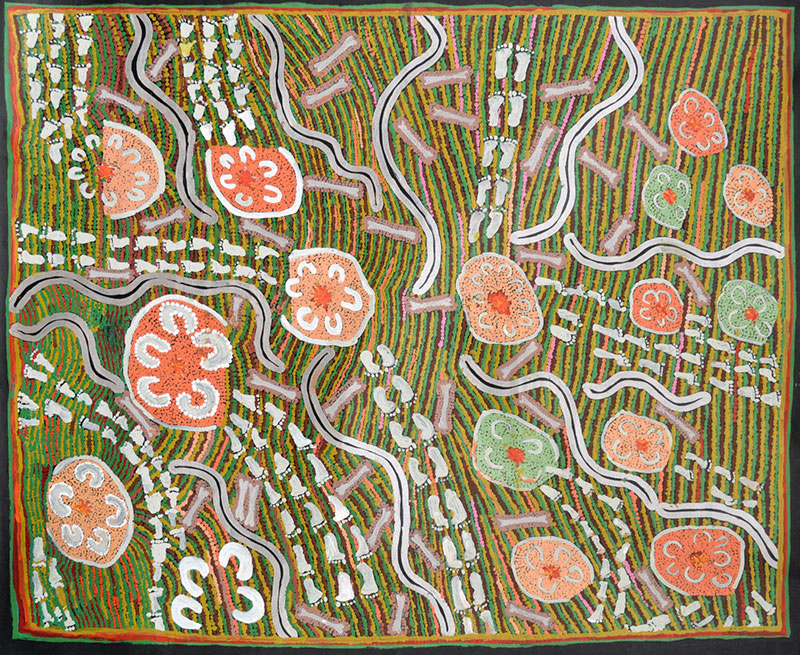


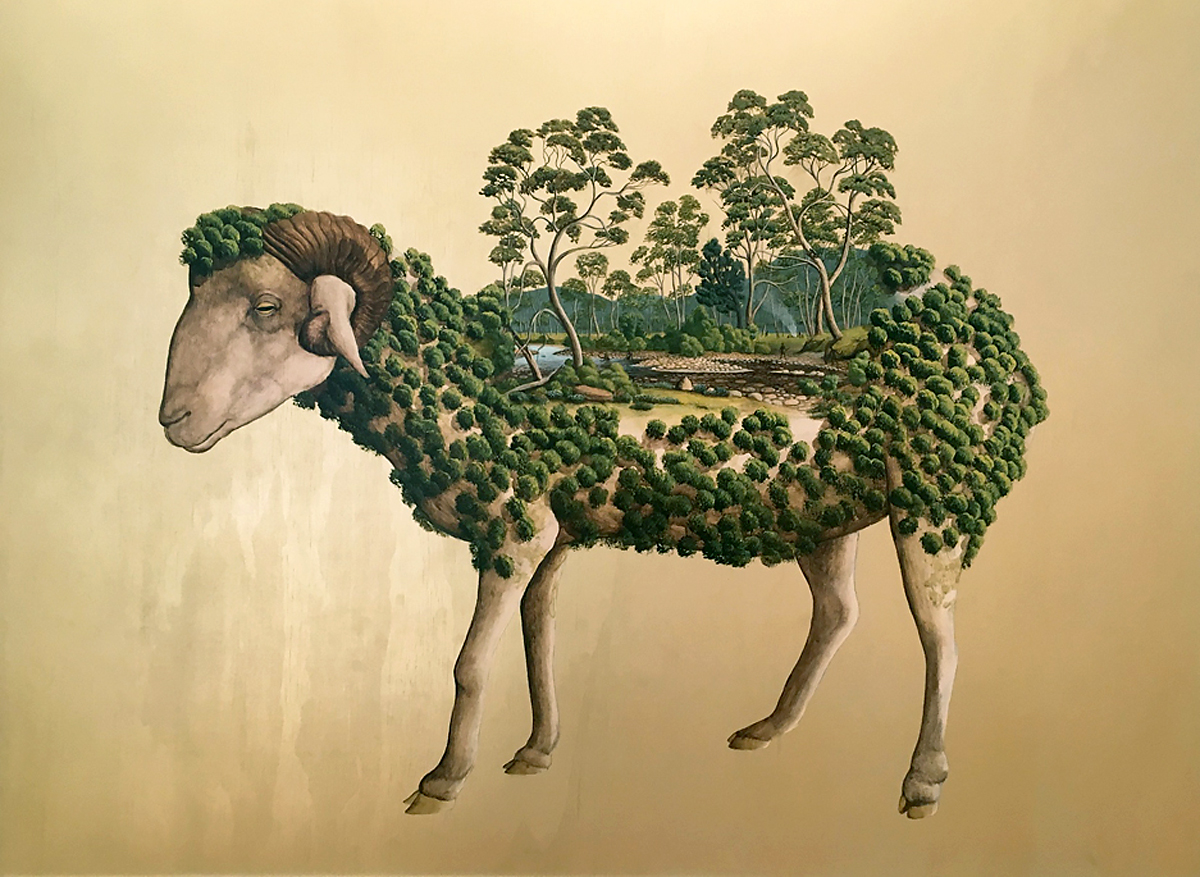
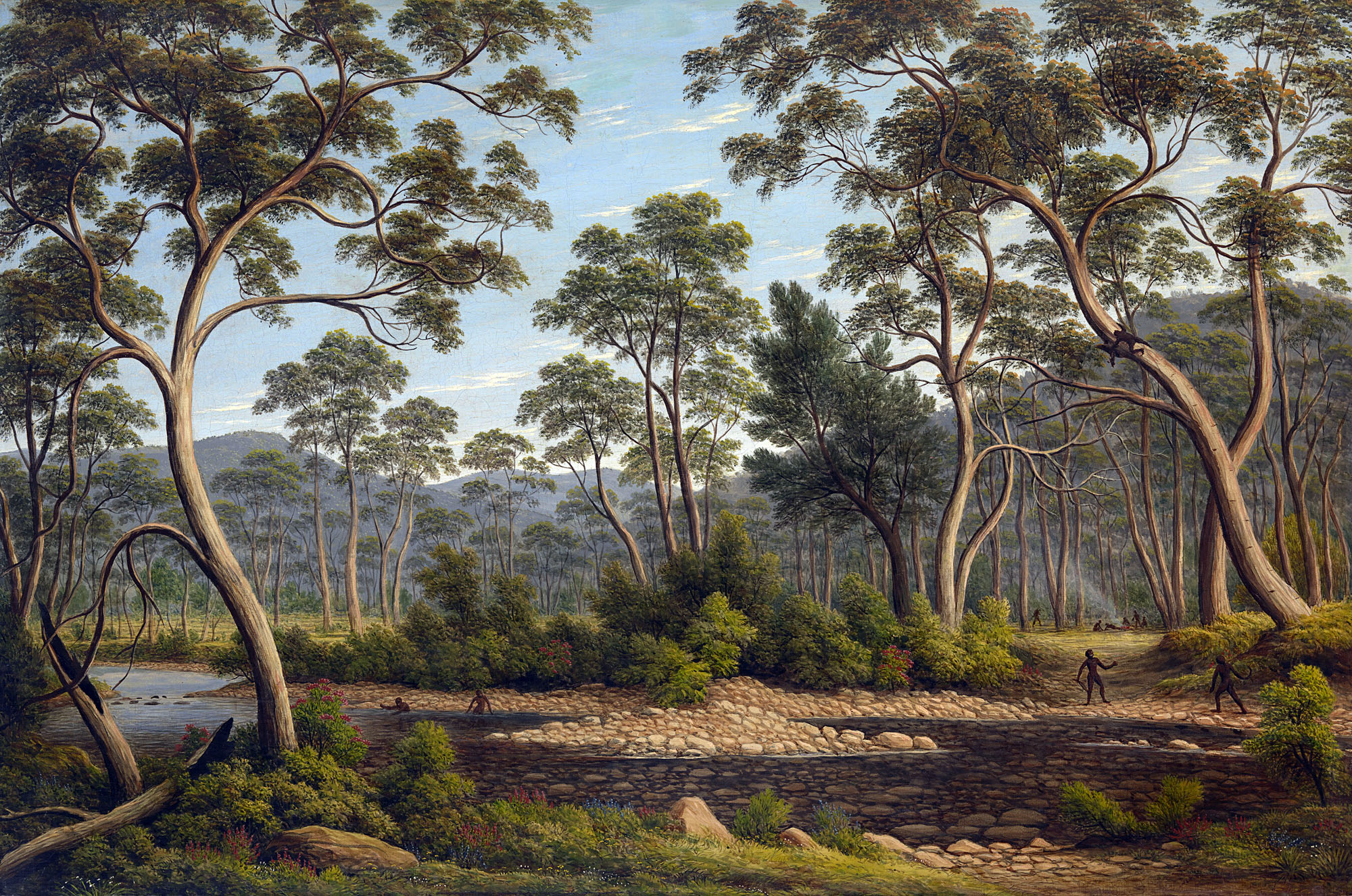
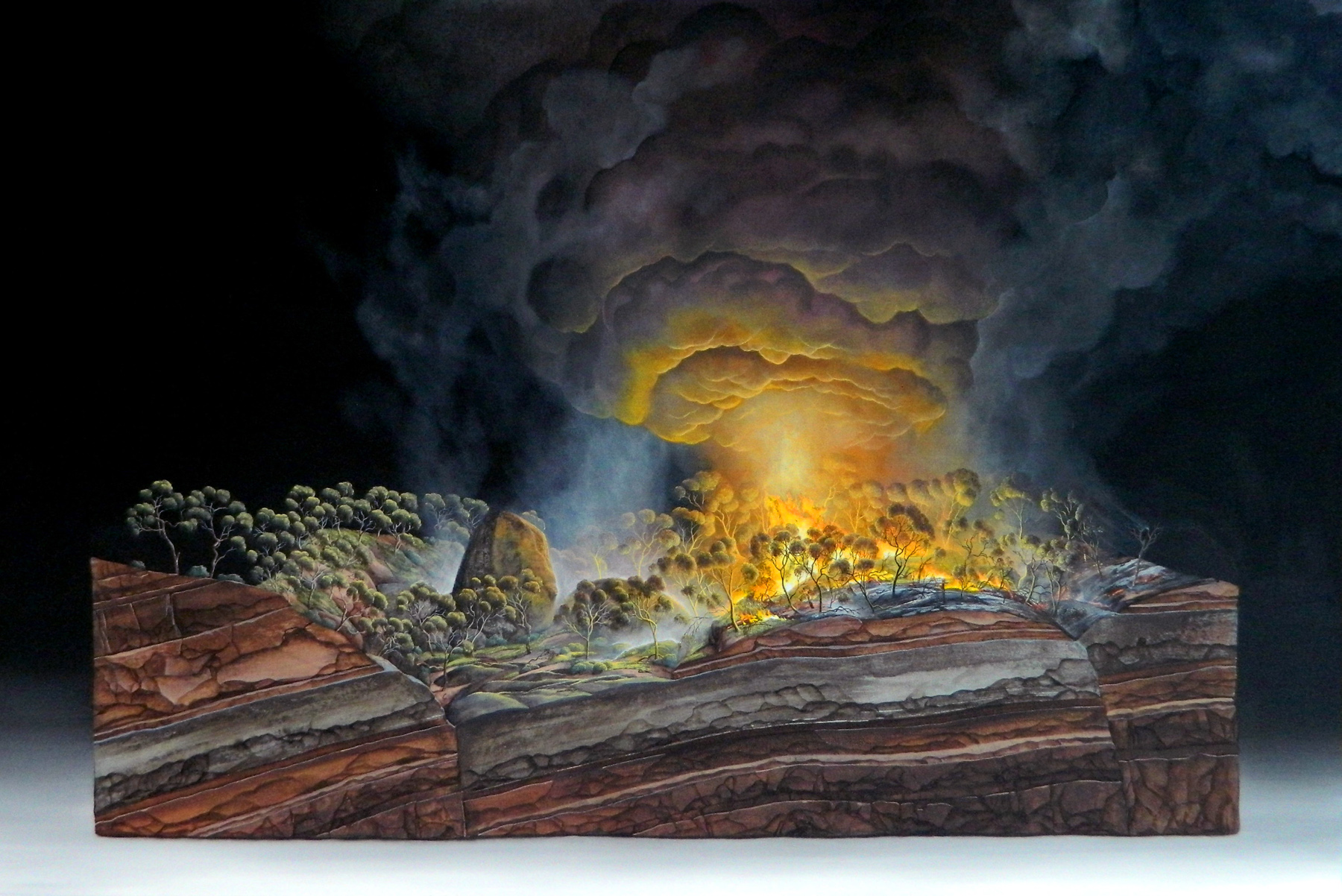

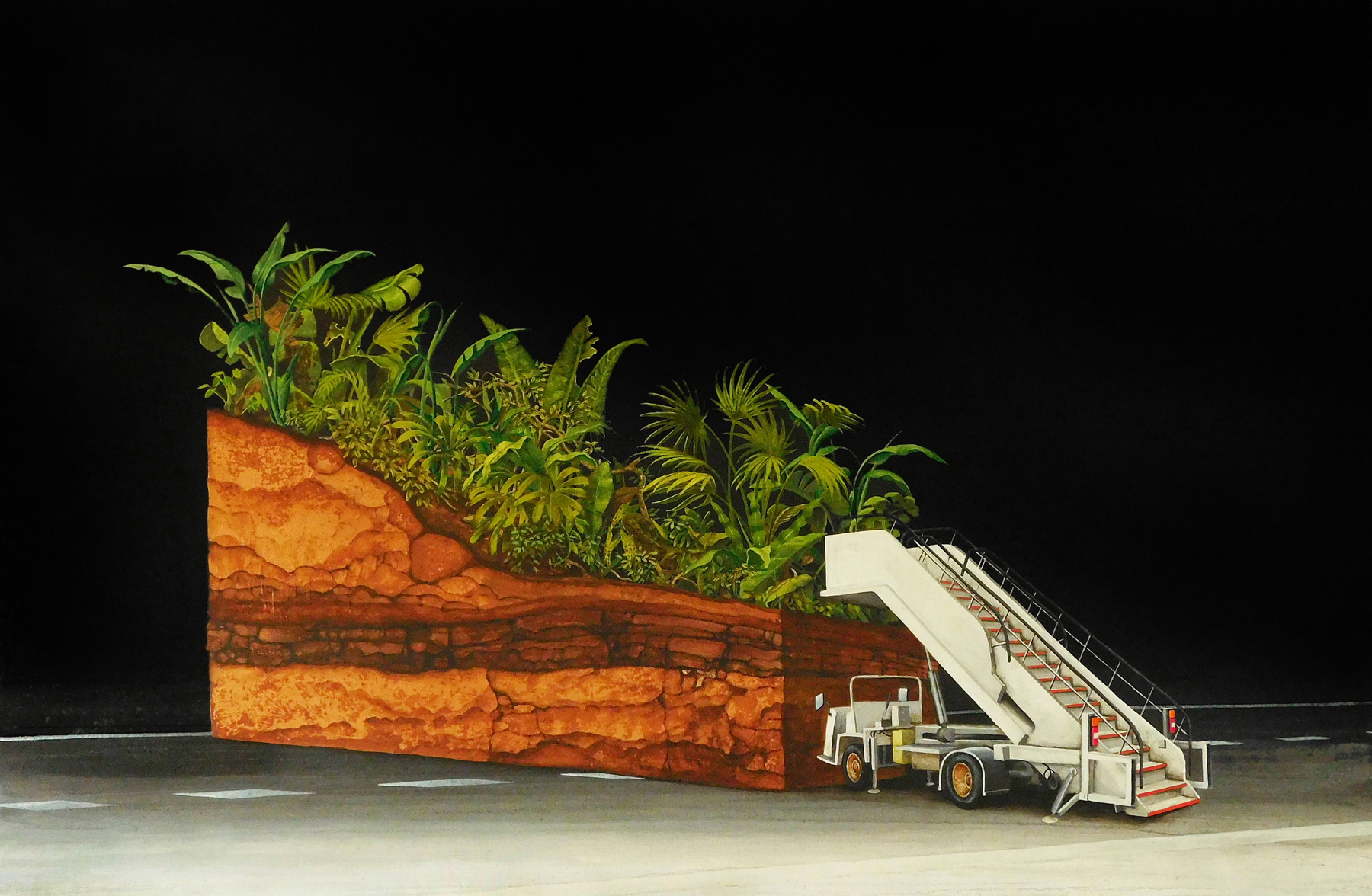

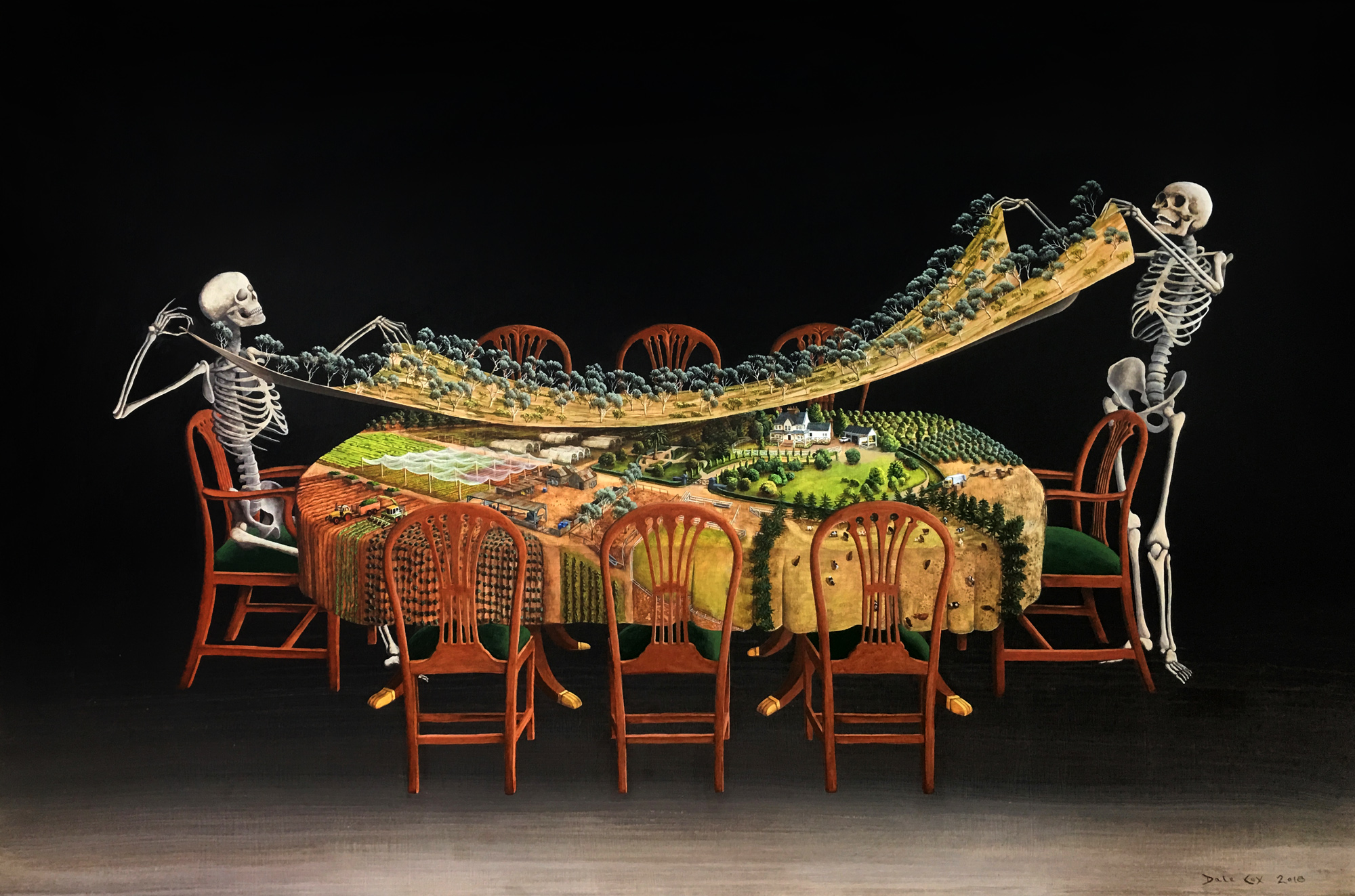
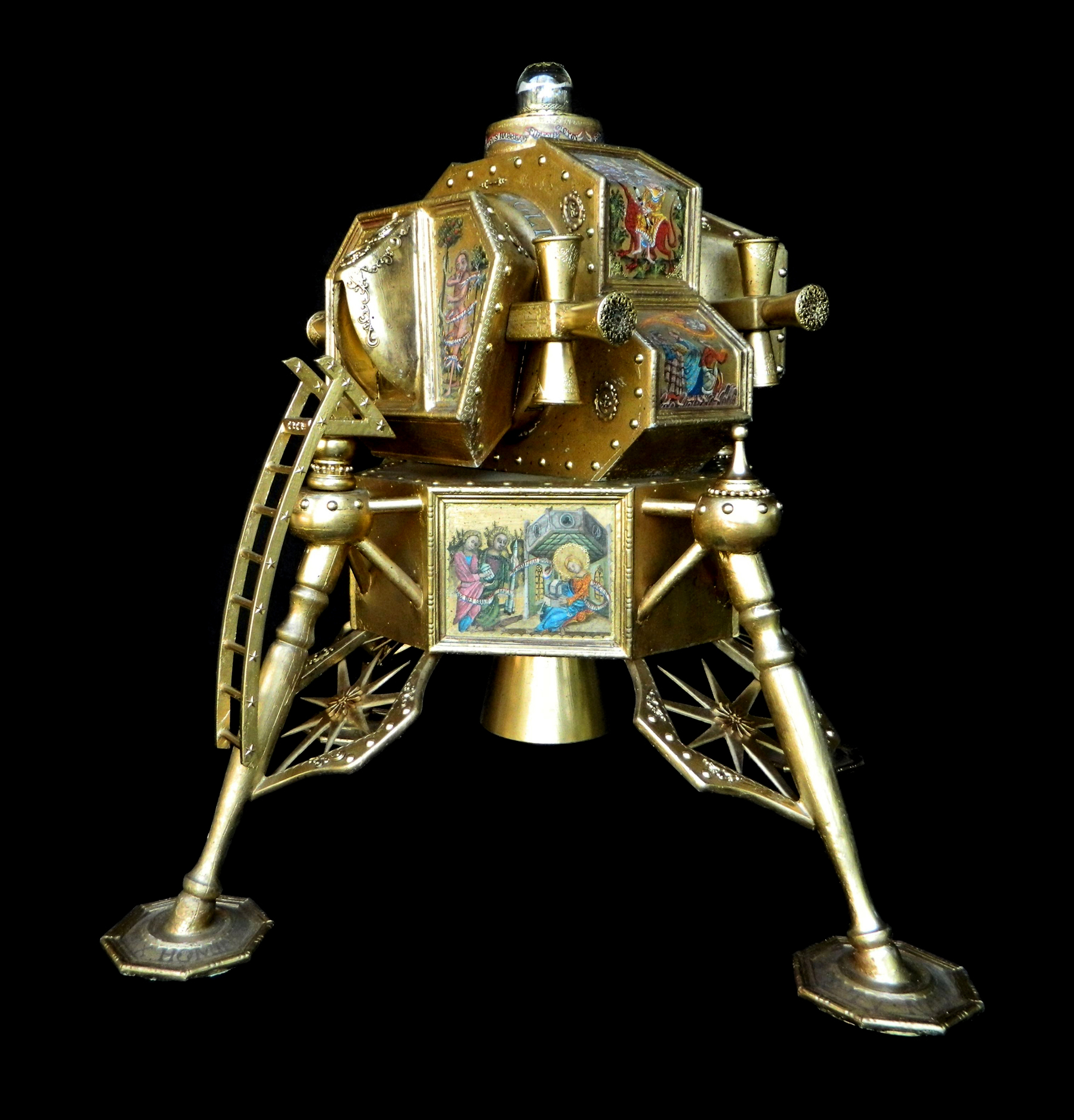
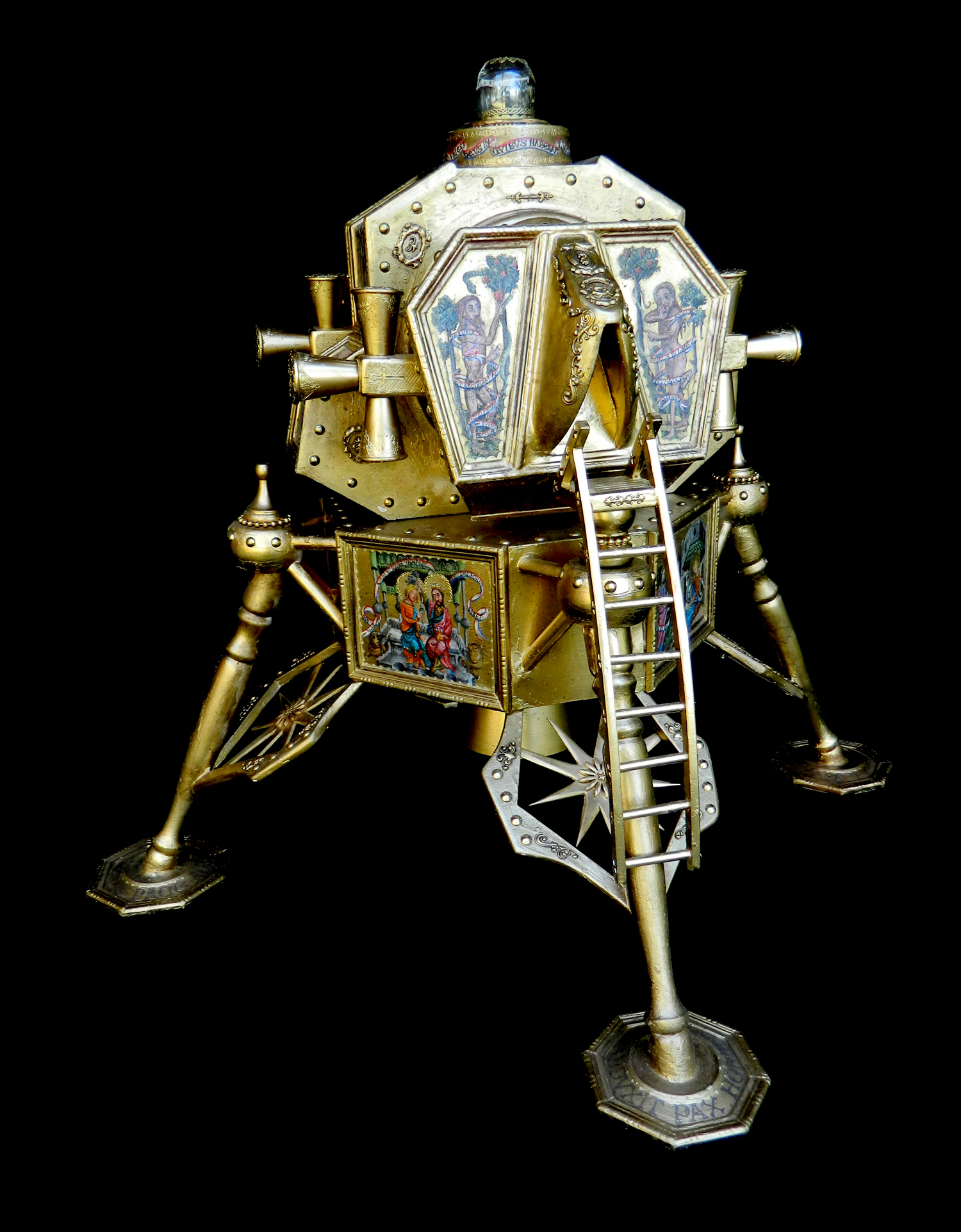

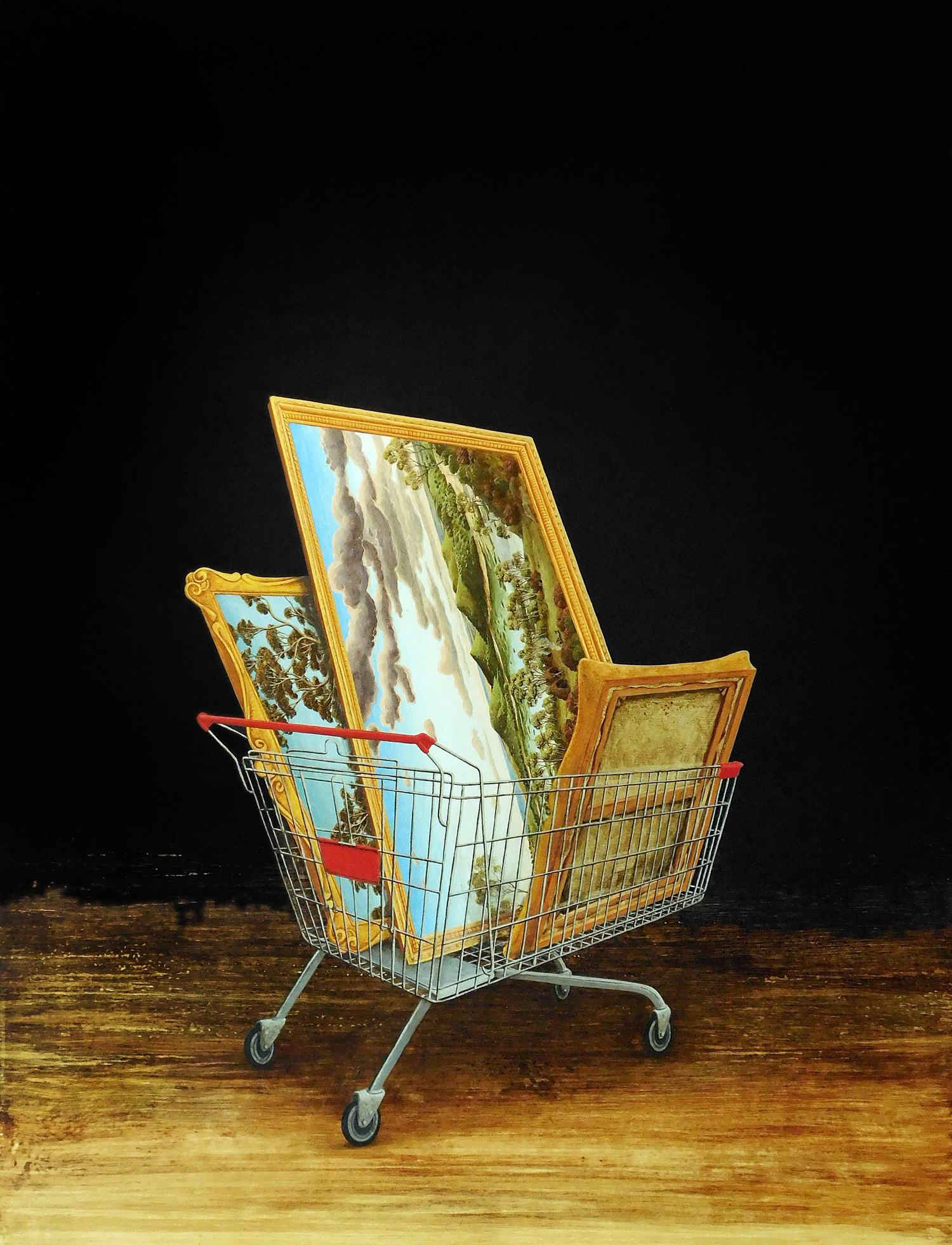

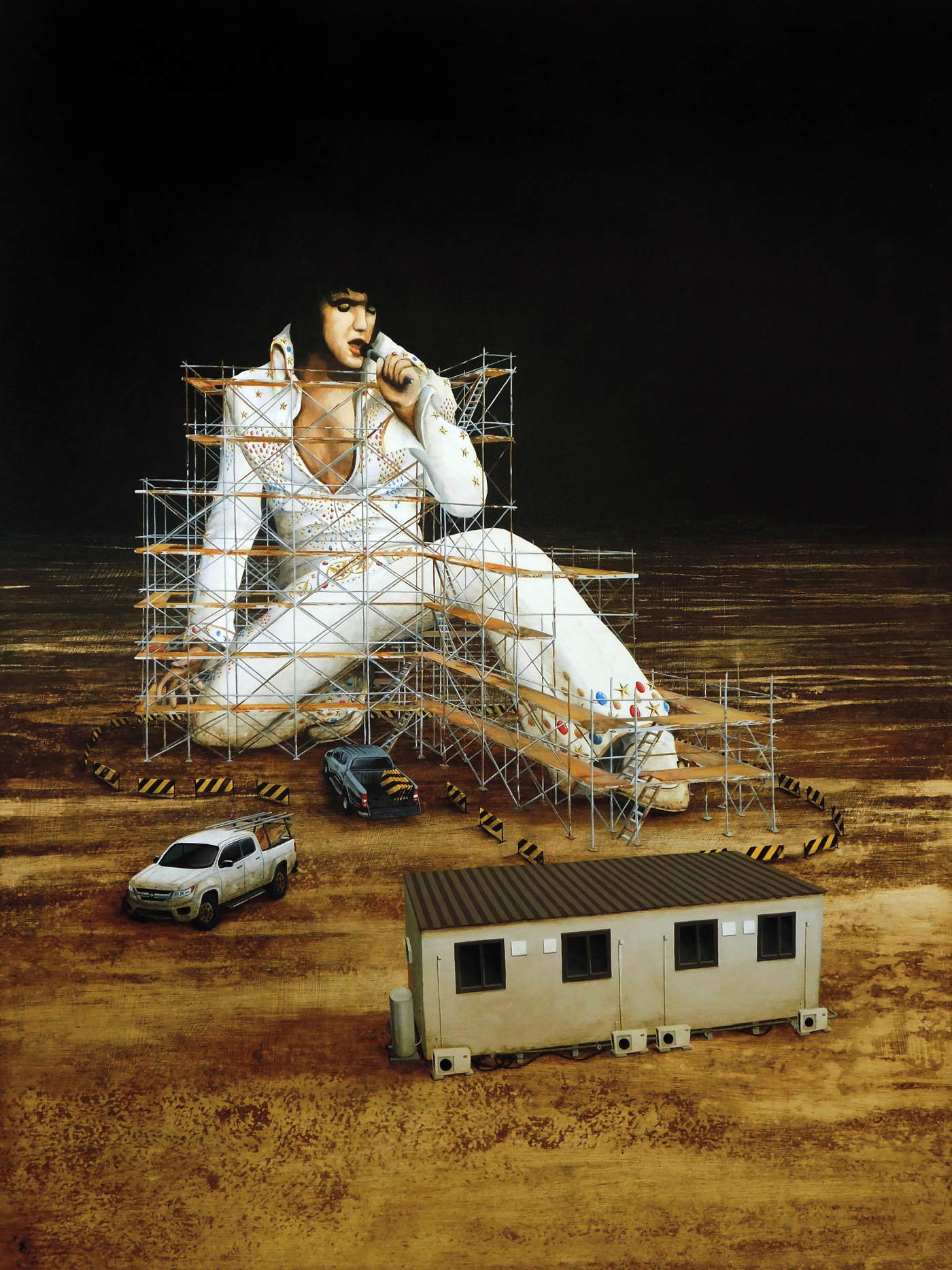






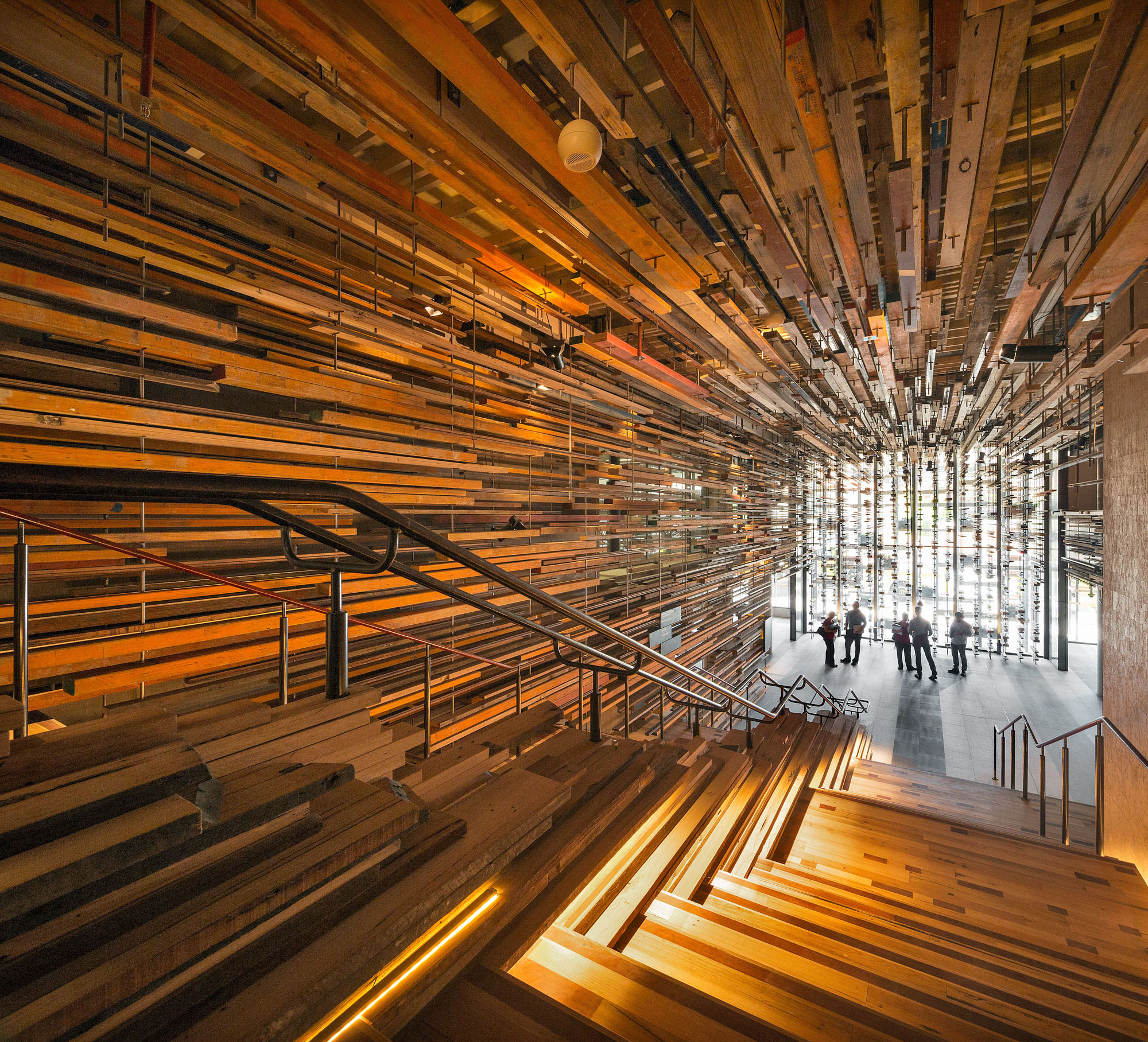


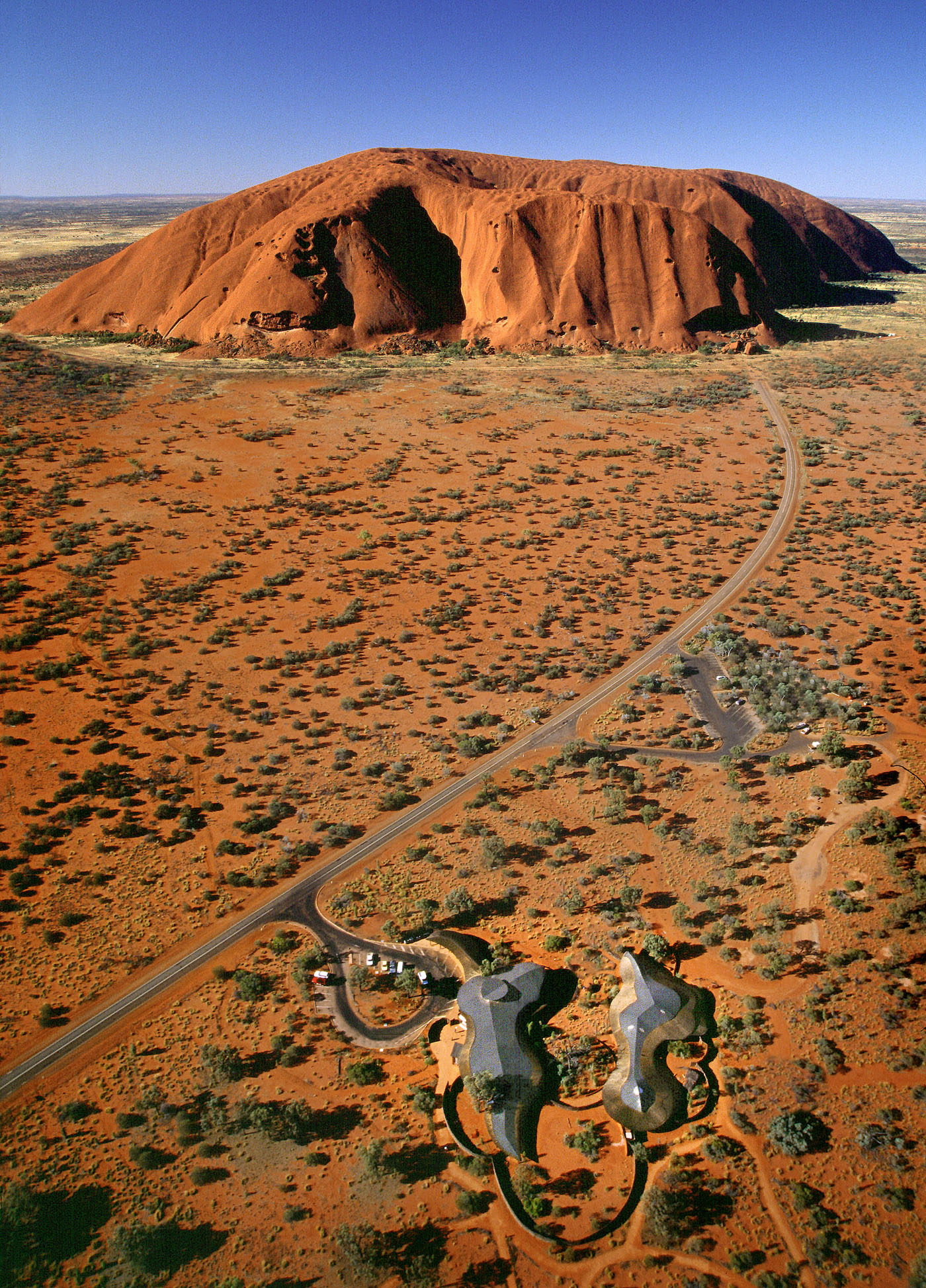


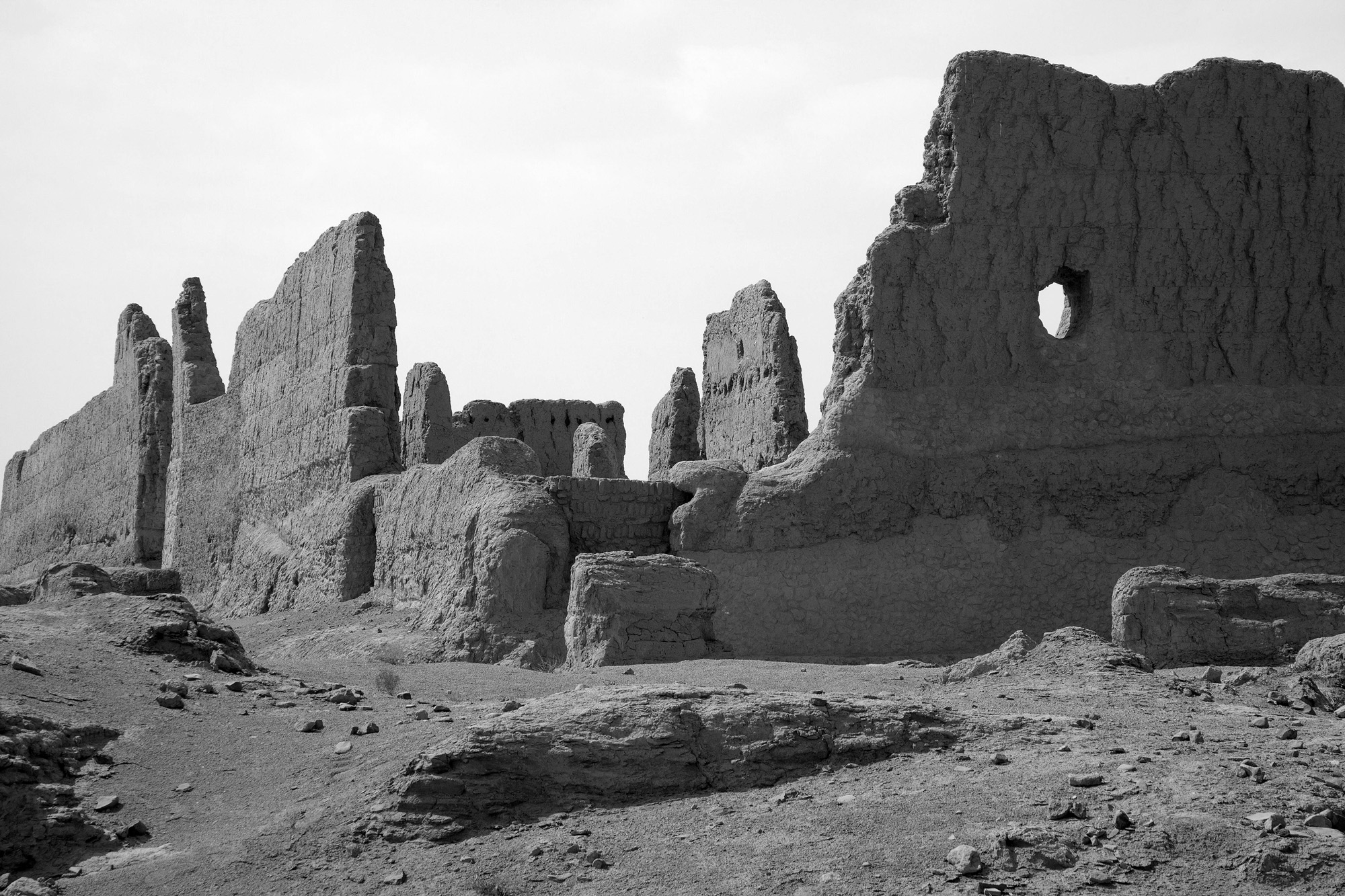


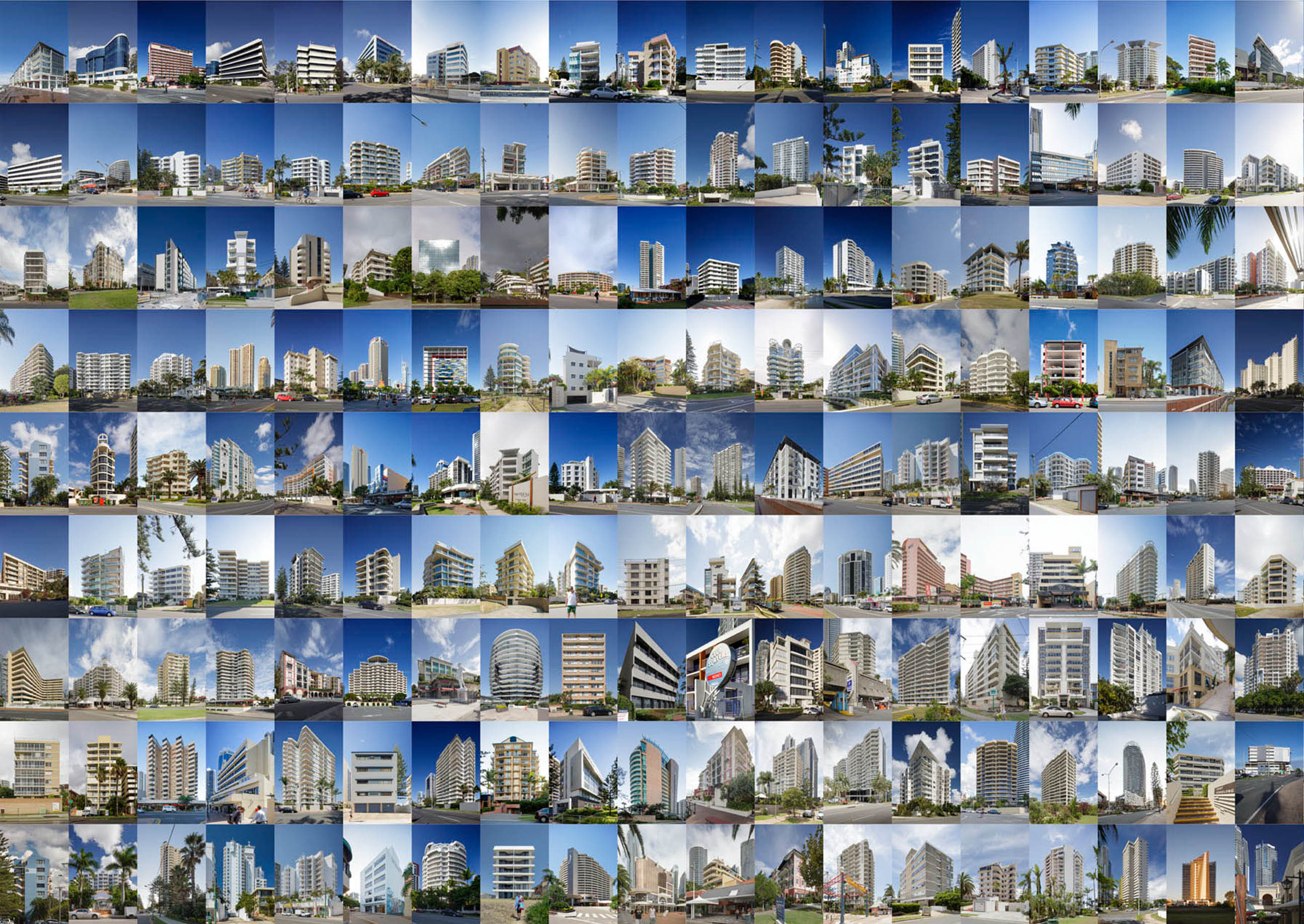


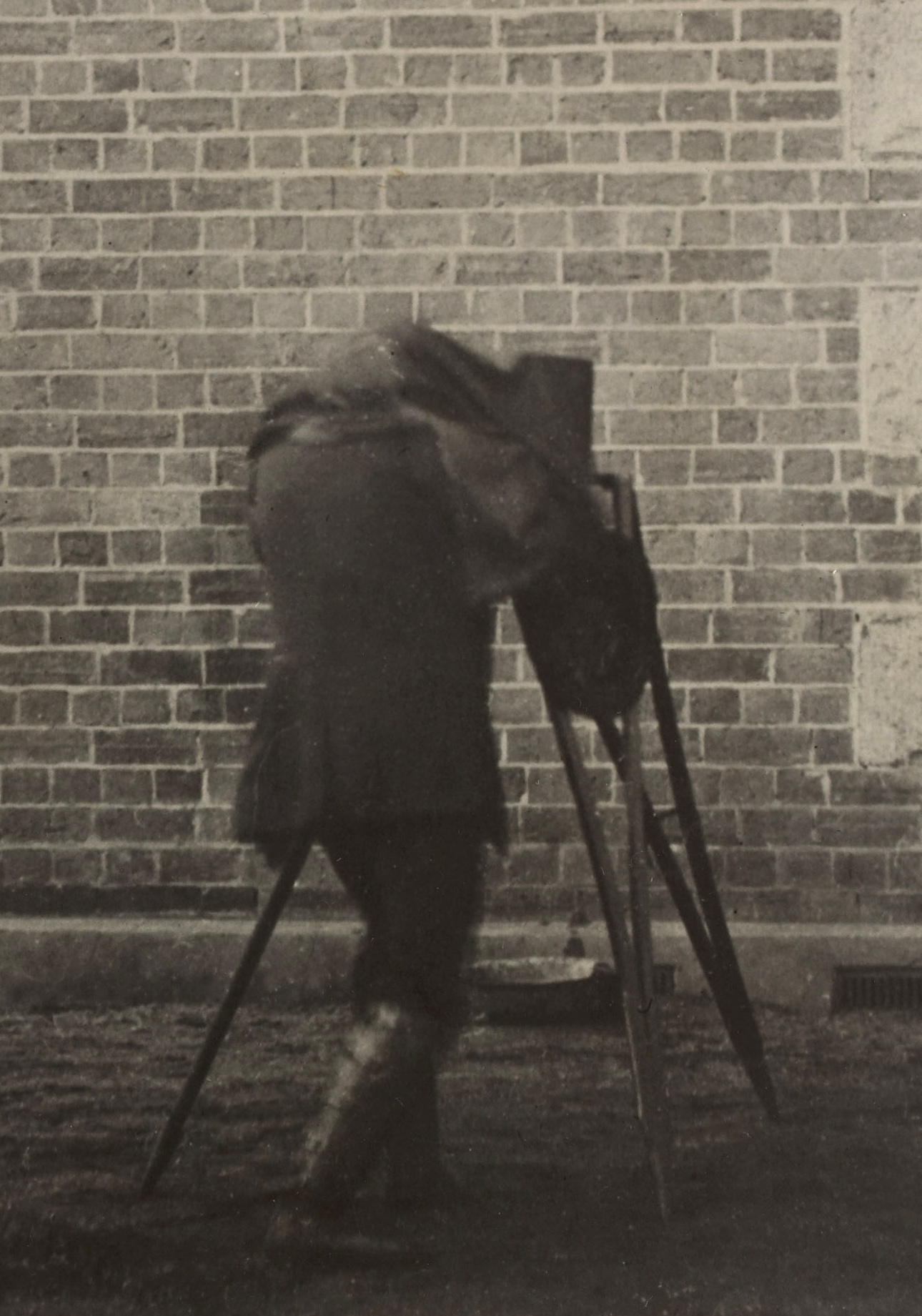

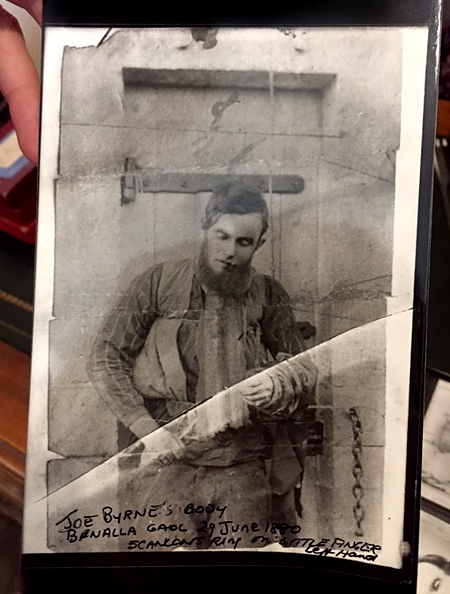

![Unknown photographer. 'Untitled [Portrait of Tracker Johnny from Maryborough District one of five trackers who helped track Ned Kelly]' c. 1880](https://artblart.com/wp-content/uploads/2017/10/portrait-of-tracker-johnny-from-maryborough-district-web.jpg "Unknown photographer. 'Untitled [Portrait of Tracker Johnny from Maryborough District one of five trackers who helped track Ned Kelly]' c. 1880")


![J. E. Bray (Australian, 1832-1891) 'Untitled ["McDonnell's Tavern opposite Railway Station, remains of Dan Kelly and Hart in coffins"]' 1880](https://artblart.com/wp-content/uploads/2017/10/bray-je-mcdonnells-railway-tavern-web.jpg "J. E. Bray (Australian, 1832-1891) 'Untitled [\"McDonnell's Tavern opposite Railway Station, remains of Dan Kelly and Hart in coffins\"]' 1880")
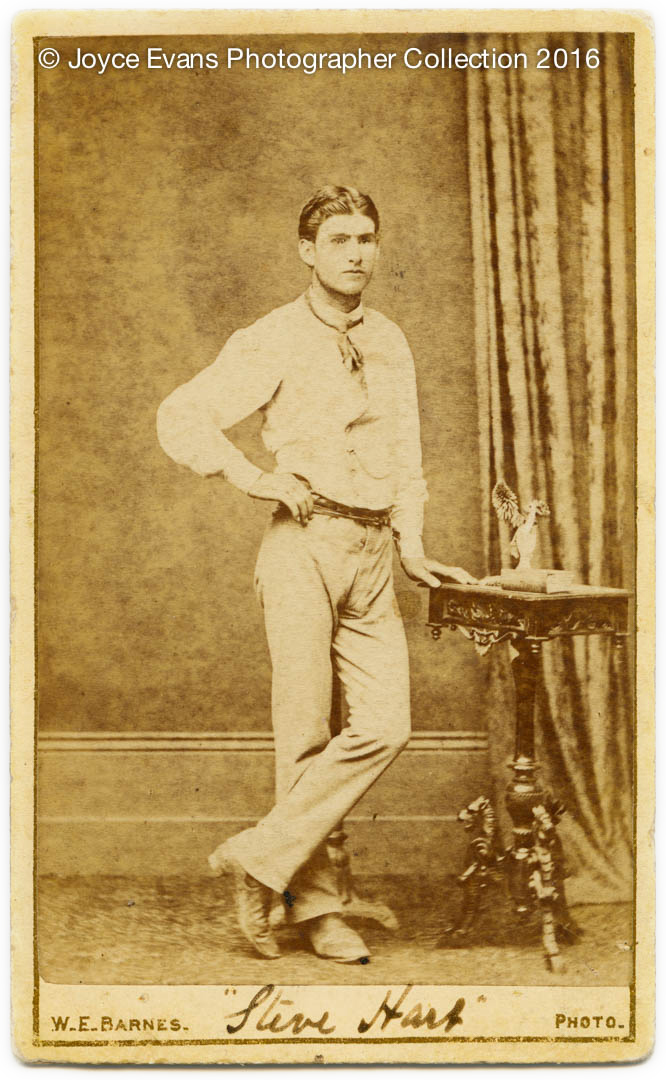


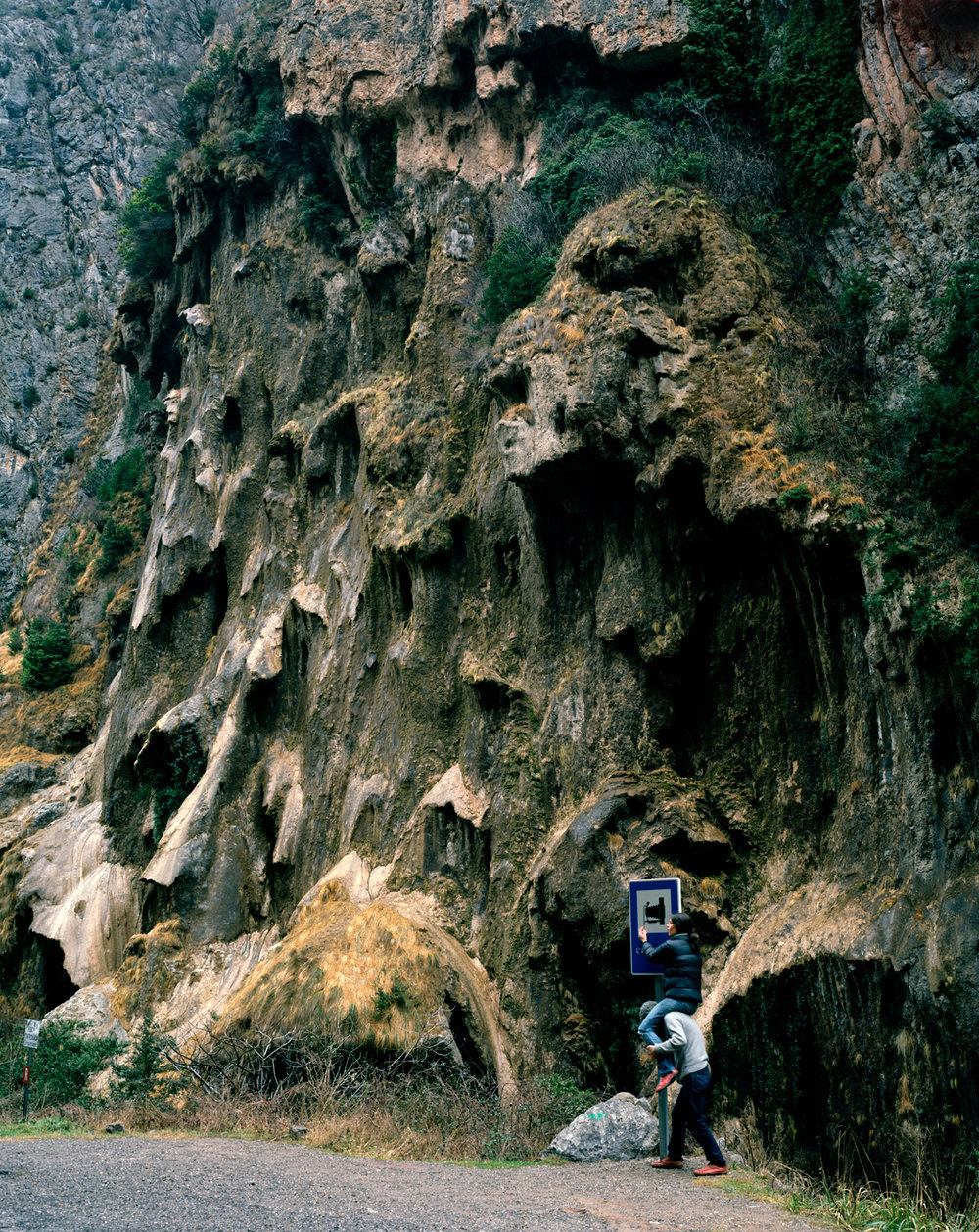


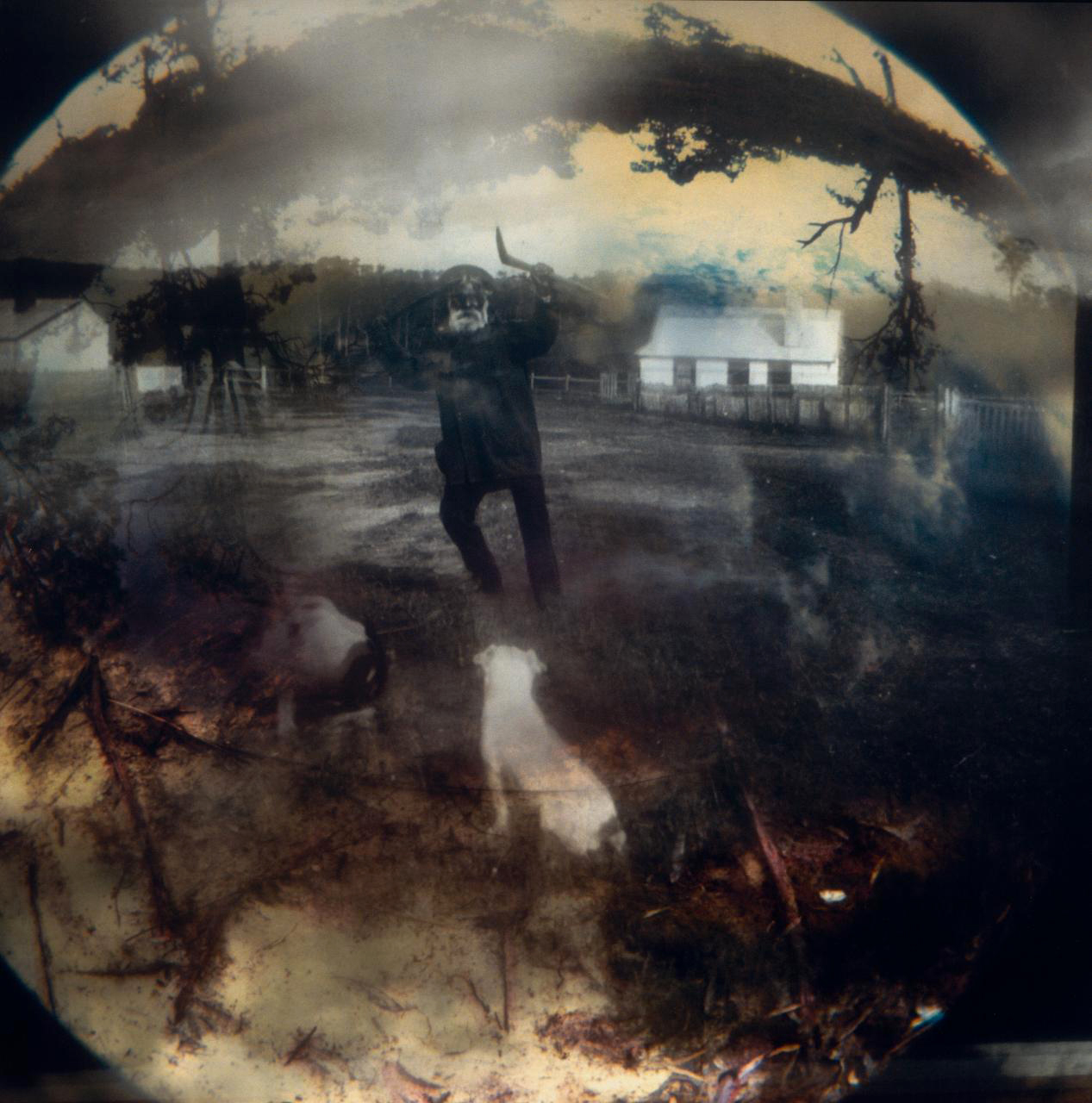

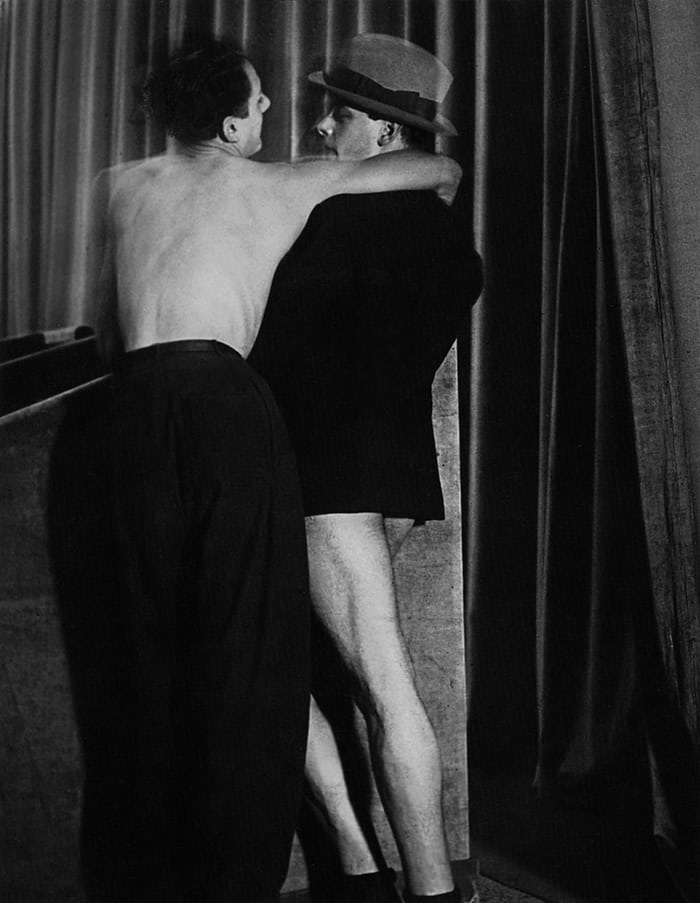


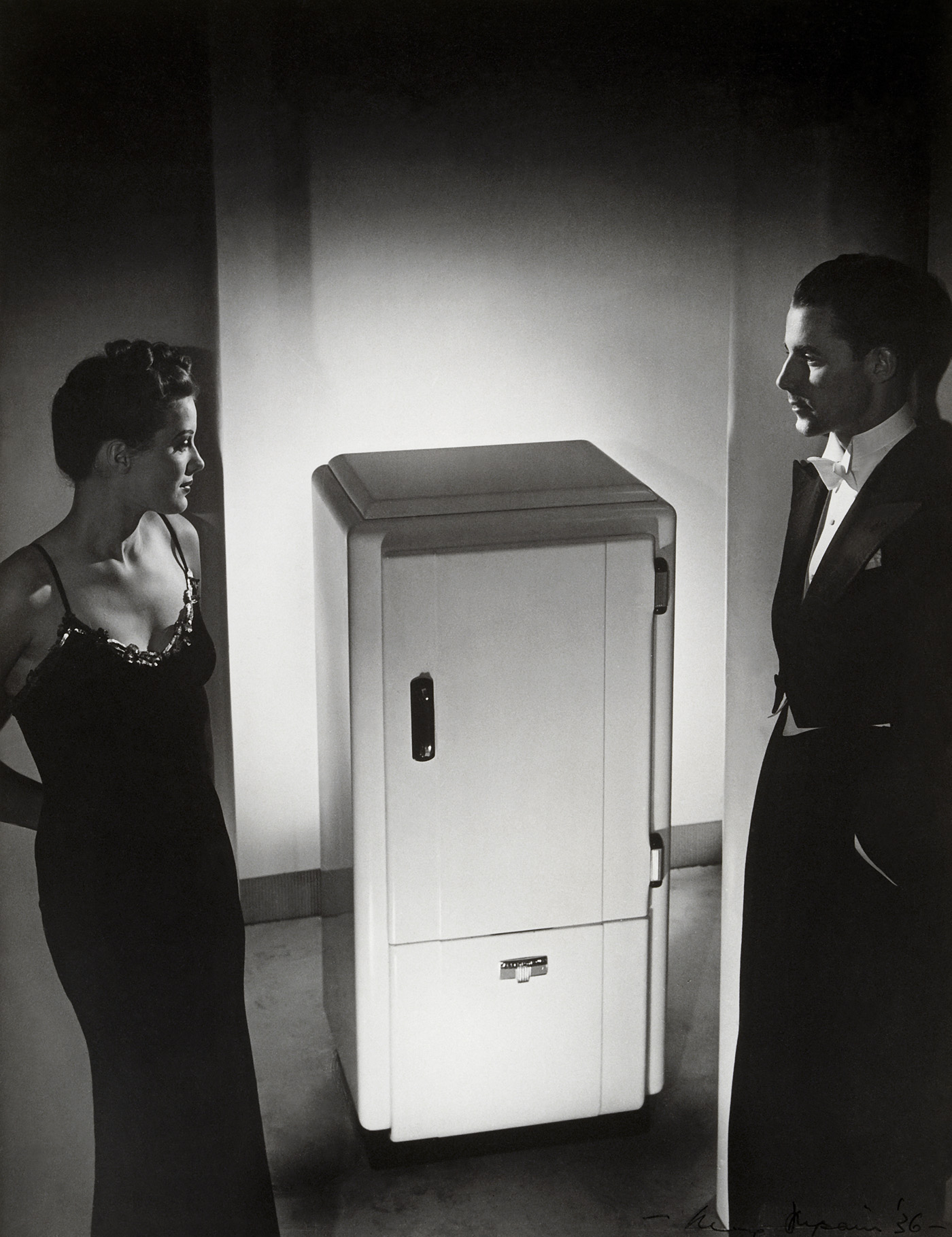

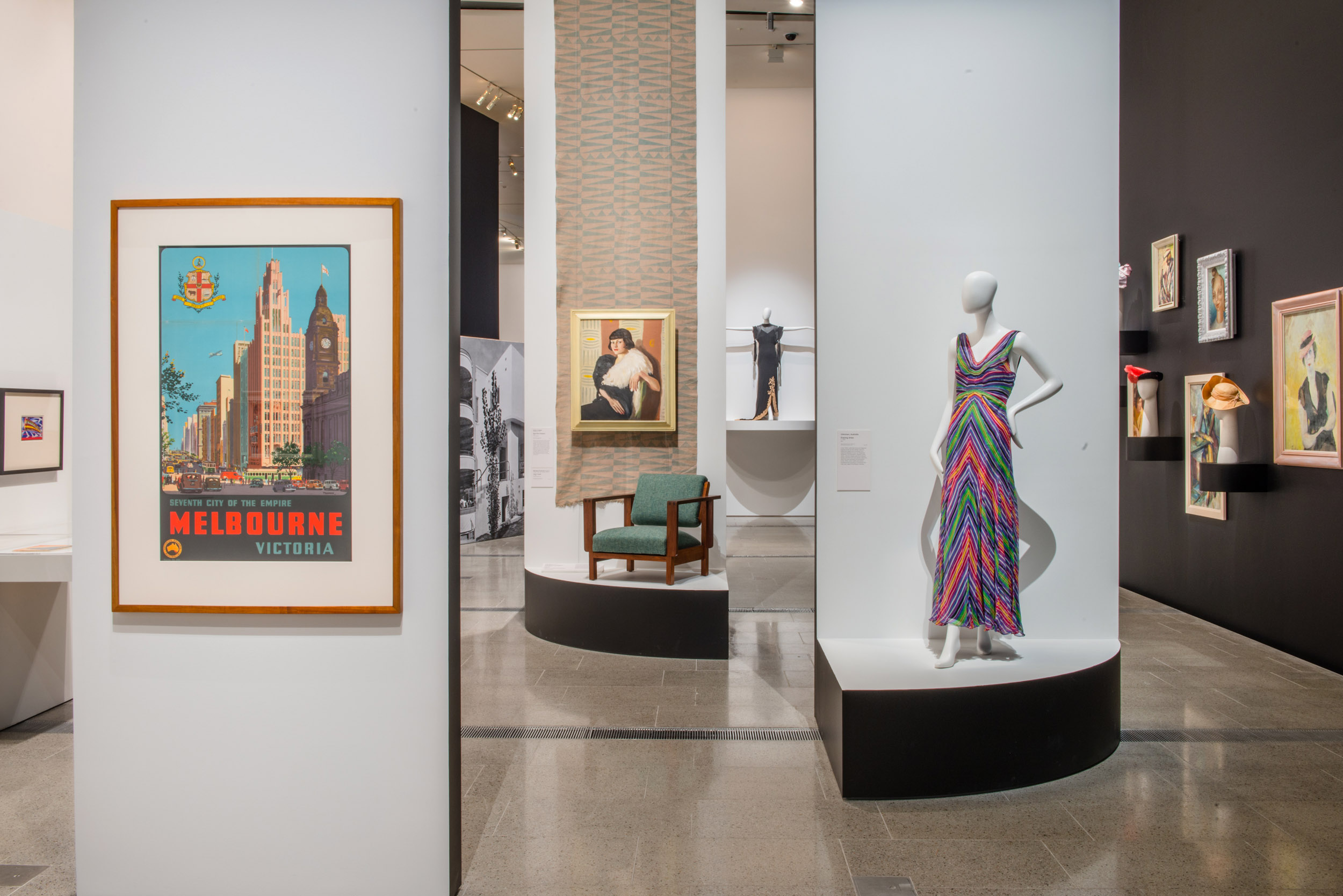


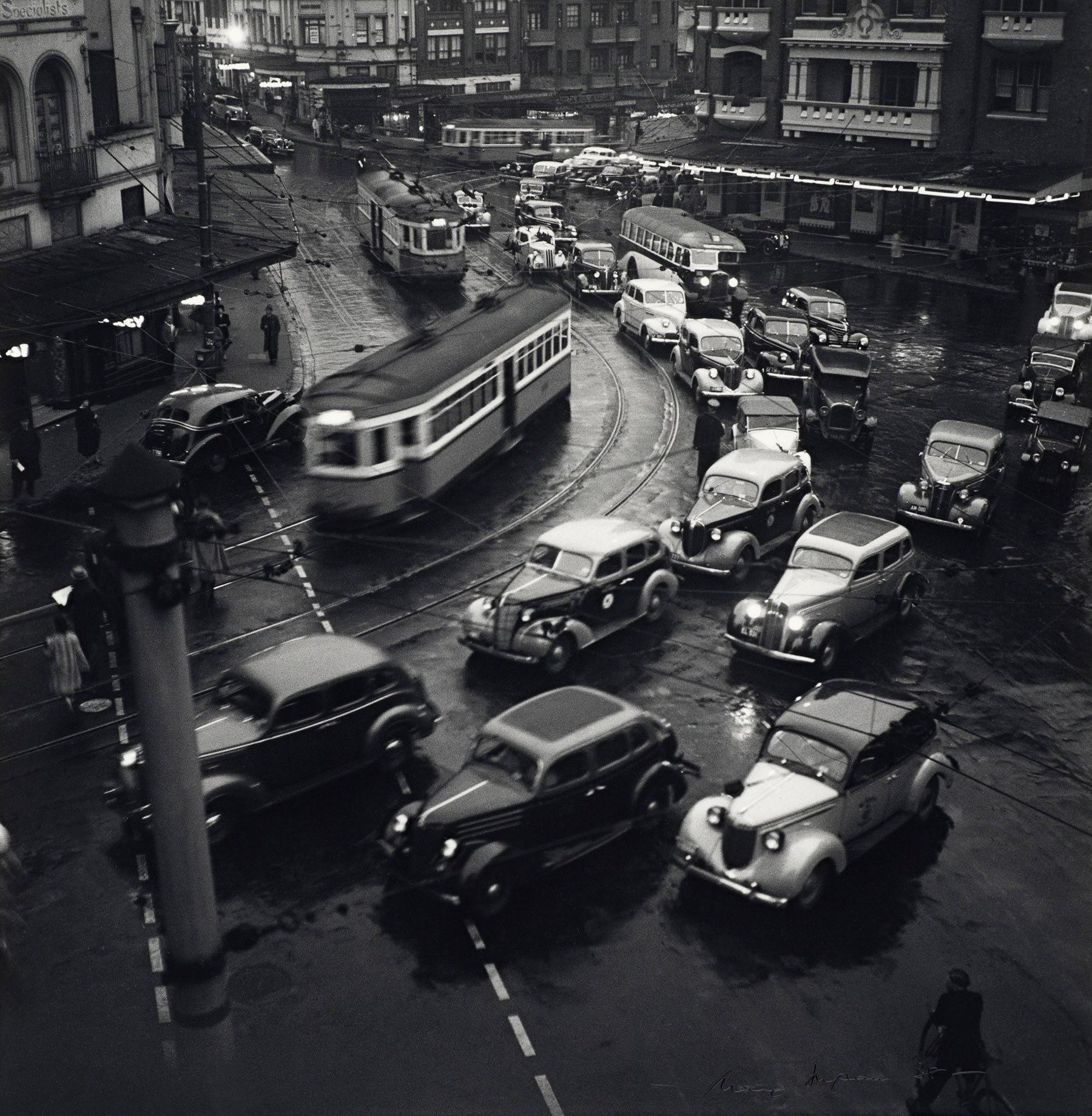
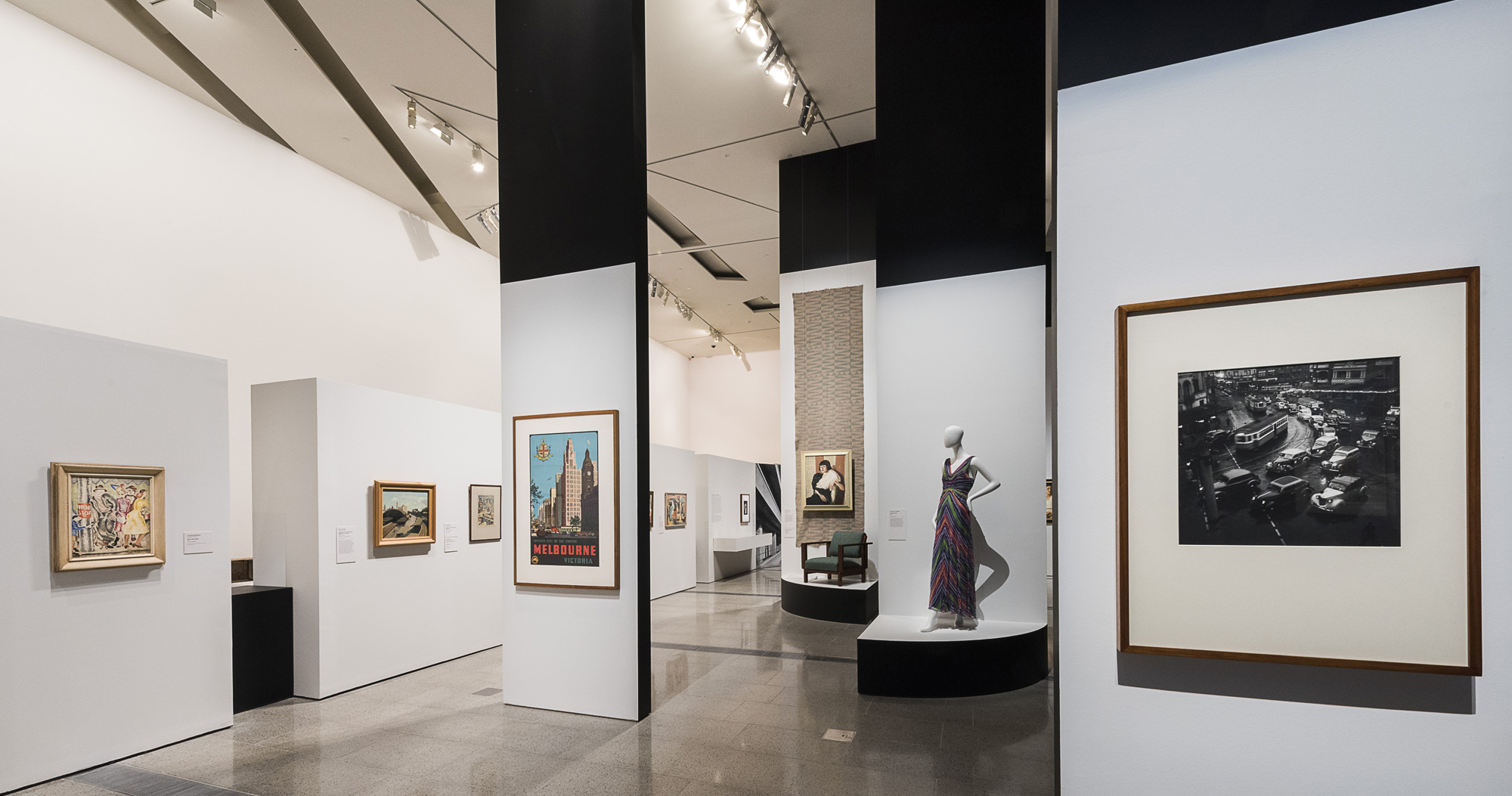




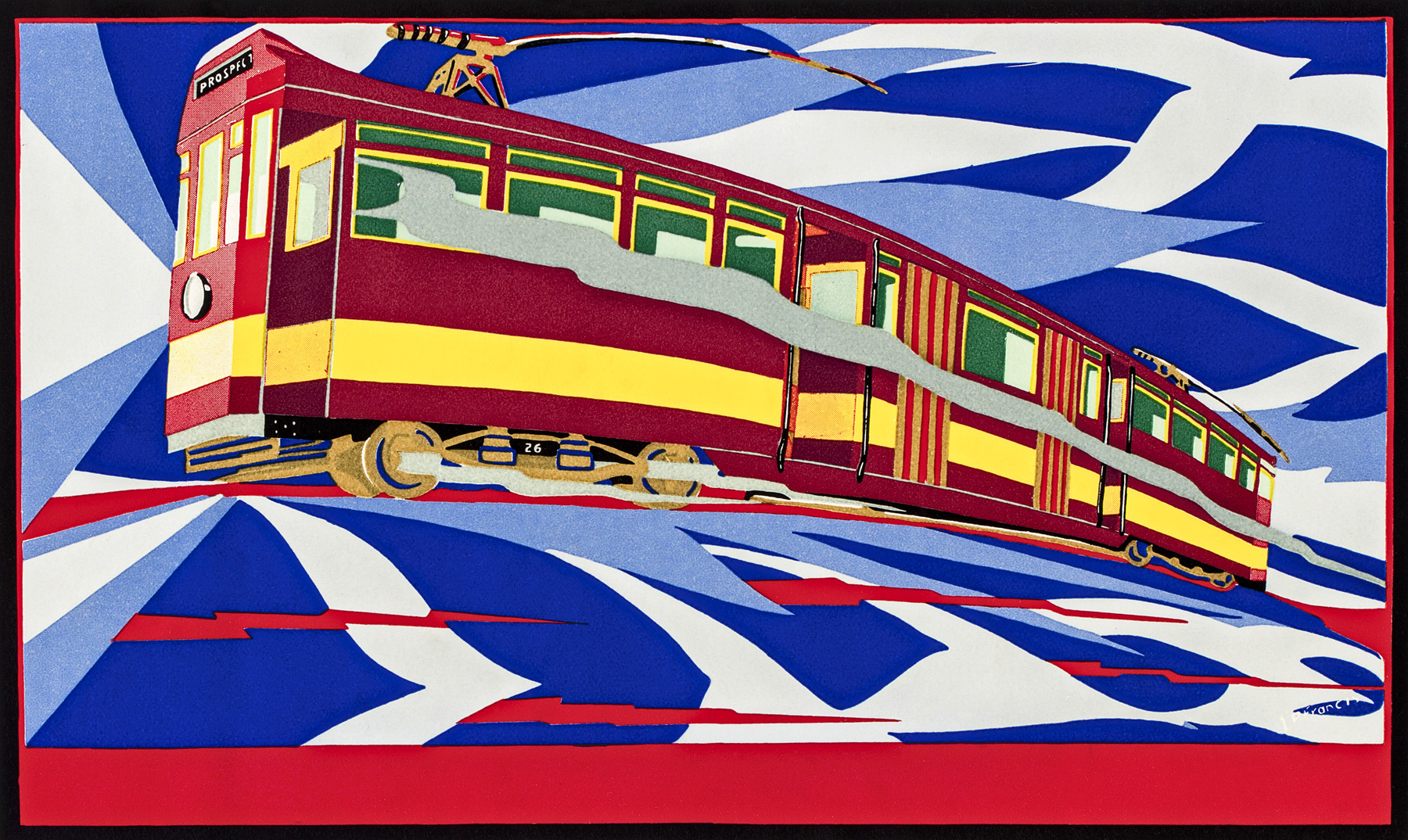


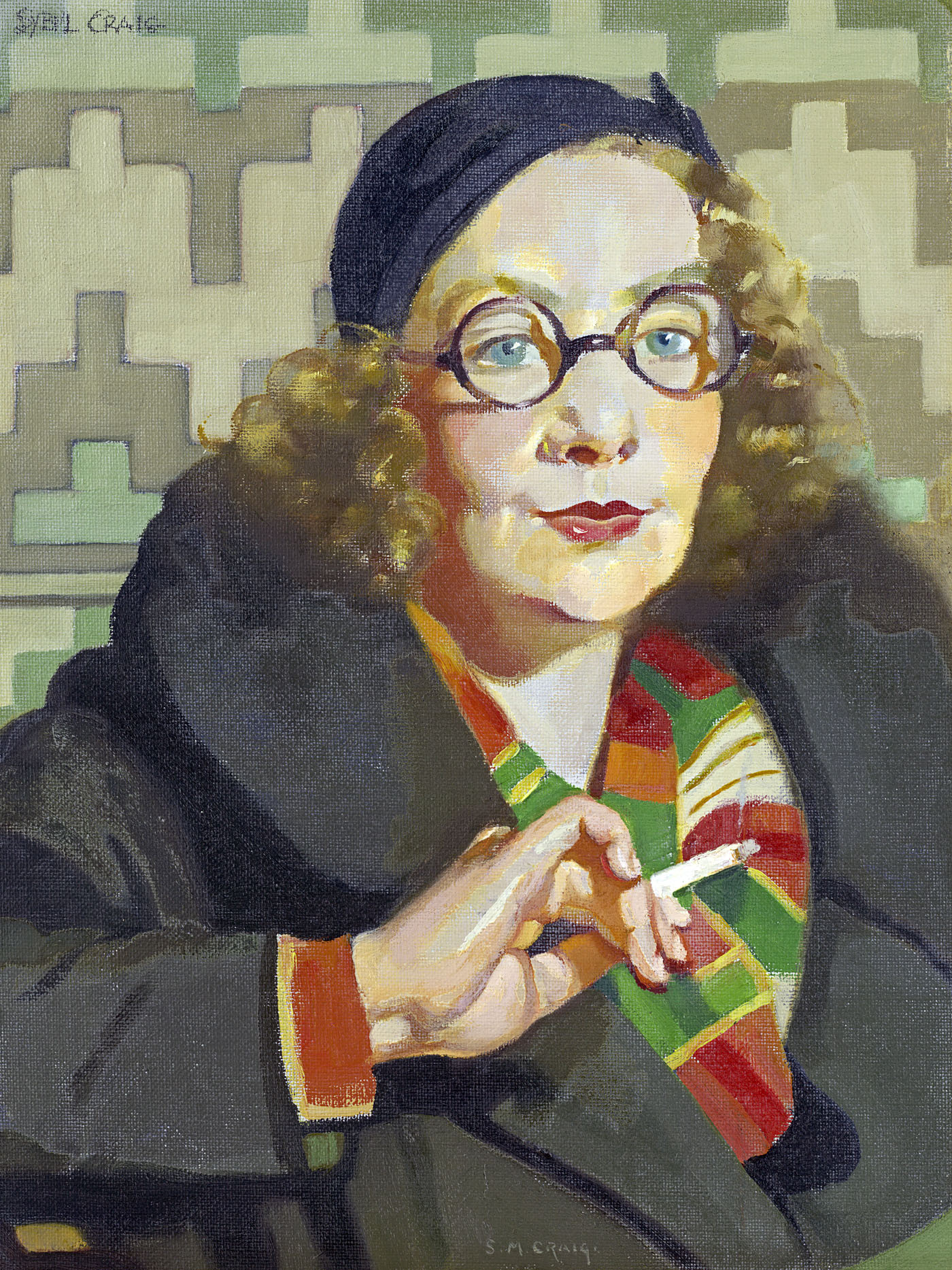


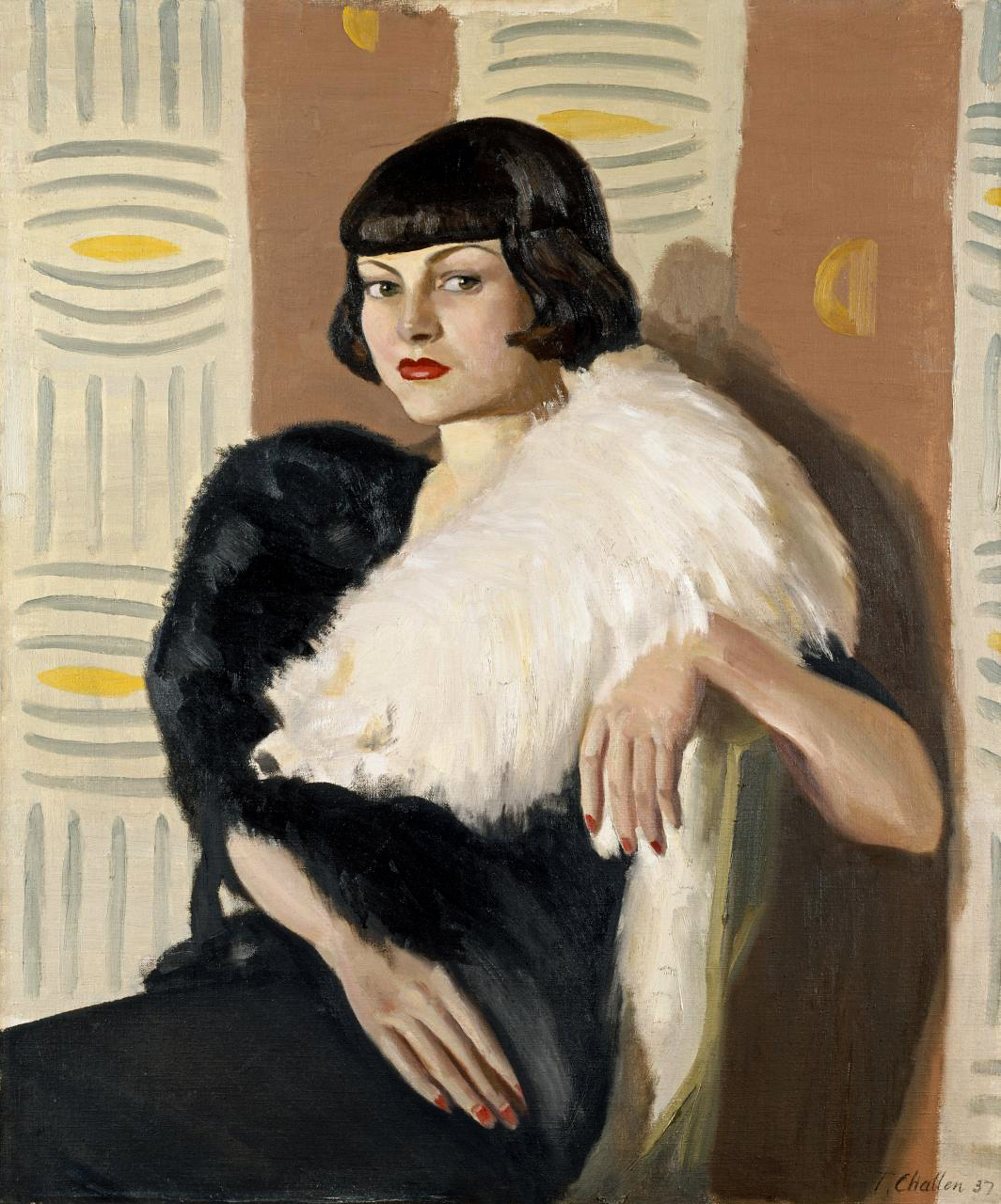
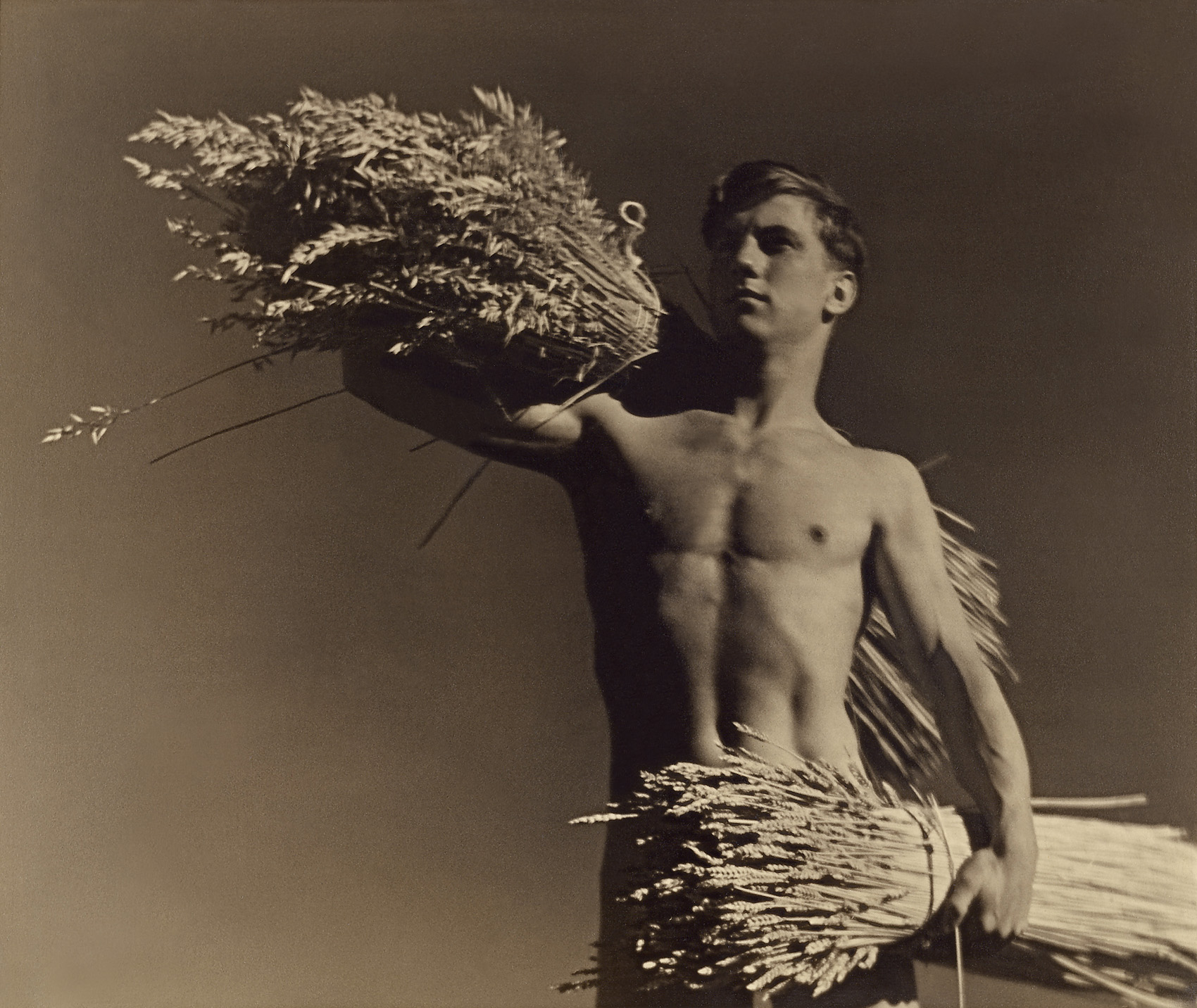
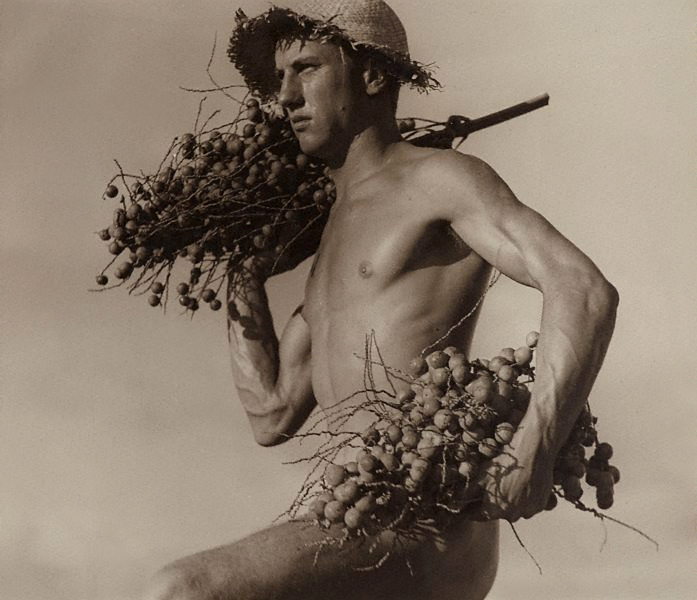

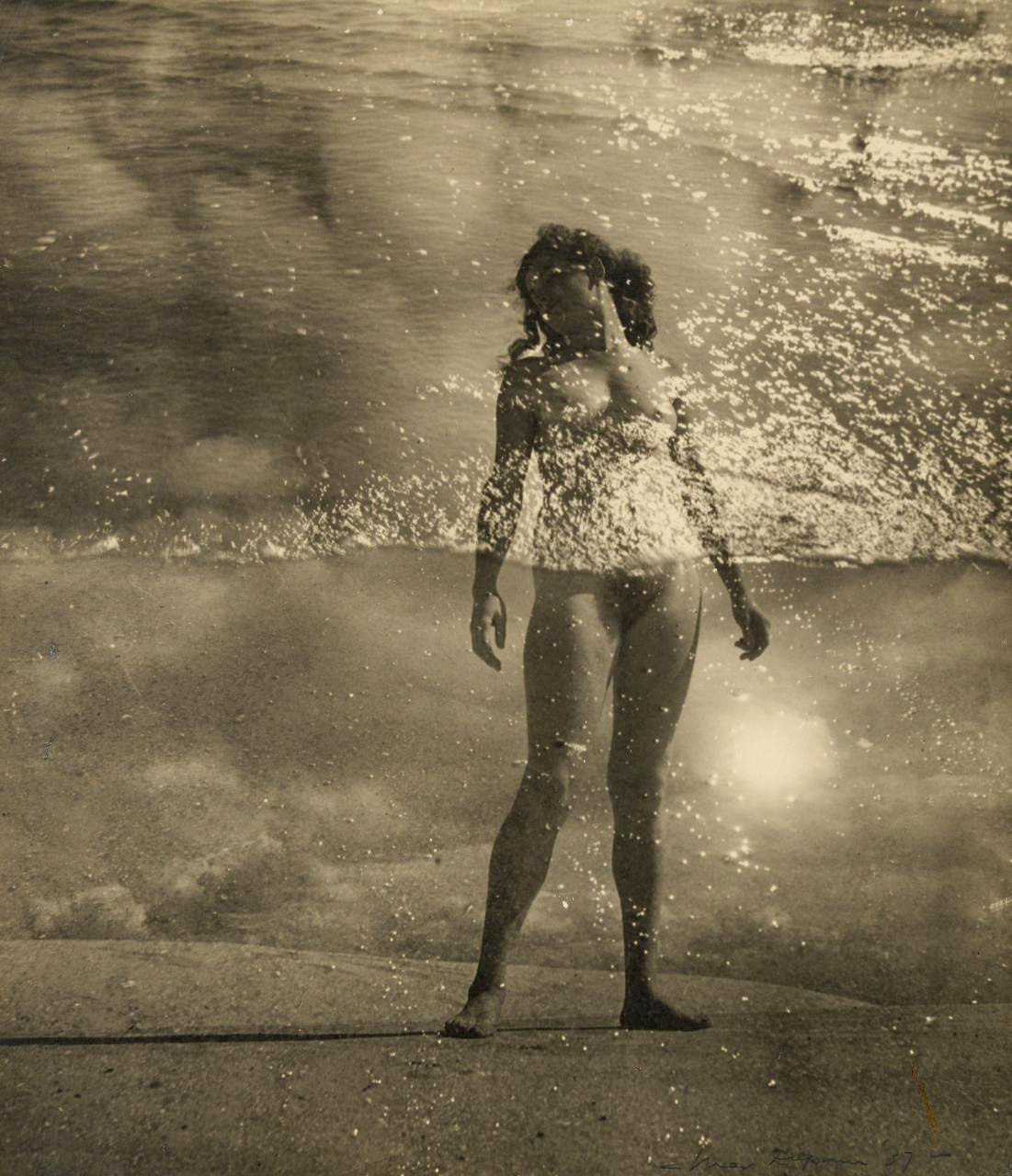
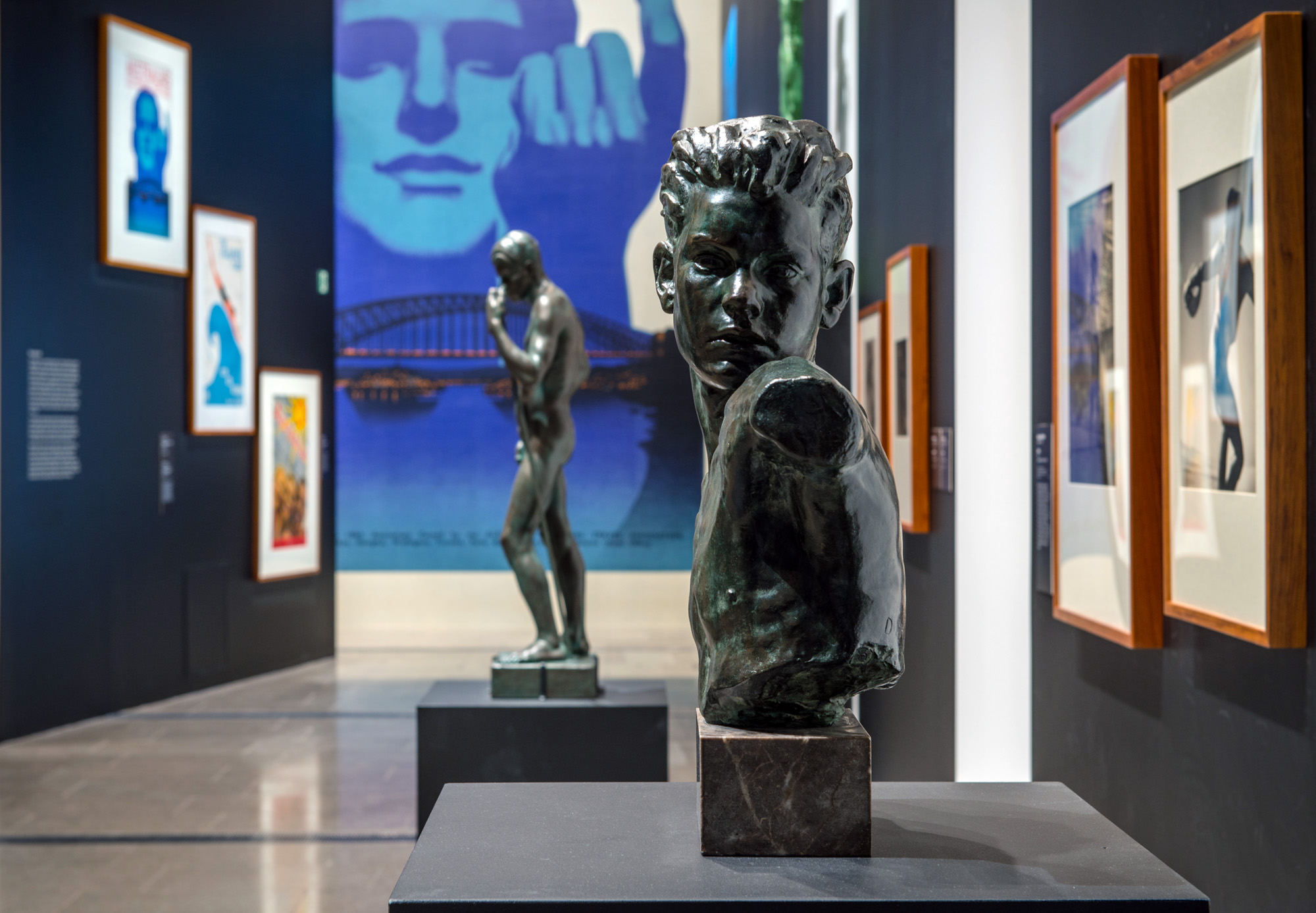
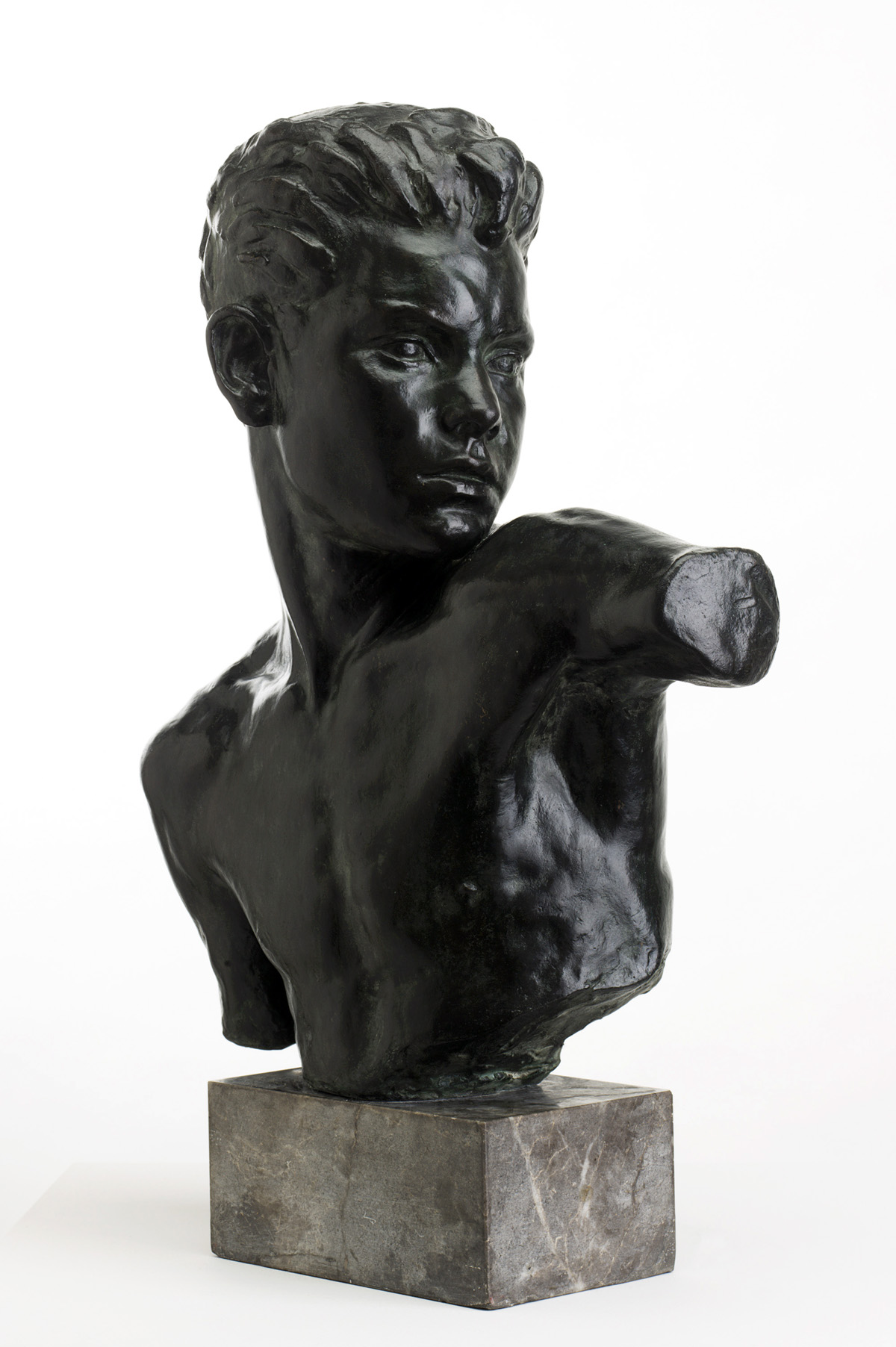


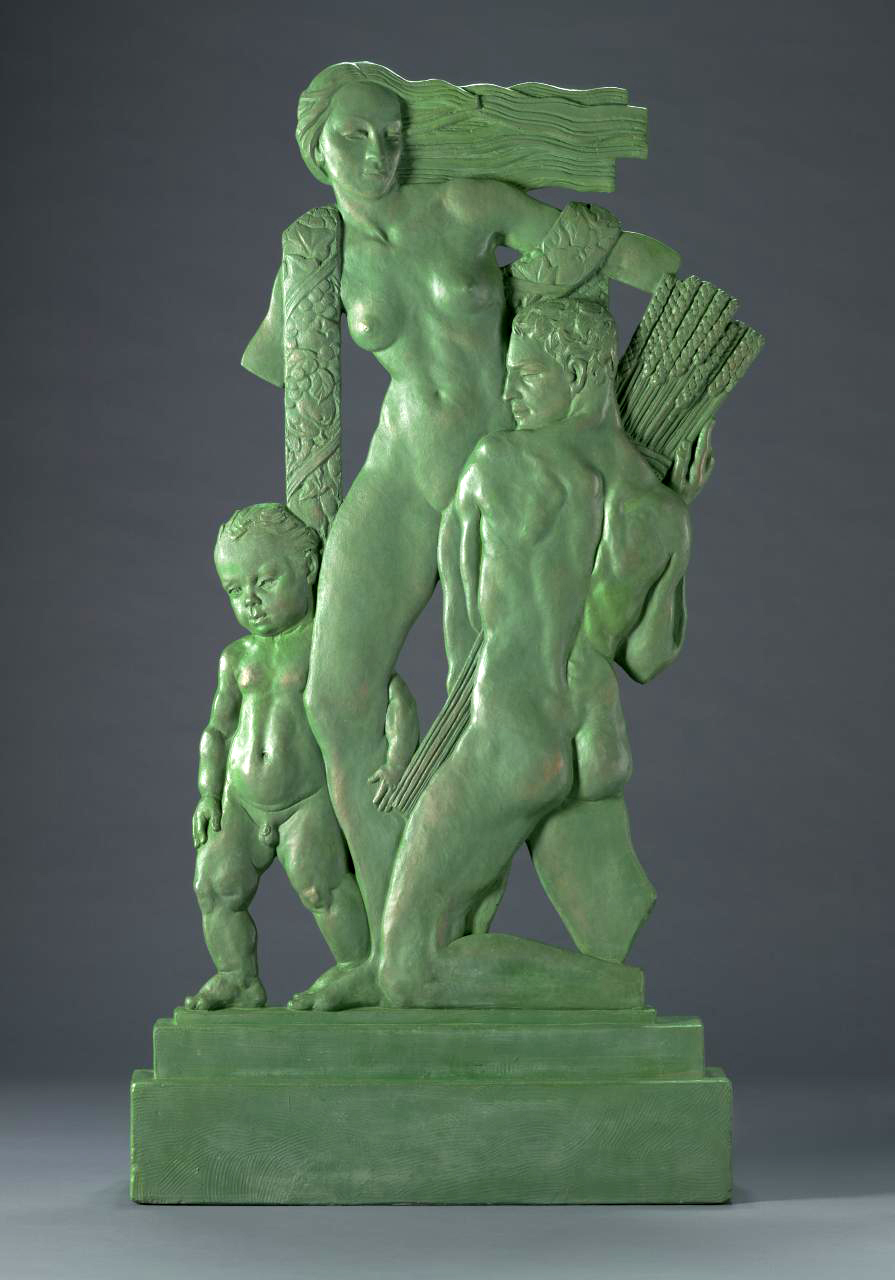


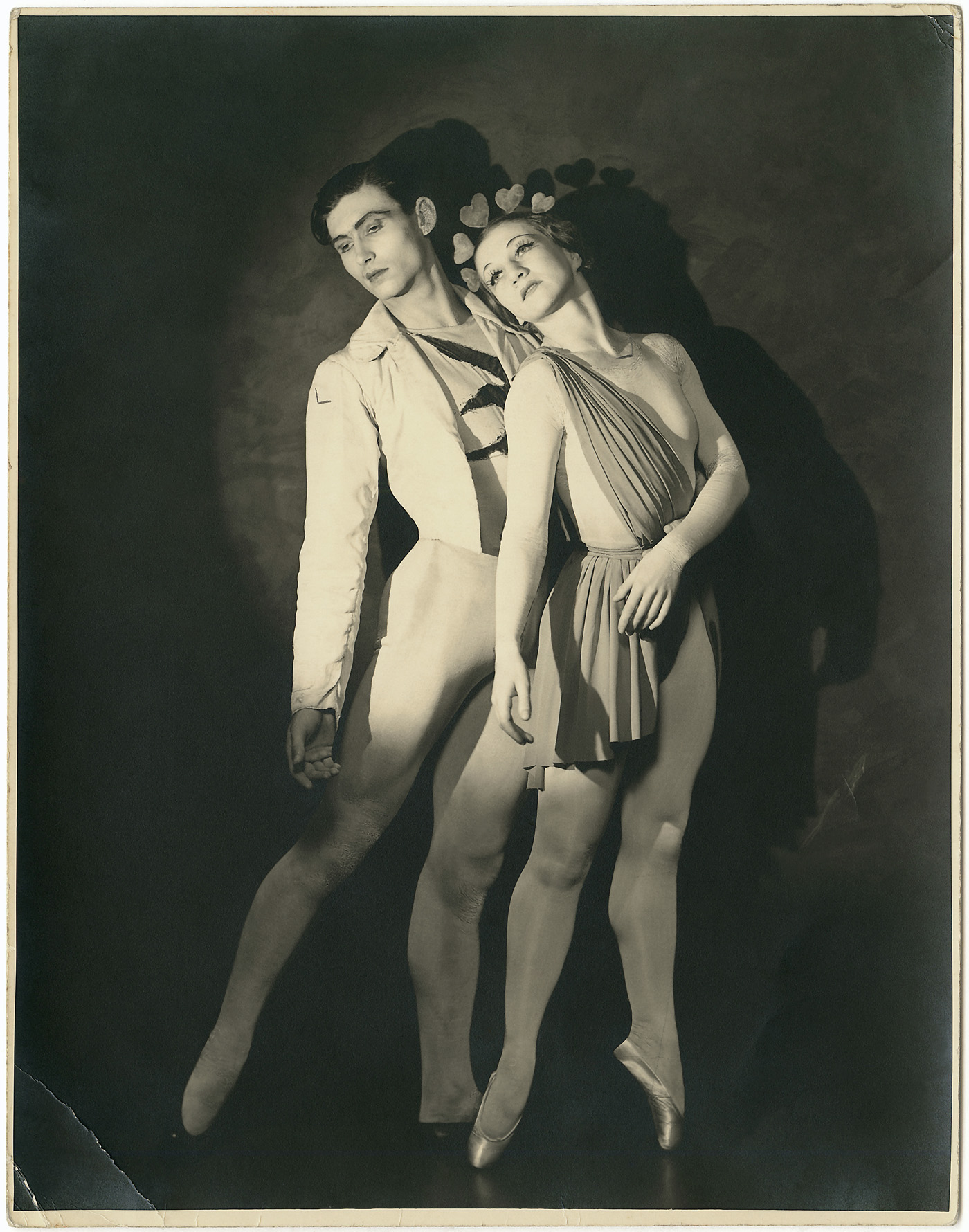


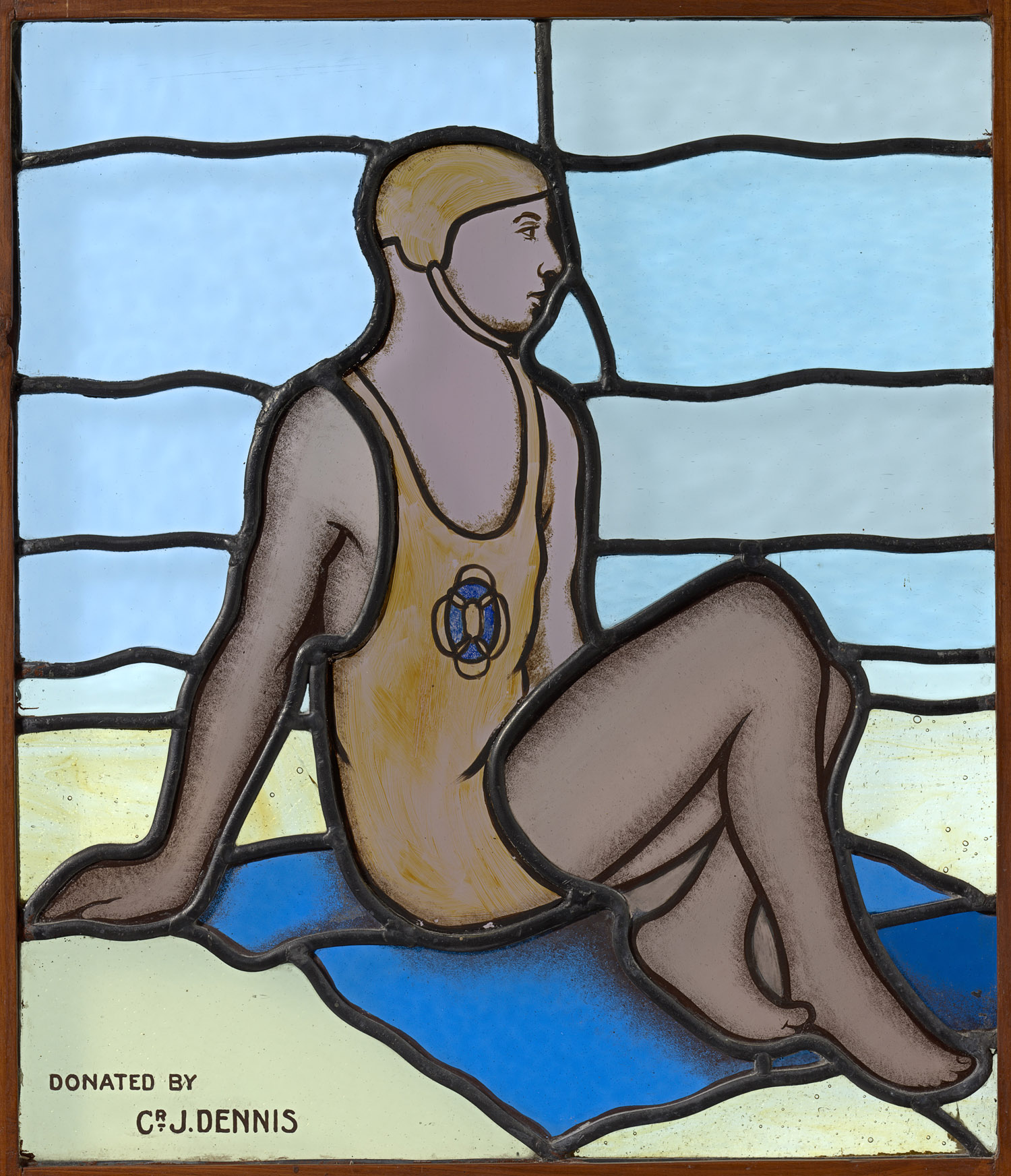


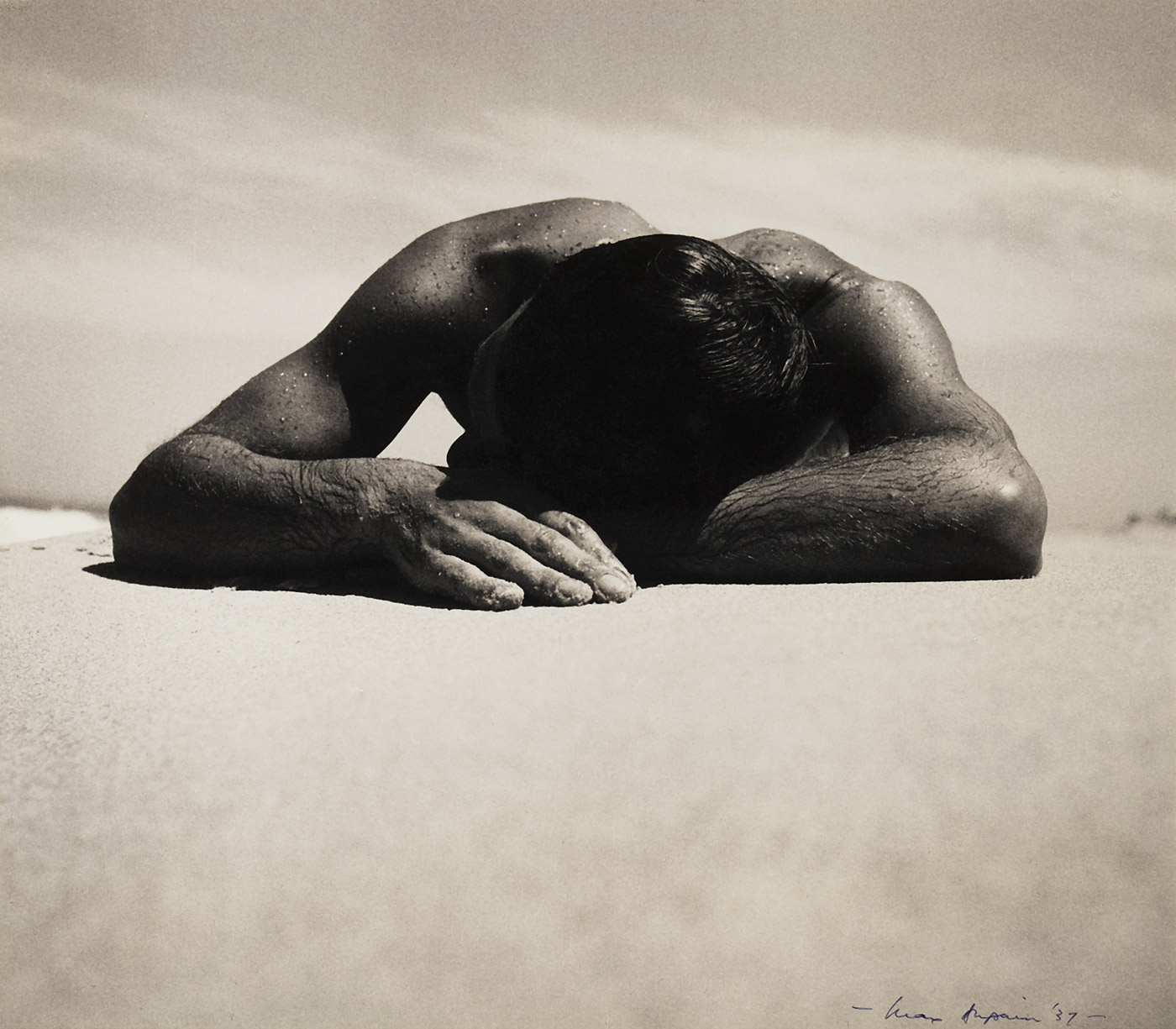


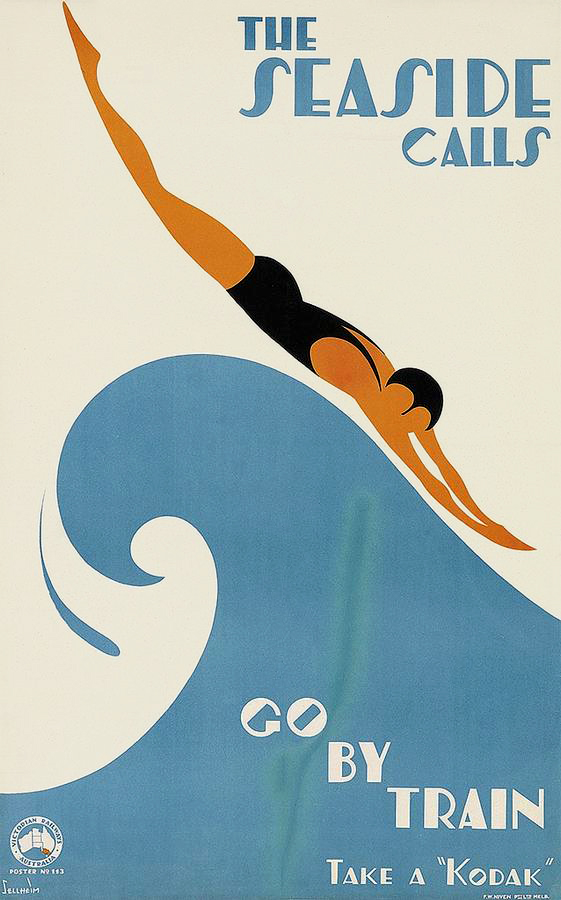


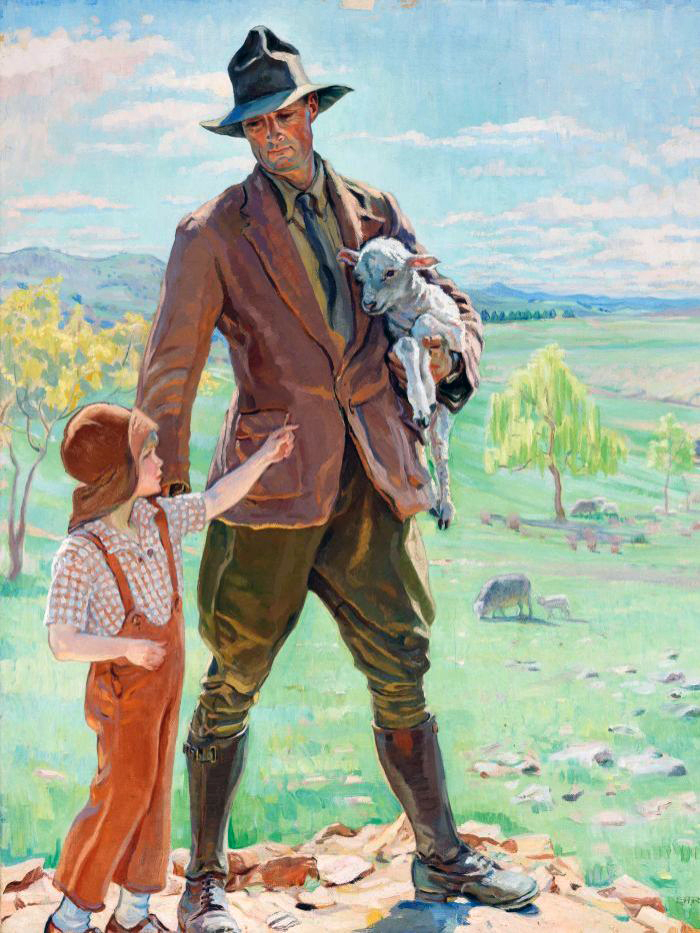


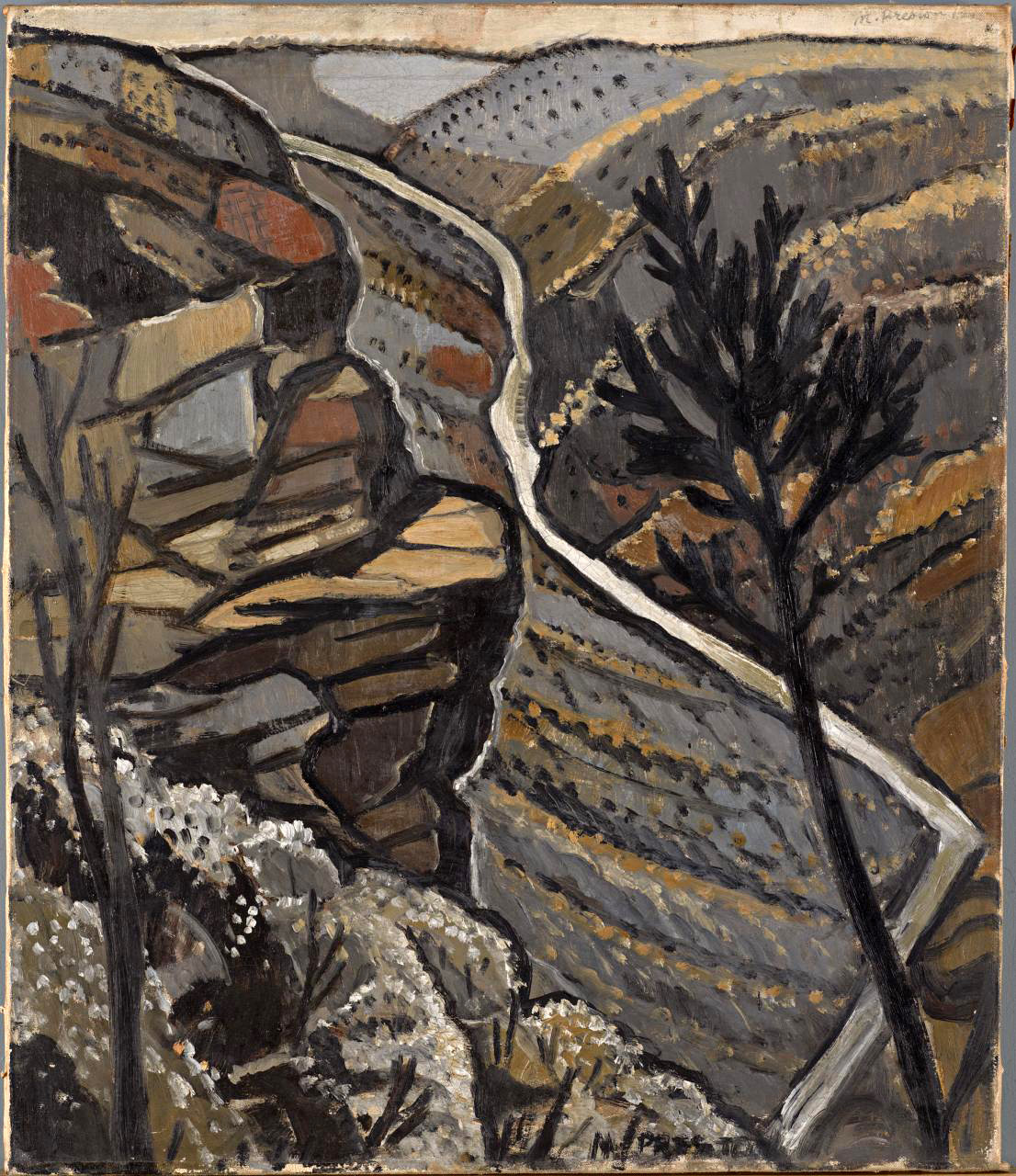


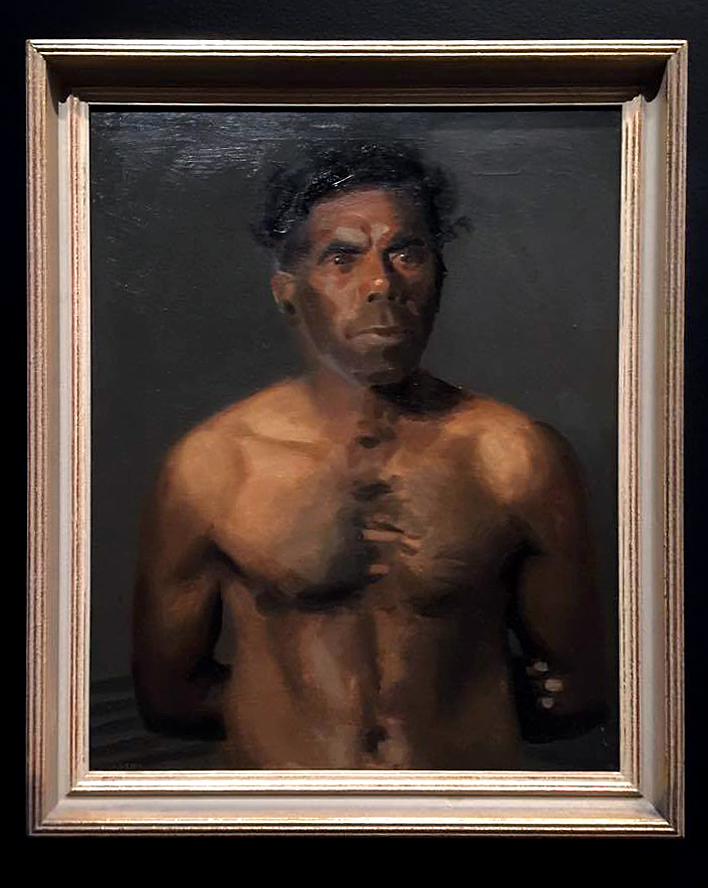

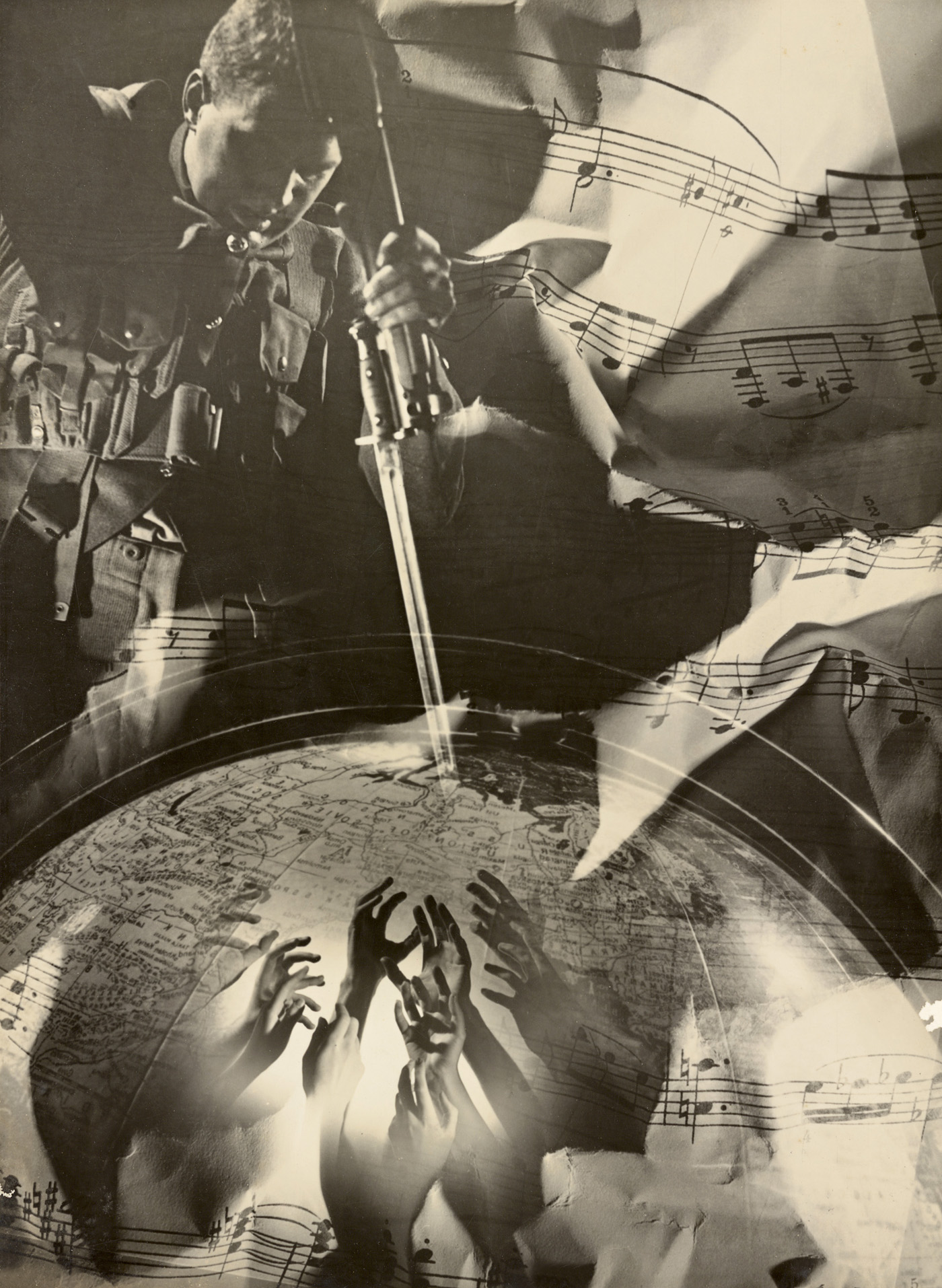


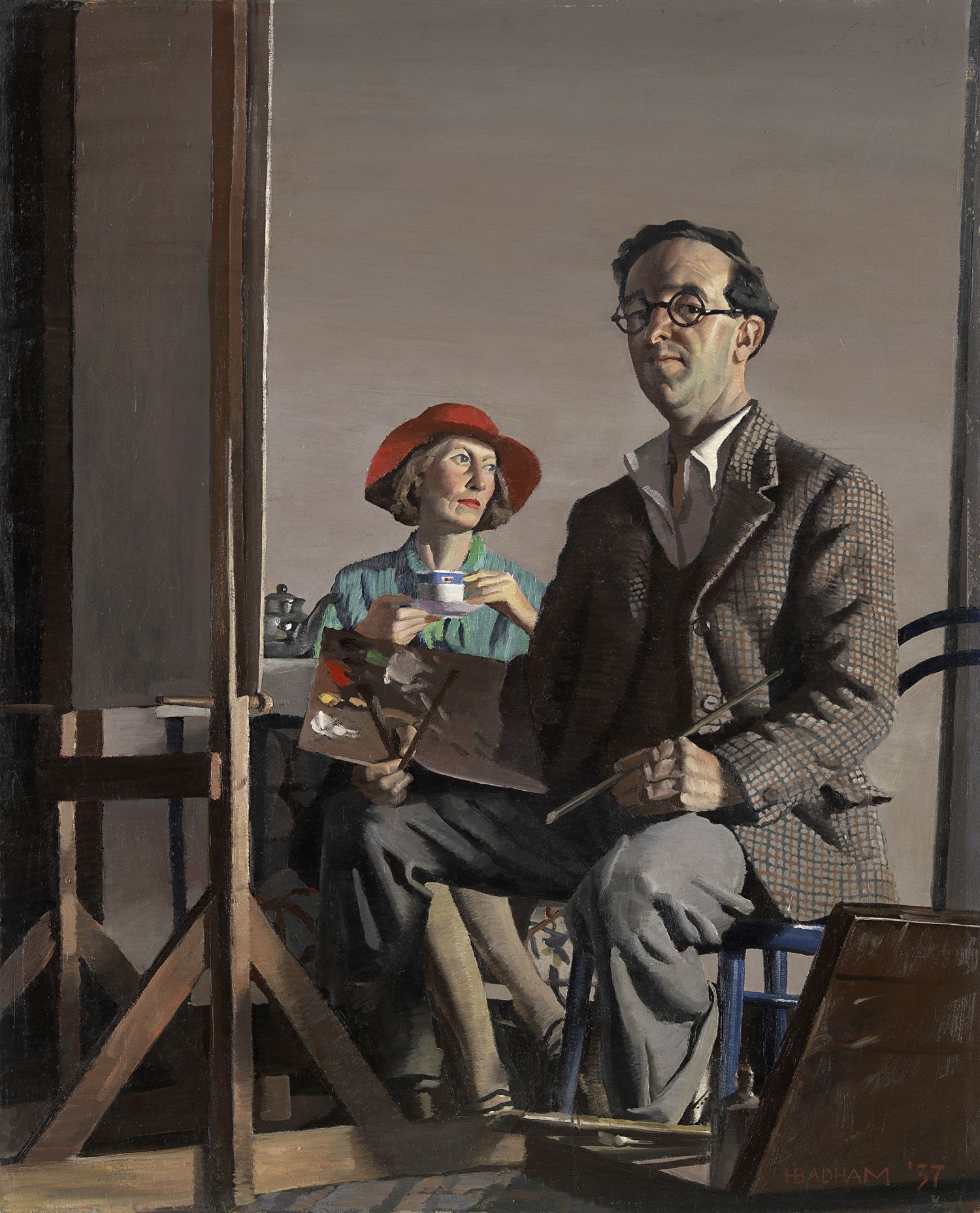


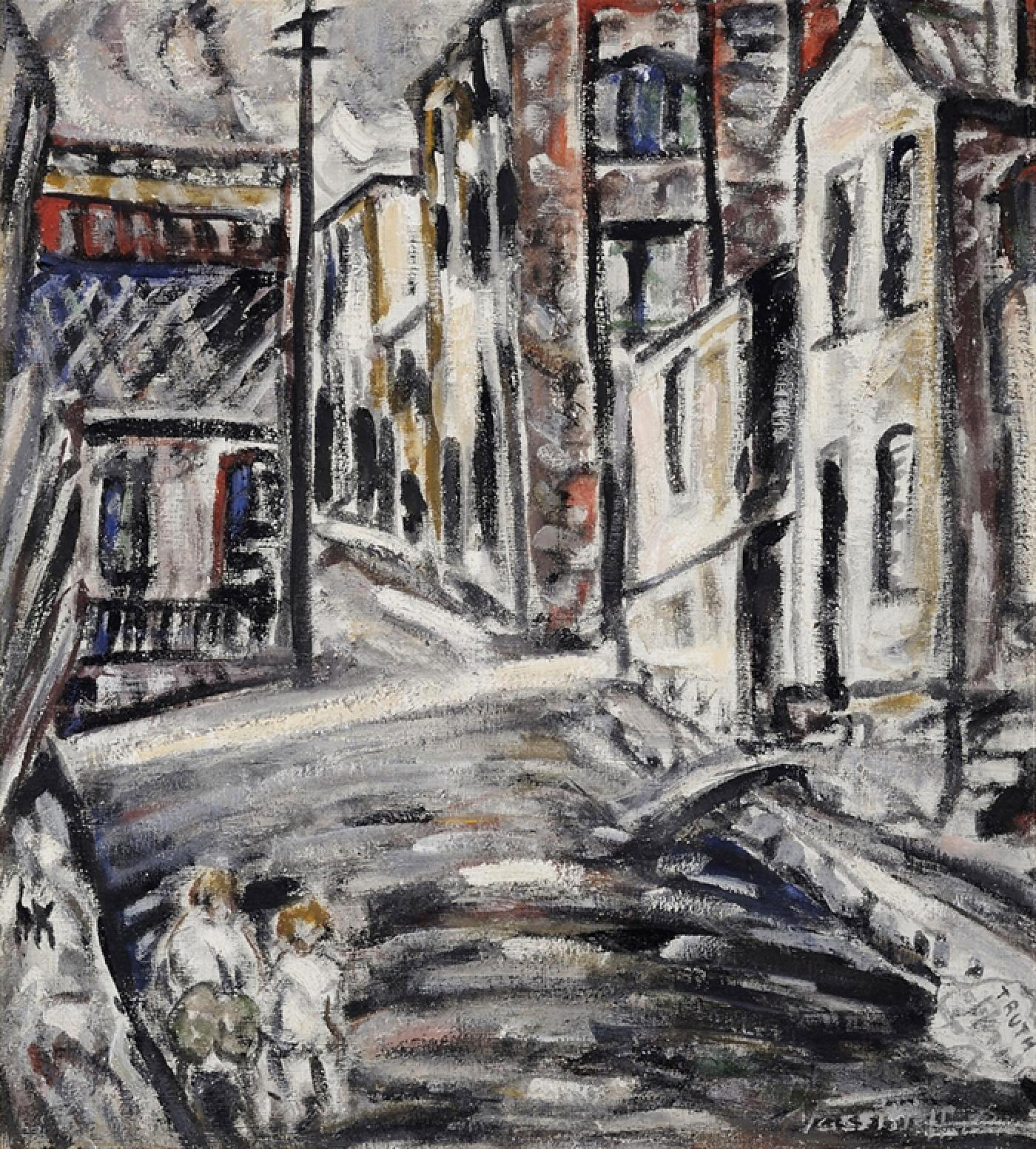


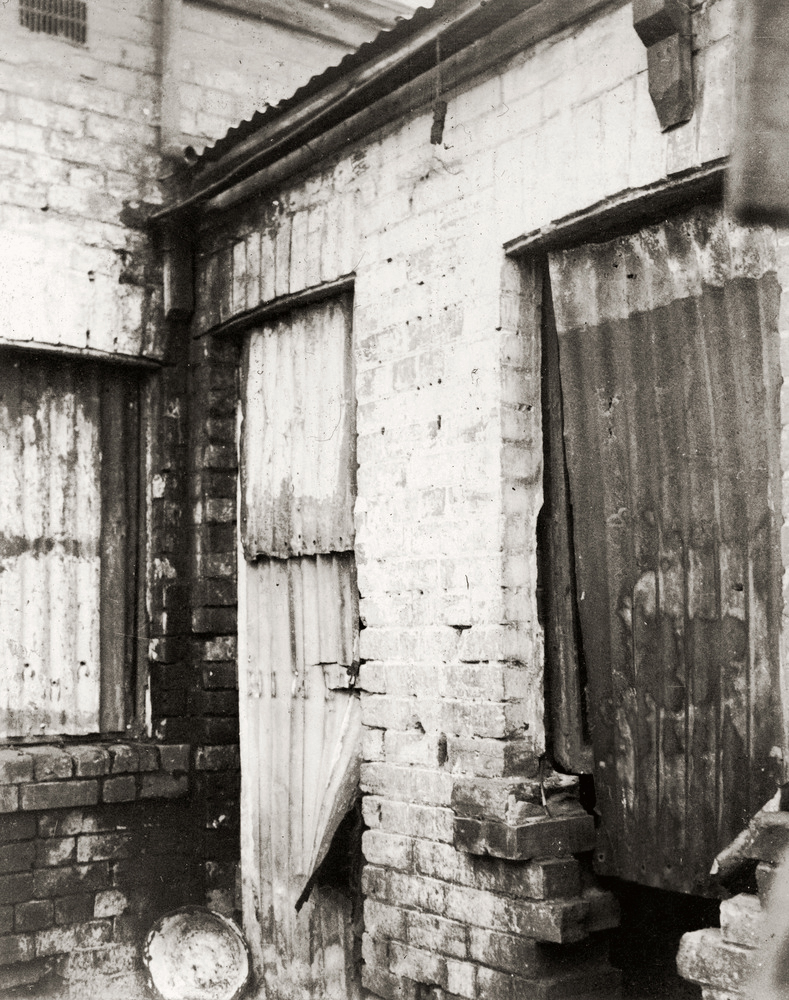
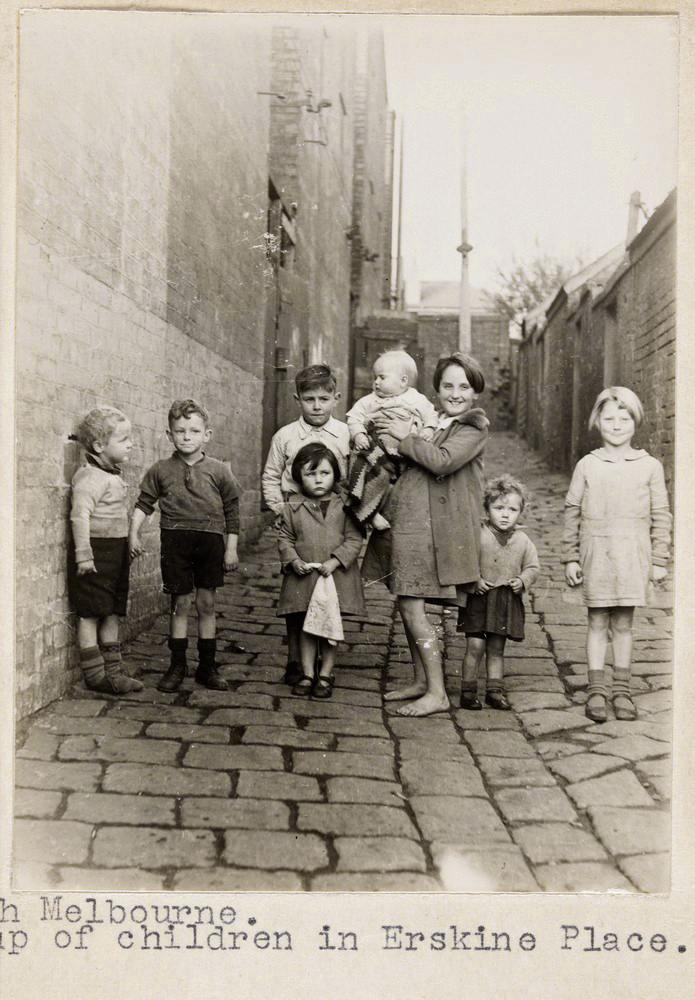


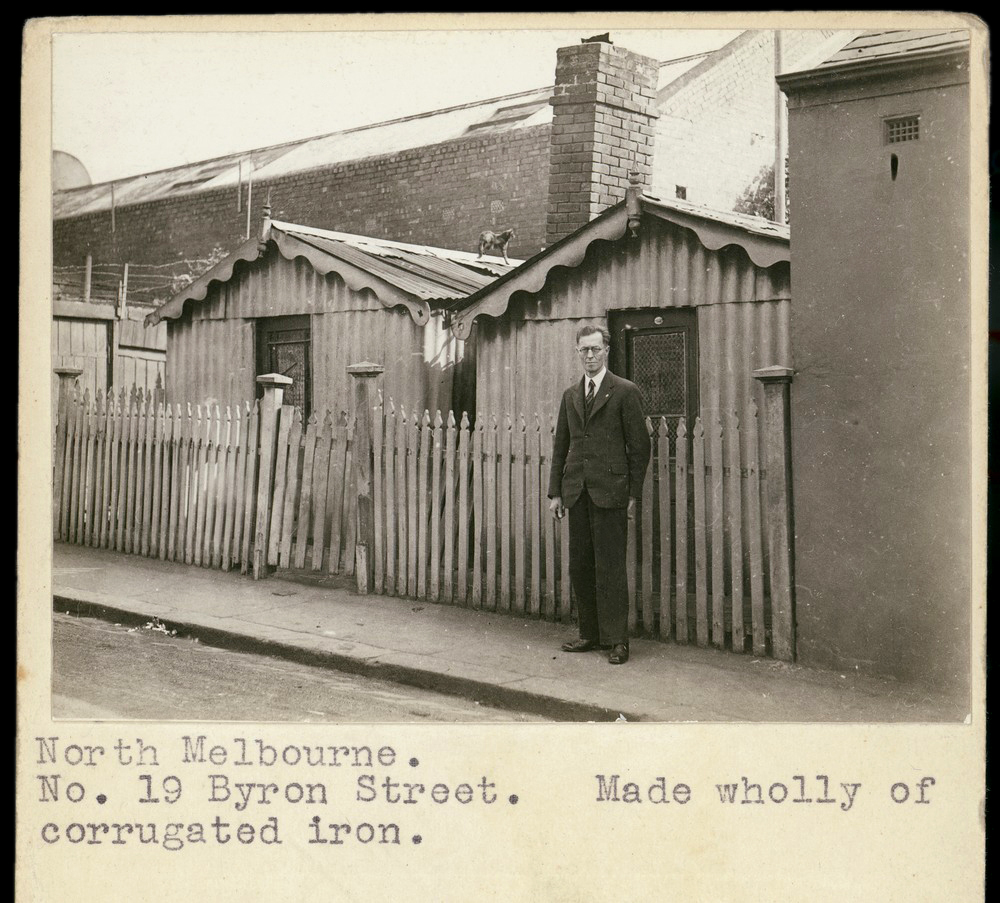

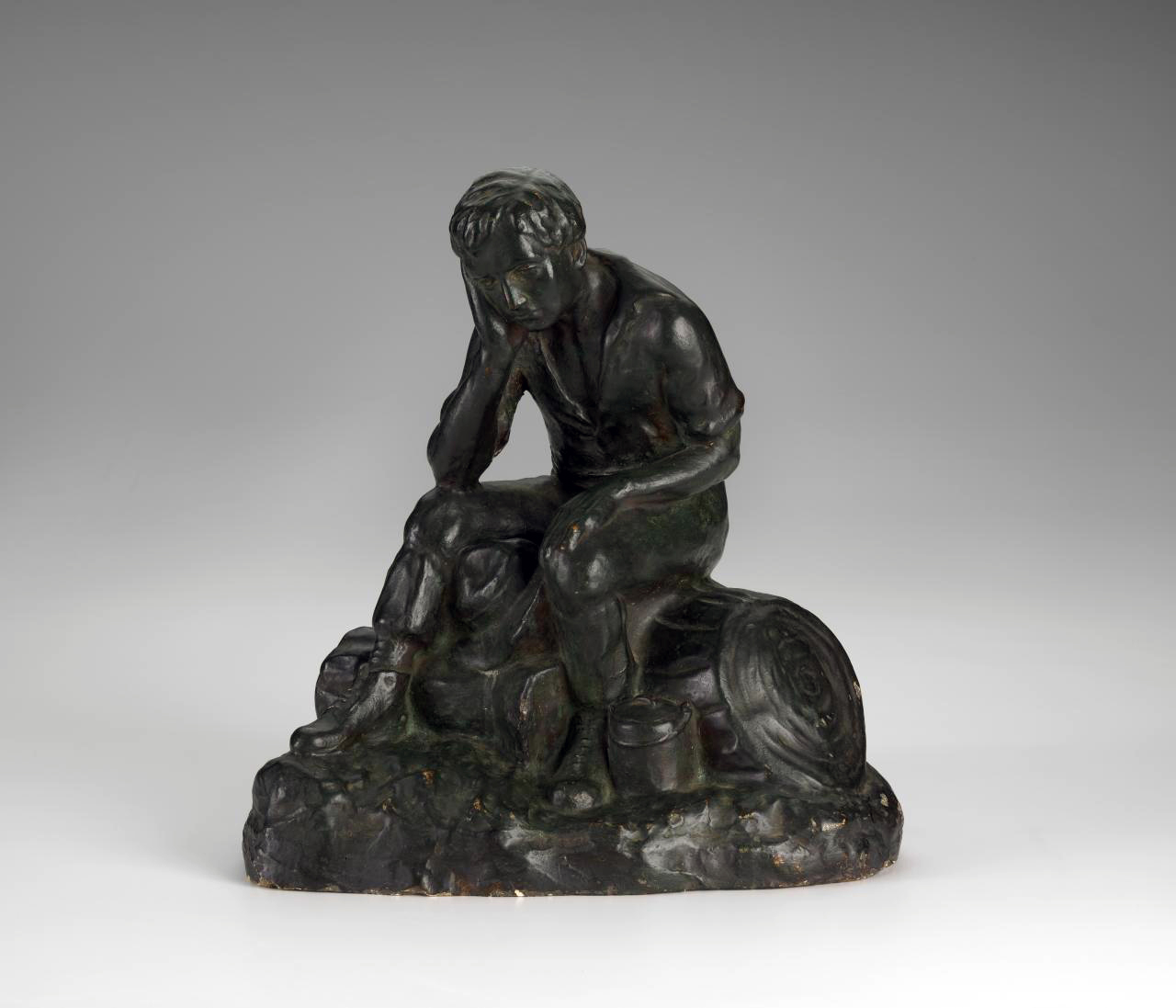


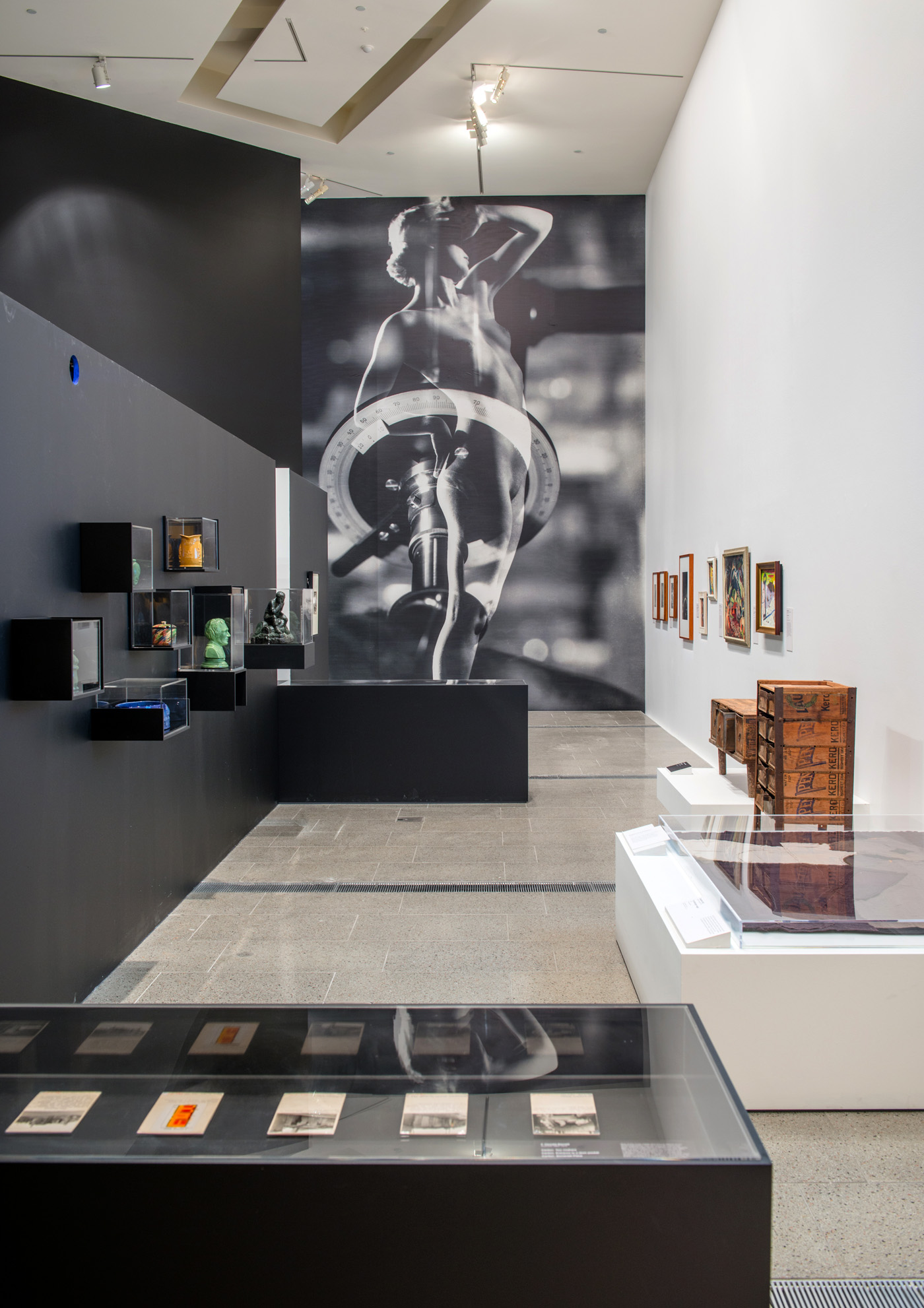




 Art Blart _ art and cultural memory archive
You must be logged in to post a comment.