Curator: Russell Lord, Freeman Family Curator of Photographs at NOMA
Gordon Parks (American, 1912-2006) Untitled, Harlem, New York 1948 Gelatin silver print, printed later Courtesy The Gordon Parks Foundation
Another great photographer with a social conscience. Fantastic to observe the dynamics of the proof sheets and how the images were cropped for final publication. The angles, the angles of Red’s young brother are illuminating, to see how the photographer framed his subject, what worked, what didn’t. There is a relatively new boxed set of the complete works of this artist published by Stiedl titled Gordon Parks Collected Works (2012).
Dr Marcus Bunyan
Many thankx to The New Orleans Museum of Art for allowing me to publish the photographs in the posting. Please click on the photographs for a larger version of the image.
“”The Making of an Argument” evaluates the editorial decisions made by the magazine and, in doing so, comments on how the context in which a picture is presented can drastically alter its message. “In order to meet the expectations set up by the subtitle and the opening text, an overwhelming majority of the pictures selected underscore violence, fear, frustration, aggression, or despair. Of the twenty-one images reproduced, only five strike a lighter note,” writes Russell Lord, the curator of photographs at NOMA. Lord also notes that the ways the images were cropped and darkened further functioned to convey the magazine’s intended message.”
Genevieve Fussell. “Gordon Parks: The Making of an Argument,” on The New Yorker website October 28, 2013 [Online] Cited 19/01/2021. Used under fair use conditions for the purposes of education and research
Gordon Parks (American, 1912-2006) Untitled, Harlem, New York 1948 Gelatin silver print, printed later Courtesy The Gordon Parks Foundation
Gordon Parks (American, 1912-2006) Untitled, Harlem, New York 1948 Gelatin silver print, printed later Courtesy The Gordon Parks Foundation
Gordon Parks (American, 1912-2006) Untitled, Harlem, New York 1948 Gelatin silver print, printed later Courtesy The Gordon Parks Foundation
Gordon Parks (American, 1912-2006) Untitled, Harlem, New York 1948 Gelatin silver print, printed later Courtesy The Gordon Parks Foundation
This image shows both the full frame image that Gordon Parks shot and the cropped selection, framed in editor’s marking pen, that was ultimately published in Life magazine. The cropped version dramatically heightens the intensity of the image, bringing the viewer closer to the fight (see proof sheet below).
Gordon Parks (American, 1912-2006) Untitled, Harlem, New York 1948 Gelatin silver print, printed later Courtesy The Gordon Parks Foundation
Gordon Parks (American, 1912-2006) Untitled, Harlem, New York 1948 Gelatin silver print, printed later Courtesy The Gordon Parks Foundation
The opening spread of “Harlem Gang Leader,” Life, November 1, 1948
This exhibition explores the making of Gordon Parks’ first photographic essay for Life magazine in 1948, “Harlem Gang Leader.” After gaining the trust of one particular group of gang members and their leader, Leonard “Red” Jackson, Parks produced a series of photographs that are artful, poignant, and, at times, shocking. From this large body of work (Parks made hundreds of negatives) the editors at Life selected twenty-one pictures to print in the magazine, often cropping or enhancing details in the pictures in the process. Gordon Parks: The Making of an Argument traces this editorial process and parses out the various voices and motives behind the production of the picture essay.
The exhibition considers Parks’ photographic practice within a larger discussion about photography as a narrative device. Featuring vintage photographs, original issues of Life magazine, contact sheets, and proof prints, the exhibition raises important questions about the role of photography in addressing social concerns, its use as a documentary tool, and its function in the world of publishing…
“This project raises important questions about the role of photography in addressing social concerns, its use as a documentary tool, and its function in the world of publishing,” said Susan M. Taylor, NOMA’s Director. “We are delighted to be working with The Gordon Parks Foundation on this exhibition since it is a project that addressed many of the major issues that Parks would explore throughout his career.”
In 1948, Gordon Parks began a professional relationship with Life magazine that would last twenty-two years. For his first project, he proposed a series of pictures about the gang wars that were then plaguing Harlem, believing that if he could draw attention to the problem then perhaps it would be addressed through social programs or government intervention. As a result of his efforts, Parks gained the trust of one particular group of gang members and their leader, Leonard “Red” Jackson, and produced a series of pictures of them that are artful, emotive, poignant, touching, and sometimes shocking. From this larger body of work, twenty-one pictures were selected for reproduction in a graphic and adventurous layout in Life magazine.
At each step of the selection process – as Parks chose each shot, or as the picture editors at Life re-selected from his selection – any intended narrative was complicated by another curatorial voice. Curator Russell Lord notes, “By the time the reader opened the pages of Life magazine, the addition of text, and the reader’s own biases further rendered the original argument into a fractured, multi-layered affair. The process leads to many questions: ‘What was the intended argument?’ and ‘Whose argument was it?’.”
Gordon Parks: The Making of an Argument examines these questions through a close study of how Parks’ first Life picture essay was conceived, constructed and received.”
Press release from the NOMA website
Gordon Parks (American, 1912-2006) Untitled, Harlem, New York 1948 Gelatin silver print, printed later Courtesy The Gordon Parks Foundation
Gordon Parks (American, 1912-2006) Untitled, Harlem, New York 1948 Gelatin silver print, printed later Courtesy The Gordon Parks Foundation
Gordon Parks (American, 1912-2006) Untitled, Harlem, New York 1948 Gelatin silver print, printed later Courtesy The Gordon Parks Foundation
Gordon Parks (American, 1912-2006) Untitled, Harlem, New York 1948 Gelatin silver print, printed later Courtesy The Gordon Parks Foundation
Gordon Parks (American, 1912-2006) Untitled, Harlem, New York 1948 Gelatin silver print, printed later Courtesy The Gordon Parks Foundation
Gordon Parks (American, 1912-2006) Untitled, Harlem, New York 1948 Gelatin silver print, printed later Courtesy The Gordon Parks Foundation
Gordon Parks (American, 1912-2006) Untitled, Harlem, New York 1948 Gelatin silver print, printed later Courtesy The Gordon Parks Foundation
Gordon Parks (American, 1912-2006) Untitled, Harlem, New York 1948 Gelatin silver print, printed later Courtesy The Gordon Parks Foundation
The New Orleans Museum of Art One Collins Diboll Circle, City Park New Orleans, LA 70124 Phone: (504) 658-4100
More images from this wonderful photographer who was a low-level Soviet agent while exiled in Britain after the Second World War and who destroyed most of her photos as well as many negatives out of fear of prosecution in 1951. Thanks to contemporary research we can begin to see the vision of this artist. In her photo essays, an impassioned record, she imaged social injustice and showed it to the world… creating her own inimitable style and a “comprehensive and freestanding body of work.”
“Her photos are impressive for the quality of the dialogue with those portrayed and the social context is always visible and tangible. “The women, children and workers photographed by her seem less objectified and, to some extent at least, are placed in a better position to represent themselves,” writes Duncan Forbes, curator of the exhibition.” (press release)
The quality of the dialogue with those portrayed.
You can feel that in these images, that the photographer has a care and respect for the people that she is photographing, probably more so than the photographs of Bill Brandt from the same period. She seems to have a greater connection and concern for her subject matter.
I also love their grittiness, poignancy and above all their humanity. Look at the arrangement of figures in Family, Stepney, London (about 1932, below) as the viewers eye is led by the two staggered boys on the bed up to the eldest daughter, looking away off camera, while the mother steadfastly gazes directly into the camera clutching her youngest daughter tightly. The smile on the little girls face is a joy.
“No Home, No Dole” was the reality of life in London back then, with the Great Depression taking hold. I remember growing up in the 1960s and things weren’t much better in my grandmothers house, even the old farmhouse I grew up in. No hot running water, my mother bathing us kids in a tin tub on the kitchen floor with water heated up in the kettle on the stove. It was subsistence living for we were the poorest of the poor.
That Edith Tudor Hart had the courage of her convictions and recorded these environments shows a human being of great moral character.
We are grateful that the images survive.
Dr Marcus Bunyan
Many thankx to the Wien Museum for allowing me to publish the photographs in the posting. Please click on the photographs for a larger version of the image. View the exhibition online catalogue.
“If curator Duncan Forbes and photographers Owen Logan and Joanna Kane have resurrected an amazing archive, Tudor-Hart’s own life is curiously out of focus. Her struggles and sorrows are mute beneath the weight of her images. Her late life feels only half-lived: she struggled under the scrutiny of the security services until her death in 1973; she destroyed much documentation, including her list of negatives. As a woman photographer with left-wing associations, work became scarce. As a communist and a suspected traitor she was blacklisted and in the 1950s she gave up photography altogether.
What’s left, or rather what has been patiently reconstructed, is an impassioned record of the terrible long shadow of tyranny in Europe, and of a divided Britain that makes you both deeply ashamed and occasionally proud.”
Moria Jeffrey review of the exhibition 04/07/2013 on the Art Global website [Online] Cited 06/01/2014. No longer available online. Used under fair use conditions for the purposes of education and research
The rediscovery of a great Austrian-British photographer Edith Tudor-Hart (1908-1973), who is known in Austrian history of photography as Edith Suschitzky, belonged to the group of those politically engaged photographers who faced political developments in the inter-war years with socially critical force.
Edith Suschitzky studied at the Bauhaus in Dessau and worked as a photographer in Vienna around 1930 – while simultaneously a Soviet agent. In 1933 she married an Englishman who likewise had close connections to the Communist Party, and fled with him to Great Britain. There she created brilliant social reportage in the slums of London or in the coal mining areas of Wales, today some of the key examples of British workers’ photography. The exhibition is the first monographic presentation of Edith Tudor-Hart’s work. As well as the period in England, a selection from the early Viennese works are on show. Her unpretentious, documentary-influenced photographs on social themes come mainly from the collections of the National Galleries of Scotland
Following Barbara Pflaum, Elfriede Mejchar and Trude Fleischmann, the Wien Museum is once again putting on a solo exhibition dedicated to a great Austrian photographer: Edith Tudor-Hart (1908-1973), also known in the annals of photographic history by her maiden name Edith Suschitzky. She belonged to the group of politically engaged male and female photographers who, from the 1920s onwards, responded to political developments from a socially critical standpoint – both in Austria and in exile in England, where she became an important figure in the Worker Photography Movement. The exhibition, which was previously on show in Edinburgh, is the first ever overview of the work of this in equal measure fascinating and significant artist. It arose out of a cooperation between the National Galleries of Scotland and the Wien Museum and has been curated by Duncan Forbes, the long-standing Senior Curator of Photography at the National Galleries of Scotland and the new Director of the Fotomuseum Winterthur.
Edith Tudor-Hart was born in Vienna in 1908 as Edith Suschitzky and grew up in a social-democratic household; her father ran a workers’ bookshop in the Favoriten district of Vienna and a revolutionary publishing house. She had contact with the Communist Party of Austria (KPÖ) and the Communist International already from a young age and both charged her with tasks – with legal party work as well as with intelligence activities. Early on, Tudor-Hart become interested in pedagogy; she completed training in the Montessori method and moved in circles that promoted radical, anti-authoritarian school and education reforms. It was likely the period of study at the Bauhaus in Dessau (1928-1930) that first brought her to photography, even though Tudor-Hart is listed in the archives only as a participant on the famous preparatory course and not as a student in the photography department. Her first pictures were taken in about 1930 and “show a technically accomplished photographer, who explored subjects such as the deprivation of the working class and the reform-oriented culture of Austrian Social Democracy as well as the threat posed by military and fascist forces” (as the historian of photography Anton Holzer has written). At the same time she embarked on a career as a photo journalist for illustrated publications.
It was the period in which, thanks to technological advances, photography in the mass media had gained immensely in importance. From the beginning, Tudor-Hart viewed the camera as a political weapon that could be used to document social injustices; she had little time for the formal experiments of the avant-garde. Photography had ceased to be “an instrument for recording events and became instead the means to bring events about and to influence them. It became a living art form that involved the people” (Edith Tudor-Hart). Her first photo series, published in the magazines Der Kuckuck, Arbeiter-Illustrierte-Zeitung and Die Bühne, include a reportage on the deprived East End of London and a series on everyday life in the Vienna Prater. That she was a Communist and yet was working for a social-democratic publication such as Der Kuckuck was down to the fact that the KPÖ played a minimal role in the media (and political) landscape of Austria – in this respect the young photographer had to adapt to the commercial realities of her profession. However, she was also active for the Soviet news agency TASS and, in addition, she continued with her intelligence activities. She was described by a fellow agent as “modest, competent and brave”, ready “to give her all for the Soviet cause”. This eventually became Edith Tudor-Hart’s undoing: when the Austrian government moved against Nazis and Communists, she was arrested without further ado. In the same year she married the English doctor Alexander Tudor-Hart, which allowed her to escape to Great Britain in 1934. “When one views Suschitzky’s photographic work from her Vienna years, it becomes clear that already in her early period, she created a comprehensive and freestanding body of work,” writes Anton Holzer.
Among the miners in Wales
In exile, Edith Tudor-Hart’s photographs took on a sharper socially critical edge. She went with her husband to South Wales, where he practised as a doctor in the coal mining region. The economic crisis had hit heavy industry and mining in northern England particularly hard and in many small towns and villages, nine out of ten men were unemployed. The photos from the mining and shipbuilding region of Tyneside also tell of crippling economic hardship and social decline. With her pictures, Tudor-Hart clearly stood out from the mainstream of British photography, characterised at that time by a bourgeois, somewhat sweet and sentimental aesthetic. Her photos are impressive for the quality of the dialogue with those portrayed and the social context is always visible and tangible. “The women, children and workers photographed by her seem less objectified and, to some extent at least, are placed in a better position to represent themselves,” writes Duncan Forbes, curator of the exhibition. During the slight economic recovery of the mid-1930s, Tudor-Hart was able to build up a photo studio in London: “Edith Tudor-Hart – Modern Photography” it said on her headed paper. She specialised in portraiture and was also able to obtain some advertising work, for example for the toy manufacturer Abbatt Toys. In addition, she supplied photos to new British illustrated publications, including the magazine Lilliput and the popular paper Picture Post, as well as to government departments such as the British Ministry of Education. For her, working for the traditional papers of Fleet Street was, however, not an option. Alongside the equally consistent and nuanced workers’ photography, Tudor-Hart concentrated on work with children, especially after the Second World War, and in this she could call on a wide network of contacts. These included the Austrian paediatrician and curative educator Karl König as well as Anna Freud and Donald Winnicott, two of the leading protagonists of child psychoanalysis. She was concerned with issues of child welfare, heath and education and received commissions from agencies such as the British Medical Association, Mencap and the National Baby Welfare Council. In contrast to the static, studio-based portrait photography customary at the time, Tudor-Hart showed families and especially children as natural and lively.
After the Second World War and with the onset of the Cold War, Tudor-Hart’s personal situation worsened as she was still active as a low-level Soviet agent. In 1951, shortly after the Soviet spy Kim Philby was interrogated for the first time, she destroyed most of her photos as well as many negatives out of fear of prosecution. “Her life as a partisan for the Soviet cause ended with her a defeated and demoralised woman,” writes Duncan Forbes. She stopped publishing photos at the end of the 1950s, presumably at the request of the British secret services. Despite being questioned numerous times she was never arrested. Edith Tudor-Hart lived out her final years until her death in 1973 as an antiques dealer in Brighton.
That her photographic work was rediscovered is thanks to her brother, the photographer and cameraman Wolfgang Suschitzky. He saved a number of negatives from destruction and, in 2004, presented his sister’s photographic archive to the Scottish National Galleries. This exhibition and catalogue make Edith Tudor-Hart’s exceptional work accessible to a wider public for the first time. The exhibition was on show at the National Galleries of Scotland in Edinburgh in spring 2013 and, after its run at the Wien Museum, will also be on display in Berlin. For the first time, it offers an overview of Tudor-Hart’s work from her years in both Vienna and England; many of the photos have never been seen before. Furthermore, the first comprehensive work on this great Austrian artist is being published on the occasion of this exhibition.
Curator: Nicholas Chambers, The Milton Fine Curator of Art at The Andy Warhol Museum
Yasumasa Morimura (Japanese, b. 1951) To My Little Sister: for Cindy Sherman 1998 Ilfochrome print mounted on aluminium 55 x 31 inches Private Collection, New York
Cindy Sherman, eat your actress out…
A fascinating, erudite analysis of the difference between Edouard Manet’s Olympia and Yasumasa Morimura’s Futago can be found on the seemingly anonymous Hoegen: Thoughts About Gender, Sex And Sexualityweb page (excerpt below).
If you can find an author’s name it would be appreciated!
Dr Marcus Bunyan
Many thankx to The Andy Warhol Museum for allowing me to publish the photographs in the posting. Please click on the photographs for a larger version of the image.
Yasumasa Morimura (Japanese, b. 1951) Portrait (Futago) 1988 Colour photograph 82 3/4 x 118 inches Carnegie Museum of Art, Pittsburgh; A.W. Mellon Acquisition Endowment Fund, 92.108
In Anne D’Alleva’s article concerning reception theory, she draws upon several scholars of art and literature to discuss the importance of not only the artist, but also of the viewer. She discusses the symbiotic relationship that must exist and the merits of the ideal viewer. The two artworks that she mentions to support her arguments are Edouard Manet’s Olympia and Ysumasa Morimura’s Futago. These two artworks are prime examples of works that establish an ideal viewer, or viewers, as well as a mirror stage. These two theories assist the art historian to go beyond the biography of the artist and question the relationship of the image and it’s audience.
Just as Wolfgang Iser believes there is an implied reader for literature, one must believe that there is an implied viewer of Edouard Manet’s Olympia and a different implied viewer for Yasumasa Morimura’s Futago (114). In the case of Manet’s Olympia, one might believe the ideal implied viewer is a white and wealthy man of the upper class. This ideal viewer would appreciate, or maybe question, the bold gaze of Olympia, and possibly even recognize her as the popular courtesan (116)…
The ideal viewer for Morimura’s photograph is not as easy to define. One might make the presumption that Morimura desires the same ideal viewer of Manet, so that they can simply see the work differently. Also, one could assume that he intended his painting to be viewed by Asian, upper class homosexuals who have seen Manet’s Olympia and want to connect on a more personal level. Either of these audiences may be ideal.
According to Ernest Kris, art “requires the participation of both artist and spectator.” (110) Therefore, there must be something that establishes a relationship of the ideal viewer and the photograph of Yasumasa Morimura. Since it is a photograph, and not a painting, there is a humanistic connection that is not present in Manet’s Olympia that ultimately assists the creation of an image-audience relationship. The gaze is not a representation of a gaze but the actual gaze of Morimura establishing a deeper relationship with the ideal viewer of the artist and subject. Since the ideal audience is harder to define for Morimura’s photograph, the establishing element of the relationship between the ideal viewer and the artwork are also hard to define. If the ideal viewer is exactly that of Manet’s: a white, wealthy, upper-class man, then the “shock factor” of the image is multiplied. The ideal viewer has just begun to accept this shocking image of a nude female daring to look at her viewer when Morimura decided to change the race, gender, and possibly the sexual orientation of the subject of the artwork. This assumption, however, provides that the viewer come with “pre-understanding” as described by Roman Ingarden (113); in this case, a memory of Manet’s Olympia. If one assumes that this image is meant for the common man, this relationship is established through the use of photography, the universal and common way to capture images. If one assumes the connection between the inclusive group of Asian, male, homosexuals, then the establishment of the relationship is directly associated with the subject and artist…
The reception theory of Ernest Gombrich states the importance of perception is clearly prevalent within these works (113). The artists have taken their own interpretations of these works, but one must value the fact that their ideal viewers can be similar and have similar perceptions. The differences of their individual perceptions provide for the differences between their viewers. However, the perception of the viewer, whether ideal or not, is the ultimate reflection of the artwork in the culture.
Clearly, the mirror stage is present in these two images. The viewer does not seem to view their self in the artwork directly, but they do feel a connection to the work. Morimura most definitely used Manet’s Olympia as a basis image for his Futago. Although some details are incongruous, the overall effect of Futago is a mirrored image of the whole self of Olympia. There are several differences in these paintings that one may attribute to race and gender that affect the dynamics of the mirror effect. Most obviously, Morimura, who was his own subject in his photographic rendition of Manet’s Olympia, is a man. This affects the mirror image of the body. He is leaner, has no curves and is more muscular. Also, his race affects skin color as well as the some of the details of the picture. He has clearly chosen a kimono to replace the intricate shawl, and a seated, waving cat to replace standing one – both of these depictions have significance in Asian culture (116). Cultural implications are evident.
Overall, these two images reflect Anne D’Avelia’s idea that that two similar artworks can have two different implied viewers. Also, they can mirror each other in certain respects, but diverge in others. These help reinforce D’Avelia notes that gender, expression, details, and race, all play roles in developing the image-audience relationship. They also reflect our class work exploring the troubling of gender norms and the gaze.
Anonymous. “Olympia vs. Futago,” in the article ‘Hoegen: Thoughts about Gender, Sex and Sexuality’ on the Fairfield University website [Online] Cited 19/01/2021. Used under fair use conditions for the purposes of education and research
Yasumasa Morimura (Japanese, b. 1951) Doublonnage (Marcel) 1988 Colour photograph 59 x 47 1/4 inches Private Collection, New York
Art History
Yasumasa Morimura’s reprisals of European masterpieces are, at once, acts of homage and parody. Painstakingly realised, his photographic reconstructions of paintings by Leonardo da Vinci, Johannes Vermeer, Rembrandt van Rijn and Edouard Manet, among others, bring compositional questions together with those pertaining to race, gender and sexuality. In doing so, they reveal both the aesthetics and the politics embedded in the art historical canon.
Actresses
This section of the exhibition focuses on Morimura’s restaging of scenes from award winning films featuring Marlene Dietrich, Audrey Hepburn, Liza Minnelli, Jodie Foster and many others. It is notable that the artist’s impersonations are not anonymous but well-known stars, archetypes of Hollywood’s leading ladies. As stated in their titles, each work is a self-portrait and together they propose a range of possibilities for the artist’s own identity. Morimura has stated, “My own self-definition includes this entire zone of possibilities. When I apply this way of thinking to making a self-portrait, it becomes what I call an ‘open self-portrait.’
Yasumasa Morimura (Japanese, b. 1951) M’s Self-portrait No.15 1995 Gelatin silver print 18 1/2 x 21 1/4 inches (framed) Collection of the artist, on deposit at the Toyota Municipal Museum of Art
Yasumasa Morimura (Japanese, b. 1951) Self-portrait (Actress)/after Elizabeth Taylor 1 1996 Ilfochrome print mounted to plexiglass 47 1/4 x 37 1/4 inches Courtesy of the artist and Luhring Augustine, New York
Yasumasa Morimura (Japanese, b. 1951) M’s self-portrait No. 56/B 9 (or “as Marilyn Monroe”) 1996 Gelatin silver print Edition 6 of 10 11 3/4 x 14 inches
For more than three decades Japanese artist Yasumasa Morimura has forged an extraordinary body of work that reimagines the visual culture of the West, as well as that of his native Japan. Whether portraying Elizabeth Taylor, Mao Zedong or Andy Warhol, Morimura’s iconic images examine the practice of photography while also claiming a space for the self in historical narratives. The artist inserts himself as the subject(s) in all of his works. The exhibition, Yasumasa Morimura: Theater of the Self, is a retrospective of Morimura’s 30 year career covering his fascination with the self-portrait, celebrity, gay and transgendered life, art history, and popular culture align him closely with the work of Andy Warhol. Morimura has described himself as Warhol’s “conceptual son.”
Developed in close collaboration with the artist, the exhibition focuses on three important bodies of work: his celebrated “Art History” photographs in which he painstakingly restages European masterpieces; “Requiem” in which Morimura recreates iconic photographs relating to political and cultural life; and the “Actors” series in which he assumes the personae of Hollywood luminaries such as Marilyn Monroe, Elvis Presley and Audrey Hepburn.
Milton Fine Curator of Art, Nicholas Chambers states, “Including almost 100 images, many of which have never before been seen in the United States, Theater of the Self offers audiences an in-depth view of Morimura’s work. His pictures reveal a sophisticated form of engagement with the worlds of celebrity, art and the mass media that is at once celebration and critique, homage and parody, and has the effect of questioning the nature of the individual’s relationship to culture-at-large.””
Press release from The Warhol website
Requiem
The artworks comprising the Requiem Series are derived from photographic sources and depict prominent masculine figures in moments of triumph or transition. Substituting himself for ideologues, dictators and creative thinkers, Morimura reflects on what these figures represent for the broader culture and on the role of photography in celebrating, demonising or memorialising them.
Yasumasa Morimura (Japanese, b. 1951) A Requiem: Vietnam War 1968-1991 1991-2006 Gelatin silver print
Yasumasa Morimura (Japanese, b. 1951) A Requiem: Theater of Creativity / Andy Warhol in Motion 2010 Digital video, black and white, silent, 3:58 minutes Collection of the artist
Yasumasa Morimura (Japanese, b. 1951) A Requiem: Mishima 1970 2006 Digital video, colour, sound, 7:42 minutes Courtesy of the artist and Luhring Augustine, New York
Yasumasa Morimura (Japanese, b. 1951) A Requiem: Red Dream / Mao 2007 C- print mounted on alpolic 59 x 47 1/4 inches Courtesy of the artist and Luhring Augustine, New York
Yasumasa Morimura (Japanese, b. 1951) A Requiem: Oswald, 1963 2006 Gelatin silver print Courtesy of the artist and Luhring Augustine, New York
The Andy Warhol Museum 117 Sandusky Street Pittsburgh, PA 15212-5890 Phone: 412.237.8300
Exhibition dates: 7th September, 2013 – 12th January 2014
Curator: Susanne Meyer-Büser
Many thankx to the Kunstsammlung Nordrhein-Westfalen for allowing me to publish the photographs in the posting. Please click on the photographs for a larger version of the image.
“These hesitations and resumptions, gropings and fumblings, sudden decisions and, most especially, marvellous swan-like nobility make Calder’s mobiles strange creatures, mid-way between matter and life.”
Jean-Paul Sartre, 1946
For the first time in 20 years, a German museum is presenting a major selection of works by the American sculptor Alexander Calder (1898-1976). With the exhibition Alexander Calder: Avant-Garde in Motion, the Kunstsammlung Nordrhein-Westfalen invites art lovers to reevaluate Calder as an astonishingly multifaceted member of the twentieth century avant-garde. Never before has the artistic oeuvre of this pioneer of Kineticism been presented in its surprising proximity and intimate interplay with the experimental film and music of its time. This approach highlights the intellectual universality of an artist whose mobiles are familiar worldwide today.
The focus of the exhibition at the K20 Grabbeplatz is the 1930s and 1940s, documenting Calder’s path toward abstraction and his lifelong friendships with members of the European avant-garde. On view in two exhibition halls are approximately 70 works, ranging from small-scale works in wood and sheet metal to the monumental steel stabile Le Tamanoir (1963), weighing 2300 kilograms, on loan from Rotterdam. A special architectural feature of this presentation is the long, accessible catwalk in the Kleehalle, which will offer visitors unexpected perspectives of the suspended mobiles.
For the Düsseldorf exhibition, Calder’s first solo show of abstract works at the Galerie Percier in Paris in 1931, has been partially documented as a crucial station on the path toward his singular formal language. His artistic friendships during his time in Paris are highlighted by important individual paintings by Piet Mondrian, Joan Miró, and Hans Arp that are found today in the collection of the Kunstsammlung Nordrhein-Westfalen. The impulse that initiated this major exhibition project was modest in proportions: in 2008, the sculpture Untitled, dating from 1936, was acquired by the Federal State of North-Rhine Westphalia, and hence and came into the possession of the Kunstsammlung. This work is among Calder’s relatively unknown “noise-mobiles,” which generate sound through the gentle pendular movement of a ball that hangs from a wire. A complex work, Untitled connects various phases of Calder’s career, pointing toward the beginning of the wire sculptures of the 1920s and also the “sonorous” mobiles of the later period, which are set in motion by air currents. The forms of the individual elements signal Calder’s turn toward abstraction, but also resemble the organic language typical of the works of Arp and Miró.
Like no other American artist, and in a way comparable only with his friend Man Ray, Calder was a consistent member of Parisian avant-garde circles between 1926 and 1933. He was recognised by the main representatives of a range of artistic tendencies, yet never allowed himself to be drawn into the rivalry between abstraction and Surrealism. During these years, Calder moved uninhibitedly between various orientations, positioning his work in the field of tension residing between Mondrian’s cool geometric compositional structures and the biomorphic, playful abstractions of Miró and Arp. The exhibition features in particular the abstract works Calder produced after a legendary and pivotal experience in Paris: in the fall of 1930, he visited Mondrian’s studio and was deeply impressed by the space’s total composition, in particular by the black-and-white structuring of a wall on which coloured rectangles were mounted for study purposes. In his autobiography, Calder characterises his visit to this environment as a “shock” that prompted him to reevaluate his artistic production to date.
During the ensuing weeks, he produced abstract paintings exclusively – a brief intermezzo. Subsequently, he developed his first nonobjective, spatial wire constructions. In the autumn of 1931, the influences of the preceding years found a more distinct expression in Calder’s art when he produced the first moving sculptures by a system of motors or cranks. Marcel Duchamp gave them the name “mobile,” a word that means both “motion” and “motive” in French. The mechanics were abandoned as Calder developed hanging kinetic sculptures, which are linked together by wires and joints and held in a state of equilibrium; through the principle of contingent and dynamic rotation, the individual parts continually form new and unanticipated constellations. As a counterpart to the mobiles, Calder developed immobile constructions, which Hans Arp dubbed “stabiles” in 1932.
Contributing to our understanding of Calder’s works are experimental films, likely seen by Calder during his time in Paris, in which movement and rotation are thematised in their most various facets. During the 1920s, many artists in Calder’s intimate circle were preoccupied with the medium of cinema and the moving image, for example Fernand Léger with Ballet Mechanique (1924), Marcel Duchamp with Anémic Cinéma (1926), and Man Ray with Le Retour à la Raison (1923). In the exhibition, these experimental films will be screened as part of the broader context of Calder’s studies of movement and space. Indispensable to a comprehensive presentation of Calder’s involvement in the historic avant-garde is a consideration of the experimental music of the time: Calder cultivated friendships with the composers Edgard Varèse, Virgil Thomson, and John Cage, among others. Calder was intensively preoccupied with contemporary music, which is also incorporated into the exhibition. And it seems likely that it also exerted an influence on the “noise-mobiles,” for which the randomness of sound events plays an important role.”
Alexander Calder: Avant-Garde in Motion is on show at the Kunstsammlung Nordrhein-Westfalen, in two large exhibition halls at the K20 Grabbeplatz in Düsseldorf. In the Klee Hall the visitor will experience Calder’s early sculptures – set against works by trend-setting fellow artists, such as Mondrian, Miró and Arp, as well as artistic and documentary films. In the high Grabbehall, by contrast, the large mobiles and stabiles will be exhibited to impressive effect by allowing the individual shapes to move freely. Here the visitor can experience how the artist makes playful use of space and proportions. At various points throughout the exhibition, Calder’s mobiles enter into a dialogue with experimental music dating from the 1920s onwards, ranging from compositions by Edgar Varèse to those of John Cage. This illustrates how Calder constantly sought inspiration from other branches of the arts and broadened his own horizons.
Press release from the Kunstsammlung Nordrhein-Westfalen website
Curators: Brian Wallis, Chief Curator at the International Center of Photography (ICP), and Julie Maguire, Director of the Brett Weston Archive
Brett Weston (American, 1911-1993) [Air vents, New York] 1945 Image: 10 3/4 x 13 13/16 in. (27.3 x 35.1cm) Gelatin silver print Gift of the Brett Weston Archive, from the collection of Christian Keesee, 2003
Out of the 84 images online on eMuseum I have picked just 13 from the exhibition for this posting. While the press release is loquacious in its praise for these 8 x 10 view camera photographs – and Weston’s subjective and abstract view of the city with it’s flattened and abstracted deep space “distinguished by an attention to the formal values of linearity, depth, and contrast” – only the few that I have focused on here really work to any considerable degree.
Most of the photographs are mundane, prosaic experiments in form, shape and detail. Church door, Bowery, New York and Wrought iron fence, New York (both c. 1945, below) are better examples of detail photographs by Weston, but other than their formal qualities they are pretty boring images. More interesting is the photograph Stoop with broom, arrow, and pushcart, New York (1944, below) with its cacophony of shapes and angles, form, light and shadow.
While most photographs in the posting have some interesting qualities, the only real show stopper is Air vents, New York (1944, below). This is a beautifully resolved modernist image which contrasts the air vents as sculptural objects with the city skyline beyond. Here Weston manipulates deep space (without deep focus / large depth of field) as part of the mise en scène, placing the significant props in different planes of the picture while successfully flattening the whole tableau vivant at the same time. The rendition of light is handsomely controlled, the air vents becoming Brancussi-like sculptures or some form of alien creature.
Dr Marcus Bunyan
Many thankx to the International Center of Photography and the Avenue of the Americas Art Gallery for allowing me to publish the photographs in the posting. Please click on the photographs for a larger version of the image.
Brett Weston (American, 1911-1993) [42nd Street at First Avenue, New York] c. 1945 Image: 7 3/4 x 9 3/4 in. (19.7 x 24.8cm) Gelatin silver print Gift of the Brett Weston Archive, from the collection of Christian Keesee, 2003
Brett Weston (American, 1911-1993) [Oceano Dunes, California] 1934 Image: 10 5/8 x 13 13/16 in. (27 x 35.1cm) Gelatin silver print Gift of the Brett Weston Archive, from the collection of Christian Keesee, 2003
Brett Weston (American, 1911-1993) [Stoop with broom, arrow, and pushcart, New York] 1944 Image: 10 1/4 x 13 5/8 in. (26 x 34.6cm) Gelatin silver print Gift of the Brett Weston Archive, from the collection of Christian Keesee, 2003
Brett Weston (American, 1911-1993) [Airshafts, New York] c. 1945 Image: 13 13/16 x 10 11/16 in. (35.1 x 27.1cm) Gelatin silver print Gift of the Brett Weston Archive, from the collection of Christian Keesee, 2003
Brett Weston (American, 1911-1993) [Courtyard, New York] c. 1945 Image: 19 x 15 1/4 in. (48.3 x 38.7cm) Gelatin silver print Gift of the Brett Weston Archive, from the collection of Christian Keesee, 2003
Brett Weston (1911-1993) is widely regarded as one of the leading photographers of the 20th century. He is known primarily for his bold compositions based on Western landscapes and natural forms, and for his extraordinary printing style. Weston was among a small group of California photographers in the 1930s, known as the Group f/64, who favoured large-format view cameras, straight and uncropped images, and stark black-and-white prints, often contact printed. This group included Ansel Adams and Brett Weston’s father, Edward Weston. But Brett Weston’s style became even more radical when he was drafted into the army during World War II, and, in 1944, sent to the Army Pictorial Center in New York. There, in addition to routine Army work, Weston explored the streets of New York with his large 8 x 10 view camera. Over the next two years, Weston took over 300 photographs, each distinguished by an attention to the formal values of linearity, depth, and contrast. Turning away from the documentary style that characterised much of the photography of New York in the preceding decade, notably Berenice Abbott’s project Changing New York (1939), Weston pioneered a highly subjective and abstract view of the city, often focusing on details such as the finial on an iron railing or ivy on the side of a building. In pictures like Air Vents (1944) and Whelans Drugstore (1944), Weston flattened and abstracted the deep space of the New York cityscape creating rich, two-dimensional black-and-white images. This approach would govern the most prolific period of Weston’s work in the late 1940s and 1950s, when he utilised this highly polished style to photograph Western dunes, beaches, rocks, and vegetation.
This exhibition includes over 100 photographs, drawn largely from the collection of the International Center of Photography. The exhibition is a collaboration between the International Center of Photography, the Brett Weston Archive, and the host Gallery of the Americas. It is organised by Brian Wallis, Chief Curator at the International Center of Photography, and Julie Maguire, Director of the Brett Weston Archive.
Please note that this exhibition is at the 1285 Avenue of the Americas Art Gallery between 51st and 52nd Streets.
Press release from the ICP website
Brett Weston (American, 1911-1993) [House, Ewing Street, Staten Island, New York] c. 1945 Image: 10 x 8 in. (25.4 x 20.3cm) Paper: 10 x 8 in. (25.4 x 20.3cm) Gelatin silver print Gift of the Brett Weston Archive, from the collection of Christian Keesee, 2003
Brett Weston (American, 1911-1993) [Sutton Place, New York] c. 1945 Image: 10 x 8 in. (25.4 x 20.3cm) Paper: 10 x 8 in. (25.4 x 20.3 cm) Gelatin silver print Gift of the Brett Weston Archive, from the collection of Christian Keesee, 2003
Brett Weston (American, 1911-1993) [Skylight and fences, Midtown, New York] c. 1945 Image: 10 x 8 in. (25.4 x 20.3cm) Gelatin silver print Gift of the Brett Weston Archive, from the collection of Christian Keesee, 2003
Brett Weston (American, 1911-1993) [Wrought iron fence, New York] c. 1945 Image: 9 9/16 x 6 13/16 in. (24.3 x 17.3cm) Gelatin silver print Gift of Christian K. Keesee, 2012
Brett Weston (American, 1911-1993) [Church door, Bowery, New York] c. 1945 Image: 9 1/2 x 7 9/16 in. (24.1 x 19.2cm) Gelatin silver print Gift of the Brett Weston Archive, from the collection of Christian Keesee, 2003
Brett Weston (American, 1911-1993) [Pillars and tree, New York] 1944 Image: 10 x 8 in. (25.4 x 20.3cm) Gelatin silver print Gift of the Brett Weston Archive, from the collection of Christian Keesee, 2003
Brett Weston (American, 1911-1993) [St. Francis Grocery & Fruit, New York] c. 1945 Image: 9 1/2 x 7 9/16 in. (24.1 x 19.2cm) Gelatin silver print Gift of Christian K. Keesee, 2012
International Center of Photography 79 Essex Street, New York, NY 10002 between Delancey Street and Broome Street
Darron Davies (Australian) Encased 2012 Archival Pigment Print on Photo Rag 80 x 80cm / edition of 6
Here’s my pick of the nine best local exhibitions which featured on the Art Blart art and cultural memory archive in 2013 (plus a favourite of the year from Hobart). Enjoy!
Dr Marcus Bunyan
1/ Review: Terraria by Darron Davies at Edmund Pearce Gallery, Melbourne
This is the first “magical” exhibition of photography that I have seen in Melbourne this year. Comprising just seven moderately large Archival Pigment Print on Photo Rag images mounted in white frames, this exhibition swept me off my feet. The photographs are beautiful, subtle, nuanced evocations to the fragility and enduring nature of life…
A sense of day / dreaming is possible when looking at these images. Interior / exterior, size / scale, ego / self are not fixed but fluid, like the condensation that runs down the inside of these environments (much like blood circulates our body). This allows the viewer’s mind to roam at will, to ponder the mysteries of our short, improbable, joyous life. The poetic titles add to this introspective reflection. I came away from viewing these magical, self sustaining vessels with an incredibly happy glow, more aware of my own body and its relationship to the world than before I had entered Darron Davies enveloping, terrarium world.
Darron Davies (Australian) The Red Shard 2012 Archival Pigment Print on Photo Rag 80 x 80cm / edition of 6
Presently, contemporary photography is able to reveal intangible, constructed vistas that live outside the realm of the scientific. A photograph becomes a perspective on the world, an orientation to the world based on human agency. An image-maker takes resources for meaning (a visual language, how the image is made and what it is about), undertakes a design process (the process of image-making), and in so doing re-images the world in a way that it has never quite been seen before.
These ideas are what a fascinating exhibition titled Confounding: Contemporary Photography, at the National Gallery of Victoria, Melbourne investigates. In the confounding of contemporary photography we are no longer witnessing a lived reality but a break down of binaries such as sacred and profane, public and private, natural and artificial, real and dreamed environments as artists present their subjective visions of imagined, created worlds. Each image presents the viewerwith a conundrum that investigates the relationship between photographs and the “real” world they supposedly record. How do these photographs make you feel about this constructed, confounding world? These fields of existence?
This is a tough, stimulating exhibition of late works by Louise Bourgeois at Heide Museum of Modern Art, Melbourne. All the main themes of the artist’s work explored over many years are represented in these late works: memory, emotion, anxiety, family, relationships, childhood, pain, desire and eroticism are all present as are female subjectivity and sexuality, expressed through the body…
Bourgeois’ work gives me an overall feeling of immersion in a world view, one that transcends the pain and speaks truth to power. Bourgeois confronted the emotion, memory or barrier to communication that generated her mood and the work. She observed, “My art is an exorcism. My sculpture allows me to re-experience fear, to give it a physicality, so that I am able to hack away at it.” By weaving, stitching and sewing Bourgeois threaded the past through the present and enacted, through artistic performance, a process of repair and reconstruction, giving meaning and shape to frustration and suffering. I have not been so lucky. My mother refuses to discuss the past, will not even come close to the subject for the pain is so great for her. I am left with a heaviness of heart, dealing with the demons of the past that constantly lurk in the memory of childhood, that insistently impinge on the man I am today. Louise Bourgeois’ sculptures brought it all flooding back as the work of only a great artist can, forcing me to become an ethical witness to her past, my past. A must see exhibition this summer in Melbourne.
A stunning, eloquent and conceptually complex exhibition buy Petrina Hicks at Helen Gory Galerie…
I am just going to add that the photograph Venus (2013, below) is one of the most beautiful photographs that I have seen “in the flesh” (so to speak) for a long while. Hicks control over the ‘presence’ of the image, her control over the presence within the image is immaculate. To observe how she modulates the colour shift from blush of pink within the conch shell, to colour of skin, to colour of background is an absolute joy to behold. The pastel colours of skin and background only serve to illuminate the richness of the pink within the shell as a form of immaculate conception (an openness of the mind and of the body). I don’t really care who is looking at this photograph (not another sexualised male gaze!) the form is just beauty itself. I totally fell in love with this work.
Forget the neo-feminist readings, one string of text came to mind: The high fidelity of a fetishistic fecundity.
Petrina Hicks (Australian, b. 1972) Venus 2013 Pigment print, Edition of 8 100 x 100cm
Petrina Hicks (Australian, b. 1972) Enigma 2013 Pigment print, Edition of 8 100 x 100cm
5/ Exhibition: Density by Andrew Follows at Anita Traverso Gallery, Richmond
I include this in my list of magnificent photographic exhibitions for the year not because I curated it, but because of the conceptualisation, the unique quality of the images and the tenacity of a visually impaired artist to produce such memorable work.
A wonderful exhibition by vision impaired photographer Andrew Follows at Anita Traverso Gallery, Richmond. It has been a real pleasure to mentor Andrew over the past year and to see the fruits of our labour is incredibly satisfying. The images are strong, elemental, atmospheric, immersive. Due to the nature of Andrew’s tunnel vision there are hardly any traditional vanishing points within the images, instead the ‘plane of existence’ envelops you and draws you in.
Densityn.
The degree of optical opacity of a medium or material, as of a photographic negative;
Thickness of consistency;
Complexity of structure or content.
Andrew Follows (Australian, d. 2019) Number 31, Eltham 2013 Digital photograph on archival cotton rag 130 cm x 86.5cm
Andrew Follows (Australian, d. 2019 Green, Montsalvat 2013 Digital photograph on archival cotton rag 130 cm x 86.5 cm
This is a fascinating National Gallery of Australia exhibition about the work of Australian photographer Carol Jerrems at Monash Gallery of Art, Wheelers Hill – in part both memorable, intimate, informative, beautiful, uplifting and disappointing…
The pity is that she died so young for what this exhibition brought home to me was that here was an artist still defining, refining her subject matter. She never had to time to develop a mature style, a mature narrative as an artist (1975-1976 seems to be the high point as far as this exhibition goes). This is the great regret about the work of Carol Jerrems. Yes, there is some mediocre work in this exhibition, stuff that really doesn’t work at all (such as the brothel photographs), experimental work, individual and collective images that really don’t impinge on your consciousness. But there are also the miraculous photographs (and for a young photographer she had a lot of those), the ones that stay with you forever. The right up there, knock you out of the ball park photographs and those you cannot simply take away from the world. They live on in the world forever.
Does Jerrems deserve to be promoted as a legend, a ‘premier’ of Australian photography as some people are doing? Probably not on the evidence of this exhibition but my god, those top dozen or so images are something truly special to behold. Their ‘presence’ alone – their physicality in the world, their impact on you as you stand before them – guarantees that Jerrems will forever remain in the very top echelons of Australian photographers of all time not as a legend, but as a women of incredible strength, intelligence, passion, determination and vision.
What a gorgeous exhibition. It’s about time Melbourne had a bit of style put back into the National Gallery of Victoria, and this exhibition hits it out of the park. Not only are the photographs absolutely fabulous but the frocks are absolutely frocking as well. Well done to the NGV for teaming the photographs with the fashion and for a great install (makes a change to see 2D and 3D done so well together). Elegant, sophisticated and oozing quality, this is a sure fire winner….
Installation photograph of the exhibition Edward Steichen & Art Deco Fashion at NGV International
Monash University Museum of Art (MUMA) is generating an enviable reputation for holding vibrant, intellectually stimulating group exhibitions on specific ideas, concepts and topics. This exhibition is no exception. It is one of the best exhibitions I have seen in Melbourne this year. Accompanied by a strong catalogue with three excellent essays by Thierry de Duve, Dr Rex Butler and Patrice Sharkey, this is a must see exhibition for any Melbourne art aficionado before it closes.
“This transition is a flash, a boundary where this becomes that, not then, not that – falling in love, jumping of a bridge. Alive : dead; presence : absence; purpose : play; mastery : exhaustion; logos : silence; worldly : transcendent. Not this, not that. It is an impossible presence, present – a moment of unalienated production that we know exists but we cannot define it, place it. How can we know love? We can speak of it in a before and after sense but it is always a past moment that we recognise.”
Dr Marcus Bunyan. Made Ready: A Philosophy of Moments. December 2013
Jeff Koons (American, b. 1955) Balloon dog (Red) 1995 designed Porcelain, ed. 1113/2300 11.3 x 26.3 cm diameter National Gallery of Victoria, Melbourne Photo: Marcus Bunyan
Andrew Liversidge (Australian, b. 1979) IN MY MIND I KNOW WHAT I THINK BUT THAT’S ONLY BASED ON MY EXPERIENCE 2009 10,000 $1 coins (AUD) 30 x 30 x 30cm Courtesy of the artist and The Commercial Gallery, Sydney Photo: Marcus Bunyan
Claudia Terstappen (Australian born Germany, b. 1959) Cabbage trees (Queensland, Australia) 2002 From the series Our ancestors 1990- Gelatin silver print 29 x 29cm Courtesy of the artist
Claudia Terstappen (Australian born Germany, b. 1959) Zion Park (USA) 1996 From the series Sacred land of the Navajo Indians 1990- Gelatin silver print 37 x 37cm Courtesy of the artist
Without doubt this is the best pure photography exhibition I have seen this year in Melbourne. The exhibition is stimulating and enervating, the image making of the highest order in its aesthetic beauty and visual complexity. The artist explores intangible spaces which define our physical and spiritual relationship with the un/known world…
In Terstappen’s work there is no fixed image and no single purpose, a single meaning, or one singular existence that the images propose. They transcend claims about the world arising from, for example, natural or scientific attitudes or theories of the ontological nature of the world. As the artist visualises, records the feeling of the facts, such complex and balanced images let the mind of the viewer wander in the landscape. In their fecundity the viewer is enveloped in that situation of not knowing. There is the feeling of the landscape, a sensitivity to being “lost” in the landscape, in the shadow of ‘Other’, enhanced through the modality of the printing. Dreamworld vs analytical / descriptive, there is the enigma of the landscape and its spiritual places. Yes, the sublime, but more an invocation, a plea to the gods for understanding. This phenomenological prayer allows the artist to envelop herself and the viewer in the profundity – the great depth, intensity and emotion – of the landscape. To be ‘present’ in the the untrammelled places of the world as (divine) experience…
I say to you that this is the most sophisticated reading of the landscape that I have seen in a long time – not just in Australia but from around the world. This is such a joy of an exhibition to see that you leave feeling engaged and uplifted. Being in the gallery on your own is a privilege that is hard to describe: to see (and feel!) landscape photography of the highest order and by an Australian artist as well.
The claiming of things The touching of things The digging of land The tagging of place The taking over of the world
Tag and capture. Tag and capture. Shop, dig, spray, destroy.
An ironic critique of the pastoral, neo/colonial world, tagged and captured in the 21st century.
Excellent work. The construction, sensibility and humour of the videos is outstanding. I also responded to the two works Tag and capture and Shopping for butterfly (both 2013, below).
Joan Ross (Australian, b. 1961) Tag and capture 2013 Hand painted pigment print on cotton rag paper 50 x 47cm (image size) Edition of 3
Joan Ross (Australian, b. 1961) Shopping for butterfly 2013 Hand painted pigment print on cotton rag paper 51.5 x 50cm (image size) Edition of 3
Exhibition dates: 29th September 2013 – 5th January 2014
Curator: Sarah Kennel, Associate Curator of Photographs at the National Gallery of Art
Charles Marville (French, 1813-1879) Marché aux chevaux (Horse Market) (fifth arrondissement) c. 1867 Albumen print from collodion negative Image: 26.2 x 36.8cm (10 5/16 x 14 1/2 in.) The J. Paul Getty Museum, Los Angeles
The French photographer Charles Marville (1813-1879) is rapidly becoming a favourite of mine. In fact, I have just ordered Charles Marville: Photographer of Paris by Sarah Kennel from Amazon – a book that comes highly recommended – and I am eagerly awaiting its arrival.
Charles Marville “is primarily known for documenting the transformation of Paris from a medieval city to a modern one, through a series of images of old neighbourhoods lost due to urban renewal… Marville’s earliest works were salted paper prints made from paper negatives – soft, high-contrast images not far removed in feeling from the pioneering, somewhat primitive photographs of William Henry Fox Talbot. As photographic technology advanced, Marville shifted to glass negatives that allowed far more visual precision, particularly in the architectural and streetscape images that compose the largest portion of the National Gallery of Art’s retrospective. By the late 1870s, shortly before his death, Marville’s compositions began to presage the more modernist approaches Alfred Stieglitz would pursue just a few years later. (At one point, Marville even experimented with abstracted cloud images, decades before Stieglitz’s famous “equivalents.”).” (Louis Jacobson. “Reviewed: Charles Marbille at the National Gallery of Art,” on the Washington City Newspaper blog 22nd October 2013 [Online] Cited 19/01/2021)
Marville can be seen as the precursor to Eugène Atget (1857-1927). Atget would have been in his twenties when Marville was in the last few years of his life. It is interesting to speculate whether the two ever met? (and if they did what they would have talked about!) Atget would have been aware of the older photographers’ work, work that has been criticised for its lack of social consciousness and artistic feeling.
“Comparing Atget’s work with that of his best-known predecessor, Charles Marville (1816-1879), demonstrates another of Atget’s artistic contributions. Marville had been commissioned to make a comprehensive documentation of the vast districts of old housing that were to be demolished as part of Napoleon III’s plan to transform Paris into a modern capital. Marville’s photographs do not linger over any particular building, warm to its charm or embrace its artistic qualities. Instead (perhaps because these buildings were slated for destruction anyway), Marville chose a position from which he could see straight to the end of even the most narrow, winding street, enabling him to photograph the maximum number of structures with one shot.” (Gerald M. Panter. “Atget in Historical Perspective” [Online] Cited 01/01/2014. No longer available online)
This is to denigrate the work of Marville. His photographs possess more subtly than Atget’s and they sing a different song. To me, Marville’s photographs are like a Bach fugue while Atget’s photographs are a Mozart sonata. Both have different resonances, no less valuable one from the other. It is as if Atget looked at the work of Marville and thought: how can I do this my way, in my own voice and he then proceeded to “turn up the volume” – by changing the angle and perspective of the camera, by moving horse and cart into more prominent positions, by focusing on details and ghosts. But Marville is no less a master than Atget. You only have to look at the photographs to realise what great sensitivity to subject matter he possessed, what a unique voice this artist had.
Look at the amazing construction of the picture plane in numerous images in this posting. The wall that blocks the way in Impasse de l’Essai from the Horse Market (c. 1868, below) and the pictures elegiac atmosphere, tensioned by the post mimicking the tree at the left hand side and the threatening, dark, brooding forms of both trees overhanging the rooftops of the houses. The three photographs The Bièvre River (fifth arrondissement) (2 images) and Banks of the Bièvre River at the Bottom of the rue des Gobelins (all 1862, below) where the artist leads the eye of the viewer into the image using water, then partially blocks the line of sight into the distance by barrels and posts, shadows and reflections, at the same time limiting the sky to a small section so that the viewer’s eyes have some escape route out of the image. The last image Bièvre River at the Bottom of the rue des Gobelins is almost Cezanne-like in it’s flattening and fracturing of the image plane into modernist shapes. Atget could never have taken photographs like these. They are true masterpieces.
The last five images of city streets in the posting are also illuminating. While they are more frontal than many of Atget’s street photographs, with a longer vista and vanishing point, there is something about them that adds an indelible serenity to the scene. Maybe it’s the foreshortened walls lingering into the distance, the carts, the light, the shadows. Look at the very last photograph, Impasse de la Bouteille (de la rue Montorgeuil) (1865-1868, below) and notice the wonderful two vanishing points and the immense darkness of the intervening wall as it pushes its way into the image, the blackness of this intervention. Incredible.
As John Szarkowski has observed, “In the wet-plate days of Atget’s great predecessor Charles Marville photographed the streets of Old Paris, street by street. In those old streets that still existed a generation later, Atget repeated the work building by building, sometimes door by door, sometimes door knocker by door knocker. He reworked the ore with a finer screen, and sifted out a different precious metal.” (John Szarkowski. Eugène Atget. Museum of Modern Art, 2000, p. 15)
Both Marville and Atget are precious metals. For that we are eternally grateful.
Dr Marcus Bunyan
Many thankx to the National Gallery of Art, Washington for allowing me to publish the photographs in the posting. Please click on the photographs for a larger version of the image.
Charles Marville (French, 1813-1879) Gardens of the Bagatelle under Construction 1858-1862 Albumenised salted paper print from collodion negative Image: 26 x 36cm (10 1/4 x 14 3/16 in.) Paula and Robert Hershkowitz
Charles Marville (French, 1813-1879) Impasse de l’Essai (du marché aux chevaux) (Impasse de l’Essai from the Horse Market) (fifth arrondissement) c. 1868 Albumen print from collodion negative Image: 24.5 x 36.5cm (9 5/8 x 14 3/8 in.) Ville de Paris – Bibliothèque de l’Hôtel de Ville (BHdV)
Charles Marville (French, 1813-1879) Interior of Les Halles Centrales 1874 Albumen print from collodion negative Image: 31.8 x 39.2cm (12 1/2 x 15 7/16 in.) The AIA/AAF Collection, Prints and Photographs Division, Library of Congress, Washington D.C.
Charles Marville (French, 1813-1879) The Bièvre River (fifth arrondissement) c. 1862 Albumen print from collodion negative Image: 26.67 x 37.47cm (10 1/2 x 14 3/4 in.) Joy of Giving Something, Inc.
Charles Marville (French, 1813-1879) Treasury of Reims Cathedral 1854 Salted paper print from paper negative 23.1 x 34.5cm (9 1/8 x 13 9/16 in.) Private Collection
Charles Marville (French, 1813-1879) Cloud Study, Paris 1856-1857 Albumen print from collodion negative Image: 15.4 x 25.7cm (6 1/16 x 10 1/8 in.) Sheet: 31 x 43.4cm (12 3/16 x 17 1/16 in.) Wilson Centre for Photography, London
The first exhibition in the United States and the very first scholarly catalogue on the accomplished 19th-century French photographer Charles Marville will explore the beauty, variety, and historical poignancy of Marville’s art. On view at the National Gallery of Art, Washington, from September 29, 2013, through January 5, 2014, Charles Marville: Photographer of Paris will include 99 photographs and three albums that represent the artist’s entire career, from his exquisite city scenes and landscape studies made across Europe in the early 1850s to his compelling photographs of Paris both before and after many of its medieval streets were razed to make way for the broad boulevards, parks, and monumental buildings we have come to associate with the City of Light. The accompanying exhibition catalogue will present recently discovered, groundbreaking scholarship informing Marville’s art and his biography.
“Although his photographs of Paris on the brink of modernity are widely hailed as among the most accomplished ever made of that city, Marville himself has long remained an enigma to art historians,” said Earl A. Powell III, director, National Gallery of Art. “We are thrilled to present this new look at the art and life of Marville and are deeply grateful to lenders, both public and private, for making this landmark show possible.”
Forty-one of the 102 works presented in the exhibition are on loan from the Musée Carnavalet, Paris. Conservation and preparation of the loans from the Musée Carnavalet has been undertaken by the Atelier de Restauration et de Conservation des Photographies de la Ville de Paris (ARCP).
Recent Discoveries
Marville has long remained a mystery partly because documents that would shed light on his biography were thought to have disappeared in a fire that consumed Paris’ city hall in 1871. The whereabouts of other documentation was simply unknown. However, new research has helped curator Sarah Kennel and exhibition researcher Daniel Catan reconstruct Marville’s personal and professional biography.
The son of a tailor and laundress, Charles-François Bossu was born in Paris 1813. In a double act of self-invention, he jettisoned his given name (bossu means hunchback in French) around 1832, at the moment he became an artist. He embarked upon a career as an illustrator in the early 1830s but turned to the young discipline of photography in 1850. Although he continued to be known as Marville until his death in 1879, he never formally changed his name, which is the reason many of the legal documents pertaining to his life have gone unnoticed for decades. The exhibition catalogue establishes Marville’s biography, including his parentage and his relationship with a lifelong companion, and uncovers many significant details that illuminate the evolution and circumstances of his career.
The Exhibition and Artist’s Background
A talented and prolific artist lauded for his rigorously composed, beautifully detailed prints, Marville was commissioned in the early 1860s to record the city of Paris in transition. He soon became known as the official photographer of Paris and produced one of the earliest photographic series documenting urbanisation. He continues to be recognised as one of the most accomplished photographers in the history of the medium.
Charles Marville: Photographer of Paris offers an overview of the artist’s photographic career, beginning with a compelling series of intimate self-portraits and portraits of friends and colleagues that provide a fascinating window into Marville’s personal life and professional ties, and serve as an introduction to the exhibition. Starting in 1850, Marville travelled throughout France and Germany, using the paper negative process with great skill to create beautiful landscapes, cityscapes, studies of sculpture, and striking architectural photographs. Many of these works were included in albums produced by the pioneering publisher Louis-Désiré Blanquart-Evrard. The quantity and quality of the photographs used by the publisher serve as both a testament to Marville’s skill and an indication that his training as an illustrator prepared him exceptionally well for this new pictorial enterprise of photographic documentation.
In the mid-1850s, Marville adopted the collodion negative process and undertook a series of sky and cloud studies, made from the rooftop of his Parisian studio. More rapid and sensitive than the paper negative process, the collodion negative process enabled the photographer to capture delicate, luminous cloud formations on the city’s horizon and made him one of the first artists successfully to photograph clouds. At the same time, Marville expanded his practice by honing in on two lucrative areas: reproductions of works of art and architectural photographs. He excelled at both and assumed the title and related privileges of photographer to the Louvre while he also documented building and renovation projects in Paris and the provinces for prominent French architects, including Eugène Viollet-le-Duc.
In 1858, Marville was commissioned by the city of Paris to photograph the newly refurbished Bois de Boulogne, a royal park on the edge of Paris that had been transformed under the emperor Napoleon III into a site of bourgeois leisure and pleasure. Arguably his first important body of work that was conceived and executed as a systematic series, the Bois de Boulogne series would influence his best-known work, the Old Paris photographs. Commissioned by Paris’ agency on historic works (under the aegis of urban planner Georges-Eugène Baron Haussmann) in the early 1860s, Marville made more than 425 photographs of the narrow streets and crumbling buildings of the premodern city at the very moment they were threatened by demolition. Known as the Old Paris album, the photographs are captivating for their seamless integration of artistic sensibility and intense devotion to maximum visual clarity. In many cases they serve as the only visual record of sites that have long since vanished.
The exhibition closes with an exploration of the emergence of modern Paris through Marville’s photographs. Even before completing the Old Paris series, Marville began to photograph the city that was coming into being, from massive construction projects, renovated churches, and broad boulevards to a host of modern conveniences, such as the elegant new gas lamps and the poetically named vespasiennes (public urinals) that cemented Paris’ reputation in the 1860s as the most modern city in the world. Marville also explored the city’s edges, where desolate stretches of half-finished construction suggest the physical displacements and psychic costs of modernisation. Sharp-edged, beautifully detailed, and brilliantly composed, Marville’s photographs of the French capital as at once glamorous and alienating do not simply document change but in their very form shape the visual rhetoric of modern Paris.
Press release from the National Gallery of Art website
Charles Marville (French, 1813-1879) Cathédrale de Chartres, Grandes Figures des pilastres du portail septentrional (Chartres Cathedral, Columnar Figures, Northern Portal) 1854 Salted paper print from paper negative Image: 36 x 25.6cm (14 3/16 x 10 1/16 in.) The Museum of Modern Art, New York, Gift of Paul F. Walter
Charles Marville (French, 1813-1879) Self-Portrait at a Window, February 20, 1851 1851 Salted paper print from paper negative Image: 14.29 x 11.4cm (5 5/8 x 4 1/2 in.) Support: 32.2 x 24.5cm (12 11/16 x 9 5/8 in.) Mat: 53 x 40.5cm (20 7/8 x 15 15/16 in.) Musée d’Orsay, Paris
Charles Marville (French, 1813-1879) Self-Portrait 1861 Albumen print from collodion negative Image: 23.5 x 18.3cm (9 1/4 x 7 3/16 in.) Collection Debuisson
Charles Marville (French, 1813-1879) Rue de la Bûcherie, from the cul de sac Saint-Ambroise (fifth arrondissement) 1866-1868 Albumen print from collodion negative Image: 32 x 27.1cm (12 5/8 x 10 11/16 in.) National Gallery of Art, Washington, Horace W. Goldsmith Foundation through Robert and Joyce Menschel
Charles Marville (French, 1813-1879) Rue Saint-Jacques (fifth arrondissement) 1865-1866 Albumen print from collodion negative Image: 30.8 x 27cm (12 1/8 x 10 5/8 in.) National Gallery of Art, Washington, Horace W. Goldsmith Foundation through Robert and Joyce Menschel
Charles Marville (French, 1813-1879) Cour Saint-Guillaume (ninth arrondissement) 1866-1867 Albumen print from collodion negative Image: 34.2 x 27.2cm (13 7/16 x 10 11/16 in.) Lent by The Metropolitan Museum of Art, Gilman Collection, Purchase, Alfred Stieglitz Society Gifts, 2005
Charles Marville (French, 1813-1879) Passage Saint-Guillaume (vers la rue Richelieu) (first arrondissement) 1863-1865 Albumen print from collodion negative Image: 31.91 x 27.62cm (12 9/16 x 10 7/8 in.) Joy of Giving Something, Inc.
Charles Marville (French, 1813-1879) Rue Ollivier (vers la rue Saint-Georges) (ninth arrondissement) c. 1868 Albumen print from collodion negative Image: 28.6 x 27.6cm (11 1/4 x 10 7/8 in.) Joy of Giving Something, Inc.
Curator: Karen Hellman was as an assistant curator in the Department of Photographs at the Getty Museum
Robert Frank (Swiss, 1924-2019) Trolley – New Orleans 1955 Gelatin silver print Image: 22.9 x 34cm (9 x 13 3/8 in.) Trish and Jan de Bont
Another fascinating exhibition from the J. Paul Getty Museum that features classic photographs and some that I have never seen before. In my opinion, the two most famous photographs of windows have to be Minor White’s rhapsodic Windowsill Daydreaming, Rochester (1958, below) and Paul Strand’s Wall Street (1915, below, originally known as Pedestrians raked by morning light in a canyon of commerce) which, strangely, is not included in the exhibition.
I can’t understand this omission as this is the seminal image of windows in the history of photography.
Dr Marcus Bunyan
Many thankx to the J. Paul Getty Museum for allowing me to publish the photographs in the posting. Please click on the photographs for a larger version of the image.
Paul Strand (American, 1890-1976) Wall Street 1915 Platinum print
This photograph is not in the exhibition
In this photo, taken by morning light 1915, the recently built J.P. Morgan Co. building appears sinister and foreboding and dwarfs (perhaps consumes even) the humanity of suited men and women, their long shadows dragging behind them, walked alongside its facade.
Paul Strand studied under Lewis Hine and Alfred Steiglitz. Although he set up in New York as a portrait photographer, Strand often visited Stieglitz’s gallery to see the new European painting which it exhibited. In 1914-1915, under the influence of this new form of art, Strand turned from soft-focus Pictoralism towards abstraction. It was in this spirit that the above photo was taken, originally named, “Pedestrians raked by morning light in a canyon of commerce”. Strand did not intended to show Wall Street in a bad light, he admitted. However, as the Great Depression happened (criticism was squarely towards Wall Street back then as it is today) and Strand turned more communist, he later spoke of “sinister windows” and “blind shapes” inherent in the above picture.
The photo, now simply titled “Wall Street”, was one of six Paul Strand pictures Stieglitz published in Camera Work. In three of the six pictures, humanity strides out from abstract ideas, and each figure was a study in itself – an irregular item complimented by modular formats that surround it. Another set of eleven Strand photos were published in the magazine’s final issue in 1917, and those pictures, overwhelmingly endorsed by Stieglitz as ‘brutally direct’ made Strand’s reputation.
Alex Selwyn-Holmes. “Wall Street by Paul Strand,” on the Iconic Photos blog, December 2010 [Online] Cited 12/01/2021. Used under fair use conditions for the purposes of education and research
Arthur Rothstein (American, 1915-1985) Girl at Gee’s Bend 1937 Silver gelatin print Image: 40 x 49.7cm (15 3/4 x 19 9/16 in.) The J. Paul Getty Museum, Los Angeles
William Henry Fox Talbot (English, 1800-1877) [The Milliner’s Window] Before January 1844 Salted paper print from a Calotype negative Image: 14.3 x 19.5cm (5 5/8 x 7 11/16 in.) The J. Paul Getty Museum, Los Angeles
In many respects, the window was where photography began. As early as 1826, the sill of an upstairs window in the home of the French inventor Joseph Nicéphore Niépce served as a platform for his photographic experiments. His View from the Window at Le Gras is today considered to be the first photograph. Since then, the window motif in photographs has functioned formally as a framing device and conceptually as a tool for artistic expression. It is also tied metaphorically to the camera itself which is, at its most rudimentary, a “room” (the word camera means “chamber”) and its lens a “window” through which images are projected and fixed. The photographs in At the Window: A Photographer’s View, on view October 1, 2013 – January 5, 2014 at the J. Paul Getty Museum, Getty Center, explore varying aspects of the window as frame or mirror – formally or metaphorically – for photographic vision.
“The Getty Museum’s extensive collection allows us to explore themes and subjects within the history of photography that highlight not only the most famous masters and iconic images they produced, but also less obvious subjects, methods and practitioners of the medium whose contributions have not yet been fully acknowledged. At the Window is one such an exhibition, and holds in store many surprises, even for those who know the field well,” explains Timothy Potts, director of the J. Paul Getty Museum. “The exhibition also allows us to celebrate a substantial body of work that was recently added to the collection with funds provided by the Museum’s Photographs Council, whose mission it is to help us support the growth of the collection, and a number of highly important loans from private collections.”
Shop Windows and Architecture
Featured in the exhibition is an exceedingly rare early photograph, William Henry Fox Talbot’s The Milliner’s Window (before January 1844) which depicts not an actual window but a carefully constructed one: shelves were placed outdoors and propped in front of black cloth, while various ladies’ hats were arranged to simulate the look of a shop display. Throughout the history of photography, actual shop fronts have been a popular subject and reflections in their windows a source for unexpected juxtapositions. This motif is well represented in the exhibition with photographs by William Eggleston, Eugène Atget, and Walker Evans.
Photographers have also taken an interest in the distinctive formal arrangements made possible by the architectural facades found in a cityscape. André Kertész’s Rue Vavin, Paris (1925), a view from his apartment window, is one of the first photographs he took upon arriving in Paris from Budapest. Photographers like Alfred Stieglitz carefully framed their views of urban exteriors, using the window as a unifying device within the composition.
The Window as Social Documentary
While windows provide an opportunity to observe life beyond a single room, the camera’s lens opens a window to the world at large. Arthur Rothstein believed in photography’s ability to enact social change – his Girl at Gee’s Bend (1937) features a young girl framed in the window of her log-and-earth home in Alabama, highlighting the schism between magazine images and the actual lives of most Americans at the time. Similarly, Robert Frank’s Trolley – New Orleans (1955) frames racial segregation through windows in a trolley, while Sebastião Salgado’s Ho Chi Minh City, Vietnam (negative 1995; print 2009) uses the barely separated windows of a housing structure to evoke the cramped quarters and dire economic situation of its inhabitants.
The Window as a Conceptual Tool
Artists have used the window in other novel ways, whether to create an enigmatic mood or suggest a suspenseful scene. In Gregory Crewdson’s Untitled (2002) from the series Twilight, the image of a woman standing in a room and turned toward a window creates a suspended, unsettling moment of anticipation that is never resolved. In her Stranger series (2000), Shizuka Yokomizo actively engages subjects by sending letters to randomly selected apartment residents, asking them to stand in front of a window at a particular date and time in order to be photographed. Uta Barth’s diptych …and of time (2000), where the path of a window’s light and shadow is followed across the wall of the artist’s living room, illustrates something the artist phrased as “ambient vision.”
“The window has been a recurrent and powerful theme for photographers from the beginning of the medium,” explains Karen Hellman, assistant curator of photographs at the J. Paul Getty Museum and curator of the exhibition. “In a collection such as the Getty’s that is particularly rich in work by important photographers from the beginnings of the medium to the present day, the motif provides a unique way to travel through the history of photography.”
The Window in Photographs (Getty Publications, $24.95, hardcover) investigates the recurrence of windows both as a figurative and literal theme throughout the history of photography. From the very vocabulary we use to describe cameras and photographic processes to the subjects of world-renowned photographers, windows have long held powerful sway over artists working in the medium. When documented on film, windows call into question issues of representation, the malleability of perception, and the viewer’s experience of the photograph itself, and the window’s evocative power is often rooted in the interplay between positive and negative, darkness and light, and inside and out.
Yet despite the ubiquity of windows in photography, this subject has been rarely addressed head on in a single exhibition or publication. From the birth of the Daguerreotype to the development of digital imagery, this volume presents a full account of the motif of the window as a symbol of photographic vision. Its eighty featured colour plates, all drawn from the Getty Museum’s permanent collection, are arranged thematically rather than chronologically, allowing the window’s many uses in photography to be highlighted and explored stylistically. Including images from all-star contributors such as Uta Barth, Gregory Crewdson, William Eggleston, Walker Evans, Robert Frank, and Minor White, The Window in Photographs is a remarkable examination of a theme that has inspired photographers for over a century. This book is published to coincide with the exhibition At the Window: The Photographer’s View at the J. Paul Getty Museum from October 1, 2013 to January 5, 2014.
Press release from the J. Paul Getty Museum website
Walker Evans (American, 1903-1975) Penny Picture Display, Savannah / Photographer’s Window Display, Birmingham, Alabama / Studio Portraits, Birmingham, Alabama 1936 Gelatin silver print Image: 25.6 x 19.9cm (10 1/16 x 7 7/8 in.) The J. Paul Getty Museum, Los Angeles
Eugène Atget (French, 1857-1927) Petit Bacchus, 61, rue St. Louis en l’Ile (The Little Bacchus Café, rue St. Louis en l’Ile) 1901-1902 Albumen silver print Image: 22.1 x 17.8cm (8 11/16 x 7 in.) The J. Paul Getty Museum, Los Angeles
The J. Paul Getty Museum puts on some amazing exhibitions, and this is no exception. For me the strength of this artist lies in his black and white work. I am not so enamoured with the camera obscura, unexpected juxtapositions of objects or tent-camera images. They seem prosaic and lack the magic of the black and white work.
The artist’s distinctive take on domestic interiors and family life is beguiling. Damp footprints on a bathroom floor with the most glorious light; the dark maw of a open paper bag; toy blocks ascending skywards; jumble of letters on a monolithic refrigerator door; the shadow of a house made into a house (amazing!); and the portents of darkness to come as Brady looks at his shadow. You cannot forget these images, they impinge on your consciousness. As for the colour images, they seem insignificant, superfluous when compared with these resonances.
Dr Marcus Bunyan
Many thankx to the J. Paul Getty Museum for allowing me to publish the photographs in the posting. Please click on the photographs for a larger version of the image.
Over the past 25 years, Abelardo Morell (American, born Cuba, 1948) has become internationally renowned for photographs that push the boundaries of the medium while exploring visual surprise and wonder. Throughout his career, he has looked at things with a fresh vision and investigated simple optics in myriad forms. Abelardo Morell: The Universe Next Door, on view October 1, 2013 – January 5, 2014 at the J. Paul Getty Museum, Getty Center, traces the artist’s innovative work as he has continued to mine the essential strangeness and complexity of photography. The exhibition was organised by The Art Institute of Chicago, in association with the J. Paul Getty Museum, Los Angeles, and the High Museum of Art, Atlanta.
“Abelardo Morell is one of this country’s great contemporary photographers whose very distinctive achievement is celebrated in this first major survey of his work,” explains Timothy Potts, director of the J. Paul Getty Museum. “The exhibition also celebrates the growth of the holdings of Morell at three major museums, which have recently been augmented through the generosity of Dan Greenberg and Susan Steinhauser, who have promised significant groups of works by the artist to each institution’s permanent collection.”
Morell came to the United States as a teenager. He attended Bowdoin College in Maine, and later completed an MFA in photography at Yale University. In 1986 he began creating large-format pictures around his home, examining common household objects with childlike curiosity. As a professor at the Massachusetts College of Art and Design, he experimented with optics in his teaching and initiated a series of images in which he turned entire rooms into camera obscuras, capturing the outside world as projected onto interior surfaces. These visual experiments and endless exploration of the medium are at the heart of the work on view in the exhibition.
From a Child’s Perspective
The earliest photographs in the exhibition date from the mid-1980s, when the birth of his son, Brady, led Morell to a radical shift in his work. Looking inward at his own family life, Morell found novel subject matter in domestic interiors. He set aside his hand-held camera in favor of a large-format view camera that necessitated a more deliberate style and elicited a wealth of tactile detail from his subjects. Of this shift, Morell writes: “I started making photographs as if I were a child myself. This strategy got me to look at things around me more closely, more slowly, and from vantage points I hadn’t considered before.” This technique can be seen in Refrigerator (negative, 1987; print, 2012), where Morell portrays a common refrigerator as a giant monolith with jumbled letters on it, evoking the preverbal vision of a child. This concept recurs in Toy Blocks (negative, 1987; print, 2012), where toy blocks photographed from a steep perspective on the floor are made to seem like a mysterious Tower of Babel, as they might to a small child.
Camera Obscura Experiments
The basis for all photography, the principle of the camera obscura (Latin for “dark chamber”) has been known since antiquity. In 1991, Morell began transforming entire rooms into cameras by covering the windows and inserting a small hole. He used a second camera to photograph the superimposition of the outside world as projected onto various interiors. Morell started by making black-and-white pictures in his own home before traveling before traveling in search of other compelling subjects for his uncanny, disorienting images. Morell made a pilgrimage to photograph Lacock Abbey, the country house of William Henry Fox Talbot (British, 1800-1877), one of the inventors of photography. Talbot’s era was an ideal model for the camera obscura work, as the general interest in a variety of intersecting subject matter at that time mirrored Morell’s own interest in uniting science, art, philosophy, and religion.
In 2005, Morell turned to creating camera obscura works in colour, eventually incorporating technical refinements that made his photographs less raw and immediate and more explicitly constructed. In View of the Brooklyn Bridge in the Bedroom (2009), bold red sheets serve as a reminder of the bed as a site of intimacy, contrasting with the public space of the Brooklyn Bridge. This strange juxtaposition also evokes a dreamlike state, as the outdoor image floats just above the bed.
Tent Camera Images
In 2010, following the example of 19th century photographers such as Carleton Watkins (American, 1829-1916) and William Henry Jackson (American, 1843-1942), Morell set out to capture the grandeur of the American wilderness. At Big Bend National Park in Texas, he began experimenting with a portable tent camera featuring a periscope lens on top, which projected the scene outside onto the ground. Morell found it appealing that what was overlooked because it was underfoot – something so common and shared – formed the backdrop for these images. In Tent Camera Image on Ground: El Capitan from Cathedral Beach, Yosemite National Park, California (2012), Morell followed Carleton Watkins’s path into Yosemite, where he used the tent camera to create a landscape that is no longer fresh and pristine, but set against such modern visual disruptions as bike tracks in the dirt.
Additional Experiments
Also on view in the exhibition are additional visual experiments employed by Morell, including a simulation of Eadweard Muybridge’s early use of stop-motion using a water pitcher and wine glass, as well as optical curiosities like dappled sunlight under trees, which Morell said results from hundreds of “tiny cameras” that form in the minute spaces between leaves. While in residence at two museums – the Isabella Stewart Gardner Museum in Boston in 1998, and the Yale University Art Gallery in New Haven in 2008 – Morell created photographs that involve unexpected juxtapositions that explore how the presentation of art affects its meaning. By moving sculptures and paintings in close proximity to one another, he created what he called “an impossible conversation” between works of art. In Nadelman / Hopper (negative, 2008; print, 2012), he positioned a bust by Elie Nadelman (American, 1882-1946) in front of a painting by Edward Hopper (American, 1882-1967) for a composition in the vein of Surrealist painter Giorgio de Chirico (Italian, 1888-1978).
“Morell is driven by his unflagging intellectual curiosity and his love of the medium of photography,” said Paul Martineau, associate curator of photographs and curator of the exhibition at the Getty Museum. “His work is grounded in the past, but it also contains an unexpected twist that causes us to reexamine what we think we know. I am delighted to be able to share this unique collection of photographs with our visitors.”
Abelardo Morell: The Universe Next Door is on view October 1, 2013 – January 5, 2014 at the J. Paul Getty Museum, Getty Center. The exhibition was on view at the the Art Institute of Chicago from June 1 – September 2, 2013, and will be on view at the High Museum of Art, Atlanta from February 22 – May 18, 2014. The exhibition is curated by Paul Martineau, associate curator in the Department of Photographs at the J. Paul Getty Museum, Elizabeth Siegel, associate curator of photography at the Art Institute of Chicago, and Brett Abbott, curator of photography at the High Museum of Art, Atlanta, where it travels after the Getty. Funding for the exhibition catalogue was provided by the Robert Mapplethorpe Foundation. Generous in-kind support for the exhibition was provided by Tru Vue Inc. and Gemini Moulding Incc.
Press release from the J. Paul Getty Museum website
Eugene Atget (French, 1857-1927) Au Tambour, 63 quai de la Tournelle
1908
The second photograph ever published on Art Blart on the very first day. Ghosts in the machine (Asimov)…
Art Blart started on November 13th 2008 and has just posted its 600th post!
The third posting on the first day was a quotation by Susan Sontag about photography, an auspicious way to start.

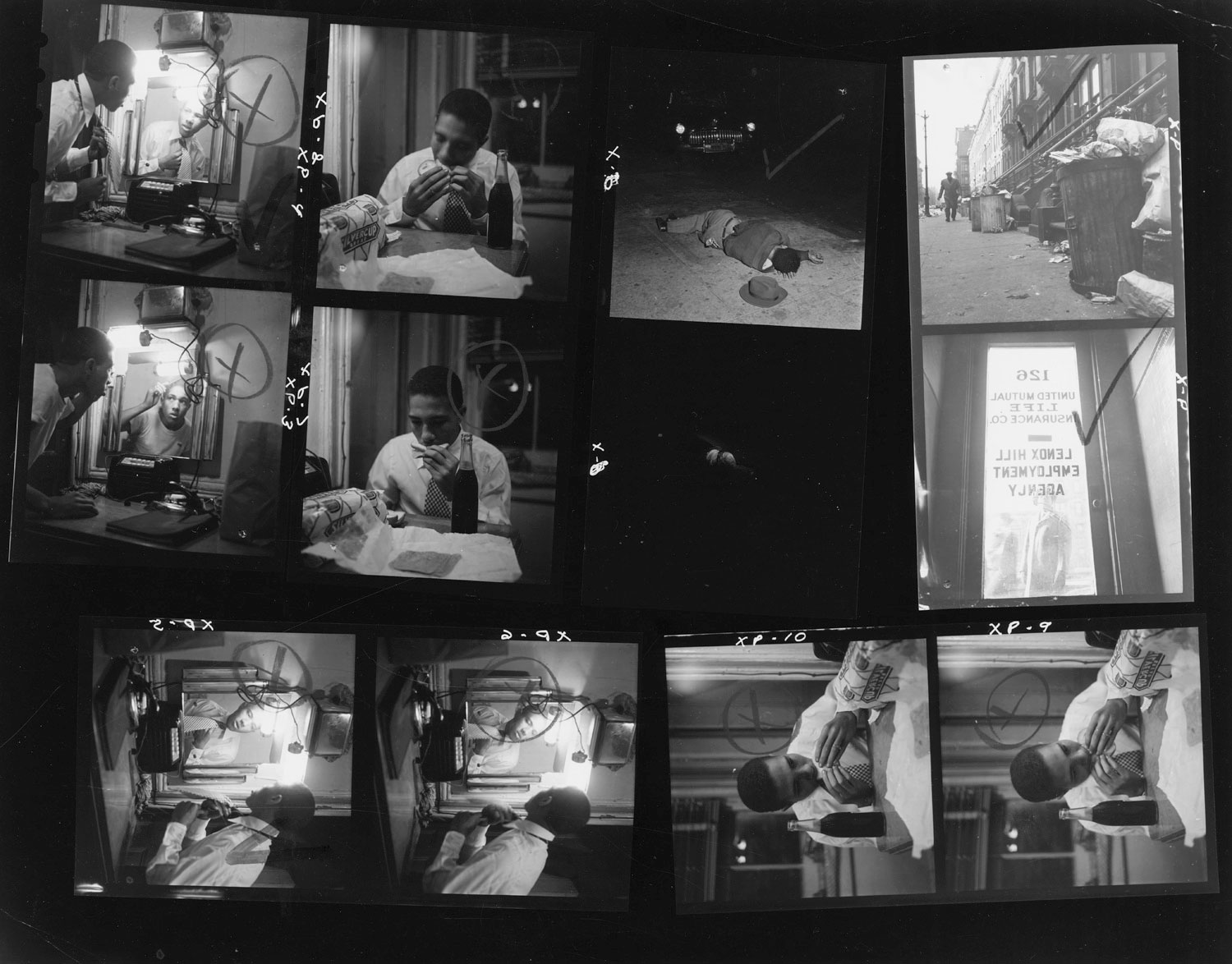
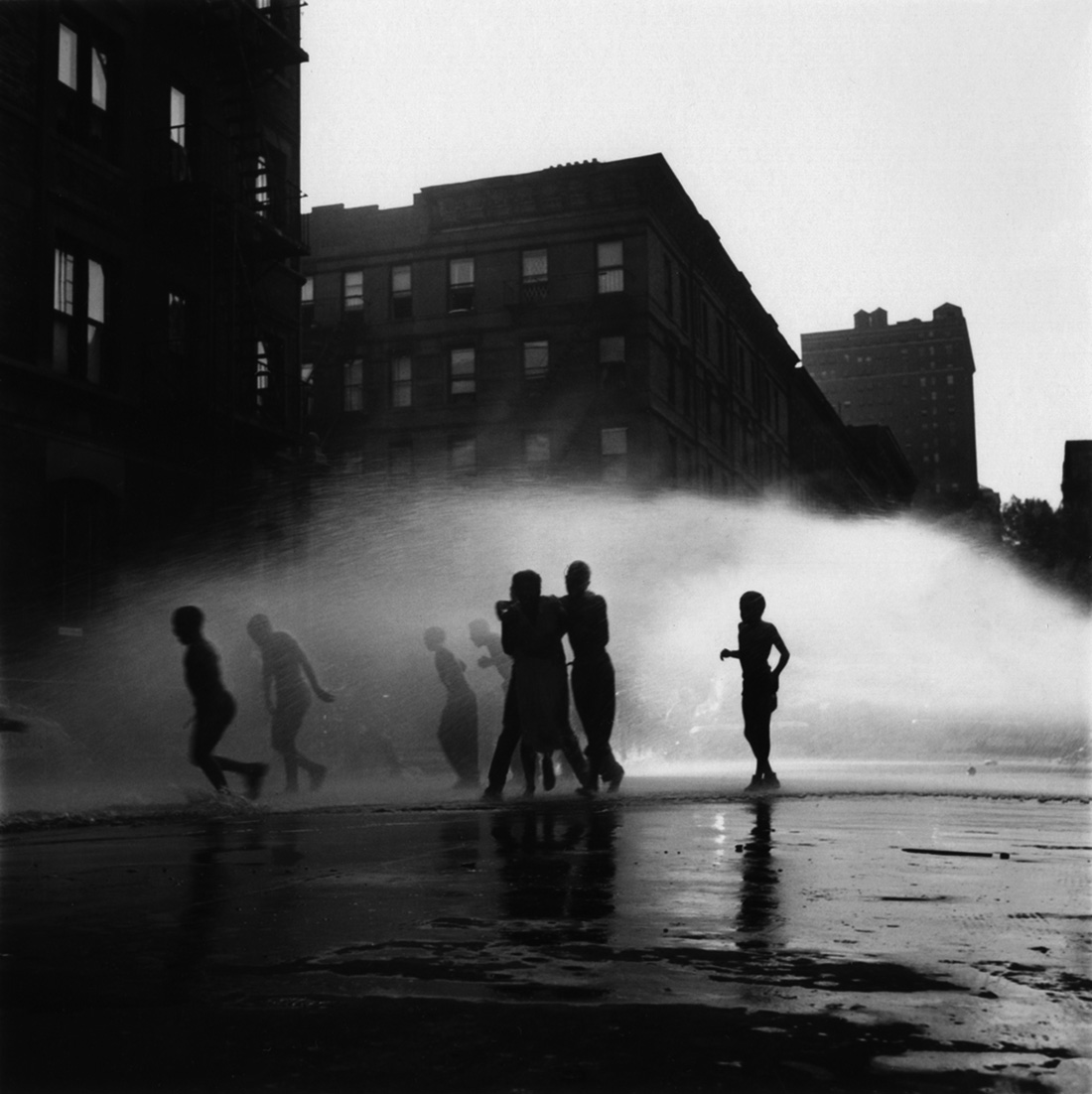
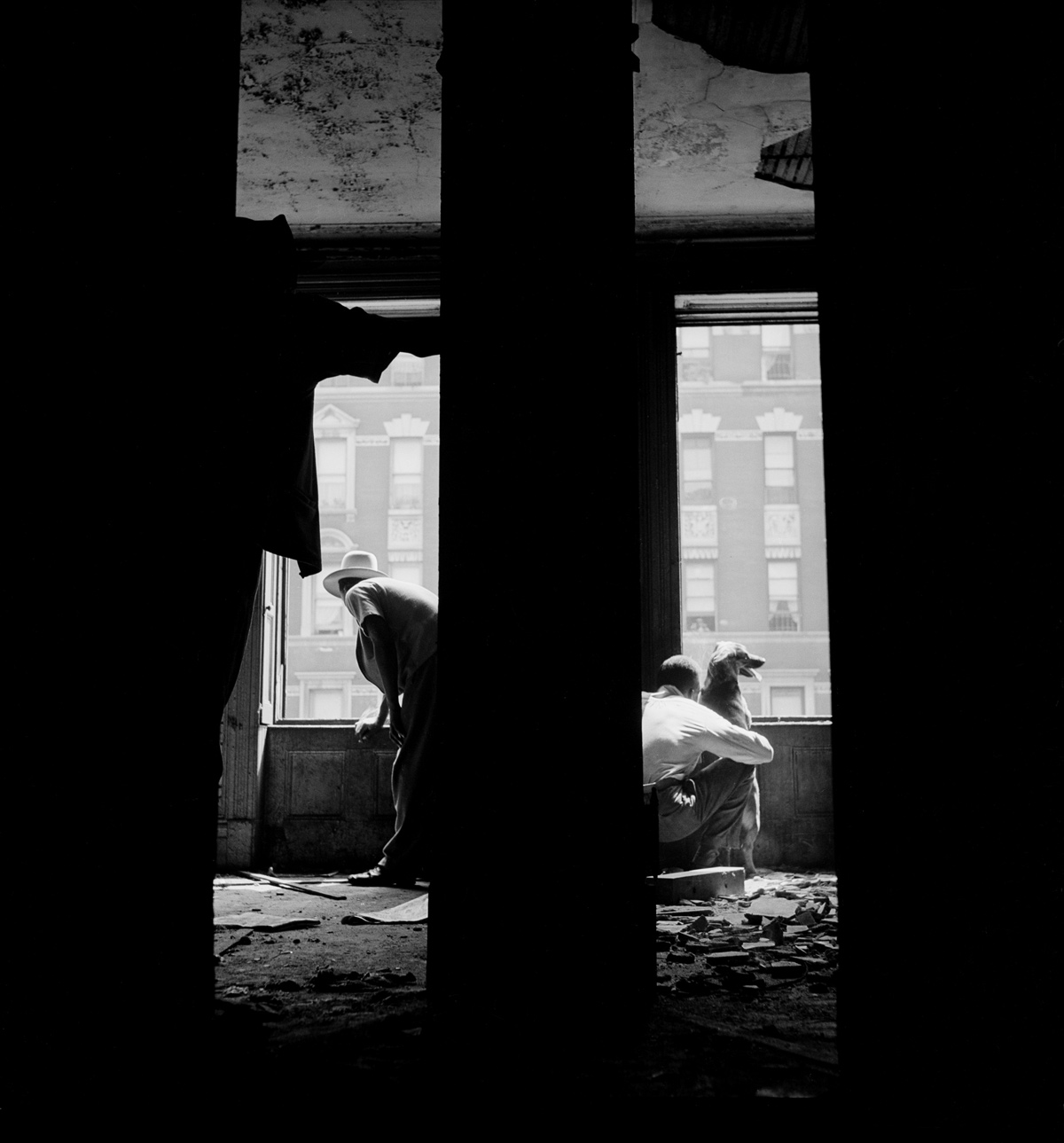
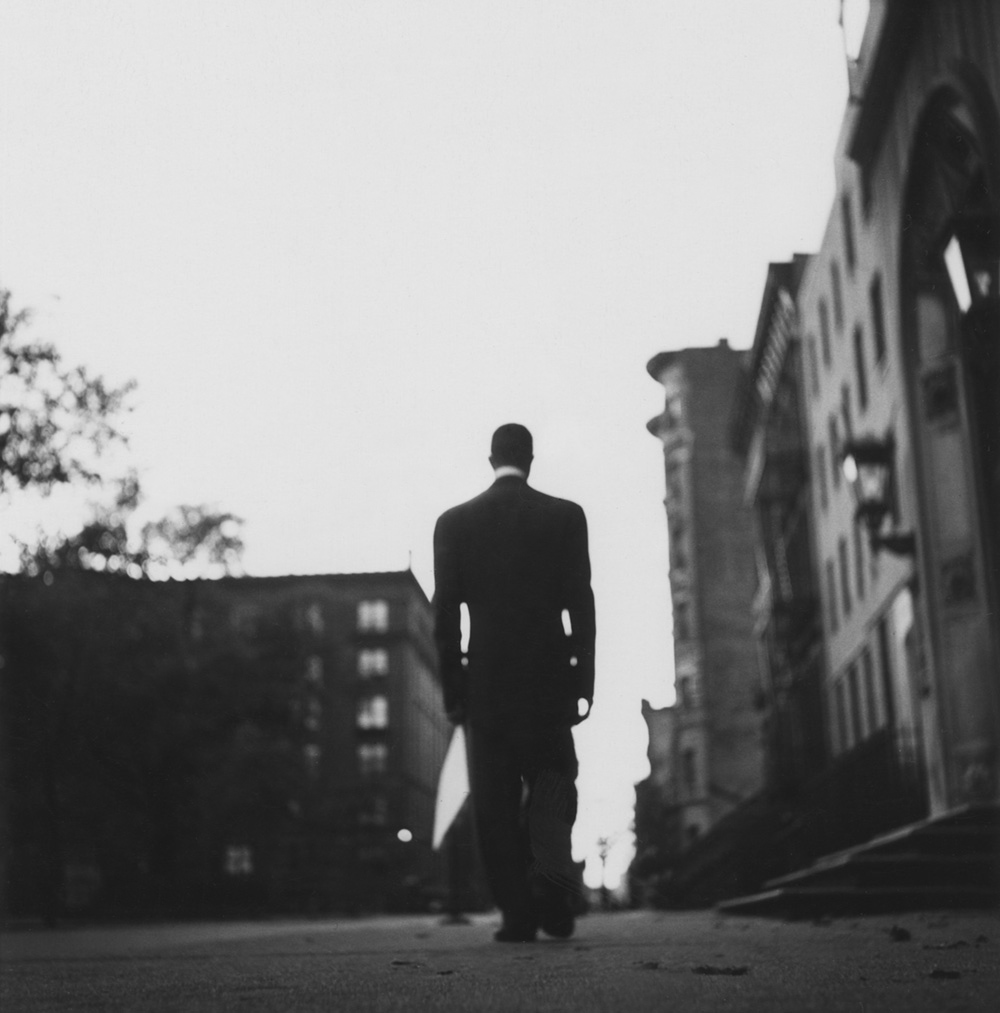
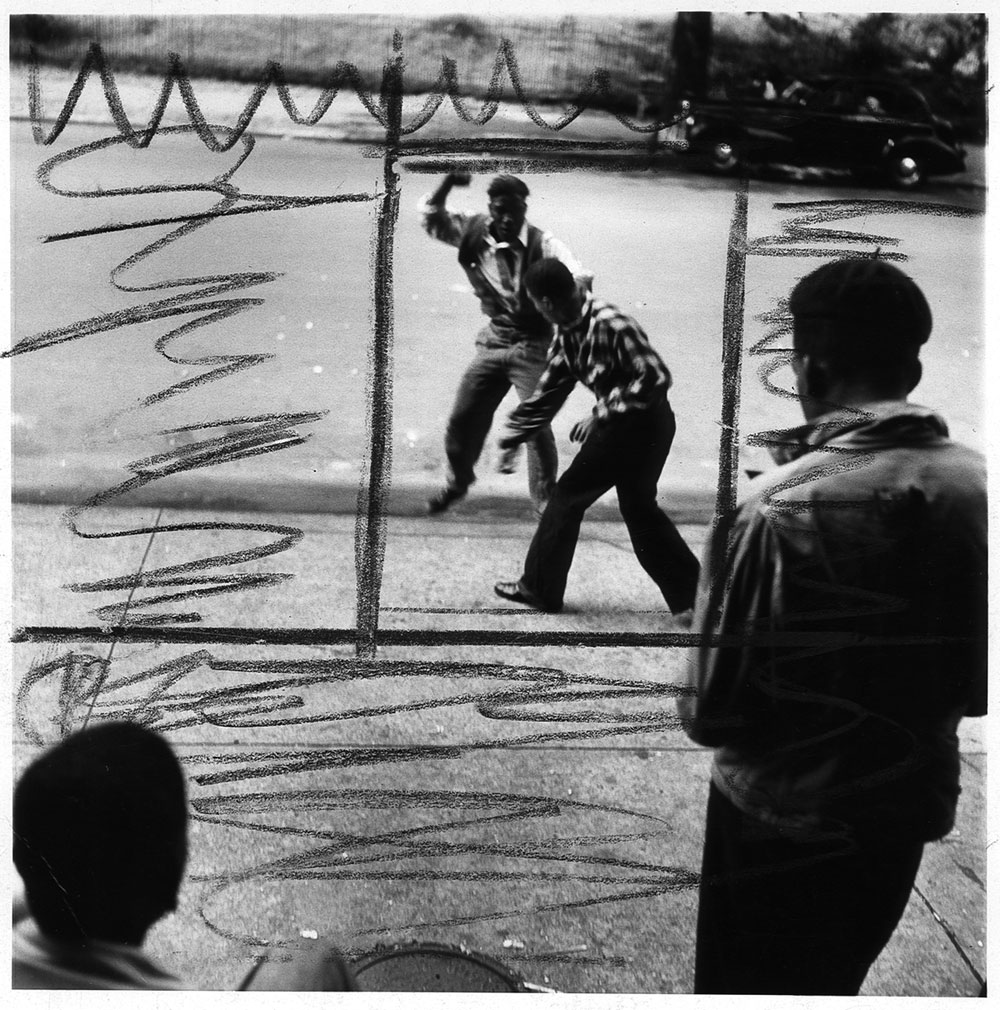
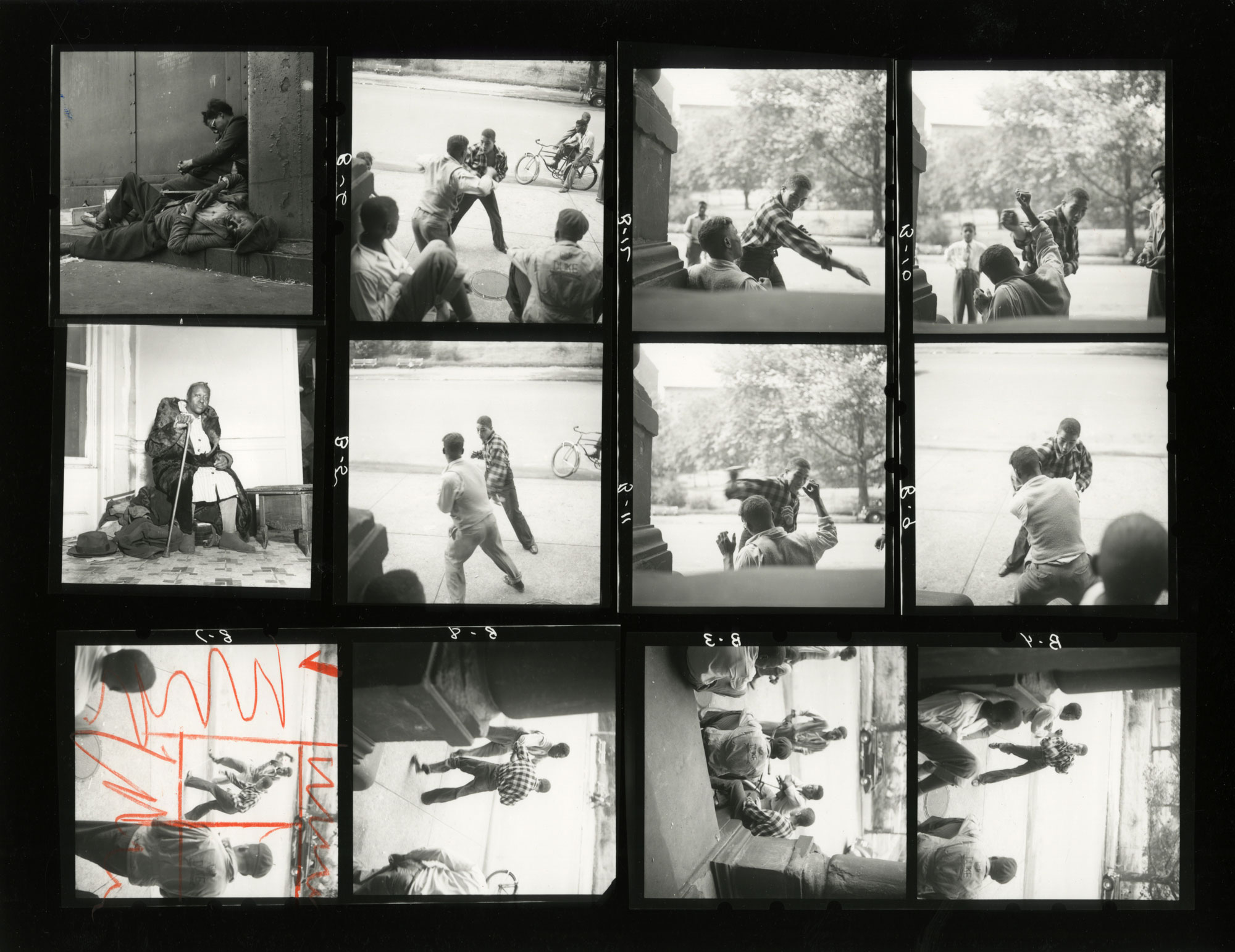
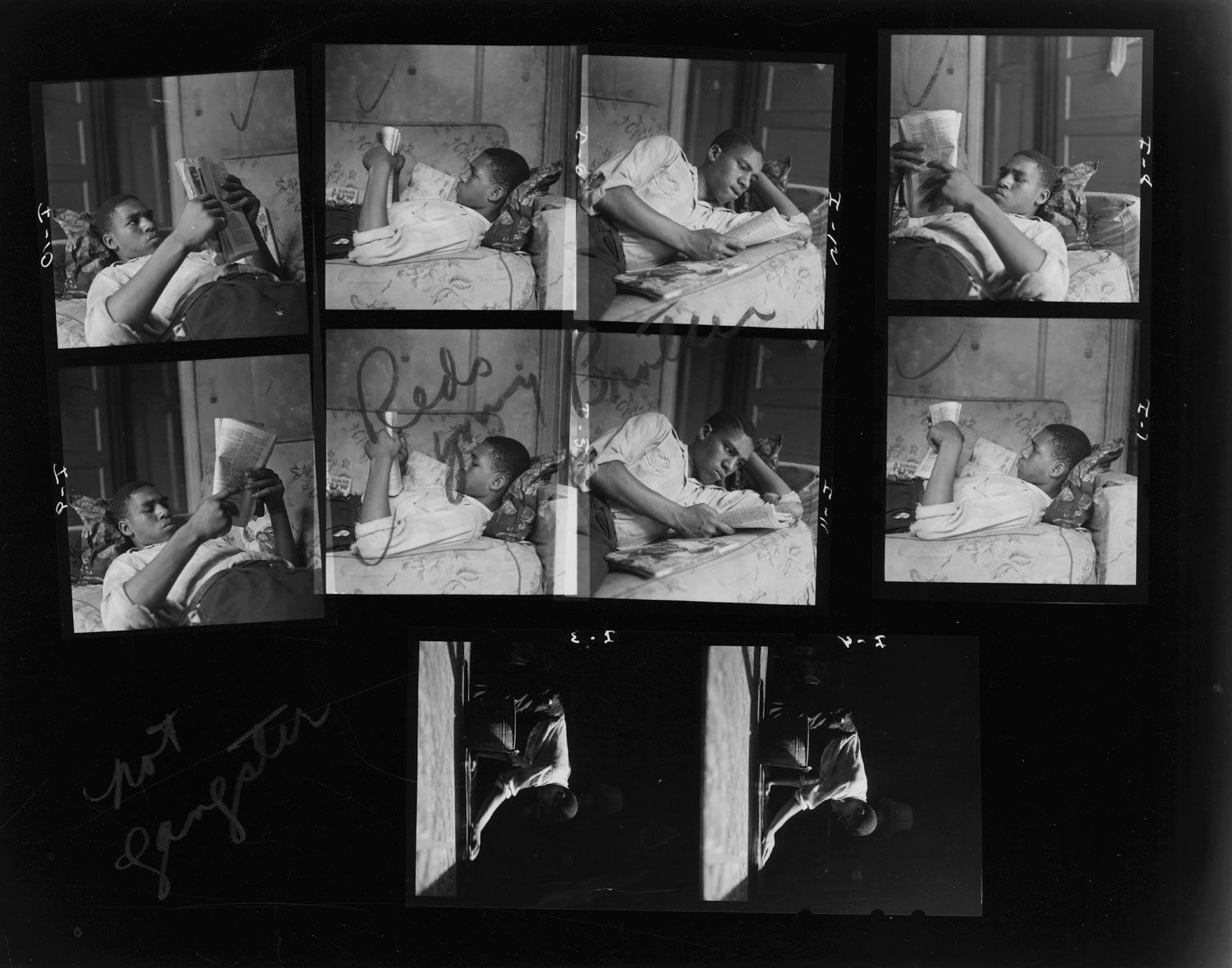
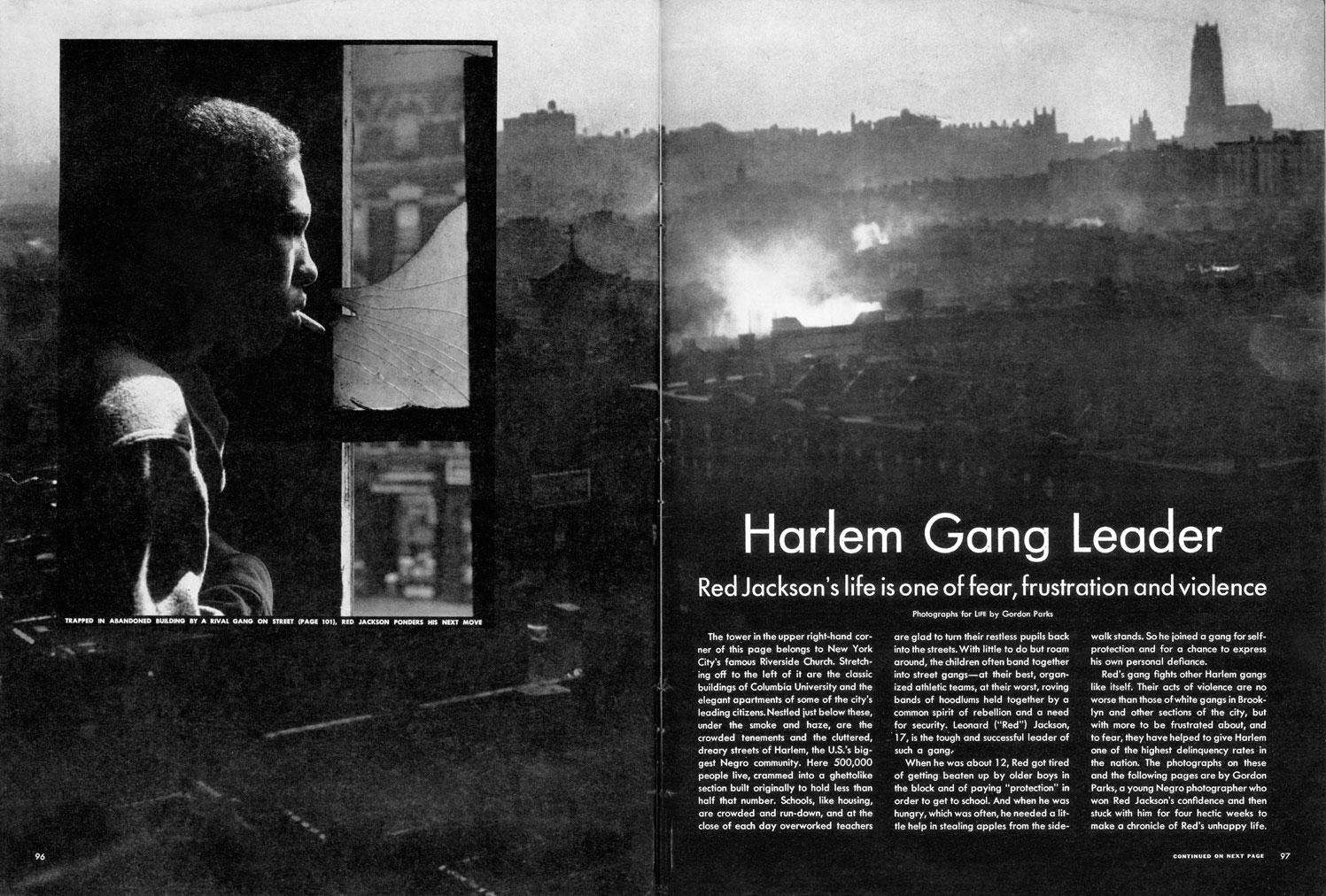
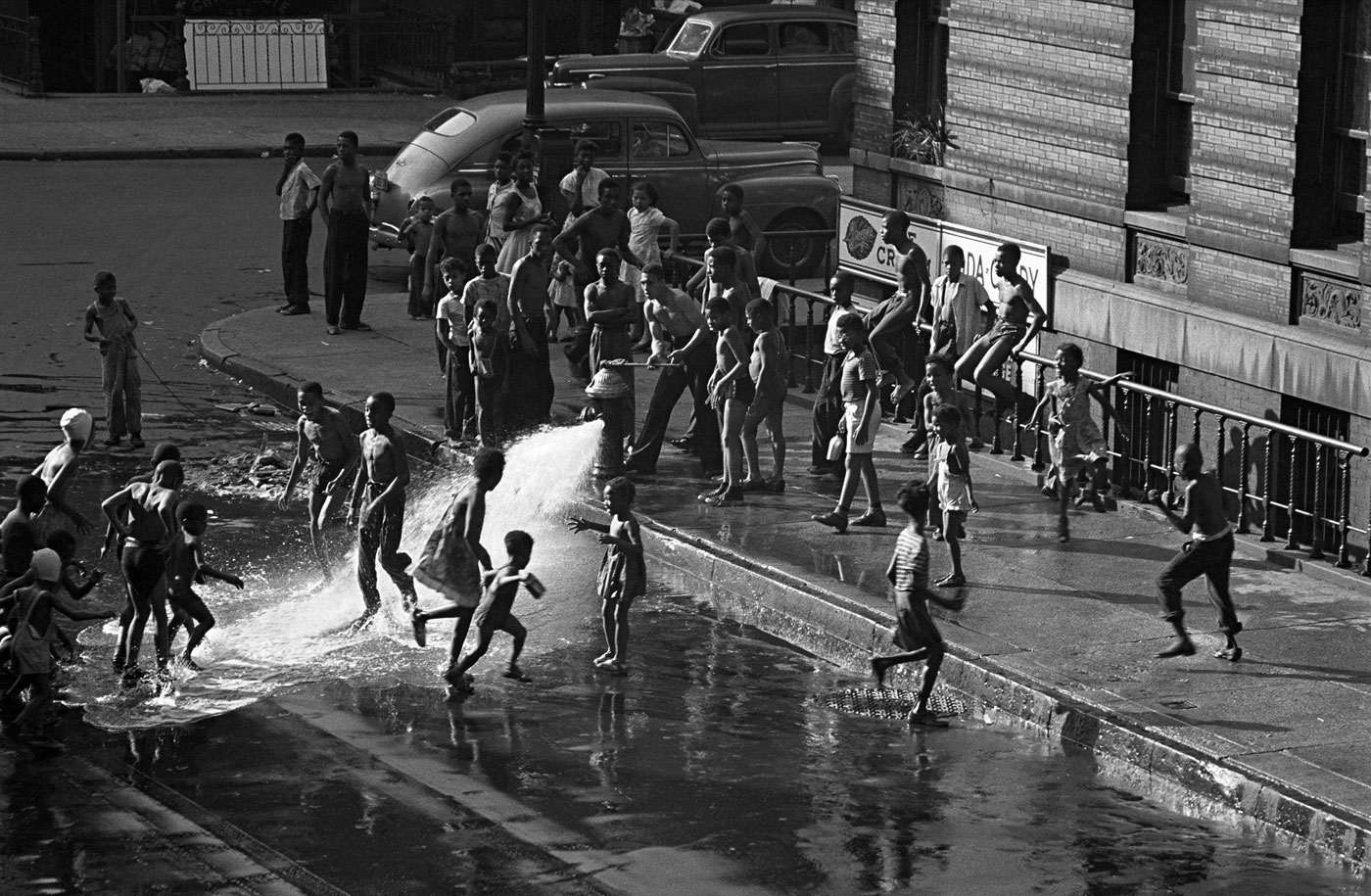
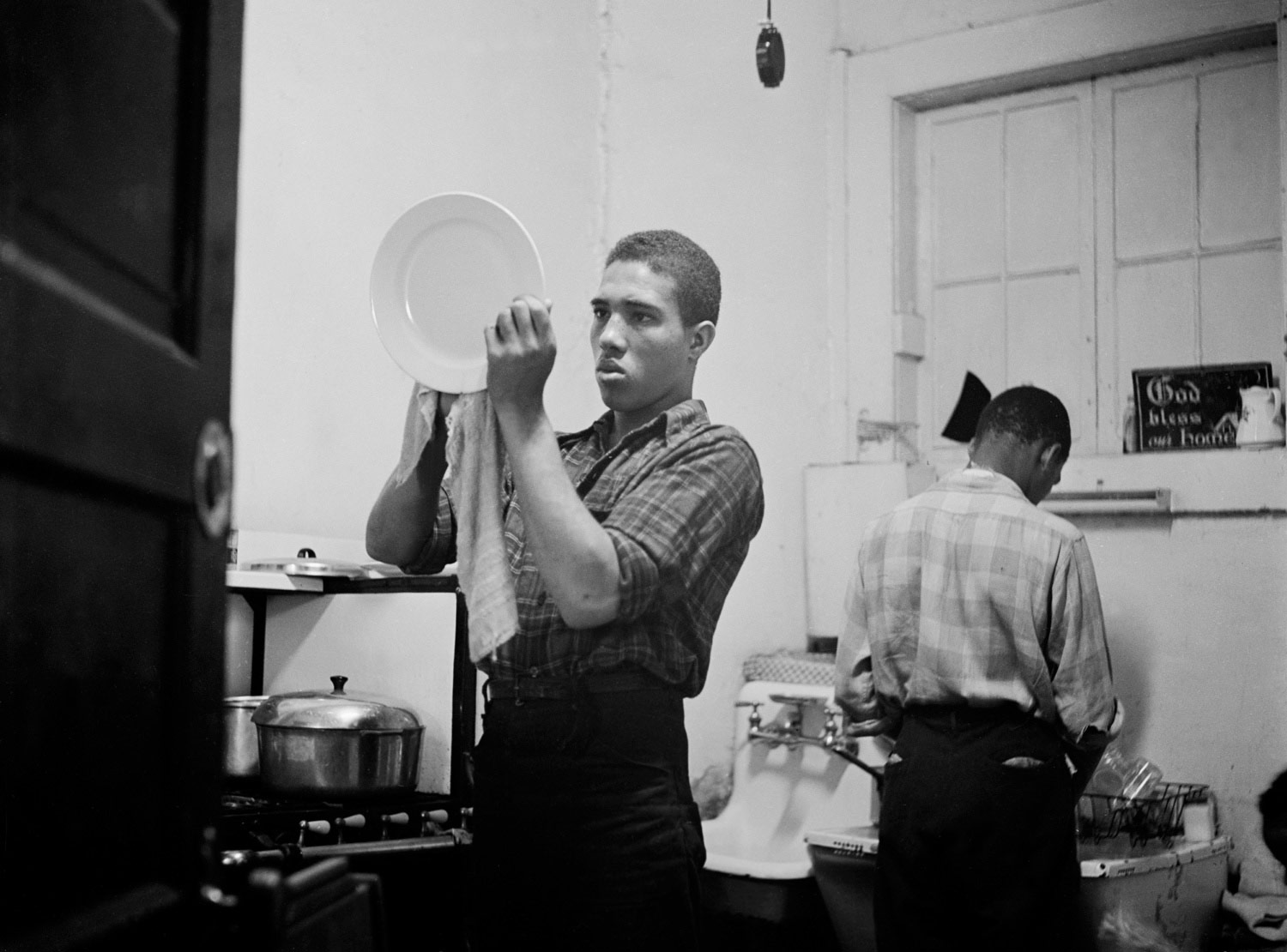
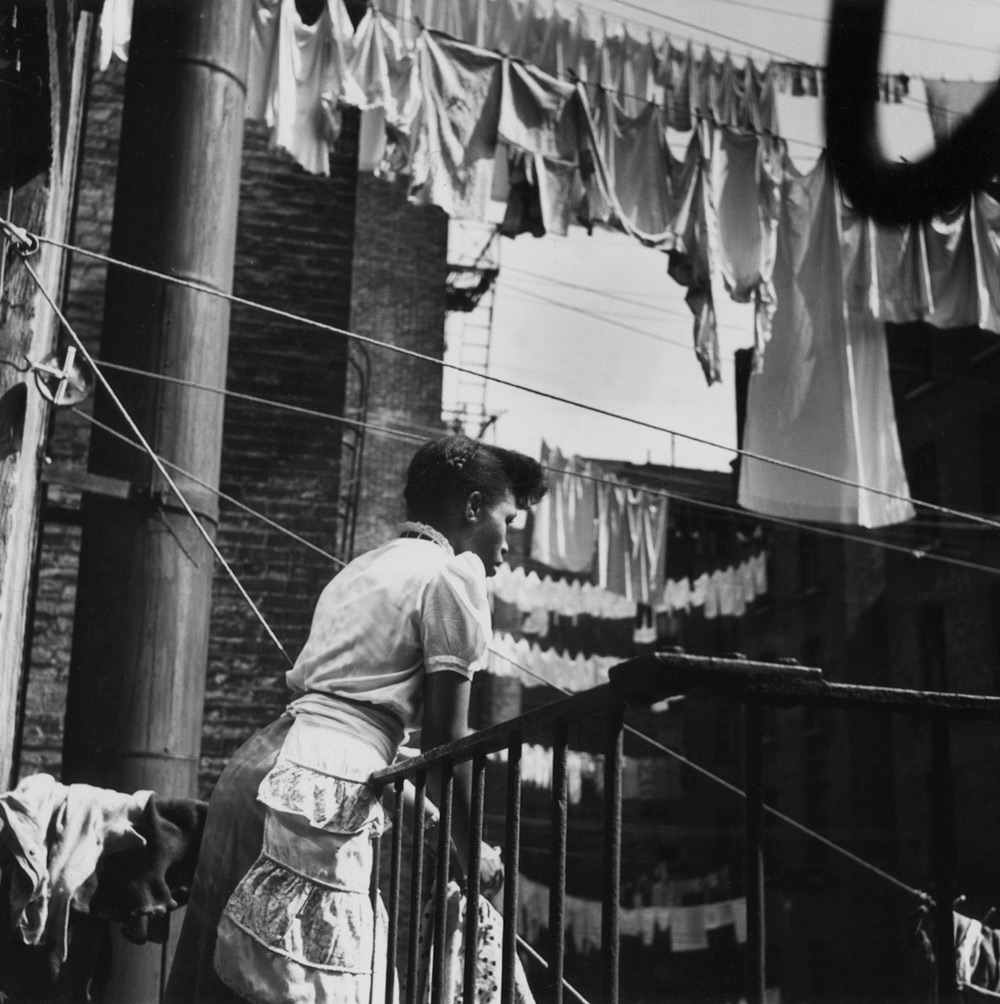
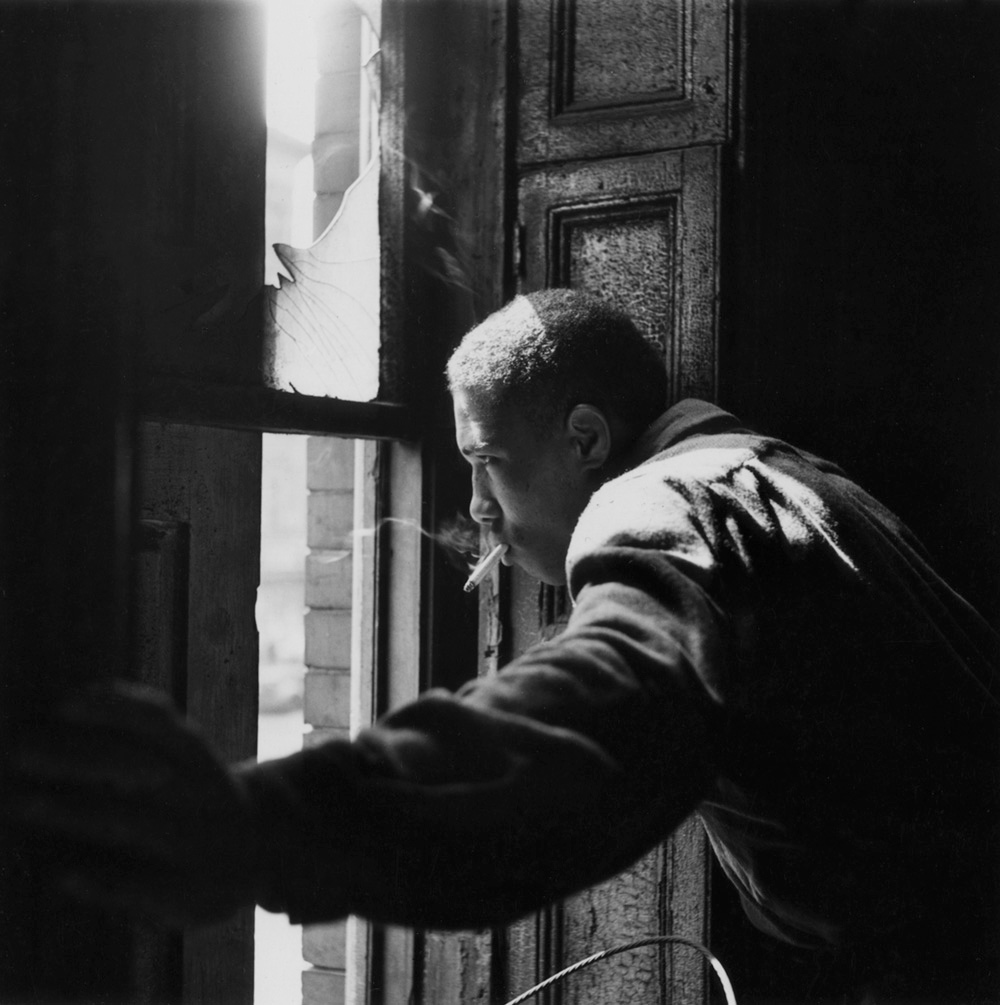
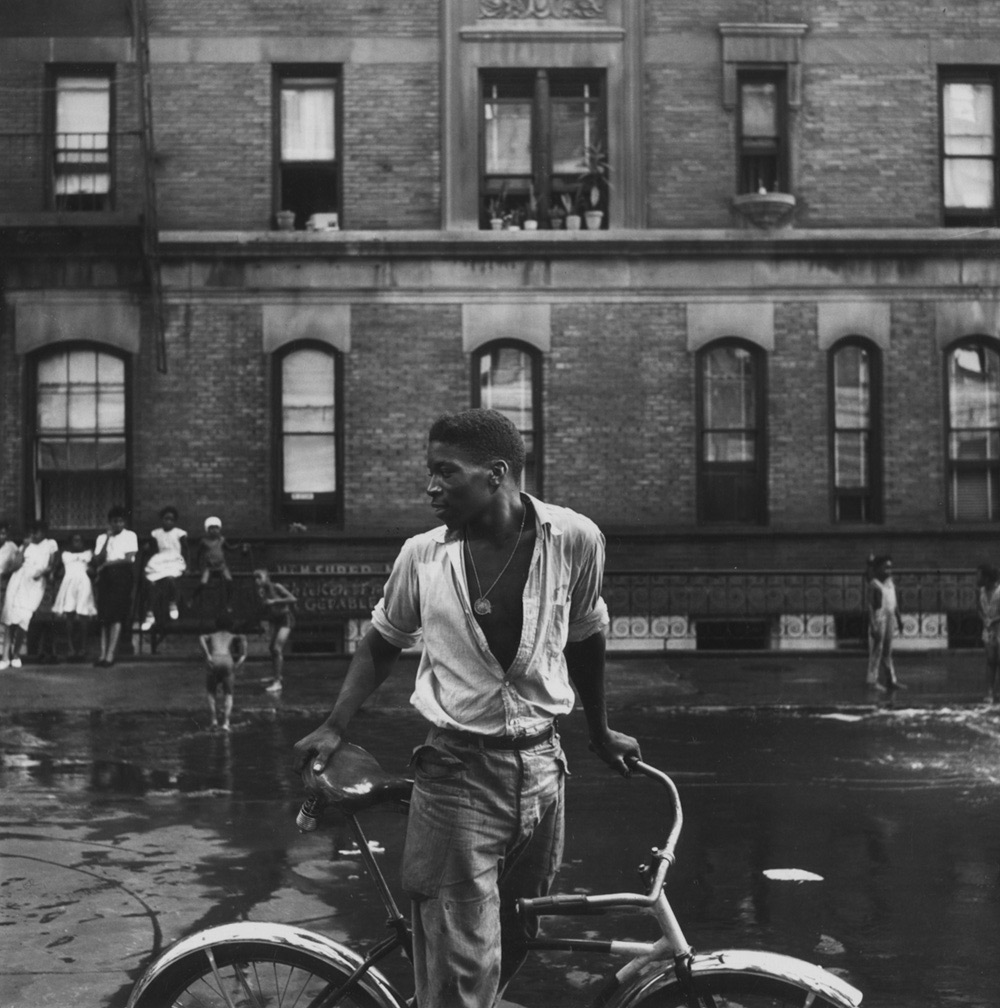
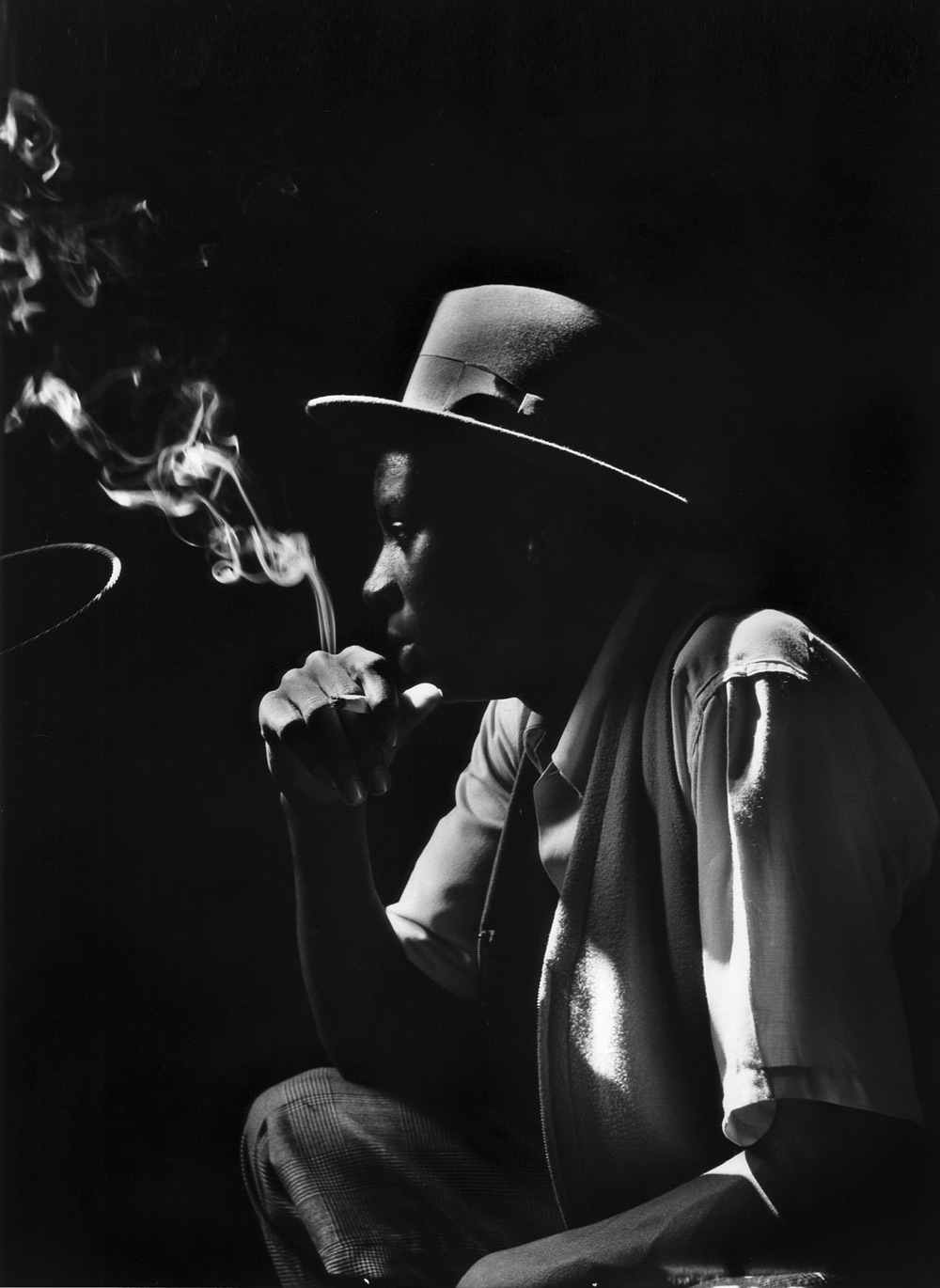
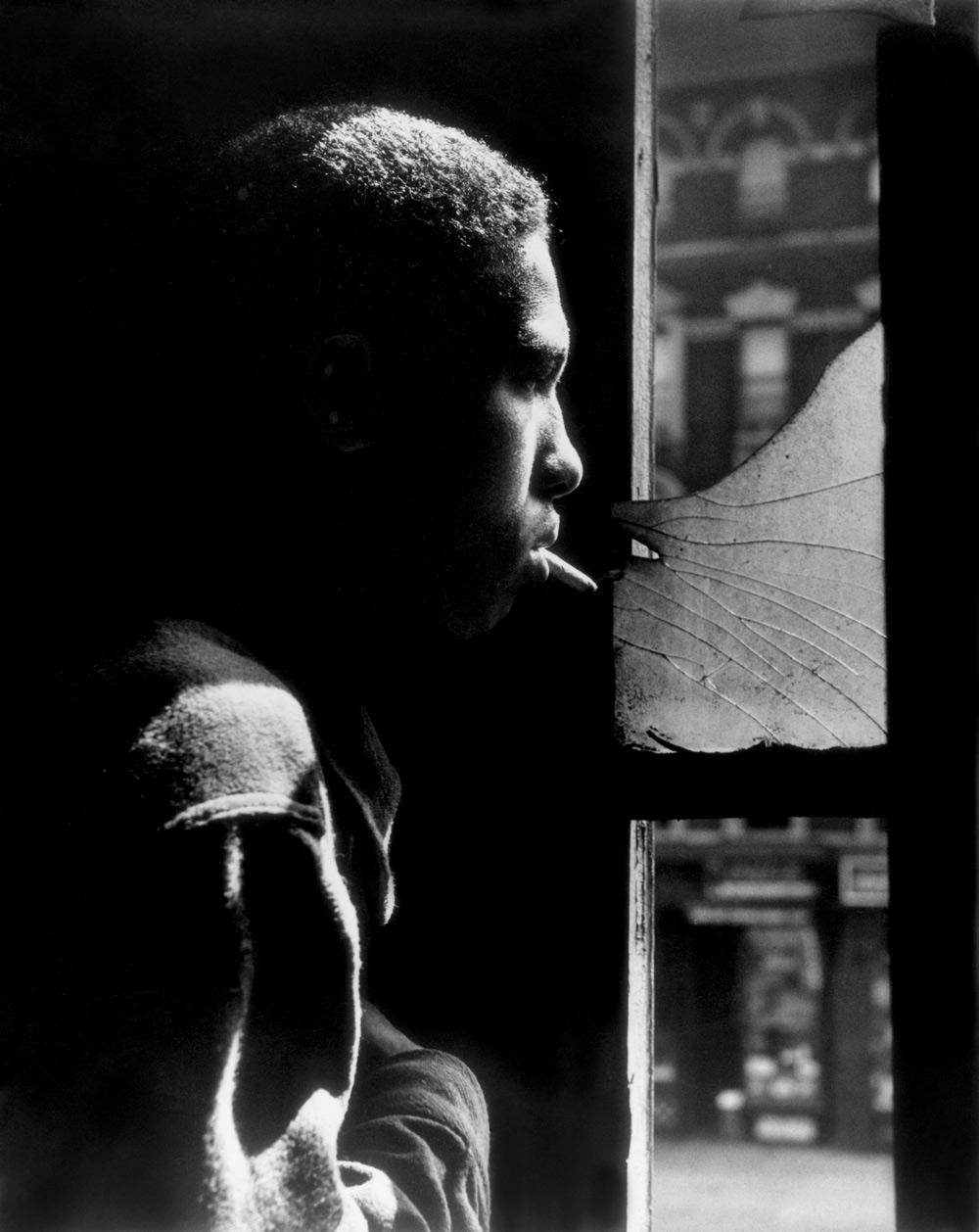
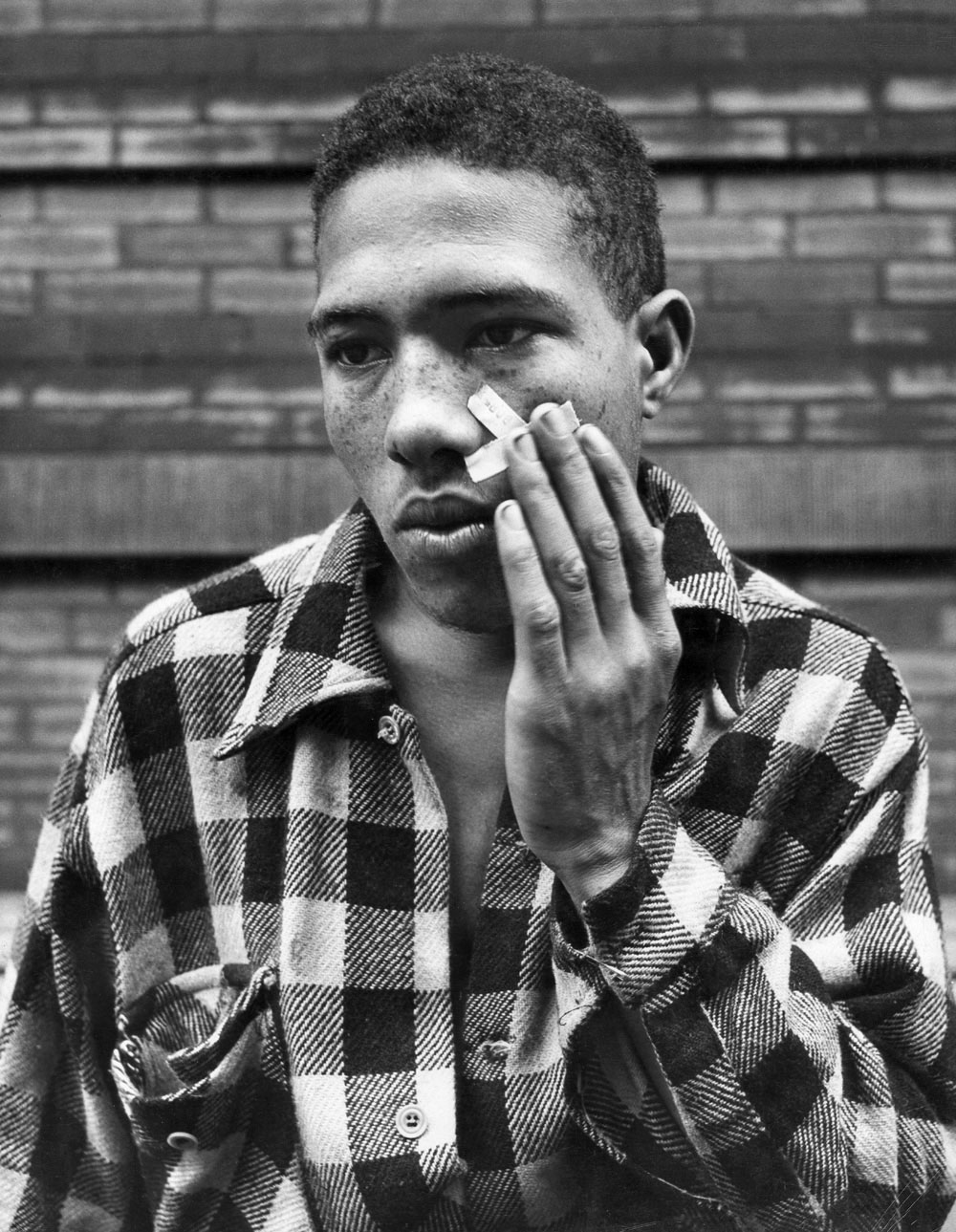


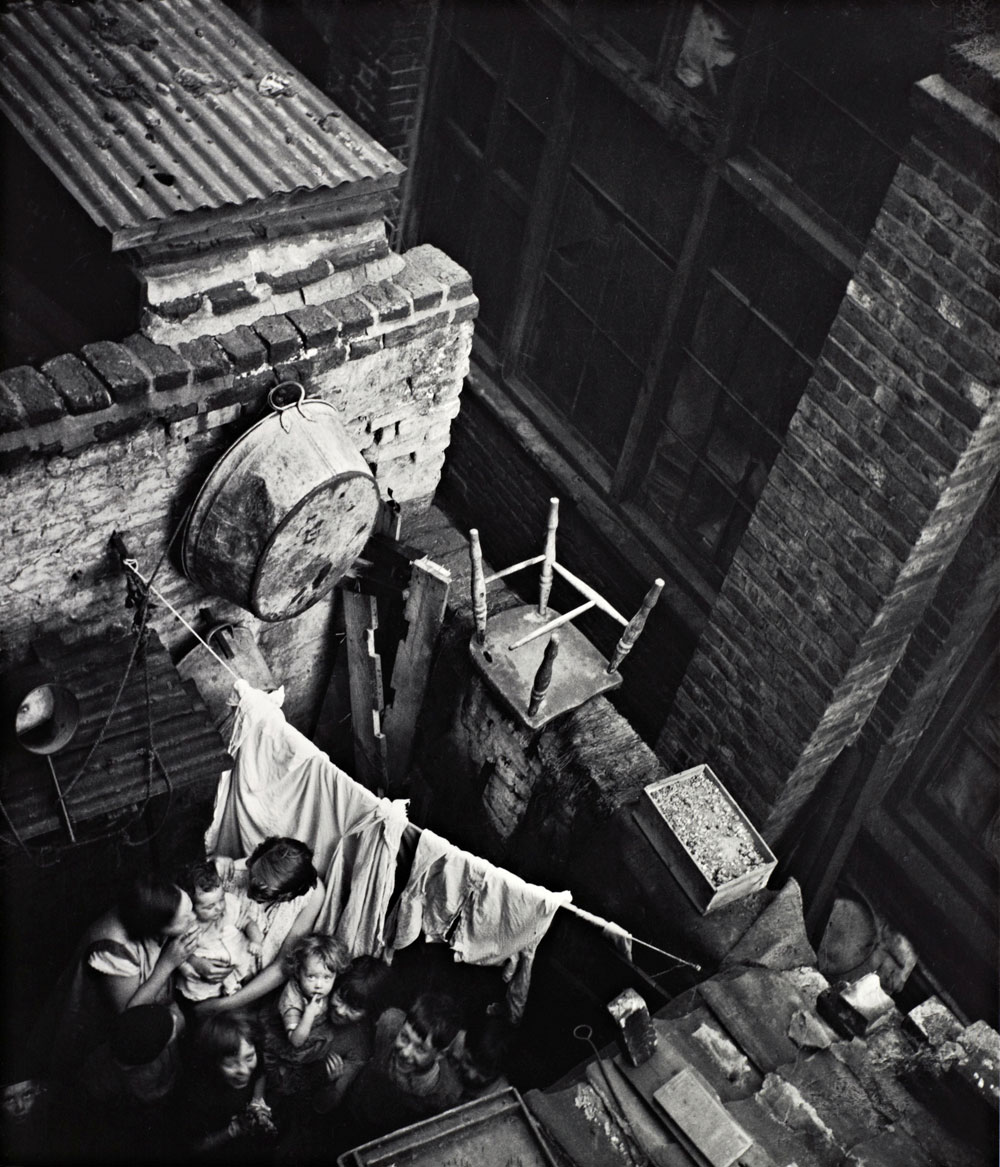


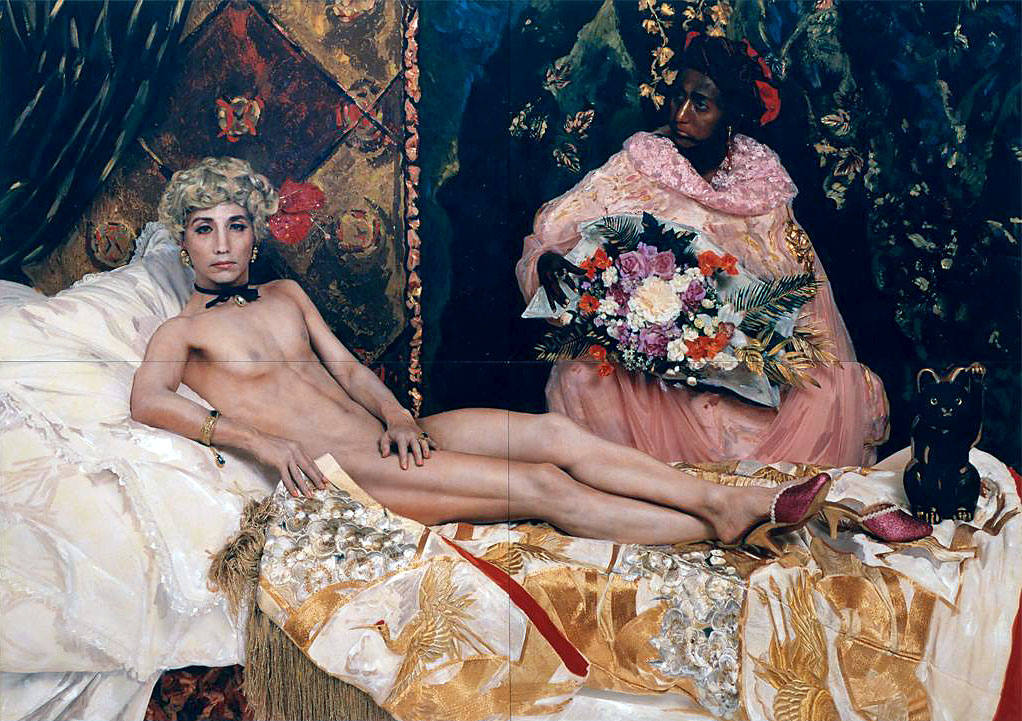
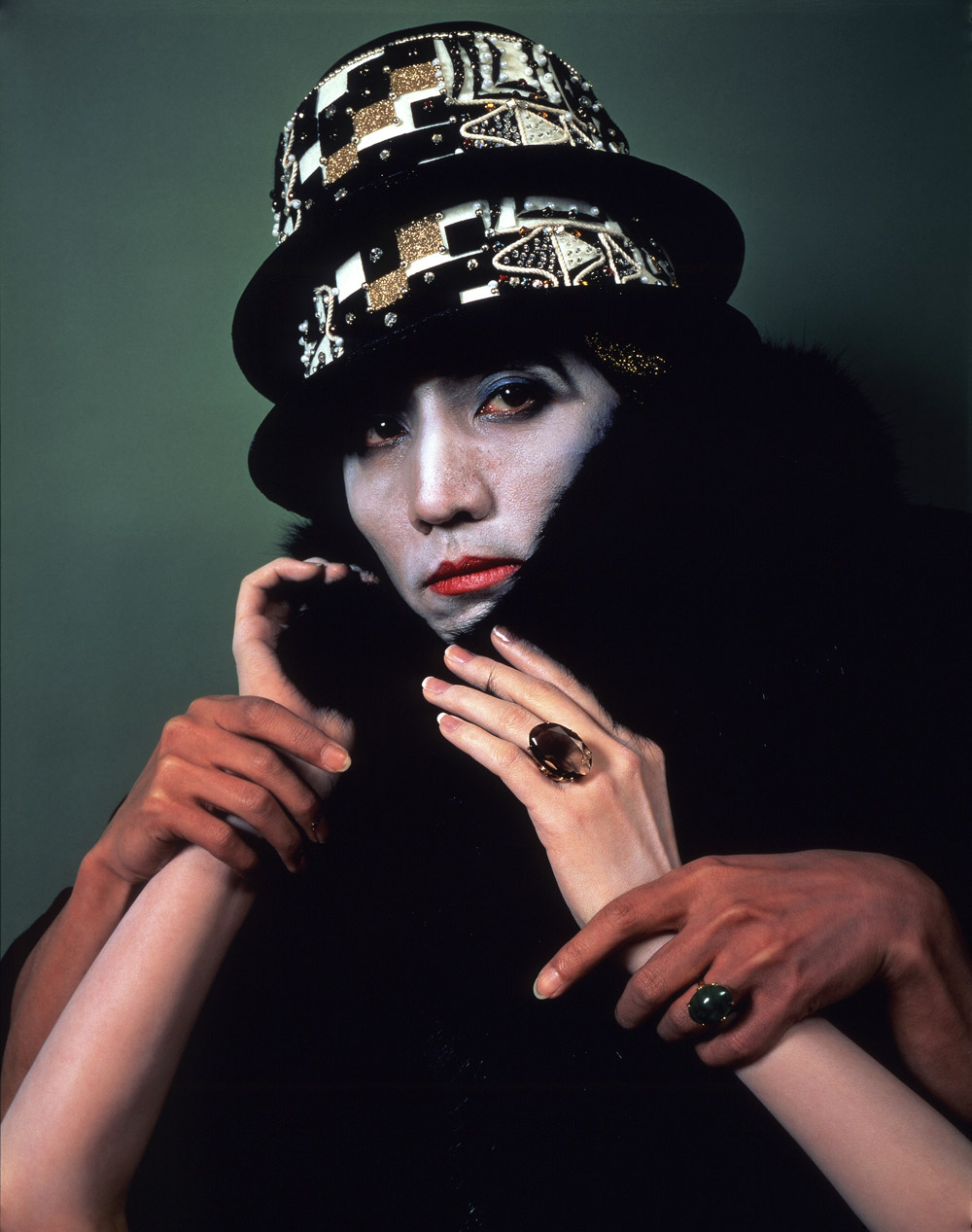
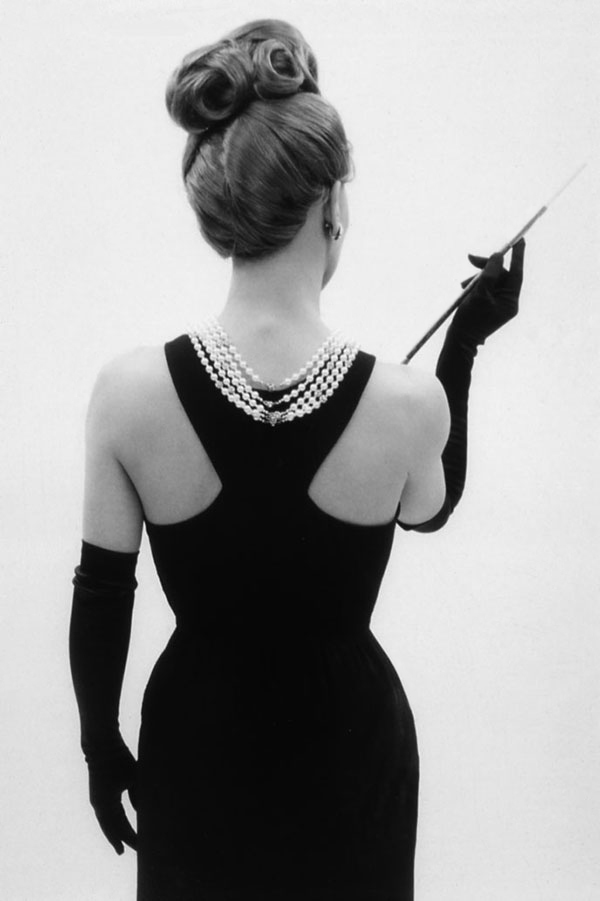
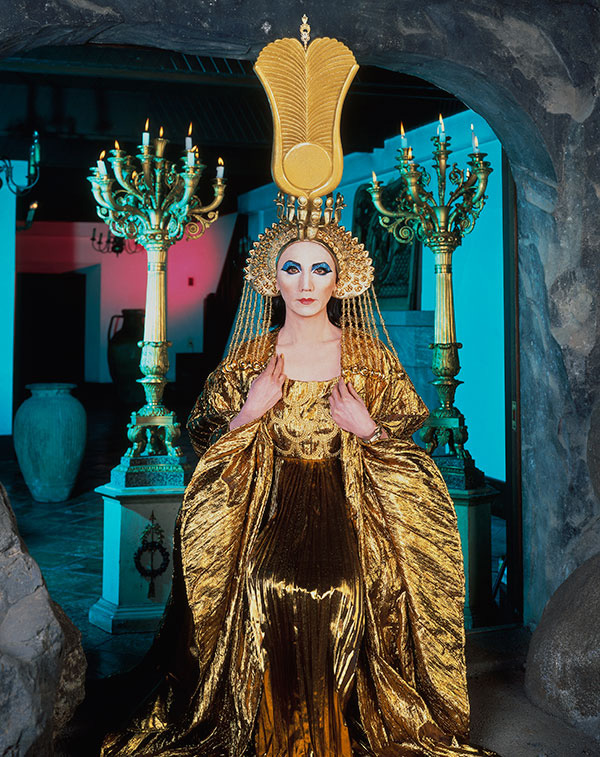
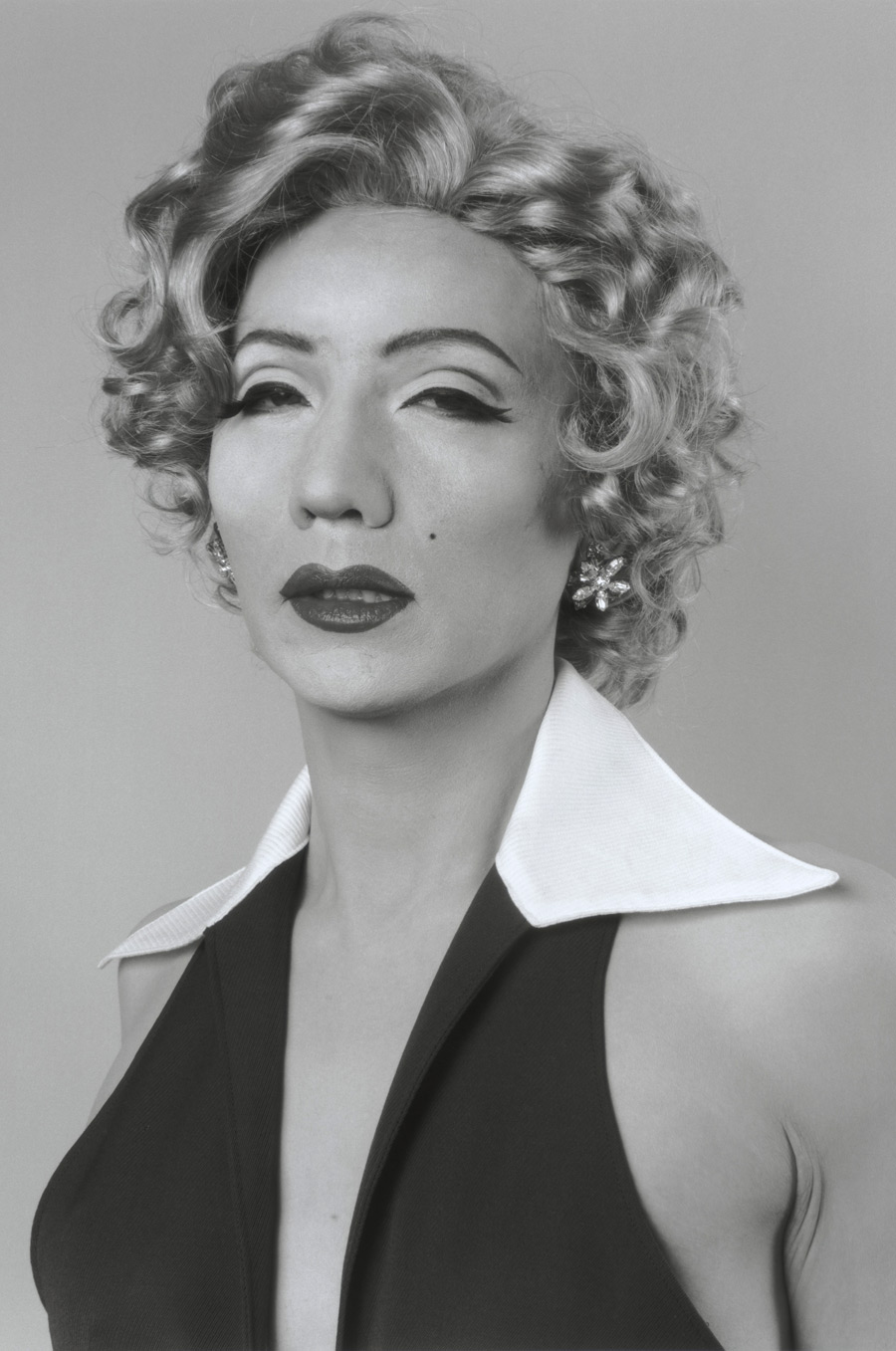
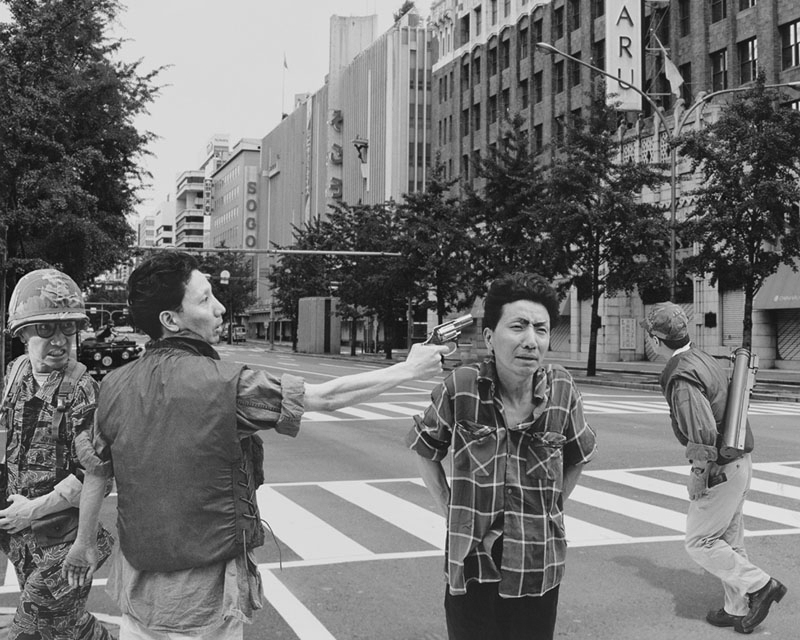
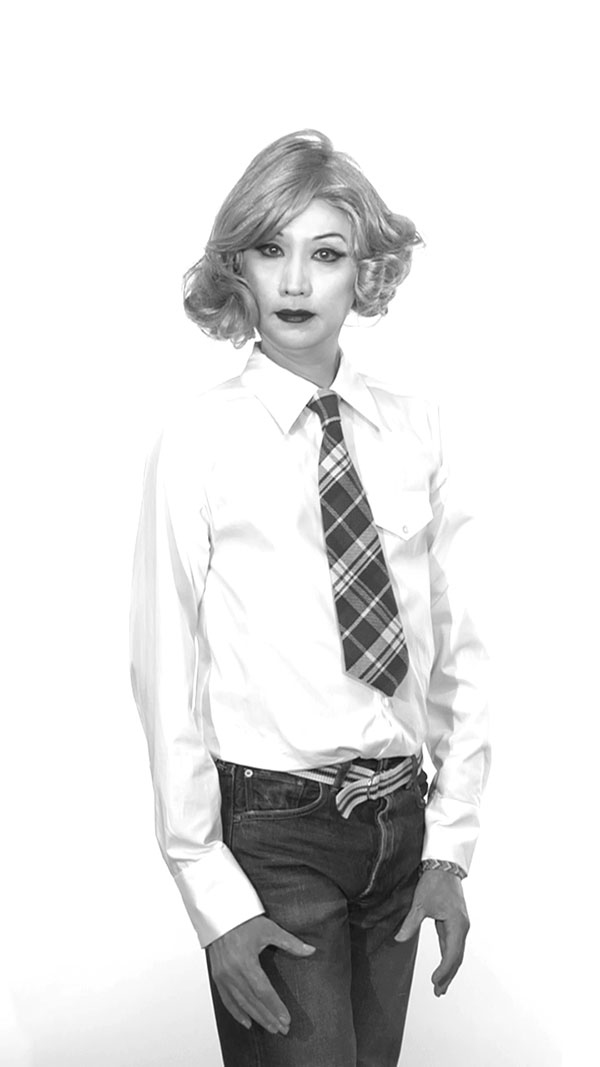
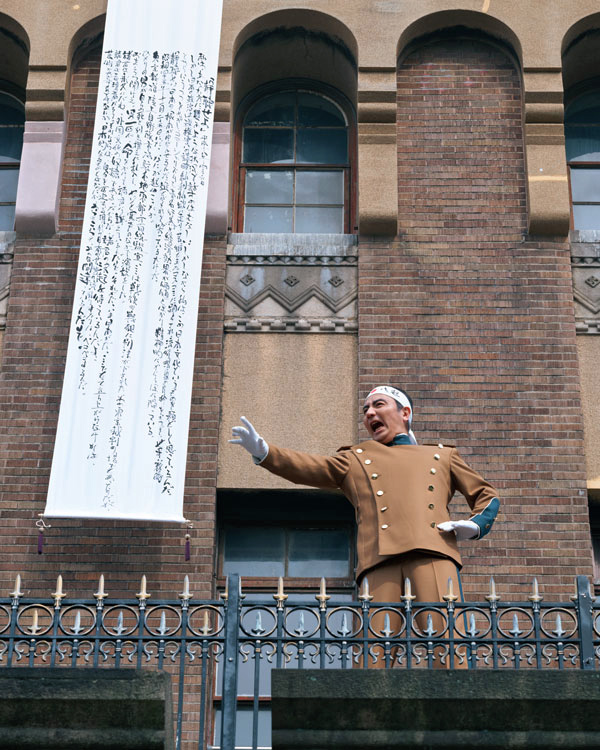
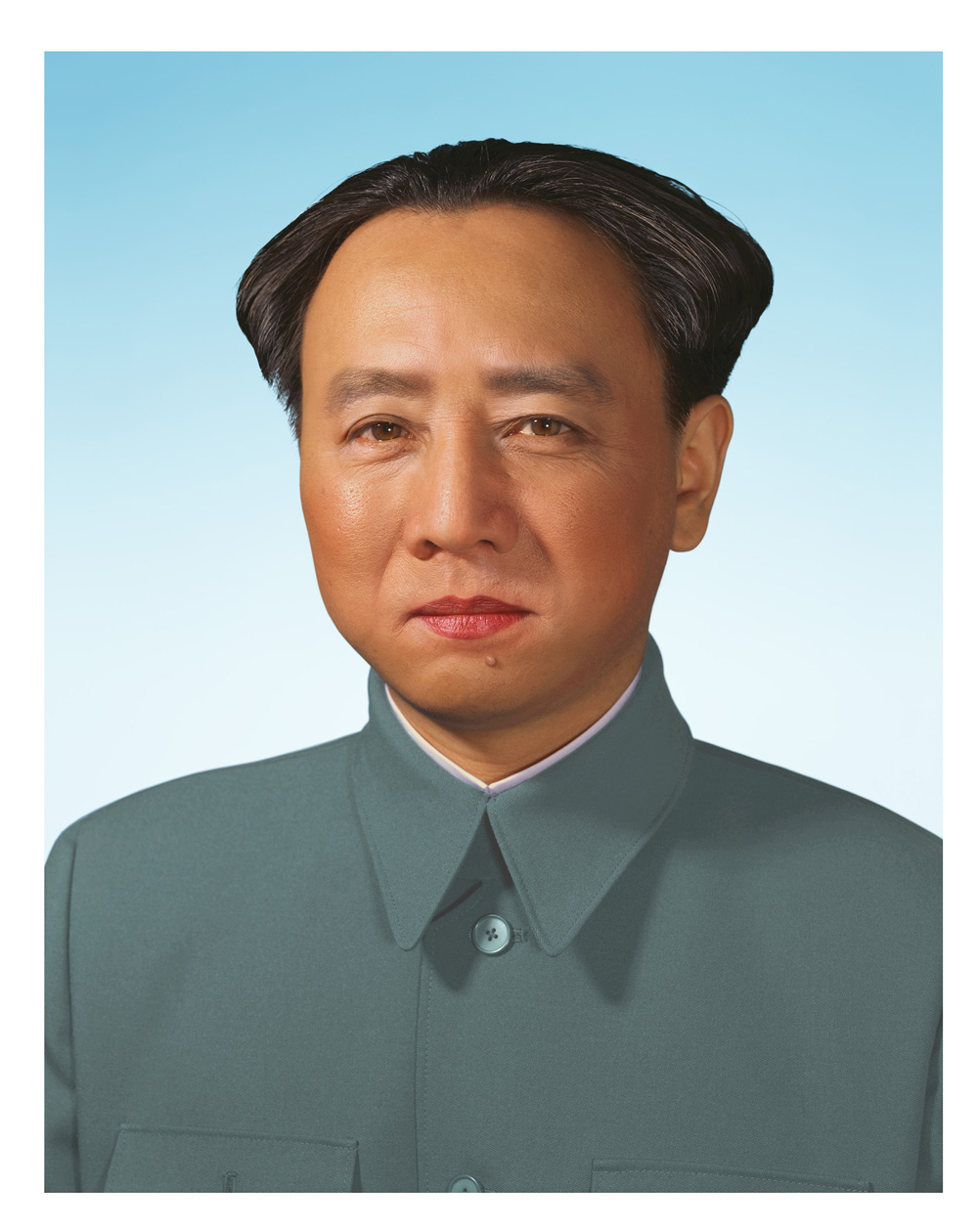
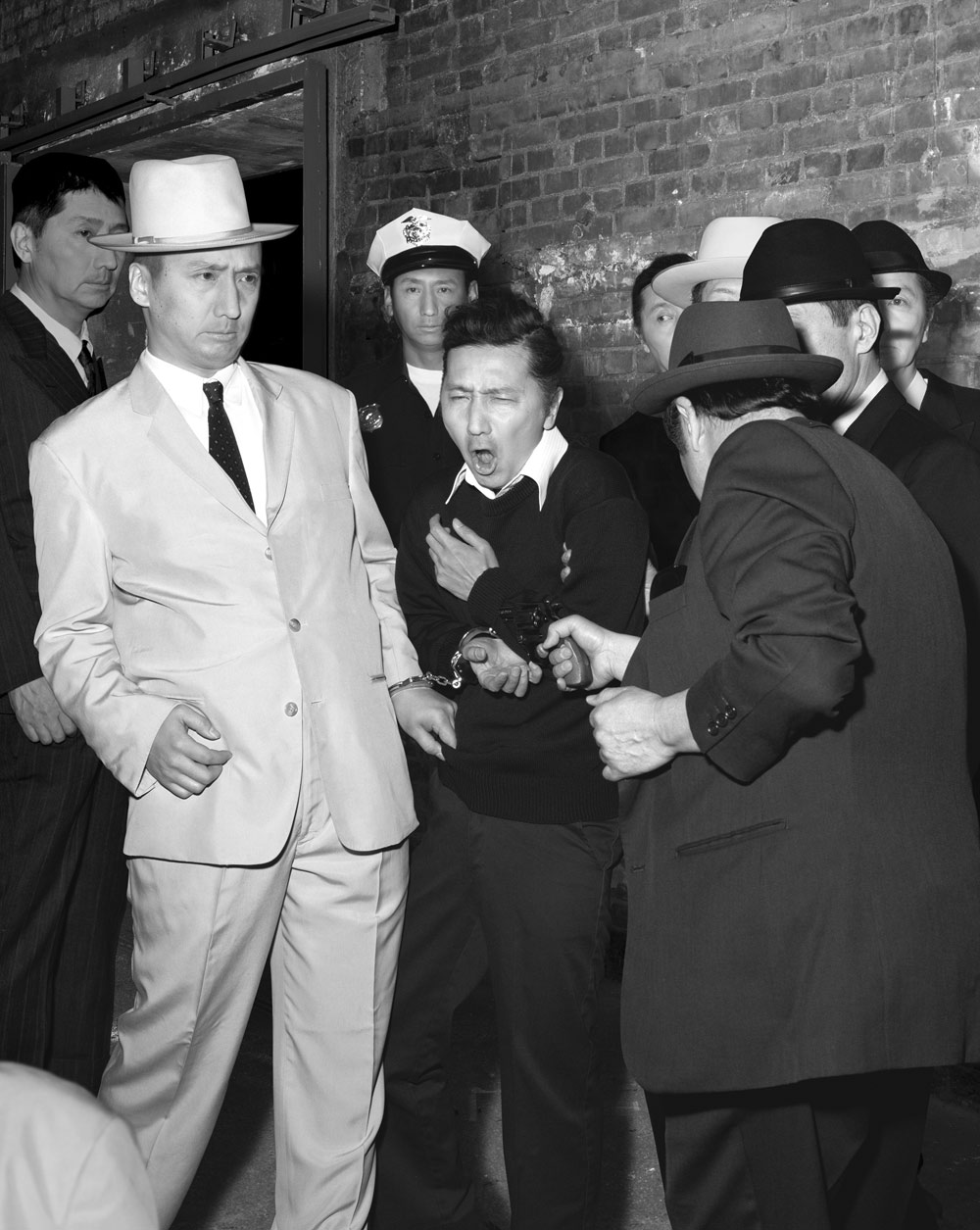
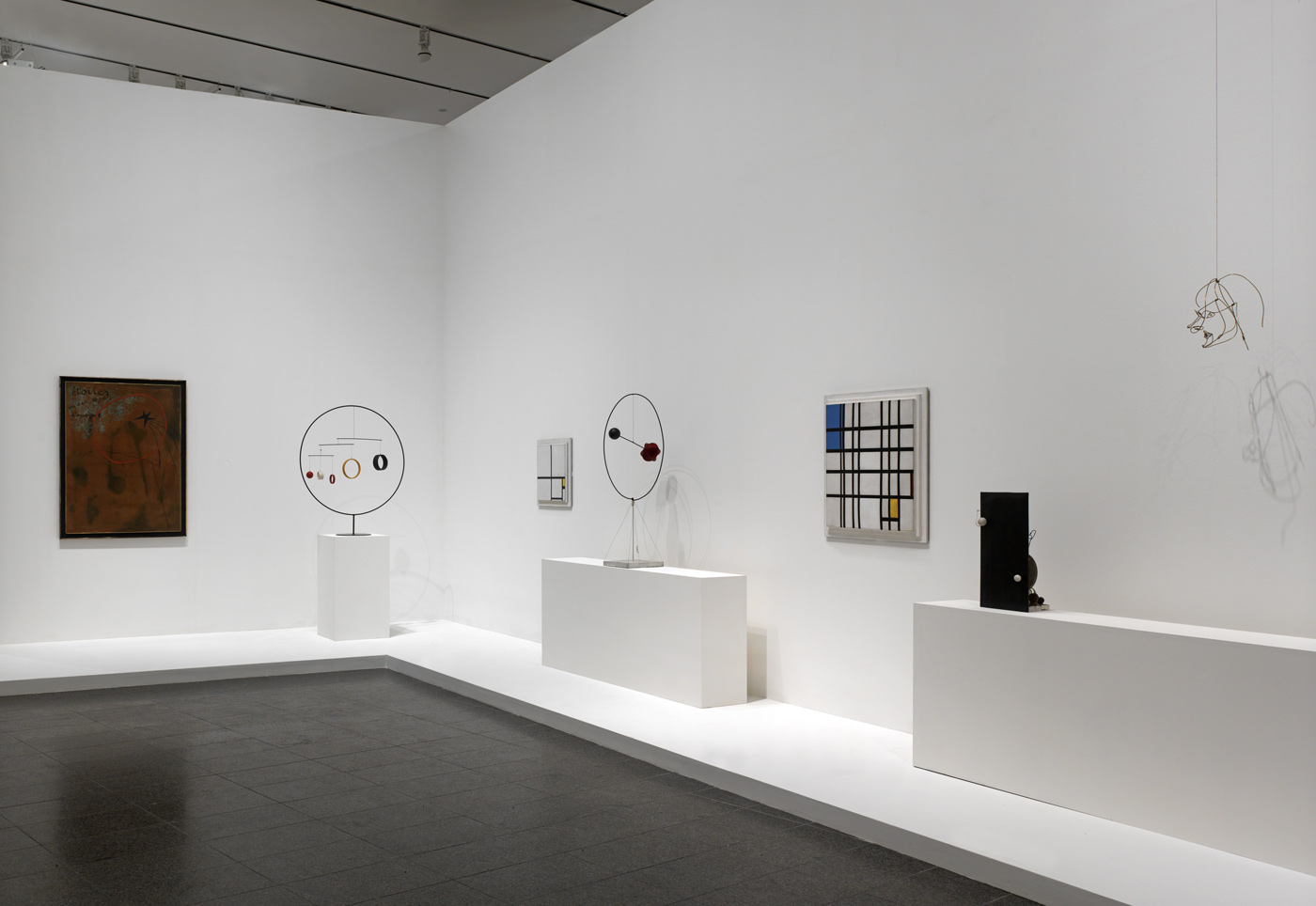
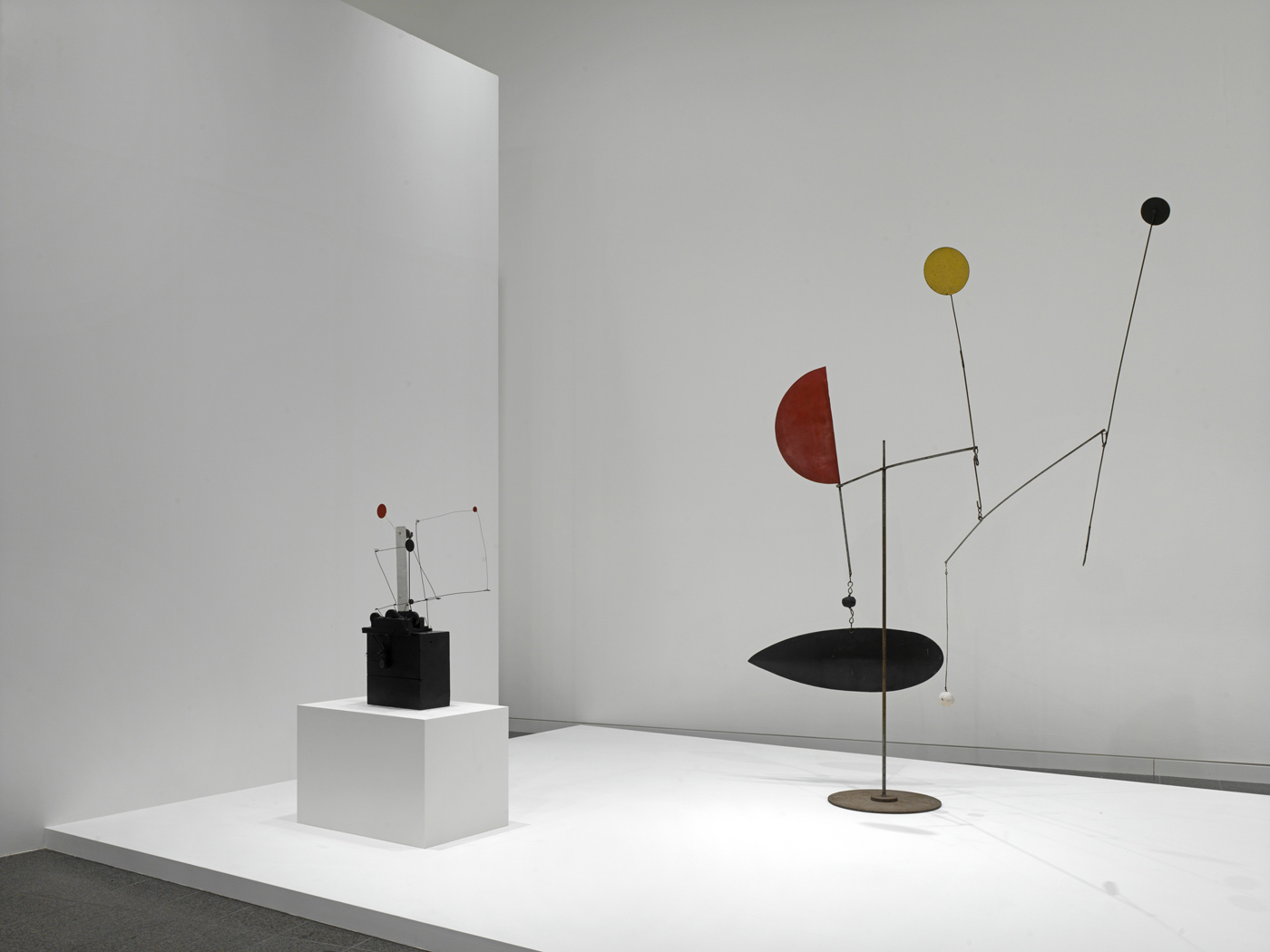
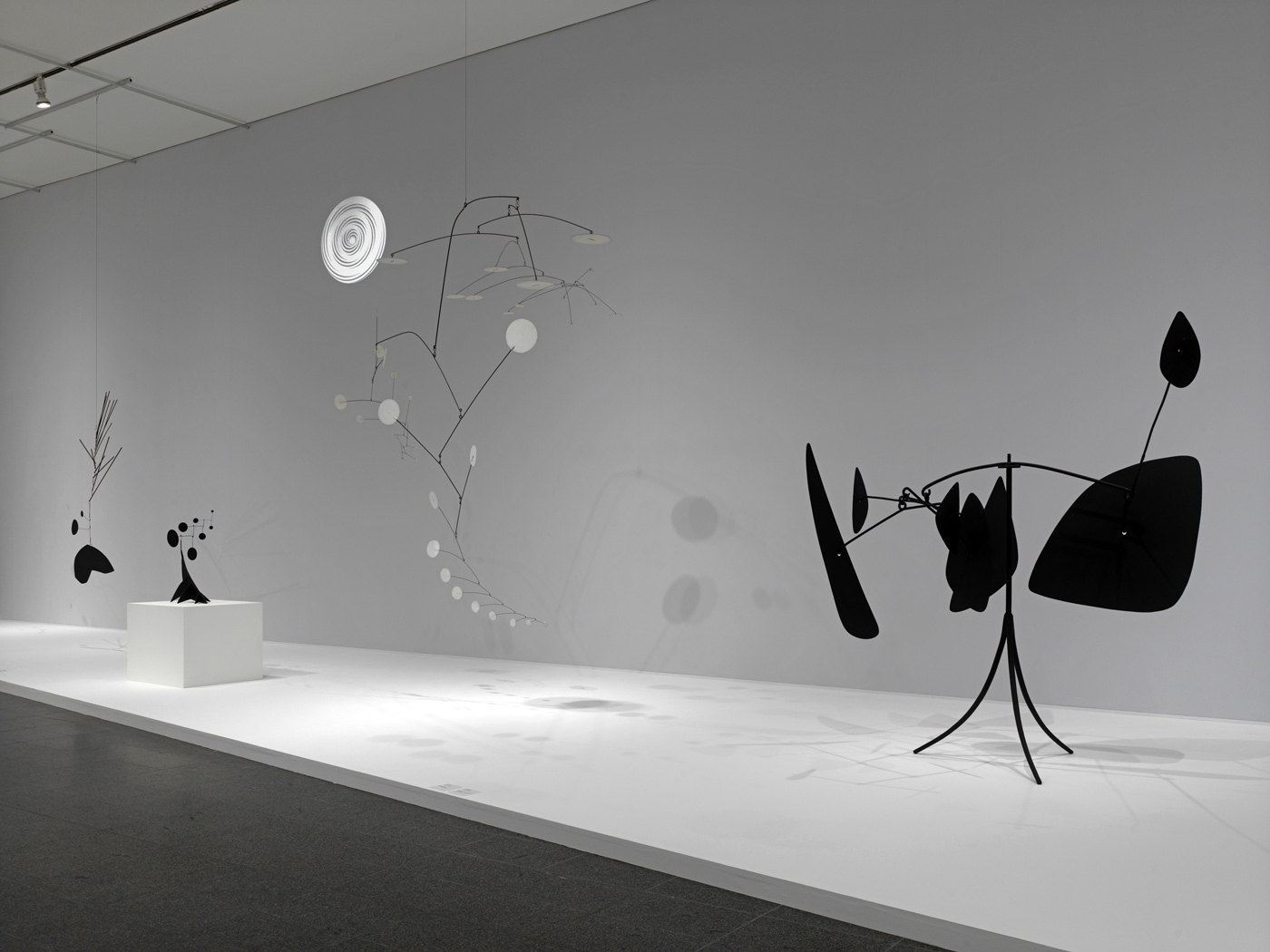
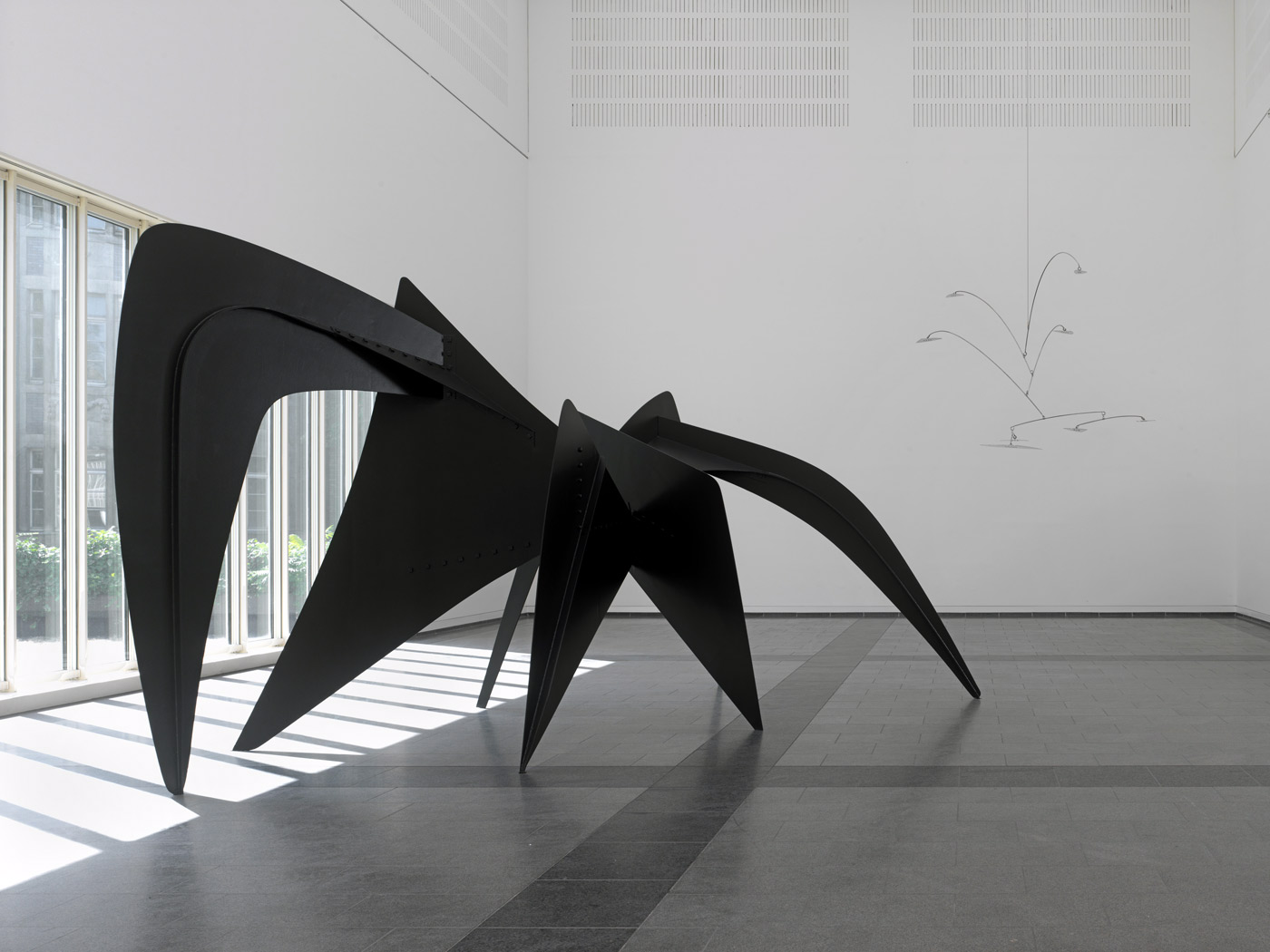


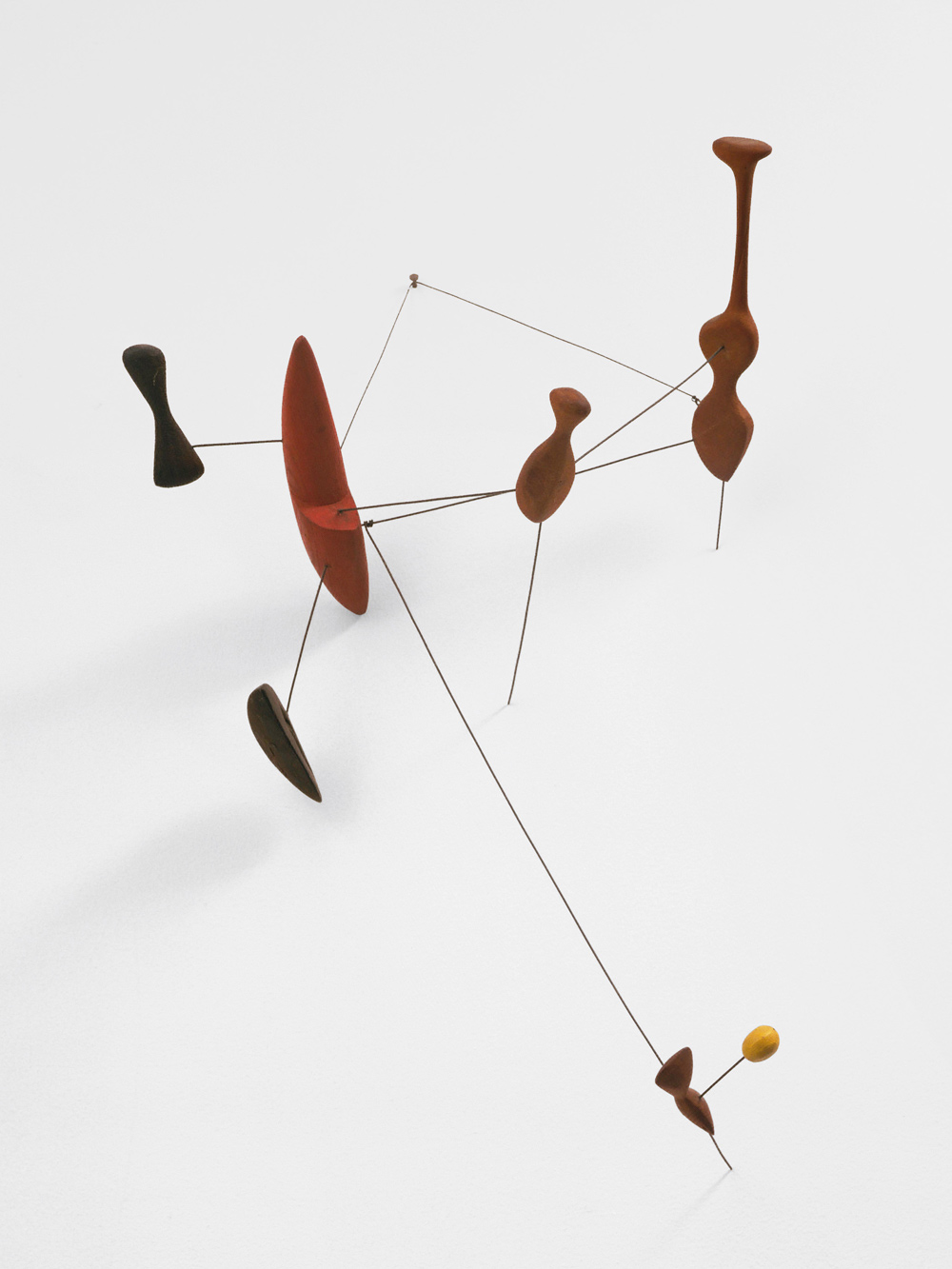
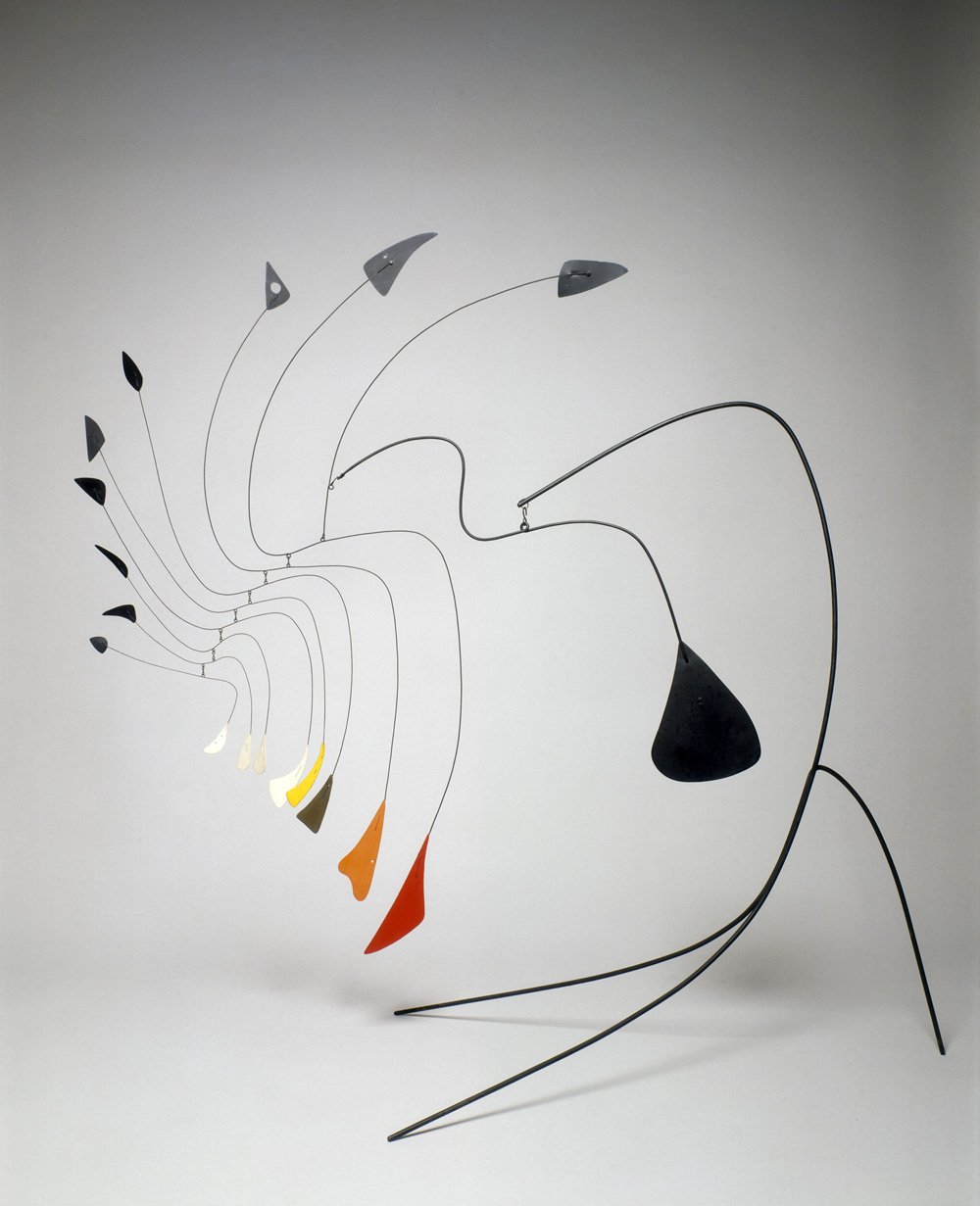

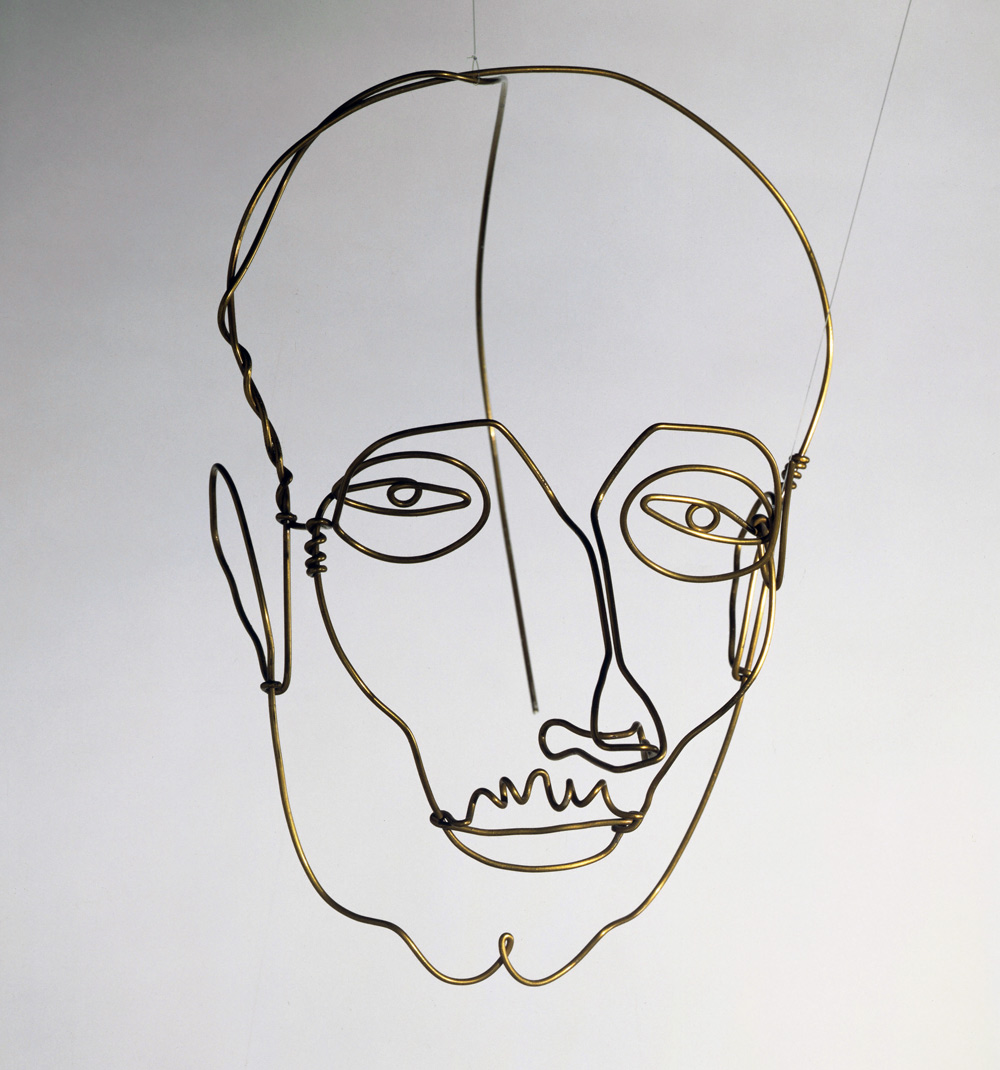

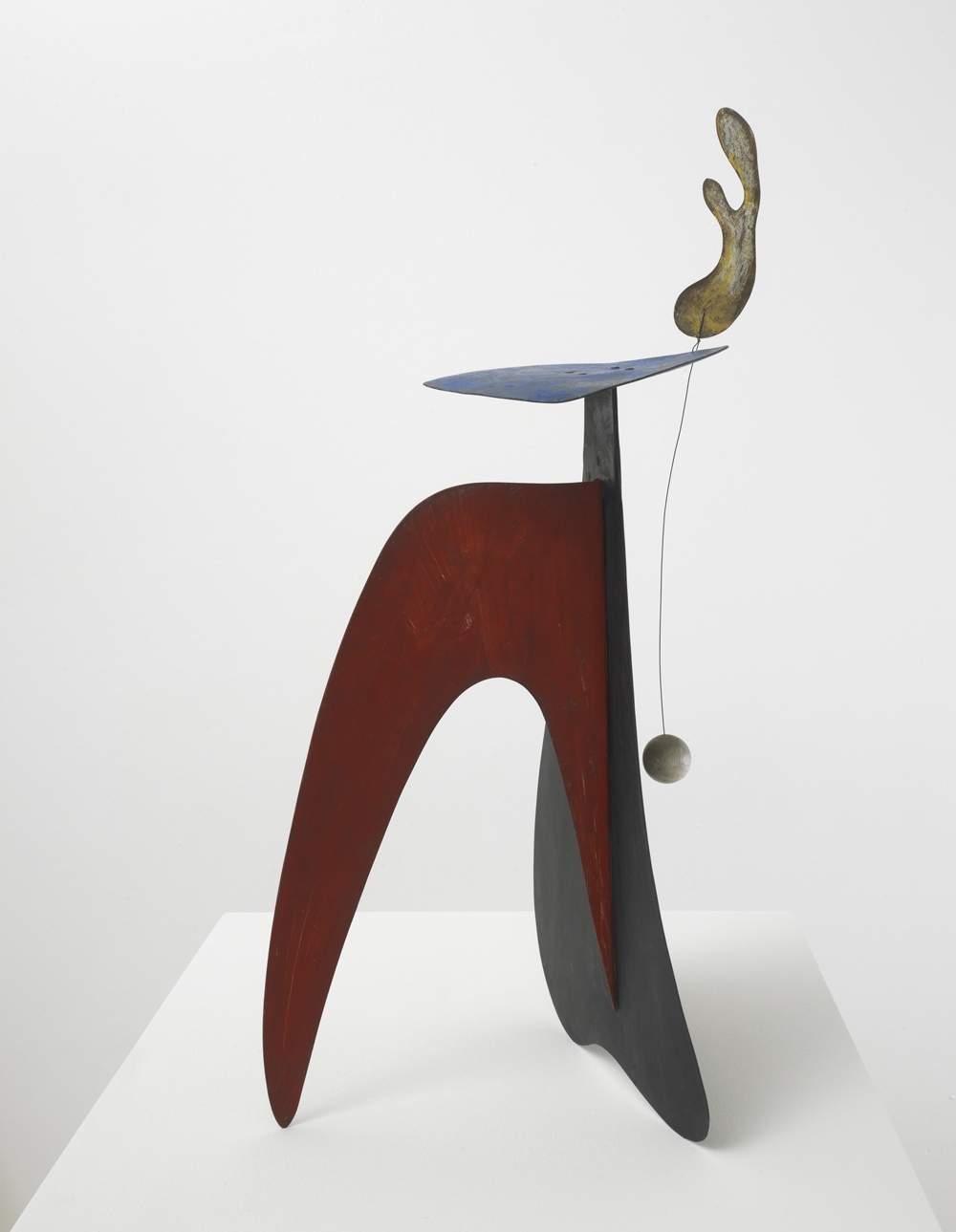


![Brett Weston (American, 1911-1993) '[Air vents, New York]' 1945 from the exhibition 'City of Abstractions: Brett Weston in New York, 1944-45' at 1285 Avenue of the Americas Art Gallery, New York, September 2013- January 2014](https://artblart.com/wp-content/uploads/2014/01/air-vents-web.jpg "Brett Weston (American, 1911-1993) '[Air vents, New York]' 1945 from the exhibition 'City of Abstractions: Brett Weston in New York, 1944-45' at 1285 Avenue of the Americas Art Gallery, New York, September 2013- January 2014")
![Brett Weston (American, 1911-1993) '[42nd Street at First Avenue, New York]' c. 1945 from the exhibition 'City of Abstractions: Brett Weston in New York, 1944-45' at 1285 Avenue of the Americas Art Gallery, New York, September 2013- January 2014](https://artblart.com/wp-content/uploads/2013/12/42nd-street-at-first-avenue-web.jpg "Brett Weston (American, 1911-1993) '[42nd Street at First Avenue, New York]' c. 1945 from the exhibition 'City of Abstractions: Brett Weston in New York, 1944-45' at 1285 Avenue of the Americas Art Gallery, New York, September 2013- January 2014")
![Brett Weston (American, 1911-1993) '[Oceano Dunes, California]' 1934](https://artblart.com/wp-content/uploads/2013/12/oceano-dunes-california-web.jpg "Brett Weston (American, 1911-1993) '[Oceano Dunes, California]' 1934")
![Brett Weston (American, 1911-1993) '[Stoop with broom, arrow, and pushcart, New York]' 1944](https://artblart.com/wp-content/uploads/2013/12/stoop-with-broom-web.jpg "Brett Weston (American, 1911-1993) '[Stoop with broom, arrow, and pushcart, New York]' 1944")
![Brett Weston (American, 1911-1993) '[Airshafts, New York]' c. 1945](https://artblart.com/wp-content/uploads/2014/01/airshafts-web.jpg "Brett Weston (American, 1911-1993) '[Airshafts, New York]' c. 1945")
![Brett Weston (American, 1911-1993) '[Courtyard, New York]' c. 1945](https://artblart.com/wp-content/uploads/2013/12/courtyard-web.jpg "Brett Weston (American, 1911-1993) '[Courtyard, New York]' c. 1945")
![Brett Weston (American, 1911-1993) '[House, Ewing Street, Staten Island, New York]' c. 1945](https://artblart.com/wp-content/uploads/2013/12/house-ewing-street-web.jpg "Brett Weston (American, 1911-1993) '[House, Ewing Street, Staten Island, New York]' c. 1945")
![Brett Weston (American, 1911-1993) '[Sutton Place, New York]' c. 1945](https://artblart.com/wp-content/uploads/2014/01/sutton-place-web.jpg "Brett Weston (American, 1911-1993) '[Sutton Place, New York]' c. 1945")
![Brett Weston (American, 1911-1993) '[Skylight and fences, Midtown, New York]' c. 1945](https://artblart.com/wp-content/uploads/2013/12/skylight-and-fences-web.jpg "Brett Weston (American, 1911-1993) '[Skylight and fences, Midtown, New York]' c. 1945")
![Brett Weston (American, 1911-1993) '[Wrought iron fence, New York]' c. 1945](https://artblart.com/wp-content/uploads/2013/12/wrought-iron-fence-web.jpg "Brett Weston (American, 1911-1993) '[Wrought iron fence, New York]' c. 1945")
![Brett Weston (American, 1911-1993) '[Church door, Bowery, New York]' c. 1945](https://artblart.com/wp-content/uploads/2013/12/church-door-web.jpg "Brett Weston (American, 1911-1993) '[Church door, Bowery, New York]' c. 1945")
![Brett Weston (American, 1911-1993) '[Pillars and tree, New York]' 1944](https://artblart.com/wp-content/uploads/2013/12/pillars-and-tree-web.jpg "Brett Weston (American, 1911-1993) '[Pillars and tree, New York]' 1944")
![Brett Weston (American, 1911-1993) '[St. Francis Grocery & Fruit, New York]' c. 1945](https://artblart.com/wp-content/uploads/2013/12/st-francis-grocery-and-fruit-web.jpg "Brett Weston (American, 1911-1993) '[St. Francis Grocery & Fruit, New York]' c. 1945")


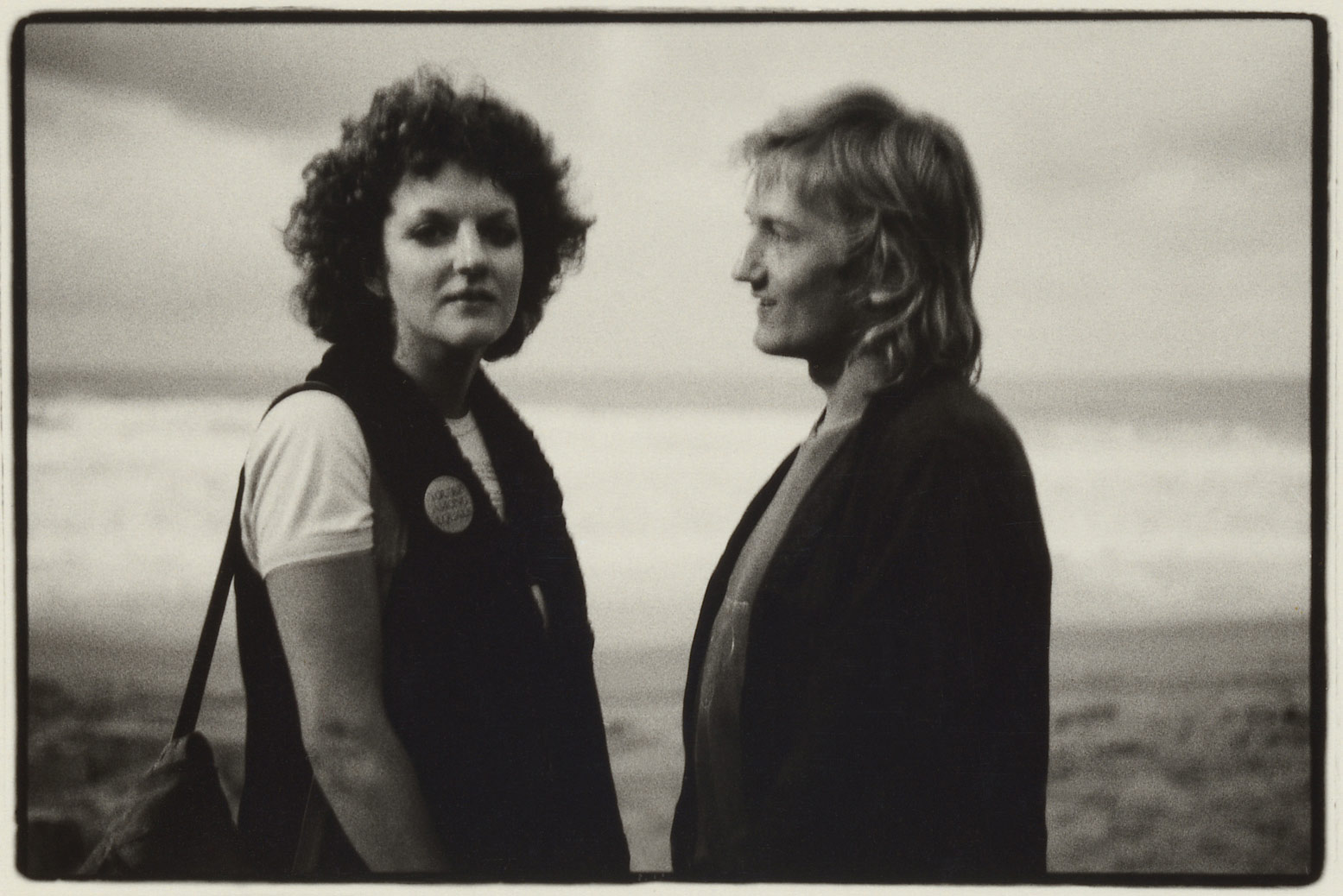


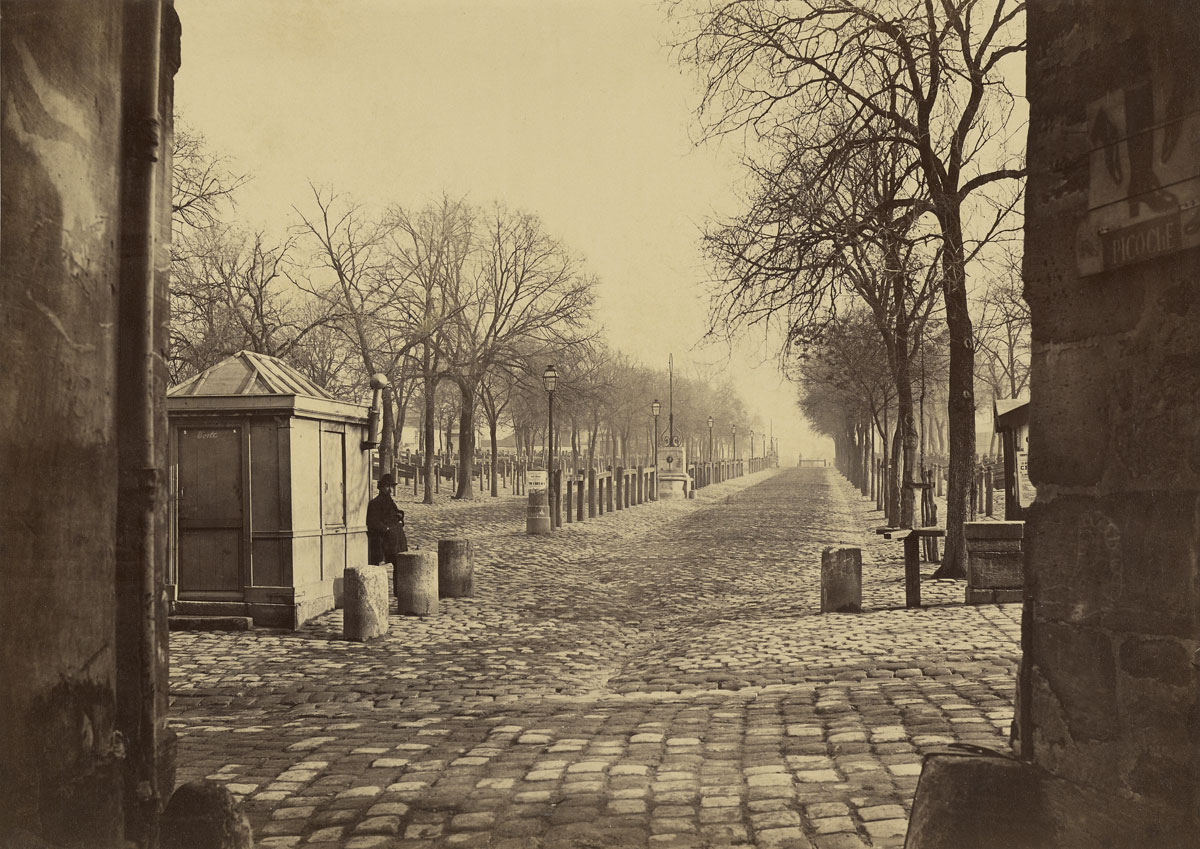
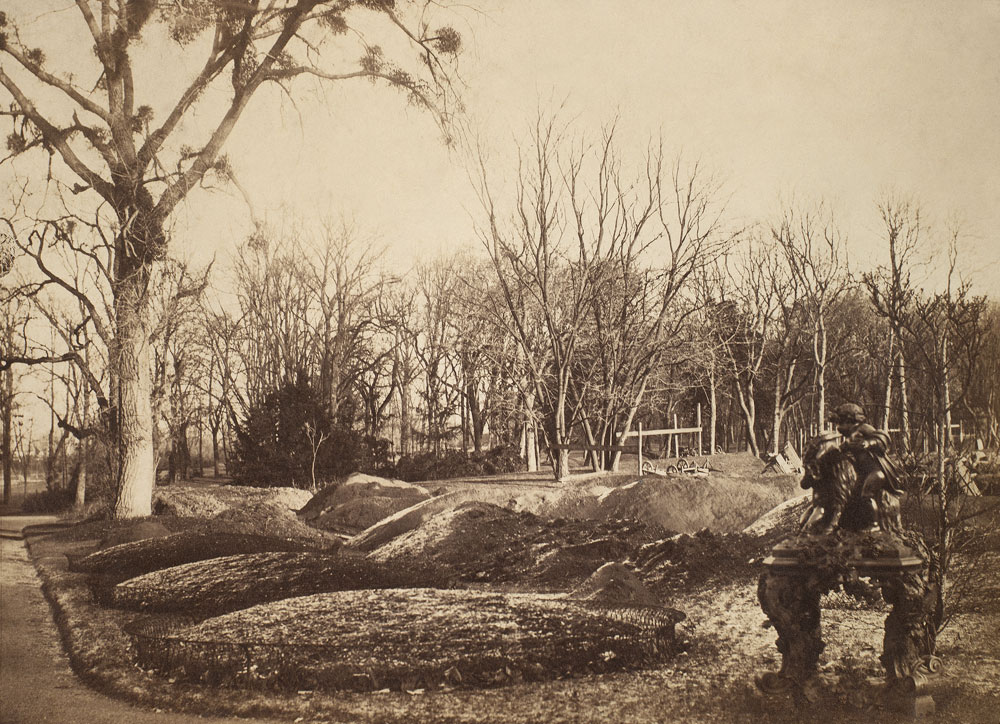
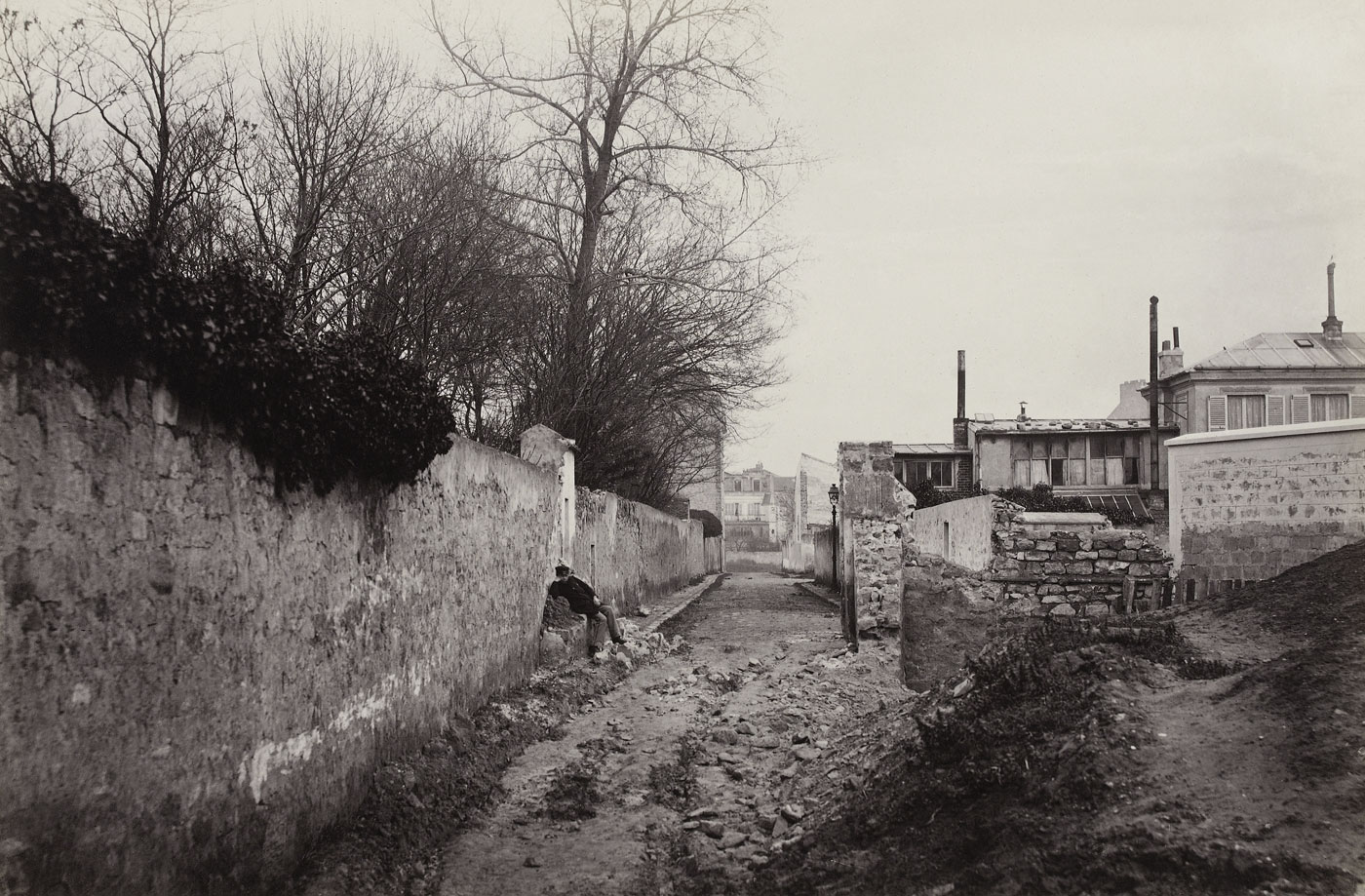
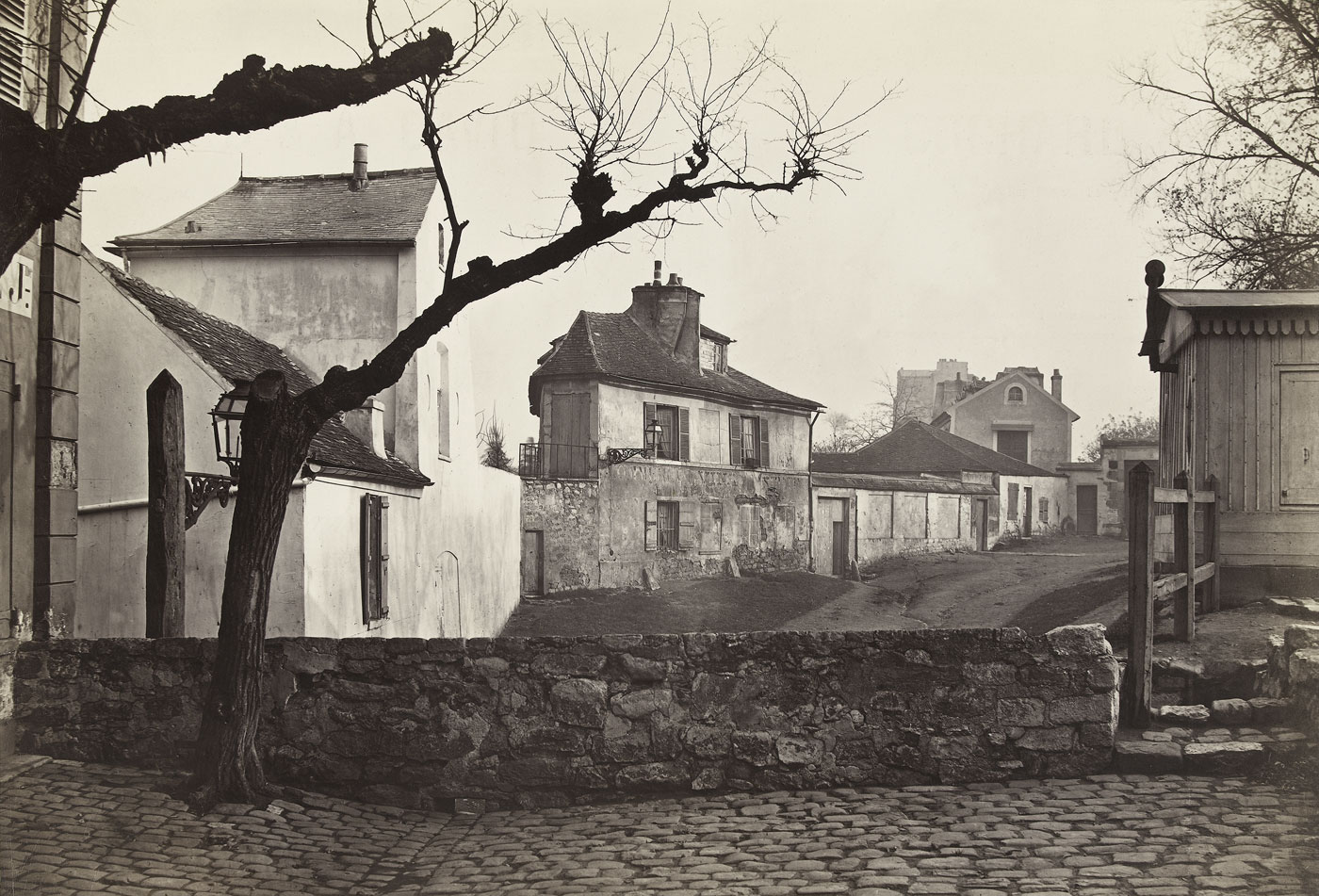
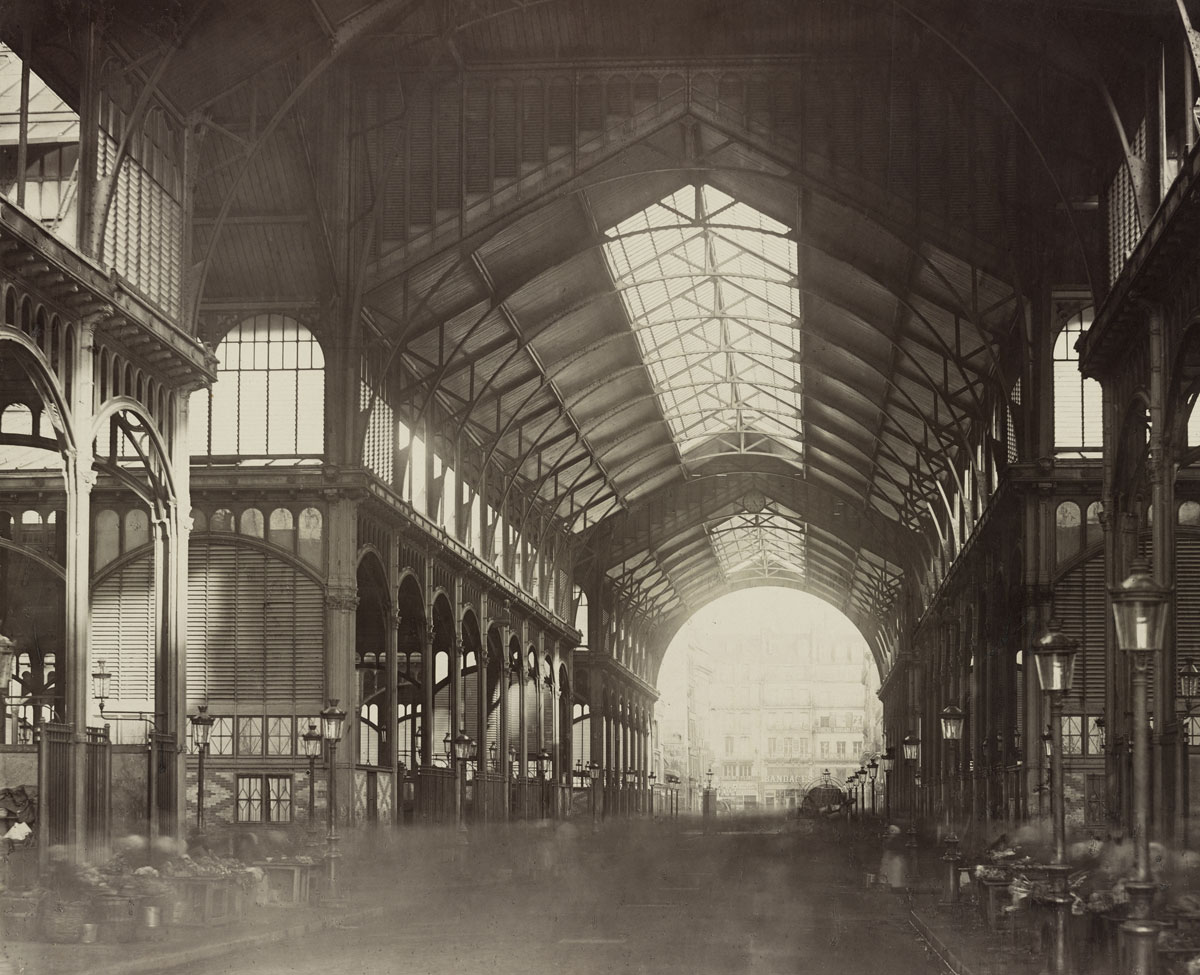
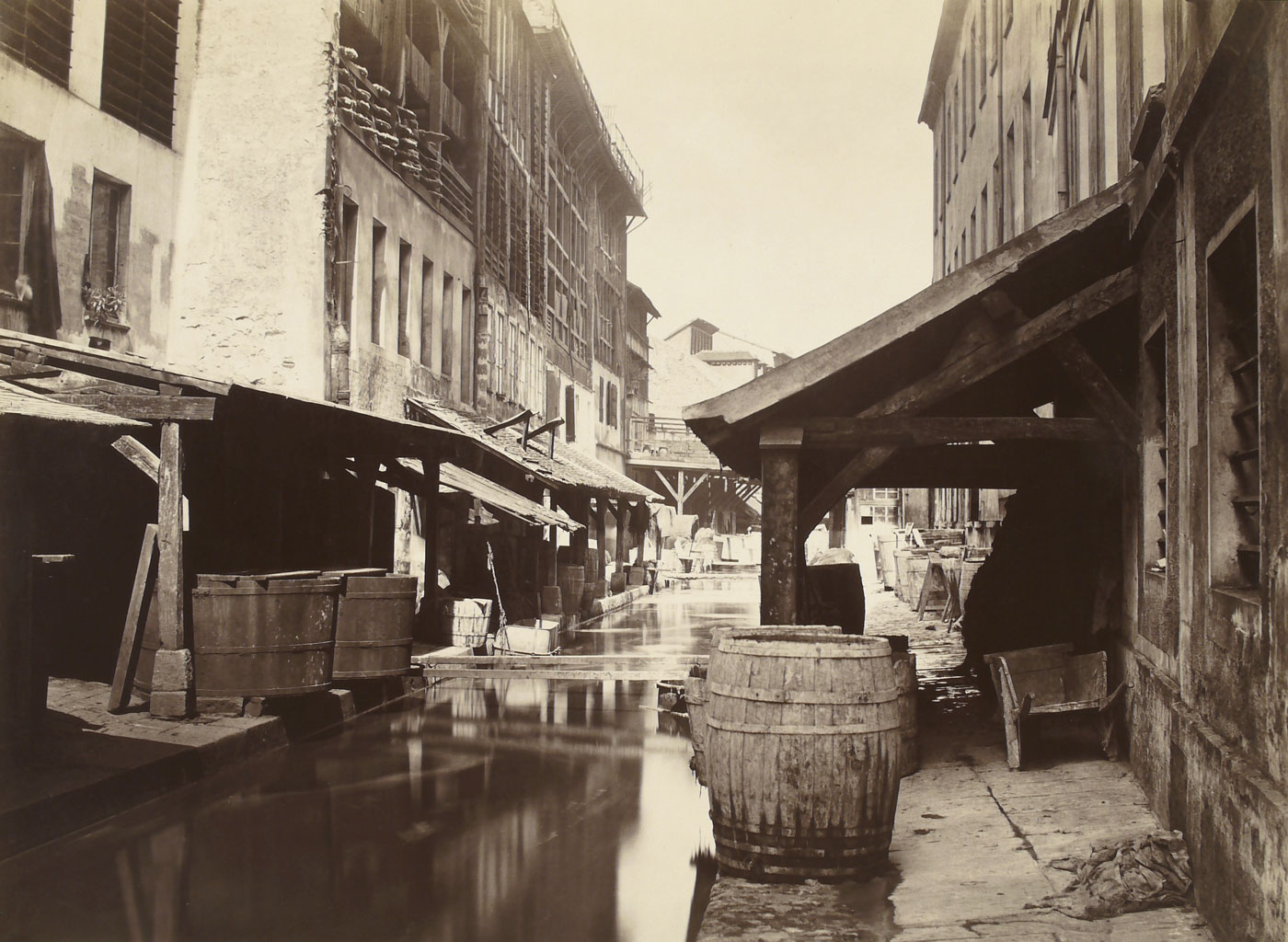
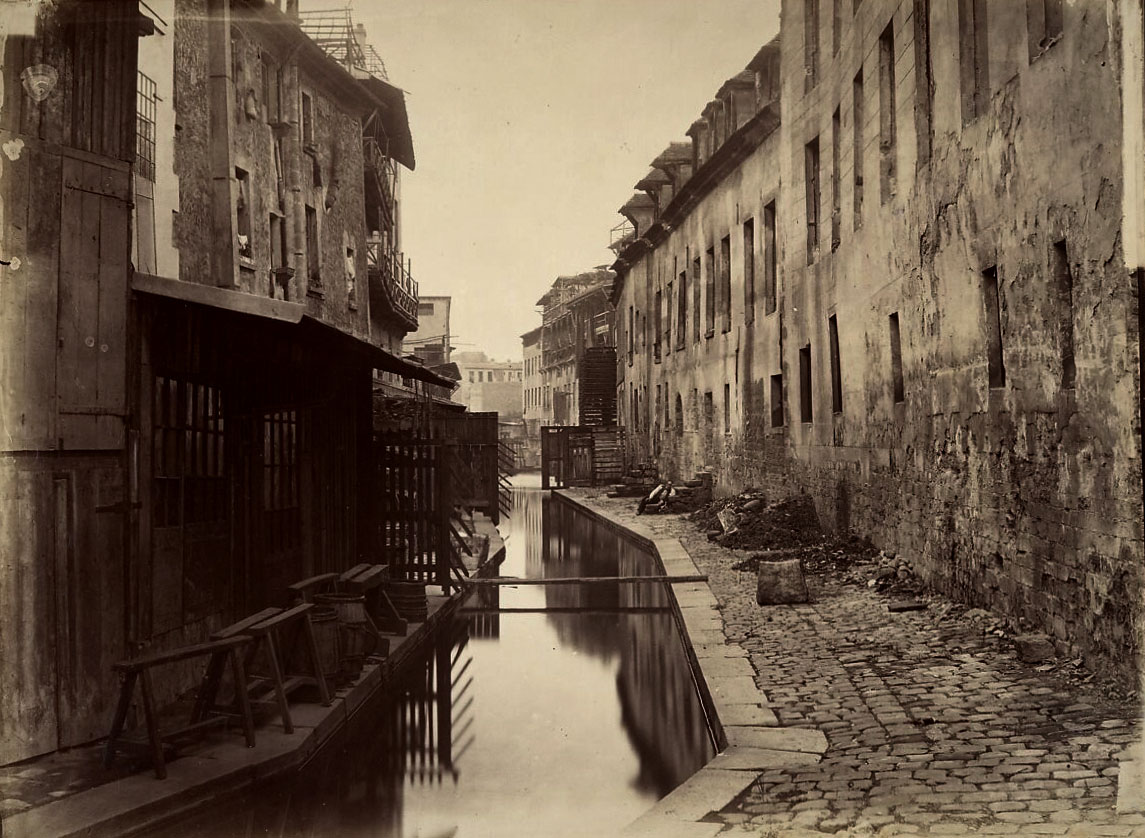
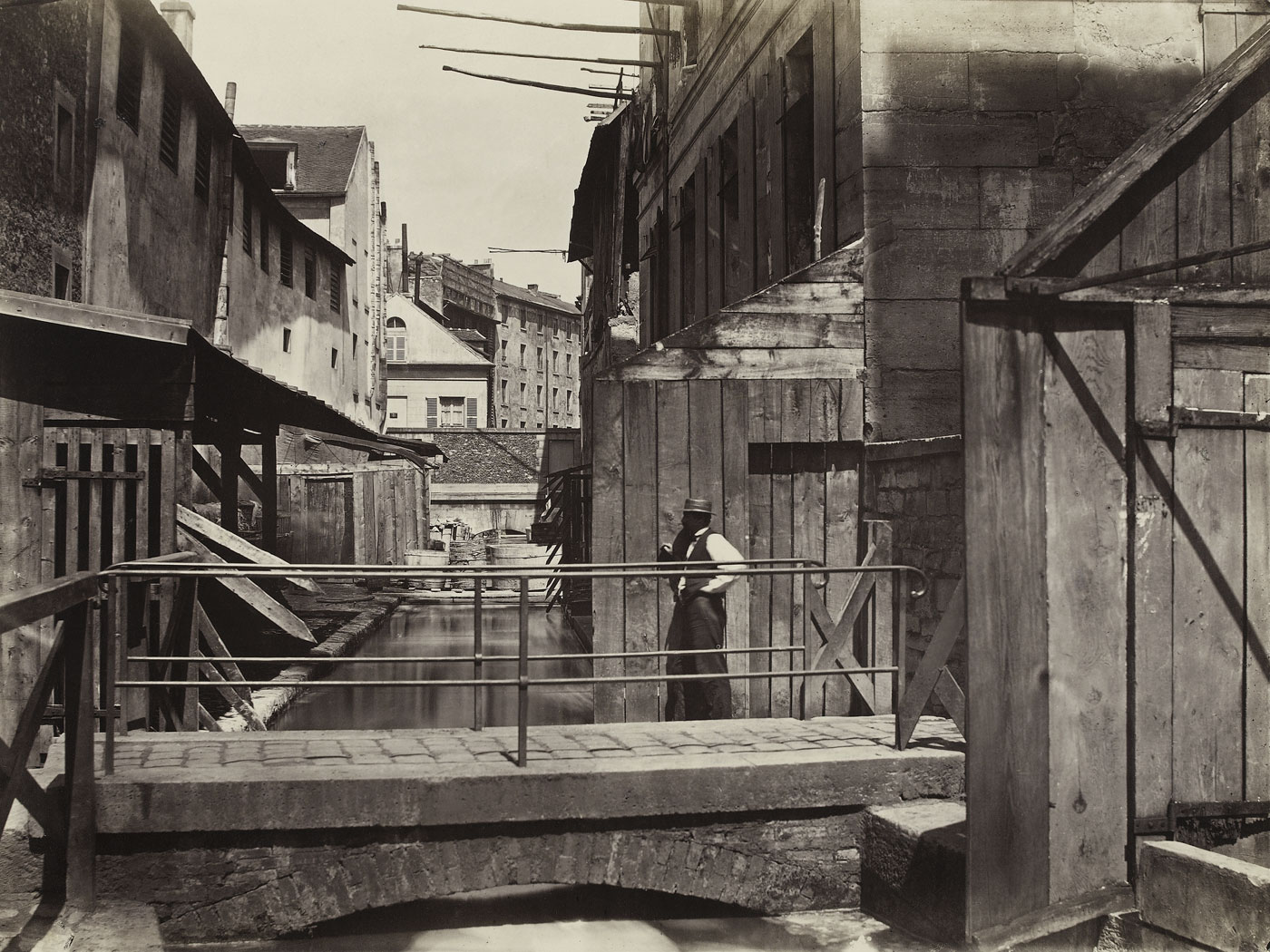
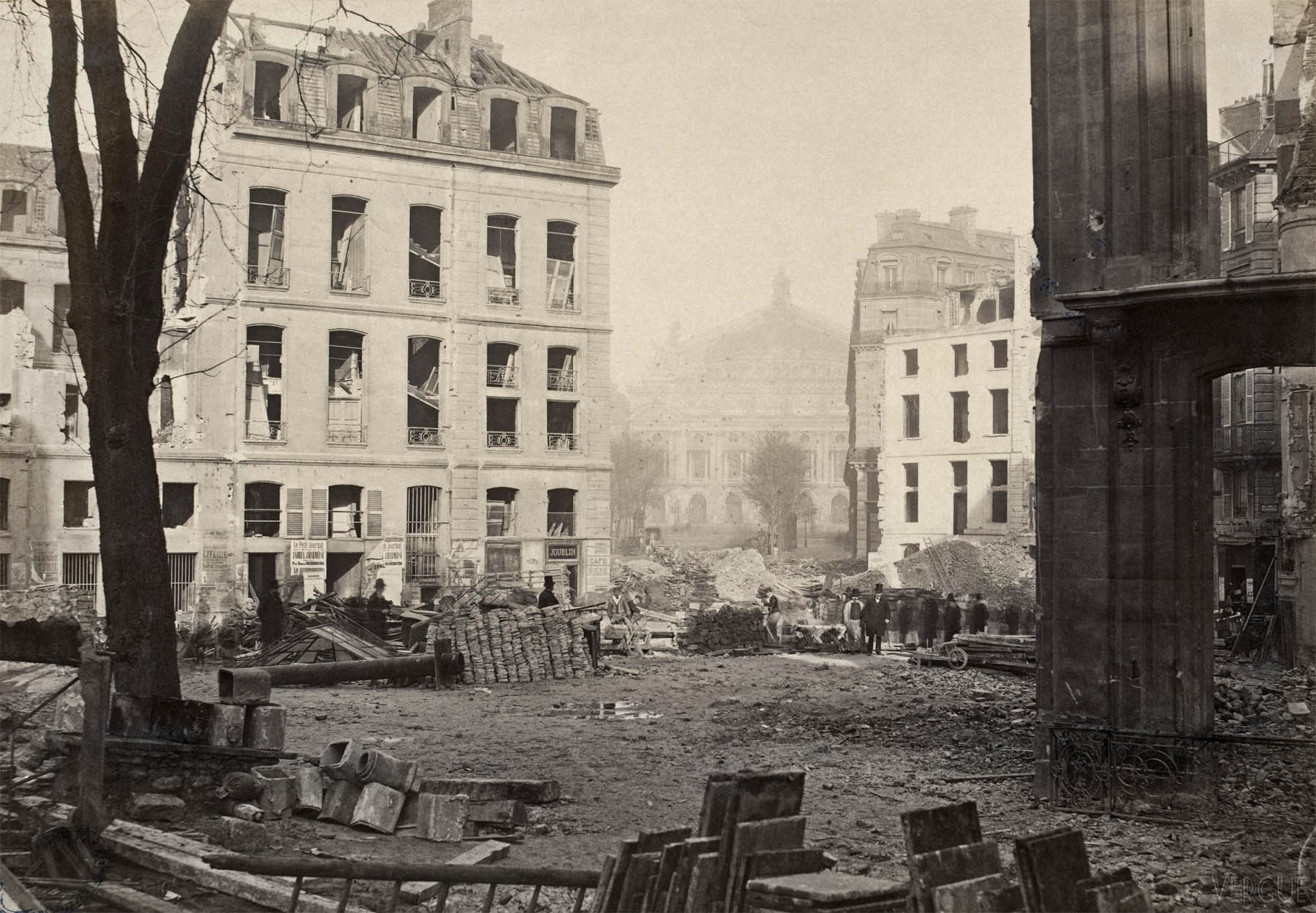
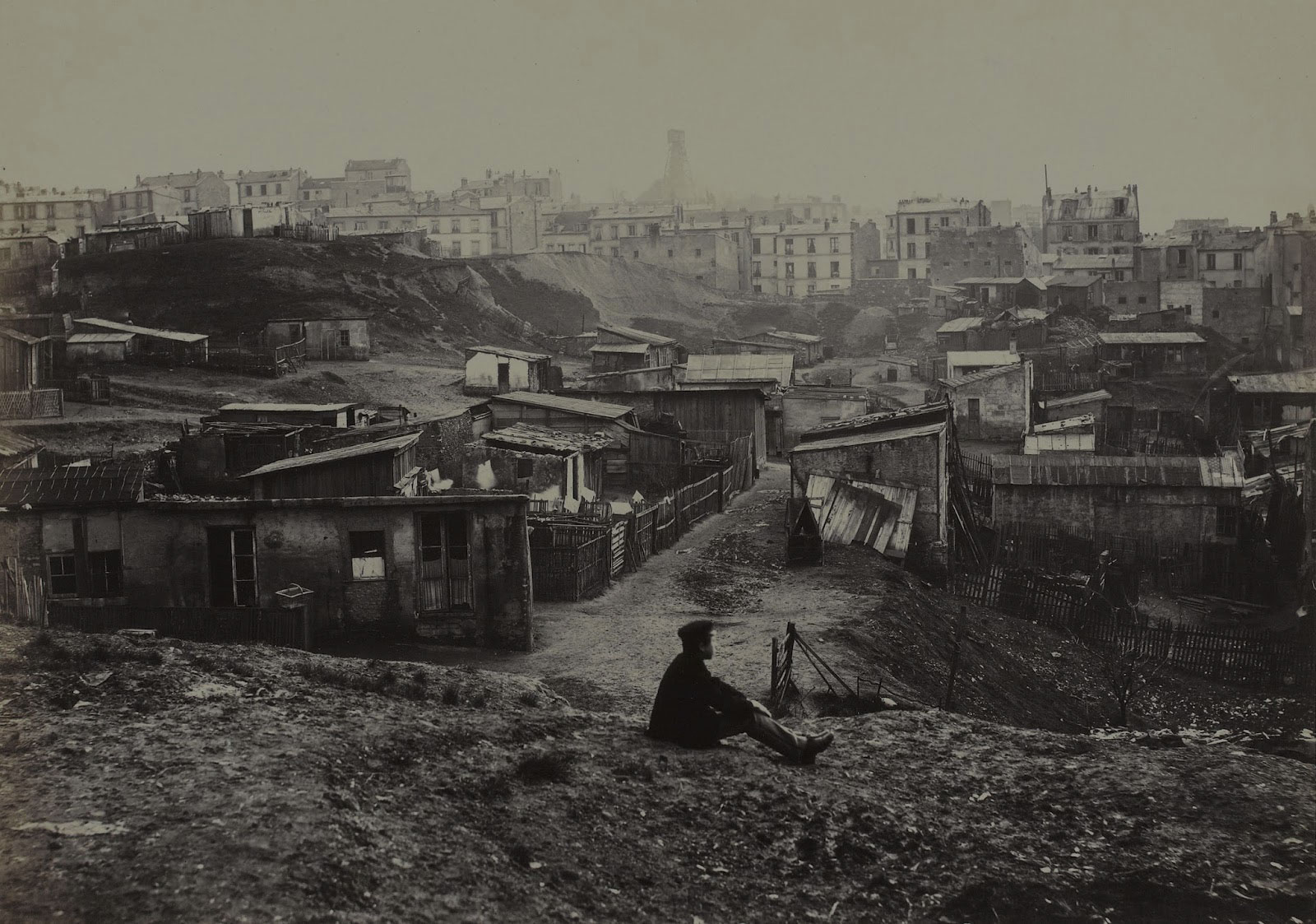

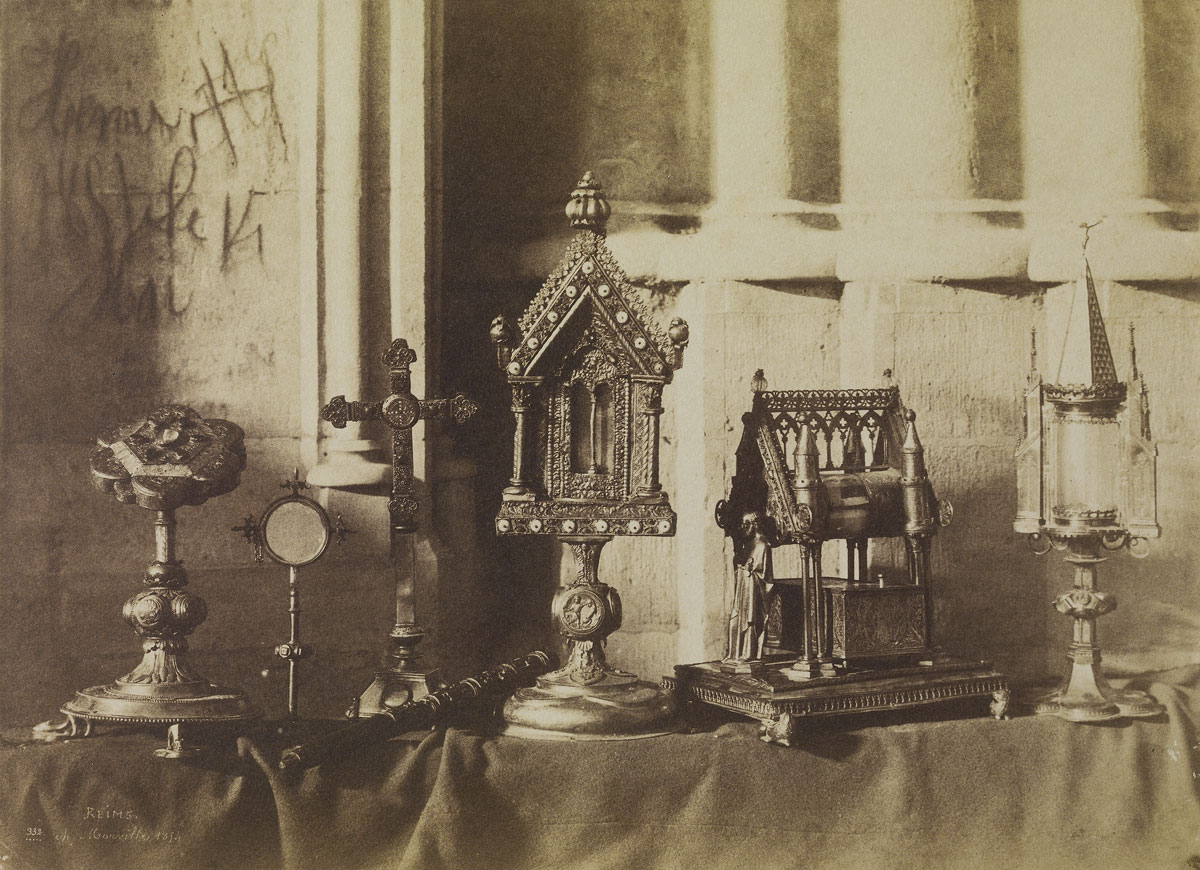
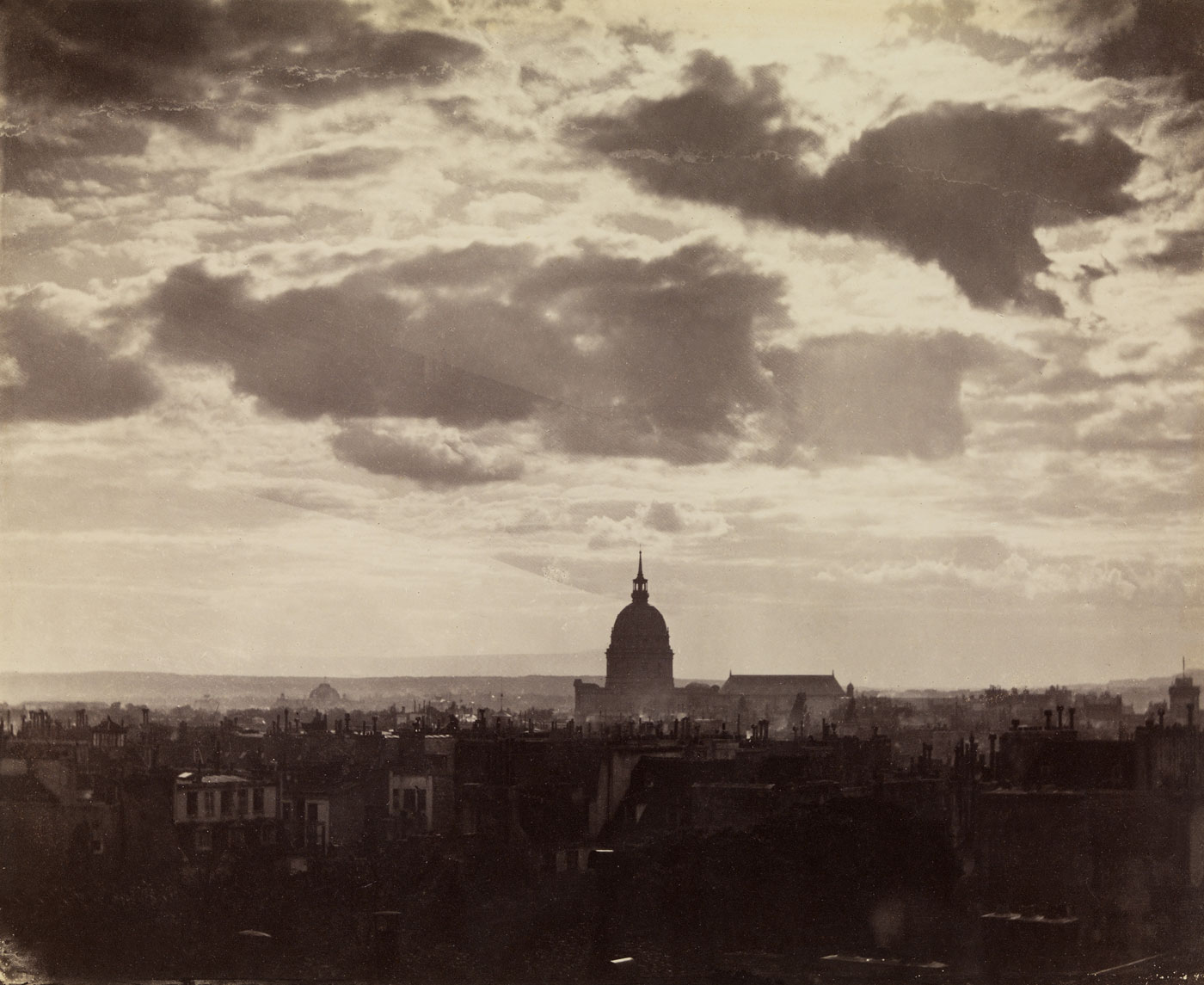
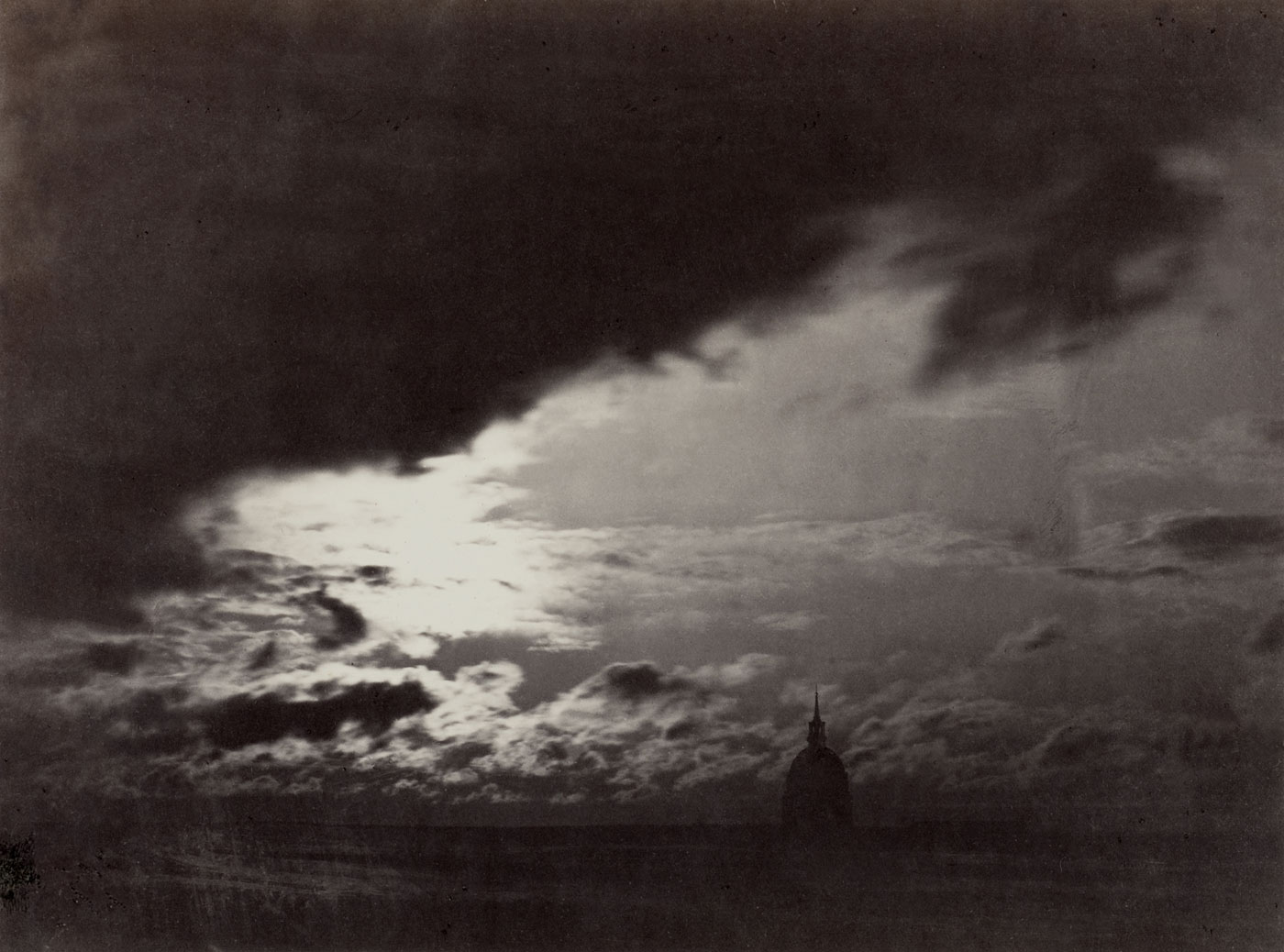
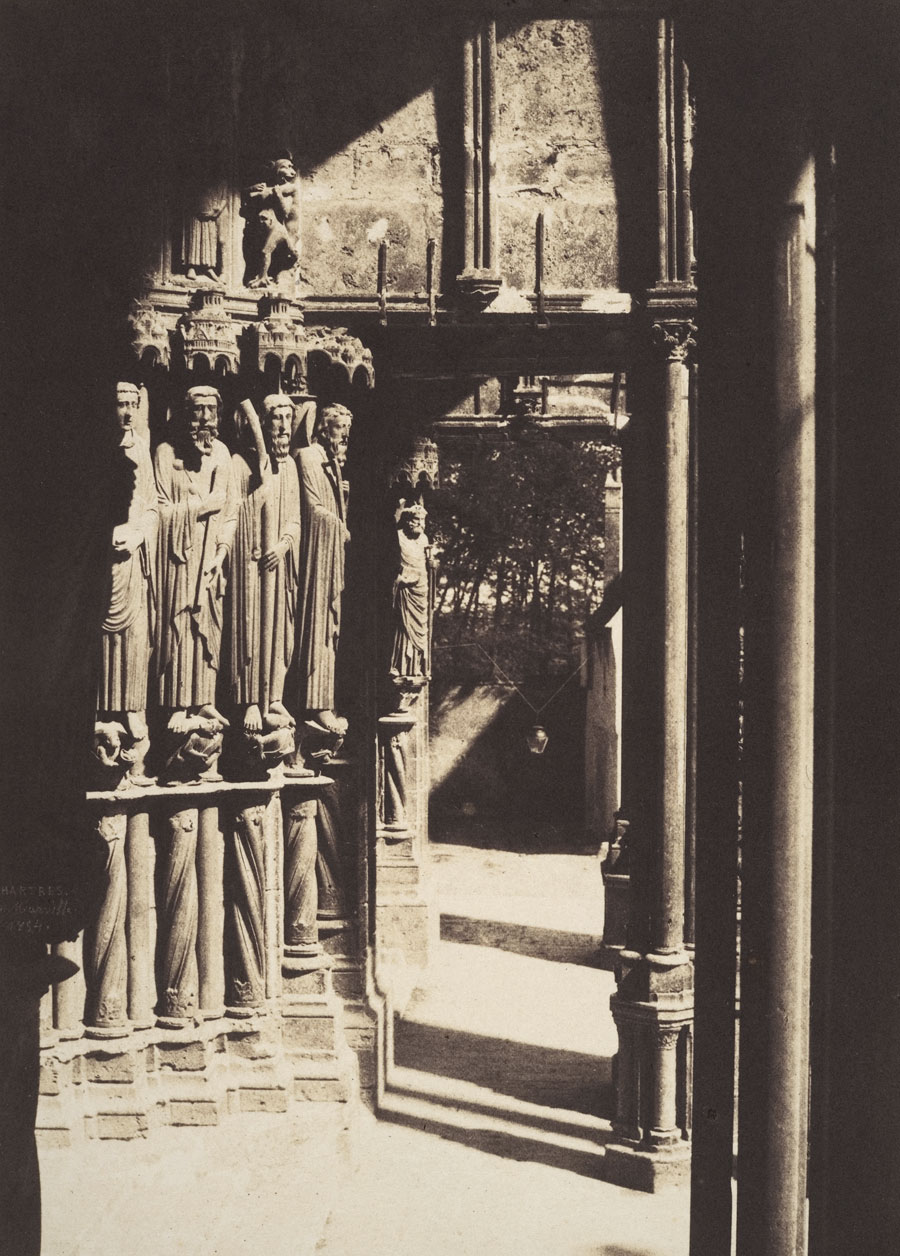
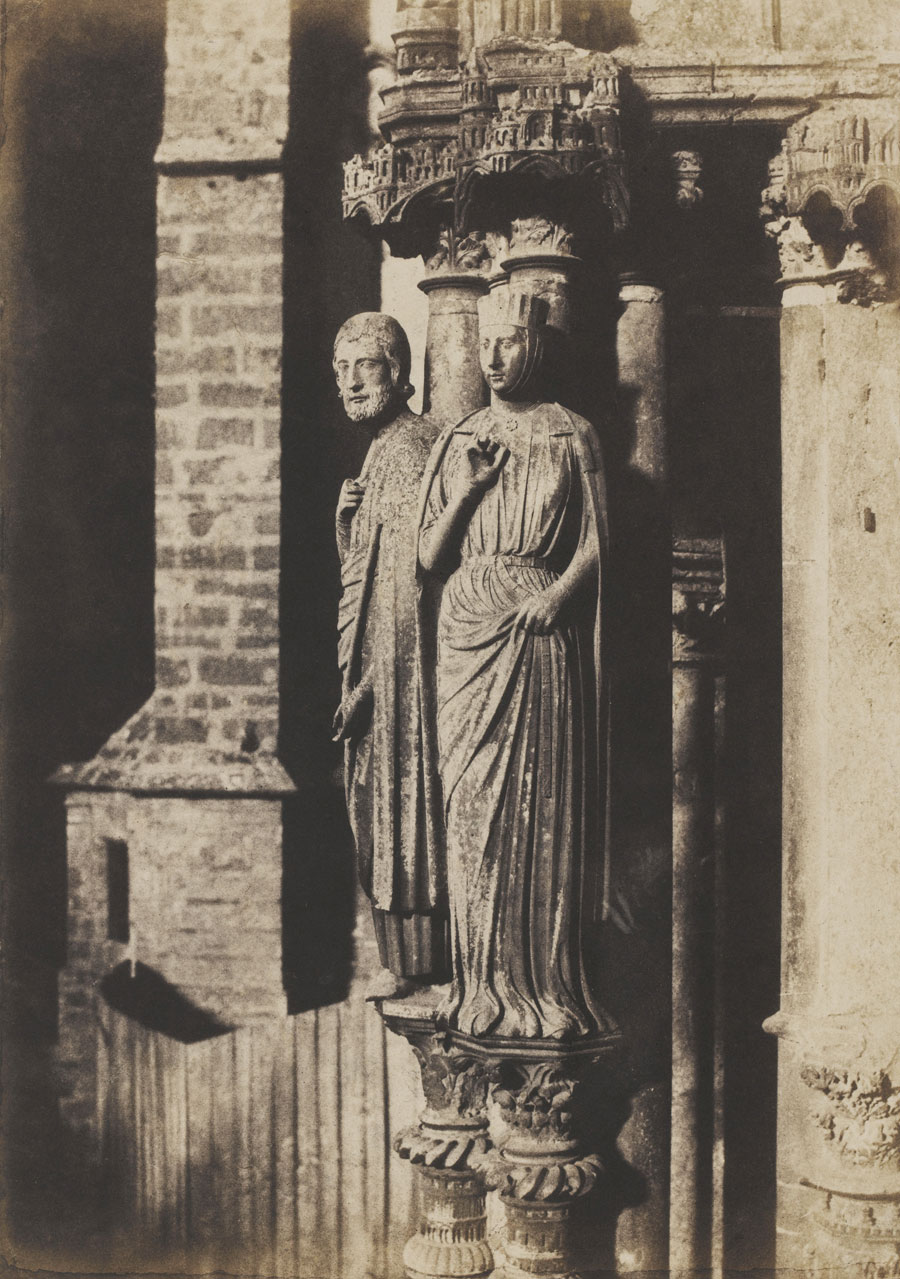
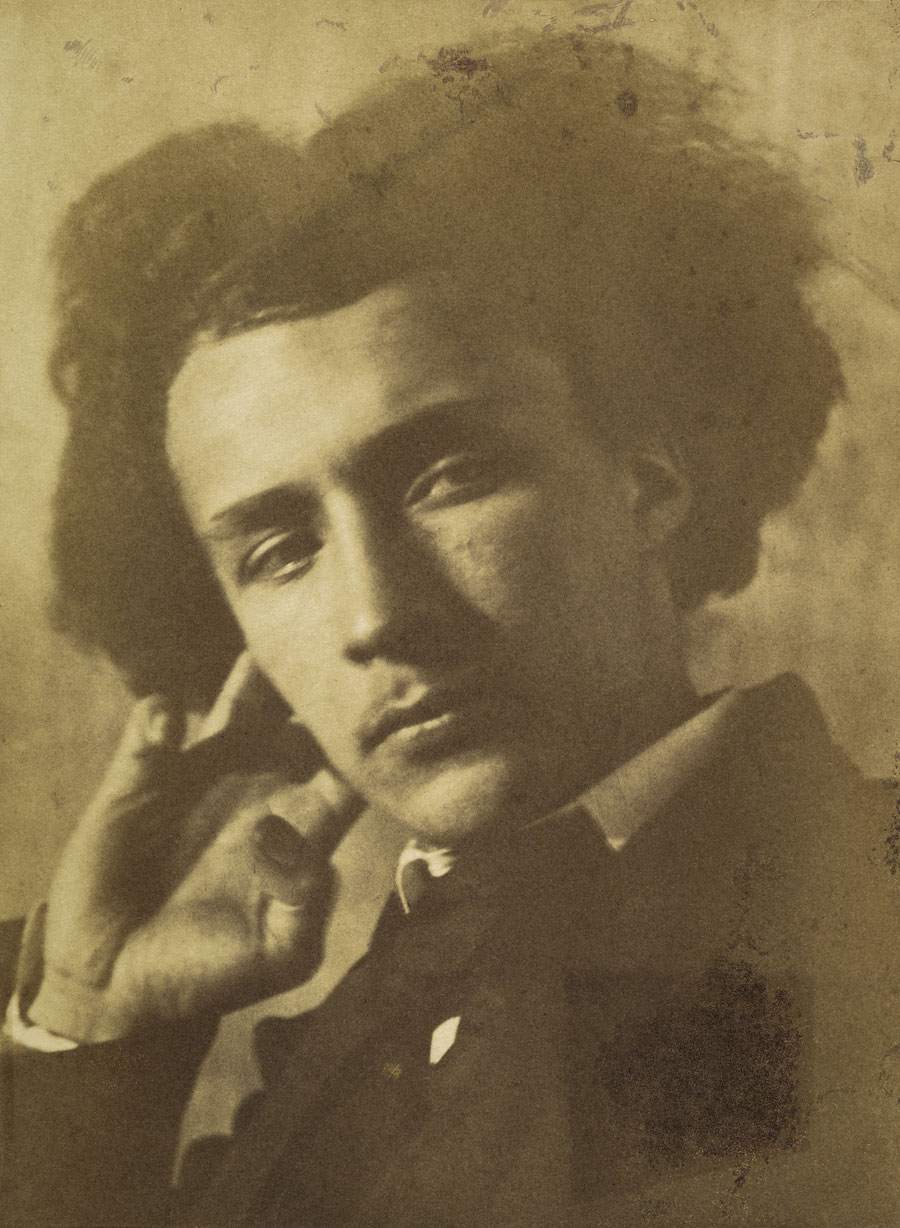
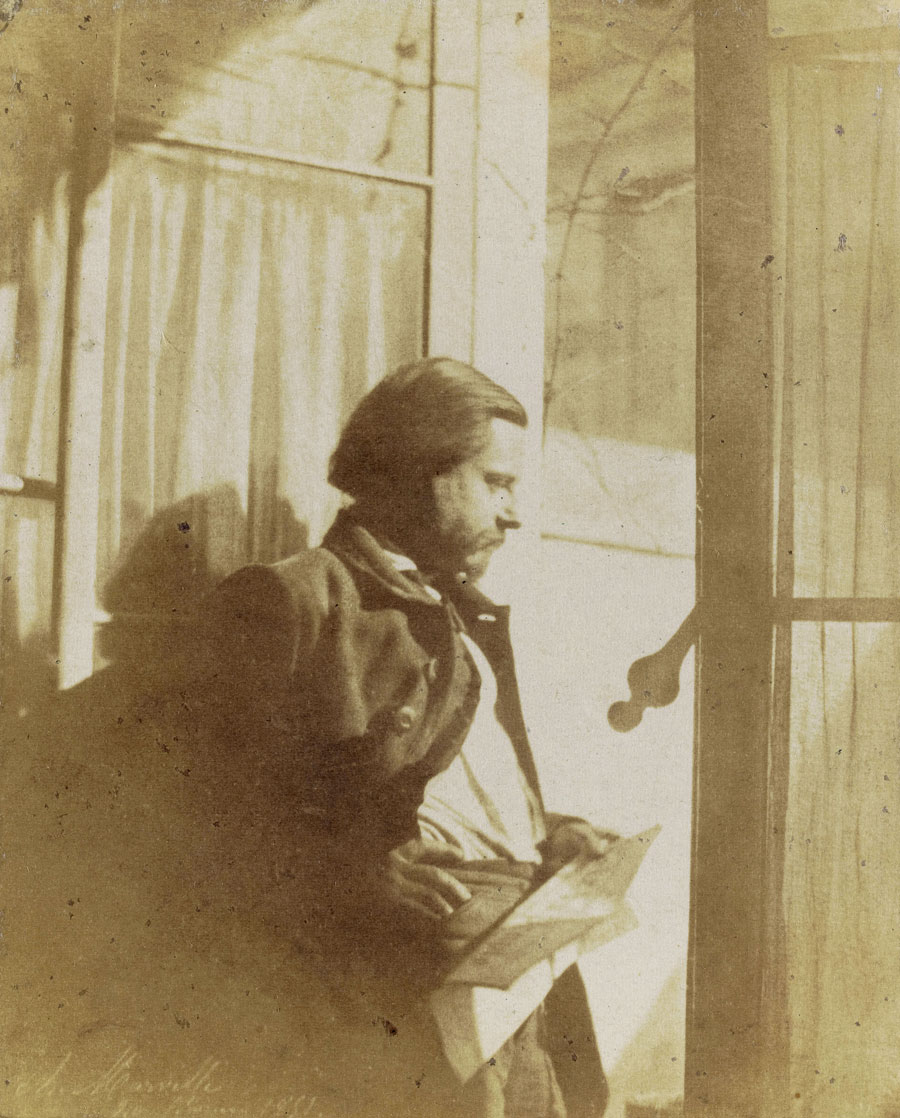
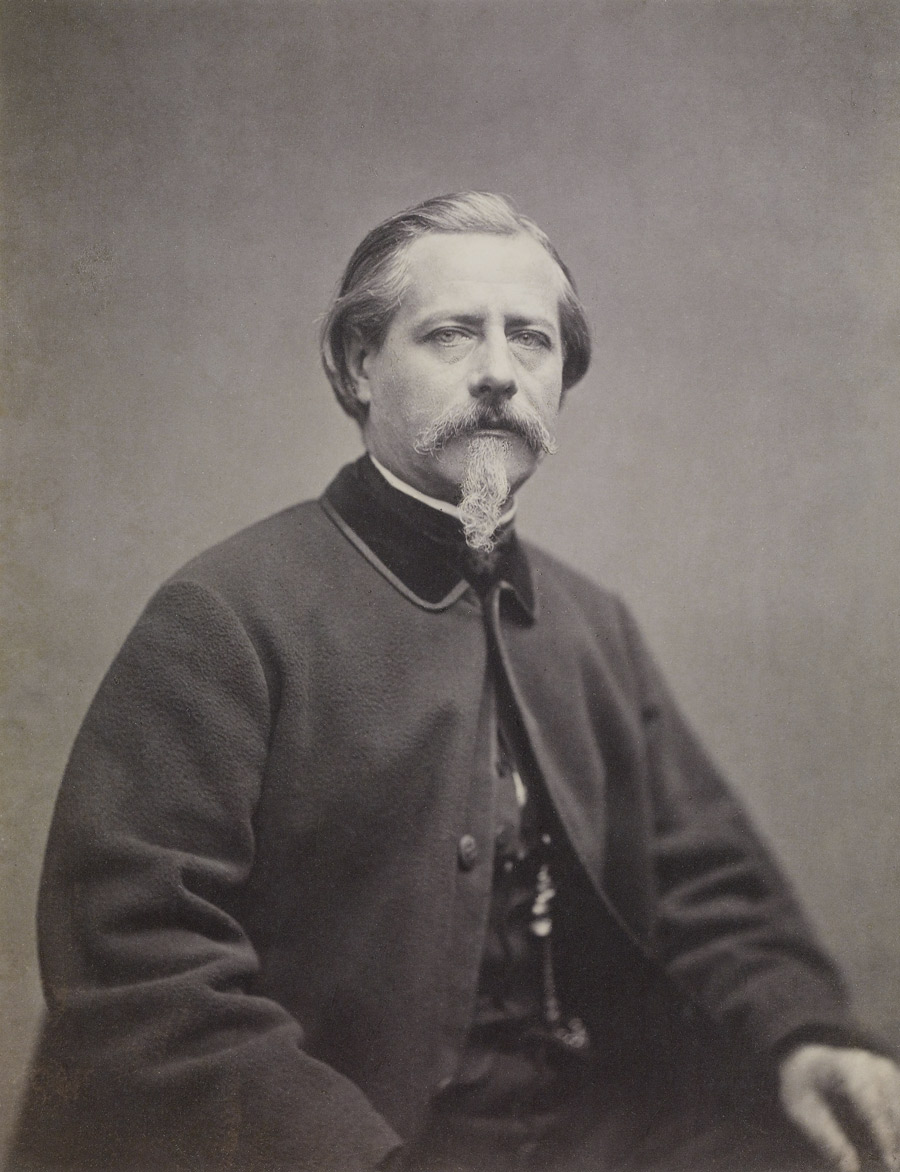
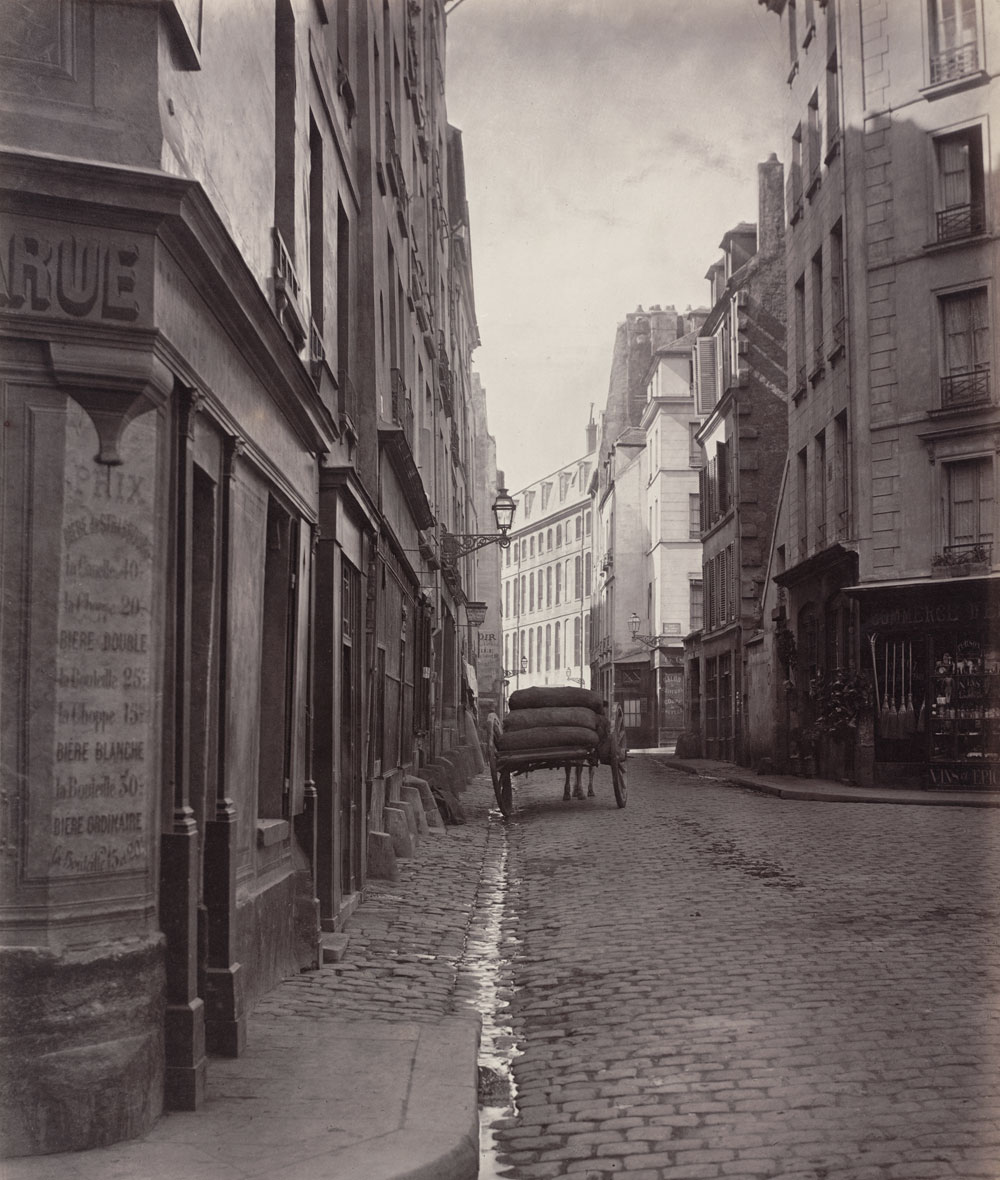
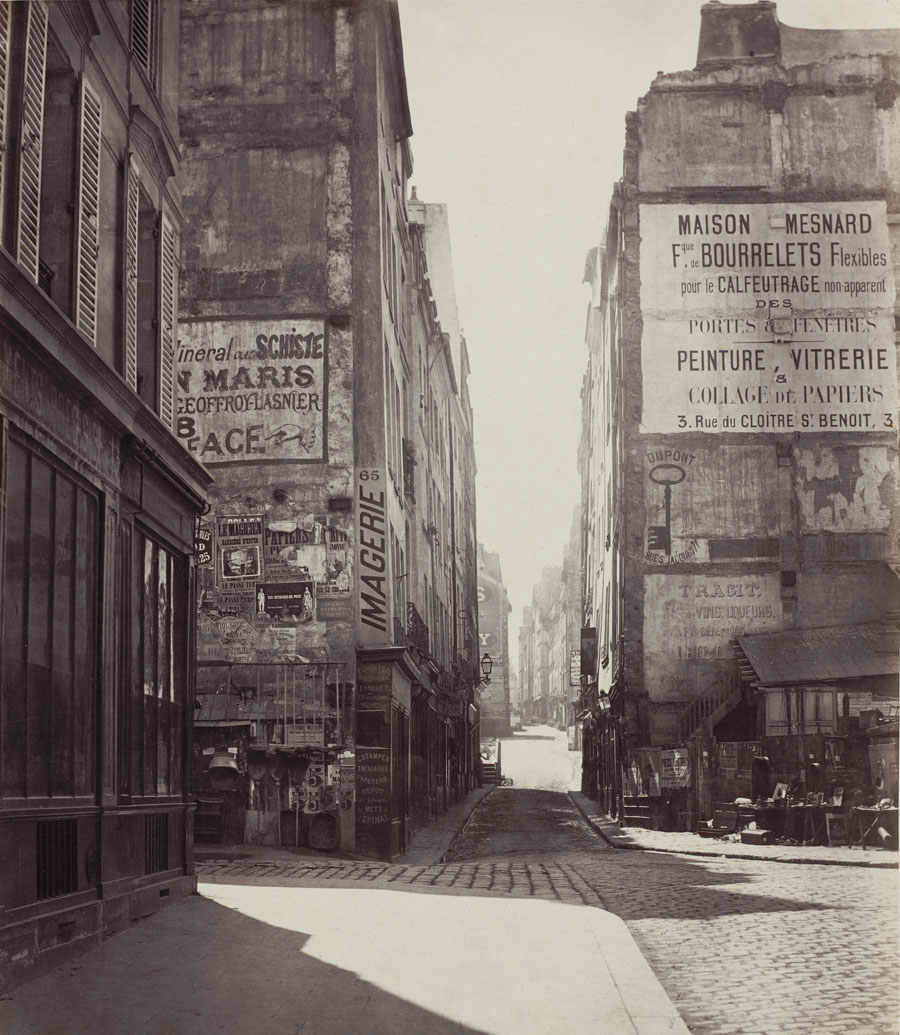
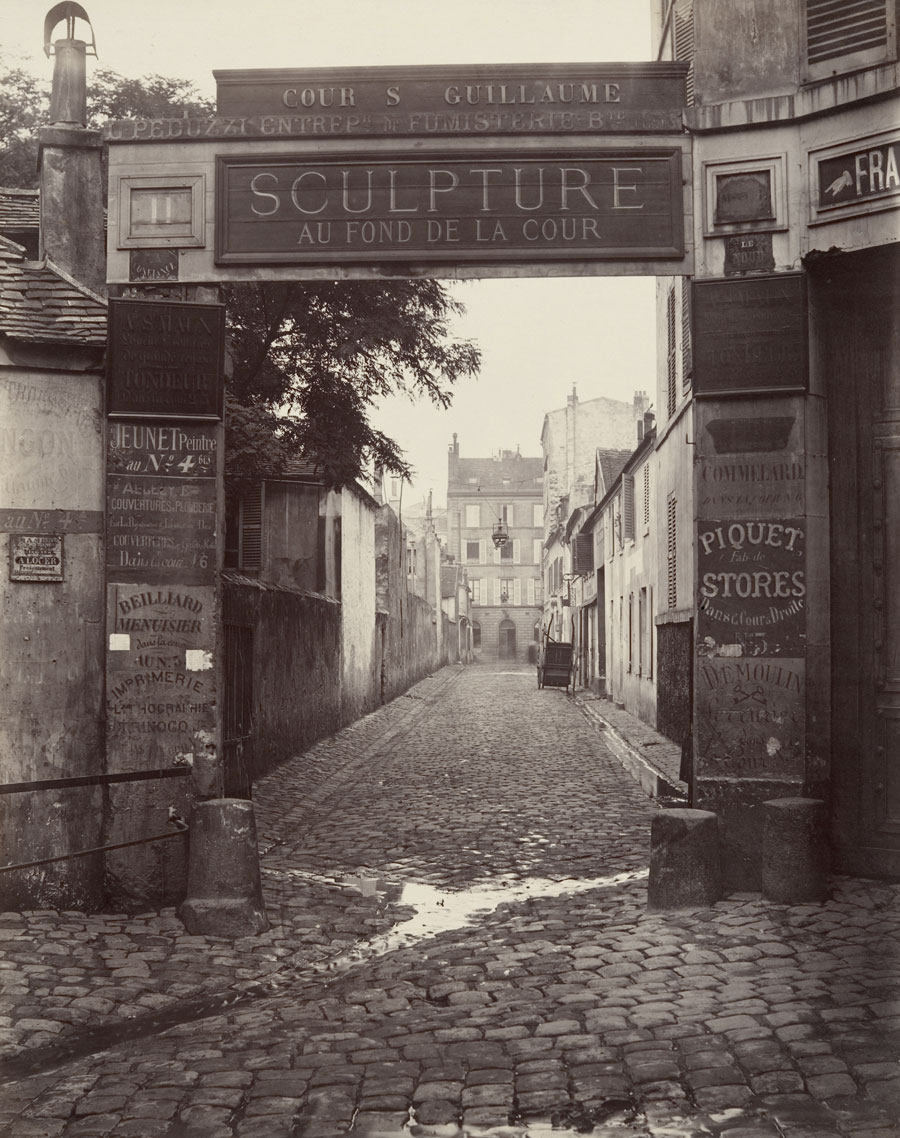
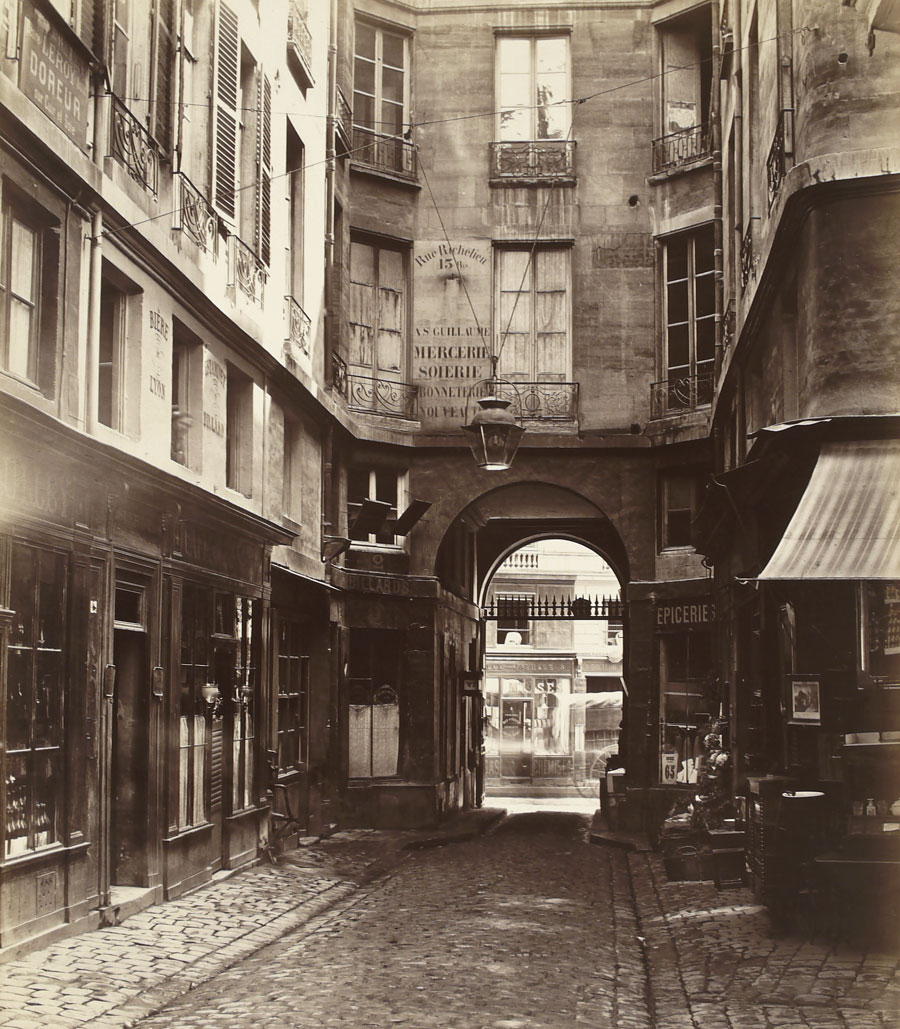
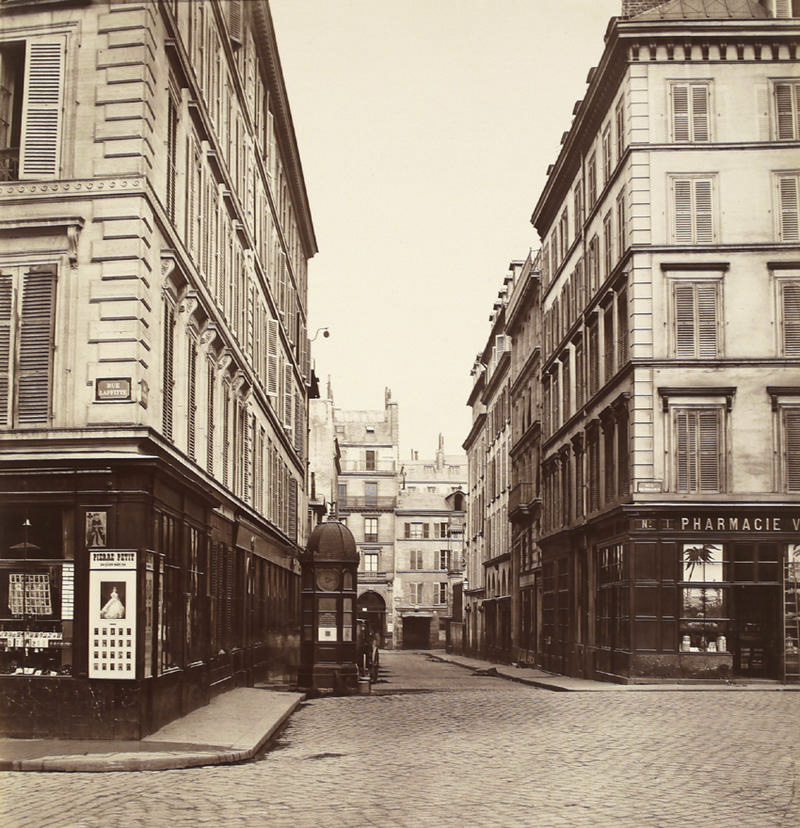
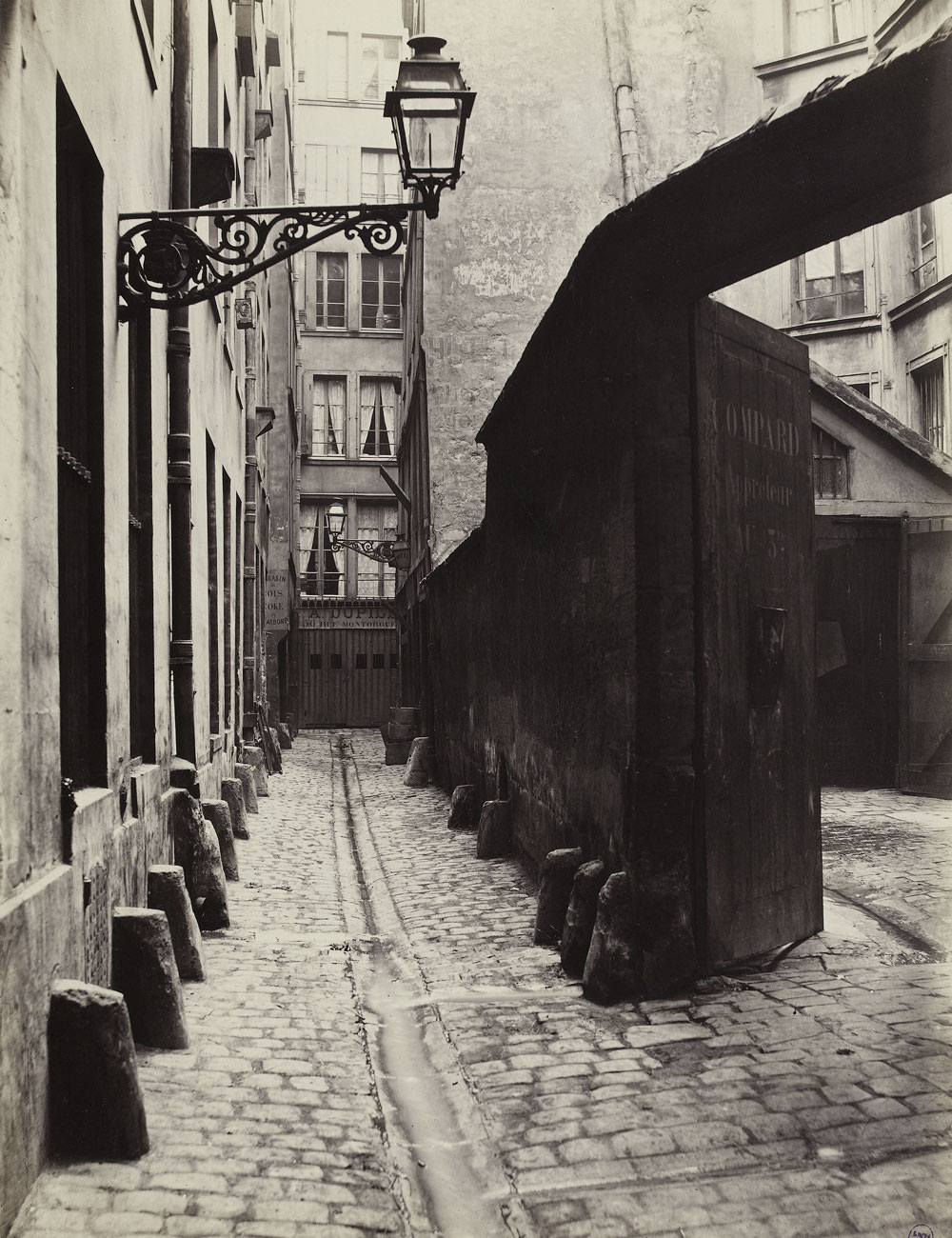
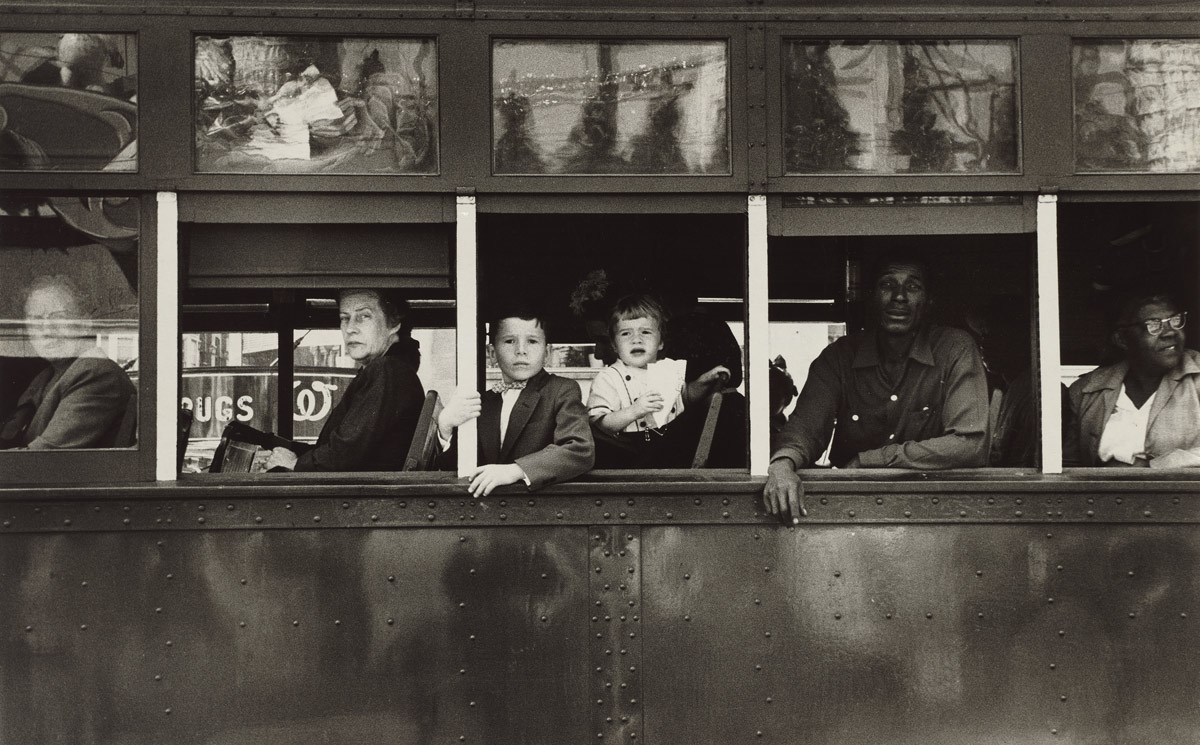

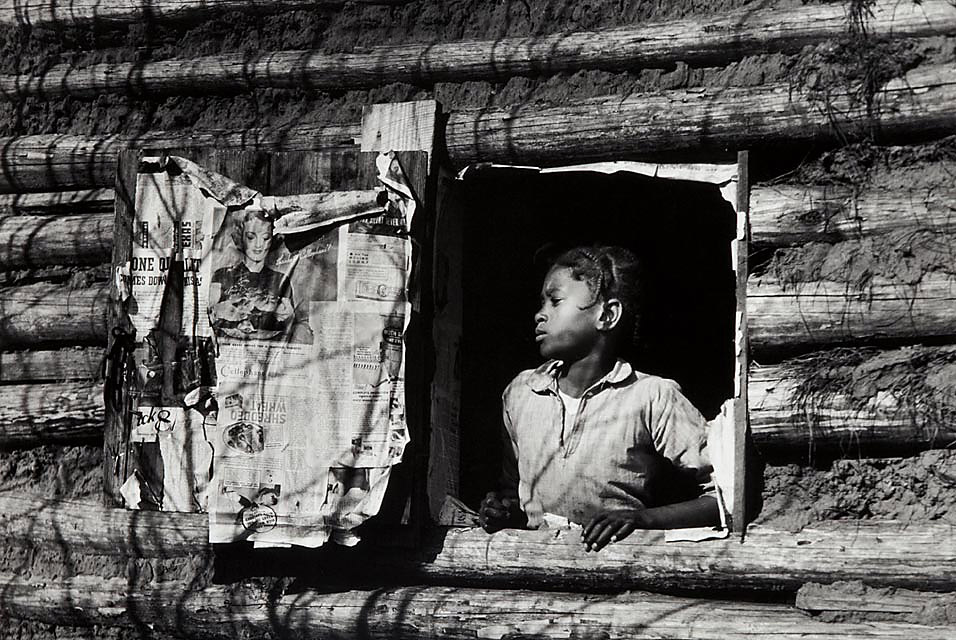
![Edmund Collein (German, 1906-1992) '[Four Women Looking Through Window]' about 1928 from the exhibition 'At the Window: The Photographer's View' at the J. Paul Getty Museum, Getty Center, Los Angeles, October 2013 - January 2014](https://artblart.com/wp-content/uploads/2013/12/edmund-collein-four-women-looking-through-window-web.jpg "Edmund Collein (German, 1906-1992) '[Four Women Looking Through Window]' about 1928 from the exhibition 'At the Window: The Photographer's View' at the J. Paul Getty Museum, Getty Center, Los Angeles, October 2013 - January 2014")
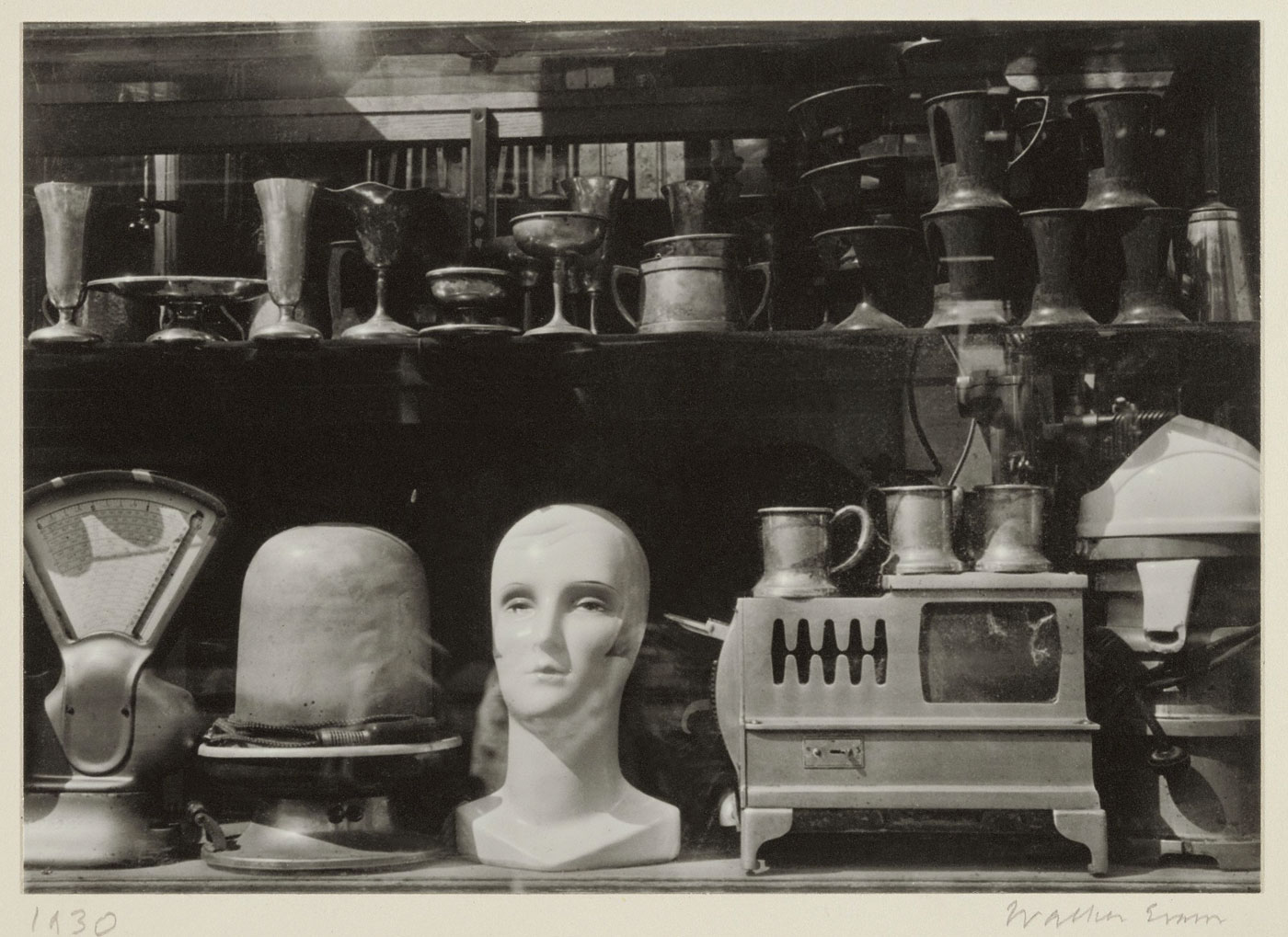
![William Henry Fox Talbot (English, 1800-1877) '[The Milliner's Window]' before January 1844](https://artblart.com/wp-content/uploads/2013/12/william_henry_fox_talbot_the_milliners_window-web.jpg "William Henry Fox Talbot (English, 1800-1877) '[The Milliner's Window]' before January 1844")
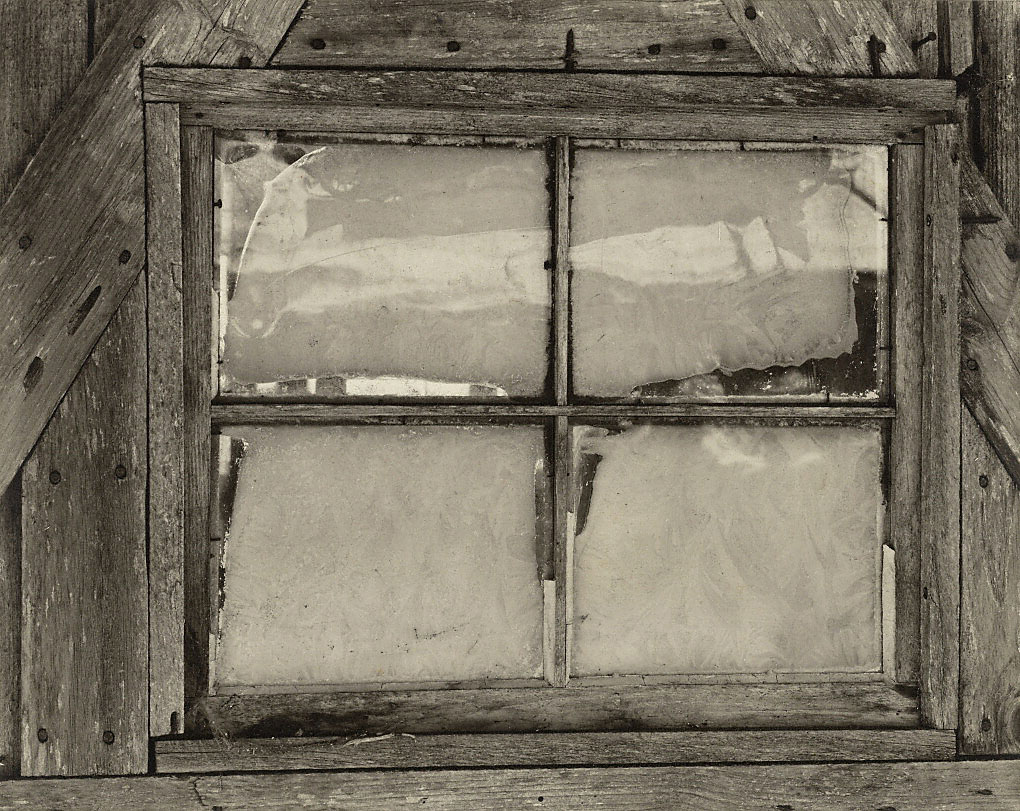


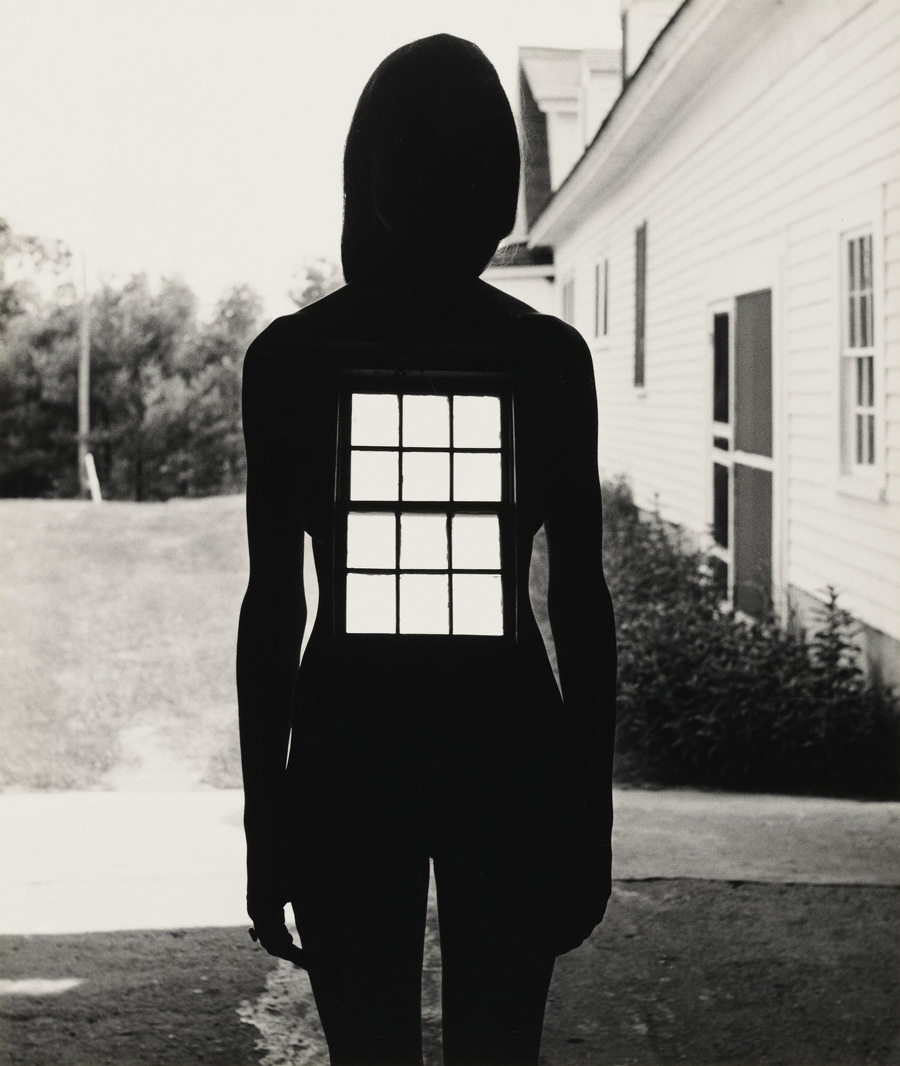
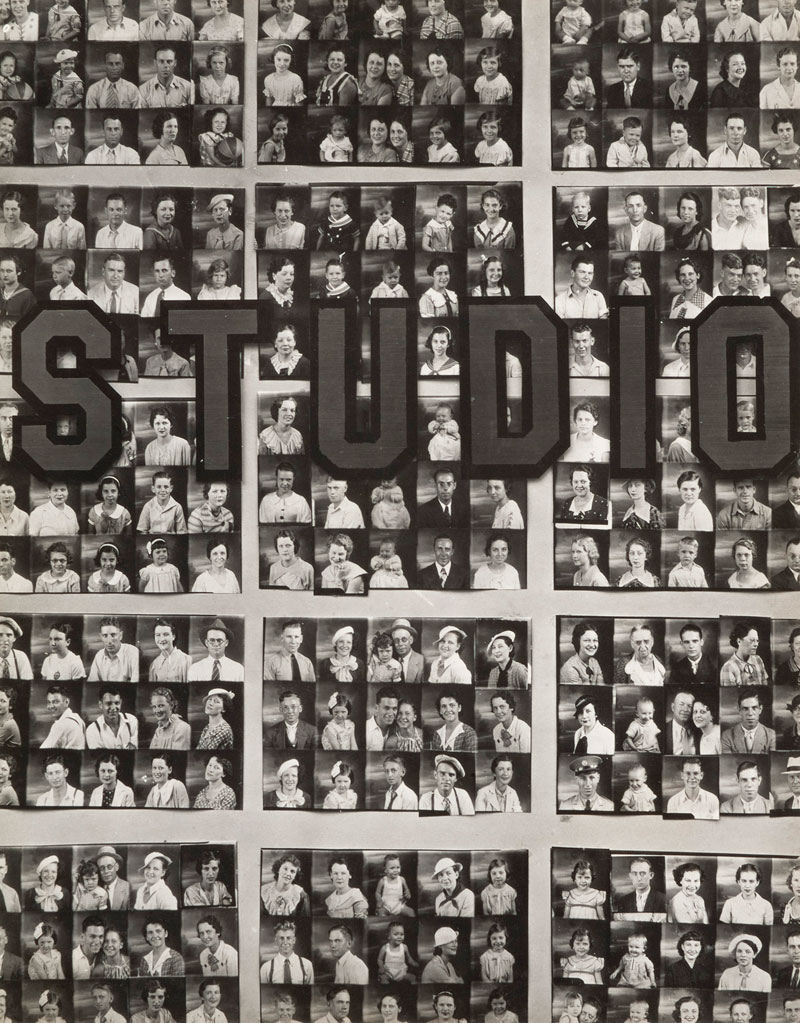
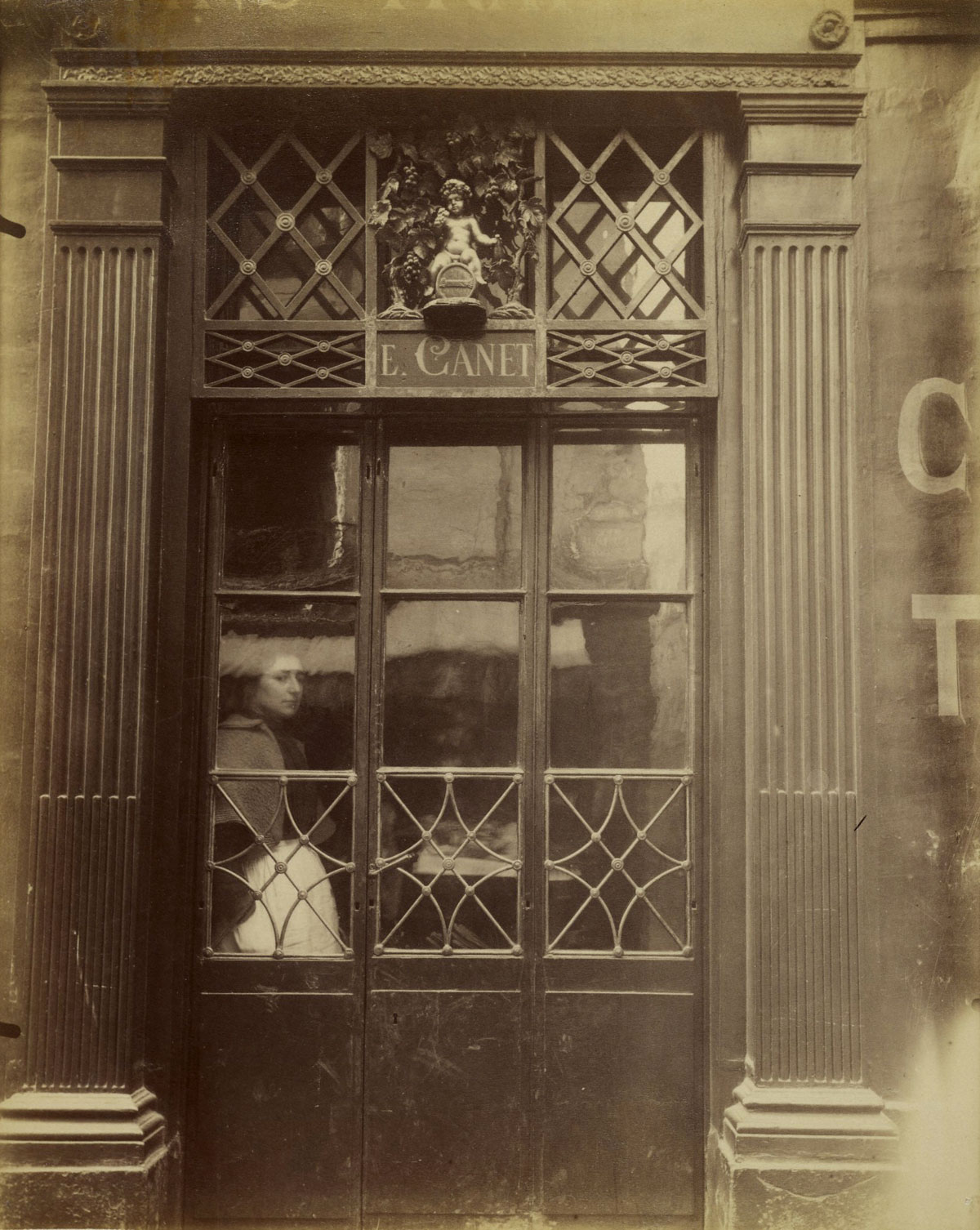
![Alfred Stieglitz (American, 1864-1946) '[From My Window at the Shelton, North]' 1931](https://artblart.com/wp-content/uploads/2013/12/alfred-stieglitz-from-my-window-at-the-shelton-north-web.jpg "Alfred Stieglitz (American, 1864-1946) '[From My Window at the Shelton, North]' 1931")
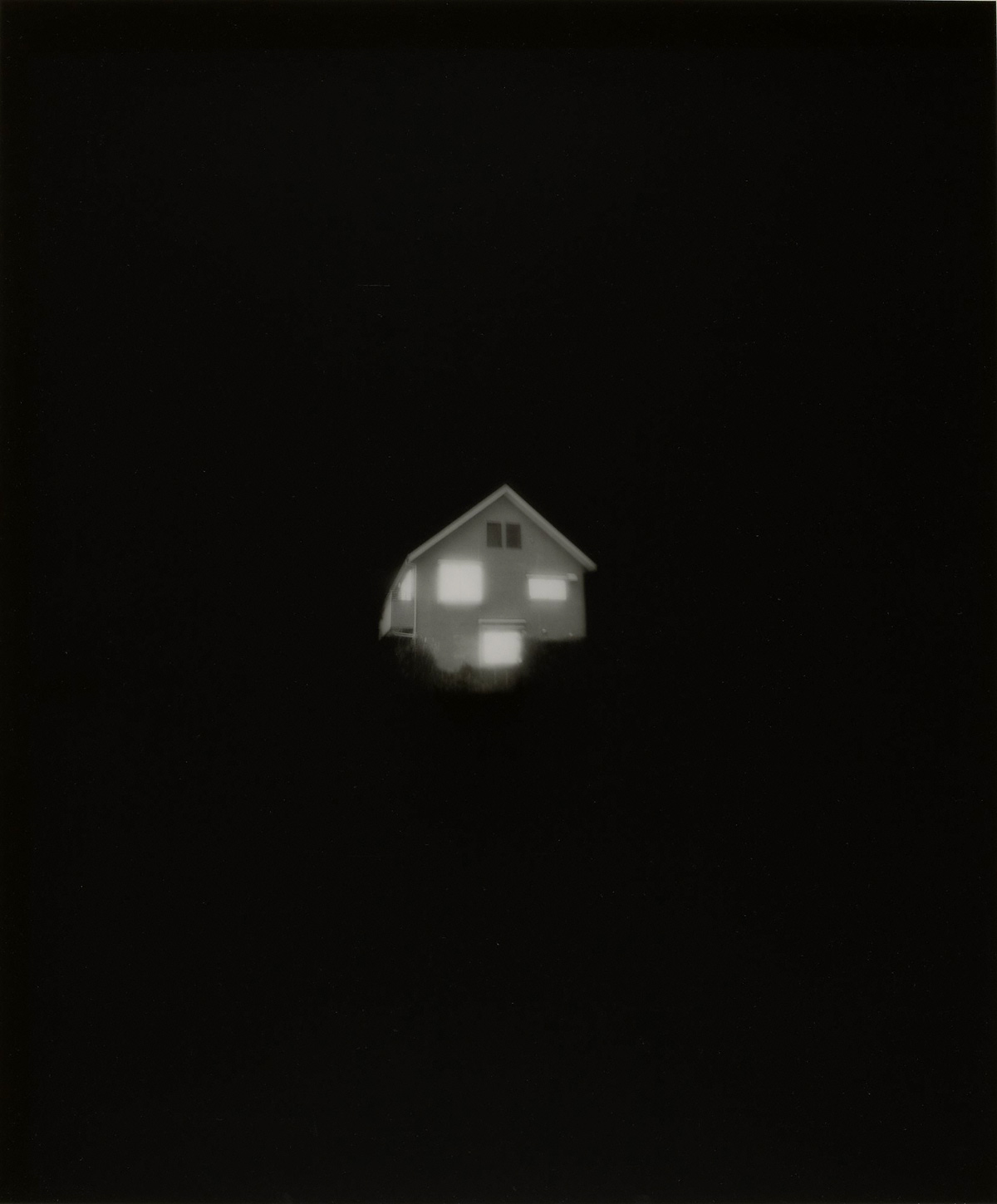










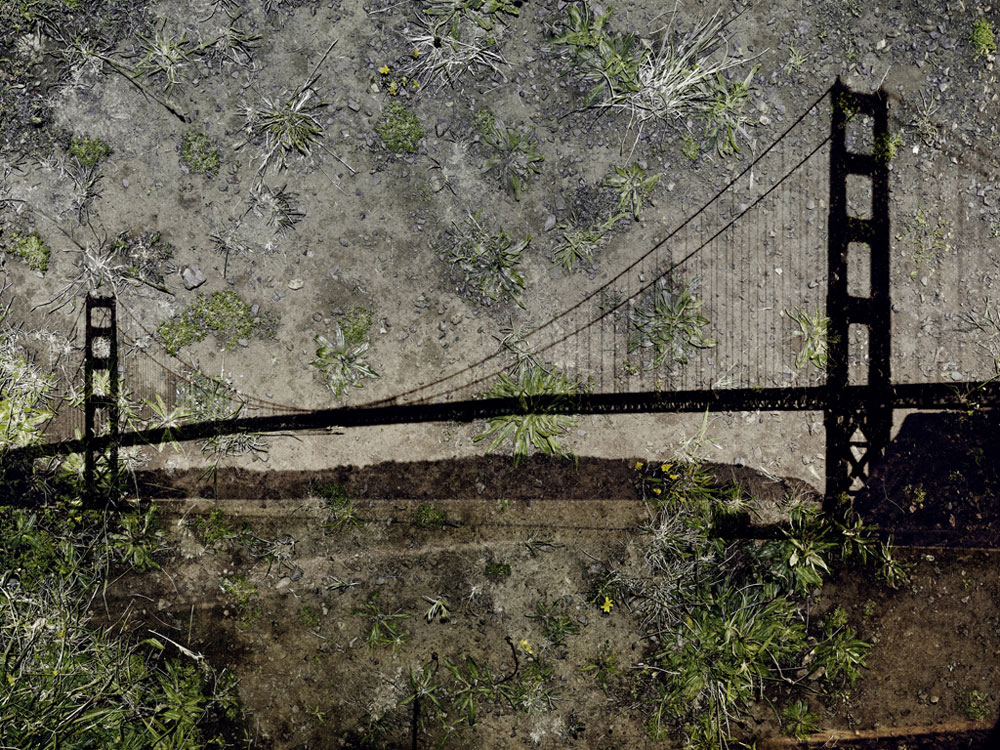


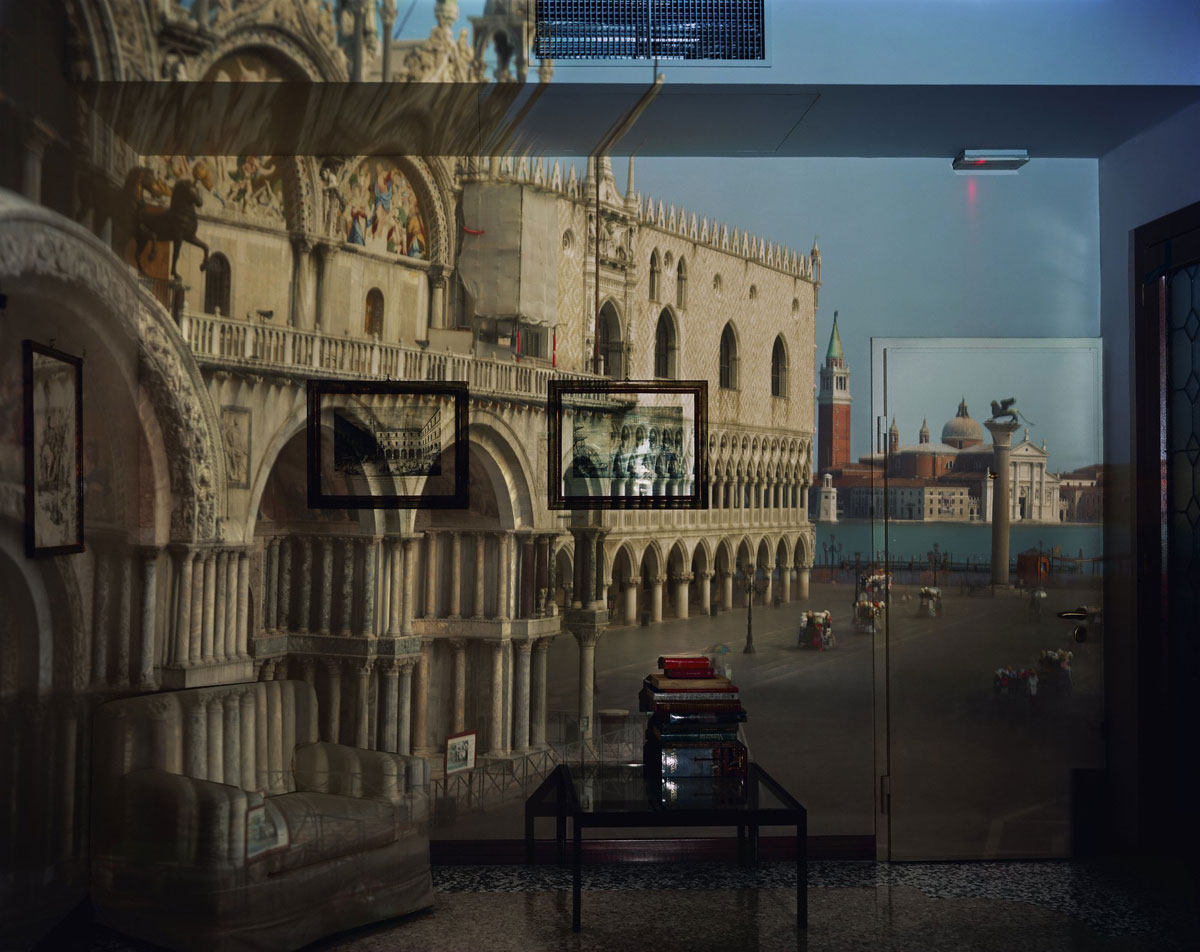


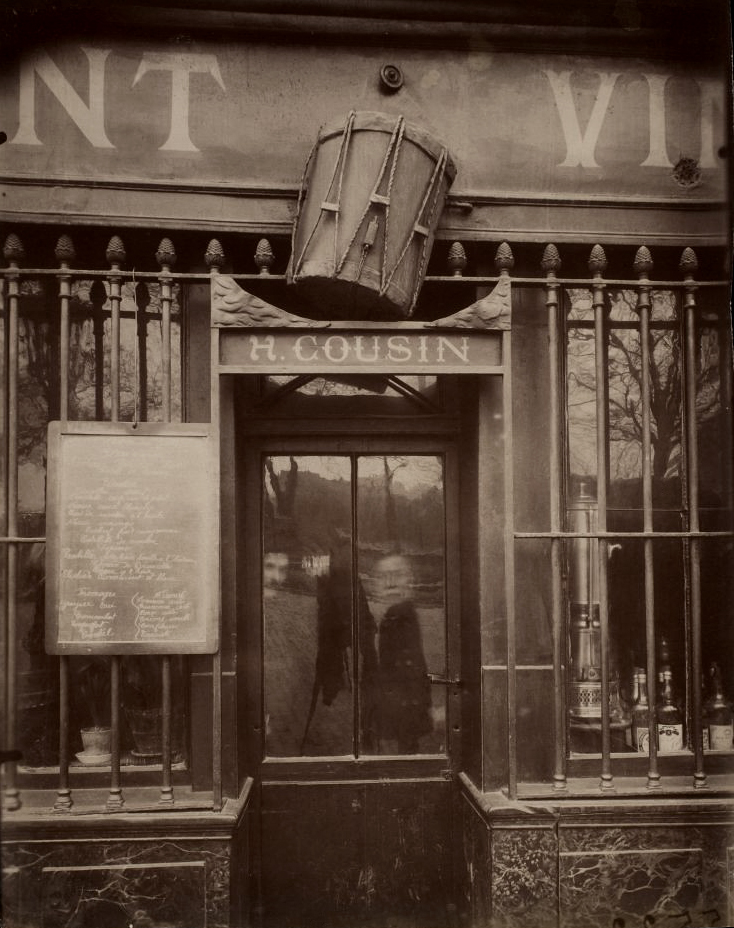
 Art Blart _ art and cultural memory archive
You must be logged in to post a comment.