Exhibition dates: 9th September – 18th December, 2016
Curator: The exhibition has been curated and organised by Agnès Sire, director of the Fondation Henri Cartier-Bresson in association with the Estate of Louis Faurer in New York, Howard Greenberg Gallery in New York and Deborah Bell Photographs.
Home of the brave, land of the fractured and destitute.
Unemployed and Looking.
Both * eyes * removed Wounded
I AM TOTALLY BLIND.
Dr Marcus Bunyan
Many thankx to the Fondation Henri Cartier-Bresson for allowing me to publish the photographs in the posting. Please click on the photographs for a larger version of the image.
“However, with shocking suddenness in 1976 I came to believe that American photography of the moment of mid-century belonged to Louis Faurer.”
Walter Hopps
“I have an intense desire to record life as I see it, as I feel it. As long as I’m amazed and astonished, as long as I feel that events, messages, expressions and movements are all shot through with the miraculous, I’ll feel filled with the certainty I need to keep going. When that day comes, my doubts will vanish.”
From September 9 to December 18, 2016, The Fondation Henri Cartier-Bresson dedicates an exhibition to the American photographer, Louis Faurer. This show is the occasion to discover this artist who has not been the subject of an exhibition in France since 1992. A native of Philadelphia, Louis Faurer moved to New York after the War, as if irresistibly pulled into the life of Times Square, where he homed in, objectively and pitilessly, on loneliness in the crowd. Reporting held little interest for him, and journalism even less; he was drawn – as the captions to his photographs sometimes indicate – to the poetic side: the fragility of things and the unconscious revelation. He carried out much-admired commissions for leading magazines including Flair, Junior Bazaar, Glamour and Mademoiselle. This gave rise to an unfeigned self-contempt and a paradoxical inner division only humour could counter. These assignments earned a living and helped him pursue a more personal work in New York streets.
Profoundly honest, he refused the excessiveness (or obscenity) of violent scenes that might humiliate his subjects, and deliberately projected himself into the people he photographed; and if he often recognised himself in them, this was the whole point. Sometimes he encountered his double, or even appeared in shot as a reflection. Each of his images was “a challenge to silence and indifference” – theirs and his own.
After studying drawing and being noticed by the Disney Studios at the age of thirteen, Louis Faurer started his professional path by creating advertising posters and sketching caricatures in the seaside of Atlantic City. At the age of 21, he bought his first camera and won first prize for “Photo of the Week” in a contest sponsored by the Philadelphia Evening Public Ledger. Market Street would then be the scene of his first shots. In 1947, he left for New York, as Lilian Bassman, art director for Junior Bazaar, hired him as a photographer. He met Robert Frank who was to become a close friend and with who he would share a studio for a while.
In 1968, he abandoned New York, the scene of his most successful work, for personal and financial reasons. Faurer worked briefly in England, and then in Paris where he struggled doing fashion work, with occasional assignments from Elle and French Vogue. Shortly after Faurer returned to New York in 1974 at the age of 58, he found that photography was being embraced by the art world and was soon to become a commodity in the international art market. The art dealer, Harry Lunn brought his work to public attention through an exhibition at Marlborough Gallery in 1997 and resurrected his career, his contribution then began to be acknowledged. In 1984, a car in New York streets hit Faurer, his wounds prevented him to pursue his career as a photographer. He passed away in Manhattan on March 2, 2001.
Deeply concerned with what he saw, he shares his doubts with us as he chooses anonymous figures spotted amid the ordinariness of the sidewalk: figures pulled out of the ambient melancholy, the film noir, the pervasive distress that seem to have been his personal lot. A remarkably gifted printer, Faurer experimented with blur, overlaid negatives and the marked graininess resulting from his fondness for the nocturnal. His touchiness meant frequent problems with clients and people like the numerous photographers who tried to lend a helping hand; among the latter was William Eggleston, who had discerned the unique depth of Faurer’s work. The issue the elegant Japanese photography quarterly déjà vu devoted to him in 1994 speaks of a rediscovery and a style ahead of its time, and quotes Nan Goldin: “Some people believe again that photography can be honest”.
In 1948, Edward Steichen, Head of the Department of Photography of the MoMA, supported Faurer and included him in In and Out of Focus. Steichen wrote: “Louis Faurer, a new comer in the field of documentary reporting, is a lyricist with a camera, a seeker and finder of magic in some of the highways and byways of life.” Afterwards, Steichen presented Faurer photographs in a few other exhibitions and in particular The Family of Man, in 1955. During his lifetime, Faurer did not have the wherewithal to edit his photographs into a book.
Press release from Fondation Henri Cartier-Bresson
My earliest experience in art occurred at the Benjamin Rush Public school in Phila., Penna. Miss Duncan, who seemed to float on a rose petal scent, having requested that numbers be written on paper with lead pencil, was shocked when my sheet yielded a drawing of a locomotive. My next surprise, at the age of 13 arrived in the mail. I had submitted my drawings to Walt Disney and he proposed considering me for a position, although he couldn’t guarantee it, if I travelled to California. It seemed unreachable and so I didn’t go.
After graduating the South Phila. High School for Boys, I enrolled in a Commercial Lettering School. After months of hand trembling, I looked at my first sign, it read “FRESH FISH”. From 1934 to 1937 I sketched caricatures on the beach at Atlantic City, N.J. My interest in photography began in 1937. It was greatly intensified when I was awarded first prize in the Philadelphia Evening Public Ledger for the photo of the week contest. Soon, the Farm Security Administration’s early books became my bible. I was especially taken by Walker Evans’ photography. The world of Harper’s Bazaar also fascinated me.
Later, in New York, I was to meet Robert Frank at the Bazaar Studio. Since I was a commuter, he invited me to stay at his loft together with nine cats. He had recently arrived from Switzerland and was alone. New York enchanted and amazed me. Everywhere a new discovery awaited me. Rejection slips from U.S. Camera were transformed into reproduced pages. My work was being accepted, often it seemed unreal. I showed my photographs to Walker Evans. A handsome brass tea kettle in his tiny room in the offices at FORTUNE projected his stability and eloquence. “You wouldn’t photograph fat women, would you?” he asked me. Later he warned me, “don’t become contaminated.” My need to continue photographing was solved by photography for commerce. I worked for periodicals which included Harper’s Bazaar.
1946 to 1951 were important years. I photographed almost daily and the hypnotic dusk light led me to Times Square. Several nights of photographing in that area and developing and printing in Robert Frank’s dark room became a way of life. He would say, “whatta town”, “whatta town”. I was represented in Edward Steichen’s IN AND OUT OF FOCUS exhibit. Then, work, work, and more work. “Boy,” he boomed, “go out and photograph and put the prints on my desk.” This command was synchronised with a pound of his fist on the glass top desk. I thought it miraculous, that the glass did not shatter.
I tasted and accepted the offerings of the 50s and 60s. LIFE, COWLES PUBLICATIONS, HEARST and CONDE NAST, enabled me to continue with my personal photography efforts. Often I would carry a 16mm motion picture camera as I would a Leica and photograph in the New York streets. The results were never shown commercially. The negative has been stored.
In 1968, I needed new places, new faces and change. I tried Europe. I returned in the mid-seventies and was overwhelmed by the change that had occurred here. I took to photographing the new New York with an enthusiasm almost equal to the beginning. After the Lunn purchase, the gallery world. I was brought again to the drawing I first experienced, and as an unexpected bonus, the photographer had become an artist! 1978 found me the recipient of the National Endowment for the Arts Grant and the Creative Public Service Grant for photography. The latter is known as (CAPS). My eyes search for people who are grateful for life, people who forgive and whose doubts have been removed, who understand the truth, whose enduring spirit is bathed by such piercing white light as to provide their present and future hope.*
Louis Faurer
* Reproduced, with editorial revisions, from the artist’s original text. Text published at the occasion of the exhibition Louis Faurer – Photographs from Philadelphia and New York 1937-1973 presented from March 10 to April 23, 1981 at the Art Gallery of University of Maryland. Extracts from the book Louis Faurer published by Steidl, September 2016
Foreword: Agnès Sire. Essay: Susan Kismaric Original texts: Louis Faurer and Walter Hopps
208 pages 24 x 17.6cm 100 illustrations ISBN: 978-3-95829-241-3 September 2016
Extracts from the book
New York City has been the major center of the Faurer’s work, and that city’s life at mid-century, his great subject. The city is totally Faurer’s natural habitat. He can be at home, at one, with people on its streets, in its rooms. However serene or edgy his encounters, one senses Faurer (if at all) as being the same as the people in his photographs. And since these people are extremely varied, it is a transcendent vision that allows the photographer to be so many “others.” Faurer’s at-oneness with his subjects contrasts with both the mode of working and the results of Evans and Frank. They have proved to be great and wide-ranging explorers and finders of their images. Faurer made only one important trip: from Philadelphia (where he made his first, early brilliant photographs) to New York, where he stayed, and where in the course of things his vision consumed, whether ordinary or odd, the all of it.
Walter Hopps
Louis Faurer was a “photographer’s photographer”, one whose work was not known to a broad audience, or appreciated by the art world, but was loved by photographers. They saw in his pictures a purity of seeing, akin to what Faurer saw in the work of Walker Evans, the “poetic use of facts”. Faurer distinguished himself within this way of working through his instinct and his uncanny eye for people who radiate a rare and convincing sense of privacy, an inner life. They are people who would be true in any time and place,who are emblematic of human struggle.
For whatever reasons, Faurer did not have the wherewithal to edit his photographs into a book, the most visible and long-lasting expression of a photographer’s work. Yet his pictures are indelible. Their content presages a major shift in subject matter within the rubric of “documentary” American photography that was to come to fruition almost two decades later. In 1967 John Szarkowski identified this radical change when he wrote in his wall text for New Documents, an exhibition at the Museum of Modern Art, about the work of Diane Arbus, Lee Friedlander, and Garry Winogrand: “… In the past decade, a new generation of photographers has directed the documentary approach toward more personal ends. Their aim has been not to reform life, but to know it”.
This looks to be a fascinating exhibition, presenting as it does images from the first seven years of Arbus’ career as an independent artist. I wish I could see it.
What strikes one when viewing the 35mm photographs is how loose they are in terms of the framing and composition. Most of them could do with a good crop to tighten the image frame. Stripper with Bare Breasts Sitting in Her Dressing Room, Atlantic City, N.J. 1961 would have worked better if the focus had been tightened on the central figure. Similarly, Lady on a Bus, N.Y.C. 1957 works much better as a square image as seen in the feature image for the exhibition (below). Gone is the extraneous frontal detritus which adds nothing to the image. But just feel the intensity of the withering look of the women being projected out of the photograph – it’s as if she could bit your head off at any moment. She’s not a happy camper at being photographed.
This is Arbus experimenting, feeling out the medium and trying to find her signature voice as an artist. All the later, well known elements are there: keen observation; wonderful timing; a love of intimacy and a formal, visual relationship with the subject; strong central characters; a respect for outsiders; an understanding of the pain of others; and “the poignancy of a direct personal encounter … [and] a passionate interest in the individual.”
My favourite photographs in this posting are the two images Boy stepping off the curb, N.Y.C. 1957-58 and Girl with schoolbooks stepping onto the curb, N.Y.C., 1957. There is a marvellous insouciance about these photographs, “the divineness in ordinary things” embedded in the innocence of youth. We could be these people caught half-stride in their young lives, lightly stepping onto the pavement of the future. The reciprocal gaze makes us stare, and stare again… for even as those photographs are glimpses, glances of a life they become so much more, long lasting archetypes to which we can all relate. As Arthur Lubow observes citing John Szarkowski, a longtime director of photography at the Museum of Modern Art, “The reciprocal gaze that marks her early photographs would be furthered and intensified in the collaborative form of portraiture in her mature work, done with a medium-format camera. Szarkowski, for one, believed that the sharpness that larger film offered was in keeping with her aim to be both particular and mythic.”
Particular and mythic. How magical.
Not only did her work need the sharpness that medium format film offered, what a lot of people forget is that using a medium format camera like a Rollei is a totally different way of seeing the world. This is something that hardly anybody mentions. With a 35mm camera you bring the camera to your face and look through the viewfinder; with a medium format camera such as Arbus’ Rolleiflex or her Mamiya C330 (seen around her neck in a portrait of her in Central Park, below), the camera is held at waist level and you look down into the viewing prism of the camera… and everything is seen in reverse. I remember travelling around the world in 2000 and using a Mamiya C220 and thinking to myself, this is the most amazing experience staring down at the world, moving the camera left and right and the image moving the opposite way to what you think it will move, and then having to account for for parallax in the framing (where the image seen in the viewfinder is not framed the same as the image seen through the lens, because the viewfinder is in a slightly different position to the lens). Even with the one medium format image featured in this posting, I can just feel the different relationship of the camera and photographer to the world – in the format, in the cropping and in the previsualisation of the image. Looking down, back up to the subject, back down into the camera – instead of a horizontal perspective, both a horizontal, vertical and square perspective on the world. It’s all about feeling (in) her work. And you couldn’t really miss her if she wanted to take your photograph… look at all the equipment slung around her neck in her portrait in Central Park: twin lens hoods to stop glare, boom and large flash. She wanted you to know that she was there, to acknowledge her presence.
Arbus intuitively knew what she wanted – the presence of the person and the presence of the photographer acknowledged through a circular, two-way relationship. And we, the viewer, understand that process and acknowledge it. Hence, these photographs are not “apparently artless”, they are the very antithesis of that. They are both a thinking and feeling person’s photography. All of her photographs are intelligent investigations of the human condition which produce an empathic response in the viewer. They are a form of empathic vision in which the viewer is drawn into that magical and transcendent relationship. In my opinion, there has never been anyone like her, before or since: no devotees, followers or disciples (except, perhaps, Mary Ellen Mark). Arbus is one of a kind. She will always be my #1.
Dr Marcus Bunyan
Many thankx to the Metropolitan Museum of Art for allowing me to publish the photographs in the posting. Please click on the photographs for a larger version of the image.
The photographs from her early career reveal that the salient characteristics of her work – its centrality, boldness, intimacy and apparent artlessness – were present in her pictures since the very beginning. Arbus’s creative life in photography after 1962 is well documented and already the stuff of legend; now, for the first time, we can properly examine its origins.
“The camera is cruel, so I try to be as good as I can to make things even.”
“I do feel I have some slight corner on something about the quality of things. I mean it’s very subtle and a little embarrassing to me but I really believe there are things which nobody would see unless I photographed them.”
“One thing that struck me early is that you don’t put into a photograph what’s going to come out. Or, vice versa, what comes out is not what you put in.”
“…I would never choose a subject for what it means to me. I choose a subject and then what I feel about it, what it means, begins to unfold.”
Diane Arbus
“I think Arbus was suggesting that just as people are looking at us and we’re looking at them every day, the pictures made us introspective as viewers. They forced us to confront our own identity. And that’s a really beautiful switch, that switcheroo. We’re looking at somebody else but we’re mindful of our voyeurism, and we’re mindful of how we ourselves are presenting. ‘How am I different? How did I become the person I am?’ That’s one of the qualifying elements of an Arbus photograph: that you feel something about you, often something that might not be comfortable.”
“Arbus’s early photographs are wonderfully rich in achievement and perhaps as quietly riveting and ultimately controversial as the iconic images for which she is so widely known. She brings us face-to-face with what she had first glimpsed at the age of 16 – “the divineness in ordinary things” – and through her photographs we begin to see it too.”
Exhibition curator Jeff L. Rosenheim
Installation views of the exhibition diane arbus: in the beginning at the Metropolitan Museum of Art, New York
This landmark exhibition features more than 100 photographs that together redefine Diane Arbus (American, 1923-1971), one of the most influential and provocative artists of the 20th century. It focuses on the first seven years of her career, from 1956 to 1962, the period in which she developed the idiosyncratic style and approach for which she has been recognised praised, criticised, and copied the world over.
Arbus made most of her photographs in New York City, where she lived and died, and where she worked in locations such as Times Square, the Lower East Side, and Coney Island. Her photographs of children and eccentrics, couples and circus performers, female impersonators and Fifth Avenue pedestrians are among the most intimate and surprising images of the era.
The majority of the photographs in the exhibition have never before been seen and are part of the Museum’s Diane Arbus Archive, acquired in 2007 by gift and promised gift from the artist’s daughters, Doon Arbus and Amy Arbus. It was only when the archive came to The Met that this remarkable early work came to be fully explored. Arbus’s creative life in photography after 1962 is well documented and already the stuff of legend; now, for the first time, we can properly examine its origins.
“This is a shot inside a theater, of a movie called ‘Horrors of the Black Museum.’ The woman is using binoculars and when she focuses, daggers come out and blind her.”
As part of the inaugural season at The Met Breuer, diane arbus: in the beginning will open on July 12, featuring more than 100 photographs that together will redefine one of the most influential and provocative artists of the 20th century. This landmark exhibition will highlight never-before-seen early work of Diane Arbus (1923-1971), focusing on the first seven years of her career, from 1956 to 1962 – the period in which she developed the idiosyncratic style and approach for which she has been recognised, praised, criticised, and copied the world over. The exhibition is made possible by the Alfred Stieglitz Society. Additional support is provided by The Horace W. Goldsmith Foundation and the Art Mentor Foundation Lucerne.
“It is a rare privilege to present an exhibition this revelatory, on an artist of Arbus’s stature. More than two-thirds of these works have never before been exhibited or published,” said Thomas P. Campbell, Director and CEO of The Met. “We sincerely thank the Estate of Diane Arbus for entrusting us to show an unknown aspect of this remarkable artist’s legacy with the camera.”
Jeff Rosenheim, Curator in Charge of the Department of Photographs, added, “Arbus’s early photographs are wonderfully rich in achievement and perhaps as quietly riveting and ultimately controversial as the iconic images for which she is so widely known. She brings us face-to-face with what she had first glimpsed at the age of 16 – ‘the divineness in ordinary things’ – and through her photographs we begin to see it too.”
diane arbus: in the beginning focuses on seven key years that represent a crucial period of the artist’s genesis, showing Arbus as she developed her style and honed her practice. Arbus was fascinated by photography even before she received a camera in 1941 at the age of 18 as a present from her husband, Allan, and made photographs intermittently for the next 15 years while working with him as a stylist in their fashion photography business. But in 1956 she numbered a roll of 35mm film #1, as if to claim to herself that this moment would be her definitive beginning. Through the course of the next seven years (the period in which she primarily used a 35mm camera), an evolution took place – from pictures of individuals that sprang out of fortuitous chance encounters to portraits in which the chosen subjects became engaged participants, with as much stake in the outcome as the photographer. This greatly distinguishes Arbus’s practice from that of her peers, from Walker Evans and Helen Levitt to Garry Winogrand and Lee Friedlander, who believed that the only legitimate record was one in which they, themselves, appear to play little or no role. In almost complete opposition, Arbus sought the poignancy of a direct personal encounter.
Arbus made most of her photographs in New York City, where she was born and died, and where she worked in locations such as Times Square, the Lower East Side, Coney Island, and other areas. Her photographs of children and eccentrics, couples and circus performers, female impersonators and Fifth Avenue pedestrians are among the most intimate and surprising images of the era. From the beginning, Arbus believed fully that she had something special to offer the world, a glimpse of its many secrets: “I do feel I have some slight corner on something about the quality of things. I mean it’s very subtle and a little embarrassing to me but I really believe there are things which nobody would see unless I photographed them.”
Nearly half of the photographs that Arbus printed during her lifetime were made between 1956 and 1962, the period covered by this exhibition. At the time of her death in 1971, much of this work was stored in boxes in an inaccessible corner of her basement darkroom at 29 Charles Street in Greenwich Village. These prints remained undiscovered for several years thereafter and were not even inventoried until a decade after her death. The majority of the photographs included in the exhibition are part of the Museum’s vast Diane Arbus Archive, acquired in 2007 by gift and promised gift from the artist’s daughters, Doon Arbus and Amy Arbus. It was only when the archive – a treasury of photographs, negatives, notebooks, appointment books, correspondence, and collections – came to The Metropolitan Museum of Art in 2007 that this seminal early work began to be fully explored.
Among the highlights in the exhibition are lesser-known published works such as Lady on a bus, N.Y.C. 1957, Boy stepping off the curb, N.Y.C. 1957-58, The Backwards Man in his hotel room, N.Y.C. 1961, and Jack Dracula at a bar, New London, Conn. 1961, as well as completely unknown additions to her oeuvre, such as Taxicab driver at the wheel with two passengers, N.Y.C. 1956,Woman with white gloves and a pocket book, N.Y.C. 1956,Female impersonator holding long gloves, Hempstead, L.I. 1959, and Man in hat, trunks, socks and shoes, Coney Island, N.Y. 1960. Included among the selection of six square-format photographs from 1962 is the iconic Child with a toy hand grenade in Central Park, N.Y.C. 1962, a photograph that signals the moment when Arbus turned away from the 35mm camera and started working with the 2 1/4 inch square format Rolleiflex camera, a format that remained a distinctive attribute of her work for the rest of her life. The photographs from her early career reveal that the salient characteristics of her work – its centrality, boldness, intimacy, and apparent artlessness – were present in her pictures since the very beginning. Arbus’s creative life in photography after 1962 is well documented and already the stuff of legend; now, for the first time, we can properly examine its origins.
diane arbus: in the beginning is curated by Jeff L. Rosenheim, Curator in Charge of the Department of Photographs at The Met.
“We’re in the isolationist ’50s, and here’s a glamorous woman on Fifth Avenue, wearing gloves, with her pocketbook, but with this anxiety on her face.”
Jeff L. Rosenheim curator: There are many pictures from her first 50 rolls of film in the show. And you can see for yourself that she is already isolating individuals, pedestrians on Fifth Avenue. She is approaching people, and in almost every instance, it’s one image and the subject is addressing the camera. Arbus did not want to do what almost every one of her peers was doing, which she was highly aware of – she was well versed in the history of the medium; she was taking classes from Lisette Model and she had studied with Berenice Abbott and Alexey Brodovitch. What she took away from that training was this feeling that she could find her subject and they could find her in equal measure. She allowed herself to be vulnerable enough. Helen Levitt used a right-angle viewfinder so her subjects couldn’t see what she was doing. Walker Evans used the folds of his coat to hide his camera on the subway. The style of documentary photography was that you wanted to see but you didn’t want to be seen, and Arbus had a completely different method. It was to use the camera as an expressive device that allows the viewer of the photograph to be implicated by the subject looking directly at the artist.
“Arbus is not without her critics and, where some people praise her ability to celebrate the marginalized and glorify the unusual, others see her work as cruel and exploitative. Lubow, however, claims that both stances oversimplify the real complexity of her work, which is perhaps where both he and Jeff Rosenheim, the curator in charge of photography at the Met, take a stab at redefining Arbus, because if we define her solely by the people she photographed, we’re missing the point.
“I think both Jeff and I realized that from the beginning she wanted to capture a moment where she was seeing and being seen, she wanted a reciprocal look,” Lubow says. “Jeff is doing that formally, and showing you that she needed it as an artist, and I’ve tried to show that she needed it as a person. She was motivated to feel and to record the response of her subject to her. That was how she felt real, this was how she felt alive.””
“From the very beginning of her career, she was taking photographs to obtain a vital proof – a corroboration of her own existence. The pattern was set early. When she was 15, she described to a friend how she would undress at night in her lit bathroom and watch an old man across the courtyard watch her (until his wife complained). She not only wanted to see, she needed to be seen. As a street photographer, she dressed at times in something attention-grabbing, like a fake leopard-skin coat. She didn’t blend into the background, she jumped out of it. And she fascinated her subjects. “People were interested in Diane, just as interested in her as she was in them,” John Szarkowski, a longtime director of photography at the Museum of Modern Art, once told me…
Diane had a talent for friendship, and she maintained long-term connections with all sorts of people – eccentrics in rooming houses, freaks in sideshows, socialites on Park Avenue. She needed those relationships. But she also relied on filmed verification of her impact on others. The reciprocal gaze that marks her early photographs would be furthered and intensified in the collaborative form of portraiture in her mature work, done with a medium-format camera. Szarkowski, for one, believed that the sharpness that larger film offered was in keeping with her aim to be both particular and mythic.”
I think Arbus was suggesting that just as people are looking at us and we’re looking at them every day, the pictures made us introspective as viewers. They forced us to confront our own identity. And that’s a really beautiful switch, that switcheroo. We’re looking at somebody else but we’re mindful of our voyeurism, and we’re mindful of how we ourselves are presenting. ‘How am I different? How did I become the person I am?’ That’s one of the qualifying elements of an Arbus photograph: that you feel something about you, often something that might not be comfortable.
“This is the transition year, when she changed to square format. The receptionist is in a kind of diorama, not one made by the woman but by the culture.”
Diane Arbus in Central Park with her Mamiya Camera (330?) in 1967
Diane Arbus (American, 1923-1971) Child with a toy hand grenade in Central Park, N.Y.C. 1962 1962 Silver gelatin print
The Metropolitan Museum of Art 1000 Fifth Avenue at 82nd Street New York, New York 10028-0198 Phone: 212-535-7710
Opening hours: Sunday – Tuesday and Thursday: 10am – 5pm Friday and Saturday: 10am – 9pm Closed Wednesday
Exhibition dates: 10th September – 28th October, 2016
George Tice (American, b. 1938) Jimmy’s Bar and Grill and Conmar Zipper Company, Newark, NJ, 1973 1973 Silver gelatin print
An American iconography
George Tice is a master photographer and an exceptional artist. Using a large format 8 x 10 camera this craftsman has created a “deeply-penetrating” photographic record of the American urban landscape, mainly based around the city of New Jersey where he has lived for most of his life.
Tice’s ongoing epic visual poem is at its strongest in his early period, from 1973-74. While his later 1990s work is qualified by simplified imagery and semiotic statements (for example Dorn’s Photoshop, Red Bank, NJ, 1999 and Lakewood Manor Motel, Lakewood, NJ, 1998, below) it is this early work that produces “attentive and quotidian descriptions of the everyday structures and places that define the American cultural landscape.” There seems to be a greater personal investment in these earlier images. Tice’s recognition of subject matter that mere mortals pass by is translated into beautiful, serene, tonal and dare I say, sensual images, that belie the complexity of their previsualisation. You only have to look at two images, Houses and Water Towers, Moorestown, NJ, 1973 and Hudson’s Fish Market, Atlantic City, NJ, 1973 (below) to understand that these photographs are visually complex, slightly surreal, affectionate images of places he personally knows so well. They possess a totally different feeling from the conceptual photography of the German school of Bernd and Hilla Becher. As Sanford Schwartz in The New York Times, on December 3, 1972 noted: “Tice’s pictures… show a remarkable blend of intimacy, affection and clear-sightedness.”
The almost tragic, objective renditions of a post-industrial landscape evidence a poetic intensity that has deep roots in the history of photography. Vivien Raynor, writing in The New York Times, said, “Finding precedents for Mr. Tice’s photography is easier than defining the personal qualities that make it so special. As others have remarked, his tranquil towns, usually deserted, could sometimes be those of Walker Evans updated; his industrial views are not unrelated to Charles Sheeler’s, and, for good measure, the stillness and silence of his compositions link him to Atget, the first great urban reporter.” Tice builds upon the lineage of other great artists but then, as any good artist should, he forges his own path, not reliant on the signature of others. As he himself observes, “… if you learn to see what photography is through one person’s eyes you become fixed in that one way of seeing.”
When I first started taking photographs in 1990, my heroes were Atget, Strand, Evans and Minor White. Looking at art, and looking at photographers, trained my eye. But as an artist, looking at the world is the most valuable education that you can have, for eventually you have to forge your own style, not copy someone else … and the signature that you create becomes your own. You know it’s a Mapplethorpe, just as you know it’s an Evans, or a Tice. Each piece of handwriting is unique. Nobody can teach that and it only comes with time and experience. As Paul Strand said, it takes 10 years to become an artist, 10 years to learn your craft, 10 years to drop ego away and find your own style. This is what the work of George Tice speaks to. He approaches the world with a clear mind, focused on a objective narrative that flips! exposing us (like his film), to a subjective, visceral charm all of his own making.
Dr Marcus Bunyan
Many thankx to the Joseph Bellows Gallery for allowing me to publish the photographs in the posting. Please click on the photographs for a larger version of the image.
“As I progressed further with my project, it became obvious that it was really unimportant where I chose to photograph. The particular place simply provided an excuse to produce work… you can only see what you are ready to see – what mirrors your mind at that particular time.”
“Documenting the place is principally what I do. The bulk of my photographs are of New Jersey. It may have been a subject series, like ice or aquatic plants, that could have been anywhere, but it was done in New Jersey. Most of my pictures are about place. I would say the Urban Landscape work is what is most distinctive about me.”
George Tice
George Tice (American, b. 1938) Houses and Water Towers, Moorestown, NJ, 1973 1973 Silver gelatin print
George Tice (American, b. 1938) Hudson’s Fish Market, Atlantic City, NJ, 1973 1973 Silver gelatin print
George Tice (American, b. 1938) Dorn’s Photoshop, Red Bank, NJ, 1999 1999 Silver gelatin print
George Tice (American, b. 1938) Lexington Avenue, Passaic, NJ, 1973 1973 Silver gelatin print
George Tice (American, b. 1938) Palace Funhouse, Asbury Park, 1995 1995 Silver gelatin print
George Tice (American, b. 1938) Railroad Bridge, High Bridge, NJ, 1974 1974 Silver gelatin print
George Tice (American, b. 1938) Route #440 Overpass, Perth Amboy, 1973 1973 Silver gelatin print
Joseph Bellows Gallery is pleased to announce an exhibition of photographs by one of the medium’s master photographers, George Tice. George Tice: Urban Landscapes will open with a book signing and reception with the artist on Saturday September, 10th from 6-8pm. The exhibition will continue through October 28th, 2016.
The exhibition will present a remarkable selection of forty exceptionally rare vintage 8 x 10 inch gelatin silver contact prints from the early period (1973-1974), of Tice’s ongoing epic visual poem of his native state of New Jersey. These unique vintage prints will be punctuated with larger photographs of some of artist’s most revered and significant images, as well as selections of more recent work from his extended New Jersey portrait.
Renowned for their attentive and quotidian descriptions of the everyday structures and places that define the American cultural landscape, Tice’s exquisitely printed photographs catalog a rich and layered journey that is both personal and universal. In the photographs that comprise Urban Landscapes, Tice defines a sense of America within a tradition rooted in the work of other American masters, namely Edward Hopper and Walker Evans. Tice’s photographs of New Jersey in the early to mid 1970’s describe a particular time and place; however, as the artist states, “It takes the passage of time before an image of a commonplace subject can be assessed. The great difficulty of what I attempt is seeing beyond the moment; the everydayness of life gets in the way of the eternal.” Now, with decades past, Tice’s observations have become even more poignant depictions, everlasting a specific era and landscape, as the artist intended.
As well as being one of the 20th Century’s most prominent photographers, Tice is revered as a master printer, having printed limited-edition portfolios of some of his favourite photographers, among them Edward Steichen, Edward Weston and Frederick H. Evans, as well as other important photographers including Francis Bruguiere, Ralph Steiner and Lewis Hine.
Press release from the Joseph Bellows Gallery
George Tice (American, b. 1938) Tenement Rooftops, Hoboken, NJ, 1974 1974 Silver gelatin print
George Tice (American, b. 1938) Steve’s Diner, Route 130, North Brunswick, 1974 1974 Silver gelatin print
George Tice (American, b. 1938) Ideal Diner, Perth Amboy, NJ, 1980 1980 Silver gelatin print
George Tice (American, b. 1938) White Castle, Route #1, Rahway, NJ, 1973 1973 Silver gelatin print
George Tice (American, b. 1938) Strand Theater, Keyport, NJ, 1973 1973 Silver gelatin print
George Tice (American, b. 1938) Industrial Landscape, Kearny, NJ, 1973 1973 Silver gelatin print
George Tice in conversation with Paul Caponigro
JPC You had said, “After a time you don’t want to have any photographic influences. It’s okay to be influenced by writers, poets, people in other fields but not okay by other photographers.”
GT You don’t want to be like anyone else. Like all those people who were influenced by Ansel Adams. I don’t think any of them will do better than he did.
JPC Not until they find their own voice. It’s impossible to successfully imitate someone else’s voice.
GT Right. And the natural landscape of the west, that’s not going to be better in the future, as the population increases and much of the wilderness gets erased. Timothy O’Sullivan probably had a better chance at it than Ansel Adams did. But you don’t want anyone to be too great an influence, like an apprenticeship. If I was to begin photography, study it, I wouldn’t want one teacher. I think one teacher is too great an influence. I’d rather have an education based on workshops. You draw some knowledge through every one of them. But if you learn to see what photography is through one person’s eyes you become fixed in that one way of seeing.
George Tice Conversations on the John Paul Caponigro “Illuminating Creativity” web page 07/01/1997 [Online] Cited 09/10/2016
George Tice (American, b. 1938) Jahos Brothers Clothing Store, Trenton, NJ, 1973 1973 Silver gelatin print
George Tice (American, b. 1938) Minnie’s Go-Go, Route 130, Merchantville, 1975 1975 Silver gelatin print
George Tice (American, b. 1938) Lakewood Manor Motel, Lakewood, NJ, 1998 1998 Silver gelatin print
George Tice (American, b. 1938) Esso Station and Tenement House, Hoboken, NJ, 1972 1972 Silver gelatin print
George Tice (American, b. 1938) Telephone Booth, 3 am, Railway, NJ, 1974 1974 Silver gelatin print
Joseph Bellows Gallery 7661 Girrard Avenue La Jolla, California Phone: 858 456 5620
Opening hours: Tuesday – Saturday 11am – 5pm and by appointment
Original curator of the touring exhibition: Linda Benedict-Jones, Curator of Photography at the Carnegie Museum of Art (CMOA)
Duane Michals (American, b. 1932) From the series I Remember Pittsburgh 1982 Nine gelatin silver prints Greenwald Photograph Fund and Fine Arts Discretionary Fund Courtesy of Carnegie Museum of Art, Pittsburgh
I couldn’t resist. Another posting on the work of this extraordinary artist. I particularly like The Bewitched Bee (1986) and Who is Sidney Sherman?, replete with blond wig and fag hanging out of the mouth accompanied by very funny and perceptive text.
There is also a very interesting piece of writing on life and photography included in the posting, Real Dreams, from 1976.
Dr Marcus Bunyan
Please click on the photographs for a larger version of the image.
“I’m not interested in what something looks like, I want to know what it feels like.”
Duane Michals
Duane Michals (American, b. 1932) The Bewitched Bee 1986 Thirteen gelatin silver prints with hand-applied text 5 x 7 in. (12.7 x 17.8 cm)
Michals uses photography to spin what amount to Ovidian legends, as in The Bewitched Bee, a sequence of thirteen images in which a young man stung by a bee grows antlers, wanders through the woods, and finally drowns in a sea of leaves.
The Peabody Essex Museum (PEM) presents Storyteller: The Photographs of Duane Michals, the first major U.S. retrospective of the artist’s work in 20 years. Through image sequences, multiple exposures and the overlay of handwritten messages and pigment, Duane Michals (b. 1932) pioneered distinctly new ways of creating and considering photographs. The last half-century of this artist’s prolific, trailblazing career is explored in a carefully selected presentation of more than 65 works. Organised by the Carnegie Museum of Art, Storyteller: The Photographs of Duane Michals is on view at PEM from March 7 through June 21, 2015.
Michals’ career has been fuelled by his enduring curiosity about the human experience and has been defined by its continual creative exploration and reinvention. A self-taught practitioner, he emerged on the photographic scene in the 1960s, at a time when Ansel Adams’ austere mountain ranges and Henri Cartier-Bresson’s iconic street scenes ruled the day. Rather than journey outward to depict nature or patiently wait to capture a decisive moment, Michals sought a new method of expression for his psychological and imaginative vision. He worked with friends and acquaintances to stage sequences of photographs that sought to express things that cannot be seen directly, such as metaphysical reflections on the passage from life to death. Later, he added handwritten text to the images’ margins, further challenging the prevailing sanctity of the single pure photograph.
“For Michals, the need to authentically express himself trumped any interest in being accepted into the mainstream art world. His work charts fresh territory, creatively mixing philosophical rigour, surreal witticism and childlike playfulness with an unabashed sentimentality and nostalgic longing,” says Trevor Smith, PEM’s Curator of the Present Tense. “In Michals’ photographs we encounter an uncommon vulnerability as well as a resolute search for meaning and human connection.”
Raised in a steelworking family outside of Pittsburgh, Michals has explored familial and personal identity as a recurring theme. In a rarely exhibited 30-photograph sequence titled The House I Once Called Home (2003), the artist explores the abandoned three-story brick house where he spent his childhood. Each image is paired with poetic verse of remembrance and reflection to create an intimate photographic memoir and metaphysical scrapbook. Recent photographs are superimposed on historic images as the series toggles through time, space and memory. The home’s current dilapidated state contrasts with reveries of a formerly bustling family home and a rumination on the passage of time and the inevitable succession of generations.
Michals’ lifelong adventure with photography began on a trip to Russia in 1958. Borrowing a camera from a friend, he discovered a way to interact with people and tell stories. Shortly thereafter, Michals moved to New York City where he supported himself through work as a commercial photographer for Vogue, Esquire and Life magazines and took portraits of notable artists including Meryl Streep, Sting and Willem de Kooning. In the 1960s, Michals began his earliest experimental narrative sequences that were exhibited in 1970 at the Museum of Modern Art (MoMA). The curator of the show, William Burback, noted that “the mysterious situations Michals invents are posed and theatrical. Yet, they are so common to the urban condition that we have the illusion of remembering scenes and events experienced for the first time.” Later he began adding text to his photographs such as This Photograph Is My Proof (from 1974), which allowed him to tell stories and address feelings that could not be fully explored by photography alone.
Rather than take cues from his photographic contemporaries, Michals considers surrealist painters such as René Magritte, Balthus and Giorgio de Chirico to be his artistic heroes. Scratching out universal truths from the mystery of human experience, Michals has explained that his works are, “about questions, they are not about answers.” Over the decades, he has been at the forefront of exploring sexual identity and the struggles for gay rights. In his 1976 work, The Unfortunate Man, a model arches his back in anguish while the accompanying text reads: The unfortunate man could not touch the one he loved. It was declared illegal by the law. Slowly his fingers became his toes and his hands gradually became feet. He wore shoes on his hands to disguise his pain. It never occurs to him to break the law.
One of the constants of Michals’ career – from his classic narrative sequences to his more recent series of hand-painted tintypes – has been his preference for intimately scaled images with tactile surface treatments. These works, with their universal themes of memory, dreams, desire and mortality, draw the viewer closer and insist on their full engagement at an emotional level. Commenting on why Michals includes handwritten text on his images, he has said: “I love the intimacy of the hand. It’s like listening to someone speaking.”
Duane Michals (American, b. 1932) Sting 1982 Gelatin silver print Courtesy of DC Moore Gallery and the artist
Duane Michals (American, b. 1932) The Great Photographers of My Time #2 1991 Gelatin silver print The Henry L. Hillman Fund Courtesy of Carnegie Museum of Art, Pittsburgh
Duane Michals (American, b. 1932) The Unfortunate Man 1976 Gelatin silver print with hand-applied text The Henry L. Hillman Fund Courtesy of Carnegie Museum of Art, Pittsburgh
Duane Michals (American, b. 1932) Magritte at His Easel 1965 Gelatin silver print with hand-applied text
Duane Michals (American, b. 1932) Georgette and Rene Magritte 1965 Gelatin silver print with hand-applied text
Duane Michals (American, b. 1932) From the series The House I Once Called Home 2002 Thirty gelatin silver prints with hand-applied text The Henry L. Hillman Fund Courtesy of Carnegie Museum of Art, Pittsburgh
Randy Duchaine Duane Michals, portrait with red nose 2015 Photo courtesy of Randy Duchaine
Real Dreams
by Duane Michals
Nothing is what I once thought it was. You are not what you think you are. You are nothing you can imagine. I am a short story writer. Most often photographers are reporters. I am an orange. They are apples. One of the biggest cliches in photography is to say that he is a personal photographer. We must touch each other to stay human. Touch is the only thing that can save us. I use photography to help me explain my experiences to myself. Some photographers literally shoot everything that moves, hoping somehow, in all that confusion to discover a photograph. The difference between the artist and the amateur is a sense of control. There is a great power in knowing exactly what you are doing, even when you don’t know. We are all stars. We just don’t know it. I practice being Duane Michals everyday – that’s all I know. Most portraits are lies. People are rarely what they appear to be, especially in front of a camera. You might know me your entire lifetime and never reveal yourself to me. To interpret wrinkles as character is insult not insight. Was there ever a 1956? What did I do in June 1971? What happened in 1956? I think that there was 1932. The history of photography has not been written. You will write it. No one has photographed a nude until you have. No one has photographed a sequence or green pepper till you have. Nothing has been done until you do it. There are no answers anymore. Get (Edward) Weston off your back, forget (Diane) Arbus, (Robert) Frank, (Ansel) Adams, (Clarence) White, don’t look at photographs. Kill the Buddha. I am my own hero. Photography books have titles like “The Photographer’s Eye” or “The Vision of So and So” or “Seeing Photographers” – as if photographers didn’t have minds, only eyes. Everything is going; yes, even you must go. Right now you are going. Right now! I find myself talking to photographs. I see a photograph of a women and I ask, “Is that all you’re going to tell me?” I can see the long hair and costume. Is she a witch, a mother, kind, consuming? Does she believe anything? I want more. As I write this, at this moment, thousands of people are dying, thousands are being born, the earth is totally alive with Spring lust, stars are exploding – my God! It is the great unknowing that we all live in, that we call life, that I find overwhelming. And I think that I will never know, never. I am the limits of my work. You are the limits of yours. This is a journey. We do not live here. When I say “I,” I mean We. As soon as I say “now,” it becomes “then.” It is very easy for photographers to fake. Just go out and photograph twenty Pizza Huts. That’s all there is, change. Some influences open doors and liberate, other influences close doors and suffocate. Photography, particularly, is suffocating. I believe in the imagination. What I cannot see is infinitely more important than what I can see.
Photographers tell me what I already know. The recognition of the beautiful, bizarre, or boring (the three photographic B’s) is not the problem. You would have to be a refrigerator not to be moved by the beauty of Yosemite. The problem is to deal with one’s total experience, emotionally as well as visually. Photographers should tell me what I don’t know. I find the limitations of still photography enormous. One must redefine photography, as it is necessary to redefine one’s life in terms of one’s own needs. Each generation should redefine the language and all its experiences in terms of itself. The key word is expression – not photography, not painting, not writing. You are the event, not your parents, friends, gurus. Only you can teach yourself. Everything we experience is in our mind. It is all mind. What you are reading now, hearing now, feeling now… We’re all afraid of dying. We’ve already died. Look at your high school graduation picture, she’s dead! Just now, you died. It is essential for me to be silly. If one is serious, one must also be foolish, to survive. Trying to communicate one true feeling on my own terms is a constant problem. I am compulsive in my preoccupation with death. In some way I am preparing myself for my own death. Yet if someone would put a gun to my stomach, I would pee my pants. All my metaphysical speculations would get wet. When you look at my photographs, you are looking at my thoughts. I am very attracted to the person of Stefan Mihal. He is the man I never became. We are complete opposites, although we were born at the same moment. If we should meet, we would explode. We are like matter and anti-matter. He is my shadow. I saved myself from him. I only photograph what I know about, my life, I do not presume to know who blacks are or what they feel or bored suburban families or transvestites. And I never believe photographs of them staring into a camera. I take nothing for granted. I can count on nothing. I am not sure where I once was certain. I don’t know what will be left by the time I’m fifty. That’s ok. The sight of these words on a page pleases me. It’s like some sort of trail I’ve left behind, clues, strange marks made, that prove I was once here. When I was about 9 ( the year my brother Tim was born), I would sit on the edge of my bed and be very still, long after the family had gone to sleep. I would try to find the “I” of “me.” I thought that if I would be very quiet, I might find that place inside that was “I.” I am still looking. We are all a mental construction. Change our chemistry, our point of reference and reality changes. I am a professional photographer and a spiritual dilettante: I would prefer to be a professional mystic and a dilettante photographer. I remember the first time I sensed being lonely. I was about five at the time, living with my grandmother, and my best friend Art went away with his family. The afternoon loomed long and empty. I missed someone, I was empty. There was a lacking. Only I am my enemy. My fear can stop me. Never try to be an artist. Just do your work and if the work is true, it will become art. “We must pay attention so as not to be deceived by the familiar.” Things are what we will them to become. It is important to stay vulnerable. To permit pain, to make mistakes, not to be intimidated by touching. Mistakes are very important, if we’re alert. None of my photographs would have existed without my inventing them. These are not accidental encounters, witnessed on the street. I am responsible whether (Henri Cartier-) Bresson was there or not, those people would have had their picnic along the Seine. They were historical events.
There is not one photography. There is no photography. The only value judgment is the work itself. Does it move, touch, fill me? Any one who defines photography frightens me. They are photo-fascists, the limiters. They know! We must struggle to free ourselves constantly, not only from ourselves but especially from those who know. It seems I am waiting for something to happen: and when it does, it will be difficult for me to imagine that I had ever been the person who is writing this. I will be someone else. I am not interested in the perfect print. I am interested in a perfect idea. Perfect ideas survive bad prints and cheap reproductions. They can change our lives. (If Duane wants to take pictures, he should do a study of laborers and farm workers and unwed mothers and make some social changes. Do something else – something noble. That’s what I’d do. – Stefan Mihal) We have a way of making the most extraordinary experiences ordinary. We actually work at destroying miracles. The best artists give themselves in their work. (Rene) Magritte was a gift, (Eugene) Atget, (Thomas) Eakins, (Odilon) Redon, (Bill) Brandt, (August) Sander(s), Balthus, (Giorgio) De Chirico, (Walt) Whitman, Cavafy. That’s all that there is to give. I am my gift to you, and you are your gift to me. Most photographers photograph other people’s lives, seldom their own. We must free ourselves to become what we are. Photography describes to well. Our parents protect us from death. But when they die, there is no one to stand between us and death. I once thought that time was horizontal, and if I looked straight ahead, I could see next Thursday. Now I think it is vertical and diagonal and perpendicular. It’s all very confusing. People believe in the reality of photographs, but not in the reality of paintings. That gives photographers an enormous advantage. Unfortunately, photographers also believe in the reality of photographs. The most important sentences usually contain two words: I want, I love, I’m sorry, please forgive, please touch, I need, I care, thank you. Everything is subject for photography, especially the difficult things of our lives: anxiety, childhood hurts, lust, nightmares. The things that cannot be seen are the most significant. They cannot be photographed, only suggested. I would like to talk to William Blake and Thomas Eakins.
Duane Michals (American, b. 1932) Paradise Regained 1968 Courtesy of the artis The Henry L. Hillman Fund Carnegie Museum of Art
“Everything I did grew out of my frustration with the medium, the silence of the still picture,” he says, so he found the “wiggle room.” With sequences, he could add drama before and after the decisive moment. Having his subjects move created ethereal images and an awareness of time’s passage. Layering negatives challenged preconceptions.
Language, Michals says, has always been associated with photographs. A newspaper caption might tell you that 20 inches of snow fell on Boston or Vladimir Putin arrived by plane at the Olympics. “I write about what cannot be seen,” he says. “My text picks up where the photograph fails. This Photograph is my Proof, a “nice picture” of his cousin and new bride at Michals’ grandmother’s house, is metaphorically “out of focus” until Michals adds the text.
Michals uses a pen nib and ink to enhance his visual stories, writing in cursive or all capitals depending on his mood. “I like the handwriting, the texture.” He also collects original manuscripts. He describes himself as an intimist, a lover of diaries, books (he has three libraries at home in New York City), small pictures and intimacy. “My photographs whisper into the viewers’ eyes rather than shout. They say, ‘Come closer. I’ll tell you a secret.'”
Michals says he’s taken many professional risks, especially when presenting issues born of the gay community like isolation and illegal behaviour. “Remember, 20 or 30 years ago, marriage wasn’t even on the table,” he says. (Michals and Fred Gorrée, his partner of nearly 56 years, married in 2011, just days after same-sex marriage was legalised in New York.)
Unlike Robert Mapplethorpe, whom he says is more hardcore, Michals tends toward sentimentality and the legitimacy of the love between people of the same gender. “I’m not a typical gay person any more than I’m a typical person or photographer.”
That disdain for following established paths might explain why Ansel Adams and Henri Cartier-Bresson are not among his heroes. “My sources for inspiration were anybody who contradicted my mind and opened my imagination,” Michals says, like Lewis Carroll, Magritte, Joseph Cornell and surrealists in general. “Ansel Adams did not open my imagination. He dealt with Yosemite and sunsets. I was interested in metaphysical ideas, what happens when you die.”
Extract from Lisa Kosan. “Meet Duane Michals,”on the PEM website 2nd March 2015 [Online] Cited 08/06/2015. No longer available online.
Individually, the work of these two photographers is outstanding, but together?
The premise for the exhibition (two American photographers in Britain and Ireland) seems weak, tenuous at best. The exhibition focuses on the contrasting styles of the two photographers – Davidson is a photojournalist and Caponigro practices a pure, formalist approach to landscape photography – “as they trained American eyes on enduring landscapes and changing cultural scenes… “Britain and Ireland are the countries to which each man embarked on significant creative journeys in the course of refining his art.” (Jennifer A. Watts)”
But is this enough? For example, the ground breaking exhibition Caravaggio – Bacon at Gallery Borghese, Rome in 2009-2010 offered the viewer something that they had never thought about before: “Instinctively, intellectually we know how the paintings of a Baroque artist of the early 17th century affect how we look at the paintings of Bacon. This exhibition offers the reverse, in fact it rewrites how we look at Caravaggio – through the benediction of Bacon.”
Here no such revelation occurs. You could argue that the connection lies outside photography in a concern for what is present in the landscape, what is present in a community, what is present beyond bricks and mortar, leaves and rocks – what is our place in the world, full stop. But the work of the artists is so different, one from the other, that this diffident relationship is strained at best. No wonder these humans had never met before the opening of the exhibition, for they seem artistically to have little in common.
I have tried to sequence the photographs in the posting, so that they might have some reflection, some conversation one to the other: the presence of The Duke of Argyll, fag in hand kitted out in traditional Scottish attire, and the grandness of his residence playing off the darkness, isolation and simplicity of the house in Caponigro’s Connemara, County Galway, Ireland; the luminous stones in Stonehenge, Wiltshire, England becoming the dark edged reflections in Davidson’s London (1960); and the church in Caponigro’s Church, St. MacDara’s Island, County Galway, Ireland morphing into the temple of the British sun, the beach holiday, in Davidson’s Blackpool (1965) – but it is hard work.
Best to just enjoy the photographs individually, especially Caponigro’s glorious paen to ancient forces Avebury, Wiltshire, England (1967, above). The life force of the tree, the life force of the stone – the communion of those two things with the landscape – with sheep in the background. A friend of mine (Ian Lobb) who knows Caponigro told me that he said he never travelled anywhere without a blow up sheep in the back of the car.
Dr Marcus Bunyan
Many thankx to the The Huntington Library for allowing me to publish the photographs in the posting. Please click on the photographs for a larger version of the image.
Bruce Davidson/Paul Caponigro: Two American Photographers in Britain and Ireland is set to open at The Huntington Library, Art Collections, and Botanical Gardens on Nov. 8 after a successful run at the Yale Center for British Art in New Haven over the summer. Focusing on the contrasting styles of two of the greatest American photographers of their generation, the exhibition of 128 works by Paul Caponigro (b. 1932) and Bruce Davidson (b. 1933) showcases their photography of Britain and Ireland beginning in 1960. It will be presented in a newly designed installation in the MaryLou and George Boone Gallery through March 9, 2015.
Davidson traveled to England and Scotland in 1960, where he brought the same gritty street sensibility that had made his photography a sensation in the United States. Caponigro went to Ireland and Britain in 1966 on a prestigious Guggenheim fellowship. Those countries became sites of creative energy to which he returned repeatedly in the 1960s and beyond. The exhibition examines the work of the two virtuosic photographers as they trained American eyes on enduring landscapes and changing cultural scenes.
“This is the first exhibition to pair these influential contemporaries who followed overlapping yet distinct creative paths,” said Jennifer A. Watts, the exhibition’s co-curator and curator of photographs at The Huntington. “Britain and Ireland are the countries to which each man embarked on significant creative journeys in the course of refining his art. How fitting, then, to bring these works to The Huntington, where we have one of the strongest collections of British art and historical materials in the country.”
The exhibition is also curated by Scott Wilcox, chief curator of art collections and senior curator of prints and drawings at the Yale Center for British Art. Watts and Wilcox also coauthored a richly illustrated catalog of the exhibition, published by Yale University Press.
The Artists and Their Work in Britain and Ireland
While Caponigro and Davidson were acquainted with each other’s work, the two had never met until the opening of the exhibition in New Haven.
Davidson is a photojournalist and member of the prestigious Magnum Agency; Caponigro practices a pure, formalist approach to landscape photography. Both are devoted to black-and-white film and continue to make prints by hand. And both of them produced important bodies of work in Britain and Ireland beginning in 1960.
In trips to Britain in 1960 and 1965, Davidson created an evocative and sometimes tongue-in-cheek portrait of the British people at work and play. During numerous visits starting in 1967, Caponigro focused on the ancient stone circles, dolmens, and early churches in the British and Celtic landscape. “There’s a force in the land and it’s intelligent” became Caponigro’s mantra and guide. He returned repeatedly to the United Kingdom and Ireland (his latest photographs in the exhibition are from 1993).
Paul Caponigro was born in Boston, a shy child in a boisterous Italian-American family. Drafted into the Army in 1953, he was sent to San Francisco and eventually fell under the influence of Ansel Adams, Edward Weston, and other luminaries of the Bay Area school, a loose affiliation of photographers who took the natural landscape as their subject and used razor-sharp focus and superb printing techniques as expressive tools. In 1966, he went to Ireland and Britain on a Guggenheim grant. He had intended to travel to Egypt, but unrest in the Middle East interrupted his plans. “Ireland became my Egypt,” he said, “and the stones my temples.”
That year marked the beginning of a sustained relationship with places that significantly shaped his career. He returned a dozen times over the next decade.
Bruce Davidson grew up in suburban Chicago and purchased his first camera as a young boy. In 1952, he enrolled in the Rochester Institute of Technology in upstate New York, encountering there the work of Henri Cartier-Bresson and Robert Frank. The spontaneity and emotional depth of their pictures proved a revelation.
In the late 1950s, Davidson was invited to join Magnum, the elite organisation of photojournalists founded by Cartier-Bresson, Robert Capa, and several others. He received wide acclaim with the publication in 1960 of Brooklyn Gang, a series featuring a notorious group of streetwise teens. He left the United States shortly thereafter for England and Scotland on a two-month assignment for British magazine The Queen.
He would return to the United Kingdom periodically thereafter, producing photography documenting a range of people in diverse settings, including Blackpool, the mining districts of southern Wales, and a traveling circus in rural Ireland.
The installation will divide the gallery into two separate but equal sections devoted to each artist’s work. Davidson’s photographs are organised according to the four trips he made on assignment between 1960 and 1967. Caponigro’s work will be seen in geographic sections that account for the numerous trips he made to the British Isles over more than two decades. The Huntington’s presentation of the show will incorporate two recently acquired Caponigro prints. (The institution also holds a substantial collection of Caponigro’s work that focuses on California and the West.)
Still Looking, a film featuring both photographers and produced exclusively for the exhibition, is installed in a separate room of the exhibition and is also posted online. Created in early 2014 by Huntington filmmaker Kate Lain, the 16-minute film is a series of evocative moments with Davidson and Caponigro on location in their respective homes in New York City and Maine.”
Never the objective camera, always a mixture of spirit and emotion
Minor White and Eugène Atget. Eugène Atget and Minor White. These two photographers were my heroes when I first started studying photography in the early 1990s. They remain so today. Nothing anyone can say can take away from the sheer simple pleasure of really looking at photographs by these two icons of the art form.
I have waited six years to do a posting on the work of Minor White, and this exhibition is the first major retrospective of White’s work since 1989. This posting contains thirty seven images, one of the biggest collections of his photographs available on the web.
What drew me to his work all those years ago? I think it was his clarity of vision that so enthralled me, that showed me what is possible – with previsualisation, clear seeing, feeling and thinking – when exposing a photograph. And that exposing is really an exposing of the Self.
Developing the concept of Steiglitz’s ‘equivalents’ (where a photograph can stand for an/other state of being), White “sought to access, and have connection to, fundamental truths… Studying Zen Buddhism, Gurdjieff and astrology, White believed in the photographs’ connection to the subject he was photographing and the subject’s connection back via the camera to the photographer forming a holistic circle. When, in meditation, this connection was open he would then expose the negative in the camera hopeful of a “revelation” of spirit in the subsequent photograph.” (MB) The capturing of these liminal moments in the flux of time and space is such a rare occurrence that one must be patient for the sublime to reveal itself, if only for a fraction of a second.
Although I cannot view this exhibition, I have seen the checklist of all the works in the exhibition. The selection is solid enough covering all the major periods in White’s long career. The book is also solid enough BUT BOTH EXHIBITION AND BOOK ARE NOT WHAT WE REALLY WANT TO SEE!
At first, Minor White photographed for the individual image – and then when he had a body of work together he would form a sequence. He seemed to be able to switch off the sequence idea until he felt “a storm was brewing” and his finished prints could be placed in another context. It was only with the later sequences that he photographed with a sequence in mind (of course there is also the glorious fold-out in The Eye That Shapes that is the Totemic sequence that is more a short session that became a sequence). In his maturity Minor White composed in sequences of images, like music, with the rise and fall of tonality and range, the juxtaposition of one image next to another, the juxtaposition of twenty or more images together to form compound meanings within a body of work. This is what we really need to see and are waiting to see: an exhibition and book titled: THE SEQUENCES OF MINOR WHITE. I hope in my lifetime! **
How can you really judge his work without understanding the very form that he wanted the work to be seen in? We can access individual images and seek to understand and feel them, but in MW their meaning remains contingent upon their relationship to the images that surround them, the ice/fire frisson of that space between images that guides the tensions and relations to each other. Using my knowledge as an artist and musician, I have sequenced the first seven images in this posting just to give you an idea of what a sequence of associations may look like using the photographs of Minor White. I hope he would be happy with my selection. I hope I have made them sing.
Other than a superb range of tones (for example, in Pavilion, New York 1957 between the flowers in shadow and sun – like an elegy to Edward Weston and the nautilus shell / pepper in thetin) the size, contrast, lighter/darker – warmer/cooler elements of MW’s photographs are all superb. These are the first things we look at whenwe technically critique prints from these simple criteria, and there aren’t many that pass. But these are all well made images by MW. He was never Diogenes with a camera, never the objective camera, he was always involved… and his images were printed with a mixture of spirit and emotion. Now, try and FEEL your response to the first seven images that I have put together. Don’t be too analytical, just try, with clear, peaceful mind and still body, to enter into the space of those images, to let them take you away to a place that we rarely allow ourselves to visit, a place that is is out of our normal realm of existence. It is possible, everything is possible. If photography becomes something else -then it does -then it does.
Finally, I want to address the review of the book by Blake Andrews on the photo-eye blog website (Blake Andrews. “Book Review: Manifestations of the Spirit,” on the photo-eye blog website October 6, 2014 [Online] Cited 26/06/2021). The opening statement opines: “Is photography in crisis again? Well then, it must be time for another Minor White retrospective.” What a thrown away line. As can be seen from the extract of an interview with MW (published 1977, below), White didn’t care what direction photography took because he could do nothing about it. He just accepted it for what it is and moved with it. He was not distressed at the direction of contemporary photography because it was all grist to the mill. To say that when photography is in crisis (it’s always in crisis!) you wheel out the work of Minor White to bring it back into line is just ridiculous… photography is -what it is, -what it is.
Blake continues, “Minor White was a jack-of-all-styles in the photo world, trying his hand at just about everything at one time or another. The plates in the book give a flavour of his shifting – some might say dilettantish – photo styles.” Obviously he agrees with this assessment otherwise he would not have put it in. I do not. Almost every artist in the world goes on a journey of discovery to find their voice, their metier, and that early experimentation is part of the overall journey, the personal and universal narrative that an artist pictures. Look at the early paintings of Jackson Pollock or Mark Rothko in their representational ease, or the early photographs of Aaron Siskind and how they progress from social documentary to abstract expressionism. The same with MW. In this sense every artist is a dilettante. Every photograph is part of his journey as an artist and has value in an of itself.
And I don’t believe that his mature voice was “internalised, messy, and deliberately obtuse,” – it is only so to those that do not understand what he sought to achieve through his images, those who don’t really understand his work.
Blake comments, “Twenty-five years later White’s star is rising again. One could speculate the reasons for the timing, that photography is in crisis, or at least adrift, and in need of a guru. But the truth is photography has been on the therapist’s couch since day one, going through this or that level of doubt or identity crisis. Is it an art? Science? Documentation? Can it be trusted? When Minor White came along none of these questions had been resolved, and they never will. But every quarter century or so it sure feels good to hang your philosopher’s hat on something solid. Or at least someone self-assured.”
Every quarter of a century, hang your philosophers hat on something solid? Or at least someone self-assured? The last thing that you would say about MW was that the was self-assured (his battles with depression, homosexuality, God, and the aftermath of his experiences during the Second World War); and the last thing that you would say about the philosophy and photographs of MW is that they are something solid and immovable.
For me, the man and his images are always moving, always in a constant state of flux, as avant-garde (in the sense of their accessing of the eternal) and as challenging and essential as they ever were. Through his work and writings Minor White – facilitator, enabler – allowed the viewer to become an active participant in an aesthetic experience that alters reality, creating an über reality (if you like), one whose aesthetics promotes an interrogation of both ourselves and the world in which we live.
“There are plays written on the simplest themes which in themselves are not interesting. But they are permeated by the eternal and he who feels this quality in them perceives that they are written for all eternity.” ~ Constantin Stanislavsky, (1863-1938) / My Life in Art.
Dr Marcus Bunyan
**The Minor White Archive at Princeton University Museum of Art has a project called The Minor White Archive proof cards: “The ultimate goal of this project is a stand-alone website dedicated to the Minor White Archive, and the completely scanned proof cards represent significant progress to this end. The website will be an authoritative source for the titles and dates of White’s photographs. All of the scanned proof cards will be available on the website so that users can search the primary source information as well as major published titles. Additionally, the website will include White’s major published sequences, with additional sequences uploaded gradually until the complete set is online. Eventually, the hope is to have subject-term browsing available, adding another access point to the Archive.”
Many thankx to the J. Paul Getty Museum for allowing me to publish the photographs in the posting. Please click on the photographs for a larger version of the image.
“Self-discovery through a camera? I am scared to look for fear of discovering how shallow my Self is! I will persist however … because the camera has its eye on the exterior world. Camera will lead my constant introspection back into the world. So camerawork will save my life.”
“When you try to photograph something for what it is, you have to go out of yourself, out of your way, to understand the object, its facts and essence. When you photograph things for what ‘Else’ they are, the object goes out of its way to understand you.”
Minor White
When Paul Martineau, an associate curator at the J. Paul Getty Museum, in Los Angeles, was collecting photographs for a new retrospective of Minor White’s photography, he discovered an album called The Temptation of Saint Anthony Is Mirrors. Only two copies of the volume were produced, each containing thirty-two images of Tom Murphy, Minor’s student and model. “It’s a visual love letter: he only created two, one given to Tom and one for him,” Martineau told me.
Martineau’s show, Minor White: Manifestations of the Spirit, is the first major retrospective of White’s work since 1989. White was born in Minneapolis, in 1908, took photographs for the Works Progress Administration during the nineteen-thirties, and served in the Army during the Second World War. He kept company with Ansel Adams, Alfred Steiglitz, and Edward Steichen, and, in 1952, he helped found the influential photography magazine Aperture. Martineau said that, while the Getty retrospective “comes at a time when life is rife with visual imagery, most of it designed to capture our attention momentarily and communicate a simple message,” White aimed to more durably express “our relationships with one another, with the natural world, with the infinite.” White believed that all of his photographs were self-portraits; as Martineau put it, “he pushed himself to live what he called a life in photography.”
Controversial, misunderstood, and sometimes overlooked, Minor White (American 1908-1976) pursued a life in photography with great energy and ultimately extended the expressive possibilities of the medium. A tireless worker, White’s long career as a photographer, teacher, editor, curator, and critic was highly influential and remains central to understanding the history of photographic modernism. Minor White: Manifestations of the Spirit, on view July 8 – October 19, 2014 at the J. Paul Getty Museum, Getty Center is the first major retrospective of his work since 1989.
The exhibition includes never-before-seen photographs from the artist’s archive at Princeton University, recent Getty Museum acquisitions, a significant group of loans from the collection of Daniel Greenberg and Susan Steinhauser, alongside loans from the Museum of Modern Art, New York, the Portland Art Museum, and the Los Angeles County Museum of Art. Also featured is White’s masterly photographic sequence Sound of One Hand (1965).
“Minor White had a profound impact on his many students, colleagues, and the photographers who considered him a true innovator, making this retrospective of his work long overdue” says Timothy Potts, director of the J. Paul Getty Museum. “The exhibition brings together a number of loans from private and public collections, and offers a rare opportunity to see some of his greatest work alongside unseen photographs from his extensive archive.”
One of White’s goals was to photograph objects not only for what they are but also for what they may suggest, and his pictures teem with symbolic and metaphorical allusions. White was a closeted homosexual, and his sexual desire for men was a source of turmoil and frustration. He confided his feelings in the journal he kept throughout his life and sought comfort in a variety of Western and Eastern religious practices. This search for spiritual transcendence continually influenced his artistic philosophy.
Early Career, 1937-1945
In 1937, White relocated from Minneapolis, where he was born and educated, to Portland, Oregon. Determined to become a photographer, he read all the photography books he could get his hands on and joined the Oregon Camera Club to gain access to their darkroom. Within five years, he was offered his first solo exhibition at the Portland Art Museum (1942). White’s early work exhibits his nascent spiritual awakening while exploring the natural magnificence of Oregon. His Cabbage Hill, Oregon (Grande Ronde Valley) (1941) uses a split-rail fence and a coil of barbed wire to demonstrate the hard physical labor required to live off the land as well as the redemption of humankind through Christ’s sacrifice on the cross.
During World War II, White served in Army Intelligence in the South Pacific. Upon discharge, rather than return to Oregon, he spent the winter in New York City. There, he studied art history with Meyer Shapiro at Columbia University, museum work with Beaumont Newhall at the Museum of Modern Art, and creative thought in photography with photographer, gallerist, and critic Alfred Stieglitz (American, 1864-1946).
Midcareer, 1946-1964
In 1946, famed photographer Ansel Adams (American, 1902-1984) invited White to teach photography at the California School of Fine Arts (CSFA) in San Francisco. The following year, White established himself as head of the program and developed new methods for training students. His own work during this period began to shift toward the metaphorical with the creation of images charged with symbolism and a critical aspect known as “equivalence,” meaning an image may serve as an idea or emotional state beyond the subject pictured. In 1952, White co-founded the seminal photography journal Aperture and was its editor until 1975.
In 1953, White accepted a job as an assistant curator at the George Eastman House (GEH) in Rochester, New York, where he organised exhibitions and edited GEH’s magazine Image. Coinciding with his move east was an intensification of his study of Christian mysticism, Zen Buddhism, and the I Ching. In 1955, he began teaching a class in photojournalism at the Rochester Institute of Technology and shortly after began to accept one or two live-in students to work on a variety of projects that were alternately practical and spiritually enriching. During the late 1950s and continuing until the mid-1960s, White traveled the United States during the summers, making his own photographs and organising photographic workshops in various cities across the country.
By the late 1950s, at the height of his career, White pushed himself to do the impossible – to make the invisible world of the spirit visible through photography. White’s masterpiece – and the summation of his persistent search for a way to communicate ecstasy – is the sequence Sound of One Hand, so named after the Zen koan which asks “What is the sound of one hand clapping?”
“White’s sequences are meant to be viewed from left to right, preferably in a state of relaxation and heightened awareness,” says Paul Martineau, associate curator of photographs at the J. Paul Getty Museum and curator of the exhibition. “White called on the viewer to be an active participant in experiencing the varied moods and associations that come from moving from one photograph to the next.”
Late Career, 1965-1976
In 1965, White was appointed professor of creative photography at the Massachusetts Institute of Technology (MIT), where he developed an ambitious program in photographic education. As he aged, he became increasingly concerned with his legacy, and began working on his first monograph, Mirrors Messages Manifestations, which was published by Aperture in 1969. The following year, White was awarded a Guggenheim Foundation Fellowship, and he was the subject of a major traveling retrospective organised by the Philadelphia Museum of Art in 1971.
Beginning in the late 1960s and continuing until the early 1970s, White organised a series of groundbreaking thematic exhibitions at MIT – the first of which served as a springboard for forming the university’s photographs collection. In 1976, White died of heart failure and bequeathed his home to the Aperture Foundation and his photographic archive of more than fifteen thousand objects to Princeton University. The exhibition also includes work by two of White’s students, each celebrated photographers in their own right, Paul Caponigro (American, 1932-2024) and Carl Chiarenza (American, born 1935).
“An important aspect of Minor White’s legacy was his influence on the next generation of photographers,” says Martineau. “Over the course of a career that lasted nearly four decades, he managed to maintain personal and professional connections with hundreds of young photographers – an impressive feat for a man dedicated to the continued exploration of photography’s possibilities.
Press release from the J. Paul Getty Museum website
A. It makes absolutely no difference what I want it to do. It’s going to do what it’s going to do. All I can do is stand back and observe it.
Q. What don’t you want it to do?
A. That doesn’t make any difference either, It’ll do that whether I want it to or not!
Q. Surely, you’ve got to have some feelings?
A. In one sense I don’t care what photography does at all. I can just watch it do it. I can control my photography, I can do what I want with it – a little. If I can get into contact with something much wiser than myself , and it says get out of photography, maybe I would. I hesitate to say this because I know its going to be misunderstood. I’ll put I this way – I’m trying to be in contact with my Creator when I photograph. I know perfectly well its not possible to do this all the time, but there can be moments.
Q. Do you see anything in contemporary photography that distresses you?
A. What ever they do is fine.
Q. Is there any work that you are particularly interested in?
A. What ever my students are doing.
Q. There seems to be a passing on of certain sets of ideas and understandings. Do you feel yourself to be an inheritor of a set of ideas or ideals?
A. Naturally. After all I have two parents, so I inherited some thing. I’ve had many spiritual fathers for example. The photographers who I have been influenced by for example. There have been many other external influences. Students have had an influence. In a sense that’s an inheritance. After a while we work with material that comes to us and it becomes ours, we digest it. It becomes energy and food for us, its ours. And then I can pass it on to somebody else with a sense of responsibility and validity. I am quoting it in my words, it has become mine and that person will take it from me – just as I have taken it from people who have influenced me. Take what you can use, digest it, make it yours, and then transmit it to your children or your students.
Q. It’s a cycle?
A. No, it’s a continuous line. Not a cycle at all.
Interview by Paul Hill and Thomas Cooper of Minor White, published in 3 parts in the January, February and March editions of Camera 1977.
Controversial, eccentric, and sometimes overlooked, Minor White (1908-1976) is one of the great photographers of the twentieth century, whose ideas and philosophies about the medium of photography have exerted a powerful influence on a generation of practitioners and still resonate today. Born and raised in Minneapolis, his photographic career began in 1938 in Portland, Oregon with assignments as a “creative photographer” for the Oregon Art Project, an outgrowth of the Works Progress Administration (WPA).
After serving in World War II as a military intelligence officer, White studied art history at Columbia University in New York. It was during this period that White’s focus started to shift toward the metaphorical. He began to create images charged with symbolism and a critical aspect called “equivalency,” which referred to the invisible spiritual energy present in a photograph made visible to the viewer and was inspired by the work of Alfred Stieglitz. White’s belief in the spiritual and metaphysical qualities in photography, and in the camera as a tool for self-discovery, was crucial to his oeuvre.
Minor White: Manifestations of the Spirit (Getty Publications, 2014) gathers together for the first time a diverse selection of more than 160 images made by Minor White over five decades, including some never published before. Accompanying the photographs is an in-depth critical essay by Paul Martineau entitled “‘My Heart Laid Bare’: Photography, Transformation, and Transcendence,” which includes particularly insightful quotations from his journals, which he kept for more than forty years.
The result is an engaging narrative that weaves through the main threads of White’s work and life – his growth and tireless experimentation as an artist; his intense mentorship of his students; his relationships with Edward Weston, Alfred Stieglitz, and Ansel Adams, who had a profound influence on his work; and his labor of love as cofounder and editor of Aperture magazine from 1952 until 1976. The book also addresses White’s life-long spiritual search and ongoing struggle with his own sexuality and self-doubt, in response to which he sought comfort in a variety of religious practices that influenced his continually metamorphosing artistic philosophy.
Published here in its entirety for the first time is White’s stunning series The Temptation of Anthony Is Mirrors, consisting of 32 photographs of White’s student and model Tom Murphy made in 1947 and 1948 in San Francisco. White’s photographs of Murphy’s hands and feet are interspersed within a larger group of portraits and nude figure studies. White kept the series secret for years as at the time he made the photographs it was illegal to publish or show images with male frontal nudity. Anyone making such images would be assumed to be homosexual and outed at a time when this invariably meant losing gainful employment.
Other works shown in this rich collection are White’s early images of the city of Portland that depict his experimentations with different styles and nascent spiritual awakening; his photographs of the urban streets of San Francisco where he lived for a time; his elegant images of rocks, sandy beaches and tidal pools in Point Lobos State Park in Northern California that are an homage to Edward Weston; and the series The Sound of One Hand made in the vicinity of Rochester, New York where he also taught classes at the Rochester Institute of Technology (RIT) and curated shows at the George Eastman House (GEH). Paul Martineau describes this iconic series as “White’s chef d’oeuvre, the work that is the summation of his persistent search or a way to communicate ecstasy.” Among the eleven images in the Getty collection are Windowsill Daydreaming, Rochester, Night Icicle, 72 N. Union Street, Rochester, and Pavilion, New York.
Minor White (American, 1908-1976) Dodd Building, Portland, Oregon c. 1939 Gelatin silver print 34.3 x 26.7cm (13 1/2 x 10 1/2 in.) Fine Arts Program, Public Buildings Service, U.S. General Services Administration
Minor White (American, 1908-1976) Lily Pads and Pike, Portland, Oregon c. 1939 Gelatin silver print 34 x 26.8cm (13 3/8 x 10 9/16 in.) Fine Arts Program, Public Buildings Service, U.S. General Services
Minor White (American, 1908-1976) Design (Cable and Chain), Portland, Oregon c. 1940 Gelatin silver print 33.8 x 25.8cm (13 5/16 x 10 3/16 in.) Fine Arts Program, Public Buildings Service, U.S. General Services Administration
Many thankx to the Grand Palais for allowing me to publish the photographs in the posting. Please click on the photographs for a larger version of the image.
“I have boundless admiration for the naked body. I worship it.”
“I was a Catholic boy, I went to church every Sunday. A church has a certain magic and mystery for a child. It still shows in how I arrange things. It’s always little altars.”
“I am looking for perfection in form. I do that with portraits. I do it with cocks. I do it with flowers.”
The exhibition will present over 250 works making it one of the largest retrospective shows for this artist ever held in a museum. It will cover Mapplethorpe’s entire career as a photographer, from the Polaroids of the early 1970s to the portraits from the late 1980s, touching on his sculptural nudes and still lifes, and sadomasochism.
The focus on his two muses Patti Smith and Lisa Lyon explores the theme of women and femininity and reveals a less known aspect of the photographer’s work. The challenge of this exhibition is to show that Mapplethorpe is a great classical artist, who addressed issues in art using photography as he might have used sculpture. It also puts Mapplethorpe’s art into the context of the New York art scene in the 1970-1980s.
In his interview with Janet Kardon in 1987, Mapplethorpe explained that photography in the 1970s was the perfect medium for a fast-paced time. He did not really choose photography; in a way it was photography that chose him. Later in the same interview, he said “If I had been born one hundred or two hundred years ago, I might have been a sculptor, but photography is a very quick way to see, to make a sculpture. Lisa Lyon reminded me of Michelangelo’s subjects, because he did muscular women.”
Mapplethorpe positioned himself from the outset as an Artist, with a capital A. Unlike Helmut Newton, who as a teenager already wanted to be a fashion photographer, and imposed his vision of the world and photography, making it an art in its own right, Robert Mapplethorpe is a sculptor at heart, a plastic artist driven by the question of the body and its sexuality and obsessed by the search for perfect form.
Like Man Ray, Mapplethorpe wanted to be “a creator of images” rather than a photographer, “a poet” rather than a documentarist. In the catalogue for the Milan exhibition which compared the two artists, Bruno Cora recalls the parallels in their lives and works: “Before becoming masterly photographers, Man Ray and Mapplethorpe had both been painters and sculptors, creators of objects; they both lived in Brooklyn in New York; they both made portraits of the intellectuals of their time; and they were both incisive explorers of the nude form, its sculptural qualities and the energy emanating from it.”
Mapplethorpe was an artist before being a photographer. His images come from a pictorial culture in which we find Titian (The Flaying of Marsyas / Dominick and Elliot), David, Dali, and even the great artists of the Italian Renaissance, Michelangelo, Piero della Francesca, Bernini …
As in Huysmans’s novel, the exhibition is a countdown for this other dandy from the end of another world, Robert Mapplethorpe. It starts with his self-portrait with a skull-headed cane, the image of a young man already old, the tragedy of a life cut down in full flight by AIDS. But his almost royal final posture, as if beyond death, still (just) alive but already in the posterity of his oeuvre, seems to beckon us with a gesture of his pastoral cane to follow him into the world that he constructed in twenty years of photography. The exhibition continues with statuary, a dominant theme in Mapplethorpe’s last years, photos of statues of the gods in his personal pantheon: Eros, of course, and Hermes … The artist always said he used photography to make sculptures, and he ended his oeuvre with photographs of sculptures. His nudes were already photographic sculptures.
Works are not created just anywhere. To be fully appreciated, Mapplethorpe’s art must be put into the socio-cultural context of arty New York in the 1970s and 80s, and the underground gay culture there at that time. Two permeable and equally radical worlds. To take the measure of the libertarian explosion of the time, we need to watch Flesh, Warhol’s film with Joe Dalessandro, which narrates 24 hours in the life of a young New York male prostitute. To understand the violence and passion of gay sexuality for young New Yorkers fighting for freedom in a repressive period, we must read Edmund White’s The Beautiful Room is Empty, the story of a young gay in the years of riots and demonstrations and extreme emancipation; and Andrew Holleran’s Dancer from the Dance (1978), to plunge into the sexual experiments of Fire Island in the 1970s.
Mapplethorpe is hailed as one of the world’s greatest photographers and the exhibition aims to give a broad view of his work.
Robert Mapplethorpe was an artist with an obsessive quest for aesthetic perfection.
A sculptor at heart, and in his imagination, he wanted “people to see [his] works first as art and second as photography.”1 An admirer of Michelangelo, Mapplethorpe championed the classical ideal – revised and reworked for the libertarian New York of the 1970s – and explored sophisticated printing techniques to create unique works and mixed compositions, which he framed in unusual ways.
Like the novel by Joris-Karl Huysmans, this exhibition has been organised “À rebours” [against the nap] and examines the work of another dandy, living at the end of another world. It opens with Mapplethorpe’s self-portrait with the skull-head cane: the image of a young man, already old, tragically cut down in the prime of life by AIDS, it also reveals how the master of the realm of shadows – photography – gave free rein to his imagination. Like a modern day Orpheus, beyond death, he seems alive – although only just – yet already in the afterlife of his work, beckoning us with his satanic cane to follow him into the underworld of his life, in search of his desire.
“Photography and sexuality have a lot in common,” explains Mapplethorpe. “Both are question marks, and that’s precisely what excites me most in life.”2 Exploring the photography of the body, he pushed it to the limits of pornography, perhaps like no other artist before him. The desire we see in these images – often the photographer’s own desire – also reflects life in New York, as lived by some, in the 1970s and 80s, at the height of the sexual liberation movement. “I’m trying to record the moment I’m living in and where I’m living, which happens to be in New York. I am trying to pick up on the madness and give it some order.”3
This retrospective of Mapplethorpe’s work – the first in France since he passed away – features some two hundred and fifty images exploring a range of themes. They cover every aspect of Mapplethorpe’s art – bronze bodies and flesh sculptures, geometric and choreographic, still lives and anatomical details, bodies as flowers and flowers as bodies, court portraiture, night photography, and eroticism, soft and hard – interspersed with self-portraiture in all its forms. The works from the photographer’s early career, which close the exhibition, reveal how the path taken by his art was already mapped out in his first Polaroids. The sign of a great artist.
1/ Inge Biondi, “The Yin and the Yang of Robert Mapplethorpe,” in The Print Collector’s Newsletter, New York, January 1979, p. 11 2/ Mark Thompson, “Mapplethorpe,” in The Advocate, Atlanta, 24 July 1980 3/ Sarah Kent, “Mapplethorpe,” in Time Out, London, 3-9 November 1983
He “photographed a little bit of everything: animals, Paris, the homeless, underwater, nudes, advertising, fashion and, above all, celebrities portraits, from Ali, Einstein, Churchill, Hepburn, Warhol, Hitchcock and, of course, Marilyn Monroe.”
You could say that he was a versatile photographer, doing everything to pay the bills and anything to make interesting images. He never stopped experimenting with the image, but it is the “straight” portraits that I find are his strongest work. Not the “jump” photos, Monroe, or the surreal experiments withDalí, much as they delight, but the portraits of Hepburn, Einstein and Churchill for example.
Look at the photograph of Winston Churchill (1951, below). What a way to portray the great man. The bulk of the overcoat, the slope of the shoulders (evincing a certain weariness), the famous Homburg hat pulled down on the head, the leader staring into the tranquil landscape. But what makes the image is the seam down the back of the overcoat which speaks to history itself – the backbone of the country, the never say die spirit, stiff upper lip, the rock of the British empire which Nazism could not defeat – epitomising the British bulldog spirit. Cometh the hour, cometh the man. Solid. Immovable. What a glorious photograph to capture that essence.
Dr Marcus Bunyan
Many thankx to the Elysée Lausanne for allowing me to publish the photographs in the posting. Please click on the photographs for a larger version of the image.
“Shortly before World War I, the greatest sensation in Paris was the Russian Imperial Ballet under Serge Diaghilev. The divine Nijinsky and Pavlova were dancing for him, Stravinsky composed, Picasso, Bakst, and Chagall were painting scenery for him. To work for Diaghilev was the highest accolade for an artist. Jean Cocteau approached Diaghilev and asked: ‘What can I do for you?’ Diaghilev looked at him and answered: ‘Etonne-moi!’ (‘Astonish me!’) These two words can be considered as a motto, as a slogan for the development of the modern art which followed.”
Philippe Halsman
“Photography is a separate form of expression since it falls between two art forms… It’s not only trying to give us a visual impression of reality, like painting and graphic arts, but also to communicate and inform us the way writing does. No writer should be blamed for writing about subjects that exist only in his imagination. And no photographer should be blamed when, instead of capturing reality, he tries to show things that he has only seen in his imagination.”
“In my serious work I am striving for the essence of things and for goals which are possibly unobtainable. On the other hand, everything humorous has great attraction for me, and a childish streak leads me into all kinds of frivolous endeavour.”
Photographer Philippe Halsman had an exemplary career. Over a forty-year period, in Paris during the 1930s and in New York from 1940 on, he developed a broad range of activities (portraits, fashion, reportage, advertisements, personal projects, commissions from individuals and institutions). The Musée de l’Elysée presents the first study dedicated to his entire body of work, with a selection of over 300 pieces.
This project, produced in collaboration with the Philippe Halsman Archive, includes many exclusive unseen elements of the photographer’s work (contact sheets, annotated contact prints, preliminary proofs, original photomontages and mock-ups). The exhibition shows Philippe Halsman’s creative process and reveals a unique approach to photography: a means of expression to explore.
Born in 1906 in Riga, Latvia, Halsman studied engineering in Dresden before moving to Paris, where he opened a photographic studio in 1932. His years in Paris already heralded the approach he was to develop throughout his long career. A studio and reportage photographer, Halsman took inspiration from the contemporary art scene and participated in promoting it. Though he specialised in portraiture, he also branched out into advertising and publishing, which were thriving at the time. In 1940, the German invasion brought Halsman’s prosperous career to a halt, leading him to flee with his family to New York. Though initially unknown, he succeeded in establishing himself on the American market in under a year, and his studio soon became successful. Halsman stood out for his “psychological” approach to portraiture.
He distinguished himself in this area with his vast portrait gallery of celebrities (actors, industrialists, politicians, scientists, writers). Some of these images, such as Audrey Hepburn, Marilyn Monroe, Winston Churchill or Albert Einstein, became icons. He produced the largest number of covers (101) for Life magazine, the first weekly magazine to be illustrated only by photographs.
Halsman’s photography is characterised by a direct approach, masterful technique and a particular attention to detail. His work testifies to his constant research and his interest in all forms of technical and aesthetic experimentation, which he applied to a wide variety of subjects. For Halsman, photography was an excellent way of giving his imagination free reign. He was especially interested in mises en scène – in the form of single images or fictional series. He met Salvador Dalí in 1941 and the artist turned out to be the ideal accomplice. Their fruitful collaboration lasted 37 years. Philippe Halsman also introduced innovations through more personal creations such as the “photo-interview book” or ‘jumpology’.
Press release from the Musée de l’Elysée Lausanne website
In 1921, Philippe Halsman found his father’s old camera, and spoke of a “miracle” when he developed his first glass plates in the family’s bathroom sink. He was 15 years old, and this was the first encounter with photography of someone who was to become one of the leading photographers of the 20th century. This exhibition, produced by the Musée de l’Elysée in collaboration with the Philippe Halsman Archive, showcases the American photographer’s entire career for the first time, from his beginnings in Paris in the 1930s to the tremendous success of his New York studio between 1940 and 1970.
Halsman was able to go to Paris thanks to the support of French minister Paul Painlevé – whose son Jean, a scientific filmmaker, gave him one of the best cameras of the time upon his arrival. He remained in Paris for ten years, until 1940. Over that period, he collaborated with the magazines Vogue, Vu and Voilà and created portraits of numerous celebrities like Marc Chagall, Le Corbusier and André Malraux. He exhibited his work several times at the avant-garde Pléiade gallery, alongside photographers like Laure Albin Guillot, whose work was exhibited at Musée de l’Elysée in 2013.
Fleeing Nazism, he left Paris in 1940 and moved to New York. There, he worked for many American magazines including Life, which brought him into contact with the century’s top celebrities – Marilyn Monroe, Rita Hayworth, Duke Ellington, the Duke and Duchess of Windsor, Richard Nixon, Albert Einstein to name only a few. Halsman shot 101 covers for Life magazine. Far from restricting himself to photographing celebrities, throughout his whole life Halsman never stopped experimenting and pushing the limits of his medium. He collaborated with Salvador Dalí for over thirty years and invented ‘jumpology’, which consisted in photographing personalities in the middle of jumping, offering a more natural, spontaneous portrait of his subjects.
The exhibition Philippe Halsman, Astonish me!is divided into four sections illustrating memorable periods, collaborations and themes in the photographer’s work and life.
“When I arrived in America in 1940 I had to adapt to the American style, that is to say, produce photographs that were technically perfect, clear, precise and properly modelled by the light without being distorted. Once, to accentuate the coldness of a rainy landscape I added a blue gelatin to my transparent film. Wilson Hicks took this gelatin off saying: ‘You’re cheating, Philippe’. Any hint of artifice was considered dishonest.”
Philippe Halsman
Paris in the 1930s
Philippe Halsman was born in Riga, Latvia in 1906. When he was 22, his father died in a hiking accident in Austrian Tyrol, and Philippe Halsman was wrongly convicted of his murder in a highly anti-Semitic climate. He was freed thanks to his sister’s support; she organised the support of prominent European intellectuals, who endorsed his innocence.
He went to Paris, where he began his career as a photographer, quickly distinguishing himself through his portrait technique. He explored various genres, such as views of Paris, nudes and fashion. His work was exhibited three times at the La Pléiade gallery, a famous avant-garde gallery where artists like Man Ray, André Kertész and Brassaï presented their works.
Focus on La Pléiade gallery
Founded by publisher Jacques Schiffrin in the spring of 1931 and located in the heart of the Latin Quarter, this art gallery was one of the first to present photographic exhibitions, and it started specialising in this field in April 1933 under directorship of Rose Sévèk. Dedicated to contemporary photography, the program incorporated its new practices and applications. It was one of the places where New Photography was promoted in the form of solo, group or thematic exhibitions.
It was probably through his friend Jean Painlevé that Halsman entered in contact with La Pléiade gallery. He was given a first solo exhibition, Portraits and Nudes, which ran from March 28 to April 30, 1936. The following year, his name became associated with the New Vision movement in the context of two group exhibitions: Portraits of Writers (April 17 to May 14, 1937) which included Emmanuel Sougez, Rogi André, Roger Parry and others; La Parisienne de 1900… à 1937 (June 4-30, 1937), which included photographs by Florence Henri and Maurice Tabard. It was one of the last exhibitions at the gallery, which was sold a few months later in October, to Paul Magné.
Having initially been unable to flee wartime Paris, Halsman finally received an emergency visa in 1940 thanks to a letter from Albert Einstein to Eleanor Roosevelt, making it possible for him to join his family, who had left six months earlier.
“Of the group of starlets only Marilyn emerged. Still photographers discovered her natural talent for flirting with the camera lens, and her blond looks of instant availability made her America’s most popular pin-up girl. Marilyn felt that the lens was not just a glass eye, but the symbol of the eyes of millions of men. She knew how to woo this lens better than any actress I ever photographed.”
Philippe Halsman
Portraits
Champion of the direct approach, Philippe Halsman also experimented with a wide range of techniques in order to capture the essence of his subjects and express their individuality. Many portraits became iconic images such as his 101 Life magazine covers.
Focus on Marilyn Monroe
Philippe Halsman photographed Marilyn Monroe on several occasions between 1949 and 1959. This important corpus traces the actress’s career and reveals the photographer’s varied approach during this period. In the autumn of 1949, Halsman was sent to Hollywood by Life magazine to do a report on eight young models embarking on acting careers. Halsman photographed them in four scenes he imposed (the approach of a monster, embracing a lover, reacting to a funny story and drinking a favourite drink). He quickly noticed the talents of the young Marilyn Monroe.
This opinion was confirmed three years later when Life commissioned him to do a feature on the actress entitled “The Talk of Hollywood”. These shots, some in colour and some in black and white, illustrated the actresses’s everyday life and talents. She acted out a series of scenes, humorously presenting the different stages of the strategy she used when being interviewed for roles. Most importantly, Halsman created several emblematic images of the actress and helped promote her by giving her a chance to have her first Life magazine cover.
In 1954, Halsman welcomed Marilyn Monroe to his New York studio. Halsman’s photographs reflect the ‘sex symbol’ image she cultivated. However, he managed to shoot a more natural portrait of the actress by asking her to jump in the air. There was only a few images of this type because when Halsman explained his ‘jumpology’ concept, Marilyn Monroe, frightened by the idea of revealing her personality, refused to repeat the experiment.
It took five years before she agreed to go along with ‘jumpology’. Marilyn Monroe had become a star by the time Life magazine offered to feature her on its cover in 1959 to illustrate a major article on Philippe Halsman’s ‘jumpology’. She treated it as a request for a performance. Over the course of three hours, the actress jumped over 200 times in front of Halsman’s lens, in order to achieve the “perfect jump”.
Several times Halsman suggested to Marilyn Monroe that they continue this collaboration, but without success. The actress was then at a turning point in her life that was foreshadowing her decline. However, Halsman continued his photographic work on the actress by creating new images, or more precisely variations of portraits he had previously shot. These compositions – montages of prints cut out and rephotographed together expressing the idea of movement, or reworked images transposed in negative format are characteristic of Halsman’s approach in the 1960s. Ten years later, he created a portrait of Marilyn Monroe as Chairman Mao, as requested by Salvador Dalí during his guest editorship of the French edition of Vogue magazine (December 1971 – January 1972).
Halsman was often commissioned to photograph the contemporary art scene for magazines including dance, cinema and theatre. Collaborations with artists were important in Halsman’s career and inspired performances resulting in picture stories or striking individual images.
Focus on ‘Jumpology’
In 1950, Halsman invented ‘jumpology’, a new way of creating spontaneous, authentic portraits: “When you ask a person to jump, his attention is mostly directed toward the act of jumping and the mask falls so that the real person appears”. Over a period of ten years, Halsman created an extraordinary gallery of portraits of American society.
Containing over 170 portraits, Philippe Halsman’s Jump Book illustrated a new “psychological portrait” approach developed by Philippe Halsman in the 1950s. His method was systematic. During commissioned work, at the end of shooting sessions Halsman would ask his subjects if they would agree to take part in his personal project, and then the jumps were done on the spot. In this way he managed to photograph hundreds of jumps. Producing these shots was in fact simple: his equipment was limited to a Rolleiflex camera and an electronic flash, and as he pointed out, the only constraint was the height of the ceiling.
Although these portraits are characterised by their lightheartedness, Halsman viewed ‘jumpology’ as a new scientific tool for psychology. While the subject was concentrating on his jump, “the mask” fell, and it was this moment that the photographer needed to capture. Over the time that he was conducting this experiment, Halsman noticed the great diversity of the various participants’ postures, and discerned in these gestures – leg positions, arm positions, facial expressions and other details revealing signs of their character, expressed unwillingly.
The arrangement of the portraits in Philippe Halsman’s Jump Book illustrated these views. Halsman made a distinction in the form of two corpuses. First he presented influential personalities from different fields (political, industrial, scientific, theological, literary, etc…) resulting in a gallery of unexpected portraits that contrasted with their official image. For this project, Halsman also enjoyed the collaboration of actors, singers, dancers, etc… Conscious of the special character of their performances, Halsman assembled their images in a second part, categorised by discipline. This organisation was punctuated by various themes like American flamboyance, British reserve, and the eloquence of actresses’ legwork. The layout played with different photograph formats and assemblages.
Although it only presented well-known personalities, the publication nevertheless encouraged the democratisation of this practice: it ended with a photograph of Philippe Halsman jumping on a beach, with a caption asking: “How do you jump?”
“In the thirty years of our friendship I have made countless photographs showing the surrealist painter in the most incredible situations. Whenever I needed a striking or famous protagonist for one of my wild ideas, Dalí would graciously oblige. Whenever Dalí thought of a photograph so strange that it seemed impossible to produce, I tried to find a solution. ‘Can you make me look like Mona Lisa?… Can you make a man one half of whom would look like Dalí and the other half like Picasso?’ I could and I did.”
Philippe Halsman
Halsman/Dalí
One of Halsman’s favourite subjects was Salvador Dalí with whom he shared a unique collaboration that spanned 37 years. Their 47 sittings, combining Dalí’s talent for performance and Halsman’s technical skill and inventiveness, resulting in an impressive repertoire of “photographic ideas”.
Focus on Dalí’s Mustache
As Halsman explains, Dalí’s Mustache is the fruit of this marriage of the minds. They conceived this book entirely dedicated to Dalí’s moustache, and created over thirty portraits of the painter absurdly answering Halsman’s questions. In 1953 Halsman realised that Salvador Dalí’s expanding moustache gave him the “chance to fulfil one his most ambitious dreams yet and create an extraordinarily eccentric work”. Dalí was enormously fond of his own person and of his mustache in particular, which he saw as a symbol of the power of his imagination, and was immediately thrilled at the idea. To create a “picture book” containing an interview with Salvador Dalí, Halsman reused an editorial concept he had introduced five years earlier with French actor Fernandel: a question asked of the artist was printed on one page, and the answer appeared on the following page in the form of a captioned photograph.
For this project, it was no longer just a matter of photographic expression, but of genuine mise en scène, combining Dalí’s theatrical character with Halsman’s impressive inventiveness and technical skill. Halsman presented the book as a genuine collaboration between two artists, representing their mutual understanding.
Halsman photographed Dalí with his 4×5 camera and his electronic flash through many sessions over a period of two years. Most of the plates in the book are portraits of the artist posing in a variety of positions, playing with his moustache in various ways, accentuated by light and framing effects. Dalí was ready to go along with any whim to create the scenes: he styles his precious moustache with the help of Hungarian wax, and agrees to take part in incongruous mises en scène, pressing his head behind a round of cheese to put the ends of his moustache through its holes, or plunging his head into a water-filled aquarium, his mouth full of milk.
As for Halsman, he put a lot of his effort into the post-production work in order to give concrete expression to their ideas. It sometimes took a laborious process to achieve images like the Mona Lisa portrait, inner conflicts, surrealism or the essence of Dalí, which not only required work on the print or negative (cutting, enlargement, deformation, double exposure) but also a montage and a new shot to create a negative of the final image. For the portrait of the artist in the form of a “soft watch”, Halsman worked around one hundred hours. He photographed Dali close up, then tacked a wet print of the image onto the edge of a table and re-photographed it at an angle that matched the angle of the original painting. He then cut it out, made a collage, and re-photographed it again – creating an image of Dali’s melted face. For the photographer, it was a genuine technical challenge, which he seized with patience and success.
The J. Paul Getty Museum puts on some amazing exhibitions, and this is no exception. For me the strength of this artist lies in his black and white work. I am not so enamoured with the camera obscura, unexpected juxtapositions of objects or tent-camera images. They seem prosaic and lack the magic of the black and white work.
The artist’s distinctive take on domestic interiors and family life is beguiling. Damp footprints on a bathroom floor with the most glorious light; the dark maw of a open paper bag; toy blocks ascending skywards; jumble of letters on a monolithic refrigerator door; the shadow of a house made into a house (amazing!); and the portents of darkness to come as Brady looks at his shadow. You cannot forget these images, they impinge on your consciousness. As for the colour images, they seem insignificant, superfluous when compared with these resonances.
Dr Marcus Bunyan
Many thankx to the J. Paul Getty Museum for allowing me to publish the photographs in the posting. Please click on the photographs for a larger version of the image.
Over the past 25 years, Abelardo Morell (American, born Cuba, 1948) has become internationally renowned for photographs that push the boundaries of the medium while exploring visual surprise and wonder. Throughout his career, he has looked at things with a fresh vision and investigated simple optics in myriad forms. Abelardo Morell: The Universe Next Door, on view October 1, 2013 – January 5, 2014 at the J. Paul Getty Museum, Getty Center, traces the artist’s innovative work as he has continued to mine the essential strangeness and complexity of photography. The exhibition was organised by The Art Institute of Chicago, in association with the J. Paul Getty Museum, Los Angeles, and the High Museum of Art, Atlanta.
“Abelardo Morell is one of this country’s great contemporary photographers whose very distinctive achievement is celebrated in this first major survey of his work,” explains Timothy Potts, director of the J. Paul Getty Museum. “The exhibition also celebrates the growth of the holdings of Morell at three major museums, which have recently been augmented through the generosity of Dan Greenberg and Susan Steinhauser, who have promised significant groups of works by the artist to each institution’s permanent collection.”
Morell came to the United States as a teenager. He attended Bowdoin College in Maine, and later completed an MFA in photography at Yale University. In 1986 he began creating large-format pictures around his home, examining common household objects with childlike curiosity. As a professor at the Massachusetts College of Art and Design, he experimented with optics in his teaching and initiated a series of images in which he turned entire rooms into camera obscuras, capturing the outside world as projected onto interior surfaces. These visual experiments and endless exploration of the medium are at the heart of the work on view in the exhibition.
From a Child’s Perspective
The earliest photographs in the exhibition date from the mid-1980s, when the birth of his son, Brady, led Morell to a radical shift in his work. Looking inward at his own family life, Morell found novel subject matter in domestic interiors. He set aside his hand-held camera in favor of a large-format view camera that necessitated a more deliberate style and elicited a wealth of tactile detail from his subjects. Of this shift, Morell writes: “I started making photographs as if I were a child myself. This strategy got me to look at things around me more closely, more slowly, and from vantage points I hadn’t considered before.” This technique can be seen in Refrigerator (negative, 1987; print, 2012), where Morell portrays a common refrigerator as a giant monolith with jumbled letters on it, evoking the preverbal vision of a child. This concept recurs in Toy Blocks (negative, 1987; print, 2012), where toy blocks photographed from a steep perspective on the floor are made to seem like a mysterious Tower of Babel, as they might to a small child.
Camera Obscura Experiments
The basis for all photography, the principle of the camera obscura (Latin for “dark chamber”) has been known since antiquity. In 1991, Morell began transforming entire rooms into cameras by covering the windows and inserting a small hole. He used a second camera to photograph the superimposition of the outside world as projected onto various interiors. Morell started by making black-and-white pictures in his own home before traveling before traveling in search of other compelling subjects for his uncanny, disorienting images. Morell made a pilgrimage to photograph Lacock Abbey, the country house of William Henry Fox Talbot (British, 1800-1877), one of the inventors of photography. Talbot’s era was an ideal model for the camera obscura work, as the general interest in a variety of intersecting subject matter at that time mirrored Morell’s own interest in uniting science, art, philosophy, and religion.
In 2005, Morell turned to creating camera obscura works in colour, eventually incorporating technical refinements that made his photographs less raw and immediate and more explicitly constructed. In View of the Brooklyn Bridge in the Bedroom (2009), bold red sheets serve as a reminder of the bed as a site of intimacy, contrasting with the public space of the Brooklyn Bridge. This strange juxtaposition also evokes a dreamlike state, as the outdoor image floats just above the bed.
Tent Camera Images
In 2010, following the example of 19th century photographers such as Carleton Watkins (American, 1829-1916) and William Henry Jackson (American, 1843-1942), Morell set out to capture the grandeur of the American wilderness. At Big Bend National Park in Texas, he began experimenting with a portable tent camera featuring a periscope lens on top, which projected the scene outside onto the ground. Morell found it appealing that what was overlooked because it was underfoot – something so common and shared – formed the backdrop for these images. In Tent Camera Image on Ground: El Capitan from Cathedral Beach, Yosemite National Park, California (2012), Morell followed Carleton Watkins’s path into Yosemite, where he used the tent camera to create a landscape that is no longer fresh and pristine, but set against such modern visual disruptions as bike tracks in the dirt.
Additional Experiments
Also on view in the exhibition are additional visual experiments employed by Morell, including a simulation of Eadweard Muybridge’s early use of stop-motion using a water pitcher and wine glass, as well as optical curiosities like dappled sunlight under trees, which Morell said results from hundreds of “tiny cameras” that form in the minute spaces between leaves. While in residence at two museums – the Isabella Stewart Gardner Museum in Boston in 1998, and the Yale University Art Gallery in New Haven in 2008 – Morell created photographs that involve unexpected juxtapositions that explore how the presentation of art affects its meaning. By moving sculptures and paintings in close proximity to one another, he created what he called “an impossible conversation” between works of art. In Nadelman / Hopper (negative, 2008; print, 2012), he positioned a bust by Elie Nadelman (American, 1882-1946) in front of a painting by Edward Hopper (American, 1882-1967) for a composition in the vein of Surrealist painter Giorgio de Chirico (Italian, 1888-1978).
“Morell is driven by his unflagging intellectual curiosity and his love of the medium of photography,” said Paul Martineau, associate curator of photographs and curator of the exhibition at the Getty Museum. “His work is grounded in the past, but it also contains an unexpected twist that causes us to reexamine what we think we know. I am delighted to be able to share this unique collection of photographs with our visitors.”
Abelardo Morell: The Universe Next Door is on view October 1, 2013 – January 5, 2014 at the J. Paul Getty Museum, Getty Center. The exhibition was on view at the the Art Institute of Chicago from June 1 – September 2, 2013, and will be on view at the High Museum of Art, Atlanta from February 22 – May 18, 2014. The exhibition is curated by Paul Martineau, associate curator in the Department of Photographs at the J. Paul Getty Museum, Elizabeth Siegel, associate curator of photography at the Art Institute of Chicago, and Brett Abbott, curator of photography at the High Museum of Art, Atlanta, where it travels after the Getty. Funding for the exhibition catalogue was provided by the Robert Mapplethorpe Foundation. Generous in-kind support for the exhibition was provided by Tru Vue Inc. and Gemini Moulding Incc.
Press release from the J. Paul Getty Museum website

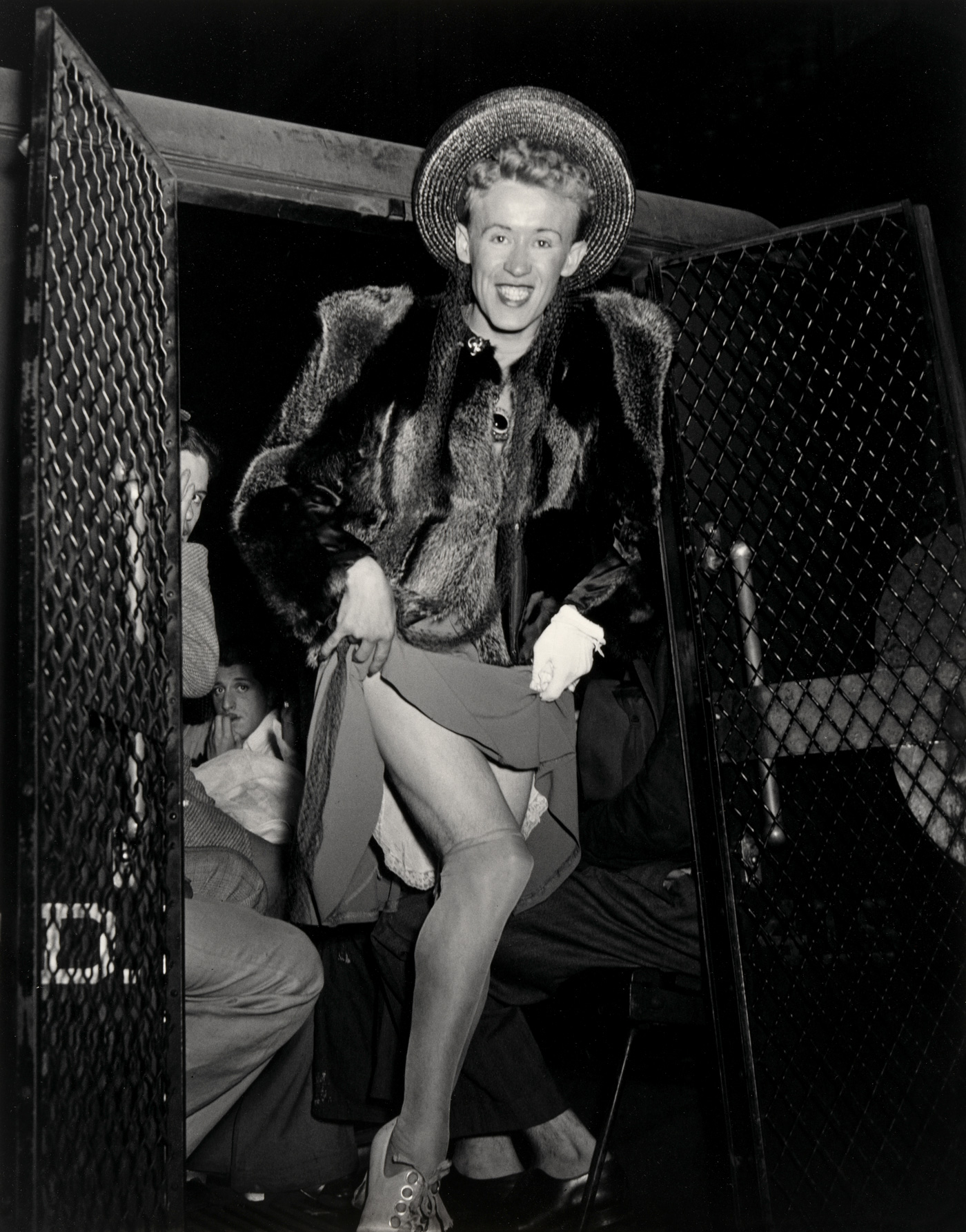


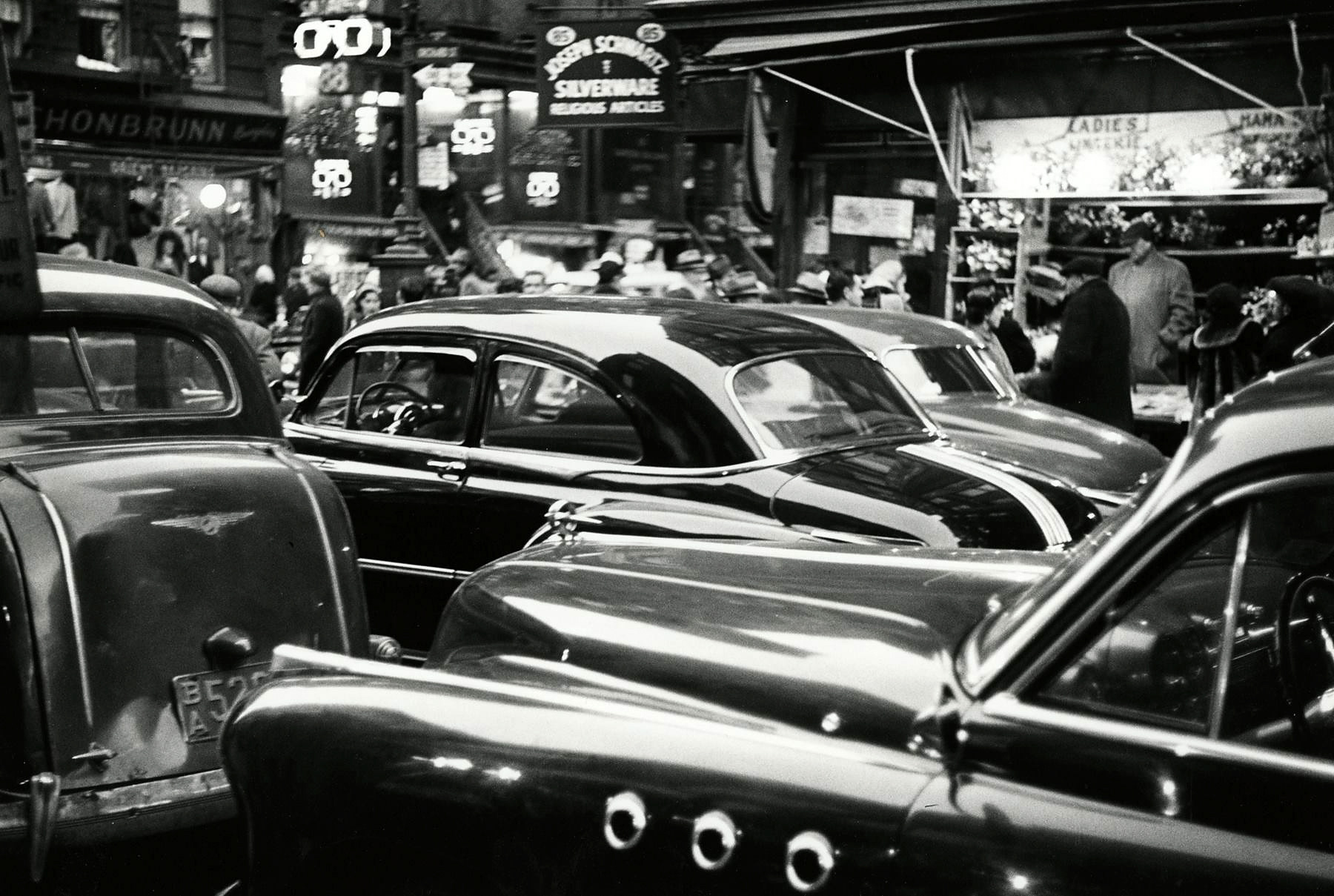


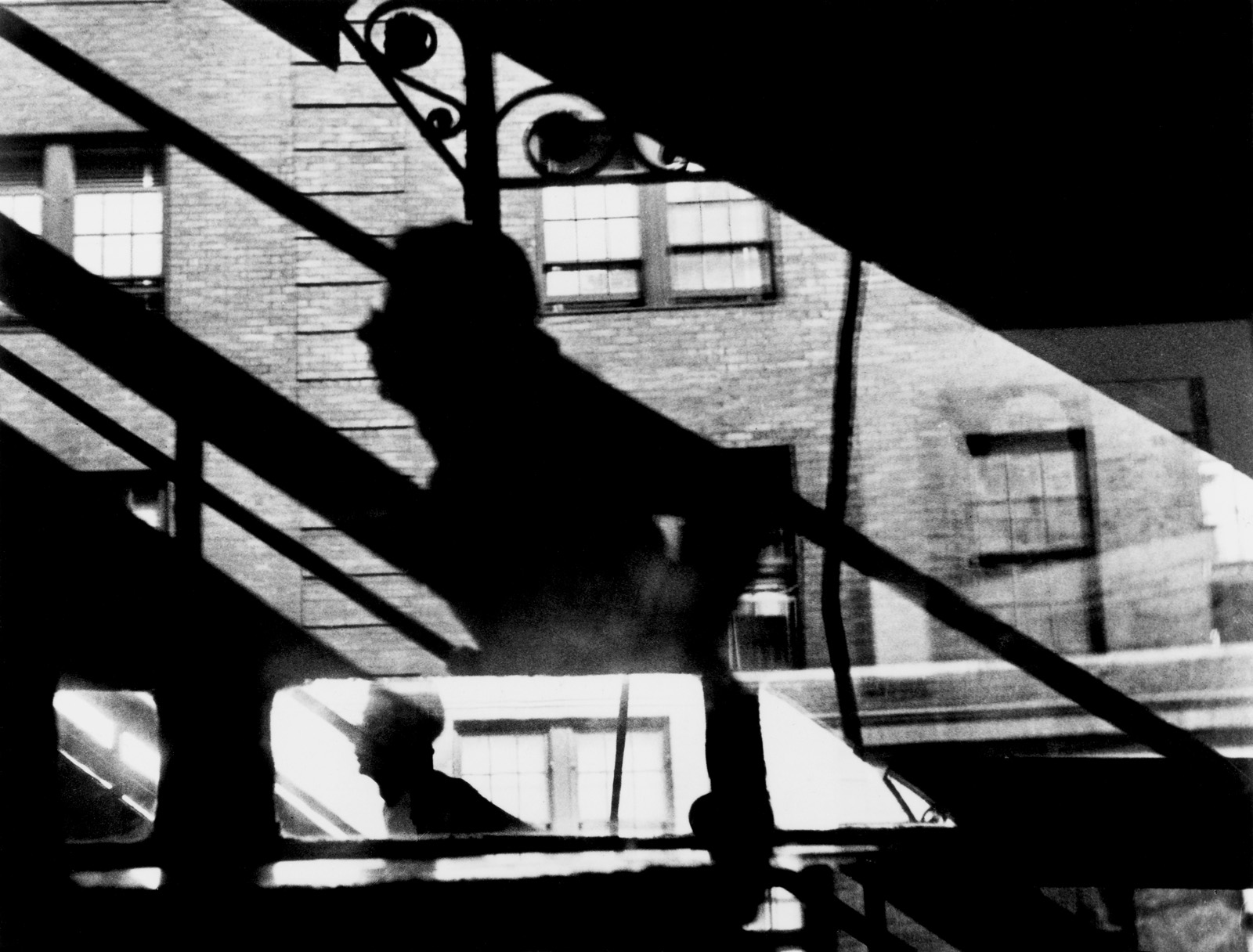


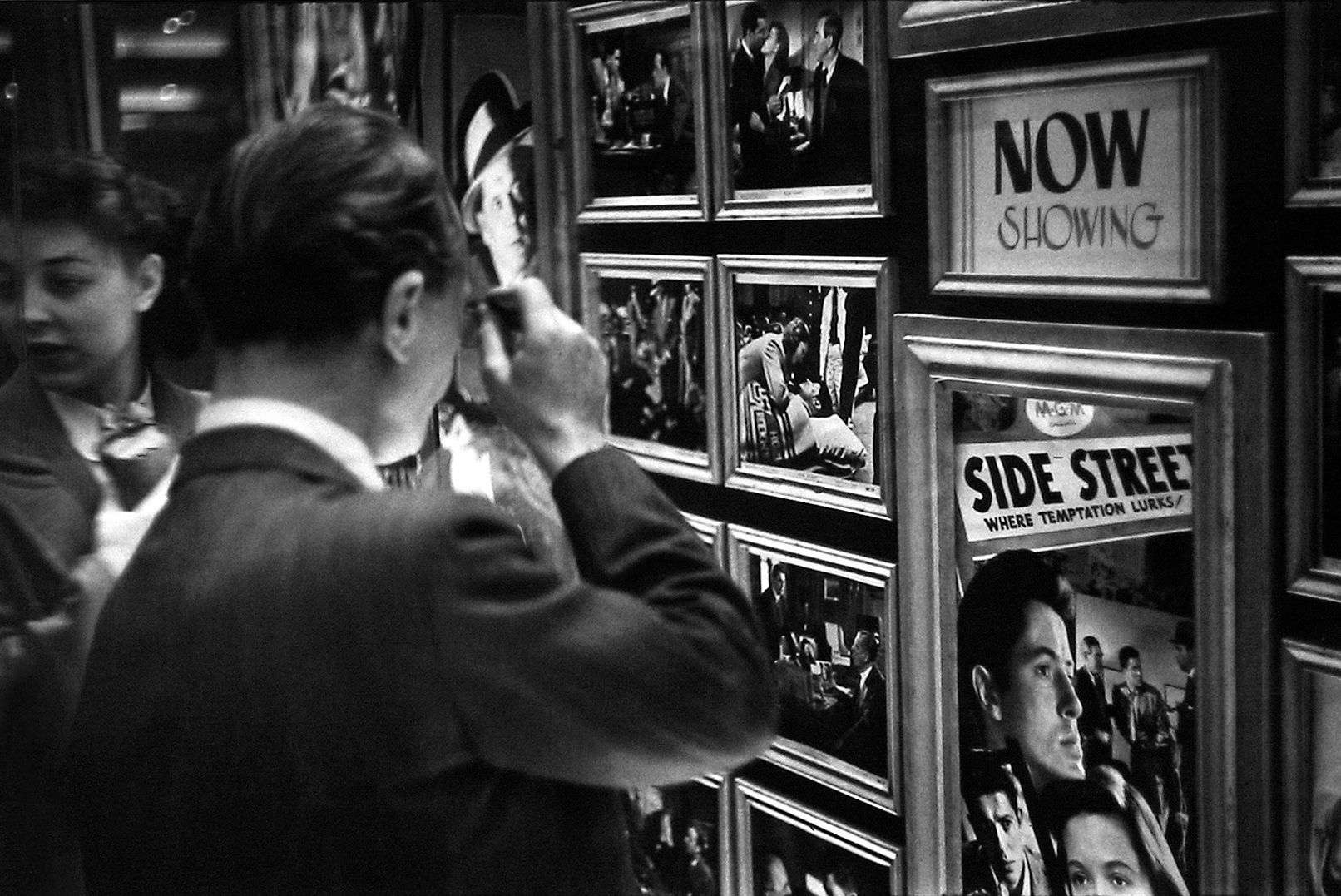


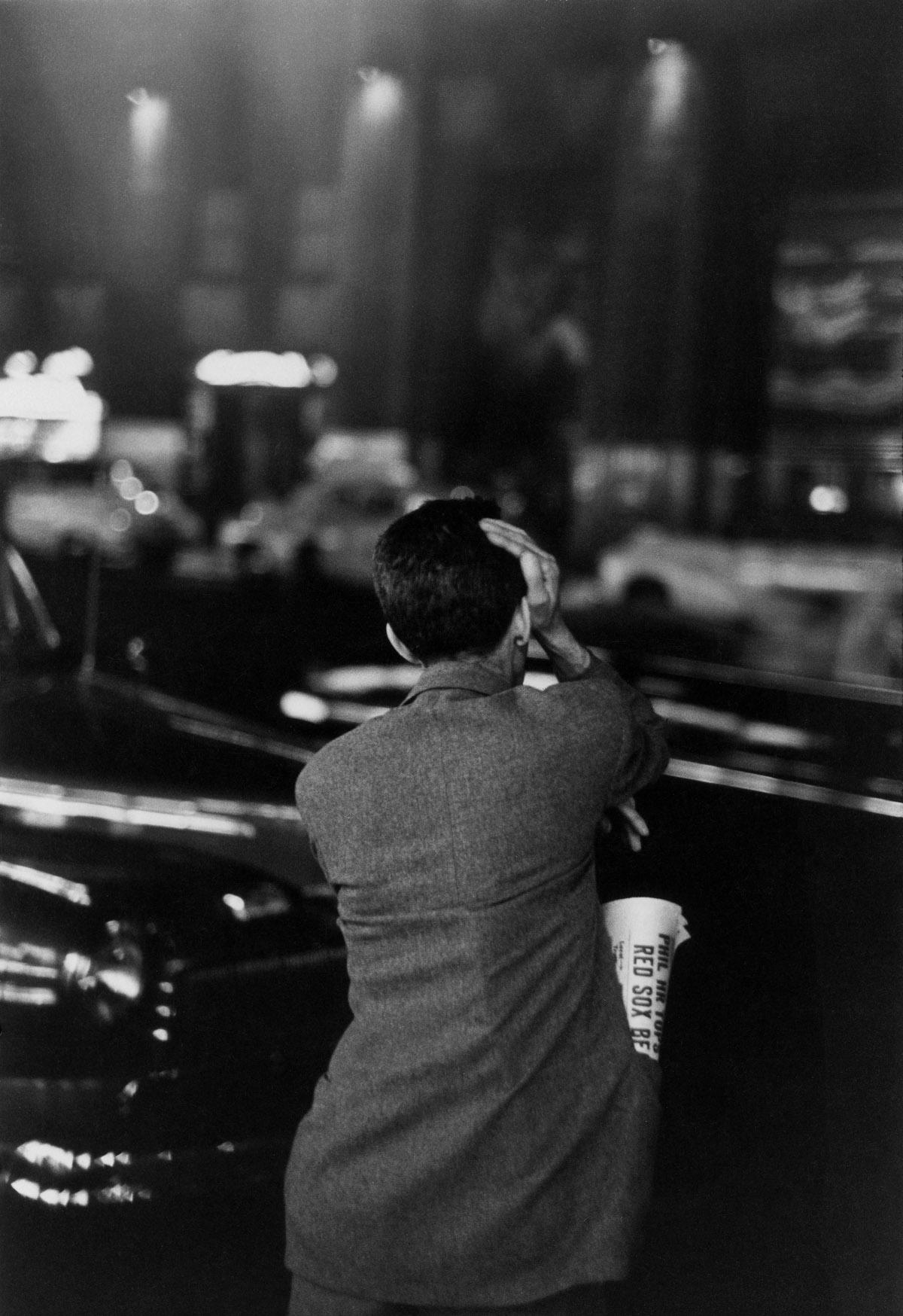

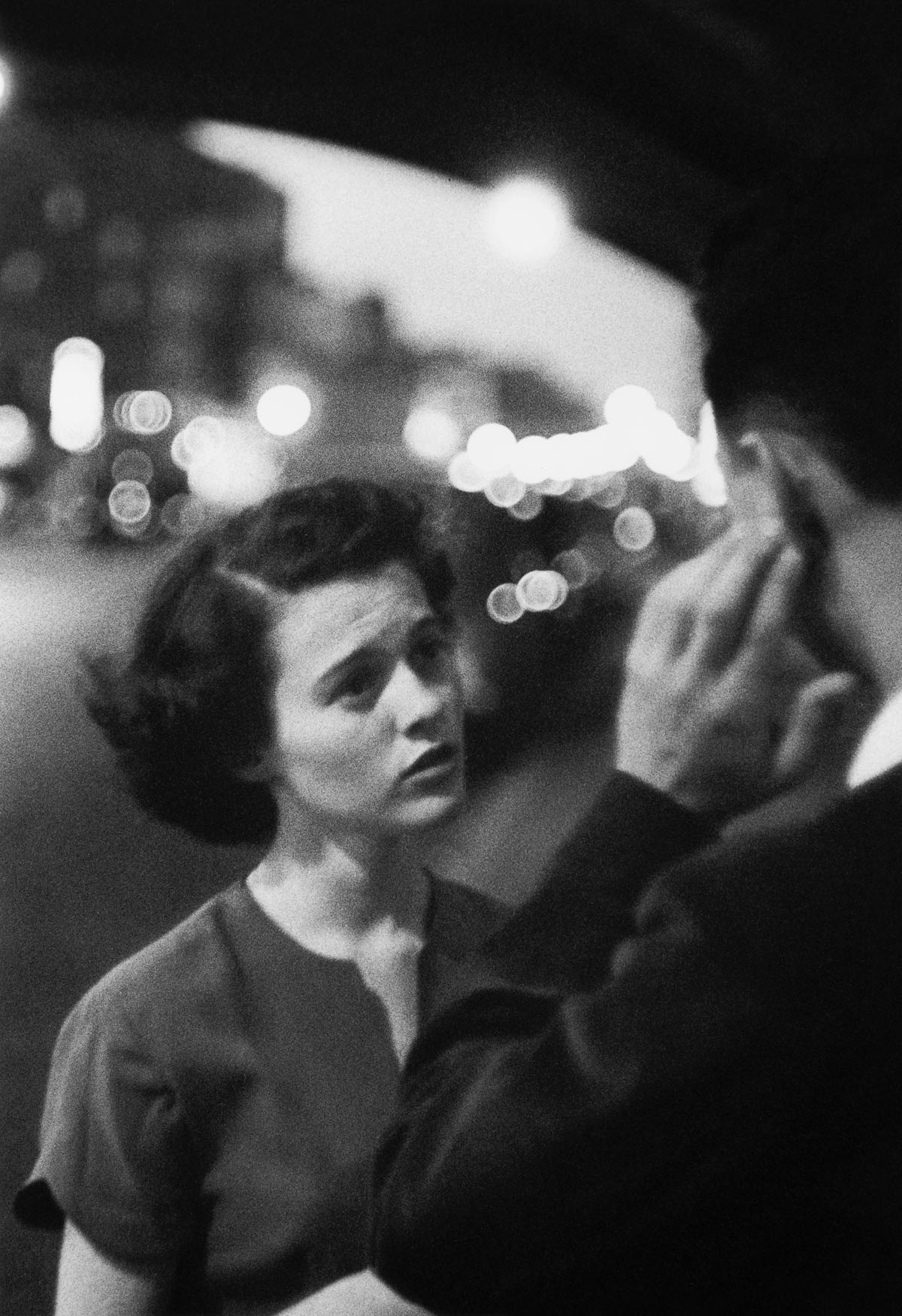
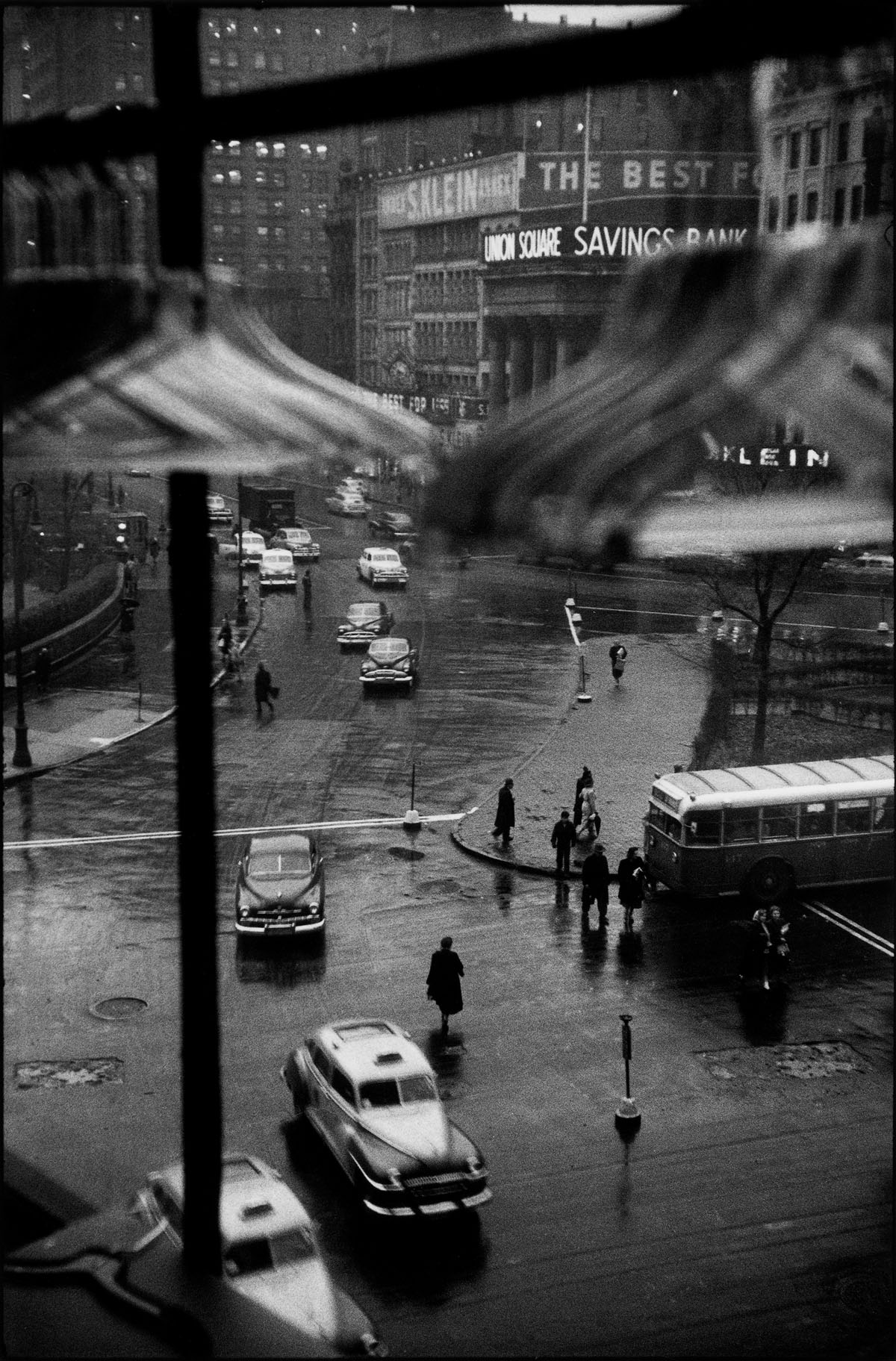
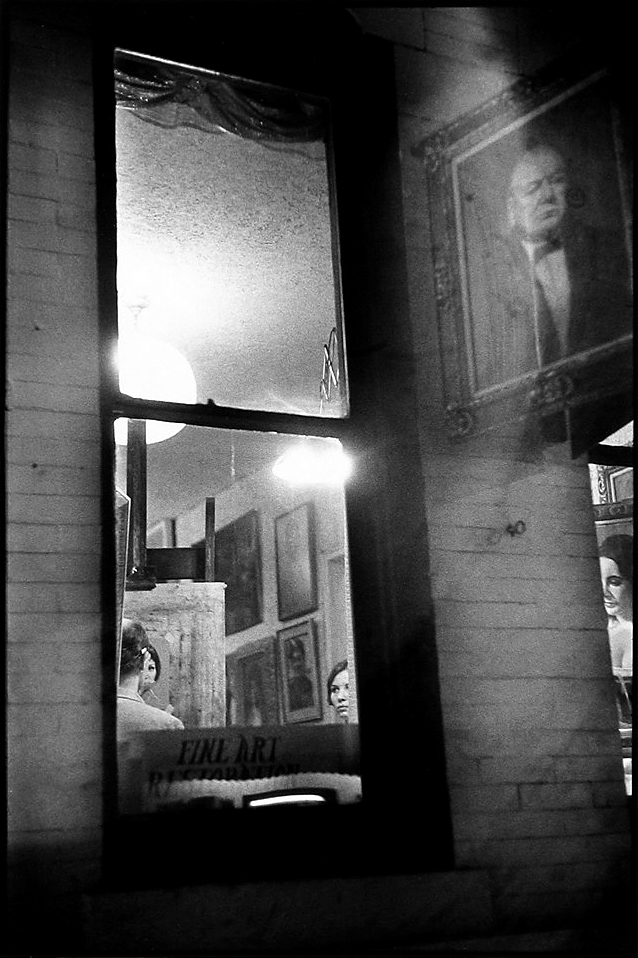

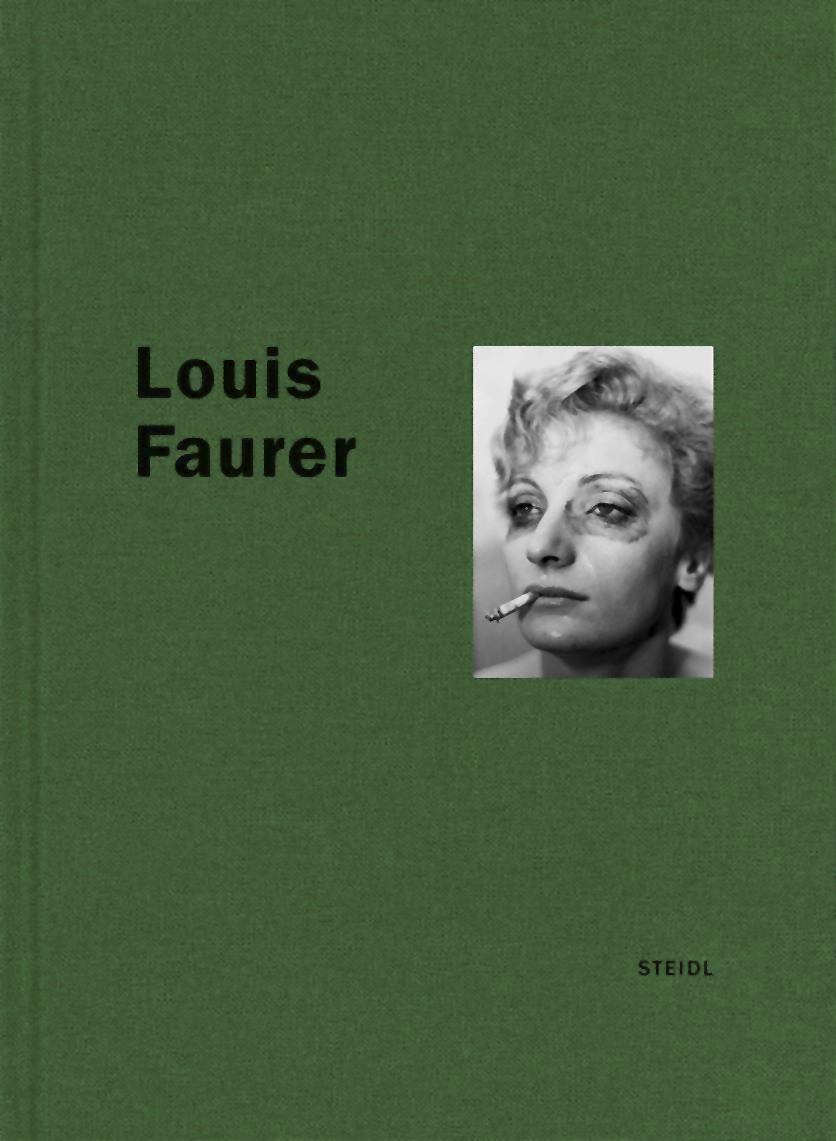

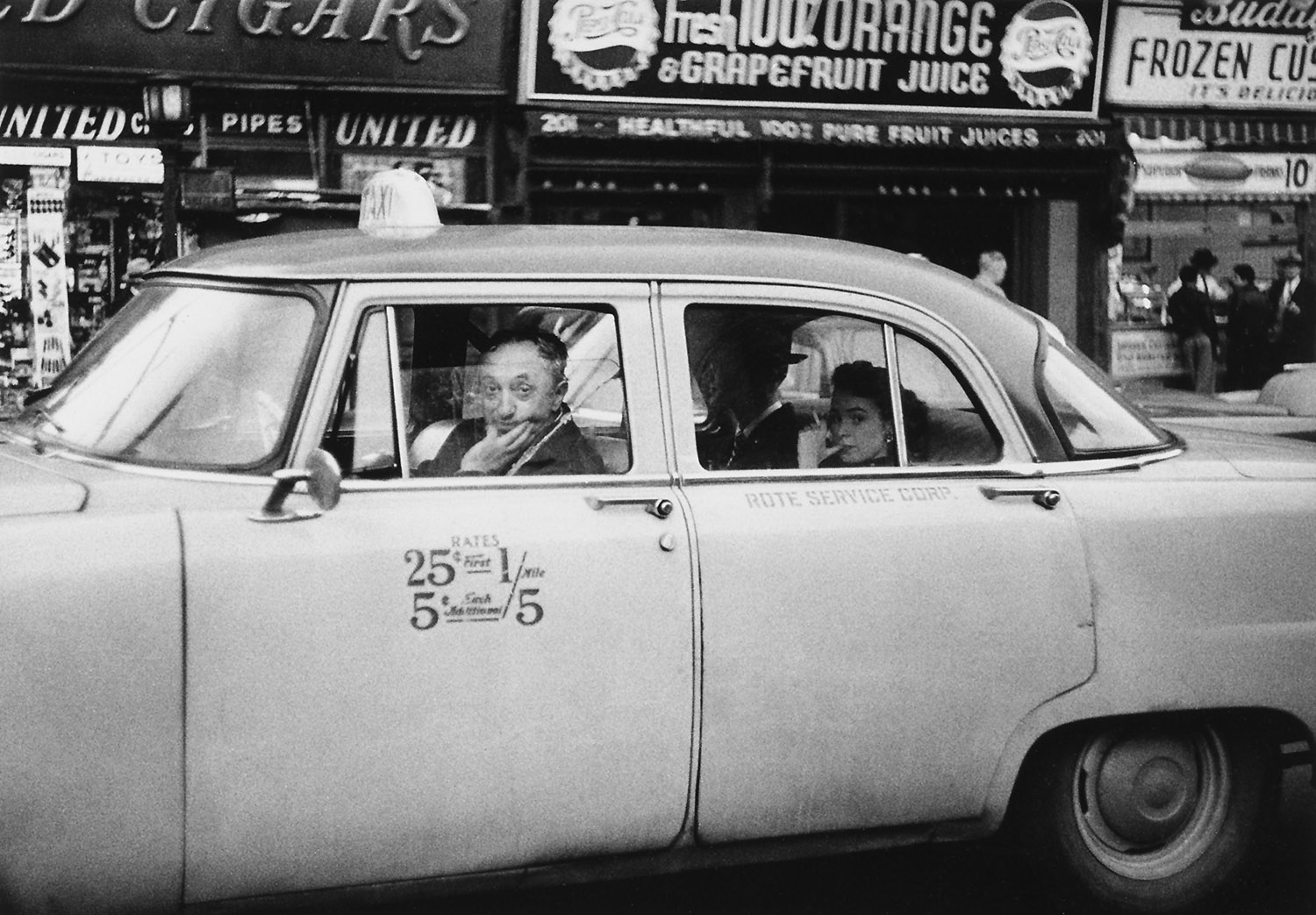
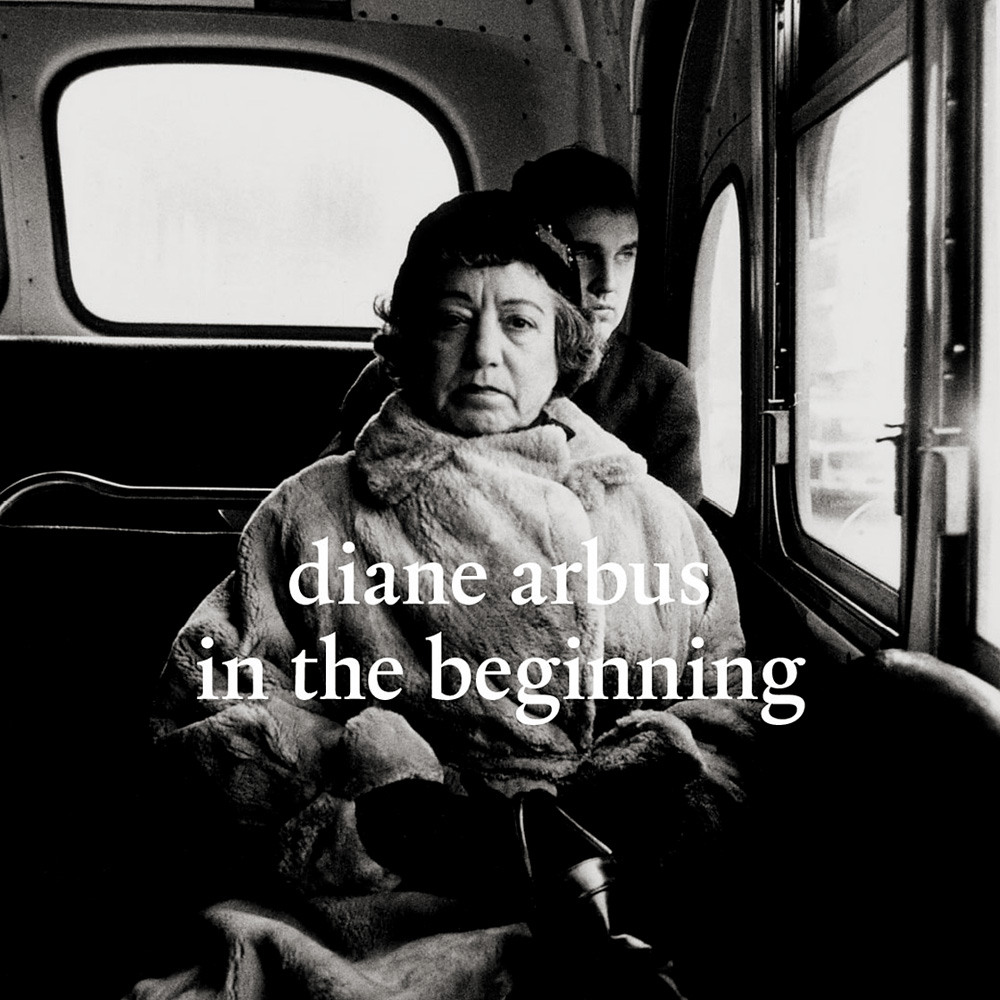
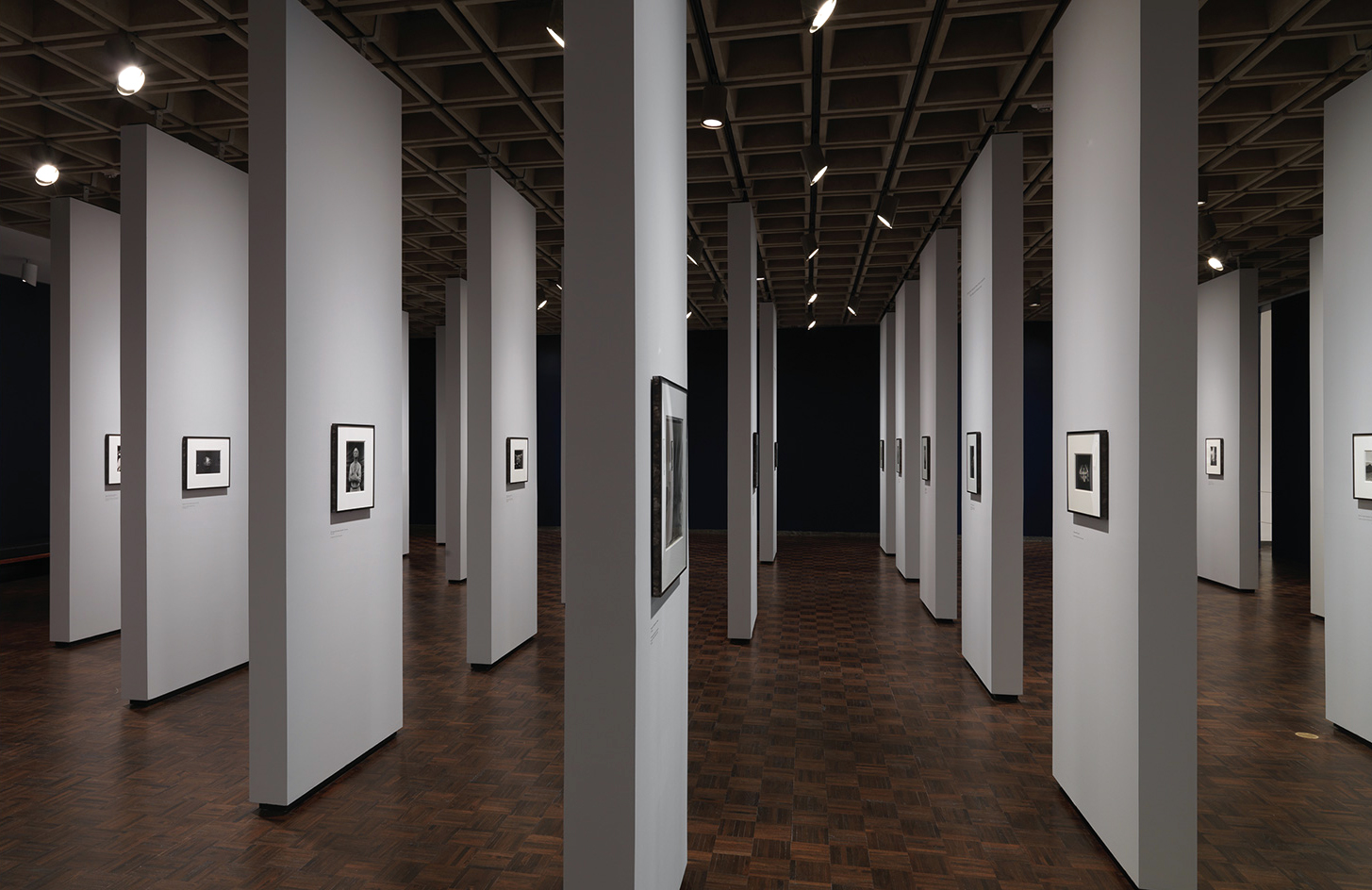
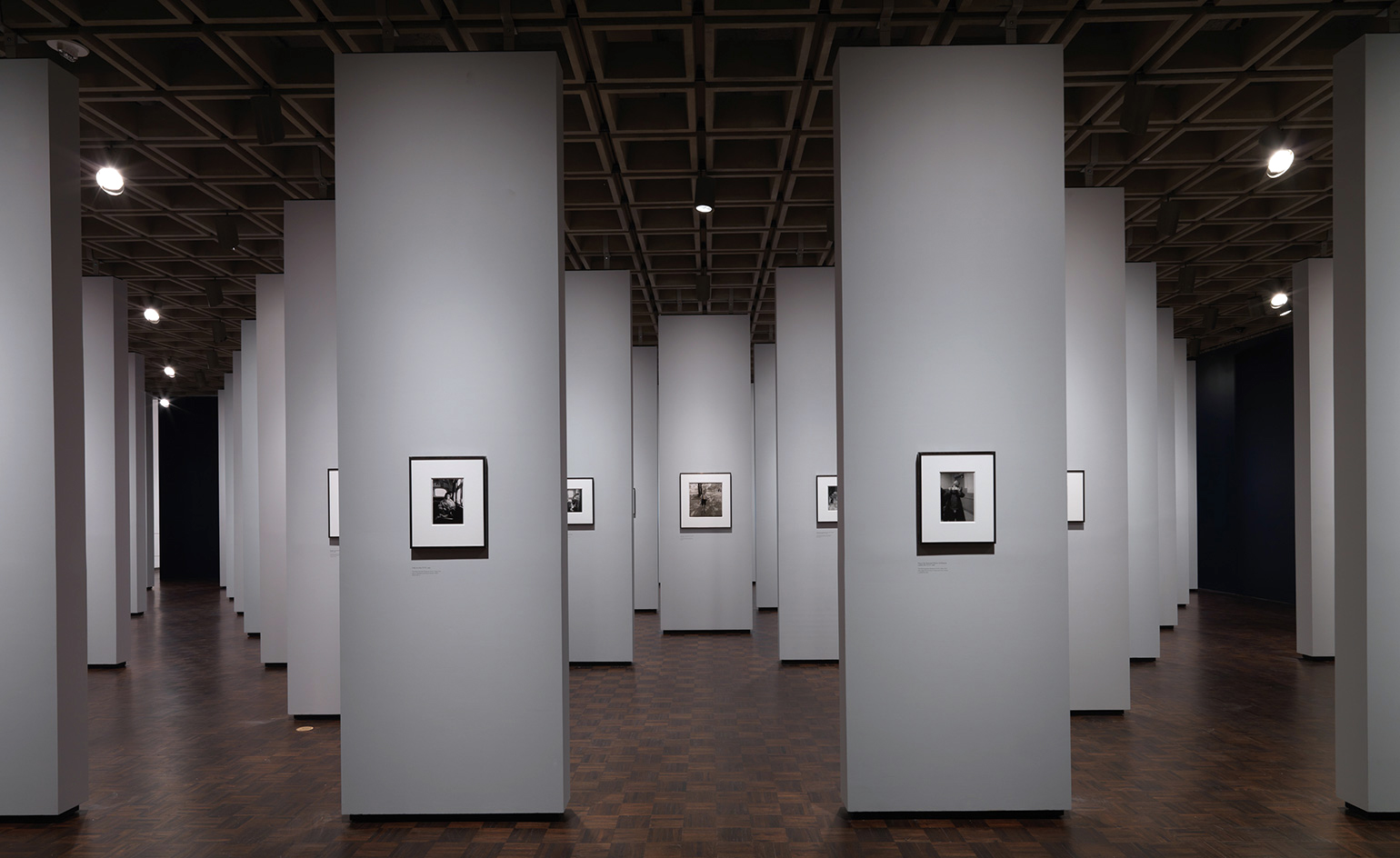

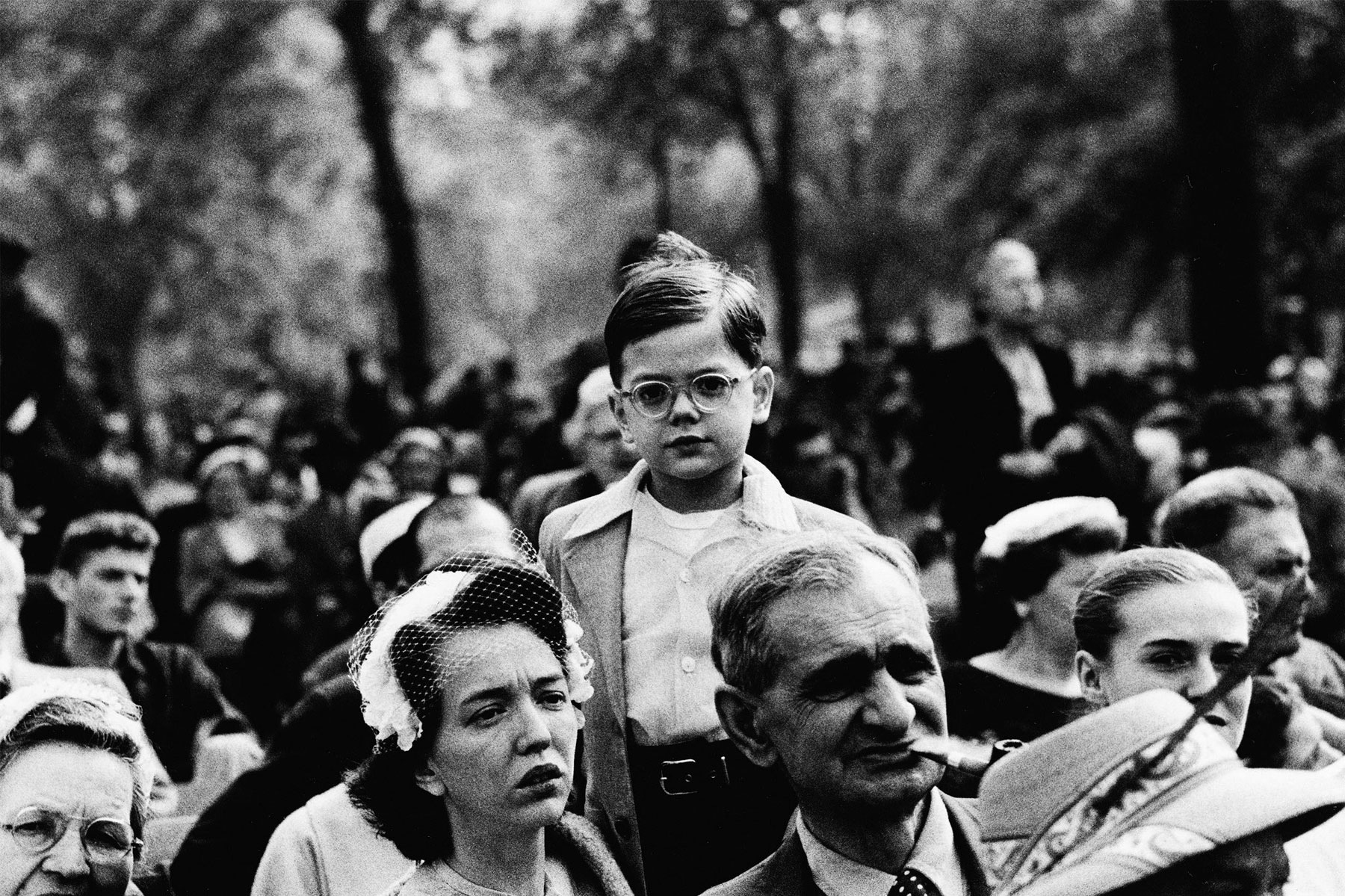
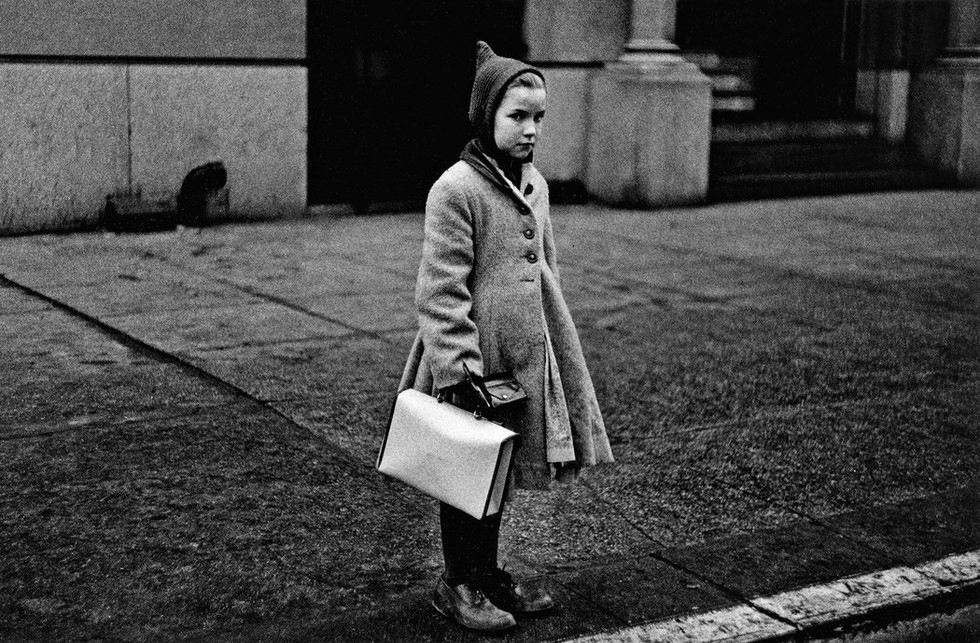

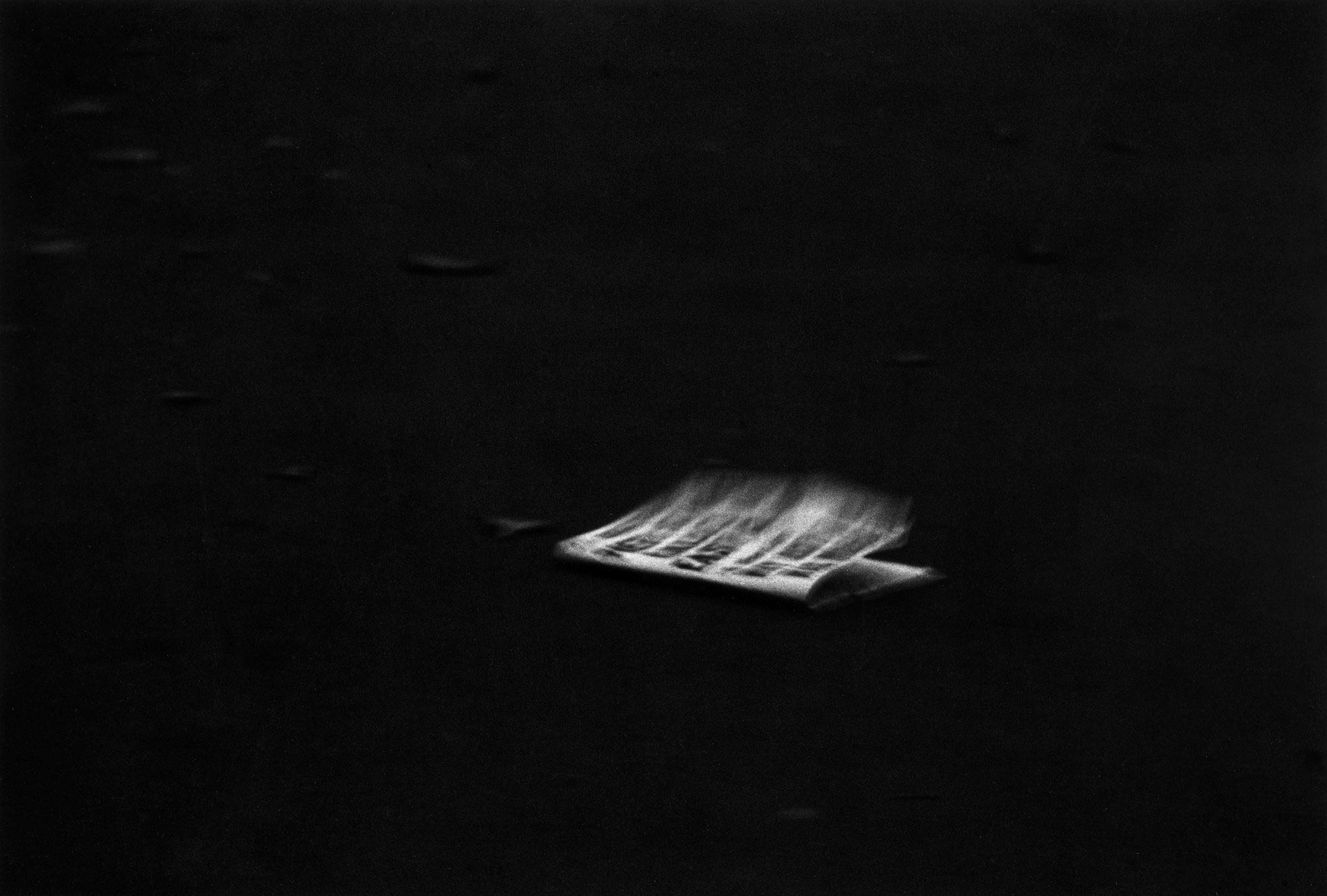
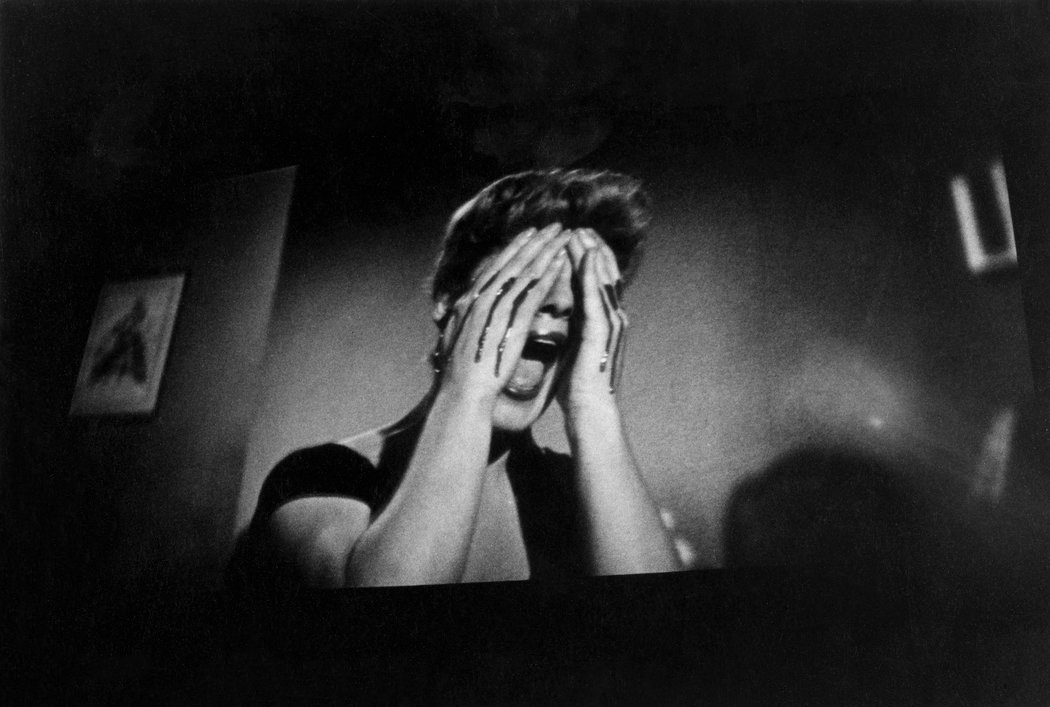
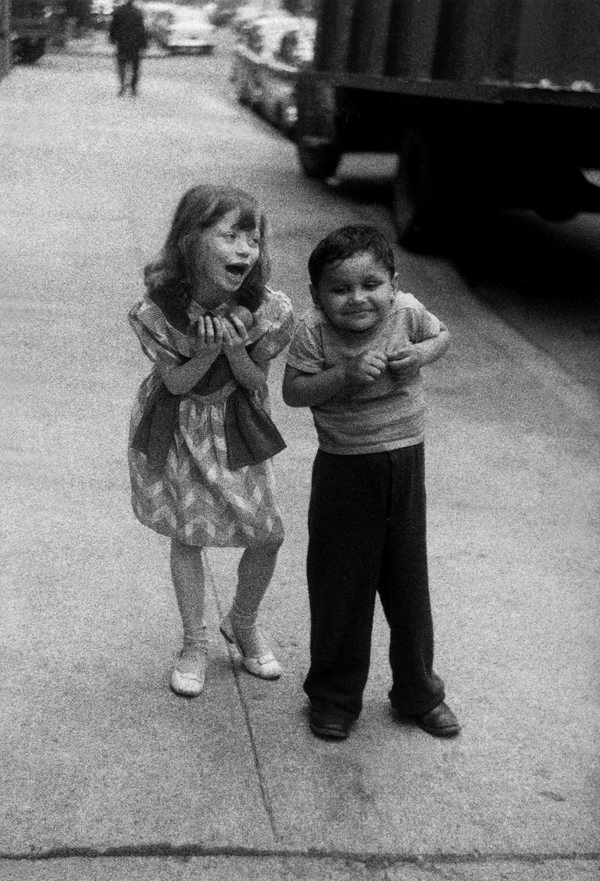
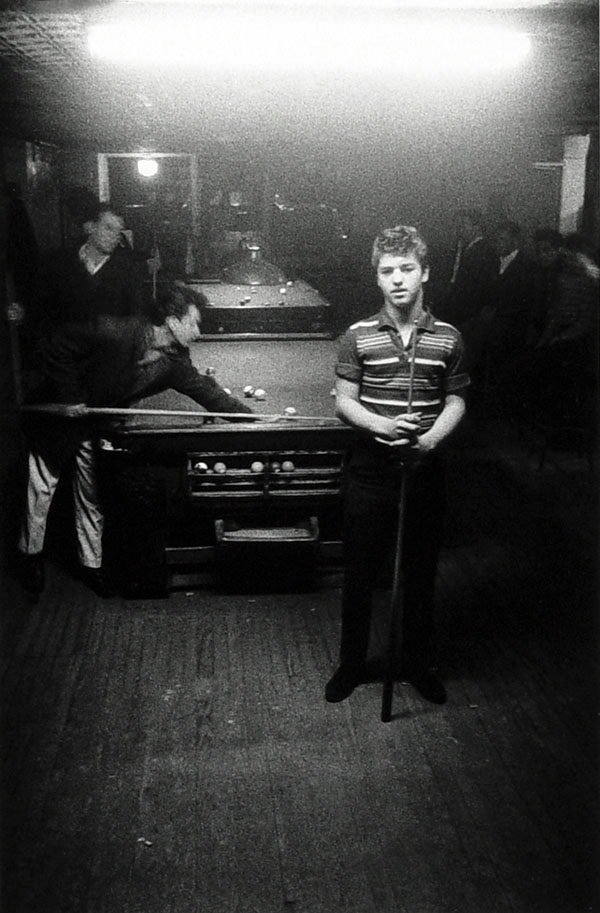
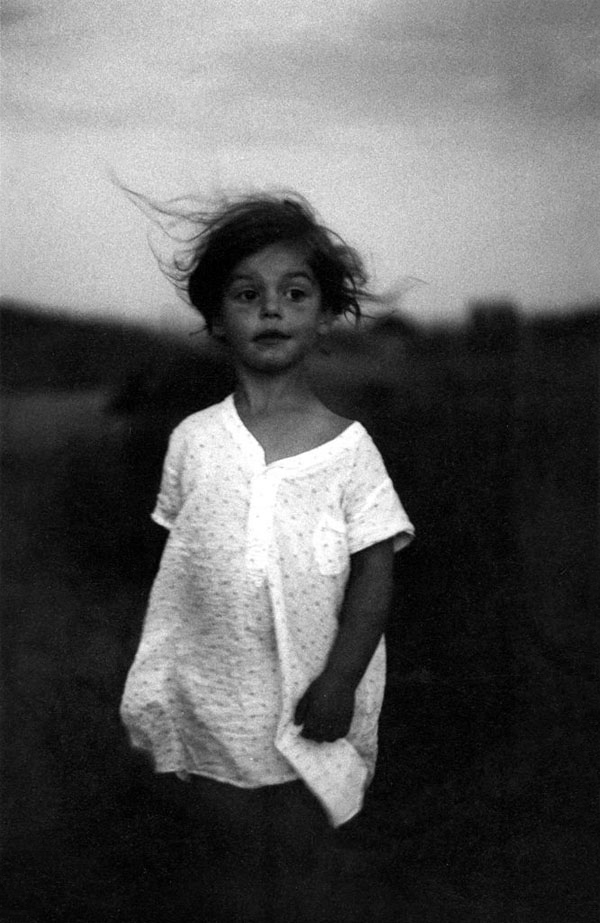
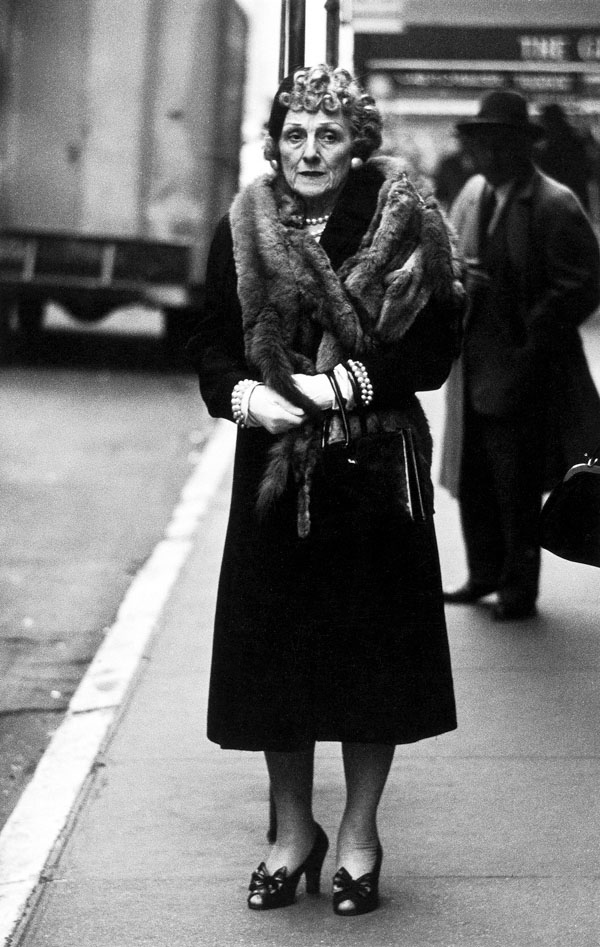
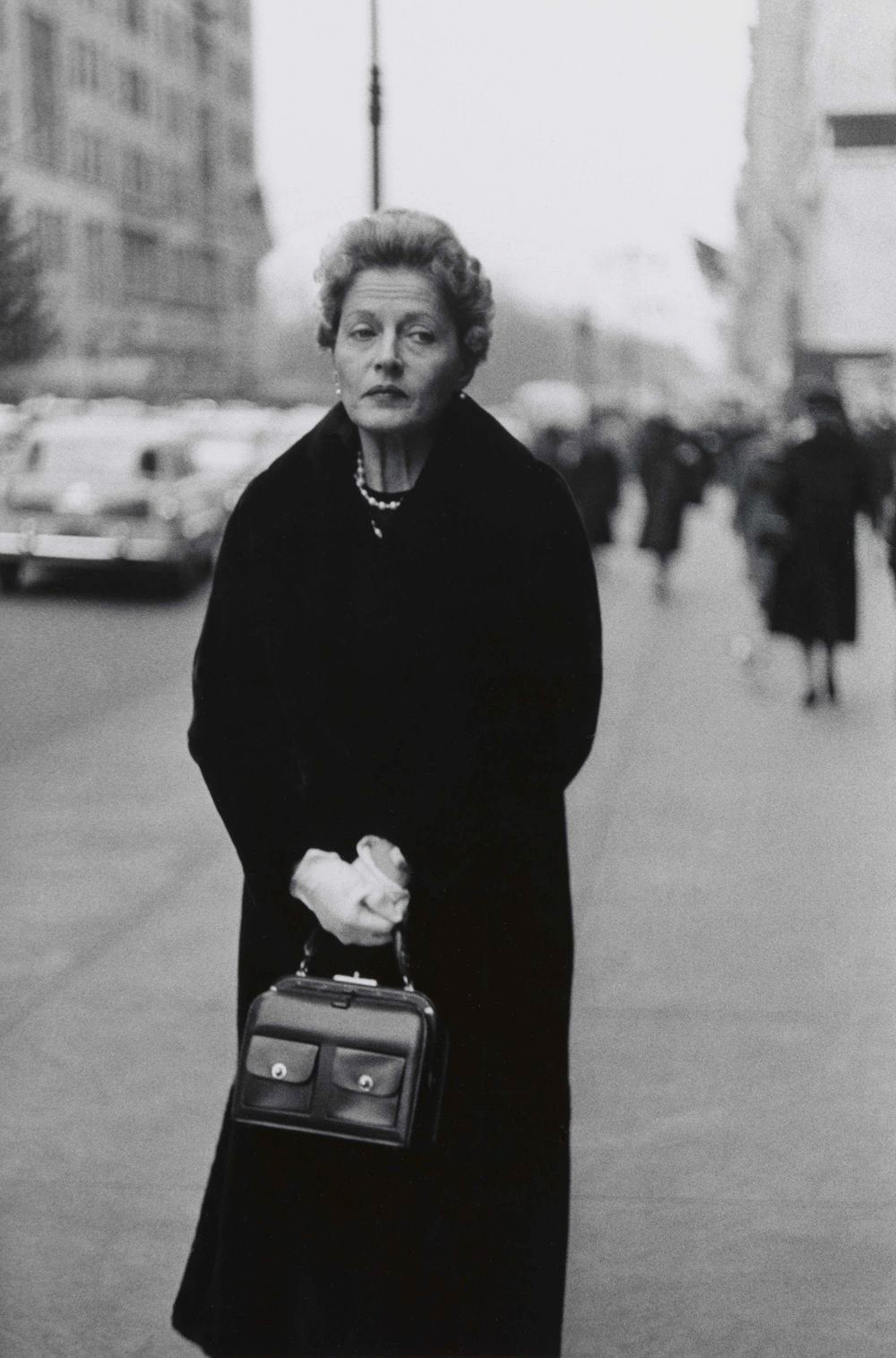
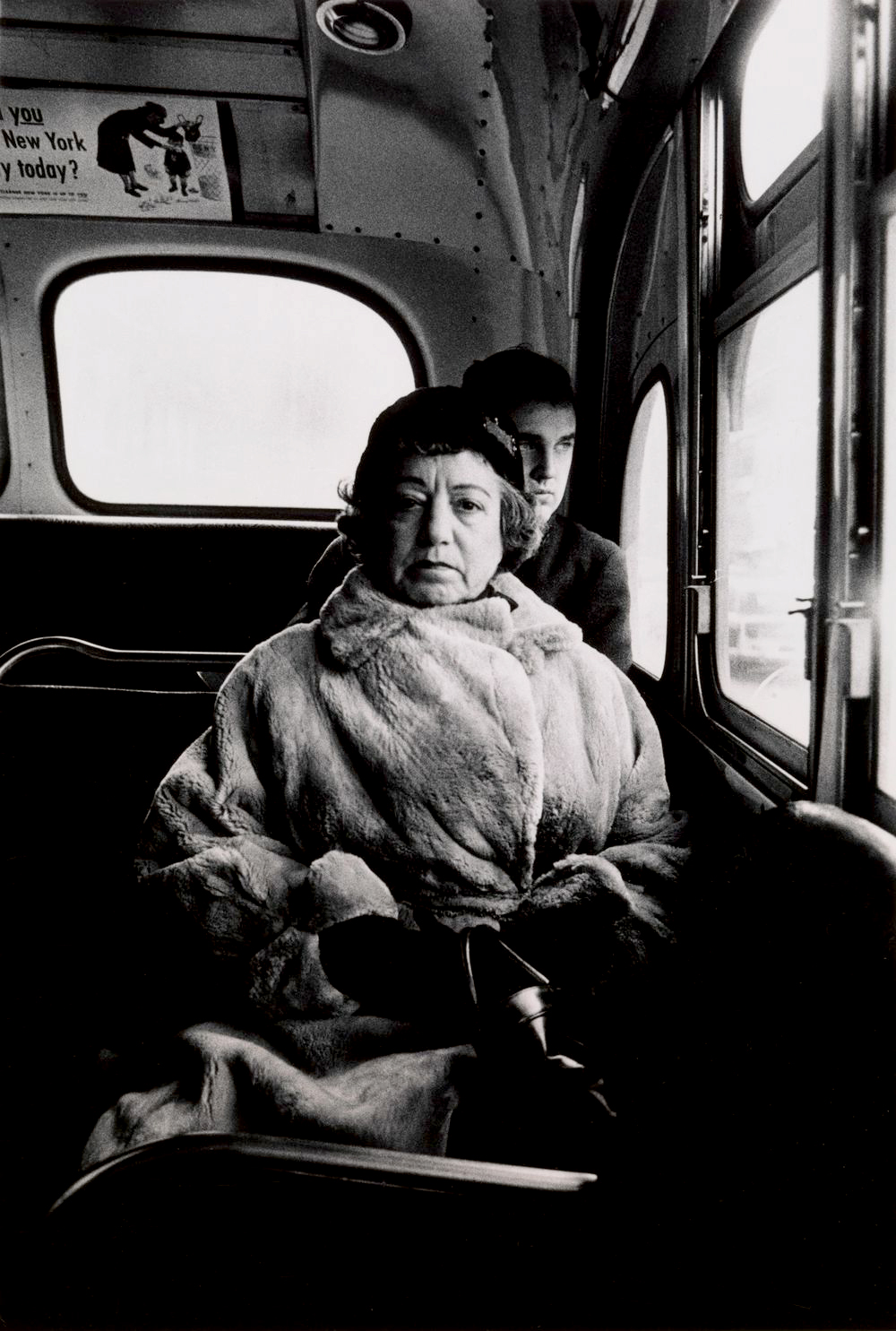
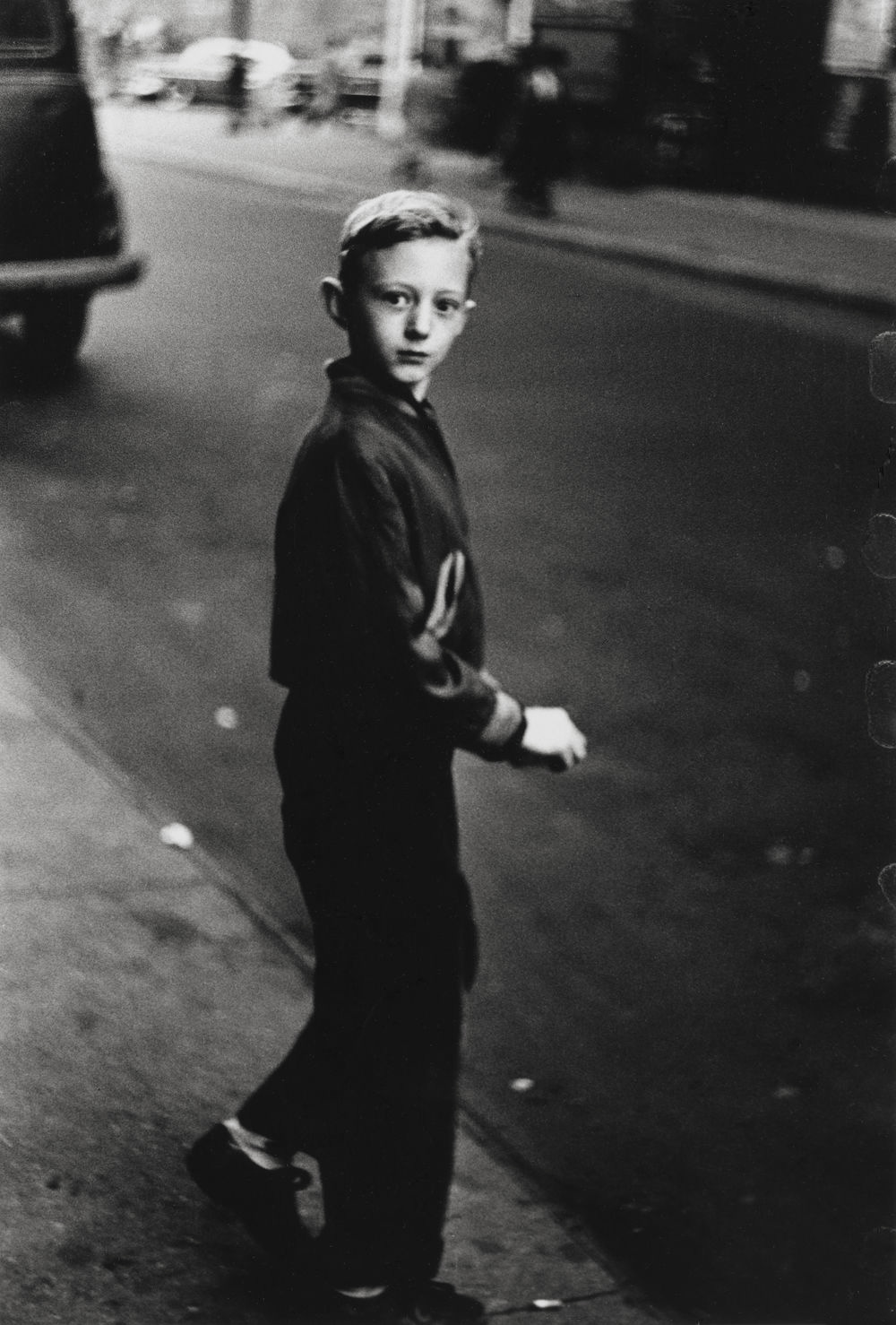
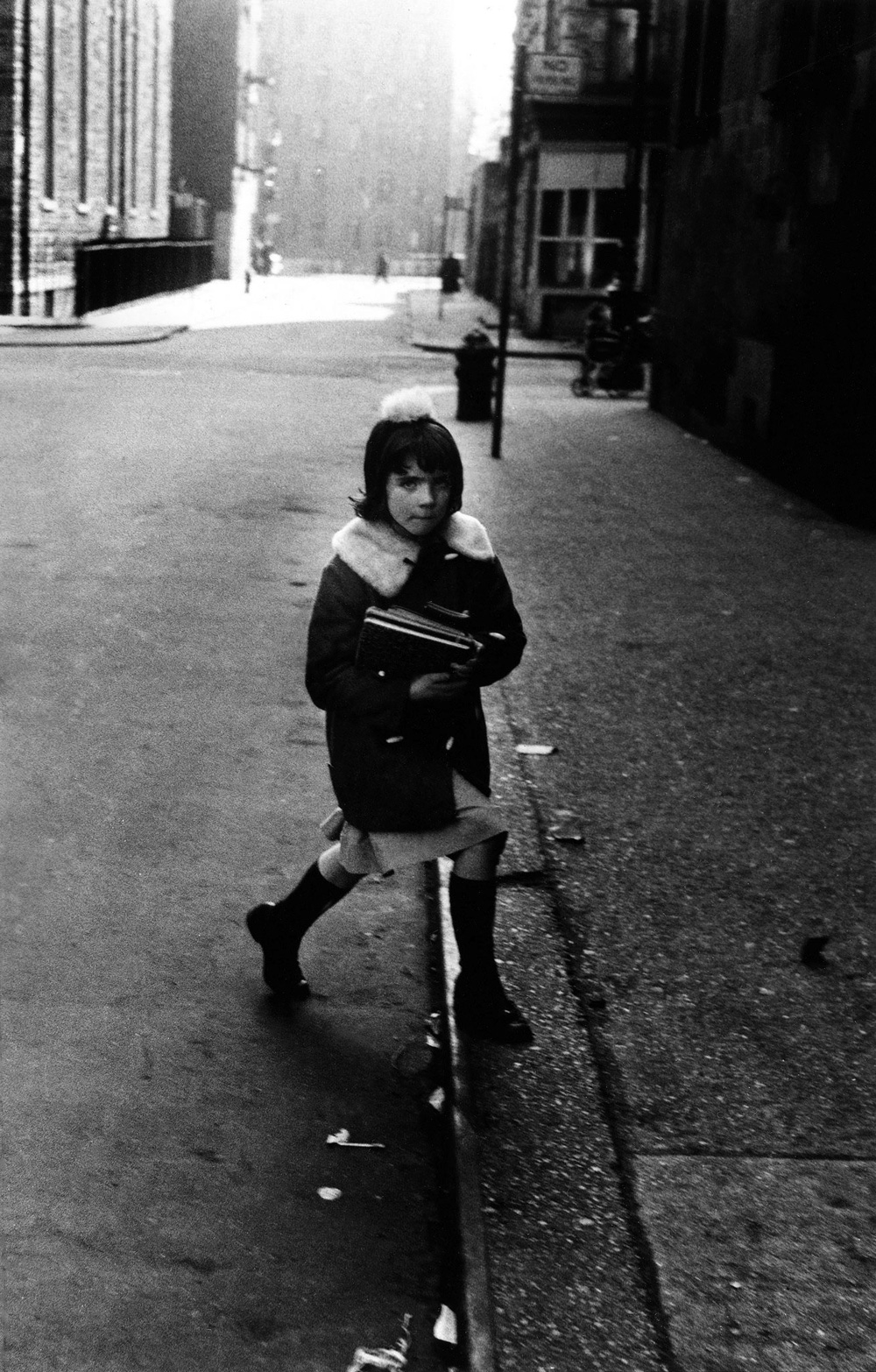
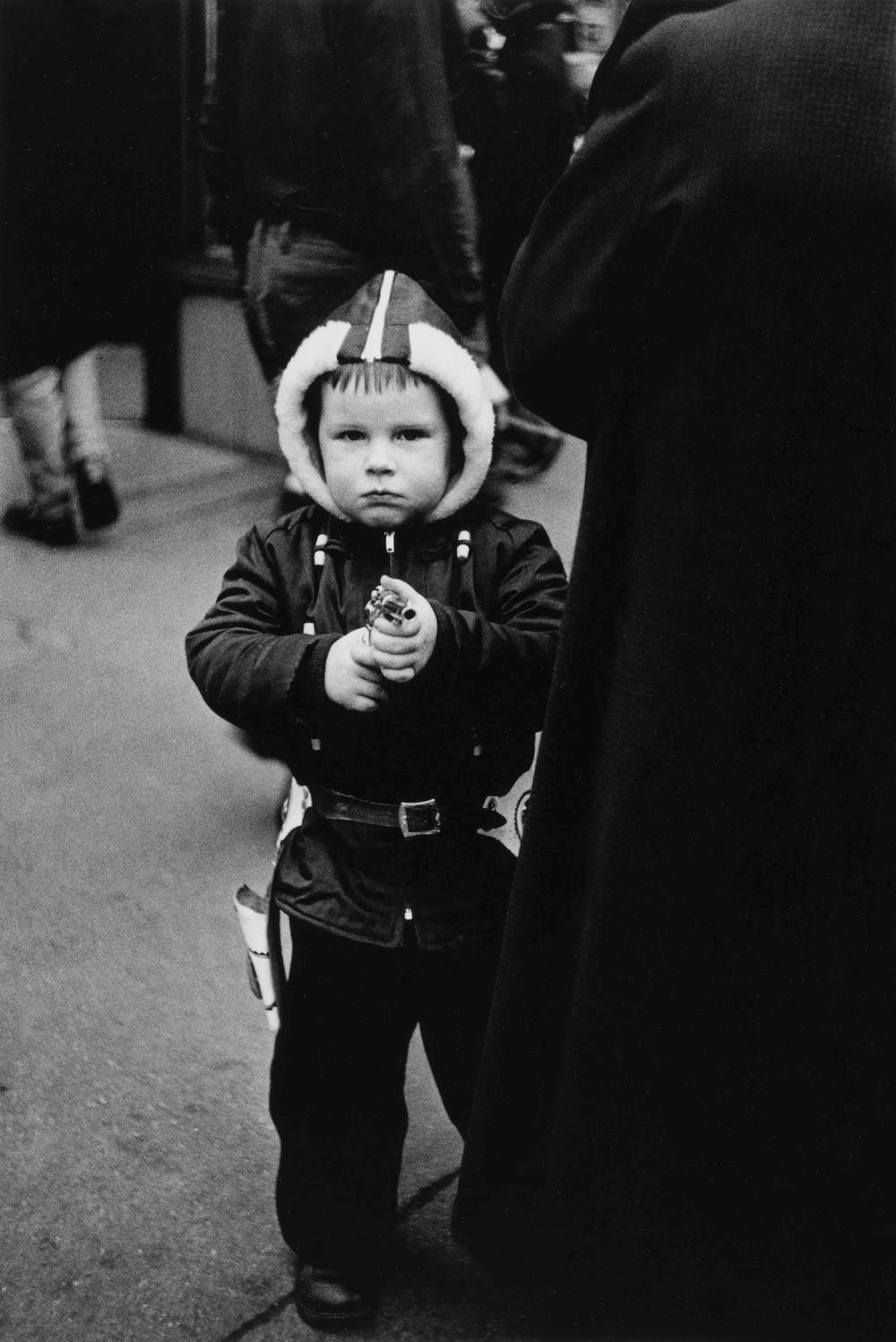
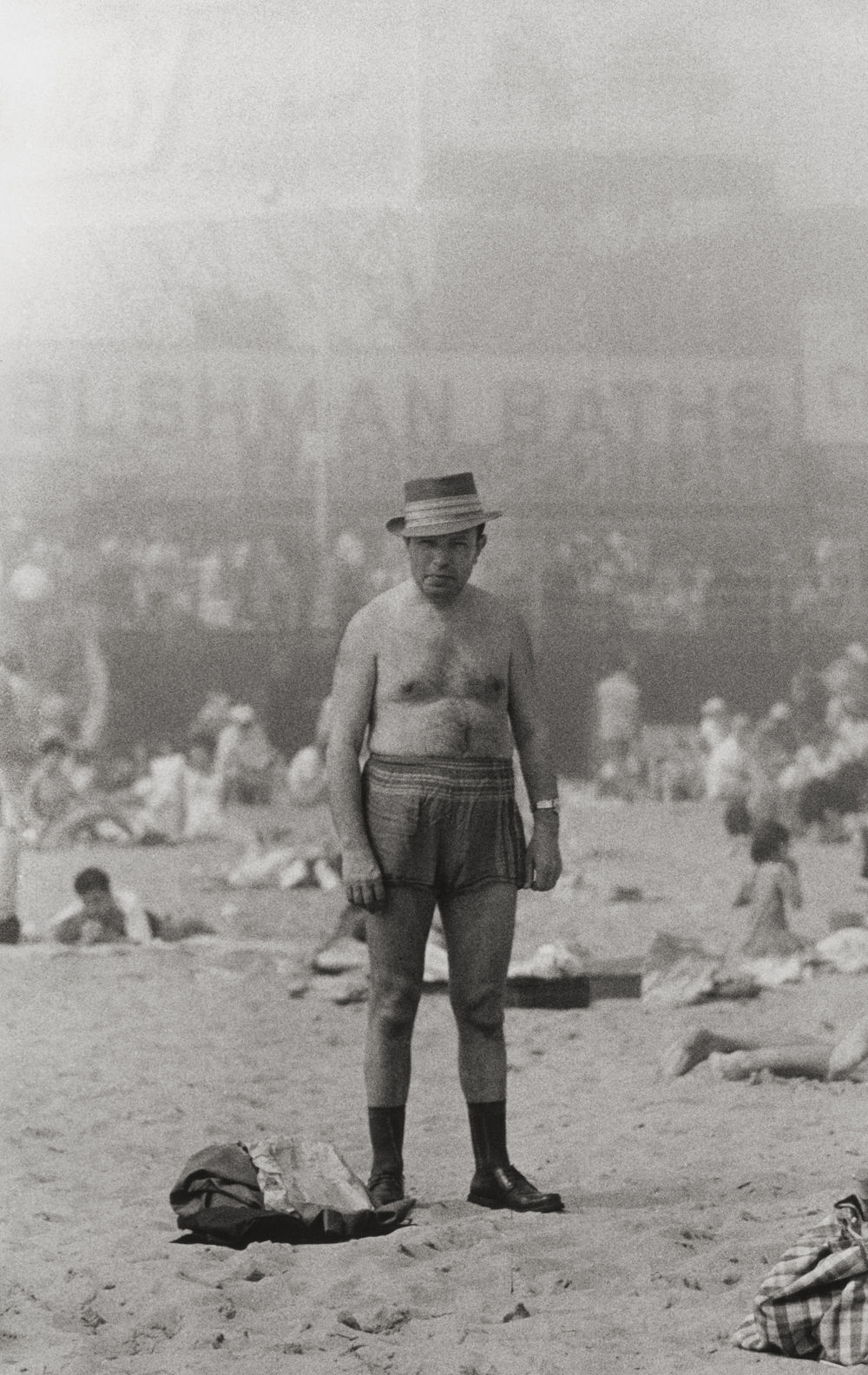
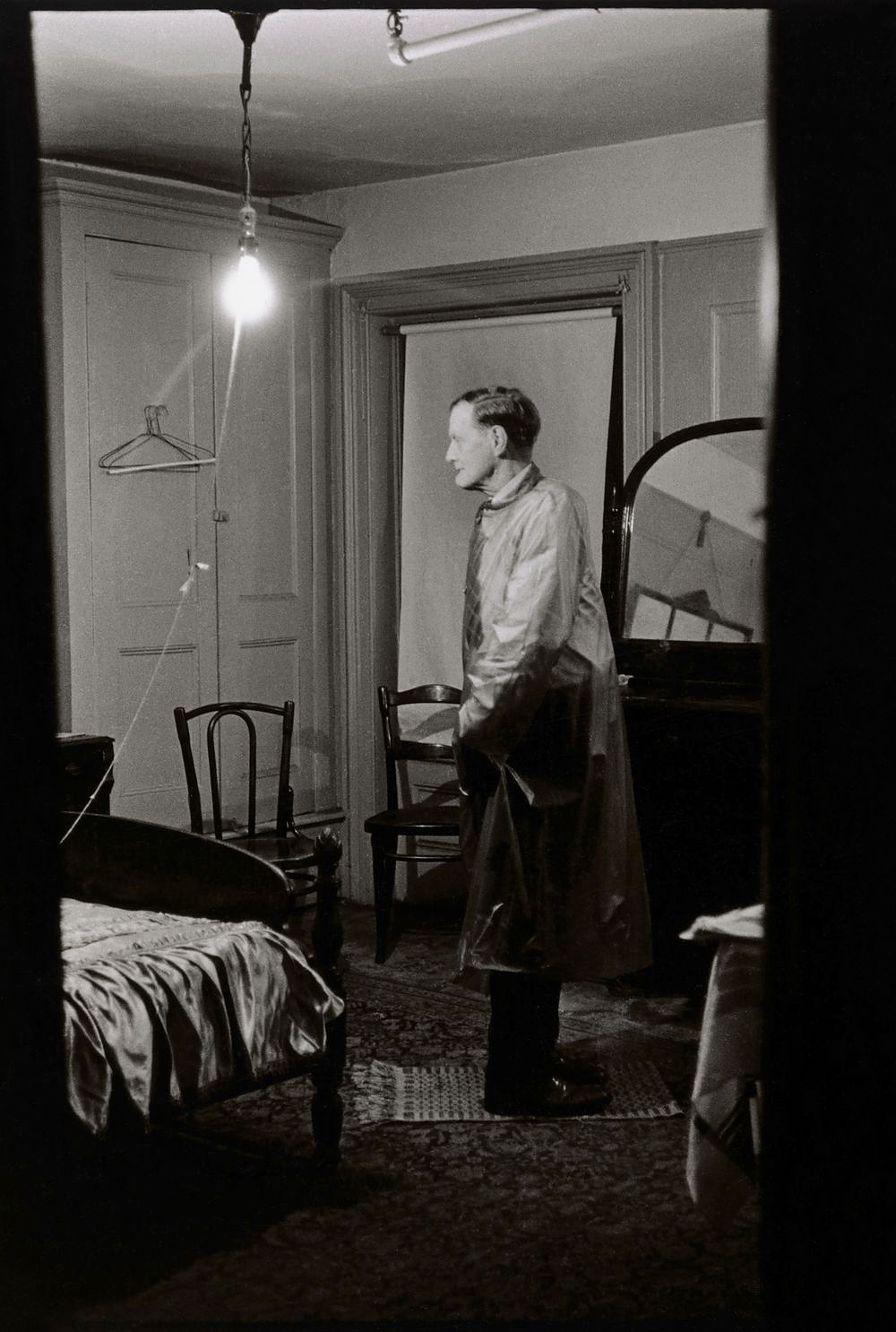
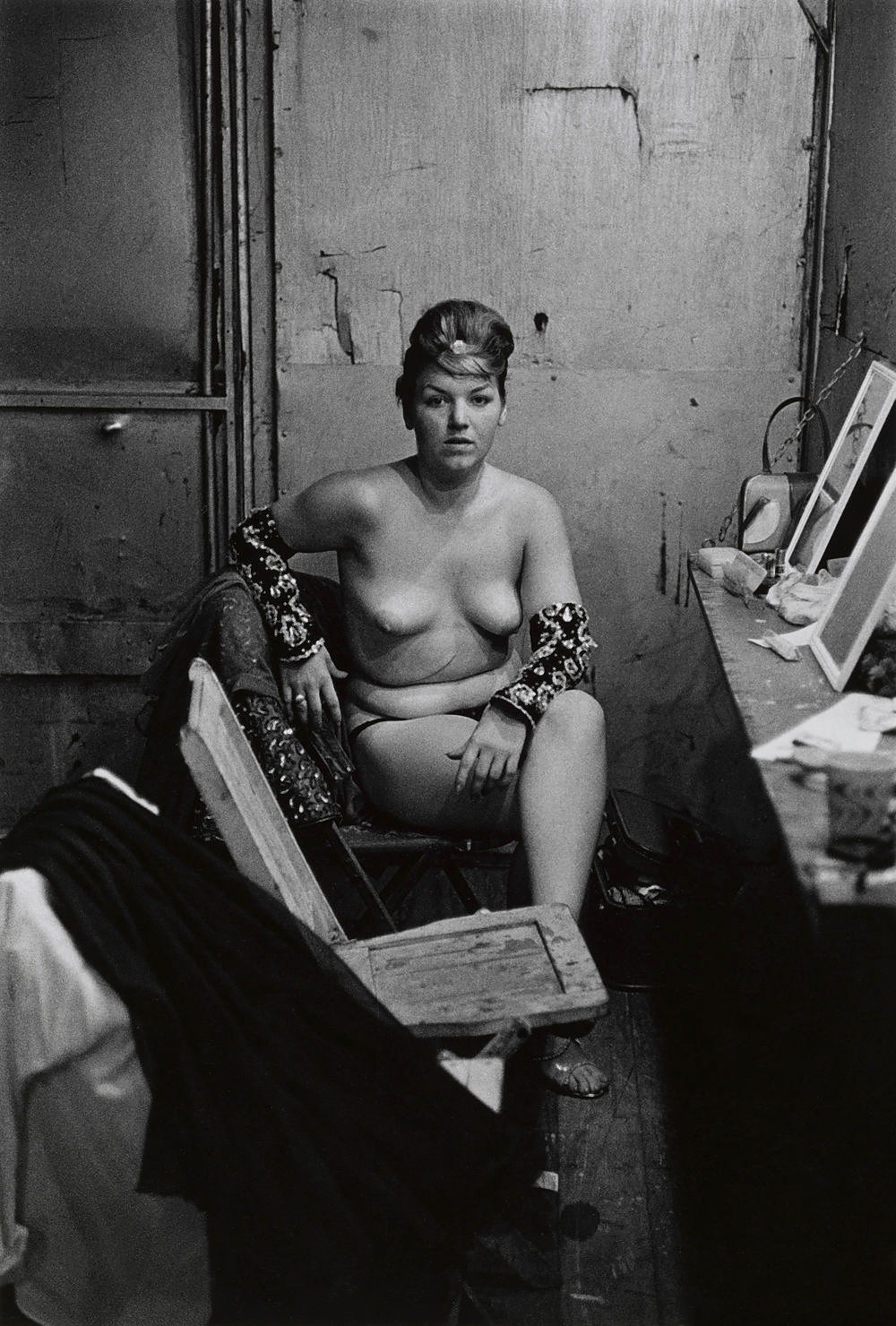
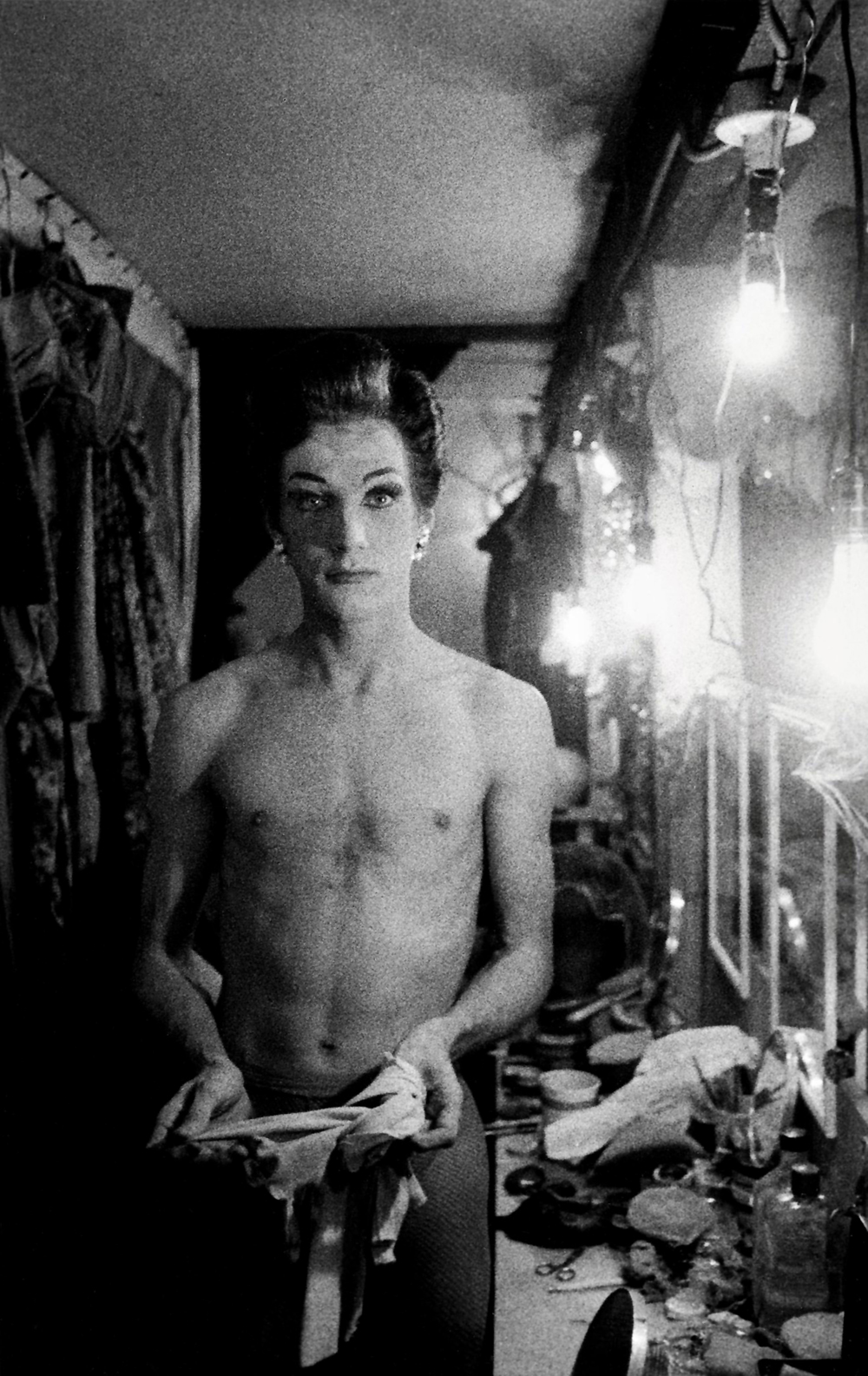
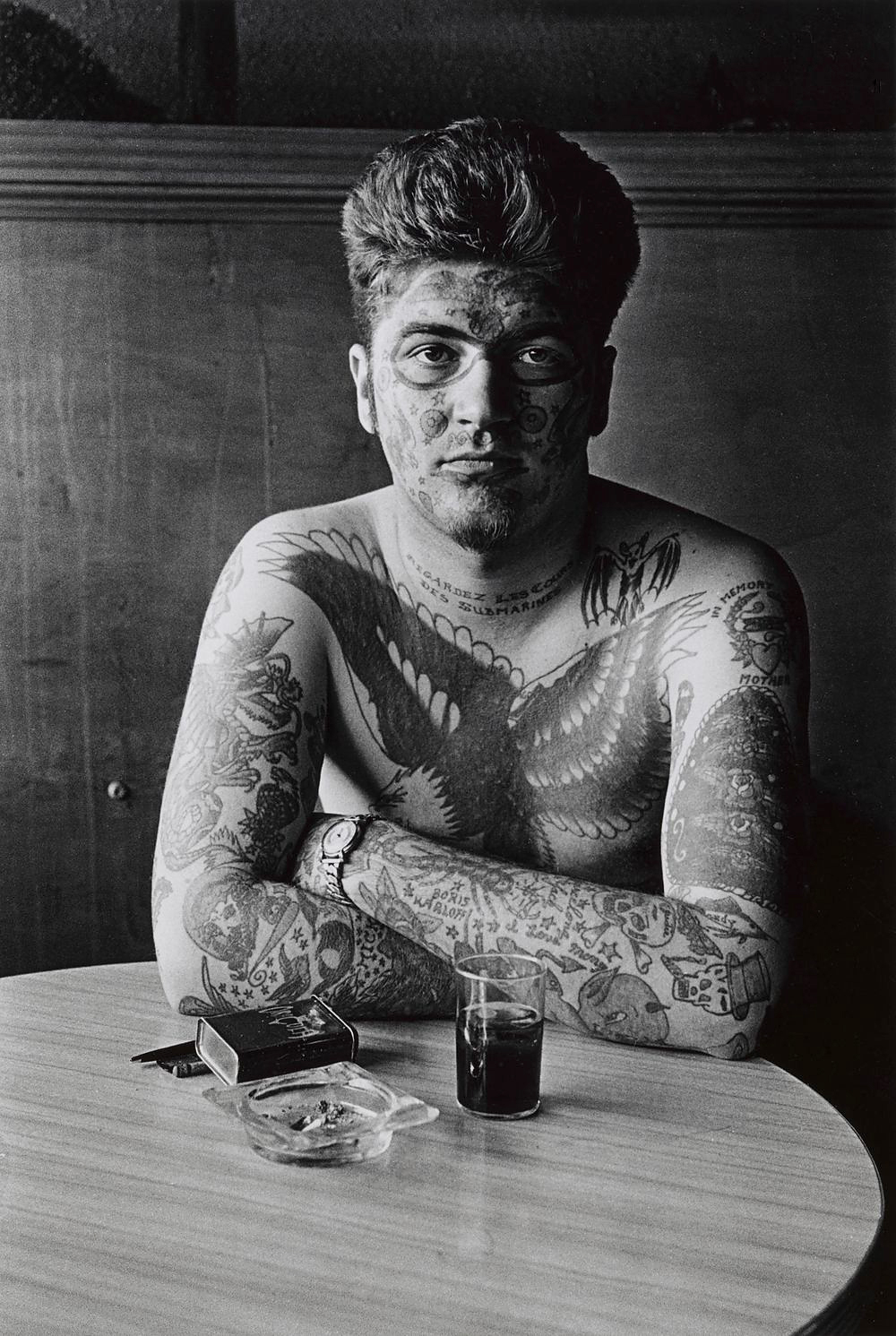
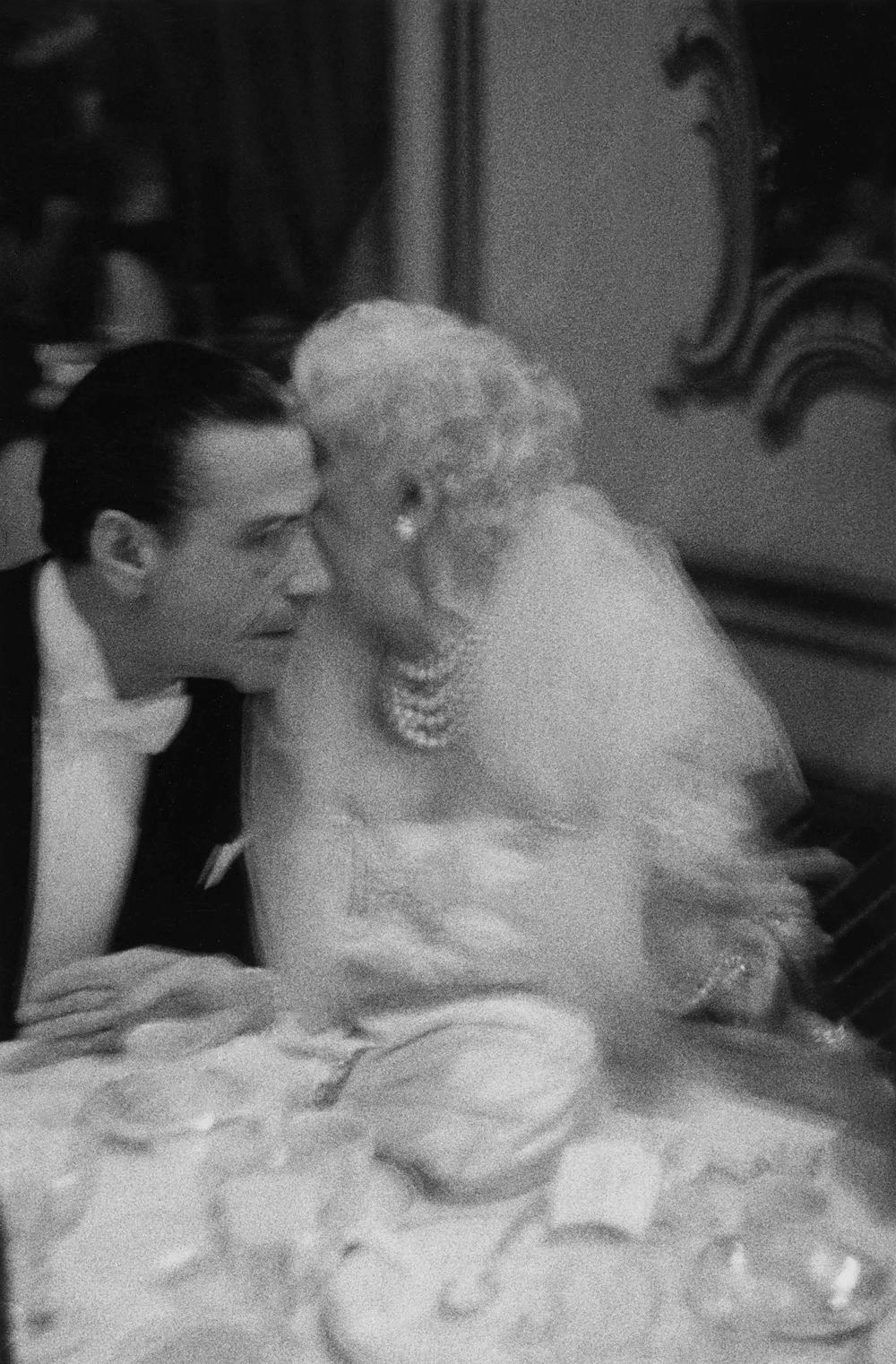
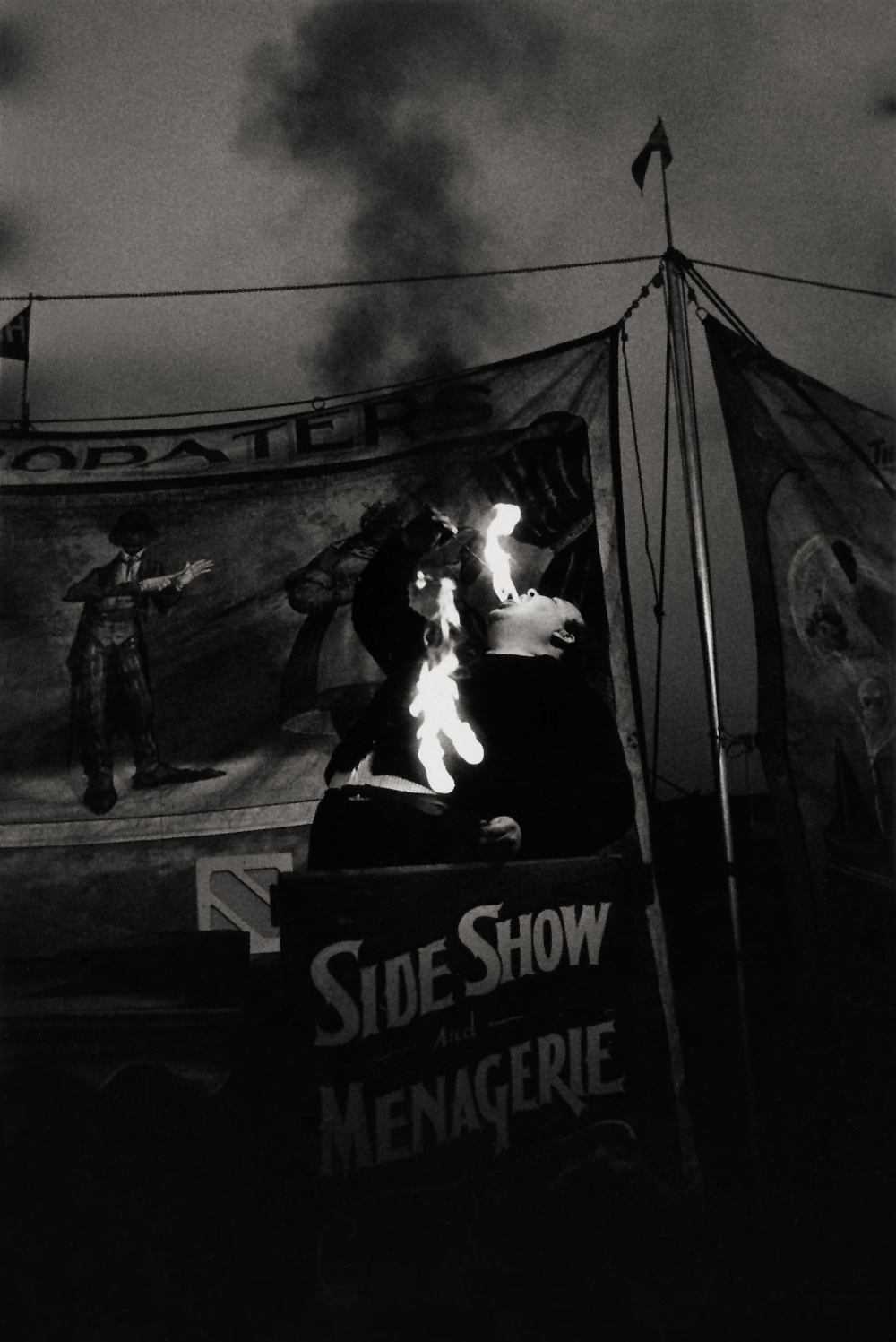

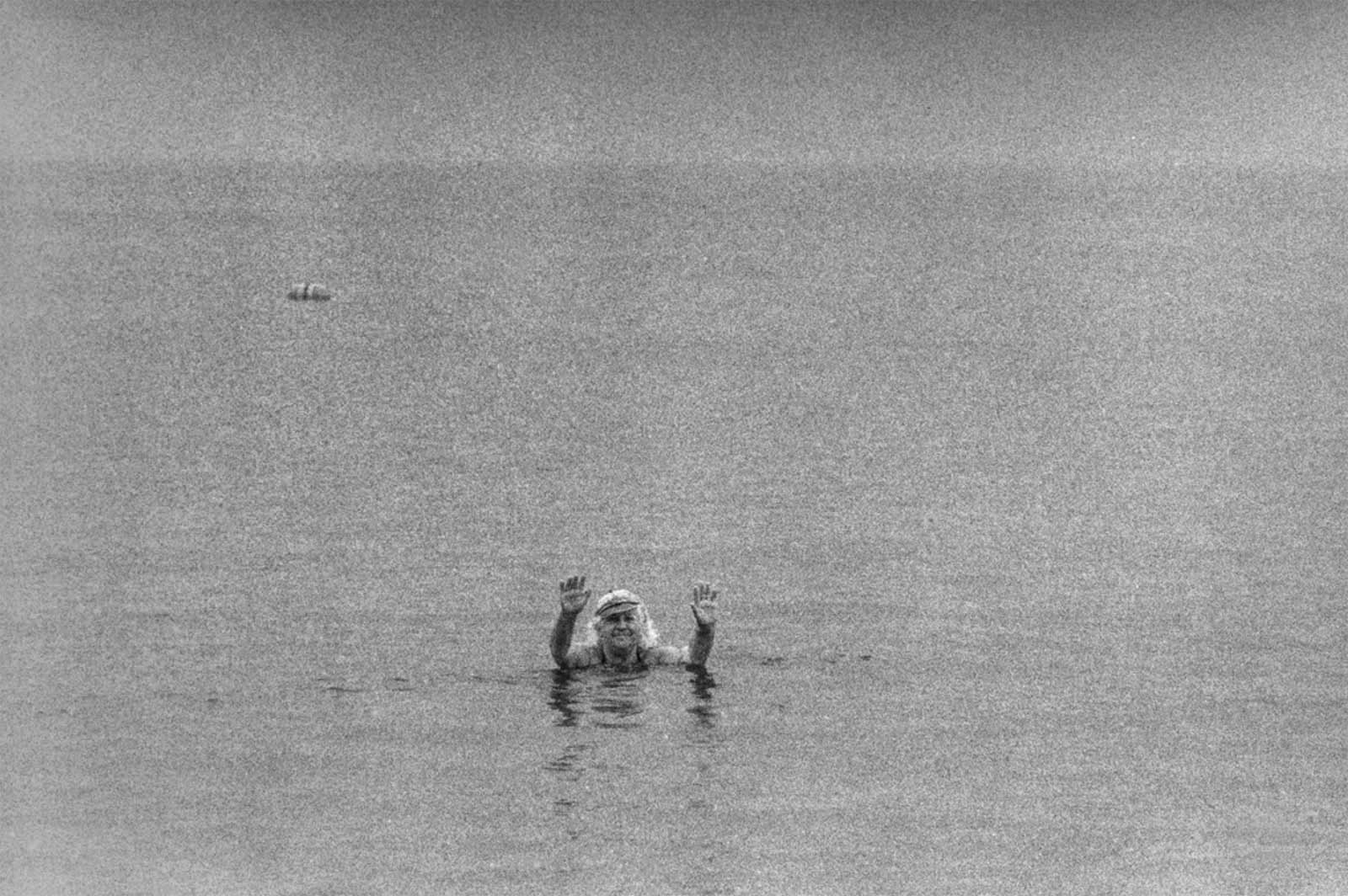

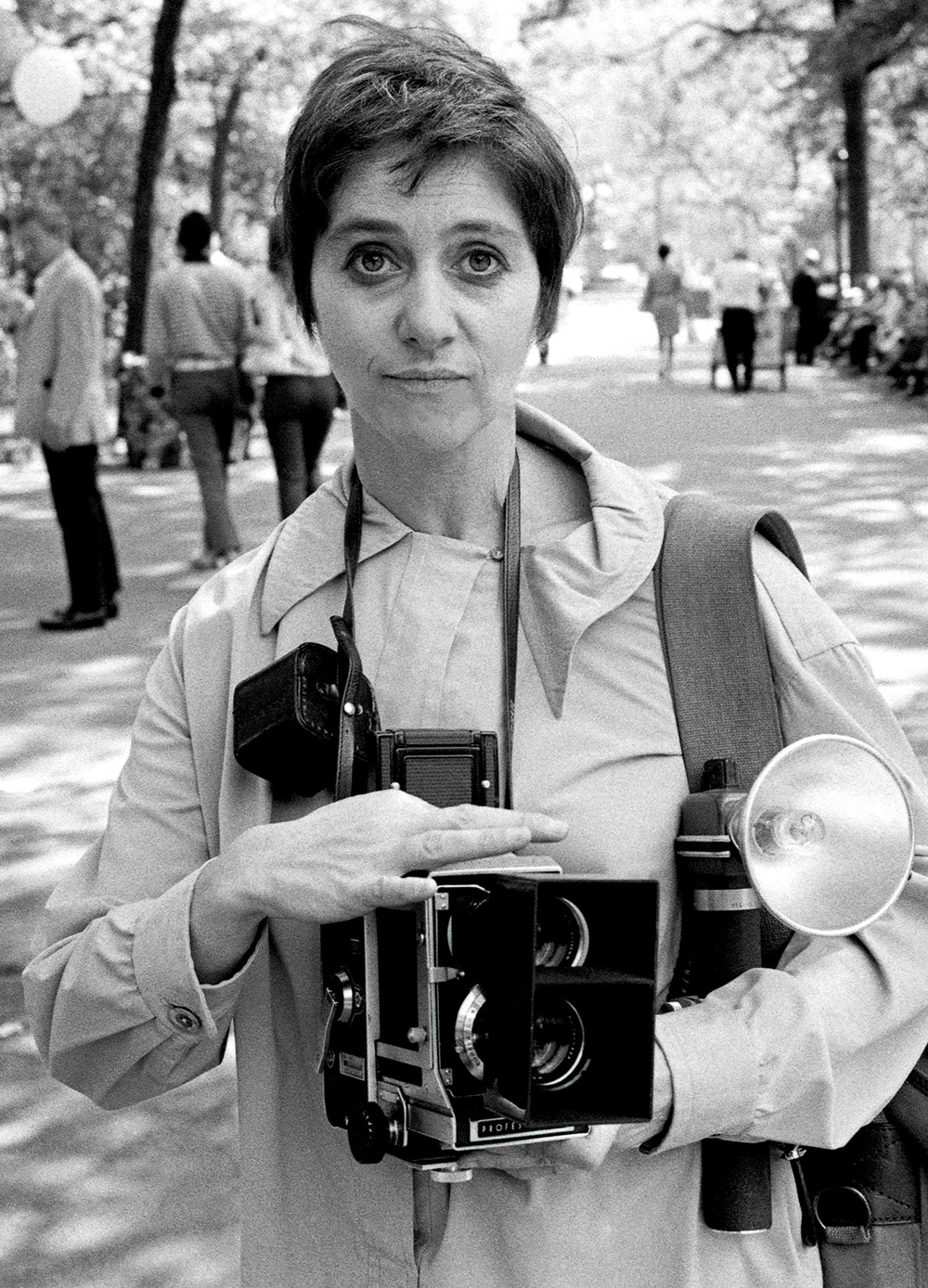

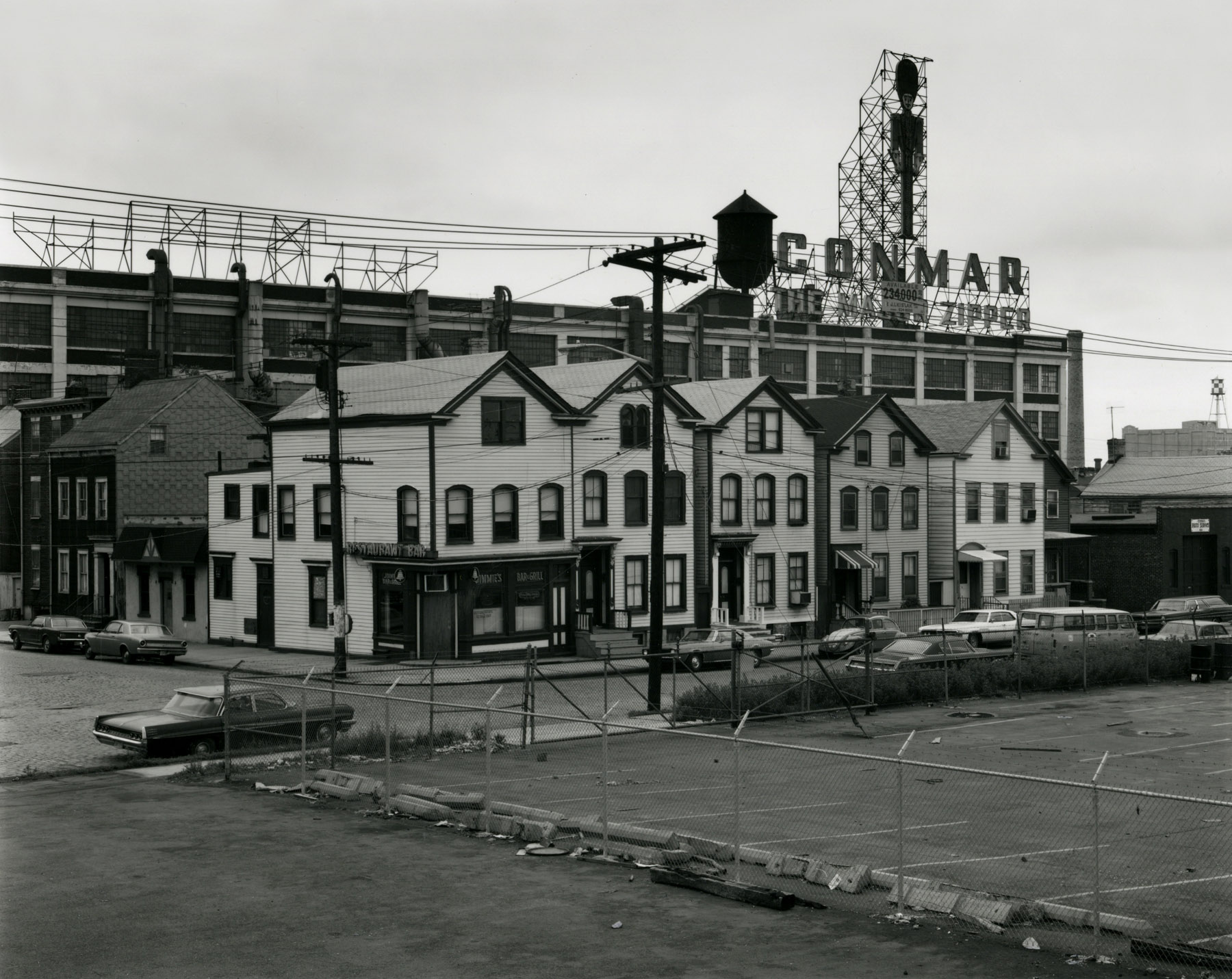

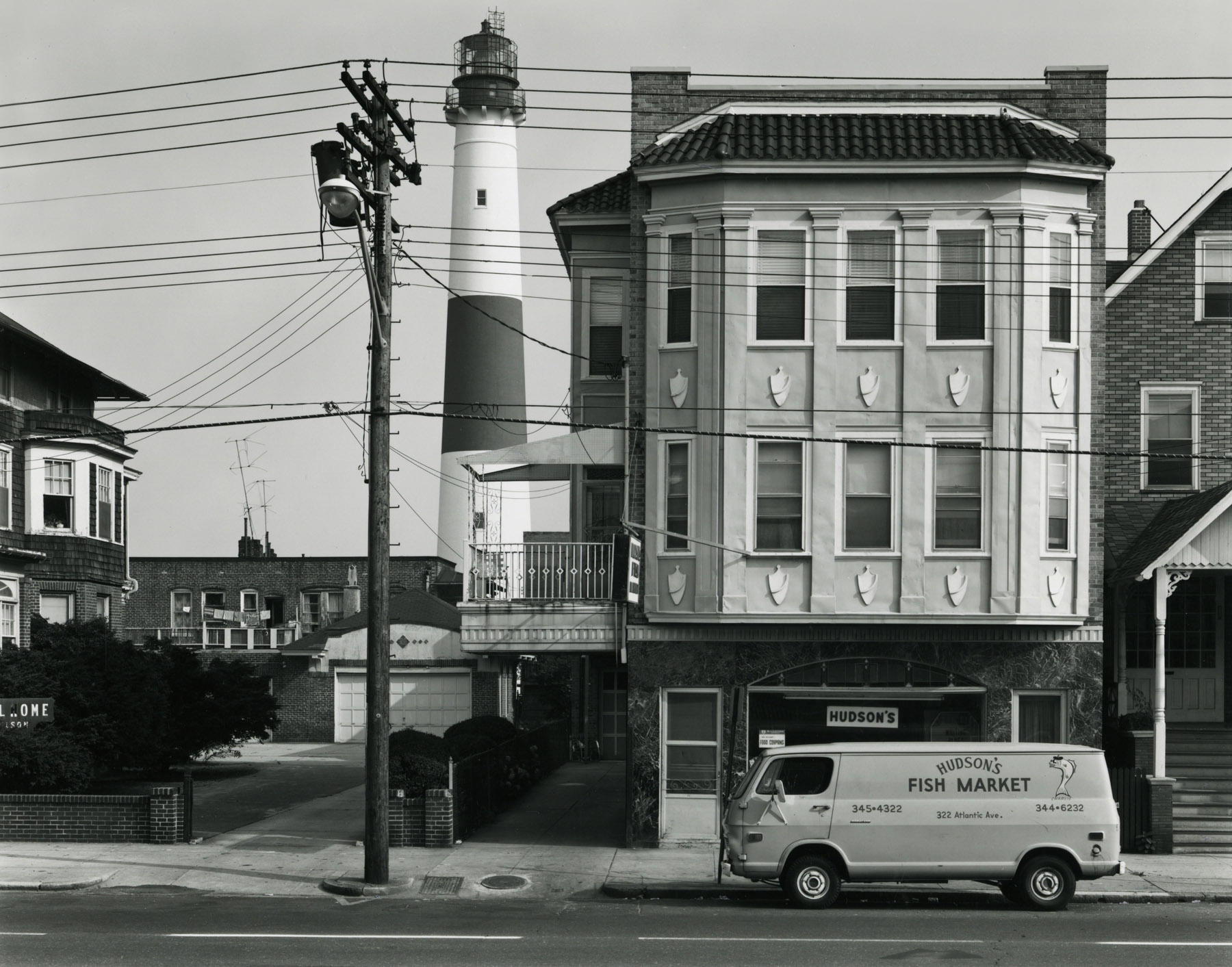
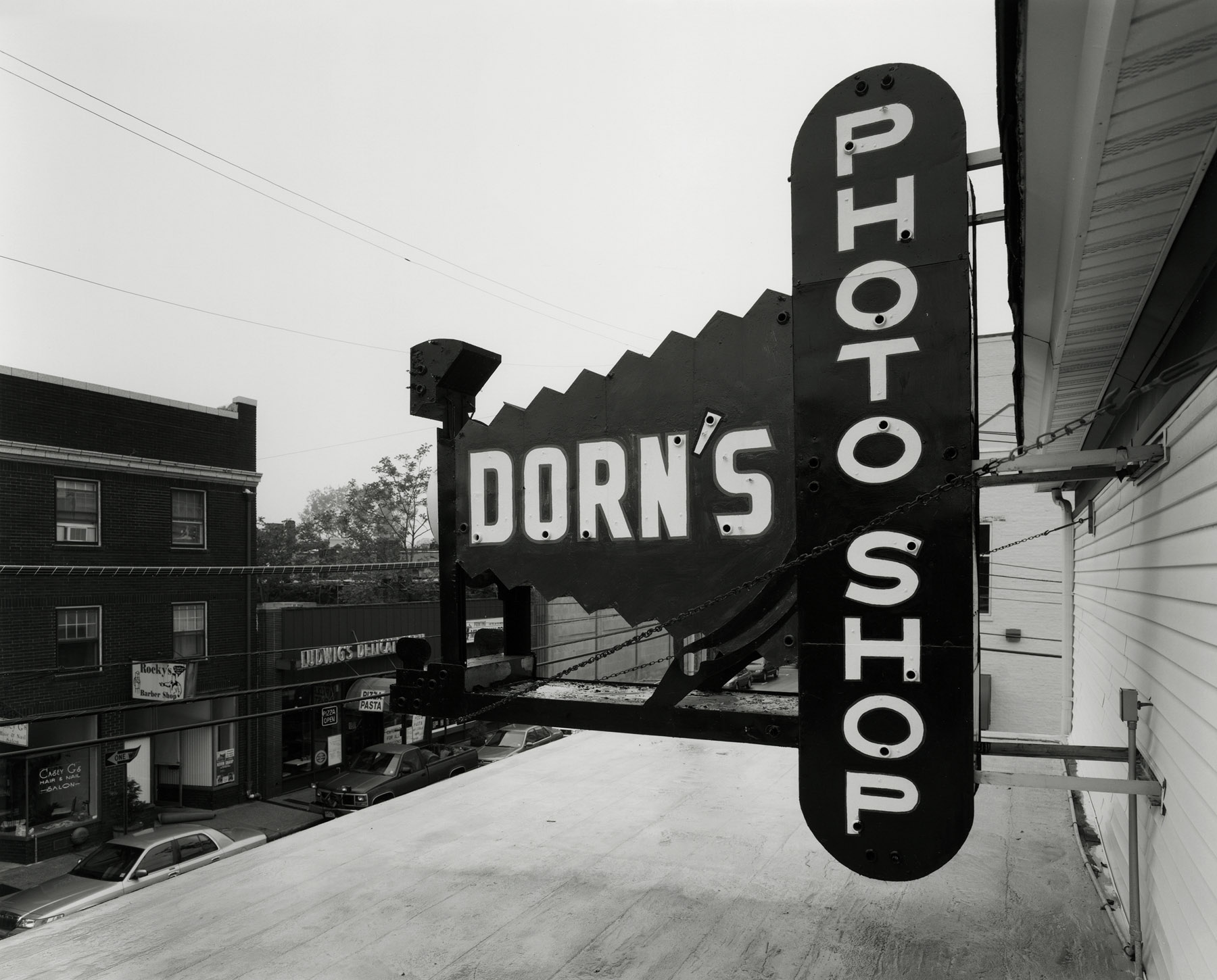

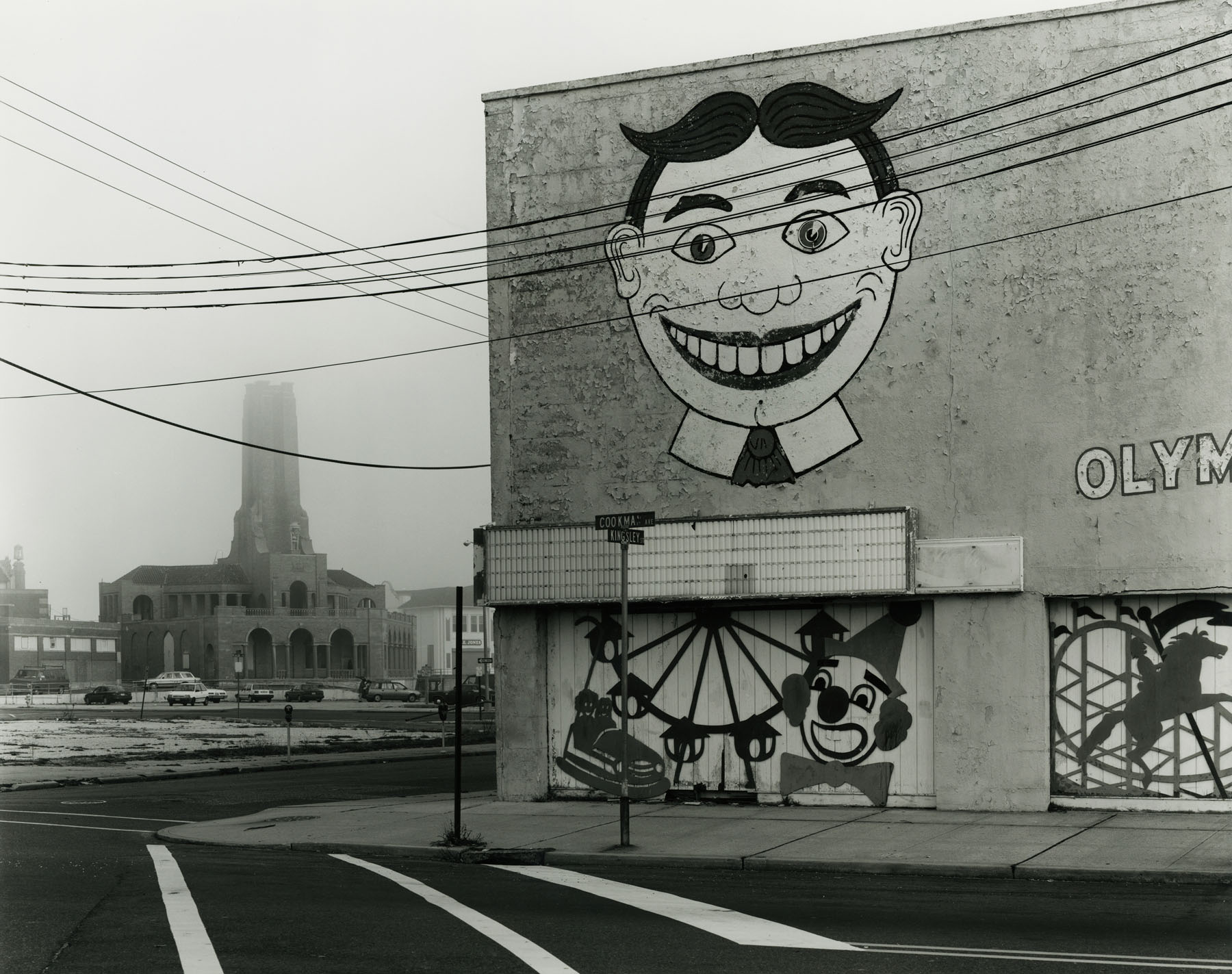

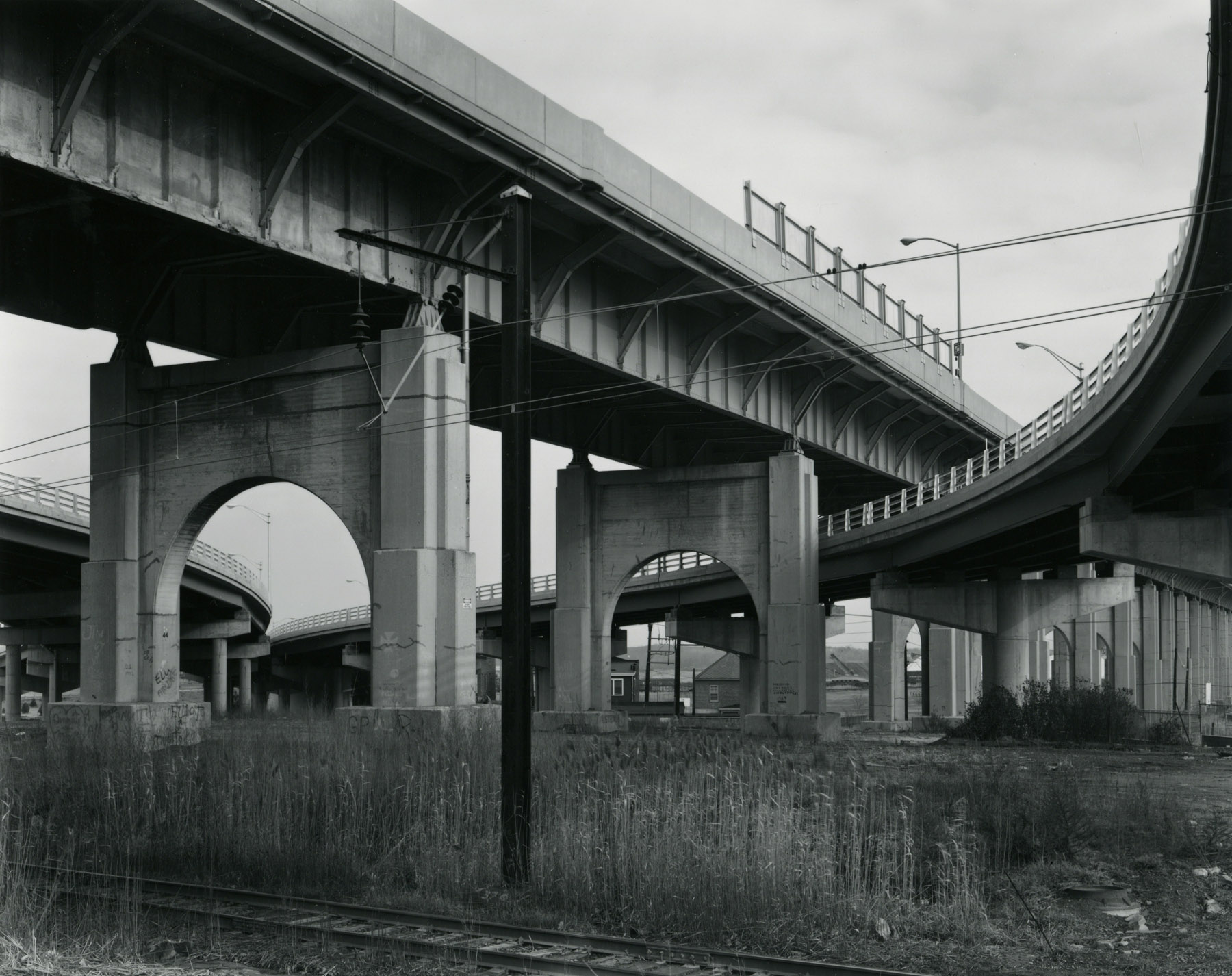
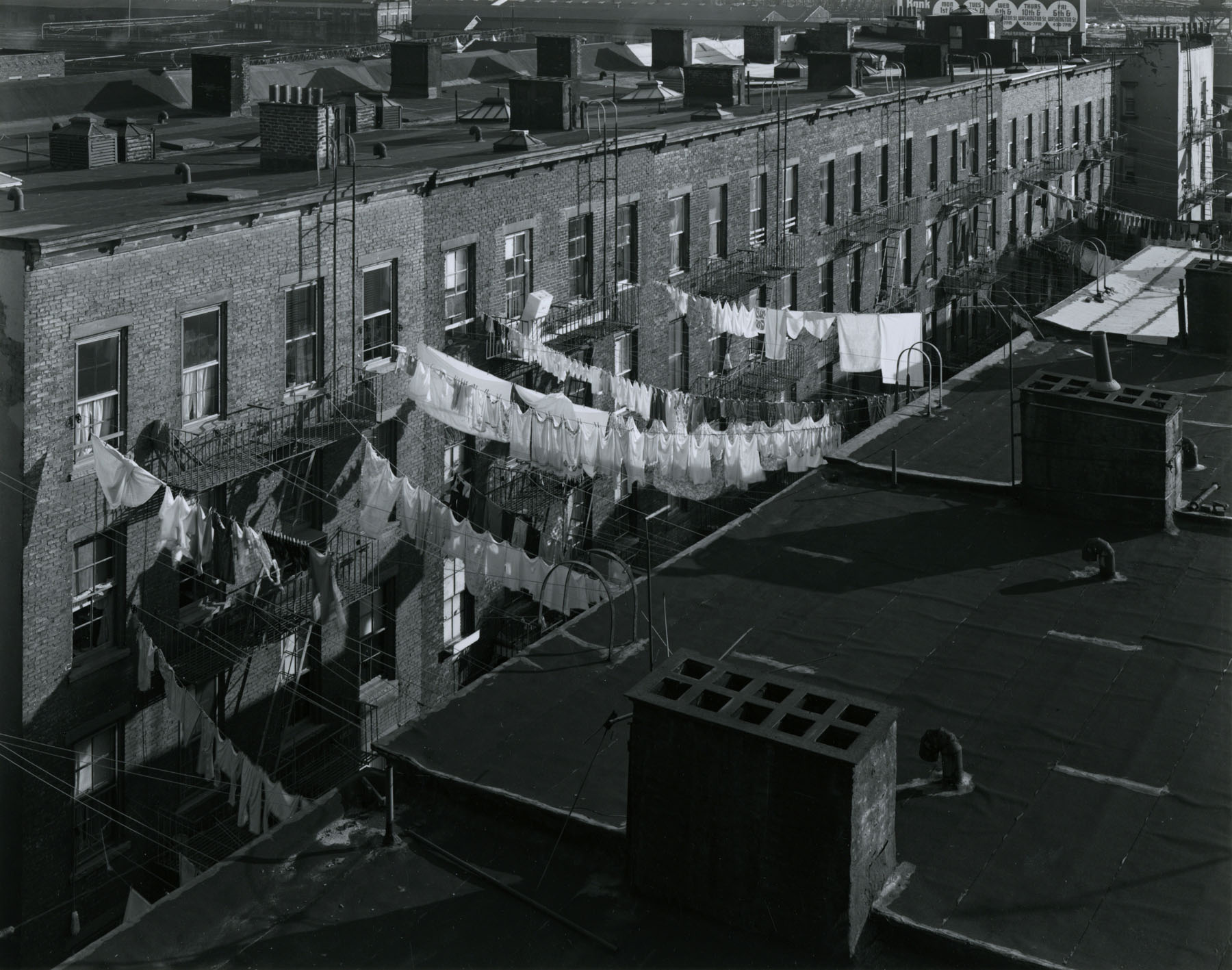

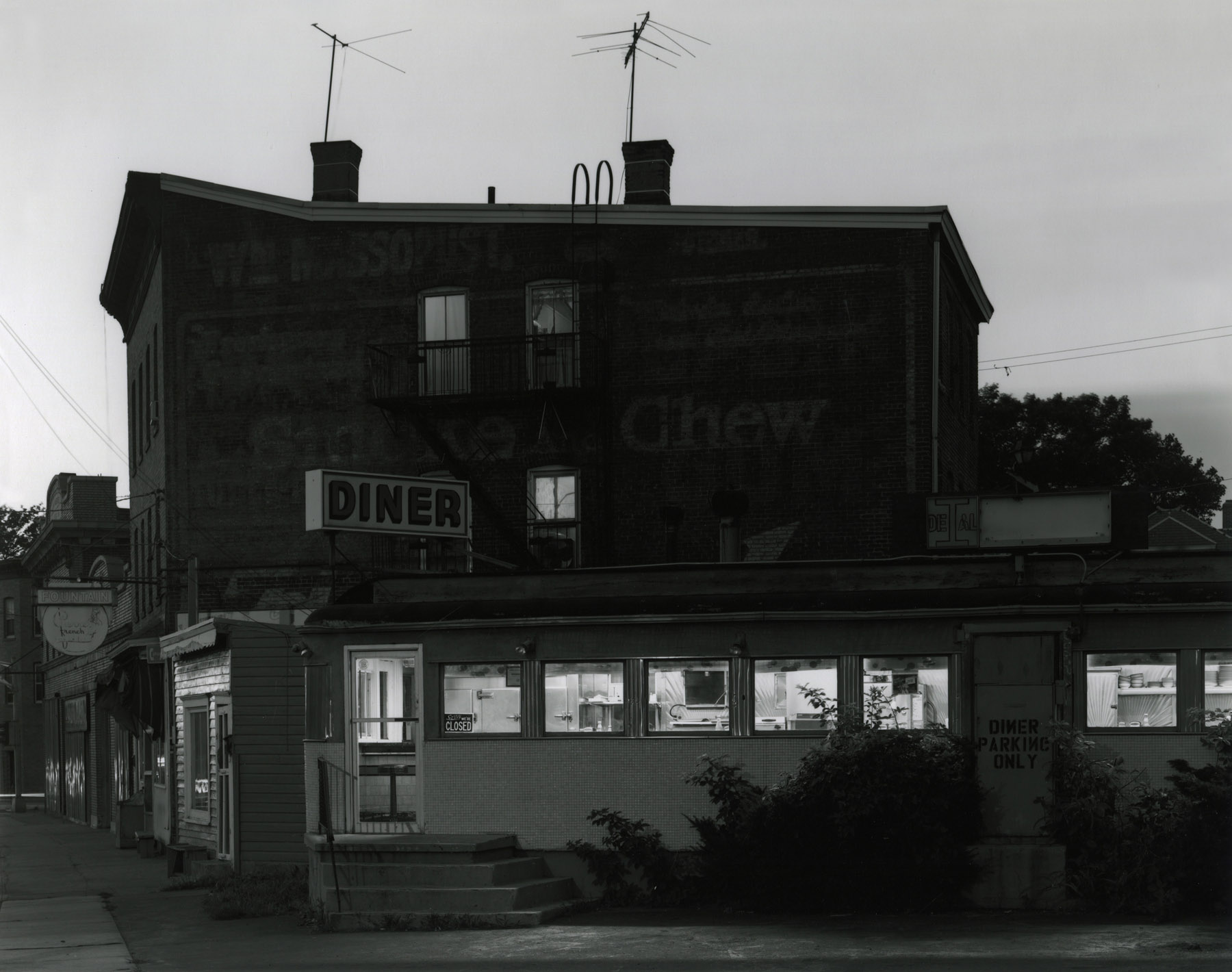
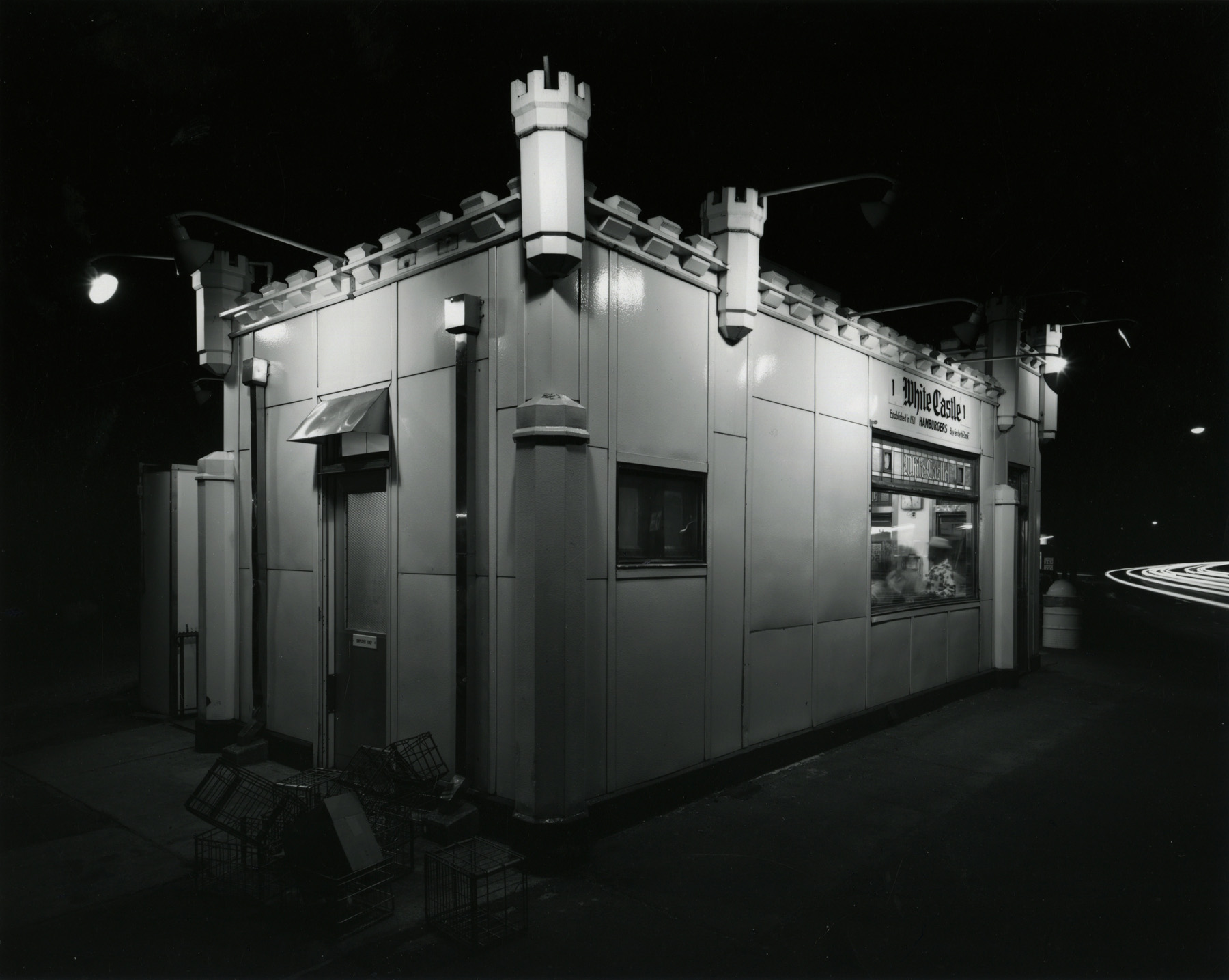

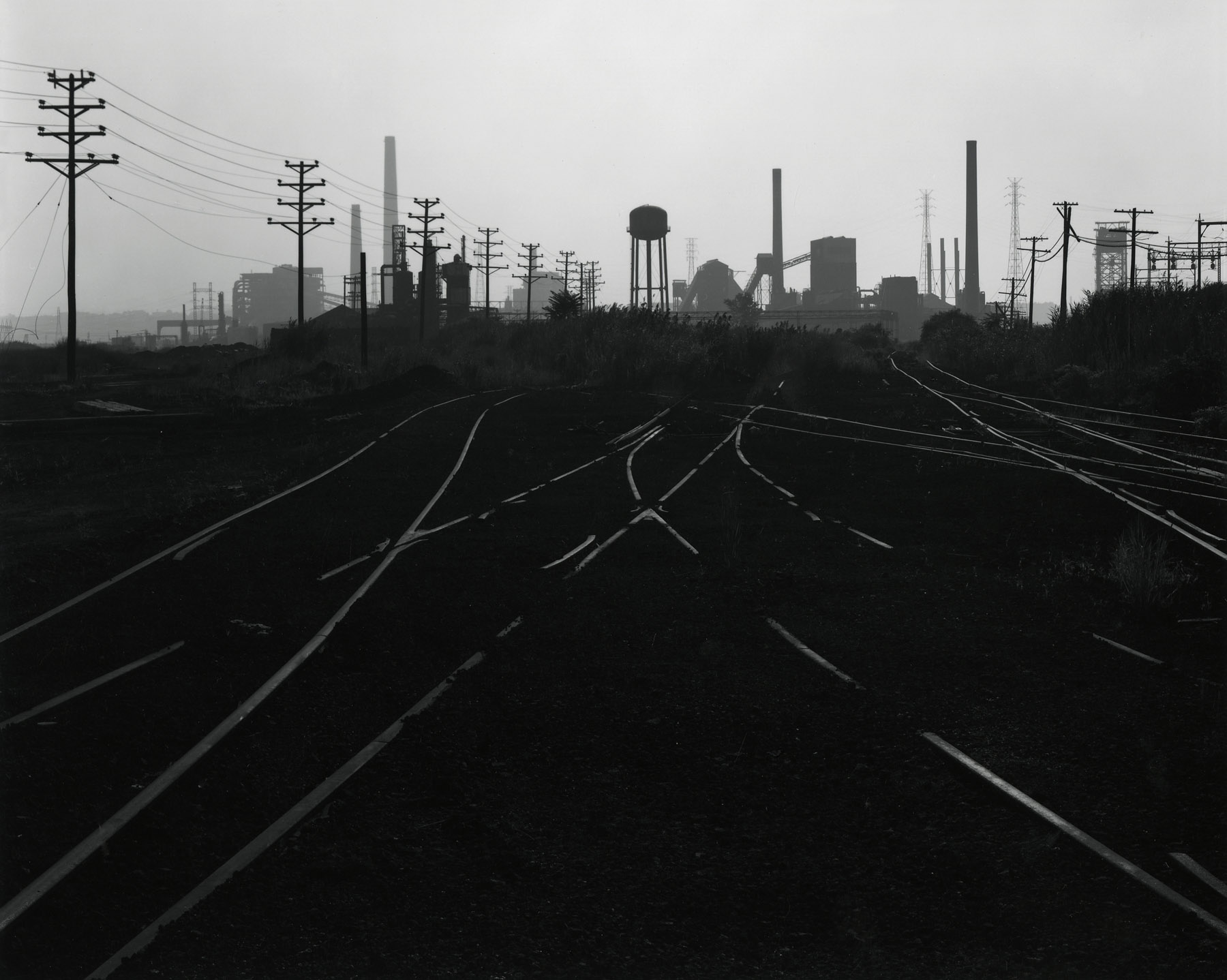


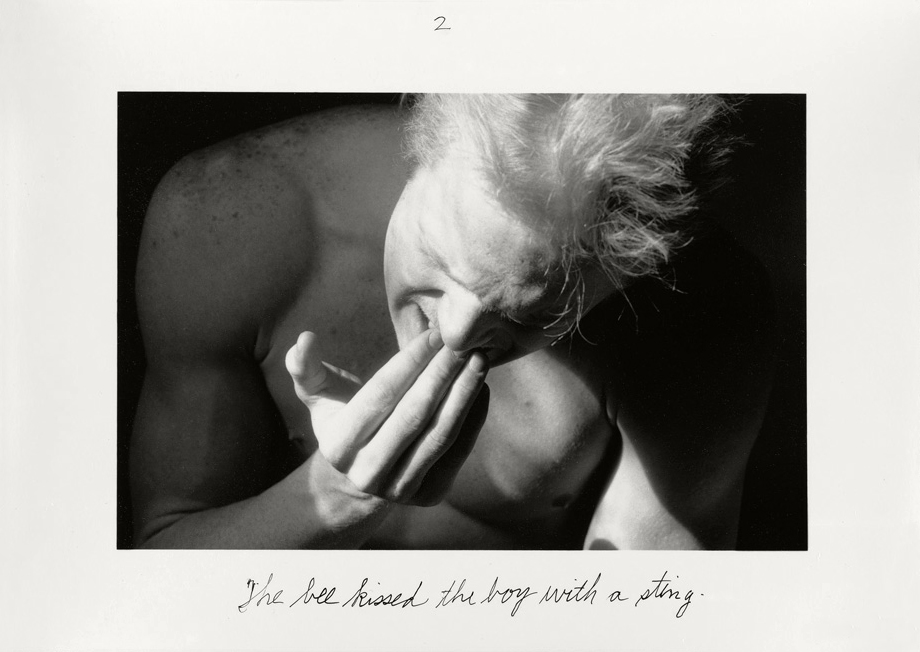


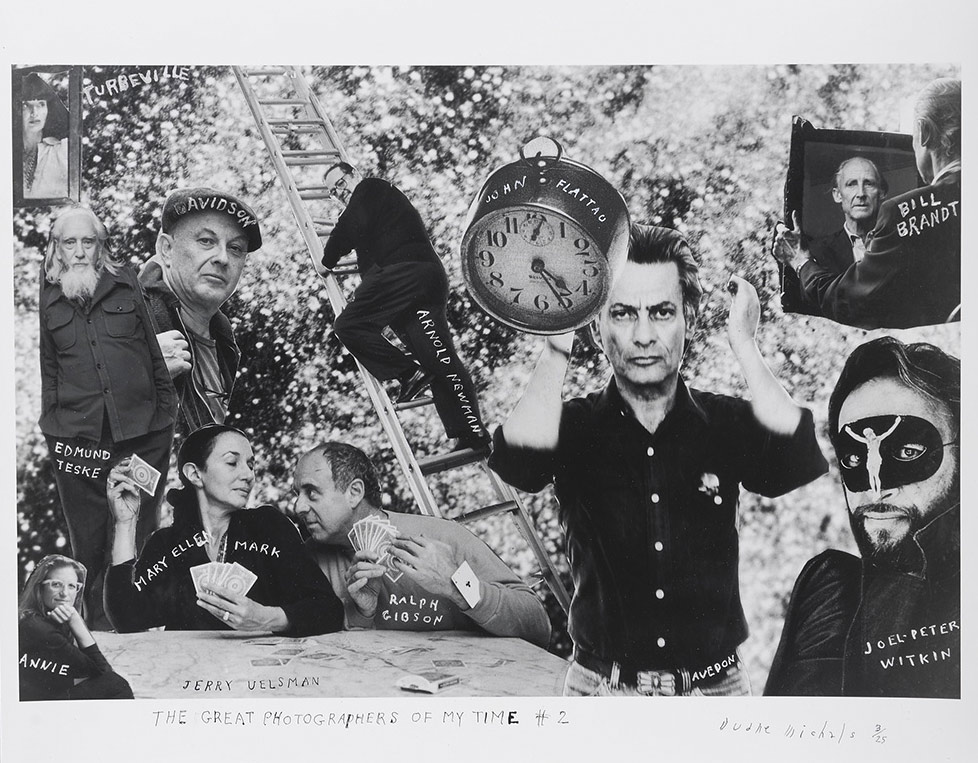
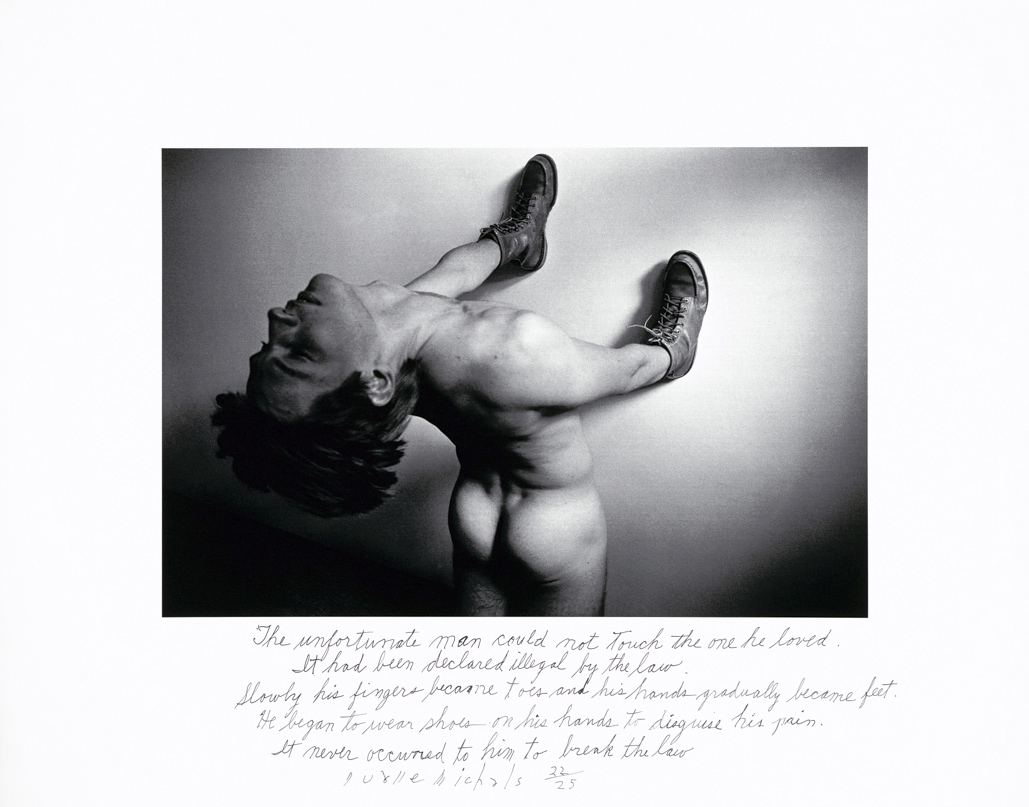

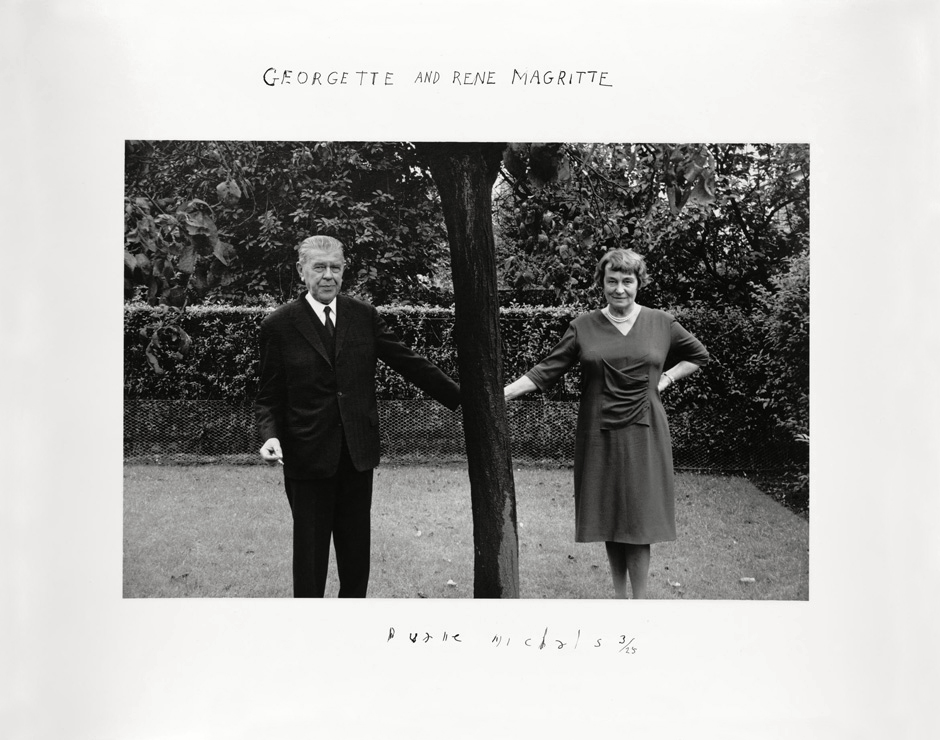
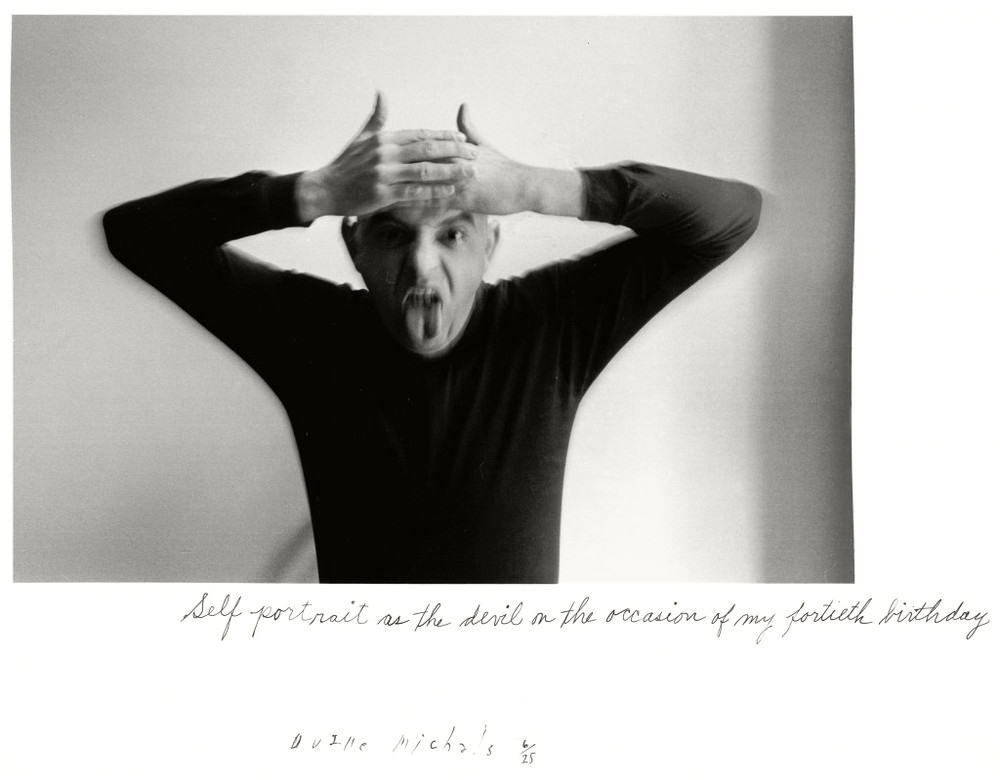

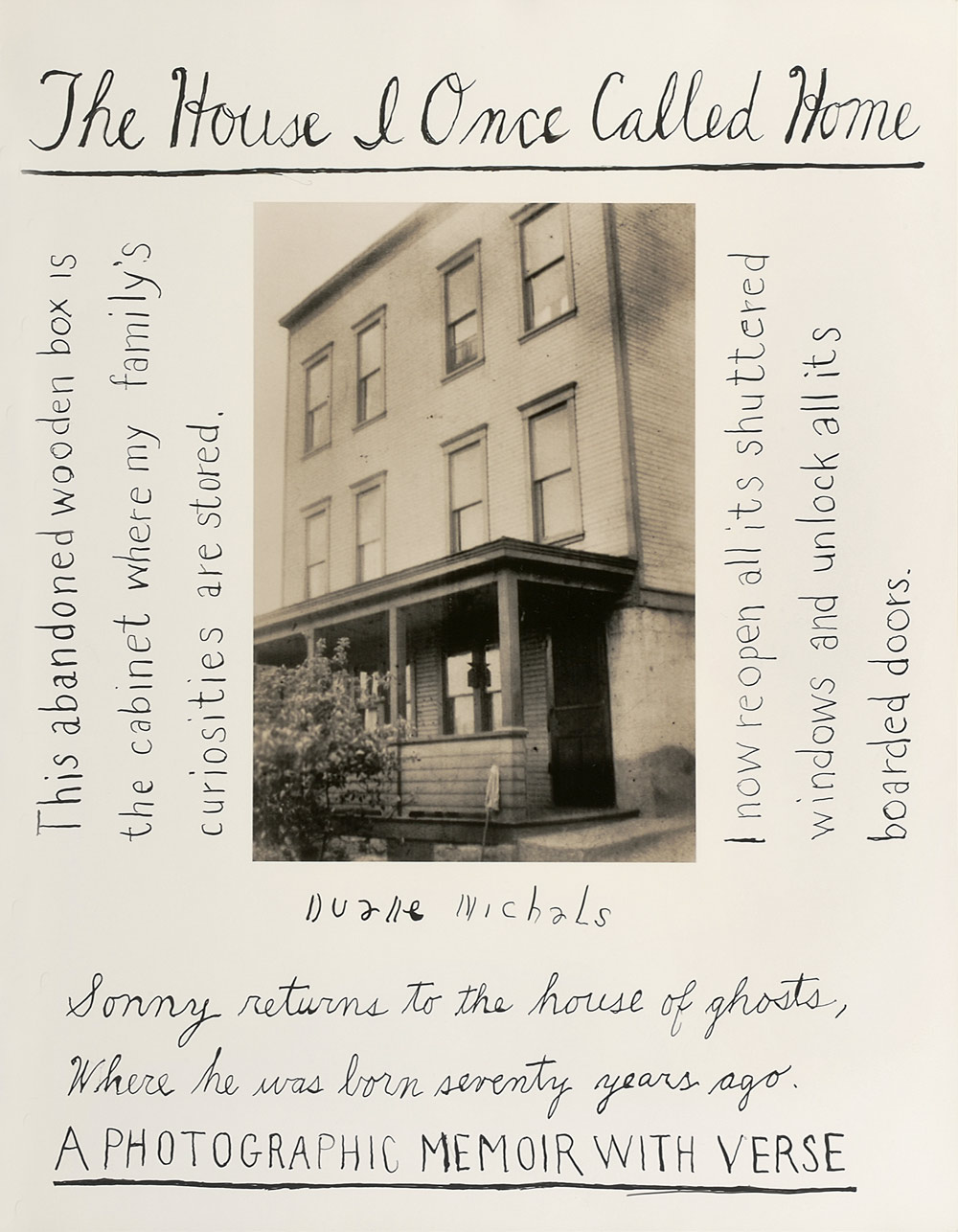
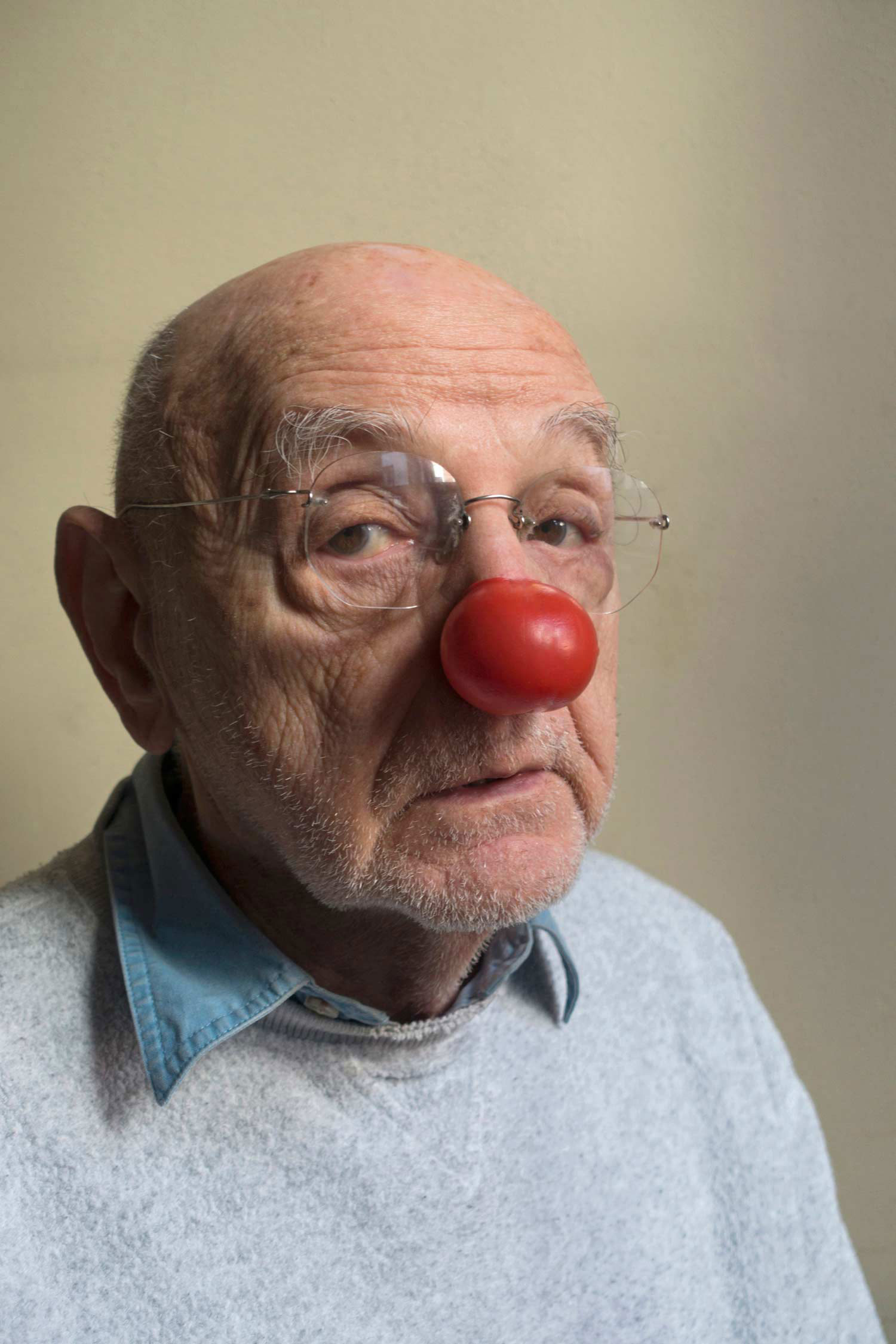
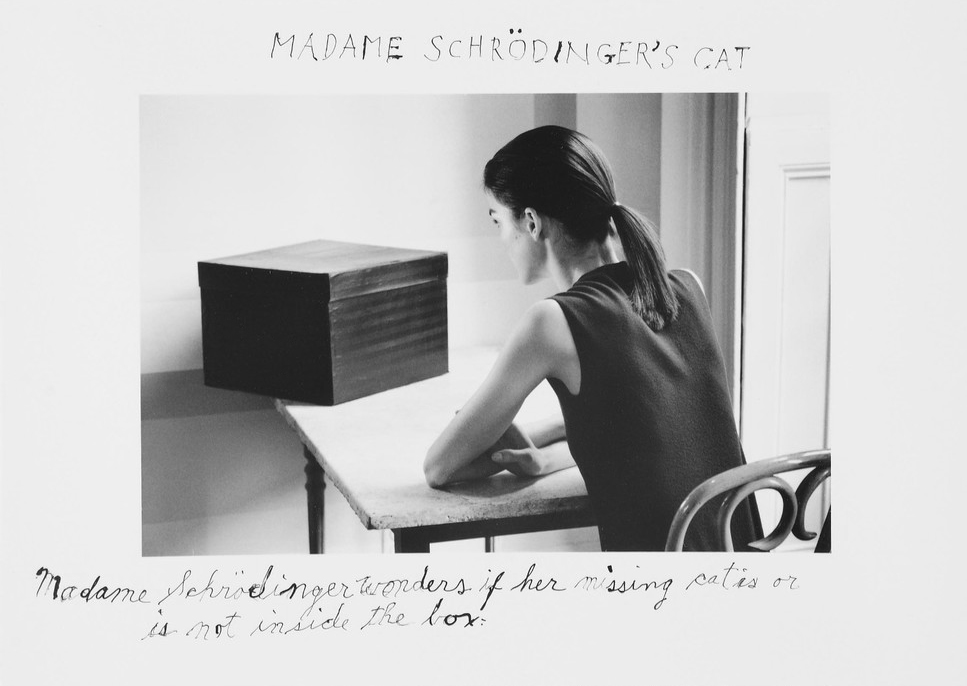
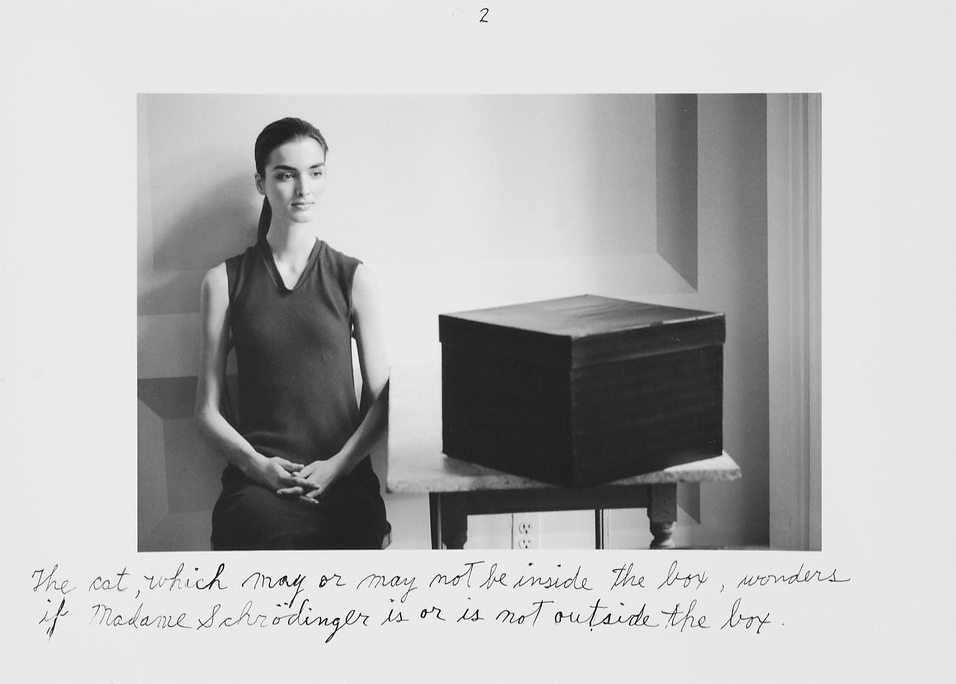


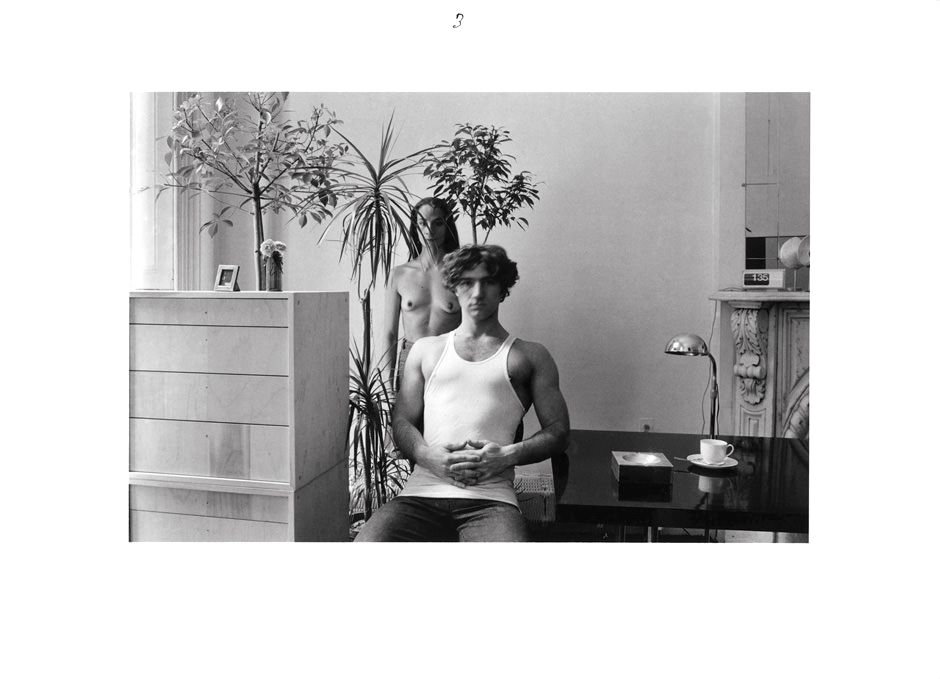


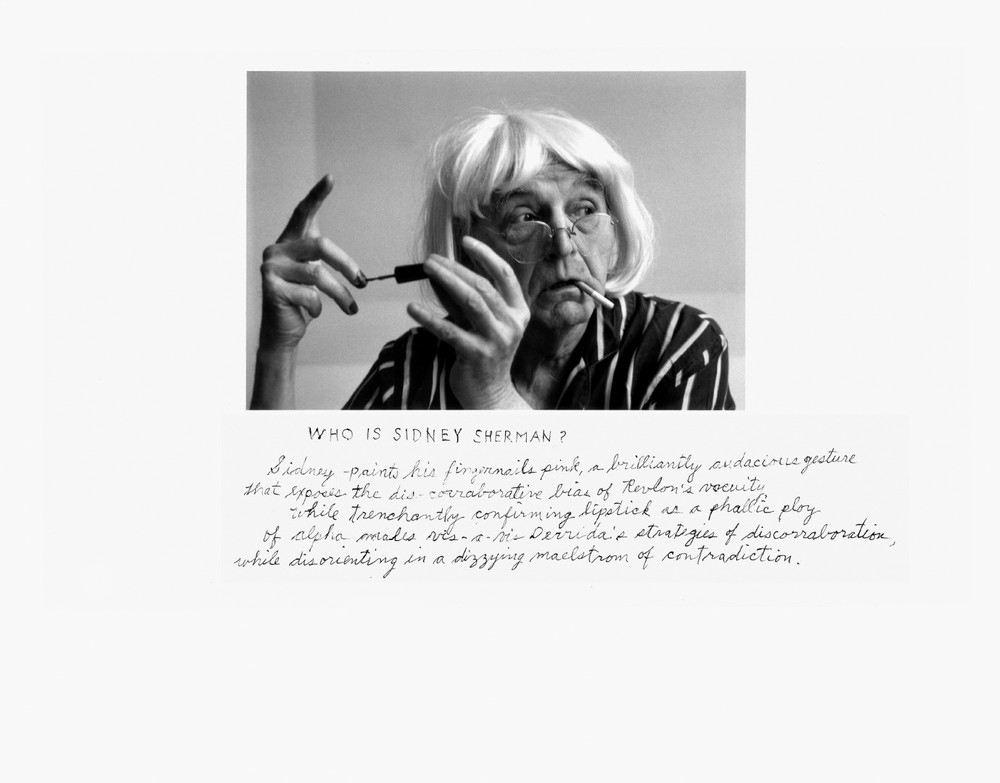
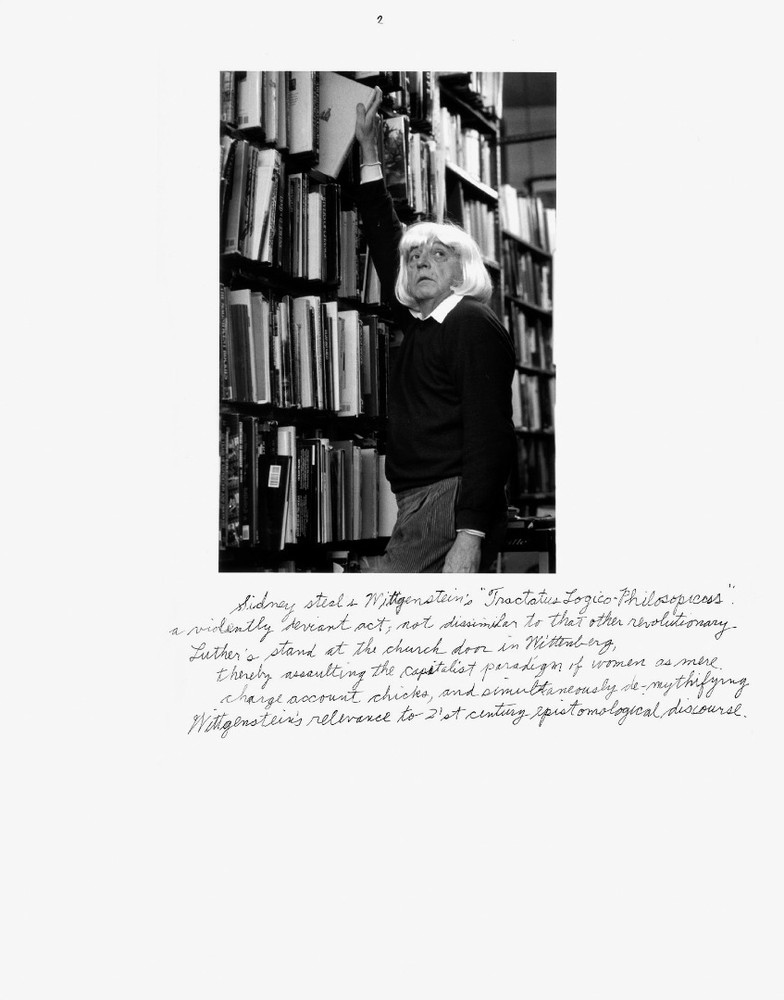

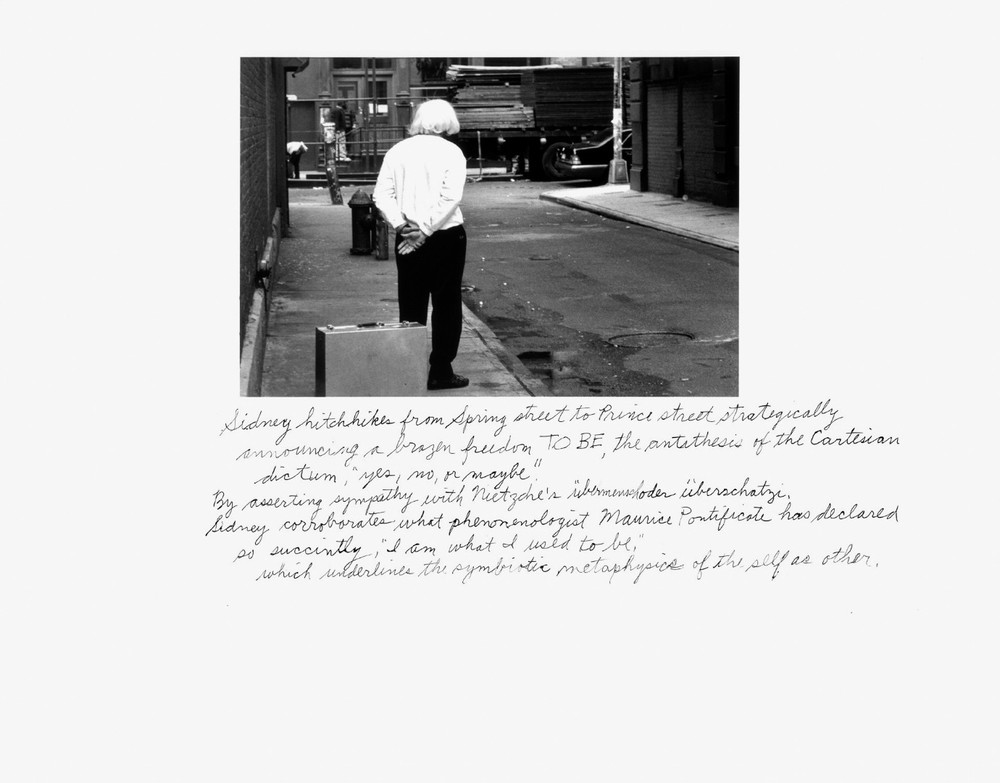


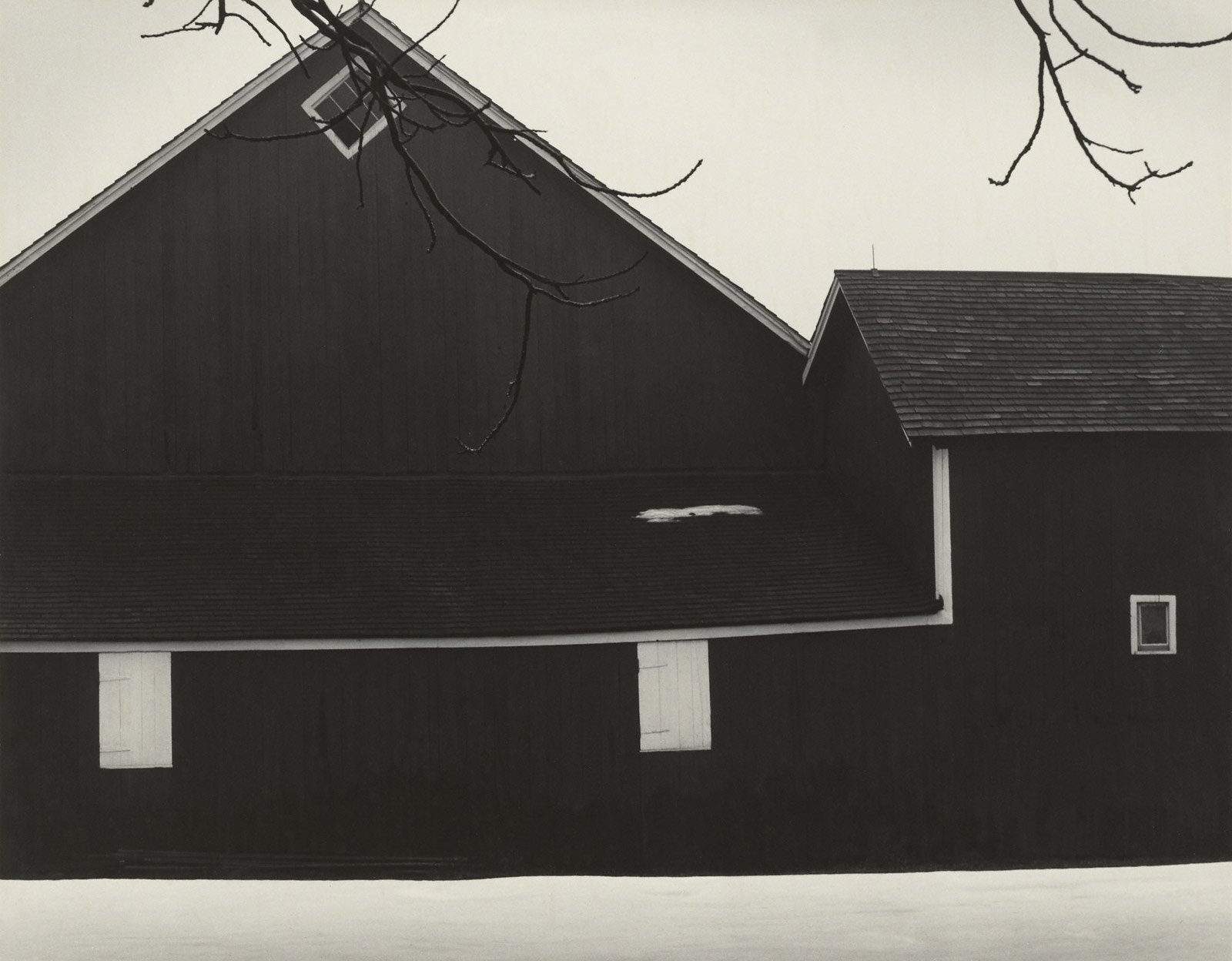
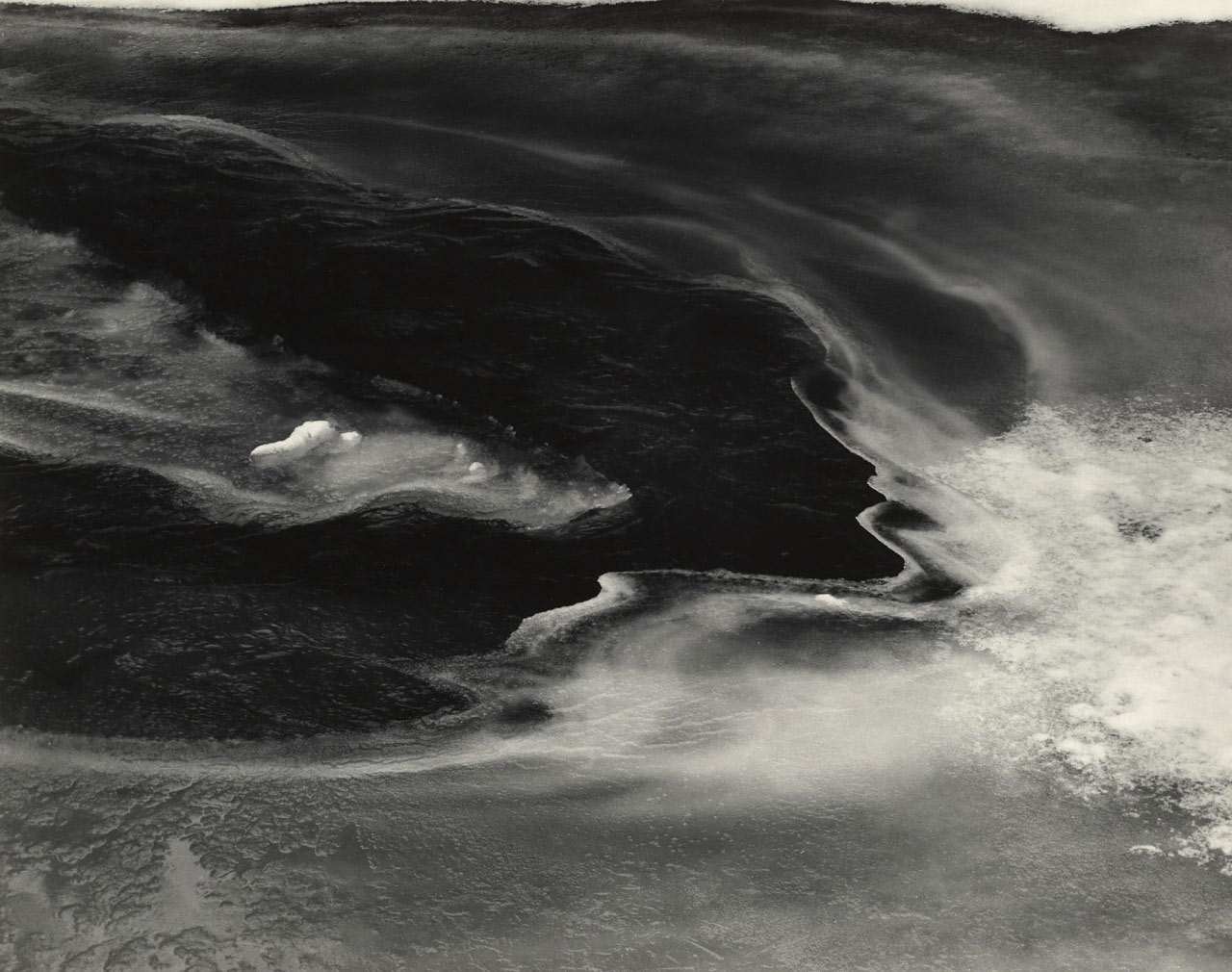
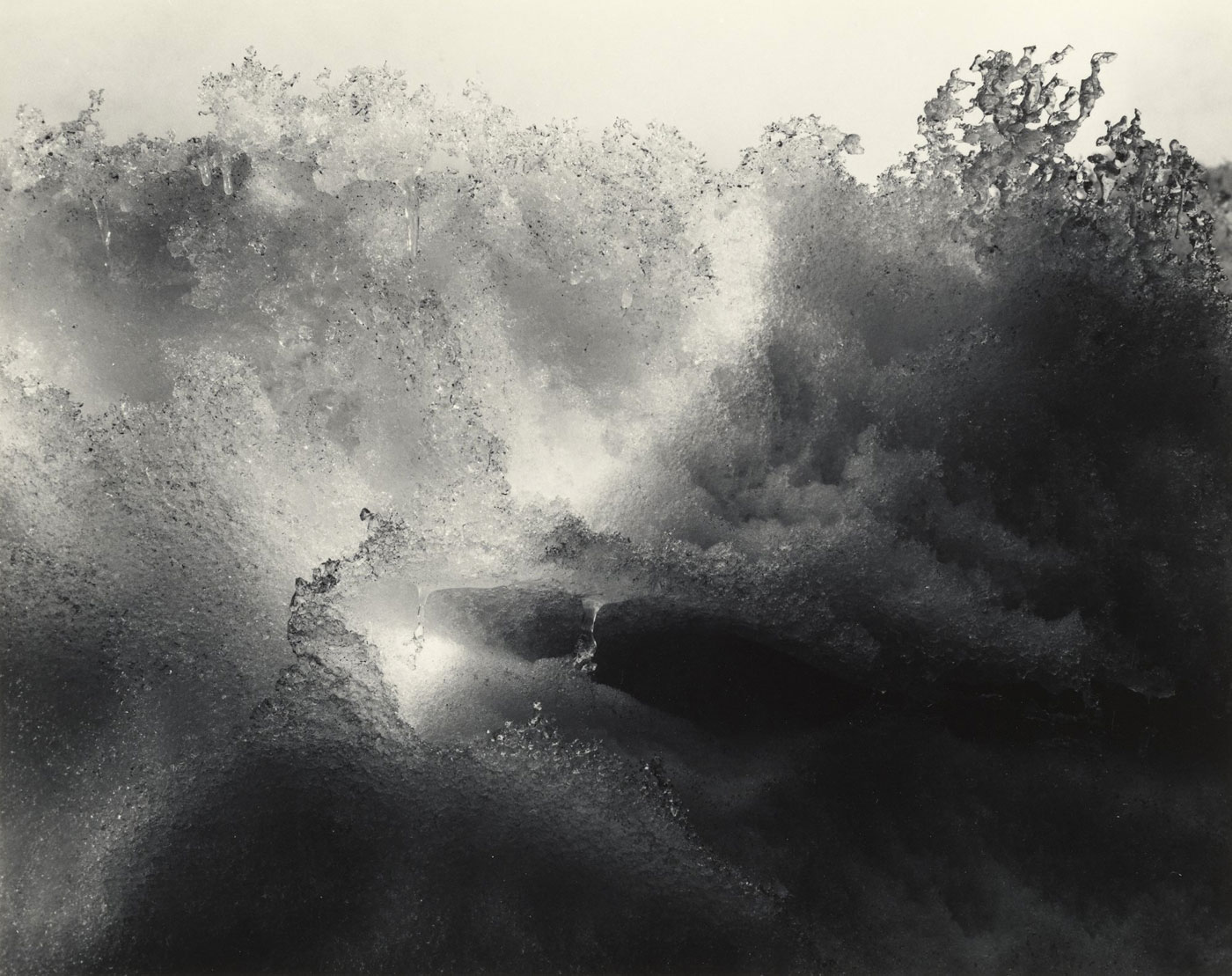

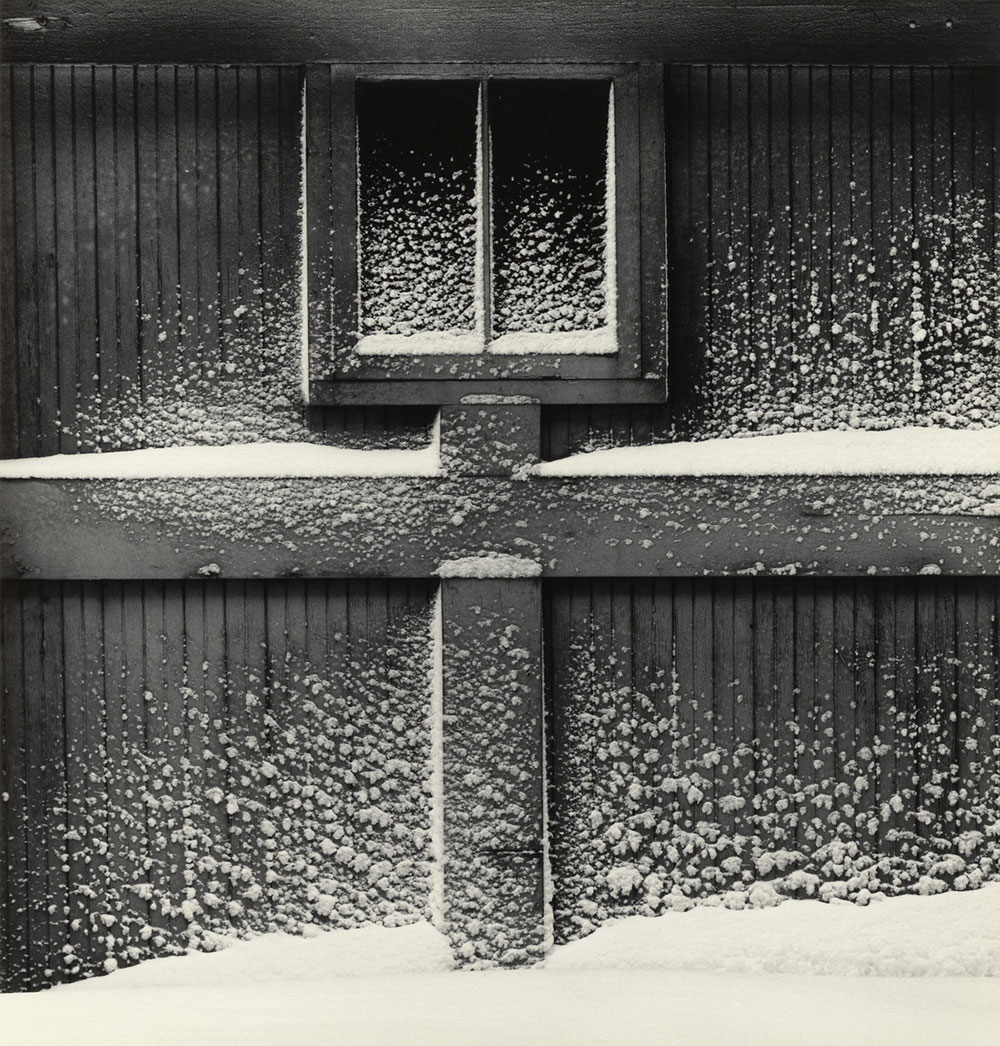
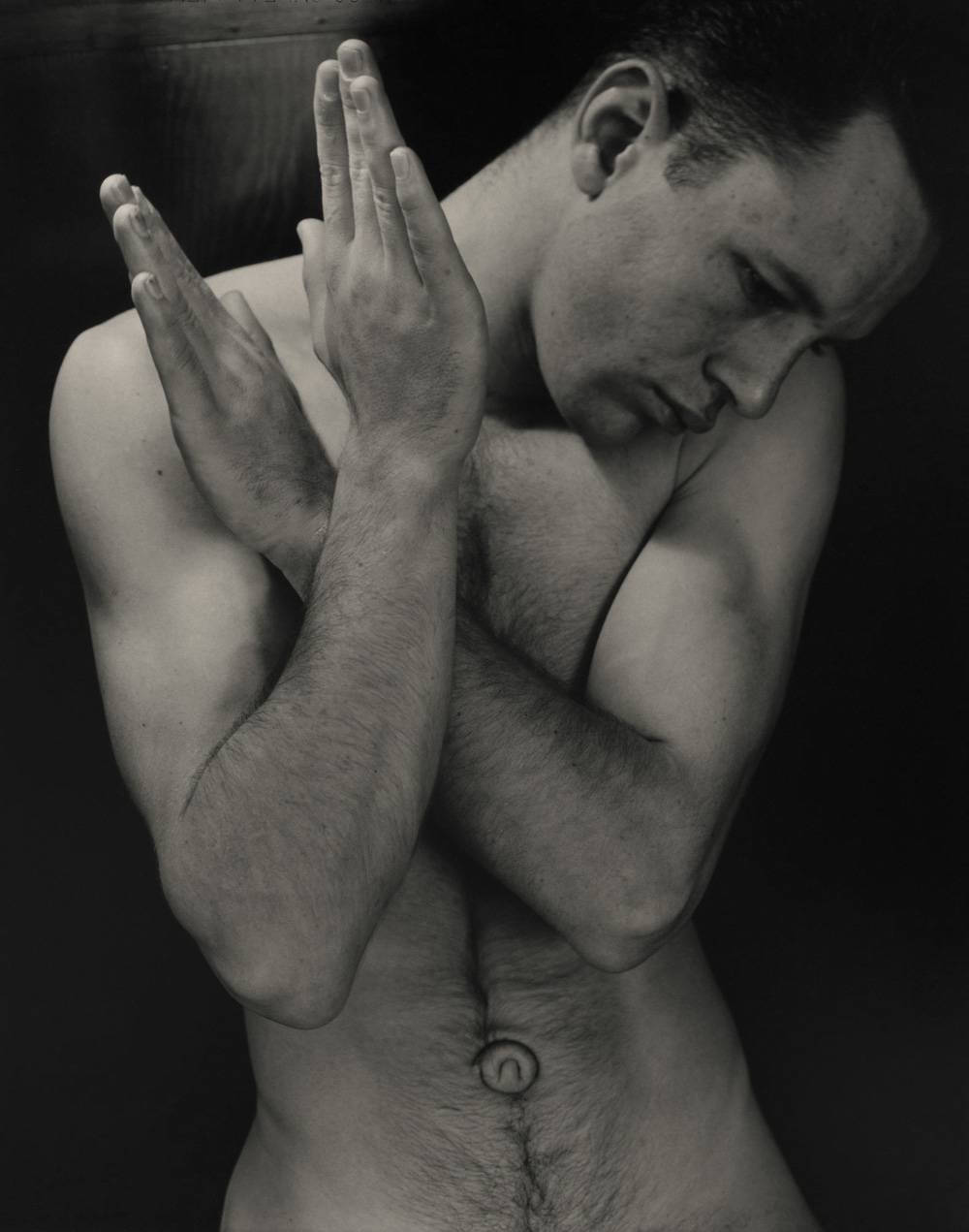
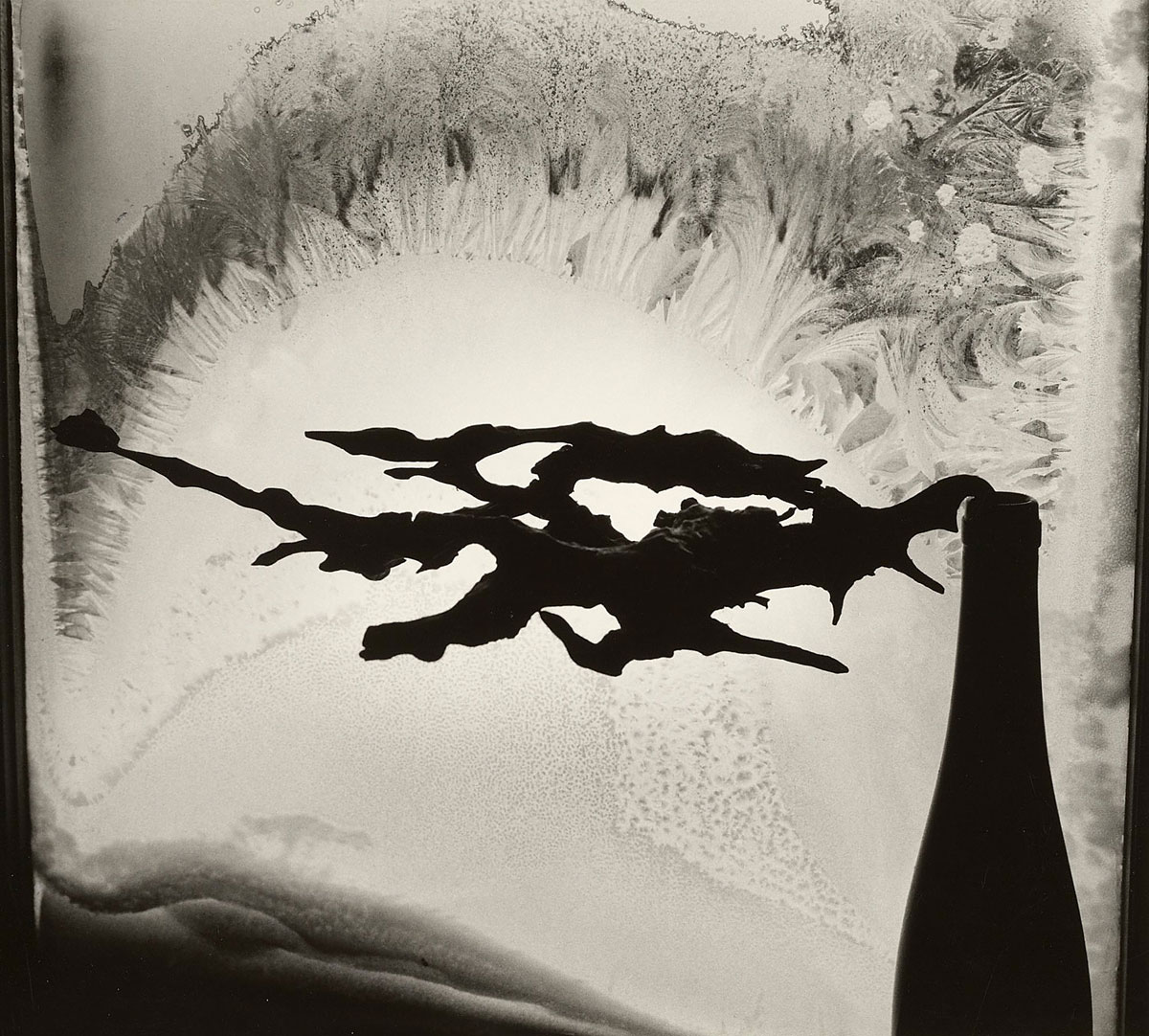
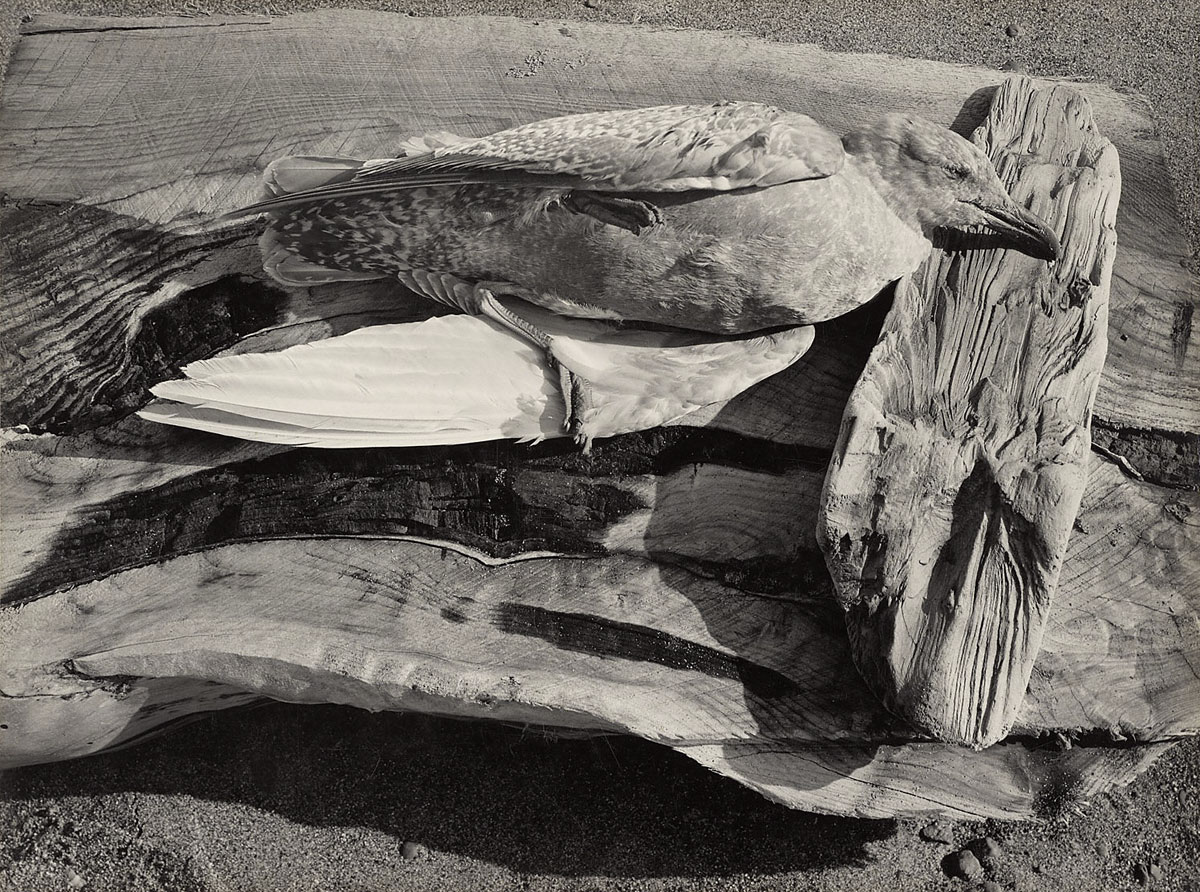

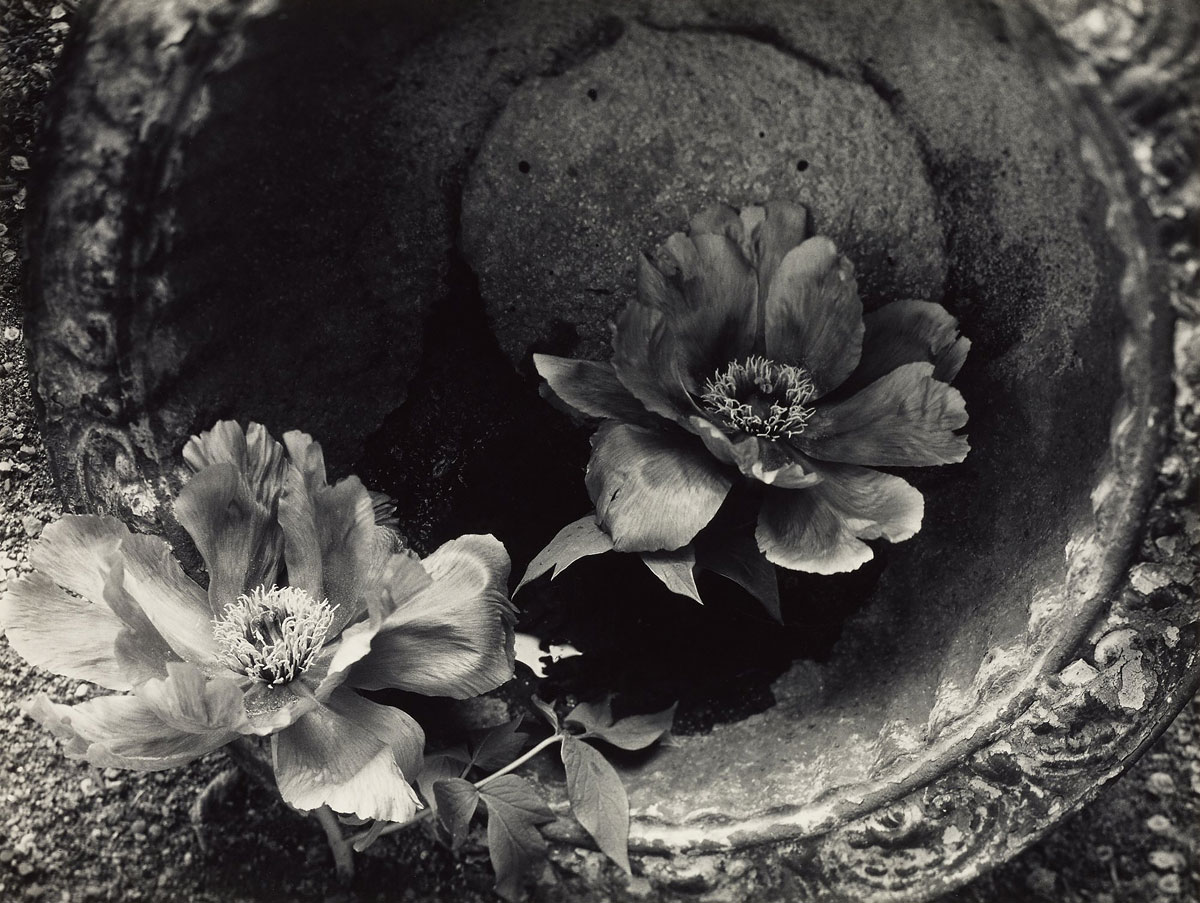
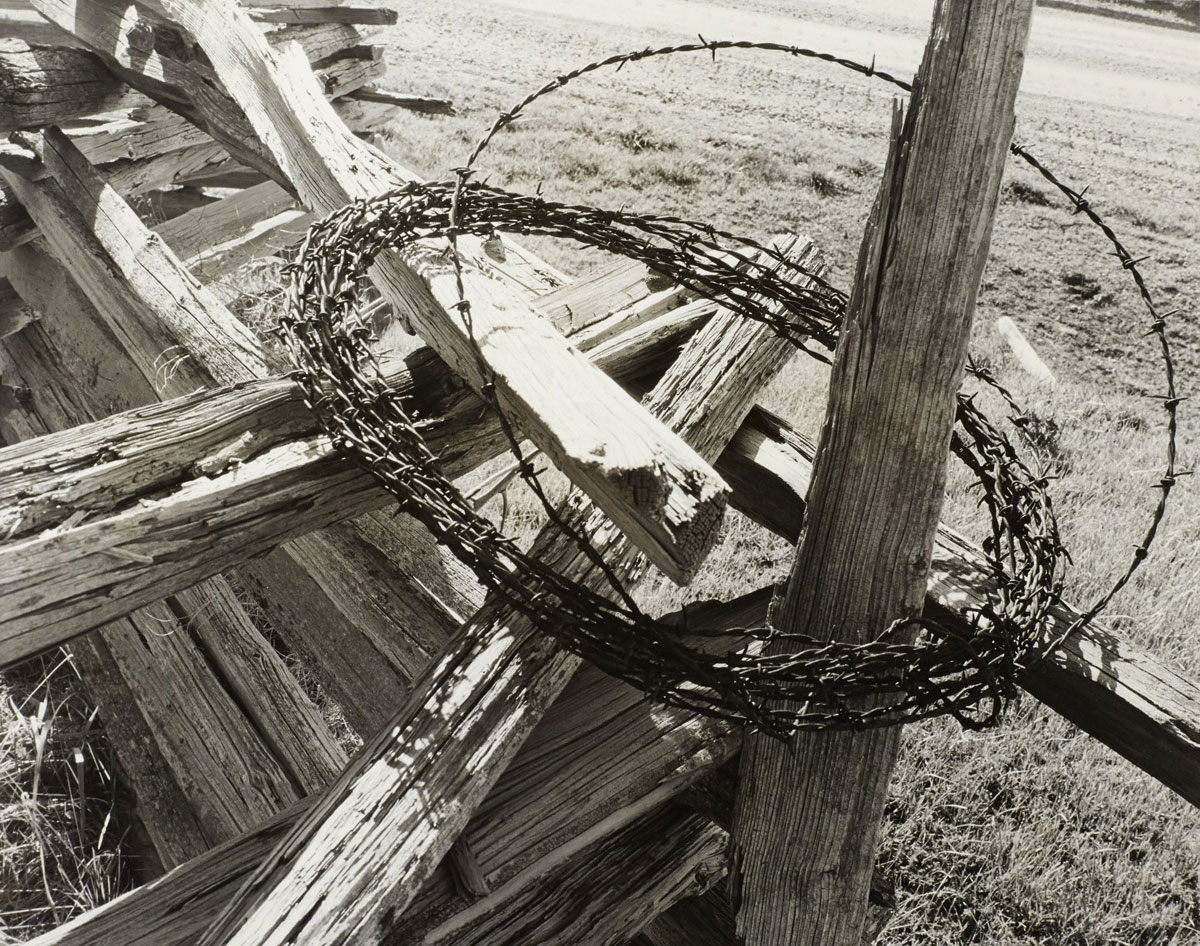
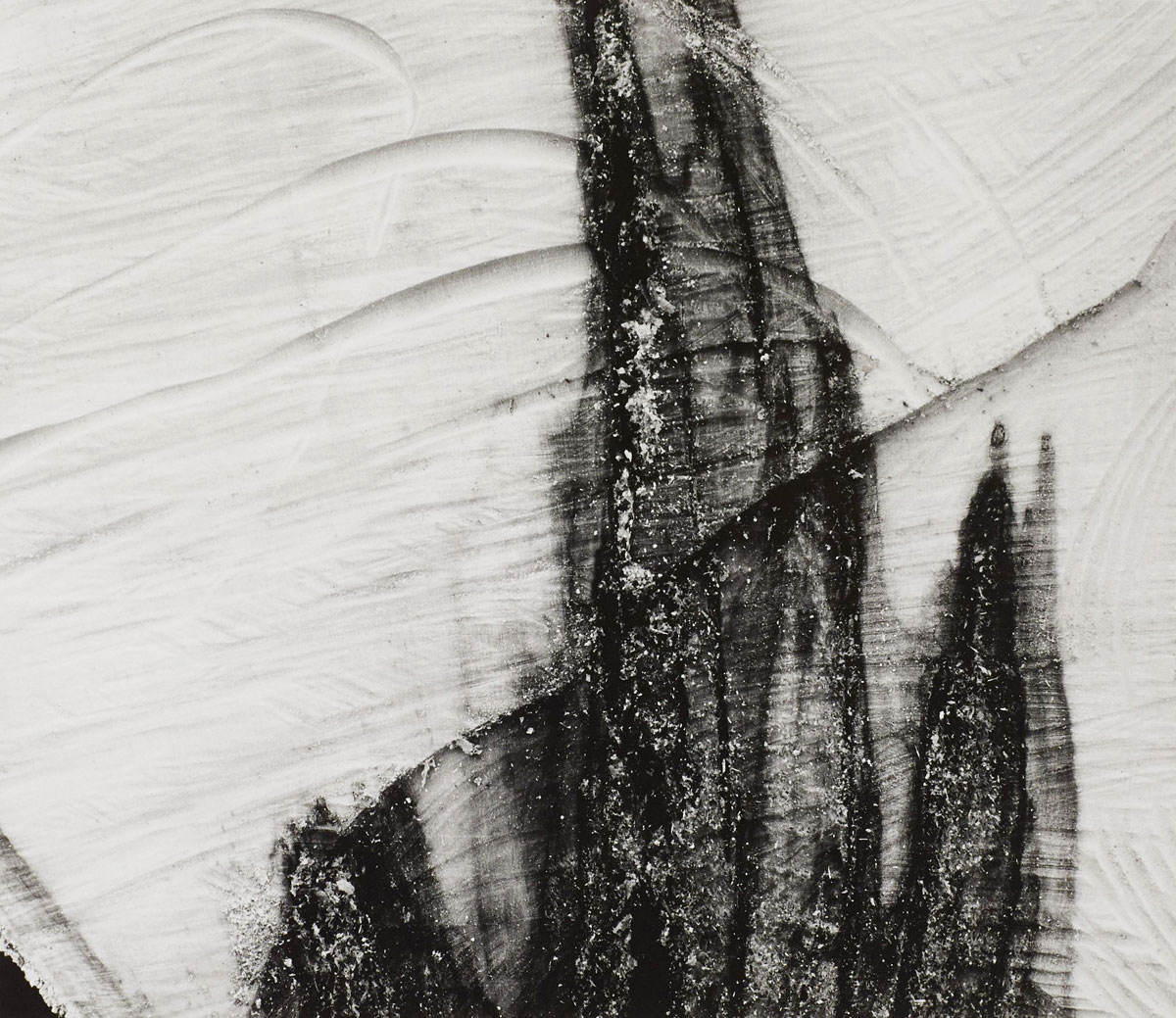
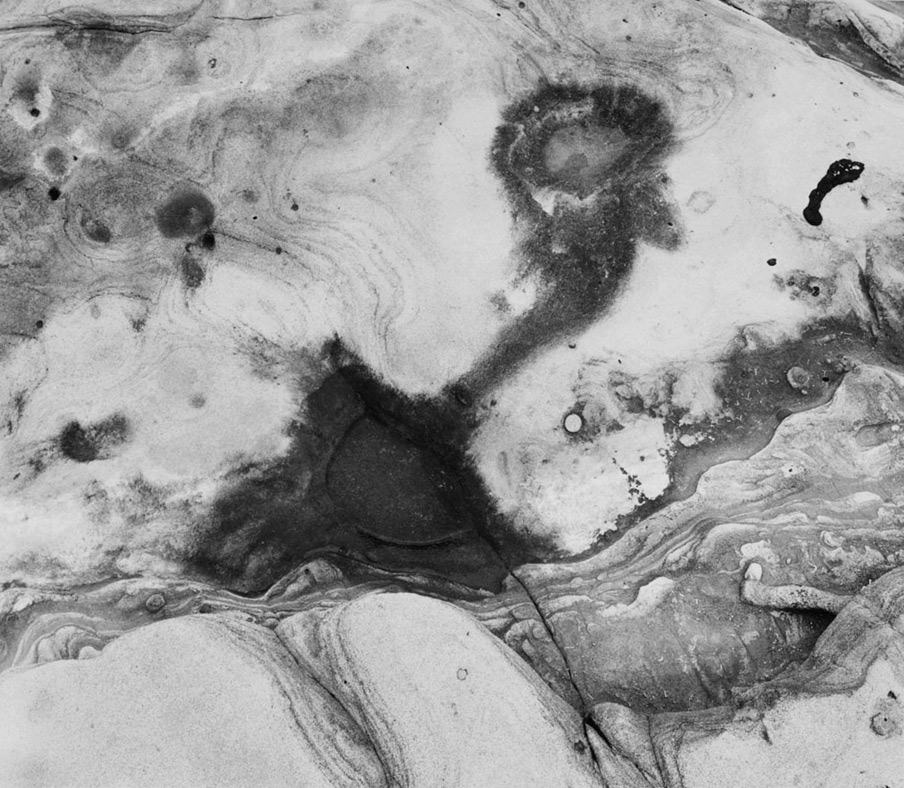
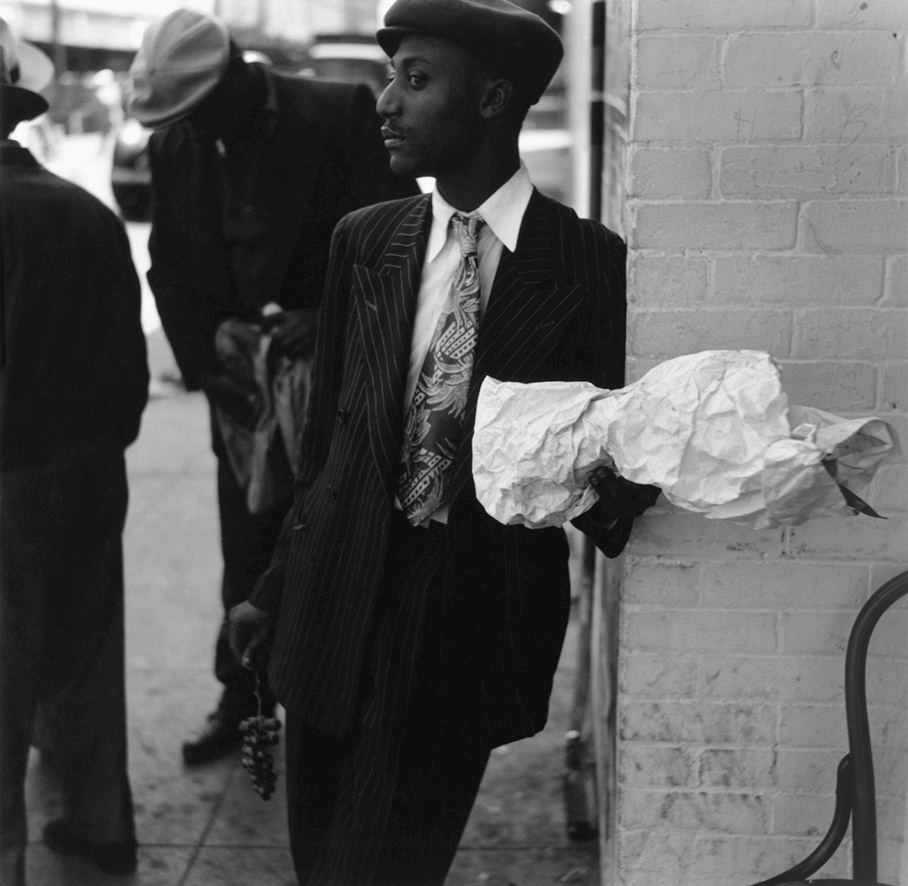
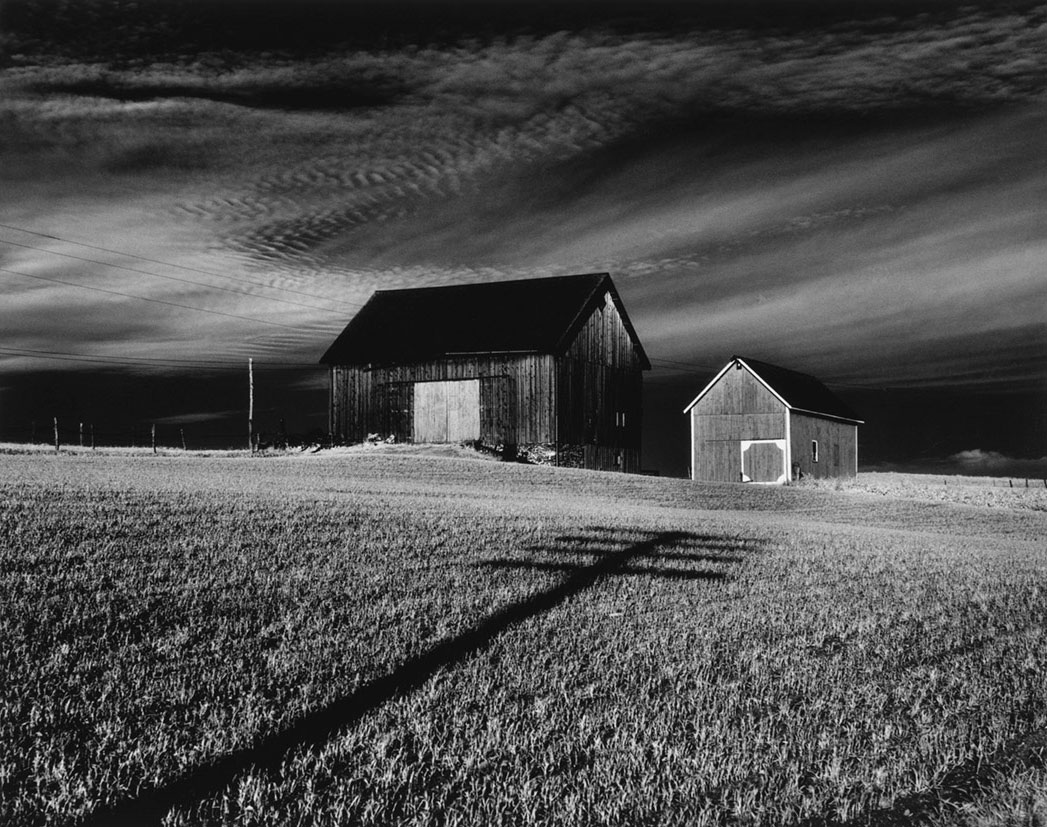
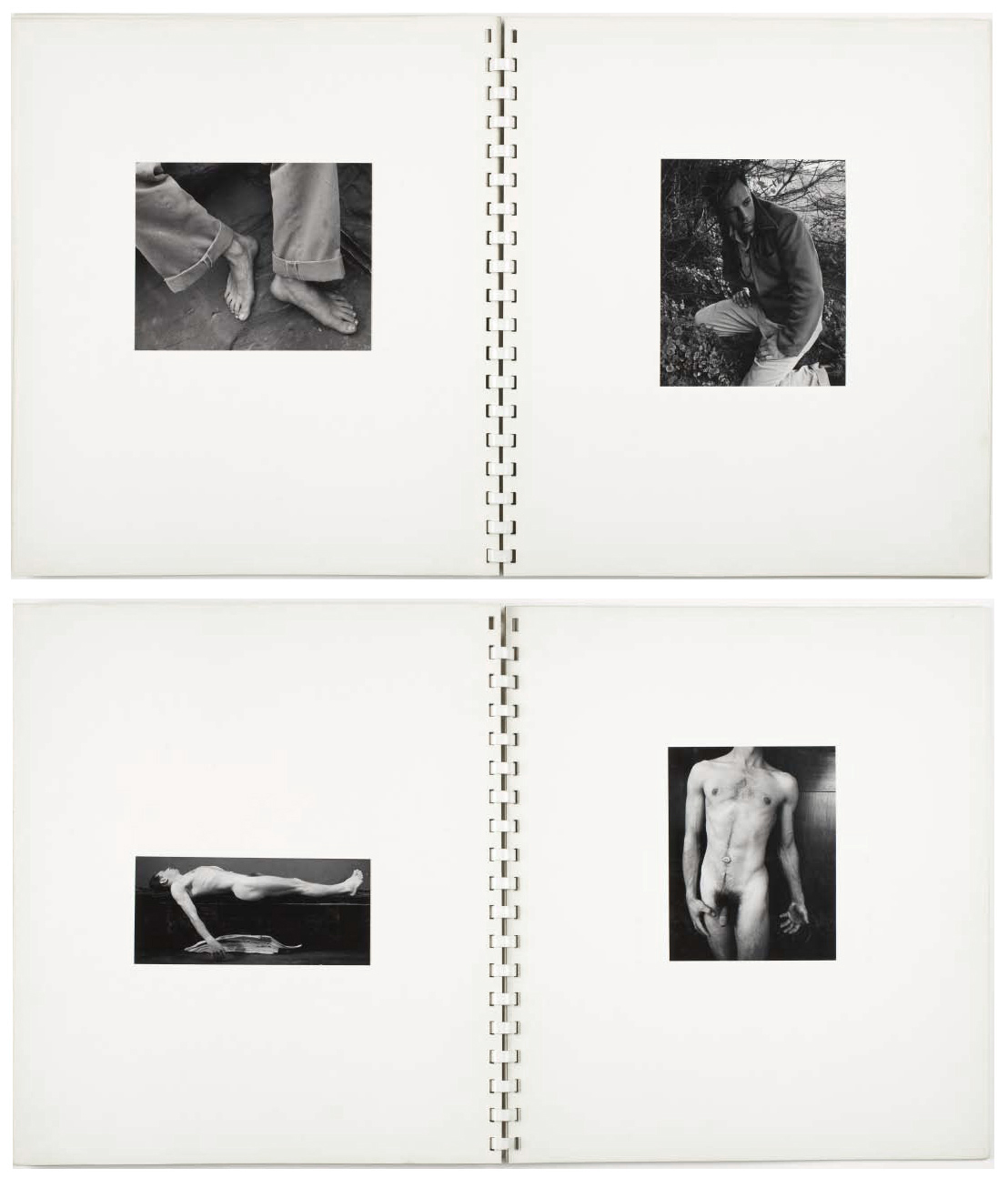
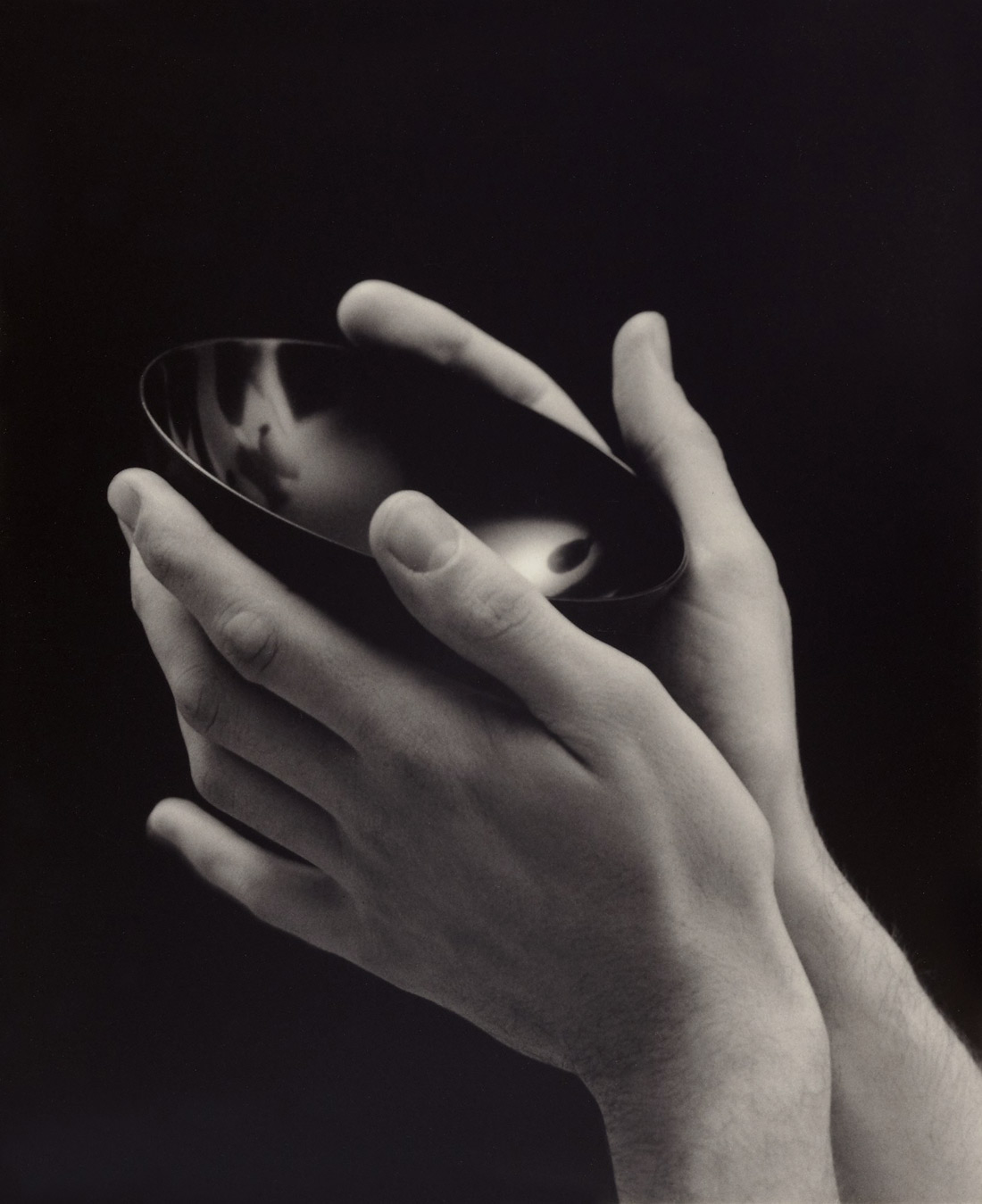
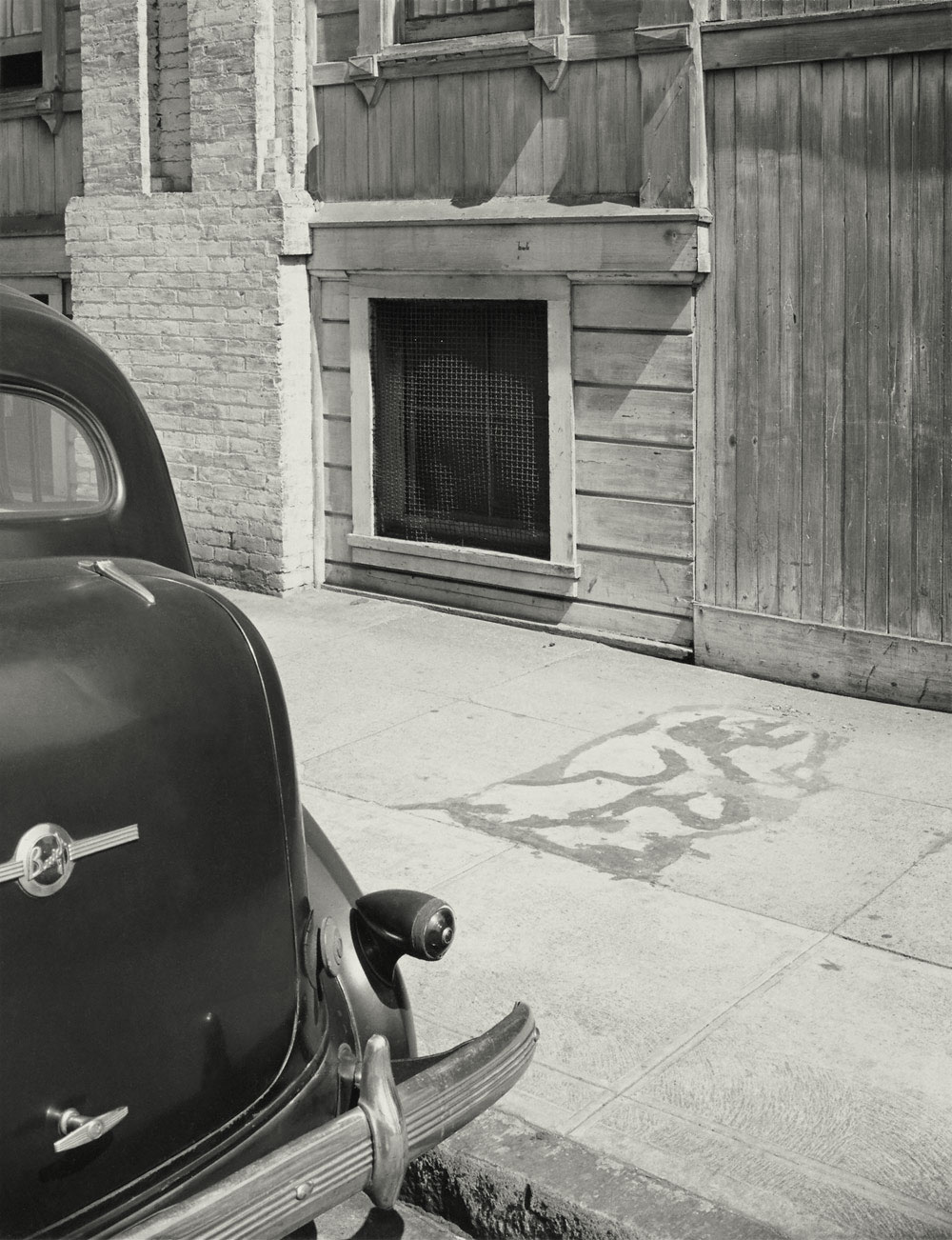
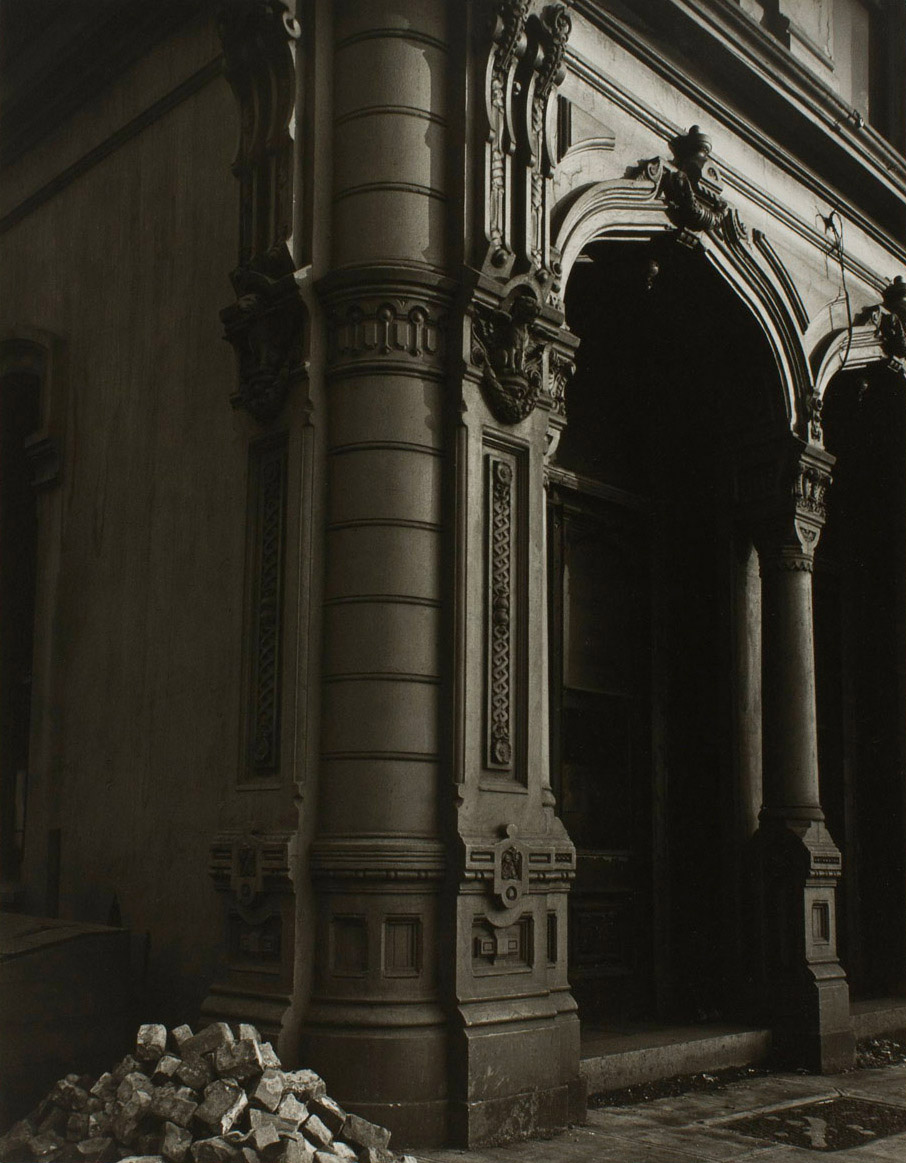
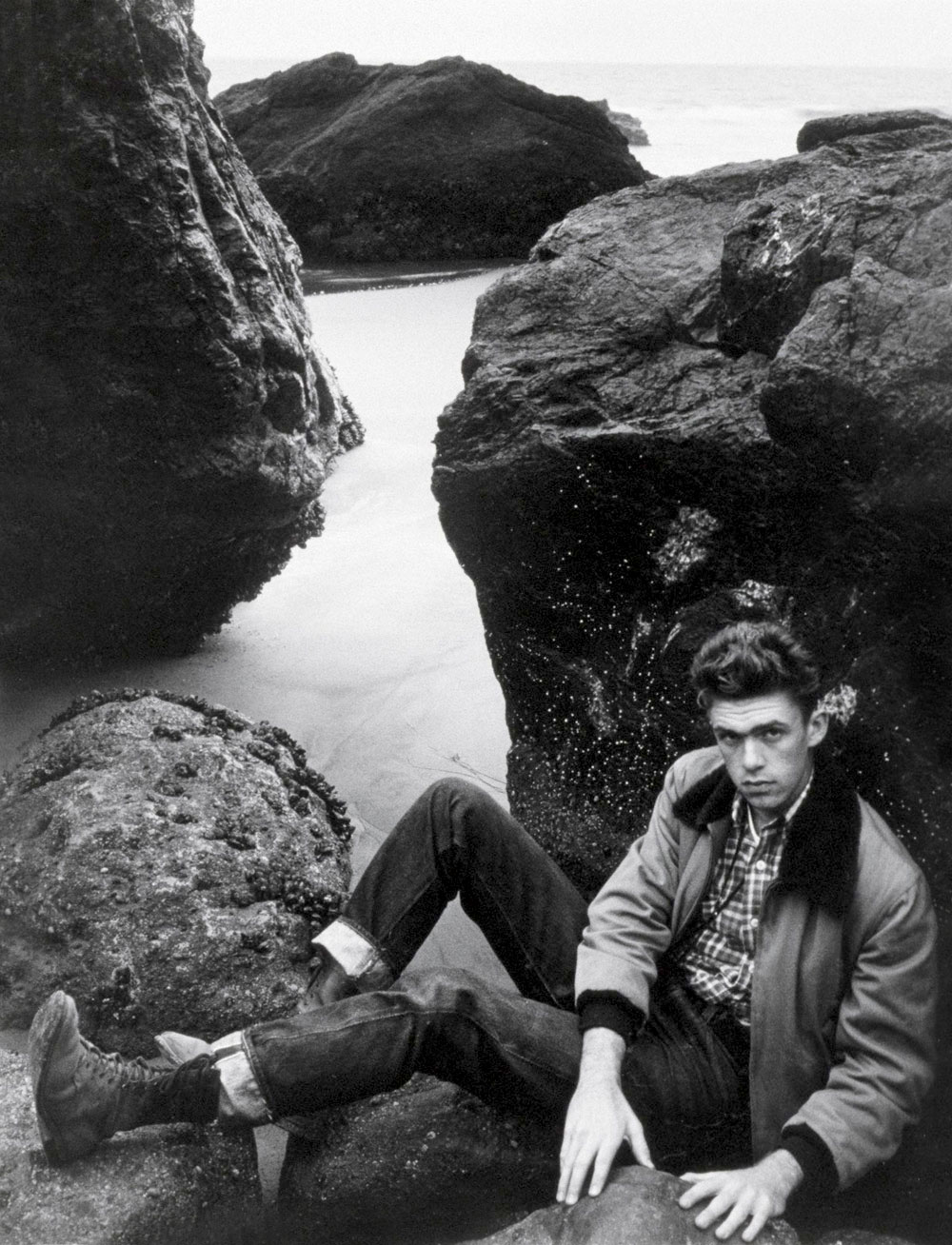
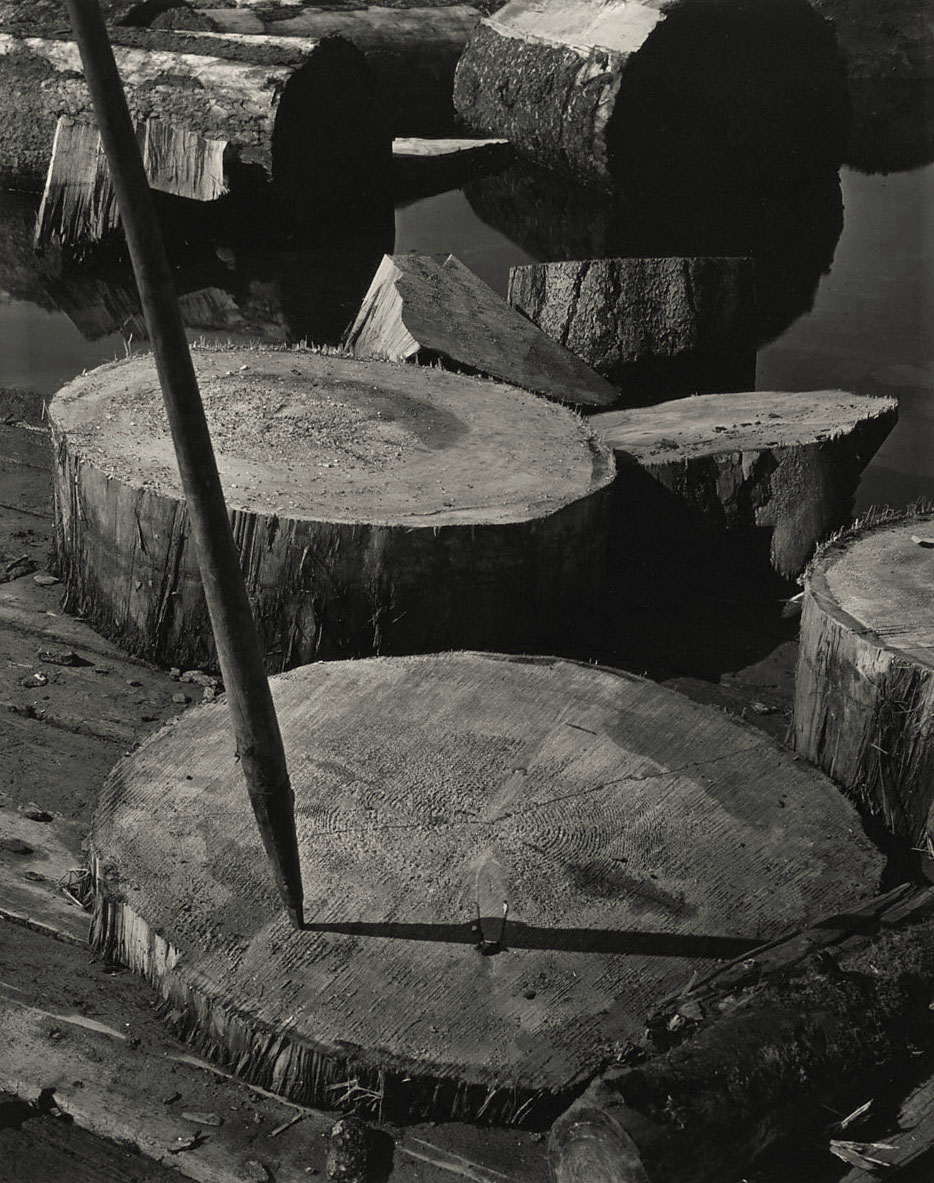
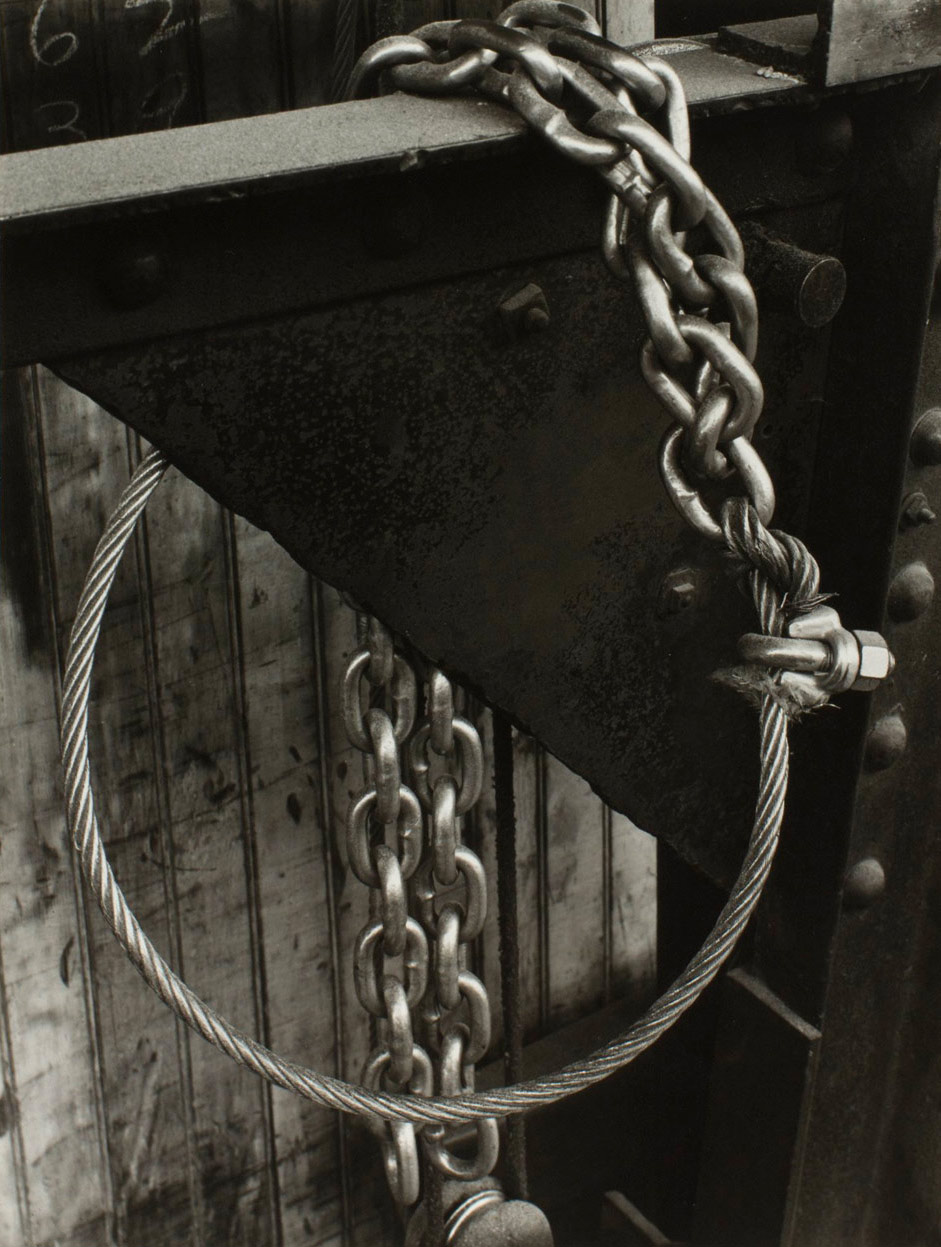
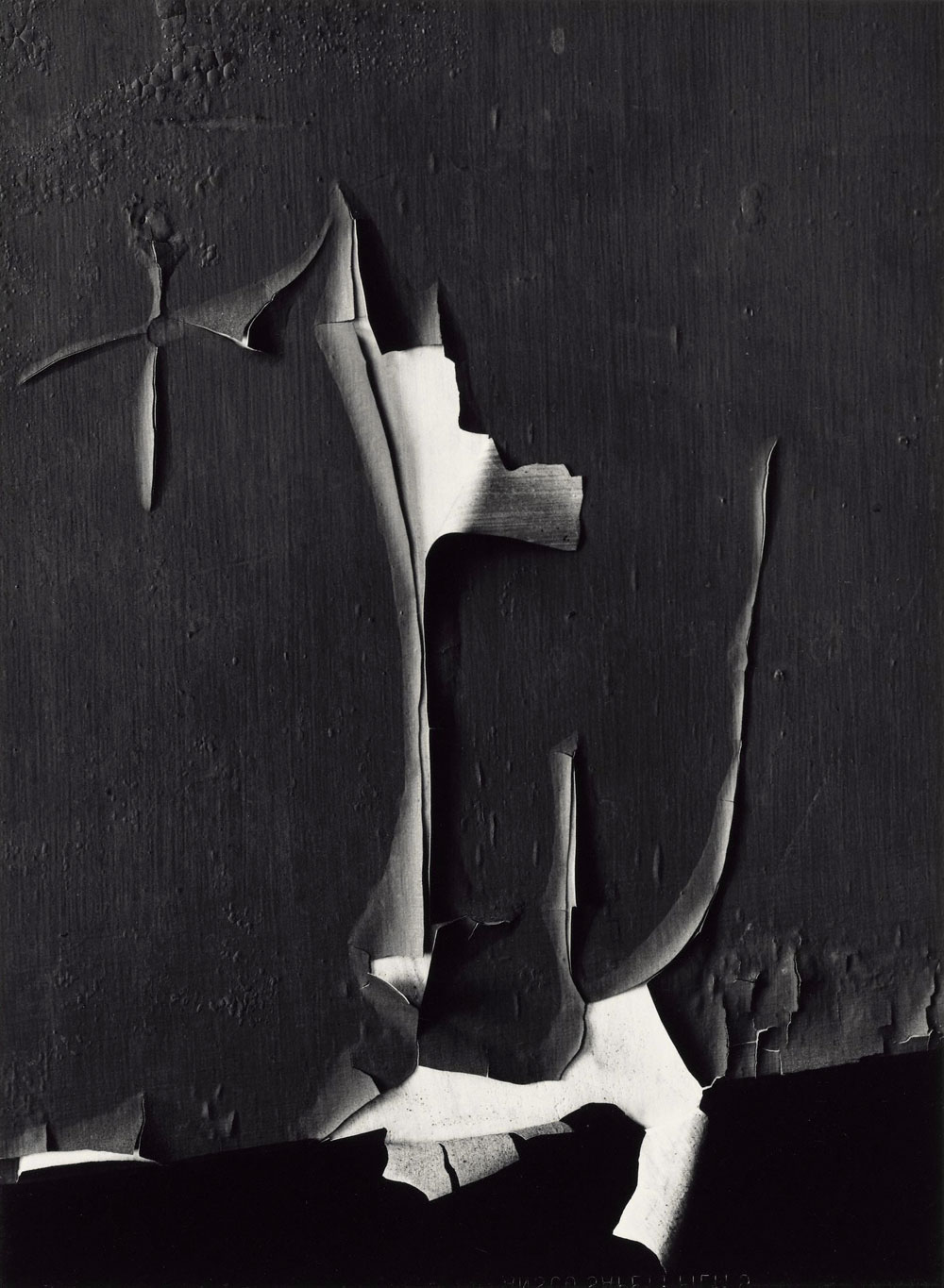
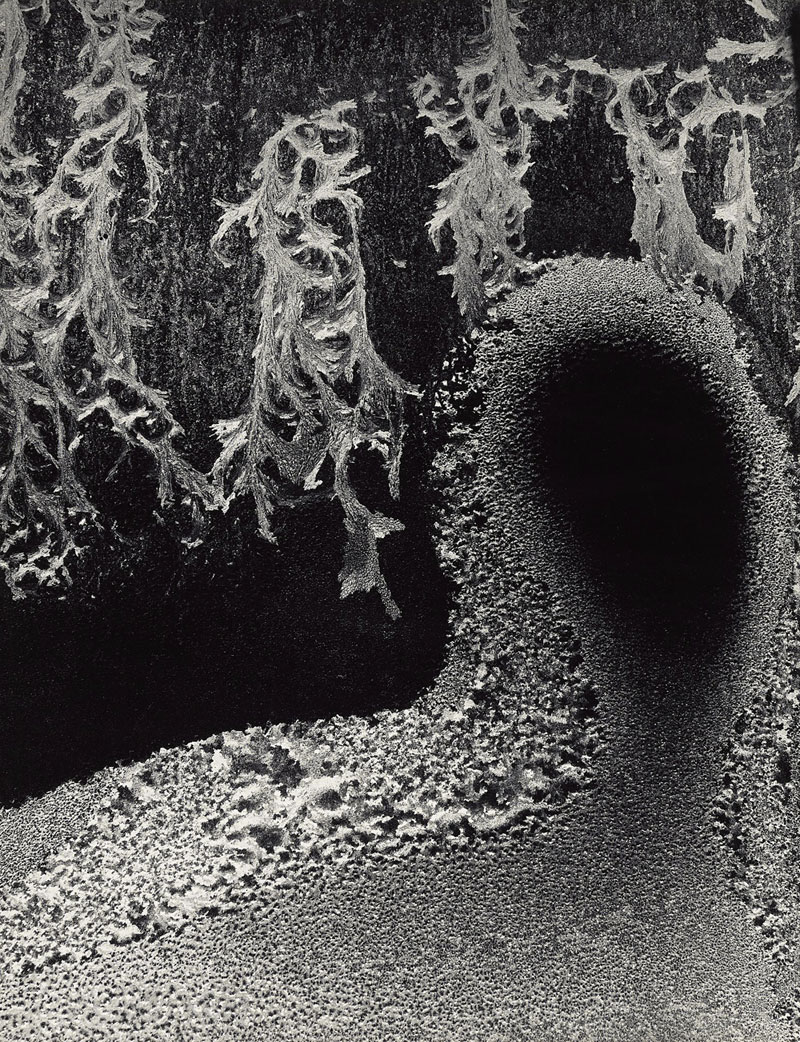
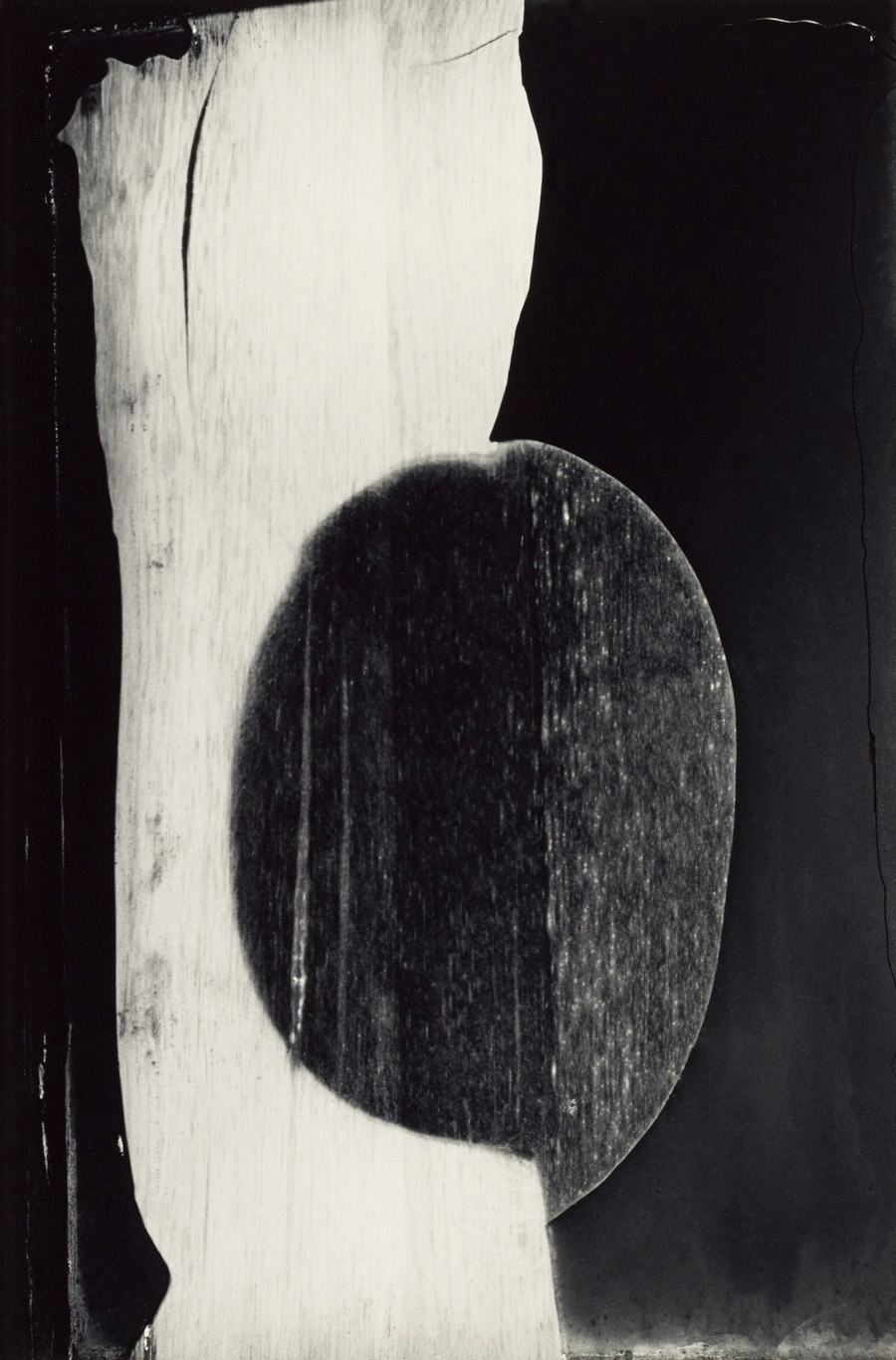
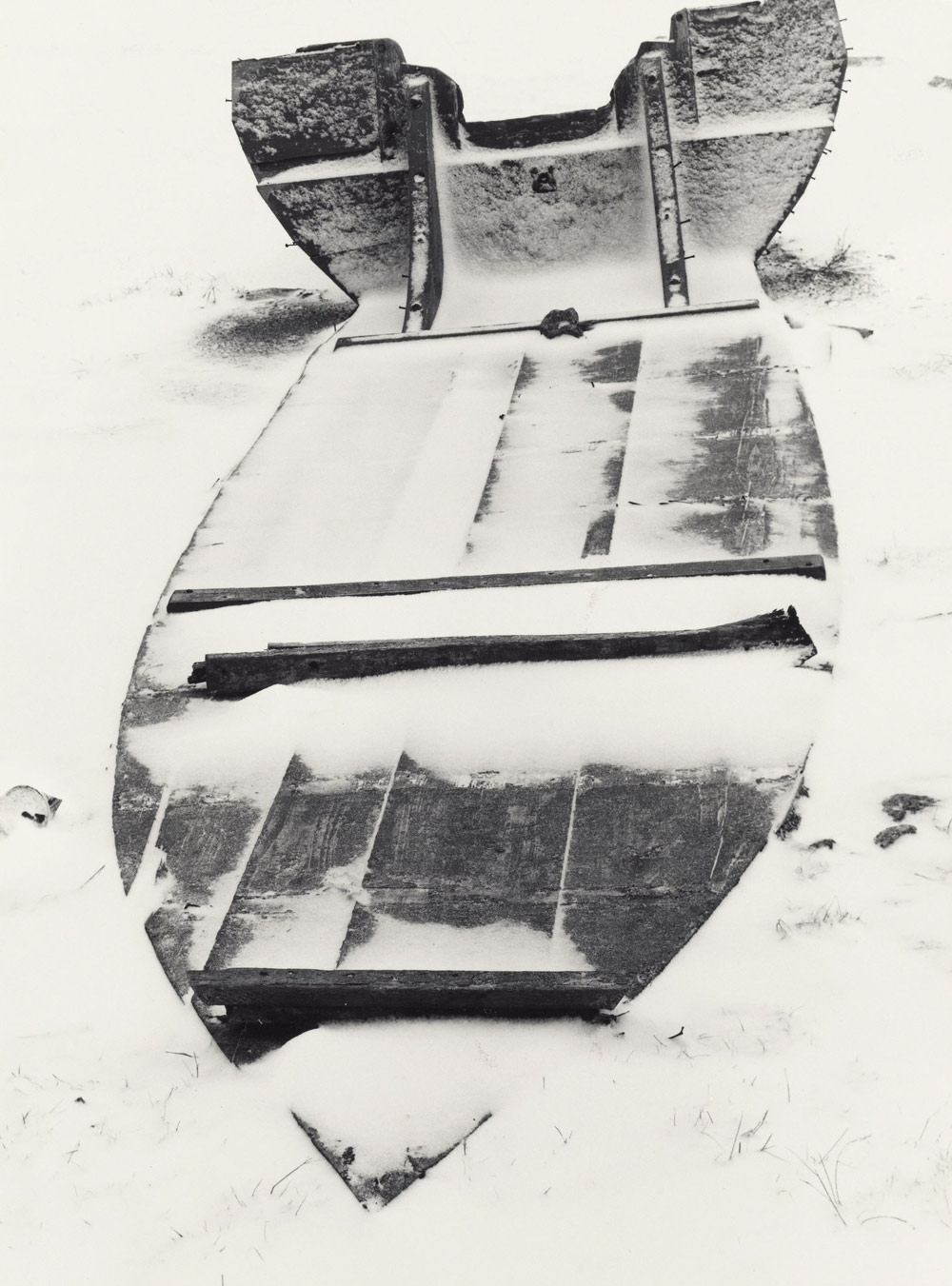
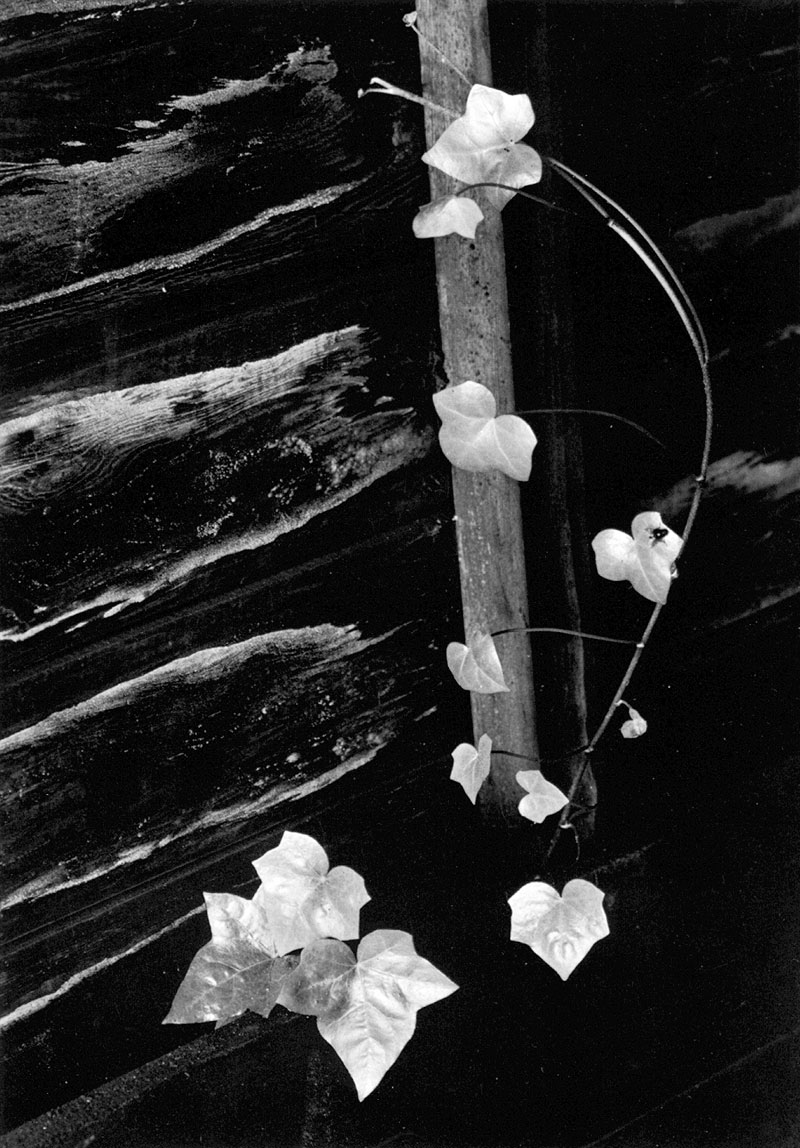
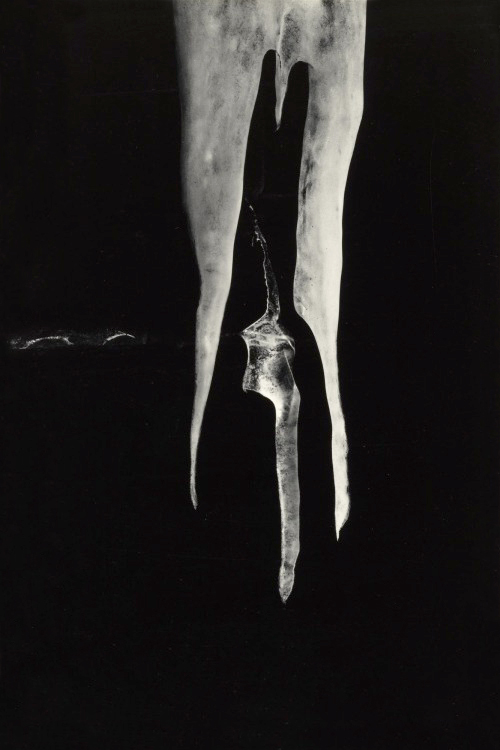
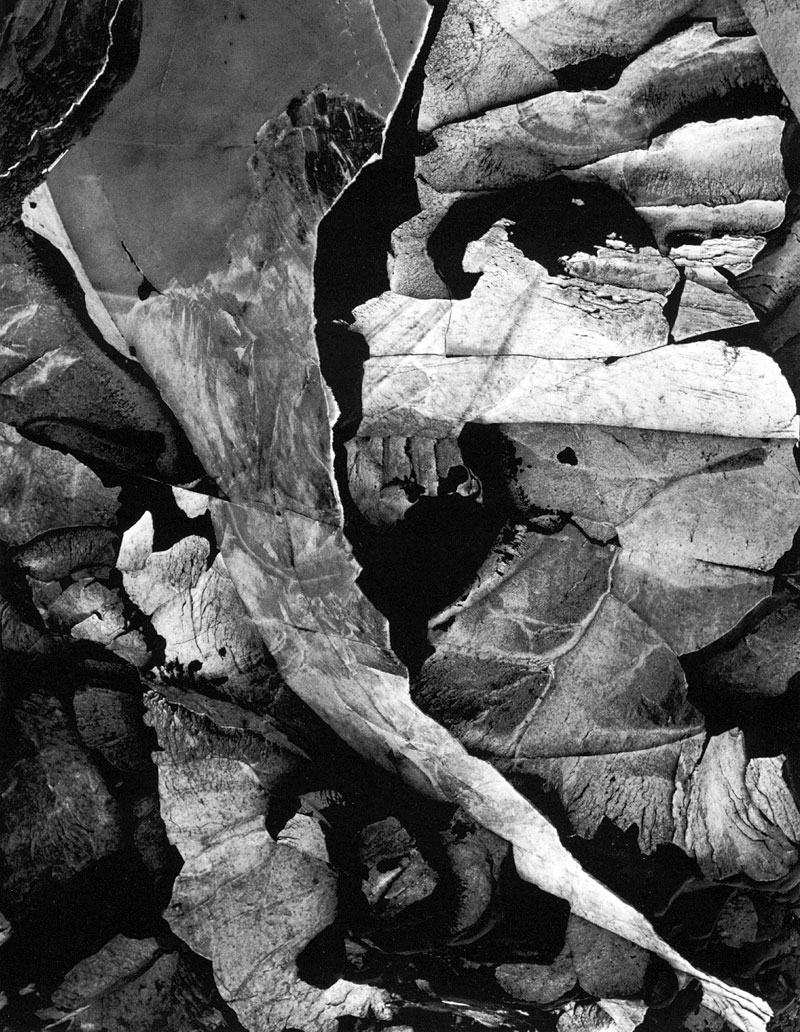
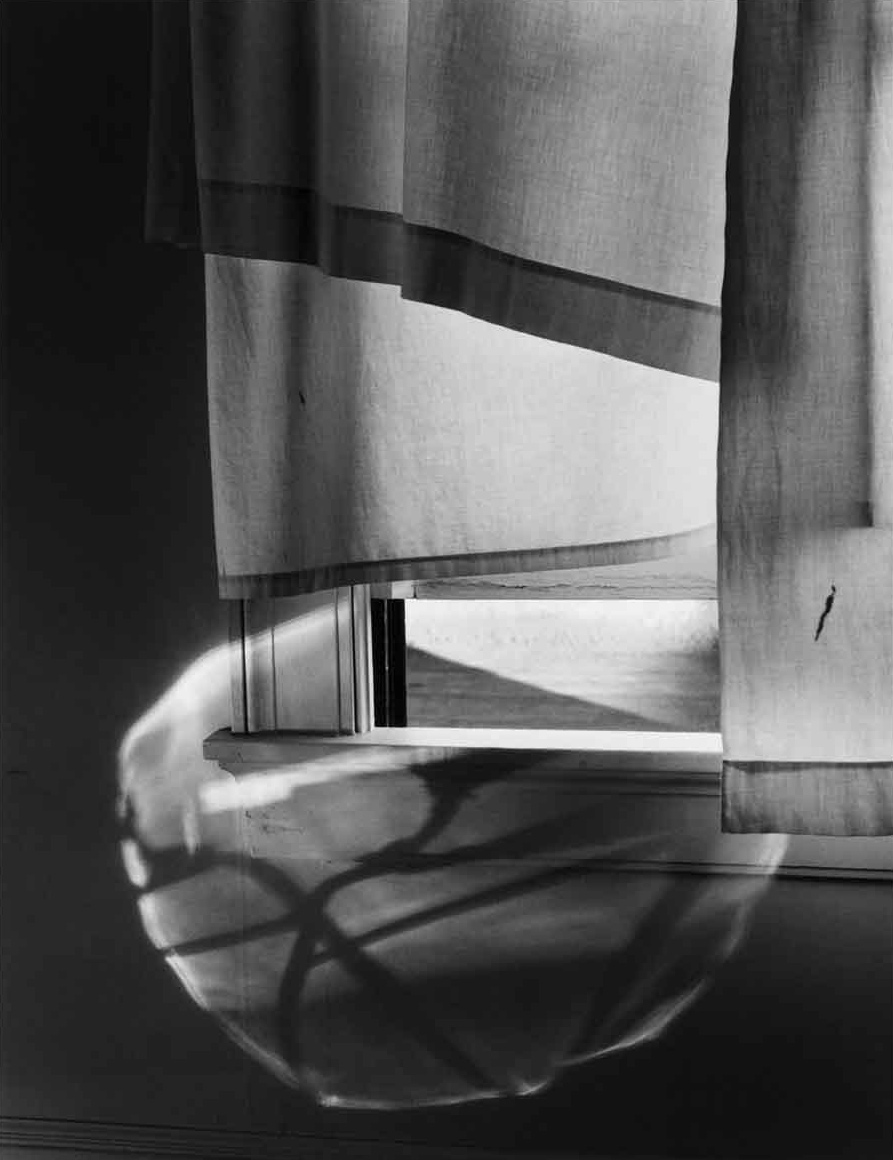
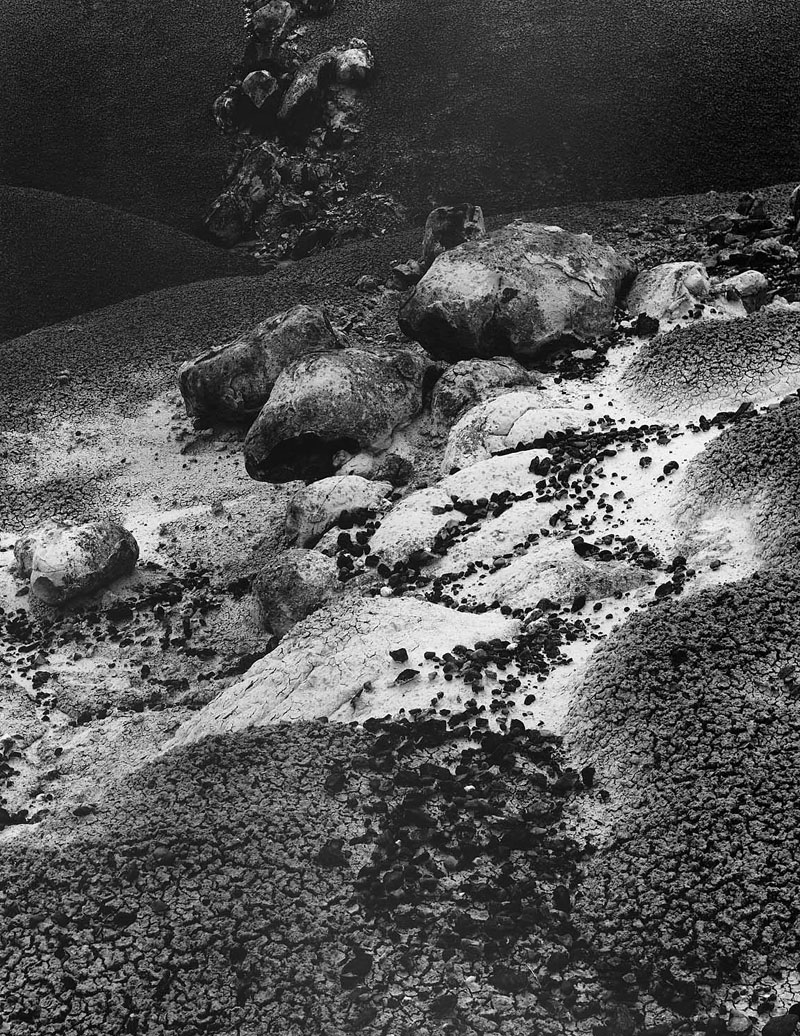
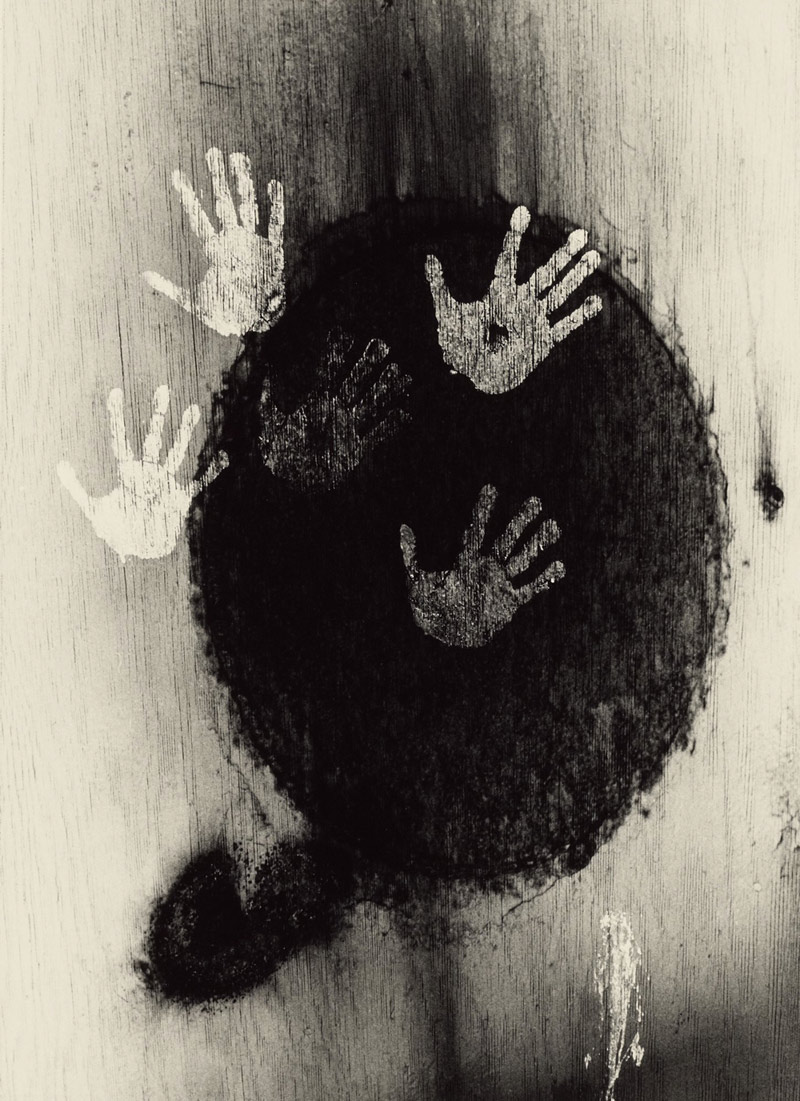
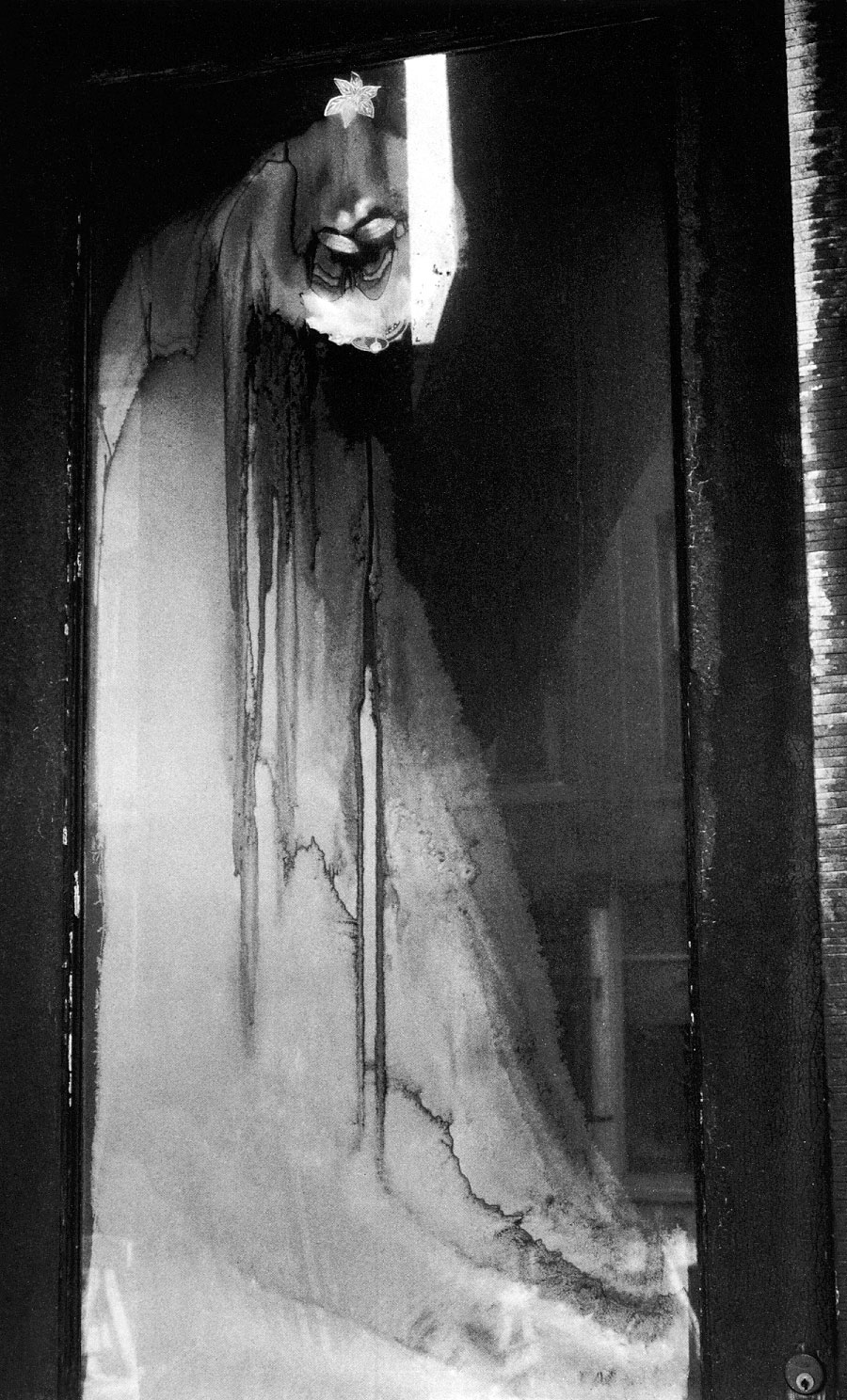
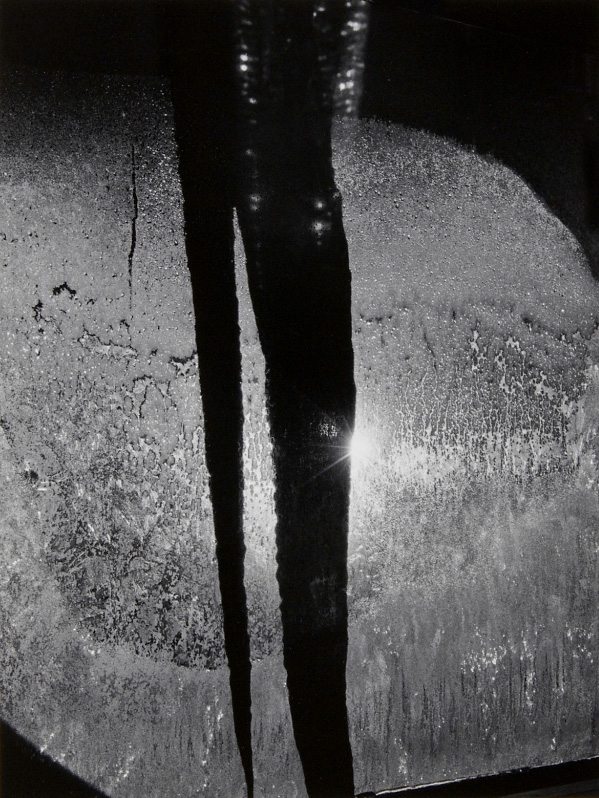
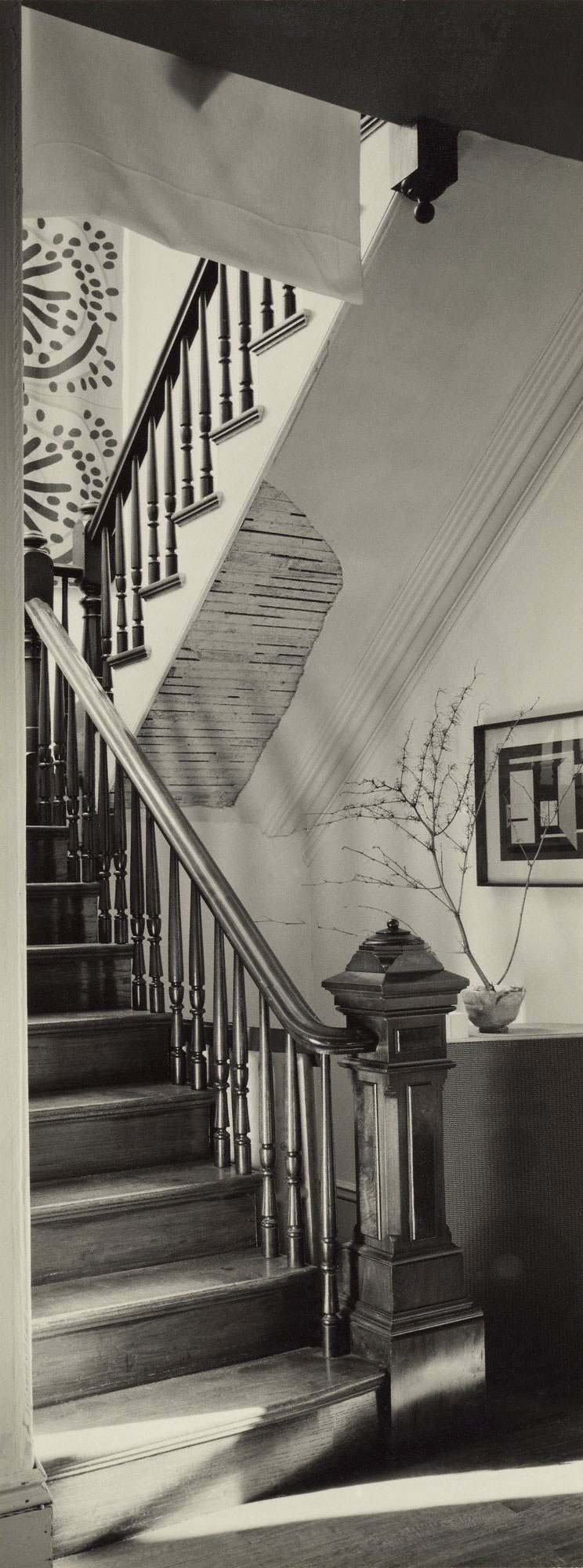
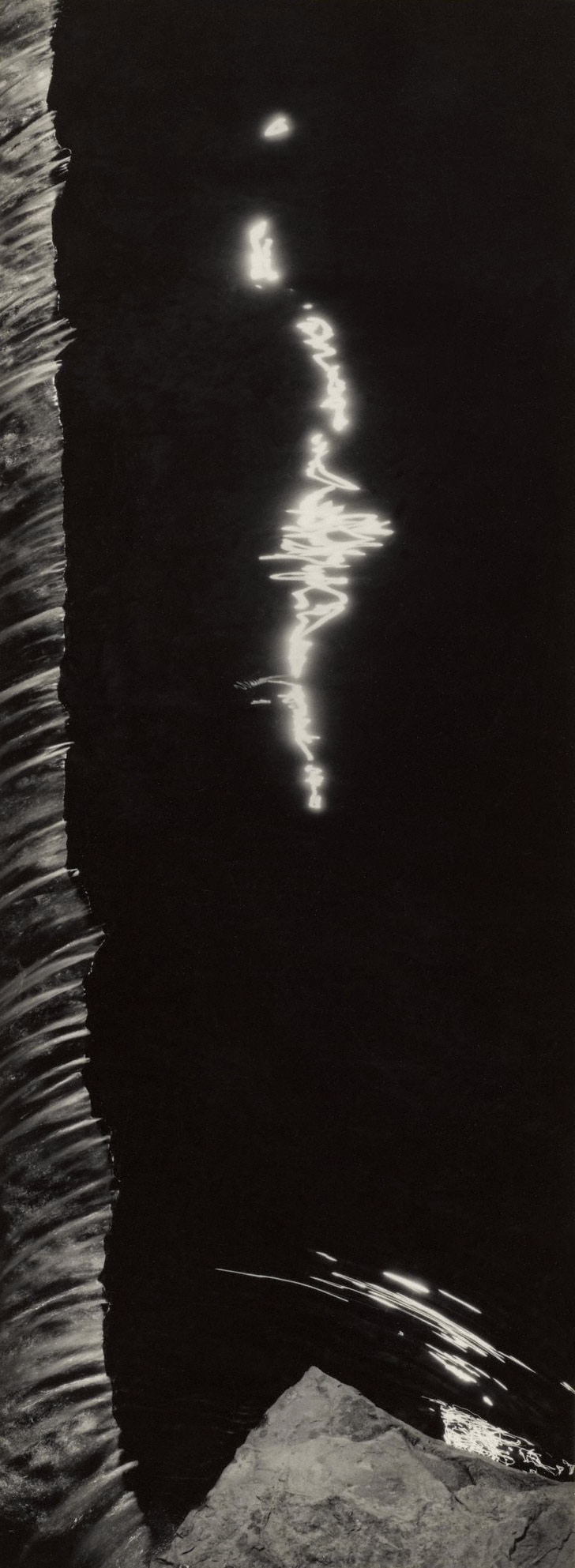
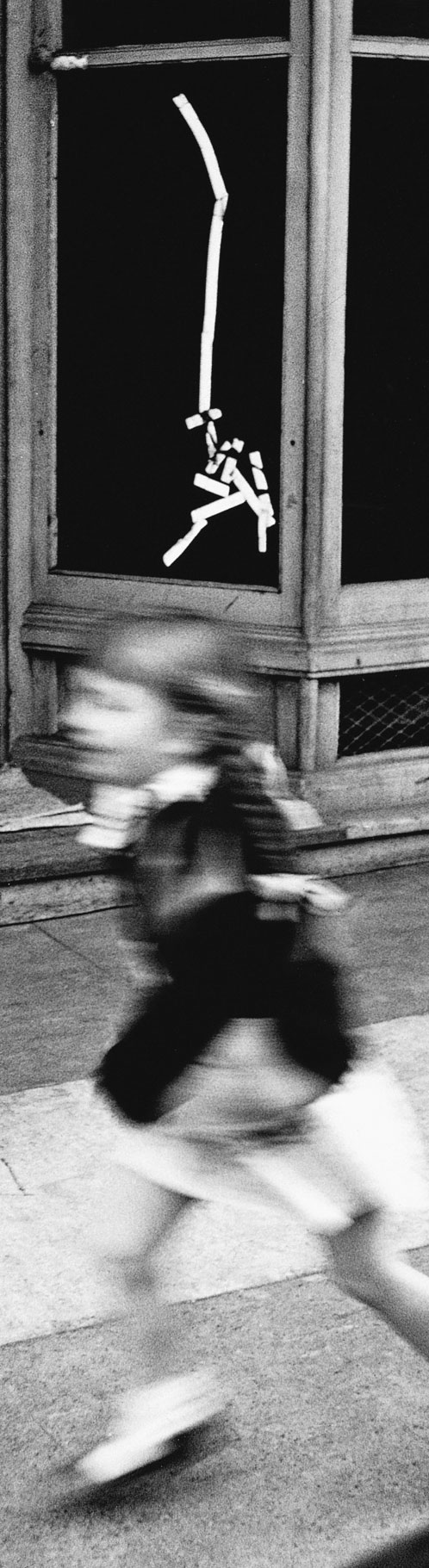
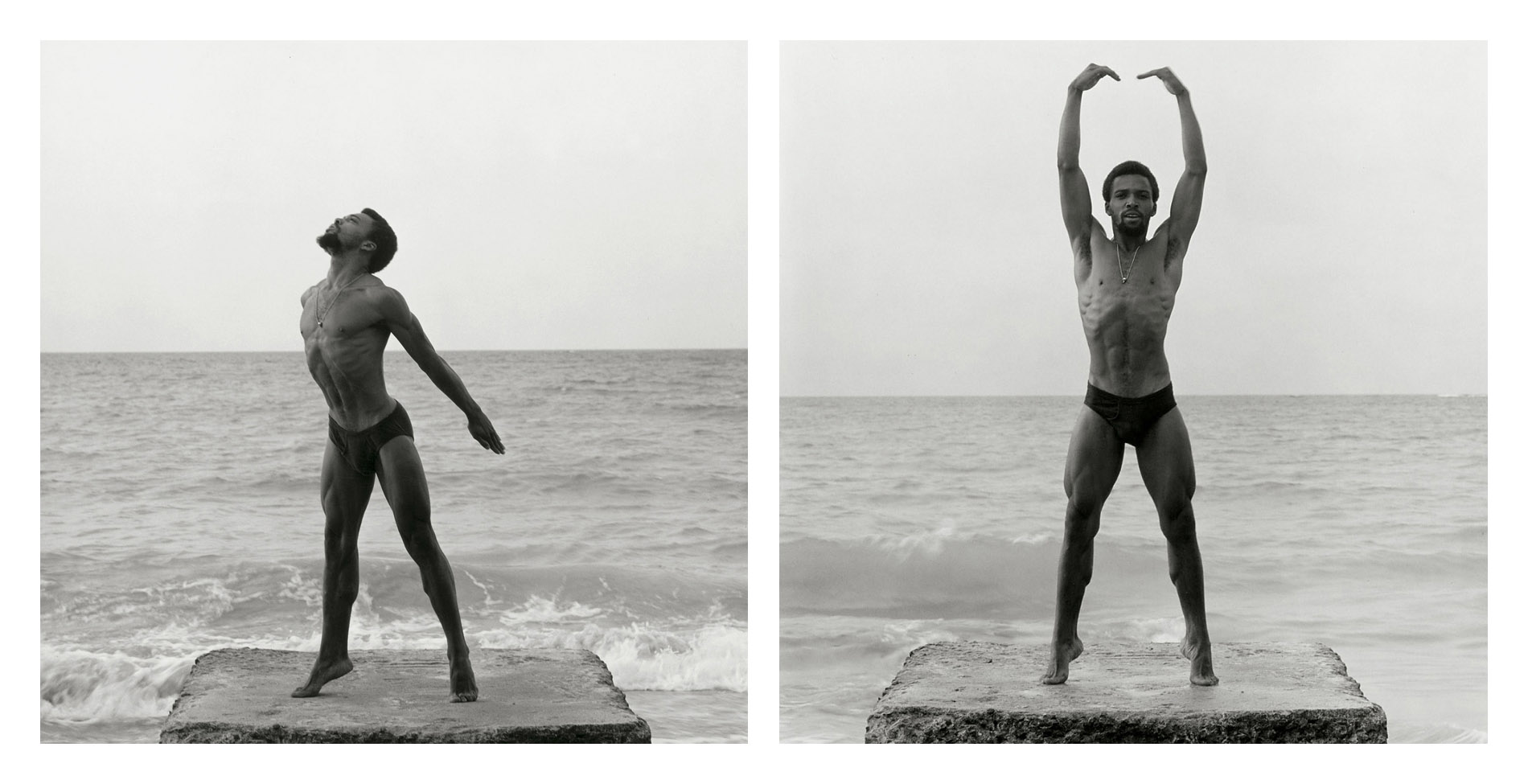
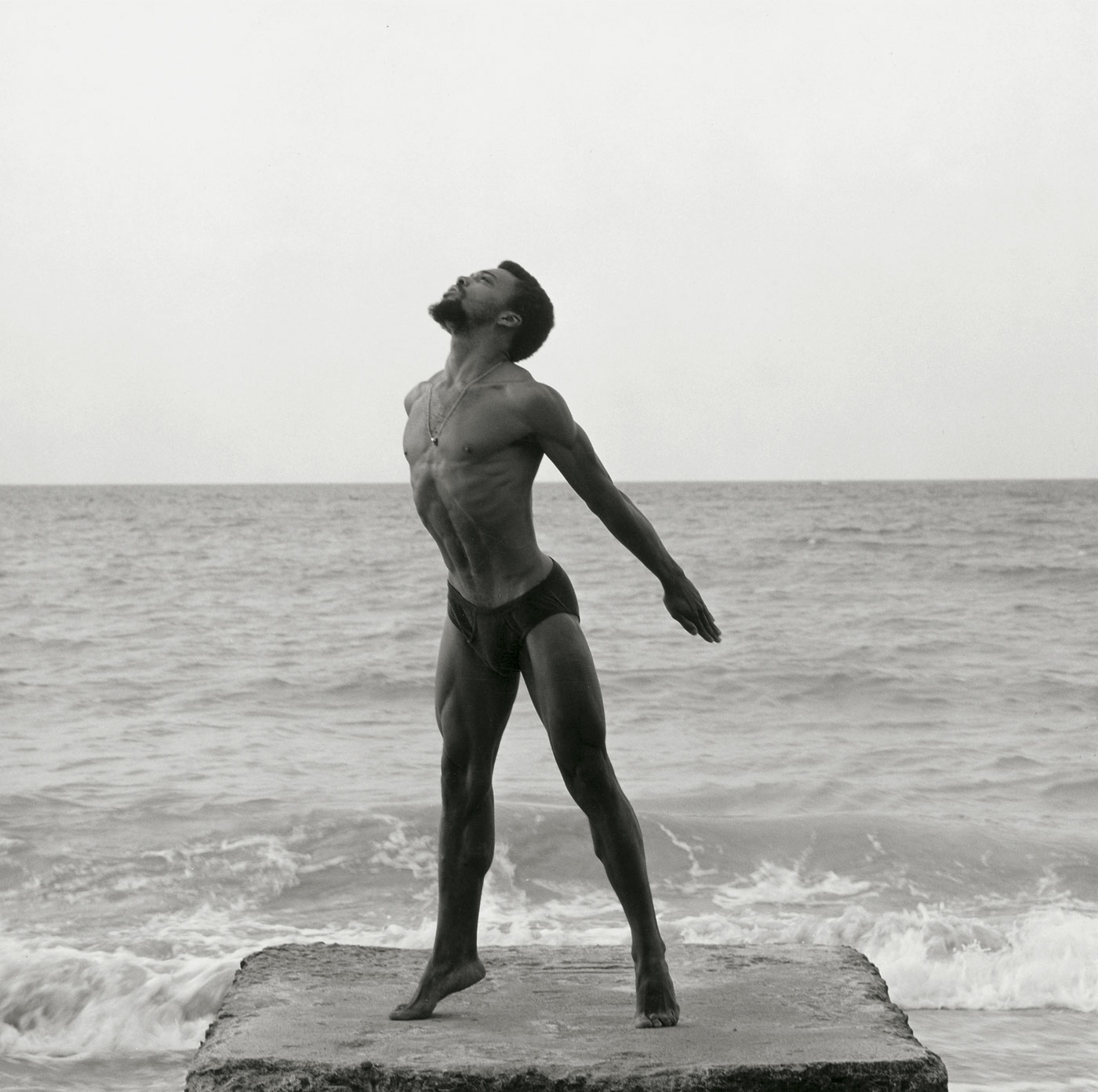


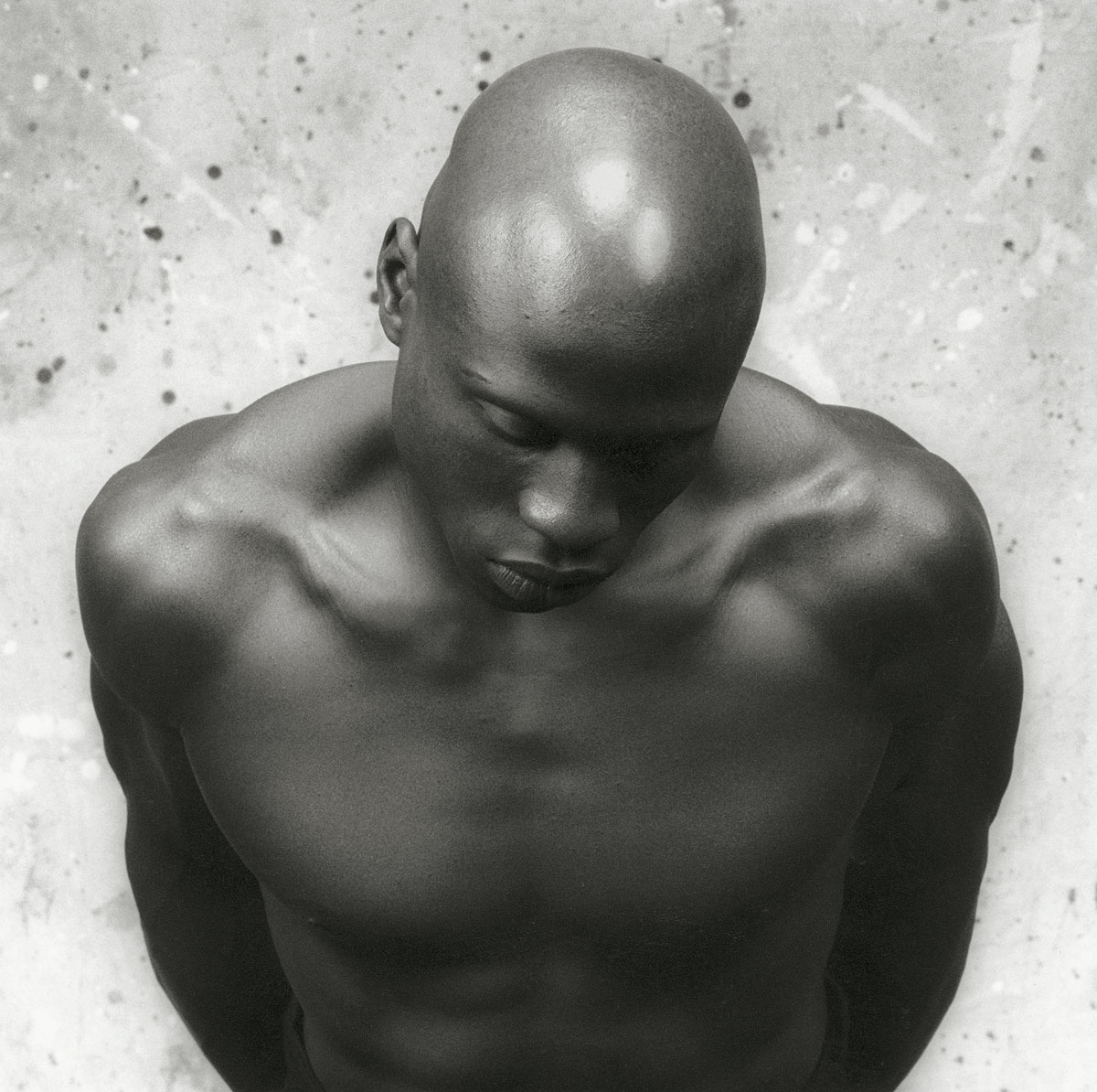
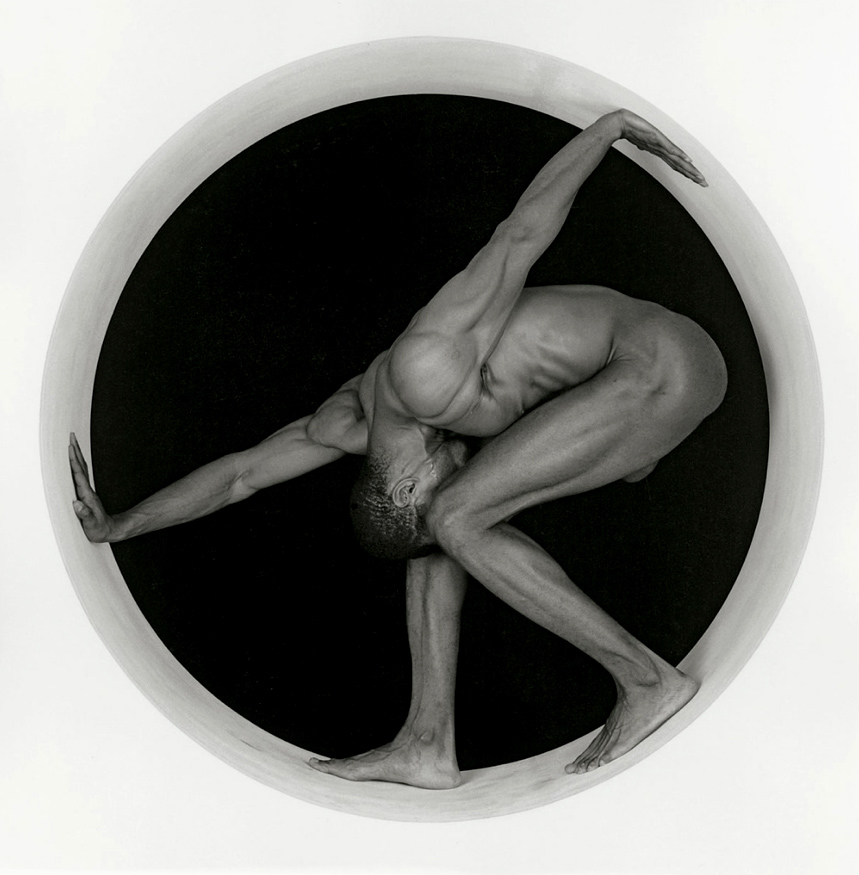

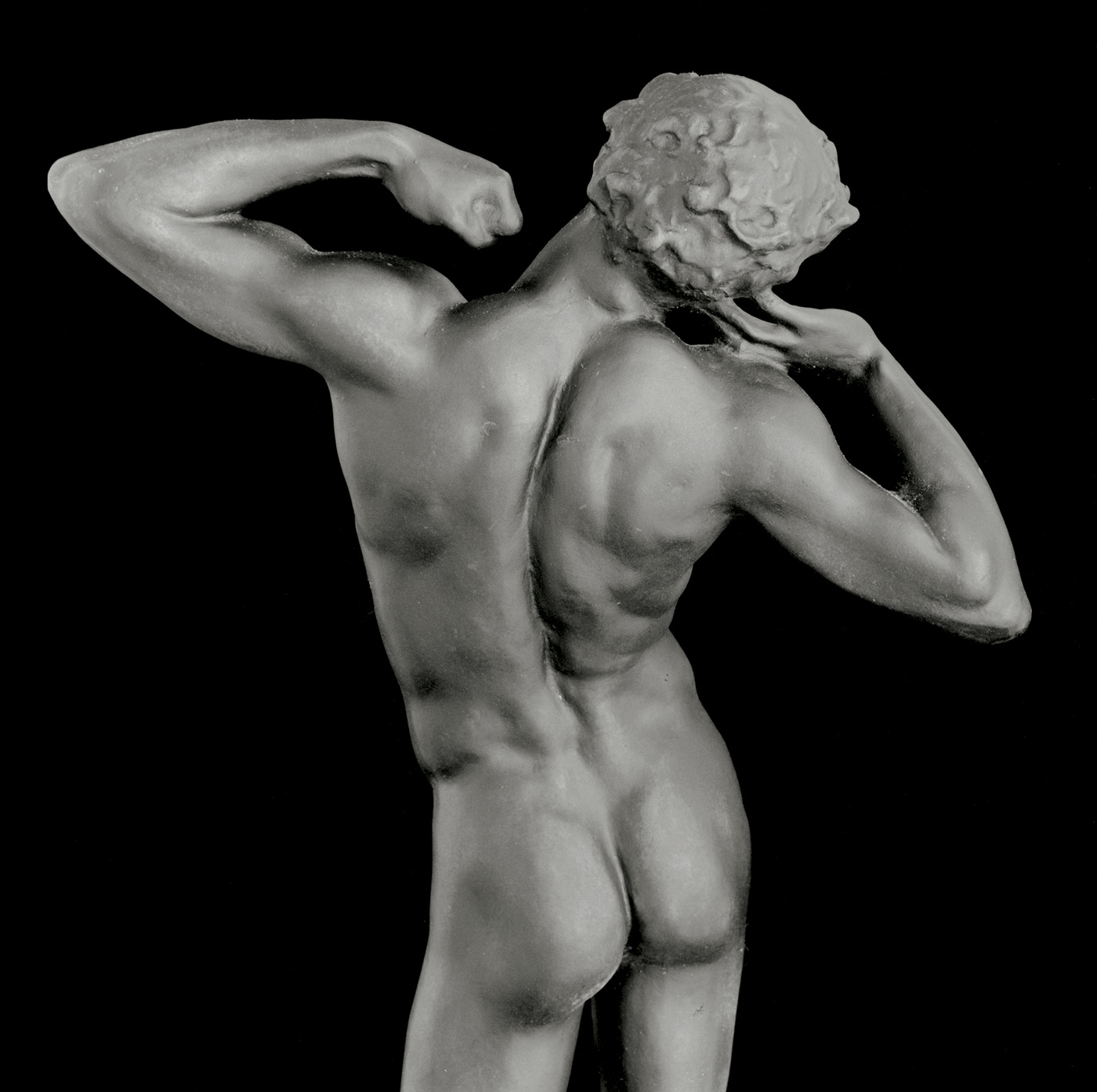


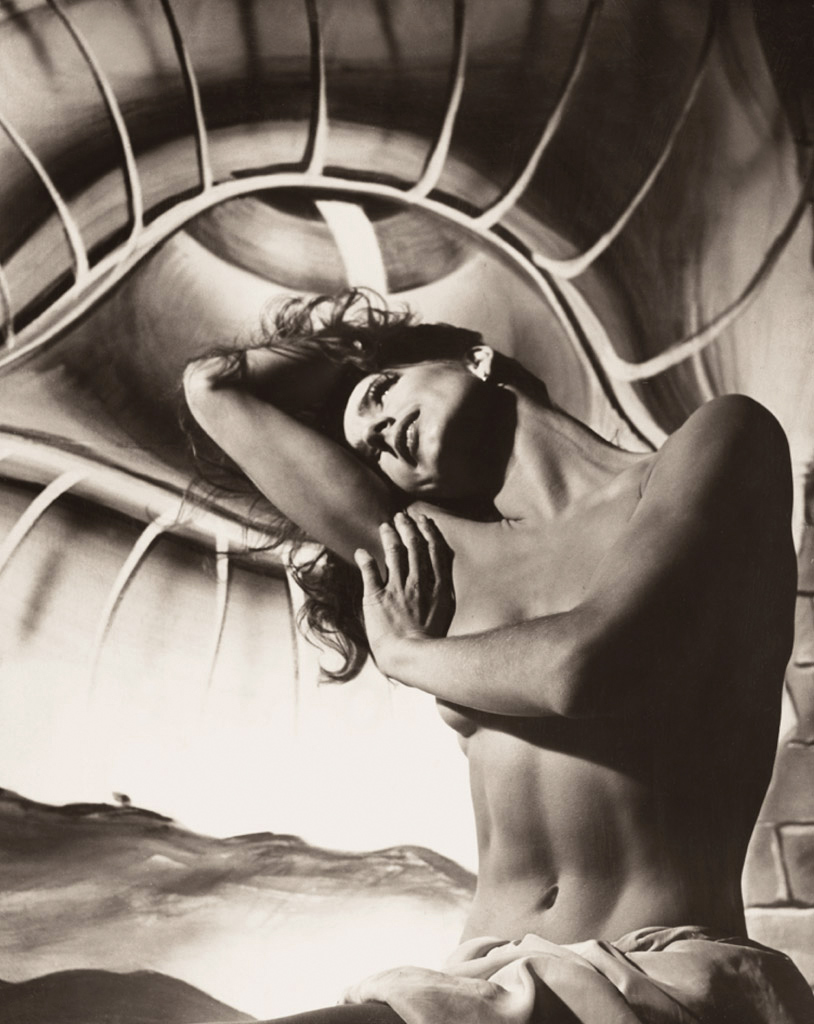

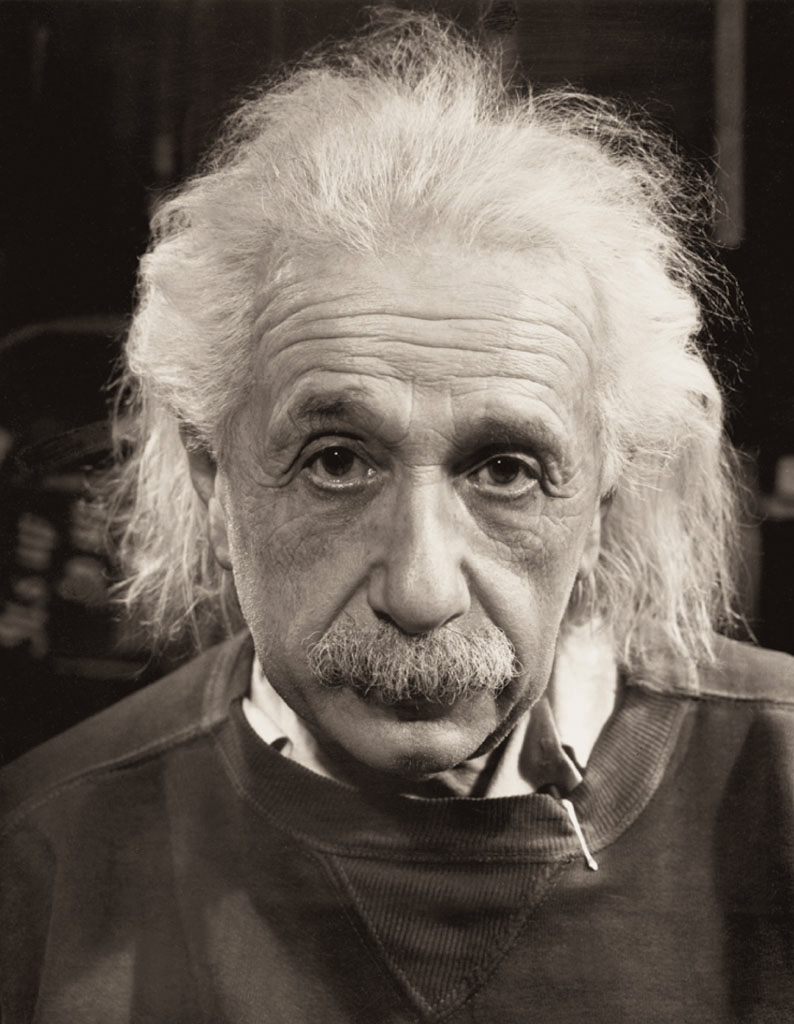
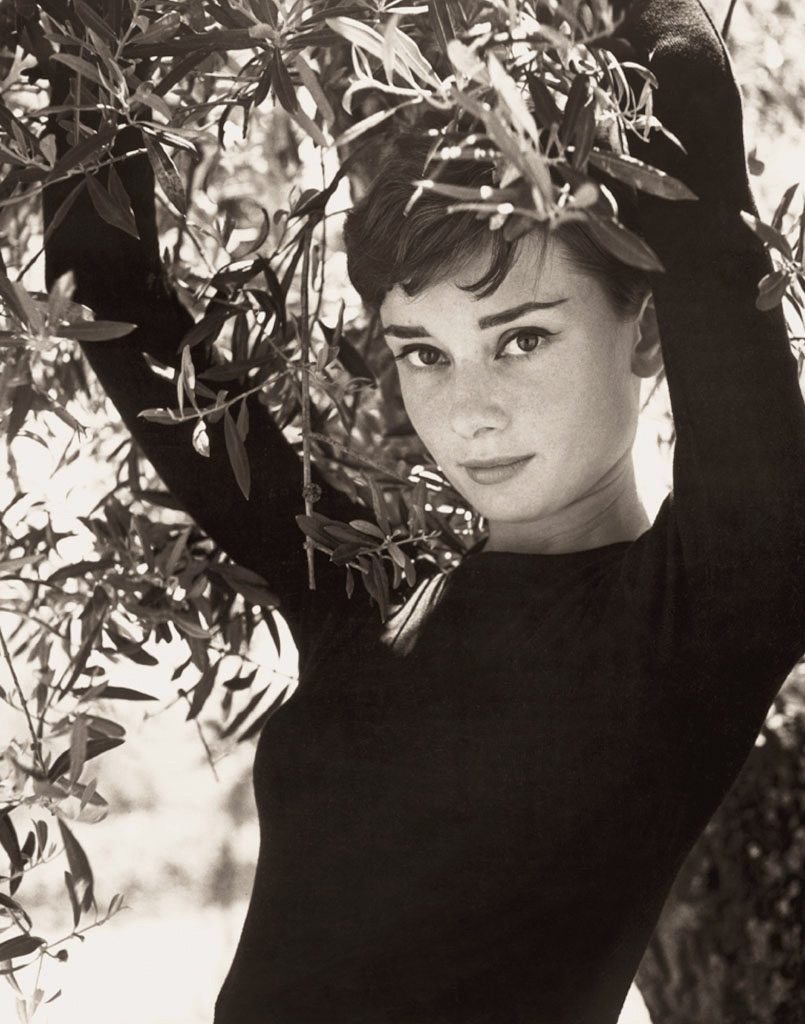









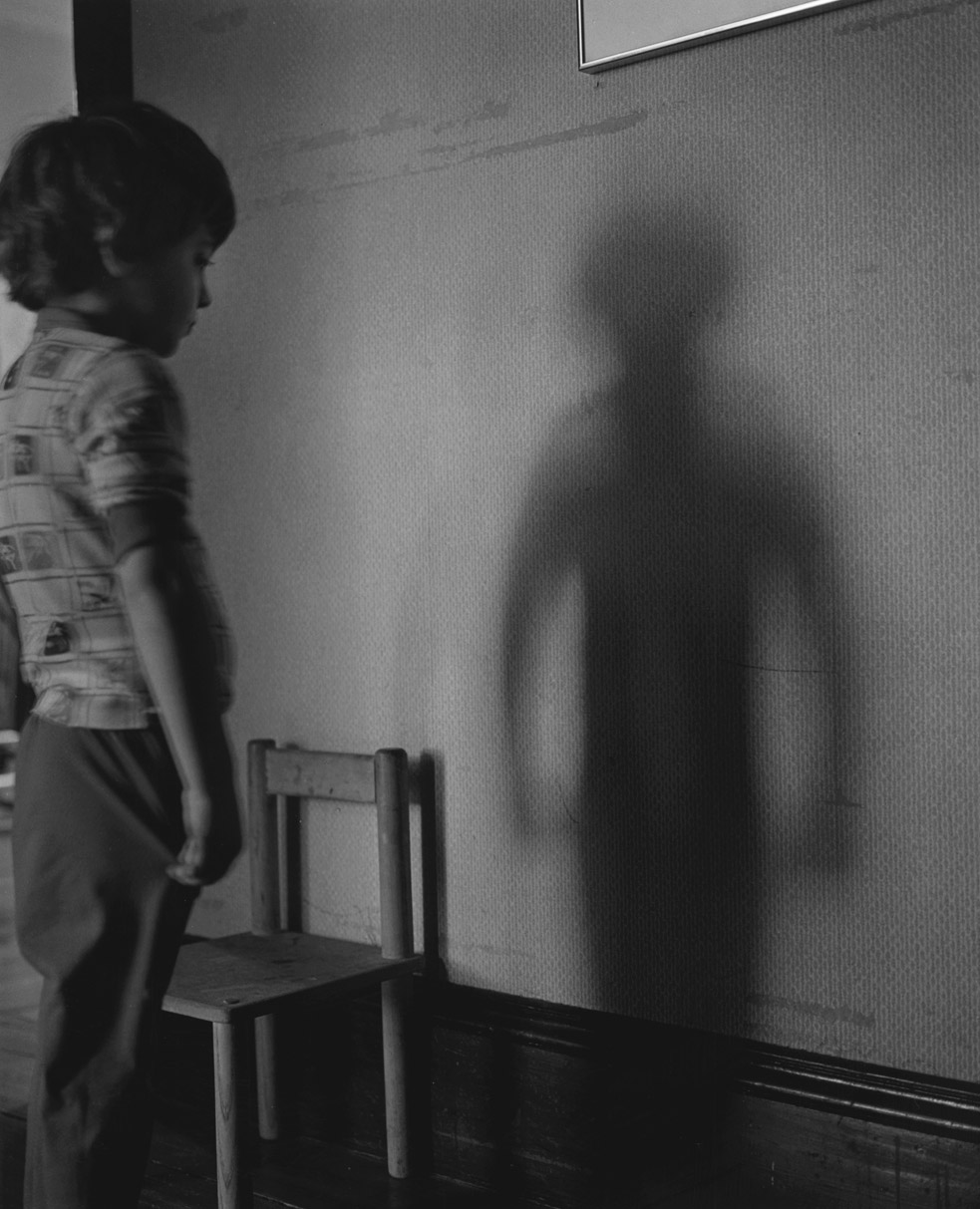


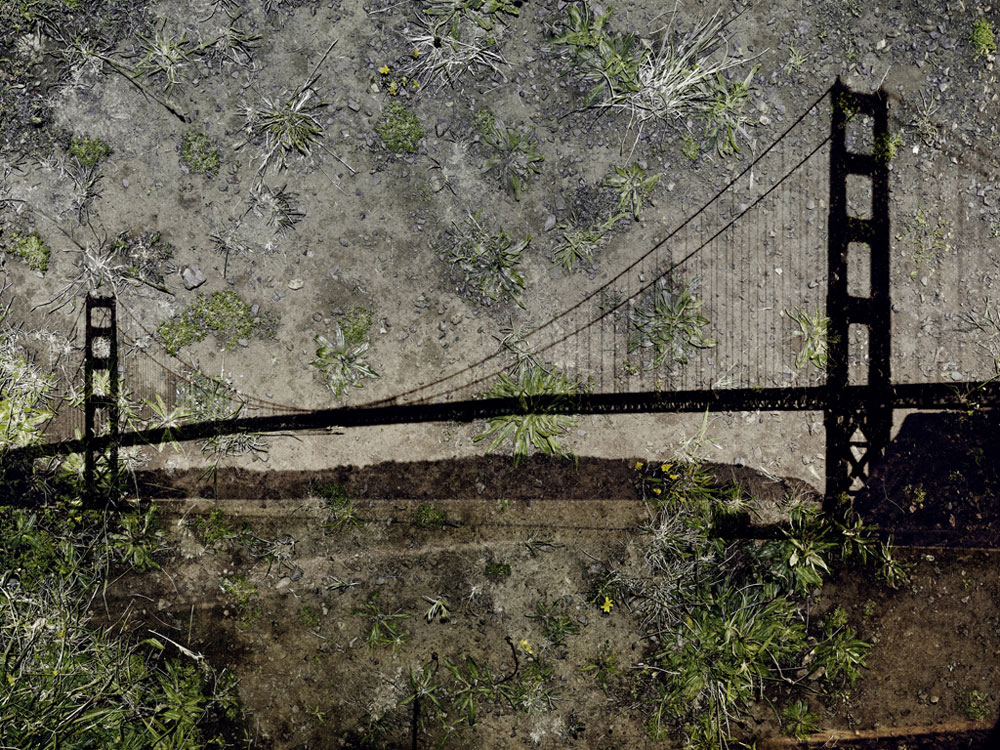


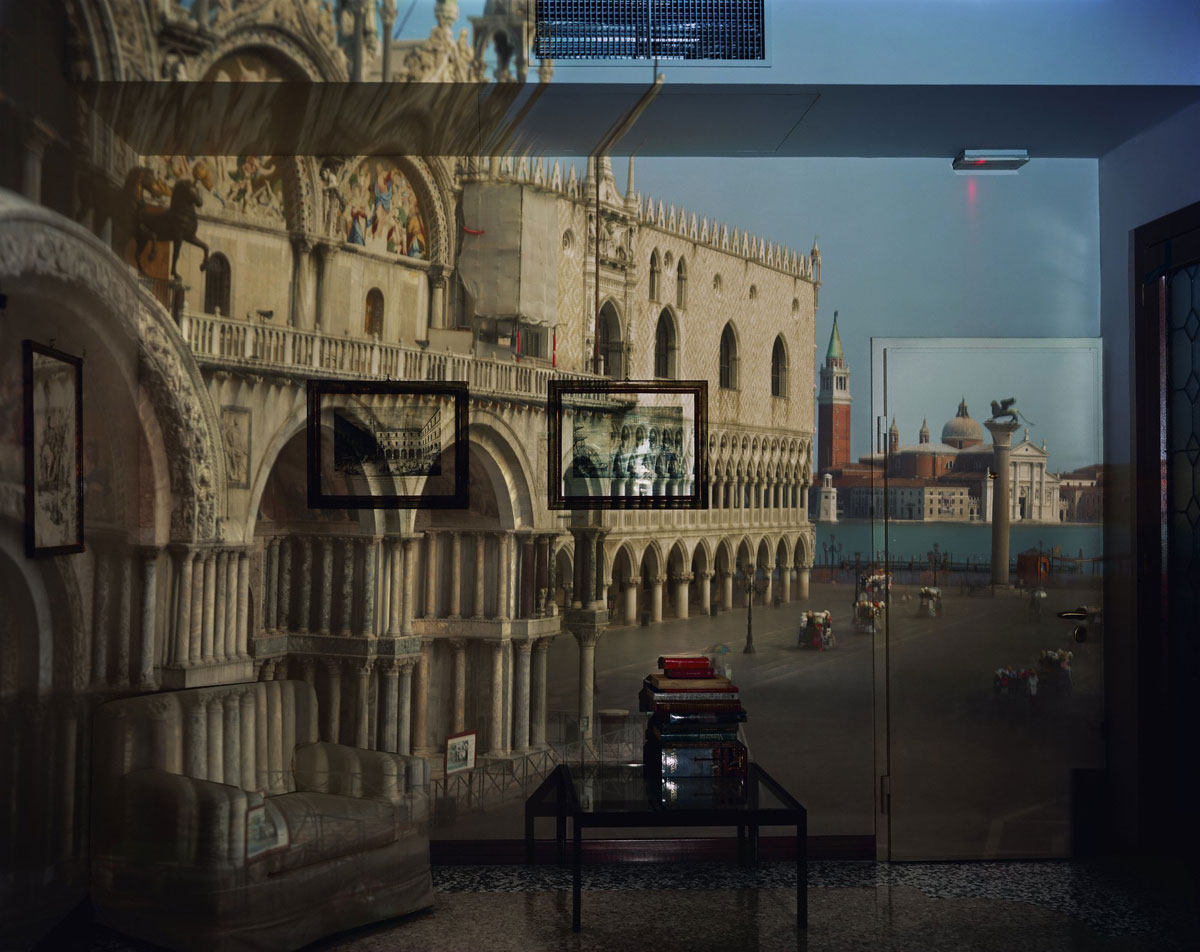


 Art Blart _ art and cultural memory archive
You must be logged in to post a comment.