Stephen Salmieri (American, b. 1945) Coney Island 1968 Vintage gelatin silver print
I love these photographs!
What’s not to like… generously sympathetic photographs that exhibit no pretension, containing interesting backgrounds and wonderful characters. The incongruity of a muscle man in leopard skin bathers in a snowy landscape at Coney Island … no worries!
“In the images, storefront booths, midway games, carnival architecture, and the shoreline provide the backdrop to Salmieri’s descriptive and engaging portraits.”
I particularly like the wonderful photograph of the large gentleman with tattoos in a white singlet sitting at a table surrounded by a halo of light bulbs. I also like how Salmieri gives some of his portraits context by including background information in his photographs.
The artist joins a rite of passage for many American photographers in taking photographs at Coney Island – that is, to capture the magic and mystique of this theatrical, carnivalesque place – one full of history, ceremony, community, tradition, fun, drama, people, sun and sand.1
Luminaries to have photographed there include Diane Arbus, Robert Frank, Weegee, Garry Winogrand, Bruce Davidson, Lisette Model, Walker Evans, Leon Levinstein, Arlene Gottfried, Harold Feinstein and Edward J. Kelty to name just a few.
Stephen Salmieri’s charismatic photographs are strong enough to join this pantheon of stars and the “vaunted tradition” of picturing Coney Island.
Dr Marcus Bunyan
1/ Bakhtin’s idea of the carnivalesque and the carnival paradigm accords to certain patterns of play where “the social hierarchies of everyday life… are profaned and overturned by normally suppressed voices and energies.”
“The carnival offers the chance to have a new outlook on the world, to realise the relative nature of all that exists, and to enter a completely new order of things.”
Bakhtin, Mikhail. Rabelais and his World (trans. Hélène Iswolsky). Bloomington: Indiana University Press, 1984, p. 34.
Many thankx to the Joseph Bellows Gallery for allowing me to publish the photographs in the posting. Please click on the photographs for a larger version of the image.
“These spare and emotional first images of a forgotten community, now lost in time, allowed me to forge a vision at a pivotal moment in my young life.”
Stephen Salmieri
Stephen Salmieri (American, b. 1945) Coney Island 1968 Vintage gelatin silver print
Stephen Salmieri (American, b. 1945) Coney Island 1971 Vintage gelatin silver print
Stephen Salmieri (American, b. 1945) Coney Island 1968 Vintage gelatin silver print
Stephen Salmieri (American, b. 1945) Coney Island 1969 Vintage gelatin silver print
Stephen Salmieri (American, b. 1945) Coney Island 1969 Vintage gelatin silver print
Stephen Salmieri (American, b. 1945) Coney Island 1969 Vintage gelatin silver print
Stephen Salmieri (American, b. 1945) Coney Island 1969 Vintage gelatin silver print
Stephen Salmieri (American, b. 1945) Coney Island 1969 Vintage gelatin silver print
Stephen Salmieri (American, b. 1945) Coney Island 1969 Vintage gelatin silver print
Stephen Salmieri (American, b. 1945) Coney Island 1969 Vintage gelatin silver print
Joseph Bellows Gallery is pleased to present an online exhibition of Stephen Salmieri’s photographs of Coney Island. Made between 1967 and 1972 with an array of cameras and black and white film, these images portray a cast of beachgoers and amusement park locals within the surrounding environment of one of America’s earliest and most illustrious seashore amusement parks.
The exhibition showcases Salmieri’s finely crafted vintage black and white prints. In the images, storefront booths, midway games, carnival architecture, and the shoreline provide the backdrop to Salmieri’s descriptive and engaging portraits. In a published statement on the photographs, the artist explains his process and motivation:
“The world of Coney Island has changed dramatically since I made these photographs. It was my first self-assigned project at twenty years of age, having just graduated from the School of Visual Arts. In choosing my subject I gravitated naturally to the familiar destination of my adolescent bike adventures.
I made the hour ride to Coney Island with all my cameras in tow all year round. I carried a 4 x 5 field camera, a 6 x 6 cm and a 35 mm format, and lots of Tri-X film.
In 1969, CAMERA magazine approached me at my first exhibition at the Underground Gallery. In my naivety, I did not realise that Coney Island was also the choice territory for such luminaries as Robert Frank, Lisette Model, Leon Levinstein, and Weegee. It wasn’t until the magazine published these photographs as part of their seminal Coney Island issue in 1971 that I realised I had become part of a vaunted tradition.
These spare and emotional first images of a forgotten community, now lost in time, allowed me to forge a vision at a pivotal moment in my young life.”
Salmieri’s photographs from this body of work were also featured in the exhibition Forever Coney: Photographs from the Brooklyn Museum Collection.
Salmieri’s work is included in the collections of the Museum of Modern Art, New York, Brooklyn Museum, New York, Smithsonian Institute, Washington D.C., Cooper-Hewitt National Design Museum, New York, Flint Institute, Michigan, the Museum of the City of New York, the Nelson-Atkins Museum, and the J. Paul Getty Museum. Publications include “American Grilles” (1978, Hartcourt-Brace) and “Cadillac: An American Icon” (1985, Rizzoli).
Text from the Joseph Bellows Gallery website
Stephen Salmieri (American, b. 1945) Coney Island 1970 Vintage gelatin silver print
Stephen Salmieri (American, b. 1945) Coney Island 1971 Vintage gelatin silver print
Stephen Salmieri (American, b. 1945) Coney Island 1971 Vintage gelatin silver print
Stephen Salmieri (American, b. 1945) Coney Island 1972 Vintage gelatin silver print
Stephen Salmieri (American, b. 1945) Coney Island 1967-1972 Vintage gelatin silver print
Robert Frank (American, 1924-2019) Coney Island 4th of July, 1958 Gelatin silver print
Edward J. Kelty (American, 1888-1967) Harlem Black Birds, Coney Island 1930
Walker Evans (American, 1903-1975) Couple at Coney Island, New York 1928 Gelatin silver print
Weegee (Arthur Fellig) (American born Ukraine, 1899-1968) Afternoon Crowd at Coney Island July 21st 1940
Garry Winogrand (American, 1928-1984) Coney Island, New York City, N.Y. 1952 Gelatin silver print
Leon Levinstein (American, 1910-1988) Coney Island 1955 Gelatin silver print
Diane Arbus (American, 1923-1971) Man in hat, trunks, socks and shoes, Coney Island, N.Y. 1960 1960 Gelatin silver print
Bruce Davidson (American, b. 1933) Two Youths, Coney Island 1958 From the series Brooklyn Gang
Joseph Bellows Gallery 7661 Girrard Avenue La Jolla, California Phone: 858 456 5620
Opening hours: Tuesday – Saturday 11am – 5pm and by appointment
Stella Hurtig Jones was a famous American vaudeville performer who traveled the world as a flamenco and tango dancer during the late 19th and early 20th centuries. One of Lange’s earliest professional portraits, the composition uses the soft focus and diffused light that characterises pictorial photography, popular among celebrities. Lange photographed Hurtig Jones as herself, rather than as her stage persona La Estrellita (The Little Star), perhaps in recognition of her recent retirement. As European travel waned during World War I and movies replaced vaudeville as mass entertainment, the allure of traditional Spanish dance diminished. La Estrellita married, started a perfume business, and moved from Hollywood to the Bay Area.
Label text from the exhibition
Full of the world
Just when you think that you know the work of an artist photographs emerge that you have never seen before, photographs that challenge the canon of famous images on which the reputation of the artist rests. Such is the case in this two part posting on the work of social documentary photographer Dorothea Lange (American, 1895-1965). See Part 1 of the posting.
Rather, it is the relatively unknown early Pictorialist photographs, the earthy photographs of Irish people, and photographs that challenge the formalist construction of images of the disintegration of families and communities during the Great Depression – images that are far more avant-garde and experimental than I would have expected from Lange – which shine in the mind’s eye (in one’s imagination or memory).
The ethereal Pictorialist portraits (this posting) with their asymmetrical construction, trembling? vibrational? negative space, luminous light and low depth of field are a delightful surprise… as are the 1950’s Irish portrait photographs (Part 1 of the posting) full of earthy, brooding darkness – with faces that are “pure Ireland.” What intensity in these images, clearly and empathetically seen.
But it is the abstract figurative studies in which I am most interested… images that disrupt Lange’s normative representation in her social documentary photographs of humanity and their resilience. In photographs such as On the Plains a Hat Is More Than a Covering(1938, below) and Jake Jones’s Hands, Gunlock County, Utah(1953) – taken fifteen years apart but which could have been taken the same day, on a theme the artist was obviously interested in – Lange dissects the body, closing in on gnarled hands, weatherbeaten hats as metaphor for a tough life, well lived. These are images in which we see very little (as opposed to Barthes assertion that in photography’s realism a photo is an image in which we see everything) … but implicitly understand the sublime blur of legend of these workers and their hats.
Other photographs dial up the figurative abstraction. Demonstration, San Francisco (1934, below) is a study of light, shape and form, an almost Constructivist image of fragments and negative space: hand, pole, amorphous mass of shoulder, face turned away, hat and declarative “FEED US!” banner; San Francisco Waterfront (1934) is a beautifully rendered abstract pictorial space evidencing the despair of humanity through light and form: witness, the clasped hands at rear like sentinels, the thumb pointing left… while below, covered head in hand, the thumb points vertically to the surmounted ear, which echoes the cropped ear and hair at the bottom of the photo, while to the right the two buttons of the jacket lead us to the ascending column of four buttons back to the portentous, clasping, guarding hands above. A masterpiece of photographic pictorial construction. Further, with their radical pictorial construction and cropping of the picture frame, masterpieces such as Dispossessed Arkansas farmers(1935) are truly avant-garde and experimental photographs for their time, something I don’t normally associate with the work of Dorothea Lange. As my friend Jonathan Kamholtz observes of the photographs I have been discussing, Lange “tended to lose interest in the backgrounds. The pictorial space is really very shallow. This contributes to their theatricality – not in the sense that they are false or artificial, but that each one displays character, costume, fate.”
Forearmed with this knowledge, I start looking at her well known images with fresh eyes… and its all there in more subtle form: the low angle of the camera looking up at the subject, the geometric shape of hands and arms, the solid blocks of bodies filling the picture frame, the sculptural, abstract shape of bodies in fields (Migratory Field Worker Picking Cotton in San Joaquin Valley, 1938), the flattening of bodies one against another (May Day, San Francisco, California, 1934) and the disassociation of human identity through the occlusion of faces (This man is a labor contractor in the pea fields of California 1936, below; Damaged Child, Shacktown 1936, below; Washington, Yakima Valley, near Wapato 1939, below).
Dorothea Lange was an incredibly intelligent and passionate artist who removed her ego from the act of taking photographs, who lost herself in the visual experience in order to take photographs to effect social change, who connected with the world in order “to experience love, hate, and passion in every form in one’s body.”1
“That the familiar world is often unsatisfactory cannot be denied, but it is not, for all that, one that we need abandon,” she argued. “We need not be seduced into evasion of it any more than we need be appalled by it into silence… Bad as it is, the world is potentially full of good photographs. But to be good, photographs have to be full of the world.”2
And full of the spirit of the artist.
Dr Marcus Bunyan
1/ Carl Jung quoted in Nicos Hadjicostis. Destination Earth: A New Philosophy of Travel by a World-Traveler. Bamboo Leaf Press, 2016, p. 42.
2/ Dorothea Lange and Daniel Dixon, “Photographing the Familiar,” Aperture 1, no. 2 (1952), 15.
Many thankx to the National Gallery of Art for allowing me to publish the photographs in the posting. Please click on the photographs for a larger version of the image.
“When you enter into the visual world, detaching yourself from all the holds on you… it is a mental disengagement so that you live, for maybe two or three hours, as completely as possible a visual experience, where you feel that you have lost yourself, your identity.”
Dorothea Lange quoted in Dyanna Taylor and Public Broadcasting Service (U.S.), directors. American Masters – Dorothea Lange: Grab a Hunk of Lightning. Kanopy Streaming, 2014.
“The researcher ought to hang up exact science and put away the scholar’s gown, to say farewell to his study, and wander with human heart through the world, through the horror of prisons, madhouses, and hospitals, through drab suburban pubs, in brothels, and gambling dens, through the salons of elegant society, the stock exchanges, the socialist meetings, the churches, the revivals and ecstasies of the sects, to experience love, hate, and passion in every form in one’s body.”
Carl Jung quoted in Nicos Hadjicostis. Destination Earth: A New Philosophy of Travel by a World-Traveler. Bamboo Leaf Press, 2016, p. 42.
During her long, prolific, and groundbreaking career, the American photographer Dorothea Lange made some of the most iconic portraits of the 20th century. Dorothea Lange: Seeing People reframes Lange’s work through the lens of portraiture, highlighting her unique ability to discover and reveal the character and resilience of those she photographed.
Featuring some 100 photographs, the exhibition addresses her innovative approaches to picturing people, emphasising her work on social issues including economic disparity, migration, poverty, and racism.
“Five years earlier I would have thought it enough to take a picture of a man, no more. But now, I wanted to take a picture of a man as he stood in his world.”
“A single photographic print may be “news,” a “portrait,” “art,” or “documentary” – any of these, all of them, or none.”
“The whole world is a museum. To walk through the streets, as though down a museum corridor. … To step into a supermarket as though setting forth in the National Gallery – is an experience and an exercise in vision.”
Dorothea Lange
Dorothea Lange (American, 1895-1965) Untitled (Fleishhacker Portrait) 1920 Gelatin silver print Image: 15.4 x 15.1cm (6 1/16 x 5 15/16 in.) Mat: 16 x 14 in. Frame (outside): 17 1/4 x 15 1/4 in. Collection of the Oakland Museum of California, Gift of Paul S. Taylor
Lange embraced the chance to experiment outside her studio. In August 1923, she visited Walpi Village of the Hopi Nation with her then-husband Maynard Dixon, an avid outdoor painter. She had begun to crop some of her portraits to accentuate a gaze, hand, touch, or torso – a way of capturing the essence of a person, paradoxically showing less to reveal more.
When printing Hopi Man, Lange focused so closely on the subject’s face that his features resemble a map of his experience. She undercut her own effort to reach meaningfully across the cultural divide, however, because she did not record the man’s name or any other information about him. As a portrait, Hopi Man risks picturing a type or class of person rather than this individual’s character.
Label text from the exhibition
Dorothea Lange (American, 1895-1965) Clausen Child and Mother c. 1930 Gelatin silver print Image: 15.6 x 21cm (6 1/8 x 8 1/4 in.) Mat: 14 x 17 in. Frame (outside): 15 1/4 x 18 1/4 in. The Museum of Modern Art, New York. Thomas Walther Collection. Gift of Henri Cartier-Bresson, by exchange
Lange frequently photographed the subject of mother and child, a long-standing Western art historical tradition rooted in depictions of the Virgin Mary and baby Jesus and modernised and secularised in high-end portrait studios. Here Frances Clausen stares directly at the camera while her mother, Gertrude, sits in shadow, looking away. Lange focuses on the child’s inquisitive gaze, as well as her affectionate bond to and emerging independence from her mother. Lange’s expertise photographing children – acquired from her early studio work – led to some of her most important photographs made during the Great Depression, displayed in the next galleries.
Maynard Dixon (January 24, 1875 – November 11, 1946) was an American artist. He was known for his paintings, and his body of work focused on the American West. Dixon is considered one of the finest artists having dedicated most of their art to the U.S. Southwestern cultures and landscapes at the end of the 19th-century and the first half of the 20th-century. He was often called “The Last Cowboy in San Francisco.”
Through his work with the Galerie Beaux Arts, a cooperative gallery in San Francisco, Dixon played a pivotal role ensuring the West Coast supported the work of local, modern artists. He was married for a time to photographer Dorothea Lange, and later to painter Edith Hamlin.
In summer 1931, escaping the Depression-era turmoil of San Francisco, Lange and Dixon bought their first car and drove to New Mexico with their children. Her few surviving photographs from this trip reveal significant steps in her transition away from studio portraiture and toward a more straightforward approach to photographing people. A series of pictures portrays this unidentified Indigenous girl in a direct documentary style. Although her expression reveals few emotions, she looks squarely at the lens in one photograph and seems comfortable in front of the camera.
Lange met Dorothy Brett in 1931 when the photographer and her family spent several months in Taos. Born into an aristocratic British family, Brett rebelled against their expectations, attending art school and becoming a painter. In London she befriended writers associated with the Bloomsbury group, including D. H. Lawrence, who was recruiting people to go to New Mexico to form a utopian society. Brett was the only person who followed him, but she was so enchanted with the area that she lived there for the rest of her life.
Label text from the exhibition
Hon. Dorothy Eugénie Brett (10 November 1883 – 27 August 1977) was an Anglo-American painter, remembered as much for her social life as for her art. Born into an aristocratic British family, she lived a sheltered early life. During her student years at the Slade School of Art, she associated with Dora Carrington, Barbara Hiles and the Bloomsbury group. Among the people she met was novelist D.H. Lawrence, and it was at his invitation that she moved to Taos, New Mexico in 1924. She remained there for the rest of her life, becoming an American citizen in 1938.
Her work can be found in the Smithsonian American Art Museum in Washington D.C., in the Millicent Rogers Museum and the Harwood Museum of Art, both in Taos. Also at the New Mexico Museum of Art, Santa Fe, the Roswell Museum and Art Center, Roswell, New Mexico and in many private collections.
Dorothea Lange (American, 1895-1965) Demonstration, San Francisco 1934 Gelatin silver print Image: 12.1 x 14.3cm (4 3/4 x 5 5/8 in.) Sheet: 12.1 x 14.3cm (4 3/4 x 5 5/8 in.) Mount: 14.6 x 23.8cm (5 3/4 x 9 3/8 in.) Lent by The Metropolitan Museum of Art, Gilman Collection, Purchase, Joseph M. Cohen Gift, 2005
In 1934, as Lange began to forge a new documentary practice, she sought “to take a picture of a man as he stood in his world.” With no clients to please, she drew on insights she had learned from modernism, especially its celebration of close-up studies and dramatic angles. Like other artists, she also found that signs – such as the protest poster declaring “… FEED US!” – could root a photograph in a specific time and place and give agency to those she depicted, allowing them to speak. With carefully composed pictures like this one, Lange was acknowledging the power of modernist photography to tell stories in simple, dynamic ways.
Label text from the exhibition
Dorothea Lange (American, 1895-1965) Andrew Furuseth 1934 Gelatin silver print Image: 20.5 x 19.6cm (8 1/16 x 7 11/16 in.) Sheet: 21.1 x 20.3cm (8 5/16 x 8 in.) National Portrait Gallery, Smithsonian Institution
Andrew Furuseth was an American labor leader known for organising seamen during the late 19th and early 20th centuries. He helped create the Sailors’ Union of the Pacific and the International Seamen’s Union, heading both as their president. Lange met 80-year-old Furuseth around the time of the San Francisco waterfront strikes of 1934. She had been photographing labor organisers and protesters at May Day events around the city while Furuseth was working to help moderate the seamen’s anger to avoid a damaging strike. Her portrayal of Furuseth in profile against a dark background – eyes closed, deep in thought – emphasises his years of experience and a weary strength.
Label text from the exhibition
Andrew Furuseth (March 17, 1854 – January 22, 1938) of Åsbygda, Hedmark, Norway was a merchant seaman and an American labor leader. Furuseth was active in the formation of two influential maritime unions: the Sailors’ Union of the Pacific and the International Seamen’s Union, and served as the executive of both for decades.
Furuseth was largely responsible for the passage of four reforms that changed the lives of American mariners. Two of them, the Maguire Act of 1895 and the White Act of 1898, ended corporal punishment and abolished imprisonment for deserting a vessel.
Furuseth was credited as the key figure behind drafting and enacting the Seamen’s Act of 1915, hailed by many as “The Magna Carta of the Sea” and the Jones Act of 1920 which governs the workers’ compensation rights of sailors and the use of foreign vessels in domestic trade. In his later years, he was known as “the Old Viking”.
Lange’s portrait of a Depression-era stenographer omits her face to focus on her dark, creased dress, tattered hosiery, and woven shoes. Her stockings are stitched up the front, mended to keep them – and her – going for another day or two. They reveal the grit and fortitude of San Francisco’s working women during a time when jobs were scarce and people had to conserve all their resources in the face of financial insecurity.
Dorothea Lange (American, 1895-1965) Black sharecropper with twenty acres. He receives eight cents a day for hoeing cotton. Brazos river bottoms, near Bryan, Texas June 1938, printed c. 1950 Gelatin silver print Image: 24.1 x 19.2cm (9 1/2 x 7 9/16 in.) Sheet: 25.3 x 20.5cm (9 15/16 x 8 1/16 in.) Mat: 18 x 14 in. Frame (outside): 19 x 15 in. National Gallery of Art, Washington, Gift of Daniel Greenberg and Susan Steinhauser
American photographer Dorothea Lange (1895-1965) created some of the most groundbreaking portraits of the 20th century. Through pictures of labourers, demonstrators, refugees, migrant farmers, the unjustly incarcerated, and others, Lange captured the spirit of human endurance while recording some of the profound social inequities of the period. Her work expanded the boundaries of portraiture and helped spark the development of modern documentary photography.
Dorothea Lange: Seeing People reframes Lange’s art through the lens of portraiture and highlights her capacity to spotlight the humanity and resilience of those she photographed. She began her career as a studio portrait photographer, and even as she ventured far outside her studio people remained key to her mission. Focusing on Lange’s abiding concern for those in need, this exhibition reveals her lifelong investigation into how photography – and portraits in particular – could help bring about collective change.
One of the most important documentary photographers of her time, Lange sought to transform how we see and understand one another. Motivated by an ever-growing interest in social justice, she was also an intrepid reporter who traveled extensively in the United States and around the world to create indelible and influential photographs. This exhibition illuminates the centrality of portraiture in Lange’s career and its role in exposing the impacts of economic disparity, climate change, migration, and war – issues that remain equally urgent today.
Dorothea Lange (American, 1895-1965) This man is a labor contractor in the pea fields of California. “One-Eye” Charlie gives his views. “I’m making my living off of these people (migrant laborers) so I know the conditions,” San Luis Obispo County, California February 1936 Gelatin silver print Image: 24.1 x 19.7cm (9 1/2 x 7 3/4 in.) Sheet: 25.4 x 20.3cm (10 x 8 in.) Mat: 18 x 14 in. Frame (outside): 19 x 15 in. National Gallery of Art, Washington, Gift of Daniel Greenberg and Susan Steinhauser
Dorothea Lange (American, 1895-1965) Migratory Pea Pickers, Nipomo, California March 1936 Gelatin silver print Image: 19.4 x 24.5cm (7 5/8 x 9 5/8 in.) Sheet: 20.3 x 25.7cm (8 x 10 1/8 in.) Mat: 13 x 16 in. Frame (outside): 14 x 17 in. National Gallery of Art, Washington, Gift of Daniel Greenberg and Susan Steinhauser
Dorothea Lange (American, 1895-1965) Post Office and Postmistress, Widtsoe, Utah April 1936 Gelatin silver print Image: 24.4 x 19.3cm (9 5/8 x 7 5/8 in.) Sheet: 25.4 x 20.3cm (10 x 8 in.) Mat: 16 x 13 in. Frame (outside): 17 x 14 in. National Gallery of Art, Washington, Gift of Daniel Greenberg and Susan Steinhauser
When Lange photographed Widtsoe, Utah, for the Resettlement Administration, the town’s population had dwindled to 17 families. Cycles of drought devastated the region’s agricultural economy and the RA stepped in to buy out landowners and relocate them. Signs of desolation are evident in this portrait of the town’s postmistress at the post office. Perched on cinder blocks, surrounded by dusty earth, the building appears to teeter – an effect intensified by Lange’s skewed composition. The stoic presence of the postmistress, who is posed neatly within the doorframe, hints at the stabilising role women often play in Lange’s compositions.
Label text from the exhibition
Dorothea Lange (American, 1895-1965) Plantation Owner, Mississippi Delta, near Clarksdale, Mississippi June 1936 Gelatin silver print Image: 18.7 x 24.1cm (7 3/8 x 9 1/2 in.) The Art institute of Chicago, Purchased with funds provided by Vicki and Thomas Horwich
In 1938, a cropped version of this photograph was featured in the publication of Archibald MacLeish’s book-length poem Land of the Free. The cropped photograph focused attention on the “plantation owner” and erased four of the Black men, leaving just one silhouetted in the background. MacLeish’s poem proclaims, “All you needed for freedom was being American” – yet Lange’s original picture, and the subsequent cropped version, reveals the fallacy of this sentiment. Both point to how African Americans were barred from achieving the freedom that MacLeish claims was available to all Americans. Paul Taylor appears at the far left edge interviewing the owner.
Label text from the exhibition
Dorothea Lange (American, 1895-1965) Drought Refugees from Oklahoma Camping by the Roadside, Blythe, California August 17, 1936 Gelatin silver print Image: 24 x 19.1cm (9 7/16 x 7 1/2 in.) Mount: 33.02 x 28.26 cm (13 x 11 1/8 in.) Mat: 20 x 16 in. Frame (outside): 21 x 17 in. National Gallery of Art, Washington, Gift of Daniel Greenberg and Susan Steinhauser
As a result of droughts and erosion that destroyed tillable land and crops in Oklahoma and Arkansas, thousands of farmers moved west with their families to start their lives over in places such as Blythe. Zella, Jess, and Jesse Power were among these families. It is not clear when the Powers began their move to California, but Jesse was born in Blythe, so Zella may have been pregnant during their journey. Lange’s field notes indicate that the Powers were a family of seven; an older sibling’s foot may be glimpsed in the lower right. With her furrowed brow and slumped posture, Zella exemplifies the difficulties faced by migrant mothers seeking better lives for themselves and their families in places that did not promise immediate relief.
Label text from the exhibition
Dorothea Lange (American, 1895-1965) Child Living in Oklahoma City Shacktown [Damaged Child, Shacktown] August 1936 Gelatin silver print Image: 24.2 x 19.4cm (9 1/2 x 7 5/8 in.) Mat: 17 x 14 in. The Museum of Modern Art, New York. Purchase
This photograph of a bruised girl with a hollow gaze is one of many Lange made depicting the exploitation of migrant children during the Great Depression. The portrait suggests the range of emotional and physical harm children experienced as they, too, struggled to survive economic hardship.
Label text from the exhibition
Dorothea Lange (American, 1895-1965) Eighty-year-old woman living in squatters’ camp on the outskirts of Bakersfield, California. “If you lose your pluck you lose the most there is in you – all you’ve got to live with” November 1936 Gelatin silver print Image: 19 x 24.4cm (7 1/2 x 9 5/8 in.) Sheet: 20.3 x 25.5cm (8 x 10 1/16 in.) Mat: 13 x 16 in. Frame (outside): 14 x 17 in. National Gallery of Art, Washington, Gift of Daniel Greenberg and Susan Steinhauser
Dorothea Lange (American, 1895-1965) Young Cotton Picker, San Joaquin Valley, California November 1936 Gelatin silver print Image: 24.1 x 18.4cm (9 1/2 x 7 1/4 in.) Collection of the Oakland Museum of California, Gift of Paul S. Taylor
Dorothea Lange (American, 1895-1965) Alabama Plow Girl, near Eutaw, Alabama 1936 Gelatin silver print Image: 19.1 x 19.4cm (7 1/2 x 7 5/8 in.) Lent by The Metropolitan Museum of Art, Purchase, Alfred Stieglitz Society Gifts, 2001
Lange travelled to the American South in 1936 while employed by the Resettlement Administration. Near Eutaw, Alabama, she photographed Black tenant farmers like this shoeless girl plowing a field in the punishing summer heat. In the South, Lange witnessed the oppressive working conditions endured by Black tenants, who farmed land predominantly held by white owners and often struggled to access New Deal resources. Southern Black farmers faced undue difficulty during the Depression as economic disaster exacerbated the oppression and poverty produced by the region’s racist agricultural system.
Label text from the exhibition
Dorothea Lange (American, 1895-1965) Migratory Workers Harvesting Peas near Nipomo, California Spring 1937 Gelatin silver print Image: 19.4 x 24.5cm (7 5/8 x 9 5/8 in.) Sheet: 20.6 x 25.4cm (8 1/8 x 10 in.) Mat: 13 x 16 in. frame (outside): 14 x 17 in. National Gallery of Art, Washington, Gift of Daniel Greenberg and Susan Steinhauser
Dorothea Lange (American, 1895-1965) Country store on dirt road. Sunday afternoon. Note the kerosene pump on the right and the gasoline pump on the left. Rough, unfinished timber posts have been used as supports for porch roof. Black men are sitting on the porch. Brother of store owner stands in doorway, Gordonton, North Carolina July 1939, printed later Gelatin silver print Image: 24.5 x 34.3cm (9 5/8 x 13 1/2 in.) Sheet: 25.6 x 35.4cm (10 1/16 x 13 15/16 in.) Mat: 16 x 20 in. Frame (outside): 17 x 21 in. National Gallery of Art, Washington, Gift of Daniel Greenberg and Susan Steinhauser
Rainey Curry Baynes II, the store owner’s brother, leans in the doorway conversing with five Black men. On the far right is Arthur Thorpe, and the man wearing overalls is Joe Carrington. The men appear relaxed in Baynes’s presence, but it is unclear whether their demeanour is genuine or for the benefit of Lange’s camera. They may have been sharecroppers or tenant farmers indebted to the Baynes brothers, or simply customers of the store.
Label text from the exhibition
Dorothea Lange (American, 1895-1965) Washington, Yakima Valley, near Wapato. One of Chris Adolph’s Younger Children. Farm Security Administration Rehabilitation Clients August 1939 Gelatin silver print Image: 20.83 x 25.4cm (8 3/16 x 10 in.) Collection of the Oakland Museum of California, Gift of Paul S. Taylor
Dorothea Lange (American, 1895-1965) End of Shift, Richmond, California 1942, printed 1965 Gelatin silver print Image: 75.7 x 59.5cm (29 13/16 x 23 7/16 in.) The Museum of Modern Art, New York. Purchase
Fortune magazine commissioned Lange to document the bustling shipyards in Richmond, north of Oakland, where newly desegregated defence firms were rapidly constructing transport, cargo, and warships for the United States Navy. With its tight cropping and dynamic configuration, End of Shift focuses on the rushing legs and torsos of shipbuilders leaving a wartime facility. Lange expressed the urgency of their work in defence production without showing their individual features. The angled composition and complex interplay of light and shadow demonstrate Lange’s understanding of how modern design techniques could convey the force and energy of a group working together on a project critical to the nation’s defence.
Label text from the exhibition
Dorothea Lange (American, 1895-1965) Street Encounter, Richmond, California c. 1943 Gelatin silver print Image: 21.7 x 17.9cm (8 9/16 x 7 1/16 in.) Frame (outside): 18 3/4 x 15 3/4 in. The Nelson-Atkins Museum of Art, Kansas City, Missouri (Gift of Hallmark Cards, Inc.)
Dressed for work as a welder, this woman was one of thousands who moved to Richmond, California, during the early 1940s to seek employment in the expanding wartime shipbuilding yards. On assignment for Fortune magazine, Lange documented the upheaval wrought by Richmond’s rapidly growing population and diversifying workforce. Lange’s field notes described this picture as an “Item on race relations. Scene on main street. The girl was a taxi driver in New Orleans. She came to Richmond with her husband two years ago.” Recognising the power of words in her pictures, Lange included a sign that could be read as “Serve You” or “Serve Your Country,” but which actually says “Serve Yourself” – a wry comment on the national unity promoted by the era’s patriotic propaganda.
Label text from the exhibition
Early Portraits
Born in Hoboken, New Jersey, in 1895, Dorothea Lange learned photography in New York City before embarking in 1918 on a round-the-world trip. When forced to cut her journey short and find employment in San Francisco, she secured a position at the photo-finishing counter of a variety store. She soon opened her own portrait studio and worked among a cohort of bohemian artists and intellectuals including Imogen Cunningham, Consuelo Kanaga, Ansel Adams, Edward Weston, and the painter Maynard Dixon, who would become her first husband.
Bay Area high-society and cultural figures became Lange’s clients and the subjects of her studio portraits. These early pictures combine elements of the pictorial style in which she was trained, such as soft focus and diffused light, with an emerging modernist aesthetic that included dramatic cropping and unusual angles. She used light, shadow, and carefully constructed poses to articulate the character, attitude, and individuality of her models: “I really and seriously tried, with every person I photographed, to reveal them as closely as I could.”
Poverty and Activism
Although she had a highly successful studio practice, Lange in 1933 was compelled by the nation’s worsening economic conditions to rethink her occupation and carry her cameras into the city. “There in my studio I was surrounded by evidence of the Depression,” she said. “I remember well standing at that one window and just watching the flow of life. … I was driven by the fact that I was under personal turmoil to do something.”
Out in the streets during the early years of the Great Depression, Lange saw poverty, breadlines, strikes, and labor demonstrations. Her photographs from this period portray the unemployment and unrest that plagued San Francisco, and also document the activism of workers who organised to change their conditions. In 1934, Lange met the agricultural economist Paul Taylor. The two formed an important professional and personal partnership (they married the following year). Lange soon shifted her attention to the plight of migrant farmers, who were moving to California to seek work.
The Great Depression
As the Great Depression deepened, Dorothea Lange focused her lens on the families who had fled westward in the face of economic hardship caused by depleted land and failed farm tenancy in the South and Midwest. When she was working for government agencies, she documented the success of rural cooperatives and the unsanitary conditions in California migrant camps while striving to humanise the large numbers of people seeking shelter and employment. For Lange, portraiture offered a way to visualise the impacts of migration, racism, and environmental change, as well as the legacy of slavery, to gain public support for government aid programs.
During this period Lange cemented her style of documenting people. Her empathetic, highly detailed, and sharply focused depictions show labourers within their living and working environments. Some subjects are alone, but many are seen with family and other members of their communities. These photographs provided evidence of economic disaster and bore witness to the resulting human tragedy while underscoring her subjects’ strength and resilience. This powerful merging of portraiture and documentary photography expanded the boundaries of both traditions, transforming them in ways that resonate deeply today.
World War II
During World War II, Dorothea Lange focused on the impact of the war on Americans at home as well as the nation’s complicated racial dynamics. Nowhere is this seen more acutely than in her portraits of individuals of Japanese ancestry who were forced to abandon their homes in response to President Franklin D. Roosevelt’s executive order (see nearby panel).
Lange also recorded the epochal shifts in California’s social fabric sparked by the growing defence industries, which helped rebuild the economy. Hired by Fortune magazine, she documented the Kaiser Shipyards in Richmond, California, where well-paid jobs attracted African Americans, Native Americans, and women into what had previously been a white male-dominated workforce. Yet as the population of Richmond quickly swelled, and as these newly empowered groups began to assert themselves, the changes also provoked housing shortages and social unrest.
Postwar America
Despite frequent health struggles, in the 1950s Dorothea Lange pursued photographic stories about a variety of American communities in the western United States. These include a project about urban life, for which she roamed the Bay Area; Three Mormon Towns, a collaboration made with Ansel Adams and Paul Taylor in Utah for Life magazine; and an environmental critique produced with photographer Pirkle Jones about the flooding of a Northern California town to create a reservoir. Wide-ranging in subject matter, Lange’s photographs reveal an extraordinary ability to portray the continued transformation of the American West and shine a light on the environmental and human consequences of the postwar economic boom.
World View
Dorothea Lange began working globally in 1954. Her first trip overseas was to Ireland, where she documented the kinship and community of country villages for Life magazine. Her husband, Paul Taylor, began consulting on international economic development for the US State Department and, in 1958, they traveled abroad for eight months, visiting Korea, Indonesia, Vietnam, and other countries; in the early 1960s, the couple traveled to Venezuela and Egypt. Continuing to concentrate on portraiture, Lange found a new sort of beauty and serenity in these foreign environments as well as ties to the economic and social disparities she had photographed in the United States. While photographs taken during these trips confirm her ongoing creativity in the face of declining health, profound cultural differences made it more difficult for Lange to connect with people.
Lange devoted the last years of her life to her family and to organising a retrospective exhibition of her photographs at the Museum of Modern Art in New York. She passed away in late 1965, but her legacy continues in the enduring resonance of her photographs and the new generations of photographers who use portraiture and documentary styles to prompt social change.
Travel
Beginning in 1922, Lange traveled with her first husband, artist Maynard Dixon, to Arizona and New Mexico, where she produced portraits of Indigenous Americans. The few photographs that remain from these excursions show Lange testing new strategies. She started to experiment with portraits that featured just a fragment of a person – their hands or face, for example – perhaps inspired by the modernist work of photographer Alfred Stieglitz, whom she had met in 1923. She also shed the soft-focus pictorial style of her earlier studio portraits in favour of a more direct approach. Although Lange interacted only briefly with the Indigenous people she photographed, she witnessed some of the “harsh and unjust treatment” they faced. The sensitivity and experimentation seen in these early photographs helped establish Lange’s expansive concept of portraiture, which impacted her later work.
The Resettlement Administration and the Farm Security Administration
From mid-1935, Dorothea Lange worked for the federal government’s Resettlement Administration (RA), reorganised as the Farm Security Administration (FSA) in 1937. Created to revitalise the country’s faltering agricultural economy, the RA helped farmers acquire land through low interest loans, administered projects on soil conservation and reforestation, and supported resettlement for those who could no longer work their land.
To document and report on its efforts, the RA established a historical division. Led by economist Roy Emerson Stryker, it enlisted some of America’s finest documentary photographers, including Walker Evans, Russell Lee, Marion Post Wolcott, Arthur Rothstein, and Ben Shahn. Stryker hired Lange on the strength of her earlier photographs documenting agricultural conditions for the state of California. In pictures of migrant labourers in California, tenant farmers in Alabama, drought refugees from Oklahoma, and others, Lange recorded the work and aspirations of the agencies. She covered a wide range of socially engaged stories that highlighted themes of human struggle and resilience, but the federal agencies – eager to garner widespread public and congressional support – discouraged depictions of racial oppression.
Migrant Mother March 1936
Human Erosion in California depicts a mother and three children at a migrant labor camp. Lange carefully composed the portrait to capture the woman’s face – prematurely etched by years of labor and worry – and her daughters embracing her. Migrant Mother, as the photograph is commonly known, has been compared to a Renaissance-era Madonna and child and described as an icon of 20th-century art, revered for its empathetic portrayal. Lange did not record the mother’s name. Only in 1978 was she finally identified as Florence Owens Thompson, a woman of Cherokee descent from Oklahoma. At the time of the photograph, Owens Thompson and her family were driving back home from California, where her husband had been working in a sawmill. When their car broke down, they were stranded at a nearby pea pickers’ camp. First published in a newspaper editorial urging government aid for migrant labourers, Migrant Mother prompted support from the state and the picture become an emblem of the power of photography to bring about social change. It also raises questions about the ethics of documentary photography and the dynamics between photographer and subject. Lange recalled that Owens Thompson “seemed to know that my pictures might help her, and so she helped me. There was a sort of equality about it.” Owens Thompson, however, received little benefit and was never given a copy of the photograph.
Executive Order 9066
In February 1942, months after the Japanese attack on the Pearl Harbor naval base, President Franklin D. Roosevelt signed Executive Order 9066. The order paved the way for the removal of more than 120,000 individuals of Japanese ancestry – the majority of whom were American citizens – from the West Coast to inland incarceration camps. Denying individuals their civil liberties, the government registered and tagged people before loading them onto buses and transporting them to rudimentary “assembly centers” and, eventually, one of 10 detention camps spread across seven states. The last camp closed four years after Roosevelt issued the order.
Soon after the initial order, the government’s War Relocation Administration (WRA) hired Lange to document this process. Opposed to the government’s actions, Lange believed it was important to record for history “what we did.” Through poignant portraits, she also depicted the resilience of Japanese Americans forced to abandon the lives and businesses they had built and face incarceration. Fearing that Lange’s portraits would elicit too much sympathy, the WRA did not release the photographs during the war.
Documentary Portraiture
Lange’s work during the 1930s synthesised her ideas about portraiture and documentary photography. With new purpose, she used the techniques, compositional strategies, and social skills she had cultivated in her portrait studio to frame the people and events she recorded. By 1940 she had distilled her understanding of documentary photography as an art form that “records the social scene of our time. It mirrors the present and documents for the future.”
Yet these photographs were also documents that followed the government’s New Deal economic doctrine – they emphasised getting the country back on its feet through perseverance, hard work, regulatory reforms, and government relief. This mix of presumed objectivity, propaganda, and documentary storytelling in service of a critical national agenda proved to be particularly powerful. As photography historian Beaumont Newhall later wrote, Lange was “resolved to photograph the now, rather than the timeless; to capture somehow the effects on people of the calamity which overwhelmed America.”
Lange’s Titles
You will notice Lange’s varied approach to titles across her career. Sometimes she simply used someone’s name or the location where a picture was made. Other titles describe or poetically evoke what she saw. Lange also created elaborate captions, often taken from interviews or conversations with those whom she photographed. This was an experimental documentary technique, which relied on Lange’s memory and prolific note taking. These long captions are seen especially in work she made for government agencies during the 1930s and 1940s.
Lange and her editors frequently retitled photographs when exhibiting or publishing them. For this exhibition, we have used Lange’s original titles when known. In a few instances we have updated language in original titles to reflect contemporary usage.
Wall text from the exhibition
Dorothea Lange (American, 1895-1965) Migrant Agricultural Worker’s Family, Nipomo, California March 1936 Gelatin silver print Image: 26.67 x 34cm (10 1/2 x 13 3/8 in.) Sheet: 27.94 x 35.56 cm (11 x 14 in.) Mat: 18 x 22 in. Frame (outside): 19 x 23 in. National Gallery of Art, Washington, Gift of Daniel Greenberg and Susan Steinhauser
Florence Owens Thompson
Human Erosion in California (Migrant Mother) captures the worry, need, and insecurity of everyday Americans during the Great Depression. It is one of the most recognisable American photographs. And it almost wasn’t taken.
In spring 1935, Lange was driving home from a long trip photographing migrant worker camps when she passed a sign pointing toward a pea pickers camp. Lange had already taken many photographs of pea pickers. She tried to convince herself that she didn’t need any more. But about 20 miles later, she turned around.
We don’t know exactly what happened when Lange doubled back – this time, she didn’t take notes. And she didn’t ask many questions. Lange assumed that she had come upon a mother and her three children, there among the waves of workers coming to pick peas, California’s cash crop.
But that wasn’t true. Florence Owen Thompson was traveling with her family from elsewhere in California. The family had set up a camp on the side of the road while her husband and son went into town to resolve some car troubles. When they returned, she mentioned a photographer had taken some photos. Thompson never expected one of those photographs to immortalise her as the “Migrant Mother.” Decades later she wrote a letter to the editor of her local paper expressing irritation with her likeness being misused. In a later interview, Thompson expressed regret at ever allowing Lange to take the photo saying, “I wish she hadn’t taken my picture. I can’t get a penny out of it. [Lange] didn’t ask my name. She said she wouldn’t sell the pictures. She said she’d send me a copy. She never did.”
Dorothea Lange (American, 1895-1965) Human Erosion in California (Migrant Mother) March 1936 Gelatin silver print Image: 34.1 x 26.8 cm (13 7/16 x 10 9/16 in.) Mount: 34.8 x 27.1 cm (13 11/16 x 10 11/16 in.) Frame (outside): 28 5/8 x 22 5/8 x 1 3/8 in. The J. Paul Getty Museum, Los Angeles
Dorothea Lange (American, 1895-1965) Grandfather and Grandson of Japanese Ancestry at a War Relocation Authority Center, Manzanar, California July 1942 Gelatin silver print Image: 26.4 x 33.7cm (10 3/8 x 13 1/4 in.) Sheet: 28 x 35.3cm (11 x 13 7/8 in.) Mat: 16 x 20 in. Frame (outside): 17 x 21 in. National Gallery of Art, Washington, Gift of Daniel Greenberg and Susan Steinhauser
Dorothea Lange (American, 1895-1965) Grandfather and Grandchildren Awaiting Evacuation Bus, Hayward, California 1942 Gelatin silver print Image: 26.4 x 22.7cm (10 3/8 x 8 15/16 in.) Sheet: 35.4 x 27.8cm (13 15/16 x 10 15/16 in.) Frame (outside): 20 3/4 x 16 7/8 in. The Nelson-Atkins Museum of Art, Kansas City, Missouri (Gift of Hallmark Cards, Inc.)
In the spring of 1942, Dorothea Lange requested another leave from her Guggenheim fellowship when she was hired to document the internment of Japanese Americans during World War II. Following the bombing of Pearl Harbor in December 1941, President Roosevelt signed Executive Order 9066 in February1942, which allowed military commanders to set up security zones wherever they thought necessary, with the full authority to remove anyone from these areas regardless of nationality or age. In March, Lieutenant General John L. DeWitt, head of the Western Defense Command, announced that all persons of Japanese ancestry would have to leave the Pacific Coast military zone, which included California, western Oregon and Washington, and southern Arizona. Though no specific charges were placed against any individuals, approximately 120,000 men, women, and children – more than two-thirds of them native-born American citizens – were ordered to abandon their homes and businesses and be relocated to internment camps established by the federal government. Two of the ten camps, Manzanar and Tule Lake, were in California as were twelve of the preliminary holding areas called assembly centers. The U.S. Army was responsible for gathering the Japanese Americans and retaining them in the makeshift assembly centers – race tracks, fairground exhibition halls, empty automobile showrooms – until the camps were ready. The War Relocation Authority (WRA) was established in March 1942 to oversee management of the camps. In a letter dated 1 April1942 to Moe, Lange requested a postponement of her Guggenheim fellowship explaining: the Japanese (aliens and citizens) are being evacuated from California. The War Relocation Authority has asked me to make photographic documentation of this situation. It’s too worth-while to refuse… It interrupts my fellowship, but is in line with my work.
For the next four months, Lange documented the internees as they were evicted from their homes and businesses, tagged and labeled, and then shuffled by trains and motor convoys to various assembly centers before they were incarcerated. She photographed at only one of the actual internment camps, Manzanar, in the desert of Owns Valley in Southern California. Although Lange was a government employee while recording what is now universally acknowledged as a gross violation of justice, her sympathies were with the Japanese Americans.
Scope and Content
Lange was hired by the San Francisco Regional Office of the War Relocation Authority (WRA) in early April 1942 as a photographer investigator to document the evacuation of Japanese Americans from Northern California. Lange completed her work at the end of July 1942. It has been estimated that of the approximately 13,000 existing photographs taken for the federal government, Lange made over 700. Because of the political nature of her relocation photography, she was required to turn over to the WRA all of her negatives, prints, and undeveloped film; thus, very little of this material is contained within the museum’s archive. Following the end of the war, a complete file of Lange’s WRA negatives and prints was placed in the National Archives in Washington, D.C., with a duplicate set of prints placed at the Bancroft Library of the University of California, Berkeley.
Dorothea Lange (American, 1895-1965) Japanese American-Owned Grocery Store, Oakland, California March 1942 Gelatin silver print Image: 19 x 24.4cm (7 1/2 x 9 5/8 in.) Sheet: 20.3 x 25.4 cm (8 x 10 in.) Mat: 14 x 18 in. frame (outside): 15 x 19 in. National Gallery of Art, Washington, Gift of Daniel Greenberg and Susan Steinhauser
On December 8, 1941, a day after Japan bombed Pearl Harbor, Tatsuro Masuda, the 25-year-old American-born owner of the Wanto Company store in Oakland, posted a sign on his building: “I AM AN AMERICAN.” Masuda’s bold assertion of his national identity did little good. In March 1942, Masuda, a University of California graduate, closed the store that his father had founded 26 years earlier. In August 1942, he and his family were incarcerated at the Gila River War Relocation Center in Arizona. They were not released until October 1944. They never returned to Oakland.
Label text from the exhibition
Tatsuro Masuda
After the bombing of Pearl Harbor in 1941, President Franklin D. Roosevelt issued Executive Order 9066 in 1942. The order forced the unjust incarceration of more than 120,000 Americans of Japanese descent (the majority of whom were American citizens). The War Relocation Authority hired Lange to document this process. Lange was horrified by what she witnessed. She chronicled her subjects in a sympathetic light, so much so that her photographs were censored during the war.
Lange began by photographing Japanese Americans as they prepared to abandon their homes. She took this picture of a grocery store on a street corner in Oakland, California, in March 1942, a month after the executive order was issued.
Tatsuro Masuda ran the Wanto Company store (look for its name on the windows), opened by his father in 1900. Fearful of growing anti-Japanese sentiments, Masuda paid for the “I AM AN AMERICAN” sign to be installed the day after Pearl Harbor. By the time Lange took the photograph, Masuda decided to close the store. Japanese Americans were forced to sell or relinquish any property they couldn’t carry with them. He moved to Fresno with his new wife, Hatsue Kuge. In August the couple (now expecting their first child) were incarcerated at Gila River War Relocation Center in Arizona. Their second child was born at Gila, as well. They weren’t released until October 1944.
Among the places Lange visited for the Life magazine photo-essay Three Mormon Towns (produced with Ansel Adams and Paul Taylor) was Saint George, Utah. A formerly secluded pastoral community, the area had grown into a town with gas stations and motels to accommodate visitors to nearby Zion National Park. The town’s modernisation infringed upon the community’s prior isolation from mainstream American culture, and Lange feared that some of its early pioneer principles might be lost. Perhaps equating her own fragile health with the town’s vulnerability, Lange photographed her face and camera reflected in the window of a dilapidated building, calling the picture a self-portrait.
These family portraits were abandoned in a home in Monticello, California, when residents were forced to relocate. The Napa County town was destroyed and flooded in 1957 after the creation of Lake Berryessa, a reservoir formed by the new Monticello Dam. Lange made this photograph for the series Death of a Valley, a collaboration with photographer Pirkle Jones, reproduced in a 1960 edition of Aperture magazine. Lange’s “portrait” of forsaken family photographs communicates a sense of lost memories and the human costs of development. It demonstrates not only Lange’s prescient environmentalism but also her long-standing concern for the disintegration of families and communities.
Lange and Taylor traveled to South Korea in 1958 and encountered people still reeling from a divisive war. When visiting a classroom, Lange focused on a group of excited students. But when she printed Korean Child for her 1966 retrospective exhibition, she radically cropped her negative to concentrate on one boy’s serene features. Since her early portraits of the 1920s, Lange had used dramatic cropping to shape the meaning of her photographs. Here, by isolating the boy’s calm face from the chaos surrounding him, she created a more universal exploration of the innocence of childhood in a nation then torn by war and poverty.
For years, Lange and Taylor spent many weekends with their children and grandchildren at a rented cabin on Steep Ravine above Stinson Beach, just north of San Francisco. Bad Trouble over the Weekend was made during one such stay near the end of Lange’s life – she had already been diagnosed with terminal cancer. She cropped the photograph to focus on her daughter-in-law Mia Dixon’s hands, which cradle her unseen face. The gesture and the caption suggest the emotional weight of Lange’s flagging health, although she provided few narrative details. The photograph communicates both a personal and a universal connotation of “trouble,” telling an ambiguous story for viewers to imagine and, perhaps, identify with.
Label text from the exhibition
Dorothea Lange (American, 1895-1965) Pledge to the Flag, San Francisco 1942, printed c. 1965 Gelatin silver print Image/sheet: 31.7 x 13.9cm (12 1/2 x 5 1/2 in.) Mat: 22 x 16 in. Frame: 23 x 17 in. National Gallery of Art, Washington, Gift of Daniel Greenberg and Susan Steinhauser
National Gallery of Art National Mall between 3rd and 7th Streets Constitution Avenue NW, Washington
Larry Fink (American, 1941-2023) John Sabatine and Molly 1980 Gelatin silver print
“To try to see more and better is not a matter of whim or curiosity or self-indulgence. To see or to perish is the very condition laid upon everything that makes up the universe, by reason of the mysterious gift of existence.”
Teilhard de Chardin, “Seeing” 1947
Being human
Another master photographer has died. We are losing so many important visionaries who were born pre-Second World War, during the war and post-war period.
While I have sequenced this posting to highlight the dichotomy in Fink’s exploration of social class in America, that is, between the haves and the have-nots, between the hedonistic party people of Studio 54, the urban New Yorkers of “high society” and rural, working-class Pennsylvanians1 – as ever in life, Fink’s work is much more complex and nuanced than that.
Fink acknowledged that the photographs in his series “Social Graces” of New York “high society” at play were hard of heart. “I used to judge people out of the hardness of my heart. So, I went into these very voluptuous and elegant bourgeois circumstances, and I would judge these people as if they were the enemy.” That does not make these photographs any less valuable as a record of that brief moment of encounter between photographer and subject. For he observed, “The moment that we have is the only moment we will ever have, insofar as it is fleeting. Every breath counts. So does every moment and perception.”
Thus, in any of his photographs you have to admire his skill at capturing that fleeting moment: marvel at the flying pigtail in Studio 54 (1977, below) and feel the immediacy of hand gesture in Pat Sabatine’s 8th Birthday Party (1977, below) or the contemptuous look on the woman’s face in Pat Sabatine’s 11th Birthday Party (1980, below) to understand that.
In later life Fink – an empathetic human with an inquiring mind who obviously worked on his inner growth, who had acquired knowledge and a little wisdom – was aware how he had wronged himself and others during the taking of the photographs for “Social Graces”.
“When age had given me entry into life’s harder organic experiences – my back, my heart, my prostate, my hip – I started to look at my own face in the mirror and see the results of pain. I would see that many of the judgments I had made in the early days, based on an ideal sense of a physical equilibrium, were absolutely and horrendously bigoted. I was not at all sensitive to either the inner or external trappings of what it means to just be alive and all its various, vulnerable complexities.”2
With every breath he understood that when he took photographs he was attempting to touch the eternal, an expression of admiration and gratitude at being alive.
“I am involved with the idea of reaching deeply into the pulsing matter of what it means to be alive and being vulnerable and seeing if I can cast an emotional legacy about being human.”
The emotional legacy of his photographs attests to his enduring spirit.
Dr Marcus Bunyan
1/ “He paired the tales of these two worlds – the chilly anomie of the haute monde and the lively, messy domesticity of the Sabatines – in a collection of photographs he called “Social Graces,” which was first shown in an exhibition at the Metropolitan Museum of Art in 1979 and then published in a book of the same title in 1984, now considered a collector’s item.”
2/ Larry Fink quoted in Adriana Teresa. “A Moment With Larry Fink,” on The New York Times website Jan. 6, 2011 [Online] Cited 02/12/2023
Please click on the photographs for a larger version of the image.
“The goal, I suspect, through harmonies and edges and everything that we have in our command, is to take a dumb two-dimensional picture and make it something that a viewer enters and doesn’t want to leave.”
Larry Fink
“It’s about empathy. But the necessary methodology is conventionally in-your-face. Not like other practitioners, who are in your face for the sake of being in your face, I am in your face because I want to be your face. I like to say that if I was not a photographer, I would be in jail. I want to touch everything. My life is profoundly physical. Photography for me is the transformation of desire. …
I don’t like to hurt people. I go after something and I start pointing the camera at somebody, looking for those hard, edgy things I know I am going to find. My pictures will be out of bounds in terms of the convention of how this person wants to be represented. It gives me pause. I don’t feel I have the right to do that. But I do it nevertheless. After all, a picture is not a murder. It is simply a moment which suggests so many things. …
I was severely analytical when I was young, like when I was doing “Social Graces.” I was a good-looking kid. My mother was very vain, competitive and judgmental, and I took on the same characteristics as a younger person. I used to judge people out of the hardness of my heart. So, I went into these very voluptuous and elegant bourgeois circumstances, and I would judge these people as if they were the enemy. I believed the work to be analytical, in a political fashion.
When age had given me entry into life’s harder organic experiences – my back, my heart, my prostate, my hip – I started to look at my own face in the mirror and see the results of pain. I would see that many of the judgments I had made in the early days, based on an ideal sense of a physical equilibrium, were absolutely and horrendously bigoted. I was not at all sensitive to either the inner or external trappings of what it means to just be alive and all its various, vulnerable complexities. …
The moment that we have is the only moment we will ever have, insofar as it is fleeting. Every breath counts. So does every moment and perception. It’s a way to be alive. I am involved with the idea of reaching deeply into the pulsing matter of what it means to be alive and being vulnerable and seeing if I can cast an emotional legacy about being human.”
Larry Fink quoted in Adriana Teresa. “A Moment With Larry Fink,” on The New York Times website Jan. 6, 2011 [Online] Cited 02/12/2023
Larry Fink (American, 1941-2023) Studio 54 1977 Gelatin silver print
Larry Fink was born in Brooklyn in 1941. In the 1960s, he studied with noted photographer Lisette Model. This photograph from Studio 54, made in 1977 in the hedonistic heyday of the disco era, is a well know image from Fink’s series “Social Graces,” which explored social class in America by comparing two different worlds: that of urban New Yorkers of “high society” and that of rural, working-class Pennsylvanians through social events like birthday parties. Fink has described his approach to his subject in a straightforward, non-judgmental manner, “The one thing I was trained in being was non-hierarchical. I don’t have an internal class system. Who you are is who is in front of me and who I am in the same, and that’s how we have to relate to each other.”
Larry Fink (American, 1941-2023) Pat Sabatine’s 8th Birthday Party 1977 Gelatin silver print
Larry Fink (American, 1941-2023) Russian Ball, New York City 1976 Gelatin silver print
Larry Fink (American, 1941-2023) Pat Sabatine’s 11th Birthday Party 1980 Gelatin silver print
Larry Fink (American, 1941-2023) Benefit, MoMA, New York 1977 Gelatin silver print
Larry Fink, a kinetic photographer whose intimate black-and-white on-the-fly portraits of rural Pennsylvanians, Manhattan society figures, Hollywood royalty, boxers, musicians, fashion models and many others were both social commentary on class and privilege and an exuberant document of the human condition, died on Saturday at his home in Martins Creek, Pa. He was 82. …
… in the early 1970s he turned to overt social commentary, infiltrating the society benefits, debutante parties and watering holes of Manhattan’s privileged tribes and their hangers-on. He was fueled, he once wrote, both by curiosity and by his own rage at the privileged class – “its abuses, voluptuous folds, and unfulfilled lives.”
A few years later, he and his wife at the time, the painter Joan Snyder, moved to a farm in Pennsylvania, where he began photographing his rural neighbors, a charismatic family called the Sabatines who embraced him as one of their own. He went on to capture years’ worth of the family’s baptisms, birthdays and graduations.
He paired the tales of these two worlds — the chilly anomie of the haute monde and the lively, messy domesticity of the Sabatines – in a collection of photographs he called “Social Graces,” which was first shown in an exhibition at the Metropolitan Museum of Art in 1979 and then published in a book of the same title in 1984, now considered a collector’s item.
“Social Graces” placed Mr. Fink firmly in the photographic canon. It drew comparisons to the street photos of Weegee and Diane Arbus and even to the paintings of Caravaggio. (Mr. Fink was a master of shadow and light.) When the pictures were shown in 2001 at the Yancey Richardson gallery in Manhattan’s Chelsea section, Ken Johnson, writing in The New York Times, described them as “wonderfully absorbing, funny, skewed, ethereally glowing documents of human situations.”
Elliott Erwitt (American born France, 1928-2023) New York City 1955 Gelatin silver print
The essence of what happens
Elliott Erwitt’s “art of observation” is a gift of the eye and the mind, where the artist must be truly aware of the world around them in order to capture the mosaic of reality.
Look at the photograph Jackie Kennedy, Arlington, Virginia (1963, below). Observe the split second that particular look of despair was present on Jackie’s face. And there was Erwitt fully aware, in the moment, with his gift of the eye and the mind – and he knew, he absolutely knew that was the moment to take the photograph.
As with much of his work it is the subtle cadences within the image that create their emotional power and magic: sadness, happiness, whimsy, comedy, anger, loneliness, joy – all captured through the reality of the visual language of the image, fully acknowledged in the heart and the mind of the viewer when they imbibe (absorb the ideas) of their spirit.
Dr Marcus Bunyan
Please click on the photographs for a larger version of the image.
“The work I care about is terribly simple … I observe, I try to entertain, but above all I want pictures that are emotion.”
Elliott Erwitt. Personal Exposures. W. W. Norton & Company, 1988
“You either see, or you don’t see.”
“You can take a picture of the most wonderful situation and it’s lifeless, nothing comes through… Then you can take a picture of nothing, of someone scratching his nose, and it turns out to be a great picture.”
“The whole point of taking pictures is so that you don’t have to explain things with words. To me, photography is an art of observation. It’s about finding something interesting in an ordinary place… I’ve found it has little to do with the things you see and everything to do with the way you see them.”
“All the technique in the world doesn’t compensate for the inability to notice.”
Elliott Erwitt
Elliott Erwitt (American born France, 1928-2023) Pasadena, California, USA Nd Gelatin silver print
Elliott Erwitt (American born France, 1928-2023) USA. California. Berkeley 1956 Gelatin silver print
Photographers with a comic outlook on life seldom win the acclaim granted to exalters of nature or chroniclers of war and squalor. Elliott Erwitt, who died at 95 on Wednesday at his home in Manhattan, was an exception.
For more than six decades he used his camera to tell visual jokes, finding material wherever he strolled. His sharp eye for silly, sometimes telling conjunctions – a dog lying on its back in a cemetery, a glowing Coca-Cola machine amid a public display of missiles in Alabama, a mangy potted plant in a tacky Miami Beach ballroom – earned him constant assignments as well as the affection of a public that shared his sweet, Chaplin-esque sense of the absurd.
Curator: Dr. Josie R. Johnson, Capital Group Foundation Curatorial Fellow for Photography at the Cantor Arts Center
Edward Weston (American, 1886-1958) Cypress Root and Rock, Seventeen Mile Drive 1929 Gelatin silver print The Capital Group Foundation Photography Collection at Stanford University Cantor Arts Center Collection
On November 18, 1929, Edward Weston drove north from his home in Carmel to traverse the scenic coastal route of Seventeen Mile Drive. He made nine photographs of cypress roots and rocks that day, including this image. Less than three weeks earlier, the stock market had crashed, setting off a panic that plunged the United States into the Great Depression. Money troubles plagued Weston throughout his life, but on this November day, he was completely enthralled with the landscape. He wrote in his daybooks soon after that these photographs were “among the best seen and most brilliant technically I have yet done.”
Wall label from the exhibition
Transcending reality
While I admire the clever recontextualisation of the work of American photographers from the 1930s in this exhibition – into the sections Natural Wonders, Divine Figures, Everyday Splendors, Living Relics, The World of Tomorrow, Street Theater and Surreal Encounters – I am unsure that those photographers would ultimately see their work as a fusion of reality and dream, their documentary photographs “being both real and dream-like” that the concept of this exhibition proposes.
While all photographers use their imagination to visualise and take their photographs, to then extrapolate that these images are both reality-dream is, to my mind, a theoretical fancy that takes a kernel of the truth and views the images through a contemporary lens. Nothing wrong with that I hear you say and as the photographer Richard Misrach observes, “Photographs, when they’re made, can shift meaning with time, and often do.” And I agree that the meaning of photographs changes over time, is an ever fluid and shifting feast.
But can you imagine any of the Farm Security Administration (FSA) photographers out in the field saying to themselves, “Oh! let’s take a dreamscape of these poor travelling people trying to survive the deprivations of hunger, poverty and joblessness”. It just wouldn’t happen. They didn’t think like that because it was a different era. They were concerned with representing with clarity and focus, with compassion and imagination not the melding of reality and dream, but the visceral feeling of the life being lived under the most trying of circumstances.
Following on from thoughts on the stunning landscape photographs of Ansel Adams in the last posting, one has to agree with Dr Isobel Crombie, Senior Curator of Photography at the National Gallery of Victoria, Melbourne when she says that,
“The term “landscape” can be ambiguous and is often used to describe a creative interpretation of the land by an artist and the terrain itself. But there is a clear distinction: the land is shaped by natural forces while the artist’s act of framing a piece of external reality involves exerting creative control. The terms of this ‘control’ have be theorised since the Renaissance and, while representations of nature have changed over the centuries, a landscape is essentially a mediated view of nature.”1
All photographs are a mediated view of reality, captured through the imagination of the artist and (usually) the gaze of the camera lens… but that does not necessarily mean that they are a melding of reality and dream: of course they can be – but in the context of 1930s American photography what is more likely is that the artists where attempting to create something that transcends the moment. As that fantastic American landscape photographer Robert Adams observes,
“At our best and most fortunate we make pictures because of what stands in front of the camera, to honor what is greater and more interesting than we are. We never accomplish this perfectly, though in return we are given something perfect – a sense of inclusion. Our subject thus redefines us, and is part of the biography by which we want to be known.”2
To my mind American photographers of the 1930s took photographs not only to document but also to honor what was greater and more interesting than they were. Not as a melding of reality-dream as this exhibition proposes, but as an exploration of what is possible through the interface of the image and imagination, the interface as Ansel Adams put it “between the reality of the world and the reality of yourself.”
Finally, the unknown to me photographs of Wright Morris are superb because of their very capricious fidelity.
Dr Marcus Bunyan
1/ Isobel Crombie. Stormy Weather. Contemporary Landscape Photography (exhibition catalogue). Melbourne: National Gallery of Victoria, 2010, p. 15 2/ Robert Adams. Why People Photograph. New York: Aperture Foundation, 1994, p. 179
Many thankx to the Cantor Arts Center for allowing me to publish the photographs in the posting. Please click on the photographs for a larger version of the image.
In the fall of 1930, Stanford biology professor Laurence Bass-Becking used a curious phrase to describe the photography of his friend Edward Weston: “Reality makes him dream.” Few people today would associate dreaminess with the Great Depression, yet Bass-Becking penned this statement one year into the economic turmoil that would last until the nation’s entry into World War II. This exhibition of over 100 photographs, periodicals, and photobooks offers an alternative understanding of 1930s photography in the US by taking Bass-Becking’s phrase as its point of departure.
The work of five photographers featured in the Capital Group Foundation Photography Collection at the Cantor Arts Center – Ansel Adams, John Gutmann, Helen Levitt, Wright Morris, and Edward Weston – comprises the core of the exhibition. Woven into this display is a diverse selection of photographs by their contemporaries that present new narratives about artists and images, from the iconic to the overlooked. Against the typical history of 1930s photography that views the work of this period as primarily documentary, this exhibition contends that a key goal for artists of this period was to use photography to ignite the imagination.
“If you have a conscious determination to see certain things in the world you are a potential propagandist; if you trust your intuition as the vital communicative spark between the reality of the world and the reality of yourself, what you tell in the super-reality of your art will have greater impact and verity. … without the elements of imaginative vision and taste the most perfect technical photograph is a vacuous shell.”
Ansel Adams. “Exhibition of Photographs” (1936), reproduced in Andrea Gray. Ansel Adams: An American Place, 1936. Tucson: Center for Creative Photography, University of Arizona, 1982, p. 38 quoted in Josie R. Johnson. “Reality Makes Them Dream: American Photography, 1929-1941,” in Josie R. Johnson. Reality Makes Them Dream: American Photography, 1929-1941. Iris & B. Gerald Cantor Center for Visual Arts at Stanford University, 2023, p. 17.
The present exhibition [exhibition of contemporary photography in November 1930 at Harvard University] attempts to prove that the mechanism of the photograph is worthy and capable of producing creative work entirely outside the limits of reproduction or imitation. … Photography exists in the contemporary consciousness of time, surprising the passing moment out of its context in flux, and holding it up to be regarded in the magic of its arrest. It has the curious vividness and unreality of street accidents, things seen from a passing train, and personal situations overheard or seen by chance – as one looks from the window of one skyscraper into the lighted room of another forty stories high and only across the street.
Lincoln Kirstein, introductory note, Photography 1930. Cambridge, MA: Harvard Society for Contemporary Art, 1930, n.p. quoted in Josie R. Johnson. “Reality Makes Them Dream: American Photography, 1929-1941,” in Josie R. Johnson. Reality Makes Them Dream: American Photography, 1929-1941. Iris & B. Gerald Cantor Center for Visual Arts at Stanford University, 2023, p. 26.
Dorothea Lange (American, 1895-1965) Migrant Mother, California 1936 Gelatin silver print Gift from the Alinder Collection Cantor Arts Center Collection
The Cantor Arts Center is pleased to present Reality Makes Them Dream: American Photography, 1929-1941, an exhibition featuring over 100 photographs, periodicals, and photobooks. This material collectively pushes against the typical history of 1930s photography that views the work of this period as primarily documentary, and instead illustrates that artists of this era frequently used photography to ignite the imagination. The exhibition and the expansive art historical narratives it illuminates result from Dr. Josie R. Johnson’s study over the past three years of the Cantor’s Capital Group Foundation (CGF) Photography Collection – a major gift of over 1,000 twentieth-century American photographs.
Currently serving as the museum’s CGF Curatorial Fellow for Photography, Johnson comments: “The Cantor’s holdings of American photography from the 1930s are especially rich, and the generous terms of the Capital Group Foundation Fellowship enabled me to delve deeply into this fascinating chapter of photo history. Sifting through these prints allowed me to set aside what I thought I knew about this material and take a fresh look, giving me a new appreciation for the novel approaches these artists developed in the midst of a profoundly difficult historical moment.”
The work of five photographers from the CGF Collection – Ansel Adams, John Gutmann, Helen Levitt, Wright Morris, and Edward Weston – comprises the core of the exhibition. Its conceit draws from a curious phrase by Stanford biology professor Laurence Bass-Becking about the photography of his friend Edward Weston: “Reality makes him dream.” Though few people today would associate dreaminess with the Great Depression, Bass-Becking penned this statement in the fall of 1930, one year into the economic turmoil that would last until the nation’s entry into World War II. Reality Makes Them Dream exemplifies the spirit of experimentation that Bass-Becking describes by highlighting an undercurrent of artistic practices in the United States that were sometimes more akin to those of Surrealism taking place concurrently in Europe.
To tease out these under-examined connections, and de-emphasise the association of American photography of the 1930s with the unbiased documentation of real people and events, works by the five core CGF artists are interwoven with a diverse selection of photographs by their contemporaries, both iconic and overlooked, such as Walker Evans, Hiromu Kira, and Dorothea Lange. Edward Weston’s bold experimentation with forms both natural and man-made – exemplified by highly evocative works such as Pepper No. 35 (1930) and Egg Slicer (1930) that inspired Bass-Becking’s comment – blends harmoniously with contemporary prints from the community of Japanese-American photographers in Los Angeles that often supported Weston’s work. Examples of fashion and editorial photography, including colour images by Toni Frissell and Paul Outerbridge, draw connections across the galleries with photographs of airplanes, household items, and tourist sites made by seasoned artists and amateur hobbyists alike. Helen Levitt’s surreal tableaux on the streets of New York echo Berenice Abbott‘s studies of the metropolis with multiple layers of history jumbled into the same block. Ansel Adams’s pristine images of the Sierra Nevada hang alongside little-known photographs by Seema Weatherwax, his darkroom assistant in the late 1930s who was similarly enchanted with nature but developed a vision all her own. Despite gaining the respect of not only Adams, but also Weston, Lange, and Imogen Cunningham, Weatherwax shared her own work publicly for the first time in 2000 at the age of 95. Her photographs evidence her technical abilities and, not unlike her peers on view in this exhibition, find beauty in the everyday. Altogether, these photographs effectively illustrate Johnson’s three year exploration of the collection which revealed that despite the very real financial, political, and cultural challenges of the Great Depression, certain photographers chose not to focus on the camera’s cold mechanical precision, but rather used it as a medium to spark their imaginations – fusing reality and dream into one. …
The first exhibition curated by a CGF fellow, Reality Makes Them Dream is accompanied by a fully-illustrated catalogue. It features an essay by Johnson and contributions from the community of photography scholars at Stanford University – Kim Beil, associate director of the ITALIC arts program for undergraduates; Yechen Zhao (PhD in art history ’22); Anna Lee, photography curator for special collections at the Stanford Libraries; Rachel Heise Bolten (PhD in English ’22); Altair Brandon-Salmon (PhD candidate in art history); Marco Antonio Flores (PhD candidate in art history); and Maggie Dethloff, PhD, assistant curator of photography and new media at the Cantor.
Press release from the Cantor Arts Center
Wright Morris (American, 1910-1998) Gano Grain Elevator, Western Kansas 1940, printed 1979-1981 Gelatin silver print The Capital Group Foundation Photography Collection at Stanford University Cantor Arts Center Collection
In Dr. Josie R. Johnson’s exhibition … Johnson interweaves the Capital Group Foundation Collection images with additional works by other artists, building narratives that nuance our understanding of American photography in the 1930s. Her essay pushes against longstanding narratives that overemphasise the purity of straight photography and the veracity of documentary photography in this decade. Her research reveals instead that many artists used the medium of photography to fuse reality and dream into one.
Johnson divides Reality Makes Them Dream into seven sections exploring subjects commonly photographed in the 1930s as being both real and dream-like. Looking beyond well-traveled approaches to photographs captured in the decade defined by the Great Depression, “Natural Wonders” features awe inspiring organic forms from still life and nature photography. “Divine Figures” presents methods of elevating the human figure to the status of a god-like being in portraiture, nude studies, dance photography, and photographs of modern labourers. “Everyday Splendors” explores the transformation of commonplace scenes and objects into vibrant masses of shapes and textures. The portraits, architectural photographs, and still life images in “Living Relics” exemplify the tendency of these photographers to depict emblems of a purer and more noble past that they hoped to reclaim. “The World of Tomorrow” considers the opposite end of the temporal spectrum, where photographers captured glimpses of a futuristic, machine-driven utopia in urban or industrial scenes. “Street Theater” encompasses street photography and urban architectural studies that approach their subjects as if they are actors and stage sets in their own make-believe world. Finally, “Surreal Encounters” highlights Surrealist strands in the work of American photographers as they emphasised the uncanny and fantastical in the physical world around them.
Veronica Roberts, Director of the Cantor Arts Center
Ansel Adams (American, 1902-1984) Sculptor’s Tools, San Francisco, California 1930, printed c. 1974 Gelatin silver print Gift from the Alinder Collection Cantor Arts Center Collection
In 1930, a meeting with the photographer Paul Strand inspired Ansel Adams to abandon the use of soft-focus camera settings and textured printing papers in pursuit of “absolute realism.” However, Adams did not renounce the photograph’s capacity to convey an artist’s imaginative vision; instead, he launched a crusade for photography to be recognised as a “pure art form.” This image of the tools belonging to the San Francisco sculptor Ralph Stackpole stages Adams’s main argument at the time: Photography is no less a form of art than sculpture, so long as the artist’s tools (a camera or a hammer and chisel) are employed directly, without imitating another medium.
Wall label from the exhibition
Berenice Abbott (American, 1898-1991) Sumner Healy Antique Shop 1936 Gelatin silver print Gift of Judge Leonard Edwards Cantor Arts Center Collection
Helen Levitt (American, 1913-2009) New York c. 1938 Gelatin silver print The Capital Group Foundation Photography Collection at Stanford University Cantor Arts Center Collection
Woven into this exhibition is a diverse selection of photographs by their contemporaries, adding breadth to this survey of American photography of the 1930s and presenting new narratives about artists and images, from the iconic to the overlooked. This project interprets the term “American” loosely, encompassing photographers who lived in the United States for extended periods but who did not necessarily hold citizenship, as well as locations including Alaska and Hawaii, which were then still US territories. Thirteen of the forty-two photographers featured in this catalogue were born outside the United States, reflecting diasporic patterns that brought Japanese immigrants in the early 1900s and European immigrants – especially Jews fleeing antisemitism – in the 1910s and mid-1930s.7 Many turned to photography as a way to earn a living, and their photographs often expressed their enchantment with the dramatic natural landscapes or unfamiliar cultural practices they encountered in their newly adopted nation.
Together, this material demonstrates that Bass-Becking’s idea [Bass-Becking used a curious phrase to describe the photography of his friend Edward Weston: “Reality makes him dream”] offers an interpretive lens for a much wider swath of photography than either he or Weston might have realized. Against the typical history of 1930s photography that views the work of this period as primarily documentary in style and purpose , this project contends that a key goal for artists of this period was to use photography to ignite the imagination, even while pursuing an increasingly transparent approach that mirrored the world as they saw it. From the delicate curve of a seashell to the jostle of a crowded city street, reality made the photographers and their audiences dream.
Footnote 7. Another ten were second- and/or third-generation immigrants.
Josie R. Johnson. “Reality Makes Them Dream: American Photography, 1929-1941,” in Josie R. Johnson. Reality Makes Them Dream: American Photography, 1929-1941. Iris & B. Gerald Cantor Center for Visual Arts at Stanford University, 2023, p. 11.
Natural Wonders
Ansel Adams (American, 1902-1984) Dogwood, Yosemite National Park, California 1938 Gelatin silver print The Capital Group Foundation Photography Collection at Stanford University Cantor Arts Center Collection
Ansel Adams is best known today for the majestic landscape photographs he made throughout his life, but in the 1930s he gravitated toward tightly framed images of a more intimate scale. This photograph of dogwood blossoms exemplifies Adams’s close looking at nature from this period. Even among the grand vistas of Yosemite, he often turned his lens to humbler sights while retaining the same density of detail across the picture plane, illuminating multitudes in a patch of moss or a pile of pine needles. Adams explained at the time: “Honest simplicity and maximum emotional statement suggests the basis of a critical definition of photography as an Art Form – that is, as a means of more than factual statement.”
Wall label from the exhibition
Cedric Wright (American, 1889-1959) Wildflowers 1930s-1940s Gelatin silver print Gift from the Alinder Collection Cantor Arts Center Collection
George Cedric Wright (April 13, 1889 – 1959) was an American violinist and a wilderness photographer of the High Sierra. He was Ansel Adams’s mentor and best friend for decades, and accompanied Adams when three of his most famous photographs were taken. He was a longtime participant in the annual wilderness High Trips sponsored by the Sierra Club. …
In an article published in 1957, which included eight full-page photographs, Wright described his thoughts about how high mountain beauty resembles great music: “Beauty haunts the high country like a majestic hymn, sings in cold sunny air, the brilliant mountain air – makes of sunlight a living thing – floats in cloud forms – filters changing floods of light ever clothing the mountains anew. Beauty arrives in deep voice of river and wind through forest, swelling the chorus, giving sonority universal proportions.”[Wright, Cedric. “Trail Song: An Artist’s Profession of Faith” Sierra Club Bulletin. San Francisco: Sierra Club. 42 (6): 50-53]. He dedicated these words to Sierra Club leader William Edward Colby, and they became part of the introduction to Wright’s posthumous book, Words of the Earth.
Bradford Washburn (American, 1910-2007) Mount La Perouse c. 1933 Gelatin silver print Courtesy of Department of Special Collections, Stanford Libraries
Bradford Washburn became a well-known mountaineer and aerial photographer while still in college. In the early 1930s, he climbed and surveyed multiple peaks in the Fairweather Range of southeastern Alaska, including Mount La Perouse. Although Washburn’s photographs functioned as topographical records and route maps, he also displayed them in artistic contexts, where they elicited deeply poetic and emotional responses from viewers. In the 1940 issue of U.S. Camera Magazine, an editor wrote of Washburn’s Alaskan photography: “Sea and mountain and plain, join island and cape and bay in a beauty that is the true setting for the fantasy of northern lights and midnight sun. … Here is an America that is no more a last frontier or hinterland, but a fruitful part of America, present – a glowing promise to America, future.”
Wall label from the exhibition
Henry Bradford Washburn Jr. (June 7, 1910 – January 10, 2007) was an American explorer, mountaineer, photographer, and cartographer. He established the Boston Museum of Science, served as its director from 1939-1980, and from 1985 until his death served as its Honorary Director (a lifetime appointment). Bradford married Barbara Polk in 1940, they honeymooned in Alaska making the first ascent of Mount Bertha together.
Washburn is especially noted for exploits in four areas.
1/ He was one of the leading American mountaineers in the 1920s through the 1950s, putting up first ascents and new routes on many major Alaskan peaks, often with his wife, Barbara Washburn, one of the pioneers among female mountaineers and the first woman to summit Denali (Mount McKinley).
2/ He pioneered the use of aerial photography in the analysis of mountains and in planning mountaineering expeditions. His thousands of striking black-and-white photos, mostly of Alaskan peaks and glaciers, are known for their wealth of informative detail and their artistry. They are the reference standard for route photos of Alaskan climbs.
3/ He was responsible for creating maps of various mountain ranges, including Denali, Mount Everest, and the Presidential Range in New Hampshire.
4/ His stewardship of the Boston Museum of Science.
Hy Hirsh (American, 1911-1961) Untitled Late 1930s Gelatin silver print Dennis and Annie Reed Collection
Hyman Hirsh (October 11, 1911, Philadelphia, Pennsylvania – November 1961, Paris, France), was an American photographer and experimental filmmaker. He is regarded as a visual music filmmaker, as well as one of the first filmmakers to use electronic imagery (filmed oscilloscope patterns) in a film. …
Photography style
Hirsh’s early photographs were influenced by California photography movement Group f/64, who had first exhibited in 1932 at the de Young Museum where Hirsh later worked. In 1932. Hirsh’s photo work from that period used sharply focused black and white renderings and little manipulation in their process. Hirsh was then influenced by the social documentary of the Farm Security Administration [FSA] photographers who recorded the impact of the Great Depression on displaced workers and their families. Hirsh followed suit, exploring social issues through visages of vacant lots, rusted machinery, and other images of urban decay. Recognition for these photographs led to seven exhibitions in Los Angeles and San Francisco from 1935 to 1955. A 1936 group show entitled “Seven Photographers” at L.A.’s Stanley Rose Gallery put him alongside the leading figures of West Coast photography, including Ansel Adams, Edward Weston and Brett Weston. Hirsh also appeared in the publication U.S. Camera in 1936, 1937 and 1939.
In 1943 San Francisco Museum of Art featured Hirsh in a solo exhibition. By now Hirsh had moved away from the straight-ahead aesthetic of Ansel Adams and Group f64, and his artistic photography took more cues from the world of experimental film. He made surrealist self-portraits by superimposing negatives of himself with broken sheets of glass. Later in Paris, as a study for one of his films, he shot colour slides of old wall posters that were peeling, exposing layers of posters underneath.
Edward Weston (American, 1886-1958) Bananas 1930 Gelatin silver print Dennis and Annie Reed Collection
Despite his many accolades, Edward Weston struggled to support himself throughout his career as a photographer. He found an important group of patrons in Los Angeles’s Little Tokyo, where several artist groups sustained a lively community of photographers in the 1920s and ’30s. The play of light, movement, and space in Shinsaku Izumi’s The Shadow (below) exemplifies their experimental ethos. In this context, the photographer Toyo Miyatake (1895-1979) organised three exhibitions of Weston’s photography between 1925 and 1931. At the final exhibition, he purchased this print (above) from Weston, perhaps because he shared Weston’s excitement for the pictorial possibilities of the rhythms and textures in a bunch of bananas.
Wall label from the exhibition
Marion Post Wolcott (American, 1910-1990) Cornshocks and fences on farm near Marion, Virginia 1940 Gelatin silver print Gift of Michael and Sheila Wolcott Cantor Arts Center Collection
Marion Post Wolcott (June 7, 1910 – November 24, 1990) was an American photographer who worked for the Farm Security Administration during the Great Depression documenting poverty, the Jim Crow South, and deprivation. …
Post trained as a teacher, and went to work in a small town in Massachusetts. Here she saw the reality of the Depression and the problems of the poor. When the school closed she went to Europe to study with her sister Helen. Helen was studying with Trude Fleischmann, a Viennese photographer. Marion Post showed Fleischmann some of her photographs and was told to stick to photography.
Career
While in Vienna she saw some of the Nazi attacks on the Jewish population and was horrified. Soon she and her sister had to return to America for safety. She went back to teaching but also continued her photography and became involved in the anti-fascist movement. At the New York Photo League she met Ralph Steiner and Paul Strand who encouraged her. When she found that the Philadelphia Evening Bulletin kept sending her to do “ladies’ stories”, Ralph Steiner took her portfolio to show Roy Stryker, head of the photography division of the Farm Security Administration, and Paul Strand wrote a letter of recommendation. Stryker was impressed by her work and hired her immediately.
Post’s photographs for the FSA often explore the political aspects of poverty and deprivation. They also often find humour in the situations she encountered.
In 1941 she met Leon Oliver Wolcott, deputy director of war relations for the U. S. Department of Agriculture under Franklin Roosevelt. They married, and Marion Post Wolcott continued her assignments for the FSA, but resigned shortly thereafter in February 1942. Wolcott found it difficult to fit in her photography around raising a family and a great deal of traveling and living overseas.
In the 1970s, a renewed interest in Post Wolcott’s images among scholars rekindled her own interest in photography. In 1978, Wolcott mounted her first solo exhibition in California, and by the 1980s the Smithsonian and the Metropolitan Museum of Art began to collect her photographs. The first monograph on Marion Post Wolcott’s work was published in 1983. Wolcott was an advocate for women’s rights; in 1986, Wolcott said: “Women have come a long way, but not far enough. … Speak with your images from your heart and soul” (Women in Photography Conference, Syracuse, N.Y.).
Edward Weston (American, 1886-1958) Pepper No. 35 1930, printed 1952-1955 by Brett Weston Gelatin silver print The Capital Group Foundation Photography Collection at Stanford University Cantor Arts Center Collection
Ansel Adams (American, 1902-1984) High Country Crags and Moon, Sunrise, Kings Canyon National Park, California c. 1935, printed 1979 Gelatin silver print The Capital Group Foundation Photography Collection at Stanford University Cantor Arts Center Collection
Divine Figures
Peter Stackpole (American, 1913-1997) Overview of the City 1935 Gelatin silver print Gift of Ayleen Ito Lee Cantor Arts Center Collection
In 1935, 25 of Stackpole’s bridge photographs were shown at the San Francisco Museum of Art.
Peter Stackpole (1913-1997) was an American photographer. Along with Alfred Eisenstaedt, Margaret Bourke-White, and Thomas McAvoy, he was one of Life Magazine‘s first staff photographers and remained with the publication until 1960. He won a George Polk Award in 1954 for a photograph taken 100 feet underwater, and taught photography at the Academy of Art University. He also wrote a column in U.S. Camera for fifteen years. He was the son of sculptor Ralph Stackpole.
Peter Stackpole (American, 1913-1997) Mother and Daughter 1934 Gelatin silver print Cantor Arts Center Collection
Gordon Parks (American, 1912-2006) Langston Hughes, Chicago, Illinois, 1941 1941, printed 2002-2003 Gelatin silver print The Capital Group Foundation Photography Collection at Stanford University Cantor Arts Center Collection
Barbara Morgan (American, 1900-1992) Martha Graham – Ekstasis (Torso) 1935 Gelatin silver print Given in memory of Belva Kibler by Barbara Morgan Cantor Arts Center Collection
Barbara Morgan first attended a performance by Martha Graham’s modern dance company in 1935. The experience so deeply impressed her that she began photographing Graham and her fellow dancers regularly, becoming a recognised expert in the genre within a few years. Morgan typically captured a dancer’s entire body, but for Graham’s solo in Ekstasis, she explained: “When by moving a light which cast a certain shadow I suddenly felt a heroic scale evoked. … The torso expressed it all, and I felt as if I were on a lonely shore between Egypt and archaic Greece discovering a forgotten Venus.”
Wall label from the exhibition
John Gutmann (American born Germany, 1905-1998) Class, Olympic High Diving Champion, Marjorie Gestring 1937 Gelatin silver print The Capital Group Foundation Photography Collection at Stanford University Cantor Arts Center Collection
Marjorie Gestring, a future Stanford undergraduate from Los Angeles, won the 1936 Olympic gold medal in women’s springboard diving at age 13. John Gutmann photographed Gestring the following spring at a diving exhibition held as part of the weeklong festivities for the opening of the Golden Gate Bridge. For Gutmann, the “rigid geometry” of her dives struck him as an “absolutely modern machine style.” More broadly, his image of Gestring soaring through the air captures the ethos of a moment when, having just completed the longest suspension bridge in the world, humans seemed capable of any accomplishment.
Wall label from the exhibition
Edward Weston (American, 1886-1958) Nude (Charis) Floating 1939, printed 1952-1955 by Brett Weston Gelatin silver print The Capital Group Foundation Photography Collection at Stanford University Cantor Arts Center Collection
Herbert Matter (American born Switzerland, 1907-1984) Untitled 1940 Gelatin silver print Courtesy of Department of Special Collections, Stanford Libraries
Herbert Matter (April 25, 1907 – May 8, 1984) was a Swiss-born American photographer and graphic designer known for his pioneering use of photomontage in commercial art. Matter’s innovative and experimental work helped shape the vocabulary of 20th-century graphic design. …
As a photographer, Matter won acclaim for his purely visual approach. A master technician, he used every method available to achieve his vision of light, form and texture. Manipulation of the negative, retouching, cropping, enlarging and light drawing are some of the techniques he used to achieve the fresh form he sought in his still lifes, landscapes, nudes and portraits. As a filmmaker, he directed two films on his friend Alexander Calder: “Sculptures and Constructions” in 1944 and “Works of Calder” (with music by John Cage) for the Museum of Modern Art in 1950.
Russell Lee (American, 1903–1986) Jim Norris and wife, homesteaders, Pie Town, New Mexico 1940 Dye transfer print Committee for Art Acquisitions Fund Cantor Arts Center Collection
Chao-Chen Yang (Chinese-American, 1910-1969) Chief Owasippe 1939 Gelatin silver print The Michael Donald Brown Collection, made possible by the William Alden Campbell and Martha Campbell Art Acquisition Fund and the Asian American Art Initiative Acquisitions Fund Cantor Arts Center Collection
Chao-Chen Yang came to the United States in 1934 to work at the Chinese Consulate in Chicago. He photographed in his spare time, regularly submitting prints like this one to the national circuit of photography salons. At first glance, this photograph might appear to be a portrait of the man named in the title. In fact, “Owasippe” references a legend about a Potawatomi chief who died waiting for his sons to return from a journey. The story originated in Michigan around the turn of the 20th century; by the 1930s, it had been popularised around the Midwest by the Boy Scouts of America. Yang likely heard the tale in Chicago and photographed a model whose true identity remains unknown. Although the headdress was familiar to settler audiences as a shorthand for “Native,” the one in this photograph references different cultural traditions than those of the Potawatomi. Reality thus became fodder for a fantasy that captured the interest of many viewers in the late 1930s, when Yang’s photograph won multiple awards from camera club juries across the country.
Wall label from the exhibition
Chao-Chen Yang (1910-1969) was a Chinese American photographer based in Seattle, Washington. Born Hangchow, China, Yang received degrees in foreign relations and art education from the University of Hwin-Hwa, Shanghai, and became the director of the Department of Art at the Government Institute in Nanking. Coming to the United States in 1934 to work at the Chinese Consulate in Chicago, he took night courses in art at the Art Institute of Chicago from 1935 to 1939. He was transferred to Seattle as Deputy Consul and founded the Seattle Photographic Society in 1941. He served as director of the Northwest Institute of Photography and concentrated in colour photo printing processes.
Lit dramatically from above, the face of the “chief” emerges stoically from beneath a feathered headdress, the sartorial signifier of “Indianness” lifted by white Americans from the Oceti Sakowin Oyate of the Northern Plains (plate 27 [here above]). Concentrating on some distant point beyond the frame, he squints as if staring into the sun, but the nondescript background suggests that the photograph was likely made in a studio setting. All the better to decontextualize and generalize its subject, because the aim is not to reproduce the specificity of an Indigenous person, but to practice the visual shorthand popularized decades earlier by the photographer Edward S. Curtis and his North American Indian portfolios (fig. 2).1 The stereotyping function of this picture is reinforced by its title: “Chief Owasippe” is not Oceti Sakowin Oyate, but an invented leader of the Potawatomi, whose name continues to adorn the oldest Boy Scout camp in the United States, founded in 1911 in Michigan by a group of businessmen from Chicago.
Yet this reductive representation of the “vanishing Indian” – whose authenticity and natural purity came from his exteriority to the temporal and societal boundaries of modernity – was produced by a recent arrival to the United States with no personal connection to the politics of Indigenous assimilation, domination, and expropriation that underpinned this representational type. Chao-Chen Yang, employee at the Chinese consulate in Chicago, made this picture while enrolled in night classes at the Art Institute of Chicago. The photograph is his attempt to speak a foreign language: not English per se but the dialect of American identity, which is so filled with fantasy and contradiction that it feels right, with the theme of this exhibition in mind, to call it a language of dreams. What fluencies must the photographer possess to move freely within another person’s dream?
By the time Yang took this photograph, American artists’ fetishistic valorization of Indigenous culture had turned away from the Plains tribes from which the chief’s feather headdress originates and toward the southwestern tribes in New Mexico. In the 1920s, writers and artists including D. H. Lawrence, Mabel Dodge Luhan, John Sloan, and Marsden Hartley projected an “authenticity” onto Pueblo visual culture, which justified their appropriation of its subject matter and form to create a native modernist aesthetic.2 Many photographers did the same, including Ansel Adams and Wright Morris (plates 47 and 48). For its time, Yang’s photograph spoke a dated form of Indigenous appropriation, but the numerous exhibition stamps on the version of the print held by his estate reveal that this image was widely received by photography clubs across America – New York, Denver, all the way to Seattle, where Yang would become deputy consul in 1941.
Vexingly, the racist exoticization and flattening of Indigenous identity performed by the photograph also demonstrate its creator’s fluency with the visual language of artistic-minded amateur photographers in America…
Yechen Zhao. “Photographic Fluency (Its Pleasures and Pains): Kyo Koike and Chao-Chen Yang,” in Josie R. Johnson. Reality Makes Them Dream: American Photography, 1929-1941. Iris & B. Gerald Cantor Center for Visual Arts at Stanford University, 2023, p. 55.
Everyday Splendors
Shinsaku Izumi (Japanese-American, 1880-1941) The Shadow c. 1931 Gelatin silver print Dennis and Annie Reed Collection
In The Shadow (c. 1931, above), Izumi plays with the late-afternoon light, picturing a man riding a bike. In the upper-right-hand corner of the image, we see part of the front wheel; the entire rear wheel; the bicycle seat; and the cyclist’s feet, perfectly balanced and planted on pedals, riding past our line of vision. The rest of the image shows the bike traveling past a rectangular manhole cover, on the left side; and, on the right, the front wheel appears prominently as it casts a long shadow, with the individual spokes disappearing with each rotation. Against the brushed surface of the street, hard and soft patterns of gray emerge diagonally across the image…
The Shadow [is] a study of motion, light, and shadow, and, on another level, a metaphysical commentary on “the fugitive, fleeting beauty of present-day life.”
Marion Post Wolcott (American, 1910-1990) One of the Wilkins family making biscuits for dinner on cornshucking day at Mrs. Fred Wilkins’ home near Tallyho, Granville County. North Carolina 1939 Gelatin silver print Gift of Judith Hochberg and Michael Mattis Cantor Arts Center Collection
Sonya Noskowiak (American, 1900-1975) Washing, San Francisco, California 1937 Gelatin silver print San Francisco Museum of Modern Art, The United States General Services Administration, formerly Federal Works Agency, Works Projects Administration (WPA), allocation to the San Francisco Museum of Modern Art
Sonya Noskowiak (25 November 1900 – 28 April 1975) was a 20th-century German-American photographer and member of the San Francisco photography collective Group f/64 that included Ansel Adams and Edward Weston. She is considered an important figure in one of the great photographic movements of the twentieth century. Throughout her career, Noskowiak photographed landscapes, still lifes, and portraits. Her most well-known, though unacknowledged, portraits are of the author John Steinbeck. In 1936, Noskowiak was awarded a prize at the annual exhibition of the San Francisco Society of Women Artists. She was also represented in the San Francisco Museum of Art’s “Scenes from San Francisco” exhibit in 1939. Ten years before her death, Noskowiak’s work was included in a WPA exhibition at the Oakland Museum in Oakland, California.
Photography
Noskowiak primarily focused on landscapes and portraits between the 1930s and 1940s. Noskowiak embraced straight photography and used it as a tool to give newer meaning to her photographs. She emphasized the forms, patterns, and textures of her subject, to enrich the documentation of it.
Her earliest works reflect the work of photographers of her period and their thoughts on Pictorialism. In her earliest works, such as City Rooftops, Mountains in Distance (the 1930s), there is a graphic quality to how she abstracted the piece. There is the dark, strong industrial structure that contrasts with the light sky. There are almost no logs seen on the buildings, as if they are they are blurred beyond readability. This is an example of the ‘New Objectivity’ movement, which focused on a harder, documentary approach to photography.
Noskowiak often composed her photographs to intersect her subjects, which gave a more dynamic feel to her photographs. Examples of these are provided by her works Kelp (1930) and Calla Lily (1932). The composition crops the boundaries of the kelp plant and flower and draws the viewer’s eye to the texture of the plants. The kelp is so abstracted that if not for the title it would be unrecognisable. In Calla Lily, her use of chiaroscuro gives a luminous, almost floating feeling to the photograph.
Her photograph Agave (1933) is an intimate viewing of the cactus plant – another example of a composition separating the object from what is made visible shown and emphasising the plant’s beautiful pattern.
Noskowiak utilised the same technique of straight photography in her pictorial portraits and commercial works. The same intimacy shown in Agave can be seen in portrait works such as John Steinbeck (1935) and Barbara (1941). In both, she creates an intimate atmosphere, in which the viewer feels as though they are there interacting with the subjects. Even in her more commercial works, Noskowiak’s style and technique still remained important. In her untitled 1930s photograph, you have a model with a broad-brimmed hat that conceals her face. The composition of the piece relieves viewers from thinking about the photograph as an advertisement. The cropping and position of the model offers closeness, and viewers get the feeling of being in the moment with the model more than simply responding to the photo as an advertisement.
Edward Weston (American, 1886-1958) Cement Worker’s Glove 1936, printed 1952-1955 by Brett Weston Gelatin silver print The Capital Group Foundation Photography Collection at Stanford University Cantor Arts Center Collection
Imogen Cunningham (American, 1883-1976) Junk 1934 Gelatin silver print Gift of Florence Alston Swift San Francisco Museum of Modern Art, The Henry Swift Collection
Seema Weatherwax (Jewish-American, 1905-2006) Yosemite 1940 Gelatin silver print Courtesy of Department of Special Collections, Stanford Libraries
Seema Aissen Weatherwax was a photographer and social activist who was part of the Film and Photo League, worked with Ansel Adams in Yosemite, and shot Woody Guthrie and migrant workers at a California FSA camp. …
Emigrating from Tsarist Russia with her parents in 1913 to escape persecution and the conscription act, Seema Aissen graduated from high school and began studying science courses in Leeds, England. A few years after her father’s death, her mother took the three daughters to Boston to join relatives, and Seema became involved in photography. She moved to Southern California in 1929, lived in Tahiti for a year, and upon returning to Los Angeles joined the Film and Photo League in 1934. Ansel Adams asked her to run his darkroom in Yosemite in 1938. The following year she assisted Adams with the first Camera Workshop in Yosemite. In 1941 Seema met the writer Jack Weatherwax, and together with folk singer Woody Guthrie visited the Shafter Farm Security Administration Camp, managed by noted civil rights advocate Fred Ross. At Shafter she photographed Dust Bowl refugees and their surroundings. The Weatherwaxes moved to Santa Cruz, California in 1984. Following the death of her husband, Seema continued her activism, including working with the NAACP and the Women’s International League for Peace and Freedom, and at the age of 95 organized the first exhibition of her work. She passed away in 2006, two months shy of her 101st birthday.
Text from the Online Archive of California website
Prints made by Seema at Yosemite reveal a photographer whose confidence in her technical abilities allows her to pursue photography in daunting weather conditions7 and to render transcendent beauty through everyday forms, both natural and man-made. Her work from this period focuses not only on postcard-ready vistas but also on the physical structures that locate and organise human experiences within these natural surroundings: like a slush-covered road impressed by tire tracks, or a fawn viewed through a gridded windowpane. 8 In one winter scene from 1940, titled simply Yosemite, tall wooden utility poles with triple cross-arms anchor a dozen snow-coated cables (plate 38 [above]). Set amidst dark tree trunks laced with white boughs, these power lines are resplendent in the snow. They stream down the vertical axis of the scene, indelible reminders of a Yosemite modernised for tourism – reminders that Adams typically left out of his artistic work. Seema’s prints from the 1940s are variously signed “Seema,” “Seema Aissen,” and later “Seema Weatherwax,” reflecting the surname she adopts upon marrying writer and political activist Jack Weatherwax in 1942.
Anna Lee. “Seema (Sophie) Aissen Weatherwax: Photographer,” in Josie R. Johnson. Reality Makes Them Dream: American Photography, 1929-1941. Iris & B. Gerald Cantor Center for Visual Arts at Stanford University, 2023, p. 72.
Living Relics
Wright Morris (American, 1910-1998) Meeting House, Southbury, Connecticut 1940 Gelatin silver print Gift from the Alinder Collection Cantor Arts Center Collection
Wright Morris developed a personal practice of pairing his photographs with texts, publishing the first of many of these combination projects in 1940. The page-long text paired with a variation of this photograph does not describe an observed scene but rather a scene imagined by the narrator, who sits “like a man caught in a spell” seeing “what nobody’d seen before.” By presenting this text with his photograph of an unidentified, weather-worn wooden building, Morris vaguely evokes a moment from the past, but leaves its meaning open to interpretation. As with memories and daydreams, the viewer’s impressions are subjective and imprecise, if not total figments of the imagination.
Wall label from the exhibition
Wright Morris (1910-1998) was a renowned writer and affective photographer. Pairing photographs with his own writing, Morris pioneered a new tradition of “photo-texts” in the 1940s that proved highly influential to future photographers. Devoid of figures, his photographs depict everyday objects and atmosphere. Morris’s poetic images exist in a fictional narrative, but reference documentary style.
Born in Nebraska, Morris attended Pomona College in Claremont, California. After graduation he traveled throughout Europe, purchasing his first camera in Vienna. Morris returned to California in 1934 determined to become a writer, but also continued to photograph. In 1935, he bought a Rolleiflex camera and began photographing extensively. Morris first exhibited his photo-texts in 1940, at the New School for Social Research in New York. This same year the Museum of Modern Art purchased prints for their collection and New Directions published images that would become his first book.
In 1942, Morris received the first of his three Guggenheim Fellowships, funding the completion of The Inhabitants. Published by Scribners, The Inhabitants (1946) documented domestic scenes of the South, Midwest, and Southwest and although visually influential enjoyed little financial success. His second photo-text book, The Home Place (1948) was a visual novel, with short fictional prose accompanying each photograph. Although groundbreaking, it remained unmarketable and after its publication Morris invested in his more successful career as a writer. In 1956, Morris won the National Book Award for his tenth book, the unillustrated A Field of Vision. Morris continued to write and publish while teaching English and creative writing from 1962-1974 at San Francisco State University, San Francisco, California. Morris’s acclaimed novel, Plains Song won American Book Award for Fiction 1981.
The Museum of Modern Art proved supportive of Morris throughout his career, both exhibiting and purchasing his work. MoMA curator John Szarkowski prompted a reconsideration of Wright Morris with the publication of God’s Country and My People (1968), widely considered Morris’s most successful photo-text book. Morris’s exhibition career burgeoned in his later years with many shows including Wright Morris: Origin of a Species, a 1992 retrospective at the San Francisco Museum of Modern Art, and following his death, Distinctly American: The Photography of Wright Morris at Stanford’s Cantor Center of Art in 2002.
Anonymous. “Wright Morris,” on the Center for Creative Photography website Nd [Online] Cited 04/07/2023
Wright Morris (American, 1910-1998) House in Winter, near Lincoln, Nebraska 1941, printed 1979-1981 Gelatin silver print The Capital Group Foundation Photography Collection at Stanford University Cantor Arts Center Collection
Edward Weston (American, 1886-1958) Wedding Cake House, Kennebunkport, Maine 1941, printed 1952-1955 by Brett Weston Gelatin silver print The Capital Group Foundation Photography Collection at Stanford University Cantor Arts Center Collection
Edward Weston (American, 1886-1958) Eroded Plank from Barley Sifter 1931, printed 1952-1955 by Brett Weston Gelatin silver print The Capital Group Foundation Photography Collection at Stanford University Cantor Arts Center Collection
Alma Lavenson (American, 1897-1989) Eucalyptus Leaves 1933 Gelatin silver print Gift from the Alinder Collection Cantor Arts Center Collection
The next year Lavenson made her own picture specimen, titled Eucalyptus Leaves, a forking branch against white ground (plate 49 [above]). The leaves are rounded, almost gingko-like, the stems slender and bending, a young plant or newer shoot, likely blue or silver dollar gum. It is hard to make sense of the light, which comes from the left, above, and the right – which is to say that there is an unnatural quality to the photograph. This looks like a studio picture, though Lavenson rarely worked indoors. But there are ways the photograph is in conversation with others made during this period, after she met Weston in 1930. It is a graceful picture, attentive to form and surface. Almost a decade later Lavenson would write, “In all my work – whether shacks or flowers or landscapes – I aim for perfection of texture and fineness of detail.”2 Up close the silver gelatin print has a lithographic quality, in its etched shadows and shining branch, the velvet opacity of the leaves.
Footnote 2. Alma R. Lavenson. “Virginia City: Photographing a ‘Ghost Town,'” in U.S. Camera Magazine 10 (June-July 1940), 66, quoted in Audrey Goodman. A Planetary Lens: The Photo-Poetics of Western Women’s Writing. Lincoln: University of Nebraska Press, 2021, p. 75.
Rachel Heise Bolten. “Eucalyptus Leaves,” in Josie R. Johnson. Reality Makes Them Dream: American Photography, 1929-1941. Iris & B. Gerald Cantor Center for Visual Arts at Stanford University, 2023, p. 87.
The World of Tomorrow
Akira Furukawa (American born Japan, 1890-1968) Cargo 1929 Bromoil Dennis and Annie Reed Collection
Edward Weston (American, 1886-1958) Egg Slicer 1930, printed 1952-1955 by Brett Weston Gelatin silver print The Capital Group Foundation Photography Collection at Stanford University Cantor Arts Center Collection
Ruth Bernhard (American born Germany, 1905-2006) Kitchen Music 1930-1933 Gelatin silver print Gift from the Alinder Collection Cantor Arts Center Collection
Hiromu Kira (American, 1898-1991) The Thinker c. 1930 Gelatin silver print Dennis and Annie Reed Collection
Margaret Bourke-White (American, 1904-1971) Drilling Rig, The Texas Co. 1937 Gelatin silver print Elizabeth K. Raymond Fund Cantor Arts Center Collection
Lou Stoumen (American, 1917-1991) Times Square in the Rain 1940 Gelatin silver print Gift from the Alinder Collection Cantor Arts Center Collection
Lou Stoumen began photographing Times Square when he first moved to New York City at age 21. Decades later, he still recalled the day he made this photograph, when he rode an elevator to the top of the Times Building, then waited to snap the shutter until the rain “turned the great X of Broadway and Seventh Avenue into silvery rivers.” Stoumen continued photographing this famed stretch of the city for nearly half a century, but he remembered the years around 1940 as special: “Those days Manhattan was the center of the world, and Times Square was its heart.”
Wall label from the exhibition
It was raining in New York. Streets slick as oil, people hurrying past the trams and buses in Times Square with their umbrellas up. September 1940: the penultimate year of peace for America. An ocean away, bombs were falling on London, nightly. But here, for now, people could still think of it as a European war.
Some of the crowds in Lou Stoumen’s photograph Times Square (plate 59 [above]) might have come to catch Gone with the Wind, Wallace Beery’s new western Wyoming, or Busby Berkeley’s latest musical spectacular Strike Up the Band, starring Judy Garland and Mickey Rooney. Times Square: Here are the cinemas and the burning neon lights and the billboards for cigarettes and automobiles and cold, fizzy drinks. All the things you can buy and see during an autumn in New York.
Lou Stoumen was 23 when he made the photograph: The elevator at 1475 Broadway took him up the first 19 stories and then he took the stairs up the final six flights, to the top, and walked out onto the roof ledge.1 From there he pointed his camera out at 46th Street and Broadway capturing the TIMES sign from behind. The building had once been the home of the New York Times, but the newspaper had departed in 1913 and now the sign stood as an announcement of a location, a cry too, an exclamation of the times. …
Margaret Bourke-White photographed Drilling Rig, The Texas Co. (1937) (plate 56) within the oil well’s tower, looking up at the vertiginous pipes that pumped petroleum from beneath the ground. The cutting shadows cast by the latticework of the rig patterns the image with a rigorous geometry, all forms reduced to a series of rectangles and triangles. Humanity has disappeared from view, to be replaced by science and engineering, unchallengeable, mathematically correct.
Bourke-White had begun working for the newly established Life magazine a year earlier, already one of America’s most prominent news photographers.5 Yet she had been fascinated with shooting machinery since the late 1920s, claiming that “the beauty of industry lies in its truth and simplicity; every line is essential therefore beautiful.”6 The drilling rig is undoubtedly elegant; shorn of context, it becomes impossible to establish its scale or relationship to its environment. It stands as an autonomous creation, a pure distillation of form as function. Irresistibly, its towering pipes and metal superstructure, disappearing into the distance at the top of the photograph, recall the skyscrapers of Stoumen’s New York. Their symbiosis is more than coincidence: It is the drilling rig that enables the tower block. This is the stuff that the World of Tomorrow is built upon.
1/ William A. Ewing. Ordinary Miracles: The Photography of Lou Stoumen. Los Angeles: Hand Press, 1981, p. 22. 5/ Stephen Bennett Phillips. Margaret Bourke-White: The Photography of Design, 1927-1936. Washington, DC: Phillips Collection, in association with Rizzoli, New York, 2002, p. 83. 6/ Margaret Bourke-White in 1930, quoted in Theodore M. Brown. Margaret Bourke-White: Photojournalist. Ithaca, NY: Andrew Dickson White Museum of Art, Cornell University, 1972, p. 31.
Altair Brandon-Salmon. “Sign of the Times,” in Josie R. Johnson. Reality Makes Them Dream: American Photography, 1929-1941. Iris & B. Gerald Cantor Center for Visual Arts at Stanford University, 2023, pp. 101-102.
John Gutmann (American born Germany, 1905-1998) “Switch to Dodge,” An American Altar, Detroit 1936 Gelatin silver print The Capital Group Foundation Photography Collection at Stanford University Cantor Arts Center Collection
Street Theater
Walker Evans (American, 1903-1975) Corrugated Tin Façade 1936 Gelatin silver print Gift of Dr. J. Patrick and Patricia A. Kennedy Cantor Arts Center Collection
Berenice Abbott (American, 1898-1991) Warehouse, Water and Dock Streets 1936 Gelatin silver print Gift of Daniel Mattis Cantor Arts Center Collection
Wright Morris (American, 1910-1998) Powerhouse and Palm Tree, near Lordsburg, New Mexico 1940, printed 1979-1981 Gelatin silver print The Capital Group Foundation Photography Collection at Stanford University Cantor Arts Center Collection
Marion Post Wolcott (American, 1910-1990) Center of town. Woodstock, Vermont. “Snowy night” 1940 Gelatin silver print Gift of Michael and Sheila Wolcott Cantor Arts Center Collection
Marion Post Wolcott made this photograph halfway through her three-year appointment as a photographer for the Farm Security Administration. Though most of her work (and that of the FSA overall) was understood at the time as “documentary” or factual in nature, this is one of several photographs by Post that tended to stir the imagination. For instance, Sherwood Anderson reproduced this photograph in his 1940 book on rural America, Home Town, to illustrate his metaphor for New England winters as times of peaceful slumber.
Wall label from the exhibition
Aaron Siskind (American, 1903-1991) Untitled from St. Joseph’s House c. 1938 Gelatin silver print Vincent Bressi Fund Cantor Arts Center Collection
Robert Disraeli (American born Germany, 1905-1988) Sunday – After Church 1933 Gelatin silver print Cantor Arts Center Collection Committee for Art Acquisitions Fund
Wright Morris (American, 1910-1998) Untitled 1940 Gelatin silver print Gift from the Alinder Collection Cantor Arts Center Collection
Helen Levitt (American, 1913-2009) New York c. 1940 Gelatin silver print The Capital Group Foundation Photography Collection at Stanford University Cantor Arts Center Collection
Helen Levitt avoided the descriptive or symbolic titles favoured by the previous generation of photographers, preferring instead to leave her photographs untethered to specific people or locations within New York. The viewer is thus given free rein to make associations or compose narratives from the streetscapes in each photograph, just as the shoe shiner in this image may have conjured his own daydream from the action unfolding on the street.
Wall label from the exhibition
Surreal Encounters
John Gutmann (American born Germany, 1905-1998) Monster on Broadway, New York City 1936 Gelatin silver print The Capital Group Foundation Photography Collection at Stanford University Cantor Arts Center Collection
John Vachon (American, 1914–1975) Girl on Lobster, Washington, D.C. 1938 Gelatin silver print Gift of R. Joseph and Elaine R. Monsen Cantor Arts Center Collection
By the early 1930s, discussions about Surrealism had spread from the art world into the mainstream, even if few Americans subscribed to, or even understood, its main tenets. Not long after, Americans began to use the words “surreal” and “surrealistic” to describe anything bizarre or dreamlike. Each of these three photographs could have fit this unofficial classification; by locating the extraordinary among the ordinary – a monster in the city, a woman riding a lobster, and another woman enacting the text on the magazine in her hands – each image is thoroughly uncanny.
Wall label from the exhibition
John Gutmann (American born Germany, 1905-1998) Monument to the Chicken Center of the World, Petaluma, California 1936 Gelatin silver print The Capital Group Foundation Photography Collection at Stanford University Cantor Arts Center Collection
After photographing the town of Petaluma, north of San Francisco, John Gutmann sent dozens of prints to his agent in New York. He explained: “This little town of 9,000 inhabitants and its surrounding ranches is today one of the greatest, if not the greatest poultry center in the world. … Thousands and thousands of little chicken houses, covering the country, the low built hatcheries, the many signs and symbols, trucks fully loaded with poultry or eggs give a very unique character to this district.” Gutmann photographed this roadside monument several times, likely noticing the traces of past vandalism visible in this image.
Wall label from the exhibition
Edward Weston (American, 1886-1958) Hot Coffee, Mojave Desert 1937, printed 1977 by Cole Weston Gelatin silver print Gift from the Alinder Collection Cantor Arts Center Collection
Although Edward Weston regarded his photography with the utmost seriousness, his writings and accounts from friends reveal a spirited sense of humour. This photograph offers a rare example of this playful side. According to Charis Wilson, Weston’s travel companion at the time, they were struck by the absurdity of the hot coffee advertisement in the middle of the desert; the fact that the location bore the name “Siberia” added a second layer of irony.
Wall label from the exhibition
Clarence John Laughlin (American, 1905-1985) The Repulsive Bed 1941 Gelatin silver print Gift from the Alinder Collection Cantor Arts Center Collection
In the summer of 1941, Edward Weston visited Louisiana with Clarence John Laughlin as his guide. Before driving to the same building that Walker Evans had photographed six years earlier, they visited another antebellum plantation house where Laughlin photographed a friend among the ruins. Weston shared Laughlin’s fascination with the ornate architecture, laden with history as it slowly deteriorated back into swampy earth. Yet Laughlin understood these forces as an embodiment of Surrealism. For him, New Orleans was a place “unparalleled in its violence of decay” but also where “the human spirit reached a singular flowering” in the face of this destruction.
Wall label from the exhibition
Dubbed “The Father of American Surrealism,” Clarence John Laughlin (American, 1905-1985) was the most important Southern photographer of his time and a singular figure within the burgeoning American school of photography. Known primarily for his atmospheric depictions of decaying antebellum architecture that proliferated his hometown of New Orleans, Laughlin approached photography with a romantic, experimental eye that diverged heavily from his peers who championed realism and social documentary.
Referring to his own fraught relationships with women, Laughlin described this ethereal photograph of a woman lounging atop a collapsed, tattered bed in a decaying house as an “Image of those who endure marriage, without love, because of convention. [The] marriage bed becomes repulsive, and part of it turns into a monster head.” The veil across the woman’s face gives her a haunting look, as if she is fading away along with the house around her. The cracks in the wall reinforce the idea of a fractured, failing marriage, while the shadows envelop her in darkness.
Text from the High Museum of Art website
Walker Evans (American, 1903-1975) Breakfast Room at Belle Grove Plantation, White Chapel, Louisiana 1935, printed 1974 Gelatin silver print Gift of Dr. J. Patrick and Patricia A. Kennedy Cantor Arts Center Collection
Walker Evans admired the photography of Eugène Atget (1857-1927), a French photographer whose images of Paris caught the interest of a new generation of photographers shortly before his death. Though neither photographer self-affiliated with Surrealism, Evans recognised that “in some of his work [Atget] places himself in a position to be pounced upon by the most orthodox of surrealists.” Evans occasionally emulated Atget’s style, as in this image of an empty Louisiana plantation house, leading some American critics to describe Evans’s photography in a manner befitting a Surrealist. One 1938 review stated, “In some miraculous way [Evans’s] objects or persons acquire a super-reality, the implications of which echo across the years to startle and haunt, to jolt and to enchant.”
Wall label from the exhibition
Nathan Lerner (American, 1913-1997) Uncommon Man 1936, printed 1983 From Nathan Lerner – Fifteen Photographs: 1935-1978 Gelatin silver print Gift of the Mattis Family Cantor Arts Center Collection
Frederick Sommer (American, 1905-1999) Jack Rabbit 1939 Gelatin silver print Gift of Lisa and John Pritzker San Francisco Museum of Modern Art
Sommer’s Jack Rabbit (1939) was one of the first 100 negatives the artist made with his new 8 x 10 inch view camera recommended by his friend Edward Weston.1 Living in the arid climate of Arizona to protect his lungs against the recurrence of tuberculosis, the casualties of the desert – rabbits, horses, coyotes – became some of Sommer’s signature photographic subjects.2 Weston, too, had a penchant for photographing dead things. Weston’s preference was for the corpses of birds, often those of shore birds near his coastal California home.3 Photo historian Robin Kelsey has made an excellent comparison of the two artists’ “rival” treatments of deceased animals, grounded in their diametrically opposed aesthetic concerns. As in Jack Rabbit, Sommer used evenly dispersed light to create a visual field that privileged no one thing above the rest,4 reflecting both an aesthetic and a philosophical orientation concerned with the essential oneness of the world.5 On the other hand, Weston treated his dead birds in the same manner as his nudes or his peppers, expressing what he termed “the universality of basic form.”6 Using light to emphatically trace the contours of the birds’ forms, Weston visually separated them from their backgrounds and transformed them into abstract objects. Aligned with their concerns, the two artists typically chose different moments of death and decay to capture: For Sommer it was desiccated or decaying bodies and for Weston it was stripped bones or newly deceased bodies.
Although Weston’s Dead Man, Colorado Desert (1937) similarly focuses on the clearly defined form of a newly deceased body,7 there are crucial distinctions in its composition. Whereas Weston’s birds are photographed from above, aiding in their abstraction, the dead man is photographed from an angle to the side, which emphasizes both his human features and the bramble-filled space that he occupies (plate 83 [below]). His waist, legs, and one arm continue outside the frame to the top right. This makes Dead Man fundamentally different from Weston’s birds, because the man exists not as an abstract form, but as a body in space, a space that we can imagine Weston and his wife and collaborator Charis Wilson sharing and a space that we can imagine inhabiting ourselves.
Maggie Dethloff. “Violable Edges: Frederick Sommer’s and Edward Weston’s Photographs of Death in the Desert,” in Josie R. Johnson. Reality Makes Them Dream: American Photography, 1929-1941. Iris & B. Gerald Cantor Center for Visual Arts at Stanford University, 2023, p. 131.
Edward Weston (American, 1886-1958) Dead Vulture, Mojave Desert 1937
Edward Weston (American, 1886-1958) Dead Man, Colorado Desert 1937 Gelatin silver print The Capital Group Foundation Photography Collection at Stanford University Cantor Arts Center Collection
While traveling through the Colorado Desert on a photography excursion for his Guggenheim Fellowship, Edward Weston came across the corpse of a recently deceased man. He had apparently become ill and stranded while traversing the harsh landscape. Despite the unexpected, and certainly disturbing, nature of this encounter, Weston seamlessly fit the subject into his photography practice. He made two photographs, one of which Life magazine published alongside a short narrative by Weston titled “Desert Tragedy.” In the text Weston explained: “He must have died that day. But whatever aid he got came too late, hunger and privation had wasted his body and the merciless sun had dried him up. But he was quite beautiful in death.”
Wall label from the exhibition
Cantor Arts Center 328 Lomita Drive at Museum Way Stanford, CA Phone: 650-723-4177
Projects: Ming Smith is organised by Thelma Golden, Director and Chief Curator, The Studio Museum in Harlem, and Oluremi C. Onabanjo, Associate Curator, Department of Photography, The Museum of Modern Art, with the assistance of Kaitlin Booher, Beaumont and Nancy Newhall Curatorial Fellow, Department of Photography, The Museum of Modern Art, and Habiba Hopson, Curatorial Assistant, The Studio Museum in Harlem.
Another fascinating, stimulating, challenging artist finally getting their due.
Music, spirit, transcendence, light, blur, dreams, improvisation, composition, jamming, joy, rhythm, respect, wonder, emotion, African American culture. Conjoined in a mysterious, reverent wistfulness…
“You don’t make art for money, especially as a Black artist. You do it because there is that need to create – and that has been part of my survival; that has helped me survive.”
I feel that too. Creativity has kept the black dog from the door, creativity has helped me survive. I’m sure it does for many artists.
Dr Marcus Bunyan
Many thankx to the Museum of Modern Art for allowing me to publish the photographs in the posting. Please click on the photographs for a larger version of the image.
“You don’t make art for money, especially as a Black artist. You do it because there is that need to create – and that has been part of my survival; that has helped me survive.”
“My work as a photographer was to record, culturally, the period of time in which I lived – and I recorded it as an artist.”
“Oh no, it’s all discovery, it’s all improvisation. It’s like when jazz musicians solo. They improvise, and photography is definitely that, for me.”
“Whether I’m photographing a person on the street, someone I know, or on an assignment, I’m doing it because I admire them. I like the sense of exchange – they’re giving and I’m taking, but I’m also giving them something back. There were certain people who would understand what I was looking for and would try to give me a photograph by posing. Whatever I’m shooting, whether it’s a portrait or a place, my intention is to capture the feeling I have about that exchange and that energy.”
“I evolved as a photographer with the series Invisible Man [1990-1991], just like a jazz musician who plays the head [the known melody of a song] before they start improvising. Ralph Ellison’s book Invisible Man [1952] was an inspiration, especially the idea of what it means not to be seen, but I didn’t consciously set out to make work about it. I wanted to capture the feeling of painting and make photographs on an artistic scale. Living in a Black environment, the people I photographed didn’t have to put on any airs, they were just living their life. The series was about a feeling, an expression. Anyone could identify it. We were present but we weren’t there. We were visible but also invisible.”
“Living in Harlem was an authentic experience for me, and I was trying to capture that authenticity. I was living and my work came out of my life. I would go out with my camera to shoot events like the Million Youth March [1998] or meet musical figures like Dr. Edward Boatner or academics like Dr. John Henrik Clarke, and even watch Duke Ellington on TV – these people had so much history in them. Some people look at certain areas and only see the depravity and the struggle, but there’s so much love and genius there; there’s warmth. I think that was my motive in photographing Harlem, to communicate that warmth.”
Ming Smith
The Museum of Modern Art announces Projects: Ming Smith, on view in the Museum’s street-level galleries from February 4 through May 29, 2023. A photographer who has lived and worked in New York since the 1970s, Ming Smith has served as a precedent for a generation of artists engaging the politics and poetics of the photographic image. Through a deep exploration of the artist’s archive, the exhibition will offer a critical reintroduction to Smith’s work through her distinctive approach to movement, light, rhythm, and shadow, highlighting how she transforms the image from a document of photographic capture into a space of emotive expression.
Text from the MoMA website
The moody magic of a long exposure photograph | Ming Smith | UNIQLO ArtSpeaks
Photography curator Oluremi Onabanjo examines Smith’s 1991 “Invisible Man, Somewhere, Everywhere,” a poignant image from this series inspired by Ralph Ellison’s 1952 novel “Invisible Man.”
Installation views of Projects: Ming Smith, on view at The Museum of Modern Art, New York from February 4, 2023 – May 29, 2023 Photos: Robert Gerhardt
The Museum of Modern Art announces Projects: Ming Smith, on view in the Museum’s street-level galleries from February 4 through May 29, 2023. A photographer who has lived and worked in New York since the 1970s, Ming Smith has served as a precedent for a generation of artists engaging the politics and poetics of the photographic image. Through a deep exploration of the artist’s archive, the exhibition will offer a critical reintroduction to Smith’s work through her distinctive approach to movement, light, rhythm, and shadow, highlighting how she transforms the image from a document of photographic capture into a space of emotive expression. Projects: Ming Smith is organised by Thelma Golden, Director and Chief Curator, The Studio Museum in Harlem, and Oluremi C. Onabanjo, Associate Curator, Department of Photography, The Museum of Modern Art, with the assistance of Kaitlin Booher, Beaumont and Nancy Newhall Curatorial Fellow, Department of Photography, The Museum of Modern Art, and Habiba Hopson, Curatorial Assistant, Permanent Collection, The Studio Museum in Harlem.
As Oluremi C. Onabanjo states, “For Ming Smith, the photographic medium is a site where the senses and the spirit collide. Calling attention to the synesthetic range of her photographic approach, this exhibition highlights how her images collapse the senses, encouraging us to attend to the hue of sound, the rhythm of form, and the texture of vision.” Works featured in the exhibition showcase a wide array of subjects, ranging from finely attuned studies of Black avant-garde musicians and dancers to depictions of everyday life in Harlem and Pittsburgh’s Hill District through photographic series made in response to Ralph Ellison’s novel Invisible Man and August Wilson’s Pittsburgh Cycle of plays.
Projects: Ming Smith is the fourth exhibition in MoMA’s ongoing Projects collaboration with The Studio Museum in Harlem. It takes up the work of a photographer who is important to the history of both museums. MoMA was the first institution to acquire Smith’s work (in 1979), and the Studio Museum has shown Smith’s work since the beginning of her career, when she was the first female member of the trailblazing Black photography collective the Kamoinge Workshop.
Thelma Golden says, “Almost from the day she arrived in New York City, Ming Smith was at the centre of an extraordinary cultural ferment, contributing to the Black Arts Movement while creating a space for herself within Harlem’s legendary Kamoinge Workshop. Working for over five decades, her contribution to modern photography is deeply significant – she continues to influence countless photographers through her singular documentation of, society’s humanity and pageantry. I’m thrilled that audiences who know her work will have the opportunity to revisit and reappraise her many achievements, and that new audiences will have the excitement of discovering her graceful, stunning images through Projects: Ming Smith.”
Projects: Ming Smith is accompanied by Ming Smith: Invisible Man, Somewhere, Everywhere, a new volume in MoMA’s One on One series, written by Oluremi C. Onabanjo. The book provides a sustained meditation on Smith’s photograph Invisible Man, Somewhere, Everywhere (1991) in MoMA’s collection.
Press release from the Museum of Modern Art
Introduction
For Ming Smith, photography is a site where the senses and the spirit collide through the prism of light. “I’m dealing with all these elements, getting that precise moment,” Smith has said. “Getting the feeling, the way the light hits the person – to put it simply, these pieces are like the blues.”
Projects: Ming Smith offers a critical reintroduction to a photographer who has lived in New York since the 1970s, and whose work has served as a precedent for generations of artists engaging the politics and the poetics of the photographic image in relation to experiences of Blackness. Through her skilful deployment of long exposures – which involves slowing the shutter speed of the camera lens to render movement as blur – Smith dissolves the boundaries between her subjects and their surroundings. Her dreamlike, abstract compositions are led by intuition and perfected through repetition.
The result of a deep dive into Smith’s archive, this exhibition reckons with the crucial position of this artist in the history of photography, and in the institutional memories of both The Museum of Modern Art and The Studio Museum in Harlem. MoMA was the first institution to acquire Smith’s work (in 1979), and the Studio Museum has shown Smith’s work since the beginning of her career, when she was the first female member of the trailblazing Black photography collective the Kamoinge Workshop. Bridging the distance between the present and the past, Projects: Ming Smith creates a photographic portal through which to encounter Smith’s images anew. It highlights how her pictures collapse the senses, encouraging us to attend to the hue of sound, the rhythm of form, and the texture of vision.
Text from the Museum of Modern Art
Installation view of Projects: Ming Smith, on view at The Museum of Modern Art, New York from February 4, 2023 – May 29, 2023 Photo: Robert Gerhardt
Page from Projects: Ming Smith extended labels (photographs below)
The stellar photographer Ming Smith remembers walking past the Museum of Modern Art when she was in her early 20s and telling herself, “I’m going to be in that museum one day.”
Anyone hearing her might have thought: Dream on. This was the 1970s. Smith was Black, female, new to New York City, with zero art credentials of the kind demanded by any museum of even the brashest up-and-comer, which Smith – a self-described low-key loner – was not.
But even then some changes were afoot – a few, isolated, sporadic – for artists and institutions alike. In 1979, in response to an open call by MoMA’s photography department for new work, Smith dropped off her portfolio. (The receptionist assumed she was a courier.) The museum bought two pictures, making her the first Black woman photographer to enter MoMA’s collection.
Forty years later came another landmark. In 2019, when MoMA opened its new Geffen Wing and the Studio Museum in Harlem, where Smith had shown over several decades, closed to build its new home, the two institutions began collaborating on exhibitions at MoMA’s Midtown and Long Island City locations.
The current show, called “Projects: Ming Smith,” installed on the ground floor at MoMA on 53rd Street (which has free public access), is the latest of these joint ventures, and it’s a beauty. With 52 pictures, mostly black and white, several being exhibited for the first time anywhere, it gives a good sense of Smith’s subject range and of her distinctive, self-invented style: improvisatory, multilayered, painterly, shadow-soaked, with images blurred as if shot at very high or low velocity, or viewed through retreating memory, or a volcanic rain.
Born in Detroit, raised in Columbus, Ohio, Smith started taking pictures when she was young – her pharmacist father was an amateur photographer – and learned the formal ropes as she went. While majoring in premed biology at Howard University she took a photography class and was told by the teacher that, given her race and gender, her prospects of a career in that field were next to nil. After graduating in 1971, she moved to New York City, where she supported herself as a fashion model, and kept taking pictures.
She soon plugged into a crucial support system. In 1972 she joined the Kamoinge Workshop, a Black photography collective based in Harlem. Kamoinge’s first female member, she participated in their notoriously hard-hitting group crits and for a while worked closely with one of the originating members, Anthony Barboza, accompanying him on a working trip to Senegal.
As was clear from a traveling survey of Kamoinge artists organised by the Virginia Museum of Fine Arts in 2020 – it later came to the Whitney Museum – the collective’s original members were eclectic in their styles and interests. But almost all their work adhered to the genre loosely known as “street photography,” grounded in a direct capturing of images, candid and unposed, of everyday life, with results that were documentary in effect and humanistic in intent. Smith’s work basically comes out of this aesthetic too, but also radically, romantically departs from it.
Many of her images, including the 1972 “Raise Your Window High,” the show’s earliest entry, are of city life, which became a long-term subject. A selection of Harlem-related pictures includes shots of the Apollo Theater marquee, a church service in progress, Alvin Ailey’s 1989 funeral, and a fist-pumping rally for the 1998 Million Youth March.
At the same time, much of her urban photography is not event-oriented, or even geographically specific. A series of photos taken in Pittsburgh in 1991, conceived as a visual response to a series of plays by August Wilson set there, could, by the look of them, have been shot in almost any city. A woman and child sit pensively on a Greyhound bus. A man in a pool hall practices cue moves. A dark silhouette of a figure trudges at night down a snow-covered street. Mood, not place or even people, is the real subject here. The title of the snowstorm picture, “Invisible Man, Somewhere, Everywhere,” says as much. So does the fact that the image once appeared in a MoMA show devoted to New York City.
Smith is a longtime jazz and blues devotee. She married a musician (saxophonist David Murray) and has photographed many. A visual equivalent of jazz performance has produced her most experimental work. Applied to street photography’s fairly set subject matter, her use of quick, reflexive shooting, manipulated shutter speeds, and multiple exposure printing opens the possibility for perceptual accident, and for improvisation, to be followed wherever it might lead, which is often in an abstracting direction. In addition, her penchant for framing small areas of light in fields of prevailing darkness gives a bluesy cast to all of this.
The show’s organisers — Thelma Golden, director of the Studio Museum in Harlem, and Oluremi C. Onabanjo, an associate curator of photography at MoMA, working with curatorial fellows Kaitlin Booher and Habiba Hopson – provide a chance to consider a wide and varied sampling of work at a glance in a group of 17 photographs from the 1970s and ’80s, printed large and small, and installed up and across a high gallery wall.
Many of Smith’s favoured subjects are here: city life, performance, travel. A white cloth whips in the wind on a tenement clothesline. The moon, a vortex of brightness, hangs tangled in trees in a Tokyo park. Alvin Ailey dancers flicker like vigil lights in a dark theater. Saxophonist Pharoah Sanders looks rock-solid onstage in New York while another musician, Sun Ra, is clearly an ET about to lift off, his sparkling gold scarf streaming like a comet tail behind him.
There’s a street-level mystic at work in Smith’s art. You sense it in her tremorous cityscapes, especially in her images of people – the primary subject, after all, of street photography. She shoots straightforward portraits, sometimes identifying the sitter by name (composer Edward Boatner; dancer Judith Jamison; writer Amiri Baraka), sometimes not. She makes self-portraits, though they’re hard to read. In one from 1992 called “Womb,” which Smith shot on a trip to Egypt, she appears to be emanating, barely materialised, from a pyramid behind her.
And then there are what I can only call holy pictures in which charismatic figures are transcendentally lifted up. In one, from 1979, titled “James Baldwin in Setting Sun Over Harlem,” Smith, using double exposure, overlays very faintly a photo she took of Baldwin onto a skyscape of light-shot dark clouds. In a second picture using the same technique, she floats above the city the visage of the immortal Harlem photographer James Van Der Zee. Sure, these images are just blatant hero worship. They’re also, like so much of Smith’s art, just wow.
Holland Cotter. “Ming Smith’s Poetic Blur,” on The New York Times website 16 February 2023 [Online] Cited 19/02/2023
“The image is always moving, even if you’re standing still.”
Ming Smith
“I like catching the moment, catching the light, and the way it plays out,” the photographer Ming Smith has said. “I go with my intuition… it’s about always looking at lines and the quality of the movement. It’s about seeking energy, breath, and light. The image is always moving, even if you’re standing still.”1 For Smith, these are the central tenets of her approach to image-making: a practice attuned to bodily movement and spatial relations that maintains a commitment to the poetry of light and shadow.
In the early 1970s, Smith arrived in New York City after graduating from Howard University. She had studied microbiology and chemistry, but took the university’s only photography class to sustain a passion for the image inculcated in her by her father. Supporting herself as a model while shooting on the city streets, Smith spent time in Anthony Barboza’s studio and met photographers such as Louis Draper and Joe Crawford, swiftly becoming immersed in fiery debates about the stakes of photography as an art form.2 In 1972, Draper invited Smith to join The Kamoinge Workshop, a collective of African American photographers who gathered weekly to review and critique each other’s work. Its name derived from the Kikuyu word for “a group of people acting together,” Kamoinge was founded in 1963 and emerged as a shared political and artistic space for photographic improvement and, especially, self-determination. It was a powerful sentiment at a time of pivotal gains for the US Civil Rights Movement and decolonization across the African continent.
Joining Kamoinge was transformational for Smith’s photography and self-perception as an artist. She cut her teeth as a photographer and sharpened her conceptual focus, mining the structural and psychological tensions that animate experiences of Blackness. By turns dense and diaphanous, Smith’s pictures sustain hefty blacks alongside frothy swirls of gray and white. These mercurial, moody scenes resist spectacular clarity or straightforward interpretation. As historian and curator Maurice Berger has said, “Ms. Smith’s subjects are often suspended between visibility and invisibility: faces turned away, or are blurred or shrouded in shadow, mist or darkness, a potent metaphor of the struggle for African-American visibility in a culture in which black men and women were disparaged, erased or ignored.”3 In this way, Smith gives shape to the quotidian idiosyncrasies of Black life.
In an unending oscillation between light and darkness, Smith revels in the emotive elements of her subjects. Key to this is the photographer’s command of the blur, which critic Jessica Lynne succinctly defines as “the technique by which Smith collapses the boundaries between a photograph’s subject and its background.”4 Executed with rhythmic pacing and maintaining an acuity of vision, her engagement with sonic and lyrical forms is particularly notable. Subjects and captions refer to the plays of August Wilson, the words of Ralph Ellison’s Invisible Man (1952), and the music of Marvin Gaye and Billie Holiday, John Coltrane and David Murray. These intertextual references bring forward recognizable figures while affirming the function of these photographs as speculative compositions, shaped through intuition. “In the art of photography, I’m dealing with light, I’m dealing with all these elements, getting that precise moment,” Smith has said. “Getting the feeling, getting the way the light hits the person – to put it simply, these pieces are like the blues.”5
Oluremi C. Onabanjo, Associate Curator, The Robert B. Menschel Department of Photography, 2022
1/ Ming Smith quoted in “A Portrait of the Artist: Ming Smith in Conversation with Janet Hill Talbert,” in Ming Smith (New York & Dallas: Aperture & Documentary Arts, 2020). 15.
In Mother and Child Deciding (1991), a young woman is seated at a diner booth with a child, both bundled in winter jackets. Her body is turned to the right, with her leg hoisted onto the booth’s seat, revealing a worn sneaker; her right elbow is placed on the booth’s table, and her little finger touches her lower lip. Her turned face and her outward gaze into the middle distance indicate that she is contemplating the menu posted on a board, or the photographs hung on the wall above the wood paneling. But her wistful face tells us that her thoughts are occupied by worries that have accompanied her here – worries that she cannot share with the child.
Exhibition dates: 22nd October – 10th December, 2022
Baldwin Lee (Chinese-American, b. 1951) Vicksburg, Mississippi 1983 Vintage gelatin silver print 16 x 20 inches
“The work of two contemporary photographers, Bill Brandt of England and the American, Walker Evans, have influenced me. When I first looked at Walker Evans’ photographs, I thought of something Malraux wrote: “To transform destiny into awareness.” One is embarrassed to want so much for oneself. But, how else are you going to justify your failure and your effort?”
Robert Frank, ‘U.S. Camera Annual’, 1958, p. 115
In terms of training as a photographer, Baldwin Lee couldn’t have done much better than study with those two photographic greats, Minor White and Walker Evans. His work is suffused with their glow, especially the influence of Walker Evans. Lee’s works continues that wonderful tradition of documenting with frankness, things that are placed before the lens. In his photographs of “Black Americans: at home, at work, and at play, in the street, and among nature”, Lee responds with understanding and a “a sensitive eye for both poverty and dignity” to the plight of the lower echelons of American society, in work that “exposes the violence of poverty inherited from the plantation-economy past.” And though his photographs he tries to transform the destiny (of a race) into awareness (of their plight).
“In 1983, Baldwin Lee (Chinese-American, b. 1951) left his home in Knoxville, Tennessee, with his 4 × 5 view camera and set out on the first of a series of road trips to photograph the American South.” Lee received a Guggenheim Fellowship in 1984, and a National Endowment for the Arts Fellowship in 1984 and 1987 to continue his project until the end of the decade. The resultant photographs show “attentiveness to the composure of his subjects that is echoed masterfully in the composition of his shots” … “Lee’s graceful pictures from this project perfectly balance the photographer’s presence and the subject’s will, honouring both through the resulting, beautifully printed 16 x 20-inch black-and-white photographs.”
At their best, Lee’s photographs (such as Vicksburg, Mississippi, 1983 above) have an incisive presence which illuminates the human condition through a revelation of spirit, the spirit of a people with the strength to survive and flourish against the forces of tyranny, discrimination and oppression. The proud stare of the child, the placement in of his hands, his large belt buckle, and the attitude of the father make this photograph a masterpiece of observation and composition. Other powerful photographs such as New Orleans, Louisiana (1984, below), Columbia, South Carolina (1984, below), Valdosta, Georgia (1984, below) and Valdosta, Georgia (1986, below) intimately capture the inter-generational strength that courses through generations of survivors – survivors of life, of hardship, of disenfranchisement. And then we must place those portraits in a historical context for their wider import to be understood: Vicksburg, Mississippi and its political and racial unrest after the Civil War; Montgomery, Alabama and the bus boycott that changed a nation; Mobile, Alabama and its race riots during the Second World War and the desegregation of the school system in 1964. And so it still goes…
Other photographs, such as Montgomery, Alabama (1984, below), Lula, Mississippi (1984, below), Natchez, Mississippi (1984, below) and Garnett, South Carolina (1985, below) are an extension of the work of Walker Evans. They really have no signature of the individual artist but continue the tradition, the story, of documentary photography in America. In the camera magazines of the mid- 60s to mid- 70s the photographer who was published would also have a small image check-list in the last pages of the magazine with technical information – aperture / developer / paper etc… Instead, for these pages, Minor White would say: “For technical information, the camera was faithfully used.” And one could imagine this artist saying the same thing, for there are no attempts at obfuscation or anything that would alter the intensity of his vision.
Of the remaining photographs in the posting… I have rather ambivalent feelings about them. All of the photographs possess a calmness and quietness to them, have balanced (perhaps too balanced) composition, but some leave me feeling rather cold. It’s almost as if I am looking at a “scene” from reality, rather than reality itself. Much like Edward S. Curtis and his storytelling of the First Nations peoples, that is, the myth that he wanted to tell of a “vanishing race” – some of Lee’s photographs are too staged, to constructed by the photographer that real life gets put in the deep freeze. A good example of this is the photograph Canton, Mississippi (1985, below). Imagine the time it would have taken Lee to set up his large format camera, to check the light, to focus the ground glass, and then to place the figures in such a deliberate arrangement. Did the subjects have a say in how they wanted to be portrayed? With this arrangement, especially the figure at left with her hand in the air, I suspect not… it’s all just so stilted and unmoving, particularly the spacing between the figures. Certainly, in this one particular photograph, the image does not balance photographer’s presence and the subject’s will. It’s a story that the photographer wants to tell in a particular way.
Other photographs teeter either side of this line, between seemingly spontaneous and obviously staged compositions. I don’t believe Vicksburg, Mississippi (1984, below) whereas I do feel Walls, Mississippi (1984, below), mainly because of the too stiff pose of the standing boy in the former and the languid pose and look of the girl in the latter. I believe in the direct stares of the children in Boyle, Mississippi (1985, below) and yet in the photograph below (Columbia, South Carolina 1984, below), that trust is dissolved. It is so difficult with a large format camera to stop the images becoming a facsimile of real life… something that appeals to the direction of the photographer but is a creation of their imagination, not a portrait of the real life of the subjects. In other words, the images do not go into that world with equal drama (usually the feeling is modified by Walker Evans directness), for there is a range of using this “drama” trope.
Here I am not appealing for something close to Cartier-Bresson’s “decisive moment” for that is almost impossible with a large format camera, but rather something more akin to the work of Minor White than that of Walker Evans – more a revelation of spirit rather than a humanist “family of man”. As with any portrait, whether it is in the objective but slightly surreal portraits by August Sander or the dynamic exposures by Diane Arbus, it is the ability of the photographer to reveal the Self behind the mask that creates memorable portraits.
This is why Lee’s photograph Vicksburg, Mississippi 1983 stands head and shoulders above all the other photographs in this posting. The portrait challenges our preconceptions of what is it to live this life, to be Black in America, and with fierce resolve that echoes down through the generations, it says, we will survive and flourish… for we are whole and free.
Dr Marcus Bunyan
PS. Sometimes we say something about an image which is “after the case” of its place in the world. Knowing the boundaries of when this stops and starts is the big challenge…
Many thankx to Joseph Bellows Gallery for allowing me to publish the photograph in the posting. Please click on the photographs for a larger version of the image.
Baldwin Lee (Chinese-American, b. 1951) Vicksburg, Mississippi 1983 Vintage gelatin silver print 16 x 20 inches
Baldwin Lee (Chinese-American, b. 1951) Vicksburg, Mississippi 1984 Gelatin silver print 16 x 20 inches
Baldwin Lee (Chinese-American, b. 1951) Vicksburg, Mississippi 1984 Vintage gelatin silver print 16 x 20 inches
Vicksburg, Mississippi
Civil War
During the American Civil War, the city finally surrendered during the Siege of Vicksburg, after which the Union Army gained control of the entire Mississippi River. The 47-day siege was intended to starve the city into submission. Its location atop a high bluff overlooking the Mississippi River proved otherwise impregnable to assault by federal troops. The surrender of Vicksburg by Confederate General John C. Pemberton on July 4, 1863, together with the defeat of General Robert E. Lee at Gettysburg the day before, has historically marked the turning point of the Civil War in the Union’s favour.
From the surrender of Vicksburg until the end of the war in 1865, the area was under Union military occupation. The Confederate president, Jefferson Davis, was based at his family plantation at Brierfield, just south of the city.
Political and racial unrest after Civil War
In the first few years after the Civil War, white Confederate veterans developed the Ku Klux Klan, beginning in Tennessee; it had chapters throughout the South and attacked freedmen and their supporters. It was suppressed about 1870. By the mid-1870s, new white paramilitary groups had arisen in the Deep South, including the Red Shirts [white supremacist paramilitary terrorist groups that were active in the late 19th century] in Mississippi, as whites struggled to regain political and social power over the black majority. Elections were marked by violence and fraud as white Democrats worked to suppress black Republican voting.
In August 1874, a black sheriff, Peter Crosby, was elected in Vicksburg. Letters by a white planter, Batchelor, detail the preparations of whites for what he described as a “race war,” including acquisition of the newest guns, Winchester 16 mm. On December 7, 1874, white men disrupted a black Republican meeting celebrating Crosby’s victory and held him in custody before running him out of town. He advised blacks from rural areas to return home; along the way, some were attacked by armed whites. During the next several days, armed white mobs swept through black areas, killing other men at home or out in the fields. Sources differ as to total fatalities, with 29-50 blacks and 2 whites reported dead at the time. Twenty-first-century historian Emilye Crosby estimates that 300 blacks were killed in the city and the surrounding area of Claiborne County, Mississippi. The Red Shirts were active in Vicksburg and other Mississippi areas, and black pleas to the federal government for protection were not met.
At the request of Republican Governor Adelbert Ames, who had left the state during the violence, President Ulysses S. Grant sent federal troops to Vicksburg in January 1875. In addition, a congressional committee investigated what was called the “Vicksburg Riot” at the time (and reported as the “Vicksburg Massacre” by northern newspapers.) They took testimony from both black and white residents, as reported by the New York Times, but no one was ever prosecuted for the deaths. The Red Shirts and other white insurgents suppressed Republican voting by both whites and blacks; smaller-scale riots were staged in the state up to the 1875 elections, at which time white Democrats regained control of a majority of seats in the state legislature.
Under new constitutions, amendments and laws passed between 1890 in Mississippi and 1908 in the remaining southern states, white Democrats disenfranchised most blacks and many poor whites by creating barriers to voter registration, such as poll taxes, literacy tests, and grandfather clauses. They passed laws imposing Jim Crow [laws enforcing racial segregation in the Southern United States] and racial segregation of public facilities.
20th century to present
The exclusion of most blacks from the political system lasted for decades until after Congressional passage of civil rights legislation in the mid-1960s. Lynchings of blacks and other forms of white racial terrorism against them continued to occur in Vicksburg after the start of the 20th century. In May 1903, for instance, two black men charged with murdering a planter were taken from jail by a mob of 200 farmers and lynched before they could go to trial. In May 1919, as many as a thousand white men broke down three sets of steel doors to abduct, hang, burn and shoot a black prisoner, Lloyd Clay, who was falsely accused of raping a white woman. From 1877 to 1950 in Warren County, 14 African Americans were lynched by whites, most in the decades near the turn of the century…
Particularly after World War II, in which many blacks served, returning veterans began to be active in the civil rights movement, wanting to have full citizenship after fighting in the war. In Mississippi, activists in the Vicksburg Movement became prominent during the 1960s.
Baldwin Lee (Chinese-American, b. 1951) Montgomery, Alabama 1984 Vintage gelatin silver print 16 x 20 inches
Montgomery, Alabama
In the post-World War II era, returning African-American veterans were among those who became active in pushing to regain their civil rights in the South: to be allowed to vote and participate in politics, to freely use public places, to end segregation. According to the historian David Beito of the University of Alabama, African Americans in Montgomery “nurtured the modern civil rights movement.” African Americans comprised most of the customers on the city buses, but were forced to give up seats and even stand in order to make room for whites. On December 1, 1955, Rosa Parks was arrested for refusing to give up her bus seat to a white man, sparking the Montgomery bus boycott. Martin Luther King Jr., then the pastor of Dexter Avenue Baptist Church, and E.D. Nixon, a local civil rights advocate, founded the Montgomery Improvement Association to organise the boycott. In June 1956, the US District Court Judge Frank M. Johnson ruled that Montgomery’s bus racial segregation was unconstitutional. After the US Supreme Court upheld the ruling in November, the city desegregated the bus system, and the boycott was ended.
In separate action, integrated teams of Freedom Riders rode South on interstate buses. In violation of federal law and the constitution, bus companies had for decades acceded to state laws and required passengers to occupy segregated seating in Southern states. Opponents of the push for integration organised mob violence at stops along the Freedom Ride. In Montgomery, there was police collaboration when a white mob attacked Freedom Riders at the Greyhound Bus Station in May 1961. Outraged national reaction resulted in the enforcement of desegregation of interstate public transportation.
Martin Luther King Jr. returned to Montgomery in 1965. Local civil rights leaders in Selma had been protesting Jim Crow laws and practices that raised barriers to blacks registering to vote. Following the shooting of a man after a civil rights rally, the leaders decided to march to Montgomery to petition Governor George Wallace to allow free voter registration. The violence they encountered from county and state highway police outraged the country. The federal government ordered National Guard and troops to protect the marchers. Thousands more joined the marchers on the way to Montgomery, and an estimated 25,000 marchers entered the capital to press for voting rights. These actions contributed to Congressional passage of the Voting Rights Act of 1965, to authorise federal supervision and enforcement of the rights of African Americans and other minorities to vote.
The Montgomery bus boycott was a political and social protest campaign against the policy of racial segregation on the public transit system of Montgomery, Alabama. It was a foundational event in the civil rights movement in the United States. The campaign lasted from December 5, 1955 – the Monday after Rosa Parks, an African-American woman, was arrested for her refusal to surrender her seat to a white person – to December 20, 1956, when the federal ruling Browder v. Gayle took effect, and led to a United States Supreme Court decision that declared the Alabama and Montgomery laws that segregated buses were unconstitutional. …
Background
Before the bus boycott, Jim Crow laws mandated the racial segregation of the Montgomery Bus Line. As a result of this segregation, African Americans were not hired as drivers, were forced to ride in the back of the bus, and were frequently ordered to surrender their seats to white people even though black passengers made up 75% of the bus system’s riders. Many bus drivers treated their black passengers poorly beyond the law: African-Americans were assaulted, shortchanged, and left stranded after paying their fares.
The year before the bus boycott began, the Supreme Court decided unanimously, in the case of Brown v. Board of Education, that racial segregation in schools was unconstitutional. The reaction by the white population of the Deep South was “noisy and stubborn”. Many white bus drivers joined the White Citizens’ Council as a result of the decision.
Although it is often framed as the start of the civil rights movement, the boycott occurred at the end of many black communities’ struggles in the South to protect black women, such as Recy Taylor, from racial violence. The boycott also took place within a larger statewide and national movement for civil rights, including court cases such as Morgan v. Virginia, the earlier Baton Rouge bus boycott, and the arrest of Claudette Colvin for refusing to give up her seat on a Montgomery bus. …
History
Under the system of segregation used on Montgomery buses, the ten front seats were reserved for white people at all times. The ten back seats were supposed to be reserved for black people at all times. The middle section of the bus consisted of sixteen unreserved seats for white and black people on a segregated basis.[22] White people filled the middle seats from the front to back, and black people filled seats from the back to front until the bus was full. If other black people boarded the bus, they were required to stand. If another white person boarded the bus, then everyone in the black row nearest the front had to get up and stand so that a new row for white people could be created; it was illegal for white and black people to sit next to each other. When Rosa Parks refused to give up her seat for a white person, she was sitting in the first row of the middle section.
Often when boarding the buses, black people were required to pay at the front, get off, and reenter the bus through a separate door at the back. Occasionally, bus drivers would drive away before black passengers were able to reboard. National City Lines owned the Montgomery Bus Line at the time of the Montgomery bus boycott. Under the leadership of Walter Reuther, the United Auto Workers donated almost $5,000 (equivalent to $51,000 in 2021) to the boycott’s organising committee.
White backlash against the court victory was quick, brutal, and, in the short term, effective. Two days after the inauguration of desegregated seating, someone fired a shotgun through the front door of Martin Luther King’s home. A day later, on Christmas Eve, white men attacked a black teenager as she exited a bus. Four days after that, two buses were fired upon by snipers. In one sniper incident, a pregnant woman was shot in both legs. On January 10, 1957, bombs destroyed five black churches and the home of Reverend Robert S. Graetz, one of the few white Montgomerians who had publicly sided with the MIA.
The City suspended bus service for several weeks on account of the violence. According to legal historian Randall Kennedy, “When the violence subsided and service was restored, many black Montgomerians enjoyed their newly recognised right only abstractly … In practically every other setting, Montgomery remained overwhelmingly segregated …” On January 23, a group of Klansmen (who would later be charged for the bombings) lynched a black man, Willie Edwards, on the pretext that he was dating a white woman.
The city’s elite moved to strengthen segregation in other areas, and in March 1957 passed an ordinance making it “unlawful for white and colored persons to play together, or, in company with each other … in any game of cards, dice, dominoes, checkers, pool, billiards, softball, basketball, baseball, football, golf, track, and at swimming pools, beaches, lakes or ponds or any other game or games or athletic contests, either indoors or outdoors.”
Later in the year, Montgomery police charged seven Klansmen with the bombings, but all of the defendants were acquitted. About the same time, the Alabama Supreme Court ruled against Martin Luther King’s appeal of his “illegal boycott” conviction. Rosa Parks left Montgomery due to death threats and employment blacklisting. According to Charles Silberman, “by 1963, most Negroes in Montgomery had returned to the old custom of riding in the back of the bus.”
Baldwin Lee (Chinese-American, b. 1951) Shreveport, Louisiana 1985 Vintage gelatin silver print 16 x 20 inches
Baldwin Lee (Chinese-American, b. 1951) Walls, Mississippi 1984 Gelatin silver print 16 x 20 inches
Baldwin Lee (Chinese-American, b. 1951) Lula, Mississippi 1984 Vintage gelatin silver print 16 x 20 inches
Baldwin Lee (Chinese-American, b. 1951) Lula, Mississippi 1984 Vintage gelatin silver print 16 x 20 inches
Baldwin Lee (Chinese-American, b. 1951) Helena, Arkansas 1986 Vintage gelatin silver print 16 x 20 inches
Baldwin Lee (Chinese-American, b. 1951) Natchez, Mississippi 1984 Vintage gelatin silver print 16 x 20 inches
Joseph Bellows Gallery is pleased to announce its upcoming exhibition, Baldwin Lee. The exhibition will open with a reception for the artist on Saturday, the 22nd of October, from 4 – 6pm, and continue through December 10th. This will be the second solo exhibition of the photographer’s work presented by Joseph Bellows Gallery. The gallery first showcased Lee’s epic project online, from April 18th – June 26, 2020.
The upcoming show will present a remarkable selection of vintage prints from this critically acclaimed and highly celebrated body of work taken within Black communities in the South, that began in 1983, and continued throughout that decade. The resulting collection of images from this seven-year period contains nearly ten thousand black-and-white negatives taken with a 4 x 5-inch view camera. Lee’s graceful pictures from this project perfectly balance the photographer’s presence and the subject’s will, honouring both through the resulting, beautifully printed 16 x 20-inch black-and-white photographs. The esteemed photography curator Joshua Chuang has noted that, “The pictures stand apart, not because they are depictions of Black subjects by a first-generation Chinese-American, but because they were made by a photographer of rare perception and instinct.”
Baldwin Lee studied photography with Minor White at the Massachusetts Institute of Technology, receiving a Bachelor of Science degree in 1972. Lee then continued his education at Yale University, where he studied with Walker Evans. He received a Master of Fine Arts in 1975. After school, Lee began teaching photography at the Massachusetts College of Art and then at Yale, while creating his own photographs, which at the time were rooted in the exploration of the contemporary built environment. Lee’s later work from the early to late-1980s entitled, Black Americans in the South (from which this exhibition is drawn), is a compelling and empathic portrait that represents its subjects within their rural environments, expressing the joys of childhood, the gravity of adult life, and the places in between. Images from Lee’s Southern work were featured in Aperture Magazine, Issue 115, ‘New Southern Photography: Between Myth and Reality’ (1989), and now form the newly published monograph, Baldwin Lee (Hunters Point Press, 2022).
Lee’s work has been exhibited at the Museum of Modern Art, New York, the Chrysler Museum of Art, the Knoxville Museum of Art, the Southeast Center for Contemporary Art, and the Museum of Contemporary Art of Georgia. His photographs are in the permanent collections of the Museum of Modern Art, the Virginia Museum of Fine Arts, the University of Michigan Museum of Art, the University of Kentucky Art Museum, the Yale University Art Gallery, The Morgan Library, and the Museum of the City of New York. He has been honoured with fellowships from the John Simon Guggenheim Foundation (1984) and the National Endowment for the Arts (1984 and 1990).
Text from the Joseph Bellows Gallery website [Online] Cited 28/10/2022
Baldwin Lee (Chinese-American, b. 1951) Boyle, Mississippi 1985 Vintage gelatin silver print 16 x 20 inches
Baldwin Lee (Chinese-American, b. 1951) Columbia, South Carolina 1984 Gelatin silver print 16 x 20 inches
Baldwin Lee (Chinese-American, b. 1951) Rosedale, Mississippi 1985 Vintage gelatin silver print 16 x 20 inches
Baldwin Lee (Chinese-American, b. 1951) Monroe, Louisiana 1985 Gelatin silver print 16 x 20 inches
Baldwin Lee (Chinese-American, b. 1951) Mobile, Alabama 1983 Vintage gelatin silver print 16 x 20 inches
Mobile, Alabama
20th century
The turn of the 20th century brought the Progressive Era to Mobile. The economic structure developed with new industries, generating new jobs and attracting a significant increase in population.[50] The population increased from around 40,000 in 1900 to 60,000 by 1920. During this time the city received $3 million in federal grants for harbour improvements to deepen the shipping channels. During and after World War I, manufacturing became increasingly vital to Mobile’s economic health, with shipbuilding and steel production being two of the most important industries.
During this time, social justice and race relations in Mobile worsened, however. The state passed a new constitution in 1901 that disenfranchised most blacks and many poor whites; and the white Democratic-dominated legislature passed other discriminatory legislation. In 1902, the city government passed Mobile’s first racial segregation ordinance, segregating the city streetcars. It legislated what had been informal practice, enforced by convention. Mobile’s African-American population responded to this with a two-month boycott, but the law was not repealed. After this, Mobile’s de facto segregation was increasingly replaced with legislated segregation as whites imposed Jim Crow laws to maintain supremacy.
In 1911 the city adopted a commission form of government, which had three members elected by at-large voting. Considered to be progressive, as it would reduce the power of ward bosses, this change resulted in the elite white majority strengthening its power, as only the majority could gain election of at-large candidates. In addition, poor whites and blacks had already been disenfranchised. Mobile was one of the last cities to retain this form of government, which prevented smaller groups from electing candidates of their choice. But Alabama’s white yeomanry had historically favoured single-member districts in order to elect candidates of their choice. …
A race riot broke out in May 1943 of whites against blacks. ADDSCO management had long maintained segregated conditions at the shipyards, although the Roosevelt administration had ordered defence contractors to integrate facilities. That year ADDSCO promoted 12 blacks to positions as welders, previously reserved for whites; and whites objected to the change by rioting on May 24. The mayor appealed to the governor to call in the National Guard to restore order, but it was weeks before officials allowed African Americans to return to work, keeping them away for their safety.
In the late 1940s, the transition to the postwar economy was hard for the city, as thousands of jobs were lost at the shipyards with the decline in the defence industry. Eventually the city’s social structure began to become more liberal. Replacing shipbuilding as a primary economic force, the paper and chemical industries began to expand. No longer needed for defence, most of the old military bases were converted to civilian uses. Following the war, in which many African Americans had served, veterans and their supporters stepped up activism to gain enforcement of their constitutional rights and social justice, especially in the Jim Crow South. During the 1950s the City of Mobile integrated its police force and Spring Hill College accepted students of all races. Unlike in the rest of the state, by the early 1960s the city buses and lunch counters voluntarily desegregated. …
In 1963, three African-American students brought a case against the Mobile County School Board for being denied admission to Murphy High School. This was nearly a decade after the United States Supreme Court had ruled in Brown v. Board of Education (1954) that segregation of public schools was unconstitutional. The federal district court ordered that the three students be admitted to Murphy for the 1964 school year, leading to the desegregation of Mobile County’s school system.
The civil rights movement gained congressional passage of the Civil Rights Act of 1964 and Voting Rights Act of 1965, eventually ending legal segregation and regaining effective suffrage for African Americans. But whites in the state had more than one way to reduce African Americans’ voting power. Maintaining the city commission form of government with at-large voting resulted in all positions being elected by the white majority, as African Americans could not command a majority for their candidates in the informally segregated city. …
Mobile’s city commission form of government was challenged and finally overturned in 1982 in City of Mobile v. Bolden, which was remanded by the United States Supreme Court to the district court. Finding that the city had adopted a commission form of government in 1911 and at-large positions with discriminatory intent, the court proposed that the three members of the city commission should be elected from single-member districts, likely ending their division of executive functions among them. Mobile’s state legislative delegation in 1985 finally enacted a mayor-council form of government, with seven members elected from single-member districts. This was approved by voters. As white conservatives increasingly entered the Republican Party in the late 20th century, African-American residents of the city have elected members of the Democratic Party as their candidates of choice. Since the change to single-member districts, more women and African Americans were elected to the council than under the at-large system.
Baldwin Lee (Chinese-American, b. 1951) New Orleans, Louisiana 1984 Vintage gelatin silver print 16 x 20 inches
Baldwin Lee (Chinese-American, b. 1951) Canton, Mississippi 1985 Vintage gelatin silver print 16 x 20 inches
Baldwin Lee (Chinese-American, b. 1951) Plain Dealing, Louisiana 1985 Vintage gelatin silver print 16 x 20 inches
Plain Dealing is a town in Bossier Parish, Louisiana, United States. The population was 893 in 2020.
Baldwin Lee (Chinese-American, b. 1951) Columbia, South Carolina 1984 Vintage gelatin silver print 16 x 20 inches
Baldwin Lee (Chinese-American, b. 1951) Quitman, Georgia 1984 Vintage gelatin silver print 16 x 20 inches
Quitman is a city in and the county seat of Brooks County, Georgia, United States. The population was 3,850 at the 2010 census.
Baldwin Lee (Chinese-American, b. 1951) Valdosta, Georgia 1984 Vintage gelatin silver print 16 x 20 inches
Valdosta, Georgia
Valdosta is a city in and the county seat of Lowndes County, Georgia, United States. As of 2019, Valdosta had an estimated population of 56,457.
On May 16, 1918, a white planter named Hampton Smith was shot and killed at his house near Morven, Georgia, by a black farm worker named Sidney Johnson who was routinely mistreated by Smith. Johnson also shot Smith’s wife but she later recovered. Johnson hid for several days in Valdosta without discovery. Lynch mobs formed in Valdosta ransacking Lowndes and Brooks counties for a week looking for Johnson and his alleged accomplices. These mobs lynched at least 13 African Americans, among them Mary Turner and her unborn eight-month-old baby who was cut from her body and murdered. Mary Turner’s husband Hazel Turner was also lynched the day before.
Sidney Johnson was turned in by an acquaintance, and on May 22 Police Chief Calvin Dampier led a shootout at the Valdosta house where he was hiding. Following his death, a crowd of more than 700 castrated Johnson’s body, then dragged it behind a vehicle down Patterson Street and all the way to Morven, Georgia, near the site of Smith’s murder. There the body of Johnson was hanged and burned on a tree. That afternoon, Governor Hugh Dorsey ordered the state militia to be dispatched to Valdosta to halt the lynch mobs, but they arrived too late for many victims. Dorsey later denounced the lynchings, but none of the participants were ever prosecuted.
Following the violence, more than 500 African Americans fled from Lowndes and Brooks counties to escape such oppressive conditions and violence. From 1880 to 1930, Brooks County had the highest number of lynchings in the state of Georgia. By 1922 local chapters of the Ku Klux Klan, which had been revived starting in 1915, were holding rallies openly in Valdosta.
Baldwin Lee (Chinese-American, b. 1951) Valdosta, Georgia 1986 Vintage gelatin silver print 20 x 16 inches
Baldwin Lee (Chinese-American, b. 1951) Garnett, South Carolina 1985 Vintage gelatin silver print 20 x 16 inches
In 1983, Baldwin Lee (Chinese-American, b. 1951) left his home in Knoxville, Tennessee, with his 4 × 5 view camera and set out on the first of a series of road trips to photograph the American South. The subject of his pictures were Black Americans: at home, at work, and at play, in the street, and among nature. This project would consume Lee – a first-generation Chinese American – for the remainder of that decade, and it would forever transform his perception of his country, its people, and himself. The resulting archive from this seven-year period contains nearly ten thousand black-and-white negatives. This monograph, Baldwin Lee, presents a selection of eighty-eight images edited by the photographer Barney Kulok, accompanied by an interview with Lee by the curator Jessica Bell Brown and an essay by the writer Casey Gerald. Arriving almost four decades after Lee began his journey, this publication reveals the artist’s unique commitment to picturing life in America and, in turn, one of the most piercing and poignant bodies of work of its time.
“A new book – the first-ever collection of [Baldwin] Lee’s work – and a solo exhibition in New York make the case that he is one of the great overlooked luminaries of American picture-making. It’s not often that a body of photography is hoisted up from obscurity and straight into the canon.”
~ Chris Wiley, The New Yorker
“The warmth and soulfulness of his work is not the result of intellectual effort; it’s grounded in understanding, a combination of intensity and restraint, and, surely, a shared sense of otherness.”
~ Vince Aletti, Photograph Magazine
“… Walker Evans was one of Lee’s teachers. Like Evans, Lee has a sensitive eye for both poverty and dignity. But Lee’s southern exposure wasn’t overwhelmingly white, as it was in Evans’s classic “Let Us Now Praise Famous Men.” Quite the contrary, Lee is a witness to those at the bottom of U.S. stratification, and their refusal to swallow that status. … The work is political, because it exposes the violence of poverty inherited from the plantation-economy past. But it is most of all attentiveness to the composure of his subjects that is echoed masterfully in the composition of his shots. …We are a motley assortment of people in the United States. Our relations are not tidy, not in their beauty, nor in their disastrous disaffection and cruelty. “
~ Imani Perry, The Atlantic
Baldwin Lee (Chinese-American, b. 1951) Untitled 1983-1989 Vintage gelatin silver print 16 x 20 inches
Baldwin Lee (Chinese-American, b. 1951) Untitled 1983-1989 Vintage gelatin silver print 16 x 20 inches
Baldwin Lee (Chinese-American, b. 1951) Untitled 1983-1989 Vintage gelatin silver print 16 x 20 inches
Baldwin Lee (Chinese-American, b. 1951) Untitled 1983-1989 Vintage gelatin silver print 16 x 20 inches
Baldwin Lee (Chinese-American, b. 1951) Untitled 1983-1989 Vintage gelatin silver print 16 x 20 inches
Baldwin Lee (Chinese-American, b. 1951) Untitled 1983-1989 Vintage gelatin silver print 16 x 20 inches
Baldwin Lee (Chinese-American, b. 1951) Untitled 1983-1989 Vintage gelatin silver print 16 x 20 inches
Baldwin Lee (Chinese-American, b. 1951) Untitled 1983-1989 Vintage gelatin silver print 16 x 20 inches
Baldwin Lee (Chinese-American, b. 1951) Untitled 1983-1989 Vintage gelatin silver print 16 x 20 inches
Baldwin Lee (Chinese-American, b. 1951) Untitled 1983-1989 Vintage gelatin silver print 20 x 16 inches
Baldwin Lee (Chinese-American, b. 1951) Untitled 1983-1989 Vintage gelatin silver print 20 x 16 inches
Joseph Bellows Gallery 7661 Girrard Avenue La Jolla, California Phone: 858 456 5620
Opening hours: Tuesday – Saturday 11am – 5pm and by appointment
With gratitude, I admire the photographs of Robert Adams. I admire their perspicuous (“clear, lucid”, able to be seen through) and perspicacious (“keen, astute,” able to see through) nature.
They imbibe (“absorb, assimilate,” ideas or knowledge) in us “the wonder and fragility of the American landscape, its inherent beauty, and the inadequacy of our response to it… [they] capture the sense of peace and harmony that the beauty of nature can instill in us – “the silence of light,” as he calls it… [and they] question our silent complicity in the desecration of that beauty by consumerism, industrialisation, and lack of environmental stewardship… While these photographs lament the ravages that have been inflicted on the land, they also pay homage to what remains.”
Like so many photographers of the American landscape, Adams’ debt to the vision of Walker Evans can be seen in his early work, in images such as Movie Theater, Otis, Colorado (1965, below) and Catholic Church, Summer, Ramah, Colorado (1965, below) – but even in images such as Wheat Stubble, South of Thurman, Colorado (1965, below) we can begin to see the beginnings of Adams personal artistic signature, the quiet of “the great beyond” (both physically and spiritually).
In modernist photographs that step off from Walker Evans’ legacy, Adams quiet, still photographs require of the viewer contemplation and reflection… reflection on the isolation of tract housing seemingly dropped into the vast American landscape. In these photographs (such as the two photographs Newly Occupied Tract Houses, Colorado Springs, 1968 below) Adams’ use of near/far is exemplary, with the nearness of the new excavation, the new scarring of the earth, contrasting with the sublime majesty of the mountains beyond. Other more personal psychological scarring can be seen in the two photographs Colorado Springs (1968-1971, below) where single, isolated, anonymous human beings are occluded in silhouette or shadow, damned by the hot sun.
In other photographs houses become like fossilised dinosaur skeletons, their graves marked by ironic street names such as Darwin Pl. (Frame for a Tract House, Colorado Springs, 1969 below), or multiply across the landscape, breeding like some genetically identical sequence (Pikes Peak Park, Colorado Springs, 1969, below). Even petrol stations blare out the name “Frontier” as though to irrevocably define that here we live on the edge of nowhere. And so it goes in Adams’ work… isolated people living in a barren landscape being colonised and inhabited without much thought for the beauty or the destruction of the landscape.
From the mid-1970s onwards, Adams’ landscape photographs begin to eschew all but the smallest pointers to human habitation, but this makes these human marks on the landscape all the more intrusive because of it. For example, in the photograph of the vast landscape South of the Rocky Flats Nuclear Weapons Plant, Jefferson County, Colorado (1976, below) the only markings of human activity are the tyre marks in the foreground and the telegraph poles, road and cars at far right… and then the title hits you with a double-whammy, “Rocky Flats Nuclear Weapons Plant”, not present in the photograph but present in our consciousness (of the landscape). Even less evidence of human existence is signalled in the photograph Missouri River, Clay County, South Dakota (1977, below), but then we notice at bottom left a discarded tin can, just a discarded tin can, but this one tin can says so much about our use and abuse of our only habitable planet, earth.
In image after image, roads scar the landscape, planes fly overhead, industry and housing colonise the sublime, and human beings hug and are alienated amongst concrete jungles and car parks. New development erodes the earth leaving behind the detritus of human existence. Old growth trees are slaughtered in clearcut operations in which every tree has been cut down and removed. A dead albatross rots on an expanse of beach (The Sea Beach, Albatross, 2015 below) while in the distance the photographer picks out 4 ghosts of human beings (The Sea Beach, 2015 below).
Adams’ photographic vision is extra ordinary and I cannot fault his individual photographs. I become engrossed in them. I breathe their atmosphere. He has a resolution, both in terms of large format aesthetic, the aesthetic of beauty and of using materials, light and composition… that seems exactly right. He possesses that superlative skill of few great photographers, and by that I mean: sometimes he has true compassion** / parallel to a religious compassion, but not based on something higher / just perfect human. In some of his photographs (such as East from Flagstaff Mountain, Boulder County, Colorado 1975, below) he possesses real forgiveness, in others there is the perfection of cruel, the perfection of de/composition.
** achieved by Arbus, Atget and sometimes by Clift, Gowin.
And then, each image holds small clues vital to the overall conversation that is the accumulation of his work and it is in their collective accumulation of meaning that Adams’ photographs grow and build to shatter not just the American silence on environmental issues, but the deafening silence of the whole industrialised world. In their holistic nature, Adams’ body of work becomes punctum and because of this his work produces other “things”, things as great as anything the French literary theorist, essayist, philosopher, critic, and semiotician Roland Barthes wrote about. As in Barthes’ seminal work Camera Lucida, Adams’ work reminds us that the “photograph is evidence of ‘what has ceased to be’. Instead of making reality solid, it reminds us of the world’s ever changing nature.”1
Human beings can never leave anything as they find it, they always have to possess and change whatever they see in a form of desecration (the action of damaging or showing no respect toward something holy or very much respected). Except human beings do not respect the only place that have to live on, this earth. When will it change?
As Alain de Botton observes on the importance of the sublime places to the human psyche,
“If the world is unfair or beyond our understanding, sublime places suggest it is not surprising things should be thus. We are the playthings of the forces that laid out the oceans and chiselled the mountains. Sublime places acknowledge limitations that we might otherwise encounter with anxiety or anger in the ordinary flow of events. It is not just nature that defies us. Human life is as overwhelming, but it is the vast spaces of nature that perhaps provide us with the finest, the most respectful reminder of all that exceeds us. If we spend time with them, they may help us to accept more graciously the great unfathomable events that molest our lives and will inevitably return us to dust.”2
We loose these places at our peril and the peril of the entire human race.
Dr Marcus Bunyan
1/ Anonymous. “Roland Barthes,” on the Wikipedia website Nd [Online] Cited 23/09/2022
2/ Alain de Botton. The Art of Travel. London: Penguin, 2002, pp. 178-179.
Many thankx to the National Gallery of Art for allowing me to publish the photographs in the posting. Please click on the photographs for a larger version of the image.
“Robert Adams’s photographs often seem to demand that viewers do a double-take. Seemingly ordinary subjects like tree stumps, tract housing or the moon seen from a parking lot “require very careful looking and careful consideration,” says curator Sarah Greenough, before they reveal the photographer’s deeply personal visions of nature – and, sometimes, his despair at what humans have done with it.”
For 50 years, Robert Adams (b. 1937) has made compelling, provocative, and highly influential photographs that show us the wonder and fragility of the American landscape, its inherent beauty, and the inadequacy of our response to it. This exhibition explores the reverential way he looks at the world around him and the almost palpable silence of his work.
Many of these photographs of the American West capture the sense of peace and harmony that the beauty of nature can instill in us – “the silence of light,” as he calls it, that he sees on the prairie, in the woods, and by the ocean. Other pictures question our silent complicity in the desecration of that beauty by consumerism, industrialisation, and lack of environmental stewardship. Divided into three sections – The Gift, Our Response, and Tenancy – the exhibition features some 175 works from the artist’s most important projects and includes pictures of suburban sprawl, strip malls, highways, homes, and stores, as well as rivers, skies, the prairie, and the ocean.
While these photographs lament the ravages that have been inflicted on the land, they also pay homage to what remains.
For 50 years, Robert Adams (b. 1937) has made compelling, provocative, and highly influential photographs that show the wonder and fragility of the American landscape, its inherent beauty, and the inadequacy of our response to it. American Silence: The Photographs of Robert Adams celebrates the art of this seminal American photographer and explores the reverential way he looks at the world around him and the almost palpable silence of his work. Organised in cooperation with the artist, the exhibition is accompanied by a fully illustrated catalog. American Silence: The Photographs of Robert Adams is on view from May 29 through October 2, 2022, in the West Building of the National Gallery of Art.
Capturing the sense of peace and harmony created through what Adams calls “the silence of light” that can be seen on the prairie, in the woods, and by the ocean, American Silence features some 175 pictures from 1965 to 2015. Other images on view question our moral silence to the desecration of that beauty by consumerism, industrialisation, and lack of environmental stewardship. Divided into three sections – The Gift, Our Response, and Tenancy – the exhibition includes works from not only the artist’s most important projects but also lesser-known ones that depict suburban sprawl, strip malls, highways, homes, and stores, as well as rivers, skies, the prairie, and the ocean. While these photographs lament the ravages that have been inflicted on the land, they also pay homage to what remains.
“The photographs in this exhibition encourage us to experience the sense of silence that the beauty of nature can inspire while asking us to question our own silent complicity in the face of its desecration,” said Kaywin Feldman, director of the National Gallery of Art. “We are deeply grateful to Robert Adams and his wife, Kerstin, for their steadfast commitment to this endeavour and for their many donations to the National Gallery. I would like to extend our thanks to the Trellis Fund, Jane P. Watkins, The Shared Earth Foundation, Randi and Bob Fisher, Wes and Kate Mitchell, Nion McEvoy, Greg and Aline Gooding, and the James D. and Kathryn K. Steele Fund for Photography whose generous support has made this exhibition possible as well as to all our lenders for their willingness to share their treasured works of art with our public.”
About the exhibition
The exhibition begins with The Gift, which presents selected works that reveal the silence, beauty, peace, and spiritual harmony found in the landscape itself. Spanning three decades, this section includes photographs from Prairie (1978), Perfect Times, Perfect Places (1988), Listening to the River (1994), Pine Valley (2005), and This Day (2011). These pictures demonstrate the artist’s exceptional ability to find the sublime in the vast vistas and quiet, often overlooked, corners of the sparse and fragile American West, particularly in Colorado and Oregon, two areas of the country that Adams knows intimately. Infused with a deep understanding of the way light articulates forms, these photographs illuminate the natural world and demonstrate how Adams seeks to illustrate, in his own words, “a quiet so absolute that it allows one to begin again, to love the future.”
The largest section of the exhibition, Our Response examines how Americans have dealt with both the potential and the vulnerability of the West. Divided into six thematic subjects arranged chronologically, this section begins with “Early Hispanic and Plains Communities,” including work from some of the artist’s earliest publications: White Churches of the Plains (1970), The Architecture and Art of Early Hispanic Colorado (1974), and Prairie (1978). These pictures portray the respectful nature of older settlements in the West and acknowledge the importance of the gravel roads, farmhouses, furrowed fields, stores, and churches. They also demonstrate how early settlers attempted to achieve a unity with nature, rather than dominate over it.
“Our Imprint on the Land” and “A New West” feature works from seminal early publications by Adams: The New West: Landscapes along the Colorado Front Range (1974), denver: A Photographic Survey of the Metropolitan Area (1977), From the Missouri West (1980), and What We Bought: The New World, Scenes from the Denver Metropolitan Area, 1970-1974 (1995). “Our Imprint on the Land” includes pictures made along the Missouri River around the time of the 1976 bicentennial of the United States, a moment of national reflection on the past and assessment of the present. The photographs in “A New West” address the construction of a new kind of American environment. Dominated by cars, highways, cheaply fabricated homes, and commercial developments, these pictures emphasise the lack of community and the great isolation that grew in these new suburban communities.
“Our Lives and Our Children” depicts the area near Rocky Flats, a nuclear weapons plant northwest of Denver, where Adams photographed the simple dignity of everyday people to illustrate what would be lost in a nuclear disaster. Our Response ends with “Southern California” and “A Mythic Forest,” drawing works from two of his sharpest critiques: Los Angeles Spring (1986), depicting the destruction of the fragile landscape around Los Angeles in the early 1980s, and Turning Back: A Photographic Journal of Re-exploration (2005), illustrating the American timber industry’s exploitation of the Northwest forests.
American Silence concludes with a selection of works from one of the artist’s recent books, Tenancy: Between the River and the Sea; The Nehalem Spit, the Coast of Oregon (2017). Divided into three parts, this series of photographs was made between 2013 and 2015 along a two-mile promontory on the Oregon coast, the Nehalem Spit. The first examines the eastern edge of the spit where massive tree stumps washed up on the shore reveal the brutality of the clearcutting done farther up the Nehalem River. The second part looks at the spit itself, a sanctuary of small trees, meadows, and dunes resting near a large geologic fault, and the third depicts the ever-changing beauty and wonder of the ocean to the west, as well as the people who seek “to escape illusion and to be reconciled,” as Adams noted. Tenancy illustrates his belief that we are only temporary occupants of the land that nourishes and sustains us, and it reveals the strength of his convictions, his deep spirituality, and the eloquent power of his vision.
Exhibition Catalog
Published by the National Gallery of Art and Aperture, New York, American Silence: The Photographs of Robert Adams traces the evolution of his work, highlighting the importance of faith to his art and – through his elegant visual reckonings – how “what was” has become “what is.” It is richly illustrated, with over 200 compelling photographs that explore the profound questions of our responsibility to the land and the moral dilemmas of progress. This extensive 332-page monograph includes award-winning curator Sarah Greenough’s in-depth examination of the evolution of his art as well as personal reflections by the celebrated nonfiction author Terry Tempest Williams and writings by Adams himself, along with a timeline of the artist’s life.
Press release from the National Gallery of Art, Washington
Robert Adams is a man who walks with silences. I feel the pace of his stride in the quiet, acute considerations of his photographs of the American West. That he is drawn to sources of light in darkness, be it the moon, the shimmering light on poplar leaves, or the lonely lamp radiating on to the streets from a house in the suburbs, inspires me to pursue my own night walks in summer. In the embrace of the night, my own darkness is absorbed into an uncommon stillness that does not frighten me. I see the eye-shine of other creatures and it is a comfort to know we are not alone.
The stillness married to loneliness in Adams work is something I understand as a westerner born in the suburbs of 1955. Though we have never met, he photographed my mother on one of his walks in Colorado Springs (1968) even though she was sitting in a different living room on Moor Mont Drive in Salt Lake City, Utah. …
The silhouette of the woman I see in the window, facing the door that is closed, in a red brick house, with a putting-green lawn, where a gentle curve of concrete leads to the entrance, is the home I was raised in as a child. I write this long sentence intentionally, because those were the days of my childhood that felt languid and secure.
This was the New West that Robert Adams captured in the middle of construction. We lived inside the green square houses used in the game Monopoly. But what we always knew was that beyond the dust of development and the play money that became real, wildness awaited us – even if it was the empty lot next door or the dirt road nearby that led to the creek shaded by cottonwoods.
Cottonwoods were the guardians of our childhood. They were deemed safe by our parents. They sheltered us from the heat of summer and the claustrophobia of winter. We knew their secrets. Inside their tangled skirts of lower branches families of house wrens lived and in the upper branches, great horned owls could be heard. The cottonwoods’ massive fluted trunks were our hide-and-seek. And if we gave our siblings a hand-stirrup up, we could climb into the large embrace of the trees. Once in the cottonwood’s arms, we were camouflaged in its rustling leaves – we would simply listen. It’s where I learned to trust other species more than my own. My love of solitude was nurtured inside these cathedral groves of cottonwoods.
The cottonwoods that appear in Weld County, Colorado (1992) and reappear throughout Adams’ work are emblematic of his intimacy and understanding of the American West. Cottonwoods root themselves near water. They are the wanderer’s hope in arid country. Water is the difference between living and dying in the West. And when Adams speaks of his affection toward one particular cottonwood in a field in Colorado, photographing it over many years, only to return one day to see it cut down – he faced what remained of the beloved tree as grieving kin. The body of a man, the body of a tree, there is no separation in the shared reach of a relationship. …
Robert Adams has been led by Beauty on what could be seen as the spiritual path of the artist as he followed forms of light again and again through the depths of darkness, even his own. Never easy, but often, glorious. We are the beneficiaries of his focus. He is a trustworthy companion. I choose to walk with him. Perhaps, he learned something about tenacious love as a form of being on those solitary summer nights as he walked in moonlight with an eye toward stillness.
Terry Tempest Williams. “Terry Tempest Williams on Walking with Robert Adams,” on the National Gallery of Art website May 19, 2022 [Online] Cited 31/05/2022, excerpted from the afterword by Terry Tempest Williams in the book American Silence: The Photographs of Robert Adams.
These views of the American West evoke a wide range of memories, myths, and regrets associated with America’s final frontier. In the nineteenth century, that frontier began at the Missouri River. Beyond it lay a landscape of natural grandeur and purity, challenging the spirit and promising redemption. At the time the pictures were made, the hand of man had not so much disfigured as domesticated that paradise, leaving its mark of intrusion almost casually, with the assurance of absolute triumph. Adams recorded this intrusion with neither judgment nor irony; the land he shows has simply been changed, reduced, made ordinary. Yet a second look makes it apparent that the hand of man has, after all, its limitations. The simple natural facts imposed upon by civilization still exert a mysterious counterforce: they abide, in a kind of triumph of resignation. That counterforce is present in all of Adams’s images, recognizable as the same silence and stillness that once summoned pioneers into a wilderness, and now summon their descendants to remember.
~ from the book Robert Adams: From the Missouri West
9.5 x 11.5 in, Hardcover First edition, 46 b&w photographs Aperture 1980
denver and What We Bought, together with The New West, form a loose trilogy of Robert Adams’s work exploring the rapidly developing landscape of the Denver metropolitan area from 1968 through 1974. In the former two books, Adams created a comprehensive document that was resolute in its avoidance of romantic notions of the American West and dispassionately honest about man’s despoliation of the land. Both books demonstrate the artist at the height of his powers as a documentary photographer and a poetic sequencer of images.
The photographs featured in denver and What We Bought show tract housing with mountain ranges in the distance, trailer lots devoid of people, suburban streets through generic windows, shopping mall interiors, and parking lots: subjects distinctly unspectacular, familiar, and banal. Adams’s compositions are straightforward and democratic, and it is this precise turn from sentimentality that has made Adams one of the most influential figures in the history of American photography.
~ the publisher
8 x 9.25 in., Hardbound 136 pages, 117 tritone illustrations Yale University Press 2009
Listening to the River is a celebration of anonymous places where we can still find nature’s beauty. Robert Adams first visited these particular locations as a boy, when the West seemed unchanging. Now in his fifties, he returns to them with the affection of a longtime acquaintance. The book records hushed walks when irrelevancies are forgotten, when sunlight makes the fields, hills, and roads new. Adams has chosen twelve poems by William Stafford to accompany the pictures. Both photographer and poet observe a practice of quiet in the out-of-doors, and both discover there a promise.
This is an optimistic book, though not a sentimental one: a number of the photographs record views of the suburban West. “Any tree in the path of development appears to have an uncertain future,” Adams observes. Listening to the River affirms, however, that trees and other elements of nature are ultimately protected. “Part of what their beauty means,” says the photographer, “is that they are safe.”
In 1989 Adams spoke at the Philadelphia Museum of Art about his enjoyment of the landscape, citing as an example his experiences at rural crossroads on the plains: “Sometimes there doesn’t seem to be anything there at all – just two roads, four fields, and sky. Small things, however, can become important – a lark or a mailbox or sunflowers. And if I wait I may see the architecture – the roads and the fields and the sky. Were you and I to drive the prairie together, and the day turned out to be a good one, we might not say much. We might get out of the truck at a crossroads, stretch, walk a little ways, and then walk back. Maybe the lark would sing. Maybe we would stand for a while, all views to the horizon, all roads interesting. We might find there a balance of form and openness, even of community and freedom. It would be the world as we had hoped, and we would recognize it together.”
~ the publisher
10 x 13 in, Hardcover Featuring poems by William Stafford; 176 plates Aperture 1994
George Tice (American, b. 1938) Petit’s Mobil Station, Cherry Hill, New Jersey 1974 Gelatin silver print 8 x 10 inches
I have always loved the work of George Tice. I have one of his photographs in my collection. I think his work is very underrated.
Tice’s consumate control of the construction of the image plane never gets in the way of the elemental, eternal, and magical aspects of the photograph.
Photographers such as Tice, and Atget, have an innate ability to place the camera in such as position as to reveal the subject matter in a new light. More intuitive, more sensitive to other ways of seeing, these great photographers look at the world from a different point of view.
In this posting, the hovering spaceship that is Petit’s Mobil Station, Cherry Hill, New Jersey (1974, above) is a superb example of this … almost hallucinatory feeling in the image. Other mesmerising photographs include the Cubist Houses and Water Towers, Moorestown, New Jersey (1973, below) and Industrial Landscape, Kearny, New Jersey (1973, below) with its acknowledgment of Alfred Stieglitz’s The Hand of Man (1902, below). Notice how Tice lowers the level of his camera when compared to Stieglitz’s photograph, thus raising the horizon line, so we now follow the bare, ascending train tracks to the massed stacks of the barren industrial landscape instead of looking down on the scene as in The Hand of Man. Here is a master of previsualisation at work.
Other photographs have already been seen in postings on Art Blart, but it is always a pleasure to look at George Tice’s work – especially his dusk and night time photographs such as New International Cinema, New Brunswick, New Jersey (1974, below), Steve’s Diner, Route 130, North Brunswick, New Jersey (1974, below) and Ideal Diner, Perth Amboy, New Jersey (1980, below). There are hints of the intimacies of Walker Evans and the clinical observations of Bernd and Hiller Becker in Tice’s work, but somehow he always makes images which possess his own signature, his own creative writing.
Following on from last week’s posting where I was banging on about the “spiritual” in contemporary photography (and by “spiritual” I mean an energy and feeling for subject matter captured in the negative and then revealed in the image), the photographs I have presented by Tice in this posting are a perfect example of this alternate perspective. As he observes, “The great difficulty of what I attempt is seeing beyond the moment; the everydayness of life gets in the way of the eternal.”
Dr Marcus Bunyan
Many thankx to Joseph Bellows Gallery for allowing me to publish the photograph in the posting. Please click on the photographs for a larger version of the image.
“It takes the passage of time before an image of a commonplace subject can be assessed. The great difficulty of what I attempt is seeing beyond the moment; the everydayness of life gets in the way of the eternal.”
George Tice
George Tice (American, b. 1938) Houses and Water Towers, Moorestown, New Jersey 1973 Gelatin silver print 11 x 14 inches
George Tice (American, b. 1938) Industrial Landscape, Kearny, New Jersey 1973 Gelatin silver print 8 x 10 inches
Alfred Stieglitz (American, 1864-1946) The Hand of Man 1902 Photogravure 24.1 × 31.8cm (9 1/2 × 12 1/2 in.) The J. Paul Getty Museum, Los Angeles
A locomotive engine steams toward the camera on its barely visible tracks, wearing a billowing black cloud of smoke like a plumed hat. The criss-crossing lines of tracks beside it snake off toward the horizon, and the telephone poles at the left appear to be making the same march. Alfred Stieglitz’s composition is a treatise on the importance of the machine in the modern Industrial Age. The title of the photograph, The Hand of Man, sets up a comparison between the machine that is depicted and the human artistic impulse that created the image. Stieglitz reproduced this photograph in the January 1903 issue of Camera Work, a journal that he both founded and edited. In the early 1930s he returned to the image and printed additional photographs.
George Tice (American, b. 1938) Railroad Bridge, High Bridge, New Jersey 1974 Gelatin silver print 8 x 10 inches
George Tice (American, b. 1938) Rooftops, 21st and King Street, Paterson, New Jersey 1969 Vintage gelatin silver print 16 x 20 inches
George Tice (American, b. 1938) Tenement Rooftops, Hoboken, New Jersey 1974 Vintage gelatin silver print 8 x 10 inches
George Tice (American, b. 1938) Pulaski Skyway, Jersey City, New Jersey 1974 Vintage gelatin silver print 8 x 10 inches
George Tice (American, b. 1938) Drawbridge, Morgan, New Jersey 1973 Vintage gelatin silver print 8 x 10 inches
The gallery’s current exhibition is a tribute to the lifework of George Tice, including many vintage prints of both famous and lesser-known images. Signed copies of his new book, Lifework, 1953-2013, are also available.
Tice is drawn to vestiges of American culture on the verge of extinction – from people in rural or small-town communities to suburban buildings and neighbourhoods that are often in decline. Although he has photographed throughout the Northwestern United States, he is best known for pictures of his native New Jersey, and the impeccable quality of his black-and-white prints.
Tice was born and raised in Newark, New Jersey – the state in which his ancestors had settled generations earlier. At fourteen, he joined a camera club. A turning point in his self-training happened two years later when a professional photographer critiquing club members’ work praised his picture of an alleyway. Tice briefly studied commercial photography at Newark Vocational and Technical High School; he then joined the Navy. A published image he made of an explosion aboard an American ship caught the eye of photographer Edward Steichen, who purchased it for The Museum of Modern Art. For about a decade, Tice worked as a portrait photographer and helped establish a gallery. That success enabled him to concentrate on personal projects.
In the 1960s, Tice shifted from smaller camera formats to larger ones, which enabled him to craft carefully toned and detailed prints. He portrayed traditional Amish and Shaker communities, as well as the hard lives of fishermen in Maine. In the 1970s, Tice began exploring his home state. Those photographs formed the beginnings of his Urban Landscapes series, which he worked on until the year 2000.
Text from the Joseph Bellows Gallery website
George Tice (American, b. 1938) Strand Theater, Keyport, New Jersey 1973 Gelatin silver print 16 x 20 inches
George Tice (American, b. 1938) New International Cinema, New Brunswick, New Jersey 1974 Vintage gelatin silver print 8 x 10 inches
George Tice (American, b. 1938) Ideal Diner, Perth Amboy, New Jersey 1980 Gelatin silver print 11 x 14 inches
George Tice (American, b. 1938) Steve’s Diner, Route 130, North Brunswick, New Jersey 1974 Vintage gelatin silver print 16 x 20 inches
George Tice (American, b. 1938) Palace Funhouse, Ashbury Park, New Jersey 1995 Gelatin silver print 16 x 20 inches
George Tice (American, b. 1938) Lexington Avenue, Passaic, New Jersey 1973 Vintage gelatin silver print 8 x 10 inches
George Tice (American, b. 1938) Goldy Pharmacy, Mount Holly, New Jersey 1974 vintage gelatin silver print 8 x 10 inches
George Tice (American, b. 1938) Gar’s Bakery and Leisure Laundry, Newark, New Jersey 1974 Vintage gelatin silver print 8 x 10 inches
George Tice (American, b. 1938) Dari O’ Lite, Wood Avenue, Linden, New Jersey 1973 Vintage gelatin silver print 8 x 10 inches
George Tice (American, b. 1938) Jimmy’s Bar and Grill, Newark, New Jersey 1973 Gelatin silver print 8 x 10 inches
George Tice (American, b. 1938) Hudson’s Fish Market, Atlantic City, New Jersey 1973 Vintage gelatin silver print 8 x 10 inches
George Tice (American, b. 1938) Houses, Ocean Grove, New Jersey 1974 Vintage gelatin silver print 8 x 10 inches
George Tice (American, b. 1938) Dorn’s Photoshop, Red Bank, New Jersey 1999 Gelatin silver print 16 x 20 inches
Joseph Bellows Gallery 7661 Girrard Avenue La Jolla, California Phone: 858 456 5620
Opening hours: Tuesday – Saturday 11am – 5pm and by appointment
This is the last posting for 2021, the next being 9th January 2022. This year the website had 1,158,000 views and 769,000 visitors. Wow!
There is no more time
Time is something that photography has so little of – the snap of the shutter – and yet, paradoxically, so much of. Photographs transcend the time in which they were taken, bringing past time to present and future time. Photographs that were important at the time they were taken and have great “exposure” may loose their relevance over time, only to have their presence reignited in the present future, to have their power and insightfulness understood by a new generation.
This applies to the work of Marion Palfi. I had never heard of this woman artist before and I have been studying photography for over 30 years now. That’s the question that keeps buzzing around my head. Why is this courageous artist and human being not better known – this “social researcher photographer” (her term) that fought the good fight and pictured social injustices in America wherever she saw it.
Born in Germany, Palfi rejected Germany’s radical politics and began to use photography and art to effect social change. In 1934 she opened her own portrait studio in Berlin before fleeing the Nazis and opening a successful portrait studio in Amsterdam in 1936. She then fled Europe for the United States in 1940 after marrying an American soldier.
“Marion Palfi’s work centered around equity, opportunity, and justice for all people. In her photo book There is No More Time: An American Tragedy, Palfi documented racism and segregation in Irwinton, GA, the site of the murder of Caleb Hill, the first reported lynching of 1949.
Palfi’s 1952 book Suffer Little Children focused on the living condition of disadvantaged children across the U.S., including the young inmates of the New York Training School for Girls. Palfi was a contributing photographer to Edward Steichen’s landmark Family of Man exhibition in 1955. During her time traveling across the United States she was bothered by the amount of poverty and racial intolerance she was exposed. She also was confused by Americans lack of acknowledgement of these problems within their communities. Palfi decided to use her camera as a way to document these problems and bring attention to them within the public eye. Using her new perspective on the topic of injustice and racial discrimination she was able to draw attention to these issues by documenting them with her camera.
Palfi’s photography explored the concepts of social injustices in America. She created many photographic studies that focus on racial injustice against African Americans, poverty in cities, and racial discrimination against Native Americans. She originally had trouble getting her photographs displayed or show cased because many Americans refused to address these social justice issues within their own society.”1
Equality, opportunity and justice for all people. What honourable concepts she was investigating using her camera to affect social change. But for Palfi, it was not enough to simply document. She wanted to know the “why” of a situation, how it affected the people involved – hence the classification of herself as a social researcher photographer.
“Her arrival in New York at a time when America was called “the arsenal of democracy” [1940] unexpectedly confronted her with the fact that the United States was not the ideal society many envisioned. Almost immediately, Palfi became involved in the struggles of minorities for social justice, and soon she was launched upon a career that can only be described as a life-long quest to ameliorate the living conditions of abandoned children, the neglected elderly, black both northern and southern, the abused native American of the Southwest, and finally, the broken lives of prisoners in penitentiaries. To the end of her days, Palfi traveled the country lecturing to whatever groups invited her, whooping hundreds of slides documenting injustices. Her involvement was as impassioned as that of Jacob Riis in the slums of New York, and like the works of Riis, her pictures were used to educate the officials about the need for legislative change.”2
Imagine if you can being a German arriving in America in 1940, being an alien in a foreign land during the Second World War and then, afterwards, confronting racism head on in her 1949 book There is No More Time: An American Tragedy documenting racism and segregation in Irwinton, GA, the site of the murder of Caleb Hill, the first reported “lynching” of 1949 (the victim was actually shot in the head and body). Don’t forget this is years before Robert Frank, another foreigner, travelled across the country to picture this insular and dysfunctional land in his seminal The Americans (1958). What guts it would have taken!
As noted by Maurice Berger, research professor and the chief curator at the Center for Art Design and Visual Culture at the University of Maryland in his 2015 article “A Meditation on Race, in Shades of White,” on The New York Times website:
“The most significant lesson of “Killers of the Dream,” [by Lillian Smith] one echoed in “There Is No More Time,” was that we must alter our expectations about who was responsible for talking about race. By focusing on the social and cultural mores of white Southerners – and by providing a platform for ordinary people to speak honestly about a difficult and controversial subject – both books exposed the attitudes, fears and rationalisations that underwrote racial prejudice.
They challenged the myth that racism was exceptional, perpetrated only by monstrous or evil people. As Ms. Smith argued, few were spared the “grave illness” of prejudice. “The mother who taught me what I know of tenderness and love and compassion taught me also the bleak rituals of keeping Negroes in their ‘place,'” she observed about the banality and ubiquity of racism.
Similarly and with uncompromising honesty, “There Is No More Time” revealed an enduring secret of American race relations: that ostensibly good people – men and women much like our neighbours, our family and ourselves – could also harbour virulent prejudices. For Ms. Palfi, this revelation was necessary and urgent.”3
In the photographs from the book in this posting we can see how the banality of evil can fester in a community, for Palfi “was as interested in the discriminator as in the victims of discrimination.” “Obviously, the presence of a photographer in such a community would attract unwanted attention and might have endangered her life. But by a happy stroke of luck, the Vice-President of the Georgia Power Company was interested in her work. Warning her that she must “photograph the South as it really is, not as the North slanders it,” he wanted her to get to meet the “right” people. As it happened, the “right” people turned out to be the very discriminators she wanted to photograph. Left in the protection of the local postmistress, she proceeded to take terms, objective pictures of overseers and white-suited politicians.”4
We only have to look at the countenance of that racist Alexander S. Boone, a certified three-time card carrying member of the Klan with dirty shirt, big fat cigar, painted nails and wig who publishes the local rag, the “official county organ”. Can you imagine him at a lynching? He’d probably be at the front of the queue. Then there is “Baby” Boone, youngest son of “old man” (senior figure, elder statesman) Boone. Behind him on the glass window of his business offering seeds & feeds is a handbill:
Old-fashioned REVIVAL Mt Pleasant Baptist Church July 17-22 John L. Mcay
Old fashioned (one of the meanings of this phrase is: favouring traditional or conservative ideas or customs), and a REVIVAL – Christian revivalism is increased spiritual interest or renewal in the life of a church congregation or society – a church which probably welcomed the Klan card carrying Representative of Wilkinson County in the Georgia Legislature with open arms. And then there is the sheriff of the small community where a young black man had been walked out of a jail cell and shot by two men… when he was innocent of any crime. Nervously fingering his shirt, looking away from the camera. None of this covert racism. A woman explained: “If a white man buys something from a colored man, the colored man may not hand it to the white man.”
Palfi had trouble finding a publisher in America because of the controversial nature of her photographs. No wonder. 1940s American society was not ready to confront the ugly truth staring back at them in the mirror until decades later, and even today, nothing much has changed.
The wife of the victim said, simply, “Caleb was a good man … he believed in his rights and therefore he died.”
This is a artist and a human being that I would have very much liked to meet. Her photographs are strong, direct, informed, never flinching from the subject matter she was researching and picturing… yet they are also compassionate and caring. As Elizabeth Lindquist-Cock observes, “She fearlessly placed herself in danger again and again, seeing her work as having the possibility of direct influence on a social revolution.”
She placed herself in dangerous situations time and time again – until that particular time (of photographing) has become universal time, until her force majeure, her force of nature and her will for reform, transcends the very time of the photographs creation, bringing us face to face with hidden realities roiling under the surface.
As the protest placard in her photograph Chicago School Boycott (1963-1964, below) says and the title of the exhibition opines, “Freedom Must Be Lived” – YES, but freedom must also be fought for! “The only thing necessary for the triumph of evil is for good humans to do nothing.”
The battles that Marion Palfi fought have not been won. We are still fighting the same battles all these decades later. There is no more time… change must happen now.
Dr Marcus Bunyan
Footnotes
1/ “Marion Palfi,” on the Wikipedia website [Online] Cited 15/12/2021
2/ Elizabeth Lindquist-Cock. “Marion Palfi: An Appreciation,” in The Archive Research Series Number 19, September 1983, Center for Creative Photography, University of Arizona, p. 5.
3/ Maurice Berger. “A Meditation on Race, in Shades of White,” on The New York Times website Sept. 27, 2015 [Online] Cited 27/10/2021
4/ Elizabeth Lindquist-Cock, Op cit.,
Many thankx to the Phoenix Art Museum for allowing me to publish the photographs in the posting. Please click on the photographs for a larger version of the image.
“We talk about the poverty of the Indian, their port health, their substandard of living – we cry – ! Who is responsible for this? The murder of the American Indian has stopped as such. No more Indian wars, but all kinds of schemes are constantly working to take still their last piece of land (we found oil, uranium, and other valuable minerals and there is fish, timer, etc.) and above all to wipe the image away – erase – “to change the Indian” – Into what? Into a middle class personality with all the ambitions and drives of our society. Competition and exploitation are the most important assets, we think. Foreign to all Indian thinking! What do we actually do? We destroy the Indian completely, mentally, psychologically, and spiritually. You might ask – so what? What is so good not to assimilate with the predominant society? Let me tell you what. Our society destroys lives – with our “know how” destroy all living. We polite the air, the water, poison the plants and animal life. The Indian knew no money, but the Indian knew security, happiness – the Indian was a supreme conserver of nature – of life. The Indian worked with nature not against it.”
Marion Palfi. “Some Thoughts,” preface to the unpublished manuscript, “My Children, First I liked the Whites, I Gave Them Fruits,” in the possession of Martin Magner, pp. 1-2 quoted in Elizabeth Lindquist-Cock. “Marion Palfi: An Appreciation,” in The Archive Research Series Number 19, September 1983, Center for Creative Photography, University of Arizona, p. 9.
“She fearlessly placed herself in danger again and again, seeing her work as having the possibility of direct influence on a social revolution.”
Elizabeth Lindquist-Cock. “Marion Palfi: An Appreciation,” in The Archive Research Series Number 19, September 1983, Center for Creative Photography, University of Arizona, p. 8.
Unknown photographers Portraits of Marion Palfi (at left in 1967)
Freedom Must Be Lived: Marion Palfi’s America, 1940-1978 will survey the career of Marion Palfi (1907-1978), who produced an important visual document of 20th-century American injustice.
To tell you about my work. I am developing a new approach to photography… I am photographing only after extensive research, never before. I do not photograph for purely emotional reasons, but only after I became an integral part of the situation, have gained full understanding and knowledge, then I try to ‘write down’ my findings with the camera. My photographs are never editorialized, nor ‘accidents,’ nor posed, but always the ultimate results of thorough research. They must tell the story, so that the words are only needed as commentary or explanation. It goes without saying, I wish my photographs to be artistic achievements, other wise they would be simply a dry documentation and not move the onlooker.
~ Marion Palfi
With these words Marion Hermine Serita Palfi compressed her intentions as a photographer: to tell a story through photography with a minimum of words; to tell it well, that is, through aesthetically strong images; to tell it knowledgable and patiently – to earn the telling; and to tell it “truthfully” by focusing on the subject, not the technique, personality, or identity of the person holding the camera. With the discipline of a trained dancer, the eye of an artist, and the will of a solitary activist, Marion Palfi never wavered in her commitment to untold stories. She lived a life-in-praxis, connecting belief to action.
Janet Zandy. Unfinished Stories: The Narrative Photography of Hansel Mieth and Marion Palfi. RIT Press, 2013, pp. 71.
“Her arrival in New York at a time when America was called “the arsenal of democracy” [1940] unexpectedly confronted her with te fact that the United States was not the ideal society many envisioned. Almost immediately, Palfi became involved in the struggles of minorities for social justice, and soon she was launched upon a career that can only be described as a life-long quest to ameliorate the living conditions of abandoned children, the neglected elderly, black both northern and southern, the abused native American of the Southwest, and finally, the broken lives of prisoners in penitentiaries. To the end of her days, Palfi traveled the country lecturing to whatever groups invited her, whooping hundreds of slides documenting injustices. Her involvement was as impassioned as that of Jacob Riis in the slums of New York, and like the works of Riis, her pictures were used to educate the officials about the need for legislative change.
She was a person, in other words, whose life made a difference in the lives of perfect strangers. Appreciated by humanitarians like John Collier and Eleanor Roosevelt, Sr., recognised and encouraged by artists like Edward Steichen and Langston Hughes, applauded by Karl Menninger, she has nevertheless received less attention than she deserved. As James Enyeart observed, she has remained “invisible in America,” like so many of her pathetic and neglected subjects. It would seem that her extraordinary selflessness and devotion did not help to write her name large in the histories of photography, as the same activities ensured the fame of Jacob Riis, Lewis Hine, Dorothea Lange, or W. Eugene Smith. That inattention should be rectified, especially now, where there seems to be, once again, a general callousness toward the less fortunate members of our society and a devastating neglect of racial and ethnic minorities. The battles that Marion Palfi fought have not been won. They continue today, with the startling increase in the numbers of older women in poverty. the increasing withdrawal of government support to the American Indians, the hungry children, and the black youths without employment. Photography continues to be a potent medium that needs to be revitalized by spirits like Palfi.”
Elizabeth Lindquist-Cock. “Marion Palfi: An Appreciation,” in The Archive Research Series Number 19, September 1983, Center for Creative Photography, University of Arizona, p. 5.
Sono Osato (大里 ソノ, Osato Sono, August 29, 1919 – December 26, 2018) was an American dancer and actress.
In 1927, when she was eight, Osato’s mother took her and her sister to Europe for two years; while in Monte Carlo, they attended a performance of Cléopâtre by Sergei Diaghilev’s famous Ballets Russes company, which inspired Osato to start ballet classes when she returned to Chicago in late 1929. She studied with prominent dancers Berenice Holmes and Adolph Bolm.
She performed with ballet companies Ballets Russe de Monte-Carlo and the American Ballet Theatre. As an actress, she starred alongside Frank Sinatra in the film The Kissing Bandit.
Osato began her career at the age of fourteen with Wassily de Basil’s Ballets Russe de Monte-Carlo, which at the time was the world’s most well known ballet company; she was the youngest member of the troupe, their first American dancer and their first dancer of Japanese descent. De Basil tried to persuade Osato to change her name to a Russian name, but she refused to do so. She spent six years touring the United States, Europe, Australia and South America with the company, leaving in 1941 as she felt her career was stagnating. She went to study at the School of American Ballet in New York City for six months, then joined the American Ballet Theatre as a dancer. While at the ABT, she danced roles in such ballets as Kenneth MacMillan’s Sleeping Beauty, Antony Tudor’s Pillar of Fire, and Bronislava Nijinska’s The Beloved.
As a musical theatre performer, her Broadway credits included principal dancer in One Touch of Venus (a performance for which she received a Donaldson Award in 1943), Ivy Smith in the original On the Town, and Cocaine Lil in Ballet Ballads.
Charles Dean Dixon (January 10, 1915 – November 3, 1976) was an American conductor.
Dixon was born in the upper-Manhattan neighbourhood of Harlem in New York City to parents who had earlier migrated from the Caribbean. He studied conducting with Albert Stoessel at the Juilliard School and Columbia University. When early pursuits of conducting engagements were stifled because of racial bias (he was African American), he formed his own orchestra and choral society in 1931. In 1941, he guest-conducted the NBC Symphony Orchestra, and the New York Philharmonic during its summer season. He later guest-conducted the Philadelphia Orchestra and Boston Symphony Orchestra. In 1948 he won the Ditson Conductor’s Award.
In 1949, he left the United States for the Israel Philharmonic Orchestra, which he directed during its 1950 and 1951 seasons. He was principal conductor of the Gothenburg Symphony in Sweden 1953-1960, the Sydney Symphony Orchestra in Australia 1964-1967, and the hr-Sinfonieorchester in Frankfurt 1961-1974. During his time in Europe, Dixon guest-conducted with the WDR Sinfonieorchester in Cologne and the Symphonieorchester des Bayerischen Rundfunks in Munich. He also made several recordings with the Prague Symphony Orchestra in 1968-1973 for Bärenreiter, including works of Beethoven, Brahms, Haydn, Mendelssohn, Mozart, Schumann, Wagner, and Weber. For Westminster Records in the 1950s, his recordings included symphonies and incidental music for Rosamunde by Schubert, symphonic poems of Liszt (in London with the Royal Philharmonic), and symphonies of Schumann (in Vienna with the Volksoper Orchester). Dixon also recorded several American works for the American Recording Society in Vienna. Some of his WDR broadcast recordings were issued on Bertelsmann and other labels. Dean Dixon introduced the works of many American composers, such as William Grant Still, to European audiences.
During the 1968 Olympic Games, Dixon conducted the Mexican National Symphony Orchestra.
Dixon returned to the United States for guest-conducting engagements with the New York Philharmonic, Chicago Symphony Orchestra, Detroit Symphony, Milwaukee Symphony, Pittsburgh Symphony, St. Louis Symphony, and San Francisco Symphony in the 1970s. He also served as the conductor of the Brooklyn Philharmonic, where he gained fame for his children’s concerts. He also conducted most of the major symphony orchestras in Africa, Israel, and South America. Dixon’s last appearance in the US was conducting the Philadelphia Orchestra in April 1975.
In 1945, Ebony was founded by Black businessman John H. Johnson as a sleek monthly illustrated magazine from the African-American market in a time when few major media outlets addressed Black readers and consumers. Intended to emulate the glossy look of Life and Look magazines, it featured photo essays and long-form articles chronicling all aspects of Black American life, including current events in race relations, and the successes of Black artists, athletes, scientists, and celebrities. Marion Palfi contributed photographs to the inaugural issue in November 1945, including the cover image of students at a racially integrated elementary school. Over the next five years she was regular contributor to the magazine, covering subjects ranging from National Association for the Advancement of Colored People (NAACP) and cases in the U.S. Supreme Court, to all aspects of the fight against racial segregation, to famous cultural figures like Langston Hughes and Dean Dixon.
Between 1950 and 1951, Marion Palfi embarked on a cross-country trip for a study on housing integrity. Her photographs charted the distressed living conditions of Black Americans, immigrants, and sharecroppers – the result of redlining [refuse (a loan or insurance) to someone because they live in an area deemed to be a poor financial risk], blockbusting [the practice of persuading owners to sell property cheaply because of the fear of people of another race or class moving into the neighbourhood, and then profiting by reselling at a higher price], urban renewal, white flight [the phenomenon of white people moving out of urban areas, particularly those with significant minority populations, and into suburban areas], and the long legacy of racialised federal, state, and local housing policies. In cities as far apart as Charlottesville, Virginia; Phoenix, Arizona; Waterbury, Connecticut; Chicago, Illinois; and Sledge, Mississippi, Palfi interviewed and photographed people living in unsanitary and crowded conditions in parcelled tenements, boarding houses, and other low-income housing settlements. She trained her camera on the crumbling edifices of buildings and the communities experiencing poverty who lived there. The resulting booklet, In These 10 Cities (1951), co-published by the New York State Committee on Discrimination in Housing and the Public Affairs Committee, featured her photographs and research alongside text by the political activist Alexander L. Crosby, as part of a series of “picture pamphlets” meant to edify New Yorkers on national issues of social concern.
Marion Palfi (American born Germany, 1907-1978) Waterbury, Connecticut 1951 From the series In These Ten Cities Gelatin silver print 26.2 x 34.2cm
Marion Palfi (American born Germany, 1907-1978) Phoenix 1951 From the series In These Ten Cities Gelatin silver print 26.3 x 34.6cm
Marion Palfi (American born Germany, 1907-1978) Chicago 1951 From the series In These Ten Cities Gelatin silver print 31.8 x 26.5cm
Marion Palfi (American born Germany, 1907-1978) Hudson School for Girls, the Only New York State Training School for Delinquent Girls, Solitary 1946-1949 From the Suffer Little Children series, 1946-1949 Gelatin silver print 24.0 x 20.2cm
Marion Palfi (American born Germany, 1907-1978) Three children playing behind houses in Boyle Heights 1946 Gelatin silver print UCLA, Library Special Collections, Charles E. Young Research Library
Marion Palfi (1907-1978), an immigrant photographer and member of the New York Photo League, a pivotal organisation in photography and U.S. history, took photographs of girls at the Training School in Hudson, NY. Though she was one of the most under-recognised of the Photo League photographers, Palfi’s images of girls at the New York State Training School for Girls may be the best-known photographs ever taken at the Hudson prison.
Palfi, who called herself a “social research photographer”, was born in Germany and came to America from Amsterdam in 1940 just ahead of Adolf Hitler’s invasion of Europe. Soon thereafter she launched a ‘study’ on minority artists and met Langston Hughes who became an ardent supporter of her work until his death in 1967. In 1946, Palfi received a Rosenwald Fellowship, the second ever granted by the foundation for photography and the only one ever given for photography on race relations. The grant made possible a nation-wide study of children and youth that resulted in an exhibition, “Children in America” and a book, Suffer Little Children, published in 1952. The exhibition opened in January of 1949 at the New York Public Library and subsequently traveled for three years throughout the United States. The photographs in the exhibition and book showed children and youth suffering from everything from poverty and prejudice to prisons and delinquency.
Though reputedly the first white photojournalist to focus specifically on the linkages between racism and poverty, in Suffer Little Children Palfi focused on the diversity of American society, not isolating one ethnic group and their difficulties. She portrayed poverty as a destructive force affecting African Americans, Asian Americans, whites and Latinos alike. She attacked the suffering of children with a particular fury: “Poverty is like the murdering of little angels”, she wrote.
Many of her images for the project comment on the physical limits of the national vision, exploring the very bars, walls, and gestures that separate outsiders from larger society. Palfi presents photographs of white girls at the Training School in Hudson including a 12-year-old white girl in “solitary confinement”.
Of these images she writes: “At the time (of her visit to the NYS Training School for Girls in 1946), 15 girls were in ‘solitary’ in the ‘discipline’ cottage. The first 10 days the girls received bread and milk for two of their three meals. One girl spent 81 days in solitary confinement, aside from periods when she was let out to scrub the floors in the corridor. One of the girls was talking to herself. The matron was very annoyed and said to her through the door: ‘You know you may not talk now – it is rest period.’ Girls were sent to the discipline cottage for running away, breaking other rules or for being too emotionally disturbed.”
Anonymous text. “Suffer Little Children,” on the Prison Public Memory website, October 28, 2014 [Online] Cited 26/10/2021
This retrospective exhibition will survey the career of Marion Palfi (1907-1978), who produced an important visual document of 20th-century American injustice. Freedom Must Be Lived: Marion Palfi’s America, 1940-1978 features more than 100 photographic prints and numerous archival materials, including photobooks, magazine spreads, research journals, and grant applications, drawn exclusively from the Center for Creative Photography’s vast Marion Palfi Archive. Many of these prints and materials have never before been exhibited or published and will offer an unprecedented opportunity to draw new insights into the work.
Palfi’s philosophy of using photography to influence social change shaped her vision and distinguished her career. A German immigrant to the United States during World War II, Palfi arrived in Los Angeles to find a reality far from the myth of the American Dream. Outraged at the economic, racial, and social inequalities she encountered, she spent more than three decades traveling throughout the United States documenting various communities to expose the links between racism and poverty. As a self-described “social research photographer,” Palfi aspired for her photographs to live in the world and effect social change. Her work was featured in numerous American periodicals, including Ebony and The New York Times. Sponsors for her work included the Council Against Intolerance in America, the NAACP, and the New York State Committee on Discrimination in Housing.
Each of the photographer’s four major projects are represented in the exhibition, including her piercing nationwide study of children living in poverty; her decades-long civil rights activism documenting the effects of systemic racism against African Americans; her research on the abject conditions of ageing in New York; and her revelatory pictures, funded by a 1967 Guggenheim Fellowship, of the forced relocation of Indigenous off of reservations in the Southwest. Weaving together more than three decades of work, the exhibition elucidates Palfi’s sustained focus on themes of inequity, solitude, and racial victimisation. Taken as a whole, it elucidates the photographer’s crusade for human rights and presents a cumulative photographic record that resonates with many of the social concerns still plaguing the United States today.
This summer, Phoenix Art Museum will present Freedom Must Be Lived: Marion Palfi’s America, the first major solo exhibition of the photographer’s incisive work since her death in 1978. A self-described “social-research photographer,” Marion Palfi observed and documented victims of discrimination over three decades, exposing the links between racism and poverty in the United States. Organised by Phoenix Art Museum and the Center for Creative Photography (CCP), University of Arizona, and drawing exclusively from CCP’s vast Marion Palfi Archive, Freedom Must Be Lived features more than 80 prints and extensive archival materials, many of which have never before been exhibited or published. Shedding light on Palfi’s career-long focus on themes of inequity, solitude, and racial victimisation, the exhibition provides unprecedented insight into the work of a photographer who created one of the most powerful visual documentations of 20th-century American injustice. Freedom Must Be Lived will be on view July 21, 2021 through January 2, 2022.
“We are delighted to present this timely exhibition of Marion Palfi’s socially conscious photography with Freedom Must Be Lived: Marion Palfi’s America,” said Gilbert Vicario, Deputy Director for Curatorial Affairs and the Selig Family Chief Curator of Phoenix Art Museum. “This powerful and poignant retrospective highlights an extraordinary photographer whose work has been under-recognised for more than four decades, furthering the Museum’s commitment to showcasing works by diverse artists whose legacies have not yet been fully acknowledged in the canon of art history.”
A German immigrant to the United States who fled during World War II, Palfi arrived in New York to a reality that stood in stark contrast with the myth of the American Dream. Outraged at the economic, racial, and social inequalities she encountered, Palfi spent the next three and a half decades traveling the nation to document various subjects, including the elderly, families of hate-crime victims, abandoned children, residents of the Jim Crow South, Los Angeles-prison inmates, Puerto Rican immigrants in New York, white supremacist groups, and Navajo families who were the victims of government-enforced relocation and “acculturation.” Her work was featured in numerous U.S. periodicals throughout her career, including Ebony and The New York Times, and she received sponsorships from the Council Against Intolerance in America, the NAACP, and the New York State Committee on Discrimination in Housing. Palfi also passed on her political and aesthetic philosophies through her role as an educator, teaching classes on the “social uses of photography” at the Photo League School (1948), The New School for Social Research (1959-1962), UCLA (1965-1966), and other institutions.
“Palfi’s vision and commitment to social justice allowed her to build a visual archive of otherwise ‘invisible’ Americans, reminding us of photography’s ability to influence social change,” said Audrey Sands, PhD, the Norton Family Assistant Curator of Photography at Phoenix Art Museum, a joint appointment with the Center for Creative Photography. “Her trenchant, poetic, and piercing work reflects her compassion behind the lens. She actively confronted the political, racial, and economic injustices that overshadowed her lifetime, so many of which still plague our country today. Given the continued resonance of these topics, now is the perfect moment to rediscover Palfi’s important work.”
Organised to showcase the four major projects of her career, the exhibition presents photographs from Palfi’s piercing nationwide study of disadvantaged children living in poverty, her documentation of systemic racism against Black Americans, her research into the abject living conditions of New York’s ageing population, as well as her revelatory photographs, funded by a 1967 Guggenheim Fellowship, of the forced relocation of Hopi, Navajo, and Papago peoples in the Southwest. The exhibition’s numerous archival materials, including photobooks, magazine spreads, project proposals, and field research notes, provide audiences with additional context about the scope of Palfi’s photographic practice.
Freedom Must Be Lived: Marion Palfi’s America is the most recent collaboration between Phoenix Art Museum and the Center for Creative Photography. Over the past 13 years, the two institutions have organised nearly 40 exhibitions that bring outstanding works spanning the history of photography to wider audiences in Arizona and beyond.
“As a photographer, she was as interested in the discriminator as in the victims of discrimination. Long before what we tend to think of as the crux of the civil rights struggle in the 1960s, Palfi went to Georgia at a particularly dangerous time. In 1949, she was drawn to do an in-depth portrait of Irwinton, a small community where a young black man had been torn out of jail and shot by a lynch mob. The tremendous public outcry over this barbaric incident included front-page coverage and editorials by the New York Times. Obviously, the presence of a photographer in such a community would attract unwanted attention and might have endangered her life. But by a happy stroke of luck, the Vice-President of the Georgia Power Company was interested in her work. Warning her that she must “photograph the South as it really is, not as the North slanders it,” he wanted her to get to meet the “right” people. As it happened, the “right” people turned out to be the very discriminators she wanted to photograph. Left in the protection of the local postmistress, she proceeded to take terms, objective pictures of overseers and white-suited politicians.
Even if the press had not indicted Irwinton for its racism, the extreme conservatism and tension were evident in the faces of its citizens. She found a white supremacist group, “The Columbians,” whose insignia was a thunderbolt, the symbol of Hitler’s elite guard. “Mein Kampf was their bible,” she believed. Meanwhile, the wife of the lunch victim said, simply, “Caleb was a good man … he believed in his rights and therefore he died.”
Elizabeth Lindquist-Cock. “Marion Palfi: An Appreciation,” in The Archive Research Series Number 19, September 1983, Center for Creative Photography, University of Arizona, pp. 7-8.
The crackers sat in the sun, their backs to the decaying summer house and watched the strangers. Irwinton seemed full of strangers, their cars raising clouds of red Georgia dust. Said one resentfully: “We had a white man lay over in a swamp near Big Sandy Creek till the buzzards ate him up, and they found his bones. We didn’t have a single newspaperman look at the bones. But seein’ as Picky Pie is a nigger he makes headlines.” Irwinton was reacting to 1949’s first lynching.
It all started Sunday night, when Sheriff George C. Hatcher was waked by a Negro. He was bleeding across the chest. “Picky Pie Hill done did me over at the New Harlem Club in Mclntyre,” he said. The sheriff jumped into his car and headed for the tin-roofed Negro juke joint four miles away.
Bare bulbs glared through the smoky, crowded room. Caleb (“Picky Pie”) Hill, a husky, 28-year-old Negro, was drunk, but the sheriff got handcuffs on him, and began to question witnesses. Suddenly, the sheriff felt his pistol pulled from the holster, turned to find Picky Pie aiming at his head. Hatcher ducked and the bullet went into the ceiling. In the scuffle, the sheriff’s pistol got lost. The sheriff took his prisoner back to town and put him in a cell with another Negro in the jail on the second floor of the sheriff’s house. Then he went back to get his pistol. It took him 2½ hours.
The Door Was Open. The sheriff explained later: “The trouble was a report had got around that the Negro had killed me. The men were pretty riled up and when they didn’t find me at home, they thought maybe I was dead.”
While he was gone, two men walked into the sheriff’s house. They had no trouble. The keys to the jail were on a cabinet in the living room, where the sheriff had left them, and the front door was open – “if I lock it the lock sticks,” explained the sheriff. The men calmly picked up the keys and went upstairs to the cell. “Come on, Picky Pie, let’s go,” one said. Without a protest, Picky Pie walked out with them. Mrs. Hatcher, asleep downstairs, heard no commotion.
Next morning two young farmers found Hill’s body, face downward in the sandy Georgia roadside, near Big Sandy Creek. He had been shot through the head and body. Roused, Sheriff Hatcher was amazed: “I thought, could it be they’d come and got my prisoner? I ran upstairs and sure enough, Hill was gone.”
No Memory. At the inquest, Tom Carswell, the Negro who had shared Hill’s cell, shook perceptibly as he was questioned. “They were white and there were two of them,” he said. Did he recognise them? “I know just about everybody around here, but I never saw those two before.” Wispy-haired Coroner C. C. Thompson, who is also Mclntyre’s town butcher, asked: “You probably couldn’t identify the men if you saw them again, could you?” “No, suh,” said Carswell eagerly.
Around the square, the loafers settled back and talked it over: “He was a bad nigger, all bad.” Picky Pie had worked in the chalk mines, but mostly he bootlegged liquor. He had been arrested several times before, once for shooting at a white boy just to make him jump. They snorted at the reports that he supported his crippled father and three sisters besides his wife and three children.
But the reporters and all made the coroner nervous. Leaning on his meat counter, he declared: “I am still making a desperate effort to apprehend the guilty party.” Sheriff Hatcher called in the Georgia Bureau of Investigation, and dug the bullets out of Picky Pie. At week’s end, the G.B.I, arrested two white men on suspicion. They figured there were more, and were still looking for them.
Anonymous text. “THE SOUTH: Death of Picky Pie,” in Time Magazine, Monday, June 13, 1949 on the Time website [Online] Cited 27/10/2021.
Ms. Palfi set out to document racism and segregation in Irwinton, Ga., the small town where Caleb Hill, in the first reported lynching of 1949, was murdered.
Later that year, Ms. Palfi spent two weeks in Irwinton documenting its residents, both black and white.
Juxtaposing portraits, Ms. Palfi’s written observations and interview excerpts, “There Is No More Time” chronicles the many faces and viewpoints of white supremacy in Irwinton: the obedience to God and family; the religious and pseudoscientific justifications for believing that black people were inherently inferior; the resentment of outside intervention in the South’s racial affairs; and the determination to protect the legal authority of white people.
The book also demonstrates that white racial attitudes were neither uniform nor without ambivalence. Some qualified their prejudices by also voicing disdain for poor whites. Others unconsciously revealed the insecurity and self-doubt that fuelled their bitterness and, by extension, bigotry. Some discreetly criticised the biases of their neighbours, while others attacked them as traitors for doing so.
The town’s African-American residents appear in the book less frequently but to great dramatic effect. Their images make clear the tragic consequences of racial prejudice, their lives compromised and shattered in innumerable ways. This was no more evident than in the haunting portrait of Mr. Hill’s widow (image below) or in the text of an anonymous letter from black prisoners, unceasingly abused and dehumanised by their white jailers. …
The back story of “There Is No More Time” reveals much about Ms. Palfi’s sophisticated and prescient understanding of American race relations. The manuscript met with considerable resistance from publishers. Contending that the subject matter “in these sticky times would not be very well received,” one rejection letter subtly accused her of overstating the problem of segregation.
In order to make her book more appealing, the photographer offered to collaborate with a well-known author. Although her choice, Lillian Smith, ultimately declined, and Ms. Palfi wrote the text herself, the selection was telling. Five years earlier, Ms. Smith rose to prominence with the publication of her best-selling novel “Strange Fruit,” on the then controversial subject of interracial romance. But it was “Killers of the Dream,” her more recently published analysis of the origins and persistence of racism in the Jim Crow South, that undoubtedly caught Ms. Palfi’s attention.
In contrast to other race books of the period, “Killers of the Dream” examined prejudice not just from the perspective of its victims, but also through the candid autobiographical observations of its Southern white author.
The most significant lesson of “Killers of the Dream,” one echoed in “There Is No More Time,” was that we must alter our expectations about who was responsible for talking about race. By focusing on the social and cultural mores of white Southerners – and by providing a platform for ordinary people to speak honestly about a difficult and controversial subject – both books exposed the attitudes, fears and rationalisations that underwrote racial prejudice.
They challenged the myth that racism was exceptional, perpetrated only by monstrous or evil people. As Ms. Smith argued, few were spared the “grave illness” of prejudice. “The mother who taught me what I know of tenderness and love and compassion taught me also the bleak rituals of keeping Negroes in their ‘place,'” she observed about the banality and ubiquity of racism.
Similarly and with uncompromising honesty, “There Is No More Time” revealed an enduring secret of American race relations: that ostensibly good people – men and women much like our neighbours, our family and ourselves – could also harbour virulent prejudices. For Ms. Palfi, this revelation was necessary and urgent.
“There is no more time, we must act now – the whole world is looking on,” she wrote in the book’s foreword. Sixty-five years later, the problem remains dire and far from resolved as we cling to the belief that it is always, inevitably, the others who hate and discriminate.
Maurice Berger. “A Meditation on Race, in Shades of White,” on The New York Times website Sept. 27, 2015 [Online] Cited 27/10/2021
Maurice Berger is a research professor and the chief curator at the Center for Art Design and Visual Culture at the University of Maryland, Baltimore County, and a consulting curator at the Jewish Museum in New York.
Born into an aristocratic family in Berlin in 1907, Ms. Palfi began her career as an actress and model. Distressed by Germany’s increasingly reactionary politics, she turned to photography as a form of personal expression and activism. In 1935, she opened a photo studio in Amsterdam. Five years later, having married an American serviceman, she immigrated to New York.
A member of the activist Photo League, Ms. Palfi believed that photographs, beyond merely representing problems, could influence social change.
“A Palfi photograph brings us face to face with hidden realities that its surface only causes us to begin to explore,” wrote the American poet Langston Hughes, a friend and admirer of her work.
Ms. Palfi produced photo essays on a range of pressing social issues, including child abuse and delinquency, the neglect of seniors, Native American displacement, prison inmate rights, and the ways poverty, segregation and racism imperilled democracy. She died in 1978.
Maurice Berger. “A Meditation on Race, in Shades of White,” on The New York Times website Sept. 27, 2015 [Online] Cited 27/10/2021
Marion Palfi (American born Germany, 1907-1978) Men’s Shelter, New York – Your Fortune Must Be Less Thank $2 To Be Acceptable 1956-58 from the series You Have Never Been Old Gelatin silver print 23.9 x 34.3cm
Marion Palfi (American born Germany, 1907-1978) Case History 1956-1958 from the series You Have Never Been Old Gelatin silver print 26.3 x 34.3cm
Marion Palfi (American born Germany, 1907-1978) Navajo Family Life, the Blue Lake Family on the Black Mesa 1967-1969 From the series First I Liked the Whites, l Gave Them Fruits Gelatin silver print 23.9 x 34.2cm
Marion Palfi (American born Germany, 1907-1978) Untitled 1967-1969 From the series First I Liked the Whites, l Gave Them Fruits Gelatin silver print 29.7 x 41.9cm
Biography
Social documentary photographer Marion Palfi (1907-1978) sought equity, opportunity, and justice for all people, using her camera as a tool for that end. Farm Security Administration projects and the Photo League inspired her initial efforts toward reform, but for Palfi, the desire for social change was a lifelong pursuit.
Marion Palfi was born in Berlin in 1907 to a Hungarian father and a Polish mother. Her father, Victor Palfi, came from an aristocratic family and became an important producer-director in the German theatre. Her parents provided her with an upper middle class life that included private schooling in both Berlin and Hamburg, where she learned English. She began studying dance at thirteen and eventually followed her father into a career on the stage. A lucrative modelling career and debut performances in film ensued.
After a short time in the limelight, however, she renounced her status as a privileged member of German society, and left the theater. She acquired a small folding camera and began a two-year apprenticeship at a Berlin portrait studio. By 1932, she opened a commercial portraiture and photojournalism studio. Palfi married a journalist and they traveled across Europe, but by the end of 1935 Palfi had opened a studio in Amsterdam alone. In 1940, just before Hitler’s army entered the Low Countries, she married an American serviceman and emigrated to New York.
Palfi gained employment in 1944, developing and retouching governmental war photographs at Pavelle Laboratories, and devoted evenings and weekends to her own photography. A crucial first project, “Great American Artists of Minority Groups and Democracy at Work,” was sponsored by the Council Against Intolerance in America. Through this assignment, she met Langston Hughes, the American poet, who became an ardent supporter. He would say of her work, “A Palfi photograph brings us face to face with hidden realities that its surface only causes us to begin to explore.” Her close ties with Hughes allowed her to establish a circle of friends that included John Collier, Sr., Eleanor Roosevelt, Edward Steichen, and Lisette Model.
Between 1945 and 1955 Palfi was included in group exhibitions at the Museum of Modern Art, the Los Angeles County Museum of Art, New York’s Photo League, and in a solo exhibition at the New York Public Library. She received four major awards in her lifetime: a Julius Rosenwald Fellowship (1946), a Taconic Foundation grant (1963), a Guggenheim Fellowship (1967), and a National Endowment for the Arts grant ( 1974). In addition to such sources, she supported her photographic investigations at her own expense; the liberal press and African-American picture magazines also championed her views and images.
Throughout her mature career Palfi produced photographic essays on subjects of social concern, always with the intent of building public awareness that would ultimately lead to better living and working conditions. Unfortunately, the social documentary approach came to be associated with liberal political ideas and the New Deal, and therefore in direct opposition to the conservative policies of Harry Truman’s government of the late 1940s. Some of the issues she addressed include racism, Native American living conditions and relocation, juvenile delinquency, elder housing, the infringement of prison inmate rights, the effects of child neglect and abuse, the rise of gangs, and the persistence of poverty and slums. Throughout her years in America, Palfi eschewed a more lucrative career, producing photojournalistic work that conformed to popular expectations, and chose instead to pursue imagery that challenged notions of the American Dream.
Additional biographical information on Marion Palfi can be found in two Center publications – The Archive number 19 (1983) and Guide Series number 10 (1985). The Center is the largest repository of Palfi material, with over 1,100 fine prints. The archive contains materials from major photographic projects from 1945 to 1978, correspondence between Palfi and friends, photographers, scholars, writers, publishers, and governmental and private institutions on subjects including her philosophy of using photography to influence social change, her sales of photographs, and her mostly unsuccessful efforts to publish her work. Of particular research value are her scrapbooks, research notes, draft manuscripts, and book maquettes.
Text from the Center for Creative Photography at the University of Arizona website [Online] Cited 26/10/2021
Marion Palfi (American born Germany, 1907-1978) Untitled 1975 From the series Ask Me lf l Got Justice Gelatin silver print 18.7 x 24.2cm
Phoenix Art Museum McDowell Road & Central Avenue 1625 N. Central Avenue Phoenix, AZ 85004
Opening hours: Monday and Tuesday Museum closed Wednesday: 10am – 7pm Thursday – Sunday: 10am – 5pm



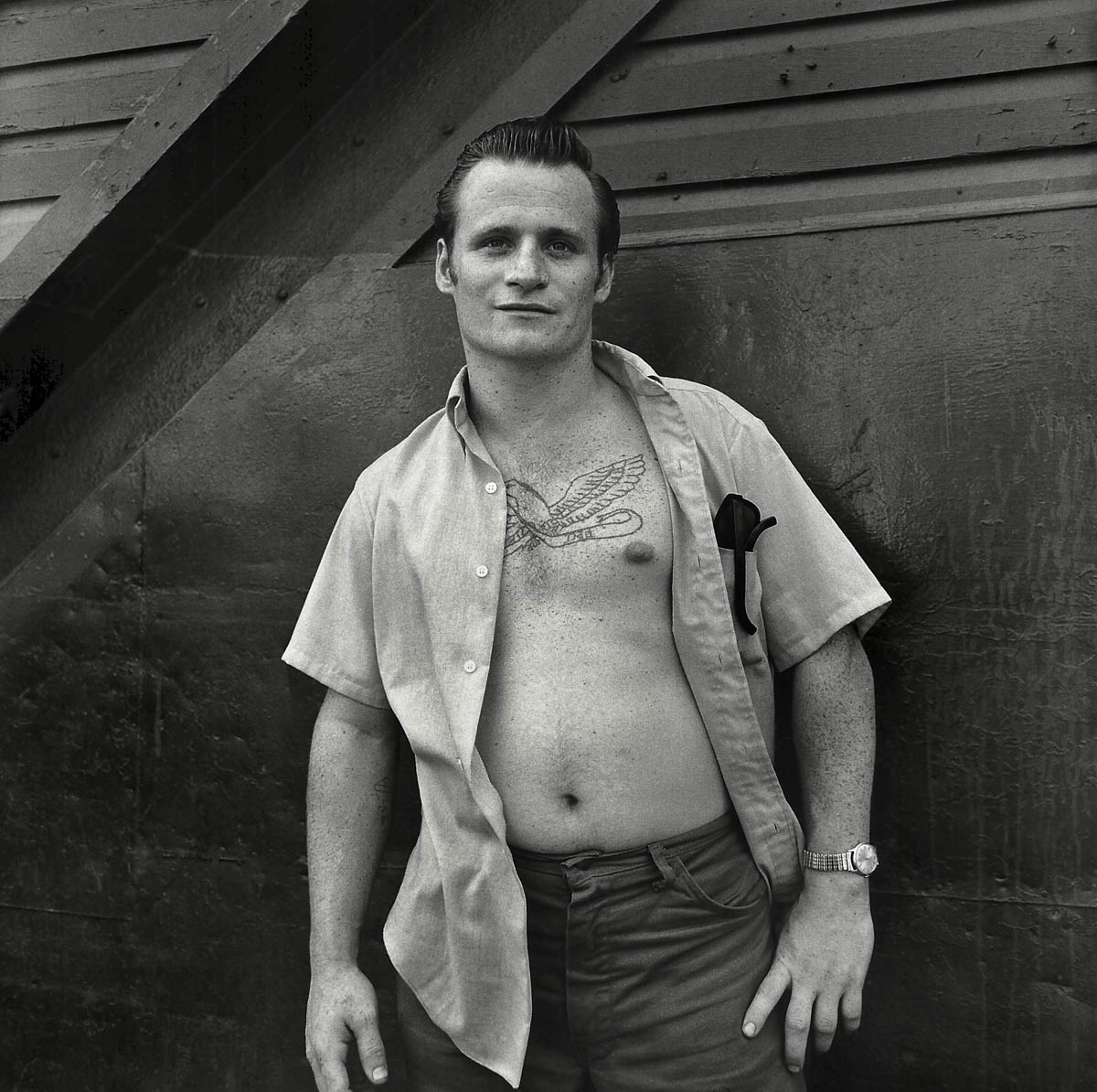


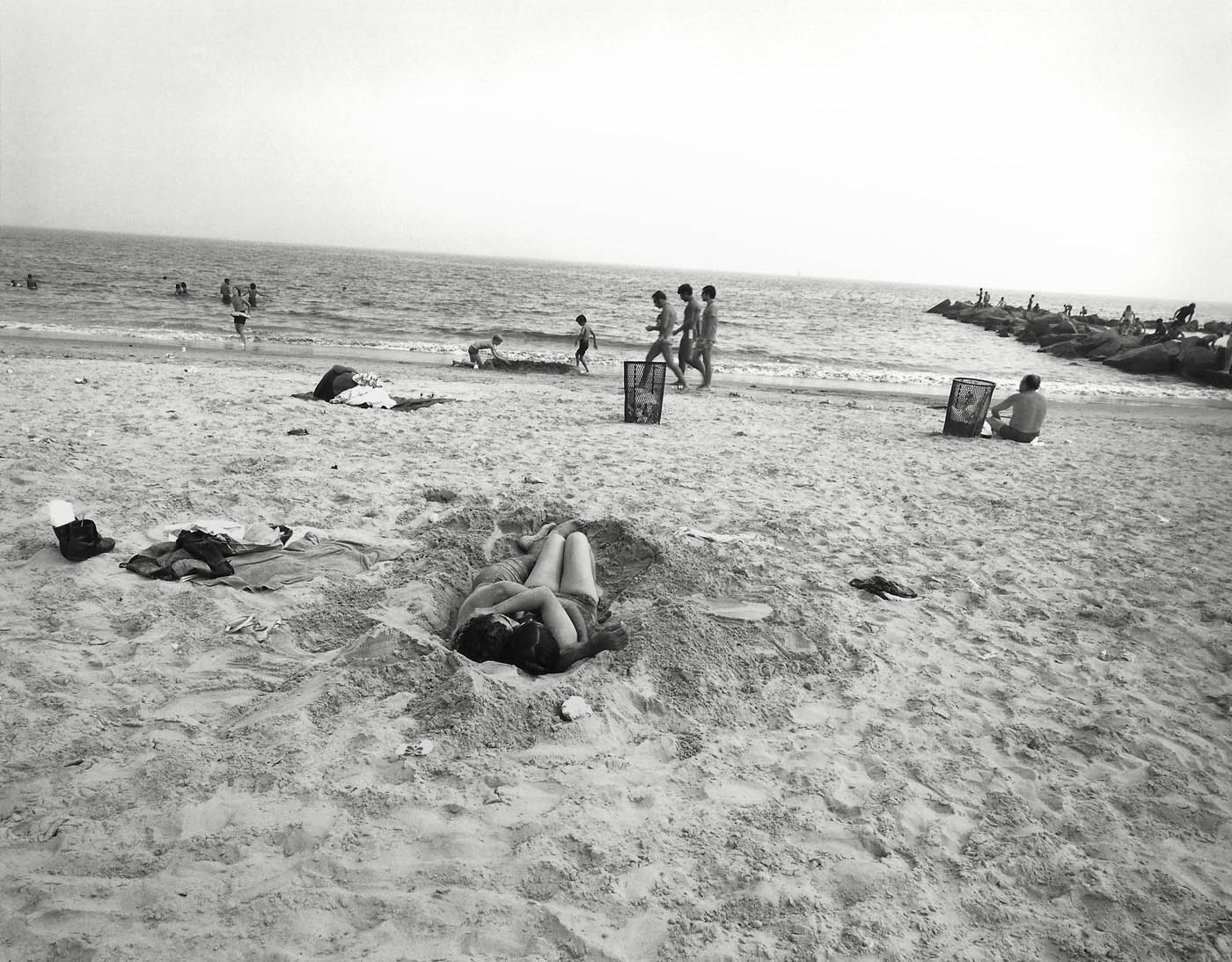


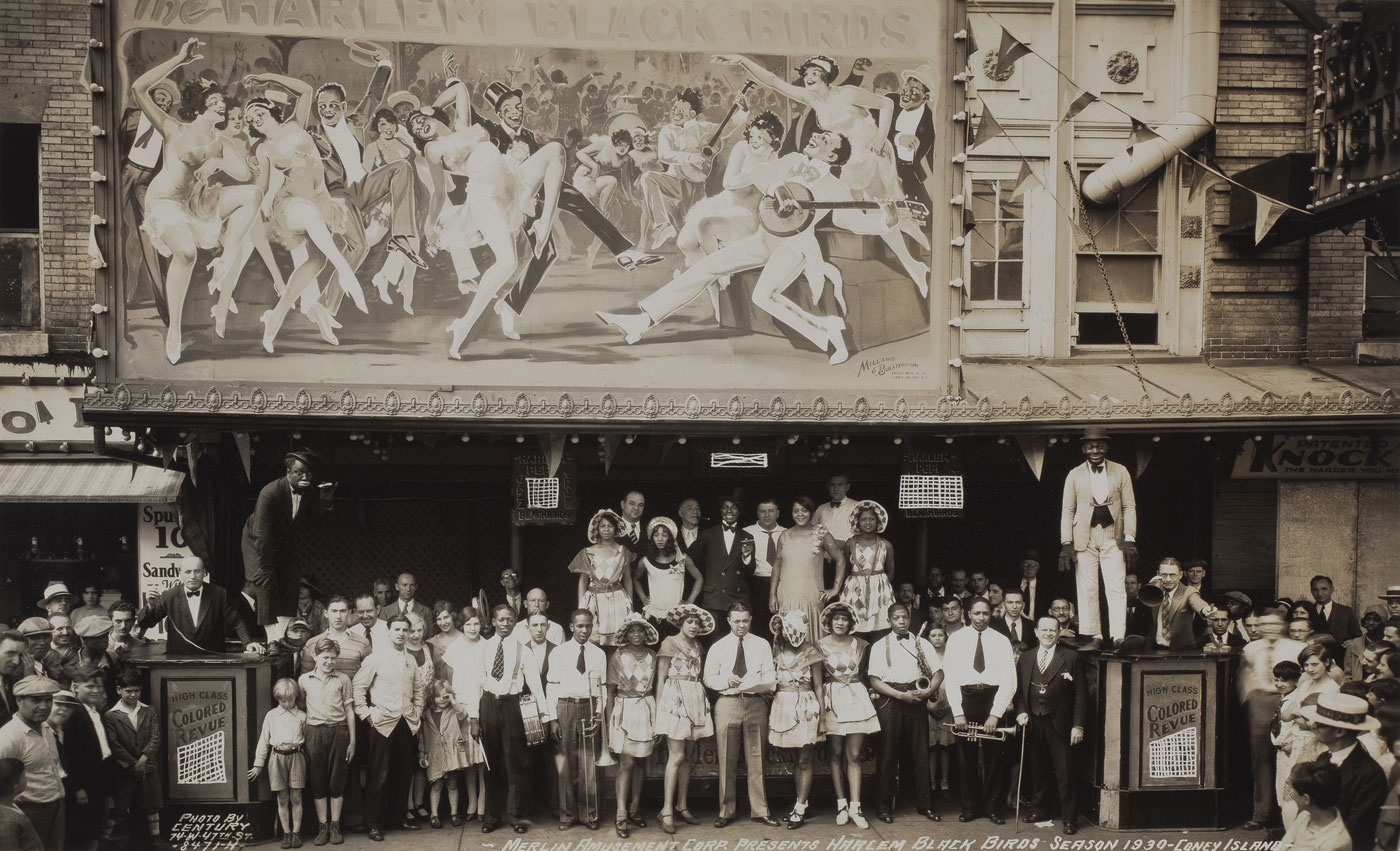
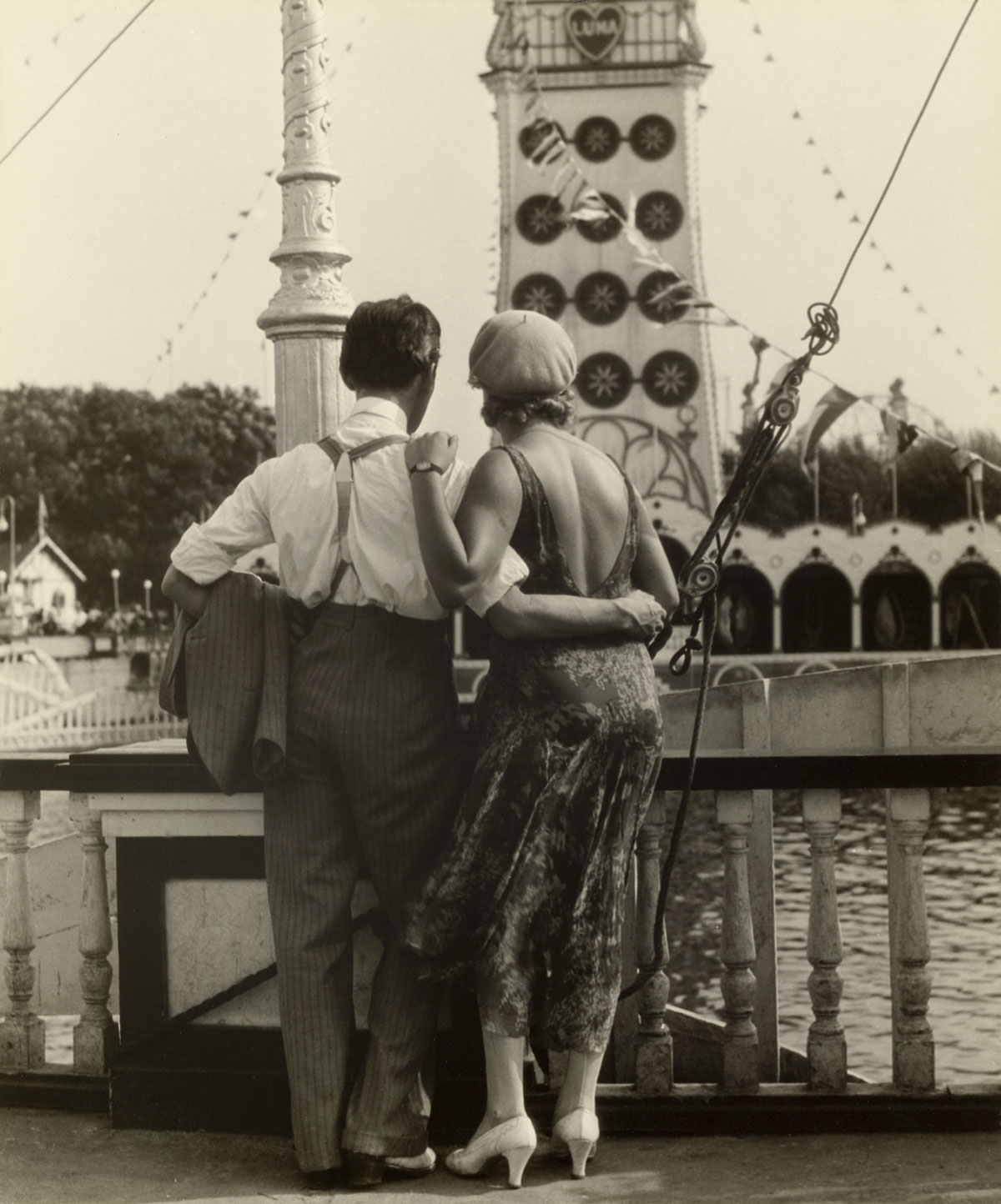

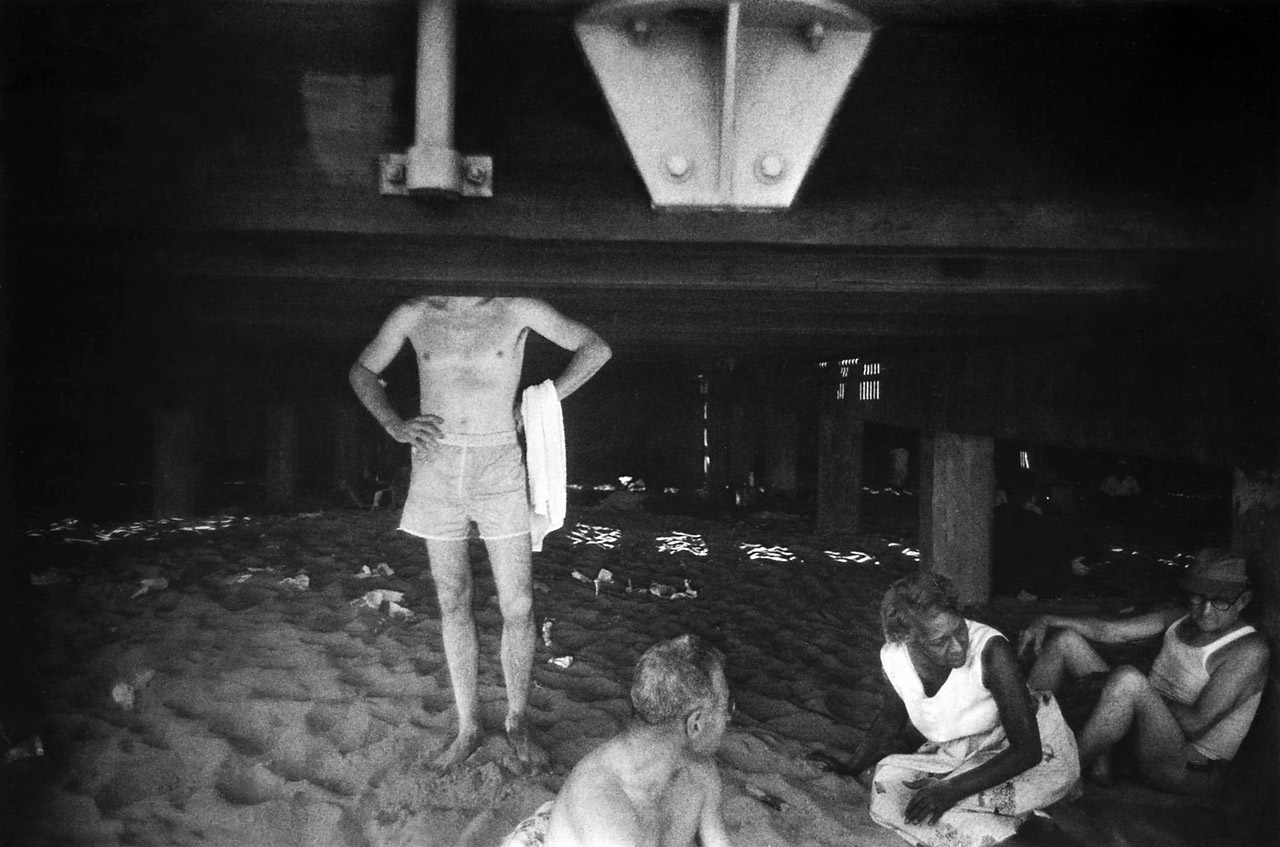
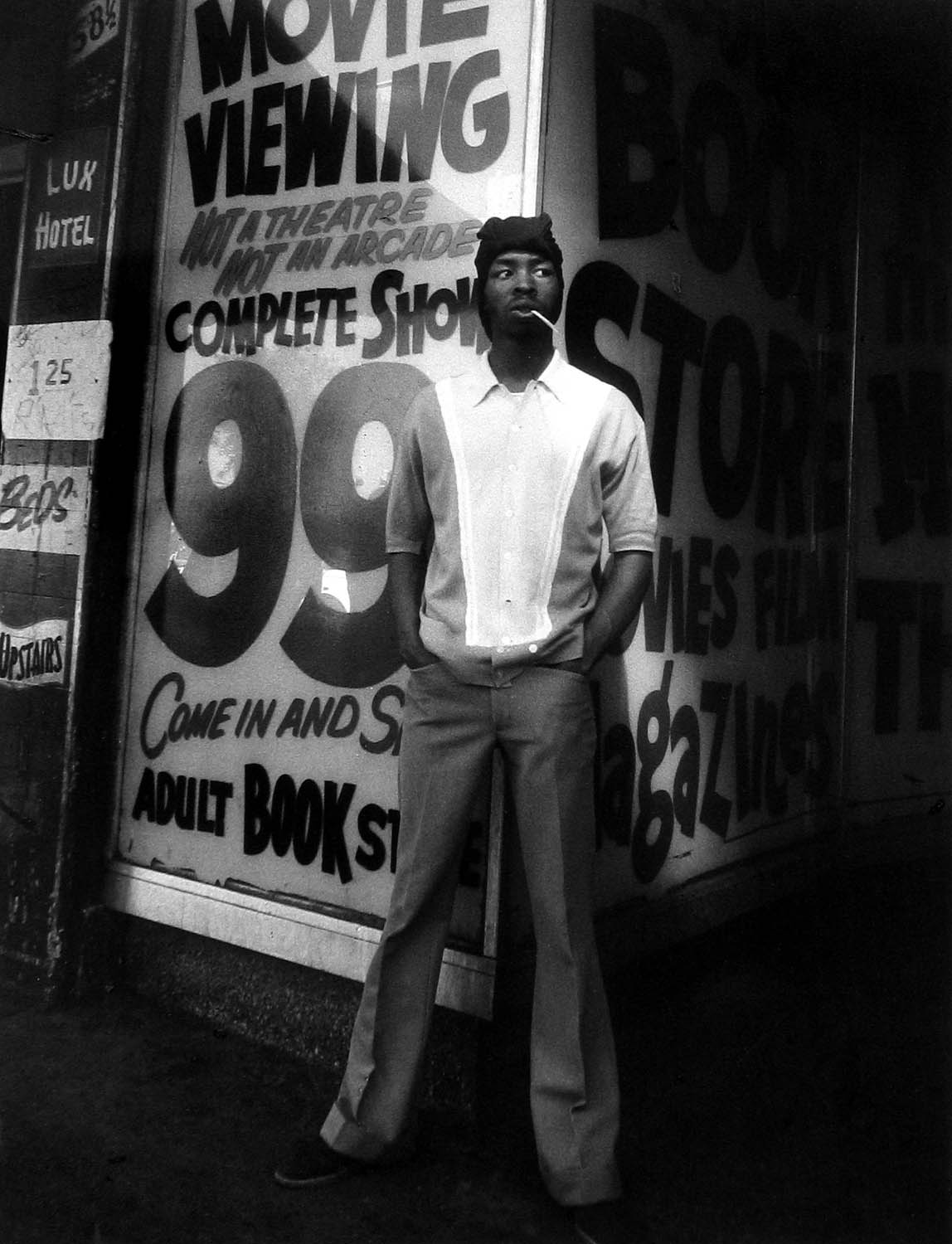
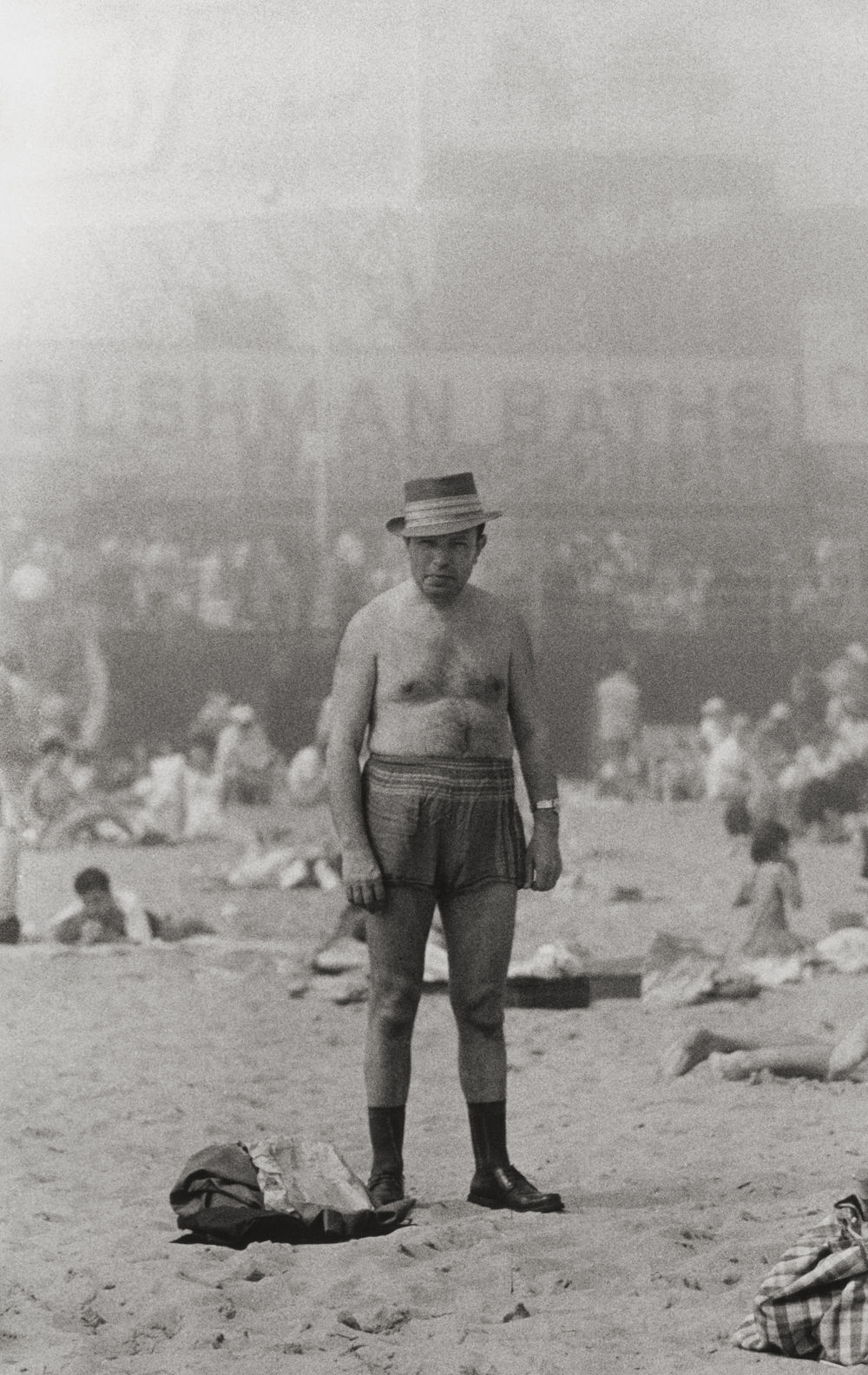
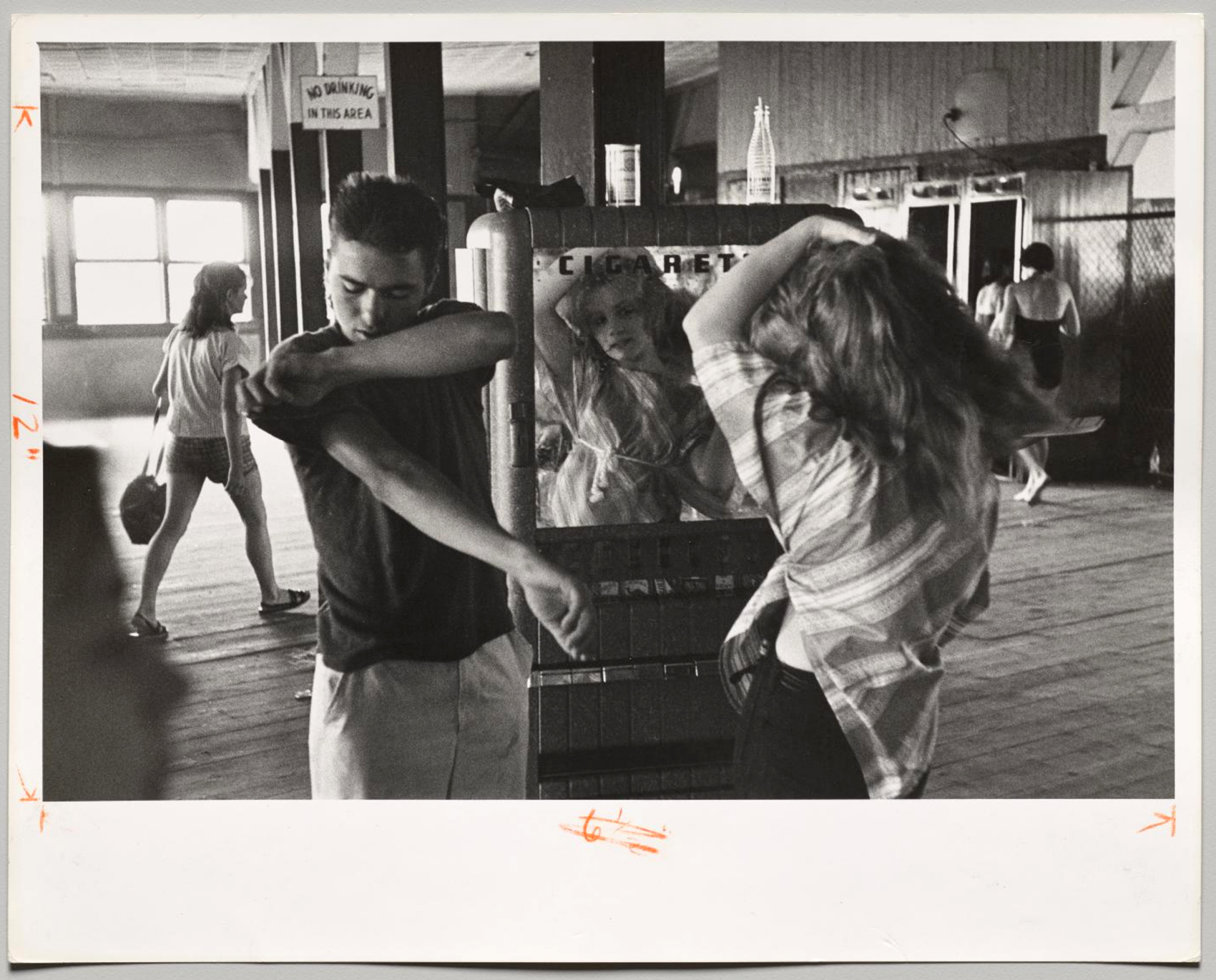
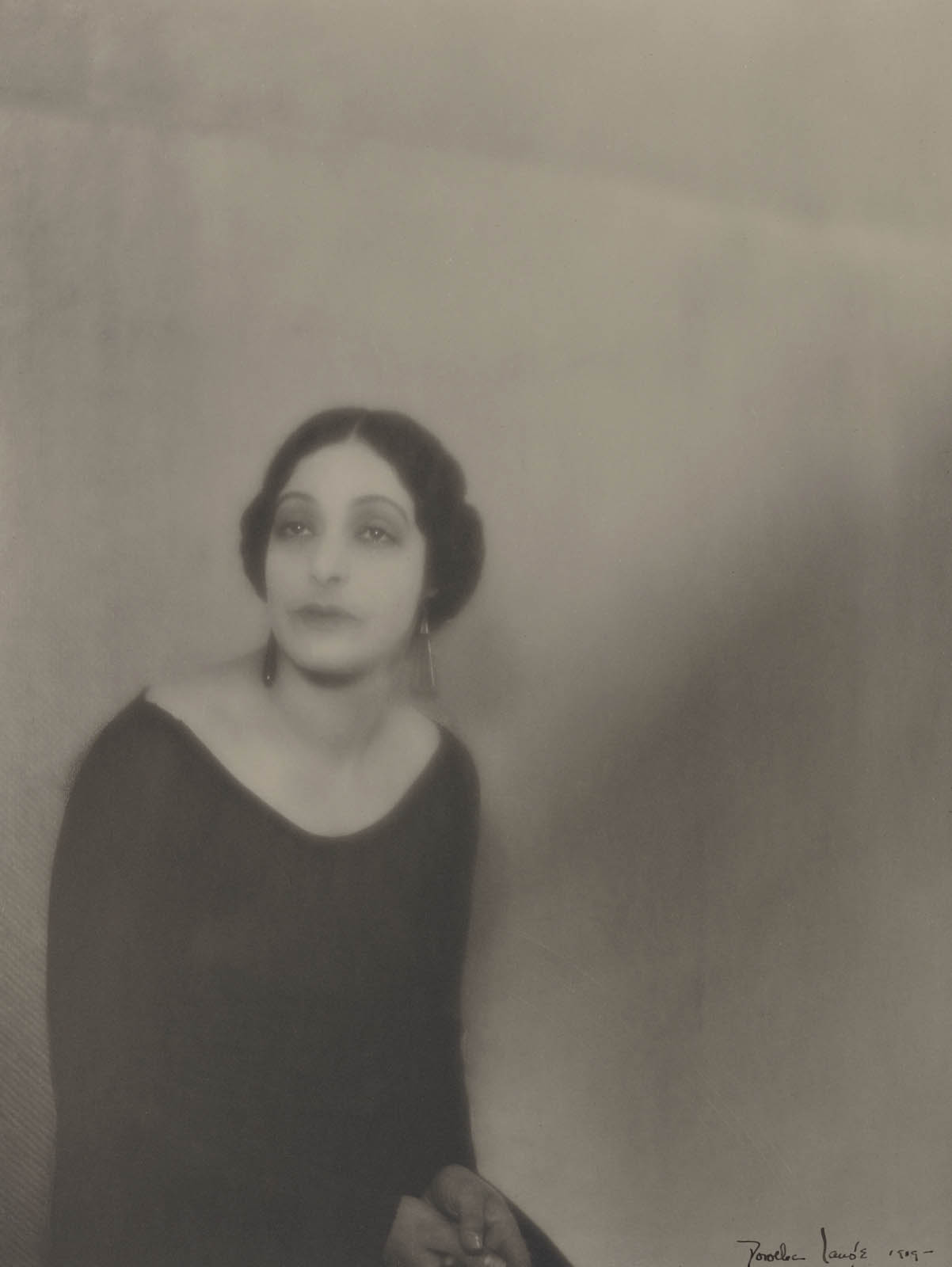


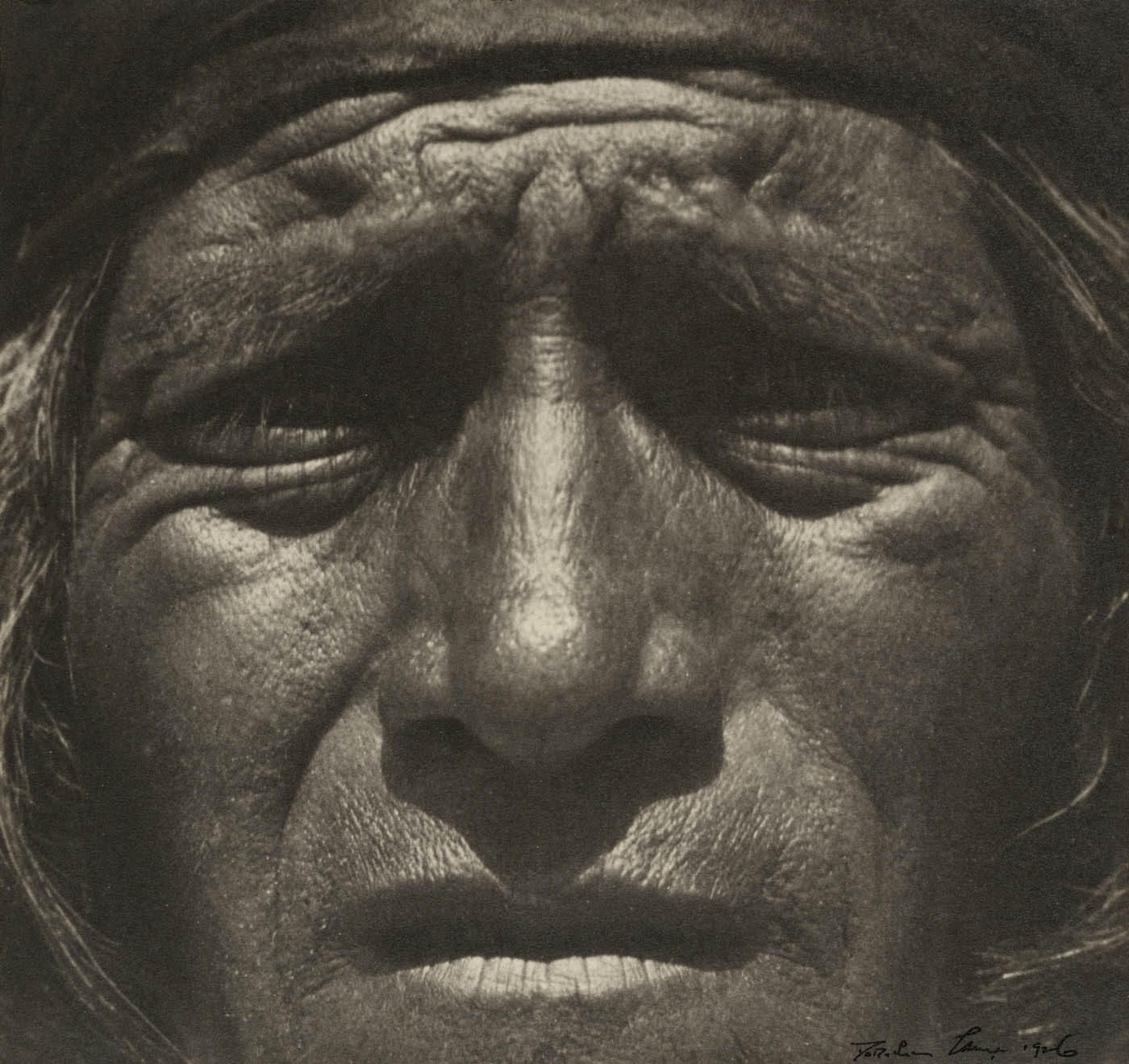


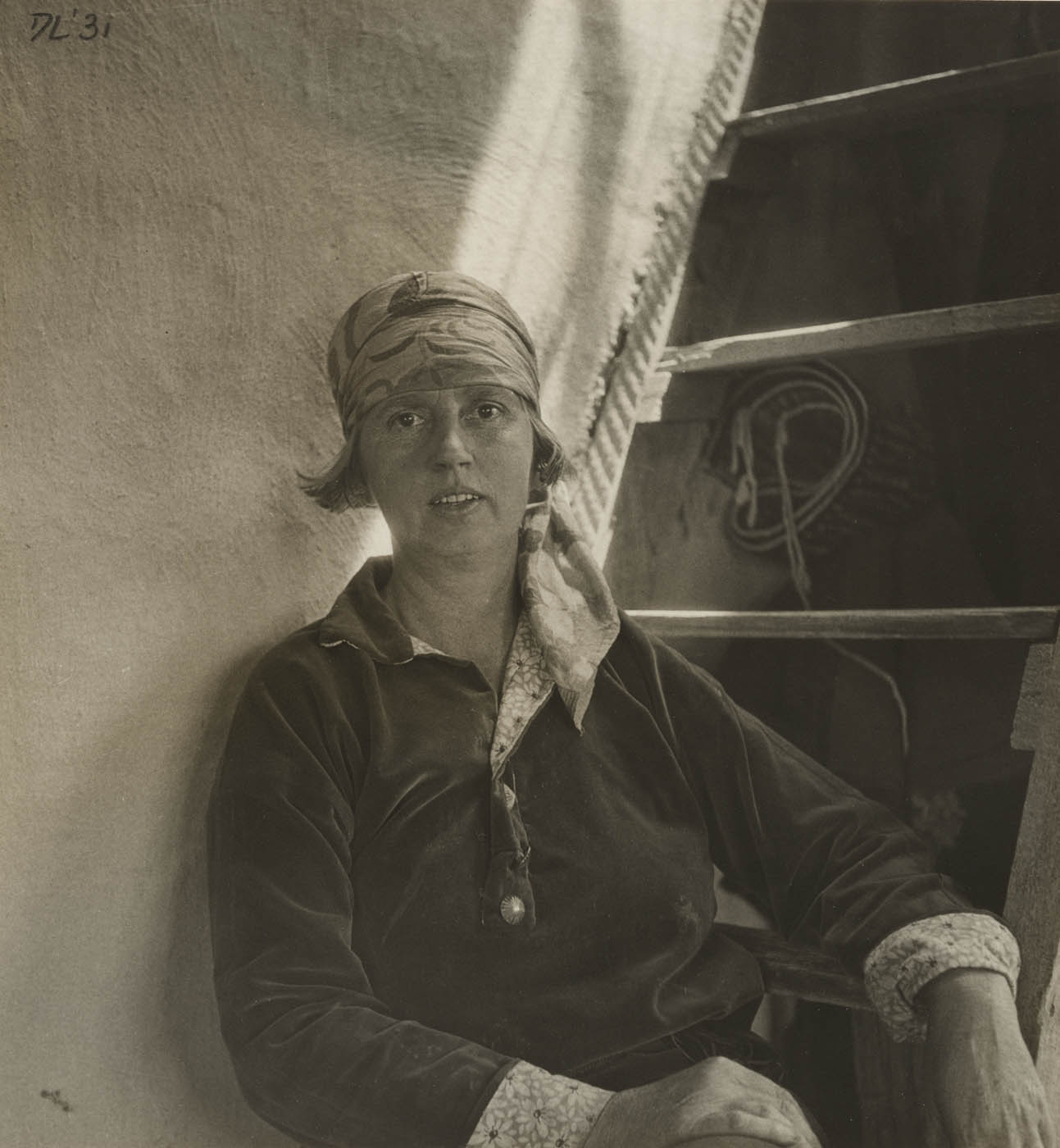


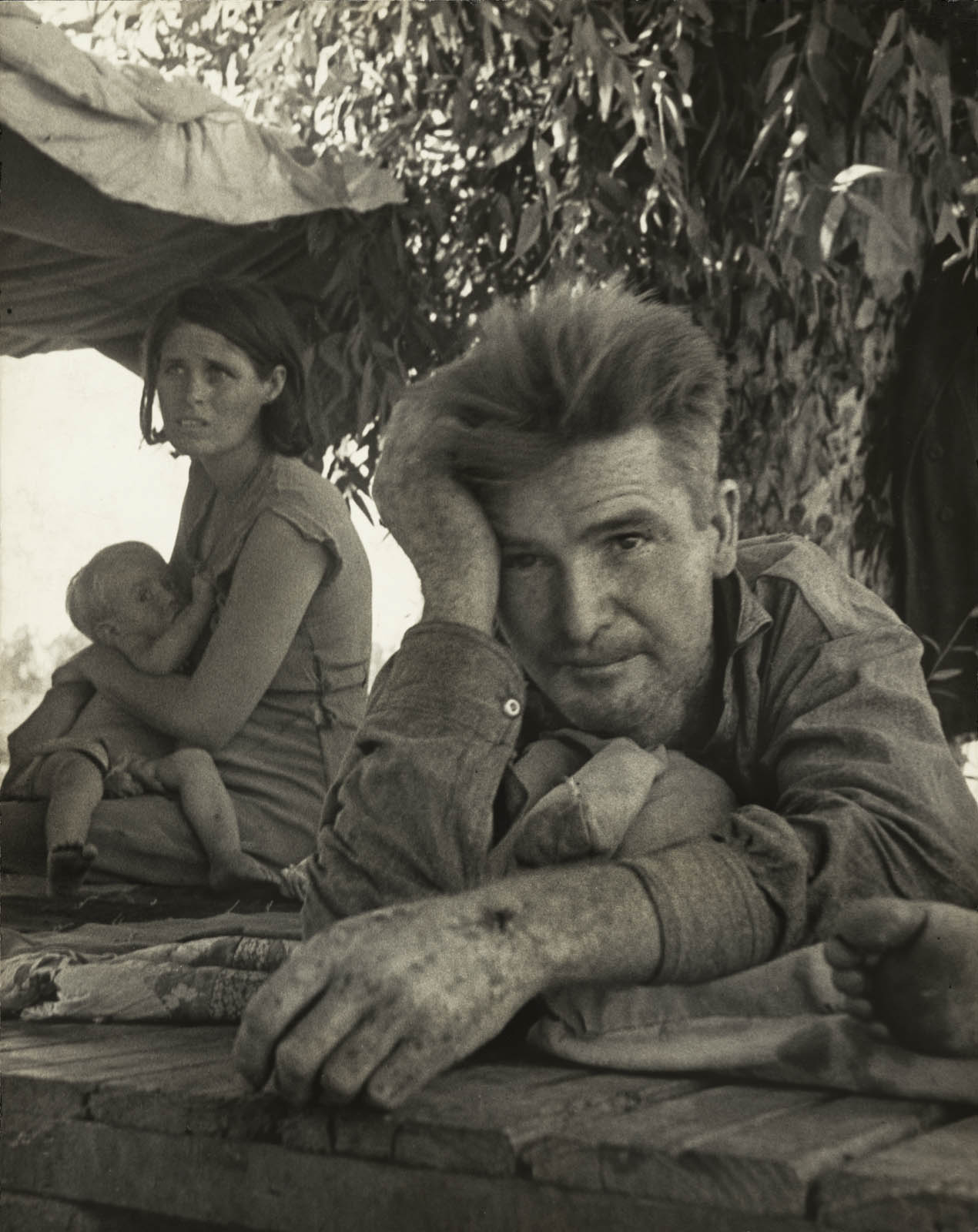
![Dorothea Lange (American, 1895-1965) 'Child Living in Oklahoma City Shacktown [Damaged Child, Shacktown]' August 1936](https://artblart.com/wp-content/uploads/2024/02/5558-093-web.jpg "Dorothea Lange (American, 1895-1965) 'Child Living in Oklahoma City Shacktown [Damaged Child, Shacktown]' August 1936")


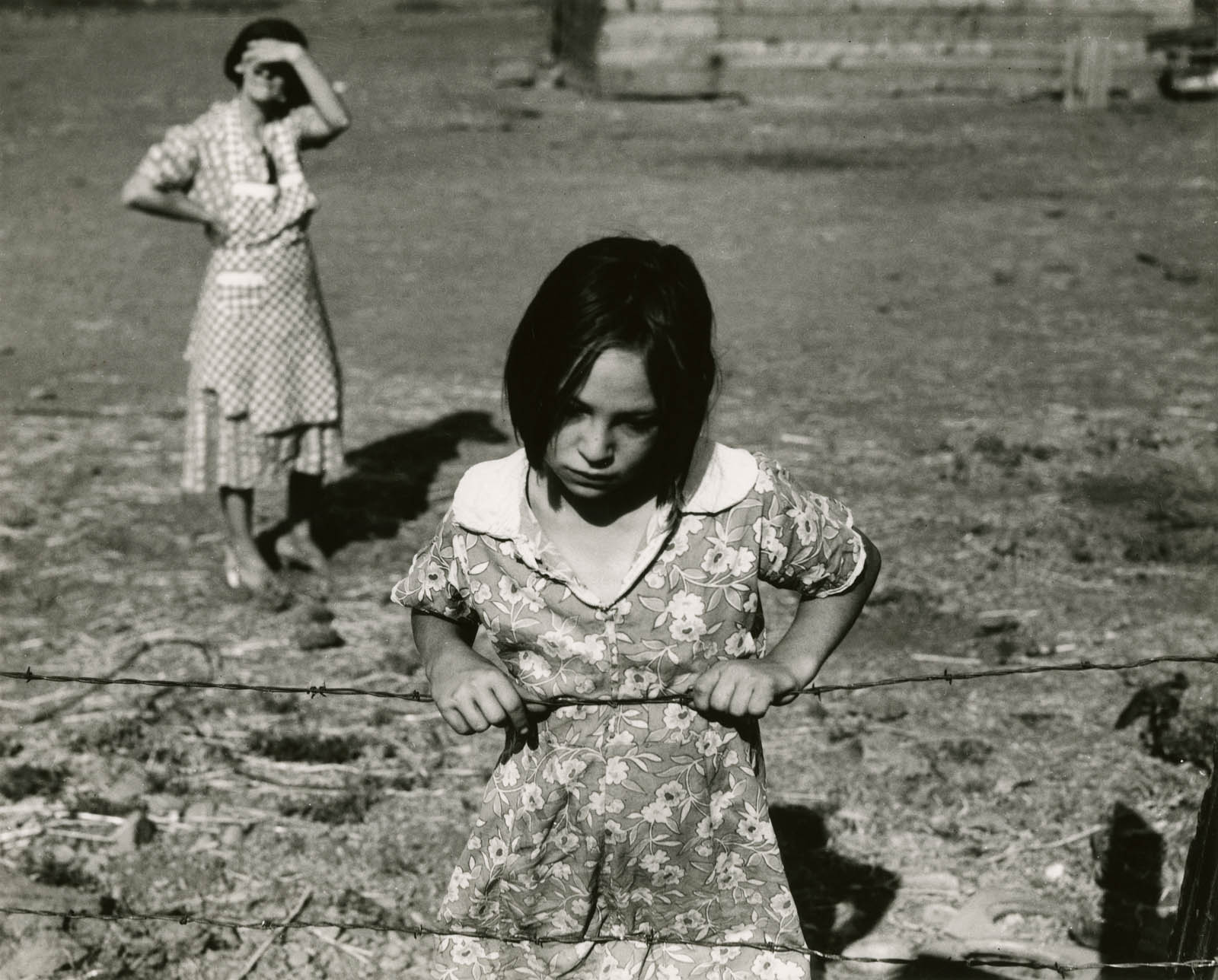


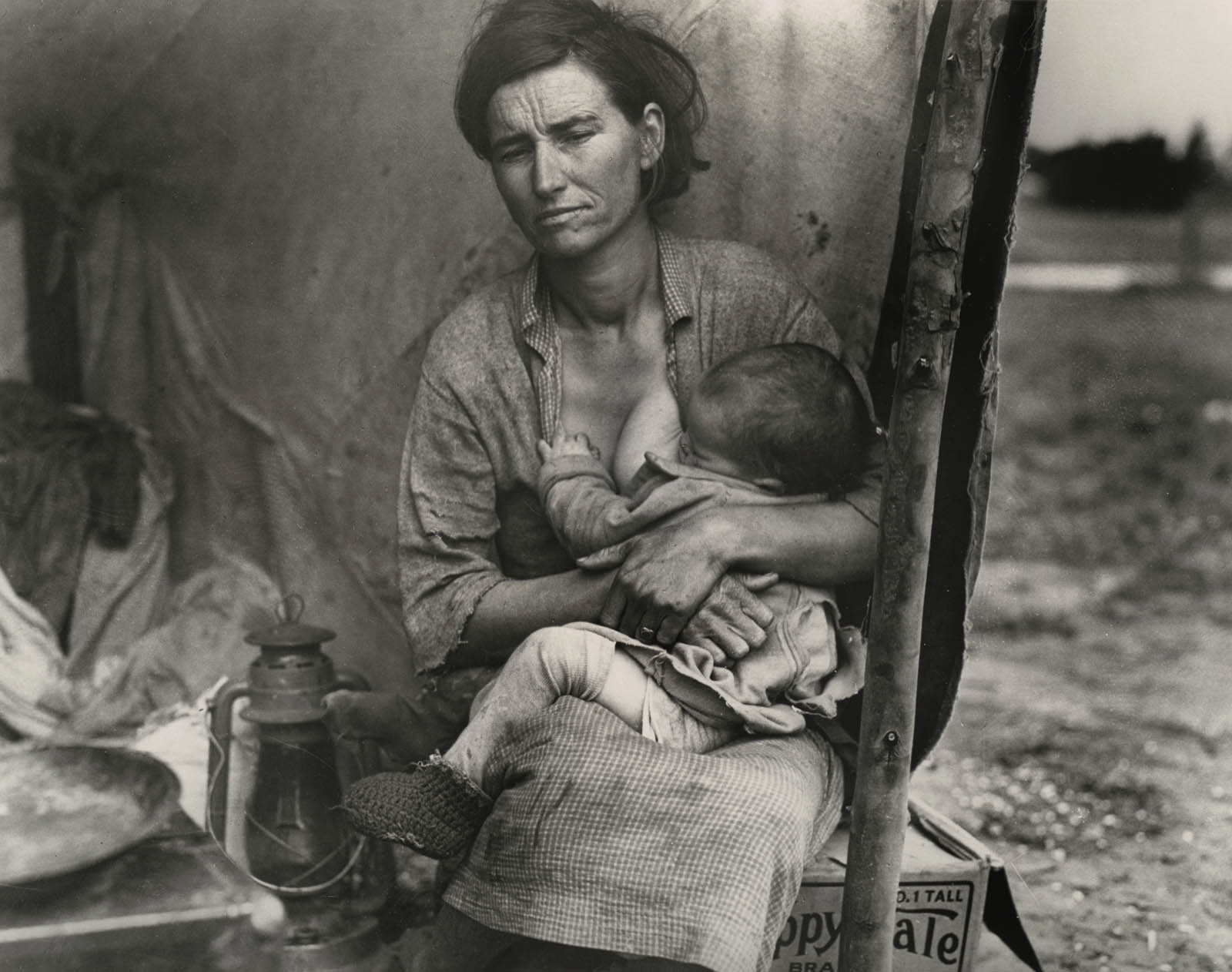


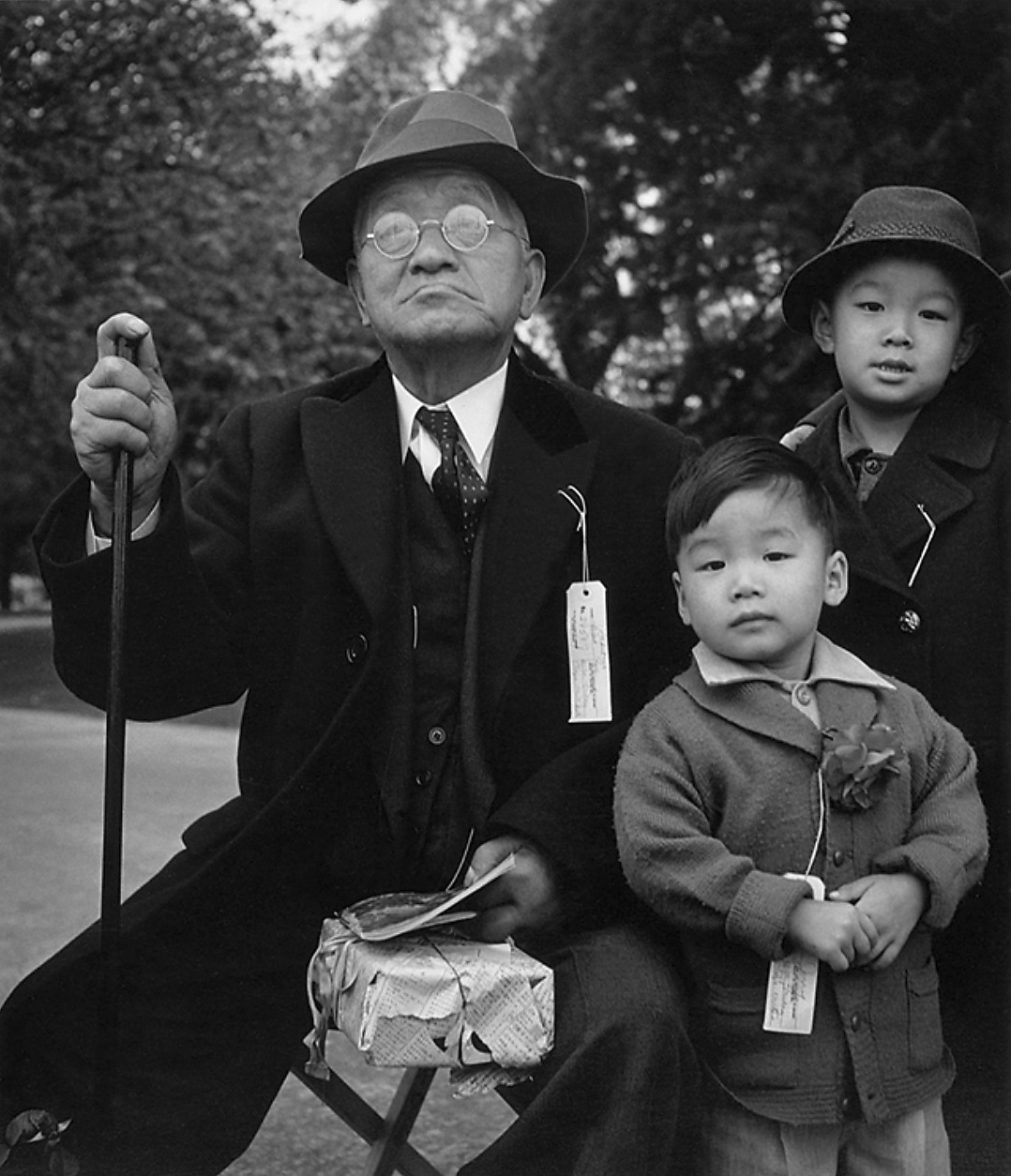


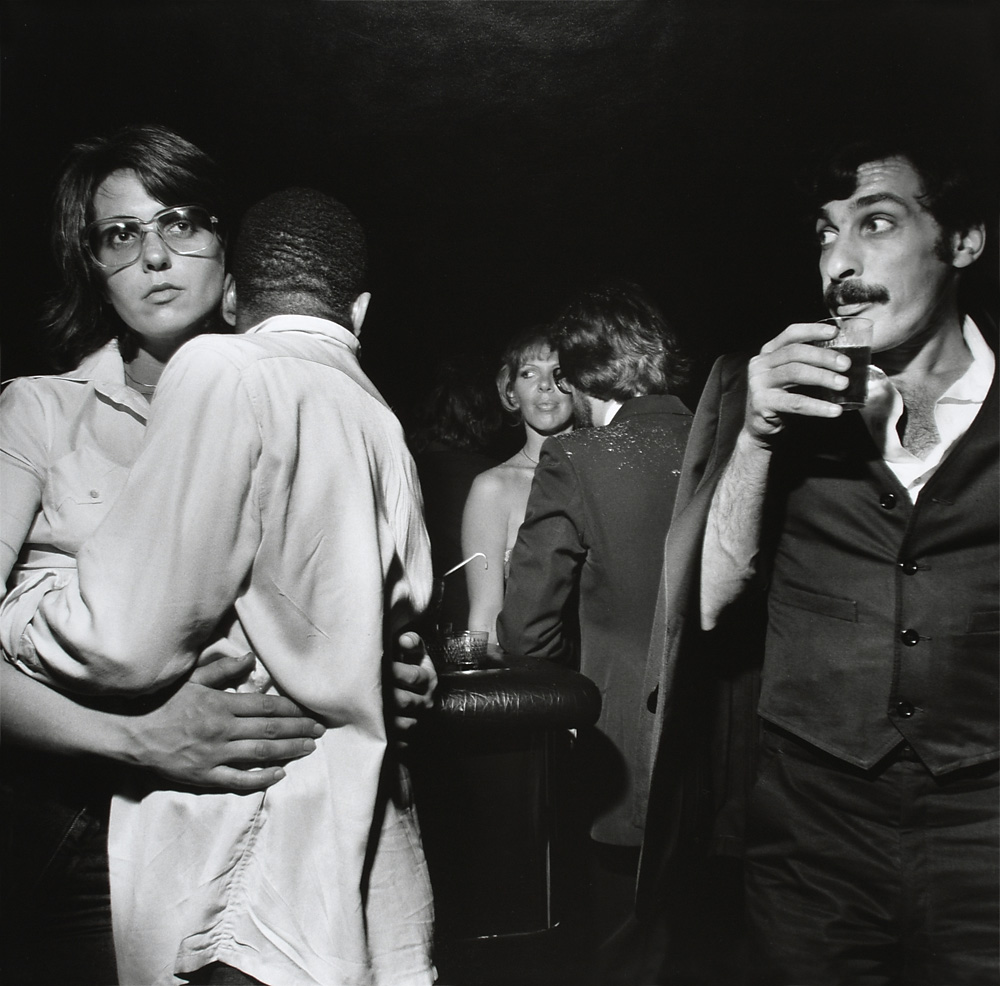

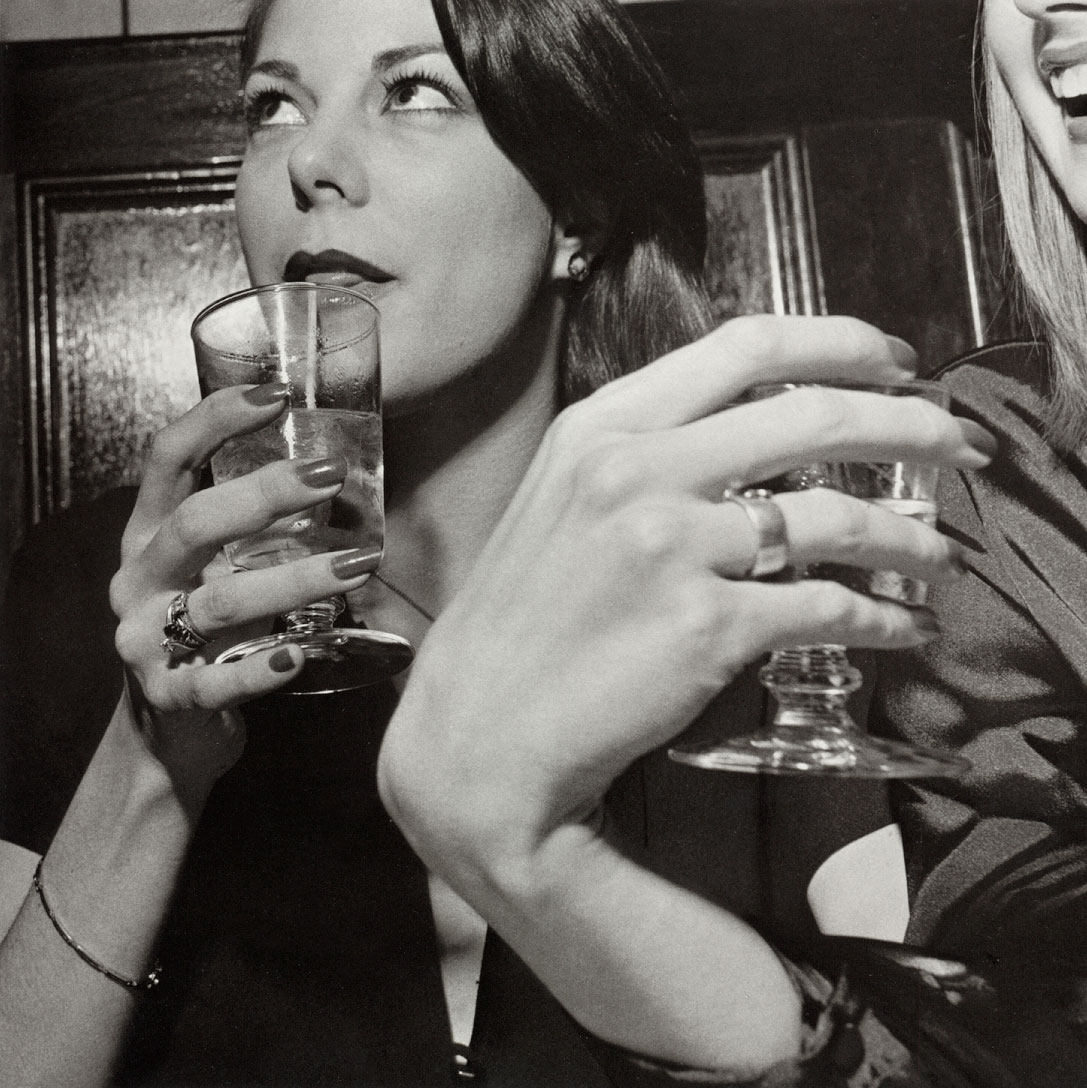


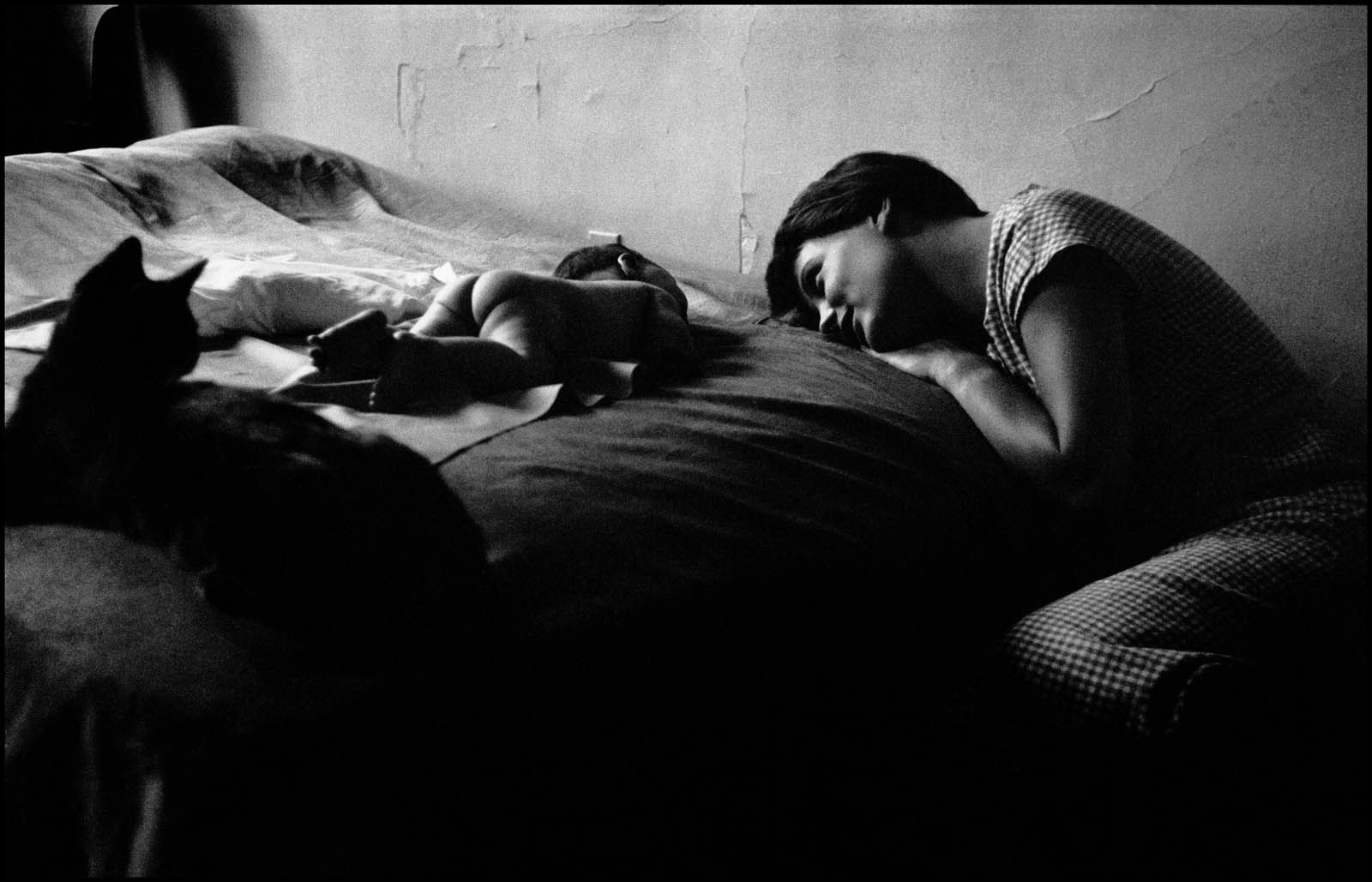

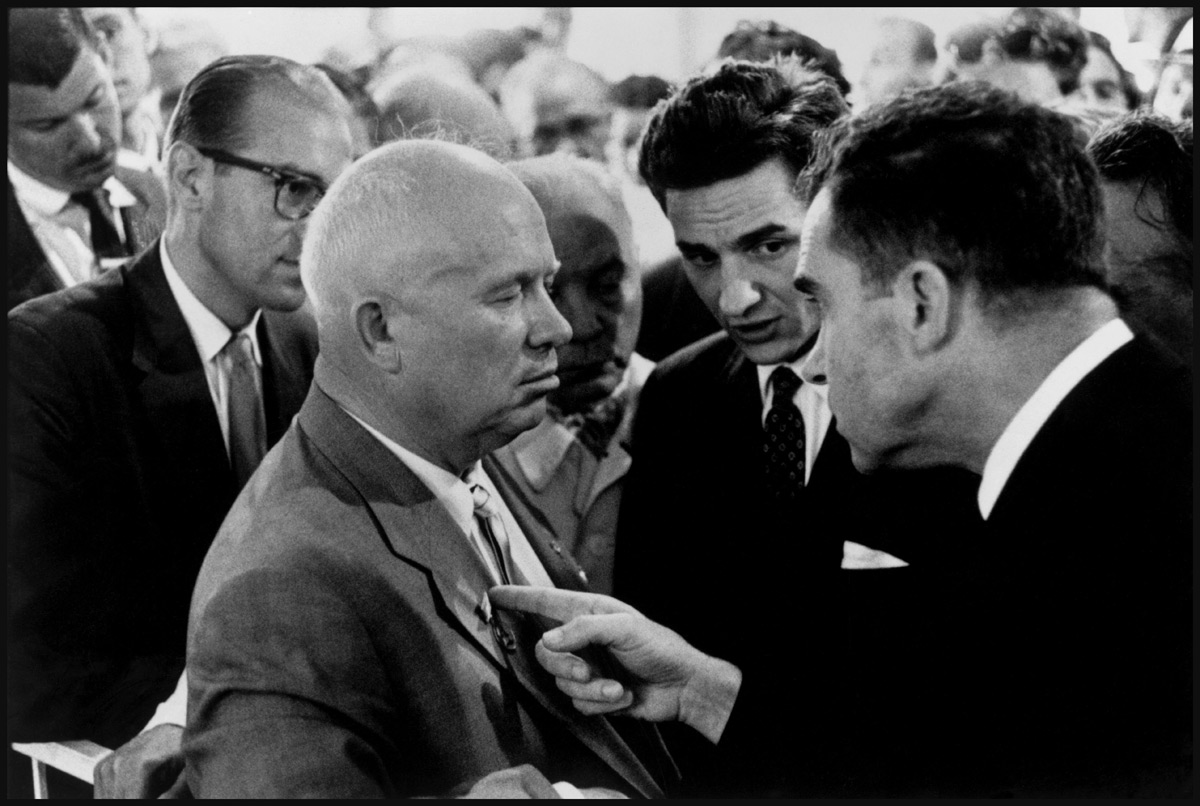

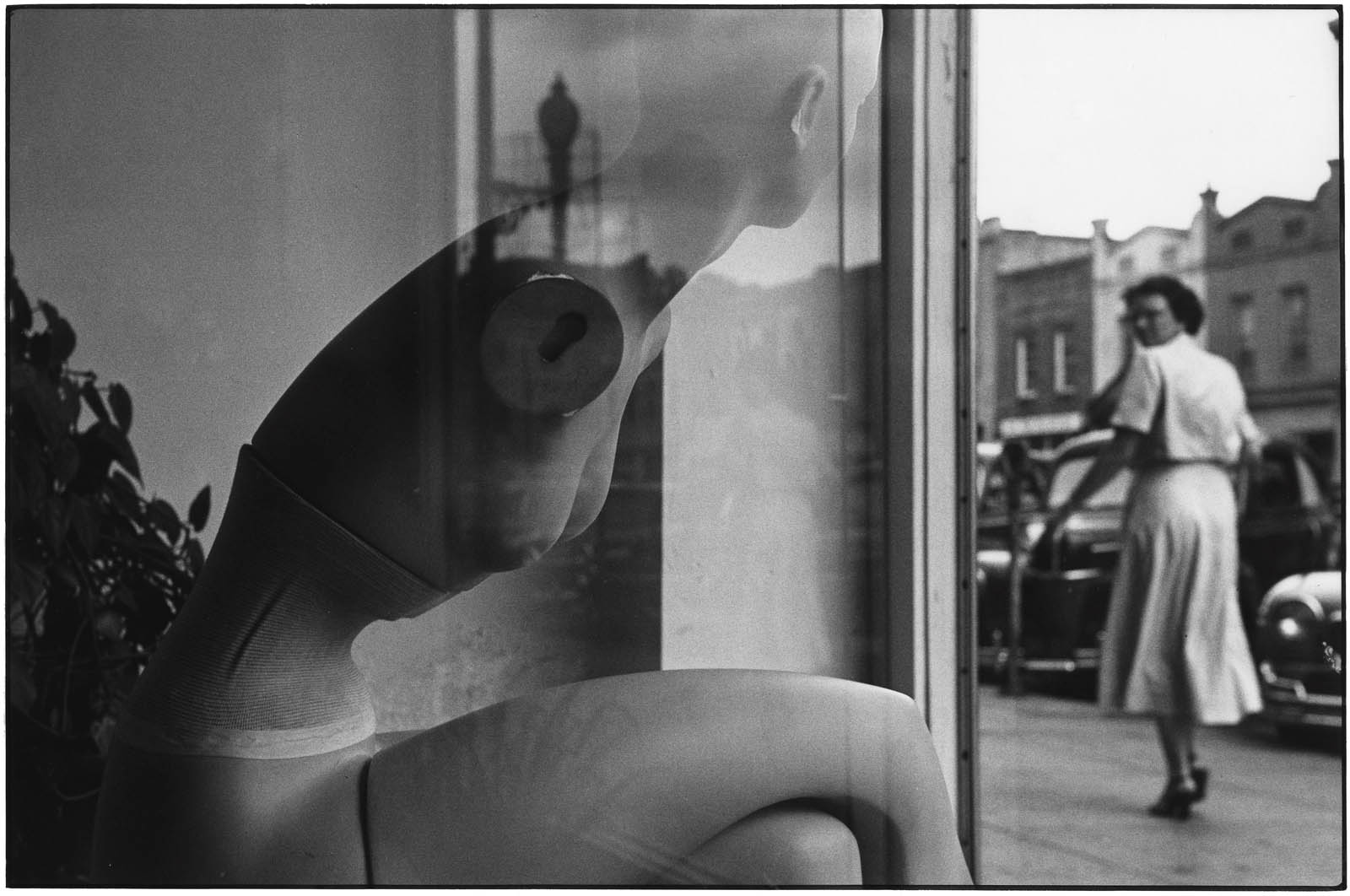


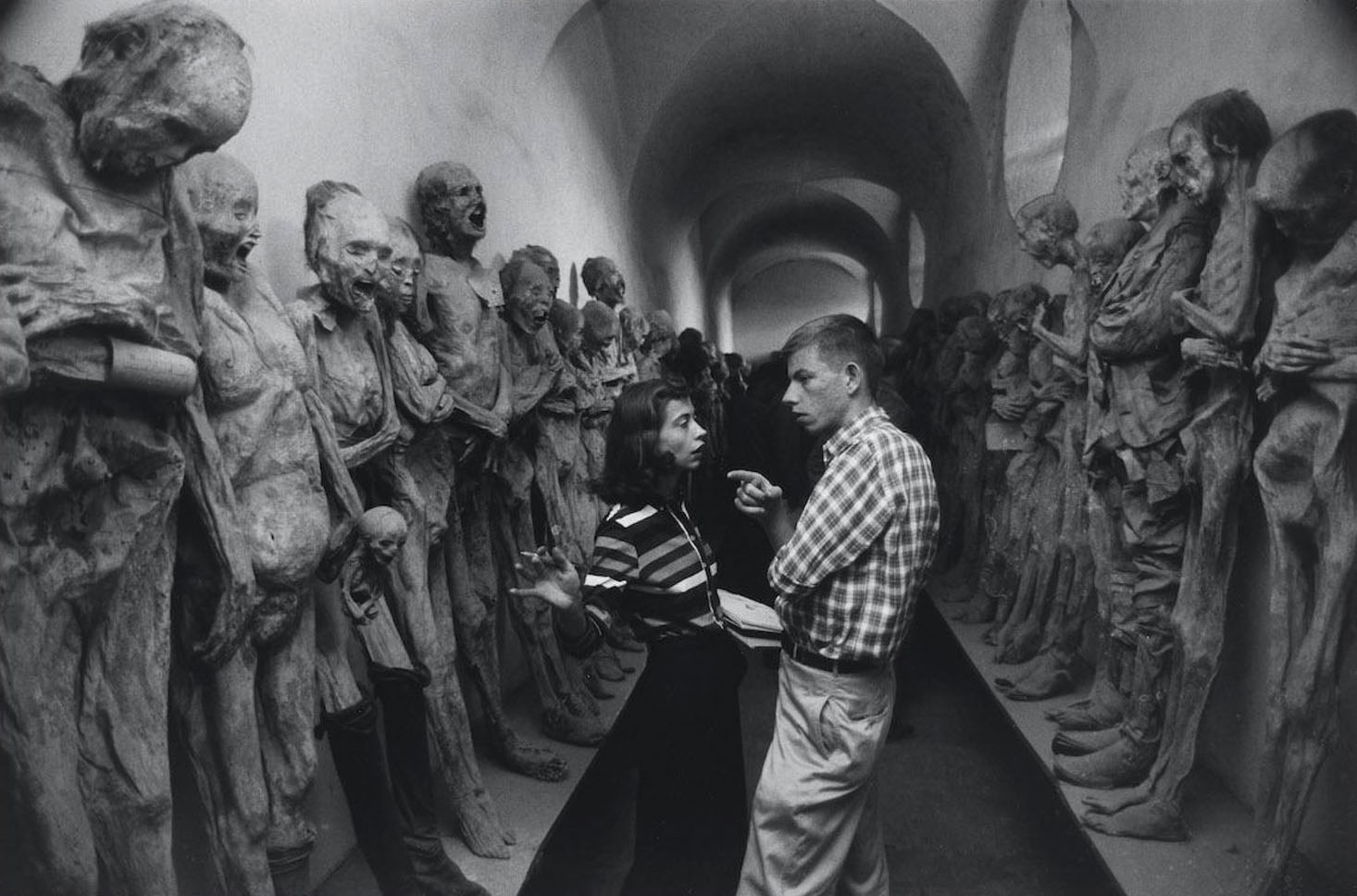
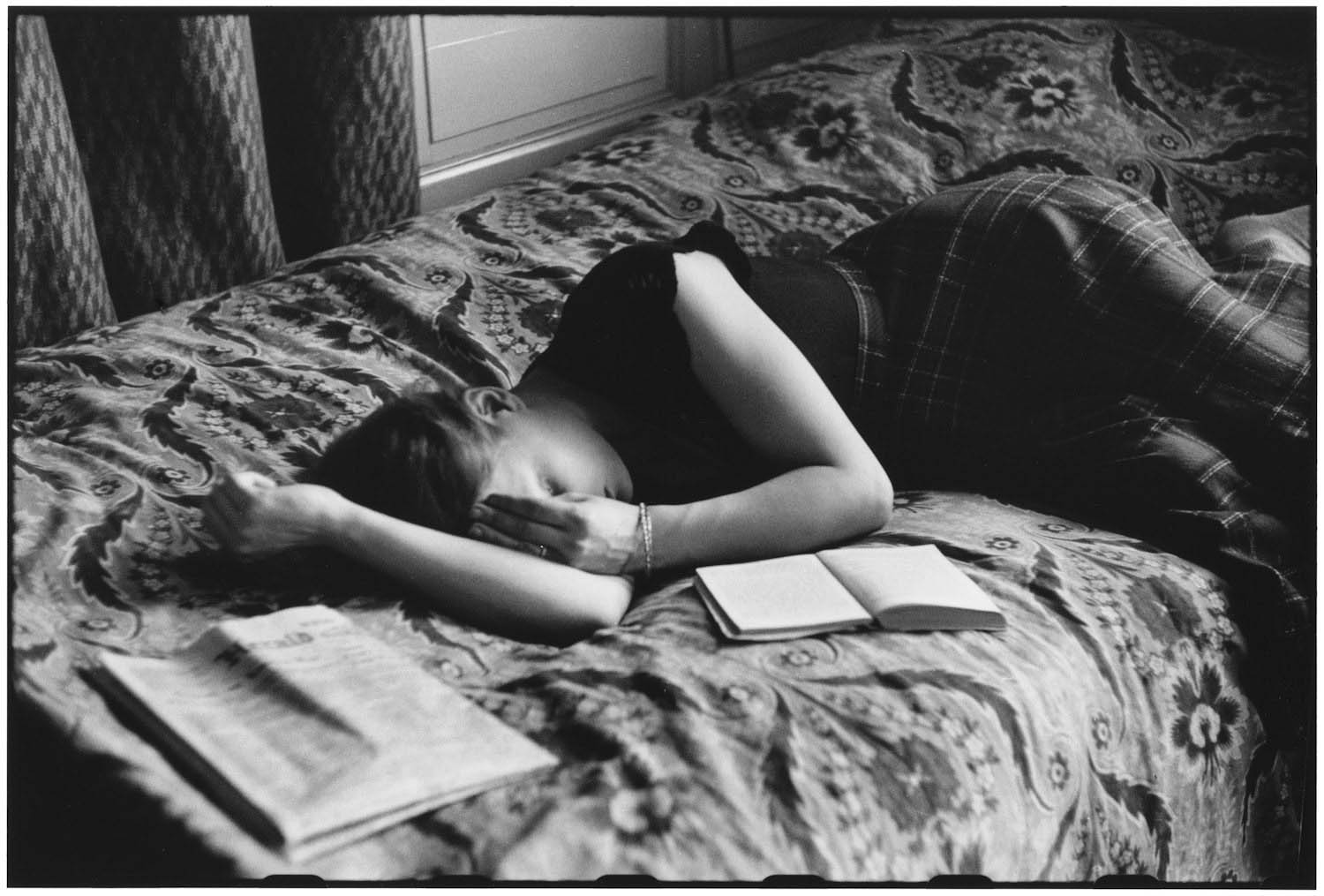


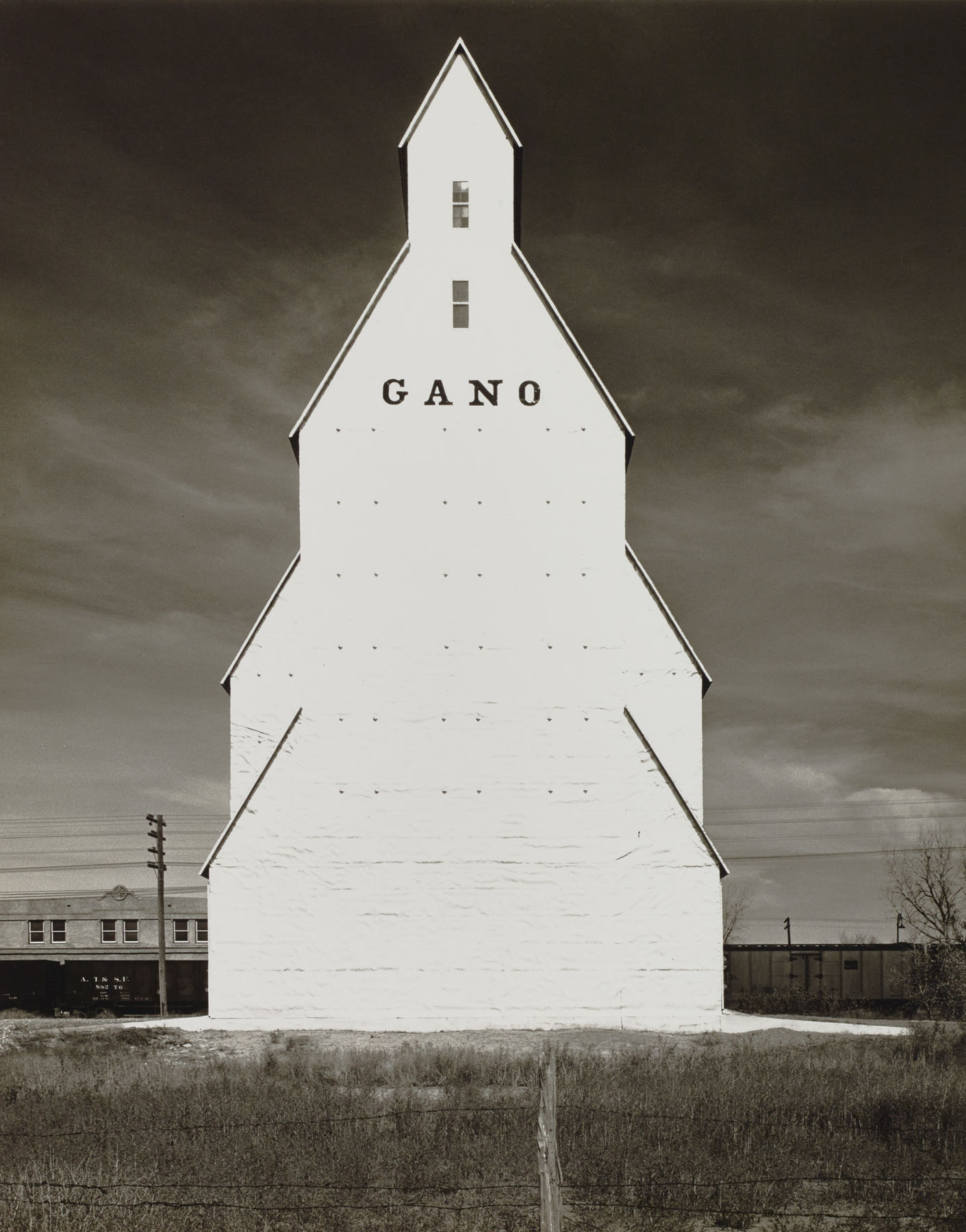


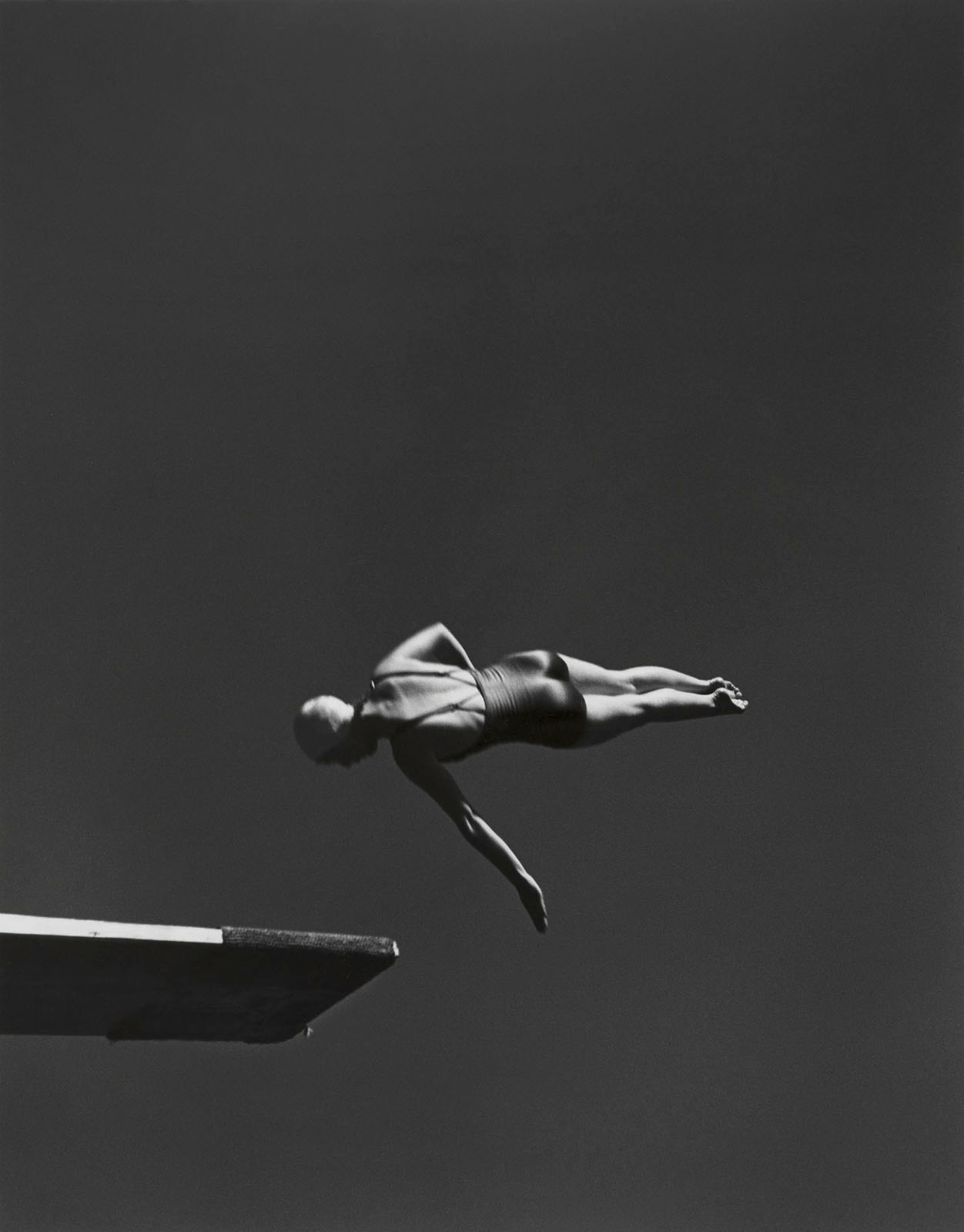


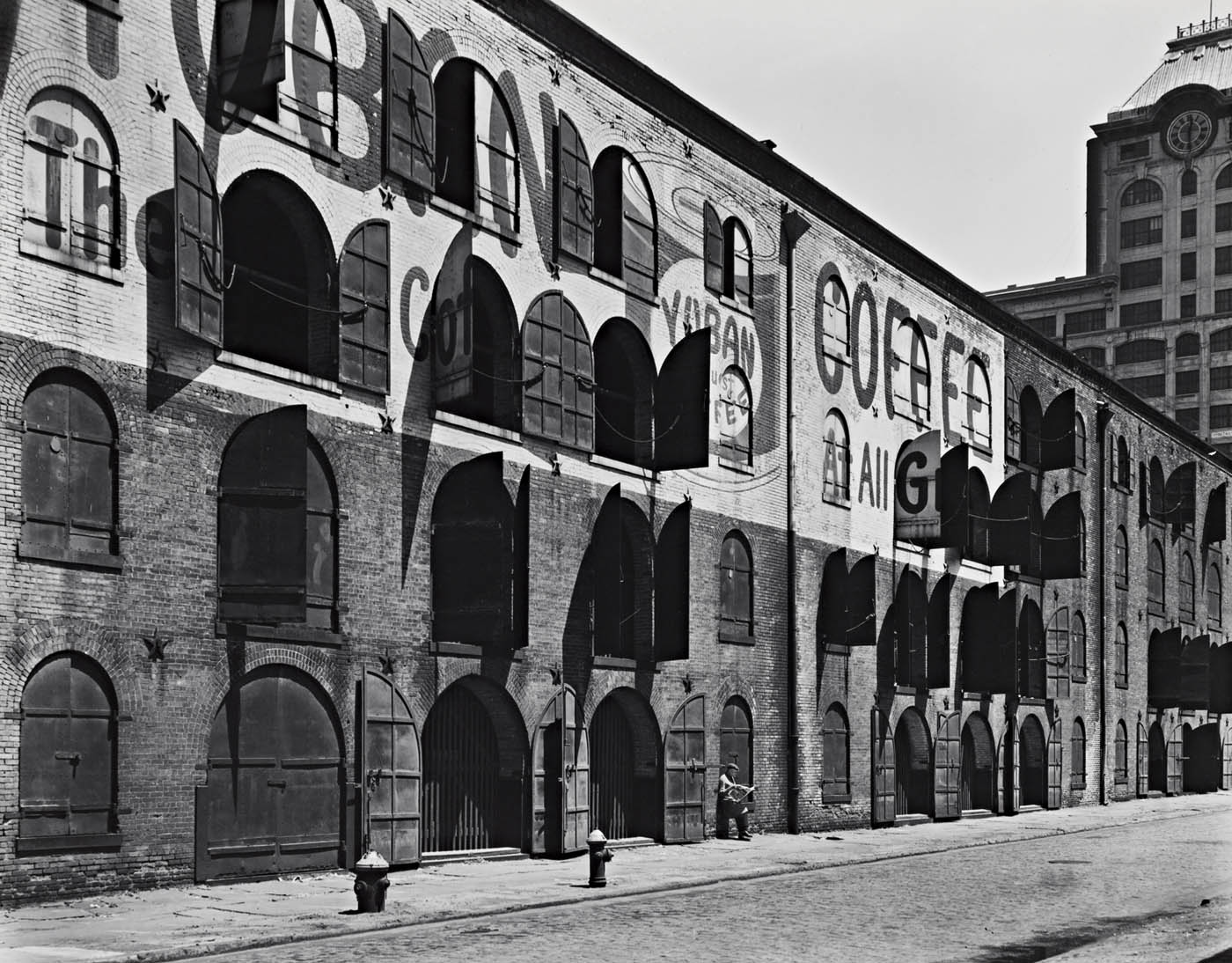
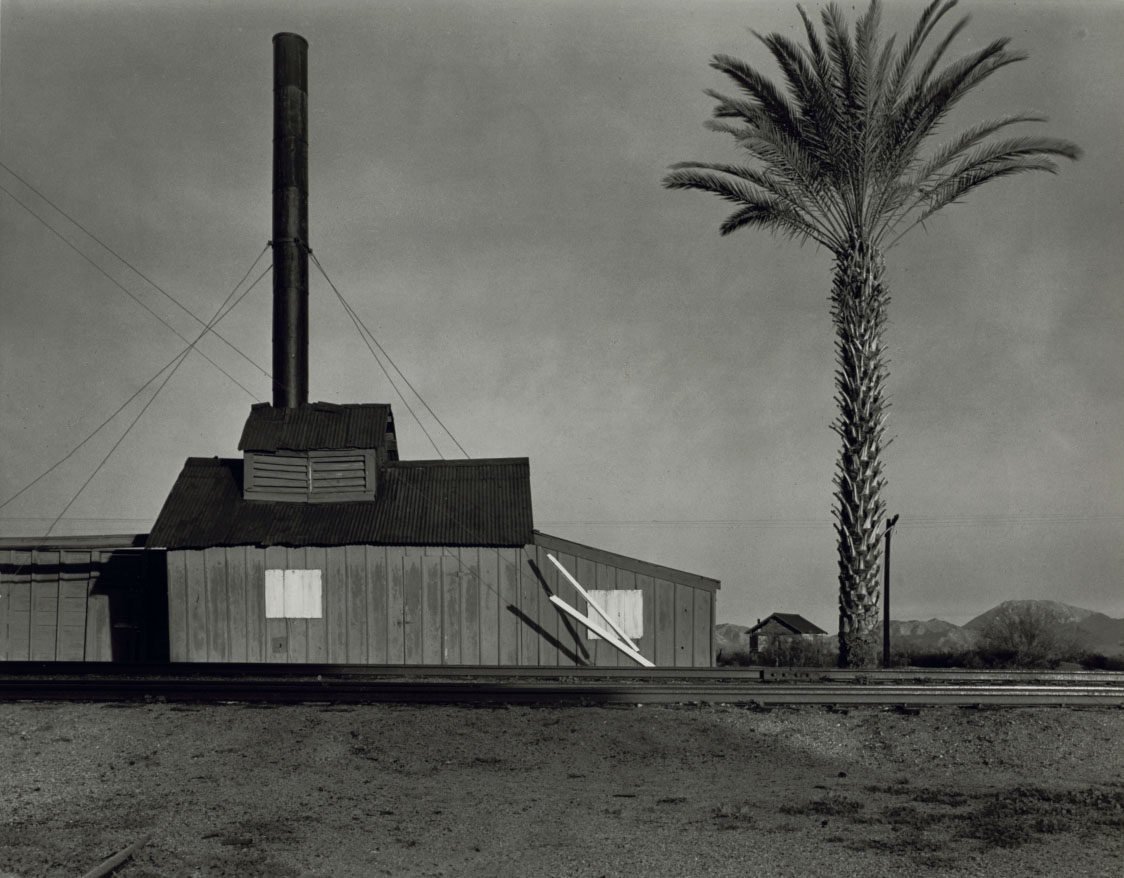


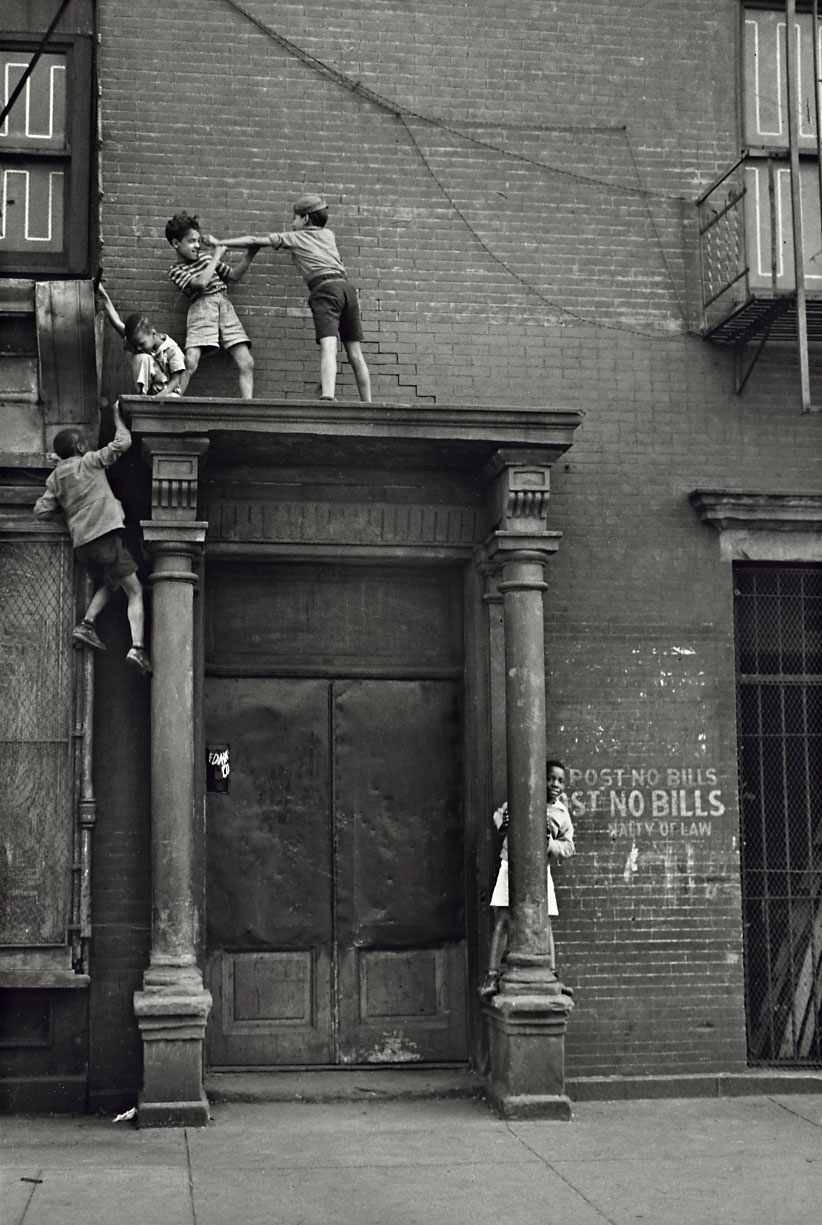


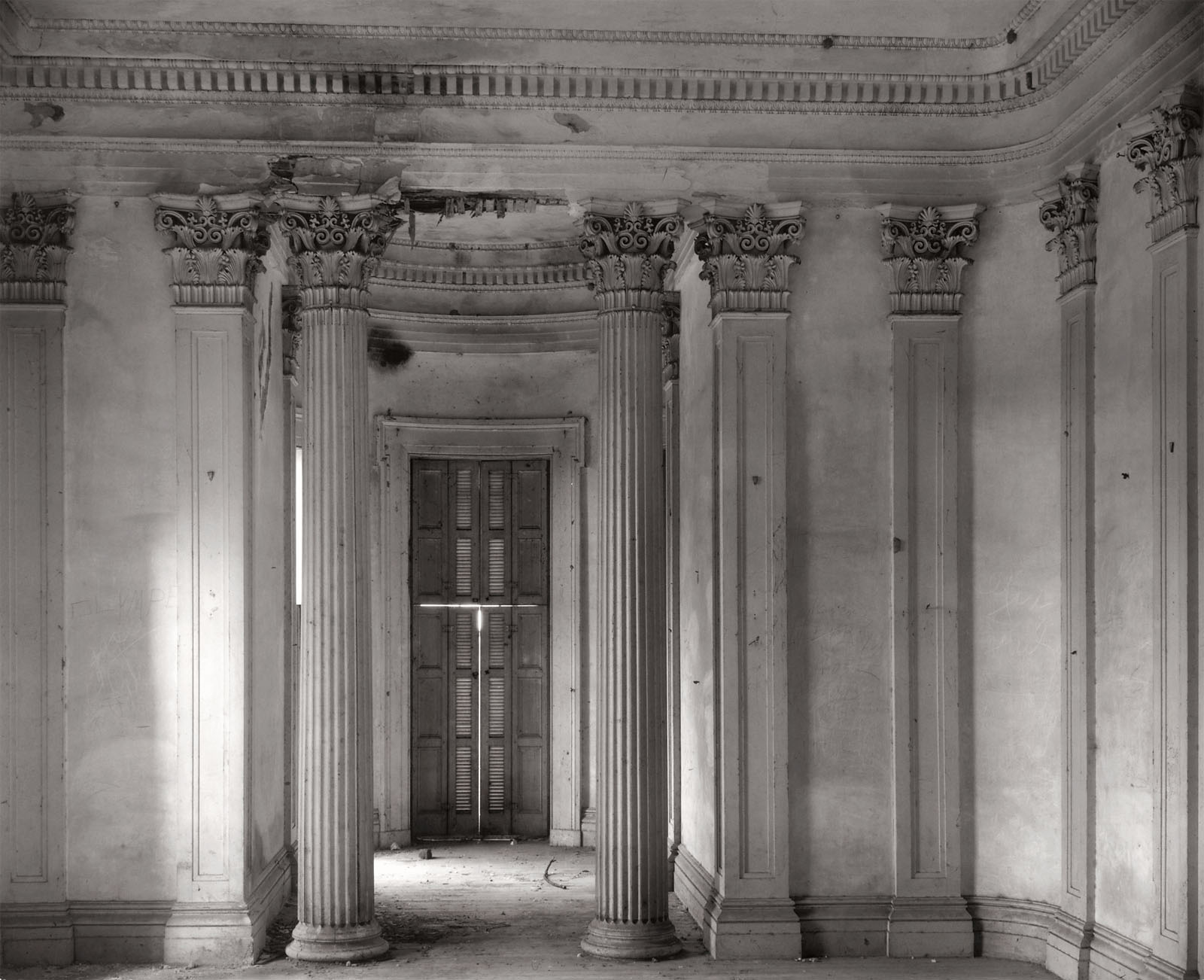


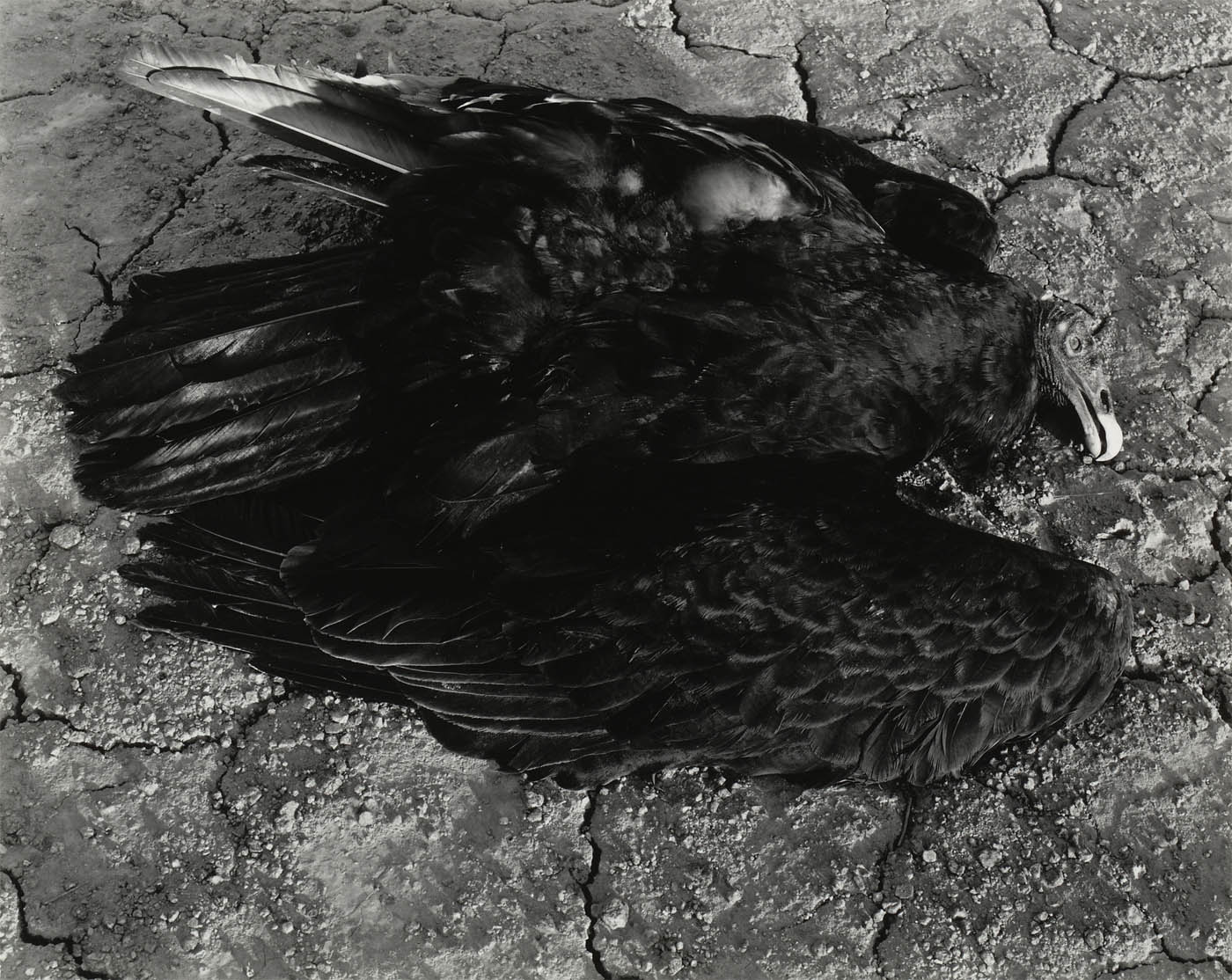




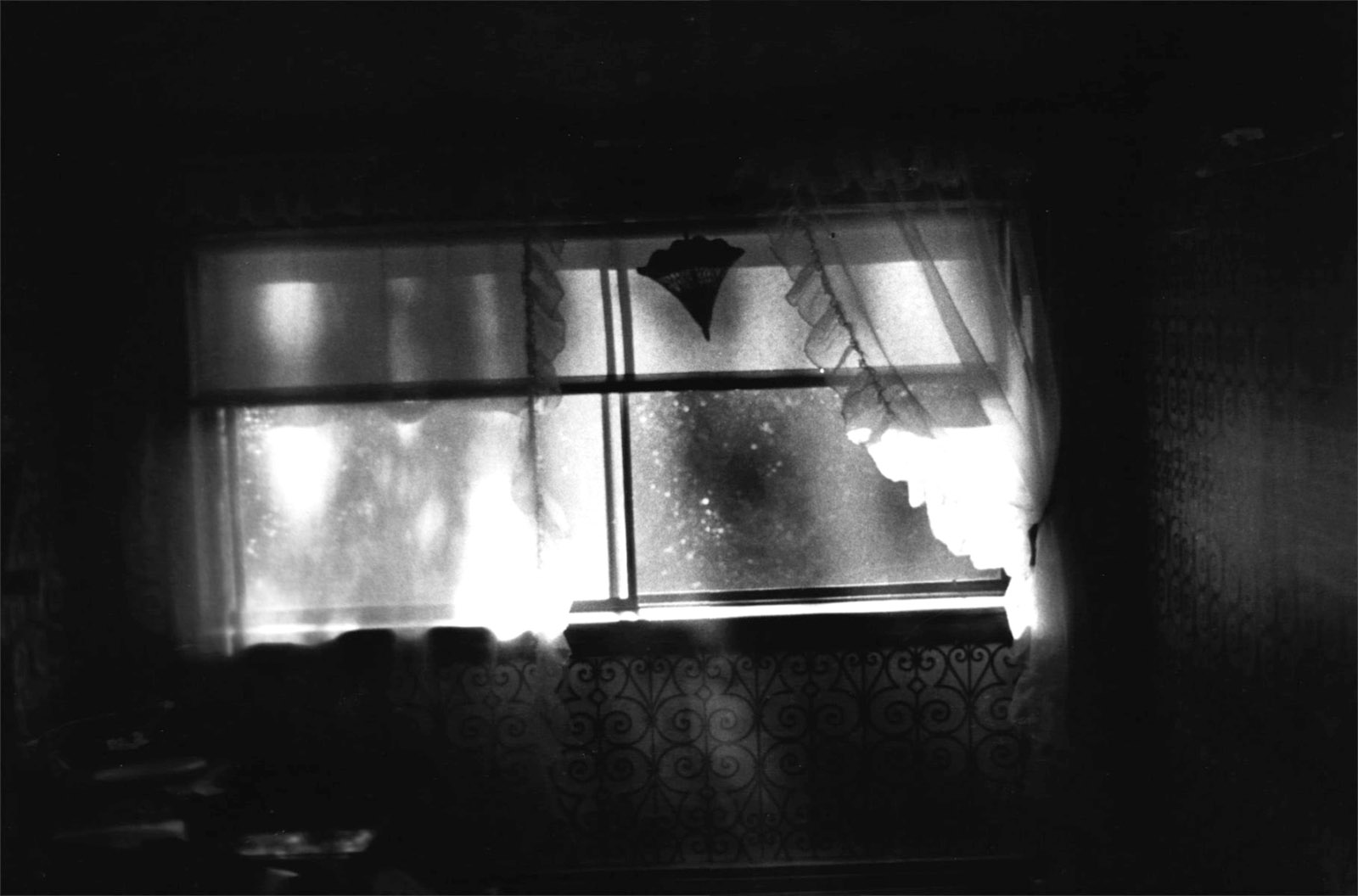


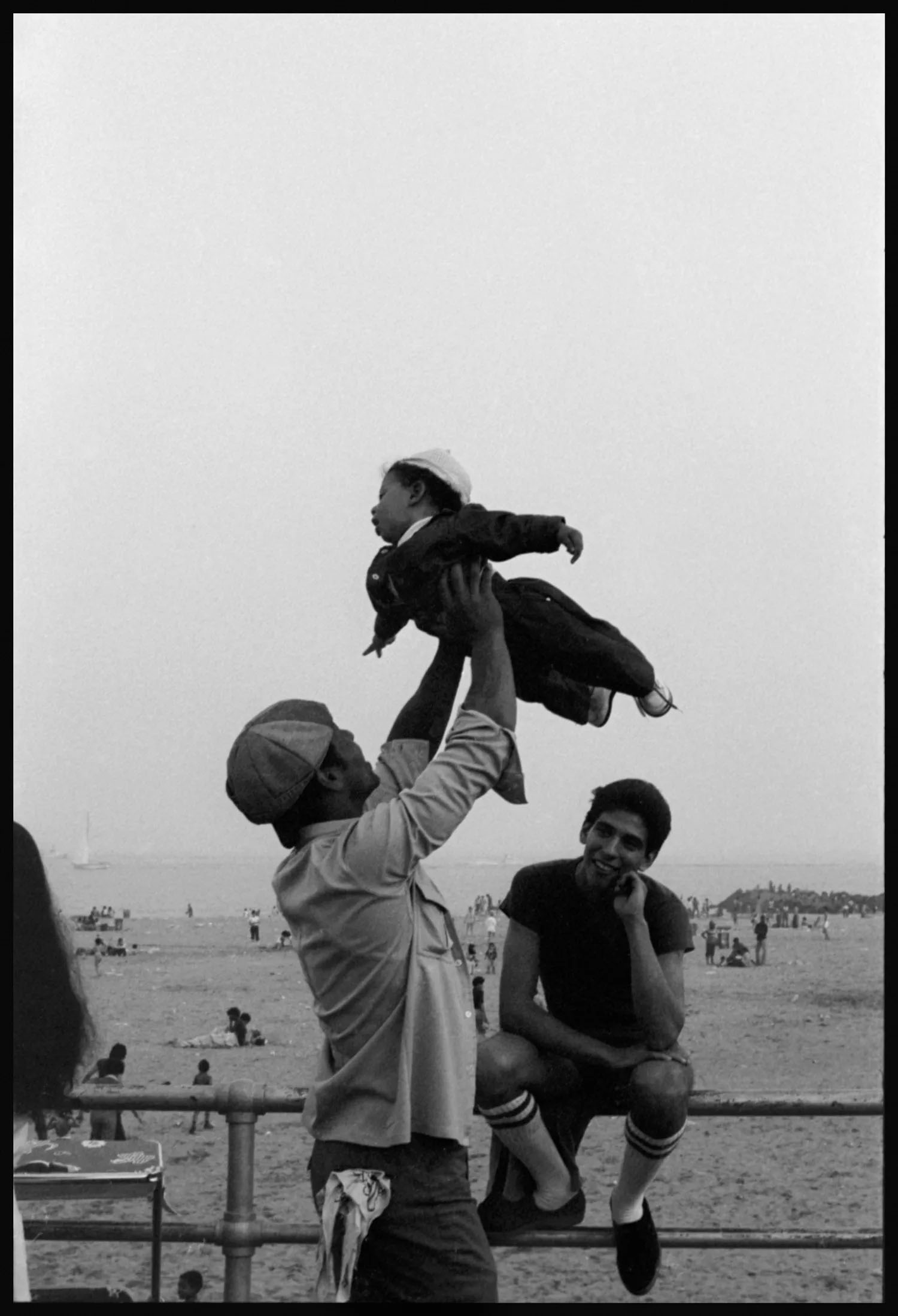
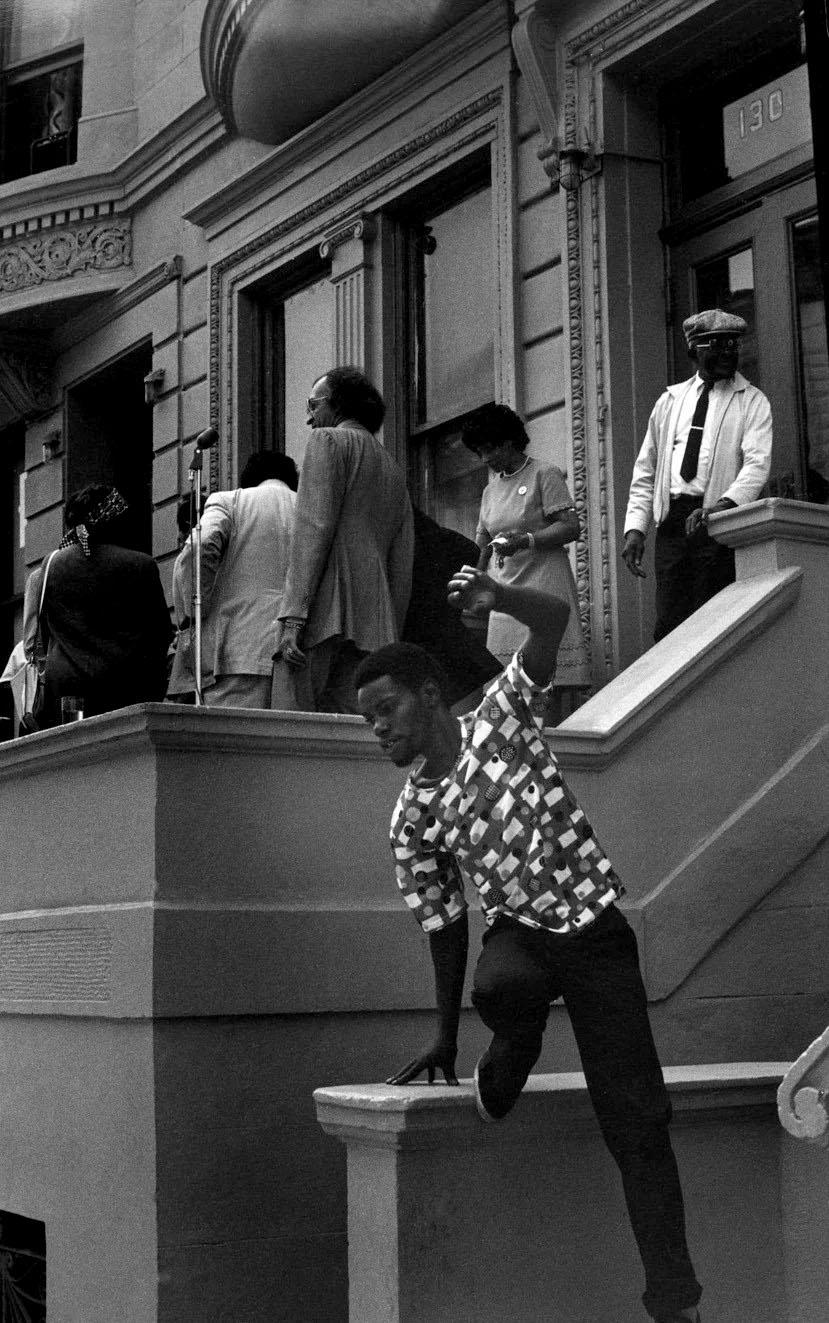


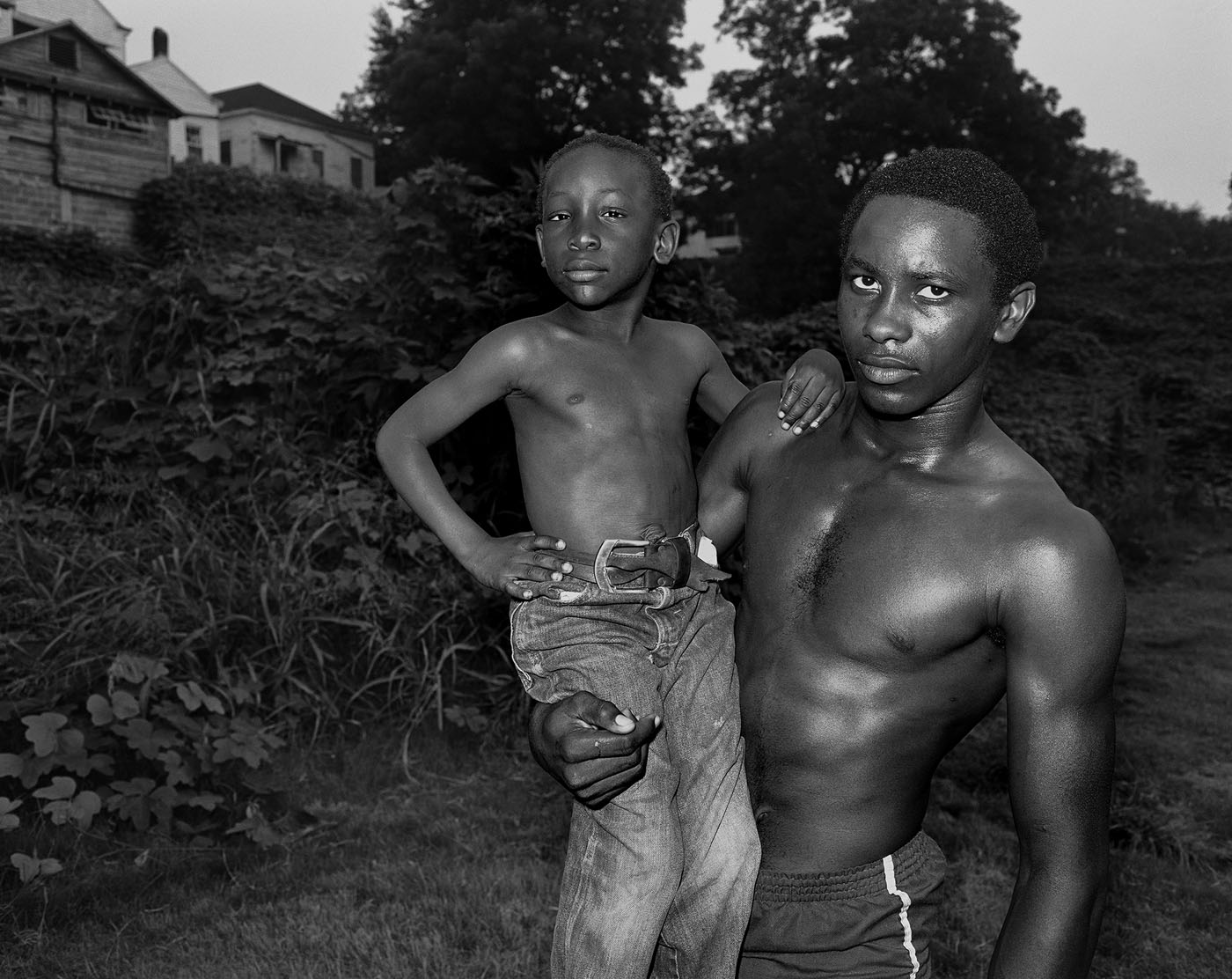
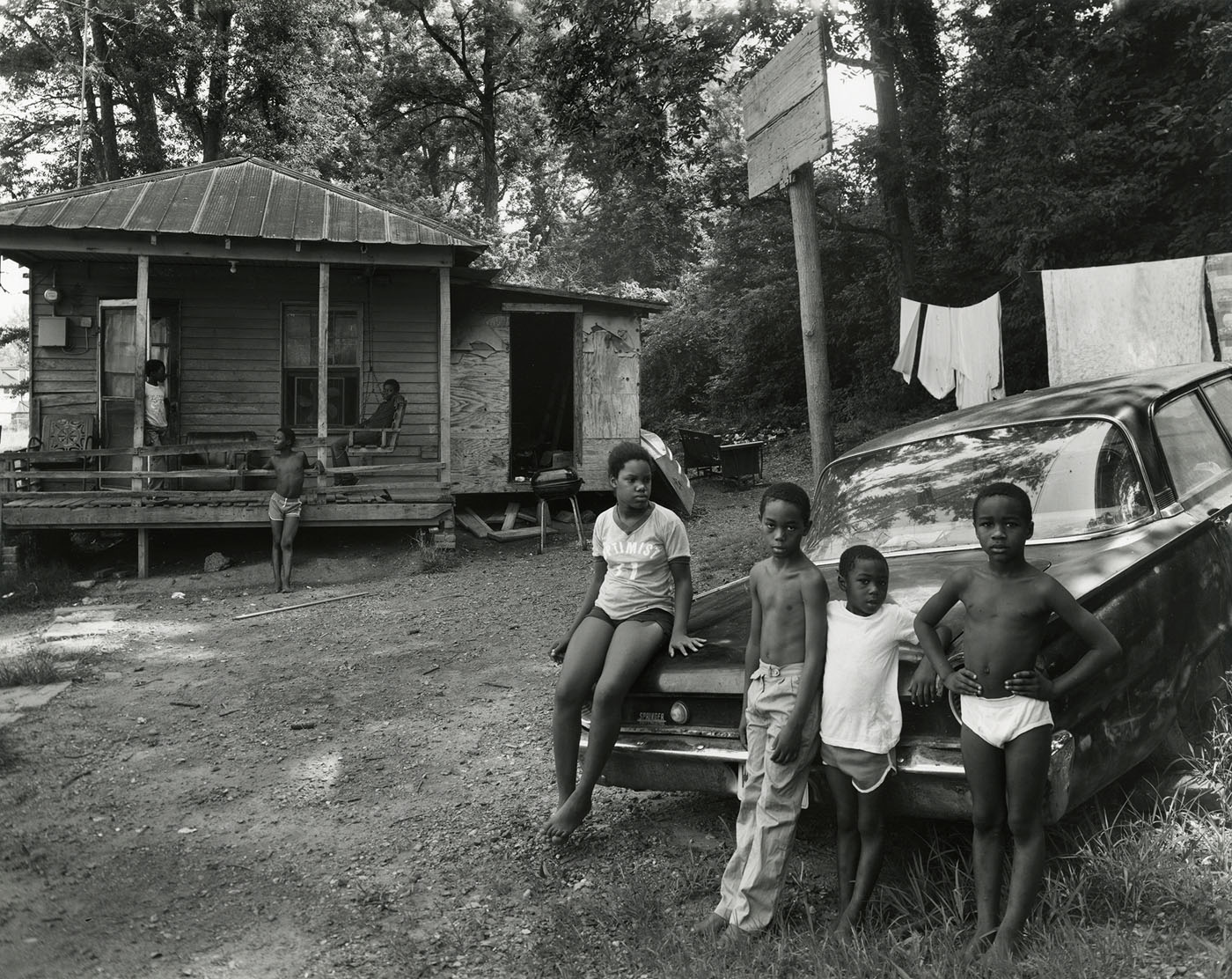
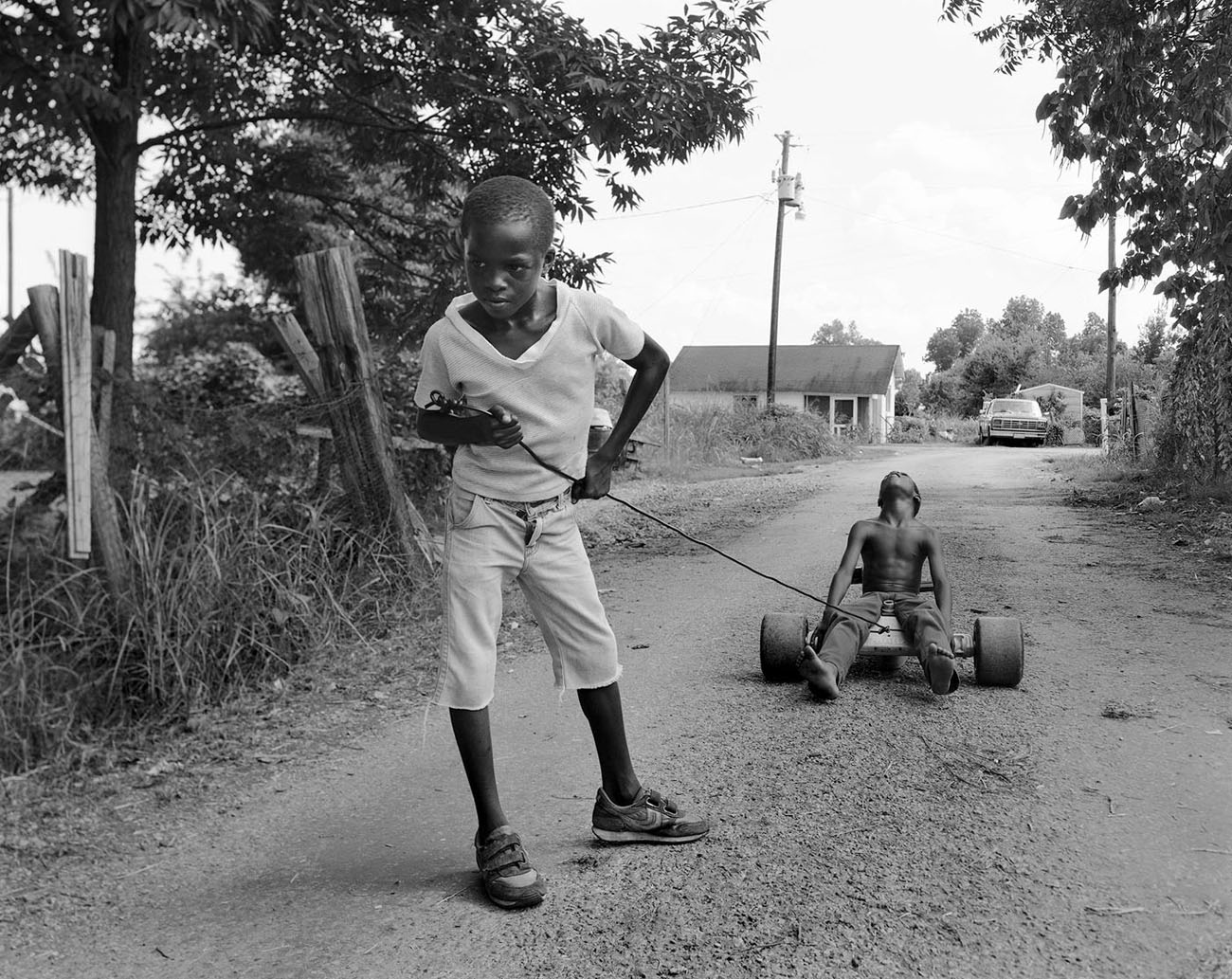
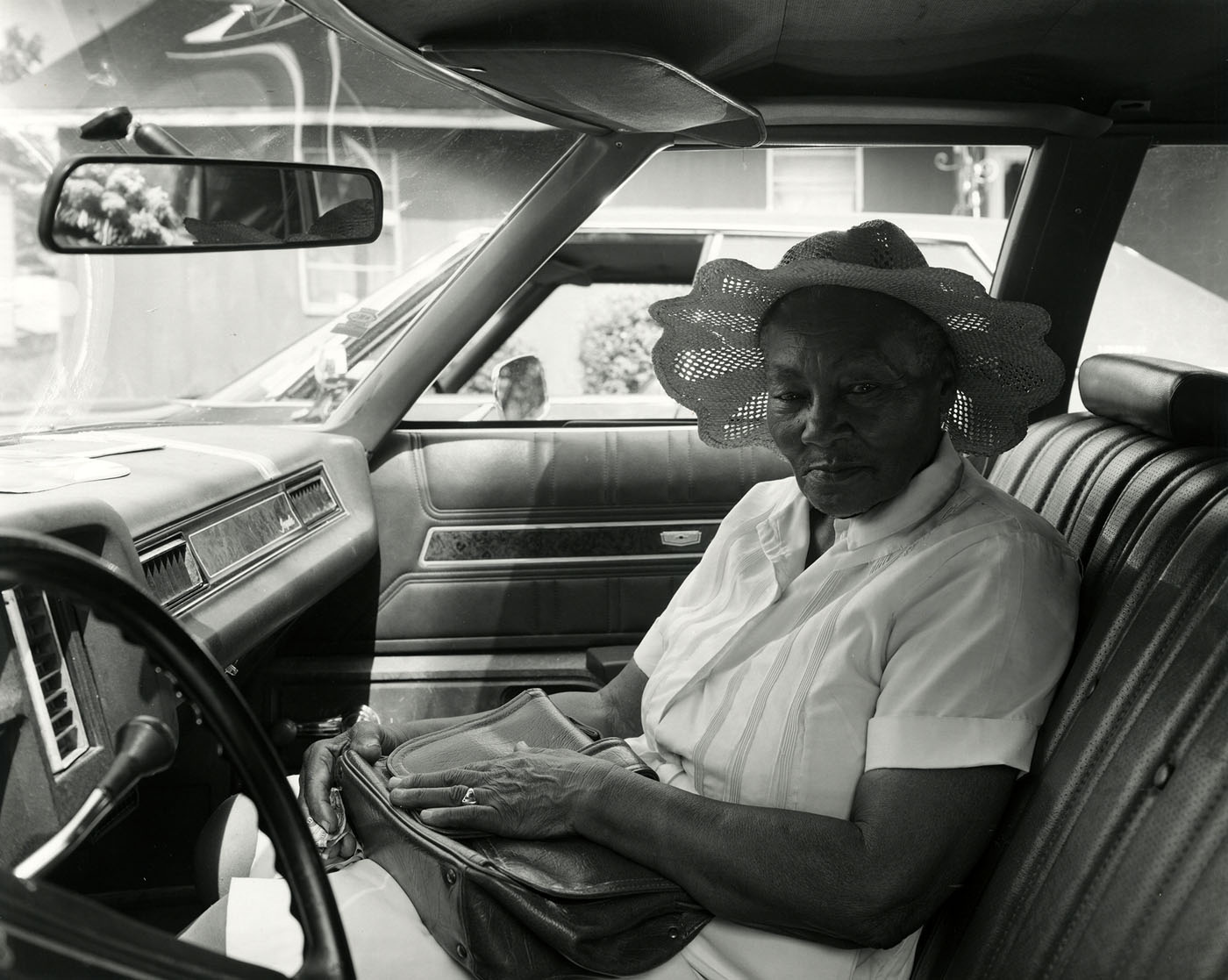
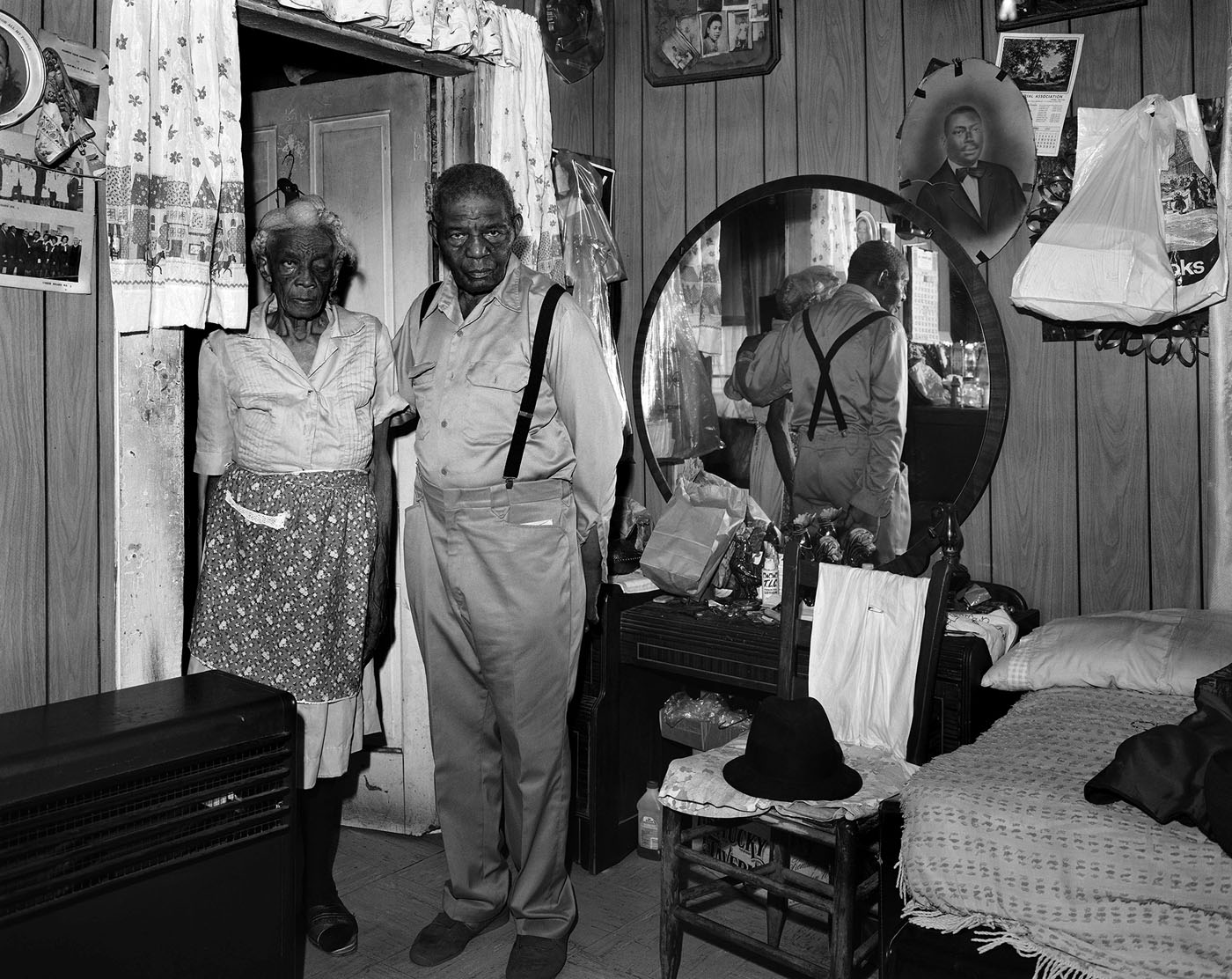
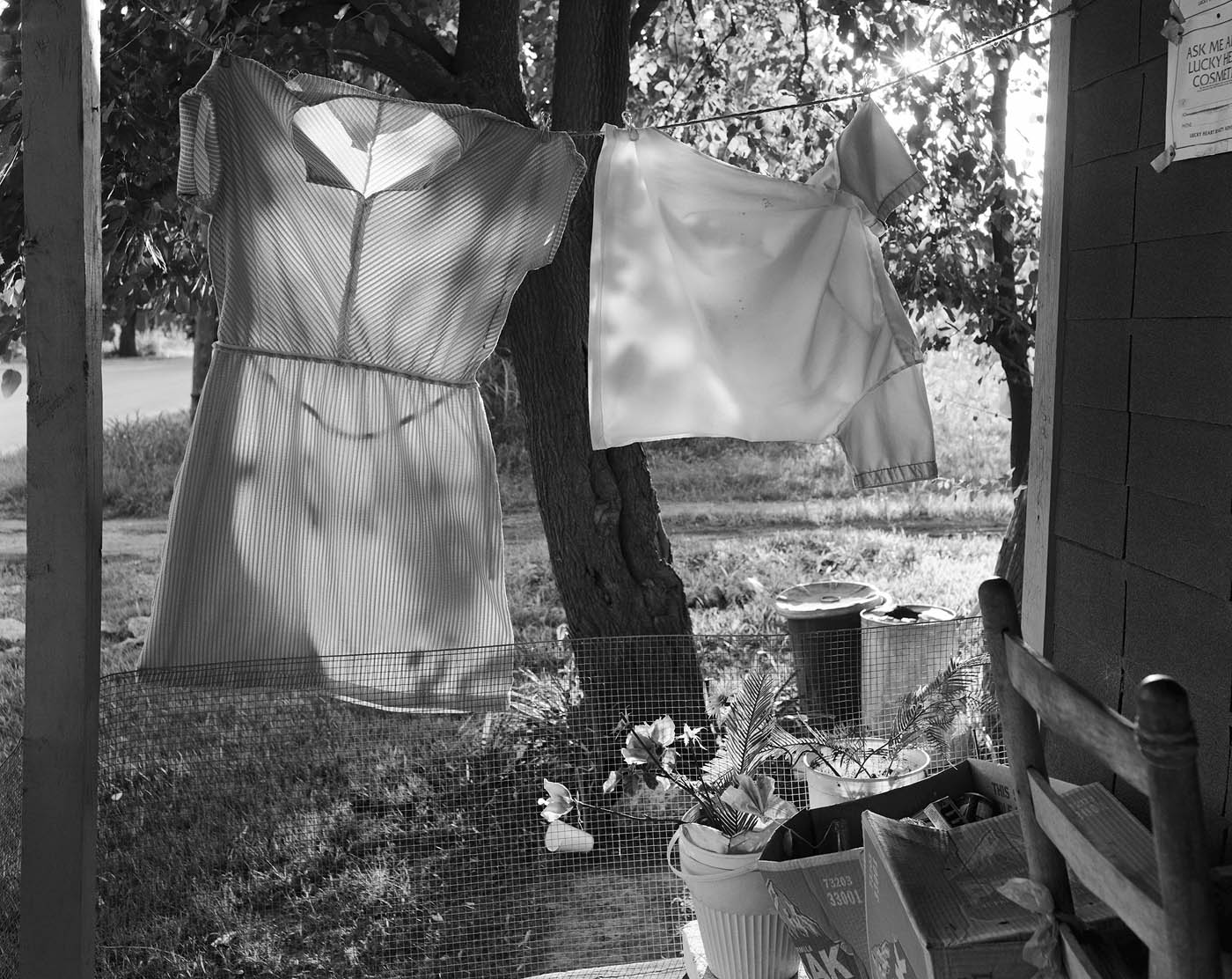
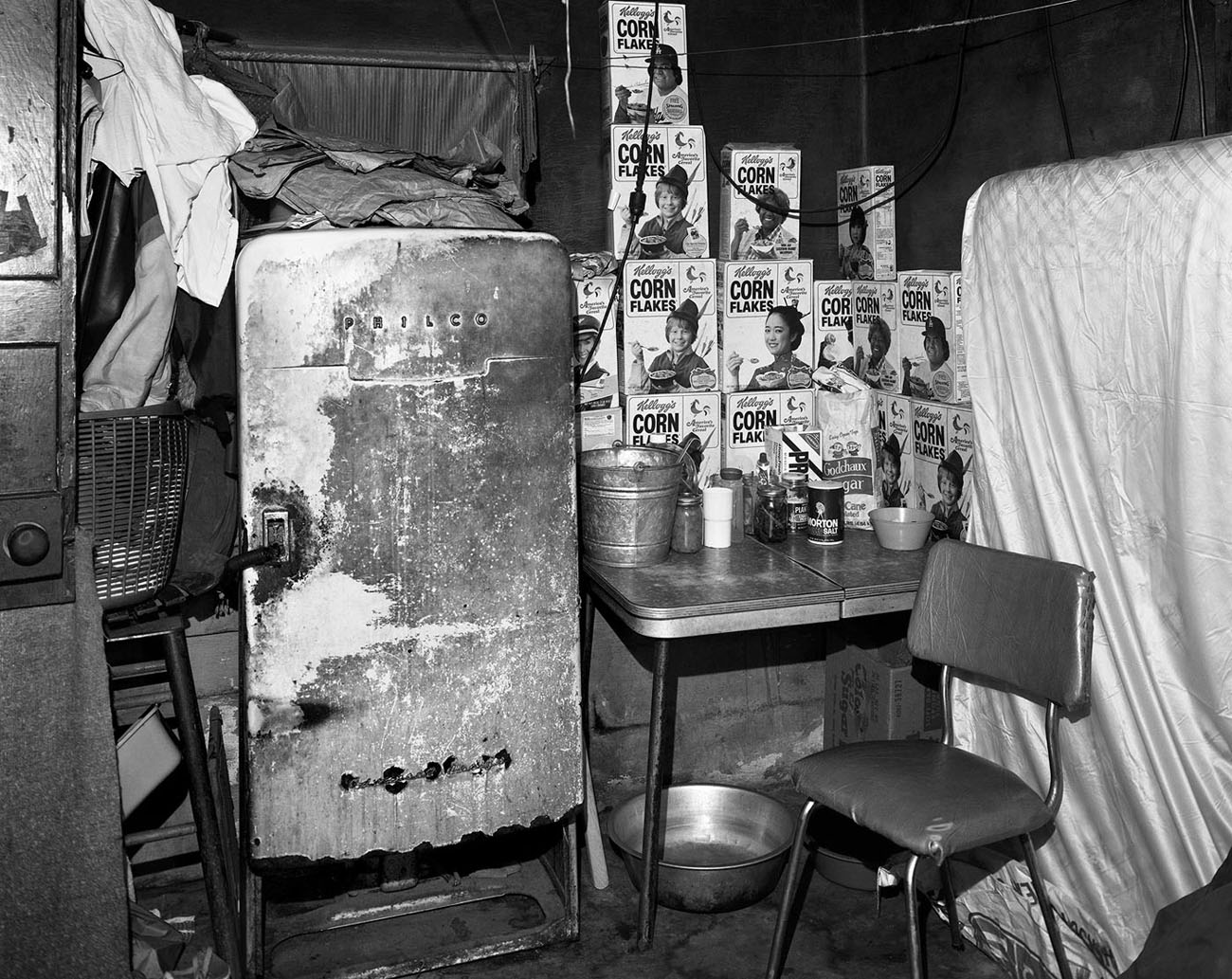
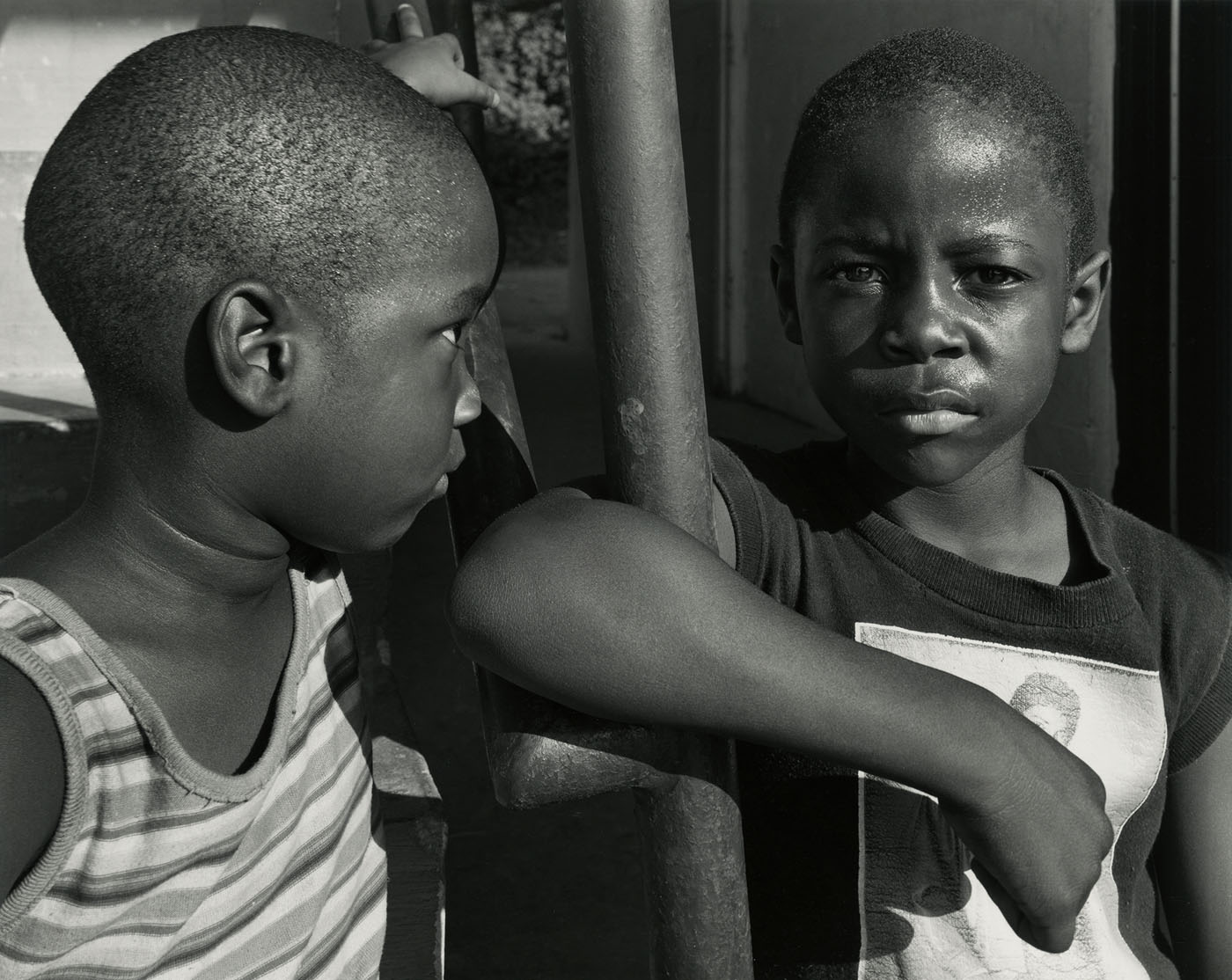
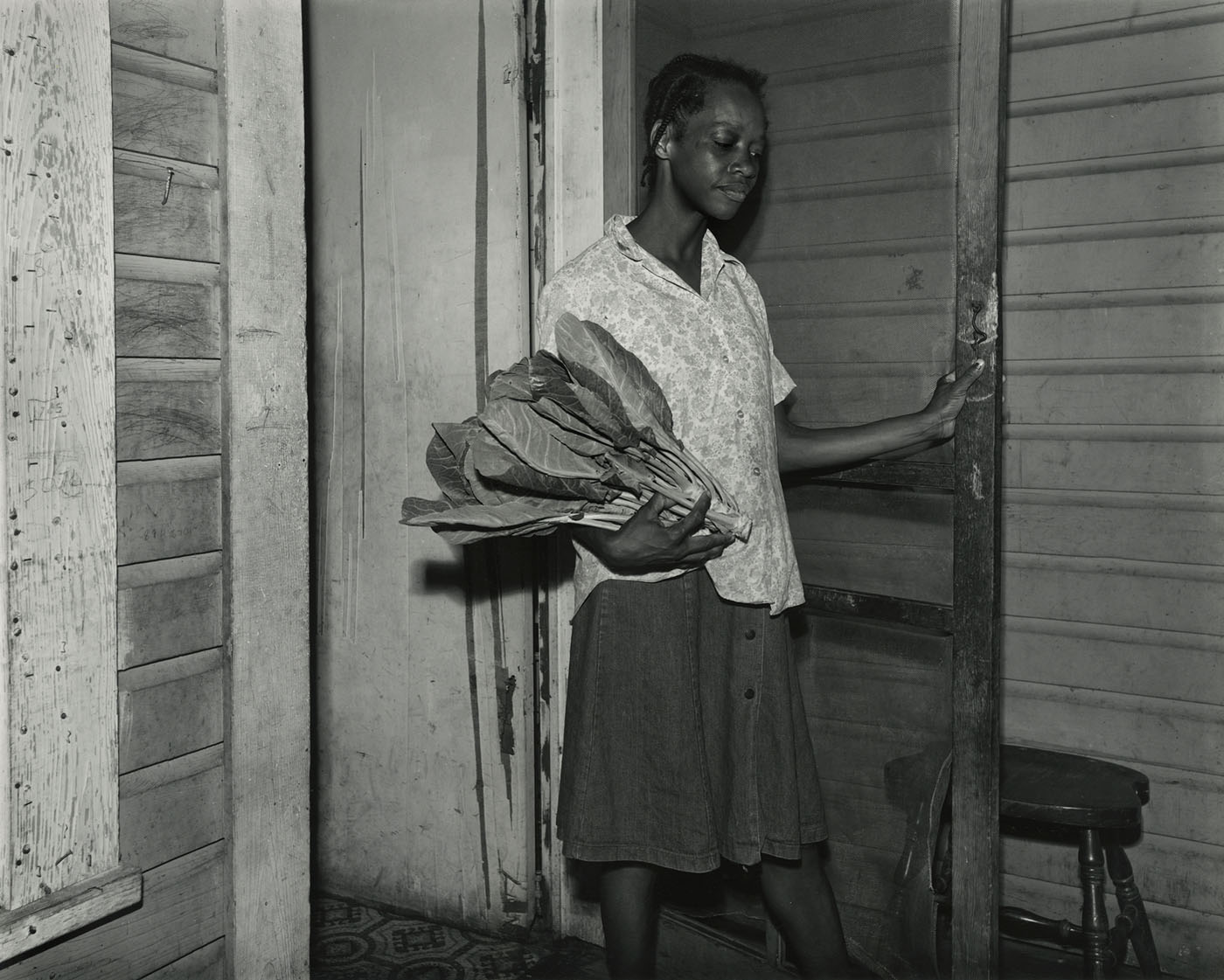
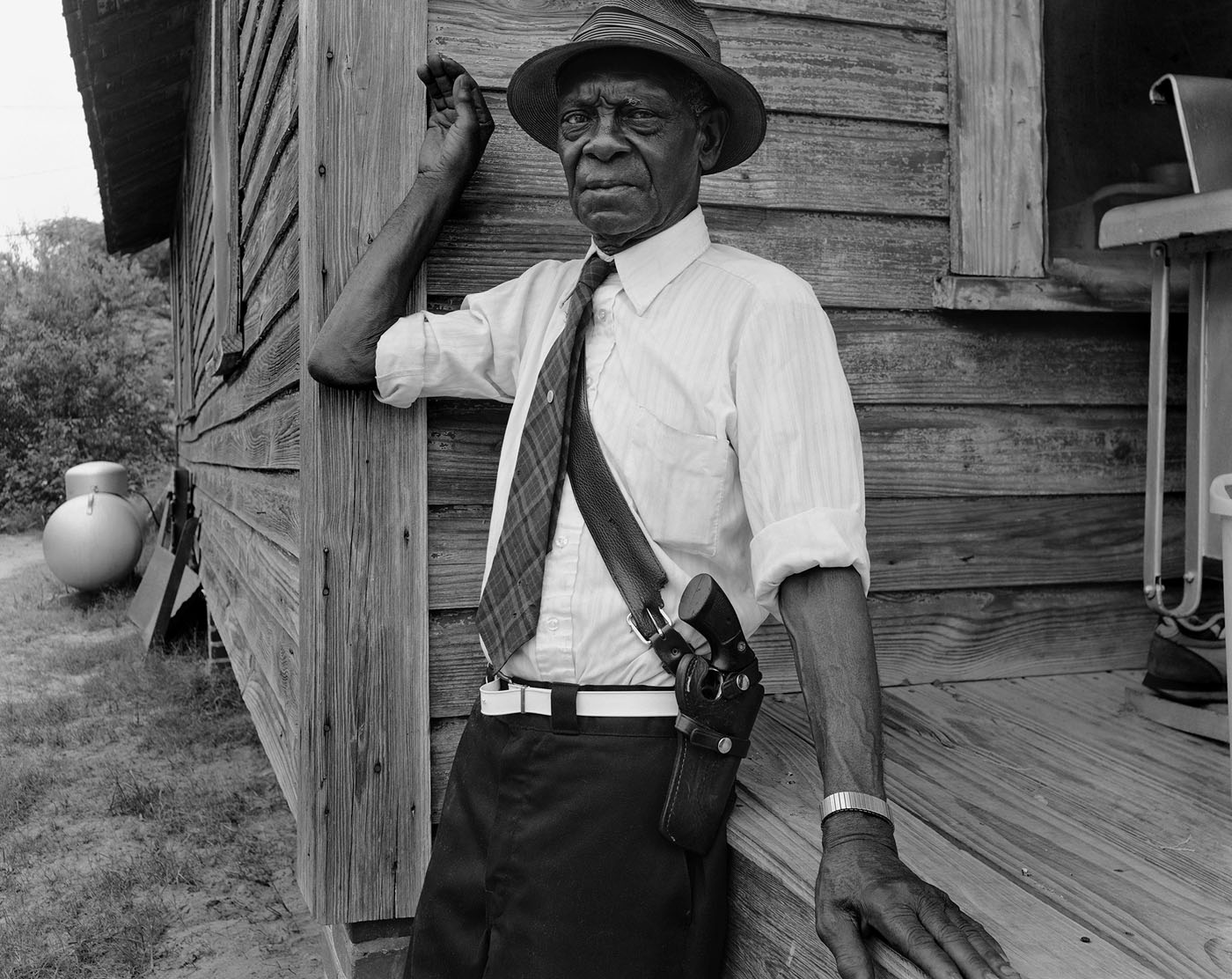
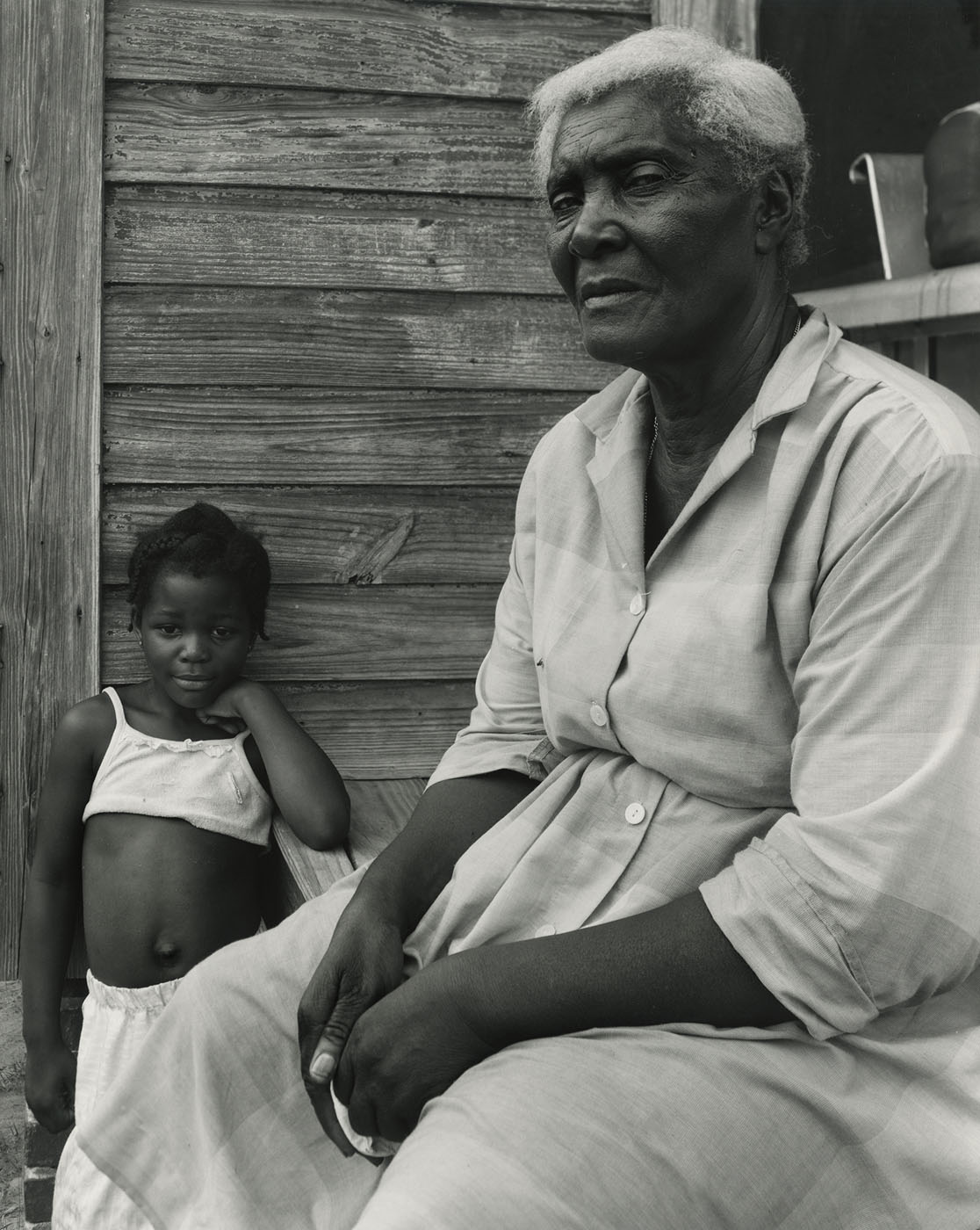
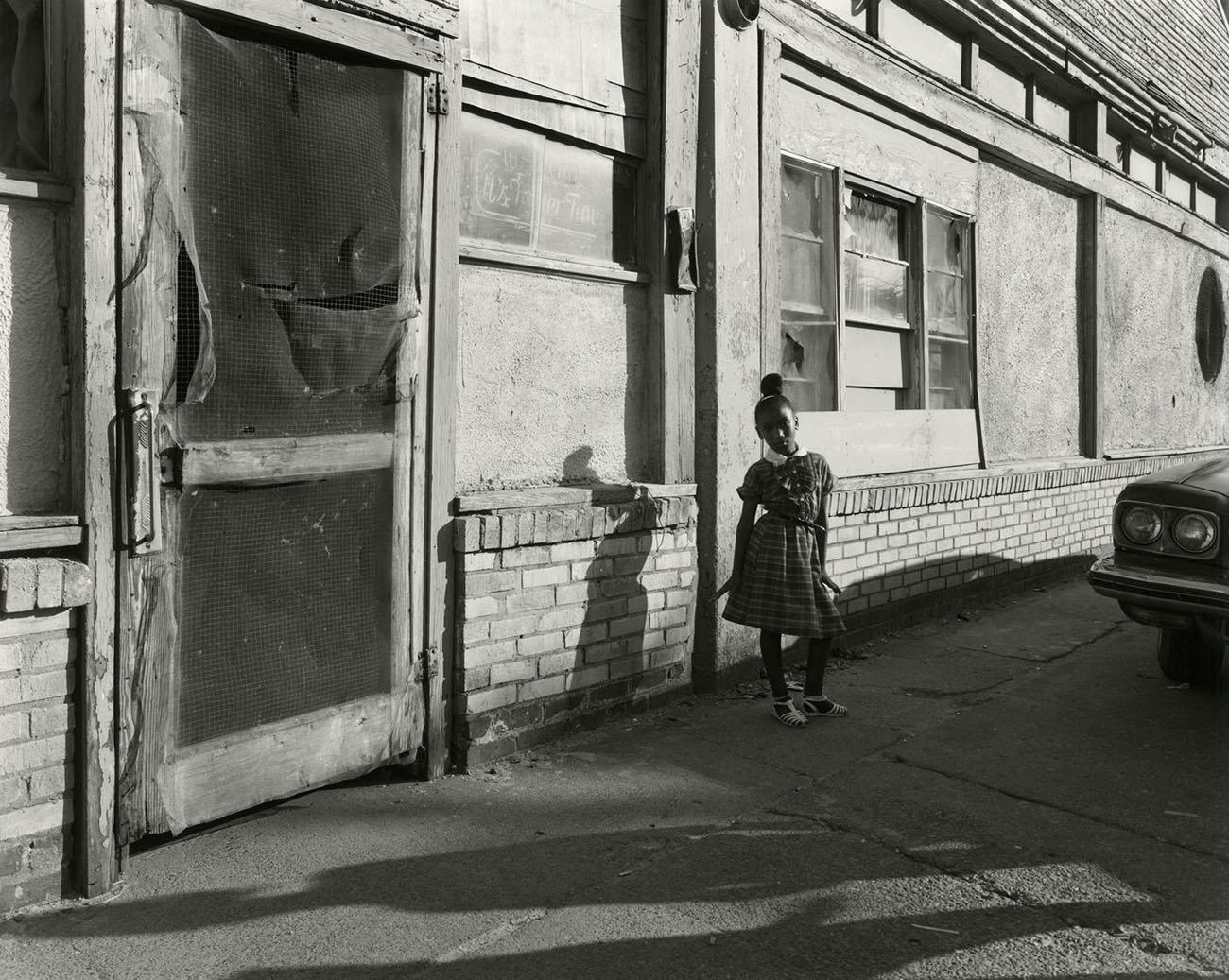
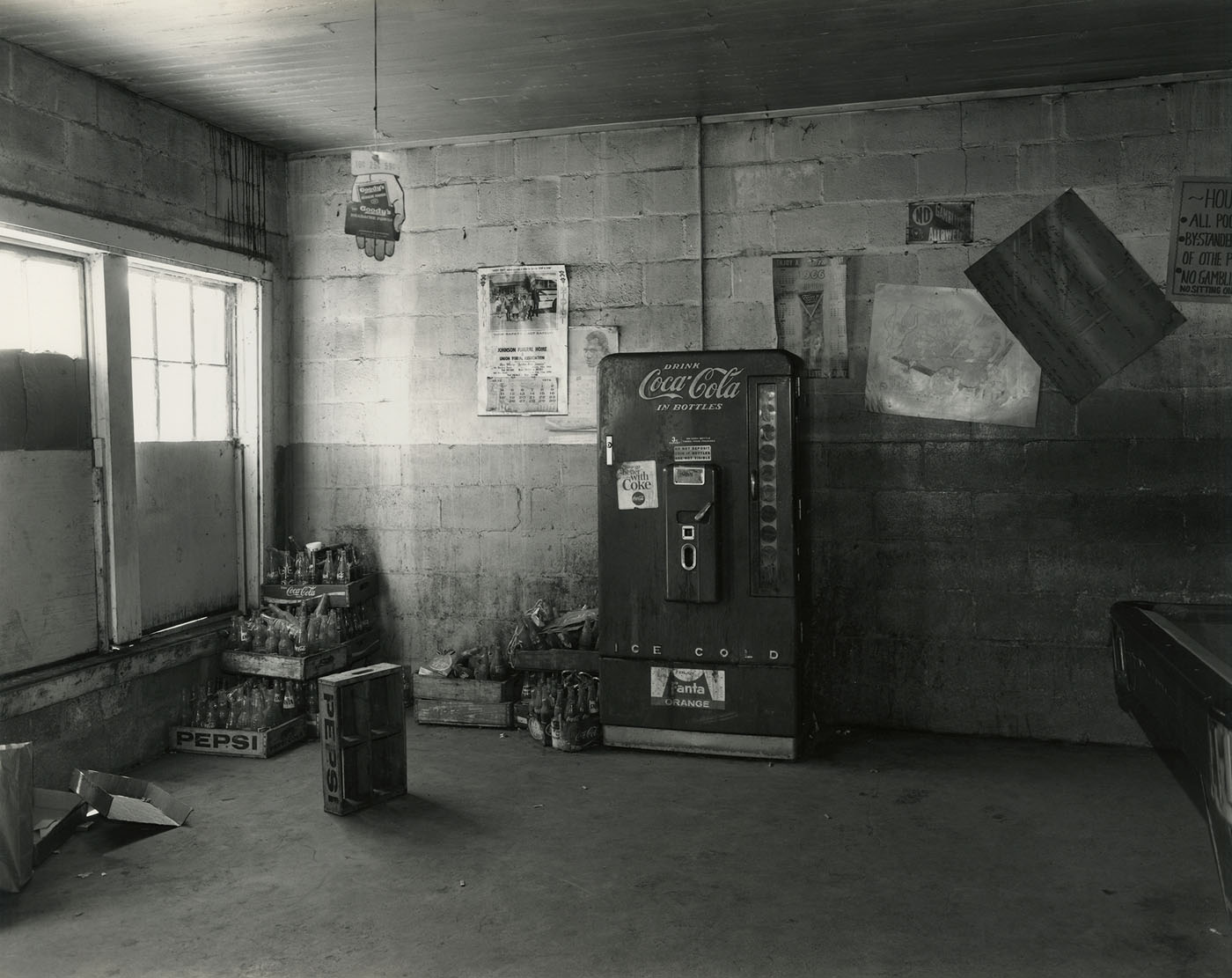
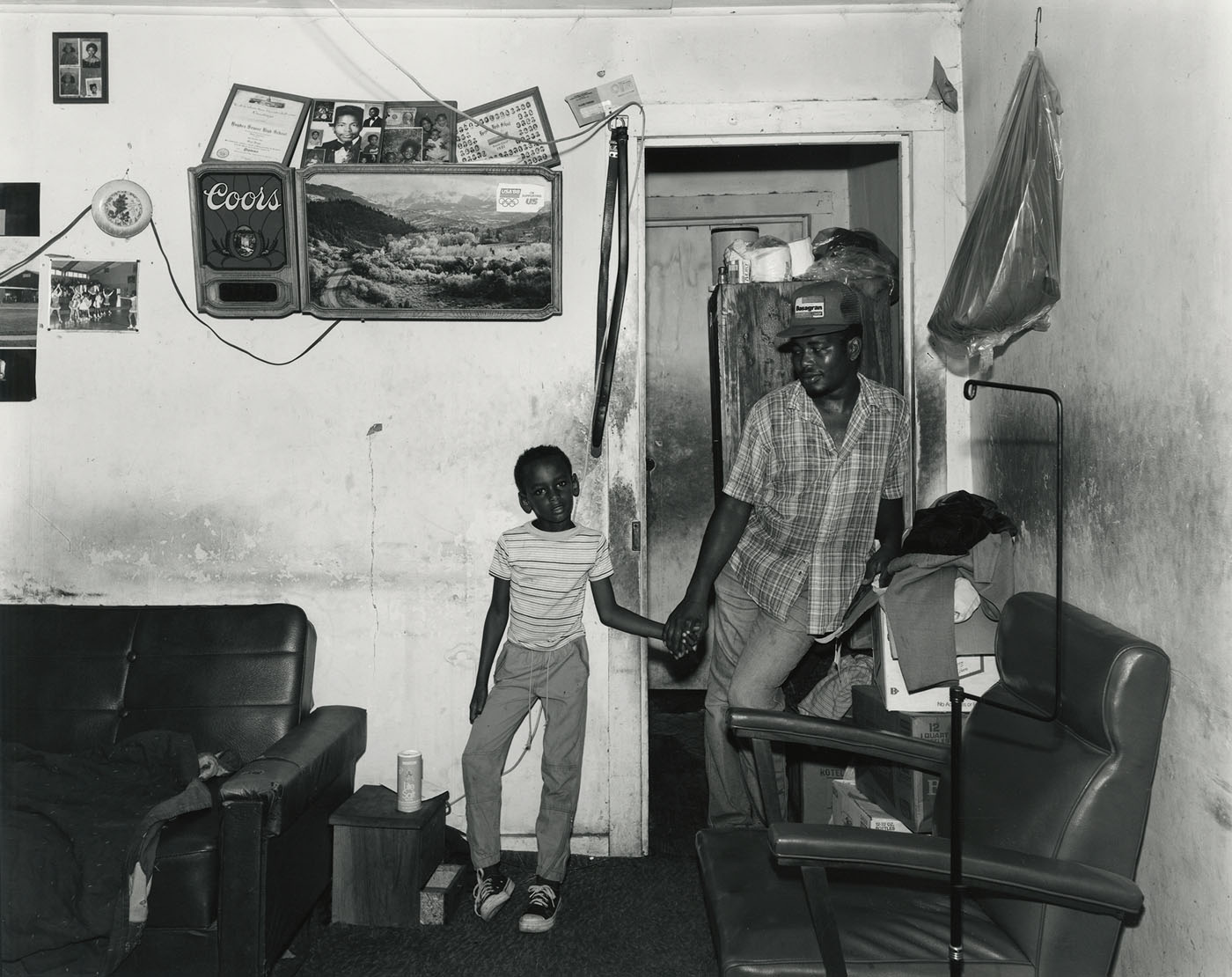
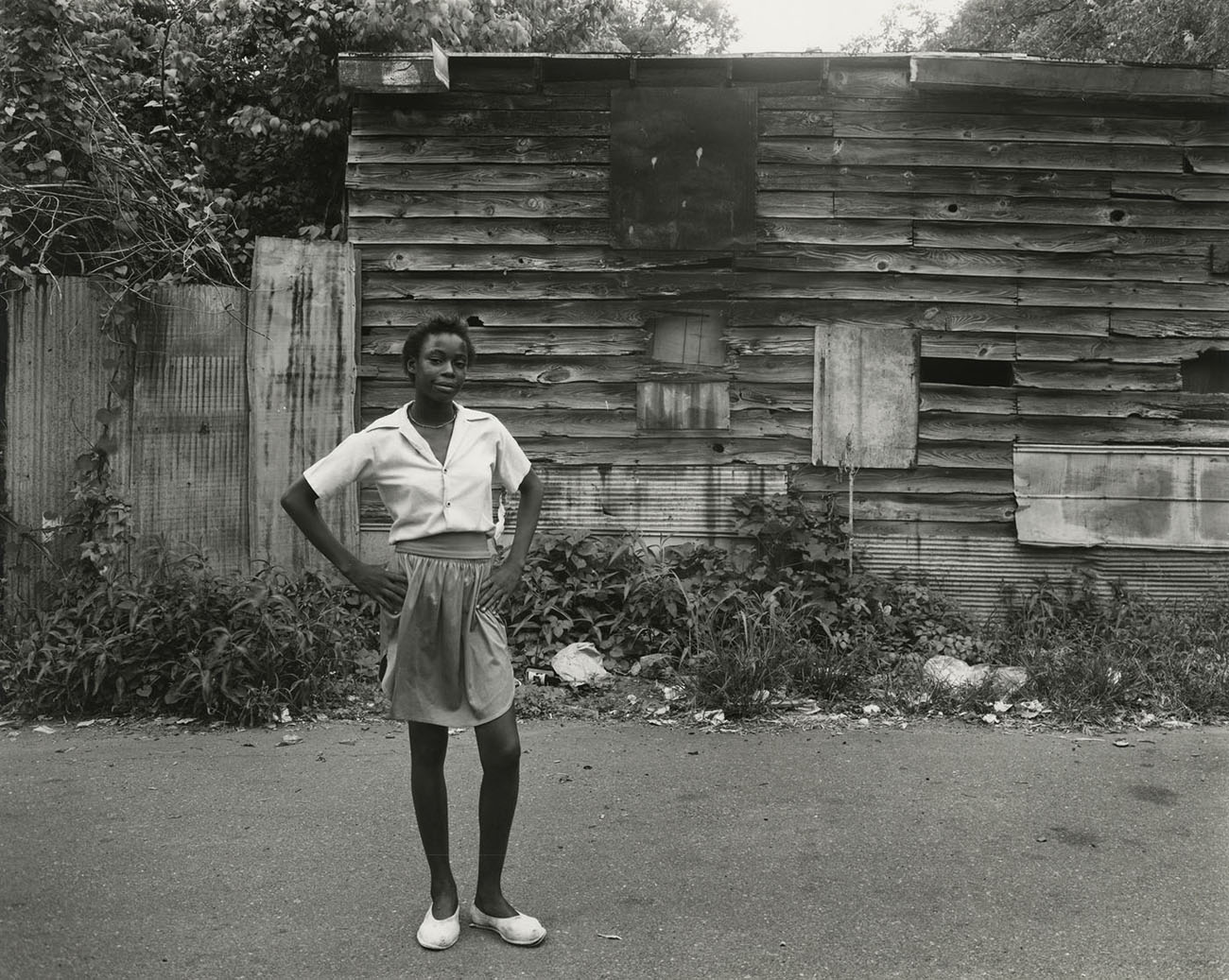
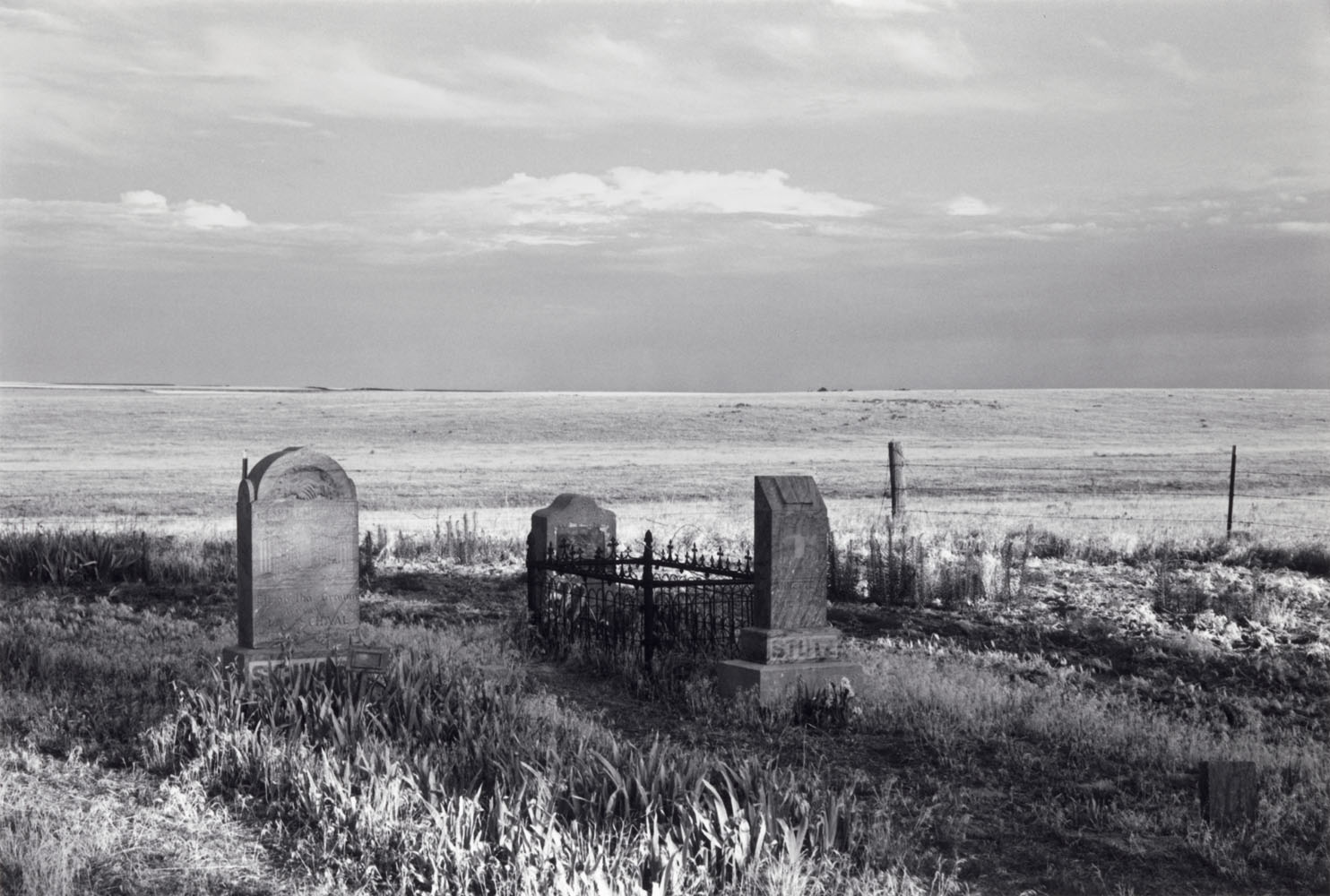
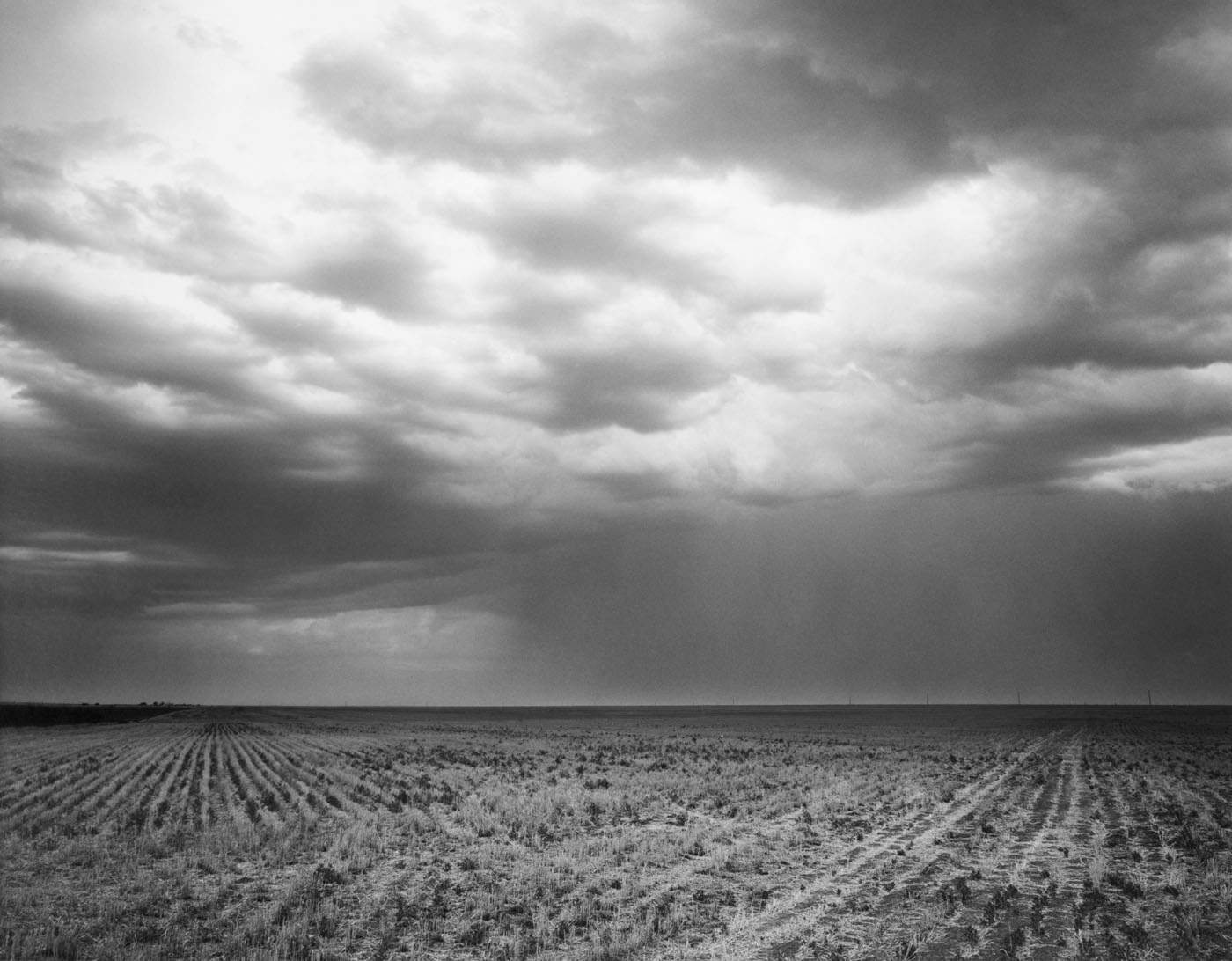
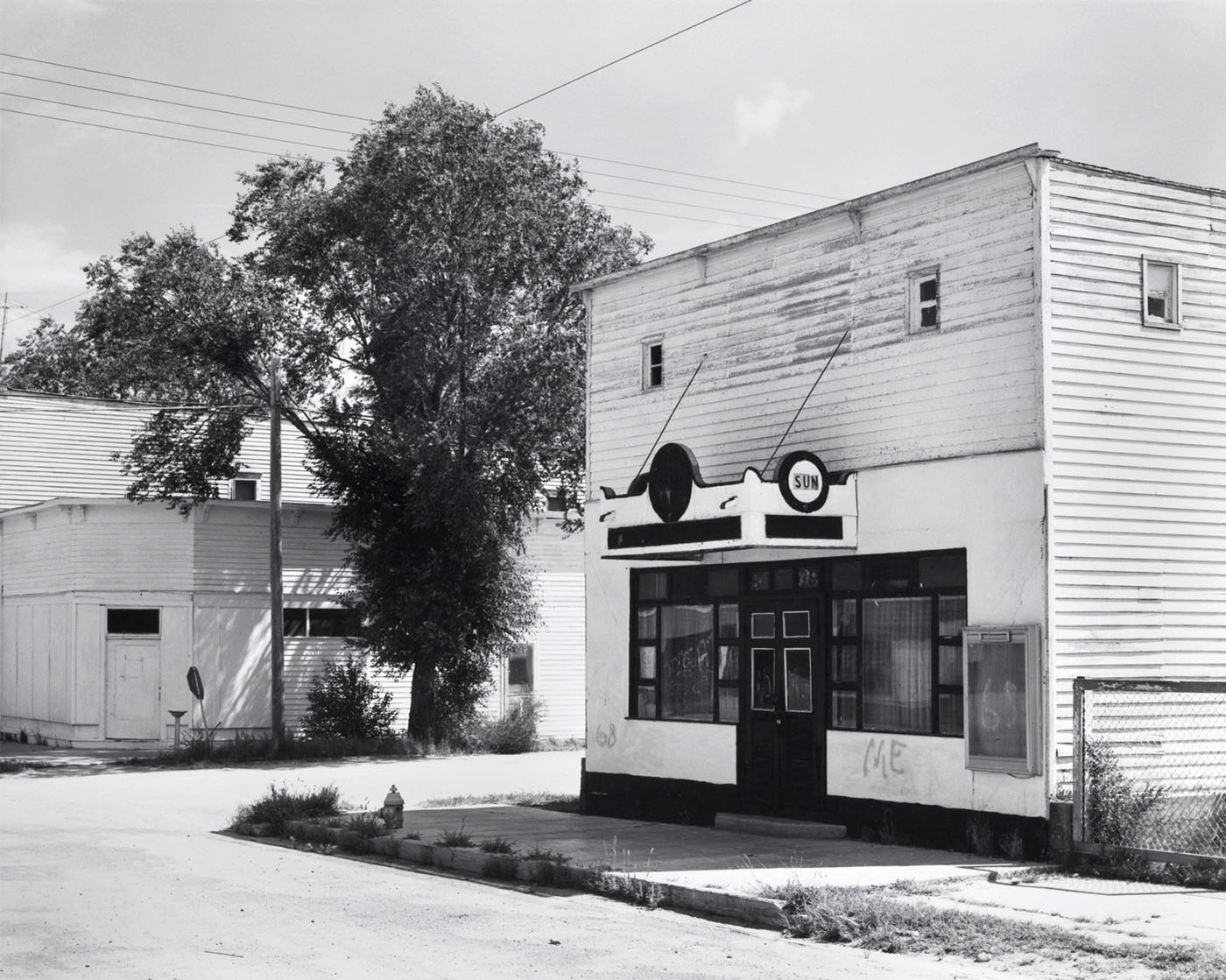
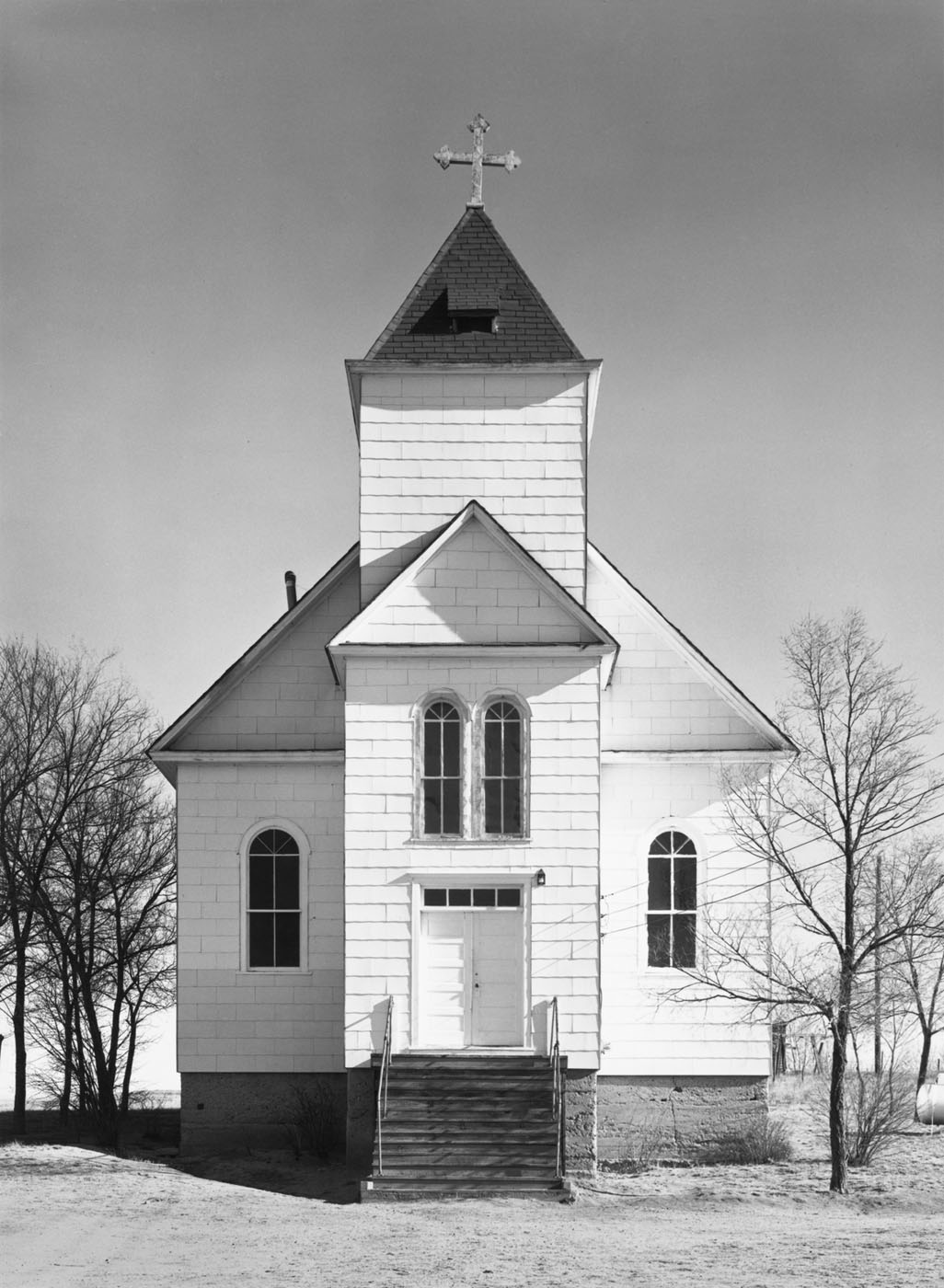
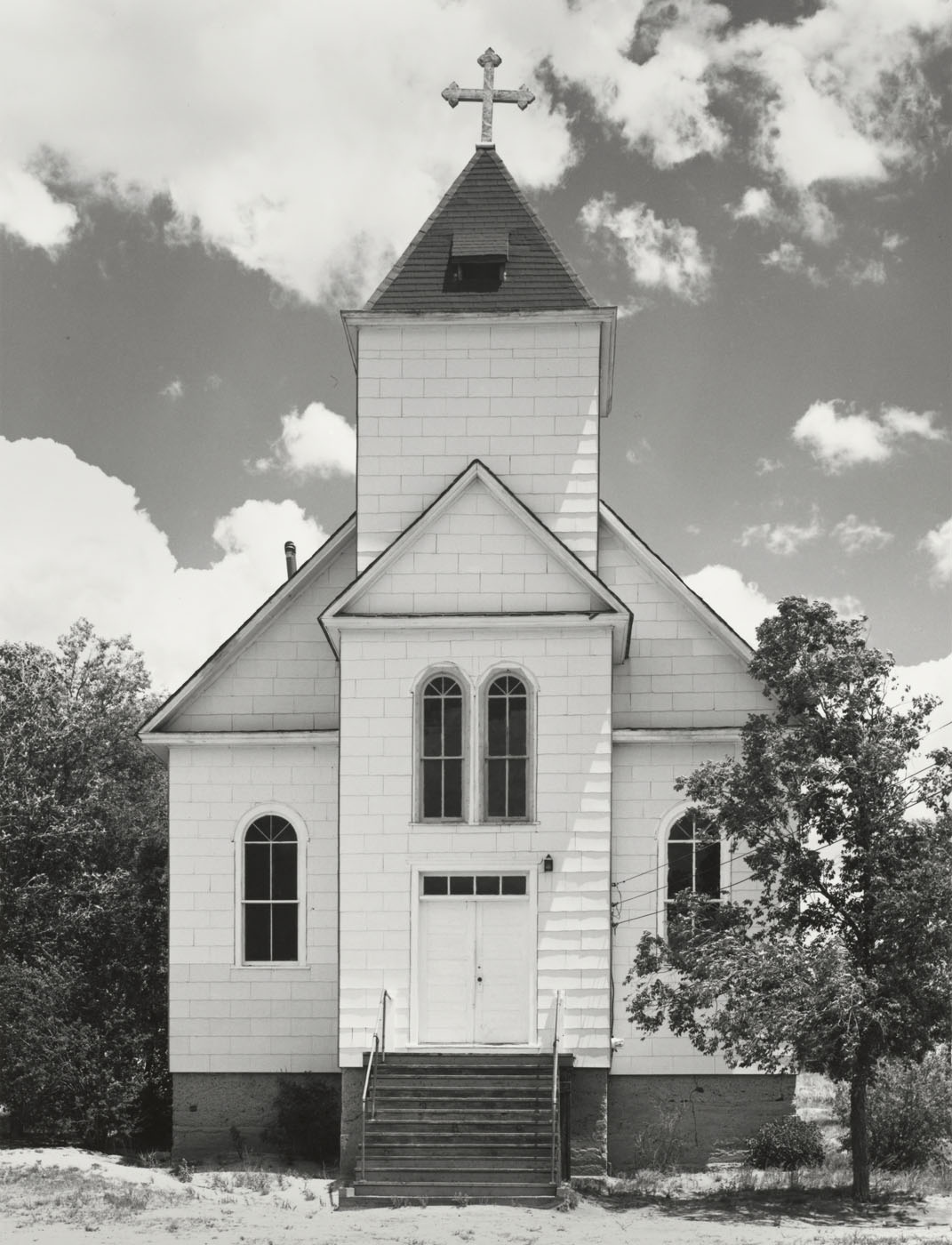
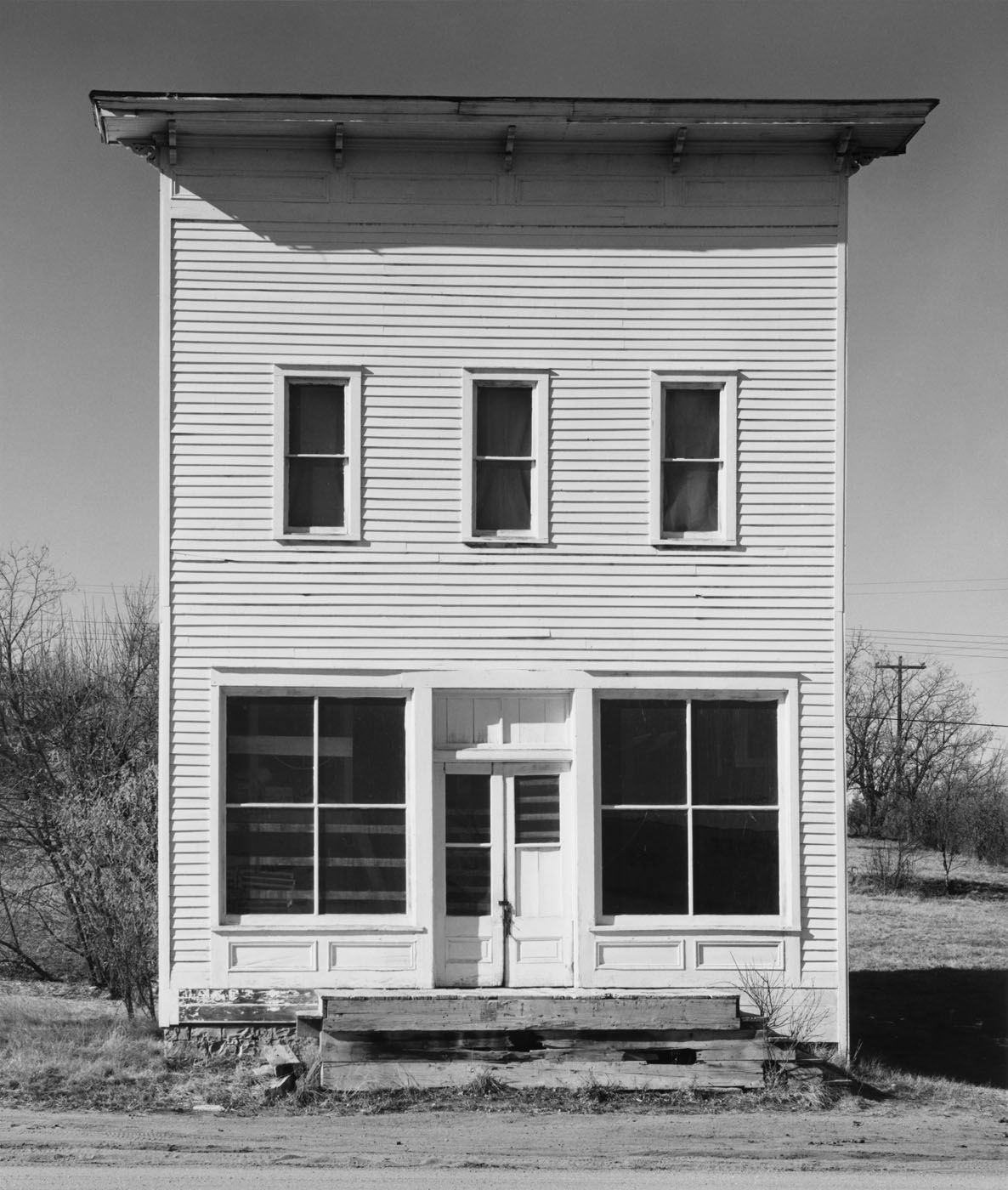
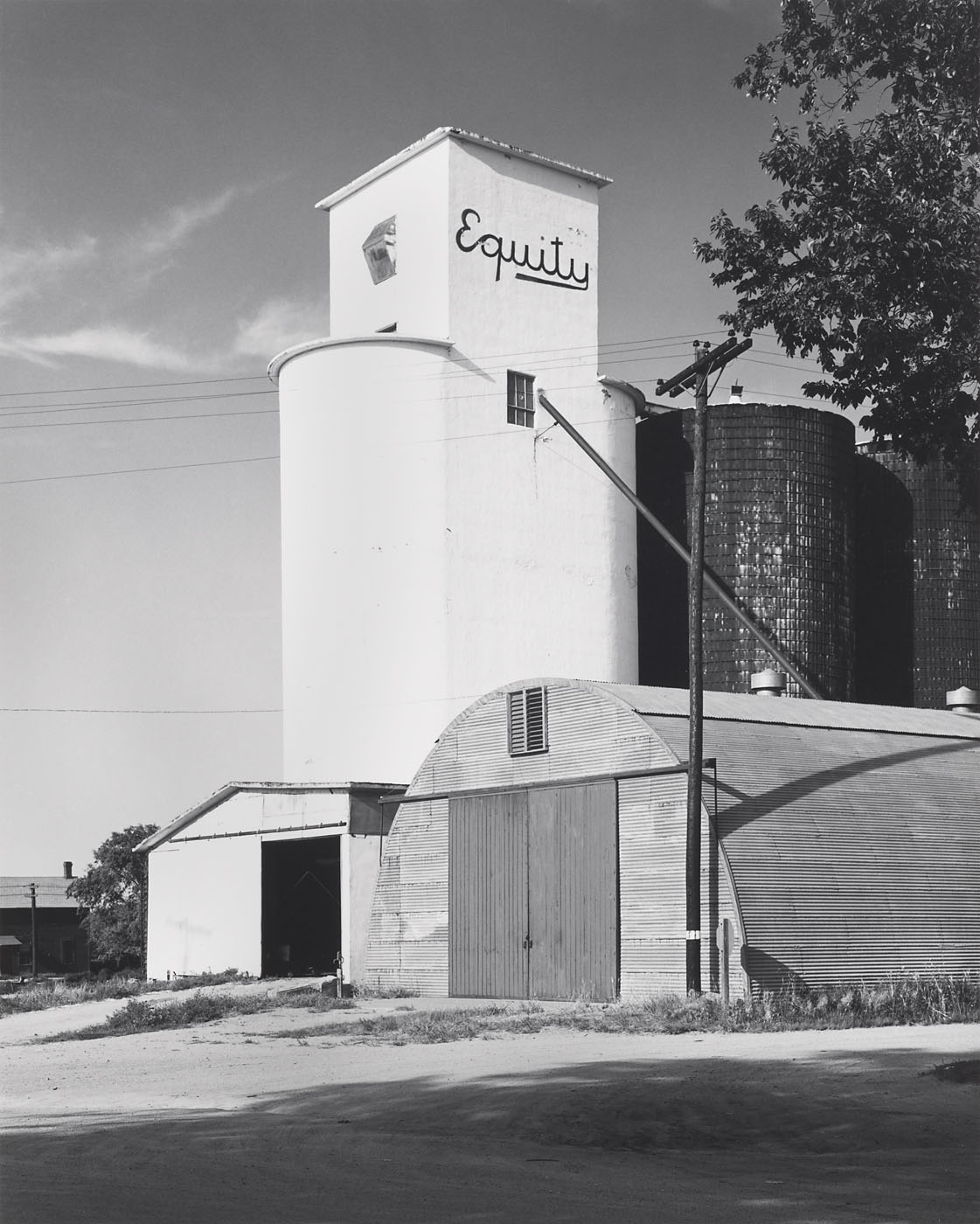
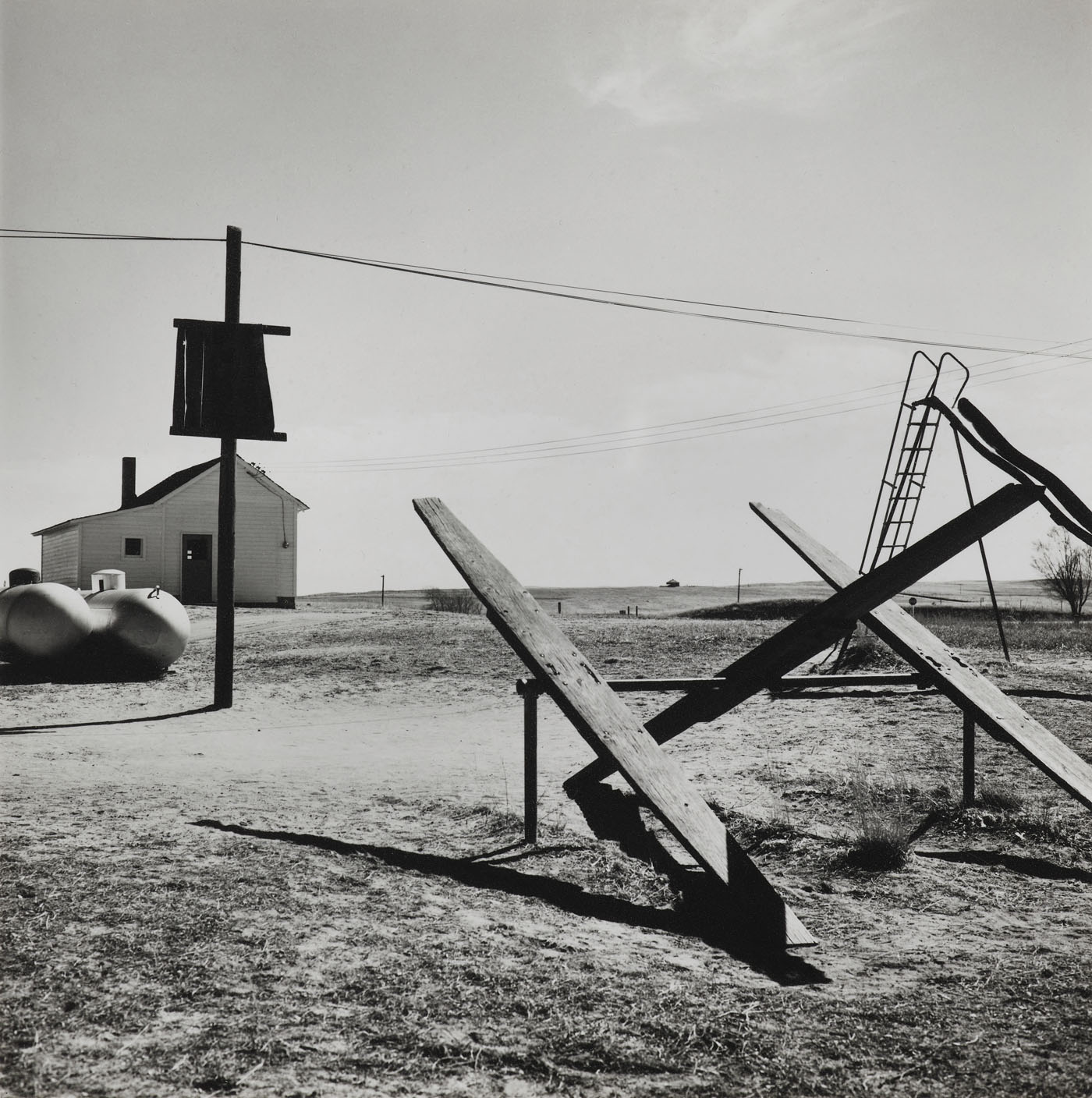
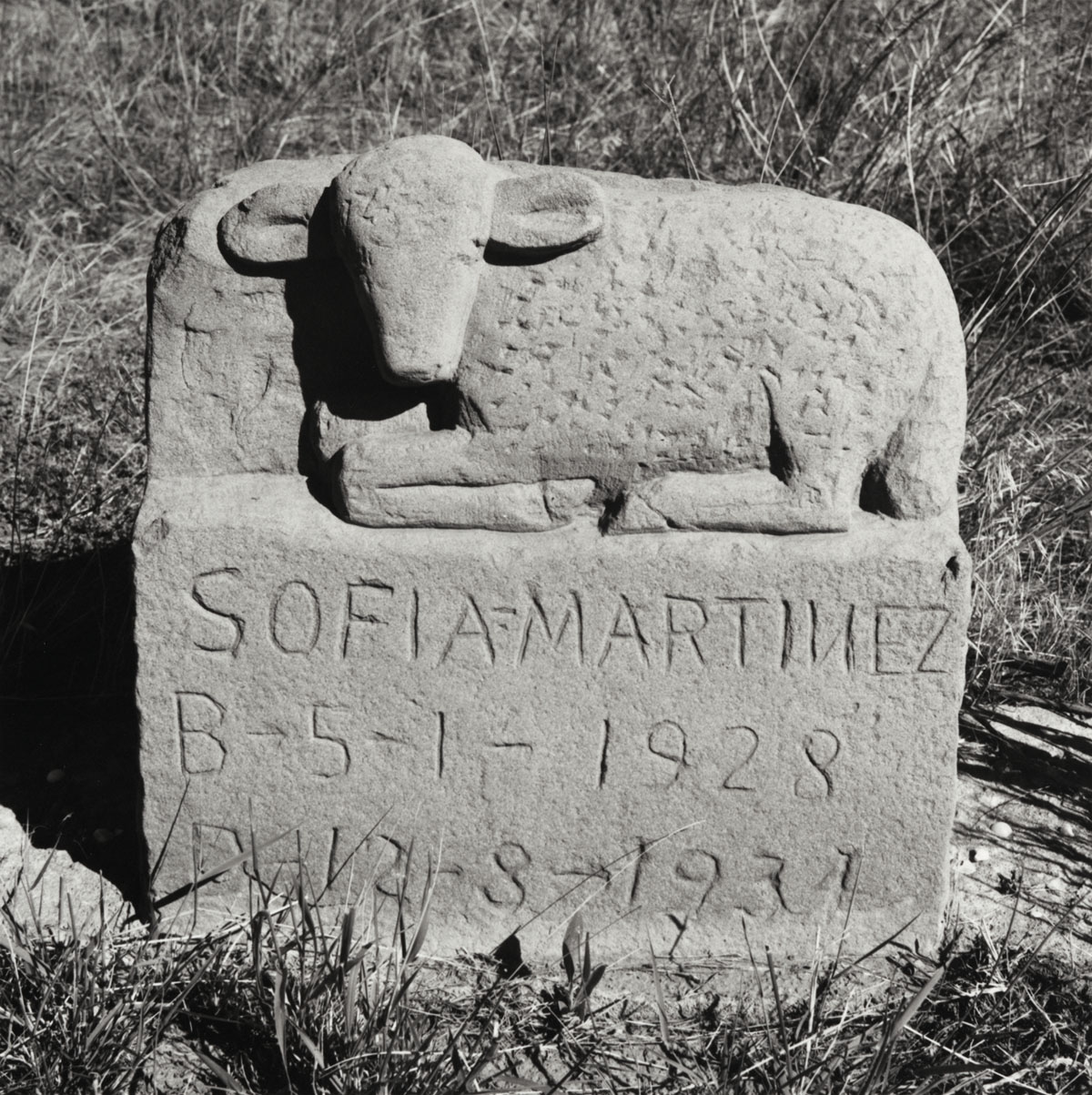
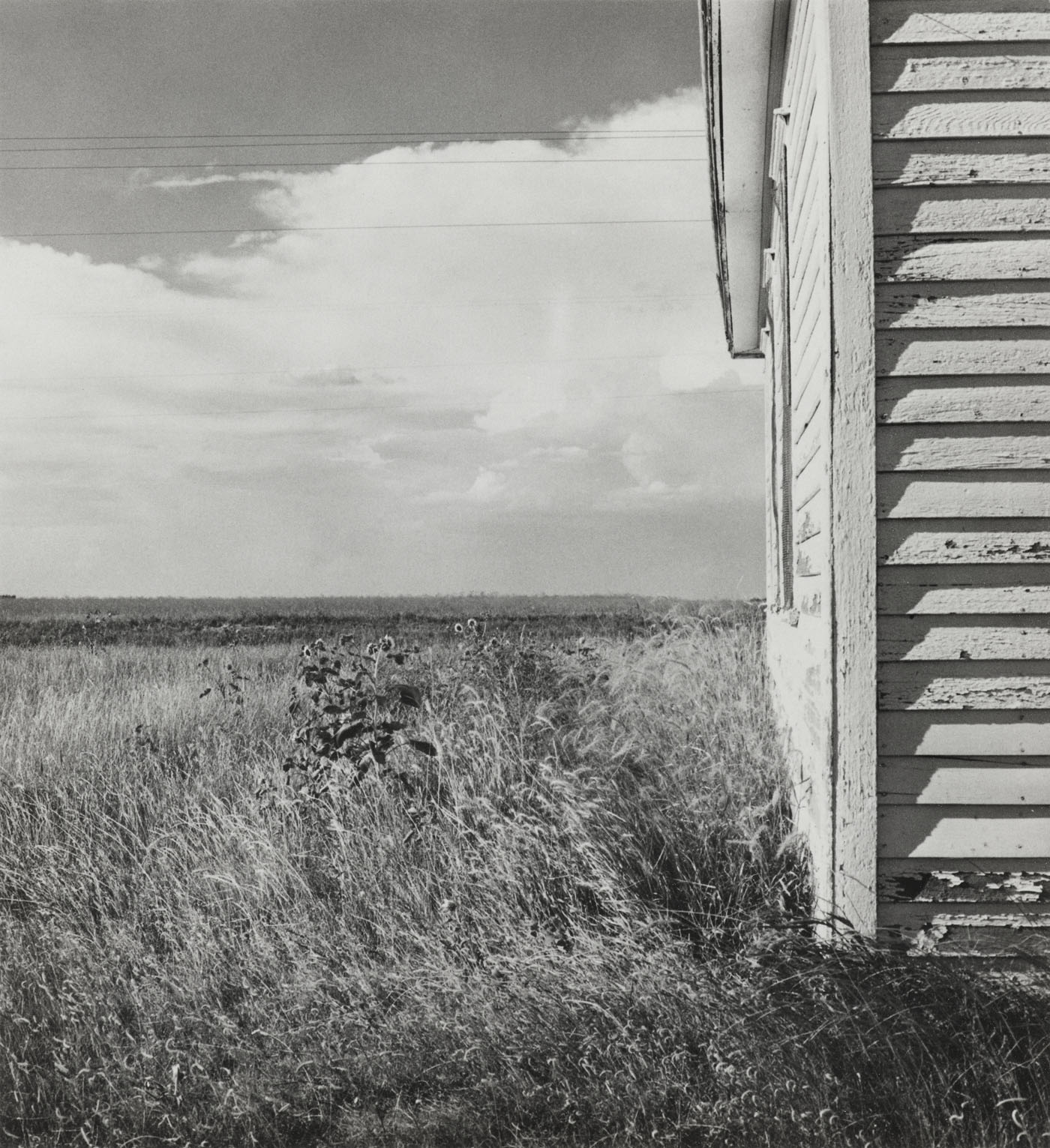
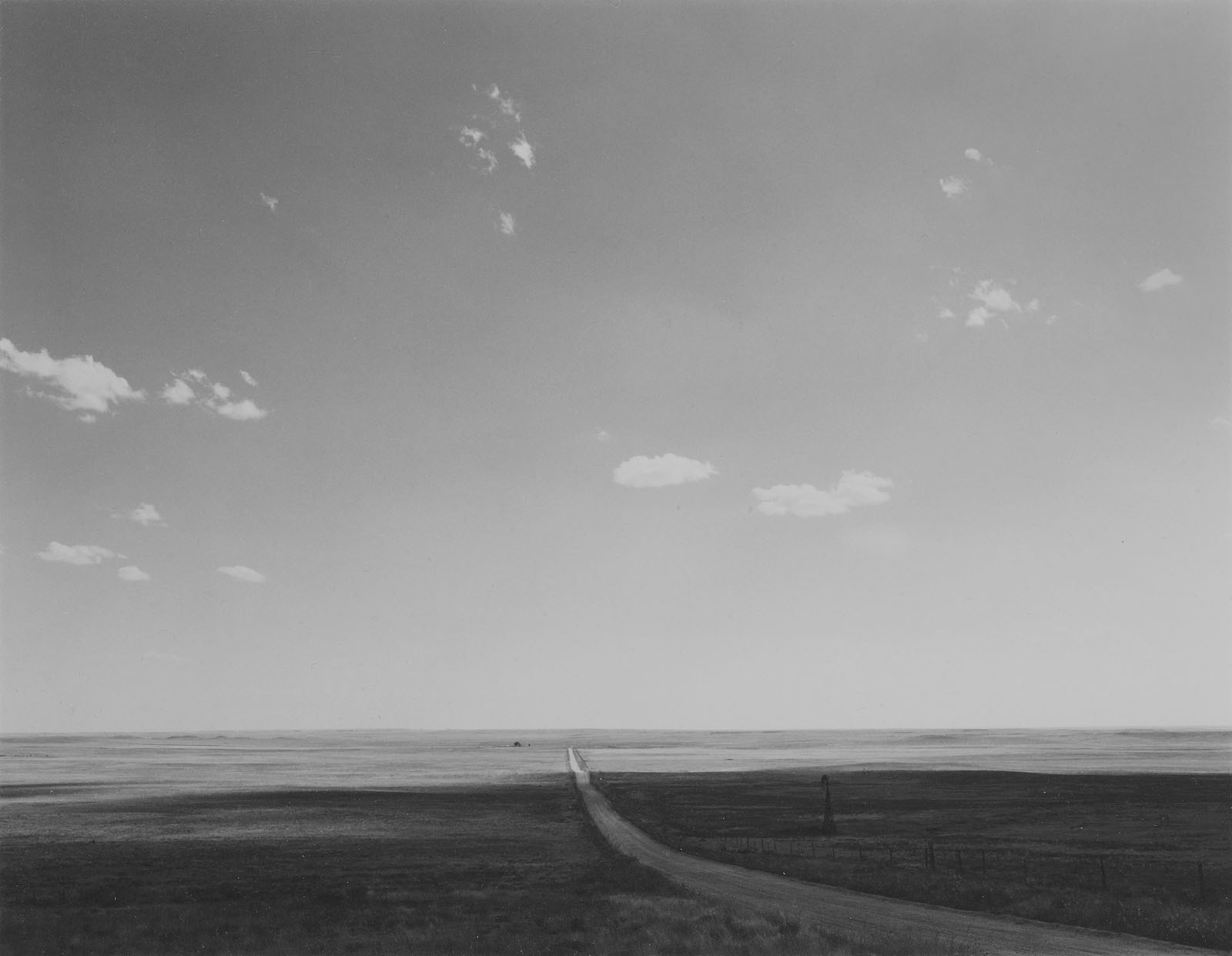
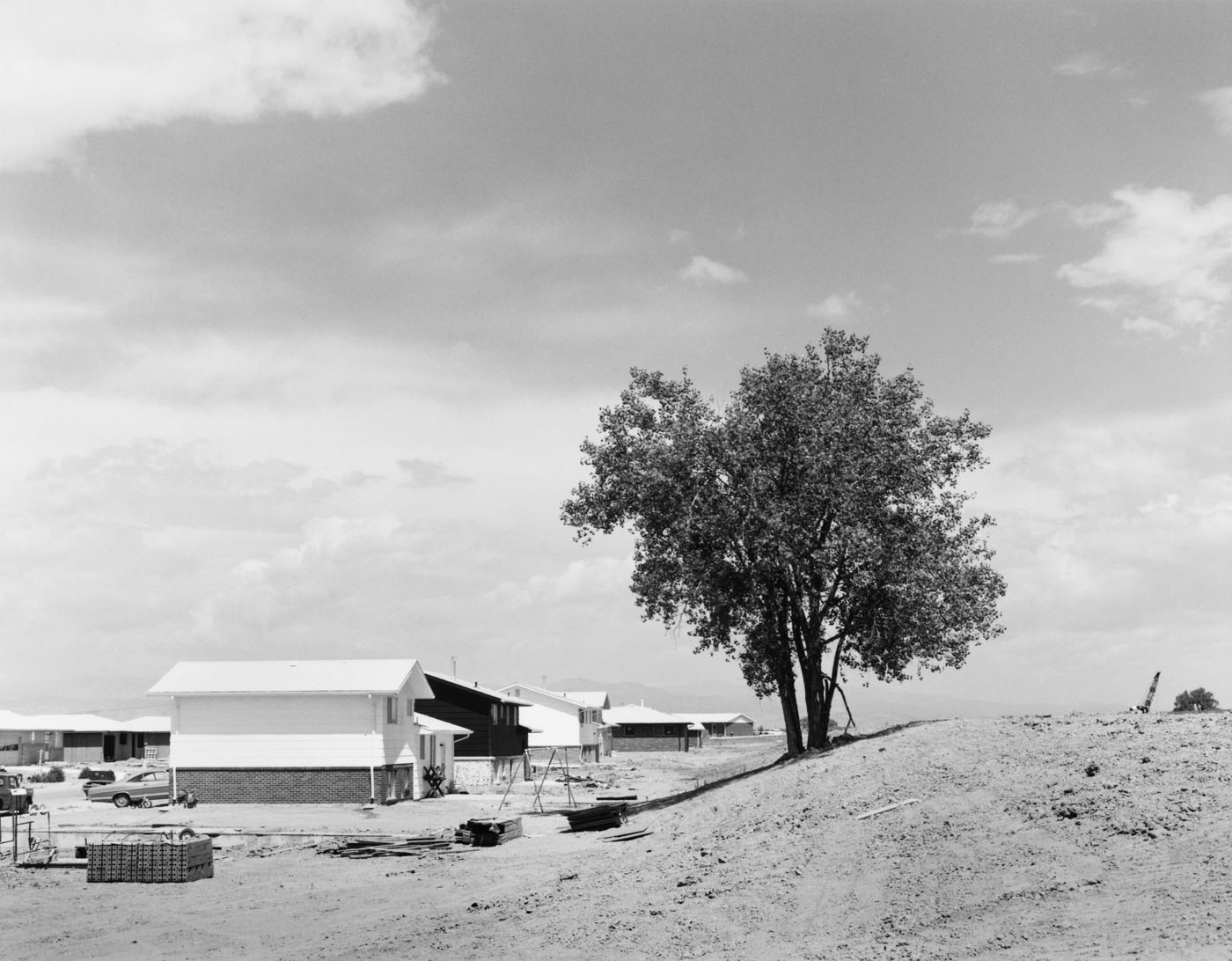
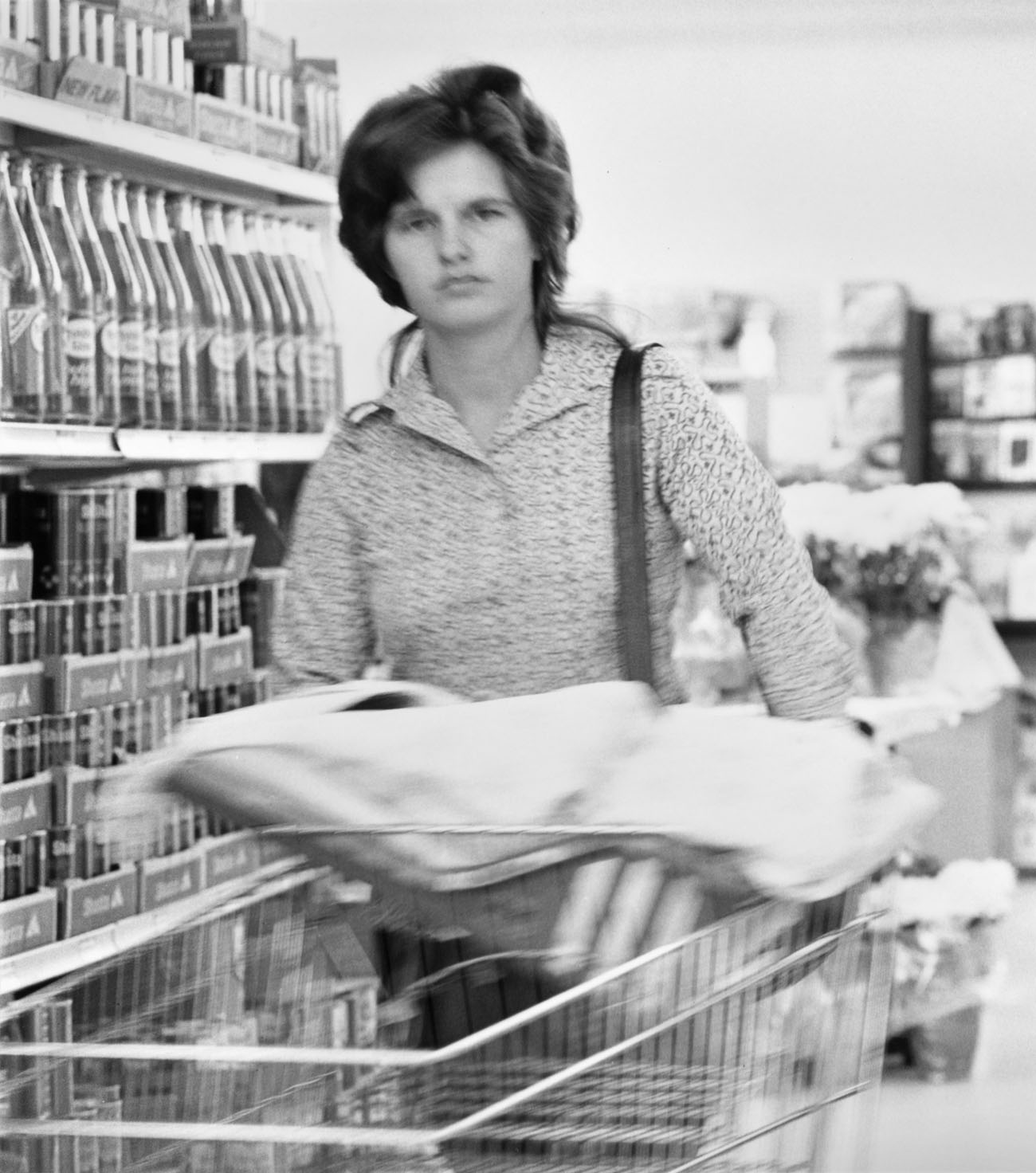
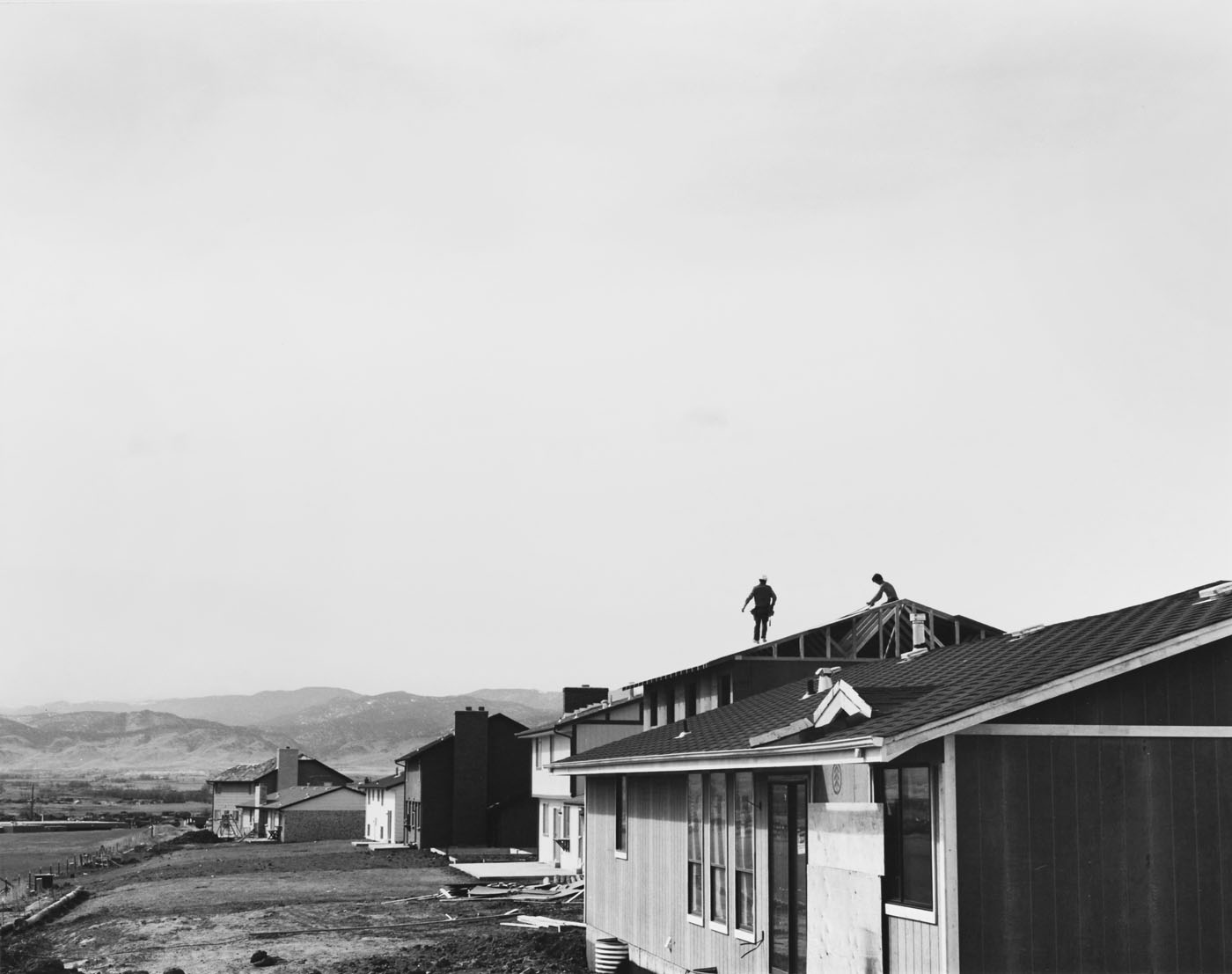
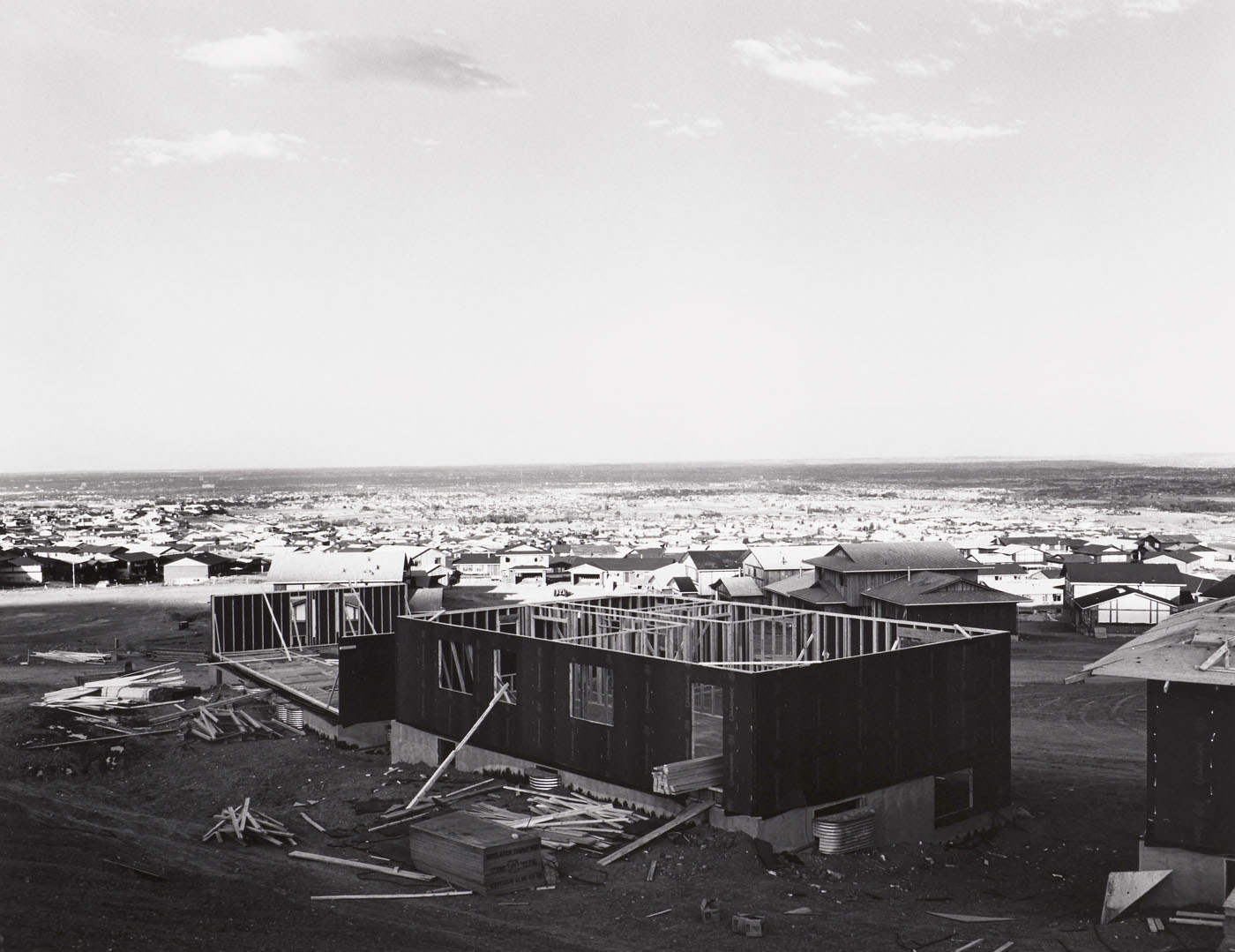
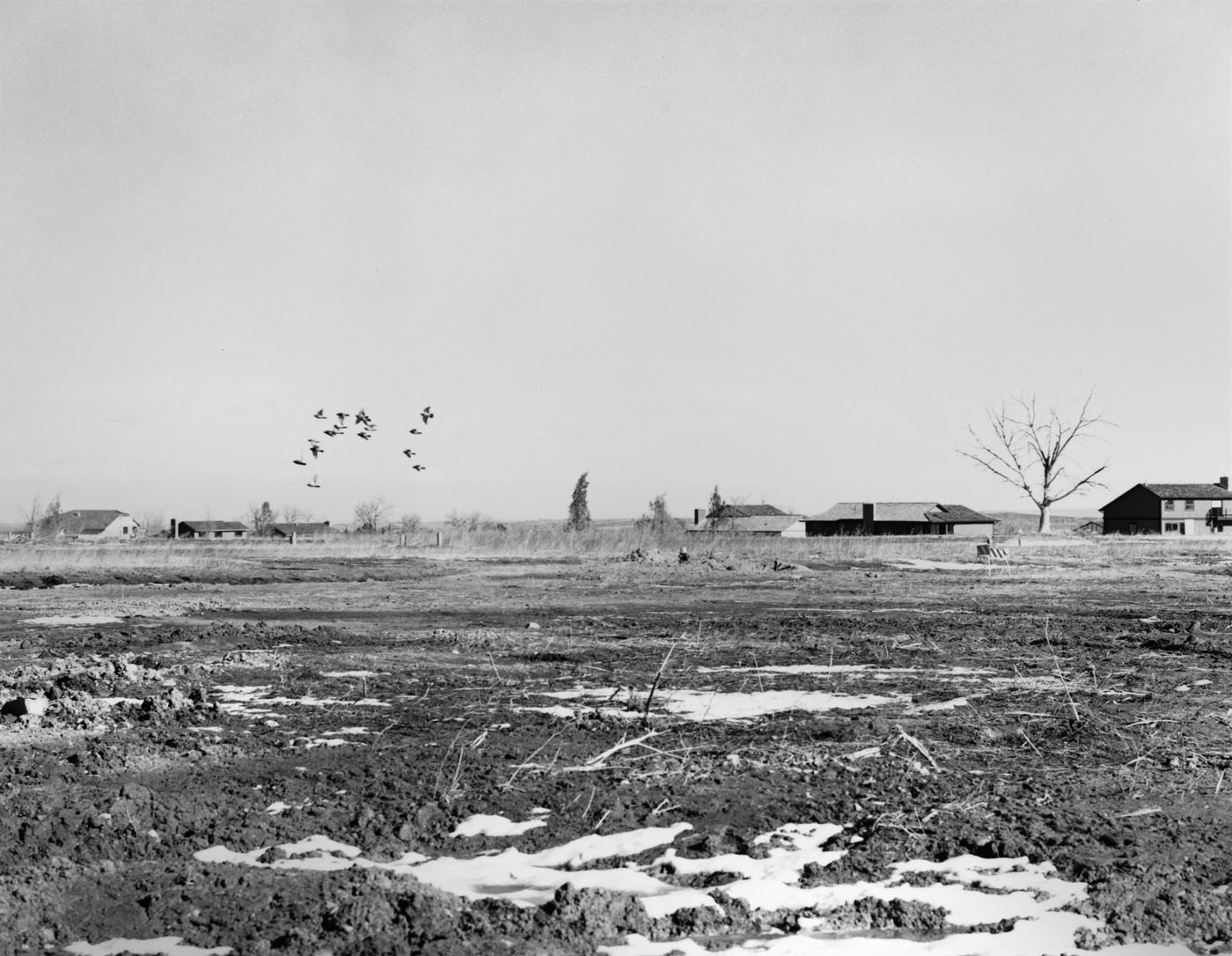
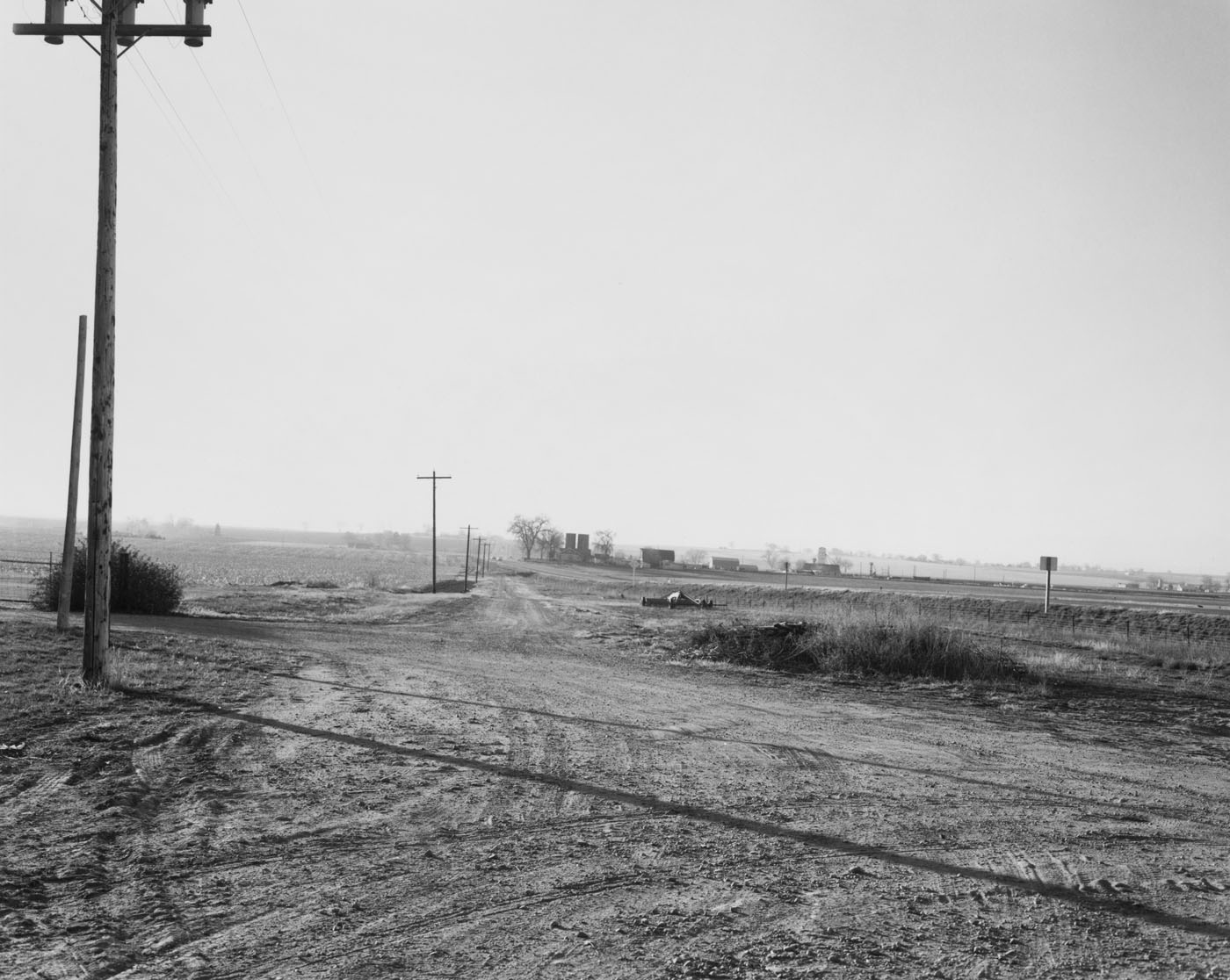
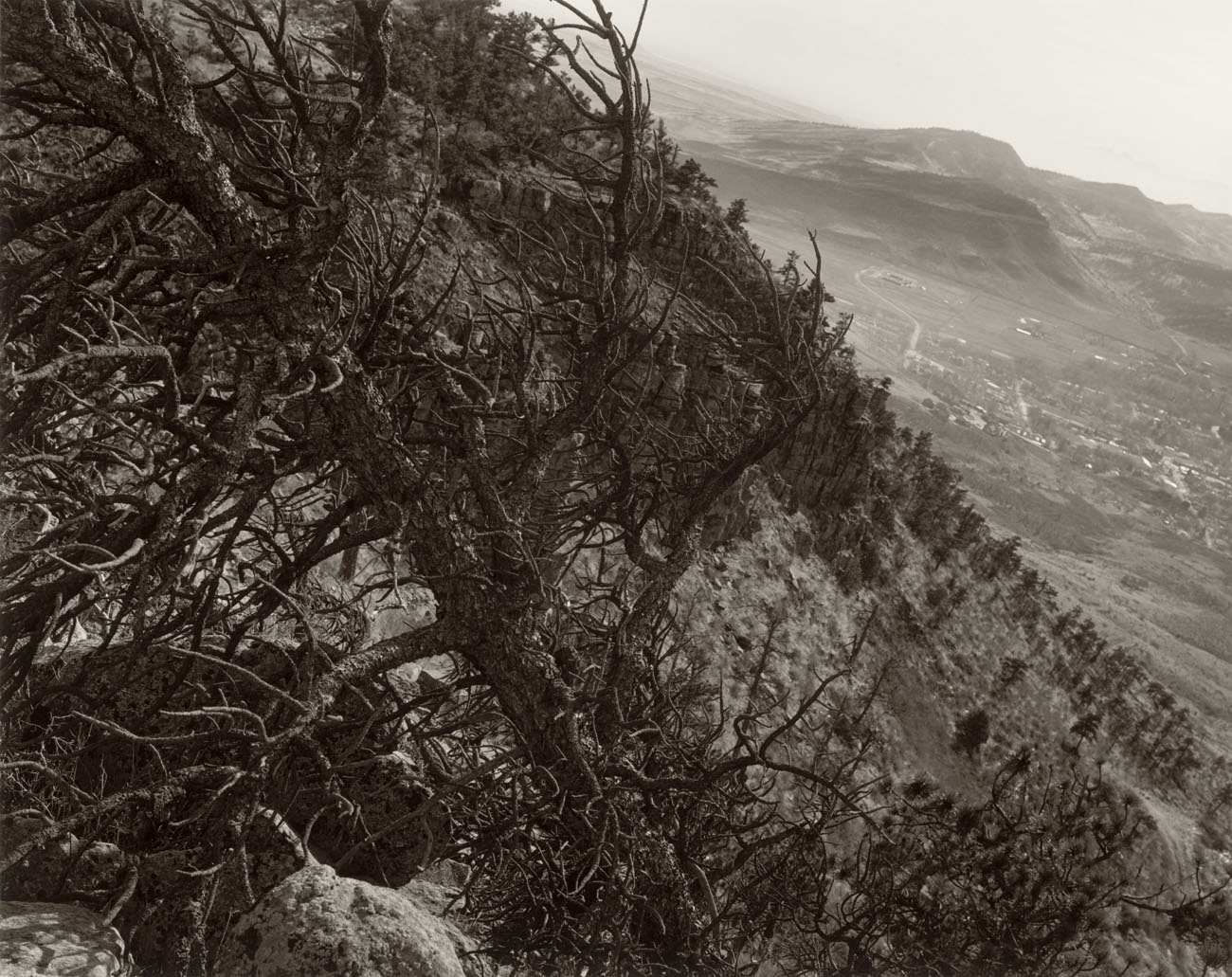
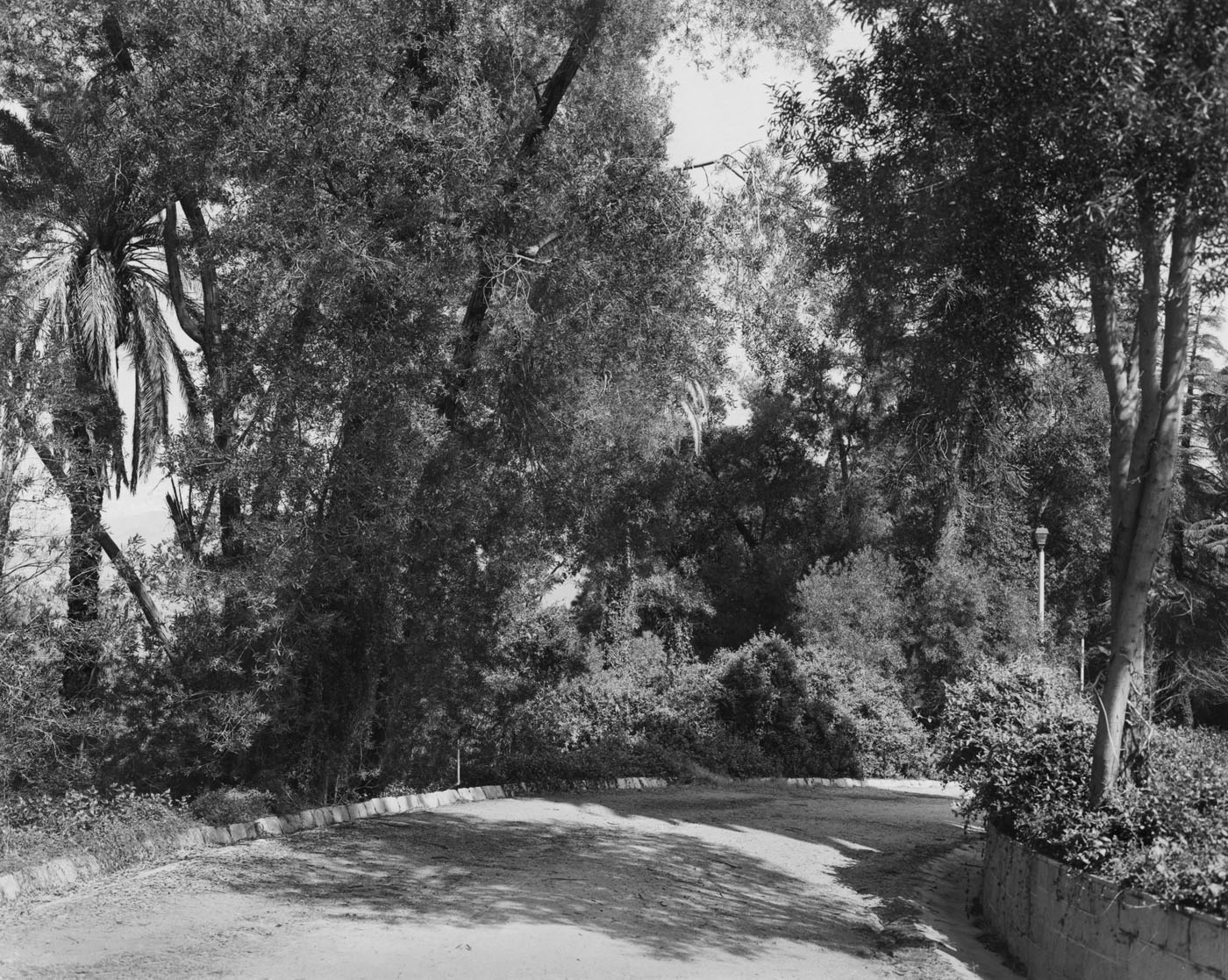
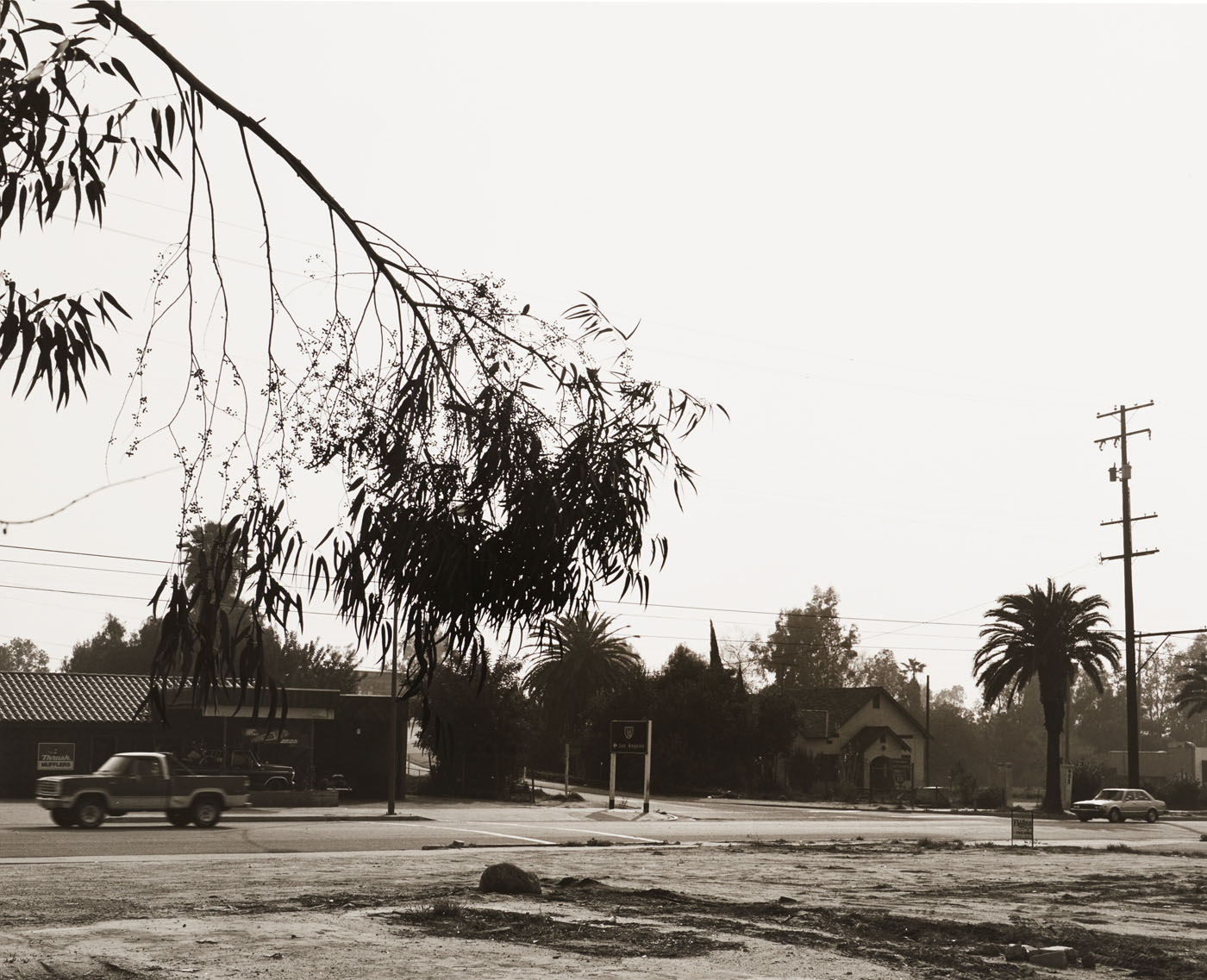









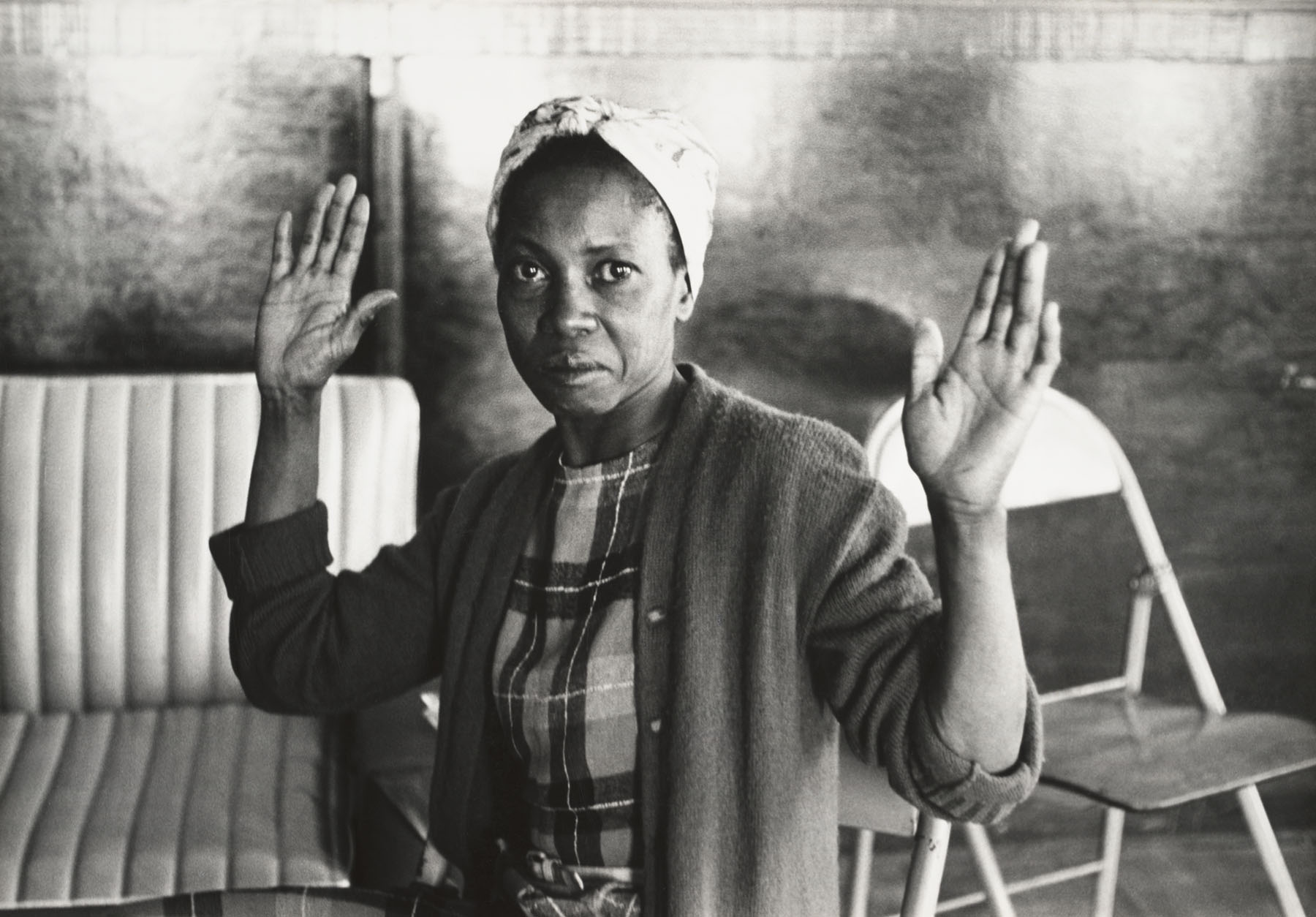
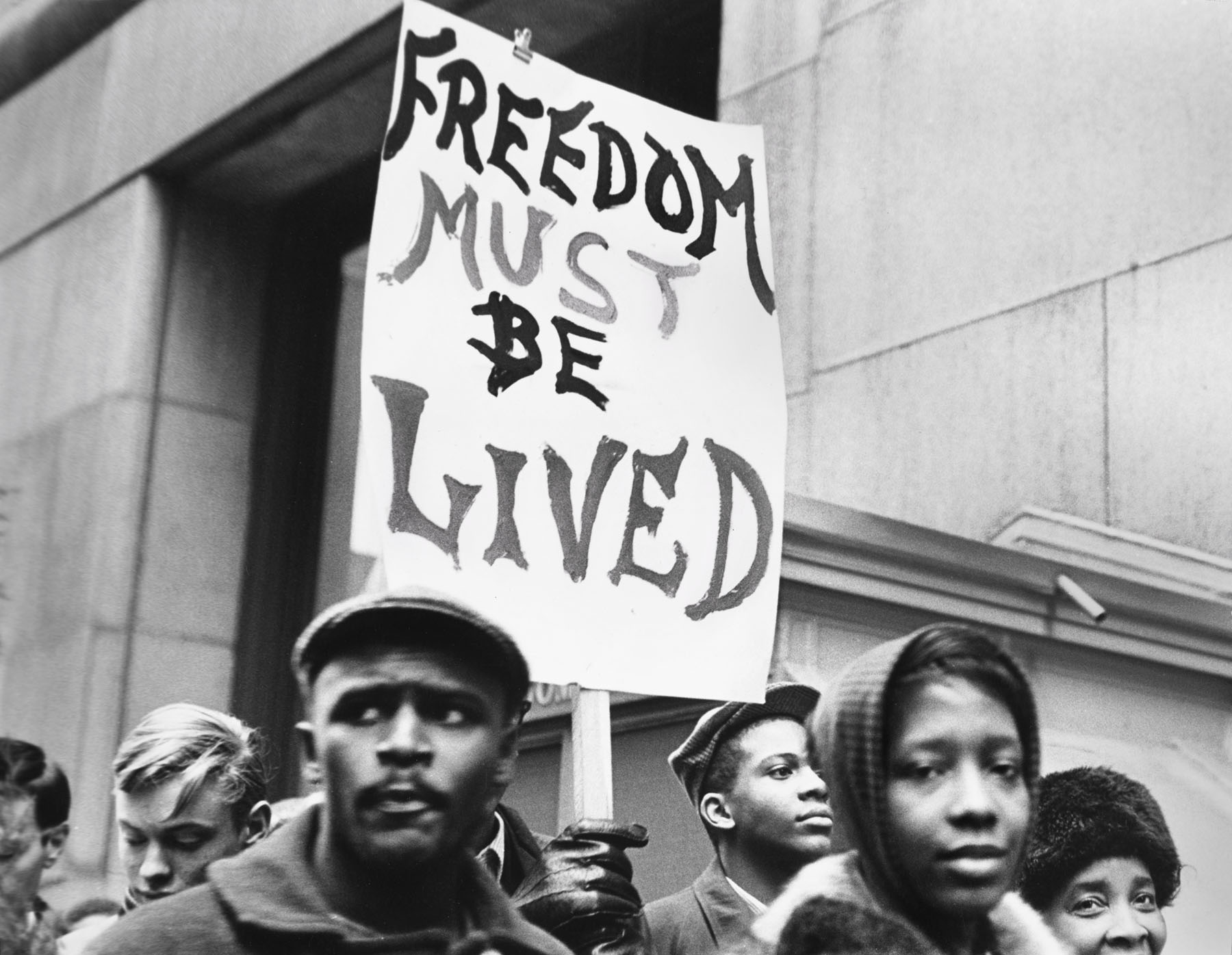
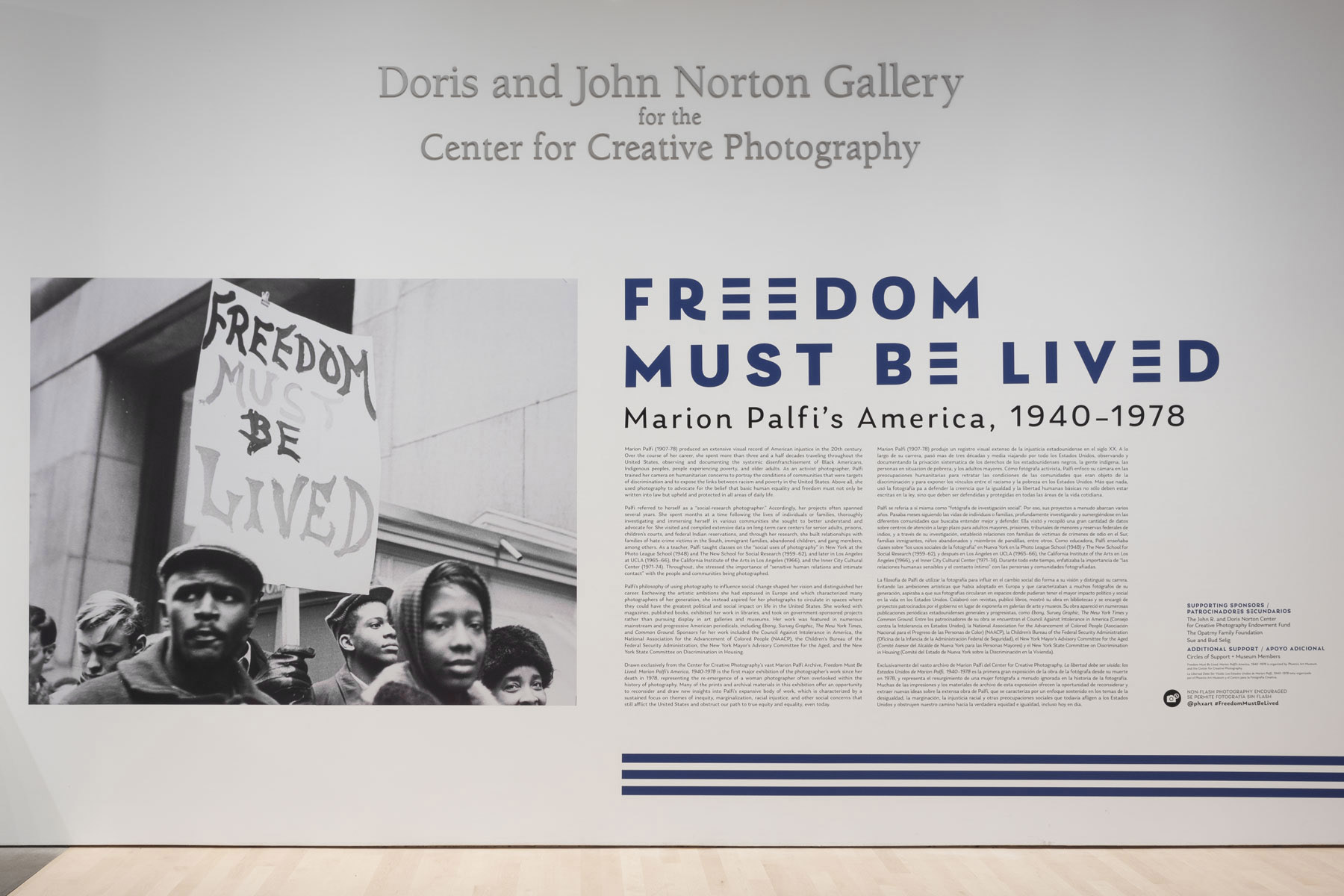
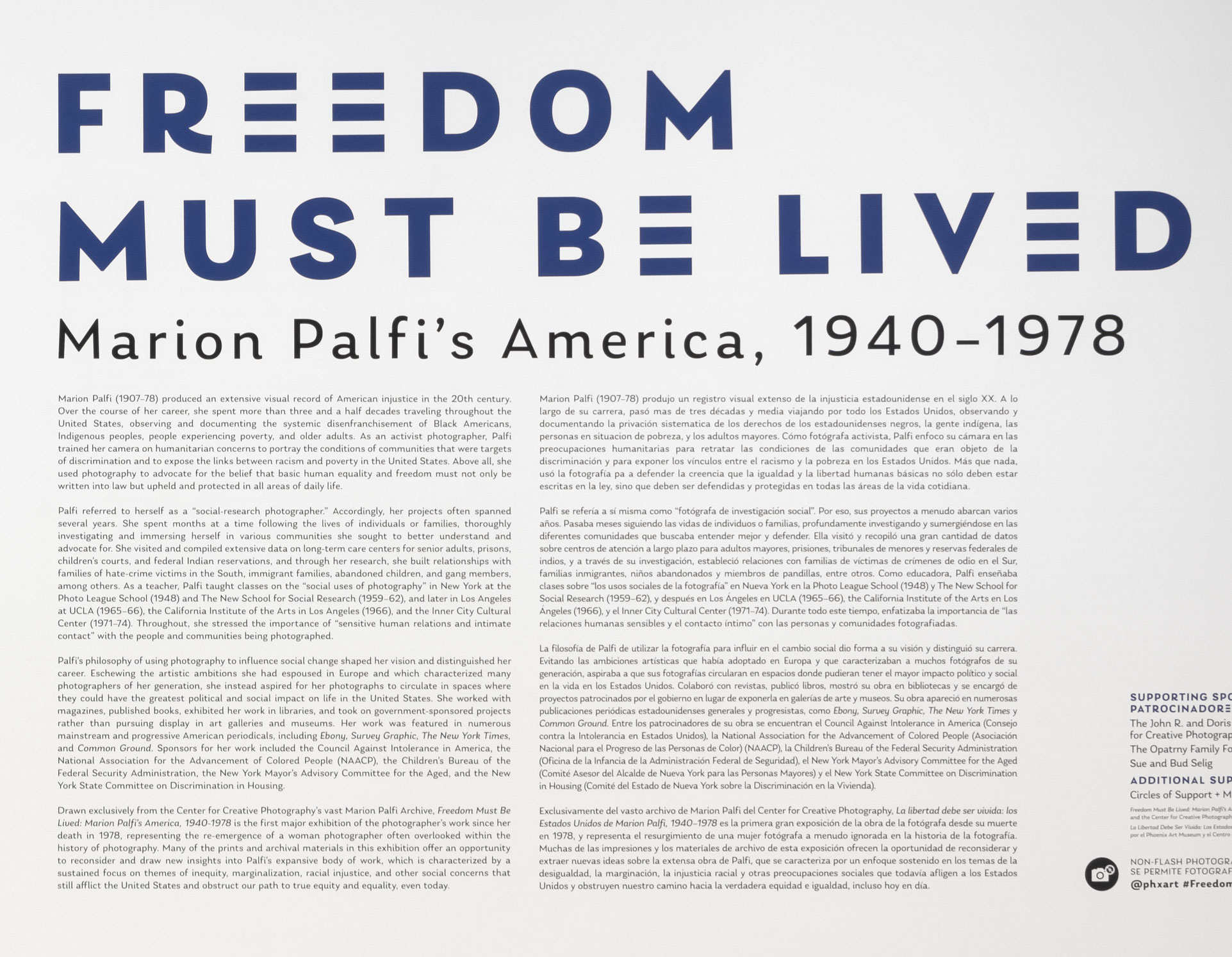
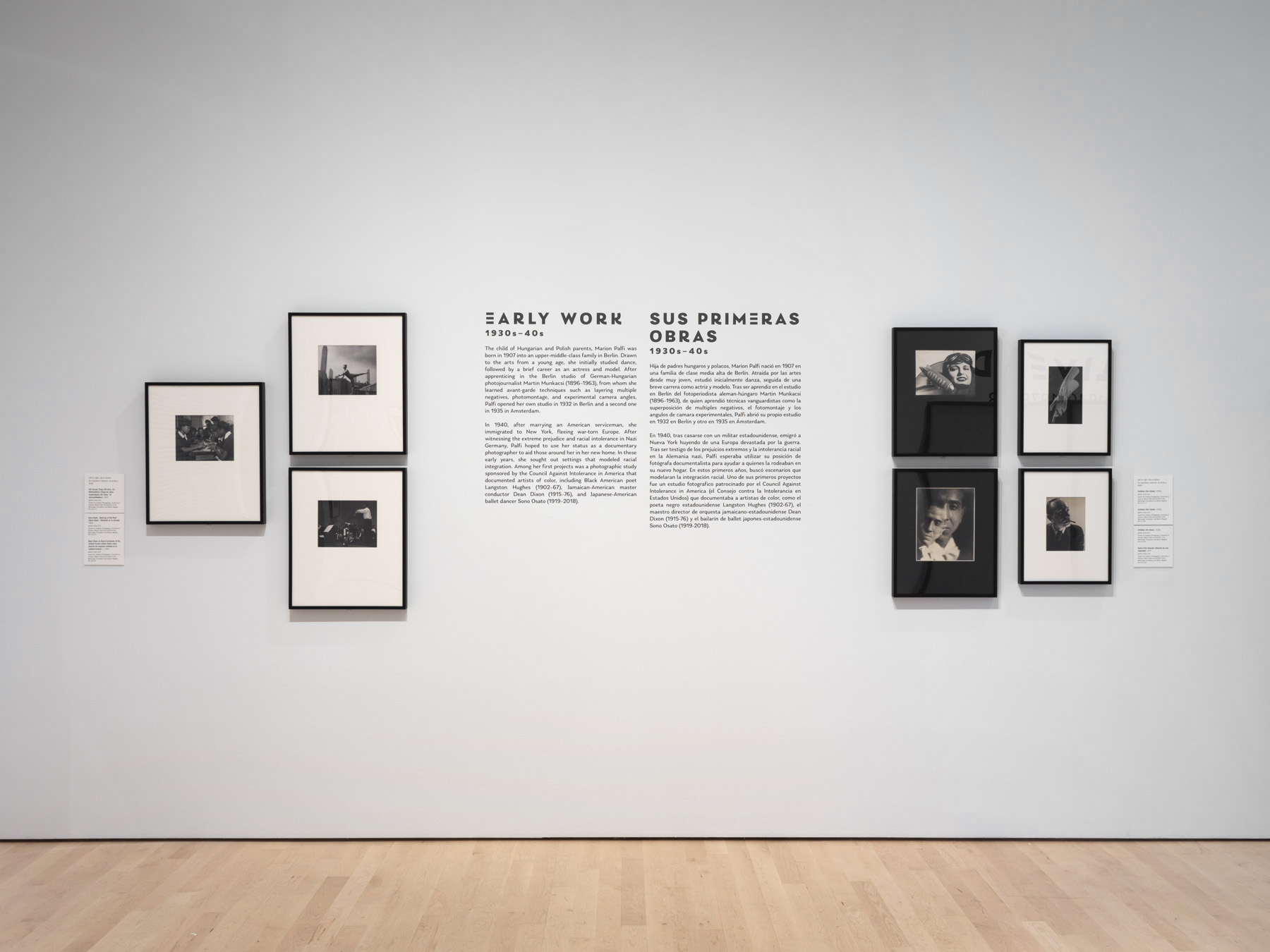
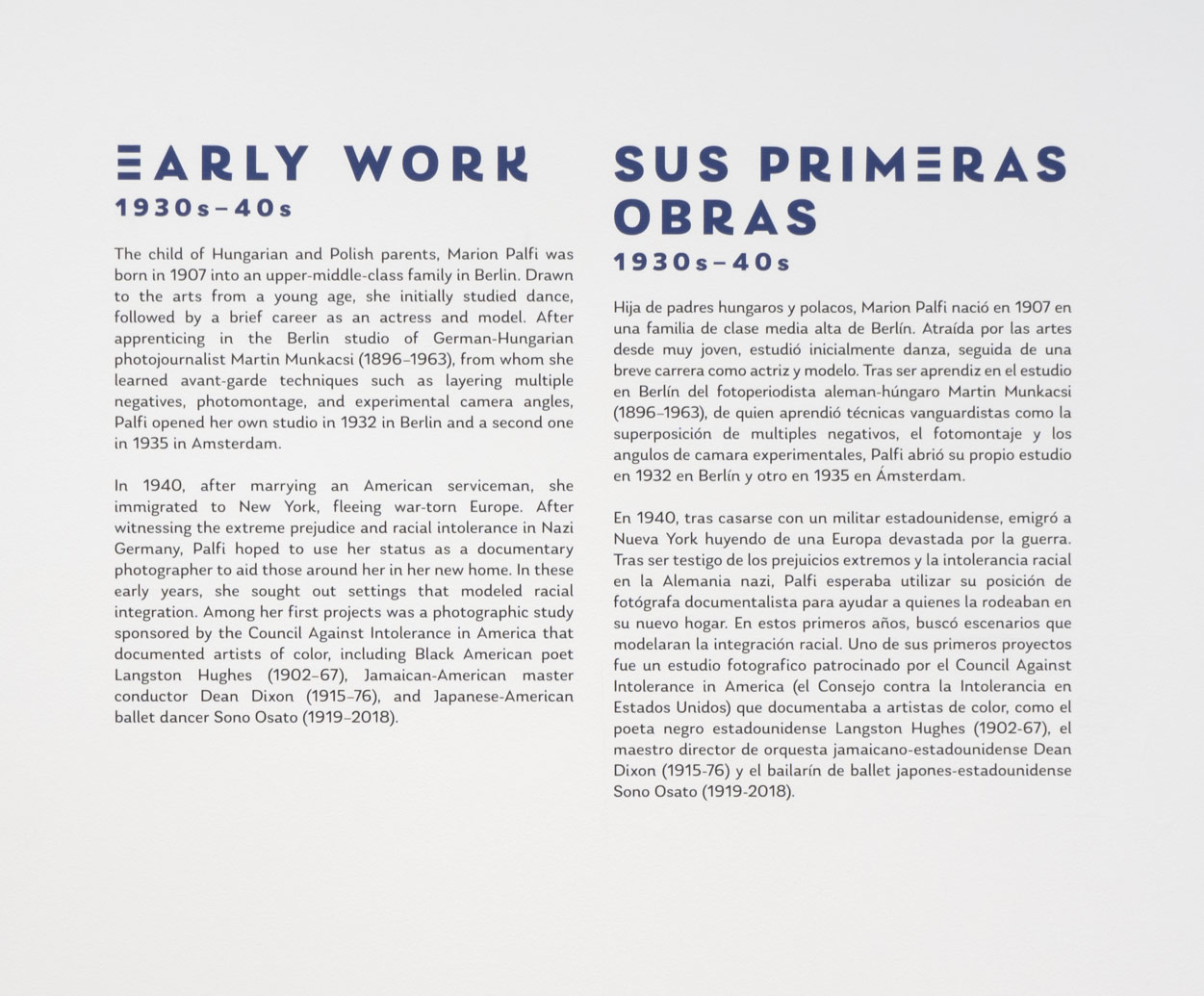
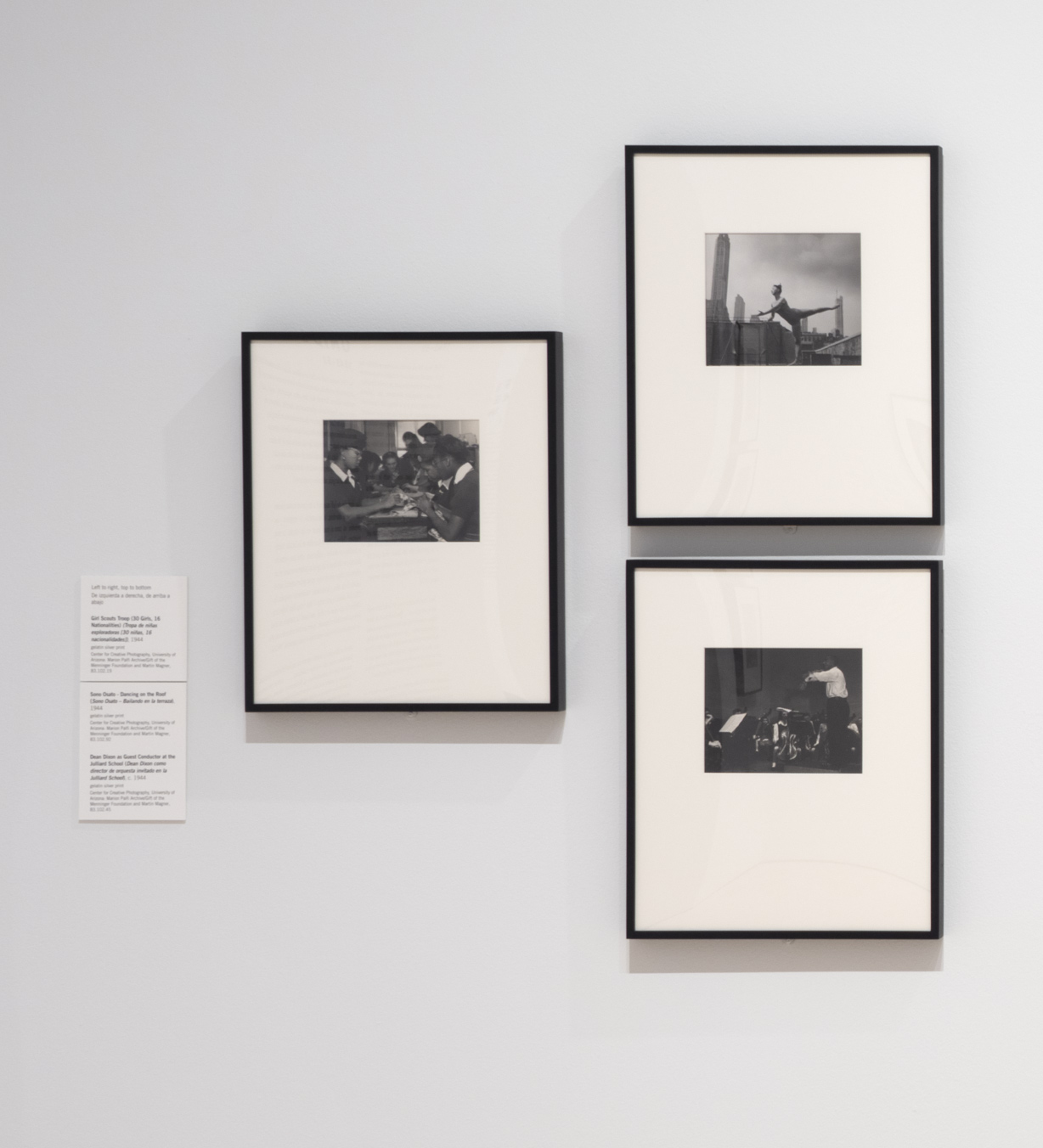
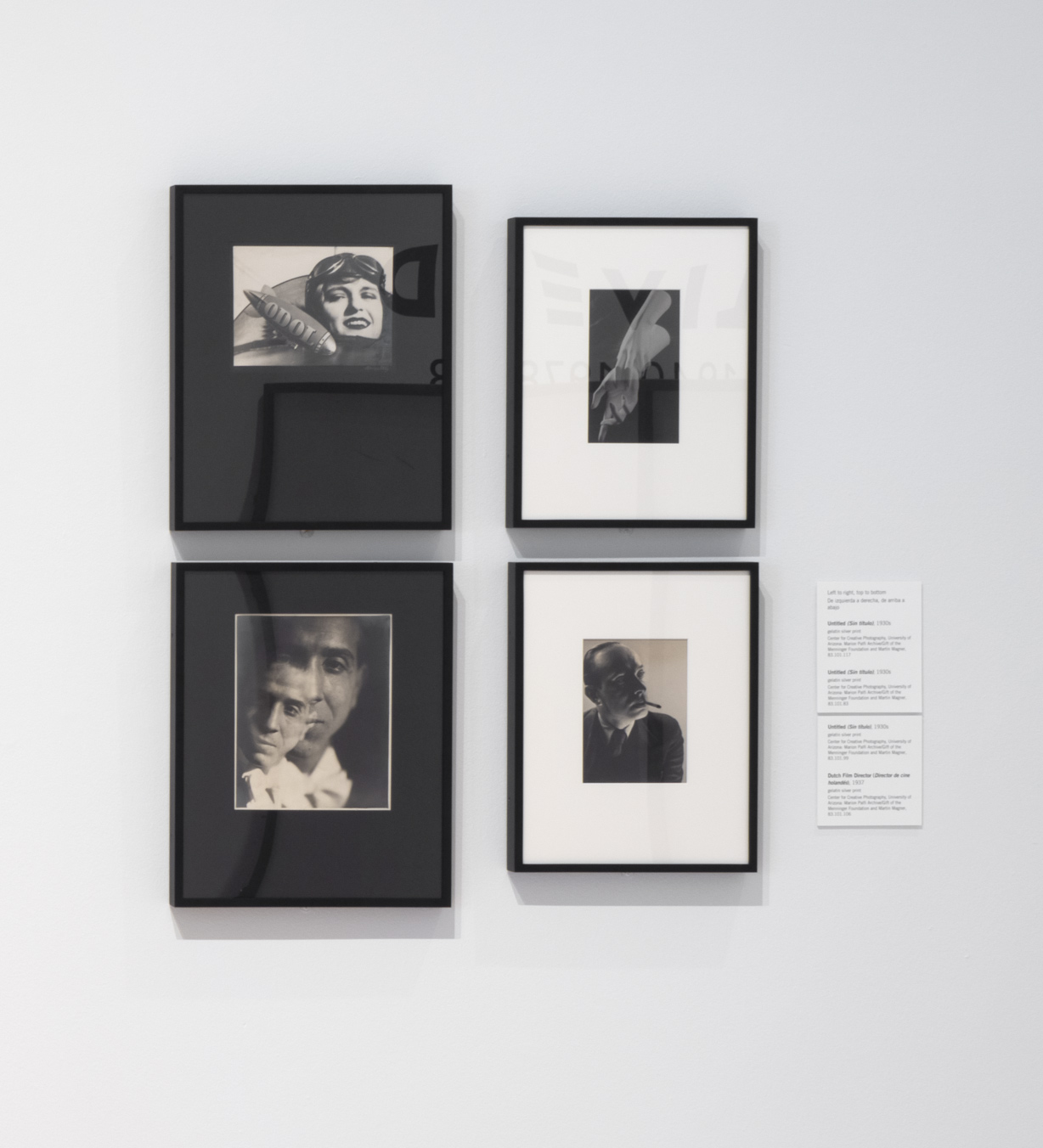
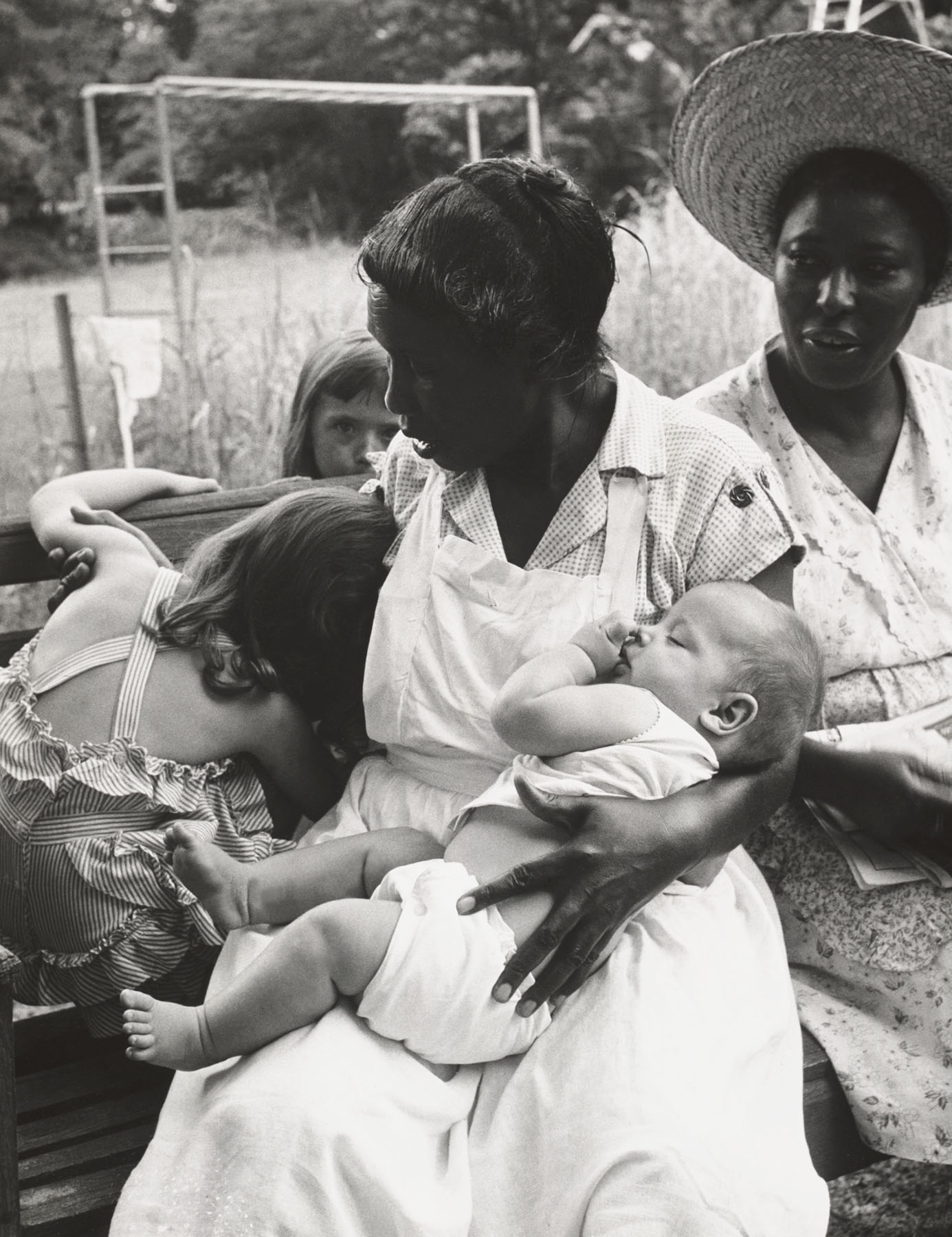
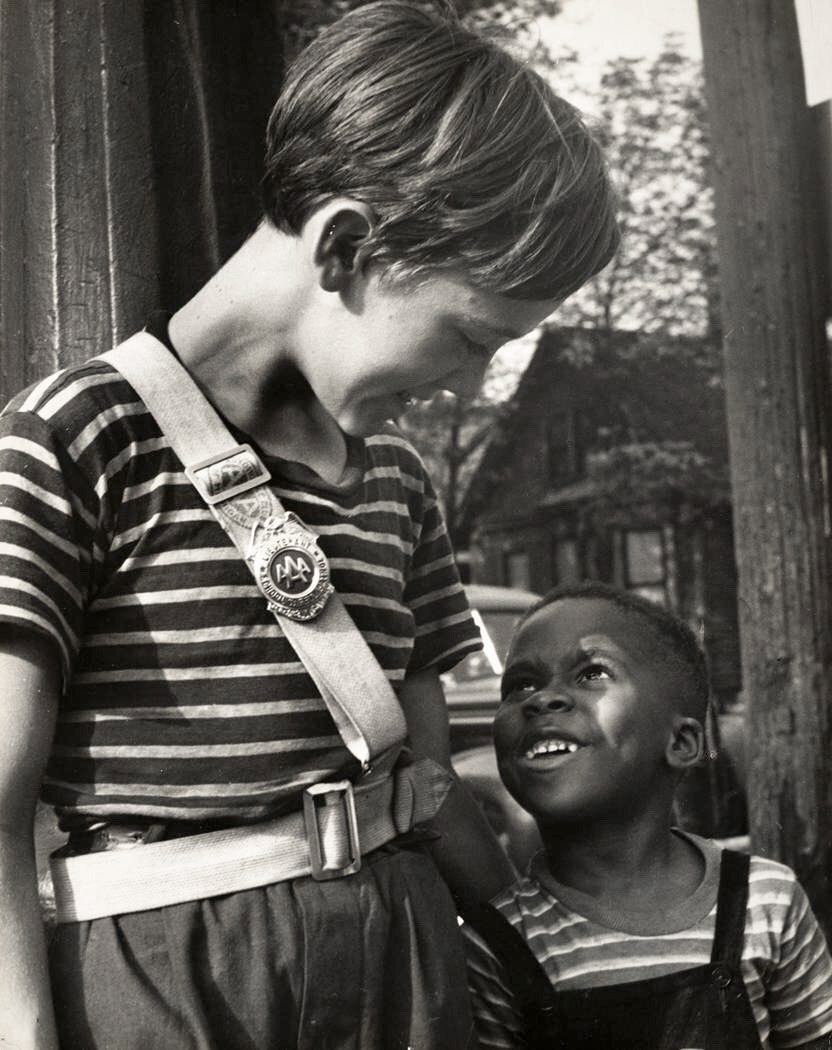
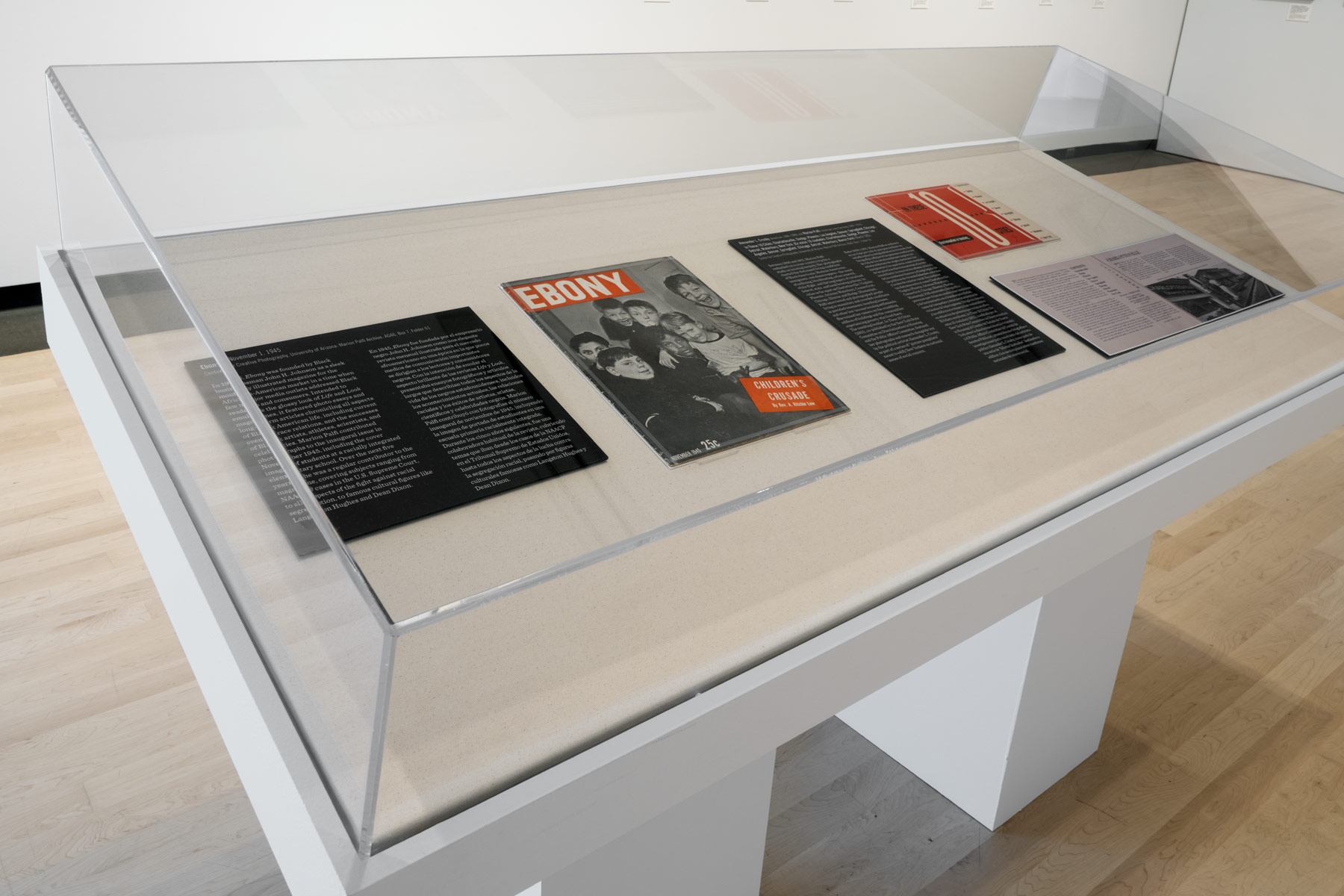
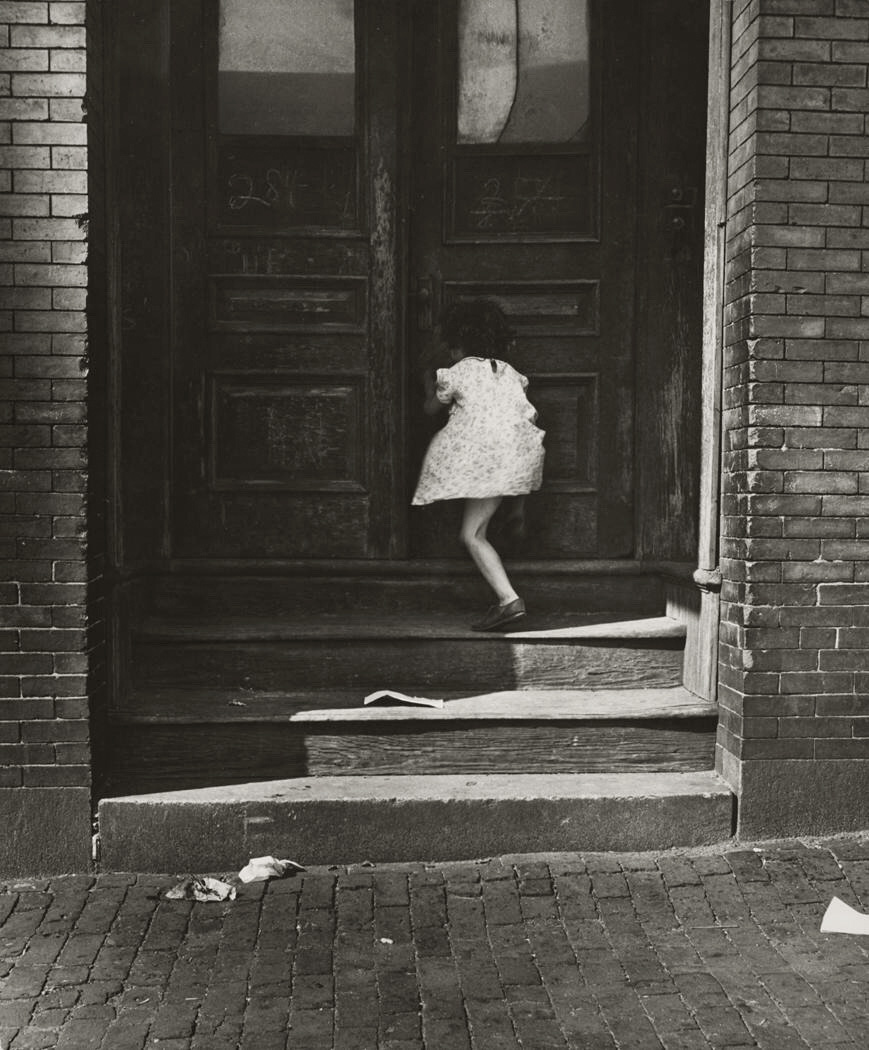
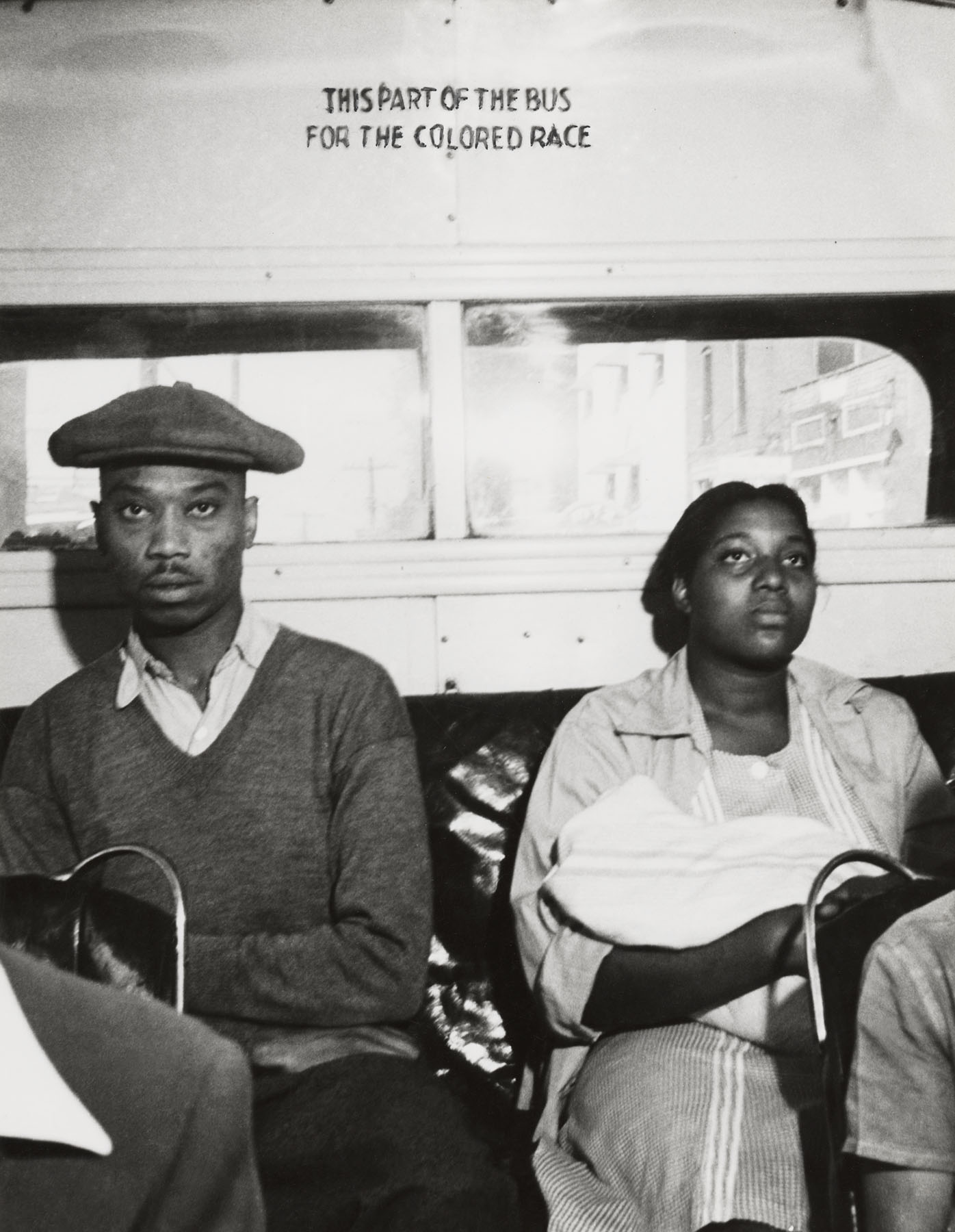
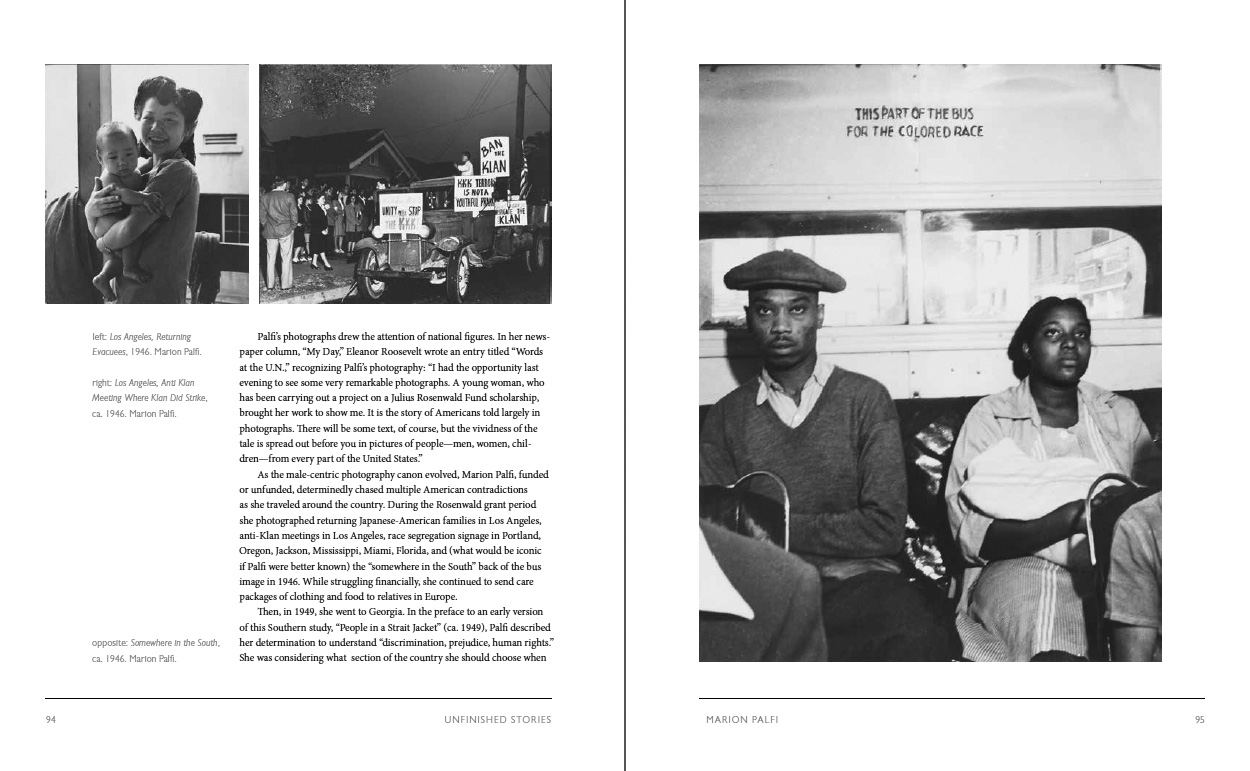
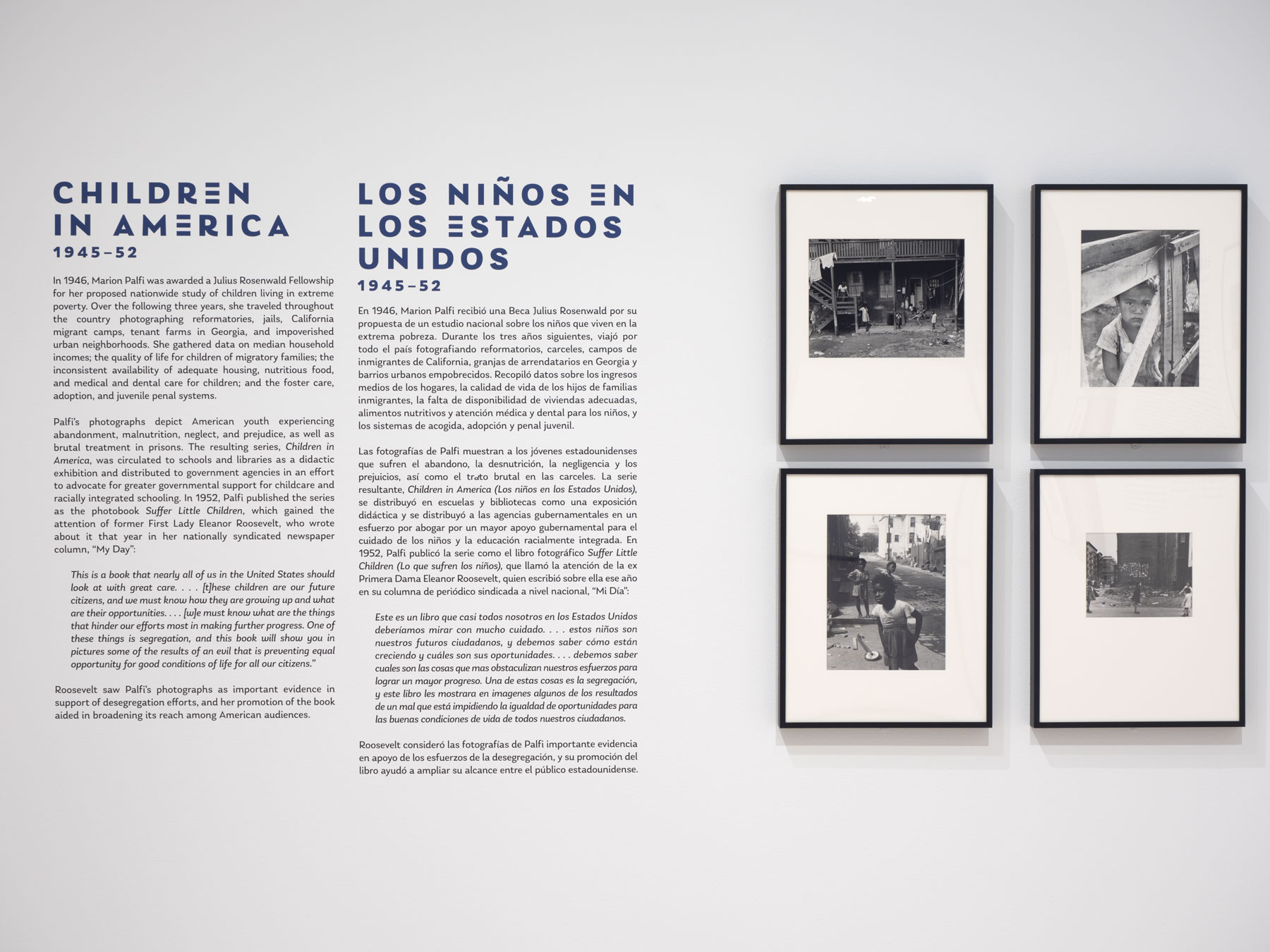
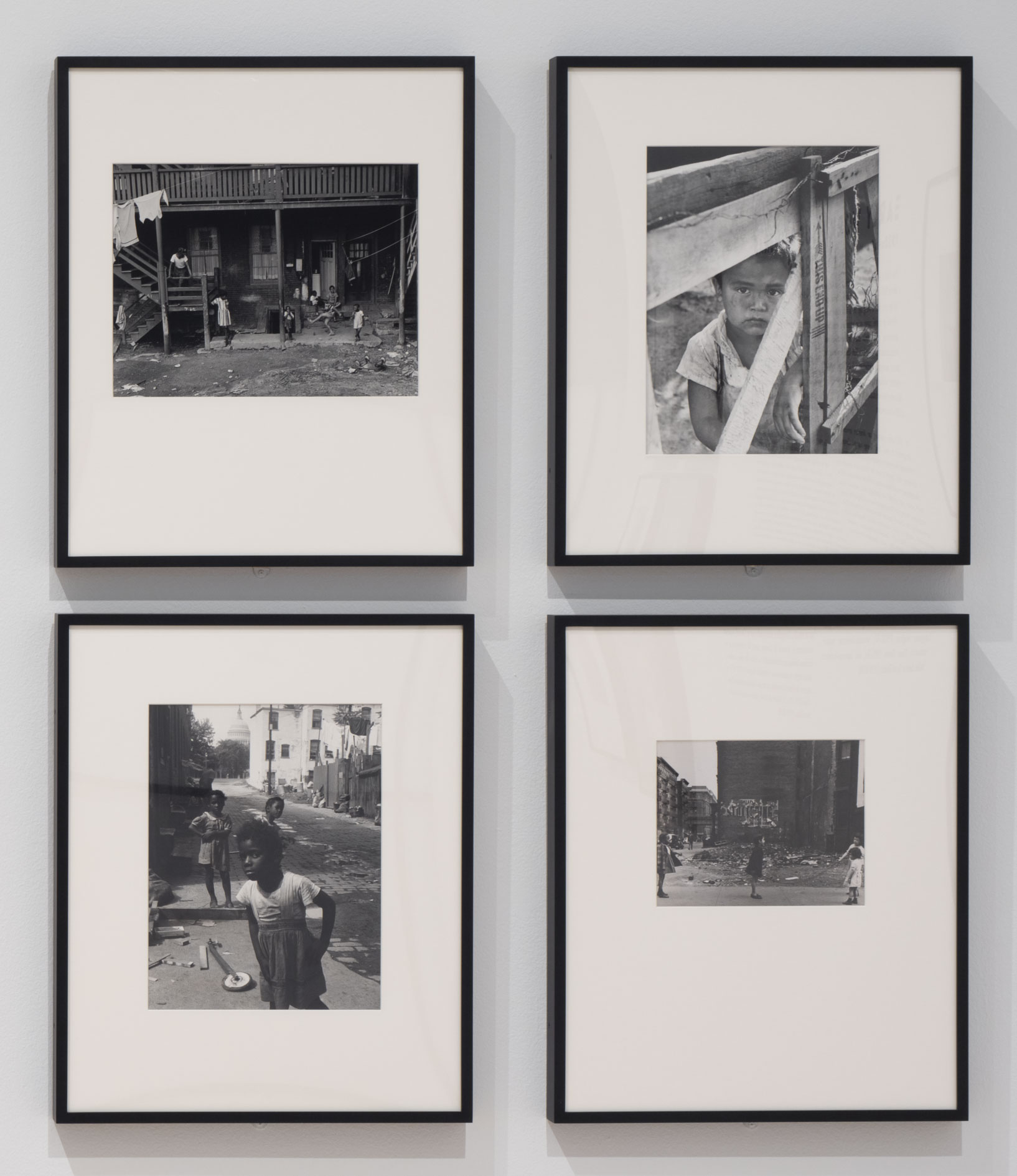
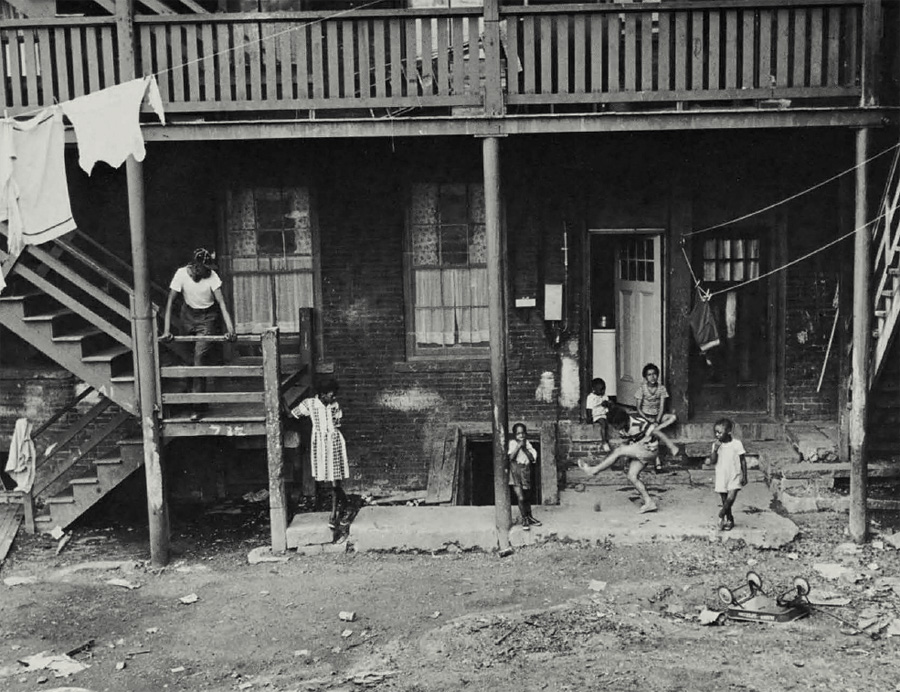
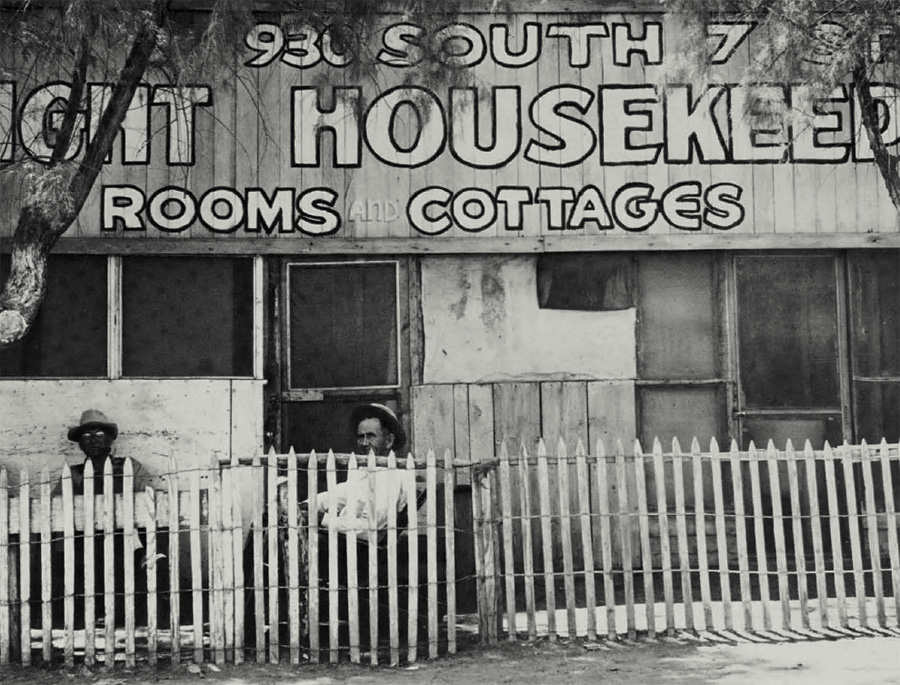
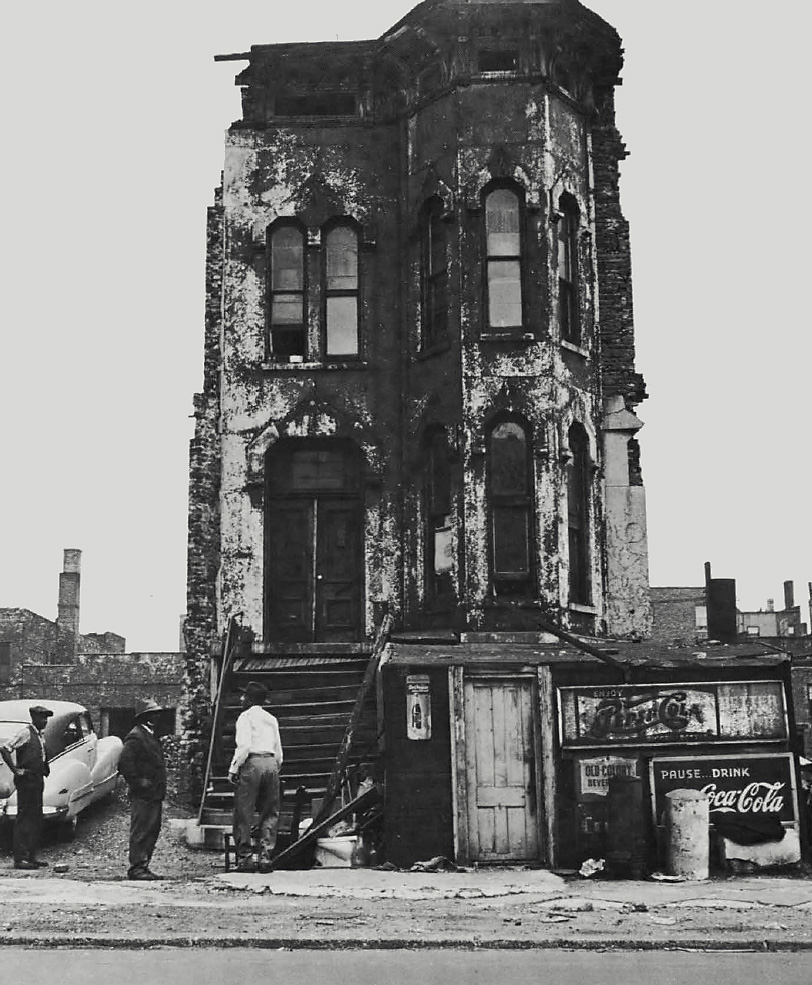
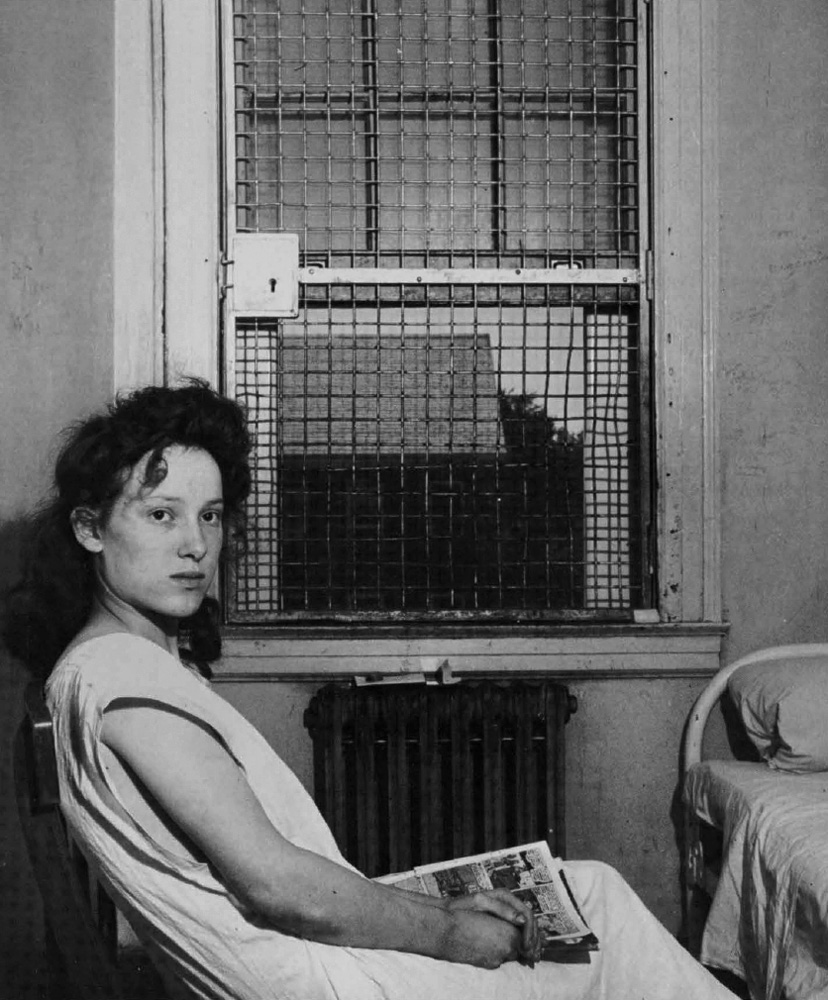
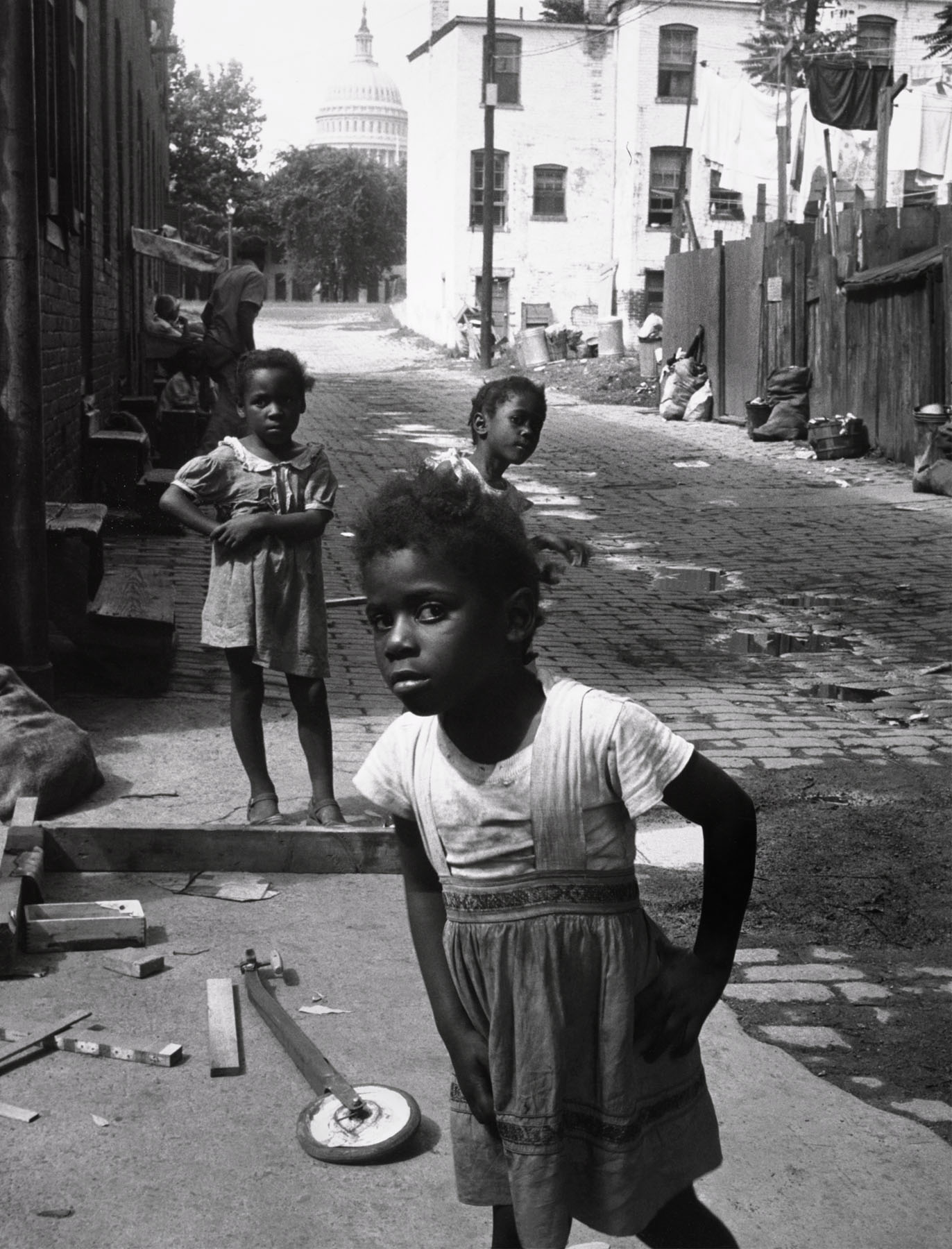
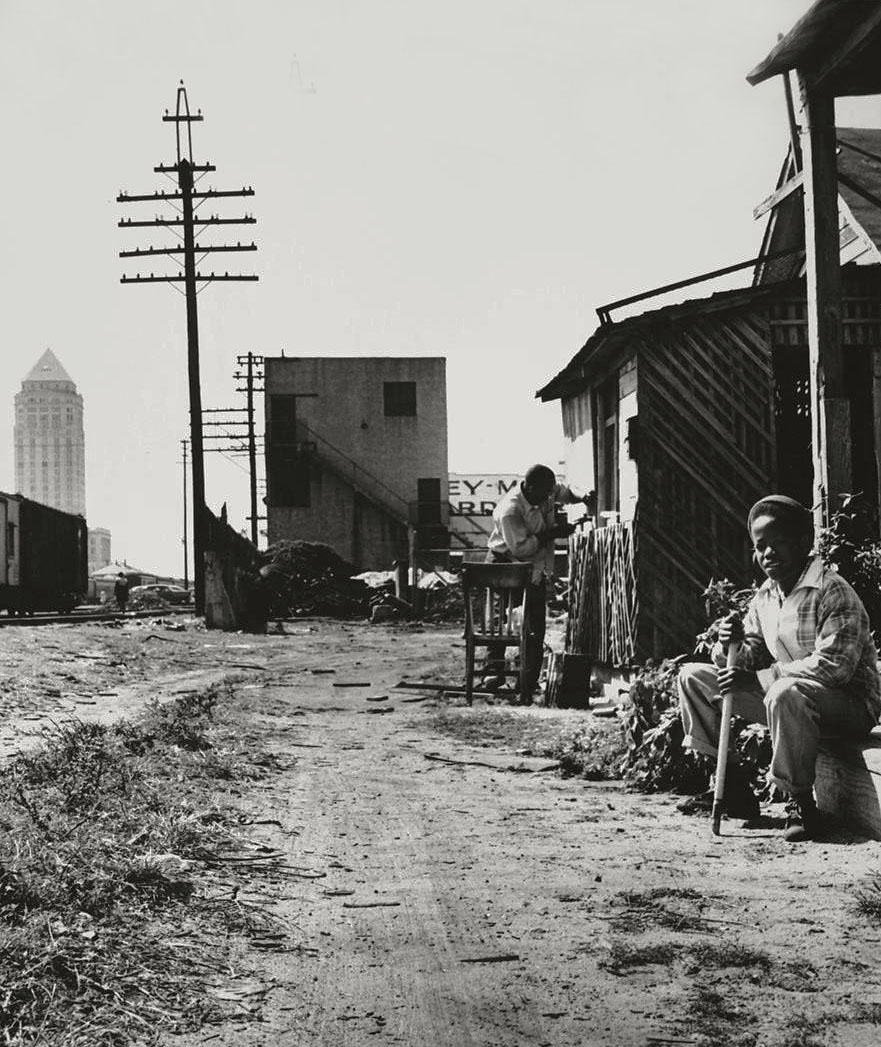
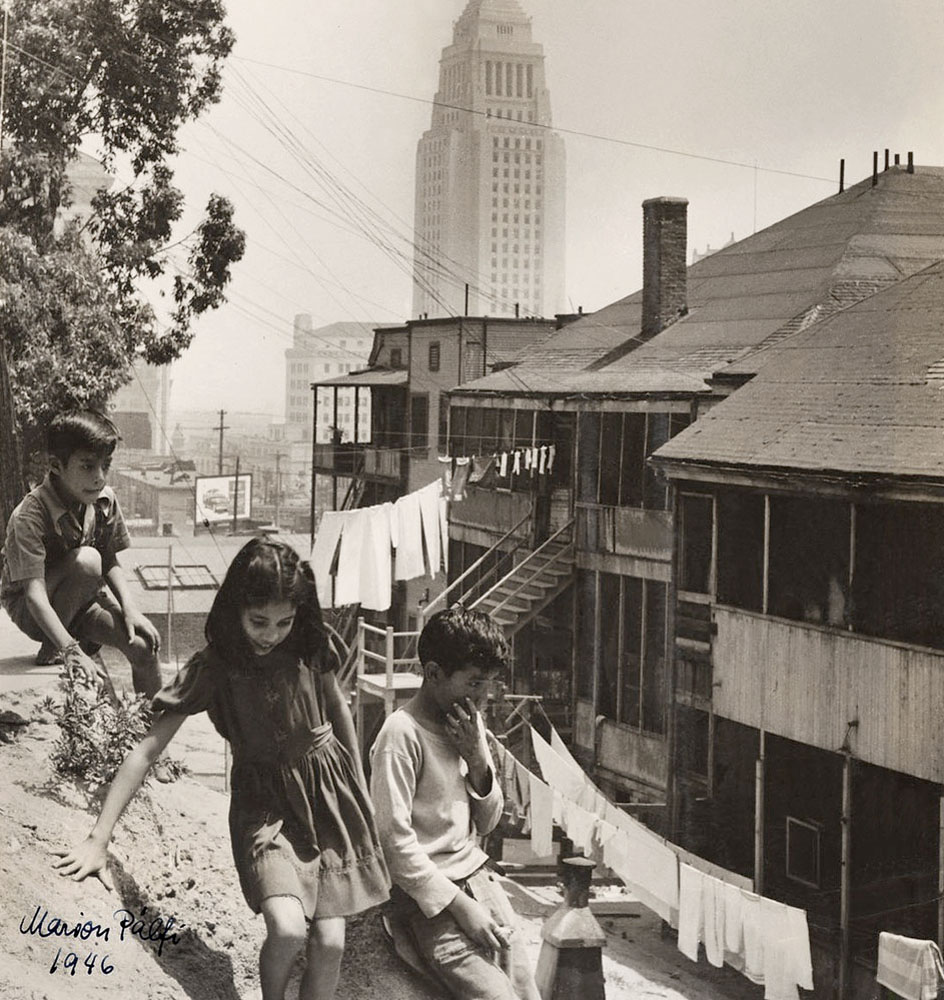
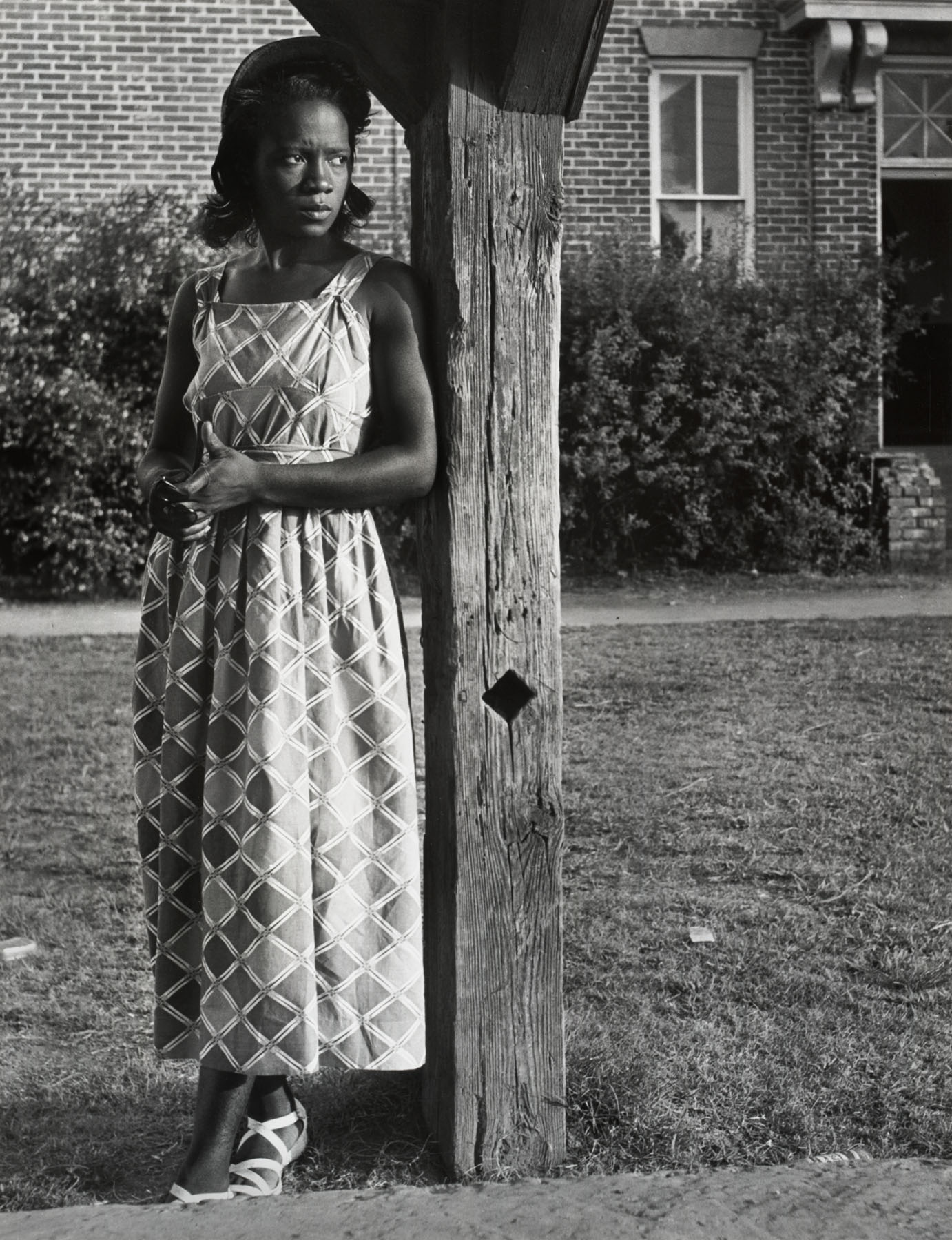
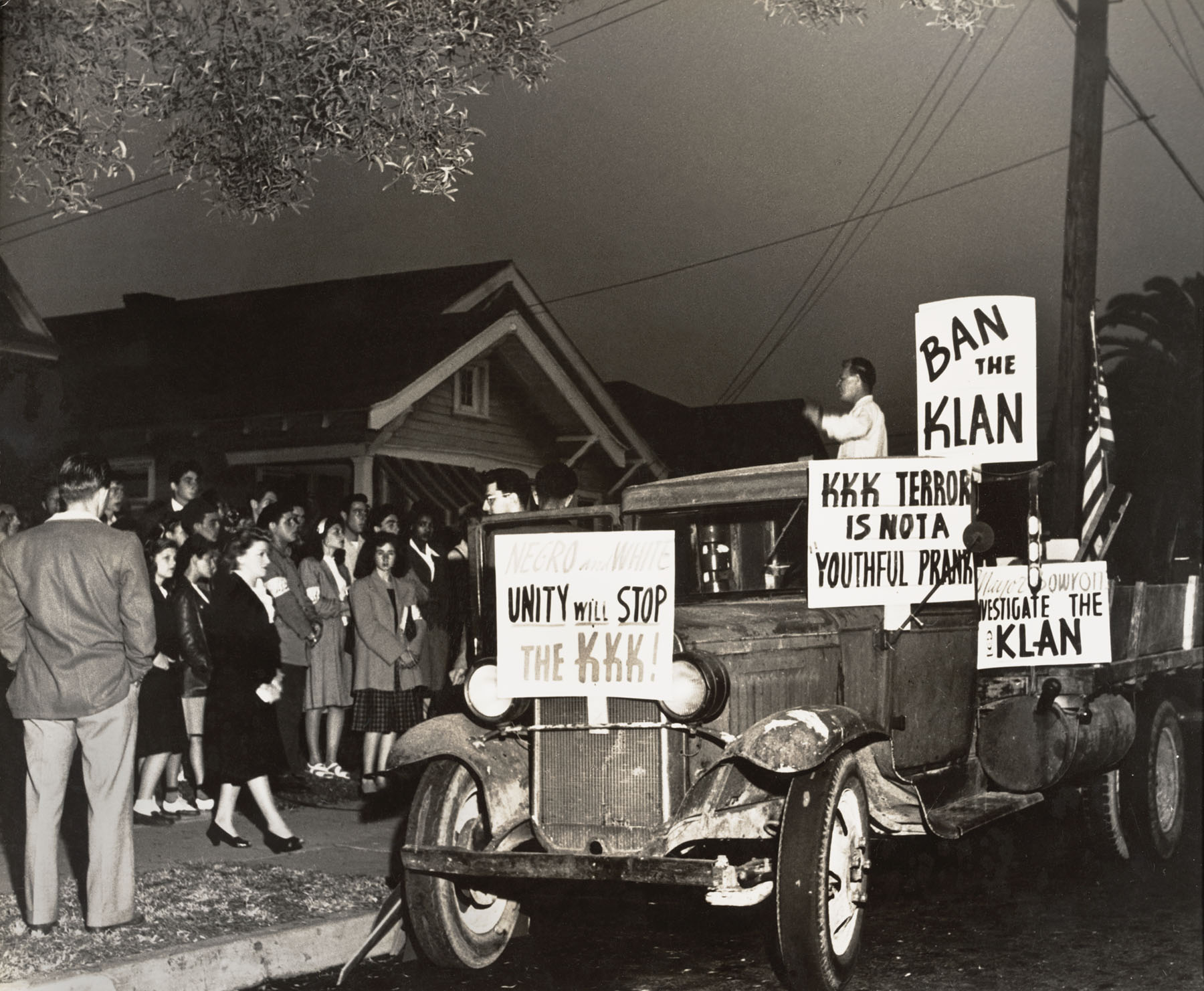
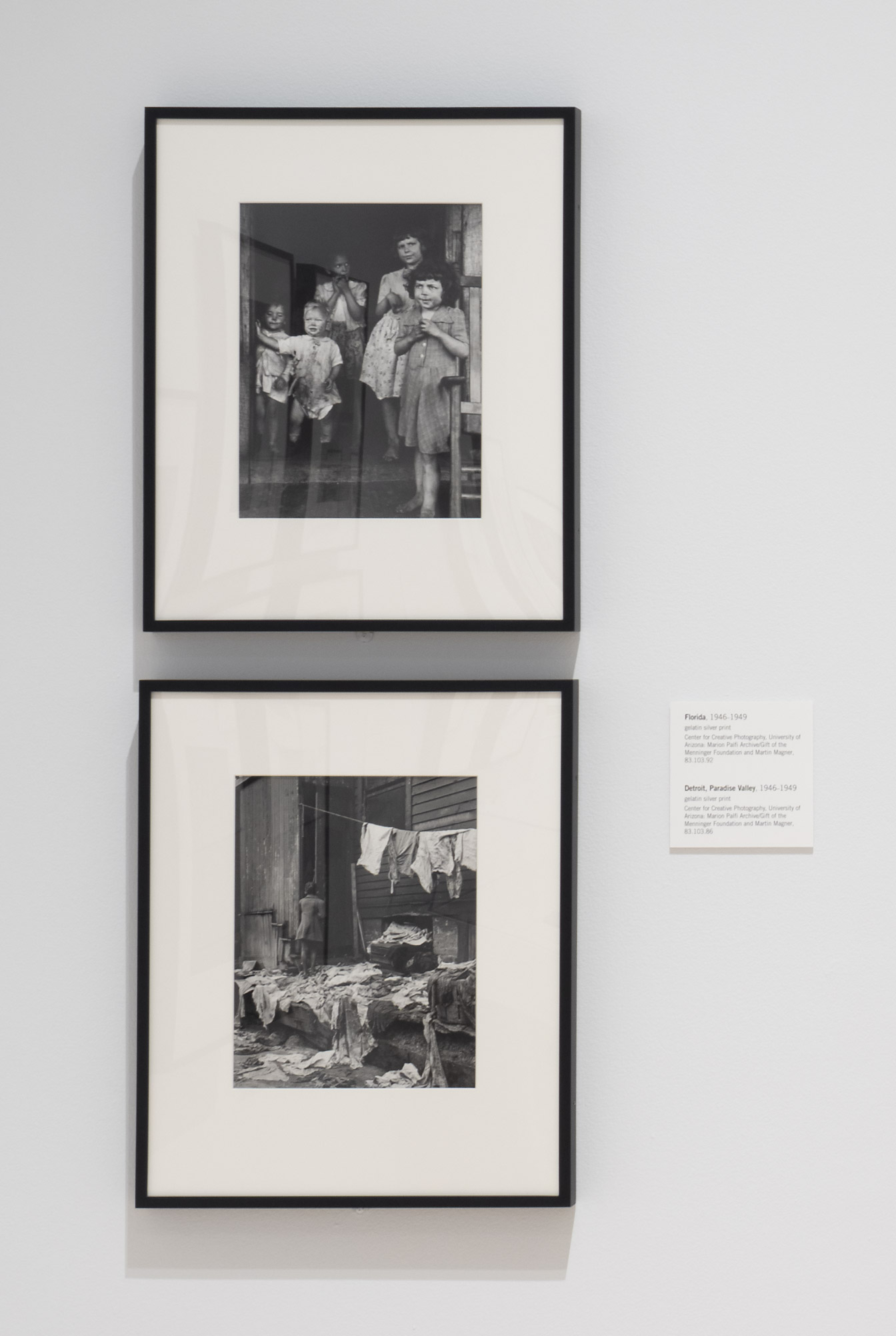
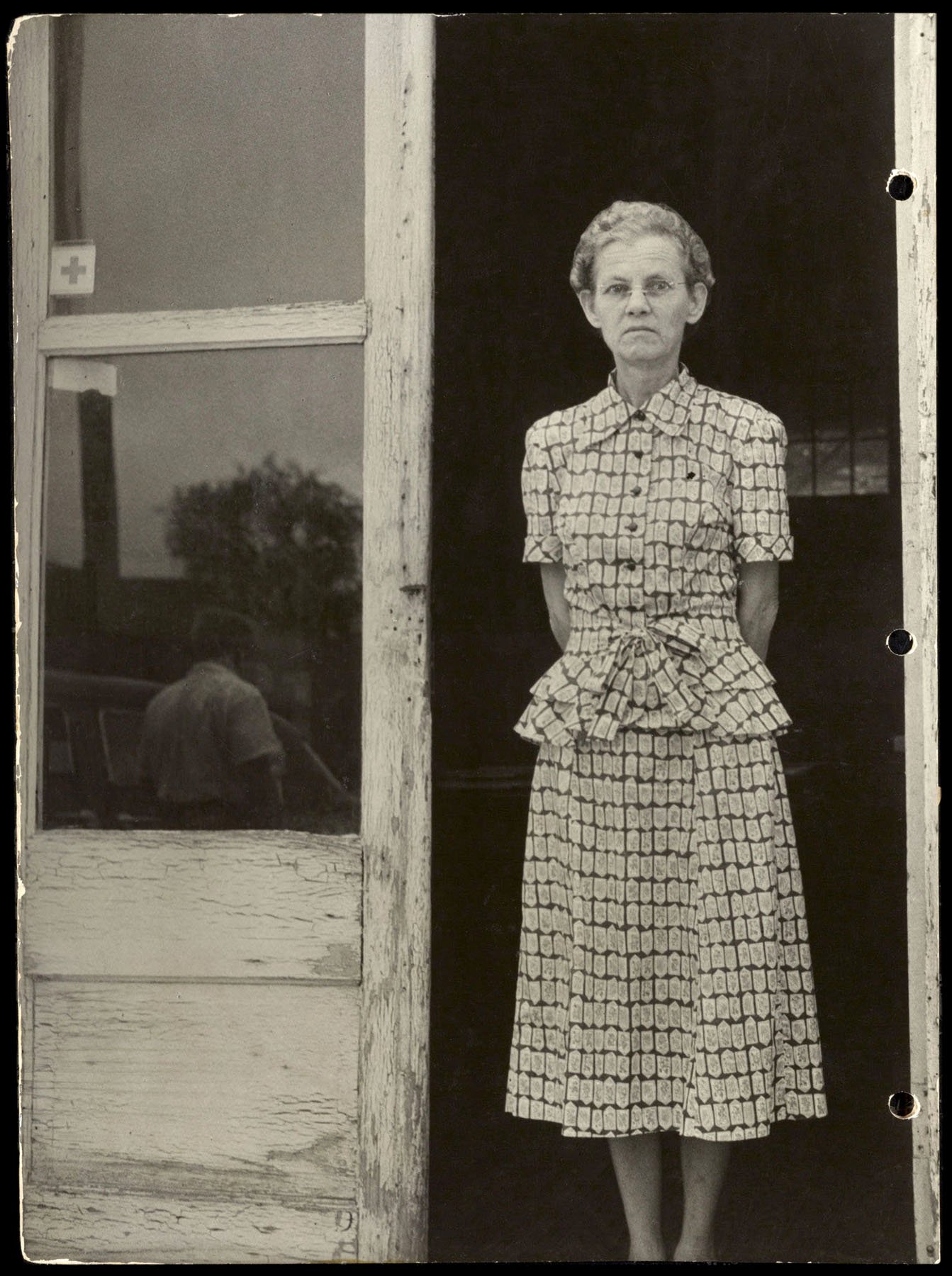
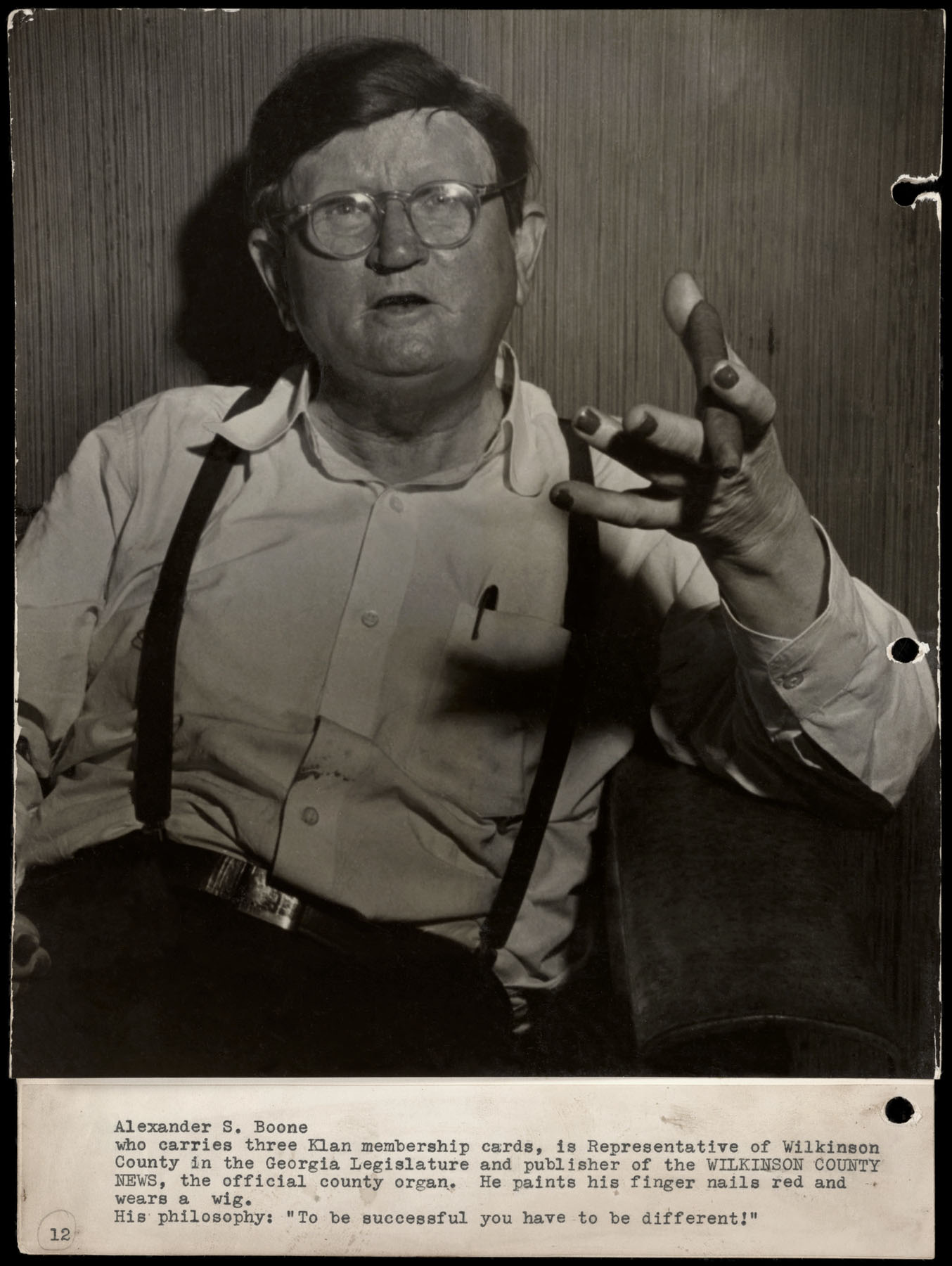
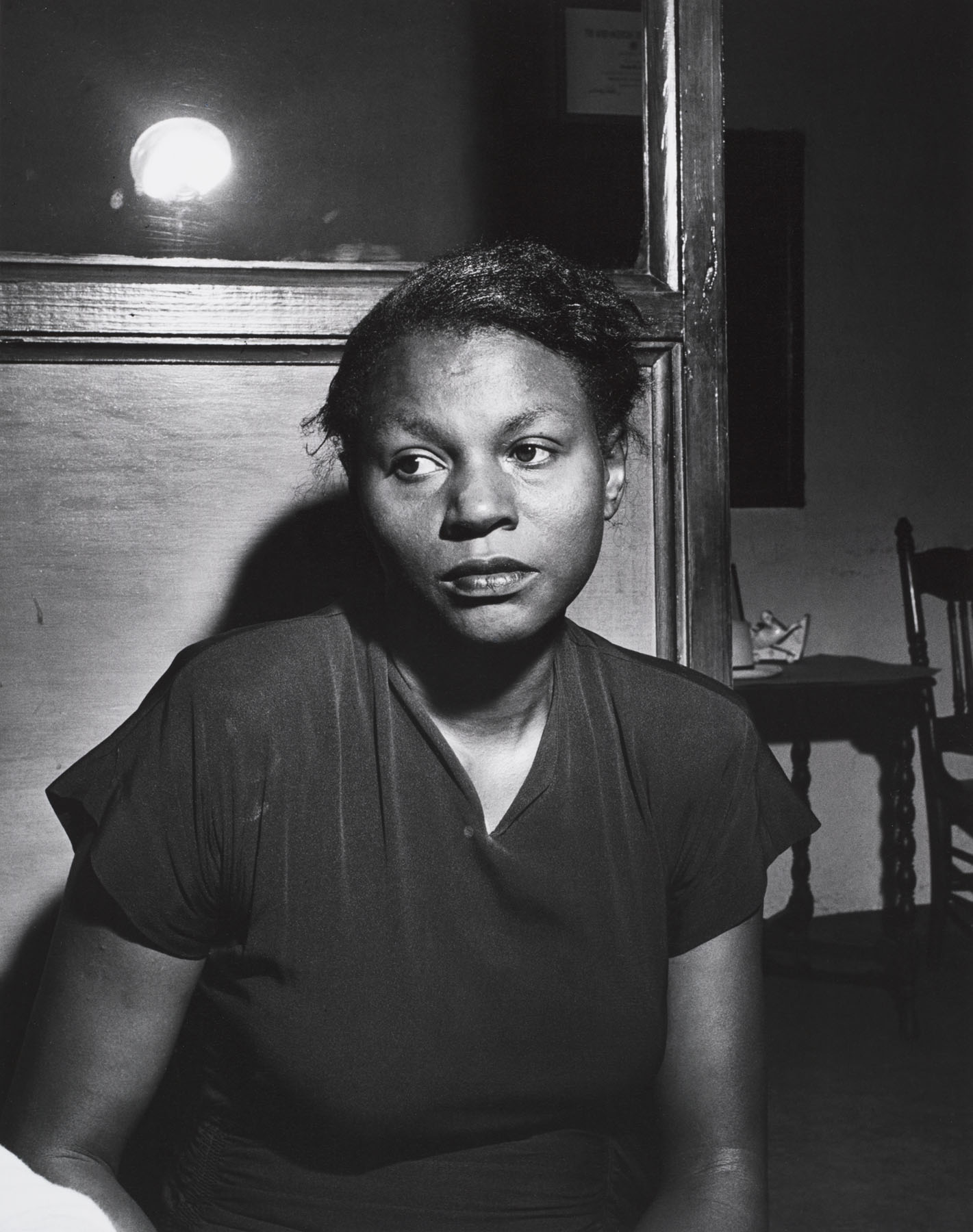
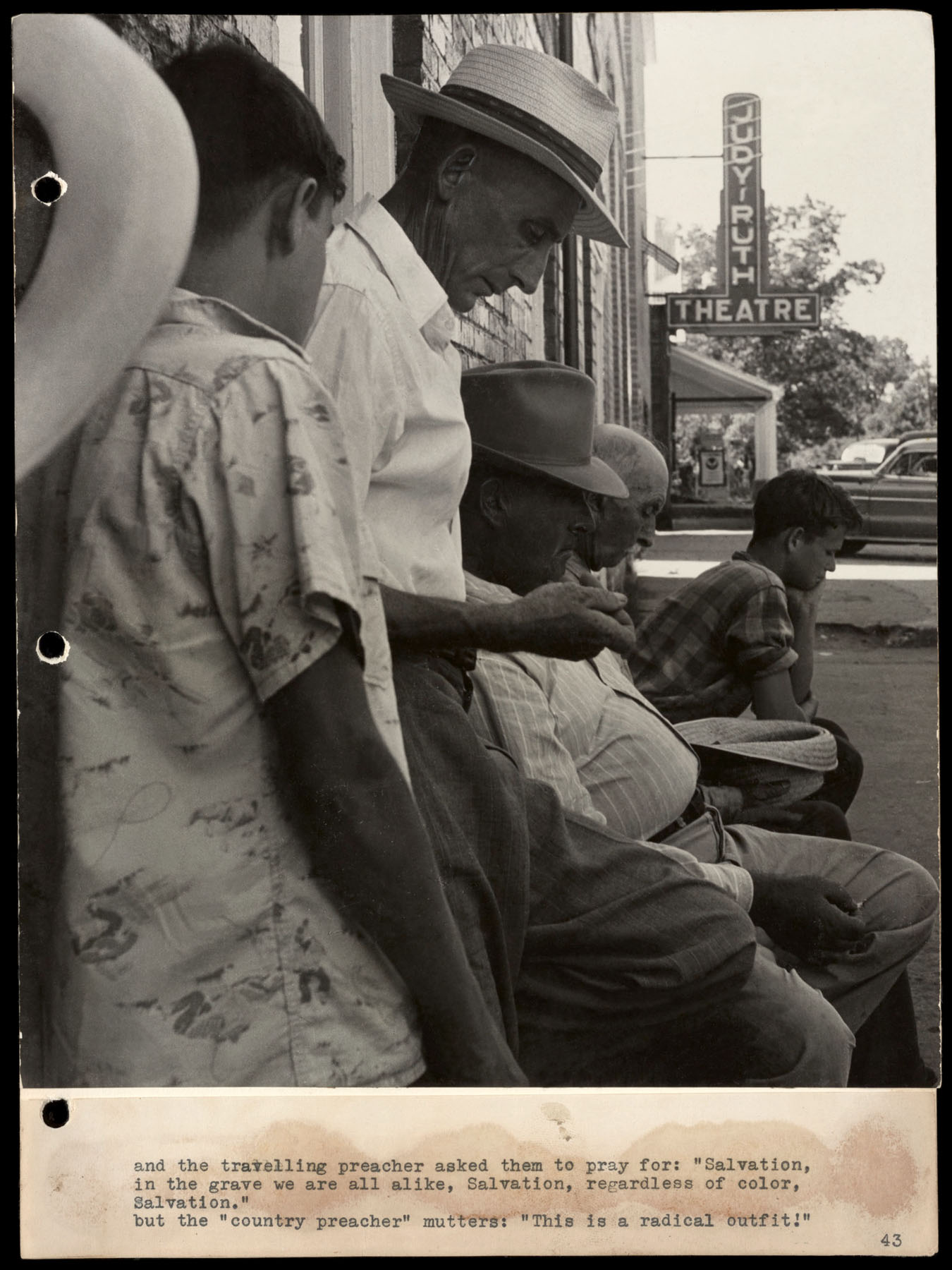
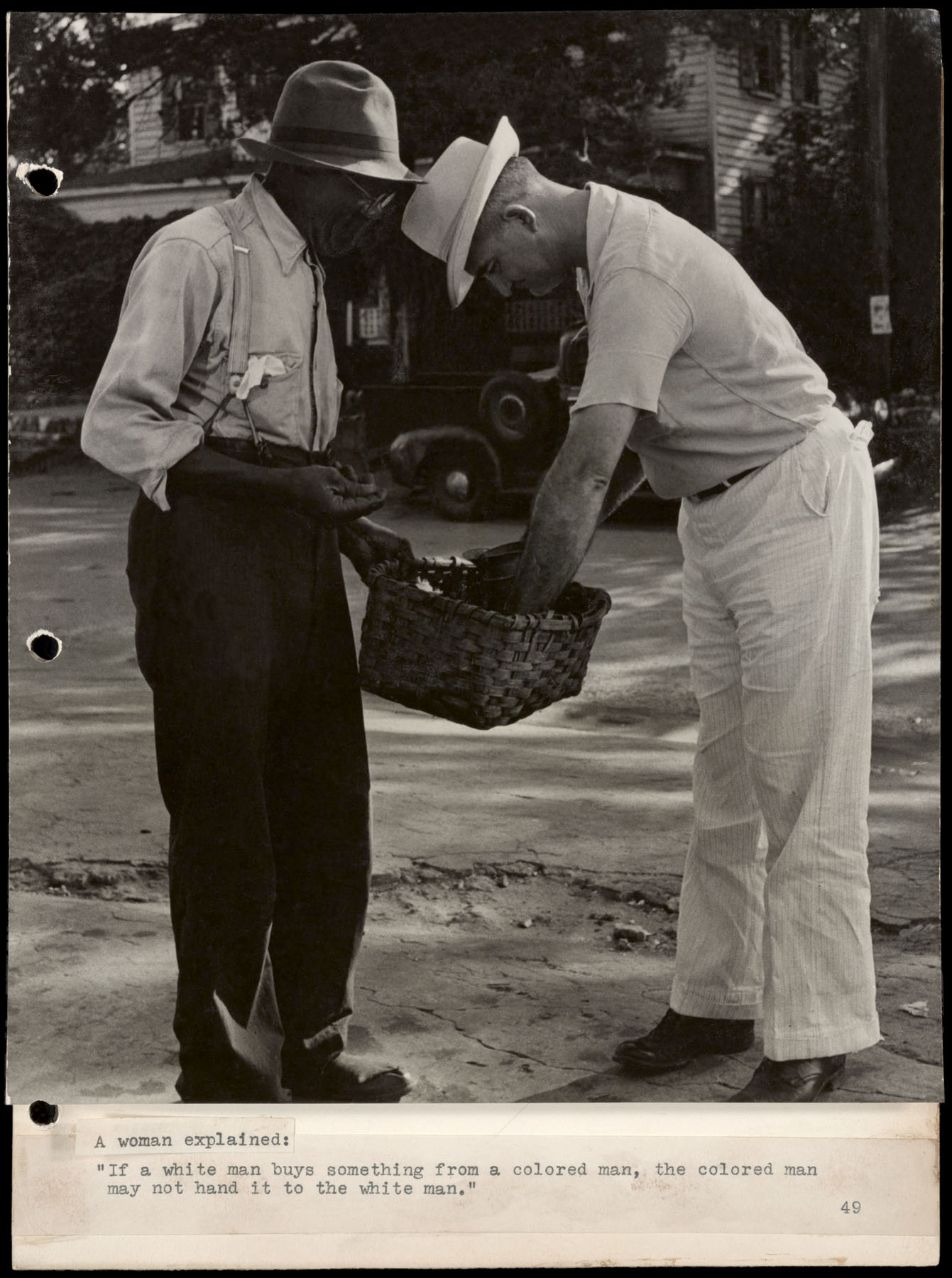
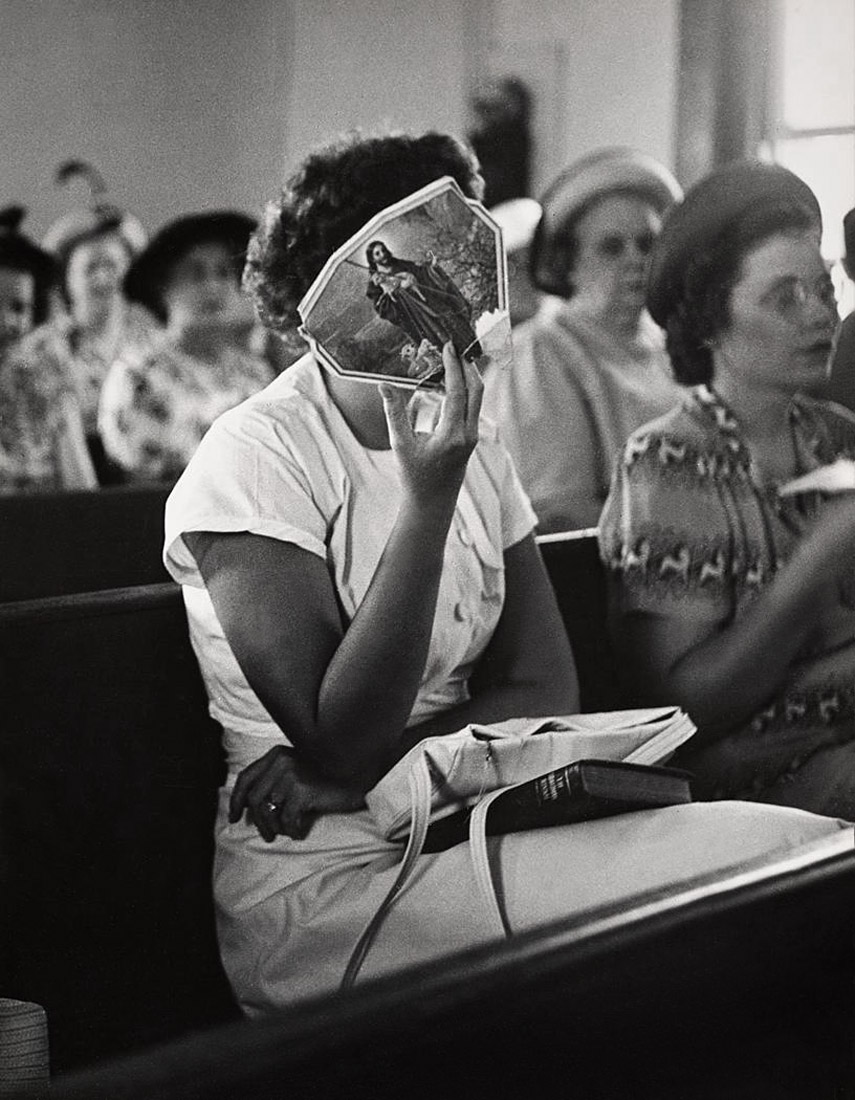
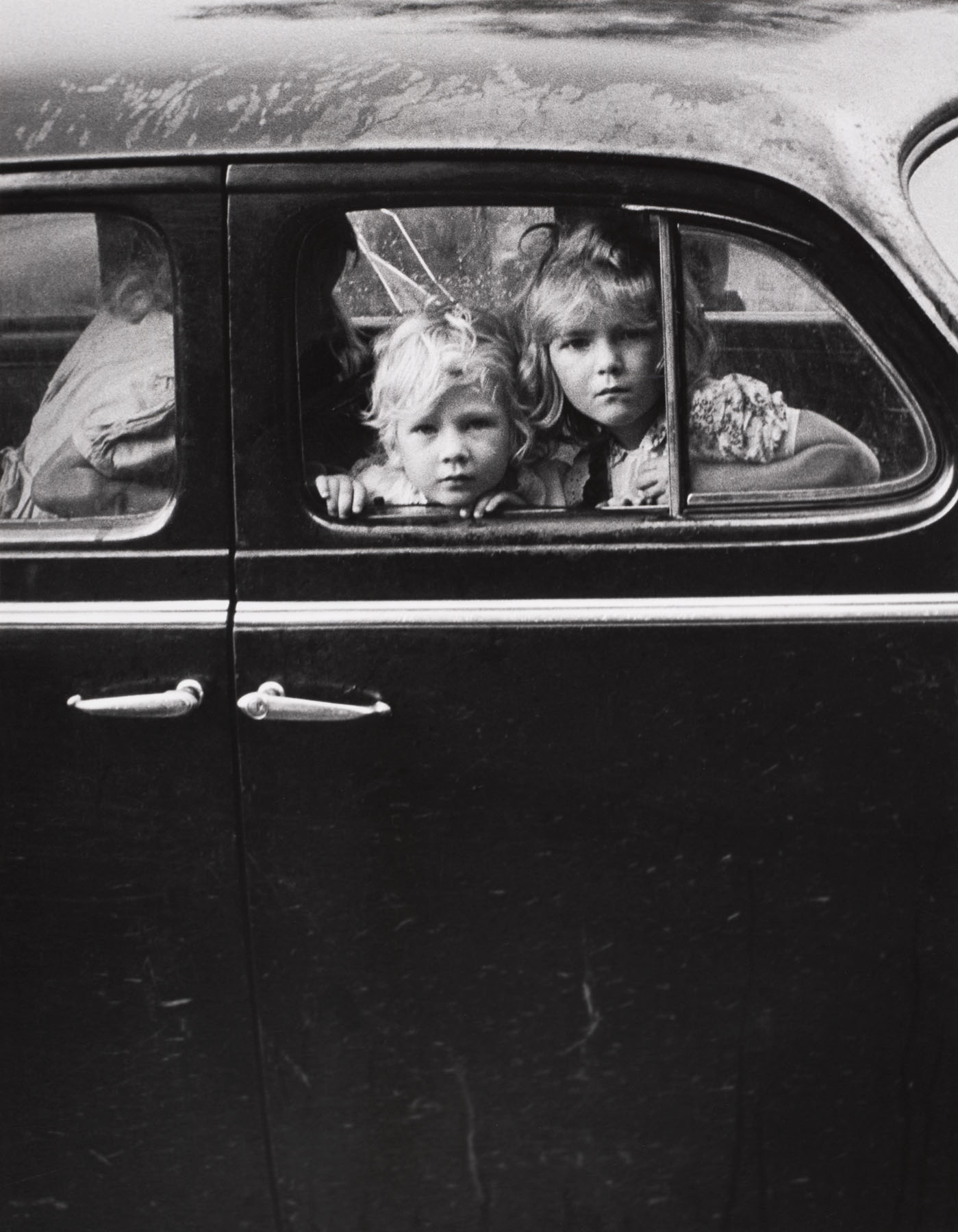
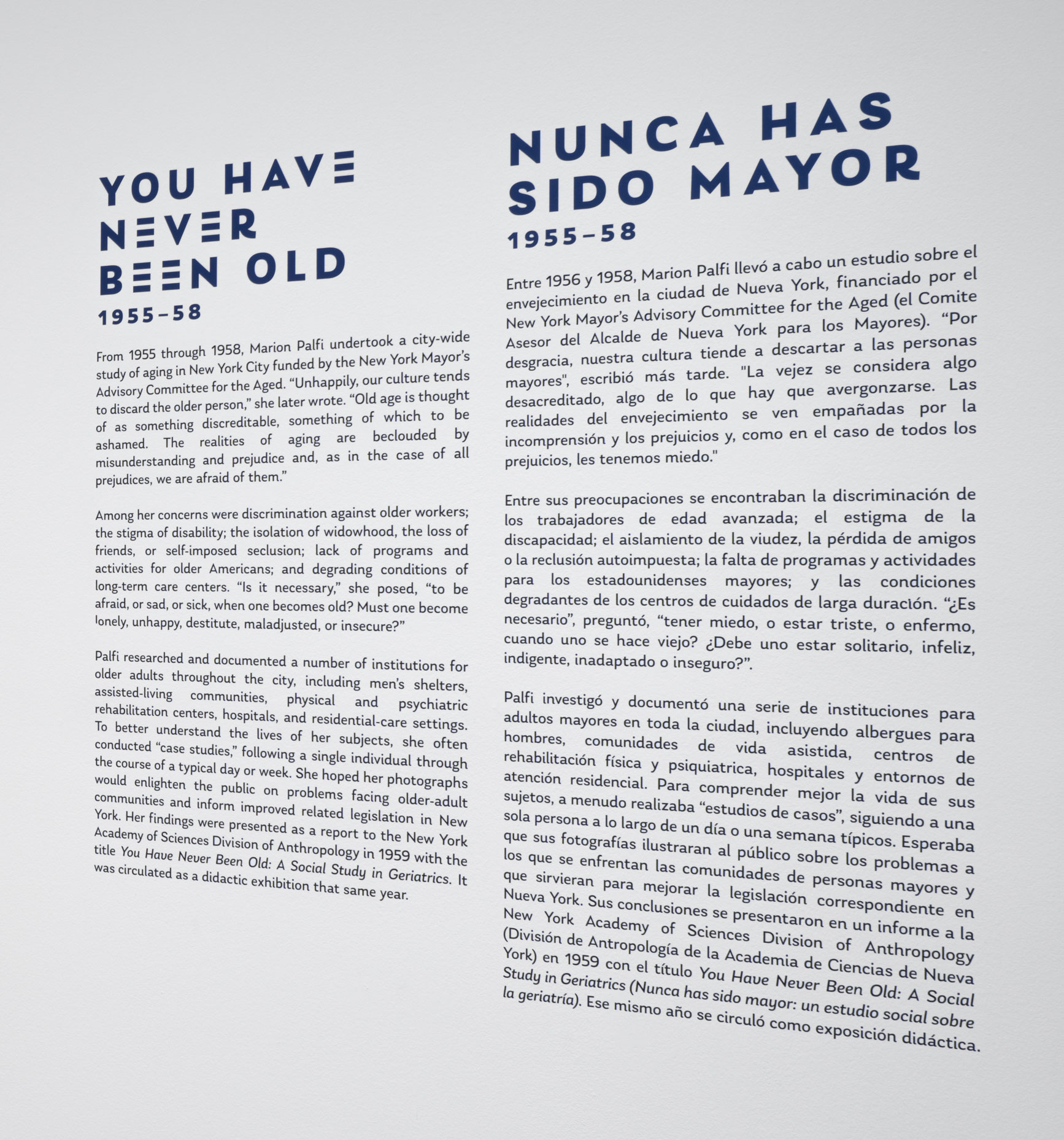
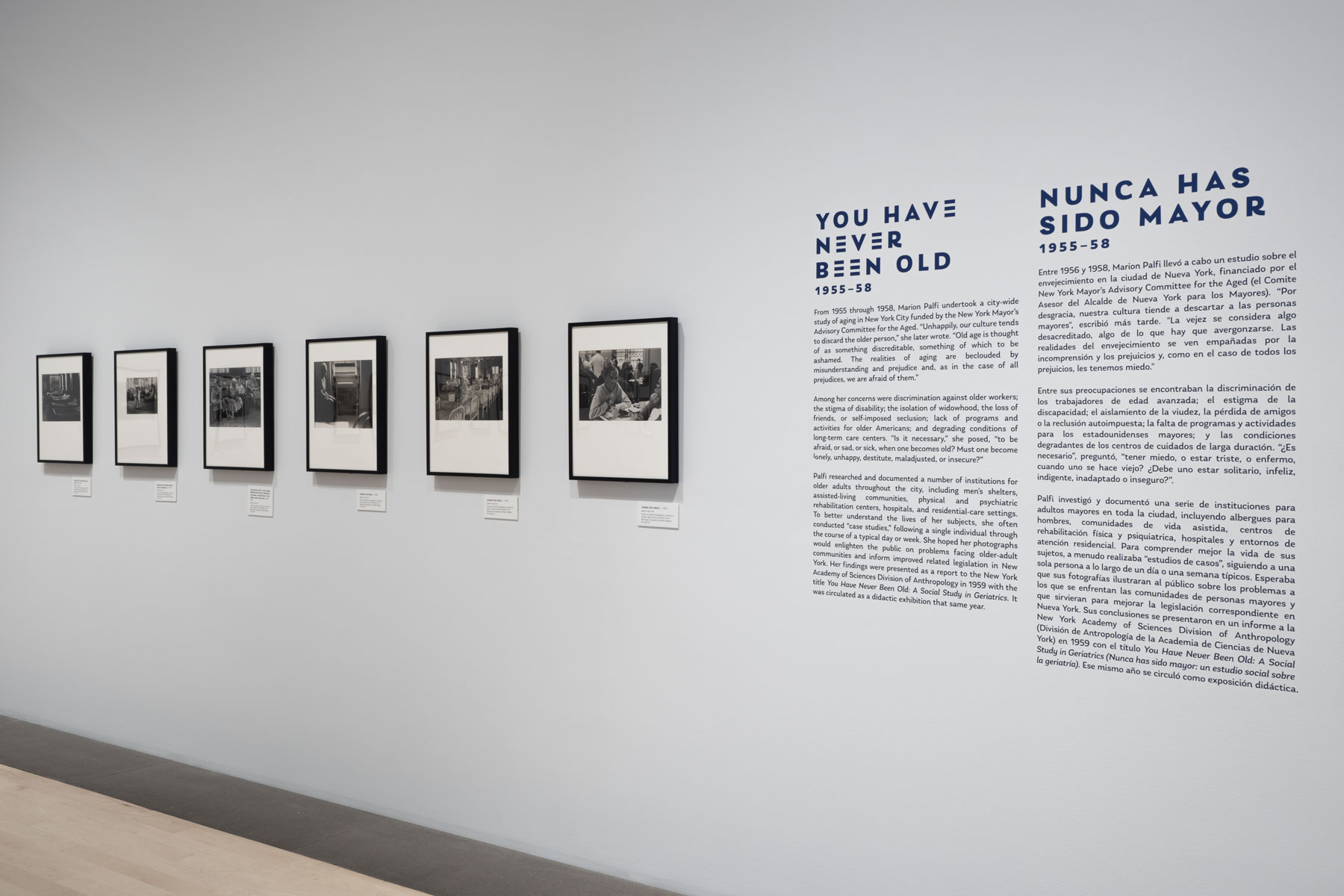
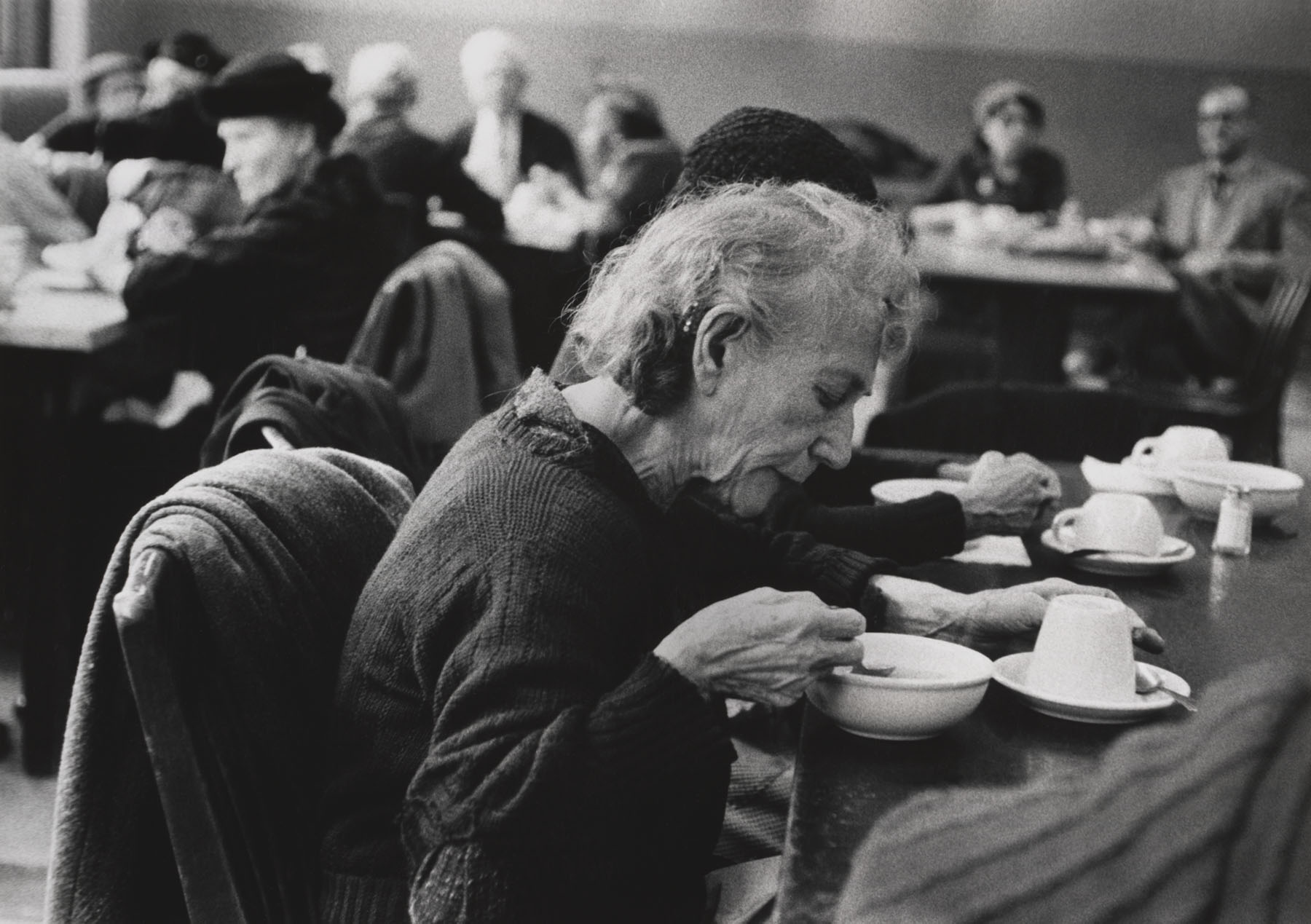
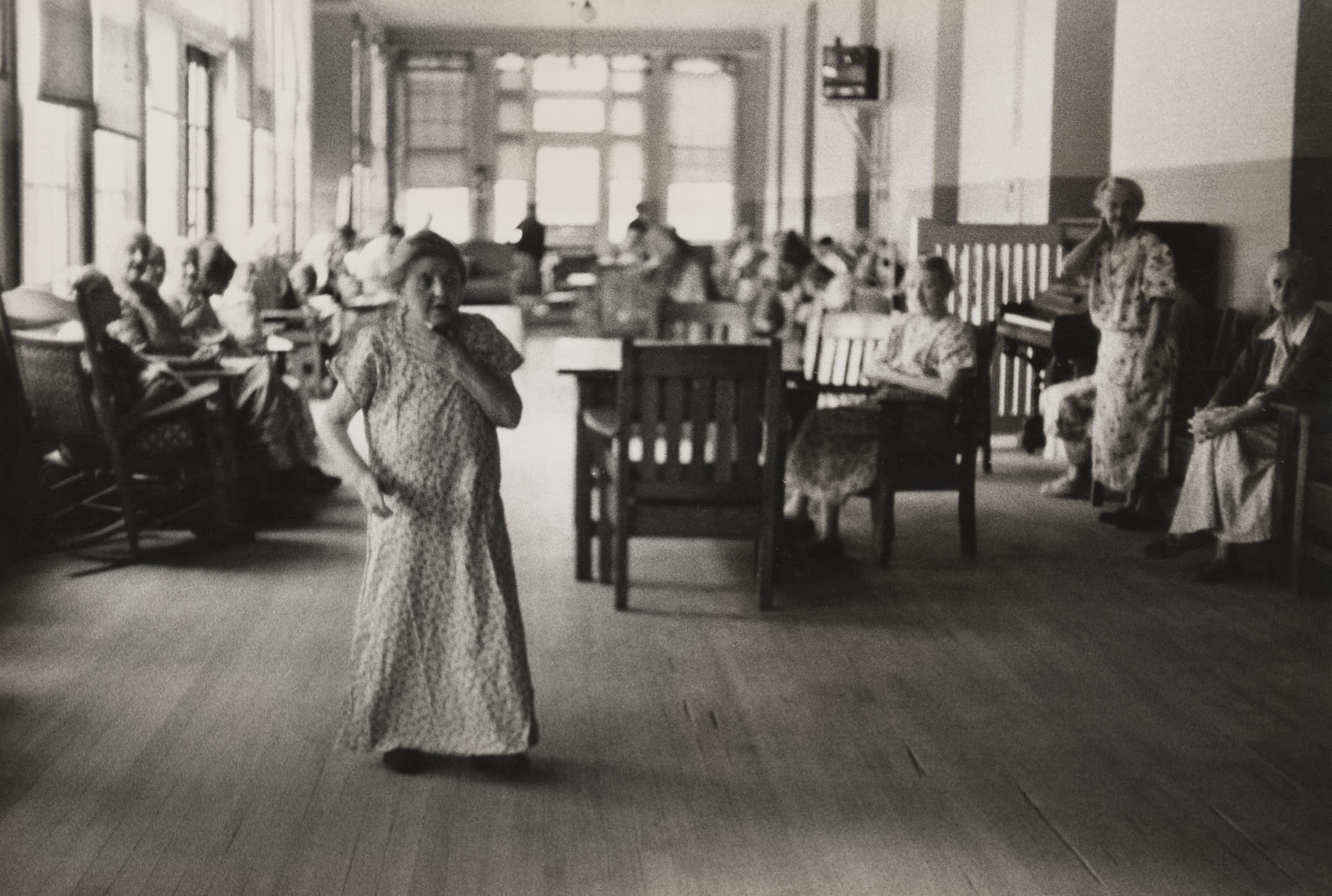
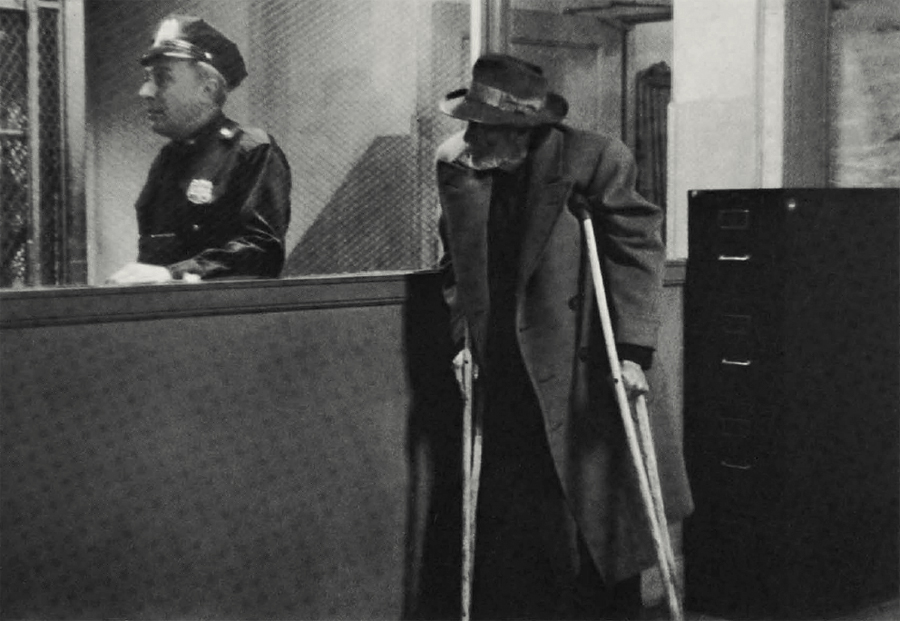
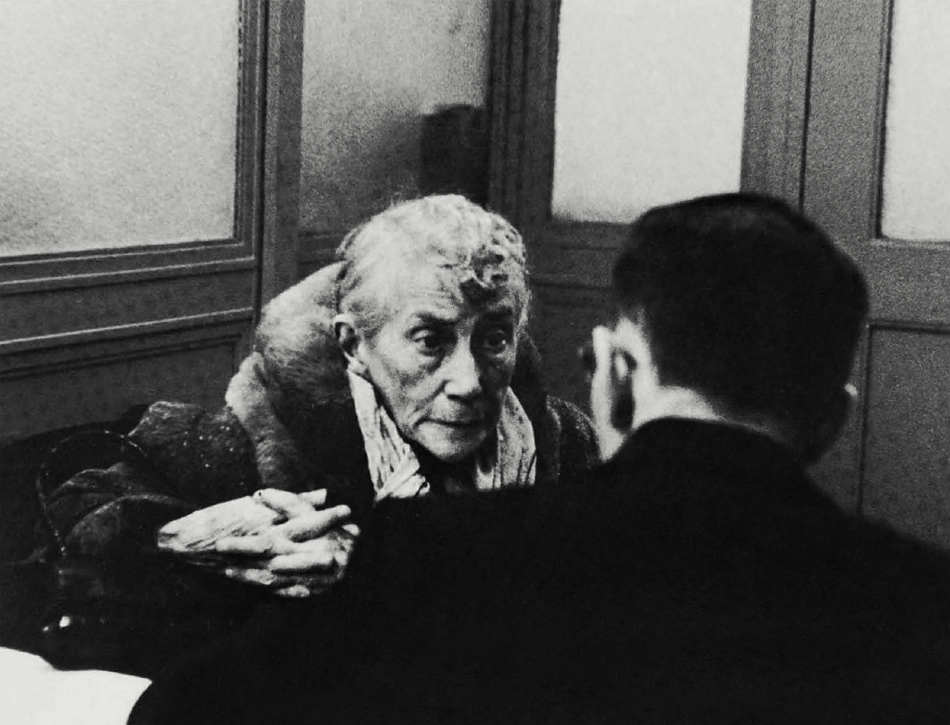
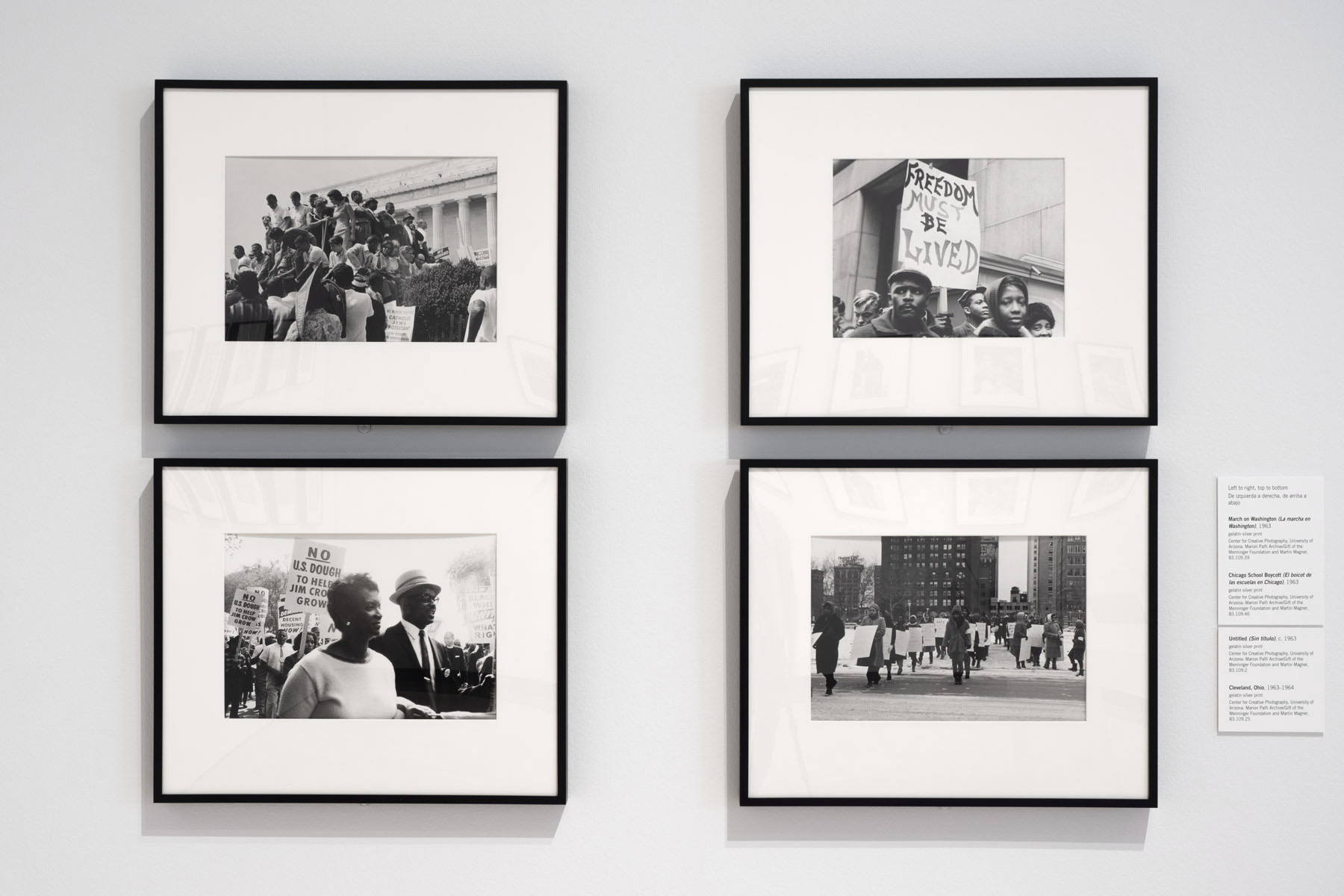
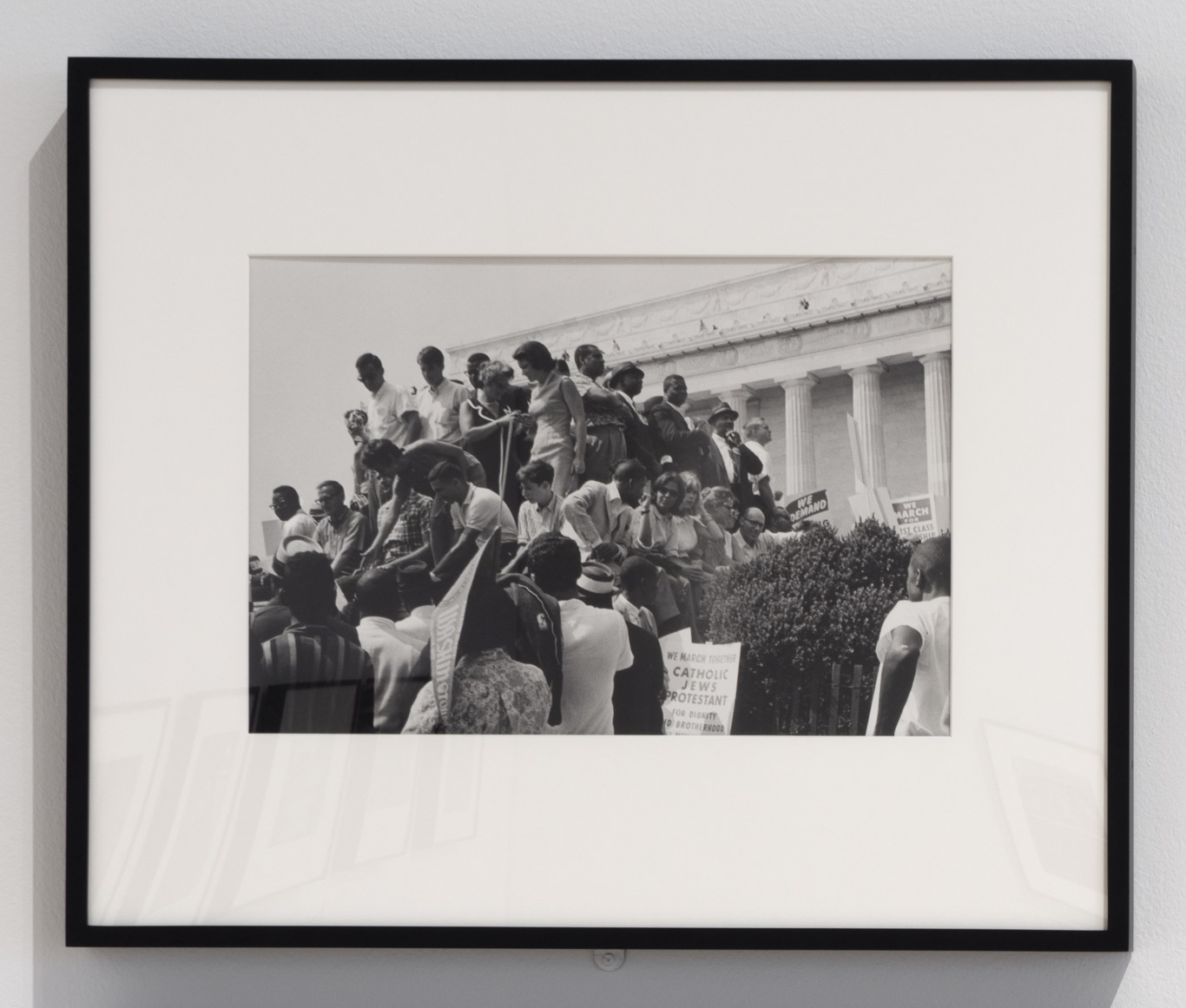
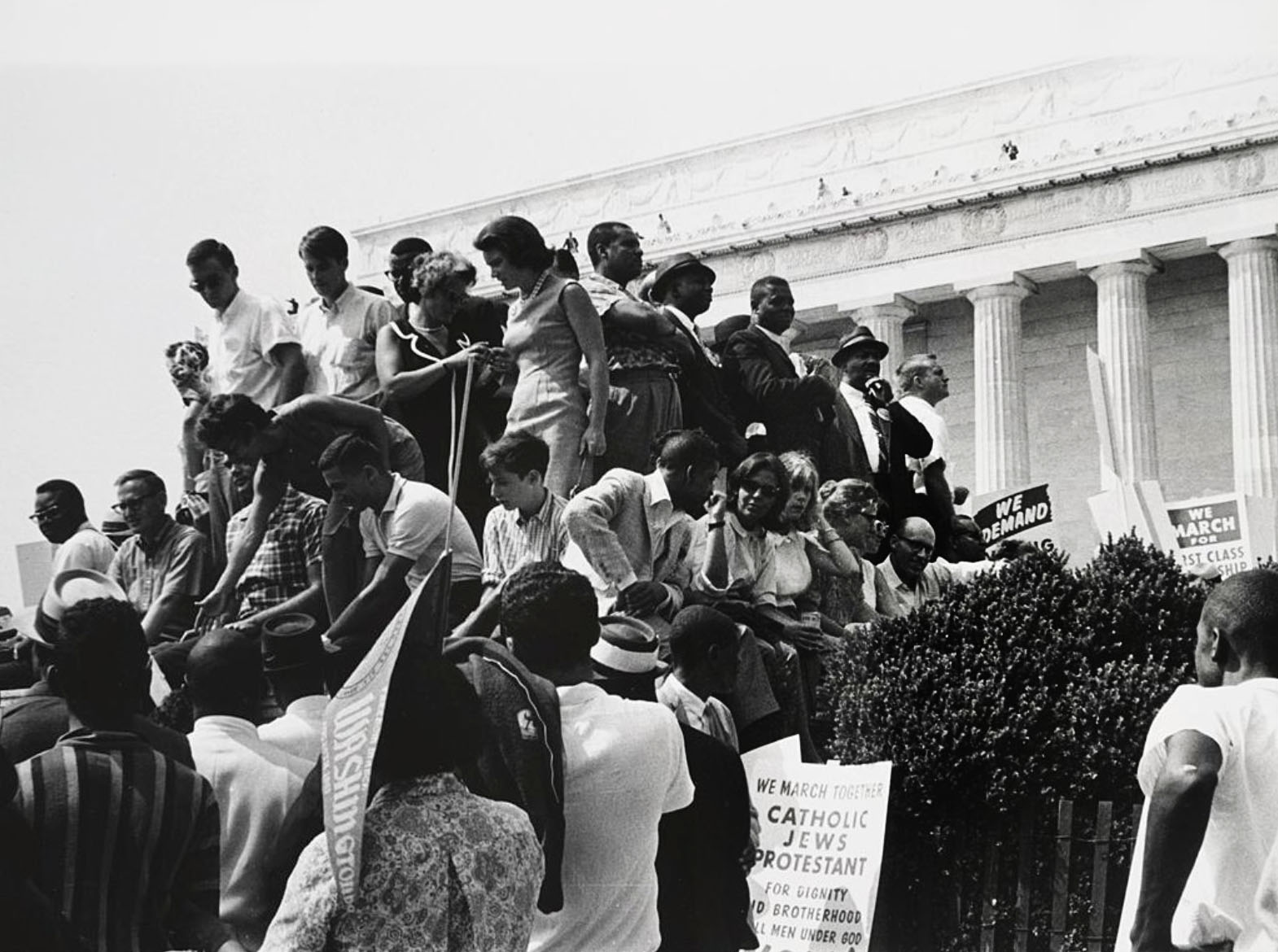
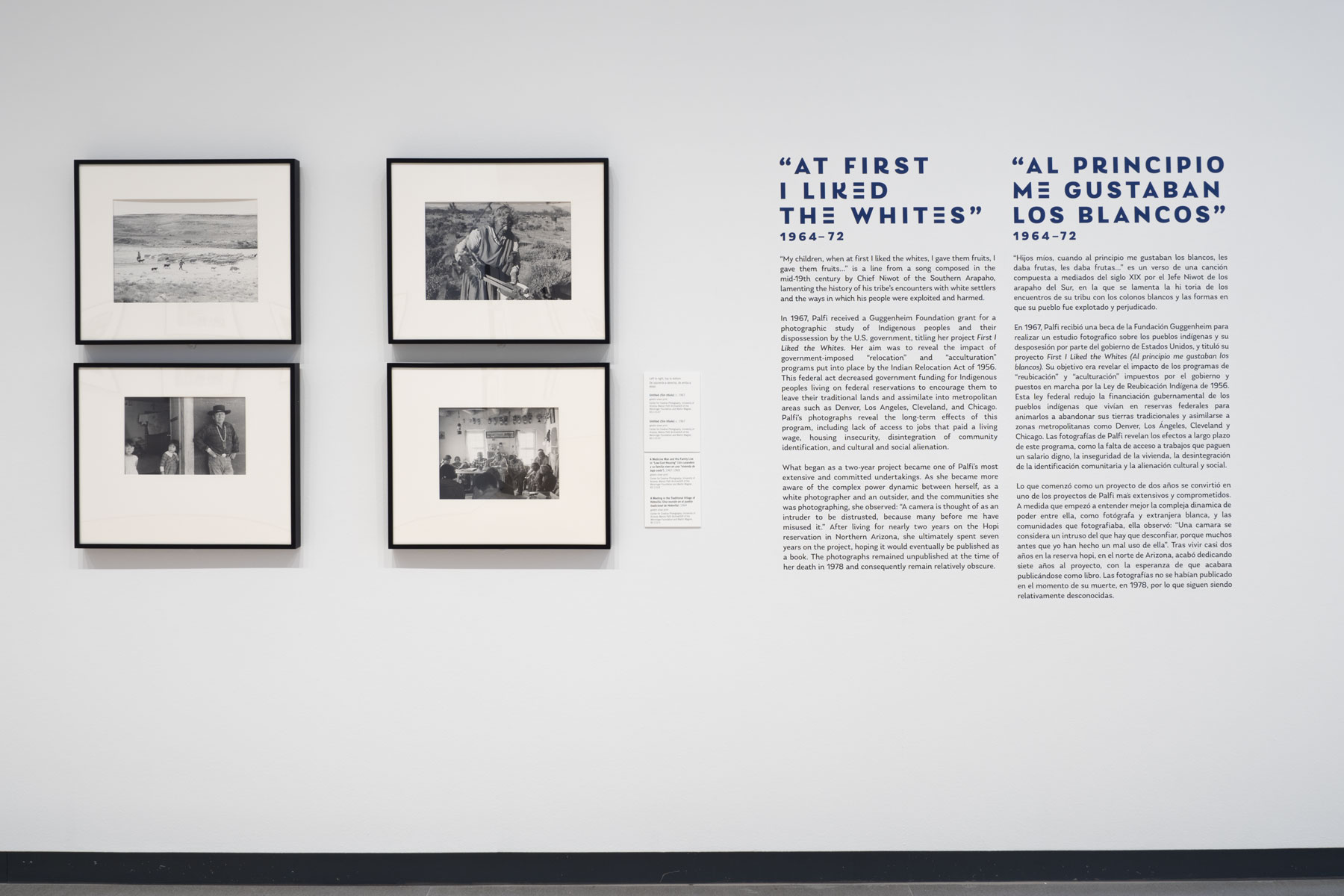
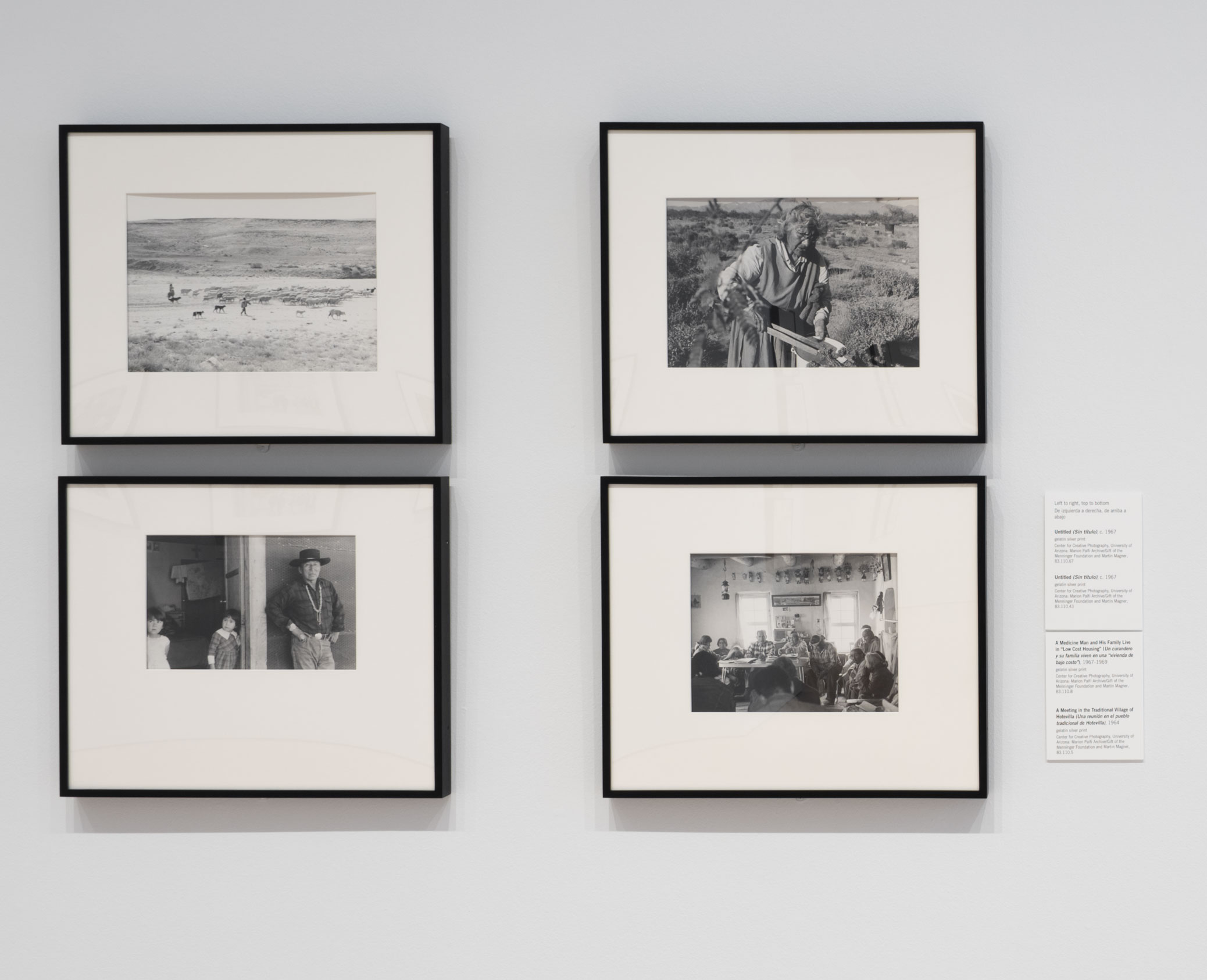
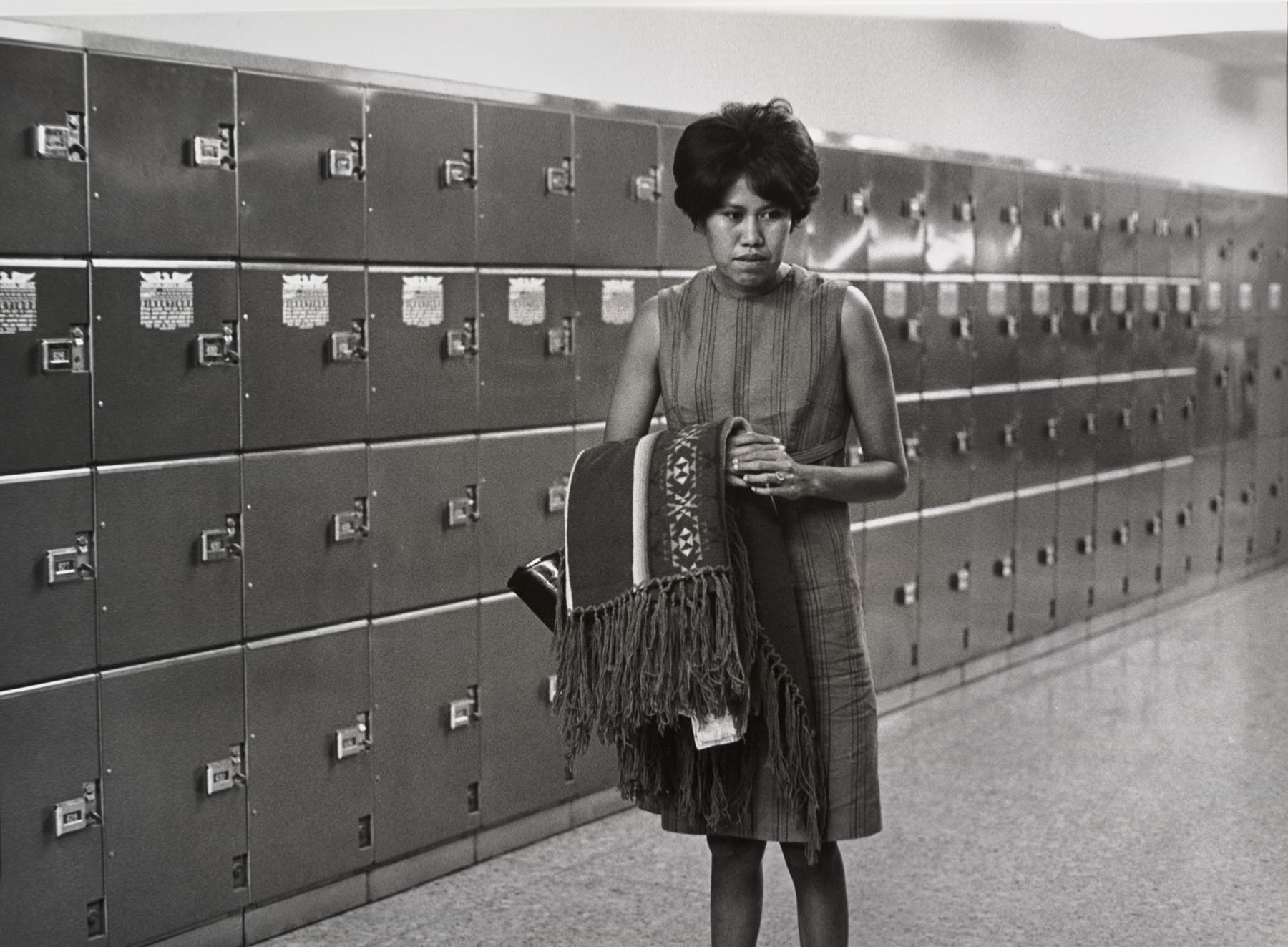
 Art Blart _ art and cultural memory archive
You must be logged in to post a comment.