Many thankx to Modernism for allowing me to publish the photographs in the posting. Please click on the photographs for a larger version of the image.
Dr Marcus Bunyan
Anonymous photographer The Dancer, Ted Shawn, Boston Dance Theater 1929 Vintage gelatin silver print 9 5/8 x 7 1/4″
Gérard Decaux Abbe Lane Rome, c. 1955 Vintage gelatin silver print 10 1/4 x 8 1/2″
Clarence Sinclair Bull (American, 1896-1979) Greta Garbo c. 1935 Gelatin silver print, printed later 14 x 11″
Clarence Sinclair Bull was born in Sun River, Montana in 1896. His career began when Samuel Goldwyn hired him in the 1920 to photograph publicity stills of the MGM stars. He is most famous for his photographs of Greta Garbo taken during the years of 1926-1941. Bull’s first portrait of Garbo was a costume study for the Flesh and the Devil, in September 1926.
Bull was able to study with the great Western painter, Charles Marion Russell. He also served as an assistant cameraman in 1918. Bull was skilled in the areas of lighting, retouching, and printing. He was most commonly credited as “C.S. Bull.” Bull died on June 8, 1979 in Los Angeles, California, aged 83.
Laure Albin Guillot (French, 1879-1962) La Flamme (Woman’s Head) c. 1935 Vintage gelatin silver print 6 3/8 x 4 3/8″
Anonymous photographer Acrobats c. 1920 Vintage gelatin silver print 8 5/8 x 5 5/8″
Pierre Nobel Still Life c. 1935 Vintage gelatin silver print mounted on paper 9 1/4 x 6 3/4″
Charles Jones (English, 1866-1959) Plum, Laxton Early Red c. 1910 Vintage gelatin silver print from a glass plate negative 6 x 4 1/4″
Modernism presents a wonderful and intriguing selection of photographs from the private collection of Robert Flynn Johnson. Robert Flynn Johnson is emeritus faculty in the Printmaking department. He is the curator in charge of the Achenbach Foundation for Graphic Arts at the Fine Arts Museums of San Francisco, a position he has held since 1975.
This exhibition coincides with the publication of his second book on vernacular photography, The Face in the Lens: Anonymous Photographs (University of California Press).
“When I am asked what it takes to become an accomplished collector, it is not the qualities of knowledge, judgment or that elusive term “taste” that comes to mind. Instead, it is the ability to be curious that is the crucial element in the makeup of a true collector – the ability to ask questions, to learn, and to get answers regarding works of art that catch your eye and move your emotions,” Robert Flynn Johnson said.
He added, “For more than thirty-five years I have followed my curiosity in passionately seeking out photographs that have stirred my imagination. Some of them have been by great artistic masters of the medium, while others have been anonymous photographic orphans that have nothing going for them but the image itself. Both types of photographs are included in this exhibition.”
“I have made a varied, and some may say eccentric, selection of images. From a heart-stopping snapshot of acrobats posed in a three-man handstand perched on the ledge of the 108th floor of the Empire State building, to a tender portrait of Marilyn Monroe and Joe DiMaggio that captures the instant before their lips meet in their first kiss as a married couple, They these pictures are a true reflection of my collecting philosophy that is attracted to profound, beautiful, humorous, and absurd aspects of life and art.”
“Nevertheless, I hope they these works convey some of the visual surprise and delight to you that I felt when I first saw each and every one of them.”
Oscar Wilde once said that the only person that liked all art equally was an auctioneer! I do not expect viewers to appreciate all the photographs in this exhibition, but through my visual curiosity in collecting them over time, I did, and that is why they are here together today.
Text from Artdaily.org website
Carelton Watkins (American, 1829-1916) San Francisco c. 1868 Vintage albumen print 8 x 12 1/8″
Mammoth-plate photograph of San Francisco taken from the top of Telegraph Hill showing the Golden Gate in the background.
Eugène Atget (French, 1857-1927) Landscape, Environs of Paris (Étang, Ville-d’Avray) 1917 vintage albumen print 7 x 9 1/4″
Anonymous photographer (Czechoslovakia) Train c. 1930 Vintage gelatin silver print 9 1/4 x 11 5/8″
Anonymous photographer (United Kingdom) Train c. 1930 Vintage gelatin silver print 9 1/2 x 11 1/2″
Sasha Archer Leaping Through the Air c. 1930 Vintage gelatin silver print 7 3/8 x 9 3/8″
Leopold Hugo (American born Poland, 1866-1933) Craters of the Moon, Idaho 1920 Tinted vintage gelatin silver print 7 3/8 x 9 3/8″
Anonymous photographer Acrobat Piroska at the Latin Quarter (Published in ‘Life Magazine’) c. 1945 Vintage gelatin silver print 9 5/8 x 9″
Felix Bonfils (French, 1831-1885) Woman in Burka c. 1870 vintage albumen print 8 3/4 x 6 5/8″
Modernism 724 Ellis Street San Francisco, CA 94109
Artists: Laurenz Berges, Albrecht Fuchs, Karin Geiger, Claus Goedicke, Uschi Huber, Matthias Koch, Wiebke Loeper, Nicola Meitzner, Peter Piller, Heidi Specker.
An exhibition of the Institut für Auslandsbeziehungen e. V. (ifa/Institute for Foreign Cultural Relations), Stuttgart, Germany and presented in cooperation with the Goethe-Institut Australien.
I was looking forward to this exhibition and so on a cold and very windy winter’s day I ventured out on the drive to the Monash Gallery of Art in Wheelers Hill expecting to be challenged by a new generation of German photographers. I was to be sorely disappointed. This show, with the exception of excellent work by Andreas Koch and good work by Laurenz Berges, epitomises all that I find woeful about contemporary photography.
There is a lack of life and vigour to the work, no sense of enjoyment in taking photographs of the world. The narratives are shallow and vacuous inducing a deep somnambulism in the viewer that is compounded by the silent, deeply carpeted gallery making the experience one of entering a mausoleum (this is a great space that needs to be a contemporary space!). How many times have I seen photographs of empty spaces that supposedly impart some deep inner meaning? See how a great artist like Tacita Dean achieves the same end to startling effect with her film Darmstädter Werkblock (2007). How many times do I need to see ‘dead pan’ portrait photographs that are again supposed to impart rich psychological meaning? I have seen too many already.
Conceptually the work is barren. Technically the proficiency of some of the work is almost non-existent. If this standard of work was put up for assessment in a university course it would fail miserably. For example in Nicola Meitzner’s work Forward Motion (2006), vertical portraits (of the same person in different poses) and streetscapes of Tokyo are poor quality prints mounted in unattractive silver aluminium frames. They are forgettable. If an artist were to study the work of, say, Manuel Alvarez Bravo, then one might gain some insight into how to photograph the city and the people that live in it in a way that elicits a response from the viewer to the photo-poetry that is placed before them.
Uschi Huber’s photographs of boarded up shop fronts, while a nice conceptual idea, are again lacking in technical proficiency and are nothing we haven’t seen many times before while Peter Piller’s ten print-media type pigment prints of girls at a shooting range with rifles do not bare comment on both a conceptual and technical level. Similarly, Wiebke Loeper’s colour photographs of the city of Wismar – houses, roads, water, oat fields, people peering into shop windows – sent to friends living in Melbourne to show them the desolation and rebuilding of the city are seriously year 12 work.
The two redeeming artists are Laurenz Berges and Andreas Koch.
Berges four large type C colour photographs of an empty house and the surrounds as seen through a window are intimately detailed visions of human absence from the built environment: the huts, piles of wood chips, barren trees, the feathers on the floor of one print, the cigarette butts on the floor of another, the marks on the wall in blue and red add to a sense of abandonment and alienation from the environment – traces of human experience, identity and memory etched into the photographic medium.
As the text on the Institut für Auslandsbeziehungen (IFA) website observes,
“Laurenz Berges is a chronicler of absence. His minimalist photographs point to the earlier use of spaces, only fragments of which are shown, whose inhabitants have put them to other, new uses. Berges depicts the traces of this change in austere images that, due to their reduction, tell their stories indirectly and almost involuntarily. These are stories about the existential significance certain spaces have for our identity, and also about their transitoriness and their loss.”1
The star of the show was the work of Matthias Koch. His five large aqua-mounted type C prints from the series Sites of German History (2006) are both technically and conceptually superb, full of delicious ironies and humour. Using an aerial aesthetic (apparently by climbing the ladder of a fire engine that he owns) Koch looks down on the landscape and through his images formulates new ways of seeing national symbols (even though many of them are not in Germany). His re-presentation of spatial inter-relations and objects embedded in their rural and urban surroundings are both simple yet layered and complex.
Unfortunately I have only two photographs (above and below) to show you of his work. None other was available but the images gives you an idea of his raison d’être. The specimen of U-995, built in Kiel in 1944, is presented as a trapped and mounted animal, preserved for our delectation and inspection with gangways and stairs to view the innards. Little hobby craft lie on a beach behind while people paddle in the shallows, a ship barely seen in the distance out at sea. The fact that this U-boat was once used to destroy such a ship, the irony of the proposition, is not lost on the viewer.
Other images in the series include a photograph of the derelict runway of the Heinkel factory as seen from above, the overgrown concrete slabs cracked and lifting, the edges filled with grass, the distant view dissolving into mist and nothingness. The photograph Harbour, Allied landing near Normandy, 1944 (2006, below) shows an American jeep and half-track of the period on the beach of the Allied landing in Normandy, tyre tracks swirling in the sand while in the distance the concrete block remains of the Mulberry harbour used in 1944 still litter the coastline. How many men, both German and American, died on this beach all those years ago? In another tour de force Atlantic Defence Wall near Cherbourg. Bunker construction built 1940 (2006) concrete bunkers dot the landscape with the beach and sea beyond as people sunbathe on the grass amongst the ruined bunkers, probably oblivious to the context of their surroundings. Koch is a master of the re-presentation of the context of memory, history and place.
Overall this exhibition is a great disappointment. I find it hard to believe that the exhibition has been curated by the same man who curated the recent Andreas Gursky exhibition at the National Gallery of Victoria. The choice of work and the presentation of technically poor prints is not up to standard. I also find it difficult to reconcile some of the reviews I have read of this exhibition with the actual work itself. Thank goodness for the photographs of Matthias Koch for he alone made the journey into outer Melbourne a worthwhile journey into the memory of the soul.
Dr Marcus Bunyan
1/ Anonymous. “Presentation/representation: Laurenz Berges,” on the Institut für Auslandsbeziehungen (IFA) website [Online] Cited 08/08/2009 no longer available online
Many thankx to Monash Gallery of Art for allowing me to publish the photographs in the posting. Please click on the photographs for a larger version of the image.
This international touring exhibition was developed by the Institut für Auslandsbeziehungen (ifa) in Germany and is presented in cooperation with the Goethe-Institut Australien.
MGA is hosting the important international exhibition ‘presentation / representation: photography from Germany’, which brings to Melbourne the work of ten of Germany’s best contemporary photographers.
presentation/representation is curated by Thomas Weski (curator of Andreas Gursky recently seen at the National Gallery of Victoria), and covers the work of the generation of German photographers that has followed the now-legendary Kunstakademie Düsseldorf generation of Gursky, Thomas Ruff, Thomas Struth and Candida Höfer. For the artists in presentation/representation, including Matthias Koch, Laurenz Berges and Heidi Specker, photography is a medium that has its own language and characteristics, and their work collectively explores the limits of the medium.
Shaune Lakin, Director of the MGA states “MGA is thrilled to present ‘presentation / representation’ and to bring to the people of Melbourne such an important survey of contemporary German photography. As well as providing a comprehensive survey of German practice, the exhibition will complement the experience of those who saw Weski’s wonderful Gursky exhibition at NGV. We are also delighted to host participating artist Matthias Koch.”
Koch will be presenting a series of public programs including an artist talk, student tutorial and a field trip exploring the industrial suburban sites close to the gallery. “With his critical interest in landscape, architecture and history, Koch will provide some wonderful insights into our local landscape for participants in these programs,” notes Dr Lakin.
MGA’s Education and public programs coordinator Stephanie Richter says: “This is a great opportunity for students and Melbourne audiences to meet one of Germany’s most celebrated contemporary photographers and to participate in the busy schedule of talks, tutorials and field trips with Matthias.”
Press release from Monash Gallery of Art website [Online] Cited 05/08/2019 no longer available online
Until you are reminded by the photographs you sometimes forget what a fantastic auteur Cecil Beaton was.
Marcus
Many thankx to the Walker Art Gallery for allowing me to publish the photographs in the posting. Please click on the photographs for a larger version of the image.
A stunning exhibition of nearly 50 portraits by Cecil Beaton, one of the most famous photographers of the 20th century, captures the glamour and excitement of some of the world’s greatest celebrities.
Cecil Beaton: Portraits 26 June – 31 August 2009 brilliantly reflects the astonishing talents of the photographer who was also a writer, artist, designer, actor, caricaturist, illustrator and diarist.
He photographed a dazzling array of superstars and leading personalities ranging from the Queen to Mick Jagger, Marilyn Monroe to Audrey Hepburn and Winston Churchill to Lucian Freud.
Beaton (1904-1980) was himself a charismatic character who could charm and cajole, amuse and flirt, electrify and calm. He was known for his elegant sartorial style which exactly matched and reflected the circles he moved in. His long career covered an era of great change from the Roaring Twenties to the dawn of the New Romantics.
Jessica Feather, Walker curator, says:
“Cecil Beaton had a remarkable gift of bringing out the personalities and flair of his sitters so that he created some of the great iconic images of the age. The portraits still cast a spell with their timeless appeal, giving deep insights into the extraordinary people who came before his camera.”
Beaton’s career as a photographer began with his earliest portraits of his sister Baba taken in 1922, when he was a teenager.
After Cambridge, his early photographs were published in society magazines The Sketch, Tatler and Eve from 1925 onwards. In 1927, 23-year-old Beaton secured a contract with Vogue to provide portraits, caricatures and social commentary. His career – with the exception of two short breaks – continued with Vogue for the rest of his life.
In the 1930s he published books packed with glamorous portraits and artwork and photographed the wedding of the Prince of Wales to Wallis Simpson. Beaton also took a striking series of romantic studies of Queen Elizabeth (later the Queen Mother).
His work took on a grittier aspect during the war and post-war years when he worked for the Ministry of Information and as an official war photographer.
Beaton reached the height of his powers in the 1950s and 60s when he became a household name. As well as creating great portraits of a new generation of film actresses such as Audrey Hepburn and Marilyn Monroe, he won Oscars for his design work in the blockbuster films Gigi and My Fair Lady.
Knighted in 1972, Beaton had a stroke in 1974 but returned to photography three years later. Among his subjects in his final years were fashion designers and international celebrities.
Press release from the Walker Art Gallery website [Online] Cited 05/08/2009. No longer available online
Kyra Vaslavovna Nijinsky (19 June 1913 – 1 September 1998), was a ballet dancer of Polish and Hungarian ancestry, with a Russian dance and cultural heritage. She was the daughter of Vaslav Nijinsky and the niece of Bronislava Nijinska. In the 1930s she appeared in ballets mounted by Ida Rubinstein, Max Reinhardt, Marie Rambert, Frederick Ashton, Antony Tudor.
Her father Vaslav (1889-1950) was a truly world-famous dancer with Ballets Russes in Paris. Her aunt Bronia (1891-1972) also excelled in dance and was a leading choreographer, initially with Ballets Russes. Her mother Romola de Pulszky was a socialite and author. Romola’s mother, Kyra’s grandmother, was Emilia Márkus, a popular Hungarian actress. …
“We also met Nijinsky’s daughter, Kyra, who is fascinating. Sturdily built and full of exuberance, she has the most engaging smile and what must be her father’s eyes, of an unusual grey-green, or is it green-brown? She is an artist and uses bright colours. Her father is a frequent subject, but I noticed all her paintings show him in ballet roles, never as himself. When she was describing a Russian dance she made a momentary gesture of her right arm across her brow, and I could see Nijinsky exactly. There was something in her movement and her face that expressed all there is to say about dancing in that one instant, and I can never forget it.”
Dame Margot Fonteyn on meeting Kyra in San Franciso in 1951
This major retrospective exhibition brings together captivating images from Cecil Beaton, one of the most celebrated photographers of the 20th century. Renowned for his images of elegance, glamour and style, Beaton’s work has inspired many famous photographers including David Bailey and Mario Testino.
The exhibition reflects the astonishing talents of the photographer who was also a writer, artist, designer, actor, caricaturist, illustrator and diarist. There are four sections in the exhibition covering Beaton’s career and capturing 50 years of fashion, art and celebrity:
The Early Years: London to Hollywood, 1920s and 1930s
Photographs of Hollywood stars such as Marlene Dietrich and Fred Astaire and artists including John (Rex) Whistler, Pablo Picasso and Salvador Dali.
The Years Between: The War and Post-War Arts, 1940s
Featuring Greta Garbo, Vivian Leigh and Laurence Olivier as well as Princess Elizabeth and Sir Winston Churchill.
The Strenuous Years: Picturing the Arts, 1950s
Portraits of Queen Elizabeth II, Francis Bacon, Jackie Kennedy Onassis, Lucian Freud and Marilyn Monroe.
Partying and the Partying Years: Apotheosis and Retrospection, 1960s and 1970s
Includes images of Audrey Hepburn, Prince Charles, Harold Pinter, Katherine Hepburn, Mick Jagger, Barbara Streisand and Elizabeth Taylor.”
Text from the Walker Art Gallery website [Online] Cited 23/03/2019 no longer available online
Cecil Day-Lewis (or Day Lewis) CBE (27 April 1904 – 22 May 1972), often writing as C. Day-Lewis, was an Anglo-Irish poet and the Poet Laureate of the United Kingdom from 1968 until his death in 1972. He also wrote mystery stories under the pseudonym of Nicholas Blake.
During World War II, Day-Lewis worked as a publications editor in the Ministry of Information for the UK government, and also served in the Musbury branch of the British Home Guard. He is the father of Sir Daniel Day-Lewis, a noted actor, and Tamasin Day-Lewis, a documentary filmmaker and television chef.
Edward Burtynsky (Canadian, b. 1955) Jubilee Operations #1, Kalgoorlie, Western Australia 2007 Digital chromogenic colour photographic print 1560mm x 1260mm Western Australian Museum
All of these incredible, environmental aerial photographs – beauty, texture, pattern, fabric, scars, desecration, destruction, de / construction – are works in the exhibition. The effects of the Anthropocene era in full swing. I will be glad when I am not here to see the fateful outcome of all of this: the death of most of the animals, and the sickness of the planet.
A travelling exhibition from the Western Australian Museum.
Dr Marcus Bunyan
Many thankx to the Australian Centre for Photography for allowing me to publish the photographs in the posting. Please click on the photographs for a larger version of the image.
Edward Burtynsky (Canadian, b. 1955) Otter Juan Coronet Mine #1, Kalgoorlie, Western Australia 2007 Digital chromogenic colour photographic print 1560mm x 1260mm Western Australian Museum
Edward Burtynsky (Canadian, b. 1955) Silver Lake Operations #1, Lake Lefroy, Western Australia 2007 Digital chromogenic colour photographic print 1560mm x 1260mm Western Australian Museum
Edward Burtynsky (Canadian, b. 1955) Silver Lake Operations #2, Lake Lefroy, Western Australia 2007 Digital chromogenic colour photographic print 1560mm x 1260mm Western Australian Museum
Edward Burtynsky (Canadian, b. 1955) Silver Lake Operations #3, Lake Lefroy, Western Australia 2007 Digital chromogenic colour photographic print 1560mm x 1260mm Western Australian Museum
Edward Burtynsky (Canadian, b. 1955) Silver Lake Operations #5, Lake Lefroy, Western Australia 2007 Digital chromogenic colour photographic print 1560mm x 1260mm Western Australian Museum
Edward Burtynsky (Canadian, b. 1955) Silver Lake Operations #11, Lake Lefroy, Western Australia 2007 Digital chromogenic colour photographic print 1560mm x 1260mm Western Australian Museum
Edward Burtynsky (Canadian, b. 1955) Silver Lake Operations #12, Lake Lefroy, Western Australia 2007 Digital chromogenic colour photographic print 1560mm x 1260mm Western Australian Museum
Edward Burtynsky (Canadian, b. 1955) Silver Lake Operations #14, Lake Lefroy, Western Australia 2007 Digital chromogenic colour photographic print 1560mm x 1260mm Western Australian Museum
Edward Burtynsky (Canadian, b. 1955) Silver Lake Operations #15, Lake Lefroy, Western Australia 2007 Digital chromogenic colour photographic print 1560mm x 1260mm Western Australian Museum
Edward Burtynsky (Canadian, b. 1955) Silver Lake Operations #16, Lake Lefroy, Western Australia 2007 Digital chromogenic colour photographic print 1560mm x 1260mm Western Australian Museum
Edward Burtynsky is one of the world’s leading contemporary landscape photographers. His ‘manufactured landscapes’ have included stark images of recycling yards, mine tailings, quarries and refineries. This series of images, taken in the eastern goldfields and the Pilbara of Western Australia, continues Edward Burtynsky’s examination of natural landscapes modified by mankind in the pursuit of the raw materials required for our modern society.
“Our dependence on nature to provide the materials for our consumption and our concern for the health of our planet sets us into an uneasy contradiction. For me, these images function as reflecting pools of our times.” ~ Edward Burtynsky
Australian Minescapes is a new body of work by Burtynsky, commissioned for the FotoFreo 2008 Festival. For this exhibition a selection of images from his Shipyard images from China and Ship Breaking images from Bangladesh will be presented alongside his Australian Minescapes images.
Text from the Australian Centre for Photography website [Online] Cited 01/08/2009. No longer available online
Edward Burtynsky (Canadian, b. 1955) Super Pit #1, Kalgoorlie, Western Australia 2007 Digital chromogenic colour photographic print 1560mm x 1260mm Western Australian Museum
Edward Burtynsky (Canadian, b. 1955) Super Pit #4, Kalgoorlie, Western Australia 2007 Digital chromogenic colour photographic print 1560mm x 1260mm Western Australian Museum
Edward Burtynsky (Canadian, b. 1955) Tailings #1 Kalgoorlie, Western Australia 2007 Digital chromogenic colour photographic print 1560mm x 1260mm Western Australian Museum
Klisze przechowuje sie (Negatives are to be stored) Photographs by Stefania Gurdowa Text by Jerzy Lewczynski and Dariusz Czaja Hardcover: 218 pages 22 x 28.5cm
Publisher: Fundacja Imago Mundi / Muzeum Etnograficzne w Krakowie. ISBN 978-83-925914-4-3
Stefania Gurdowa (Polish, 1888-1968) Untitled (anonymous individuals) Nd From the series Negatives Are To Be Stored Glass plate negative
Stefania Gurdowa (Polish, 1888-1968) Untitled (anonymous individuals) Nd From the series Negatives Are To Be Stored Glass plate negative
Stefania Gurdowa (Polish, 1888-1968) Untitled (anonymous individuals) Nd From the series Negatives Are To Be Stored Glass plate negative
Stefania Gurdowa (Polish, 1888-1968) Untitled (anonymous individuals) Nd From the series Negatives Are To Be Stored Glass plate negative
Eleven years ago, in the attic of a tenement house in the town of Debica, more than 1,000 damaged glass negative plates were discovered. Most of them depicted expressive portraits of anonymous individuals who lived in the neighbourhood during the 20s and 30s.
At first sight, we could guess hardly anything about the author of the plates, although her name appeared on them. But our deepening research shed light upon someone extraordinary for her time: an independent, gifted woman of consequence whose workshops existed far away from the grand cultural capitals, and whose art lay in taking orderly portraits of her neighbours: shopkeepers, craftsmen, peasants, priests and Jews.
Stefania Gurdowa (née Czerny) was born in Bochnia in 1888. Her father was the bandmaster of a salt-mine orchestra. She herself played the zither. She gained her photographic education in Bochnia, and then in Lwow (Lemberg). From 1921 to 1937 she ran her own photographic workshop in Debica (and established branches in Mielec and Ropczyce for a time). It was unusual for a woman to run a business like hers in this era, yet it appears Gurdowa also hired a number of employees – Feliks Adam Czelny among them, a man who found fame after 1945, when he published a documentary report on the ruined city of Wroclaw.
Stefania and Kazimierz Gurda divorced, and from her home in Debica, the photographer took only her daughter, Zosia – and the piano. In the late 30s she settled in Silesia. Under Nazi occupation her business was taken over by the Germans, and she found herself a paid worker in her own workshop.
After the end of the war, Zosia migrated to France. Stefania Gurdowa decided to stay in Poland, and once more she started all over again – this time in Lodygowice, near Zywiec. She took care of her granddaughter, Basia for some years, until the girl was reunited with her mother in France. And she established yet another photographic workshop. Her former clients remember that there were always fresh flowers in her chilly rented flat-and-atelier – as well as a permanent Christmas tree!
Gurdowa, the distinguished artist, died in 1968. Her apartment was cleaned after she passed away, and her immense photographic archive was disposed of and lost. Only a fragment of her art endures, together with a question without an answer: who hid a collection of glass plates behind a wall in the attic of her workshop in Debica? Perhaps it was her own decision to preserve them this way. As a responsible professional, she must have been aware of the rule that “negatives are to be stored.”
All photographs are of work in the exhibition. Many thankx to the De La Warr Pavilion for allowing me to publish the photographs and art work in the posting. Please click on the photographs for a larger version of the image.
Dr Marcus Bunyan
Joseph Beuys (German, 1921-1986) Untitled (Sun State) 1974 Chalk and felt-tip pen on blackboard with wood frame 47 1/2 x 71 1/8″ (120.7 x 180.7cm)
Joseph Beuys (German, 1921-1986) I like America and America likes me action 1974
Joseph Beuys (German, 1921-1986) Überwindet endlich die Parteiendiktatur – Poster, N070815SE_118_098 – Overcome Party Dictatorship Now 1971 Print on paper 278 x 395 mm ARTIST ROOMS Tate and National Galleries of Scotland Galleries of Scotland through The d’Offay Donation with assistance from the National Heritage Memorial Fund and the Art Fund 2008
German artist Joseph Beuys (1921-1986) is widely recognised as one of the most influential and extraordinary artists of the twentieth century. Artist, educator, political and social activist, Beuys’s philosophy proposed the healing power and social function of art, in which everyone can participate and benefit. The works in this exhibition provide an opportunity to experience this expanded concept of art as he understood it. Collectively, the exhibition presents the ‘constellation of ideas’ central to Beuys’s practice, revealing his ideas on zoology, ecology, homeopathy, economics, politics, social activism, teaching and learning. Beuys incorporated into his work various materials such as felt, fat and metal, selected because of their inherent properties such as insulation, conduction and protection which all have associations with Beuys’s ideas.
The exhibition is largely selected from the ARTIST ROOMS collection and brings together well-known sculptures, drawings, vitrines and a remarkable selection of posters recalling live actions and events. Works include Fat Chair (1964-1985) and, in Gallery 2, a single major work Scala Napoletana (1985) is shown for the first time in the UK. In addition nearly twenty notable multiples are included within the exhibition selected from National Galleries of Scotland. The multiple was a form of communication for Beuys – a means by which he could share and distribute his ideas beyond the confines of the artworld.
Text from the De La Warr Pavilion website [Online] Cited 23/07/2009. No longer available online
Joseph Beuys (German, 1921-1986) Fettstuhl (Fat Chair) 1964-1985 Wood, glass, metal, fabric, paint, fat and thermometer 1830 x 1550 x 640 mm ARTIST ROOMS Tate and National Galleries of Scotland Galleries of Scotland through The d’Offay Donation with assistance from the National Heritage Memorial Fund and the Art Fund 2008
Joseph Beuys (German, 1921-1986) Entwurf für ein Filzenvironment (Model for a Felt Environment) 1964 Wood, glass, felt, oil paint and lead 1840 x 1680 x 840 mm ARTIST ROOMS Tate and National Galleries of Scotland Galleries of Scotland through The d’Offay Donation with assistance from the National Heritage Memorial Fund and the Art Fund 2008
The neat rolls of grey felt on painted wood inside this vitrine are intended as a model for an ‘environment’. Felt insulates and absorbs, representing protection but also a sense of constriction, like being suffocated. The same type of felt rolls are seen in the ‘environment’ Plight (1958/1985), now in the Pompidou Centre, in which the walls and ceiling are covered with felt to create a stifling atmosphere. Beuys used felt in an infamous ‘action’ performed the same year this model was made. The Chief saw the artist being wrapped in a felt blanket, fighting claustrophobia to lie practically still, as if in a coffin, for a nine-hour period.
Joseph Beuys (German, 1921-1986) Fettecke (Prozess) (Fat Corner (Process)) 1968 Wood, glass, 2 cardboard boxes and fat 1835 x 1680 x 840 mm ARTIST ROOMS Tate and National Galleries of Scotland Galleries of Scotland through The d’Offay Donation with assistance from the National Heritage Memorial Fund and the Art Fund 2008
Looking inside the two boxes in this vitrine, we can see that in one, the fat has been neatly shaped into the corner to make a wedge. In the other, the shape of the fat has a disturbing biological look to it, like inner organs which have been unceremoniously dumped in a heap. Beuys used triangles of fat in both his sculptures and ‘actions’. From around 1963, he would use wedges of fat or felt to mark the boundaries of a space when performing an ‘action’.
Joseph Beuys (German, 1921-1986) Langhaus (Vitrine) 1953-1962 Wood, glass, felt, oil paint and paper 1830 x 1545 x 640 mm ARTIST ROOMS Tate and National Galleries of Scotland Galleries of Scotland through The d’Offay Donation with assistance from the National Heritage Memorial Fund and the Art Fund 2008
Langhaus can be variously translated as ‘nave’ such as one finds in a church, or ‘longhouse’, such as the dwelling house for one or several families found in early north European regions or, still today, in tribal communities in the Amazon region or the South Seas. The block of wood has a small piece of felt attached to the top, suggesting, according to Beuys’s usual iconography, the idea of protection, a connotation strengthened by the length of felt also lying in the vitrine. The walking stick lying alongside the felt is a traditional Beuysian symbol for leadership and protection, much as a shepherd looks after his flock.
Beuys is recognised as one of the most influential artists of the late twentieth century. Adopting the roles of political and social activist and educator, his philosophy proposed the healing power and social function of art for all.
From the 1950s onwards, many of his works are made from a distinctive group of materials, in particular felt, fat and copper. These were chosen for their insulating, conductive, protective, transmitting and transforming properties. Animals of all kinds appear in his work, but he was particularly drawn to stags, bees and hares. A childhood interest in the natural sciences remained with him throughout his life, fuelling a desire to explore themes and experiment with the properties of materials.
Beuys produced a vast body of work that includes performance, drawing, print-making, sculpture and installation. His complex, interlocking themes cover science, myth, history, medicine and energy. Beuys’ own image and life story is inextricably linked to his work through his persona of the Shaman, shepherd or stag-leader.
This group of works covers forty years of Beuys’s career. Included are nature-based drawings of the 1950s, images and scores recording 1960s ‘actions’ and later installations, in addition to sculptures and vitrines. The collection brings together drawings with sculpture from the 1960s like the iconic Fat Chair, and images relating to Actions and installations like Coyote and Show Your Wound. It culminates with the sculpture Scala Napoletana which was made only a few months before the artist’s death, and relates to the theme of communication with the beyond.”
Text from the National Galleries of Scotland website [Online] Cited 23/07/2009. No longer available online
Joseph Beuys with Rose for Direct Democracy 1973
Joseph Beuys (German, 1921-1986) Schwangere und Schwan (Pregnant Woman with Swan) 1959 Oil paint and watercolour on paper 276 x 214 mm ARTIST ROOMS Tate and National Galleries of Scotland Galleries of Scotland through The d’Offay Donation with assistance from the National Heritage Memorial Fund and the Art Fund 2008
The tiny swan in this painting looks as if it is swimming serenely inside the woman, replacing the foetus inside her pregnant body. The drawing combines male and female elements, with the phallic nature of the swan’s neck. Beuys had been fascinated with swans since childhood. A sculpture of a large golden swan sat on top of the tower of Schwanenburg castle (Swan Castle) in his home town of Cleves, and was visible from his bedroom window while he was growing up. With his interest in language, the artist would also have delighted in the similarity between the German words for pregnant woman (Schwangere) and swan (Schwan).
Joseph Beuys (German, 1921-1986) Felt Suit 1970 Felt and wood 1660 x 660 x 260 mm ARTIST ROOMS Tate and National Galleries of Scotland Galleries of Scotland through The d’Offay Donation with assistance from the National Heritage Memorial Fund and the Art Fund 2008
Beuys began producing works in multiples in the 1960s, partly as a way to combat the elitism of the art world. This is probably his most famous multiple. It has its origins in the performance Action the Dead Mouse/Isolation Unit of 1970, where Beuys wore a felt suit with lengthened arms and legs, like the one seen here. He described the suit as an extension of the sculptures he made with felt, where the material’s insulating properties were integral to the meaning of the work. Beuys intended this concept of warmth to extend beyond the material to encompass what he described as ‘spiritual warmth or the beginning of an evolution’.
Joseph Beuys (German, 1921-1986) Stark beleuchteter Hirschstuhl (Brightly-Lit Stag Chair) 1957-1971 2 works on paper, oil paint, graphite and masking tape 1390 x 963 mm ARTIST ROOMS Tate and National Galleries of Scotland Galleries of Scotland through The d’Offay Donation with assistance from the National Heritage Memorial Fund and the Art Fund 2008
Although Beuys began this collage in 1957, it was not finished until 1971. The chair is similar to the subject of the artist’s 1972 sculpture Backrest for a fine-limbed person (Hare-type) of the 20th Century A.D. This is a cast iron impression of a child’s plaster corset, made as a multiple. However, the striding feet of the chair in this collage give it a human aspect, making it seem almost confident and self-possessed. The curved back of the chair is echoed in the lightbulb shape at the top of the image. The stag, in Beuys’s bestiary, guided the soul in its journey to the afterlife.
Joseph Beuys (German, 1921-1986) Passage der Zukunftplanetoiden (Hearts of the Revolutionaries: Passage of the Planets of the Future) 1955 Watercolour on card 295 x 490 mm ARTIST ROOMS Tate and National Galleries of Scotland Galleries of Scotland through The d’Offay Donation with assistance from the National Heritage Memorial Fund and the Art Fund 2008
The choice of red for this painting would seem like an obvious one, reflecting both the heart and the virtues of honour and courage of the revolutionary in the title of the piece. Red also represents socialism, a belief of Beuys which became central to his later work. However, the colour red is used sparingly and symbolically in the artist’s work, and here it makes a bold statement on life, vitality and the future. The inclusion of the round shape to represent a planet brings an astronomical element into the work.
Joseph Beuys (German, 1921-1986) Scala Napoletana 1985 Overall dimensions variable: 11000 x 10000 x 6000mm (room size at Bexhill) Ladder: 4510 x 250 x 80mm, Lead spheres: 500mm diameter each ARTIST ROOMS Tate and National Galleries of Scotland Galleries of Scotland through The d’Offay Donation with assistance from the National Heritage Memorial Fund and the Art Fund 2008
Much of the work Beuys made in his last few years includes objects or themes which suggest death. This sculpture was originally inspired by a ladder the artist found while recovering from illness on the island of Capri in Autumn 1985, which he hung with two stones. When he visited Amalfi at Christmas in the same year, he purchased a ladder (Scala Libera) from a landlord which he used to make this sculpture. Held in suspension, it appears as if the pair of lead weights are preventing this heavy wooden ladder from soaring into the air. This is one of the last sculptures Beuys made. He died in January 1986.
Joseph Beuys (German, 1921-1986) Sled 1969
The materials used in the making of this work relate to Beuys’s experience of being rescued by nomadic Tartars when his plane was shot down during the Second World War. Fat was rubbed into his body and he was wrapped in felt to keep him warm. The sled looks as if it has been prepared for an expedition or in response to an emergency, with a survival kit strapped to it. The flashlight represents the sense of orientation, the felt is protective, and the fat is for food.
Joseph Beuys (German, 1921-1986) Ohne Titel (Untitled) 1970 Gelatin silver print on canvas 2330 x 2275 mm ARTIST ROOMS Tate and National Galleries of Scotland Galleries of Scotland through The d’Offay Donation with assistance from the National Heritage Memorial Fund and the Art Fund 2008
Wearing his unmistakeable felt trilby hat, with his fishing vest poking through a luxuriant fur-lined jacket, this large image (over two metres square) shows Beuys at his most iconic. The clothes he wears here were part of his artist’s ‘uniform’, chosen for comfort and practicality (the multi-pocketed vest was particularly useful) but also as a way to create his image. Fittingly, he is depicted with one of his most distinctive sculptures. In the foreground is The Pack (1969), a group of twenty-four sledges. Each one has its own survival kit including fat for sustenance, felt for warmth and a torch for navigation, making the artist’s signature materials part of this image too.
Text under images from the National Galleries of Scotland website [Online] Cited 23/07/2009. No longer available online
De La Warr Pavilion Bexhill-on-Sea, East Sussex, TN40 1DP
Exhibition dates: 21st June – 27th September, 2009
Many thankx to the Bruce Museum and Mike Horyczun (Director of Public Relations) for allowing me to publish the wonderful photographs below.
Marcus
Jeannette Klute (American, 1918-2009) Cardinal Flower Nd (early-mid 1950s) Dye transfer photograph 20 1/4 x 16 1/4 in. Bruce Museum collection Gift of George Stephanopoulos
Jeannette Klute (American, 1918-2009) Misty Willow Nd (early-mid 1950s) Dye transfer photograph 20 1/4 x 16 1/4 in. Bruce Museum collection Gift of George Stephanopoulos
Jeannette Klute (American, 1918-2009) Miterwort Nd (early-mid 1950s) Dye transfer photograph 14 1/8 x 11 1/4 in. Bruce Museum collection Gift of George and Alexandra Stephanopoulos
Jeannette Klute (American, 1918-2009) Beech Fern Nd (early-mid 1950s) Dye transfer photograph 20 1/4 x 16 1/4 in. Bruce Museum collection Gift of George Stephanopoulos
Jeannette Klute (American, 1918-2009) Jewel Weed Nd (early-mid 1950s) Dye transfer photograph 20 1/4 x 16 1/4 in. Bruce Museum collection Gift of George Stephanopoulos
Jeannette Klute (American, 1918-2009) Christmas Fern Nd (early-mid 1950s) Dye transfer photograph 12 1/2 x 9 1/2 in. Bruce Museum collection Gift of George Thomsen
Jeannette Klute (American, 1918-2009) Jack in the Pulpit (Arisaema triphyllum) Nd (early-mid 1950s) Dye transfer photograph 20 1/4 x 16 1/4 in. Bruce Museum collection Gift of George and Alexandra Stephanopoulos
Jeannette Klute (American, 1918-2009) Green Grasses – blue Nd (early-mid 1950s) Dye transfer photograph 20 1/4 x 16 1/4 in. Bruce Museum collection Gift of Richard and Elena Pollack
The exhibition features 24 colour photographs by Jeannette Klute (1918-2009) drawn from more than fifty of her prints held in the Bruce Museum’s permanent collection. Ranging from landscapes to intimate “woodland portraits” of orchids, ferns, and trees, Jeannette Klute’s photographs of New England are vibrant compositions produced through the labour intensive dye transfer process.
Trained at the Rochester Institute of Technology through the Works Progress Administration during the Depression, Jeanette Klute worked extensively on perfecting the dye transfer process, a laborious photographic technique that allowed for rich colours in exceptionally permanent prints. Klute tested and refined this process at the Eastman Kodak Company in Rochester, NY, beginning her career as photographic illustrator to physicist Ralph M. Evans and ascending to research photographer in charge of the Visual Research Studio of the Color Control Division.
Klute’s photography merged environmental consciousness with cutting edge technology. Using only natural light and leaving a minimal impact on the environment, she spent many years investigating colour and demonstrating the capabilities of dye transfer by photographing nature. Her work resulted in some of the finest examples of colour printing and all of its capabilities.
“My purpose has been to somehow express the feeling one experiences being out of doors,” Ms. Klute wrote for her Woodland Portraits exhibition. “I am concerned with the delight to the senses as much as with the intellectual. The woods are mystical and enchanting to me as well as spiritual.”
Jeanette Klute’s work was featured in Edward Steichen’s 1950 exhibition All Color Photography at the Museum of Modern Art, and her large one-woman shows were circulated internationally by the Smithsonian Institution and Kodak International. She was also invited to submit work for the San Francisco Museum of Art’s landmark exhibition Women of Photography: An Historical Survey in 1975.
Text from the Bruce Museum website
Jeannette Klute (American, 1918-2009) Maple Tree – red leaves Nd (early-mid 1950s) Dye transfer photograph 20 1/4 x 16 1/4 in. Bruce Museum collection Gift of LeGrand Belnap
Jeannette Klute (American, 1918-2009) Frosted Tree Nd (early-mid 1950s) Dye transfer photograph 20 1/4 x 16 1/4 in. Bruce Museum collection Gift of Richard and Elena Pollack
Jeannette Klute (American, 1918-2009) Yellow Lady’s Slipper Nd (early-mid 1950s) Dye transfer photograph 20 1/4 x 16 1/4 in. Bruce Museum collection Gift of LeGrand Belnap
“The first month they were sending people out for job interviews, but not me,” she recalled in a speech at the Rochester Institute of Technology in 1984. “I asked how come? The head of the department said, ‘Oh, there are no jobs for women in photography.’ My world fell apart.”
Ms. Klute took it upon herself to go out for interviews, and every week on her day off, she walked to the offices of Eastman Kodak Co. to ask for a job. For a long time, she never made it past the personnel office. Then, one day, in the pouring rain, decked in her finest navy blue suit, she stalked to the offices and was sent straight to the sixth floor for an interview.
“The man took a look at me with the rain dripping off my hat and said, ‘If you want a job that bad, you’ve got it,'” she recalled. “There was a celebration in the neighbourhood that night.” …
“She was really like my college education,” said Barbara Erbland, who assisted Ms. Klute in the lab at Kodak for many years. “She taught me everything – about light, colour, about people … how to live well.” … “Her lab consisted of all women,” she said. “I think it was by intention. She believed women had brains. We worked very well together.” …
Lugging a 4-by-5 Graflex single-lens reflex camera wherever they went, Erbland ventured into swamps and tide pools… “She taught me you don’t make do, you make things happen,” said Erbland. “You’re not a victim.”
Back in Rochester, the two sought out swamps and woodland for Ms. Klute to take her photographs – or, as she put it, to “make pictures.”
PHOTO GALLERY: In memory of Jeannette Klute, a ‘Renaissance woman’, by Philip Anselmo, August 2009
Jeannette Klute (American, 1918-2009) Grape Leaves Nd (early-mid 1950s) Dye transfer photograph 20 1/4 x 16 1/4 in. Bruce Museum collection Gift of George Stephanopoulos
Bruce Museum One Museum Drive Greenwich, CT 06830
Opening hours: Tuesday – Sunday 10am – 5pm Last admission 4.30pm Closed Monday and major holidays
Photographs from the exhibition are in the chronological order that they appear.
Tacita Dean (English, b. 1965) Grobsteingrab (floating) 2009
“The subjects are connected to the medium I use. It’s all about light and time and phenomena to some extent, like a rainbow or a gust of wind or even an eclipse or a green ray, things like that. And this is the language of light. It’s not the language of binary pixels.”
Tacita Dean1
“The value of her [Dean’s] work, writes Winterson, is one of the virtues of art itself: it is an intervention into the rush of everyday life, holding up time and space for contemplation.”
Jeanette Winterson2
This is a dense, ‘thick’ exhibition by Tacita Dean at the Australian Centre for Contemporary Art (ACCA), Melbourne that rewards repeat viewing. The theatricality of each work and the theatricality of the journey through ACCA’s dimmed galleries (an excellent installation of the work!) makes for an engrossing exhibition as Dean explores the minutiae of memory and the significance of insignificant events: a contemplation on the space, time and materiality of the everyday.
The exhibition starts with 3 very large floating rocks (Grobsteingrab (floating), Hunengrab (floating) and Riesenbelt (floating) all 2009) printed on multiple pieces of photographic paper, the surrounds of the rocks painted out with matt black blackboard paint (see image at top of this posting). The rocks look like mountain massif and are printed at different levels to each other; they move up and down, earthed in the sense that the viewer feels their heavy weight but also buoyant in their surface shininess, seeming to float into the void. The textuality of the rocks is incredible, the suspension of the rocks fragmented by the fact that they are printed on multiple pieces of photographic paper, the edges of the paper curling up to dislocate the unity of form.
Opposite is the large multi-panelled T + I (Tristan + Isolde), a tour de force of Romantic landscape meets mythological journey (see image second from top). Sunshine searing through cloud lights the 25 Turner-esque black and white gravure panels that feature an inlet, fjord and ravine. Semi-legible words dot the landscape, reflecting on the legendary story: ‘undergrowth’, ‘dispute’, ‘brightening up’, ‘BLIND FOLLY’ and ‘the union involved in a manifestation(?)’ for example. Each panel is beautifully rendered and a joy to behold – my friend and I stood transfixed, examining each panel in minute detail, trying to work out the significance and relation between the writing and image. As with most of the work in the exhibition the piece engages the viewer in a dialogue between reality, story and memory, between light, space, time and phenomena.
After the small rear projected film Totality (2000) that shows the extraordinary event of a total eclipse of the sun by the moon for a period of two minutes and six seconds the viewer takes a short darkened passage to experience the major installation in the exhibition Merce Cunningham Performs ‘Stillness’ (in three movements) to John Cage’s composition 4’33” with Trevor Carlson, New York City, 28 April 2007 (six performances; six films) 2007 (see images below).
The first thing you see is one image projected onto a small suspended screen, the rest of the installation blocked by a short gallery wall to the right. The dancer Merce Cunningham sits in studious calm and observes us. This in itself is magical but as we round the corner other screens of different sizes and heights come into view, all portraying Cunningham’s dance studio and him sitting in it from different angles, heights and distances (including close-ups of Cunningham himself). In the six screen projection the performances of Cunningham are sometimes in synch, sometimes not. The director Trevor Carlson, holding a stop watch, times the 3 movements of Cage’s musical piece 4’33” and directs Cunningham to change position at the end of every movement; his hands move, he crosses his legs and the performance continues.
The work is projected into the sculptural space using old 16mm film projectors and their sound mixes with the studied silence of the Cage work and white noise. The mirrors in the studio make spaces of infinite recess, showing us the director with the stop watch, the windows, the floor, the markings of the dancers hands on the mirrors surface adding another echo of past presences. As a viewer their seems to be an ‘openness’ around as you are pulled into a spatial and sound vortex, a phenomena that transcends normal spatio-temporal dimensionality. As people pass through the installation their shadows fall on the screens and become part of the work adding to the multi-layered feeling of the work. This is sensational stuff – you feel that you transcend reality itself as you observe and become immersed within this amazing work – almost as though space and time had split apart at the seams and you are left hanging, suspended in mid-air.
The next two films are my favourite pieces in the exhibition. Darmstädter Werkblock (2007) shows us the significance of insignificant markings – edges and intersections, textures, blends and bleeds, the minutiae of existence in the markings on the fabric of an internal wall (see photograph below). Here is light, wood panelling, texture and again the sound of the whirring of the film projector. Usually I am not a fan of this kind of work having seen enough ‘Dead Pan’ photography and photography of empty yet supposedly important spaces in my life, but here Dean’s film makes the experience come alive and actually mean something. Her work transcends the subject matter – and matter is at the point where these interstitial spaces have been marked by the abstract signs of human existence that constantly surround us.
In Michael Hamburger (2007) Dean reaches the empito-me of these personal narratives that inhabit everyday life. Film of an orchard with wind rustling through the trees, clouds drifting across the sky, rotting apples on the branches, fallen fruit on the ground and a clearing with a man looking up at the trees is accompanied by the industrial sounds of clicks and pops like that of an old radio (see photograph above). The swirling sound of the wind surrounds you in the darkened gallery space much as the panoramic screen of the projection seems to enfold you. The scene swaps to an interior of a house and shows the man, has face mainly in shadow, the film focusing on the different type of apples in front of him or on the aged wrinkles of his hands holding the apples. He talks intelligently and knowingly about the different types of apples and their rarity and qualities. This is Michael Hamburger (now dead which adds poignancy to the film) – poet, critic, memoirist and academic notable for his translations of the work of W. G. Sebald, one of Tacita Dean’s main influences (and also an author that I love dearly).
One can see echoes of Sebald’s work in that of Tacita Dean – the personal narratives accompanied by mythical and historical stories and pictures. The tactility of Hamburger’s voice and hands, his caressing of the apples with the summary justice of the tossing away of rotten apples to stop them ruining the rest of the crop is arresting and holds you transfixed. Old varieties and old hands mixed with the old technology of film make for a nostalgic combination. As John Matthews of ArtKritique has so insightfully observed in his review of this work Dean implicitly understands how objects can be elegies for fleeting lives.
After this work one should have a break – go to the front of the gallery and have a coffee and relax because this is an exhausting show!
The rest of the exhibition tends to tail off slightly, with less engaging but still interesting works.
In Die Regimentstochter (2005) (the name of a Donizetti opera) Dean uses a pile of 36 found and mutilated old opera and theatre programs from the 1930s and 1940s such as Staats Theatre, Berlin, Der Tanz and Deutsche Openhaus. These programs have had portions of their front covers roughly but clinically cut to reveal the inner pages beneath (see image below) and Dean uses them to comment on the politicisation of culture in Berlin’s mid-20th century history. The top of a powdered wigged head or the face of Beethoven has been revealed when the title of the work has been neatly removed along with something else:
“Each programme gives a tantalising glimpse of a title or a face through a small window cut into the embossed cover; we recognise Beethoven, Rossini, the face of a singer perhaps. When and by whom this incision in the cover was made, very neatly one might add, even more why these disfigured programmes were kept remains a mystery. A swift search in an archive would easily show what has been removed; most likely an embossed swastika, for these performances all happened during the Third Reich. Why they were removed is left to our imaginations; perhaps an avid theatre-goer livid at the co-option of culture by the regime, perhaps someone afraid they might be misinterpreted as fascist memorabilia, while wishing to retain the memories these performances triggered.”3
High up on a wall opposite these programs is the film Palast (2004) in which Dean reflects Berlin’s divided history in the jaded façade of the once iconic Palast, the government building of the former German Democratic Republic.4 Shards of light hit glass and reflections are fractured in their gridded panes (see images below). A bird is seen flying, viewed through the window and we see the stains on that window but in this film things feel a bit forced. Unlike the earlier Darmstädter Werkblock there is little magic here.
Again the minutiae of existence is examined in the final two films Noir et Blanc (2006), made on the last 5 rolls of Dean’s black and white double-sided 16mm film stock and Kodak (2006), both made at the Kodak factory in Chalon-sur-Saône before it closed it’s film production facilities (see images below). With the demise of the medium that she feels closest to Dean sought permission to film at the factory itself and both films examine that medium by turning it on itself.
“Dean became acutely aware of the threat to her chosen medium when she was unable to obtain standard 16mm black-and-white film for her camera. Upon discovering that the Kodak factory in Chalon-sur-Saône, France, was closing its film production facility, Dean obtained permission to document the manufacture of film at the factory, where cameras have never before been invited. The resulting rear-screen projection ‘Noir et Blanc’, filmed on the final five rolls Dean acquired, turns the medium on itself. The 44-minute-long work ‘Kodak’ constitutes a contemplative elegy for the approaching demise of a medium specific to Dean’s own practice. Kodak’s narrative follows the making of celluloid as it runs through several miles of machinery and explores the abandoned corners of the factory. On the day of filming, the factory also ran a test through the system with brown paper, providing a rare opportunity to see the facilities fully illuminated, without the darkness needed to prevent exposure, and underscoring the luster of the celluloid as the dull brown strips contrast with the luminous, transparent polyester.”5
As writer Tony Lloyd has commented, “The film “Kodak” documenting the manufacturing of film was as solemn and reverent as a Catholic mass and equally as dull and inexplicable.”6 I wouldn’t go that far but by the end of the exhibition the nostalgia for old technologies, the brown paper programs and the film strip as relic were starting to wear a bit thin, like the sprockets of an old film camera failing to take up the film.
At her best Tacita Dean is a fantastic artist whose work examines the measure of things, the vibrations of spirit in the FLUX of experience. Her work has a trance-like quality that is heavy with nostalgia and memory and reflects the machine-ations of contemporary life. In her languorous (thank you Tony Lloyd for that word, so appropriate I had to use it!) and dense work Dean teases out the significance of insignificant actions/events and imparts meaning and life to them. This is no small achievement.
As an exhibition this is an intense and moving experience. Go, take your time and enjoy!
Dr Marcus Bunyan
Footnotes
1/ Dean, Tacita quoted in Bunbury, Stephen.“Still Lives,” in The Age. Melbourne: Fairfax Publishing, A2 section, Saturday June 6th, 2009, p. 20
2/ Winterson, Jeanette, quoted in Bunbury, Stephen.“Still Lives,” in The Age. Melbourne: Fairfax Publishing, A2 section, Saturday June 6th, 2009, p. 20
3/ Anonymous. Product synopsis from Tacita Dean Die Regimentstochter [Paperback] on the Amazon website [Online] Cited 19/07/2009
4/ Anonymous. Description of Tacita Dean: ‘Palast’ on the Tate St. Ives website [Online] Cited 19/07/2009 no longer available online
5/ Anonymous. “The Hugo Boss Prize: Tacita Dean”, on the Guggenheim Museum website [Online] Cited 19/07/2009. No longer available online
6/ Lloyd, Tony. “Opnion: Tacita Dean at ACCA,” on the ArtInfo.com.au website [Online] Cited 19/07/2009. No longer available online
Many thankx to ACCA for allowing me to publish the photographs and art work in the posting. Please click on the photographs for a larger version of the image
Tacita Dean (English, b. 1965) T & I (Tristan & Isolde) 2006 Photogravure on twenty-five sheets Sheet (each): 26 3/4 x 33 7/8″ (68 x 86cm) Installation: 134 x 170″ (340.4 x 431.8cm) Niels Borch Jensen Gallery and Edition, Berlin and Copenhagen
Through drawings and films, Dean makes work that is frequently characterised by a poetic sensibility and fragmented narratives exploring past and present, fact and fiction. In this monumental printed work, she addresses themes of collective memory and lost history by combining the romantic legend of ill-fated medieval lovers Tristan and Isolde (whose initials give this piece its title) with the real-life tragedy of British sailor Donald Crowhurst. Dean often uses the sea and other maritime themes in her work, including the tale of Crowhurst, which has appeared in several of her projects.
In 1968 Crowhurst sailed from England for a solo, round-the-world yacht race and never returned. In T & I Dean connects the tale of this lost sailor to the story of Tristan and Isolde – whose tragic love story also hinges on sea voyages – through her majestic depiction of a barren, rocky coastline looking seaward. This work, based on a found postcard, includes the white, cryptic notes that Dean often scribbles on her prints and drawings. Here the musings include “start” and “stage 4,” clear theatrical directions, as well as fragments of a poem by “WSG” about an artist killed in an accident. The twenty-five-sheet composition suggests a cinematic narrative sequence, while reading it as a unified image has a breathtaking, visionary impact. The rich velvety texture of the photogravure medium contributes a nineteenth-century patina that is ideally suited to the intensity and foreboding melancholy of the subject.
Publication excerpt from The Museum of Modern Art, MoMA Highlights since 1980, New York: The Museum of Modern Art, 2007, p. 269
Tacita Dean (English, b. 1965) Totality 16mm colour film 2000
16mm film projector used by Tacita Dean to project Merce Cunningham Performs ‘Stillness’
Tacita Dean (English, b. 1965) Merce Cunningham Performs ‘Stillness’ (in three movements) to John Cage’s composition 4’33” with Trevor Carlson, New York City, 28 April 2007 (six performances; six films) (stills) 2007
Tacita Dean (English, b. 1965) Darmstädter Werkblock (stills) 16mm colour film, optical sound 18 minutes, continuous loop 2007
Take one of her best pieces, Darmstädter Werkblock 2007, which looks for most of its long eighteen minutes like an exploration of an empty room, which it is. The camera pans the space, exploring the frayed fringes of its empty, textile-clad, burnt brown walls. It settles on holes, tears, seams and faded spots marking where placards used to hang. We are formally intrigued, but also curious why we should care so much about this particular empty room in what we can vaguely sense is a museum. Perhaps we are even a little bored. Only later – not in the film itself, but in the accompanying materials – are we told that these rooms usually house the “Block Beuys”, a section of the Hessisches Landesmuseum in Darmstadt arranged by Beuys himself over the decade and a half between its opening and the artist’s death. The Block is mired in controversy now that the walls, which are actually left over from when the rooms showed medieval artefacts, but which evoke and mirror Beuys’s own work, are slated for renovation.
Text from Philip Tinari. “Meditations on time,” in Tate Etc. issue 23: Autumn 2011 on the Tate website 1 September 2011 [Online] Cited 18/03/2019
Stills taken from the 16mm film Darmstädter Werkblock (2007) filmed in the seven rooms that make up Block Beuys, Joseph Beuys’s installation in Darmstadt’s Hessisches Landesmuseum. In September 2007, the museum announced that they intended to renovate the rooms, and to remove the brown jute wall coverings and gray carpet that had become such a feature of the installation. The decision caused much upset in Germany and beyond. Unable to document the rooms for copyright reasons, Dean requested that instead she might document the walls and carpet and the details of the space that surround Beuys’s work without making any visual reference to the work itself. The resulting film concentrated on the patches and the stains and the labor of those who have been maintaining the space over the last four decades – the parallel entropy of the museum space with the ageing of the work itself.
Text from Google Books
Tacita Dean (English, b. 1965) Michael Hamburger (stills) 16mm colour anamorphic, optical sound 28 minutes 2007
Continuing her recent collection of film portraits, Tacita Dean’s Michael Hamburger is a moving portrayal of the poet and translator, a resident of Middleton in Suffolk and great friend of W.G. Sebald. It represented Dean’s first commission in Britain since 1999.
For its 28 minutes, the film quietly observes the poet in his study and among the apple trees in his garden. Sunlight dissolves the frames of the windows, the most insubstantial of thresholds between this home, only one-room-deep, and what lies outdoors; a rainbow marks its watery geometry in the sky; and the apples age upon the ground, shrunken, and yet somehow becoming more intensely themselves.
Although Hamburger is said to have despaired of reviews of his poetry which declared that he is ‘better known as a translator’, we might detect a similar deprecation of his self, by himself, in the film which shares his name. Unwilling, perhaps unable, to talk of his past and his migrations, most especially fleeing Nazism in 1933, he talks poignantly, instead, of his apple trees, of where they have come from, and of their careful cross-breeding. Purity is dismissed, and one senses with an awkward pathos that the poet is translating himself.
Tacita Dean’s portrait of the poet and translator Michael Hamburger was filmed, at his home in rural Suffolk, in the last year of his life. Set against muted autumn colours, and with Hamburger performing an evocative, anecdotal inventory of the harvest from his apple orchard, the piece is a bittersweet reminder of time’s passing that deftly captures, and quietly honours, an exemplary 20th century literary figure.
Tacita Dean (English, b. 1965) Die Regimentstochter (The Daughter of the Regiment) 2005
Die Regimentstochter is the latest in a series of projects made from material turned up in flea markets, in this case, a series of 36 antique opera programs from the 30s and 40s found in the flea markets of Berlin. Like the found photographs in Dean’s 2001 FLOH, these souvenirs remain unexplained by text. They retain the silence of the lost object, and they share a riddle: each program gives a tantalising glimpse of a title or a face through a small window cut into the embossed cover. Readers will recognise Beethoven, Rossini, or perhaps a singer. A swift search in an archive would easily confirm what has been removed, but it seems likely that the missing piece is a swastika. These performances all happened during the Third Reich. When and by whom the incision was made, and why these programs were both worth disfiguring and worth keeping, remains a mystery.
Text from the Amazon website
“Things no longer visible thus enhance our view of the past, and gaps, paradoxically, become memorials that engage the beholder’s imagination more actively than a didactic demonstration could. Merely by showing what remains, Tacita Dean not only calls up in our mind’s eye a specific historical situation and its abysses, but also erects an anti-monument to the forms customarily taken by the culture of memory.”
Andreas Kaernbach
Tacita Dean (English, b. 1965) Die Regimentstochter (The Daughter of the Regiment) 2005
They look lined up like a modern art object. The 36 opera program books are not considered as works of art. Nevertheless, the British and Berlin-based artist Tacita Dean turned them into a work of art.
“An incidental finding inspired Tacita Dean to her artwork,” tells the House of History. “At a Berlin flea market she discovered in the year 2000 36 opera program booklets from the years 1934 to 1942. Conspicuous were the title pages: from each of the booklets was a part cut out, including from the program of the eponymous opera “The Regimental Daughter” by Gaetano Donizetti (world premiere 1840). “Said part of the title pages of those notebooks was reserved for the swastika symbol. This was cut off by the previous owners. Why, that can only be speculated, continues the house of history. “Was it shame, the fear of being punishable or even a “private” act of resistance before the end of National Socialism? The program books in any case seem to have been of great cultural value to the former owner. “
“Whatever the motives that made the owner or the owner of the program booklets of the Berlin opera from 1934 to 1942 come to shears in order to remove the Nazi swastikas from the cover pages of the booklets: The voices speak of the desire to conclude with a time that one does not want to be reminded of – a basic motive of German post-war history that stood in the way of an honest confrontation with the era of National Socialism for a long time, “said the Minister of Culture.
With her work, Tacita asks Dean questions about dealing with the Nazi past. Which motive behind it and who had heard the booklets remains open until today. Tacita Dean has created a work of art from these finds, which poses subtle questions about the examination of the Nazi past – but in a way that goes beyond purely historical reflection and awakens additional associations. What does that object, created by the artist from Canterbury, say about the relationship between art and politics? “Can the opera narratives be separated from the political environment in which they were performed and played?” asks the President of the Foundation for the History of the Federal Republic of Germany, Prof. Dr Hans Walter Hütter.
Monika Grütters continues: “The fact that the dark part of our identity does not disappear through concealment and suppression, and that it becomes visible again even where it was attempted to be eradicated, impressively shows Tacita Dean’s work Regimentstochter. That is why I very much welcome the fact that this unique work of art has a place in the collection which, in view of its significance in contemporary history, necessarily belongs to it – a place in the House of History which, unlike any other museum in Germany, presents German history from 1945 in all its facets illustrated and also devoted to the effects of National Socialism on the political and cultural life in post-war Germany.”
Tacita Dean (English, b. 1965) Three stills from the film Palast 2004
A major survey of work by the internationally acclaimed British artist Tacita Dean will open at the Australian Centre for Contemporary Art (ACCA) on June 6th, 2009.
In a great coup for Melbourne, fourteen recent projects by this celebrated contemporary artist will come together in what is the largest survey of Dean’s work to ever be shown outside of Europe.
Tacita Dean is one of Britain’s most accomplished and celebrated contemporary artists. She won the New York Guggenheim’s Hugo Boss award in 2007, was a Turner Prize nominee in 1998, and has had numerous solo exhibitions in Europe – at the Schaulager in Basel, DIA Beacon in New York, the de Pont Museum in the Netherlands, the Tate Britain, UK, the Musee d’art Moderne in Paris, France and the Villa Oppenheim in Berlin, to mention just a few.
Dean was also recently given the highly prestigious title of Royal Academician, awarded sparingly to alumni’s of the revered London art school who have achieved greatness in their work.
Tacita Dean was born in Canterbury in 1965, and moved to Berlin in 2000 after being awarded a DAAD residency. Early works focused on the sea – most famously she explored the tragic maritime misadventures of amateur English sailor Donald Crowhurst. Since moving to Berlin she has devoted her attention to the architecture and cultural history of Germany, a recurring theme also being the salvaging, saving and collecting of things lost. Many of her works rest on the icons of modernism, heroic failures and forgotten utopian ideals.
Dean is best known for her work with 16mm film, although she also works with photography, print and drawing. The qualities of filmmaking itself play a central role in her works – which hauntingly capture the passing of time, space and the mysteries of the natural world.
Her work occupies a place between fact and fiction. As British author Jeanette Winterson says, “Her genius, with her slow, steady, held frames, is to allow the viewer to dream; to enter without hurry, without expectation, and to accept, as we do in a dream, a different experience of time, and a different relationship to everyday objects.”
Included in this exhibition is Dean’s revered film installation, Merce Cunningham Performs STILLNESS (in three movements) to John Cage’s composition 4’33” with Trevor Carlson, New York City, 28 April 2007, which was recently presented at the DIA Beacon in New York, and the 2007 work Michael Hamburger. Two new wall-based works especially created for this exclusive ACCA exhibition will also feature.
Dean is also known for creating ‘asides’ – totally absorbing texts on the subjects explored in her work. She will contribute texts on all the projects included in the exhibition for a catalogue which will be published to coincide with this unique ACCA survey.
The exhibition has been curated by ACCA’s Artistic Director, Juliana Engberg and follows an early 2002 exhibition of Dean’s work curated by Engberg for the Melbourne International Arts Festival.
“Tacita’s works continue to enthral and inspire me. Not only has she rescued relics from history and restored them with a visual dignity and affection in her wonderful film projects, but increasingly she rescues the traditional art forms of drawing, print making, painting, photography and film from a digital abyss,” says Juliana Engberg. “Her works have a truth and quiddity about them, but also a playful artifice and technical tactic to bring out the tactile and material in all she deals with. Tacita is a sublime story-teller, a narrator of odysseys and attempts. She is a true artist sojourner.
In this selection of works made since 2004 we grasp the breadth of her practice and her pursuit of the time-honoured landscape, portrait and abstract genres,” she says.”
Text from the press release from the ACCA website [Online] Cited 17/07/2009. No longer available online
Tacita Dean (English, b. 1965) Noir et Blanc [Still] 16mm black-and-white Kodak film 2006
Tacita Dean (English, b. 1965) Kodak (still) 16mm colour and b/w film optical sound 44 minutes loop system 2006
Tacita Dean (English, b. 1965) Kodak (still) 16mm colour and b/w film optical sound 44 minutes loop system 2006
As Dean said in a Guardian article back in February: “Digital is not better than analogue, but different. What we are asking for is coexistence: that analogue film might be allowed to remain an option for those who want it, and for the ascendency of one not to have to mean the extinguishing of the other.”
In the same text, she wrote of the difference between film and digital as “not only emulsion versus pixels, or light versus electronics, but something deeper – something to do with poetry.” This poetry is exactly what she explored in one of her landmark films, Kodak (2006), a 45-minute examination of the production process of celluloid itself at a French factory fated for early closure because of a lack of demand. A film about the making of film, it hinged on the sort of super-aestheticised conceit that has become her staple. This is a tactic which allows her to turn even time itself into a structural device, as she did in 2008 with a film called Amadeus, which depicts a 50-minute crossing of the English Channel in a small fishing boat of the same name.
Philip Tinari. “Meditations on time,” in Tate Etc. issue 23: Autumn 2011 on the Tate website 1 September 2011 [Online] Cited 18/03/2019
Tacita Dean (English, b. 1965) Kodak (still) 16mm colour and b/w film optical sound 44 minutes loop system 2006
Australia Centre for Contemporary Art (ACCA) 111 Sturt Street, Southbank Victoria 3006, Australia Phone: 03 9697 9999
Opening hours: Tuesday – Friday 10am – 5pm Weekends & Public Holidays 11am – 5pm Monday closed Open all public holidays except Christmas Day and Good Friday
Robert Capa (Hungarian, 1913-1954) Barcelona or its vicinity, August 1936. Loyalist militiamen 1936 Gelatin silver print
Thankyou to the Ludwig Museum press office for allowing me to use these photographs to illustrate the post. Another exhibition about Robert Capa, This is War! Robert Capa at Work is on show at Museu Nacional d’Art de Catalunya from 7th July – 27th September, 2009
Dr Marcus Bunyan
Please click on the photographs for a larger version of the image.
Robert Capa (Hungarian, 1913-1954) Near Zhengzhou, June-July 1938 1938 Gelatin silver print
Near Zhengzhou, June-July 1938. As the Japanese advanced on Zhengzhou – the crossroads of the two major railway lines of northern and eastern China, and the gateway to the Hankow region – Chiang Kai-shek ordered the dikes of the Yellow River blown up. The flood, which halted the Japanese only temporarily, inundated eleven cities and four thousand villages, destroyed the crops of four provinces, and rendered two million people homeless. In this photograph Chinese soldiers are being ferried across the river.
Robert Capa (Hungarian, 1913-1954) Near Barcelona, October 1938 1938 Gelatin silver print
Near Barcelona, October 1938. Farewell ceremony for the International Brigades. As an overture of friendship toward Hitler (who naturally wanted General Franco’s fascists to win the civil war), Stalin forced the Spanish Loyalist government to disband this Communist-supported force. This move was a terrible blow both to the Loyalist cause and to the men of the International Brigades.
Robert Capa (Hungarian, 1913-1954) September 5, 1936. The death of a Loyalist militiaman 1936 Gelatin silver print
Robert Capa (Hungarian, 1913-1954) Loyalist Militiawoman 1936 Gelatin silver print
“The precocious Budapest teenager who would eventually become known to the world as Robert Capa did not aspire to be a photographer. He wanted to be a writer – a reporter and a novelist.”
Richard Whelan
Capa’s evolution into a press photographer and war reporter (all the while entertaining the idea of filmmaking) was fundamentally determined by history, as well as by factors like the accelerated technical developments in photography, the changes in the printed picture press in the 1920s as a result of the influence of motion pictures, as well as the increasingly refined techniques and strategies of photographers.
Capa distinguished himself among the ranks of war reporters who thought – with the visual appearance of magazine pages already in mind – in series of images that rolled like film footage, and who had the courage and the ability to “get in close” and show aspects of war and fighting on the front lines in a form that had hitherto been impossible, partly due to technological limitations and partly because of the restrictions of censorship.
Capa worked for a number of US and European agencies; his photo reports appeared in the columns of such publications as Vu, Regards, Ce Soir, Life, Picture Post, Collier’s and Illustrated. At the same time, in addition to his work as a photo correspondent, being one of the founders of the Magnum photo agency (1947), educating and supporting young photographers were of primary importance to him.
Following his death in 1954, his brother Cornell Capa, in addition to his own work as press photographer, strove to preserve and introduce to the world the oeuvre of his brother and his colleagues. As a first step, he expanded the International Fund for Concerned Photography, which he had co-founded with others in 1956. Then, in 1974, he established the International Center of Photography (ICP) – one of the world’s most prominent institutions of photography, simultaneously a museum, a school and an archive – with himself as director.
Between 1990 and 1992, Cornell Capa and Richard Whelan looked through Capa’s more than seventy thousand photos and chose 937 of them, the most outstanding photos of his oeuvre from 1932 to 1954, to represent the cornerstones of his life’s work and his career as a press photographer.
In 1995, from the 937 negatives that had been selected, three identical, excellent quality series were produced using traditional photographic technique. These consisted of 40 x 50 cm enlargements and marked with Robert Capa’s embossed seal. It was determined that no additional series could be made after this time. Of the three series, one remained in New York, the second one found a home in the Fuji Art Museum of Tokyo, and the third set was purchased by the Hungarian Ministry of Culture and added to the Historical Photo Collection of the Hungarian National Museum.
Besides the 937 photographs that constitute what is known as the “Definitive Collection”, the Hungarian National Museum also acquired 48 original Robert Capa vintage copies dating back to the same time. The backbone of the exhibition consists of selected groups of photographs. The more than 200 images lead viewers through the key stages of Robert Capa’s career as war correspondent through highlighted themes of his oeuvre, in chronological order.
The exhibition starts off with Budapest – presenting family photos, portraits and other documents – and moves on to the first serious commission in Berlin (the series on the speech given by the exiled Lev Trotsky in 1932, in Copenhagen) and the difficulties of the Paris years. Then we arrive to the most definitive stage in the oeuvre, the three-year period (1936-1939) spent photographing the Spanish Civil War and the Second Sino-Japanese War, during which Endre Friedmann / André Friedmann became Robert Capa, one of the most famous war press photographers in the world. Next we see the seats of world war operations: photos capturing the North African, Southern Italian and Sicilian fronts as well as the Normandy Landing on June 6, 1944. The “D-Day” series, which also served as inspiration to film director Steven Spielberg, is followed by images documenting the denigration of the French women who collaborated with the Germans and the liberation of Paris. The sequence of wartime photographs ends with images of the Ardennes Offensive and the advances of the Allied Forces. Capa’s post-world war work is represented by his reports on the establishment of the State of Israel and the associated conflicts, the immigrants and the refugees, as well as the material from his journey to the Soviet Union with John Steinbeck in 1947 and the photos of his 1948-1949 trip around Eastern Europe, which also include some Budapest shots. The chronological sequence ends with Capa’s photographs of Indochina and the photos taken on May 25, 1954, immediately preceding his death.
A separate section is devoted to the photographic documents of his social life, which became inextricably intertwined with his work as press photographer. His portraits which were taken in parallel with his war reports capture people that were important to him – colleagues, friends and lovers – as well as many prominent figures of the era, including Pablo Picasso, Ingrid Bergman, John Steinbeck and Ernest Hemingway.”
Press release from the Ludwig Museum – Museum of Contemporary Art Cited 10/07/2009
Robert Capa (Hungarian, 1913-1954) Near Troina, Sicily, August 4-5, 1943. Reconnaissance mission 1943 Gelatin silver print
Robert Capa (Hungarian, 1913-1954) American soldiers landing on Omaha Beach, D-Day, Normandy, France, June 6, 1944 1944 Gelatin silver print
Robert Capa (Hungarian, 1913-1954) Omaha Beach, near Colleville-sur-Mer, Normandy coast, June 6, 1944. The first wave of American troops landing on D-Day 1944 Gelatin silver print
One of the greatest photographers of the 20th century, Robert Capa was born in Budapest, on October 22, 1913, as Endre Ernő Friedmann. He started to work as a photographer in the 1930s, first as a correspondent of Dephot, a Berlin-based agency. In 1933 he moved to Paris, where he befriended André Kertész, Henri Cartier-Bresson and David Seymour (Chim), and met with the great love of his life, Gerda Taro, also a photographer. He changed his name to Robert Capa in 1935, and his pictures of the 1936-1937 Spanish civil war were already published under this nom de plume. He immigrated to the US in 1939. Between 1941 and 1945, he worked on the European scenes of the war for Life magazine. He was one of the founders of the Magnum Photos agency. He died in May 1954, when he stepped on a landmine in Vietnam.
In 2008, a government grant enabled the Hungarian National Museum to buy 985 of Robert Capa’s photos from the collection of the International Center of Photography, New York. 48 of these are original prints by Robert Capa, and 937 form the so-called Robert Capa Master Selection III. Founded in 1974, the International Center of Photography holds about seventy thousand negatives made by the Hungarian born Robert Capa, considered the greatest war photographer of all time. In 1995, Cornell Capa (Robert’s brother, who died last year) and Richard Whelan (Robert Capa’s friend and biographer) selected 937 of these negatives to represent the oeuvre. Of these, three identical, limited-edition series were made, each excellent 40 x 50 cm print marked with Robert Capa’s dry seal. No further prints will be made. One of the series stayed in New York, the second was bought by the Tokyo Fuji Art Museum, Japan, and the third by the Hungarian National Museum. Not only does the series offer a comprehensive overview of the oeuvre, it also enables exhibition-goers to have a visual experience of important events in the history of the 20th century through high-quality material. The 937 pictures were made on four continents, in 23 countries. 461 were made before the Second World War, of which images of the Spanish civil war are the most important. 276 of these photos he made on the fronts of the World War – the poignant pictures of the D-Day landing in Normandy were later to inspire film director Steven Spielberg. 154 photos from after the world war illustrate more struggle and suffering during the establishment of the state of Israel and the Indochina War. 46 images bear testimony to the talent of Capa the portrait photographer, with pictures of Gary Cooper, Ingrid Bergman, Alfred Hitchcock, John Steinbeck, Pablo Picasso and others. ICP made a gift of large prints of 20 negatives considered especially important in the series, and five portraits of Robert Capa. In all, the national collection was enriched with 1010 photographs.
Robert Capa was a war photographer, with all the important traits of an excellent correspondent: he owned the right amount of persistence, aggressiveness to get to the scenes, resourcefulness and communication skills to match the capacities of a great artist: a high degree of sensitivity, the talent to recognise and choose subjects, and composition skills. Bravely, though not fearlessly, he was there in all of the large wars of the middle of the 20th century, and he struggled with the eternal dilemma of journalists and photographers, whether he is a hyena when his participation stops at recording the events, and does not extend to helping those who flee or are wounded. His vocation, to which his dedication was always complete, was thus a source of moral conflict for him, while also compelled him to show what he considered really important. To show things in a way no one else could because no one else was close enough. “If your pictures are not good enough, you weren’t close enough,” he said. He was close when the militiaman died, he was there in the bloodbath of the landing in Normandy, and he was of course close enough to the Indochina War when he stepped on that fatal mine. He lived an intensive, passionate life, taking risks, even gambling; a life that promised childlessness, social solitude, homelessness and a preordained mode of death. This was probably the only way to live through and show all that surrounded him.
A selection from the new acquisition, about 30 pictures, will be on view in the Hungarian National Museum, between March 6 and 15, 2009. The first large exhibition of this exceptional material opens in Ludwig Museum on July 2, and can be seen until October 11. A travelling selection is also planned, to be shown in ten Hungarian cities.
Press release from the Ludwig Museum website [Online] Cited 16/03/2019
Robert Capa (Hungarian, 1913-1954) Chartres, August 18, 1944 1944 Gelatin silver print
Robert Capa (Hungarian, 1913-1954) Chartres, August 18, 1944 (detail) 1944 Gelatin silver print
Chartres, August 18, 1944. Just after the Allies had liberated the town, a Frenchwoman who had had a baby by a German soldier was punished by having her head shaved. Here she is seen being marched home. Her mother (barely visible over the right shoulder of the man at right carrying cloth sack) was similarly punished.
Ludwig Museum – Museum of Contemporary Art Palace of Arts, Komor Marcell u. 1, Budapest, H-1095 Phone: +36 1 555 3444
“How I wish this selection had been available to me when I was young and trying to make sense of my reactions to the world. How inspirational to have had portraits of the great and the good staring out at me telling me that I was not by any measure on my own.”
“… it is her [K.D. Lang’s] androgynous good looks and tendency to strut on the stage which warms many lesbian hearts.”
~ Sandi Toksvig
Many thankx to the National Portrait Gallery for allowing me to publish the photographs in the posting. Please click on the photographs for a larger version of the image.
The first portrait exhibition to celebrate the contribution of gay people and gay icons to history and culture. 60 photographs selected by Waheed Alli, Alan Hollinghurst, Elton John, Jackie Kay, Billie Jean King, Ian McKellen, Chris Smith, Ben Summerskill, Sandi Toksvig and Sarah Waters.
An important photography exhibition, Gay Icons, at the National Portrait Gallery (2 July – 18 October 2009) will celebrate the contribution of gay people – and the significance of the gay icon – to history and culture. Ten selectors have worked with the Gallery to make their own personal choices of six individuals, their ‘icons’. Not only does this exhibition include many well-known icons, who may or may not be gay themselves, it also reveals some surprises and will encourage a wide audience to think about familiar faces in new ways.
The Gay Icons shown in the exhibition will include those people, living or dead, whatever their sexual orientation or interests, who the ten individual selectors regard as inspirational, or as a personal icon. Gay Icons brings together portraits of those people who are regarded as especially significant to each of the selectors, alongside those of the selectors themselves, all prominent gay figures in contemporary culture and society.
Coinciding with the fortieth anniversary of the Stonewall Riots in New York, this exhibition focuses on portraits of both historical and modern figures. The choices provide a fascinating range of inspiring figures – some very famous, some heroic, others relatively unknown. Each icon is presented with information about their personal, and sometimes public, significance, some of it relating to the sitter but much of it linked to the selectors who have been prepared to share their experiences and feelings in their own exhibition texts.
Themes running through the exhibition include inspiration and how the ‘icons’ have inspired each selector in an extremely personal sense to realise their full potential, human rights, stemming from the specific consideration of sexuality, and how this might lead us to consider parallels between the struggles of different minority groups, re-discovery, or rescuing the reputations of figures who might otherwise have been forgotten or, worse, actively disregarded and surprise at some of the perhaps unexpected choices.
The project was developed from an initial proposal made by Bernard Horrocks, Copyright Officer, at the Gallery. The concept quickly evolved to include invitations to ten gay people – each distinguished in different fields – to act as selectors. They were chosen in consultation with their Chair, Sandi Toksvig.
Each selector could freely choose six ‘icons’, although the Gallery decided to limit the choices to photographic portraits, and therefore to subjects who had lived, more or less, within the last 150 years. This also seemed appropriate because within this same period homosexuality was gradually accepted and made legitimate in Britain.
The selectors are Lord Waheed Alli, Alan Hollinghurst, Sir Elton John, Jackie Kay, Billie Jean King, Sir Ian McKellen, Lord Chris Smith, Ben Summerskill, Sandi Toksvig and Sarah Waters.
Sitters include artists Francis Bacon and David Hockney, civil rights campaigner Harvey Milk, writers Quentin Crisp, Joe Orton, Dame Daphne Du Maurier, Patricia Highsmith and Walt Whitman, composer Pyotr Tchaikovsky, musicians k.d. lang, Will Young and Village People, entertainers Ellen DeGeneres, Kenneth Williams and Lily Savage, and Nelson Mandela and Diana, Princess of Wales. Their fascinating stories will be illustrated by sixty photographic portraits including works by Andy Warhol, Linda McCartney, Snowdon, Polly Borland, Fergus Greer, Terry O’Neill and Cecil Beaton.
Sandy Nairne, Director of the National Portrait Gallery, London, says: “Gay Icons is an exhibition in which inspiring stories – both private and public – are shared. These are stories of brave lives and significant achievements, told through iconic photographic images chosen by selectors who are themselves icons.
Text from the National Portrait Gallery website [Online] Cited 10/07/2009. No longer available online
Gisèle Freund (born Gisela Freund; December 19, 1908 in Schöneberg District, Berlin – March 31, 2000 in Paris) was a German-born French photographer and photojournalist, famous for her documentary photography and portraits of writers and artists. Her best-known book, Photographie et société (1974), is about the uses and abuses of the photographic medium in the age of technological reproduction. In 1977, she became President of the French Association of Photographers, and in 1981, she took the official portrait of French President François Mitterrand.
She was made Officier des Arts et Lettres in 1982 and Chevalier de la Légion d’honneur, the highest decoration in France, in 1983. In 1991, she became the first photographer to be honoured with a retrospective at the Musée National d’art Moderne in Paris (Centre Georges Pompidou).
Freund’s major contributions to photography include using the Leica Camera (with its 36 frames) for documentary reportage and her early experimentation with Kodachrome and 35 mm Agfacolor, which allowed her to develop a “uniquely candid portraiture style” that distinguishes her in 20th century photography.
She is buried at the Montparnasse Cemetery in Paris, France near her home and studio at 12 rue Lalande.
“… is a significant writer by any standard, but she deserves honouring as a lesbian and gay icon on the strength of one novel alone, The Price of Salt, a wonderfully complex and upbeat representation of lesbian love.”
~ Sarah Waters
Patricia Highsmith (January 19, 1921 – February 4, 1995) was an American novelist and short story writer best known for her psychological thrillers, including her series of five novels featuring the character Tom Ripley. She wrote 22 novels and numerous short stories throughout her career spanning nearly five decades, and her work has led to more than two dozen film adaptations. Her writing derived influence from existentialist literature, and questioned notions of identity and popular morality. She was dubbed “the poet of apprehension” by novelist Graham Greene.
Her first novel, Strangers on a Train, has been adapted for stage and screen numerous times, notably by Alfred Hitchcock in 1951. Her 1955 novel The Talented Mr. Ripley has been adapted numerous times for film, theatre, and radio. Writing under the pseudonym “Claire Morgan,” Highsmith published the first lesbian novel with a happy ending, The Price of Salt, in 1952, republished 38 years later as Carol under her own name and later adapted into a 2015 film.
Joseph Angelo D’Allesandro III (born December 31, 1948), better known as Joe Dallesandro, is an American actor and Warhol superstar. Having also crossed over into mainstream roles like mobster Lucky Luciano in The Cotton Club, Dallesandro is generally considered to be the most famous male sex symbol of American underground films of the 20th century, as well as a sex symbol of gay subculture.
Dallesandro starred in the 1968 film produced by Andy Warhol, Flesh, as a teenage street hustler. Rolling Stone magazine in 1970 declared his second starring vehicle, Trash, the “Best Film of the Year”, making him a star of the youth culture, sexual revolution and subcultural New York City art collective of the 1970s. Dallesandro also starred in 1972’s Heat, another Warhol film that was conceived as a parody of Sunset Boulevard. …
Underground film career
Dallesandro met Andy Warhol and Paul Morrissey in 1967 while they were shooting Four Stars, and they cast him in the film on the spot. Warhol would later comment “In my movies, everyone’s in love with Joe Dallesandro.”
Dallesandro played a hustler in his third Warhol film, Flesh (1968), where he had several nude scenes. Flesh became a crossover hit with mainstream audiences, and Dallesandro became the most popular of the Warhol stars. New York Times film critic Vincent Canby wrote of him: “His physique is so magnificently shaped that men as well as women become disconnected at the sight of him”
As Dallesandro’s underground fame began to cross over into the popular culture, he appeared on the cover of Rolling Stone in April 1971. He was also photographed by some of the top celebrity photographers of the time: Francesco Scavullo, Annie Leibovitz, Richard Avedon.
Dallesandro appeared in Lonesome Cowboys (1968), Trash (1970), Heat (1972), Andy Warhol’s Frankenstein, and Andy Warhol’s Dracula (both 1974), also directed by Morrissey. These last two films were shot in Europe. After filming was complete, he chose not to return to the U.S. He appeared in Serge Gainsbourg’s Je t’aime moi non plus (France, 1976), which starred Gainsbourg’s wife, British actress Jane Birkin.
Gay Icons explores gay social and cultural history through the unique personal insights of ten high profile gay figures, who have selected their historical and modern icons.
The chosen icons, who may or may not be gay themselves, have all been important to each selector, having influenced their gay sensibilities or contributed to making them who they are today. They include artists Francis Bacon and David Hockney; writers Daphne du Maurier and Quentin Crisp; composers Pyotr Tchaikovsky and Benjamin Britten; musicians k.d. lang, the Village People and Will Young; entertainers Ellen DeGeneres, Lily Savage and Kenneth Williams; sports stars Martina Navratilova and Ian Roberts and political activists Harvey Milk and Angela Mason.
Their fascinating and inspirational stories will be illustrated by over sixty photographic portraits including works by Andy Warhol, Snowdon and Cecil Beaton together with specially commissioned portraits of the selectors by Mary McCartney. McCartney. All are set in a striking exhibition design conceived by renowned theatre designer, Robert Jones …
This exhibition brings together ten selectors, chaired by Sandi Toksvig, each of whom is a prominent gay figure in contemporary culture and society. Each selector was asked to name six people, who may or may not be gay, whom they personally regard as inspirational, or an icon for them.
Their choices provide a fascinating range of figures – some heroic, some very famous, others less well known. In the exhibition the selectors write about their choices and share their own convictions, experiences and feelings. The display also features specially commissioned portraits of the selectors by Mary McCartney.
Anonymous text. “Gay Icons,” on the National Portrait Gallery website [Online] Cited 18/06/2022. No longer available online
“He has touched my heart, just as he has influenced the hearts and minds of people all over the world.”
~ Billie Jean King
“The great single picture is emotionally satisfying, whereas getting a good journalistic story is more about being a professional”
~ Ian Berry
Ian Berry was born in Lancashire, England. He made his reputation in South Africa, where he worked for the Daily Mail and later for Drum magazine. He was the only photographer to document the massacre at Sharpeville in 1960, and his photographs were used in the trial to prove the victims’ innocence.
Henri Cartier-Bresson invited Ian Berry to join Magnum in 1962 when he was based in Paris. He moved to London in 1964 to become the first contract photographer for the Observer Magazine. Since then assignments have taken him around the world: he has documented Russia’s invasion of Czechoslovakia; conflicts in Israel, Ireland, Vietnam and the Congo; famine in Ethiopia; apartheid in South Africa. The major body of work produced in South Africa is represented in two of his books: Black and Whites: L’Afrique du Sud (with a foreword by the then French president François Mitterrand), and Living Apart (1996). During the last year, projects have included child slavery in Ghana and the Spanish fishing industry.
Important editorial assignments have included work for National Geographic, Fortune, Stern, Geo, national Sunday magazines, Esquire, Paris-Match and LIFE. Ian Berry has also reported on the political and social transformations in China and the former USSR.
Anonymous text. “Ian Berry,” on the Magnum website [Online] Cited 16/03/2019
“A feisty woman who always stood up for herself… She was bisexual and practically an alcoholic – the perfect icon.”
~ Jackie Kay
Bessie Smith (April 15, 1894 – September 26, 1937) was an American blues singer. Nicknamed the Empress of the Blues, she was the most popular female blues singer of the 1920s and 1930s. She is often regarded as one of the greatest singers of her era and was a major influence on fellow blues singers, as well as jazz vocalists.
Sylvia Townsend Warner (6 December 1893 – 1 May 1978) was an English novelist and poet. She also made a contribution to musicology as a young woman.
Bertram Park (British, 1883-1972) Ronald Firbank (detail) 1917
“He [Ronald Firbank] is celebrated as a master of high camp, but he was also a radical technician and radical homosexualiser of the novel.”
~ Alan Hollinghurst
Bertram Park (British, 1883-1972) Ronald Firbank 1917
Bertram Charles Percival Park, OBE, (1883-1972) was a portrait photographer whose work included British and European royalty. Engravings of his photographs were widely used on British and British Commonwealth postage stamps, currency, and other official documents in the 1930s. His theatrical portraits were the source for two paintings by Walter Sickert. With his wife Yvonne Gregory, he also produced a number of photographic books of the female nude. He was an expert in the cultivation of the rose and the editor of The Rose Annual.
Arthur Annesley Ronald Firbank (17 January 1886 – 21 May 1926) was an innovative English novelist. His eight short novels, partly inspired by the London aesthetes of the 1890s, especially Oscar Wilde, consist largely of dialogue, with references to religion, social-climbing, and sexuality.
Unknown photographer Winifred Atwell (detail) c. 1950s Courtesy of Getty Images
“Winifred Atwell’s piano performances were simply captivating. She showed me what was possible and was a total inspiration.”
~ Elton John
Una Winifred Atwell (27 February or 27 April 1910 or 1914 – 28 February 1983) was a Trinidadian pianist who enjoyed great popularity in Britain and Australia from the 1950s with a series of boogie-woogie and ragtime hits, selling over 20 million records. She was the first black person to have a number-one hit in the UK Singles Chart and is still the only female instrumentalist to do so.
Read the full entry about this amazing women on the Wikipedia website
Elliott & Fry was a Victorian photography studio founded in 1863 by Joseph John Elliott (14 October 1835 – 30 March 1903) and Clarence Edmund Fry (1840 – 12 April 1897). For a century the firm’s core business was taking and publishing photographs of the Victorian public and social, artistic, scientific and political luminaries. In the 1880s the company operated three studios and four large storage facilities for negatives, with a printing works at Barnet.
The firm’s first address was 55 & 56 Baker Street in London, premises they occupied until 1919. The studio employed a number of photographers, including Francis Henry Hart and Alfred James Philpott in the Edwardian era, Herbert Lambert and Walter Benington in the 1920s and 1930s and subsequently William Flowers. During World War II the studio was bombed and most of the early negatives were lost, the National Portrait Gallery holding all the surviving negatives. With the firm’s centenary in 1963 it was taken over by Bassano & Vandyk.
“Turing was one of the most brilliant men of the first half of the twentieth century, but the refusal of post-war society to accept his sexuality drove him to commit suicide… We can and should honour him now.”
~ Chris Smith
National Portrait Gallery St Martin’s Place London WC2H 0HE

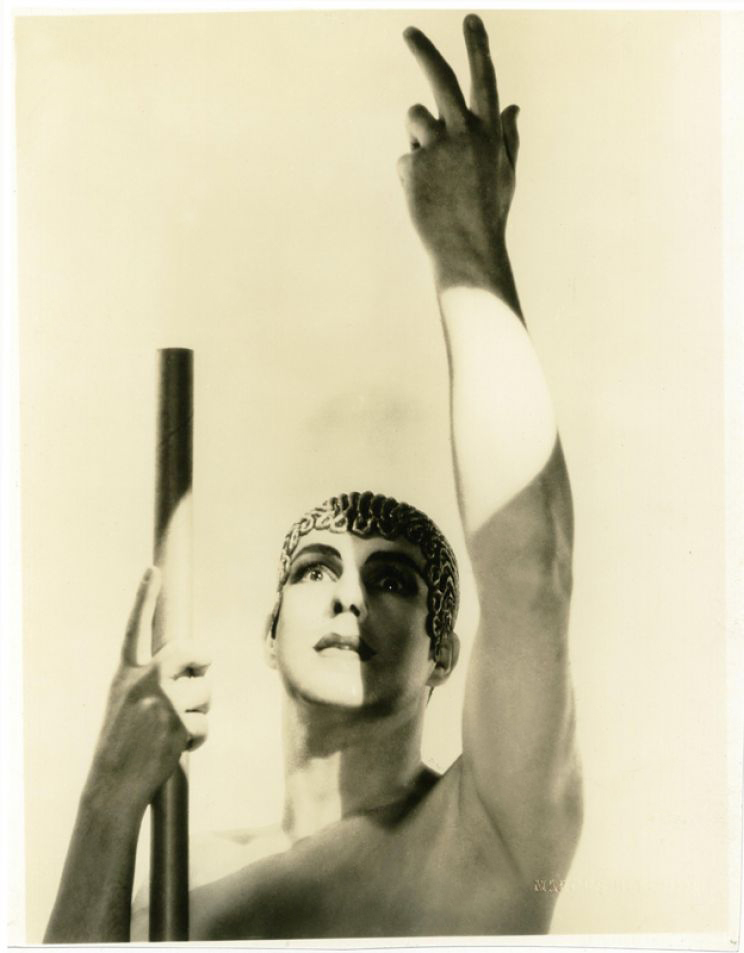
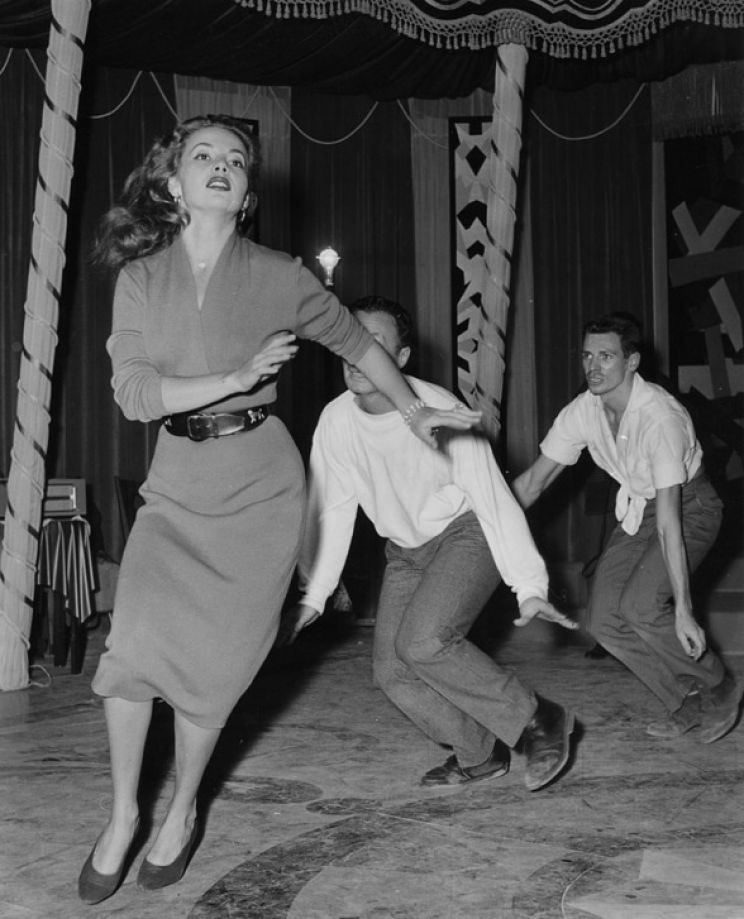
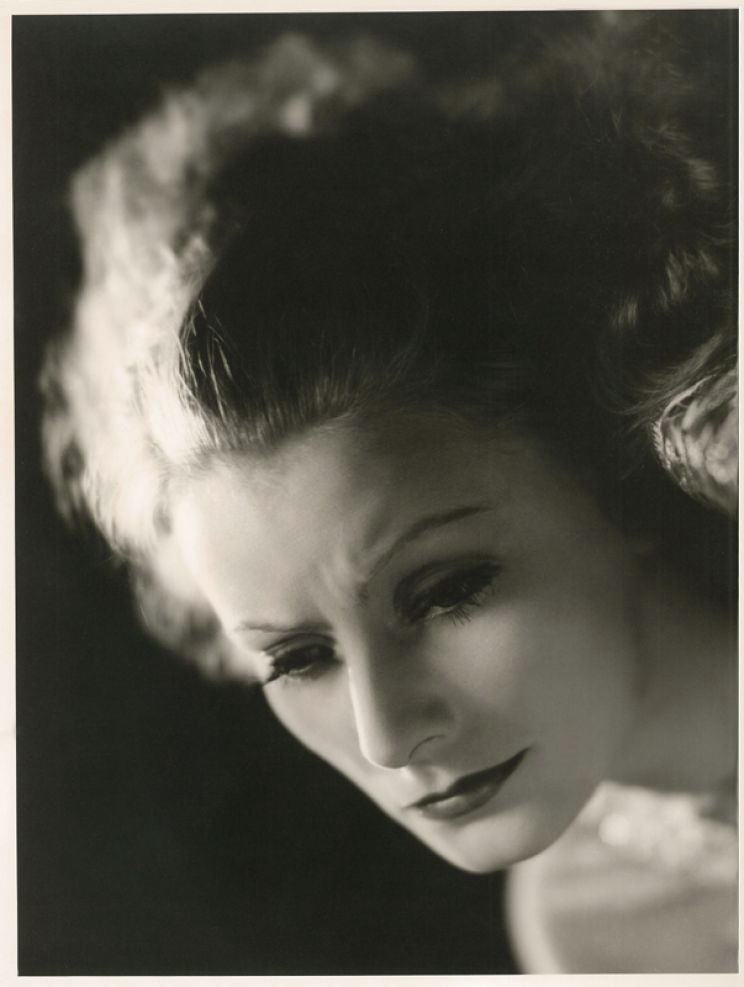
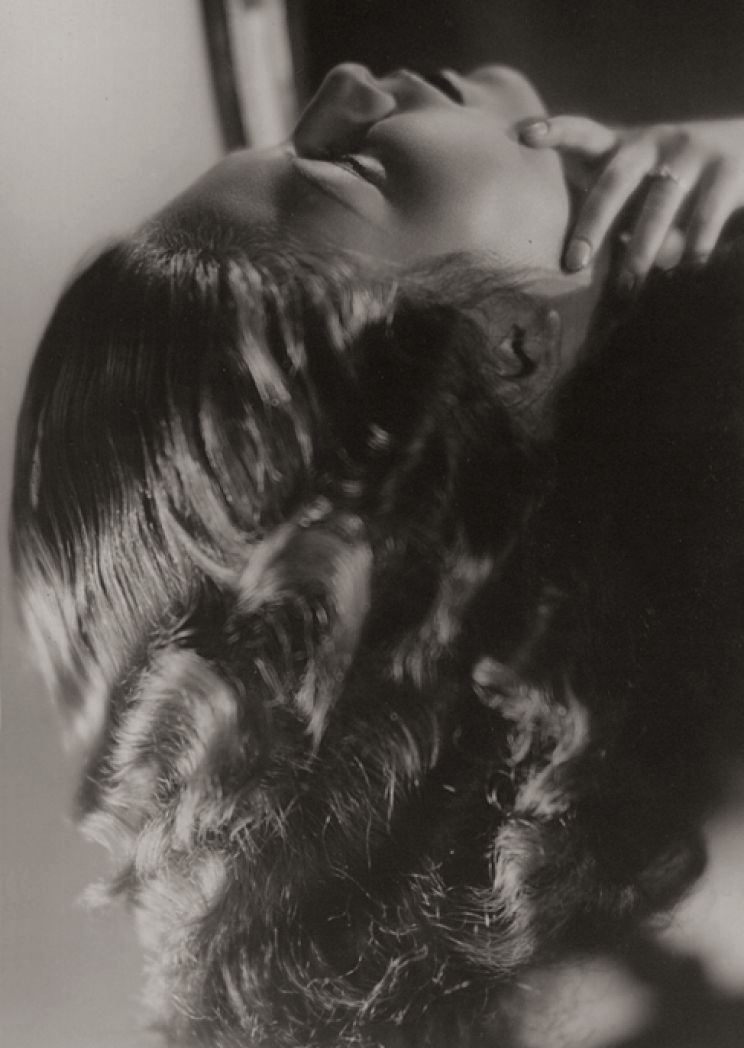
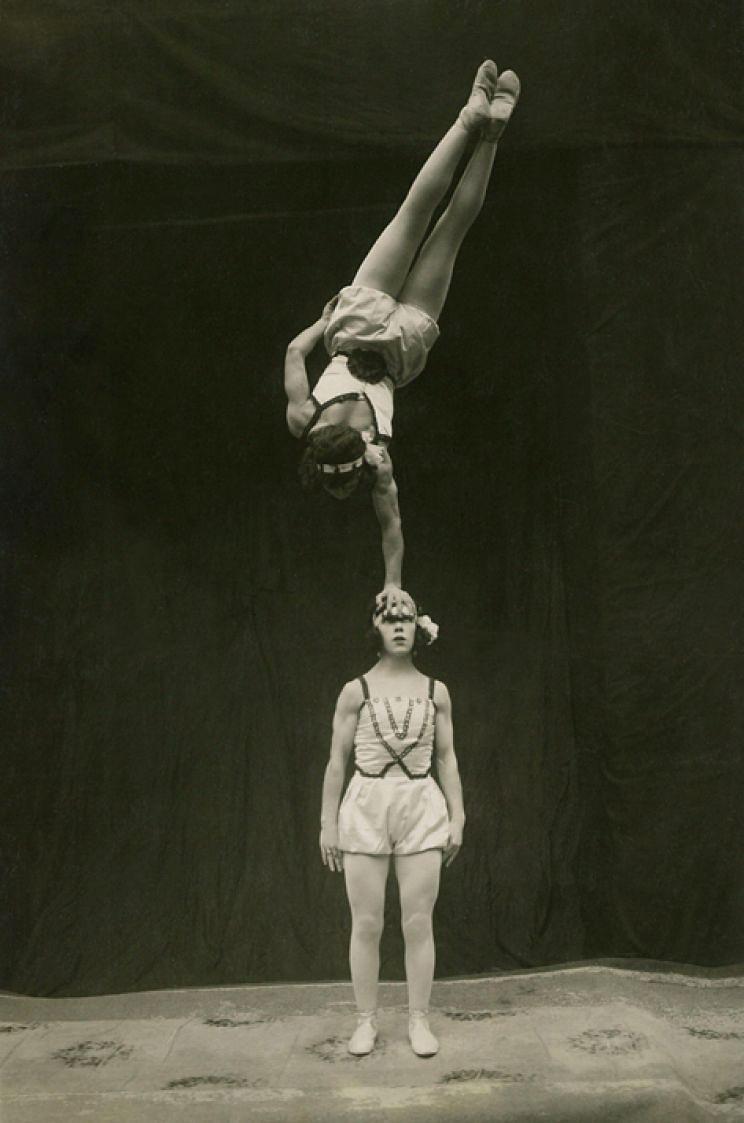
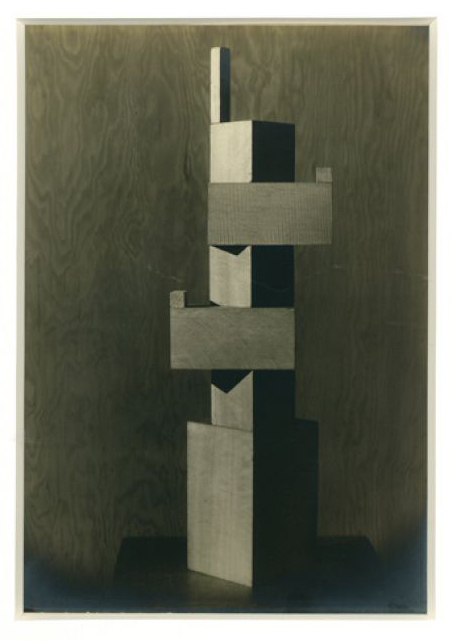

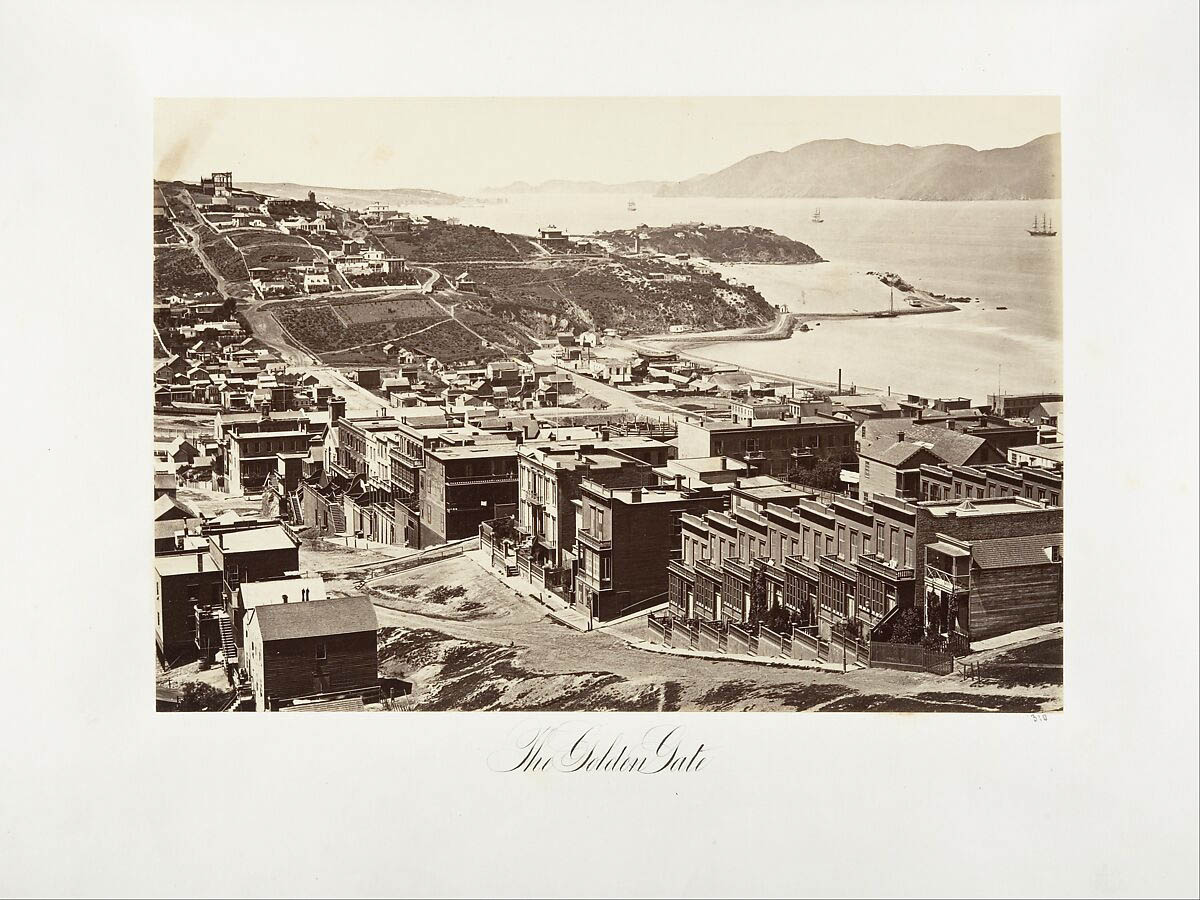


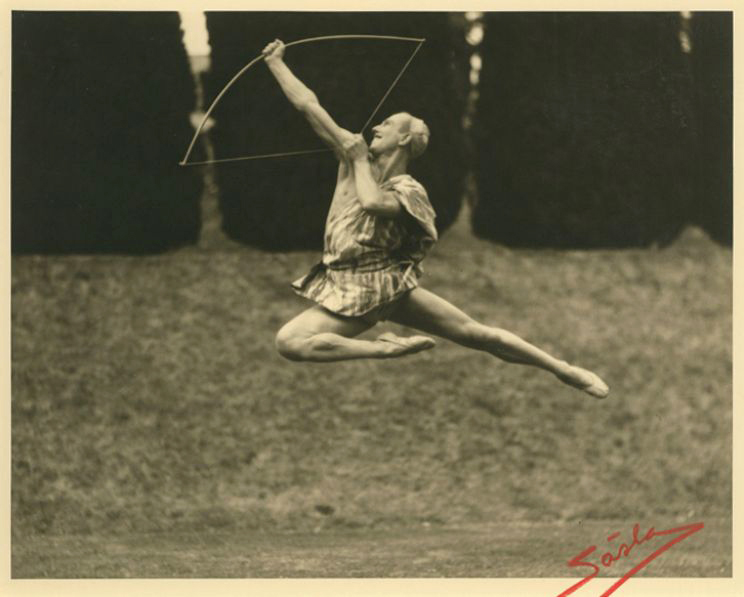
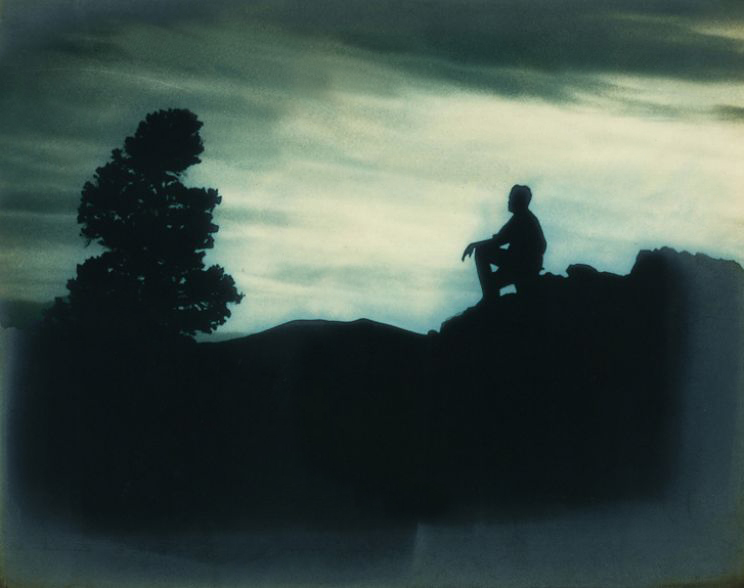
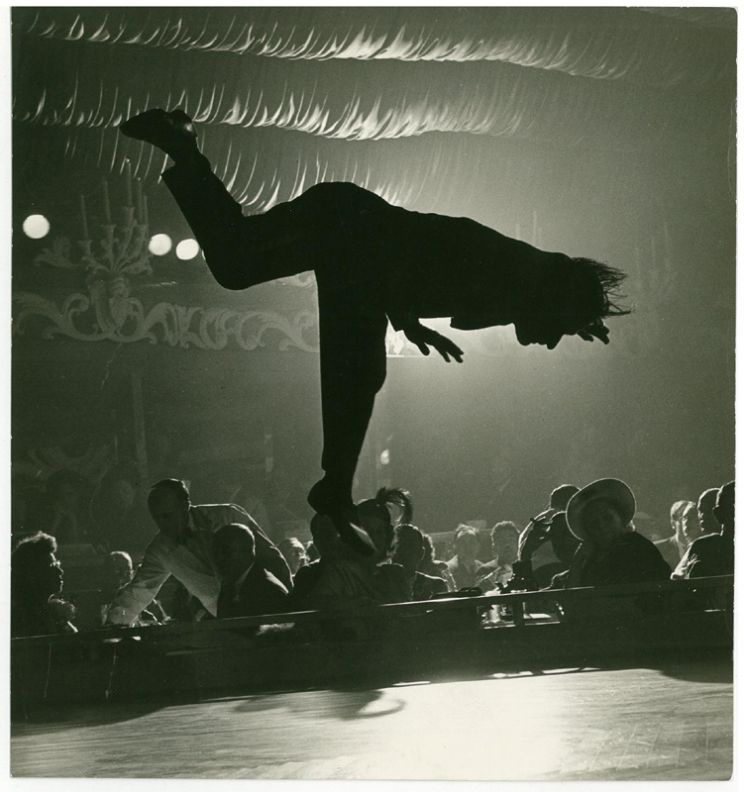
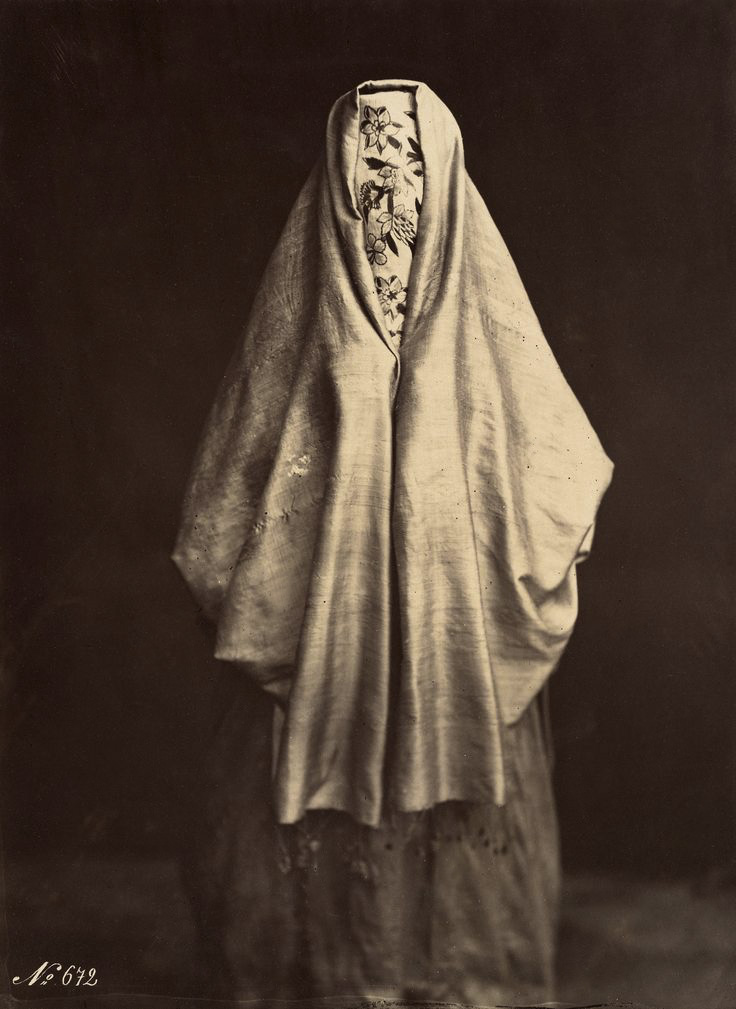
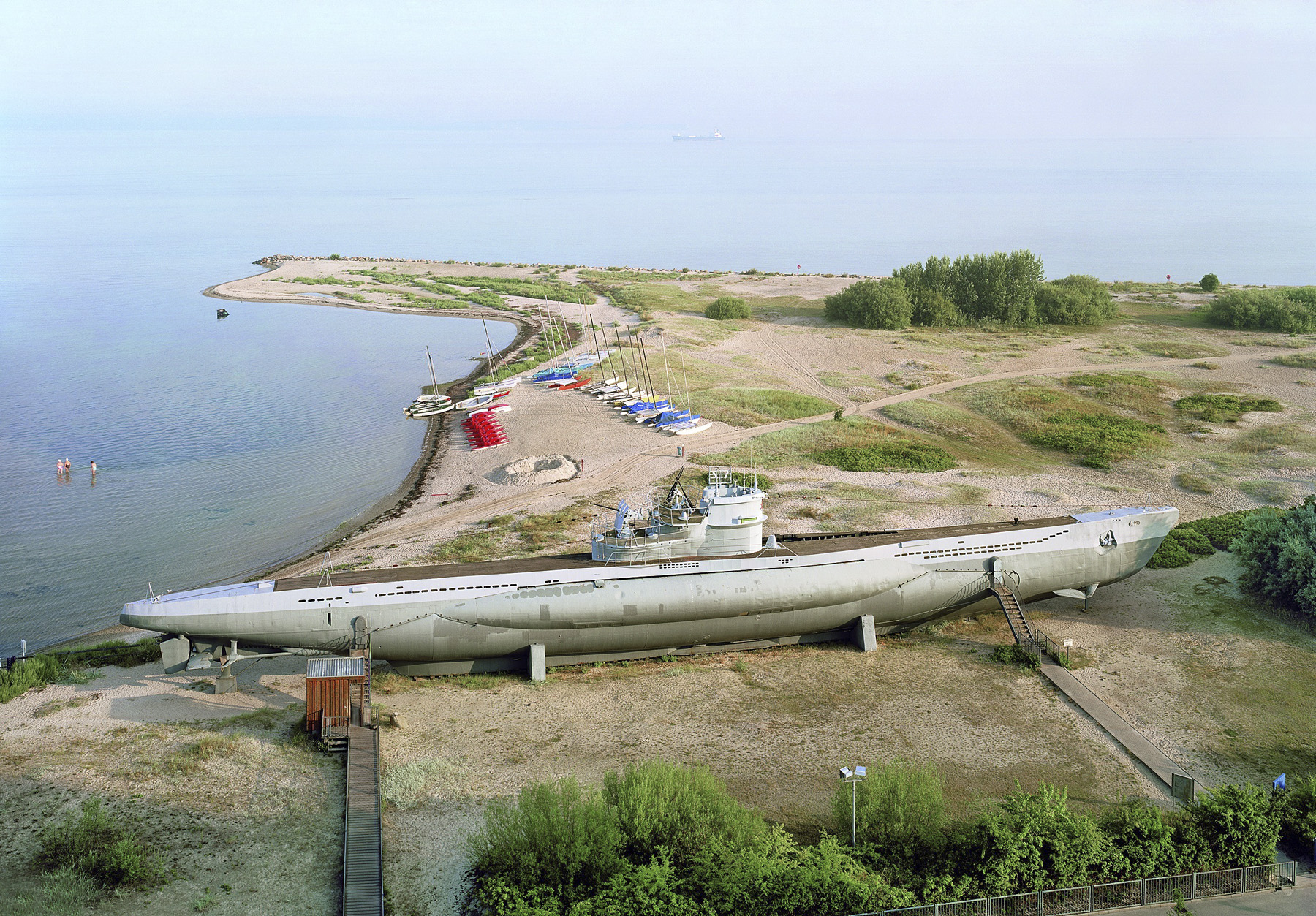
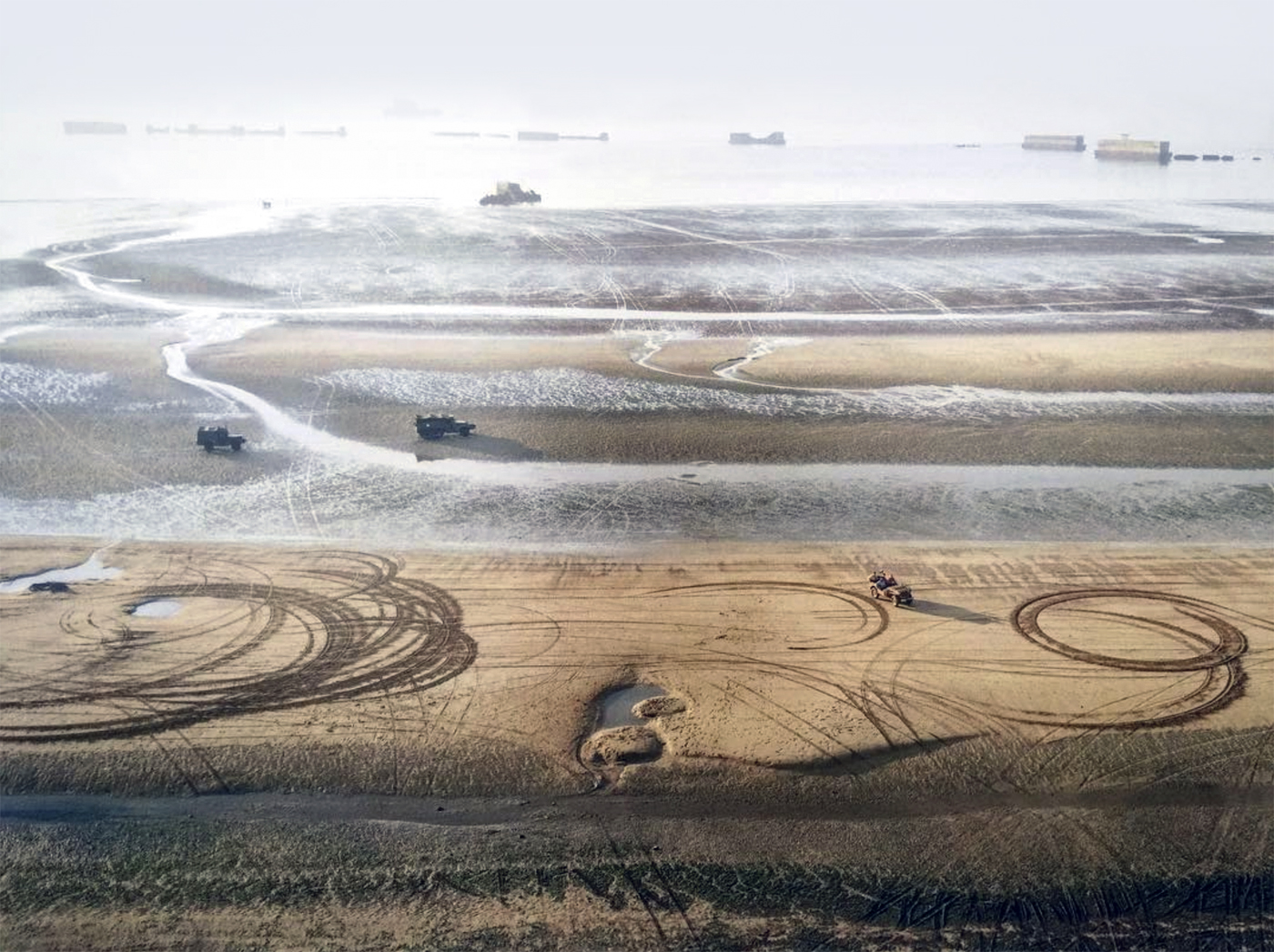
![Laurenz Berges (German, b. 1966) 'Garzweiler' [surface mine] 2003 from the exhibition 'presentation/representation: photography from Germany' at the Monash Gallery of Art, Melbourne, July - August, 2009](https://artblart.com/wp-content/uploads/2009/08/laurenz-berges-garzweiler-web-1.jpg "Laurenz Berges (German, b. 1966) 'Garzweiler' [surface mine] 2003 from the exhibition 'presentation/representation: photography from Germany' at the Monash Gallery of Art, Melbourne, July - August, 2009")
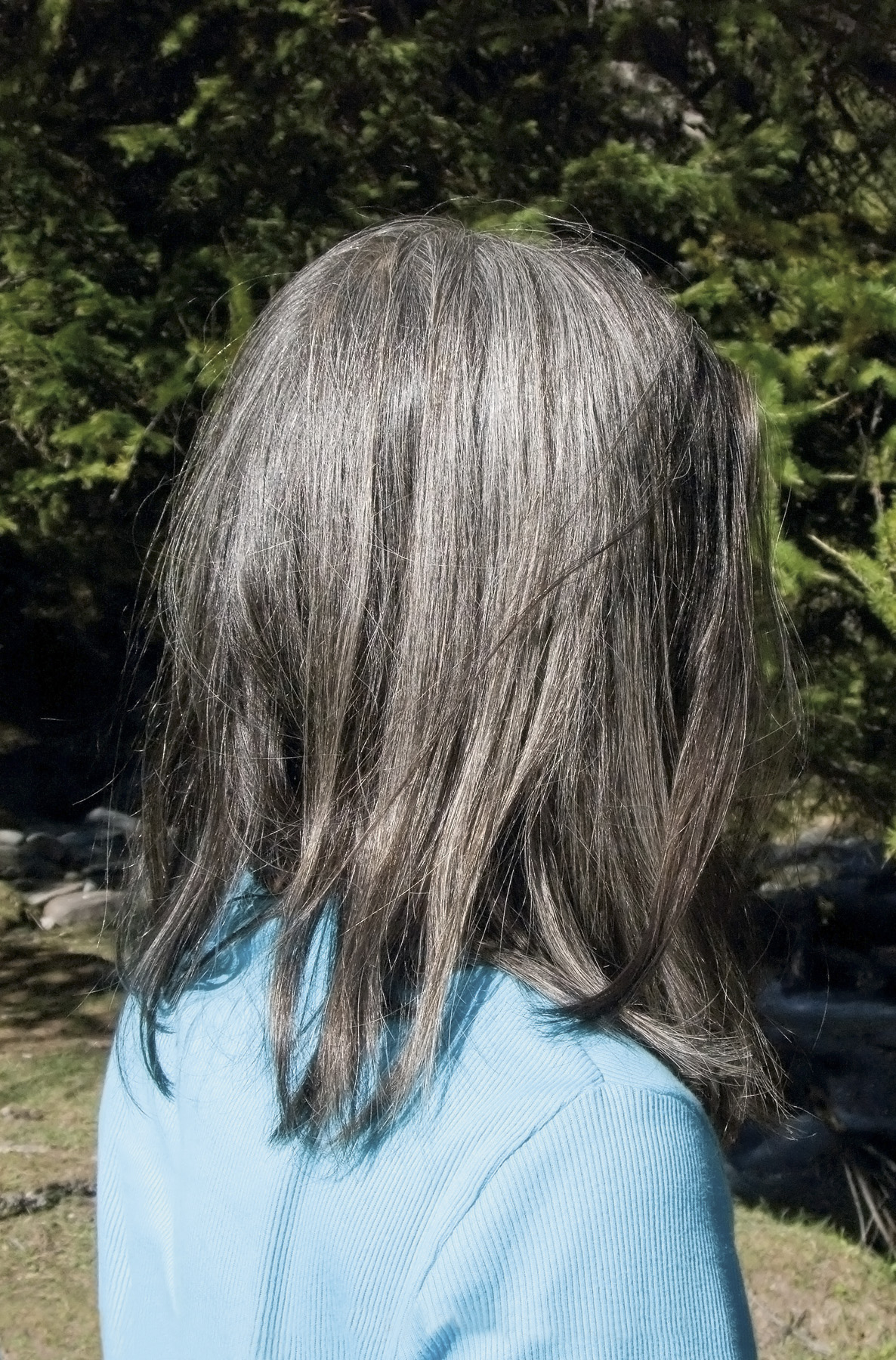
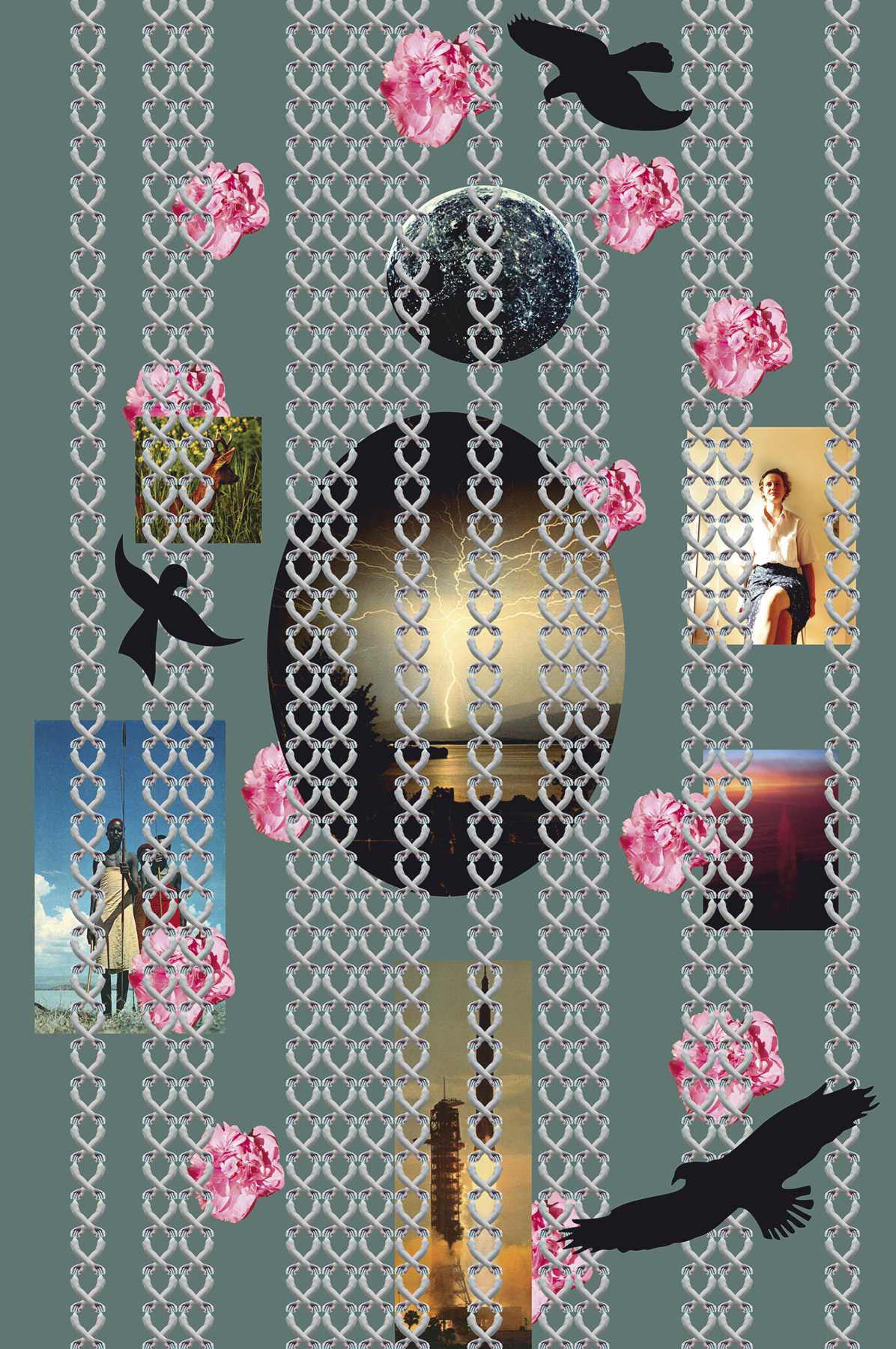
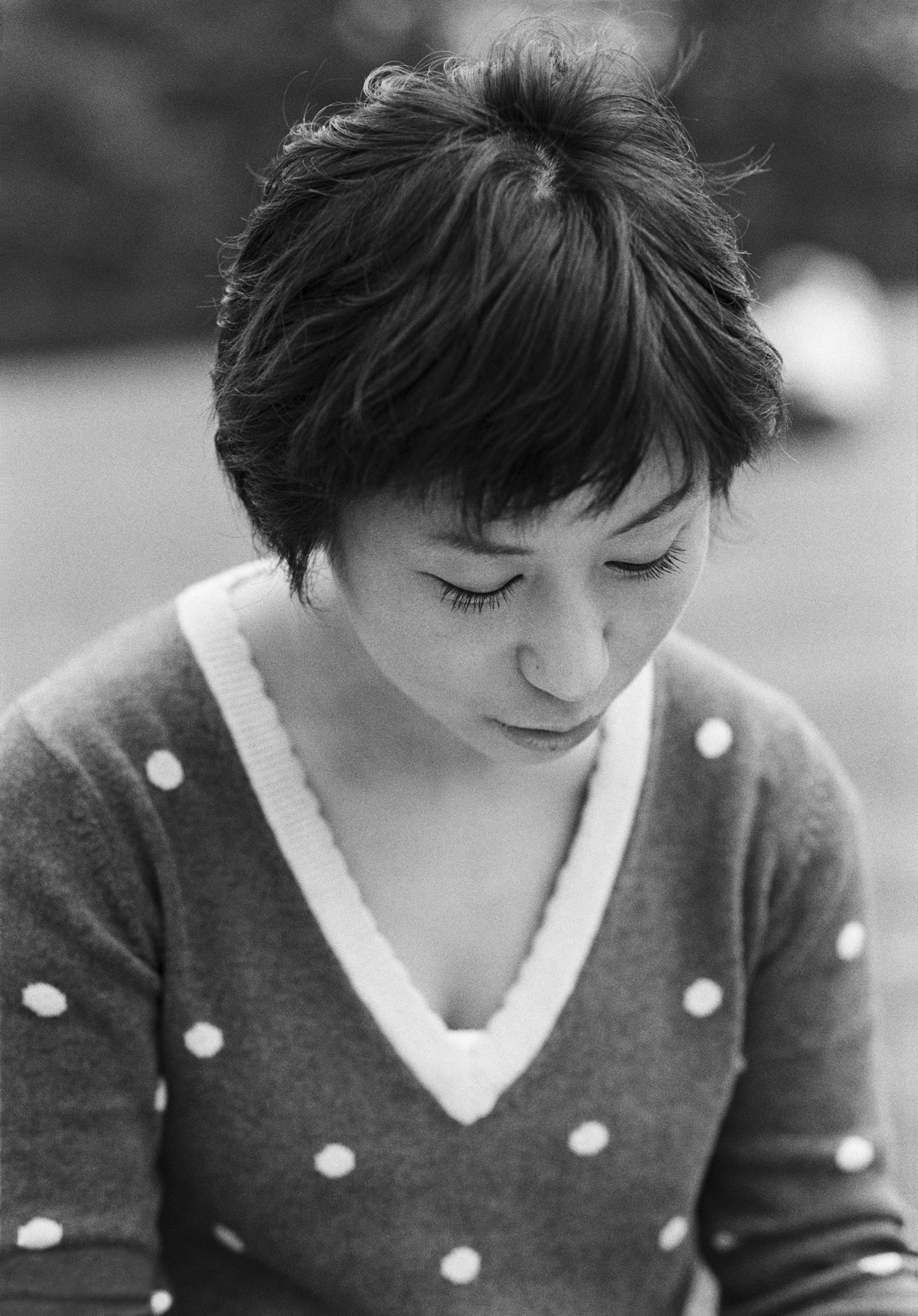
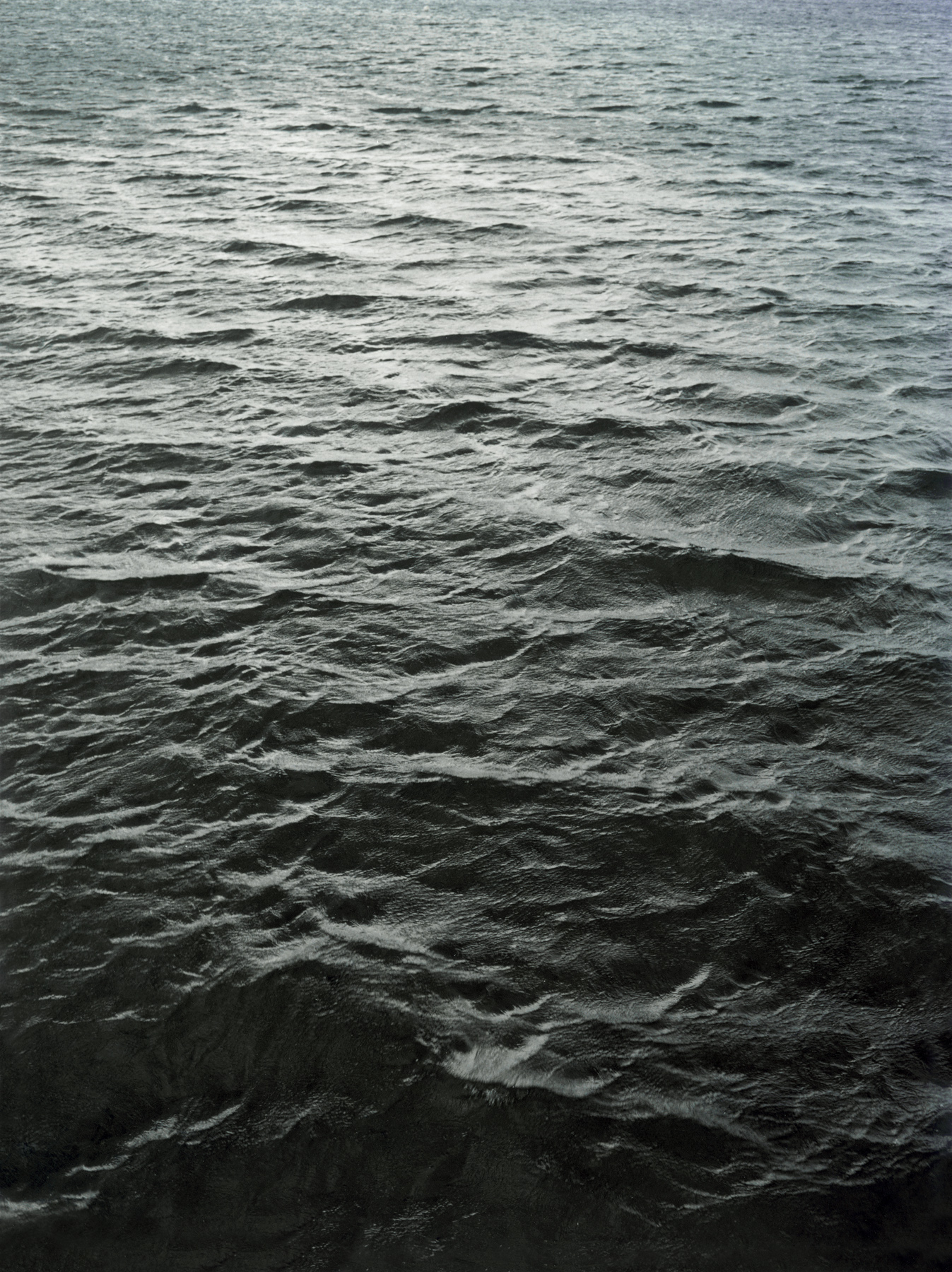
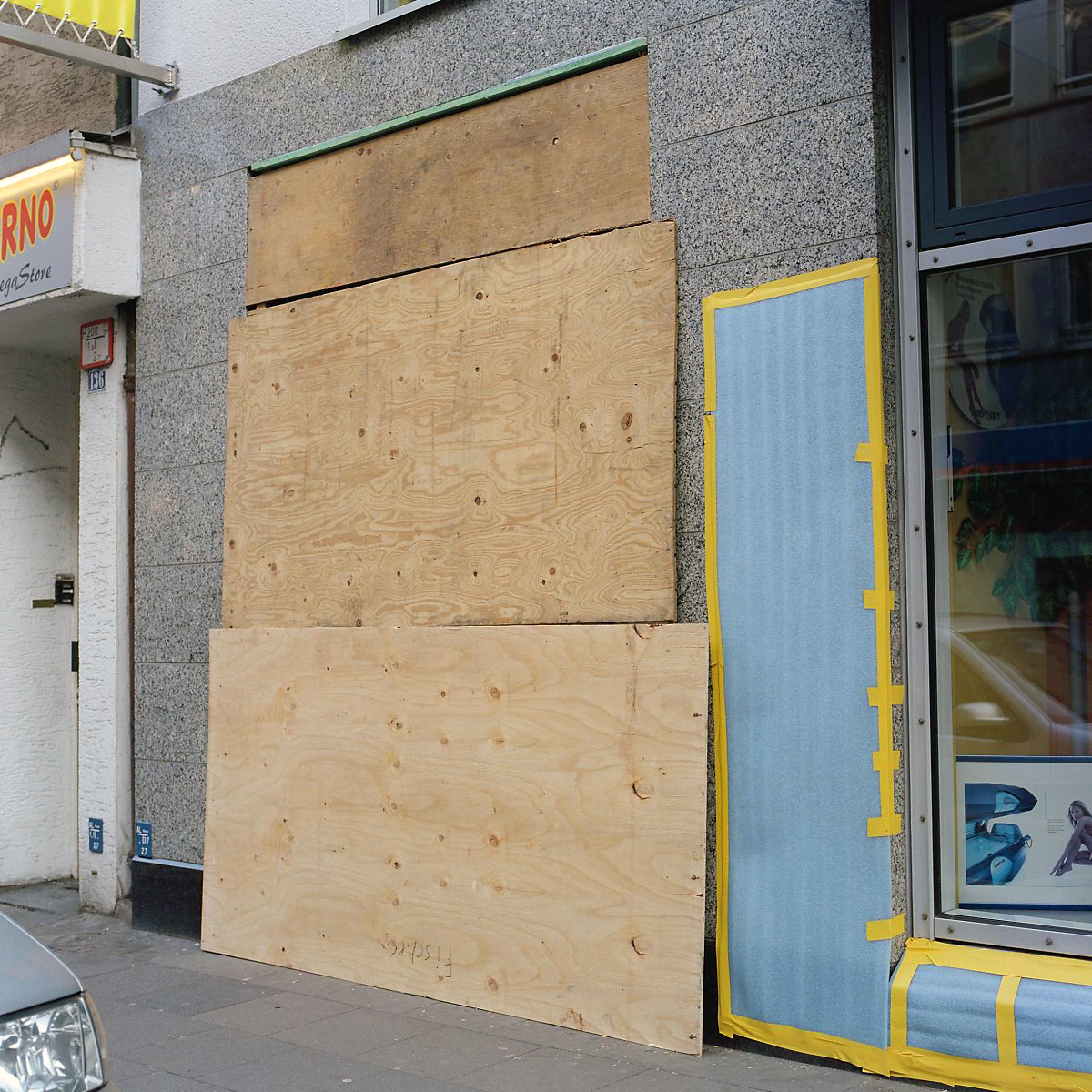
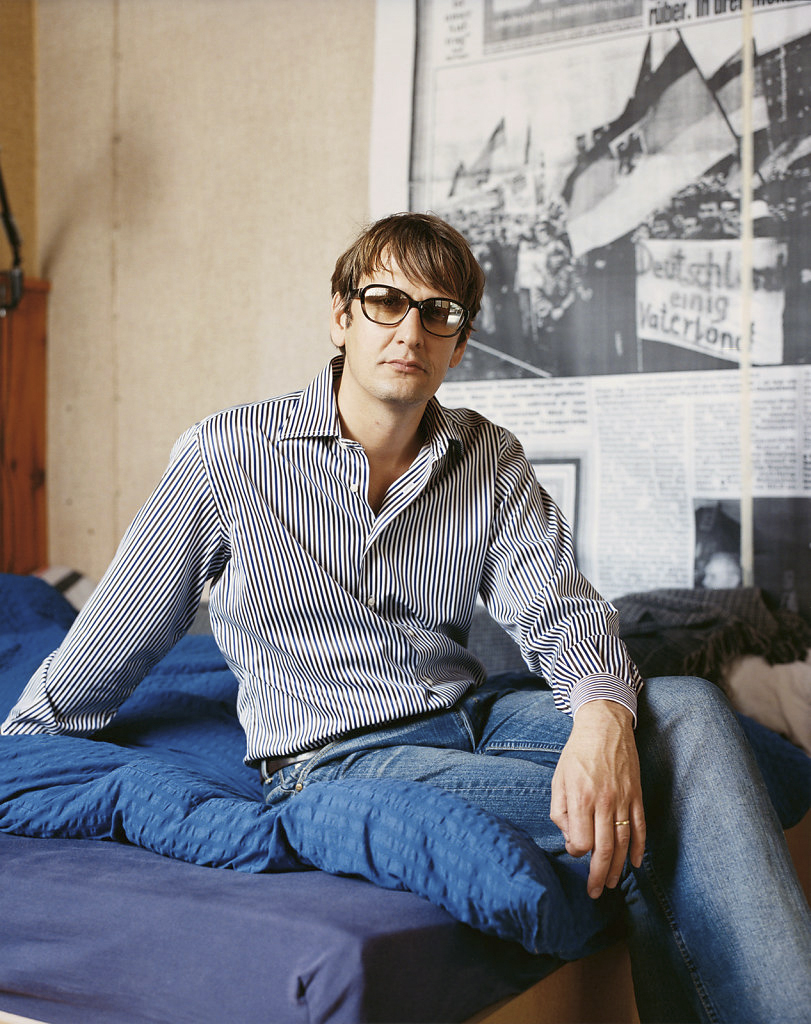


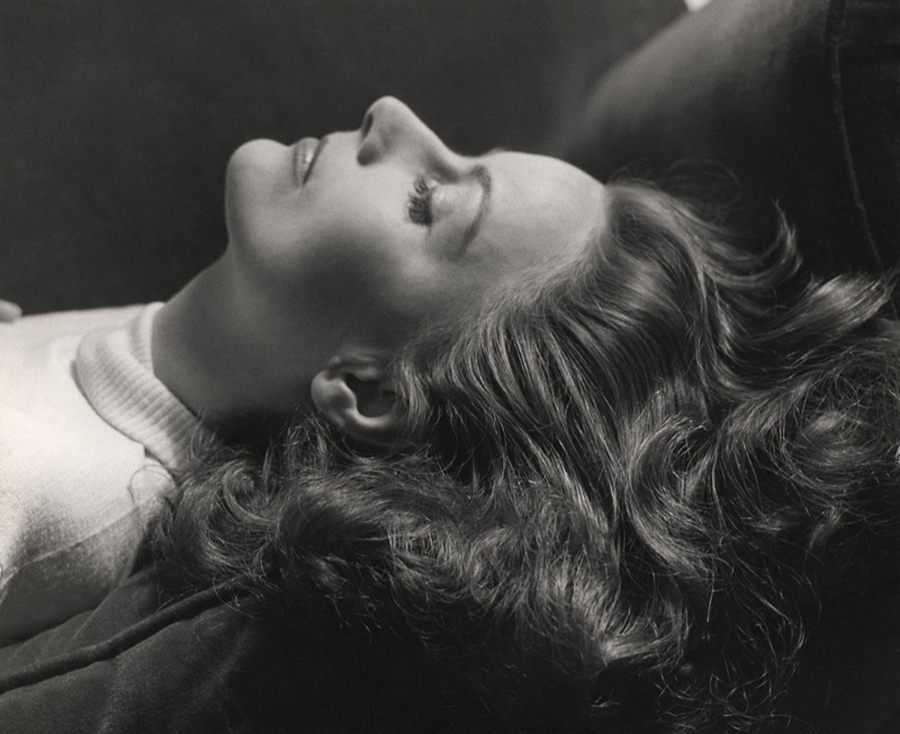

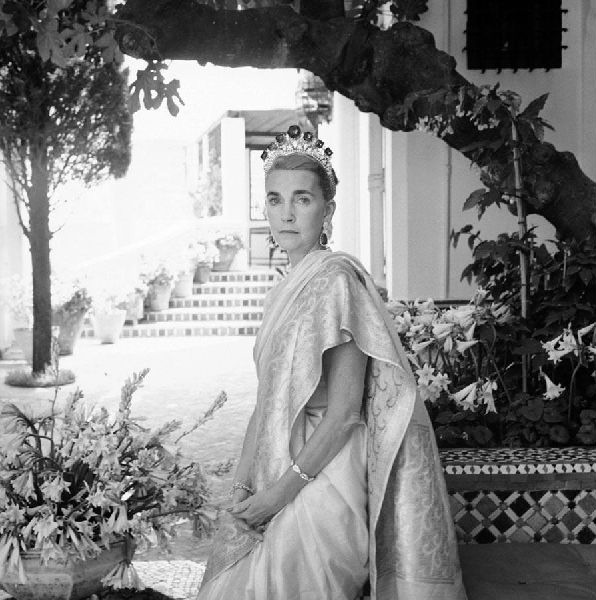
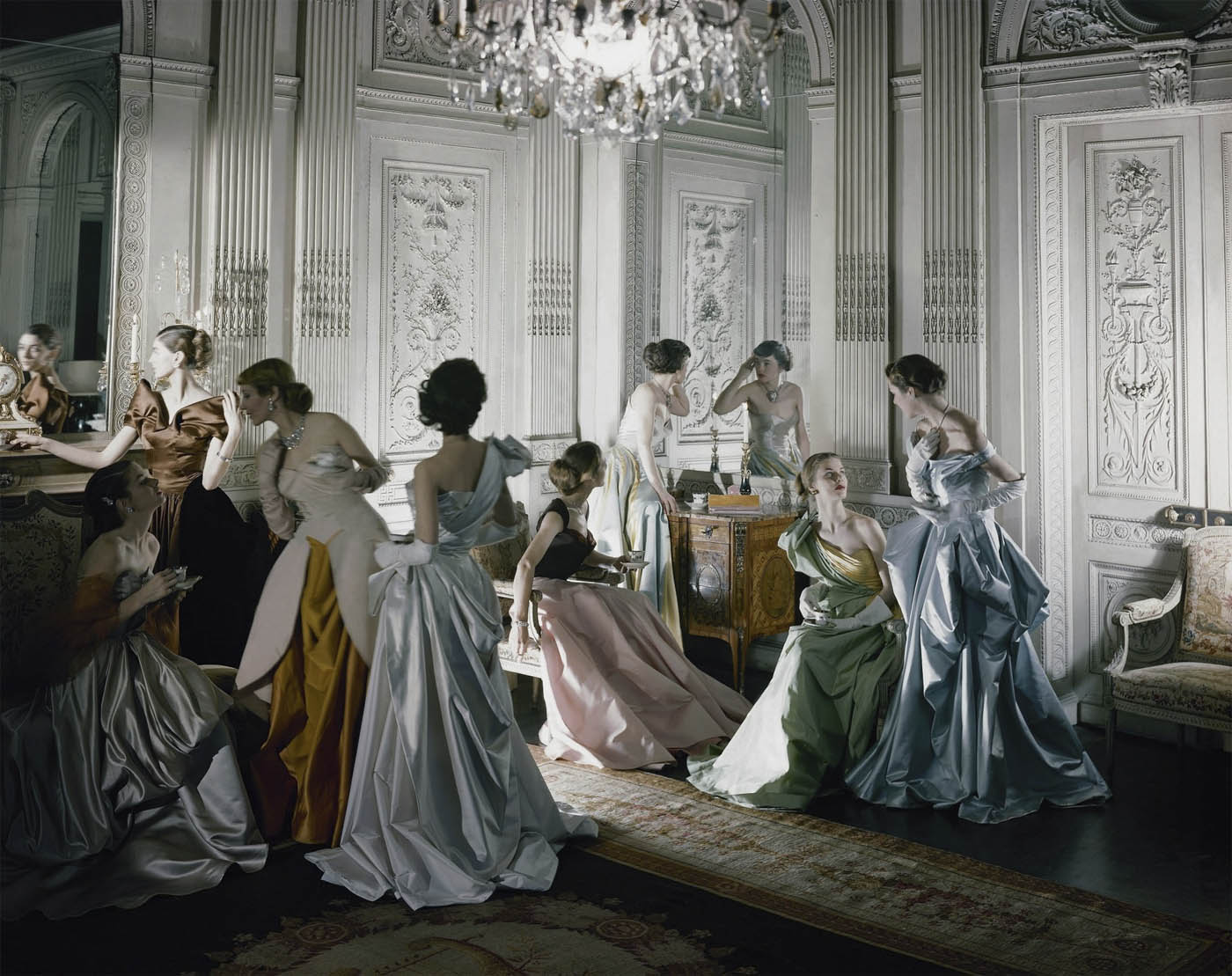
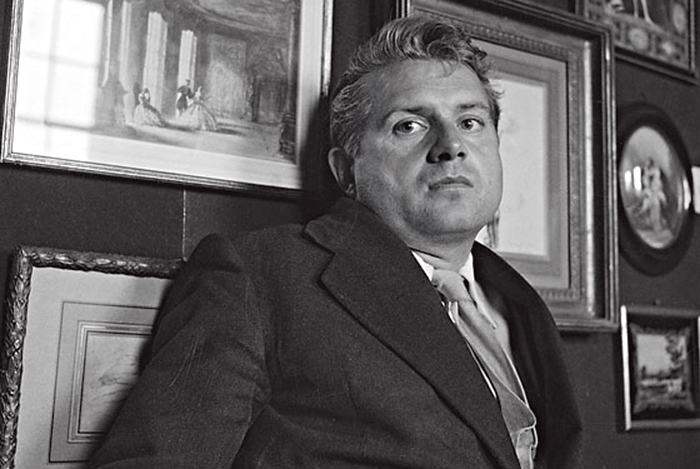
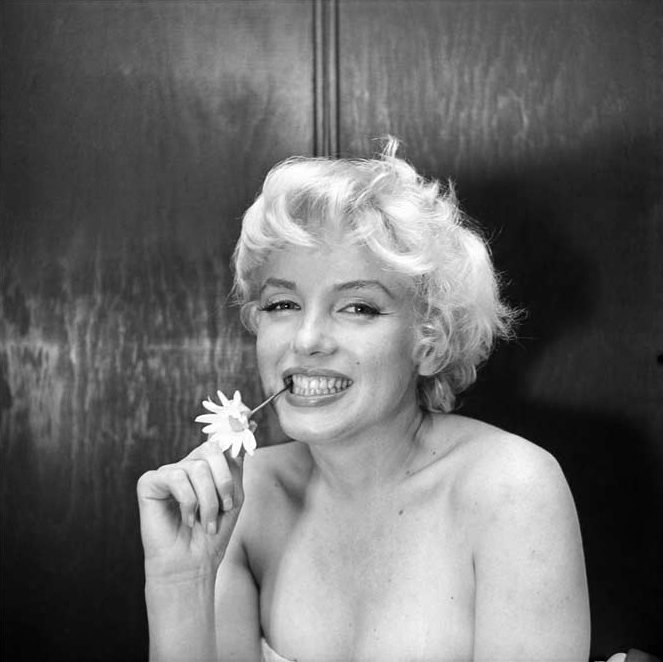

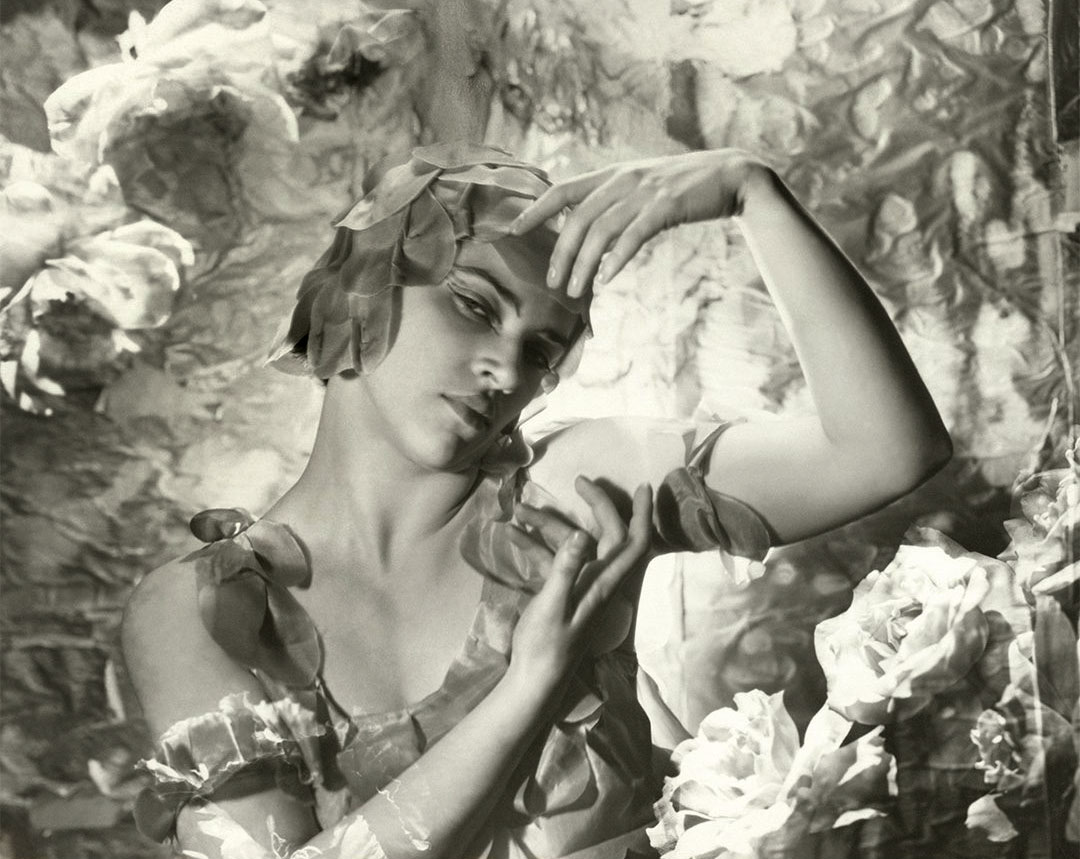


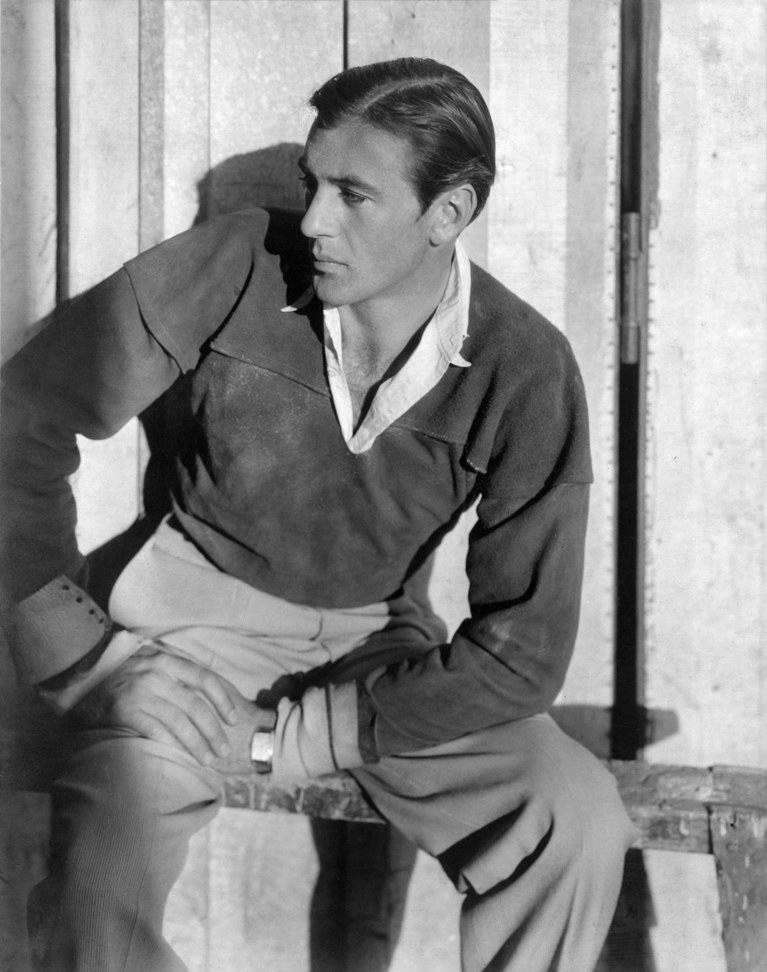

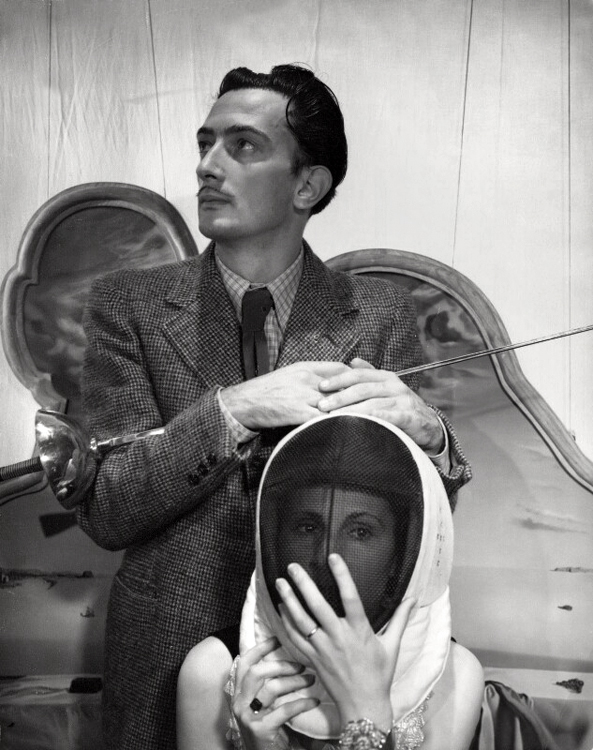


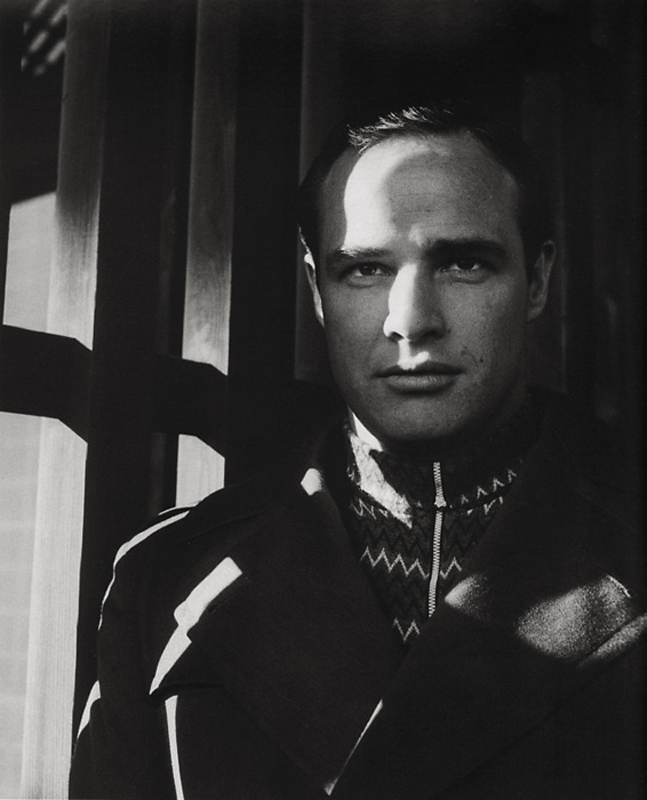
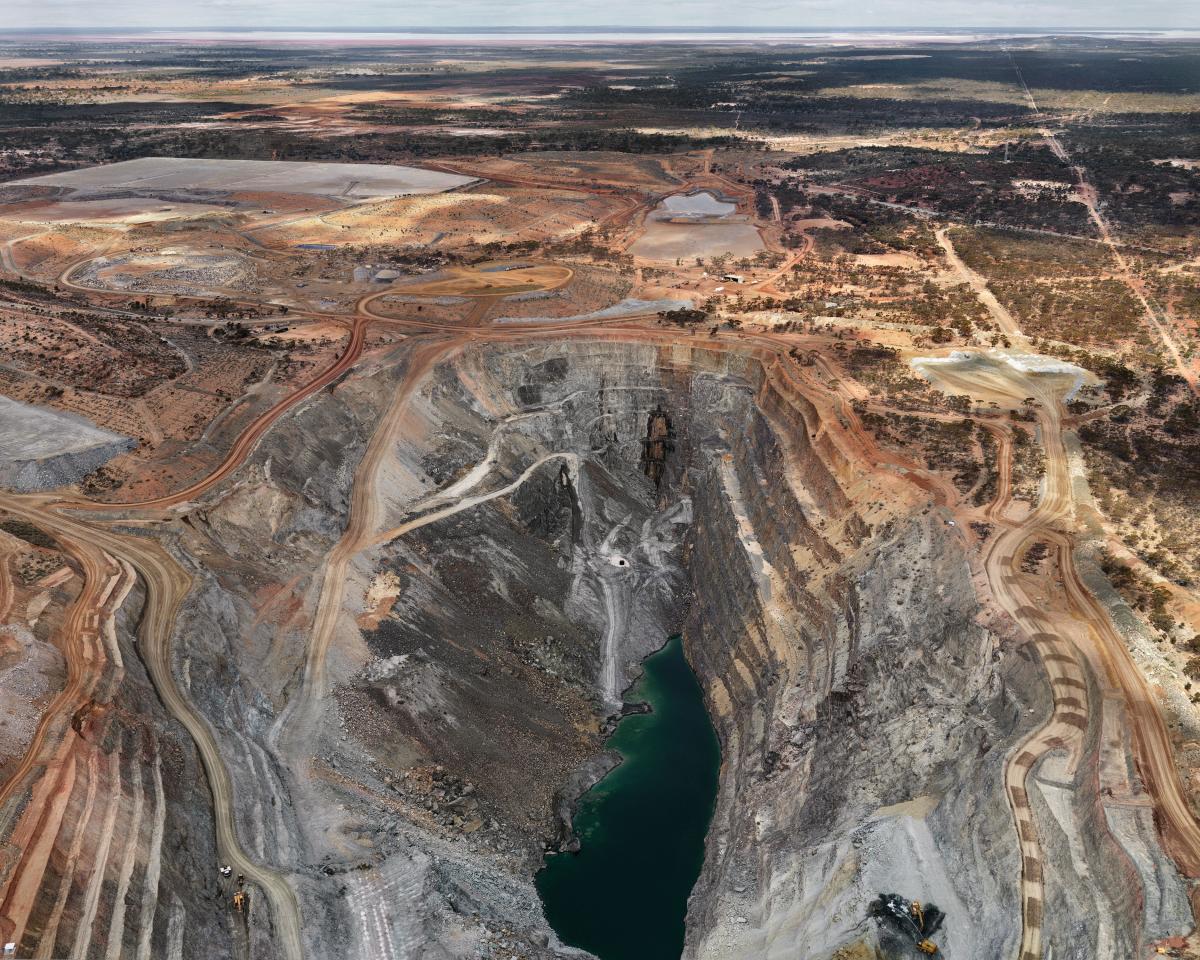
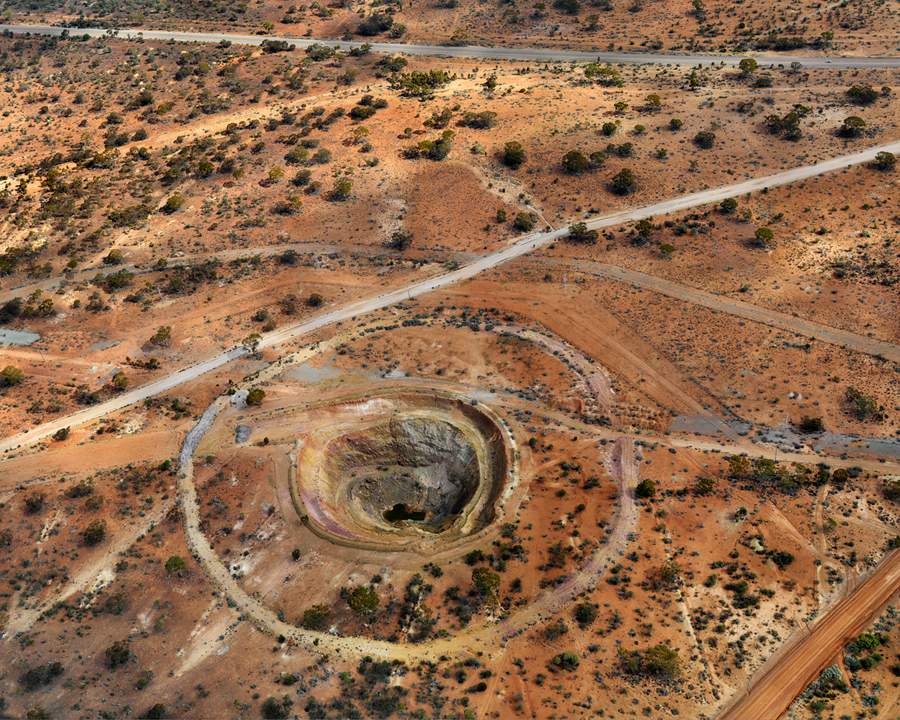

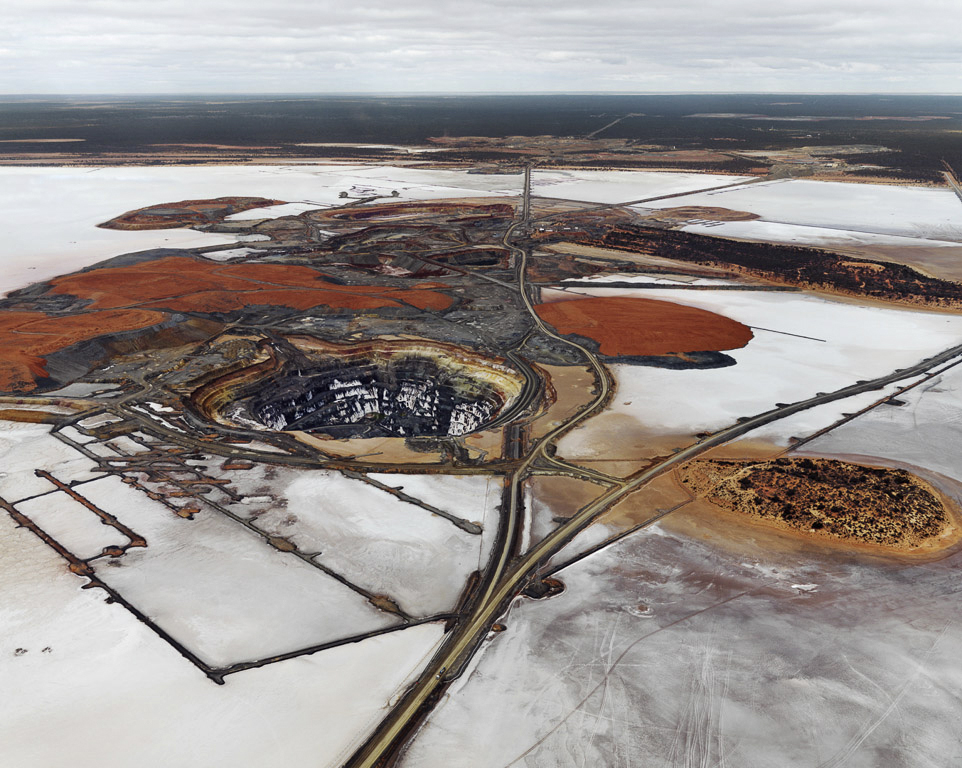
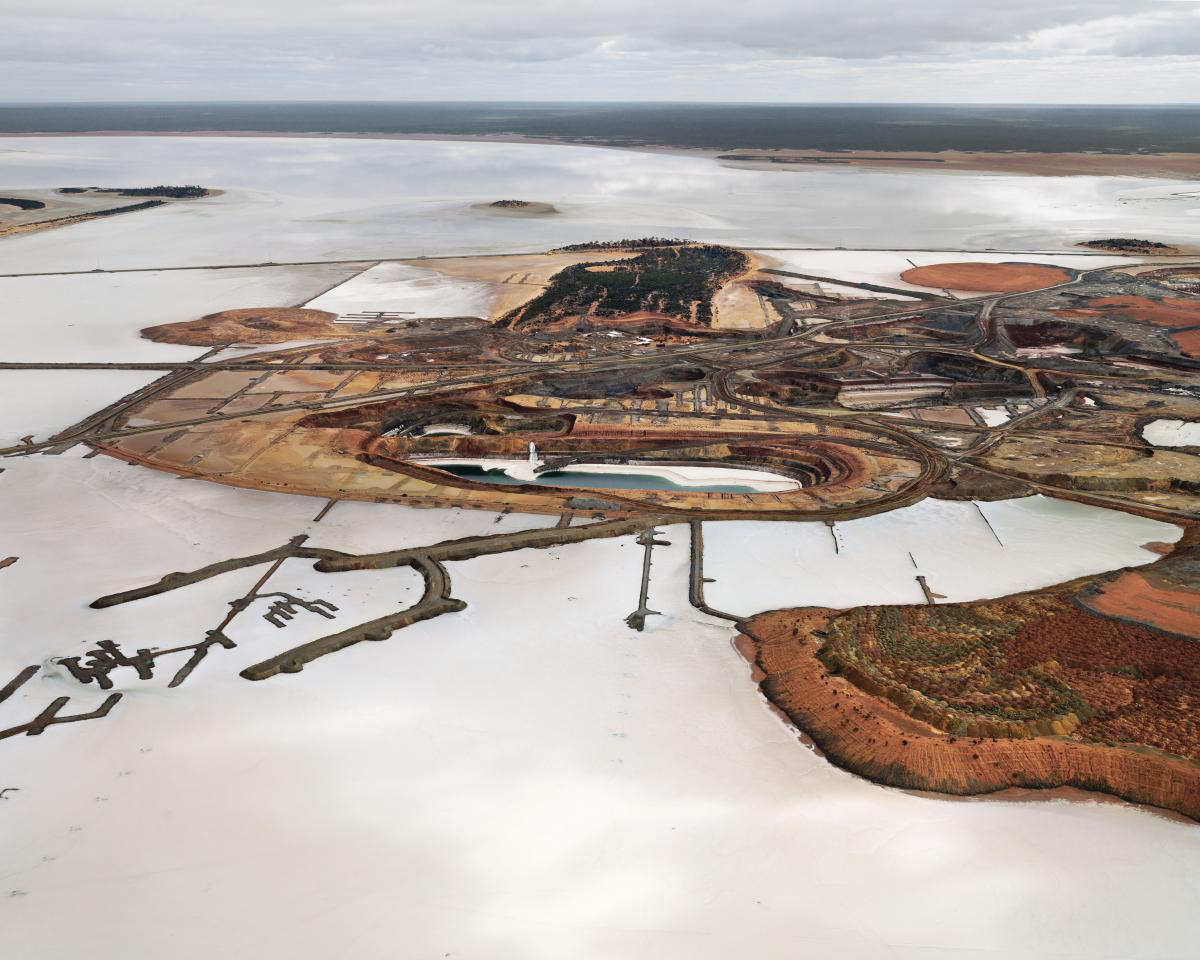


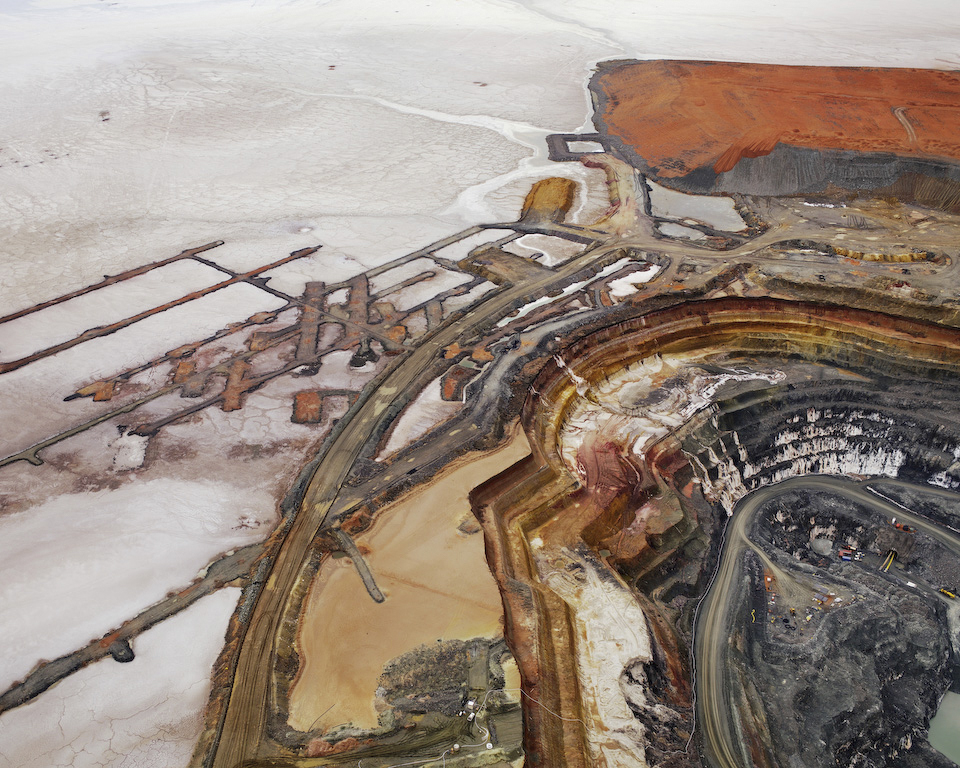
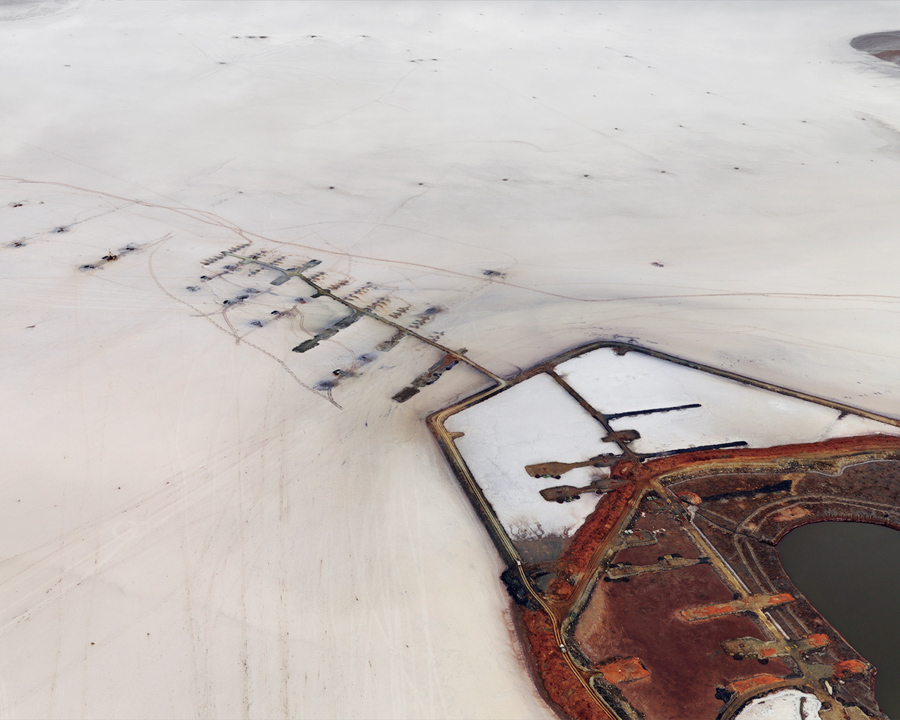

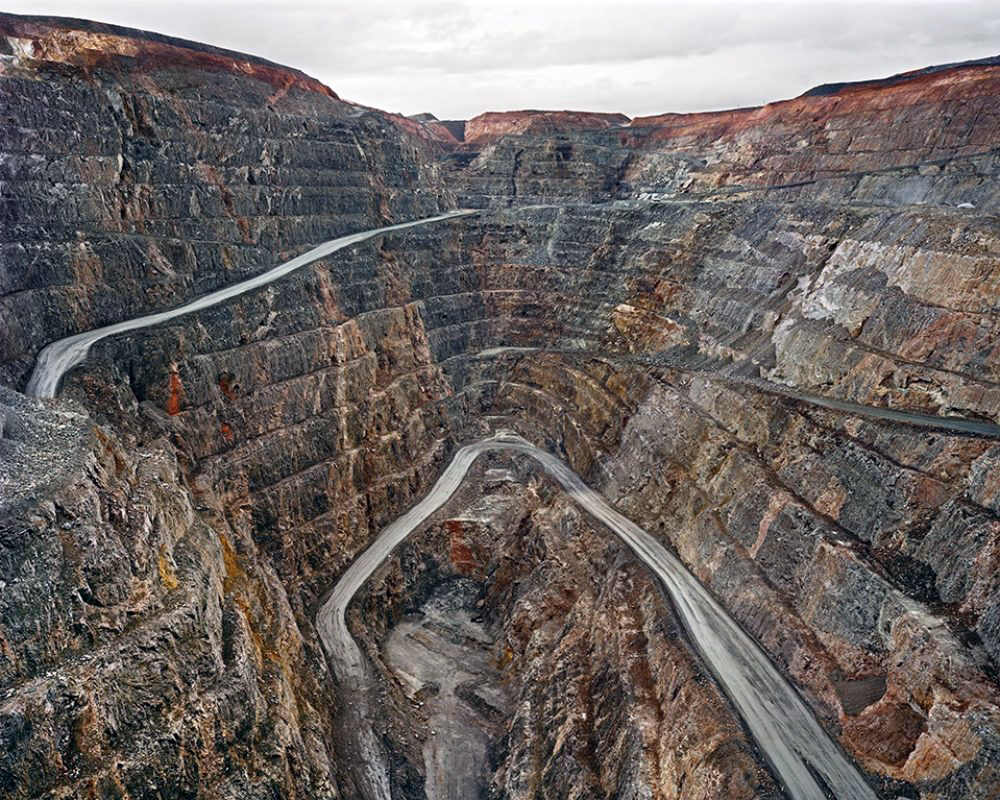


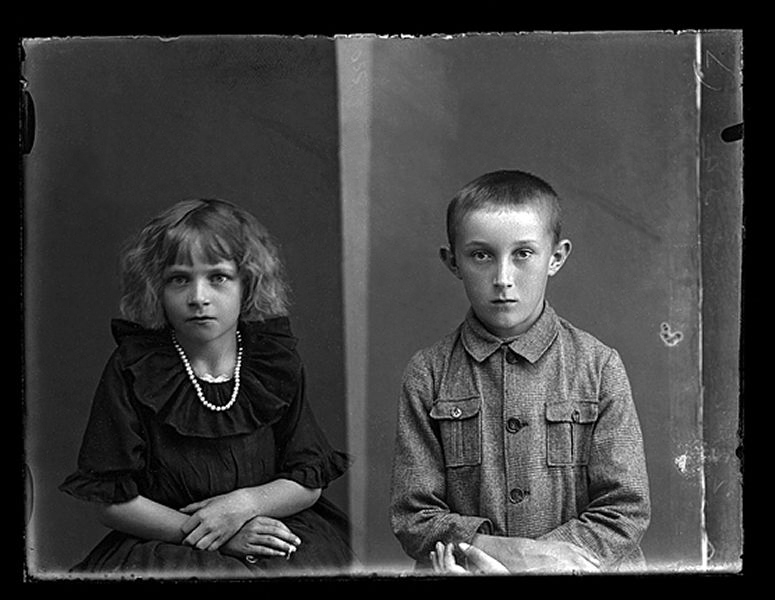
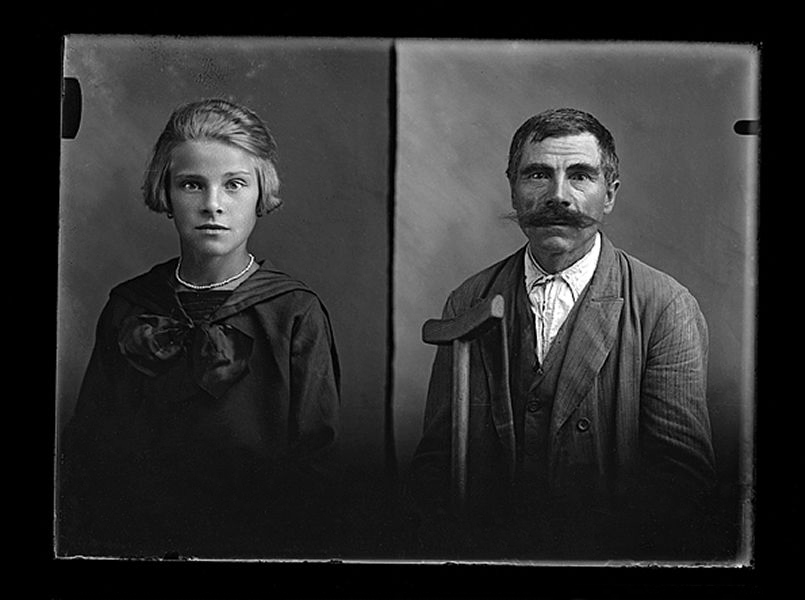

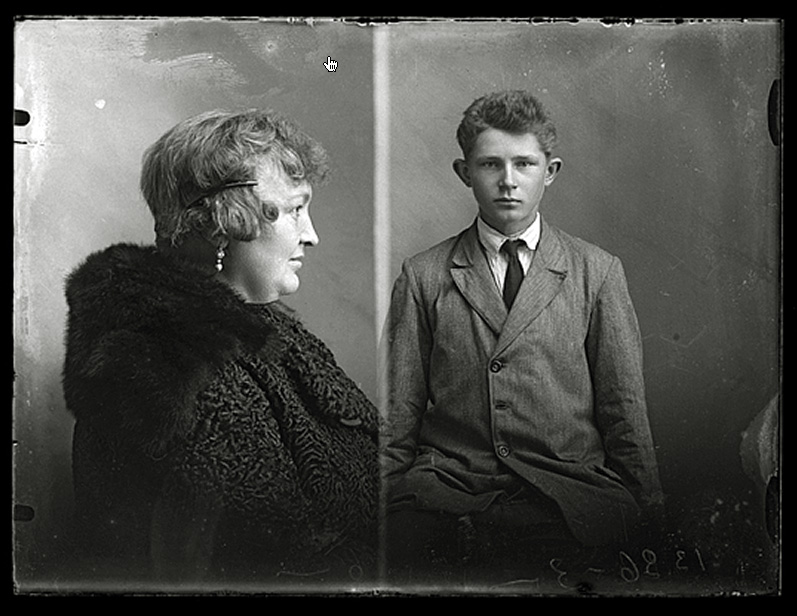
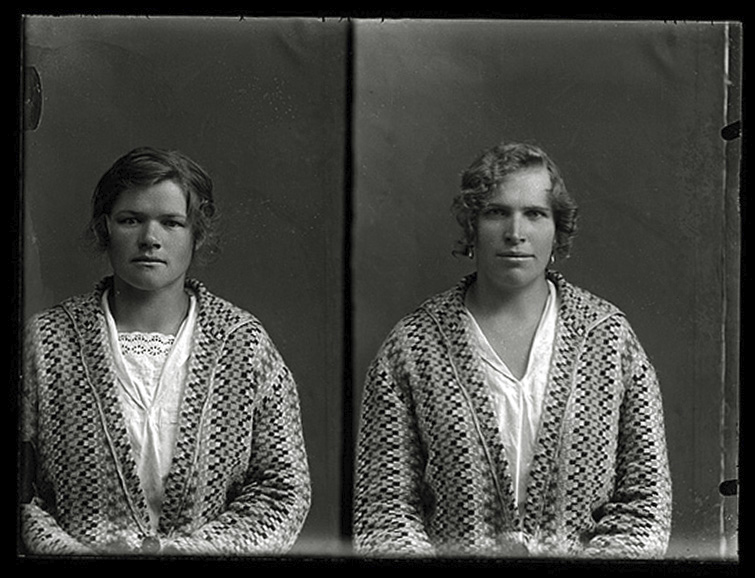
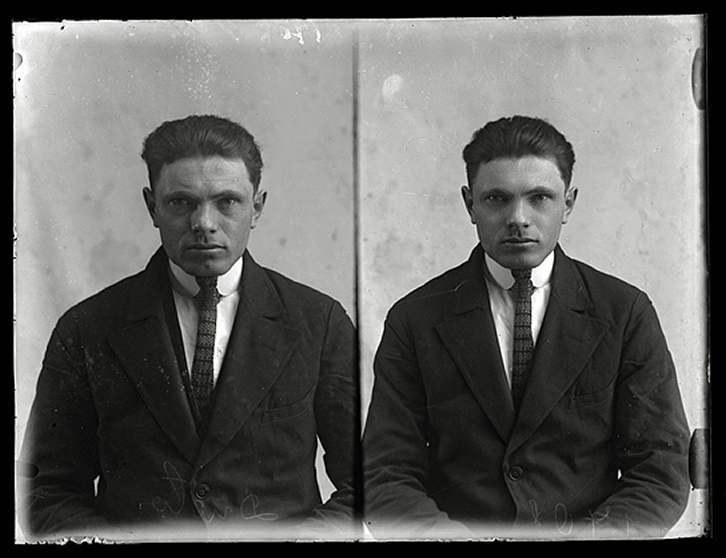

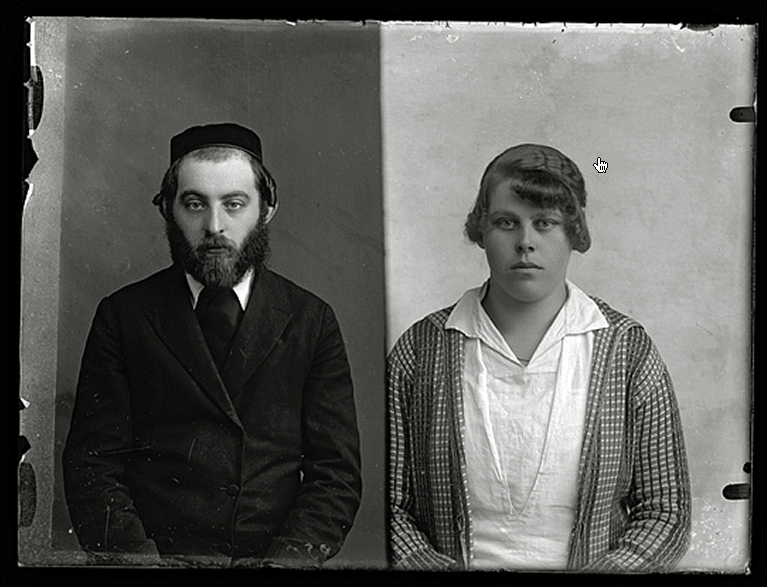


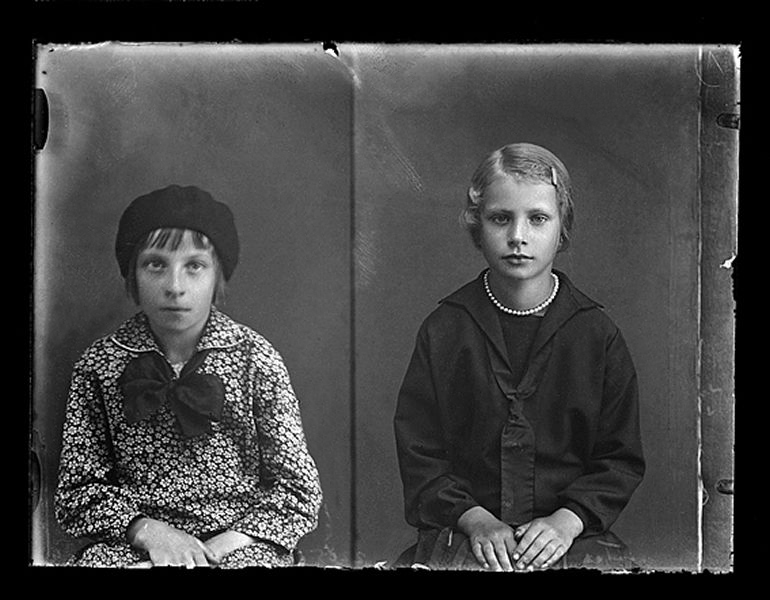
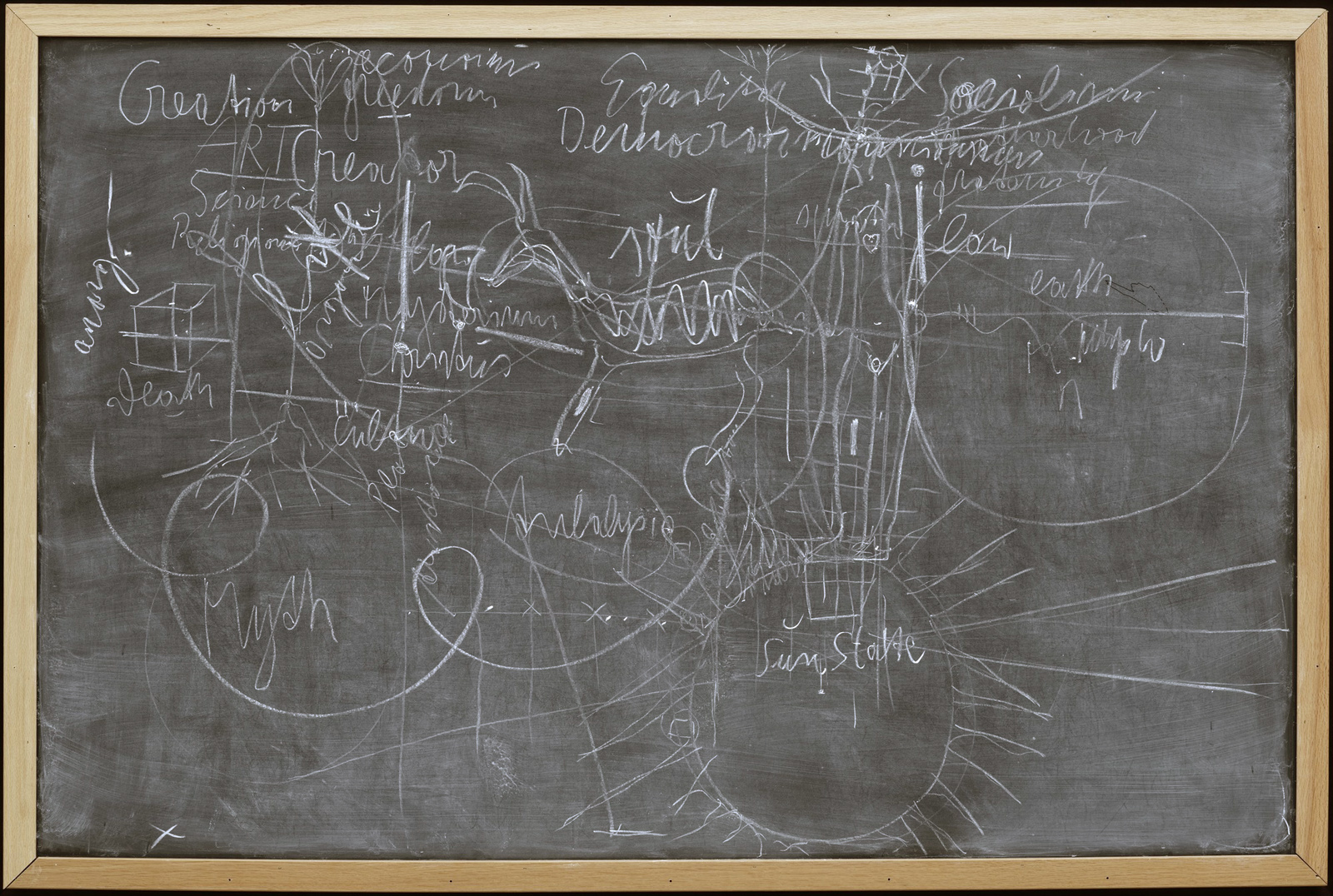
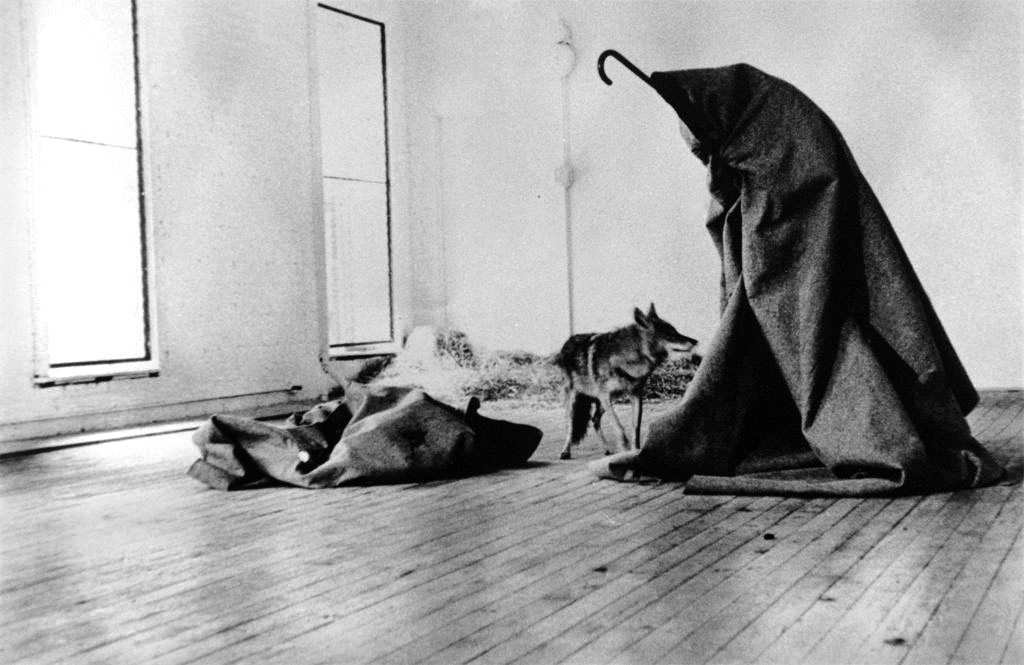

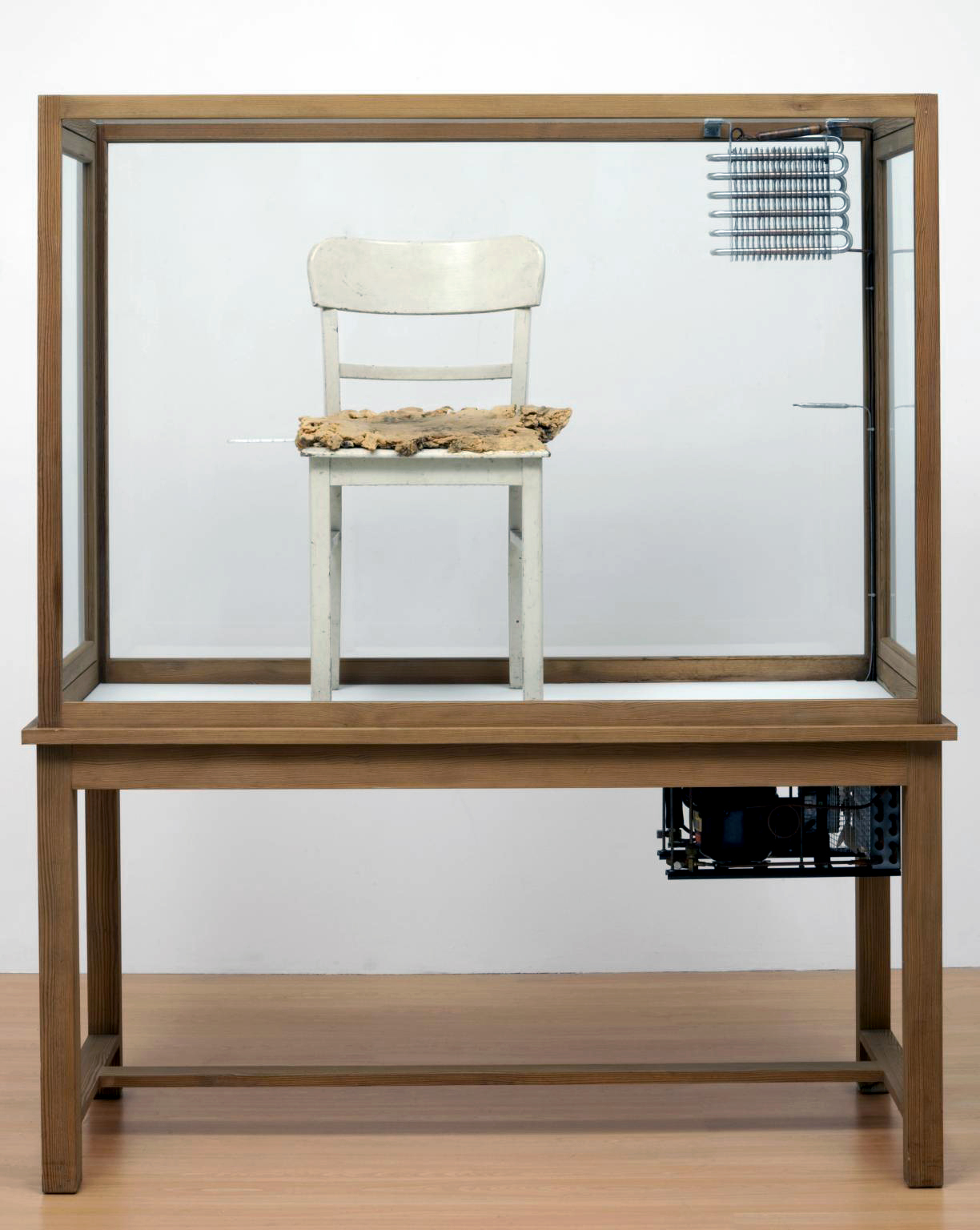
![Joseph Beuys (German, 1921-1986) 'Entwurf für ein Filzenvironment [Model for a Felt Environment]' 1964](https://artblart.com/wp-content/uploads/2009/07/beuys-filzenvironment-web.jpg "Joseph Beuys (German, 1921-1986) 'Entwurf für ein Filzenvironment [Model for a Felt Environment]' 1964")
![Joseph Beuys. 'Fettecke (Prozess) [Fat Corner (Process)]' 1968](https://artblart.com/wp-content/uploads/2009/07/beuys-fettecke-web.jpg)

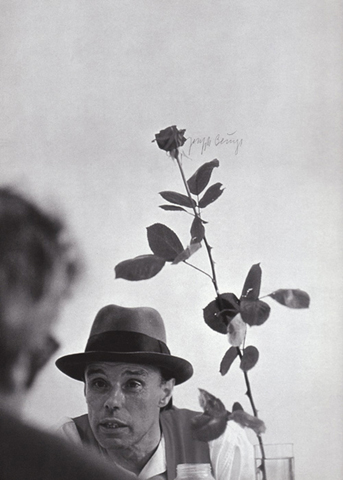
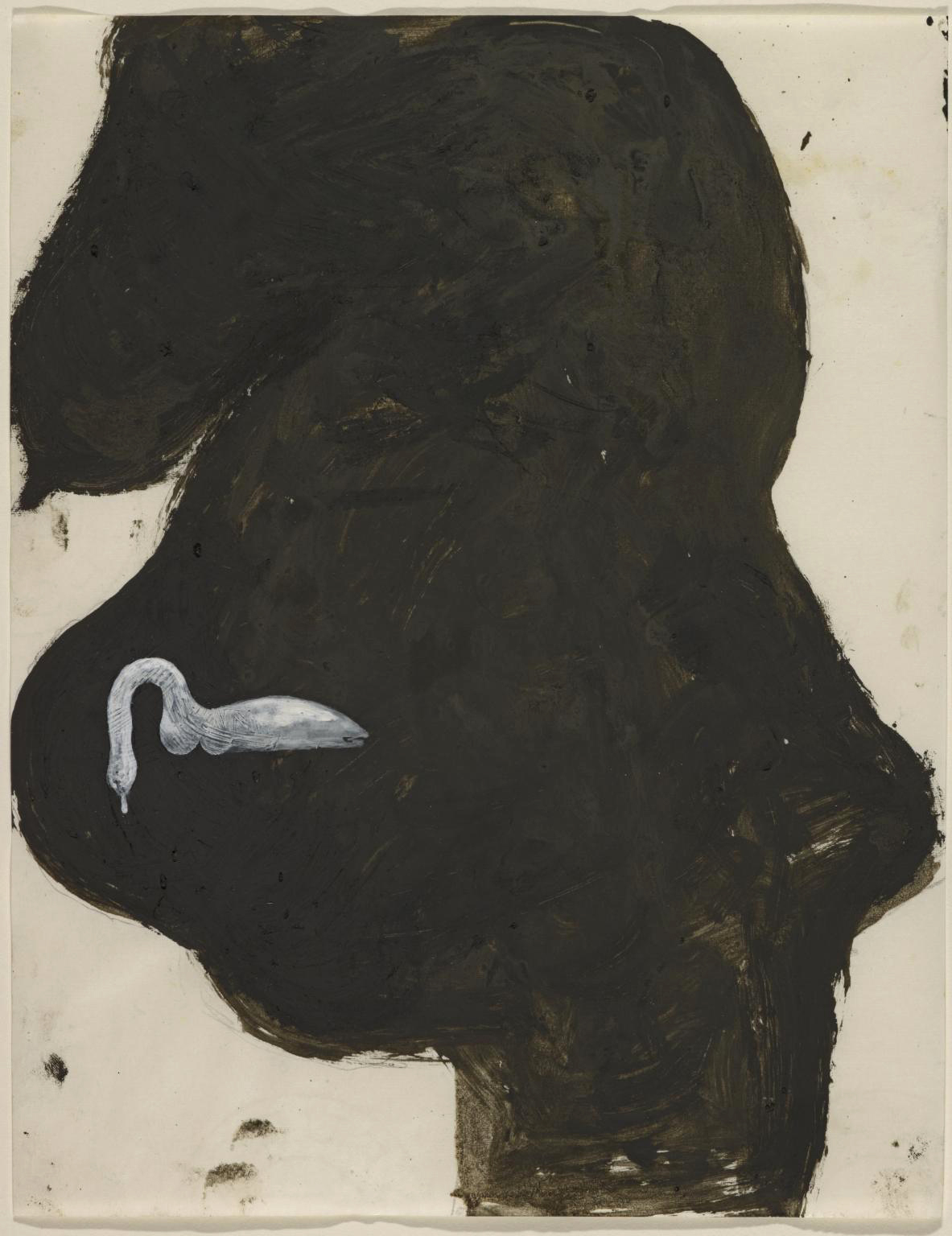
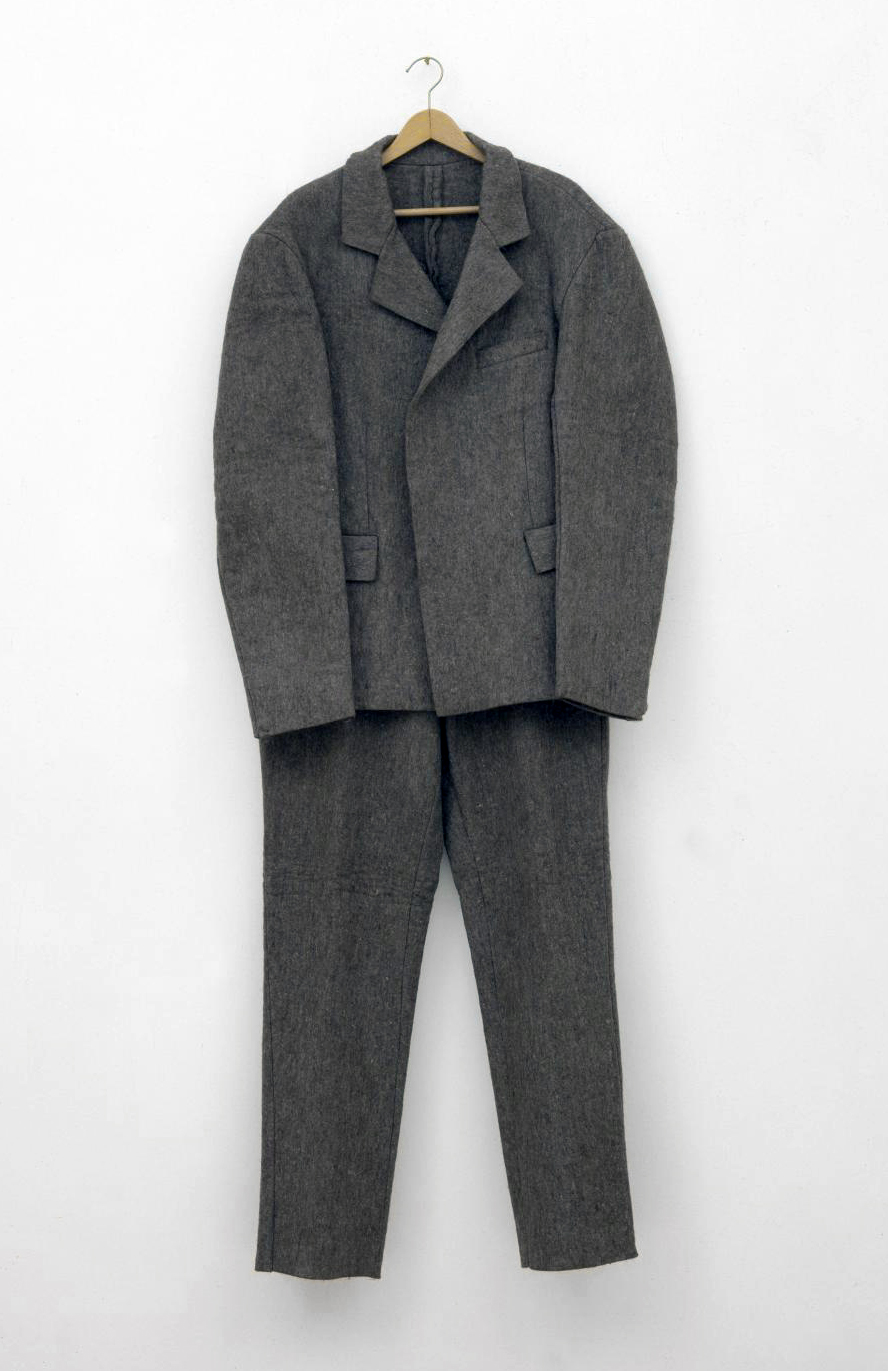
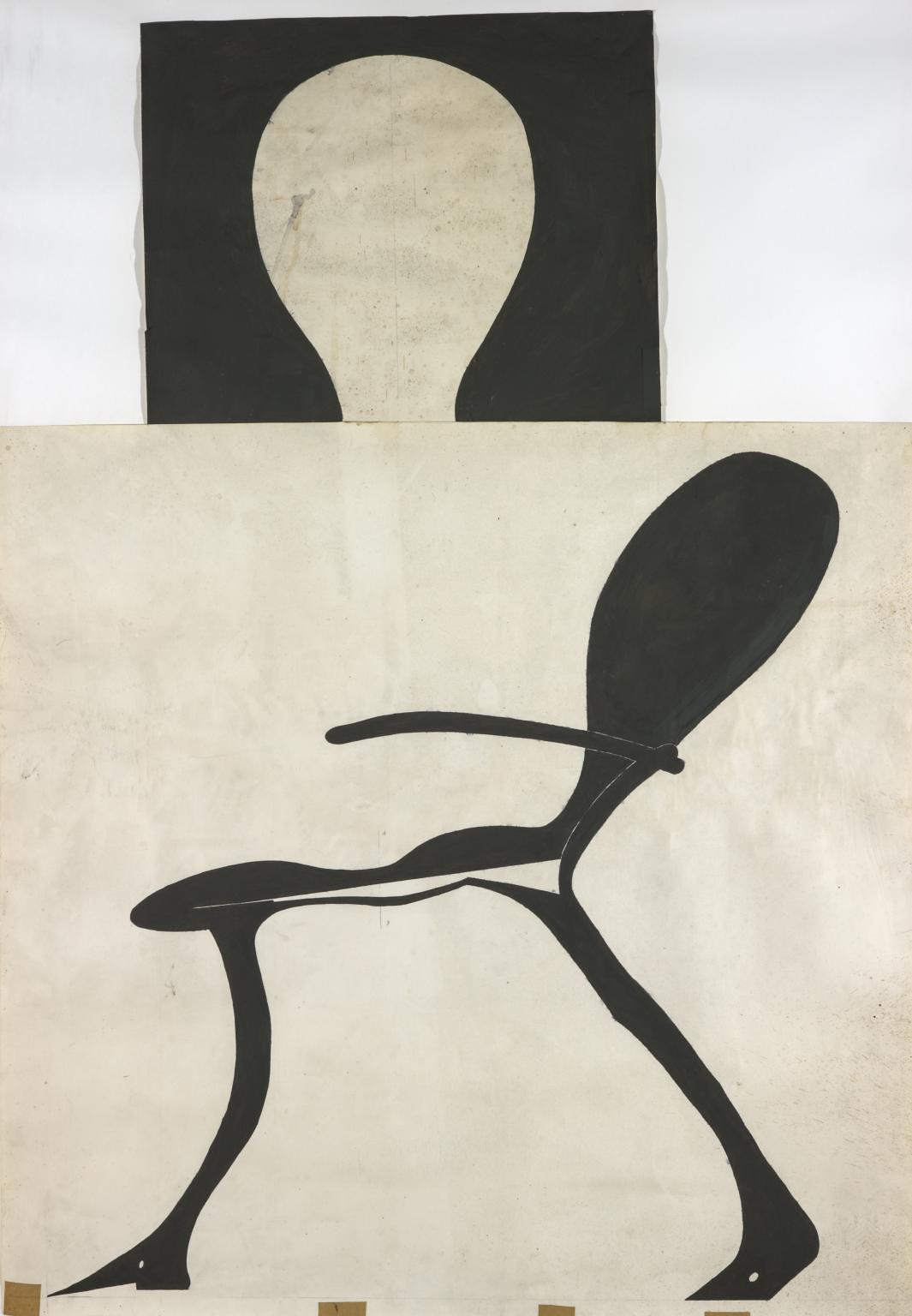
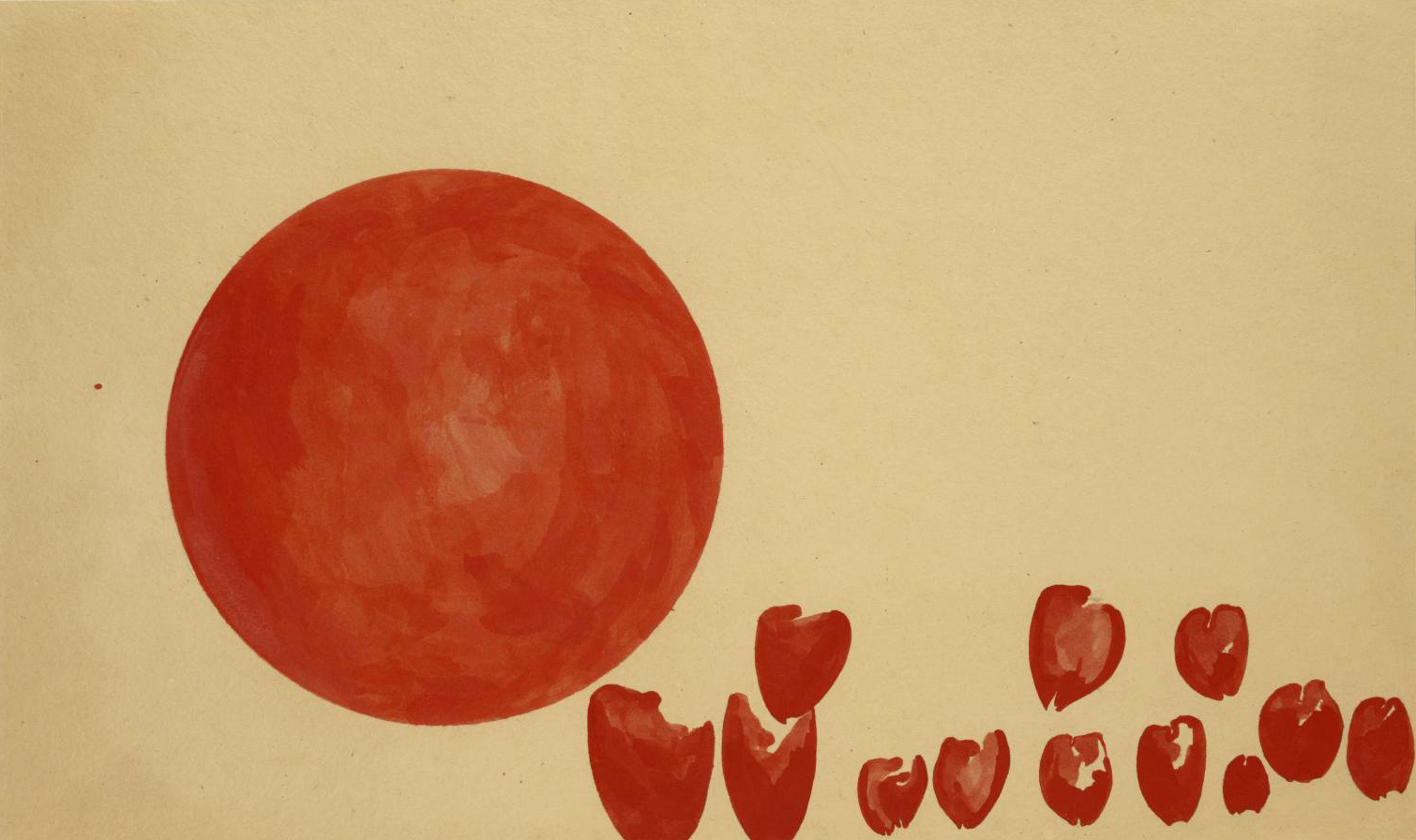
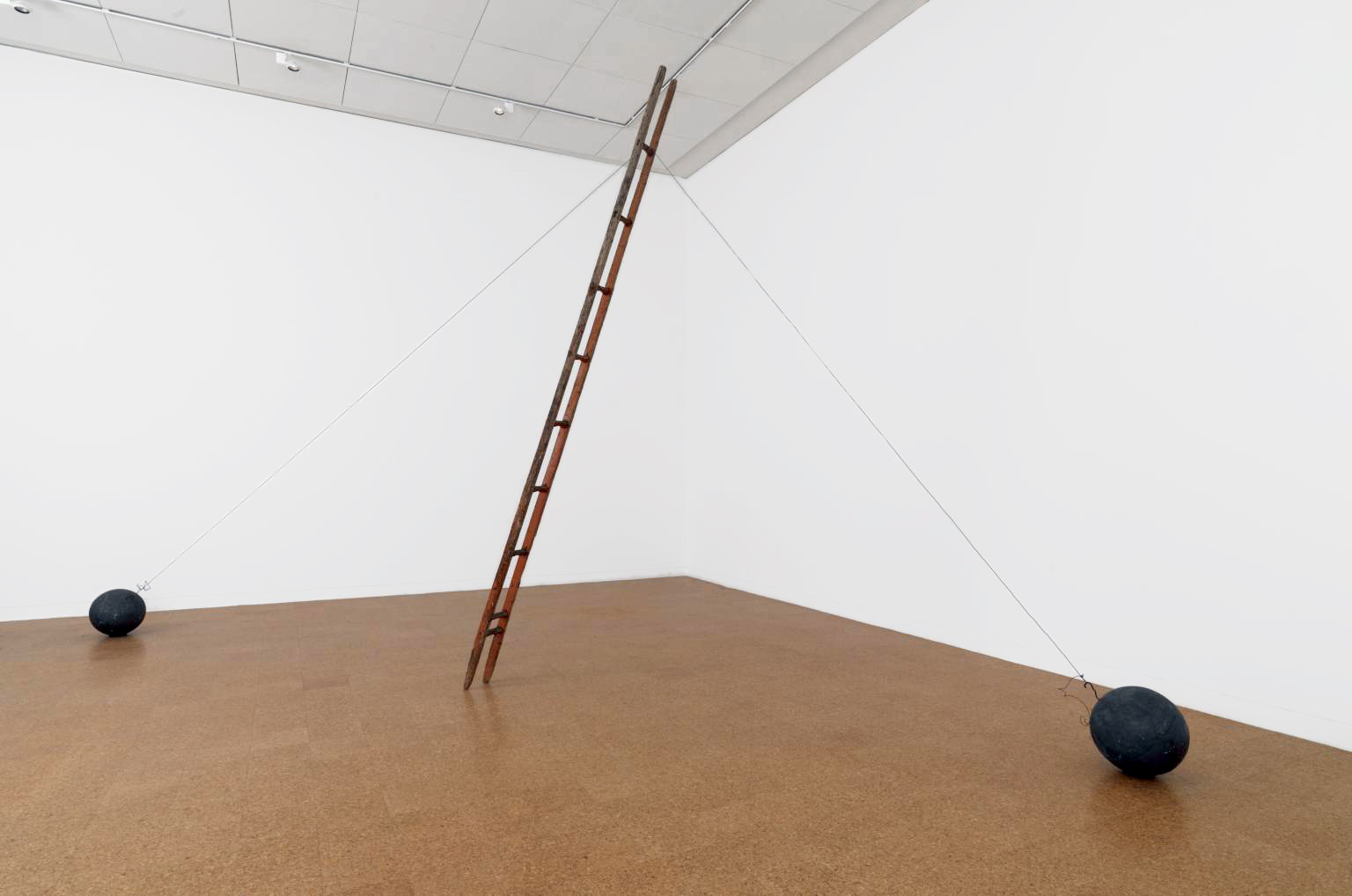
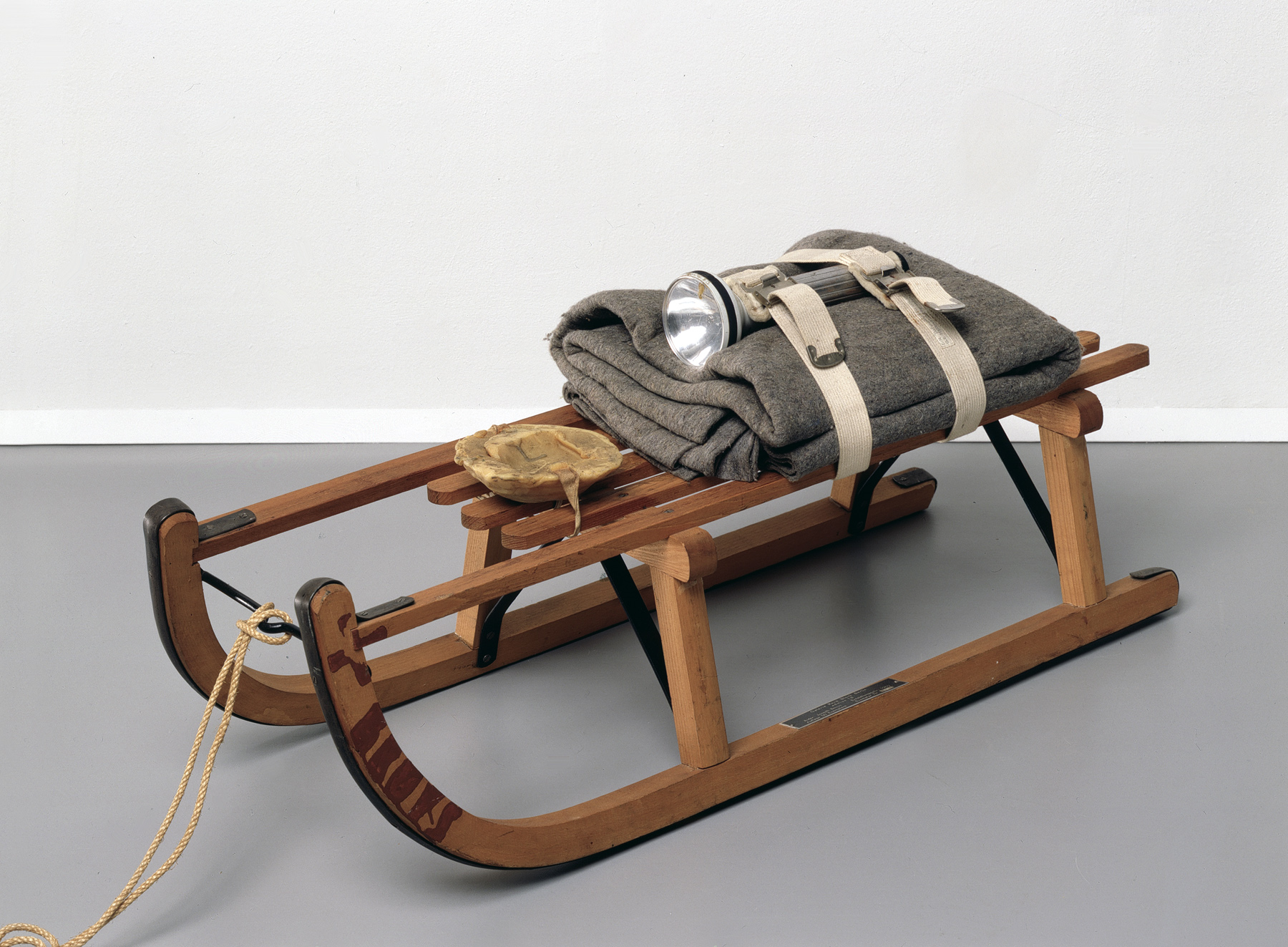


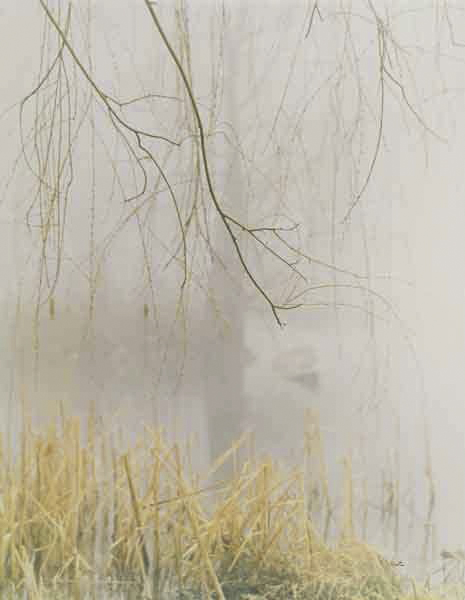
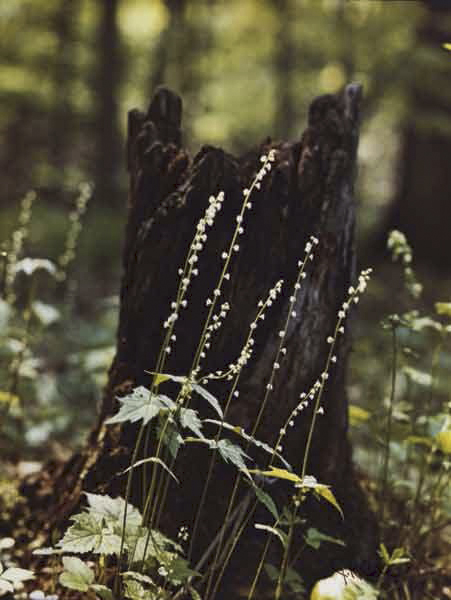

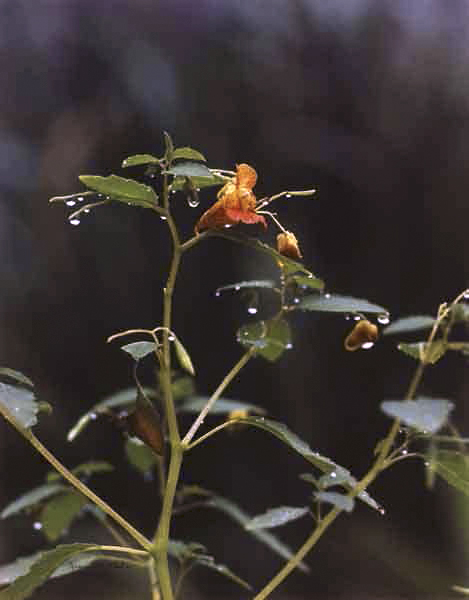
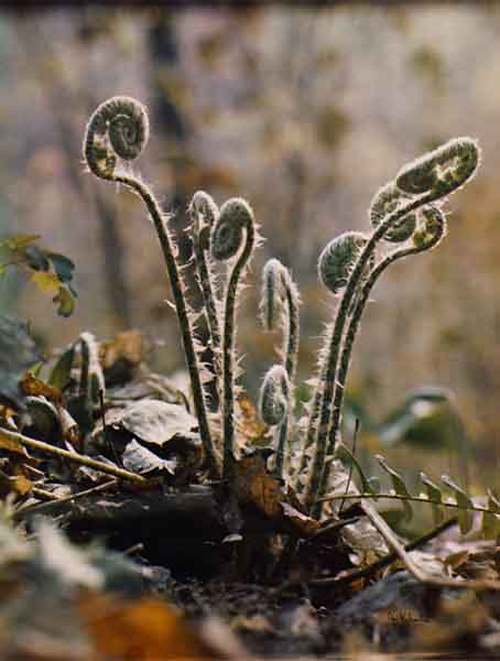
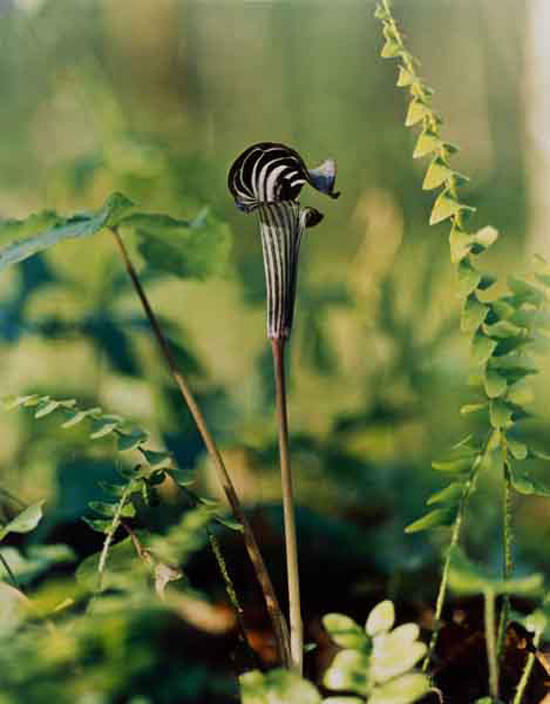
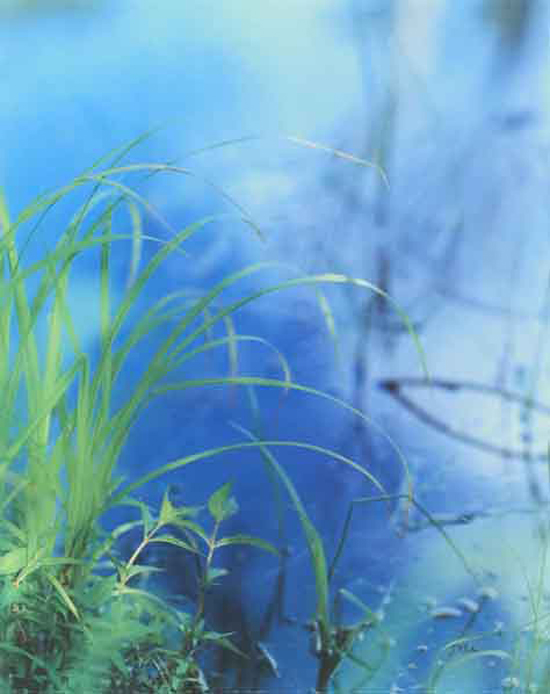
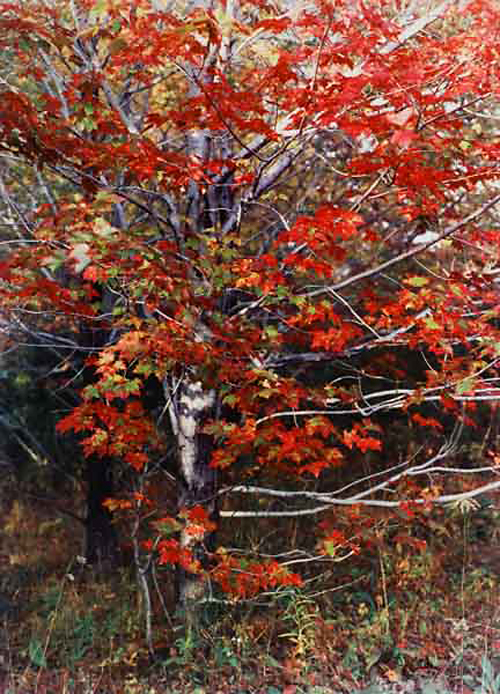
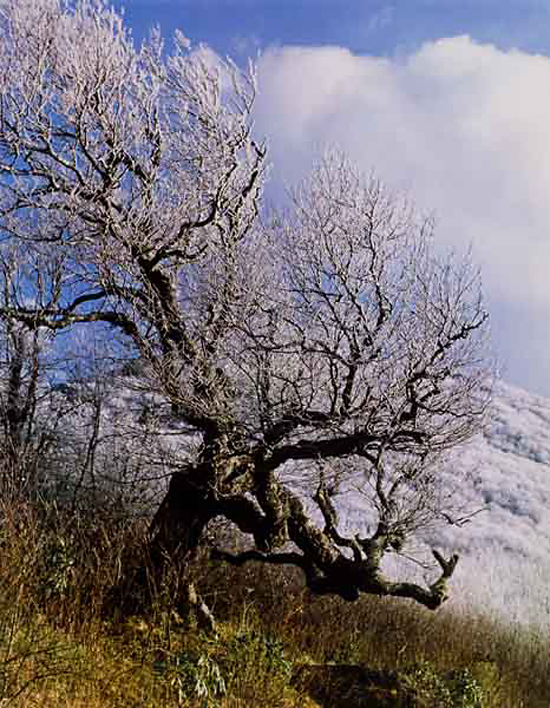
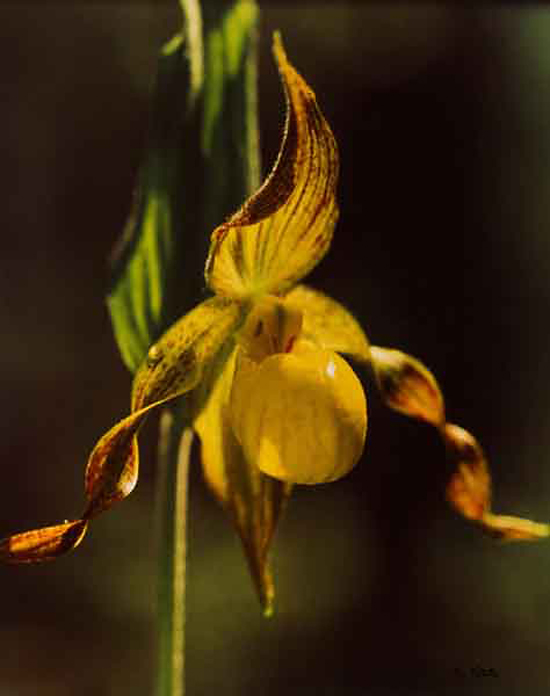
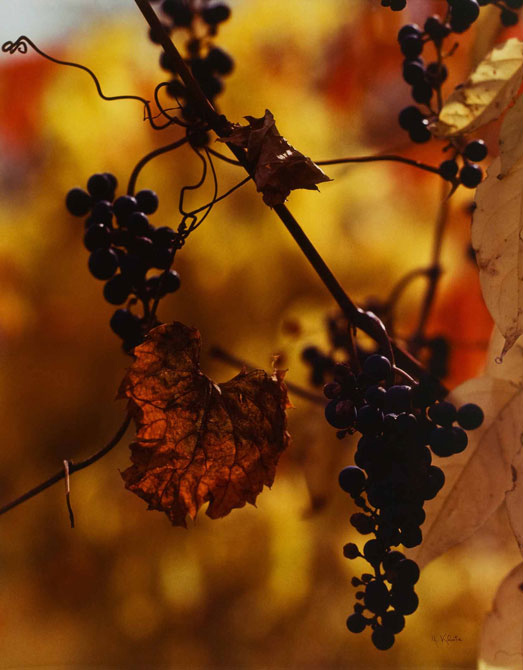
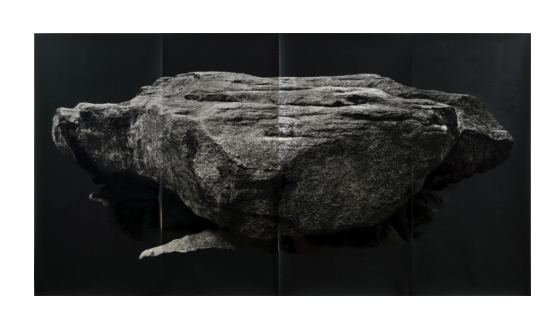
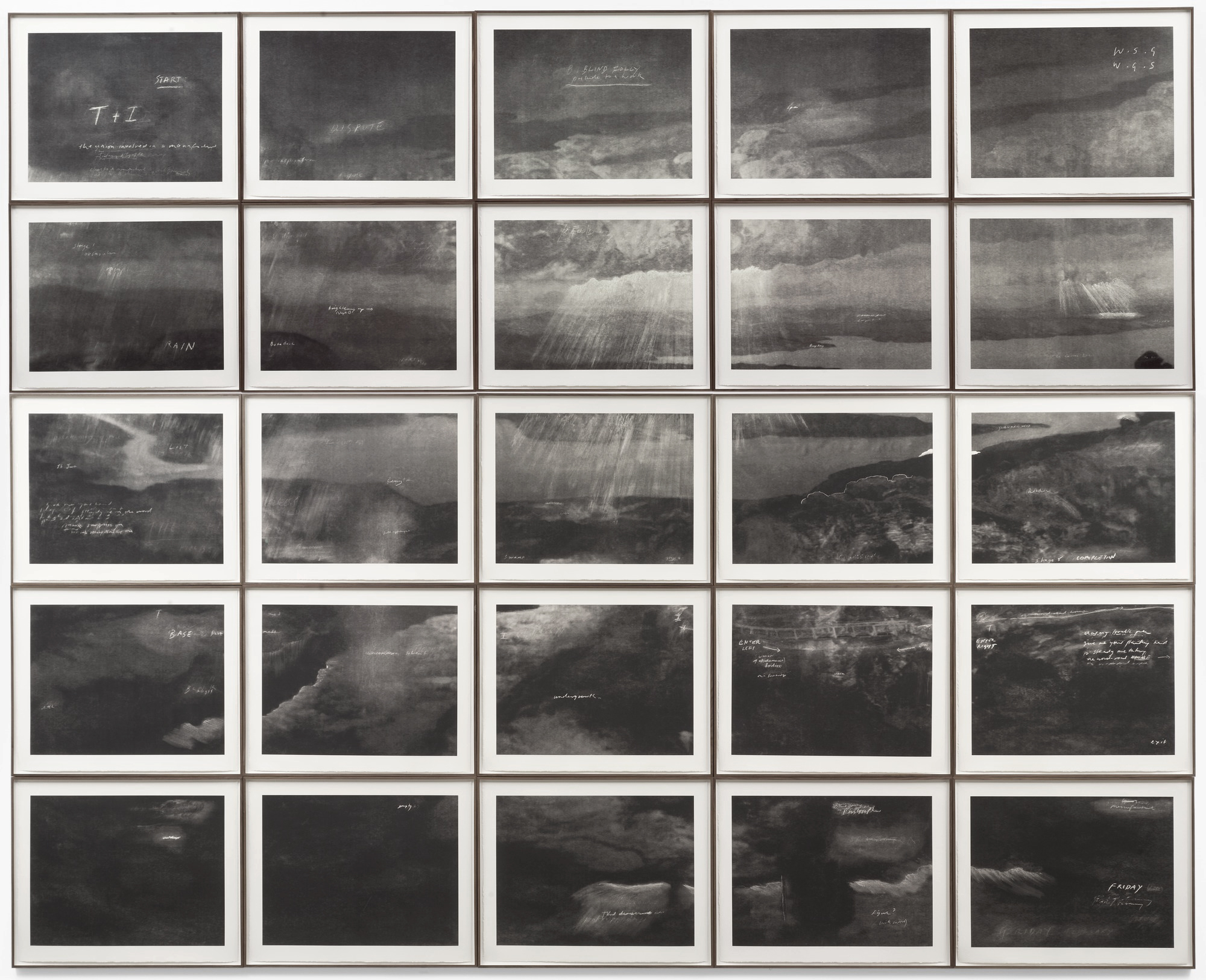
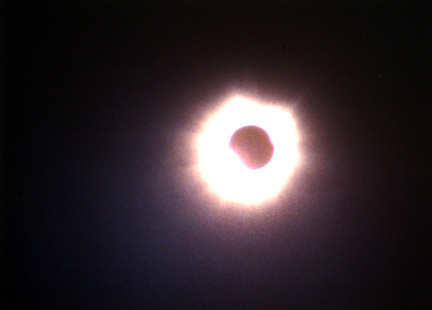
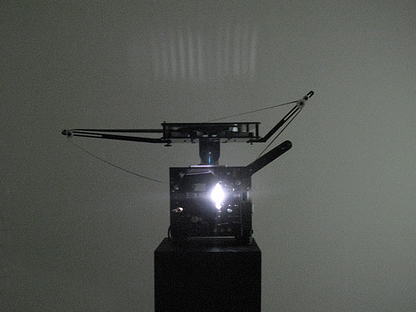
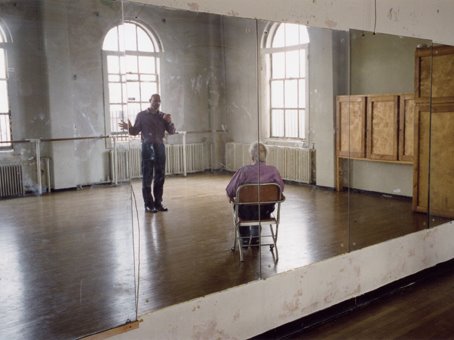
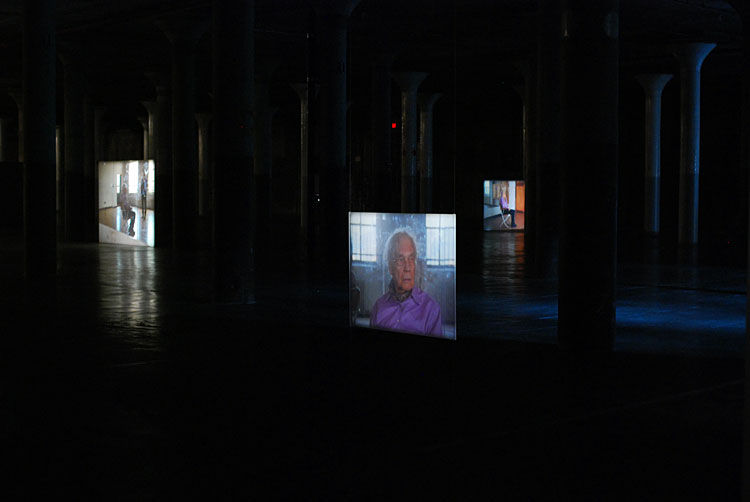
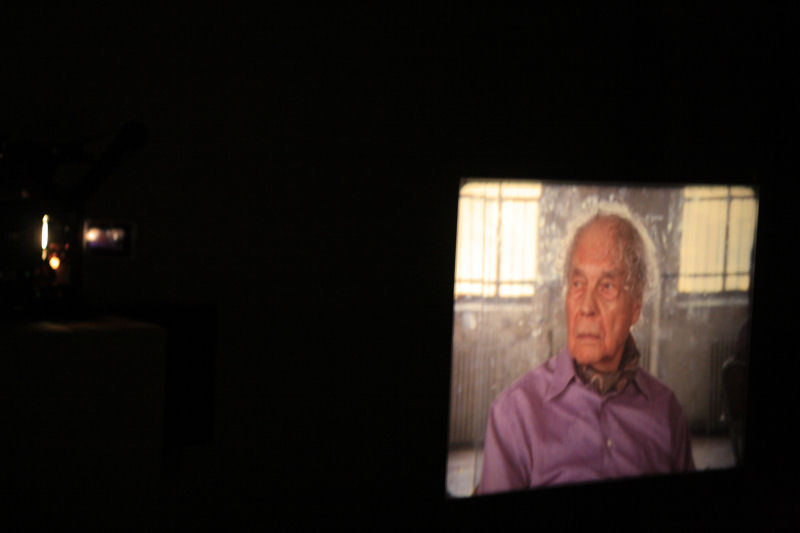
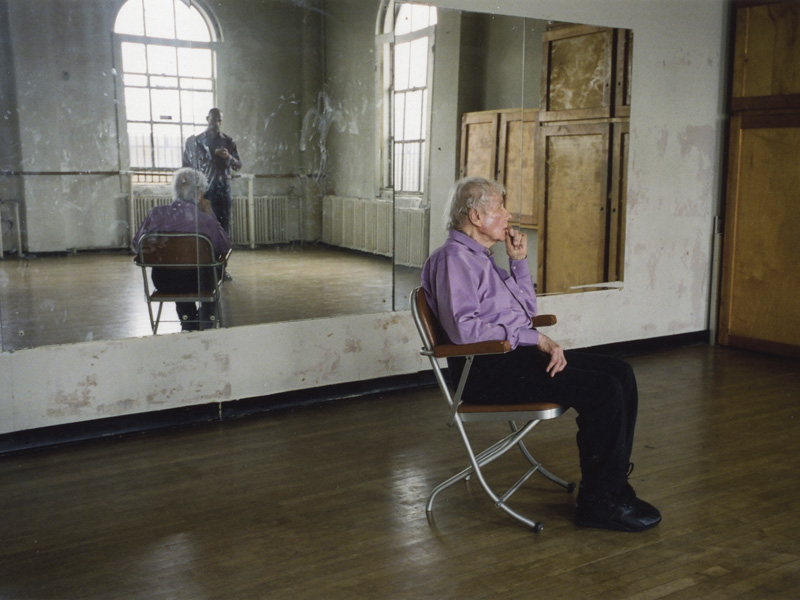
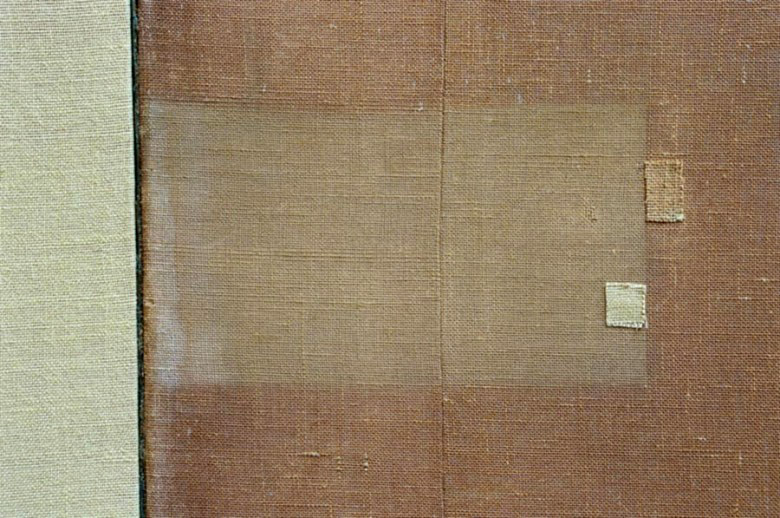

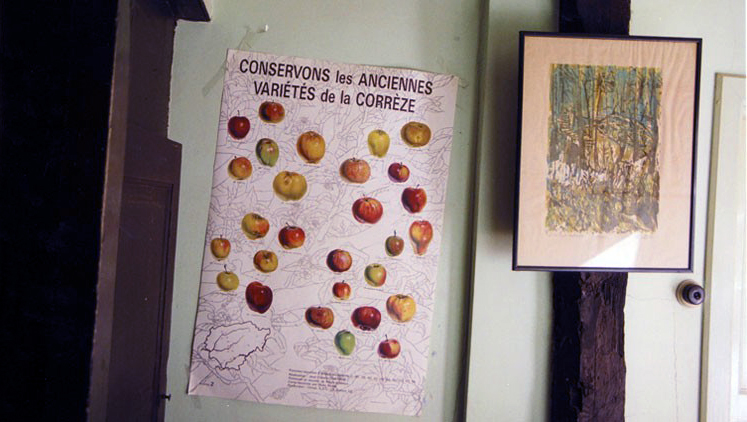
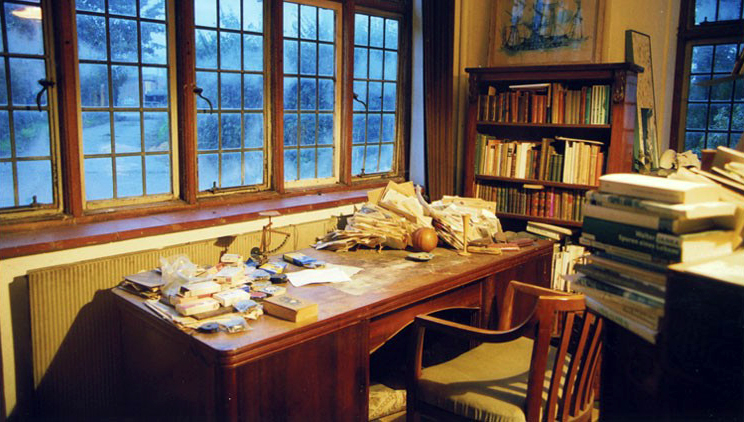
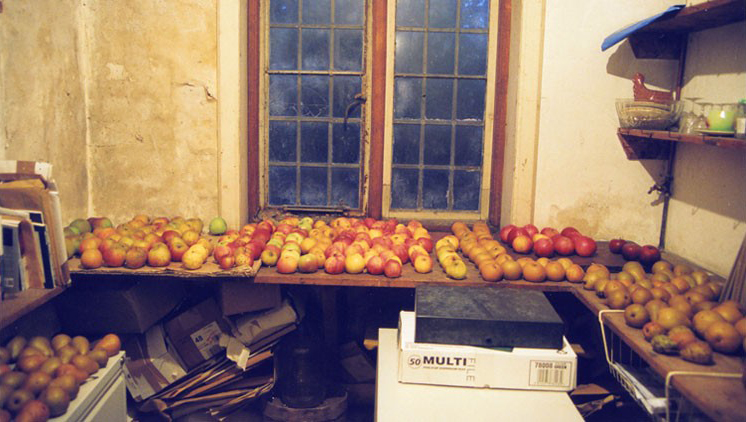
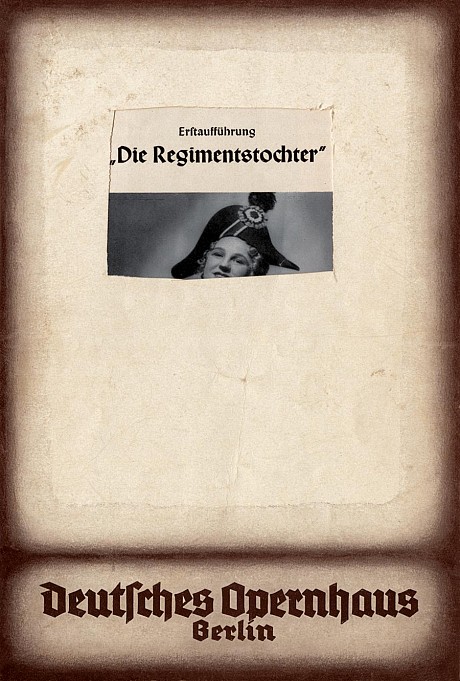
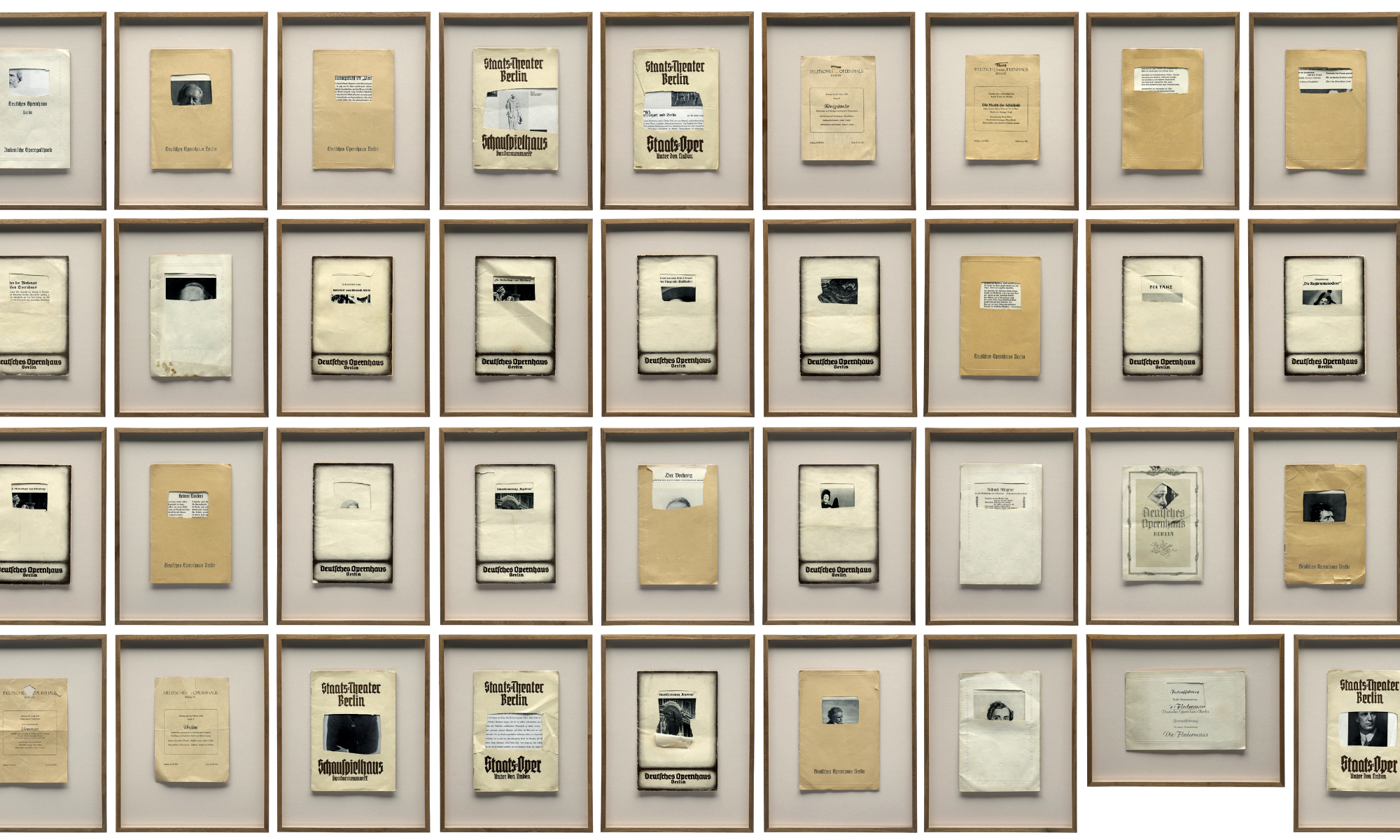
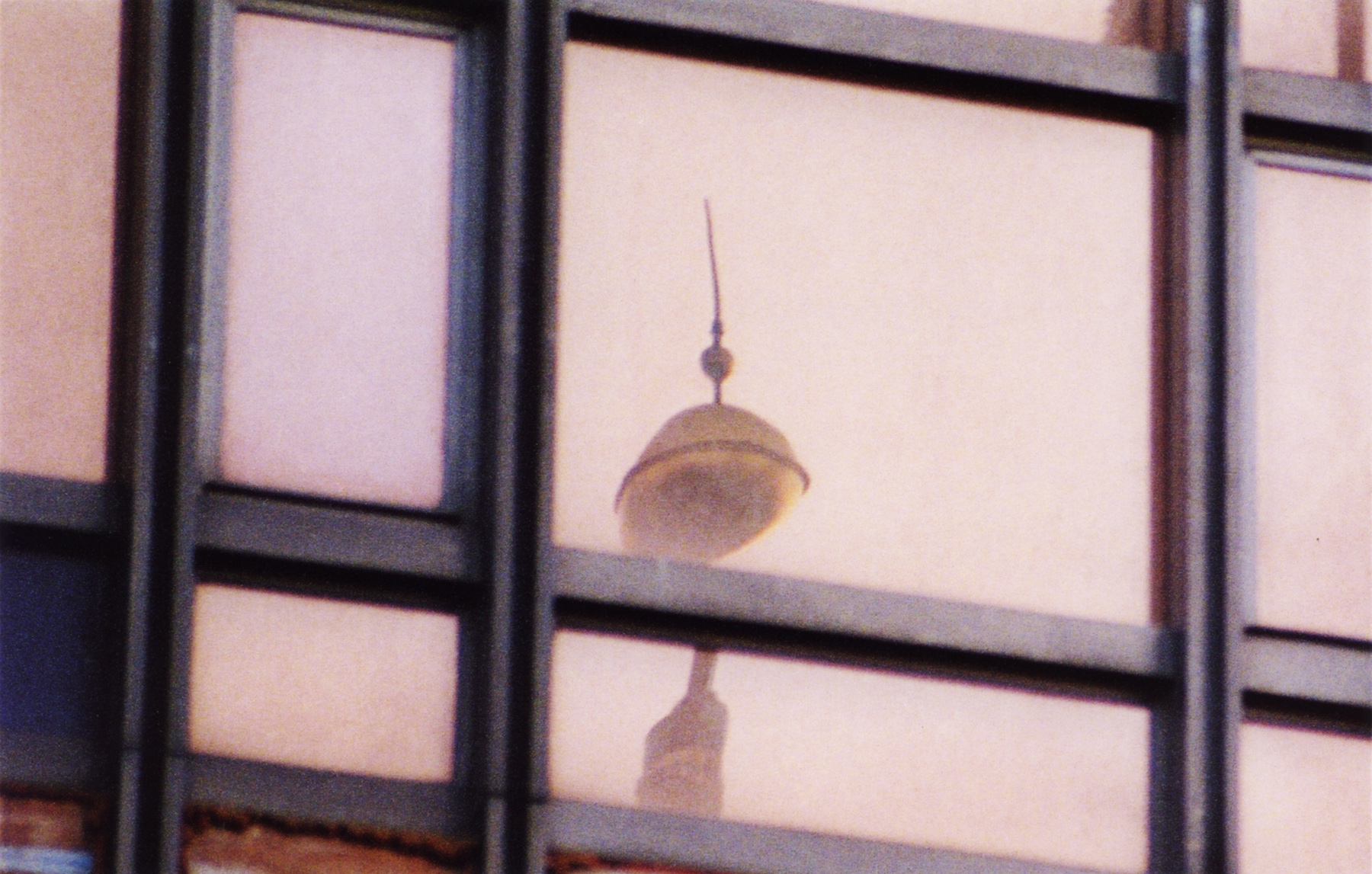
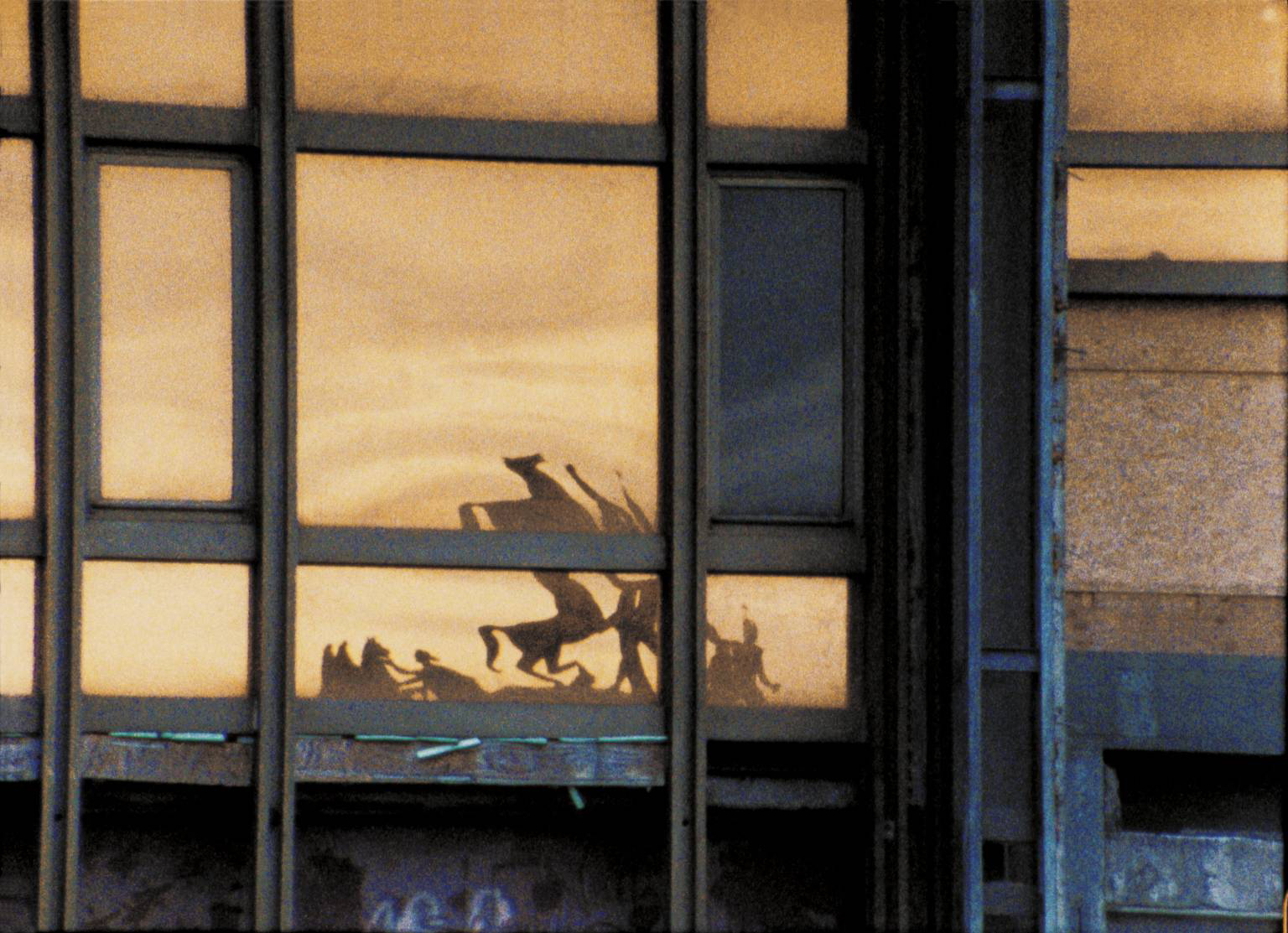
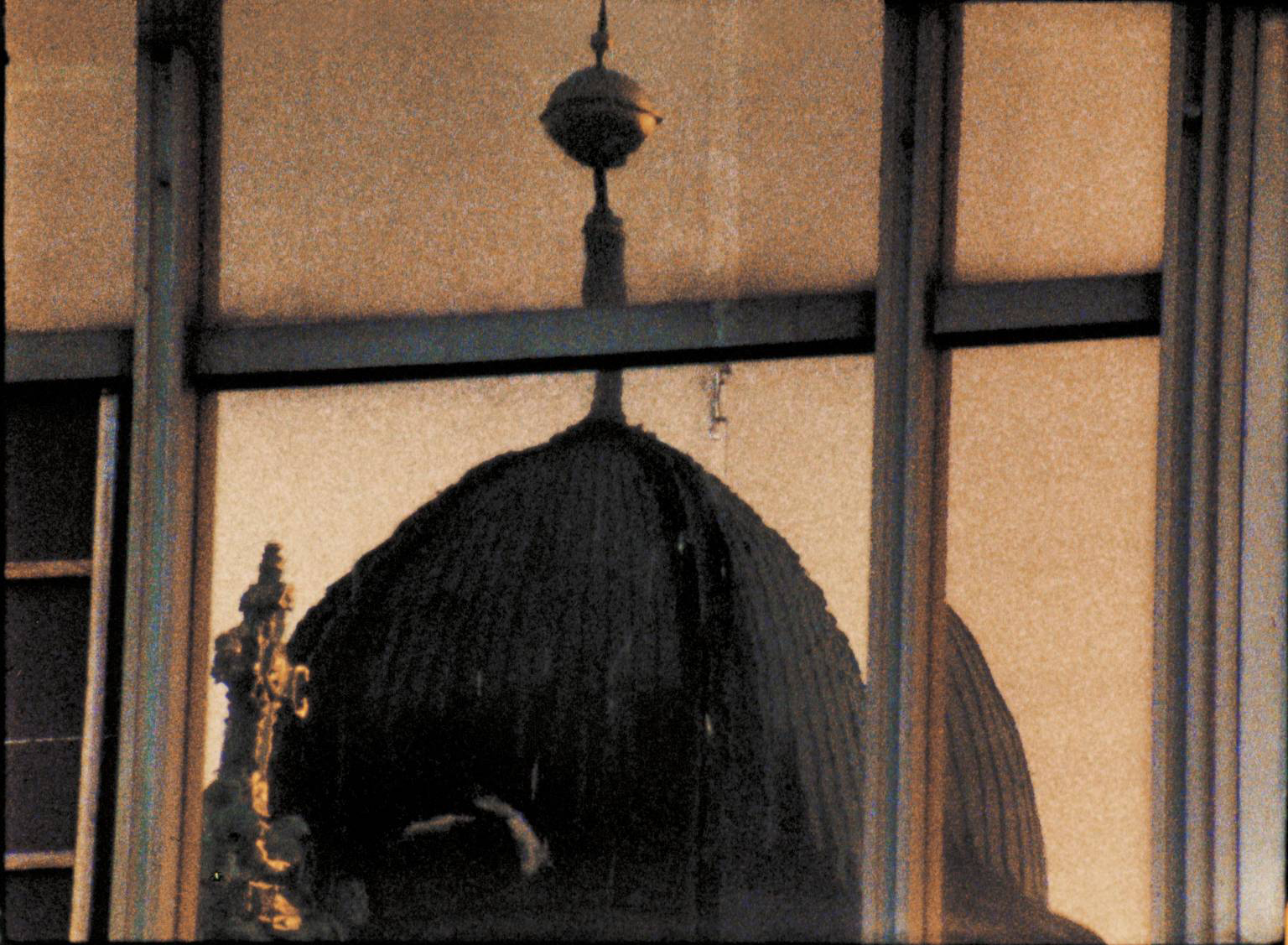
![Tacita Dean. 'Noir et Blanc [Still]' 2006](https://artblart.com/wp-content/uploads/2009/07/noir_et_blanc-2006.jpg "Tacita Dean. 'Noir et Blanc [Still]' 2006")
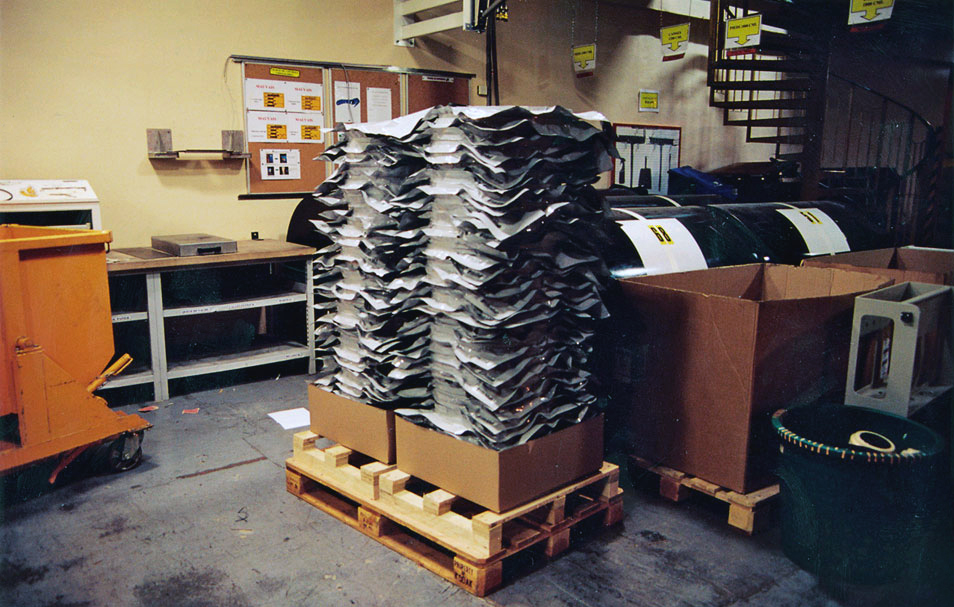
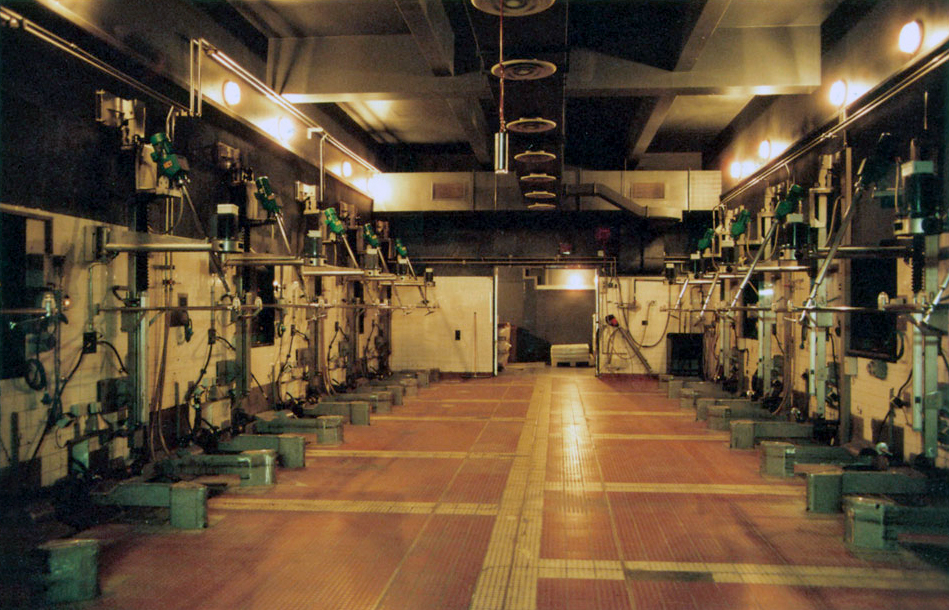
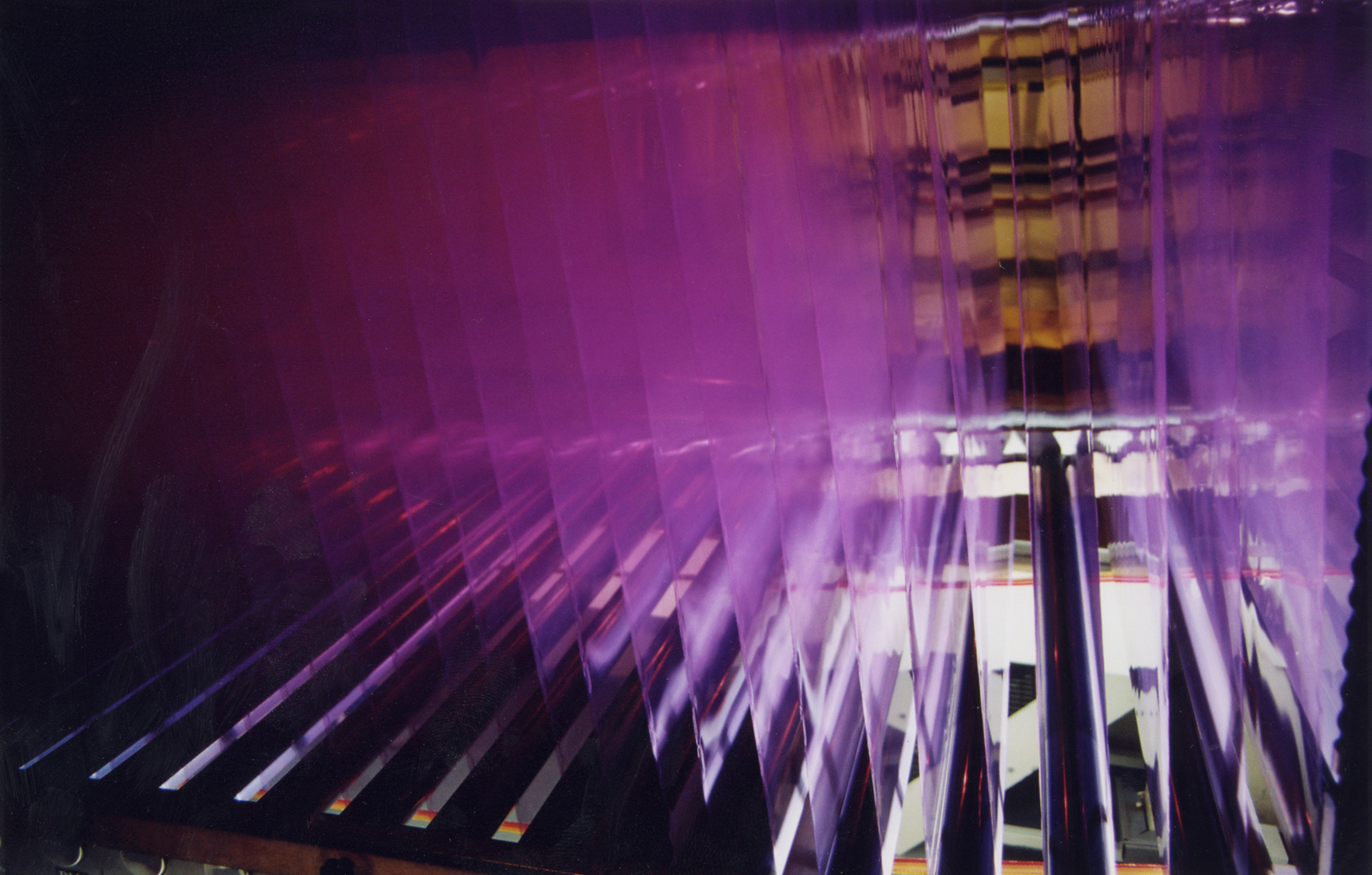
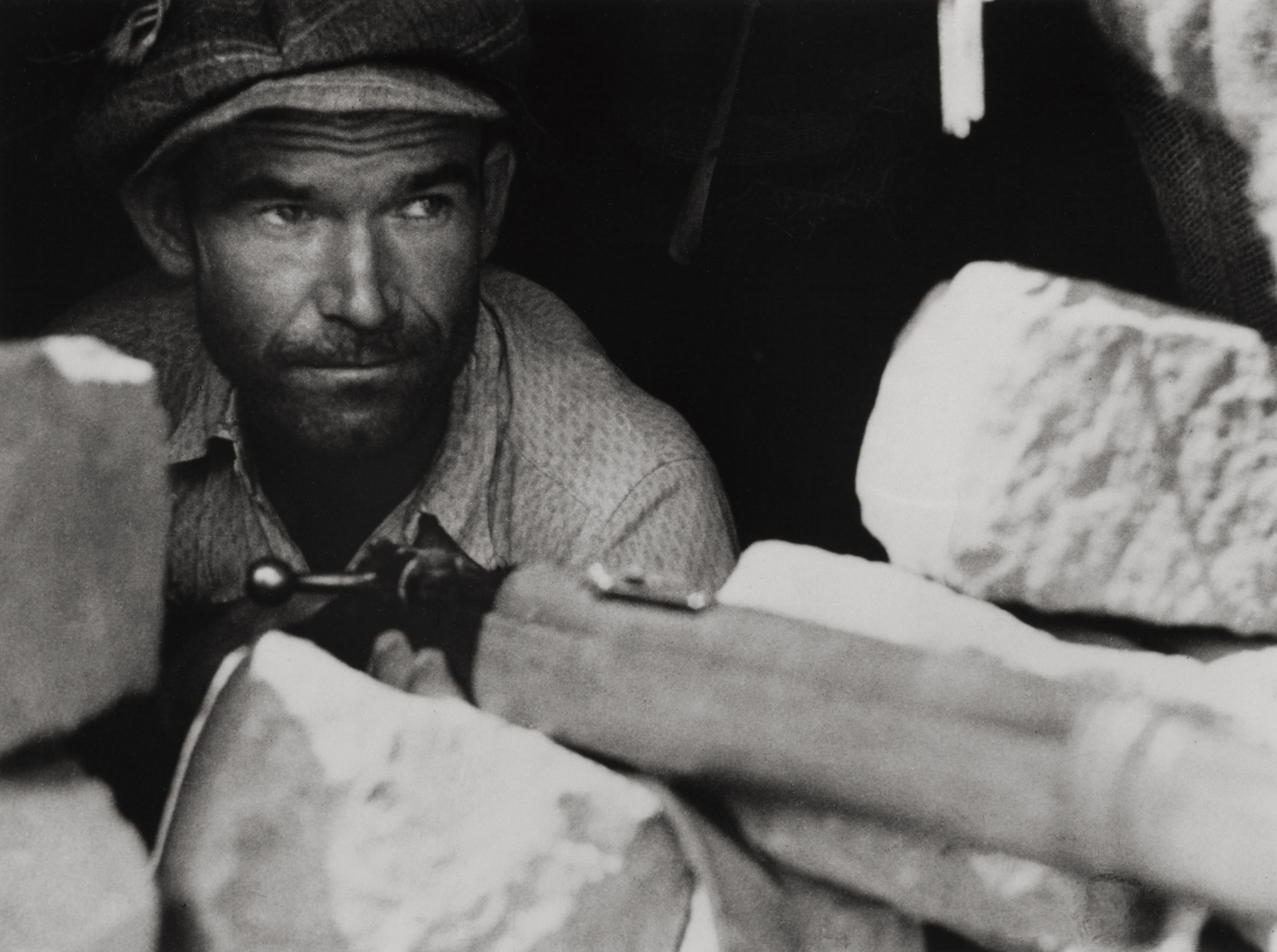
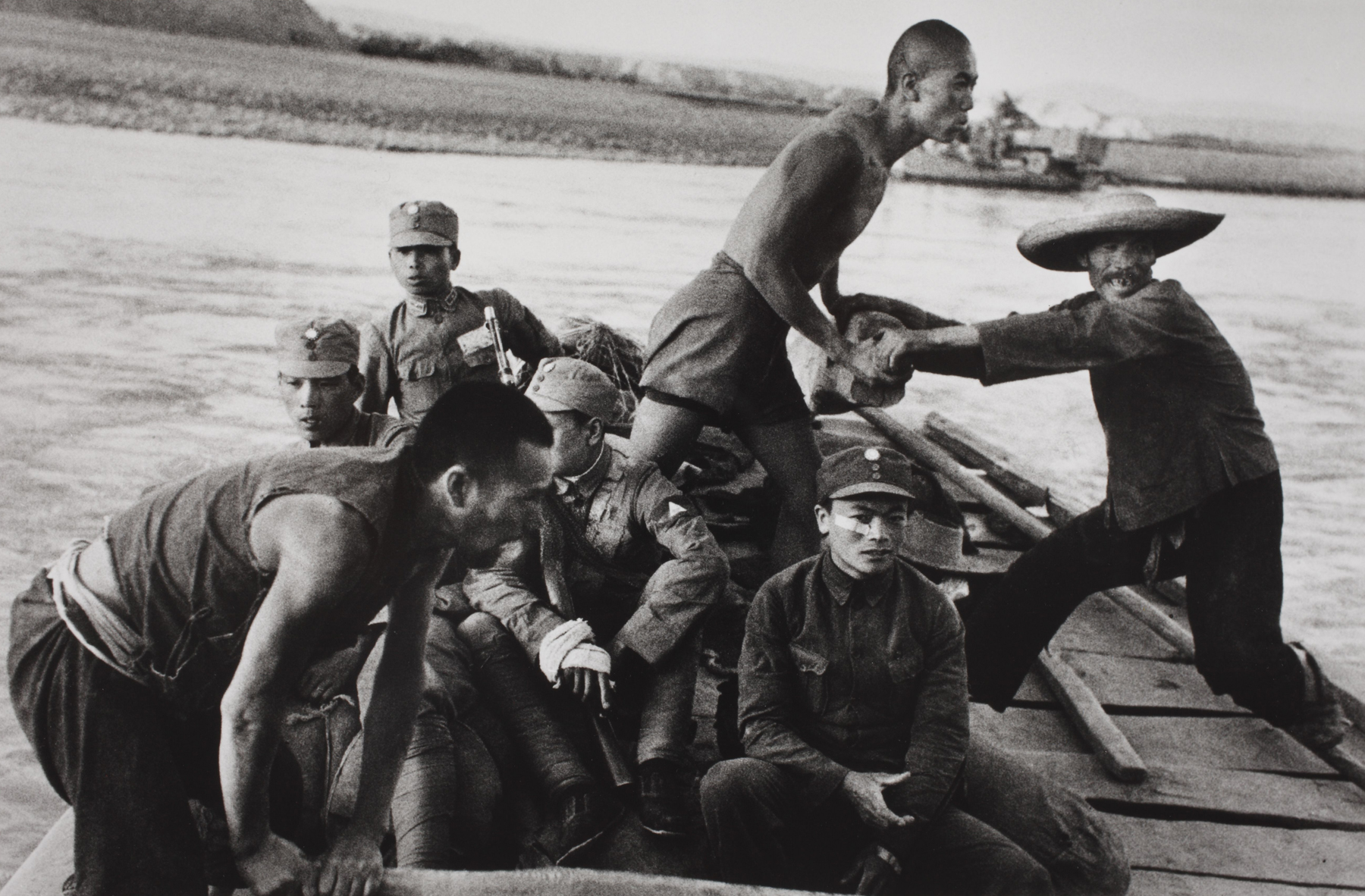
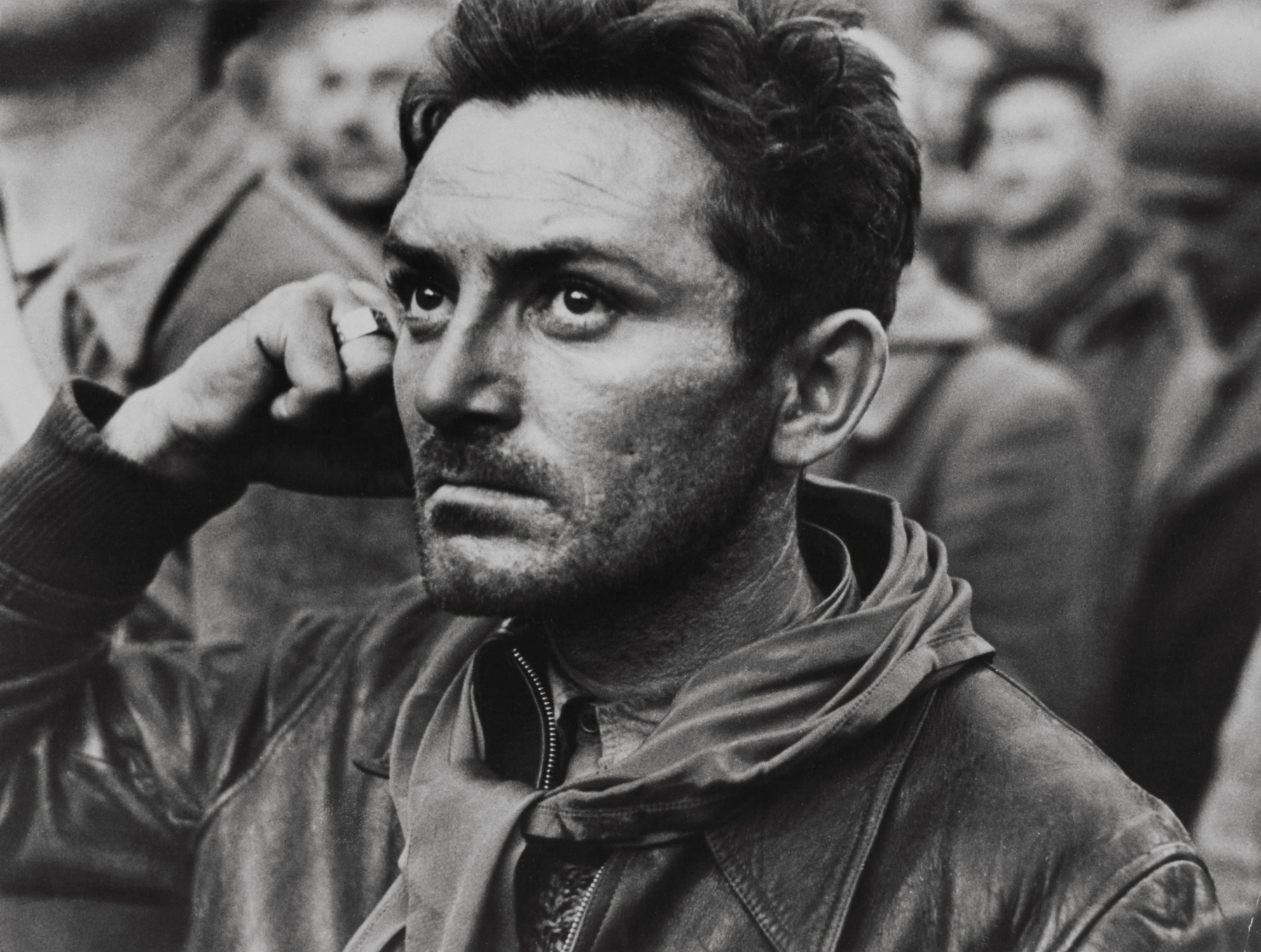

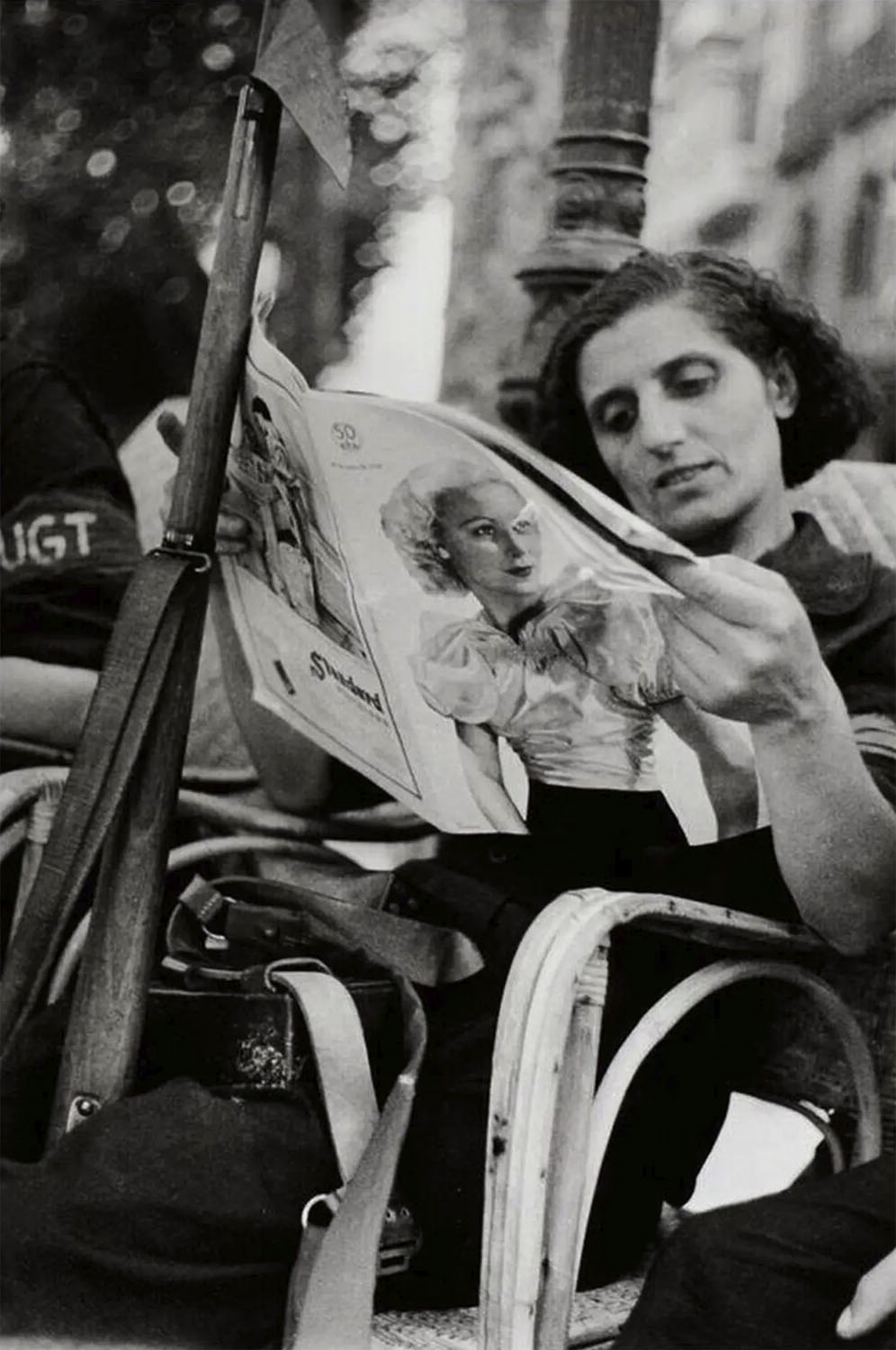
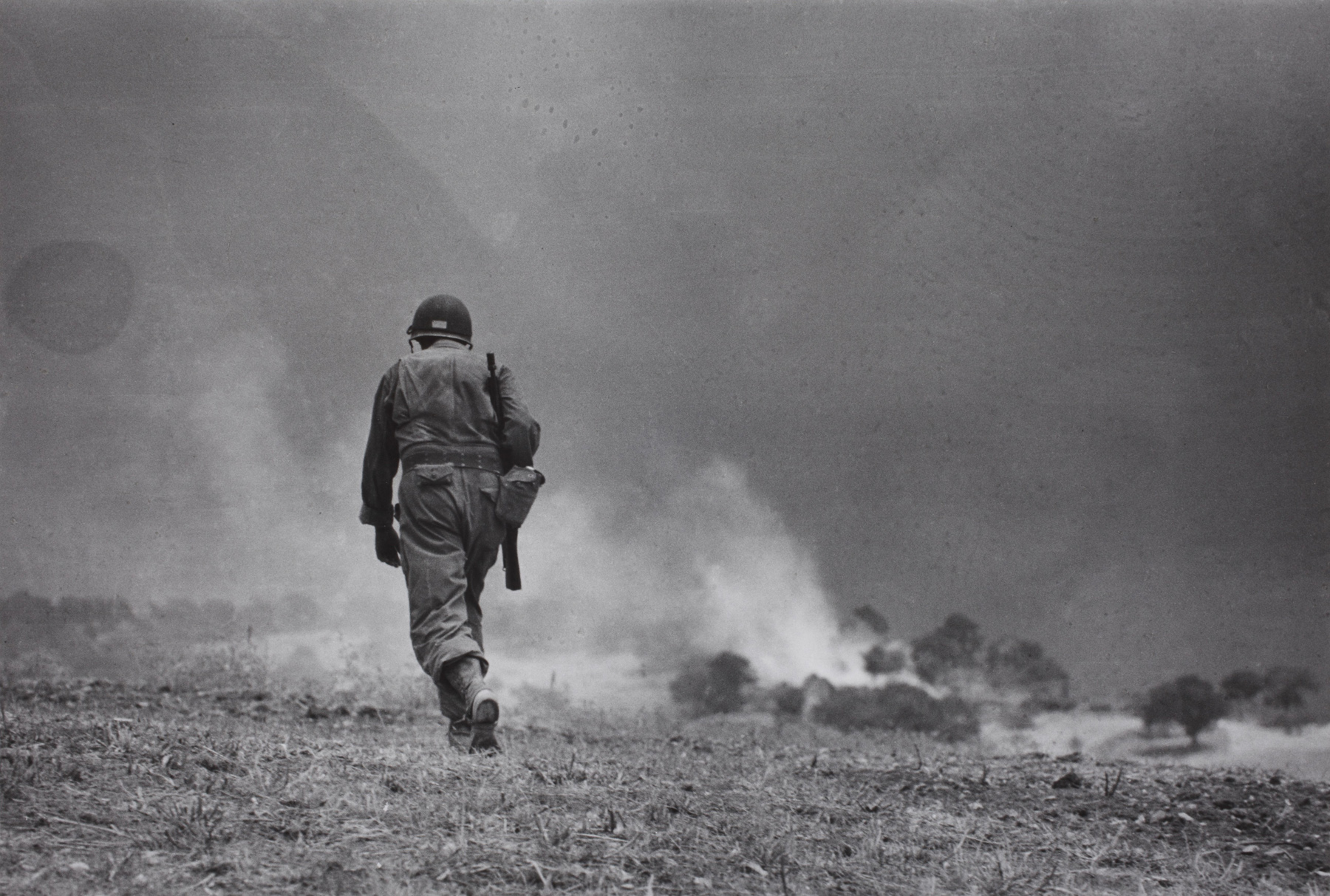
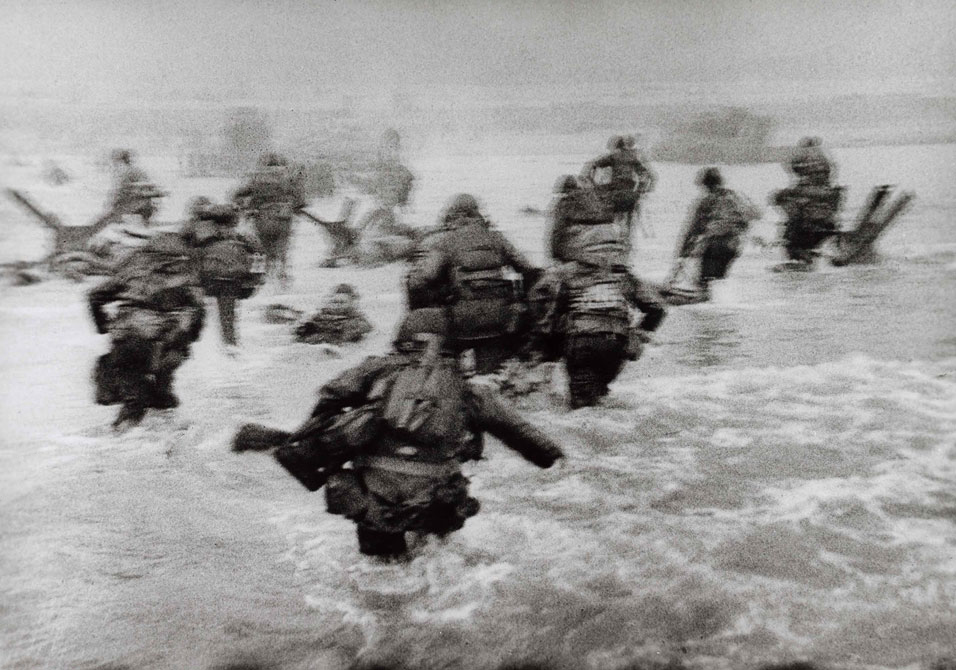
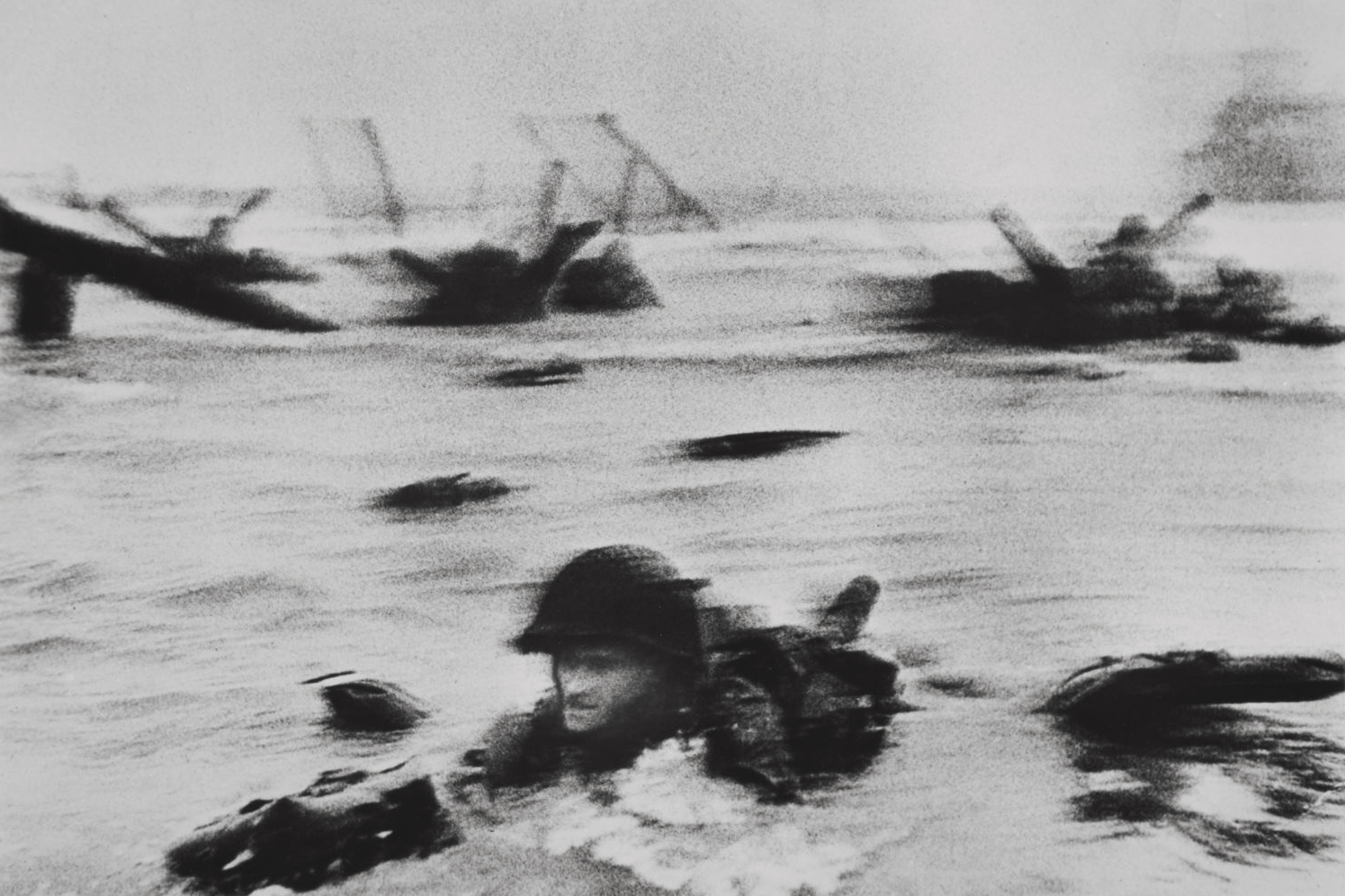
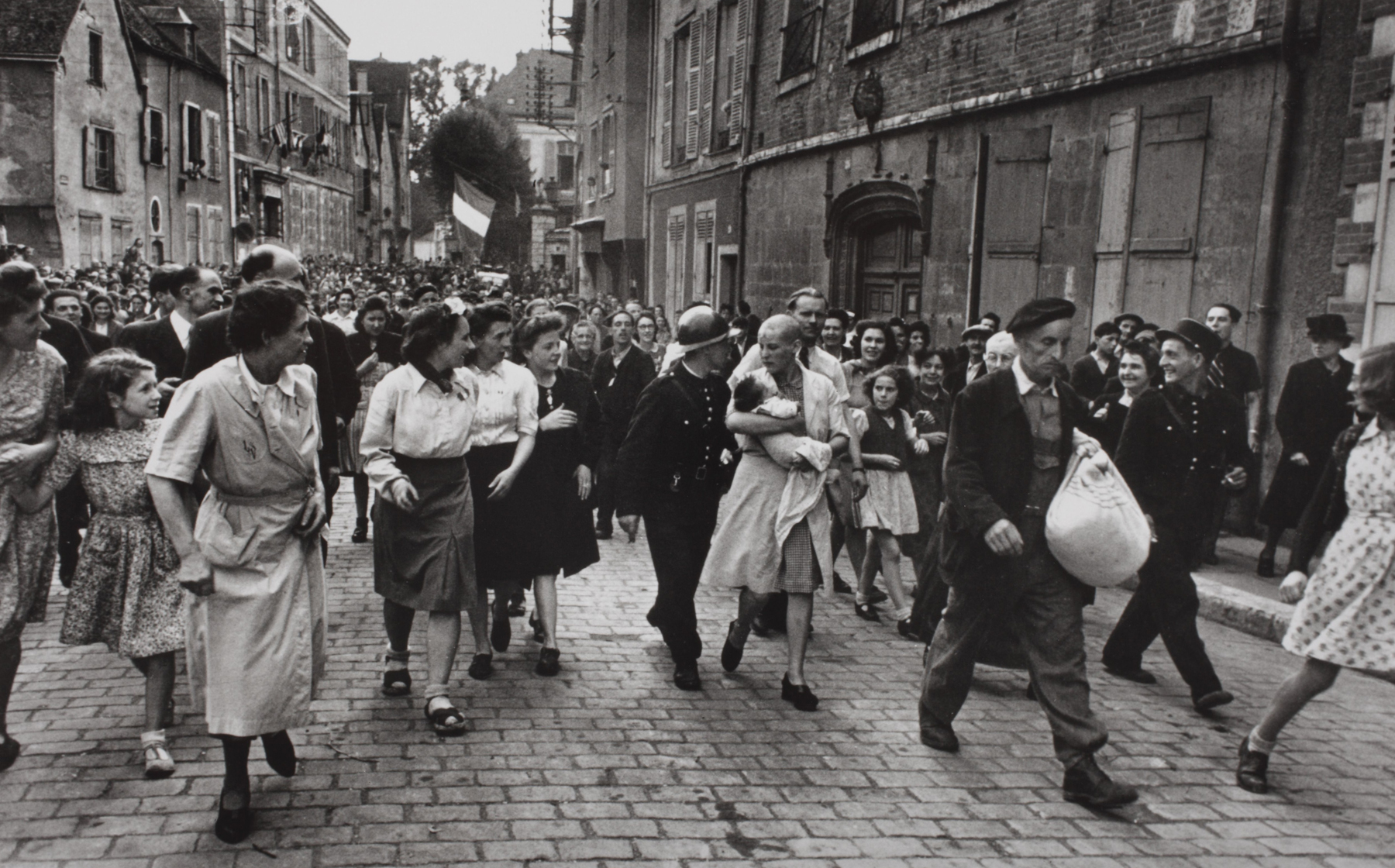
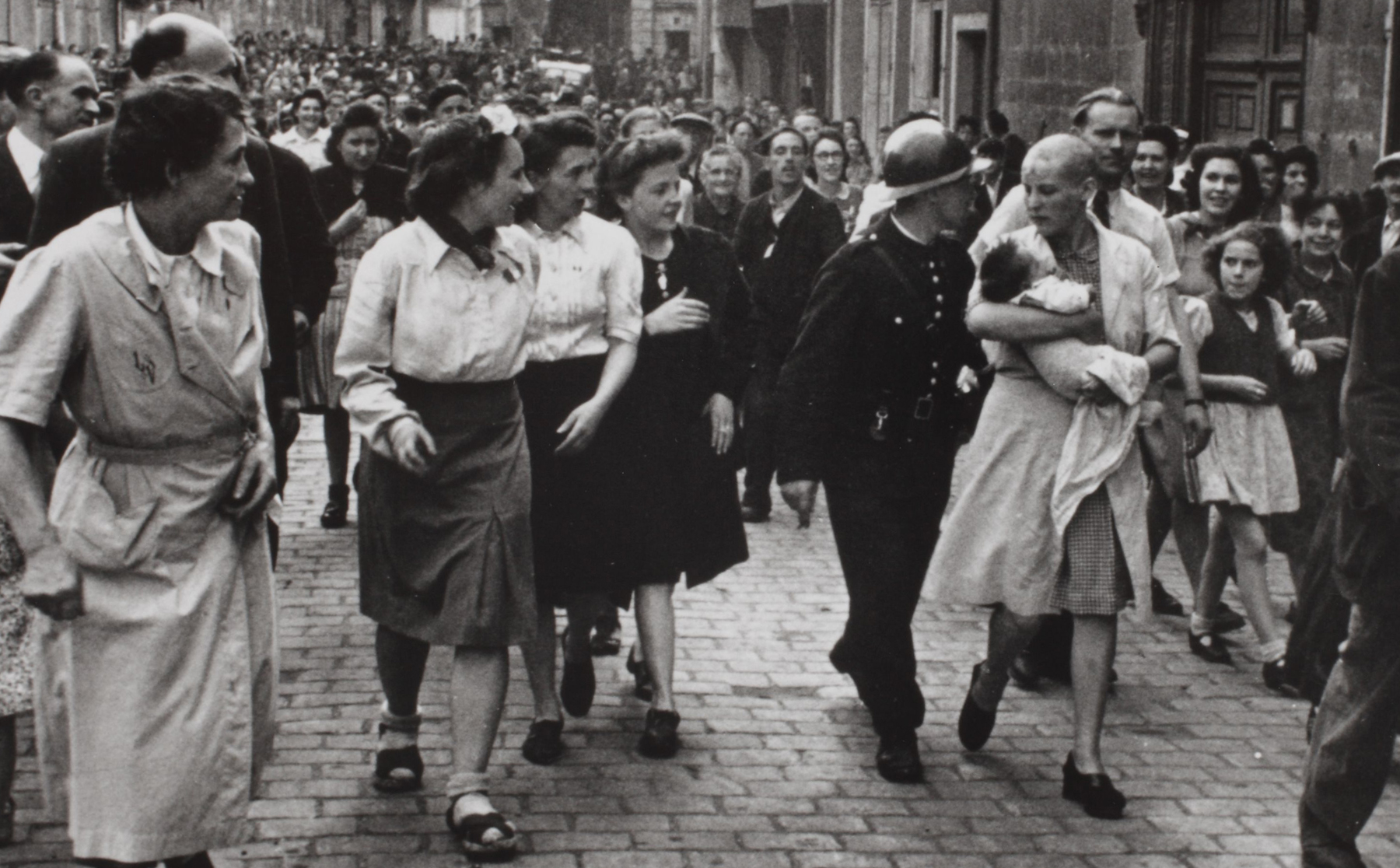

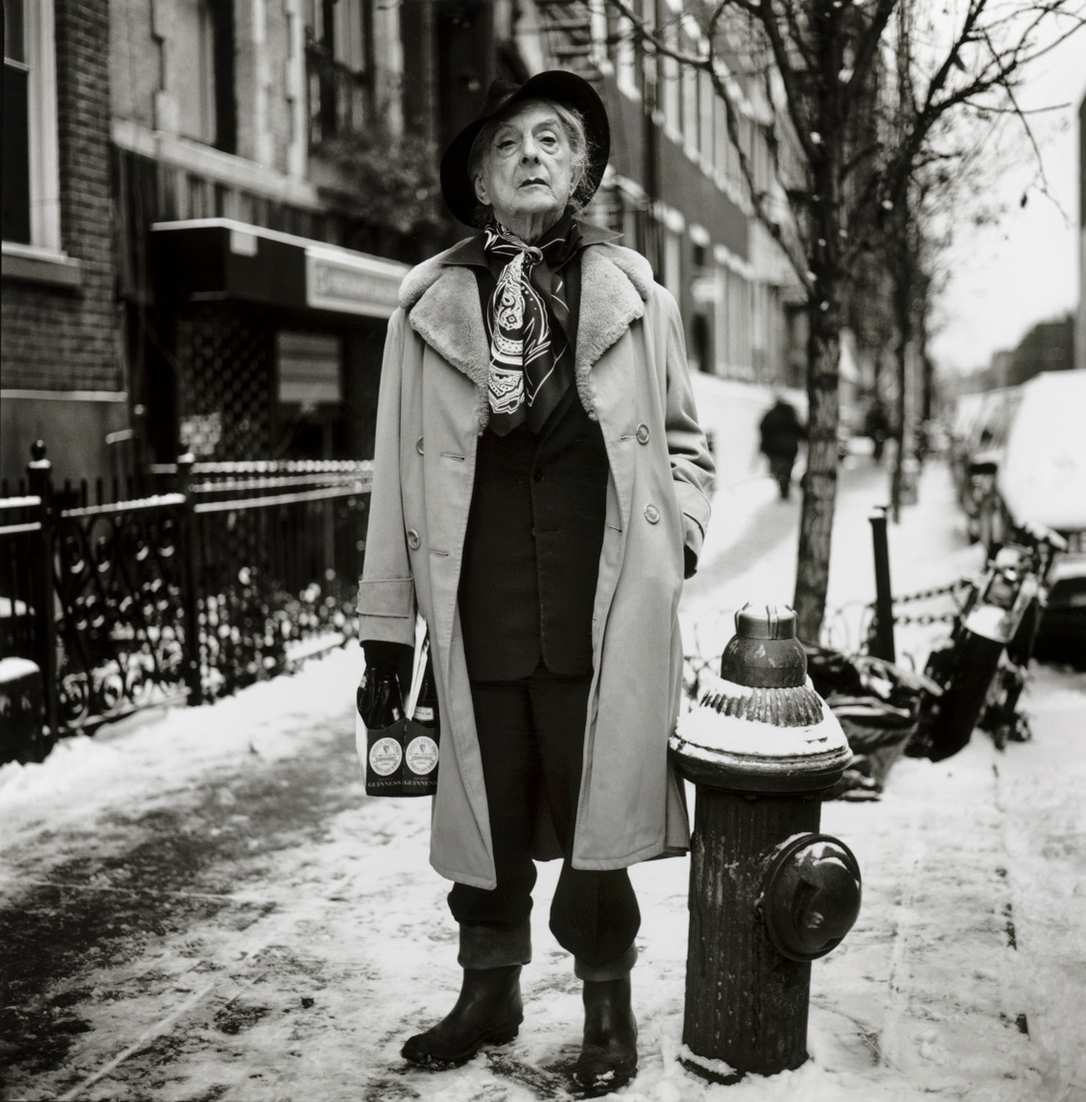
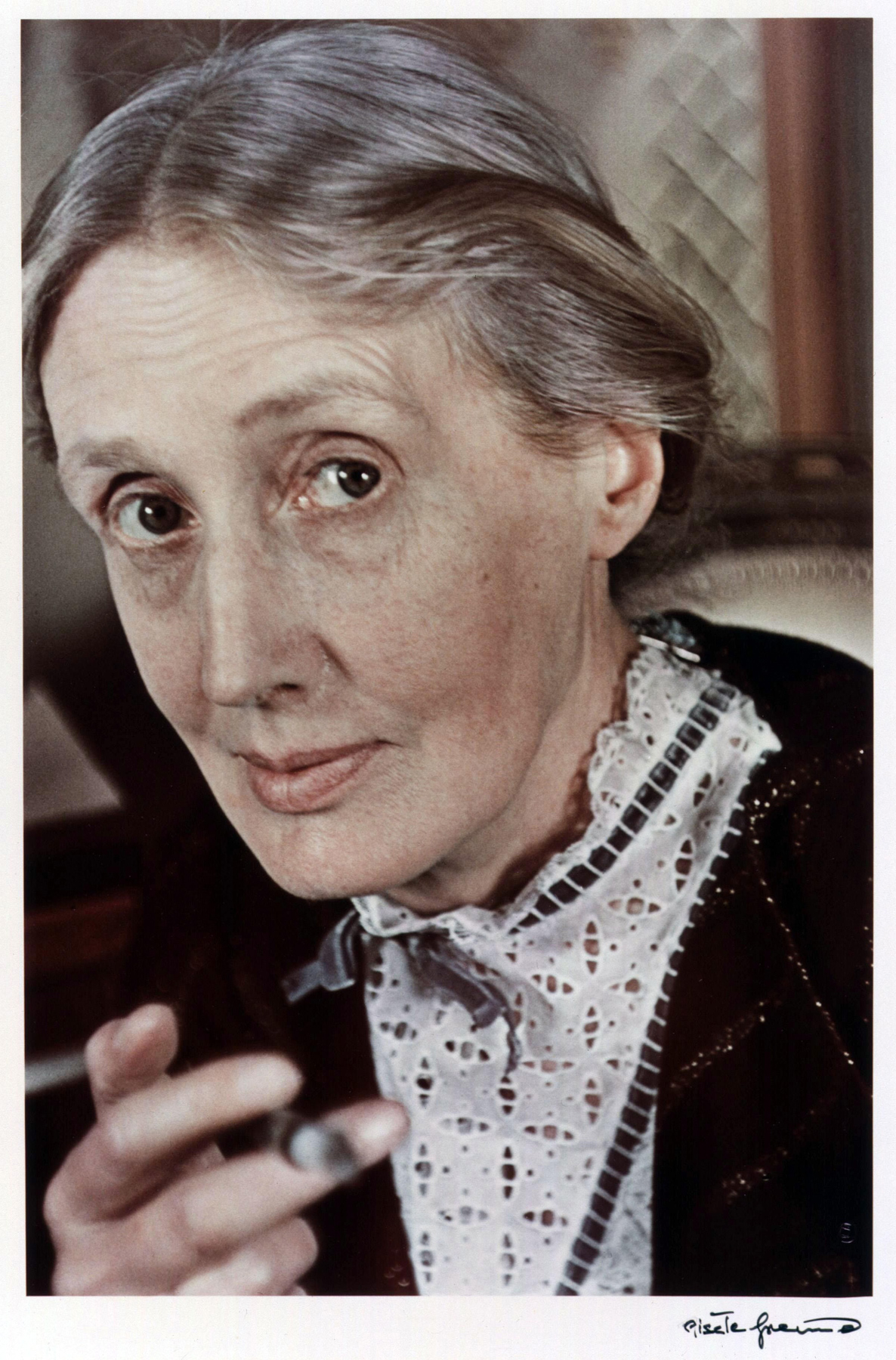


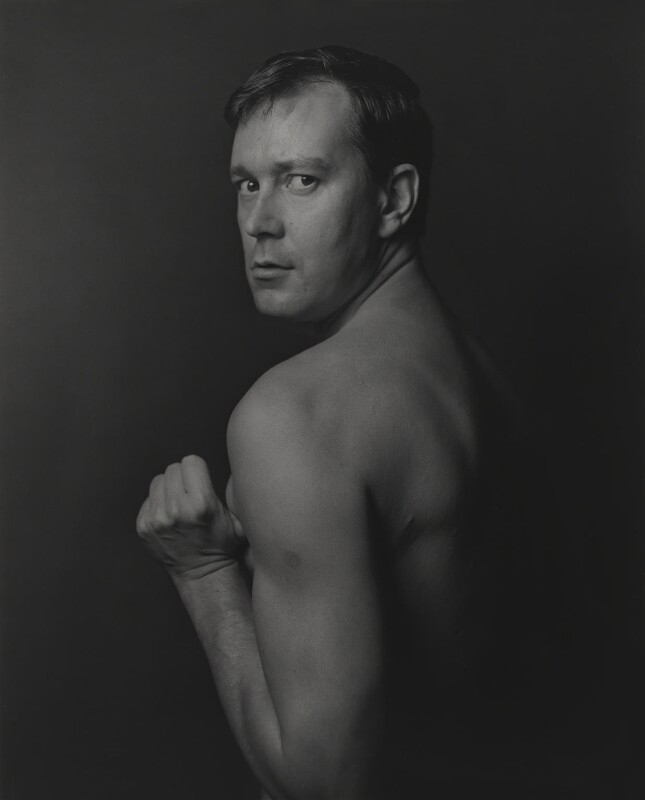

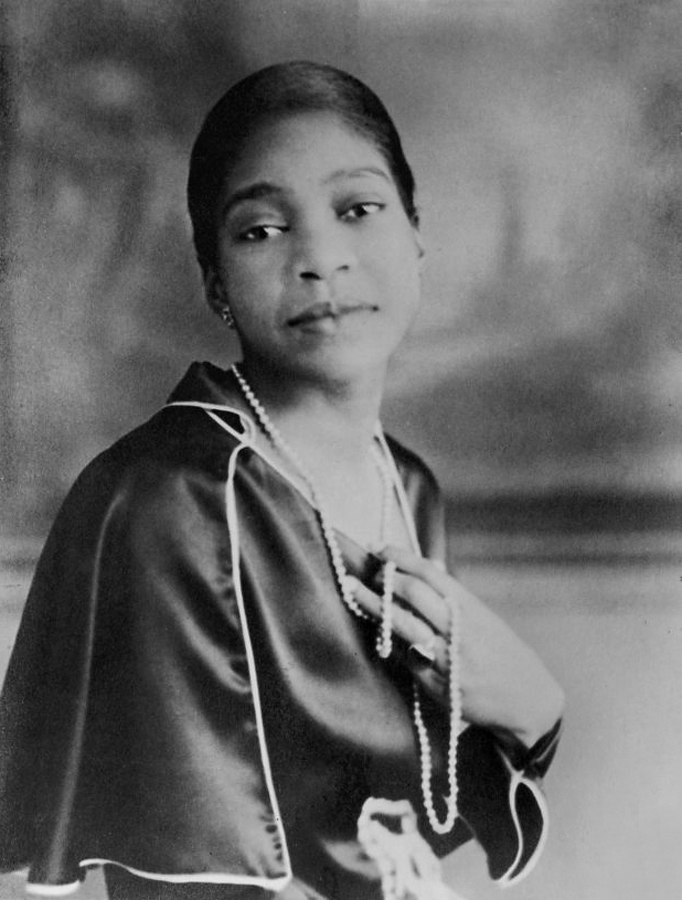
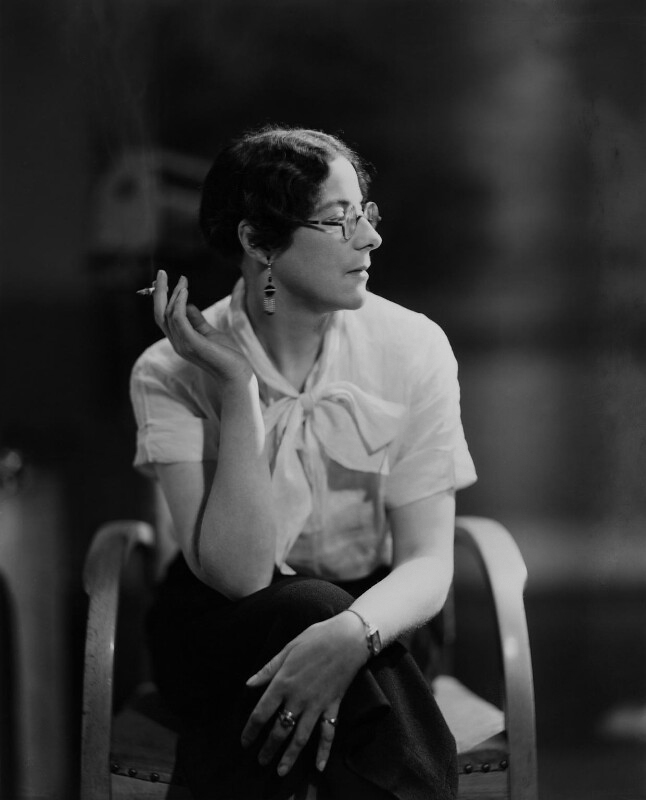

 Art Blart _ art and cultural memory archive
You must be logged in to post a comment.