Martina Lindqvist (Finland, b. 1981) Untitled 1
2011
From the series A Thousand Little Suns
This end of the world will occur without noise, without revolution, without cataclysm. Just as a tree loses leaves in the autumn wind, so the earth will see in succession the falling and perishing all its children, and in this eternal winter, which will envelop it from then on, she can no longer hope for either a new sun or a new spring. She will purge herself of the history of the worlds. The millions or billions of centuries that she had seen will be like a day. It will be only a detail completely insignificant in the whole of the universe. Presently the earth is only an invisible point among all the stars, because, at this distance, it is lost through its infinite smallness in the vicinity of the sun, which itself is by far only a small star. In the future, when the end of things will arrive on this earth, the event will then pass completely unperceived in the universe. The stars will continue to shine after the extinction of our sun, as they already shone before our existence. When there will no longer be on the earth a sole concern to contemplate, the constellations will reign again in the noise as they reigned before the appearance of man on this tiny globule. There are stars whose light shone some millions of years before we arrived … The luminous rays that we receive actually then departed from their bosom before the time of the appearance of man on the earth. The universe is so immense that it appears immutable, and that the duration of a planet such as that of the earth is only a chapter, less than that, a phrase, less still, only a word of the universe’s history.
Camille Flammarion, Le Fin du Monde (The End of the World) 1893
Many thankx to Martina Lindqvist for allowing me to publish the six photographs in this series. Please click on the photographs for a larger version of the image.
Martina Lindqvist (Finland, b. 1981) Untitled 2
2011
From the series A Thousand Little Suns
Martina Lindqvist (Finland, b. 1981) Untitled 3
2011
From the series A Thousand Little Suns
A Thousand Little Suns is an autobiographical body of work that uses childhood landscapes as metaphor for human experience, and is further influenced by an interest in spatial psychology, or more precisely, the emotive effects of landscapes and forested wilder land. Marcault and Therese Brosse once wrote that “forests, especially, with the mystery of their space prolonged indefinitely beyond the veil of tree-trunks and leaves, space that is veiled for our eyes … are veritable psychological transcendents.” Forests, in spite of being the most natural of spaces, are truly unnatural for the cultured human being. Soon, if we don’t know where we are going we no longer know where we are, and standing on the brink of a forest always represents this possibility of going deeper and deeper into the unknown.
A Thousand Little Suns takes a contemplative look on the landscape of Ostrobothnia in central Finland, which during the autumn and winter months should be shrouded by an impenetrable darkness, but instead finds itself lit by a thousand glowing lights. Shining upon uneasy buildings trapped in the middle of darkness and light; forestation and cultured space, these ephemeral lights place the border with its inherent dialectical problematic of inside / outside in focus. The concept of the border is thus echoed in the structural quality of the land; in the patches of light with their opposing darkness, and is a reflection of the experience of an inherited yet closed off culture that was always seen through the eyes of a visitor.
Martina Lindqvist 2011
Martina Lindqvist (Finland, b. 1981) Untitled 4
2011
From the series A Thousand Little Suns
Martina Lindqvist (Finland, b. 1981) Untitled 5
2011
From the series A Thousand Little Suns
Martina Lindqvist (Finland, b. 1981) Untitled 6
2011
From the series A Thousand Little Suns
Many thankx to Fotomuseum Winterthur for allowing me to publish the text and the photographs in the posting. Please click on the photographs for another version of the image.
Ai Weiwei – Interlacing is the first major exhibition of photographs and videos by Ai Weiwei. It foregrounds Ai Weiwei the communicator – the documenting, analysing, interweaving artist who communicates via many channels. Ai Weiwei already used photography in his New York years, but especially since his return to Beijing, he has incessantly documented the everyday urban and social realities in China, discussing it over blogs and Twitter. Photographs of radical urban transformation, of the search for earthquake victims, and the destruction of his Shanghai studio are presented together with his art photography projects, the Documenta project Fairytale, the countless blog and cell phone photographs. A comprehensive book accompanies this exhibition.
Ai Weiwei is a generalist, a conceptual, socially critical artist dedicated to creating friction with, and forming reality. As an architect, conceptual artist, sculptor, photographer, blogger, Twitterer, interview artist, and cultural critic, he is a sensitive observer of current topics and social problems: a great communicator and networker who brings life into art and art into life.
Ai Weiwei was born in 1957, the son of the poet Ai Qing. Following his studies at the Beijing Film Academy, he cofounded in 1978 the artists’ collective The Stars, which rejected Social Realism and advocated artistic individualism and experimentation in art. In 1981 Ai Weiwei went to the USA and 1983 to New York, where he studied at Parsons School for Design in the class of the painter Sean Scully. In New York he discovered artists like Allen Ginsberg, Jasper Johns, Andy Warhol, and, above all, Marcel Duchamp. Duchamp is important for him because he understood art as part of life. At this time, Ai Weiwei produced his first ready-mades and thousands of photographs documenting his life and friends in the Chinese art community in New York. After his father fell ill, he returned to Beijing in 1993. In 1997 he cofounded the China Art Archives & Warehouse (CAAW) and began from then on to deal with architecture as well. Ai Weiwei opened his own studio in 1999 in Caochangdi and set up the architecture studio FAKE Design in 2003. In the same year, he played a major role, together with the Swiss architects Herzog & de Meuron, in the construction of the Olympic stadium, the so-called Bird’s Nest. Following its completion, it became a new symbol of Beijing. In 2007, 1001 Chinese visitors traveled, at his instigation, to Documenta 12 in Kassel (Fairytale). In 2010 the world marvelled at his large, yet formally minimal carpet of millions of hand-painted porcelain sunflower seeds at the Tate Modern.
Ai Weiwei deliberately confronts social conditions in China and in the world: Through photographically documenting the architectonic clear-cutting of Beijing in the name of progress, with provocative measurements of the world, his personal positionings in the Study of Perspective, with radical cuts in the past (made to found pieces of furniture) in order to create possibilities for the present and the future, and with his tens of thousands of blog entries, blog photographs, and cell phone photographs (along with many other artistic declarations). This first, large exhibition and book project of his photography and videos focuses on Ai Weiwei’s diversity, complexity, and connectedness, his “interlacing” and “networking” with hundreds of photographs, blogs, and explanatory essays.
The artist as network, as company, as activist, as political voice, as social container, as agent provocateur: at every moment – in the past, present, and future – every society on Earth needs outstanding unique figures like Ai Weiwei in order to stay awake, to be shaken awake, to be made to recognise their own obstinacy, and to be able to avoid tunnel vision. We are therefore deeply saddened that the completion of this book coincides with Ai Weiwei’s arrest which we deplore. We are extremely concerned about the artist. And we wish that this great thinker, designer, and fighter will remain a resistant public voice for all of us – and especially for China.
The exhibition and book were developed in close collaboration with Ai Weiwei. For reasons already mentioned, however, he was unable to be involved in completing the book. We continue to hope that he will be personally present for the installation of the exhibition.
Press release from the Fotomuseum Winterthur website [Online] Cited 06/07/2011 no longer available online
“Gone is the modernist tenet of authorship in which everything in a photograph depends and can be traced to a single photographer acting in isolation. In its place, White supposes a relationship with subject that is a two way street: by granting the world some role in its own representation we create a photograph that is not so much a product solely of individual actions as it is the result of a negotiation in which the world and all its subjects might participate.”
Vince Leo
These are beautiful photographs; there is no fuss, no histrionics here. The use of light and the framing of subject are wonderful. The photographer has let the subject generate its own composition meaning that the sculptures speak for themselves: something takes over – an ethereal evocation of space and place.
The sculptures occupy a representational space appropriated by the imagination. “Lefebvre writes that it [representational space] “overlays physical space, making symbolic use of its objects” and is predominantly non-verbal in nature.”1 The photographs and their representational space offer the viewer the possibility of drifting (Guy Debord’s dérive) encouraging “an unplanned journey through a landscape… where an individual travels where the subtle aesthetic contours of the surrounding architecture and geography subconsciously direct them with the ultimate goal of encountering an entirely new and authentic experience.”2
I find the photographs truly authentic. I immerse myself in their presence: I embrace them because they are in my imagination, creatures of the deep recesses of the mind.
Dr Marcus Bunyan
1/ Burgin, Victor. In/Different Spaces: Place and Memory in Visual Culture. Berkeley: University of California Press, 1995, p. 27
2/ Anonymous. “Dérive,” on the Wikipedia website [Online] Cited 28/06/2011
This monument, authored by sculptor Miodrag Živković, commemorates the Battle of Sutjeska, one of the bloodiest battles of World War II in the former Yugoslavia.
World War II
Since nearly the beginning of Axis powers taking control of the Kingdom of Yugoslavia in April of 1941, the armies of Germany, Italy and their other Axis collaborators had been battling against armed uprisings of local resistance forces, most notably Josip Tito’s communist Partisan Army. As the Partisans in large part relied on guerilla tactics and unconventional warfare, they became a significant force for the Axis leadership to reckon with. As a result, the German Army created a set of targeted operations to take out Tito specifically, which they felt would behead the Partisan’s leadership and destroyed the movement. The first attempt at subduing Tito took place in January of 1943, during what the German’s called Operation Case White, which the Yugoslav’s later referred to as the Battle of Neretva near Makljen. However, this operation ended in Tito dramatically escaping at the last moment.
In May of 1943, Axis powers set upon Tito again with a new operation called Case Black. The operation was initiated with 127,000 Axis forces pursuing 22,000 Yugoslav Partisans across the Durmitor Mountains, then north into the Zelengora Mountains of present-day Bosnia. Then, in early June of 1943, the Partisans were subsequently boxed in and trapped within Axis lines on Vučevo Mountain on the east Sutjeska River valley, near the small village of Tjentište. As a result, a massive battle between the two sides ensued in what today is known as the ‘Battle of Sutjeska’ (Bitka na Sutjesci). Despite this hopeless seeming situation, Tito orchestrated a daring move where, starting on the morning of June 9th, he ordered Partisan units to begin breaking west across the open valley and over the river. Some of the Partisans were surprisingly successful in breaking the German lines, at which point they headed up a steep ravine of Ozren Mountain and were then able to break north through German lines and escape past Goražde through the mountains into eastern Bosnia.
Despite this ambitious and daring escape Tito made during this seemingly hopeless battle, it came at a great cost of life. During the conflict, over 7,000 Partisan soldiers were killed. Tito’s escape at Sutjeska is considered a significant pivotal moment is the Partisan Liberation Struggle against the German-Italian Axis occupiers, as it proved that they were a formidable fighting force which could not easily be destroyed.
Anonymous text. “Tjentište,” on the Spomenik Database website Nd [Online] Cited 22/07/2022
The Petrova Gora monument was designed by Vojin Bakić and built in 1982. It was dedicated to the people of Kordun and Banija who died during World War II. It was dismantled in 2011.
The Kosmaj monument in Serbia is dedicated to soldiers of the Kosmaj Partisan detachment from World War II.
The Kruševo Makedonium monument in Macedonia was dedicated to the Ilinden Uprising of 1903, when the Bulgarian population revolted against the Ottoman Empire.
Ilinden Uprising
The primary historical event this monument commemorates is the Ilinden Uprising, which was an uprising of Macedonian IMARO rebels initiated against Ottoman rule on August 2nd, 1903. During this time, in the region of present-day Kruševo, resistance fighters proclaimed this newly liberated land to be the land of the Kruševo Republic, under the leadership of then school-teacher turned war-hero Nikola Karev. This separatist territory lasted less than two weeks before it was suppressed by 176,000 Turk soldiers and put back under Ottoman control, with nearly 9000 people being executed at the hands of the Turks in retaliation.
World War II
In addition, this spomenik commemorates the local Kruševo fighters of the People’s Liberation Struggle (WWII) who struggled under the Partisan banner to help free Macedonian from Axis and fascist occupation. On August 19th, 1942, the Kruševo Partisan Detachment was formed as a force of community soldiers who engaged in skirmishes with Axis troops across Macedonia until Kruševo’s liberation by Soviet-backed Bulgarians during the fall of 1944. Macedonia was officially declared a nation-state during the Anti-fascist Assembly for the National Liberation of Macedonia (ASNOM), held at Prohor of Pčinja Monastery, on August 2nd, 1944, which was a date symbolically chosen to align with the date of the Ilinden Uprising, as the ASNOM gathering considered itself the ‘Second Ilinden’. Presently, this date is still celebrated in Macedonia as the Day of the Republic.
Anonymous text. “Kruševo,” on the Spomenik Database website Nd [Online] Cited 22/07/2022
The Susanjar Memorial Complex in Bosnia and Herzegovina was created in remembrance of the thousands killed by Germans during the Orthodox festival of Ilindan in 1941.
Spomenik Construction
Preliminary plans to construct a memorial complex at the Sanski Most execution site for the commemoration of these tragedies was organised in late 1968. At this point, an official selection board was convened to arrange this memorial’s construction. This board consisted of municipal officials as well as generals and officials of the SR of Bosnia who were from the Sanski Most region. The chairman of the board was Yugoslav WWII hero Petar Dodik, at this time a lawyer from Sarajevo. Funding for the project was raised by this board largely via public voluntary donations from those in the community. Three specific notable designers were considered by the board to create the monument, all who had varying ideas of what the monument should look like. Belgrade architect Bogdan Bogdanović, wanted to construct a ‘Tower of Babel’ themed structure, but the design selection committee found this concept unacceptable. Famous Zagreb sculptor Vanja Radauš suggested a bone-shaped memorial, but this was also rejected, as it was felt it might incite feelings of anger and hatred towards Croats in general, especially as the memorial was intended to be a place of healing and reconciliation… not horror.
The project was eventually awarded to Sarajevo architect Petar Krstić, whose primary composition, completed in 1970, consisted of an aluminium flame-like obelisk set within an open paved courtyard. The complex’s approaching pathways were lined with stone tiles commemorating the victims killed and executed in the uprising. In addition, long crisscrossing concrete tubes are arranged around the monument as seating for visitors and as an outdoor classroom for students. The official commemoration ceremony for the memorial took place on August 2nd, 1971, a date which recognised 30 years since the 1941 St. Elijah’s Day killings. During the memorial’s construction, there was an alleged incident where when workers were digging in the ground to construct the memorial’s crypt, blood started to bubble up from the earth. After an investigation, it was determined to be human blood (presumably left over from the massacres which occurred on the site) which had seeped into the ground and mixed with moist clay, allowing it to remain viscous and suspended. However, I was not able to find definitive corroborating evidence of this event. Also, after the monument’s official opening in 1971, a series of annual poetry reading events called the ‘Šušnjar Literary Festival’ were held at the site every August 2nd during the monument’s remembrance ceremonies.
Symbolism
It has been stated by the creator of this memorial sculpture, Petar Krstić, that its sharply irregular and luminescent form is meant to resemble the shape of a shining leaping flame and that said form is meant to be symbolic of the light of life and the victorious process of overcoming the threat of fascism which caused such sufferings to the people of the Sanski Most region. Such a universally understood image of the flame representing the ‘light of life’ was mostly surely chosen by the memorial’s selection board with the intention that it would be an inclusive and non-incendiary symbol pleasing all members of the town’s ethnically divided population. In addition, Krstić explained that his sculpture was meant to symbolise not only the suffering of people in Sanski Most, but suffering of all people throughout the ages. Such statements reinforce the ‘universalist’ interpretations of this sculpture. Interestingly, Krstić’s original design called for the memorial sculpture to emit sounds and lights from a machine within the structure, which would symbolise the struggle and suffering of the people of Sanski Most – however, this experimental concept became cost prohibitive and was never integrated into the site.
Anonymous text. “Sanski Most,” on the Spomenik Database website Nd [Online] Cited 22/07/2022
Built in 1963, this monument in Niš, Serbia commemorates the 10,000 people from the area that were killed during World War II. The three clenched fists are the work of sculptor Ivan Sabolić.
This monument is in Korenica, on the border of Croatia and Bosnia. It commemorates Yugoslavia’s victory in World War II.
This monument is dedicated to the soldiers who freed the city of Knin, Croatia from the fascists during World War II.
Built in 1949, this monument was designed by Vojin Bakić and is dedicated to the fallen fighters of the Yugoslav front.
The Kadinjača Memorial Complex commemorates those who died during the Battle of Kadinjača.
Serbia’s most grandiose spomenik (Yugoslav-era memorial), Kadinjača commemorates the Partisans from the Workers’ Battalion who perished on this spot fighting the Germans in November 1941. Rising on a green hill like some futuristic Stonehenge, the arresting series of white granite monoliths of various heights and angles culminates in two 14m-high pillars that together form a symbolic ‘bullet hole’ sculpture. The 15-hectare complex comprises a stone pyramid with a crypt for the fallen soldiers.
There’s a memorial hall with an exhibition about the historic event. The Partisans’ heroic defeat at the battle of Kadinjača marked the end of the short-lived Republic of Užice, the first liberated territory in German-occupied Europe. Proclaimed by Yugoslavia’s legendary resistance movement, it covered an area of about 20,000 sq km in western Serbia and lasted only 67 days.
Many thankx to Susanne Briggs for her help and for AGNSW for allowing me to publish the text and photographs in the posting. Please click on the photographs for a larger version of the image.
“The camera is generally assumed to be unable to depict that which is not visible to the eye. And yet the photographer who wields it well can depict what lies unseen in his memory.”
Eikoh Hosoe
This exhibition brings together four seminal series by Eikoh Hosoe, a leading figure in modern Japanese photography. Taken over five decades, The butterfly dream 1960-2005, Kamaitachi 1965-1968 and Ukiyo-e projections 2002-2003 are driven by Hosoe’s longstanding fascination for the revolutionary dance movement butoh and for its charismatic founders, Tatsumi Hijikata and Kazuo Ohno. Together these series epitomise his unique style, which combines photography with elements of theatre, dance, film and traditional Japanese art, and uses mythology, metaphor and symbolism. Using the latest digital technology, Hosoe prints his photographs on washi paper, mounting them in the traditional Japanese manner as scrolls and folding screens, thereby suggesting a new way of ‘reading’ his series as a continuous narrative. Hosoe’s interest in examining the beauty and strength of the human body is best seen in his acclaimed series of extremely abstract nudes, Embrace 1969-1970. The models are butoh dancers associated with Hijikata.
For over fifty years, internationally acclaimed Japanese photographer Eikoh Hosoe has been producing cutting edge works demonstrating a unique mastery of the photographic medium. Early on in his career he abandoned the documentary style prevalent in the post-war years and produced photographs that breathed a sense of experimentation and freedom into photography. By calling on mythology, metaphor and symbolism he created images that broke the bounds of traditional photography. Hosoe developed a unique style situated at the crossroads of several different art forms, combining photography with elements of theatre, dance, film and traditional Japanese art.
From the early days of his career Hosoe’s destiny became linked to butoh, the revolutionary performance movement formed in post-war Japan. His close relationship to Tatsumi Hijikata and Kazuo Ohno, the two pivotal figures of butoh dance, forms the basis for his seminal series such as Kamaitachi, Embrace, The butterfly dream and Ukiyo-e projections, included in this exhibition.
This exhibition also highlights Hosoe’s extraordinary creativity and mastery of photographic printing techniques. Having experimented with both film-based and digital techniques to develop new methods of photographic expression, in recent years, he has started to use digital printing technologies on Japanese handmade paper (washi) and mounts his works in the form of traditional Japanese scrolls and screens. These ‘photo-scrolls’ provide a fascinating new reading of Hosoe’s work and underline his commitment to push the boundaries of photographic expression.
Hosoe gained recognition in the late 1950s when he began to develop his close-ups of the human body. Embrace, a series of black-and-white, abstract nude photographs, encapsulates Hosoe’s strive for originality in this photographic genre.
Through the novelist, Yukio Mishima, Hosoe was to meet Tatsumi Hijikata, one of the founders of Butoh dance. After seeing Hijikata’s performance, adapted from the novel Kinjiki (Forbidden Colours) by Mishima in a small Tokyo theatre, Hosoe was inspired and began photographing the Butoh dancer, a collaboration which continued for many years and culminated in the series Kamaitachi (1965-1968). This series, shot on various locations in the rural Tohoku region, integrated elements of dance, theatre and documentary into a cinematic work that aimed to recreate and dramatise Hosoe’s childhood memories.
Hosoe’s association with Butoh also led him to photograph the renowned Butoh performer, Kazuo Ohno. Released in 2006 in celebration of Ohno’s 100th birthday, the series The butterfly dream is a poignant visual documentary of Ohno’s artistic development over 46 years. While they retain the drama intrinsic to Butoh, Hosoe’s photographs of Ohno focus in on details of Ohno’s body, the curve of a wrist or a facial expression caught between agony and ecstasy.
Hosoe’s latest colour work, Ukiyo-e Projections, revisits his early work by linking it into ukiyo-e and Butoh dance. This series was born when he found out that the experimental Asbestos Dance Studio, founded by Hijikata and his wife, was to close in 2003 after forty years of activity. Upon hearing about the closure, Hosoe felt the need to pay a photographic tribute “to express gratitude for all that it had produced.” Ukiyo-e Projections was completed on stage at the Studio during a series of sessions in 2002 and 2003. For this series Hosoe created what he calls a “photographic theatre,” projecting a mixture of his own photographs with ukiyo-e prints on to the white-painted bodies of young Butoh dancers. The series explores many of the themes that recur in his work: sexuality, the human form and movement.
Eikoh Hosoe: Theatre of Memory highlights Hosoe’s mastery of photography through his four seminal series, Embrace, Kamaitachi, The Butterfly Dream and Ukiyo-e Projections, showing Hosoe’s sensibility for theatre, performance and the human body. It further demonstrates his creativity and mastery of photographic printing techniques. Throughout his career Hosoe, a master printer, has experimented with both film-based and digital techniques to develop new methods of photographic expression. In recent years, he has combined new printing technologies with Japanese washi paper to present his work on traditionally made silk screens and scrolls.
This is the first solo exhibition of Hosoe’s works in Australia. Hosoe, 77, is currently completing a new series of works on the sculpture of Auguste Rodin. The exhibition Eikoh Hosoe – Theatre of memory is realised in collaboration with Studio Equis, France.
Photographer Eikoh Hosoe on his work and inspirations
Eikoh Hosoe – a leading figure in modern Japanese photography – came to the Art Gallery of New South Wales to launch the exhibition ‘Eikoh Hosoe: theatre of memory’. In this video he discusses his work and inspirations.
The butterfly dream – a collection of photographs taken over a period of 46 years – represents Hosoe’s homage to the charismatic butoh dancer Kazuo Ohno. It was published as a book, which was released on 27 October 2006 in celebration of Ohno’s 100th birthday.
Originally an instructor in physical education and performer of modern dance, Ohno befriended Tatsumi Hijikata in the 1950s and became a pivotal fi gure in the development of the butoh performance movement. Ohno’s poetic dance style stems from his belief in the transcendental nature of human experience, that the human body has a memory of sensations and knows no limits of self-expression.
Following closely his friend’s extremely long and successful career – Ohno continued to perform late into his 90s – Hosoe has captured some of the most poignant and magical moments in the history of butoh. In honour of Ohno’s long-held conviction in the importance of achieving freedom of body and mind, Hosoe named his photographic exploration of Ohno’s unique art after the famous Daoist allegory in which the philosopher Zhuangzi dreamt he was a butterfly, but once awake, wondered if he was a man dreaming to be a butterfly or a butterfly dreaming to be Zhuangzi.
Centered on the Japanese myth of Kamaitatchi, a mythical folkloric monster believed to have existed in rural Japan, these photographs were created collaboratively by the photographer Eikoh Hosoe and the choreographer and dancer Tatsumi Hijikata (1928-86) over several years in the late 1960s. The famed choreographer, who established the abstract dance style of Butoh, performed in front of Hosoe’s camera, enacting the movement of the monster Kamaitachi.
Hosoe captured Hijikata’s transformation into Kamaitachi as they traveled from Tokyo to a small farming village in Yamagata in the Tohoku region of Japan. Often thought to be a weasel, Kamaitachi appears in a whirlwind to cut its victims with a sickle, but his cuts neither draw blood nor cause pain. In the village, Hijikata ran around in a rice field, interacted with villagers and farmers, and played with children. The artists stated that their collaboration in the rural Tohoku region (where the both artists were born) was their symbolic departure from the increasingly modernised capital city Tokyo while they had worked professionally.
Eikoh Hosoe’s long association with the revolutionary performance movement butoh came about through his encounter in 1959 with one of its founders, Tatsumi Hijikata. Hosoe collaborated with Hijikata on several series including Kamaitachi, which is acknowledged as the finest illustration of Hosoe’s hybrid photographic style, combining performance and documentary with a dramatic, virile aesthetic that embodies the founding principles of Hijikata’s ankoku butoh or ‘dance of darkness’.
The dramatic and intense energy that Hijikata generated with his dance not only captured Hosoe’s imagination but also opened up new ways for the young photographer to approach themes such as sexuality, gender and the human body.
Driven by the desire to re-enact his childhood memories when he was evacuated from Tokyo during World War Two, Hosoe had Hijikata perform kamaitachi, the legendary weasel-like demon that haunted the rice paddies in the extremely sparse, rural landscape of the Tohoku region from where they both came. Fusing reality (Hijikata interacting with the landscape and village people) and performance, Hosoe’s ‘subjective documentary’ series opened new ground in Japanese post-war photography.
“When we are photographed, our bodies and souls become the victims of sacrifice in a ritual that strips our shadows away. The Eskimo, believed that their spirits resided in their shadows and that shamans had the power to steal them. Sir James George Frazer’s Golden Bough is not the only work to recount the dazzling drama of fate, or of life and death, that unfolds between man and his shadow.
Like life, death comes and goes – perhaps for a short time, perhaps longer. Narcissus’s story will continue to dominate our lives in ways that will become increasingly complicated over time; however, the camera (or, according to villagers in Sikkim, “the evil eye in a box”) seems to have reduced us, in one fell swoop, to the physics of light and shade. The objective lens seems opened to all of Nature, where all roads lead. The fact is, however, that it turns upside down once in the darkness and then is transformed into Nature.
To what extent were Katsu Kaishu,1 Baudelaire, and other luminaries of the early modern era who posed before the camera – tenuously sustained by their recognition of Nature amid a strange confusion of affectation and narcissism – aware of the evil lurking in the lens? Whatever the case, we will eventually see that, like the naked eye, the lens exists always “in its savage state.”2 We are seldom aware of the bizarre fact (or perhaps we just accept it as a self-evident truth) that both the thieves of shadows (photographers) and the thieves’ victims (subjects) are human beings.
I find it almost impossible to believe that the camera could truly capture, for example, the desire of a bird in flight at a certain moment or at any moment. All too often, the photographer unknowingly loses sight of reality, and the reality runs or rolls away, just outside the frame. Or, surprisingly, reality may be there in a corner of the image, invisible and therefore completely unnoticed. And so here I am reminded of Man Ray’s trenchant modern maxim: “Photography is not art.”
Before we even look at the Kamaitachi images, I want to stress the importance of distinguishing them from the generic concept referred to as staged photography. They are strictly, categorically, different from posed photographs of modern narcissists. If Hosoe had not met Tatsumi Hijikata, the phenomenal butoh master, he could not have created this extraordinary series. Hijikata is a man who – metaphorically speaking – can transmogrify in an instant into a phantasmagorical bird. This is not even theatrical photography, but rather a rare instance in which the camera obscura becomes a theater. And it is the paradoxical existence of the camera – which can photograph a vast void when we mean to capture a concrete object – that proves to be a stroke of luck for Hijikata, the master of movement.
Like the lens, Hijikata is a unique dancer, always aware that the “eye exists in its savage state.”3 His “dance experience” is never a matter of leaping across a stage, pretending to be a swan: if a bird is what he has in mind, Hijikata becomes a raven. The raven plunges to the ground far below the stage. Then it runs, if it wants to run, or flies, if it wants to fly. For Hijikata, hasn’t the paradoxical vacuum dwelling in the camera become a divine machine at a certain moment? Then, voluntarily or involuntarily, we may reach the lights of purgatory, for which we have yearned, beyond the millennia of human history.
At the very least, I see here an inevitable force striving to preserve the relationship between photographer and subject. In all likelihood, no other work approaches the original meaning of the term “happening” (however simplified it may be in this case) as closely as this one. Tatsumi Hijikata uses his dance artistry to abruptly penetrate the center of the vacuum between time and space, and he descends to the ground closest to the place where we were born.
He has arrived at the vacuum’s nest, the home of kamaitachi, the “sickle-weasel.”
Today it would seem that the kamaitachi belong to legend and mythology. What are kamaitachi? Memories from my childhood flood back to me: my father was a country doctor, and several times I saw farmers, claiming to have been bitten by a kamaitachi, carried to the threshold of our house. Those were frightening moments, smelling of blood, like the first bolt of lightning streaking across a dark sky. I heard the farmers say they were attacked out of the blue, under a rice-drying rack or an ancient persimmon tree. But no one bore a grudge against that invisible weasel. In fact, a family of actual weasels made their home in the loft of the thatched shed behind our house. Every once in a while, I would see them dart across a field, always taking the shortest path and then disappearing. They lived among people but avoided them. The rumour was that the disreputable little creatures were so wary and agile that they never took the same path twice. I wonder whatever happened to them. One book defines kamaitachi as a laceration from the localised vacuum created by a dust devil. No one really knows the truth. The days of kamaitachi are long gone.
Was kamaitachi a spirit of the soil, a phantom that appeared only to farmers? If so, that invisible flying blade must have been incredibly sharp to leap through the sky and pierce flesh.
It is hard to say whether Tatsumi Hijikata is a spirit of the soil or the air; however, even before we can contemplate the question, he approaches the ground almost vertically and rushes like a gale into a farming village. This village is in a rice-growing district, where Japan’s most inconsistent and absurd social reality anomalously persists. Hijikata appears suddenly, like a hawk diving to the ground – or a kidnapper from heaven.
The god of the rice fields smiles on this scene. A faint trace of that smile is on the kagura theatrical dance mask, but it isn’t the embarrassed smile replayed endlessly on television. It is a smile that could exist among demons, a smile that was present even on a footpath between barren rice fields during a terrible famine, a startling but comical smile from the realm of the unconscious.
At a precise moment, our dancer and photographer approach a timeworn village – their footsteps only faintly audible – and they capture a brief moment in the empty village, where zinnias and other flowers bloom, coated with white soil dust. The entire village, mesmerised like a haunted house, enthrals them.
Is he a hawk that has just landed – or a leaping weasel? It is foolish to ask. It is our dancer who would be wounded. The villagers gaze at him innocently, as though he reminds them of a long-forgotten priest. They smile, without knowing why, at the arrival of the oblivious fool. Their smiles become the same smile of the footpath between rice fields. It is a smile that borders on terror.
A girl smiles like a shrine maiden whom the gods have endowed with evil and innocence in perfect balance. Were the girls born fairies? Sooner or later they will experience the orgasm of life and death. Then they will depart. Will they return to the earth or to the sky? No one knows which path they will take.
In any case, two contradictory, endless journeys await them.
Hairy vacuum! Bloody vacuum! Biting vacuum! You must continue to exist on this earth!
The desire for the heavens will inexorably lead to a desire for the bowels of the earth. Then the excrescence will head for the huge void, and vice versa. The cosmic metamorphosis that this phenomenon seeks will occur, extremely and tangibly. The vacuum theater, too, is part of the evolution.
To arrive at the source of the phantom of ecstasy, we must dig deeper and deeper, day by day.
And the witness is an instantaneous flash.”
by Shuzo Takiguchi
Translated by Connie Prener
1/ Officer credited with the modernisation of Japan’s navy (1823-1899)
2/ Allusion to Andre Breton’s Le Surréalisme et la peinture 3/ Ibid.,
First published as a book in 1971, Embrace represents a return to the study of the human body that Hosoe undertook in earlier series such as Man and woman (1959) or Ordeal by roses (1963). In this new body of work, however, he abandoned the strong contrast and dramatic, baroque visual aesthetic in favour of the purity of the human form. Showing abstract fragments of male and female nudes in intimate placement, the series is not merely about eroticism or the dialogue of rivalry between the opposite sexes but is also a celebration of the pure beauty of the human body.
By depersonalising the bodies of his models, Hosoe attempted to reach a universal expression of corporeality. The extreme abstraction of these images focuses the attention on the flesh, which, according to Hosoe’s belief, is the essence of human beings.
The author Yukio Mishima comments on this series: ‘The viscosity which is associated with sex – those earthly odours and temperatures of soft and indeterminately formed internal organs – has been painstakingly removed from these photographs. To me this is a series filled with a hard, athletic beauty. First and foremost, it is about form.’
When Hosoe heard the news that the Asbestos Dance Studio, founded by Tatsumi Hijikata and his wife Akiko Motofuji, was to close in April 2003 after 40 years of activity, he felt the need to pay tribute to the achievements of this experimental studio. With the help of Hijikata’s widow, he organised a series of performances in 2002 and 2003, in which the dancers were asked to coordinate their movements in accordance with images from his own work, as well as from 19th-century Japanese paintings and woodblock prints projected on their naked, white-painted bodies.
The result of this ‘photographic theatre’ was stunning: a mysterious four-dimensional space transcending ordinary space and time was created as the two-dimensional images were projected on the three-dimensional bodies. The idea to use shunga – the erotic woodblock prints by noted ukiyo-e artists such as Utamaro, Hokusai and others – stemmed from Hosoe’s conviction that Hijikata’s archaic, ecstatic dance style had its roots in this particular art genre of the Edo period (1603-1868).
Exploring many of the themes that recur in Hosoe’s work – sexuality, the human form, movement and the passage of time – this series epitomises his unique approach in synthesising photography with various forms of visual and performance arts.
Many thankx to Michaela Hille for her help and to Museum für Kunst und Gewerbe, Hamburg for allowing me to publish the photographs in the posting. Please click on the photographs to view a larger version of the image.
Hermann Biow (German, 1804-1850) Heinrich Jakob Venedey
1848
Daguerreotype
20.8 x 15.4cm
Museum für Kunst und Gewerbe, Hamburg
Hermann Biow was an important German daguerreotypist in the early days of photography. Biow became known through his portrait photography during his lifetime. He portrayed politicians, celebrities and wealthy citizens, including Franz Liszt, Alexander von Humboldt and Friedrich Wilhelm IV. He is also known for his parliamentarian portraits of the first German National Assembly in the Paulskirche in Frankfurt in 1848/1849. Today Biow is primarily seen as the founder of German documentary photography.
A daguerreotype of Heinrich Jakob Venedey from 1848 made by Hermann Biow in Frankfurt. Venedey (1805-1871) was a member of the German National Assembly in Frankfurt’s Paulskirche in 1848/1849 as a deputy for Hessen-Homburg. The lawyer belonged to the factions Deutscher Hof and Westendhall of the National Assembly.
Text translated by Google Translate from the German Wikipedia website
Hermann Biow (German, 1804-1850) Heinrich Joseph Gerhard Compes
1848
Daguerreotype
20.4 x 14.8cm
Museum für Kunst und Gewerbe, Hamburg
A daguerreotype of Heinrich Joseph Gerhard Compes (that’s Gerhard Compes) from 1848 by Hermann Biow in Frankfurt. Compes was a member of the German National Assembly in Frankfurt’s Paulskirche in 1848/1849 as a deputy for the 19th province of Rhineland (Siegburg). The Cologne lawyer belonged to the Württemberger Hof faction of the National Assembly.
Text translated by Google Translate from the German Wikipedia website
The first section of People of the Twentieth Century is dedicated to the farmer. It begins with a Stammappe, or portfolio of archetypes. Usually three-quarter-length portraits, the photographs depict old farming men, women, and couples seated in their homes or against a natural backdrop. Each is captioned to suggest the fundamental role played by the individual in a balanced society. Sander referred to this farmer as the “earthbound man.” Other archetypes include the “philosopher,” the “fighter or revolutionary,” and the “sage.” All had female counterparts, while couples were labeled as “propriety and harmony.”
Identifying this figure as the “earthbound man,” Sander forged an implicit reference to the soil as a source of livelihood. The farmer’s hands grasp the cane, which keeps him upright and connected to the earth.
Text from the J. Paul Getty Museum website [Online] Cited 04/02/2020
The portraits in Lerski’s Everyday Heads show unemployed workers whom the photographer met at a Berlin job centre where he hired them to sit for him. Old Working Woman from Germany 1928-1931 is a close-up shot of a woman’s face, eyes down and mouth shut as though she is quietly contemplating something outside of the picture’s frame (left, above). It is impossible to tell whether this meditative look, a common feature of his portraits, was suggested by Lerski but it is evident that he was in control of nearly every aspect of his pictures. An experienced movie cameraman, he used artificial light reflected by mirrors and screens to give his models an aura and monumentality that people would be familiar with from expressionist feature films. Oblique angles, in line with modernist sensibilities, helped to reinforce the impression of grandeur. He also cropped the images and introduced extra screens so as to eliminate the space around his models heads, and any details from what remained of the background. This also served on occasions to compromise the integrity of the subject’s face though, in other cases, he preferred to blur the contours of the face using strong shadows, as can be seen in Beggar from Saxony 1928-1931 (right, above). The results produced a general notion of everyday people rather than an endorsement of individuality as praised in traditional portraiture. Like Sander and Retzlaff, Lerski only gave the individuals’ professions in the captions, and was keen not to exemplify their class affiliation or social rank. The pictures provide no information about either, focusing instead on the face. In this way Lerski enhanced the common human dignity normally ignored in ‘everyday’ faces, and more especially in those humiliated by unemployment during the post-1929 economic crisis.
Wolfgang Brückle. “Face-Off in Weimar Culture: The Physiognomic Paradigm, Competing Portrait Anthologies, and August Sander’s Face of Our Time,” in Tate Papers No.19 Spring 2013 [Online] Cited 04/20/2020
Heinrich Riebesehl (German, 1938-2010) Menschen im Fahrstuhl (People in the elevator)
1969
Gelatin silver print
Heinrich Riebesehl (German, 1938-2010) Menschen im Fahrstuhl (People in the elevator)
1969
Gelatin silver print
The exhibition comprises 400 exhibits and reflects on important artistic positions in photographic portraiture. During the eventful 20th century portrait photography continually redefines itself, between dissolution of the traditional concept of the subject in the masses and the pursuit of individuality and identity – culturally, socially and in terms of gender. Portraiture is one of the traditional genres in art and was one of the driving forces behind the invention of photography in the 19th century. The image of the human being is subject to constant change, which is also reflected in photography. In postmodern society mass media create ever-changing ideals according to various requirements in tune with a quick succession of trends. Art photography responds to the changes and reflects the development sometimes with spectacular results while it questions the medium of photography itself. The exhibition presents 35 carefully chosen international artists, who through history have opened up a dialogue among themselves; they are referencing each other’s work, and are received and interpreted in ever new contexts. On show are works by Diane Arbus, Hans-Peter Feldmann, Lee Friedlander, Nan Goldin, Roni Horn, Jurgen Klauke, Annie Leibovitz, Helmar Lerski, Irving Penn, Judith Joy Ross, Thomas Ruff, August Sander, Cindy Sherman, Andy Warhol and others. An exhibition in cooperation with the Sammlung Niedersächsische Sparkassenstiftung on the occasion of the 5th Photography Triennial in Hamburg.
“The PORTRAIT-PHOTOGRAPH is a closed field of forces. Four image-repertoires intersect here, oppose and distort each other. In front of the lens, I am at the same time: the one I think I am, the one I want others to think I am, the one the photographer thinks I am, and the one he makes use of to exhibit his art.” (Roland Barthes, Camera Lucida, London, 1984, p. 13). The photographic portrait does indeed combine contrary interests. The relationship between photographer and sitter is crucial. The third factor is the viewer, who is already being considered during the process of photographing. In the knowledge of the particular psychological situation resulting from the presence of a camera, Richard Avedon laconically stated: “A photographic portrait is a picture of someone who knows he is being photographed.” The sitters’ reactions to the camera differ, depending on how experienced they are. Fact is: It is not possible to not communicate, as Paul Watzlawick’s research on communication shows. People demean themselves, even if they withdraw or turn away.
The confrontation climaxes in the principle of frontality, which remains valid today although it is constantly being tried and questioned. The project Serial Portraits invites the visitor on a journey through time starting from the beginnings with Hermann Biow’s (1804-1850) daguerreotypes, David Octavius Hill’s (1802-1870) and Robert Adamson’s (1821-1848) talbotypes up to the digital present with Michael Najjar’s (b. 1966) cyborgs, and wondering whether classical portraiture has come to its end.
The beginning includes a model case, where due to the long exposure necessary the models do not live out of the moment but into the moment, as Walter Benjamin said (Little History of Photography, 1931). Thirty-Minute Dialogue by Kyungwoo Chun (b. 1969) from 2000 is examining the synthesis of expression, which is necessitated by the models’ keeping still for so long. An exposure time of half an hour allows the work to penetrate the depths of the pictorial space.
The creativity of the 1920s and the New Vision inspires a “visual vocabulary” appropriate for modernity. Its different forms can be seen in the individual responses of photographers such as August Sander (1876-1964). Being a typical studio photographer, he works on a typology of “man of the 20th century”, beginning with the agricultural type, his Stammappe (engl.: Germinal Portfolio) being a memorial to the latter. Helmar Lerski (1871-1956) takes a different stance; having originally worked in film, he is photographing his Everyday Heads in extreme close-ups. Making use of effective lighting in his studio, he invites unknown sitters from the street and fashions characteristic heads.
Sander’s oeuvre represents a turning point for comparative vision as a genuine principle in series. Considering photography of the 1920s and questioning the photographer’s position as well as the medium itself, author-photography in the 1970s is developing a new idea of documentary. Thomas Ruff (b. 1958) is testing the limits, when he presupposes that photography can merely reflect the surface of things. Bernhard Fuchs is adding a personal touch when he is seeking out the places of his own past. The great portrait photographer Irving Penn is cornering his celebrities in a corner of his studio and allows them to find their place, according to their inclinations and abilities to self-represent.
Diane Arbus (1923-1971) is holding a one-sided dialog, certainly not giving equal weight to the photographer’s interests and that of her models. While the frontality signals the conventionally due deference, the complex composition of her pictures is dominated by the superior gaze directed at the supposedly others, the freaks of bourgeois society. Until now Arbus is misinterpreted as a documentary photographer. It is being ignored that photography inevitably presents a specific view of reality and that the viewer’s position has been carefully constructed within the picture.
Only pictures that have been taken without the awareness of those represented document a found situation at the same time as they present a monologue. Heinrich Riebesehl (1938-2010) chose this method for his series Menschen im Fahrstuhl (engl.: People in an Elevator), which he completed in just one day. In a moment of pause people can reflect and are not forced to react to being observed. In his pictures the photographer respects their individuality without judging social differences.
Examples for comparability as principle in a series can be found early on. Hermann Biow’s (1804-1850) daguerreotypes as unique copies of the members of parliament in the Paulskirche in Frankfurt from 1848/1849 were later reproduced as lithographs and distributed in portfolios. These politicians were the direct successors to the galleries of ancestral portraits in stately homes, whereby the new medium was democratic. Rudolph Duhrkoop’s Hamburgische Männer und Frauen amAnfang des XX. Jahrhunderts (engl.: Men and Women of Hamburg in the Early XXth Century) represent the citizens in this tradition.
Since 1975 Nicholas Nixon (b. 1974) is extending the series The Brown Sisters every year. His study is observing changes, while Hans-Peter Feldmann (b. 1941) is representing a century through 101 average people in his sequence 100 Jahre (engl.: 100 Years). It is fascinating, how the uniqueness of each person even if they remain anonymous is transported in the photographic portrait. Judith Joy Ross’ (b. 1946) series Protesting the U. S. War in Iraq documents a seriousness in the sitters’ faces, the political dimension of which can only be fully grasped with the information on the context. As with every photograph the title or accompanying text is part of the message.
Press release from the Museum für Kunst und Gewerbe, Hamburg website
Thomas Ruff (German, b. 1958) Portrait (T. Ruff)
1983
Colour Print
24 x 18cm
Thomas Ruff/VG Bild-Kunst, Bonn 2011
Niedersachsische Sparkassenstiftung, Hannover
Michael Najjar (German, b. 1966) Stephan_2.0 from the nexus project part I
1999
Hybrid photography, archival pigment print, aludibond, diasec
140 x 100cm / 56 x 40 in, edition of 6
Nexus Project
The series “nexus project part I” investigates the implications of the future enhancement of the human brain with miniaturised computer chips, infiltrated in the neuronal structures of the human organism.
Such a development will give birth to a new form of life – the cyborg, a hybrid compound of human and machine. A new set of questions are raised concerning issues of difference and identification between biologically correct beings and technically or genetically enhanced humans.
This development brings with it a host of new concerns: What impact will neuro-implants have on human consciousness? How will society cope with this kind of being, and what implications will they have for our social and cultural interaction?
“nexus project part I” consists of eight photographic portraits. These have undergone a digital modification of the iris, which gives the portrait faces an intimidating, almost inhuman look whilst at the same time it exerts a strong direct fascination on the viewer.
The highly charged poles of tensions and cross-tensions between fascination and intimidation also shape the para-meters in which the future development of human being to hybrid organism will take place.
Text from the Michael Najjar website [Online] Cited 04/02/2020
Judith Joy Ross (American, b. 1946) Jane C. Keller, Protesting the U.S. War in Iraq, Williamsport, Pennsylvania, from the series Protest the War 2006
Gelatin silver print
Judith Joy Ross (American, b. 1946) Lynn Estomin, Protesting the U.S. War in Iraq, Williamsport, Pennsylvania, from the series Protest the War 2006
Gelatin silver print
Nicholas Nixon (American, b. 1947) The Brown Sisters, East Greenwich, R.I.
1980
Gelatin silver print
Nicholas Nixon (American, b. 1947) The Brown Sisters, Boston
2012
Gelatin silver print
Museum für Kunst und Gewerbe Hamburg
Steintorplatz, 20099 Hamburg
Gertrude Käsebier (American, 1852-1934) The Sketch (Beatrice Baxter) 1903
Platinum print
Gift of Hermine Turner
Collection of George Eastman House, International Museum of Photography and Film
This is a fabulous survey exhibition of the great artists of 20th century American photography, a rare chance in Australia to see such a large selection of vintage prints from some of the masters of photography. If you have a real interest in the history of photography you must see this exhibition, showing as it is just a short hour and a half drive (or train ride) from Melbourne at Bendigo Art Gallery.
I talked with the curator, Tansy Curtin, and asked her about the exhibition’s gestation. This is the first time an exhibition from the George Eastman House has come to Australia and the exhibition was 3-4 years in the making. Tansy went to George Eastman House in March last year to select the prints; this was achieved by going through solander box after solander box of vintage prints and seeing what was there, what was available and then making work sheets for the exhibition – what a glorious experience this would have been, undoing box after box to reveal these magical prints!
The themes for the exhibition were already in the history of photography and Tansy has chosen almost exclusively vintage prints that tell a narrative story, that make that story accessible to people who know little of the history of photography. With that information in mind the exhibition is divided into the following sections:
Photography becomes art; The photograph as social document; Photographing America’s monuments; Abstraction and experimentation; Photojournalism and war photography; Fashion and celebrity portraiture; Capturing the everyday; Photography in colour; Social and environmental conscience; and The contemporary narrative.
There are some impressive, jewel-like contact prints in the exhibition. One must remember that, for most of the photographers working after 1940, exposure, developing and printing using Ansel Adams Zone System (where the tonal range of the negative and print can be divided into 11 different ‘zones’ from 0 for absolute black and to 10 for absolute white) was the height of technical sophistication and aesthetic choice, equal to the best gaming graphics from today’s age. It was a system that I used in my black and white film development and printing. Film development using a Pyrogallol staining developer (the infamous ‘pyro’, a developer I tried to master without success in a few trial batches of film) was also technically difficult but the ability of this developer to obtain a greater dynamic range of zones in the film itself was outstanding.
“The Zone System provides photographers with a systematic method of precisely defining the relationship between the way they visualise the photographic subject and the final results… An expressive image involves the arrangement and rendering of various scene elements according to photographer’s desire. Achieving the desired image involves image management (placement of the camera, choice of lens, and possibly the use of camera movements) and control of image values. The Zone System is concerned with control of image values, ensuring that light and dark values are rendered as desired. Anticipation of the final result before making the exposure is known as visualisation.”1
Previsualisation, the ability of the photographer to see ‘in the mind’s eye’ the outcome of the photograph (the final print) before even looking through the camera lens to take the photograph, was an important skill for most of these photographers. This skill has important implications for today’s photographers, should they choose to develop this aspect of looking: not as a mechanistic system but as a meditation on the possibilities of each part of the process, the outcome being an expressive print.
A selection of the best photographs in the exhibition could include,
1/ An original 1923 Alfred Steiglitz Equivalent contact print – small (approx. 9cm x 12cm, see below), intense, the opaque brown blacks really strong, the sun shining brightly through the velvety clouds. In the Equivalents series the photograph was purely abstract, standing as a metaphor for another state of being, in this case music. A wonderful melding of the technical and the aesthetic the Equivalents “are generally recognised as the first photographs intended to free the subject matter from literal interpretation, and, as such, are some of the first completely abstract photographic works of art.”2
2/ Paul Strand Blind (1915, printed 1945) – printed so dark that you cannot see the creases in the coat of the blind woman with a Zone 3 dark skin tone.
3/ Lewis Hine [Powerhouse mechanic] see below, vintage 1920 print full of subtle tones. Usually when viewing reproductions of this image it is either cropped or the emphasis is on the body of the mechanic; in this print his skin tones are translucent, silvery and the emphasis is on the man in unison with the machine. The light is from the top right of the print and falls not on him directly, but on the machinery at upper right = this is the emotional heart of this image!
4/ Three tiny vintage Tina Modotti prints from c. 1929 – so small, such intense visions. I have never seen one original Modotti before so to see three was just sensational.
5/ Walker Evans View of Morgantown, West Virginia vintage 1935 print – a cubist dissection of space and the image plane with two-point perspective of telegraph pole with lines.
6/ An Edward S. Curtis photogravure Washo Baskets (1924, from the portfolio The North American Indian) – such a sumptuous composition and the tones…
7/ Ansel Adams 8″ x 10″ contact print of Winter Storm (1944, printed 1959, see above) where the blackness of the mountain on the left hand side of the print was almost impenetrable and, because of the large format negative, the snow on the rock in mid-distance was like a sprinkling of icing sugar on a cake it was that sharp.
8/ A most splendid print of the Chrysler Building (vintage 1930 print, approx. 48 x 34cm) by Margaret Bourke-White – tonally rich browns, smoky, hazy city at top; almost like a platinum print rather than a silver gelatin photograph. The bottom left of the print was SO dark but you could still see into the shadows just to see the buildings.
9/ An original Robert Capa 1944 photograph from the Omaha Beach D Day landings!
10/ Frontline soldier with canteen, Saipan (1944, vintage print) by W Eugene Smith where the faces of the soldiers were almost Zone 2-3 and there was nothing in the print above zone 5 (mid-grey) – no physical and metaphoric light.
11/ One of the absolute highlights: two vintage Edward Weston side by side, the form of one echoing the form of the other; Nude from the 50th Anniversary Portfolio 1902-1952 (1936, printed 1951), an 8″ x 10″ contact print side by side with an 8″ x 10″ contact print of Pepper No. 30 (vintage 1930 print). Nothing over zone 7 in the skin tones of the nude, no specular highlights; the sensuality in the pepper just stunning – one of my favourite prints of the day – look at the tones, look at the light!
12/ Three vintage Aaron Siskind (one of my favourite photographers) including two early prints from 1938 – wow. Absolutely stunning.
13/ Harry Callahan. That oh so famous image of Eleanor and Barbara, Chicago (vintage 1953 print) that reminds me of the work of Jeffrey Smart (or is it the other way around). The wonderful space around the figures, the beautiful composition, the cobblestones and the light – just ravishing.
14/ The absolute highlight: Three vintage Diane Arbus prints in a row – including a 15″ square image from the last series of work Untitled (6) (vintage 1971 print, see above) – the year in which she committed suicide. This had to be the moment of the day for me. This has always been one of my favourite photographs ever and it did not disappoint; there was a darkness to the trees behind the three figures and much darker grass (zone 3-4) than I had ever imagined with a luminous central figure. The joyousness of the figures was incredible. The present on the ground at the right hand side was a revelation – usually lost in reproductions this stood out from the grass like you wouldn’t believe in the print. Being an emotional person I am not afraid to admit it, I burst into tears…
15/ And finally another special… Two vintage Stephen Shore chromogenic colour prints from 1976 where the colours are still true and have not faded. This was incredible – seeing vintage prints from one of the early masters of colour photography; noticing that they are not full of contrast like a lot of today’s colour photographs – more like a subtle Panavision or Technicolor film from the early 1960s. Rich, subtle, beautiful hues. For a contemporary colour photographer the trip to Bendigo just to see these two prints would be worth the time and the car trip/rail ticket alone!
Not everything is sweetness and light. The print by Dorothea Lange Migrant Mother, Nipomo, California is a contemporary print from 2003, the vintage print having just been out on loan; the contemporary section, ‘The contemporary narrative’, is very light on, due mainly to the nature of the holdings of George Eastman House; and there are some major photographers missing from the line up including Minor White, Fredrick Sommer, Paul Caponigro, Wynn Bullock and William Clift to name just a few.
Of more concern are the reproductions in the catalogue, the images for reproduction supplied by George Eastman House and the catalogue signed off by them. The reproduction of Margaret Bourke-White’s Chrysler Building (1930, see below) bears no relationship to the print in the exhibition and really is a denigration to the work of that wonderful photographer. Other reproductions are massively oversized, including the Alfred Stieglitz Equivalent, Lewis Hine’s Powerhouse mechanic (see below) and Tina Modotti’s Woman Carrying Child (c. 1929). In Walter Benjamin’s terms (The Work of Art in the Age of Mechanical Reproduction) the aura of the original has been lost and these reproductions further erode the authenticity of the original in their infinite reproducability. Conversely, it could be argued that the reproduction auraticizes the original:
“The original artwork has become a device to sell its multiply-reproduced derivatives; reproductability turned into a ploy to auraticize the original after the decay of aura…”3
In other words, after having seen so many reproductions when you actually see the original – it is like a bolt of lightning, the aura that emanates from the original. This is so true of this exhibition but it still begs the question: why reproduce in the catalogue at a totally inappropriate size? Personally, I believe that the signification of the reproduction (in terms of size and intensity of visualisation) is so widely at variance with the original one must question the decision to reproduce at this size knowing that this variance is a misrepresentation of the artistic interpretation of the author.
In conclusion, this is a sublime exhibition well worthy of the time and energy to journey up to Bendigo to see it. A true lover of classical American black and white and colour photography would be a fool to miss it!
Dr Marcus Bunyan
1/ Anon. “Zone System,” on Wikipedia [Online] Cited 13/06/2011
2/ Anon. “Equivalents,” on Wikipedia [Online] Cited 13/06/2011
3/ Huyssen, Andreas. Twilight Memories: Marking Time in a Culture of Amnesia. London: Routledge, 1995, pp. 23-24
Many thankx to Tansy Curtin, Senior Curator, Programs and Access at Bendigo Art Gallery for her time and knowledge when I visited the gallery; and to Bendigo Art Gallery for allowing me to publish the text and photographs in the posting. Please click on the photographs for a larger version of the image.
Actual size of print: 9.2 x 11.8 cm Size of print in catalogue: 18.5 x 13.9 cm
These two photographs represent a proportionate relation between the two sizes as they appear in print and catalogue but because of monitor resolutions are not the actual size of the two prints.
Alfred Stieglitz (American, 1864-1946) Equivalent 1923
Gelatin silver print Collection of George Eastman House, International Museum of Photography and Film
Actual size of print: 16.9 x 11.8cm Size of print in catalogue: 23.2 x 15.8cm
These two photographs represent a proportionate relation between the two sizes as they appear in print and catalogue but because of monitor resolutions are not the actual size of the two prints.
Lewis Hine (American, 1874-1940) [Powerhouse mechanic]
1920
Gelatin silver print
Transfer from the Photo League Lewis Hine Memorial Committee, ex-collection Corydon Hine
Collection of George Eastman House, International Museum of Photography and Film
As it approximately appears in the exhibition (above, from my notes, memory and comparing the print in the exhibition with the catalogue reproduction)
Below, as the reproduction appears in the catalogue (scanned)
Margaret Bourke-White (American, 1904-1971) Chrysler Building
New York City
1930
Silver gelatin photograph
An exhibition of treasures from arguably the world’s most important photographic museum, George Eastman House, has been developed by Bendigo Art Gallery. The exhibition American Dreams will bring, for the first time, eighty of some of the most iconic photographic images from the 20th Century to Australia.
The choice of works highlights the trailblazing role these American artists had on the world stage in developing and shaping the medium, and the impact these widely published images had on the greater community.
Curator Tansy Curtin, who worked closely with George Eastman House developing the exhibition commented, “Through these images we can recognise the extraordinary ability of these artists, and their pivotal role influencing the evolution of photography. Their far-reaching images helped shape American culture, and impacted on the fundamental role photography has in communications today. Even more than this we can see through these artists the burgeoning love of photography that engaged a nation.”
Through these images we can see not only the development of photography, but also as some of the most powerful social documentary photography of last century, we see extraordinary moments captured in the lives of a wide range of Americans. The works distil the dramatic transformation that affected people during the 20th century – the affluence, degradation, loss, hope and change – both personally and throughout society.
The role of photography in nation building is exemplified in Ansel Adams’ majestic portraits of Yosemite national park, Bourke-White’s Chrysler building and images of migrants and farm workers during the Depression. Tansy Curtin added, “We see the United States ‘growing up’ through photography. We see hopes raised and crushed and the inevitable striving for the American Dream.” Director of Bendigo Art Gallery Karen Quinlan said, “We are thrilled to have been given this unprecedented opportunity to work with this unrivalled photographic archive. The resulting exhibition American Dreams, represents one of the most important and comprehensive collections of American 20th Century photography to come to Australia.”
George Eastman House holds over 400,000 images from the invention of photography to the present day. George Eastman, one time owner of the home in which the archives are housed, founded Kodak and revolutionised and democratised photography around the world. Eastman is considered the grandfather of snapshot photography.
American Dreams is one of the first exhibitions from this important collection to have been curated by an outside institution. It will be the first time Australian audiences have been given the opportunity to engage with this vast archive.
Press release from the Bendigo Art Gallery
Paul Strand (American 1890-1976) Blind woman, New York
1916
Platinum print
Collection of George Eastman House, International Museum of Photography and Film
Edward S. Curtis (American, 1868-1952) Washo Baskets 1924
From the portfolio The North American Indian Photogravure
Collection of George Eastman House, International Museum of Photography and Film
Tina Modotti (Italian / American / Mexican, 1896-1942) Woman Carrying Child c. 1929
Gelatin silver print
Collection of George Eastman House, International Museum of Photography and Film
Edward Weston (American, 1886-1958) Pepper No. 30
1930
Vintage silver gelatin print
Collection of George Eastman House, International Museum of Photography and Film
Walker Evans (American, 1903-1975) Torn Poster, Truro, Massachusetts 1930
Gelatin silver contact print
Purchased with funds from National Endowment for the Arts
Collection of George Eastman House, International Museum of Photography and Film
Alfred Steiglitz (American, 1864-1946) [Georgia O’Keefe hand on back tire of Ford V8]
1933
gelatin silver print
Part purchase and part gift from Georgia O’Keefe
Collection of George Eastman House, International Museum of Photography and Film
Walker Evans (American, 1903-1975) View of Morgantown, West Virginia
June, 1935
Gelatin silver print
Collection of George Eastman House, International Museum of Photography and Film
Dorothea Lange (American, 1895-1965) Migrant Mother, Nipomo, California 1936, printed c. 2003
Photogravure print
Gift of Sean Corcoran
Collection of George Eastman House, International Museum of Photography and Film
Edward Weston (American, 1886-1958) Nude
1936, printed 1951
From the Fiftieth Anniversary Portfolio: 1902-1952, c. 1952
Vintage silver gelatin print
Collection of George Eastman House, International Museum of Photography and Film
Dorothea Lange (American, 1895-1965) Kern County California 1938
Gelatin silver print
Exchange with Roy Stryker
Collection of George Eastman House, International Museum of Photography and Film
Ansel Adams (American, 1902-1984) Clearing Winter Storm, Yosemite National Park
c. 1938
Gelatin silver print
Collection of George Eastman House, International Museum of Photography and Film
W. Eugene Smith (American, 1918-1978) [Frontline Soldier with Canteen at Saipan]
June 1944
Gelatin silver print
41.1 × 32.4cm
Collection of George Eastman House, International Museum of Photography and Film
Harry Callahan (American, 1912-1999) Eleanor and Barbara, Chicago 1953
Vintage gelatin silver print
Collection of George Eastman House, International Museum of Photography and Film
Diane Arbus (American, 1923-1971) Untitled (6)
1971
Gelatin silver print
Collection of George Eastman House, International Museum of Photography and Film
Bendigo Art Gallery
42 View Street Bendigo
Victoria Australia 3550 Phone: 03 5434 6088
Opening hours:
Bendigo Art Gallery is open daily 10 am – 5 pm
Many thankx to the Anne & Gordon Samstag Museum of Art for allowing me to publish the photographs in the posting. Please click on the photographs for a larger version of the image.
Olaf Unverzart (German, b. 1972) Untitled (from the series Fallen Kann Ich Auch Alleine)
1999
Pigment print
56 x 38cm/125 x 85cm
Courtesy of Oechsner Galerie
Ingvar Kenne (Australian born Sweden, b. 1965) Nick Cave 2001
From the series Citizen 1997-2012
C-type print
100 x 100cm
Courtesy of the artist
Narelle Autio (Australian, b. 1969) Untitled 8 (from the series Not of This Earth) 2001
Courtesy of the artist
Jörg Brüggemann (German, b. 1979) Nam Song River, Vang Vieng, Laos, December 2007 2007
C-type print
69 x 57cm
Courtesy of the artist and Ostkreuz
Johanna Ahlert (German, b. 1980) Truck and Trailer Castle, Berlin
2008
From the series CONVOI 2008
C-type print
100 x 127cm
Courtesy of the artist
Polixeni Papapetrou (Australian, 1960-2018) The loners
2009
From the series Between worlds
Pigment ink-jet print
105 x 105cm
Ingvar Kenne (Australian born Sweden, b. 1965) Mona Chuguna, Author, Broome, Australia
2009
From the series Citizen 1997-2012 C-type print
100 x 100cm
Courtesy of the artist
Hijacked 2: Australia/Germany builds on the very considerable success of the inaugural exhibition, Hijacked 1 – Australia and America, and its internationally celebrated and hugely successful book. This new exhibition effectively considers two socially disparate nations, Germany and Australia, through an expansive photographic anthology of fascinating works, juxtaposed to suggest connections.
Hijacked 2 has been curated by Mark McPherson and Ute Noll and showcases the diverse talents and perspectives of thirty contemporary German and Australian photographers. With a focus on the depiction of the young, the boundary-riding, and the fringe-dwelling, Hijacked 2 is evocative, confronting, dreamlike and rousing.
Featured artists from Australia are: Narelle Autio, James Brickwood, Michael Corridore, Andrew Cowen, Tamara Dean, Suzie Fox, Lee Grant, Derek Henderson, Rebecca Ann Hobbs, Ingvar Kenne, Bronek Kózka, Georgia Metaxas, Polixeni Papapetrou and Louis Porter.
From Germany the artists are: Johanna Ahlert, Natalie Bothur, Jörg Brüggemann, Thekla Ehling, Albrecht Fuchs, Jan von Holleben, Karsten Kronas, Anne Lass, Jens Liebchen, Myriam Lutz, Julian Röder, Josef Schulz, Oliver Sieber, Ivonne Thein, Olaf Unverzart and Sascha Weidner.
Hijacked 2: Australia/Germany is toured by the Australian Centre for Photography. A substantial 412-page publication accompanies the exhibition with texts by Uta Daur, Bec Dean, Alasdair Foster, Bill Kouwenhoven, Katja Melzer, Daniel Palmer and Katrina Schwarz.
Text from the Anne & Gordon Samstag Museum of Art website
Ivon Thein (German, b. 1979) Untitled 07 (from the series Thirty-Two Kilos) 2006
C-type print
55 x 80cm
Courtesy of Galerie Voss
Oliver Sieber (German, b. 1966) Reita, Köln, 2007
2007
Pigment print
34 x 27cm
Courtesy Galerie Priska Pasquer, Germany
David Henderson (New Zealand, b. 1963) Dave Omeka Kidwell and Feather, Ātiamuri
2008
From the series Mercy Mercer
Thekla Ehling (German, b. 1968) Untitled
2011
From the series Vergiszmeinnicht (forget-me-not)
Anne & Gordon Samstag Museum of Art Hawke Building, City West campus
University of South Australia
55 North Terrace, Adelaide Phone: (08) 8302 0870
Media preview for Vienna – Art & Design at the National Gallery of Victoria Photo: Marcus Bunyan
A subtle pleasure
The delicate paintings are smaller with a flatness of texture and a sombreness than I had not imagined; magnificent in their subtlety. However, the real stars of this wonderful exhibition are the design pieces.
Whether silver, wood, ceramic, glass or jewellery the designs are balanced by a glorious aesthetic. Never has a tea service looked so ravishing or decadent.
This is not a wham bang show like Dali or that other King of some fame showing elsewhere. This is for a discerning audience – one that can take time (between pots of tea) to study and go ooh and aah!
Installation view of first room of the exhibition Vienna – Art & Design at the National Gallery of Victoria Photo: Marcus Bunyan
Installation view of first room of the exhibition Vienna – Art & Design at the National Gallery of Victoria showing at left:
Otto Wagner (architect) (Austrian, 1841-1918) Alexander Albert (manufacturer) Austria active c. 1904 Chair for Dr Karl Lueger 1904
Rosewood (Dalbergia sp.), mother-of-pearl, leather
98.5 x 63 x 59.5cm
Wien Museum, Vienna
Estate of Karl Lueger, 1910
at right:
Wilhelm Gause (Germany 1853-1916) Vienna Municipal Ball 1904
Watercolour and oil on cardboard
62 x 88cm
Wien Museum, Vienna
Commissioned by the City of Vienna, 1904 Photo: Marcus Bunyan
Wilhelm Gause (Germany 1853-1916) Vienna Municipal Ball 1904
Watercolour and oil on cardboard
62 x 88cm
Wien Museum, Vienna
Commissioned by the City of Vienna, 1904
Stylish, provocative, rebellious, and unforgettable – the world has seen nothing like Vienna in 1900. A century ago, a group of radical young artists, architects, writers, musicians, designers and thinkers overturned all the rules and created a brave new world. Gustav Klimt, Egon Schiele, Josef Hoffmann and Adolf Loos were central to this artistic revolution which transformed Vienna into a dynamic metropolis at the forefront of ground-breaking modernism.
Vienna at the dawn of the twentieth century was opulent, elegant and daring. Casting aside outmoded social mores and moralities, private life became public spectacle. Cabarets, coffee houses, and nightclubs teemed with radical debate and artistic abandon. Gustav Klimt’s society portraits immortalise the chic women who presided over this creative ferment. Josef Hoffmann and the Vienna Workshops created the bold new interior design and the household objects with which these women furnished their elegant homes, establishing the modern ‘look’. As Sigmund Freud defined sexual fragmentation and erotic obsession for a new millennium, Egon Schiele explored human sexuality in images of unparalleled and startling frankness.
Vienna: Art & Design will explore this extraordinary period of artistic and intellectual genius, bringing together more than 250 works of art, including painting, drawing, graphic and decorative art, furniture, fashion, jewellery and photography, most never before seen in Australia. Visitors will experience the inventiveness and brilliance of a unique generation who laid the foundations for life in the twentieth century – a legacy still vividly alive today.
Text from the National Gallery of Victoria website Nd [Online] Cited 22/07/2022
Otto Wagner (Austrian, 1841-1918) (architect) Alexander Albert (Austria active c. 1904) (manufacturer) Chair for Dr Karl Lueger 1904
Rosewood (Dalbergia sp.), mother-of-pearl, leather
98.5 x 63 x 59.5cm
Wien Museum, Vienna
Estate of Karl Lueger, 1910 Photo: Marcus Bunyan
Otto Wagner (Austria 1841-1918) (architect) Reconstruction of facade for Die Zeit (installation view)
1902 designed, 1985 made
Iron, aluminium, nickel-plated iron, glass
450 x 332cm
Wien Museum, Vienna
Commissioned by the Historisches Museum der Stadt Wien, 1985 Photo: Marcus Bunyan
Otto Wagner (Austria 1841-1918) (architect) Reconstruction of facade for Die Zeit (installation detail) 1902 designed, 1985 made Iron, aluminium, nickel-plated iron, glass
450 x 332cm
Wien Museum, Vienna
Commissioned by the Historisches Museum der Stadt Wien, 1985 Photo: Marcus Bunyan
Otto Wagner objects including shelving, stool, chair and hot air blower (rear) in the exhibition Vienna – Art & Design at the National Gallery of Victoria Photo: Marcus Bunyan
Gustav Klimt (Austria 1862-1918) The Park (installation detail)
1909
Oil on canvas Photo: Marcus Bunyan
Gustav Klimt (Austria 1862-1918) The Park (installation detail)
1909
Oil on canvas Photo: Marcus Bunyan
Installation view part of the second room of the exhibition Vienna – Art & Design at the National Gallery of Victoria Photo: Marcus Bunyan
Wilhelm Otto List Young lady in black and white (installation detail)
1904
Oil on canvas Photo: Marcus Bunyan
Charles Robert Ashbee (designer) (British, 1863-1942) Standing cup and cover (installation view)
1901
Silver, turqoise
Josef Hoffmann (designer) (Austria-Hungary 1870-1956) Sports Trophy (installation view)
1902
Silver, gilt, malachite Photo: Marcus Bunyan
Josef Hoffmann (Austria-Hungary 1870-1956) (designer) Wiener Werkstätte, Vienna (manufacturer) (Austria-Hungary 1903-1932) Tea service (installation view)
c. 1909-1911
Silver-gilt, wood
(1.A-E) 21.5 x 29.0 x 26.8cm (overall) (kettle, stand and burner)
(2) 10.8 x 15.4 x 20.2cm (teapot)
(3.A-B) 8.7 x 8.8 x 6.8cm (overall) (sugar basin and lid)
(4) 4.8 x 8.5 x 15.6cm (milk jug)
(5) 3.4 x 36.3 x 29.9cm (tray)
National Gallery of Australia, Canberra
Purchased, 1985 Photo: Marcus Bunyan
Installation view of room three of the exhibition Vienna – Art & Design at the National Gallery of Victoria showing part of Gustave Klimt’s Beethoven Frieze: Central wall 1901-1902 (detail at top) Photo: Marcus Bunyan
Max Klinger (German, 1857-1920) Beethoven (installation view)
c. 1902
Plaster Photo: Marcus Bunyan
Installation view of room four of the exhibition Vienna – Art & Design at the National Gallery of Victoria with at right, Gustav Klimt’s painting Emilie Flöge (1902) Photo: Marcus Bunyan
Gustav Klimt (Austrian, 1862-1918) Emilie Flöge 1902
Oil on canvas
178.0 x 80.0cm
Wien Museum, Vienna
Gustav Klimt (Austrian, 1862-1918) Emilie Flöge (installation detail) 1902
Oil on canvas
178.0 x 80.0cm
Wien Museum, Vienna Photo: Marcus Bunyan
Installation view of room five of the exhibition Vienna – Art & Design at the National Gallery of Victoria Photo: Marcus Bunyan
Installation view of first room of the exhibition Vienna – Art & Design at the National Gallery of Victoria showing at right:
Josef Hoffmann (Austrian, 1870-1956) (designer) Collapsible library steps (installation view)
1905 Photo: Marcus Bunyan
Gustav Klimt (Austrian, 1862-1918) Fritza Riedler (installation detail) 1906
Oil on canvas Photo: Marcus Bunyan
Gustav Klimt (Austrian, 1862-1918) Fritza Riedler 1906
Oil on canvas
152.0 x 134.0cm
Belvedere, Vienna
Installation views of room six of the exhibition Vienna – Art & Design at the National Gallery of Victoria Photos: Marcus Bunyan
Josef Hoffmann (Austrian, 1870-1956) Tea and coffee service (installation view)
1909
Silver, ivory Photo: Marcus Bunyan
Installation view of room seven of the exhibition Vienna – Art & Design at the National Gallery of Victoria with, against the wall,
Adolf Loos (Austrian, 1870-1933) (designer) Sideboard, from the Langer apartment 1903
Mahogany (Swietenia sp.), mirror, brass Photo: Marcus Bunyan
Adolf Loos (Austrian, 1870-1933) (designer) Johann Heeg (manufacturer) Clock
1906-1907
Brass, glass, clock mechanism, enamel paint, steel
(a-b) 42.7 x 43.0 x 32.7cm (overall) (c) 7.4 x 5.5 x 0.8cm (key)
National Gallery of Victoria, Melbourne
Purchased through The Art Foundation of Victoria with the assistance of Waltons Limited, Fellow, 1987
Installation view of room seven of the exhibition Vienna – Art & Design at the National Gallery of Victoria Photo: Marcus Bunyan
Ferdinand Andri (Austrian, 1871-1956) The Gallia children (installation view)
1901
Oil on canvas
with Josef Hoffmann furniture in the foreground Photo: Marcus Bunyan
Gustave Klimt (Austrian, 1862-1918) Portrait of Hermine Gallia (installation view detail)
1904
Oil on canvas Photo: Marcus Bunyan
Pieces of Josef Hoffmann and Koloman Mosser silver in the exhibition Vienna – Art & Design at the National Gallery of Victoria Photo: Marcus Bunyan
Love the reflected light!
Installation views of room eight of the exhibition Vienna – Art & Design at the National Gallery of Victoria Photos: Marcus Bunyan
Objects by Dagobert Peche (left, right and second right) and Josef Hoffmann in the exhibition Vienna – Art & Design at the National Gallery of Victoria Photo: Marcus Bunyan
Egon Schiele (Austrian, 1890-1918) Portrait of a boy (Portrait of Herbert Rainer aged approximately six (installation detail) 1910
Oil on canvas Photo: Marcus Bunyan
Egon Schiele (Austrian, 1890-1918) Portrait of a boy (Portrait of Herbert Rainer aged approximately six) 1910
Oil on canvas
101.0 x 101.5cm
Belvedere, Vienna
Robyn Stacey (Australian, b. 1952) Come unto me
2011
84 x 120cm
Type C print
Edition of 5 + 2/3 AP
Ozymandias
I met a traveller from an antique land
Who said: Two vast and trunkless legs of stone
Stand in the desert. Near them, on the sand,
Half sunk, a shattered visage lies, whose frown
And wrinkled lip, and sneer of cold command
Tell that its sculptor well those passions read
Which yet survive, stamped on these lifeless things,
The hand that mocked them and the heart that fed.
And on the pedestal these words appear:
“My name is Ozymandias, king of kings:
Look on my works, ye Mighty, and despair!”
Nothing beside remains. Round the decay
Of that colossal wreck, boundless and bare
The lone and level sands stretch far away.
Percy Bysshe Shelley 1818
Many thankx to Jessica Howard for her help and to Stills Gallery and Peter Timms for allowing me to publish the text and the photographs in the posting. Please click on the photographs for a larger version of the image.
Robyn Stacey (Australian, b. 1952) Help yourself 2011
90 x 120cm
Type C print
Edition of 5 + 2/3 AP
Working extensively with historic collections since 2000, Robyn Stacey’s early projects dealt with Australian flora and fauna, exploring the Herbarium at the Royal Botanic Gardens Sydney and the Macleay collection at the University of Sydney. Over the last three years she has worked closely the NSW Historic Houses Trust to produce a series of artworks and a book focusing on three of their properties, Elizabeth Bay House, Vaucluse House, and Rouse Hill estate as well as the Caroline Simpson Research Collection and Library. In these works Stacey reveals her fascination with the still life tradition but also speaks about the Australian notion of home and what it means to our national psyche.
Stacey’s transformation of these historic spaces and objects allows us not only to glance into earlier worlds but also to consider hierarchies of taste, culture and knowledge. By using the still life to re-work and re-view the Trust’s collection she aims to deconstruct the traditional museum display. The objects are returned to an approximate albeit fictional reality, creating a sense that the settings have been left only momentarily and that people are never far away.
In this latest exhibition Stacey looks at the traces of inhabitation. Chatelaine for example, features a sumptuous collection of objects including Wisteria spilling out of an ornate vase on top of a beautifully carved side table. The objects are from the collection of Vaucluse House having belonged to its inhabitant Sarah Wentworth. Her convict past prevented easy entry into high society at the time. In this accumulation of tasteful things we see evidence of Sarah Wentworth’s attempts to assert her social position within a society that spurned her. In other works, which draw from the collection at Rouse Hill estate we bear witness to the varying fortunes of the Rouse family.
As well as being a reflection upon the nature and minutiae of nineteenth century domesticity these still lives also reflect our colonial history; the desire for betterment and the need to re-create what has been left behind through the transport of taste and knowledge systems.
Text from the Stills Gallery website
Robyn Stacey (Australian, b. 1952) Presentation (Apple) 2011
90 x 74cm
Type C print
Edition of 5 + 2/3 AP
Robyn Stacey (Australian, b. 1952) Presentation (Pear) 2011
90 x 74cm
Type C print
Edition of 5 + 2/3 AP
Playing a double game
We all have a penchant for hidden essences. They spur our desires. Sometimes, of course, a thing is just a thing: a cup merely a convenient way of getting coffee to our mouths; a car no more than a machine to get around in. Often, however, (surprisingly often in fact) we choose to invest such apparently lifeless objects with little souls, or what the psychologist Paul Bloom calls ‘realities that are not present to the senses’. Almost everything, it seems, is capable of leading a double life.
And where better to seek out these double lives than in the historic house museum? Here the Regency candlesticks, the ormolu clocks, even the gardening tools and saucepans, come already imbued with a special significance, for here the domestic has been raised to the level of theatre.
The choices Robyn Stacey has made from the wealth of objects at Elizabeth Bay House, Vaucluse House and Rouse Hill Estate are by no means the obvious ones. They are not necessarily things of high status or great beauty. She is equally attracted to the rusted sickle, the well-thumbed book, the peeling painting and the old postcard: everyday things that bear the traces of long usage. Through judicious juxtaposition, dramatic lighting, and the addition of her own evocative flourishes, she dramatises these humble items, teasing out their souls and revealing their double lives.
What Robyn is doing is transforming inanimate objects into surrogate people. In the absence of their corporeal selves, those who made their lives in these houses are reborn through what they owned, loved, used and made. And, in the process, their stories are expanded into the realm of cultural history.
Chatelaine, for example, enlists flowers, a silk shawl, a richly decorated Staffordshire jar and the titular chatelaine itself (a sort of female version of the Swiss army knife) to reconstruct nineteenth-century ideals of femininity. Only when we discover that it is intended, in part, as a homage to Sarah Wentworth, the mistress of Vaucluse House, does its gentle irony morph into poignant masquerade. For, despite being married to one of early Sydney’s richest and most powerful men, Sarah’s impoverished and morally compromised background led to her rejection by polite society. So these outwardly vivacious mementos also serve as emblems of one woman’s tragedy and, by extension, the tragedy of many women’s lives at the time.
What could be more richly evocative than the cornucopia of flowers, fruits, grains and agricultural implements assembled for Rouse and the Cumberland Plain? What, indeed, could be more shamelessly calculated to provoke astonishment? This virtuosic picture is at once a homage to and a respectful parody of the European still-life tradition. Ostensibly it sets out, in almost forensic detail, what was once grown in the gardens and fields around Rouse Hill House, every leaf and petal historically accurate as to species and type. In that sense, it can be appreciated as an authentic record of nineteenth-century colonial gardening and agriculture. But of course it is much more than that.
We don’t have to be au fait with seventeenth-century Dutch iconography to be able to tease out the allusions in those overturned baskets, those pomegranates spilling their seeds, those provocative little asparagus spears, the decaying timber and the butterflies, nor to be touched by the pathos of that hand-made house-brick in the foreground, impressed with a heart. These symbolic clues qualify and complicate our initial response of unguarded optimism. Here and there, melancholy and loss begin to intrude. And the longer we look, the more enveloped we become by a stifling air of artificiality, as if everything has been stilled and embalmed. Initial delight slowly morphs into an eerie silence. It is in their delicate balance of abundance and ruin that all these photographs find their moral core. They are awe-inspiring, in the eighteenth-century meaning of the term.
This is true even of apparently simple works such as, for example, Presentation (Pear). While its reticence seems a world away from the fecundity of Rouse and the Cumberland Plain or Chatelaine, the underlying themes correspond. In fact, Presentation (Pear) is a composition of such elegant straightforwardness that we might suspect a trap. And indeed we might be right.
On a substantial marble pedestal sits, somewhat incongruously, a ripe pear with a fly on it. A butterfly has come to rest nearby. There are just these four individual components, each with its own tale to tell. Combined, however, into a Joseph-Cornell-like assemblage, they assume an almost mythical dimension. The massive plinth, its pomposity worthy of an Ozymandias, can be seen as representing the vanity of human ambition. The pear has long been a symbol of birth and fecundity, the fly represents decay, and the butterfly the brevity of life. Yet such pat interpretations will probably strike a modern sensibility as overdetermined or too reductive. These days we are not inclined to take this sort of thing too seriously, and the very transparency of the symbolism in Presentation (Pear) is perhaps a warning that we should not. There is a good deal of self-referentiality here. The symbols keep turning in on themselves.
What these photographs are, in fact, inviting us to do is to momentarily assume a double life, to surrender to the romantic perceptions of past generations without abandoning our modern scepticism, to experience a pre-scientific world through a post-scientific consciousness so as to understand not just the material world of past generations but also to enter into their way of thinking. As in the cinema (and these photographs are nothing if not cinematic) we are being invited to suspend our disbelief and imagine ourselves in another time, not for nostalgia’s sake, but for the opposite – to strip away sentiment and to see ourselves more clearly.
Thus, beneath their apparent sumptuousness, Robyn’s artfully contrived tableaux are playing a crafty double game of de-familiarisation.
Peter Timms
Robyn Stacey (Australian, b. 1952)
Early morning Rouse 2010
110 x 75.6cm
Type C print
Edition of 5 + 2/3 AP
Robyn Stacey (Australian, b. 1952) Chatelaine
2010
110 x 82.5cm
Type C print
Edition of 5 + 2/3 AP
Robyn Stacey (Australian, b. 1952) The Royal Guard
2011
90 x 76cm
Type C print
Edition of 5 + 2/3 AP
Robyn Stacey (Australian, b. 1952) Venetian Beauty
2011
120 x 107.7cm
Type C print
Edition of 5 + 2/3 AP
Murray Fredericks (Australian, b. 1970) Salt 271
2011
150 x 120cm
Pigment print on cotton rag
“Photographers tell me what I already know. The recognition of the beautiful, bizarre, or boring (the three photographic B’s) is not the problem. You would have to be a refrigerator not to be moved by the beauty of Yosemite. The problem is to deal with one’s total experience, emotionally as well as visually. Photographers should tell me what I don’t know.”
Duane Michals Real Dreams1
“While we cannot describe its appearance (the equivalent), we can define its function. When a photograph functions as an Equivalent we can say that at that moment, and for that person the photograph acts as a symbol or plays the role of a metaphor for something that is beyond the subject photographed.”
Minor White
Fredericks new infrared panoramic works show the strength of nature at it’s finest (9 out of 10 to nature especially when see through this type of filtration), excellent technical skills and good printing but somehow any revelation of spirit in the sublime has been lost in these photographs.
The photographer does not take me anywhere, there is no new space to step into, another view of the world that I want to spend time with. The relationship between the two series is also nebulous, the critical ice / fire space between the works adding little frisson to the exhibition.
I ask: Is it sufficient to use a digital scientific infrared back, if for no other reason that it is there? Is it sufficient to know that these climatic conditions take place in the same area each day, at the same time, place the camera down and just capture the scene? Is there really a non-decisive moment in these photographs, a poetic insight, or is this just what was, literally, hanging around so to speak?
The answer to all three questions I leave up to the reader.
Personally, I need photography to push the boundaries of elusiveness through an understanding in revelation, not just through an understanding of space and form, light and colour. I believe that conventional patterns of perception are there to be broken in ways that disrupt the technologies of the self – the self-regulating of our senses, the conventions of cultural capital – but too what do we open ourselves up to?
As Minor White says: ‘The sound of one hand clapping’.
While the photographs have the weight of serious equipment and professional acumen behind them after the initial awe on viewing they fall to earth, like the rainstorms they portray. As with my earlier review of Salt they seem to be more about the photographer than any revelation of the thing being photographed.
Duane Michals observes that, “The best artists give themselves in their work” but this giving is ego-less, the dropping away of the bells and whistles to let an’other’ emerge: in this sense I do not feel the total experience, emotionally as well as visually.
Paul Strand said that it took him 10 years to start to become an artist, to let go of ego in his work; paradoxically after this the work became more his own.
For me, these photographs never become a metaphor for something that is beyond the subject being photographed.
Dr Marcus Bunyan
1/ Michals, Duane. Real Dreams 1976 [Online] Cited 08/06/2011, on longer available online.
Many thankx to Angela Connor for her help and to Arc One Gallery for allowing me to publish the photographs in the posting. Please click on the photographs for a larger version of the image.
Murray Fredericks (Australian, b. 1970) Salt 272
2010
Pigment print on cotton rag
150 x 120cm
Murray Fredericks (Australian, b. 1970) Salt 273
2011
Pigment print on cotton rag
150 x 120cm
Salt began in 2003 and is a series of photographs of vast empty landscapes. Each image in the series is connected by the placement of the horizon running across the lower third of the frame. The horizon is the only referential form, breaking the void and providing the viewer with an element that paradoxically ‘defines’ the space. These new works add another dimension to Salt, with the water from last year’s rains now creating scenes diametrically opposed to the work occupying the adjacent walls as Hector.
Hector draws its title from an affectionately name atmospheric phenomenon that produces some of the world’s biggest thunderstorms. These new black and white works employ Murray’s methodical consistency of composition with distinctly different outcomes to the Zen-like vistas of Salt. In these works the expanse of the storm is consciously contained and forced into a barometric battle with the invisible air at its limits for the place of subject within the photograph…
By juxtaposing these series, each viewer is at once placed outside the containers which harbour these landscapes of remote territories – one calm and one facing the eye of the storm – and at the same time place in the centre of Murray’s minimal, ethereal representations of these places. In this way we can trace his exploration into these subjects – capturing the moment is our witness to a reverence to land and country.
Text from Arc One Gallery
Joseph Mallord William Turner (English, 1775-1851) Valley of Aosta: Snowstorm, Avalanche, and Thunderstorm
1836/37
Oil on canvas
36 1/4 x 48 in. (92.2 x 123cm)
The Art Institute of Chicago: Frederick T. Haskell Collection
Murray Fredericks (Australian, b. 1970) Hector 10
2011
220 x 120cm
Pigment print on cotton rag
Murray Fredericks (Australian, b. 1970) Hector 11
2011
204 x 120cm
Pigment print on cotton rag
Arc One Gallery
45 Flinders Lane
Melbourne, 3000 Phone: (03) 9650 0589

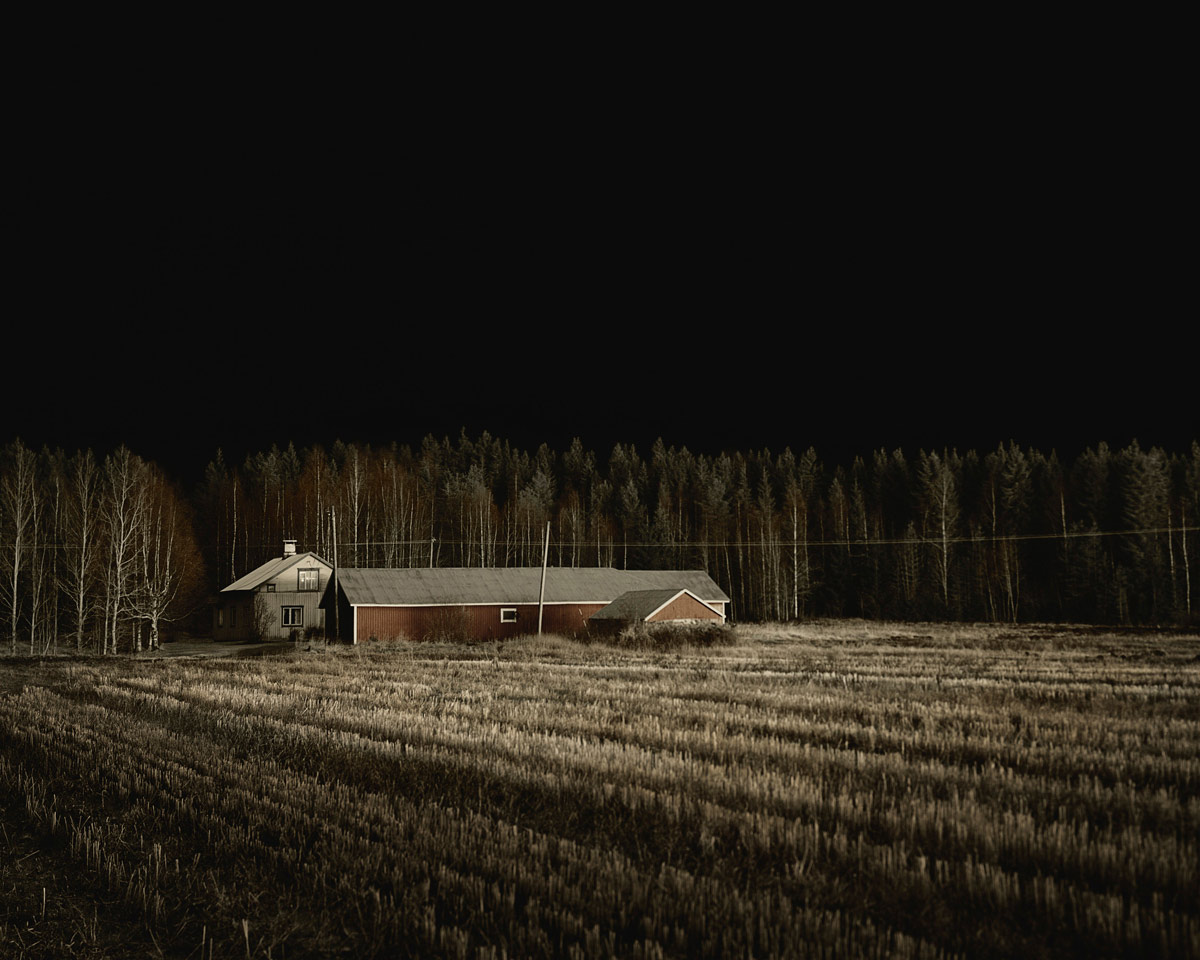
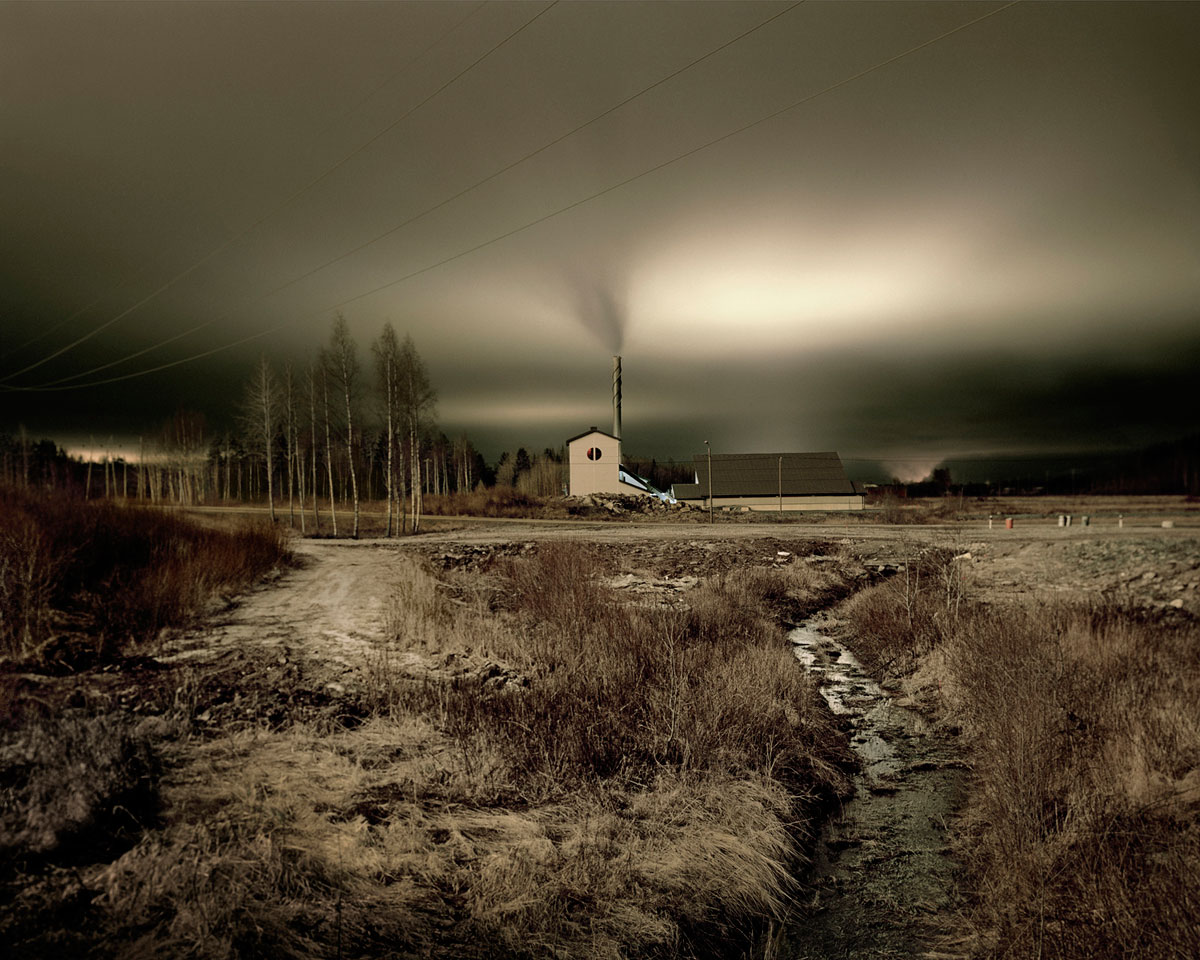
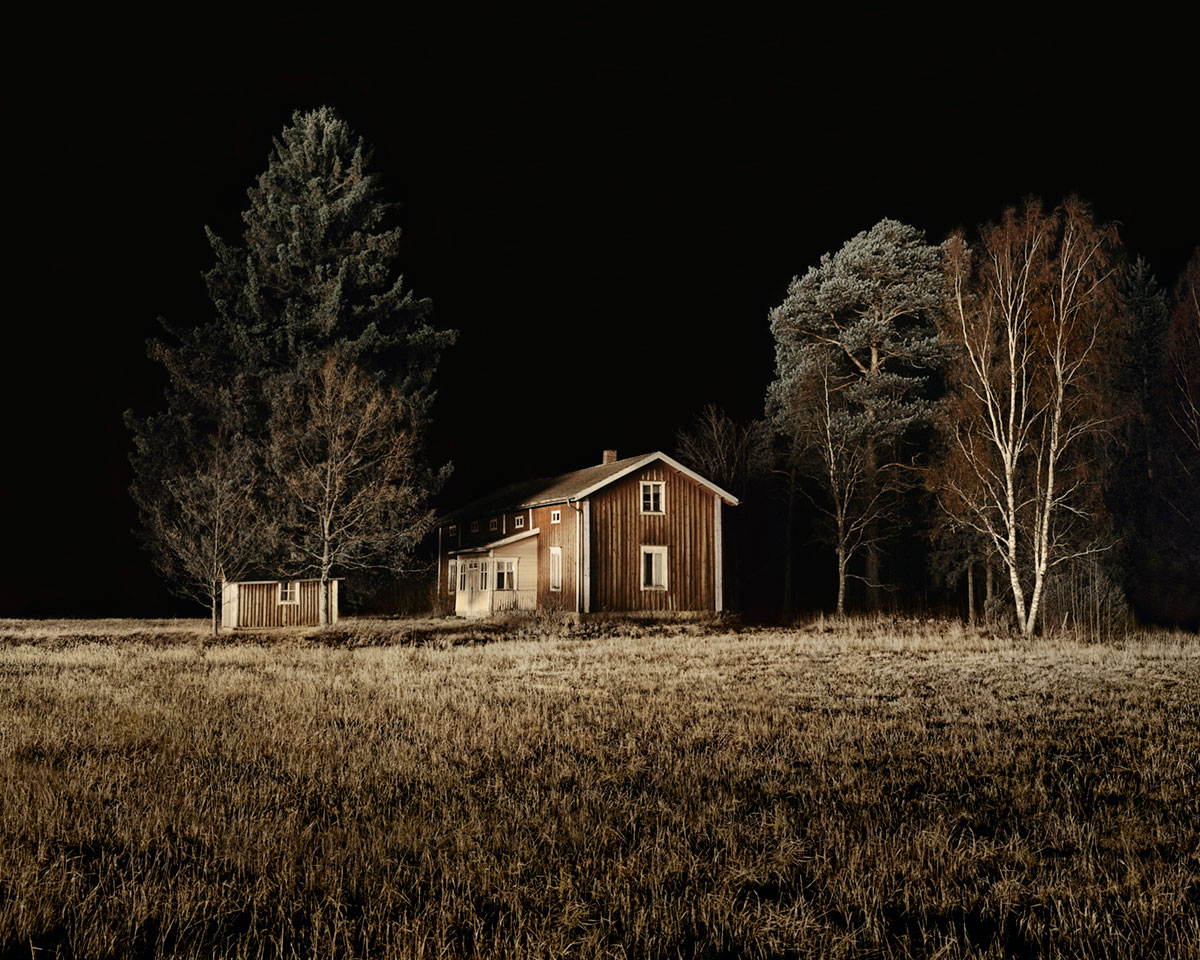
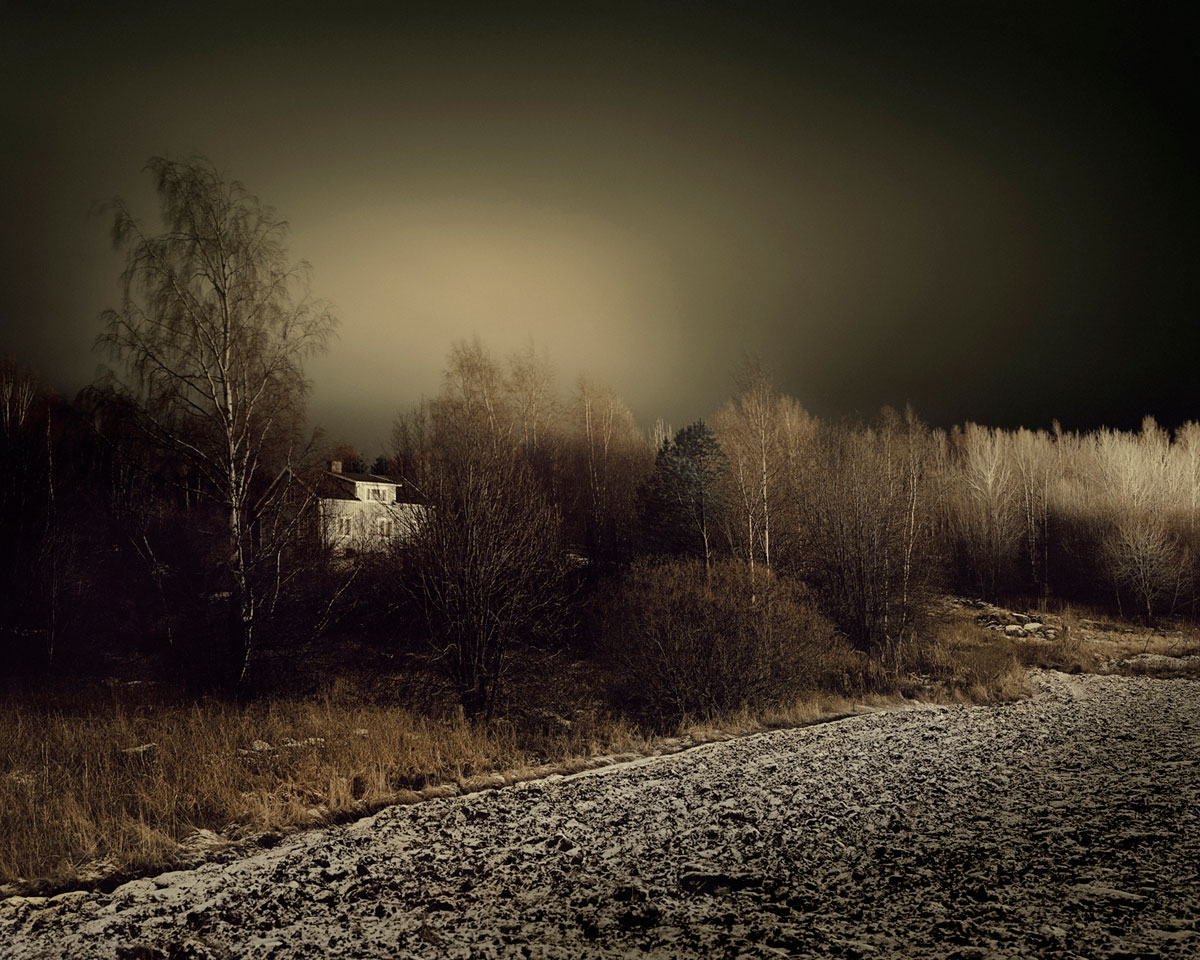
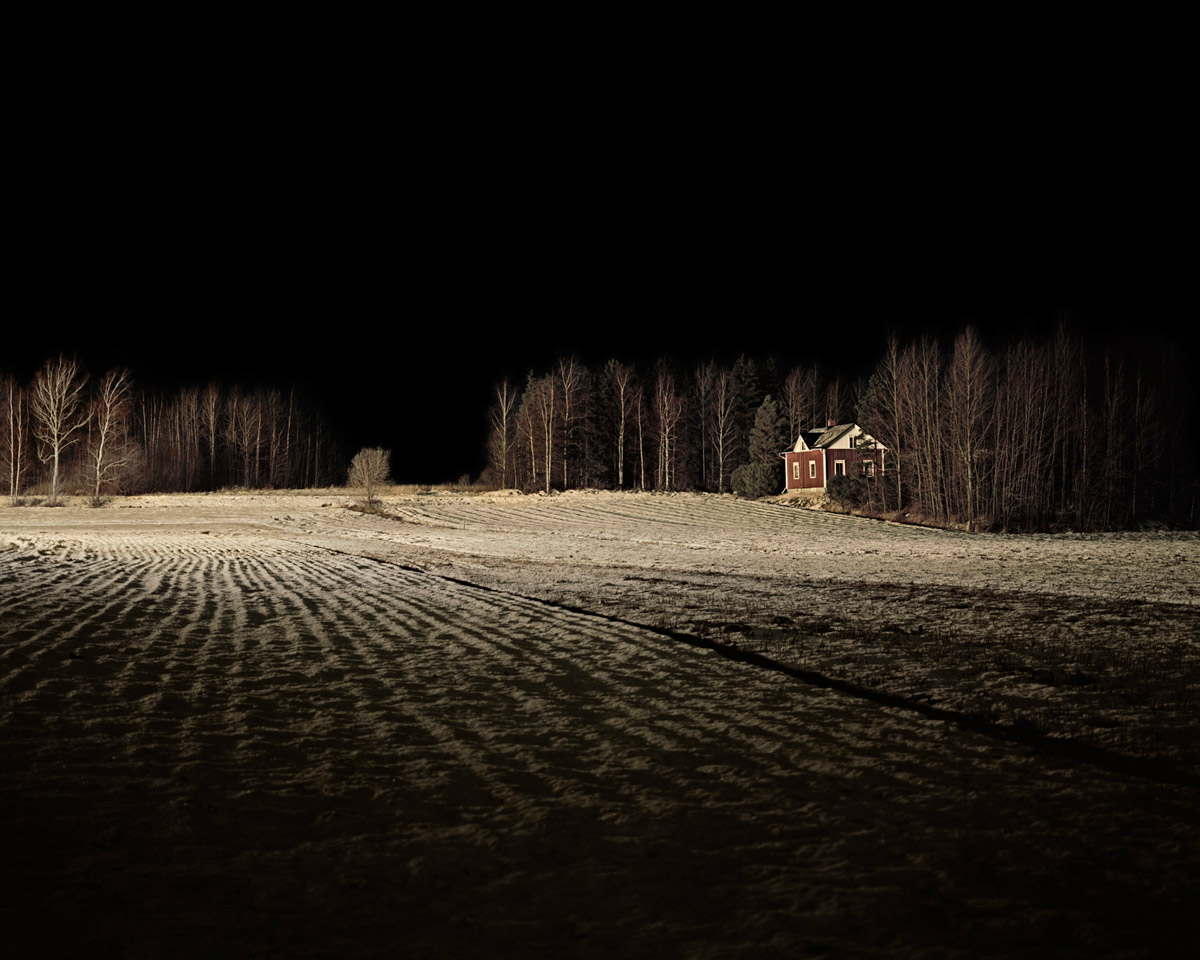
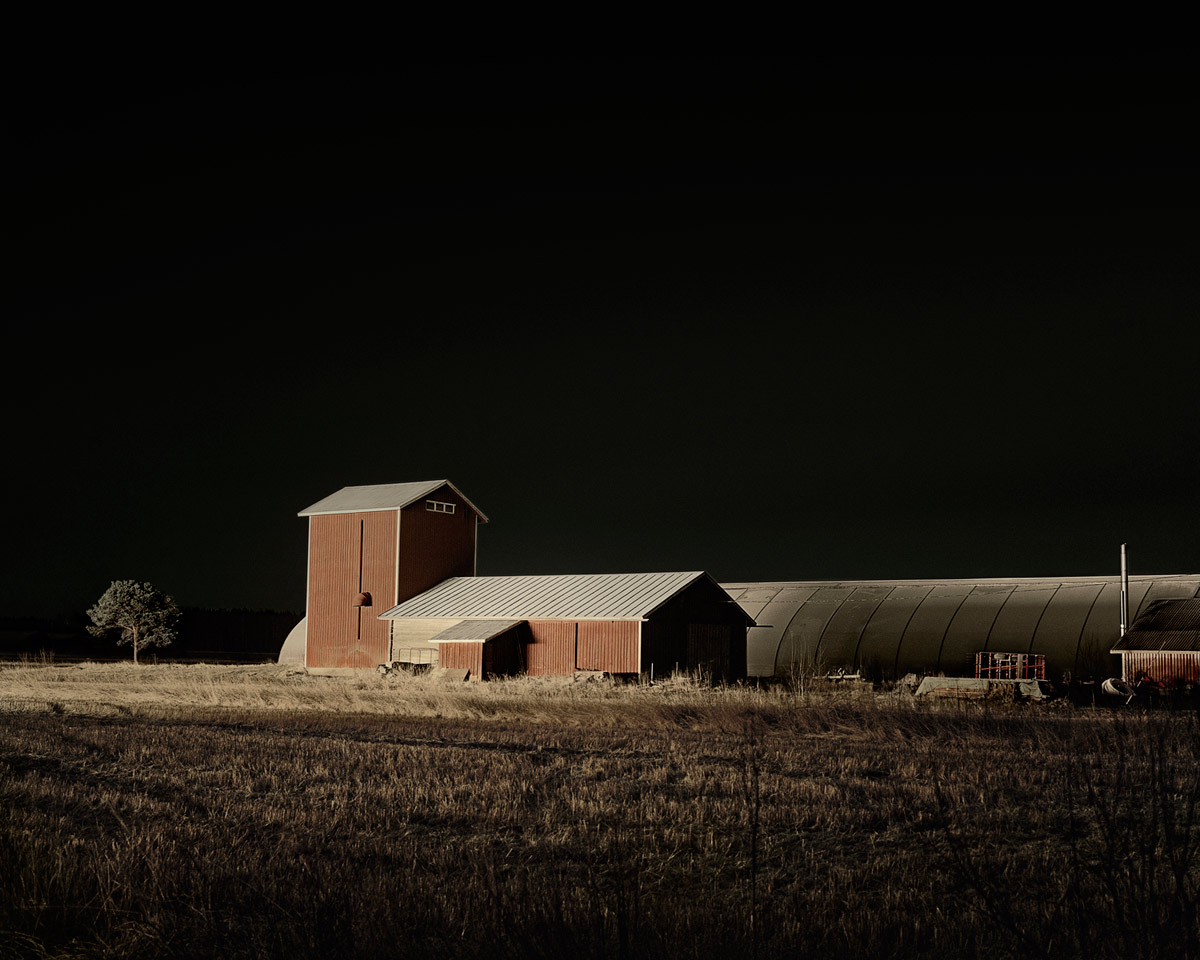


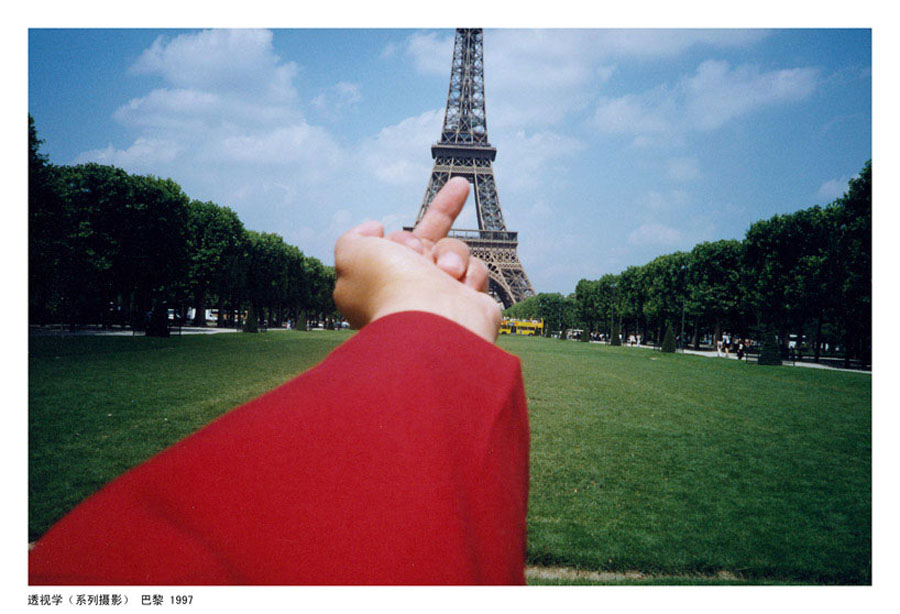


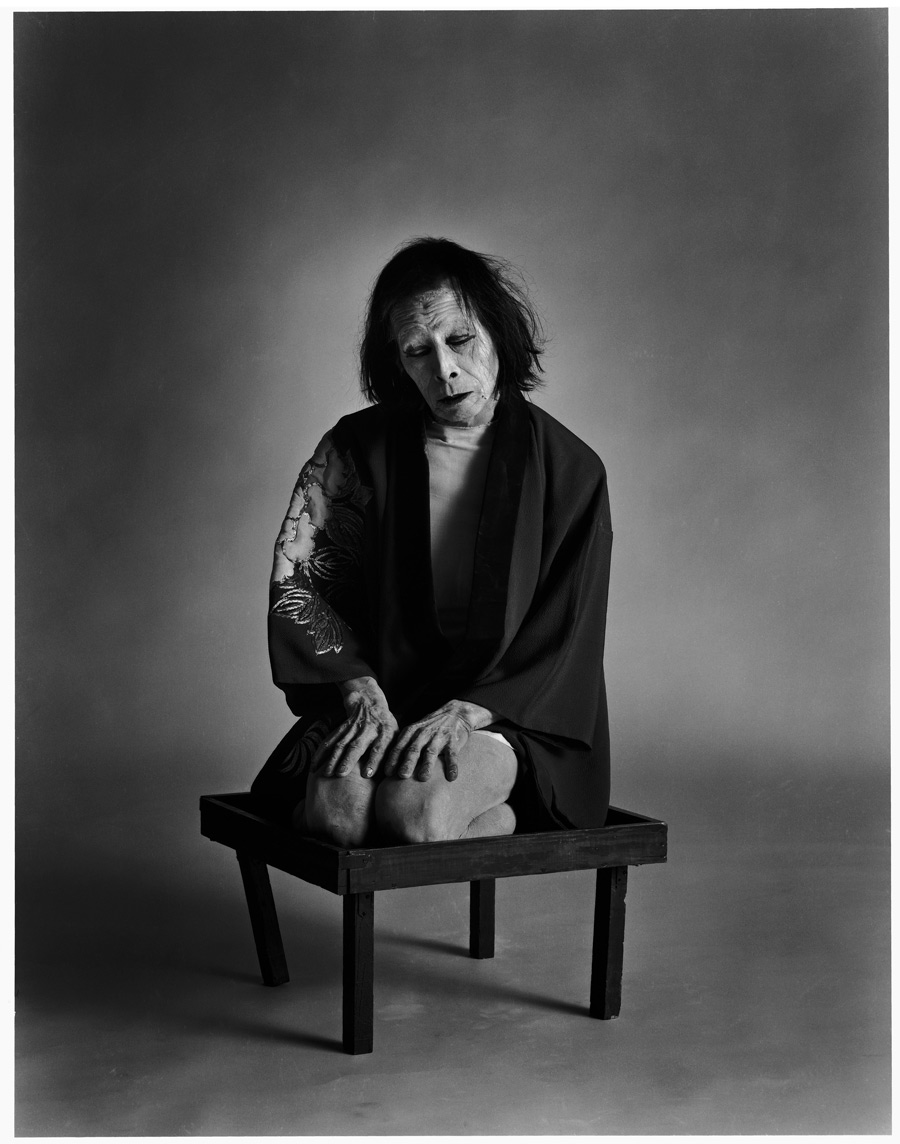

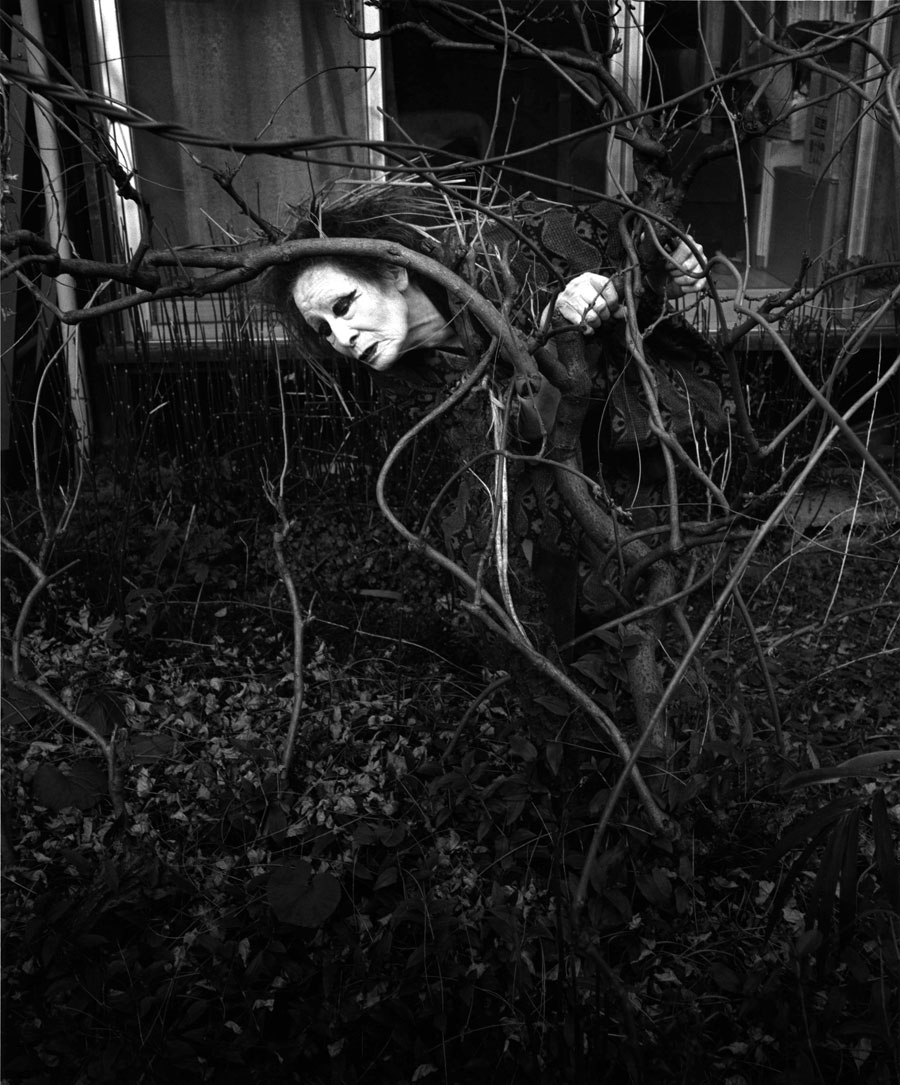
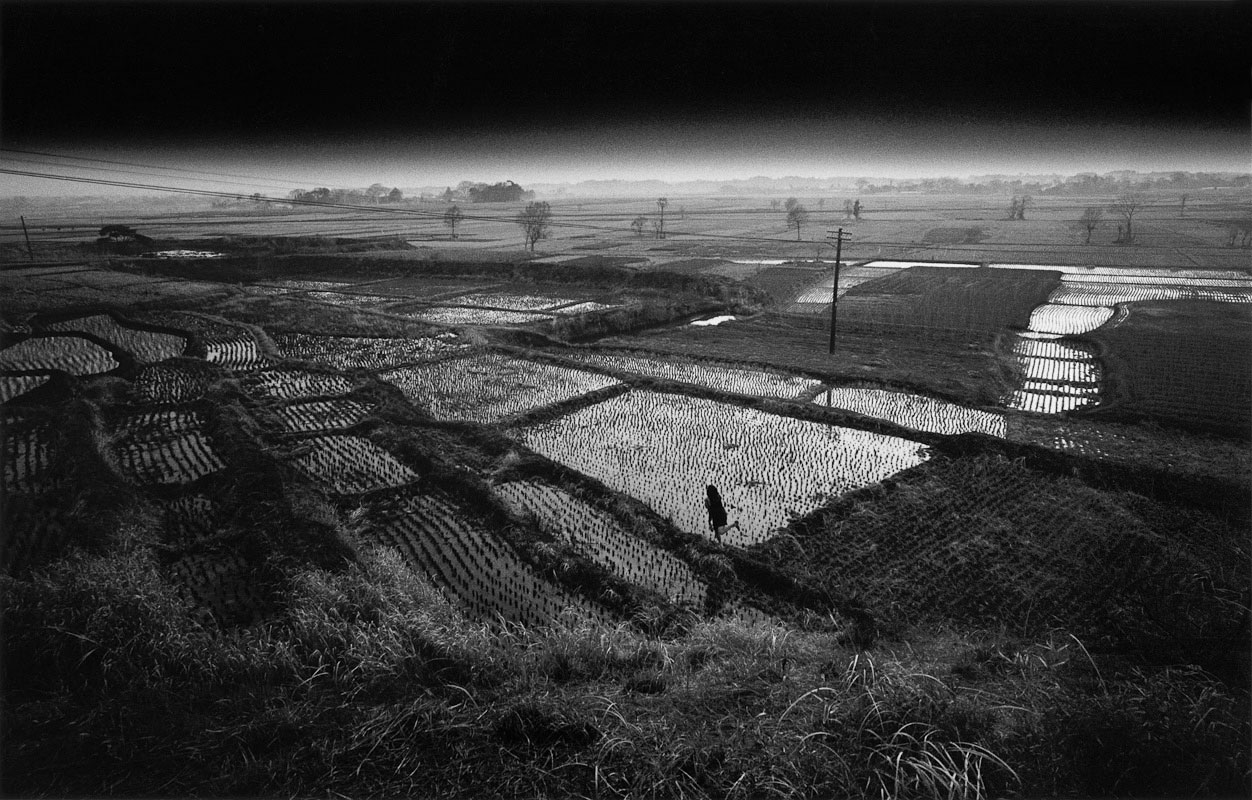
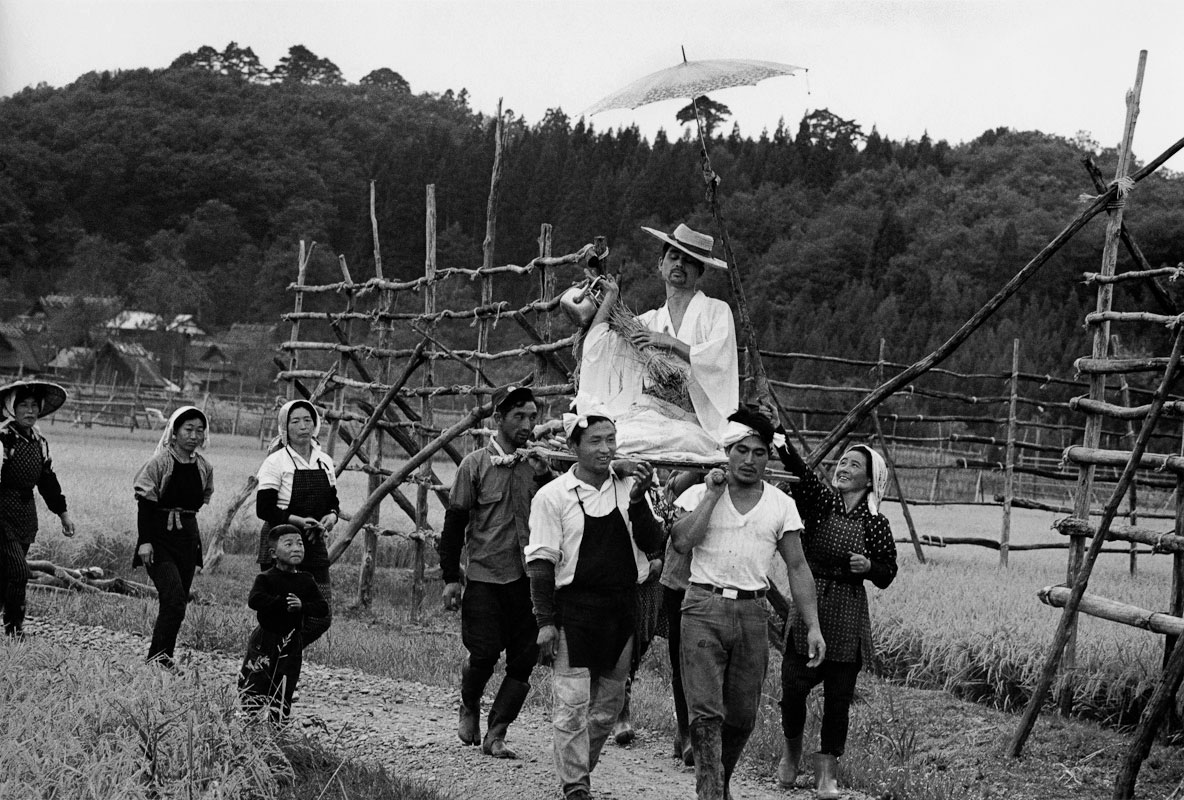

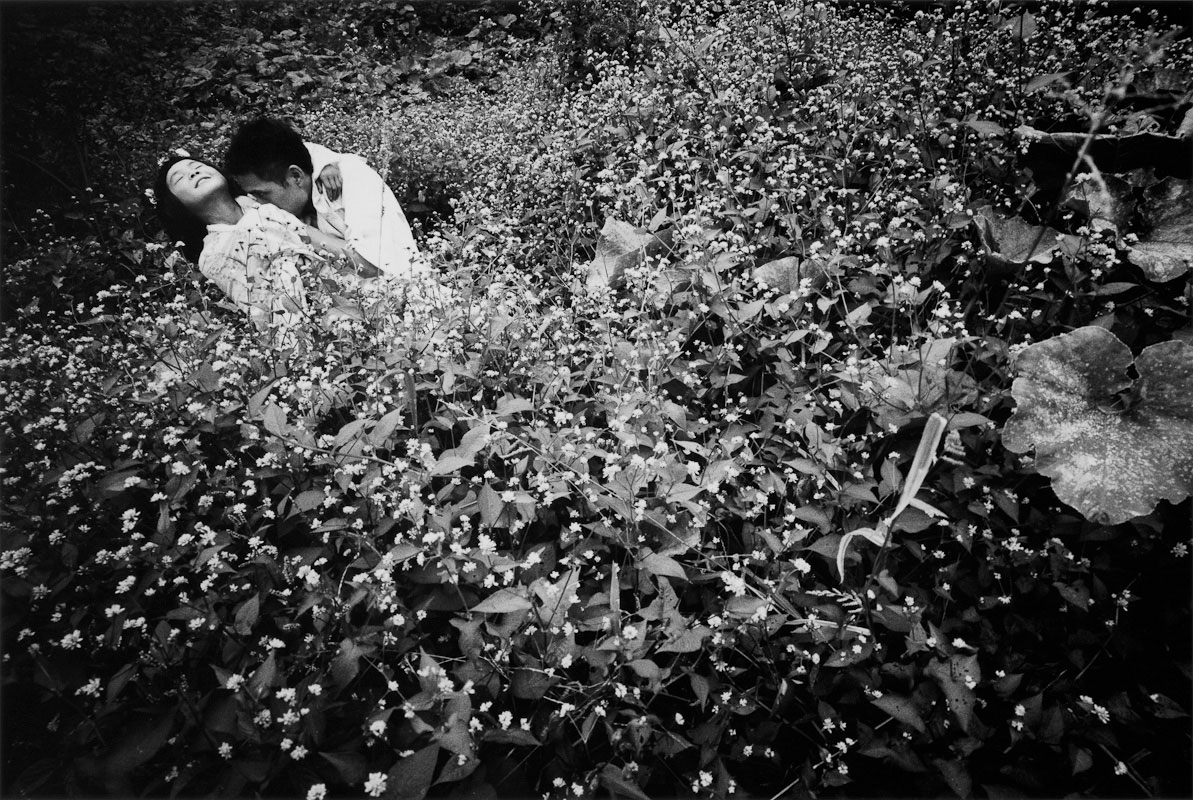
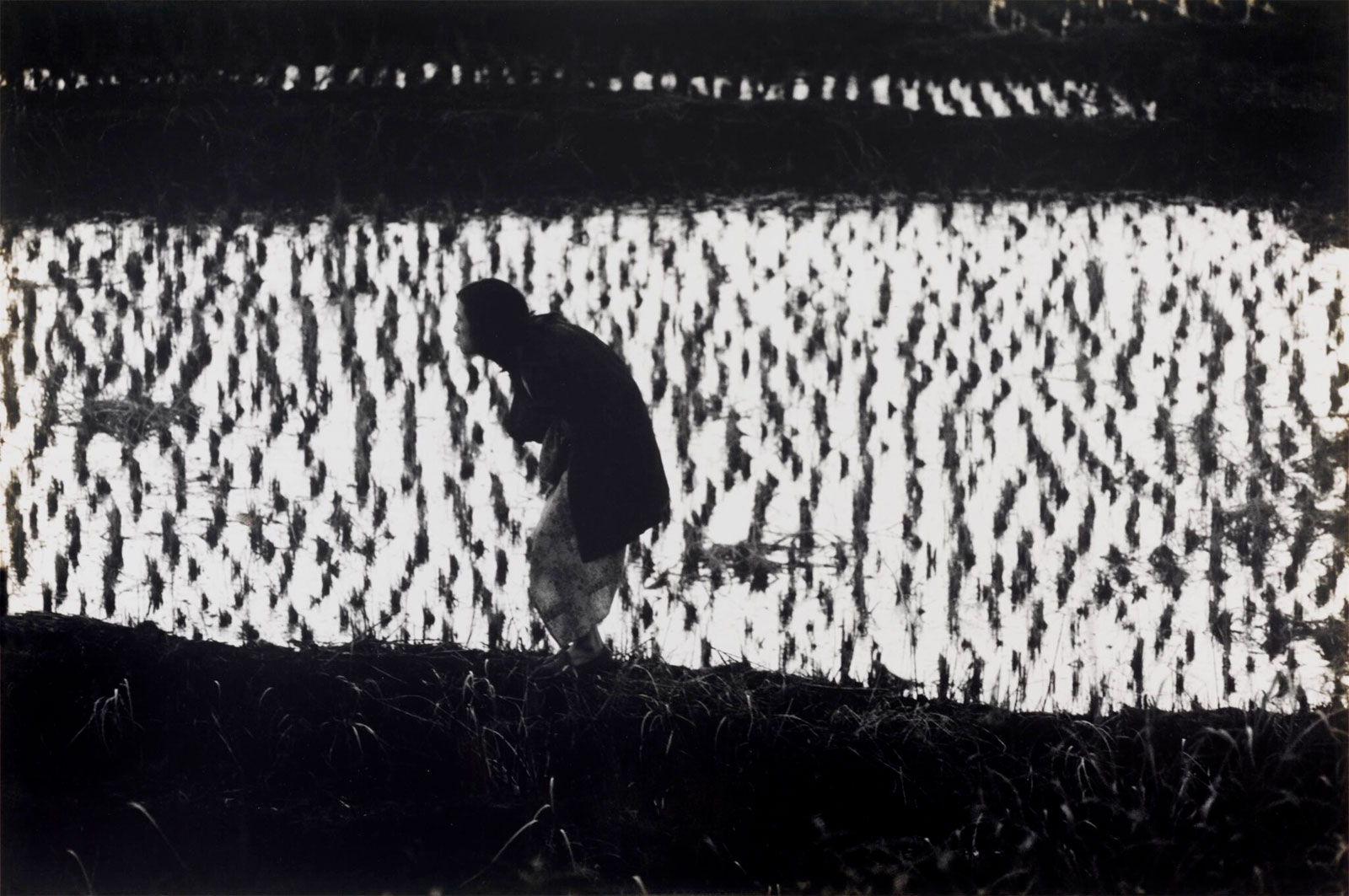
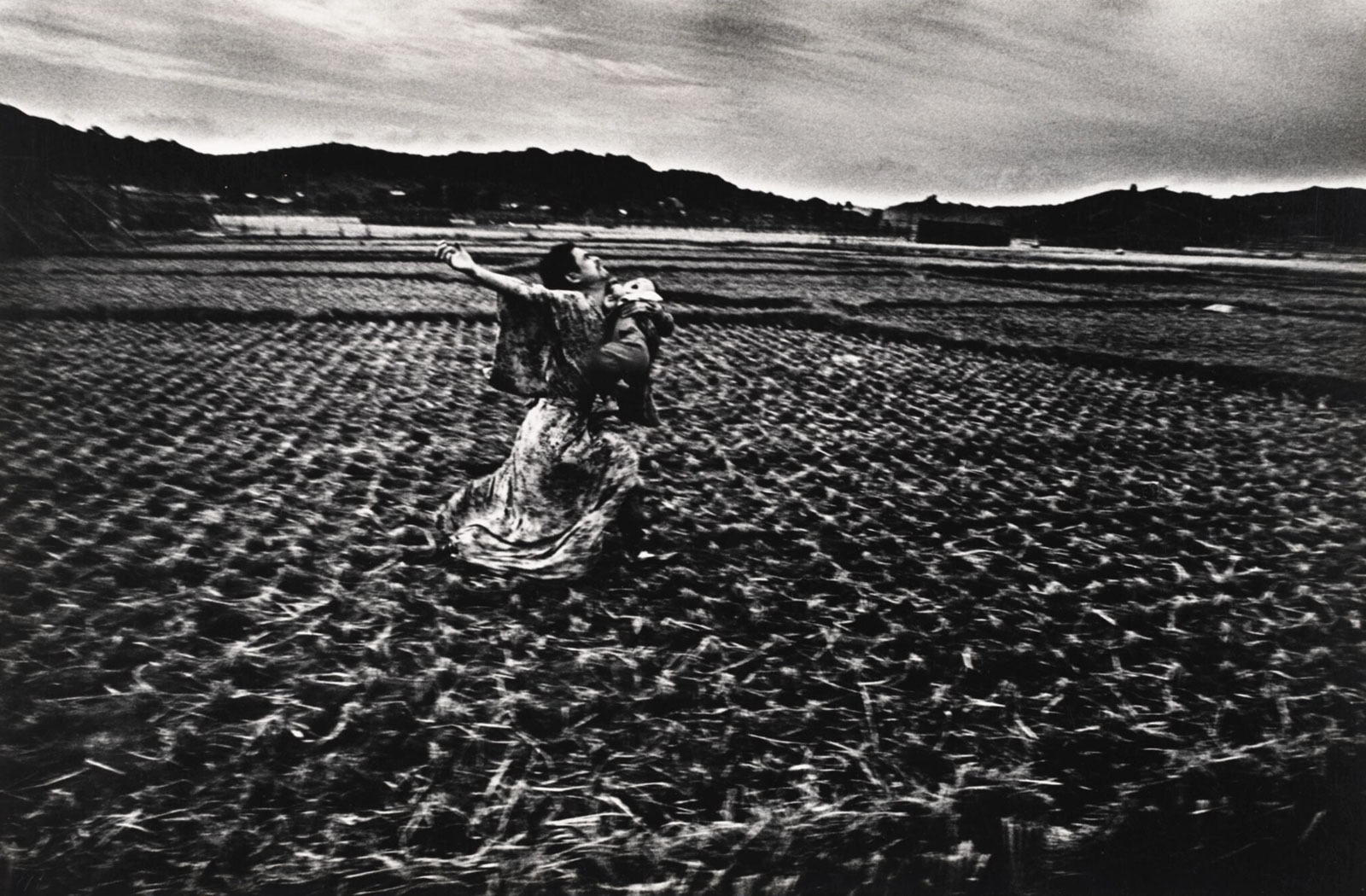

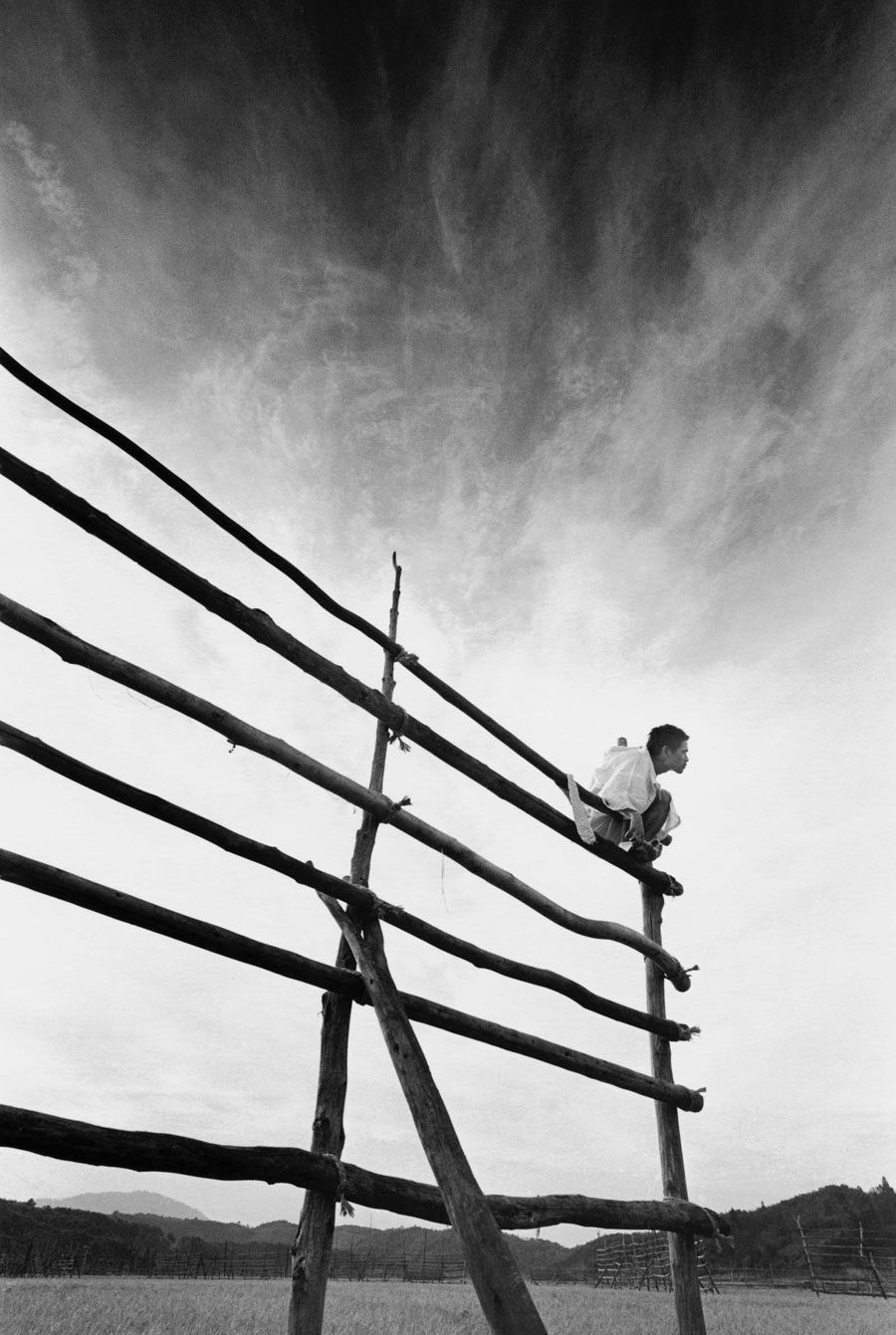
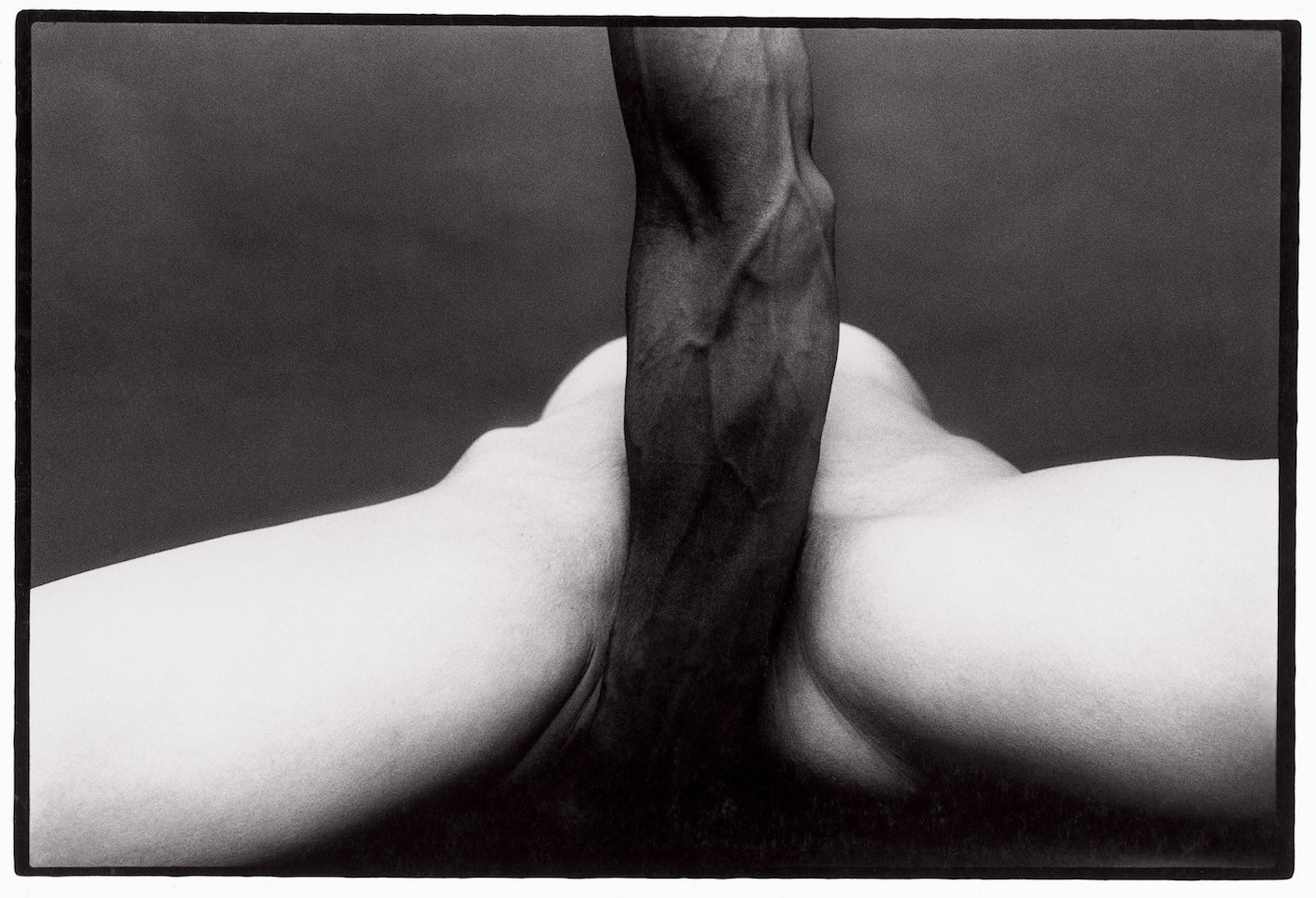
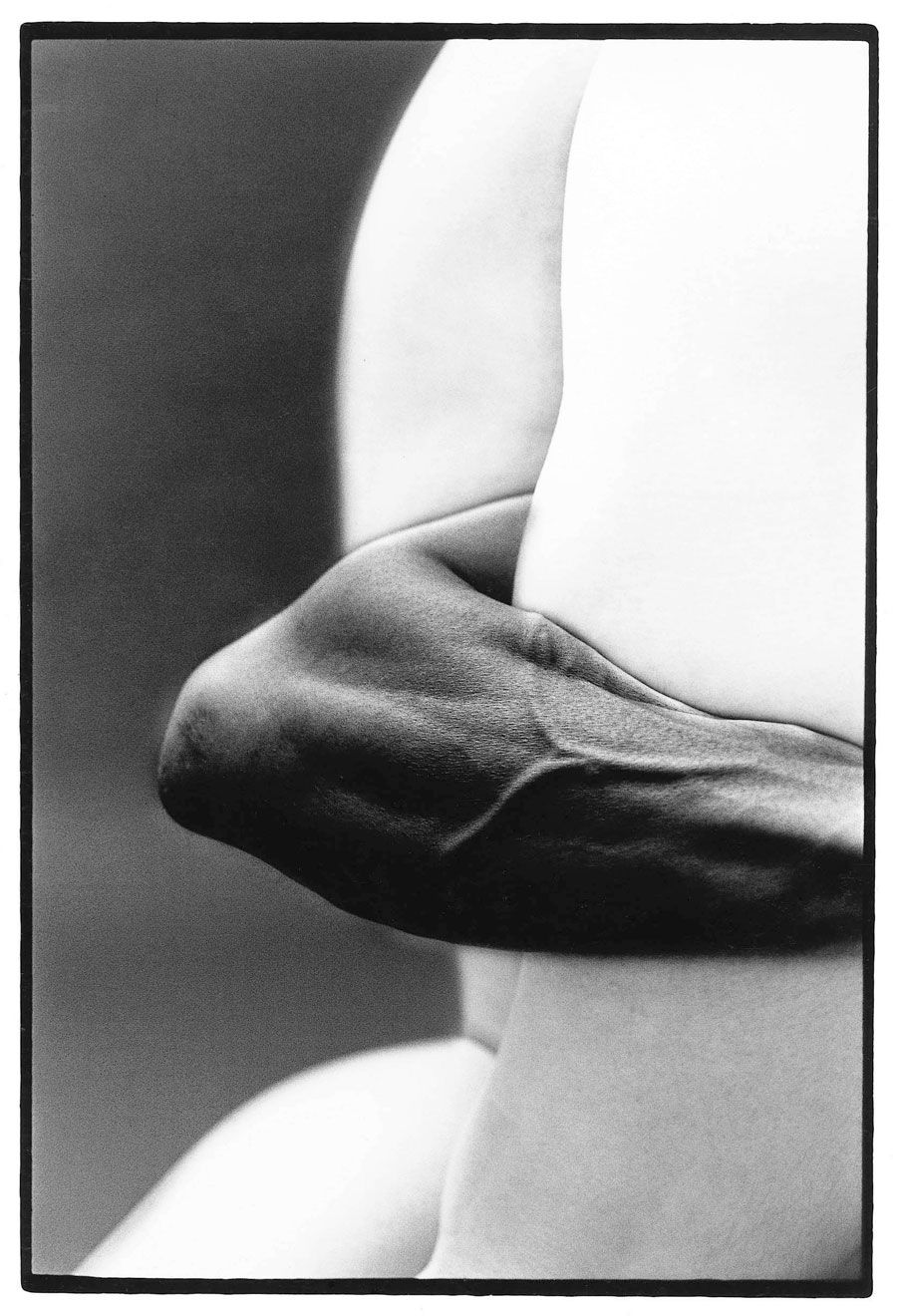


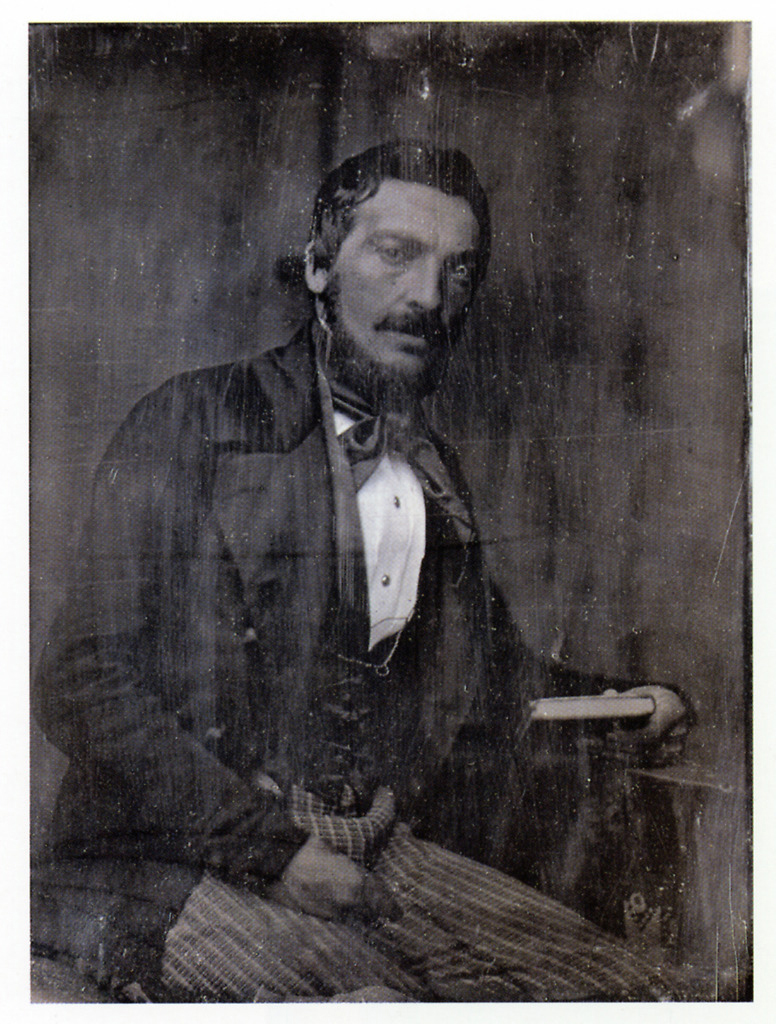
![August Sander (German, 1876-1964) [Farmer, Westerwald (Bauer, Westerwald)] 1910](https://artblart.com/wp-content/uploads/2011/06/sander-farmer.jpg "August Sander (German, 1876-1964) [Farmer, Westerwald (Bauer, Westerwald)] 1910")


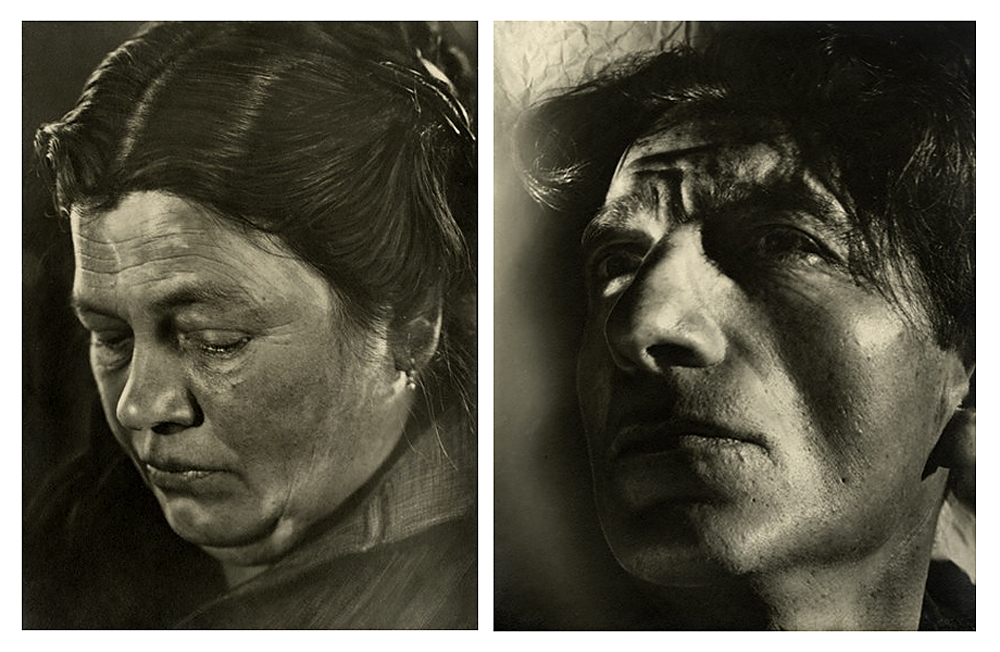
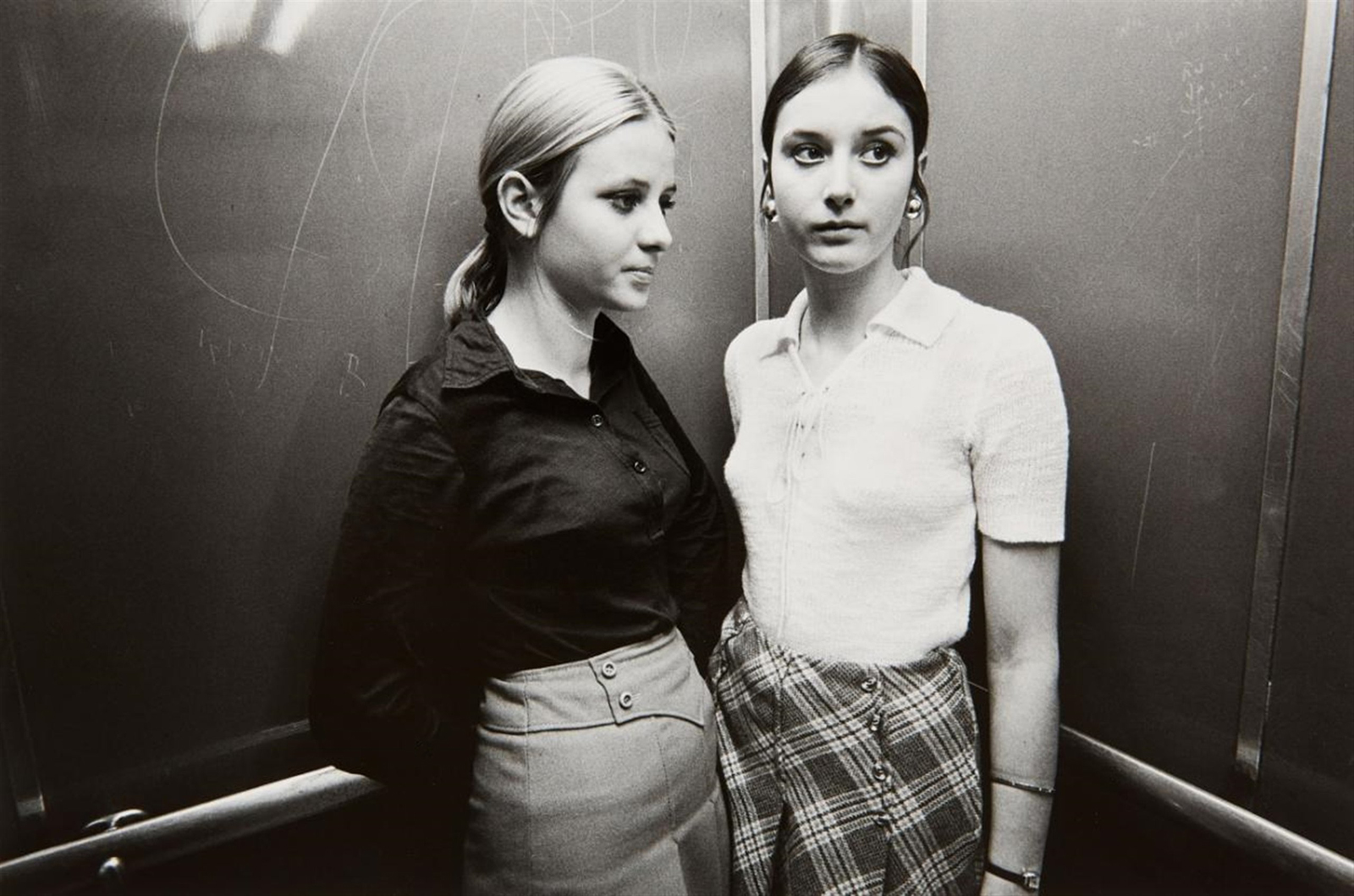


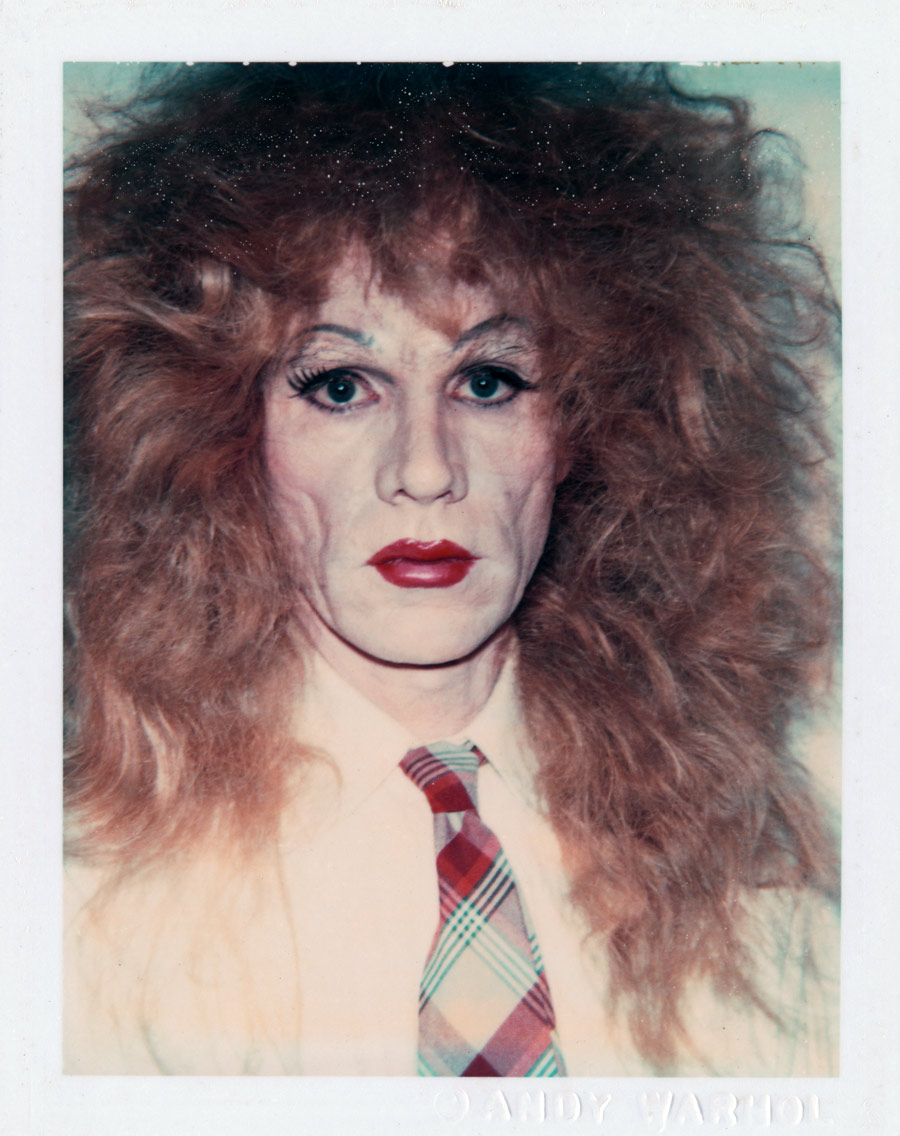
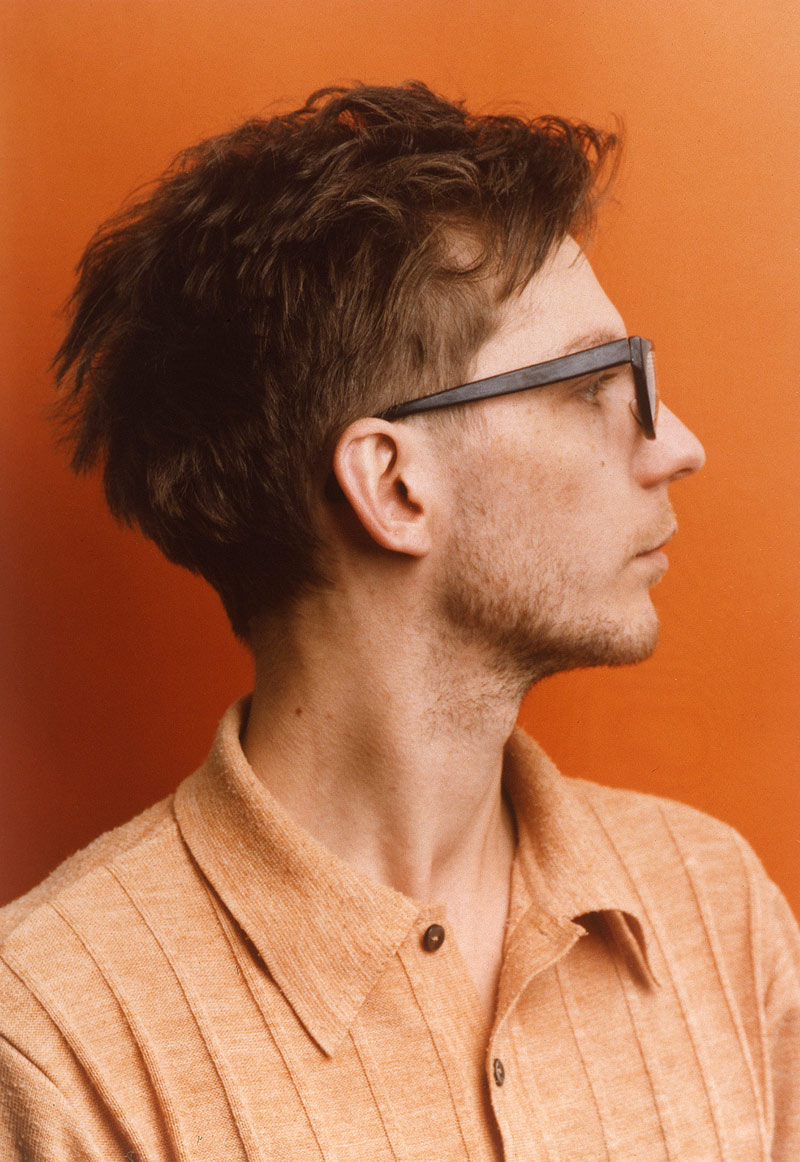

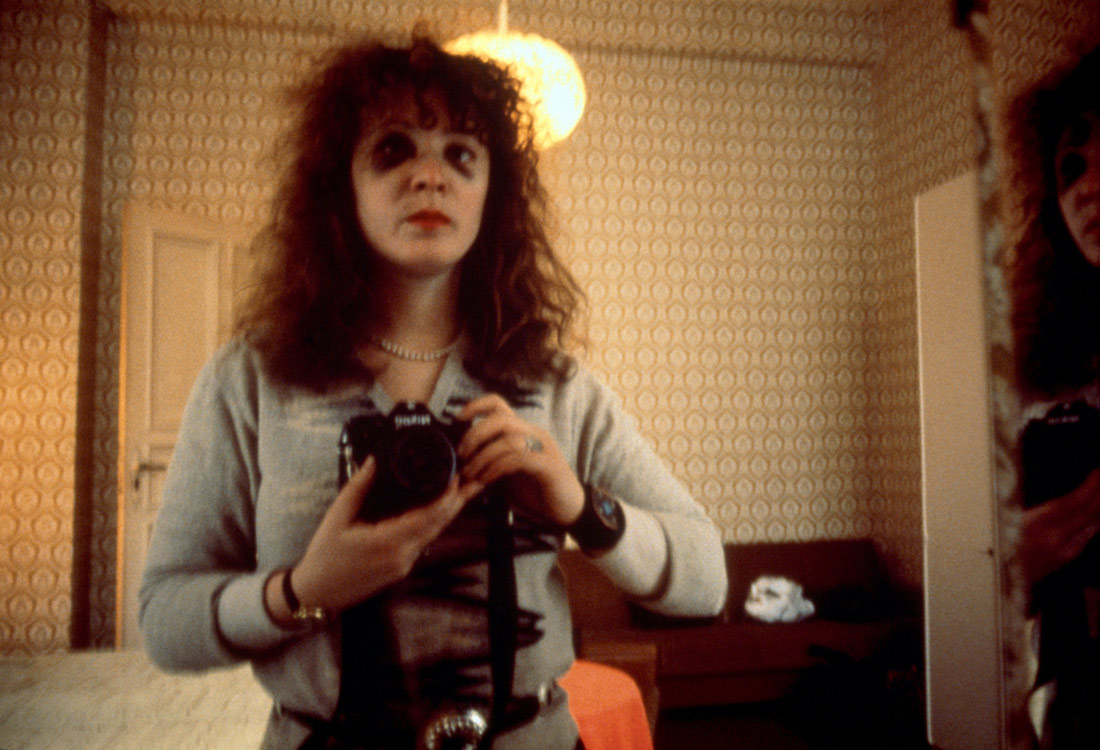
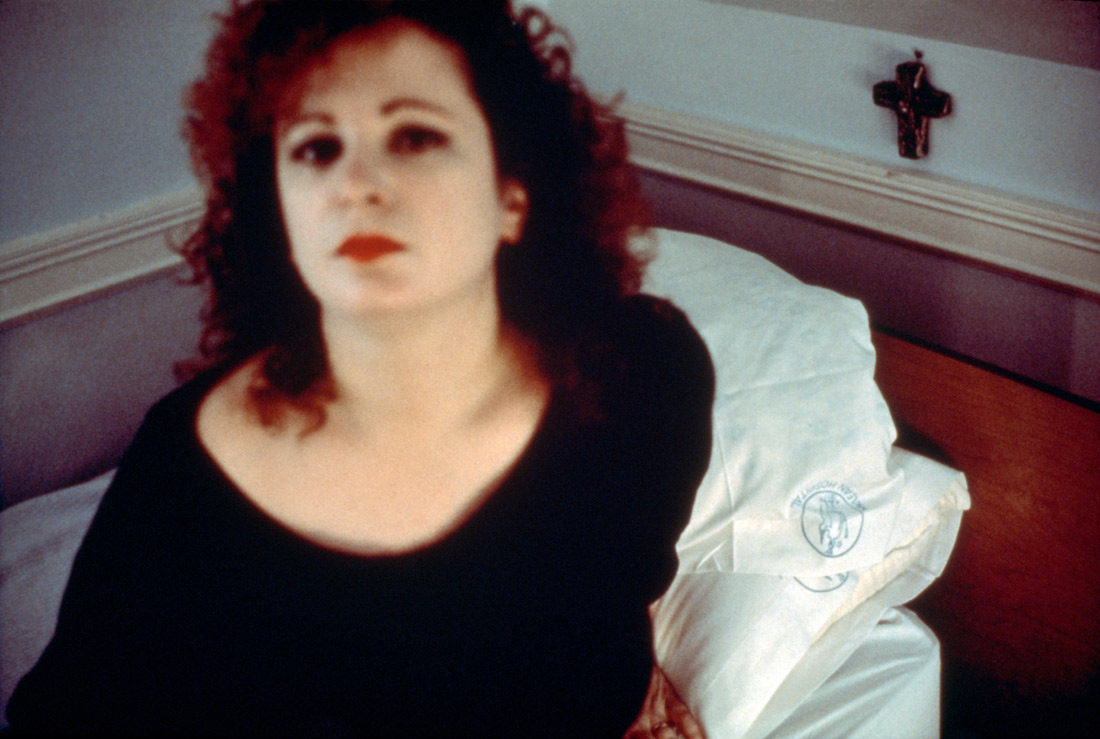

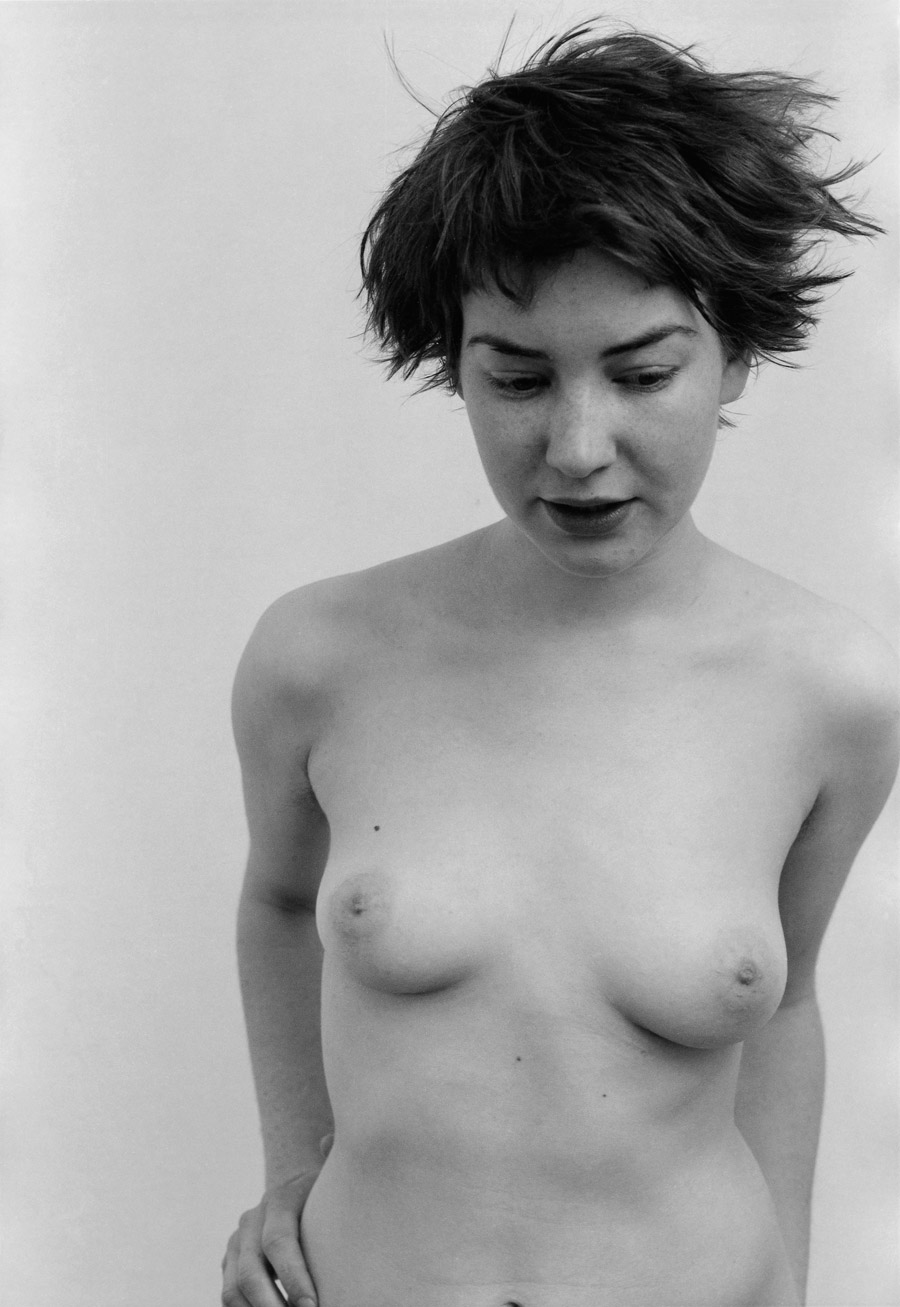
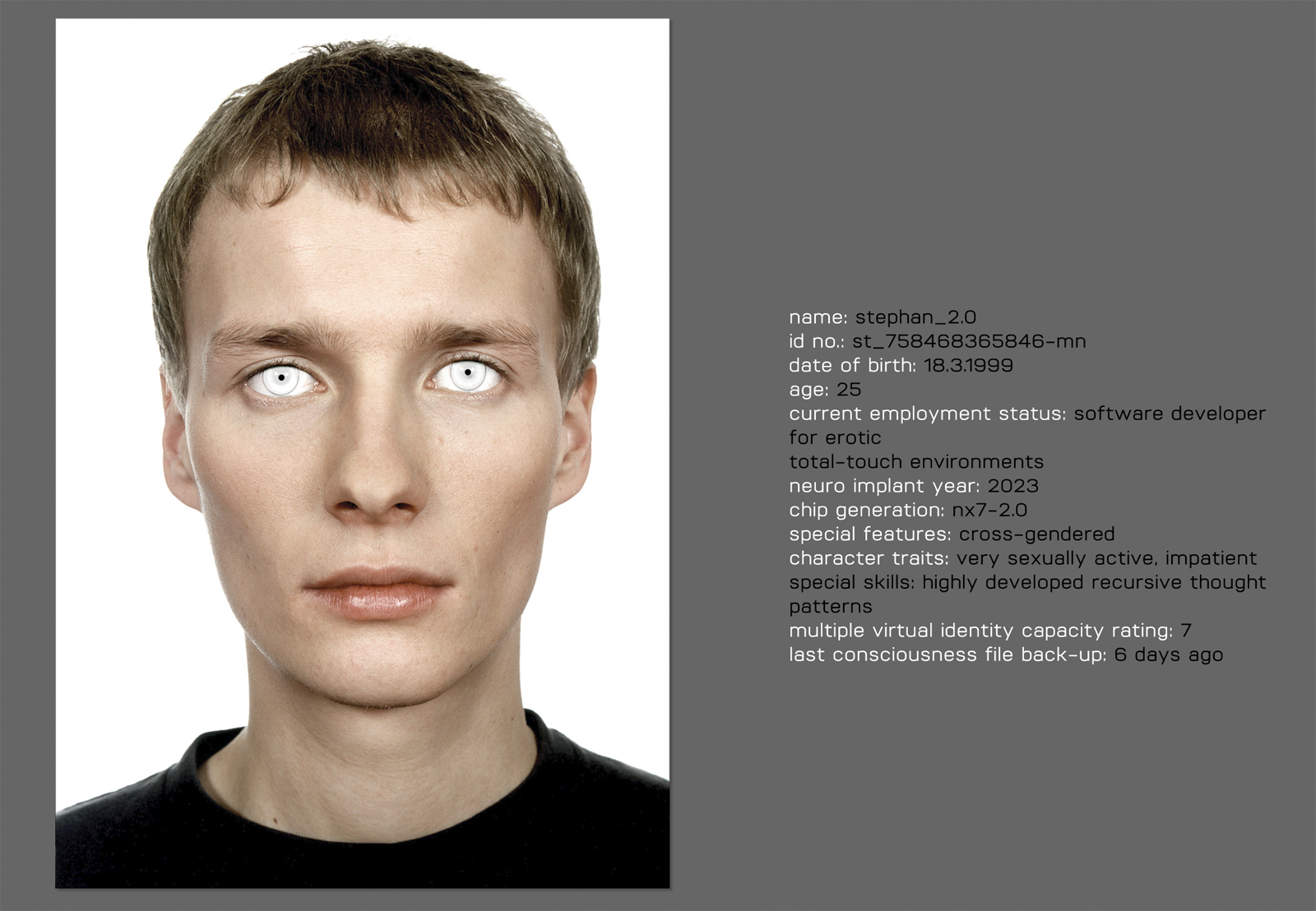


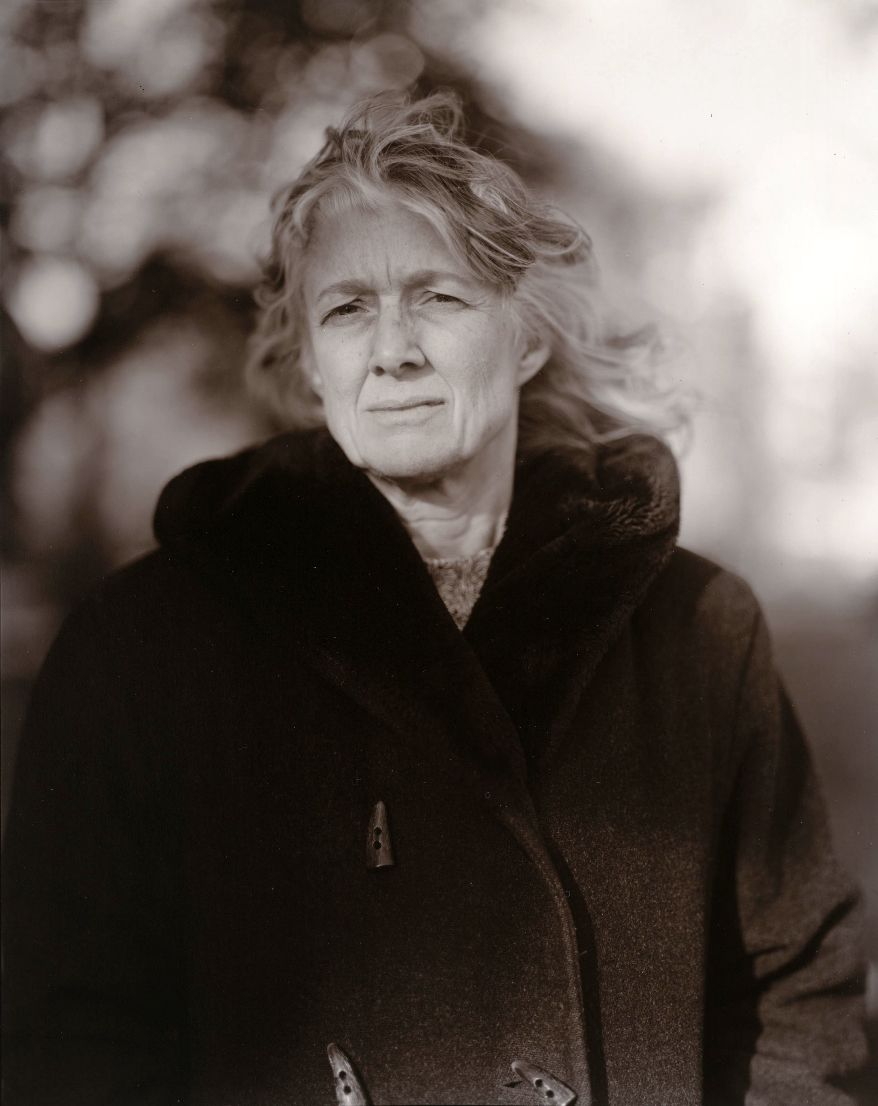
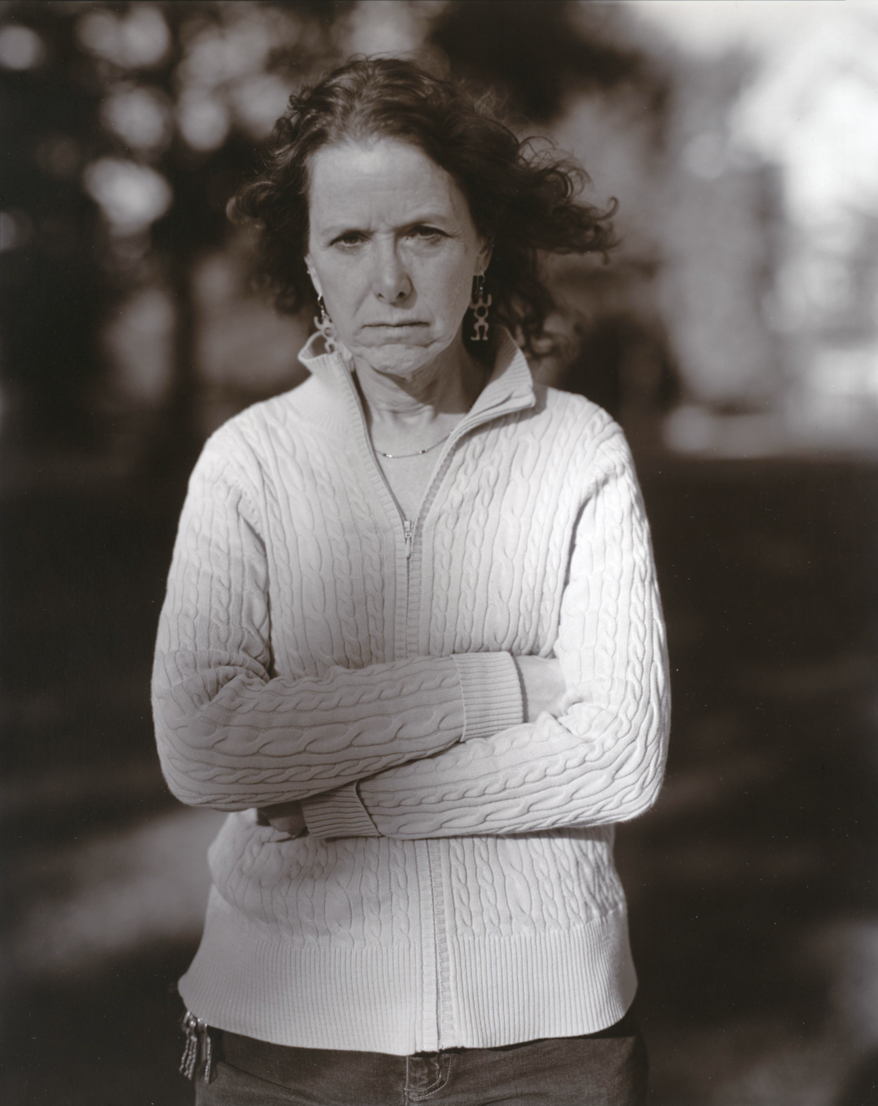


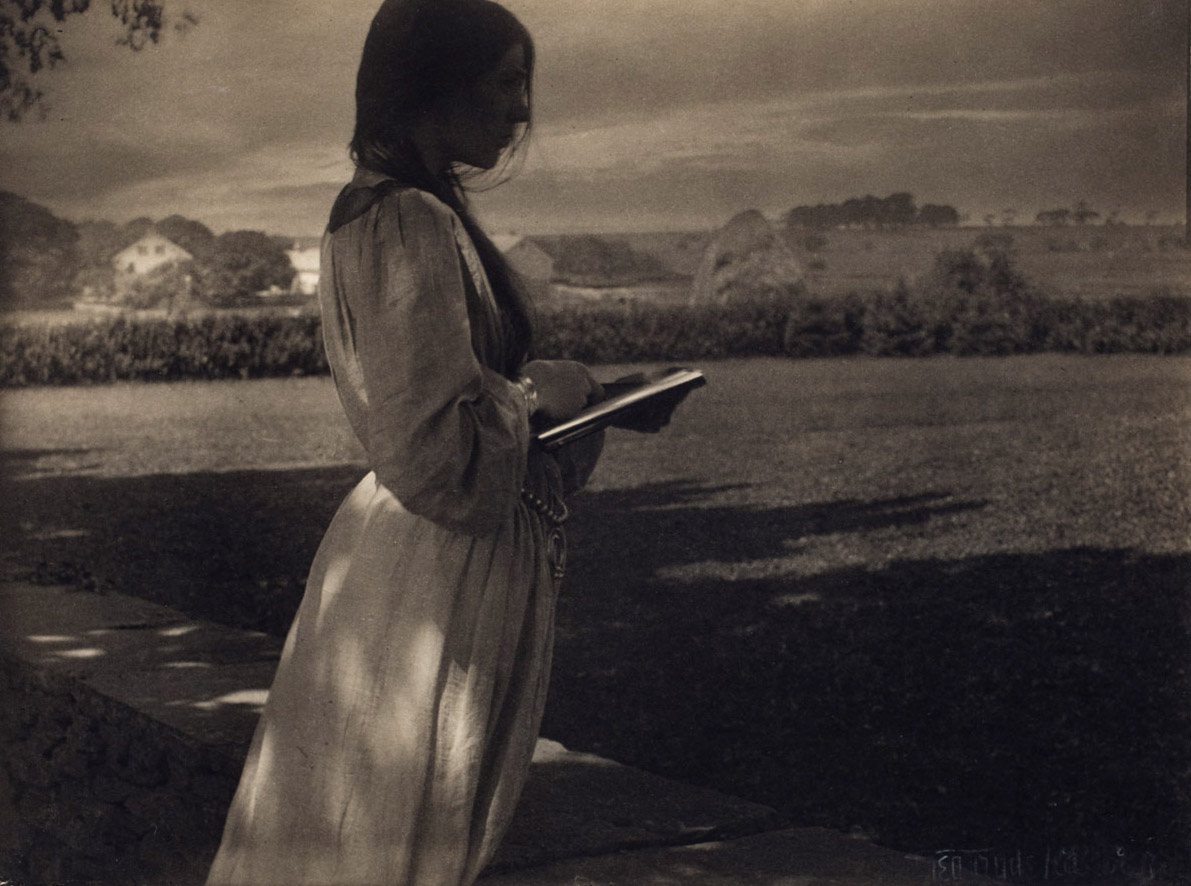
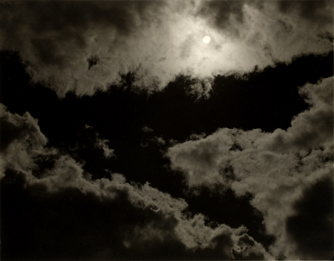

![Lewis Hine (American, 1874-1940) '[Powerhouse mechanic]' 1920 catalogue size](https://artblart.com/wp-content/uploads/2011/06/hine_powerhousemechanic-actual.jpg "Lewis Hine (American, 1874-1940) '[Powerhouse mechanic]' 1920 catalogue size")
![Lewis Hine (American, 1874-1940) '[Powerhouse mechanic]' 1920 catalogue size](https://artblart.com/wp-content/uploads/2011/06/hine_powerhousemechanic-print2.jpg "Lewis Hine (American, 1874-1940) '[Powerhouse mechanic]' 1920 catalogue size")

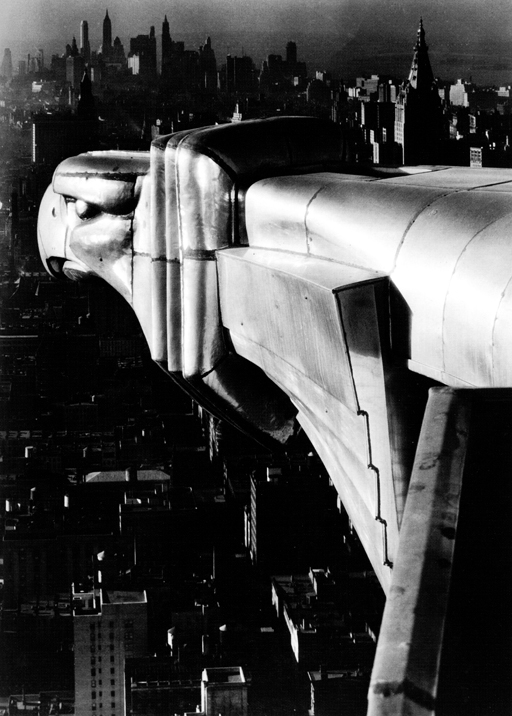
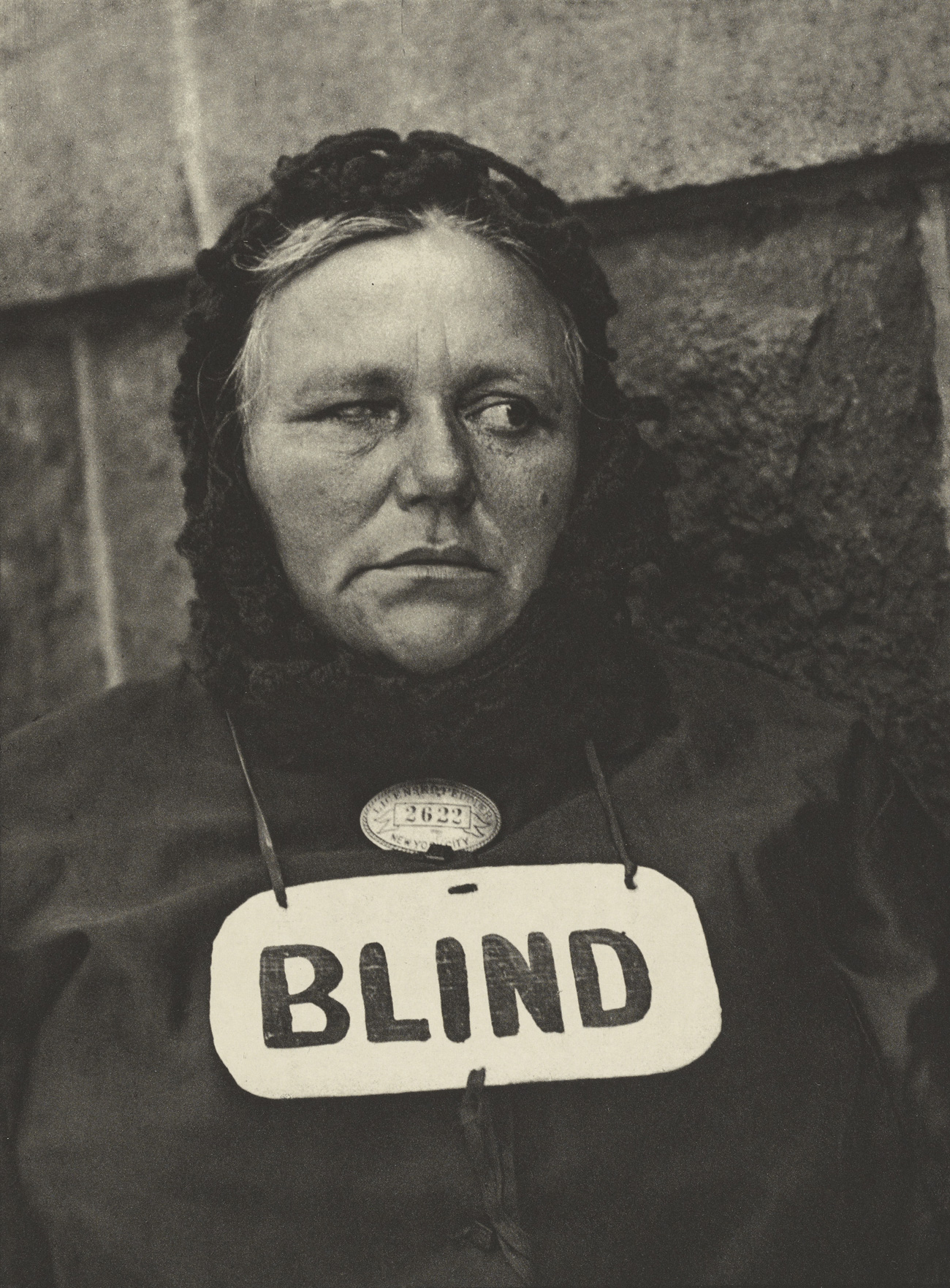
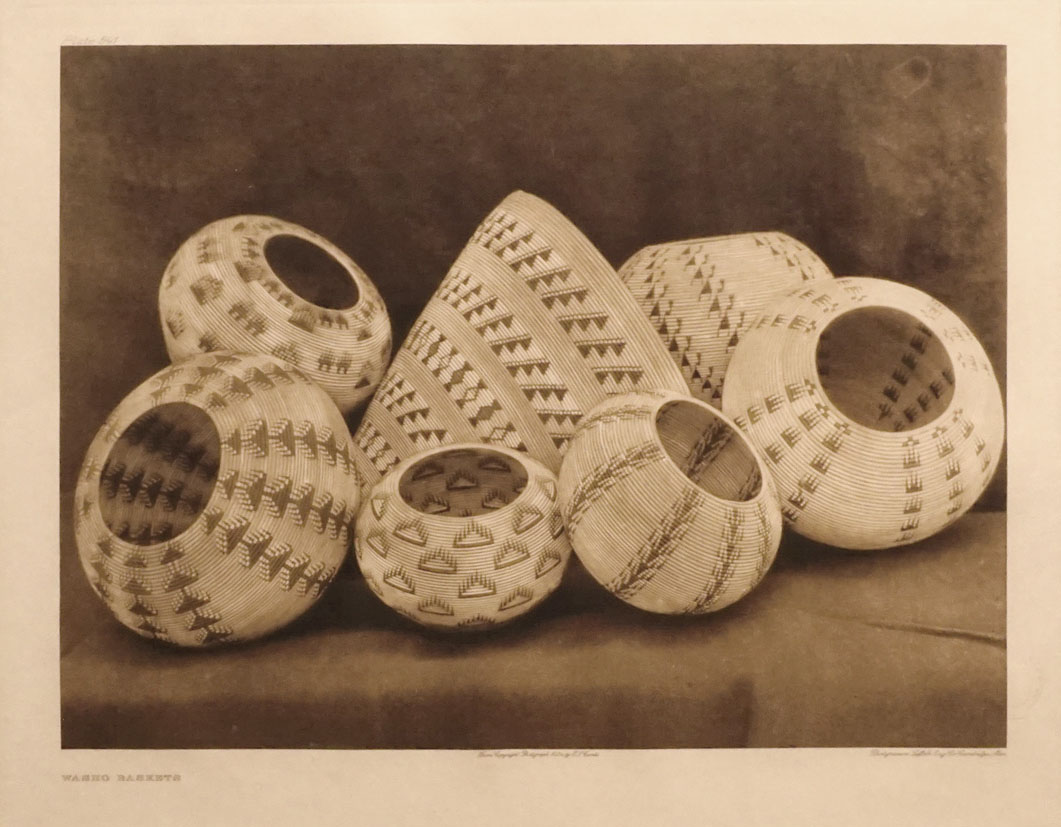


![Alfred Steiglitz (American, 1864-1946) '[Georgia O'Keefe hand on back tire of Ford V8]' 1933](https://artblart.com/wp-content/uploads/2011/06/stieglitz_alfred_portraitgeorgiaokeefe-web3.jpg "Alfred Steiglitz (American, 1864-1946) '[Georgia O'Keefe hand on back tire of Ford V8]' 1933")
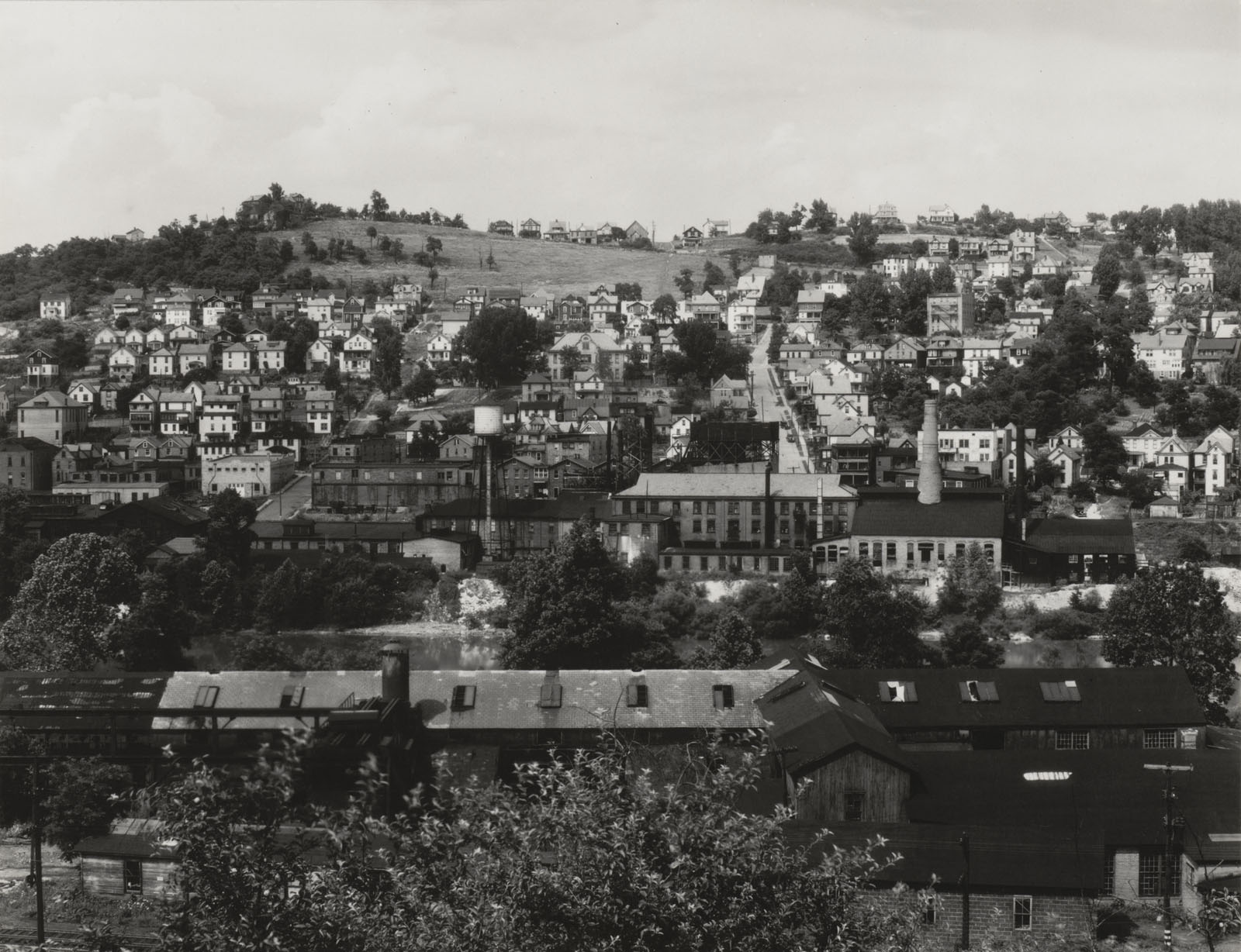


![W. Eugene Smith (American, 1918-1978) '[Frontline Soldier with Canteen at Saipan]' June 1944](https://artblart.com/wp-content/uploads/2011/06/w.-eugene-smith-soldier.jpg "W. Eugene Smith (American, 1918-1978) '[Frontline Soldier with Canteen at Saipan]' June 1944")


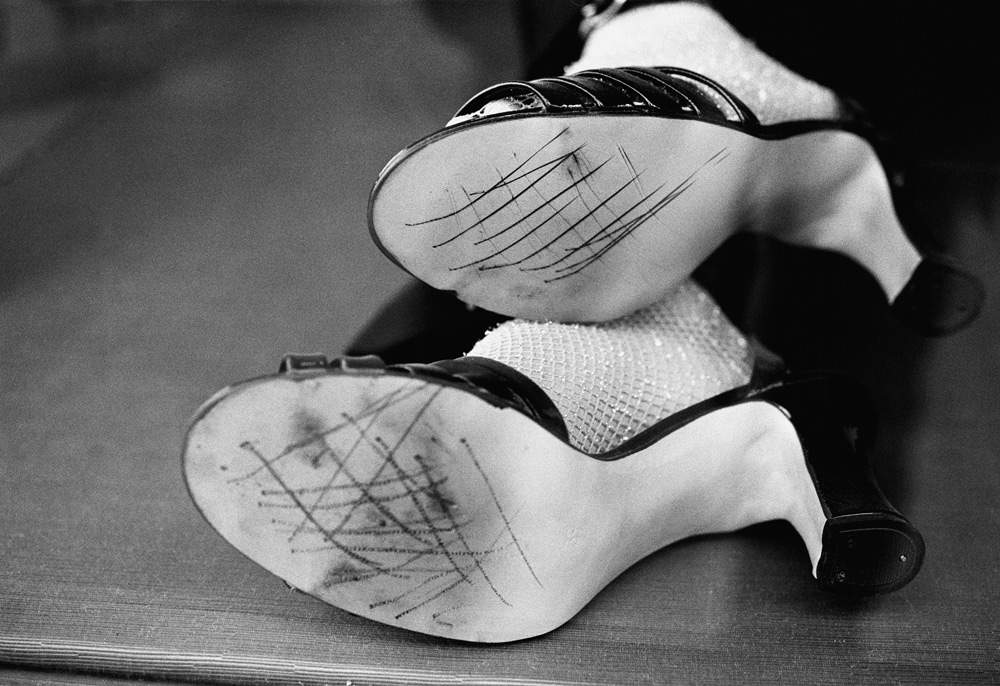
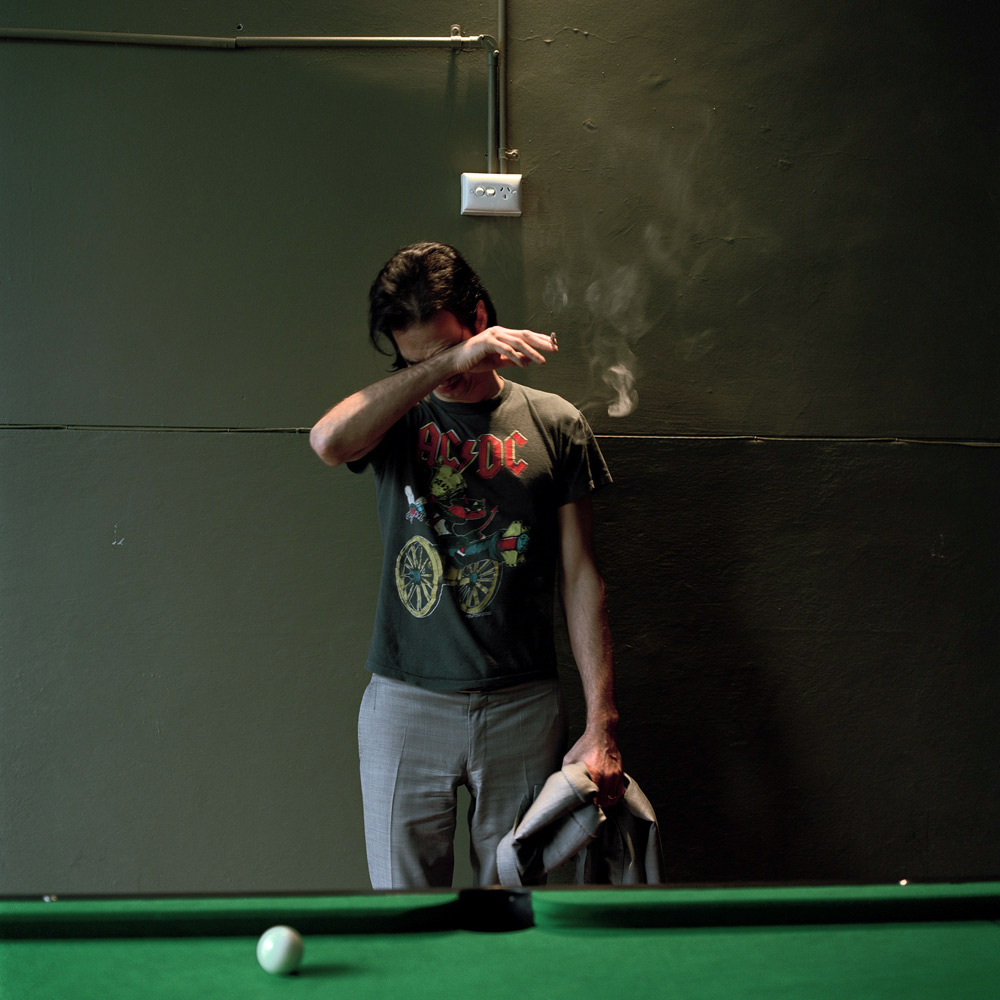
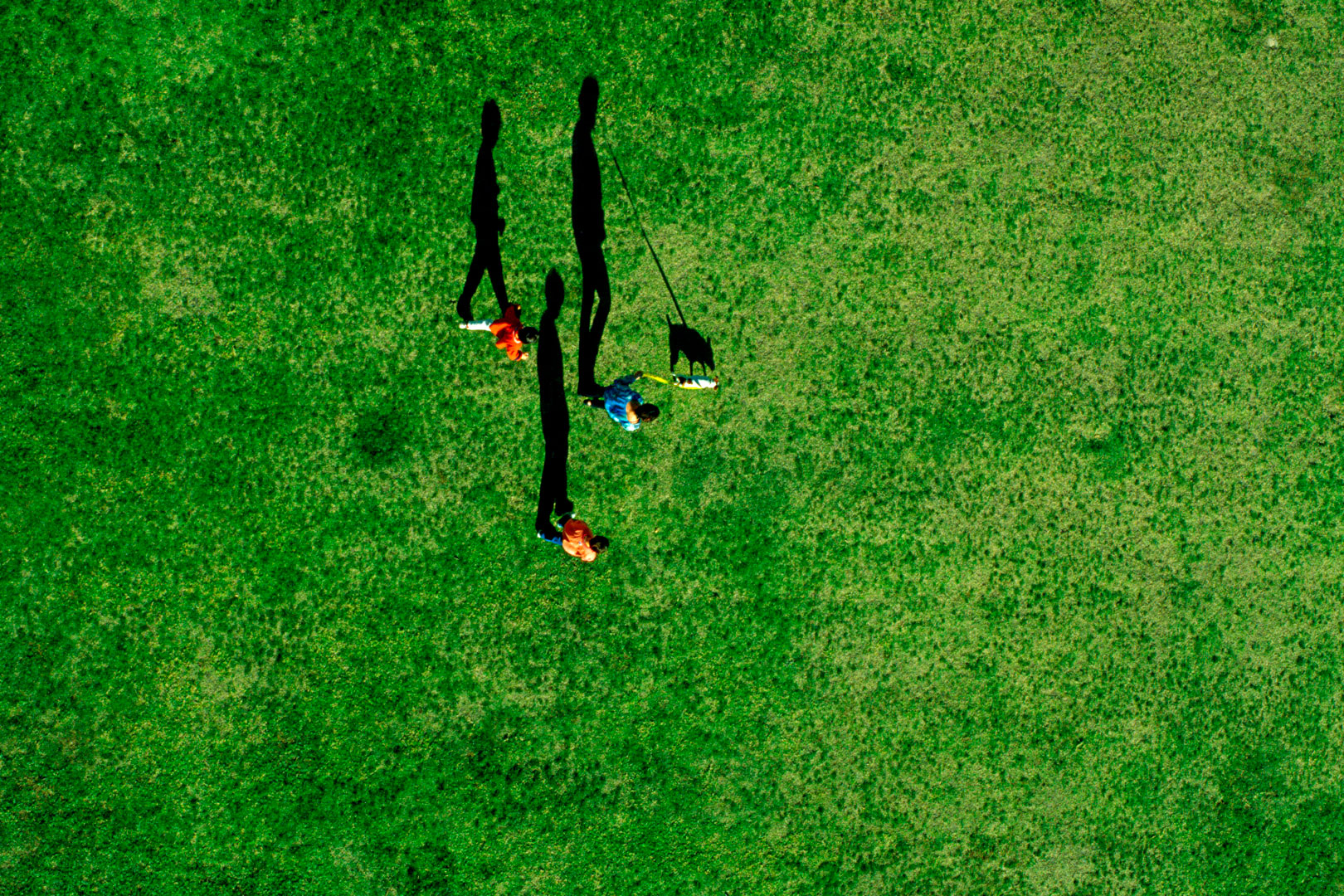
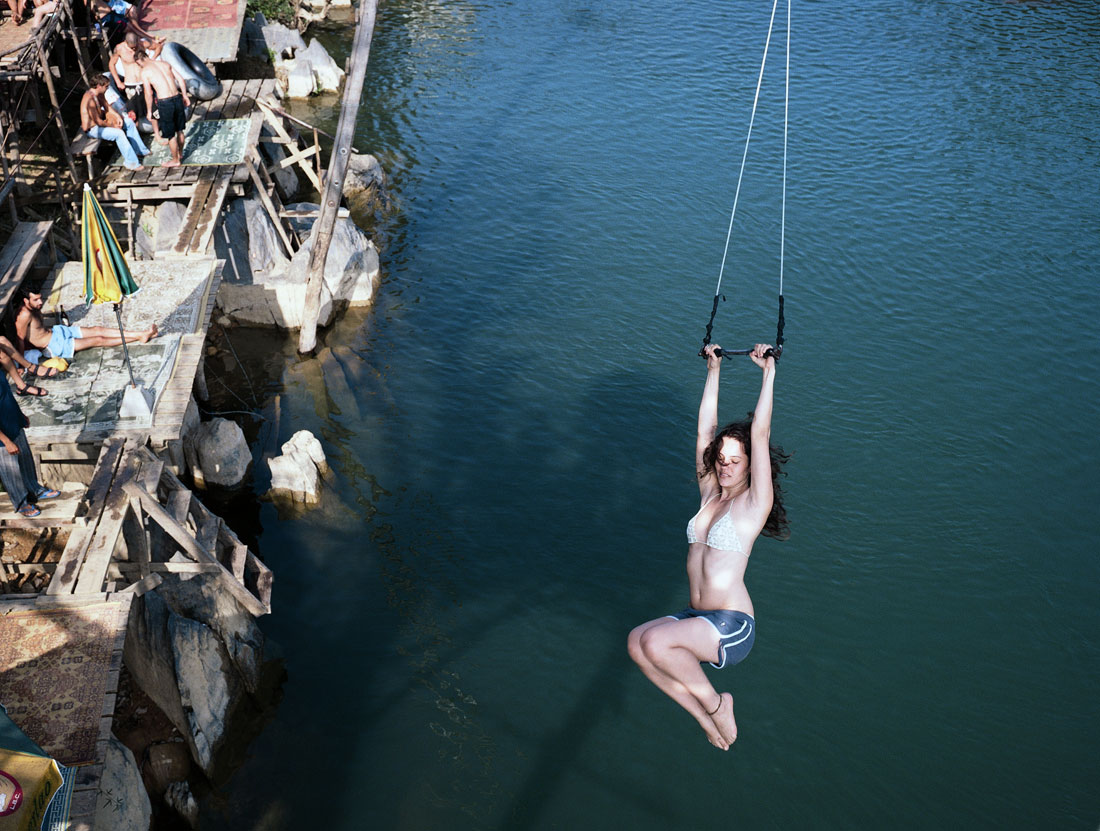
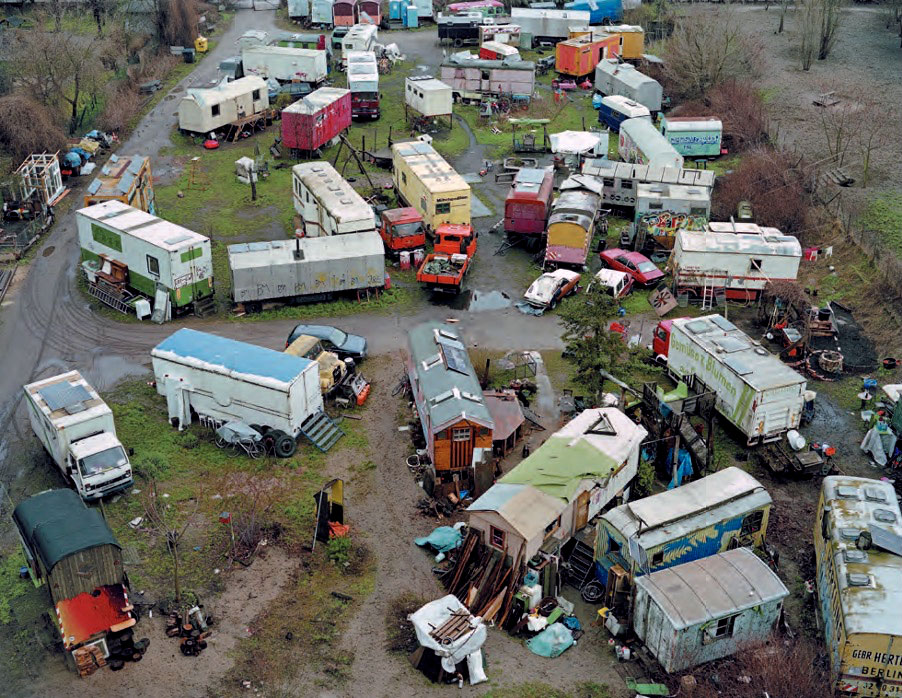
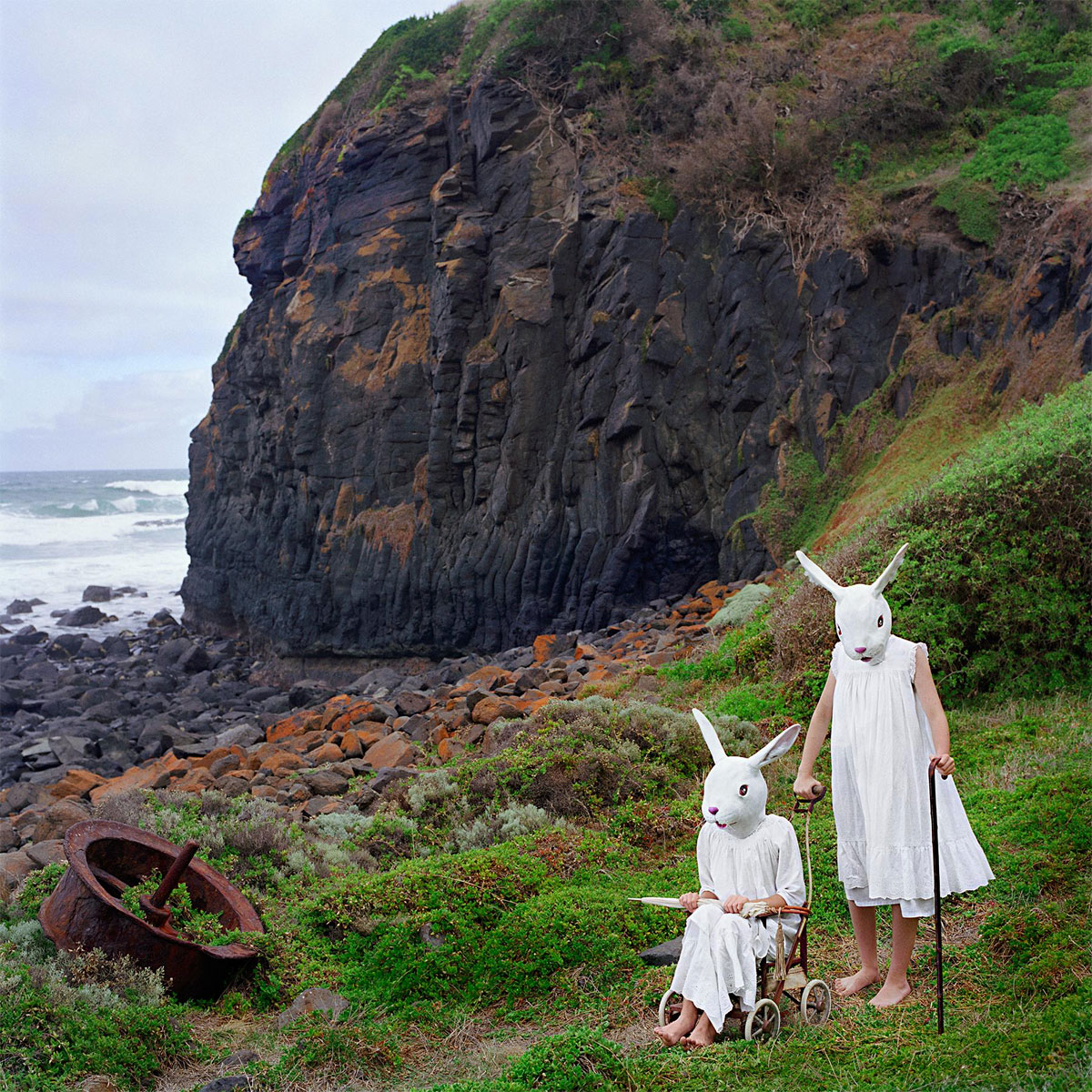
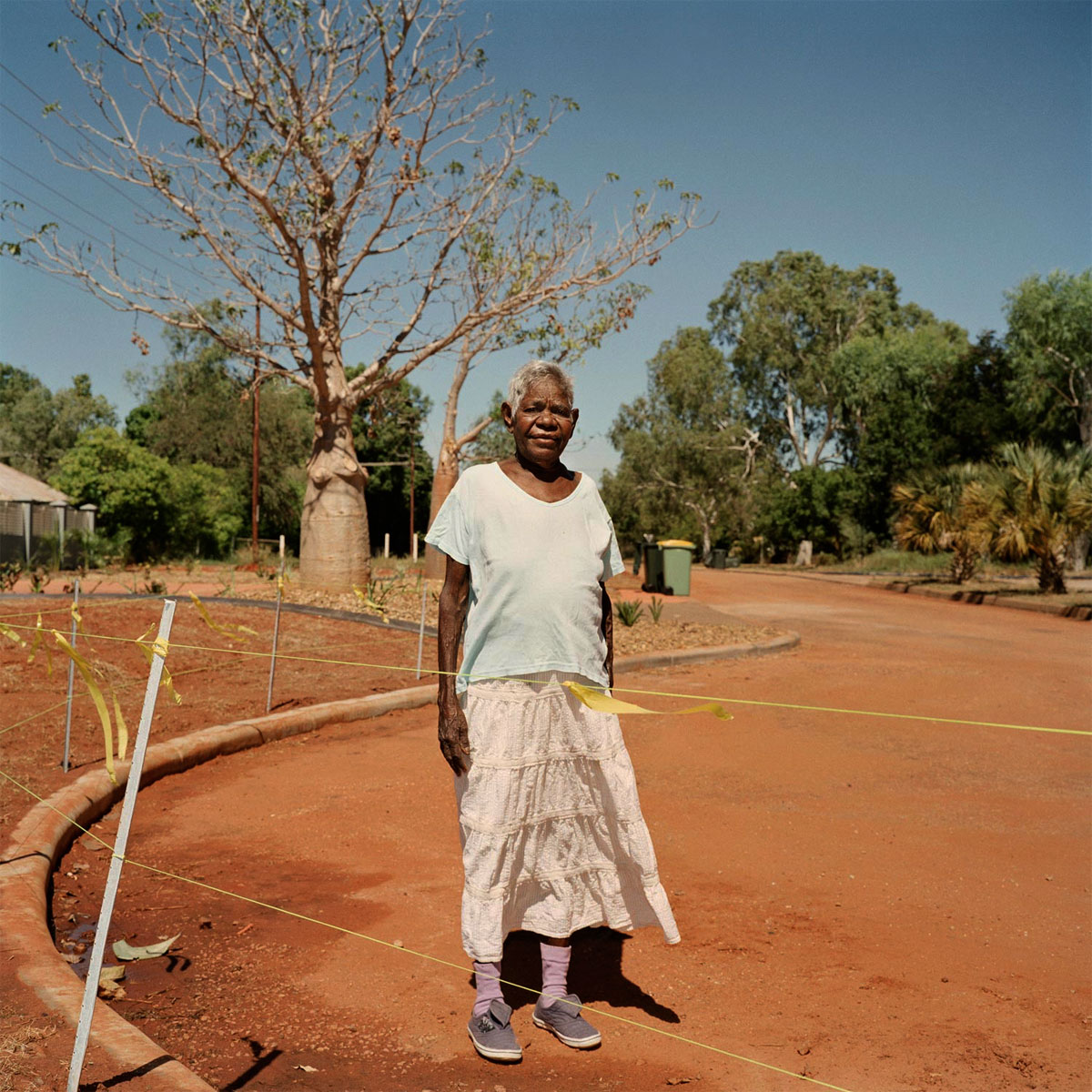
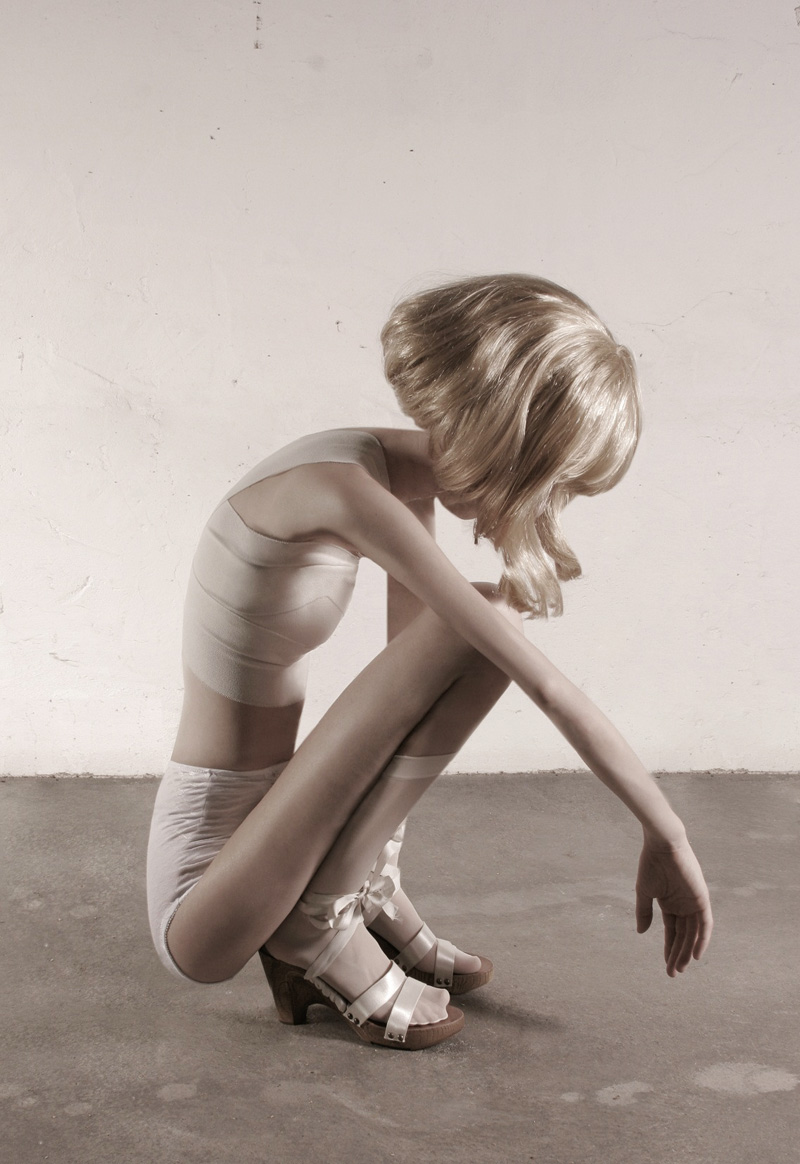
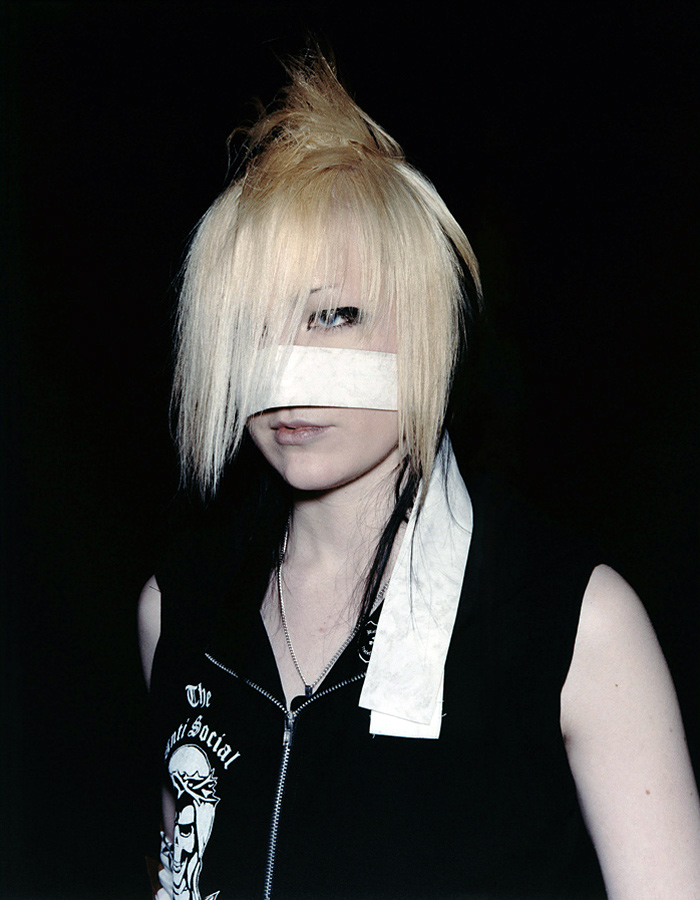
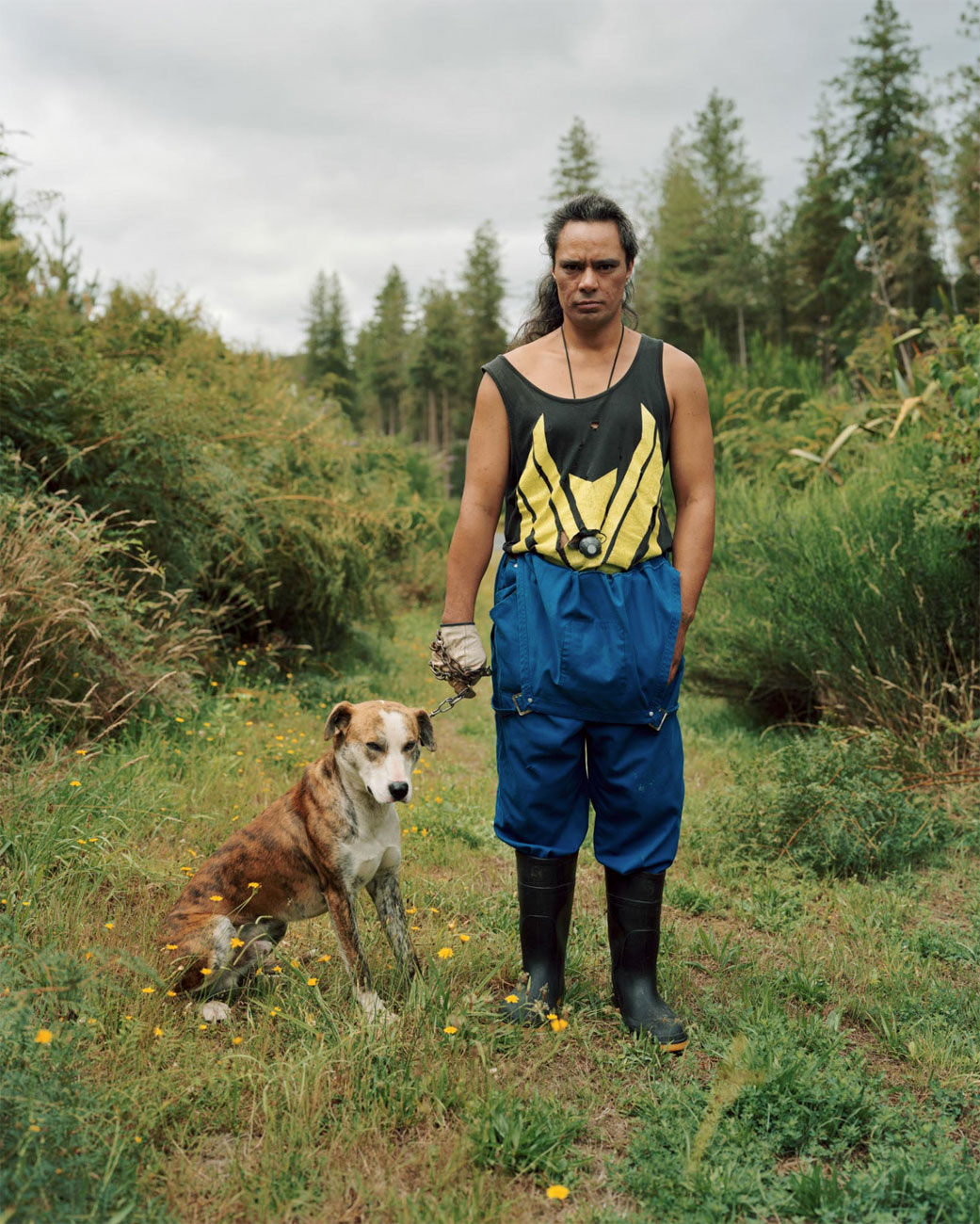
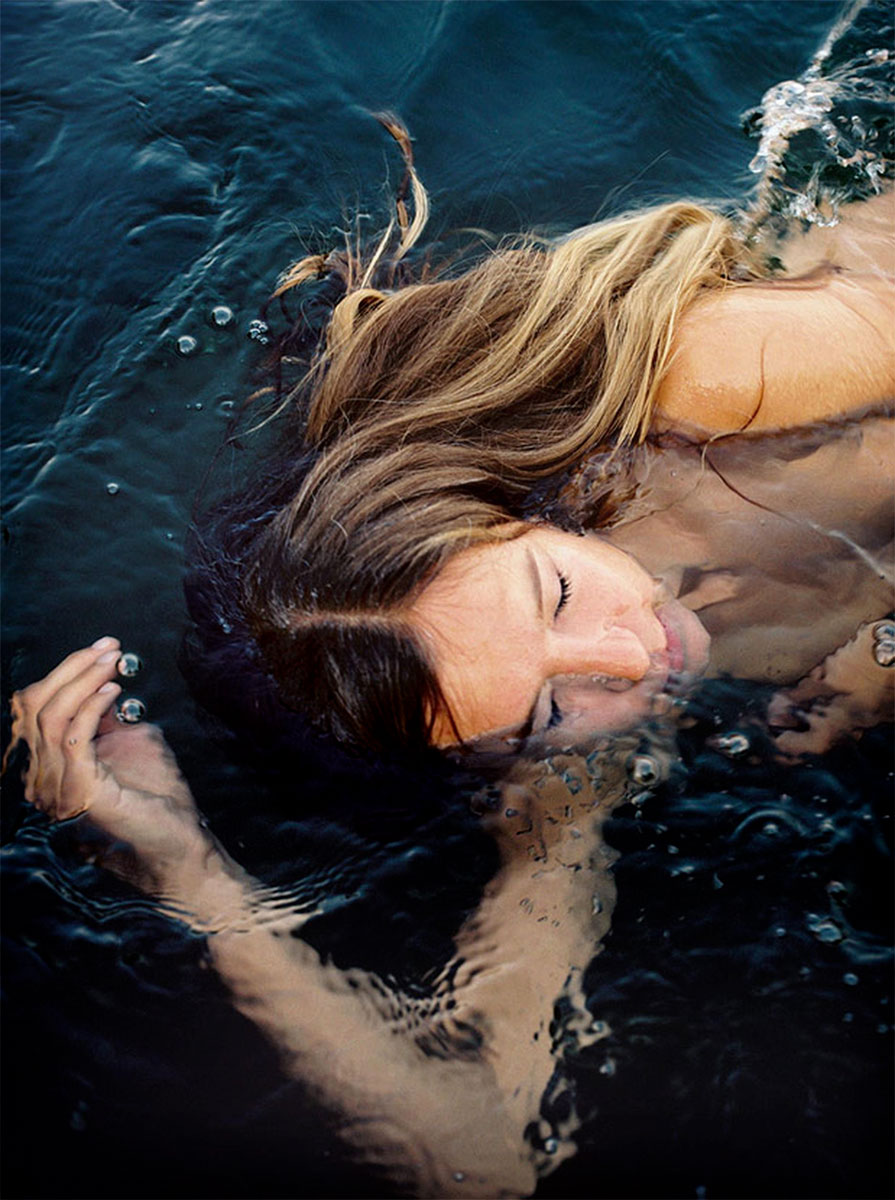


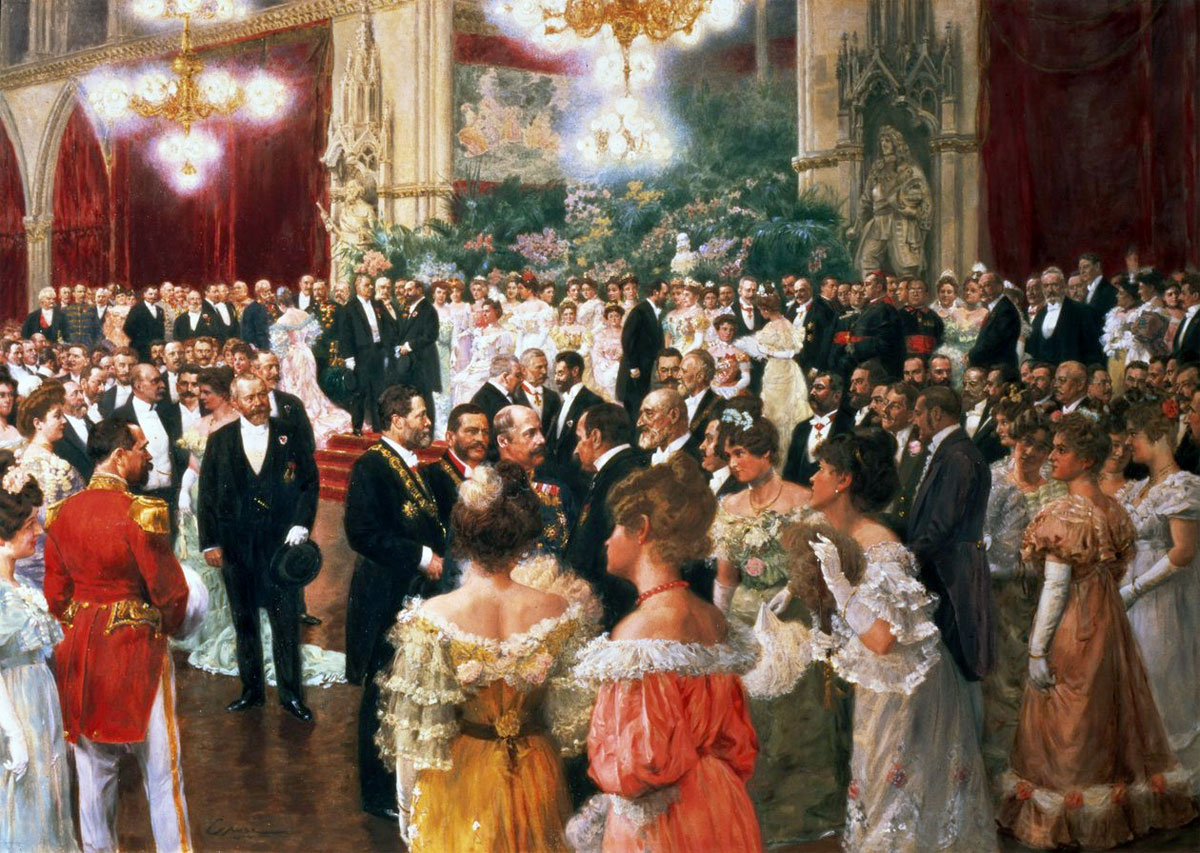
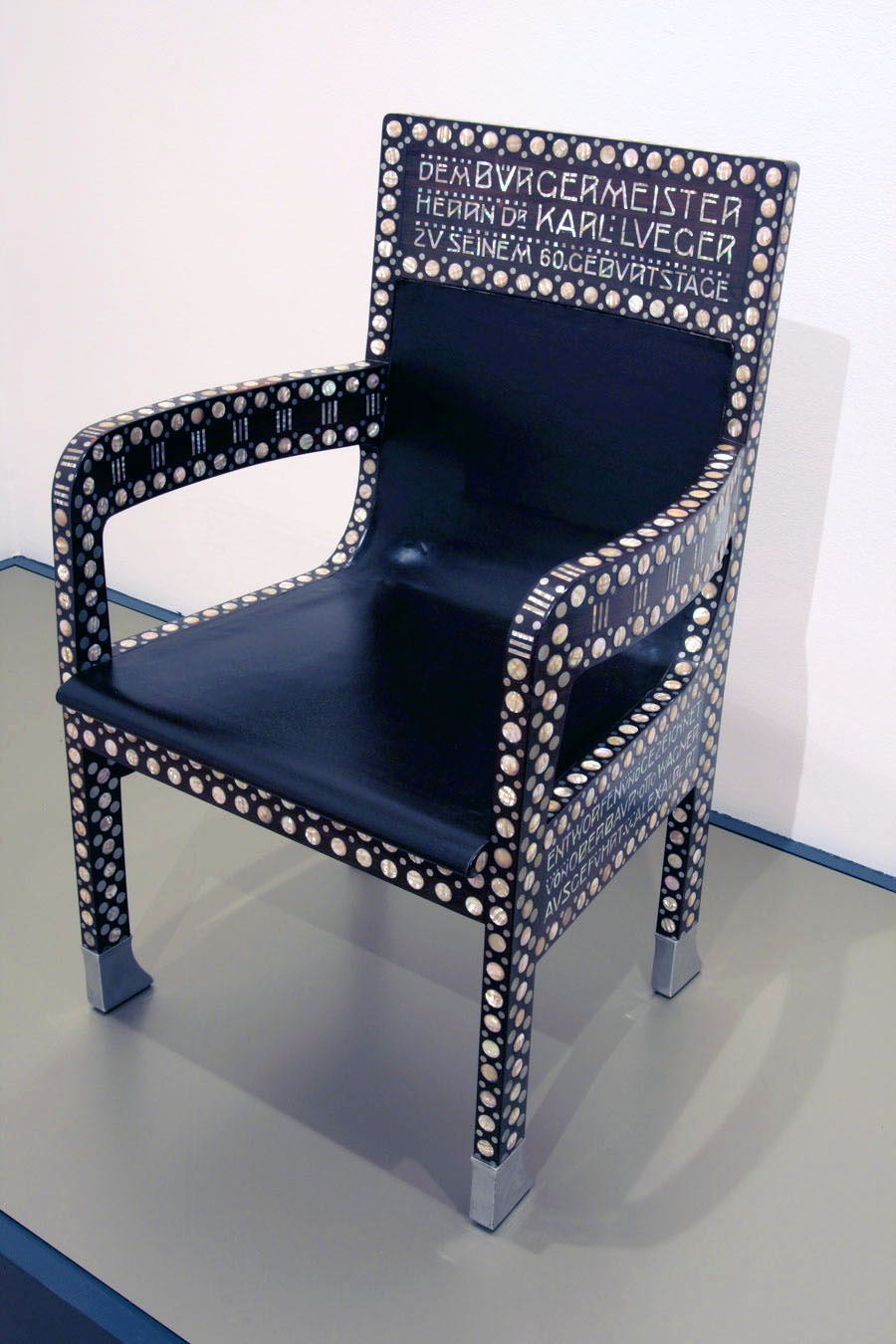


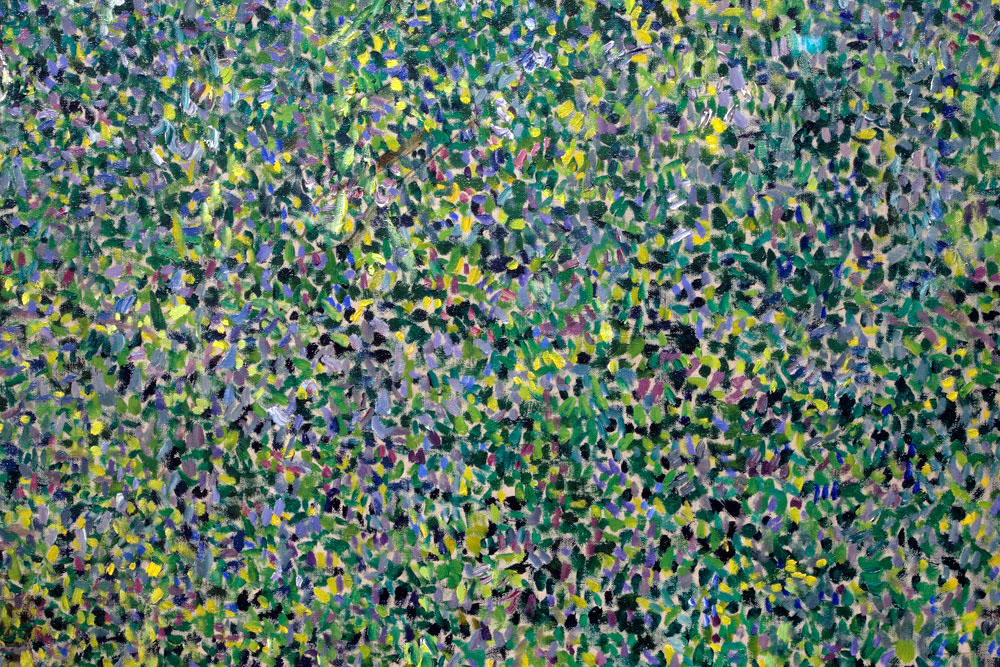


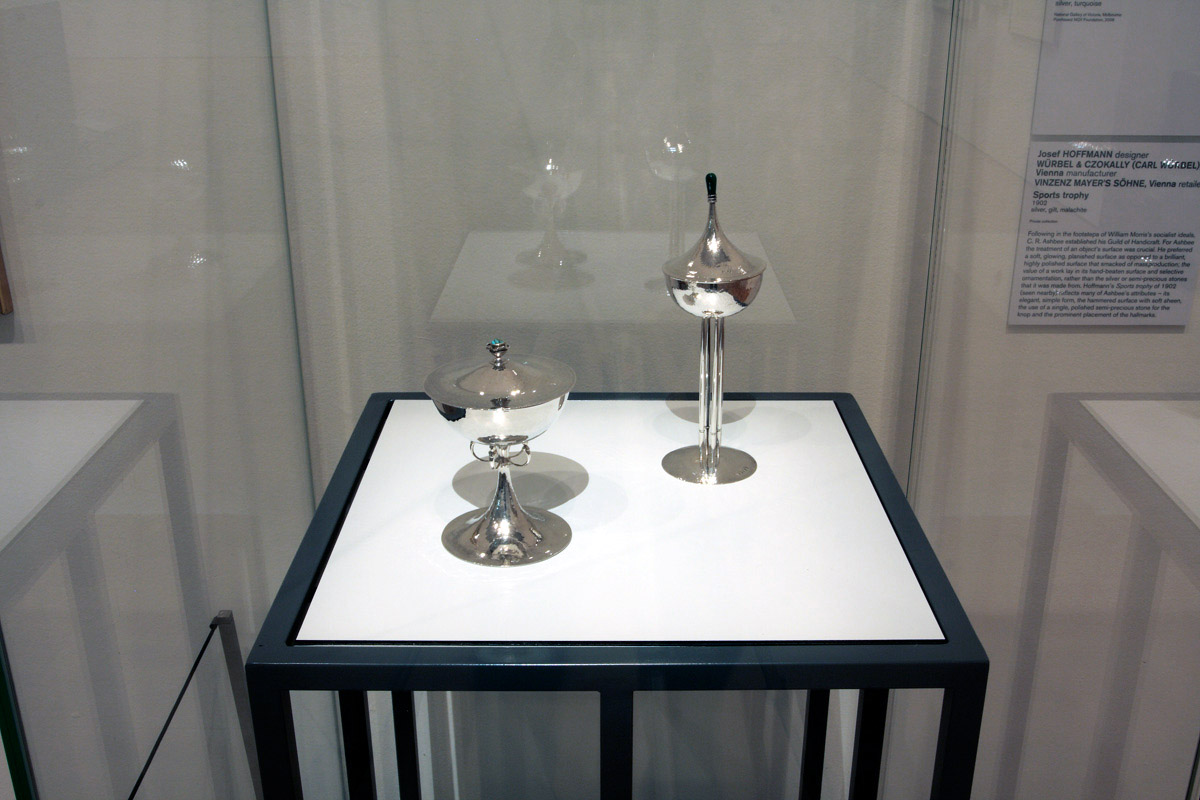
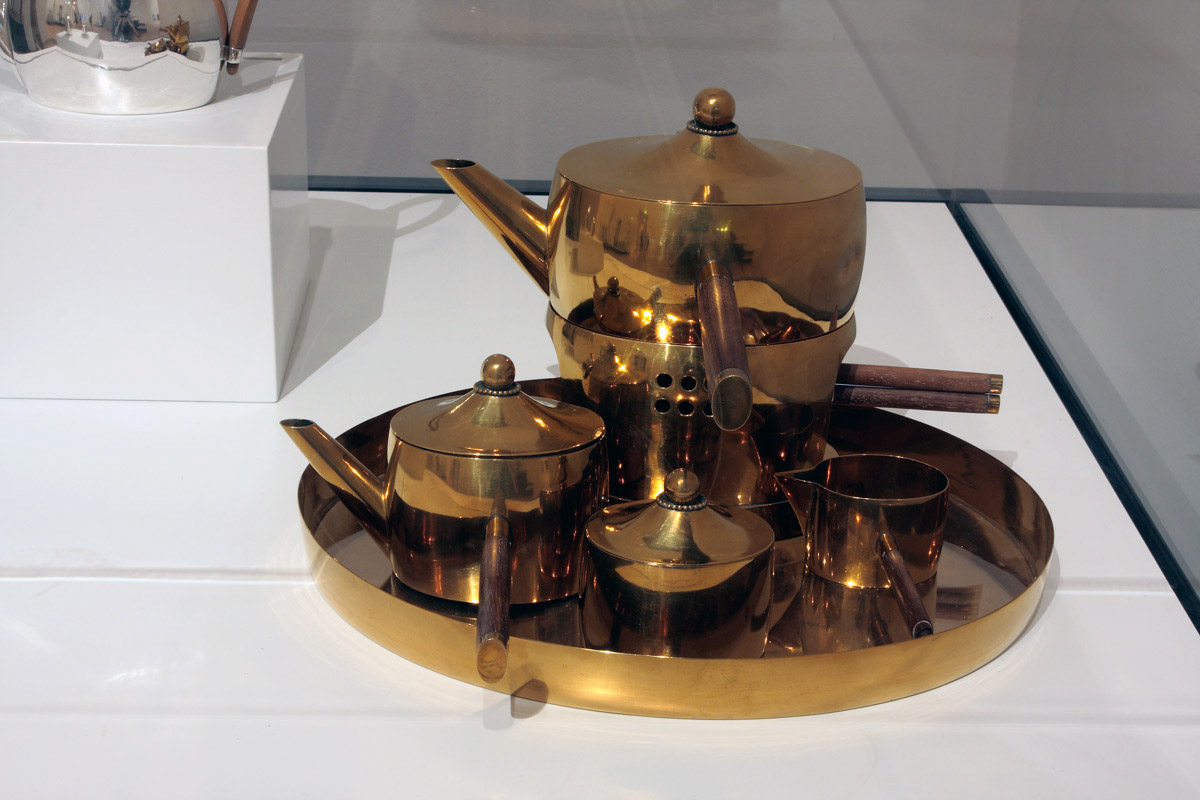


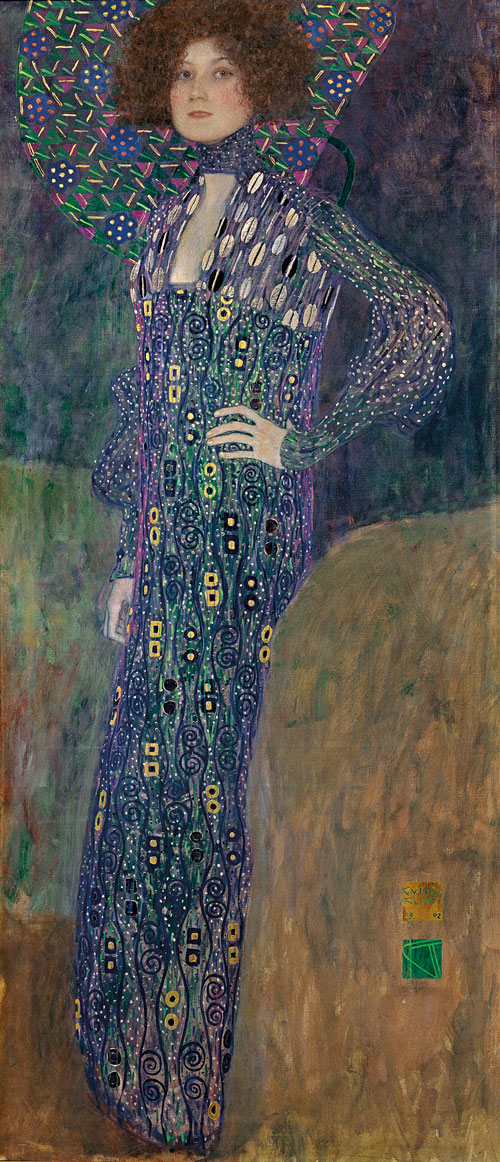


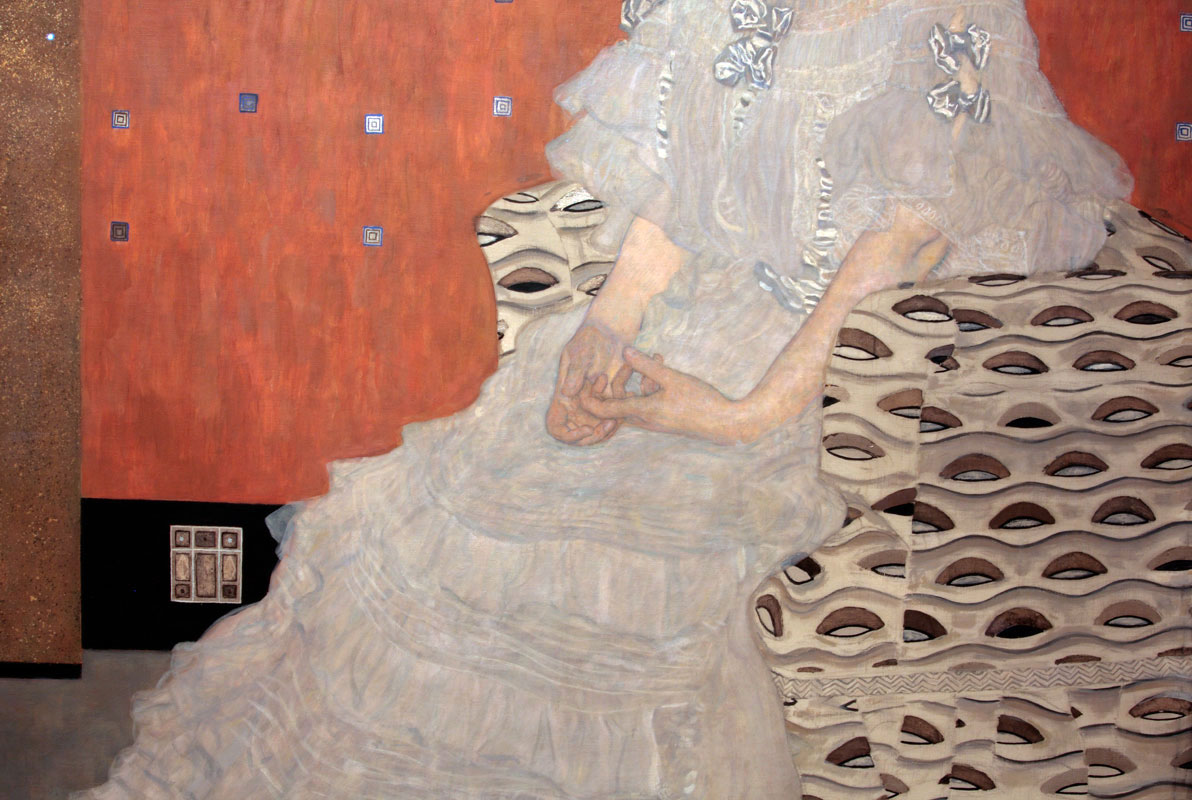


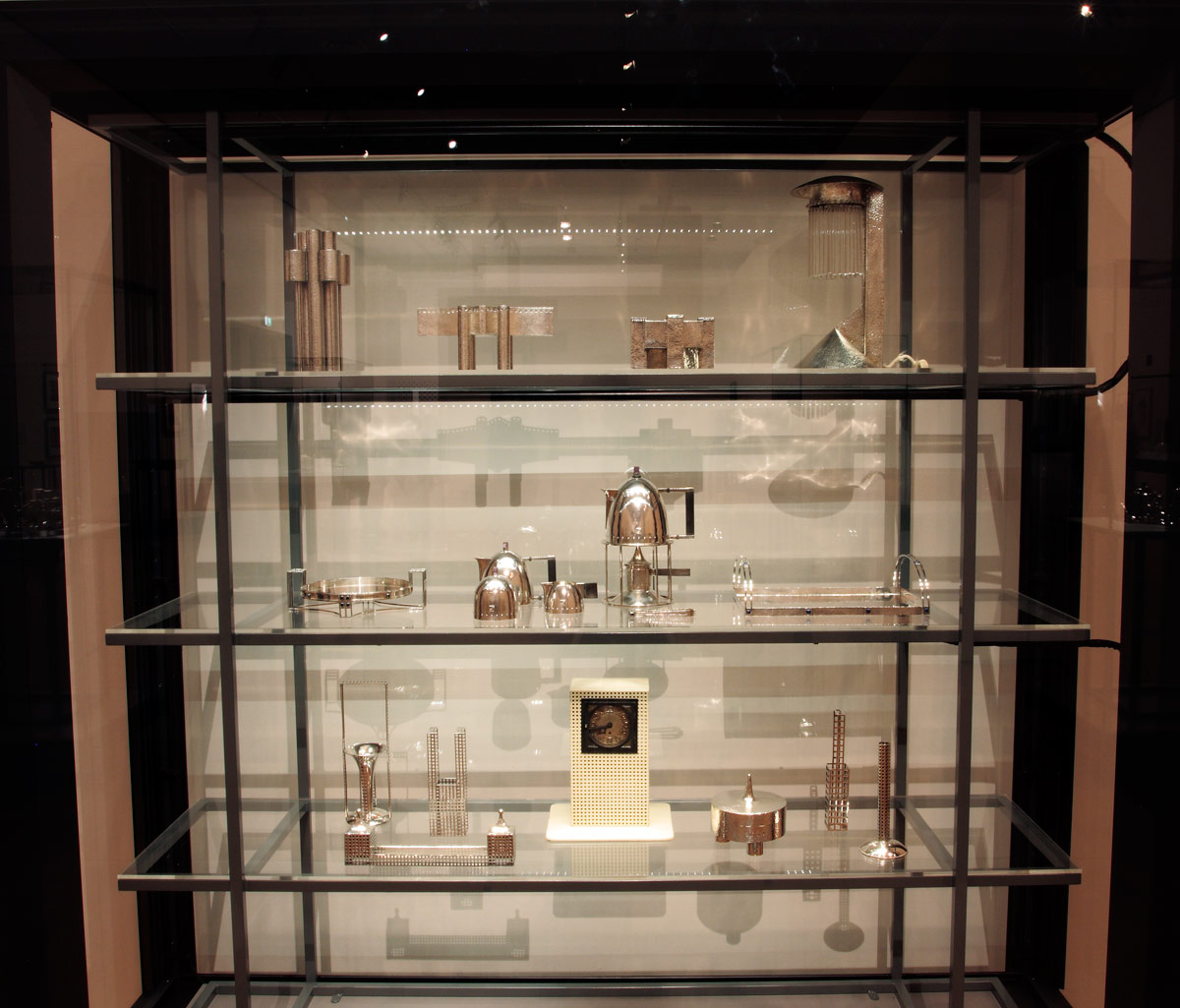
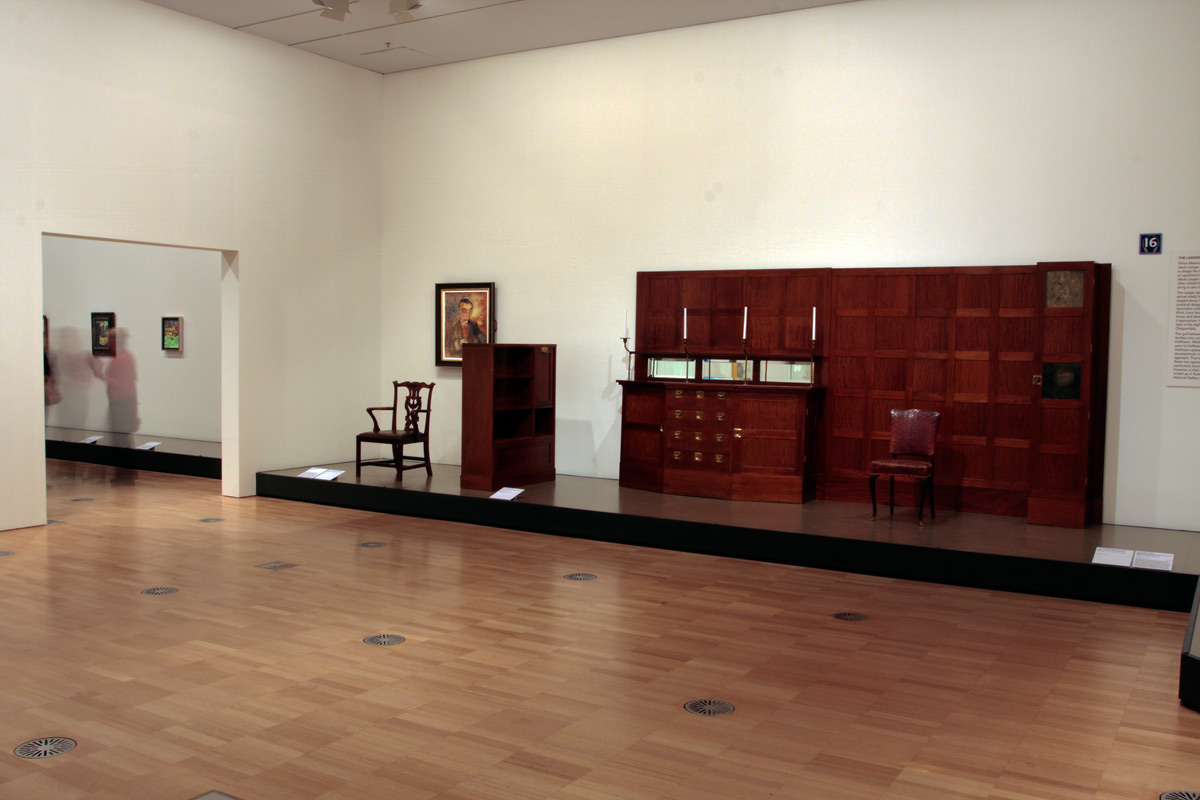


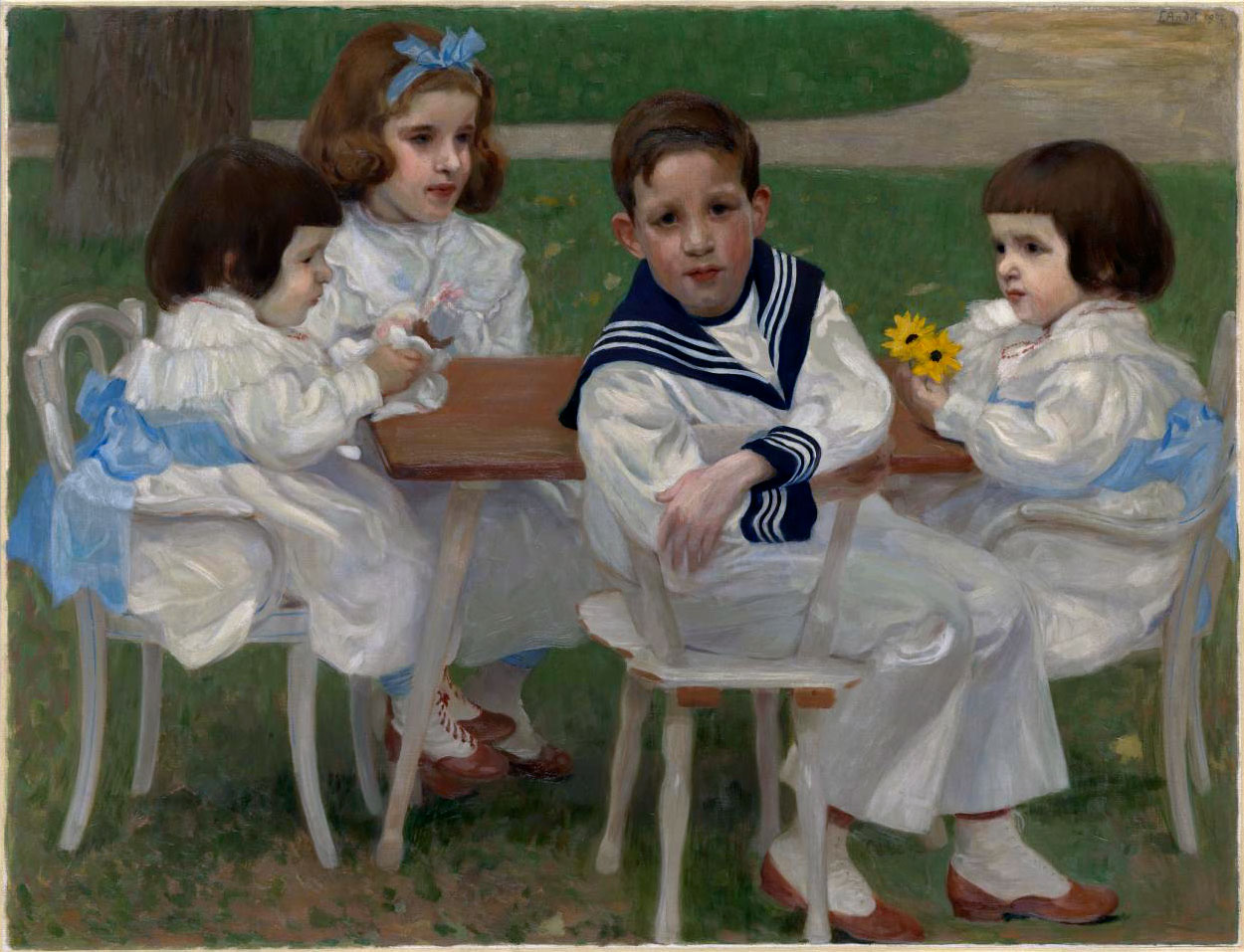


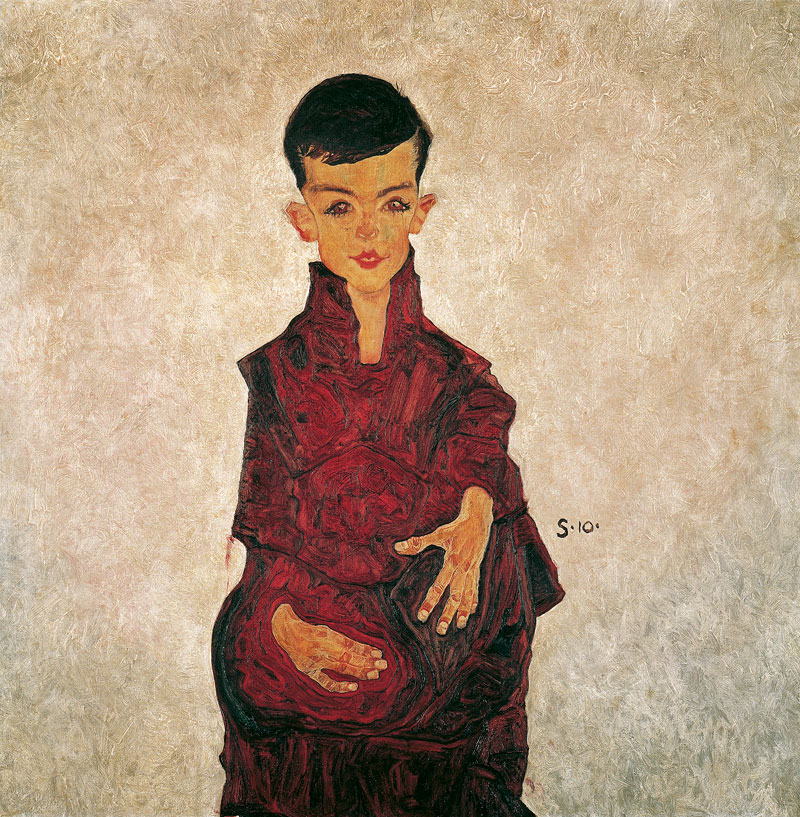






 Art Blart _ art and cultural memory archive
You must be logged in to post a comment.