Exhibition dates: 13th October 2023 – 4th February 2024
Paul Strand (American 1890-1976, France 1951-1976) Still life, pear and bowls, Twin Lakes, Connecticut
1916, printed 1983
From the Paul Strand: The Formative Years 1914-1917 portfolio photogravure
National Gallery of Victoria, Melbourne
Purchased, 1984
Public domain
“I feel that photographs can either document or record reality or they can offer images as an alternative to everyday life: places for the viewer to dream in.”
Francesca Woodman, 1980
Smoke and mirrors, smoke and mirrors…
In many ways the exhibition Photography: Real & Imagined at The Ian Potter Centre: NGV Australia can be seen as a summation of all that is good and bad with the photography collection and the photography exhibition program at the National Gallery of Victoria.
Since the sad and unfortunate demise of the small but important dedicated photography gallery, photography exhibitions at the NGV (other than the large Patrick Pound exhibition all those years ago in 2017) have been in a state of deep freeze. I MISS that little third floor gallery… it’s all we had for photography at the NGV on a regular basis and there were some interesting shows there. It’s been gone for years and photography has been lumped in with contemporary art. And then, and now, nothing for years.
Therefore, as a fellow photographic artist observed to me, “It was great to see the NGV finally give photography a large exhibition after so many years of neglect.” Never a truer word said.
Let’s get the good stuff about the exhibition out of the way first. Whoever curated the exhibition (unknown, unnamed) really knew how to pull an installation of photographs together. There was some sophisticated sequencing of the images on the various themes from Australian and International artists, very intelligently and beautifully rendered which I enjoyed tremendously. I also enjoyed seeing the glorious display of photobooks: I was in heaven seeing in one display cabinet Man Ray’s book Photographs by Man Ray Paris 1920-1934 (published 1934), Claude Cahun and Marcel Moore’s book Aveux non Avenus (Disavowals or Cancelled Confessions) (published 1930), Bill Brandt’s book Perspective of Nudes (published 1961), and Germaine Krull’s book Nude studies (Études de nu) (published 1930). What a selection!
And it was finally great to see Australian and international work displayed together on such a large scale, something I can’t remember happening in the 35 years I have being viewing photography exhibitions in Australia. This is something that the NGV should have been promoting for many years, the placement of Australian photography in an international context… even taking this concept overseas, to promote Australian photography internationally. But no, nothing of this kind of forward thinking has ever happened in insular Australia.
Now to the not so good stuff. The most glaring anomaly about the exhibition was its over ambitious structure. While the concept ‘Real & Imagined’ was very strong – an exhibition of photographs picturing a version of reality captured by the camera (for it can never capture reality itself) / photographs created by the imagination of human beings – this robust concept was overwhelmed by too many thematic sections in the exhibition.
These sections included ‘Light’ and ‘Systems and Surface’ and ‘Surreal’ and ‘Narrative’ and ‘Work and Play’ and ‘Movement’ and ‘Studio and Things’ and ‘Display’ and ‘Consumption’ and ‘Self’ and ‘Skin’ and ‘Community and Touch’ and ‘Environment’ and ‘Place and Built’ and ‘Nineteenth-century photography’ and ‘Conflict’ and ‘Death’. I’m exhausted already…
And then, walking around the exhibition, the wall texts used to identify and illuminate these sections became totally irrelevant as through their placement on the wall I had no idea to which area they were referring. It was totally confusing and in the end I just ignored them.
As I observed people wandering around the exhibition, most had no idea of the importance of some of the images on display… why would they? They are not photography aficionados but the viewing public. If I found the exhibition confusing imagine how they viewed it. What the NGV should have done was have a guided tour on the hour, every hour, to talk about the seminal works in the exhibition and about how the exhibition had been structured. Imagine someone explaining the importance of the four photobooks in a display cabinet mentioned earlier in the history of photography and how by putting them together you were creating a sophisticated dialogue over time about identity and gender issues.
As the aforementioned colleague observed to me, “the exhibition felt like a data dump with a tacked on theme that strained (and failed) to resonate.” I wouldn’t go that far for the overall concept was strong and vibrant but like much of what has happened with the photography collection at the NGV, the overall outcome was confused and piecemeal.
This can no better be illustrated than through the comments of the Director of the NGV, Tony Ellwood, when he said in the press release, “This exhibition celebrates the collections and achievements of the NGV’s photography department, which has presented more than 180 exhibitions in its 55-year history. The exhibition is a testament to the strength of the NGV Collection, with so many key examples of the history of photography represented, from the earliest examples from the 19th century, through to contemporary images being produced right now in the twenty-first century.”
I note that when the head of the NGV boasts about the number of photography exhibitions over the last 55 years (180, about 3 a year mainly small exhibitions) and the “strength” of the NGV Photography Collection… you know that he is proselytising.
Most of the large photography exhibitions have been brought in from outside sources in the last 30 years and little research has been done into Australian photography and its relationship to world photography in house. And while the NGV collection has “strength” in certain areas it is woefully lacking in others. Again, the word “piecemeal” springs to mind, like Swiss cheese full of the biggest holes … and this exhibition only serves to reinforce that idea, often displaying the only photograph by an important artist that the collection holds. Smoke and mirrors, smoke and mirrors!
For example I picked a few photographic artists off the top of my head as I thought of them – and the NGV collection possesses some in reasonable depth:
Edward Steichen 23
Paul Strand 51
Brassai 17
André Kertesz 45
Eugène Atget 143
Frank Hurley 20
Max Dupain 94
Bill Brandt 44
Bill Henson 108
Lee Friedlander 31
David Goldblatt 15
Dorothea Lange 28
August Sander 16
Other important photographers the NGV have nothing or next to nothing at all:
Joseph Sudek 1
Stephen Shore 0
William Eggleston 0
Julia Margaret Cameron 3
Robert Mapplethorpe 1
Ansel Adams 4
Hiroshi Sugimoto 1
Daido Moriyama 0
Raja Deen Dayal 0
Aleksandr Rodchenko 1
Olive Cotton 9
Berenice Abbott 7
Diane Arbus 2
Roger Ballen 1
Bernd and Hiller Becher 1
Thomas Ruff 2
Manuel Álvarez Bravo 0
Edward Weston 6
Henri Cartier-Bresson 2
Robert Frank 11
Garry Winogrand 0
Nan Goldin 3
Gordon Parks 3
Lewis Hine 9
Peter Hujar 0
Imogen Cunningham 6
Not exactly an institution that has “strength” in their photography collection. And over the last 30 years seemingly nothing much has been done to plug these enormous holes in the collection…. instead, for example, buying one work by Jeff Wall for a million dollars.
The NGV needs to improve the photography collection and its photography exhibition program. After too many years of stagnation an injection of new ideas and a new direction for exhibition programming is needed. A couple of focused photography exhibitions per year would be a good start, as would the purchasing of historic photographs to fill huge gaps in the collection rather than the purchasing of contemporary work. Non-vintage prints of the masters can still be bought at affordable prices. And therein lies just one of the problems: money.
Investment in photography at the NGV in terms of people and money is much needed, otherwise the deep freeze and dance of smoke and mirrors will continue well into the future.
Photography: Real and Imagined examines two perspectives on photography; photography grounded in the real world, as a record, a document, a reflection of the world around us; and photography as the product of imagination, storytelling and illusion. On occasion, photography operates in both realms of the real and the imagined.
Highlighting major photographic works from the NGV Collection, including recent acquisitions on display for the very first time, Photography: Real and Imagined examines the complex, engaging and sometimes contradictory nature, of all things photographic. The NGV’s largest survey of the photography collection, the exhibition includes more than 300 works by Australian and international photographers and artists working with photo-media from the nineteenth, twentieth and twenty-first centuries.
Installation view of the exhibition Photography: Real & Imagined at The Ian Potter Centre: NGV Australia, Melbourne showing at rear left, Penelope Davis’ Shelf (2008) and Non-fiction (red) (2008, below); at third right, Anne Ferran’s Scenes on the death of nature, III (1986); at second right, Candida Höfer’s Teylers Museum Haarlem II (2003, below); and at right, Thomas Struth’s Pergamon Museum IV, Berlin (2001) Photo: Marcus Bunyan
Installation view of the exhibition Photography: Real & Imagined at The Ian Potter Centre: NGV Australia, Melbourne showing Penelope Davis’ Shelf (2008) and Non-fiction (red) (2008) from the Fiction-Non-Fiction series 2007-2008 Photo: Marcus Bunyan
Installation view of the exhibition Photography: Real & Imagined at The Ian Potter Centre: NGV Australia, Melbourne showing at middle left, Anne Ferran’s Scenes on the death of nature, III (1986); at centre, Candida Höfer’s Teylers Museum Haarlem II (2003, below); and at middle right, Thomas Struth’s Pergamon Museum IV, Berlin (2001) Photo: Marcus Bunyan
The luminous photograph by Thomas Struth shows museum visitors immersed in observing the Telephos frieze within a room of the Pergamon Museum in Berlin. Struth draws our attention to the fact that viewing a work of art in a public gallery is rarely a private experience. The visit is usually shared by other visitors, museum staff, security guards and tour guides. There is also the omnipresent gaze of security cameras. Struth seems to be emulating the technical innovations of the Telephos frieze in his arrangement of the viewers. Similarities between the poses of the audience members and the poses of the carved relief figures gradually emerge, suggesting an unconscious dialogue between the viewers and the objects they regard.
Wall text from the exhibition
Candida Höfer (German, b. 1944) Teylers Museum Haarlem II
2003
Type C photograph
National Gallery of Victoria, Melbourne
Purchased, 2004
This photograph shows the famous Oval Room within Teylers Museum, the oldest public museum in the Netherlands. Candida Höfer photographed the space bathed in a brilliant, even light that illuminates its architecture, objects and famed mineralogical cabinet. The highly structured museological ordering of the objects and the Neoclassical architecture that contains them are exaggerated by the formal, symmetrical composition of the photograph. This image invites reflection of the ways in which cultural institutions direct our engagement with materials. As the artist has said, ‘There are no people there, but you understand that the places were made specially for them. This is very meaningful for me, and it’s exactly what I want to express’.
Wall text from the exhibition
Installation view of the exhibition Photography: Real & Imagined at The Ian Potter Centre: NGV Australia, Melbourne showing at left, Anne Ferran’s Scenes on the death of nature, III (1986); at centre, Candida Höfer’s Teylers Museum Haarlem II (2003, above); and at right, Thomas Struth’s Pergamon Museum IV, Berlin (2001).
In the distance can be seen Lotte Jacobi’s Head of a dancer (1929, below); Man Ray’s Head of a dancer (1929, below); and Lee Miller’s Nimet Eloui Bey (c. 1930, below) Photo: Marcus Bunyan
Lotte Jacobi (German 1896-1990, United States 1935-1990) Head of a dancer
1929, printed c. 1970
Gelatin silver photograph
26.4 × 33.2cm
National Gallery of Victoria, Melbourne
Bowness Family Fund for Photography, 2021
Public domain
Man Ray (Emmanuel Radnitzky) (American, 1890-1976) Kiki with African mask 1926
Gelatin silver photograph
21.1 x 27.6cm
National Gallery of Victoria, Melbourne
Purchased through The Art Foundation of Victoria with the assistance of Miss Flora MacDonald Anderson and Mrs Ethel Elizabeth Ogilvy Lumsden, Founder Benefactors, 1983
Public domain
Kiki with African mask is one of Man Ray’s most celebrated photographs and an iconic image of the Art Deco period. First published in Vogue in 1926, it is an elegant image, but it also speaks to the impact of European colonialism in Africa. In this pared-back studio photograph all extraneous detail is excluded from the image, focusing our attention on the exquisitely made-up face of Kiki in juxtaposition with the perfectly polished ebony of the mask. This photograph invites us to delight in the physical beauty of Man Ray’s celebrated model but offers nothing about the mask or its maker.
Wall text from the exhibition
Installation view of the exhibition Photography: Real & Imagined at The Ian Potter Centre: NGV Australia, Melbourne showing Lee Miller’s Nimet Eloui Bey (c. 1930) Photo: Marcus Bunyan
Lee Miller (American 1907-1977) Nimet Eloui Bey (installation view)
c. 1930
Gelatin silver photograph
23.0 × 15.8cm
National Gallery of Victoria, Melbourne
Gift of Krystyna Campbell-Pretty AM and Family through the Australian Government’s Cultural Gifts Program, 2022 Photo: Marcus Bunyan
Lee Miller may have been well-known as Man Ray’s colleague, model and lover, but she was also celebrated for her own photographic practice, producing portrait and fashion photographs. When Miller photographed Egyptian model Nimet Eloui Bey the encounter changed both women’s lives. Four years after taking this intimate portrait, Miller would marry Nimet’s then husband, Aziz Eloui Bey. As curator Sophia Cai comments, ‘The personal scandal behind this portrait colours many contemporary interpretations, but also demonstrates the way that the personal lives of artists become interwoven with their artistic identities. This is particularly true in instances of women artists who are relegated to the role of the “muse” or lovers to male artists’.
Wall text from the exhibition
Installation view of the exhibition Photography: Real & Imagined at The Ian Potter Centre: NGV Australia, Melbourne showing at centre, Fiona Pardington’s Portrait of a life-cast of Koe, Timor (2010) and Portrait of a life cast of Matoua Tawai, Aotearoa New Zealand (2010); and at right, Linda Judge’s Victoria and Albert Museum 20/4/94 (1994, below) Photo: Marcus Bunyan
Fiona Pardington’s photograph shows a life cast of the tattooed head of a Māori man, Matoua Tawai. The cast, held in a museum collection, is one of many made by Pierre- Marie Alexandre Dumoutier of Māori peoples in the 1830s. Pardington, who is of Māori and Scottish descent, has spoken of her desire to reconsider the complex history of these life casts and find a state of continuum between the past and present, to, as she says, ‘find the faces of the living people presenting and manifesting in the object’. Printing the photograph at larger-than-life scale provokes a physical encounter, an opportunity to look again and reconsider the histories of the person, the object and the image.
Wall text from the exhibition
Linda Judge (Australian, b. 1964) Victoria and Albert Museum 20/4/94 (detail)
1994
Type C photographs
National Gallery of Victoria, Melbourne
Margaret Stewart Endowment, 1994 Photo: Marcus Bunyan
In this image, Linda Judge wittily creates new narratives and resurrects otherwise ‘mummified’ museum objects. Concerned with the open-ended nature of archives and their ability to slip between fiction and reality, Judge presents photographs of historical lace from the collection of the Victoria and Albert Museum, London. Beneath each photograph, Judge has provided a range of both ‘plausible’ captions (’12. collar, cuff, border: Italian, late 17th century, Tape lace with needlepoint fillings and brides’) and fanciful ones (’51. veil: Brussels, end 18th century, needlepoint on bobbin ground. Worn by Madonna, for Like a Virgin in her Brussels tour ’91’). Judge humorously invites the viewer to interrogate the expectations of truth in the presentation of archival content.
Wall text from the exhibition
Installation view of the exhibition Photography: Real & Imagined at The Ian Potter Centre: NGV Australia, Melbourne showing at left, Martin Parr’s Pink pig cakes from Common Sense (1995-1999); at fourth left, ringl+pit’s Komol (1931, below); at fifth left, Ilse Bing’s Salut de Schiaparelli (1934, below); and at sixth left, Dora Maar’s Untitled (Study of Beauty) (1936, below) Photo: Marcus Bunyan
Installation view of the exhibition Photography: Real & Imagined at The Ian Potter Centre: NGV Australia, Melbourne showing ringl+pit’s Komol (1931, below) Photo: Marcus Bunyan
Installation view of the exhibition Photography: Real & Imagined at The Ian Potter Centre: NGV Australia, Melbourne showing at left, Martin Parr’s Pink Pig Cakes, Bristol, UK (1995); at third right, Lillian Bassman’s More fashion mileage per dress, Barbara Vaughn, Harper’s Bazaar, New York (1956); at second right, and at right, Darren Sylvester’s On Holiday (2010) Photo: Marcus Bunyan
Darren Sylvester builds and photographs hyperreal tableaux using the visual language of advertising – beautiful models, perfect lighting and considered ‘product’ placement – to construct a familiar yet illusionary reality. Here Sylvester’s model plays the role of a handsome businessman. ‘Against a sunrise, a business traveller gazes at an unknown destination’, Sylvester once wrote of this image. ‘The composition plays on stereotypes of luxury aspirations and aeroplane advertisements. For example, no-one ever flies into darkness or storms in an ad.’ In this lush, seductive photograph, Sylvester explores the slippery space between reality and illusion, aspiration and irrelevance, as we move on to the next shiny thing.
Wall text from the exhibition
Lillian Bassman (American, 1917-2012) More fashion mileage per dress, Barbara Vaughn, Harper’s Bazaar, New York
1956, printed later
Gelatin silver photograph
National Gallery of Victoria, Melbourne
Gift of Krystyna Campbell-Pretty AM and Family through the Australian Government’s Cultural Gifts Program, 2023
In the late 1930s, Lillian Bassman studied fashion illustration and textile design at the Pratt Institute, New York. In 1940 she began working with Alexey Brodovitch, art director of Harper’s Bazaar magazine, which soon led to her appointment as art director of the subsidiary publication Junior Bazaar. In this capacity she worked with photographers, including Richard Avedon and Robert Frank, and in 1947 began working as a freelance fashion and advertising photographer. In an interview later in her life Bassman played down her directorial role as photographer, stating, ‘It is part of the nature of a woman to be unconsciously graceful … I try to record that natural grace with a camera’.
Wall text from the exhibition
Installation view of the exhibition Photography: Real & Imagined at The Ian Potter Centre: NGV Australia, Melbourne showing Athol Shmith’s Fashion illustration, model Ann Chapman (c. 1961) Photo: Marcus Bunyan
Installation view of the exhibition Photography: Real & Imagined at The Ian Potter Centre: NGV Australia, Melbourne showing at left, Alice Mills’ Joan Margaret Syme (c. 1918, below); at second left, works by Edson Chagas from his Tipo Passe series (2014); and at third left, Hassan Hajjaj’s Master Cobra Mansa (2013, below) with at right, Martin Parr’s Pink Pig Cakes, Bristol, UK (1995) Photo: Marcus Bunyan
Alice Mills (attributed to) (Australian, 1870-1929) Joan Margaret Syme
c. 1918
Gelatin silver photograph, coloured dyes
National Gallery of Victoria, Melbourne
Presented through the NGV Foundation by Michael Hayne, 2005
Public domain
Alice Mills set up her first studio in Melbourne in 1900. She was highly regarded as a portrait photographer and in 1907 was invited to exhibit in the Australian Exhibition of Women’s Work. Her portrait of five-year-old Joan Margaret Syme dressed in a leopard-skin robe is an outstanding example of studio portraiture. It shows the skilled application of hand colouring, which was used to transform black-and-white photographs in the era before colour photography, bringing a life-like quality to the portrait. At almost two metres high, this is no only a charming study of a young child, but one of the largest photographs from the early twentieth century in the NGV Collection.
Wall text from the exhibition
Installation view of the exhibition Photography: Real & Imagined at The Ian Potter Centre: NGV Australia, Melbourne showing at left Alice Mills’ Joan Margaret Syme (c. 1918, above); at centre, works by Edson Chagas from his Tipo Passe series (2014); and at right, Hassan Hajjaj’s Master Cobra Mansa (2013, below) Photo: Marcus Bunyan
Multidisciplinary artist Hassan Hajjaj’s portraits show London’s Moroccan diaspora; as a designer he also creates stylish street fashion and playful interiors that are a contemporary take on Moroccan tea houses and riads. Hajjaj came to professional photography by happenstance, taking pictures both for fun and as a tool while working as a stylist on music videos. It soon became a cornerstone of his creative practice. From the outset Hajjaj wanted his photography to show ‘another side of Moroccan culture’, something that, as he says, was not ‘camels, dates and drinking mint tea!’
Wall text from the exhibition
Adolphe Braun (French 1811-1877) No title (Flower study)
c. 1854
Albumen silver photograph
31.0 × 37.3cm
National Gallery of Victoria, Melbourne
Purchased NGV Foundation, 2017
Public domain
Adolphe Braun arrived in Paris in 1828 to study drafting and decorative design and within six years had established a textile design studio. Around 1853 he began to make photographs using the recently invented collodion process. The following year Braun commenced a project to photograph an extensive series of flower studies with the intent of providing documentary source material for artists and designers. He produced 300 of these photographs and in 1854 published his images in a six-volume series titled Fleurs photographiés. When they were exhibited in the 1855 Universal Exhibition in Paris, Braun was awarded a gold medal for his work’s usefulness to the fabric and decorating industries.
Wall text from the exhibition
Installation view of the exhibition Photography: Real & Imagined at The Ian Potter Centre: NGV Australia, Melbourne showing at left Julie Rrap’s Persona and shadow: Madonna (1984, below)
Julie Rrap (Australian, b. 1950) Persona and shadow: Madonna
1984
Cibachrome photograph
194.7 × 104.6cm (image and sheet)
National Gallery of Victoria, Melbourne
Michell Endowment, 1984
Installation view of the exhibition Photography: Real & Imagined at The Ian Potter Centre: NGV Australia, Melbourne showing from left to right, Yasumasa Morimura’s An inner dialogue with Frida Kahlo (Flower wreath and tears) (2001, below); Phumzile Khanyile’s Untitled (2016); Zanele Muholi’s Ntozkhe II (Parktown) (2016, below); Ayana V. Jackson’s How sweet the song (2017); Julie Rrap’s Madonna (1984, above); and Siri Hayes Spilling pearls (2012) Photo: Marcus Bunyan
Yasumasa Morimura (Japanese, b. 1951) An inner dialogue with Frida Kahlo (Flower wreath and tears) (installation views)
2001
From the An Inner Dialogue with Frida Kahlo series 1991-2001
Photograph, plastic
213.4cm diameter
National Gallery of Victoria, Melbourne
Purchased NGV Foundation, 2022 Photos: Marcus Bunyan
Using found props – in this instance a ‘crown’ of scouring pads – Zanele Muholi has photographed themself to confront racial stereotypes and examine concepts of self-representation while honouring generations of women who have worked domestically. Discussing this work the artist wrote, ‘In some ways, yes: Ntozakhe is based on the Statue of Liberty, representing the idea of freedom – the freedom all women should have – as well as pride: pride in who we are as black, female-bodied beings. But what kind of freedom are we talking about? What is the colour of the Statue of Liberty? What race is the figure monumentalised as Lady Liberty?’
Wall text from the exhibition
Installation view of the exhibition Photography: Real & Imagined at The Ian Potter Centre: NGV Australia, Melbourne showing at left, Julie Rrap’s Madonna (1984, above); at second left, Siri Hayes’ Spilling pearls (2012); at third left, Sarah Lucas’ Self-portrait with fried eggs (1999); at fourth left, William Yang’s William, Father, Mother, Graceville, Brisbane (1974, below) and then his Self Portrait #5(2008, below)
William Yang (Australian, b. 1943) William, Father, Mother, Graceville, Brisbane (installation view)
1974, printed 2014
Inkjet print
National Gallery of Victoria, Melbourne
Purchased, Victorian Foundation for Living Australian Artists, 2014 Photo: Marcus Bunyan
William Yang’s autobiographical photographs combine photographs and handwritten text to tell the stories of Yang’s family, his childhood, and his experiences of being Chinese in an Australia that was not always welcoming to him. In one of these photographs Yang points to the difficulties he faced as a young man torn between his parents’ aspirations for him and his own wish for a different life. In the other, he describes himself as more content, at ease with himself and the choices he has made in his life. Together they form part of a powerful account of his life and sense of self.
Wall text from the exhibition
William Yang (Australian, b. 1943) Self Portrait #5 (installation view)
2008; printed 2014
From the Self Portrait series
Inkjet print
43 × 65cm
National Gallery of Victoria, Melbourne
Purchased, Victorian Foundation for Living Australian Artists, 2014 Photo: Marcus Bunyan
Installation view of the exhibition Photography: Real & Imagined at The Ian Potter Centre: NGV Australia, Melbourne showing from left to right, Virginie Grange’s Untitled (1990); George Hoyningen-Huene’s Horst torso (1931, below); František Drtikol’s Nude (1927-1929); Olive Cotton’s Max after surfing (1937, below); Edward Weston’s Nude (1936, below); Eadweard Muybridge’s Plate 227 from Animal Locomotion series 1887; and Helmut Newton’s Big nude I (1980) Photo: Marcus Bunyan
Installation view of the exhibition Photography: Real & Imagined at The Ian Potter Centre: NGV Australia, Melbourne showing from left to right, George Hoyningen-Huene’s Horst torso (1931, below); František Drtikol’s Nude (1927-1929); Olive Cotton’s Max after surfing (1937, below); Edward Weston’s Nude (1936, below); Eadweard Muybridge’s Plate 227 from Animal Locomotion series 1887 Photo: Marcus Bunyan
The František Drtikol was the first fine art photograph to enter the National Gallery of Victoria collection.
George Hoyningen-Huene (Russian 1900-1968, England 1917-1921, France 1921-1935, United States 1935-1968) Horst torso
1931, printed 1980s
Gelatin silver photograph
23.1 × 27.9cm
National Gallery of Victoria, Melbourne
Bowness Family Fund for Photography, 2017
Edward Weston (American 1886-1958) Nude
1936, printed 1976
Gelatin silver photograph
17.8 × 23.8cm (image and sheet)
National Gallery of Victoria, Melbourne
Purchased from Agfa and B. H. P. donation, 1977
Public domain
Olive Cotton (Australian, 1911-2003) Max after surfing
1937, printed 1998
Gelatin silver photograph
26.0 × 19.7cm
National Gallery of Victoria, Melbourne
Purchased through The Art Foundation of Victoria with the assistance of Optus Communications Pty Limited, Member, 1998
Photographs of lovers, family and friends are perhaps the most emotionally charged of all images, not because the subject is monumental or dramatic, but because they allow us to see into intimate relationships. When photographs show subjects nude, or even partially naked, the sense of familiarity is heightened. Olive Cotton’s photograph of Max Dupain is an image that reveals intimacy and tenderness. His body is sculpted by raking side lighting and the allusion to Classical sculpture is apparent, but this photograph also carries an erotic charge – Dupain is shown as being tanned and muscular, movie-star handsome and the object of Cotton’s desire.
Wall text from the exhibition
Installation view of the exhibition Photography: Real & Imagined at The Ian Potter Centre: NGV Australia, Melbourne showing from left to right, Francesca Woodman’s Space², Providence, Rhode Island, 1976 (1976, below); E. J. Bellocq’s Woman reclining with mask (c. 1912, below); Florence Henri’s Nude composition (c. 1930, below); an anonymous American photographer’s image Kaloma (1914); and Germaine Krull’s Daretha (Dorothea) Albu (c. 1925) Photo: Marcus Bunyan
Francesca Woodman (American, 1958-1981) Space², Providence, Rhode Island, 1976
1976, printed c. 2000
Gelatin silver photograph
16.3 × 16.3cm
National Gallery of Victoria, Melbourne
Ruth Margaret Frances Houghton Bequest, 2021
Francesca Woodman once stated, ‘I want my pictures to have a certain timeless, personal but allegorical quality like they do in many Ingres history paintings, but I like the rough edge that photography gives a nude’. Woodman was only twenty-three when she died, her work has had a profound impact on other artists, including Cindy Sherman, who wrote, ‘[Woodman] had few boundaries and made art out of nothing: empty rooms with peeling wallpaper and just her figure … Her process struck me more the way a painter works, making do with what’s right in front of her, rather than photographers like myself who need time to plan out what they’re going to do’.
Wall text from the exhibition
E. J. Bellocq (American, 1873-1949) No title (Woman reclining with mask)
c. 1912, printed c. 1981
From the Storyville Portraits series c. 1911-1913
Gelatin silver photograph
National Gallery of Victoria, Melbourne
Purchased, 1981
Public domain
Florence Henri (American, 1893-1982) Nude composition (Nu composition)
c. 1930
Gelatin silver photograph
National Gallery of Victoria, Melbourne
Gift of Krystyna Campbell-Pretty AM and Family through the Australian Government’s Cultural Gifts Program, 2021
Public domain
This photograph is a beautiful example of the way in which Florence Henri combined the elements of New Objectivity in photography, including sharp focus and unexpected vantage points, with her exploration of identity and sexuality. The presentation of the woman is unashamedly erotic: her naked form is presented for the pleasure of the viewer, but she does not conform to conventional modes of softcore pornography. The woman’s gaze excludes the viewer; she reclines on a coarse cloth backdrop, crumpled to suggest a beach as she looks at a perfect conch shell symbolising female fertility and an eloquently beautiful indicator of the artist’s object of desire.
Wall text from the exhibition
Installation view of the exhibition Photography: Real & Imagined at The Ian Potter Centre: NGV Australia, Melbourne showing at left, Sophie Calle’s The giraffe (2012); and centre right, Lynne Roberts-Goodwin’s Al Hammadi Desert Saqar #1 and #3; and at right, Sarah Waiswa’s Finding solace (2016) Photo: Marcus Bunyan
Sarah Waiswa (Ugandan, b. 1980) Finding solace (installation view)
2016
From the Stranger in a Familiar Land series 2016
Inkjet print
79.5 × 79.5cm
Purchased NGV Foundation, 2017 Photo: Marcus Bunyan
Sarah Waiswa has described her series Stranger in a Familiar Land as an exploration of life outside the security and boundaries of community. Discussing her work, she wrote, ‘People fear what they do not understand … The concept of Stranger in a Familiar Land groups together various portraits of an albino woman set against the backdrop of the Kibera slums, which are a metaphor for my turbulent vision of the outside world. The series also explores how the sense of non-belonging has led her to wander and exist in a dreamlike state. People notice Kisombe, but at the same time, they don’t’.
Wall text from the exhibition
Installation view of the exhibition Photography: Real & Imagined at The Ian Potter Centre: NGV Australia, Melbourne showing at right, Lynne Roberts-Goodwin’s Al Hammadi Desert Saqar #1 and #3 Photo: Marcus Bunyan
Installation view of the exhibition Photography: Real & Imagined at The Ian Potter Centre: NGV Australia, Melbourne showing from left to right, Jan Groover’s Untitled (1981); August Sander’s Bohemians (Willi Bongard and Gottfried Brockman) (1922-1925, below); Julia Margaret Cameron’s Mrs Herbert Duckworth, her son George, Florence Fisher and H. A. L. Fisher (c. 1871, below); Harry Callahan’s Eleanor and Barbara, Chicago (1954); Gordon Parks’ Big Mama and boy, 1961 (1961); Micky Allan’s Man holding his daughter (1982, below); Brenda L. Croft’s In my mother’s garden (1998); and Angela Lynkushka’s Zühre Yildirim from Turkey with grand-daughter Nurahan Gundogdu, born in Australia. De Carle Street, Brunswick (1982) Photo: Marcus Bunyan
August Sander (German, 1876-1964) Bohemians (Willi Bongard and Gottfried Brockman)
1922-1925, printed 1973
From the People of the Twentieth Century project 1920s-1964
Gelatin silver photograph
23.3 × 30.5cm (image and sheet)
National Gallery of Victoria, Melbourne
Purchased, 1974
Gottfried Waldemar Brockmann (1903-1983) was a German artist, educator, publisher, and served as a cultural advisor for the city of Kiel, Germany. He taught at Muthesius Academy of Art in Kiel.
Julia Margaret Cameron (English, 1815-1879, Ceylon (Sri Lanka) 1875-1879) Mrs Herbert Duckworth, her son George, Florence Fisher and H. A. L. Fisher
c. 1871
Albumen silver photograph
31.0 × 22.7cm (image and sheet)
National Gallery of Victoria, Melbourne
Purchased through The Art Foundation of Victoria with the assistance of the Herald & Weekly Times Limited, Fellow, 1979
Public domain
In this portrait, Julia Duckworth sits for her aunt, Julia Margaret Cameron, one of the nineteenth century’s most esteemed photographers. As curator Elisa deCourcy notes, ‘Julia Duckworth’s lackadaisical pose and her flailing hand cast her as somewhat of a Pre-Raphaelite heroine, very much in the style of Cameron’s broader oeuvre’. DeCourcy adds it is perhaps also a depiction of the experience of maternal exhaustion: ‘Julia’s distant gaze and slouched form makes it hard for us not to read this photograph as depicting fatigued motherhood. Through touch, the children seem to demonstrate a sentimental connection to Julia while also laying claim to her attention and energy’.
Wall text from the exhibition
Harry Callahan (American, 1912-1999) Eleanor and Barbara
1954, printed 1970s
Gelatin silver photograph
National Gallery of Victoria, Melbourne
Purchased, 1979
Harry Callahan began photographing his wife Eleanor shortly after they married in 1936 and continued to do so for almost fifty years. Discussing their relationship as artist and muse in a 1983 film, Callahan said, ‘I felt very natural photographing Eleanor. I didn’t feel like there were any obstacles of any kind’. Following the birth of their daughter Barbara in 1950 he began to photograph mother and child and, as can be seen in this image, often captured moments of family life in pictures of great intimacy.
Wall text from the exhibition
Installation view of the exhibition Photography: Real & Imagined at The Ian Potter Centre: NGV Australia, Melbourne showing Micky Allan’s Man holding his daughter (1982) from the People of Elizabeth series 1982-1983 Photo: Marcus Bunyan
The application of hand-colouring to photographs was generally the work of women in photography studios until the 1950s. In the 1970s and 80s these superseded processes experienced a revival as some feminist photographers applied the historic treatment to their images of contemporary life. As art historian Elisa deCourcy observes, ‘Micky Allan’s vibrant hand-colouring radically alters the topography of this otherwise monochrome photographic portrait of a young father and daughter from the 1980s … The application of colour to the father’s and daughter’s faces and the “retouching” of their hair, eyes and lips with colour offers an illuminated realism to each subject’.
Wall text from the exhibition
Installation view of the exhibition Photography: Real & Imagined at The Ian Potter Centre: NGV Australia, Melbourne showing at right Gilbert & George’s FORWARD (2008, below) Photo: Marcus Bunyan
Gilbert & George (active 1967- ) Gilbert Proesch (Italian, b. 1943 George Passmore (English, b. 1942) FORWARD
2008
from the Jack Freak series
Inkjet print
National Gallery of Victoria, Melbourne
Professor AGL Shaw AO Bequest, 2021
Writer Michael Bracewell described the Jack Freak series as being ‘among the most iconic, philosophically astute and visually violent works that Gilbert & George have ever created’. In this picture the Union Jack, an internationally familiar flag and politically charged symbol whose significance spans the cultural spectrum from contemporary fashion to aggressive national pride, forms the backdrop to monumental portraits of the artists. In contrast to this visual cacophony the artists appear as rather low-key, neatly dressed, senior statesmen maintaining their central relevance in a community that too often disregards the elderly.
Wall text from the exhibition
Installation view of the exhibition Photography: Real & Imagined at The Ian Potter Centre: NGV Australia, Melbourne showing from left to right, Ellen José’s Basket Weaver, Lake Tyers (1988); Roman Vishniac’s Grandfather and granddaughter, Warsaw (c. 1935-1938, below); Wolfgang Tillmans’ Lars in tube (1993); Ruth Maddison’s Molly O’Sullivan, 82 (1990); Naomi Hobson’s The God Father (2021); Donna Bailey’s Lush (2002); Carol Jerrems Sharpies (1976, below); and Nan Goldin’s Misty in Sheridan Square, NYC (1991, below) Photo: Marcus Bunyan
Roman Vishniac (Russian, 1897-1990, United States 1940-1990) Grandfather and granddaughter, Warsaw
c. 1935-1938, printed 1977
Gelatin silver photograph
National Gallery of Victoria, Melbourne
Purchased, 1978
Installation view of the exhibition Photography: Real & Imagined at The Ian Potter Centre: NGV Australia, Melbourne showing Carol Jerrems’ Sharpies (1976) Photo: Marcus Bunyan
Installation view of the exhibition Photography: Real & Imagined at The Ian Potter Centre: NGV Australia, Melbourne showing from left to right, Huang Yan’s Chinese landscape – Tattoo (Number 1) (1999); four photographs by Hedda Morrison (1935, below); and Mervyn Bishop’s Prime Minister Gough Whitlam pours soil into the hands of traditional land owner Vincent Lingiari, Northern Territory (1975, below) Photo: Marcus Bunyan
Huang Yan (Chinese, b. 1966) Chinese landscape – Tattoo (Number 1)
1999, printed 2004
Type C photograph
National Gallery of Victoria, Melbourne
Purchased, 2004
In this photograph Huang Yan uses the human body as a canvas for the traditional shānshuǐ style of Chinese landscape painting. Discussing this image, curator and writer Isobel Crombie observed, ‘The title of the work, Tattoo, implies that landscape traditions are written permanently into the Chinese body, making them alive and active. However, ironically, the scenes painted onto the artist’s torso are clearly fugitive, alerting us to both the fragility of the natural environment and the transience of the body’.
Wall text from the exhibition
Hedda Morrison (German 1908-1991, China 1933-1946, Australia 1967-1991) No title (Fairy Palm Cliff)
1935
Gelatin silver photograph
25.3 × 22.8cm
Purchased, 1976
National Gallery of Victoria, Melbourne
Purchased, 1976
Public domain
Hedda Morrison (German 1908-1991, China 1933-1946, Australia 1967-1991) No title (Three gnarled pines)
1935
Gelatin silver photograph
30.6 × 19cm
Purchased, 1976
National Gallery of Victoria, Melbourne
Purchased, 1976
Public domain
Hedda Morrison (German 1908-1991, China 1933-1946, Australia 1967-1991) No title (Lone pine against clouds)
1935; printed 1976
Gelatin silver photograph
25.3 × 22.8cm
Purchased, 1976
National Gallery of Victoria, Melbourne
Purchased, 1976
Public domain
Hedda Morrison (German 1908-1991, China 1933-1946, Australia 1967-1991) No title (Morning clouds)
1935; printed 1970s
Gelatin silver photograph
25.3 × 22.8cm
Purchased, 1976
National Gallery of Victoria, Melbourne
Purchased, 1976
Public domain
In August 1975 Mervyn Bishop travelled to Daguragu, formerly known as Wattie Creek, in the Northern Territory. As a press photographer he captured the moment when then prime minister Gough Whitlam placed a handful of soil into the palm of Gurindji elder and activist Vincent Lingiari. This photograph is an iconic image of the ongoing battle for self-determination for Australia’s traditional owners; however, the photograph is not as straightforward as it appears: the moment was re-staged outside so Bishop could take advantage of better lighting.
Wall text from the exhibition
Installation view of the exhibition Photography: Real & Imagined at The Ian Potter Centre: NGV Australia, Melbourne showing from left to right, Robert Macpherson’s Rome (c. 1860); Louis-Emile Durandelle and Clémence Delmaet’s The new Paris Opera, ornamental sculpture (c. 1870, below); Edouard Baldus’ Notre Dame, Paris (c. 1852-1853, below); and Véronique Ellena’s Santi Luca e Martina, Rome (2011) Photo: Marcus Bunyan
In Véronique Ellena’s photograph we see a shrouded figure, draped in a blanket or canvas cloth, lying on the steps of a Baroque church in central Rome. Initially seducing us with the formal beauty of the city and its architecture, the photograph then jolts us as we recognise the harsh reality of the scene. This was a calculated strategy on Ellena’s part, as she acknowledges: ‘At first, we could only perceive the sublime beauty of architecture. But this work tells us something else: the place of some people in this world, who are there but whom we do not see – or not anymore’.
Wall text from the exhibition
Louis-Emile Durandelle (French, 1839-1917) Clémence Delmaet (French, 1838-1917) The new Paris Opera, ornamental sculpture
c. 1870
Albumen silver photograph
38.1 × 28.3cm (image and sheet)
National Gallery of Victoria, Melbourne
Presented by the Lunn Gallery, Washington D.C, USA, 1982
Public domain
Edouard Baldus (Prussian 1813-1989, France c. 1848 – c. 1869) Notre Dame, Paris
c. 1852-1853, printed 1880s
Platinum photograph
National Gallery of Victoria, Melbourne
Presented by the National Gallery Women’s Association, 1995
Public domain
By the middle of the nineteenth century many of the great historic buildings of Paris, including Notre Dame Cathedral, were in a state of disrepair due to decades of neglect. Under the auspices of the Commission des Monuments Historiques, significant historic buildings underwent extensive restoration. This committee recognised the invaluable role photography could play in documenting the changes occurring to the architectural heritage of Paris. Official Second Empire photographer, Édouard Baldus, captured the splendour of newly commissioned and lavishly restored architectural icons as cultural highlights of the Second Empire.
Wall text from the exhibition
Installation view of the exhibition Photography: Real & Imagined at The Ian Potter Centre: NGV Australia, Melbourne showing at left, Véronique Ellena’s Santi Luca e Martina, Rome (2011); at second right, work from Girma Berta’s Moving shadows series (2017); and at right, Pieter Hugo’s Green Point Common, Cape Town (2013) Photo: Marcus Bunyan
Installation view of the exhibition Photography: Real & Imagined at The Ian Potter Centre: NGV Australia, Melbourne showing at centre, Girma Berta’s Untitled IV, VI and XII (2017) at right, Pieter Hugo’s Green Point Common, Cape Town (2013) Photo: Marcus Bunyan
Girma Berta has been photographing people on the streets of Addis Ababa, Ethiopia, since around 2014. His earlier photographs were documentary in style, but over time his work has become more refined and stylised.
The five photographs from his Moving Shadows series 2017 … are from an ongoing body of work in which all background detail has been removed. These photographs show isolated figures, and their shadows, on immersive, coloured backgrounds. The works feature individuals photographed on the streets of Addis Ababa going about the daily lives. Using the camera in his phone, Berta is able to work discretely and capture his subjects without them being aware of his presence.
In all his street-based work, Berta is interested in presenting a ‘portrait’ of the people of Addis Ababa. Working in his studio, he has developed a method to extract aspects of the scenes he photographs from the city’s busy streetscapes. Berta explains further: ‘Through my work on Instagram, I wish the world (would) stare into the eyes of a face of Addis Ababa; the city where I was born and where I grew up. The beautiful, the ugly and all that is in between.’
Text from the National Gallery of Victoria website
Installation view of the exhibition Photography: Real & Imagined at The Ian Potter Centre: NGV Australia, Melbourne showing at second left, Girma Berta’s Untitled IV, VI and XII (2017, above); and at right, Dacre Stubbs’ St. George’s Road flats (1953, below) Photo: Marcus Bunyan
Installation view of the exhibition Photography: Real & Imagined at The Ian Potter Centre: NGV Australia, Melbourne showing from left to right, Gertrude Kasebier’s Gargoyle (1901, top); Albert Renger-Patzsch’s Art d’eglise in Achen (1930s, bottom); Werner Mantz’s Industrial Landscape (1937, top); Max Dupain’s Silos through windscreen (1935, bottom); Edward Steichen’s The maypole (1932); Barbara Morgan’s City shell (1938, top); Berenice Abbott’s Park Avenue and Thirty-ninth Street, Manhattan, October 8 (1936, bottom) and Dacre Stubbs’ St. George’s Road flats (1953) Photo: Marcus Bunyan
For modernist architects in the 1930s there was a natural synergy between their own vision of the constructed environment in the machine age and the work of photographers. In architecture this was manifested in structural clarity and precision, and the use of modern building materials such as steel, glass and unadorned concrete. In photography the use of sharp focus, unexpected vantage points, radical cropping of images and unusual perspectives formed part of the lexicon of the so-called New Objectivity. Photographers like Werner Mantz show a world in which compressed space and unexpected vantages confound our expectations of how buildings should be photographed.
Wall text from the exhibition
Gertrude Kasebier (American, 1852-1934) Gargoyle
1901
Platinum photograph
20.6 × 13.5cm (image and sheet)
National Gallery of Victoria, Melbourne
Purchased through The Art Foundation of Victoria with the assistance of the Herald & Weekly Times Limited, Fellow, 1979
Public domain
Werner Mantz (German 1901-1983) Industrial landscape
1937
Gelatin silver photograph
38.6 × 29.2cm (image and sheet)
National Gallery of Victoria, Melbourne
Purchased, 1983
Public domain
Max Dupain (Australian 1911-1992) Silos through windscreen
1935, printed c. 1985
Gelatin silver photograph
National Gallery of Victoria, Melbourne
Purchased, 1986
Public domain
Installation view of the exhibition Photography: Real & Imagined at The Ian Potter Centre: NGV Australia, Melbourne showing Edward Steichen’s The maypole (1932) Photo: Marcus Bunyan
Barbara Morgan (American, 1900-1992) City shell
1938, printed 1972
Gelatin silver photograph
34.4 × 25.1cm (image and sheet)
National Gallery of Victoria, Melbourne
Gift of Krystyna Campbell-Pretty AM and Family through the Australian Government’s Cultural Gifts Program, 2022
Public domain
Barbara Morgan moved to New York in 1930 and began experimenting with the avant-garde photographic techniques of photograms and photomontage. City shell is an outstanding example of Morgan’s innovative photography from the 1930s. In this image she combined a view from her studio window of the Empire State Building with a shell gifted to her by a friend. The monumental skyscraper is shown tilted on an extreme angle while the shell appears upright in the centre of the photograph – a visual metaphor, according to the artist, for the transient nature of built structures in comparison to those of the natural world.
Wall text from the exhibition
Berenice Abbott (American 1898-1991, France 1921-1929) Park Avenue and Thirty-ninth Street, Manhattan, October 8
1936
Gelatin silver photograph
19.3 × 24.3cm
National Gallery of Victoria, Melbourne
Bowness Family Fund for Photography, 2021
Public domain
In 1929, after living in Paris for eight years, Berenice Abbott returned to New York and, having noted the rapid change taking place across the city, commenced a project to document New York in photographs. Abbott’s project was funded by the WPA Federal Art Project from 1935 to 1939, which culminated in the 1939 book and exhibition, Changing New York. Discussing her project, Abbott wrote of desiring to capture the ‘spirit’ of the city, driven by the urgent realisation that ‘the tempo of the metropolis is not of eternity, or even time, but of the vanishing instant’.
Wall text from the exhibition
Installation view of the exhibition Photography: Real & Imagined at The Ian Potter Centre: NGV Australia, Melbourne showing Dacre Stubbs’ St George’s Road flats (1953, below) Photo: Marcus Bunyan
Dacre Stubbs (English 1910-2001, Australia 1948-2001) St George’s Road flats
1953
Gelatin silver photograph
47.6 × 38.0cm
National Gallery of Victoria, Melbourne
Purchased, 1993
Public domain
More photographs from the exhibition
Installation view of the exhibition Photography: Real & Imagined at The Ian Potter Centre: NGV Australia, Melbourne showing William Henry Fox Talbot’s Portrait of a man (c. 1844, below) Photo: Marcus Bunyan
William Henry Fox Talbot (English, 1800-1877) No title (Portrait of a man)
c. 1844
Salted paper photograph
7.6 × 6.6cm irreg.
National Gallery of Victoria, Melbourne
Purchased through The Art Foundation of Victoria with the assistance of David Syme & Co. Limited, Fellow, 1982
Public domain
Maxime Du Camp (French 1822-1894) Peristyle of the Palace of Rameses III, Medinet Habu, Thebes
1849-1851, printed 1852
Salted paper photograph
National Gallery of Victoria, Melbourne
Purchased, 1983
Public domain
Gaspard-Felix Tournachon Nadar (French, 1820-1910) Alexander Dumas (père)
1855
Salted paper photograph
24.4 × 18.6cm irreg. (image and sheet)
National Gallery of Victoria, Melbourne
Presented by the National Gallery Women’s Association, 1995
Public domain
Alexander Gardner (American 1821-1882) Home of a Rebel sharpshooter, Gettysburg
1863; printed 1865-1866
Plate no. 41 from Gardner’s Photographic Sketch Book of the War, vol. I and II, 1865-1866
Albumen silver photograph
National Gallery of Victoria, Melbourne
Purchased through The Art Foundation of Victoria with the assistance of the Herald & Weekly Times Limited, Fellow, 1979
Public domain
Around 620,000 soldiers are believed to have died during the American Civil War, which was fought from 1861 to 1865. Discussing the war, this photograph, and the work of Alexander Gardner, author and art historian Helen Ennis wrote, ‘The extensive coverage of the war that Gardner and his colleagues achieved – including its often graphic, confronting imagery – is lauded in the history of photography for its pioneering documentary photography and photojournalism. However, war photography has its own disturbing history, one in which photographing the dead has become routine. In Gardner’s photograph the corpse (and his rifle) may have been specially positioned for the photograph, a further reminder that in war death has no dignity’.
Wall text from the exhibition
Installation view of the exhibition Photography: Real & Imagined at The Ian Potter Centre: NGV Australia, Melbourne showing Julia Margaret Cameron’s Julia Jackson (1864, below) Photo: Marcus Bunyan
Julia Margaret Cameron (English, 1815-1879) Julia Jackson
1864
Albumen silver photograph
24.0 × 19.1cm (image and sheet)
National Gallery of Victoria, Melbourne
Purchased through The Art Foundation of Victoria with the assistance of the Herald and Weekly Times Limited, Fellow, 1979
Public domain
Giorgio Sommer (German 1834-1914) Human imprint, Pompeii (Impronte umare. Pompei)
1873
Albumen silver photograph
19.8 × 25.5cm
National Gallery of Victoria, Melbourne
Presented through the NGV Foundation by Janice Hinderaker, Member, 2003
Public domain
Charles Rudd (Australian 1872-1900) Statuary Gallery, Melbourne Public Library
1886-1887
From the C. Rudd’s New Views of Melbourne series 1886-1887
Albumen silver photograph
13.6 × 19.8cm
National Gallery of Victoria, Melbourne
Gift of Terence Lane, 1990
Public domain
F. B. Mendelssohn & Co., Melbourne (Australian, active 1889-1900) No title (Young woman, full length, seated at plush covered table)
1889
Cabinet print
Albumen silver photograph
14 × 10cm
National Gallery of Victoria, Melbourne
Gift of C. Stuart Tompkins, 1972
Public domain
Installation view of the exhibition Photography: Real & Imagined at The Ian Potter Centre: NGV Australia, Melbourne showing Diane Jones’ Woman in black Dress (2009) Photo: Marcus Bunyan
Writing about historical and contemporary studio photography, curator Sophia Cai explored connections between the work of contemporary artist Dianne Jones and historical vernacular portraits, noting that ‘Jones is a contemporary Balardung artist who works in photo media to critically re-examine historical and contemporary depictions of Indigenous peoples in popular imagery. Jones’s work sees the artist insert herself into familiar, iconic scenes from Australian art and photography to challenge myths of cultural nationhood and identity. This act of insertion is both a comedic and political action, as it not only highlights the homogeneity common to these scenes, but also addresses the lack of Indigenous representation in our histories and stories’.
Wall text from the exhibition
Unknown photographer (Japanese active 1880s) No title (Woman with umbrella) 1880s
Albumen silver photograph, colour dyes
24.2 x 19.4cm (image and sheet)
National Gallery of Victoria, Melbourne
Public domain
In the nineteenth century a distinctive style of photography developed in Japan in which the aesthetics of traditional woodblock prints (ukiyo-e) were translated into photographic practice. The resulting photographs included carefully composed genre images featuring traditional aspects of the life and work of the Japanese middle classes. Typical life scenes, such as this one showing a woman walking through a rainstorm, were recreated in the studio with remarkable attention to detail, as seen in the subject’s ‘windblown’ kimono. As these images were staged for the European market, however, they often diverted from reality in favour of focusing on customs that would have appeared ‘exotic’ to their Western viewers.
Wall text from the exhibition
Installation view of the exhibition Photography: Real & Imagined at The Ian Potter Centre: NGV Australia, Melbourne showing Frank Hurley’s A turreted berg (1913, below) Photo: Marcus Bunyan
Frank Hurley (Australian, 1890-1962) No title (A turreted berg)
1913
Carbon print
National Gallery of Victoria, Melbourne
Purchased, 1999
Public domain
The photographs produced by Frank Hurley during his time as the official photographer for the Australasian Antarctic Expedition (1911-1914), and his subsequent texts, dramatically convey the awe-inspiring gargantuan icebergs encountered in the region. ‘No grander sight have I ever witnessed among the wonders of Antarctica’, Hurley wrote of the icebergs in the area where this photograph was taken. ‘We threaded a way down lanes of vivid blue with shimmering walls of mammoth bergs rising like castles of jade on either side.’ This photograph is, at first appearance, a sublimely ‘true’ representation of an iceberg. On closer inspection, however, subtle alterations become apparent. More real than real, Hurley’s constructed image was celebrated at the time and continues to be.
Wall text from the exhibition
André Kertész (Hungarian, 1894-1985) Chez Mondrian, Paris 1926; c. 1972 {printed}
Gelatin silver photograph
24.7 x 18.5 cm (image) 25.3 x 20.4 cm (sheet)
National Gallery of Victoria, Melbourne
Purchased, 1973
Public domain
Trude Fleischmann (Austrian 1895-1990, United States 1938-1990) The actress Sibylle Binder, Vienna
c. 1926
Gelatin silver photograph
21.9 × 16.2cm
National Gallery of Victoria, Melbourne
Bowness Family Fund for Photography, 2022
Public domain
Trude Fleischmann (American born Austria, 1895-1990)
Trude Fleischmann (22 December 1895 – 21 January 1990) was an Austrian-born American photographer. After becoming a notable society photographer in Vienna in the 1920s, she re-established her business in New York in 1940. …
In 1920, at the age of 25, Fleischmann opened her own studio close to Vienna’s city hall. Her glass plates benefitted from her careful use of diffuse artificial light. Photographing music and theatre celebrities, her work was published in journals such as Die Bühne, Moderne Welt, ‘Welt und Mode and Uhu. She was represented by Schostal Photo Agency (Agentur Schostal). In addition to portraits of Karl Kraus and Adolf Loos, in 1925 she took a nude series of the dancer Claire Bauroff which the police confiscated when the images were displayed at a Berlin theatre, bringing her international fame. Fleischmann also did much to encourage other women to become professional photographers.
With the Anschluss in 1938, Fleischmann was forced to leave the country. She moved first to Paris, then to London and finally, together with her former student and companion Helen Post, in April 1939 to New York. In 1940, she opened a studio on West 56th Street next to Carnegie Hall which she ran with Frank Elmer who had also emigrated from Vienna. In addition to scenes of New York City, she photographed celebrities and notable immigrants including Albert Einstein, Eleanor Roosevelt, Oskar Kokoschka, Lotte Lehmann, Otto von Habsburg, Count Richard von Coudenhove-Kalergi and Arturo Toscanini. She also worked as a fashion photographer, contributing to magazines such as Vogue. She established a close friendship with the photographer Lisette Model.
Sybille Binder (5 January 1895 – 30 June 1962) was an Austrian actress of Jewish descent whose career of over 40 years was based variously in her home country, Germany and Britain, where she found success in films during the 1940s.
Binder began her stage career in Berlin in 1915, then in 1918 moved to Munich, where she enjoyed success in classical drama. Between 1916 and 1918 she also appeared in a handful of silent films. In 1922, she returned to Berlin and received acclaim for her performance in Frank Wedekind’s Earth Spirit. Over the next few years she performed regularly in Germany and Austria then, in the mid-1930s as war approached and conditions in Germany became difficult, she made the decision to move to England.
Between 1942 and 1950 Binder featured in 13 British films, including several of superior quality. Her first screen appearance in Britain came auspiciously in the highly acclaimed supernatural drama Thunder Rock, playing opposite dramatic heavyweights including Michael Redgrave, James Mason and Frederick Valk. Other notable films in which Binder appeared were war drama Candlelight in Algeria (1944), hugely popular period melodrama Blanche Fury, espionage thriller Against the Wind and amnesia-themed romance Portrait from Life (all 1948).
Binder returned to Germany in 1950, settling in Düsseldorf, where she successfully picked up her stage career but did not attempt to break into the German film industry. She died on 30 June 1962, aged 67.
Walker Evans (American 1903-1975) Graveyard, houses and steel mill, Bethlehem, Pennsylvania
1935, printed c. 1975
Gelatin silver photograph
39.5 × 49.5cm
National Gallery of Victoria, Melbourne
Purchased, 1975
Public domain
Marion Post Wolcott (American, 1910-1990) Near Wadesboro, North Carolina 1938; c. 1975 {printed}
Gelatin silver photograph
26.4 x 26.5cm
National Gallery of Victoria, Melbourne
Purchased, 1975
Joe Rosenthal (1911-2006) Raising the Flag on Iwo Jima
1945; printed (c. 1948)
Gelatin silver photograph
11.5 × 8.8cm
National Gallery of Victoria, Melbourne
Gift of Francis Reiss, 2014
Public domain
Imogen Cunningham (American, 1883-1976) The unmade bed
1957
Gelatin silver photograph
24.4 × 32.7cm
National Gallery of Victoria, Melbourne
Gift of Krystyna Campbell-Pretty AM and Family through the Australian Government’s Cultural Gifts Program, 2023
In 1957, while teaching at the California School of Fine Arts in San Francisco, Imogen Cunningham overheard her colleague Dorothea Lange set a task for her students to photograph an ordinary object that they used every day. Cunningham is said to have set the same task for herself. The resulting photograph, The unmade bed, is an image constructed with familiar objects, including discarded hairpins and a crumpled bedsheet. In this quiet and unassuming photograph, Cunningham has created both an elegant still life and an unexpectedly tender portrait of a woman recently risen from her sleep.
Wall text from the exhibition
George Bell (Australian 1878-1966, England 1907-1920) Pain
1966, printed 1991
Gelatin silver photograph
28.2 × 35.6cm
National Gallery of Victoria, Melbourne
Purchased, 1991
Public domain
Ulrich Wüst (German, b. 1949) Berlin (installation view)
1982
From the Cityscapes (Stadtbilder) series 1979-1984
Inkjet print
National Gallery of Victoria, Melbourne
Purchased NGV Foundation, 2018 Photo: Marcus Bunyan
Hank Willis Thomas’s photographs printed on mirrors are sometimes difficult to look at, but with the viewer’s reflection integrated into the work they are also impossible to ignore. In this work we bear witness to the shockingly violent incursions into what was intended to have been a peaceful civil rights protest in Selma, Alabama. Willis Thomas’s work and its source image, a photograph taken in 1965 by Spider Martin, show civil rights activist Amelia Boynton Robinson being carried by fellow marchers after being gassed and beaten. Through his use of archival images Willis Thomas draws connections between historical moments and contemporary life, leaving little comfortable space to be a dispassionate observer.
Malala Andrialavidrazana’s series Figures are digital photomontages created using images sourced from archival collections of nineteenth-century maps of the African continent, as well as bank notes and stamps. The historical maps are overlaid with portraits of various heads of state and depictions of colonial developments and decorative details showing people, places, plants and animals from across Africa. These photomontages reveal the complex political and cultural histories of maps, cartography and archives, and the changing understanding of the greater African continent by European colonial powers in the nineteenth and twentieth centuries.
Wall text from the exhibition
Section wall texts from the exhibition
Light wall text from the exhibition
Systems and Surface wall text from the exhibition
Surreal wall text from the exhibition
Narrative wall text from the exhibition
Work and Play wall text from the exhibition
Movement wall text from the exhibition
Studio and Things wall text from the exhibition
Display wall text from the exhibition
Consumption wall text from the exhibition
SELF wall text from the exhibition (missing)
Skin wall text from the exhibition
Community and Touch wall text from the exhibition
ENVIRONMENT wall text from the exhibition (missing)
Place and Built wall text from the exhibition
NINETEETH-CENTURY PHOTOGRAPHY wall text from the exhibition (missing)
Conflict wall text from the exhibition
DEATH wall text from the exhibition (missing)
The Ian Potter Centre: NGV Australia Federation Square
Corner of Russell and Flinders Streets, Melbourne
Exhibition dates: 13th October 2023 – 4th February 2024
Warning: Aboriginal and Torres Strait Islander readers should be aware that this posting contains images and names of people who may have since passed away.
O. G. Rejlander (British born Sweden, 1813-1875) No title (The Virgin in prayer)
c. 1858-1860
Albumen silver photograph
20.2 × 15.4cm irreg. (image and sheet)
National Gallery of Victoria, Melbourne
Purchased, 2002
Public domain
This is an ambitious, complex but flawed exhibition of photographic works from the NGV Collection. Further comment in Part 2 of the posting…
Dr Marcus Bunyan
Many thankx to the NGV for allowing me to publish the media images in the posting. Other photographs in the posting are public domain. All installation images are by Marcus Bunyan.
Photography: Real and Imagined examines two perspectives on photography; photography grounded in the real world, as a record, a document, a reflection of the world around us; and photography as the product of imagination, storytelling and illusion. On occasion, photography operates in both realms of the real and the imagined.
Highlighting major photographic works from the NGV Collection, including recent acquisitions on display for the very first time, Photography: Real and Imagined examines the complex, engaging and sometimes contradictory nature, of all things photographic. The NGV’s largest survey of the photography collection, the exhibition includes more than 300 works by Australian and international photographers and artists working with photo-media from the nineteenth, twentieth and twenty-first centuries.
Text from the NGV website
Installation view of the entrance to the exhibition Photography: Real & Imagined at The Ian Potter Centre: NGV Australia, Melbourne with introduction wall text to the right Photo: Marcus Bunyan
Introduction
Photography was once described by writer and critic Lucy Lippard as having ‘a toe in the chilly waters of verisimilitude’. Photographs, Lippard posits, may be a close – rather than exact – reflection of truth. This proposition raises a raft of questions. Is reality so uncomfortable that we only engage with it partially, or out of necessity? Can a photograph show the truth, and if it does, whose truth is it showing – the photographer’s, the subject’s or the viewer’s? If truth is the end game, what does this mean for creative practice and other types of photography? The suggestion that photography is only partially, and somewhat uncomfortably, engaged with the notion of truth highlights the complexity encountered when trying to nearly encapsulate any selection of photographs.
Through works from the NGV Collection, Photography: Real and Imagined teases out connections between iconic and lesser known photographs, putting them in a dialogue with one another that both explores and transcends the time in which they were made. It dos not set out to be a history of photography, but historical context does inform the content, leading to nuanced discussions of past and present, real and imagined.
Introductory wall text from the exhibition
Installation view of the exhibition Photography: Real & Imagined at The Ian Potter Centre: NGV Australia, Melbourne showing at right, Mike and Doug Starn’s Invictus (1992); and at left works by John Kauffmann, Norman Deck and Edward Steichen (see below) Photo: Marcus Bunyan
The sun was the light source that enabled the earliest photographs to be made in the 1830s. More than 150 years later the sun is the subject of this photographic sculpture by Mike and Doug Starn that embraces the possibilities of light and its potential effects on photography, in terms of both producing an image and as a force contributing to its irreparable damage. In the centre of their installation, the circular form of a sun seems to pulse and leach out of the layers of exposed orthographic film, which is stretched and layered across steel beams and held with pipe clamps and tape.
Wall text from the exhibition
Installation view of the exhibition Photography: Real & Imagined at The Ian Potter Centre: NGV Australia, Melbourne showing at top left, John Kauffmann’s The Cloud (c. 1905, below); at bottom left, Kauffmann’s The grey veil c. 1919; at top right, Norman Deck’s Sunset, Parramatta River (1909); and a bottom right, Edward Steichen’s Moonrise (1904) Photo: Marcus Bunyan
John Kauffmann (Australian, 1864-1942) The cloud
c. 1905
Gelatin silver photograph
28.2 × 37.2cm
National Gallery of Victoria, Melbourne
Gift of Mr John Bilney, 1976
Public domain
John Kauffmann (Australian, 1864-1942) The grey veil
c. 1919
Gelatin silver photograph
National Gallery of Victoria, Melbourne
Purchased through The Art Foundation of Victoria with the assistance of the Herald & Weekly Times Limited, Fellow, 1990
Public domain
The Yarra River, the Princes Bridge and the Melbourne city skyline beyond shimmer in this photograph by John Kauffmann. And yet, they are not the image’s subject. Using a highly refined Pictorialist treatment, a reduced tonal range and luminous mid tones, the artist has manipulated light to the extent that the feeling and atmospheric qualities become the focus of the image – it is the impression that is paramount. With the choice of title, too, the photograph moves away from a specific documentation of place or time.
Wall text from the exhibition
Norman Deck (Australian 1882-1980) Sunset, Parramatta River
1909
Gelatin silver photograph
30.5 × 24.9cm
National Gallery of Victoria, Melbourne
Gift of Joyce Evans, 1993
Public domain
Installation view of the exhibition Photography: Real & Imagined at The Ian Potter Centre: NGV Australia, Melbourne showing at centre, David Thomas’ The Movement of Colour (White), Taking a Monochrome for a Walk (London) (2010-2011), with at right works by David Noonan, Hiroshi Sugimoto, László Moholy-Nagy and Susan Fereday (see below) Photo: Marcus Bunyan
David Thomas (British, b. 1951, Australia 1958- ) The Movement of Colour (White), Taking a Monochrome for a Walk (London) (installation view)
2010-2011
National Gallery of Victoria, Melbourne
Gift of an anonymous donor through the Australian Government’s Cultural Gifts Program 2015 Photo: Marcus Bunyan
“It was made during a residency at the Centre for Drawing Research at Wimbledon School of Art University of the Arts London… and plays on Paul Klee’s definition of drawing as taking a line for a walk on a page… this is taking a monochrome for a walk in the world where the monochrome becomes a key for seeing other colours… an interval in the world. It also suggests the ideas of movement in time and feelings of impermanence.”
~ David Thomas
Installation view of the exhibition Photography: Real & Imagined at The Ian Potter Centre: NGV Australia, Melbourne showing at top right, David Noonan’s Untitled (1992); at bottom left, Hiroshi Sugimoto’s Winnetka Drive-In, Paramount (1993); at top right, László Moholy-Nagy’s Fotogram, 1925 (1925); and at bottom right, Susan Fereday’s Untitled (2001) Photo: Marcus Bunyan
Light and time are both the means and subject of Hiroshi Sugimoto’s Drive-In Theaters series. To produce the images, the artist directs his camera at the movie screen. Once the film starts, Sugimoto opens the lens shutter of his large-format camera and shuts it the moment the movie ends. The result is a visual condensation of the moving images and projected light of the film for its duration into a vivid, hovering rectangle of virtually pulsating light and, in the case of this drive-in cinema, the surrounding human-made and astronomical light, too.
Wall text from the exhibition
Installation view of the exhibition Photography: Real & Imagined at The Ian Potter Centre: NGV Australia, Melbourne showing David Noonan’s Untitled (1992) Photo: Marcus Bunyan
László Moholy-Nagy (Hungarian 1895-1946, Germany 1920-1934, England 1935-1937, United States 1937-1946) Fotogram, 1925
1925
Gelatin silver photograph
National Gallery of Victoria, Melbourne
Presented by the National Gallery Society of Victoria, 1985
Public domain
From 1922 to 1943 László Moholy-Nagy experimented extensively with the photogram process – he was passionate about the optical effects and inherent properties of these camera-less images freed from a purely representational mode. In this work a pale shape, an organic swathe, streams across a page while curved shapes dance at the base. A halo above emits small geometric patterns. The work is a celebration of abstraction of the image – of the effects of playing with light, objects and photographic paper in a darkroom.
Wall text from the exhibition
Installation view of the exhibition Photography: Real & Imagined at The Ian Potter Centre: NGV Australia, Melbourne showing at left, Barbara Kasten’s Composition 8T (2018, below); and at right, Lydia Wegner’s Purple square (2017, below) Photo: Marcus Bunyan
This photograph from Barbara Kasten’s Collisions/Compositions series continues her practice of creating architectural spaces in the studio using a range of materials, such as plexiglas and mirrors, which she lights and photographs at close range. Influenced by Constructivism and the teachings of the Bauhaus, specifically the work of László Moholy-Nagy, Kasten has experimented with the parameters of abstract photography for around five decades. She has written of her ongoing fascination with light in the creation and conceptual development of her photographs, saying, ‘The interdependency of shadow and light is the essence of photographic exploration and an inescapable part of the photographic process’.
Wall text from the exhibition
Installation view of the exhibition Photography: Real & Imagined at The Ian Potter Centre: NGV Australia, Melbourne showing Lydia Wegner’s Purple square (2017) Photo: Marcus Bunyan
Installation view of the exhibition Photography: Real & Imagined at The Ian Potter Centre: NGV Australia, Melbourne showing at left, Todd McMillan’s Equivalent VIII (2014); and at right, Sue Pedley’s Sound of lotus 1 (2000) Photo: Marcus Bunyan
Installation view of the exhibition Photography: Real & Imagined at The Ian Potter Centre: NGV Australia, Melbourne showing at back left, Thomas Ruff’s Portrait (V. Liebermann D) (1999); and at back second left, Ruff’s Portrait (A. Koschkarow) (2000) Photo: Marcus Bunyan
Installation view of the exhibition Photography: Real & Imagined at The Ian Potter Centre: NGV Australia, Melbourne showing at left, Thomas Ruff’s Portrait (V. Liebermann D) (1999); and at right, Ruff’s Portrait (A. Koschkarow) (2000) Photo: Marcus Bunyan
The earnest gazes of the man and woman in these two monumental photographs by Thomas Ruff are so calm and serene that they bely the intense experience of viewing their enlarged faces. Applying a standardised approach – similar to a generic passport photograph – these portraits have a timeless quality that invites you to attempt to ‘read’ their faces and to search for clues as to the inner state of the person. Ruff, however, lets nothing slip. The faces are known to the artist but remain anonymous to the viewer.
Wall text from the exhibition
Installation view of the exhibition Photography: Real & Imagined at The Ian Potter Centre: NGV Australia, Melbourne showing Robert Rooney’s AM-PM: 2 Dec 1973-28 Feb 1974 (1973-1974) (detail) Photo: Marcus Bunyan
Featuring some of the most iconic photographs ever created alongside contemporary approaches to the photographic medium, Photography: Real & Imagined is the largest survey of the NGV’s Photography collection in the institution’s history and features more than 270 photographs by Australian and international practitioners.
Four years in the making, this landmark exhibition features photographs from across the 200-year period since the invention of photography in the 19th century, including work by leading international photographers including Man Ray, Cindy Sherman, Wolfgang Tillmans, Gilbert & George and Nan Goldin, alongside Australian photographers Max Dupain, Olive Cotton, Mervyn Bishop, Polly Borland, Destiny Deacon and Darren Sylvester.
Through twenty-one thematic sections, this large-scale exhibition explores the proposition that a photograph can be grounded in the real world, recording, documenting and reflecting the world around us; or be the product of imagination, storytelling and illusion; and on occasion operate in both realms. The thematic sections explore subject matter such as light, place and environment, consumption, conflict, community, and death.
Exhibition highlights include Mervyn Bishop’s important photograph of former Prime Minister of Australia, Gough Whitlam, pouring sand into the open palm of Gurindji Elder Vincent Lingiari. The 1975 image captures the historic meeting between these two figures where Lingiari received the crown lease of his ancestral lands. Also on display is Joe Rosenthal’s World War II photograph Raising the flag on Iwo Jima, 1945, in which American marines raise their country’s flag over the Japanese Island. Both Bishop and Rosenthal’s photographs were staged, or re-constructed for better pictorial effect, illustrating the fluid space between the real and imagined.
The exhibition also presents fashion and advertising photography, including key examples by Lilian Bassman, Athol Smith, Horst P. Horst and Dora Maar. These images showcase a world of designer fashion and high-end products, which set a standard in advertising that continues today. Ilse Bing’s Surrealist inspired photograph commissioned by Elsa Schiaparelli to launch her new perfume Salut in 1934 is a highlight of the exhibition.
Highlighting an area of focused collecting for the NGV, the exhibition recognises the work of women practicing in the early 20th century, including Barbara Morgan whose acclaimed photo montage City shell, 1938, shows an unexpected view of the then recently completed Empire State Building.
Through to the current day, Photography: Real & Imagined presents contemporary photographers of the 21st century including Zanele Muholi, Richard Mosse and Alex Prager. Highlights include Cindy Sherman’s celebrated self-portrait in the guise of Renaissance aristocrat. Also on display will be the oldest photographic work in the NGV Collection, an early 19th century portrait by Englishman William Henry Fox Talbot, one of the inventors of the medium, as well as examples of daguerreotypes, unique images on silver plated copper sheets that are amongst the earliest forms of photography.
The exhibition is accompanied by a major publication – the most ambitious book published on the NGV Photography Collection, generously supported by the Bowness Family Foundation. The publication comprises essays from NGV Senior Curator of Photography, Susan van Wyk, Susan Bright and David Campany; alongside texts by Curator of Photography, Maggie Finch and external authors from Australia, Europe, North America and Southeast Asia.
Regular introductory talks for students are held on weekdays during term times, and free drop-by guided tours each Thursday and Sunday at 10.30am during the exhibition period.
Tony Ellwood AM, Director, NGV, said: ‘This exhibition celebrates the collections and achievements of the NGV’s photography department, which has presented more than 180 exhibitions in its 55-year history. The exhibition is a testament to the strength of the NGV Collection, with so many key examples of the history of photography represented, from the earliest examples from the 19th century, through to contemporary images being produced right now in the twenty-first century. We are grateful for the support of the many donors and philanthropists, such as the Bowness Family Foundation, who have helped to grow and strengthen the NGV’s photography collection.’
Press release from the NGV
Installation view of the exhibition Photography: Real & Imagined at The Ian Potter Centre: NGV Australia, Melbourne at top left, O. G. Rejlander’s The Virgin in prayer (c. 1858-1860, below); at bottom left, Henry Peach Robinson’s Elaine watching the shield of Lancelot (1859); at centre, Ruth Hollick’s Thought (1921); and at right Cindy Sherman’s Untitled (1988) from the History Portraits series 1988-1990 Photo: Marcus Bunyan
Describing the complex conundrum presented by Cindy Sherman in this photograph, photographer and curator Patrick Pound once wrote: ‘Fake chested and with a face like a mask, here Cindy Sherman is costumed to the max. She stares out like a disapproving Renaissance figure who has just walked off set from a Peter Greenaway extravaganza. Here we have a photographer looking like a painting that walked out of a film. Sherman’s photographs speak of the fragilities of the visage in an image-saturated world where information and construction slip into foreplay. In Sherman’s photographic world gender and identity is a compilation album. There is a toughness to the excess that is all her own’.
Wall text from the exhibition
Installation view of the exhibition Photography: Real & Imagined at The Ian Potter Centre: NGV Australia, Melbourne showing O. G. Rejlander’s The Virgin in prayer (c. 1858-1860, below) Photo: Marcus Bunyan
Henry Peach Robinson (English, 1830-1901) Elaine watching the shield of Lancelot
1859
Albumen silver photograph
24.3 × 19.3cm (image and sheet)
National Gallery of Victoria, Melbourne
Purchased from Admission Funds, 1988
Public domain
In the 1850s Henry Peach Robinson was renowned for producing elaborately staged narrative images based on scenes from popular literary sources. He was particularly interested in Arthurian legends and drew upon these stories as inspiration for some of his most admired photographs. Elaine watching the shield of Lancelot is based on Alfred Tennyson’s version of the story of Lancelot and Elaine. Peach Robinson has recreated the scene in which the lovelorn Elaine gazes dreamily at the shield of Lancelot. She is shown as a woman who has shunned reason and propriety and abandoned herself to the intensity of her emotions, making this photograph both a tragic love story and a cautionary narrative.
Wall text from the exhibition
Ruth Hollick (Australian, 1883-1977) Thought
1921
Gelatin silver photograph
37.4 × 25.3cm
National Gallery of Victoria, Melbourne
Presented through The Art Foundation of Victoria by Mrs Lucy Crosbie Morrison, Member, 1993
Public domain
Installation view of the exhibition Photography: Real & Imagined at The Ian Potter Centre: NGV Australia, Melbourne Photo: Marcus Bunyan
Installation view of the exhibition Photography: Real & Imagined at The Ian Potter Centre: NGV Australia, Melbourne showing Bernd and Hilla Becher’s Coal tipple, Goodspring, Pennsylvania 1975 from the Artists and Photographs folio 1975 Photo: Marcus Bunyan
In 1959, German-born artists Bernd and Hilla Becher began travelling throughout Europe to create photographic typologies of vanishing industrial architecture (a practice they continued for more than four decades). While predominantly documenting German structures and landscapes, they occasionally worked overseas. This image, four views of a coal tipple, was taken on their first trip to North America in the mid 1970s. The Bechers constructed a system for comparing structures: photographed from a consistent angle, with virtually identical lighting conditions, printed at the same size and often displayed in grids.
Wall text from the exhibition
Edward Ruscha (American, b. 1937) Twentysix Gasoline Stations (installation view)
1963, published 1967
Artist’s book: photo-offset lithograph and printed text, 48 pages, printed cover, glued binding
National Gallery of Victoria, Melbourne
Gift of Robert Rooney through the Australian Government’s Cultural Gifts Program, 2009 Photos: Marcus Bunyan
With the first publication of Twentysix Gasoline Stations, and his subsequent artist books, Edward Ruscha’s work was influential in initiating the widespread interest in photographic book publishing that continues today. Ruscha’s use of photographs as a means of recording – a seemingly unemotional, detached cataloguing of the world – and simply as a ‘device to complete the idea’ influenced the interest in serial imaging adopted by many conceptual artists. Ruscha’s use of the book format was also crucial, providing a transportable way of presenting art in varied contexts that existed as a type of ‘map’ to be read and interpreted, with the subject matter becoming less important than the documentation as a whole.
Wall text from the exhibition
John Baldessari (American 1931-2020) Fable: A Sentence of Thirteen Parts (with Twelve Alternate Verbs) Ending in a Fable (installation views)
1977
Artist’s book: photo-offset lithography on concertina fold-out in cross formation, folded paper cover
9.8 × 14.0 × 1.8cm (closed) 70.0 × 126.5cm approx. (overall, opened)
National Gallery of Victoria, Melbourne
Purchased, Friends of the Gallery Library, 2017 Photos: Marcus Bunyan
Conceptual artist John Baldessari, is renowned for his often-playful investigations into ideas of language, image and authenticity, once said: ‘I was always interested in language. I thought, why not? … And then I also had a parallel interest in photography … I could never figure out why photography and art had separate histories. So I decided to explore both’. Taking art off the walls and requiring someone to unfold and activate it is a central idea of this artist’s book. A visual puzzle, it invites an interaction between looking and reading, creating your own fables as you jump from image to word to image again.
Wall text from the exhibition
Eve Sonneman (American, b. 1946) Real time (installation view)
1968-1974, published 1976
Artist’s book: photo-offset lithograph and printed text, 46 folios, printed paper cover, glued binding
National Gallery of Victoria, Melbourne
Purchased NGV Supporters of Photography, 2021 Photos: Marcus Bunyan
Eve Sonneman’s photobook Real time includes paired photographs, each separated by a black line border. The diptychs allow for the occurrence of movement and gestures and changes between the artist’s camera clicks. The ordered presentation, however, takes the images away from a straight documentary reading and to a consideration of their ‘objectness’. After first showing the photographs at MoMA, New York, then photography curator, John Szarkowski, set up a mentorship for Sonneman with the photographer Diane Arbus. As Sonneman recalled: ‘[Arbus] loved my pictures and we got along great. For two years she helped me edit’. Sonneman then published the images through the newly established Printed Matter in New York in 1976.
Wall text from the exhibition
Installation view of the exhibition Photography: Real & Imagined at The Ian Potter Centre: NGV Australia, Melbourne showing at top left, Carol Jerrems and Virginia Fraser’s book A Book About Australian Women (published 1974); at top centre, Nan Goldin’s book The Ballad of Sexual Dependency (published 1986); and at bottom left, Tracey Emin’s Exploration of the Soul (published 1994) Photo: Marcus Bunyan
Installation view of the exhibition Photography: Real & Imagined at The Ian Potter Centre: NGV Australia, Melbourne showing at bottom left, Harold Cazneaux’s book The Bridge Book (published 1930); and at top right, Lee Friedlander’s book The American Monument (published 1976) Photo: Marcus Bunyan
Lee Friedlander (American, b. 1934) The American Monument (installation view)
Published by The Eakins Press Foundation, New York, 1976
Half-tone plate
Shaw Research Library, National Gallery of Victoria Photo: Marcus Bunyan
Berenice Abbott (American 1898-1991, worked in France 1921-1929) Changing New York (installation view)
Published by E. P. Dutton & Co, New York, 1939
Half-tone plate and letterpress text
National Gallery of Victoria, Melbourne
Purchased NGV Foundation, 2022 Photo: Marcus Bunyan
Installation view of the exhibition Photography: Real & Imagined at The Ian Potter Centre: NGV Australia, Melbourne showing at top left, Man Ray’s book Photographs by Man Ray Paris 1920-1934 (published 1934); at bottom left, Claude Cahun and Marcel Moore’s book Aveux non Avenus (Disavowals or Cancelled Confessions) (published 1930); at top right, Bill Brandt’s book Perspective of Nudes (published 1961); and at bottom right, Germaine Krull’s book Nude studies (Études de nu) (published 1930) Photo: Marcus Bunyan
Photographs today are often viewed in galleries in frames, hung on walls. Many photographs, however, were originally created for display in combination with text and graphic design; to be laid out on a page and reproduced in different formats; to be held, worn on the body, published, and shared.
With recognition of these expanded histories of photography, and the contemporary resurgence in publishing, this exhibition includes artist books, magazines and photobooks that use the photographic image in print, publishing and design. These two cases include examples that show the influence of Surrealism, the New Objectivity and Constructivist graphic design in dynamic modern publications.
Artist and author Martin Parr has described the photobook as the ‘supreme platform’ for photographers to share the work with a broad audience. The 1920s to the 1970s were arguably the most important period for the publication of photobooks. These two cases include examples that show the influence of modernist, humanist and documentary photography traditions in innovative publications from this time. These include exhibition catalogues, examples of first edition books, publications published in larger un-editioned print runs and coveted collectable limited-edition books and portfolios.
Wall text from the exhibition
Installation view of the exhibition Photography: Real & Imagined at The Ian Potter Centre: NGV Australia, Melbourne showing Man Ray’s book Photographs by Man Ray Paris 1920-1934 (published 1934) with at right, Man Ray’s Anatomies (1930, below) Photo: Marcus Bunyan
Man Ray (Emmanuel Radnitzky) (American, 1890-1976) Anatomies
1930
Gelatin silver photograph
Please note: this photograph is not in the exhibition
Claude Cahun (French, 1894-1954) Marcel Moore (French, 1892-1972) Aveux non Avenus (Disavowals or Cancelled Confessions) (installation view)
Published by Éditions du Carrefour, Paris, 1930
Illustrated book: photogravure, letterpress text, 237 pages, 10 leaves of plates, paper cover, stitched binding
National Gallery of Victoria, Melbourne
Shaw Research Library, acquired through the Friends of the Gallery Library endowment, 2017 Photos: Marcus Bunyan
Aveux non Avenus, by the celebrated poet, writer, sculptor and photographer Claude Cahun, was published in 1930 by Éditions du Carrefour, Paris, in an edition of five hundred. The book comprises a series of texts in French: poems, literary aphorisms, recollections of dream sequences and philosophical thoughts, ideas and meanderings. Pierre Mac Orlan, a French novelist who wrote the preface to the book, described Mademoiselle Claude Cahun’s text as ‘de poèmes-essais et d’essais-poèmes’, or ‘poem-essays and essay-poems’, and said that overall ‘the book is virtually entirely dedicated to the word adventure’
The alliterative title presents a conundrum for English translation – ‘aveux’ meaning ‘avowals’ or ‘confessions’, and ‘non avenus’ meaning ‘voided’ – and is variously translated as Disavowals, Denials, and Unavowed confessions, among other things. Curator Jennifer Mundy has written that the title suggests ‘an affirmative expression immediately followed by some form of negation or retraction’.
Ambiguities around the title aside, there is a strong visual aspect to the book too. The texts are each demarcated with a complex and fantastical photogravure created by Cahun’s partner, Marcel Moore. These photogravure (where an image from the negative of a photograph is etched into a metal plate, similar to printmaking) are collages made up of photographic images of, and by, Cahun. Throughout the book, graphic devices of stars, eyes and lips are also used to separate sections of text. Aveux non Avenus, which has been described as an anti-realist or surrealist-autobiography of the multi-disciplinary Cahun, exists as a potential critique of the autobiography format altogether, is wonderfully irreducible.
Maggie Finch and Isobel Crombie. “Claude Cahun,” in the 2019 July/August edition of NGV Magazine on the NGV website 9th April 2020 [Online] Cited 28/01/2024
Claude Cahun (French, 1894-1954) and Marcel Moore (French, 1892-1972) Untitled
1930
In Aveux non avenus 1930
published by Éditions du Carrefour, Paris
illustrated book: heliographs
National Gallery of Victoria, Melbourne
Shaw Research Library, acquired through the Friends of the Gallery Library endowment, 2017
Germaine Krull (German, 1897-1985) Nude Studies (Études de Nu) (installation view)
Published by Librarie des arts décoratifs, Paris, 1930
24 photogravures, letterpress on paper, white cloth-backed orange paper-covered board portfolio with ribbons
National Gallery of Victoria
Purchased, NGV Foundation, 2022 Photo: Marcus Bunyan
Bill Brandt (English born Germany, 1904-1983) Perspective of Nudes (installation view)
Published Bodley Head, London, 1961
Half-tone plate
Shaw Research Library, National Gallery of Victoria Photo: Marcus Bunyan
Karl Blossfeldt (German, 1865-1932) Art Forms in Nature: Examples from the Plant World Photographed Direct from Nature (installation view)
Published by A. Zwemmer, London, 1929
Half-tone plate
Shaw Research Library, National Gallery of Victoria Photo: Marcus Bunyan
Karel Teige typographer (Czechoslovakia 1900-1951) Karel Paspa photographer (Czechoslovakia 1862-1936) ABECEDA (Alphabet) (installation view)
Published by J. Otto, Prague, 1926
Photomontage
National Gallery of Victoria
Shaw Research Library, acquired through the Friends of the Gallery Library endowment, 2017 Photo: Marcus Bunyan
Aleksandr Rodchenko (Russian, 1891-1958) and Varvara Stepanova (Russian, 1894-1958) USSR in Construction, no. 12 (Parachute issue) (URSS en Construction) (installation view)
1935
Illustrated journal: colour rotogravure, 22 pages with fold-out inserts, lithographic cover
National Gallery of Victoria
Purchased, NGV Supporters of Prints and Drawings, 2019 Photo: Marcus Bunyan
Installation view of the exhibition Photography: Real & Imagined at The Ian Potter Centre: NGV Australia, Melbourne showing at top left, Eliza Hutchinson’s No. 9 (2010); at bottom left, Ewa Narkiewicz’s Copper flax #4 (1999); at centre top, Harry Nankin’s The first wave: fragment 2 (1996); at centre bottom, Peter Peryer’s Seeing (1989); and at right, Aaron Siskind’s New York (1950) Photo: Marcus Bunyan
In much the same way that tactile writing systems such as braille are impenetrable to those with vision, a photograph printed in two dimensions can be incomprehensible for people with vision impairment. Each system presents a conversion – of letters, texts and illustration – into raised dots on a page; of visible wavelengths of light into an image on a light-sensitive surface. Each relies on an irreversible alteration of the surface. Seeing, the title of this Peter Peryer photograph, infers an action – seeing something. Yet the conversion into a photographic image draws attention to the impenetrability of both acts.
Wall text from the exhibition
Installation view of the exhibition Photography: Real & Imagined at The Ian Potter Centre: NGV Australia, Melbourne showing at left, Gregory Crewdson’s Untitled (1999) from the Twilight series (1998-2002); at centre, Malerie Marder’s Untitled (2001); and at right, Anne Zahalka’s Sunday, 2:09pm (1995) Photo: Marcus Bunyan
Gregory Crewdson (American, b. 1962) Untitled (installation view)
1999
From the Twilight series 1998-2002
Type C photograph
121.9 × 152.4cm
National Gallery of Victoria, Melbourne
Kaiser Bequest, 2000 Photo: Marcus Bunyan
Anne Zahalka (Australian, b. 1957) Sunday, 2:09pm
1995, printed 2019
From the Open House series 1995
Colour cibachrome transparency, light box
121.7 × 161.4cm
National Gallery of Victoria, Melbourne
Purchased, Victorian Foundation for Living Australian Artists, 2019 Photo: Marcus Bunyan
Installation view of the exhibition Photography: Real & Imagined at The Ian Potter Centre: NGV Australia, Melbourne showing at left, Polly Borland’s Untitled (2018); and at right, Anne Zahalka’s Sunday, 2:09pm (1995) Photo: Marcus Bunyan
Installation view of the exhibition Photography: Real & Imagined at The Ian Potter Centre: NGV Australia, Melbourne showing at rear from left to right, Gregory Crewdson’s Untitled (1999) from the Twilight series (1998-2002); at second left, Malerie Marder’s Untitled (2001); and centre, Anne Zahalka’s Sunday, 2:09pm (1995); and at right, Alex Prager’s Crowd #11 (Cedar and Broad Street) (2013, below) Photo: Marcus Bunyan
Installation view of the exhibition Photography: Real & Imagined at The Ian Potter Centre: NGV Australia, Melbourne showing Alex Prager’s Crowd #11 (Cedar and Broad Street)(2013, below) Photos: Marcus Bunyan
Alex Prager (American, b. 1979) Crowd #11 (Cedar and Broad Street)
2013
Inkjet print
149.7 × 142.0cm (image and sheet)
National Gallery of Victoria, Melbourne
Bowness Family Fund for Contemporary Photography, 2014
Alex Prager’s staged photographs openly reference the aesthetics of mid-twentieth century American cinema, fashion photography and the photographs of Cindy Sherman. Her images resemble film stills and are packed with emotion and human melodrama. Working with actors, directing their placement and interaction to create a hyperreal dramatisation of crowd behaviour, Prager’s narrative tableaux pair the banal and fantastic, the everyday and the theatrical, real life and cinematic representation. In this image we have a bird’s eye view of a mass of people crossing the road. We can see the patterns of movement, contact and avoidance and a suggestion of the narrative possibilities of the interacting crowd.
Wall text from the exhibition
Installation view of the exhibition Photography: Real & Imagined at The Ian Potter Centre: NGV Australia, Melbourne showing at second right, Pat Brassington’s Rosa (2014); and at right, Yvonne Todd’s Werta (2005) Photo: Marcus Bunyan
Zoë Croggon (Australian, b. 1989) Fonteyn (installation view)
2012
Digital type C print
102.8 × 99.9cm
Purchased with funds arranged by Loti Smorgon for Contemporary Australian Photography, 2013 Photo: Marcus Bunyan
Installation view of the exhibition Photography: Real & Imagined at The Ian Potter Centre: NGV Australia, Melbourne showing Loretta Lux’s The Drummer (2004, below) Photo: Marcus Bunyan
Loretta Lux is known for her eerie, hyperreal photographs of children. The luminous pallor of the boy’s skin and the subtle tonal range throughout the photograph is achieved through Lux’s delicate use of digital manipulation to reduce the palette in her image. Lux’s history as a painter informs photographs such as this, which seem to owe as much of a debt to Old Master paintings as modern technology. Her skilful combination of photographic reality and painterly effect gives the image a profoundly disconcerting quality that is reminiscent of the fantastical (and disturbing) character of Oskar, the little drummer boy, in the Günter Grass novel The Tin Drum (1959).
Wall text from the exhibition
Installation view of the exhibition Photography: Real & Imagined at The Ian Potter Centre: NGV Australia, Melbourne showing at bottom left, Raoul Ubac’s Penthésilée (c. 1938, below); at top centre, André Kertész’s Satiric Dancer, Paris (1926, below); and at right, Max Dupain’s Impassioned clay (1936, below) Photo: Marcus Bunyan
Raoul Ubac (Belgian, 1909-1985) Penthésilée
c. 1938
Gelatin silver photograph
31.0 × 41.5cm
National Gallery of Victoria, Melbourne
Purchased NGV Foundation, 2013
From the mid 1930s onwards Surrealist photographer Raoul Ubac experimented with collage, photomontage and solarisation. These processes disrupted the surface of his photographs, enabling him to create new and fantastic realities and introducing an element of chance into his image making. Penthésilée is from his most important series of photographs. The image is based on the story of Penthesilea, queen of the Amazons, who was killed by Achilles while fighting alongside the Trojans. To represent this mythic battle Ubac created this complex photomontage by cutting up, collaging, rephotographing and solarising photographs of nude female figures. The resulting image has an uncanny sense of movement suggesting the height of battle.
Wall text from the exhibition
André Kertész (Hungarian 1894-1985, France 1925-1936, United States 1936-1985) Satiric Dancer, Paris
1926, printed c. 1972
Gelatin silver photograph
Purchased, 1973
Installation view of the exhibition Photography: Real & Imagined at The Ian Potter Centre: NGV Australia, Melbourne showing Max Dupain’s Impassioned clay (1936, below) Photo: Marcus Bunyan
Max Dupain (Australian 1911-1992) Impassioned clay
1936
Gelatin silver photograph
50.4 × 36.7cm irreg.
National Gallery of Victoria, Melbourne
William Kimpton Bequest, 2016
Public domain
Installation view of the exhibition Photography: Real & Imagined at The Ian Potter Centre: NGV Australia, Melbourne showing at left, Pat Brassington’s Rosa (2014); and at right, Yvonne Todd’s Werta (2005) Photo: Marcus Bunyan
Yvonne Todd selects her subjects, most often young women, from ‘call outs’ seeking certain types, people encountered on the street, or modelling agencies where she invariably chooses those with little or no industry experience. In her studio Todd uses costumes, heavy make-up and wigs to style her models. Costuming is an important aspect of Todd’s practice; her interest lies in in what she describes as, ‘the way they carry character and narrative connotations’. Todd’s finished photographs are heavily reworked using Photoshop so that they appear obviously artificial. This overt use of artifice shifts her images from simply being nostalgic recreations to being strangely familiar and undeniably creepy.
Wall text from the exhibition
Installation view of the exhibition Photography: Real & Imagined at The Ian Potter Centre: NGV Australia, Melbourne showing at back left, Robyn Stacey’s Nothing to see here (2019) and at back centre, Polly Borland’s Untitled (2018) Photo: Marcus Bunyan
Robyn Stacey (Australian, b. 1952) Nothing to see here
2019
From the Nothing to See Here series 2019
Lenticular image
155.5 × 119cm
National Gallery of Victoria, Melbourne
Purchased, Victorian Foundation for Living Australian Artists, 2020
This large-scale lenticular photograph shows the face of a woman projected onto a curtain. The curtain suggests a hidden cinema screen; however, Robyn Stacey’s curtains cannot be pulled back. From one viewpoint a beautiful face with eyes softly closed as if in sleep appears, but as you move past the image you can only see the curtain. The curtain becomes what the artist described as ‘a membrane between reality and allegory’ and acts as the screen as the portrait appears and disappears.
Wall text from the exhibition
Installation views of the exhibition Photography: Real & Imagined at The Ian Potter Centre: NGV Australia, Melbourne showing Polly Borland’s lenticular photograph Untitled (2018) from the MORPH series Photos: Marcus Bunyan
Installation view of the exhibition Photography: Real & Imagined at The Ian Potter Centre: NGV Australia, Melbourne showing at left, Narelle Autio’s two photographs Untitled from The Seventh Wave series (1999-2000); and at centre right, Selina Ou’s Convenience (2001) Photo: Marcus Bunyan
Installation view of the exhibition Photography: Real & Imagined at The Ian Potter Centre: NGV Australia, Melbourne showing Narelle Autio’s two photographs Untitled from The Seventh Wave series (1999-2000) Photo: Marcus Bunyan
Narelle Autio (Australian, b. 1969) Untitled (installation view)
2000
From The Seventh Wave series 1999-2000
Gelatin silver photograph
90.0 × 134.1cm
National Gallery of Victoria, Melbourne
Purchased with funds arranged by Loti Smorgon for Contemporary Australian Photography, 2001 Photo: Marcus Bunyan
Installation view of the exhibition Photography: Real & Imagined at The Ian Potter Centre: NGV Australia, Melbourne showing at back centre, Selina Ou’s Convenience (2001); and at right, Rosemary Laing’s welcome to Australia (2004) Photo: Marcus Bunyan
Installation view of the exhibition Photography: Real & Imagined at The Ian Potter Centre: NGV Australia, Melbourne showing at back left, Ben Shahn’s Young cotton picker, Pulaski County, Arkansas. Schools for coloured children do not open until January 1st so as not to interfere with cotton picking 1935; and back right, Lewis Hine’s Finishing garments, 10 Hanover Ave., Boston, Massachusetts 1912; and at right in the cabinet, Kusakabe Kimbei’s album (Landscape and portraits) (1880s-1910s) Photo: Marcus Bunyan
Ben Shahn (Lithuanian 1898-1969, United States c. 1925-1969) Young cotton picker, Pulaski County, Arkansas. Schools for coloured children do not open until January 1st so as not to interfere with cotton picking (installation view)
1935, printed c. 1975
Gelatin silver photograph
21.7 × 32.8cm
National Gallery of Victoria, Melbourne
Purchased, 1975 Photo: Marcus Bunyan
Lewis Hine (American, 1874-1940) Finishing garments, 10 Hanover Ave., Boston, Massachusetts
1912
Gelatin silver photograph
11.4 × 16.4cm
National Gallery of Victoria, Melbourne
Purchased, 1980
Public domain
Installation view of the exhibition Photography: Real & Imagined at The Ian Potter Centre: NGV Australia, Melbourne showing Kusakabe Kimbei’s album (Landscape and portraits) (1880s-1910s) Photo: Marcus Bunyan
Installation view of the exhibition Photography: Real & Imagined at The Ian Potter Centre: NGV Australia, Melbourne showing at left, John Thomson’s The crawlers (1876-1877, below); at top right, Heather George’s Stockyards, stockmen in distance. Wave Hill Station, Northern Territory (1952); and at bottom right, Fred Kruger’s Group of Aborigines in hop gardens, Coranderrk (1876, below) Photo: Marcus Bunyan
Installation view of the exhibition Photography: Real & Imagined at The Ian Potter Centre: NGV Australia, Melbourne showing John Thomson’s The crawlers (1876-1877, below) Photo: Marcus Bunyan
John Thomson (Scottish 1837-1921) The crawlers
1876-1877
From the Street Life in London series 1877
Woodbury type
11.5 × 8.7cm (image and sheet)
National Gallery of Victoria, Melbourne
Felton Bequest, 1977
Public Domain
Heather George (Australian 1907-1983) Stockyards, stockmen in distance. Wave Hill Station, Northern Territory (installation view)
1952, printed 1978
From the Northern Territory series 1952
Gelatin silver photograph
Purchased, 1980 Photo: Marcus Bunyan
In 1952 the Australian magazine Walkabout included a series of images made by photojournalist Heather George at Wave Hill Station in the Northern Territory. The vast pastoral lease on the lands of the dispossessed Gurindji people would later become famous as a turning point in the recognition of land rights for Australia’s First Nations peoples, but when George visited, it was a place of entrenched, officially sanctioned discrimination. In George’s photograph, the Gurindji stockmen appear overshadowed by the stockyards in the foreground, perhaps reflecting the attitude of pastoralists who, having been granted leases, took advantage of people living on Country, exploiting them as an unpaid workforce.
Wall text from the exhibition
Fred Kruger (German 1831-1888, Australia 1860-1888) Group of Aborigines in hop gardens, Coranderrk
1876
Albumen silver photograph
13.3 × 20.2cm
National Gallery of Victoria, Melbourne
Gift of Mrs Beryl M. Curl, 1979
Public domain
In 1876 Fred Kruger was commissioned to produce two series of photographs at Coranderrk, a settlement and working farm established to rehouse dispossessed people of the Kulin Nation. One of the many subjects he photographed was the productive farmland and the activities of the community working the land. Kruger’s photograph shows a multigenerational group of people in the lush Arcadian setting of the hop garden, but what it obscures is the reality of exploitation and poverty that afflicted First Nations people in this place. Kruger’s photographs met a brief to promote the so-called ‘civilising’ work of colonial authorities but in doing so represented a largely imagined reality and created an effective form of propaganda.
Wall text from the exhibition
Selina Ou (Australian, b. 1977) Convenience (installation view)
2001
From the Serving You Better series 2001
Type C photograph
National Gallery of Victoria, Melbourne
Purchased with funds arranged by Loti Smorgon for Contemporary Australian Photography, 2005 Photo: Marcus Bunyan
Installation view of the exhibition Photography: Real & Imagined at The Ian Potter Centre: NGV Australia, Melbourne showing at top left, Kusakabe Kimbei’s Vegetable peddler (1880s, below); at bottom left, David Wadelton’s Richmond hairdresser (1979, below); at top centre, Rennie Ellis’ Between strips, Kings Cross (1970-1971, below); at bottom centre, Brassai’s Washing up in a brothel, Rue Quincampoix (La Toilette, rue Quincampoix (Bidet)) (1932, below); and at right, Wolfgang Sievers’ Shiftchange at Kelly and Lewis engineering works, Springvale, Melbourne (1949, below) Photo: Marcus Bunyan
Kusakabe Kimbei (Japanese, 1841-1934) Vegetable peddler
1880s
Albumen silver photograph, colour dyes
20.6 × 26.3cm (image and sheet)
National Gallery of Victoria, Melbourne
Gerstl Bequest, 2000
Public domain
Japanese photographer Kusakabe Kimbei established his studio in 1881, making photographs for the domestic and tourist markets. Most of the photographs in this elaborate album are conventional, staged domestic scenes; picturesque views of popular tourist attractions; and street scenes. This image, however, stands alone in the album as an unusual view of contemporary life. Despite the women weavers wearing traditional dress and working hand-operated looms, the factory in which they are working is lit by electric lights and they are supervised by men wearing European-style dress. Unlike its companion works in Kimbei’s album, this photograph speaks to the industrialisation that was part of the Meiji-era modernisation in Japan.
Wall text from the exhibition
Kusakabe Kimbei (Japanese, 1841-1934)
Kusakabe Kimbei (日下部 金兵衛; 1841-1934) was a Japanese photographer. He usually went by his given name, Kimbei, because his clientele, mostly non-Japanese-speaking foreign residents and visitors, found it easier to pronounce than his family name
Kusakabe Kimbei worked with Felice Beato and Baron Raimund von Stillfried as a photographic colourist and assistant. In 1881, Kimbei opened his own workshop in Yokohama, in the Benten-dōri quarter. From 1889, the studio operated in the Honmachi quarter. By 1893, his was one of the leading Japanese studios supplying art to Western customers. Many of the photographs in the studio’s catalogue featured depictions of Japanese women, which were popular with tourists of the time. Kimbei preferred to portray female subjects in a traditional bijinga style, and hired geisha to pose for the photographs. Many of his albums are mounted in accordion fashion.
Around 1885, Kimbei acquired the negatives of Felice Beato and of Stillfried, as well as those of Uchida Kuichi. Kusakabe also acquired some of Ueno Hikoma’s negatives of Nagasaki. Kimbei retired as a photographer in 1914.
Installation view of the exhibition Photography: Real & Imagined at The Ian Potter Centre: NGV Australia, Melbourne showing David Wadelton’s Richmond hairdresser (1979, below) Photo: Marcus Bunyan
Installation view of the exhibition Photography: Real & Imagined at The Ian Potter Centre: NGV Australia, Melbourne showing Brassaï’s Washing up in a brothel, Rue Quincampoix (La Toilette, rue Quincampoix (Bidet)) (1932, below) Photo: Marcus Bunyan
Brassaï (Hungarian-French, 1899-1984) Washing up in a brothel, Rue Quincampoix (La Toilette, rue Quincampoix (Bidet))
1932; printed c. 1979
from The secret of Paris in the 30s series 1931–1935
Gelatin silver photograph
20.5 × 29.2cm (image and sheet)
National Gallery of Victoria, Melbourne
Purchased, 1980
Public Domain
In the 1930s Brassaï became well-known for his photographs of the nightlife of Paris, but it was the sex workers, along with other characters of the city’s underbelly, who excited his imagination. Reflecting on this time, he wrote, ‘Rightly or wrongly, I felt at that time that this underground world represented Paris at its least cosmopolitan, at its most alive, its most authentic, that in these colourful faces of its underworld there had been preserved, from age to age, almost without alteration, the folklore of its remote past’. This photograph presents a matter-of-fact view – there is nothing exotic or erotic about the woman washing herself as her client ties his shoes and prepares to leave.
Wall text from the exhibition
Installation view of the exhibition Photography: Real & Imagined at The Ian Potter Centre: NGV Australia, Melbourne showing Wolfgang Sievers’ Shiftchange at Kelly and Lewis engineering works, Springvale, Melbourne (1949, below) Photo: Marcus Bunyan
Wolfgang Sievers arrived in Australia in 1938, bringing photographic equipment, rigorous training in modernist photography, a firmly held belief in the union of art and industry, left-leaning political views, and the self-declared desire to ‘assist this country through my knowledge as thanks for the freedom I can enjoy here’. The human face of industrial Australia is captured in Sievers’s celebrated photograph of the change of shift at a Melbourne engineering works, showing a sea of men and women surging into work. The upturned, smiling faces of the masses speaking to Sievers’s firmly held belief in the dignity of work.
Wall text from the exhibition
Rosemary Laing (Australian, 1959-2024) welcome to Australia (installation view)
2004
Type C photograph
110.8 × 224.4cm
National Gallery of Victoria, Melbourne
Purchased with funds from the Victorian Foundation for Living Australian Artists, 2005 Photo: Marcus Bunyan
This photograph by Rosemary Laing makes an obviously ironic statement, as curator Kyla MacFarlane notes: ‘The title and compositional beauty of this photograph … purposefully jar against its subject matter – the remote Woomera Immigration Detention and Processing Centre in South Australia. Photographing the site while the sun sits low in the sky, Laing observes the Centre’s mechanisms of containment and surveillance – a violent presence on the red dirt and gravel road, and sun-tinged, cloudless sky of its remote location’. The photograph’s formal emptiness reflects the lack of freedom imposed on those seeking asylum and the loss of their civil liberties once detained.
Wall text from the exhibition
Installation view of the exhibition Photography: Real & Imagined at The Ian Potter Centre: NGV Australia, Melbourne showing at left, Rosemary Laing’s welcome to Australia (2004, above); and at right, four photographs from Michael Cook’s Civilised series (2012) Photo: Marcus Bunyan
Installation view of the exhibition Photography: Real & Imagined at The Ian Potter Centre: NGV Australia, Melbourne showing Dorothea Lange’s Towards Los Angeles, California (1936, below) Photo: Marcus Bunyan
Dorothea Lange (United States 1895-1965) Towards Los Angeles, California 1936; c. 1975 {printed}
Gelatin silver photograph
39.6 x 39.1cm
National Gallery of Victoria, Melbourne
Purchased, 1975
In this photograph Dorothea Lange has ironically juxtaposed the aspiration of clean, comfortable train travel with the exhausting reality of the unemployed traversing America in search of work in the 1930s. Renowned for making photographs that combine empathy and clear-eyed observation, Lange also believed that photographs and text should be presented together to amplify the messages carried in both mediums. She understood that captions ‘fortified’ her photographs and that they should ‘not only (carry) factual information, but also add clues to attitudes, relationships and meanings’. Although it doesn’t have a caption, the opportunistic combination of image and text in this image highlights the gulf between the haves and have nots.
Wall text from the exhibition
Installation view of the exhibition Photography: Real & Imagined at The Ian Potter Centre: NGV Australia, Melbourne showing at top left, Alfred Stiegliz’s The steerage (1907, below); at bottom left, David Moore’s Migrants arriving in Sydney (1966, below); at centre, Charles Nettleton’s Hobsons Bay railway pier (1870s, below); at top right, Maggie Diaz’s The Canberra, Port Melbourne (1961-1967); and at bottom right, Paul Haviland’s Passing steamer (1910) Photo: Marcus Bunyan
Alfred Stieglitz (American 1864-1946, Germany 1881-1990) The steerage
1907, printed 1911
Photogravure
National Gallery of Victoria, Melbourne
Purchased, 1979
Public domain
Alfred Stieglitz was a pioneering photographer, publisher and gallery director. The steerage, arguably his most important photograph, is regarded as his first great modernist work. The composition, with its compressed space, apparent lack of horizon and striking diagonal lines, is suggestive of avant-garde painting of the time. Showing the densely packed lower decks of the of the transatlantic steamer Kaiser Wilhelm II, Stieglitz’s oblique reference to the return movement of unsuccessful immigrants to America offers an insight into the social outcomes and complexities of mass global migration in the early twentieth century.
David Moore was Australia’s pre-eminent photojournalist of the 1960s. His work was regularly seen in leading local and international magazines. Moore’s Migrants arriving in Sydney, was commissioned and published by National Geographic in 1966. This now iconic image shows the climactic moment when a ship carrying migrants to Australia docks at Sydney harbour. The tightly framed photograph reveals a range of emotions on the faces of a group of people about to disembark and begin a new life. “We must do more than record the sensational, the bizarre, and the tragic. The lens of the camera must probe, with absolute sincerity, deep into the lives of ordinary men and women and show how we work and play.” David Moore, 1953
Text from the National Gallery of Victoria website
THIS IS NOT CORRECT NGV!
In 2015, Judy Annear [Head of Photography at the Art Gallery of New South Wales] said of this famous photograph: “It’s great to consider that it’s not actually what it seems.” Years after the photo was published, it emerged that four of the passengers in it were not migrants but Sydneysiders returning home from holiday.
Charles Nettleton (English 1825-1902, Australia 1854-1902) Hobsons Bay railway pier
1870s
Albumen silver photograph
12.8 × 19.2cm
National Gallery of Victoria, Melbourne
Purchased, 1992
Public domain
Maggie Diaz (American, 1925-2016, Australia 1961-2016) The Canberra, Port Melbourne
1961-1967, printed 2014
Pigment print
National Gallery of Victoria, Melbourne
Purchased, Victorian Foundation for Living Australian Artists, 2015
As a young woman, Maggie Diaz had been fascinated by the work of French photographer Henri Cartier-Bresson. Her photographs are a ‘slice of life’ offering similar insights into the everyday experiences of people wherever she encountered them. The ship she photographed at Melbourne’s Station Pier in the 1960s was The Canberra, the largest of the passenger ships sailing between Britain and Australia at that time. Often bringing British migrants on assisted passages, the ship also held personal significance for Diaz: as a migrant from the United States, she travelled one-way from the US to Australia on The Canberra’s maiden voyage in 1961.
Wall text from the exhibition
Installation view of the exhibition Photography: Real & Imagined at The Ian Potter Centre: NGV Australia, Melbourne showing four photographs from Michael Cook’s Civilised series (2012) Photo: Marcus Bunyan
Bidjara artist Michael Cook poses a question in his Civilised series: ‘What makes a person civilised?’ In these photographs he represents the ways Europeans – English, French, Portuguese and Spanish colonists – responded to First Nations people when they arrived on these shores. The artist asserts that his Civilised series ‘suggests how different history might have been if those Europeans had realised that the Aborigines were indeed civilised’.
Wall text from the exhibition
Installation view of the exhibition Photography: Real & Imagined at The Ian Potter Centre: NGV Australia, Melbourne showing at right, Narelle Autio’s two photographs Untitled from The Seventh Wave series (1999-2000) Photo: Marcus Bunyan
Installation view of the exhibition Photography: Real & Imagined at The Ian Potter Centre: NGV Australia, Melbourne showing at third left bottom, Henri Cartier-Bresson’s Sunday on the banks of the Marne (1938, below); at fourth left top, Gabriel de Rumine’s Caryatid porch of Erechtheum, Acropolis, Athens (1859, below); at fourth left bottom, Lee Friedlander’s Mount Rushmore (1969, below); at centre top, John Williams’ Clovelly Beach, Sydney (1969, below); at top right, Eugène Atget’s The roller coaster, Invalides funfair (Montagnes russes, fête des Invalides) (1898, below); and at bottom right, Roger Scott’s Ghost train, Sydney Royal Easter Show (1972? 1975? below) Photo: Marcus Bunyan
Installation view of the exhibition Photography: Real & Imagined at The Ian Potter Centre: NGV Australia, Melbourne showing David Goldblatt’s The playing fields of Tladi, Soweto, Johannesburg, August 1972 Photo: Marcus Bunyan
Harold Cazneaux was one of the most important and influential Australian photographers of the early twentieth century. He had a great love of the natural world but early in his career also found a rich subject in the inner-city streets of Sydney. Cazneaux made photographs that appear lively and spontaneous, although given the limitations of the equipment at the time they are almost certain to have been staged to a degree. His charming studies of children at play in city streets transformed the bleak, impoverished urban environments of inner-city Sydney into a wonderful playground.
Wall text from the exhibition
Installation view of the exhibition Photography: Real & Imagined at The Ian Potter Centre: NGV Australia, Melbourne showing Helen Levitt’s New York (Boys fighting on a pediment) c. 1940 Photo: Marcus Bunyan
Helen Levitt (American, 1913-2009) New York (Boys fighting on a pediment)
c. 1940
Gelatin silver print
31.8 × 21.1cm
National Gallery of Victoria, Melbourne
Bowness Family Fund for Photography, 2022
Public domain
Francis Bedford (attributed to) (English, 1815-1894) Fairy Glen, Betws-y-Coed (Ffos Noddyn, Betws-y-Coed)
c. 1860
from the No title (Stephen Thompson album) (1859 – c. 1868)
Albumen silver photograph
13.7 × 17.8cm (image and sheet)
National Gallery of Victoria, Melbourne
Purchased from Admission Funds, 1988
Public domain
In 1938 Henri Cartier-Bresson photographed a group of people picnicking on the banks of the river Marne. It is a celebratory image showing a quintessential aspect of everyday life in France: long Sunday lunches. But it also reveals something of the revolutionary politics of the period and their profound influence on Cartier-Bresson in the 1930s. In 1938 the left-wing Popular Front swept into power in France and the newly elected government mandated two weeks paid leave for all workers. At the time, Cartier-Bresson worked for the Paris-based communist press and was commissioned by Regards magazine to photograph an extended series that looked at the social impact of this initiative.
Wall text from the exhibition
Gabriel de Rumine (European, 1841-1871) No title (Caryatid porch of Erechtheum, Acropolis, Athens)
1859
Albumen silver photograph
25.7 × 35.8cm irreg. (image and sheet)
National Gallery of Victoria, Melbourne
Presented by the National Gallery Women’s Association, 1995
Public domain
Installation view of the exhibition Photography: Real & Imagined at The Ian Potter Centre: NGV Australia, Melbourne showing Lee Friedlander’s Mount Rushmore (1969, below) Photo: Marcus Bunyan
Installation views of the exhibition Photography: Real & Imagined at The Ian Potter Centre: NGV Australia, Melbourne showing John Williams’ Clovelly Beach, Sydney (1969, below) Photos: Marcus Bunyan
Eugène Atget (French, 1857-1927) The roller coaster, Invalides funfair (Montagnes russes, fête des Invalides)
1898
From the Festivals and Fairs series in the Art in Old Paris series 1898-1927
Albumen silver photograph
National Gallery of Victoria, Melbourne
Gift of Patrick Pound through the Australian Government’s Cultural Gifts Program, 2020
Public domain
tongue, long flickering tongue drenched in blood scours inside the cup rapacious for more blood thirsty luck sucks souls of men thorn and star spirit of insect bizarre–unique cannibal
“A lot of humans forget we are organic entities, the same as every other creature on the planet, and we’ve only been here for a short time. I am very pessimistic about the plight of beings. We don’t learn much, I mean, we’ve been wreaking havoc as they did in the Middle Ages. We also have bigger weapons. One thing I am not pessimistic about is the ability of nature to heal itself.”
Peter Booth quoted in Ashley Crawford View from the Booth blog 29 November 2003
PETER BOOTH at TarraWarra Museum of Art
Introductory wall text from the exhibition
Installation view of the exhibition Peter Booth at TarraWarra Museum of Art showing at left Painting 1974, and at centre Painting 1975 1975 Photo: Marcus Bunyan
While the TarraWarra survey features a collection of Booth’s works from the 1970s to the 2000s, it opens with a work in the ‘Doorway’ series: Painting, 1974. It’s a canvas covered with shades of black. As the curator says, “Just near the top, there’s this very thin horizon line of red, and it feels like there’s this massive magma just behind the surface that’s starting to seep through.” I’m told that written on the back of some ‘Doorway’ paintings is an instruction: “Never hang more than six inches from the floor.” As Fitzpatrick explains, “If you hang the work a little lower for the viewer … it becomes more immersive, and this painting is the opening work in the exhibition with the idea of the doorway as a threshold.”
This minimalism is compelling. “The ‘Doorway’ series could be about nothingness, or it could be a void,” says Fitzpatrick, “but voids are also where things are generated from – so they could be about an idea of fullness … you could almost see them as a kind of dark mirror.” In a rare interview with Australian artist, writer and curator Peter Hill, Booth humbly discusses how the ‘Doorway’ series was “influenced by what was going on in the art world at the time, in reduction, minimalism and colour field painting”.
With its shrouded figure standing before a highly volatile and fiery landscape, Painting 1977 conveys a forceful and undeniably apocalyptic vision. The painting finds a literary counterpart in the work of one of Booth’s favourite writers at the time, the novelist Doris Lessing with whom he found an affinity in their shared dystopian outlook. With its powerful blend of fantasy and reality, her 1971 novel Briefing for a Descent into Hell recounts the tale, vividly narrated in the first person, of a psychiatric patient’s hallucinatory journey through a dangerous and disturbing world of environmental despoliation, societal collapse, violent conflict and cosmic cataclysm.
Wall text from the exhibition
Doris Lessing (British-Zimbabwean born Iran, 1919-2013) Briefing for a Descent into Hell 1971 Vintage book cover published 1981
Peter Booth (Australian born England, b. 1940, Australia from 1958) Untitled (Daughters) c. 1976 Ink on paper 11 x 12.5cm Private collection
Untitled (Daughters), c. 1976, is a composition which originated in Booth’s visits to an inner-city park in Melbourne where he would take his young daughters to play. Here, through the intense rhythms of his lifework and cross hatching in black ink, and the introduction of symbolic forms such as a whirlpool and arrowhead, this everyday scene is imaginatively transformed into a mysterious, nocturnal realm. While his daughters play in the foreground, the artist has turned to face a rising moon on the horizon and there is a sense that he is being magnetically compelled to embark on the path which leads in its direction.
Text from the TarraWarra Museum of Art Facebook page
Installation view of the exhibition Peter Booth at TarraWarra Museum of Art showing at centre, Painting 1978 Photo: Marcus Bunyan
Installation view of Peter Booth Painting 1978 from the exhibition Peter Booth at TarraWarra Museum of Art Photo: Marcus Bunyan
Peter Booth became known for his black, minimal ‘doorway’ paintings of 1970-74. Yet by 1977 he had given up this style and begun to record the world of his dreams and nightmares in a series of apocalyptic, visionary landscapes. Booth’s paintings suggest that we are on the edge of another dark age. His paintings are brutal representations of his bleak dreams and fantasies. In an age of nuclear threat Booth’s work has a monumentality which is evocative of the final conflagration mentioned in The Book of Revelations. Painting 1978, challenges and disturbs the viewer by the artist’s choice of colour and method of painting. The dramatic black and red, yellow and white composition suggests both an industrial and a natural wasteland. The heavy impasto paint texture describes, with vigour and intensity, flames, explosions, and unidentified nightmarish images. Contradictory forces pull us into the central inferno below the glacial mountain peaks, and showers of rock explode towards us. Is it the artist himself who stands with his back to us, mesmerised by the scene, while grotesque metamorphosing figures stare out at us?
Booth’s subject matter largely concerns the Australian landscape, both urban and rural, and the relationship between environment and individual, as well as the individual’s capacity to create and destroy. And also what the world will be like in the future, humans as mutants.
Booth’s landscapes are charged with emotion and symbolic meaning. Memories of his childhood in the blackened industrial landscape of Sheffield seem to infuse the work, especially his well-known apocalyptic figurative paintings, which look like images of the end of the world; illustrations for The Book of Revelation. These images contain an intense image of anxiety, evoking the aftermath of some terrible destruction, vividly pictured with menacing forms and agitated, heavily applied brushstrokes.
An example is Painting 1978 which has been described as challenging and disturbing the viewer by the artist’s choice of colour and method of painting. “The dramatic black and red, yellow and white composition suggests both an industrial and a natural wasteland”. The heavy impasto paint texture describes, with vigour and intensity, flames, explosions, and unidentified nightmarish images. Contradictory forces pull us into the central inferno below the glacial mountain peaks, and showers of rock explode towards us.
Is it the artist himself who stands with his back to us, mesmerised by the scene, while grotesque metamorphosing figures stare out at us?” Peter Booth has centred many of his paintings around his childhood in Sheffield England where he grew up during the war years and their aftermath.
Anonymous. “Peter Booth,” on the Art History Essay website Nd [Online] Cited 07/02/2023
Peter Booth (Australian born England, b. 1940, Australia from 1958) Drawing (Figure with Insect Tail) 1982 Pastel and casein on paper 17.3 x 12.5cm National Gallery of Victoria, Melbourne Purchase, Victorian Foundation of Living Australian Artists, 2010
More than just figures of fantasy, Booth’s curious amalgams and mutated figures often express his personal insights into the interrelatedness of all living beings. With his closed eyes and restful expression, the metamorphic figure in Drawing (Figure with Insect Tail) appears contented with his hybrid condition, affirming the artist’s belief that humans “share something with these creatures … we are part of the same thing.”
Text from the TarraWarra Museum of Art Facebook page
William Blake (British, 1757-1827) The Ghost of a Flea c. 1819 Tempera heightened with gold on mahogany 214 x 162 mm Tate Bequeathed by W. Graham Robertson 1949
Another physiognomic “vision” – “the stuff of delirium and nightmare, [which] taps into the unconscious, internalised sublime” – was the painting The Ghost of a Flea (c. 1819) used to illustrate John Varley’s Treatise on Zodiacal Physiognomy (1828). In studying the work of Blake for this posting, I found it instructive to look at Blake’s preparatory sketches for his works which can be found online. They give you a good idea of the spontaneity of the drawing and the ideas that arise, transformed into the finished work. Here in the graphite on paper drawing of The Ghost of a Flea we can see Blake’s initial vision, a more static, pensive figure with serrated wings which morphs into a muscular, blood sucking monster set on a cosmic stage, of life framed by curtains and a shooting star. As the vision appeared to Blake he is said to have cried out: ‘There he comes! his eager tongue whisking out of his mouth, a cup in his hand to hold blood, and covered with a scaly skin of gold and green.’
Marcus Bunyan. “Visions of divine damnation” on the exhibition William Blake at Tate Britain, London Part 2, February 2020 on the Art Blart website [Online] Cited 09/02/2023
Artist and astrologer John Varley encouraged Blake to sketch the figures, called ‘visionary heads’, who populated his visions. This image is the best known. While sketching the flea, Blake claimed it told him that fleas were inhabited by the souls of bloodthirsty men, confined to the bodies of insects because, if they were the size of horses, they would literally drain the population. Their bloodthirsty nature is shown by the eager tongue flicking at the ‘blood’ cup it carries. This intense disorientating image, the stuff of delirium and nightmare, taps into the unconscious, internalised sublime.
William Blake, “The Ghost of a Flea c. 1819-20,” in Nigel Llewellyn and Christine Riding (eds.), The Art of the Sublime, Tate Research Publication, January 2013
Wall text from the exhibition
Installation view of the exhibition Peter Booth at TarraWarra Museum of Art showing from left to right, Painting Two 1984, Painting 1984 and Leadman 1986 Photo: Marcus Bunyan
In the blasted landscape of Painting Two we are presented with a vision of a volatile world in the process of unnatural mutation. As an artist who has always been keenly attuned to what’s happening environmentally and politically, this painting forcefully conveys the fallout of a colossal act of destruction, reflecting widespread concerns in the 1980s over the dramatic escalation of the nuclear arms race between the United States and the Soviet Union and the threat of atomic warfare.
In this work a hulking grey figure, with his fierce determination and body braced for battle, appears to be biologically adapted for survival in a desolated terrain. As the title suggests, this unrelentingly bleak and polluted atmosphere has eventuated from the unbridled destructive ambitions of the toxic Leadman who has transformed the world in his own image.
Wall text from the exhibition
Installation view of the exhibition Peter Booth at TarraWarra Museum of Art showing from left to right, Leadman 1986, Painting 1984 and Painting 2012 Photos: Marcus Bunyan
William Blake (English, 1757-1827) Thenot Remonstrates with Colinet Thenot Under a Fruit Tree Thenot Remonstrates with Colinet, Lightfoot in the Distance Colinet Departs in Sorrow, a Thunder-Scarred Tree on the Right Blasted Tree and Blighted Crops The Good Shepherd Chases Away the Wolf Sabrina’s Silvery Flood Colinet’s Fond Desire Strange Lands to Know 1821 From The Pastorals of Virgil adapted by R.J. Thornton, 3rd edition. F.C. & J. Rivington et al., London 1921 Wood engravings on thin, white handmade wove paper National Gallery of Victoria, Melbourne Purchased 1960 Photo: Marcus Bunyan
William Blake (English, 1757-1827) Blasted tree and blighted crops 1821 From The Pastorals of Virgil adapted by R.J. Thornton, 3rd edition. F.C. & J. Rivington et al., London 1921 Wood engraving on thin, white handmade wove paper National Gallery of Victoria, Melbourne Purchased 1960
William Blake (English, 1757-1827) The Good Shepherd Chases Away the Wolf 1821 From The Pastorals of Virgil adapted by R.J. Thornton, 3rd edition. F.C. & J. Rivington et al., London 1921 Wood engraving on thin, white handmade wove paper National Gallery of Victoria, Melbourne Purchased 1960
William Blake (English, 1757-1827) Colinet’s Fond Desire Strange Lands to Know 1821 From The Pastorals of Virgil adapted by R.J. Thornton, 3rd edition. F.C. & J. Rivington et al., London 1921 Wood engraving on thin, white handmade wove paper National Gallery of Victoria, Melbourne Purchased 1960
Cabinet text from the exhibition Photo: Marcus Bunyan
A survey exhibition of the work of the renowned Australian artist Peter Booth
With a remarkable career spanning several decades, Melbourne-based Booth is a unique voice in Australian art. This new survey of paintings and works on paper is the first major public gallery exhibition of Peter Booth’s work since the NGV retrospective in 2003 and features a number of the artist’s most significant works from the 1970s to 1990s, alongside important recent works from the past two decades.
The exhibition is presented thematically, honing in on and highlighting particular motifs, subjects and moods which have become hallmarks of Booth’s expansive oeuvre: stillness and turbulence, alterity and alienation, mutation and hybridity, the absurd and the grotesque, the road and the ruin, and the despoliation and the resilience of nature.
A small group of abstract paintings from the mid-1970s at the start of the exhibition provide a prelude to an important series of gestural paintings which mark the beginning of the artist’s journey into the highly expressive landscape and figure subjects which have characterised his practice since that time.
The exhibition progresses through Booth’s vivid imaginings of an apocalyptic world characterised by grotesque, unsettling, and at times absurd scenes of human and hybrid figures in varying states of apprehension, aggression and conflict. These works will be accompanied by a small selection of prints by William Blake, James Ensor, Francisco Goya, and Samuel Palmer, visionary artists who have been important touchstones for Booth and with whom he shares a number of affinities.
This survey also brings together important works from the past three decades to convey humanity’s often fraught and ambiguous relationship to the natural world, revealing Booth’s extraordinary capacity to transmute his intensely personal perceptions of the mysteries and forces of nature and the folly and hubris of human endeavours, into exceptional and deeply compelling paintings and drawings.
PETER BOOTH, curated by Anthony Fitzpatrick, is generously supported by The Balnaves Foundation.
Text from the TarraWarra Museum of Art website
Installation view of the exhibition Peter Booth at TarraWarra Museum of Art showing from left to right, Untitled 1997, Painting 1982 and Painting 1981 Photo: Marcus Bunyan
In Doris Lessing’s 1974 novel, The Memoirs of a Survivor, in the aftermath of an unspecified disaster, civilisation gradually disintegrates into anarchy as hordes of people form ad hoc tribes in the city streets to increase their chances of survival. In this dystopian narrative, Lessing describes the irrational and aggressive behaviour that can be unleashed within the safety and obscurity of a large group. This same sense of apprehension is one that Booth shares in many of his depictions of crowds. In Untitled, 1997, a large throng of men forms a single, impenetrable wall, gathered together to cheer on the spectacle of a violent struggle. Disturbing and absurd in equal measure, this work graphically portrays the violent actions that can be incited by a mob.
Wall text from the exhibition
Doris Lessing (British-Zimbabwean born Iran, 1919-2013) The Memoirs of a Survivor 1974 Penguin Random House book cover published 1988
Another scene of demonic possession enacted under the spell of a fiendish presence, Painting 1982, confronts the viewer with a deeply disturbing vision of human cannibalism. With its visceral imagery of mutilation and dismemberment, parallels have been drawn to the atrocities depicted in Goya’s series of etchings The Disasters of War, 1810-1815, while the highly theatrical quality of the painting suggests a more recent connection to George A. Romero’s cult zombie film Night of the Living Dead, 1968. When the work was first exhibited critics responded to what the painting conveyed about the current state of western mass culture, finding in its brutal imagery a powerful metaphor for greed and material consumption. Whichever way one choses to interpret this work, one thing remains clear, whenever a large group of men get together in Booth’s painting, there is always the potential for danger.
Wall text from the exhibition
Francisco Goya (Spanish, 1746-1828) Saturn Devouring His Son c. 1819-1823 Mixed media mural transferred to canvas 143.5 cm × 81.4cm (56.5 in × 32.0 in) Museo del Prado, Madrid
Saturn Devouring His Son is a painting by Spanish artist Francisco Goya. It is traditionally interpreted as a depiction of the Greek myth of the Titan Cronus (known as Saturn in Roman mythology) eating one of his offspring. Fearing a prophecy foretold by Gaea that predicted he would be overthrown by one of his children, Saturn ate each one upon their birth. The work is one of the 14 so-called Black Paintings that Goya painted directly on the walls of his house sometime between 1819 and 1823. It was transferred to canvas after Goya’s death and is now in the Museo del Prado in Madrid. …
Various interpretations of the meaning of the picture have been offered: the conflict between youth and old age, time as the devourer of all things, the wrath of God and an allegory of the situation in Spain, where the fatherland consumed its own children in wars and revolution. There have been explanations rooted in Goya’s relationships with his own son, Xavier, the only of his six children to survive to adulthood, or with his live-in housekeeper and possible mistress, Leocadia Weiss; the sex of the body being consumed cannot be determined with certainty. If Goya made any notes on the picture, they have not survived, as he never intended the picture for public exhibition.
In Painting 1981 a blindfolded boor is accompanied by a red-eyed, pointy-eared imp who appears to have just whispered a cosmic joke or secret in his ear. Situated in a bleak and desolate terrain, this disquieting scenario recalls the German legend of Faust in which, following the protagonist’s pact to sell his soul to the Devil in exchange for unlimited knowledge, Mephistopheles appears as his demonic guide. In this light, Booth’s painting can be seen as a powerful reimagining of this cautionary tale of how blind ambition and human hubris can lead to inner corruption and the unleashing of dangerous, irrational impulses.
A survey exhibition of the work of major Australian artist Peter Booth will be held at TarraWarra Museum of Art, 26 November 2022 – 13 March 2023.
With a remarkable career spanning several decades, Melbourne-based Booth is a unique voice in Australian painting and is considered by many to be one of the most significant contemporary artists working in Australia today.
This new survey of paintings and works on paper will be the first major public gallery exhibition of Peter Booth’s work since the NGV retrospective in 2003 and will feature a number of the artist’s most significant works from the 1970s to 1990s, alongside important recent works from the past two decades.
Curated by TarraWarra’s Anthony Fitzpatrick, the exhibition will be presented thematically, honing in on and highlighting particular motifs, subjects and moods which have become hallmarks of Booth’s expansive oeuvre: stillness and turbulence; alterity and alienation; mutation and hybridity; the absurd and the grotesque; the road and the ruin; and the despoilation and the resilience of nature.
“This exhibition will reveal Booth’s extraordinary capacity to transmute his intensely personal perceptions of the mysteries and forces of nature, and the folly and hubris of human endeavours, into exceptional and deeply-compelling paintings and drawings,” Mr Fitzpatrick said.
A small group of abstract paintings from the mid-1970s at the start of the exhibition provide a prelude to an important series of gestural paintings which mark the beginning of the artist’s journey into a neo-expressionist figurative style.
The exhibition progresses through Booth’s vivid imaginings of an apocalyptic world characterised by grotesque, unsettling, and at times absurd scenes of human and hybrid figures in varying states of apprehension, aggression and conflict.
These works will be accompanied by a small selection of prints by William Blake, James Ensor, Francisco Goya, and Samuel Palmer, visionary artists who have been important touchstones for Booth and with whom he shares a number of affinities.
This survey will also bring together important works from the past three decades to convey humanity’s often fraught and ambiguous relationship to the natural world.
“Initially Booth’s highly visceral paintings of fiery, turbulent environments were the stage for confronting and, at times, violent human encounters. Since the 1990s, many of the scenes he has painted have become increasingly depopulated, implicating the viewer who is called to contemplate and navigate their own subjective relationship to these vivid landscapes.
“Most recently, the artist has returned to the apocalyptic imagery that characterised his first forays into figuration, with large-scale paintings of desolate and devastated scenes of a world in a cataclysmic state of collapse. This is art for a time of ecological and existential crisis in which anthropogenic impacts have driven the planet, and its intricate web of ecosystems, to the brink of utter catastrophe,” Mr Fitzpatrick said.
Press release from the TarraWarra Museum of Art
Installation view of the exhibition Peter Booth at TarraWarra Museum of Art showing at second right, Painting 2022 (below) Photo: Marcus Bunyan
Acheron Way is named after a long snaking road which rises steeply through the rainforest of the Yarra Ranges between Narbethong and Warburton. Pictured beneath a clear blue sky, this scene of animated trees backlit by a soft, yellow light evokes a sense of energy, growth and even hope. The swaying trunks and tentacular forms of the sprawling limbs of the trees painted in thick swathes of impasto, imbue them with a powerful emotional charge. However, there is a more ambiguous aspect to this work alluded to in its title which not only refers to a real location, but also to an infernal realm of the imagination: Acheron (‘river of pain’) one of the rivers of the Underworld in Greek mythology over which the souls of the dead were ferried. From this perspective, the tangled and twisted forms of these sentinel-like trees seem to be denying us access to the light suffused landscape in the distance, forcing us to linger in their shadow, begging the question: are we in the realm of the living or the dead?
Wall text from the exhibition
Installation view of the exhibition Peter Booth at TarraWarra Museum of Art showing at left Untitled 1998 (below), and at right Painting 2017 (below) Photo: Marcus Bunyan
Peter Booth (Australian born England, b. 1940, Australia from 1958) Painting 2017 Oil on canvas 193.4 x 81.3cm Courtesy of the artist and Milani Gallery, Brisbane
In Painting 2017, as the sun begins to rise over the horizon, new epicormic growth spouts from the pruned limbs of a tree; a potent symbol of resilience and renewal. Peter Booth’s ‘Garden of Eden’ paintings vividly convey his feeling for the elemental and generative qualities found in nature and his fervent empathy for other nonhuman lifeforms. ‘Everything is connected. All life comes from the same source.’
Text from the TarraWarra Museum of Art Facebook page
Installation view of the exhibition Peter Booth at TarraWarra Museum of Art showing at left Acheron Way 1993, at third right Painting 2022, and at right Painting 2014 (below) Photo: Marcus Bunyan
Installation view of the exhibition Peter Booth at TarraWarra Museum of Art showing at second left Winter 1993 (below), and at right Mount Donna Buang 1991 (below) Photo: Marcus Bunyan
Installation view of the exhibition Peter Booth at TarraWarra Museum of Art showing at left Winter 1993 (below), and at right Mount Donna Buang 1991 (below) Photo: Marcus Bunyan
In discussing Winter when it was first exhibited in 1994, Booth revealed: it’s about my childhood, about taking walks with my brothers in the woods in Yorkshire. Triggered by a recent return to Sheffield, this memory is transformed into a richly textured landscape of open forest which has been stilled and silenced by a thick blanket of snow. As the artist later revealed, his younger twin brothers died in tragic circumstances adding particular poignancy to this painting and suggesting that the two very similar trees which occupy the centre of the work, could be seen as symbolic representations of his siblings. In this light, Winter becomes a powerful and deeply personal expression of remembrance and cathartic release.
Installation view of the exhibition Peter Booth at TarraWarra Museum of Art showing at left Painting 2018 (below), and at right Untitled 1995 (below) Photo: Marcus Bunyan
Installation view of the exhibition Peter Booth at TarraWarra Museum of Art showing at left Painting (Figure with bandaged head) 2004 (below), and at right Painting 1998 (below) Photo: Marcus Bunyan
The strength and power of Painting (Man with Bandaged Head), 2004 … is palpable. But like so many of Booth’s images, formulated over years of development, the strength lies not so much in the initial ‘shock’, but with the ensuing waves of other possible readings it evokes…
The tension between our first confrontation with the bandaged figure and the subsequent sensations of pathos for, even some recognition of sensitivity within, the character makes this such a successful work. And as we look upon the painting, venturing into the space behind the bandages, the focus of the work internalises: in reading the mind of the figure we are offered a portal to see within ourselves.
This notion of the mirror to one’s soul, with themes of the nature of power and frailty, desire and control, so deftly captured within Painting (Man with Bandaged Head), 2004 adds a further dimension to the history of this particular painting.
The figure in Untitled, 2007 has averted eyes and stoically sealed lips, suggesting that he has endured great hardship. This feeling is amplified by the rich tonal contrasts and paint texture built with swathes of impasto which transform his wizened face into a blustery landscape. Having taken the troubles and turmoil of the world into himself, this austere figure is imbued with a powerful sense of inner fortitude and resilience.
Text from the TarraWarra Museum of Art Facebook page
Entrance of the exhibition WHO ARE YOU: Australian Portraiture at NGV Australia, Federation Square, Melbourne Photo: Marcus Bunyan
The black and white show
This is a challenging and stimulating exhibition at NGV Australia, Federation Square that attempts to answer the question: “who are you” when coming to terms with what it is to be an Australian.
“WHO ARE YOU: Australian Portraiture is one of the most comprehensive explorations of portraiture ever mounted in Australia and the first exhibition to bring together the collections of the National Gallery of Victoria (NGV) and the National Portrait Gallery, Canberra… [it] considers portraiture in Australia across time and media, as well as the role of the portraiture genre in the development of a sense of Australian national identity… The exhibition also questions what actually constitutes portraiture by examining the surprising and sometimes unconventional ways of representing likeness… Presented across five thematic sections, the exhibition raises challenging and provocative questions about who we are and how we view others – historically, today and into the future…
The exhibition opens by considering the connection between people and place, reflecting on the relationship between artists, sitters and the environment, as well as the personification of the natural world… A further section explores the artistic tradition of the self-portrait and portraits of artists, as well as how this convention has been subverted or challenged by contemporary artists working today… Ideas of intimacy and alienation are juxtaposed through images of family and community presented alongside those of vulnerability and isolation… The exhibition also explores portraiture’s surprising capacity to reveal the inner worlds and mindsets of both the sitter and the artist… The final section of the exhibition interrogates Australian icons, identities and how we construct them.” (Press release)
This is an ambitious agenda for several large exhibitions, let alone cram so many ideas into one exhibition. And in the end the central question “who are you” is unknowable, unanswerable in any definitive way… for it all depends on your ancestry, and from what point of view you are looking and in what context – and these conditions can change from minute to minute, day to day, and era to era. Identity is always partially fixed and fluid at one and the same time. It is always a construction, a work in progress, governed by social and cultural relations.
“Identity is formed by social processes. Once crystallized, it is maintained, modified, or even reshaped by social relations. The social processes involved in both the formation and the maintenance of identity are determined by the social structure. Conversely, the identities produced by the interplay of the organism, individual consciousness and social structure react upon the given social structure, maintaining it, modifying it, or even reshaping it.”1
Identity construction is a self-referential system where identities are produced out of social systems. They (identities) then act upon those very systems to alter them, and then those systems re-act again forming anew, an ever changing identity. “The task of identity formation is to develop a stable, coherent picture of oneself that includes an integration of one’s past and present experiences and a sense of where one is headed in the future.”2 But that identity formation, while seeking to be stable, is both multiple and contestatory. It is through those contests that a future sense of self can challenge hegemonic power differentials. As Judith Butler observes,
“Thus every insistence on identity must at some point lead to a taking stock of the constitutive exclusions that reconsolidate hegemonic power differentials, exclusions that each articulation was forced to make in order to proceed. This critical reflection will be important in order not to replicate at the level of identity politics the very exclusionary moves that initiated the turn to specific identities in the first place … It will be a matter of tracing the ways in which identification is implicated in what it excludes, and to follow the lines of that implication for the map of future community that it might yield.”3
In other words, learn from the mistakes of the past and don’t let them repeat themselves in future identities! Do not exclude others in order to reconsolidate the hegemonic status quo. But people always form identities based on the “norm” – how can you change that? As A. David Napier states, “We rely, sometimes almost exclusively it seems, upon the construction and reconstruction of an evolutionary(?) sequence of events that simultaneously excludes outsiders and provides some basis for justifying our social rules and actions. Thus, we minimize diversity by reflecting on who we are, by achieving, that is, a self-conscious state that is not only accepted but considered desirable…”4
Critical reflection is thus so important in challenging who we are, both individually and collectively. In this sense, an exhibition like WHO ARE YOU is important in helping to reshape social relations, helping to challenge hegemonic power differentials, which in turn affects our personal identity construction by reflecting on who we are and changing our point of view, so that we become more informed, and more empathetic, towards different cultures and different people. So that we do not exclude other people and other points of view.
But all is not roses and light in this exhibition with regard to exclusion.
Whilst a lot of people acknowledge and empathise with First Nations people we can have NO IDEA of the ongoing pain and hurt centuries of invasion, disenfranchisement, genocide, massacres, Stolen Generation, lack of health care, massive incarceration, suicide rates and shorter life expectancy, land loss, cultural loss that the violence of the white Anglo gaze has inflicted on the oldest living culture on Earth. While there are moves afoot (as there have been for years) for Aboriginal constitutional recognition through a Voice to Parliament, a permanent body representing First Nations people that would advise government on Indigenous policy; and a treaty that would help secure sovereignty and self-determination, enabling First Nations people make their own decisions and control their own lives, economy and land, free from the effects of changing governments – personally I believe until there is a complete acknowledgement of the pain invasion has caused Aboriginal people by the whole of Australia, nothing will ever change.
Having said that, contemporary Australia is now the most multicultural country it as ever been. According to the Australian Bureau of Statistics 2021 Census, 27.6 per cent of the population were born overseas and the top 5 countries of birth (excluding Australia) were, in order, England, India, China, New Zealand and the Philippines.5 In Australia, 812,000 people identified as Aboriginal and/or Torres Strait Islander in the 2021 Census of Population and Housing. Aboriginal and Torres Strait Islander people represented 3.2% of the population.6
It is interesting to note that when looking through the art works in this exhibition – nearly all of which can be seen in this posting – how much of it is (historical) white art and how much of it is contemporary Aboriginal art, with a sop being made to art made by, or mentioning, other people including Chinese, Afghan, Muslim and Sudanese. Chinese people have been living in Australia for centuries, Afghan people similarly. Greek and Italian people arrived in droves in the 1950s-1960s, Vietnamese boat people in the 1970s, Sudanese, Indian and Sri Lankan people in the late 20th century. More (historical and contemporary) work from these people was needed in this exhibition because they inform the construction of modern Australian identities.
Obviously the inclusion of so much contemporary Aboriginal work is a deliberate curatorial decision, but its disproportionate representation in this exhibition makes it feel like a “catch all”. Why do the curators feel the need to include so much Indigenous work? Is that how they truly see Australian identity? Also, does the inclusion of this art mean it is the best contemporary art that is available in Australia at the moment, or does its inclusion simply exclude other voices from different nationalities and ethnic and religious backgrounds that are just as important in the construction of contemporary Australian identities? While there is no denying the historical significance of invasion there needs to be a balance in such representation, especially in an exhibition purporting to investigate “who are you” over a broad range of references. As it stands the inclusion of so much Indigenous work feels like an agenda, a set point of departure, perhaps even an apologia for white guilt. As the critic John McDonald noted recently, we are living “at a time when museums and commercial galleries have gone completely gaga for such [that is, Aboriginal] work.”
Personally, I would have liked to have seen a greater range of voices expressing themselves in this exhibition. It struck me that the inclusion of so much (historical) white art and so much contemporary Aboriginal art formed a rather limited framework in which to examine “who are you”. Rather, I would have liked a more balanced representation through art of the many voices that contribute to the formation of evolving Australian identities, which ultimately could lead to a greater insight into the construction of our own self-portrait. That is the truly important aspect of any navel gazing exercise.
Dr Marcus Bunyan
Word count: 1,450
1/ Peter Berger and Thomas Luckmann. The Social Construction of Reality: A Treatise in the Sociology of Knowledge. Allen Lane, London, 1967, p. 194.
2/ Erickson, E. Identity: Youth in Crisis. Norton, New York, 1968
3/ Judith Butler. Bodies That Matter. Routledge, New York, 1993, pp. 118-119
4/ A. David Napier. Foreign Bodies: Performance Art, and Symbolic Anthropology. University of California press, Berkeley, 1992, p.143
5/ “Cultural diversity: Census” 2021 on the Australian Bureau of Statistics website 28/06/2022 [Online] Cited 12/08/2022
Installation view of the exhibition WHO ARE YOU: Australian Portraiture at NGV Australia, Federation Square, Melbourne showing from left to right, Polixeni Papapetrou’s Magma Man (2012, below); Karla Dickens’ Mrs Woods and ‘Ere (2013, below); and Kaylene Whiskey’s Seven Sisters Song (2021, below) Photo: Marcus Bunyan
Polixeni Papapetrou’s series The Ghillies shows the artist’s son wearing extreme camouflage costumes that are used by the defence forces to blend in with their environment. The photographs reflect on the passing of childhood, and the journey out of a maternally centred world into a wider existence. Papapetrou proposes that this is a significant moment for many young men as they seek to separate themselves from their mothers, and assume the costumes and identities of masculine stereotypes, often hiding themselves in the process. Papapetrou photographed her children fro most of her career, and explored a range of stereotypes that surround childhood. These works examine the placement of children and adolescents in a society which is determined and defined by adults.
Tjayanka Woods (c. 1935-2014) was a senior Pitjantjatjara artist, born near Kalaya Pirti (Emu Water) near Mimili and Wataru, South Australia. She was a cultural custodian, leader and held significant knowledges regarding cultural law and medicine. As an artist, Woods often referred to the Kungkarrangkalpa Tjurkurpa (Seven Sisters) within her artworks. The Kungkarrangkalpa Tjurkurpa is an epic and ancient creation story revolving around the start cluster, also known as Pleiades. In 2013, Wiradjuri artist Karla Dickens, spent several weeks with Woods and other senior Pitjantjatjara artists research the creation story. During her time in Pitjantjatjara Country, Dickens photographed Woods as the aware and intelligent cultural leader she was, with dignity and strength.
Kaylene Whiskey seamlessly combines references to daily life in Indulkana with popular culture. Painted on an old road sign, Seven Sisters Song celebrates Whiskey’s witty sense of humour and personal reflection of Kungkarangkalpa Tjukurpa, the Seven Sisters creation story. Imbued within the work themes of sisterhood and kinship bonds, Whiskey brings together two vastly different worlds. Strong female characters including Wonder Woman, Whoopi Goldberg and Dolly Parton are situated within a desert landscape and seen interacting with native plants and wildlife, including traditional Anangu activities like hunting, collecting bush tucker, and cultivating mingkulpa (a native tobacco plant).
Wall text from the exhibition
Johannes Heyer (Australian, 1872-1945) William Barak at work on the drawing ‘Ceremony’ at Coranderrk 1902 Gelatin silver photograph, sepia toned on paper 8.7 x 8.7cm National Portrait Gallery, Canberra Purchased with the assistance of the Australian Decorative and Fine Arts Society 2000
Wurundjeri artist and ngurungaeta (Head Man) William Barak was an important cultural leader, diplomat and activist. Barak lived near Coranderrk Aboriginal Station, near Healesville, from 1863 until 1903, becoming an influential spokesman for the rights of his people and an informant on Wurundjeri cultural lore. The people of Coranderrk, however, were officially forbidden from observing traditional practices, so Barak began recording them in drawings, often using ochre and charcoals to depict ceremonies and aspects of Wurundjeri culture before colonisation. His artworks are significant expressions of cultural practice, and he is regarded as an important figure int he history of Indigenous Australian art.
Wall text from the exhibition
Beruk (William Barak) (1824-1903), an elder of the Wurundjeri clan of the Woi-worung, was the most famous Aboriginal person in Victoria in the 1890s. After attending the Reverend George Langhorne’s mission school, Barak joined the Native Police in 1844 and remained there until at least 1851. From 1863 until his death he lived at the government reserve at Coranderrk, at a site near the Yarra River in Victoria. The history of the reserve is one of official interference and mismanagement, and Barak played a significant part in representing the wishes of his community to the government. In the decade of the 1880s he made many paintings and artefacts, mostly of Aboriginal ceremonial subjects.
Beruk (1824-1903), artist, activist, leader and educator, was a Wurundjeri man of the Woiwurrung people, one of the five Kulin Nations whose Country encompasses Narrm (Melbourne). It is said that Beruk was present at the signing of the so-called treaty with which John Batman reckoned he’d acquired 240,000 hectares of Wurundjeri land in 1835. In reality, the men with whom Batman negotiated, including one of Beruk’s uncles, had not transferred ownership, but merely given Batman permission to stay temporarily. Beruk was given the name William Barak (a European mispronunciation) in 1844 when he joined the Native Police. He was among the group of people from across Victoria who were the first to join the settlement at Coranderrk, near Healesville, established by the Aboriginal Protection Board in 1863 following several years of petitioning by community leaders. Beruk emerged as a leader at Coranderrk, which developed into a self-sufficient agricultural settlement. Following the passing of his cousin Simon Wonga in 1874, Beruk became Ngurungaeta (head man) of the Wurundjeri people. During the same period, when European pastoral interests started lobbying for Coranderrk to be broken up and sold off, Beruk led the campaign to prevent the settlement’s closure. It was gazetted as a ‘permanent reservation’ in 1881.
By this time, Beruk was recognised as a leader of his people and as a revered custodian of language and cultural knowledge. As the people at Coranderrk were officially forbidden from observing their traditional ceremonies, including corroborees, Beruk began recording his knowledge in drawings, utilising introduced methods and materials including paper, cardboard, and watercolour to preserve and communicate important stories and aspects of culture and spirituality. On the one hand, his drawings and the artefacts he made functioned as a commodity and were sold as souvenirs to increasing numbers of tourists. Museums in Europe began acquiring examples of his work in the late nineteenth century. On the other hand, and more significantly, Beruk’s drawings represent a profound assertion of pride in his heritage and identity, and the survival of a rich and complex culture in the face of concerted attempts to diminish it. As Wurundjeri elder and Beruk’s great-great niece Aunty Joy Wandin Murphy says: “We believe that what he wanted was for people to remember those ceremonies, so that if he painted them … then people would always know about the ceremonies on Coranderrk and of Wurundjeri people.”
This photograph of Beruk was taken by Johannes Heyer, a Presbyterian clergyman called to the parish of Yarra Glen and Healesville in 1900. The drawing that Beruk is shown working on in the photograph is now in the collection of the Art Gallery of South Australia, Adelaide.
David Moore (Australia 1927-2003) Migrants arriving in Sydney 1966 Gelatin silver print National Gallery of Victoria, Melbourne Purchased, 1961
WHO ARE YOU: Australian Portraiture is the first exhibition to comprehensively bring together the rich portrait holdings of both the National Gallery of Victoria, Melbourne, and the National Portrait Gallery, Canberra. Revealing the artistic synergies and contrasts between the two institutions’ collections, this co-curated exhibition considers portraiture in Australia across time and media.
Through the examination of diverse and sometimes unconventional ways of representing likeness, WHO ARE YOU will question what actually constitutes portraiture – historically, today and into the future. Examples of some of the more abstract notions of portraits in the exhibition include John Nixon’s Self-portrait, (1990), and Boris Cipusev’s typographic portrait of Jeff from The Wiggles, titled Jeff the wiggle, 2009-2013. Polixeni Papapetrou’s Magma man, 2013, a photograph that merges sitter and landscape until the two are almost indecipherable, and Shirley Purdie’s multi-panelled evocation of biography and Country, Ngalim-Ngalimbooroo Ngagenybe, 2018, further challenge the conventions of the genre and touch upon the intimate connection between artist, sitter and land. NGV Collection highlights include new acquisitions: Kaylene Whiskey’s Seven Sisters Song, 2021 – a playful take on portraiture by a living artist and Joy Hester’s Pauline McCarthy,1945, a rare example of Hester producing a portrait in oil.
WHO ARE YOU is the largest exhibition of Australian portraiture ever mounted by either the NGV or NPG, and is the first time the two galleries have worked collaboratively on such a large-scale project.
Text from the NGV International website
Installation view of the exhibition WHO ARE YOU: Australian Portraiture at NGV Australia, Federation Square, Melbourne showing Lloyd Rees’ Portrait of some rocks (1948, below) Photo: Marcus Bunyan
One of Australia’s leading landscape artists of the mid-twentieth century, Lloyd Rees studied at Brisbane Technical College before moving to Sydney in 1917, where he worked as a commercial illustrator. In the early 1930s he concentrated solely on drawing, particularly the rocky landscapes around Sydney, but by the late 1930s he began painting in an increasingly romantic manner. Rocks were a meaningful subject for Rees because they evoked permanency and represented the constitution of the earth. Rees humanises his subject matter by using the word ‘portrait’ in the title, which suggests the rocks have shifted from inorganic to animate objects.
Wall text from the exhibition
Installation view of the exhibition WHO ARE YOU: Australian Portraiture at NGV Australia, Federation Square, Melbourne showing at right, Marshall Claxton’s An emigrant’s thoughts of home (1859, below) Photo: Marcus Bunyan
Installation view of the exhibition WHO ARE YOU: Australian Portraiture at NGV Australia, Federation Square, Melbourne showing at right, Marshall Claxton’s An emigrant’s thoughts of home (1859, below) Photo: Marcus Bunyan
Marshall Claxton (English, 1813-1881, worked in Australia 1850-1854) An emigrant’s thoughts of home 1859 Oil on cardboard 60.7 × 47.0cm National Gallery of Victoria, Melbourne Presented by the National Gallery Women’s Association, 1974
Immigration underlies the European history of Australia. Between 1815 and 1840, more than 58,000 people, predominately from the British Isles, came to Australia in search of a better life. Women migrants were also assisted to curb a gender imbalance in the colonies, to work as domestic servants and to foster marriages and childbirth.
Text from the National Gallery of Victoria website
Immigration is central to the history of Australia. The wistful tilt of this young woman’s head and her thoughtful expression are powerful symbols of the intense nostalgia and fear of the unknown experienced by those in search of a new homeland. Despite its apparent simplicity and sentimentality, the painting captures the issues of poverty, deprivation and emigration that people, especially women, faced in the middle decades of the nineteenth century.
Monga Khan was a hawker, and one of the thousands of people who applied for an exemption to the White Australia Policy, a law which came into effect in 1901. Exemptions were considered for cameleers, hawkers and other traders who were considered essential workers. Drew created this poster and others in the Aussie series using photographs from the National Archives of Australia, and pasted them around Australia’s cities.
He explains: ‘When you address the public through the street you’re entering into a tradition that emphasises our fundamental freedom of expression, over the value of property. I enjoy examining our collective identities and my aim is always to emphasise the connections that bind us, rather than the fractures that divide us’.
Wall text from the exhibition
Installation view of the exhibition WHO ARE YOU: Australian Portraiture at NGV Australia, Federation Square, Melbourne showing at left, Maree Clarke’s Walert – gum barerarerungar (2020-2021, below); and at right, Uta Uta Tjangala’s Ngurrapalangu (1989, below) Photo: Marcus Bunyan
Uta Uta Tjangala (Australian / Puntupi, c. 1926-1990) Ngurrapalangu (installation view) 1989 Synthetic polymer paint on canvas National Gallery of Victoria, Melbourne Presented through the NGV Foundation by Elizabeth and Colin Laverty, Governors, 2001 Photo: Marcus Bunyan
Uta Uta Tjangala forged a new art form at Papunya during 1971-1972 with startling works such as this one. Working for the first time on a discarded scrap of composition board, artists at Papunya rendered visible and permanent ephemeral designs, formerly made only for use in closed and secret ceremonial contexts on bodies, objects or the ground. The painted designs are closely connected to the artist’s cultural identity, his understanding of Country, and of sacred men’s business, unknowable to uninitiated members of the community.
Wall text from the exhibition
Maree Clarke (Australian / Mutti Mutti/Wamba Wamba/Yorta Yorta/Boonwurrung, b. 1961) Walert – gum barerarerungar: Tipperary, Ireland Dunstable, Britain Yorta Yorta Trawlwoolway Boonwurrung, Muttu Mutti, Wamba Wamba (installation view) 2020-2021 Possum pelts National Gallery of Victoria, Melbourne Purchase, Victorian Foundation for Living Australian Artists, 2021 Photo: Marcus Bunyan
Maree Clarke is recognised as one of the most respected possum skin cloak makers and teachers in the world. This work represents the first time Clarke produced a cloak to represent her own ancestral identity. Depicted on the cloak are seven important places, which her ancestors come from: Yorta Yorta Country, Trawlwoolway Country, Boonwurrung Country, Muttu Mutti Country and Wamba Wamba Country, as well as Tiperrary in Ideland, and Dunstable in Britain. Clarke has used a rare green ochre to represent her European ancestors. Together, these seven ancestral sites of significance inform Clarke’s identity.
Wall text from the exhibition
Maree Clarke (Australian / Mutti Mutti/Wamba Wamba/Yorta Yorta/Boonwurrung, b. 1961) Walert – gum barerarerungar: Tipperary, Ireland Dunstable, Britain Yorta Yorta Trawlwoolway Boonwurrung, Muttu Mutti, Wamba Wamba (installation view detail) 2020-2021 Possum pelts National Gallery of Victoria, Melbourne Purchase, Victorian Foundation for Living Australian Artists, 2021 Photo: Marcus Bunyan
Portraiture
In its uniting of artist and sitter, the self-portrait is an intriguing facet of portraiture. The self-reflection is a format that appears to grant the viewer the assurance of revelation and intimate access to the artist’s psyche. However, what the artist intends to communicate to their audience through portraiture is highly varied, and the message each artist conveys is as individual as the artist themselves. Additionally, there is room for the viewer to question how the artist has chosen to depict their image.
Self-portraiture is a diverse genre: there are myriad ways an artist can present themselves. A typical way for the artist to portray themselves is in the role of ‘the artist’, including in the work a visual clue to their profession – for instance holding a brush or paint palette – or showing themselves at work in the studio. As part of an investigation of self, these representations can also communicate the complexities of status and gender. This selection of works explores what the artists intend to reveal or exclude about themselves through their self-representations, considering he environment in which the artists are placed, and the props and imagery they choose to include in the works.
Wall text from the exhibition
Pamela See (Australian, b. 1979) Making Chinese Shadows (sixteen silhouette portraits) (installation view) 2018 Twelve of sixteen papercut silhouette drawings National Portrait Gallery, Canberra Purchased 2019 Photo: Marcus Bunyan
Brisbane-born Pamela See (Xue Mei-Ling) studied at the Queensland College of Art from 1997 to 1999. She began papercutting during a period when she was without access to a studio, and was subsequently awarded grants that enabled her to study the technique in several centres throughout China. Her method and style resemble Foshan papercutting, which is widely practices in the home of her maternal grandparents, in Guangdong province. These papercuts are from a series investigating the lives of Chinese-Australians who flourished prior to the introduction of the White Australia policy. The works connect and juxtapose European silhouette portraiture and Chinese papercutting traditions, exploring the notion that a silhouette profile provides a means of ‘measuring’ a sitter’s character with the totemic and floral symbols evoking personal narratives, identity and professions.
Wall text from the exhibition
Pamela See (Australian, b. 1979) Making Chinese Shadows (sixteen silhouette portraits) (installation view detail) 2018 Twelve of sixteen papercut silhouette drawings National Portrait Gallery, Canberra Purchased 2019 Photo: Marcus Bunyan
Various unknown photographers (Australian) William and Martha Mary Robertson and their children (installation views) 1860s-1870s Eight cartes de visite, hand-coloured, contained in red leather presentation case National Portrait Gallery, Canberra Gift of Malcolm Robertson in memory of William Thomas Robertson 2018 Donated through the Australian Government’s Cultural Gifts Program Photos: Marcus Bunyan
Popular in nineteenth-century Australia, stereographs gave the illusion of three dimensions when placed in a handheld viewer. In this work, Liu Xiao Xian enlarges a typical example of this historical form of photographic portraiture and replaces the sitter’s face with his own on one side. Through this double-take, and the playful invitation to imagine an ‘other life’ for this sitter, this work is both a subtle self-portrait and a pointed reminder of the invisibility of the Chinese migrant experience in mainstream conceptions of Australian history and identity.
Brush in hand, there is no mistaking A. D. Colquhoun’s occupation or the studio setting. The young, glamorous model is an essential part of this carefully orchestrated self-portrayal. By also including his painting of the model on the easel, Colquhoun presents himself in the company of not one, but two women whose presence asserts his own dominant masculinity. The artist’s gaze meets the viewer, placing them as the subject of the painter’s attention, creating a complex network of visual relationships between the artist, model and viewer.
Wall text from the exhibition
Installation view of the exhibition WHO ARE YOU: Australian Portraiture at NGV Australia, Federation Square, Melbourne showing at right, Shirley Purdie’s Ngalim-Ngalimbooroo Ngagenybe (2018, below) Photo: Marcus Bunyan
Shirley Purdie (b. 1947) is a senior Gija artist at the Warmun Art Centre who has been painting for more than twenty years. Purdie has lived on her Country, Western Australia’s East Kimberley, all her life. Inspired by senior Warmun artists, including her late mother, Madigan Thomas, she began to paint sites and narratives associated with her Country in the early 1990s. A prominent leader in the Warmun community, her cultural knowledge and artistic skill allow her to pass on Gija stories and language to the younger generations.
In 2018, Purdie was selected to contribute to the National Portrait Gallery’s 20th anniversary exhibition, So Fine: Contemporary Women Artists Make Australian History. Composed of 36 paintings, Purdie’s self-portrait Ngalim-Ngalimbooroo Ngaginbe is an eloquent and stunning visualisation of personal history, identity and connection to Country. ‘It’s good to learn from old people. They keep saying when you paint you can remember that Country, just like to take a photo … When the old people die, young people can read the stories from the paintings. They can learn from the paintings and maybe they want to start painting too.’ Using richly textured ochres collected on her Country, Purdie’s work is a kaleidoscope of traditional Gija stories and Ngarranggarni passed down to her.
Shirley Purdie is senior Gija woman and a prominent leader within the Warmup Community in Western Australia’s East Kimberley. Combining her cultural knowledge with her art, Purdie creates visual depictions of Gija life and culture. Ngalim-Ngalimbooroo Ngagenybe, meaning ‘from my women’, is informed by Aboriginal ways of seeing, knowing and understanding oneself within the world. Each of the thirty-six panels shares a story about personal history, identity and Country to produce a non-representational self-portrait of the artist and her ongoing connection to women’s stories. By drawing on the significant women in her life, their relationships and histories, Purdie describes herself through these cultural connections and stories.
Wall text from the exhibition
Installation view of the exhibition WHO ARE YOU: Australian Portraiture at NGV Australia, Federation Square, Melbourne showing Sam Jink’s Divide (Self portrait) (2011, below) Photo: Marcus Bunyan
Sam Jinks developed a talent for drawing and constructing his ideas alongside his father, a Melbourne cabinetmaker. Jinks worked as an illustrator before turning to sculpture. He worked in film and television special effects before becoming a fabricator for artist Patricia Piccinini. For the last ten years he has sculpted independently, working in silicone, fibreglass, resin and hair – human, animal and synthetic.
Herbert Badham was an artist, writer and teacher who specialised in figures, urban life and beach scenes. Having studied for many years at the Julian Ashton School in the 1920s and 1930s, he produced a body of painting that typified the gentle, realist aspect of Sydney modernism of the prewar years. Head of the intermediate art department at East Sydney Tech from 1938 to 1961, he published the populist Study of Australian Art in 1949, and A Gallery of Australian Art in 1954. Badham’s work underwent a minor revival in the late 1980s, with a retrospective show held in Wollongong and Sydney, and three of his urban scenes were selected for the National Gallery’s Federation exhibition of 2001. Arguably the most interesting of several self-portraits of the artist, this painting was featured on the cover of the catalogue of the 1987 retrospective.
Janet Dawson (b. 1935) is best known for her contribution to abstract art in Australia. Following her family’s relocation from Forbes to Melbourne in the early 1940s, Dawson attended the private art school run by Harold Septimus Power. In 1951, aged sixteen, she enrolled at the National Gallery School and attended night classes with Sir William Dargie. Five years later, Dawson won a National Gallery of Victoria Travelling Scholarship and went to London, where she studied at the Slade School and the Central School. Returning to Melbourne in 1961, she held her first solo exhibition the same year and in 1963 set up an art school and workshop. Dawson was one of only three women included in the influential exhibition of Australian abstraction, The Field, at the National Gallery of Victoria in 1968. Her work is represented in all major public collections in Australia, and has been the subject of exhibitions at the NGV and the National Gallery of Australia.
Outside of her lyrical abstract work, Dawson always practised portraiture and won the Archibald Prize in 1973 with a portrait of her husband, the late writer, actor and playwright Michael Boddy. Painted during an evening class at the National Gallery School, this self portrait shows Dawson wearing an artist’s work shirt over her elegant day clothes, gazing confidently at the viewer.
Installation view of the exhibition WHO ARE YOU: Australian Portraiture at NGV Australia, Federation Square, Melbourne showing at left, Lina Bryans’ The babe is wise (1940, below); at middle, Janet Cumbrae Stewart’s Portrait of Jessie C. A. Traill (1920, below); and at right, Evelyn Chapman’s Self portrait (1911, below) Photo: Marcus Bunyan
Lina Bryans (Australian born Germany, 1909-2000) The babe is wise (installation view) 1940 Oil on cardboard National Gallery of Victoria, Melbourne Gift of Miss Jean Campbell, 1962 Photo: Marcus Bunyan
Lina Bryans was an important part of the modern movement and a member of literary and artistic circles in Melbourne during the late 1930s and 1940s. Her vibrant paintings are characterised by bold brushwork and the expressive use of colour. In 1937, Bryans began painting portraits of her friends. Her most famous work, The babe is wise, is a portrait of the writer Jean Campbell, who had recently published a novel of the same name.
Wall text from the exhibition
Lina Bryans (Australian born Germany, 1909-2000) The babe is wise 1940 Oil on cardboard National Gallery of Victoria, Melbourne Gift of Miss Jean Campbell, 1962
Chiefly known for her use of pastel, Janet Cumbrae Stewart devoted the most significant part of her career to producing sensuous studies of the female nude and portraits of women. Her portrait of fellow artist Jessie Traill shows Traill in the dress uniform of a Queen Alexandra Imperial Nurse. Nursing was one of the few options open to women wanting to serve in the First World War. Traill, who was living in France, volunteered and was stationed in Rouen in Northern France for three and a half years. Cumbrae Stewart and Traill were friends, both having grown up in Brighton, Victoria, and attended the National Gallery School alongside one another in the early 1900s.
Evelyn Chapman, artist, studied with Antonio Dattilo Rubbo in Sydney and travelled overseas to paint in Paris, where she exhibited at the Salon. A few weeks after the end of World War 1 she took up the opportunity to visit the battlefields of France with her father, who was attached to the New Zealand War Graves Commission. Thus, she became the first Australian female artist to depict the devastated battlefields, towns and churches of the western front. Chapman remained overseas with her father, an organist who played in Dieppe, Venice and elsewhere, and married a brilliant organist, George Thalben-Ball, herself. After she married, she gave up painting, but she encouraged her daughter, Pamela, to pursue art. For the rest of her life, Chapman lived in England, only returning to Australia for a visit in 1960. The Art Gallery of New South Wales has her 1911 portrait of Dattilo Rubbo and a number of her paintings of France, Belgium and England. The Australian War Memorial, too, has several of her evocative French scenes.
Installation view of the exhibition WHO ARE YOU: Australian Portraiture at NGV Australia, Federation Square, Melbourne showing at left, William Yang’s Self Portrait #2 (2007, below); and at centre in case, Alan Constable’s earthenware cameras (see below) Photo: Marcus Bunyan
William Yang shares childhood memories in this self-portrait. He recently reflected: ‘… I cal myself Australian, but I claim my Chinese heritage because that’s the way I look. Central to my art practice is my own story, which I tell in performances with projected images and music in theatres. My story is told against a backdrop of the times. This keys into my documentary-style photography. I have done a series of self-portraits of the same stories for exhibition in galleries. So my art and my life have become entwined and they both feed into each other. And I’ve come to terms with the way I look … It’s a great relief to feel comfortable in your own skin’.
Wall text from the exhibition
Installation view of the exhibition WHO ARE YOU: Australian Portraiture at NGV Australia, Federation Square, Melbourne showing at left, Alan Constable’s Green large format camera (2013, below); and at right Alan Constable’s Not titled (Black Mamiya large format camera) (2013, below) Photo: Marcus Bunyan
Alan Constable’s lifelong fascination with cameras began when he was just eight years old, as he sculpted the objects picture on cereal boxes. Legally blind, Constable’s sculptural practice sometimes extends to other optical objects, such as binoculars and video recorders. Constable’s method involves holding the camera millimetres from his eyes, as he scans and feels the object, before quickly rendering his impressions in clay. Constable has worked at Arts Project Australia since 1991 and held his first solo show in 2011. His works speak to the processes of seeing and looking, and self-reflexively capture the objects that capture the image.
Display case text from the exhibition
Christian Thompson (Australian / Bidjara, b. 1978) Authoring the explorer, James Cook 2015, printed 2016 From the Museum of Others series 2015-2016 Type C photograph on metallic paper National Gallery of Victoria, Melbourne Gift of an anonymous donor through the Australian Government’s Cultural Gifts Program, 2017
‘Today, we are still conditioned by historical tropes such as the bust-style portraits of colonial men who had roles in furthering the position of colonial Britain at the height of the imperial pursuit for claiming new frontiers, at the expense of the Indigenous custodians of countries including Australia. However, as famous as these colonial figures still are, I try to demonstrate that it is never too late to pierce, subvert and re-stage the spectres of history to gain agency from the position of the other. Through the work, I am proposing: let us scrutinise your history, your identities, your flaws.’ ~ Christian Thompson, 2017
Wall text from the exhibition
WHO ARE YOU: Australian Portraiture is one of the most comprehensive explorations of portraiture ever mounted in Australia and the first exhibition to bring together the collections of the National Gallery of Victoria (NGV) and the National Portrait Gallery, Canberra. The exhibition will be on display in Melbourne from 25 March to 21 August 2022 and Canberra from 1 October 2022 to 29 January 2023.
Revealing the rich artistic synergies and contrasts between the two institutions’ collections, this co-curated exhibition considers portraiture in Australia across time and media, as well as the role of the portraiture genre in the development of a sense of Australian national identity.
Featuring more than two-hundred works by Australian artists including Patricia Piccinini, Atong Atem, Howard Arkley, Vincent Namatjira and Tracey Moffatt, and featuring sitters including Cate Blanchett, Albert Namatjira, Queen Elizabeth II, Eddie Mabo and David Gulpilil, the exhibition explores our inner worlds and outer selves, as well as issues of sociability, intimacy, isolation, celebrity and ordinariness.
The exhibition also questions what actually constitutes portraiture by examining the surprising and sometimes unconventional ways of representing likeness, such as the abstract self-portrait by John Nixon and Boris Cipusev’s typographic portrait of Jeff from The Wiggles. Polixeni Papapetrou’s Magma Man, a photograph which merges sitter and landscape until the two are almost indecipherable, and Shirley Purdie’s multi-panelled evocation of biography and Country further challenge the conventions of the genre and touch upon the intimate connection between artist, sitter and land. Alongside these works, iconic self-portraits will also be displayed by artists including John Brack, Nora Heysen and William Yang.
Tony Ellwood AM, Director, NGV, said: “This exhibition marks the first major partnership between the NGV and the National Portrait Gallery in Canberra. By combining our respective portraiture collections and curatorial expertise in this area, we have been able to stage the largest thematic portraiture exhibition in the history of either institution. This presentation will no doubt offer audiences an unprecedented insight into the genre and its place in Australian art history.”
Karen Quinlan AM, Director, National Portrait Gallery, said: “The NPG is thrilled to work with the NGV on this extensive exploration of Australian portraiture. The exhibition comes at a time when, in the current global COVID environment, stories from home, about home, and the artists and identities who have shaped and continue to shape our nation are more compelling and important than ever. It is a privilege to be able to present our collection in conversation with the NGV’s and to explore the idea of Australian identity and its many layers and facets through the lens of portraiture.”
Presented across five thematic sections, the exhibition raises challenging and provocative questions about who we are and how we view others – historically, today and into the future. The exhibition opens by considering the connection between people and place, reflecting on the relationship between artists, sitters and the environment, as well as the personification of the natural world. Highlight works include a conceptual map depicting self and Country by Wawiriya Burton, Ngayaku Ngura (My Country) 2009, as well as the NGV’s recent acquisition Seven Sisters Song 2021 by Kaylene Whiskey, a painted road sign that is filled with personally significant, autobiographical references to pop culture.
A further section explores the artistic tradition of the self-portrait and portraits of artists, as well as how this convention has been subverted or challenged by contemporary artists working today. Works include Hari Ho’s Dadang Christanto 2005, which depicts the artist buried to the neck in sand, referencing the brutal killings of Indonesians in the failed military coup of September 1965, and Alan Constable’s Not titled (Green large format camera) 2013, personifying the act of photography with a hand modelled, ceramic camera.
Ideas of intimacy and alienation are juxtaposed through images of family and community presented alongside those of vulnerability and isolation. Works include Pat Larter’s Marty 1995, a graphic collage depicting a male sex worker, challenging the ease with which society consumes images of female nudity, and Naomi Hobson’s Warrior without a weapon 2019, a photographic series in which the artist challenges stereotypes about Indigenous men from her home community in Coen, by using flowers as a metaphor for male vulnerability.
The exhibition also explores portraiture’s surprising capacity to reveal the inner worlds and mindsets of both the sitter and the artist, as exemplified by Eric Thake’s satirical vignettes of figures in dream-like settings, and Hoda Afshar’s Remain 2018, a video exploring Australia’s controversial border protection policy and the human rights of those seeking asylum.
The final section of the exhibition interrogates Australian icons, identities and how we construct them. Works featured in this section include Michael Riley’s Maria 1986 and Polly Borland’s HM Queen Elizabeth II 2002, two works displayed side by side, drawing connections between archetypal imagery of royalty, with negative renderings of ‘otherness’ found in historical ethnographic portraiture.
WHO ARE YOU: Australian Portraiture is presented by the NGV and the National Portrait Gallery and will be on display at The Ian Potter Centre: NGV Australia at Fed Square from 25 March to 21 August 2022 and the National Portrait Gallery, Canberra from 1 October 2022 to 29 January 2023.
WHO ARE YOU: Australian Portraiture is generously supported by Major Partner, Deakin University.
Press release from the National Gallery of Victoria International
Installation view of the exhibition WHO ARE YOU: Australian Portraiture at NGV Australia, Federation Square, Melbourne showing at centre left, Bert Flugelman’s self portrait (1985, below). The legend of the artworks on the wall is below… Photo: Marcus Bunyan
Installation view of the exhibition WHO ARE YOU: Australian Portraiture at NGV Australia, Federation Square, Melbourne Photo: Marcus Bunyan
Herbert ‘Bert’ Flugelman, sculptor, painter and lecturer, came to Australia from his native Vienna in 1938, aged fifteen. In the late 1940s he trained at the National Art School; he travelled and studied overseas through the first half of the 1950s. In 1967 he won first prize at the Mildura Sculpture Triennial with a large cast-iron equestrian piece. His subsequent public commissions include the untitled copper and ceramic mosaic fountain at Bruce Hall at the Australian National University; Spheres 1977 (known locally as Bert’s Balls) for the Rundle Street Mall, Adelaide; and the Dobell Memorial 1978 for Martin Place, Sydney. Controversially, Tumbling cubes (Dice) (Untitled) 1978/1979, originally made for Cameron Offices in Belconnen ACT, was some years ago moved to a nearby park, according to the artist a ‘hopelessly inappropriate site’. Cones 1982 dominates the Sculpture Garden at the National Gallery of Australia, and the Winged figure (Lawrence Hargrave memorial) 1988 towers 6m high at Mt Keira, near Wollongong. Flugelman taught from 1973 to 1983 at the South Australian School of Art, and from 1984 to 1990 at the University of Wollongong, from which he received an honorary doctorate. There was a retrospective exhibition of his five decades’ work at the Drill Hall Gallery, Australian National University in 2009.
Lewis Morley (Hong Kong 125 – Australia 2013, England 1945-1971, Australia from 1971) Self portrait in reflection (installation view) 1973 Gelatin silver photograph National Portrait Gallery, Canberra Gift of the artist 2003 Donated through the Australian Government’s Cultural Gifts Program Photo: Marcus Bunyan
Lewis Morley OAM (1925-2013), photographer, was born in Hong Kong and went to the United Kingdom with his family at the end of World War 2. He studied commercial art in London and spent time in Paris before taking up photography in 1954, initially working for magazines like Tatler, London Life and She. In 1961, he founded Lewis Morley Studios in Peter Cook’s London club, The Establishment. Here, he built his reputation with photographs of the celebrities that defined the hip spirit of London in the 1960s, among them Cook, Dudley Moore, Charlotte Rampling, Twiggy, Vanessa Redgrave and Jean Shrimpton. In 1963, Morley took one of the world’s most famous photographic portraits – that of Christine Keeler, short-term shared mistress of a British politician and a Soviet diplomat, naked on a Scandinavian chair. By 1971, Morley’s magazine and theatre work in London was petering out, and he emigrated to Australia, where, he said, ‘bingo! there was the sixties all over again’. Shooting increasingly in colour, Morley took many photographs for Dolly, POL, Belle and other publications that now afford an evocative record of changing Australian culture through the 1970s and 1980s. Many of Morley’s portraits from this era were shown in the National Portrait Gallery’s retrospective exhibition Lewis Morley: Myself and Eye in 2003. His work was also the subject of a major exhibitions staged by the National Portrait Gallery, London, in 1989-1990; and the Art Gallery of New South Wales in 2006.
William Dargie (Australian, 1912-2003) Albert Namatjira (installation view) 1958 Oil on canvas laid on composition board National Portrait Gallery, Canberra Purchased with funds donated by Marilyn Darling AC and the assistance of Philip Bacon Galleries 2000 Photo: Marcus Bunyan
Albert Namatjira was a descendant of the Western Arrant people of the Northern Territory. Inspired by the spectacular landforms and vivid colours around his home at the Hermannsuburg Mission in the 1930s, Namatjira fused Western-influenced style of watercolour with unique expressions of traditional sites and sacred knowledge. Sir William Dargie CBE described Namatjira as having ‘tremendous inner dignity’ and within this portrait, he located Namatjira in his country in the MacDonnell Ranges. Holding one of his own landscapes, the portrait represents the intrinsic connection between the artist’s painting and identity. Namatjira was, and still is, an important presence in Australian art and a leading figure in the development of Aboriginal rights.
Wall text from the exhibition
William Dargie (Australian, 1912-2003) Albert Namatjira (installation view detail) 1958 Oil on canvas laid on composition board National Portrait Gallery, Canberra Purchased with funds donated by Marilyn Darling AC and the assistance of Philip Bacon Galleries 2000 Photo: Marcus Bunyan
Rennie Ellis (Australian, 1940-2003) Sharpies, Melbourne 1973, printed c. 1977-1978 Gelatin silver print National Gallery of Victoria, Melbourne Purchased NGV Foundation, 2006
‘Rather than capturing the subjects unawares I have encouraged them to pause, and even pose, from the camera. In this way they have an opportunity to communicate directly with me and to project whatever image they believe suits them best.’ ~ Rennie Ellis
Wall text from the exhibition
Max Dupain (Australian, 1911-1992) Hera Roberts (installation view) 1936 Gelatin silver photograph 23.6 cm x 21.4cm Gift of Rex Dupain 2003 Donated through the Australian Government’s Cultural Gifts Program Photo: Marcus Bunyan
Max Dupain (Australian, 1911-1992) Hera Roberts 1936 Gelatin silver photograph 23.6 cm x 21.4cm Gift of Rex Dupain 2003 Donated through the Australian Government’s Cultural Gifts Program
Hera Roberts (life dates unknown) was a painter, illustrator, designer, commercial artist and milliner. During the 1920s and 30s she produced many covers for the Home magazine, and arranged photo spreads for the magazine promoting fashionable interiors and furniture. She designed a complete room for the Burdekin House exhibition of 1929, including furniture, and also designed furniture for her companion Sydney Ure Smith. Roberts was regarded as an authoritative commentator on matters of style. She was the student and cousin of the artist Thea Proctor, who was also part of the network of ‘lady artists’ who were able to make their careers in interior decorating and taste arbitration. Co-owner of a millinery shop in Pitt Street called ‘June’, Roberts was also one of the finest female fencers in the Southern Hemisphere, operating out of the Sydney Swords Club.
Trevor Turbo Brown (Australian / Latje Latje, 1967-2017) Self-portrait, ‘I am the Dingo Spirit’ (installation view) 2015 Synthetic polymer paint on canvas National Gallery of Victoria, Melbourne Photo: Marcus Bunyan
Trevor Turbo Brown, or ‘Turbo’ as he was known, was born in Mildura and grew up on Latje Latje Country. In 1981, Turbo moved to Melbourne were he became a celebrity in the Koori community. He trained as a boxer at the Fitzroy Stars Gym from 1986 to 1991 and would do breakdance street performances throughout Melbourne during the 1980s and 1990s. It was here that he got his nickname. Turbo was a regular character on the streets of Brunswick before he passed away in 2017. In this self-portrait Turbo impinges himself as a dingo, wild and free in the night.
John Brack (Australian, 1920-1999) Self-portrait 1955 Oil on canvas National Gallery of Victoria, Melbourne Purchased with the assistance of the National Gallery Women’s Association, 2000
John Brack created images that explore the social rituals and realities of everyday living. Rendered in a subtle but complex colour scheme, with its subject stripped of vanity and dressed in early-morning attire, Self-portrait is a piercing study of a man engaged in the intimacy of shaving. Although images of women at their toilette have been recently depicted by both male and female Australian artists, it is unusual for men to be shown or to show themselves in this context.
Wall text from the exhibition
Installation view of the exhibition WHO ARE YOU: Australian Portraiture at NGV Australia, Federation Square, Melbourne with second from left, Michael Cook’s Tunnel No. 2 (2014, below); at third from left, Ron Mueck’s Two Women (2005, below) Photo: Marcus Bunyan
Michael Cook (Australian / Bidjara, b. 1968) Tunnel No. 2 (installation view) 2014 From the series Majority Rule Inkjet print National Gallery of Victoria, Melbourne Ybonne Pettengell Bequest, 2014 Photo: Marcus Bunyan
‘In Majority Rule I created staged scenarios that question Australian history and the dominance of those in power. The series features the same anonymous Indigenous Man, multiplied over and over in each image. Australia’s Indigenous population comprises around three or four percent of our total population. My images seek to defy this reality and ask the viewer to speculate about an Australia where Aboriginal people constitute the majority of the country’s population; they paint a picture of a societal structure reversed … The works also serve as reminders fo the lack of Indigenous representation within Parliament, the judicial system and the business world.’ ~ Michael Cook, 2017
Ron Mueck (Australian born England, b. 1958) Two women 2005 Polyester resin, fibreglass, silicone, polyurethane, aluminium, wire, steel, cotton, nylon, synthetic hair, plastic, metal National Gallery of Victoria, Melbourne Purchased, Victorian Foundation for Living Australian Artists, 2007
Ron Mueck (Australian born England, b. 1958) Two women (detail) 2005 Polyester resin, fibreglass, silicone, polyurethane, aluminium, wire, steel, cotton, nylon, synthetic hair, plastic, metal National Gallery of Victoria, Melbourne Purchased, Victorian Foundation for Living Australian Artists, 2007
Installation view of the exhibition WHO ARE YOU: Australian Portraiture at NGV Australia, Federation Square, Melbourne showing at left, Pierre Mukeba’s Impartiality (2018, below); at second right, William Frater’s Reclining nude (c. 1933, below); and at right, Pat Larter’s Marty (1995, below) Photo: Marcus Bunyan
Pierre Mukeba was a child when he fled with his family from the Democratic Republic of the Congo to Zambia, where they lived in a refugee camp before joining family in Zimbabwe. Following the Mugabe regime’s arrest order for non-nationals, the family applied for asylum through the Australian Embassy and relocated to Adelaide in 2006. In this work, Mukeba uses patterned Dutch wax print fabrics commonly perceived as being ‘African’, while in reality, they were appropriated from traditional Javanese bark by Dutch colonisers in the nineteenth century, mass produced in Europe and exported to Africa. This painting is part of a group of works by Mukeba, in which he draws on sociocultural standards of beauty and representations of his community.
Wall text rom the exhibition
William Frater (Australian born Scotland, 1890-1974, Australia from 1913) Reclining nude (installation view) c. 1933 Oil on canvas on cardboard National Gallery of Victoria, Melbourne Purchased, 1950 Photo: Marcus Bunyan
William Frater (Australian born Scotland, 1890-1974, Australia from 1913) Reclining nude (installation view detail) c. 1933 Oil on canvas on cardboard National Gallery of Victoria, Melbourne Purchased, 1950 Photo: Marcus Bunyan
William Frater (Australian born Scotland, 1890-1974) The artist’s wife 1915 Oil on canvas on plywood 47.0 x 32.9cm National Gallery of Victoria, Melbourne The Joseph Brown Collection Presented through the NGV Foundation by Dr Joseph Brown AO OBE, Honorary Life Benefactor, 2004
Pat Larter (Australian born England, 1936-1996, Australia from 1962) Marty (installation view) 1995 Coloured inks, synthetic polymer paint, plastic, glitter and self-adhesive plastic collage on canvas National Gallery of Victoria, Melbourne Purchased, 1997 Photo: Marcus Bunyan
Throughout her career, Pat Larter produced performance art, photography and multimedia images that focus on the consumption of the naked body throughout the media. Often adapting pornographic images to encourage debate on art, the body and censorship, Larter actively looked to challenge society’s ideas of the nude by producing striking, and sometimes humorous images. Marty is part of a series for which Larter visited Sydney’s brothels to photograph male sex workers. By showing the model in a full frontal, active position, Larter reflects on the double standards of how society consumes nudity in art. Images of naked women are viewed with ease, while depictions of naked men cause shock and often outrage.
Wall text from the exhibition
Installation view of the exhibition WHO ARE YOU: Australian Portraiture at NGV Australia, Federation Square, Melbourne showing at left, John Longstaff’s The young mother (1891, below); at centre Patricia Piccinini’s Nest (2006); at second right, a group of four photographs one by each of Jack Cato, Virginie Grange, Olive Cotton and Athol Shmith (see below); and at right Pierre Mukeba’s Impartiality (2018, above) Photo: Marcus Bunyan
John Longstaff (Australian, 1861-1941, France and England 1887-1895, England 1901-1920) The young mother (installation view) 1891 Oil on canvas National Gallery of Victoria, Melbourne Purchased with funds donated by the NGV Women’s Association, Alan and Mavourneen Cowen, Paula Fox, Ken and Jill Harrison and donors to the John Longstaff Appeal, 2013 Photo: Marcus Bunyan
A gifted student, John Longstaff was awarded the National Gallery School’s inaugural travelling scholarship in 1887. Longstaff and Rosa Louisa (Topsy) Crocker married two months before departing to London in September 1887. An intimate depiction of motherhood, The young mother shows Topsy tenderly waving a palm fan over the outstretched arms of her son, Ralph, who was born in 1890. Topsy appears pale and slim after a long winter spent in their one-room apartment, divided by a curtain into sleeping and eating quarters. The subject of the mother and child has its origins in the depiction of the biblical Madonna and Child, and continued to be a popular subject for nineteenth-century artists recoding their personal and secular experiences with tenderness and conviction.
Wall text rom the exhibition
John Longstaff (Australian, 1861-1941, France and England 1887-1895, England 1901-1920) The young mother (installation view detail) 1891 Oil on canvas National Gallery of Victoria, Melbourne Purchased with funds donated by the NGV Women’s Association, Alan and Mavourneen Cowen, Paula Fox, Ken and Jill Harrison and donors to the John Longstaff Appeal, 2013 Photo: Marcus Bunyan
Patricia Piccinini (Australian, b. 1965) Nest (installation view) 2006 Enamel paint on fibreglass, leather, plastic, metal, rubber, mirror, transparent synthetic polymer resin, glass (a-b) 104.2 × 197.0 × 186.4cm (variable) (installation) National Gallery of Victoria, Melbourne Purchased, Victorian Foundation for Living Australian Artists, 2006 Photo: Marcus Bunyan
Installation view of the exhibition WHO ARE YOU: Australian Portraiture at NGV Australia, Federation Square, Melbourne showing at top left, Jack Cato’s No title (Nude model) (c. 1928-1932, below); at top right, Virginie Grange’s Untitled (1990, below); at bottom left, Olive Cotton’s The photographer’s shadow (Olive Cotton and Max Dupain) (c. 1935, below); and at bottom right, Athol Shmith’s No title (Nude portrait of woman on beanbag) (1970s) Photo: Marcus Bunyan
Jack Cato (Australian, 1889-1971) No title (Nude model) c. 1928-1932 Gelatin silver photograph Image and sheet: 44.1 × 33.7cm Support: 49.1 × 37.8cm Gallery of Victoria, Melbourne Presented through the NGV Foundation by John Cato, Fellow, 2005
Olive Cotton (Australian, 1911-2003) The photographer’s shadow (Olive Cotton and Max Dupain) c. 1935 Gelatin silver print 16.6 cm x 15.2cm National Portrait Gallery, Canberra Purchased 2010
Olive Cotton (1911-2003) and Max Dupain OBE (1911-1992) were pioneering modernist photographers. Cotton’s lifelong obsession with photography began at age eleven with the gift of a Kodak Box Brownie. She was a childhood friend of Dupain’s and in 1934 she joined his fledgling photographic studio, where she made her best-known work, Teacup Ballet, in about 1935. Throughout the 1930s, Dupain established his reputation with portraiture and advertising work and gained exposure in the lifestyle magazine The Home. Between 1939 and 1941, Dupain and Cotton were married and she photographed him often; her Max After Surfing is frequently cited as one of the most sensuous Australian portrait photographs. While Dupain was on service during World War II Cotton ran his studio, one of very few professional women photographers in Australia. Cotton remarried in 1944 and moved to her husband’s property near Cowra, New South Wales. Although busy with a farm, a family, and a teaching position at the local high school, Cotton continued to take photographs and opened a studio in Cowra in 1964. In the 1950s, Dupain turned increasingly to architectural photography, collaborating with architects and recording projects such as the construction of the Sydney Opera House. Dupain continued to operate his studio on Sydney’s Lower North Shore until he died at the age of 81. Cotton was in her seventies when her work again became the subject of attention. In 1983, she was awarded a Visual Arts Board grant to reprint negatives that she had taken over a period of forty years or more. The resulting retrospective exhibition in Sydney in 1985 drew critical acclaim and has since assured her reputation.
Installation view of the exhibition WHO ARE YOU: Australian Portraiture at NGV Australia, Federation Square, Melbourne with at second left, Danila Vassielieff’s Young girl (Shirley) (1937, below) Photo: Marcus Bunyan
Ruth Hollick (Australian, 1883-1977) Janet Armstrong, Woodbury Estate, Deniliquin, New South Wales c. 1939 Gelatin silver photograph 21.6 × 28.8cm National Gallery of Victoria, Melbourne Gift of Mrs Lucy Crosbie Morrison, 1992
Danila Vassilieff (Australian born Russia, 1897-1958, Australia 1923-1929, Central and South America, Europe, England, 1929-1935, Australia from 1935) Young girl (Shirley) (installation view) 1937 Oil on canvas on composition board National Gallery of Victoria, Melbourne National Gallery Society of Victoria Century Fund, 1984 Photo: Marcus Bunyan
Danila Vassilieff (Australian born Russia, 1897-1958, Australia 1923-1929, Central and South America, Europe, England, 1929-1935, Australia from 1935) Young girl (Shirley) 1937 Oil on canvas on composition board National Gallery of Victoria, Melbourne National Gallery Society of Victoria Century Fund, 1984
The 1920s saw the advancement of modernism in Australia, due in large part to the dedication of women artists such as Grace Cossington Smith to work in modern styles. Celebrated for her iconic urban images and luminous interiors, Cossington Smith first studied with Antonio Dattilo Rubbo in Sydney, and between 912 and 1914, she toured Germany and England with her family. Following her return to Rubbo’s school, Cossington Smith starting producing work in a cutting-edge Post-Impressionistic style. For several years Cossington Smith worked as a part-time teacher at Turramurra College, a day and boarding school for boys. During this period she developed a painting technique based on the idea that vibrations emanating from colour expressed a spiritual condition as well as optical movement.
Wall text rom the exhibition
Robert Dowling (England 1827-1886, Australia 1834-1857, 1884-1886) Masters George, William and Miss Harriet Ware with the Aborigine Jamie Ware (installation view) 1856 Oil on canvas 63.7 × 76.4cm National Gallery of Victoria, Melbourne Eleanor M. Borrow Bequest, 2007 Photo: Marcus Bunyan
Robert Dowling (England 1827-1886, Australia 1834-1857, 1884-1886) Masters George, William and Miss Harriet Ware with the Aborigine Jamie Ware 1856 Oil on canvas 63.7 × 76.4cm National Gallery of Victoria, Melbourne Eleanor M. Borrow Bequest, 2007
Installation view of the exhibition WHO ARE YOU: Australian Portraiture at NGV Australia, Federation Square, Melbourne with at left, E. Phillips Fox’s Dolly, daughter of Hammond Clegg Esq. (1896, below); at second left, Nora Heysen’s Self portrait (1934, below); and at third right, Florence Fuller’s Paper Boy (1888, below) Photo: Marcus Bunyan
Florence Fuller (Australian born South Africa, 1867-1946, Australia from 1868) (Paper boy) (installation view) 1888 Oil on canvas 61.2 × 45.5cm National Gallery of Victoria, Melbourne Gift of Krystyna Campbell-Pretty AM and Family through the Australian Government’s Cultural Gifts Program, 2020 Photo: Marcus Bunyan
Paper boys were prominent part of street life in nineteenth-century Melbourne. Mostly from disadvantaged circumstances, boys as young as eight would work long hours selling newspapers on the city’s streets, many supporting single mothers or siblings, or working to survive independently. The boys were exposed to crime and exploitation, and were seen as hardened and cheeky, yet Florence Fuller’s portrait is sensitive and nuanced. Her work is often focused on those living in poverty, which provides insight into Melbourne’s social diversity. Fuller worked as a professional artist throughout her life – encouraged by her parents and her uncle, artist Robert Dowling – and exhibited at the Paris Salon and the Royal Academy, London.
Wall text rom the exhibition
Josephine Muntz Adams (Australian, 1862-1950) Italian girl’s head (installation view) 1913 Oil on canvas 51.0 × 42.9cm National Gallery of Victoria, Melbourne Felton Bequest, 1936 Photo: Marcus Bunyan
Josephine Muntz Adams (Australian, 1862-1950) Italian girl’s head 1913 Oil on canvas 51.0 × 42.9cm National Gallery of Victoria, Melbourne Felton Bequest, 1936
Installation view of the exhibition WHO ARE YOU: Australian Portraiture at NGV Australia, Federation Square, Melbourne showing the work of Simon Obarzanek from his series 80 Faces (2002, below) Photo: Marcus Bunyan
The black and white photographs from Simon Obarzanek’s 80 Faces series show frontal portraits of teenagers, captured from the shoulders up with a consistent, neutral backdrop. The sitters are all aged between fourteen and seventeen, the majority from Victoria’s state schools. When capturing their image, the artist only spends five minutes with each sitter, and discusses nothing about their life. In this body of work, Obarzanek explores the idea that the identity or appearance of an individual sitter reveals something new to the audience when viewed as part of a series.
Installation view of the exhibition WHO ARE YOU: Australian Portraiture at NGV Australia, Federation Square, Melbourne showing at left, Maria Brownrigg’s An evening at Yarra Cottage, Port Stephens (1857, below); and at second left, Samuel Metford’s MacKenzie family silhouette (1846, below) Photo: Marcus Bunyan
Maria Brownrigg (Australian born Ireland 1812-1880, South Africa date unknown – c. 1852, Australia from 1852) An evening at Yarra Cottage, Port Stephens (installation view) 1857 Watercolour and collage on paper National Portrait Gallery, Canberra Purchased, 2017 Photo: Marcus Bunyan
Maria Brownrigg (Australian born Ireland 1812-1880, South Africa date unknown – c. 1852, Australia from 1852) An evening at Yarra Cottage, Port Stephens 1857 Watercolour and collage on paper National Portrait Gallery, Canberra Purchased, 2017
Maria Caroline Brownrigg came to New South Wales in 1852, when her husband was appointed superintendent of the Australian Agricultural Company’s operations in the Hunter River district. The family lived at Stroud and subsequently at Port Stephens, where Brownrigg made this portrait of her six children. It is the only known example of Brownrigg’s work. Though ‘amateur’, it is valuable to decorative arts and social historians, for its detailed documentation of an appropriately conducted mid nineteenth-century drawing room, and for what it reveals about Victorian gender ideals and aspirations to gentility.
Wall text rom the exhibition
Samuel Metford (England 1810-1890, lived in United States 1834-1844) MacKenzie family silhouette 1846 Brush and ink, pen and ink, stencil cutout with watercolour highlights on paper 43.2 x 64.0cm National Portrait Gallery, Canberra Gift of the Estate of Nancy Wiseman
Samuel Metford was born in Glastonbury, into a Quaker family. In England he came to specialise in full-length silhouette likenesses, cut from black paper and embellished with gold and white paint. According to the standard text on British silhouettes, Metford made ‘some very fine family groups – Father and Mother surrounded by their children and pets, with hand-painted backgrounds of imposing rooms whose tall windows looked out on wide landscapes, or a seascape with a tall-funnelled steamship in a prominent position.’ Metford moved to America in about 1834, and spent some ten years there, working mostly in Connecticut but also in New York and South Carolina. He returned to England in the early 1840s, and lived there for the rest of his life, although he revisited America in 1869 and 1867. He died at Weston-Super-Mare.
Samuel Metford (1810-1896), specialised in full-length silhouette likenesses on hand-painted watercolour backgrounds, sometimes embellished with gold and white paint or featuring gentrified interiors. Born in Glastonbury, Somerset, he received tuition from French silhouette artist Augustin Edouart, before going to America and working for the next ten years in New York, Philadelphia and Boston. His return to England in the mid-1840s coincided with the downturn in demand for profile portraits occasioned by photography which, by the 1860s, had rendered art forms such as the silhouette passé. This silhouette depicts the family of Francis MacKenzie (1806-1851, seated far right) at Adlington Hall in Standish, Lancashire. Following Francis MacKenzie’s death, his widow, Maria (1810-1874, third from left) emigrated to Australia with her five children. Maria’s eldest son, John (1833-1917, seated, left, at the table), was Examiner of Coalfields in the Illawarra from 1863 and 1865, later becoming Examiner of Coalfields for NSW. Her sons Walter (1835-1886, seated, right, at the table) and Kenneth (d. 1903) are thought to have become clergymen. Her youngest daughter, Maria (1842-1917, second from left), married a doctor, Alexander Morson, in 1875. Another daughter, Caroline (1837-1922, fourth from left), remained unmarried and died at the family property near Dapto in 1922. Other sitters shown in the silhouette are Maria’s mother, Mrs Thomas Edwards (far left); and her youngest child, William, who died, aged six, in 1851. Maria MacKenzie died at Wallerawang in New South Wales in 1874. The silhouette was bequeathed to the Gallery by her great-grandaughter in 2007.
Installation view of the exhibition WHO ARE YOU: Australian Portraiture at NGV Australia, Federation Square, Melbourne showing by unknown artists – at left, Anna Josepha King (c. 1826-1832, below); and at right, Fanny Jane Marlay (c. 1841, below) Photo: Marcus Bunyan
Unknown artist (Australia) Anna Josepha King c. 1826-1832 watercolour and gouache on ivory Frame: 9.7 cm x 8.3cm Sheet: 8.5 cm x 6.5cm Image: 7.0 cm x 5.7cm National Portrait Gallery, Canberra Purchased 2018
Before the early 1840s, when photography began to take hold, portrait miniatures were a favoured means by which people might secure tangible and enduring mementos of their loved ones. Typically executed in watercolour on panels of ivory and contained in petite frames or mounted in pendants, brooches, rings, and lockets, miniatures were designed to be clutched, kissed, carried close to the heart or displayed on a bedside table. Many early Australian colonists brought British-made miniatures with them, but increasing numbers of free settlers from the 1820s onwards soon created demand for miniatures by local, readily-available artists.
Unknown artist (Australia) Fanny Jane Marlay c. 1841 watercolour on ivory Frame: 7.5 cm x 6.3cm National Portrait Gallery, Canberra Purchased 2013
Fanny Jane Marlay (1819-1848) came to Sydney with her free-settler family around 1825. In 1838, she met John Lort Stokes (1812-1885), an explorer, naval officer and surveyor appointed to HMS Beagle, which was then engaged in a surveying voyage of the Australian coast. In the course of it, Stokes charted much of what is now the coast of the Northern Territory; gave Darwin its name (after his former shipmate, Charles Darwin); and surveyed the Gulf of Carpentaria, the Arafura Sea, the Torres Strait, the Western Australian coast, and Bass Strait. He and Fanny married in Sydney in January 1841. Later the same year, Stoke succeeded to the command of the Beagle. Their daughter was born in 1842. Fanny returned with Stokes to England in 1843 and died while en route to Sydney again in 1848. Back in England from 1851, Stokes was eventually promoted to admiral. He died at his home, Scotchwell, in Pembrokeshire, in June 1885, survived by his second wife, Louisa, whom he’d married in 1856, and by his daughter from his marriage to Fanny.
Installation view of the exhibition WHO ARE YOU: Australian Portraiture at NGV Australia, Federation Square, Melbourne Photo: Marcus Bunyan
Ada Whiting (Australian, 1859-1953) The Earl of Linlithgow 1901 Watercolour on ivory 6.6 × 5.0cm National Gallery of Victoria, Melbourne Gift of Mrs Violet Whiting, 1989
Ludwig Becker (Australian born Germany, 1808-1861) Caroline Davidson (installation view) 1854 Watercolour on fictile ivory Image: 5.7 × 4.6cm National Gallery of Victoria, Melbourne Purchased, 1996 Photo: Marcus Bunyan
Unknown artist (Australia) Thomas and John Clarke, bushrangers, photographed in Braidwood gaol 1867 Albumen silver photograph laid down on a section cut from a nineteenth-century album page National Portrait Gallery, Canberra Purchased, 2019
John (c. 1846-1867) (left) and Thomas Clarke (c. 1840-1867), bushrangers, grew up near Braidwood and from a young age were schooled in nefarious activities including horse-theft. John was 17 when he first went to prison and Thomas was purported to have ridden with the infamous Ben Hall. In October 1865, Thomas escaped from gaol while awaiting trial for armed robbery; thereafter, aided by various mates, he embarked on a string of depredations around Braidwood, Araluen and further south. In April 1866, at Nerrigundah, the gang engaged in a hold-up that left a policeman dead. Thomas was outlawed in May, by which time John had joined him. Reports described them as ‘well-mounted, and armed to the teeth’. In September 1866 colonial secretary Henry Parkes sent four special constables to Braidwood ‘for the express purpose of hunting down the desperate marauders’. In January 1867, the four were murdered in an ambush at Jinden. The Clarkes were blamed immediately and the authorities offered rewards of £1000 each, alive or dead. Aided by an effective bush telegraph system, the brothers evaded capture until April 1867, when they were tracked to a hideout near Araluen, apprehended, and taken to Braidwood Gaol. There, an as yet unidentified photographer took portraits that were sold by a Goulburn bookseller for two shillings and sixpence each. The brothers were later tried in Sydney before Sir Alfred Stephen, who in sentencing them to death noted the more than 60 offences, excluding murders, of which they were suspected.
Installation view of the exhibition WHO ARE YOU: Australian Portraiture at NGV Australia, Federation Square, Melbourne showing a selction of cartes de visite: at top left, Freeman Brothers Studio, Sydney (Australia 1854-1900) Maria Windeyer (c. 1865-1868); at second left top, Batchelder & O’Neill (Australia active 1857-1863) Frances Perry (c. 1863); at second right top, Townsend Duryea (Australian born America, 1823-1888) Sarah and Ann Jacob c. 1866; at top right, Batchelder & O’Neill (Australia active 1857-1863) Lady Barkly (1863); at bottom left, James E. Bray (Australia 1832-1891) Madame Sibly, Phrenologist and Mesmerist (c. 1870); at centre bottom, Stephen Edward Nixon (England 1842 – Australia 1910) Catholic clergymen from the Diocese of Adelaide (c. 1862); and at bottom right, Archibald McDonald (Canada c. 1831 – Australia 1873, Australia from c. 1847) Chang the Chinese Giant with his wife Kin Foo and manager Edward Parlett (c. 1871) Photo: Marcus Bunyan
James E. Bray (Australia, 1832-1891) Madame Sibly, Phrenologist and Mesmerist c. 1870 albumen silver carte de visite photograph Mount: 10.1 cm x 6.2cm Image: 9.4 cm x 5.5cm National Portrait Gallery, Canberra Purchased, 2017
Marie Sibly (c. 1830-1894), mesmerist and phrenologist, performed in towns throughout Australia for nearly twenty years. Purportedly French-born, she arrived in Sydney around 1867 and worked as a clairvoyant, making her first stage appearances in 1868. By 1871 she was in Melbourne, ‘manipulating heads’ for packed houses at Weston’s Opera House on Bourke Street before embarking on a tour of Victoria. Through the 1870s she toured New South Wales and Queensland, her shows incorporating séances, phrenological readings and hypnotisms whereby audiences members were induced to fight, dance, sing or behave absurdly. A report of one performance described how she convinced two men to fetch a leg of lamb from the butcher; she then made them think they were dogs and they ate it. Her later repertoire included ‘baby exhibitions’ in which prizes were awarded to the specimens with the best mental and physical capacity. She took up land at Parkes in 1877 but continued touring regardless. By the mid-1880s she was in New South Wales again, performing with her daughter, ‘Zel the Magnetic Lady’, and advertising her range of remedies for conditions such as gout, rheumatism and neuralgia. She was known by various names throughout her career although it is unclear how many husbands she had. Having ‘retired from the platform’ she ran a store at Drake, near Tenterfield, where she died in April 1894.
James E Bray ran a business called the ‘Prince of Wales Photographic Gallery’ on George Street, Sydney, which was sold in late 1865. He then went to Victoria, and by early 1868 was reported as ‘having an extensive gallery built at his place of business, Camp Street, Beechworth’. There, he was enabled to ‘execute Every Variety of Photographic Portraiture’, including ‘Cartes de Viste, Tinted or Fully Colored in Water Colors’. He appears to have stocked portraits of international celebrities (such as the conman Arthur Orton, aka The Tichborne Claimant) in addition to taking likenesses for local citizens. Notably, he was among the photographers who documented the Kelly gang and their off-shoots: such as the 22 men of Irish descent who were banged up in Beechworth Gaol for four months without charge in 1879 on the off-chance they might be Kelly sympathisers. Another of Bray’s cartes shows constable Alexander Fitzpatrick, whose attempt to arrest Dan Kelly had initiated the gang’s formation in the first place. Marie Sibly performed in the Beechworth area on several occasions during Bray’s time there. Her reading of certain gentlemen’s heads in Eldorado in August 1871 was judged so accurate that it was assumed she’d ‘received some private information about the parties’; and at a séance in Wangaratta that year, ‘a young man, while under mesmeric influence’ had ‘rudely seized’ the wife of another chap, who struck said young man with a stick. In winter 1879 Sibly was in Beechworth, Chiltern, Corowa, Bright and other towns, variously causing offence, sensation or consternation, it seems, wherever she went – and thus becoming a ‘sure card’ for photographers.
Ah Xian (Australian born China, b. 1960) Dr John Yu (installation view) 2004 Glazed ceramic 42.0 x 42.0 depth 31.0cm Commissioned with funds provided by Marilyn Darling AC 2004 Photo: Marcus Bunyan
Ah Xian came to Australia from Beijing in 1989, having already gained some recognition and experience as an artist here. His application for permanent residency took many years to process, and he worked for a long time as a house painter. He began casting porcelain busts and painting them with traditional Chinese designs in 1997; an artist-in-residency followed, he sold a bust to Sydney’s Powerhouse Museum, and he held his first solo show in Melbourne in 2000. The following year, he won the National Gallery of Australia’s inaugural National Sculpture Prize with his life-size painted cloisonne enamel figure Human human: “Human Human : Lotus Cloisonne Figure 1 (2000-2001)”.
Dr John Yu (b. 1934), retired paediatrician and hospital administrator, was born in Nanking, China and moved to Australia with his parents when he was three years old. Educated in Sydney, from 1961 he worked at the Royal Alexandra Hospital for Children (which became the New Children’s Hospital, Westmead), becoming Head of Medicine and serving as its Chief Executive for 19 years before retiring in 1997. For many years he chaired and served on diverse bodies related to children’s health, education, medicine and the arts. From 2004 he was Chair of VisAsia, promoting appreciation of Asian visual arts and culture. He has published a number of books and many papers on paediatrics, hospital management and the decorative arts. Accepting his Australian of the Year Award in 1996, Yu said, ‘I am proud of my Chinese heritage but even prouder to be an Australian’.
In his celadon bust, Ah Xian depicts Yu life-size with his eyes closed while four colourful miniature children clamber over him. In Chinese tradition, children indicate great prosperity and happiness. As Yu noted: ‘A lot of Chinese sculptures have young children climbing all over the subject. I was really pleased because it related to and reflected on my life work as a paediatrician.’
Ah Xian celebrates a once-threatened Chinese artisanal tradition of porcelain-ming and decoration. His portraits are a statement of creative freedom and his Chinese-Australian identity, which he shares with his sitter. The mould for this bust was cast in plaster from life – ‘a funny spooky feeling’ according to the subject, who was 1996 Australian of the Year, Dr John Yu. Yu observed of his portrait, ‘people might assume that the first thing that remains me of my heritage is my facial appearance. But it’s not. It’s actually the children … A lot of Chinese sculptures have young children climbing all over the subject. I was really pleased because it related to and reflected on my life work as a paediatrician’.
Ricardo Idagi (Australian / Meriam Mir, b. 1957) False Evidence Appearing Real (installation view) 2012 Earthenware, under glaze, wood, steel, plastic and glassMeasurements 60.0 × 37.0 × 27.0cm National Gallery of Victoria, Melbourne Purchased, Victorian Foundation for Living Australian Artists, 2013 Photo: Marcus Bunyan
Brook Andrew (Australian, b. 1970) I Split Your Gaze 1997, printed 2005 Gelatin silver photograph National Gallery of Victoria, Melbourne Purchased with funds from the Victorian Foundation for Living Australian Artists, 2005
‘I’ve cut the image in half and then reversed it so you can’t actually look at the person straight on. And I suppose that’s what racism is about. It’s about cutting racism down the centre. It’s about cutting differences down the centre. Neither part of the portrait in I split your gaze is whole and in being simultaneously halved and doubled the viewer is forced to stare blankly through the image, rather than making eye contact with the subject. Identity becomes mutable through repetition and we observe the man without really looking at him. The work operates as a metaphor for Australia as a society divided on issues concerning race relations.’ ~ Brook Andrew, 2005
Wall text from the exhibition
Mike Parr (Australian, b. 1945) John Loane (printer) (Australian, b. 1950) 12 untitled self portraits (set 3) (installation view) 1990 Drypoint on 12 sheets of paper, unique state prints on paper National Portrait Gallery, Canberra Gift of Sara Kelly 2010. Donated through the Australian Government’s Cultural Gifts Program Photo: Marcus Bunyan
In the early 1980s Mike Parr embarked no his ‘Self Portrait Project’, exploring representation of the psychological self. An artist who works across live performance, photography, works on paper, sculpture and installation, Parr said: ‘I am constantly finding ways to perform the alienation of likeness’. In this work, Parr’s self-image simultaneously coalesces and violently disintegrates across the drypoint plates. The work’s burrs – jagged edges where the needle has ripped through the metal – record the violence of the printing process. The butts hold more ink, creating the deep black lines and a ferocious visualisation of internal turmoil and chaos.
Wall text from the exhibition
Installation view of the exhibition WHO ARE YOU: Australian Portraiture at NGV Australia, Federation Square, Melbourne showing at centre, Peter Booth’s Painting (1977, below) Photo: Marcus Bunyan
Installation view of the exhibition WHO ARE YOU: Australian Portraiture at NGV Australia, Federation Square, Melbourne showing at left, Selina Ou’s Anita ticket seller (2002m below); and at right, Peter Booth’s Painting (1977, above) Photo: Marcus Bunyan
Installation view of the exhibition WHO ARE YOU: Australian Portraiture at NGV Australia, Federation Square, Melbourne showing at second left, Petrina Hicks‘ Lauren (2003, below); at third right, Christian Waller‘s Destiny (1916, below); at second right, Charles Dennington‘s Adut Akech (2018, below); and at right, Tony Kearney‘s Gill Hicks (2016, below) Photo: Marcus Bunyan
In this series, Petrina Hicks draws on the tension between perfection and imperfection, the ideal and the real. The model, Lauren, has a look of serenity and otherworldliness – her pale skin, white hair and angelic pose are suggestive of a sculptural marble bust. However, what appears to be a picture of absolute perfection, is a skilfully manipulated image using complex studio lighting and digital technologies, techniques common to glamour and celebrity portraiture that subtly manipulate and remove physical imperfections. The result is a face that appears both fundamentally ‘real’ yet with a flawless quality, resulting in an uncanny and eerie element to the work.
Wall text from the exhibition
Christian Waller (Australian, 1894-1954) Destiny 1916 Oil on canvas National Gallery of Victoria, Melbourne Purchased with funds donated from the Estate of Ouida Marston, 2011
Destiny, personified by a female figure, blows gently into a large bowl of water in which can be seen hundreds of tiny need figures floating within fragile bubbles. An allegory of unpredictable foreign, Destiny would have had a particular relevance in the early years of the First World War, a time when Australians were becoming aware of the scale of loss of life the war would bring. Painted in 1916 soon after the artist’s marriage to Napier Waller in late 1915, and in the same years that Waller left for active service in France, Destiny may also have had more personal associations for the artist.
Adut Akech Bior (b. 1999), supermodel, was born in South Sudan and spent the first several years of her life in the UN’s Kakuma refugee camp in north-west Kenya, after her family fled from civil war. They came to Australia in 2008 and settled in Adelaide. Her break-out modelling assignment came at the age of sixteen, when she walked the runway for Yves Saint Laurent at Paris Fashion Week 2016. In 2017, she became only the second woman of colour to model bridal gowns for Chanel. The following year she featured in the Pirelli calendar, and made 33 appearances at Paris Fashion Week. She was selected by the Duchess of Sussex to feature in British Vogue’s ‘Forces for Change’ edition in 2019, which profiled her activism on humanitarian issues, the rights of asylum seekers, and racial and gender equality.
Charles Dennington’s portrait of Akech was originally taken for the December 2018 issue of Vogue Australia. Dennington discussed plans for the shoot with Akech in advance, giving him a deeper insight into the model’s personal life. This conceptual portrait is one of a group of images that present a funky and upbeat glimpse of the Sudanese-Australian model and her family at home in Adelaide.
Gill Hicks AM MBE (b. 1968) is a peace advocate, author, musician and artist. Having grown up in Adelaide, she moved to London in 1991 and worked as publishing director for architectural magazine Blueprint and as a senior curator with the Design Council. On 7 July 2005 Hicks set out for work as usual; within hours, she was the last living casualty rescued from one of three Underground trains attacked by terrorists in the ‘7/7’ London bombings. Having lost 80 per cent of her blood, she was not expected to live. Both her legs were amputated below the knee. As soon as she was able to walk on prosthetics, Hicks visited Beeston, where three of the bombers had come from, and met members of their community, who embraced her. She returned to Adelaide in 2012, where she has continued her work within the arts, launching a studio and online business, M.A.D Minds.
Tony Kearney took this photograph of Hicks in a dark basement in one of Port Adelaide’s old woolstores. Although she was in pain, Kearney notes: ‘We worked together for more than two hours, Gill uncomplaining and cheerful. Sometimes she would need to sit absolutely still for up to sixteen seconds in order to achieve the right exposure.’
James Gleeson (Australian, 1915-2008) We inhabit the corrosive littoral of habit (installation detail) 1940 Oil on canvas National Gallery of Victoria, Melbourne Anonymous gift, 1941 Photo: Marcus Bunyan
As an artist, writer and curator, James Gleeson was a key exponent of Surrealism in Australia. In 1937 he studied at Sydney Teachers’ College where he encountered the psychoanalytical theory of Sigmund Freud, and developed an interest in the art and literature of European artists associated with the Dada and Surrealist movements. He produced his first Surrealist paintings and poem-drawings soon after, in 1938. Although his style and subject matter continued to transform, Gleeson was committed to Surrealism throughout his sixty-year career and unsettling, dreamlike imagery remained a consistent thread in his work.
Wall text from the exhibition
Del Kathryn Barton (Australian, b. 1972) inside another land 13 (installation view) 2017 Synthetic polymer paint on inkjet print National Gallery of Victoria, Melbourne Purchased, Victorian Foundation for Living Australian Artists, 2018 Photo: Marcus Bunyan
In this montage, Del Kathryn Barton creates post-human imagery where the female body is both human and plant. Artists belonging to the early twentieth century art movement Dadaism used collage to access the Freudian domain of the unconscious mind, and the great Dada artist Hannah Höch was a key proponent of photomontage in her exploration of the role of women in a changing world. Similarly, Barton uses collage to critique the illusion of an orderly world, in favour of absurdity. The visual delirium induces a kind of hallucinatory experience in which new creatures seem possible. In part, Barton incorporates imagery of the flower as a widely understood symbol of female sexuality: their physical resemblance to women’s genitalia is coupled with an associate significance in their blooming, invoking the creation of new life.
Wall text from the exhibition
Del Kathryn Barton (Australian, b. 1972) inside another land 13 2017 Synthetic polymer paint on inkjet print National Gallery of Victoria, Melbourne Purchased, Victorian Foundation for Living Australian Artists, 2018
Rona Panangka Rubuntja joined the Hermannsberg Potters in 1988 and has since established herself as a prominent ceramic artist. This work celebrates legendary AFL star Nicky Winmar, who in 1993 defiantly protested racial taunts by pointing to his skin colour. Winner’s action held widespread attention across Australian media and called to action the ongoing issues of racism in Australian sport. As the artist recalls, ‘I remember when Nicky Winmar lifted his shirt to show that he was black. We will always support Nicky Winmar’.
Wall text from the exhibition
Installation view of the exhibition WHO ARE YOU: Australian Portraiture at NGV Australia, Federation Square, Melbourne showing at left, Adelaide Perry‘s Rachel Roxburgh (1939, below); at second left, Joy Hester‘s Pauline McCarthy (1945, below); at second right, Sybil Craig‘s Peggy (c. 1932, below); and at right, Constance Stokes‘ Portrait of a woman in a green dress (1930, below) Photo: Marcus Bunyan
Installation view of the exhibition WHO ARE YOU: Australian Portraiture at NGV Australia, Federation Square, Melbourne showing at left, Adelaide Perry‘s Rachel Roxburgh (1939, below); at second left, Joy Hester‘s Pauline McCarthy (1945, below) Photo: Marcus Bunyan
Adelaide Perry (Australian 1891-1973) Rachel Roxburgh 1939 Oil on canvas Frame:77.0 cm x 67.0cm National Portrait Gallery, Canberra Purchased 2018
Adelaide Perry held her first solo exhibition in Sydney in 1927, when she was described by Art in Australia magazine as ‘better equipped perhaps than any of the artist of her generation in this country’. The recipient, in 1920, of the National Gallery of Victoria Travelling Scholarship, Perry had studied in Paris and at the Royal Academy Schools, and became a founding member of the Contemporary Group after settling in Sydney in 1926. In 1933 she established the Adelaide Perry School of Art. Artist and conservationist Rachel Roxburgh studies there and, like Perry, exhibited with the Society of Artists, the Contemporary Group and at the Macquarie Galleries in the 1930s.
Wall text from the exhibition
Rachel Roxburgh BEM (1915-1991), artist, educator, conservationist, and heritage campaigner, was born in Sydney and studied at East Sydney Technical College and the Adelaide Perry Art School in the early 1930s. Subsequently, she exhibited with the Contemporary Group, the Society of Artists and at the Macquarie Galleries, and in 1940 organised an exhibition in aid of the Sydney Artists’ and Journalists’ Fund. During World War II she joined a Voluntary Aid Detachment and qualified as a nurse at Sydney Hospital. After the war she spent time in Europe, furthering her studies at the London Central and Hammersmith Art Schools and travelling and sketching in France, Italy, Spain and south-west England. She held her first solo exhibition after returning to Sydney in 1956 and the same year became a member of the newly-formed Potters Society with whom she also exhibited. During the same period she joined the National Trust of Australia (NSW), later becoming a member of its council (1961-1976) and executive (1961-1963). She also served on the Trust’s women’s committee and as a member of the survey committee worked to identify and classify the colonial architectural heritage of New South Wales. A school art teacher for over twenty years, Roxburgh also wrote several articles and books on colonial Australian architecture.
Joy Hester is known for her distinctive style of portraiture, charged with great emotion and dramatic feeling. Hester’s preferred techniques were drawing and brush and ink, and this portrait of Pauline McCarthy is a rare painting in oils by the artist. From 1938 until 1947 Hester was part of the circle of artists now known as the Angry Penguins and was associated with the group who gathered at the home of Sunday and John Reed. Hester was also a regular visitor to Pauline and Jack McCarthy’s Fitzroy bookshop and private lending library, Kismet. When Hester was diagnosed with Hodgkin’s disease at the age of twenty-seven, McCarthy provided her with both emotional and physical support. Hester died from the illness at forty years of age.
Constance Stokes (Australian, 1906-1991) Portrait of a woman in a green dress (installation view) 1930 Oil on canvas National Gallery of Victoria, Melbourne Bequest of Michael Niall, 2019 Photo: Marcus Bunyan
Installation view of the exhibition WHO ARE YOU: Australian Portraiture at NGV Australia, Federation Square, Melbourne showing at second left, Polly Borland’s HM Queen Elizabeth II (2002, below); at second right, Atong Atem’s Adut (2015, below); and at right, Treahna Hamm’s Barmah Forest breastplate (2005) Photo: Marcus Bunyan
‘The Studio series … has developed into an exploration of my blackness and my identity and culture through African cultural iconography, black visual languages, and diasporic traditions represented in the act of posing for a photograph. The photos are traditional, staged studio photographs similar to those found in my family albums and the photo albums of many people in the diaspora – they’re bright, colourful and depict a very precarious moment in African history between traditionalism and cultural changes brought on by colonialism … This Studio series responds to the ethnographic gaze of colonial photographs of black people and speaks to the importance of creating and owning one’s own narrative and depictions.’ ~ Atong Atem, 2019
I’m interested in people and their stories, and how someone from today is connected with the past. I like to paint people who are famous, and paint them here in my community. Painting them in the desert puts them into an unexpected place. Having just a little bit of humour can take the power out of a serious situation, whether something is happening to you right now, or it happened long ago – it lets you be in a little bit of control again, you can get a bit of cheeky revenge. A sense of humour and a paintbrush is a powerful thing.’ ~ Vincent Namatjira
Installation view of the exhibition WHO ARE YOU: Australian Portraiture at NGV Australia, Federation Square, Melbourne showing centre on the pedestal, Charles Summers’ Edmund FitzGibbon and Sarah FitzGibbon (1877); at left, Howard Arkley’s Nick Cave (1999, below); at second left, Julie Dowling’s Federation 1901-2001 series (2001, below and at second right, Julie Rrap’s Persona and shadow: Madonna (1984, below) Photo: Marcus Bunyan
Julie Dowling’s Federation series: 1901-2001 is a series of history paintings produced in response to the Centenary of Federation. The work registers Dowling’s dismay that the Australian Constitution did not included First Nations people when the country was declared a Federation. The narrative cycle of ten canvases, each symbolising a particular diva, presents a profound and multidimensional First Peoples history of the twentieth century. Like a family tree of resilience, the series portrays the faces of ten individual members of Dowling’s family, each affected by policies and events of history.
Installation view of the exhibition WHO ARE YOU: Australian Portraiture at NGV Australia, Federation Square, Melbourne showing at second left, Brenda L. Croft‘s Matilda (Ngambri) (2020, below); at third right, William Buelow Gould‘s John Eason (1838); at second right, Augustus Earle‘s Captain Richard Brooks (1826-1827); and at right, Augustus Earle‘s Mrs Richard Brooks (1826-1827) Photo: Marcus Bunyan
Ngambri woman, Dr Matilda House, is an activist who has dedicated her life to the pursuit of social justice and equity for First Nations peoples since the 1960s. Dr House is renowned for her work in establishing the Aboriginal Legal Service in Queanbeyan and her ongoing support for the Aboriginal Tent Embassy. Using a photographic technique known as a collodion wet plate process, Dr Brenda L. Croft created a powerful series honouring the spirit of Cammeraygal woman, Barangaroo (c. 1750-1791) – one of the Eora Nations earliest influential figures. This portrait of Dr House forms part of the suite, and like Barangaroo, her resilience, cultural authority and fiercely held connection to place continues to inspire many contemporary First Nations women.
Installation view of the exhibition WHO ARE YOU: Australian Portraiture at NGV Australia, Federation Square, Melbourne showing at left, William Buelow Gould‘s John Eason (1838); at centre, Augustus Earle‘s Captain Richard Brooks (1826-1827); and at right, Augustus Earle‘s Mrs Richard Brooks (1826-1827) Photo: Marcus Bunyan
Installation view of the exhibition WHO ARE YOU: Australian Portraiture at NGV Australia, Federation Square, Melbourne showing at second left background, AñA Wojak‘s Acacius (Stigmata) – Tony Carden (1991, below); at centre background, Julie Rrap‘s Persona and shadow: Madonna (1984, below); and at centre on pedestal, Charles Summers‘ Edmund FitzGibbon and Sarah FitzGibbon (1877) Photo: Marcus Bunyan
Installation view of the exhibition WHO ARE YOU: Australian Portraiture at NGV Australia, Federation Square, Melbourne showing at centre on pedestal, Charles Summers‘ Edmund FitzGibbon and Sarah FitzGibbon (1877); at centre background, AñA Wojak‘s Acacius (Stigmata) – Tony Carden (1991, below); and at right, Julie Rrap‘s Persona and shadow: Madonna (1984, below) Photo: Marcus Bunyan
AñA Wojak describes themselves as a ‘cross-disciplinary artist working in performance, painting, assemblage, installation and theatre design, with a particular interest in site-specificity, ritual and altered states’. Born in Australia, they studied in Gdansk, Poland in the period of martial law, attaining a master’s degree in fine arts in 1983. Wojak has been an Archibald finalist twice, a Portia Geach finalist several times and a Sculpture by the Sea finalist four times; they won the Blake Prize for religious art in 2004.
Anthony Carden (1961-1995), activist, studied acting in New York in the early 1980s before returning home to work in theatre, film and television in Sydney and Melbourne. After being diagnosed with AIDS, he joined ACTUP (AIDS Coalition to Unleash Power) and became a lobbyist for better standards of medical care, improved hospital facilities, and effective safe sex education. An activist against discrimination in all its forms, he was a prominent advocate for people living with HIV/AIDS. With Clover Moore, then the Member for Bligh in the New South Wales Legislative Assembly, he helped raise $1 million for the refurbishment of St Vincent’s Hospital’s Ward 17 South, Australia’s first dedicated ward for HIV/AIDS patients. He died five years after his diagnosis.
AñA Wojak met Carden at an ACTUP meeting in 1991, at which time the artist had begun working on a series exploring ideas of sainthood and martyrdom. Wojak painted Carden in the guise of Saint Acacius, an early Christian martyr, as he was ‘someone who was working for the rights of others whilst at the same time suffering himself’. Employing gold leaf and a blue paint derived from lapis lazuli, the work is intended to evoke Byzantine icons and Italian Renaissance altarpieces. The portrait was displayed in Don’t Leave Me This Way: Art in the Age of AIDS at the National Gallery of Australia in 1994-1995; at Carden’s wake; and later in Ward 17 South before being purchased by Carden’s mother, Lesley Saddington.
Julie Rrap dissects and subverts conventional visions of women in art history, so often depicted as ‘the Madonna’. This work is from a series called Persona and Shadow in which Rrap responded to her experience of seeing so few women artists represented in major contemporary art shows in Europe during the early 1980s. Rap takes outlines from work by Edvard Munch and incorporates a fractured photographic self-portrait. Her resulting vision personally and powerfully counters the dominant narrative of women in the art world.
Wall text from the exhibition
Installation view of the exhibition WHO ARE YOU: Australian Portraiture at NGV Australia, Federation Square, Melbourne showing at second left, John Citizen’s Eddie Mabo (after Mike Kelley’s ‘Booth’s Puddle’ 1985, from Plato’s Cave, Rothko’s Chapel, Lincoln’s Profile) No. 3 (1996, below); at third right, TextaQueen’s Creature from the Black Platoon starring Gary Foley 2011 (2011, below); and at right, Guido Maestri’s Geoffrey Gurrumul Yunupingu (2009, below) Photo: Marcus Bunyan
John Citizen is the artistic alter ego of Australian artist Gordon Bennett (1955-2014), painter and multi-media artist, addressed issues of identity and power in a postcolonial context. Within two years of graduating from the Queensland College of Art in 1988 he was awarded the prestigious Moët and Chandon Fellowship. He had numerous solo exhibitions and was represented in many travelling exhibitions within Australia and overseas. Of indigenous Australian and Anglo-Celtic descent, he was concerned with the use of language in delineating ethnocentric boundaries, viewing his work as ‘history painting’ in that it indicated the ways in which history is constructed after the event. Bennett is represented under both John Citizen and Gordon Bennett in many state, regional and tertiary collections.
Koiki (Eddie) Mabo (1937-1992), Torres Strait Islander man, initiated a legal case for native title against the State of Queensland in 1982. Along with his fellow Meriam people, Mabo was convinced that he owned his family’s land on Murray Island (Mer) in Torres Strait. By contrast, Queensland Crown lawyers argued that on annexation in 1879, all the land had become the property of the Crown. In 1992, the seven Justices of the High Court found 6-1 in favour of Mabo and his co-plaintiffs, overturning the accepted view that Australia had been terra nullius (empty land) before white settlement. Mabo died before the historic decision, which was to lead to the Land Title Act of 1993, and permanently to alter the way Australians think about Aboriginal land ownership.
John Citizen is the artistic alter ego of Australian artist Gordon Bennett (1955-2014). Bennett, who worked under his own name and that of John Citizen, grew up in Nambour, Queensland and only learned of his mother’s Indigenous heritage in his early teens. He went to art school as a mature student. Stating early in his career that ‘the bottom line of my work is coming to terms with my Aboriginality,’ he continued to engage with questions of cultural and personal identity, interrogating Australia’s colonial past and postcolonial present through a succession of allusive postmodern works. He won the John McCaughey Memorial Art Prize of the National Gallery of Victoria in 1997, and the NGV mounted a touring exhibition, Gordon Bennett, in 2007-2008. Bennett said that when he began to think about Eddie Mabo he ‘could not think of him as a real person … I only [knew] the Eddie Mabo of the “mainstream” news media, a very two-dimensional “copy” of the man himself.’ In making his portrait of Mabo, he used a newspaper image and headlines from newspaper articles about the Native Title furore, and combined them with an image by the American artist Mike Kelley. ‘To me the image of Eddie Mabo stood like the eye of a storm,’ Bennett said, ‘calmly asserting his rights while all around him the storm, a war of words and rhetoric, raged.’
TextaQueen (Australian, b. 1975) Creature from the Black Platoon starring Gary Foley 2011 (installation view) 2011 From the series We don’t need another hero Fibre-tipped pen on paper Frame: 119.0 x 135.0cm Sheet: 97.5 x 127.2cm National Portrait Gallery, Canberra Purchased, 2011 Photo: Marcus Bunyan
Through a series of fictional movie posters, TextaQueen explores a re-writing of colonial history by subverting roles of power. This work combines film posters to subvert the original leading white film cast, creating a mash-up of Gary Foley as a powerful Blak militia. Foley is a renowned Indigenous activist, known for his involvement in the black Power Movement in Australia, which saw the formation of the Aboriginal Legal Service and Medical Service Redfern in the 1970s to counter the problem of police harassment. Here, TextQueen poses Foley as an outlaw of his post-apocalypse, representing him as a survivor while simultaneously creating a platform for the Indigenous experiences of colonisation and racism to be acknowledged and recognised.
Wall text from the exhibition
Gary Foley (b. 1950) Indigenous activist and historian, has written extensively on Indigenous political movements and maintains the Koori History Website, an intensive history archive and education resource. Of Gumbainggir descent, at seventeen Foley moved from his native Grafton to Sydney. There, inspired by the biography of African-American human rights activist Malcolm X, he was instrumental in establishing Sydney’s Aboriginal Legal Service and Aboriginal Medical Service, and in 1972 he came to the Aboriginal Tent Embassy in Canberra. The first Indigenous Director of the Aboriginal Arts Board, he was Senior Curator for Southeastern Australia at Museum Victoria from 2001 to 2005. Since 2005 Foley has lectured and undertaken postgraduate research at the University of Melbourne.
TextaQueen’s (b. 1975) portrait of Gary Foley is from a series featuring ‘people of colour as outlaws of their post-apocalypse, drawn as if posters for fictional movies. As an artist of colour … I’ve sought out peers from various sociocultural and racial backgrounds to propose characters, costumes, and fictional surrounds to represent themselves as survivors of their Armageddon.’ Gary Foley launched the exhibition of the series in Melbourne.
Guido Maestri (Australian, b. 1974) Geoffrey Gurrumul Yunupingu (installation view) 2009 Oil on linen National Portrait Gallery, Canberra Gift of the artist 2011 Donated through the Australian Government’s Cultural Gifts Program Photo: Marcus Bunyan
Born blind, Geoffrey Gurrumul Yunupingu (1970-2017), was a talented musician with an extraordinary voice. Gurrumul was a self-taught instrumentalist, playing guitar, piano, drunks and yidaki. Growing up on the remote island of Gallwin’ku (Elcho Island), Gurrumul was taught all Yolngu culture in song, dance, art and ceremony. His gentle songs draw reference to these teachings of sacred animals, the sea and seasons, ancestors and reverence for the land. Guido Maestri’s portrait of the musician was created after the artist saw Gurrumul perform in Sydney on New Year’s Eve 2008. Using just one colour and applied by building upon layers of thin oil paint, this portrait plays homage ad respect to one of Australia’s most influential musicians.
Wall text from the exhibition
Guido Maestri (Australian, b. 1974) Geoffrey Gurrumul Yunupingu 2009 Oil on linen National Portrait Gallery, Canberra Gift of the artist 2011 Donated through the Australian Government’s Cultural Gifts Program
Ricky Maynard (Australian / Big River/Ben Lomond, b. 1953) Arthur, Wik elder 2000 From the series Returning to places that name us Gelatin silver photograph 96.1 × 121.3cm irreg. National Gallery of Victoria, Melbourne Gift of Milton and Penny Harris, 2007
Ricky Maynard (Australian / Big River/Ben Lomond, b. 1953) Wik Elder, Gladys Tybingoomba 2000 From the series Returning to places that name us Gelatin silver photograph 95.5 × 123.0cm National Gallery of Victoria, Melbourne Gift of Milton and Penny Harris, 2007
These intimate portraits of Wik Elders from the community of Aurukun, Far North Queensland, were inspired by the hard-fought battle for custodianship and recognition of the Wik people’s connection to traditional land and waterways. In this image, Maynard documents cultural leader and activist Gladys Tybingoompa, who is remembered today as a prolific figure in the Wik vs Queensland Case and a trailblazer for Indigenous land rights across Australia.
Wall text from the exhibition
Installation view of the exhibition WHO ARE YOU: Australian Portraiture at NGV Australia, Federation Square, Melbourne showing at left, Peter Corlett’s The connoisseur II (1984); at second left, Howard Arkley’s Nick Cave (1999, below) Photo: Marcus Bunyan
Anne Zahalka is best known for her photographs that address issues such as racial stereotyping, gender and difference. Using images largely drawn from art historical sources to create elaborately constructed sets, Zahalka’s work raises questions about identity, place and nationhood. The daughter of European immigrants displaced during the war, themes of belonging and national identity are intrinsic to Zahalka’s practice, allowing her to comment on the changing role migration and multiculturalism have had in Australia throughout history. The surfers challenge stereotypical representations of Australian beach-goers, presenting them against a painted backdrop of surf and sand.
One of Australia’s most acclaimed contemporary artists, Tracey Moffatt grew up in Brisbane and moved to Sydney after studying at the Queensland College of Art. She worked in photography, video and filmmaking, helped establish the Boomalli Aboriginal Artists Cooperative, and was part of the group of creatives engaged in reshaping the representation of First Nations peoples in the visual and performing arts. When Moffatt photographed him in 1985, Yolngu man David Gulpilil AM (1953-2021) had already appeared in several major film and television productions, including Walkabout (1971), Storm Boy (1976), The Last Wave (1977) and The Timeless Land (1980). This portrait of him was shown in NADOC ’86, which Wiradjuri / Kamilaroi artist Michael Riley described as the first exhibition where Aboriginal artists ‘were dictating … how they wanted to show images of their own people.’ Moffatt’s image of Gulpilil lazing at Bondi Beach might seem benignly tongue-in-cheek, but in fact makes an incisive reference to colonialism and the dispossession on which Australia’s supposedly egalitarian, laid-back lifestyle is based.
This work and Moffatt’s portrait of Nunukul and Yugambeh dancer Russell Page (1968-2002) were the first two photographs acquired by the National Portrait Gallery.
Installation view of the exhibition WHO ARE YOU: Australian Portraiture at NGV Australia, Federation Square, Melbourne showing photographs from Brenda L. Croft’s A man bout town series (2004, below) Photo: Marcus Bunyan
Brenda L. Croft (Australian / Gurindji/Mutpurra, b. 1965) A hostile landscape (installation view) 2003, printed 2004 From A man about town series 2004 84.0 × 124.8cm National Gallery of Victoria, Melbourne Purchased with funds arranged by Loti Smorgon for Contemporary Australian Photography, 2004 Photo: Marcus Bunyan
Brenda Croft stumbled upon the two photographs A hostile landscape and A man about town in 1997, while sorting the material possessions of her late father. As Croft has written, ‘I carried these images around in my mind for the next seven years, returning to them often and wondering about the city and countryscapes, the period in which they were set and the anonymous people in them’. The two photographs show Croft’s father as a solitary figure in the urban landscape. These depictions contrast with typical representations of the ‘businessman’ within society, which portray a white, middle-class man. These photographs also work to reposition prevailing imagery of Aboriginal Australians living purely in remote areas, as opposed to city environments.
Wall text from the exhibition
Brenda L. Croft (Australian / Gurindji/Mutpurra, b. 1965) A man about town 2003, printed 2004 From A man about town series 2004 84.0 × 124.8cm National Gallery of Victoria, Melbourne Purchased with funds arranged by Loti Smorgon for Contemporary Australian Photography, 2004
Edward Schafer & Co., Melbourne (retailer) Belt buckle c. 1900 15 ct gold, garnets, enamel (a-b) 6.2 x 8.3 x 1.8cm (overall) National Gallery of Victoria, Melbourne The Altmann Collection of Australian Silver Presented through The Art Foundation of Victoria by John and Jan Altmann, Founder Benefactors, 1986
Synergy. Now’s there’s an interesting word. It means “the interaction or cooperation of two or more organisations, substances, or other agents to produce a combined effect greater than the sum of their separate effects.” It derives from mid 19th century: from Greek sunergos ‘working together’, from sun- ‘together’ + ergon ‘work’. Thus, this glorious exhibition brings together two artists metaphorically “working together” under the Australian sun… even as they are separated by culture, location, time and space.
Their work comes together in a confluence of ideas of approximately equal width – one grounded in stories of family and Country thousands of years old, the artist investigating post-colonial settlement and the industrial world and interpreting Australian Indigenous objects of ritual and culture; the other not so much grounded but playing with Western ideas of pattern and randomness, belonging, and the metaphysical space of the landscape of the Monaro, in the southwest of New South Wales. Both points of view are equally valid and have important things to say about our various relationships to the land (both Indigenous and colonial) and the “creation” of a contemporary Australian national identity.
Both artists use found objects in their work, but as Russell-Cook points out, “I think that what unites the two artists is the shared materials they use, but not a ‘shared-use of materials.’ They are both fascinated by the artistic possibilities of found objects, but they use those materials to tell contrasting stories.” Connelly-Northey uses her experience of living on Country and her gleaning of discarded objects in Country to gather up the threads of her multiple heritages and Aboriginal custodianship of the land to picture – through the merging of organic and inorganic forms – the disenfranchisement of her people but also to celebrate their deep roots in Country. Gascoigne on the other hand is the more ethereal of the two artists, concerned as she is with light, land, spirit of place and the rightness of materials being used. Hers is a very structured and formal art practice grounded in her training in the Japanese art of ikebana and her understanding of Minimalism. Sympathetically, through their individual creativity both artists transmute (to change in form, nature, or substance) the reality of the materials they work with, the raw material of experience transmuted into stories. As Rozentals and Russell-Cook observe, “Both Connelly-Northey and Gascoigne’s work is defined by, and yet transcends, its sense of materiality.”
Two things jar slightly. Connelly-Northey is ‘a bit anxious’ that her Indigenous originality won’t be recognised and that “I’ve worked too hard for people to think I borrowed it all from Rosalie. Our use of corrugated iron is the only thing we have in common.”
Connelly-Northey can have no fear that her Indigenous originality won’t be recognised because every pore of her strong work speaks to her cultural being. Her spiky, brittly astringent, barbed and feathered works take you to Country, posing the viewer uncomfortable questions about “soft” assertions of history and the hard reality of contemporary Indigenous life: metal as string, desecration of sacred sights, barbed wire handles, “hunters and gatherers whose remains have been upturned by settled Australian societies.” She weaves her stories well.
If the second statement has not been taken out of context, it shows a heap of unnecessary defensive aggression by Connelly-Northey towards Gascoigne’s work. It’s a silly, uninformed statement which hints at a lack of confidence in the strength of her own work. Patently, their use of corrugated iron is not the only thing they have in common.
Both speak towards a love of the Australian land whether from an ancient Aboriginal custodianship perspective or from a Western colonial perspective. Both use scavenging, gathering and gleaning in order to recycle the refuse of society in their art making, Connelly-Northey using weaving to bring together that which is disparate; Gascoigne assembling her formal compositions with an attention to order and randomness. Both artists love to move through the space and time of the land, exploring its idiosyncrasies, “disassociating objects from their original function via a system of obsessive collecting and gathering, while simultaneously reflecting their individual experiences of being immersed in the bush environment.” As Rozentals and Russell-Cook comment, “Despite their careers having been separated by time, and coming from vastly different backgrounds, in both artists we see a singular vision that is immediately recognisable, and unmistakably them. And yet there is a sympathetic connection between their practices that is undeniable.”
Conjoined by more than corrugated iron, more than land, air and clan, their common union is the journey of two creative souls on that golden path of life and the connection of those souls to the cosmos.
“Although they are often compared, Gascoigne and Connelly-Northey are separated conceptually and chronologically. For a start, despite being two Australian women artists working with landscape, they never met. This fact is less surprising when one remembers that Connelly-Northey’s practice only matured towards the later stages of Gascoigne’s life. Gascoigne came to prominence late and rapidly, with her first exhibition in 1974, when she was fifty-seven years old, and it was only eight years later that she represented Australia at the Venice Biennale. Connelly-Northey started exhibiting seriously in the mid-nineties, shortly before Gascoigne passed away in 1999. However, Connelly-Northey has herself commented on a nuanced relationship to the historical comparison with Gascoigne, pointing out in a recent conversation with Jeremy Eccles that “I’ve worked too hard for people to think I borrowed it all from Rosalie. Our use of corrugated iron is the only thing we have in common.” In some ways, then, the fact they never met may have been fortuitous, with both artists driven to probe their subject matter in distinct and complete ways. …
Surrounding built and natural environments are a recurring prompt for Connelly-Northey, who often merges organic and inorganic forms. She investigates the intricate dilemmas and complexities that arise when two cultures meet. Co-curator Myles Russell-Cook explains that the artist “is using her work to explore the connection between her multiple heritages, as well as her experience living on Country. Take her work On Country, 2017; in that installation, Connelly-Northey explores the relationship between the twin cities of Albury and Wodonga, depicting the river a living being, which she imagines as a snake repurposed out of chicken wire and rusted and industrial scrap metal. It’s a dioramic representation of the landscape, but it is also so embedded with references to Aboriginal custodianship of Country.” As a result, Russell-Cook argues, Connelly-Northey proposes “a really different way of being in Australian landscape.”
Beyond these conceptual and chronological differences, however, Russell-Cook points out that “I think that what unites the two artists is the shared materials they use, but not a ‘shared-use of materials.’ They are both fascinated by the artistic possibilities of found objects, but they use those materials to tell contrasting stories.” As Rozentals notes, for Gascoigne, “the objects had to be just right – what she collected, for instance, with shells. There could be no cracks and they had to be of a particular colour and a particular shine; she would collect the feathers of different species of birds from particular locations.” For Russell-Cook, “At the heart of what Connelly-Northey does, is the act of cleaning up Country: going out and collecting up bits of discarded and refuse machinery, and then working with that to create customary forms. She makes a lot of possum-skin cloaks, narrbong-galang, which are a type of string bag, as well as koolimans (coolamons), lap-laps, and other types of cultural objects … she repurposes them to create a juxtaposition between cultural memories.”
Extract from Rose Vickers. “Found and Gathered: Lorraine Connelly-Northey and Rosalie Gascoigne,” in Artist Profile, Issue 57, 2021 [Online] Cited 01/02/2022
Installation view of the exhibition Found and Gathered at The Ian Potter Centre NGV Australia Photo: Tom Ross NGV
Wall text from the exhibition
Entrance to the exhibition Found and Gathered at The Ian Potter Centre NGV Australia Photo: Marcus Bunyan
Lorraine Connelly-Northey (Australian / Waradgerie, b. 1962) Lap Lap (various numbers) (installation views) 2011 Mixed media Murray Art Museum Albury, commissioned 2011 Photos: Marcus Bunyan
Animal skins and woven plant fibres are preferred natural resources for making cloaks, belts, skirts and lap laps. Worn by both males and females, lap laps were created for a simple covering of the groin. Also considered a body adornment, the wearing of a lap lap has different significance between Nations. Connelly-Northey constructed these lap laps from hard and harsh materials, such as rusted industrial objects including an axe head, a cut-down rabbit trap, barbed fencing wire along with copper sheeting. Metaphorically, Connelly-Northey’s lap laps both expose and draw attention to the difficult and ‘barbed’ sexual relations thats existed between Aboriginal women and settlers, post-European arrival.
Wall text from the exhibition
Installation view of Rosalie Gascoigne’s Step through (1977 – c. 1979-1980) at the exhibition Found and Gathered at The Ian Potter Centre NGV Australia Photos: Marcus Bunyan
Rosalie Gascoigne (Australian born New Zealand, 1917-1999) Step through (installation view) 1977 – c. 1979-1980 Linoleum on plywood on wood National Gallery of Australia, Canberra Photo: Marcus Bunyan
In 1977, Rosalie Gascoigne commenced making sculptures out of discarded linoleum, which she sourced primarily from rubbish dumps. Step through features torn pieces of floral linoleum glued to plywood which are mounted on wooden blocks, and she used a jigsaw to cut around the shapes. Although linoleum is associated with domestic interiors, for Gascoigne it was about outdoor spaces. This work references untidy vacant blocks in the city, which one might ‘step-through’ as a short cut. Gascoigne’s floor-based works are intended to be experienced from all angles, and the arrangement of the blocks at different heights creates a rhythm, drawing the eyes to wander up and across the installation.
Rosalie Gascoigne (Australian born New Zealand, 1917-1999) Smoko (installation views) 1984 Weathered wood, dried grass (possibly African lovegrass, Eragrostis curvula) Private collection, Tasmania Photos: Marcus Bunyan
Installation views of Rosalie Gascoigne’s Pieces to walk around (1981, foreground) at the exhibition Found and Gathered at The Ian Potter Centre NGV Australia Photos: Marcus Bunyan
Rosalie Gascoigne (Australian born New Zealand, 1917-1999) Pieces to walk around (installation view detail) 1981 Saffron thistle sticks (Carthamus lanatus) Museum of Contemporary Art, Sydney Photo: Marcus Bunyan
‘This is a piece for walking around and contemplating. It is about being in the country with its shifting light and shades of grey, its casualness and it prodigality. The viewer’s response to the landscape may differ from mine, but I hope this picture will convey some sense of the countryside that produced it: and that an extra turn or two around the work will induce in the viewer the liberating feeling of being in the open country.’ ~ Rosalie Gascoigne, 1981
Piece to Walk Around is a microcosm of the landscape of the Monaro, in the southwest of New South Wales, where Rosalie Gascoigne lived from 1943. This environment provided the experiences and the materials that shaped her work, found on her journeys through it. Piece to Walk Around refers directly to the experience of moving through the Australian landscape, titled to draw attention to the changing visual effects as one circles the work and the shifting play of light on the natural material.
Comprised of a patchwork of bundles of saffron thistle stalks arranged in 20 squares lying on the floor in alternating directions, it resembles the undulating countryside, the ordering of agriculture and industry, and the mottled effects of light and shadow upon it. The work conveys a sense of the infinite expansiveness and liberation experienced in the country, as manifested in the grid’s open-ended structure to which additional bundles of thistles could theoretically be added or subtracted.
Gascoigne’s work from the early-1980s reveal a sophisticated aesthetic – an engagement with Minimalism’s orderliness and pre-occupation with the grid, and an almost Japanese mixture of formal composition and attention to nature. It was this sense of ‘order with randomness’ which Gascoigne recognised as an essential feature of the Monaro-Canberra region, and which resonates in the ‘careful-careless’ effect of this assemblage. Created only seven years after her first solo show in 1974, this work has a remarkable maturity and balance, achieved through a lifetime of looking at the landscape.
Anonymous text from the Museum of Contemporary Art Australia website Nd [Online] Cited 01/02/2022
Rosalie Gascoigne (Australian born New Zealand, 1917-1999) Takeover bid (installation view) 1981 Found window frames, thistle stems Heide Museum of Modern Art, Melbourne Photo: Marcus Bunyan
Rosalie Gascoigne (Australian born New Zealand, 1917-1999) Takeover bid (installation view detail) 1981 Found window frames, thistle stems Heide Museum of Modern Art, Melbourne Photo: Marcus Bunyan
Rosalie Gascoigne (Australian born New Zealand, 1917-1999) Balance (installation view) 1984 Weathered plywood Collection of Justin Miller, Sydney Photo: Marcus Bunyan
Rosalie Gascoigne (Australian born New Zealand, 1917-1999) Balance (installation view detail) 1984 Weathered plywood Collection of Justin Miller, Sydney Photo: Marcus Bunyan
Rosalie Gascoigne (Australian born New Zealand, 1917-1999) Graven image (installation view) 1982 Weathered wood and plywood Private collection, Canberra Photo: Marcus Bunyan
Rosalie Gascoigne perceived wood as being distinctly different to the manufactured materials she incorporated in her art, such as tin, aluminium and iron. Wood, like the shells, dried grasses and plants she also worked with across her career, came from nature. Gascoigne gathered wood that had been weathered, including window frames and fence palings, preferring pieces that had been bleached by the sun until they were almost grey in colour. Gascoigne would use wood either as the main component of a composition, or as the backing from another work.
Installation view of Rosalie Gascoigne’s Feathered Fence (1978-1979, foreground) with Winter paddock (1984, back left) and Afternoon (1996, back right) at the exhibition ‘Found and Gathered’ at The Ian Potter Centre NGV Australia Photo: Marcus Bunyan
Rosalie Gascoigne (Australian born New Zealand, 1917-1999) Feathered fence (installation view details) 1978-1979 Swan (Cygnus atratus) feathers, galvanised wire mesh, metal win nuts, synthetic polymer paint on wood National Gallery of Australia, Canberra Gift of the artist, 1994 Photos: Marcus Bunyan
Rosalie Gascoigne (Australian born New Zealand, 1917-1999) Afternoon (installation views) 1996 Painted weathered plywood on backing boards TarraWarra Museum of Art, Healesville Gift of Eva Besen AO and Marc Besen AC Photos: Marcus Bunyan
One of Rosalie Gascoigne’s late works, Afternoon, created for the exhibition In Place (Out of Time), held at the Museum of Modern Art in Oxford, comprises twenty-seven panels of weathered plywood organised in a grid-like configuration. Looking out from her vantage point at the top of Mount Stromlo across the countryside, Gascoigne was in awe of the view, the vast sky, and te sense of emptiness. The sections of lights applied white paint and areas of exposed timer of Afternoon are suggestive of passing clouds, and communicates her experiences and enduring recollections of being in the landscape.
As perhaps the most archetypal form of modernist abstraction, the grid has been employed as a formal, compositional device in countless artworks over the past century.
In ‘Grids’ (1979), Rosalind Krauss’ seminal essay on the subject, she describes this structural device as: ‘[f]lattened, geometricized, ordered, it is antinatural, antimimetic, antireal. It is what art looks like when it turns its back on nature’.(1) However, for Rosalie Gascoigne, the grid was employed as a compositional method in order to generate highly personal and experiential evocations of natural phenomena in ways which transcended the more rigid, impersonal qualities associated with its geometry.
In one of her late works entitled Afternoon (1996), Gascoigne assembled 27 individual panels of found painted timber in roughly similar sizes in a grid-like formation. At a surface level the serial repetition of components arranged and balanced according to vertical and horizontal axes corresponds to a reductive Minimalist sensibility. However, it is the heavily weathered timber with its faded white paint which infuses the work with a resonant and suggestive force. As the artist traversed the open countryside she deliberately sought out materials that she felt were ‘invested with the spirit of the place’ and capable of recalling ‘the feeling of an actual moment in the landscape’.(2) In this light, the vital materiality of the reclaimed painted timber is not only inscribed with the effects of its prolonged exposure to the elements, but it also speaks directly to Gascoigne’s deep and abiding memories of her experiences in the landscape. In Afternoon, the richly allusive quality of the individual boards is suggestive of passing clouds, evoking the ephemeral and transitory phenomena of nature in continuous metamorphosis. Contemplated as a unified pictorial whole, this humble assemblage of discarded and deteriorating matter assumes a metaphysical dimension bordering on the ineffable, one which resoundingly accords with the artist’s desire to ‘capture the “nothingness” of the countryside, those wide open spaces … the great Unsaid … the silence that often only visual beauty transcends’.(3)
2/ Quoted in Deborah Edwards, Rosalie Gascoigne: Material as Landscape, (exh. cat.), Sydney: Art Gallery of New South Wales, 1997, p. 8.
3/ Ibid, p. 16.
Anonymous text. “Rosalie Gascoigne,” on the Culture Victoria website Nd [Online] Cited 01/02/2022
Rosalie Gascoigne (Australian born New Zealand, 1917-1999) Afternoon 1996 Painted weathered plywood on backing boards TarraWarra Museum of Art, Healesville Gift of Eva Besen AO and Marc Besen AC
Rosalie Gascoigne (Australian born New Zealand, 1917-1999) Winter paddock (installation view) 1984 Weathered and painted wood, painted plywood, silver gull (Chroicocephalus novaehollandiae) feathers Parliament House Art Collection, Canberra Acquired 1985 Photo: Marcus Bunyan
Rosalie Gascoigne (Australian born New Zealand, 1917-1999) Winter paddock (installation view detail) 1984 Weathered and painted wood, painted plywood, silver gull (Chroicocephalus novaehollandiae) feathers Parliament House Art Collection, Canberra Acquired 1985 Photo: Marcus Bunyan
Found and Gathered: Rosalie Gascoigne | Lorraine Connelly-Northey brings attention to the shared materiality at the heart of the practices of Rosalie Gascoigne (1917-1999) and Lorraine Connelly-Northey (b. 1962). Both artists are known for their transformative use of found and discarded objects to create works of art that challenge our understanding of the landscape, and Country.
New Zealand–born Rosalie Gascoigne is recognised for her textural works assembled from items that she had collected, including corrugated iron, feathers, wood and wire, as well as her distinctive wall-mounted pieces formed from retro-reflective road signs and soft-drink cases. Gascoigne moved to Mount Stromlo Observatory, a remote community on the outskirts of Canberra in 1943. Describing the area as being ‘all air, all light, all space, all understatement’, the surrounding region where Gascoigne regularly searched for materials greatly inspired her artistic practice. Her first exhibition was held in 1974 when she was 57 years old, and in 1982, Gascoigne was selected as the inaugural female artist to represent Australia at the Venice Biennale.
Lorraine Connelly-Northey was born and raised at Swan Hill in western Victoria, on the traditional lands of the Wamba Wamba people. Much of her work is inspired by her maternal Waradgerie (also known as Wiradjuri) heritage. Connelly-Northey gathers and uses materials often associated with European settlement and industrialisation, and repurposes them into sculptural works that reference traditional weaving techniques and Indigenous cultural objects. Through her work, Connelly-Northey explores the relationship between European and Indigenous ways of being and draws attention to the dynamic and resilient ways that Aboriginal people have been, and continue to be, custodians of Country.
Through a major display of more than 75 wall-based and sculptural works, Found and Gathered highlights each artist’s unique and significant place within Australian art, while also illuminating the sympathetic relationships between their works. Continuing the popular series of paired exhibitions hosted by NGV, this is the first exhibition in this series focused on the work of two women.
Held at The Ian Potter: NGV Australia, this exhibition includes works by both artists held in the NGV Collection as well as works from major public institutions and private collections around Australia.
Text from the NGV Australia website
Wall text from the exhibition
Lorraine Connelly-Northey (Australian / Waradgerie, b. 1962) Magpie bag (installation view) 2002 From the Koolimans and String Bags series Wire mesh, magpie feathers 27.8 × 33.5 × 10.0cm National Gallery of Victoria, Melbourne Purchased with funds donated by Supporters and Patrons of Indigenous Art, 2003 Photo: Marcus Bunyan
Lorraine Connelly-Northey (Australian / Waradgerie, b. 1962) Pelican bag (installation view) 2002 From the Koolimans and String Bags series Wire, pelican feathers 31.4 × 29.7 × 10.6cm National Gallery of Victoria, Melbourne Purchased with funds donated by Supporters and Patrons of Indigenous Art, 2003 Photo: Marcus Bunyan
Lorraine Connelly-Northey (Australian / Waradgerie, b. 1962) Narrbong (String bag) (installation view) 2005 Wire, wire mesh National Gallery of Victoria, Melbourne Purchased with funds donated by Supporters and Patrons of Indigenous Art, 2005 Photo: Marcus Bunyan
Lorraine Connelly-Northey (Australian / Waradgerie, b. 1962) Narrbong (String bag) (installation view) 2005 Wire mesh, feathers 26.5 × 10.5 × 11.5cm National Gallery of Victoria, Melbourne Purchased with funds donated by Supporters and Patrons of Indigenous Art, 2005 Photo: Marcus Bunyan
Lorraine Connelly-Northey (Australian / Waradgerie, b. 1962) Narrbong (String bag) (installation view) 2005 Wire, wire mesh, emu feathers 17.8 × 8.7 × 8.5cm National Gallery of Victoria, Melbourne Purchased with funds donated by Supporters and Patrons of Indigenous Art, 2005 Photo: Marcus Bunyan
Lorraine Connelly-Northey reproduces the form of traditional cultural objects with a range of gathered materials found on the side of the road, in illegal rubbish dumps, or decaying on farms. As she explains: ‘We Aboriginal people only take what we need when we need it. I do a lot of travelling to spot something and it can take up a lot of time. The beauty is that I always work from leftovers and if I don’t use a material, I take it back. Also, in the sculpting process, I try to not alter the material too much’.
Lorraine Connelly-Northey (Australian / Waradgerie, b. 1962) Narrbong (Container) 2005 Iron, emu feathers 30.5 × 34 × 35.5cm National Gallery of Victoria, Melbourne Gift of Robert Cirelli, through the Australian Government’s Cultural Gifts Program, 2019 Photo: NGV
Found and Gathered
By Beckett Rozentals and Myles Russell-Cook
Found and Gathered: Rosalie Gascoigne | Lorraine Connelly-Northey brings to attention the work of two artists, both who are well known for their transformative use of found and discarded objects to create works of art. Lorraine Connelly-Northey is a contemporary artist and Waradgerie (Wiradjuri) woman living on Wamba Wamba Country. Rosalie Gascoigne was born in Aotearoa (New Zealand), and moved to Mount Stromlo Observatory, a remote community in the Australia Capital Territory on the lands of Ngunawal people, in 1943. Both are celebrated as two of Australia’s pioneering contemporary artists.
Gascoigne passed away in 1999 not long after Connelly-Northey first began exhibiting. They never met, and it was not until many years after first showing as an artist that Connelly-Northey became aware of Gascoigne and her work. Despite never meeting, some enduring parallels between their work are evidence of their shared love for the natural sophistication of found objects. Found and Gathered: Rosalie Gascoigne | Lorraine Connelly-Northey is the first major exhibition to unite these artists, providing a conversation between artists and across time. Together these inspiring sculptors challenge our understanding of found materials, of seeing the landscape, and of being on Country.
Rosalie Gascoigne is recognised for textural works assembled from collected items, including corrugated iron, wire, feathers and wood, as well as her distinctive wall-mounted pieces formed from split soft-drink cases and brightly coloured yellow and red road signs. Producing work primarily about the landscape, Gascoigne’s art practice stemmed from her appreciation of humble found objects and weathered materials. Gascoigne sourced objects from the Southern Tablelands and the Monaro district, unique natural environments that lie close to Canberra, describing the regions as ‘all air, all light, all space, all understatement’,1 as well as building sites, refuse and recycling centres.
Born in 1962 and raised at Swan Hill in western Victoria, on the traditional lands of the Wamba Wamba people, today Lorraine Connelly-Northey is known for gathering and utilising industrial remnants associated with European settlement. Her practice is founded in the union of her father’s Irish heritage with her mother’s Waradgerie2 heritage. Since 1990, Connelly-Northey’s strong desire to undertake traditional Aboriginal weaving has resulted in a rediscovery of her childhood bush environments of the Mallee and along the Murray River, to learn more about Aboriginal lifestyle prior to European settlement.
Gascoigne commenced classes in the Japanese art of ikebana in 1962, studying under Tokyo-trained Norman Sparnon, who taught the modern Sogetsu school. Ikebana was to significantly inform the basis of her sculptural works. Looking towards line and form over colour, Gascoigne commenced making assemblages in 1964, her first works created from discarded rural machinery. In a similar way, the materials that Connelly-Northey works with are both natural and inorganic, combining items such as discarded wire, metal and scraps of old housing, with wood, shells, feathers and other naturally occurring media. In bringing together disparate materials, Connelly-Northey also uses her work to push audiences to consider the relationships between First Peoples and settler societies, and critiques the ongoing dispossession that is experienced by Aboriginal people throughout Australia.
Gascoigne’s first solo exhibition was held at Macquarie Galleries, Canberra, in 1974 when she was fifty-seven years old. Gascoigne quickly rose to prominence as one of Australia’s most admired artists, and four years later, she was the focus of Survey 2: Rosalie Gascoigne held at the National Gallery of Victoria, Melbourrne. In 1982, Gascoigne was the first female artist to represent Australia at the Venice Biennale. Following her distinguished career, a retrospective of Gascoigne’s work opened at The Ian Potter Centre: NGV Australia in 2008.3
Exhibited at the Venice Biennale in 1982 was Gascoigne’s first iron work, Pink window, 1975, an assemblage comprising a window frame and painted corrugated galvanised iron. Gascoigne stated of the work that
The pink and the shape and everything was actually as I found it, and I didn’t do a thing to it. It was only after quite some months I realised it could sit on that window frame. At the time I was on about the emptiness of the Australian landscape, and I kept thinking of a woman stuck out there on the plains standing at her window. She looks out, what does she see? Nothing. It spoke of loneliness or something … and it got happier as time went on. The pink carries it … the pink is very beautiful.4
Across her career, Gascoigne gathered wood, with a preference for pieces that had been weathered, such as fence palings and apiary boxes, as well as a dozen abandoned pink primed window frames, including the one featured in Pink window.
For Connelly-Northey, gathering her materials and ‘cleaning up’ the landscape is one in the same. She describes the act of ‘gathering’, as an act of ‘taking back Country’. Caring for lands and waterways and the importance of preserving culture are two things that were instilled in her from a young age, by both her mother and father, who encouraged her to reuse discarded materials, and taught her handiwork and craft.
Many of Connelly-Northey’s sculptures take the form of classical Aboriginal cultural objects, such as narrbong-gallang (string bags), kooliman-gallang (coolamons), possum-skin cloaks and lap laps. These objects can be rendered simply, such as her rectangular sheets of metal with bent wire handles and her drawings with cable wire, or as elaborately constructed pictorial installations, which combine a variety of mixed media. Connelly-Northey uses the title A Possum Skin Cloak as a way of introducing the cultural stories that appear within her more dioramic installations. Presented for the first time in this exhibition, Connelly-Northey unites four of her most ambitious possum skin cloak installations: A Possum Skin Cloak: Three rivers country, 2010 (Museum of Contemporary Art, Sydney); A Possum Skin cloak: Blackfella road, 2011-2013 (National Gallery of Victoria, Melbourne); A Possum Skin Cloak: On Country, 2017 (Murray Art Museum Albury); and her most recent work, A Possum Skin Cloak: Hunter’s Duck Net, 2021 (courtesy of the artist).
A Possum Skin Cloak: Hunter’s Duck Net depicts a traditional duck net cut from oxidised, corrugated iron, that hangs, framed between two majestic river red gums, one a scarred ‘canoe’ tree. Traditionally, when using duck nets, Aboriginal hunters would throw a boomerang, no doubt a returning one, overhead like a predatory hawk to the startle the ducks, forcing them to fly low and into the net strung across the tributary of the river. The ducks in Connelly-Northey’s work appear animated, some still on the water’s surface, others in mid-flight before being either trapped or escaping the net. The encircling boomerang can be seen at the top of this dioramic scene giving audiences a sense of the action at the moment just before the ducks become ensnared.
Gascoigne is perhaps most well known for her unique assemblages constructed from cut up and rearranged retro-reflective road signs that flash and flicker in the light. The first signs she found were discovered face down in the mud at a roadside dump and, by chance, had already been cut up into squares. Gascoigne, taken by the way the material responded to the light, began salvaging signs no longer in use, collecting examples abandoned on the side of the road and also at road maintenance depots.
Gascoigne’s use of the boldness of the retro-reflective road signs to reveal her ongoing interest in the expressive possibilities of the grid is exemplified in Flash art, 1987. In this work, Gascoigne has explored all aspects of the featured lettering and negative space, creating whole words, as well as including sections and fragments of text. The title references the reflective quality of the material, with Gascoigne stating that: ‘It was the most blasting of the retro-reflectives I ever did, because it was eight feet by eight feet, it had road tar on it, and when it lit up, boy, it was every bushfire’.5 The gestural smears of black tar across the bright yellow surface additionally links the work back to the roads and highways where the signs were once positioned in the landscape.
The customary shapes and forms that appear and reappear throughout Connelly-Northey’s work most often reference the cultural objects of her ancestors, and the stories embedded within Country. Connelly-Northey has dedicated a great deal of her life to researching and exploring how these cultural objects, as well as knowledge associated with Aboriginal custodianship of Country can be reimagined using materials associated with colonisation.
One of Connelly-Northey’s most ambitious installations, A Possum Skin Cloak: On Country, overflows across two adjoining walls. This major diorama features a series of blue, white and brown koolimans representing the twin cities Albury and Wodonga. Albury was originally known by the Waradgerie as Bungambrawatha, meaning Homeland. Wodonga retained its original name, which refers to a type of plant called cumbungi, a bush potato that is also commonly known as bulrush. Within the installation are two canoes placed on the body of the barbed-wire snake that represents the Murray River.
The large possum skin cloak that adjoins to the central installation represents the land of the grass seed people, the Waradgerie. Connelly-Northey has rendered her cloak in rusted iron and sections of pressed tin that were salvaged from Albury’s former town hall ceiling during the renovations of the Murray Art Museum Albury. It is distorted and undulates, creating a sense of folded fabric.
Both Connelly-Northey and Gascoigne’s work is defined by, and yet transcends, its sense of materiality. Gascoigne perceived the wood, shells, feathers and dried grasses that she collected as being markedly different to the industrial objects incorporated in her art, such as tin, aluminium and iron. Instead, these materials came from nature itself. Connelly-Northey views the act of gathering as one of the central inspirations behind her practice. Rather than drawing attention to the differences between collected materials, Connelly-Northey uses traditional weaving, not assemblage, as a way of bringing together that which is disparate.
Gascoigne and Connelly-Northey each dissociate objects from their original function, while simultaneously reflecting their individual experiences of being immersed in the bush environment. Despite their careers having been separated by time, and coming from vastly different backgrounds, in both artists we see a singular vision that is immediately recognisable, and unmistakably them. And yet there is a sympathetic connection between their practices that is undeniable.
Beckett Rozentals and Myles Russell-Cook
Notes
1/ Rosalie Gascoigne, interview with Peter Ross, ABC, 1990.
2/ ‘Waradgerie’, also known as ‘Wiradjuri’, is the artist’s preferred spelling.
3/ For further reading on the artist’s career and exhibition history, see Martin Gascoigne, Rosalie Gascoigne: Catalogue Raisonné, ANU Press, Canberra, 2019.
4/ Rosalie Gascoigne, interview with Ian North, Canberra, 9 Feb. 1982. Transcript held in National Gallery of Australia Research Library, Canberra, and Rosalie Gascoigne papers, box 21, National Library of Australia, Canberra.
5/ Rosalie Gascoigne quoted in Viki MacDonald, Rosalie Gascoigne, Regaro Pty Ltd, Paddington, Sydney, 1998, p. 76.
Rosalie Gascoigne (Australian born New Zealand, 1917-1999) Country air (installation view) 1977 Painted and corrugated galvanised iron, weathered wood, plywood National Gallery of Australia Purchased 1979 Photo: Marcus Bunyan
Rosalie Gascoigne began incorporating both sheet and corrugated iron in her work between 1973 and 1974. Gascoigne viewed galvanised iron as a very ‘Australian’ material, and she continued using iron until 1998, experimenting with different weights and colours of the pieces she collected. Country air comprises four heavy, weathered and dented corrugated sheets, which Gascoigne found at the Canberra Brickworks in 1976, and are presented in the state that she found them. Encased in the simple timber frames, the ripples and bent pieces of iron have the illusion of curtains gently blowing in a breeze.
Rosalie Gascoigne (Australian born New Zealand, 1917-1999) Country air (installation view detail) 1977 Painted and corrugated galvanised iron, weathered wood, plywood National Gallery of Australia Purchased 1979 Photo: Marcus Bunyan
Installation view of Rosalie Gascoigne’s Crop 2 (1982, foreground) and Lorraine Connelly-Northey’s A Possum Skin cloak: Blackfella road (2011-2013, background) at the exhibition Found and Gathered at The Ian Potter Centre NGV Australia Photo: Marcus Bunyan
Rosalie Gascoigne (Australian born New Zealand, 1917-1999) Crop 2 (installation views) 1982 Salsify (Tragopogon porrifolius), galvanised wire, corrugated iron National Gallery of Victoria Gift of Ben Gascoigne AO Photos: Marcus Bunyan
Crop 2 comprises a piece of chicken wire that seems to float over a sheet of galvanised iron. The two are connected by hundreds of dried salsify heads (Tragopogon porrifolius – part of the daisy family), which are stripped of their leaves and threaded through the holes in the wire. The resulting effect is a poetic evocation of cultivated land, and of order imposed on the natural environment. Evident in Crop 2 is the influence of the artist’s training in Sogetsu ikebana, as it is based on a knowing combination of intuition and discipline, and a concentrated search for an essential form.
Lorraine Connelly-Northey (Australian / Waradgerie, b. 1962) A Possum Skin cloak: Blackfella road (installation view) 2011-2013 Rusted iron and tin, fencing and barbed wire, wire National Gallery of Victoria, Melbourne Purchased with funds donated by Supporters and Patrons of Indigenous Art, 2014 Photo: Marcus Bunyan
Lorraine Connelly-Northey (Australian / Waradgerie, b. 1962) A Possum Skin cloak: Blackfella road (installation view) 2011-2013 Rusted iron and tin, fencing and barbed wire, wire National Gallery of Victoria, Melbourne Purchased with funds donated by Supporters and Patrons of Indigenous Art, 2014 Photo: NGV
Wall text from the exhibition
Lorraine Connelly-Northey (Australian / Waradgerie, b. 1962) A Possum Skin cloak: Blackfella road (installation view details) 2011-2013 Rusted iron and tin, fencing and barbed wire, wire National Gallery of Victoria, Melbourne Purchased with funds donated by Supporters and Patrons of Indigenous Art, 2014 Photo: Marcus Bunyan
Lorraine Connelly-Northey (Australian / Waradgerie, b. 1962) A Possum Skin cloak (installation view) 2005-2006 From the Hunter-gatherer series Rusted corrugated iron 119.5 × 131.5 × 5.0cm National Gallery of Victoria, Melbourne Purchased with funds donated by Supporters and Patrons of Indigenous Art, 2006 Photo: Marcus Bunyan
Lorraine Connelly-Northey (Australian / Waradgerie, b. 1962) A Possum Skin cloak (installation view) 2005-2006 From the Hunter-gatherer series Steel, Chinese chicken feathers 148.0 × 132.0 × 10.0cm National Gallery of Victoria, Melbourne Purchased with funds donated by Supporters and Patrons of Indigenous Art, 2006 Photo: Marcus Bunyan
Lorraine Connelly-Northey (Australian / Waradgerie, b. 1962) A Possum Skin cloak (installation view detail) 2005-2006 From the Hunter-gatherer series Steel, Chinese chicken feathers 148.0 × 132.0 × 10.0cm National Gallery of Victoria, Melbourne Purchased with funds donated by Supporters and Patrons of Indigenous Art, 2006 Photo: Marcus Bunyan
Installation view of Rosalie Gascoigne’s Milky way (1982, far left) and her Lantern (1990, third right) and Vintage (1990, second right) at the exhibition Found and Gathered at The Ian Potter Centre NGV Australia Photo: Marcus Bunyan
Rosalie Gascoigne (Australian born New Zealand, 1917-1999) Milky way (installation view) 1995 Painted wood TarraWarra Museum of Art, Healesville Gift of Eva Besen AO and Marc Besen AC Photo: Marcus Bunyan
Rosalie Gascoigne moved to Mount Stromlo Observatory in 1943 to marry astronomer Ben Gascoigne, who she had previously met while studying at university in Auckland. The first of their three children was born later that year. It was also in 1943 that Gascoigne started exploring the region on foot, bringing home objects she discovered on her journeys. Milky way is one of just two works Gascoigne produced directly related to an astrological theme. Following his wife’s passing, Ben Gascoigne stated that although Gascoigne had many chances, at no time did she look through te telescopes at the Observatory during they years they lived there.
Rosalie Gascoigne (Australian born New Zealand, 1917-1999) Lantern (installation view) 1990 Sawn plywood retro-reflective road signs on plywood backing TarraWarra Museum of Art, Healesville Gift of Eva Besen AO and Marc Besen AC Photo: Marcus Bunyan
Rosalie Gascoigne (Australian born New Zealand, 1917-1999) Vintage (installation view) 1990 Sawn plywood reflective road signs on composition board Private collection, Canberra Photo: Marcus Bunyan
Installation view of the exhibition Found and Gathered at The Ian Potter Centre NGV Australia showing at right, Rosalie Gascoigne’s Yellow beach (1984) Photo: Marcus Bunyan
Rosalie Gascoigne (Australian born New Zealand, 1917-1999) (Yellow beach) (installation view) 1984 Scallop shells, painted wood, plywood Private collection, Canberra Photo: Marcus Bunyan
Rosalie Gascoigne (Australian born New Zealand, 1917-1999) Red beach (installation view) 1984 Wood, nails, shells, paint Private collection, Canberra Photo: Marcus Bunyan
Rosalie Gascoigne was an avid shell collector, often focusing on gathering just one type of shell at a time, and storing them in boxes, jars and bowls. Discerning in her selection, she brought home only shells she deemed to be of good colour and with no chips. The Tasmanian scallop shells used in Red beach, (Yellow beach) and (Twenty-five scallop shells) were collected by Gascoigne’s son, Toss, who was living in Hobart at the time. He gathered them from Seven Mile beach, just near Hobart Airport, which the family used to visit.
Rosalie Gascoigne (Australian born New Zealand, 1917-1999) Red beach (installation view) 1984 Wood, nails, shells, paint Private collection, Canberra Photo: Marcus Bunyan
Rosalie Gascoigne (Australian born New Zealand, 1917-1999) Twenty-five scallop shells (installation view) c. 1984-1986 Scallop shells, wood Private collection, Canberra Photo: Marcus Bunyan
Rosalie Gascoigne (Australian born New Zealand, 1917-1999) Twenty-five scallop shells (installation view detail) c. 1984-1986 Scallop shells, wood Private collection, Canberra Photo: Marcus Bunyan
Rosalie Gascoigne (Australian born New Zealand, 1917-1999) Turn of the tide (installation view) 1983 Painted wood, galvanised iron, shells Private collection, Sydney Photo: Marcus Bunyan
Rosalie Gascoigne (Australian born New Zealand, 1917-1999) Turn of the tide (installation view detail) 1983 Painted wood, galvanised iron, shells Private collection, Sydney Photo: Marcus Bunyan
Installation view of Lorraine Connelly-Northey’s On Country (2017) at the exhibition Found and Gathered at The Ian Potter Centre NGV Australia Photo: Marcus Bunyan
The installation On Country overflows onto the adjoining wall with this possum skin cloak. This component on On Country represents the land of the grass seed people, the Waradgerie. The object has been rendered in rusted iron and sections of pressed tin, and the cloak is fringed with white and brown koolimans of varying scales, which were salvaged from Albury’s former town hall ceiling during renovations of the Murray Art Museum Albury. The rusted sheet is distorted and undulates over the entire object creating a sense of folded fabric.
In Inland sea, 1986 (above), sixteen large sheets of corrugated tin hover above the floor in a loose grid arrangement. The grid format unifies the separate parts of the composition, and also enhances the expressive power of different visual elements through repetition. The shapes and lines repeated across the buckling sheets of tin create a powerful sense of the gentle movement of wind or water.
The strong visual rhythms and movement evident in Gascoigne’s compositions are often achieved through the repetition of different visual elements. Step through, 1980 (above), is made from fifteen separate parts, each made from a torn piece of brightly coloured, floral patterned linoleum mounted on a block of wood. The blocks sit at different angles creating different levels within the installation. The spaces between the different parts create a meandering path for the viewer to explore, highlighting the importance of movement through and across space in Gascoigne’s work.
“I was thinking about the unkempt empty blocks in built up city areas … usually covered in rank grasses and flowering weeds … rubble, old tins and bottles. One steps through them gingerly and, with possible snakes in mind, lifts one’s knees high.” ~ Vici MacDonald, Rosalie Gascoigne, Regaro Pty Ltd, Sydney, 1998, p. 48
Text from the NGV Rosalie Gascoigne Education Kit
Rosalie Gascoigne (Australian born New Zealand, 1917-1999) Honey flow 1985 Painted and stencilled wood, nails on plywood backing Collection of Justin Miller, Sydney
Some of the most eye-catching and striking board pieces by Rosalie Gascoigne are her compositions created out of distinctive yellow Schweppes soft-drink boxes. In 1985m Gascoigne created her first all-yellow-soft-drink box work, Honey flow, which was the same year she made her first all-yellow retro-reflective work. With both these materials, Gascoigne explored all aspects of the featured lettering and negative space, including whole words, sections of texts and letters, and isolated shapes. She also experimented with different degrees of weathering and shading of her materials.
Rosalie Gascoigne (Australian born New Zealand, 1917-1999) All summer long 1996 Sawn painted and stencilled wood from soft-drink boxes Bendigo Art Gallery, Bendigo
One of Rosalie Gascoigne’s largest wall-base pieces, All summer long was included in an exhibition of her all-yellow works held at the Adelaide Festival in 1996. The title references the long hot summer days experienced in Adelaide and its surrounds – the sunburnt landscape turning yellow. The slivers of black text once read ‘Schweppes screw top 32 fl. oz’, and the areas of split and broken text rise and fall against the expanses of the muted golden tones, drawing the eye steadily across the composition.
Rosalie Gascoigne (Australian born New Zealand, 1917-1999) Flash art 1987 Tar on reflective synthetic polymer film on wood National Gallery of Victoria, Melbourne Purchased with funds donated by the Loti and Victor Smorgon Fund, 2010
Created from cut-up road signs that have been rearranged and organised in a grid configuration, the scratched panels and fragments of disconnected text form a striking abstract field of flickering letters against a bright yellow background. This work exemplifies Rosalie Gascoigne’s poetic use of found objects, particularly those containing text. The open structure and repetitive patterns evoke a sense of expansiveness and space, while the weather-beaten surface with gestural smears of tar connects it to a particular idea of place.
Wall text from the exhibition
Rosalie Gascoigne (Australian born New Zealand, 1917-1999) Suddenly the lake 1995 FSC-coated plywood formboard, painted galvanised iron sheet, synthetic polymer paint on composition board National Gallery of Australia, Canberra Given by the artist in memory of Michael Lloyd, 1996
Suddenly the lake is based on the view of Lake George at Gearys Gap, New South Wales, seen while driving along the Federal Highway out of Canberra. The parallel hills also reference the work of New Zealand artist, Colin McCahon, who Gascoigne greatly admired. Gascoigne referred to the curved piece of formboard used in the work as her ‘Ellsworth Kelly curve’ as it reminded Gascoigne of American artist Kelly’s Orange curve, 1964-1965 (below), which she had viewed at the National Gallery of Australia, Canberra.
Ellsworth Kelly (American, 1923-2015) Orange curve 1964-1965 Oil on canvas National Gallery of Australia, Canberra
Rosalie Gascoigne (Australian born New Zealand, 1917-1999) Clouds III 1992 Weathered painted composition board on plywood (a-d) 75.4 × 362.2cm (installation) National Gallery of Victoria, Melbourne Purchased 1993
Evocative of clouds shifting and transforming shape across the horizon, the hand-torn masonite shapes incorporated into Clouds III speak to the transience of natural phenomena. The metaphysical quality Rosalie Gascoigne imbued in everyday materials that had been discarded enabled her to, as she articulated it, ‘capture the “nothingness” of the countryside, those wide-open spaces … the great Unsaid … the silence that often only visual beauty transcends’. Clouds III was originally displayed as part of an installation of three Cloud works at Roslyn Oxley9, Sydney, in 1992.
“Three rivers country pays homage to my mother’s knowledge of water on country. The work is my interpretation of an opossum skin cloak with incisions depicting rivers and koolimans. The work represents the land of the ‘Waradgerie Winnowers’, my mother’s tribal boundary, Waradgerie Country.”
Lorraine Connelly-Northey, 2010
In Lorraine Connelly-Northey’s A Possum Skin Cloak: Three rivers country, she challenges conventioanl historical narratives, employing the objects of Western industry to map Waradgerie Country. Waradgerie Country, in central New South Wales, is often referred to as ‘Three rivers country’, because the Wambool (the Macquarie), the Kalari (the Lachlan) and the Murrumbidjeri (Murrumbidgee) rivers course through it. As the artist states: ‘Three rivers country pays homage to my mother’s tribal boundary, Waradgerie Country, along with the peoples known as the grass seed people who created koolimans to winnow their seed for seed cake making’.
Waradgerie (Wiradjuri) country in central New South Wales is vast, with hills in the east, river floodplains and grasslands in the interior and mallee to the west. It is known as Three Rivers Country, as the Murrumbidgee, Kalari (Lachlan) and Wambool (Macquarie) rivers course through it, teeming with life. But as the colonial frontier spread west from Bathurst in the early 1800s, the Three Rivers Country was surveyed and cleared, dissected and demarcated, and kilometres of fencing spread through Waradgerie land like cracks through ice.
In her epic installation Three rivers country Lorraine Connelly-Northey wrestles with this history, employing the objects of western industry to map her country. The materials she uses marry the two foundations of her practice: the heritage of her Waradgerie mother and the heritage of her Irish father. While her father encouraged her use of discarded materials, it was as a young child with her mother that she honed her fine handiwork skills through crocheting and sewing. As Connelly-Northey explains: ‘I set out to ensure that however my art developed it would represent my parents equally.’1
In this work the snaking rivers dominate, shifting from rusted rippled iron and the delicate open weave of agricultural fencing to the familiar lacework of rabbit-proof wire. Tying these forms together are coolamons: oval-shaped bowls that form both the riverbanks and the great, cultivated plains of the interior. The work, says Connelly-Northey, ‘pays homage to my mother’s knowledge of water on country … [and represents] the land of the “Waradgerie Winnowers”.’ But it also speaks to her mother’s life experience, ‘born and raised on the banks of freshwater rivers’ in shanties patch worked together with discarded materials like those Connelly-Northey uses in her works of art.
Notes
1/ Lorraine Connelly-Northey quoted in Julian Bowron, Lorraine Connelly-Northey: Waradgerie weaver, exh. cat., Swan Hill Regional Art Gallery, Victoria, unpaginated.
2/ Lorraine Connelly-Northey, artist’s statement, in Carly Lane and Franchesca Cubillo (eds.,), unDisclosed: 2nd National Indigenous Art Triennial, exh. cat., National Gallery of Australia, Canberra, 2012, p. 39.
Anonymous text. “Lorraine Connelly-Northey: Three rivers country, 2010,” on the Museum of Contemporary Art website [Online] Cited 28/12/2021. No longer available online
Aboriginal Nations / Languages in NSW and ACT – Mount Stromlo is in the ACT (Canberra on the map)
The Ian Potter Centre: NGV Australia
Federation Square Corner of Russell and Flinders Streets, Melbourne
Exhibition dates: 8th March 2019 – 13th April, 2020
Italy, Venice (manufacturer) Bowl c. 1736 Glass (latticinio) 6.1 x 12.0cm diameter National Gallery of Victoria, Melbourne Purchased, 1871
I love art glass, glass art: either old or contemporary, Italian, Scandinavian or Australian, it doesn’t matter. I have a collection of contemporary art glass myself. This love of glass comes from my parents who took us kids to see glass blowing on the island of Mallorca when we were growing up. Our house had numerous pieces of beautiful mouth blown glass brought back from the Balearic Islands.
My favourite period for Italian glass is the 1960s. My favourite techniques are the use of ‘millefiori’ (the production of glass canes or rods, known as ‘murrine’, with multicoloured patterns which are viewable only from the cut ends of the cane), latticinio (which resembles lace) and vetroaretorti (twisted glass). Venetian mirrors and chandeliers are another love: imagine them twinkling in the candlelight when there was no electricity!
Glass is such a malleable medium. The results can look effortless, sublime… but only after years of experience and experimentation by the artist. The delicacy, colour, iridescence, form and strength (of purpose) of glass is mesmerising. Words are not enough.
Dr Marcus Bunyan
Many thankx to the National Gallery of Victoria for allowing me to publish the photographs in the posting. Please click on the photographs for a larger version of the image.
Italy, Venice / Spain (manufacturer) Jug Mid 16th century Glass (vetro a retorti decoration) 16.6 x 14.2 x 9.4cm National Gallery of Victoria, Melbourne Purchased through The Art Foundation of Victoria with the assistance of Mrs Margaret Stewart, Founder Benefactor, 1987
Italy, Venice (manufacturer) Oil and vinegar cruet c. 1680 Glass (applied decoration) 23.0 x 11.3 x 9.5cm National Gallery of Victoria, Melbourne William and Margaret Morgan Endowment, 1973
Installation view of Serpent-stem goblet (Flügelglas), (early 17th century), The Netherlands, Holland / Germany (manufacturer) on display as part of Liquid Light: 500 Years of Venetian Glass at NGV International from 8 March 2018 – 13 April 2020 Photo: Tom Ross
The Netherlands, Holland / Germany Serpent-stem goblet (Flügelglas) Early 17th century Glass (façon de Venise), (red and white threads, applied and pincered decoration) 28.3 x 10.0cm diameter Felton Bequest, 1977 Photo: Victoria Zschommler
Italy, Venice (manufacturer) Tazza 18th century Glass 2.3 x 17.1cm diameter National Gallery of Victoria, Melbourne Purchased, 1871
Installation view of Tazza, 18th century, Italy, Venice (manufacturer) on display as part of Liquid Light: 500 Years of Venetian Glass at NGV International from 8 March 2018 – 13 April 2020 Photo: Tom Ross
Left to right
Giuseppe Briati (Italian 1686-1772) (manufacturer) Bowl c. 1736 Glass (latticinio) 6.1 x 12.0cm diameter Purchased, 1871
Italy, Venice Decanter c. 1800 Glass (a-b) 36.5 x 7.3cm diameter (overall) Purchased, 1919
Venice and Murano Glass and Mosaic Company, Venice (manufacturer) Italian est. 1859 Wine glass c. 1880 Glass 16.5 x 6.9cm diameter Photo: Victoria Zschommler
Italy, Venice (manufacturer) Vase 18th century Glass 14.9 x 11.6 x 8.0cm National Gallery of Victoria, Melbourne Purchased, 1871
Clockwise from left
Italy, Venice Vase 18th century Glass 14.9 x 11.6 x 8.0cm Purchased, 1871
Italy, Venice Covered bowl 18th century Glass (a-b) 14.2 x 13.2 x 12.0cm (overall) Purchased, 1871
Italy, Venice Goblet c. 1794 Glass, silver 12.0 x 10.7cm diameter Purchased, 1871 Photo: Victoria Zschommler
Italy, Venice (manufacturer) Beaker Late 18th century Glass (enamel, gilt) 10.5 x 8.0cm diameter National Gallery of Victoria, Melbourne Purchased, 1871
Italy, Venice (manufacturer) Covered bowl and stand Late 18th century Glass (applied decoration) (a-c) 14.0 x 15.2cm diameter (overall) National Gallery of Victoria, Melbourne Purchased, 1871
Venice And Murano Glass And Mosaic Company, Venice (manufacturer) Italy est. 1859 Ewer c. 1870 Glass 15.9 x 6.6 x 6.1cm National Gallery of Victoria, Melbourne Purchased, 1874
Venice And Murano Glass And Mosaic Company, Venice (manufacturer) Italy est. 1859 Goblet c. 1878 Glass 17.4 x 9.9cm diameter National Gallery of Victoria, Melbourne Purchased, 1881
Venice And Murano Glass And Mosaic Company, Venice (manufacturer) Italy est. 1859 Decanter c. 1880 Glass (a-b) 23.6 x 12.9 x 11.2cm (overall) National Gallery of Victoria, Melbourne Purchased, 1881
Installation view of Tazza, 18th century, Italy, Venice (manufacturer) on display as part of Liquid Light: 500 Years of Venetian Glass at NGV International from 8 March 2018 – 13 April 2020 Photo: Tom Ross
Venice and Murano Glass and Mosaic Company, Venice (manufacturer) Italy est. 1859 Ewer c. 1880 Glass 24.7 x 12.1 x 9.9cm National Gallery of Victoria, Melbourne Gift of John H. Connell, 1914
Venice And Murano Glass And Mosaic Company, Venice (manufacturer) Italy est. 1859 Jug c. 1880 Glass 27.2 x 13.3 x 10.7cm National Gallery of Victoria, Melbourne Gift of John H. Connell, 1914
Venetian glass is famous throughout the world for its vibrant colour and crystalline clarity, elaborate design and unmatched craftsmanship, honed over hundreds of years by local artisans on the island of Murano in Venice, Italy.
Liquid Light: 500 Years of Venetian Glass draws upon the National Gallery of Victoria’s extensive holdings of Venetian glass, ranging in date from the sixteenth to the twentieth century, including the NGV’s especially rich material from the nineteenth-century revival period.
In displays exploiting the characteristic brilliance and vivid colour palette of Murano glass, the exhibition traverses five centuries of style – from Baroque to post-modernism – through a display of glassware, including elaborate champagne flutes and goblets, bowls and vases, tableware and decorative objects.
Highlights from the exhibition include an opulent Serpent-stem goblet from the early seventeenth century, replete with intertwining dragons that coil around its stem, and a bottle-shaped Patchwork vase by Fulvio Bianconi, c. 1950, created by masterfully fusing blocks of coloured glass into a kaleidoscope of colour.
The exhibition will showcase the Venetians’ technical prowess through considered displays of the famous cristallo body, known for its transparent, watery fineness, as well as lattimo, a milky, white glass coveted for its resemblance to porcelain, and vetro a filigrana – glasses decorated with fine white threads twisted into elaborate patterns.
Though the secret formula for Venetian glass was heavily guarded on Murano, its qualities were emulated by major European glasshouses, particularly in the Netherlands. Through exquisite displays of ‘façon de Venise’ glass, the exhibition will celebrate the indelible impact and legacy of Venetian glass on glassblowing world-wide.
Venetian glass experienced a major revival in the nineteenth-century as Venice became part of the newly unified Kingdom of Italy. The unification sparked the restoration of traditional Italian industries, including the Muranese glass industry, which enjoyed a resurgence in connoisseurship and supremacy.
In 1871 a large collection of Venetian glass was acquired by the NGV directly from Venice by the proconsul to the Kingdom of Italy, and a further group of works was acquired in 1874, from the manufactory of Antonio Salviati, the father of the Venetian glass revival. Further important groups of nineteenth-century Venetian glass entered the Collection from the Italian displays at the 1880-81 Melbourne International Exhibition.
Tony Ellwood AM, Director, NGV said, ‘The first examples of Venetian glass entered the NGV Collection nearly 150 years ago. This exhibition will celebrate not only the breadth and beauty of the glassware in the NGV Collection, but also the rich legacy of the art form from the sixteenth century to today.’
Press release from the National Gallery of Victoria [Online] Cited 13/02/2020
Venice and Murano Glass and Mosaic Company, Venice (manufacturer) Italy est. 1859 Chalice c. 1880 Glass (pincered and applied decoration) 30.0 x 10.3cm diameter National Gallery of Victoria, Melbourne Purchased, 1881
Venice And Murano Glass And Mosaic Company, Venice (manufacturer) Italy est. 1859 Kuttrolf c. 1880 Glass 21.6 x 10.9cm diameter National Gallery of Victoria, Melbourne Purchased, 1881
Installation view of Kuttrolf, c. 1880, Venice and Murano Glass and Mosaic Company, Venice (manufacturer) on display as part of Liquid Light: 500 Years of Venetian Glass at NGV International from 8 March 2018 – 13 April 2020 Photo: Tom Ross
Venice And Murano Glass And Mosaic Company, Venice (manufacturer) Italy est. 1859 Goblet c. 1880 Glass 23.2 x 14.1 x 7.6cm National Gallery of Victoria, Melbourne Gift of John H. Connell, 1914
Installation view of Liquid Light: 500 Years of Venetian Glass on display at NGV International from 8 March 2018 – 13 April 2020 showing at centre, Goblet c. 1880 by the Venice And Murano Glass And Mosaic Company, Venice Photo: Tom Ross
Venice and Murano Glass and Mosaic Company, Venice (manufacturer) Italy, est. 1859 Covered goblet c. 1880 Glass (a-b) 29.1 x 15.4 x 10.8cm (overall) National Gallery of Victoria, Melbourne Purchased, 1881
Left to right
Venice and Murano Glass and Mosaic Company, Venice (manufacturer) Italian est. 1859 Covered goblet c. 1880 Glass (a-b) 29.1 x 15.4 x 10.8cm (overall) Purchased, 1881
Venice and Murano Glass and Mosaic Company, Venice (manufacturer) Italian est. 1859 Goblet c. 1880 Glass 18.3 x 12.0cm diameter Purchased, 1881
Venice and Murano Glass and Mosaic Company, Venice (manufacturer) Italian est. 1859 Wine glass c. 1880 Glass (blown, applied decoration) 11.7 x 6.8 x 5.9cm Purchased, 1881 Photo: Victoria Zschommler
Vetreria Fratelli Toso, Murano, Venice (attributed to) (manufacturer) Italy 1854-1901 Vase c. 1890-1900 Glass (murrine decoration) 25.5 x 19.7 x 15.1cm National Gallery of Victoria, Melbourne Purchased, 1996
Millefiori
Millefiori is a glasswork technique which produces distinctive decorative patterns on glassware. The term millefiori is a combination of the Italian words “mille” (thousand) and “fiori” (flowers). Apsley Pellatt in his book Curiosities of Glass Making was the first to use the term “millefiori”, which appeared in the Oxford English Dictionary in 1849; prior to that, the beads were called mosaic beads. While the use of this technique long precedes the term “millefiori”, it is now most frequently associated with Venetian glassware.
The manufacture of mosaic beads can be traced to Ancient Roman, Phoenician and Alexandrian times. Canes, probably made in Italy, have been found as far away as 8th century archaeological sites in Ireland. Millefiori beads have been uncovered from digs at Sandby borg, Öland, Sweden, dating apparently from the late 5th or early 6th century. A piece of millefiori was found, along with unworked garnets, in a purse at the early 7th century Anglo-Saxon burial site at Sutton Hoo.
The technical knowledge for creating millefiori was lost by the eighteenth century, and the technique was not revived until the nineteenth century. Within several years of the technique’s rediscovery, factories in Italy, France and England were manufacturing millefiori canes. They were often incorporated into fine glass art paperweights.
Until the 15th century, Murano glass makers were only producing drawn Rosetta beads made from moulded Rosetta canes. Rosetta beads are made by the layering of a variable number of layers of glass of various colours in a mould, and by pulling the soft glass from both ends until the cane has reached the desired thickness. It is then cut into short segments for further processing.
The millefiori technique involves the production of glass canes or rods, known as murrine, with multicoloured patterns which are viewable only from the cut ends of the cane. A murrine rod is heated in a furnace and pulled until thin while still maintaining the cross section’s design. It is then cut into beads or discs when cooled.
Installation view of Liquid Light: 500 Years of Venetian Glass on display at NGV International from 8 March 2018 – 13 April 2020 showing at left in the bottom image, Goblet c. 1878 by the Venice and Murano Glass and Mosaic Company, Venice Photo: Tom Ross
Venice and Murano Glass and Mosaic Company, Venice (manufacturer) Italian est. 1859 Goblet c. 1878 Glass 15.1 x 14.1cm diameter Purchased, 1881 Photo: Victoria Zschommler
Installation view of Liquid Light: 500 Years of Venetian Glass on display at NGV International from 8 March 2018 – 13 April 2020 Photo: Tom Ross
Installation view of Candelabrum, c. 1880, Venice and Murano Glass and Mosaic Company, Venice (manufacturer) on display as part of Liquid Light: 500 Years of Venetian Glass at NGV International from 8 March 2018 – 13 April 2020 Photo: Tom Ross
Installation view of Liquid Light: 500 Years of Venetian Glass on display at NGV International from 8 March 2018 – 13 April 2020 Photo: Tom Ross
Installation view of Tazza, c. 1880, Venice and Murano Glass and Mosaic Company, Venice (manufacturer) on display as part of Liquid Light: 500 Years of Venetian Glass at NGV International from 8 March 2018 – 13 April 2020. Photo: Tom Ross
Venice and Murano Glass and Mosaic Company, Venice (manufacturer) Italian est. 1859 Tazza c. 1880 Glass (applied decoration) 23.4 x 22.3cm diameter Purchased, 1881 Photo: Victoria Zschommler
Left to right
Venice and Murano Glass and Mosaic Company, Venice (manufacturer) Italian est. 1859 Ewer c. 1880 Glass (blown, applied decoration) 25.8 x 9.9 x 9.2cm Purchased, 1881
Venice and Murano Glass and Mosaic Company, Venice (manufacturer) Italian est. 1859 Ewer c. 1880 Glass (blown, applied decoration) 26.0 x 9.7cm diamater Purchased, 1881 Photo: Victoria Zschommler
Left to right
Venice and Murano Glass and Mosaic Company, Venice (manufacturer) Italian est. 1859 Goblet c. 1870 Glass 14.1 x 10.2 x 9.4cm Purchased, 1881
Venice and Murano Glass and Mosaic Company, Venice (manufacturer) Italian est. 1859 Goblet c. 1880 Glass (pincered and applied decoration) 28.7 x 9.9cm diameter Purchased, 1881 Photo: Victoria Zschommler
Clockwise from left
Venice and Murano Glass and Mosaic Company, Venice (manufacturer) Italian est. 1859 Tazza c. 1880 Glass 11.9 x 14.2cm diameter Purchased, 1881
Venice and Murano Glass and Mosaic Company, Venice (manufacturer) Italian est. 1859 Goblet c. 1878 Glass 19.7 x 12.4cm diameter Purchased, 1881
Venice and Murano Glass and Mosaic Company, Venice (manufacturer) Italian est. 1859 Vase c. 1880 Glass 13.2 x 8.8 x 7.9cm Purchased, 1881 Photo: Victoria Zschommler
Venice and Murano Glass and Mosaic Company, Venice (manufacturer) Italian est. 1859 Bottle c. 1878 Glass (a-b) 16.0 x 13.1 x 11.8cm (overall) Purchased, 1881 Photo: Victoria Zschommler
Venini & Co., Murano (manufacturer) Italy est. 1921 Fulvio Bianconi (designer) (Italy 1915-96) Handkerchief (Fazzoletto) vase 1949 designed, c. 1950-60 manufactured Glass (vetro a fili decoration) 19.8 x 34.0 x 21.7cm National Gallery of Victoria, Melbourne Purchased from Admission Funds, 1989
Clockwise from right
Vetreria Fratelli Toso, Murano, Venice (Italian 1854-1901) (manufacturer) Vase c. 1890-1900 Glass (murrine decoration) 25.5 x 19.7 x 15.1cm Purchased, 1996
Richard Marquis (American born 1945) (designer) Non-functional teapot 1976 Glass (murrini (mosaic) decoration, applied decoration) 8.6 x 15.8 x 12.6cm Presented through The Art Foundation of Victoria by Terence Lane, Fellow, 1996
Venini & Co., Murano (Italian est. 1921) (manufacturer) Fulvio Bianconi (Italian 1915-1996) (designer) Patchwork (Pezzato) vase c. 1950 Glass 36.6 x 14.6 x 10.9cm Felton Bequest, 1952 Photo: Victoria Zschomm
Venini & Co., Murano (manufacturer) Italy est. 1921 Fulvio Bianconi (designer) (Italy, 1915-96) Patchwork (Pezzato) vase c. 1950 Glass 36.6 x 14.6 x 10.9cm National Gallery of Victoria, Melbourne Felton Bequest, 1952
Installation view of Liquid Light: 500 Years of Venetian Glass on display at NGV International from 8 March 2018 – 13 April 2020 Photo: Tom Ross
Installation view of the exhibition Turning Points: Contemporary Photography from China at the National Gallery of Victoria, Melbourne Photo: Marcus Bunyan
Writing the body politic / broken
Ho hum, ho hum.
The exhibition Turning Points: Contemporary Photography from China at the National Gallery of Victoria is an extension of the 2008 exhibition Body Language: Contemporary Chinese Photography with many of the same photographs being shown again, with new additions to the collection.
Nothing much seems to have changed in the last 12 years. Contemporary Chinese photography still concentrates on limited narratives based around the performing body, the body positioned in time and space in relation to history, memory, tradition, culture and consumerism. What the “turning points” are in the title of this exhibition remains unclear. Turning points for who? The art, the artists, the stories they tell, or the restrictive nature of contemporary Chinese culture.
Certain things remain constant: an emphasis on the performing body, (its) theatrical style, (in) elaborate tableaux, contemporary consumer society, urban reconstruction, and tradition and change. The body is usually isolated against contextless backgrounds, free floating, paired with a rather stilted iconography derived from Chinese culture – coins, calligraphy, statues, spirits, tattoos as traditional historical painting, calligraphy, buildings, revolution – focusing on “the dismantling of tradition during a period of rampant consumerism and modernisation.”
Even while these artists apparently possess, “an urgent desire to explore individual and social identity in a time of unprecedented change … that reflect the tensions in Chinese society as the processes of social change meet traditional culture and expectations head-on”, no/body mentions the elephant in the room – the repressive and aggressive nature of the Chinese government, it’s suppression of dissent both internally and externally, its appalling human rights record and its expansionist policy in the South China Sea. The paradox is that while, “Hai Bo’s paired portraits illustrate the cultural shifts that have occurred over forty years as people in China have become increasingly able to show their individuality”, that individuality is closely controlled by the State. Step out of line, as many artists have found to their peril, and you are soon done for.
No mention here of the 1989 Tiananmen Square protests, the current democracy protests in Hong Kong, or the recently released report by Human Rights Watch (HRW) which contains a damning essay on China’s “global threat” to human rights. No other government “flexes its political muscles with such vigour and determination to undermine the international human rights standards and institutions that could hold it to account.” The HRW report cites a slew of violations ranging from the mass detention of Uyghur Muslims in the far-western autonomous region of Xinjiang, to increased censorship, to the use of technologies for mass surveillance and social control. Nothing to see here!
The work of most of the artists in this exhibition seems insular, inward looking – chained to the country’s past and present, memory and history, culture and its re/constitution. Addressing its constitution through supplication. Addressing the representation of institutional power in socialist regimes through images with heroic overtones. It’s almost as if these artists are painting symbols, painting a monosyllabic mythology of how their country was and is now with no turning point in sight. Parsing on ancient and modern to no great effect.
The only two artists who really lay it on the line, who confront the dragon, are Rong Rong’s photographs of a performance by artist Zhang Huan titled 12 square metres (1994, below) in which the artist sat naked, smeared in honey and fish oil in a local public toilet for an hour before cleansing himself in a polluted pond; and Sheng Qi’s Memories (Mother),Memories (Me) and Memories (Mao) (2000, below) in which the artist was deeply affected by the changed political climate following the Tiananmen Square protests of 1989 and uses his disfigurement “as the backdrop for a series of self-portraits that juxtapose his past and present.”
These are the photographs that I will remember. The others, stolid, prosaic, are lost.
Installation view of the exhibition Turning Points: Contemporary Photography from China at the National Gallery of Victoria, Melbourne showing Cang Xin (Chinese, b. 1967) Six photographs from the Communication series (1996-2006) Photo: Marcus Bunyan
Cang Xin is a celebrated performance artist who uses photography as an adjunct to his practice. In these photographs he is documenting a ritualistic performance in which he licks various objects that have a symbolic resonance for him. Each object has a link to China and its history, although those meanings remain intentionally obscured and subjective. The artist literally experiences the objects through a sense of taste and a physical action; the intimate act of licking becomes a gesture of communication or communion with the past.
Installation view of the exhibition Turning Points: Contemporary Photography from China at the National Gallery of Victoria, Melbourne showing at left, Qiu Zhijie (Chinese, b. 1969) Tattoo no. 7 (1994); at second left, Rong Rong (Chinese, b. 1968) East Village Beijing no. 15 (1994); and at middle right, Zhang Huan (Chinese, b. 1965) Shanghai family tree (2001) Photo: Marcus Bunyan
In his Tattoo series, Qui Zhijie overlays self-portraits with drawings, images and objects, such as the coins shown here. Discussing this series, he writes, ‘The Tattoo series focuses on the problematic relationship between an image and its background … In this series the two find common ground. The substance of the subject, the weight of the person, and the physicality of the figure all dissolve … This series is a response to the futility and drowning of the individual brought about by the onslaught of the Chinese media culture which began to develop during the 1990s’.
Rong Rong (Chinese, b. 1968) East Village Beijing no. 15 1994 Gelatin silver photograph, coloured dyes National Gallery of Victoria, Melbourne Gift of Larry Warsh, 2016
Rong Rong is well known for his images that show the lives and activities of the avant-garde Beijing East Village artistic community during the 1990s. This photograph is one of a series created to document a famous performance by fellow artist Zhang Huan, during which Zhang covered his naked body with honey and fish oil and sat on a stool in a public toilet, allowing flies to swarm over his body. Rong Rong’s photographs, made throughout the performance, form a crucial record of this performative action that was intended to comment on the squalid conditions in which the artists were living.
Installation views of the exhibition Turning Points: Contemporary Photography from China at the National Gallery of Victoria, Melbourne showing Zhang Huan (Chinese, b. 1965) Shanghai family tree (2001) Photos: Marcus Bunyan
The faces of the two young men and the young woman in Zhang Huan’s suite of nine photographs are used like the blank pages in a book carrying an increasingly oppressive weight of words. The Chinese characters inscribed on their faces gradually obliterate their features and identities. In the final photograph, the trio are shown in front of a new housing development in Shanghai. Their features are totally obscured, suggesting a parallel between the loss of personal identity and the rapid pace of development that is rendering the city unrecognisable.
In 1999 the internationally renowned Chinese performance and video artist, sculptor and photographer Zhang Huan wrote of his distinctive approach to his practice: ‘The body is the only direct way through which I come to know society and society comes to know me. The body is proof of identity. The body is language’. The complex tangle of history and tradition that can override the individual appears as a theme in much of Zhang Huan’s avant-garde performances and photographs and, as seen in this work, is frequently expressed through the use of language. In Shanghai family tree Zhang Huan (to the left) poses with a man and woman, their faces becoming increasingly obscured by Chinese characters. This work seems to suggest the importance of language which, while it can overwhelm the individual, undoubtedly also helps define a person’s relationship to society.
Installation views of the exhibition Turning Points: Contemporary Photography from China at the National Gallery of Victoria, Melbourne showing two photographs from Zhuang Hui’s One and Thirty series (1996) Photos: Marcus Bunyan
The series title of these photographs, One and Thirty, is didactic. There are ‘thirty’ portraits in the sequence and ‘one’ figure who appears in each image, the ever-smiling figure of the artist. Each photograph shows Zhuang Hui posed with an individual he has selected as the representative of a particular vocational or social group. In one of the works shown here Zhuang is photographed seated beside an older man holding a baby on his knee, a classic doting grandfather; in the other image he is photographed with a smartly dressed, young professional woman.
Wang Jinsong’s Standard family project investigates contemporary Chinese culture and the effects of the one-child policy, which was introduced in China in the 1970s as a means of curbing population growth. Without any clear agenda or critical stance, Wang invited families to participate in photo shoots where the parents invariably elected to pose flanking their lone child. When the images are repeated and presented in a grid, the ‘standard’ nature of the family unit becomes evident, allowing for a reading of generic poses and expressions across the various families, and inviting speculation and commentary on the effects of collectivism when imposed on social structures.
Installation views of the exhibition Turning Points: Contemporary Photography from China at the National Gallery of Victoria, Melbourne showing Qiu Zhijie’s Standard Pose series (1996-1998) Photos: Marcus Bunyan
In common with many photographers working in China in the 1990s, Qiu Zhijie uses the performing body in his images. Throughout his career he has combined performance, video and photography to create works that explore ideas of history, individuality and identity in contemporary China. The four photographs from the Standard Pose series reference propaganda images produced during the Cultural Revolution and consider the failure of the future that they promised. Photographed in a simple studio setting and wearing contemporary clothes, the models, with their overly dramatic poses and facial expressions, appear comical rather than heroic.
Turning Points: Contemporary Photography from China explores the work of established and emerging photo-artists working in a time of rapid social and economic change.
In the 1990s, Chinese photography became one of the most dynamic and exciting areas in contemporary international art. Artists in China increasingly began to use photography to not only to document their lives but to question and challenge the status quo. The ‘first generation’ of contemporary Chinese artists included here – those born in the 1960s – examined the societal impact of the Cultural Revolution, and reflected on their own and their families’ personal experiences. The next generation of photographers, born in the 1980s and later, bring not only different life experience, having come of age in the twenty-first century, but are actively engaged with the global community in ways that were not possible in previous decades.
The works included in this exhibition offer commentaries on individuality and identity, cultural change, the transformation of Chinese cities, and the impact of consumerism and globalisation on contemporary society.
The National Gallery of Victoria began to collect contemporary Chinese photography in 2004, and in 2008 presented the exhibition Body Language: Contemporary Chinese Photography. Since that time the Gallery has continued to build this aspect of the collection.
More recently, in 2016 and 2017, the NGV photography collection was transformed through the generosity of Larry Warsh. An American collector, publisher and founder of AW Asia, a private organisation and exhibition space in New York, Warsh presented a suite of twenty-nine contemporary Chinese photographs as a gift to the Gallery. His donation comprises works by some of the most important Chinese photographic artists working in the 1990s and early 2000s, including Hong Lei, Rong Rong and Wang Qingsong. Warsh’s presentation effectively doubled the NGV’s holdings of contemporary Chinese photography, and this exhibition, which includes a number of works from this important gift, was made possible because of his generosity.
Text from the National Gallery of Victoria website [Online] Cited 23/12/2019
Installation view of the exhibition Turning Points: Contemporary Photography from China at the National Gallery of Victoria, Melbourne showing at left, Wang Qingsong’s City walls (2002); at second left bottom Zhang Dali’s 2001 42A (2001) from the Demolition and Dialogue series; at centre, Chi Peng’s Apollo in transit (2005); at centre right, Yang Yongliang’s Eclipse (2008); and at right Huang Yan’s Chinese landscape – Tattoo (1999) Photo: Marcus Bunyan
Installation views of the exhibition Turning Points: Contemporary Photography from China at the National Gallery of Victoria, Melbourne showing Wang Qingsong’s City walls (2002) Photos: Marcus Bunyan
Wang Jinsong’s photograph shows aspects of the architecture and history of Beijing, drawing attention to the abandonment of time-honoured buildings, homes and ways of living. City walls comprises a grid of 360 images of buildings in Beijing. The great majority of the photographs are of generic concrete constructions, printed in a grey monotone. Interspersed among these are richly coloured images showing traditional architecture. The placement of the photographs in a grid creates an immediate visual link to the idiosyncratic brick construction of the older buildings, which are rapidly being replaced by new, uniform reinforced concrete structures.
Installation views of the exhibition Turning Points: Contemporary Photography from China at the National Gallery of Victoria, Melbourne showing at top, Weng Fen’s On the wall: Guangzhou (4) (2002) and at bottom, Zhang Dali’s 2001 42A (2001) Photos: Marcus Bunyan
This photograph, showing a partially demolished wall emblazoned with a large-scale painted outline of the artist’s head and his pseudonym, AK-47, brings together several aspects of the practice of multidisciplinary artist Zhang Dali. Zhang went into self-imposed exile from China in 1989 and when he returned to Beijing six years later, he found his home was in the midst of rapid change. Zhang wanted to protest the loss of traditional buildings, document the ruined remnants before they were swept away, and convey his sense of the loss of history and identity that was a consequence of those changes.
Installation views of the exhibition Turning Points: Contemporary Photography from China at the National Gallery of Victoria, Melbourne showing Chi Peng’s Apollo in transit (2005) Photos: Marcus Bunyan
Chi Peng’s works often contain naked figures spiriting or running through ‘history’, while refusing any start or ending of their visual narrative. Unravelling like a traditional Chinese scroll, the red brick wall surrounding the Forbidden City extends the length of this digitally altered panoramic image. The artist has inserted repeat images of himself running left to right alongside the wall, in front of a variety of onlookers. A metaphor for East / West relations, this theatrical image brings together potent symbols of traditional and contemporary life in China.
Yang Yongliang creates an optical illusion by combining elements of a traditional Chinese shānshuǐ (mountain-water) landscape painting with imagery from modern Shanghai life. From afar, the work appears to be a watercolour on paper, representing misty mountains and an ethereal sea stretching to the horizon. Upon closer inspection, the ghostly formations are revealed as digitally constructed collages of apartment blocks, buildings, construction sites and giant cranes. The built metropolis becomes indistinguishable from the natural landscape, highlighting the insidious modernisation, construction and environmental degradation characteristic of contemporary existence.
Installation views of the exhibition Turning Points: Contemporary Photography from China at the National Gallery of Victoria, Melbourne showing Huang Yan’s Chinese landscape – Tattoo No. 4 and Chinese landscape – Tattoo No. 1 (1999) Photos: Marcus Bunyan
Prior to commencing his photography practice in the 1990s, Huang Yan trained as a painter. His recent work combines the centuries-old, traditional style of landscape painting with new technology; the images are contemporary while also affirming traditional Chinese culture and values. The artist alludes to complex traditions in this ‘self-portrait’ in which his bare chest is painted with a traditional shānshuǐ (mountain-water) landscape painting. The title of the work implies permanence, yet the scenes painted on the body are ephemeral, suggesting the fragility of the natural environment and the transience of the body.
Last supper was one of a number of photographs commissioned for the exhibition Christian Dior and Chinese Artists that opened at the Ullens Center for Contemporary Art (UCCA), Beijing, in 2008. The work references the iconography of Western paintings of Christian subjects, in particular depictions of the Last Supper; however, in place of the twelve disciples Wang presents fashion models, and the simple meal traditionally depicted in Western art has been replaced with a feast of digitally enhanced, oversized, unnaturally perfect fruit and vegetables. The result is an image of affluence and excess.
Installation view of the exhibition Turning Points: Contemporary Photography from China at the National Gallery of Victoria, Melbourne showing at centre, Wang Qingsong’s Preincarnation (2002) and at right, Shi Guowei’s Cactus garden (2016) Photo: Marcus Bunyan
Installation view of the exhibition Turning Points: Contemporary Photography from China at the National Gallery of Victoria, Melbourne showing one image from Wang Qingsong’s Preincarnation (2002) Photo: Marcus Bunyan
Wang Qingsong works in a theatrical style, constructing and photographing elaborate tableaux in which his models play the roles of characters from traditional Chinese stories and paintings, popular culture and Western historical painting. In the foreground of this work, men carry tools to vandalise or disassemble giant sacred ‘sculptures’ standing atop lotus thrones. The title suggests that the man has been reborn into the past, and upon arriving in Chinese pre-history, is set to destroy it in his relentless pursuit of materialism. This work alludes to China’s relationship with its early history, and the dismantling of tradition during a period of rampant consumerism and modernisation.
Installation view of the exhibition Turning Points: Contemporary Photography from China at the National Gallery of Victoria, Melbourne showing Shi Guowei’s Cactus garden (2016) Photo: Marcus Bunyan
Shi Guowei (Chinese, b. 1977) Cactus garden 2016 Gelatin silver photograph, colour dyes Purchased NGV Foundation, 2017
Shi Guowei’s subtly coloured image is created through the application of layered pigment to the surface of the photograph. In some areas of the work, the colour is applied with lifelike precision, in others it registers as being ‘not quite right’. His palette recalls that of early colour photographs in which the colour fades or shifts over time, creating a nostalgic quality; however, it also creates an awareness of the artificiality inherent in the scene. Although the planting in this cactus garden is ‘naturalistic’, it is clearly a constructed landscape, and not the wild arid landscape it would seem at first glance.
Installation view of the exhibition Turning Points: Contemporary Photography from China at the National Gallery of Victoria, Melbourne showing at top, Sheng Qi’s Memories (Mother),Memories (Me) and Memories (Mao) (2000) Photos: Marcus Bunyan
Sheng Qi was a key member of the ’85 New Wave art movement in China that championed freedom of expression in the arts over state-approved Social Realism. He was deeply affected by the changed political climate following the Tiananmen Square protests of 1989, and responded in a physically direct and shocking way. He cut off the little finger of his left hand, buried it in a flowerpot, and went into self-imposed exile in Rome. When he returned to Beijing a decade later, he used his disfigured hand as the backdrop for a series of self-portraits that juxtapose his past and present.
Installation view of the exhibition Turning Points: Contemporary Photography from China at the National Gallery of Victoria, Melbourne showing at left in the top image, Wang Qingsong’s Another battle no. 3 (2001) and at right, Hong Hao’s My things no. 2 (2001-2002) Photos: Marcus Bunyan
Wang Qingsong works in a theatrical style, constructing and photographing elaborate tableaux in which his models play the roles of characters from traditional Chinese stories and paintings, contemporary life, popular culture, and Western historical painting. In this work he shows a wounded soldier, trapped behind the battlelines, caught between gunfire and razor wire that is littered with soft-drink cans, one of the most common forms of litter found globally. In this highly theatrical image Wang has taken imagery from popular cinema and used it to highlight the challenges presented by Western-style consumerism.
Completely filled from edge to edge with ordinary, domestic objects, this image is a visual archive of things used by the artist in everyday life. Describing his creative process, Hong Hao writes, ‘Day by day, I put my daily consumed objects into a scanner piece by piece, like keeping a visual diary. After scanning the original objects, I’ll save them in digital forms and categorise these digital files into different folders [on] my PC, in order to make a collage of them later on. This task, like a yogi’s daily practice, has become a habit in my day-to-day life as well as a tool to observe the human condition in contemporary consumer society’.
Installation view of the exhibition Turning Points: Contemporary Photography from China at the National Gallery of Victoria, Melbourne showing Wang Jinsong’s One hundred signs of demolition #1980 (1998) Photo: Marcus Bunyan
The two photographs from the series One Hundred Signs of Demolition show the Chinese character ‘chai’, meaning ‘demolition’, that is commonly painted on the walls of buildings earmarked for destruction. For Wang Jinsong it has become a symbol of the inexorable push for urban reconstruction. In his photographs ‘chai’ came to stand for the loss of the ancient city, where buildings were once on a domestic scale and constructed to facilitate interaction in communal space, and their replacement with more socially isolating multistorey tower blocks.
Hai Bo’s paired portraits illustrate the cultural shifts that have occurred over forty years as people in China have become increasingly able to show their individuality. In this image, a photograph of a young woman proudly wearing the uniform of the student paramilitary movement, known as the Red Guard, and holding Mao’s Quotations from Chairman Mao Zedong (commonly known as the Little Red Book) is shown counterpointed by a contemporary picture of the same person, now a smiling middle-aged woman wearing a floral dress. Such a garment would have been unthinkable – and unattainable – forty years earlier.
Installation view of the exhibition Turning Points: Contemporary Photography from China at the National Gallery of Victoria, Melbourne showing Hai Bo’s Wood horse (1999) Photos: Marcus Bunyan
Presented in conjunction with the exhibition Colony: Frontier Wars (15 March – 2 September 2018) which presents a powerful response to colonisation through a range of historical and contemporary works by Indigenous and non-Indigenous artists dating from pre-contact times to present day.
Warning: Aboriginal and Torres Strait Islander readers should be aware that this posting contains images and names of people who may have since passed away.
” …what the generality of the white population of the Colony consist of, which is of the most debased and vilest dregs of Great Britain and Ireland… they never look on the Blacks in the light of human beings, but, would just as soon shoot them as they would a crow, or hunt them as they would a kangaroo. Indeed in some districts the dogs used to be thought good for nothing unless they could kill a Black as well as a kangaroo, and they used to teach them to do so, by giving them some of the poor Black’s blood.”
James Graham. ‘Overland Letter’ part of the Graham Bros collection at The University of Melbourne archives quoted in Dr Katherine Ellinghaus. “Criss-Cross History Hidden in a Letter,” on the Pursuit website 12 June 2018 [Online] Cited 16/02/2022
“The bad deeds of some leading frontier politicians, administrators and military men have been almost overlooked; many history books – even more modern online popular resources such as the Australian Dictionary of Biography – diminish, attempt to justify or overlook completely their proven excesses against this continent’s Indigenes. …
“On any occasion of seeing or falling in with the Natives, either in Bodies or Singly, they are to be called upon, by your friendly Native Guides, to surrender themselves to you as Prisoners of War. If they refuse to do so, make the least show of resistance, or attempt to run away from you, you will fire upon and compel them to surrender, breaking and destroying the Spears, Clubs and Waddies of all those you take Prisoners. Such natives as happen to be killed on such occasions, if grown up men, are to be hanged up on Trees in Conspicuous Situations, to Strike the Survivors with the greater terror.”
Lachlan Macquarie, fifth governor of New South Wales quoted in Paul Daley, “Heroes, Monuments and History,” in Meanjin, Autumn 2018
Terror incognita
Firstly, let me state that I am no expert in Australian colonial history, culture or photography. These are very specialised fields. But what I can do is use my eyes, my knowledge and my feelings to provide comment on this exhibition.
This magnificent exhibition at NGV Australia at Federation Square is a fascinating interrogation of the early history of the Australian nation, yet at the same time I found it very disturbing and sad. The exhibition more resembles a natural history exhibition than an art exhibition, a cabinet of curiosities, a Wunderkammer, were encyclopaedic collections of objects whose categorical boundaries are yet to be defined are mixed with the first European art made on this continent. The exhibition is a microcosm or theatre of the world, and a memory theatre, for all that has passed since before invasion of this land up until the year 1861. The installation mixes together colonial and Indigenous artefacts from within the allotted time period. There is so much to see that I have visited three times and not got to the bottom of this exhibition it is so dense. Paintings, drawings, sculpture, colonial furniture, clothing, pottery, jewellery, photography, maps, artefacts, etc… are displayed in a melange of techniques, offering a huge range of artists and media. Please see Part 1 of the posting for the installation images of the exhibition.
Some observations can be made. Generally, the paintings and drawings are of a very classical form, very tightly controlled and painted. They set out to document the landscape, firstly the Australian landscape as seen in the European tradition, and then in a more realistic yet romanticised form in later paintings. Early colour aquatints of Aboriginal people depict them climbing trees in an almost reptilian manner while later representations picture “a romantic vision of a vast, silent and forbidding land. Two generic Aboriginal people figures are included in the foreground in the guise of the noble savage.” Of a vanishing race. Other collages (a fictionalised representational technique), such as James Wallis’ View of Awabakal Aboriginal people, with beach and river inlet, and distant Aboriginal group in background (c. 1818), propose “a harmonious relationship between the Awabakal, colonisers and the military. Such a suggestion is at odds with earlier events of April 1816 when Wallis, under the direction of Governor Macquarie, led an armed regiment against Dharawal and Gandangara people south of Sydney, in what is now acknowledged as the first officially sanctioned massacre of Indigenous people in Australia.” (Exhibition text) Further, the romanticised vistas of colonial interloper John Glover (1767-1849) evoke, “an idyll where the natives were at one with nature, even as the slaughter was upon them…” (Damian Smith, 2018). This connection to nature can be seen in Glover’s painting The River Nile, Van Diemen’s Land, from Mr Glover’s farm (1837). But, as the exhibition text notes, “Glover had not experienced the conflict or witnessed the violence between Tasmanian Aboriginal resistance fighters and white settlers during the 1820s. By the time of his arrival in 1831, the Tasmanian Aboriginal survivors had been forced to leave Country and relocate to Flinders Island.” These representations of Aboriginal life are pure fiction constructed in the imagination of the artists and colonisers.
By way of contrast, the portraits of landed gentry, such as Thomas Bock’s four paintings of Captain William Robertson and his family (1830s-1850s), are elegant and flattering. They are portraits executed in the grand Georgian manner fashionable in England and were greatly prized by colonists. Here is a family who has made it, and they want everyone to know about it. The roots of their representation are in the old country, their allegiance there also, to the mother country. Australia is a colony, part of the British Empire, an outpost of all that is right and proper in the world. Imagine just for a second that you are back in the 1850s. No electricity, only candle power. Now imagine arriving at a home with these portraits, or the landscapes of John Glover, lit by candle light. The skin would be luminescent, the golden frames glowing in the light; the trees in the Glover paintings would have writhed, seeming almost alive in the flickering light. A forbidding landscape indeed.
In portraiture, the same disposition can be seen in the early daguerreotype and ambrotype photographs of Aboriginals and colonists.
“Within a decade of the arrival of European colonists in the Port Phillip District a number of professional photographers had established studios in Melbourne, and prominent among these was Douglas Kilburn. Around 1847, Kilburn made a series of portraits [see below] of people thought to be from the Kulin nation. The images testify to the power of photographs to record kin and define identity. They also show Aboriginal people who had experienced a decade of dispossession following the arrival of settlers. It is believed Kilburn’s subjects were among the numbers of First Nations people who had few choices other than to return to Melbourne because they had been driven out of their Country.” (Exhibition text)
If we look at these small, personal, one-off photographs housed in leather cases that can be closed off from the world, when opened to reveal the Aboriginal sitters … we notice how frontal they are, how they face straight on to the camera, how grouped they are, how they fill the picture plane with little negative space around them, how the camera seems to press in on them, as though to capture every last detail of their countenance and clothing. Their visage. The aspect of their being. These are ethnographic documents as much as they are portraits, for they map the condition of the captives. If, as Michael Graham-Stewart states in his book Bitter fruit: Australian photographs to 1963, “photography operates not only as an instrument of oppression, but also as a means of connecting with people of the past,” what do contemporary Indigenous Australians make of these images. Do they find evidence of wrongdoing and suffering but also of resistance, adaptation, and continuity? Are they also angry and sad at what they have lost, as in a thriving and incredibly diverse culture? I would be.
Again, by way of contrast we look at how the colonists viewed themselves in these personal treasures. Here, we must remember that these early photographs would have been relatively expensive for a family to have commissioned them, almost as expensive say, in contemporary terms, as buying a plasma television when they first came out. Only the well-to-do would have been able to afford to have their portrait taken. Two examples of this providence and bounty can be seen in this posting. The portrait of The Lashmar family by William Millington Nixon (1857-58, see below) shows a family who were pioneering pastoralists on Kangaroo Island in the 1850s. “Despite the relative remoteness of their home, and the harshness of the environment, the family evidently prospered. Thomas Young Lashmar not only had the means to travel to Adelaide with his wife and family, but was also able to commission photographic portraits at a time when it was still a relatively expensive exercise.” (Exhibition text) While Aboriginals while forced from their land and massacred, pastoralists were making money and prospering from the confiscated lands.
Nothing better shows the sense of entitlement that the early pastoralists had (and still do today, with their illegal land clearing) towards their possession of the land and their identity that arose from that possession, than the commissioned set of five portraits by daguerreotype portraitist George Goodman of the daughters of prominent local land holder William Lawson II in the town of Bathurst, north-west of Sydney. Dressed in their finest, the young daughters, arms covered, clutch flowers and either look away from the camera or directly at it. The camera is placed directly at eye level, or slightly below it, and the space around the sitter is open and amorphous, a plain background which isolates the figure in space. Unlike the claustrophobic portraits by Douglas Kilburn of the Aboriginals from the Kulin nation, here the sitters seem to possess the space of the photograph, they inhabit and can breathe in the pictorial plane. In particular, the portrait of Susannah Caroline Lawson (1845, below) pictures a young woman with an incredibly determined stare and haughty demeanour. She seems to radiate a perfect sense of entitlement within the physical presence of the photograph.
Other photographs reinforce this vision of the world that the colonists enacted. Thomas Bock’s Portrait of two boys (1848-50, below) “shows that he was a skilled photographer by 1848… Any parent would have been thrilled by such a vivid image of their sons, especially as, like many colonial sons, they might be getting ready to be sent ‘home’ to the United Kingdom for schooling. The image of the boys was a memento for their parents as well as proof for relatives in Britain that colonial society could produce the same well-dressed and well-bred young boys as the old country.” (Gael Newton)
There is the rub. For migrants who were a long way from home, photography was proof that they were alive, successful, flourishing… and could live up to the expectations of their family back home and the standards of the old country. “Photography served several interrelated roles associated with the experience of migration and colonisation. For those European migrants transplanted halfway across the world, often without family or friends, the most immediate and heartfelt use for the camera was portraiture. Some of Australia’s earliest surviving photographs are small, sturdily cased portraits which provided ‘likenesses as if by magic’ of those depicted and were sent back ‘home’, thus providing an emotional connection to family members.” (Exhibition text) An emotional connection for people living in a far off land to those back “home”, and an emotional connection to family in a forbidding land, to remind themselves of their strength and unity in the face of the unknown.
What this exhibition does not show, because they are later photographs, is evidence of the overt oppression of Indigenous peoples that photography documented. While terra nullius is a Latin expression meaning “nobody’s land” usually associated with colonising Australia, the British Government using this term to justify the dispossession of Indigenous people, there is also another term, terra incognita, a term used in cartography for regions that have not been mapped or documented. In many ways the terror that Indigenous people experienced during invasion is still being mapped and explored. Much of it is still not known or is unaccepted, as a terror incognita. Dr Katherine Ellinghaus in her article “Criss-Cross History Hidden in a Letter,” notes that, “Reconciliation Australia’s own biennial survey [2016 Australian Reconciliation Barometer survey 5 September 2016] has found that more than one in three Australians don’t accept that Aboriginal and Torres Strait Islander people were subject to mass killings, incarceration, and forced removal from their lands.”
This is the terror that still exists in the Australian psyche. The terror of cutting ties to the motherland, the terror of an incognita, an “unknown land”, and the hidden terror prescribed and enacted on the cultural body of the Aboriginal, unacknowledged by some even today.
Robert Lyall was a successful Tasmanian publican and businessman whose interests extended to horse racing. In 1851 his prized horse Patience won the New Norfolk Cup and Lyall was the recipient of a handsome silver presentation cup. Not only evidence of his success and standing, the cup was apparently also of great personal significance to Lyall as he included it as a decorative element when this large-scale ambrotype was commissioned. Unlike more intimately scaled cased images, this photograph was framed so that it could be prominently displayed on the wall.
Within a decade of the arrival of European colonists in the Port Phillip District a number of professional photographers had established studios in Melbourne, and prominent among these was Douglas Kilburn. Around 1847, Kilburn made a series of portraits of people thought to be from the Kulin nation. The images testify to the power of photographs to record kin and define identity. They also show Aboriginal people who had experienced a decade of dispossession following the arrival of settlers. It is believed Kilburn’s subjects were among the numbers of First Nations people who had few choices other than to return to Melbourne because they had been driven out of their Country.
Exhibition text
Douglas T. Kilburn (attributed to) (England 1811 – Australia 1871, Australia from 1846) No title (Group of Koori men) c. 1847 Daguerreotype; leather, wood, velvet, brass National Gallery of Victoria, Melbourne Purchased from Admission Funds, 1983
Kulin
The Kulin nation is an alliance of five Indigenous Australian tribes in south central Victoria, Australia. Their collective territory extended around Port Phillip and Western Port, up into the Great Dividing Range and the Loddon and Goulburn River valleys. Before British colonisation, the tribes spoke five related languages. These languages were spoken in two groups: the Eastern Kulin group of Woiwurrung, Boonwurrung, Taungurong and Ngurai-illam-wurrung; and the western language group of just Wathaurung.
The central Victoria area has been inhabited for an estimated 60,000 to 100,000 years before European settlement. At the time of British settlement in the 1830s, the collective populations of the Woiwurrung, Boonwurrung and Wathaurong tribes of the Kulin nation was estimated to be under 20,000. The Kulin lived by fishing, hunting and gathering, and made a sustainable living from the rich food sources of Port Phillip and the surrounding grasslands.
Due to the upheaval and disturbances from British settlement from the 1830s on, there is limited physical evidence of the Kulin peoples’ collective past. However, there is a small number of registered sites of cultural and spiritual significance in the Melbourne area.
Douglas T. Kilburn (attributed to) (England 1811 – Australia 1871, Australia from 1846) No title (South-east Australian Aboriginal man and two younger companions) (installation view) 1847 Daguerreotype National Gallery of Australia, Canberra Purchased 2007
Right
Douglas T. Kilburn (attributed to) (England 1811 – Australia 1871, Australia from 1846) No title (Two Koori women) (installation view) c. 1847 Daguerreotype, brass, glass, gold, velvet National Gallery of Victoria, Melbourne Purchased, 2004
As a way of attracting attention to his newly opened business Douglas Kilburn took at least eight daguerreotypes of Aboriginal people in the lands of the Kulin nation. As a result of the nineteenth-century belief that the Aboriginal people were doomed to annihilation, Kilburn intended the images as ethnographic studies rather than individual portraits; nevertheless, his unnamed sitters project a proud and dignified presence. His photographs were popular with local artists such as Eugene von Guérard and John Skinner Prout, who copied them, and they also reached an international audience when they were used as the basis for wood engravings in William Westgarth’s Australia Felix in 1848, Nordisk Penning-Magazin in 1849 and the Illustrated London News in 1850.
Exhibition text
George Goodman (active in Australia 1842-1851)
Left
Maria Emily Lawson 1845 Daguerreotype Mitchell Library, State Library of New South Wales, Sydney Presented 1993
Middle
Susannah Caroline Lawson 1845 Daguerreotype; leather, velvet Mitchell Library, State Library of New South Wales, Sydney Presented by Sir Kenneth Street, 1960
Right
Eliza Lawson 1845 Daguerreotype, leather, velvet Mitchell Library, State Library of New South Wales, Sydney Presented by Sir Kenneth Street, 1960
Caroline and Thomas James Lawson 1845 Daguerreotype, leather, velvet Mitchell Library, State Library of New South Wales, Sydney Presented 1991
Middle
Sophia Rebecca Lawson 1845 Daguerreotype, leather, velvet Mitchell Library, State Library of New South Wales, Sydney Presented by Sir Kenneth Street, 1960
Right
Sarah Ann Lawson 1845 Daguerreotype, leather, velvet Mitchell Library, State Library of New South Wales, Sydney Presented by Sir Kenneth Street, 1960
George Goodman arrived in Sydney in 1842 and established the first professional photography studio in Australia. Although he is known to have made photographs of Tasmanian street scenes, his stock-in-trade was portraiture. Goodman travelled to regional towns where he advertised his services as a daguerreotype portraitist. In 1845 he visited the town of Bathurst, north-west of Sydney, and was commissioned to photograph the family of prominent local land holder William Lawson II. The resulting series includes five individual portraits of Lawson’s young daughters and a charming, and surprisingly informal, image showing his wife Caroline Lawson and their young son.
Exhibition text
George Goodman (active in Australia 1842-1851) Susannah Caroline Lawson 1845 Daguerreotype; leather, velvet Mitchell Library, State Library of New South Wales, Sydney Presented by Sir Kenneth Street, 1960
George Goodman (active in Australia 1842-1851) Eliza Lawson 1845 Daguerreotype, leather, velvet Mitchell Library, State Library of New South Wales, Sydney Presented by Sir Kenneth Street, 1960
George Goodman (active in Australia 1842-1851) Caroline and Thomas James Lawson 1845 Daguerreotype, leather, velvet Mitchell Library, State Library of New South Wales, Sydney Presented 1991
George Goodman (active in Australia 1842-1851) Sophia Rebecca Lawson 1845 Daguerreotype, leather, velvet Mitchell Library, State Library of New South Wales, Sydney Presented by Sir Kenneth Street, 1960
George Goodman (active in Australia 1842-1851) Sarah Ann Lawson 1845 Daguerreotype, leather, velvet Mitchell Library, State Library of New South Wales, Sydney Presented by Sir Kenneth Street, 1960
Freeman Brothers Studio, Sydney (1854-1900) James Freeman (England 1814 – Australia 1890, Australia from early 1850s) William Freeman (England 1809 – Australia 1895, Australia from early 1850s) No title (Mother and children) 1855-1856 Daguerreotype, oil paint; leather, gold, paint, glass, velvet, metal, wood (case) National Gallery of Victoria, Melbourne Gerstl Bequest, 2001
One of the largest and most celebrated Sydney photographic studios was run by the Freeman Brothers, whose skilful portraits were much admired. This pair of entrepreneurial photographers used the latest processes, building a large, well-appointed studio and actively promoting their work through display in international exhibitions. James Freeman was also extremely well versed in the potential uses of the medium, delivering a comprehensive lecture on the topic to a Sydney society in 1858.
Professor Robert Hall (active in Australia mid 19th century) No title (Portrait of a gentleman with check pants) 1855-1865 Stereo ambrotype, colour dyes 8.8 x 17.1cm (overall) Art Gallery of South Australia, Adelaide R. J. Noye Collection Gift of Douglas and Barbara Mullins, 2004
Right
Thomas Glaister (England 1824 – United States 1904, Australia 1850s) George Coppin c. 1855 Daguerreotype, hand tinted, gilt-matted and glazed 5.2 x 12.7cm Mitchell Library, State Library of New South Wales, Sydney
George Selth Coppin (8 April 1819 – 14 March 1906) was a comic actor, entrepreneur and politician, active in Australia. For more information see the Australian Dictionary of Biography entry.
Meade Brothers Studio, Melbourne (studio active in Australia 1850s) Thomas Glaister (attributed to) (photographer England 1825 – United States 1904) No title (Gentleman) c. 1854 Daguerreotype, colour pigments; gold, leather, velvet, brass, glass (case) National Gallery of Victoria, Melbourne Purchased through the NGV Foundation with the assistance of T. H. Lustig and Moar Families, Governor, 2001
Left
Thomas Bock (attributed to) (England 1790 – Australia 1855, Australia from 1824) William Robertson Jnr. c. 1852 Daguerreotype, hand coloured case: 9.2 x 8.0cm, image: 7.0 x 5.5cm National Portrait Gallery, Canberra Gift of Fiona Turner (nee Robertson) and John Robertson, 2001 Donated through the Australia Government’s Cultural Gifts Program
Right
Thomas Bock (attributed to) (England 1790 – Australia 1855, Australia from 1824) Margaret Robertson c. 1852 Ambrotype, hand coloured case: 9.3 x 8.0cm, image: 7.0 x 6.0cm National Portrait Gallery, Canberra Gift of Fiona Turner (nee Robertson) and John Robertson, 2001 Donated through the Australia Government’s Cultural Gifts Program
News of scientific discoveries reached Australia via the flotillas of ships plying the southern trade routes. The first demonstrations of photography occurred in England and France in 1839. News of this reached Australia that same year and was described in an account in the Tasmanian newspaper The Cornwall Chronicle on 19 October 1839. Former convict Thomas Bock was one of the earliest Tasmanian photographers, first advertising his studio in September 1843. His daguerreotype portraits resemble his paintings and drawings in their composition and use of hand-colouring.
Exhibition text
Thomas Bock (Australian born England, 1790-1855)
Thomas Bock, artist, printmaker and photographer, is believed to have been born at Sutton Coldfield, near Birmingham, in 1790. He completed an apprenticeship as an engraver with Thomas Brandard in Birmingham and in 1814 established his own business there, advertising himself as an ‘Engraver and Miniature Painter’. In April 1823, Bock and a woman named Mary Day Underhill appeared at the Warwickshire Assizes charged with ‘administering concoctions of certain herbs to Ann Yates, with the intent to cause a miscarriage.’ Both were found guilty and sentenced to transportation for fourteen years. At the time of his conviction, Bock was thirty-two, married and father to five children. Bock arrived in Hobart aboard the Asia in January 1824. His convict record stated he had ‘served an apprenticeship to the Engraving Business’ and described him as ‘well connected and very orderly.’ The colonial authorities found immediate use for Bock, some of his earliest Tasmanian works being bank notes engraved for the Bank of Van Diemen’s Land and a drawing of executed cannibal, Alexander Pearce, made in July 1824 at the request of the Colonial Surgeon. Bock worked as a printmaker during the 1820s, engraving stationery along with illustrations for publications such as the Hobart Town Almanack while also producing portraits. He received a conditional pardon in 1832 and free pardon a year later, thereafter establishing a highly successful practice as Hobart’s most sought-after portrait artist. Bock was particularly known for his portrait drawings utilising watercolour, pencil, chalk and pastel (or ‘French crayon’), but his practice was diverse, incorporating printmaking and oil painting as well as photography. On his death in Hobart in March 1855 he was described as ‘an artist of a very high order’ whose works ‘adorned the homes of a number of our old colonists and citizens.’
Thomas Bock (attributed to) (England 1790 – Australia 1855, Australia from 1824) William Robertson Jnr. c. 1852 Daguerreotype, hand coloured case: 9.2 x 8.0cm, image: 7.0 x 5.5cm National Portrait Gallery, Canberra Gift of Fiona Turner (nee Robertson) and John Robertson, 2001 Donated through the Australia Government’s Cultural Gifts Program
William Robertson (Australian, 1839-1892)
William Robertson (1839-1892), barrister and politician, was the third of the seven children of pastoralist William Robertson (1798-1874) and his wife Margaret (née Whyte, 1811-1866). Robertson was born and educated in Hobart and then at Wadham College, Oxford. He is believed to be the first Australian to row in an Oxford eight, his team victorious against Cambridge in the Boat Race of 1861. Robertson graduated with a BA in 1862 and was married and called to the bar the following year. On his return to Australia, Robertson practised law in Hobart before heading to Victoria in 1864. He worked as a barrister in Melbourne and then assisted in the management of the family property, Corangamarah, which he and his three brothers jointly inherited on the death of their father in 1874. Robertson served as a member of the Victorian Legislative Assembly between 1871 and 1874 and again from 1881 to 1886; he was also President of the Colac Shire council in 1880-81. After the dissolution of the partnership with his brothers in 1885, Robertson became sole owner of Corangamarah, later called The Hill, and in retirement enjoyed the lifestyle of an ‘hospitable and sports-loving country gentleman.’
Thomas Bock (attributed to) (England 1790 – Australia 1855, Australia from 1824) Margaret Robertson c. 1852 Ambrotype, hand coloured case: 9.3 x 8.0cm, image: 7.0 x 6.0cm National Portrait Gallery, Canberra Gift of Fiona Turner (nee Robertson) and John Robertson, 2001 Donated through the Australia Government’s Cultural Gifts Program
Margaret Robertson (Australian, 1811-1866)
Margaret Robertson (née Whyte, 1811-1866) was the daughter of settlers George and Jessie Whyte, who emigrated to Van Diemen’s Land from Scotland in 1832. In September 1834, Margaret married Scottish-born entrepreneur and landowner William Robertson (1798-1874), who had arrived in the colony in 1822 and who, in the decade leading up to his marriage, had acquired land nearby to a property owned by Margaret’s family. The first of Margaret and William’s seven children – four sons and three daughters – was born in 1835. The family resided in Hobart until the early 1860s, when Roberston relocated to his Victorian estate, where Margaret died in February 1866.
The daguerreotype was first demonstrated in Australia in Sydney in May 1841. Late the following year, London’s George Goodman set up the first commercial studio in Sydney, claiming to have an exclusive license to use the daguerreotype in the colonies. Goodman was working in Hobart in August 1843, where he came in direct competition with British convict artist Thomas Bock.
Although an engraver by trade, Bock had a keen interest in photography and, in the Hobart Town Advertiser of 29 September 1843, he advertised that ‘in a short time he would be enabled to take photographic likenesses in the first style of the art’. Infuriated, Goodman threatened legal action and Bock promptly withdrew until five years later when he opened a portrait photography studio in Hobart.
Bock’s stepson Alfred assisted him in the photography-side of the studio business. They had seen daguerreotype portraits brought from London by Reverend Francis Russell Nixon in Hobart in June 1843 – before Goodman’s arrival in Tasmania – and had purchased a camera from a Frenchman in Hobart so that they could learn the new art form using photographic formulas published in English magazines. Their lack of proper training, however, shows in Hobart dignitary GTYB Boyes’s records of August 1849, in which he comments, ‘Bock understands the nature of his apparatus but very imperfectly!’ Despite this and other unfavourable remarks between 1849 and 1853, Boyes continued to visit Bock’s studios for daguerreotype portraits.
Bock’s portrait of two freckle-faced boys dressed in matching outfits shows that he was a skilled photographer by 1848 – a year before Boyes’s initial disparaging remark. Any parent would have been thrilled by such a vivid image of their sons, especially as, like many colonial sons, they might be getting ready to be sent ‘home’ to the United Kingdom for schooling. The image of the boys was a memento for their parents as well as proof for relatives in Britain that colonial society could produce the same well-dressed and well-bred young boys as the old country. The sitters are as yet unidentified but the daguerreotype has been dated by comparison with several identified examples of double portraits of children that have survived out of the hundreds of images made by the Bock studio.
Gael Newton Senior Curator, Photography in artonview, issue 61, autumn 2010
Shortly after his arrival in Adelaide in 1855, William Millington Nixon began making daguerreotypes, and quickly become a skilled daguerreotypist. By 1858 he had built a reputation as a portraitist and established a studio in King William Street, Adelaide.
The Lashmar family were pioneering pastoralists on Kangaroo Island in the 1850s. Despite the relative remoteness of their home, and the harshness of the environment, the family evidently prospered. Thomas Young Lashmar not only had the means to travel to Adelaide with his wife and family, but was also able to commission photographic portraits at a time when it was still a relatively expensive exercise.
Jabez Bunting Waterhouse (Australian born England, 1821-1891)
WATERHOUSE BROTHERS: Jabez Bunting (1821-1891), Joseph (1828-1881), and Samuel (1830-1918), Wesleyan ministers, were the fifth, ninth and tenth children of Rev. John Waterhouse (d. 1842) and his wife Jane Beadnell, née Skipsey. In 1838 their father, a prominent Yorkshire Methodist, was appointed general superintendent of the Wesleyan Methodist Mission in Australia and Polynesia with a roving commission. With his wife, seven sons and three daughters, he reached Hobart Town in the James on 1 February 1839.
Jabez was born in London on 19 April 1821, educated at Kingswood School in 1832-35 and apprenticed to a printer. In Hobart, A. Bent’s printing premises were purchased and worked by Jabez. In 1840 he became a local preacher extending his ministry to convict road menders. Received as a probationer in 1842, he returned to England to enter Richmond (Theological) College and in 1845 was appointed to Windsor circuit. After his ordination at the Methodist chapel, Spitalfields, he was sent to Van Diemen’s Land in 1847, and ministered successively in the Hobart, Westbury, Campbell Town and Longford circuits. In 1855 the first conference of the Wesleyan Church in Australia appointed him to South Australia; he served at Kapunda, Willunga and Adelaide, his ministry marked by his business acumen and his role as secretary of the Australasian Conference at Adelaide in 1862.
In 1864 Waterhouse was transferred to New South Wales and was appointed successively to Maitland, Goulburn, Orange, Waverley, Parramatta, Newcastle and Glebe. In 1874-1875 he was secretary of the New South Wales and Queensland Annual Conference and president in 1876; he was elected secretary of the first three general conferences of the Australasian Wesleyan Methodist Church: in Melbourne 1875, Sydney 1878 and Adelaide 1881. In 1882 he retired as a supernumerary, but remained on committees such as those of the Sustentation and Extension Society and the Missionary Society, frequently looking after missionary interests during the absence of George Brown. He supported the Wesleyan Church in Tonga in the dispute with S. W. Baker and published The Secession and the Persecution in Tonga … (Sydney, 1886). Regarded as a gifted preacher by his denomination and as the architect of most of the conference legislation, he died of heart disease and dropsy at Randwick on 18 January 1891 and was buried in the Wesleyan section of Rookwood cemetery. He was survived by his wife Maria Augusta, née Bode, whom he had married at Windsor, England, on 13 August 1847, and by seven sons; his second son John was headmaster of Sydney High School.
Freeman Brothers Studio (Sydney 1854-1900) James Freeman (England 1814 – Australia 1890, Australia from early 1850s) William Freeman (England 1809 – Australia 1895, Australia from early 1850s) Jemima Jane Davis c. 1860 Ambrotype, coloured dyes; wood, leather, velvet, glass and gilt metal (case) National Gallery of Victoria, Melbourne Gift of Warwick Reeder, 1991
Right
Freeman Brothers Studio (Sydney 1854-1900) James Freeman (England 1814 – Australia 1890, Australia from early 1850s) William Freeman (England 1809 – Australia 1895, Australia from early 1850s) Walter Davis c. 1860 Ambrotype, coloured dyes; wood, leather, velvet, glass and gilt metal (case) National Gallery of Victoria, Melbourne Gift of Warwick Reeder, 1991
Freeman Brothers Studio (Sydney 1854-1900) James Freeman (England 1814 – Australia 1890, Australia from early 1850s) William Freeman (England 1809 – Australia 1895, Australia from early 1850s) Jemima Jane Davis c. 1860 Ambrotype, coloured dyes; wood, leather, velvet, glass and gilt metal (case) National Gallery of Victoria, Melbourne Gift of Warwick Reeder, 1991
Freeman Brothers Studio (Sydney 1854-1900) James Freeman (England 1814 – Australia 1890, Australia from early 1850s) William Freeman (England 1809 – Australia 1895, Australia from early 1850s) Walter Davis c. 1860 Ambrotype, coloured dyes; wood, leather, velvet, glass and gilt metal (case) National Gallery of Victoria, Melbourne Gift of Warwick Reeder, 1991
Unknown photographer Jemima, wife of Jacky with William T. Mortlock c. 1860 Daguerreotype Ayers House Museum, National Trust of South Australia, Adelaide
Right
Unknown photographer Jacky, known as Master Mortlock c. 1860-1865 Daguerreotype Ayers House Museum, National Trust of South Australia, Adelaide
The Mortlock family were wealthy pastoralists in South Australia. Along with the daguerreotypes of family members they commissioned around 1860 are two portraits of their domestic servants known as Jemima and Jacky. Each member of the Mortlock family has been named in these images, but the identity of the two Aboriginal sitters has been lost – initially with the assignment of European first names and then the addition of the surname ‘master Mortlock’, which identified them as servants of the pastoralists who employed them.
Unknown photographer Emily Spencer Wills c. 1859 Daguerreotype, coloured dyes; brass, glass, leather, wood 1/6th plate daguerreotype with applied colour in al brass matt (without original leather case) Frame: 8.5 x 7.2cm, sight: 6.6 x 5.4cm National Portrait Gallery, Canberra Gift of T S Wills Cooke 2014 Donated through the Australian Government’s Cultural Gifts Program
Photography served several interrelated roles associated with the experience of migration and colonisation. For those European migrants transplanted halfway across the world, often without family or friends, the most immediate and heartfelt use for the camera was portraiture. Some of Australia’s earliest surviving photographs are small, sturdily cased portraits which provided ‘likenesses as if by magic’ of those depicted and were sent back ‘home’, thus providing an emotional connection to family members.
This group of family portraits shows members of the Wills family, including Thomas Wentworth Wills, who was a prominent sportsman and one of the authors of the rules of the game that later became known as Australian Rules.
Exhibition text
Left
Unknown photographer No title (Group of people in front of a crushing plant on a goldfield) (installation view) 1860s Ambrotype; embossed leather, wood, velvet, brass, gilt metal National Gallery of Victoria, Melbourne Purchased, 2007
Right
Henry King (Australia 1855-1923) Henry Kay (installation view) 1855-1860 Ambrotype, coloured dyes 2 photographs: ambrotypes with hand-colouring ; 8.9 x 6.5cm (oval, sight, f.1) in pinchbeck and gilt brass mount 10.9 x 8.3cm and 9.6 x 7.0cm (oval, sight, f.2) in gilt brass mount 10.9 x 8.2cm, in brown union case 12.0 x 9.4cm Pictures Collection, State Library Victoria, Melbourne Gift of Mrs W.G. Haysom 1964
The discovery of gold in 1851 led to extraordinary change in the colonies as migrants flooded in and previously unknown wealth enabled expansion and development. Across the colony mines were dug and small towns and settlements were established. This ambrotype shows a working mine in central Victoria and also reveals the environmental damage that resulted from the scramble for gold.
The desire to make a fortune on the goldfields brought about significant social change. Migrants such as Henry Kay, who arrived from Penang in the 1850s, came seeking gold but stayed on in various other roles, including that of court interpreter.
Exhibition text
Henry King (Australia 1855-1923) Henry Kay 1855-1860 Ambrotype, coloured dyes 2 photographs: ambrotypes with hand-colouring ; 8.9 x 6.5cm (oval, sight, f.1) in pinchbeck and gilt brass mount 10.9 x 8.3cm and 9.6 x 7.0cm (oval, sight, f.2) in gilt brass mount 10.9 x 8.2cm, in brown union case 12.0 x 9.4cm Pictures Collection, State Library Victoria, Melbourne Gift of Mrs W.G. Haysom 1964
The Ian Potter Centre: NGV Australia
Federation Square Corner of Russell and Flinders Streets, Melbourne
Presented in conjunction with the exhibition Colony: Frontier Wars (15 March – 2 September, 2018) which presents a powerful response to colonisation through a range of historical and contemporary works by Indigenous and non-Indigenous artists dating from pre-contact times to present day.
Warning: Aboriginal and Torres Strait Islander readers should be aware that this posting contains images and names of people who may have since passed away.
This is an ambitious double exhibition from the National Gallery of Victoria: historical with a contemporary response. I didn’t have time to take installation photographs of the contemporary exhibition on Level 3 during the media call, concentrating instead on Colony: Australia 1770-1861, the historical exhibition on the ground floor of NGV Australia at Federation Square, Melbourne.
A review, along with the installation photographs of the many early photographs present in the exhibition, will be presented in Part 2 of the posting.
Suffice to say that his exhibition should not be missed by any Australian.
Aboriginal people have occupied the Australian continent for more than 65,000 years. The arrival and settlement of Europeans, from 1788, affected them profoundly. This proud massing of nineteenth-century shields at the entrance to this exhibition serves as both a reminder of the resilience of Aboriginal people in the face of colonisation, and a representation of the first chapter in Australian art.
The painted and incised designs on the shields are signifiers of the identities and places of these artists whose names, language groups and precise locations were not recorded by European collectors.
There are two kinds of shields traditional to south-east Australia. The first type is narrow and fashioned from a single piece of hardwood, designed to block the forceful blows of clubs, usually in individual combat, and is called a parrying shield. The second is broad and thin with a convex outer face and concave under-surface, and is fashioned from the outer bark or cambium. It is known as a broad or spear shield. This type of shield deflects sharply barbed spears thrown in general fights and also has a ceremonial purpose. These precious cultural objects are of inestimable value to Aboriginal people today.
Text from the NGV website
Melchisédec Thévenot (cartographer, French c. 1620-1692) New Holland, revealed 1644: Terra Australis, discovered 1644 (Hollandia Nova detecta 1644: Terre Australe decouverte l’an 1644) 1644 Ink on paper 50 x 37cm Published in De l’imprimerie de Iaqves Langlois, 1663 National Library of Australia, Canberra Photo: National Library of Australia
Included in Melchisédec Thévenot’s travel account of 1663, this is the first published large-scale map of Australia. It shows how much of the continent’s coastline was known to Europeans 100 years before James Cook’s Pacific voyages, which would substantially complete European cartographic knowledge about both Australia and New Zealand. Thévenot’s map was published when French colonial aspirations were expanding and it divides the continent along the 135-degree meridian, which marked the western limit of Spain’s imperial claim in the South Pacific. Designating the eastern, undescribed expanse in French (‘Terre Australe’), the map signals French interest in the land east of New Holland.
Exhibition text
European exploration before 1770
The notion that James Cook ‘discovered’ Australia denies the presence of Aboriginal people for 65,000 years and overlooks other European and regional visitors to the Australian coast. The existence of a great southern land, Terra Australis, had long exercised Europeans’ imaginings about the world and began to take a more realistic shape on maps in the early seventeenth century because of maritime exploration. The earliest documented European contact was that of Willem Janszoon and his crew aboard the Dutch ship Duyken, which landed on the west coast of Cape York Peninsula in 1606.
Subsequently, a number of navigators on Dutch and English ships charted the west coast of the continent. Dutch explorer and trader Abel Tasman mapped the west and southern coasts of Van Diemen’s Land in 1642. Two years later, on his second voyage, he reached the north and west coast of Australia, which he named New Holland. The British privateer William Dampier reached the west coast in 1688, and trade between Aboriginal people and the Makassans (from modern-day Indonesia) is documented from around 1720. The Dutch charts of the western coast of Australia were known to the British for more than a century before Cook set sail on his first Pacific voyage.
Thirty years after the Batavia was wrecked off the Australian west coast, the VOC ship Vergulde Draeck was destroyed on a reef 100 kilometres north of current-day Perth. More than 300 years later, in 1963, the submerged wreck was discovered by fisherman, and a large quantity of gold and silver bullion and German beardman or bellarmine jugs retrieved from within. The latter name is popularly associated with late sixteenth- to early seventeenth-century cardinal Robert Bellarmine, an opponent of Protestantism who was known for his fierce anti-alcohol stance. These potbellied, anthropomorphic jugs were certainly intended to ridicule him; they were regularly used to store wine.
Isaac Gilsemans (cartographer) (Dutch, 1606-1646) Coastal profiles of Van Diemen’s Land, 4-5 December 1642 1642 Bound into Extract from the Journal of the Skipper Commander Abel Janssen Tasman kept by himself in discovering the unknown Southland 1642-43, compiled c. 1643-1647 Pen and ink 23.5 x 37.6cm State Library of New South Wales, Sydney Acquired from Martinus Nijhoff, 1926
Victor Victorszoon (draughtsman) (Dutch, b. 1653) Johannes van Keulen II Amsterdam Island, St Paul Island, Black swans near Rottnest Island c. 1724-1726 Plate from Oud en Nieuw Oost-Indien (The Old and New East Indies) by François Valentijn, vol. 3, part 2, published by Johannes von Braam and Gerard Onder de Linden, Dordrect and Amsterdam, 1724-1726 Engraving 30.4 x 18.5cm (plate) 34.7 x 22.1cm (sheet) Art Gallery of South Australia, Adelaide J.C. Earl Bequest Fund 2011
William Ellis (England 1751 – Belgium 1785, Australia 1777) View of Adventure Bay, Van Diemen’s Land, New Holland 1777 Watercolour and brush and ink 20.0 x 47.3cm National Library of Australia, Canberra
William Ellis served as surgeon’s mate on Cook’s Third Voyage and doubled his duties as unofficial natural history draughtsman, producing numerous sketches and watercolours. In these two watercolours he documents the Discovery and the Resolution harboured in the calm waters of Adventure Bay on Bruny Island, and the distinctive geological features of Fluted Cape at the southern end of the bay.
Exhibition text
William Bradley (England c. 1757 – France 1833, Australia 1788-1791) Botany Bay. Sirius & Convoy going in: Supply & Agents Division in the Bay. 21 Janry 1788 opposite p. 56 in his A Voyage to New South Wales 1786-92, compiled 1802 Watercolour and pen and ink 19.0 x 24.3cm (sheet) Mitchell Library, State Library of New South Wales, Sydney
William Bradley sailed with the First Fleet as first lieutenant on board HMS Sirius and remained in the colony until 1792. Like many officers he kept a journal, illustrating key events. This work shows the First Fleet’s second contingent of ships sailing in to Botany Bay to join the advance party already anchored there. Signed and dated 21 January 1788, this and other Bradley images are significant eyewitness accounts of history in the making. Bradley compiled this journal after 1802, and may have made copies of earlier drawings.
Exhibition text
Landing and settlement at Sydney Cove 1788
Although Botany Bay had been chosen as the site for the establishment of the new penal colony, within days of arriving in January 1788, Governor Arthur Phillip relocated the First Fleet north to Sydney Cove in Port Jackson. Here the ships could be safely anchored and a freshwater stream provided a crucial water supply around which the first rudimentary settlement of tents, huts and the governor’s residence was established. The early years were extremely difficult and the colony faced starvation as the crops failed due to the lack of skilled farmers, unfamiliar climate and poor soil. But as farming pushed into more arable lands during the 1790s, settlement expanded and new townships were laid out, competing for resources with the Aboriginal inhabitants and dispossessing them of their lands.
No official artists accompanied the First Fleet and the colony’s earliest works of art were drawings made by officers trained in draughtsmanship and convicts with artistic skills. These drawings largely comprised ethnographic records of local people, natural history images of flora and fauna, charts and coastal views of the harbour’s topography. By the early years of the nineteenth century views of Sydney emphasised its growth, as urban development symbolised for the colonists the progress of Empire.
Francis Fowkes (draughtsman) (active c. 1788 – c. 1800) Samuel John Neele (etcher) Sketch and description of the settlement at Sydney Cove Port Jackson in the County of Cumberland 1788 Hand-coloured etching and engraving published by R. Cribb, London, 24 July 1789 19.6 x 31.7cm (image) 26.8 x 38.7cm (sheet) National Library of Australia, Canberra
Dated 16 April 1788, this extremely rare map (there are only three known copies) was drawn by former navy midshipman and convict, Francis Fowkes, some three months after the First Fleet arrived in New South Wales. Published in London in July 1789, it presents a schematised view of the infant settlement with buildings, tents, sawpits, workshops, storehouses, quarries and gardens identified in the key. The eleven ships of the First Fleet are shown at anchor and the Governor’s ‘mansion’ is clearly identified on the eastern side of the cove.
Exhibition text
Port Jackson Painter View of the entrance into Port Jackson taken from a boat lying under the North Head c. 1790 Watercolour 11.7 x 24.2cm Rex Nan Kivell Collection: National Library of Australia and National Gallery of Australia, Canberra
Sarah Stone (British, c. 1760 – 1844) Shells 1781 Watercolour over black pencil 43 x 58cm National Gallery of Australia, Canberra Purchased 2016
Sarah Stone (British, c. 1760 – 1844)
Sarah Stone (c. 1760 – 1844), later known as Sarah Smith, was a British natural history illustrator and painter. Her works included many studies of specimens brought back to England from expeditions in Australia and the Pacific. Her illustrations are amongst the first studies of many species and are as scientifically significant.
Stone was the daughter of a fan painter. She worked as a draftsman, natural history and scientific illustrator, and painter between 1777 and 1820. She was commissioned by Sir Ashton Lever in the 1770s to sketch and paint images of objects in his Leverian Museum, which included specimens brought back by British expeditions to Australia, the Americas, Africa and the Far East in the 1780s and 1790s. She exhibited as an “Honorary Exhibitor” at the Royal Academy of Arts in 1781, 1785 and 1786. Stone created numerous watercolour paintings of specimens sent by John White, the First Surgeon General of the Australian colony, between 1789 and 1790. These paintings were used to produce engravings for White’s A Journal of a Voyage to New South Wales (1790). Although beautiful and skilfully drawn the drawings were sometimes compromised by the fact that she was working from skins collected in Australia and reconstructed by a taxidermist in London to reproduce an animal or bird that had never been seen. Her collection of more than a thousand water colours based on specimens from the Leverian Museum were dispersed along with the museum items auctioned in 1806. Some of her paintings were acquired by the Natural History Museum, London while others went into private collections. They may be valuable in resolving some species described by J.F. Gmelin, the specimens of which are now untraceable.
Unknown artist (England) Thomas Watling (after) (British, 1762-1814?) View of the town of Sydney in the colony of New South Wales c. 1799 Oil on canvas 65 x 133cm Art Gallery of South Australia, Adelaide Gift of M.J.M. Carter AO through the Art Gallery of South Australia Foundation in recognition of the abilities of James Bennett to promote public awareness and appreciation of Asian art and culture 2015 Donated through the Australian Government’s Cultural Gifts Program
Transportation to New South Wales
The favourable accounts of New South Wales by James Cook and Joseph Banks were influential in the government’s selection of Botany Bay as the site for a new penal colony. Britain’s loss of the American colonies in 1783 ended convict transportation across the Atlantic and increased the pressure for new solutions to the rising rates of crime and incarceration experienced in late eighteenth-century Britain. The founding of a penal settlement in New South Wales was perceived not only as providing a solution to domestic, social and political problems but also as holding the key to territorial expansion in the South Pacific and the promotion of imperial trade.
The lengthy preparation for the First Fleet raised huge public interest. For most people at that time it was a journey of unimaginable length to a place as remote and unknown as the moon. The eleven ships comprising the First Fleet left Portsmouth in May 1787 with more than 1300 men, women and children on board. Although most were British, there were also African, American and French convicts. After a voyage of eight months the First Fleet arrived in Botany Bay in January 1788.
This printed linen handkerchief shows five men popularly known as the ‘Scottish martyrs’. In 1794 they were sentenced to transportation to New South Wales for terms of up to fourteen years for the crime of sedition – inciting rebellion against the government of Britain. When published, or printed on paper, images such as this were also considered seditious and censored. Printed handkerchiefs, however, were not subjected to the same sanctions. They had the added advantage of being easily concealed and, when safe to do so, were displayed to show the owner’s political affiliation.
Exhibition text
Juan Ravenet (Italy 1766 – Spain c. 1821) Convicts in New Holland (Convictos en la Nueva Olanda) 1789-1794 From an album of drawings made on the Spanish Scientific Expedition to Australia and the Pacific in the ships Descubierta and Atrevida under the command of Alessandro Malaspina, 1789-1794 Brush and ink and wash 19.5 x 12.5cm Mitchell Library, State Library of New South Wales, Sydney
Juan Ravenet (Italy 1766 – Spain c. 1821) English in New Holland (Ingleses en la Nueva Olanda) 1789-1794 From an album of drawings made on the Spanish Scientific Expedition to Australia and the Pacific in the ships Descubierta and Atrevida under the command of Alessandro Malaspina, 1789-1794 Brush and ink and wash 19.5 x 12.5cm Mitchell Library, State Library of New South Wales, Sydney
Extremely few realistic depictions of convicts in Australia are known. These rare portraits, showing garments worn by male and female convicts and by officials, were painted by one of two artists on board the Spanish expedition (1789-1794), led by Alessandro Malaspina, that visited Sydney in 1793. A major scientific expedition, like Cook’s and La Pérouse’s, the visit also had political implications, as Sydney formed a strategic British base in the Pacific that could threaten Spanish interests in the Americas and Philippines.
Port Jackson Painter Half-length portrait of Gna-na-gna-na c. 1790 Gouache 29.4 x 24.0cm National Library of Australia, Canberra Rex Nan Kivell Collection
Indigenous representation
In the early years of settlement there was little contact with the Eora, the Traditional Owners of the area around Sydney Cove, who actively avoided the new arrivals, but as the colony grew, communication, and occasionally friendships, developed. The English had little understanding of the deep relationship between the Eora and their lands, and their careful management of resources, which were soon overstretched by the colonists. Famine and introduced diseases also devastated numerous communities. As the nineteenth century progressed, traditional life along the east coast of Australia was irrevocably changed.
Early images of Aboriginal people reflect the curiosity of the early colonists. Studies of the material culture of Indigenous people, and attempts to record everyday activities ranging from ceremonial gatherings to fishing and hunting, reveal the Europeans’ desire to understand Aboriginal people and culture through ethnographic documentation. Importantly, a number of these portraits include the names of the people depicted – they are not generic representations. The European artists who made these images were fascinated by the appearance of the individuals they encountered, sometimes producing finely detailed drawings and watercolours showing the particulars of hairstyles, ornamentation and scarification.
Text from the NGV website
Jean Piron (draughtsman, Belgium 1767/1771 – south-east Asia after 1795) Jacques Louis Copia (engraver, Germany 1764-1799) Natives of Cape Diemen fishing (Pêche des sauvages du Cap de Diemen) 1800 Plate 4 from the Atlas pour servir à relation du Voyage à la Recherche de La Pérouse (Atlas of the voyage in search of La Pérouse), by J-J. H. de Labillardière, published by Chez Dabo, Paris 1817 Etching and engraving National Gallery of Victoria, Melbourne Purchased NGV Foundation, 2017
Jean Piron was an artist trained in the Neoclassical tradition who accompanied the expedition led by Admiral Joseph-Antoine Raymond Bruni D’Entrecasteaux during 1791-1794. His drawings from this expedition are the earliest surviving visual observations of the Aboriginal people of Tasmania by French explorers. Prints, engraved after his death, show Piron’s idealised vision of Tasmanian Aboriginal people living in tranquil harmony with their surroundings. However, apart from the spear-throwing man and the accurately depicted fibre and kelp baskets, there is little to indicate Tasmania in the classicised representation of the landscape and its people.
Exhibition text
Unknown artist (draughtsman, active in England early 19th century) Samuel John Neele (etcher, England 1758-1825) Pimbloy [Pemuluwuy], native of New Holland in a canoe of that country 1804 Following p. 170 in The Narrative of a Voyage of Discovery in his Majesty’s vessel the Lady Nelson by James Grant, published by Thomas Egerton, London, 1803 Etching Special Collections, Deakin University, Melbourne
Pemuluwuy was an important man and warrior of the Eora nation. In December 1790 he gained notoriety after spearing, and killing, Governor Phillip’s gamekeeper. He then went on to lead raids on many of the settlements in the Sydney area, including Parramatta. David Collins, the lieutenant-governor, acknowledged that he was ‘a most active enemy’; however, he also noted that Pemuluwuy’s attacks were precipitated by the vicious ‘misconduct’ of the colonisers. In 1801 Governor King issued a proclamation that Indigenous people could be shot on sight, and placed a bounty on Pemuluwuy. He was murdered by a settler in 1802 and his body was subsequently desecrated.
Field Sports &c. &c. of the Native Inhabitants of New South Wales was the first publication to focus on the representation of Indigenous Australian life. The set of ten colour aquatints was part of a much larger series called Foreign Field Sports, which depicted sporting and hunting pursuits from around the world. These prints contain accurate details, such as the spear thrower, however, the plants and animals are inaccurate and were clearly unfamiliar to the London artists who made them, neither of whom came to Australia.
Between 1801 and 1804, skilled British navigator Matthew Flinders and his crew aboard the Investigator circumnavigated Australia, funded by the Royal Society and its president Sir Joseph Banks. Their directive was to chart the final stretch of southern coastline that remained unknown on European maps, and learn more about the continent’s extraordinary natural history. A similar French expedition led by Nicolas Baudin on the Géographe and the Naturaliste had already commenced (1800-1804). Sent by the Marine Ministry and Napoleon Bonaparte, the expedition sought to map and explore the unfamiliar land and its inhabitants; however, the British feared that it was a reconnaissance mission with a view to founding a French base in New Holland or Van Diemen’s Land.
The most dazzling record of both voyages’ scientific achievement was produced by the artists on board. Travelling with Baudin on the Géographe was Charles-Alexandre Lesueur, who delineated thousands of animal specimens, and Nicolas-Martin Petit, who represented the Aboriginal people encountered on the voyage. Their drawings were the basis for the engravings published in the official account of the expedition, Voyage of Discovery to the Southern Lands (1807-1811). Aboard the Investigator was the mature natural history artist Ferdinand Bauer and the talented young landscape painter William Westall.
Text from the NGV website
Charles-Alexandre Lesueur (draughtsman, France 1778-1846) Victor Pillement (engraver, France 1767-1814) Marie-Alexandre Duparc (engraver, active in France 18th century – 19th century) New Holland: New South Wales. View of the southern part of the town of Sydney (Nouvelle-Hollande: Nouvelle Galles du Sud. Vue de la partie meridionale de la Ville de Sydney) Plate 38 from Voyage de Découvertes aux Terres Australes (Voyage of Discovery to the Southern Lands) atlas, by François Peron and Louis de Freycinet, published by L’Imprimerie Impèriale, Paris, 1807-1816 Etching and engraving National Gallery of Victoria, Melbourne Presented through the NGV Foundation by John Baird, Member, 2005
Following their lengthy voyage and exploration of the south-east coastline of Australia, the Géographe and Naturaliste struggled into Port Jackson in June 1802. The French crew remained there for five months to recover and repair their ships. The surveying and scientific parties continued with their work, to some British suspicion, and Charles-Alexandre Lesueur drew scenes of Sydney and its surrounds, as well as exquisite natural history records. Taken from their camp on Bennelong Point (where the Sydney Opera House now stands) this view looks across Sydney Cove to where The Rocks and the southern end of the Harbour Bridge are now.
Ferdinand Bauer (Austria 1760-1826, England 1787-1801, 1805-1814, Australia 1801-1805) Banksia coccinea 1806-1813, published 1813 Plate 3 from Illustrationes florae Novae Hollandiae, sive icones generum quae in Prodromo Novae Hollandiae et insulae van Diemen decripsit Robertus Brown, published London 1813 Colour engraving with hand-colouring 36.2 x 24.3cm irreg. (image) 39 x 25.2cm (plate) 51 x 34cm (sheet) National Gallery of Australia, Canberra Purchased 2004
Austrian-born Ferdinand Bauer is recognised as one of the most accomplished natural history artists who did much of his art while travelling, both in the Mediterranean and then as an official artist on Matthew Flinders’ circumnavigation of Australia (1801-1803). Working closely with botanist Robert Brown, Bauer produced over 2000 drawings and watercolours, and continued with his meticulous work upon his return to London. This engraving exemplifies his skill: it is engraved, printed in colour and then carefully hand-painted, all by Bauer himself. Regrettably his intended botanical publication ran to only fifteen plates.
Exhibition text
Barthélemy Roger (engraver, France 1767-1841) Nicolas-Martin Petit (after) (draughtsman, France 1777-1804) Y-erran-gou-la-ga, a native of the environs of Port Jackson (Y-erran-gou-la-ga, suavage des environs du port Jackson) 1824 Plate 24 in the Voyage de Découvertes aux Terres Australes (Voyage of Discovery to the Southern Lands) atlas Arthus Bertrand, Paris, 1824, 2nd edition Hand-coloured engraving, etching and stipple engraving printed in black and brown ink 31.5 x 24.1cm (plate) 36.5 x 27.6cm (sheet) National Gallery of Victoria, Melbourne Joe White Bequest, 2010
William Westall (England 1781-1850, Australia 1801-1803) Chasm Island, native cave painting 1803 Watercolour 26.7 x 36.6cm National Library of Australia, Canberra
William Westall (England 1781-1850, Australia 1801-1803) A view of King George’s Sound 1802 Watercolour and pen and brown ink 27.9 x 42.9cm National Gallery of Victoria, Melbourne Purchased, 1978
William Westall was one of two artists who accompanied Matthew Flinders on the Investigator as it circumnavigated Australia between 1801 and 1803. This highly finished watercolour of King George’s Sound in south-western Australia is not a topographical study, but a romantic vision of a vast, silent and forbidding land. Two generic Aboriginal people figures are included in the foreground in the guise of the noble savage. Their classicised robes and the lack of a European presence, particularly the explorers encountering them, shows Westall casting the scene in an Arcadian period prior to British encounter.
Mary Bowman (attributed to) (active in Australia early 19th century) Bowman flag 1806 Oil on silk State Library of New South Wales, Sydney Presented by John Bowman’s great grandchildren to Richmond Superior Public School, 1905; transferred to the Mitchell Library by the Dept. of Public Instruction, 1916
Made to commemorate Lord Nelson’s naval victory at Trafalgar, this remarkable flag was flown at Scottish free settler John Bowman’s farm in 1806. The first Australian-made flag, it features the earliest recorded image of a kangaroo and emu supporting a shield, one hundred years prior to the implementation of the current coat of arms. According to family members, the Bowman flag was made from the silk of Honor Bowman’s wedding dress and sewn by her daughter Mary Bowman; however, more recent analysis suggests the design was most likely commissioned from a professional sign painter.
Surprisingly, koalas were not captured by colonists until 1803, although their existence had been known of for several years, and they were described as cullawine or colo, the names used by Aboriginal hunters. In August 1803 a female and two joeys were taken to Sydney, where they were reported in the recently founded Sydney Gazette. After one joey died, the mother and surviving joey were painted, proficiently by the Sydney-based artist John Lewin, and exquisitely by expedition artist Ferdinand Bauer. Bauer was unable to complete his watercolour in time to be sent on a departing ship, and thus Lewin’s was the first visual record of this animal to reach England.
Exhibition text
John Lewin (England 1770 – Australia 1819, Australia from 1800) The gigantic lyllie of New South Wales 1810 Watercolour 54.1x 43.6cm Art Gallery of New South Wales, Sydney Purchased 1968
Natural history
In the late eighteenth and nineteenth centuries, the world was being studied and described by Europeans on a scale never seen before. Exploration in the Pacific revealed unanticipated communities and environments and the vast quantities of material brought back – objects, artefacts, specimens, maps, records, descriptions – were regarded with awe and astonishment. Enlightenment ambitions to understand the world through empirical observation led to intense scientific scrutiny, as people sought to comprehend and to classify this exciting, bemusing abundance. In this period, visual imagery became increasingly important, far exceeding a written description and surpassing dried or dead specimens in its ability to depict form, texture, colour, oddity and beauty.
From the time of the British landing in 1770, the people of Britain and Europe were astounded by what they saw in the colony. Captain (later Governor) John Hunter wrote ‘it would require the pencil of an able limner [artist] to give a stranger an idea of [the colourful birds], for it is impossible by words to describe them’. John Lewin was the first professional artist to arrive in New South Wales. Trained in natural history illustration and printmaking, Lewin promptly began drawing and making etchings of local moths and birds perched on Australian plants.
Text from the NGV website
George Stubbs after (England 1724-1806) Unknown (etcher active in England 1770s) The kanguroo, an animal found on the coast of New Holland 1773 Plate in An Account of the Voyages undertaken … for making Discoveries in the Southern Hemisphere by John Hawkesworth, printed for W. Strahan and T. Cadell, London, 1773 Etching Rare Books Collection, State Library Victoria, Melbourne
Of all the ‘discoveries’ made in Australia by the crew of the Endeavour, one completely unexpected creature captured European imaginations; an animal, Cook wrote, like a greyhound except that ‘it jump’d like a Hare or Deer’. Several of these were caught in northern Queensland where they were called gangurru by the local Guugu Yimithirr. In London, Banks commissioned leading animal painter George Stubbs to paint the kangaroo, although he had only skins, skulls and sketches by Parkinson as his guide. This painting was reproduced in the official account of the voyage, published in 1773, two years after the Endeavour returned home.
James Sowerby (England 1757 – France 1822) Embothrium speciosissimum (now Telopea speciosissima) 1793 Plate 7 from A Specimen of the Botany of New Holland, part 2, by James Edward Smith, published by James Sowerby, London 1793 Hand-coloured etching and gum arabic 23.6 x 16cm (image and plate) 30 x 23.2cm (sheet) National Gallery of Victoria, Melbourne Joe White Bequest, 2015
A Specimen of the Botany of New Holland by the preeminent English botanist James Edward Smith was the first book dedicated to the study of Australia’s flora. The publication was illustrated by one of England’s leading botanical artists, James Sowerby, who was working from drawings made by John White, surgeon-general of New South Wales, as well as from dried specimens. The detailed illustrations and use of proper Latin names in Smith and Sowerby’s publication follows the authors’ intention to publish a scientific book that also reached a lay audience.
Exhibition text
Richard Browne (illustrator, Ireland 1776 – Australia 1824, Australia from 1811) Insects 1813 Page 52 in Select Specimens from Nature of the Birds Animals &c &c of New South Wales collected and arranged by Thomas Skottowe 1813 Watercolour 18.7 x 30.0cm (page) Mitchell Library, State Library of New South Wales, Sydney Bequeathed by D.S. Mitchell, 1907
Convicts with artistic talent were often put to work by their overseers. This was the case for convict Richard Browne who was assigned to Newcastle commandant Thomas Skottowe. Browne hand-painted the illustrations in Skottowe’s 1813 book, Select Specimens from Nature. Upon his release, Browne returned to Sydney, where he continued to paint stylised images of emus, lyrebirds and other animals. He also made portraits of Awabakal and Eora individuals, with the intention of selling these drawings to the developing local market, or as souvenirs to people aboard visiting ships.
John Lewin (England 1770 – Australia 1819, Australia from 1800) Fish catch and Dawes Point, Sydney Harbour c. 1813 Oil on canvas 86.5 x 113cm Art Gallery of South Australia, Adelaide Gift of the Art Gallery of South Australia Foundation and South Australian Brewing Holdings Limited 1989 Given to mark the occasion of the Company’s 1988 Centenary
In 1812, John Lewin wrote to a friend that he had two oil paintings underway, one of which is believed to be this unusual composition of a haul of fish caught in Sydney Harbour set against the background of Dawes Point (now The Rocks, Sydney). It is thus the earliest oil painting known to have been produced in Australia. Pictured in the composition are various identifiable fish varieties, including a crimson squirrelfish, estuary perch, rainbow wrasse, sea mullet and hammerhead shark, later named the Zygaena lewini (now Sphyrna lewini) after the artist.
Sydney Bird Painter Black Swan c. 1790 Watercolour and ink 48.1 x 29.2cm Kerry Stokes Collection, Perth
Images of the black swan, as well as living birds and skins, were sent back to a fascinated Europe. One depiction became the pose de rigueur – a swan afloat, shown in profile like a heraldic symbol, with wings raised to show the white flight feathers. Like the Stubbs kangaroo, this black swan appeared in numerous forms. This beautiful watercolour was painted by an unidentified artist, possibly a member of the First Fleet, whose hand has also been identified in a volume of watercolours depicting birds held in the Mitchell Library, Sydney. Two or three artists made these drawings, and they are now collectively referred to as the Sydney Bird Painter.
Exhibition text
Peter Brown (active in England 1758-1799) Blue-bellied parrot 1776 Plate VII in New Illustrations of Zoology: Containing Fifty Coloured Plates of New, Curious, and Non-Descript Birds, with a Few Quadrupeds, Reptiles and Insects, published by B. White, London 1776 Hand coloured etching 19 x 24.6cm (image and plate) 24 x 30.5cm (sheet) Special Collections, Deakin University, Melbourne
It is unusual to know about an individual bird but this rainbow lorikeet (as it is now known) was captured at Botany Bay by Tupaia, the skilled Polynesian navigator and arioi (priest) who joined the Endeavour in Tahiti. The bird was taken back alive to London, and presented by Joseph Banks to the wealthy collector Marmaduke Tunstall. A watercolour of it was painted in 1772, and this print was published in 1776, carefully hand-coloured to show the bird’s distinctive plumage.
Joseph Lycett (England c. 1775-1828, Australia 1814-1822) Inner view of Newcastle c. 1818 Oil on canvas 59.6 x 90cm Newcastle Art Gallery, Newcastle Purchased with assistance from the National Art Collections Fund, London UK 1961
Forger Joseph Lycett was sent to the secondary penal settlement in Newcastle in 1815 after reoffending. His artistic skills soon attracted the patronage of Commandant Captain James Wallis, and under his direction he produced several paintings and drawings for etchings of birds and the landscape, as well as keenly observed watercolours of the local Awabakal people. This view shows the unmistakable profile of Newcastle’s Nobby’s Island, a site which is, according to the Awabakal people, the home of a giant kangaroo that was banished from its kin. The crashing of his great tail against the ground is said to be the cause of earthquakes and tremors in the area.
Exhibition text
Newcastle 1804
A penal settlement was established in Newcastle in 1804 as a place of secondary punishment for convicts. The area was rich in natural resources, including timber in the hinterland, large deposits of coal in the cliffs at the entrance to the harbour and shell middens for lime burning. Reoffenders sent to Newcastle experienced gruelling physical labour extracting these materials and desertion occurred frequently.
Yet, from this brutal setting, a rich body of work was born which represents the first local art movement by settlers within the Australian colonies. Over a decade, two commandants overseeing the settlement, Lieutenant Thomas Skottowe (1811-1818) and Captain James Wallis (1816-1822), both of whom were appointed by Governor Lachlan Macquarie, used convicts with artistic skills on a range of projects and capital works programs. They set artists to work documenting the Newcastle region and the local flora and fauna in drawings, paintings and prints. Others interacted with the local Awabakal people and produced important visual documents recording specific individuals and their way of life. Convicted forger Joseph Lycett was sent to Newcastle in 1815, and was the most significant artist involved in these projects, executing a group of major oil paintings, numerous watercolours, and drawings for subsequent etchings.
This image is one of a number of watercolours painted by Captain James Wallis that were bound into his personal copy of this publication. This naive image shows Awabakal people from the Newcastle region, whose figures have been cut out and collaged over the coastal scene behind. This presents a harmonious relationship between the Awabakal, colonisers and the military. Such a suggestion is at odds with earlier events of April 1816 when Wallis, under the direction of Governor Macquarie, led an armed regiment against Dharawal and Gandangara people south of Sydney, in what is now acknowledged as the first officially sanctioned massacre of Indigenous people in Australia.
William Temple (cabinetmaker) (Australian born England, 1779-1839) Patrick Riley (cabinetmaker) (Australian born Ireland, 1786-1841) John Webster (cabinetmaker) Joseph Lycett (attributed to) (decorator) (British active Australia, c. 1774 – 1828) James Wallis (after) William Westall (after) Dixson collector’s chest c. 1818-1820 Australian Rose Mahogany (Dysoxylum fraserianum), Red Cedar (Toona ciliata), brass, oil, natural history specimens 56 x 71.3 x 46.5cm (closed) Dixson Galleries, State Library of New South Wales, Sydney Presented by Sir William Dixson, 1937
The Dixson collector’s chest
The Dixson collector’s chest, c. 1818-1820, and its close relation, the Macquarie collector’s chest, c. 1818, are rare examples of colonial ‘cabinets of curiosity’ and among the most fascinating and complex objects of the colonial period. The Macquarie collector’s chest was commissioned and likely designed by Captain James Wallis, commandant of Newcastle, to present to Governor Lachlan Macquarie. It is debated whether the Dixson collector’s chest, on display here, was produced as its prototype or subsequently as a second version.
Crafted by expert convict cabinet-makers from local Australian timbers, the cabinet opens to reveal painted panels by convict artist Joseph Lycett. Several show the Newcastle region, while others are painted after views by exploration artist William Westall. The drawers contain shells and originally would have also held other natural history specimens including birds, insects, coral and seaweed, tagged and arranged fastidiously by shape, colour and/or type. It is believed these specimens were collected with the assistance of the local Awabakal people, as Wallis had an amicable relationship with their kinsman Burigon.
Both of these chests were only discovered in the twentieth century; the example owned by Macquarie was found in a Scottish castle in the late 1970s, while the Dixson collector’s chest was acquired by Sir William Dixson, benefactor of the State Library of New South Wales, from a London dealer in 1937.
In the three years he spent in the colonies, Augustus Earle established himself as one of its leading artists, specialising in portraiture. He was commissioned to produce several portraits of prominent officials including surveyor George Evans, also on display; the departing governor, Sir Thomas Brisbane; and this pair of canvases depicting Captain John Piper and his family. Dressed in a uniform of his own design, Piper is portrayed as a man at the height of his power. The accompanying portrait of Mary Ann with four of their thirteen children depicts the family at home. Her gentility is emphasised by her fashionable dress, banishing all trace of her origins as the daughter of First Fleet convicts.
Unknown, England / Australia (maker) Firmin & Sons, London (button maker England est. 1677) Dress uniform worn by Sir Edward Deas Thomson, Colonial Secretary of New South Wales 1832-1842 Wool, silver brocade (appliqué), metal (buttons) Museum of Applied Arts and Sciences, Sydney Purchased 1966
Worn by Sir Edward Deas Thomson, Colonial Secretary of New South Wales between 1837 and 1856, this dress coat and trousers formed part of Thomson’s official livery. Loosely based on the Windsor uniform, introduced by King George III, the outfit’s striking red collar and cuffs with oak leaf and acorn hand embroidery impart splendour. In the nascent colony, uniforms were a way to differentiate status, easing anxieties about social mobility and instilling discipline and obedience.
The intrepid artist and adventurer Augustus Earle arrived in Australia in January 1825 at a time when the economic and social hierarchies of the new colony were still in flux. An accidental émigré, rescued from the tiny island of Tristan da Cunha, where he had been marooned, Earle’s enterprising nature and versatile talents saw him build up a rich visual record of the colonial encounter for local and international audiences. These large oils were produced in England, several years after his return from the colony, and are among the first to evoke the scale and grandeur of the Australian wilderness.
Exhibition text
Augustus Earle (England 1793-1838, Brazil 1820-1824, Australia 1825-1828) A bivouac of travellers in Australia in a cabbage-tree forest, day break (see installation photograph below at left) c. 1838 Oil on canvas 118 x 82cm Rex Nan Kivell Collection: National Library of Australia and National Gallery of Australia, Canberra
Bungaree, or Boongaree, (1775 – 24 November 1830) was an Aboriginal Australian from the Kuringgai people of the Broken Bay area, who was known as an explorer, entertainer, and Aboriginal community leader. He is significant in that he was the first person to be recorded in print as an Australian.
By the end of his life, he had become a familiar sight in colonial Sydney, dressed in a succession of military and naval uniforms that had been given to him. His distinctive outfits and notoriety within colonial society, as well as his gift for humour and mimicry, especially his impressions of past and present governors, made him a popular subject for portrait painters.
Bungaree first came to prominence in 1798, when he accompanied Matthew Flinders on a coastal survey as an interpreter, guide and negotiator with local indigenous groups. He later accompanied Flinders on his circumnavigation of Australia between 1801 and 1803 in the Investigator. Flinders was the cartographer of the first complete map of Australia, filling in the gaps from previous cartographic expeditions, and was the most prominent advocate for naming the continent “Australia”. Flinders noted that Bungaree was “a worthy and brave fellow” who, on multiple occasions, saved the expedition. Bungaree continued his association with exploratory voyages when he accompanied Phillip Parker King to north-western Australia in 1817 in the Mermaid.
In 1815, Governor Lachlan Macquarie dubbed Bungaree “Chief of the Broken Bay Tribe” and presented him with 15 acres (61,000 m2) of land on George’s Head. He also received a breastplate inscribed “BOONGAREE – Chief of the Broken Bay Tribe – 1815”. Bungaree was also known by the titles “King of Port Jackson” and “King of the Blacks”. Bungaree spent the rest of his life ceremonially welcoming visitors to Australia, educating people about Aboriginal culture (especially boomerang throwing), and soliciting tribute, especially from ships visiting Sydney. In 1828, he and his clan moved to the Governor’s Domain, and were given rations, with Bungaree described as ‘in the last stages of human infirmity’. He died at Garden Island on 24 November 1830 and was buried in Rose Bay. Obituaries of him were carried in the Sydney Gazette and The Australian.
Augustus Earle (England 1793-1838, Brazil 1820-1824, Australia 1825-1828) Portrait of Bungaree, a native of New South Wales c. 1826 Oil on canvas 68.5 x 50.5cm Rex Nan Kivell Collection: National Library of Australia and National Gallery of Australia, Canberra
Sydney 1810s-1850s
The 1810s through to the 1850s was an era of expansion for the colonists who had settled in New South Wales and a time of continuing dispossession for Aboriginal people. Transportation ended in 1840, but convict labour continued to be assigned to assist with building roads and clearing land for pastoralists. The settler population grew and continued to occupy land further inland, north and south of Sydney. Emigration commissioners in London, and advocates within the colony, worked to encourage the arrival of free settlers, particularly women.
Throughout this period Sydney was the local centre of political power, and social and cultural sophistication. Artistic patronage was fostered. This is reflected in the proliferation of images in which nature and civilisation are pleasantly unified; the newly tamed wilderness placed against views of newly constructed Georgian buildings, demonstrating the colony’s ability to create order and flourish. Portraits were also in demand, and not only reflected the material success of prominent families but were commissioned by the expanding middle class. A print industry was established and expanded as the demand for locally produced prints increased. Images of colonial subjects, including portraits of Aboriginal people, account for a significant proportion of the art market at this time.
Text from the NGV website
Edward Charles Close (Bengal (Bangladesh) 1790 – Australia 1866, Australia from 1817) The costume of the Australasians c. 1817 In his New South Wales Sketchbook: Sea Voyage, Sydney, Illawarra, Newcastle, Morpeth c. 1817-1840 Watercolour Mitchell Library, State Library of New South Wales, Sydney Purchased 2009
Unknown artist Elizabeth Macquarie c. 1819 Watercolour on ivory State Library of New South Wales, Sydney Presented by F. W. Lawson, 1928
Unknown artist Governor Lachlan Macquarie c. 1819 Watercolour on ivory State Library of New South Wales, Sydney Presented by Miss M. Bather Moore and Mr T. C. Bather Moore, 1965
Unknown artist Lachlan Macquarie junior c. 1817-1818 Watercolour on ivory State Library of New South Wales, Sydney Presented by Miss M. Bather Moore and Mr T. C. Bather Moore, 1965
Portrait miniatures were produced in England from the sixteenth century, with the first example on ivory painted in 1707. They remained a popular form of portraiture, as they were both intimate and easy to carry, until photography gradually took over all but the high end of the market. In Australia miniatures were similarly popular with the more affluent colonists. Lachlan Macquarie was the governor of New South Wales from 1810 to 1821. This suite of miniatures, painted in Australia by a skilled but now unknown artist, show Macquarie, his wife Elizabeth and their young son. They were presented to Captain John Cliffe Watts, Macquarie’s aide-de-camp, as a gift and memento of friendship, prior to Cliffe’s return to England in April 1819.
Hobart’s Mount Wellington was a landmark of such majestic beauty that for many it rivalled the magnificent natural harbour of Sydney. The site naturally attracted the pen and brush of many colonial artists including John Glover, Knud Bull and Eugene von Guérard. Henry Gritten, who lived in Hobart from 1856 until at least 1858, painted it many times, and it is almost as common in his oeuvre as his views of Melbourne from the Botanic Gardens of the 1860s. Most artists painted the view from the same vantage point adopted by Gritten, looking across the Derwent River towards the settlement nestled at the foot of the rising mountain.
Exhibition text
Van Diemen’s Land 1803
In 1803, 160 years after the Dutch explorer Abel Tasman named and charted Van Diemen’s Land, the British laid claim to the island by relocating convicts and officers from New South Wales to forestall any incursion by the French. Convict transports continued to arrive intermittently in Van Diemen’s Land, mostly bringing prisoners from Britain and Ireland, until 1856, by which time more than 72,000 convicts had been sent there. There were several penal settlements established in Van Diemen’s Land, the most notorious of which were at Macquarie Harbour and Port Arthur.
In 1804, a year after the arrival of the first transports of convicts, Hobart Town was founded on the banks of the Derwent River and it quickly became an important southern trading port.
Over the next twenty years the settlement developed into a cultured, albeit provincial, Georgian township. Local sandstone was widely used to build fine buildings, including places of worship and civic and commercial buildings, and in turn the cultural life of the colony developed. In 1822 fifty-eight per cent of the population of Van Diemen’s Land were convicts, and consequently the majority of artists and artisans came from their ranks.
Unknown Tasmania Jacket Mid 19th century Wool, linen, cotton, bone Collection of Port Arthur Historic Site Management Authority, Hobart
Unknown, Tasmania Indoor cap Mid 19th century Wool Collection of Port Arthur Historic Site Management Authority, Hobart
All convicts transported to Australia were issued with a set of clothing designed to differentiate between them and to facilitate identification should they attempt to escape. Although most convicts wore what became known as ‘slops’ in plain greys, dark browns and blues – like this jacket – the lowest class of convicts, particularly those with life sentences, were made to wear yellow. Colloquial terms soon emerged to describe these uniforms: a partly coloured black and buff uniform that demarcated reoffenders became known as a ‘magpie’, while the yellow-suited convicts were called ‘canaries’.
Unknown, Tasmania Lion’s head Mid 19th century Iron Collection of Port Arthur Historic Site Management Authority, Port Arthur
Unknown, Tasmania Book-shaped puzzle box Mid 19th century wood Queen Victoria Museum and Art Gallery, Launceston Beattie Collection
Unknown, Tasmania Bell Mid 19th century Wood, brass, iron, bronze Collection of Port Arthur Historic Site Management Authority, Hobart
Unknown, Tasmania Fork Mid 19th century Wood Collection of Port Arthur Historic Site Management Authority, Port Arthur
NGV Australia will host two complementary exhibitions that explore Australia’s complex colonial history and the art that emerged during and in response to this period. Presented concurrently, these two ambitious and large-scale exhibitions, Colony: Australia 1770-1861 and Colony: Frontier Wars, offer differing perspectives on the colonisation of Australia.
Featuring an unprecedented assemblage of loans from major public institutions around Australia, Colony: Australia 1770-1861 is the most comprehensive survey of Australian colonial art to date. The exhibition explores the rich diversity of art, craft and design produced between 1770, the arrival of Lieutenant James Cook and the Endeavour, and 1861, the year the NGV was established.
The counterpoint to Colony: Australia 1770-1861, Colony: Frontier Wars presents a powerful response to colonisation through a range of historical and contemporary works by Indigenous and non-Indigenous artists dating from pre-contact times to present day. From nineteenth-century drawings by esteemed Wurundjeri artist and leader, William Barak, to the iridescent LED light boxes of Jonathan Jones, this exhibition reveals how Aboriginal people have responded to the arrival of Europeans with art that is diverse, powerful and compelling.
Tony Ellwood, Director, NGV said: ‘Cook’s landing marks the beginning of a history that still has repercussions today. This two-part exhibition presents different perspectives of a shared history with unprecedented depth and scope, featuring a breadth of works never-before-seen in Victoria. In order to realise this ambitious project, we have drawn upon the expertise and scholarship of many individuals from both within and outside the NGV. We are extremely grateful to the Aboriginal Elders and advisory groups who have offered their guidance, expertise and support,’ said Ellwood.
Joy Murphy-Wandin, Senior Wurundjeri Elder, said: ‘I am overwhelmed at the magnitude and integrity of this display: such work and vision is a credit to the curatorial team. The NGV is to be congratulated for providing a visual truth that will enable the public to see, and hopefully understand, First Peoples’ heartache, pain and anger. Colony: Australia 1770-1861 / Frontier Wars is a must see for all if we are to realise and action true reconciliation.’
Charting key moments of history, life and culture in the colonies, Colony: Australia 1770-1861 includes over 600 diverse and significant works, including examples of historical Aboriginal cultural objects, early watercolours, illustrated books, drawings, prints, paintings, sculpture and photographs, to a selection of furniture, fashion, textiles, decorative arts, and even taxidermy specimens.
Highlights from the exhibition include a wondrous ‘cabinet of curiosities’ showcasing the earliest European images of Australian flowers and animals, including the first Western image of a kangaroo and illustrations by the talented young water colourist Sarah Stone. Examples of early colonial cabinetmaking also feature, including the convict made and decorated Dixson chest containing shells and natural history specimens, as well as a rarely seen panorama of Melbourne in 1841 will also be on display.
Following the development of Western art and culture, the exhibition includes early drawings and paintings by convict artists such as convicted forgers Thomas Watling and Joseph Lycett; the first oil painting produced in the colonies by professional artist John Lewin; work by the earliest professional female artists, Mary Morton Allport, Martha Berkeley and Theresa Walker; landscapes by John Glover and Eugene von Guérard; photographs by the first professional photographer in Australia, George Goodman, and a set of Douglas Kilburn’s silver-plated daguerreotypes, which are the earliest extant photographs of Indigenous peoples.
Colony: Frontier Wars attests to the resilience of culture and Community, and addresses difficult aspects of Australia’s shared history, including dispossession and the stolen generation, through the works of Julie Gough, Brook Andrew, Maree Clarke, Ricky Maynard, Marlene Gilson, Julie Dowling, S. T. Gill, J. W. Lindt, Gordon Bennett, Arthur Boyd, Tommy McRae, Christian Thompson, and many more.
Giving presence to the countless makers whose identities have been lost as a consequence of colonialism, Colony: Frontier Wars also includes a collection of anonymous photographic portraits and historical cultural objects, including shields, clubs, spear throwers and spears, by makers whose names, language groups and Countries were not recorded at the time of collection. Challenging global museum conventions, the exhibition will credit the subjects and makers of these cultural objects as ‘once known’ rather than ‘unknown’.
Press release from the National Gallery of Victoria
Andreas Fritsch (Germany 1808 – Australia 1896, Australia from 1849) Teapot c. 1850 Earthenware National Gallery of Victoria, Melbourne Gift of W. G. Tuck, 1972
Middle
Andreas Fritsch (Germany 1808 – Australia 1896, Australia from 1849) Coffee pot c. 1850 Earthenware National Gallery of Victoria, Melbourne Gift of W. G. Tuck, 1972
Right
Trewenack, Magill, South Australia (pottery 1853-1928) John Henry Trewenack (potter England 1853 – Australia 1883, Australia from 1849) Lidded storage jar c. 1855 Stoneware National Museum of Australian Pottery, Holbrook, New South Wales
This sharply waisted coffee pot, with its flat lid and nipped-in knob, is of a traditional German type. Fritsch arrived in Melbourne from Schwarzenbek in northern Germany in 1849, accompanied by his wife and four children. He showed eight earthenware objects (which may have included this coffee pot and teapot) at the Victoria Industrial Society exhibition in Melbourne in 1851. The Argus commented on 30 January that Fritsch’s exhibits, which earned him a large silver medal, ‘shewed [sic] how little necessity there is for Victoria being dependent in this article on any other portion of the globe’.
Edward Robert Mickleburgh was navigator on the whaling vessel Terror, and like many sailors practised the art of scrimshaw. Scrimshaw entails engraving or incising into bone, teeth or ivory and rubbing ink, or other pigments, into the lines to reveal the image. This particularly fine example illustrates both the art of the whaler and the industry of whaling. Mickleburgh has use the pantone, or lower jawbone of the sperm whale, to incise an image of the ship under full sail during the chase, lookouts atop its masts, boiling-down furnace fired up.
Lieutenant Robert Dale (draughtsman England 1810-1853, Australia 1829-1833) Robert Havell junior (engraver England 1793-1878, United States 1839-1878) Panoramic view of King George’s Sound, part of the colony of Swan River 1834 Engraving, colour aquatint and watercolour on 3 joined sheets National Gallery of Victoria, Melbourne Purchased, 1958
This lengthy and detailed print shows the distinctive coastline viewed from the rocky summit of Mount Clarence, with the recently established government farm at Strawberry Hill and what later became Albany below. Drawn by surveyor Lieutenant Robert Dale and translated into print by Robert Havell in London, it depicts Nyungar and European figures in friendly contact, surrounded by native vegetation and animals. The spectacular view may have enticed prospective investors or settlers, promoting an idyllic vision with its abundance of fertile land and peaceful relations with the Traditional Owners.
John Glover (England 1767 – Australia 1849, Australia from 1831) View of Mills Plains, Van Diemen’s Land 1833 Oil on canvas 76.2 x 114.6cm Art Gallery of South Australia, Adelaide Morgan Thomas Bequest Fund 1951
John Glover was a mature and well-established artist by the time he immigrated to Van Diemen’s Land in 1831. He had enjoyed a long and mostly successful career as a painter in England and had exhibited at London’s Royal Academy on several occasions. He took to the bright light and colour of Van Diemen’s Land easily, depicting the distinctive terrain and vegetation with unerring naturalism and the selective, idealising eye of the picturesque painter. He established a farm named Patterdale in Deddington, outside of Launceston, with his sons. The property and surrounding Mills Plains countryside often feature as a subject in his paintings.
Exhibition text
Van Diemen’s Land 1820s-1850s
The increased arrival of free settlers from the 1820s onwards saw the colony of Van Diemen’s Land evolve from a brutal penal settlement into an economically sound and vibrant cultural centre. With its pleasant climate, few droughts and floods, and open grassland, which seemed pre-prepared for aspiring pastoralists, Van Diemen’s Land became the preferred destination for immigrants. By 1830, almost a third of the arrivals to Australia settled in the south, and the small island experienced economic prosperity.
Colonial society was increasingly able to support a vibrant artistic community, composed of amateurs and professionals, free settlers, highly skilled convicts and emancipists who found patronage despite their unsavoury backgrounds. In August 1837 the colony asserted its cultural superiority when Hobart hosted the first exhibition of art to be held in Australia, under the patronage of Lieutenant-Governor John Franklin and his wife, Jane. The Franklins had arrived in Hobart earlier that year, and during their tenure (1837-43) enthusiastically fostered the development of intellectual life, regarding the visual arts as an outward signifier of culture in the colony. The Vandemonian art, decorative arts and design produced from the 1830s to the early 1850s are among the most sophisticated and diverse of the colonial era.
John Glover (England 1767 – Australia 1849, Australia from 1831) The River Nile, Van Diemen’s Land, from Mr Glover’s farm 1837 Oil on canvas 76.4 x 114.6cm National Gallery of Victoria, Melbourne Felton Bequest, 1956
John Glover’s colonial landscapes can be divided into two groups: pastoral scenes of the land surrounding his own property, and pre-contact Aboriginal Arcadias. Although the Aboriginal figures are at times generic, they are shown as active participants in the landscape. Such scenes were, however, entirely imagined, as Glover encountered very few Tasmanian Aboriginal people while in the colony. Glover had not experienced the conflict or witnessed the violence between Tasmanian Aboriginal resistance fighters and white settlers during the 1820s. By the time of his arrival in 1831, the Tasmanian Aboriginal survivors had been forced to leave Country and relocate to Flinders Island.
Unknown (Tasmanian Aboriginal active late 19th century) Necklace Late 19th century Maireener shells (Phasianotrochus sp.) Tasmanian Museum and Art Gallery, Hobart
Shell necklace-making represents the most significant cultural tradition of Tasmanian Aboriginal women, one of few customary practices that has continued without interruption from long before British colonisation of Van Diemen’s Land in 1803. This necklace is strung from the rarest and most highly prized of shells, the maireneer (Phasianotrochus sp.). Seasonally gathered directly from the sea, maireneer shells are painstakingly processed to remove the outer brown casing and reveal their pearlescent lustre before being pierced and strung. Eighteenth-century French explorers remarked on the iridescent beauty of maireneer shell necklaces, and the esteem in which they were held by their skilled makers.
Sentenced to transportation for fourteen years, Thomas Bock arrived in Hobart in 1824. He was already successful as an engraver in Birmingham so was put to work by government officials, engraving bank notes for the Bank of Van Diemen’s Land, stationery and illustrations for locally printed publications. Following his pardon, he was kept busy with painting commissions. His elegant and flattering portraits, executed in the grand Georgian manner fashionable in England, were greatly prized by colonists. In addition to painting these likenesses, Bock is believed to have photographed Captain Robertson, his wife and their son William junior in the early 1850s.
Unknown, (Tasmania) Hamilton Inn Sofa c. 1825 Red Cedar (Toona ciliata), Eucalyptus (Eucalyptus sp.), pearwood, Mahogany, metal (steel and brass fittings), horsehair, wool, cotton Tasmanian Museum and Art Gallery, Hobart Purchased for the Tasmanian Museum and Art Gallery by Federal Group with the assistance of the Art Foundation of Tasmania, 2005
This sofa is believed to be one of the earliest pieces of Tasmanian-made furniture. It is characteristically austere and reflects the Greek Revival taste popular in Britain during the Regency period, relying on the discipline of its refined line and silhouette for effect with ornamentation restricted to geometric motifs. Significantly, it has only been subject to repairs to stabilise the upholstery and framework, meaning it is in near original condition, rare for colonial furniture of this type. Usually, upholstery of this age has been replaced multiple times due to daily wear and tear and changing tastes in home furnishings.
Exhibition text
Little is known of the sofa’s provenance before the late 19th century, when it entered the Sonners family of Hamilton – residents of the original Hamilton Inn from 1912 until the 1990s. Its earliest confirmed owner was Albert Sonners (1860-1935). The sofa’s maker, their client and the circumstances of production – including the date of manufacture – remain the subject of ongoing research.
However, it appears likely that the sofa was made during the 1820s, when wealthy colonists started to build large houses of the kind implied by the scale of the Hamilton Inn sofa. The sofa’s ambitious design would have been the height of fashion in the first decade of the 19th century, and is typical of the then fashionable, Greek-revival style. Pattern books became increasingly important as sources of ideas and promulgators of fashions from the late eighteenth century.
Thomas Hope’s (1769-1831) Household Furniture and Interior Decoration, published in 1807, was the first to promote the Greek-revival style and may have indirectly influenced the design of the Hamilton Inn sofa. The double-ended sofa – with scrolled arms and ‘sabre’ legs – displays an aesthetic that is restrained and geometric, consisting of shaped and relieved panels, reeding and tablets of decorative veneers.
The apparent simplicity emphasises the sofa’s elegant, curved and sweeping profile. Structural components made in Tasmanian hardwoods are disguised by either the upholstery or by cedar panels that also serve to disguise the attaching points for the upholstery. Ultimately, the design and scale of the sofa records the rapid transmission of British fashions to the new island colony, as well as the early presence of highly skilled furniture makers in Tasmania.
Tasmanian Museum and Art Gallery. “Hamilton Inn sofa: c. 1825,” on the ABC website 15 February, 2013 [Online] Cited 16/02/2022
In November 2005, an unrestored red cedar couch discovered in a Tasmanian shed came up for auction in Hobart. The owner of the couch only wanted to make enough money to mend a fence. Instead, the couch sold at a drama-fuelled auction for more than $310,000.
At the auction, the couch was initially knocked down for $48,000 but a bidder protested and the auctioneer was forced to reopen the bidding. When the new round of bidding finally ceased, the sale was one of the highest prices ever paid for a piece of Australian furniture.
The couch was purchased by the Federal Group, a local Tasmanian hospitality and tourism group, with the assistance of the Art Foundation of Tasmania. It donated it to Hobart’s Tasmanian Museum and Art Gallery. …
When the gallery received the couch it faced a dilemma. The timber finish and upholstery were in poor condition and there was discussion over whether it should be restored or left untouched. After much consultation with experts, it was decided to improve the appearance without compromising the historical significance.
“It has the original upholstery, which is very unusual for this age,” says Hughes. “The finish and the wood are also pretty much original. So this makes it an extremely rare historical document, as well as a fantastic object.
“It has survived with more information than almost any other piece of colonial furniture. It has much to tell us about craftsmanship, materials and design in the early years of the Australian colonies.”
Bronwyn Watson. “Public works: Hamilton Inn couch,” on The Australian website 15/7/2011 [Online] Cited 16/02/2022
Mary Morton Allport (England 1806 – Australia 1895, Australia from 1830) John Glover c. 1832 Watercolour on ivory, Huon Pine veneer, gilt 11.8 x 9.3cm Allport Library and Museum of Fine Arts, Hobart
Between the establishment of the settlement of Hobart in 1804 and the early 1820s the British government granted to settlers just over 100,000 acres of land already occupied by Tasmanian Aboriginal people. By the beginning of the 1830s more than fourteen times this acreage had been taken over by Europeans. During these decades, Tasmanian Aboriginal communities were ravaged by introduced diseases and famine as their hunting grounds disappeared, and were involved in violent clashes with the settler population. These conflicts escalated during the 1820s and came to be known as the Black War.
In 1830, George Augustus Robinson was engaged in the so-called Friendly Mission, which sought to make peaceful contact with the Tasmanian Aboriginal people remaining on Country. With the assistance of groups of Aboriginal individuals, he persuaded those still living freely on the land to relocate to the Wybalenna settlement on Flinders Island. By 1835, many of the Tasmanian Aboriginal population lived permanently on Flinders Island, waiting to return to Country as they had been promised. Their numbers dwindled rapidly and in 1847 the remaining forty-seven individuals were forced to move to a former penal settlement at Oyster Cove, until the site was closed in 1874. Their traditions have lived on through Tasmanian Aboriginal people living outside of the official Wybalenna settlement in other coloniser and fishing communities.
Benjamin Duterrau arrived in Van Diemen’s Land at the age of sixty-five as a free settler. He had planned to take up the position of drawing and music master at Ellinthrop Hall in Hobart, a fashionable school for ladies; however, this post was instead taken up by Henry Mundy. He lectured often on the importance of the fine arts in the developing colony after his arrival. Working predominantly in portraiture and occasionally in landscape, he is best known for producing the first Australian history paintings, which recorded the so-called ‘conciliation’ between Chief Protector of the Aborigines George Augustus Robinson and the Tasmanian Aboriginal people.
Exhibition text
Thomas Bock (England 1790 – Australia 1855, Australia from 1824) Woureddy (Wurati): Native of Bruné Island, Van Diemen’s Land c. 1837 From the album Sketches in New South Wales and Tasmania by John Thompson, 1827-1832 watercolour 28.3 x 21cm Dixson Library, State Library of New South Wales, Sydney Bequeathed by Sir William Dixson, 1952
Between 1830 and 1834 Thomas Bock completed several watercolour portraits of Tasmanian Aboriginal people, many of whom were associated with George Augustus Robinson’s so-called ‘friendly mission’. Commissioned by Robinson himself, these sensitively rendered images were so admired for their accuracy that Bock was asked to make several duplicate copies by patrons Lady Jane Franklin and Reverend Henry Dowling. This group derives from one of these subsequent sets. The subject, Wurati of Bruny Island, was the husband of Trukanini and accompanied Robinson throughout Van Diemen’s Land in the early 1830s, and through Port Phillip between 1839 and 1842. He died just prior to returning to Flinders Island in 1842.
Ludwig Becker (Germany 1808 – Australia 1861, Australia from 1851) Aborigines of Tasmania: Woannadie, young woman 1852 Watercolour Pictures Collection, State Library Victoria, Melbourne Purchased 1960
Ludwig Becker (Germany 1808 – Australia 1861, Australia from 1851) Aborigines of Tasmania: Naplomata, grandmother 1852 Watercolour Pictures Collection, State Library Victoria, Melbourne Purchased 1960
Ludwig Becker arrived in Launceston in 1851 and remained in Van Diemen’s Land for a year before relocating to Melbourne. During this time he produced small but poignant portraits of Tasmanian Aboriginal women living at Oyster Cove, south of Hobart. In 1847, the survivors of Wybalenna had returned to the mainland. Of the some 200 who were removed to Bass Strait, only forty-seven returned. By the time of Becker’s visit, close to a third of their population had died, and by the end of the decade approximately twelve people remained.
Exhibition text
Douglas T. Kilburn (English-Australian, 1811-1871) No title (Group of Koori men) c. 1847 Daguerreotype; leather, wood, velvet, brass 7.5 x 6.5cm (image) 9.2 x 7.9 x 1.7cm (case)(closed) National Gallery of Victoria, Melbourne Purchased from Admission Funds, 1983
Douglas T. Kilburn (English-Australian, 1811-1871) No title (Group of Koori men) (detail) c. 1847 Daguerreotype; leather, wood, velvet, brass 7.5 x 6.5 cm (image) 9.2 x 7.9 x 1.7 cm (case)(closed) National Gallery of Victoria, Melbourne Purchased from Admission Funds, 1983
As a way of attracting attention to his newly opened business Douglas Kilburn took at least eight daguerreotypes of Aboriginal people in the lands of the Kulin nation. As a result of the nineteenth-century belief that the Aboriginal people were doomed to annihilation, Kilburn intended the images as ethnographic studies rather than individual portraits; nevertheless, his unnamed sitters project a proud and dignified presence. His photographs were popular with local artists such as Eugene von Guérard and John Skinner Prout, who copied them, and they also reached an international audience when they were used as the basis for wood engravings in William Westgarth’s Australia Felix in 1848, Nordisk Penning-Magazin in 1849 and the Illustrated London News in 1850.
Exhibition text
The Port Phillip District
In 1835, Melbourne was established on the Country of the Kulin nation on the northern bank of Birrarung, the ‘river of mists and shadows’. Contact between Indigenous peoples and European explorers and raiding groups of sealers had begun prior to the arrival of hopeful colonists from Van Diemen’s Land. They were soon followed by John Pascoe Fawkner and John Batman, each leading separate parties of settlers keen to secure acreage on the fertile lands found in what was soon to be known as the Port Phillip District.
In the early years Melbourne went through a period of rapid development, quickly becoming a progressive provincial town. In 1839 a visitor noted: ‘When I was here three years ago there were but two houses of any note whatever … Now I find a town occupying an area of nearly a mile square, on which are some hundreds of houses, and many of them spacious and well-built edifices’. In tandem with the settlement of Melbourne, pastoral expansion devastated Aboriginal communities already severely affected by disease. Dispossessed of their traditional lands and forced from Country and the food sources that had long sustained them, the remaining populations faced starvation.
Douglas T. Kilburn (English-Australian, 1811-1871) No title (Group of Koori women) 1847 Daguerreotype; glass, brass, gold 6.6 x 5.4cm (image) National Gallery of Victoria, Melbourne Purchased, 1999
Douglas T. Kilburn (English-Australian, 1811-1871) No title (Group of Koori women) (detail) 1847 Daguerreotype; glass, brass, gold 6.6 x 5.4 cm (image) National Gallery of Victoria, Melbourne Purchased, 1999
Henry Gritten (England 1818 – Australia 1873, Australia from 1853) Melbourne from the south bank of the Yarra 1856 Watercolour over traces of pencil (25.6 x 35.8cm) (image) National Gallery of Victoria, Melbourne Gift of John H. Connell, 1914
Ludwig Becker (Germany 1808 – Australia 1861, Australia from 1851) Melbourne from across the Yarra 1854 Tempera and watercolour on gesso on cardboard Art Gallery of South Australia, Adelaide V. K. Burmeister Bequest Fund and South Australian Government Grant 1990
Jane Sceales and her daughters lived at Merrang, the pastoral run next to Minjah, owned by Joseph Ware. This is one of two known mourning portraits commissioned by Jane after the death of her husband Adolphus Sceales in 1855, produced while Robert Dowling was staying and working at Minjah. Scottish-born Jane is depicted in mourning dress, a teal and black tartan bow knotted elegantly at her collar. The skirt of her elder daughter, Mary Jane, is trimmed in the same fabric. By the close of 1856, Jane had remarried Robin Hood, becoming the matriarch of one of the most prominent families of the Western District.
Robert Dowling (England 1827-1886, Australia 1834-1857, 1884-1886) Masters George, William and Miss Harriet Ware with the Aborigine Jamie Ware 1856 Oil on canvas National Gallery of Australia, Canberra Eleanor M. Borrow Bequest, 2007
In the late 1830s the young brothers Jeremiah, Joseph and John Ware, the eldest just twenty years of age, had played a major role in the settlement of the Western District in Victoria. By 1856 they were established and notable figures in the colony and had become significant patrons of the fine arts.
Robert Dowling’s family portrait Masters George, William, and Miss Harriet Ware and the Aborigine Jamie Ware is set in the grounds of pastoralist Joseph Ware’s property, Minjah. The group is headed by the eldest son, George, who bears a staff, the Biblical symbol of leadership often associated with Moses. To the right sits his younger brother, William, on the left is their sister Harriet and the Mopor youth from Spring Creek who took the family name, Jamie Ware. The portrait has remained with the descendants of the Ware family since its commission and is a poignant depiction of interracial accord.
There is an obvious affection between Jamie and Harriet: he reclines comfortably while the young girl drapes her arm casually over his leg. The absence of Jamie’s employers – the children’s parents, John and Barbara Ware, gives added resonance to the work, revealing the trust and intimate position Jamie held in the family. The depiction of the youth in European dress rather than as an anthropological study expresses the family’s concern for harmonious relations with Indigenous people.
Jamie’s inclusion is also symbolic of the Ware family’s awareness of the traumatic post-contact history experienced by Indigenous Australians, an understanding that was not generally shared in mid-nineteenth-century Victoria. By the 1850s it was reported that Tasmania’s Indigenous population had been decimated, which would have been a significant issue for Dowling and the Wares who had all migrated from the southern-most colony. Dowling painted a number of works that were intended as memorials, such as the NGV’s Tasmanian Aborigines, 1856, and Warrnambool Art Gallery’s Minjah in the old time, 1856. While these works look to the past and convey a sense of mourning, the Ware family portrait looks positively towards a more harmonious future and therefore is a transformative work to enter the NGV’s nineteenth-century Australian collection.
Masters George, William, and Miss Harriet Ware and the Aborigine Jamie Ware joins a number of works in the NGV collection that share a Ware family provenance. Joseph Ware commissioned six works from Dowling between 1855 and 1856, and the NGV collection contains works acquired by his younger brother, John Ware, that were donated in 2004 as part of the Joseph Brown Collection. These include Eugène von Guérard’s Spring in the valley of the Mitta Mitta with the Bogong Ranges in the distance, 1863, and the homestead portrait of John Ware’s Yalla-y-Poora, 1864.
Dowling continued to receive Ware family patronage after he left Australia in 1857; his portrait Miss Annie Ware, 1882, the daughter of John Ware, being commissioned during the sitter’s European travels.
Humphrey Clegg, Assistant Curator, Australian Art, NGV (in 2007)
As early as 1829 the development of a convict‑free colony, home to settlers and migrants from Britain, was mooted. Seven years later, with regal approval, the Province of South Australia was officially proclaimed. Nine ships carrying free settlers to the colony set sail from England in 1836. They landed at Kangaroo Island and Holdfast Bay and finally settled on the banks of the Torrens River, where the township of Adelaide was established. With a number of trained artists among the early colonists, South Australia rapidly secured a position comparable to that of Hobart as a sophisticated centre for the visual arts.
These artists documented the earliest years of the colony and the first settlers. In 1845, Australia’s first solo exhibition was held by George French Angas, and two years later Adelaide artists held a group exhibition in the new colony. The discovery of gold in Victoria led to an exodus to the eastern colonies, slowing but not halting activity in South Australia.
The Province of South Australia was established on the land of the Kaurna people; the South Australia Act of 1834 included a guarantee of the rights of ‘any Aboriginal Natives’ and their descendants to lands they ‘now actually enjoy’. Despite these worthy ambitions, colonial expansion did ultimately dispossess and marginalise Aboriginal people.
Martha Berkeley (England 1813 – Australia 1899, Australia from 1837) Georgina, Emily and Augusta Rose c. 1848 Oil on metal 36.4 x 39.5cm Art Gallery of South Australia, Adelaide M.J.M. Carter AO Collection 2007 Given in memory of Di Townsend, Betty McIlwham and fellow Gallery Guides’ education programs for children
Martha Berkeley’s painting practice encompassed landscapes and views of the infant settlement, flower studies and portraiture. She depicted her family on several occasions and her portraits of her husband Charles, sister Theresa, brother-in-law and children are among her finest paintings. This charming group portrait presents her three daughters against the backdrop of their home in Adelaide. Berkeley adopts a format typical of Regency depictions of children; the youthful trio are happily engaged in the wholesome activity of posy-making, with the eldest, Augusta Rose, looking towards the viewer, as though appealing to them to join in.
Exhibition text
S.T. Gill (England 1819 – Australia 1880, Australia from 1839) Port Adelaide looking north along Commercial Road 1847 Watercolour 20.3 x 32cm Art Gallery of South Australia, Adelaide Morgan Thomas Bequest Fund 1923
S.T. Gill (England 1819 – Australia 1880, Australia from 1839) Country NW of tableland, Aug. 22 1846 1846 Watercolour 19 x 30.7cm National Library of Australia, Canberra Gift of her Majesty Queen Elizabeth II to the Australian Government, 1956
Along with government-supported expeditions, individuals also sought to discover new stock routes and pastures. In 1846 John Ainsworth Horrocks organised one such venture to explore beyond Lake Torrens, and S. T. Gill volunteered to accompany the party, with goats for food and a pack camel, named Harry. The trip ended abruptly when Horrocks accidentally shot himself at a desolate salt lake – he died later at his property in the Clare Valley. Gill subsequently painted a series of ‘faithful scenic representations’ documenting their tragic journey and exhibited them in Adelaide in 1847, providing the public with an accurate indication of South Australia’s dry interior.
Exhibition text
George French Angas (England 1822-1886, Australia 1844-1845, 1850-1863) Encounter Bay looking south 1844 Watercolour 26.2 x 35.9cm Art Gallery of South Australia, Adelaide Bequest of J. Angas Johnson 1902
George French Angas was the eldest son of one of the founding members of the South Australian Land Company, formed to develop a settlement in South Australia, and came to Australia as an experienced naturalist, artist and author. He travelled widely throughout South Australia, to the Murray River and down to Lake Coorong, sketching the countryside, and the customs and dwellings of the Aboriginal people he met, as well as spending time in New Zealand. Angas exhibited his watercolours in Adelaide and Sydney and upon his return to London, where his book South Australia Illustrated, with impressive full-page coloured lithographs, was published.
Exhibition text
Melbourne 1851-1861
The township of Melbourne grew steadily as migrants from Britain and other European countries sought economic opportunities and political and religious freedom. In 1851, the Port Phillip District became an independent colony and was named Victoria in honour of the Queen. The town’s fortunes were further transformed that year when gold was discovered. Victoria was the richest source of gold in Australia, and consequently experienced the greatest levels of growth and change. The population exploded as enthusiastic and optimistic prospectors poured in from around the world with the hope of making their fortunes. Despite enormous social turmoil and environmental destruction, gold propelled Melbourne into an unprecedented phase of expansion and prosperity.
This had a profound impact on the arts and cultural life in colonial Australia. The desire to replicate the cultural institutions of European capitals reached new heights and wealth from gold enabled these aspirations to be realised, with the establishment of a university, library and museum. In 1861, in a moment of great significance and pride, the Museum of Art – Australia’s first art museum, later known as the National Gallery of Victoria – opened at the Melbourne Public Library on Swanston Street.
From the establishment of Melbourne in 1835, its colonial inhabitants campaigned for it to be a separate colony, rather than a distant district within New South Wales, controlled by the Sydney-based governor and legislative council. A public campaign began in 1839 and petitions were repeatedly sent to London. After many delays, on 11 November 1850 news was received that independence was to be granted. A jubilant population celebrated with fireworks, parades, balls and a three-day public holiday. Further festivities were held when the colony was formally proclaimed on 1 July 1851, and the first parliament sat in November of that year.
Exhibition text
Henry Burn (England c. 1807 – Australia 1884, Australia from 1853, died 1884) Swanston Street from the Bridge 1861 Oil on canvas 71.8 x 92.2cm National Gallery of Victoria, Melbourne Gift of John H. Connell, 1914
Painted just twenty-six years after foundation, Henry Burn’s view of young Melbourne looks north from the Yarra towards the centre of the city. It reveals a number of identifiable landmarks including the original St Paul’s Church; the coroner’s office and Registry of Births, Deaths and Marriages, at what is now Federation Square; and Johnson’s Bridge Hotel, now the Young & Jackson Hotel.
Exhibition text
Unknown, Australia Dress (see installation photo below right) c. 1855 Cotton, silk, metal, mother-of-pearl, baleen 152.0cm (centre back) 34.5cm (waist, flat) National Gallery of Victoria, Melbourne Gift of Mrs Michael Parker, 1983
Eugene von Guérard (Austria 1811 – England 1901, Italy 1830-1838, Australia 1852-1882, Germany 1838-1852, 1882-1891, England from 1891) Ferntree Gully in the Dandenong Ranges 1857 Oil on canvas 92 x 138cm National Gallery of Australia, Canberra Gift of Dr Joseph Brown AO OBE 1975
Within five years of arriving in Victoria to try his luck on the Ballarat goldfields, Eugene von Guérard had undertaken several trips to sketch remote wilderness regions of Victoria, Tasmania and South Australia. These meticulous studies were translated into sublime panoramic vistas of volcanic plains and mountain ranges, and primordial bushland views, which melded his romantic European sensibility with scientific intensity. In early 1857 he returned a second time to the Dandenong Ranges east of Melbourne and later completed this scene in his studio. This celebration of nature was an immediate local success and became an important image that was reproduced in subsequent drawings and engravings.
Exhibition text
Daniel Thomas discusses Eugene Von Guérard’s Ferntree Gully in the Dandenong Ranges
Unknown (Victoria / South Australia) Sofa 1840s Red Cedar (Toona ciliata), upholstery, (other materials) National Gallery of Victoria, Melbourne Gift of Michael and Traudl Moon, 1996
The success of German immigrants in South Australia saw the establishment of the German Immigration Committee in Melbourne in 1849 to encourage their settlement in Victoria. By the close of the decade, German immigrants had settled near Geelong, establishing Germantown, now the suburb of Grovedale, and by the 1850s were expanding into the Western District. It is likely this sofa was produced by German makers in either of these South Australian or Victorian communities. Its sweeping curves recall the architectural forms of the German Biedermeier style, but its lines and elaborate carved ornamentation reveal more Classical influences.
Exhibition text
Further images
Tommy McRae (Kwat Kwat/Wiradjuri) (c. 1836-1901) Ceremony; hunting and fishing 1860 Pen and ink on blue paper Pictures Collection, State Library Victoria, Melbourne Accessioned c. 1931
As a consequence of colonisation Tommy McRae created cross-cultural pen and ink drawings on paper as a dialogue with the colonisers and a means of recording a culture often subjected to change and silencing. On a single sheet, McRae creates a holistic picture of his rich culture, which includes two distinct corroborees, a eucalypt with bird perched atop its foliage and a hunting story of four emus being stalked by men in camouflage while another spears a large fish. Two lines of male dancers are freely sketched in silhouette upon Country, indicated by a light tangle of lines.
Exhibition text
Tommy McRae (Kwat Kwat/Wiradjuri) (c. 1836-1901) Pages from Sketchbook c. 1891 Sketchbook: pen and blue ink, 26 pages, paper and cardboard cover, stitched binding 24.4 x 31.2cm (image and sheet) 24.4 x 31.2cm (page) 24.4 x 31.2 x 1cm (closed) 24.4 x 62.4 x 0.5cm (open) National Gallery of Victoria, Melbourne Purchased, 2001 Purchased with the assistance of Ian Hicks AM, John Higgins and two anonymous donors, 2008
The Ian Potter Centre: NGV Australia
Federation Square Corner of Russell and Flinders Streets, Melbourne
Meaningless talk or activity / a form of words used by a person performing conjuring tricks. Language or ritual causing or intended to cause confusion or bewilderment.
I have never been convinced by the work Del Kathryn Barton and this medium-sized exhibition at NGV Australia does absolutely nothing to change my mind.
Replete with the artist’s usual cacophony of tits, vulva and penises, the works mine various forms: sculpture, drawing, painting, film and collage; have multiple influences: Louise Bourgeois, Max Ernst, Barbara Kruger to name a few; and investigate numerous concepts such as the fluidity of gender, the link between human and animal forms, women’s genitalia and the blooming of flowers, the ornate decoration of species, “the strength of women, the visceral power of female sexuality and … Barton’s multiple interests in feminism, nature and the maternal figure.” Too much she cried!
Barton has a certain facility in the drawing of line, but this is too often overwhelmed by her inability to let negative space speak for itself. Every work is filled to the brim with vacuous detail, then overlaid with multicoloured polka dots in both collages and paintings (see the detail of her work in the face of cosmic odds, 2016 below), as though this device will tie all the works together. Her signature paintings of women have surface presence, are “just so meticulously attractive”, but absolutely lack what Barton is seeking – “so inexplicably intimate, so beyond, so seemingly effortless that there can be no defence. In these moments there is an opening-up within the body, the mind, within all the senses …”
I felt nothing of that when looking at these works – no connection to an inner self or ‘the vast ocean of the collective-consciousness’.
Barton’s inability to engage the viewer in an intimate dialogue of body and mind can be seen in both text and graphic.
“today my body is feeling love you fell into my flesh…… and we are fresh…… again the unflesh are so clean somehow….. and their stirrings inform our smallness….. so that we are still small”
You fell into my flesh and we are fresh again. Please.
Then you look at the line work in volcanic woman (2016, below) as “these women erupt upward, as molten liquid bodies of agency. They display their genitals as though it is from their vaginas that the Earth’s energy spills forth,” and note the caricaturesque drawings lack any sense of intimacy or sensuality despite the subject matter. I think about Barton’s hero Louise Bourgeois and her work “10 AM IS WHEN YOU COME TO ME” (2006, below). Both works are displayed in a grid and produced in the same colour but the difference could not be more stark: Bourgeois’ use of negative space, the quiet sensitivity, eroticism and the superb intimacy of the work is the antithesis of Barton’s sexual megalomania. So often in art, less is more but Barton never seems to understand the adage.
To use Christopher Allen’s turn of phrase about the NGV Triennial, Barton’s works are “frenetically busy, but inherently insipid,” despite the overabundance / reliance on the display of sexual organs and excretions. While the artist desperately wants the viewer to be drawn into an intimate embrace with the supposed psychological and spiritual meanings of the work, the lack of emotional, sensual or erotic sensation negates any feeling towards it. Barton’s meaninglessness talk using confusing iconographies lays a surface trap for the viewer, taken in by decoration and sexual abundance.
But if you look beyond the psychedelic aesthetic and decorative surfaces it’s just a conjuring trick, ritual representation as pseudo-spiritual experience.
Dr Marcus Bunyan
Many thankx to the National Gallery of Victoria for allowing me to publish the photographs in the posting. Please click on the photographs for a larger version of the image.
“The creatures are so gorgeous. They’re just so meticulously attractive, I’m never repulsed. Without the darkness Barton seems to think is there, what is left? Passive psychedelia? I believe Barton feels intensely, but a second-hand trip, like a dream told to a friend, is never as emotional as the teller thinks it is.”
“I had a weak-at-the-knees, tingle-all-over moment when I saw Louise Bourgeois’ work for the first time about fifteen years ago in Los Angeles. Yes I am a CRAZY fan. And, yes, it’s true I lay under her big spider in Tokyo and cried…
These are the releases I hope for in our vast world of art. Encounters when the artwork is somehow so inexplicably intimate, so beyond, so seemingly effortless that there can be no defence. In these moments there is an opening-up within the body, the mind, within all the senses … an experience of recognition, relief and awe that informs one’s deeper creative makeup.”
Del Kathryn Barton
The NGV presents a major solo exhibition of one of Australia’s most popular artists, Del Kathryn Barton. Del Kathryn Barton: The Highway is a Disco reveals the artist’s imaginative and deeply sensuous world, where ornately decorated species – both human and animal – are rendered in seductive line and colour. Del Kathryn Barton: The Highway is a Disco is a survey of new and recent work by the two times Archibald Portrait Prize winner that reveals the breadth of Barton’s practice. Featuring comprehensive displays of recent paintings and drawings for which she is arguably best known, the exhibition also includes collage, sculpture, textiles and film, all drawn together by the artist’s exuberant and psychedelic aesthetic.
In this series of seventy-five montages that combine digital collage with hand painted details, Barton creates post-human visions in which women’s bodies are both human and plant. The Dadaists used collage to access the Freudian domain of the unconscious mind, and the great Dada artist Hannah Höch was a key proponent of photomontage in her exploration of the role of women in a changing world. Like the Surrealists, Barton uses collage as a method to critique the illusion of a defined and orderly world, in favour of absurdity. The visual delirium of these works induces a kind of hallucinatory experience in which new creatures seem possible.
It is widely understood that flowers symbolise female sexuality: their physical resemblance to women’s genitalia is coupled with an associative significance in their blooming, which invokes the creation of new life in birth. The history of floral representation strongly binds femininity and flowers, from the Greek nymph Chloris and her Roman counterpart Flora, who oversaw spring and flowers, to Sigmund Freud who was very clear on the matter: ‘Blossoms and flowers represent the female genitals, or more particularly, virginity. Do not forget that the blossoms are really the genitals of the plants’.
The flexibility of language is revealed in come home to me. Barton loves language but at the same time questions its ability to communicate. The floating words are a strategy for awakening us to the various, infinite and slippery meaning of words. Like poetry, Barton’s fiercely non-didactic texts are open to diverse understandings. There is no wrong or right interpretation of these texts. Without dictating the associations these words create in each of our minds, Barton evokes sensual delights and pleasures of the flesh.
Two-time Archibald prize-winner Del Kathryn Barton is being celebrated in the largest ever exhibition of her work to date at NGV Australia. Del Kathryn Barton: The Highway is a Disco features 150 new and recent works by Barton, including her famed kaleidoscopic portraits, a never-before-seen large-scale sculpture in homage to her mother and Barton’s short film RED, starring Australian actress and Academy Award-winner Cate Blanchett.
‘With a practice spanning art, fashion and film, Barton’s psychedelic images reveal her personal responses to the human experience. She is one of Australia’s most popular artists, renowned for her highly intricate and distinctive hybrid forms, that break down boundaries between humans and nature’, said Tony Ellwood, Director, NGV.
This show is deeply personal for Barton with the debut of her new sculpture, at the foot of your love, which has been created in response to her mother’s terminal illness. Completed in 2017 and comprised of printed silk and Huon pine, the sculpture is reflective of Barton’s reoccurring themes of motherhood and nature. Featuring a wooden conch shell and an enormous silk ‘handkerchief’, the work is symbolic of Barton’s grief for her own mother.
Comprised of five panels and over 10 metres in length, sing blood-wings sing is Barton’s newest and largest painting to date. The painting features a female-focused reimagining of the 1963 Peter, Paul and Mary coming-of-age song, Puff the Magic Dragon. Barton often listens to the folk tune whilst working in her studio as a symbolic reminder to maintain her childlike curiosity through her artistic practice. Barton’s interpretation of the song and its meaning is depicted by four breasted, rainbow coloured dragons. In her signature style, she blurs human, mythological and animal representations in art, encouraging her audience to see how imagination and desire can test traditional forms.
The exhibition also features Barton’s acclaimed film RED, where Cate Blanchett plays a mother re-enacting the redback spider’s deadly mating ritual, alongside actor Alex Russell, Sydney Dance Company’s Charmene Yap and Barton’s own daughter Arella. In RED Barton conveys the strength of women, the visceral power of female sexuality and encapsulates Barton’s multiple interests in feminism, nature and the maternal figure.
Born in Sydney in 1972, Barton graduated with a Bachelor of Fine Arts from the College of Fine Arts, University of New South Wales, Sydney, in 1993. She won her first Archibald prize in 2008 for her self-portrait with her two children and then again in 2013 for her portrait of Australian actor Hugo Weaving.
Del Kathryn Barton: The Highway is a Disco is one of five solo exhibitions by leading Australian artists for NGV Australia’s 2017-18 summer program. The exhibition is on display at the Ian Potter Centre: NGV Australia at Federation Square, Melbourne from 17 November 2017 – 12 March 2018.
at the foot of your love(2017) was made by Barton as she prepared for her mother’s death. The fabric represents a handkerchief for the tears of all children who mourn their mother’s departure. The wooden conch shell is envisaged by the artist as a boat on which to sail into the darkness of eternity and ‘the vast ocean of the collective-consciousness’. It celebrates home and place, since the Huon Pine tree, from which the work is made, is a precious and endangered timber of Australia, subject to decay.
In this work a creature with the head of a wallaby and the tail of a snake looks as though it might suckle from one of the woman’s five breasts. The breast is a dual organ, both of pleasure and sustenance, and multiple breasts suggest abundant life energy. Symbolically, the multi-breasted woman recalls the mythological icon Artemis of Ephesus, goddess of the wilderness, the hunt, wild animals and fertility. In some interpretations of the iconography, the nodes on Artemis’s chest are said to be the testes of bulls sacrificed to her. This fluidity of gender, human and animal forms is a strong current in Barton’s art.
The tangled and lush floral decoration of Barton’s paintings recreates the millefleur (1000 flowers) technique of late Middle Ages to early Renaissance tapestries, distinguished by a lack of uniform pattern. The medieval period is sometimes perceived as a time of pagan superstition when the mysteries of nature and humanity were still full of wonder and darkness, and the unknown and unexplained were revered. Barton’s works evoke this period and direct viewers to a mysteriously interconnected world where spirit, psyche, natural cycles and the body are interconnected in intimate, unknowable relationships.
‘I, too, overflow; my desires have invented new desires, my body knows unheard-of songs. Time and again I, too, have felt so full of luminous torrents that I could burst.’
HÉLÈNE CIXOUS, THE LAUGH OF THE MEDUSA (1975)
In this new series of works, entitled volcanic women, Barton coaxes and melts women into and out of the Earth’s larval core. Bodies flow from the ground, emerging as hot red lines of ink. These women erupt upward, as molten liquid bodies of agency. They display their genitals as though it is from their vaginas that the Earth’s energy spills forth. Barton here celebrates the abundance and generative necessity of women’s desire and sexual vigour. The suppression of women’s sexuality by a culture of fear is melted away in these volcanic works.
“The film is split into sections titled MOTHER, FATHER, LIFE, DEATH and DAUGHTER. When it comes time for the father to feature, he is accompanied by a shot of a car revving. When the spider arrives (in a wonderful dance performed by Charmene Yap), she moves in an incredibly enthralling manner, but she’s writhing on a muscle car. The performance of gender isn’t twisted, it moves straight past the iconic and into the parodic. But it’s not supposed to be a parody of the deadly spider that eats its mate, it’s dead serious. Barton has no intimation of the taboo and genuinely titillating danger that Bourgeois could reproduce in spades. Then it hits me, everything in Barton’s world is conventionally beautiful, yet we’re supposed to find it shocking. I don’t see women reflected in her vision of “hyper-women”, I see great beauties, I see movie stars and high-fashion models.”
Sylvia Plath’s words open Barton’s first short film, RED. The human maternal figure at the heart of this work (played by Cate Blanchett) is interchangeable with a red-back spider. Alongside Blanchett, Barton’s daughter, Arella Plater, and actor Alex Russell portray the nuclear family, and Sydney Dance Company’s Charmene Yap is the arching, writhing spider. The film explores women’s desire and maternal experience. In the realm of recent art history, the mother-spider recalls American sculptor Louise Bourgeois’s massive, looming arachnids. Bourgeois is one of Barton’s greatest influences and represented spiders in a renowned series begun in 1994 and continued until the end of her life in 2010. Like Plath and Bourgeois before her, in this work Barton has rendered the overwhelming complexities and contradictions of motherhood.
Wall text from the exhibition
The Ian Potter Centre: NGV Australia Federation Square Corner of Russell and Flinders Streets, Melbourne



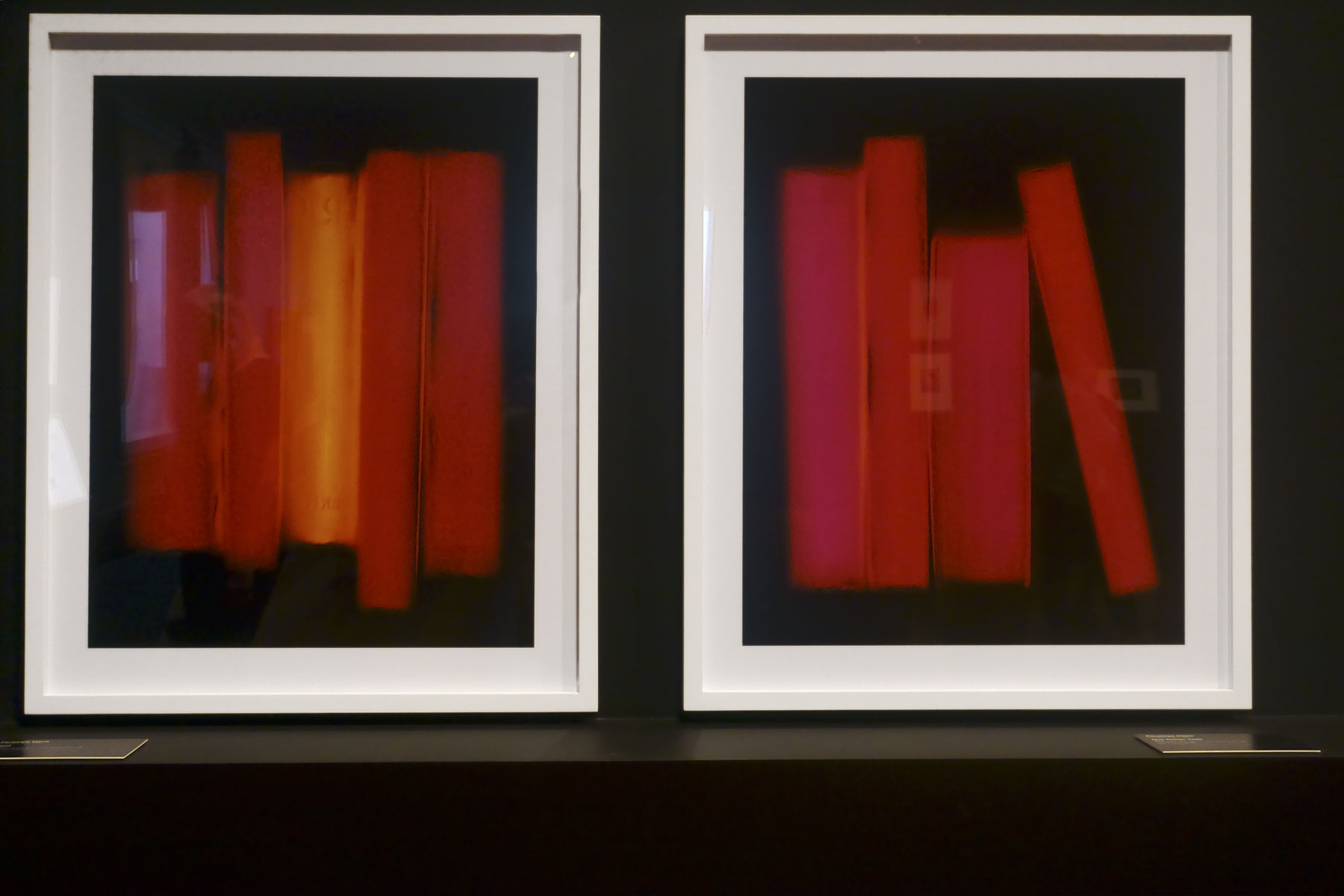


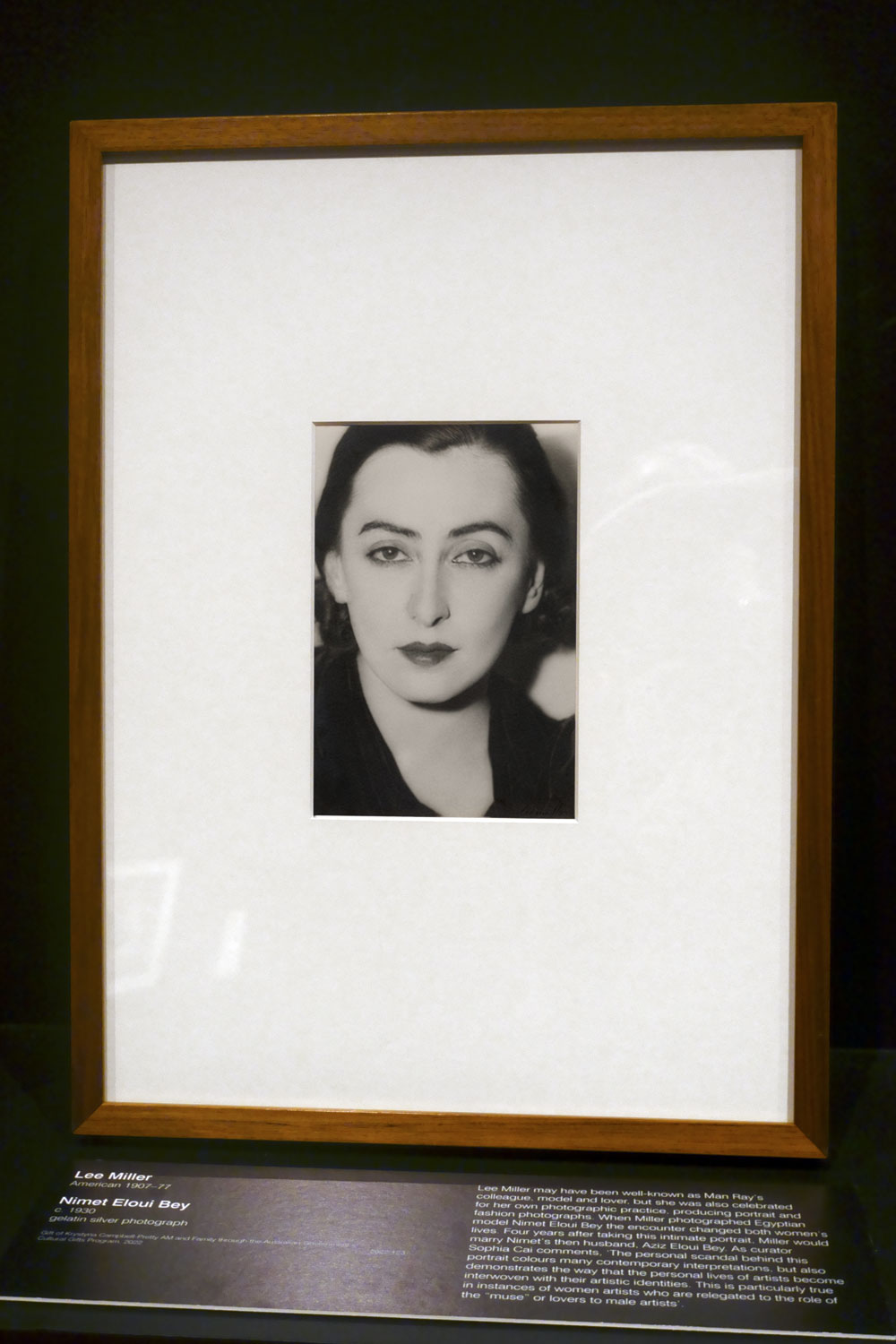


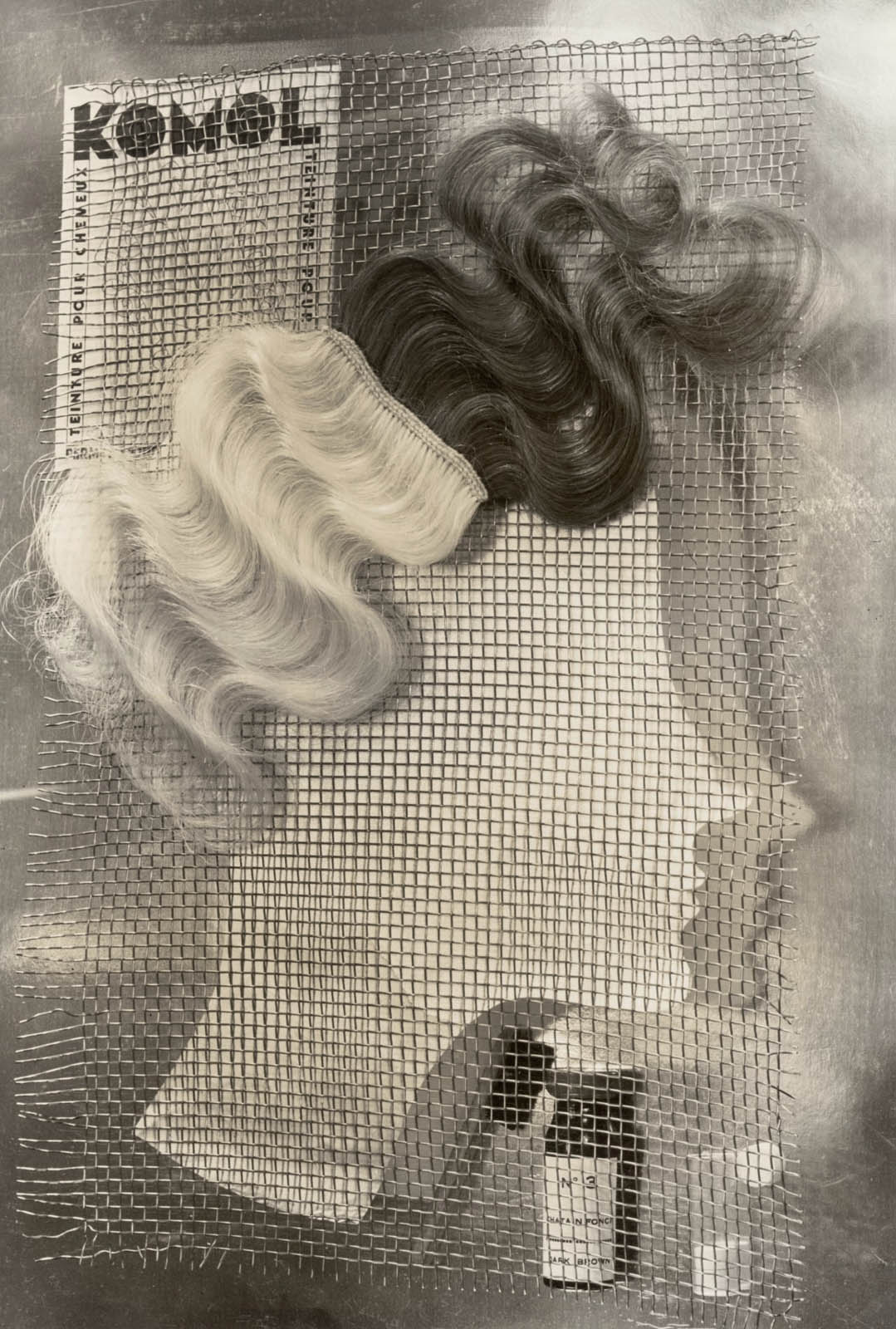


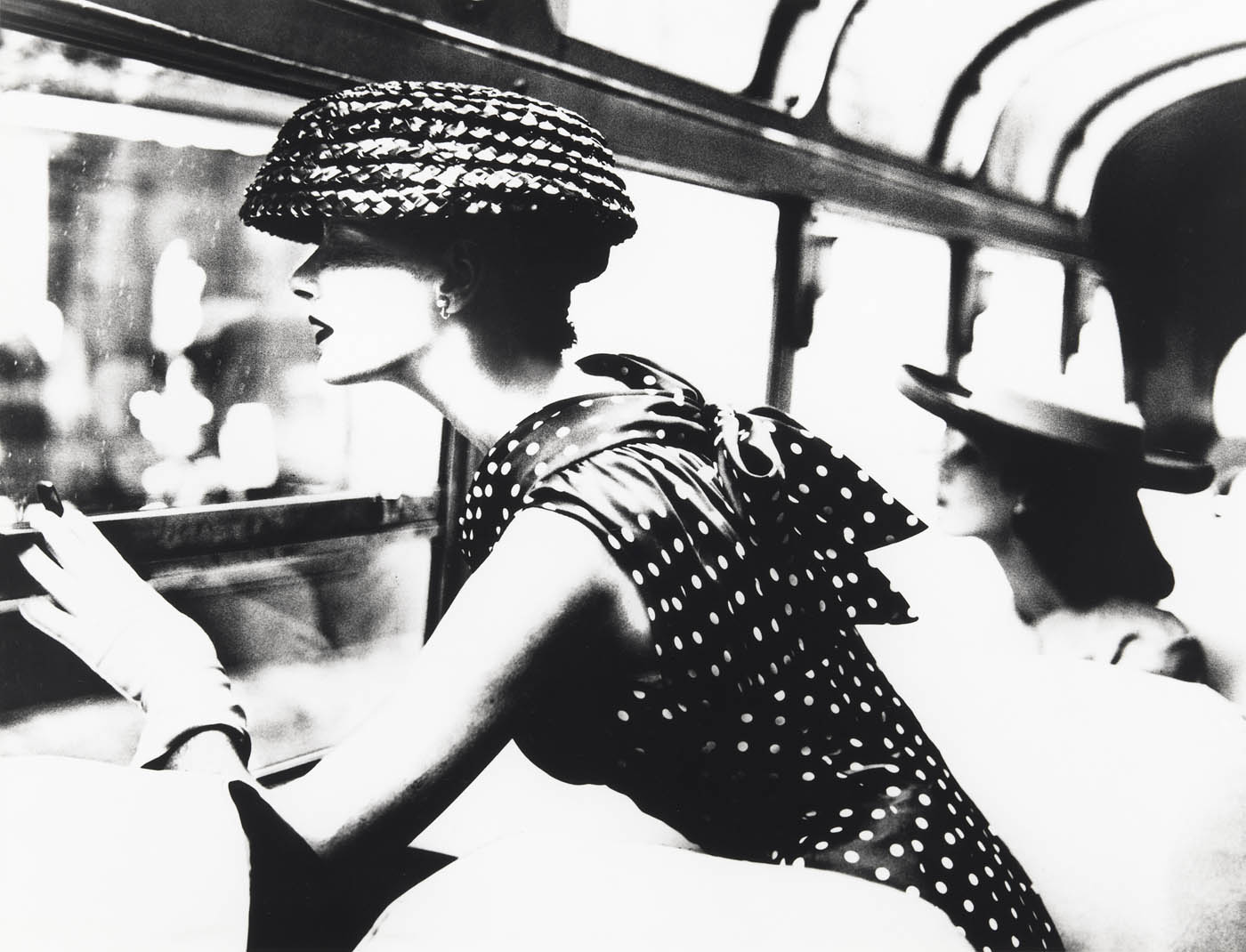


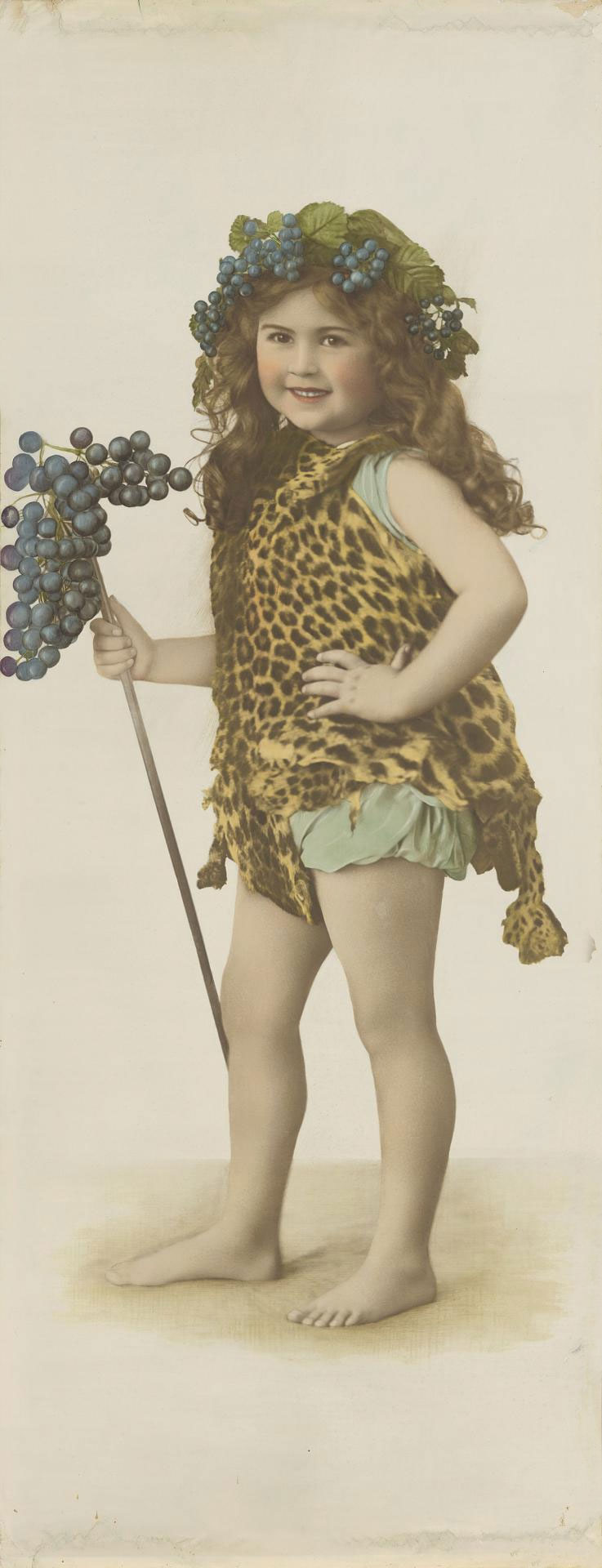


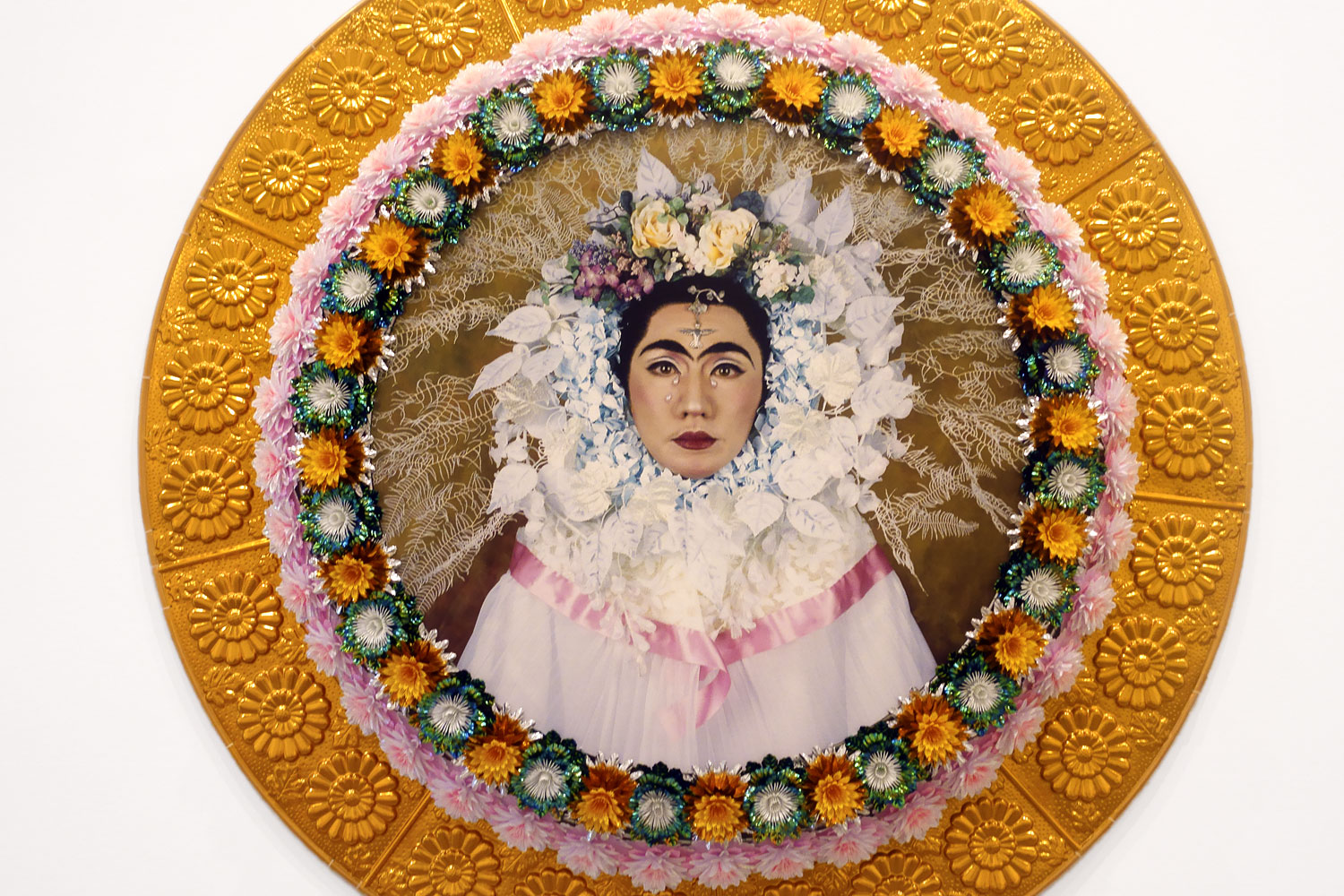
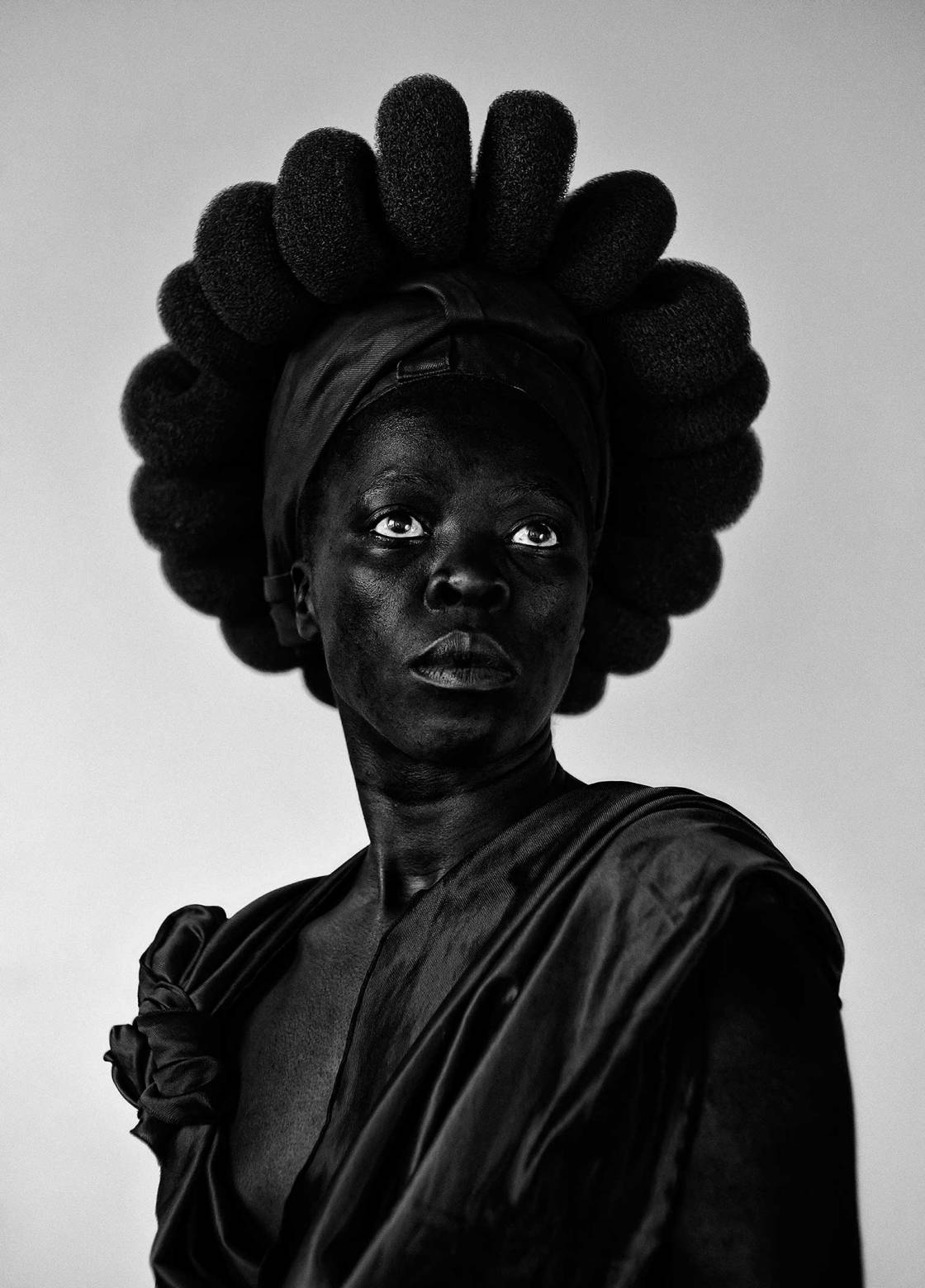
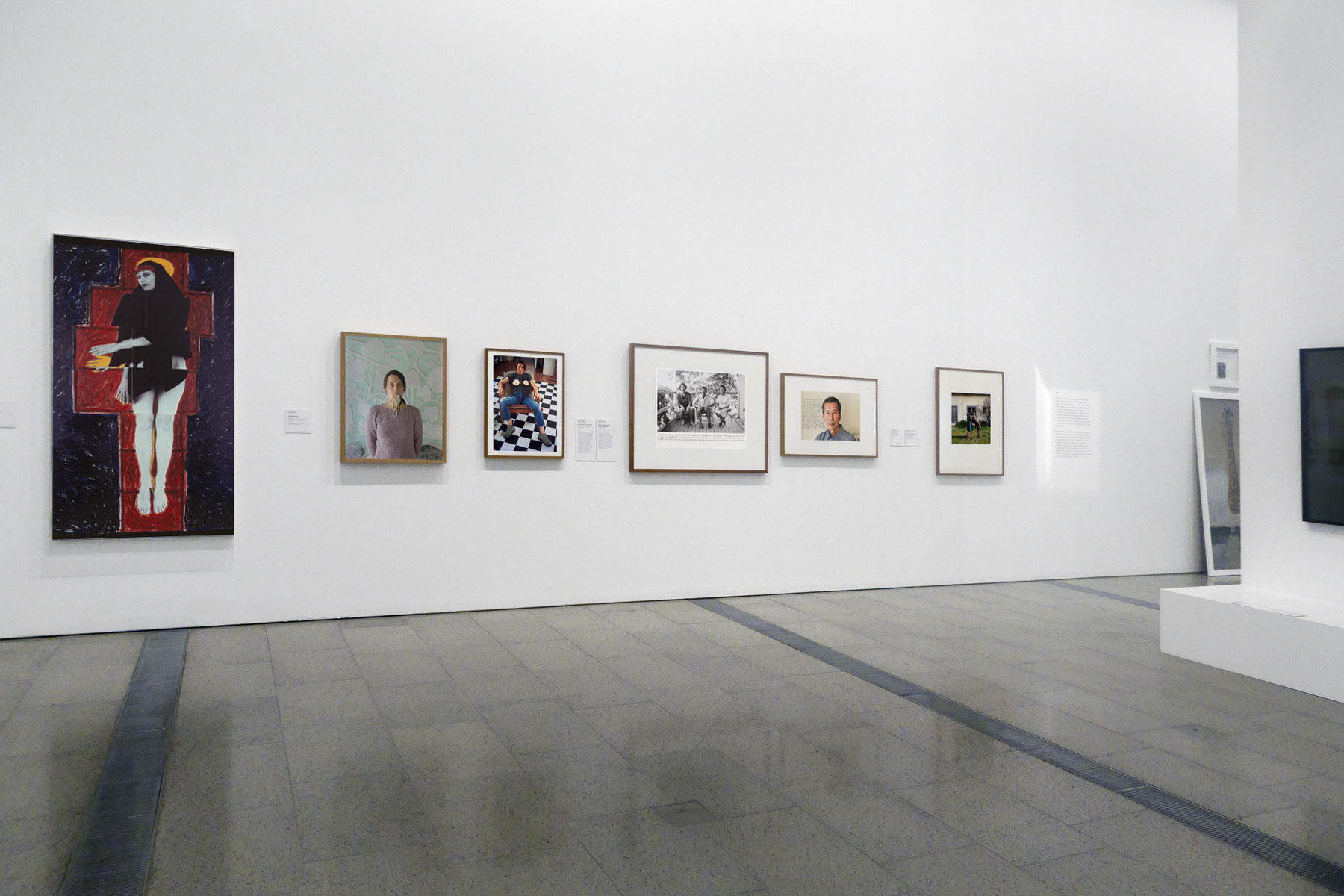

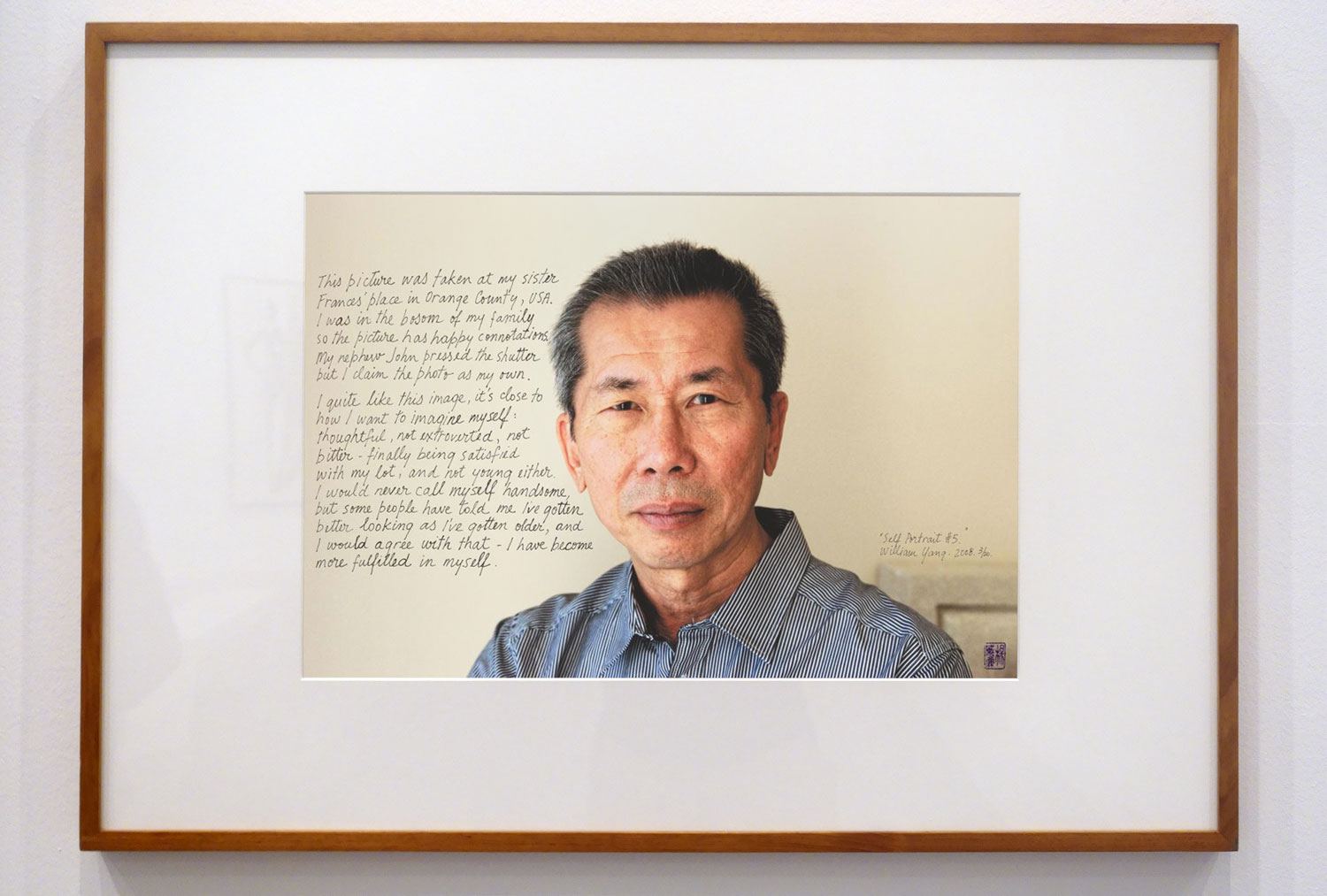


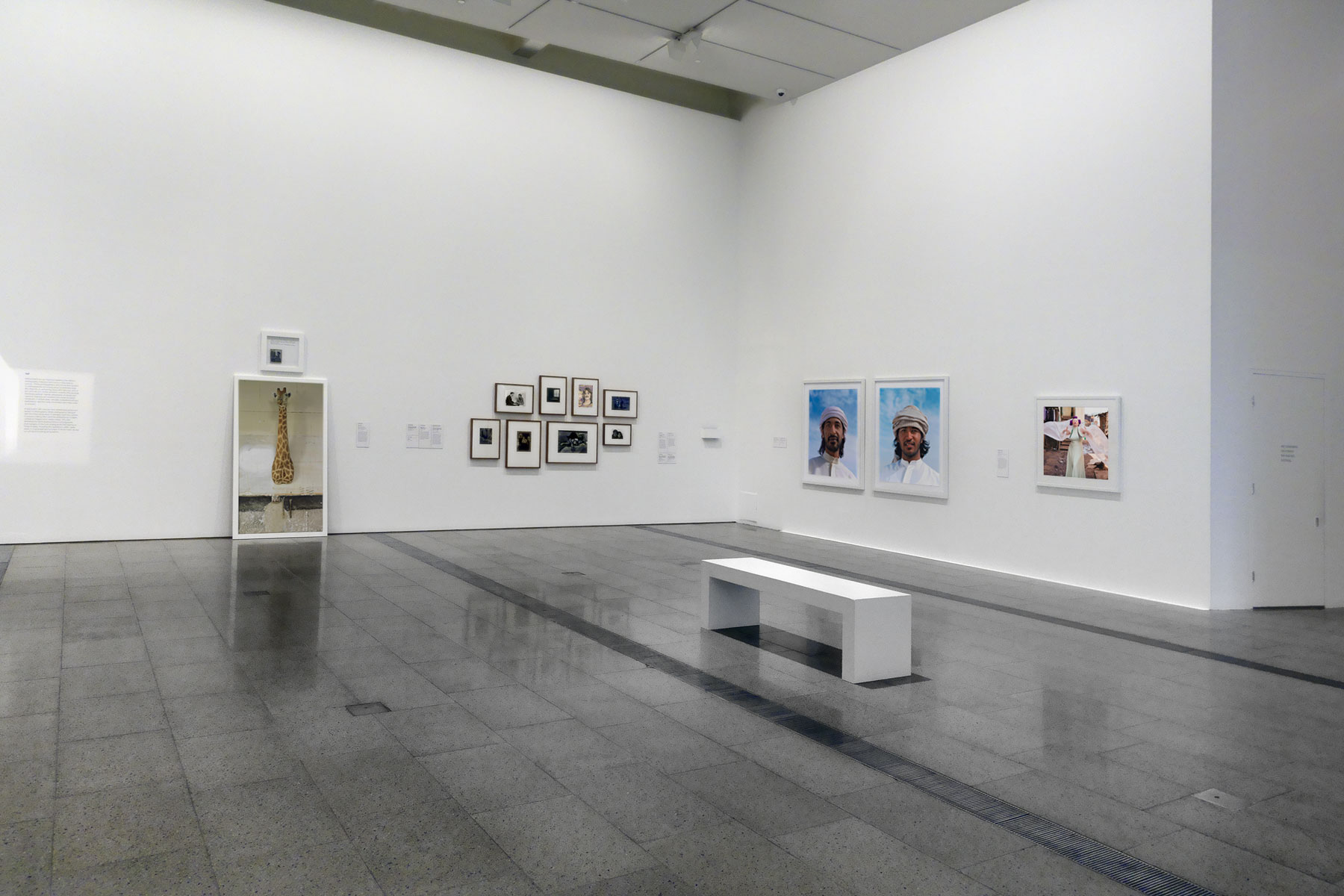


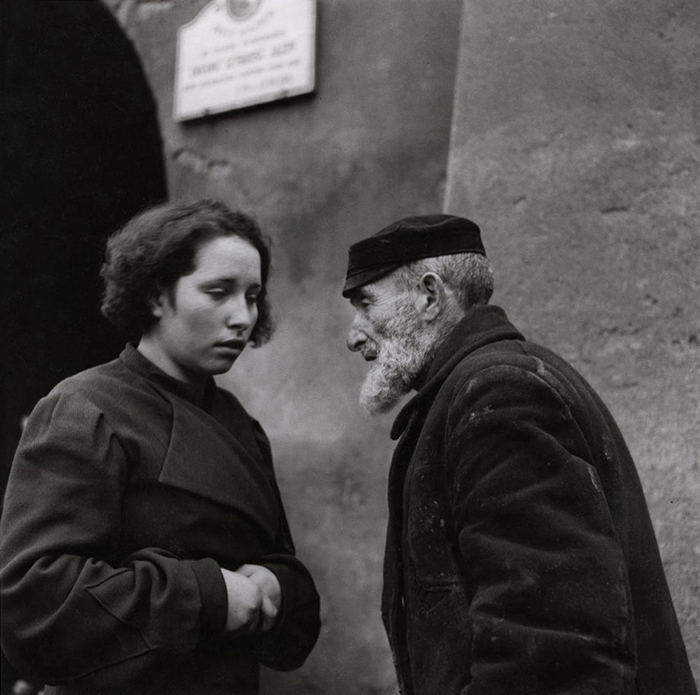


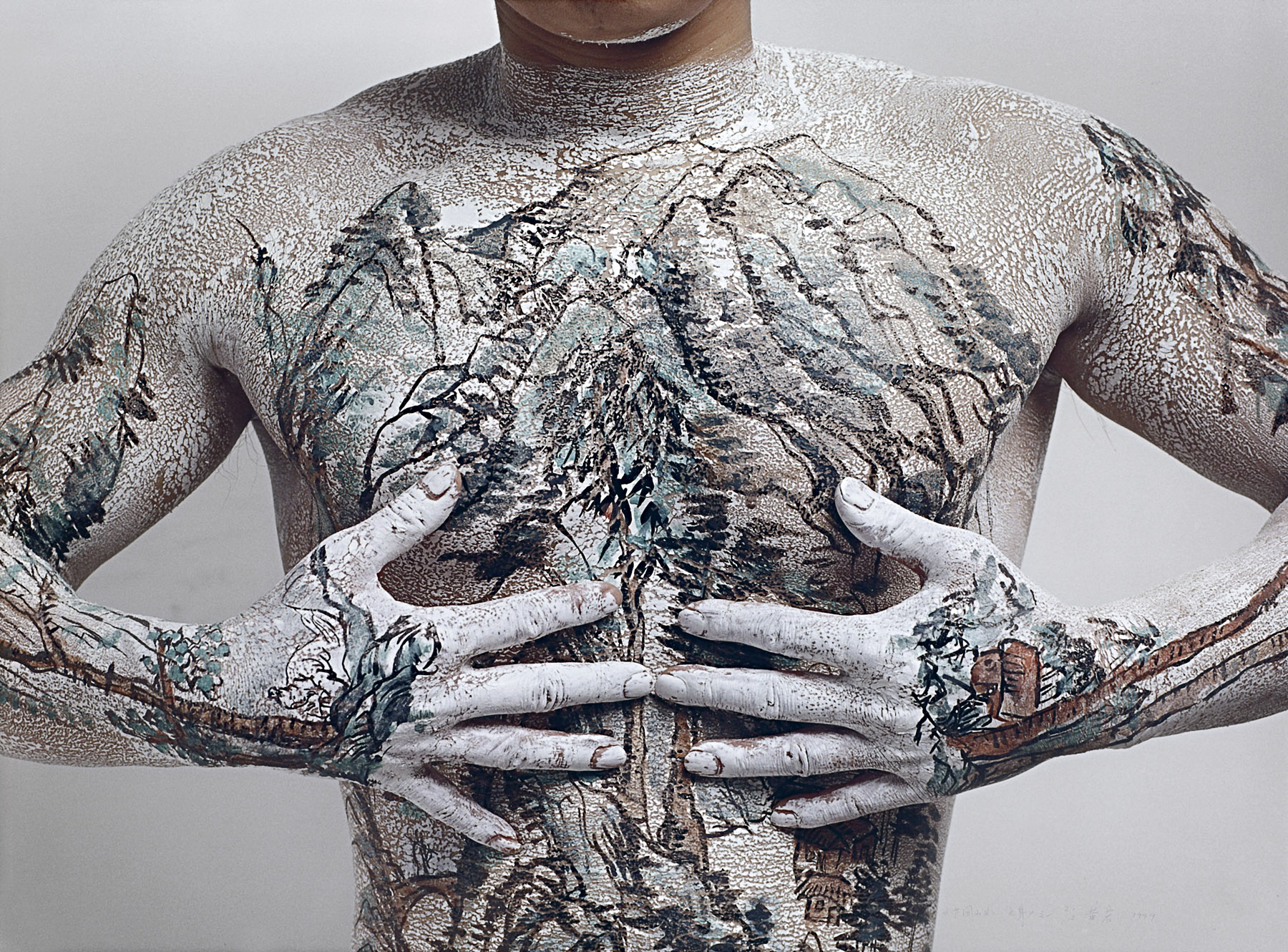


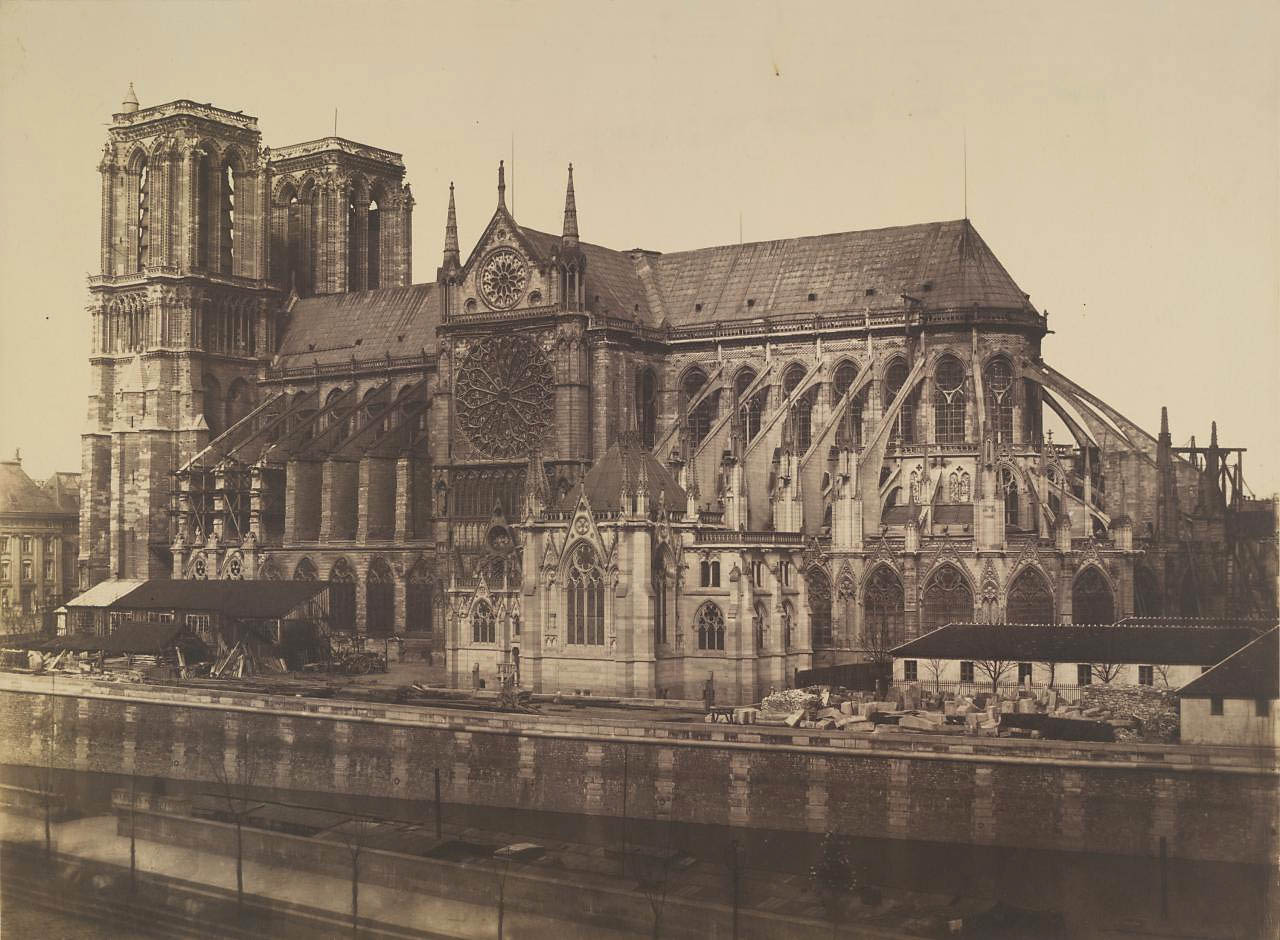


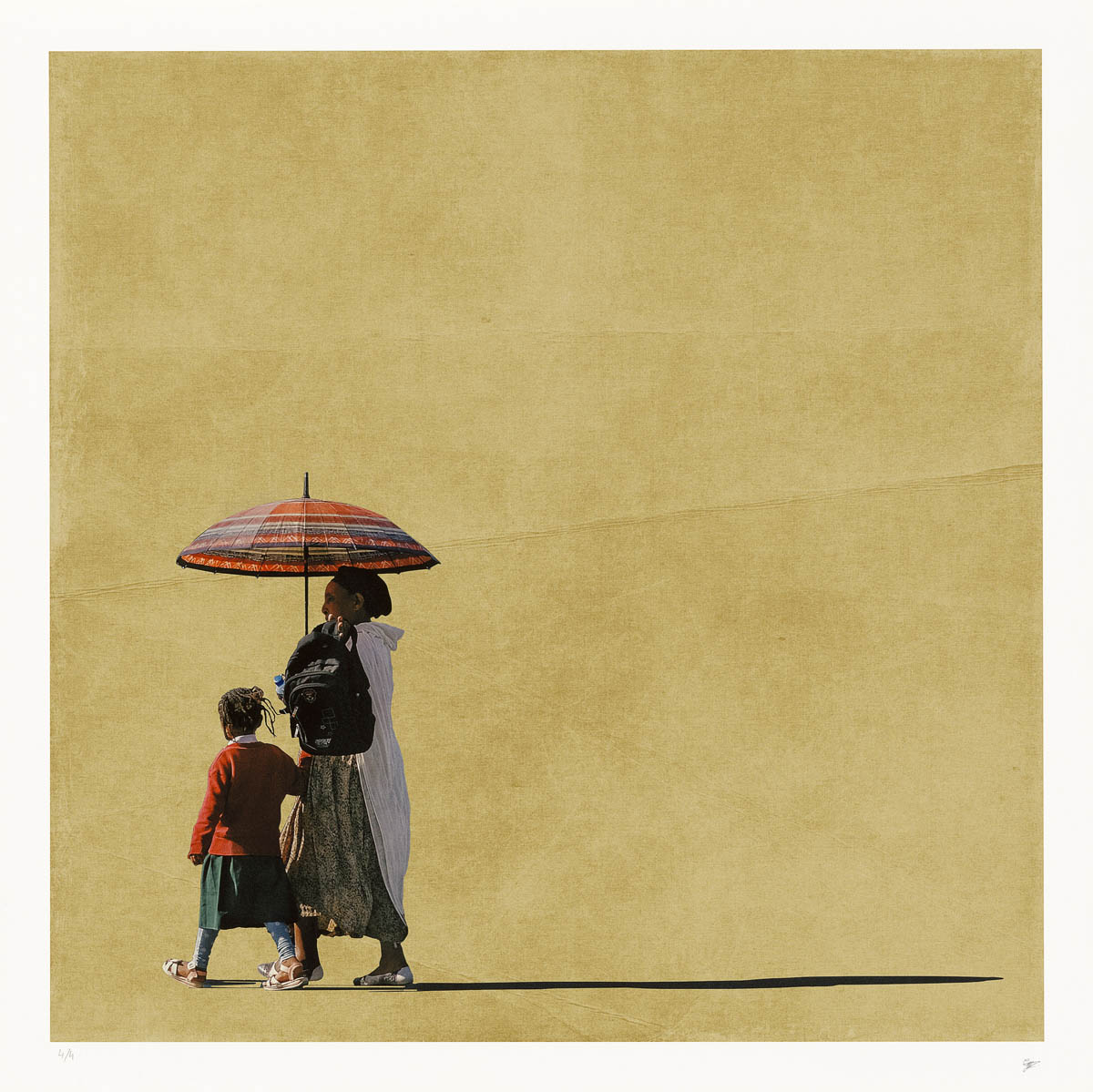


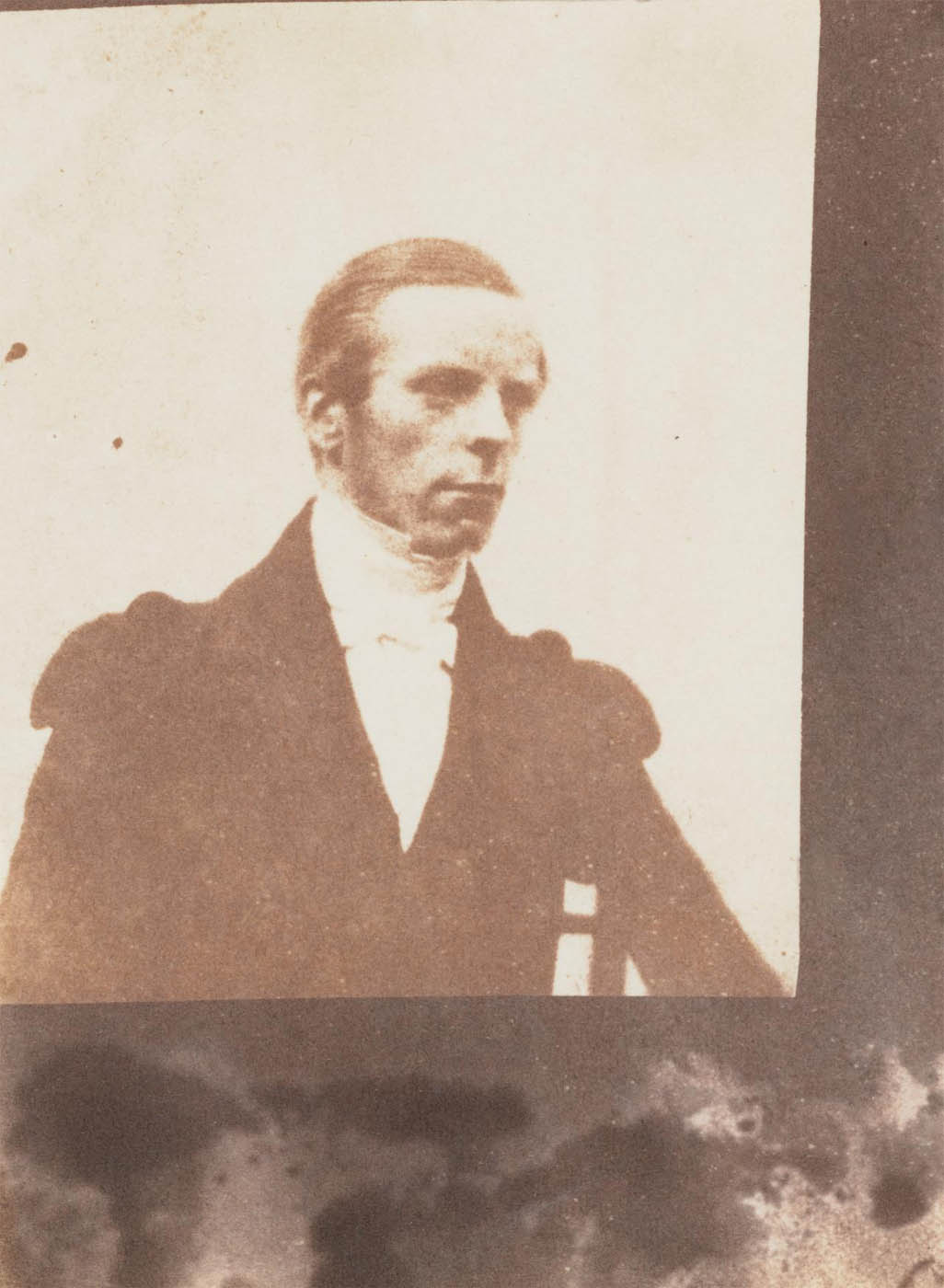


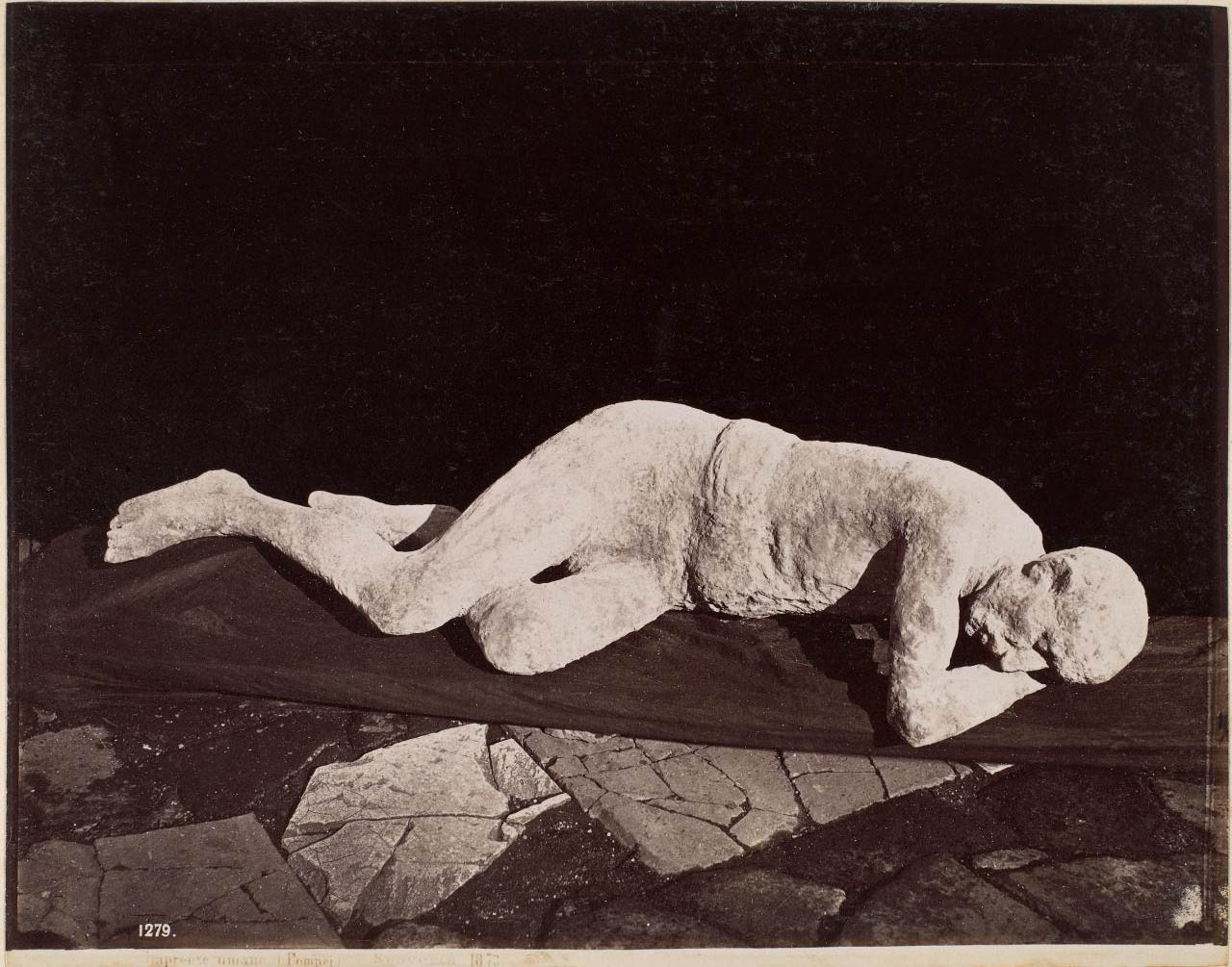


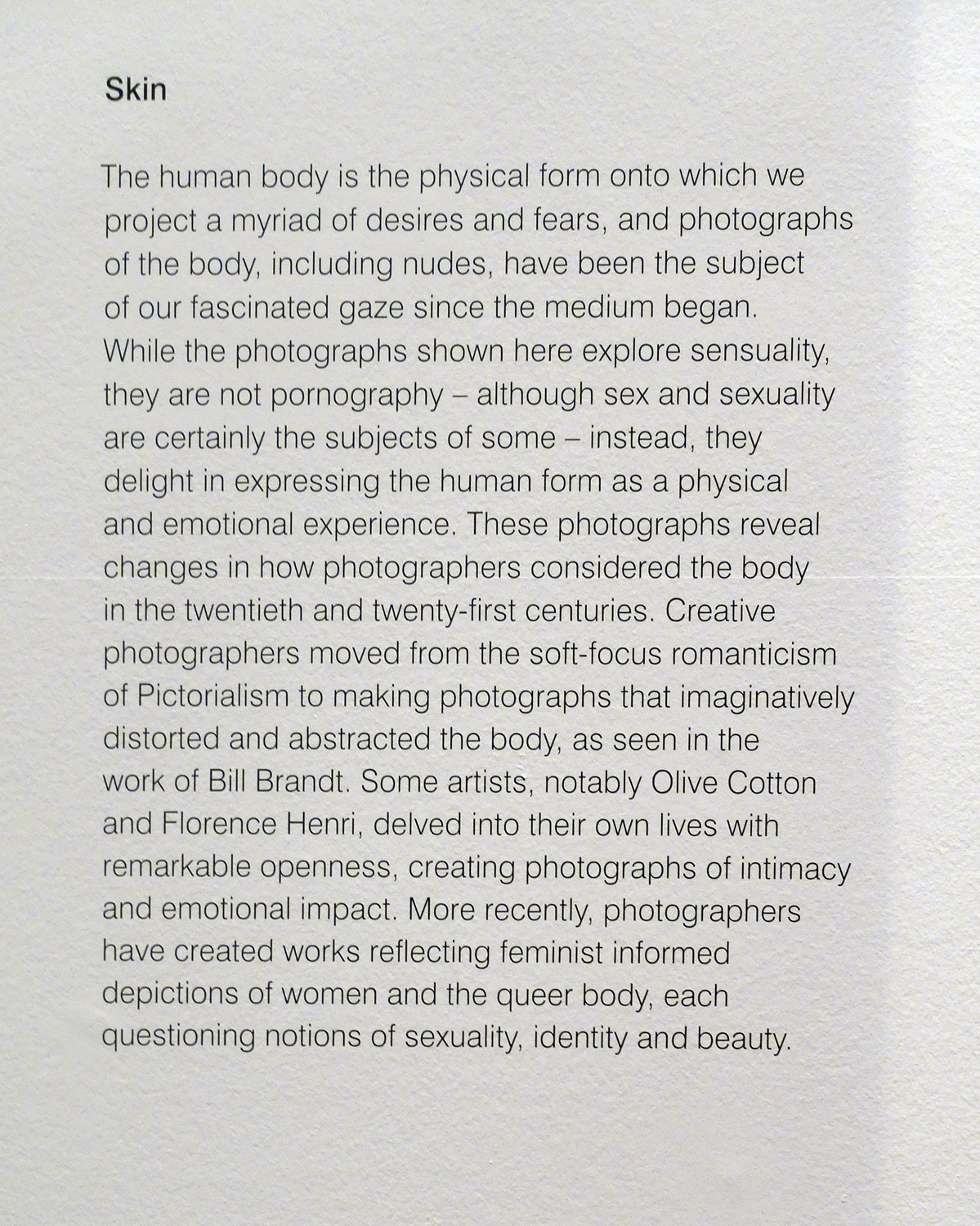


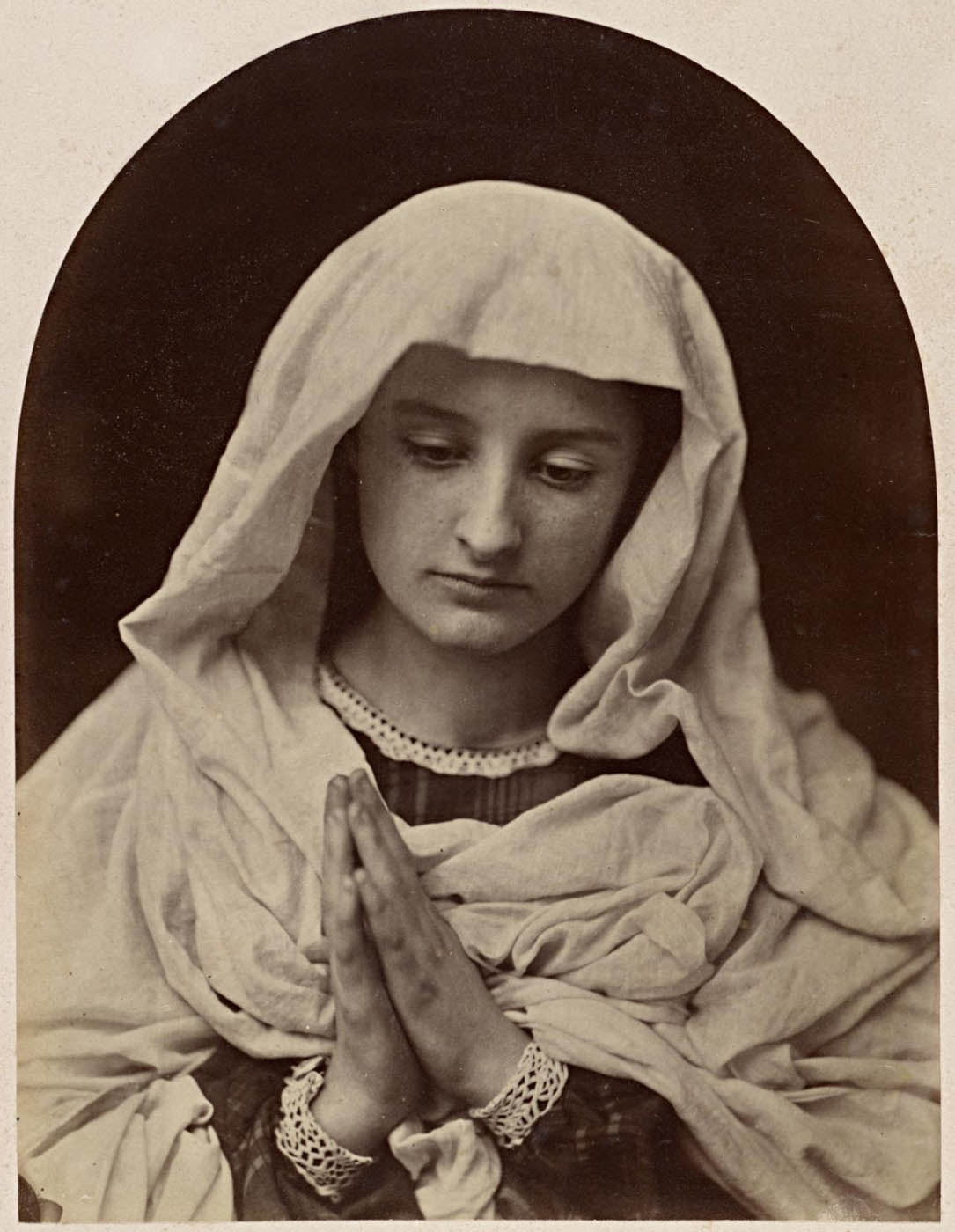
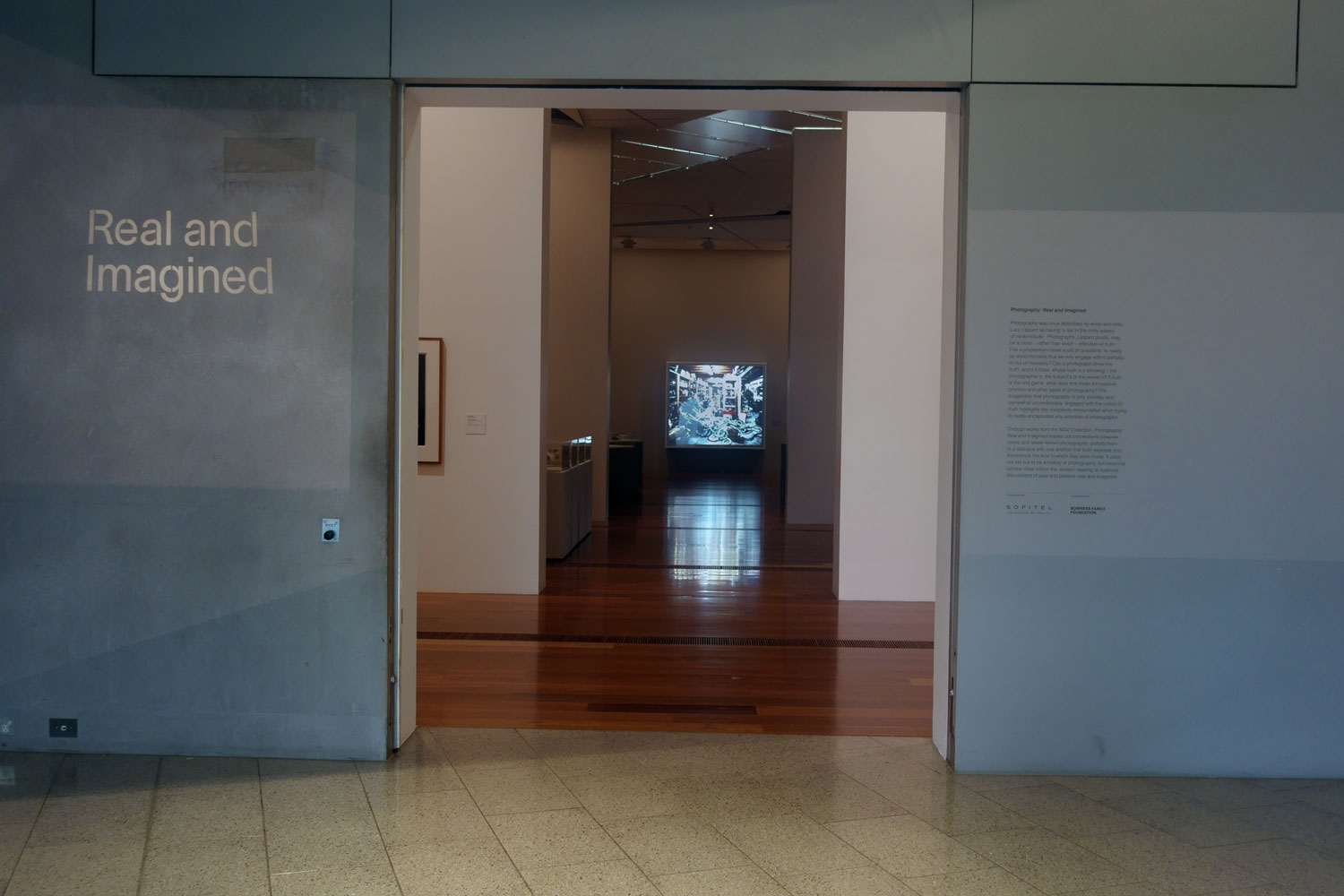

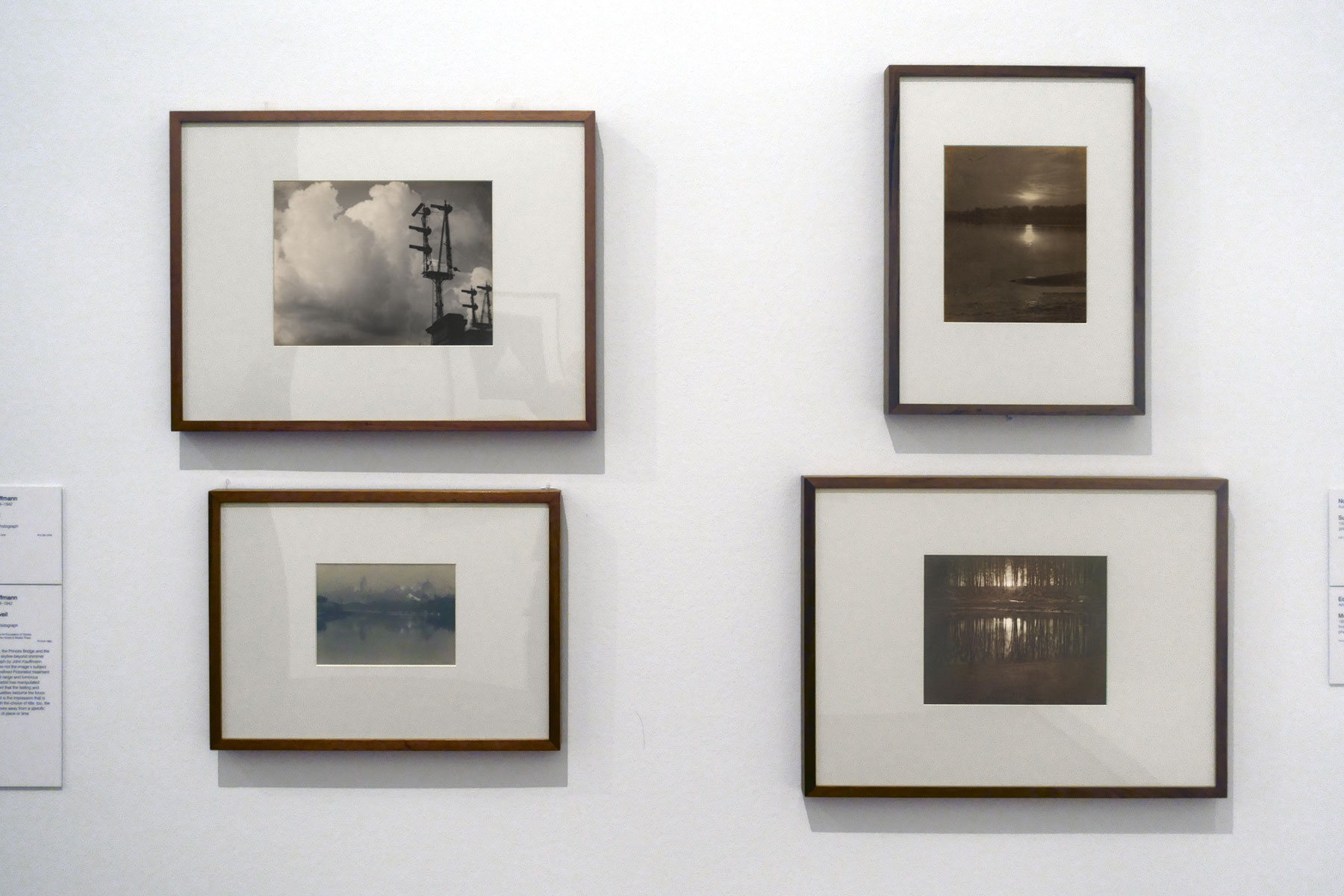
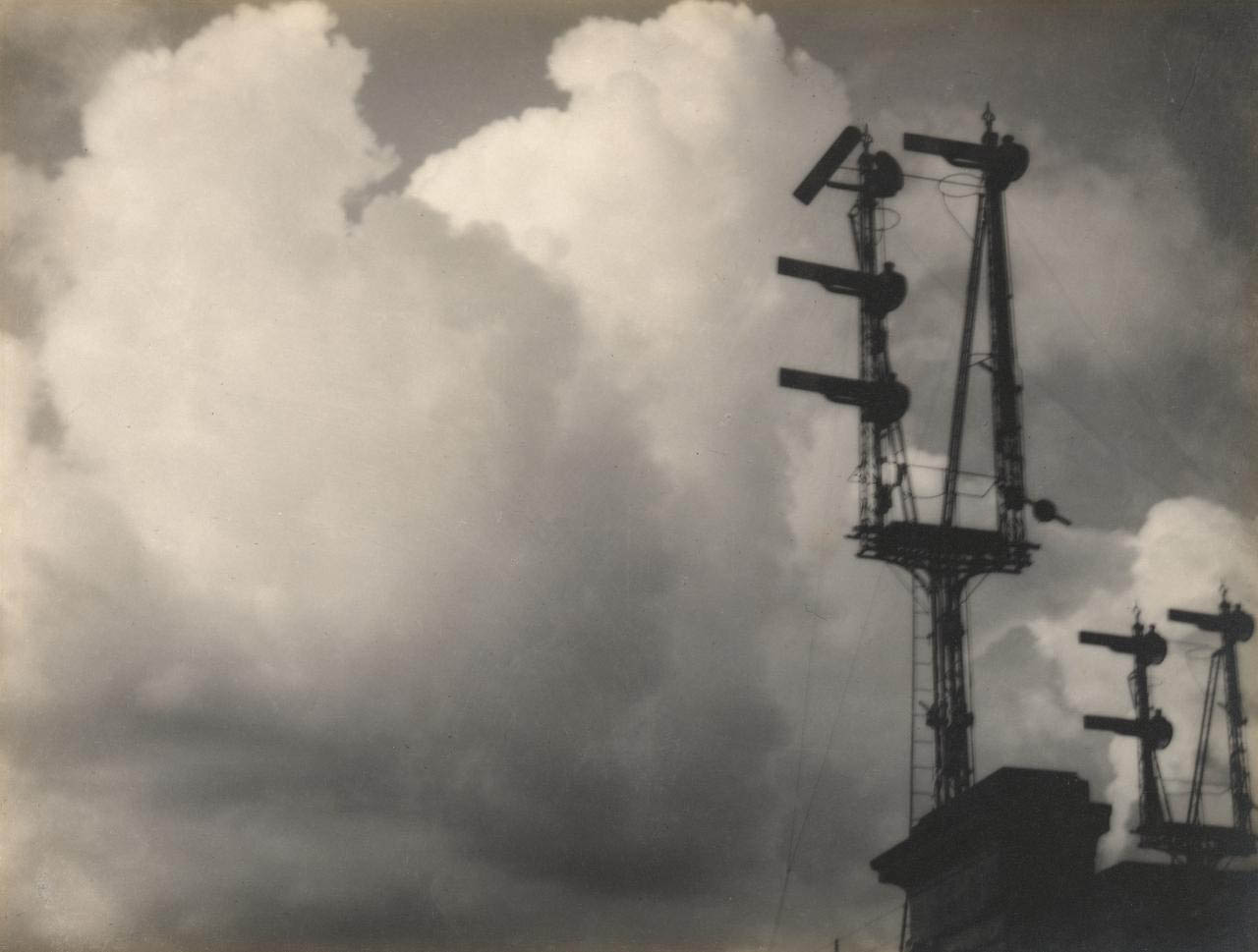


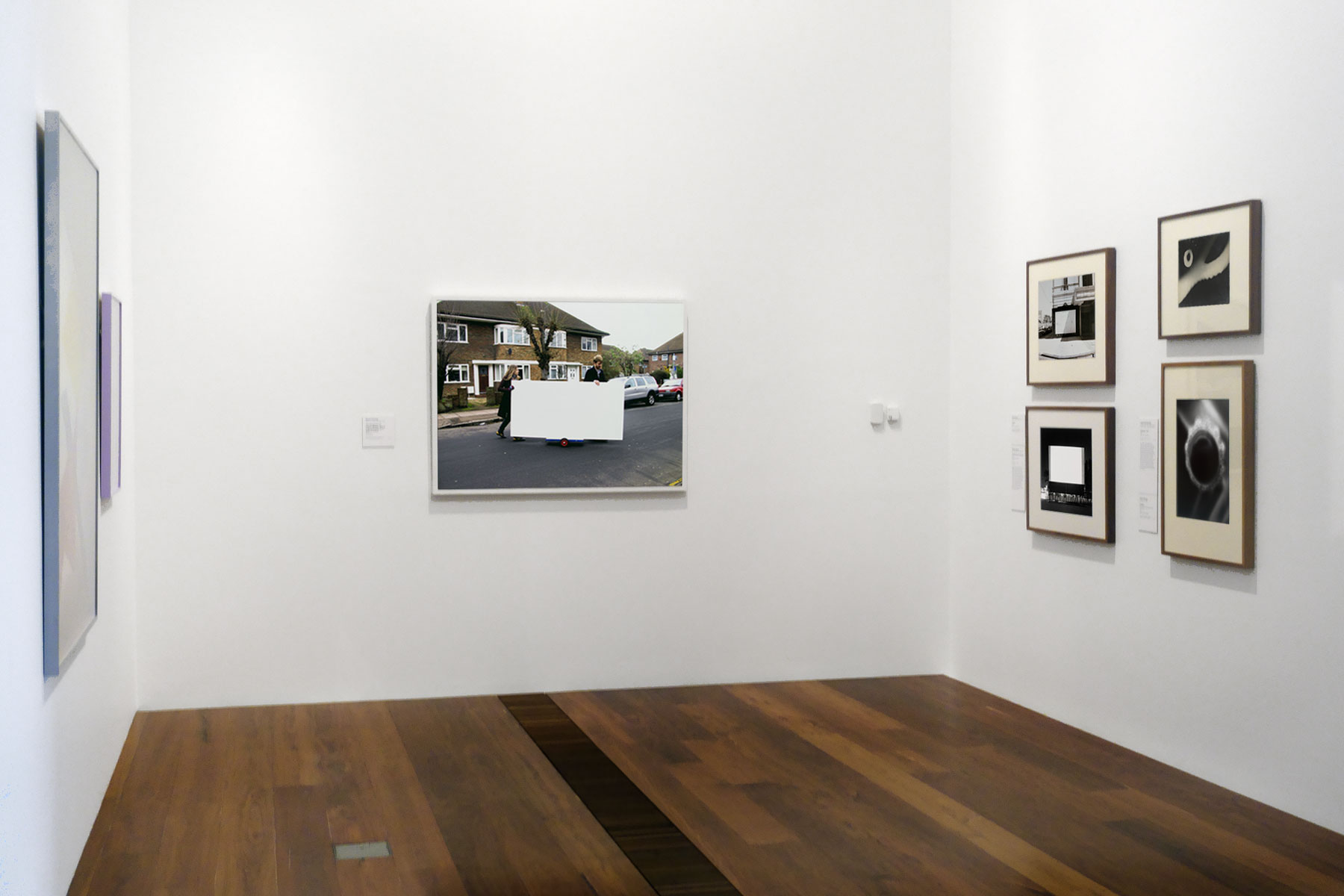
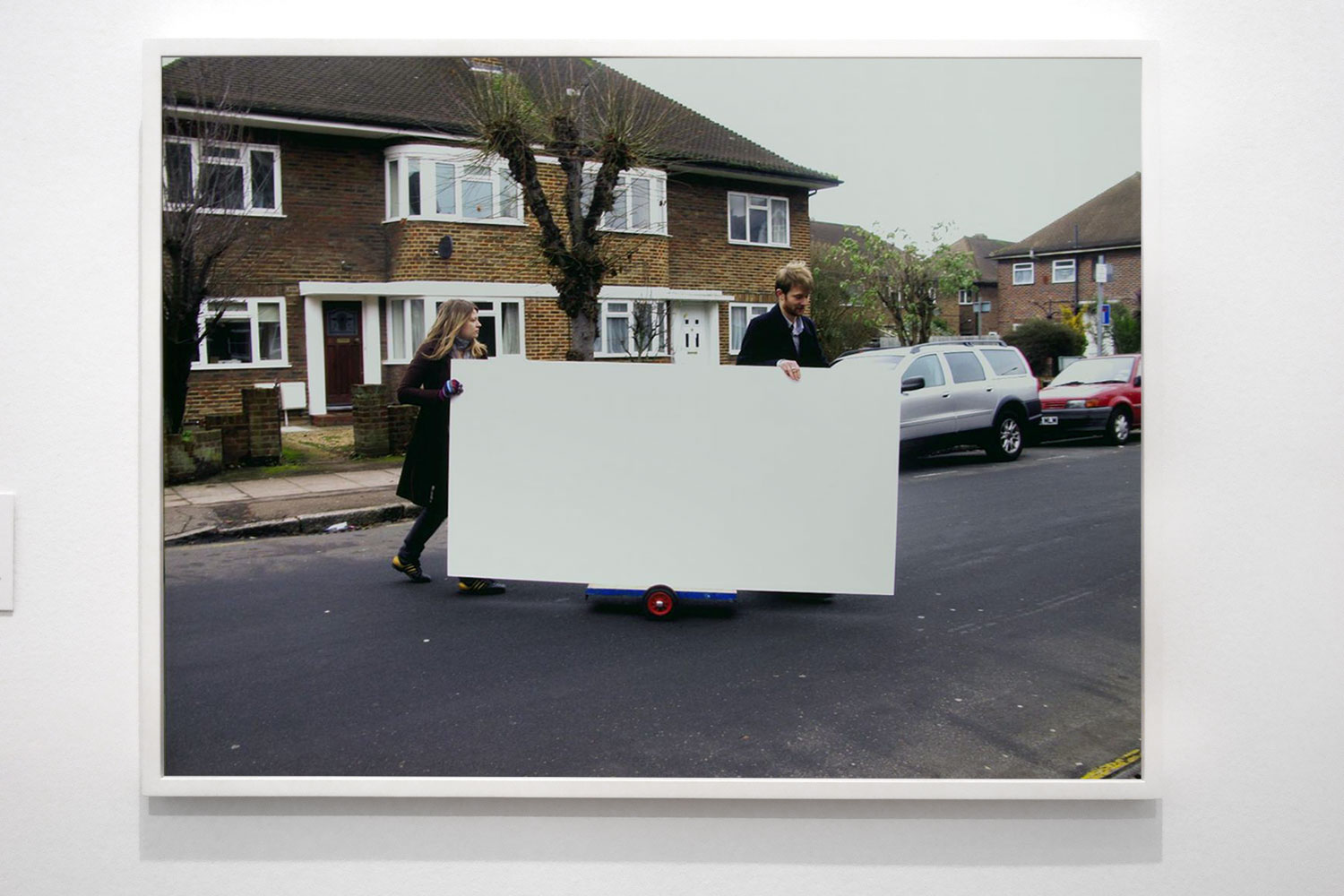
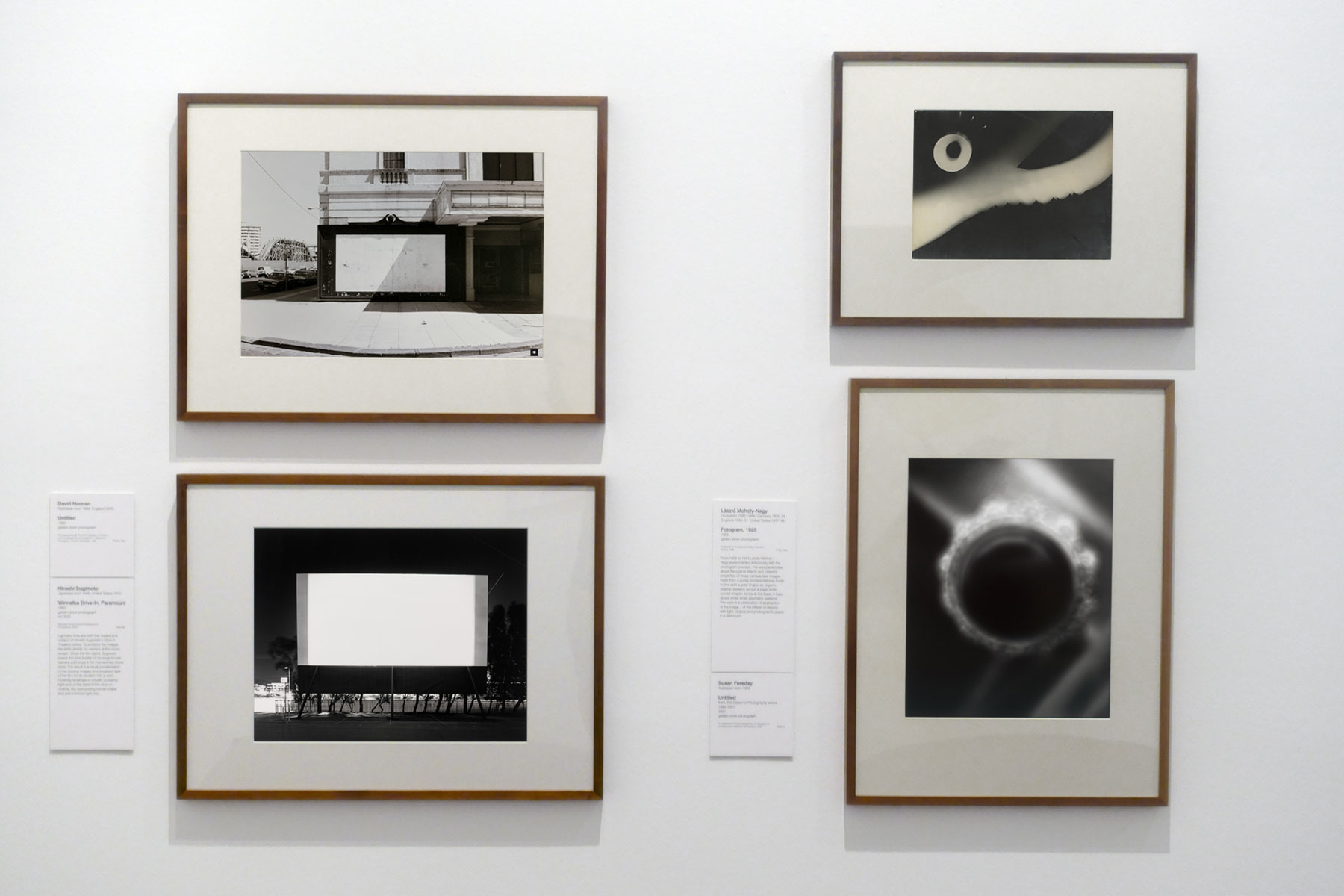
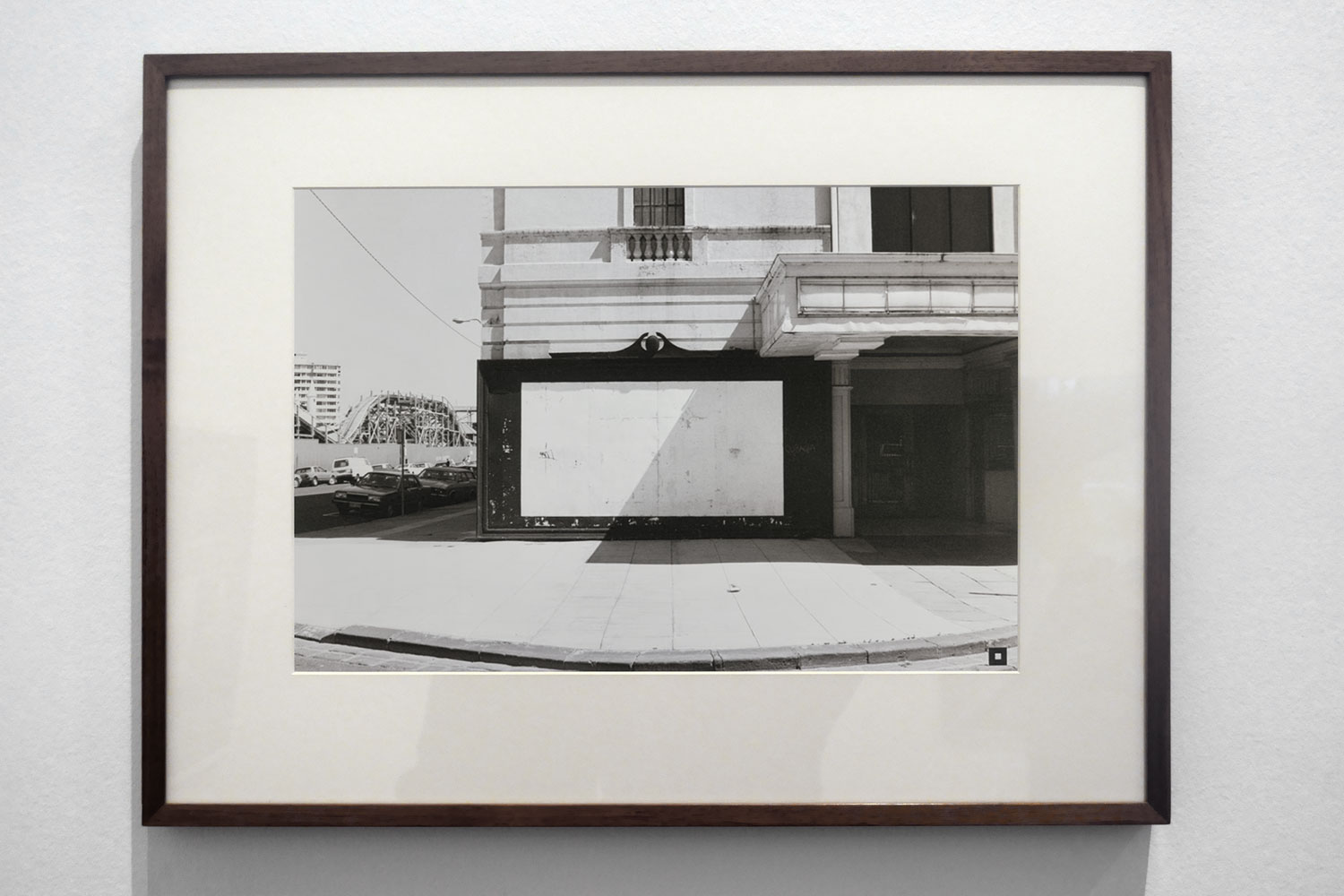


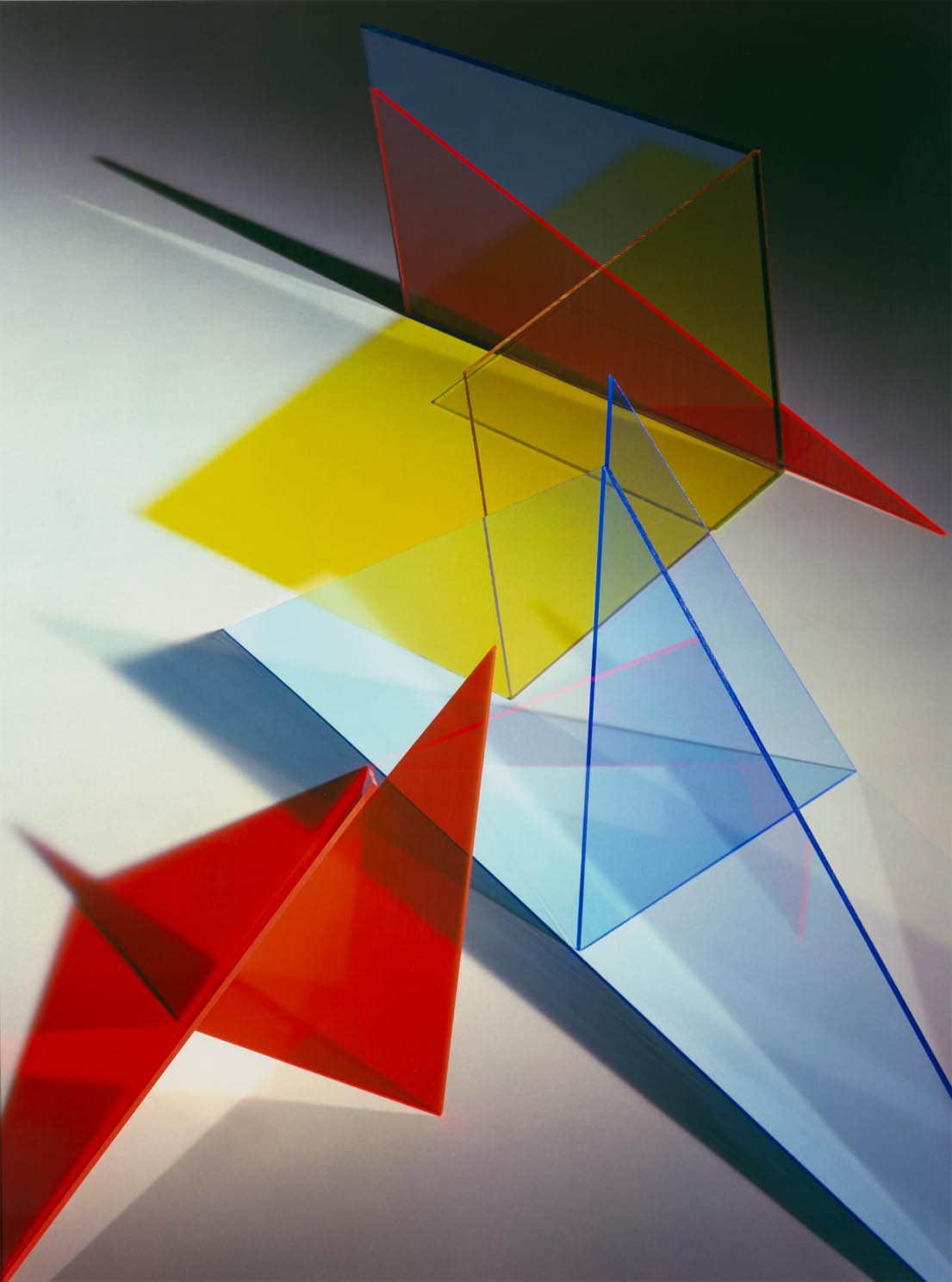


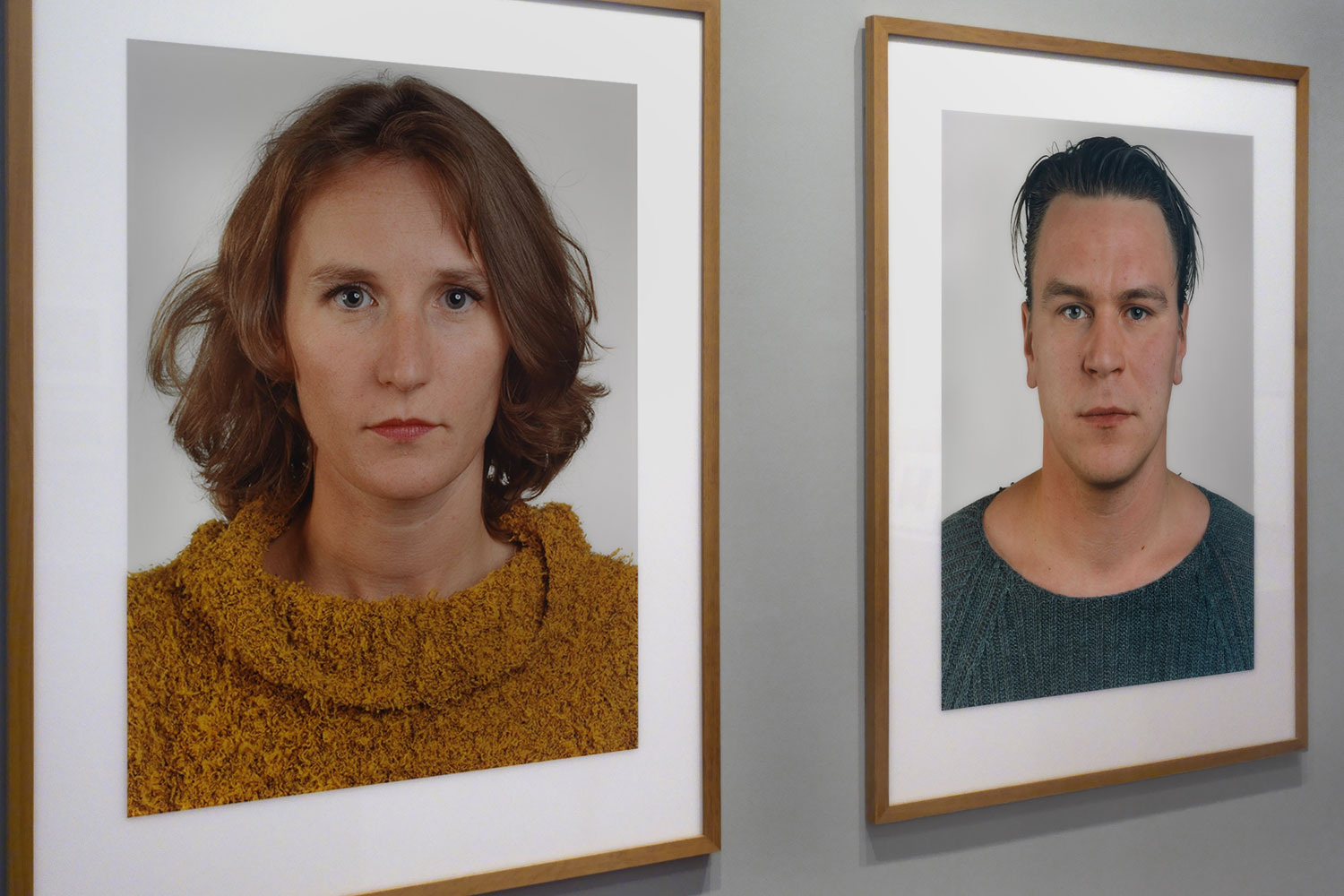


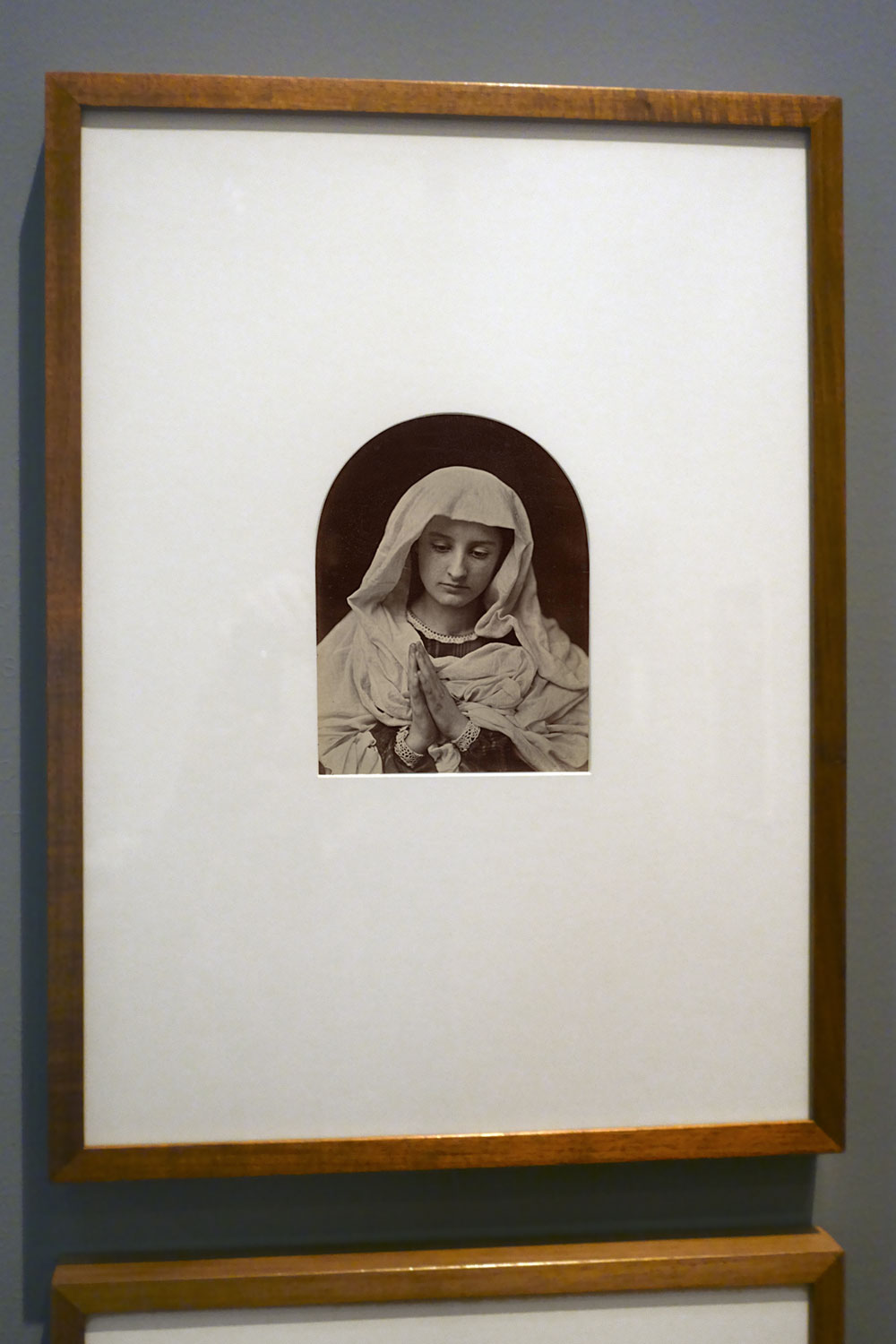
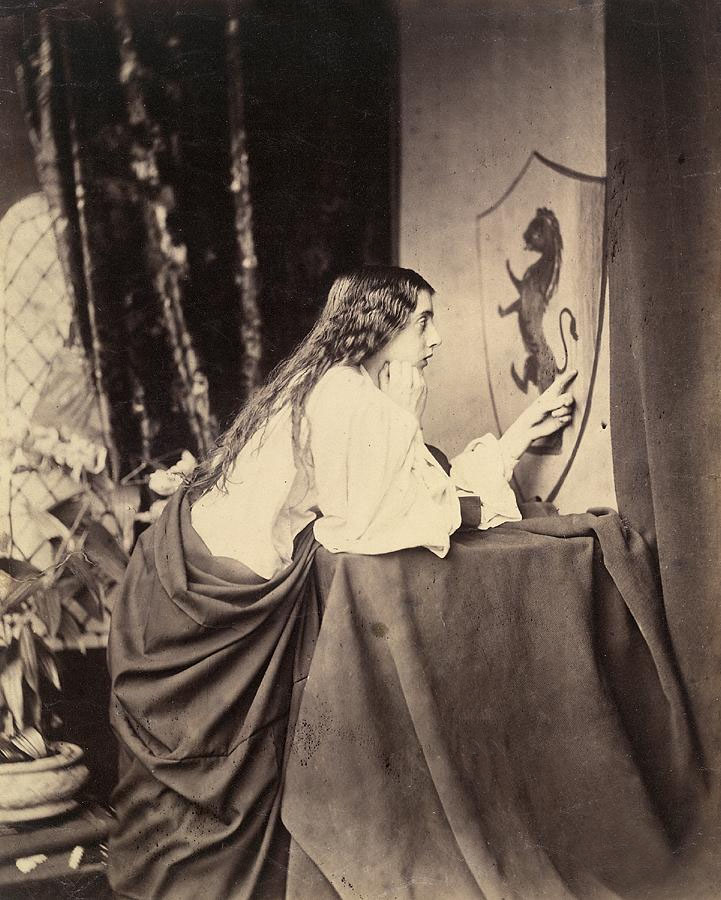
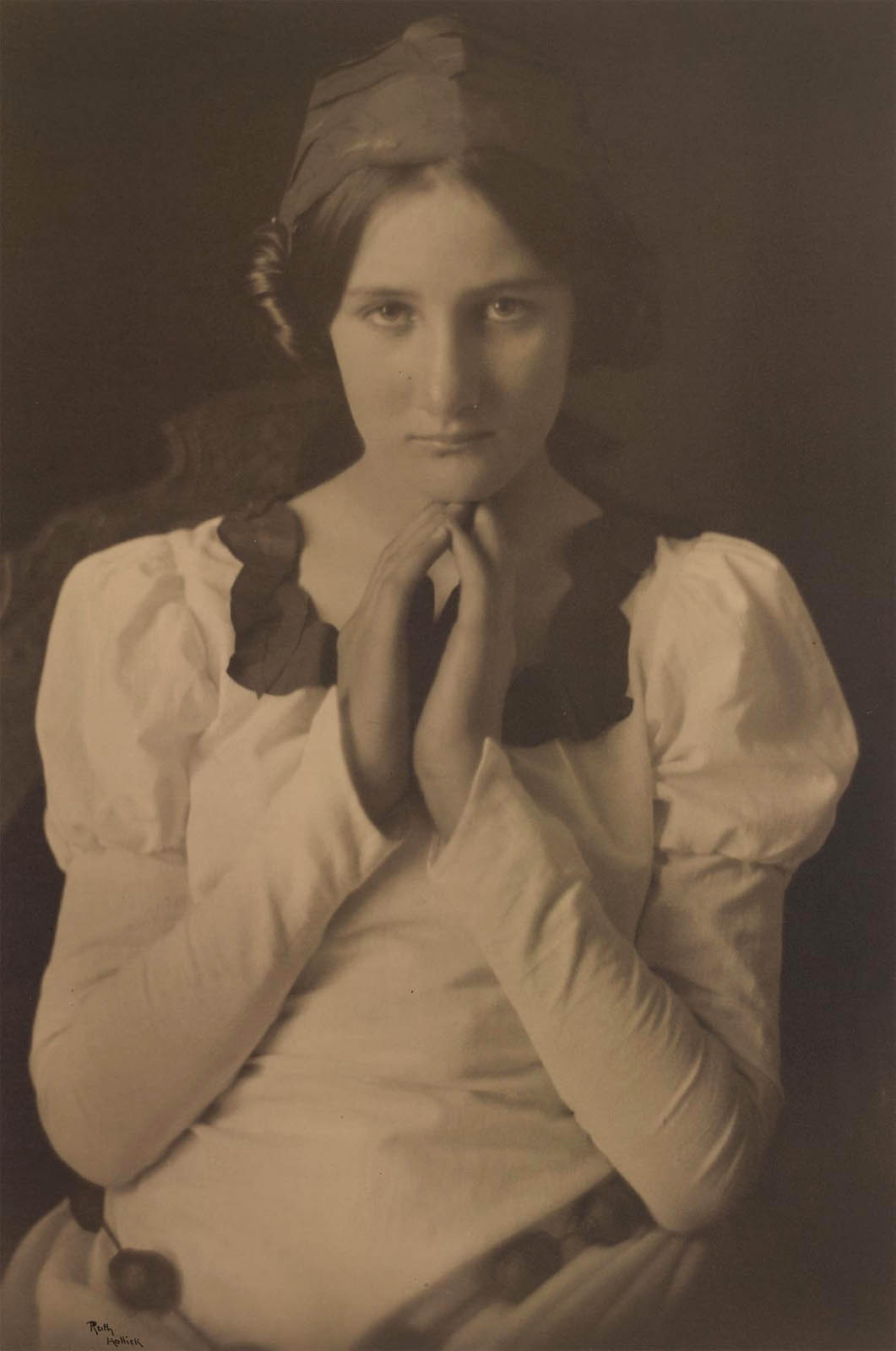

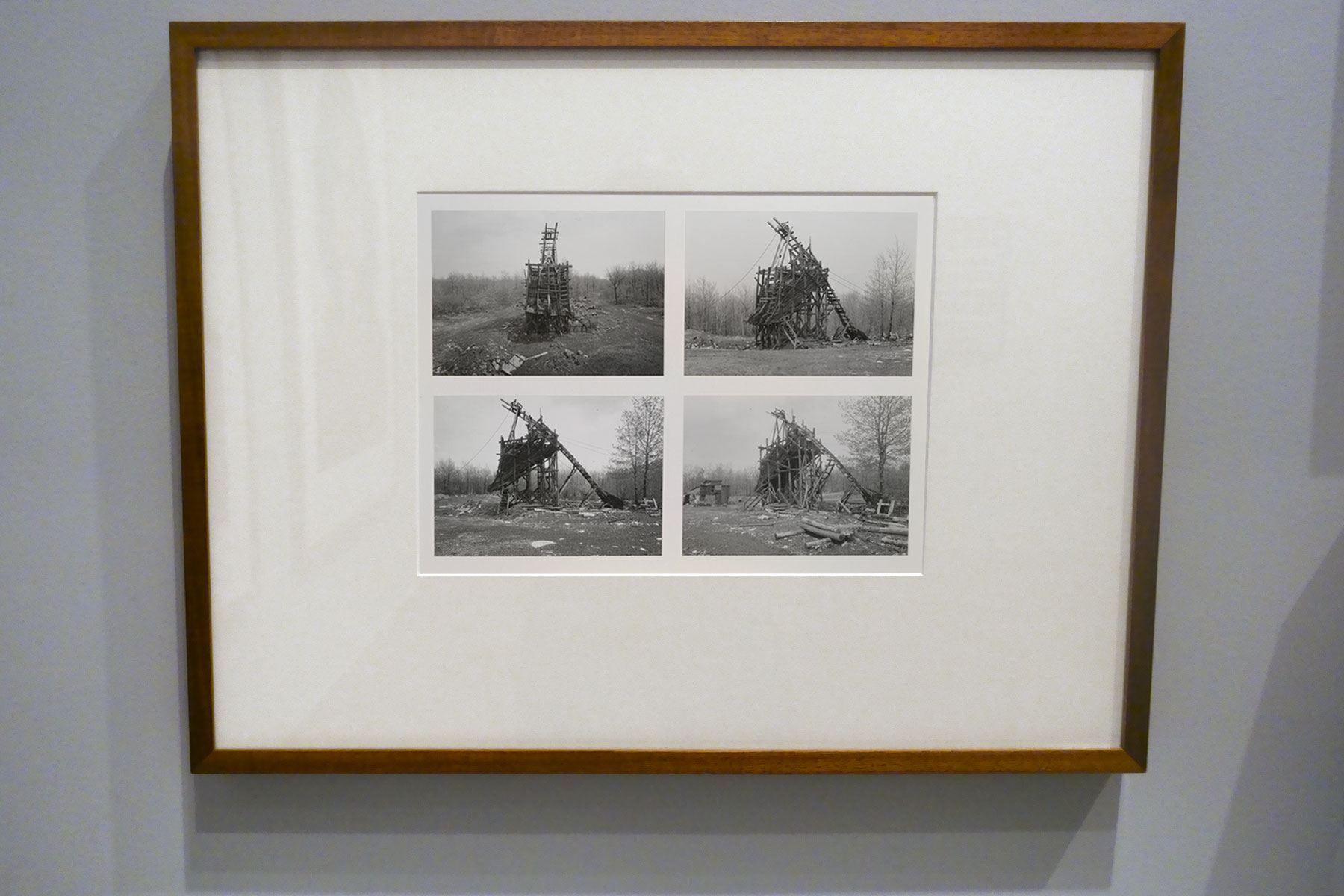
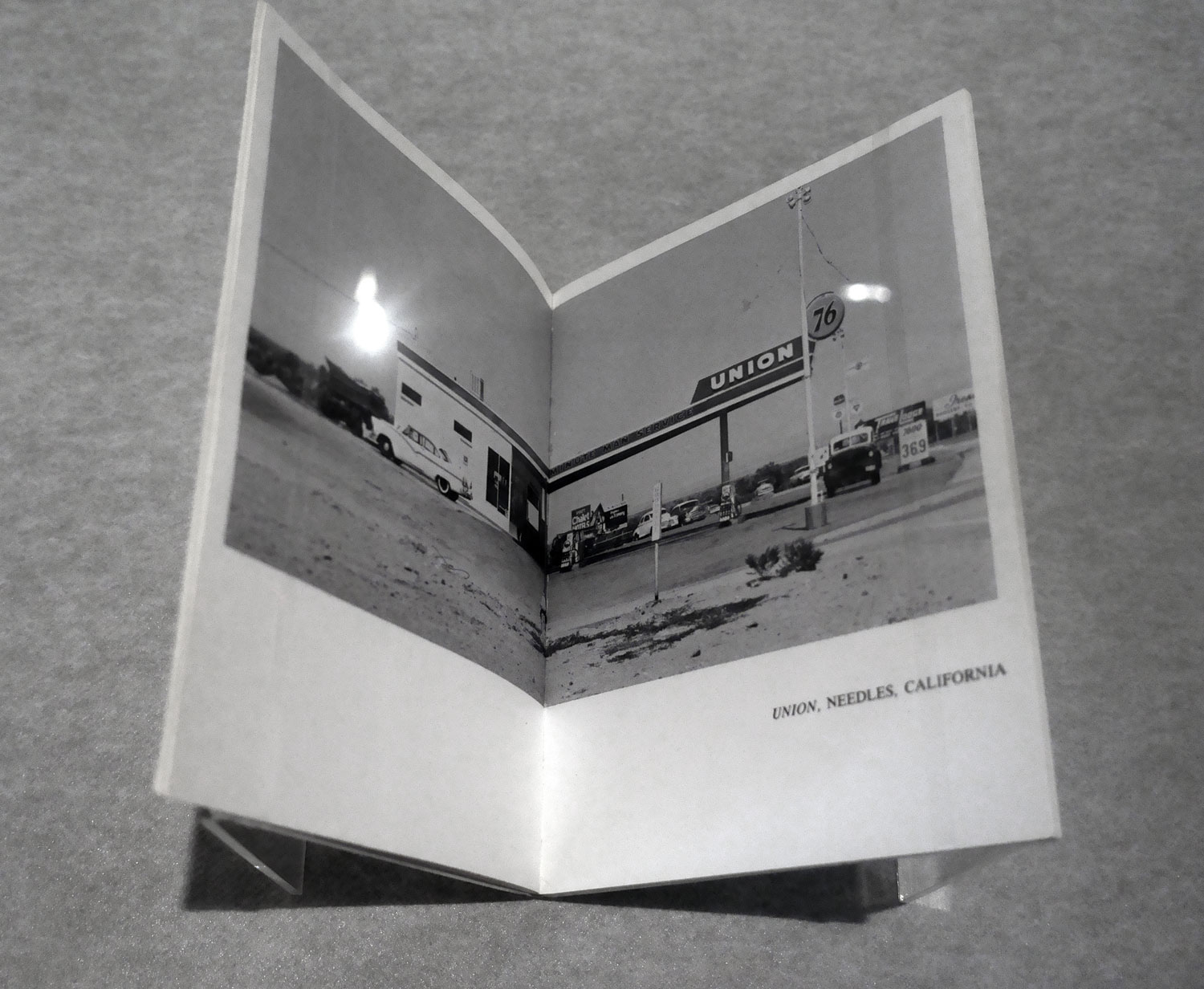
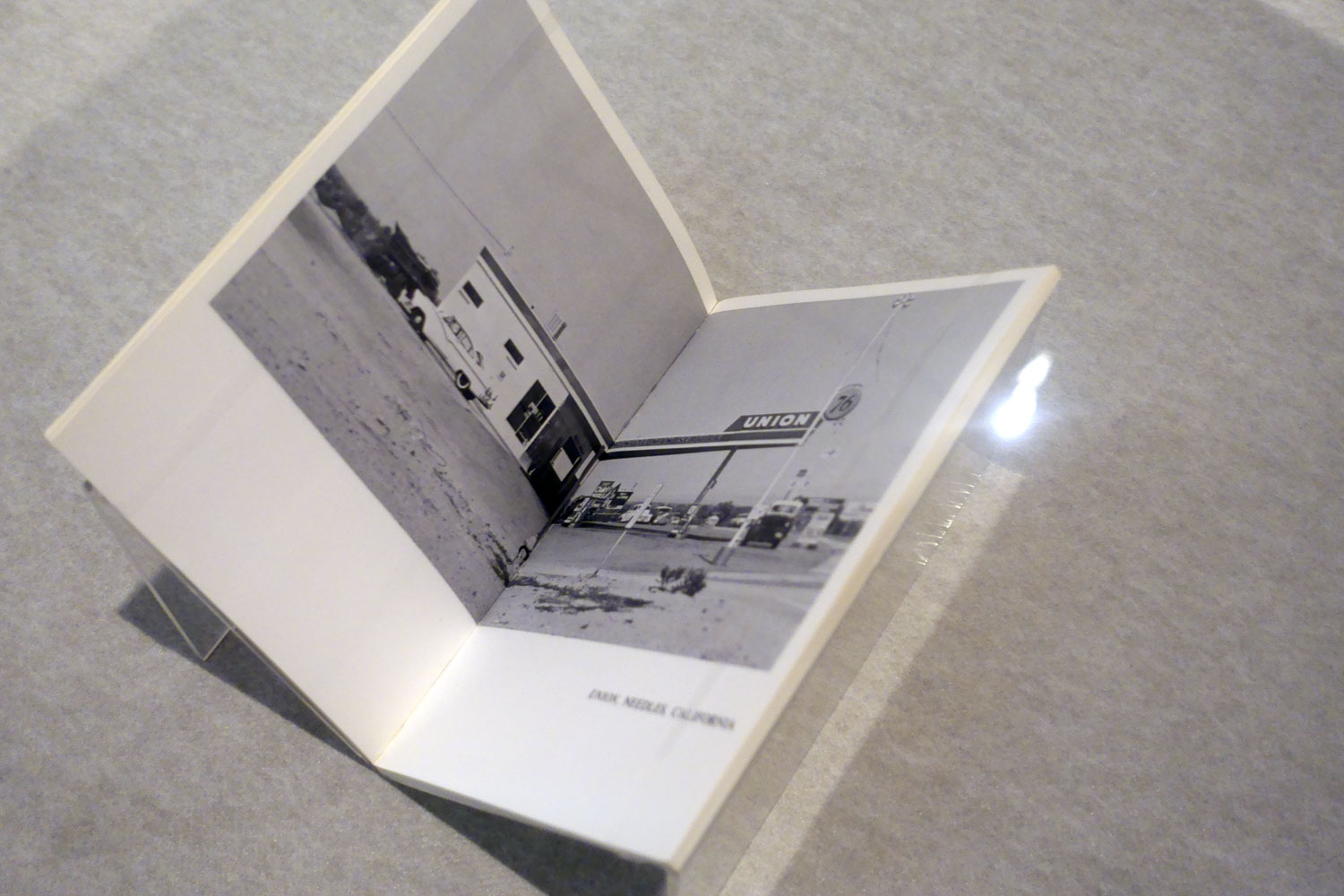
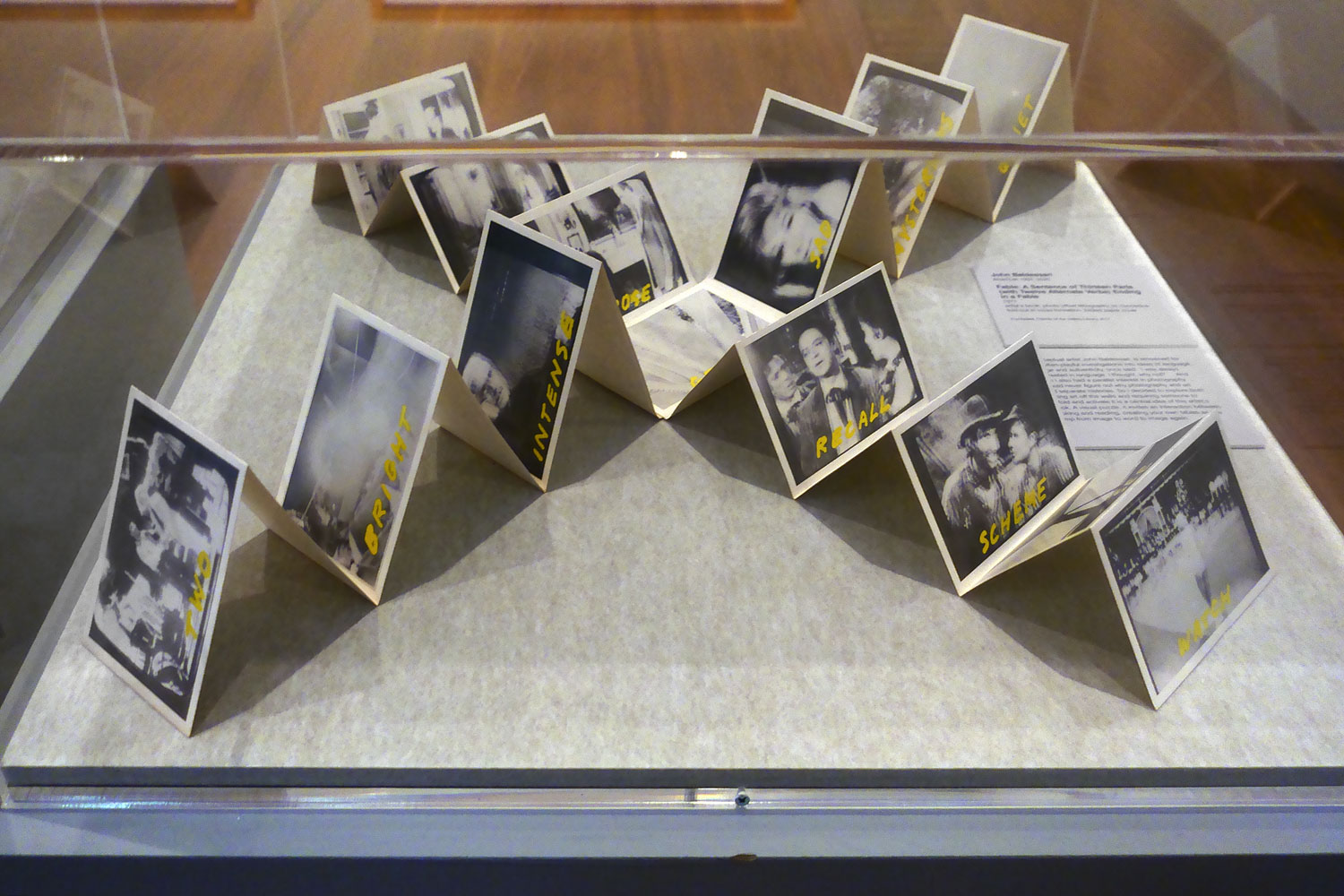

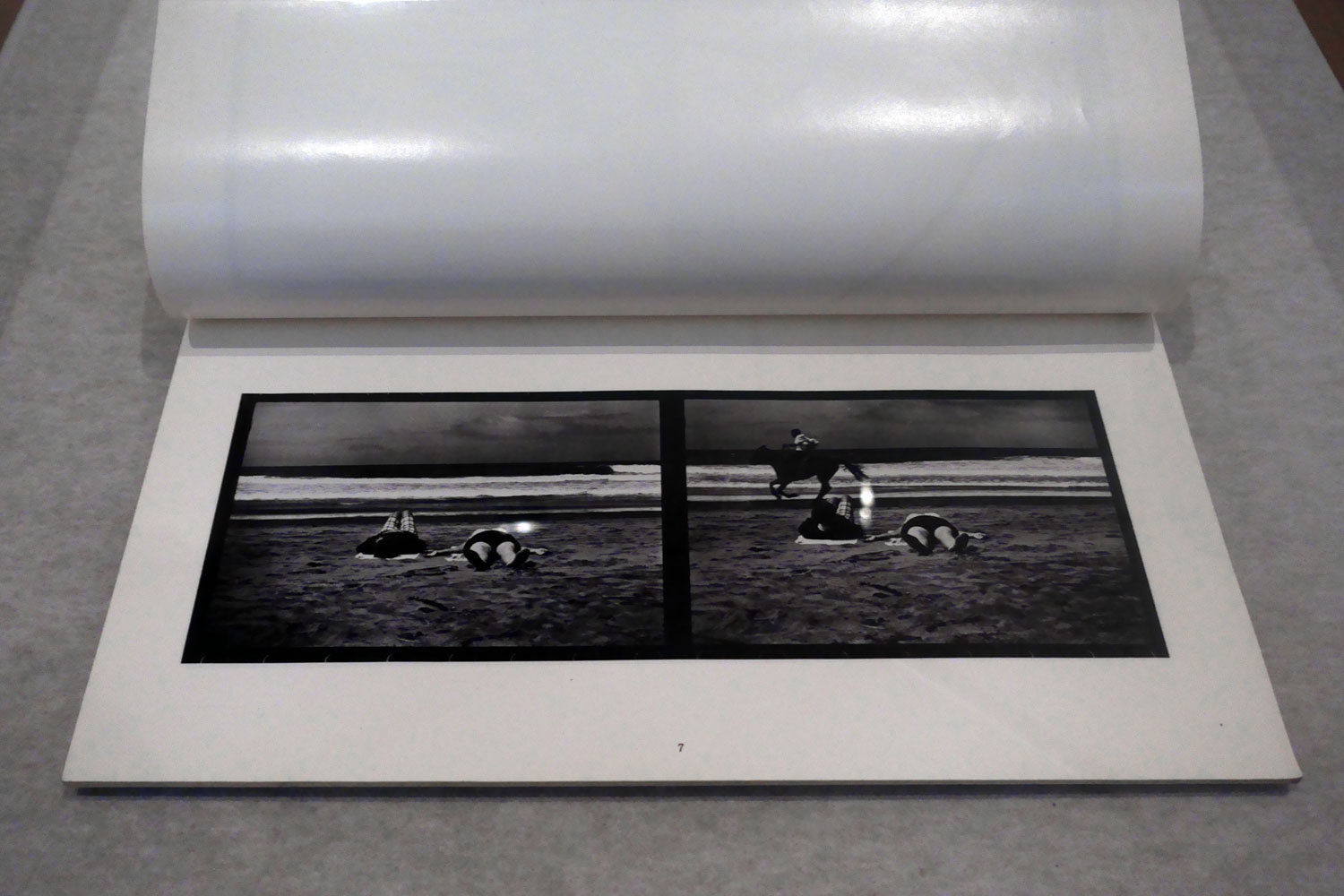
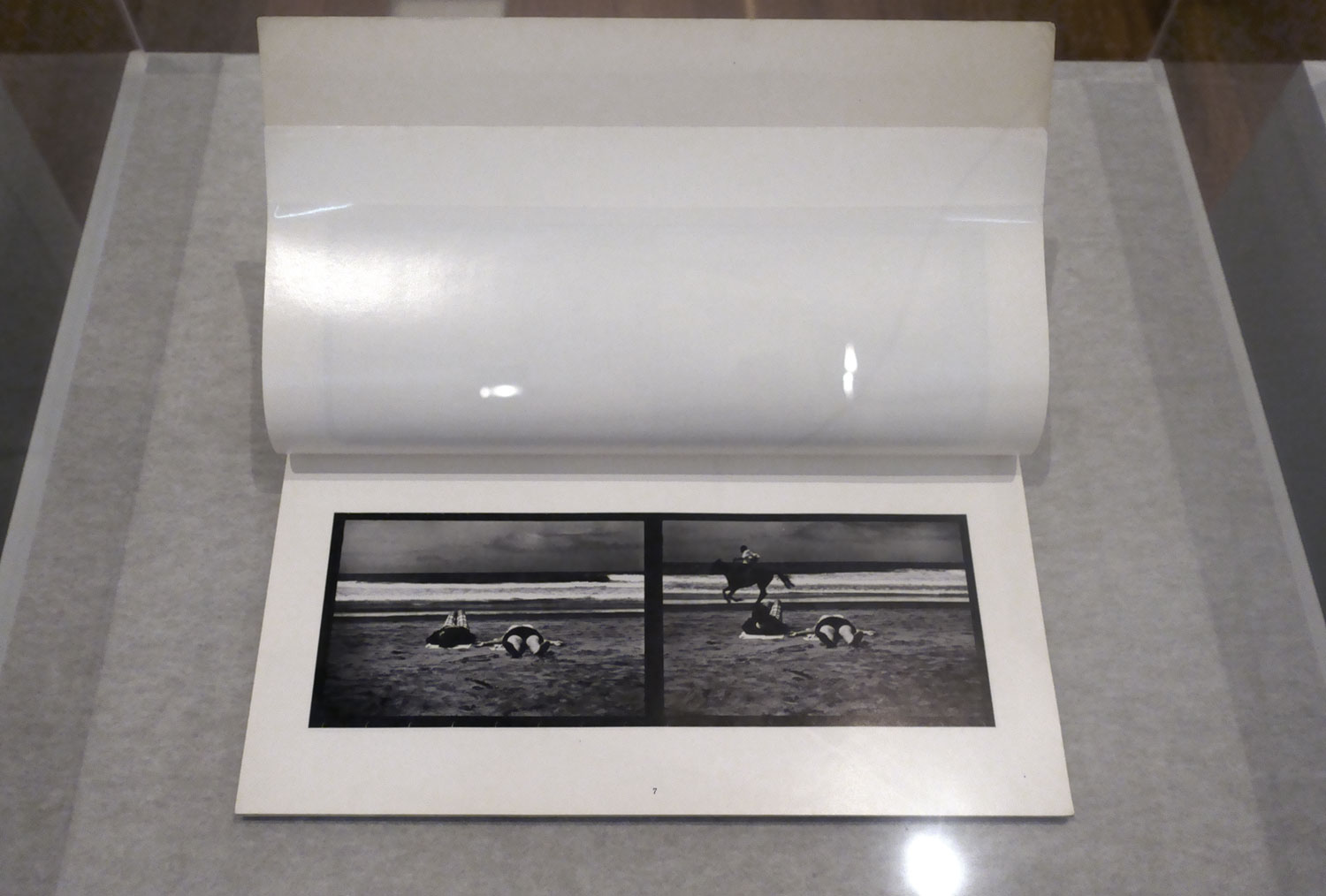


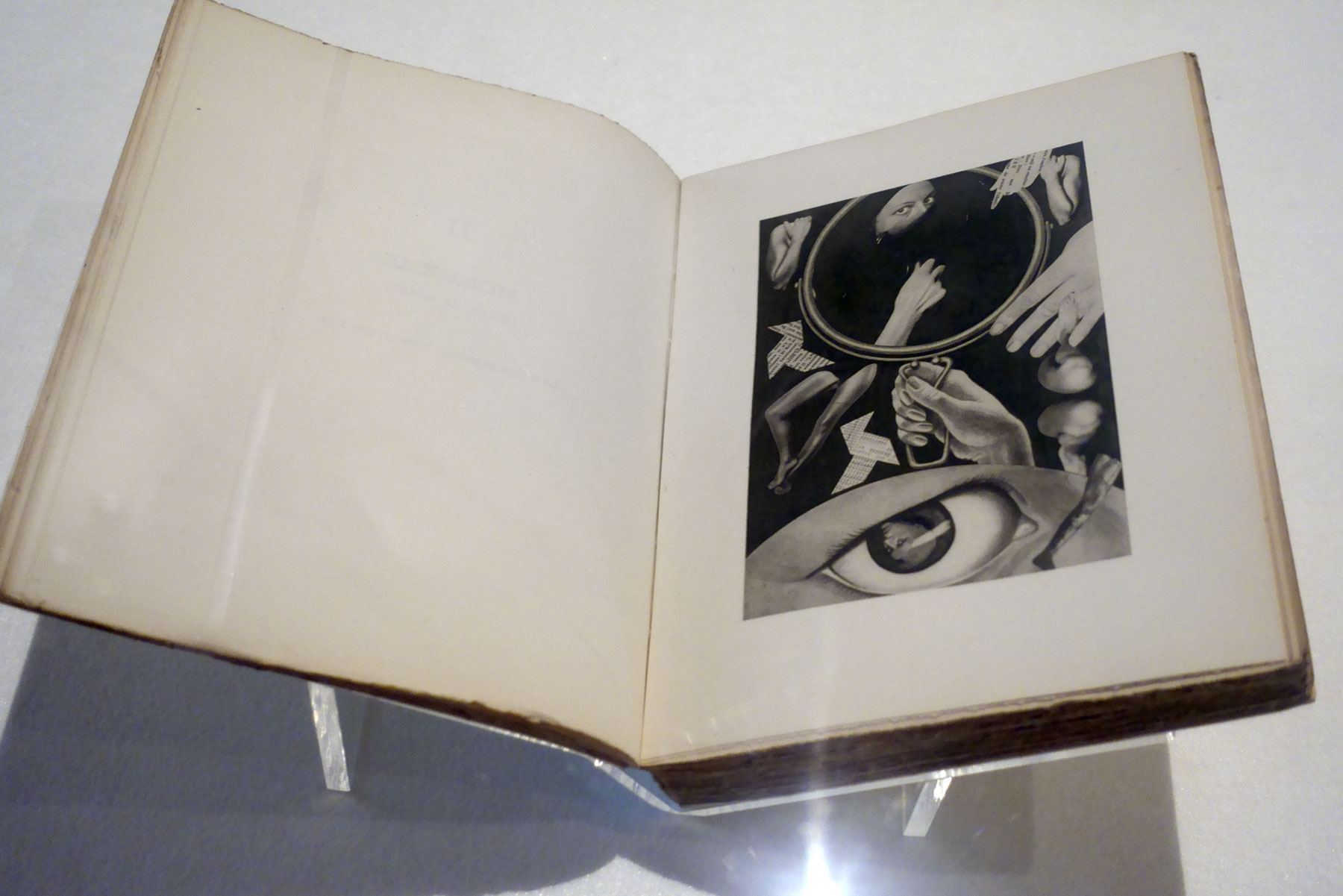


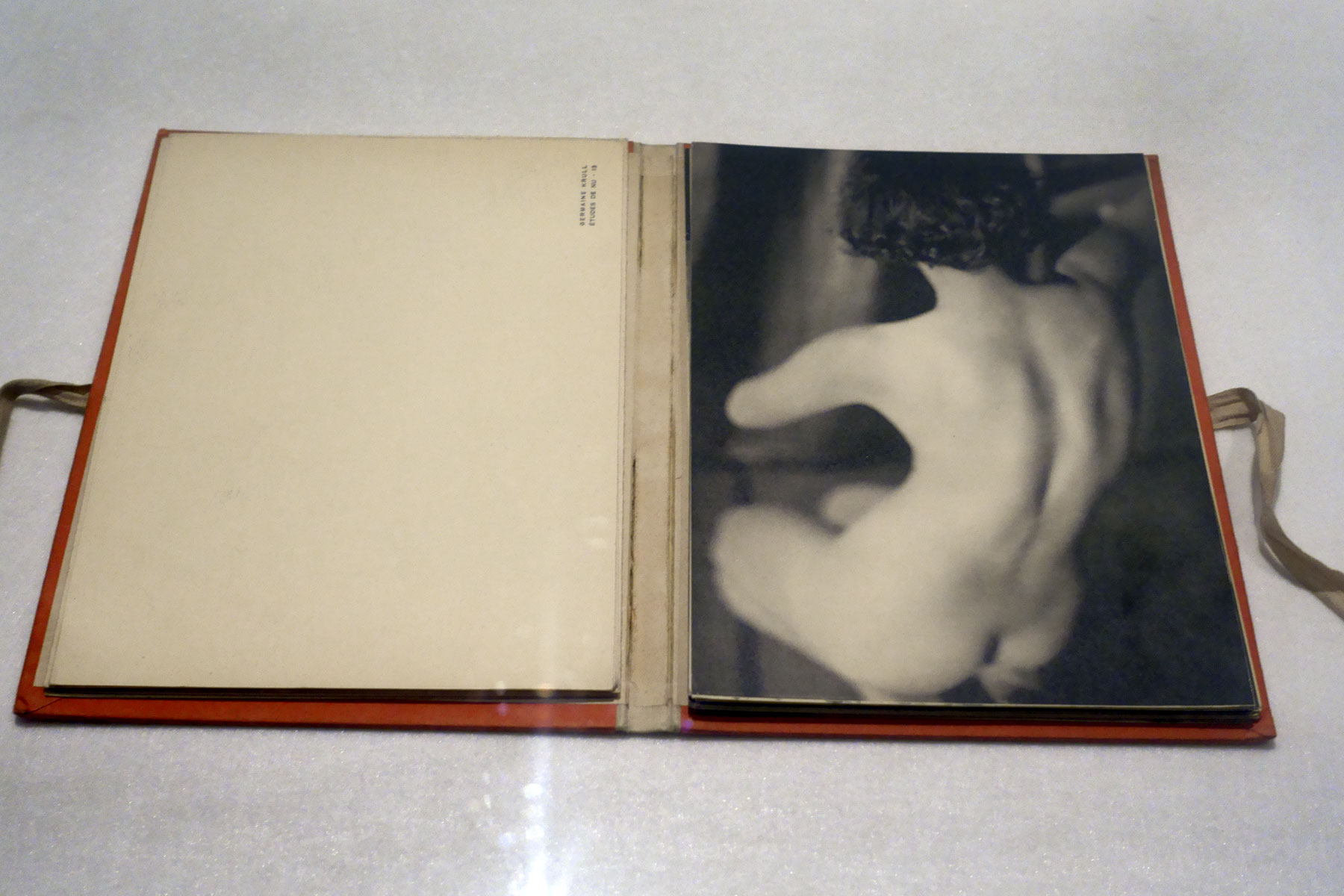

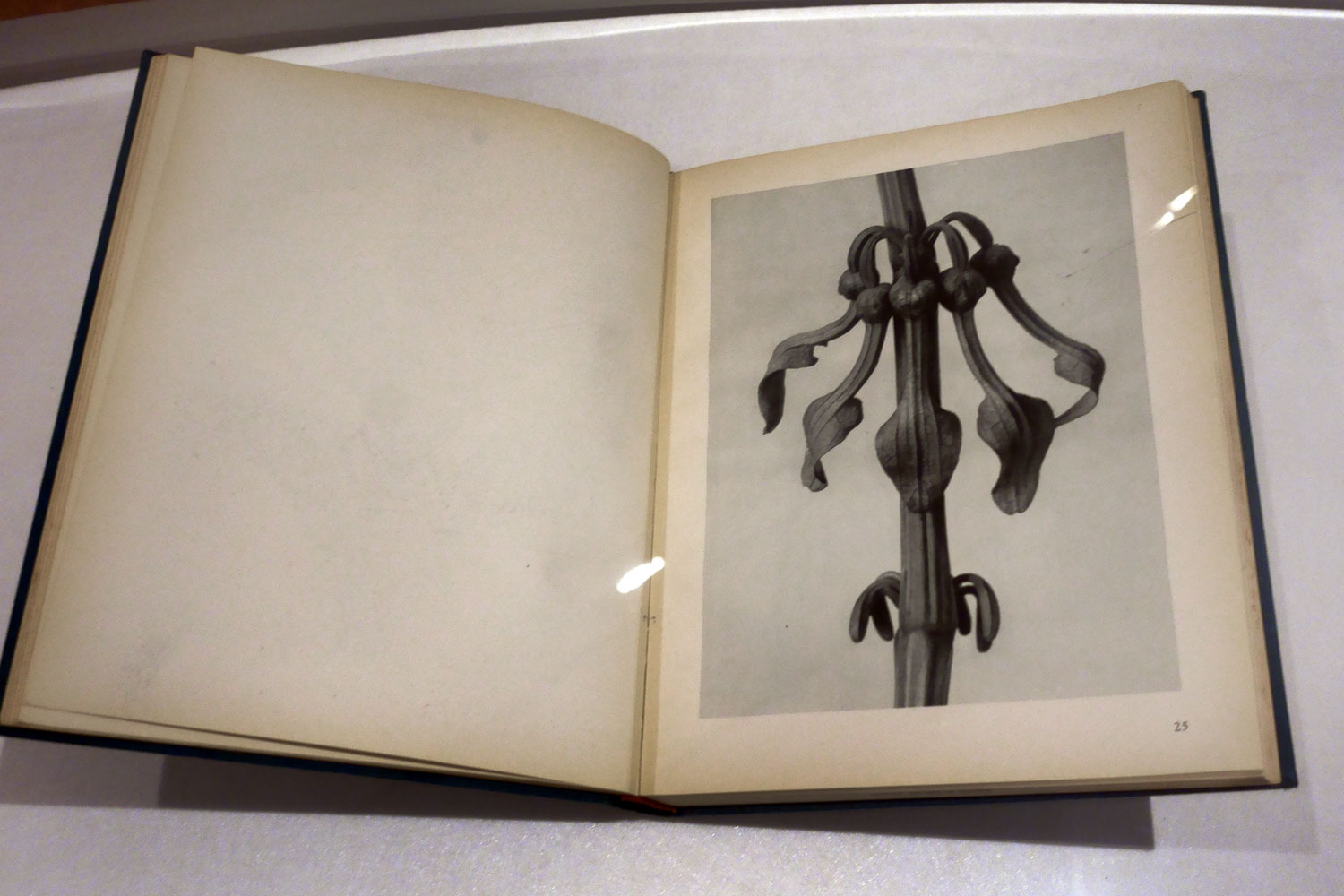


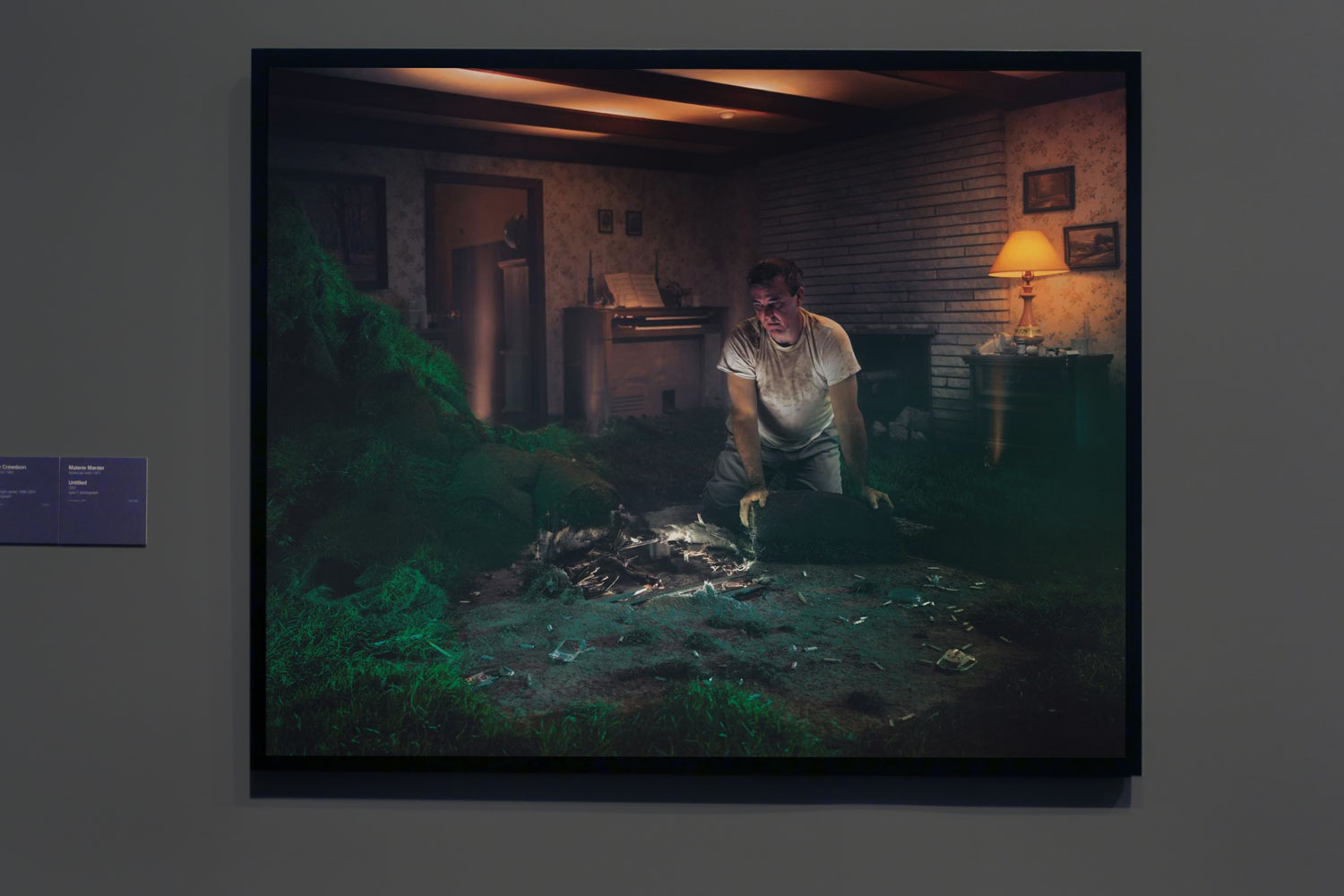

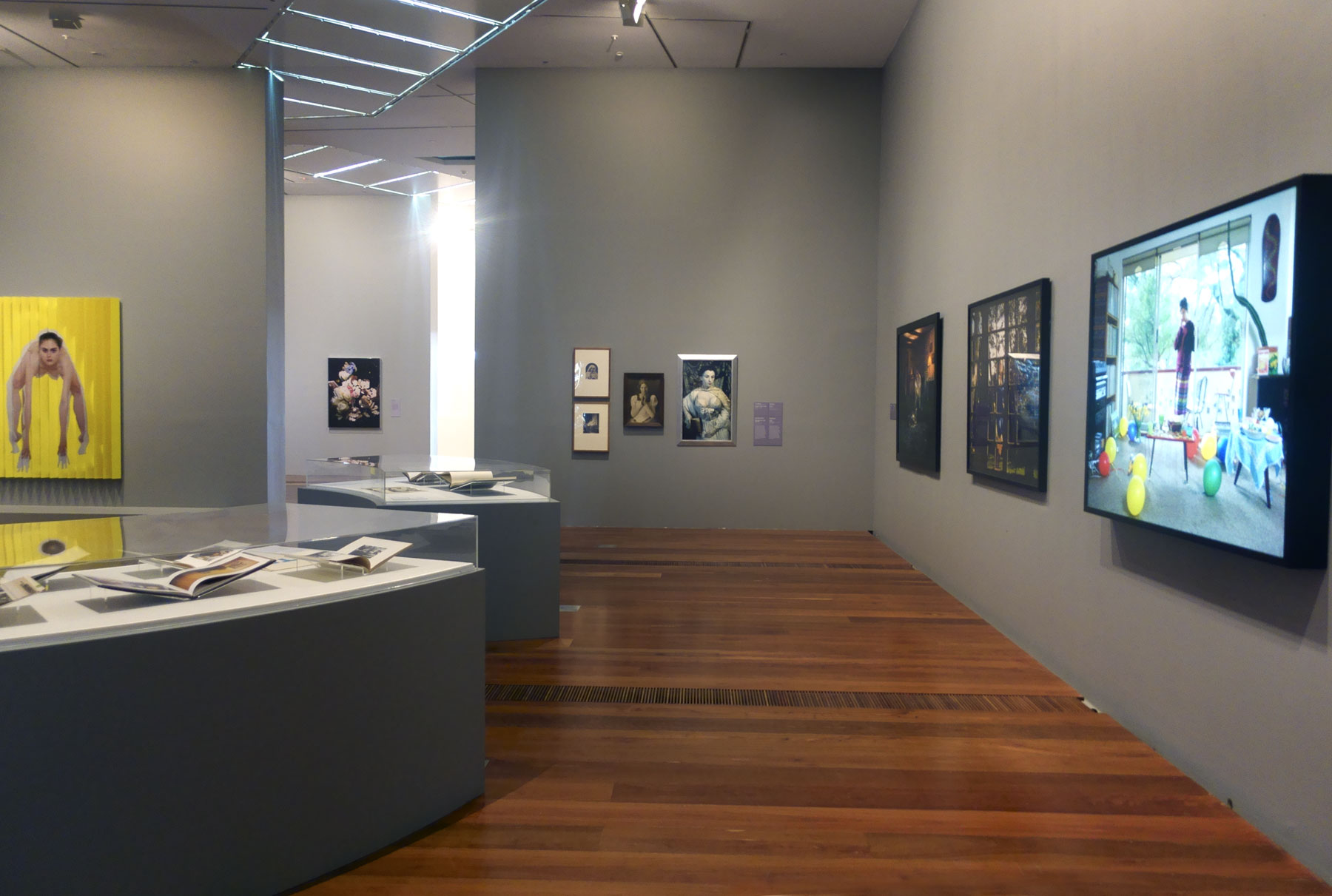
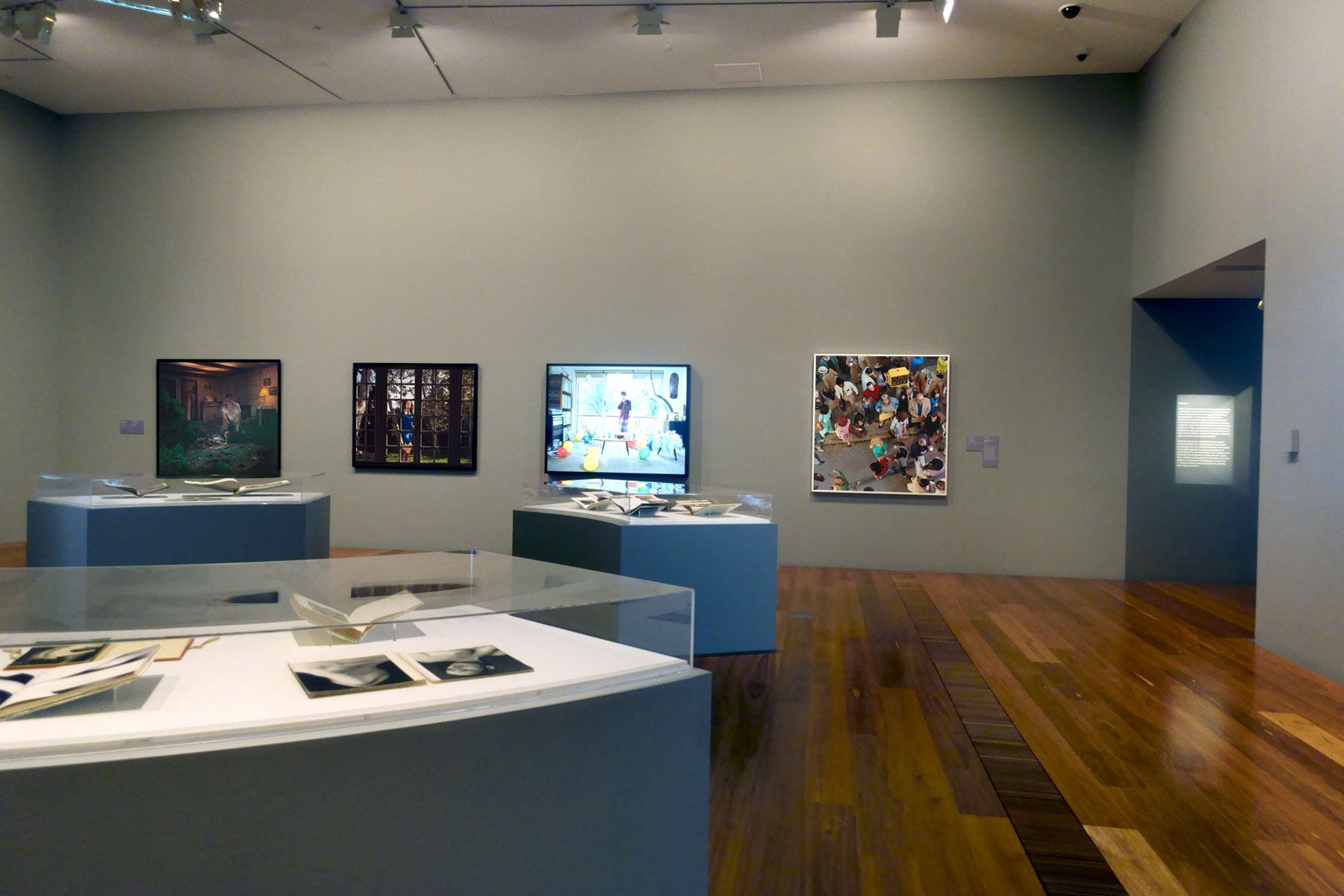


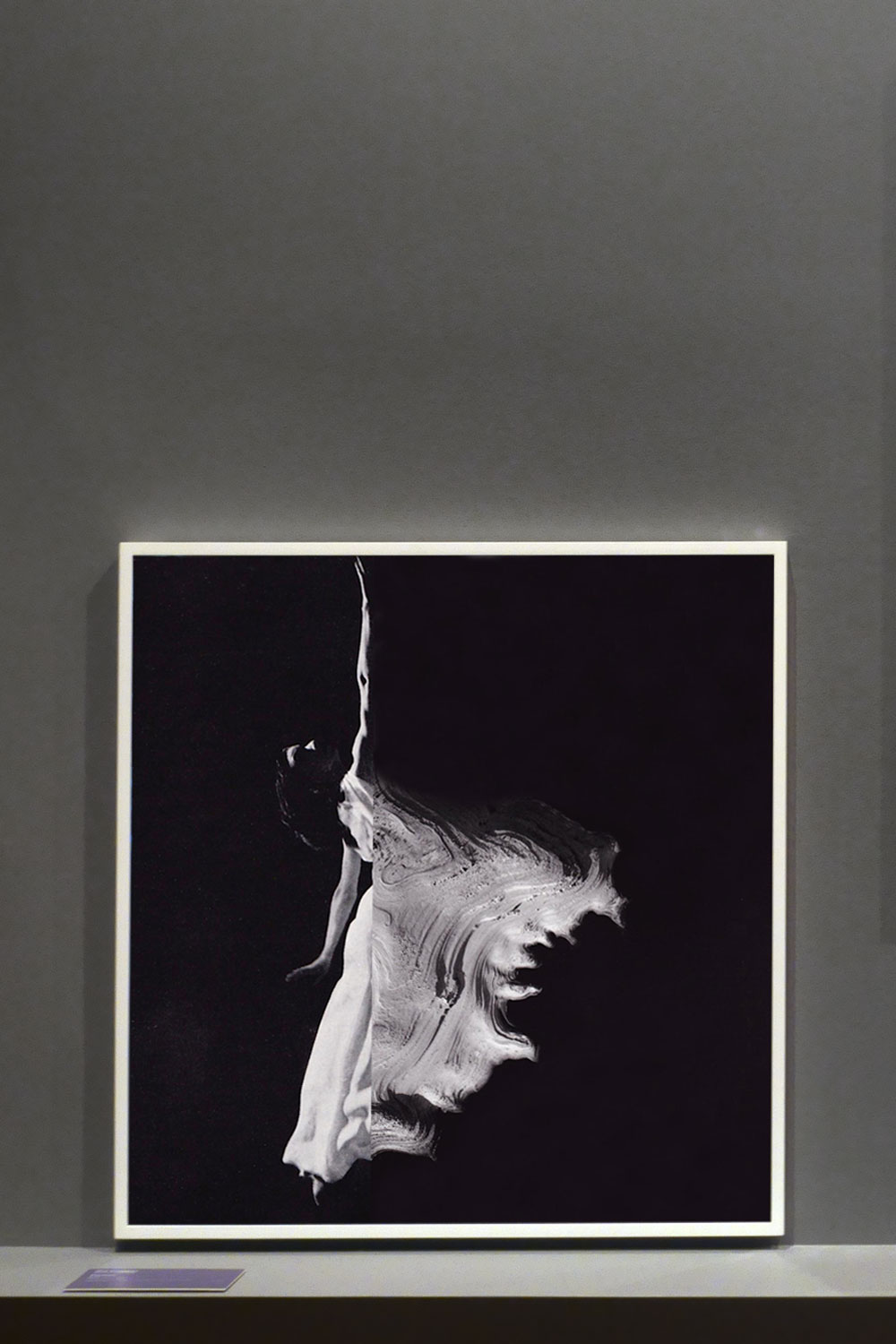
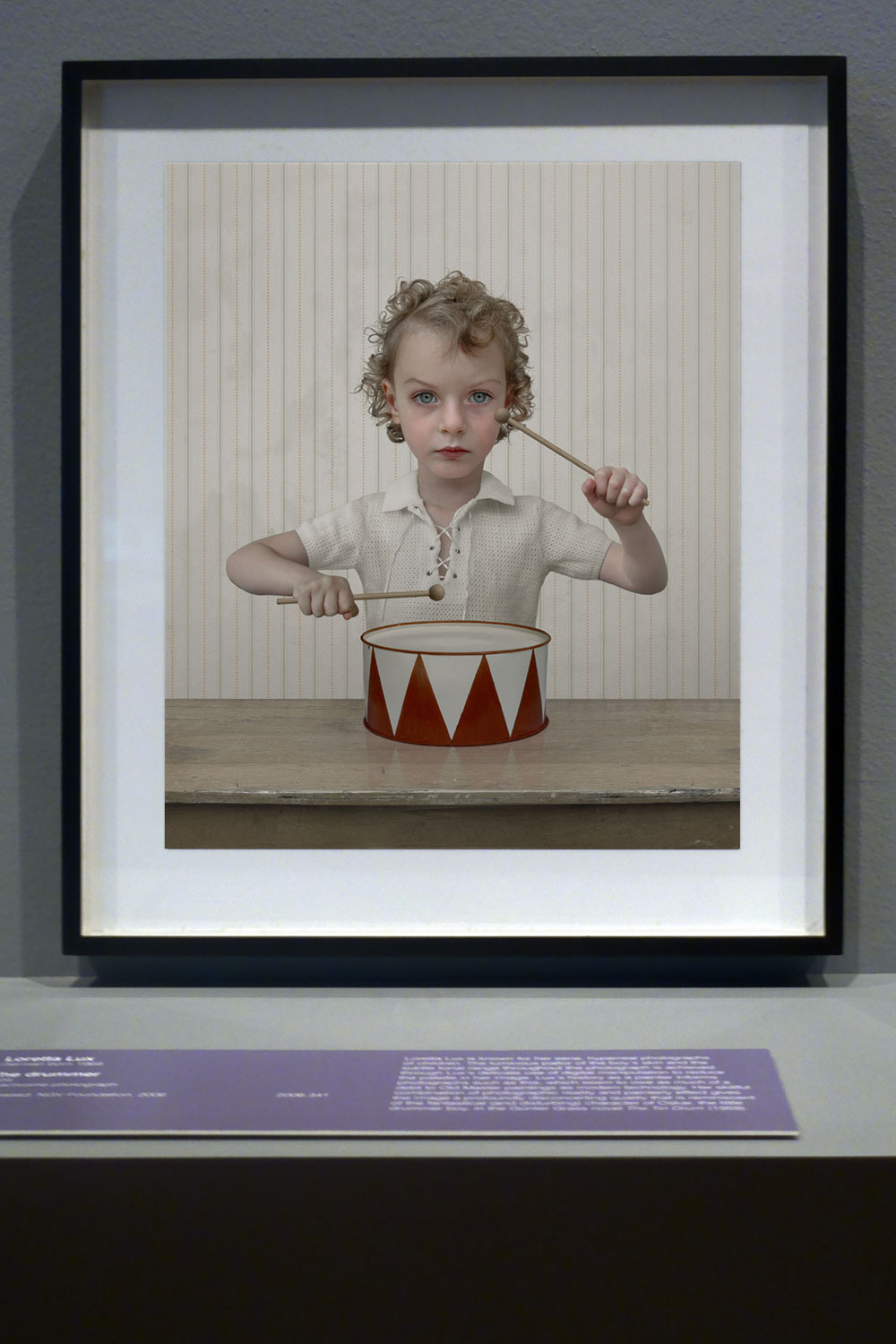
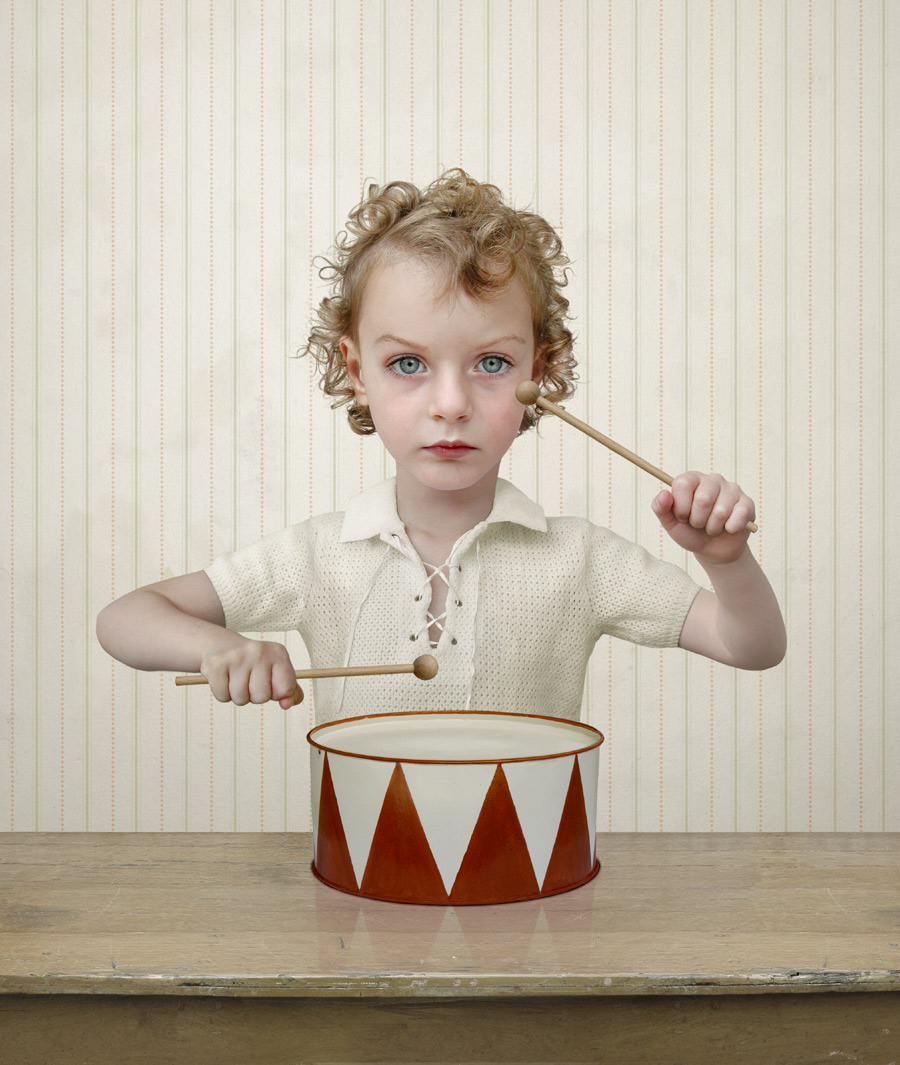


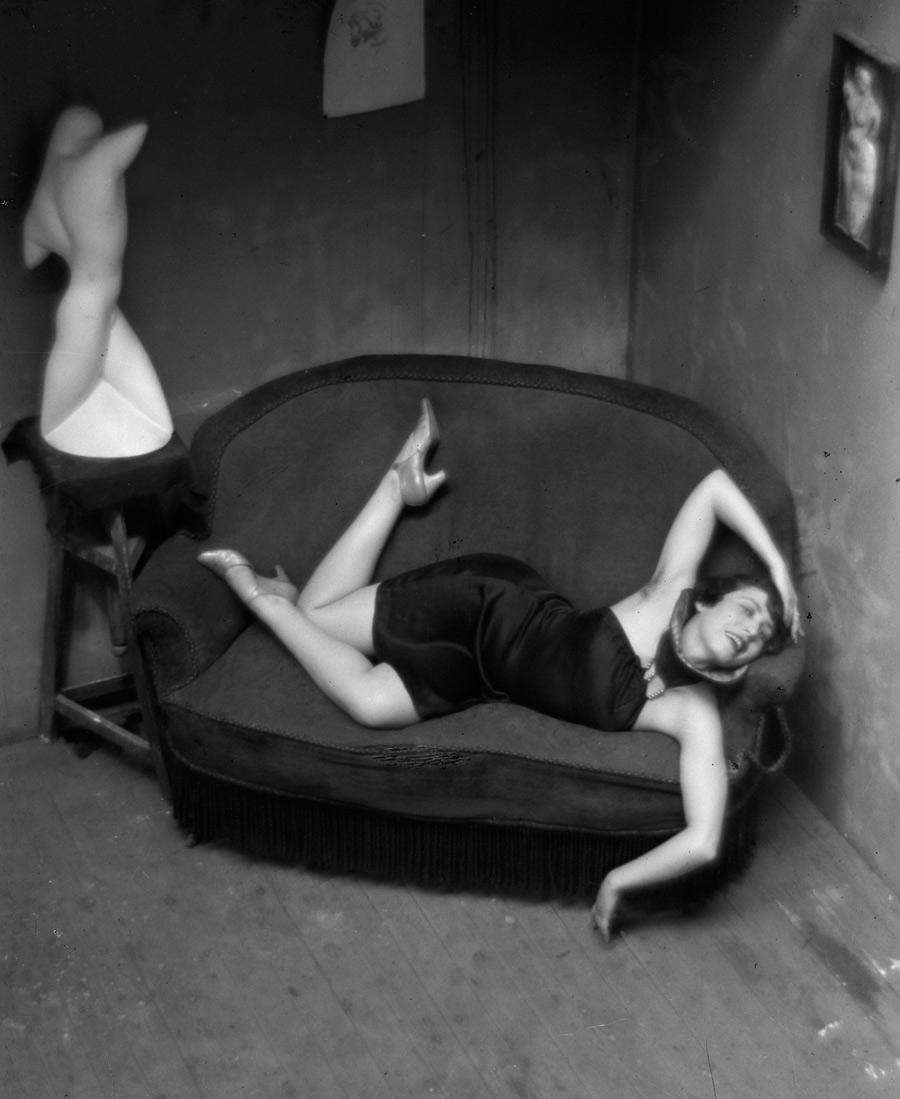


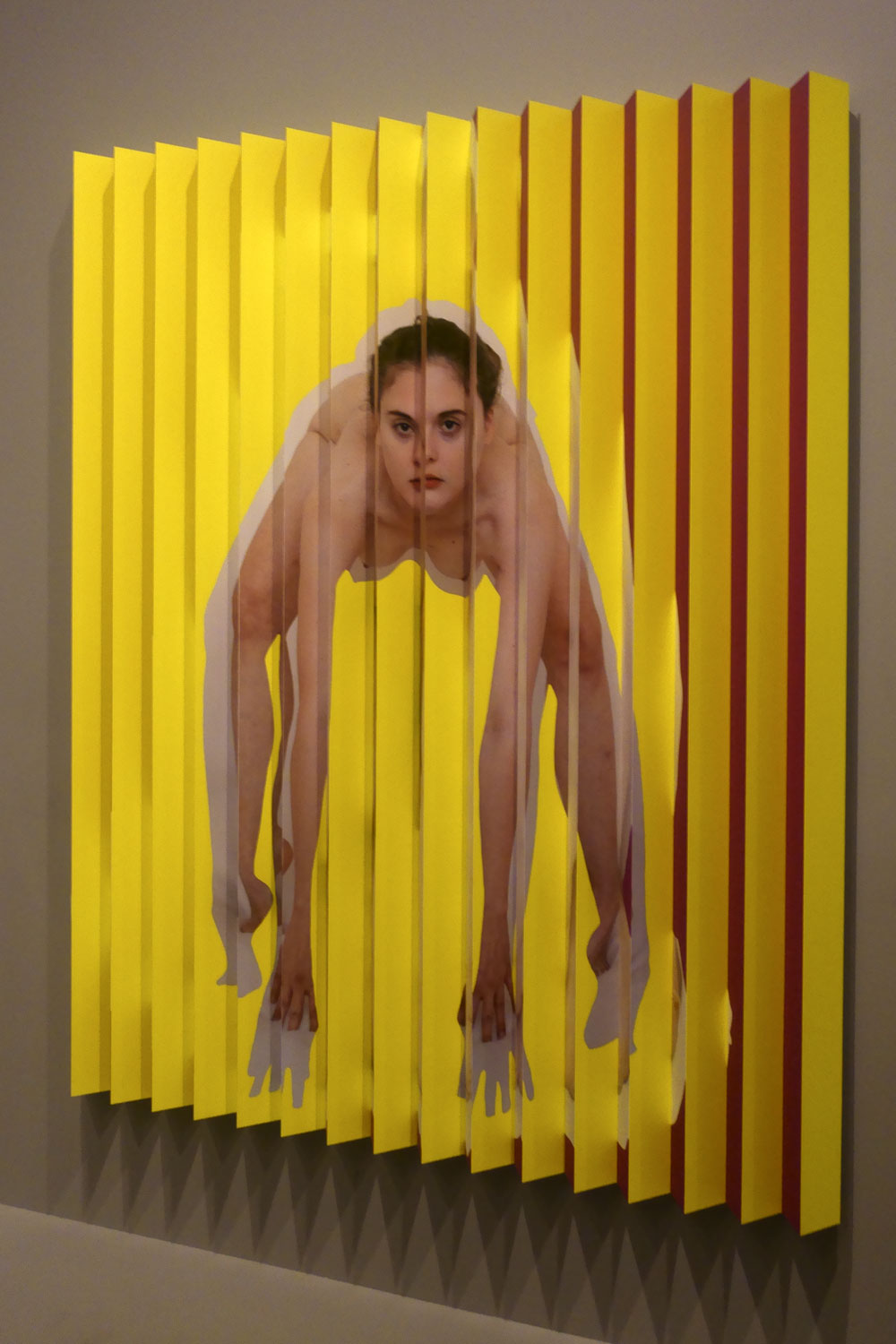
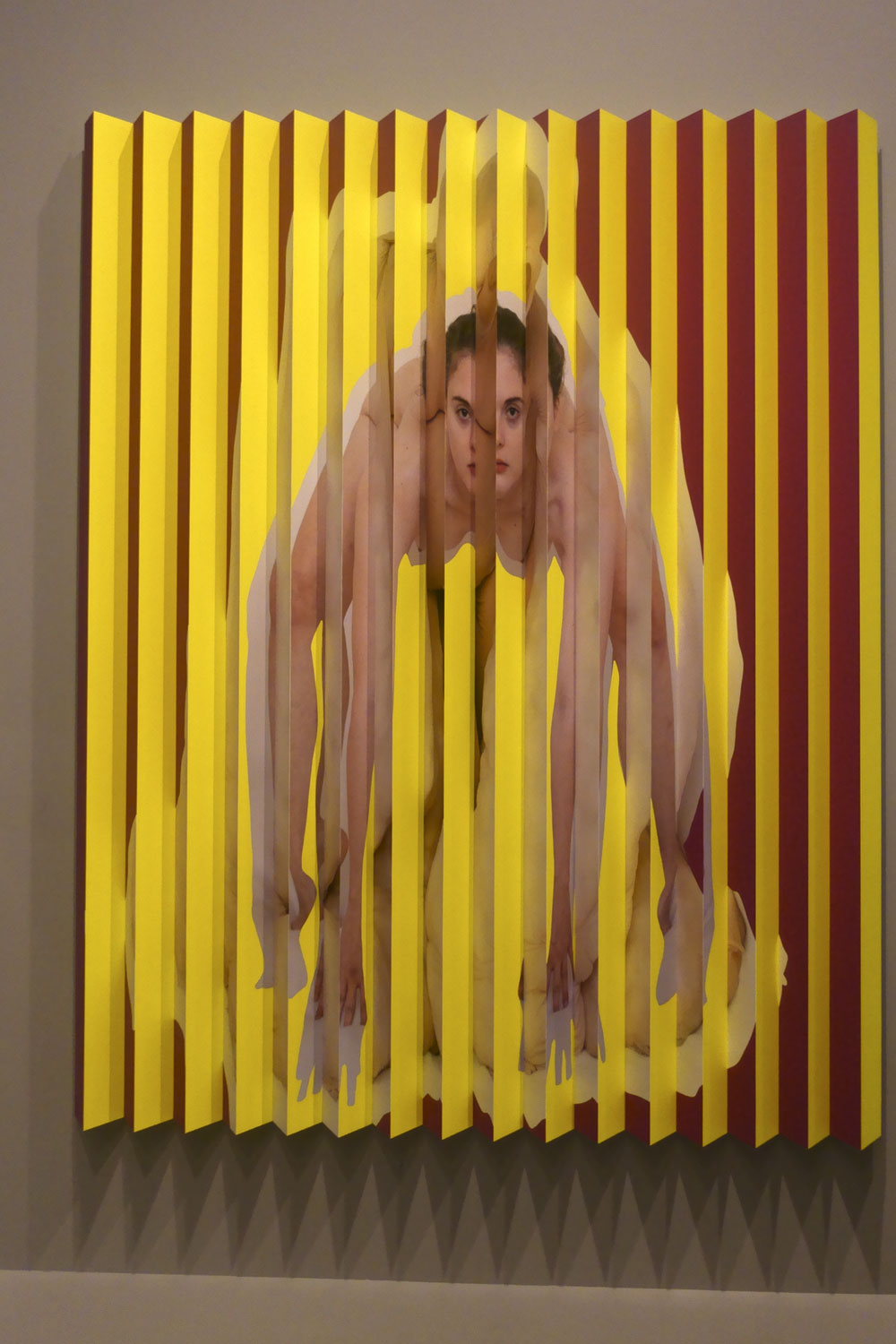
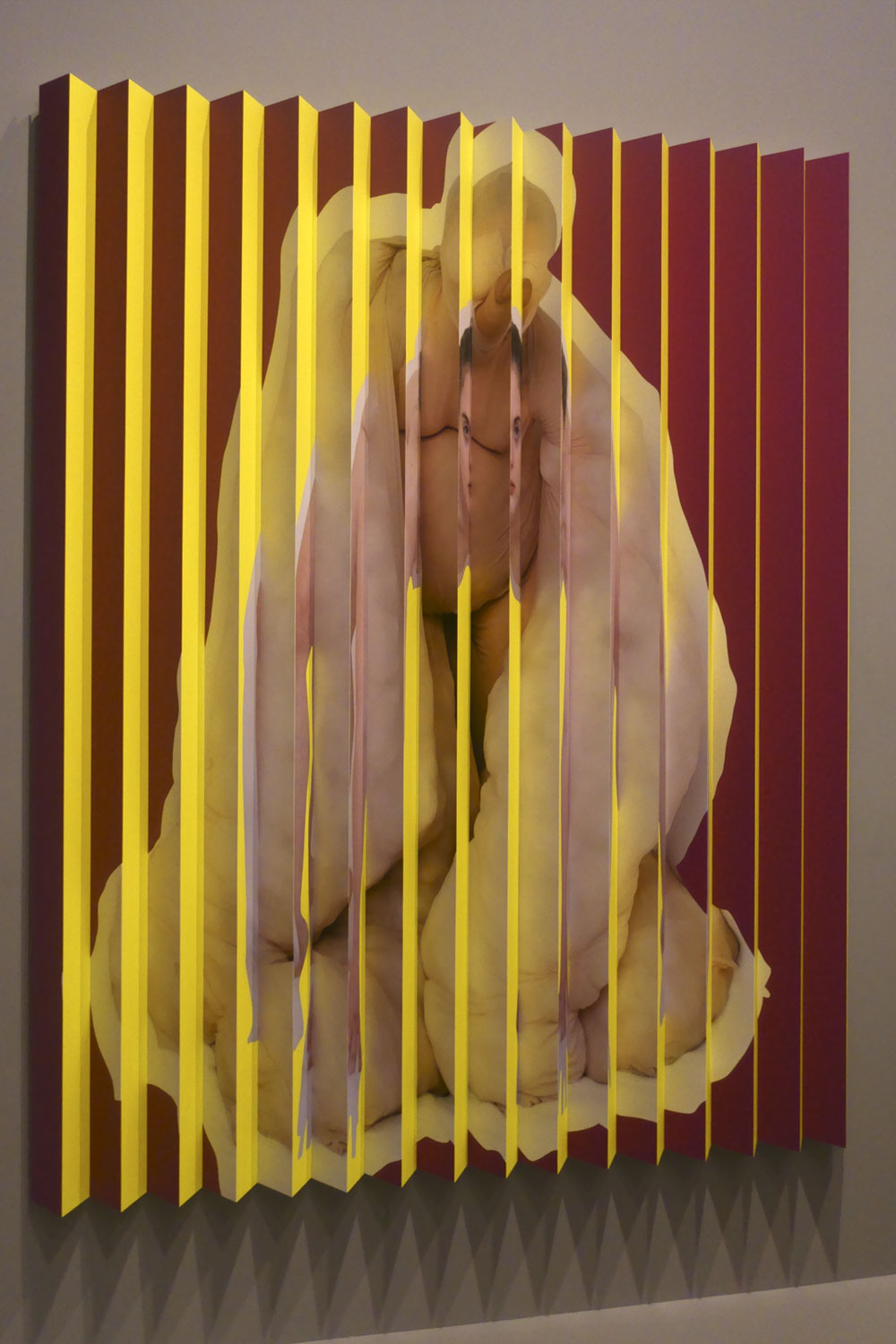
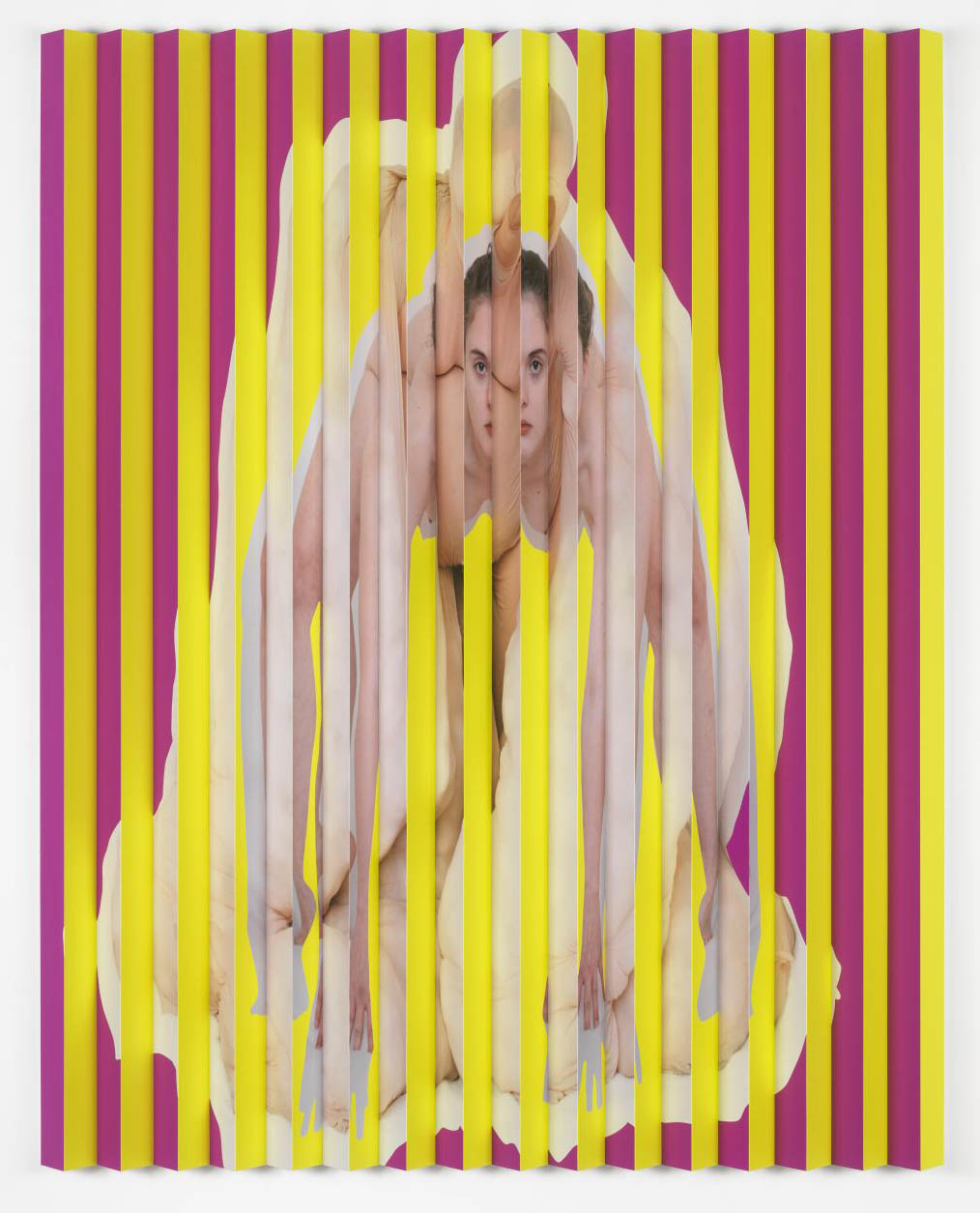
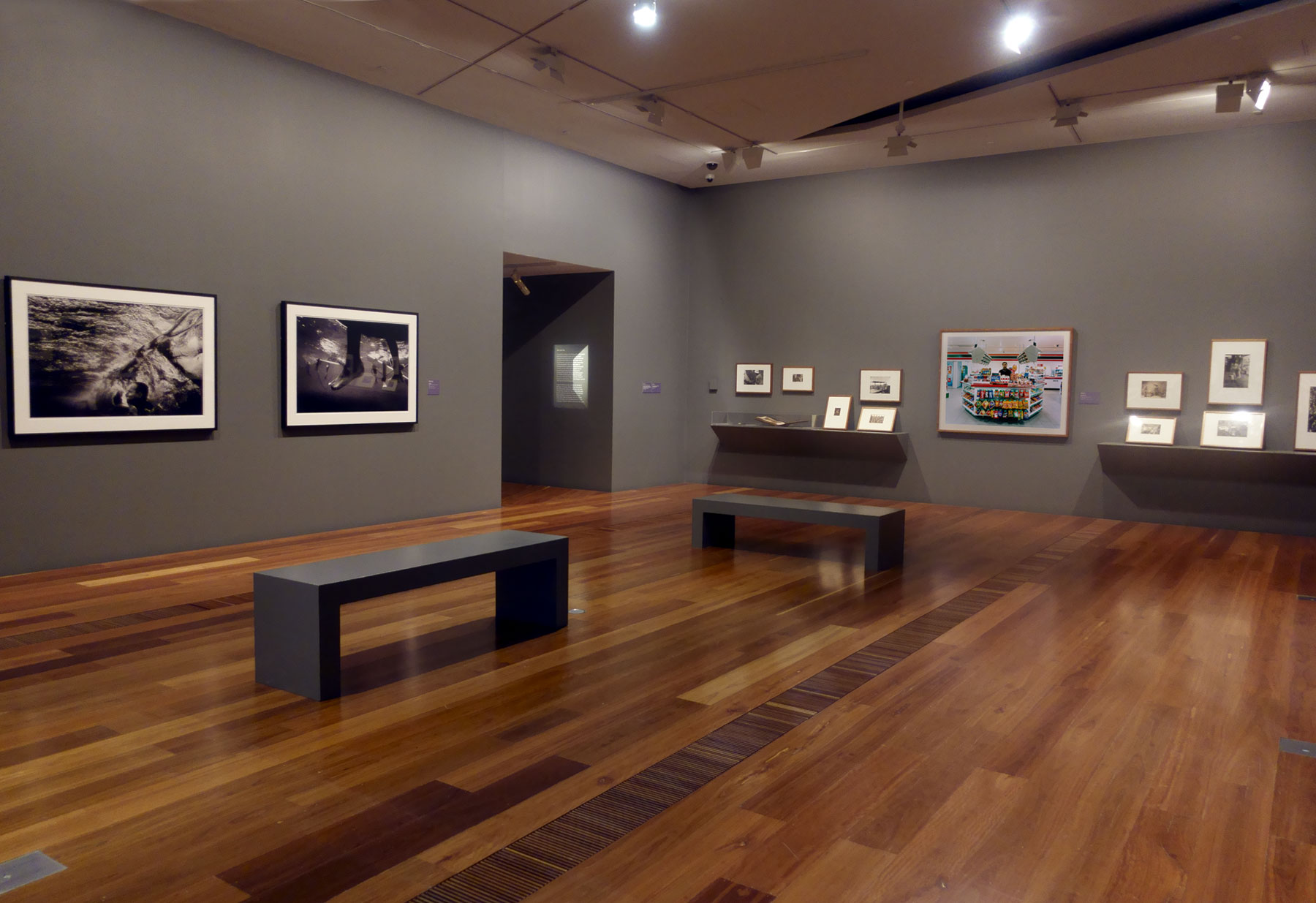


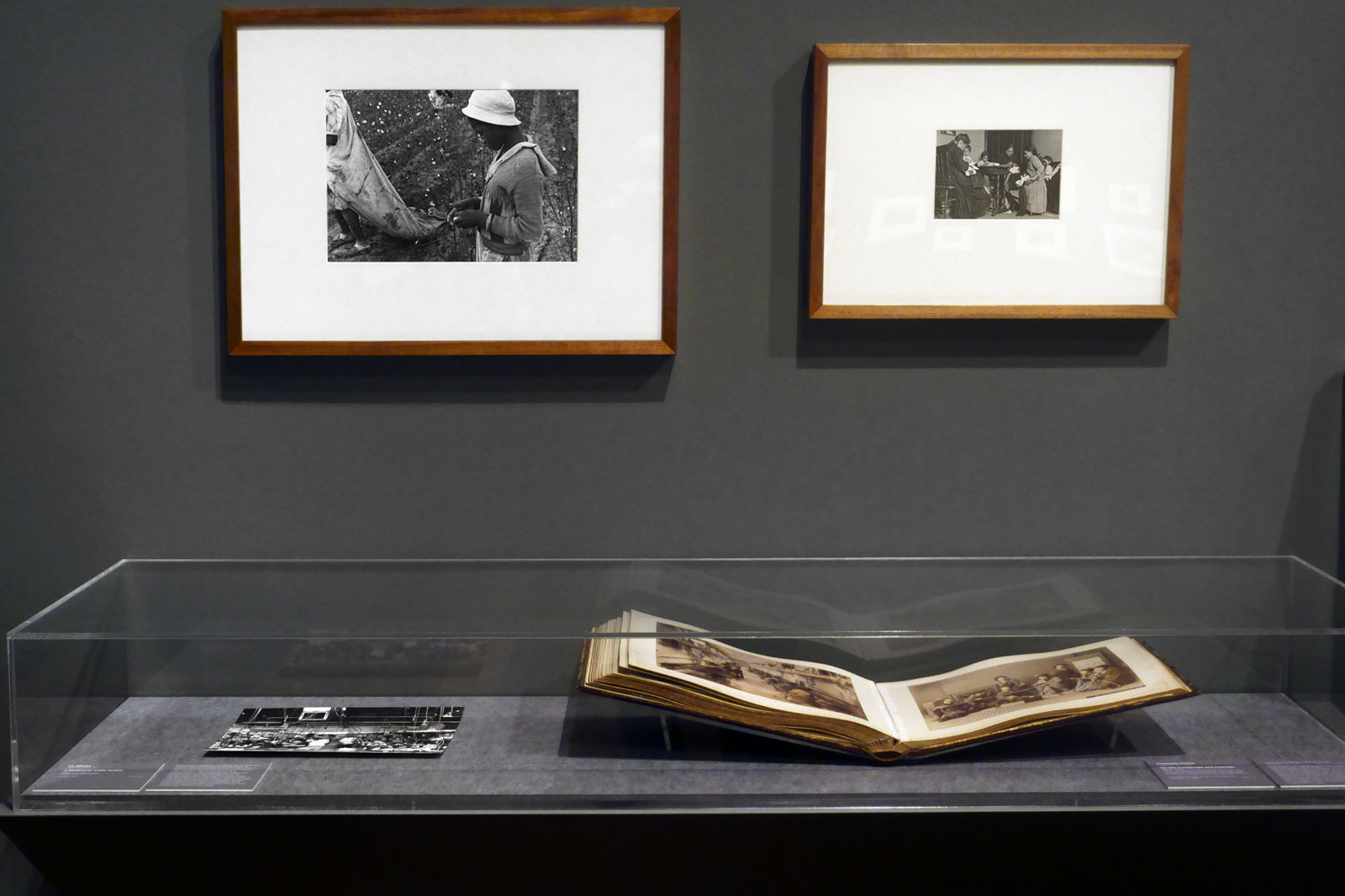

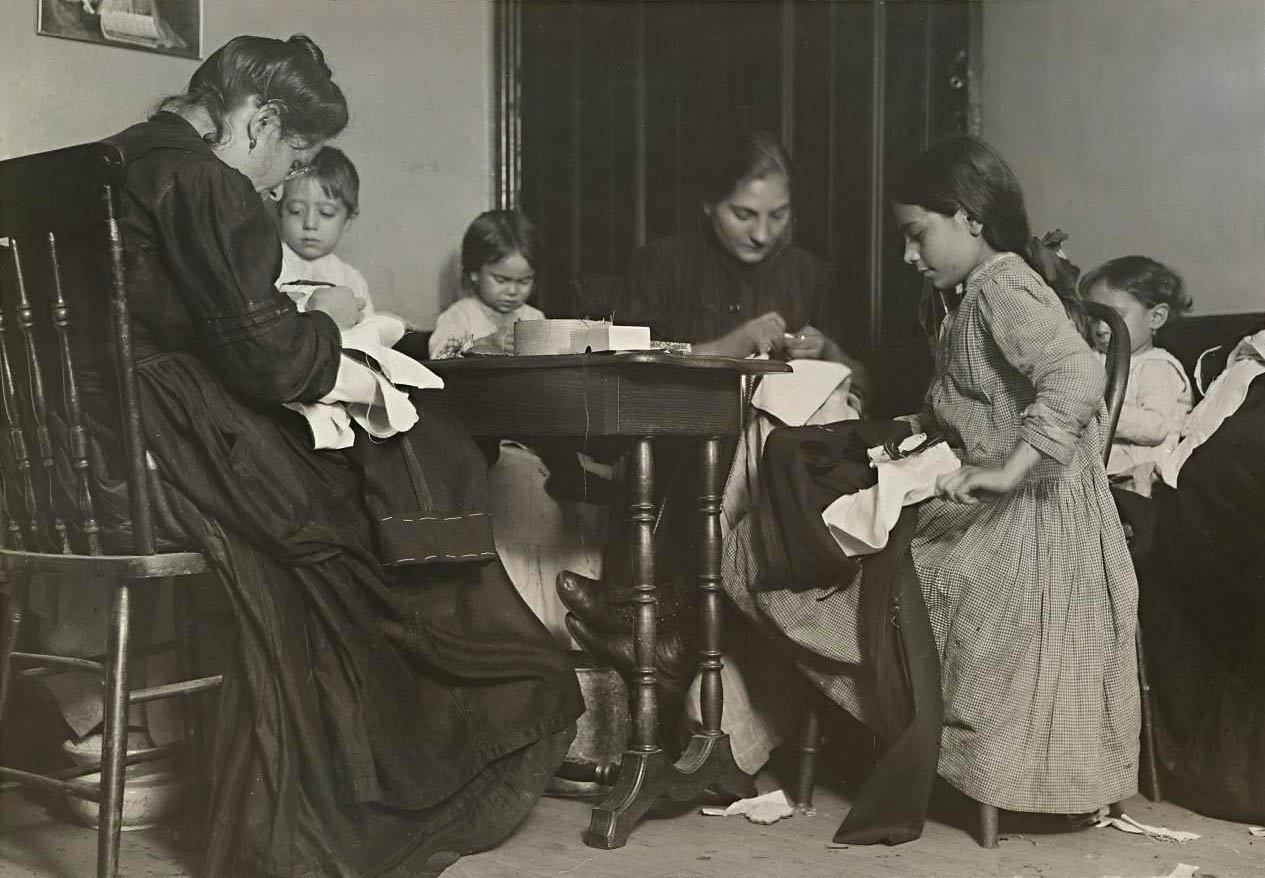

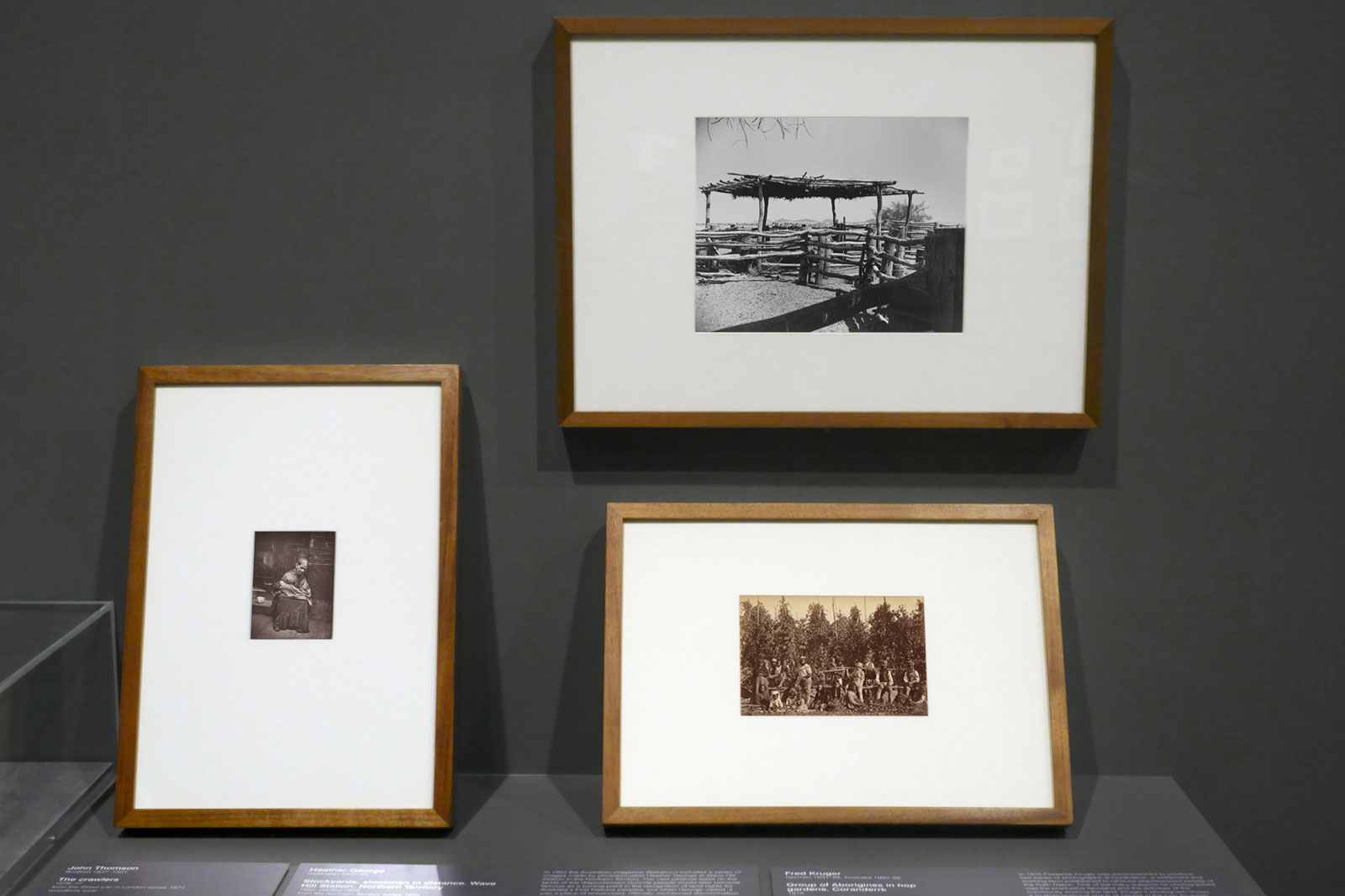
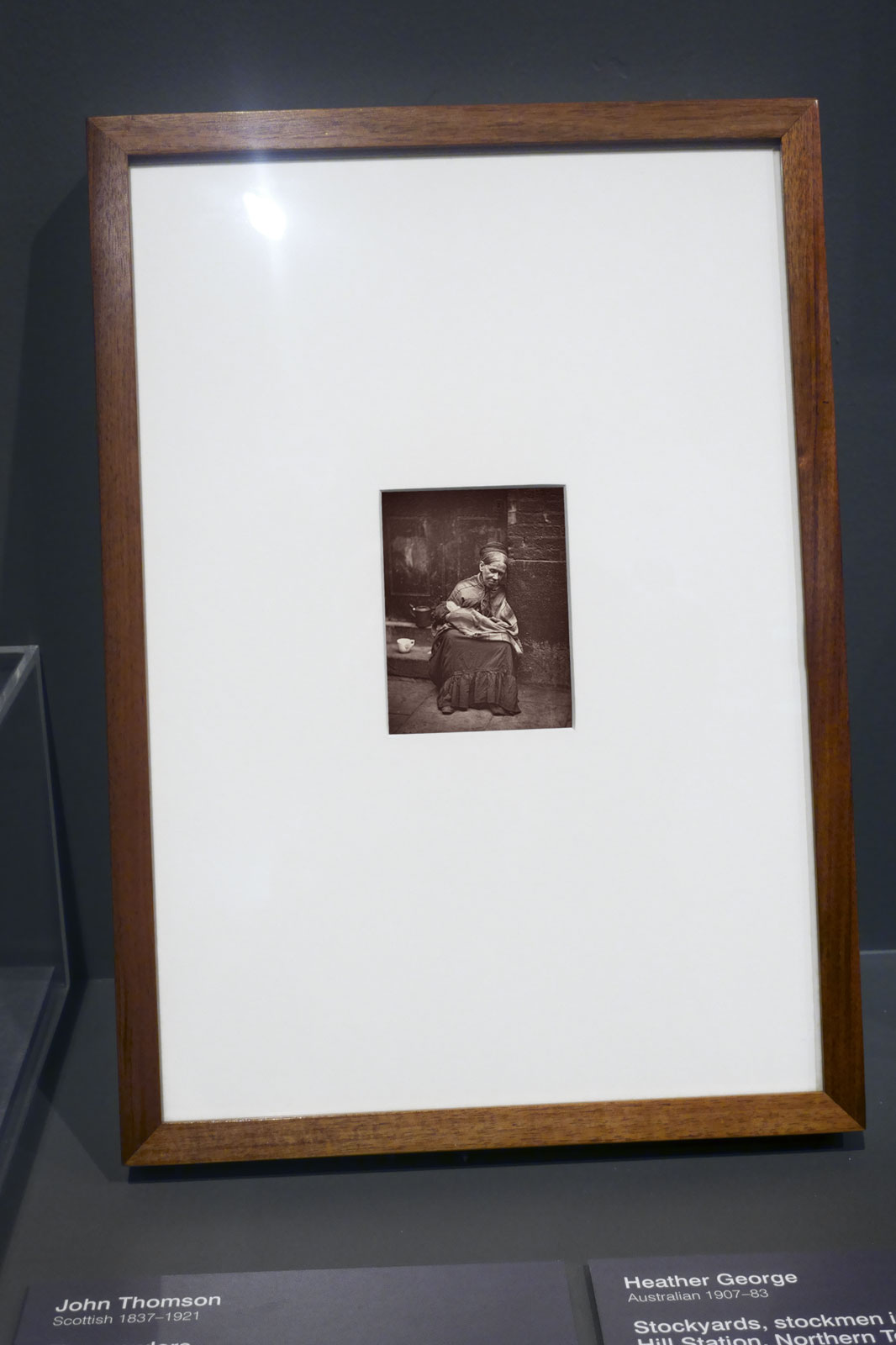

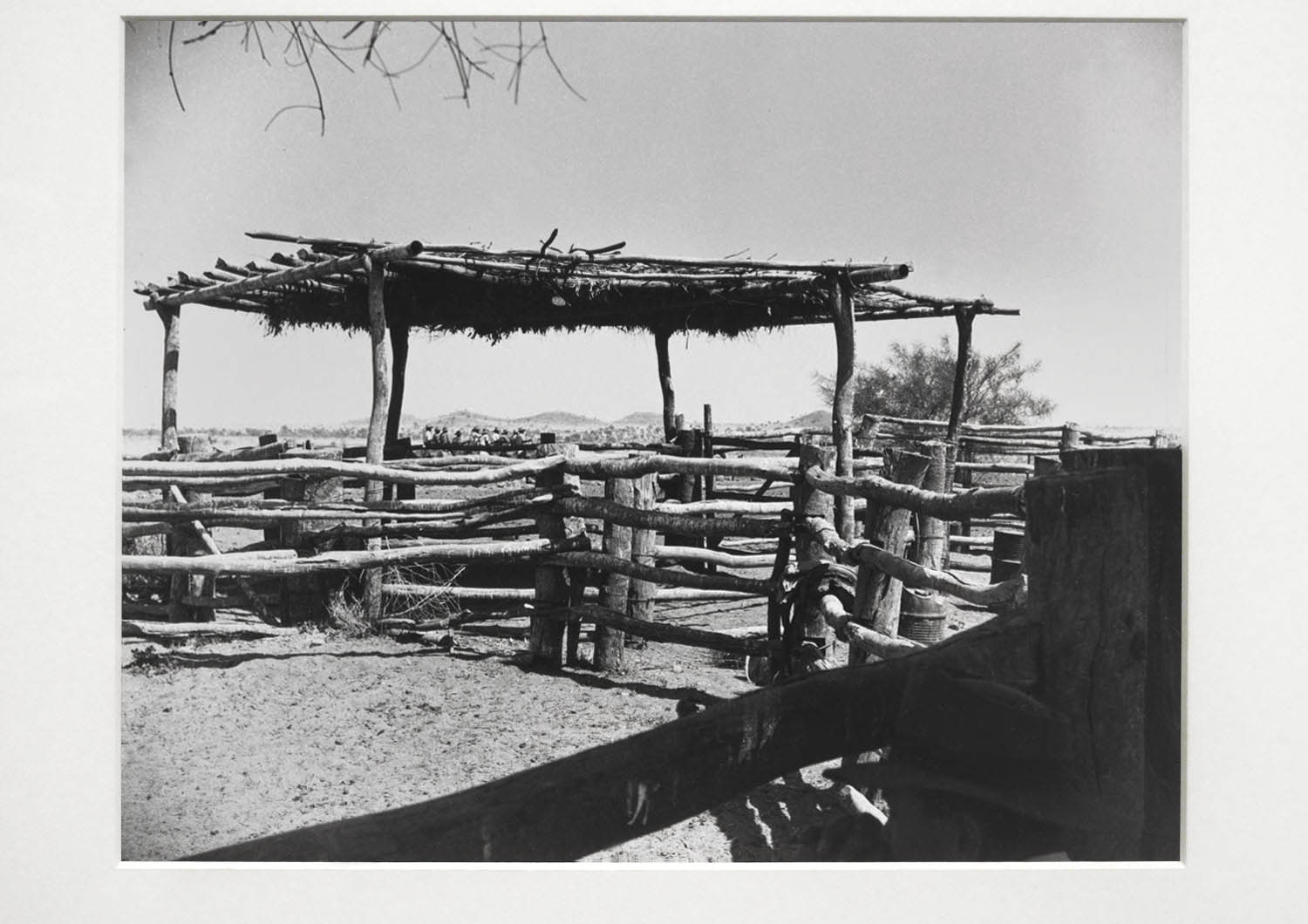

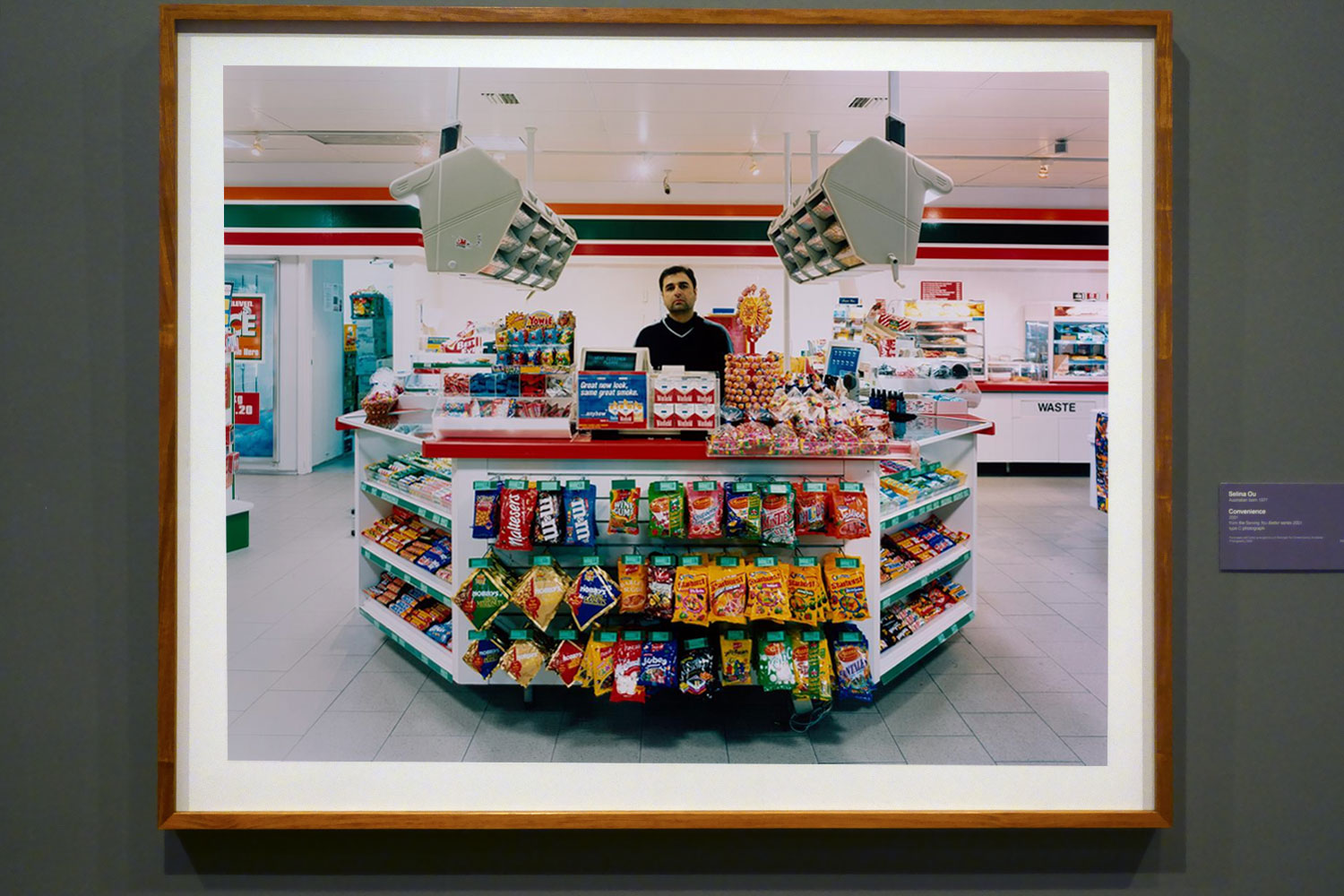

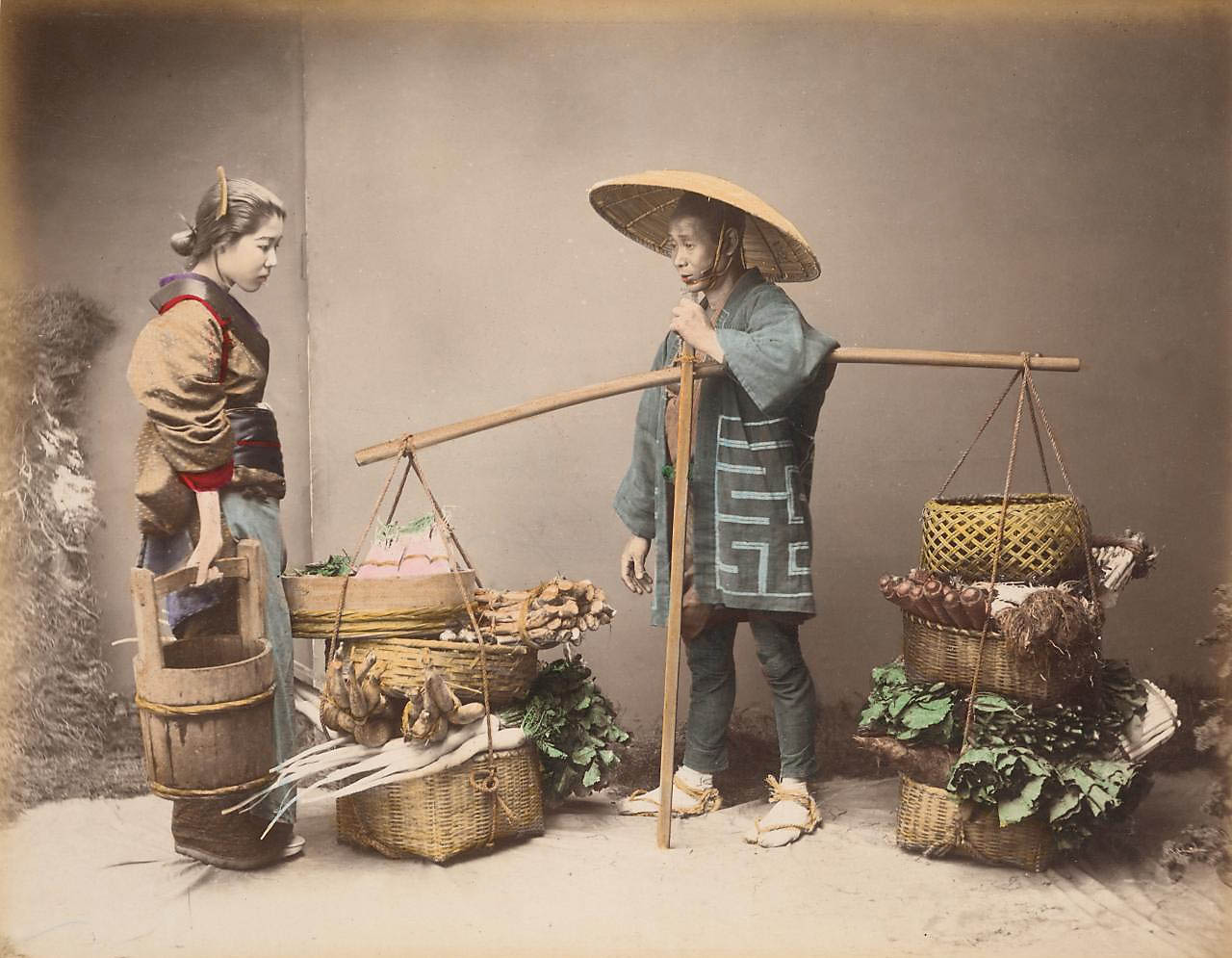
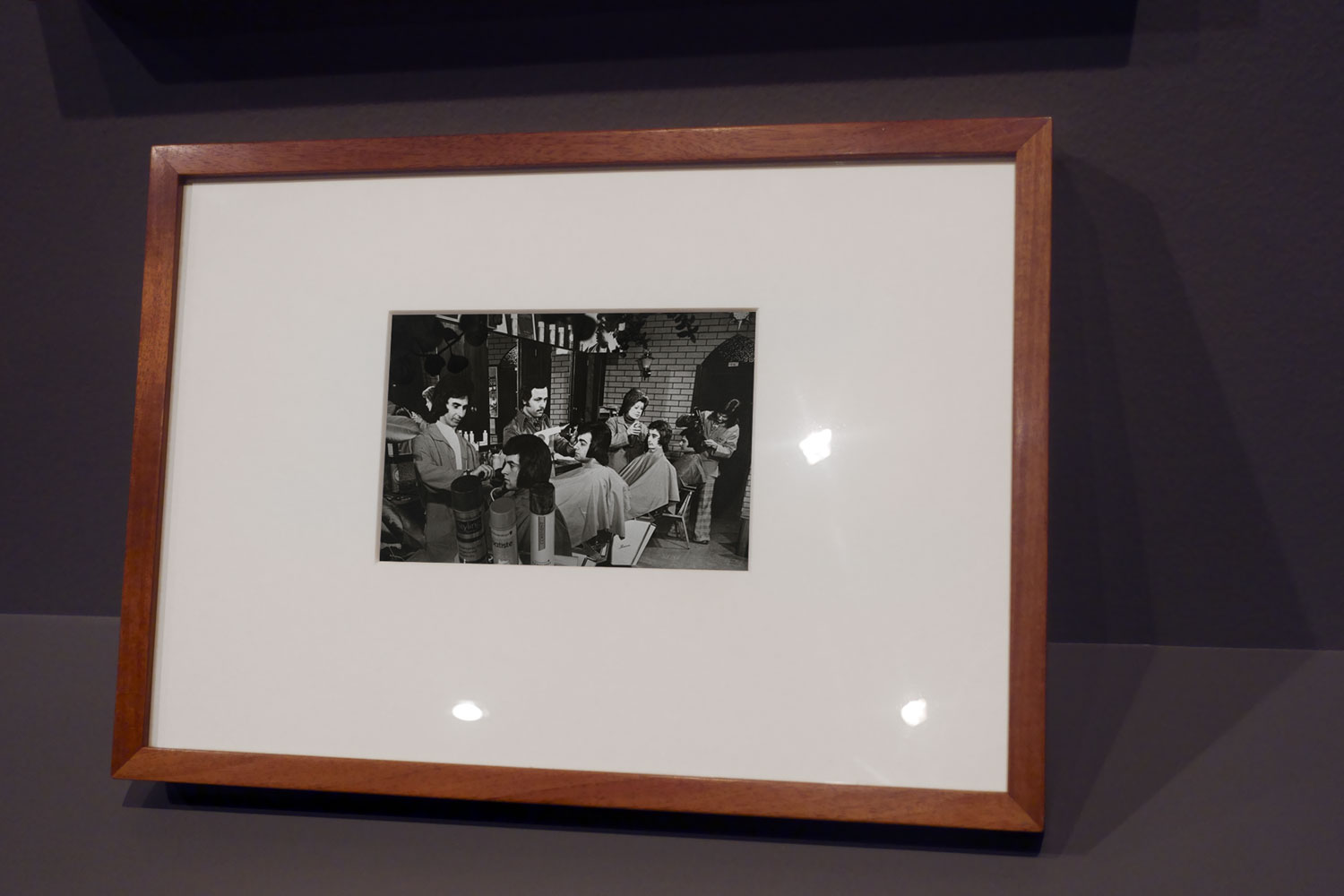
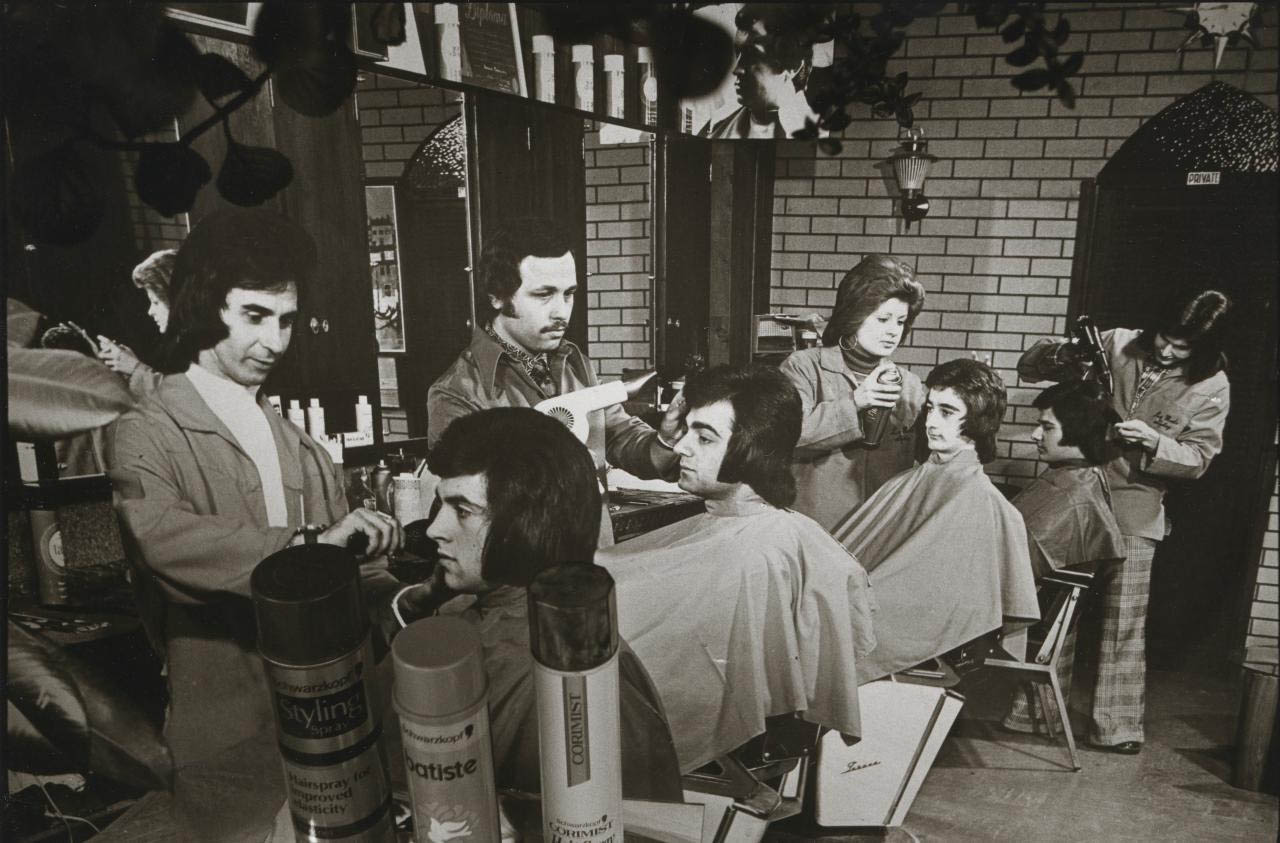
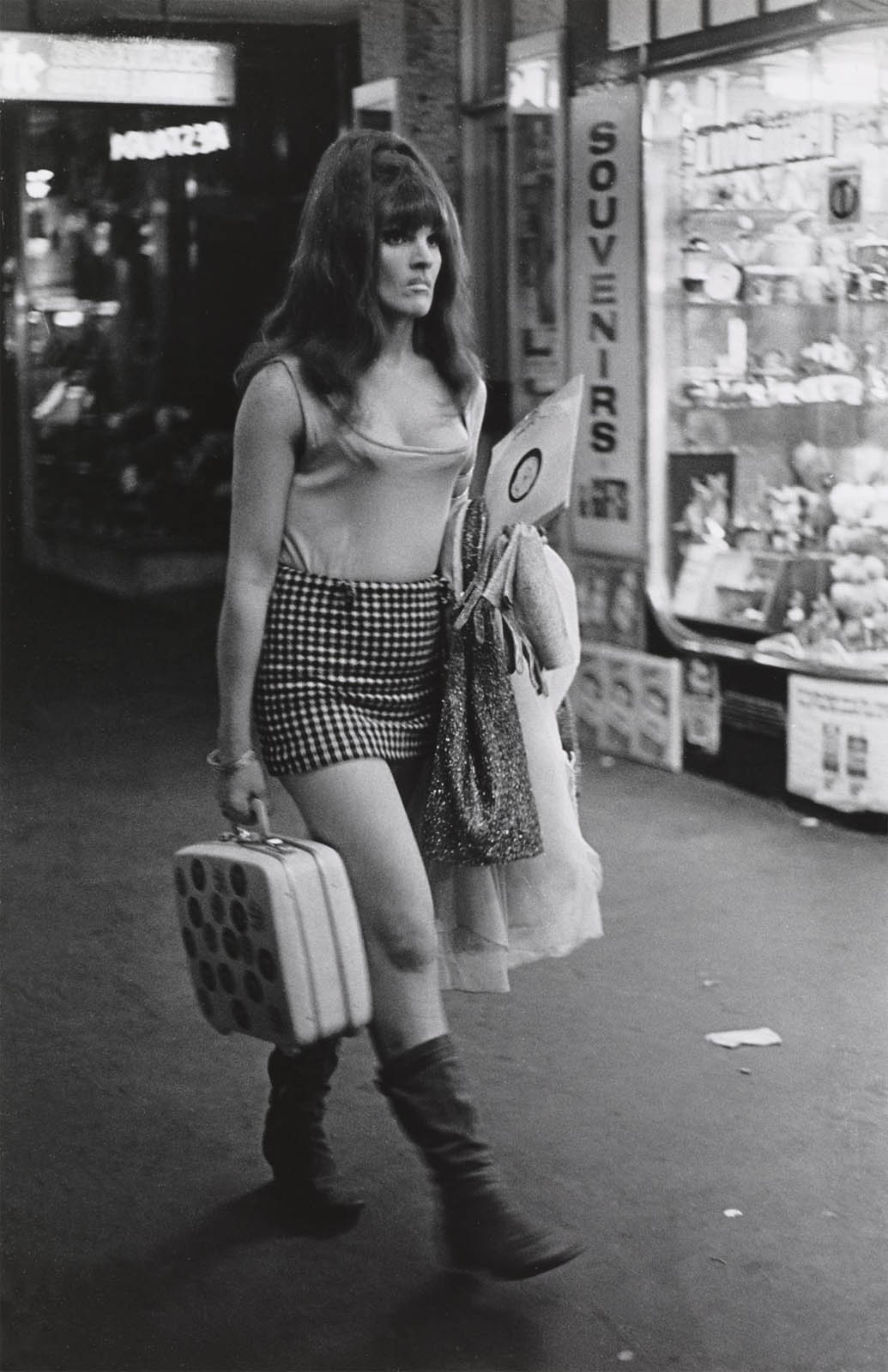

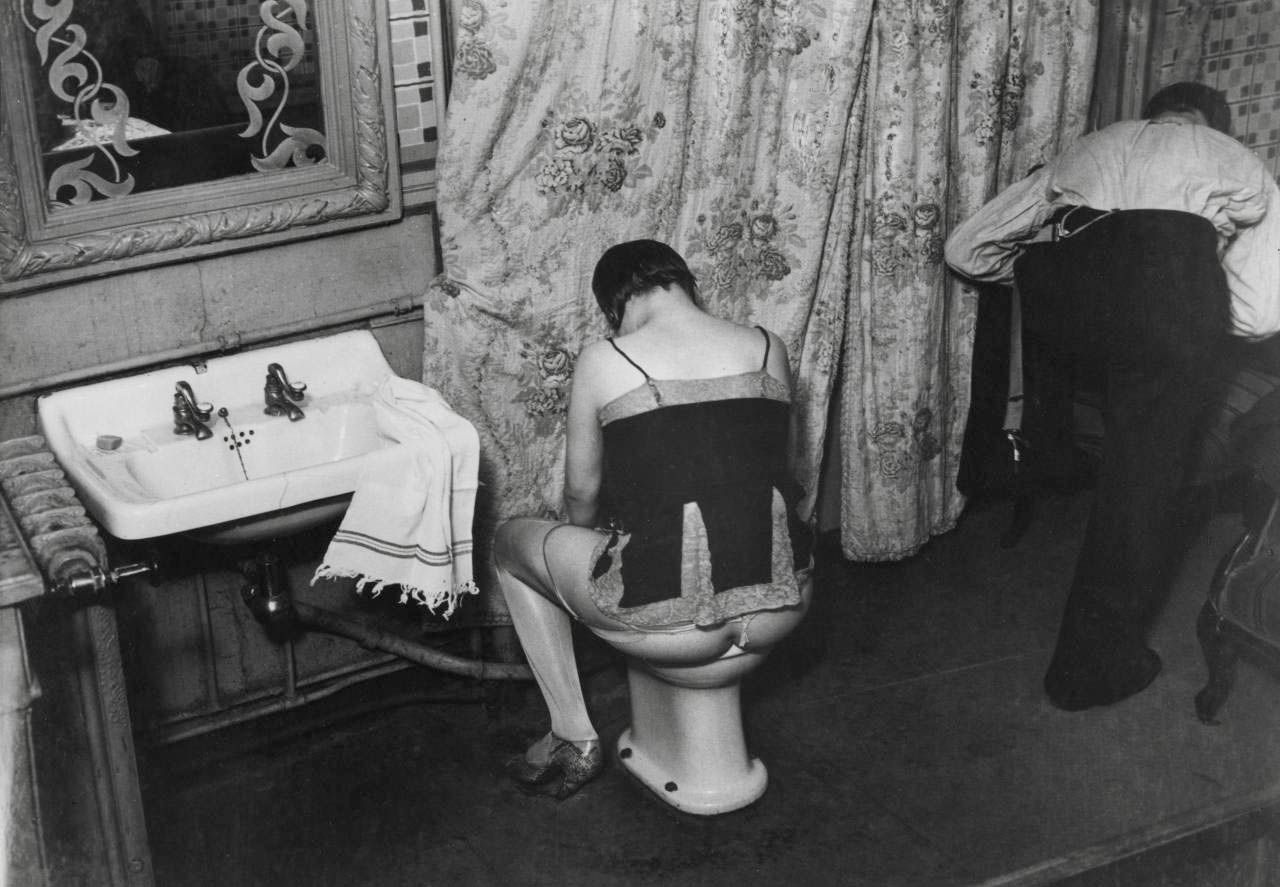
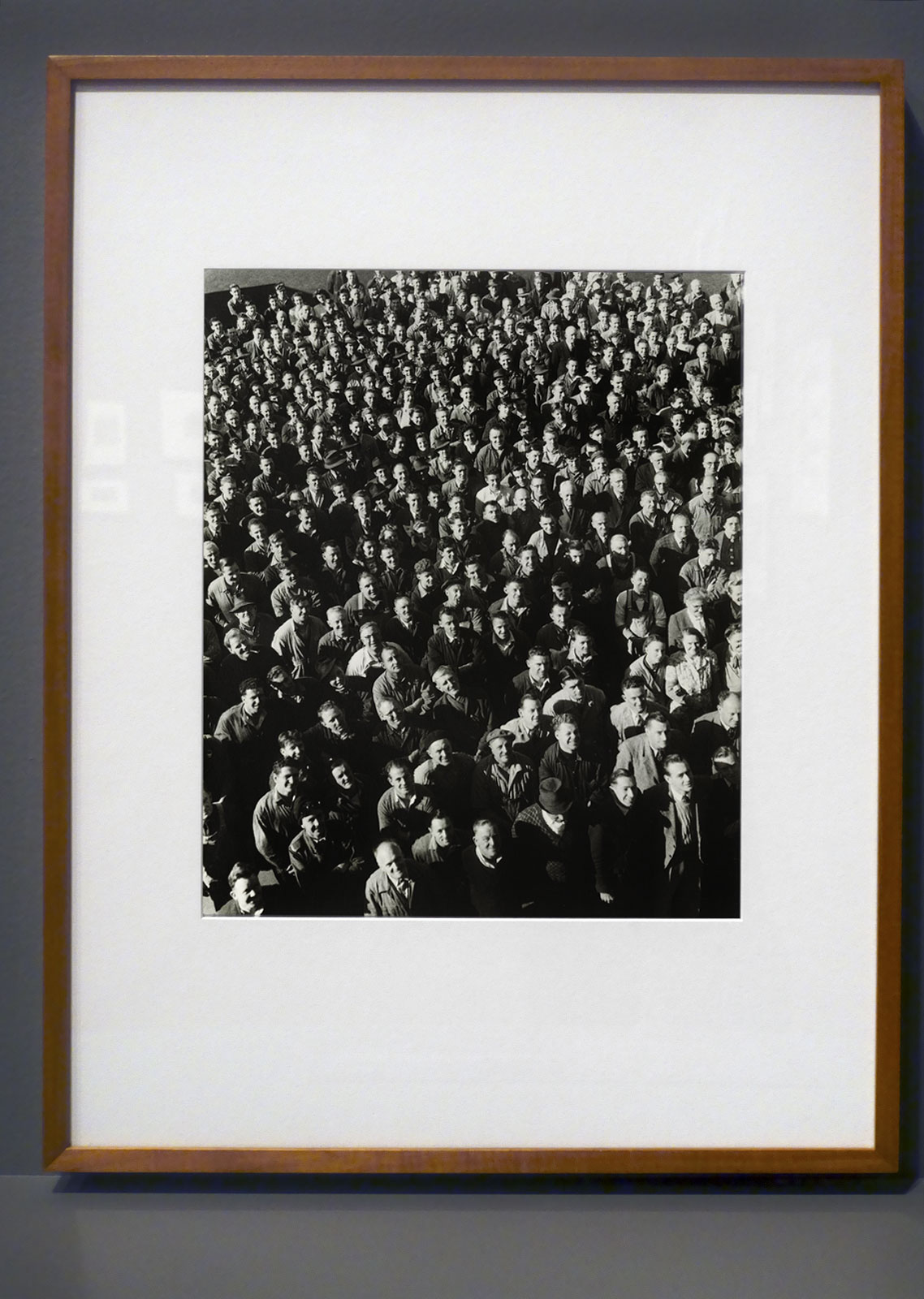


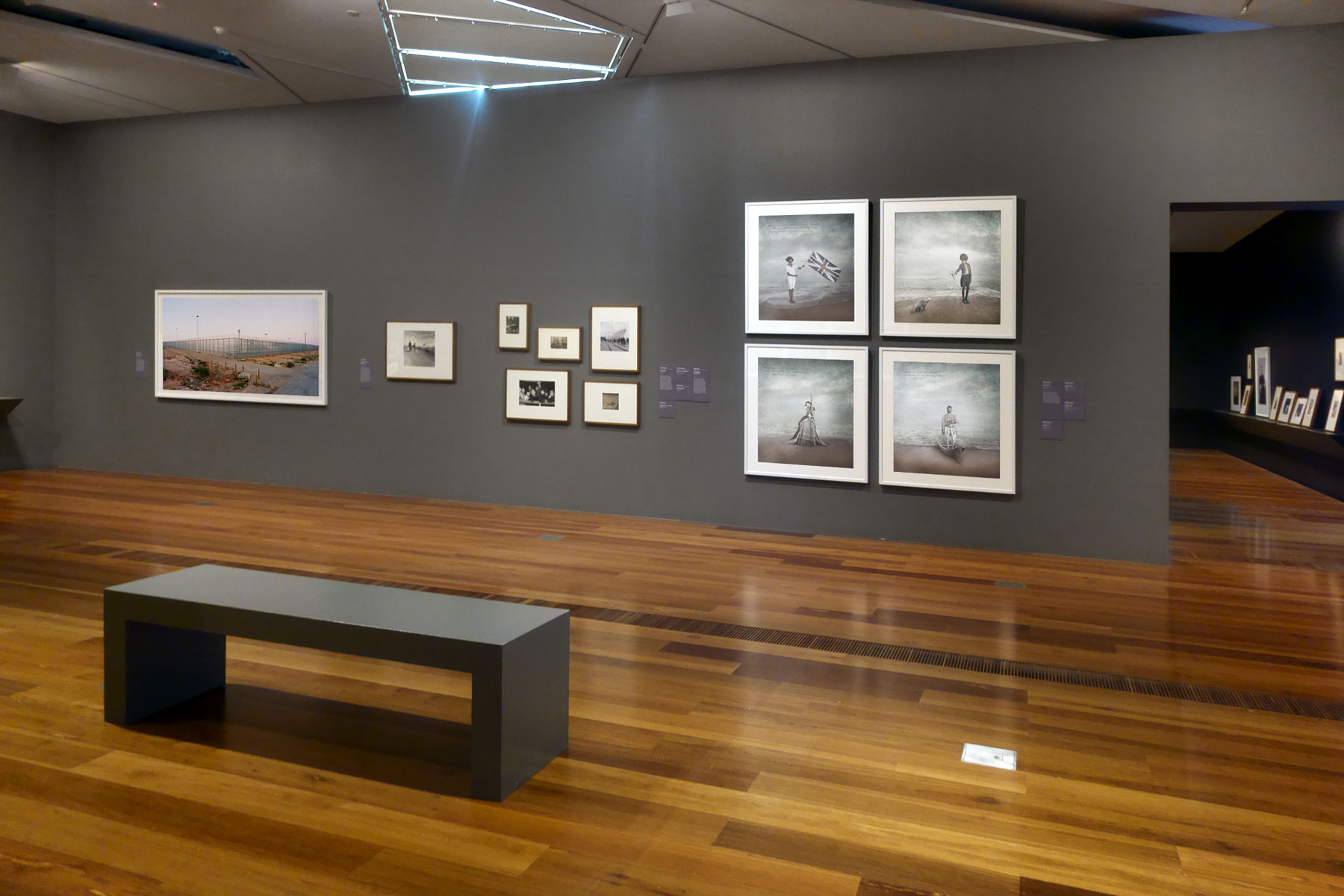

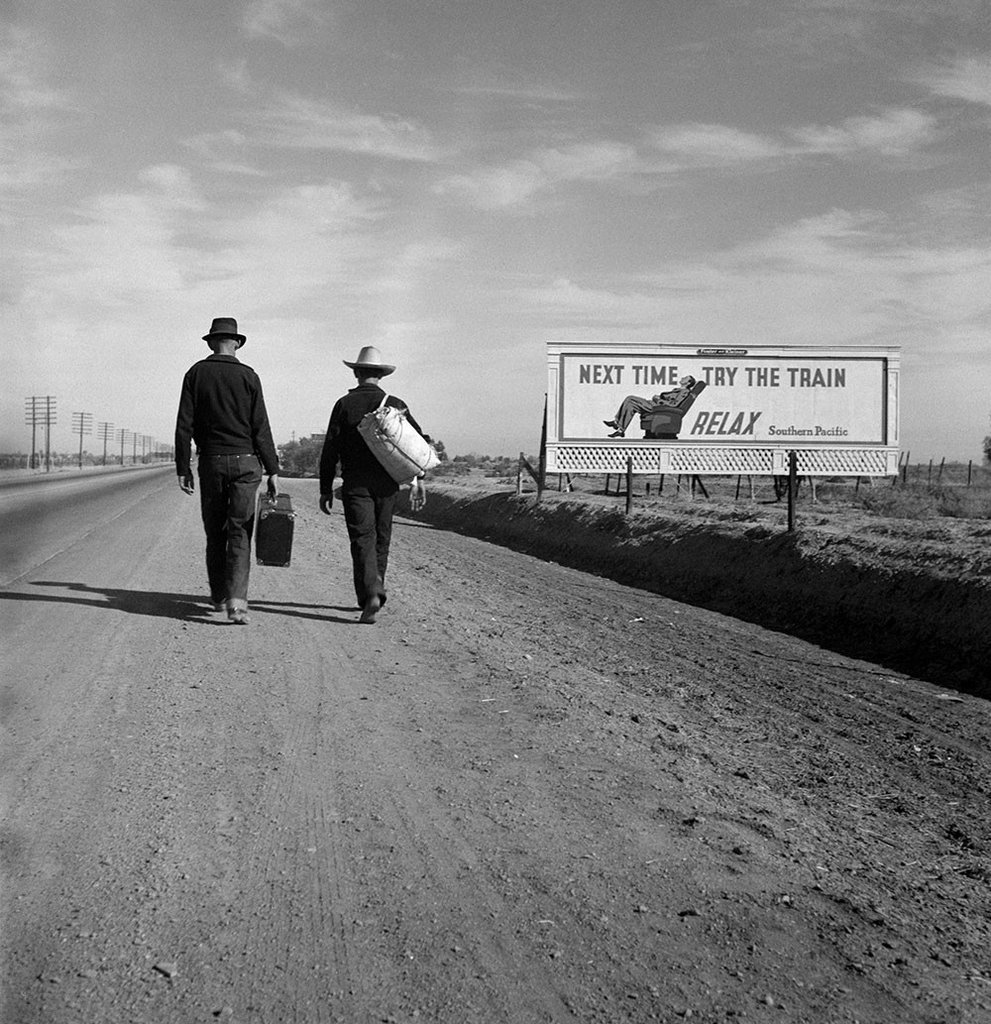


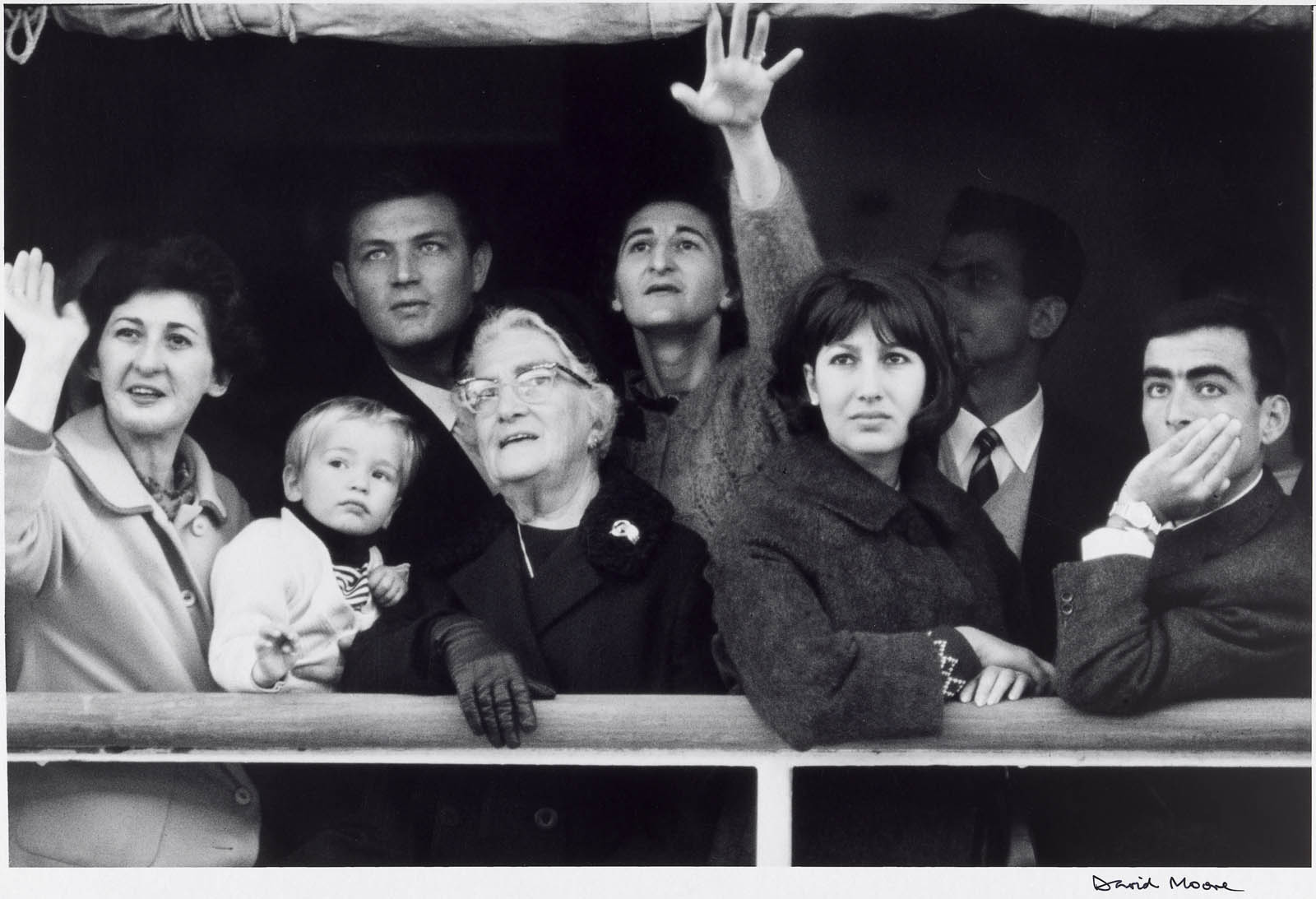
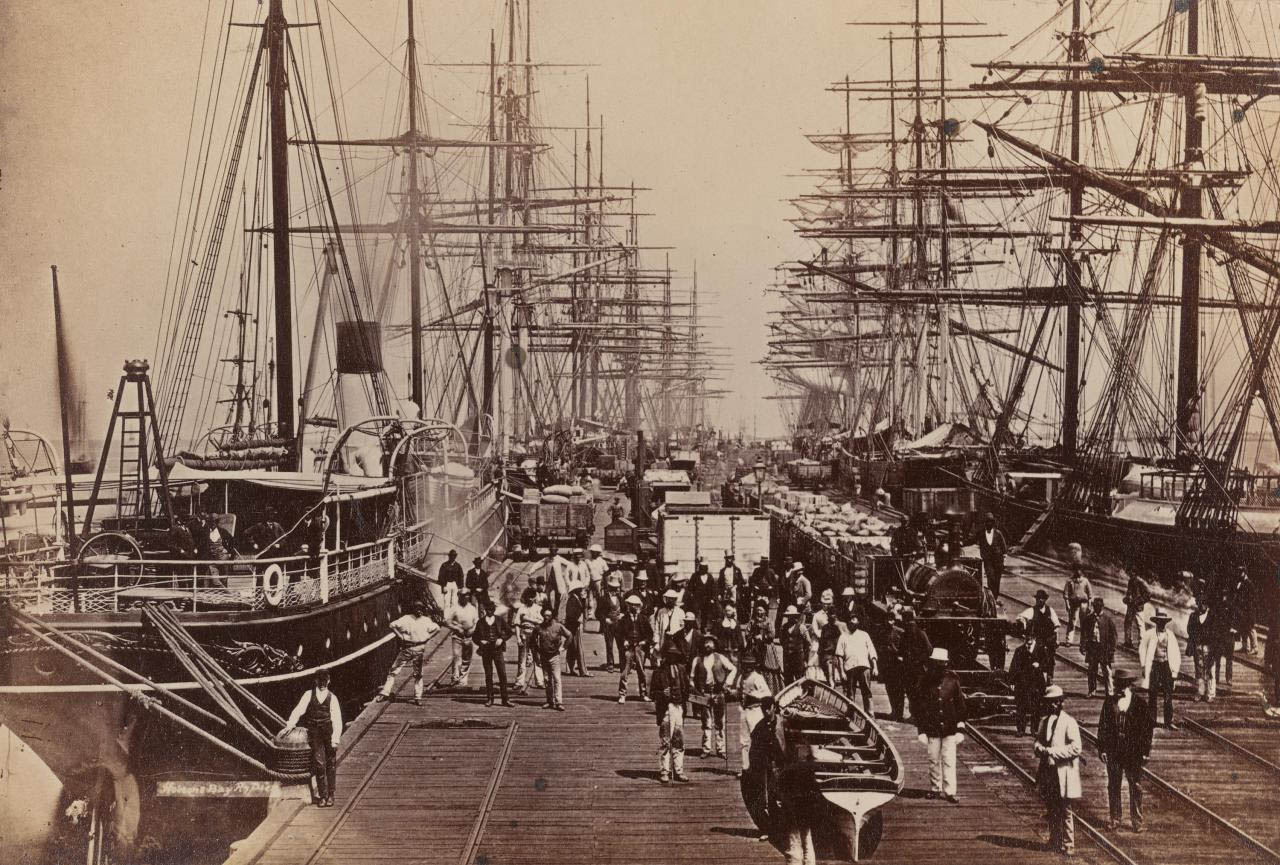


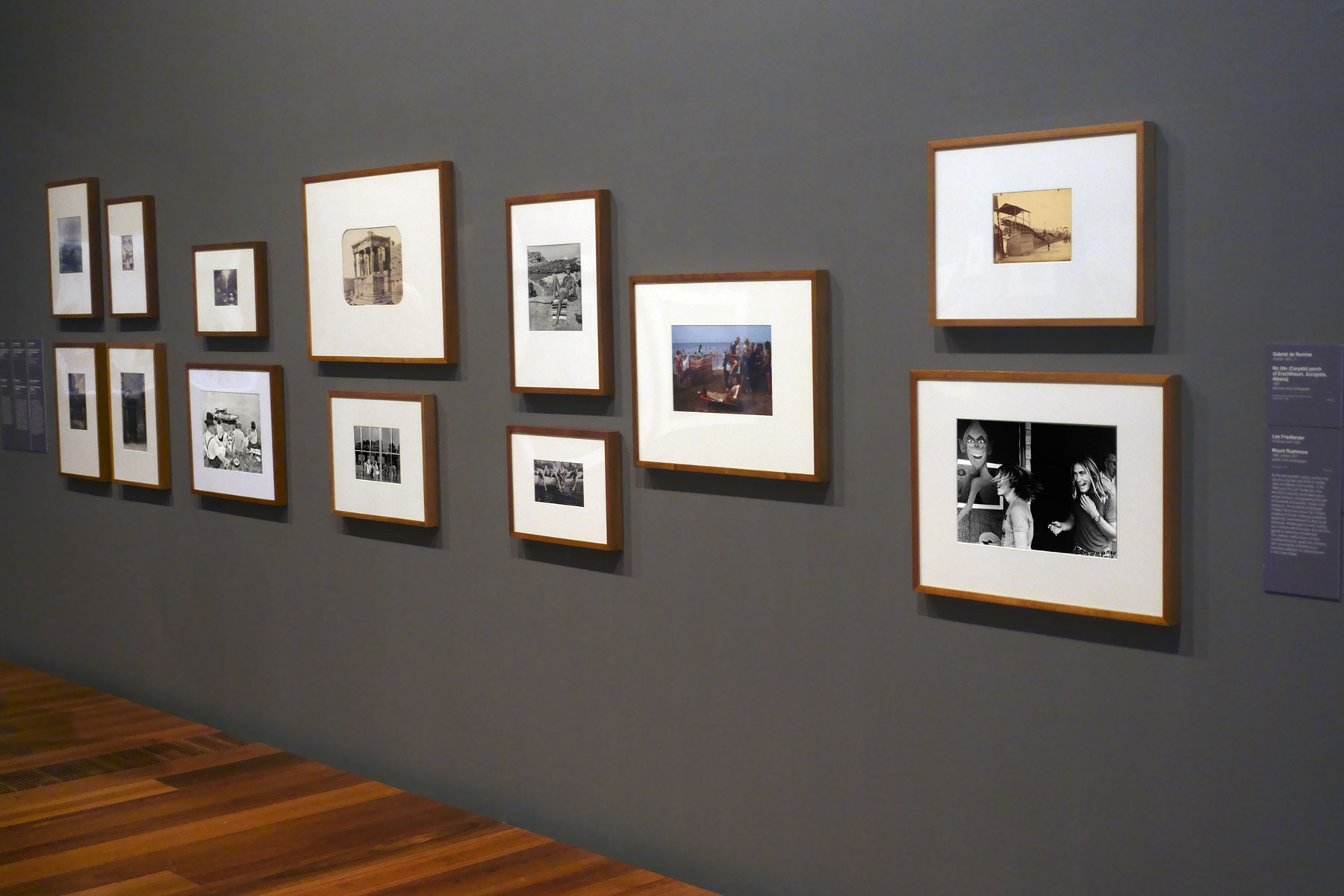


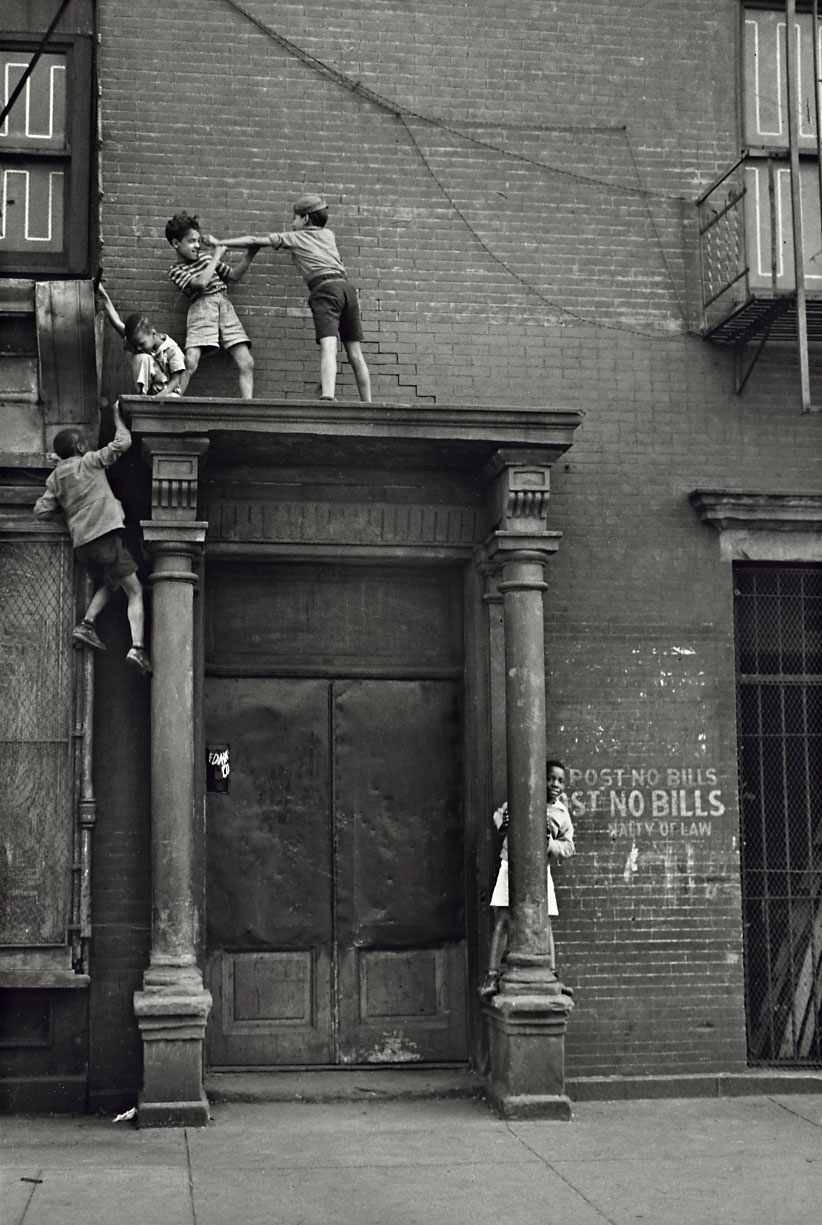
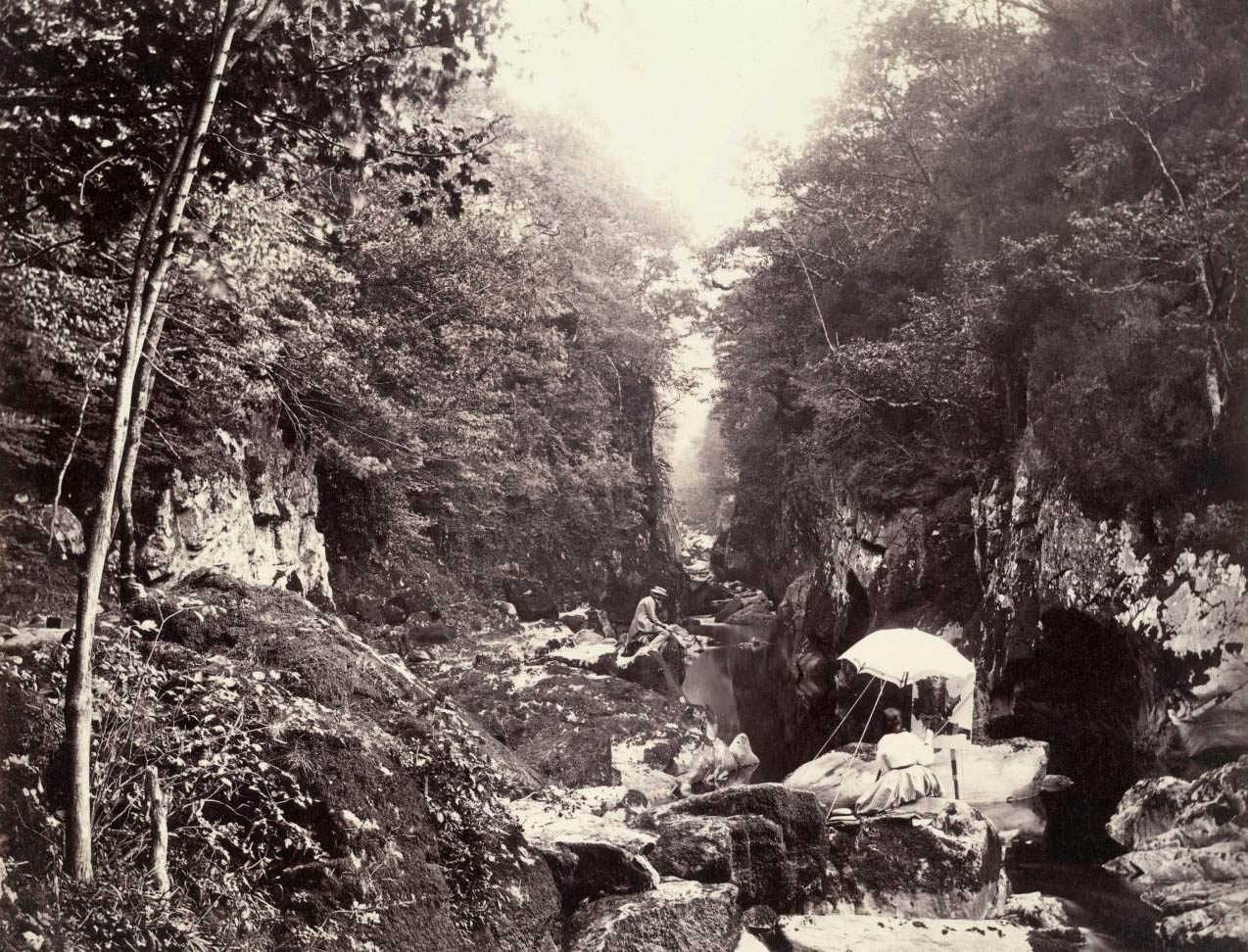
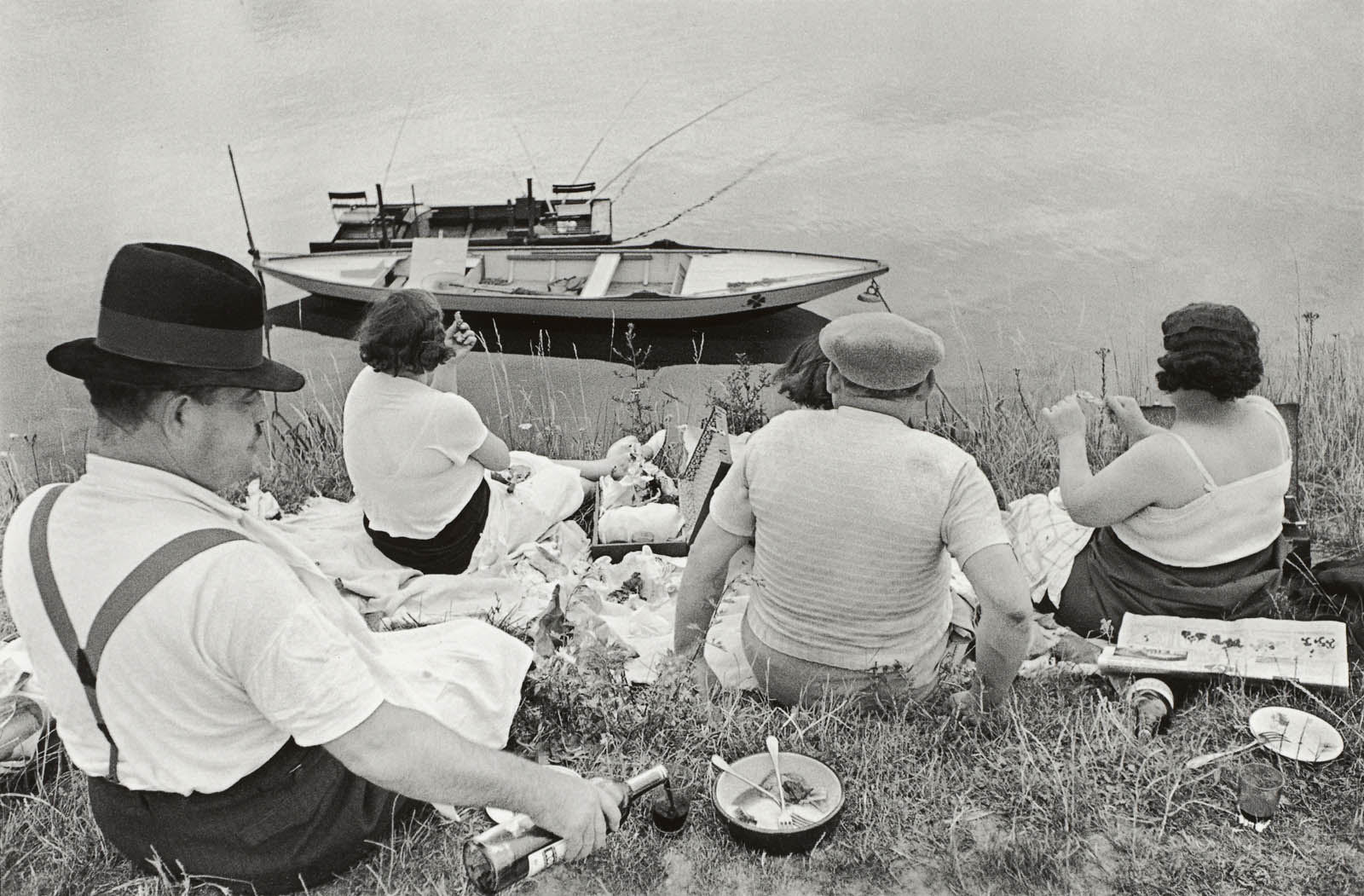
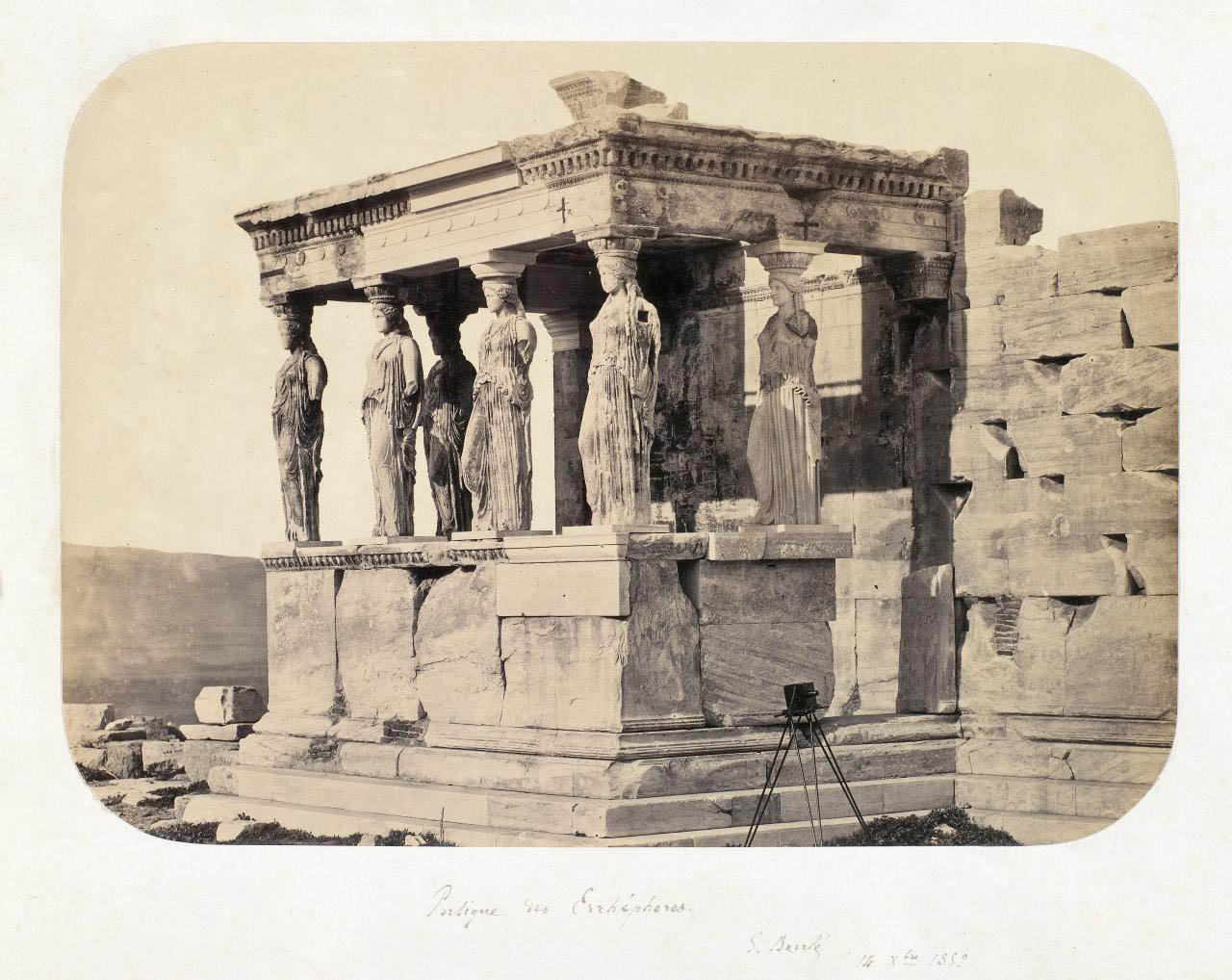


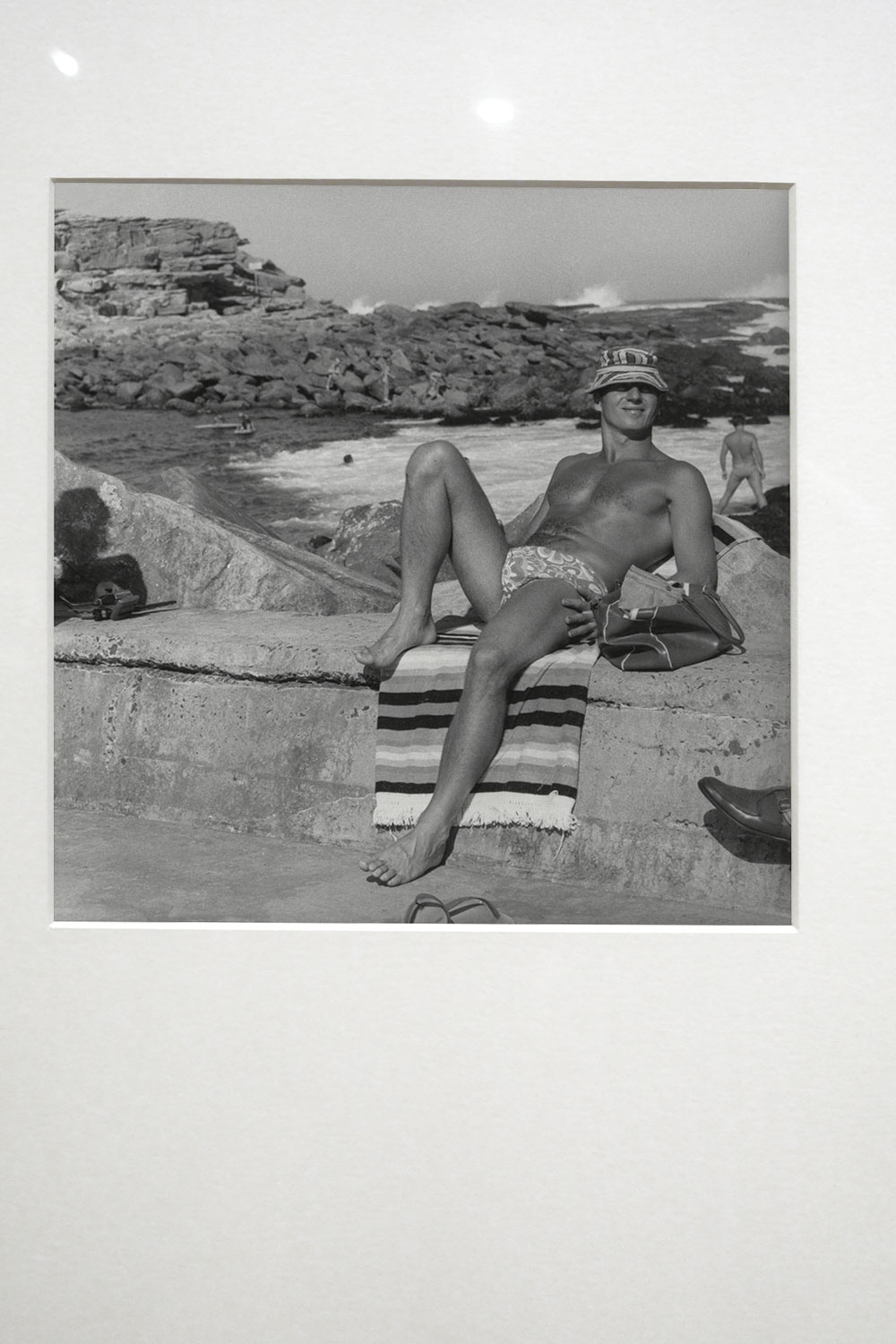
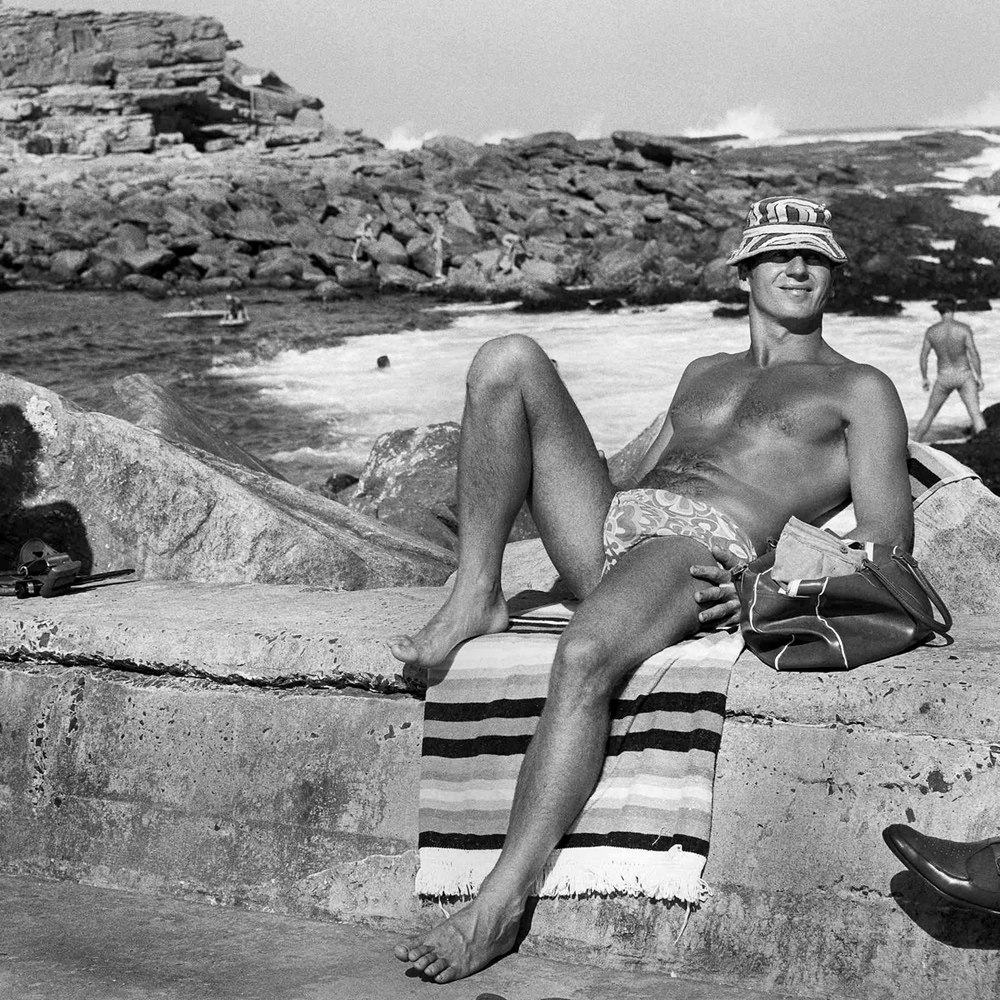
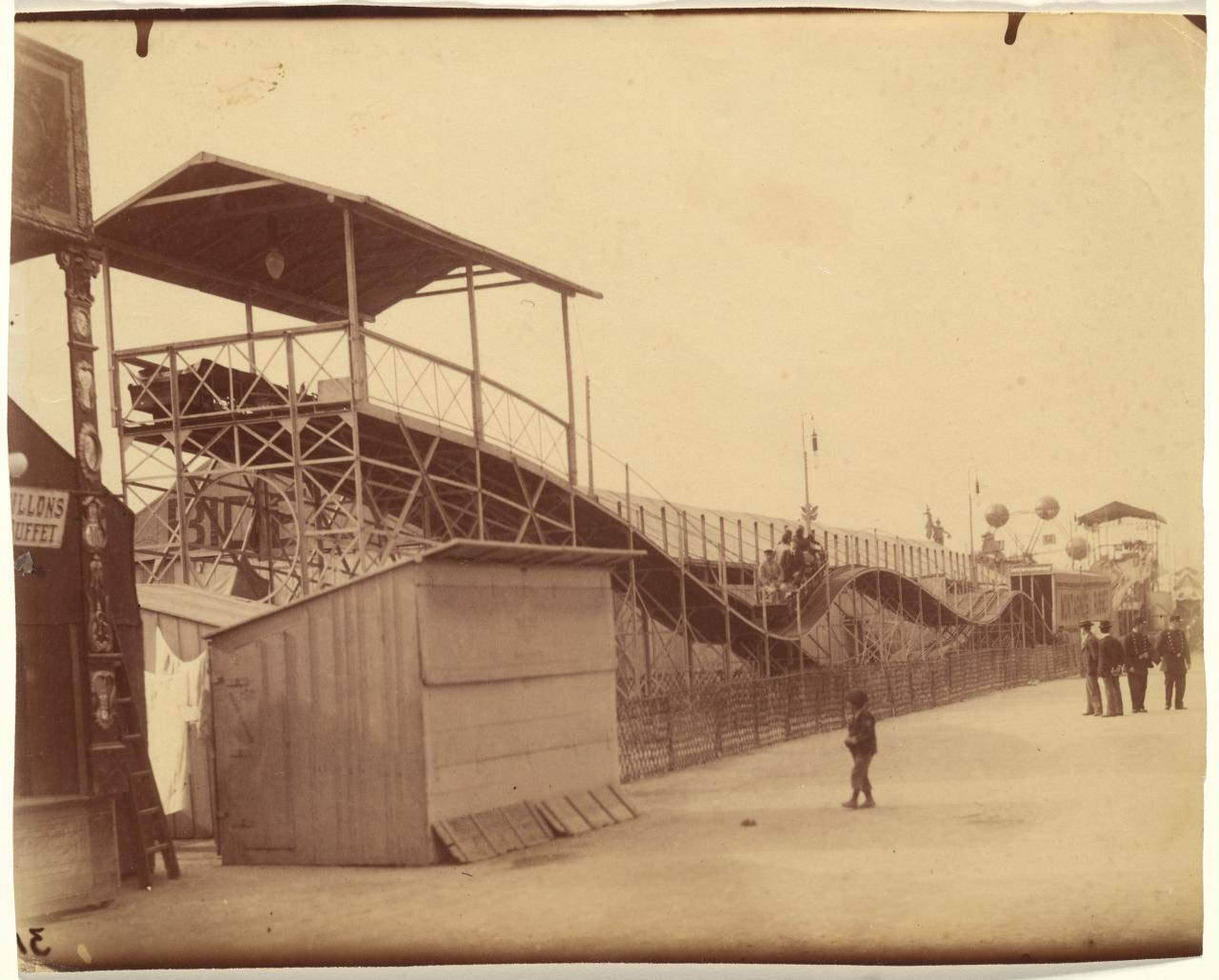

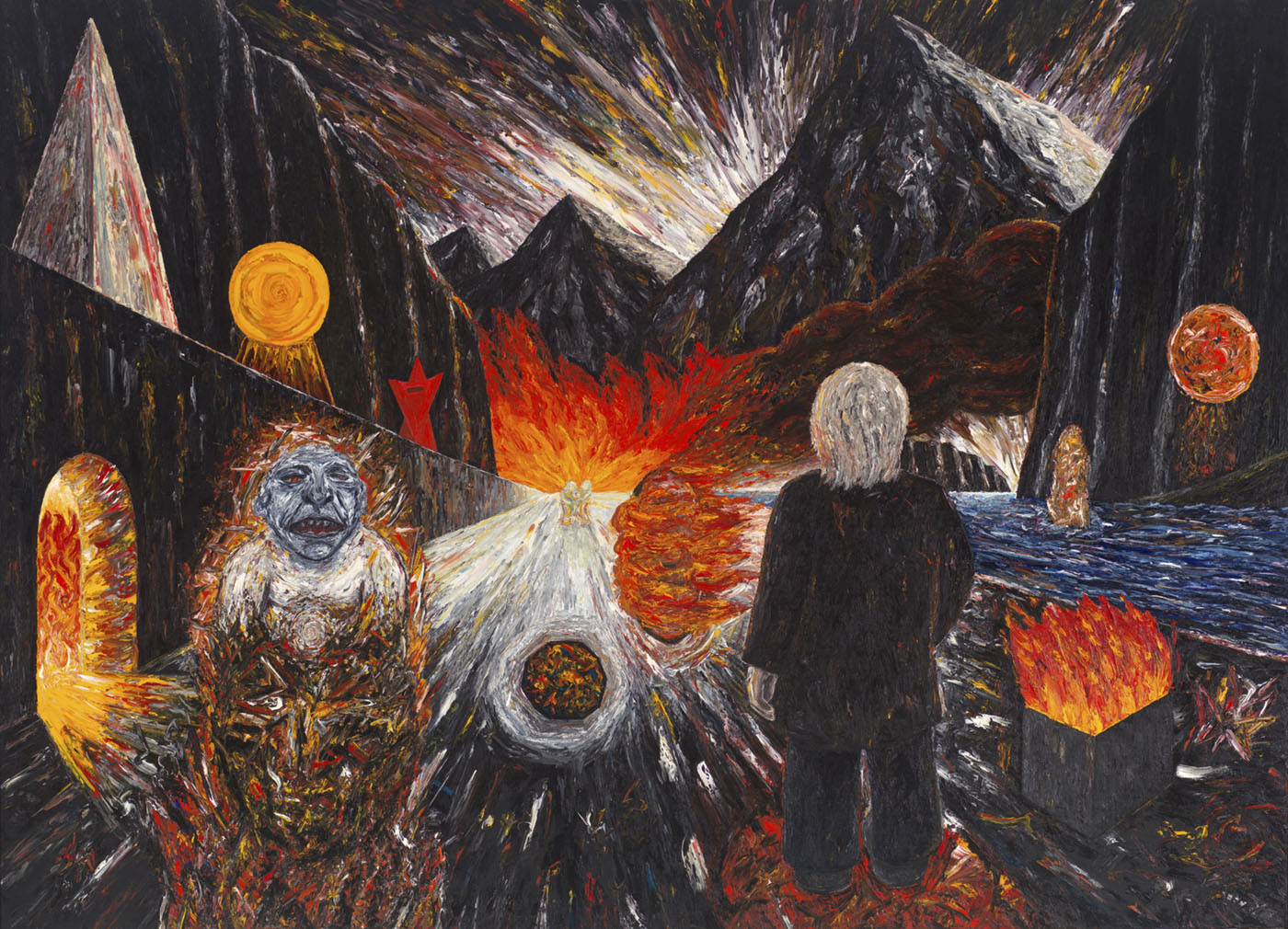

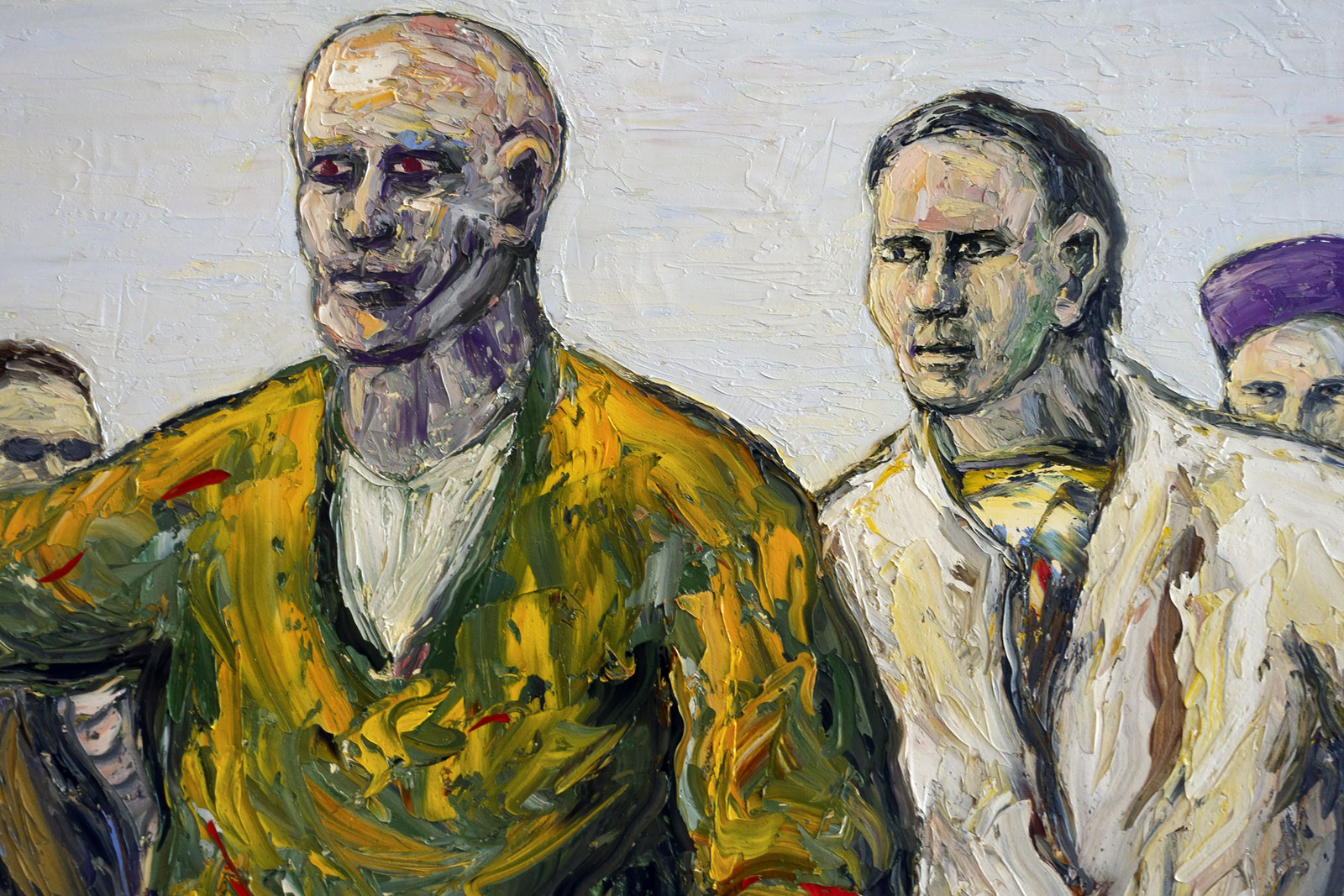
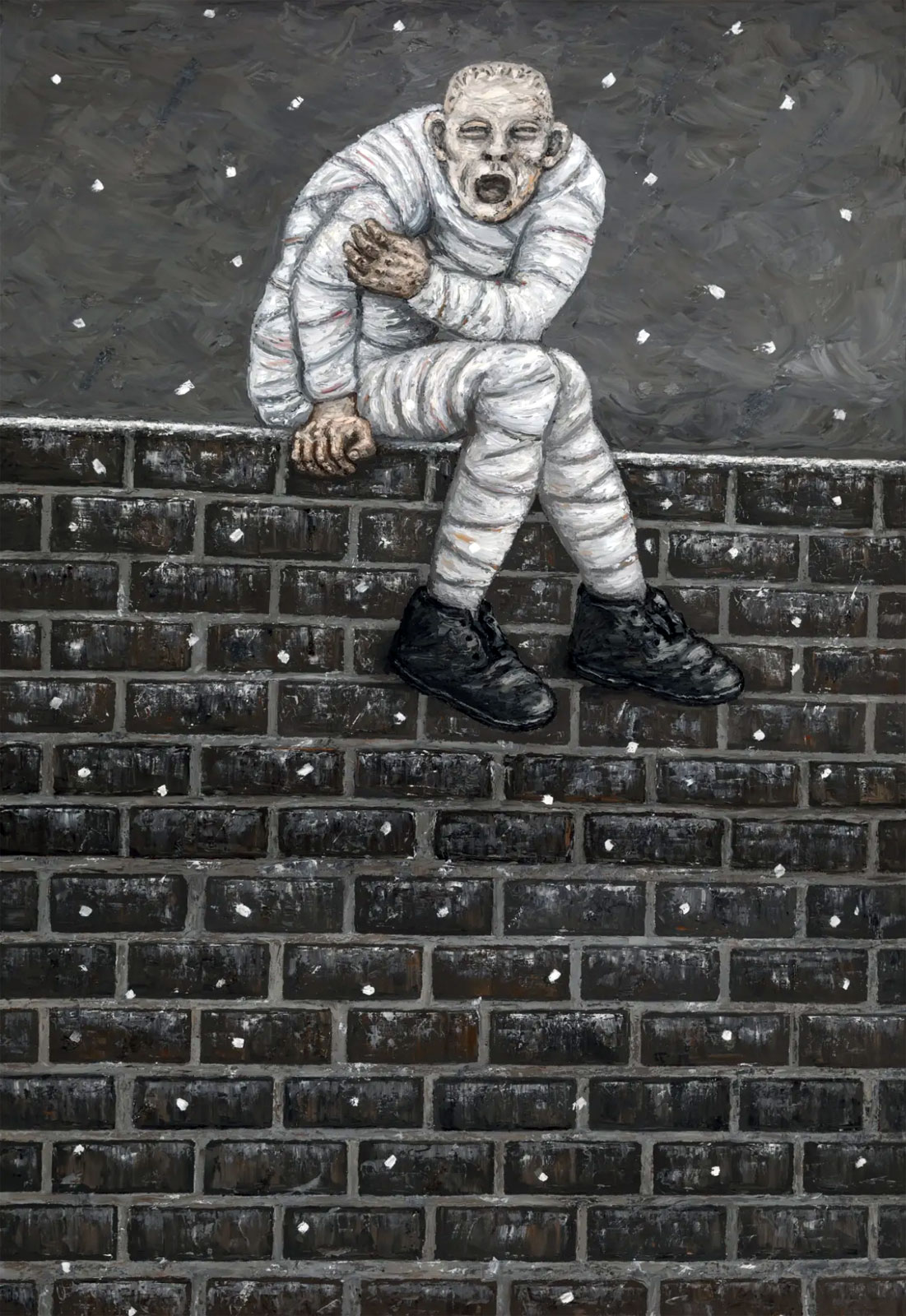
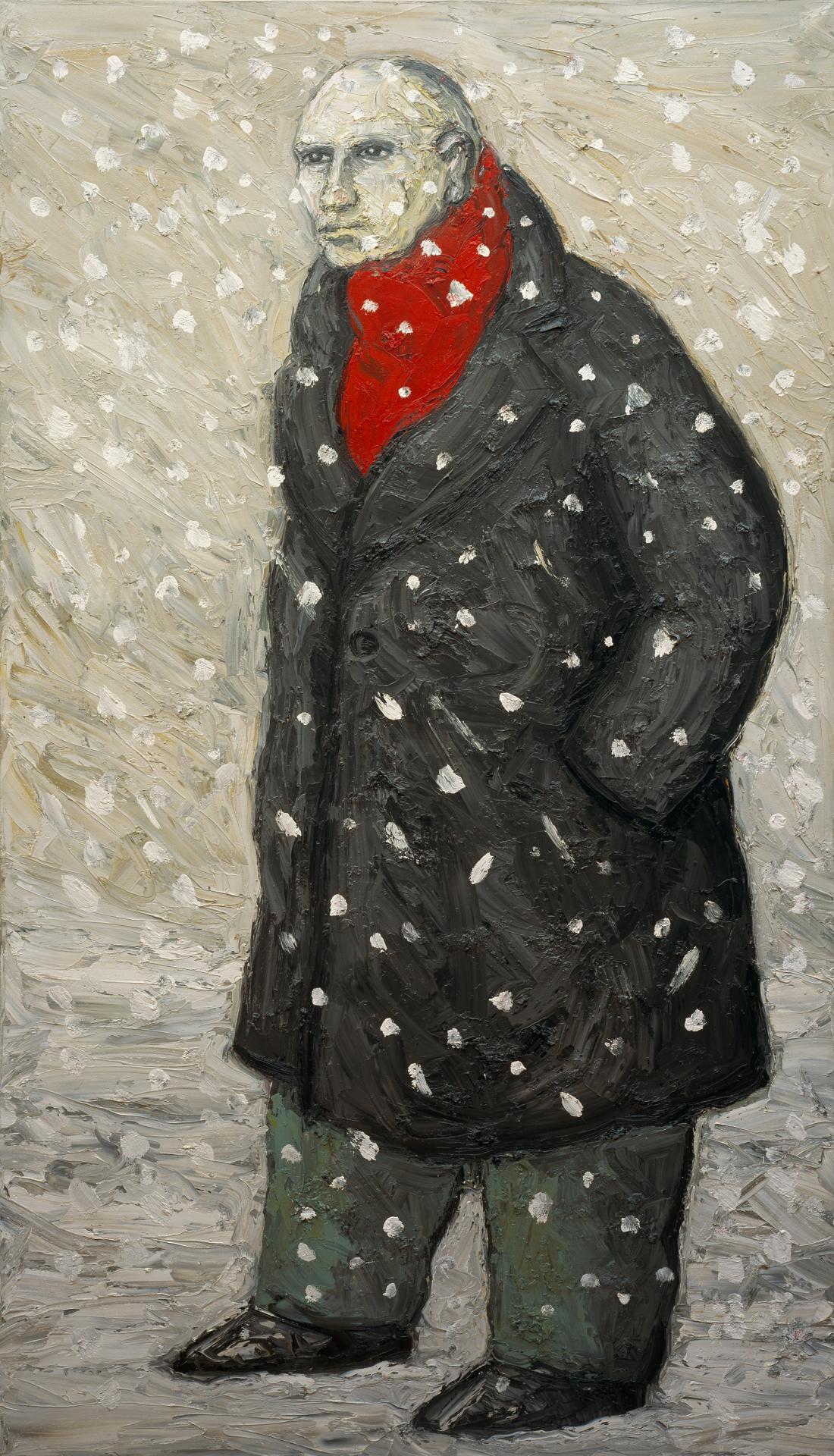
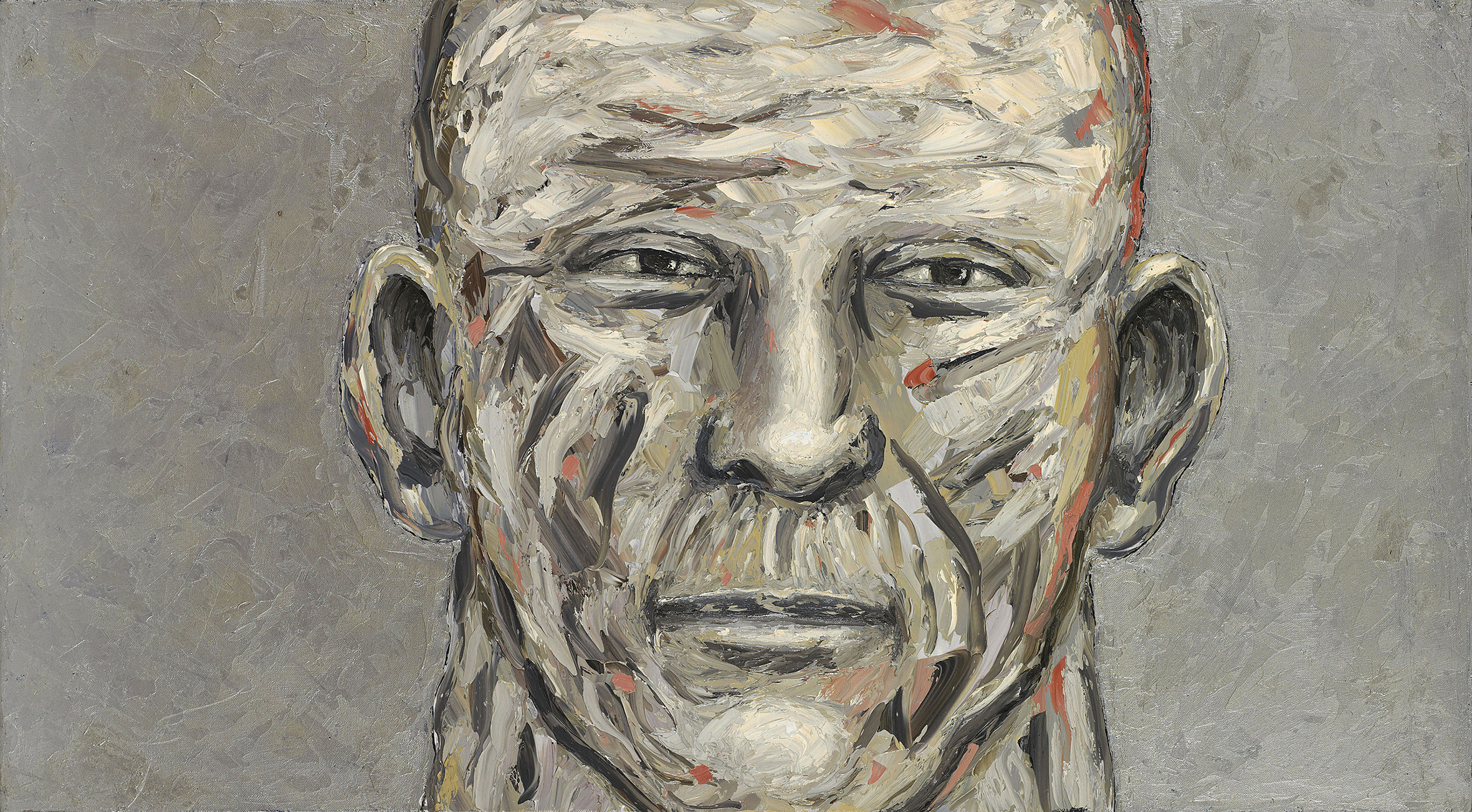
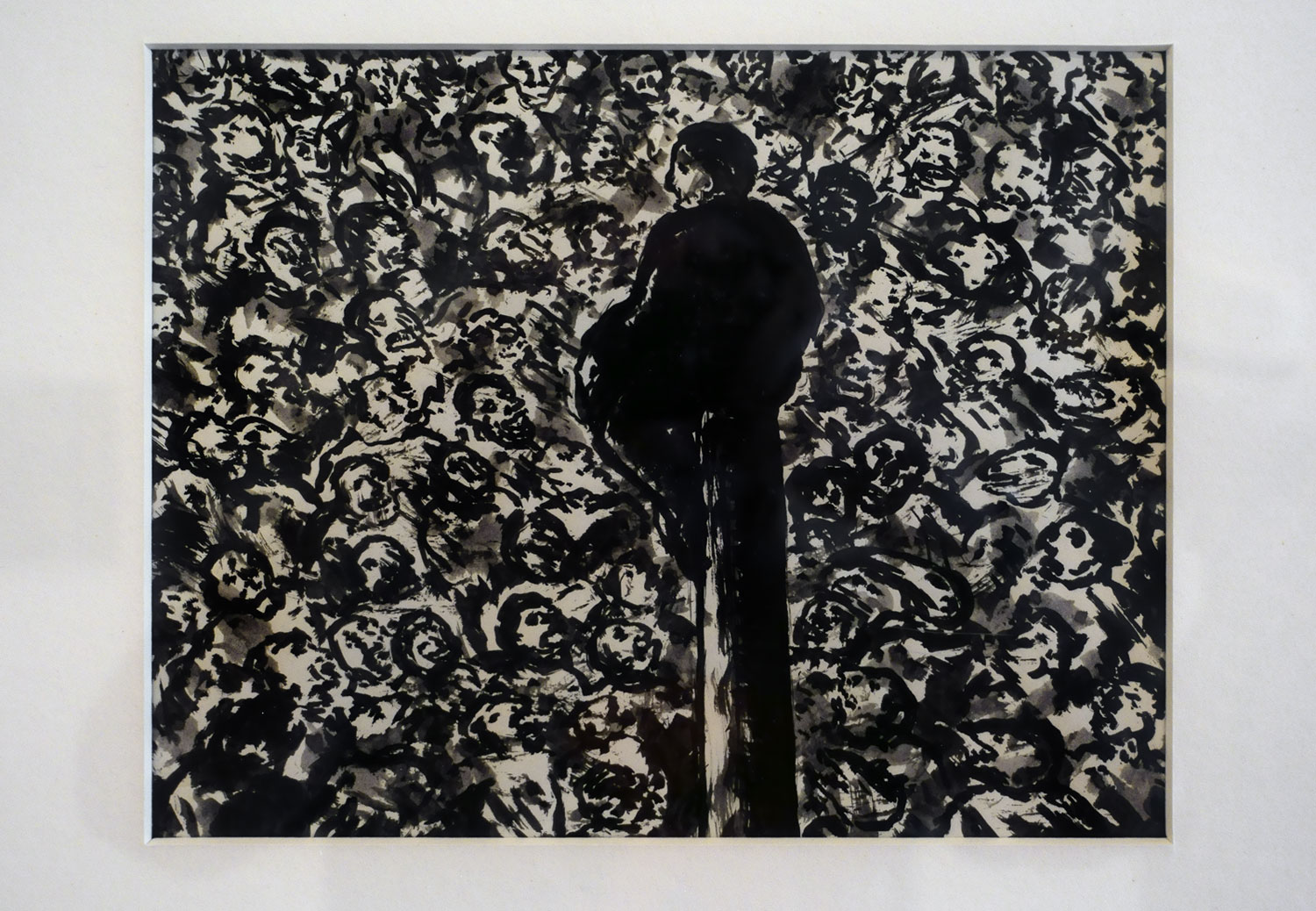
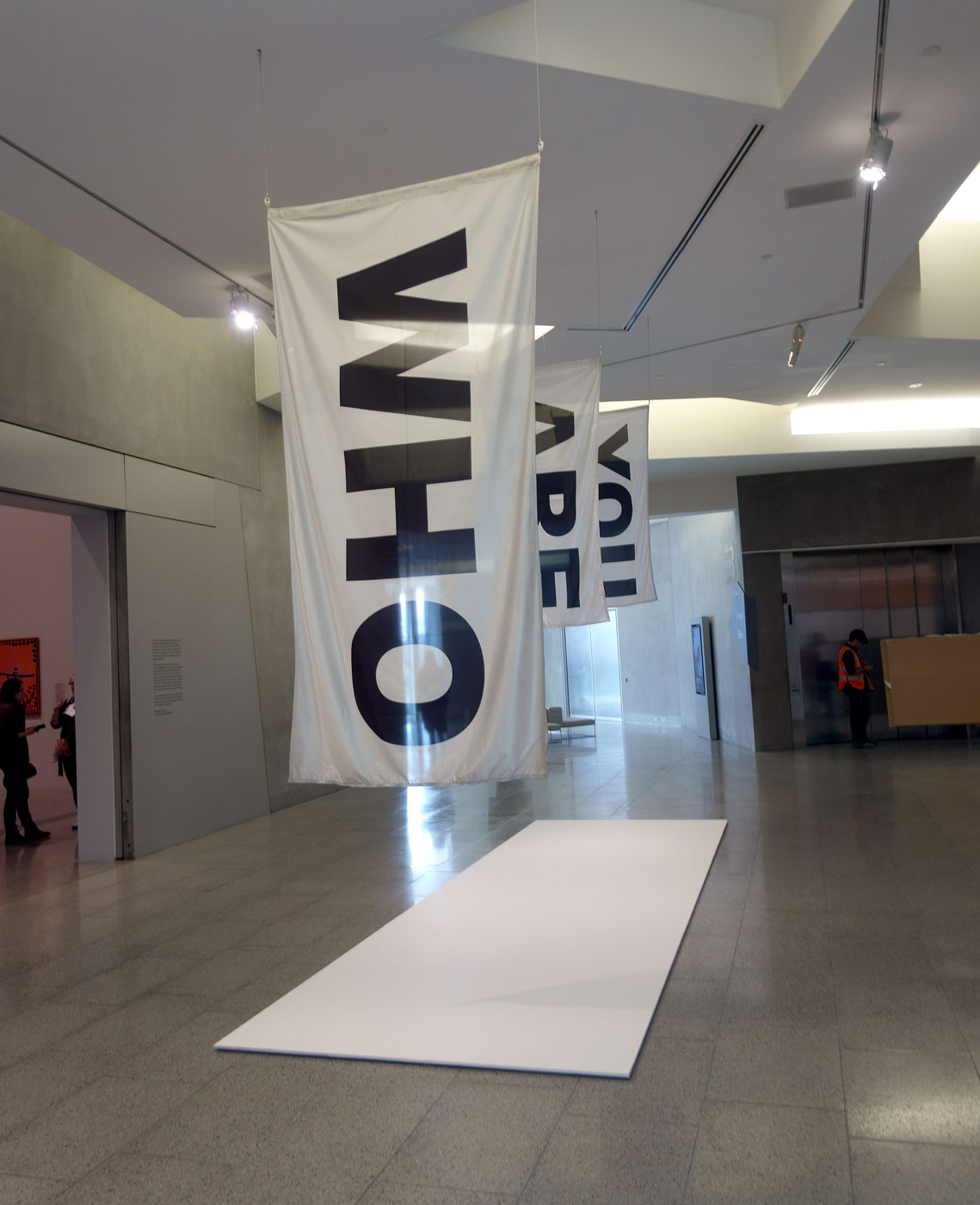
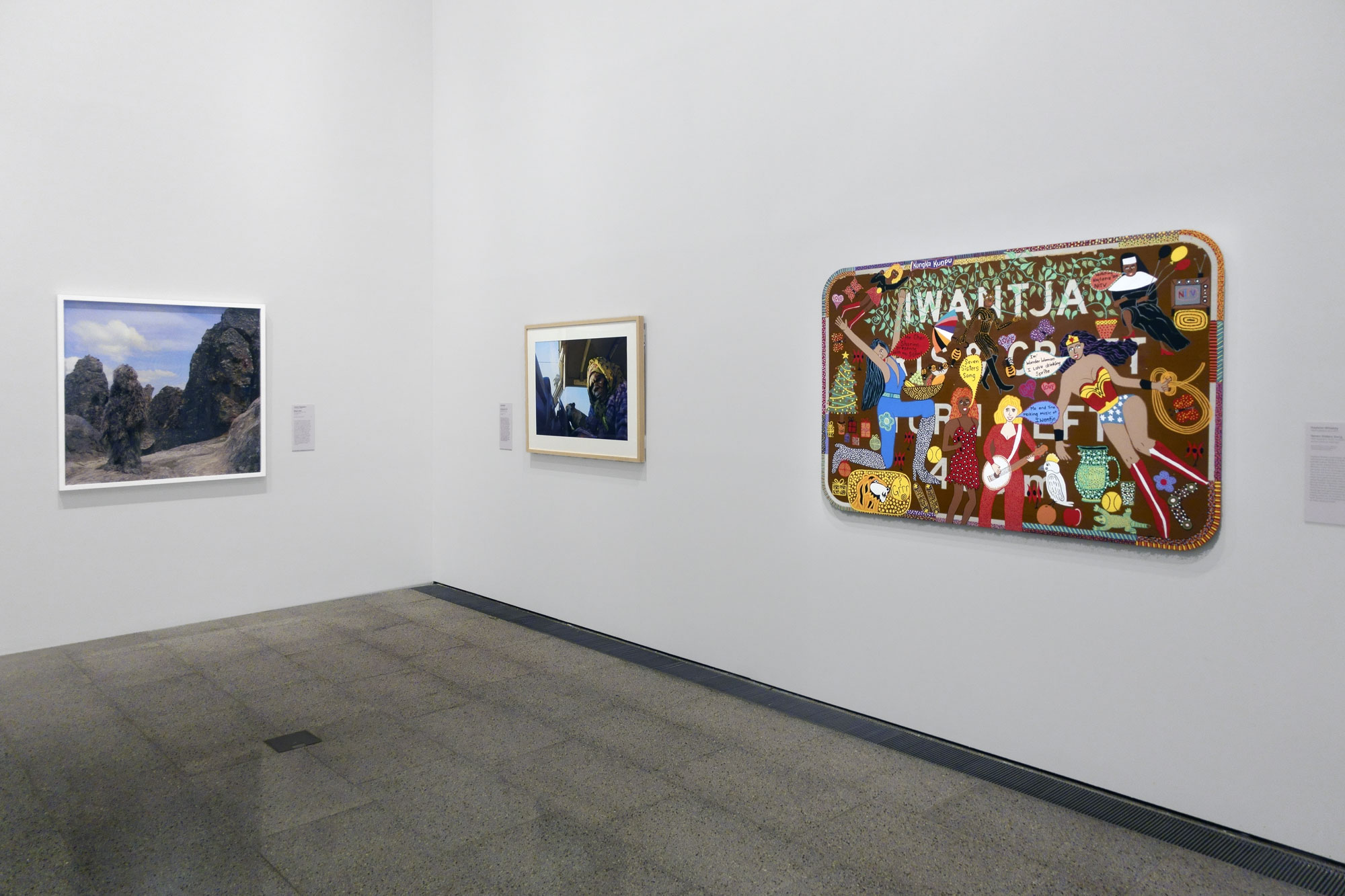
















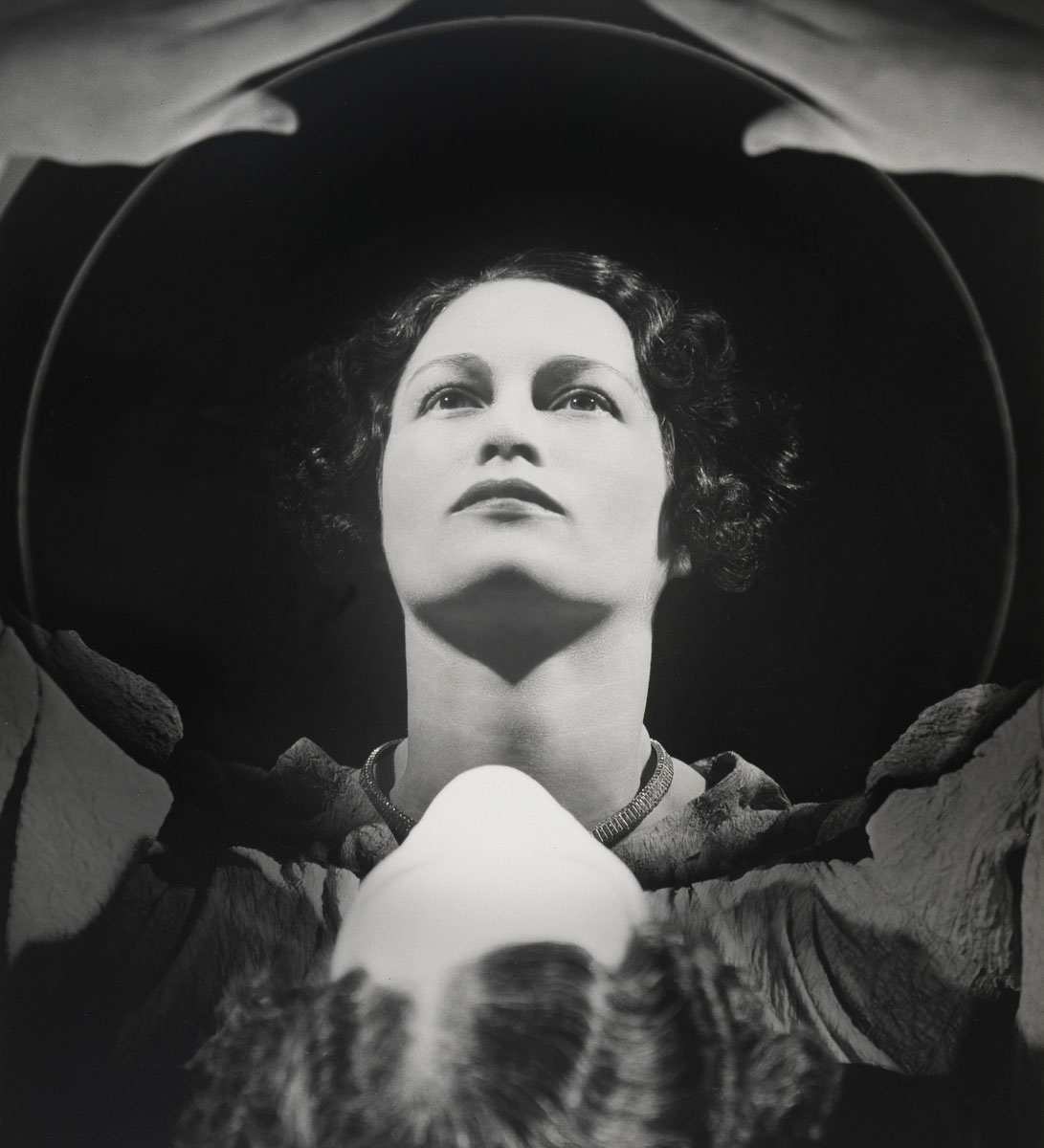


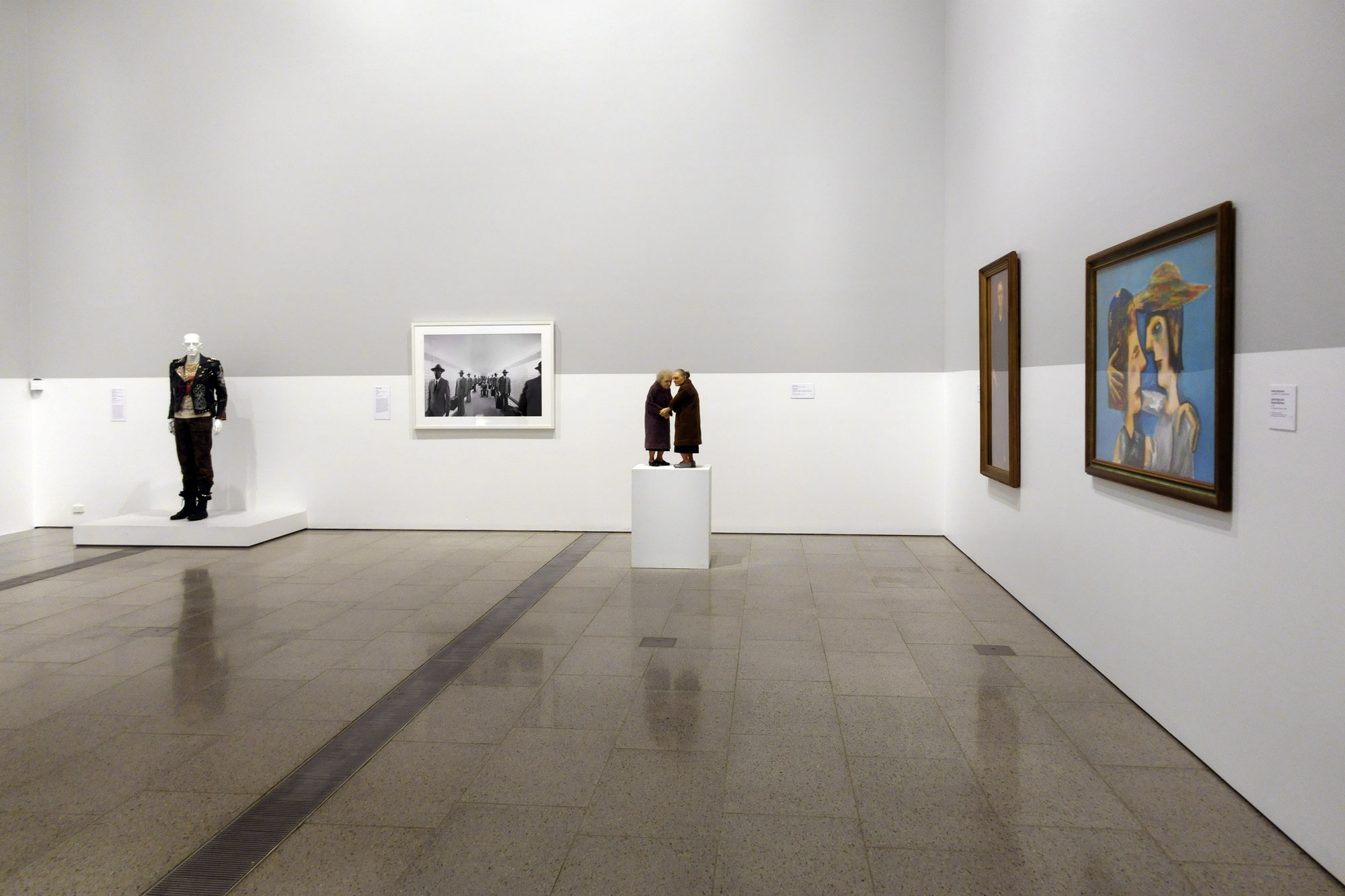


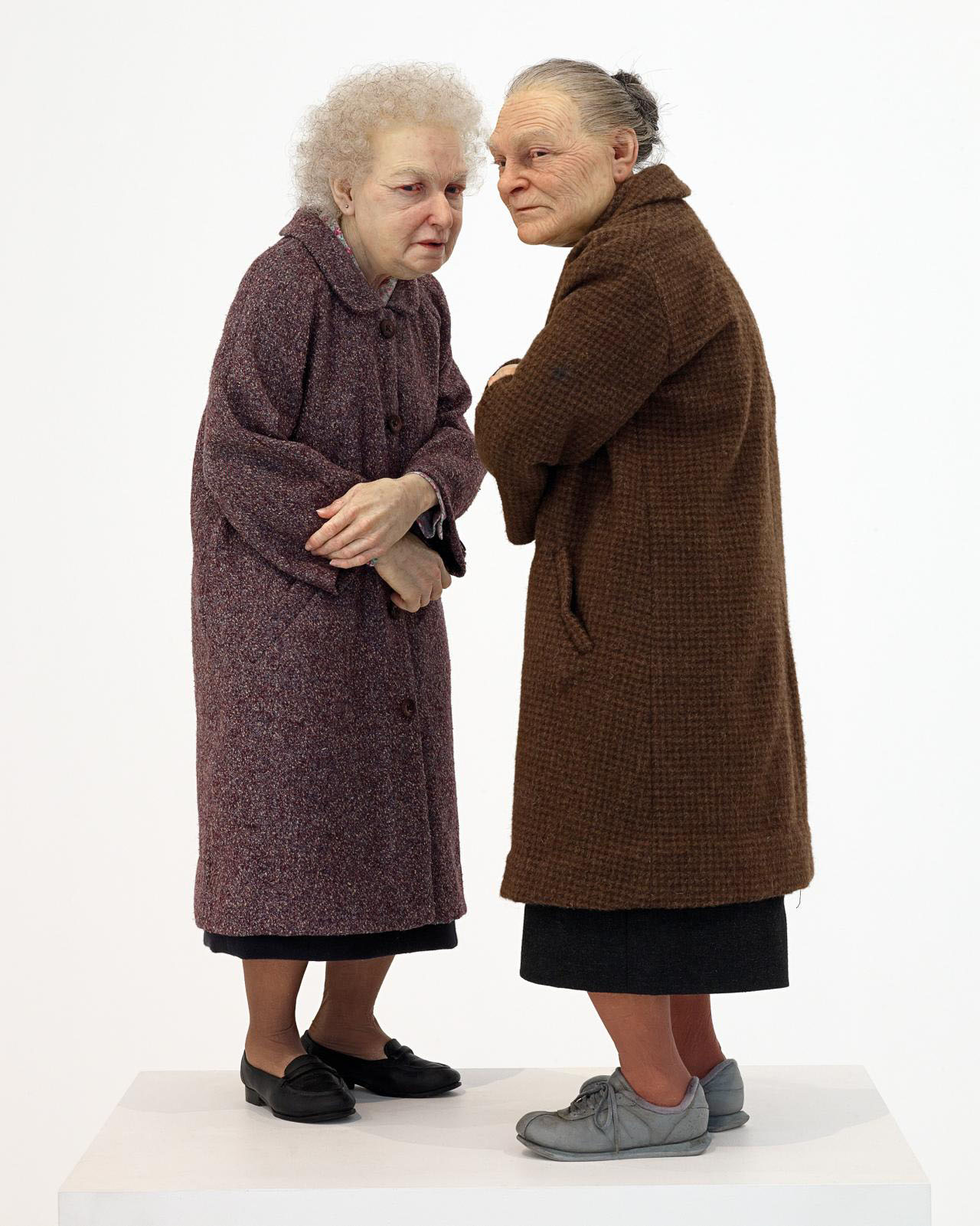


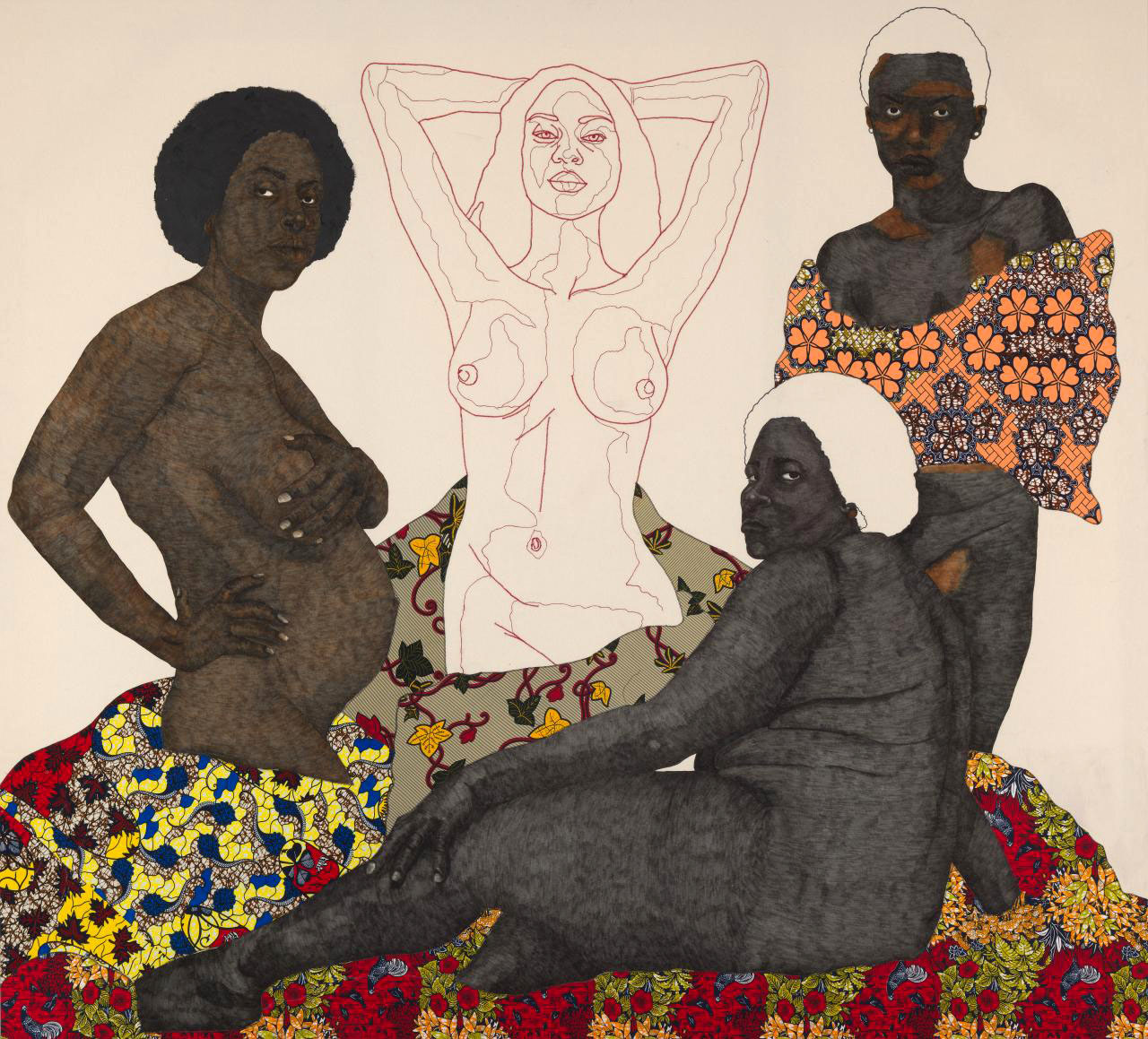


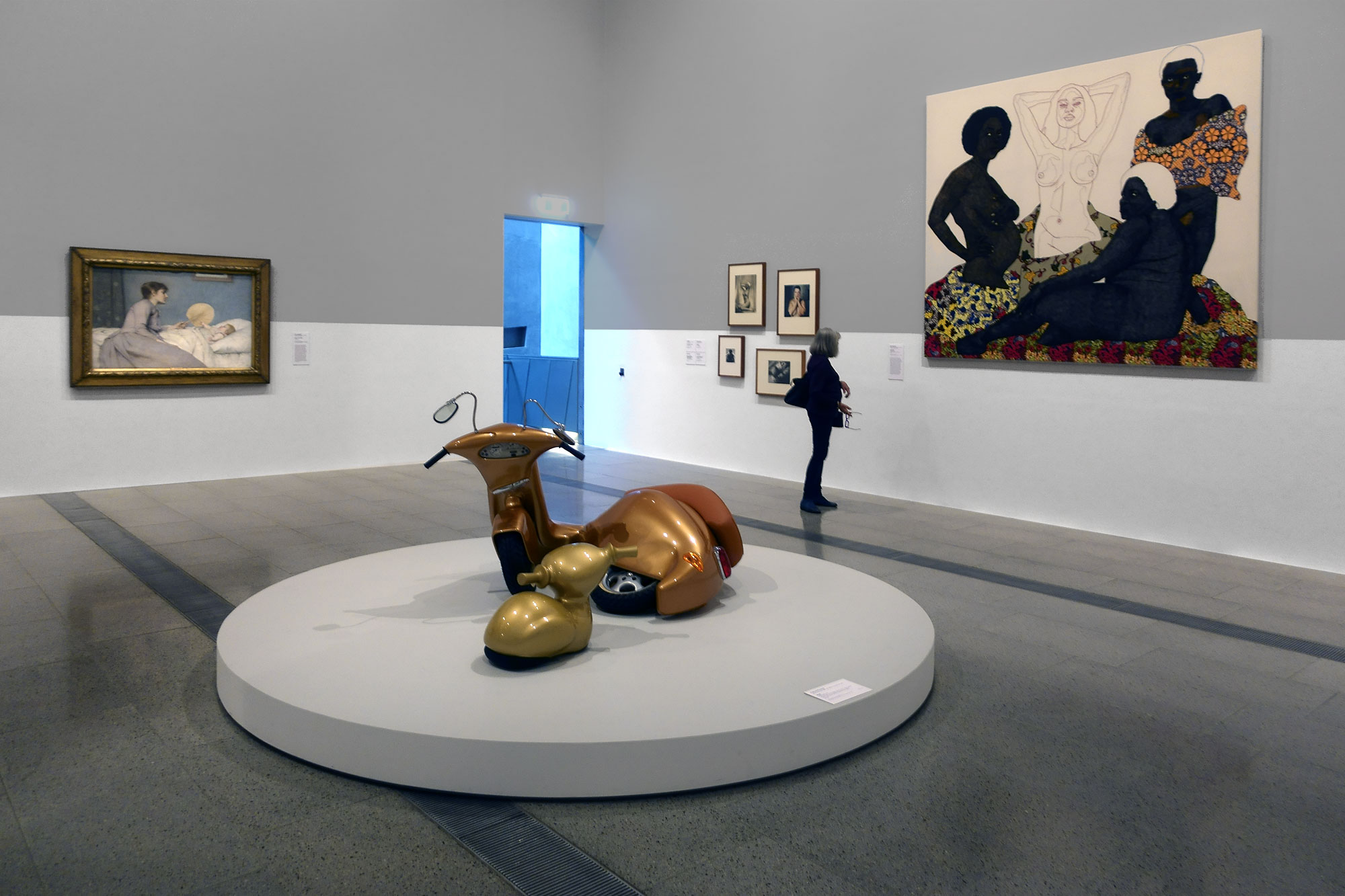






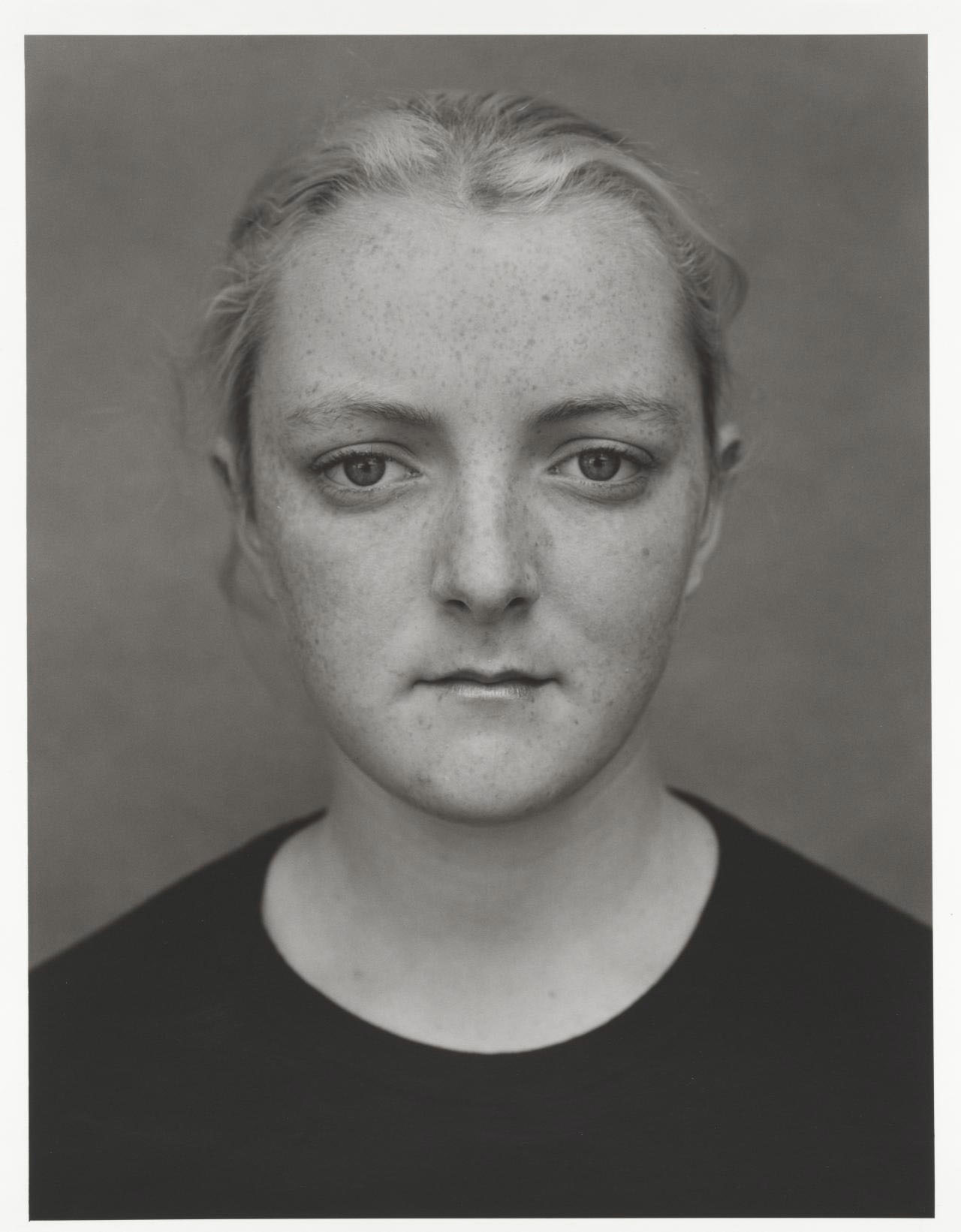
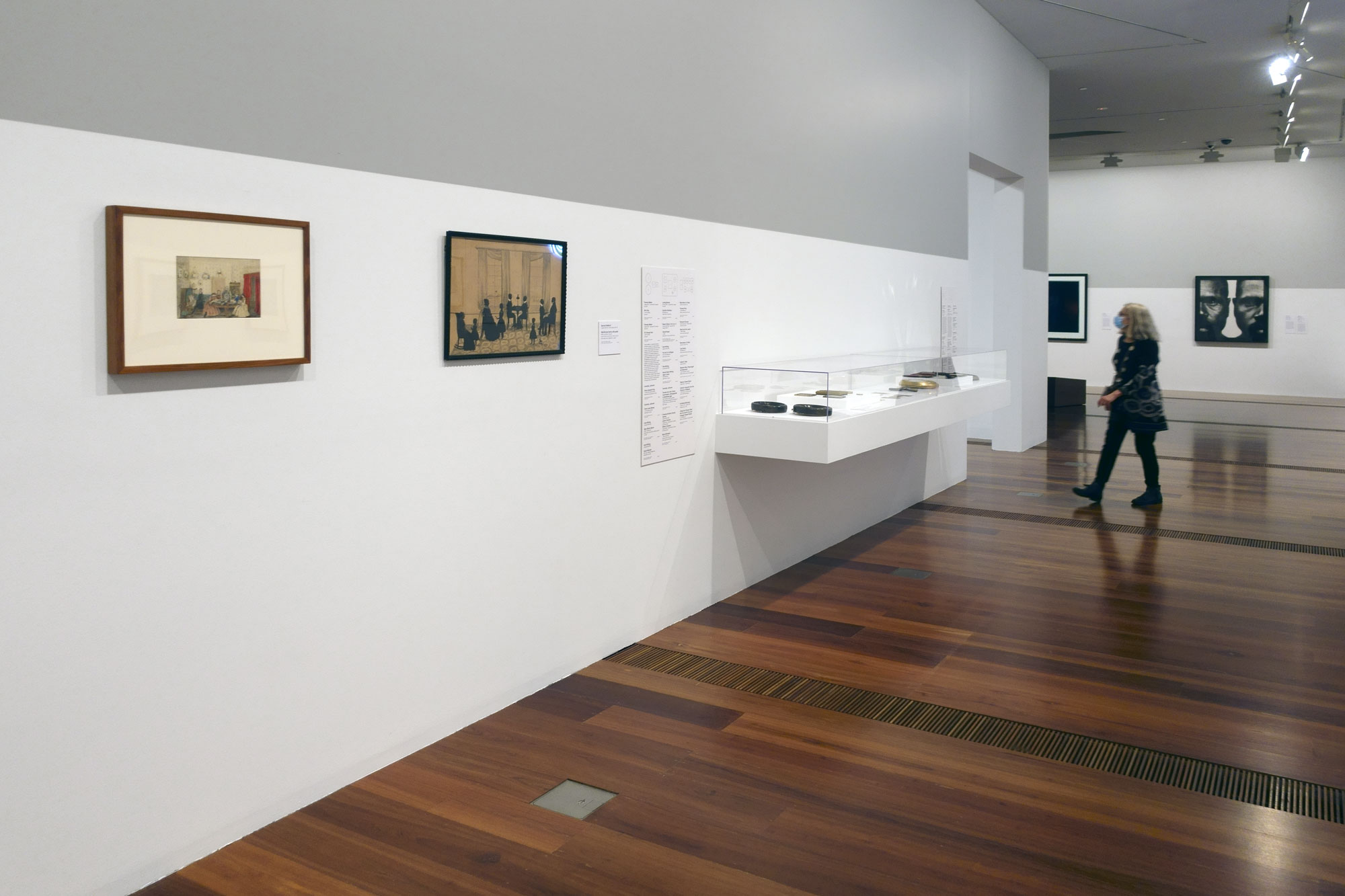






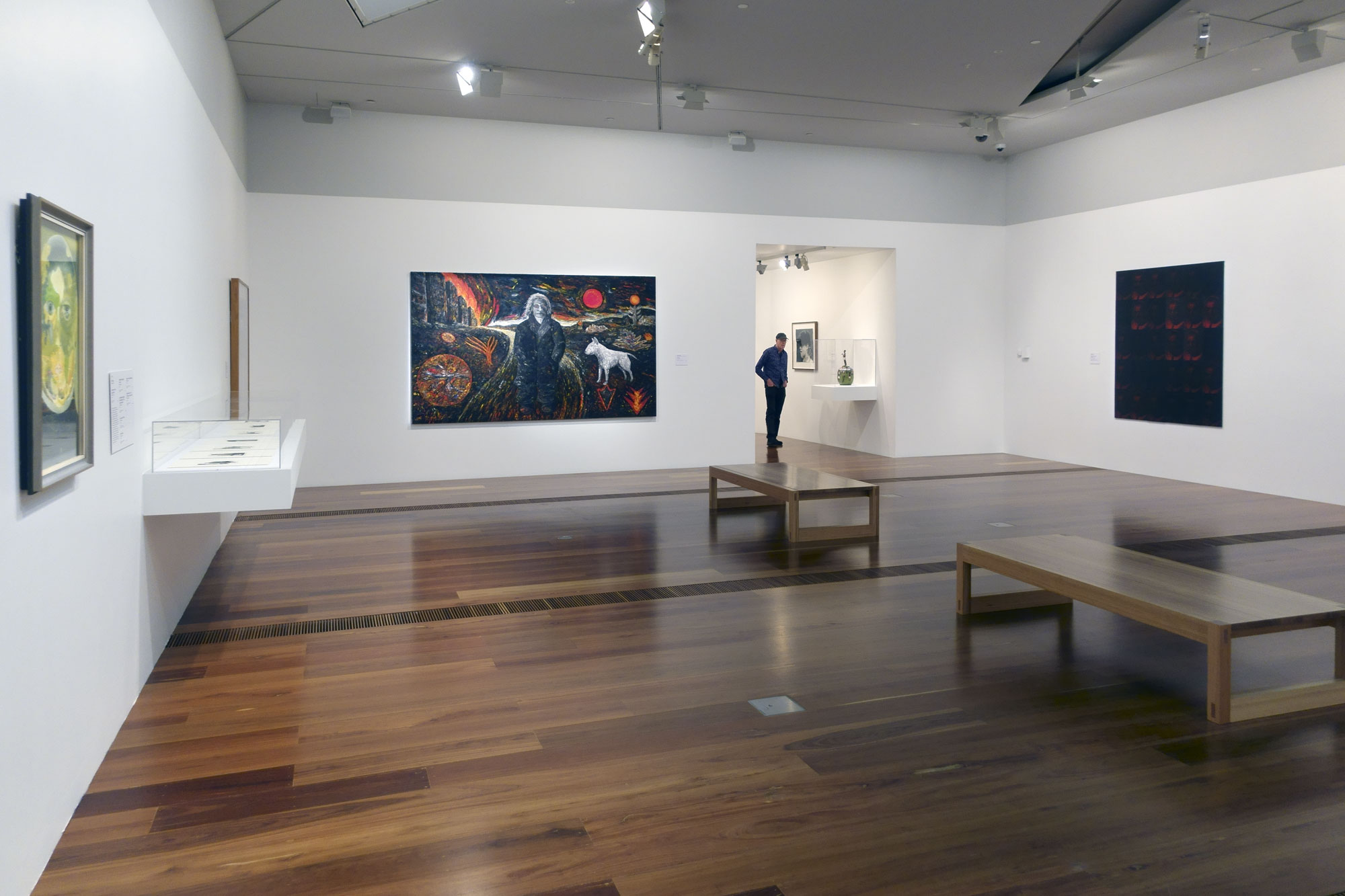







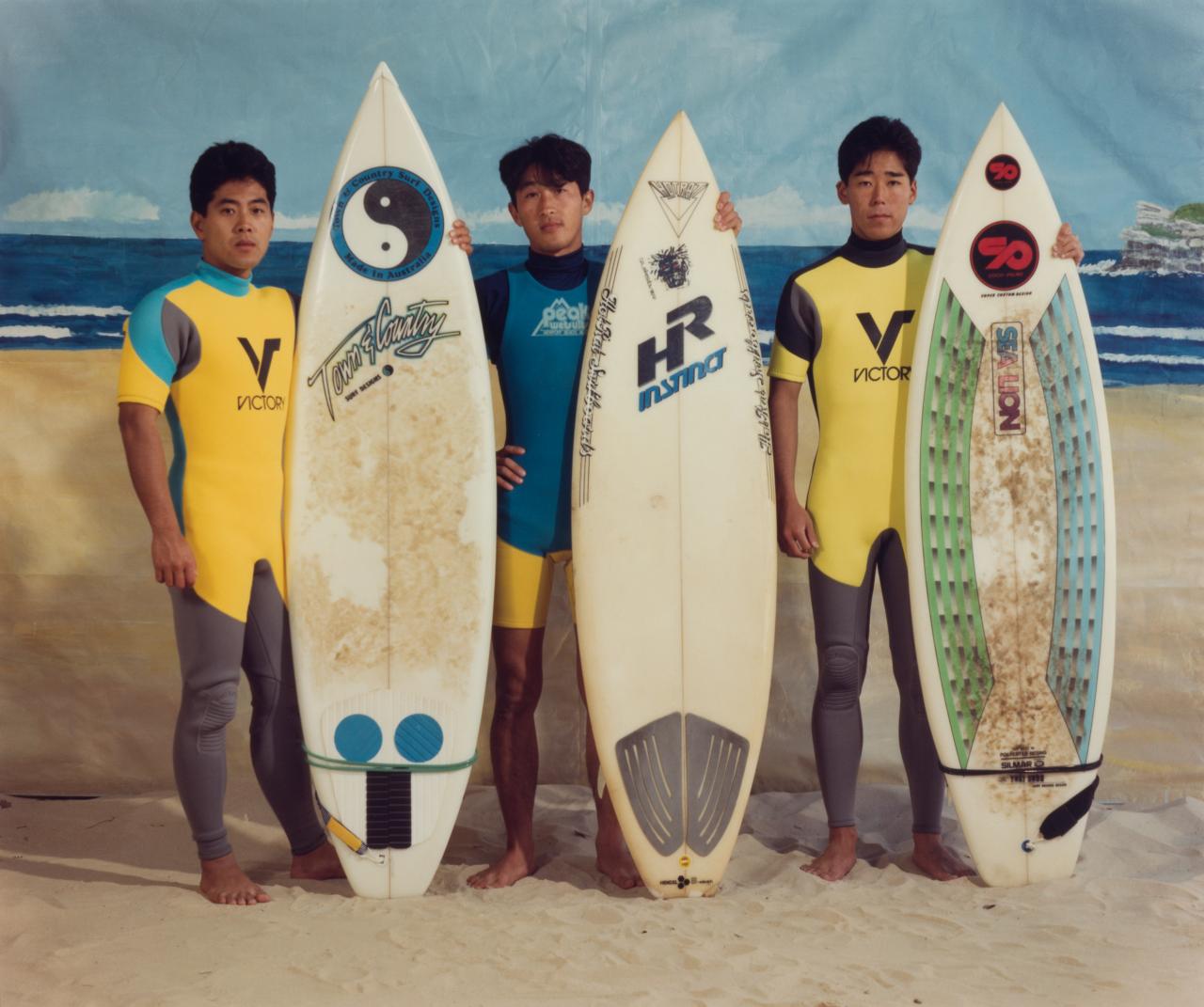


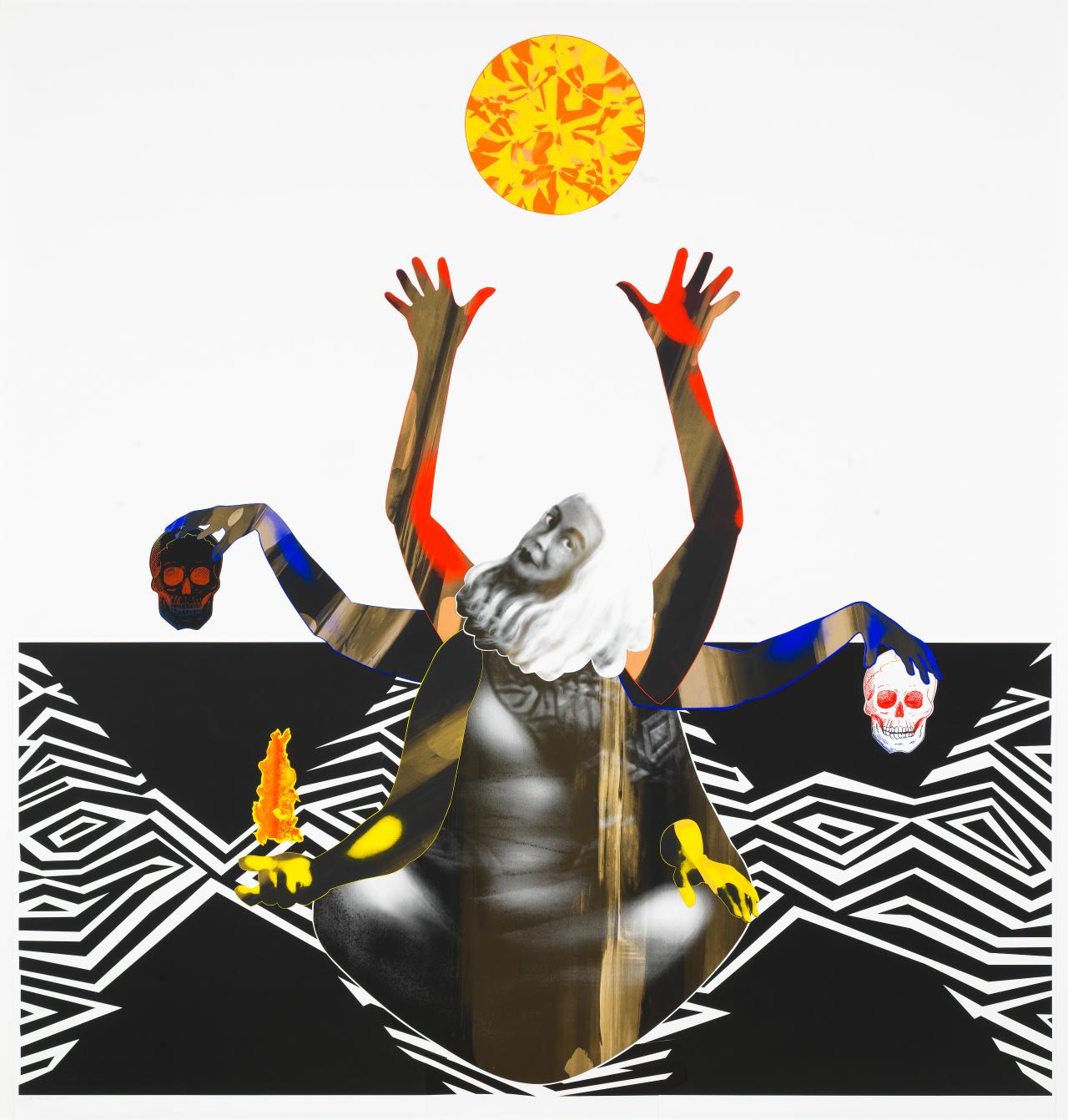


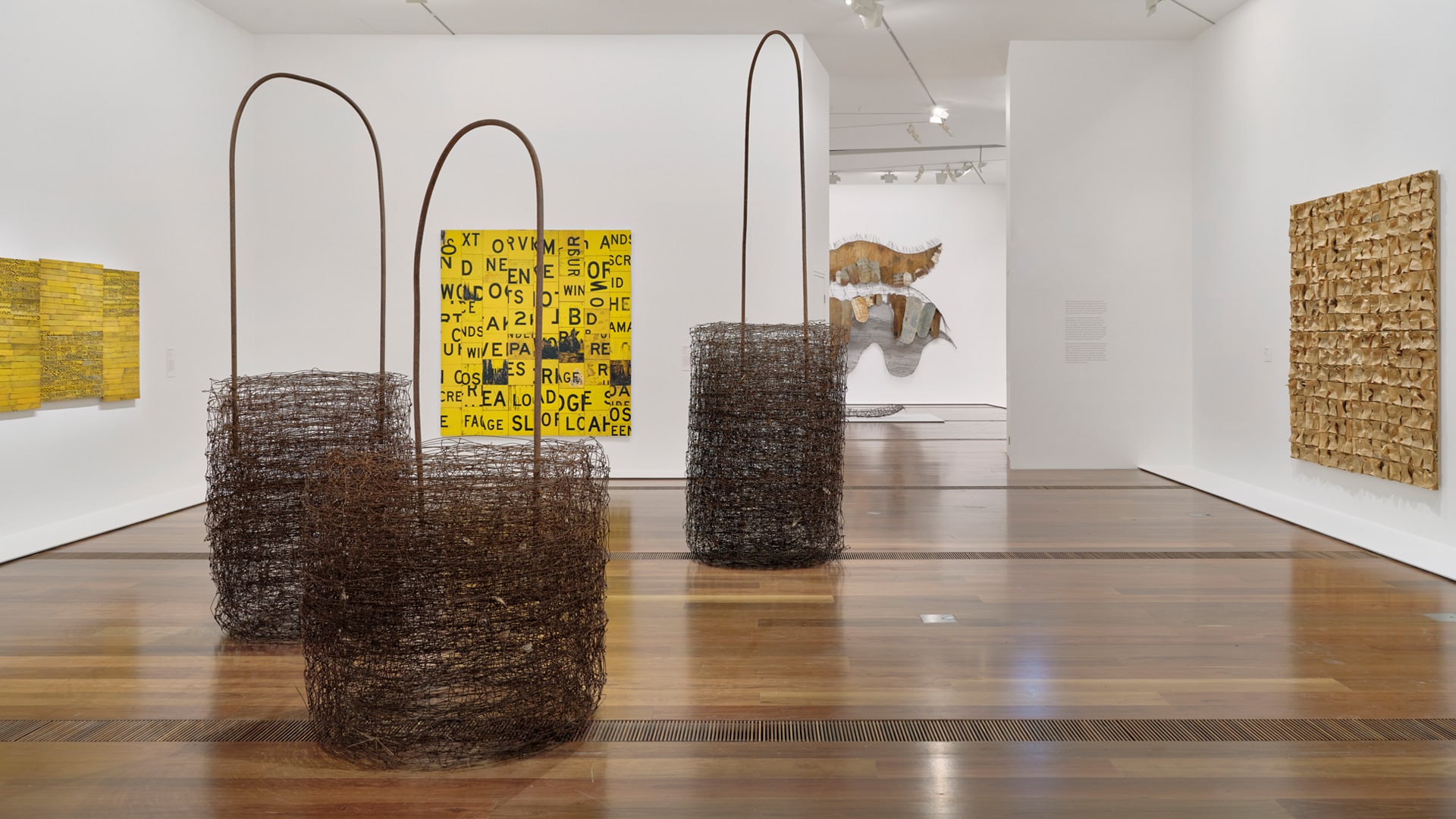





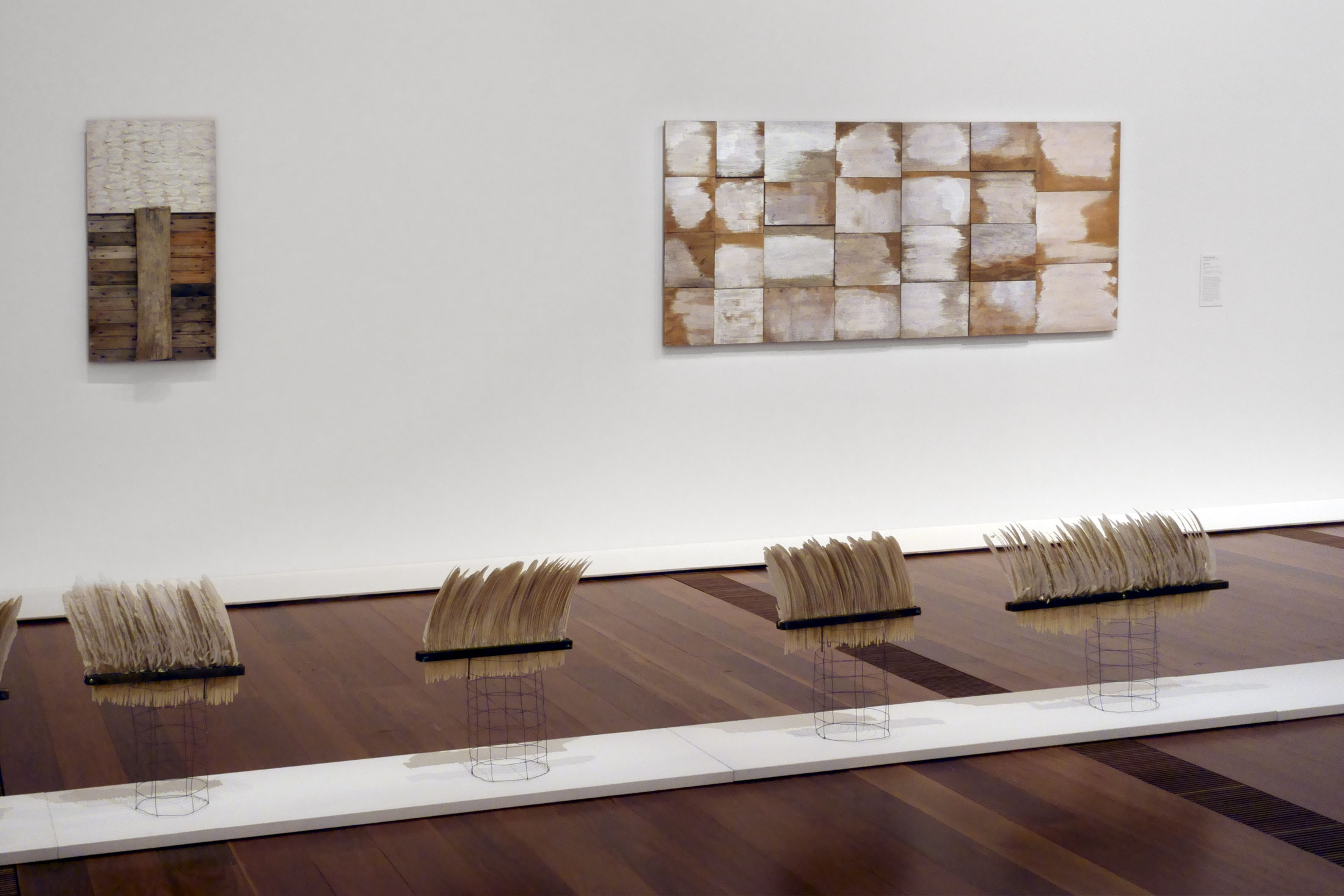
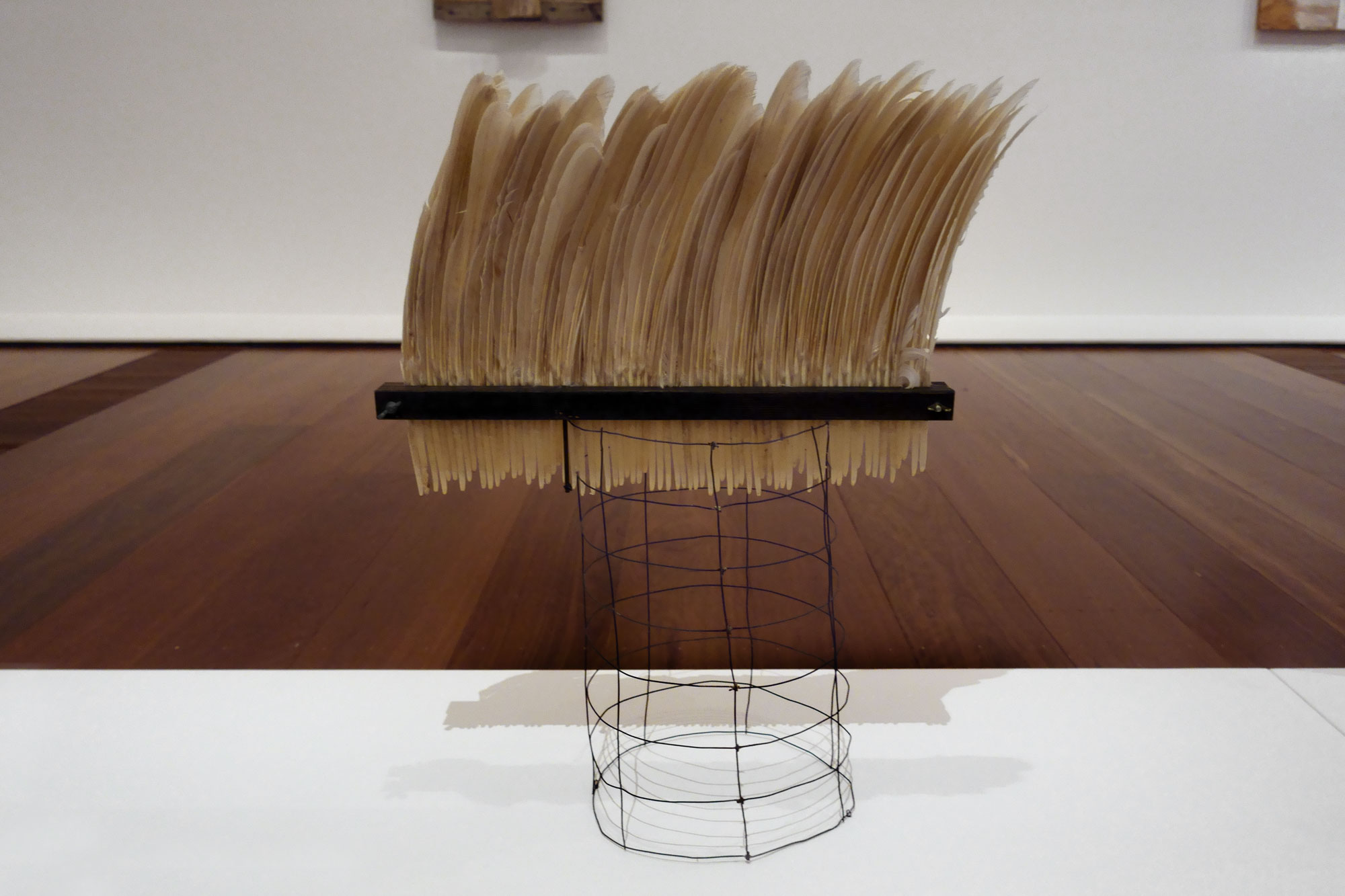


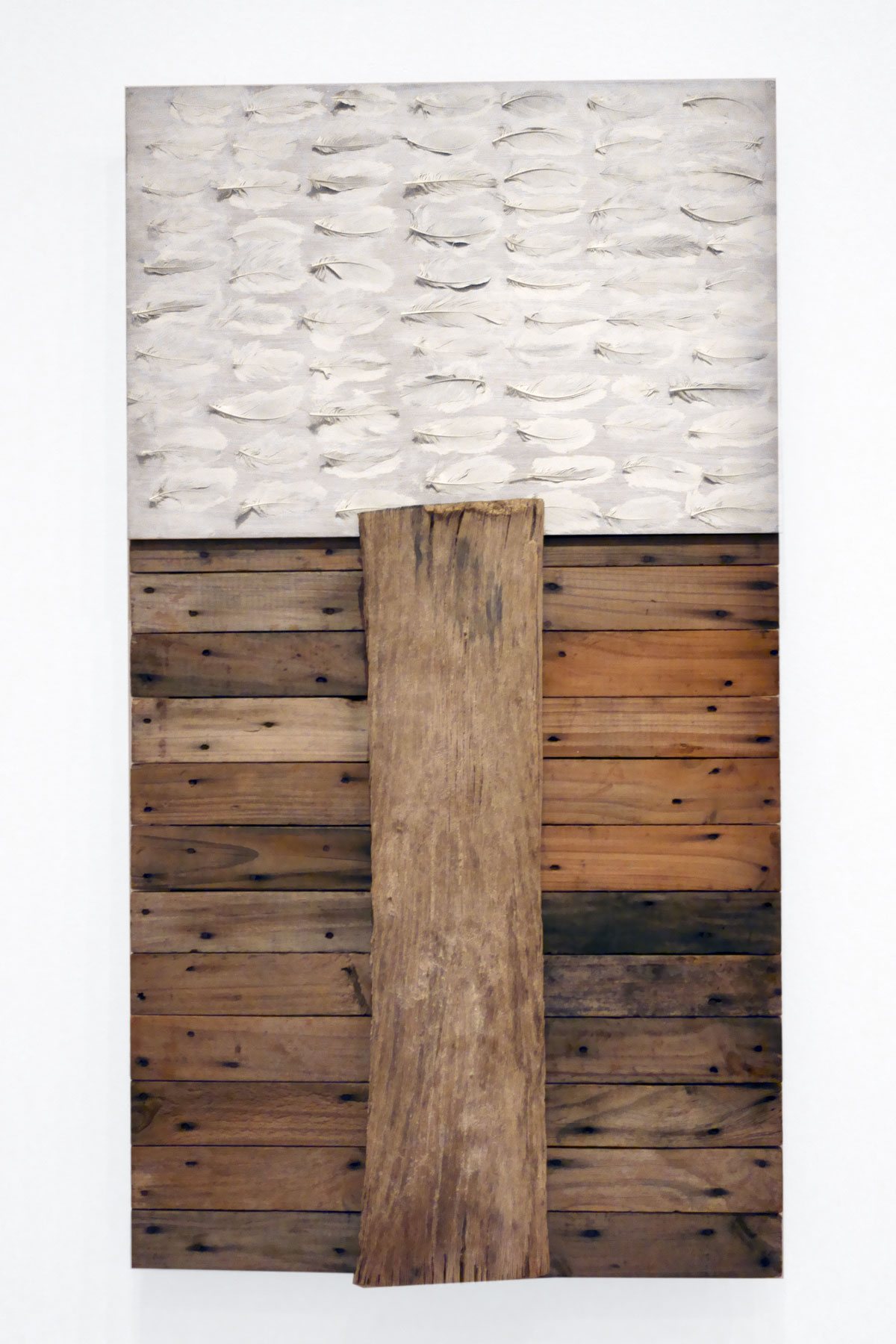

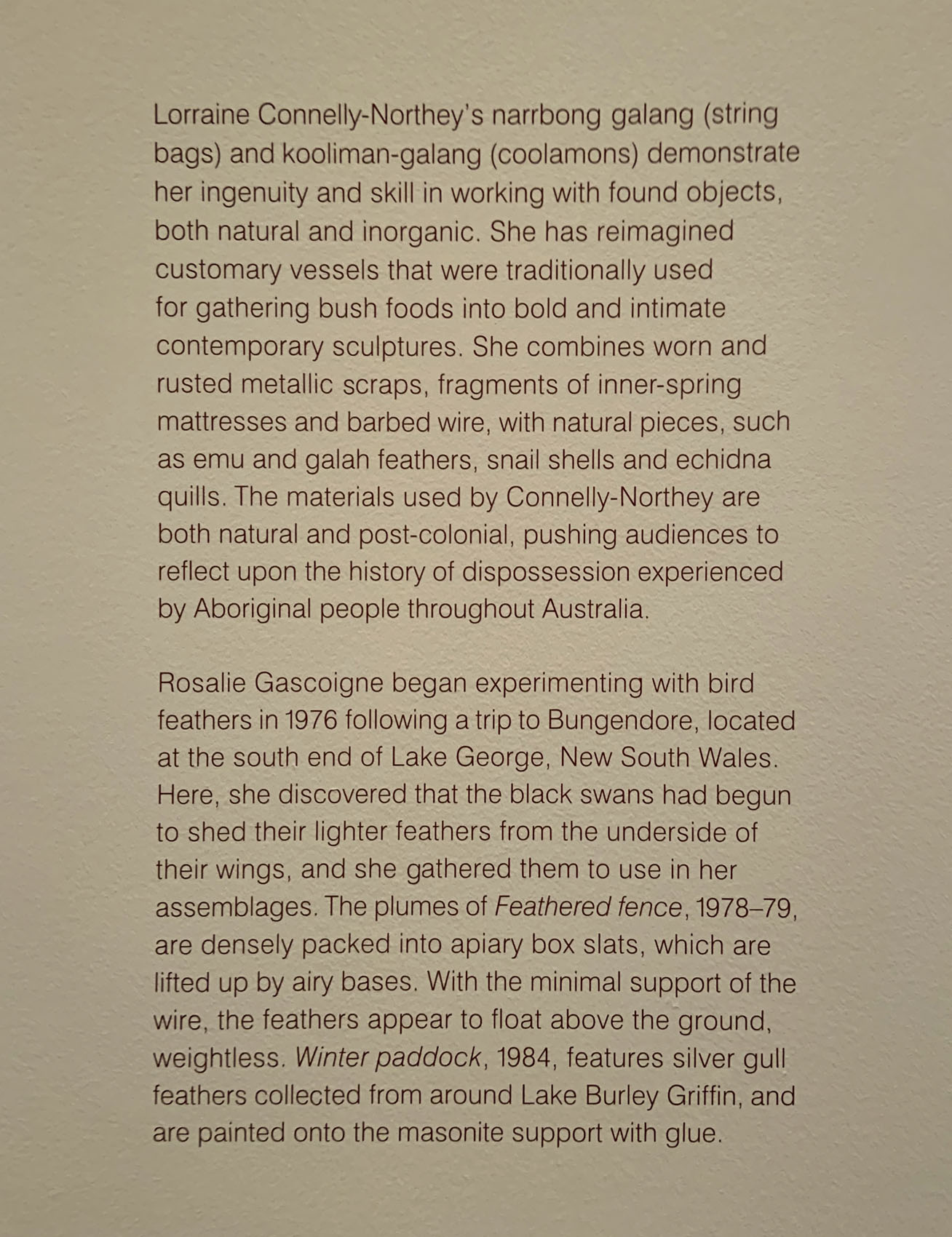


















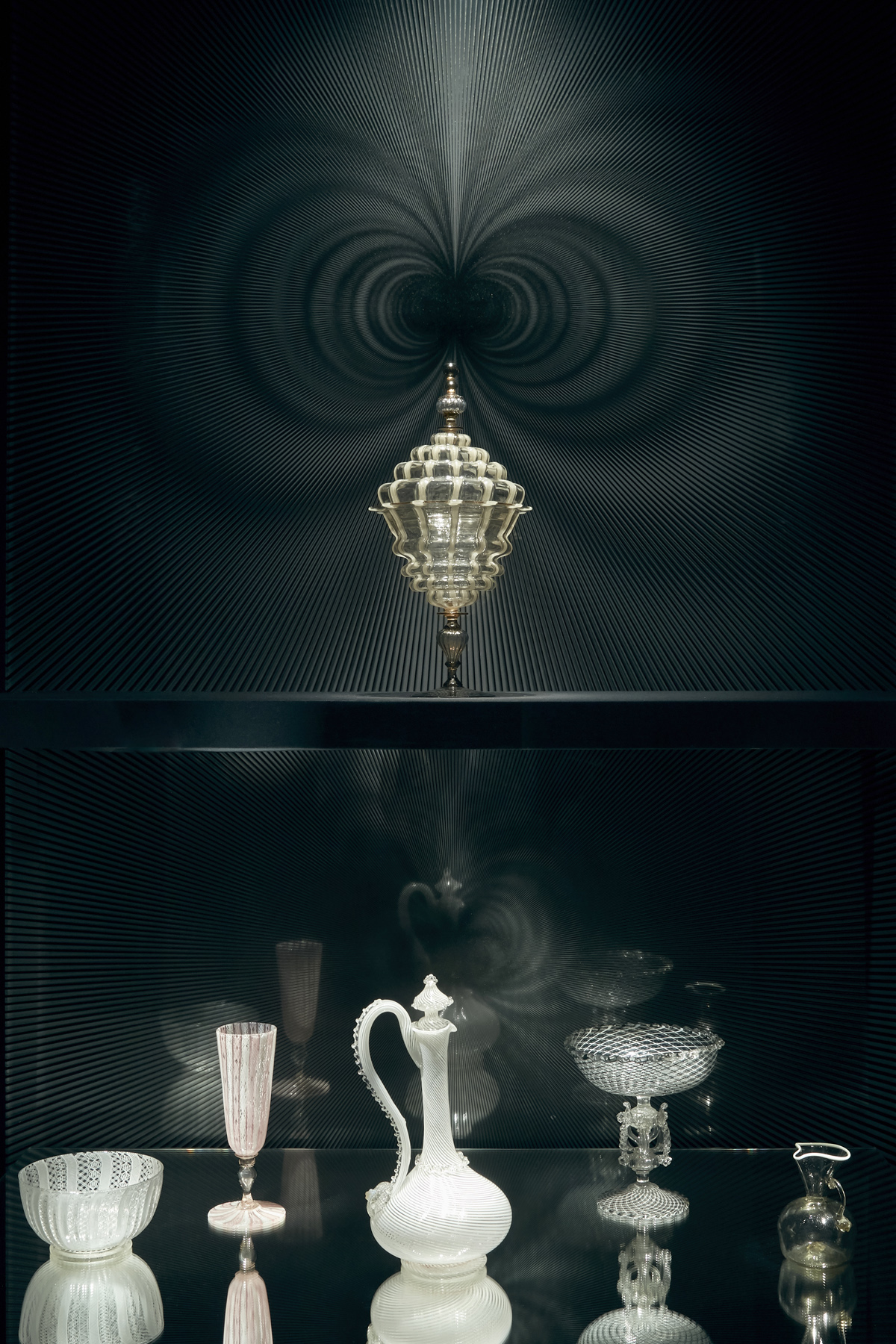
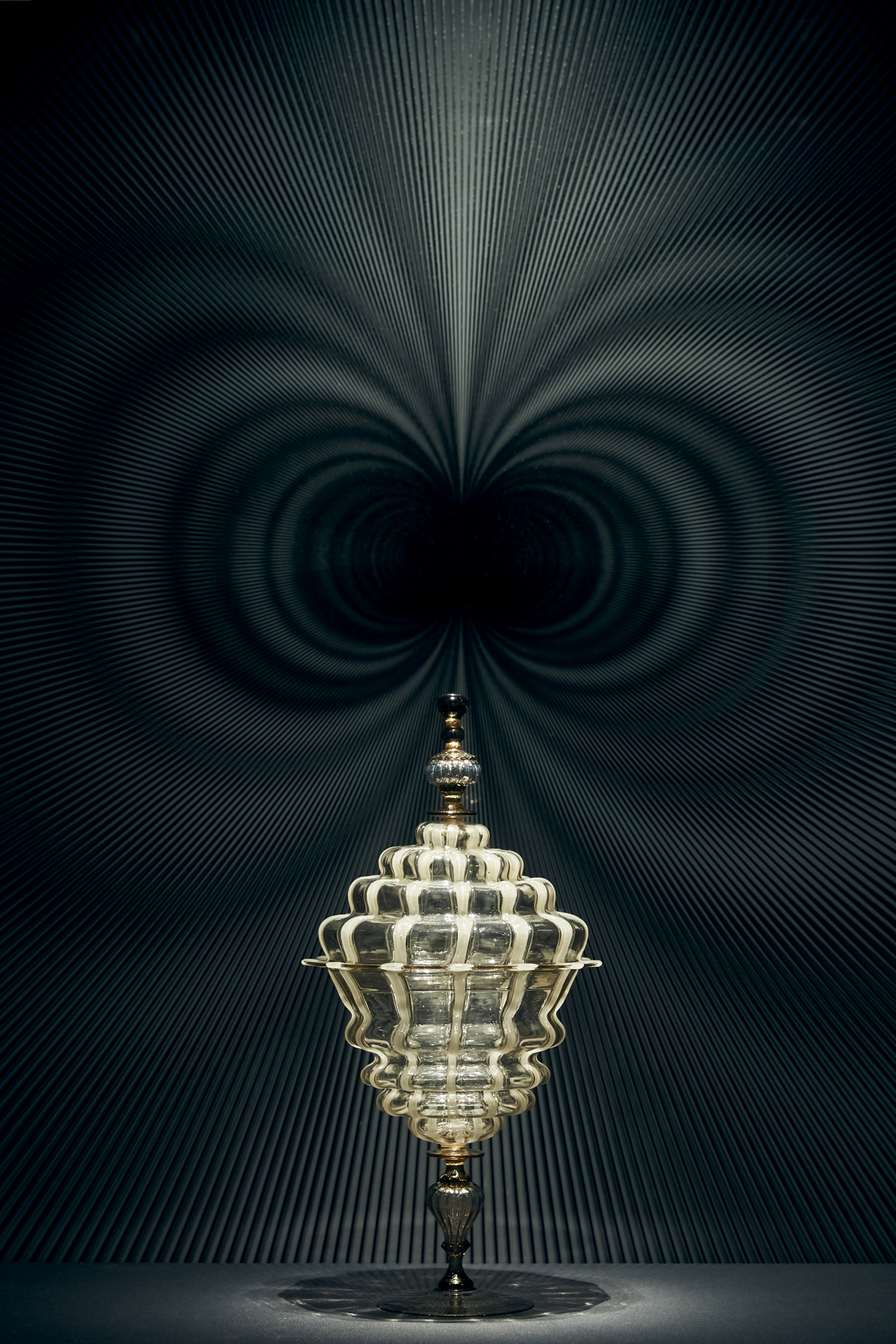
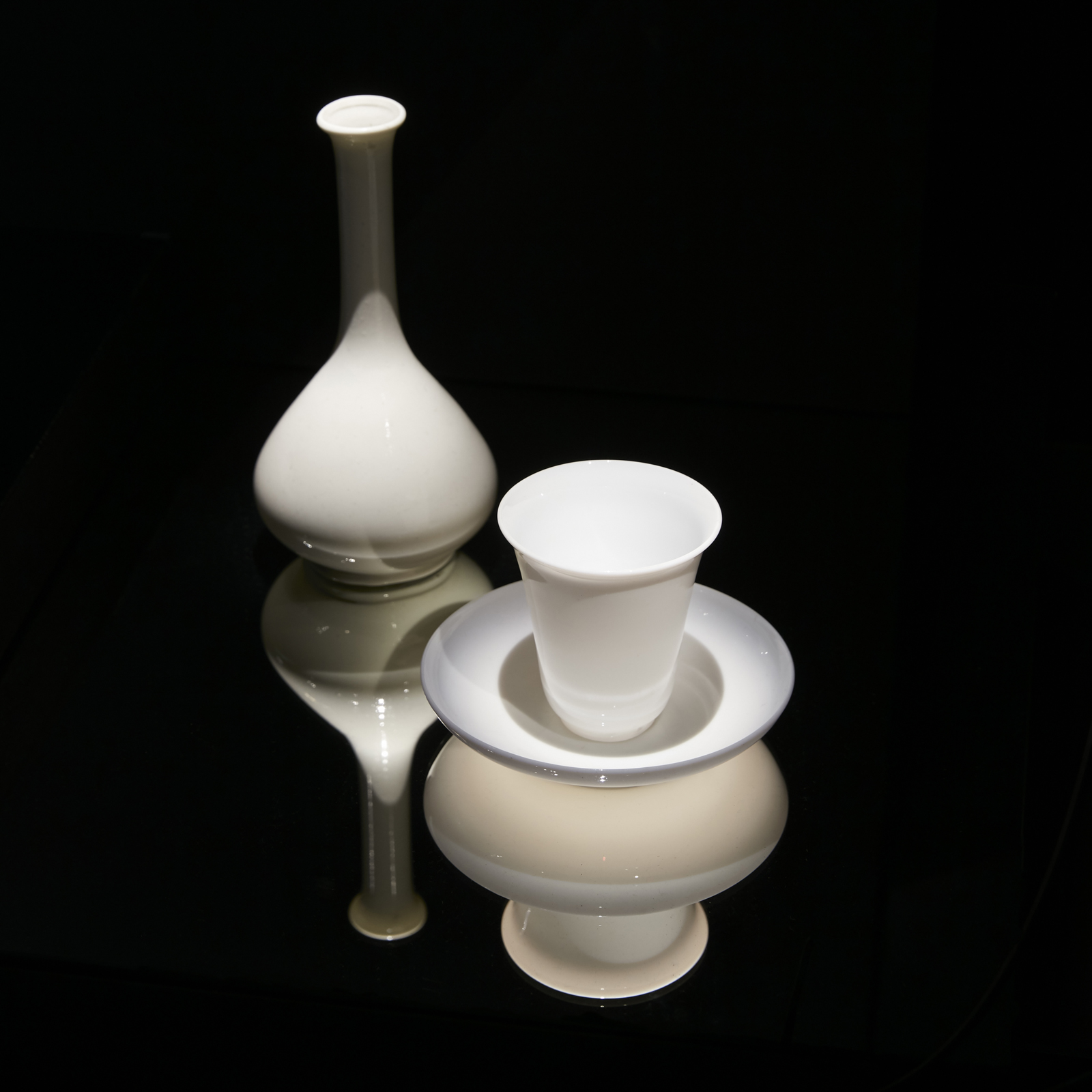
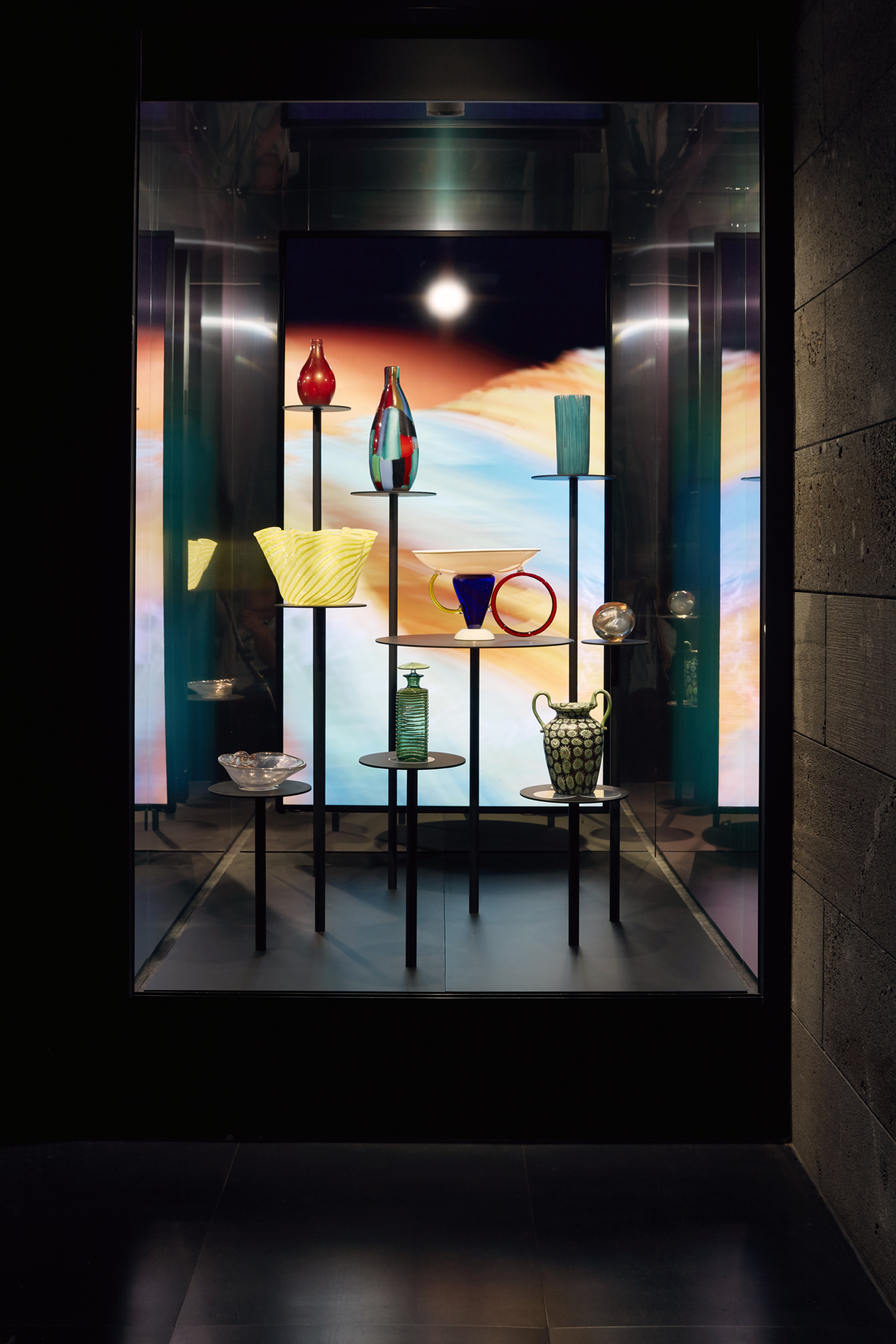


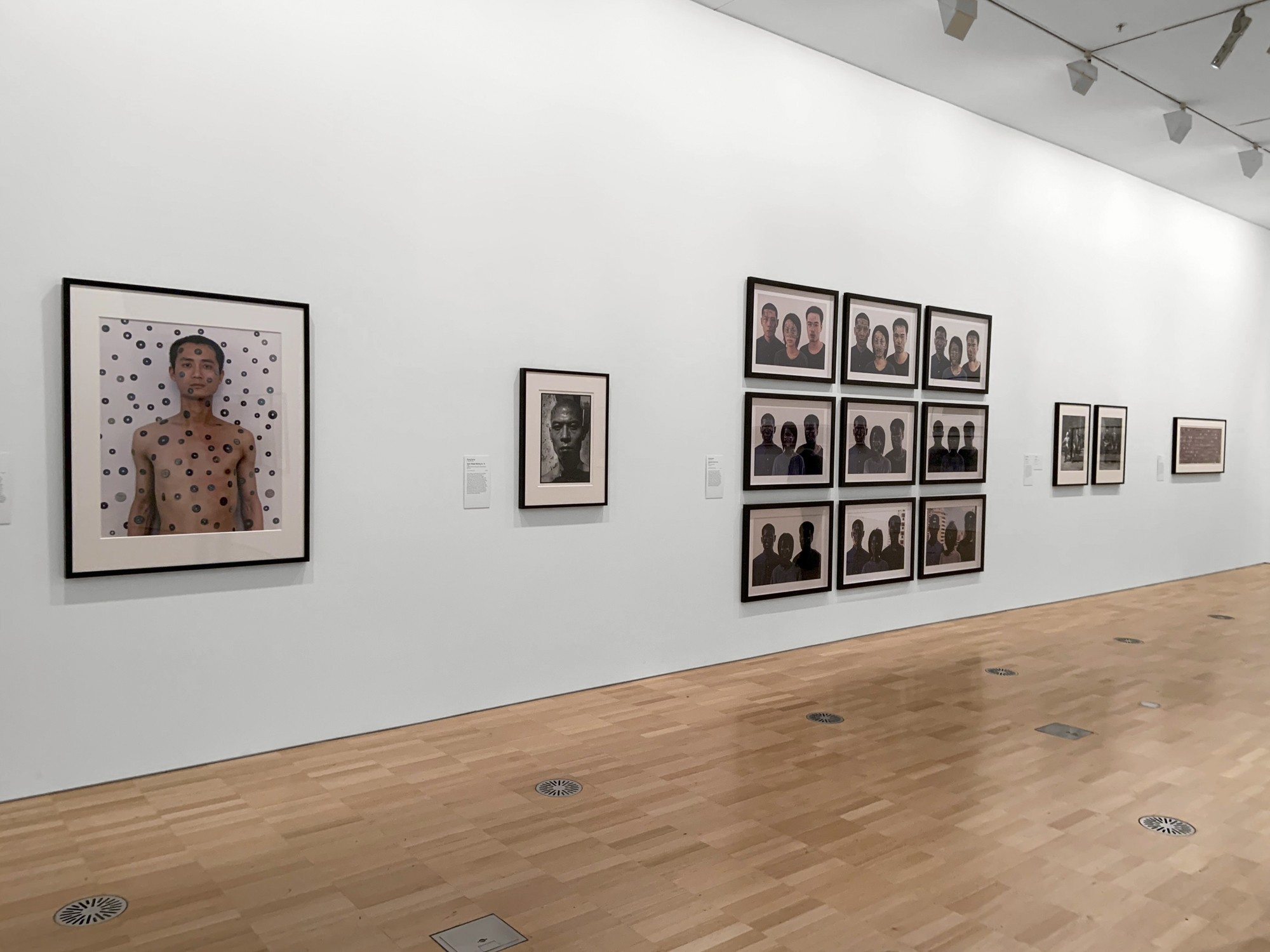


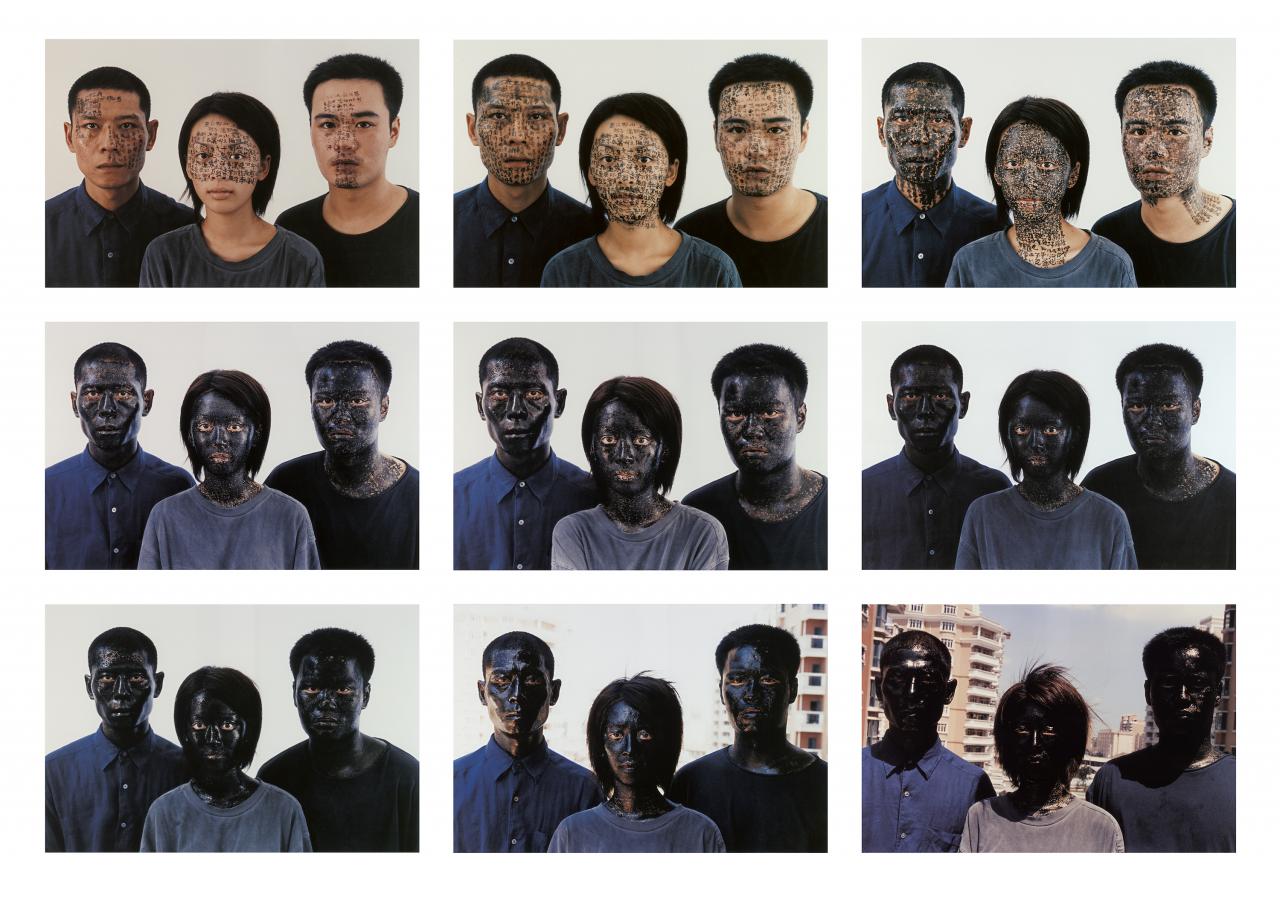

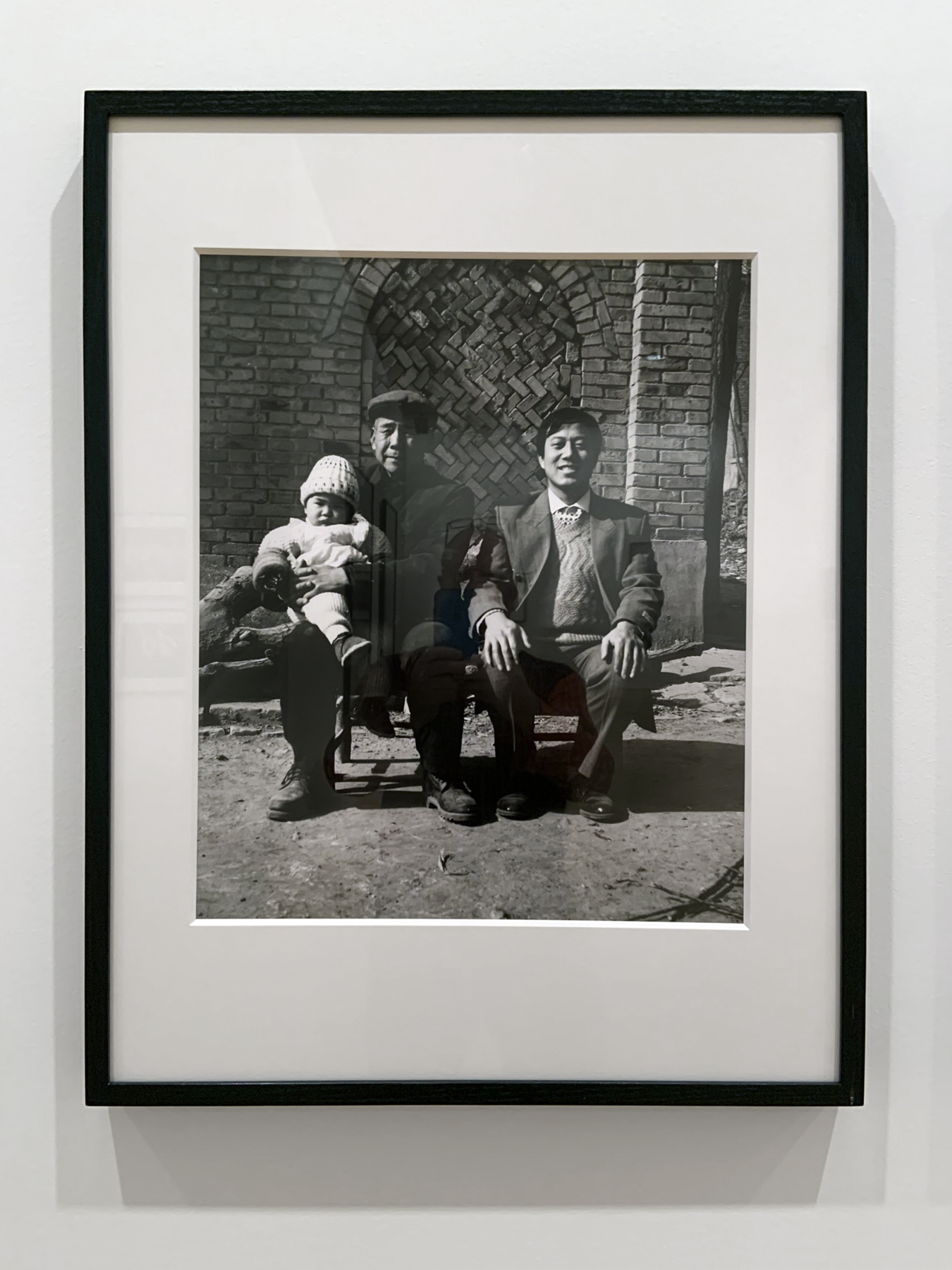


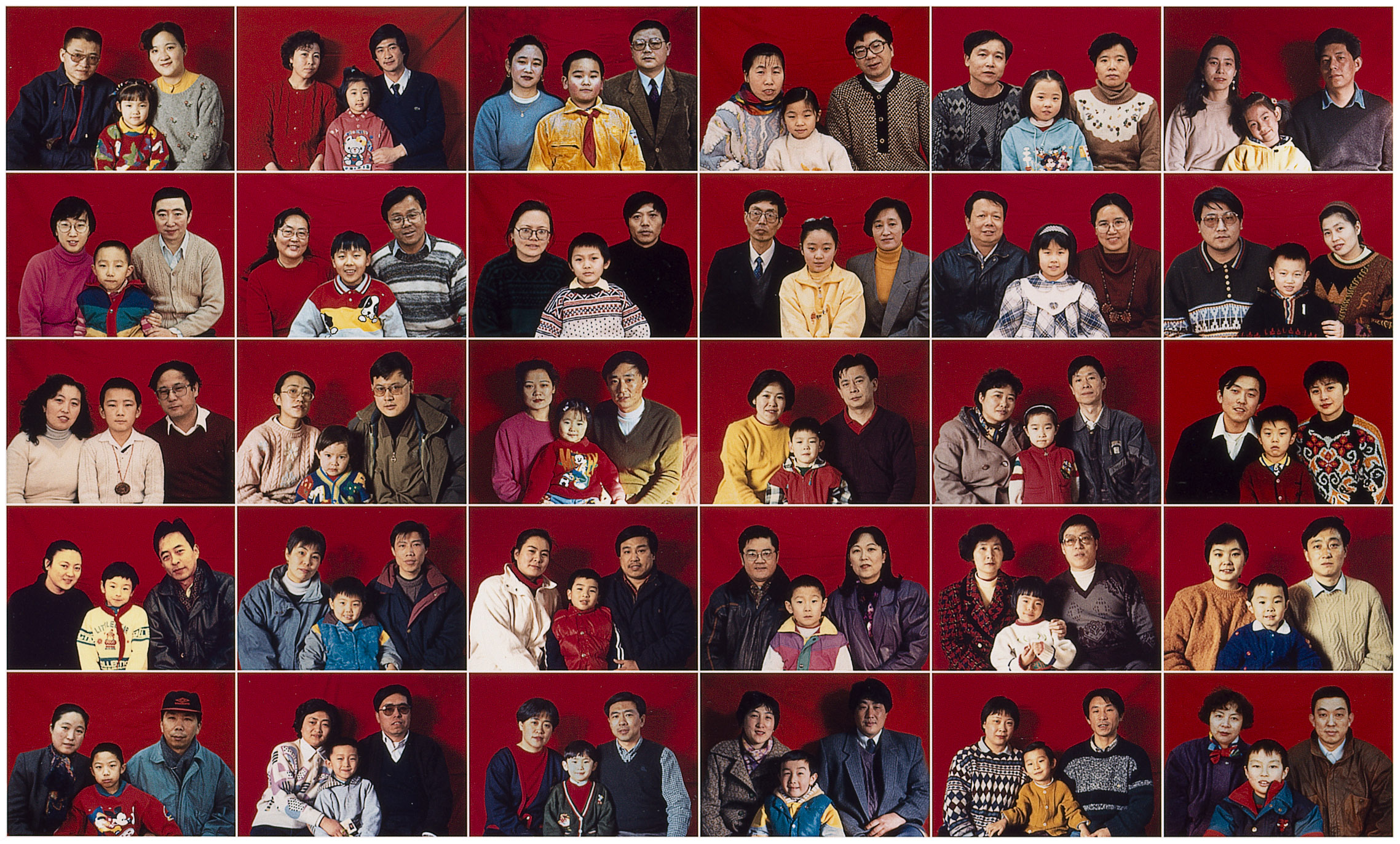


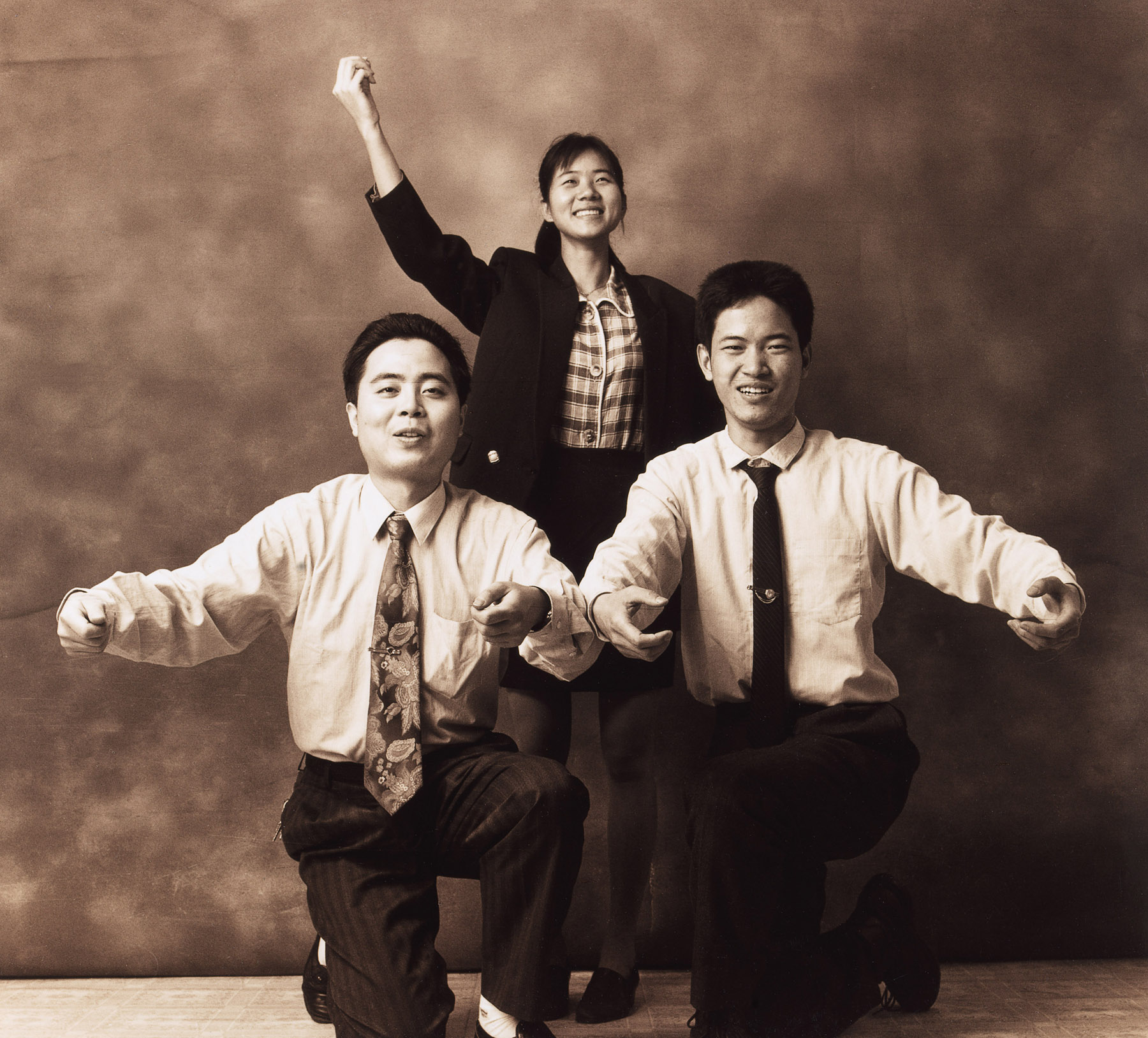


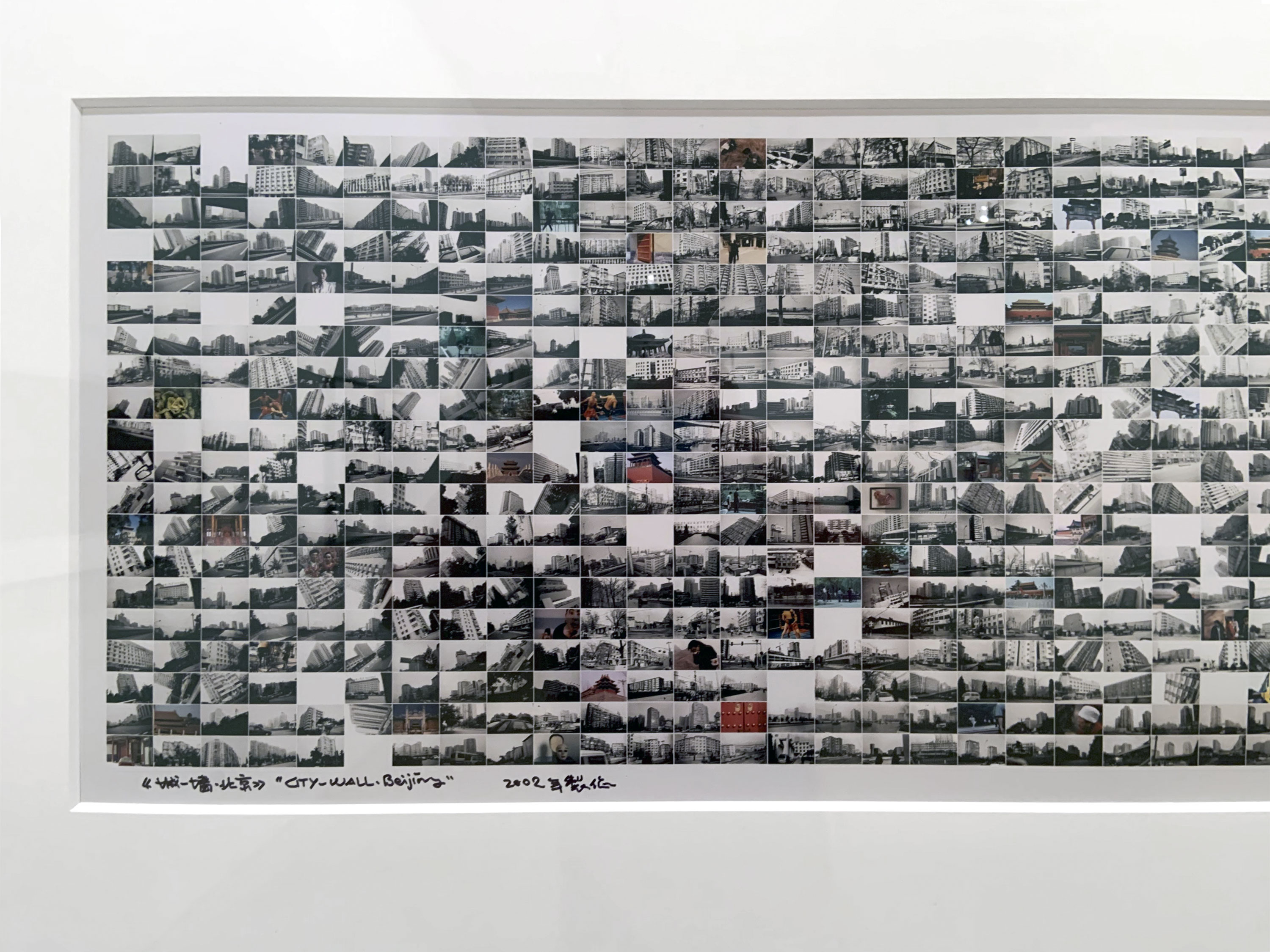


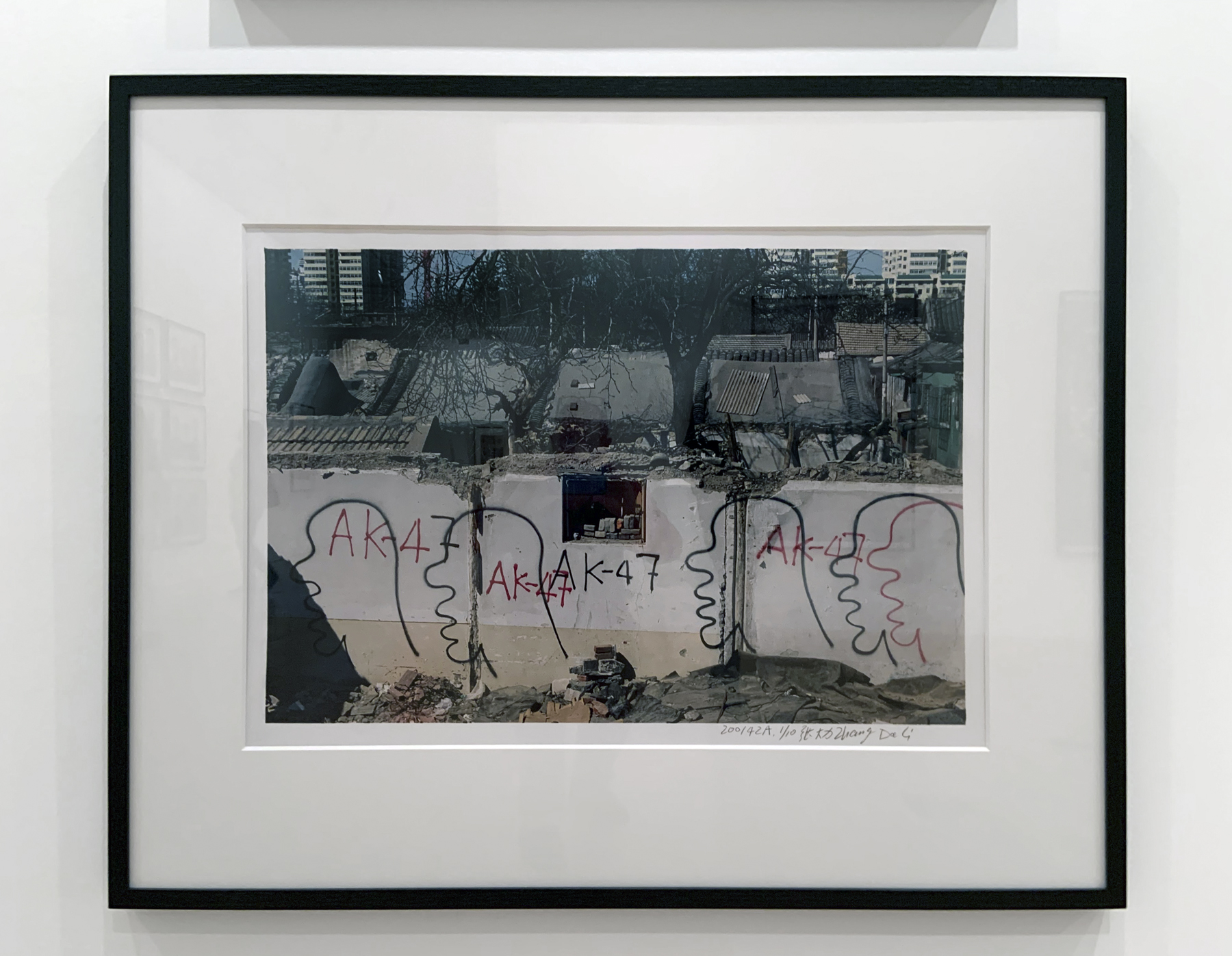
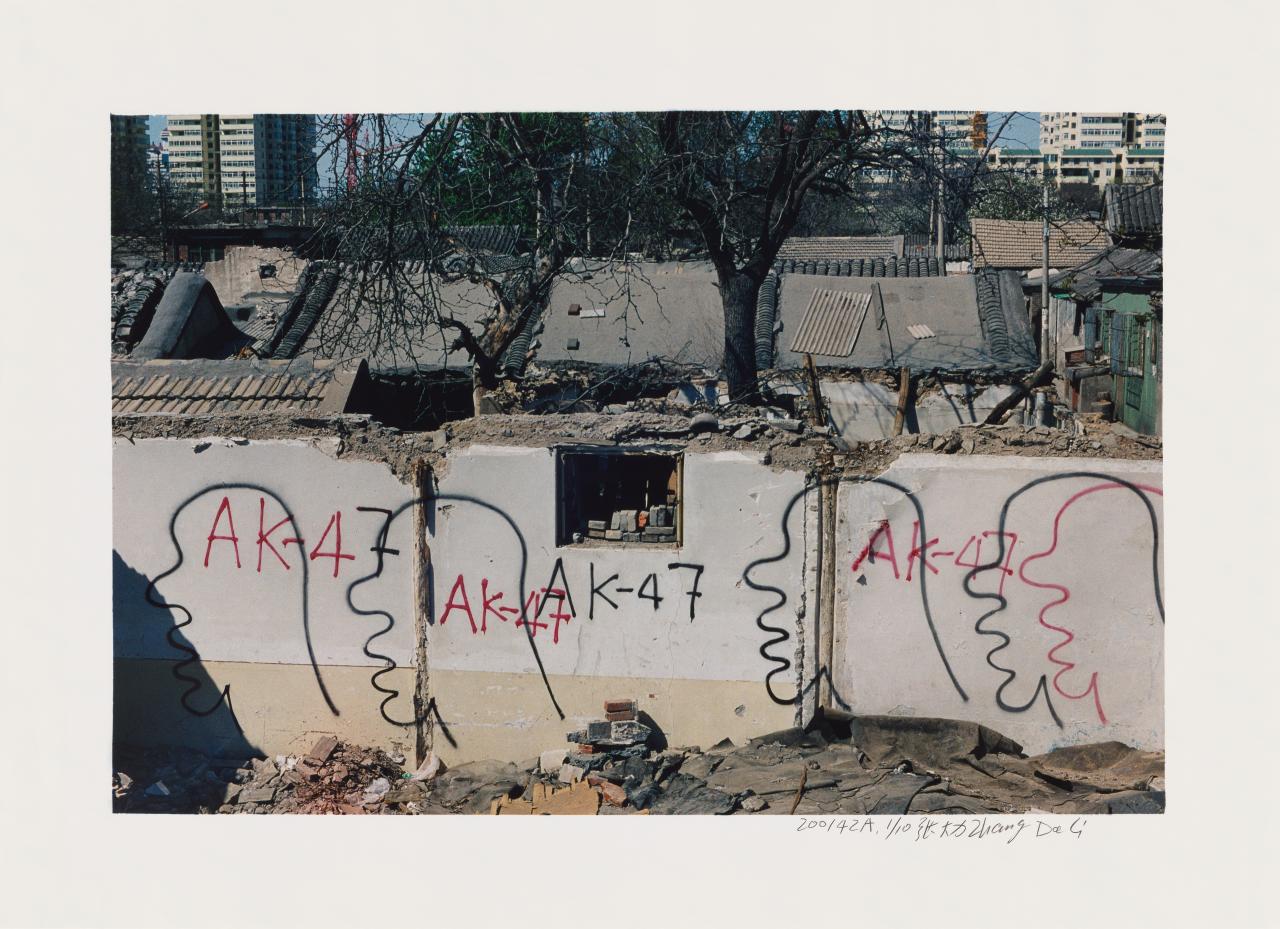
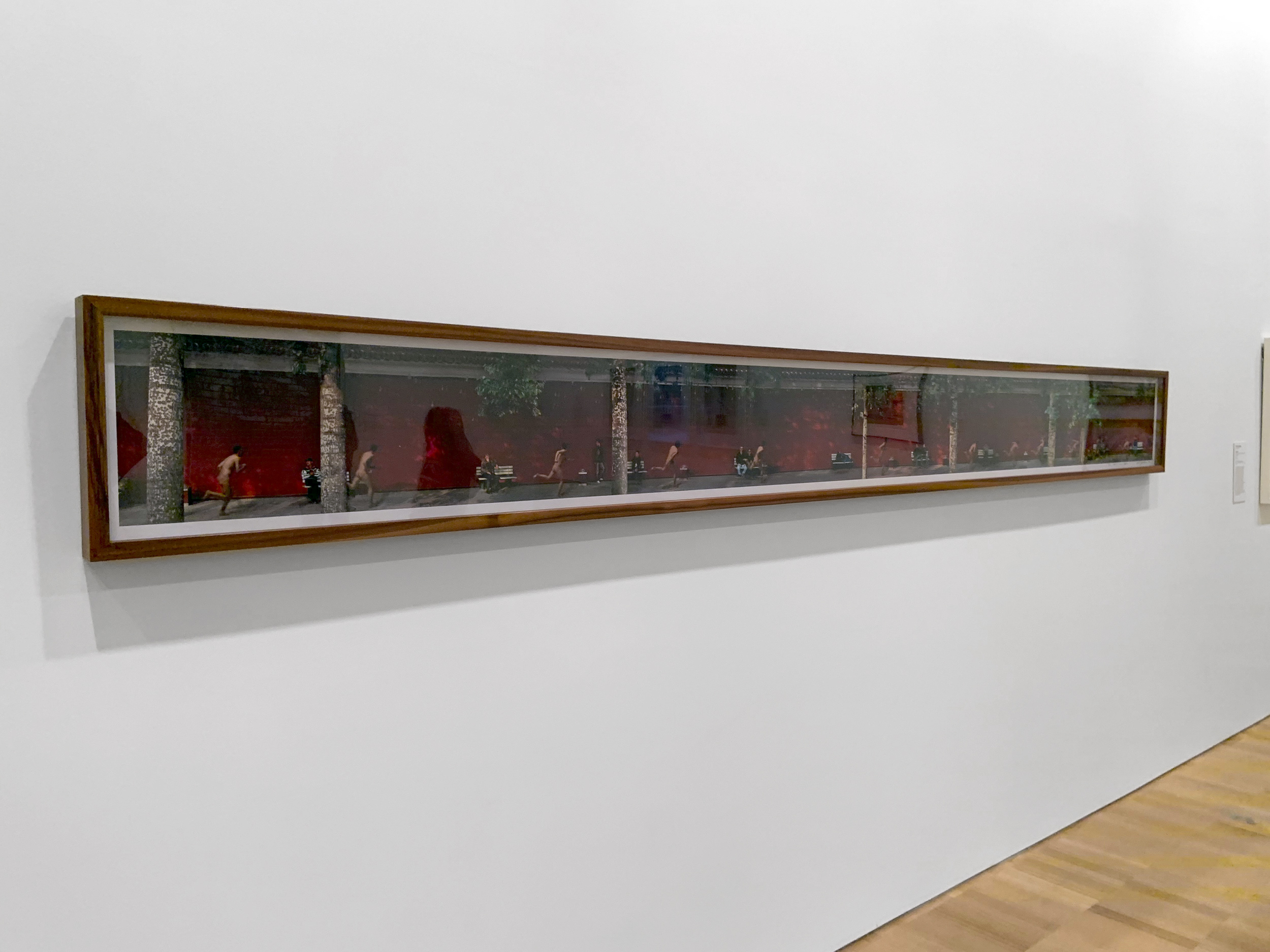


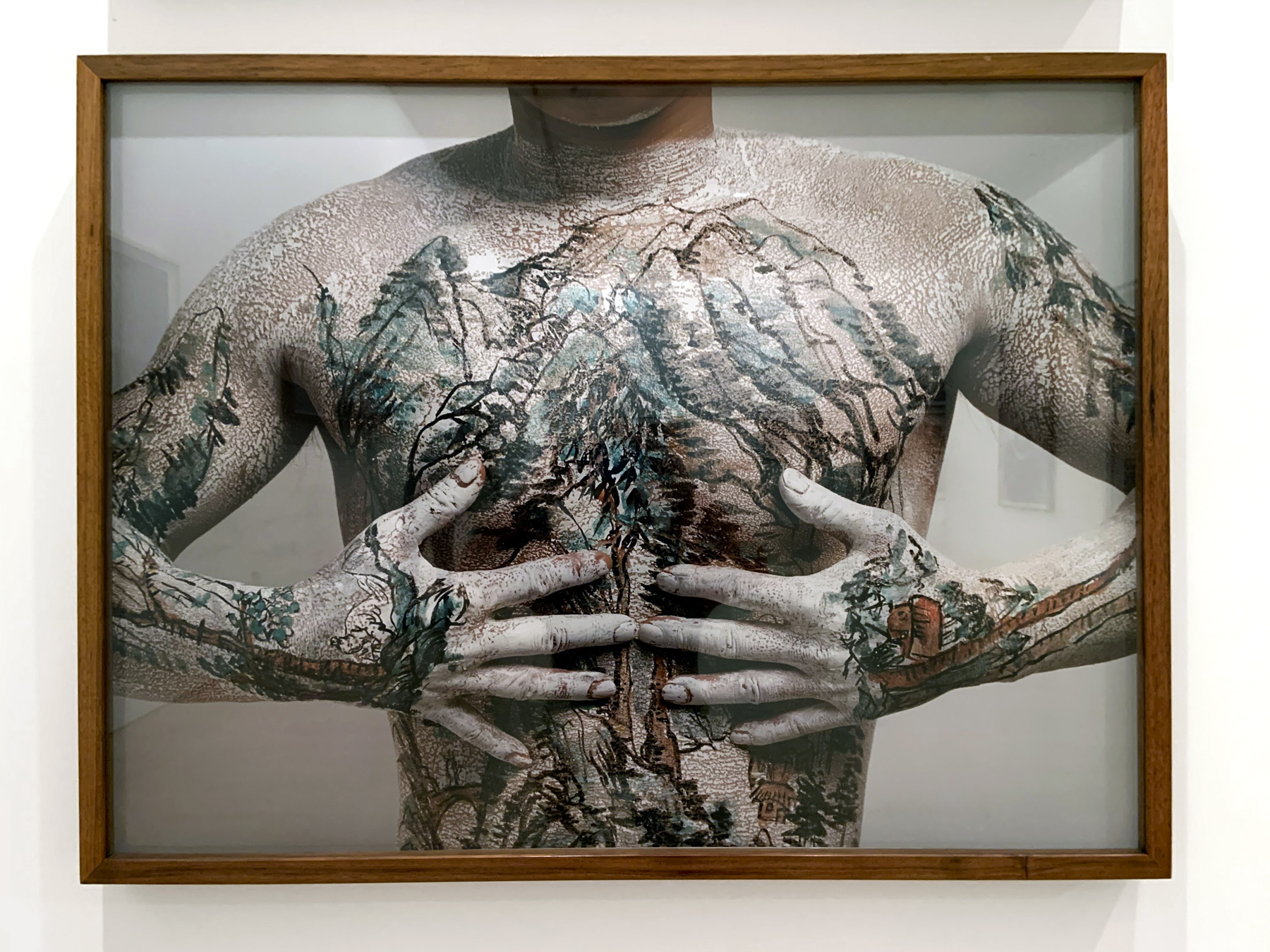


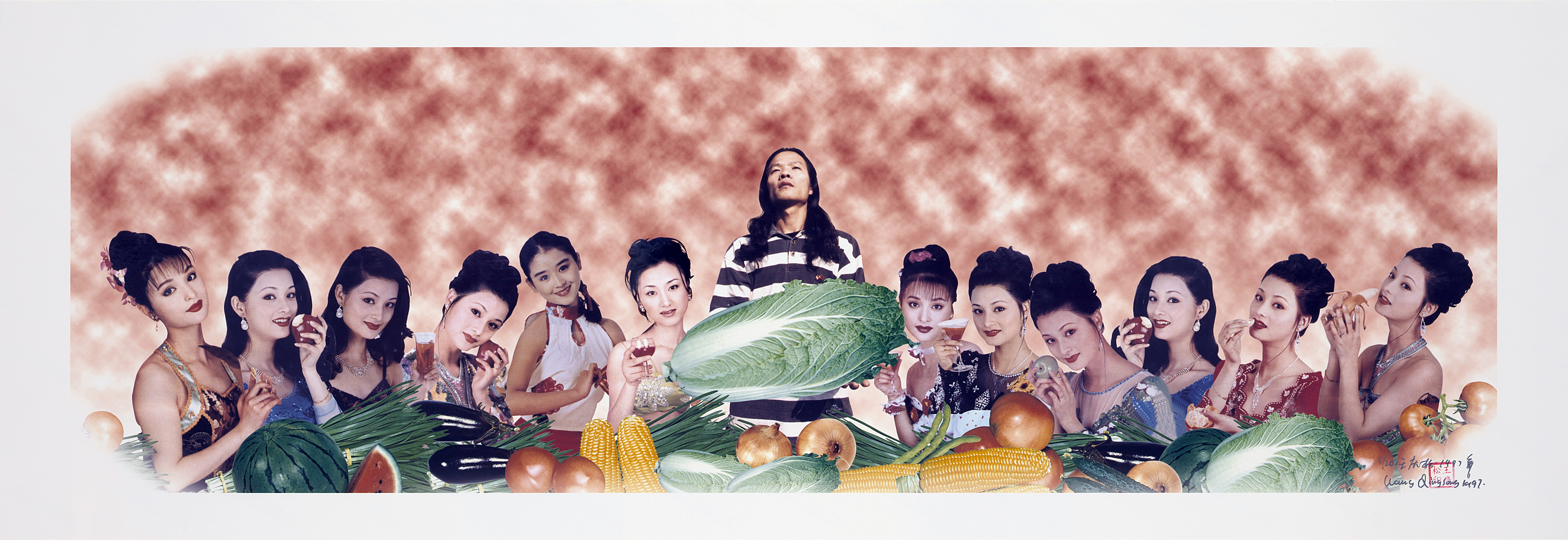

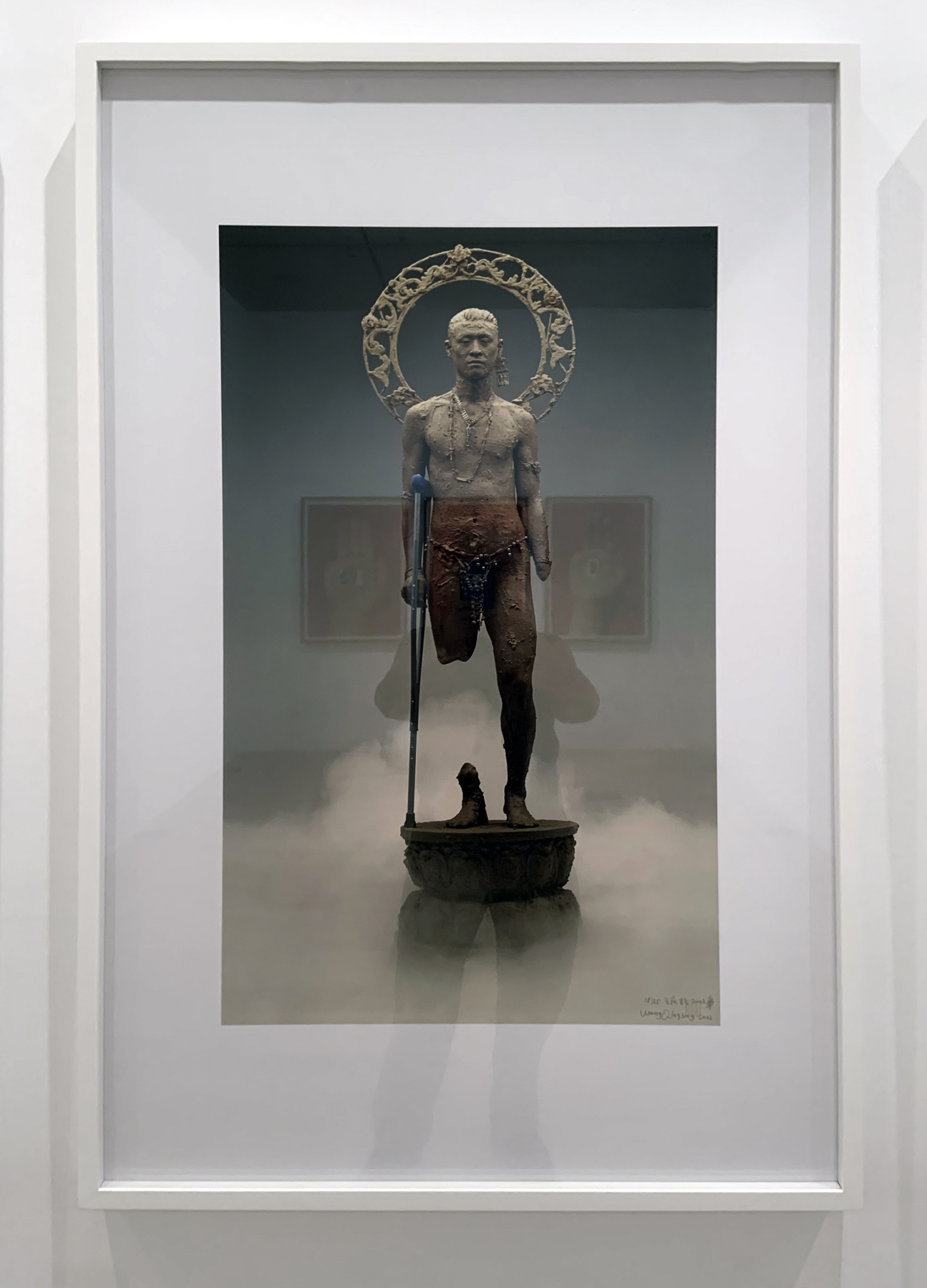


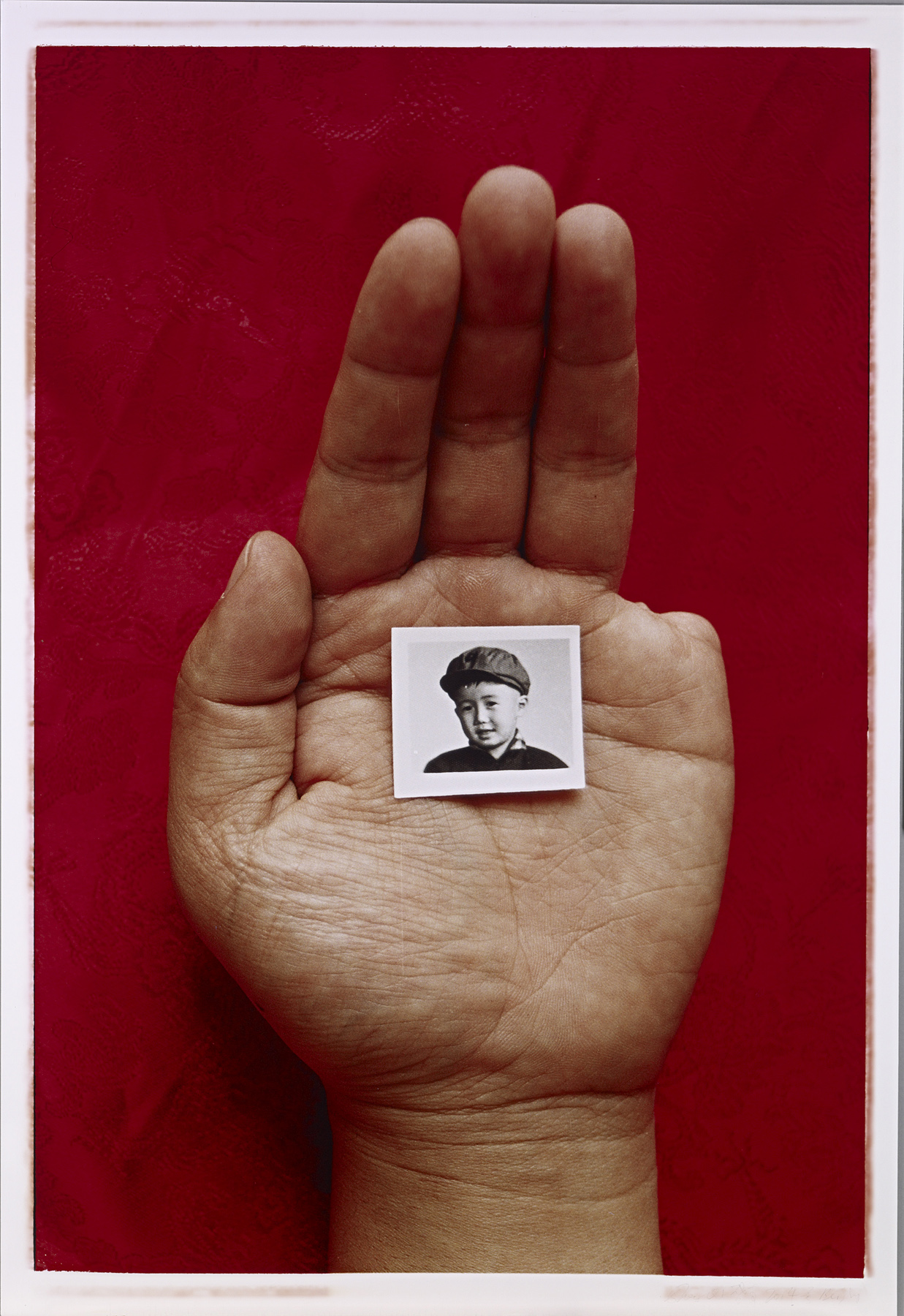


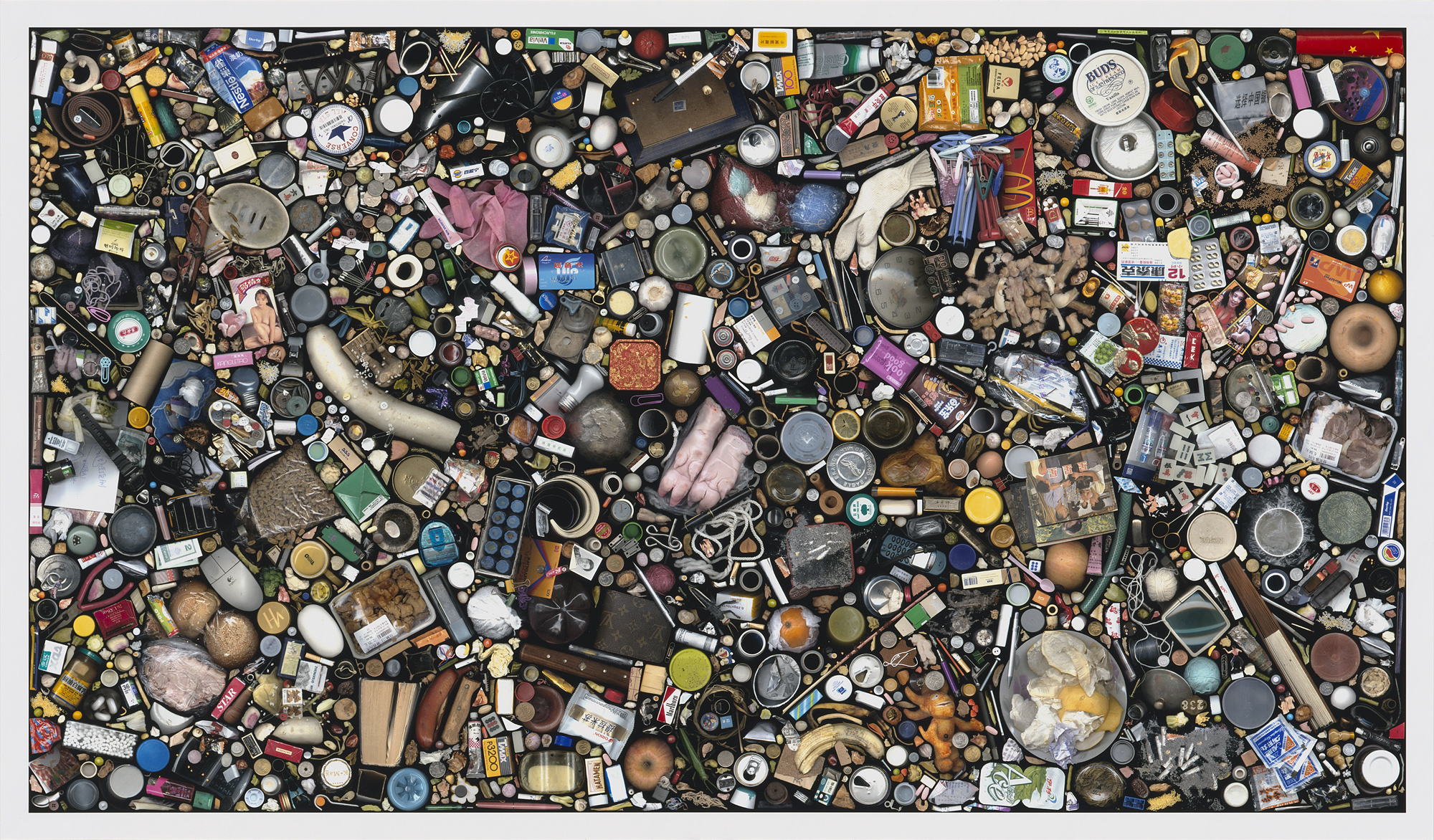


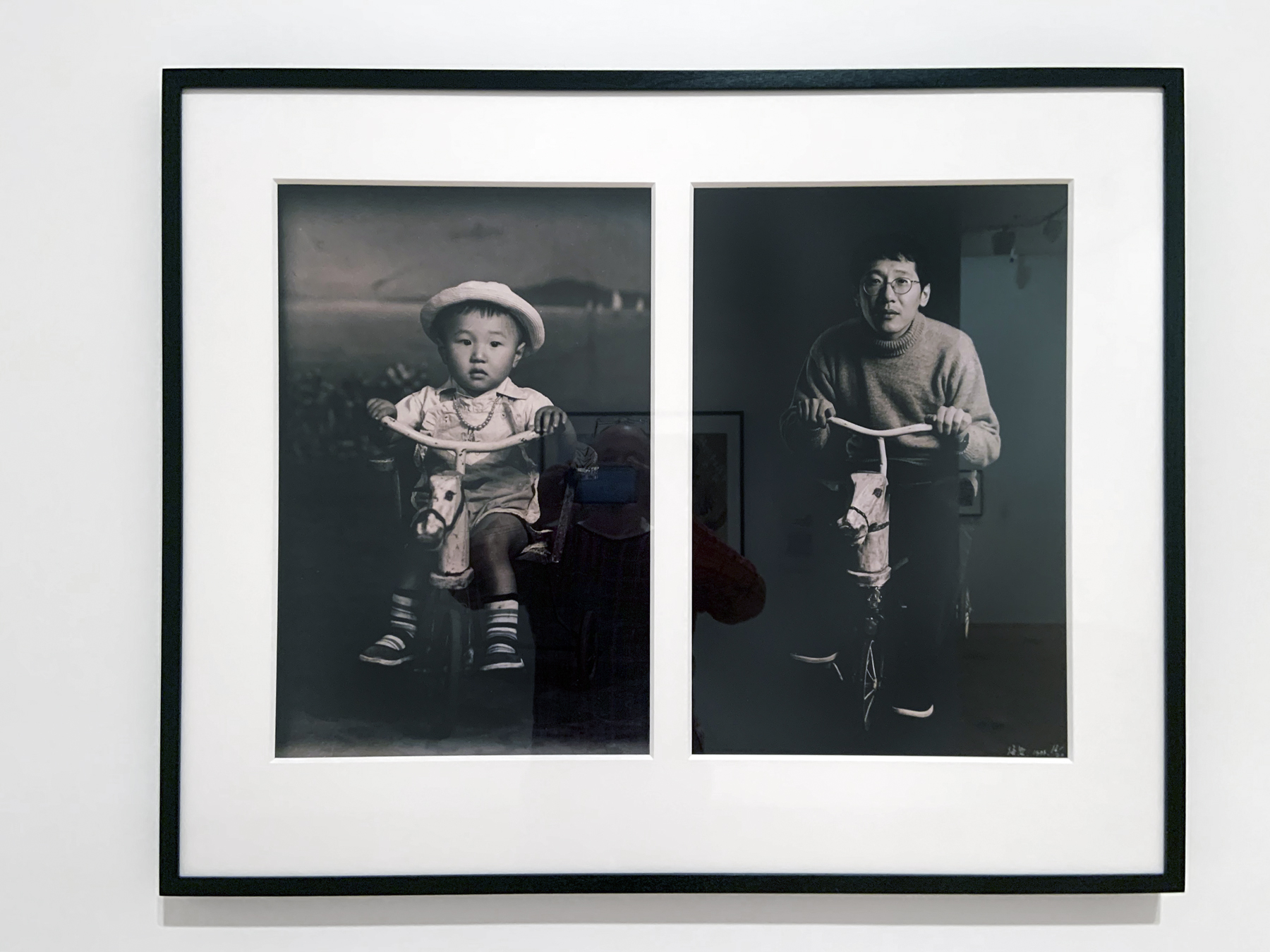


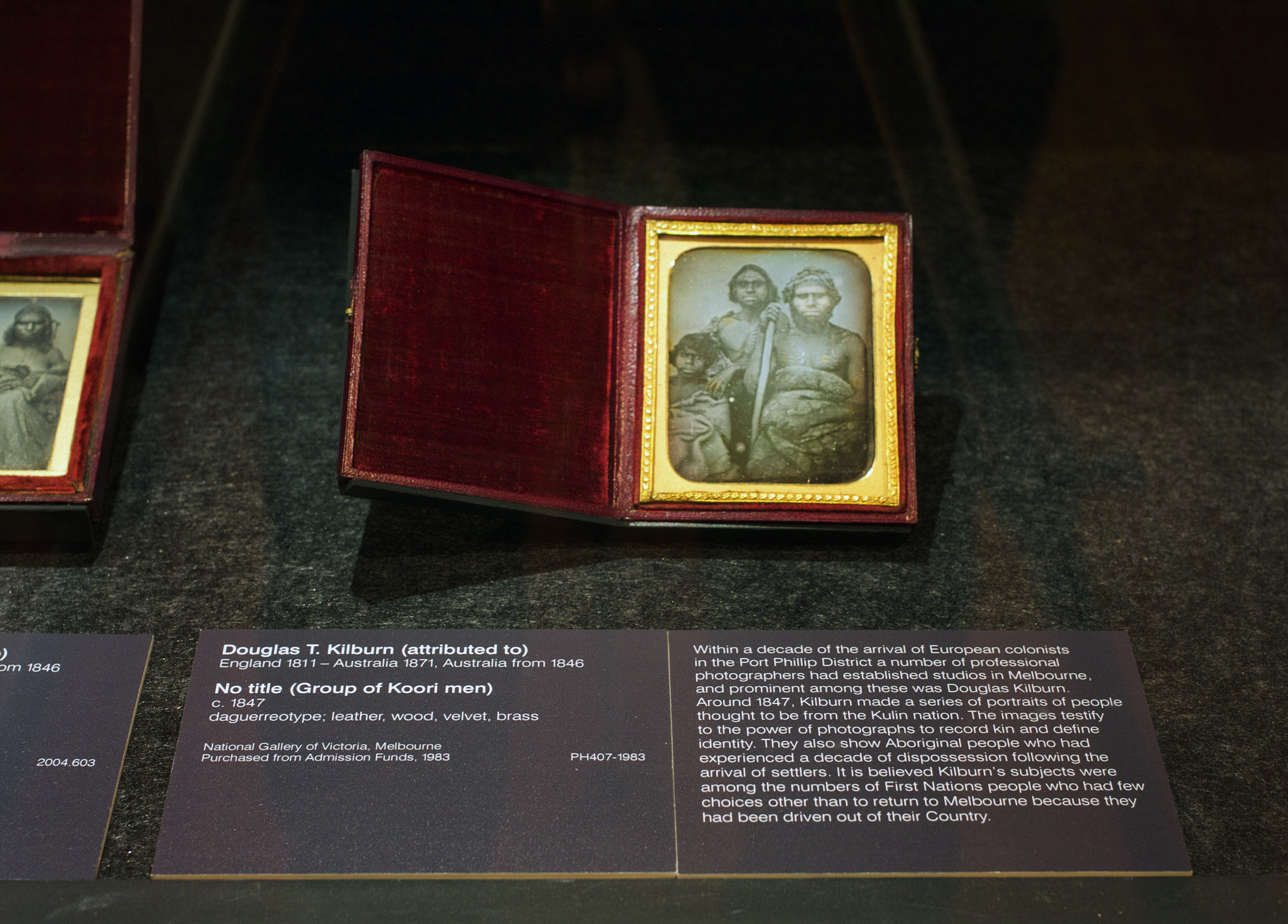

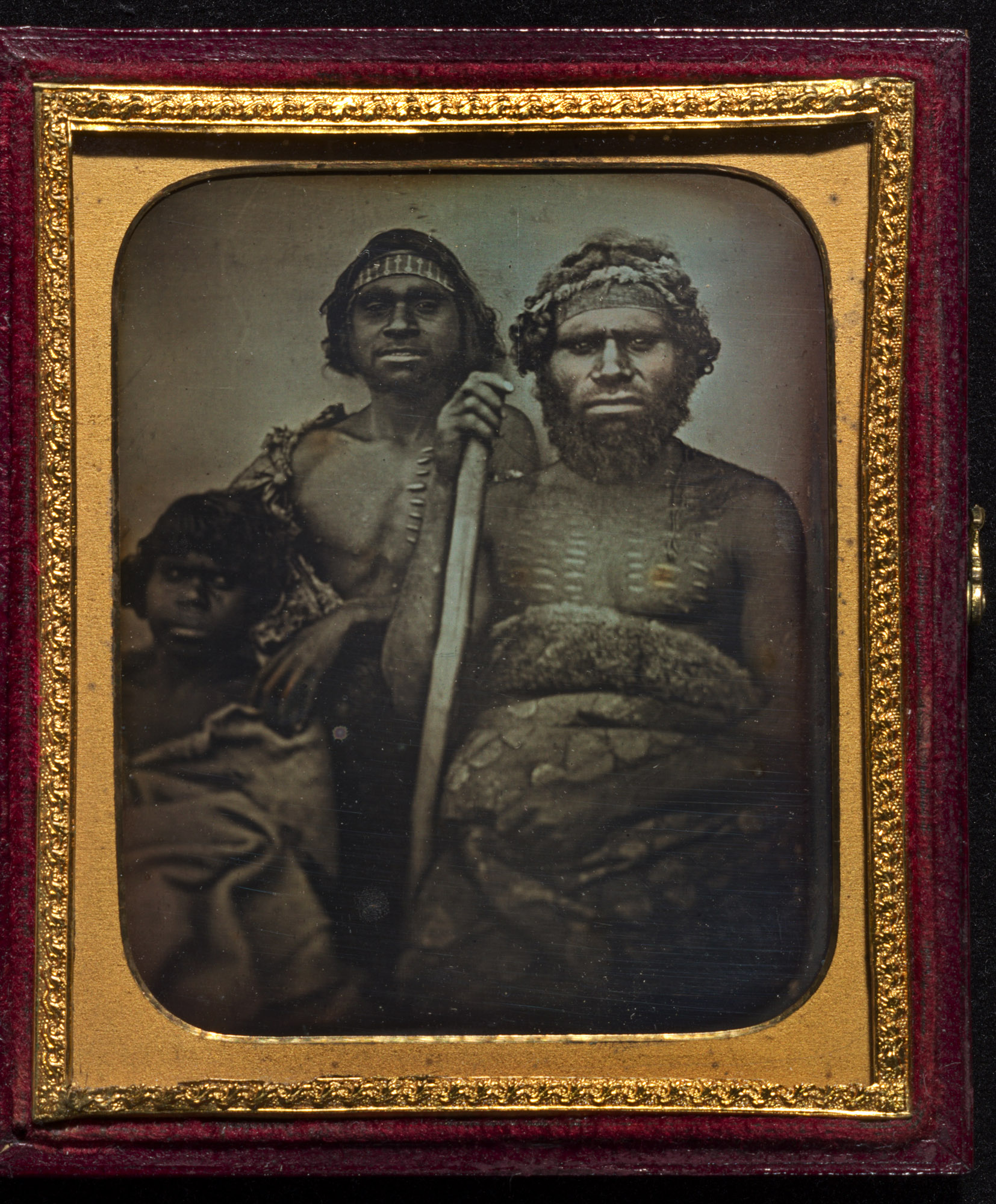


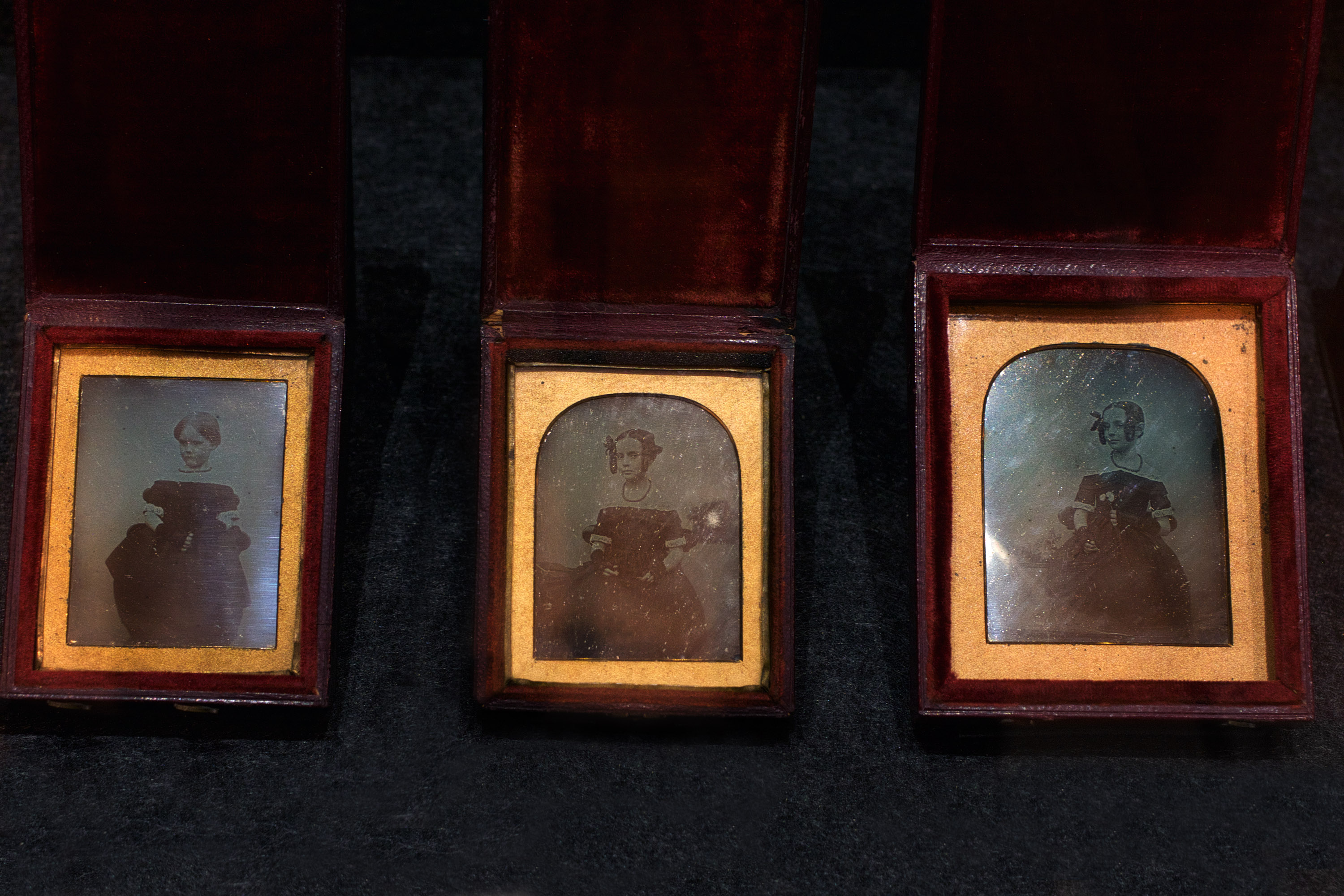
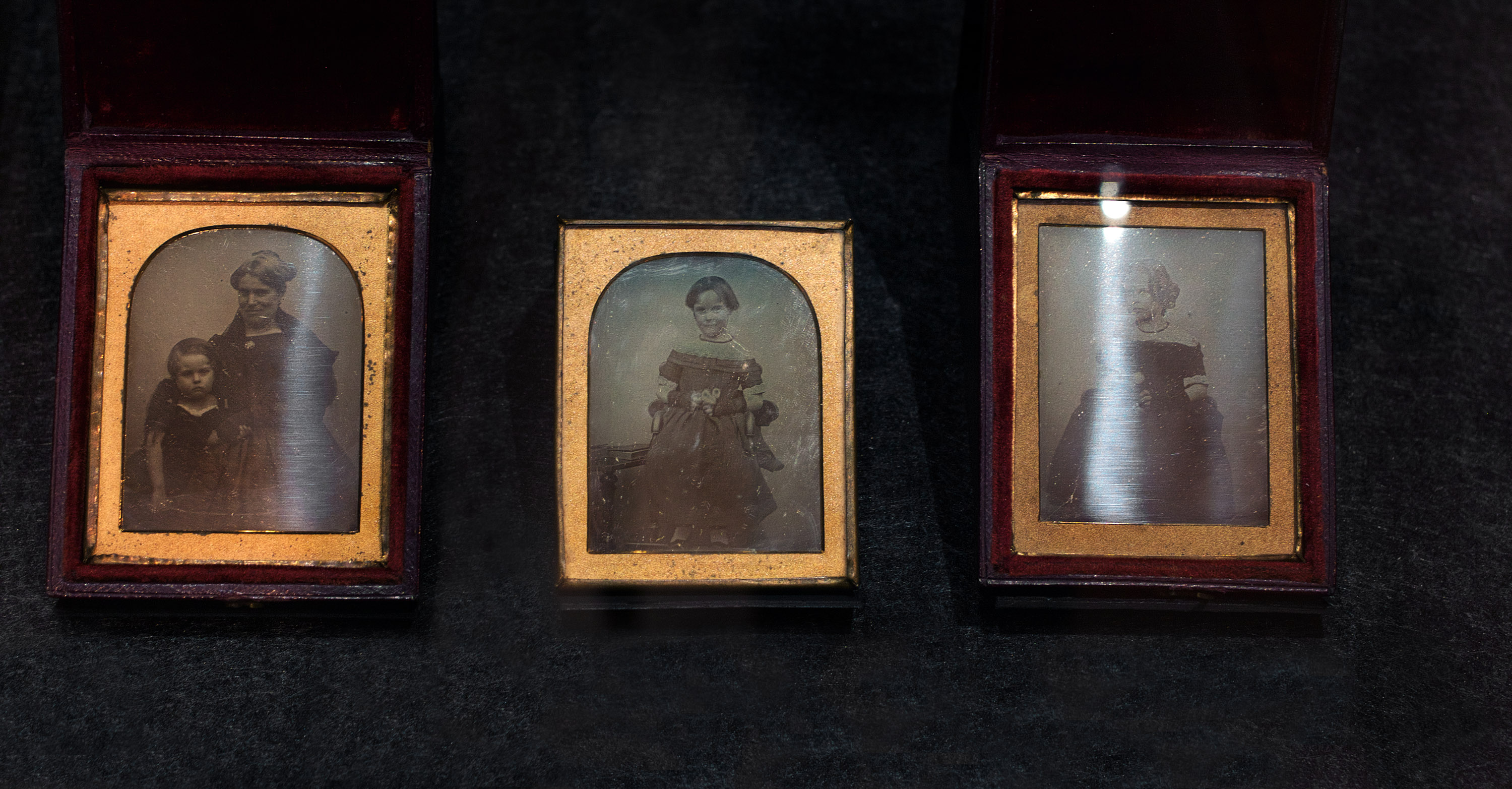


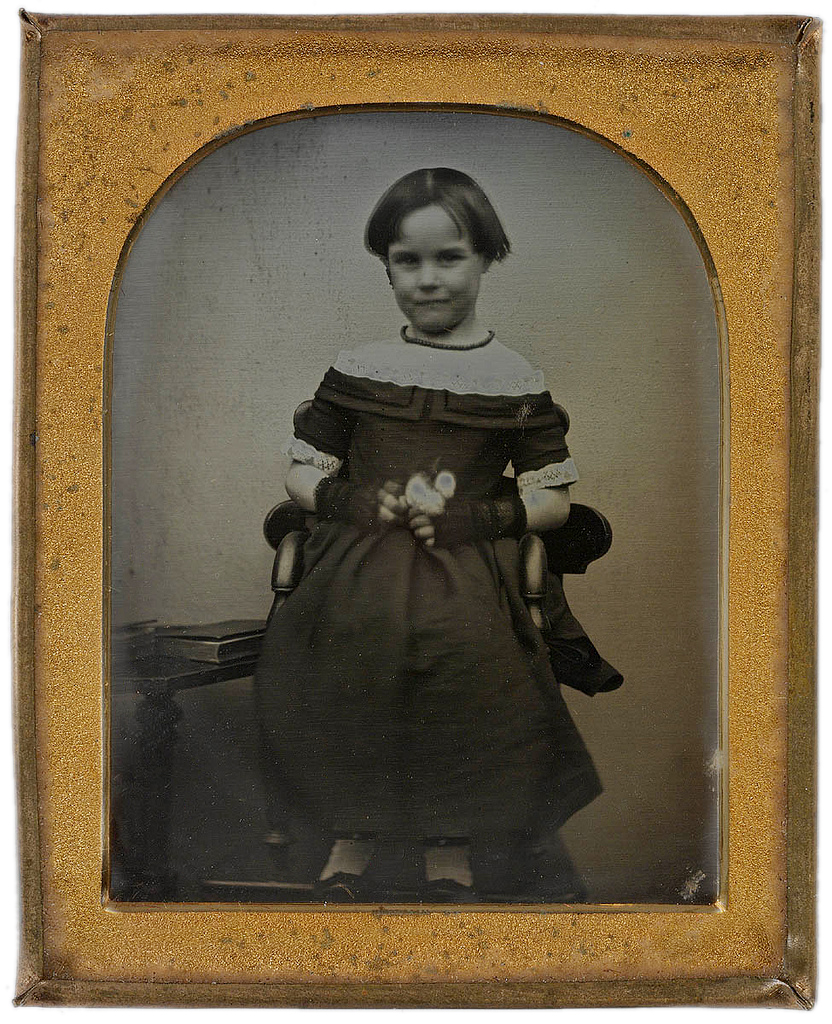
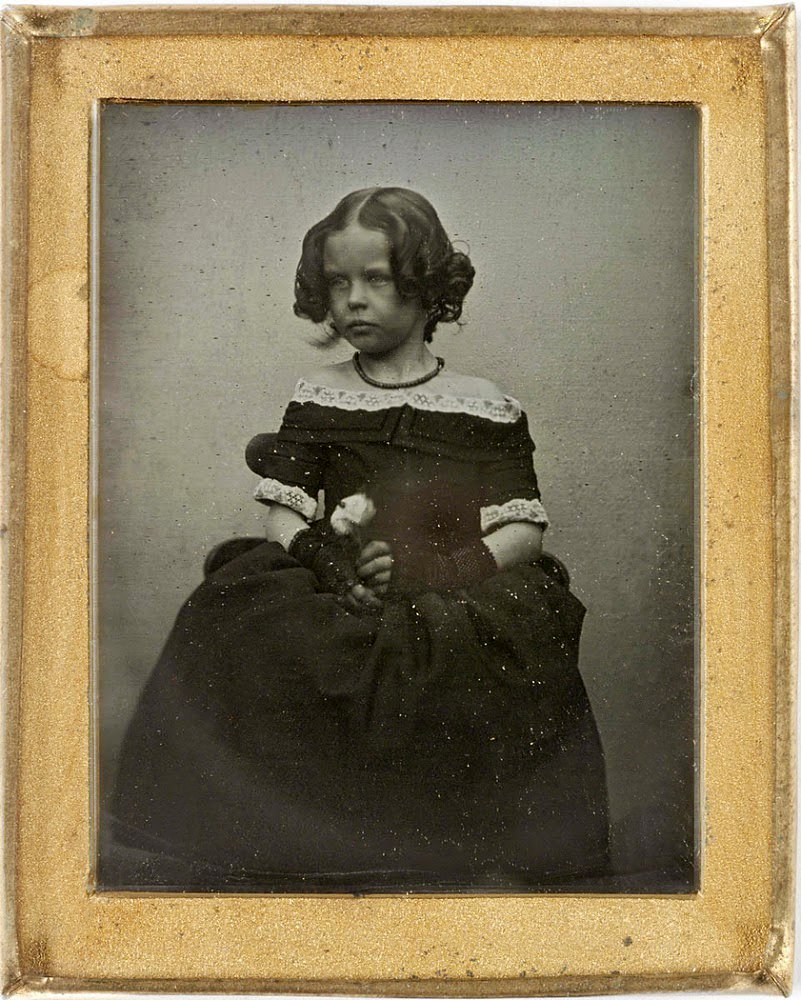
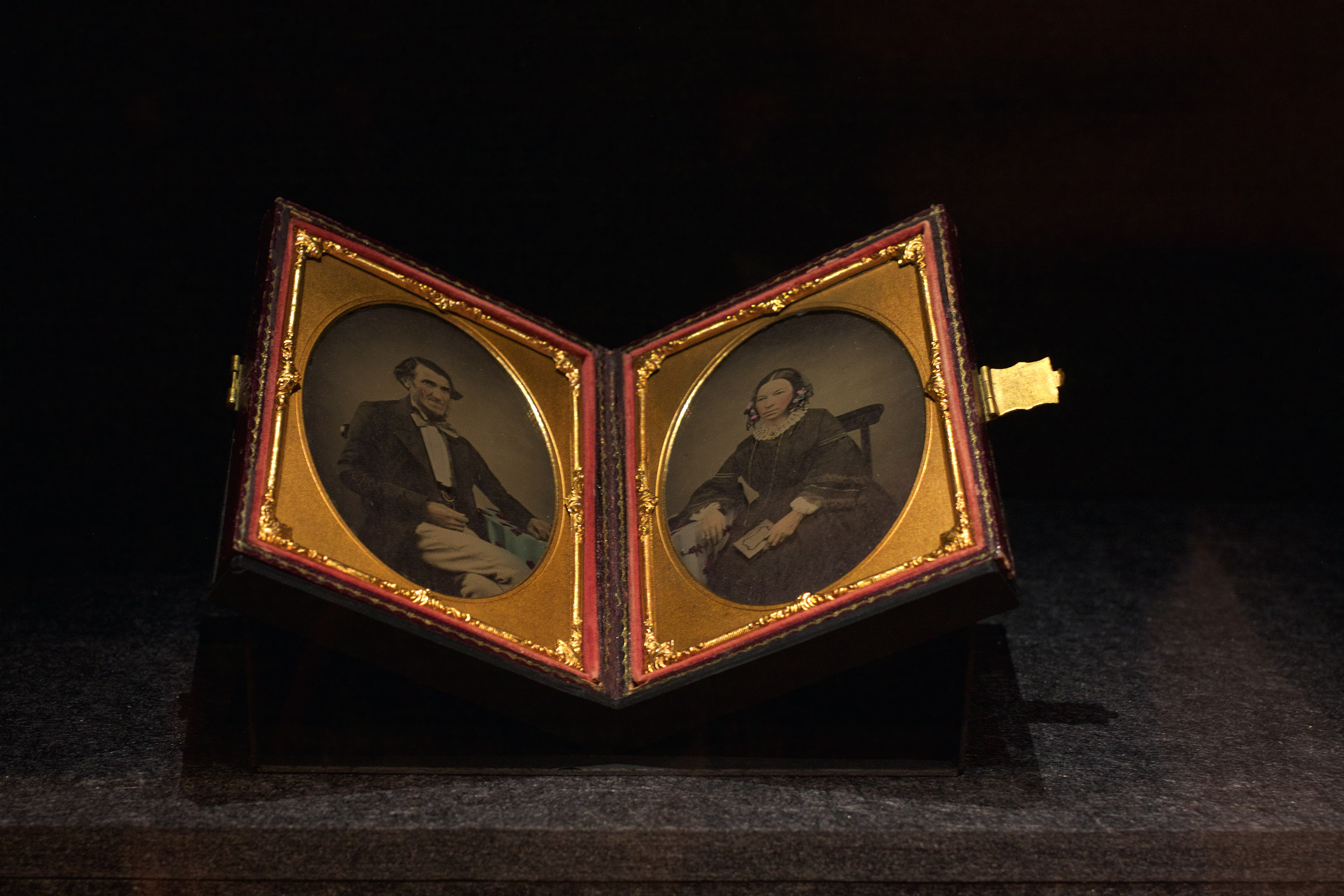
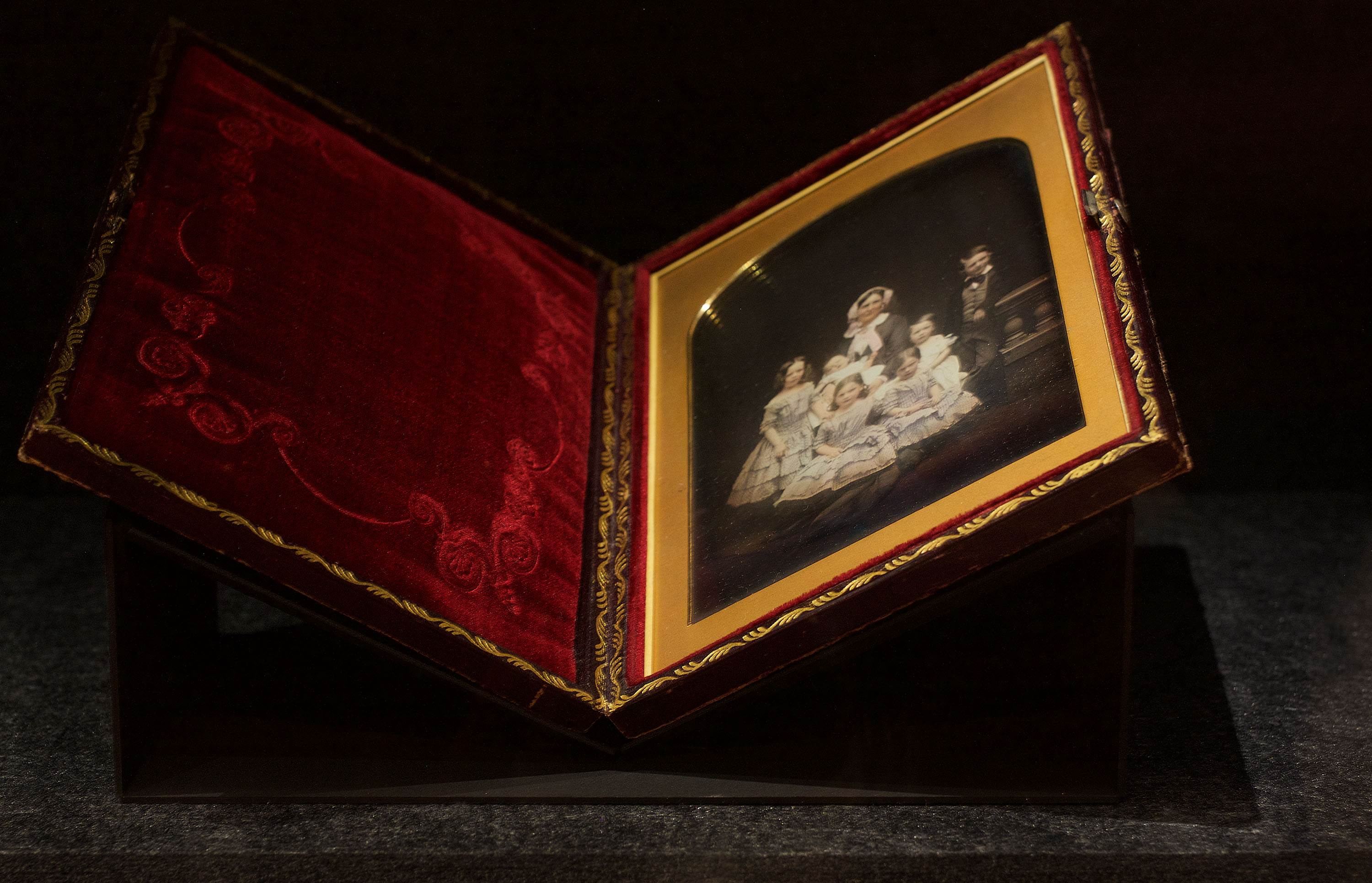


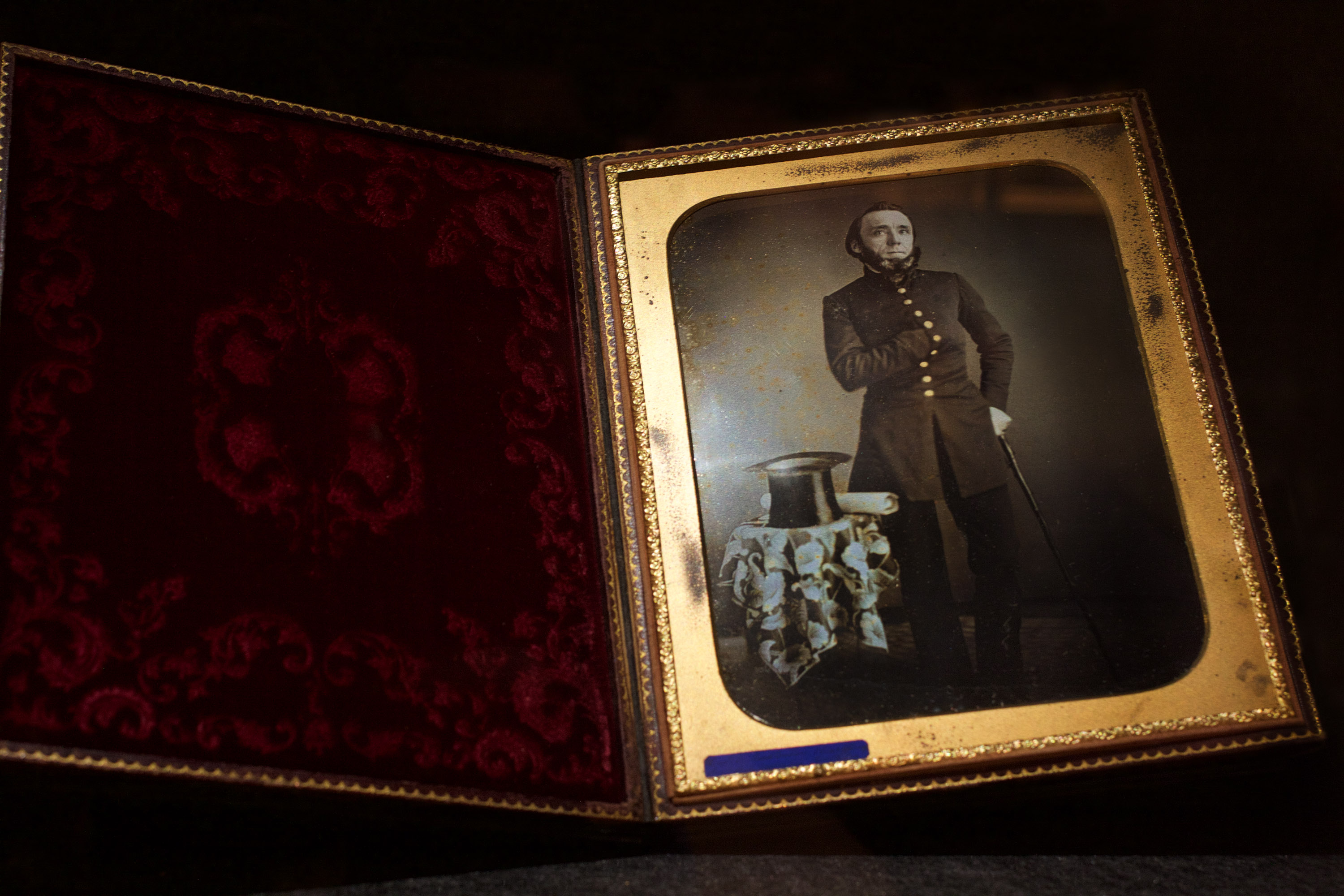
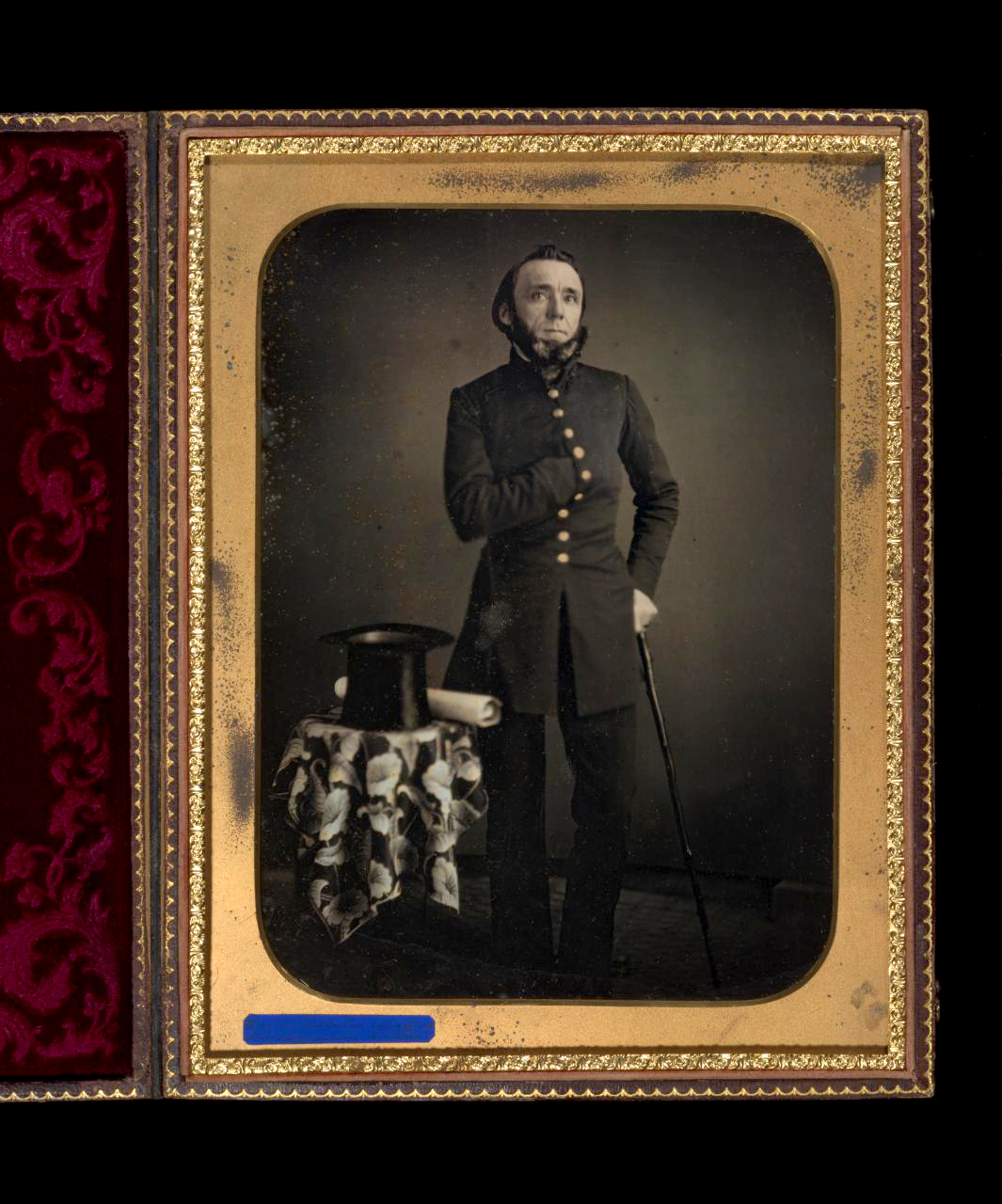
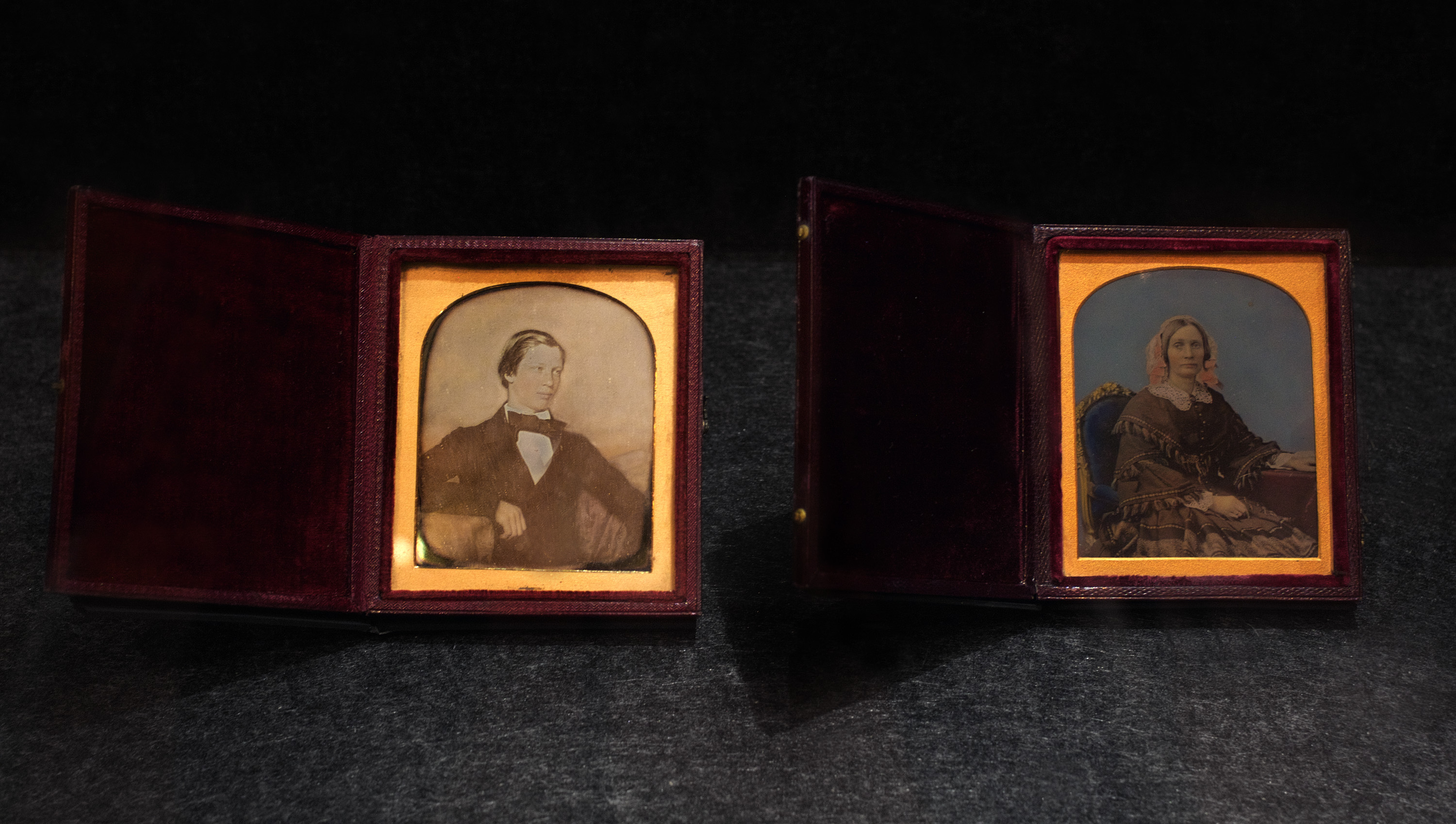


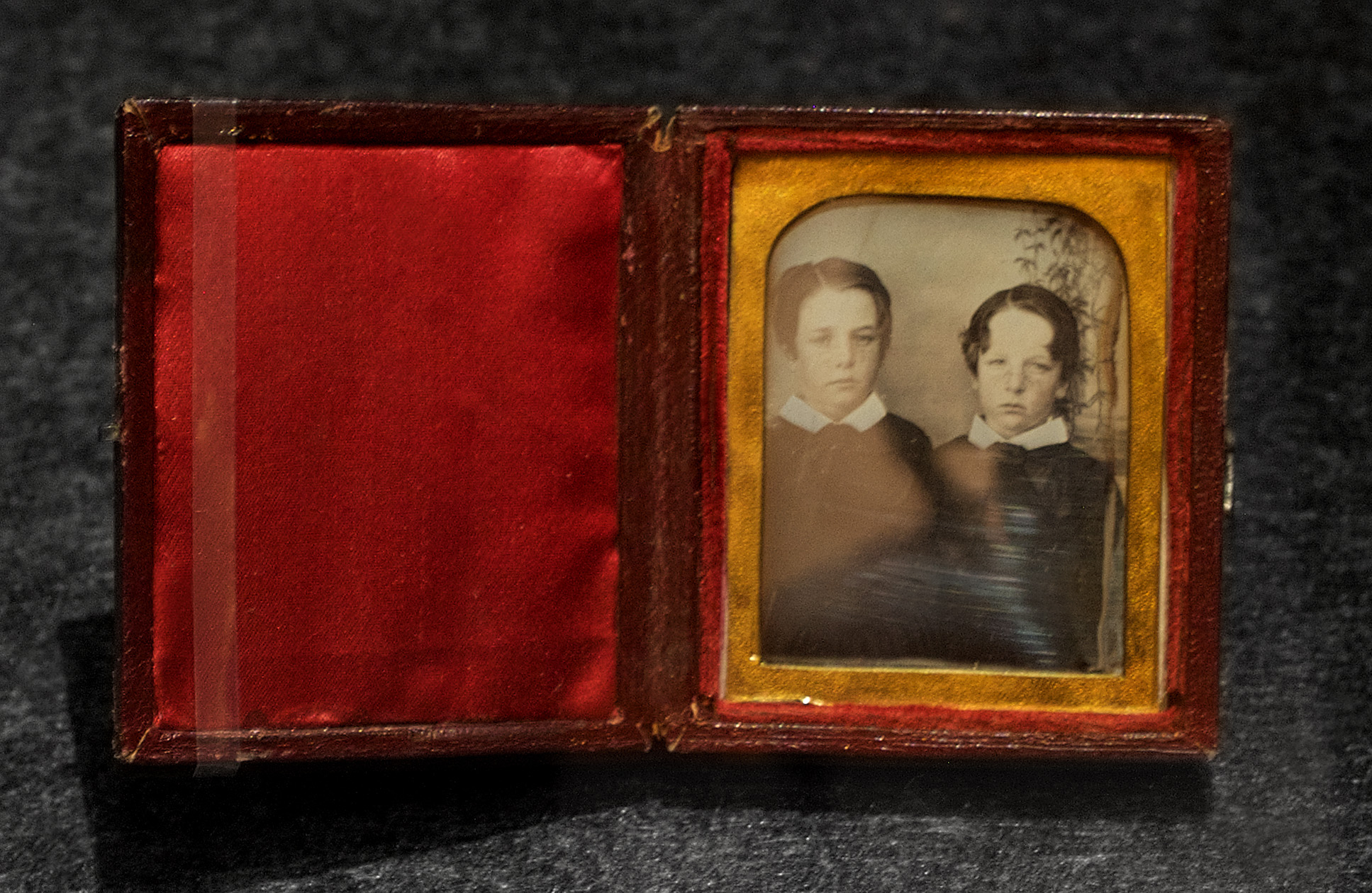


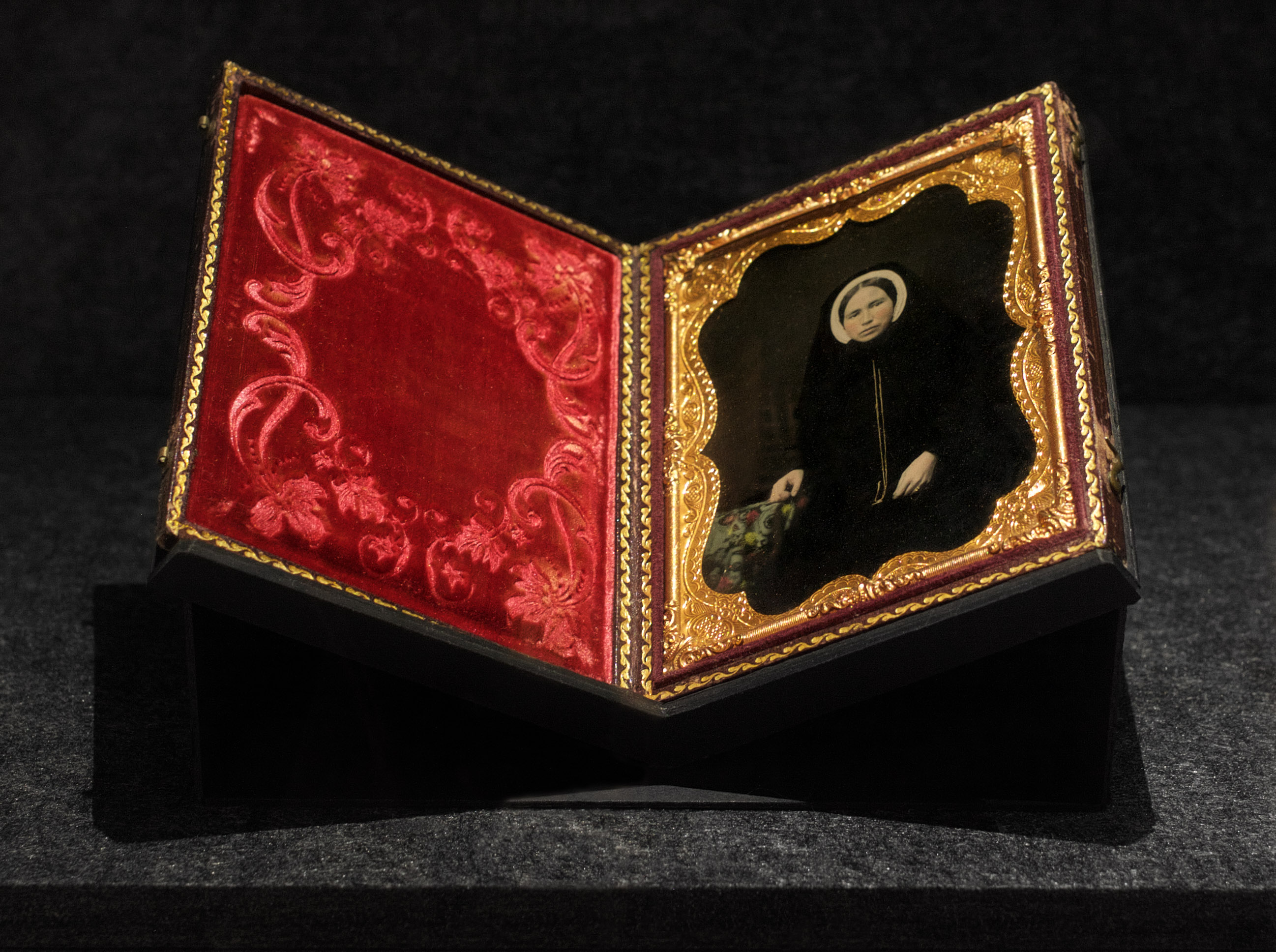


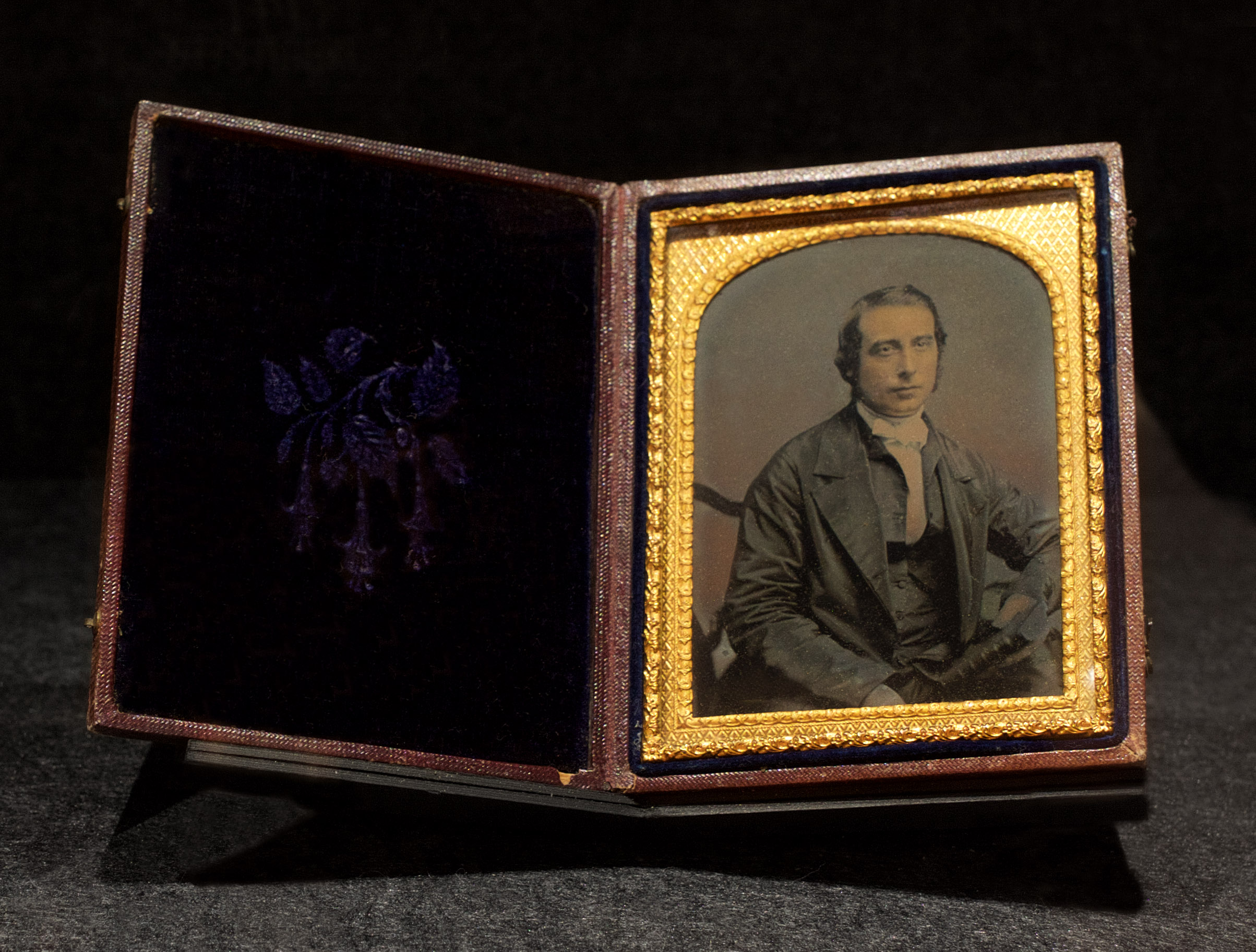
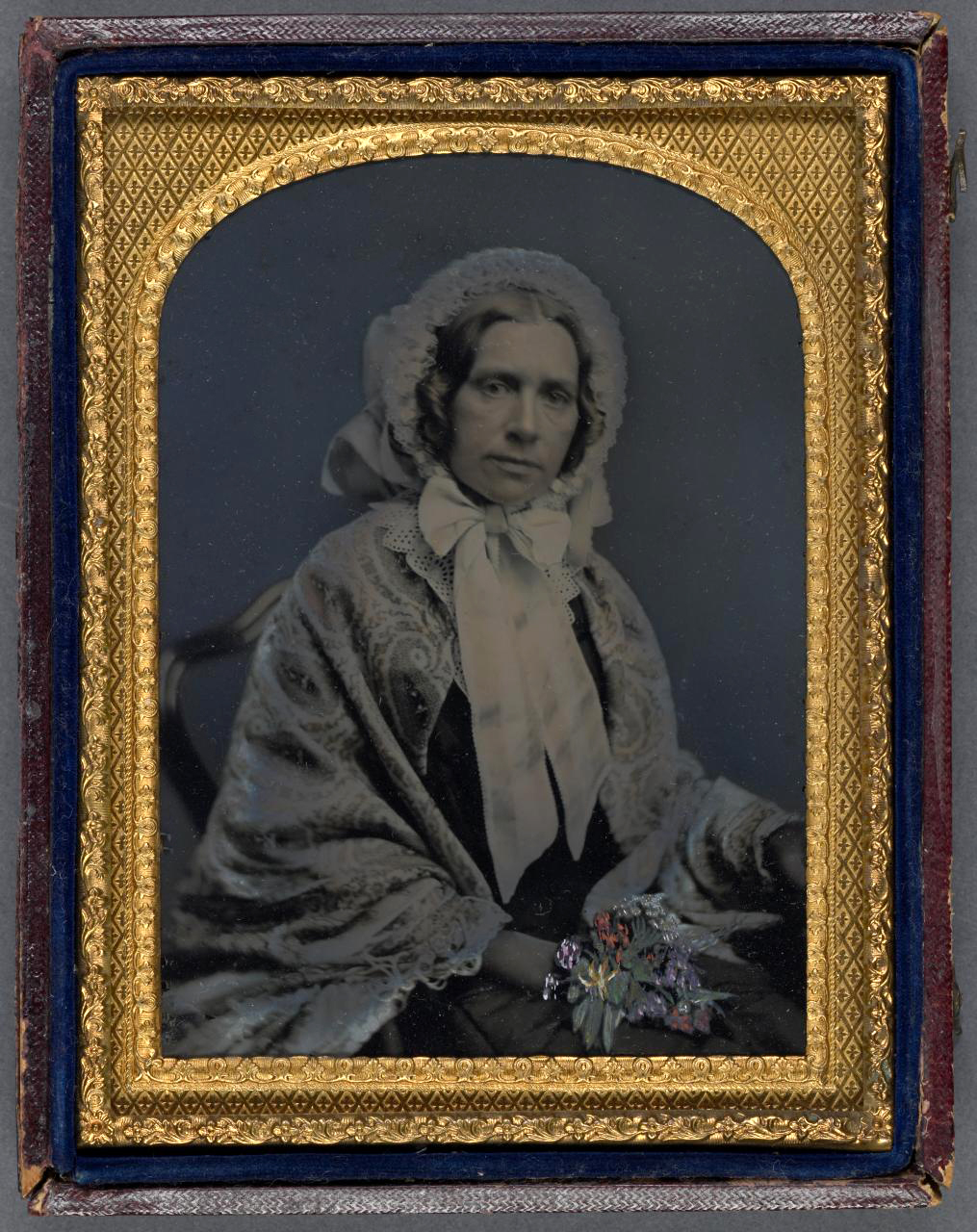














![Unknown artist (draughtsman, active in England early 19th century) Samuel John Neele (etcher, England 1758-1825) 'Pimbloy [Pemuluwuy], native of New Holland in a canoe of that country' 1804](https://artblart.com/wp-content/uploads/2018/03/neele-pimbloy-web.jpg "Unknown artist (draughtsman, active in England early 19th century) Samuel John Neele (etcher, England 1758-1825) 'Pimbloy [Pemuluwuy], native of New Holland in a canoe of that country' 1804")
























![Thomas Bock (England 1790 - Australia 1855, Australia from 1824) 'Woureddy [Wurati]: Native of Bruné Island, Van Diemen's Land' c. 1837](https://artblart.com/wp-content/uploads/2018/03/bock-woureddy-web.jpg "Thomas Bock (England 1790 - Australia 1855, Australia from 1824) 'Woureddy [Wurati]: Native of Bruné Island, Van Diemen's Land' c. 1837")


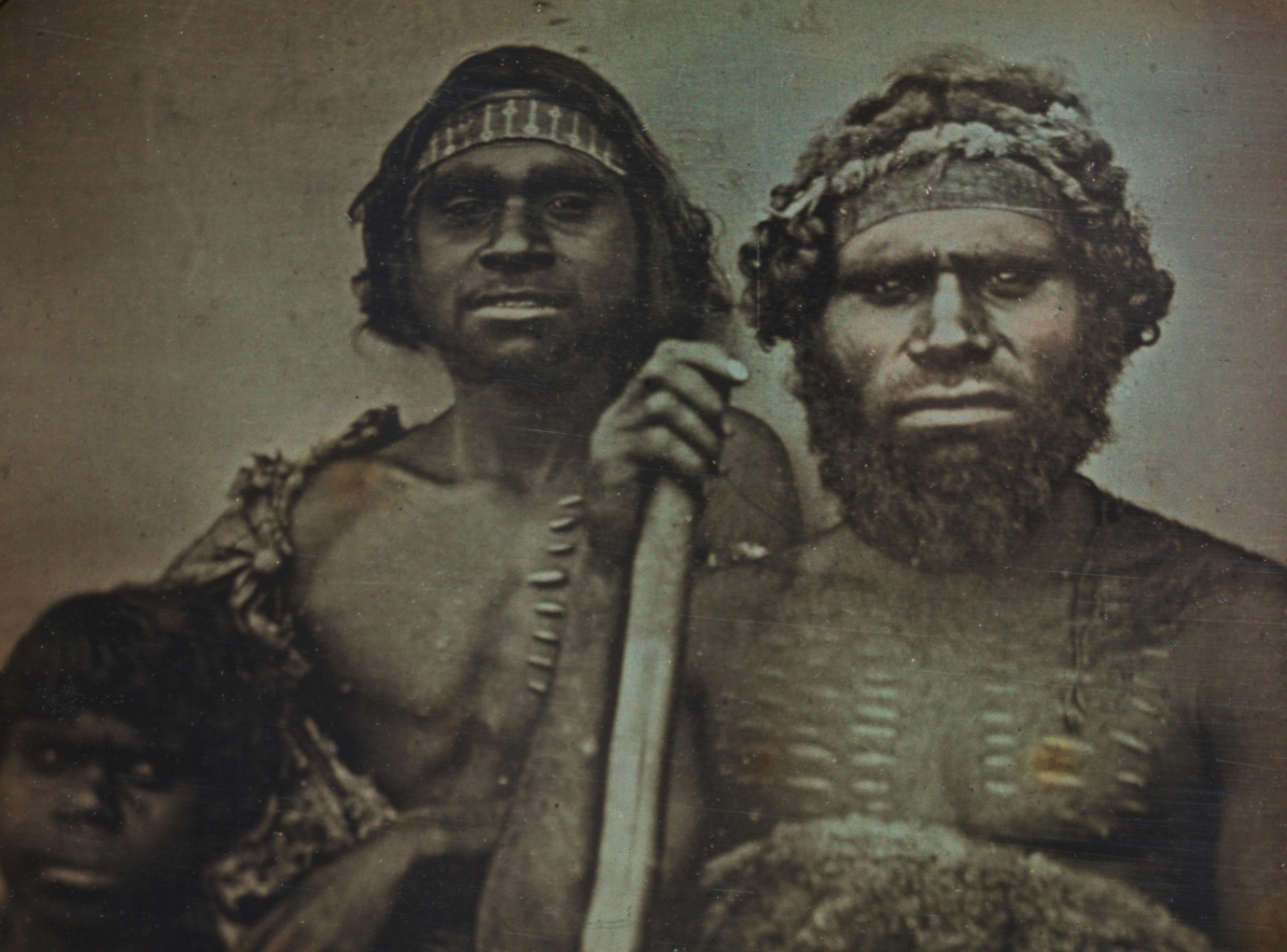


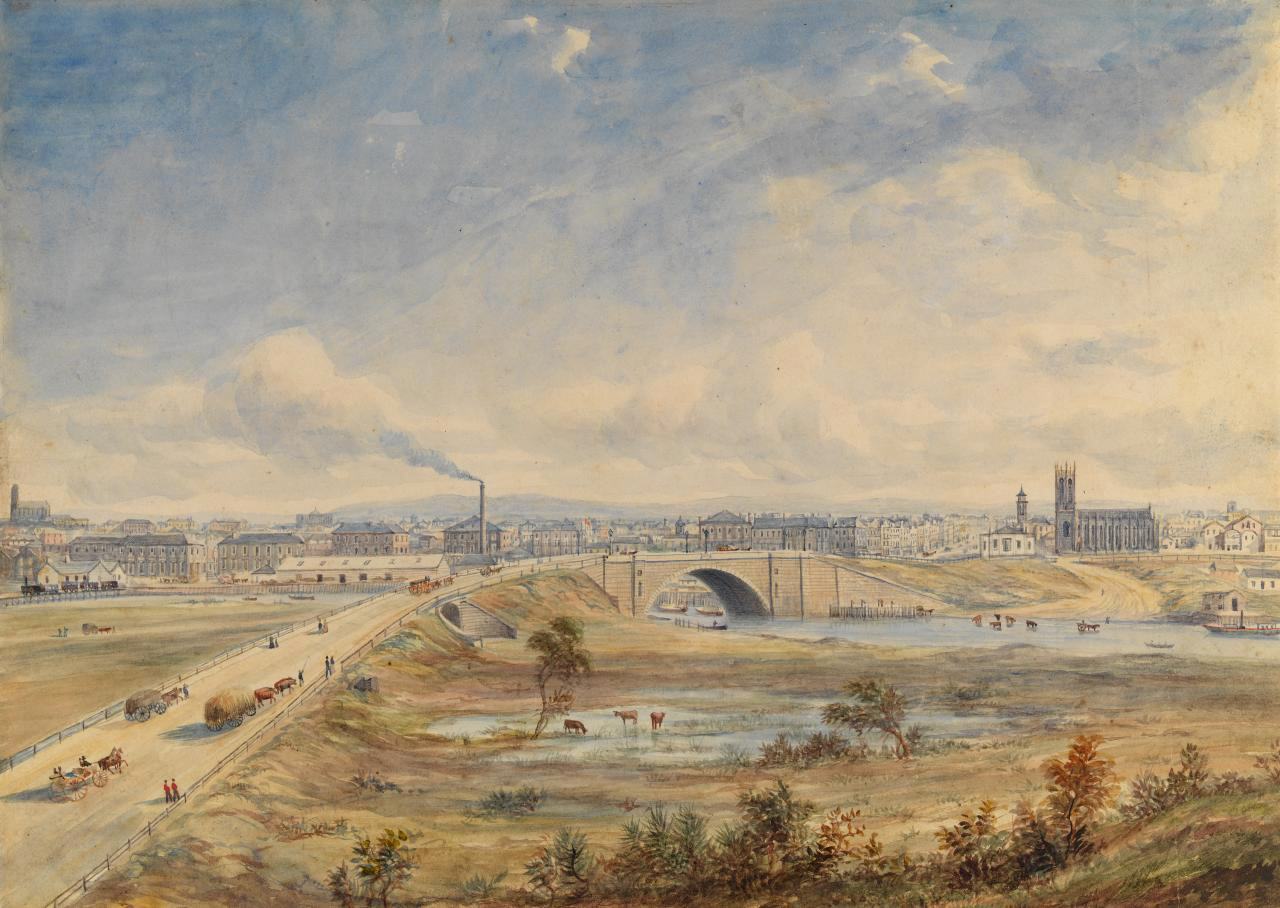
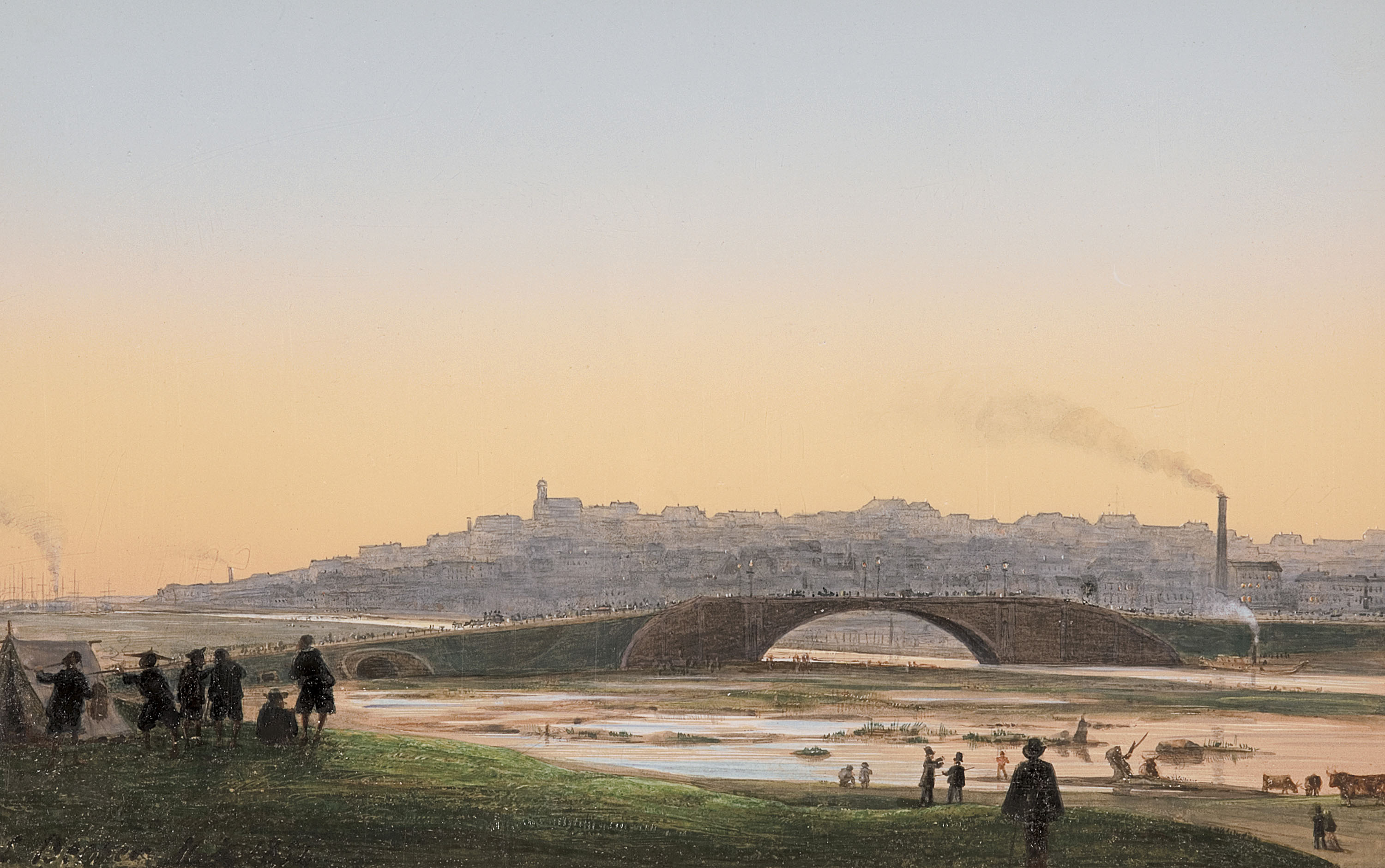

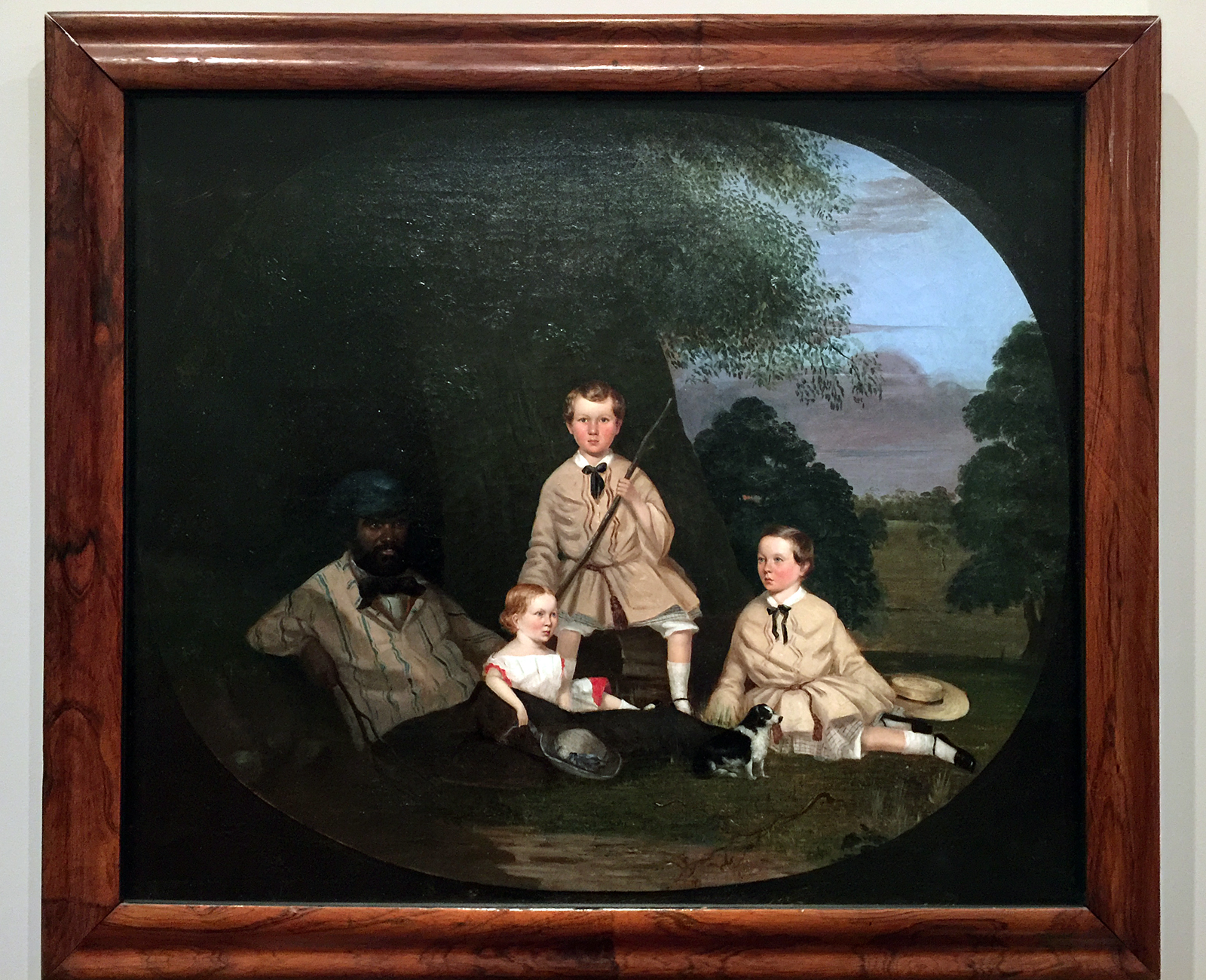













 Art Blart _ art and cultural memory archive
You must be logged in to post a comment.