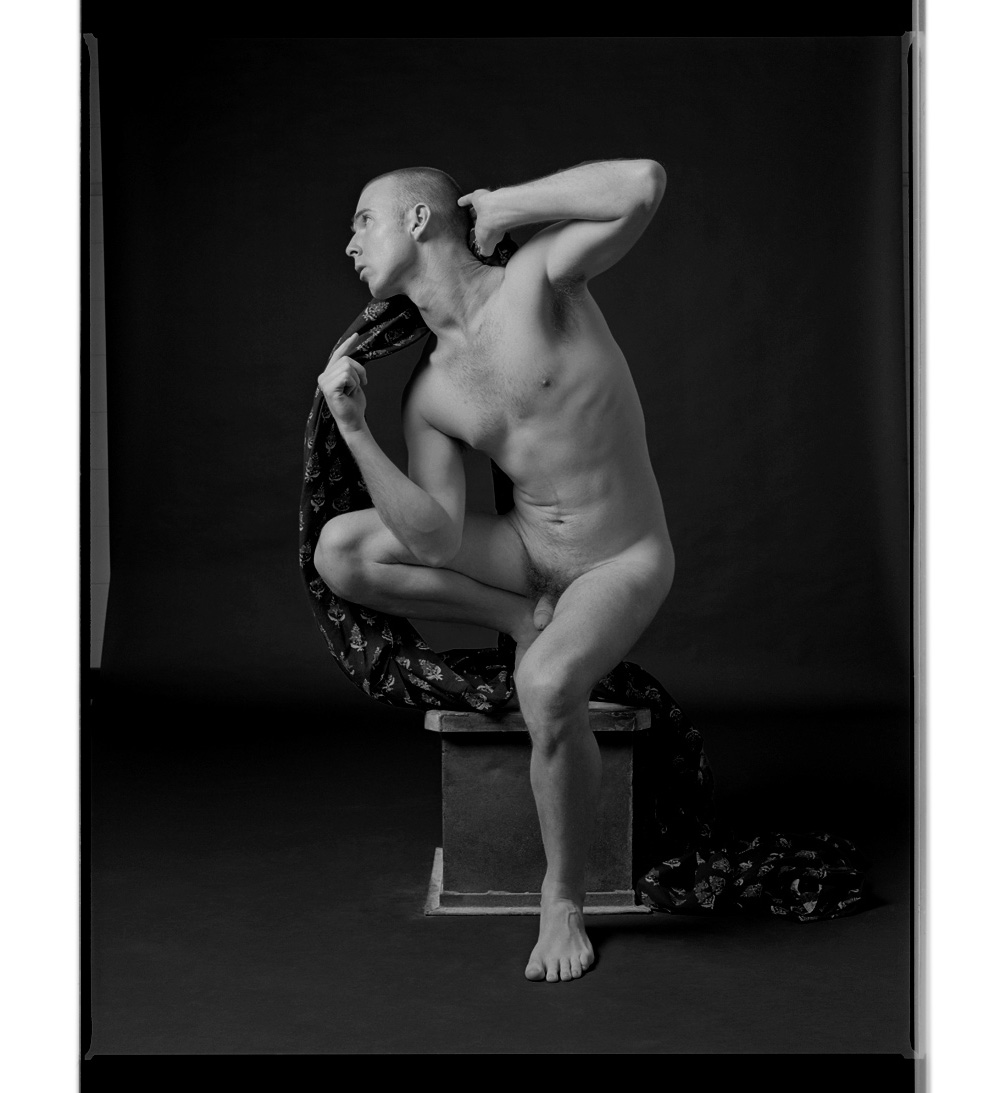
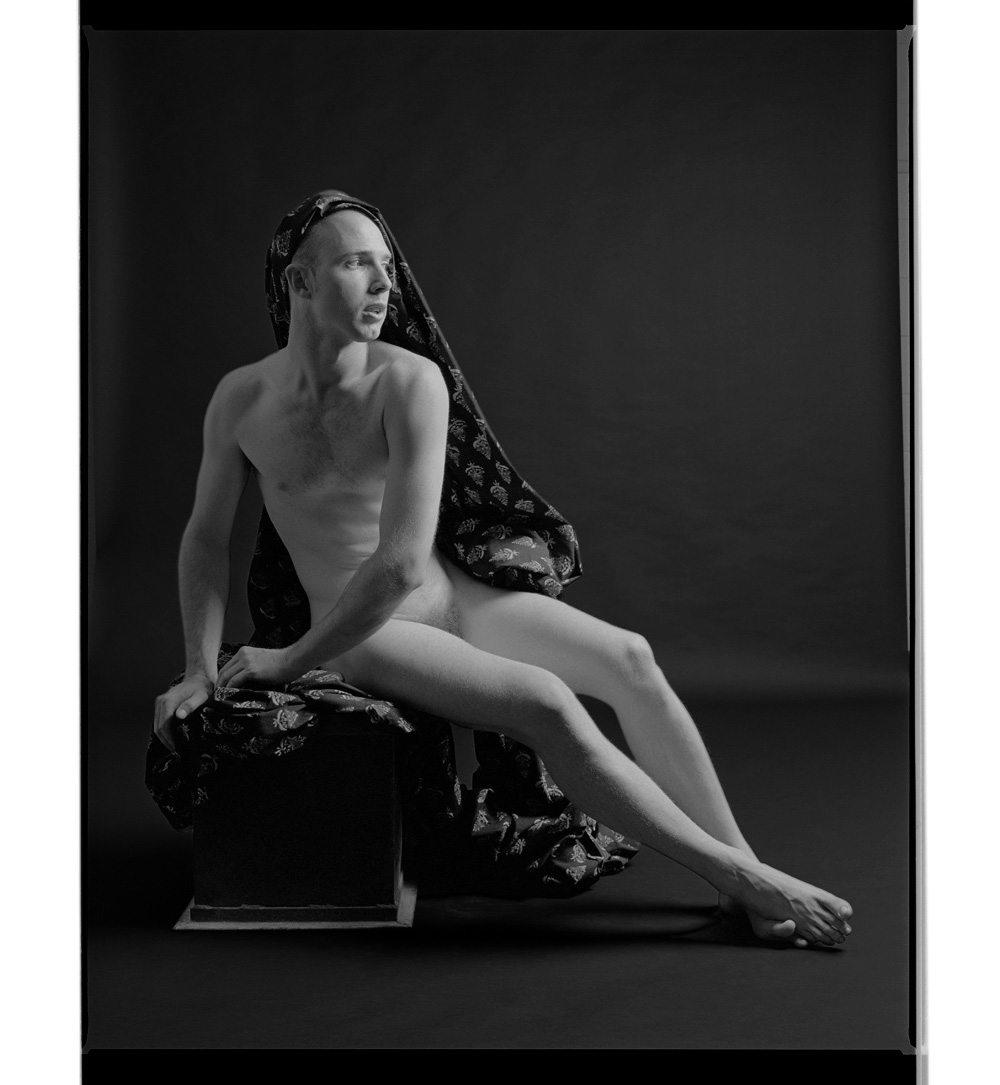
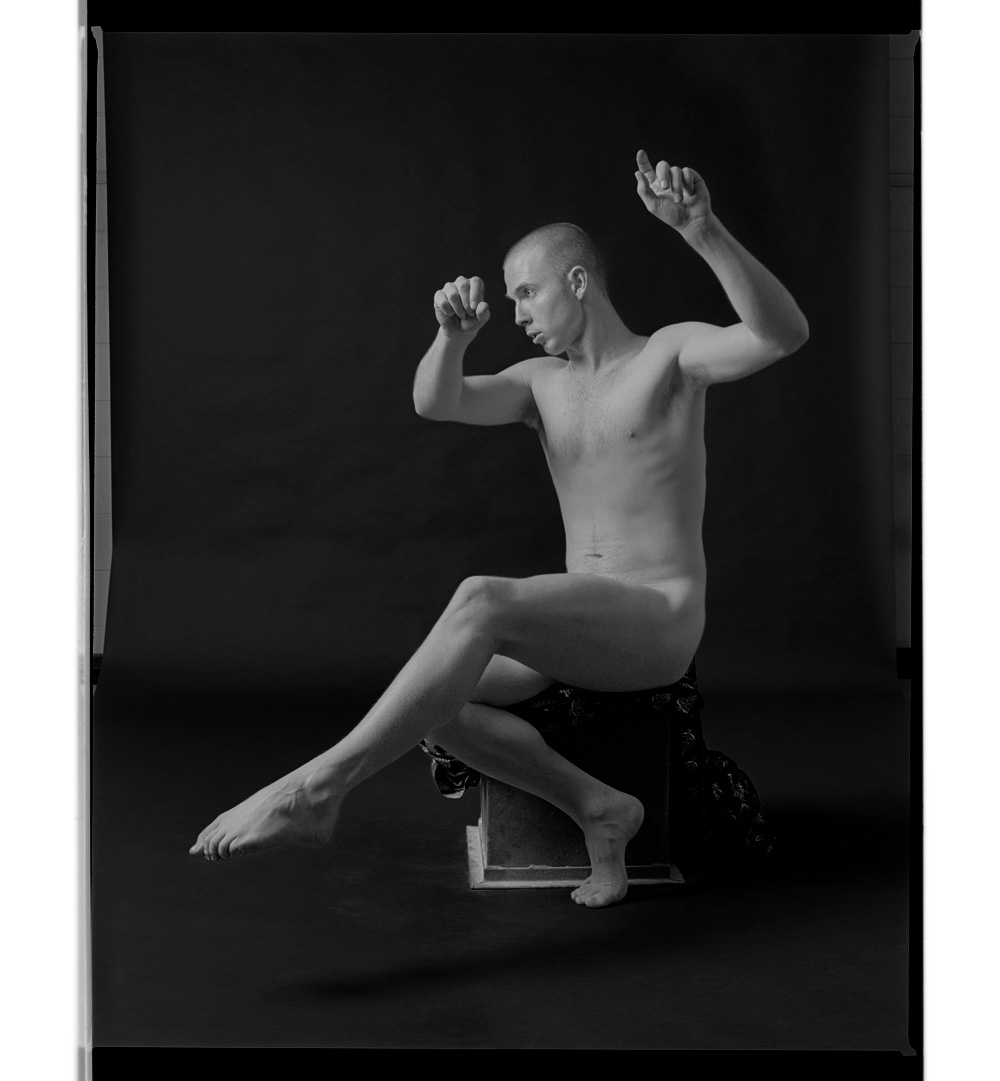
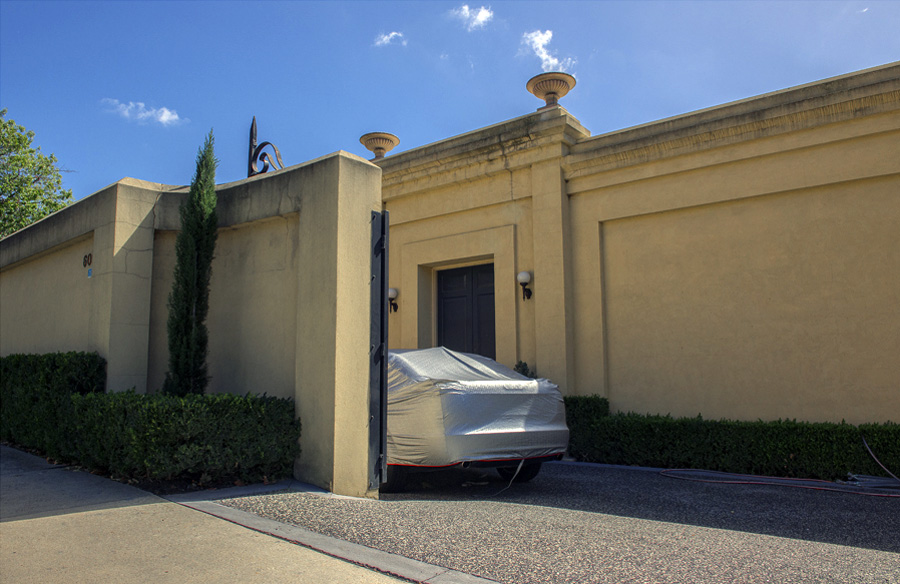
Marcus Bunyan black and white archive: South Yarra and surrounds, 1994

June 2013

PLEASE NOTE: THIS POSTING CONTAINS ART PHOTOGRAPHS OF MALE NUDITY – IF YOU DO NOT LIKE PLEASE DO NOT LOOK, FAIR WARNING HAS BEEN GIVEN


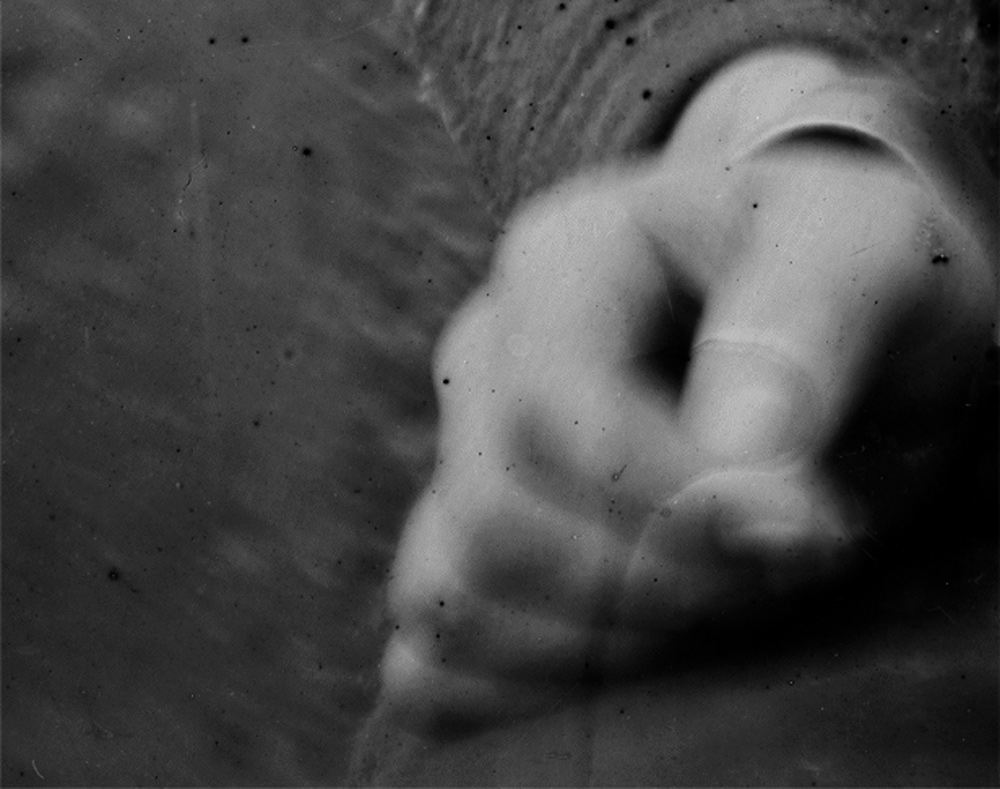
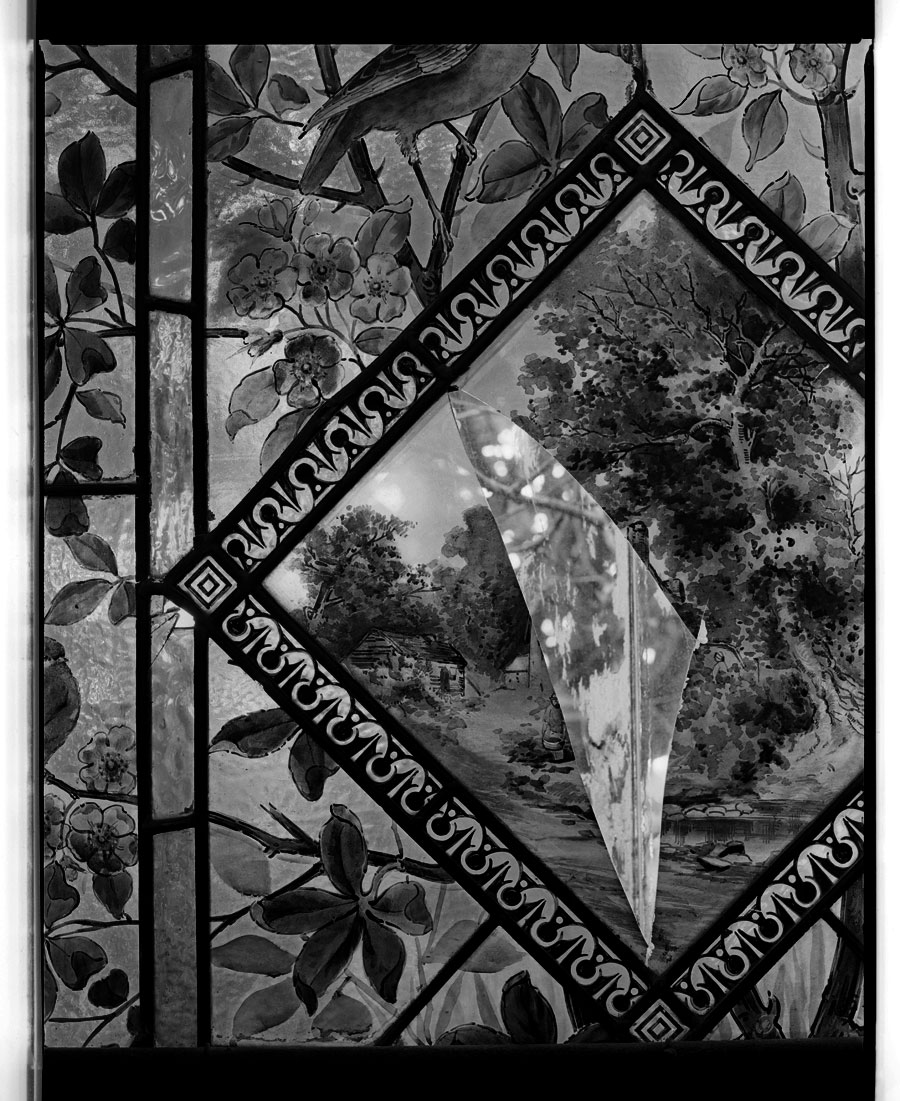
Marcus Bunyan (Australian, b. 1958) 'Stained glass, cracked' 1994


Marcus Bunyan (Australian, b. 1958)
Stained glass, cracked
1994
Silver gelatin photograph


I am scanning my negatives made during the years 1991-1997 to preserve them in the form of an online archive as a process of active memory, so that the images are not lost forever. These photographs were images of my life and imagination at the time of their making, the ideas I was thinking about and the people and things that surrounded me.

All images © Marcus Bunyan. Please click the photographs for a larger version of the image; remember these are just straight scans of the negatives !

Photographs are available from this series for purchase. As a guide, a vintage 8″ x 10″ silver gelatin print costs $700 plus tracked and insured shipping. For more information please see my Store web page.


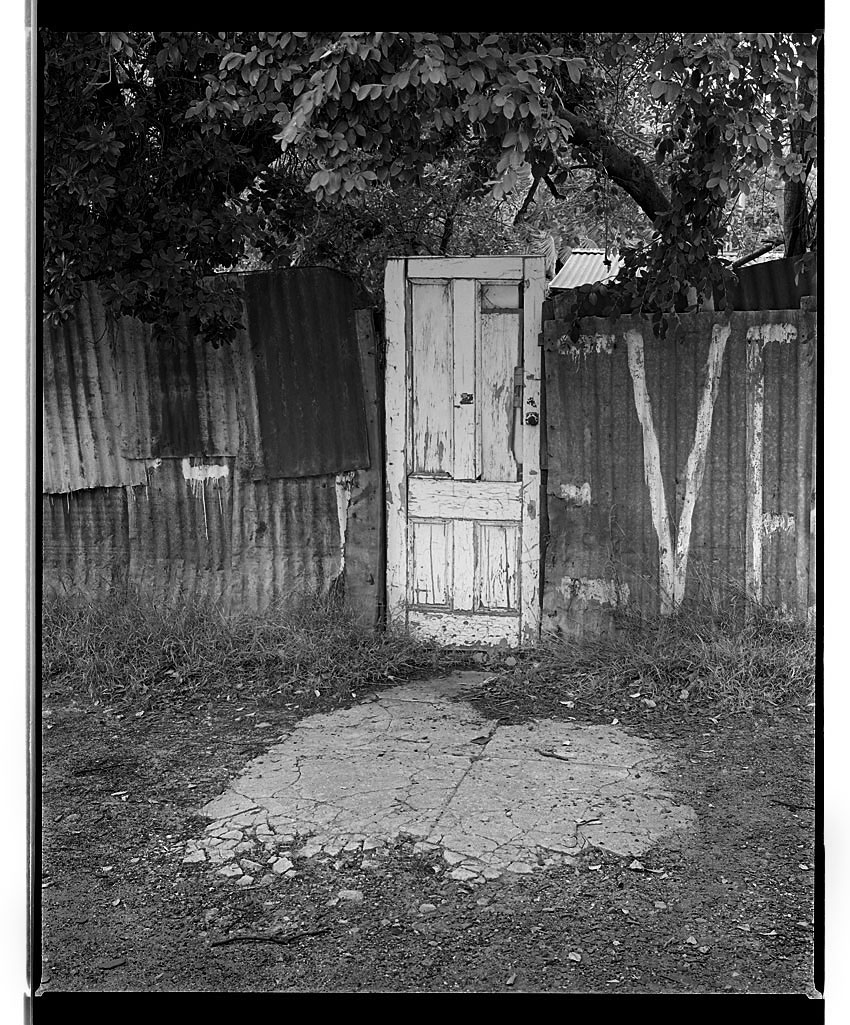
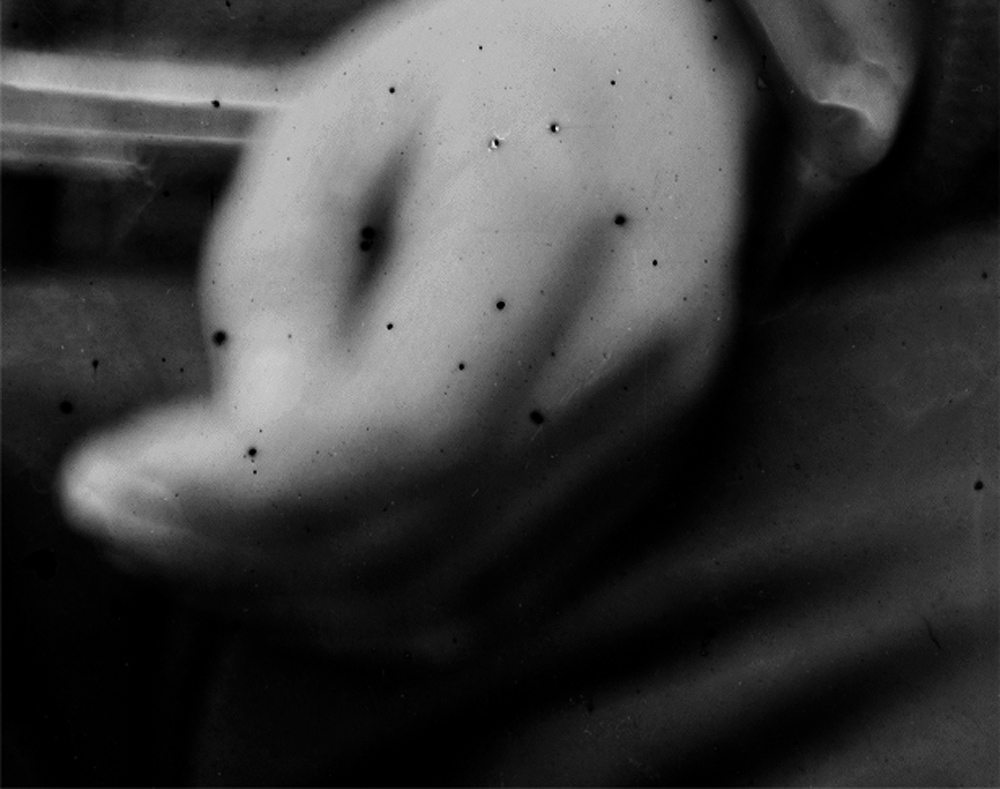
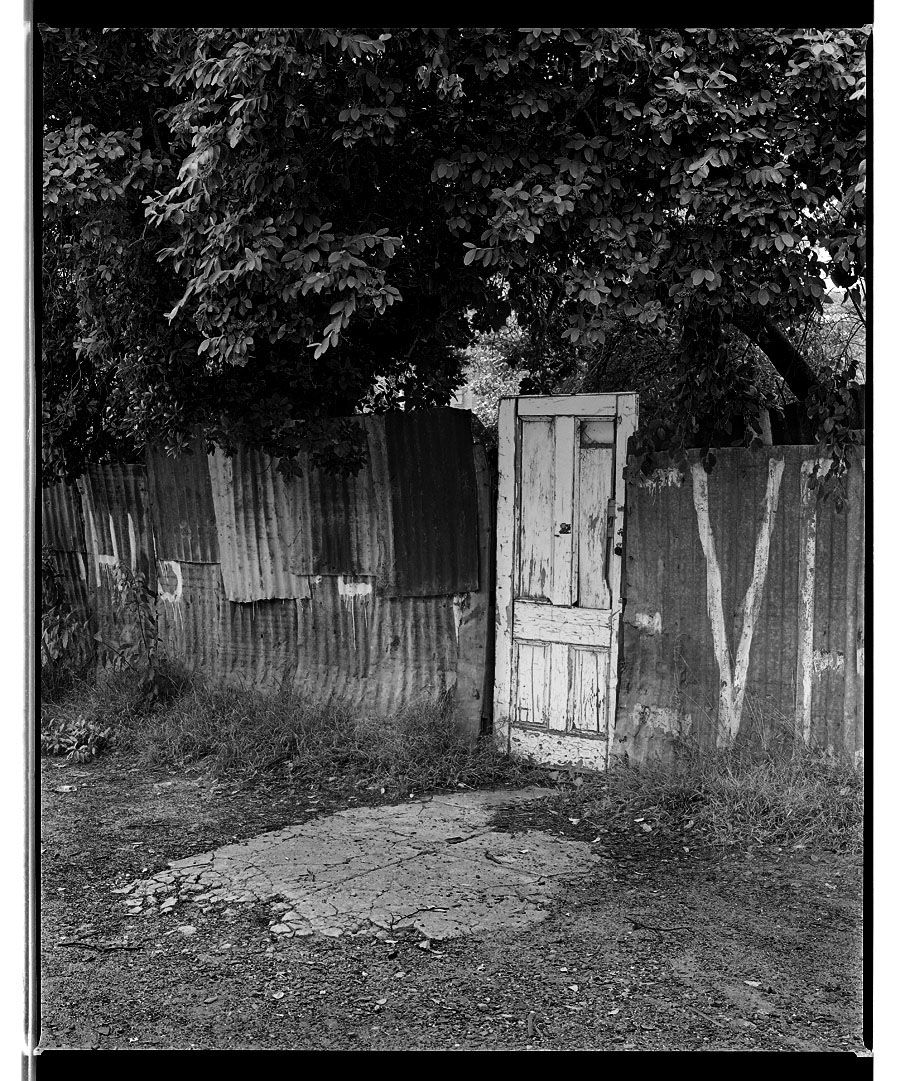
Marcus Bunyan (Australian, b. 1958) 'White door 1' 1994


Marcus Bunyan (Australian, b. 1958)
White door 1
1994
Silver gelatin photograph


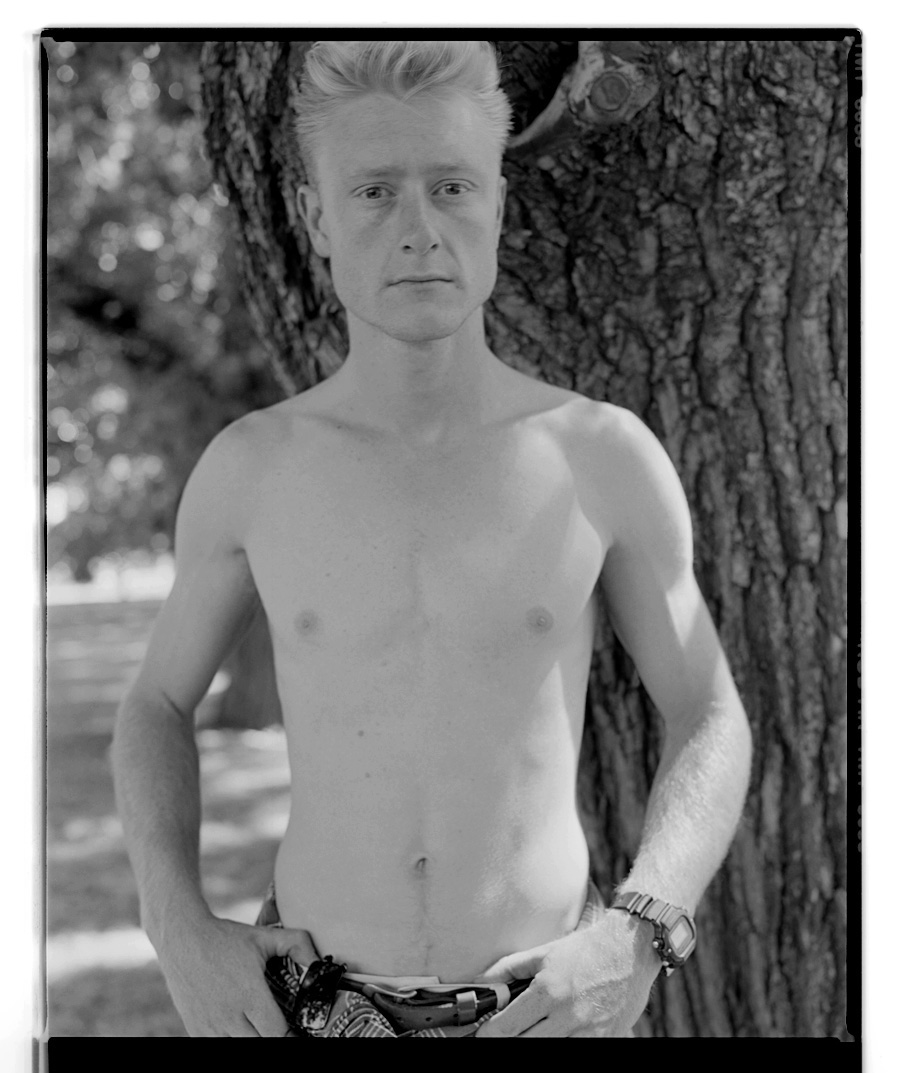
Marcus Bunyan (Australian, b. 1958) 'Damien, 1994' 1994


Marcus Bunyan (Australian, b. 1958)
Damien, 1994
1994
Silver gelatin photograph


Marcus Bunyan (Australian, b. 1958) 'Night repair' 1994


Marcus Bunyan (Australian, b. 1958)
Night repair
1994
Silver gelatin photograph


Marcus Bunyan (Australian, b. 1958) 'Jerry holding a brush, South Yarra' 1994


Marcus Bunyan (Australian, b. 1958)
Jerry holding a brush, South Yarra
1994
Silver gelatin photograph


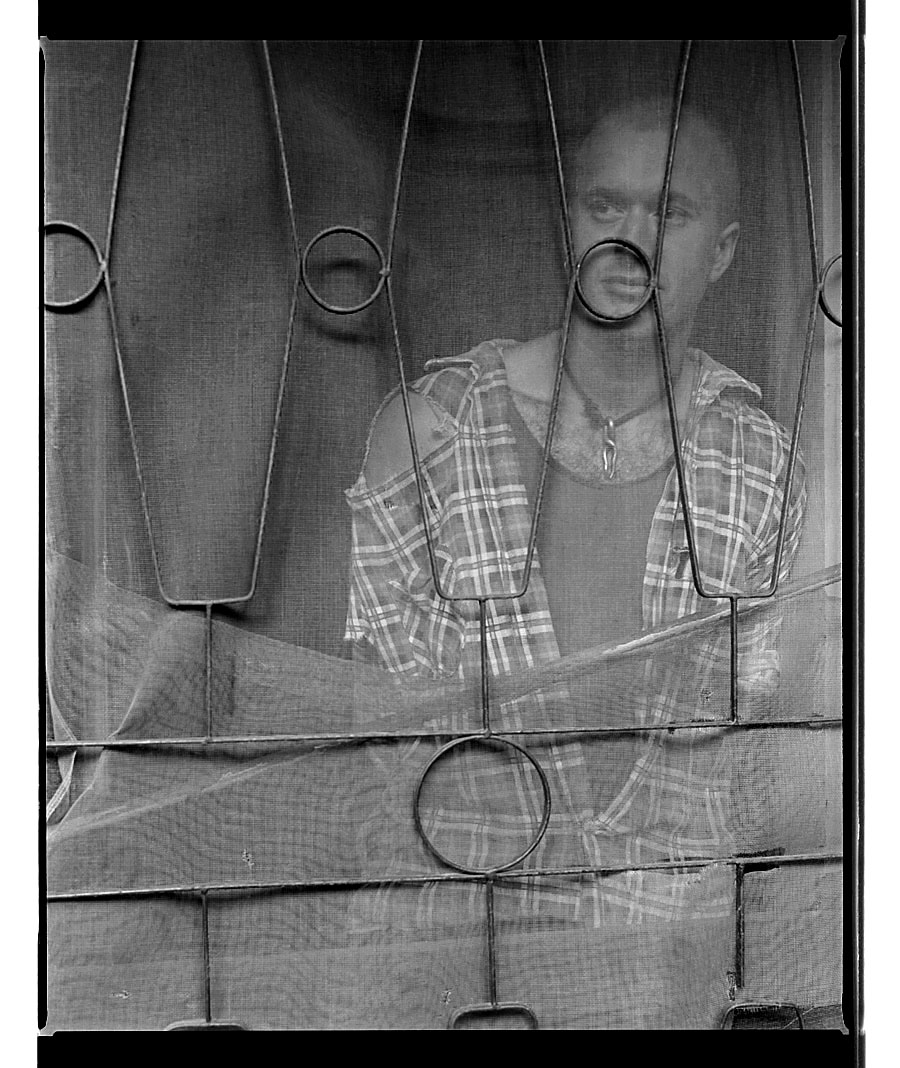
Marcus Bunyan (Australian, b. 1958) 'Jerry behind safety screen, Punt Road, South Yarra' 1994


Marcus Bunyan (Australian, b. 1958)
Jerry behind safety screen, Punt Road, South Yarra
1994
Silver gelatin photograph


Marcus Bunyan (Australian, b. 1958) 'Presence' 1994


Marcus Bunyan (Australian, b. 1958)
Presence
1994
Silver gelatin photograph


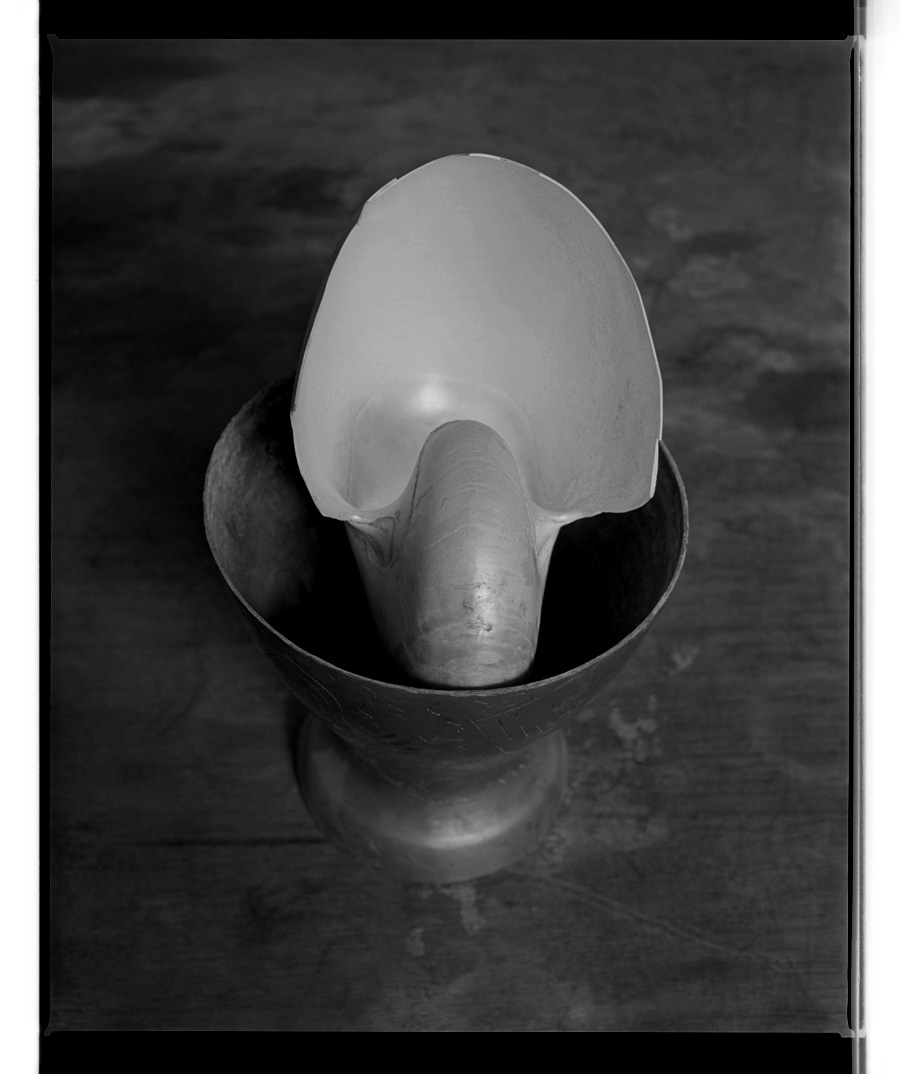
Marcus Bunyan (Australian, b. 1958) 'Nautilus shell in cup' 1994


Marcus Bunyan (Australian, b. 1958)
Nautilus shell in cup
1994
Silver gelatin photograph


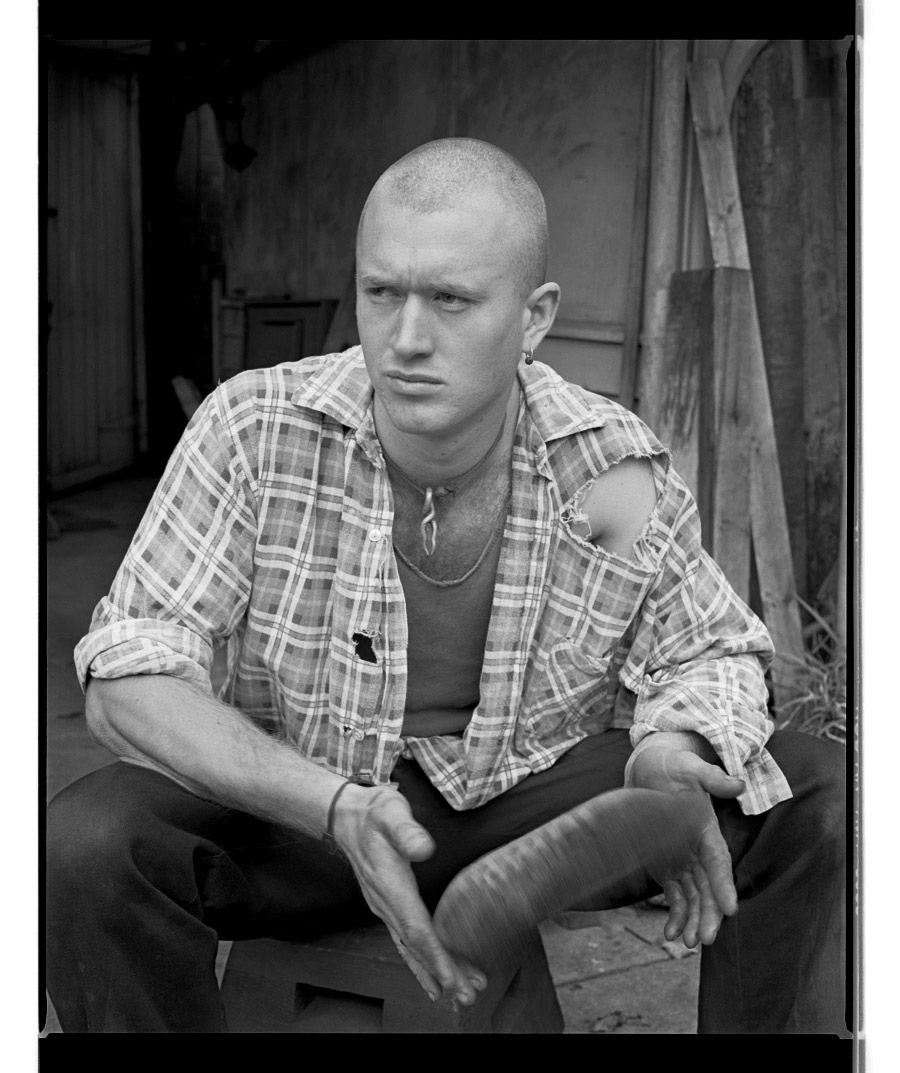
Marcus Bunyan (Australian, b. 1958) 'Jerry with shaved head' 1994


Marcus Bunyan (Australian, b. 1958)
Jerry with shaved head
1994
Silver gelatin photograph


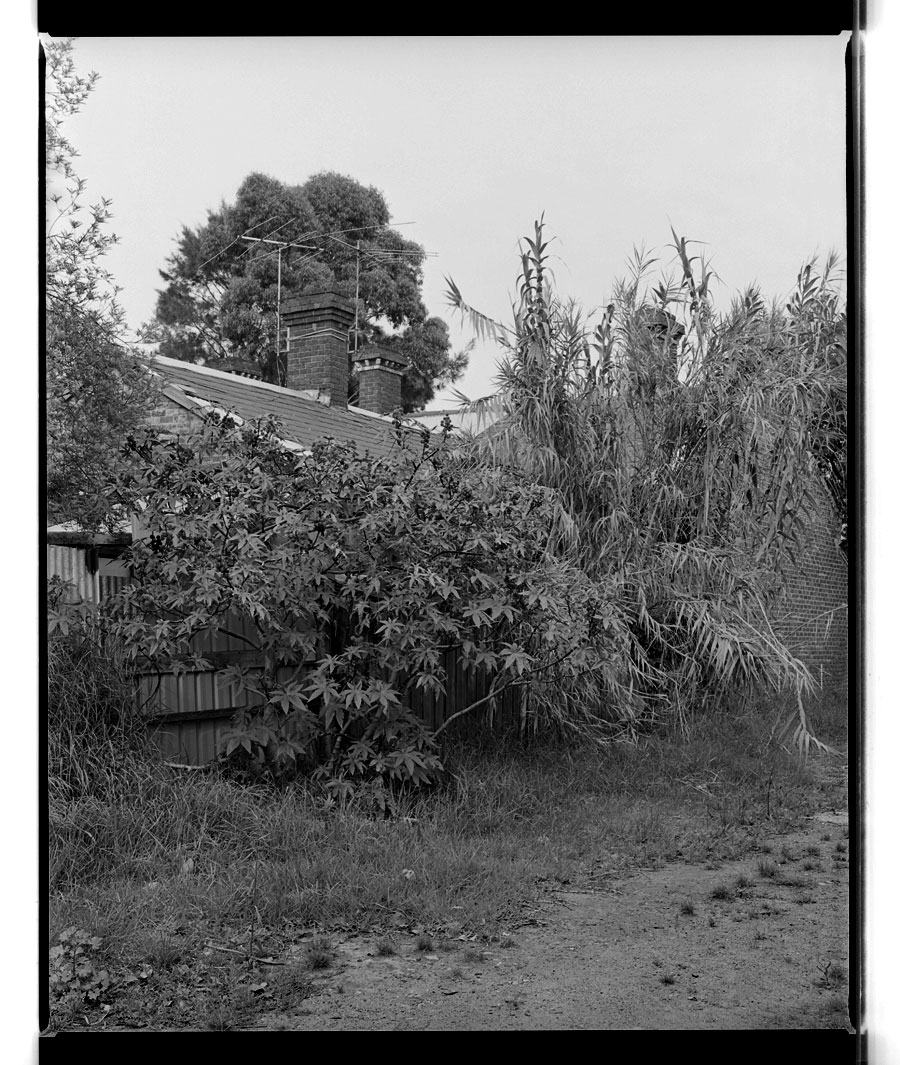
Marcus Bunyan (Australian, b. 1958) 'Undergrowth' 1994


Marcus Bunyan (Australian, b. 1958)
Undergrowth
1994
Silver gelatin photograph


Marcus Bunyan (Australian, b. 1958) 'White door 2' 1994


Marcus Bunyan (Australian, b. 1958)
White door 2
1994
Silver gelatin photograph


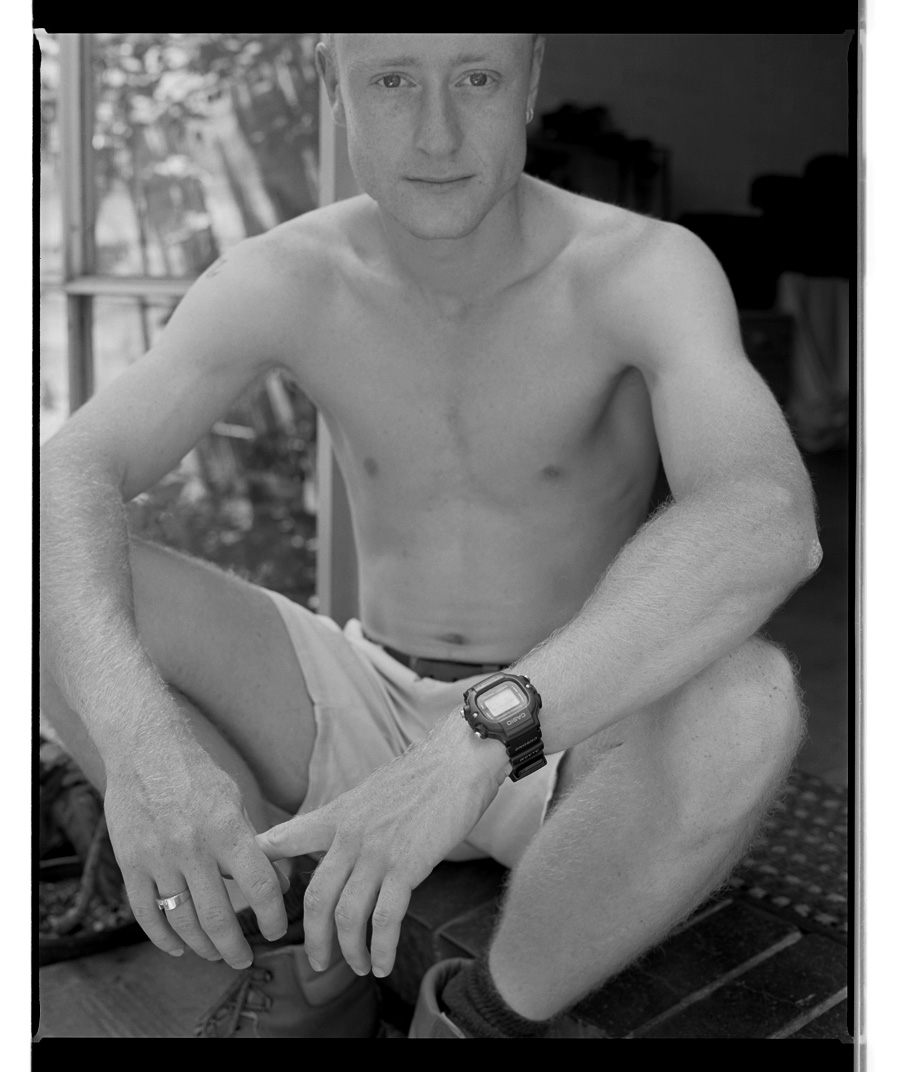
Marcus Bunyan (Australian, b. 1958) 'Damien sitting outside his flat, South Yarra, 1994' 1994


Marcus Bunyan (Australian, b. 1958)
Damien sitting outside his flat, South Yarra, 1994
1994
Silver gelatin photograph


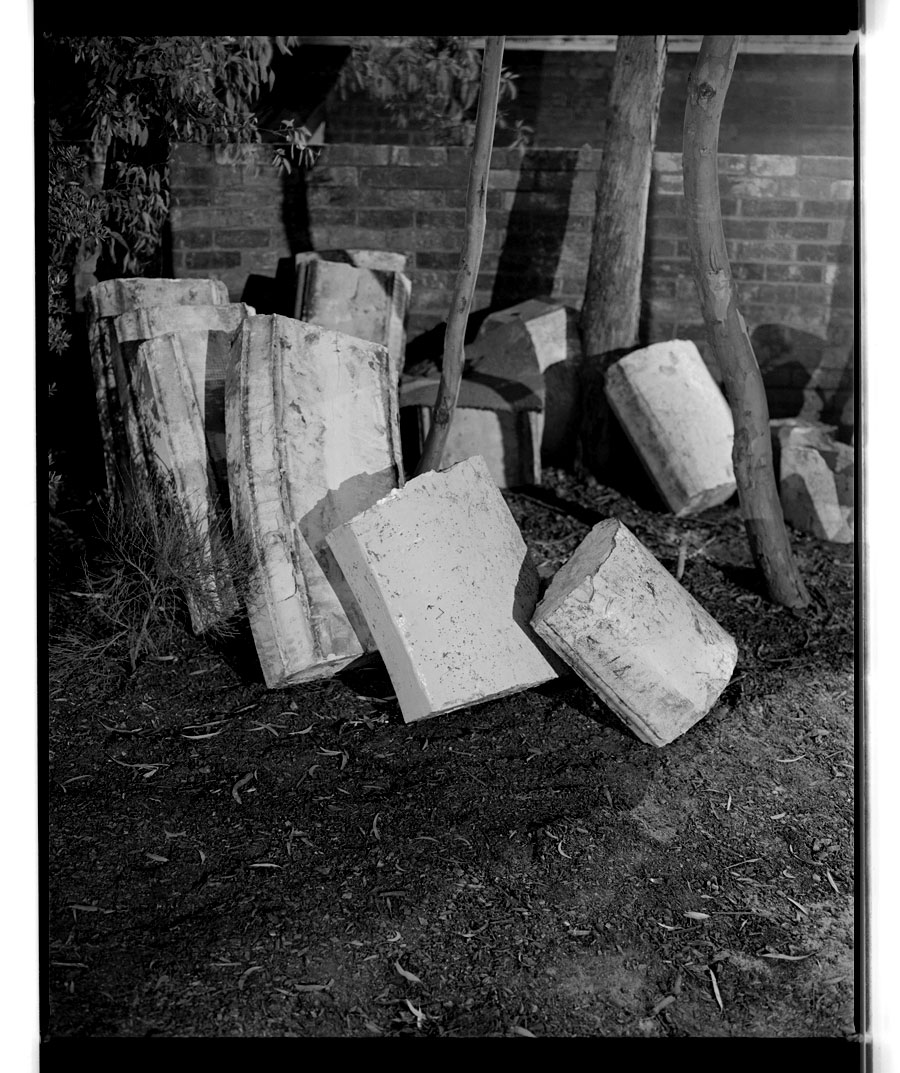
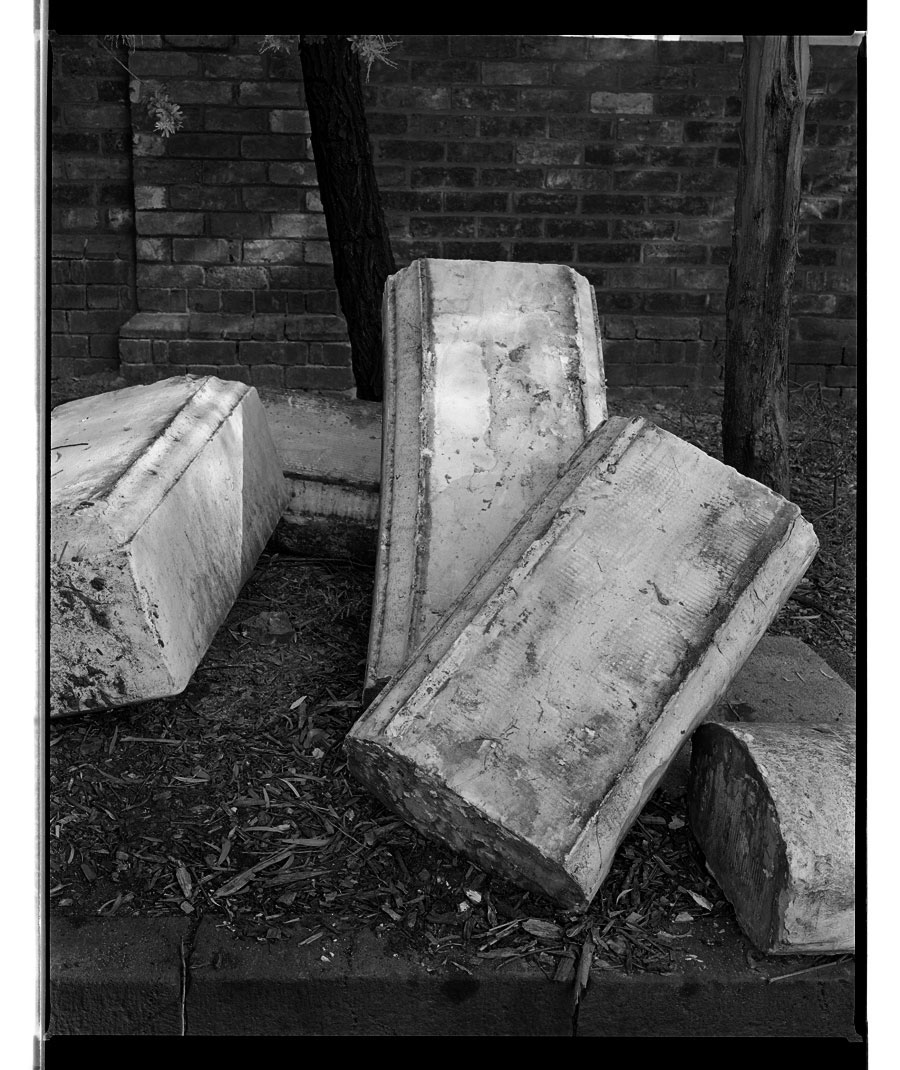
Marcus Bunyan (Australian, b. 1958) 'Trees, capstone, shadows' 1994


Marcus Bunyan (Australian, b. 1958)
Trees, capstone, shadows
1994
Silver gelatin photograph


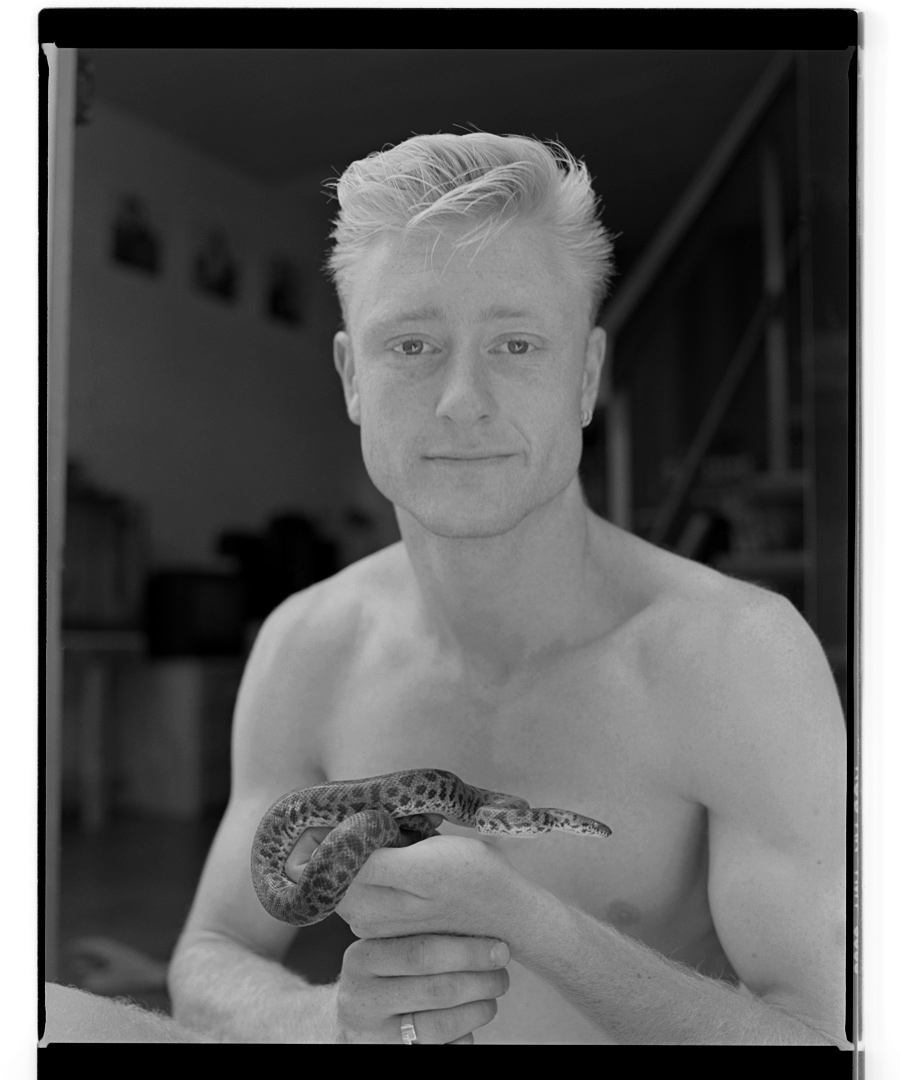
Marcus Bunyan (Australian, b. 1958) 'Damien with snake' 1994


Marcus Bunyan (Australian, b. 1958)
Damien with snake
1994
Silver gelatin photograph


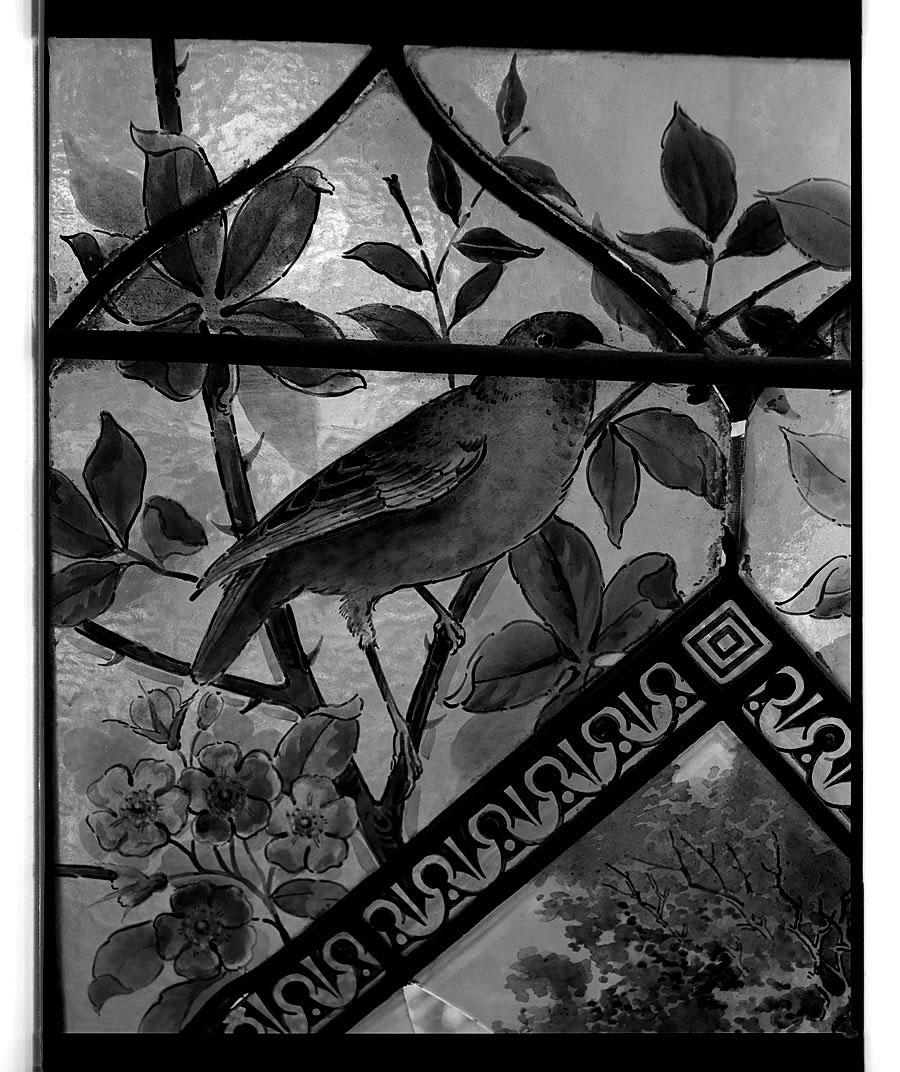
Marcus Bunyan (Australian, b. 1958) 'Glass bird, Punt Road, South Yarra' 1994


Marcus Bunyan (Australian, b. 1958)
Glass bird, Punt Road, South Yarra
1994
Silver gelatin photograph


Marcus Bunyan (Australian, b. 1958) 'Easter Sunday' 1994


Marcus Bunyan (Australian, b. 1958)
Easter Sunday
1994
Silver gelatin photograph


Marcus Bunyan (Australian, b. 1958) 'Capstone, night, Windsor train station' 1994


Marcus Bunyan (Australian, b. 1958)
Capstone, night, Windsor train station
1994
Silver gelatin photograph


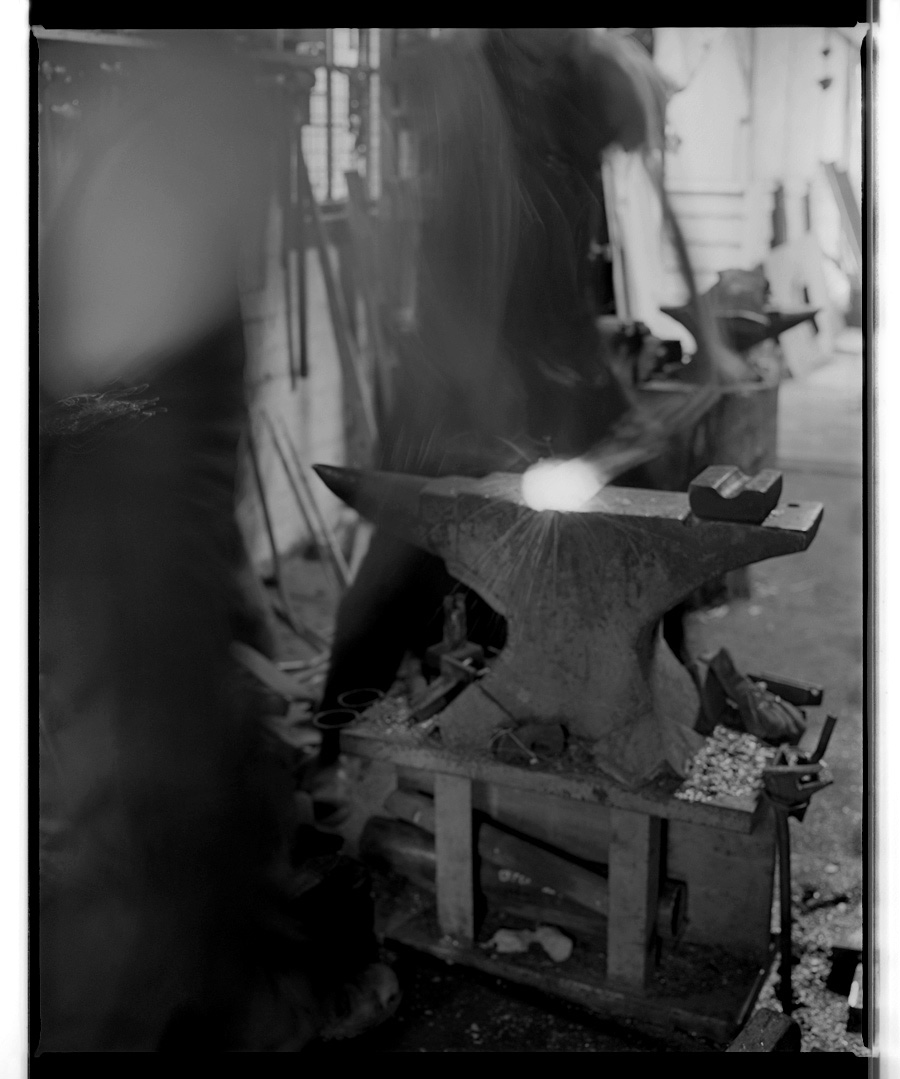
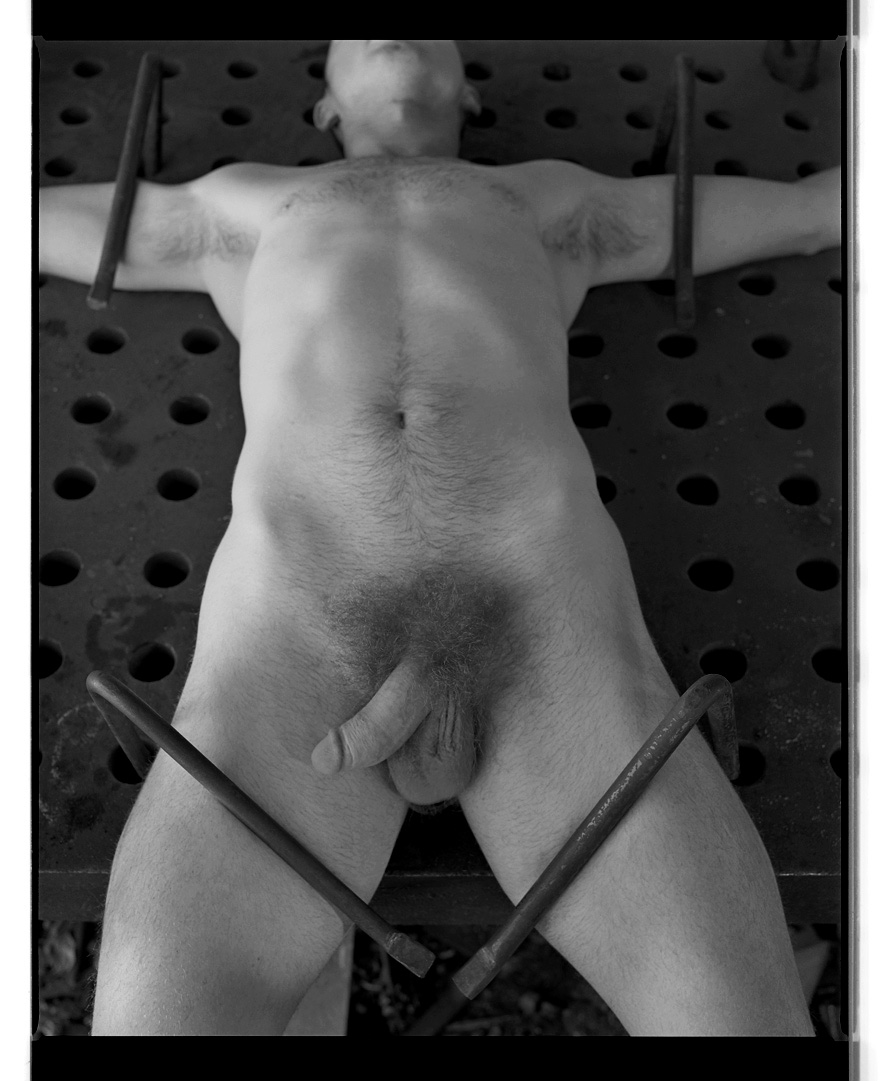
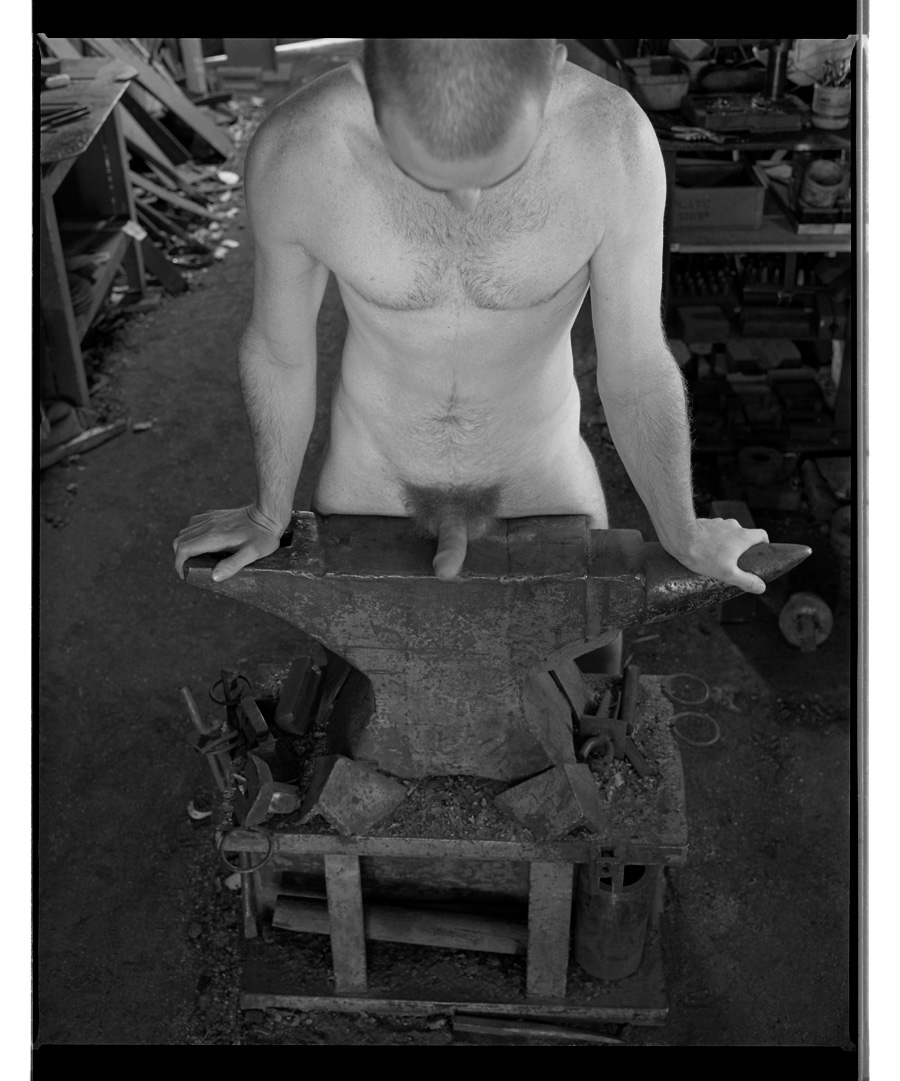
Marcus Bunyan (Australian, b. 1958) 'Paul, cock on anvil' 1994


Marcus Bunyan (Australian, b. 1958)
Paul, cock on anvil
1994
Silver gelatin photograph


Marcus Bunyan black and white archive 1991-1997

LIKE ART BLART ON FACEBOOK

Back to top

Review: ‘Lee Grant / Belco Pride’ at Edmund Pearce Gallery, Melbourne

Exhibition dates: 5th June – 22nd June 2013


Lee Grant (Australian, b. 1973) 'Belco Pride' 2008


Lee Grant (Australian, b. 1973)
Belco Pride
2008
Archival pigment print
60 x 60cm
Edition of 8 + 2 AP


In Belco Pride, the photographer Lee Grant comes as close as you are ever likely to come to an Australian version of the American photographer Alec Soth (Sleeping by the Mississippi, Niagara). That is a great compliment indeed.

This is an intelligent, cohesive exhibition which features 5 large colour photographs and a grid of 3 x 9 smaller colour photographs that form a topographical map of a suburb in Canberra called Belconnen. The body of work investigates how humans inhabit a specific place and how that place in turn influences the formation of identity and a sense of belonging and community. These themes are set in the context of a shifting, migratory, multicultural Australian suburb. The photographs are beautifully shot and individually well resolved; these square photographs then go on to form a holistic body that gives the viewer a wonderful sense of the people and place being photographed.

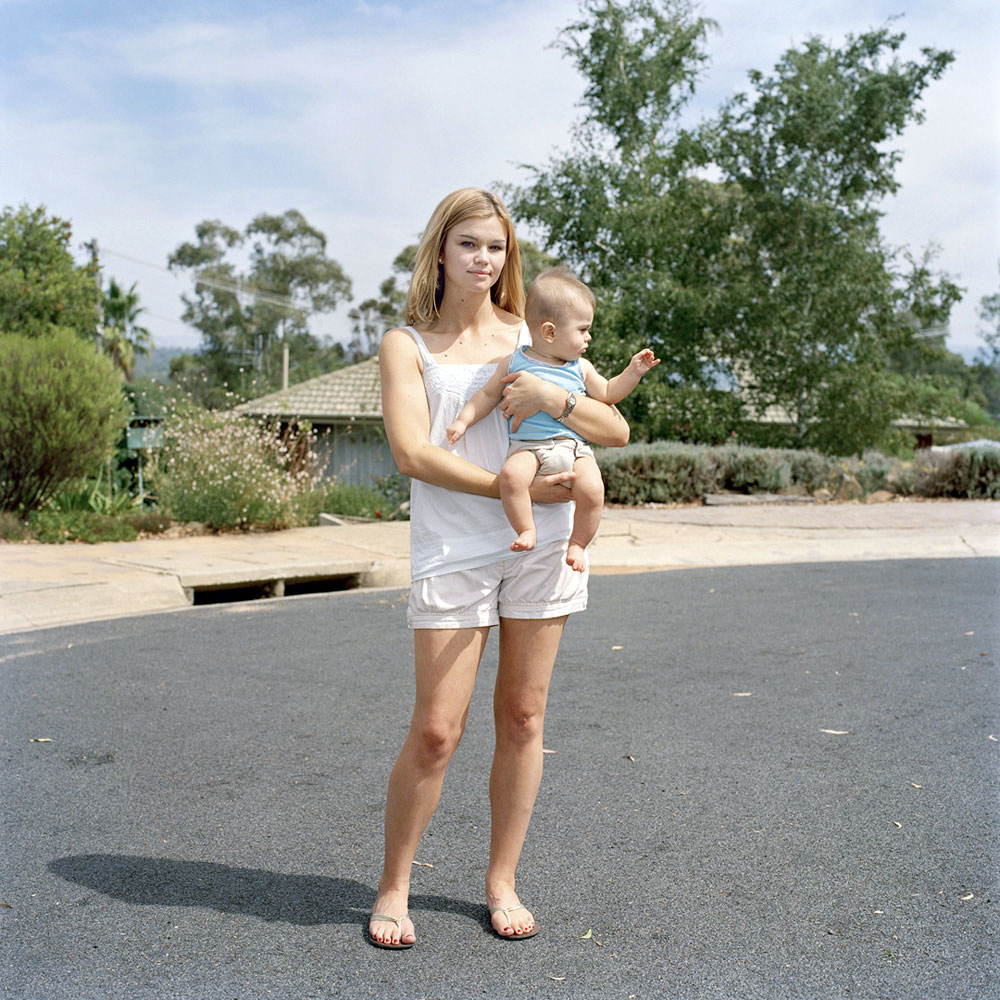
Grant likes to shoot formally and frontally, but that does not mean that there is not subtly and humour present in these photographs. Technically she likes to vary depth of field to emphasise the context of place: in some images, for example Ashleigh in her Formal Dress (2008, below), depth of field is minimal in order to bring focus onto Ashleigh and the texture of her formal dress. The artist also likes to change light conditions from bright sunlight (Alisha and baby Saul, 2009 below), to overcast (Belco Pride, 2008 above) to gathering gloom (George with his model aeroplane, 2008 below); she also likes to push and pull figures and objects within the pictorial frame, from close up to mid-distance to infinity (the rendering of houses for example). This shading of space and tonality adds a beautiful luminosity to the series.

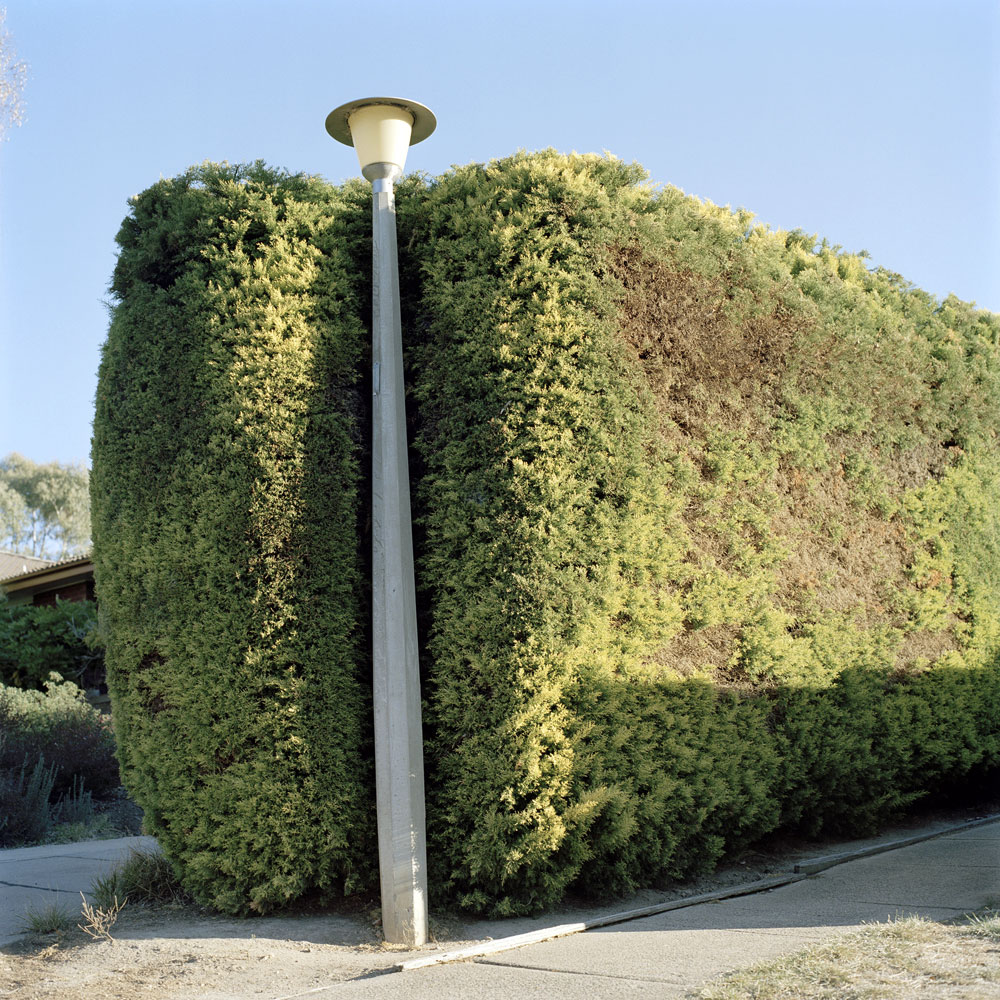
The humour and detail present is also fun: the suits of the sons two sizes too big in The Duot Family (2009, below); the barbed wire looming ominously above the white graffiti  ‘Belco Pride’; the off kilter lamp post in Suburban Hedge (2008, below) being swallowed by the hedge; and the delicious way that the lead from Kiki travels down and trails along the ground to Chucky the dog. There is a real affection and affinity for this place and people that is expressed in these photographs. They are unusually contemplative for this type of photography and that is perhaps a reflection on Grant’s Korean-Australian heritage.

Other work on her website is a mixed bag: the Sudanese Portraits are very successful, reminding me of the work of Mali photographer Malick Sidibé, while Window on the Orient is interesting but the photographs are a little ‘flat’ due to their subject matter. The Road to Kuvera and Welcome to Vietnam lack the same connection and insight into the human condition that Belco Pride possesses, and this body of work seems to be her strongest so far in terms of an enunciation of her inner vision. I await new work with interest.

Dr Marcus Bunyan


Many thankx to Edmund Pearce for allowing me to publish the photographs in the posting. Please click on the photographs for a larger version of the image.


Lee Grant (Australian, b. 1973) 'The Duot Family' 2009


Lee Grant (Australian, b. 1973)
The Duot Family
2009
Archival pigment print
110 x 110cm
Edition of 4 + 2 AP


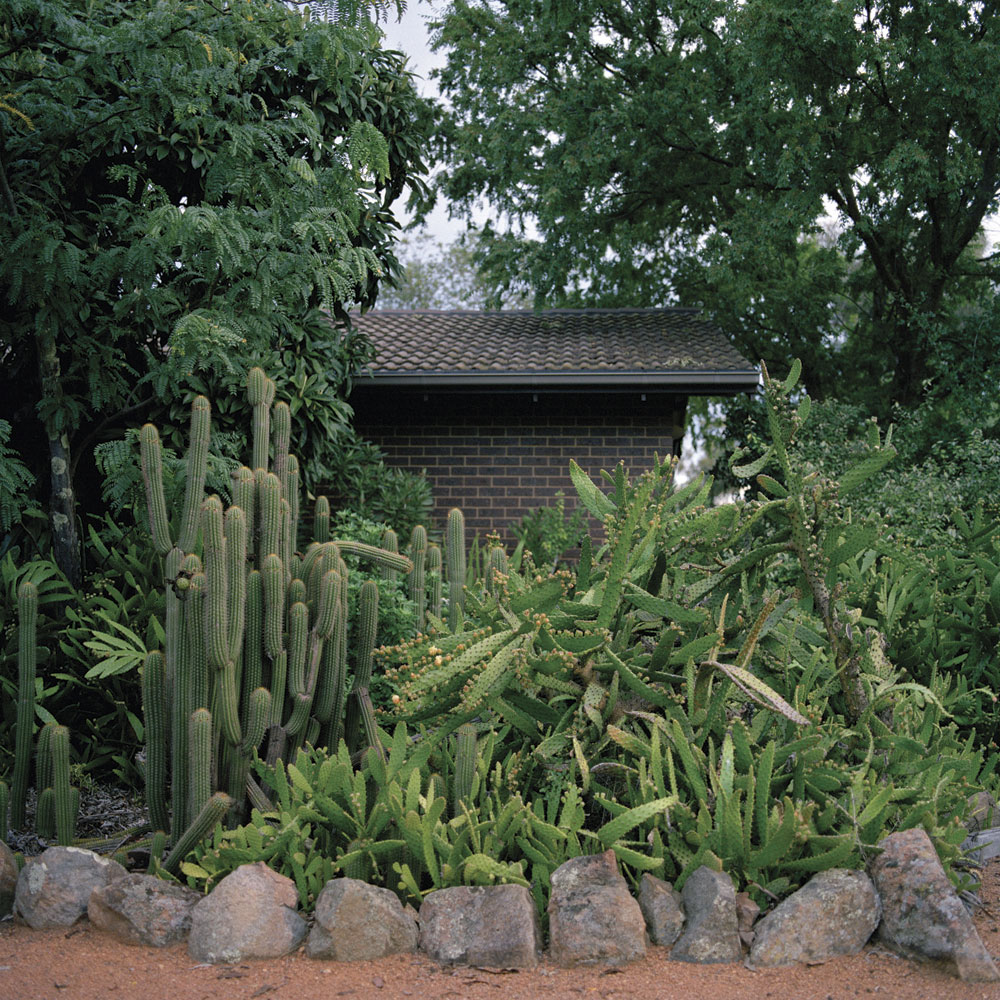
Lee Grant (Australian, b. 1973) 'Cactus Garden' 2012


Lee Grant (Australian, b. 1973)
Cactus Garden
2012
Archival pigment print
110 x 110cm
Edition of 4 + 2 AP


Lee Grant (Australian, b. 1973) 'Ashleigh in her Formal Dress' 2008


Lee Grant (Australian, b. 1973)
Ashleigh in her Formal Dress
2008
Archival pigment print
110 x 110cm
Edition of 4 + 2 AP


Lee Grant (Australian, b. 1973) 'Suburban Hedge' 2008


Lee Grant (Australian, b. 1973)
Suburban Hedge
2008
Archival pigment print
110 x 110cm
Edition of 4 + 2 AP


Lee Grant (Australian, b. 1973) 'Graffheads' 2009


Lee Grant (Australian, b. 1973)
Graffheads
2009
Archival pigment print
60 x 60cm
Edition of 8 + 2 AP


Lee Grant (Australian, b. 1973) 'Roxy and Jess' 2008


Lee Grant (Australian, b. 1973)
Roxy and Jess
2008
Archival pigment print
60 x 60cm
Edition of 8 + 2 AP


Belco’s a hole… but it’s our hole.

I’ve been told that you never truly leave behind the place you grew up. That it remains deep within your experience of the world. Feeling conflicted about one’s place of origin is certainly not unique, but for me, the process of returning ‘home’ and reconciling my perception of place with its banal and vernacular reality was a surprising yet cathartic experience. The photographs in this series express the idea that belonging, connection and identity is deeply rooted in the specifics of one’s inhabited landscape. The landscape depicted here being the 25 northernmost suburbs of Canberra known as Belconnen, or to us locals, as ‘Belco’.

As a photographer, I am interested in the way migrant communities adapt to new environments, particularly in western cultures and much of my work explores themes of identity, belonging and community set often in the context of the Australian suburbs.

Lee Grant


“I always believed it was the things you don’t choose that makes you who you are. Your city, your neighbourhood, your family. People here take pride in these things, like it was something they’d accomplished. The bodies around their souls, the cities wrapped around those. I lived on this block my whole life; most of these people have.”

Dennis Lehane


Lee Grant’s latest exhibition at Edmund Pearce, Belco Pride, explores how belonging, connection and identity is deeply rooted in the specifics of one’s inhabited landscape. The landscape depicted here being the 25 northernmost suburbs of Canberra known as Belconnen, or to the locals, as ‘Belco’.

Lee is a documentary photographer who lives and works in Canberra. She holds a degree in Anthropology and in 2010 completed a Master of Philosophy at the ANU School of Art. Lee has exhibited at the Australian Centre for Photography, the Monash Gallery of Art and the National Portrait Gallery amongst others. She has been a finalist in the National Photographic Portrait Prize, the Head On Alternative Portrait Prize, the Josephine Ulrick and Win Schubert Prize and the Olive Cotton Award. Lee was also the winner of the prestigious Bowness Photography Prize in 2010. Her work is held in the National Library, the Canberra Museum and Art Gallery as well as numerous private collections.


Lee Grant (Australian, b. 1973) 'Kiki and Chucky' 2008


Lee Grant (Australian, b. 1973)
Kiki and Chucky
2008
Archival pigment print
60 x 60cm
Edition of 8 + 2 AP


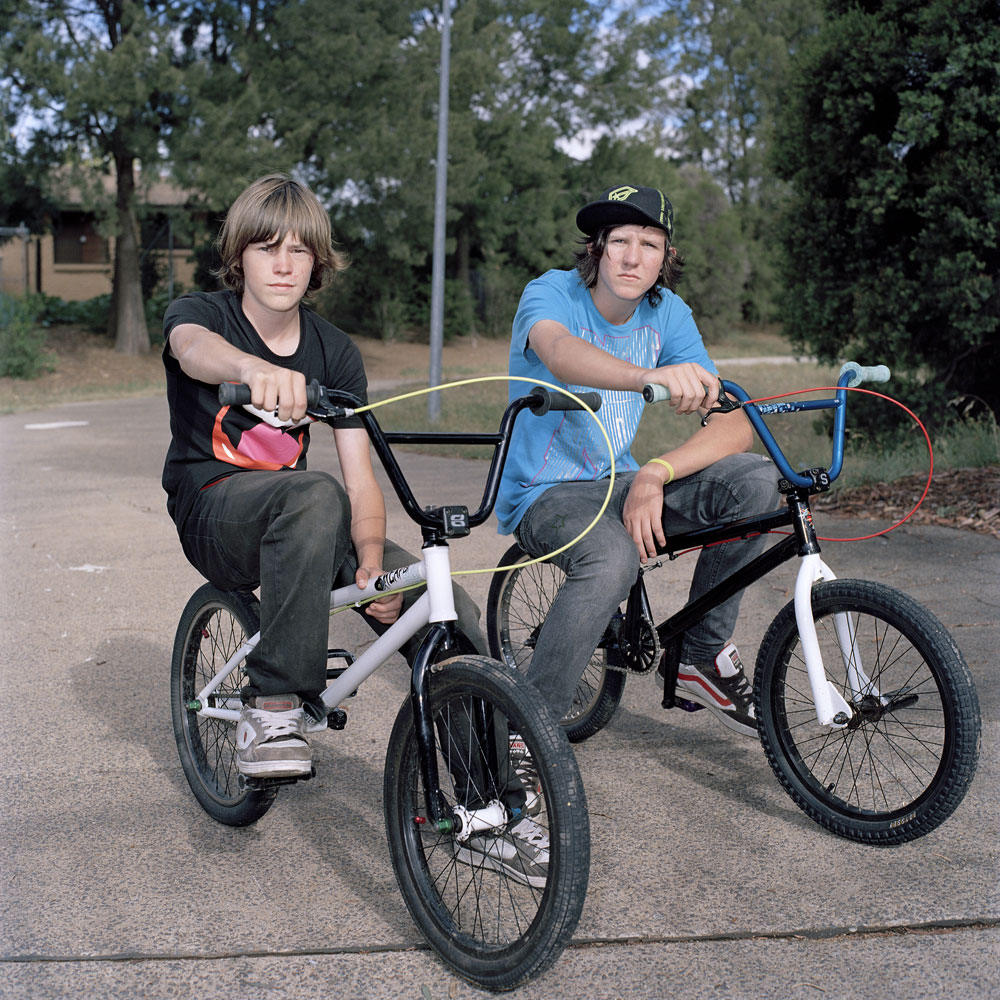
Lee Grant (Australian, b. 1973) 'Nathan & Mac, BMX bros' 2009


Lee Grant (Australian, b. 1973)
Nathan & Mac, BMX bros
2009
Archival pigment print
60 x 60cm
Edition of 8 + 2 AP


Lee Grant (Australian, b. 1973) 'A View of Suburbia' 2009


Lee Grant (Australian, b. 1973)
A View of Suburbia
2009
Archival pigment print
60 x 60cm
Edition of 8 + 2 AP


Lee Grant (Australian, b. 1973) 'Alisha and baby Saul' 2009


Lee Grant (Australian, b. 1973)
Alisha and baby Saul
2009
Archival pigment print
60 x 60cm
Edition of 8 + 2 AP


Lee Grant (Australian, b. 1973) 'George with his model aeroplane' 2008


Lee Grant (Australian, b. 1973)
George with his model aeroplane
2008
Archival pigment print
60 x 60cm
Edition of 8 + 2 AP


Lee Grant (Australian, b. 1973) 'Ginninderra Creek on a Winter's morning' 2008


Lee Grant (Australian, b. 1973)
Ginninderra Creek on a Winter’s morning
2008
Archival pigment print
60 x 60cm
Edition of 8 + 2 AP


Lee Grant (Australian, b. 1973) 'The Beehive' 2008


Lee Grant (Australian, b. 1973)
The Beehive
2008
Archival pigment print
60 x 60cm
Edition of 8 + 2 AP


Lee Grant (Australian, b. 1973) 'Lee' 2010


Lee Grant (Australian, b. 1973)
Lee
2010
Archival pigment print
60 x 60cm
Edition of 8 + 2 AP


Edmund Pearce Gallery

This gallery is now closed.

LIKE ART BLART ON FACEBOOK

Back to top

Exhibition: ‘Sentinels’ by David Wood at Gasworks Arts Park, Albert Park

Exhibition dates: 29th May – 16th June 2013


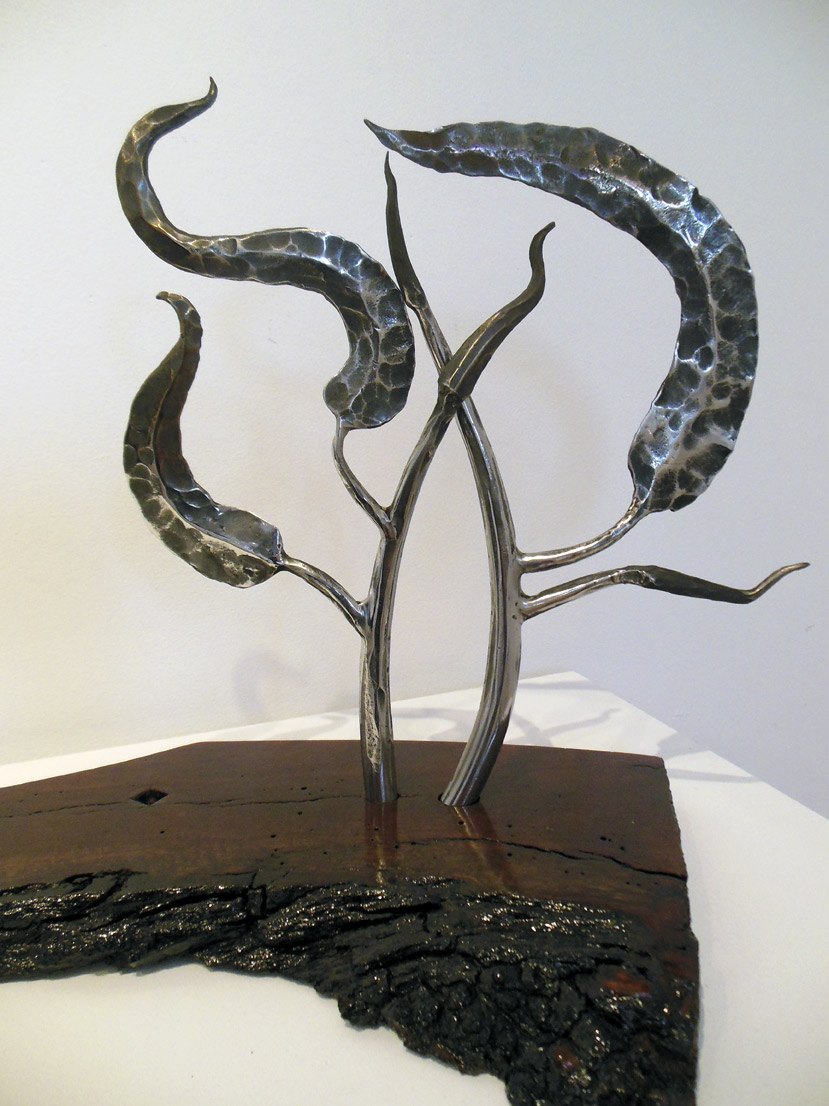
David Wood (Australian) 'Ghost Gum Three' 2013


David Wood (Australian)
Ghost Gum Three
2013
Stainless steel and red gum
76 x 310 x 44cm
Photo: Marcus Bunyan


A solid first solo exhibition from my friend David Wood at Gasworks Arts Park. Conceptually the show needed a little tightening but technically the work is outstanding (as you would expect from the owner of Bent Metal and one of Melbourne’s best blacksmiths) and aesthetically pleasing. I particularly liked the topographic remapping of both Port Phillip Bay and St Kilda Junction.

Anyone who knows Melbourne intimately would recognise the ramps and walkways that bisect the interior of the junction even in their abstract form, especially the tram ramp ascending from Dandenong Road to St Kilda Road. I also admired the Nardoo sentinels, which are to be made at full size for a public park in Berwick later in the year.

Dr Marcus Bunyan


Many thankx to Woody for allowing me to publish the photographs in the posting. Please click on the photographs for a larger version of the image.


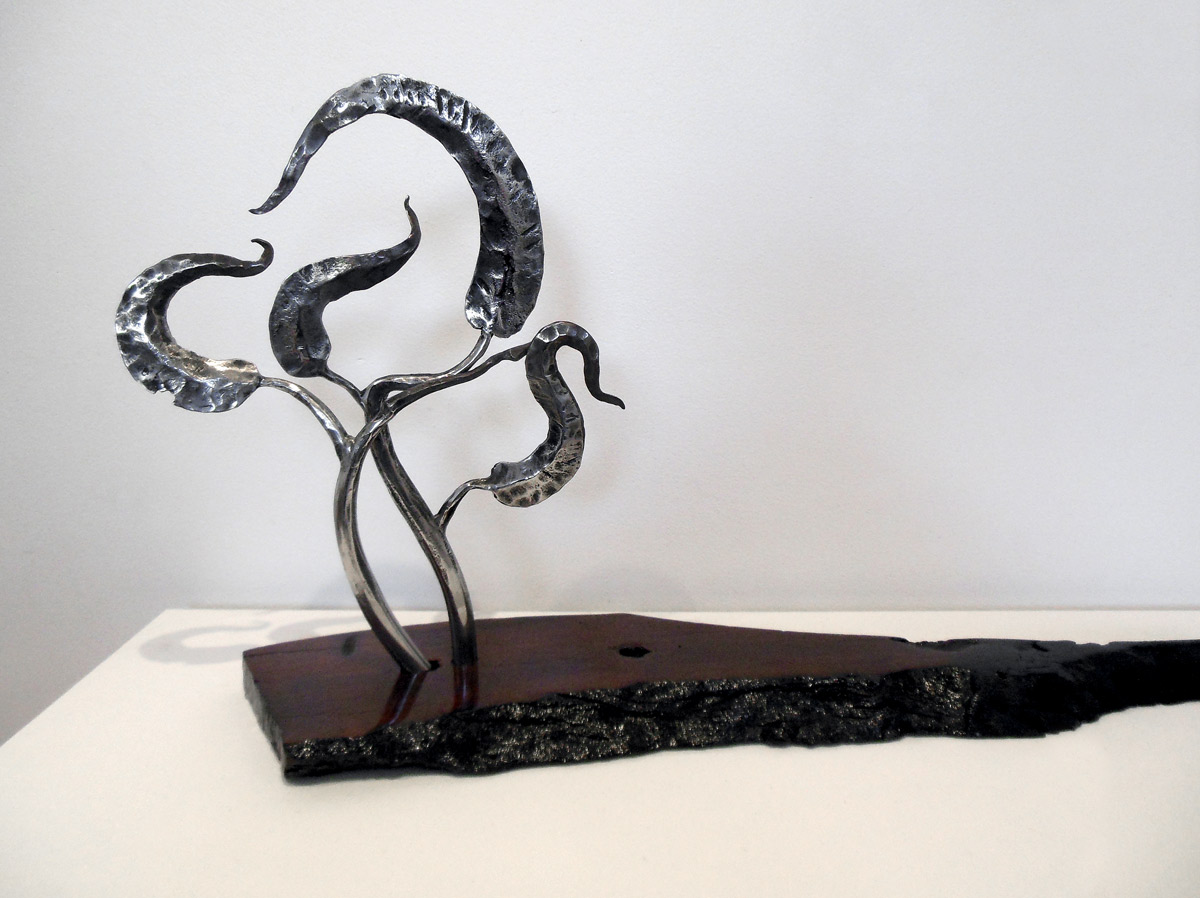
David Wood (Australian) 'Ghost Gum One' 2013


David Wood (Australian)
Ghost Gum One
2013
Stainless steel and red gum
72 x 170 x 39cm
Photo: Marcus Bunyan


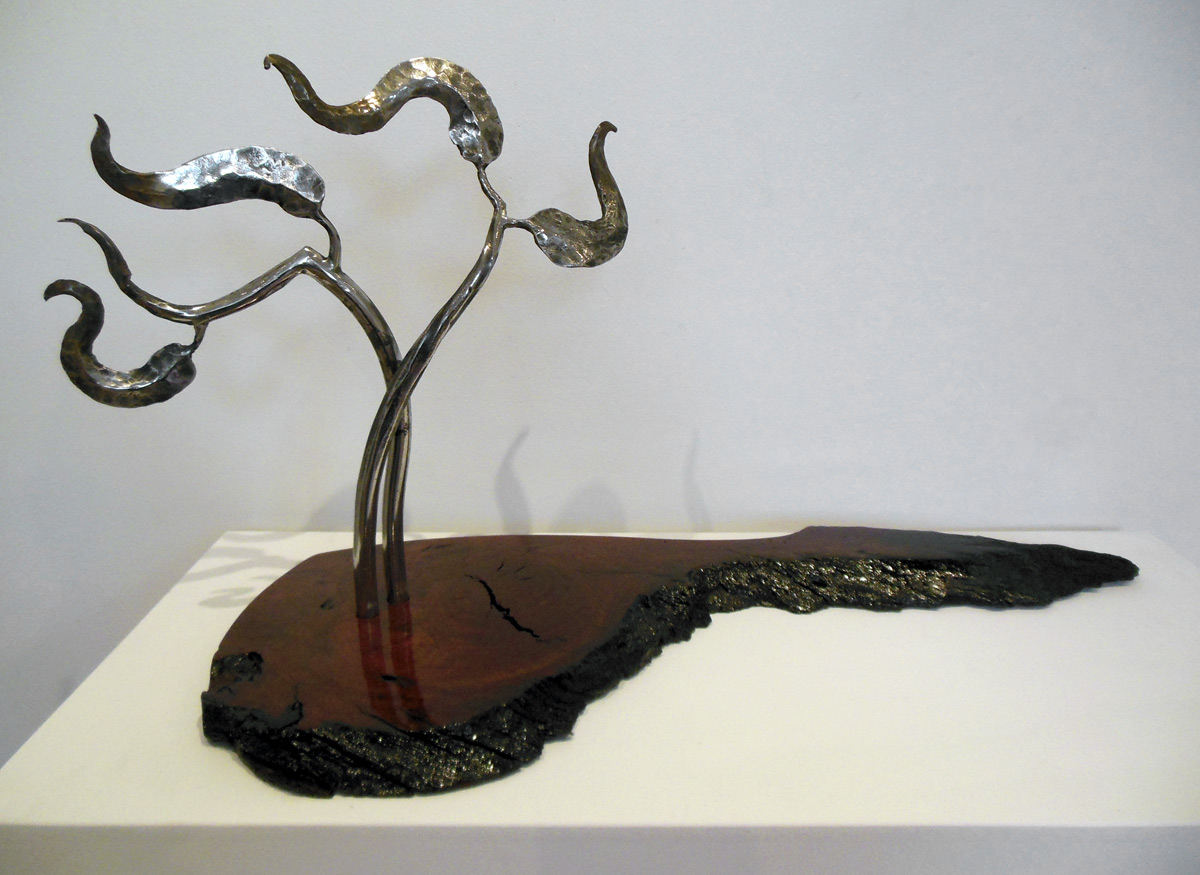
David Wood (Australian) 'Ghost Gum Two' 2013


David Wood (Australian)
Ghost Gum Two
2013
Stainless steel and red gum
78 x 24 x 36cm
Photo: Marcus Bunyan


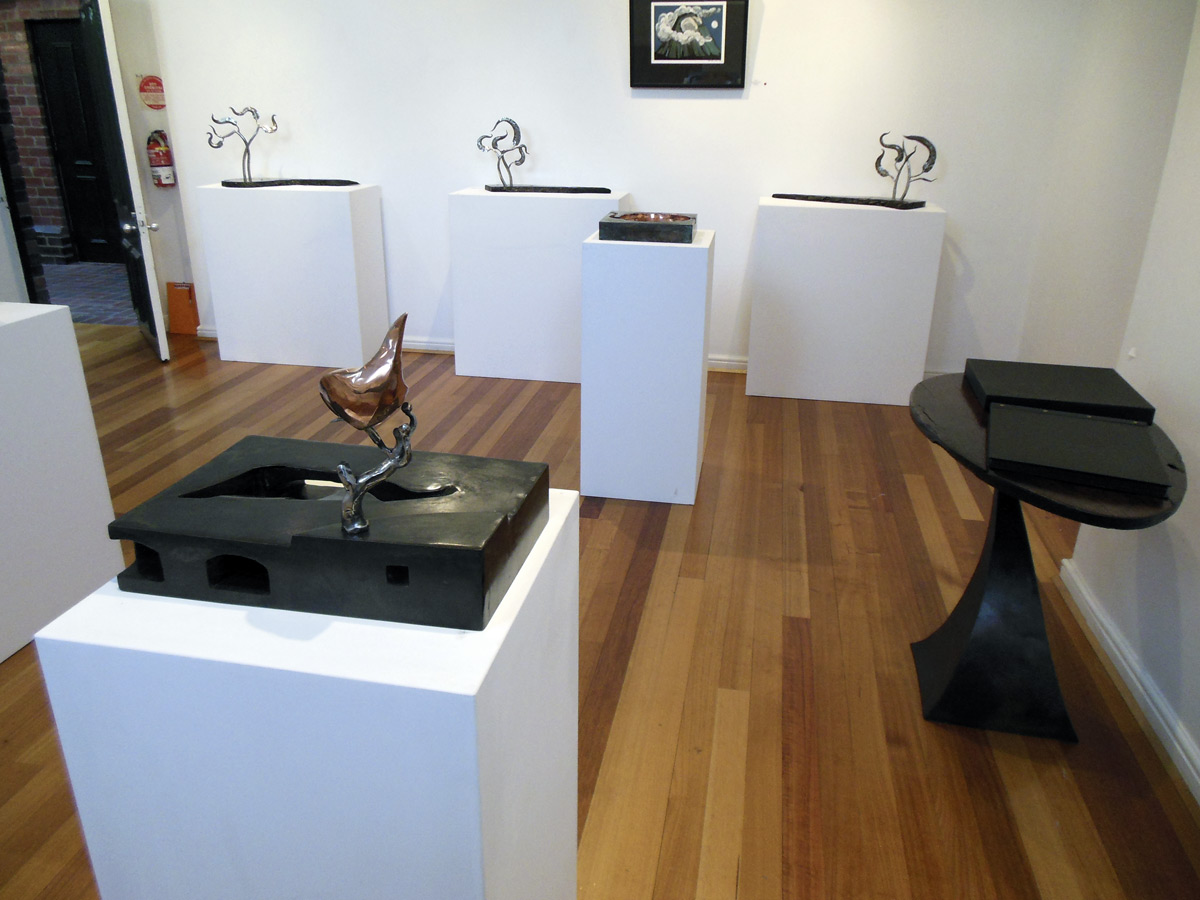
Installation view of the exhibition 'Sentinels' by David Wood at Gasworks Art Park


Installation view of the exhibition Sentinels by David Wood at Gasworks Art Park
Photo: Marcus Bunyan


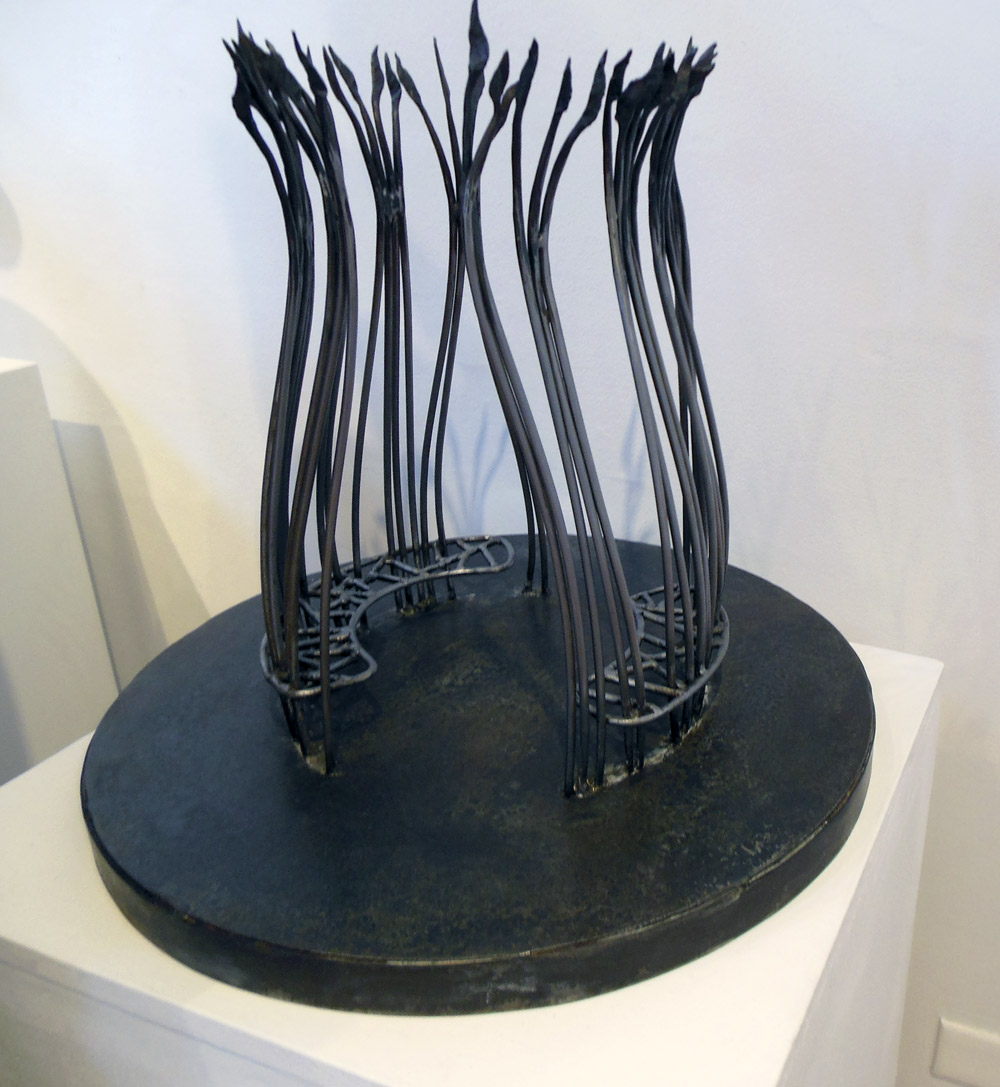
My work has two main driving forces – a desire to explore and continue a blacksmithing inheritance and investigating place and how we interact with the physical world. I am interested in how landmarks within landscape can shape, reflect and define our Nation’s ethos and their place as sentinels within our history.

I use traditional forging techniques and prefer to leave hammer marks and traces of process exposed, as testament, on the finished sculpture. The medium itself represents an industry crucial to our economy but detrimental to our landscape.

This current group of work, inspired by the burning of two ghost gums in the Northern Territory is a personal muse on Australian culture. The burning of the ghost gums made famous by Albert Namatjira was a terrible act of vandalism. Small silvery ghostly gum trees stand upon burnt timber bases intended to evoke images of landscape and cultural practice, both ancient and current. Forged vessels take inspiration from the ghost gums’ colour and form.

The pieces are abstract representations in metals and timber of trees, mountain ranges and land formations. Mountain ranges are used to survey our cities and towns. They collect our water and are harvested for their riches. Once they were homes to spiritual beings.

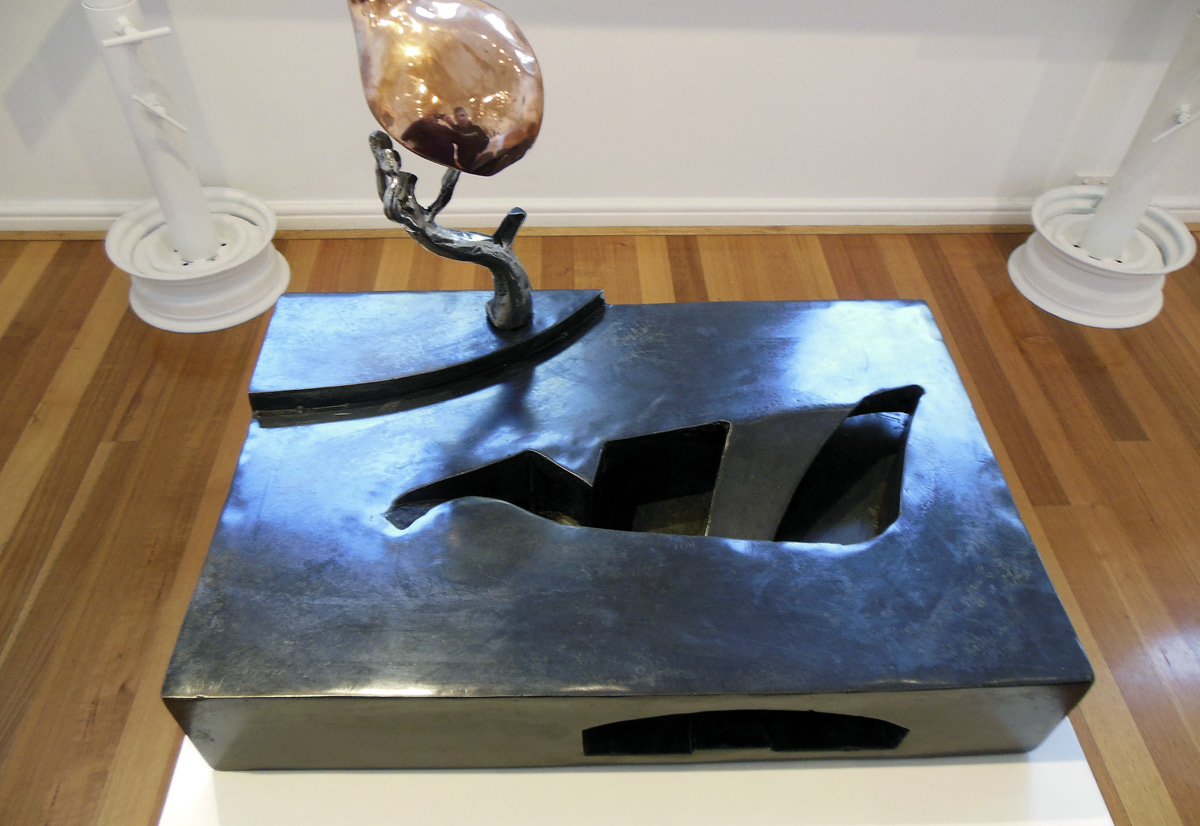
I was born at the base of mount Baw Baw and have created homage. This mountain for me is a keeper of secrets. As an adult I live upon the shores of Port Phillip Bay, a quiet sleeping giant. St Kilda junction is a lyrical gesture to paths crossing and the corroboree tree that still watches over this site.

Bought together, the sculptures encapsulate a personal sense of belonging to a place. They also endeavour to explore greater cultural notions of ownership.

Artist statement by David Wood


David Wood (Australian) 'Port Phillip Bay' 2013


David Wood (Australian)
Port Phillip Bay
2013
Copper
33 x 33 x 70cm
Photo: Marcus Bunyan


David Wood (Australian) 'St Kilda Junction' 2013


David Wood (Australian)
St Kilda Junction
2013
Stainless steel, mild steel and copper
27 x 40 x 32cm
Photo: Marcus Bunyan


David Wood (Australian) 'St Kilda Junction' 2013 (detail)


David Wood (Australian)
St Kilda Junction (detail)
2013
Stainless steel, mild steel and copper
27 x 40 x 32cm
Photo: Marcus Bunyan


David Wood (Australian) 'Nardoo sentinels' 2013 (detail)

David Wood (Australian) 'Nardoo sentinels' 2013 (detail)


David Wood (Australian)
Nardoo sentinels (detail)
2013
Mild steel
Photos: Marcus Bunyan


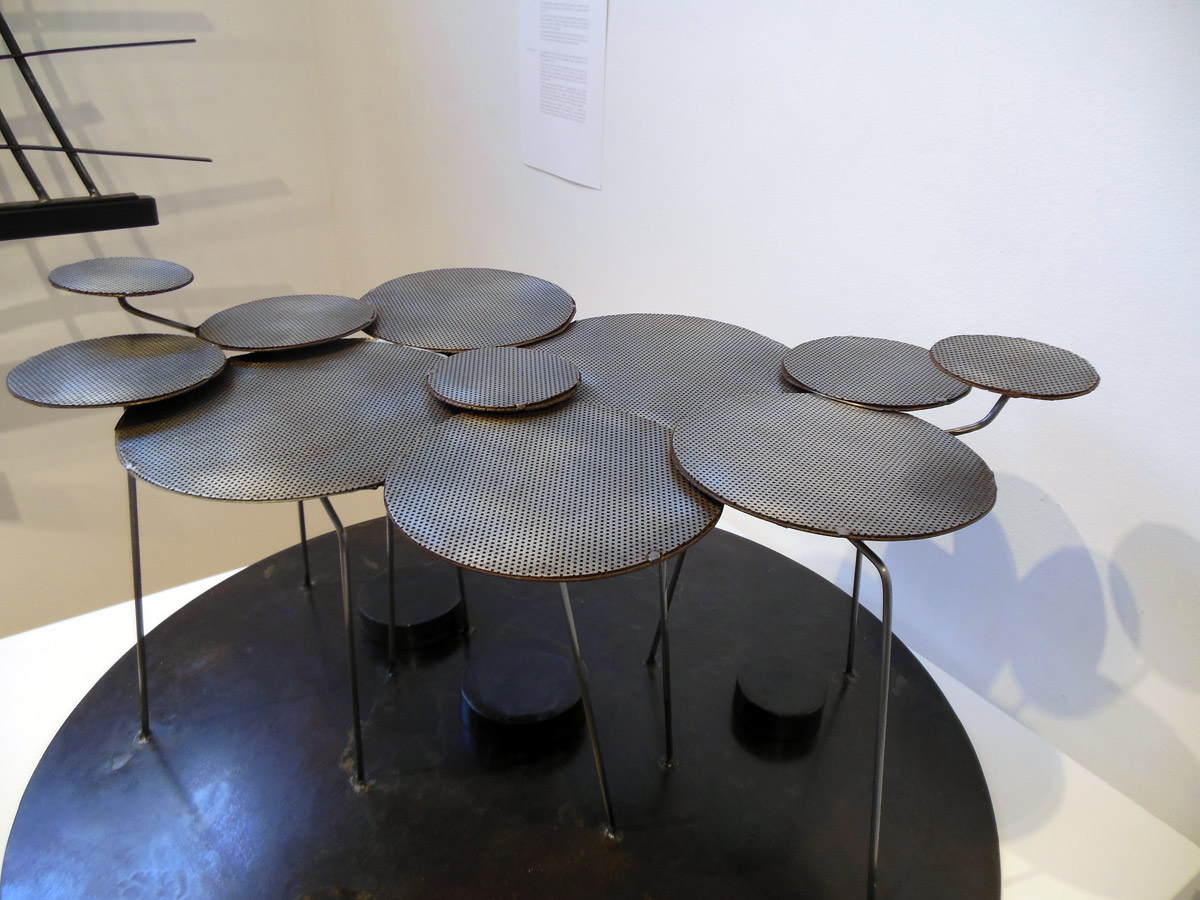
Nardoo sentinels

Inspired by classical structures within great gardens, in particular the Temple of the Winds in the Royal Melbourne Botanic Gardens, this functional sculpture reflects the transparency of our native landscape, significant in shaping our cultural ethos. Mirroring a cluster of trees with their canopy hovering above, it defines its space and surrounds. This group of sentinels stand together to offer protection from the elements.

The singular motif takes the form of nardoo, a native water and food plant. Its finishes mimicking its natural colours and hues. Intended to be a water collector, the shelter is engineered to allow rainwater to drain through its canopy and channel down its stems. Visibility of water flow adds a kinetic dimension to the sculpture. Commissioned exclusively by Pask Development Group, via Tract Landscape Architects, this rotunda is a central feature for a public park. It will stand proud later this year.


David Wood (Australian) 'Nardoo sentinels' (left) and 'Reed Rotunda' (right) 2013


David Wood (Australian)
Nardoo sentinels (left) and Reed Rotunda (right)
2013
Mild steel
Photo: Marcus Bunyan


David Wood (Australian) 'Reed rotunda' 2013


David Wood (Australian)
Reed rotunda
2013
Mild steel
70 x 70 x 46cm
Photo: Marcus Bunyan


Reed rotunda

The design derives a motif from the natural growth of the Phragmite Australis reeds, a wetland plant indigenous to our continent home.

The common reed is known to everyone and surrounds us. It plays an integral role in conservation as habitat and a guardian for wildlife. A natural purifier, removing toxins from our creeks and wetlands. A reed standing alone may be insignificant, but when congregating on mass, it becomes a formidable force in both structure and function. An organic organism that frames and protects the landscape, moves and changes colour with the seasons, rides the wind and plays with light and shade.

Often overlooked as a feature of landscape or viewed as slightly raggedy, this piece invites visitors to celebrate these reeds as something beautiful and to use them as a metaphor for community, refuge and purification of the spirit and soul.


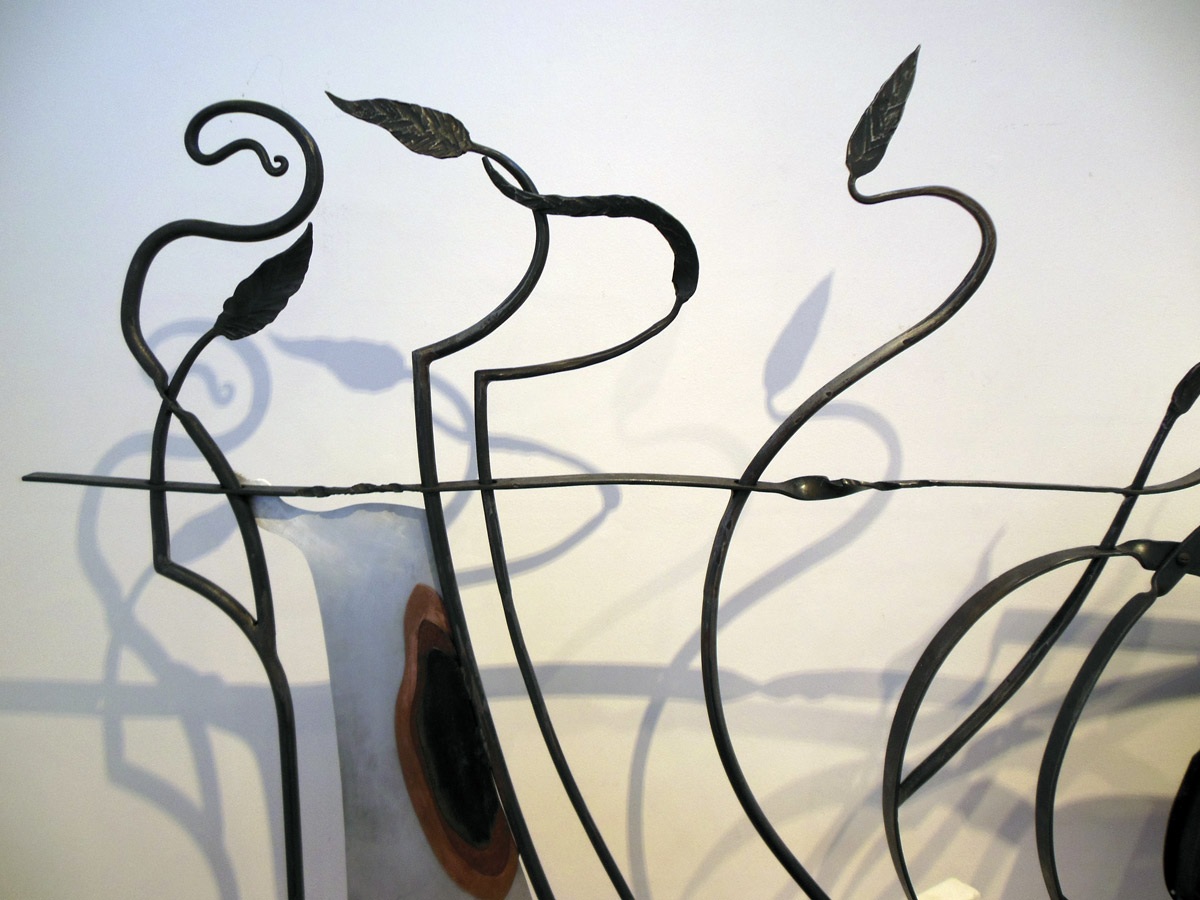
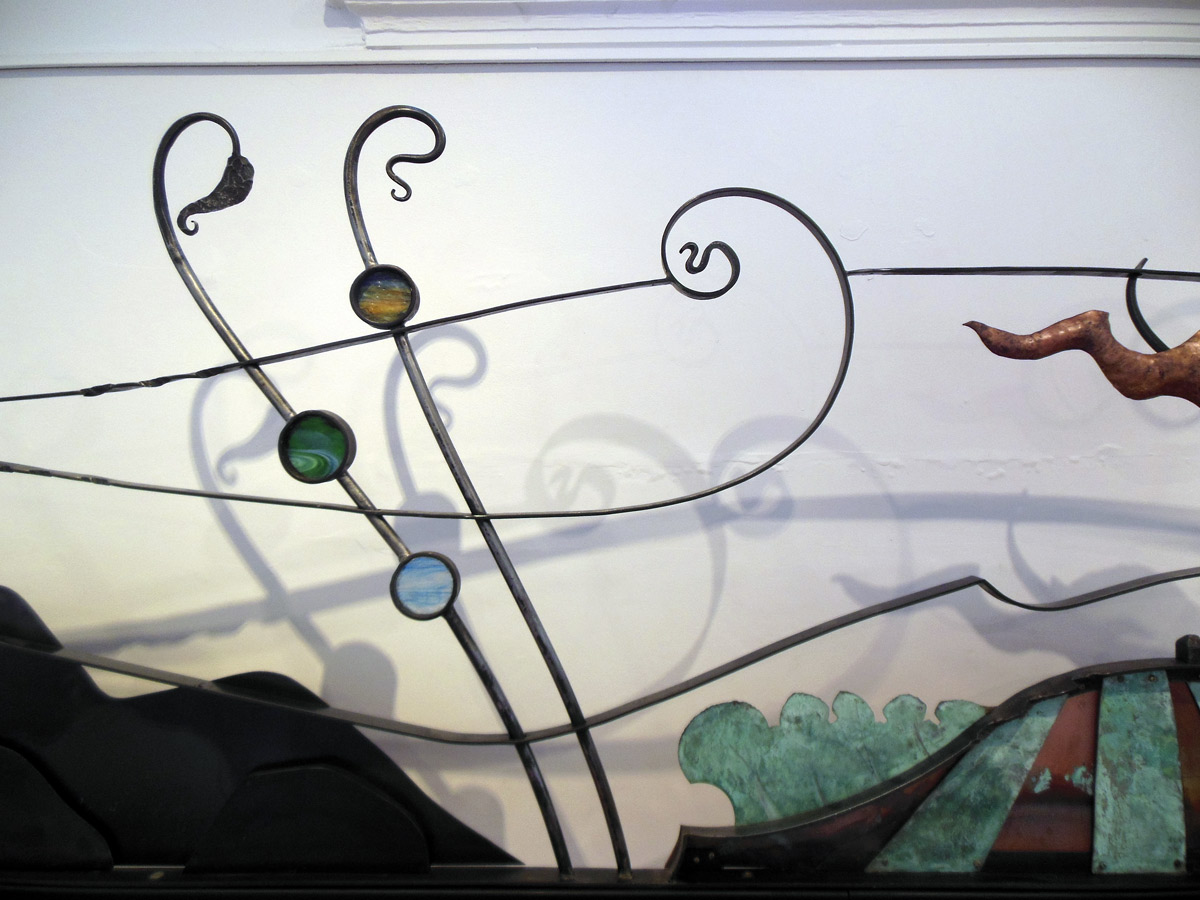
David Wood (Australian) 'Baw Baw wall feature' 2013 (detail)

David Wood (Australian) 'Baw Baw wall feature' 2013 (detail)


David Wood (Australian)
Baw Baw wall feature (detail)
2013
Mild steel, stainless steel, copper, brass, aluminium and glass
6200 x 500 x 70cm
Photos: Marcus Bunyan


Gasworks Arts Park
21 Graham Street
Albert Park VIC 3206
Phone: (03) 8606 4200

Gallery hours: 10am – 4pm each day

Gasworks Arts Park website

LIKE ART BLART ON FACEBOOK

Back to top

Exhibition: ‘The Greatest Wonder of the World’ at the State Library of New South Wales, Sydney

Exhibition dates: 23rd February – 12th May 2013


American & Australasian Photographic Company. '[Merlin's photographic cart ?] and Mitchell's London Hotel, Railway Place, Sandridge [Port Melbourne]' 1870-1875


American & Australasian Photographic Company
[Merlin’s photographic cart?] and Mitchell’s London Hotel, Railway Place, Sandridge [Port Melbourne]
1870-1875


Another fascinating posting, this time featuring Australian colonial photography. In 1951, a hoard of 3,500 glass plate negatives from the nineteenth century was discovered in a garden shed in Chatswood. In time, the find proved to be the most important photographic documentation of goldfields life in Australia. All negatives have now been scanned at high resolution and for the first time in 140 years, it is possible to see what Merlin and Bayliss (from the American & Australasian Photographic Company) photographed, with astonishing clarity and fidelity. “Many of the images in the Holtermann collection were created for an ambitious 1870s publicity campaign to sell the wonders of the Australian colonies to the world.”

What I find particularly interesting is the familiarity of all photographs of goldfields from around the world, whether it be Californian or Victorian – the working class men, the pictures of diggings, etc… but also the particular Australian vernacular that these photographs possess. The photographs could be taken no where else but Australia. Observe the abject poverty of some of the shopkeepers – draper, blacksmith, bootmaker and undertaker (who also acted as carpenter, joiner, builder and cabinet maker) – the timber clad facade of their buildings failing to conceal the bark structure behind (see Holmes, bootmaker, and Spiro Bennett’s store, Gulgong, 1872 below). And yet in their poverty they still thought it important to spend money on advertising with wonderful examples of distinctive typography that I have highlighted in detail – on the photographers, bakers and tent makers shops, on the undertakers facade replete with horses and funeral carriage, and on the painters and sign writers bark clad establishment. Contemporary typographers could have a field day studying these photographs for new typefaces!

Notice in the detail wonderful things:

~ The roughness of a man’s hand as they stand in front of their loot, the gold specimens;

~ The incongruous sight of toy dogs among the rough-and-ready types that inhabited a frontier gold town;

~ The riding crop tucked under the arm of one of the detectives;

~ The flour that covers the bakers shoes;

~ The decorative wallpaper hanging outside the painter and signwriters shack, the word ‘Sacred’ on top of the mirror, and his name ‘J.H. Osborne Painter No.2′ emblazoned on the side of his ladder.


Of particular poignancy is the way the undertaker William Lewis leans in the entrance of his establishment. Propped up against the door (to stop himself from moving during the exposure), his hands stiffly by his side, his eyes stare straight ahead as though he is in a trance. In the photograph he has almost become the corpse that it is his business to bury. We must also acknowledge the temporary nature of these gold field towns, their unsubstantial character and the transitory life of the people that lived and died in them. Bootmaker William Holmes’ wife passed away a few months after the photograph of her family was taken. It was a tough life living on a frontier town. We can also note how desolate the major cities seem, as can be seen in photographs of Sandridge [Port Melbourne] and Pall Mall, Bendigo, with the odd carriage on the street and a single man standing on a street corner.

This is such a rich photographic collection and to have all the negatives digitised and available online is such a pleasure, such a treasure for Australian photographers, historians, researchers and the general public who, with an inquiring mind, can begin to understand the colonisation and conquest of this never empty country.

Dr Marcus Bunyan


Many thankx to the State Library of New South Wales for allowing me to publish the photographs in the posting. Please click on the photographs for a larger version of the image.


The State Library of NSW’s world-renowned photographic archive, the Holtermann collection, will be officially included on the UNESCO Australian Memory of the World register at a ceremony in May 2013… The Australian UNESCO Memory of the World program is part of an international initiative, which aims to safeguard the documentary heritage of humanity and recognise the significance of all heritage materials… Many of the images in the Holtermann collection were created for an ambitious 1870s publicity campaign to sell the wonders of the Australian colonies to the world. The campaign was funded by German-born entrepreneur, Bernhardt Otto Holtermann, who made his fortune from mining in Hill End. For the first time 100 amazing large format prints from the Holtermann collection are on show [until 12 May] in the State Library’s free exhibition, The Greatest Wonder of the World.
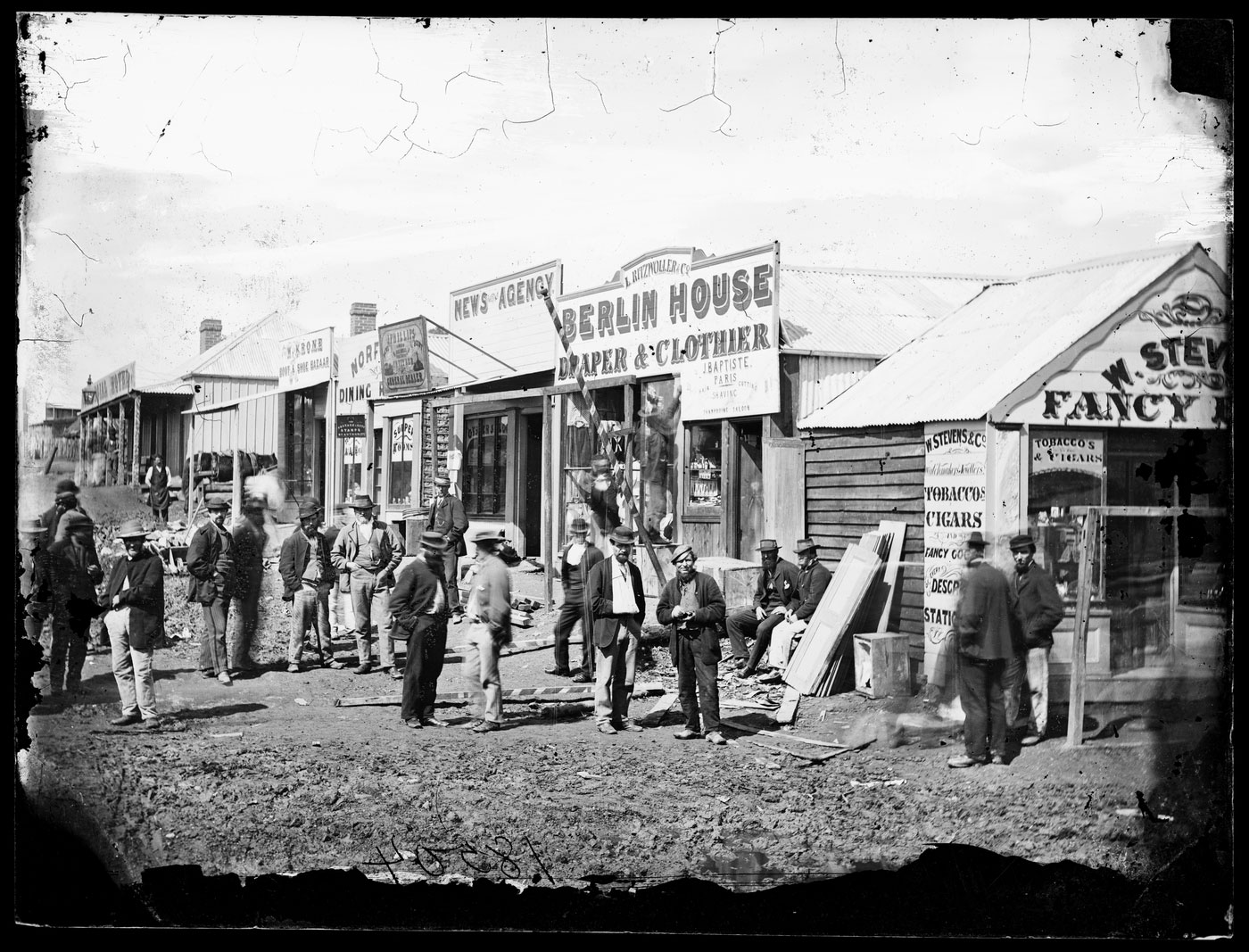
 

Beaufoy Merlin (Australian, 1830-1873) 'Short Street, Hill End' 1872


Beaufoy Merlin (Australian, 1830-1873)
Short Street, Hill End
1872
Wet plate glass negative, on 4/Box 5/No. 18504


Hill End in 1872 was a gold town at its peak. According to the Empire 7 June 1872, “The streets were thronged by a motley crowd; the stores and places of business crowded with customers; the little theatre so densely packed by an admiring audience, that there was not what is facetiously called ‘standing room,’ and even the public-houses, whose name is legion, were crammed. Yet I saw less, far less, drunkenness than can be met with in any street in the metropolis after 10 o’clock at night. There were very few inebriates, no filthy dishevelled women, no crouching loafers, no abject vice. The general aspect of the crowds of decently dressed folk who thronged ‘The Hill’ was that of respectability – rough indeed in many respects, and loud and noisy too, in some instances, but not disreputable, and altogether good-humoured.”


American & Australasian. 'Photographic Company Hawkins Hill 'Golden Quarter Mile'' 1872


American & Australasian Photographic Company
Hawkins Hill ‘Golden Quarter Mile’
1872
Wet plate glass negative, on 4/Box 71/No. C


This panorama of Hawkins Hill was taken by Beaufoy Merlin, who erected his camera in a tree more than a kilometre away across a gully nearly 300 metres deep. In the centre of the image is Krohmann’s mine, with the twin buildings and two storied structure of Beyers and Holtermann’s immediately to the left of it. These two mines contributed to the 12.4 tonnes of gold extracted from Hawkins Hill, but such are the vagaries of goldmining, that Rapp’s, on the extreme right, returned little to its investors, despite digging to a depth of over 380 feet [115 metres]. An almost identical view of the Hawkins Hill ‘Golden Quarter Mile’ taken by Merlin appeared as an engraving in the Australian Town and Country Journal 18 May 1872.
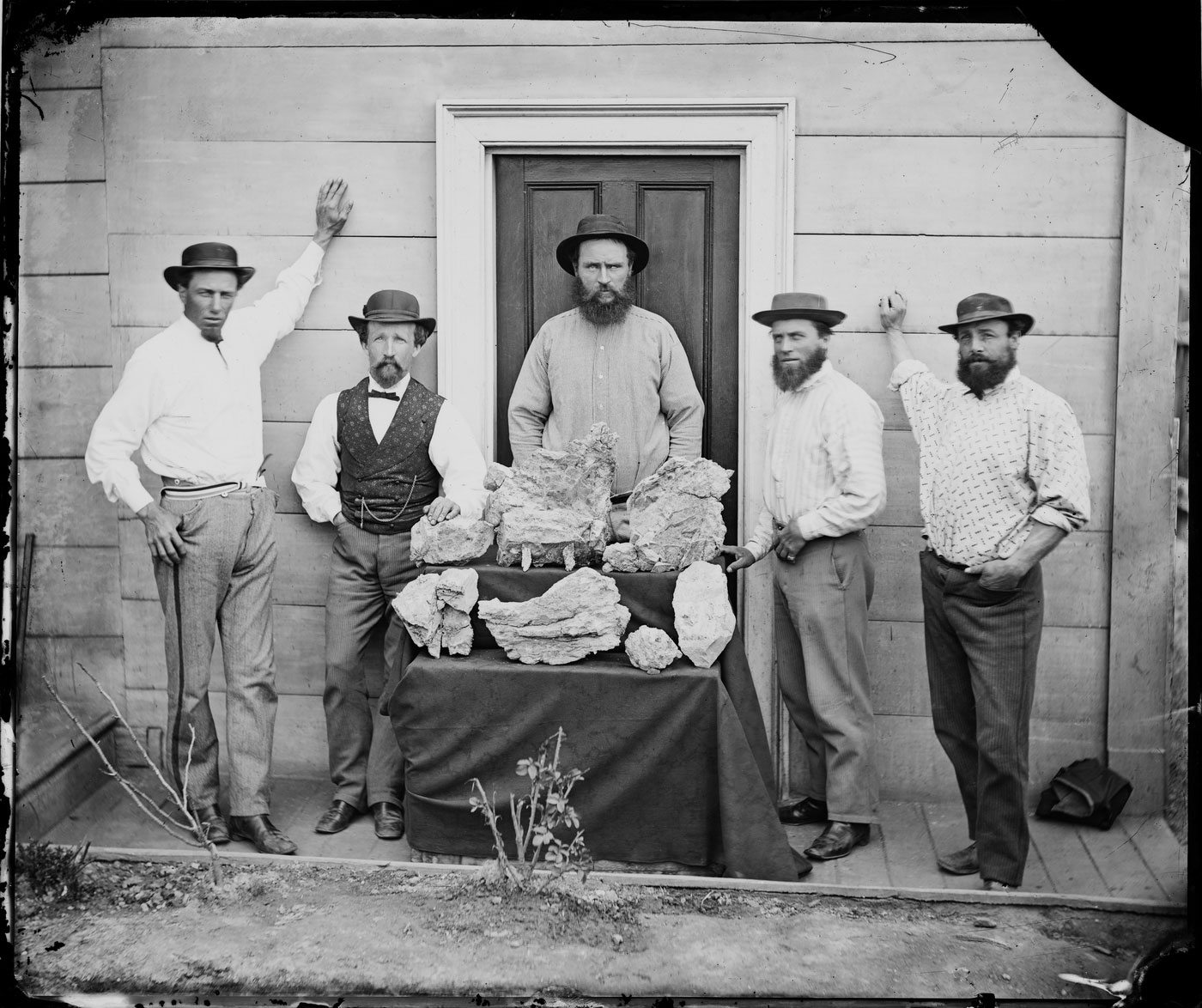
 

American & Australasian Photographic Company. 'Gold Specimens from the Star of Hope mine' 1872


American & Australasian Photographic Company
Gold Specimens from the Star of Hope mine
1872
Wet plate glass negative, on 4/Box 71/No. T


A month before discovery of the 286 kg Holtermann “nugget” [estimated to hold around 93kg of gold], Bernhardt Holtermann (second from left) Richard Ormsby Kerr (centre) and Louis Beyers (fourth from left) posed with 3,663 ozs [114 kg] of gold specimens from their claim. The specimens were described in The Sydney Morning Herald 28 September 1872 ; “To say they were good would be to say but little – they were almost without rival – magnificent – the talk of this town, where specimens are not unknown.” Holtermann took the best to the Sydney Mint for smelting, “as being clotted with gold it would be almost impossible to crush it in the ordinary way.” The item of clothing on the floor to the right is Beyer’s waistcoat.
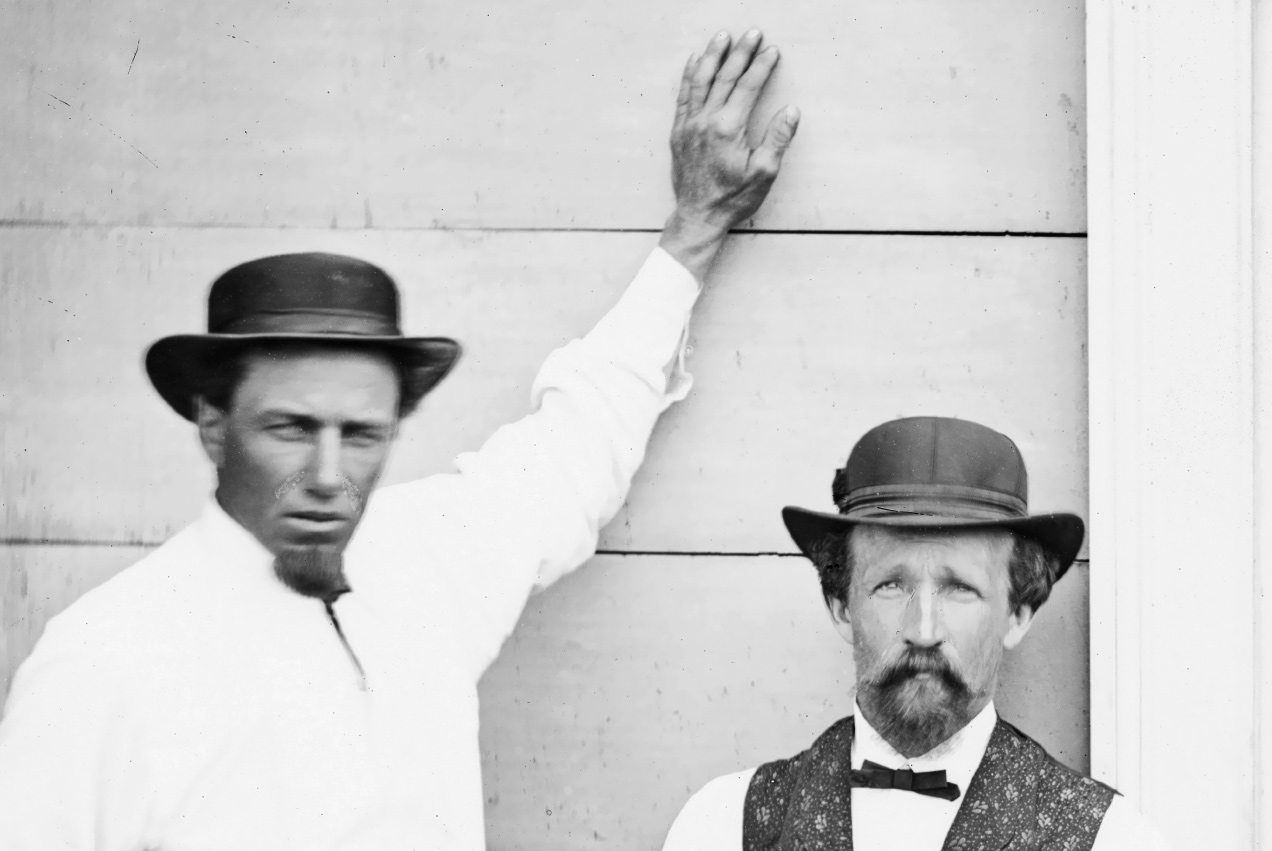
 

American & Australasian Photographic Company. 'Gold Specimens from the Star of Hope mine' 1872 (detail)


American & Australasian Photographic Company
Gold Specimens from the Star of Hope mine (detail)
1872
Wet plate glass negative, on 4/Box 71/No. T


American & Australasian Photographic Company. 'A domestic miner [Hill End]' 1872


American & Australasian Photographic Company
A domestic miner [Hill End]
1872
Wet plate glass negative, on 4/Box 10/No. 70154


Thomas Browne (better known as Rolf Boldrewood) was Gold Commissioner in Gulgong, during the period of Merlin and Bayliss’s photographs. Although this photograph was taken in Hill End, Boldrewood’s description of the domestic miner in his novel The Miners Right seems universal. “The thrifty miner who possesses the treasure, not less common on Australian goldfields than in other places, of a cleanly managing wife, is enabled to surround himself with rural privileges. A plot of garden ground, well fenced, grows not only vegetables but flowers, which a generation since were only to be found in conservatories… the domestic miner is often seen surrounded by his children, hoeing up his potatoes or cauliflowers, or training the climbing rose which beautifies his rude but by no means despicable dwelling.”
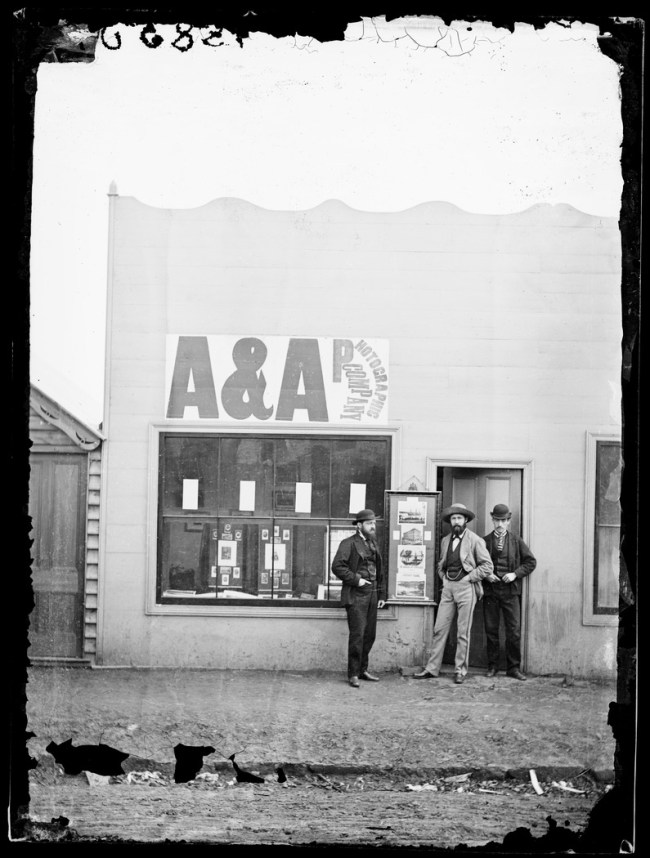
 

American & Australasian Photographic Company. 'Studio and staff of American & Australasian Photographic Co., Hill End' 1872


American & Australasian Photographic Company
Studio and staff of American & Australasian Photographic Co., Hill End
1872
Wet plate glass negative, on 4/Box 9/No. 18850


The American and Australasian Photographic Company established a studio in Tambaroora Street, Hill End in 1872. Beaufoy Merlin’s assistant Charles Bayliss stands, hands in pockets, in the doorway, with studio operator James Clinton behind him. Beside the door is a frame containing large photographic views of Sydney, including the General Post Office and harbour.
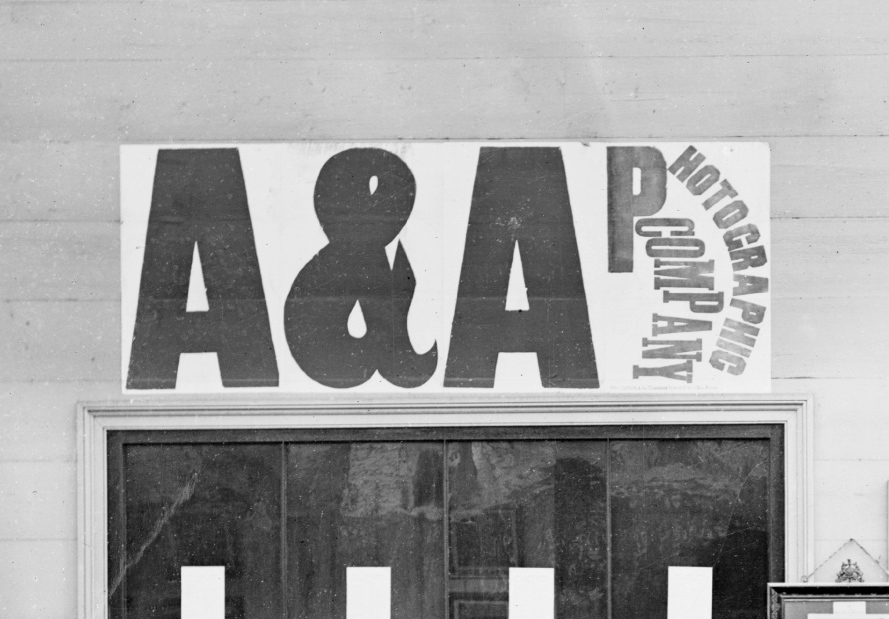
 

American & Australasian Photographic Company. 'Studio and staff of American & Australasian Photographic Co., Hill End' 1872 (detail)


American & Australasian Photographic Company
Studio and staff of American & Australasian Photographic Co., Hill End (detail)
1872
Wet plate glass negative, on 4/Box 9/No. 18850
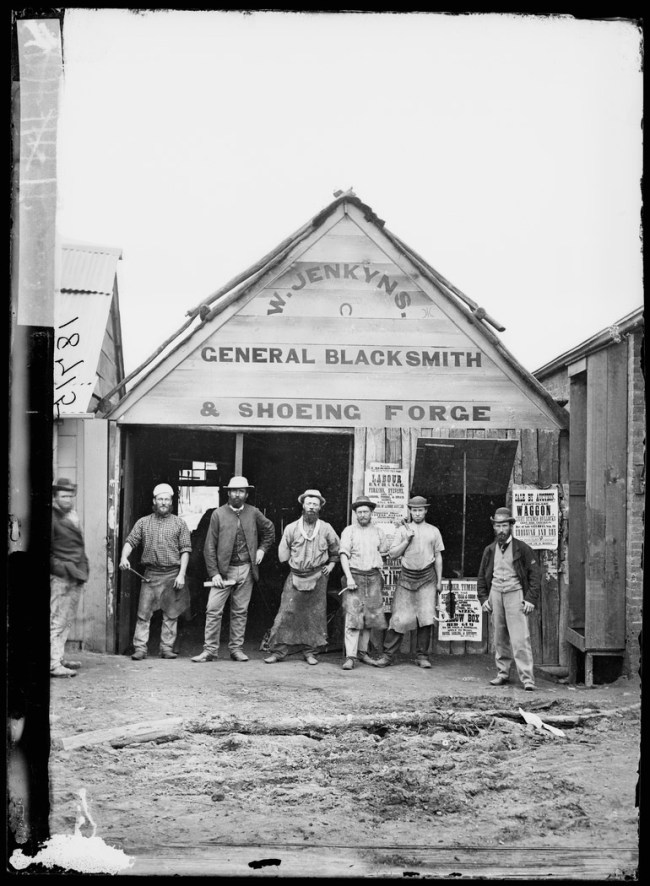
 

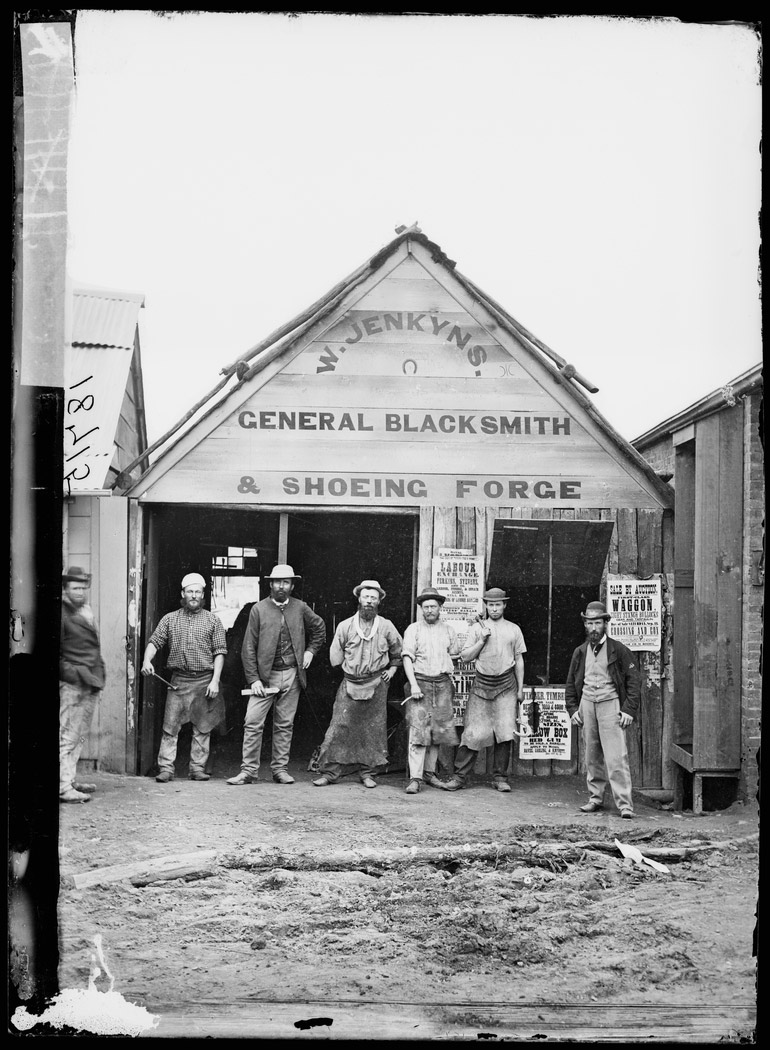
American & Australasian Photographic Company. 'Blacksmith William Jenkyns' 1872


American & Australasian Photographic Company
Blacksmith William Jenkyns
1872
Wet plate glass negative, on 4/Box 7/No. 18715


William Jenkyns’ blacksmith and shoeing forge was situated in Clarke Street, Hill End. The condition of roads around Hill End ensured Jenkyns was busy. A correspondent to The Sydney Morning Herald 23 May 1872 wrote of the road between Bathurst and Hill End, “For miles at a stretch there is nothing to indicate that any money has been spent upon the road for years, and it is doubtful whether any portion of it has ever been properly made.” On 3 December 1872 another wrote, “I think I have travelled the worst of roads; for the sake of humanity, I hope there are none worse than those I have travelled.” Despite a superficial resemblance, the man on the right is not B.O. Holtermann.


Gibbs, Shallard & Co., Colour Printers [188-?] 'Holtermann's Life Preserving Drops' 1872


Gibbs, Shallard & Co., Colour Printers [188-?]
Holtermann’s Life Preserving Drops
1872
Poster


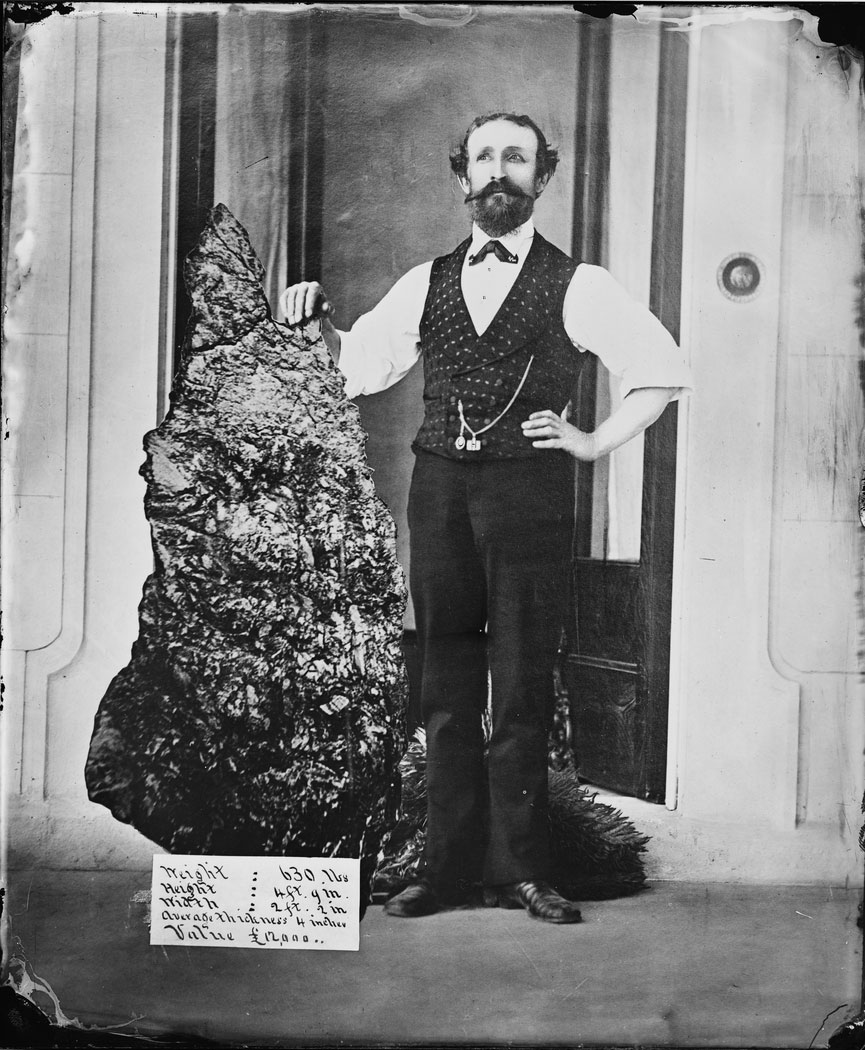
There is no doubt that Bernhardt Otto Holtermann understood the importance and value of maintaining his association with the world’s largest specimen of reef gold. Unable to purchase the monster quartz and gold specimen when it was extracted from the Star of Hope mine in Tambaroora in 1872, he commissioned the American and Australasian Photographic Company to produce a photographic montage of him standing beside it. Photographers Beaufoy Merlin and Charles Bayliss seem to have carried out this assignment on more than one occasion, as Holtermann wears different clothing in the several known examples of the image.

Obviously pleased with the result, Holtermann used the montage on his business card and on the label to a patent medicine bearing his name. As an advertising ploy, the image of Holtermann resting his hand on the world’s largest hunk of gold can only have been interpreted as a symbol of success and a guarantee of the worth of his product.

(Alan Davies author)
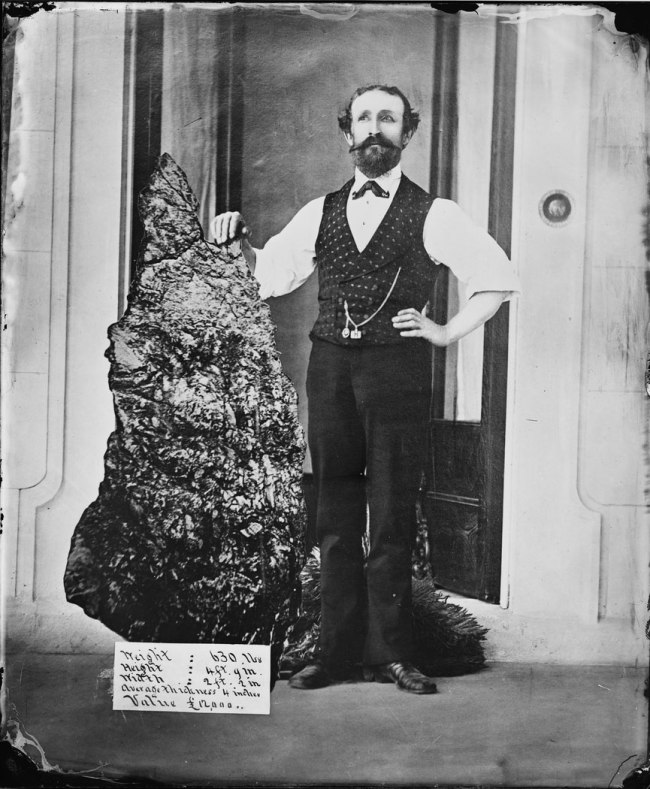
 

American & Australasian Photographic Company. 'B.O. Holtermann with the Holtermann Nugget, North Sydney' 1874-1876?


American & Australasian Photographic Company
B.O. Holtermann with the Holtermann Nugget, North Sydney
1874-1876?


During the 1870’s goldrush in central New South Wales, Bernard Holtermann, his partners and miners brought the largest agglomeration of gold to the surface. It was not a nugget of pure gold but he was instantly rich! An even larger gold find was broken up when it came to the surface in late January-early February 1873 but it was not photographed. With his wealth Holtermann financed the photography of the goldfields, a collection of international significance showing the ordinary people from all over the world with their houses and businesses on the goldfields. This composite photograph was put together later to give the appearance of Holtermann with the gold on the veranda of his new mansion at North Sydney, now the site of Shore Grammar School.

Three photographs were used to create this image of Holtermann, (supposedly holding the worlds’ largest accumulation of rock and gold ever brought to the surface in one piece). He was posed in the studio with his hand on a headclamp, the nugget was inserted and both placed on a photograph of the verandah of his mansion, built from the proceeds of his goldmine. The “nugget” was found in Hill End, New South Wales on 19th October 1872. More than half of the 630 lbs weight was pure gold, value 12,000 pounds ($24,000). With gold worth say $1400 per ounce, the value today would be over $A7,000,000. Amazingly Holtermann’s mine had already made him rich before the discovery of this boulder and there was reputed to be an even larger aggregate in the mine!


In 1872, the newly rich Bernhardt Otto Holtermann used some of his wealth to employ Henry Beaufoy Merlin and Charles Bayliss, of the American and Australasian (A&A) Photographic Company, to photograph gold producing areas and cities in NSW and Victoria for exhibition overseas. These images provide the most comprehensive and detailed record of nineteenth century goldfields life and, with the commissioned photographs, now form the Library’s Holtermann archive of 3500 wet plate negatives. The Greatest Wonder of the World features this extraordinary collection of nineteenth century documentary images. Through enlargements, digital images and a selection of vintage prints and wet plate negatives, the exhibition tells the remarkable story of the A&A Photographic Company and the philanthropy and vision of Bernhardt Holtermann.

In 1951, a hoard of 3,500 glass plate negatives from the nineteenth century was discovered in a garden shed in Chatswood. In time, the find proved to be the most important photographic documentation of goldfields life in Australia. The photographers responsible for the images were Beaufoy Merlin and Charles Bayliss of the American and Australasian Photographic Company, who had travelled to the town of Hill End in 1872 to record the rush. From there, they also recorded the burgeoning Gulgong and Mudgee goldfields.

In October 1872, the world’s largest specimen of reef gold, known as the Holtermann nugget, was unearthed at nearby Hawkins Hill and Merlin and Bayliss were there to record it. In an extraordinary act of patronage, the newly rich Bernhardt Otto Holtermann used some of his wealth to employ Merlin and Bayliss to photograph other gold producing areas and cities in NSW and Victoria for exhibition overseas. Proud of his own success, he believed that his travelling exposition would encourage immigration to Australia.  Merlin and Bayliss’s documentation was slow, with long exposures and the difficulty of processing one photograph at a time. Their wet plate negatives captured exceptional detail, but copies made in the twentieth century failed to reveal the wealth of information hidden within.

In 2008, plans were made to digitally scan the Holtermann Collection at very high resolution and this became reality through the generous assistance of the Graham and Charlene Bradley Foundation; Simon and Catriona Mordant; Geoffrey and Rachel O’Conor; Morningstar and numerous other benefactors. For the first time in 140 years, it is possible to see what Merlin and Bayliss photographed, with astonishing clarity and fidelity.

Press release from the State Library of New South Wales website


American & Australasian Photographic Company. '[French warship 'Atalante', Fitzroy Dock, Sydney, 1873]' Aug 1873


American & Australasian Photographic Company
[French warship ‘Atalante’, Fitzroy Dock, Sydney, 1873]
Aug 1873


This photograph of the French warship Atalante in Fitzroy Dock on Cockatoo Island, with Balmain in the background, was taken in August 1873. Built in 1865, the iron clad Atalante had a protruding brass bow for ramming lesser vessels. It had taken part in the Franco Prussian War in 1870 and at the time of this photograph was the flagship of the Pacific Squadron, under the command of Rear Admiral Baron Roussin. Beaufoy Merlin was particularly pleased with his photographs of the Atalante and wrote about them in the Town and Country Journal.


American & Australasian Photographic Company. '[French warship 'Atalante' at Fitzroy Dock, Sydney, 1873 / attributed to the American & Australasian Photographic Company]' 1873


American & Australasian Photographic Company
[French warship ‘Atalante’ at Fitzroy Dock, Sydney, 1873 / attributed to the American & Australasian Photographic Company]
1873


“… One of the solar pictures which I took on the occasion of my last visit to the Atalante, of which an engraving accompanies the present pen-and-ink sketch, is taken  from the rocks to the north-west, and shows her “ram,” with its massive projecting extremity of solid brass, her swelling sides, portholes, section of the dock, and men at work. The steps to the bottom of the basin as well as [its depth], are fairly indicated. Probably there is no one more difficult to please in procuring a picture of this kind than the landscape photographer himself. I may therefore be permitted to say in behalf of the one referred to, that it gave me satisfaction.”

Sadly, these images of Atalante were among the last photographs taken by Merlin. He contracted pneumonia and died, age 43, in September 1873.
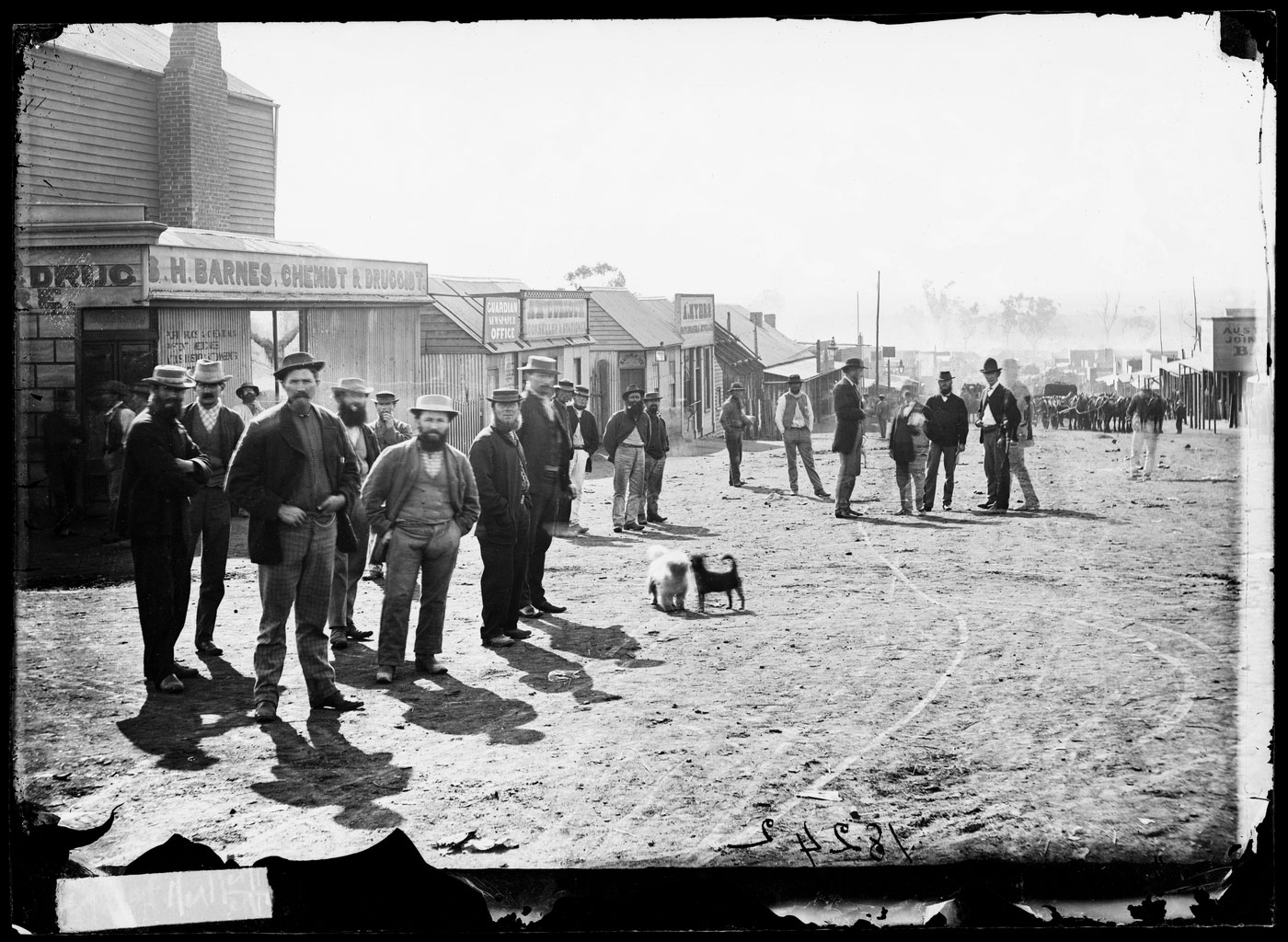
 

American & Australasian Photographic Company. 'Herbert Street, west side looking north from Mayne Street and showing Barnes' Chemist Shop, Gulgong' 1872


American & Australasian Photographic Company
Herbert Street, west side looking north from Mayne Street and showing Barnes’ Chemist Shop, Gulgong
1872
Wet plate glass negative, on 4/Box 2/No. 18242


The incongruous sight of toy dogs among the rough-and-ready types that inhabited a frontier gold town has been captured in this view of Herbert Street, Gulgong. According to the Empire 28 May 1872, “The streets – so to call the dusty avenues between the rows of shops and Inns – are thronged in the daytime, by much about the same number, though not, apparently by the same sort of persons, as the streets in Sydney. There is not the same bustling activity about them… There are also fewer women amongst them, and fewer well dressed men. The yellow, clay-stained fustian trousers which have never made and never will make acquaintance with the wash-tub, invest the lower extremities of every two men out of three…”
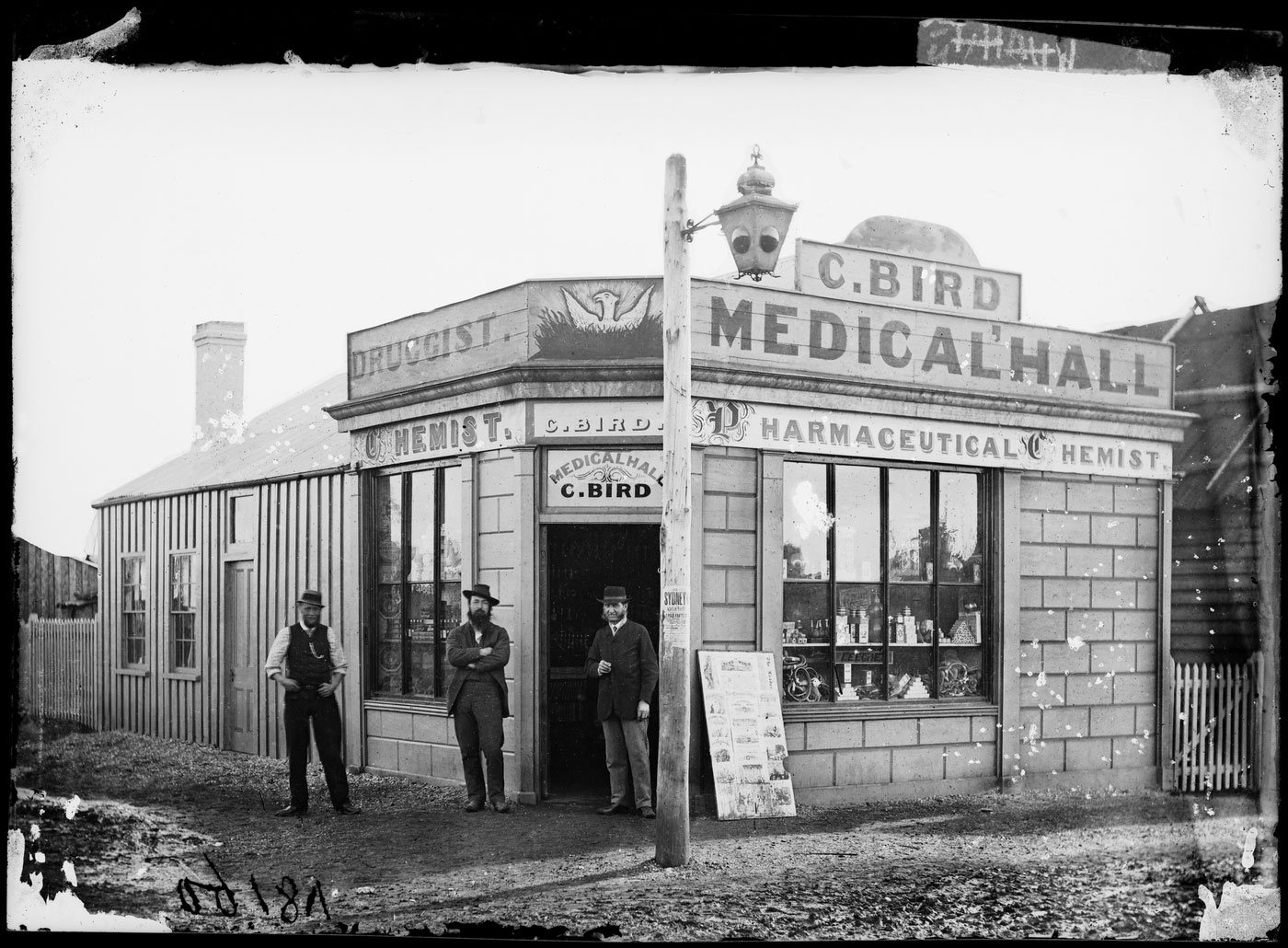
 

American & Australasian Photographic Company. 'Charles Bird, Medical Hall, Gulgong' 1872


American & Australasian Photographic Company
Charles Bird, Medical Hall, Gulgong
1872
Wet plate glass negative, on 4/Box 2/No. 18160


The Medical Hall of Charles Bird Jnr was situated at the corner of Belmore and Herbert Streets, Gulgong. Charles Bird Snr. conducted another shop at the corner of Mayne and Herbert Streets, until the Medical Hall was sold and converted into a hotel in 1879. The Gulgong Guardian 20 November 1872 noted that Charles Bird had received a new disinfectant “which will be invaluable during the summer months to all who are unfortunate enough to live in those parts of town where stenches are pungent and plentiful.”
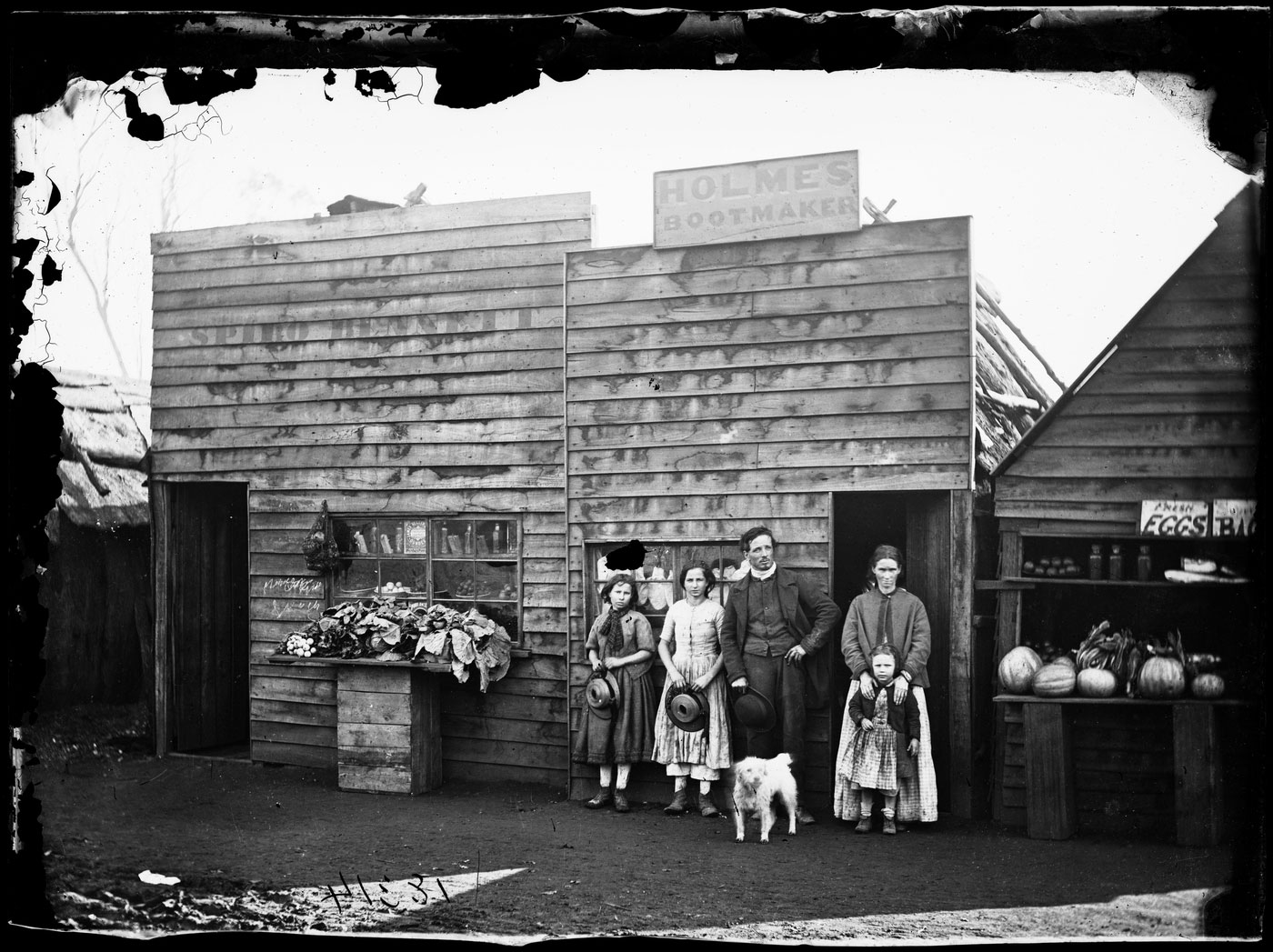
 

American & Australasian Photographic Company. 'Holmes, bootmaker, and Spiro Bennett's store, Gulgong' 1872


American & Australasian Photographic Company
Holmes, bootmaker, and Spiro Bennett’s store, Gulgong
1872
Wet plate glass negative, on 4/Box 3/No. 18314


This timber clad facade fails to conceal the bark structure behind and the poverty of its inhabitants. This is Gulgong bootmaker William Holmes and his family outside their shop in Mayne Street west. His wife Emily, in the doorway, died a few months after the photograph was taken. The town’s short-term architecture was described in The Sydney Morning Herald 30 September 1872. “Gulgong is not singular in its buildings. The followers of alluvial rushes have ere this found that business is fleeting. As leads work out so does business tide away. Hence have we buildings of a temporary nature; and, although the town of Gulgong may be reckoned three years old, yet not a single brick building stands on its site…”
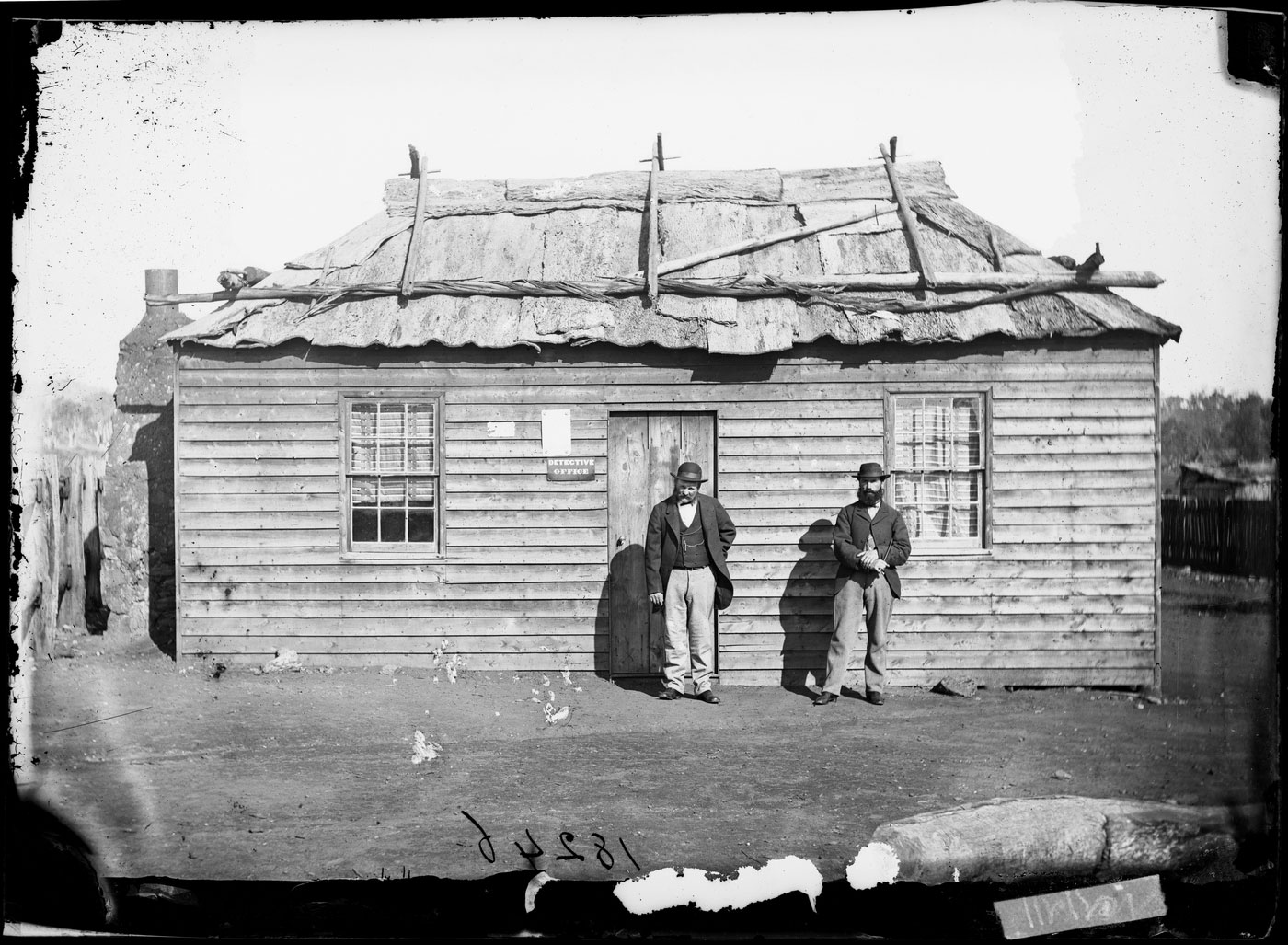
 

American & Australasian Photographic Company. 'The detectives' 1872


American & Australasian Photographic Company
The detectives
1872
Wet plate glass negative, on 4/Box 2/No. 18246


These are detectives Charles Powell and Robert Hannan, outside their Gulgong office. They had plenty to do. In a letter to the editor of the Maitland Mercury 16 May 1872, William Collins stated “The people (except the bankers and storekeepers), are in general a rough and ready set, occasionally a fight is to be seen, but the very diligent police speedily settle such hostile engagements, by marching the pugilists to a place called the town cage, from which place they are brought in the morning before the magistrate, who has often heard of mercy, but does not know what it means…” Powell and Hannan arrested 14 Chinese for gambling in January 1872 and the Empire 20 January 1872 noted, “In all these cases the lawyers reap a rich harvest, and it was somewhat amusing to witness their actively and interest within ten minutes of the time of arrest.”
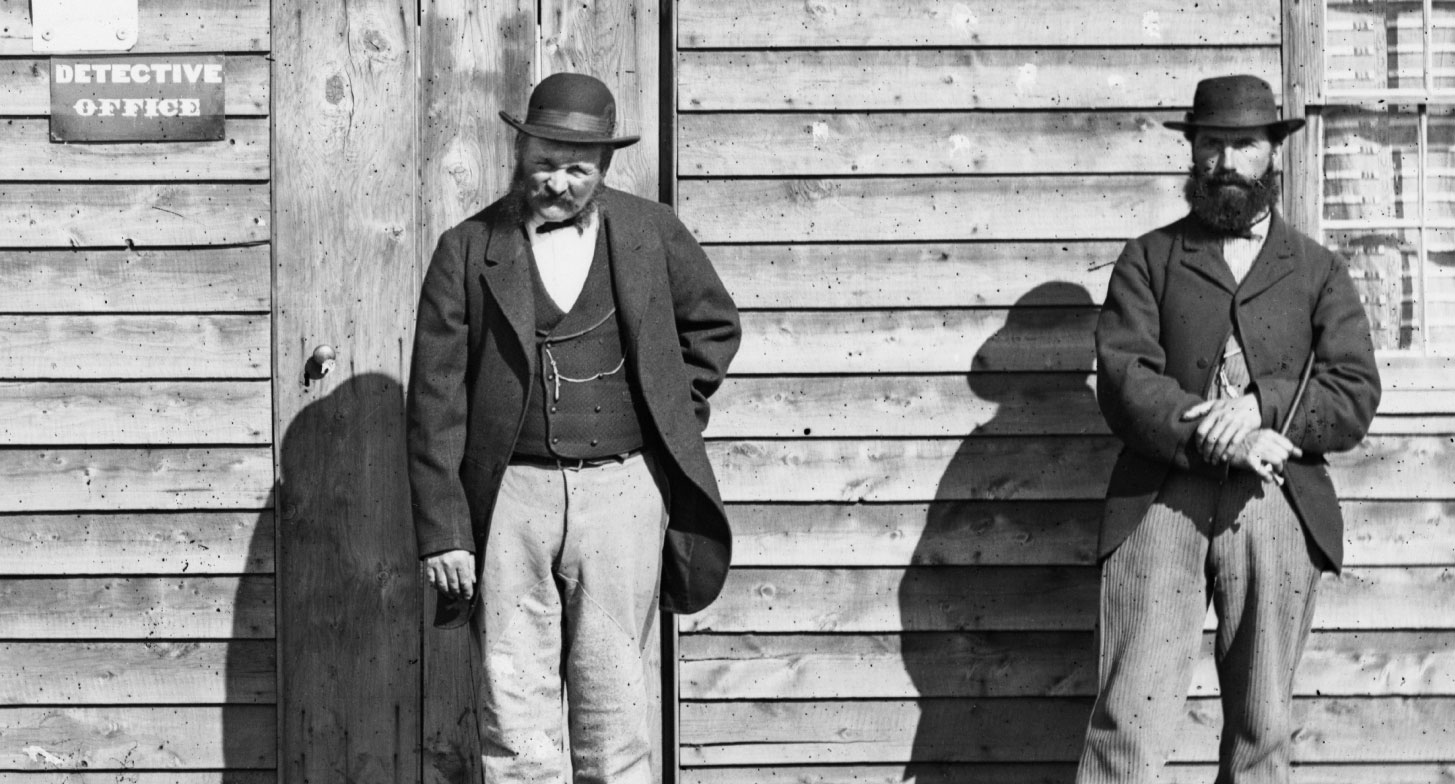
 

American & Australasian Photographic Company. 'The detectives' 1872 (detail)


American & Australasian Photographic Company
The detectives (detail)
1872
Wet plate glass negative, on 4/Box 2/No. 18246


American & Australasian Photographic. 'Company William Lewis, undertaker' 1872


American & Australasian Photographic Company
William Lewis, undertaker
1872
Wet plate glass negative, on 4/Box 2/No. 18168


The establishment of William Thomas Lewis, Undertaker and Carpenter at the corner of Belmore and Herbert Streets was primitive, but his funerals were said to be carried out ‘with his usual taste and completeness’. In 1871, Gulgong lacked a suitable place for burials and the Gulgong Guardian commented several times on the growing outcry for a cemetery. The locals had a valid complaint, particularly because of the considerable mortality rate among the young. In April 1871 alone, nine children died in a fortnight. Even Thomas De Courcy Brown, editor of the Guardian, lost his daughter Rose, age 7 months, in December that year. In January 1872, there were 37 deaths in Gulgong, (including 21 children under 5 years) and 17 births. The newspaper complained that the new cemetery was still unfenced.


American & Australasian Photographic. 'Company William Lewis, undertaker' 1872 (detail)


American & Australasian Photographic Company
William Lewis, undertaker (detail)
1872
Wet plate glass negative, on 4/Box 2/No. 18168


American & Australasian Photographic Company. 'John Osborne, painter and signwriter' 1872


American & Australasian Photographic Company
John Osborne, painter and signwriter
1872
Wet plate glass negative, on 4/Box 4/No. 18372


J.H. Osborne, painter & signwriter of Gulgong also supplied decorative wallpaper. It seems he painted faux marble headstones as well. Osborne’s bark clad establishment was located at 2 Medley Street, at the sparsely populated northern end of town, which explains the prominent display of his sign writing skill. The Empire 28 May 1872 commented on the temporary nature of buildings in Gulgong. “The shops and public-houses are, for the most part, of a very temporary and unsubstantial character, considered as buildings. A large proportion of them are capable of being removed, piecemeal, and set up again on a new diggings in the event of Gulgong declining in prosperity, and a rush taking place to another field within a day or two’s journey.”
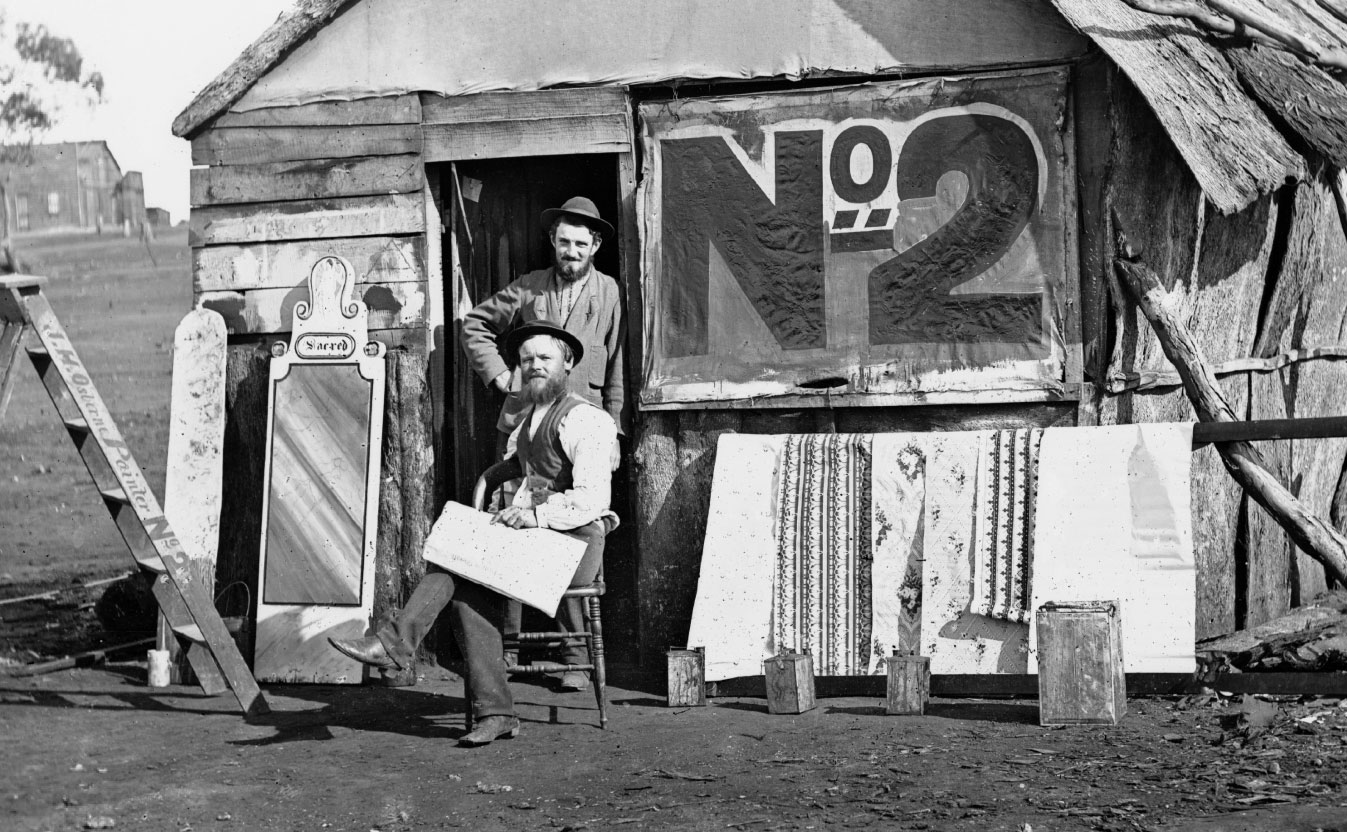
 

American & Australasian Photographic Company. 'John Osborne, painter and signwriter' 1872 (detail)


American & Australasian Photographic Company
John Osborne, painter and signwriter (detail)
1872
Wet plate glass negative, on 4/Box 4/No. 18372


A meeting between gold miner Bernard Otto Holtermann and photographer Beaufoy Merlin in Hill End in 1872 resulted in one of the most astonishing photographic documentations ever undertaken. Holtermann had been associated with the recent discovery of the world’s largest specimen of reef gold, weighing 145 kilograms, extracted from the Star of Hope mine at nearby Tambaroora. Merlin, an itinerant photographer, had just opened a temporary studio in Hill End. In January 1873, the two announced their plans for Holtermann’s great International Travelling Exposition, which would publicise the potential of their adopted country to the world through photography. Merlin and his assistant Charles Bayliss had already photographed some of the gold producing towns of the colony and Holtermann’s patronage enabled them to continue the undertaking, using a larger camera.

Merlin had begun his photographic career in Victoria in 1866 and within a few years had developed a unique style of outdoor photography. Charles Bayliss joined American & Australasian Photographic Company in Melbourne and the pair headed north into New South Wales, photographing towns along the way. When Beaufoy Merlin and Charles Bayliss arrived in Sydney in September 1870, they had already completed an extraordinary documentation of “almost every house in Melbourne, and the other towns in Victoria.” They were aware that their venture was unusual and contemporary advertising by the American & Australasian Photographic Company reflects a considered understanding of the photographic medium and an intellectual approach to their work.

“The chief characteristic and distinguishing feature of the Company’s style of work, is the introduction of figures into the photograph – the most complete and life-like portraits of individuals who happen, or may choose to stand outside, being incorporated in the picture. The A&A Photographic Company desire further to remind the public that these negatives are not taken for the mere immediate object of sale, but that being registered, copies can at all times be had by or of those parties residing in any part of the colonies wherever the Company’s operations have extended, thus forming a novel means of social and commercial intercourse.”

Nevertheless, it is not surprising that Merlin and Bayliss headed west in 1872 with the new gold rushes. The cry “Rush-O!” meant money for businesses, including photographers. A studio for the A&A Photographic Company was built on land owned by Holtermann in Hill End and excursions were made to surrounding areas by horse drawn caravan. The photographic process of the day required the photographer coat each plate just before use and develop it immediately before it lost sensitivity. For the itinerant photographer, this meant taking a portable darkroom wherever he went. Despite the difficulty of the wet plate process, the comprehensive goldfields photography of Merlin and Bayliss has provided a unique documentation of frontier life.

Merlin fell ill and died from pneumonia in 1873, leaving his assistant the task of documenting towns for Holtermann’s Exposition. Consequently, Bayliss toured Victoria the following year, but returned to Sydney in 1875 and began making giant panoramas of the city from Holtermann’s house in North Sydney. The venture was to cost Holtermann over ₤4000, but resulted in the production of the world’s largest wet-plate negatives and several panoramas. One, measuring 10 metres long, astonished audiences overseas and received the Bronze award at the Philadelphia Centennial Exhibition of 1876 and a Silver Medal at the Paris Exposition Universelle Internationale in 1878. Only a small percentage of the A&A Photographic Company’s output has survived, but 3,500 small format wet plates negatives (including extensive coverage of the towns of Hill End and Gulgong) and the world’s largest wet plate negatives, measuring a massive 1 x 1.5 metres, are held by the Library.

Text from The Holtermann Collection website


Charles Bayliss (Australian, 1850-1897) 'The beginning of Home Rule' 1872


Charles Bayliss (Australian, 1850-1897)
The beginning of Home Rule
1872
Wet plate glass negative, on 4/Box 3/No. 18278


Home Rule, 11 km south-east of Gulgong, was only two months old when Charles Bayliss took this photograph. A reporter from the Gulgong Guardian was also in town and wrote on 13 July 1872, “During the past fortnight there has been a great improvement for the better in the appearance of the township at the Home Rule. Large and costly buildings are springing up in every direction and being fitted up for almost every trade. In hotels there is a great change for the better, as in several of them notably Messrs Wright, Moss, and Oliver, the accommodation is almost equal to any on Gulgong; so visitors need not fear that they will suffer hunger or thirst.”
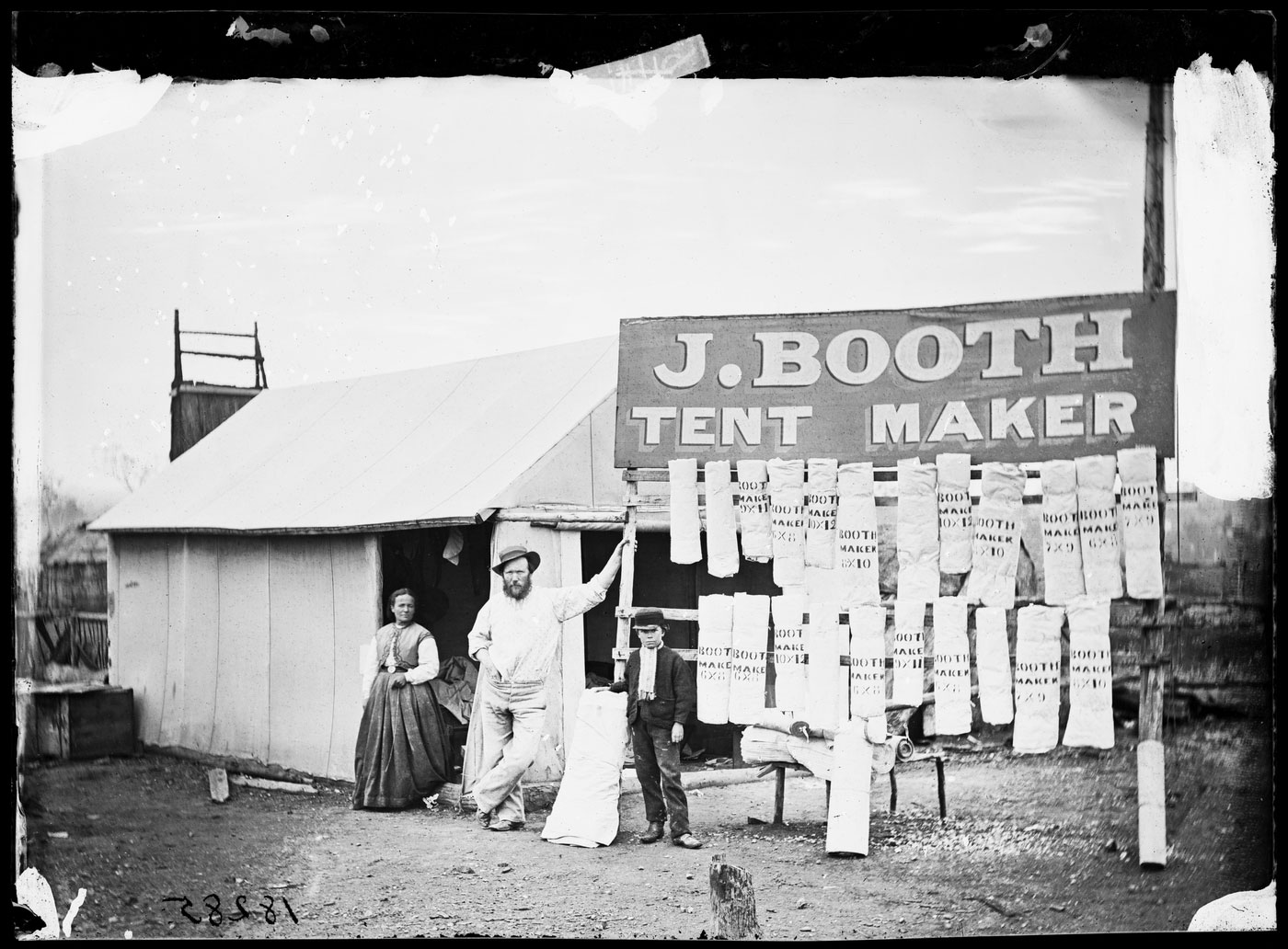
 

Charles Bayliss (Australian, 1850-1897) 'Tent city, Home Rule' 1872


Charles Bayliss (Australian, 1850-1897)
Tent city, Home Rule
1872
Wet plate glass negative, on 4/Box 3/No. 18285


In the early days of gold rushes, miners usually lived in tents. Here tentmaker J. Booth has confidently set up his canvas shop in Home Rule. The burgeoning new field was described in the Sydney Morning Herald 22 May 1872, “On Friday last there must have been fully fifteen hundred persons upon the ground, and tents and habitations of every description were springing, apparently Iike mushrooms, from the ground, and such is the rapidity with which a gold-fields town is formed, I shall not be surprised to see the place well supplied with stores, and, of course, hotels, when I again visit the place about a fortnight hence.”
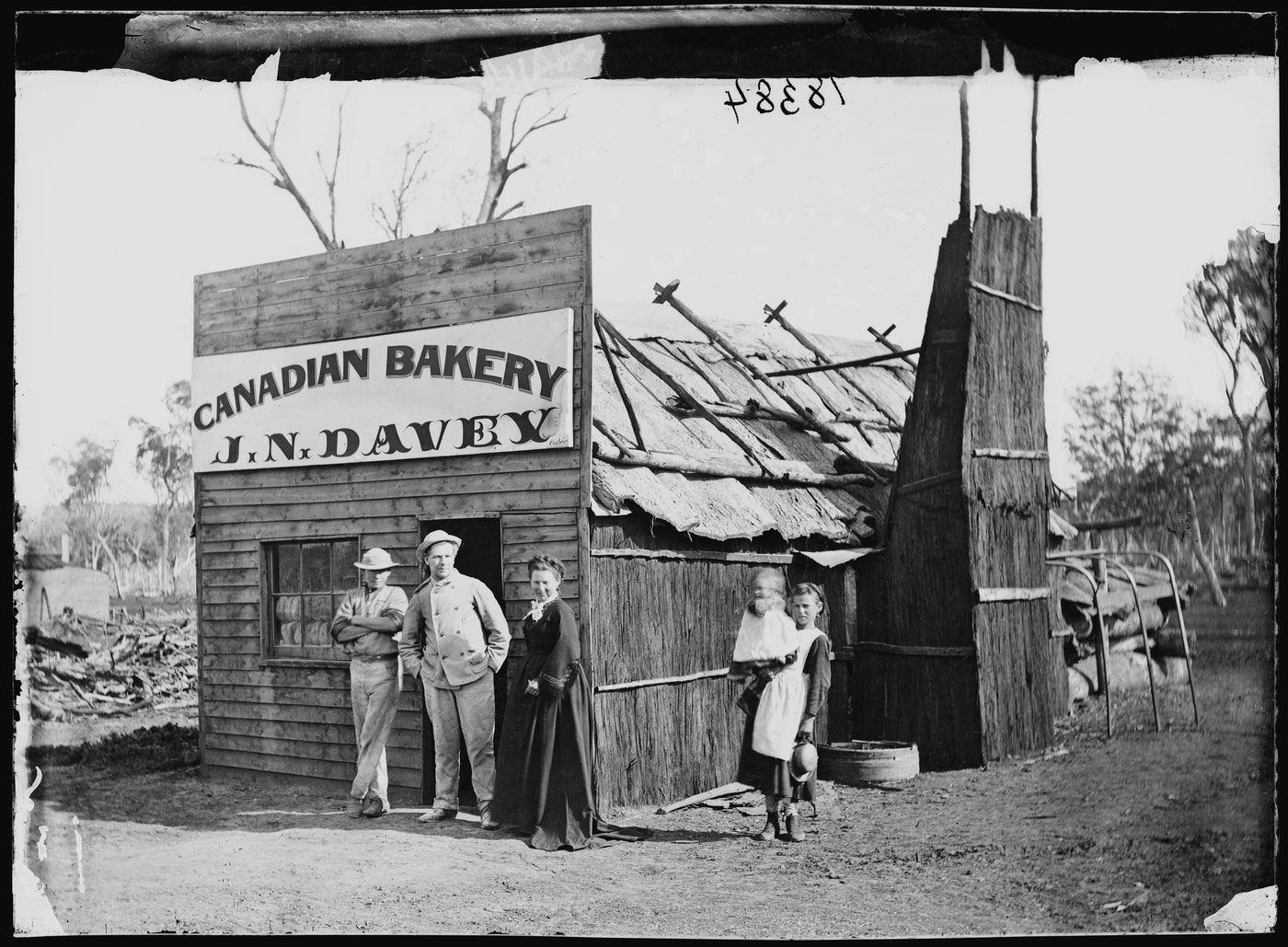
 

Charles Bayliss (Australian, 1850-1897) 'John Davey, baker' 1872


Charles Bayliss (Australian, 1850-1897)
John Davey, baker
1872
Wet plate glass negative, on 4/Box 3/No. 18384


With his shoes covered in flour, John Davey steps outside his bakery in the main street of Canadian Lead. Bread cost 6d a 2lb [5 cents per 900g] loaf. The woman and children to the right also appear outside Ruth Beck’s North Star Hotel, three doors away. The rush to Canadian Lead began in early 1872 and the Maitland Mercury 6 April 1872 was able to state “the Canadian Lead, where a month ago some four hundred people were, can now boast of a couple of thousands…” Not everyone was law-abiding. The Maitland Mercury 24 August 1872 related the story of Mrs Beck dropping a purse containing £21 [$42, worth about $2000 today], which was picked up by her little boy, but taken from him by two men claiming that it was theirs. The miscreants were arrested in Mudgee two days later, drinking the profits.
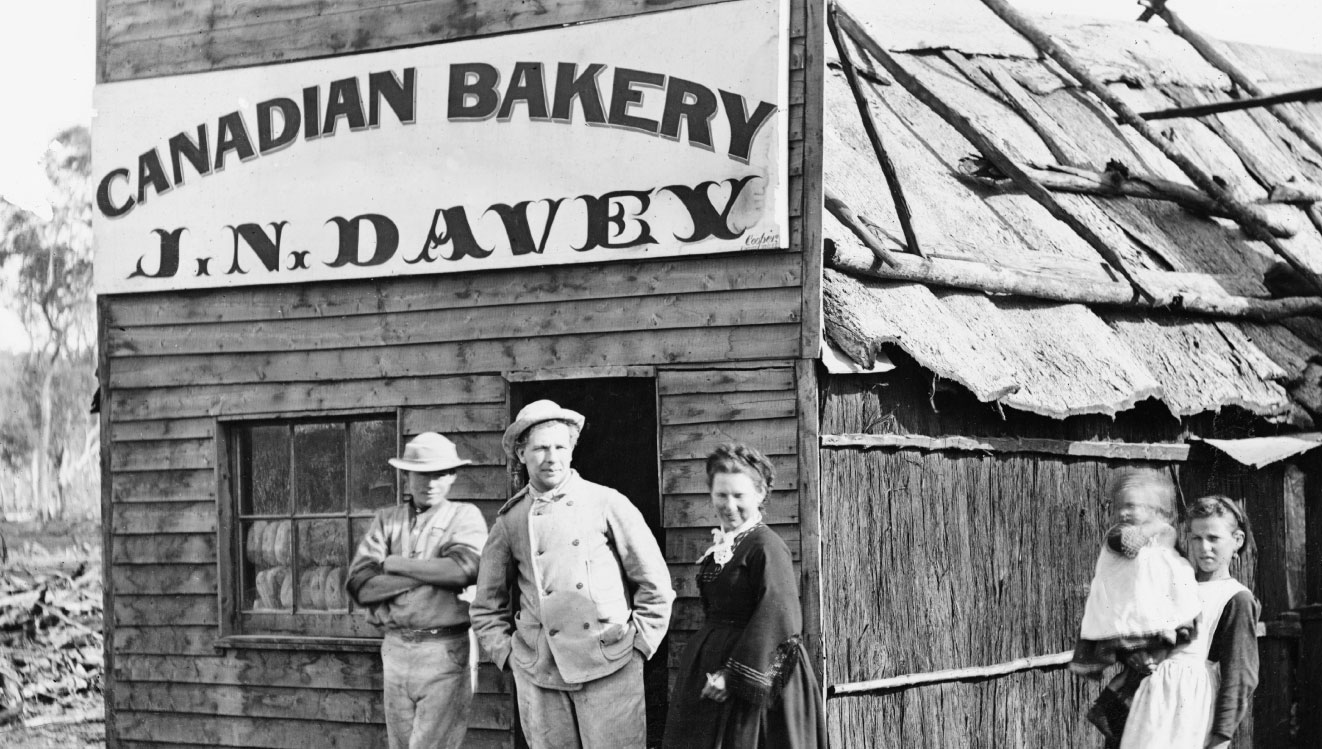
 

Charles Bayliss (Australian, 1850-1897) 'John Davey, baker' 1872 (detail)


Charles Bayliss (Australian, 1850-1897)
John Davey, baker (detail)
1872
Wet plate glass negative, on 4/Box 3/No. 18384
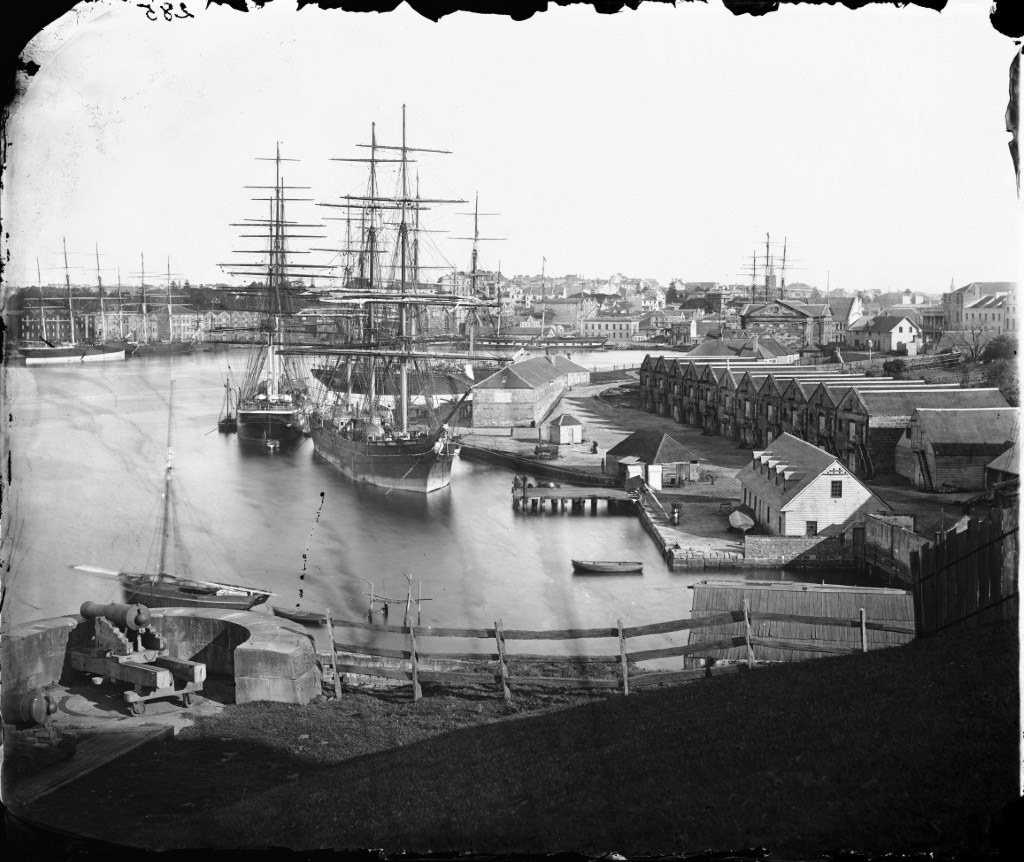
 

Beaufoy Merlin (Australian, 1830-1873) 'Circular Quay from Dawes Battery' 1873


Beaufoy Merlin (Australian, 1830-1873)
Circular Quay from Dawes Battery
1873
Wet plate glass negative, on 4/Box 58/No. 285


In mid 1873, Beaufoy Merlin returned to Sydney to continue photographing the city for Holtermann. The Sydney Morning Herald 2 August 1873 noted, “Mr. Beaufoy Merlin has taken a considerable number of photographic views of Sydney for the first section of ‘Holtermann’s Intercolonial Exposition’.” This image from Dawes Battery, past Campbell’s Wharf to Circular Quay can be dated to early September 1873, as the Haddon Hall (r) from London, is loading for San Francisco at Campbell’s wharf. Behind it is Aviemore and the ship in background in front of Customs House is La Hogue. Both Aviemore and La Hogue left for London on 13 September 1873.


Charles Bayliss (Australian, 1850-1897) (American & Australasian Photographic Company) 'Pall Mall, Bendigo' 1874


Charles Bayliss (Australian, 1850-1897) (American & Australasian Photographic Company)
Pall Mall, Bendigo
1874
Wet plate glass negative, on 4/Box 78/No. 2


After the death of Beaufoy Merlin in 1873, Bernhardt Holtermann engaged Merlin’s assistant, 24 year-old Charles Bayliss, to continue taking photographs for his planned Exposition. This view of Pall Mall from Hadley’s City Family Hotel, Sandhurst [Bendigo, Victoria] was taken in April 1874. Bayliss photographed the town using the Exposition’s standard 10 x 12 inch (25 x 30cm) glass negatives, but for this image used a mammoth camera specially imported by Holtermann which took glass plates measuring 18 x 22 inches (46 x 56cm). Bayliss also photographed Ballarat in June 1874, using the mammoth camera to produce a panorama from the town hall clock tower.


State Library of New South Wales
Macquarie Street, Sydney
NSW 2000 Australia
Phone: +61 2 9273 1414

Opening hours:
Daily 10am – 5pm

State Library of New South Wales website

LIKE ART BLART ON FACEBOOK

Back to top

Review: ‘Aliza Levi / Books on a White Background’ at Edmund Pearce Gallery, Melbourne

Exhibition dates: 10th April – 4th May 2013


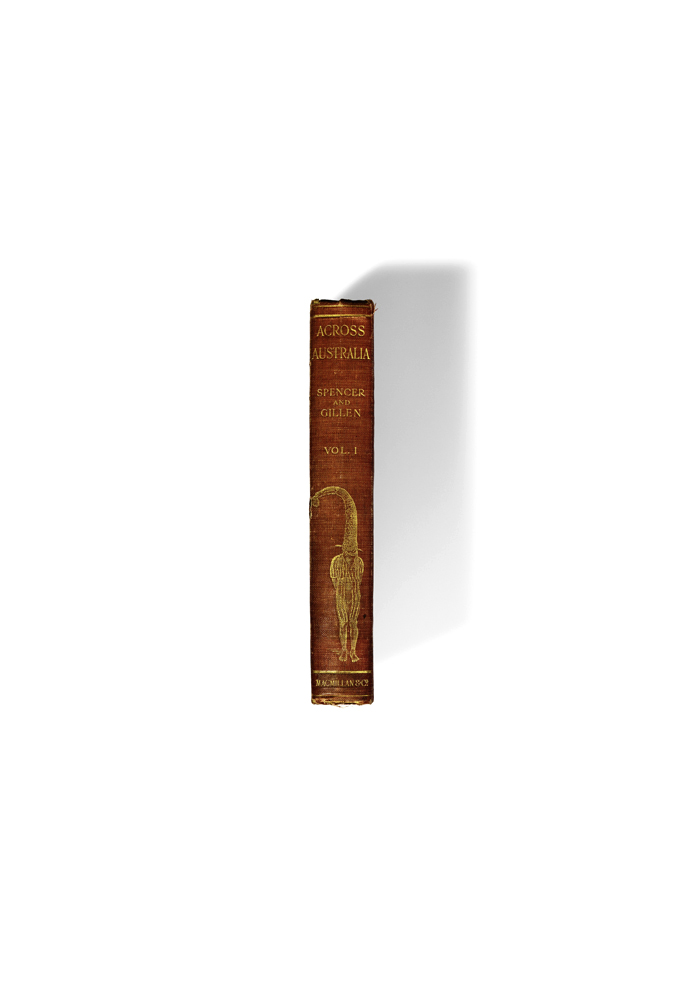
Aliza Levi (South African, b. 1969) 'Across Australia' 2011


Aliza Levi (South African, b. 1969)
Across Australia
2011
Archival Inkjet Print
59 x 42cm


Aura of white

Shadow of black

Books for the boys *

Black bodies out the back


* Books for the bourgeois

* Books for the parlour

* Books for the burning

* Books to hide memories

* Books lost in archives

* Books still in libraries

* Books for the tower (implying Babel)

* Books for the scrapheap

* Books for academics

* Books for the garbo

* Books for the church stall

* Books to forget


Dr Marcus Bunyan


Many thankx to Edmund Pearce Gallery for allowing me to publish the photographs in the posting. Please click on the photographs for a larger version of the image.


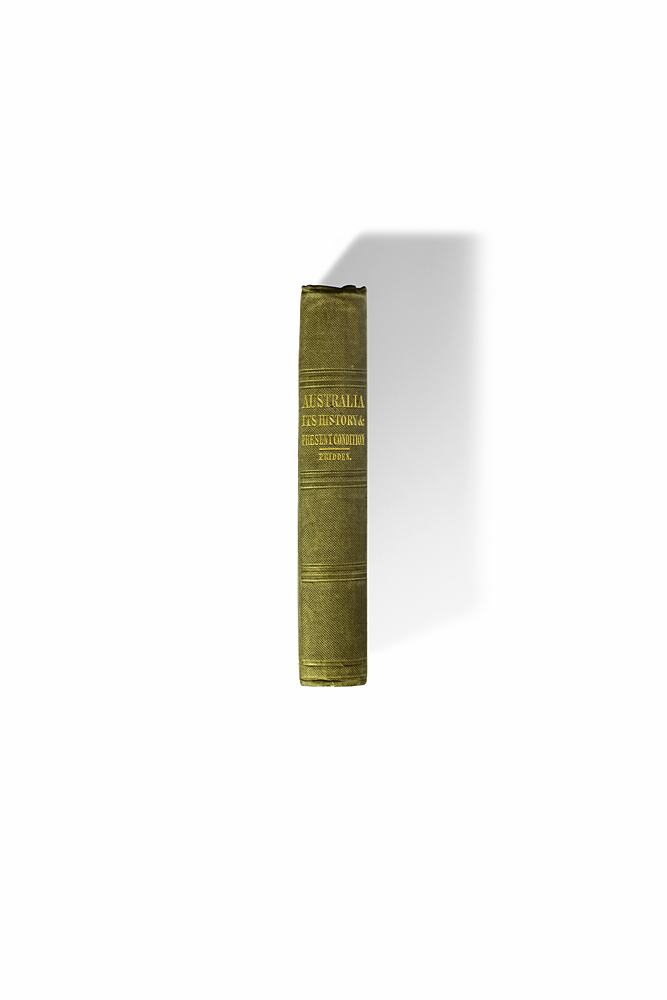
Aliza Levi (South African, b. 1969) 'Australia, its History and Present Condition' 2013


Aliza Levi (South African, b. 1969)
Australia, its History and Present Condition
2013
Archival Inkjet Print
59 x 42cm


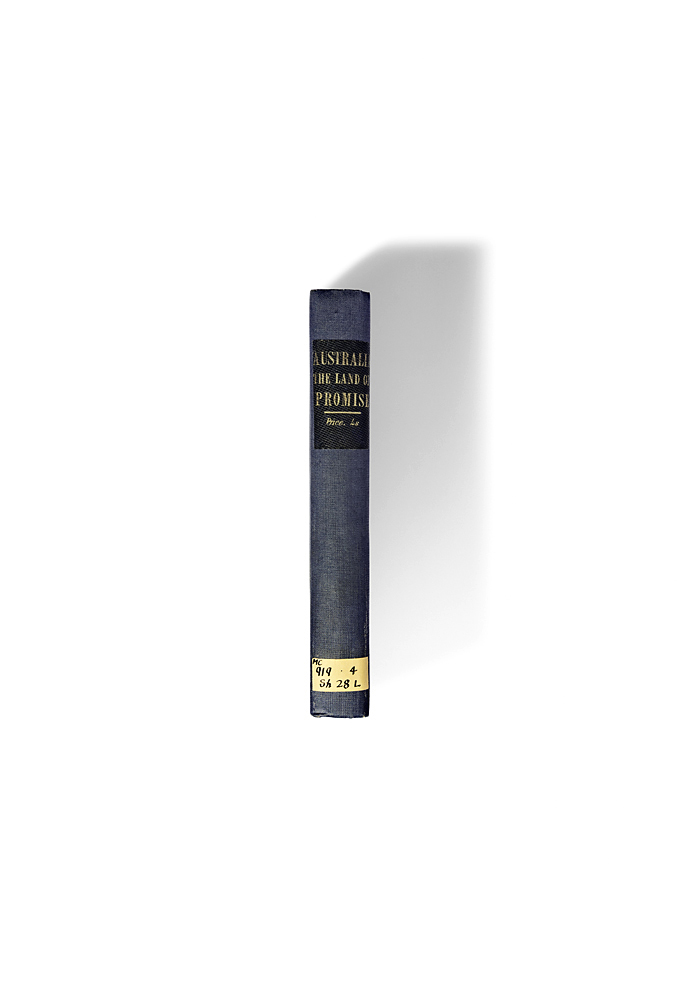
Aliza Levi (South African, b. 1969) 'Australia the Land of Promise' 2012


Aliza Levi (South African, b. 1969)
Australia the Land of Promise
2012
Archival Inkjet Print
59 x 42cm


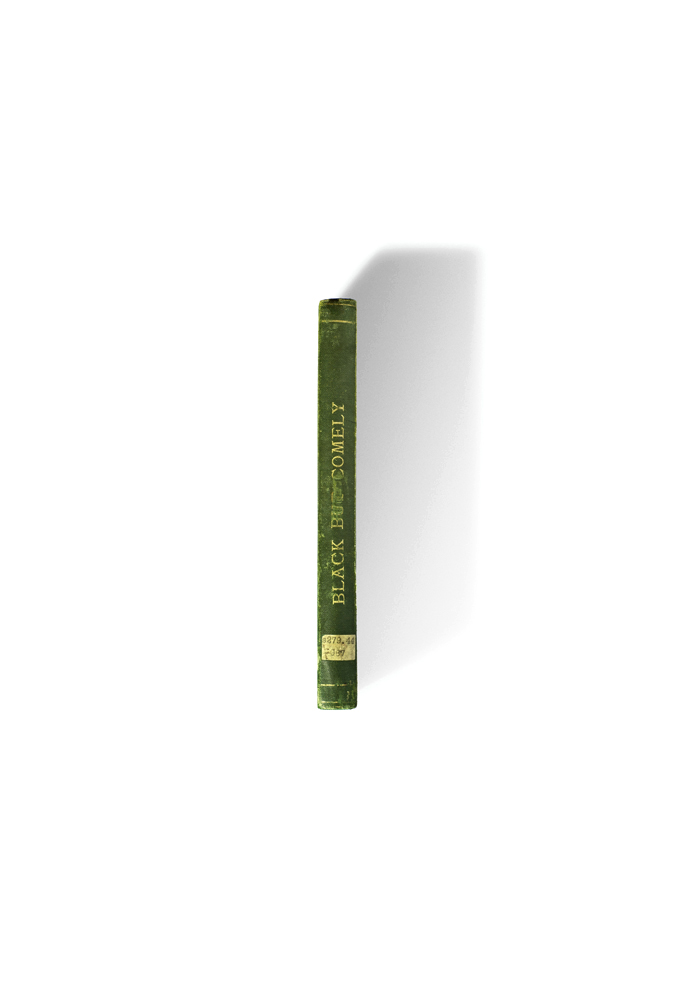
Aliza Levi (South African, b. 1969) 'Black But Comely' 2013


Aliza Levi (South African, b. 1969)
Black But Comely
2013
Archival Inkjet Print
59 x 42cm


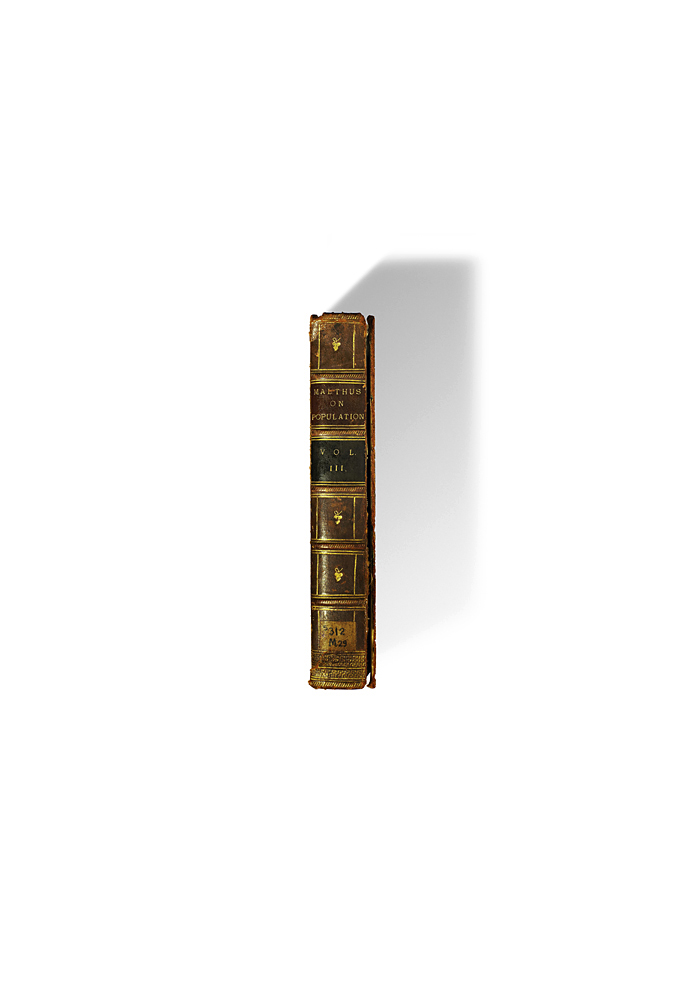
Aliza Levi (South African, b. 1969) 'Malthus on Population' 2012


Aliza Levi (South African, b. 1969)
Malthus on Population
2012
Archival Inkjet Print
59 x 42cm


“I began this series by choosing books that reflected the assumptions and behaviour of the nineteenth century colonists, the persistent notations of self and other. I soon started to notice, that many of the titles were pertinent to today. A blurring of time and relevance, where views from a hundred years ago were intersecting with current attitudes and events.”


Aliza Levi


South African born artist, Aliza Levi premiers her latest body of work Books on a White Background at Edmund Pearce Gallery. Camera and lights in hand, Aliza has been photographing nineteenth century books in small town junk shops, second-hand book dealers, flea markets, rare book collections and libraries both here and in her native South Africa. Books authored by anthropologists, ethnologists and laypersons who took it upon themselves to comment on their travels. To date she has captured nearly 250 books.

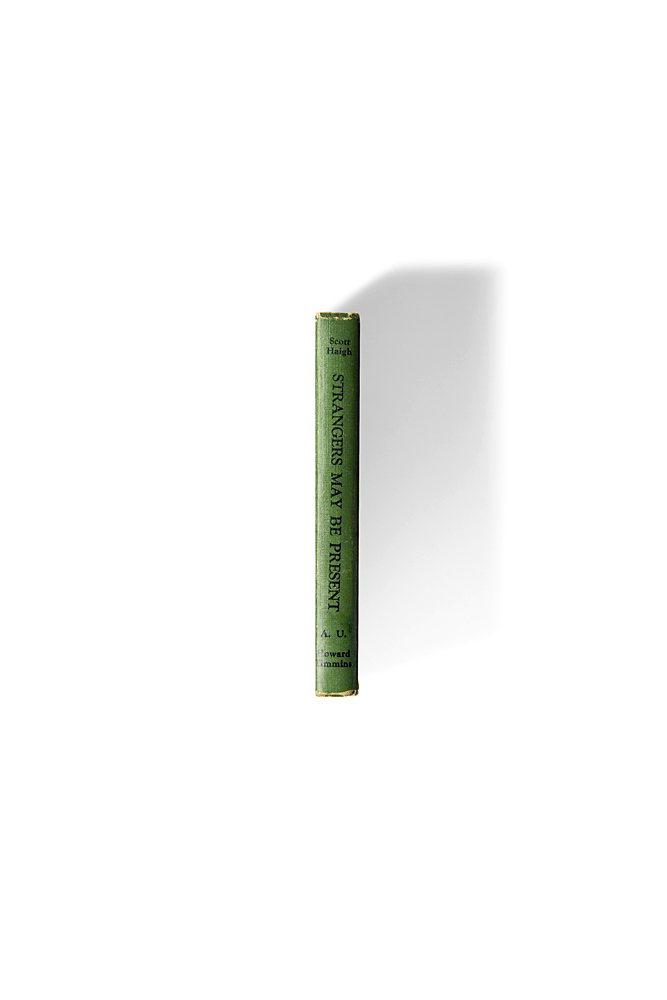
The books, were initially chosen to reflect the ideologies and assumptions of the nineteenth century West. However, Aliza soon realised, that some of the titles were pertinent to today. A blurring of time and relevance where titles from a hundred years ago were intersecting with current attitudes and events. For example, the book Strangers May be Present, in its evocation of colonial settlers viewing the other as stranger also evoked for her the more recent, disturbing events in which the other is articulated: xenophobic attacks and corrective rapes in South Africa. Closer to home, the century old book entitled Australia, the Land of Promise immediately raises questions around certain stark realities such as refugee detention centres.

Kate Warren writes in the accompanying exhibition essay: “The precise regularity of her photographic compositions create a compelling visual plane that immediately draws the viewer’s attention. But look closer. In the situation that Levi presents us with, the seductive nature of the visual cannot escape the immediacy of language. The force of their titles – often starkly confronting and potentially upsetting – leaves the embossing, decoration and materiality of the books themselves as an ironic supplement.”

Born in 1969 in South Africa, Aliza Levi’s practice is multidisciplinary in form yet single-minded in concept. Much of her work presents a relationship to land, consciousness and memory brought on by her South African and Australian citizenship. Having recently presented her work in the UK, this is her first solo show in Melbourne, where she has been producing art as well as facilitating women’s art groups with refugees from Sudan. Levi is currently completing a Masters Degree in Fine Art at Monash University.

Press release from the Edmund Pearce Gallery website


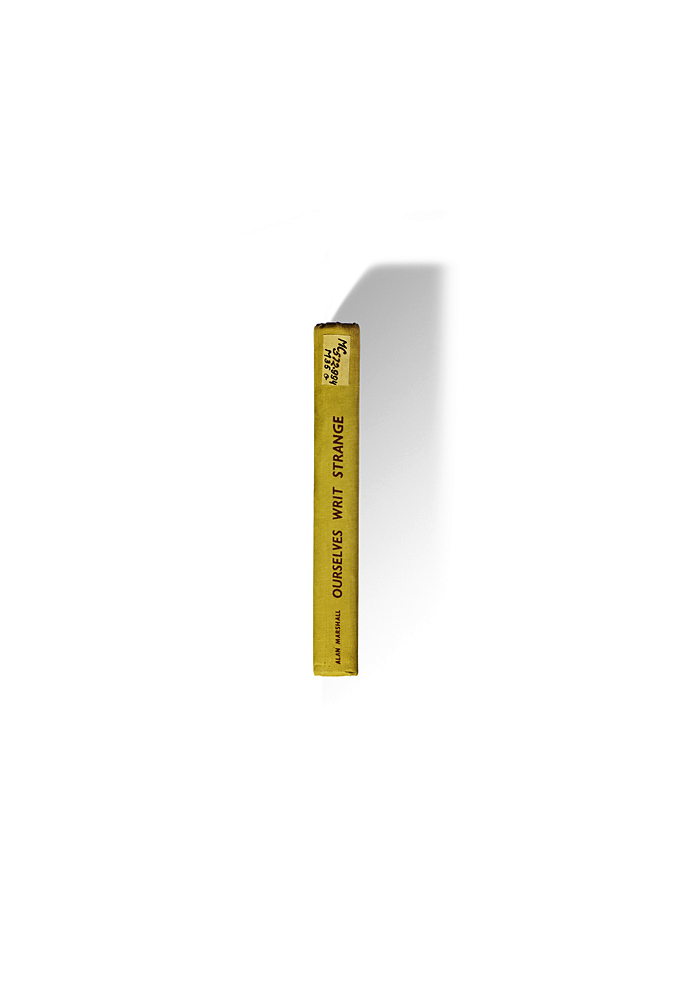
Aliza Levi (South African, b. 1969) 'Ourselves Writ Strange' 2011


Aliza Levi (South African, b. 1969)
Ourselves Writ Strange
2011
Archival Inkjet Print
59 x 42cm


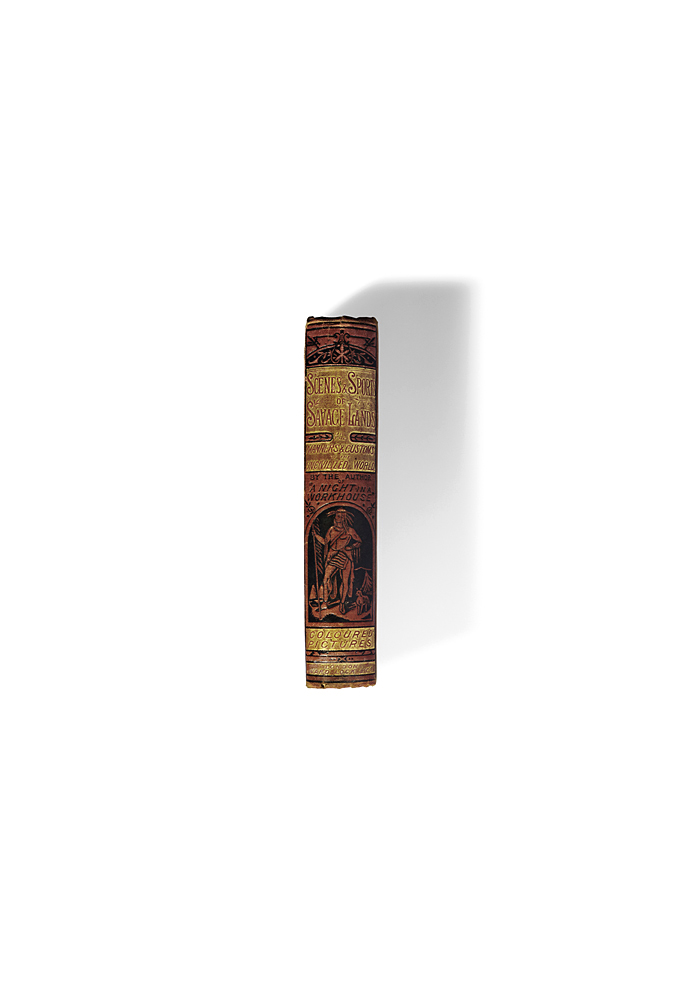
Aliza Levi (South African, b. 1969) 'Scenes and Sports of Savage Lands' 2012


Aliza Levi (South African, b. 1969)
Scenes and Sports of Savage Lands
2012
Archival Inkjet Print
59 x 42cm


Aliza Levi (South African, b. 1969) 'Strangers May Be Present' 2010


Aliza Levi (South African, b. 1969)
Strangers May Be Present
2010
Archival Inkjet Print
59 x 42cm


Aliza Levi (South African, b. 1969) 'The Art of Living in Australia' 2012


Aliza Levi (South African, b. 1969)
The Art of Living in Australia
2012
Archival Inkjet Print
59 x 42 cm


Textual thresholds: The uncomfortable nature of titles in Books on a White Background

Kate Warren

Aliza Levi’s research-based photographic project, Books on a White Background (2012), confronts the viewer with an array that is at once visually compelling and profoundly difficult to look at. The precise regularity of her photographic compositions, the ‘grid-like’ repetition of these images’ installation, the consistent form and shape of her subject matter, and the contrast between the stark white background and the darker shadows thrown, all create a compelling visual plane that immediately draws the viewer’s attention. But look closer. In the situation that Levi presents us with, the seductive nature of the visual cannot escape the immediacy of language. The force of their titles – often starkly confronting and potentially upsetting – leaves the embossing, decoration and materiality of the books themselves as an ironic supplement.

This is not a ‘library’. Although developed from Levi’s archival research, the final photographic project is not an ‘archive’. Rather than displaying the original books themselves as objets trouvés, Levi disavows their materiality and tactility. Photographing the books’ ‘spines’, she not only flattens but removes entirely from view their ‘flesh’ the pages and the content – and in doing so opens up a liminal space that can accommodate and illuminate a multiplicity of (sometimes uncomfortable) and connections between the past and the present.

In the human form, our spines form the connection between the psychical realm of our brains and the physicality of our bodies; between our ‘inner’ subjectivity and our ‘outer’ ability to move, communicate and interact with our surroundings. Likewise in the case of the books that Levi photographs; the spines and titles are liminal spaces that mediate their content and the cultural and historical contexts in which they exist. Gérard Genette calls this the ‘paratext’, the “fringe [which] constitutes a zone between text and off-text, a zone not only of transition but also of transaction: a privileged place of a pragmatics and a strategy, of an influence on the public.” Levi’s project works at this juncture. By denying access to the detailed substance and content of these books she denies their overt ‘authority’, yet at the same time she reveals uncomfortable legacies that persist and cannot be wholly escaped.

The various ‘post’ discourses (post-colonialism, post-structuralism, post-modernism) and their influential theorists and practitioners have done enormous amounts of work to deconstruct and destabilise dominant narratives and histories. The process is necessarily ongoing and open-ended; because although many narratives that were once unquestioned have been removed from their dominance and acceptability, it is often through language that their traces and legacies remain.

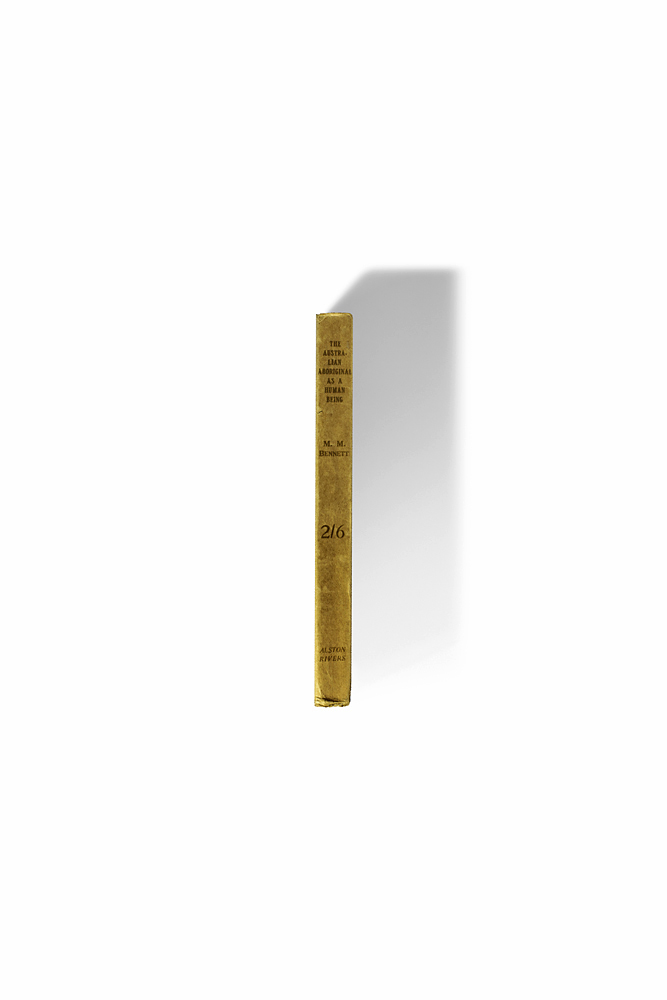
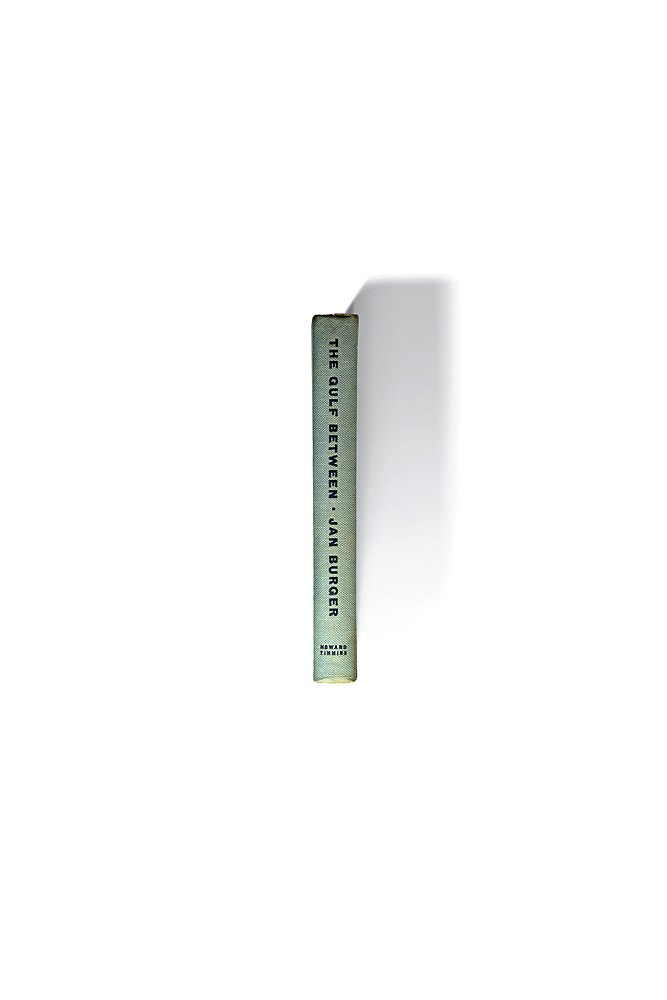
Thus in the selection of Australian books included in this exhibition, there emerges jarring and disturbing contrasts between titles that clearly belie values that are no longer widely accepted (such as The Aboriginal as Human Being), and other titles which still resonate with national myths (such as Australia the Land of Promise). Other titles like Ourselves Writ Large and The Gulf Between become more ambiguous; for without access to the specificities of their content, these books’ paratexts are revealed in Levi’s project as (necessarily) multifaceted signifiers. They immediately open up a ‘zone of transaction’ that reveals the past as an immanent presence, constantly transformed by and transforming of the present. These now abstracted titles retain a force and power to reveal uncomfortable truths and forgotten narrative tropes, speaking to the way that Australian history and presumed cultural values are constructed and repeated in our contemporary life.

Kate Warren would like to thank Aliza Levi for the stimulating and ongoing discussions; and David Wlazlo for his timely and astute insights.

Gérard Genette, Paratexts: Thresholds of Interpretation (Cambridge: Cambridge University Press, 1997), p. 2.


Aliza Levi (South African, b. 1969) 'The Aboriginal as Human Being' 2012


Aliza Levi (South African, b. 1969)
The Aboriginal as Human Being
2012
Archival Inkjet Print
59 x 42cm


Aliza Levi (South African, b. 1969) 'The Gulf Between' 2012


Aliza Levi (South African, b. 1969)
The Gulf Between
2012
Archival Inkjet Print
59 x 42cm


Aliza Levi (South African, b. 1969) 'The Report of the Aborigines Committee of the Meeting for Sufferings 1840' 2012


Aliza Levi (South African, b. 1969)
The Report of the Aborigines Committee of the Meeting for Sufferings 1840
2012
Archival Inkjet Print
59 x 42cm


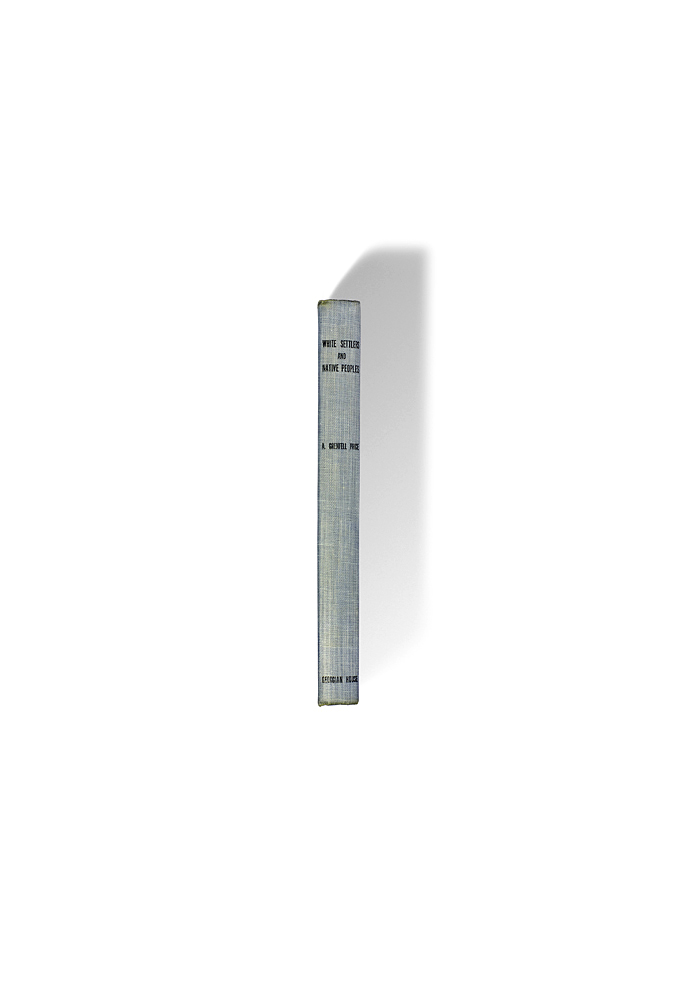
Aliza Levi (South African, b. 1969) 'White Settlers and Native Peoples' 2012


Aliza Levi (South African, b. 1969)
White Settlers and Native Peoples
2012
Archival Inkjet Print
59 x 42cm


Edmund Pearce Gallery

This gallery is no longer open.

LIKE ART BLART ON FACEBOOK

Back to top
Marcus Bunyan black and white archive: ‘Ignudi’, 1994

April 2013

PLEASE NOTE: THIS POSTING CONTAINS ART PHOTOGRAPHS OF MALE NUDITY – IF YOU DO NOT LIKE PLEASE DO NOT LOOK, FAIR WARNING HAS BEEN GIVEN


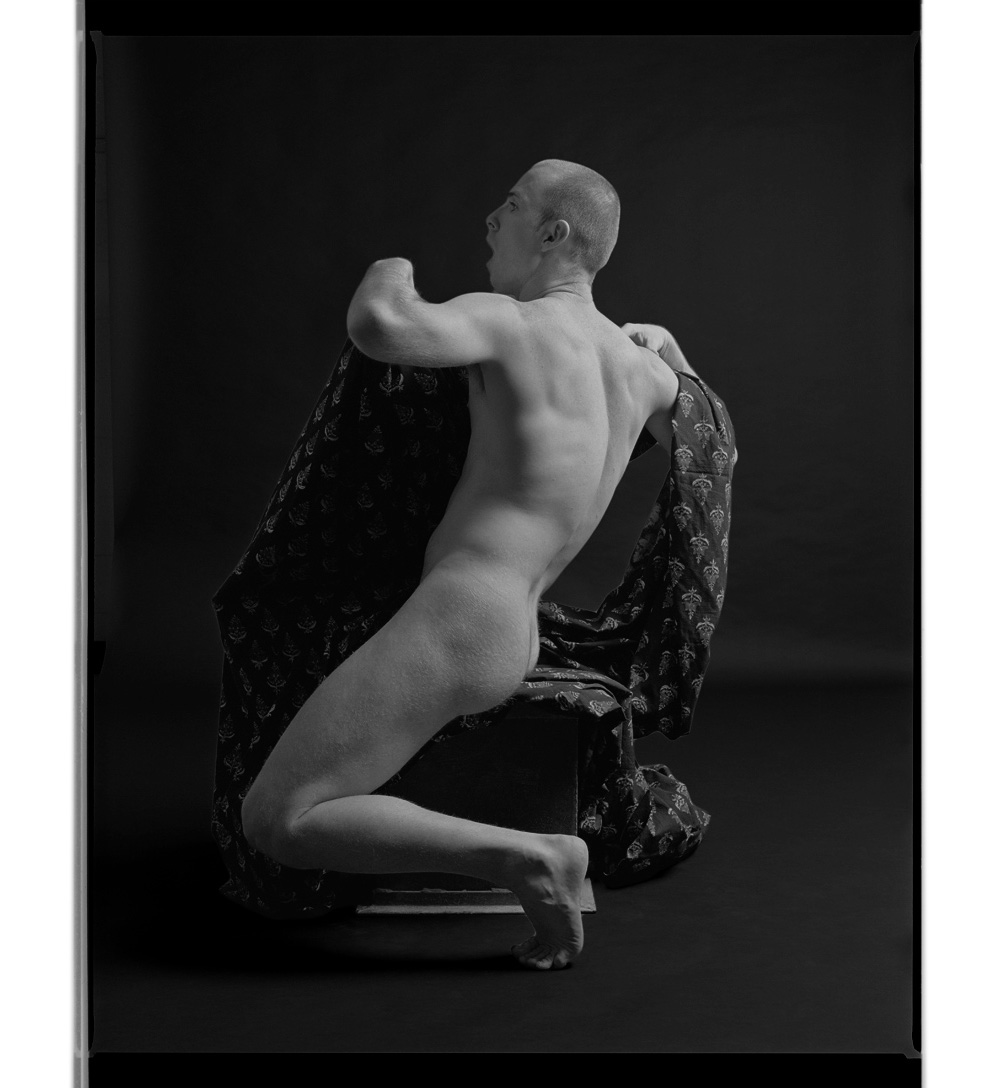
Marcus Bunyan (Australian, b. 1958) 'Untitled' 1994 from the series 'Ignudi'


Marcus Bunyan (Australian, b. 1958)
Untitled
1994
From the series Ignudi
Silver gelatin photograph


This series of photographs is a reconceptualisation of Michelangelo’s Ignudi from the Sistine Chapel. The Ignudi (singular: ignudo, from the Italian adjective nudo, meaning “naked”) are the 20 athletic, nude male figures that Michelangelo painted at the four corners of the five smaller scenes of Creation. Recontextualising the figures implicitly fetches elements from other texts, the meaning of the male body based on its meaning in other contexts and ages (beauty, desire, homoeroticism, nudity, power of the body/phallus), realising a continual unfolding of texts, discourses and conversations in a field of production.

These prints are incredibly rare. There are probably 3 vintage photographs on fibre-base paper of each image at 12″ x 16″ size.


I am scanning my negatives made during the years 1991-1997 to preserve them in the form of an online archive as a process of active memory, so that the images are not lost forever. These photographs were images of my life and imagination at the time of their making, the ideas I was thinking about and the people and things that surrounded me.

All images © Marcus Bunyan. Please click the photographs for a larger version of the image; remember these are just straight scans of the negatives !

Photographs are available from this series for purchase. As a guide, a vintage 8″ x 10″ silver gelatin print costs $700 plus tracked and insured shipping. For more information please see my Store web page.


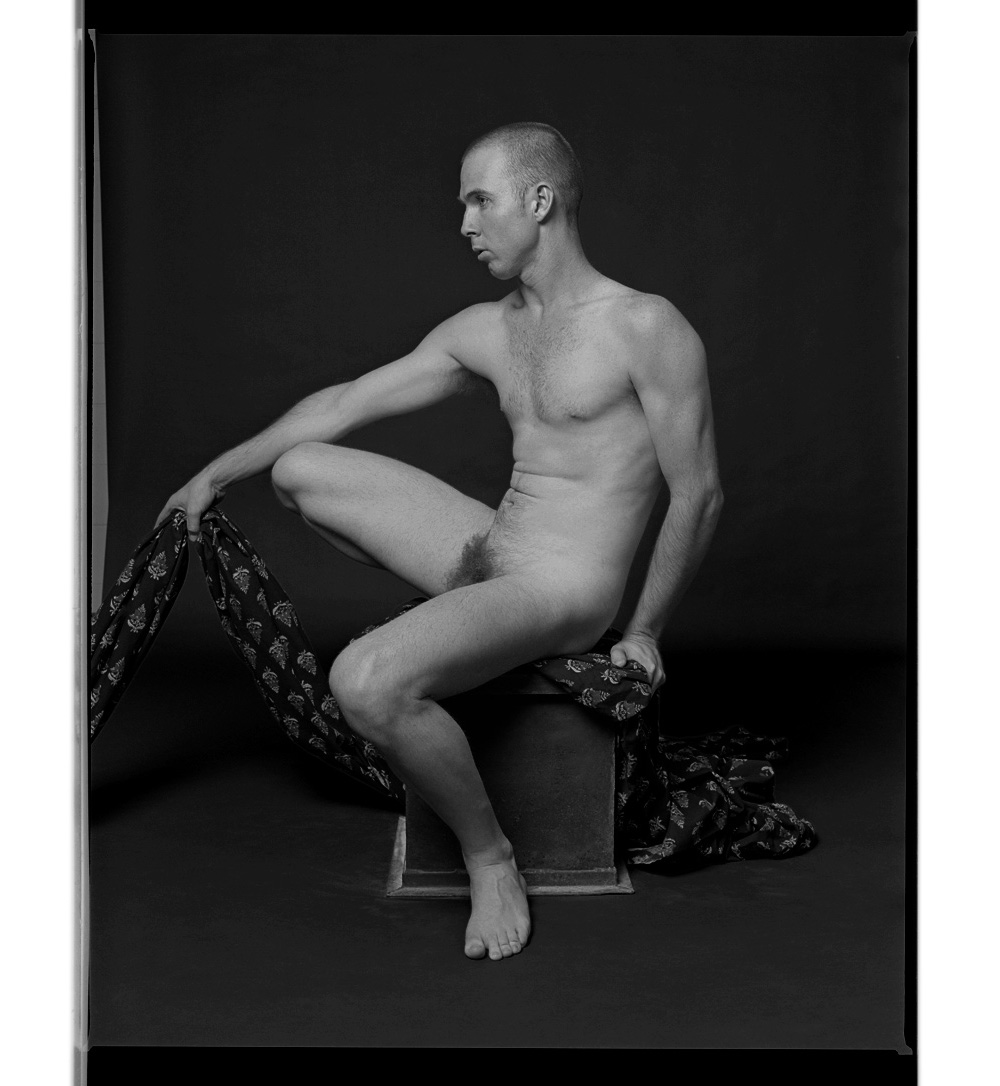
Marcus Bunyan (Australian, b. 1958) 'Untitled' 1994 from the series 'Ignudi'


Marcus Bunyan (Australian, b. 1958)
Untitled
1994
From the series Ignudi
Silver gelatin photograph


Marcus Bunyan (Australian, b. 1958) 'Untitled' 1994 from the series 'Ignudi'


Marcus Bunyan (Australian, b. 1958)
Untitled
1994
From the series Ignudi
Silver gelatin photograph


Marcus Bunyan (Australian, b. 1958) 'Untitled' 1994 from the series 'Ignudi'


Marcus Bunyan (Australian, b. 1958)
Untitled
1994
From the series Ignudi
Silver gelatin photograph


Marcus Bunyan (Australian, b. 1958) 'Untitled' 1994 from the series 'Ignudi'


Marcus Bunyan (Australian, b. 1958)
Untitled
1994
From the series Ignudi
Silver gelatin photograph


Marcus Bunyan (Australian, b. 1958) 'Untitled' 1994 from the series 'Ignudi'


Marcus Bunyan (Australian, b. 1958)
Untitled
1994
From the series Ignudi
Silver gelatin photograph


Marcus Bunyan (Australian, b. 1958) 'Untitled' 1994 from the series 'Ignudi'


Marcus Bunyan (Australian, b. 1958)
Untitled
1994
From the series Ignudi
Silver gelatin photograph


Marcus Bunyan (Australian, b. 1958) 'Untitled' 1994 from the series 'Ignudi'


Marcus Bunyan (Australian, b. 1958)
Untitled
1994
From the series Ignudi
Silver gelatin photograph


Marcus Bunyan (Australian, b. 1958) 'Untitled' 1994 from the series 'Ignudi'


Marcus Bunyan (Australian, b. 1958)
Untitled
1994
From the series Ignudi
Silver gelatin photograph


Marcus Bunyan (Australian, b. 1958) 'Untitled' 1994 from the series 'Ignudi'


Marcus Bunyan (Australian, b. 1958)
Untitled
1994
From the series Ignudi
Silver gelatin photograph


Marcus Bunyan (Australian, b. 1958) 'Untitled' 1994 from the series 'Ignudi'


Marcus Bunyan (Australian, b. 1958)
Untitled
1994
From the series Ignudi
Silver gelatin photograph


Marcus Bunyan (Australian, b. 1958) 'The Lovers (Major Arcana)' 1994 from the series 'Ignudi'


Marcus Bunyan (Australian, b. 1958)
The Lovers (Major Arcana)
1994
From the series Ignudi
Silver gelatin photograph


Marcus Bunyan black and white archive page

LIKE ART BLART ON FACEBOOK

Back to top
Video: ‘InsideArt – Marcus Bunyan’ talks about the exhibition ‘Confounding: Contemporary Photography’ at NGV International, Melbourne

Published on 11th March 2013


InsideArt TV
Marcus Bunyan – Confounding: Contemporary Photography
2013


This week on InsideArt TV, Michel Lawrence talks with Dr Marcus Bunyan about the National Gallery of Victoria’s intriguing photographic exhibition, Confounding: Contemporary Photography, where the photographs exhibited are not always what they seem (Series 3, Episode 1, Part 2).

Many thankx to Michel and Inside Art for inviting me to speak about the exhibition, and the NGV for allowing us to film in the gallery.

See my review of the exhibition Confounding: Contemporary Photography at NGV International, Melbourne February 23, 2013.


National Gallery of Victoria website

LIKE ART BLART ON FACEBOOK

Back to top
Review: ‘Shrouds’ by Mike Reid at the Colour Factory Gallery, Fitzroy, Melbourne

Exhibition dates: 8th March – 30th March 2013


Mike Reid (Australian) 'Santa Monica, Los Angeles, USA' Nd


Mike Reid (Australian)
Santa Monica, Los Angeles, USA
Nd


“Any discovery changing the nature, or the destination of an object or phenomenon constitutes a Surrealist achievement. Already the automats are multiplying and dreaming… realism prunes trees, Surrealism prunes life.”


J-A. Boiffard, Paul Ellard and Roger Vitrac, in La Revolution Surréaliste, December 1924, p. 2, quoted in Arturo Schwarz, Man Ray: the rigour of imagination, Thames & Hudson, London, 1977, p. 161.


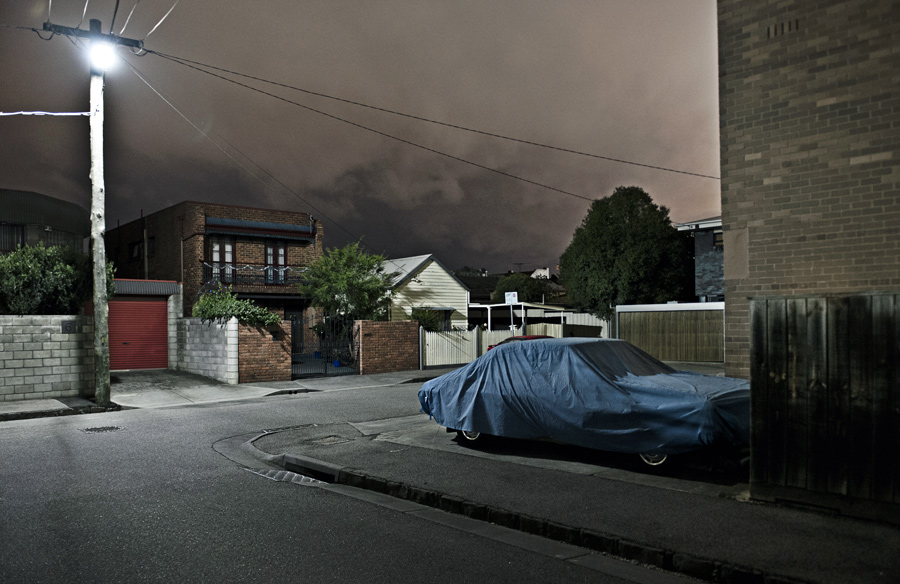
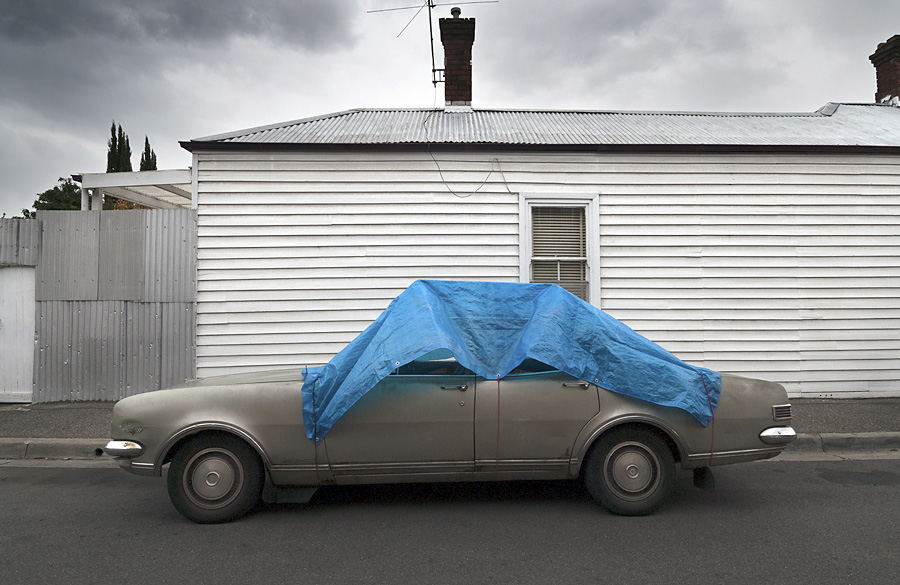
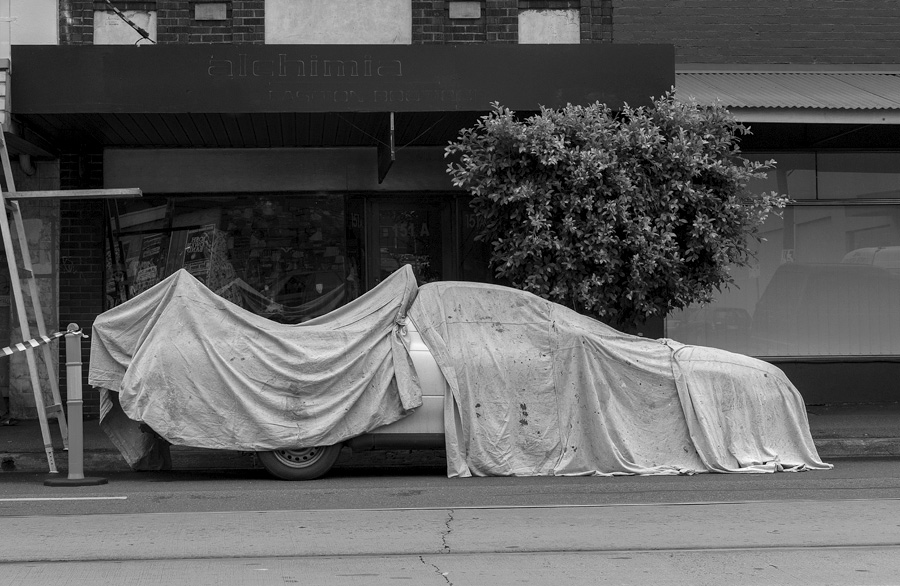
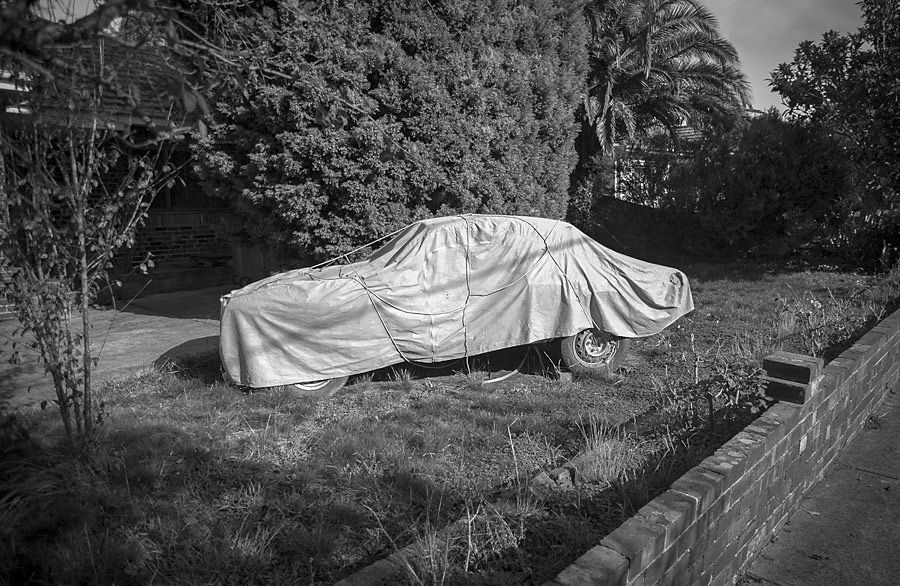
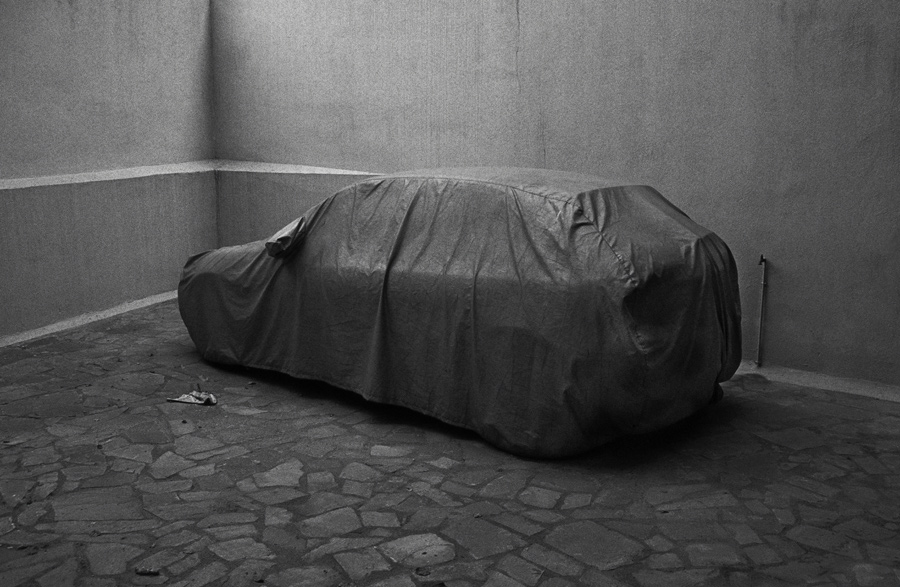
This is a strong exhibition of documentary photography by Mike Reid at the Colour Factory Gallery. Interesting idea; well seen formal photographs; good use of colour (brown, blue, silver, red and green shrouds); nice sized prints appropriate to the subject matter; and an excellent self published book to accompany the exhibition. This is just what it is – a solid exhibition of documentary photography.

Unfortunately the artist cannot leave it there. In his almost unintelligible artist statement (below), he tries to lever the concept of resurrection onto the work, meandering from Horus and Osiris through The Shroud of Turin, to Jewish Tachrichim (burial shrouds) and onto the commerce of Billabong and the politics of the burqa linking, very tenuously, the covering of Islamic women with the idea of these cars being “old bombs.”

Here I take issue with Reid’s conceptualisation of the word “shroud” vis a vis his photographs of covered cars. One of the definitions of shroud is “A cloth used to wrap a body for burial” but the more pertinent use of the word in relation to this work is “To shut off from sight; something that conceals, protects, or screens” from the Middle English schrud, garment. These are not abandoned, lifeless vehicles awaiting resurrection but loved vehicles that have been protected from the elements by their owners, wrapped and cocooned jewels that are in a state of hibernation. If they were unwanted they would have been abandoned by their owners to the elements, not protected beneath a concealing garment in a state of metamorphosis. The shrouding of the car acts like a Surrealist canvas, hinting at the structure underneath (the Cadillac, the Volkswagen, the Morris Minor) but allowing the viewer to discover the changing nature of the object.

All that was needed to accompany the exhibition and the book was something like the quotation at the top of the posting. Leave the rest up to the strength of the work and the viewer. They have the intelligence and imagination to work out what is going on without all the proselytising that only reveals the artist’s ultimate disconnection from the source. In other words, less is more. Nothing more, nothing less.

Dr Marcus Bunyan


Many thankx to the Colour Factory Gallery for allowing me to publish the photographs in the posting. Please click on the photographs for a larger version of the image.


Mike Reid (Australian) 'Toorak, Victoria' Nd


Mike Reid (Australian)
Toorak, Victoria
Nd


Mike Reid (Australian) 'South Fremantle, Western Australia' Nd


Mike Reid (Australian)
South Fremantle, Western Australia
Nd


Mike Reid (Australian) 'Richmond, Victoria' Nd


Mike Reid (Australian)
Richmond, Victoria
Nd


Shrouds, by Mike Reed is a collection of photographs of covered cars. His love of gleaning was inherited from his ‘rag and bone’ father who amassed a metal detritus found on the bicycle route home from the factory where he worked. This assortment was stockpiled in his father’s rusted sheds, which appeared like an ‘Aladdin’s cave’ to a youthful Mike.

“The car was draped with a plastic sheet in the back blocks of Surfers Paradise whilst seeking to photograph decay in the landscape… You start with one and then see another then… over time, the medley plays into a collection… patterns precipitate or idiosyncrasies evolve from within…This is the joy of “seeing”.”

“Within my category of covered cars I began to view these still loved but lifeless vehicles, as if a resurrection was about to take place… for the heavenly roads of restoration or hell.”

Mike equates the car covers to the burial garments adorning the dead in preparation for resurrection. Mike cites the ‘wrapping’ of objects found in the work of artists’ Christo, Jean Claude, Man Ray and Magritte as inspiration. This incredible accumulation of images spans over two decades and 6 countries. A small selection has been chosen for this exhibition and a larger range appears in his book to be launched at the opening of Shrouds.

Press release from the Colour Factory Gallery website


Mike Reid (Australian) 'Richmond, Victoria' Nd


Mike Reid (Australian)
Richmond, Victoria
Nd


Mike Reid (Australian) 'Macleod, Victoria' Nd


Mike Reid (Australian)
Macleod, Victoria
Nd


Shrouds

The resurrection of the dead is a fundamental and central doctrine of Judaism, Christianity, and Islam. Many religious critics have alleged that even Christ’s resurrection was borrowed from the accounts of Osiris, God of the underworld, and the best-known deity in all of ancient Egyptian history. As a life-death-rebirth deity, Horus, the Sun God, and Osiris became a reflection of the annual cycle of crop harvesting as well as reflecting people’s desires for a successful afterlife. The Masons, Illuminati, Priory De Sion, clandestine government groups, and others believed that on December 22, 2012, Osiris would be resurrected. Nothing happened on that world shattering day but Spam and candle sales most certainly went through the roof. Thus in preparation to meet thy maker, a shroud, burial sheet or winding-cloth, usually cotton or linen but with no pockets, is wrapped around a body after it has been ceremonially washed and readied for burial.

Certainly the most controversial and famous burial garment is the Shroud of Turin. It is now stored in the Cathedral of St. John the Baptist in Turin, Northern Italy after the crusaders stole it and bought it first to France around 1204.

Many believe this 4.3 by 1.1m linen cloth of a rare herringbone weave covered the beaten and crucified body of Jesus of Nazareth when He was laid in a tomb prior to His resurrection. Is it really the cloth that wrapped His bloodstained body, or is it simply a medieval hoax? This has lead to intense scrutiny by forensic experts, scientists, chemists, immunologists, pathologists, believers, historians, and writers regarding the where, when, and how the bloodstain image on the shroud was created. C-14 Carbon dating carried out in 1988, dated the cloth between 1260 and 1390.

In Jewish religious traditions the Tachrichim (burial shrouds) are traditional simple white burial garments, containing no pockets, usually made from 100% pure linen.A shroud or sometimes a prayer shawl for a man, in which Jews are dressed by the Chevra Kadisha for burial after undergoing a taharah (purification ceremony). Burying the departed in a garment is considered a testimony of faith in the resurrection of the body (commentary of Shach). This is a fundamental principle of faith, one of the thirteen principles, which the Rambam enumerates as being essential to Jewish belief. More to the point today we have an insurrection, while not yet violent against the wearing of another kind of covering… the niqab or the burqa. European governments are escalating the introduction of laws on the basis that the face covering, along with ski masks and bikies helmets, encourages female subjugation, lack of communication, non-safety, isolation, female abuse, oppression of freedom and non-conformity to the western culture. In fact the Koran only dictates to modesty in dress. May I say it that Billabong could improve sales with the launch of a ‘Tri-Kini’ on the beaches next summer.

Meanwhile… “The 2012 ban in France is officially the second country in Europe, after Belgium, to introduce a full ban on a garment which immigration minister Eric Besson has called a “walking coffin.””1 Indeed Australian Liberal Cory Bernadi said, “The burqa is no longer simply the symbol of female repression and Islamic culture, it is now emerging as a disguise of bandits and n’er do wells.”2 More so now the government and police authorities in the Netherlands, a usually very tolerant nation, have become anxious regarding security worries that a terrorist could use one for concealment. Well my shrouded cars could be the same, as most do conceal “old bombs.”

The inspiration for my rag tag assortment evolved from the artistes Christo and Jeanne-Claude who have wrapped, covered whole buildings, bridges and landscapes. Other favourites of mine, Man Ray and Rene Magritte have objects and humans covered as well, specifically Magrittes’ Las Amants 1 & II (The Lovers)3 1928. A plastic explanation is that “love is blind” and that the mantles are symbolic to the idea that a devoted lover would identify his soul mate in any form, immortal love. Another interpretation of Magrittes’ shrouds is that the paintings symbolise his mothers’ death. Magritte, when only 14, discovered her lifeless body which was naked apart from her nightdress that had swathed up around her face.

I started recording these morphological images over 20 years ago. The first was draped with a plastic sheet in a paddock in the back blocks of Surfers Paradise while meandering aimlessly, seeking decay in the landscape.

With my wandering and collecting shots I realised I have inherited the trait from my father. In his latter years my father became a rag and bone man in order to supplement the low family income. A bicycle route from his employment at Laminex factory to home lay through the local hard rubbish dump. Copper wire, lead, iron, even an aerial practice bomb, military helmets, a stockless revolver and rifle, rusted tools… festooned from his bike and festooned from his gladstone bag. Two rusting sheds contained somewhat the ever-growing metal waste for selling or keeping… an Aladdins’ cave to a young boy, everyday re-discovering lifes’ discards care of the Dendy Street tip.

Within my category of covered cars I began to view these still loved but lifeless vehicles, as if a resurrection was about to take place… for the heavenly roads of restoration or hell… (a scrap yard)

Mike Reed, 2013


1/ The Telegraph, April 11 , 2011, “Peter Allen In Paris”
2/ Cory Bernadi, SMH, May 6, 2011
3/ “Las Amants” 1 is in the NGA collection, Canberra, NGA


Mike Reid (Australian) 'Brunswick East, Victoria' Nd


Mike Reid (Australian)
Brunswick East, Victoria
Nd


Mike Reid (Australian) 'Fairfield, Victoria' Nd


Mike Reid (Australian)
Fairfield, Victoria
Nd


Man Ray (American, 1890-1976) 'L'Enigme d'Isidore Ducasse' 1920, remade 1972


Man Ray (American, 1890-1976)
L’Enigme d’Isidore Ducasse
1920, remade 1972
Sewing machine, wool and string
355 x 605 x 335 mm


Mike Reid (Australian) 'Athens, Greece' Nd


Mike Reid (Australian)
Athens, Greece
Nd


Colour Factory Gallery
409-429 Gore Street
Fitzroy, Victoria 3056
Phone: +61 3 9419 8756

Opening hours:
Closed for refurbishment

Mike Reed Photography website

Colour Factory Gallery website

LIKE ART BLART ON FACEBOOK

Back to top
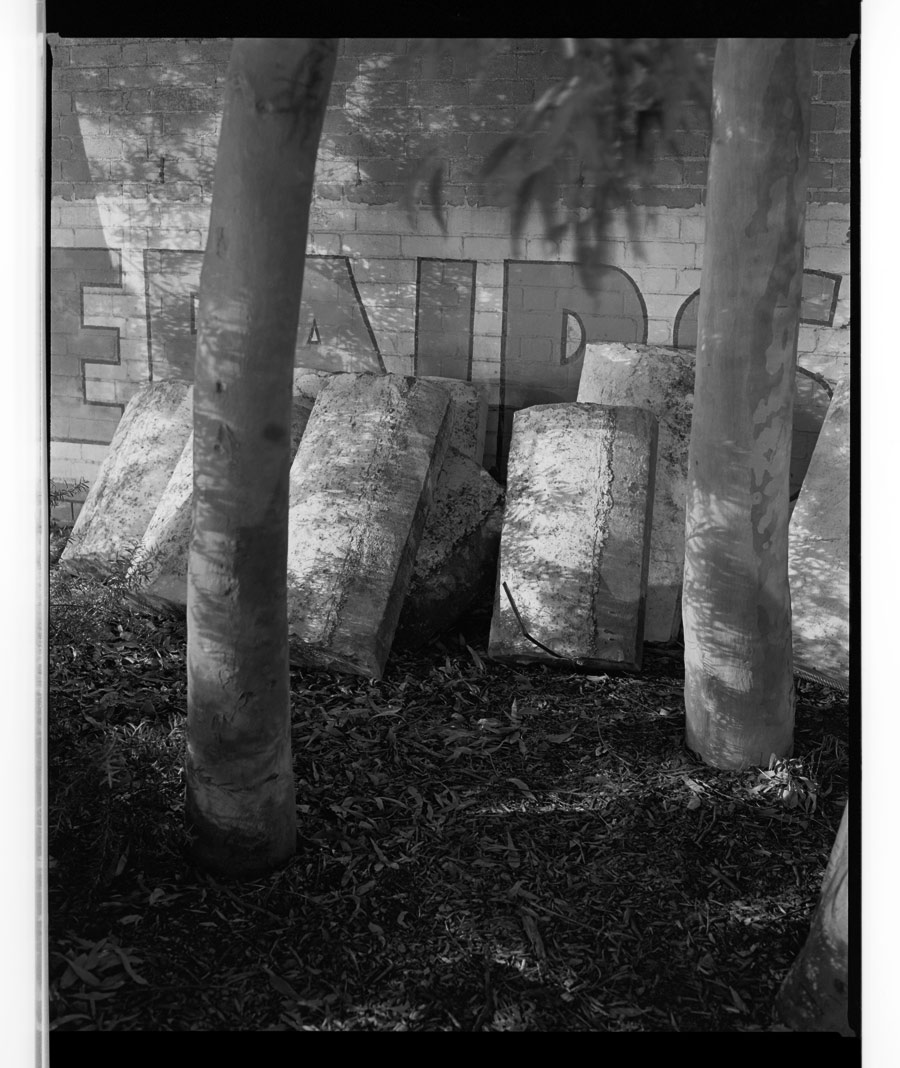
Exhibition: ‘Thomas Demand’ at the National Gallery of Victoria, Melbourne

Exhibition dates: 30th November 2012 – 17th March 2013


Thomas Demand (German, b. 1964) 'Copyshop' 1999


Thomas Demand (German, b. 1964)
Copyshop
1999
C-Print / Perspex
183.5 × 300cm
Collection of John Kaldor, Sydney
Courtesy Taka Ishii Gallery, Sprüth Magers Berlin London, Esther Schipper, Berlin, Matthew Marks Gallery
© Thomas Demand, VG Bild-Kunst, Bonn / VISCOPY, Sydney


Sitting here in my non-air-conditioned flat trying to survive Melbourne’s autumn heatwave is no fun; my mind has turned to mush. So instead of trying to write an in depth review of this exhibition I shall just make some salient comments, for fear my sweat would literally buckle Demand’s meticulously constructed paper models before he could photograph them.

Demand is firstly a sculpture, constructing studio-sized models of photographs that reference “source material in the archive that already has some fateful resonance,” (Robert Nelson, The Age, 12th December 2012) such as the control room of the Fukushima nuclear reactor, the Geneva hotel bath tub where the German politician Uwe Barschel found a brutal death – personally my mind went to David E. Scherman’s photograph of Lee Miller in Hitler’s bathtub (see below); scenes of nature such as Clearing (2003, below) or Grotto (2006, below) that are hyperreal simulacra of natural phenomena; and modular environments and objects, such as Copyshop (1999), Space Simulator (2003) and Bullion (2003, all below) that strip away the relational intimacy between man and environment by the removal of all labelling and tactility of surface. Demand then photographs his denuded “models” before destroying them, the photograph then becoming the soul evidence of their intrinsic existence (much like the documentary evidence of photographs of Land Art). Demand’s visualisation of the environment is triple coded (photograph, model, photograph), a hybrid tri-articulation that produces new identities that release energies of multiplicity, irony and destabilisation.

Robert Nelson observes in The Age that Demand’s world is paper thin and because the eye detects the forgery, “the famous icon of unthinkable fortune [Bullion] – which might have played a part in some famous heist or the security of a national economy – is also a lie, a tinsel falsehood of no substance… All of Demand’s pictures have an empty or hollow character, which defies the earnest weight of their associations.” Dan Rule insightfully notes that, “By removing the image’s reference or index, only to so painstakingly recast it, he [Demand] begs us to look and look again. These resolutely “unreal” images demand that we consider reality with much greater care.” (Dan Rule, The Age, 19th January 2013). Christopher Allen in The Weekend Australian (2nd March, 2013) states that Demand’s huge final prints, hidden under a layer of Perspex, “adds another level of truth and illusion that preoccupies Demand as it must any serious photographer today. In this case, the photographs can claim to be, for what this is worth, absolutely and literally true in their recording of their subject; it is only the subject itself that is entirely illusory and fabricated.”

Interesting comments all. Demand’s recasting of the relationship between image and referent (image and the object being photographed) is critical to his practice, but I am unsure that all photographers have to be preoccupied with the relationship between truth and illusion as Allen states. As my recent review of the exhibition Confounding: Contemporary Photography noted not all photographs have to confound the relationship between truth and illusion in order to be art. “Collectively, it is the ideas contained within the images in this exhibition that unsettle the relationship between the photograph and the world in the mind of the viewer, not their confounding.” As in the Jeff Wall Photographs exhibition, there is not much emotion in any of these images and perhaps this is an outcome of the long pre-photographic production process.

Demand’s recordings, re-orderings of a constructed reality are fabrications of the highest calibre, amazing to witness at first hand (is that really a model, how does he do that with paper and lighting?!), and yet one is left with a feeling that the work needed something more to go beyond this illusion, some layering that takes the viewer beyond the surface of the image, beyond the understanding of image / model / reality. I look at the photographs, I understand the skill, the imbrication of the process – I think that is the word I want, meaning the covering with a design in which one element covers a part of another – the looking again at a fabricated (our!) reality but the photographs still leave me a little cold of heart, of empty and hollow character. Perhaps that is the point, however it doesn’t make me want to look at the photographs over weeks, months and years and let them reveal themselves to me. Like the paper on which they are printed they are a little paper thin.

Dr Marcus Bunyan


Many thankx to the National Gallery of Victoria for allowing me to publish the photographs in the posting. Please click on the photographs for a larger version of the image.


Thomas Demand (German, b. 1964) 'Kontrollraum / Control Room' 2011


Thomas Demand (German, b. 1964)
Kontrollraum / Control Room
2011
C-Print / Perspex
200 × 300cm
Courtesy Taka Ishii Gallery, Sprüth Magers Berlin London, Esther Schipper, Berlin, Matthew Marks Gallery
© Thomas Demand, VG Bild-Kunst, Bonn / VISCOPY, Sydney


Thomas Demand is regarded as one of the world’s leading contemporary artists whose work in photography and, most recently stop-animation films, is at the forefront of contemporary art. Demand initially worked as a sculptor who used photography to document his ephemeral creations. From 1993 his creative practice changed and, from then on, he made sculptures for the sole purpose of photographing them. Demand begins with an image, often taken from media sources and frequently dealing with traumatic or politically important events, and creates a life-size replica of the image using paper and cardboard. The effect of these uncanny reconstructions is to destabilise our understanding of the sites which we ‘know’ so well through reproduction. This exhibition features a selection of photographs and 35mm films as chosen by the artist.

Organised with The Museum of Contemporary Art, Tokyo

Text from the National Gallery of Victoria website


Thomas Demand (German, b. 1964) 'Labor / Laboratory' 2000


Thomas Demand (German, b. 1964)
Labor / Laboratory
2000
C-Print / Perspex
180 × 268cm
Courtesy Taka Ishii Gallery, Sprüth Magers Berlin London, Esther Schipper, Berlin, Matthew Marks Gallery
© Thomas Demand, VG Bild-Kunst, Bonn / VISCOPY, Sydney


Thomas Demand (German, b. 1964) 'Space Simulator' 2003


Thomas Demand (German, b. 1964)
Space Simulator
2003
C-Print / Perspex
300 × 429.4cm
Courtesy Taka Ishii Gallery, Sprüth Magers Berlin London, Esther Schipper, Berlin, Matthew Marks Gallery
© Thomas Demand, VG Bild-Kunst, Bonn / VISCOPY, Sydney


Thomas Demand (German, b. 1964) 'Lichtung / Clearing' 2003


Thomas Demand (German, b. 1964)
Lichtung / Clearing
2003
C-Print / Perspex
192 × 495cm
Courtesy Taka Ishii Gallery, Sprüth Magers Berlin London, Esther Schipper, Berlin, Matthew Marks Gallery
© Thomas Demand, VG Bild-Kunst, Bonn / VISCOPY, Sydney


Thomas Demand (German, b. 1964) 'Public housing' 2003


Thomas Demand (German, b. 1964)
Public housing
2003
C-Print / Perspex
Courtesy Taka Ishii Gallery, Sprüth Magers Berlin London, Esther Schipper, Berlin, Matthew Marks Gallery
© Thomas Demand, VG Bild-Kunst, Bonn / VISCOPY, Sydney


Public housing also shows the influence, in part, of Demand’s early photographic training. A member of the so-called Düsseldorf School (along with Thomas Ruff, Thomas Struth, Candida Hofer and Andreas Gursky), Demand was taught photography by Bernd and Hilla Becher. The Bechers had an austere approach, creating a vast archive of formally composed images of industrial structures. The rigour of this training is apparent in the objective approach Demand brings to his subjects. However, as Public housing demonstrates, from this starting point he creates work with a strange, disarming beauty in a style that is distinctly the artist’s own.

The origin for Public housing is the back of a Singapore $10 banknote which Demand recreates with great fidelity and in the characteristic pink tones of the original. The artist has expressed a fascination for currency that depicts modern architecture and has collected examples from many countries But, the meaning of his resulting image is somewhat ambiguous. It can be read either as a work that critiques modern housing estates with their often soulless and depressingly formulaic architecture or, in contrast, as an expression of national pride. It appears that the latter meaning was intended by the artist, who has written that Public housing ‘shows that the capital of finance in Asia also has a heart for the underprivileged’ (email to author).

Isobel Crombie, Senior Curator, Photography, National Gallery of Victoria (in 2011).

Isobel Crombie. “Thomas Demand Public housing,” 2011, published on the NGV website 2013 [Online] Cited 23/07/2024


Thomas Demand (German, b. 1964) 'Regen / Rain' (still) 2008


Thomas Demand (German, b. 1964)
Regen / Rain (still)
2008
35 mm colour film, sound, 4 min, looped
Courtesy Taka Ishii Gallery, Sprüth Magers Berlin London, Esther Schipper, Berlin, Matthew Marks Gallery
© Thomas Demand, VG Bild-Kunst, Bonn / VISCOPY, Sydney


One of the world’s most influential contemporary artists, Thomas Demand, will be the subject of a new exhibition announced by the National Gallery of Victoria. The exhibition will be the first major Australian survey of the artist’s work and will comprise large scale photographs and films never before shown in Australia.

NGV Director, Tony Ellwood said the addition of Thomas Demand to the NGV’s exhibition schedule is part of an exciting and ambitious summer program.

“When the opportunity came up to hold an exhibition of Thomas Demand’s work this summer, it was just too good to miss. Thomas Demand will be part of a great summer program at the NGV and has been timed to coincide with the Jeff Wall Photographs exhibition being held at NGV Australia.” …

Works in the exhibition will span the artist’s career from 1997 to 2012. Recent works presented in the exhibition include Control Room (2011, above), which depicts the Fukushima Daiichi nuclear power plant and Tribute (2011, below), a work based on images taken at the site of tragic mass panic at Europe’s biggest rave party.

Susan van Wyk, NGV Curator of Photography said Thomas Demand is widely regarded as one of the world’s leading contemporary artists.

“Thomas has a unique style in which he creates paper models of objects and scenes, often taken from media sources like flickr or newspaper reports. These intricate life size models are then photographed.

“The results are disquieting images that subvert our understanding of reality and fiction and draws attention to how we engage with the media and modern technologies,” said Ms Van Wyk.

Press release from the National Gallery of Victoria


Thomas Demand (German, b. 1964) 'Grotte / Grotto' (detail) 2006


Thomas Demand (German, b. 1964)
Grotte / Grotto (detail)
2006
C-Print / Perspex
Photograph: Marcus Bunyan


Thomas Demand (German, b. 1964) 'Bullion' 2003


Thomas Demand (German, b. 1964)
Bullion
2003
C-Print / Perspex
42 × 60cm
Courtesy Taka Ishii Gallery, Sprüth Magers Berlin London, Esther Schipper, Berlin, Matthew Marks Gallery
© Thomas Demand, VG Bild-Kunst, Bonn / VISCOPY, Sydney


Thomas Demand (German, b. 1964) 'Parlament / Parliament' 2009


Thomas Demand (German, b. 1964)
Parlament/Parliament
2009
C-Print / Perspex
Courtesy Taka Ishii Gallery, Sprüth Magers Berlin London, Esther Schipper, Berlin, Matthew Marks Gallery
© Thomas Demand, VG Bild-Kunst, Bonn / VISCOPY, Sydney


David E. Scherman (American, 1916-1997) 'Lee Miller in Hitler's bath, Hitler's apartment, Munich, Germany 1945' 1945


David E. Scherman (American, 1916-1997)
Lee Miller in Hitler’s bath, Hitler’s apartment, Munich, Germany 1945
1945
From Lee Miller: A Life by Carolyn Burke
© Lee Miller Archives


Thomas Demand (German, b. 1964) 'Badezimmer / Bathroom' 1997


Thomas Demand (German, b. 1964)
Badezimmer / Bathroom
1997
C-Print / Perspex
160 × 122cm
Courtesy Taka Ishii Gallery, Sprüth Magers Berlin London, Esther Schipper, Berlin, Matthew Marks Gallery
© Thomas Demand, VG Bild-Kunst, Bonn / VISCOPY, Sydney


When you look at the work of Thomas Demand, at some point you realise that what you are looking at cannot be real. As this becomes apparent you understand that you are looking at a paper simulation of the world.

Demand’s early studies, in the 1980s and early 90s, were in sculpture and he built his constructions out of paper and cardboard. At this time, photography was simply the tool the artist used to document his sculptural work. Around 1993, however, an important shift occurred in Demand’s practice. His meticulously constructed objects were no longer the final works. The photographs that had previously served as an efficient means of recording his ephemeral sculptures instead became Demand’s prime interest. From this point on his models existed, not to be seen as three-dimensional sculptures but, to be photographed in two-dimensions.

The act of building his sculptural subjects is a bit like the architectural process and involves drawings, plans, engineering, even quantity surveying. A finished work may contain hundreds of thousands of hand-cut and assembled paper elements. Another of the more extraordinary things about his constructions is their scale. Demand extrapolates and estimates dimensions of the elements in his source images and then reconstructs them at life-size. The environs Demand builds have an amazing fidelity.

In the process of making his photographs, Demand literally inhabits the structures he builds, walking in and around them. He does so not only to find the right position to photograph from, but also to establish a relationship with a place. Demand describes this act as unsettling, saying, ‘When I walk around them I feel a strange sense of destabilisation. You transpose yourself to a time and place in which you could never be’. The scale of his models enables him to physically relate to them as if to the original object or scene – a model bath is big enough to sit in and a forest clearing is large enough to enter and walk through. Demand’s working process therefore enables him to have physical encounters with things, places and times that exist elsewhere or in the past.

Susan van Wyk. “The Constructed Worlds of Thomas Demand,” on the NGV website 15 February 2013 [Online] Cited 23/07/2024


Thomas Demand (German, b. 1964) 'Tribute' 2011


Thomas Demand (German, b. 1964)
Tribute
2011
C-Print / Perspex
166 × 125cm
Courtesy Taka Ishii Gallery, Sprüth Magers Berlin London, Esther Schipper, Berlin, Matthew Marks Gallery
© Thomas Demand, VG Bild-Kunst, Bonn / VISCOPY, Sydney


The Solitude of the Picture

Jeff Wall & Thomas Demand: In Conversation

On the eve of opening their respective exhibitions, Jeff Wall and Thomas Demand in conversation about their work and process.


NGV International
180 St Kilda Road

Opening hours
Daily 10am – 5pm

National Gallery of Victoria website

LIKE ART BLART ON FACEBOOK

Back to top
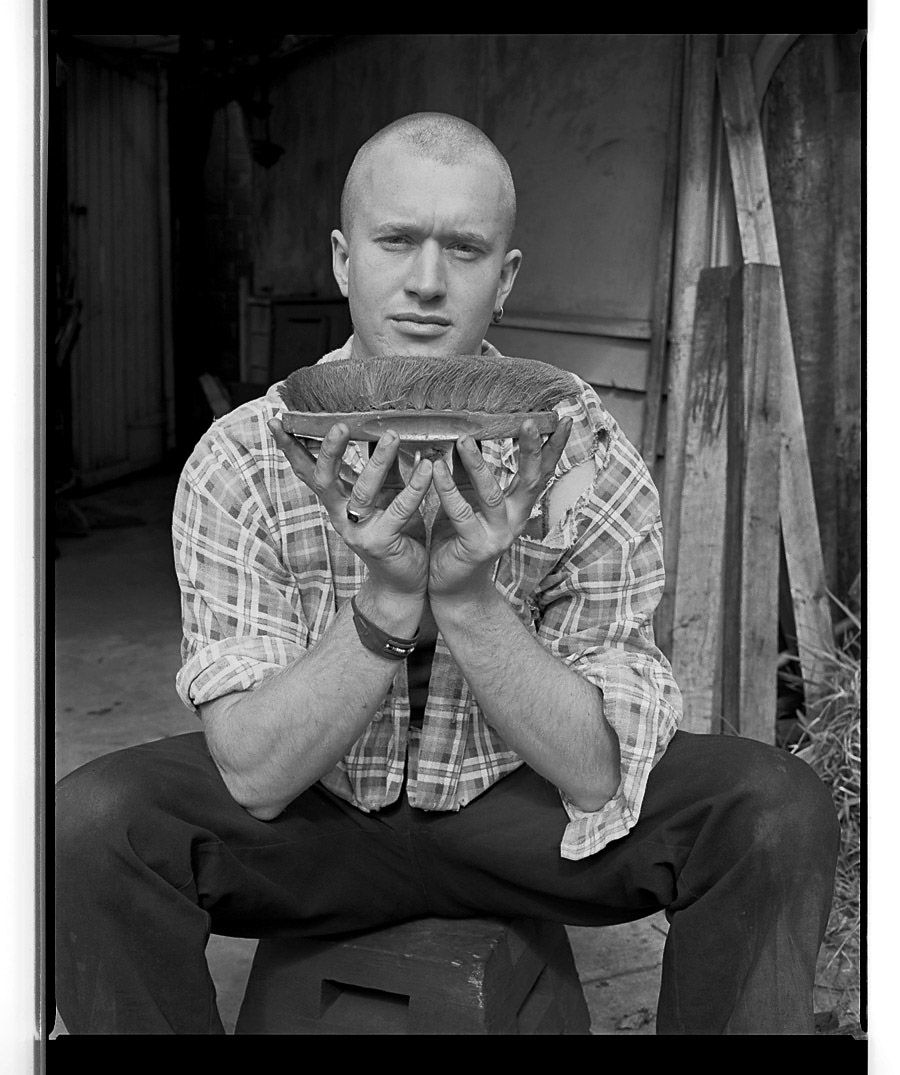
Video: ‘Marcus Bunyan – what makes a great photograph?’ at the Centre for Contemporary Photography, Melbourne

Event date: Wednesday 5th December 2012


Dr Marcus Bunyan. 'What makes a great photograph?' at CCP, December 2012


Marcus Bunyan
What makes a great photograph?
2012


Marcus Bunyan, artist and curator of Art Blart, examines one of his favourite photographs – Alexander Gardner’s photograph of one of the plotters to assassinate Abraham Lincoln, Lewis Paine, who was captured by the camera months before his execution in April 1865 – and asks what makes this a great photograph.

The video is a little underwhelming but it was done for free for the CCP.

It doesn’t show the 12 images that I used to illustrate the talk and you can see me pressing the buttons on the computer to present them. Unfortunately, this ruins the structure of the speech.

However, you can see the photographs that I used by Alexander Gardner below.

Click on the picture to view the video or go to the Vimeo website.

Read the transcription of the talk ‘Marcus Bunyan – what makes a great photograph?’ with the images.

Marcus


Many thankx to the Director of the CCP, Naomi Cass, for asking me to speak at the event. Other presenters: Serena Bentley, Helen Frajman, Natalie King, Tin & Ed, Tom Mosby and John Warwicker.


Alexander Gardner (American, 1821-1882) 'Lewis Paine' 26th April, 1865 'Lewis Paine' 26th April 1865


Alexander Gardner (American born Scotland, 1821-1882)
Lewis Paine
26th April 1865
Albumen silver print from a Collodion glass plate negative


Alexander Gardner (American, 1821-1882) 'Lewis Paine' 26th April, 1865


Alexander Gardner (American, 1821-1882)
Three photographs of Lewis Paine
26th April, 1865
Albumen silver prints from a Collodion glass plate negative


Alexander Gardner (American born Scotland, 1821-1882) 'Lewis Paine' April 1865 (detail)


Alexander Gardner (American born Scotland, 1821-1882)
Lewis Paine (detail)
26th April 1865
Albumen silver print from a Collodion glass plate negative


Alexander Gardner (American born Scotland, 1821-1882) 'Lewis Paine' April 1865 (detail)


Alexander Gardner (American born Scotland, 1821-1882)
Lewis Paine (detail)
26th April 1865
Albumen silver print from a Collodion glass plate negative


Alexander Gardner (American born Scotland, 1821-1882) 'Lewis Paine' April 1865 (detail)


Alexander Gardner (American born Scotland, 1821-1882)
Lewis Paine (detail)
26th April 1865
Albumen silver print from a Collodion glass plate negative


Hot Dead Guys: Lewis Powell


Noel Cordle
Hot Dead Guys: Lewis Powell
Posted on September 5th, 2010
Mere Musings blog [Online] Cited 01/12/2012. No longer available online


Descriptions of Lewis from "The Life, Crime and Capture"


Descriptions of Lewis from “The Life, Crime and Capture”


Alexander Gardner (American born Scotland, 1821-1882) 'Lewis Paine' April 1865 (detail)

Alexander Gardner (American born Scotland, 1821-1882) 'Lewis Paine' April 1865 (detail)


Alexander Gardner (American born Scotland, 1821-1882)
Lewis Paine (detail)
26th April 1865
Albumen silver print from a Collodion glass plate negative


Roland Barthes (French, 1915-1980) 'Camera Lucida (La Chambre claire)' 1980


Roland Barthes (French, 1915-1980)
Camera Lucida (La Chambre claire)
1980


Alexander Gardner (American born Scotland, 1821-1882) 'Lewis Paine' April 1865 (detail)


Alexander Gardner (American born Scotland, 1821-1882)
Lewis Paine (detail)
26th April 1865
Albumen silver print from a Collodion glass plate negative


Alexander Gardner (American born Scotland, 1821-1882) 'Lewis Paine' April 1865 (detail)


Alexander Gardner (American born Scotland, 1821-1882)
Lewis Paine (detail)
26th April 1865
Albumen silver print from a Collodion glass plate negative


CCP website

LIKE ART BLART ON FACEBOOK

Back to top