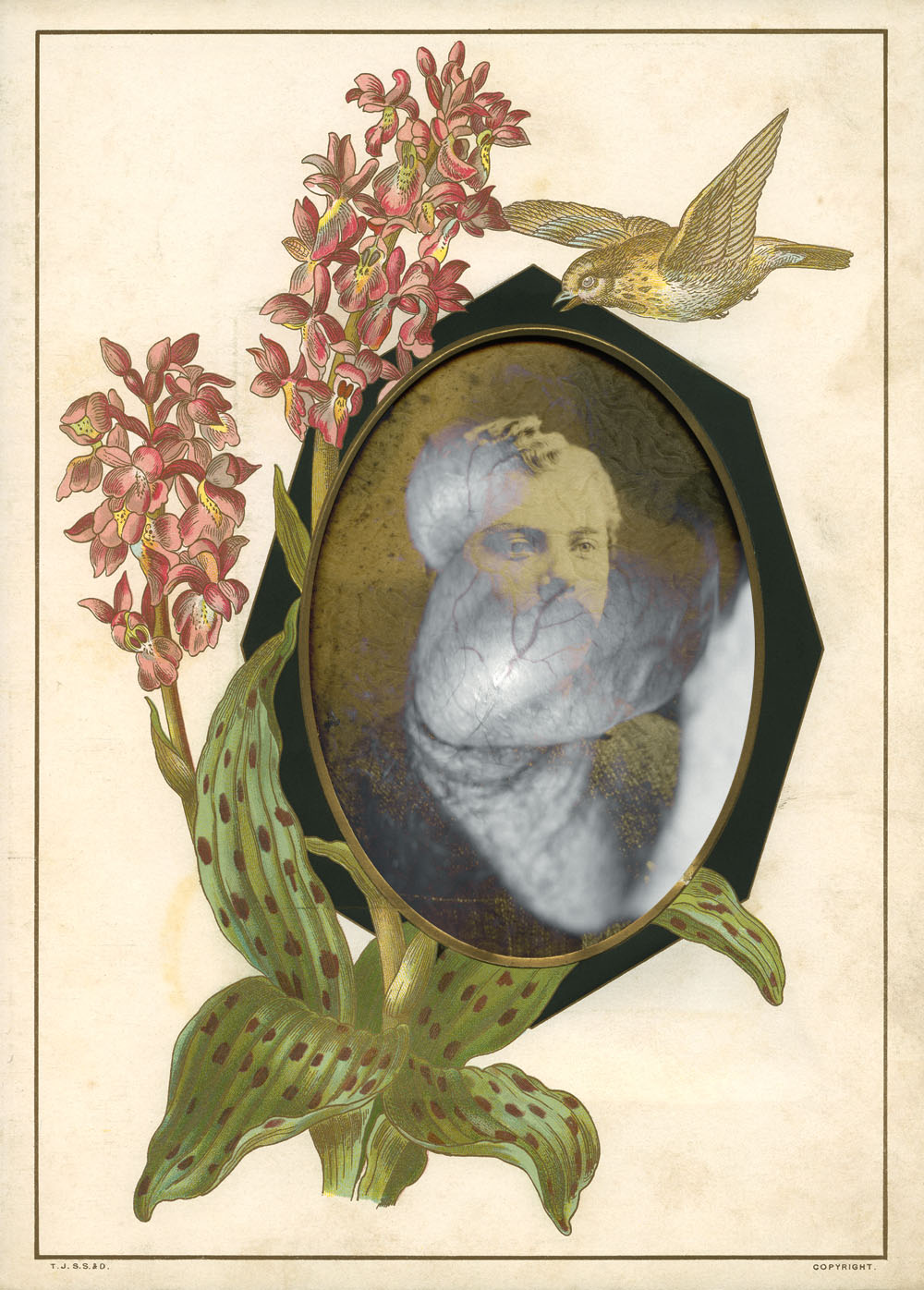
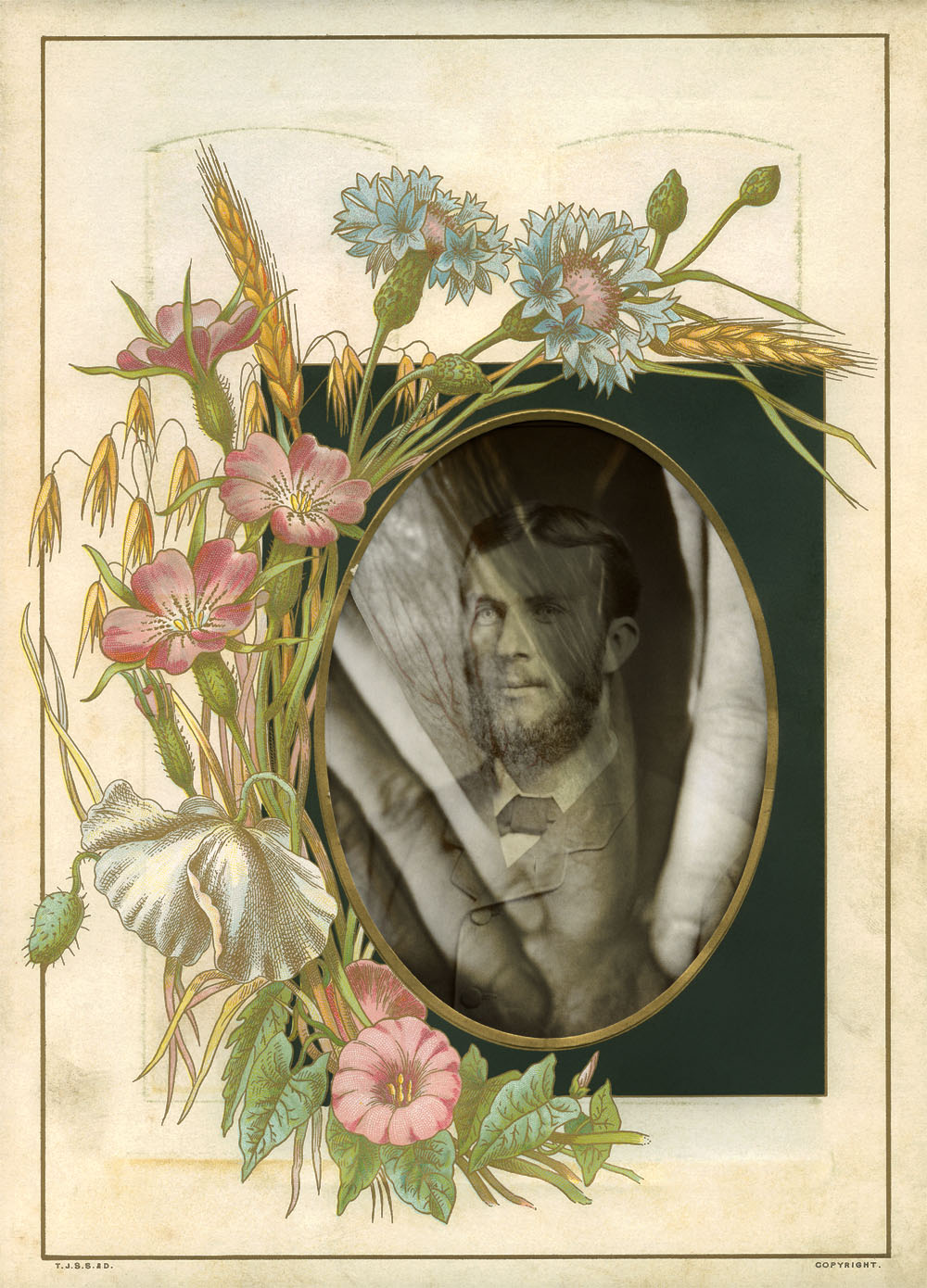
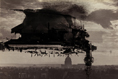
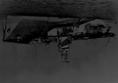
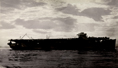
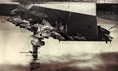
Marcus Bunyan black and white archive: ‘The Songs of Eternity’, 1994

July 2014


These are really important photographs for me.

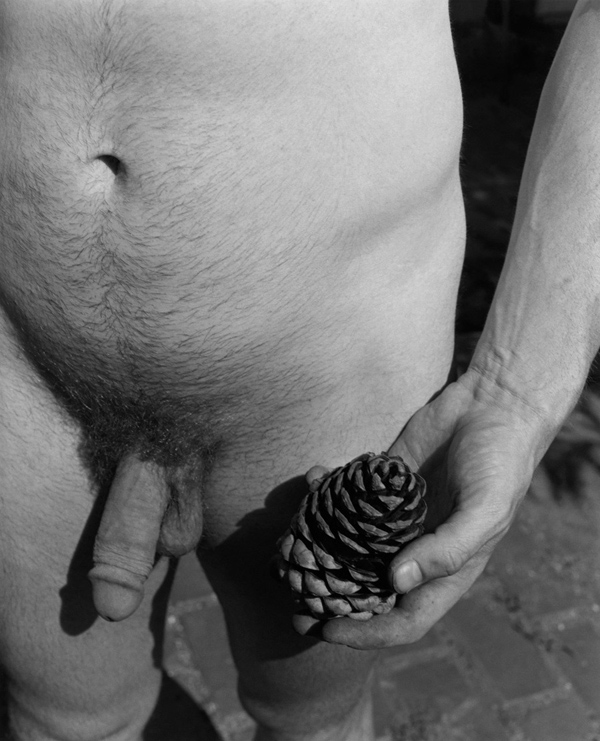
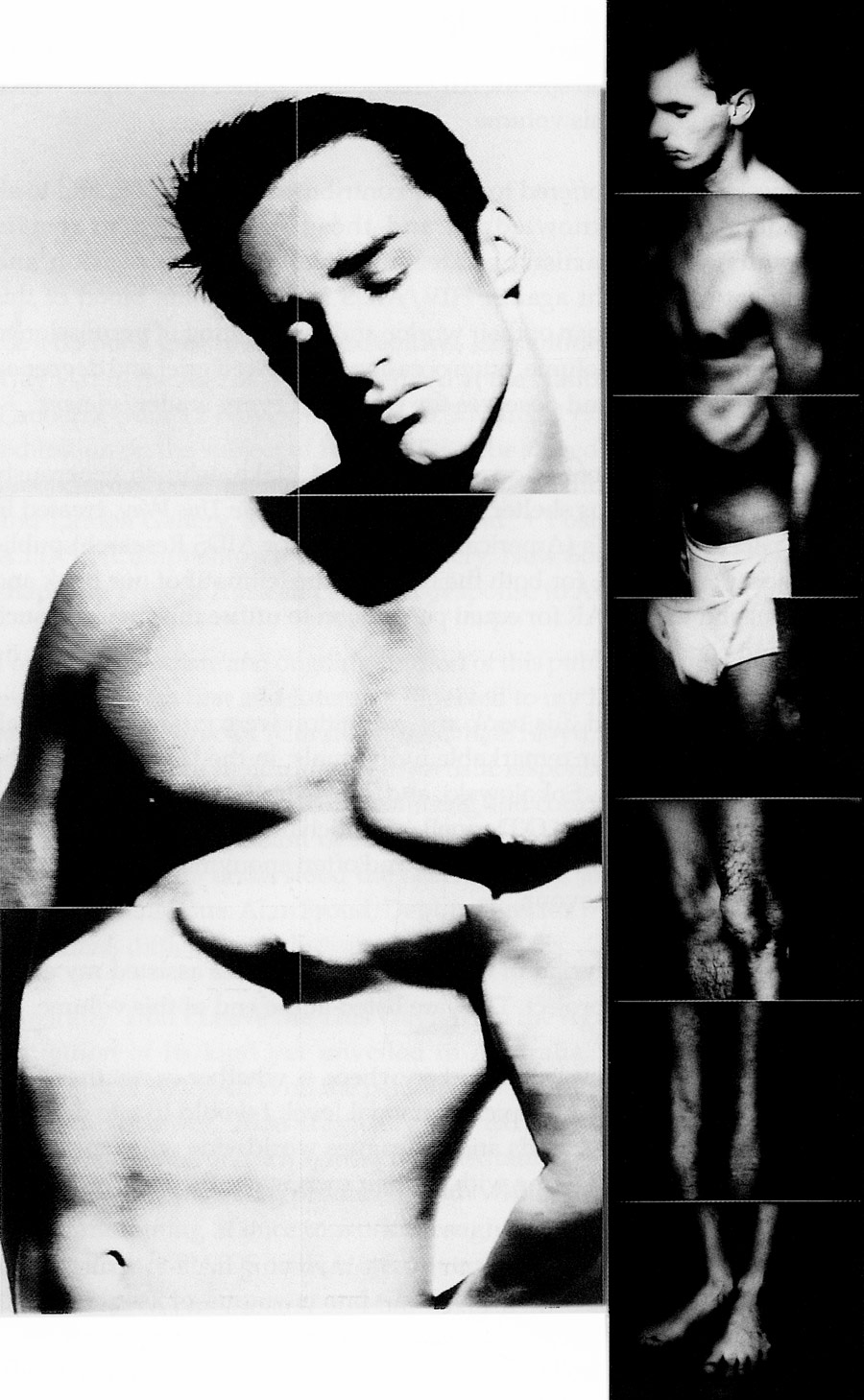
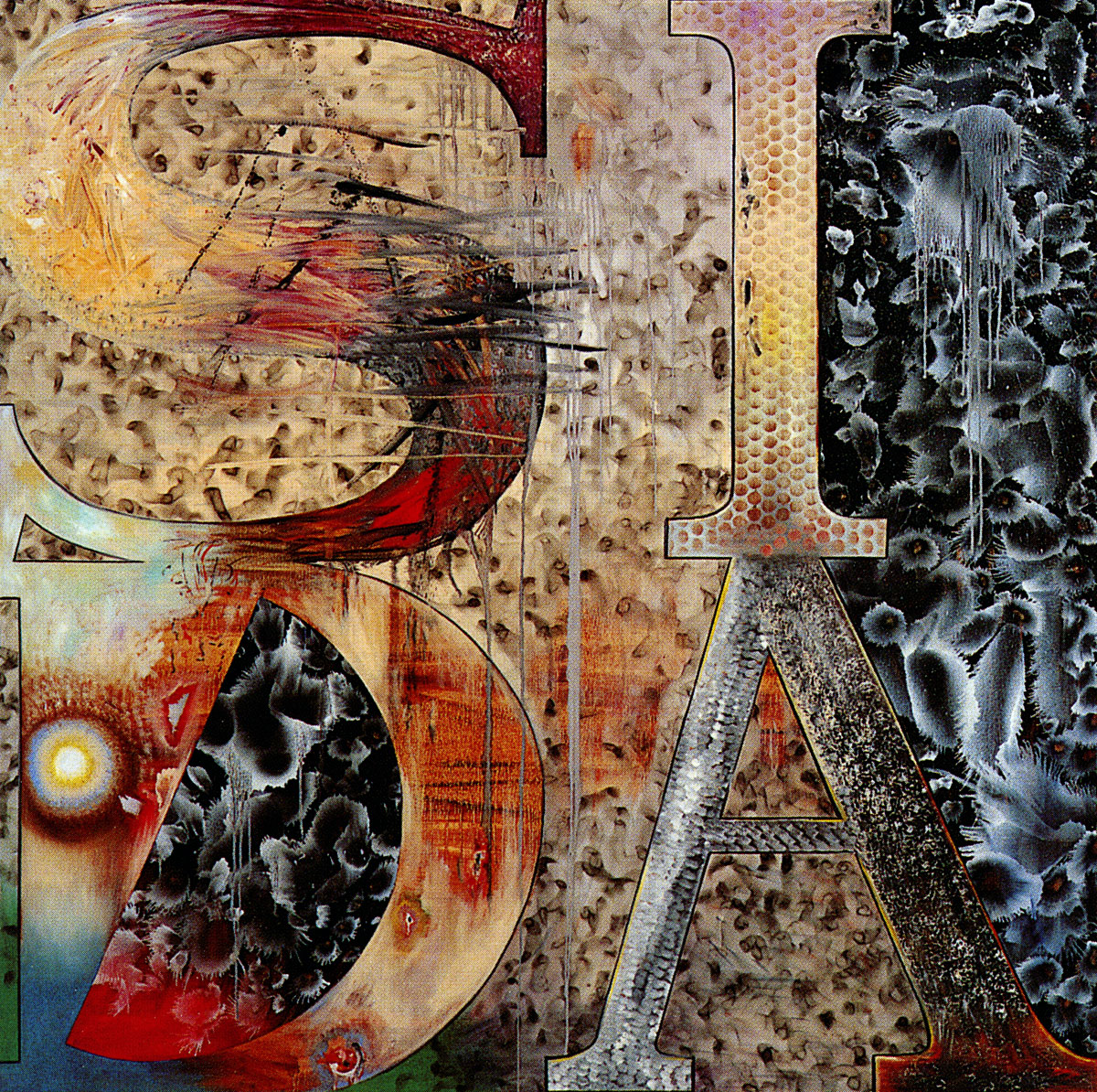
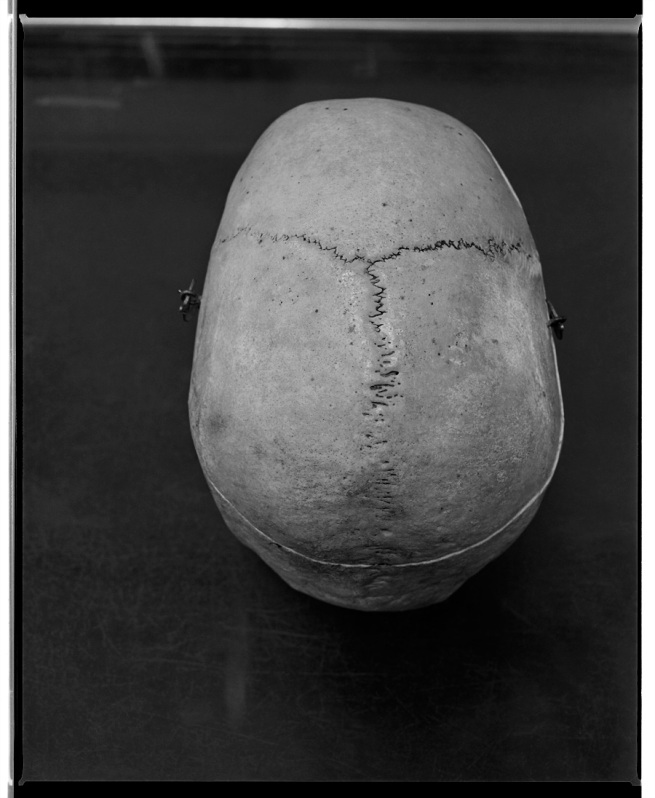
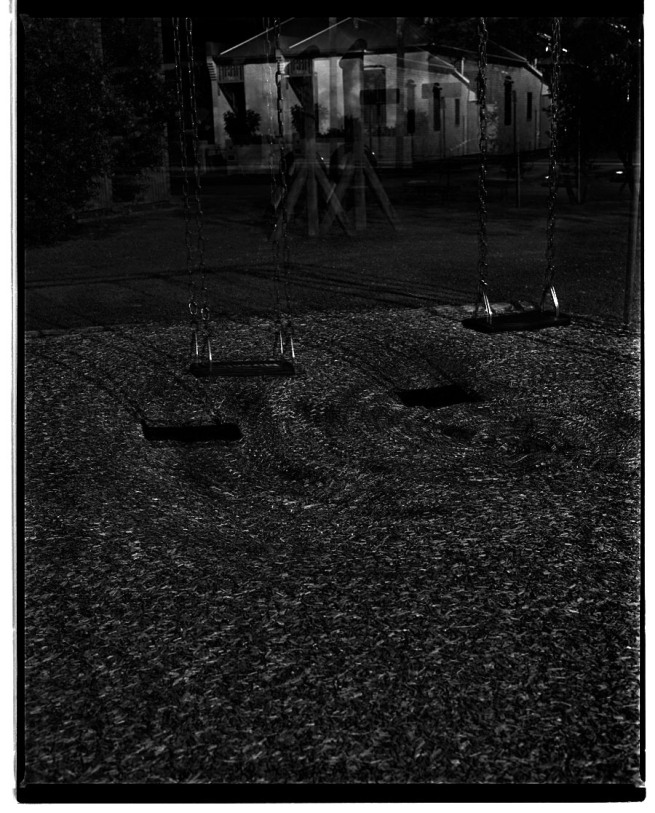
As Minor White’s artist book The Temptation of St. Anthony is Mirrors (1948) is a visual love poem to Tom Murphy, so my artist book The Songs of Eternity (1994) is a visual love poem to my then long-time partner Paul. Both are exceedingly rare books: there are two copies of White’s book and there is one copy of mine.

The prints are even more beautiful in the flesh (so to speak).

Marcus


I am scanning my negatives made during the years 1991-1997 to preserve them in the form of an online archive as a process of active memory, so that the images are not lost forever. These photographs were images of my life and imagination at the time of their making, the ideas I was thinking about and the people and things that surrounded me.

All images © Marcus Bunyan. Please click the photographs for a larger version of the image. Please remember these are just straight scans of the prints, all full frame, no cropping !

Photographs are available from this series for purchase. As a guide, a vintage 8″ x 10″ silver gelatin print costs $700 plus tracked and insured shipping. For more information please see my store web page.

*PLEASE NOTE THIS POSTING CONTAINS ART PHOTOGRAPHS OF MALE NUDITY – IF YOU DO NOT LIKE PLEASE DO NOT LOOK, FAIR WARNING HAS BEEN GIVEN*


The Songs of Eternity

Images and poetry by M. Bunyan 1994


I stood at the edge of the precipice / and peered in as William Blake would say

The timepiece of eternity / swung hands through all the hours

so how naive I’ve been / not to see its powers

Did I deceive / or was I led

What a rude awakening / throughout my head

Many fabulous things were said /

many a doubt was in silence bled …

Nothing is certainty but the change – I was must be strong to attain

Depth, spirit, integrity and the rest

This affirmation I will confirm – not in conformity but in my own special way

Not this way nor that but my own path / that one day will whisper gently in my ear

Be strong, for we have much to say / when the sea becomes the sky.

Strong in your arms I become your scent

Lying in my bed the sheets of flowers enfold me

Trusting in my heart I know

Today    Yesterday    Tomorrow


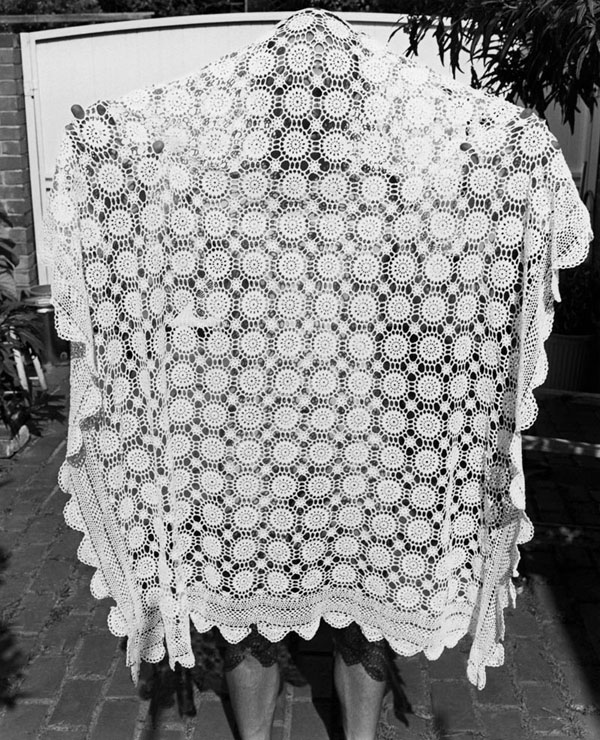
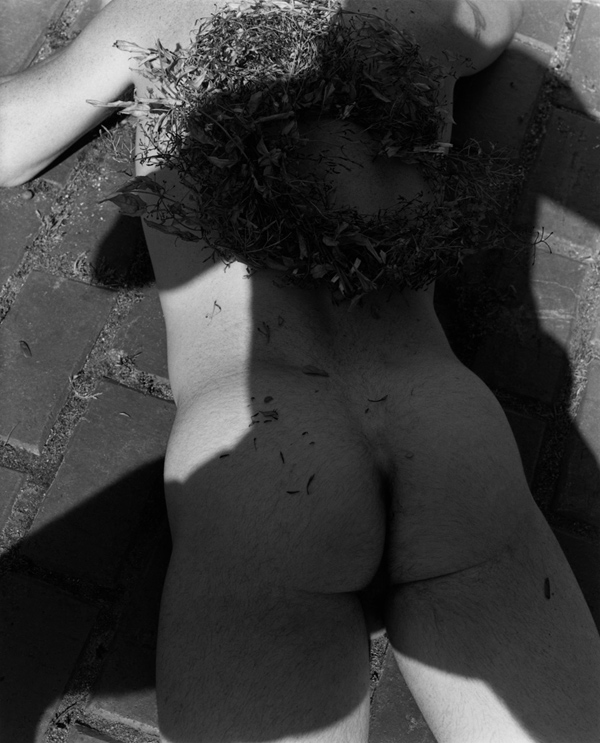
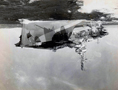
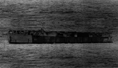
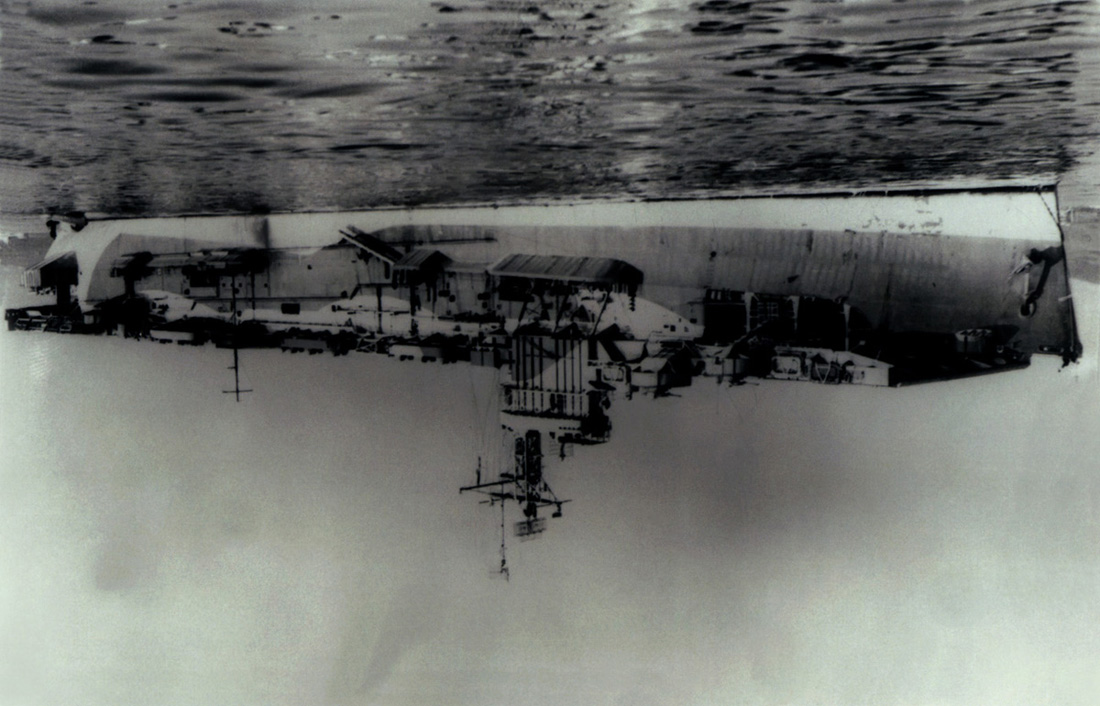
Marcus Bunyan (Australian, b. 1958) 'Shroud' 1994


Marcus Bunyan (Australian, b. 1958)
Shroud
1994
From the series The Songs of Eternity
Silver gelatin photograph


The Songs of Eternity


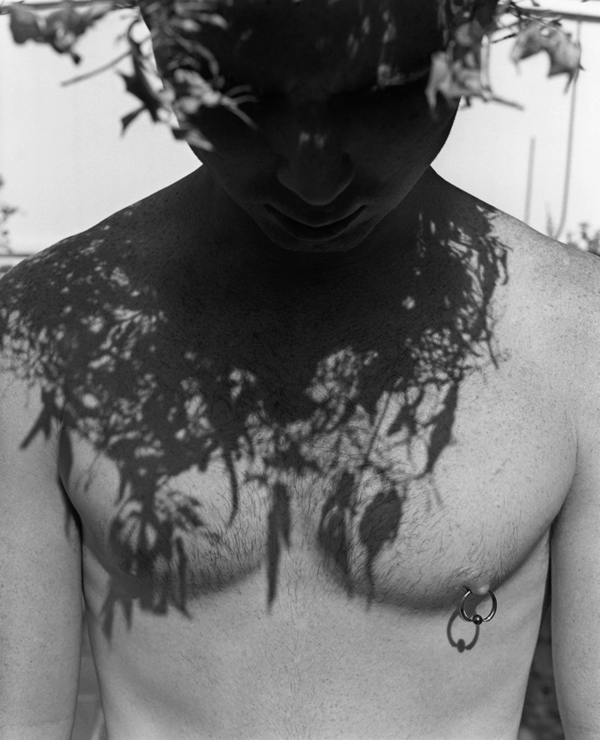
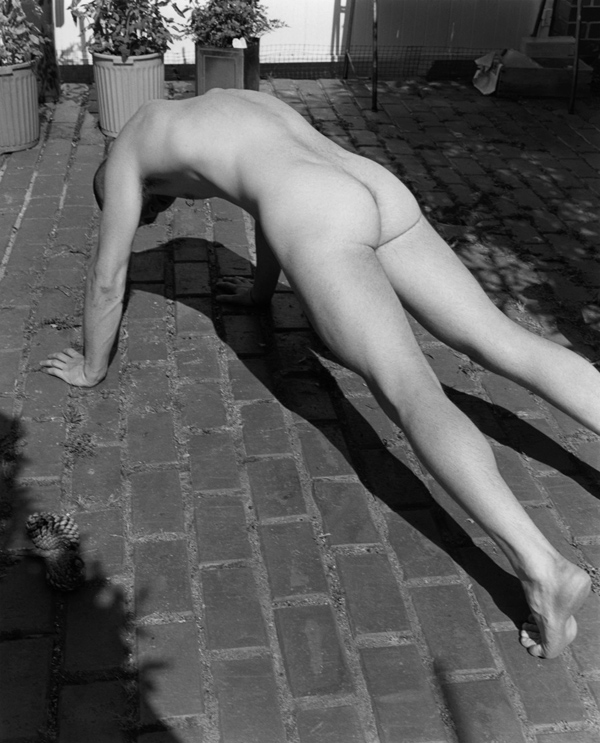
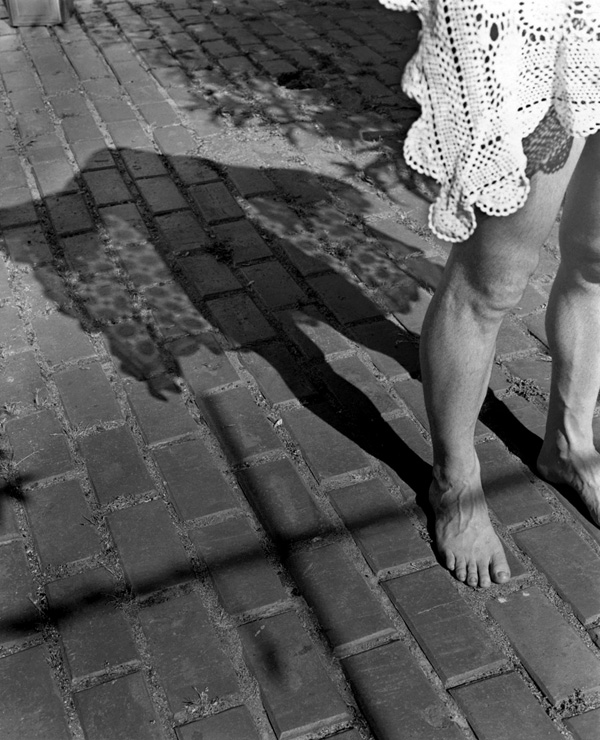
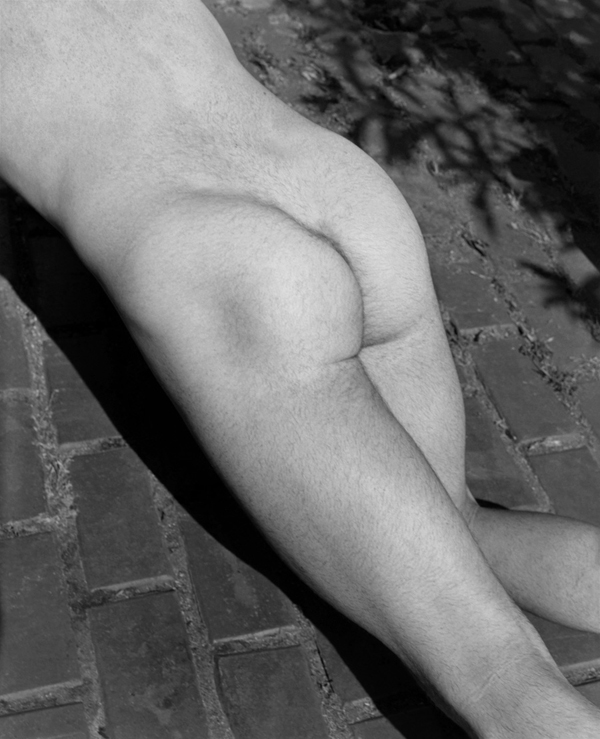
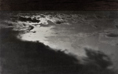
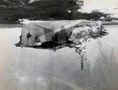
Marcus Bunyan (Australian, b. 1958) 'Paul, shadows' 1994


Marcus Bunyan (Australian, b. 1958)
Paul, shadows
1994
From the series The Songs of Eternity
Silver gelatin photograph


I stood at the edge of the precipice / and peered in as William Blake would say


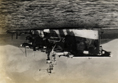
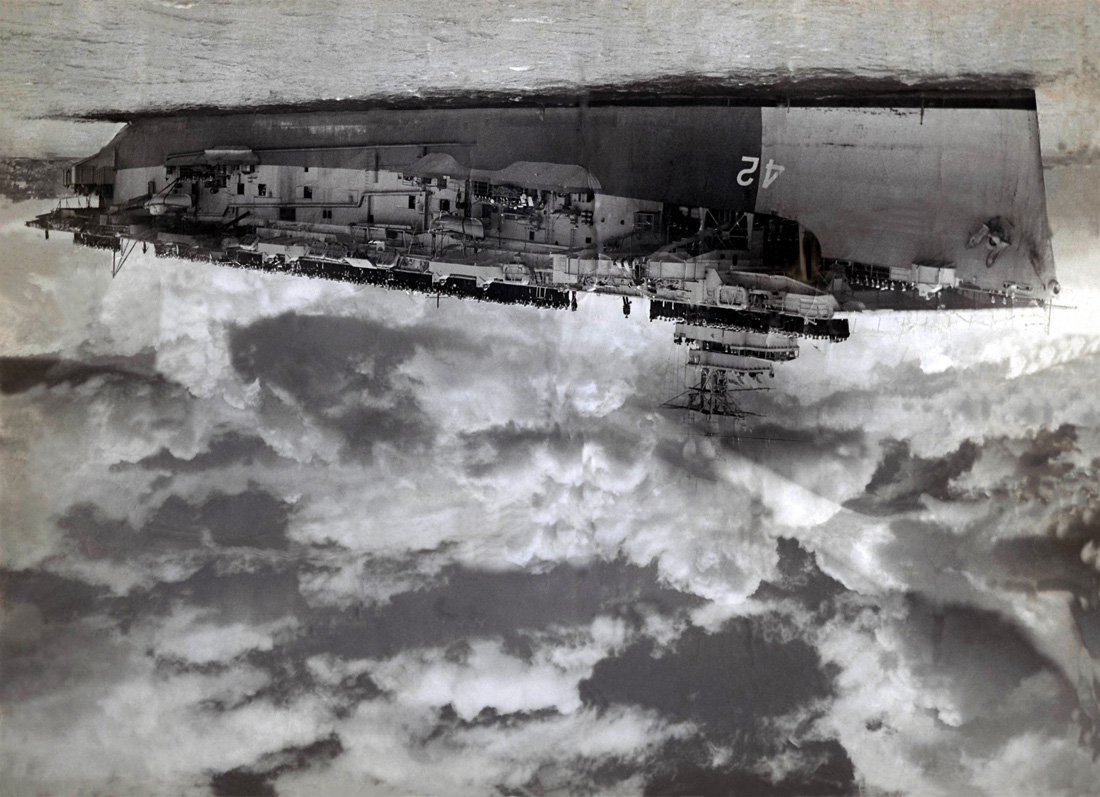
Marcus Bunyan (Australian, b. 1958) 'Eternal timepiece' 1994


Marcus Bunyan (Australian, b. 1958)
Eternal timepiece
1994
From the series The Songs of Eternity
Silver gelatin photograph


The timepiece of eternity / swung hands through all the hours


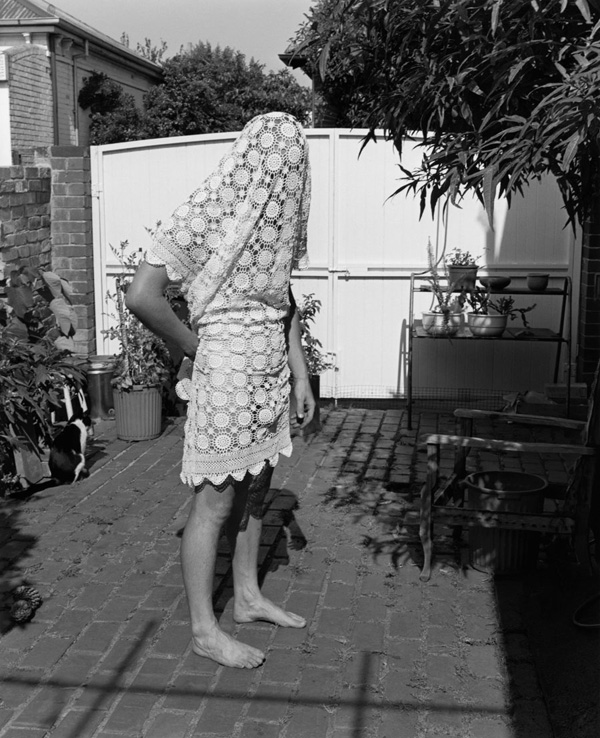
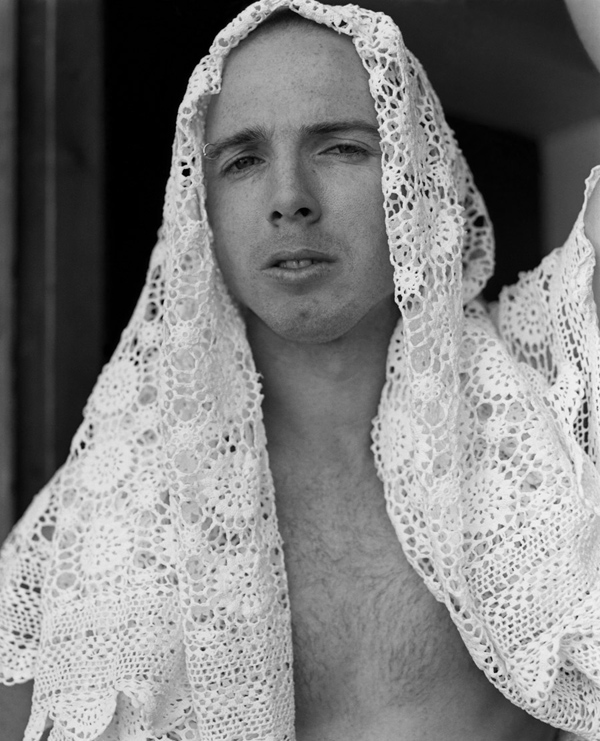
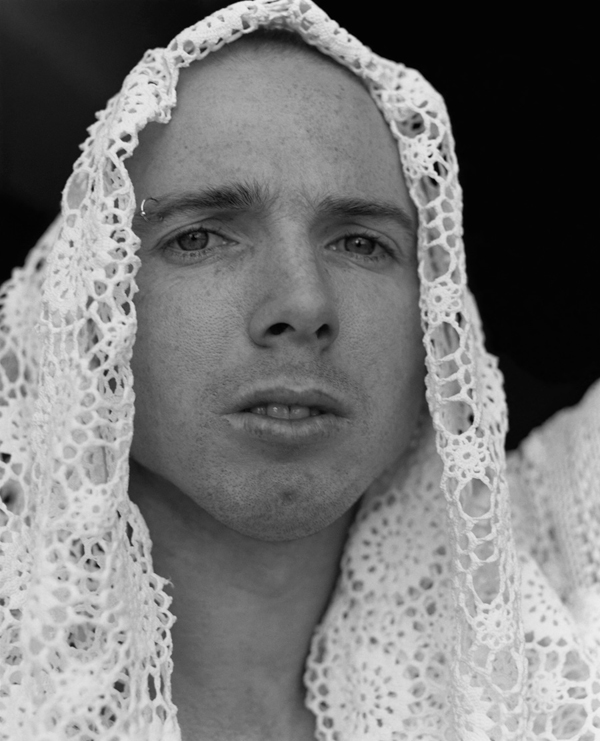
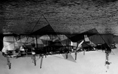
Marcus Bunyan (Australian, b. 1958) 'Paul, head covered' 1994


Marcus Bunyan (Australian, b. 1958)
Paul, head covered
1994
From the series The Songs of Eternity
Silver gelatin photograph


so how naive I’ve been / not to see its powers


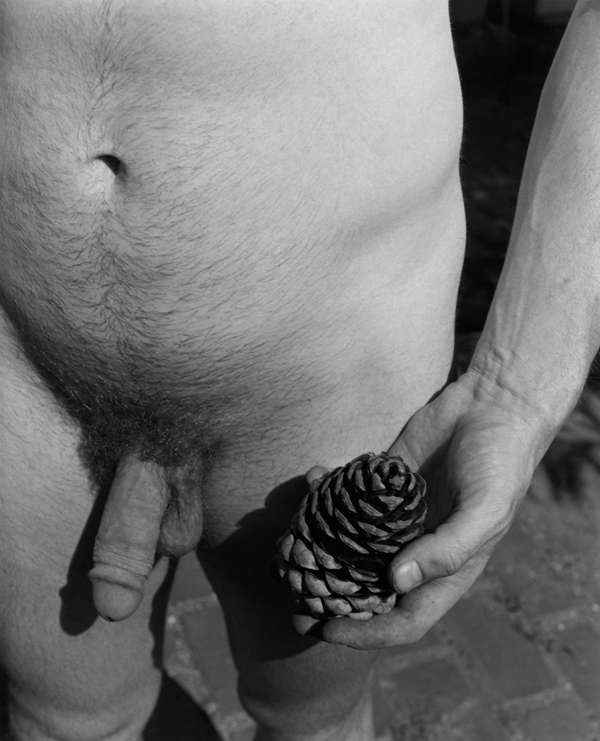
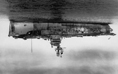
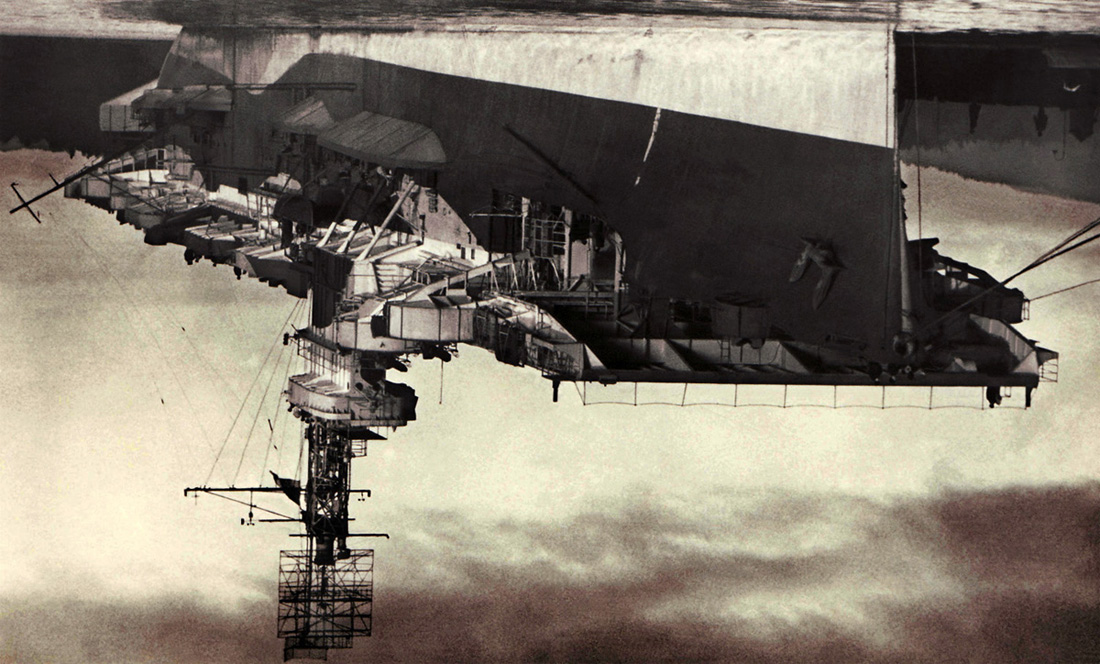
Marcus Bunyan (Australian, b. 1958) 'Pendent #1' 1994


Marcus Bunyan (Australian, b. 1958)
Pendent #1
1994
From the series The Songs of Eternity
Silver gelatin photograph


Did I deceive / or was I led


Marcus Bunyan (Australian, b. 1958) 'Untitled' 1994


Marcus Bunyan (Australian, b. 1958)
Untitled
1994
From the series The Songs of Eternity
Silver gelatin photograph


What a rude awakening / throughout my head


Marcus Bunyan (Australian, b. 1958) 'Untitled' 1994


Marcus Bunyan (Australian, b. 1958)
Untitled
1994
From the series The Songs of Eternity
Silver gelatin photograph


Many fabulous things were said /


Marcus Bunyan (Australian, b. 1958) 'Suspension #1' 1994


Marcus Bunyan (Australian, b. 1958)
Suspension #1
1994
From the series The Songs of Eternity
Silver gelatin photograph


many a doubt was in silence bled …


Marcus Bunyan (Australian, b. 1958) 'Chyralis' 1994


Marcus Bunyan (Australian, b. 1958)
Chrysalis
1994
From the series The Songs of Eternity
Silver gelatin photograph


Nothing is certainty but the change – I was must be strong to attain


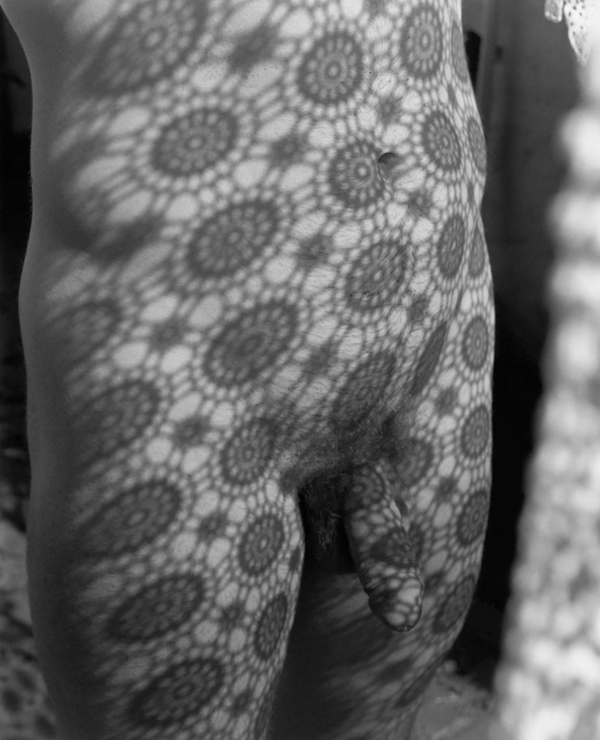
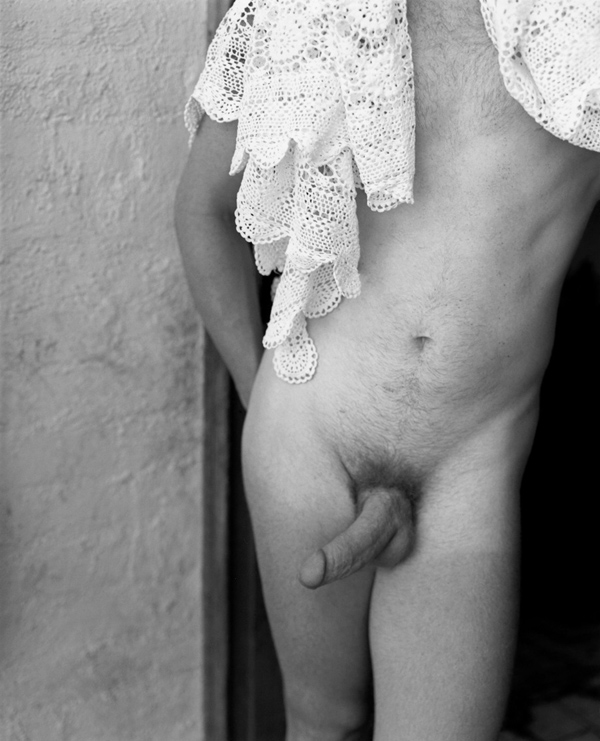
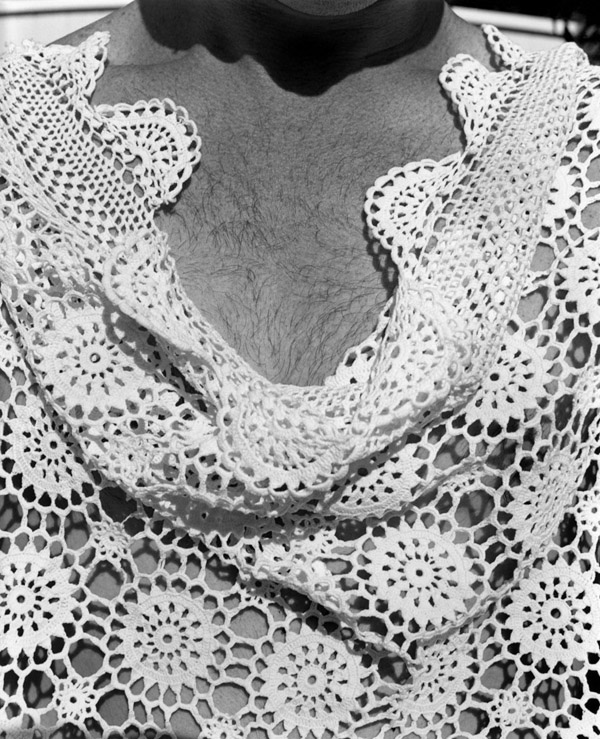
Marcus Bunyan (Australian, b. 1958) 'Décolleté' 1994


Marcus Bunyan (Australian, b. 1958)
Décolleté
1994
From the series The Songs of Eternity
Silver gelatin photograph


Depth, spirit, integrity and the rest


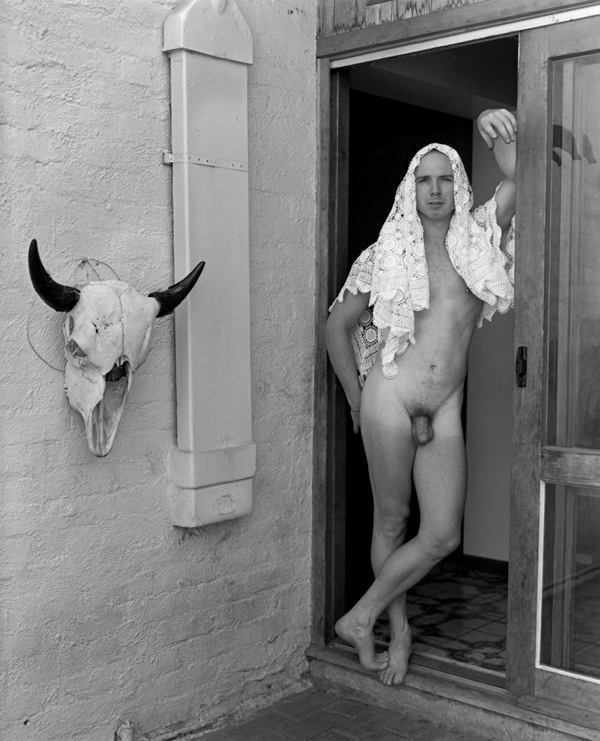
Marcus Bunyan (Australian, b. 1958) 'Paul, doorway (for Georgia O'Keeffe)' 1994


Marcus Bunyan (Australian, b. 1958)
Paul, doorway (for Georgia O’Keeffe)
1994
From the series The Songs of Eternity
Silver gelatin photograph


This affirmation I will confirm – not in conformity but in my own special way


Marcus Bunyan (Australian, b. 1958) 'Pendent #2' 1994


Marcus Bunyan (Australian, b. 1958)
Pendent #2
1994
From the series The Songs of Eternity
Silver gelatin photograph


Not this way nor that but my own path / that one day will whisper gently in my ear


Marcus Bunyan (Australian, b. 1958) 'Shadow, wreath' 1994


Marcus Bunyan (Australian, b. 1958)
Shadow, wreath
1994
From the series The Songs of Eternity
Silver gelatin photograph


Be strong, for we have much to say / when the sea becomes the sky.


Marcus Bunyan (Australian, b. 1958) 'Madonna, male' 1994


Marcus Bunyan (Australian, b. 1958)
Madonna, male
1994
From the series The Songs of Eternity
Silver gelatin photograph


Strong in your arms I become your scent


Marcus Bunyan (Australian, b. 1958) 'Suspension #2' 1994


Marcus Bunyan (Australian, b. 1958)
Suspension #2
1994
From the series The Songs of Eternity
Silver gelatin photograph


Lying in my bed the sheets of flowers enfold me


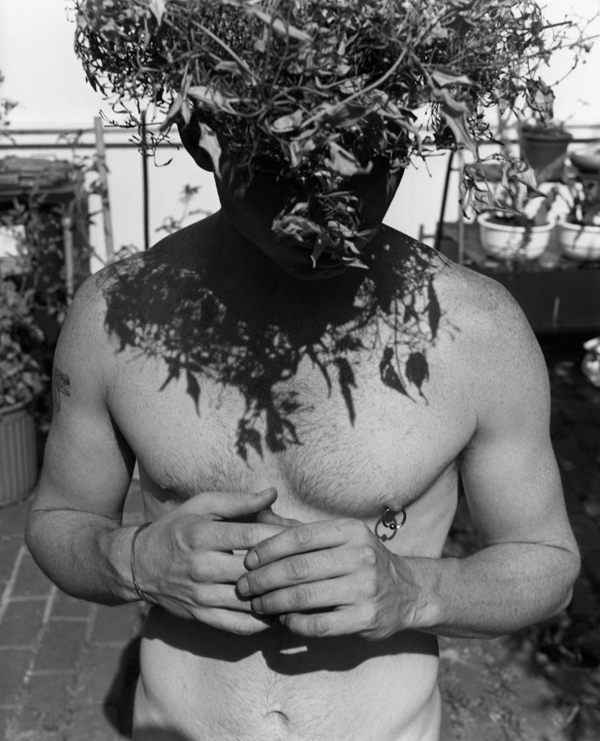
Marcus Bunyan (Australian, b. 1958) 'Paul, wreath and hands' 1994


Marcus Bunyan (Australian, b. 1958)
Paul, wreath and hands
1994
From the series The Songs of Eternity
Silver gelatin photograph


Trusting in my heart I know


Marcus Bunyan (Australian, b. 1958) 'Untitled' 1994


Marcus Bunyan (Australian, b. 1958)
Untitled
1994
From the series The Songs of Eternity
Silver gelatin photograph


Today    Yesterday    Tomorrow


Marcus Bunyan black and white archive page

LIKE ART BLART ON FACEBOOK

Back to top

Exhibition: ‘Transmissions: Archiving HIV/AIDS – Melbourne 1979-2014’ at George Paton Gallery, The University of Melbourne

Exhibition dates: 14th July – 25th July 214

Curators: Michael Graf and Russell Walsh

Artists include: Marcus Bunyan, Juan Davila, Andrew Foster, Brent Harris, Mathew Jones, Peter Lyssiotis, Lex Middleton, Andi Nellsün, Marcus O’Donnell, Scott Redford, and Ross T Smith.

Opening: Wednesday 16 July 5.30 pm – 7.30 pm


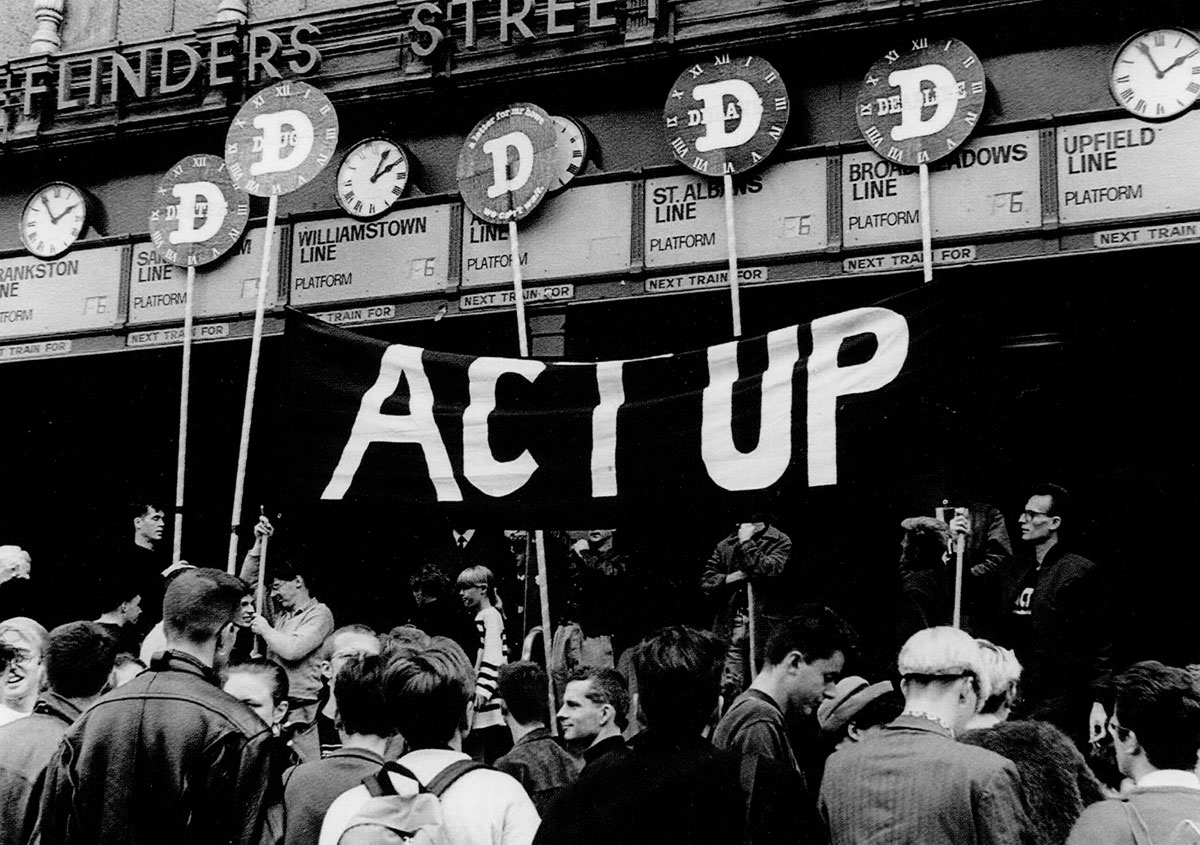
Unknown photographer. 'ACT UP D-Day on the steps of Flinders St. Station, 6 June 1991' 1991


Unknown photographer
ACT UP D-Day on the steps of Flinders St. Station, 6 June 1991
1991
Image courtesy of the Australian Queer Archives


Another important exhibition to coincide with the 20th International AIDS Conference to be held in Melbourne this July. The exhibition – which focuses on the seminal exhibition Don’t Leave Me This Way: Art In The Age Of AIDS, curated by Ted Gott at the National Gallery of Australia in Canberra in 1994 – is supported by an extensive program of public events (see below) some of which I hope to get to. The community lost so many good people.

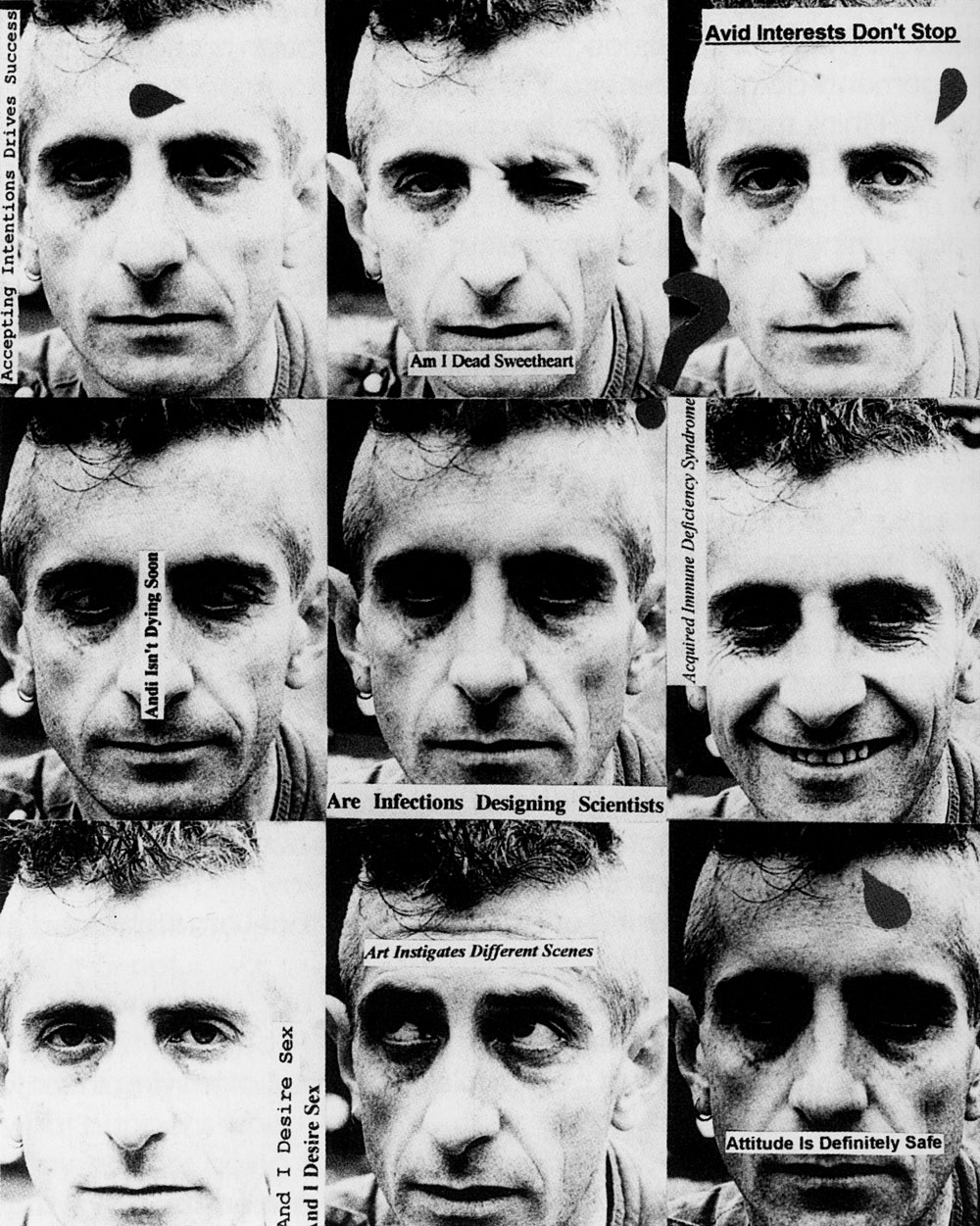
I just want to say ‘good on ya, Andi’, hope your smiling up there somewhere!

Dr Marcus Bunyan


Many thankx to Michael Graf and The George Paton Gallery for allowing me to publish the art work in the posting. Please click on the photographs for a larger version of the image. The exhibition will be open until 9pm on Wednesday 23 July as part of the Nite Art Walk.


Andi Nellsün (Australian) 'Matr'x' 1993


Andi Nellsün (Australian)
Matr’x
1993


To coincide with the 20th International AIDS Conference to be held in Melbourne in July, TRANSMISSIONS | Archiving HIV/AIDS | Melbourne 1979-2014 is an exhibition of artworks, manuscripts, and other material from private collections and public archives. It will focus on the partnership between government, health professionals, and Melbourne’s gay community, and on relations between activism, art and design.

Australia is recognised for having implemented one the world’s most successful HIV/AIDS prevention campaigns. The exhibition and conference, however, coincide with a twenty-year high in infection rates. To be able to reach a younger generation,current health promotion campaigns have become increasingly sophisticated. TRANSMISSIONS will investigate several of these campaigns in relation to others from the past thirty years.

TRANSMISSIONS will feature artworks by Marcus Bunyan, Juan Davila, Andrew Foster, Brent Harris, Mathew Jones, Peter Lyssiotis, Lex Middleton, Andi Nellsün, Marcus O’Donnell, Scott Redford, and Ross T Smith.

A publication and a comprehensive public program will accompany this two-week exhibition.

Exhibition curated by Michael Graf and Russell Walsh.


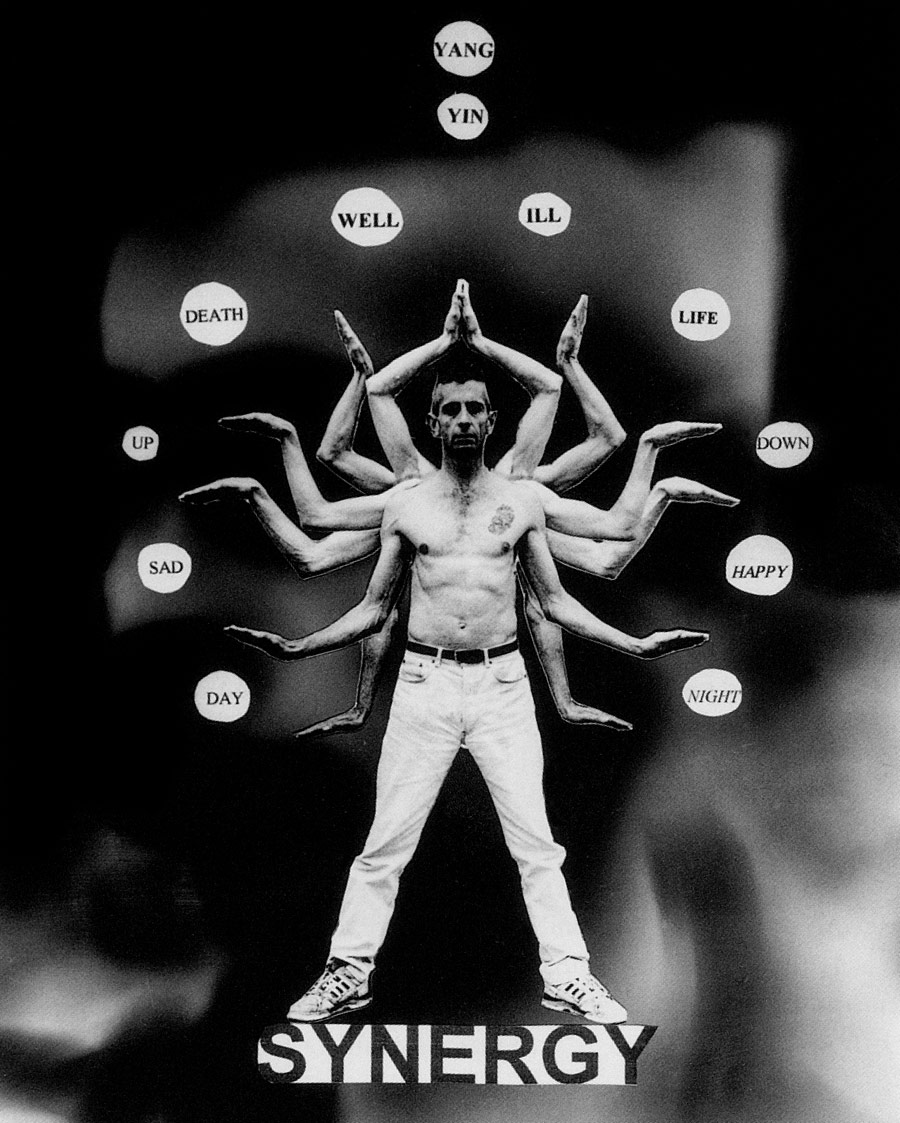
Andi Nellsün (Australian) 'Synergy' 1993


Andi Nellsün (Australian)
Synergy
1993


Free Public program

Wednesday 16 July 5.30 pm – 7.30 pm – Exhibition Launch

Thursday 17 July, 5.30 pm – 6.30 pm – Introduction to the archives
Nick Henderson (Australian Queer Archives) and Katie Wood (University of Melbourne Archives) in conversation with Russell Walsh.

Friday 18 July, 5.30 pm – 6.30 pm – Activism, archives and history
Graham Willett (Australian Lesbian & Gay Archives) in conversation with Russell Walsh.

Saturday 19 July, 3 pm – 4 pm – Curator floor-talk with Michael Graf and Russell Walsh

Wednesday 23 July – exhibition open till 9pm for Nite Art Walk

Wednesday 23 July 7.00 pm – 8.00 pm – Hares and Hyenas Word is Out presents: Charles Roberts, Infected Queer – 20 years on
Melbourne writer Javant Biarujia will read from the polemical AIDS diary that he helped edit and publish in 1994.

Thursday 24 July, 5.30 pm – 6.30 pm – Don’t Leave Me This Way: Art In The Age Of AIDS: 20 years on
Ted Gott, Curator of the seminal exhibition at the National Gallery of Australia in 1994, in conversation with Michael Graf, with several of the exhibition’s artists present for comment.

Friday 25 July, 5.30 pm – 6.30 pm – The Face of HIV/AIDS: Photographic Portraiture and HIV/AIDS 1984-1994
Susannah Seaholm-Rolan reflecting on why many of the artists featured in Don’t Leave Me This Way: Art In The Age Of AIDS worked in the medium of photographic portraiture and self-portraiture (includes exhibition closing drinks).

Please note: all events will commence sharply at advertised times owing to the early closure of the Student Union Building


Lex Middleton (Australian) 'Gay Beauty Myth' 1992


Lex Middleton (Australian)
Gay Beauty Myth
1992
Gelatin silver photographs


Juan Davila (Chilean-Australian, b. 1946) 'LOVE' 1988


Juan Davila (Chilean-Australian, b. 1946)
LOVE
1988
Oil on canvas
© Juan Davila, Courtesy Kalli Rolfe Contemporary Art


The central theme of the exhibition is the response from Melbourne’s LGBT community to the HIV/AIDS epidemic. It will contain artworks from this period as well as activist, government and other cultural responses – some of the works have never been exhibited before.

Michael Graf is co-curator of Transmissions, along with Russell Walsh. Both Graf and Walsh have spent the past seven months trawling through the Australian Queer Archives (AQuA) and the University of Melbourne Archives, where they have discovered some of the most moving and unique stories in Melbourne’s LGBT history.

“We wanted to focus on some of the cultural responses to the crisis,” Graf says. “The main part of that has been Ted Gott’s exhibition at the National Gallery of Australia in 1994: Don’t leave me this way: art in the age of AIDS. That exhibition became an incredibly important event for a lot of people. The NGA actually thought they would get 10,000 people through the space in four or five months – they got 140,000 people.

“It became a kind of pilgrimage for people from Melbourne and Sydney and other places around Australia. They went to Canberra specifically to see that exhibition. It was the first time a national gallery anywhere in the world put on an exhibition about HIV/AIDS.”

Transmissions includes copies of the visitors books from Don’t leave me this way: art in the age of AIDS. As the exhibition became a place where people remembered those they had lost, they poured their emotions and their experiences of the exhibition into the visitors books.

“There are some extraordinary accounts,” Graf says. “They had this experience in a national gallery to actually grieve.”

Graf and Walsh also tracked down artists from this exhibition. While many concede that Don’t leave me this way has been long forgotten, the milieu surrounding Transmissions is that it is time for this work to be considered again.

“They [the artists] have also said this is the perfect time to remember it,” Graf says. “Sometimes these things have to wait until they have receded enough back into history before they can be looked at again.” …

Graf hopes people visiting Transmissions will take away the richness of these collections. He also hopes they attract a younger audience as well as those who will remember what life was like in the gay community at the height of the HIV/AIDS epidemic.

“We’re hoping people might be inspired to access places such as the Australia Lesbian and Gay Archives and for a younger generation of people in Melbourne to be exposed to this incredible important history.”

Rachel Cook. “Transmissions: Archiving HIV/AIDS – Melbourne 1979 – 2014,” on the Gay News Network website, 2nd July 2014 [Online] Cited 06/07/2014. No longer available online


Marcus Bunyan (Australian, b. 1958) 'How will it be when you have changed' 1994


Marcus Bunyan (Australian, b. 1958)
How will it be when you have changed
1994
Silver gelatin photograph


Marcus Bunyan (Australian, b. 1958) 'Tell me your face before you were born' 1994


Marcus Bunyan (Australian, b. 1958)
Tell me your face before you were born
1994
Silver gelatin photograph


George Paton Gallery
Level 1 Arts and Cultural Building
Monash Road, the University of Melbourne

Opening hours:
Monday – Friday 11am – 5pm

George Paton Gallery website

The University of Melbourne website Australian Queer Archives website
Nite Art Melbourne website
George Paton Gallery University of Melbourne Student Union
The Ian Potter Museum of Art

LIKE ART BLART ON FACEBOOK

Back to top

Exhibition preview: ‘Vital Signs – Interpreting the Archive’ at Blindside, Melbourne

Exhibition dates: Wednesday 9th – Saturday 26th July 2014

Opening: Thursday 10th July 6 – 8pm

Artists: Marcus Bunyan, Penny Byrne, Ray Cook, Deborah Kelly, Peter Lambropoulos, Salote Tawale
Curated by: Angela Bailey and Nick Henderson

Nite Art Melbourne: Wednesday 23rd July 6 – 11pm

Short and sharp – on the hour, every hour – featuring artists and curator talks, music and performance. As part of the Nite Art CBD program Blindside is one of many galleries staying open late.

Queering the Archive panel discussion: Saturday 12th July 2.30 – 4pm

A panel discussion on GLBTQI representation in collections and its interpretations with: Susan Long (Artist and SLV Librarian); Nick Henderson (Archivist, AQuA Committee Member); Peter Lambropoulos (Vital Signs Artist). All welcome.


Penny Byrne (Australian) 'Badge of Honour' 2014 (installation view detail)


Penny Byrne (Australian)
Badge of Honour (installation view detail)
2014


Vital Signs presents a unique opportunity for contemporary artists to engage  with and creatively interpret the collection of the Australian Queer Archives (AQuA). Each of the artists have a rich art practise that considers social justice, activism and GLBTQI cultures and will engage with different aspects of the collection to inform their work.

The Archives (until 2020 the Australian Gay and Lesbian Archives) were established in 1978 and for the last 35 years has actively collected and preserved GLBTQI material from across Australia and actively sought to educate a wider audience about Australian GLBTQI history. The Archives is a community-orientated organisation committed to preserving and sharing the rich and diverse histories of the GLBTQI communities for future generations. The exhibition is presented as part of the Cultural Program of the 2014 20th International AIDS Conference in Melbourne and considers the shared histories of the GLBTQI and HIV communities in a contemporary representation.

Vital Signs is supported by the National Association of People Living with HIV Australia (NAPWHA), Australian Queer Archives and the Victorian AIDS Council.

Press release from the Blindside website. Please click on the photographs for a larger version of the image.


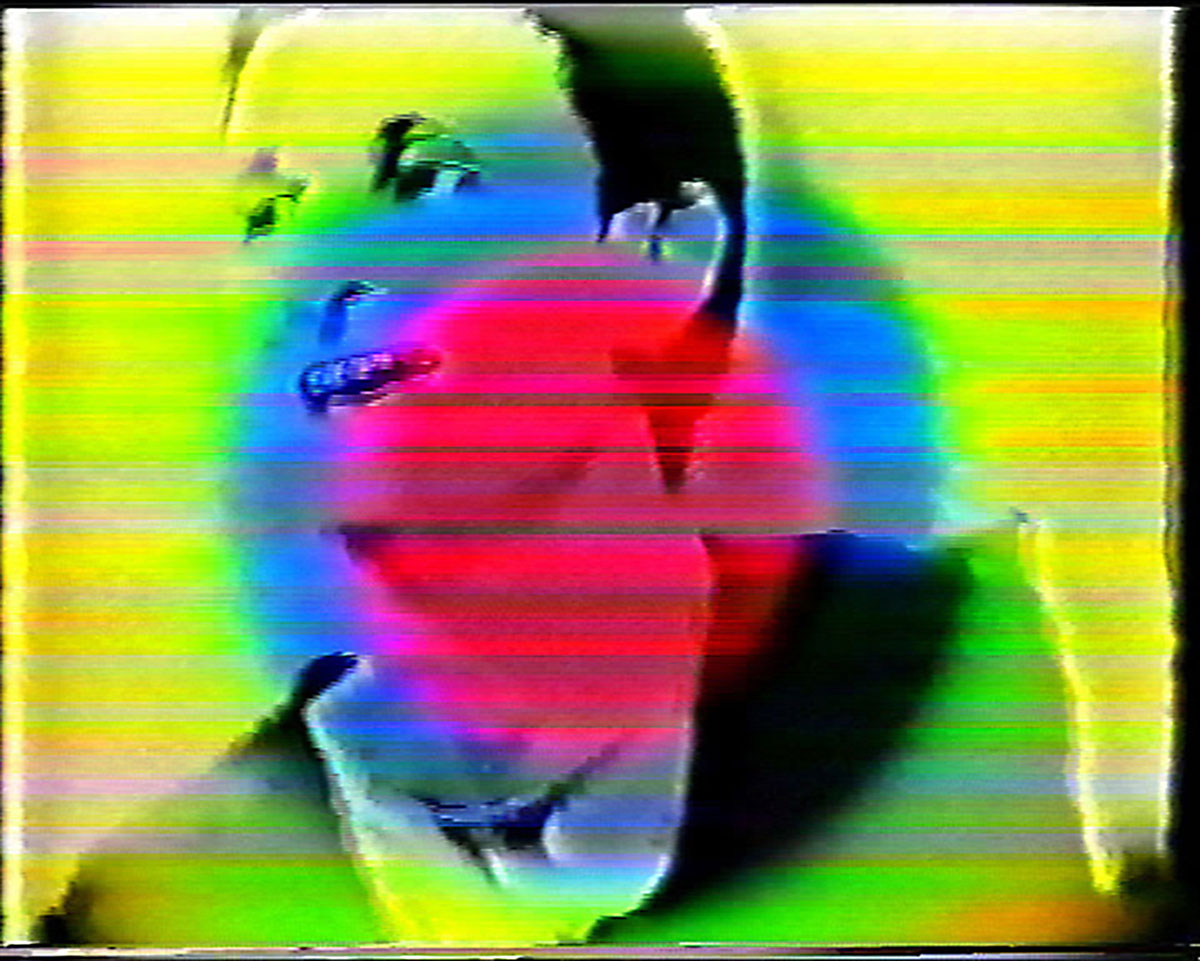
Peter Lambropoulos (Australian) 'Side A' 2014 (video still)


Peter Lambropoulos (Australian)
Side A (video still)
2014
Duration 31 minutes
Digital video on iPad (continuous loop)


Peter Lambropoulos (Australian) 'Side A, Side B and Master' 2014


Peter Lambropoulos (Australian)
Side A, Side B and Master (still)
2014
Digital video on iPad (continuous loop)


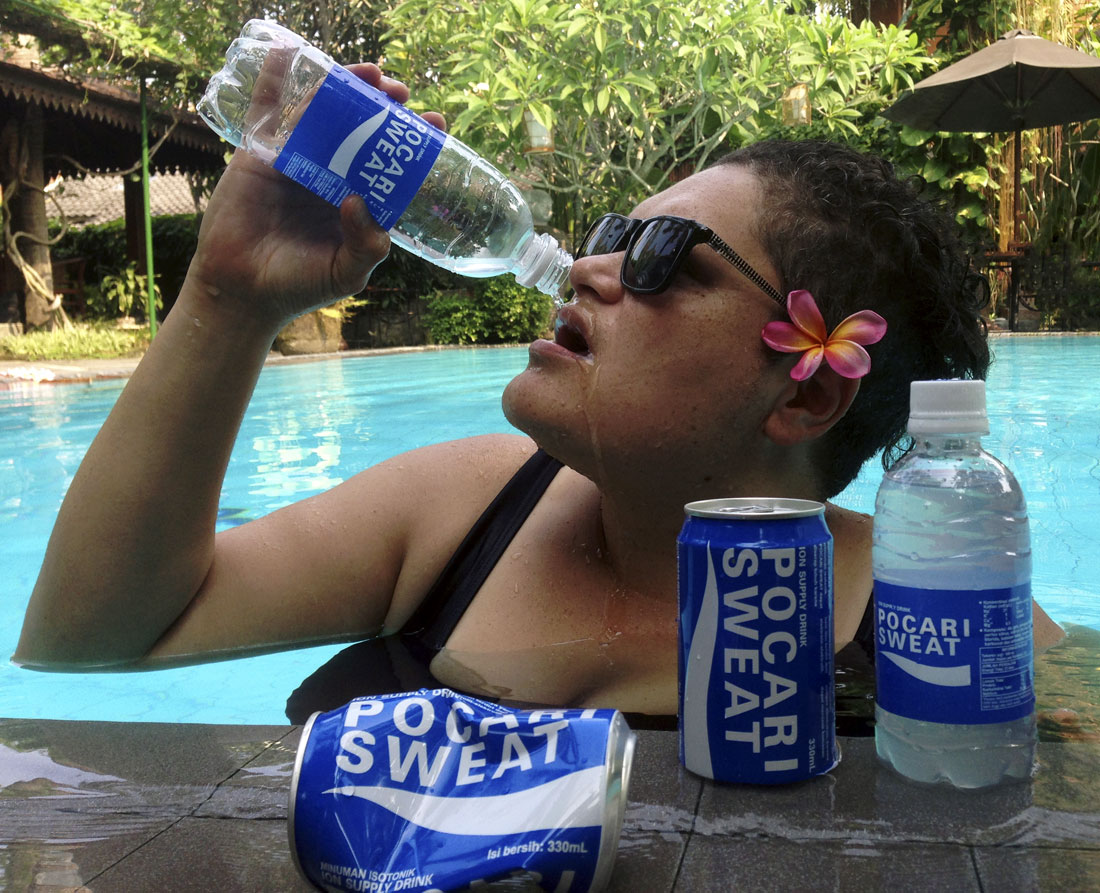
Salote Tawale (Australian born Fiji) 'Pocari Sweat' 2014 (video still)


Salote Tawale (Australian born Fiji)
Pocari Sweat (video still)
2014
Video


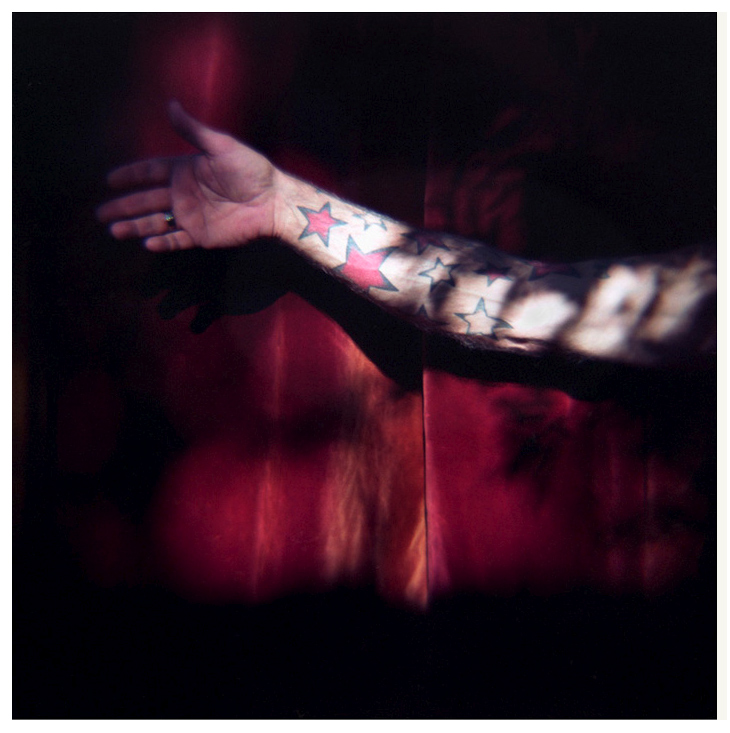
Ray Cook (Australian, b. 1962) 'Arm' 2009


Ray Cook (Australian, b. 1962)
Arm
2009
Photograph
80 x 80cm
Image courtesy the artist


Ray Cook (Australian, b. 1962) 'Untitled' from the series 'Conversations with Ancestors' 2014


Ray Cook (Australian, b. 1962)
Untitled from the series Conversations with Ancestors
2014
(Lottie, Melbourne 1960’s from the ALGA collection)
Digital photograph


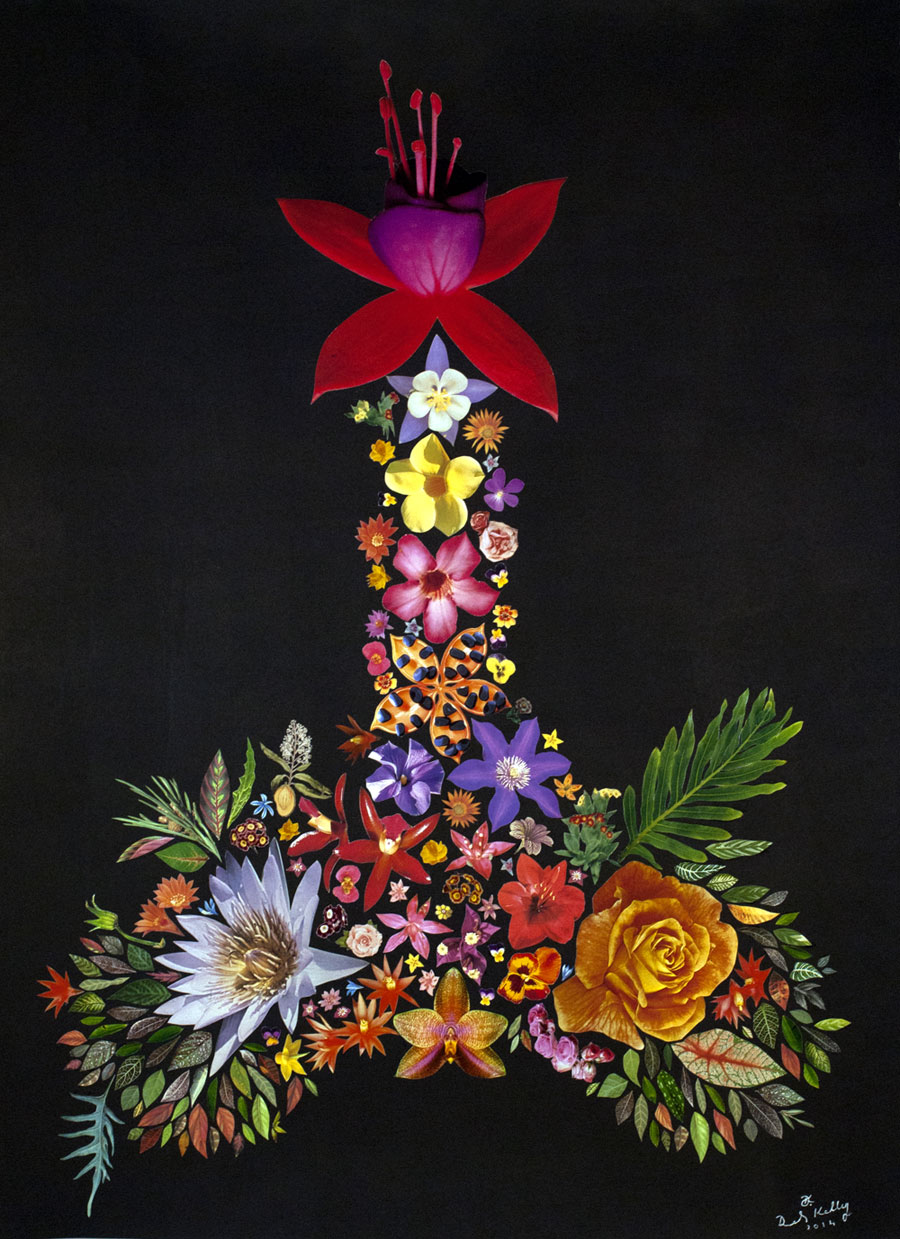
Deborah Kelly (Australian, b. 1962) 'Acting up' (in memory of the Floral Clock action, 1991) 2014


Deborah Kelly (Australian, b. 1962)
Acting up (in memory of the Floral Clock action, 1991)
2014
Paper collage on Stonehenge cotton paper with pigment ink
56 x 76.5cm


Marcus Bunyan (Australian, b. 1958) 'Untitled' from the series 'Deep Water' 2014


Marcus Bunyan (Australian, b. 1958)
Untitled from the series Deep Water
2014
Digital photograph on archival rag paper
70 x 97cm


Marcus Bunyan (Australian, b. 1958) 'Untitled' from the series 'Deep Water' 2014


Marcus Bunyan (Australian, b. 1958)
Untitled from the series Deep Water
2014
Digital photograph on archival rag paper
70 x 97cm


Blindside
Level 7, Room 14, Nicholas Building
37 Swanston Street, Melbourne
VIC 3000 Australia
Phone: (+61 3) 9650 0093

Opening hours:
Wednesday to Saturday, 12 – 6pm (during exhibition program)
Closed on public holidays

Blindside website

National Association of People Living with HIV Australia (NAPWHA) website Australian Queer Archives website
Nite Art Melbourne website

LIKE ART BLART ON FACEBOOK

Back to top

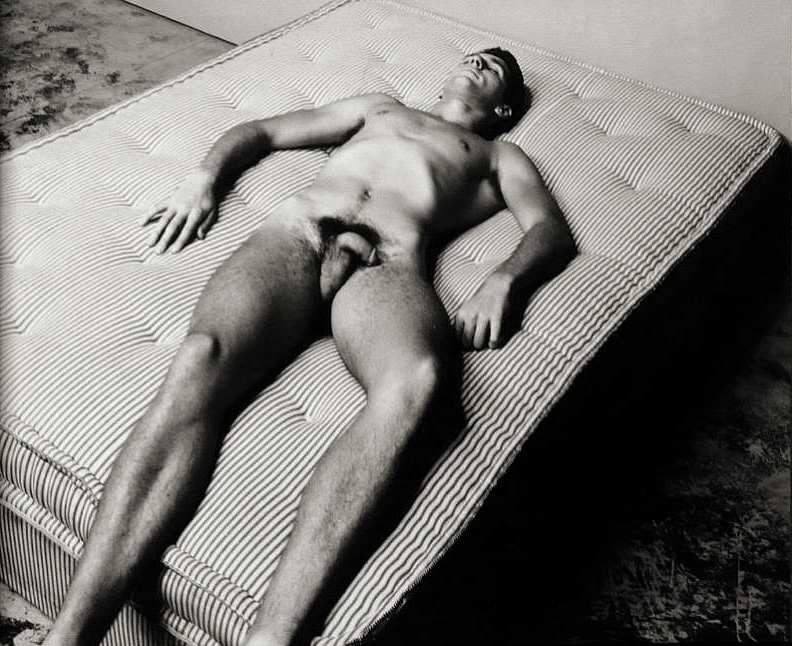
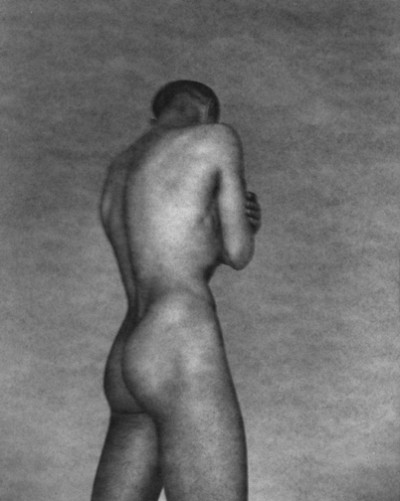
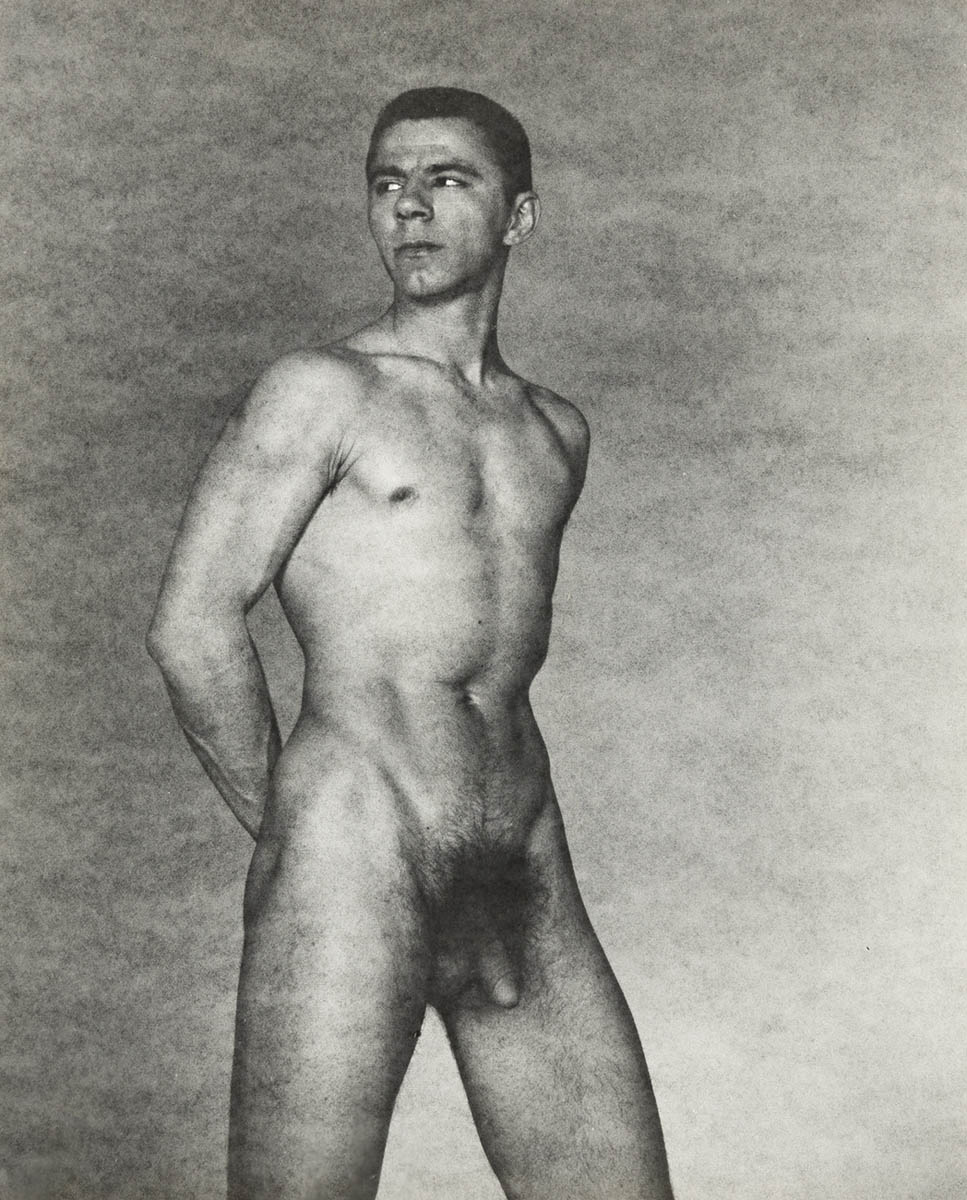
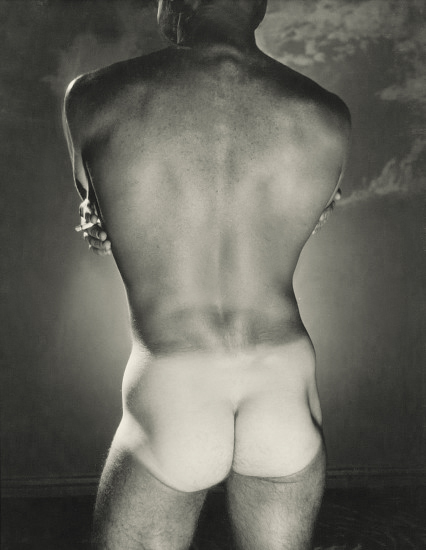
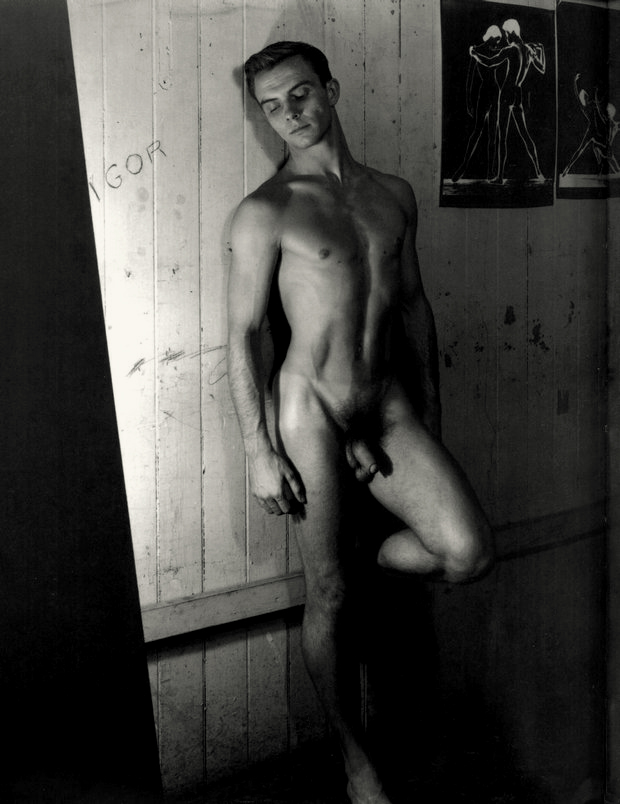
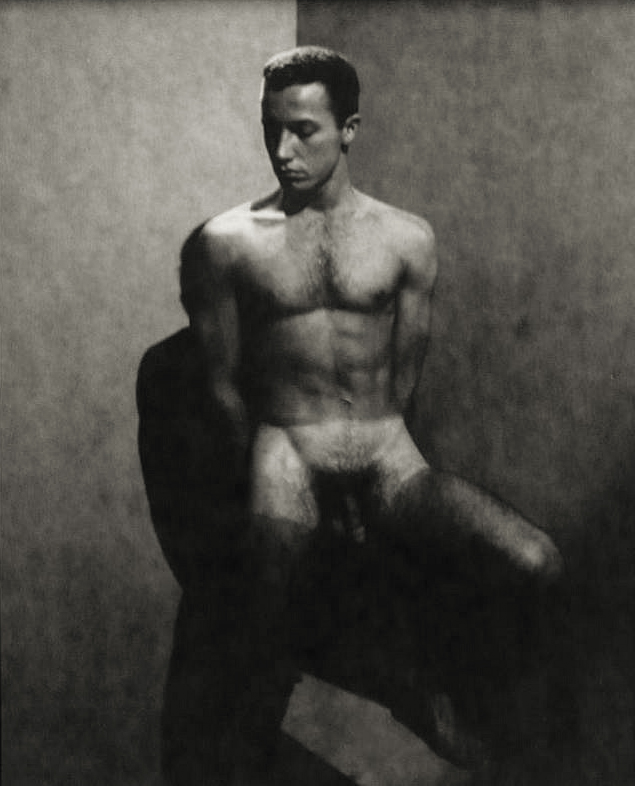
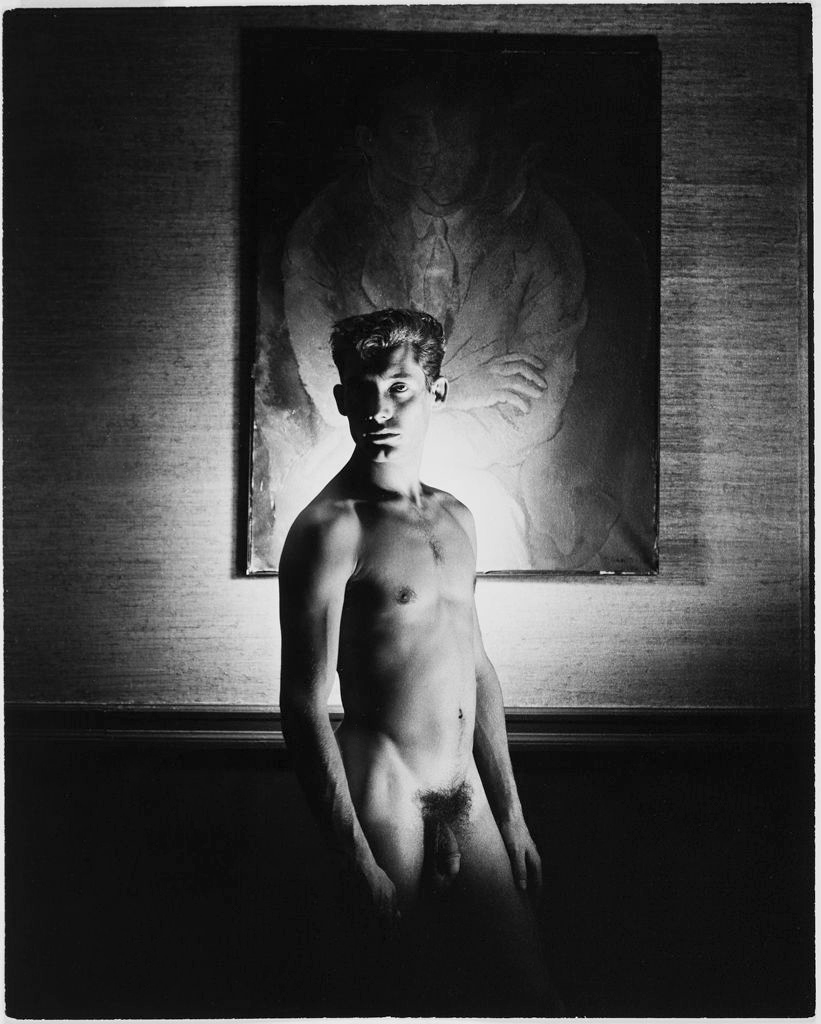
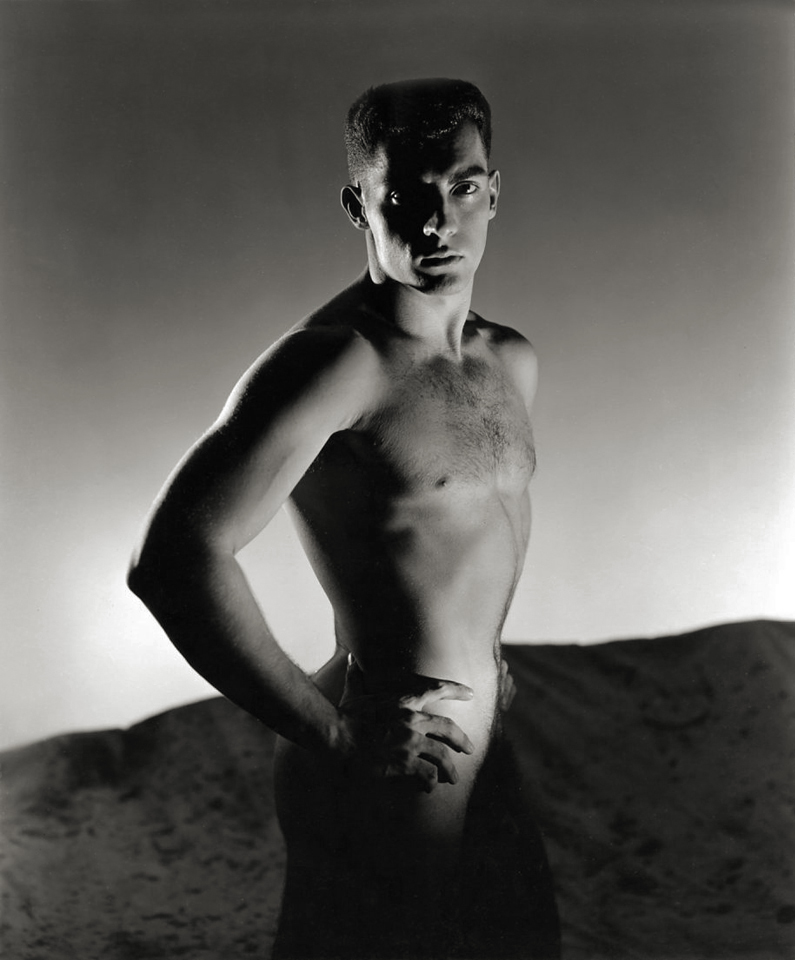
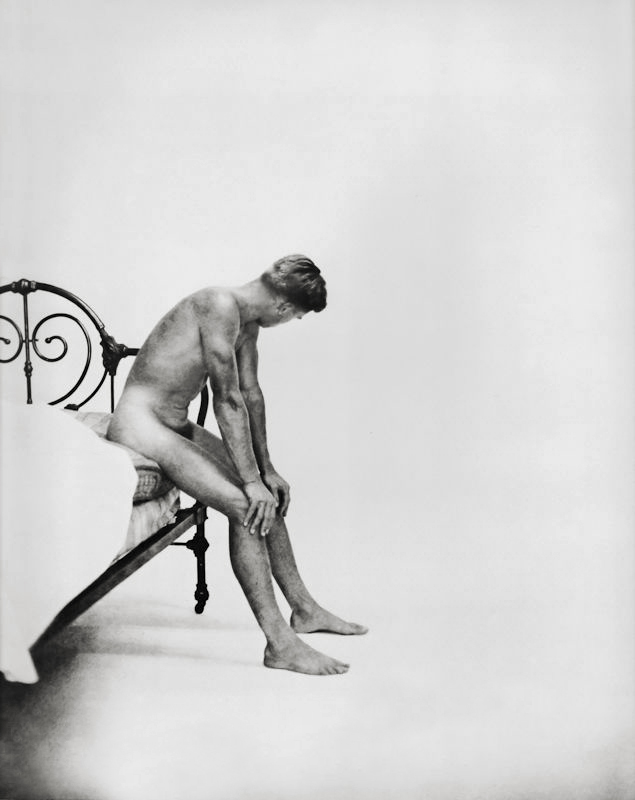
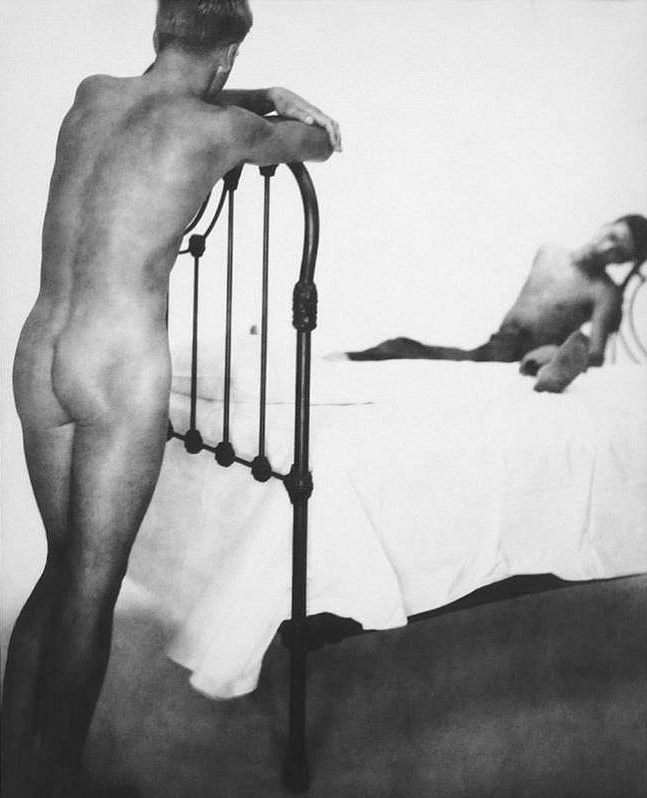
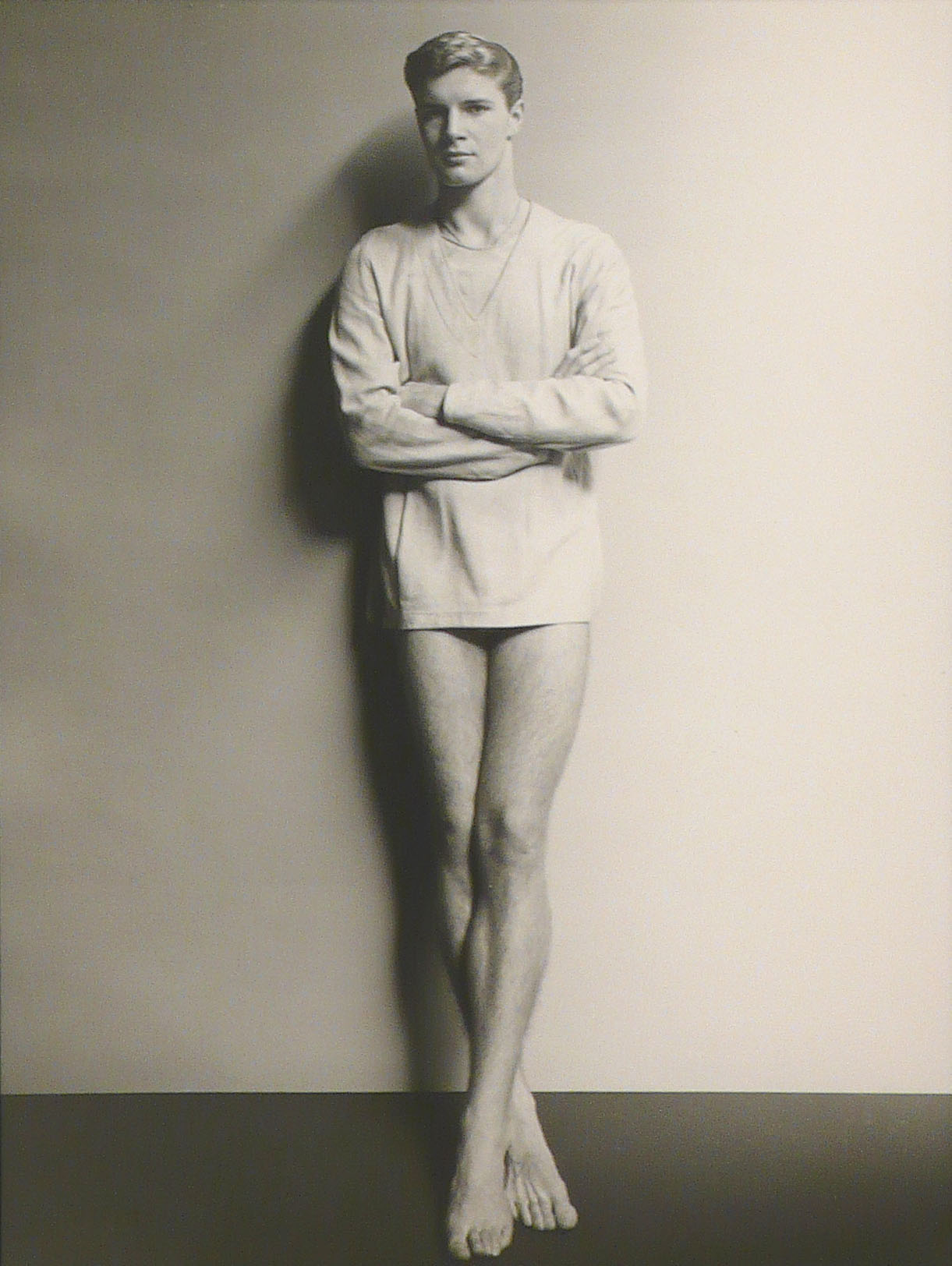
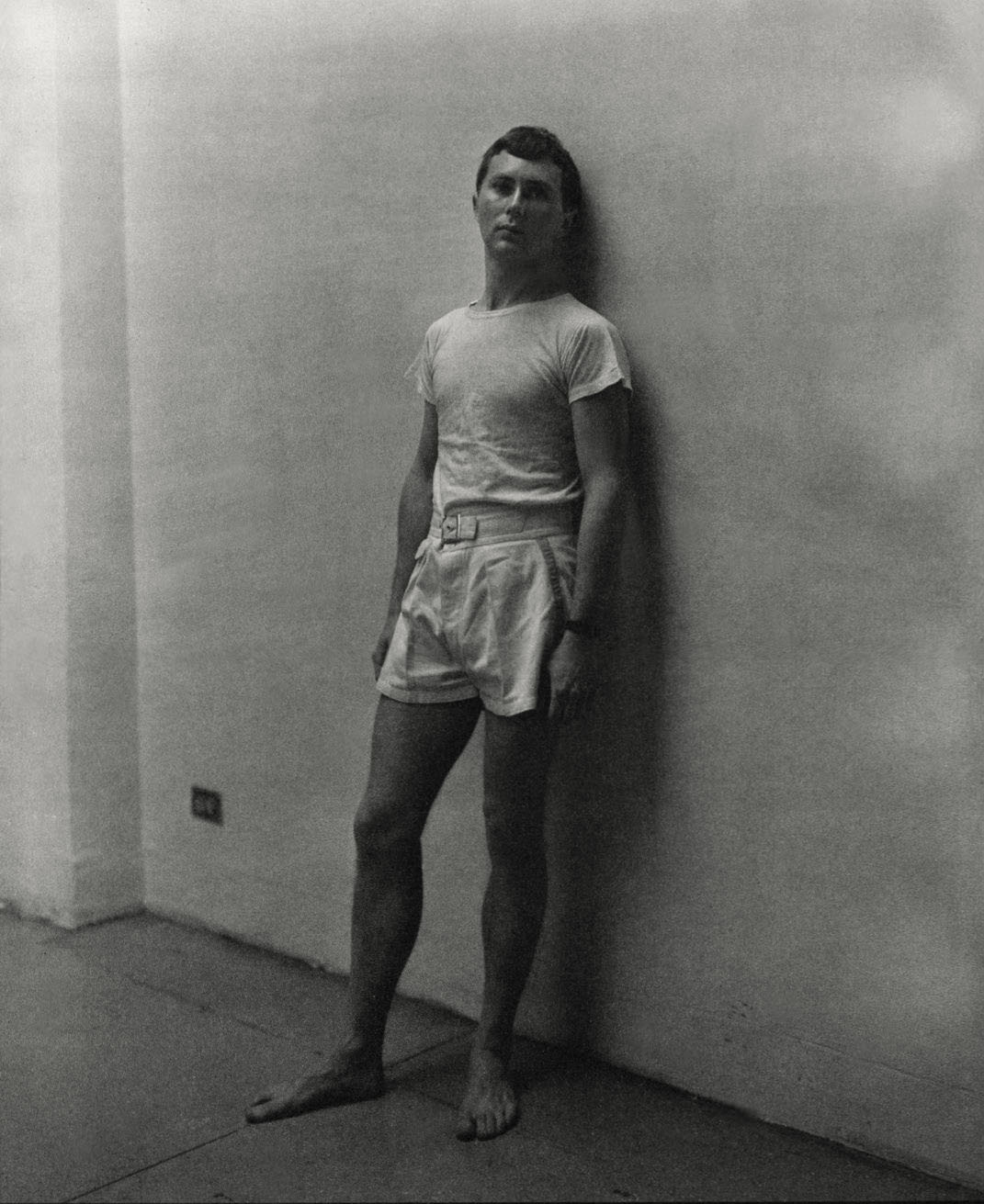
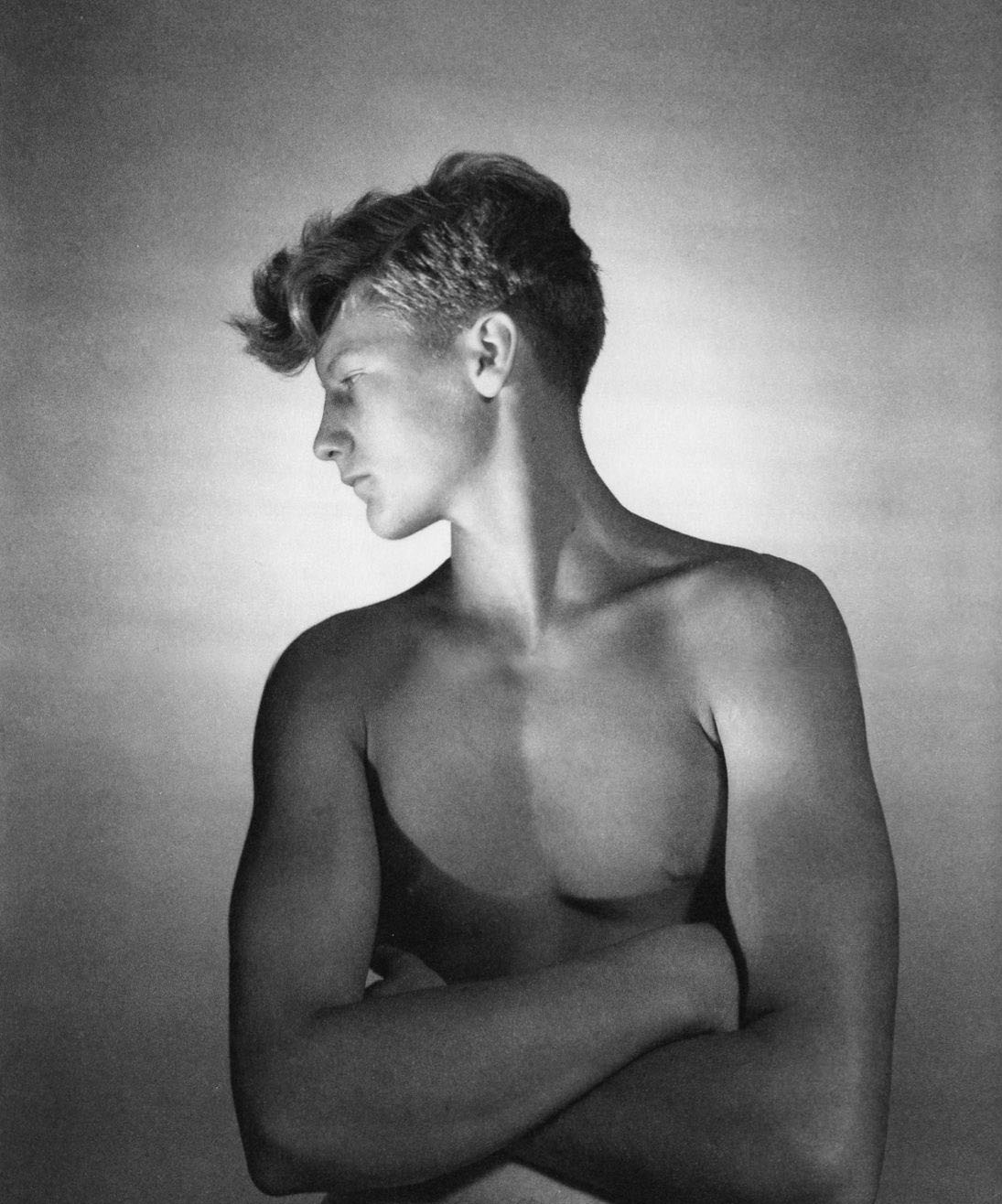
Photographs and text: George Platt Lynes and the male nude

June 2014

*PLEASE NOTE THIS POSTING CONTAINS ART PHOTOGRAPHS OF MALE NUDITY – IF YOU DO NOT LIKE PLEASE DO NOT LOOK, FAIR WARNING HAS BEEN GIVEN*


Man Ray (American, 1890-1976) 'George Platt Lynes' 1927


Man Ray (American, 1890-1976)
George Platt Lynes
1927


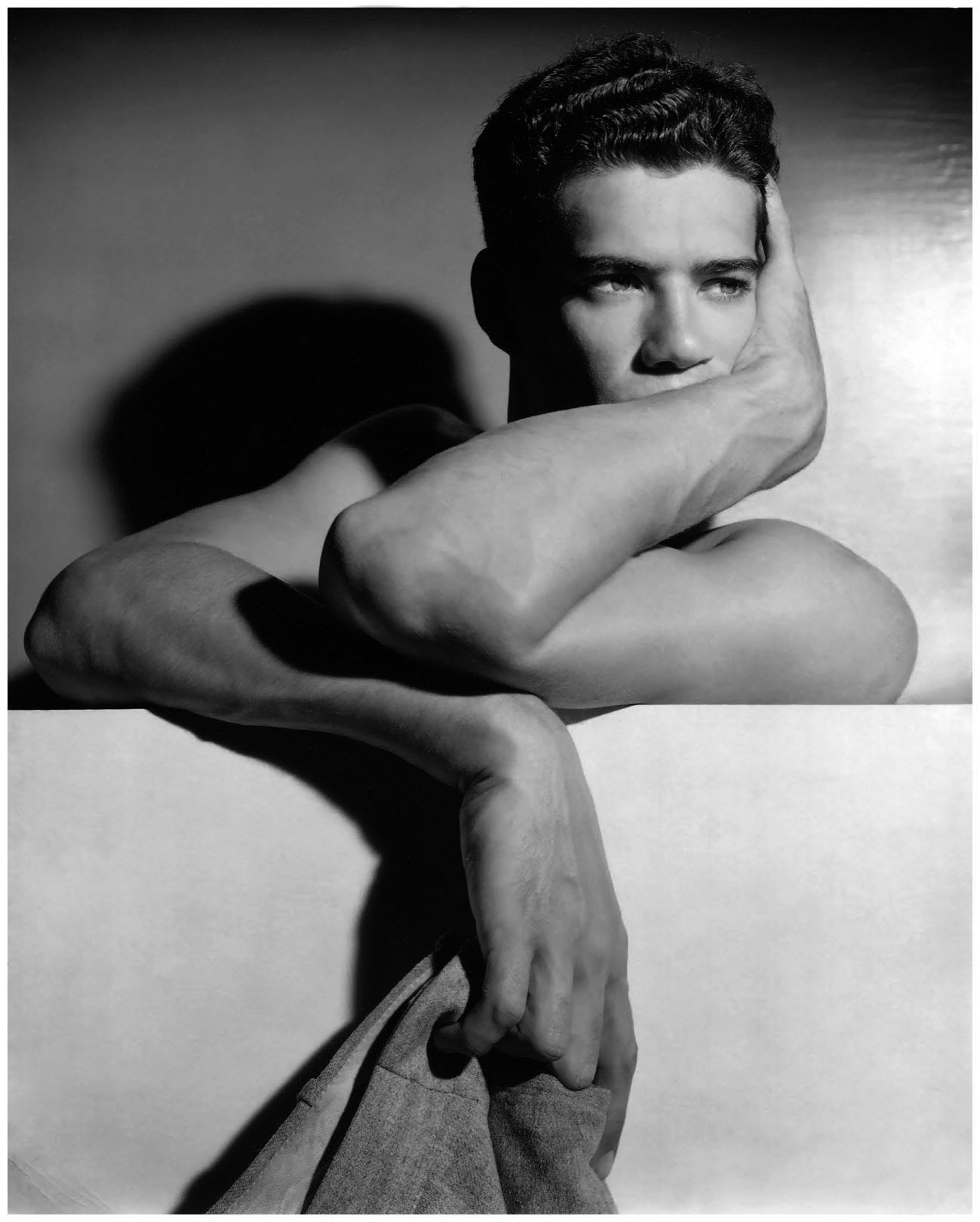
The greatest photographer of the male nude the world has ever seen – George Platt Lynes (American, April 15, 1907 – December 6, 1955).

Lynes worked as a fashion photographer in his own studio in New York (which he opened in 1932) before moving to Hollywood in 1946 where he took the post of Chief Photographer for the Vogue studios. Although an artistic success the sojourn was a financial failure and he returned to New York in 1948. Although continuing his commercial work he became disinterested in it, concentrating his energies on photographing the male nude. He began a friendship with Dr Alfred Kinsey of the Kinsey Institute in Bloomington, Indiana and helped with his sex research. Between 1949 and 1955, Lynes sold and donated much of his erotic nudes to Kinsey.1 By May 1955 he had been diagnosed terminally ill with lung cancer. He closed his studio. He destroyed much of his print and negative archives particularly his male nudes. However, it is now known that he had transferred many of these works to the Kinsey Institute. After a final trip to Europe, Lynes returned to New York City where he died.2

Since the early 1930s Lynes had photographed male nudes and distributed the images privately to his circle of friends. He was reluctant to show them in public for fear of the harm that they could do to his reputation and business with the fashion magazines, for he was a gay man “passing” in a homophobic society. Generally his earlier male nude photographs concentrate on the idealised youthful body or ephebe. As Lynes became more despondent with his career as a fashion photographer his private photographs of male nudes tend to take on a darker and sharper edge. After a period of residence in Hollywood he returned to New York nearly penniless. His style of photographing the male nude underwent a revision. While the photographs of his European colleagues still relied on the sun drenched bodies of young adolescent males evoking memories of classical beauty and the mythology of Ancient Greece the later nudes of Platt Lynes feature a mixture of youthful ephebes and heavier set bodies which appear to be more sexually knowing. The compositional style of dramatically lit photographs of muscular torsos of older, rougher men shot in close up were possibly influenced by a number of things – his time in Hollywood with its images of handsome, swash-buckling movie stars with broad chests and magnificent physiques; the images of bodybuilders by physique photographers that George Platt Lynes visited; the fact that his lover George Tichenor had been killed during WWII; and the knowledge that he was penniless and had cancer. There is, I believe, a certain sadness but much inner strength in his later photographs of the male nude that harnesses the inherent sexual power embedded within their subject matter.

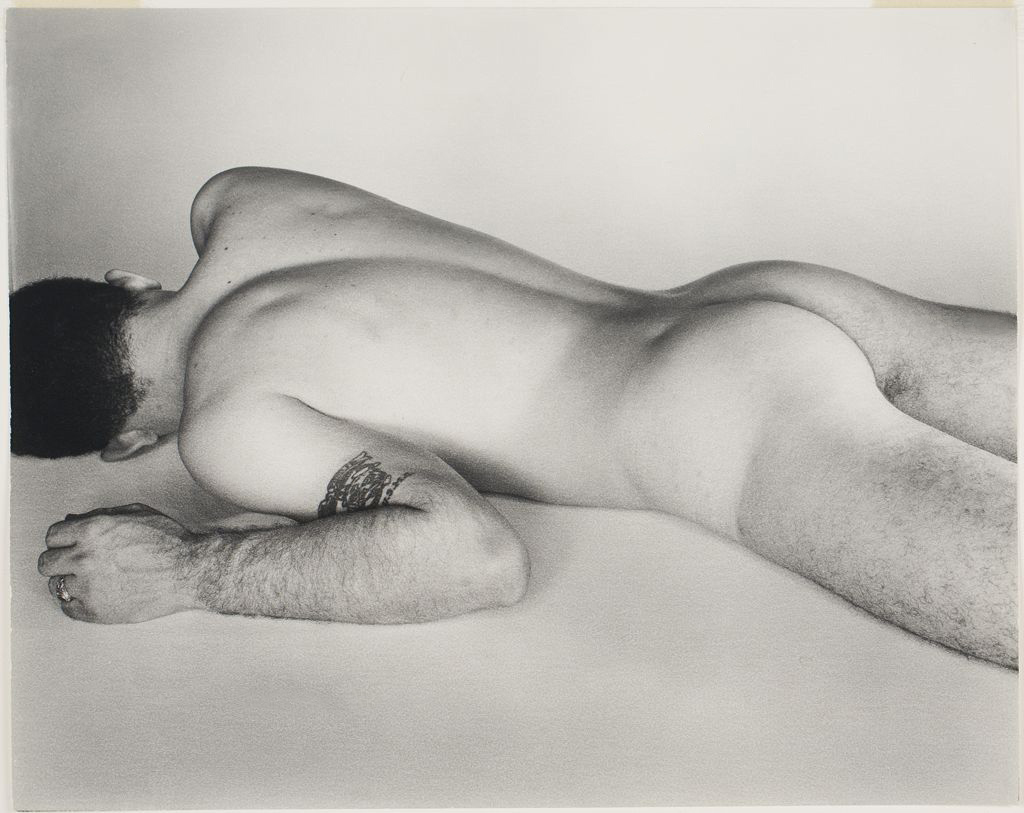
This monumentality of body and form was matched by a new openness in the representation of sexuality. There are intimate photographs of men in what seem to be post-coital revere, in unmade beds, genitalia showing or face down showing their butts off (see Untitled [Charles ‘Tex’ Smutney, Charles ‘Buddy’ Stanley, and Bradbury Ball] c. 1942, below). Some of the faces in these later photographs remain hidden, as though disclosure of identity would be detrimental for fear of persecution or prosecution. However, this photograph is quite restrained compared to the most striking series of GPL’s photographs which involves an exploration the male anal area (a photograph from the 1951 series can be found in the book titled George Platt Lynes: Photographs from The Kinsey Institute). This explicit series features other photographs of the same model – in particular one that depicts the male with his buttocks in the air pulling his arse cheeks apart. After Lynes found out he had cancer he started to send his photographs to the German homoerotic magazine Der Kries under the pseudonym Roberto Rolf, and in the last years of his life he experimented with paper negatives (see below), which made his images of the male body even more grainy and mysterious.

Further, when undertaking research into GPL’s photographs at The Kinsey Institute as part of my PhD I noted that most of the photographs had annotations in code on the back of them giving details of age, sexual proclivities of models and what they are prepared to do and where they were found. This information gives a vital social context to GPL’s nude photographs of men and positions them within the moral and ethical framework of the era in which they were made. Most of the photographs list the names of the models used but we are unable to print them due to an agreement between GPL and Dr. Kinsey as to their secrecy.

I believe that Lynes understood, intimately, the different physical body types that gay men find desirable and used them in his photographs. He visited Lon of New York (a photographer of beefcake men) in his studio and purchased photographs of bodybuilders for himself, as did the German photographer George Hoyningen-Huene. It is likely that these images of bodybuilders influenced his later compositional style of images of men; it is also possible that he detected the emergence of this iconic male body type as a potent sexual symbol, one that that was becoming more visible and sexually available to gay men.

Dr Marcus Bunyan


1/ Brown, Elspeth. “Queer Desire and Cold War Homophobia,” on the In The Darkroom blog May 2013 [Online] Cited 24/06/2014. No longer available online

2/ “He clearly was concerned that this work, which he considered his greatest achievement as a photographer, should not be dispersed or destroyed…We have to remember the time period we’re talking about – America during the post-war Red Scare… ”

Quotation from George Platt Lynes, The Male Nudes. Rizzoli International Pub, 2011 cited on “George Platt Lynes” on the Wikipedia website [Online] Cited 24/06/2014.


Many thankx to Associate Professor Elspeth H. Brown for allowing me to publish her text “Queer Desire and Cold War Homophobia”. Please click on the photographs for a larger version of the image.


“The depth and commitment he had in photographing the male nude, from the start of his career to the end, was astonishing. There was absolutely no commercial impulse involved – he couldn’t exhibit it, he couldn’t publish it.”


Allen Ellenzweig


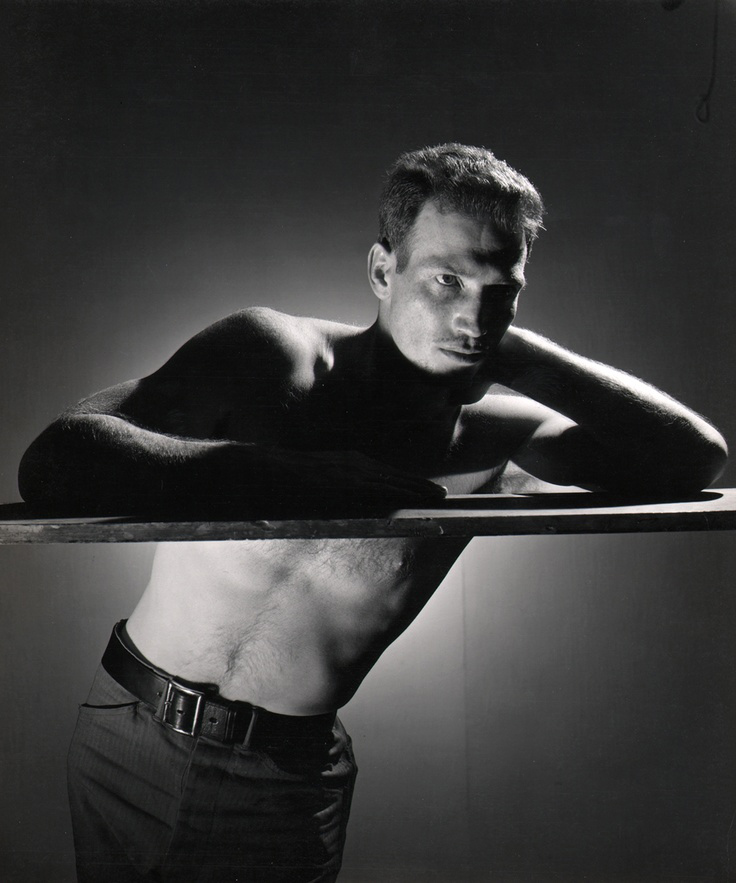
George Platt Lynes (American, April 15, 1907 - December 6, 1955) 'Untitled (male nude with tattoo)' 1950-1955


George Platt Lynes (American, April 15, 1907 – December 6, 1955)
Untitled (male nude with tattoo)
1950-1955
Silver gelatin photograph
24.5 x 19.5cm


George Platt Lynes (American, April 15, 1907 - December 6, 1955) 'Untitled' Nd [c. 1951]


George Platt Lynes (American, April 15, 1907 – December 6, 1955)
Untitled
Nd [c. 1951]
Silver gelatin photograph


George Platt Lynes (American, April 15, 1907 - December 6, 1955) 'Jack Fontan' c. 1950


George Platt Lynes (American, April 15, 1907 – December 6, 1955)
Jack Fontan
c. 1950
Silver gelatin photograph


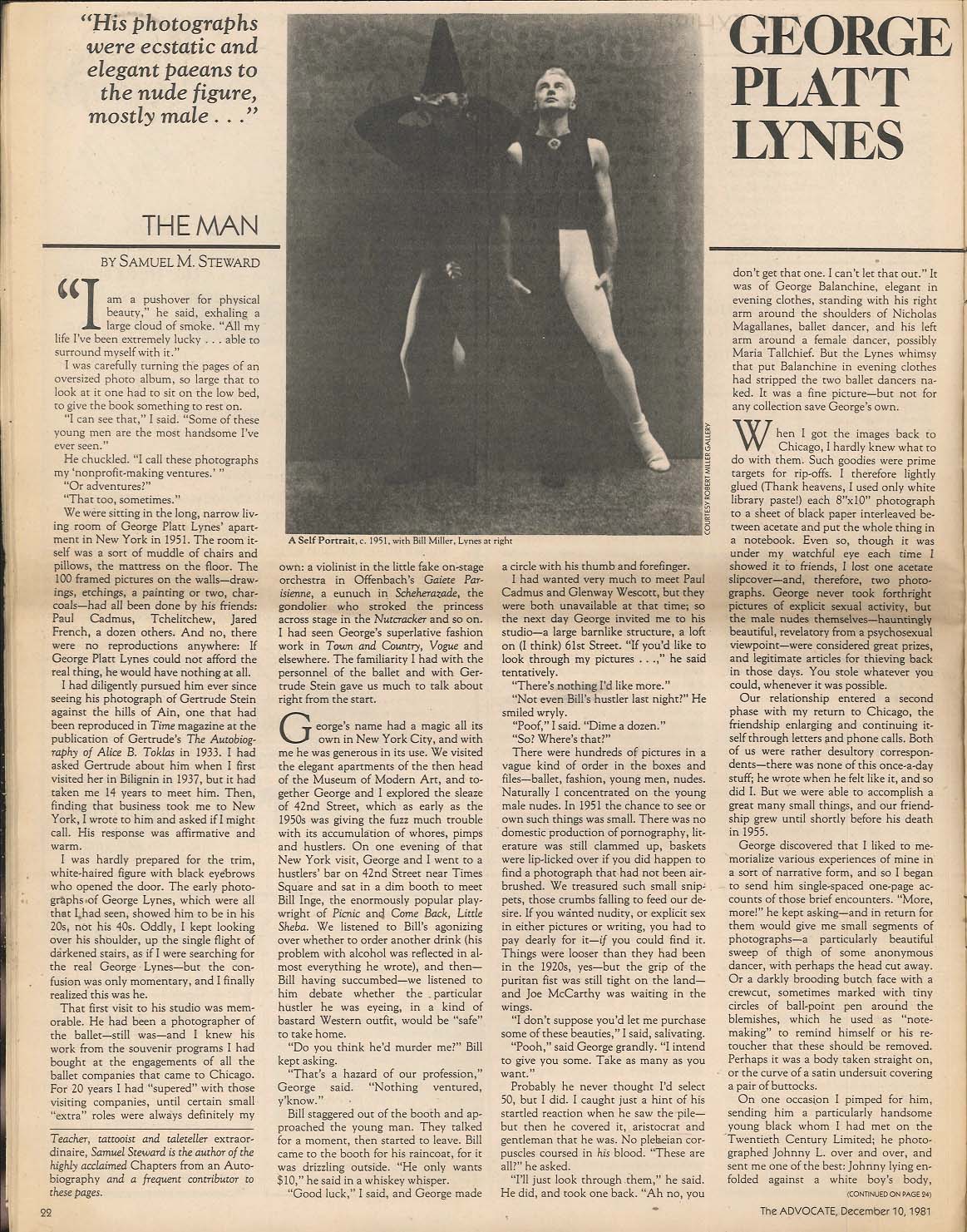
Samuel M. Steward,. "George Platt Lynes," in 'The Advocate', No. 332, December 10, 1981, p.22

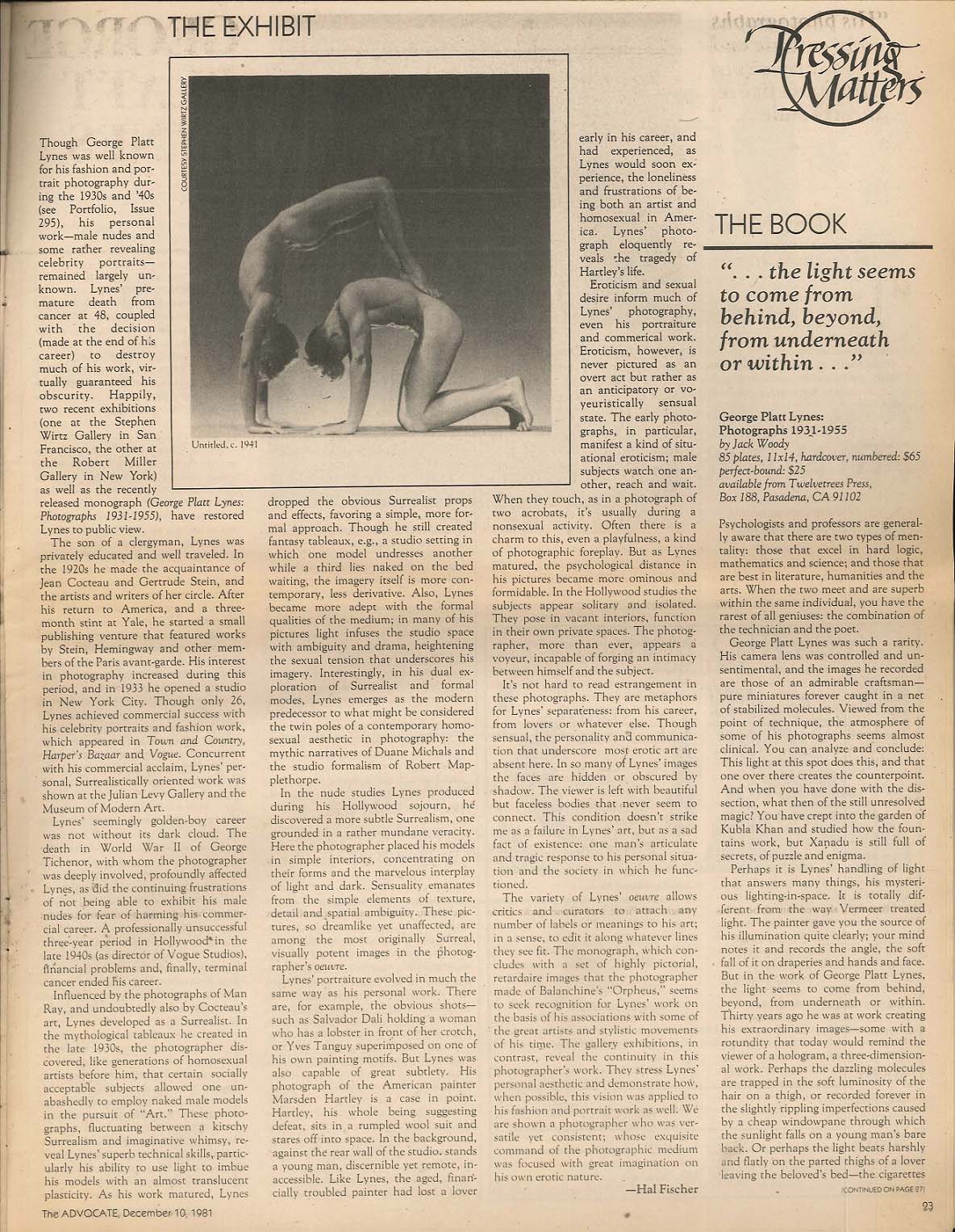
Samuel M. Steward,. "George Platt Lynes," in 'The Advocate', No. 332, December 10, 1981, p.23

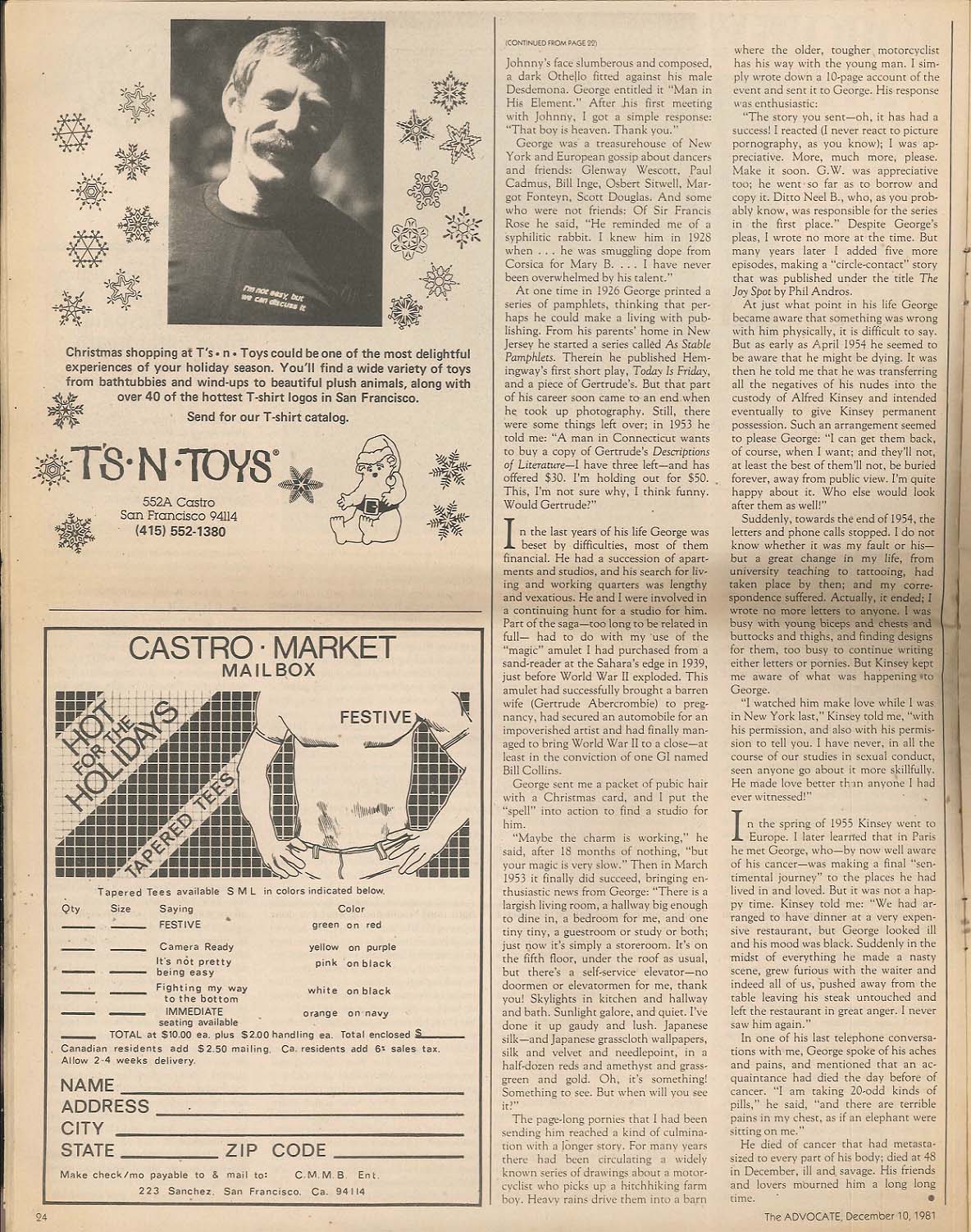
Samuel M. Steward,. "George Platt Lynes," in 'The Advocate', No. 332, December 10, 1981, p.24


Samuel M. Steward. “George Platt Lynes,” in The Advocate, No. 332, December 10, 1981, pp. 22-24


George Platt Lynes (American, April 15, 1907 - December 6, 1955) 'Untitled [Charles 'Tex' Smutney, Charles 'Buddy' Stanley, and Bradbury Ball]' c. 1942


George Platt Lynes (American, April 15, 1907 – December 6, 1955)
Untitled [Charles ‘Tex’ Smutney, Charles ‘Buddy’ Stanley, and Bradbury Ball]
c. 1942
Silver gelatin photograph


According to David Leddick the models are Charles ‘Tex’ Smutney, Charles ‘Buddy’ Stanley, and Bradbury Ball. The image comes from a series of 30 photographs of these three boys undressing and lying on a bed together. Leddick, David. Naked Men: Pioneering Male Nudes 1935-1955. New York: Universe Publishing, 1997, p. 21.


George Platt Lynes (American, April 15, 1907 - December 6, 1955) 'Ted Starkowski (standing, arms folded)' c. 1950


George Platt Lynes (American, April 15, 1907 – December 6, 1955)
Ted Starkowski (standing, arms folded)
c. 1950
Silver gelatin photograph from a paper negative


George Platt Lynes (American, April 15, 1907 - December 6, 1955) 'Ted Starkowski (standing, arms behind back)' c. 1950


George Platt Lynes (American, April 15, 1907 – December 6, 1955)
Ted Starkowski (standing, arms behind back)
c. 1950
Silver gelatin photograph from a paper negative
22.9 x 19.1cm


George Platt Lynes (American, April 15, 1907 - December 6, 1955) 'Untitled' 1952


George Platt Lynes (American, April 15, 1907 – December 6, 1955)
Untitled
1952
Silver gelatin photograph


George Platt Lynes (American, April 15, 1907 - December 6, 1955) 'Untitled (male nude study)' Nd


George Platt Lynes (American, April 15, 1907 – December 6, 1955)
Untitled (male nude study)
Nd
Silver gelatin photograph


Queer Desire and Cold War Homophobia

Associate Professor Elspeth H. Brown

This photograph [above] archives queer, illicit desire in Cold War America. It was made by George Platt Lynes, and is part of a set of male nudes that the photographer made in the decades leading to his death, from lung cancer, in 1955. Because exhibiting these photographs was a impossibility during Lynes’s lifetime due to Cold War homophobia, he circulated them privately among his queer kinship networks.

Lynes was part of a closely connected circle of elite gay men who dominated American arts and letters in the interwar and early post-war years. For 16 years, Lynes lived with the writer Glenway Wescott and museum curator Monroe Wheeler, who were a couple for over fifty years; they had a variety of other sexual partners throughout, including Lynes, who shared a bedroom with Wheeler during their years together. All three of them, as well as friends and colleagues Lincoln Kirstein, Paul Cadmus, and other leading figures, participated in sex parties in the 1940s and 1950s, as documented in their personal papers. However, in the context of 1950s-era red scares, which particularly focused on homosexuals, the more open sexual subcultures of the 1930s and 1940s were driven even further underground.

In April of 1950, Glenway Wescott wrote George Platt Lynes that while the erotic explicitness of George’s nudes didn’t personally concern him, he was worried for Monroe Wheeler, since Wheeler held a public position as a curator at the Museum of Modern Art. “I really don’t mind scabrousness, etc., on my account, as you must know,” he wrote. “Only that our poor M [Monroe] must conclude his career with good effect and honor, I am anxious not to involve him in what is now called (in the nation’s capital) ‘guilty by association’ (have you been reading the columns and columns in the newspapers upon this and correlative points?).”

Although McCarthyism is often understood as the effort to purge suspected communists from the State Department and other branches of the federal government, the Red Scare equally targeted homosexuals, who were forced out of public service and into the closet. Wescott may well have been referring to the front page of the New York Times on March 1, 1950, where Secretary of State Dean Acheson testified about the Alger Hiss trial and the loyalty program at the State Department. Although the article purportedly concerned communism, it shows that the red scare mainly affected homosexuals, as Wescott clearly understood. Senator Bridges asked John E. Peurifoy, Deputy Under-Secretary of State in charge of the security program, how many members of the State Department had resigned since the investigations began in 1947. “Ninety-one persons in the shady category,” Mr. Peurifoy replied, “most of these were homosexuals.” This was not necessarily newsworthy in and of itself, so far as the New York Times was concerned in 1950, and the remainder of the article detailed the testimony relating to other aspects of the hearings.

Lynes continued to make and circulate his portraits, despite this climate of homophobia. He was very concerned that the work find an audience, and published it in several issues of the German homosexual journal Der Kreis in the 1950s. He also became an important informant for Alfred Kinsey’s research, as did Glenway Wescott and other members of their circle. Between 1949 and 1955, Lynes sold and donated much of his erotic nudes to Kinsey, where they are now part of the Kinsey Institute collections in Bloomington, Indiana.

© Elspeth H. Brown 2013
Associate Professor of History
University of Toronto

Reproduced with permission of the author.

Elspeth H. Brown website


George Platt Lynes (American, April 15, 1907 - December 6, 1955) 'Untitled' 1951


George Platt Lynes (American, April 15, 1907 – December 6, 1955)
Untitled
1951
Silver gelatin photograph


George Platt Lynes (American, April 15, 1907 - December 6, 1955) 'Untitled (Charles Romans in the artist's apartment)' 1953


George Platt Lynes (American, April 15, 1907 – December 6, 1955)
Untitled (Charles Romans in the artist’s apartment)
1953
Silver gelatin photograph
19.5 x 24.5cm


George Platt Lynes (American, April 15, 1907 - December 6, 1955) 'Don Cerulli' 1952


George Platt Lynes (American, April 15, 1907 – December 6, 1955)
Don Cerulli
1952
Silver gelatin photograph


George Platt Lynes (American, April 15, 1907 - December 6, 1955) 'Male nude study' 1951


George Platt Lynes (American, April 15, 1907 – December 6, 1955)
Male nude study
1951
Silver gelatin photograph


George Platt Lynes (American, April 15, 1907 - December 6, 1955) 'Untitled' 1951


George Platt Lynes (American, April 15, 1907 – December 6, 1955)
Untitled
1951
Silver gelatin photograph
22.9 x 19.1cm


George Platt Lynes (American, April 15, 1907 - December 6, 1955) 'Untitled' 1936


George Platt Lynes (American, April 15, 1907 – December 6, 1955)
Untitled
1936
Silver gelatin photograph


George Platt Lynes (American, April 15, 1907 - December 6, 1955) 'George Tooker' 1945


George Platt Lynes (American, April 15, 1907 – December 6, 1955)
George Tooker
1945
Silver gelatin photograph


George Platt Lynes (American, April 15, 1907 - December 6, 1955) 'Tex Smutney' 1943


George Platt Lynes (American, April 15, 1907 – December 6, 1955)
Tex Smutney
1943
Silver gelatin photograph


Chronology by Jack Woody

1907-1924 Born April 15, 1907, East Orange, New Jersey. Raised in comfortable circumstances and privately educated. Schoolmate Lincoln Kirstein described the young Lynes as “precocious,” crediting him with a subsequent introduction to George Balanchine.

1925 Makes first trip to Europe. Meets lifetime companions Glenway Wescott and Monroe Wheeler. Befriends Gertrude Stein, Pavel Tchelitchew and Jean Cocteau during his stay. Returns to New York City, works at Brentano’s Bookstore for a short time.

1926 Publishes the As Stable Pamphlets in his parents’ house, Englewood, New Jersey. Includes Gertrude Stein’s DESCRIPTIONS OF LITERATURE and Ernest Hemingway’s first published play TODAY IS FRIDAY with cover designs by Pavel Tchelitchew and Jean Codeau. Enters Yale University in Autumn, leaves in December.

1927 Opens Park Place Book Shop in Englewood. The gift of a view camera encourages Lynes to make a career of photography.

1928-1930 During 1928 Lynes exhibits his celebrity portraits at Park Place Book Shop to launch a portrait business in the shop. Continues travelling to Europe, teaching himself by trial-and-error a technical understanding of the medium.

1931 Introduced to Julien Levy. Together they experiment with photographing surrealistic still-lifes. Levy arranges to include Lynes in Surrealism exhibition at Wadsworth Atheneum, Hartford, Connecticut. Visits and photographs Gertrude Stein at Bilignin.

1932 First important exhibition at the Julien Levy Gallery in tandem with Walker Evans. The death of his father forces Lynes to take up photography as a means of economic support.

1933 Opens first New York City studio on East 50th Street. Continued public showings of his work and interest in his celebrity portraits attracts a large clientele of New York socialites and their families.

1934 Begins publishing his fashion and portrait work in such magazines as Town and Country, Harpers’ Bazaar and Vogue magazines.

1935 Invited by Lincoln Kirstein and George Balanchine to document the repertoire and principal dancers in their fledgling American Ballet (now New York City Ballet), a collaboration that will continue until Lynes’ death in 1955.

1936 Surrealistic composition The Sleepwalker included in New York Museum of Modern Art’s exhibition, Fantastic Art, Dada and Surrealism. Lynes undertakes an extensive project to photographically interpret mythological situations.

1937-1940 Continues involvement with mythology series. Successful commercial career now headquartered in a large studio at 604 Madison Avenue. Commercial fashion accounts include Hattie Carnegie, Henri Bendel, Saks Fifth Avenue and Bergdorf Goodman.

1941-1945 Photographs airfield activities for First Air Force’s publicity and documentation. Begins to lose interest in commercial work, a process accelerated by the death of George Tichenor in 1942. Disillusioned with New York and his private life Lynes closes his studio and leaves for Los Angeles to head Vogue Magazine‘s Hollywood studio.

1946-1947 Lynes begins to photograph in his rented Hollywood Hills home, experimenting with effects achieved with minimal amounts of available light. Photographs Christopher Isherwood, Igor Stravinsky, Thomas Mann and Aldous Huxley.

1948-1950 Friends sponsor the financially troubled Lynes’ return to New York where he is uninterested in and unable to repeat his earlier commercial successes. Economics force Lynes to experiment with cheaper photographic tools. He is particularly interested in the paper negative. Meets sex researcher Alfred Kinsey; impressed with Lynes’ work, Kinsey arranges to purchase hundreds of photographs for his Bloomington, Indiana institute.

1951-1954 Publishes his male nudes in homoerotic magazine Der Kries using the pseudonyms Roberto Rolf and Robert Orville. Declares bankruptcy. Lives in a succession of apartments and studios as illness becomes apparent.

1955 In May diagnosed terminally ill with cancer. Last portrait sitting is June 16 with Monroe Wheeler. Closes studio and undergoes radium and drug therapy. Lynes begins to destroy large portions of his negative and print archives. In the Autumn he leaves for Europe, returning to New York in November to be hospitalised. At night Lynes leaves the hospital to attend the theatre and ballet. He dies on December sixth, forty-eight years old.


George Platt Lynes (American, April 15, 1907 - December 6, 1955) 'Mel Fillini' 1950


George Platt Lynes (American, April 15, 1907 – December 6, 1955)
Mel Fillini
1950
Silver gelatin photograph


George Platt Lynes (American, April 15, 1907 - December 6, 1955) 'Robert McVoy' c. 1941


George Platt Lynes (American, April 15, 1907 – December 6, 1955)
Robert McVoy
c. 1941
Silver gelatin photograph


LIKE ART BLART ON FACEBOOK

Back to top

Exhibition preview: ‘Out of the closets, into the streets: gay liberation photography 1971-73’ at Edmund Pearce Gallery, Melbourne

Exhibition dates: Tuesday 22nd July – Saturday 26th July, 2014

Opening: Tuesday 22nd July 6-8pm
Nite Art: Wednesday 23rd July until 11pm
Artists represented: Philip Potter, John Storey, John Englart, Barbara Creed, Ponch Hawkes, Rennie Ellis

Curated by Dr Marcus Bunyan and Nicholas Henderson


Rennie Ellis (Australian, 1940-2003 'Confrontation, Gay Pride Week Picnic, Botanical Gardens 1973' 1973, printed later


Rennie Ellis (Australian, 1940-2003)
Confrontation, Gay Pride Week Picnic, Botanical Gardens 1973
1973, printed 2014
Silver gelatin photograph
© Rennie Ellis


Five days, that’s all you’ve got! Just five days to see this fabulous exhibition, so make a note of it now in your diaries…

The exhibition Out of the closets, into the streets: gay liberation photography 1971-73 pictures the very beginning of the gay liberation movement in Australia through the work of Philip Potter, John Storey, John Englart, Barbara Creed, Ponch Hawkes and Rennie Ellis. The exhibition examines for the first time images from the period as works of art as much as social documents. The title of the exhibition is a slogan from the period.

As gay people found their voice in the early 1970s artists, often at the very beginning of their careers, were there to capture meetings in lounge rooms, consciousness raising groups and street protests. The liberation movement meant ‘being there’, putting your body on the line. “It was a key feature of the new left that this embodied politics couldn’t stop in the streets: that is, the public arena as conventionally understood. ‘Being there’ politically also applied to households, classrooms, sexual relations, workplaces and the natural environment.”1

Curated by Dr Marcus Bunyan and Nicholas Henderson and with a catalogue essay by Professor Dennis Altman, the show is a stimulating experience for those who want to be inspired by the history and art of the early gay liberation movement in Australia.

The exhibition coincides with AIDS 2014: 20th International AIDS Conference (20-25 July 2014) and Nite Art which occurs on the Wednesday night (23rd July 2014). The exhibition will travel to Sydney to coincide with the 14th Australia’s Homosexual Histories Conference in November at a venue yet to be confirmed.

Dr Marcus Bunyan


1/ Connell, Raewyn. “Ours is in colour: the new left of the 1960s,” in Carolyn D’Cruz and Mark Pendleton (eds.,). After Homosexual: The Legacies of Gay Liberation. Perth: UWA Publishing, 2013, p. 43.

Many thankx to all the artists for allowing me to publish the photographs in the posting. Please click on the photographs for a larger version of the image.


Phillip Potter (Australian) 'Queens' 1971


Phillip Potter (Australian)
Queens
1971, printed 2014
Digital C type print on Kodak Endura Matte
© Phillip Potter


From a series of photographs of the very first gay rights demonstration which attracts 70 people outside NSW Liberal Party headquarters in support of the pre-selection of Tom Hughes against a right wing challenge following his support for homosexual law reform.


Unknown artist. 'Cricket is homosexual' Melbourne, c. 1971 - 1973


Unknown artist
Cricket is homosexual!
Melbourne, c. 1971-1973, printed 2014
Giclee print on Hahnemuhle william turner 310gsm
© Australian Lesbian and Gay Archives


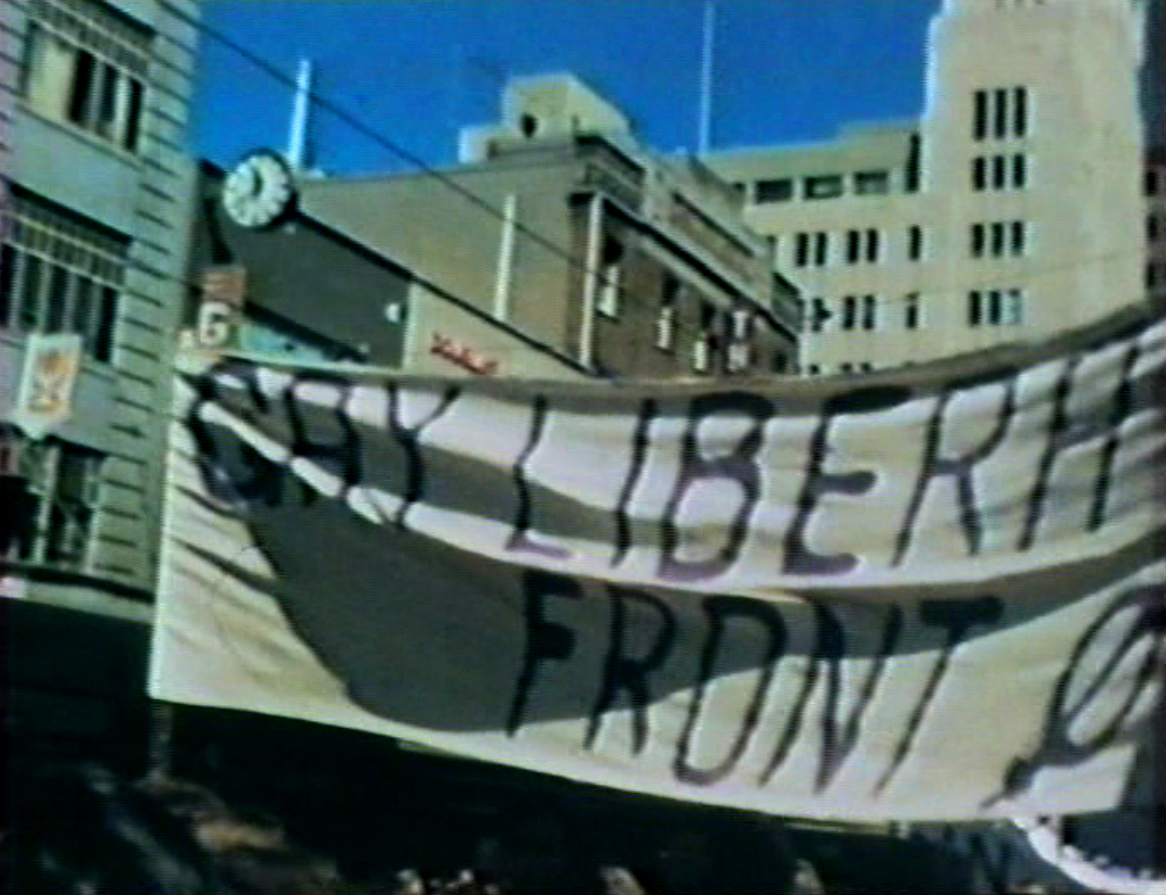
Barbara Creed (Australian, b. 1943) 'Stills from a Super 8mm film of a Women’s Liberation march' Melbourne, 1973


Barbara Creed (Australian, b. 1943)
Stills from a Super 8mm film of a Women’s Liberation march
Melbourne, 1973, printed 2014
Still from a Super 8mm film
Digital C type print on Kodak Endura Matte
© Barbara Creed


Still from a super 8mm movie of a Women’s Liberation march, Melbourne, 1973.


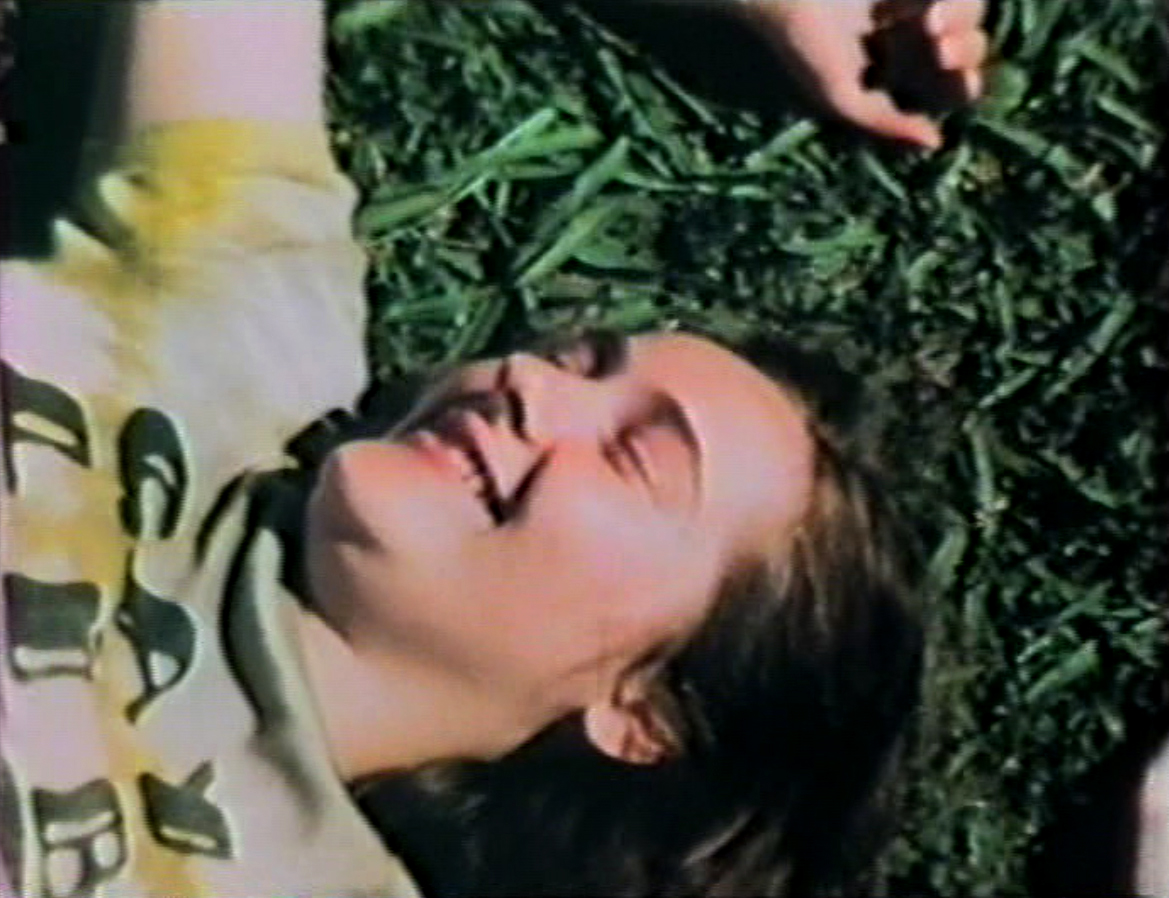
Barbara Creed (Australian, b. 1943) 'Stills from a Super 8mm film of a Women’s Liberation march' Melbourne, 1973


Barbara Creed (Australian, b. 1943)
Stills from a Super 8mm film of a Women’s Liberation march
Melbourne, 1973, printed 2014
Still from a Super 8mm film
Digital C type print on Kodak Endura Matte
© Barbara Creed


Still from a super 8mm movie of a Women’s Liberation march, Melbourne, 1973.


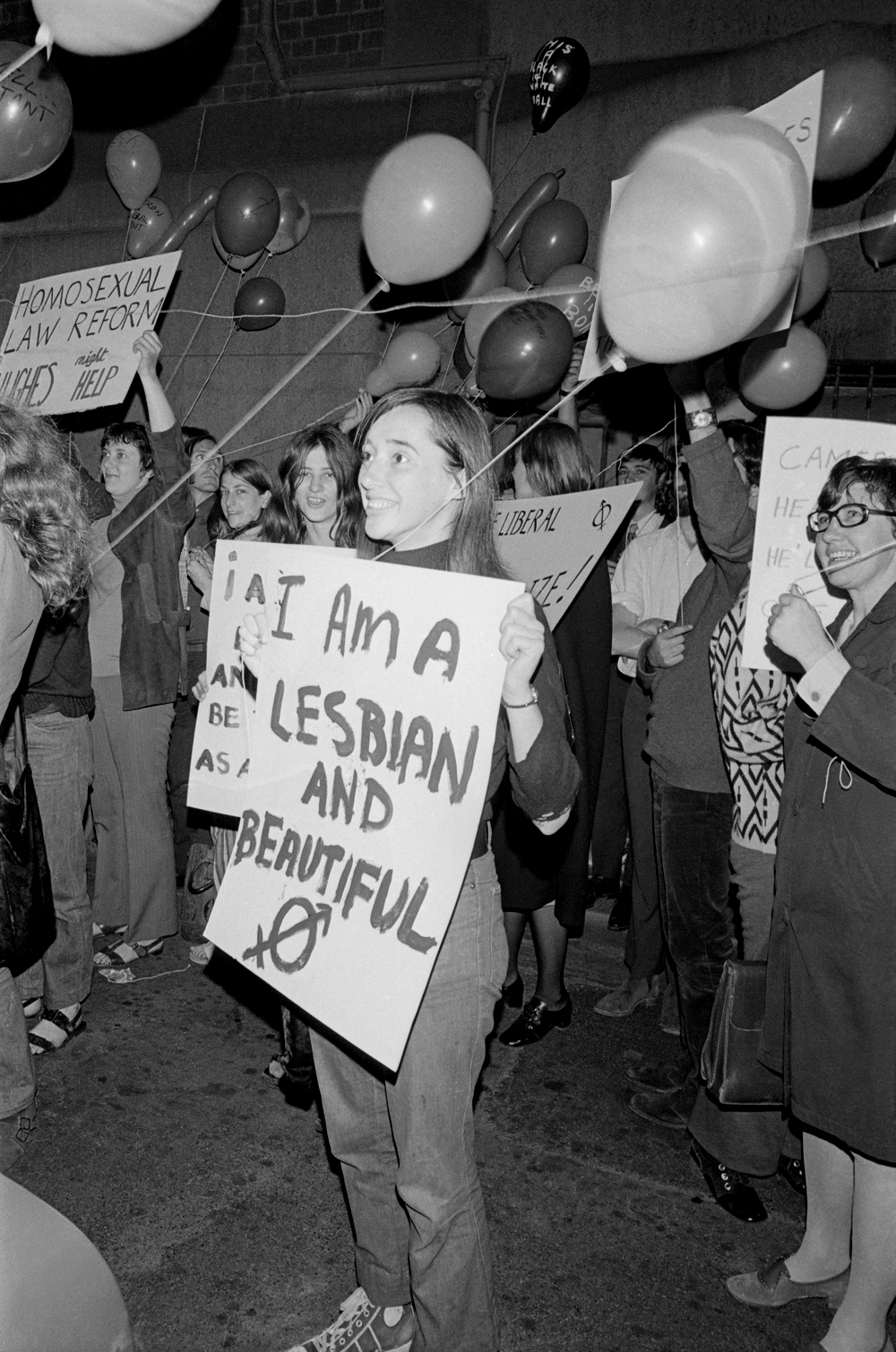
John Storey (Australian, 1950-2019) 'I am a Lesbian and Beautiful' 1971, printed 2014


John Storey (Australian, 1950-2019)
I am a Lesbian and Beautiful
1971, printed 2014
Digital C type print on Kodak Endura Matte
© John Storey


From a series of photographs of the very first gay rights demonstration which attracts 70 people outside NSW Liberal Party headquarters in support of the pre-selection of Tom Hughes against a right wing challenge following his support for homosexual law reform.


Phillip Potter (Australian) 'Policeman reading 'Camp Ink' magazine' 1971


Phillip Potter (Australian)
Policeman reading ‘Camp Ink’ magazine
1971, printed 2014
Digital C type print on Kodak Endura Matte
© Phillip Potter


From a series of photographs of the very first gay rights demonstration which attracts 70 people outside NSW Liberal Party headquarters in support of the pre-selection of Tom Hughes against a right wing challenge following his support for homosexual law reform.


Sponsored by

CPL Digital logo

For photographic services in Australia, Art Blart highly recommends CPL Digital (03) 8376 8376 cpldigital.com.au

Art Blart logo

Dr Marcus Bunyan and the best cultural archive in Australia sponsor this event artblart.com

ALGA logo

AQUA actively collects and preserves lesbian and gay material from across Australia
queerarchives.org.au

Supported by

Rennie Ellis logo

Rennie Ellis is an award winning photographer and writer (03) 9525 3862 www.rennieellis.com.au


AIDS 2014: 20th International AIDS Conference
20 July – 25 July 2014
Melbourne, Australia

Edmund Pearce Gallery

This gallery has now closed.

LIKE ART BLART ON FACEBOOK

Back to top

Review / Text: ‘Edward Steichen & Art Deco Fashion’ at the National Gallery of Victoria, Melbourne

Exhibition dates: 18th October 2013 – 2nd March 2014


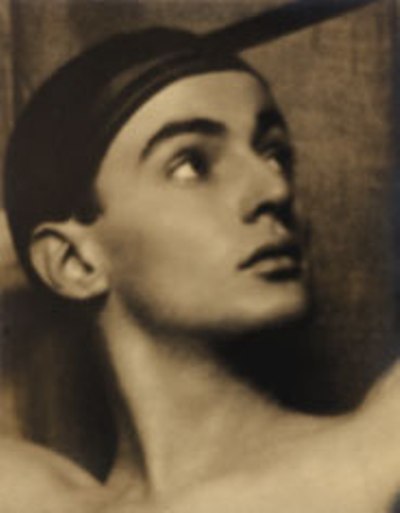
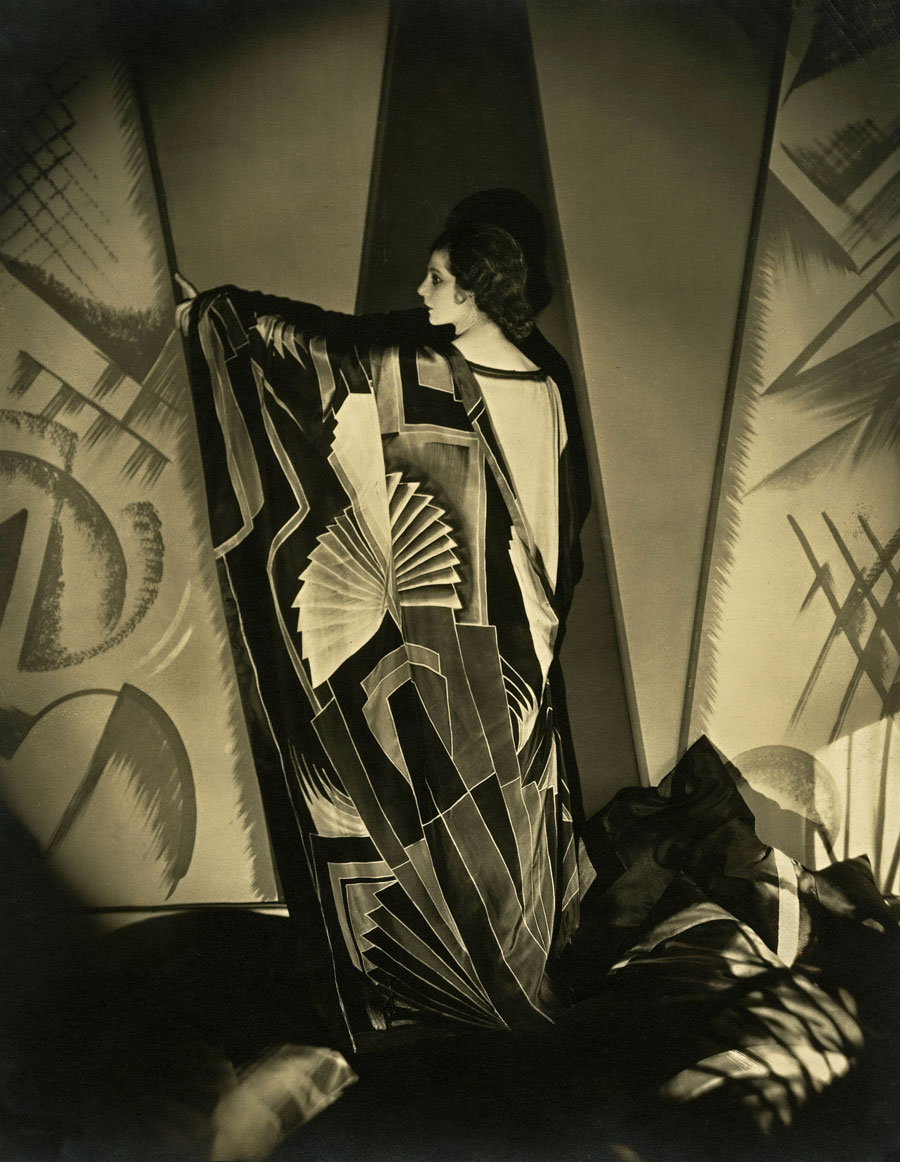
Edward Steichen (American, 1879-1973) 'Model Dinarzade in a Dress by Poiret' 1924


Edward Steichen (American, 1879-1973)
Model Dinarzade in a Dress by Poiret
1924
Gelatin silver photograph

Image used under fair use for the purpose of art criticism


This is a sublime exhibition, teaming with fabulous frocks and beautiful, classical, evanescent photographs. The exhibition was in my top nine magnificent Melbourne exhibitions that featured on Art Blart last year. Elegant, sophisticated and oozing quality, this exhibition has been a sure fire winner for the NGV. This review will concentrate on the photographs by Edward Steichen. See my previous posting on the exhibition including installation photographs.

High Society

Edward Steichen (1879-1973) was a painter and champion of art photography who initially worked in the soft focus, Pictorialist style prevalent at the beginning of the 20th century. He was an artist who worked closely with Alfred Stieglitz on the influential quarterly art journal Camera Work, designing the cover and the Art Nouveau-style typeface especially for the internationally focused publication. Stieglitz, and by extension Camera Work, lived to promote photography as an art form and to challenge the norms of how art may be defined.1 In the early years Camera Work only published photography, but in later years the journal increasingly featured reproductions of and articles on modern painting, drawing and aesthetics.

“This change was brought about by a similar transformation at Stieglitz’s New York gallery, which had been known as the Little Galleries of the Photo-Secession until 1908. That year he changed the name of the gallery to “291”, and he began showing avant-garde modern artists such as Auguste Rodin and Henri Matisse along with photographers. The positive responses he received at the gallery encouraged Stieglitz to broaden the scope of Camera Work as well, although he decided against any name change for the journal.”2

Steichen was heavily associated with Gallery 291 (291 Fifth Avenue, New York City) which ran from 1905 to 1917. The gallery exhibited European artists such as Braque, Picasso, Matisse, Brancussi, Cézanne and Rodin and soon to be famous American artists such as John MarinMax WeberArthur DoveMarsden Hartley and Georgia O’Keeffe. Virtually no other gallery in the United States was showing modern art works with such abstract and dynamic content at this time.3 Both the gallery and the journal ran hand in hand; both closed in 1917. The journal closed due to a downturn in interest in Pictorial photography, a lack of subscribers, cultural changes and the economic effects of the First World War, which saw both the costs and even the availability of the paper on which it was printed become challenging.4 In the penultimate issue 48 (October 1916) Stieglitz,

” …introduced the work of a young photographer, Paul Strand, whose photographic vision was indicative of the aesthetic changes now at the heart of Camera Work’s demise. Strand shunned the soft focus and symbolic content of the Pictorialists and instead strived to create a new vision that found beauty in the clear lines and forms of ordinary objects. By publishing Strand’s work Stieglitz was hastening the end of the aesthetic vision he had championed for so long. Nine months later, in June 1917, what was to be the final issue of Camera Work appeared. It was devoted almost entirely to Strand’s photographs.”5


Edward Steichen felt the change in the air. When he accepted the job as chief photographer for Condé Nast publications in 1923 his early fashion photographs for Vogue and Vanity Fair were seen as innovative and ground breaking, even as his former art colleagues saw shooting fashion and celebrities was a way of selling-out. Steichen bought to fashion and portrait photography an aesthetic of clear lines and forms that simply had not been present before, coupled with a Pictorialist sensibility for light and the use of low depth of field. John McDonald in his excellent review of the exhibition observes, “Steichen has claims to having invented fashion photography with a series of pictures he took in Paris in 1911, for couturier, Paul Poiret; but the genre had found its first true professional in Baron Adolphe de Meyer, who left Vogue for Harper’s Bazaar, opening the door for Steichen’s appointment. De Meyer was an incurable mannerist who remained true to the Pictorialist aesthetic, but his successor would prove himself an innovator.”6

Steichen’s photographs from 1923-1924 are pared back, Modernist photographs that evidence the beginning of his later photographic style. Madame Nadine Vera wearing a crêpe evening gown by Chanel (1924) has a plain background of some wooden studio panels; Model Dinarzade in a Dress by Poiret (1924, above) has fabric hanging behind while Crêpe de chine dress by Lanvin (1924) has three doors casually put together to form the backdrop to the model. All three photographs show beautiful tonality and lighting in the full length capture of the models with hints of browns and yellows in the prints. The figure is isolated in the studio space simply and elegantly. The model is being studied. Steichen’s models are immersed in suffused light but the form of the photograph is different from that of Pictorialism, for the models themselves are pin sharp, as though stepping out into the world. These early photographs are fascinating to study, for they lay the ground work for what is to follow. These three images inform the viewer as to the experimentation that Steichen was undertaking to get to a starting point for the complex and atmospheric studio lighting that he would later employ.

Gradually, Steichen’s images become more confident and assured and take on a patina of beauty, style and grace. In his close-up portraits there is an isolation of the face against out of focus backgrounds with the use of profiles, arms and elbows as framing devices, for example Actress Sylvia Sidney (1929) and Actress Clara Bow (1928, above). In his longer-length portraits there is an isolation of figures against a white or black ground, as in Marion Morehouse in a dress by Louise Boulanger (1929) and Actresses Norma and Constance Talmadge (1927). Males usually have a heavy darkness to them while the females are more luminously lit. In the male portraits the hands dominate. The hands in the male photographs belong to the male as part of the portrait whereas in the early photographs of women they are only models, there at his command, and the hands are almost invisible. Only in the later photographs of high society women are the hands of females fully represented. What can be observed is that the figure is usually isolated against an out of focus background, with deep, dark shadows and soft luxurious light, low depth of field and feminine profiles.

In commercial terms (and we must remember that this is how the artist made his living for these photographs were seen as his commercial work at the time), Steichen’s photographs fulfilled his brief: the portrayal of shimmer and sparkle, geometric Art Deco style, the drama and theatrical lighting of the talkies, and the spectacle of the liberated modern women. She in turn was influenced by the prevalent cultural conditions: smoking, jazz, prohibition, automobiles, trains, dancing, fast living, gold (King Tuts tomb was discovered in 1922) and African and Japanese art. Appealing to the new leisure classes, publications such as Vogue and Vanity Fair offered a glimpse of a longed for paradise to the burgeoning middle-classes with their photographs of the rich and famous, the glamour and the costumes – the social groups that hold the most power actually exposing their own status on paper through these magazines.

As John McDonald notes, “Steichen uses every trick at his disposal to convey a particular kind of image,”7 an image that uses increasingly elaborate studio lighting and disparate indoor and outdoor locations. But by the early 1930s the work becomes quite formulaic with its use of low depth of field, profiles, angles of arms or chairs and geometric shapes. The figure is tightly controlled – either cropped close in or set amongst ambiguously filled sets and shaped backgrounds. There is a sameness and repetitiveness about the work as one image bleeds into another. In fact, after that early period of experimentation, there is basically no change to his mature style from the years 1925-1937 and this makes for a long twelve years for an artist of his talent. He found his mother load and he stuck to it.

Steichen’s photographs of the rich and famous are “pictures” taken by one who mingled with the elite, one who enjoyed the trappings of fame and high society. As Robert Nelson notes in his review of the exhibition, “Steichen’s talents were never incompatible with the conspicuous snobbery of his age, for which it would never have occurred to him to proffer an apology. Having arrived himself, he naturally admires gentry-by-ambition and crowns it with the smugness that it enjoys.”8 Ouch! Nelson goes on to observe, “Much of the work is statuesque and formidable in its composition, lighting and symbolic rigour,” while at the same time portraying a world that is completely artificial in which nothing is real and everything is a pose.9 And we, the viewer and reader, are voyeurs of this hedonistic world.

On close reading, the photographs flatten out into a studied set of stylistic manoeuvres, a form where style stands in for a quality of visual perception.10 As Steichen seeks to “clinch the image” the syntax of his photographs (the system of organisation used in putting lines together to form pictures) becomes imitative. This leads to evanescent photographs, images that soon pass out of sight, memory, or existence; images that slip for the mind as quickly as one sees them. There is little sense of dislocation in the images, only “in his ability to distance himself from a subject, analysing his or her foibles with a cool, practiced eye,”11 and in the distance of the scene from the reality of everyday life. Each photograph becomes a microcosm of vanity, celebrity and fashion. Steichen ticks all the boxes (and he made all the boxes that he ticked) but the photographs usually don’t fulfil any new demands that the situation generates. He restricts his field of view to one that he creates and controls within certain narrowly defined boundaries, usually using passive people who are at his command. In his orientation to the world the photographs are not ‘things as they are’ but things as they are constructed to be (seen) – a form of social capital, social fascism, even.12

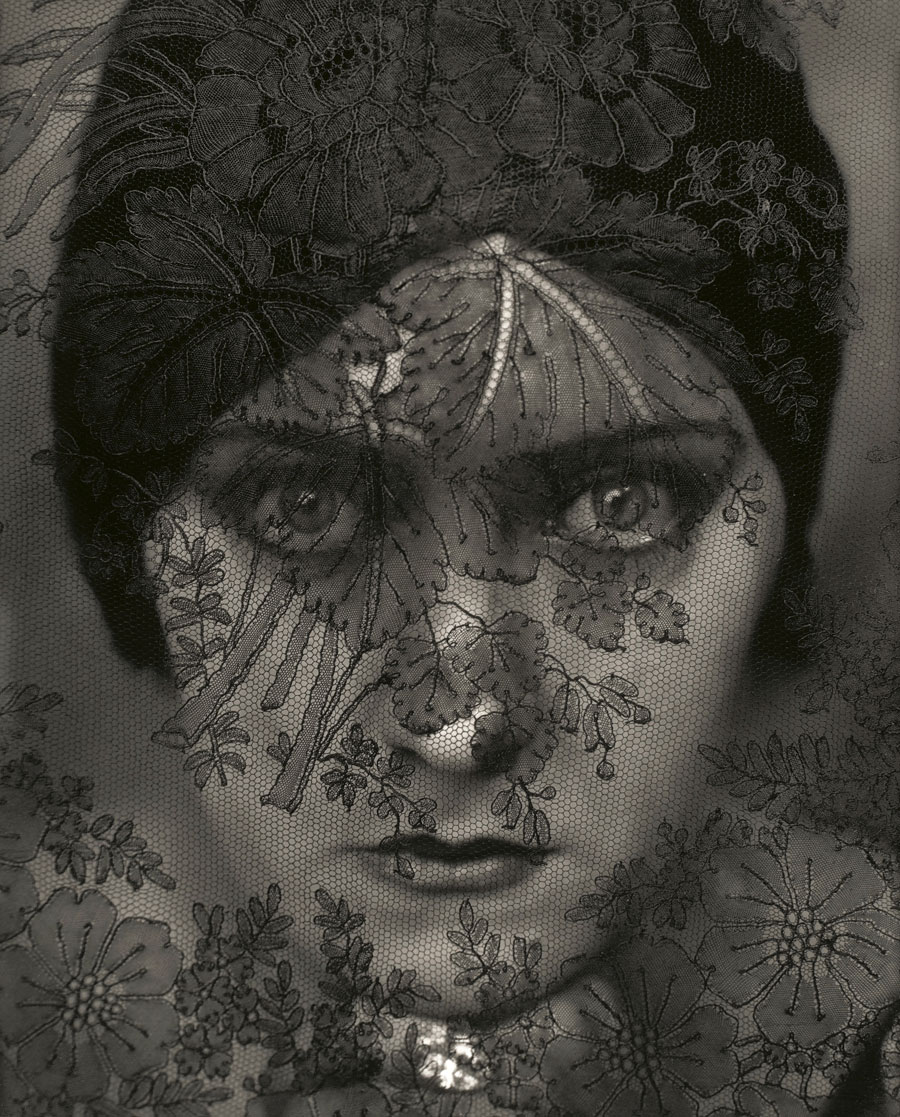
Only when Steichen is challenged by an active “personality” does he raise his game. This is when the modernist, emotive, visually rhapsodic AND MEMORABLE photographs take hold in this exhibition. The great breakthrough with Greta Garbo (1929, below), mass of black with face surmounting, hair pulled back by hands “the woman came out full beauty on her magnificent face” Steichen said; Actress Gloria Swanson (1924, below) like some prowling, wide-eyed animal hidden behind a black lace veil, “a predatory femme fatale concealing her ambitions behind a mask of beauty”13; Marlene Dietrich (1934, below) nestled into the glorious curve of an armchair, lace-covered hand open, inviting; and Actress Loretta Young (1931) active, not passive, in which Steichen humanises his sitter. For me, these are the glorious images – not the men, not the fashion photographs, but these strong, independent women.

“An interested image-maker takes available resources for meaning (visual grammars, fabrication techniques and focal points of attention), undertakes an act of designing (the process of image-making), and in so doing re-images the world in a way that it has never quite been seen before.”14 Initially, in the early experimentation, this is what Steichen did; he achieves it again in the photographs of Garbo, Swanson, Dietrich and Young. As for the other photographs we feel an overall suffused glow of beauty and glamour – we admire their scale and intensity, the deep blacks and velvety whites, and wonder at the light and assemblage of elements – but they do not have the power and engagement of the best, most challenging work. In these photographs of vibrant women the viewer finally starts to feel the spirit of the face, the spirit of the person captured in an instant. And that is a rare and beautiful thing.

Dr Marcus Bunyan

Word count: 1,883


Footnotes

1/ Whelan, Richard. Alfred Stieglitz: A Biography. NY: Little, Brown, 1995, pp. 189-223
2/ Anon. “Camera Work,” on Wikipedia website [Online] Cited 15/02/2014
3/ Anon. “291,” on Wikipedia website [Online] Cited 15/02/2014
4/ “Camera Work,” op. cit.,
5/ Hoffman, Katherine. Stieglitz : A Beginning Light. New Haven: Yale University Press Studio, 2004,  pp. 213–222 cited in “Camera Work,” op. cit.,
6/ McDonald, John. “Edward Steichen & Art Deco Fashion” on John McDonald website February 1, 2014 [Online] Cited 15/02/2014
7/ Ibid.,
8/ Nelson, Robert. “An age of elegance captured forever,” in The Age newspaper Wednesday November 6th, 2013, p. 54
9/ Ibid.,
10/ Rewording of a sentence by Sleigh, Tom. “Too Much of the Air: Tomas Tranströmer,” 2005, on the Poets.org website [Online] Cited 15/02/2014. No longer available online
11/ McDonald, op. cit.,
12/ “In sociology, social capital is the expected collective or economic benefits derived from the preferential treatment and cooperation between individuals and groups. Although different social sciences emphasise different aspects of social capital, they tend to share the core idea “that social networks have value”.”
Anon. “Social capital,” on Wikipedia website [Online] Cited 15/02/2014
“Social fascism was a theory supported by the Communist International (Comintern) during the early 1930s, which held that social democracy was a variant of fascism because, in addition to a shared corporatist economic model, it stood in the way of a complete and final transition to communism.”
Anon. “Social fascism,” on Wikipedia website [Online] Cited 15/02/2014
13/ McDonald, op. cit.,
14/ Anon. “The Image of Transformation: Properties of Consequence,” on The Image website [Online] Cited 15/02/2014. No longer available online


Many thankx to the National Gallery of Victoria for allowing me to publish the photographs in the posting. Please click on the photographs for a larger version of the image.


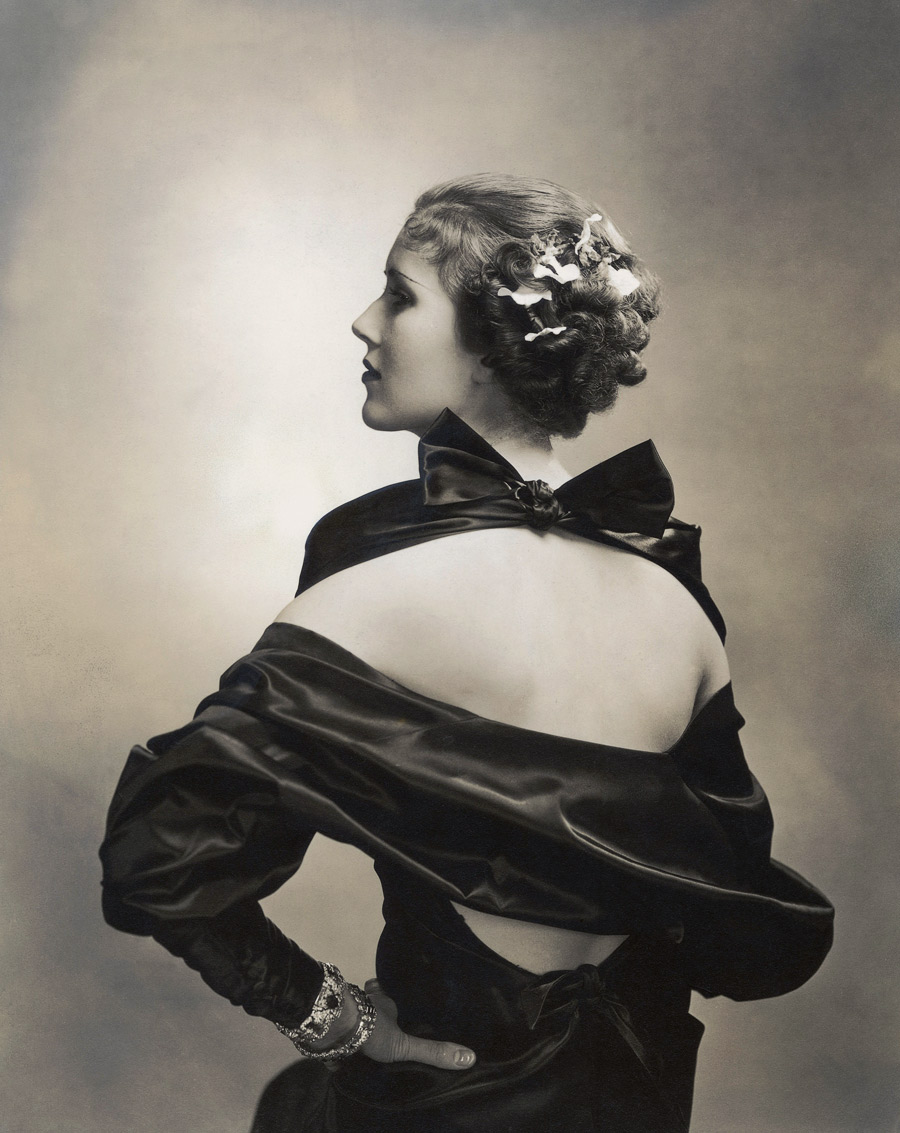
Edward Steichen (American, 1879-1973) 'Actress Clara Bow for Vanity Fair' 1928


Edward Steichen (American, 1879-1973)
Actress Clara Bow for Vanity Fair
1928
Vintage silver gelatin print
Block Museum, Gift of the Hollander Family in Honor of Morton and Mimi Schapiro
Steichen / Condé Nast Archive; © Condé Nast

Image used under fair use for the purpose of art criticism
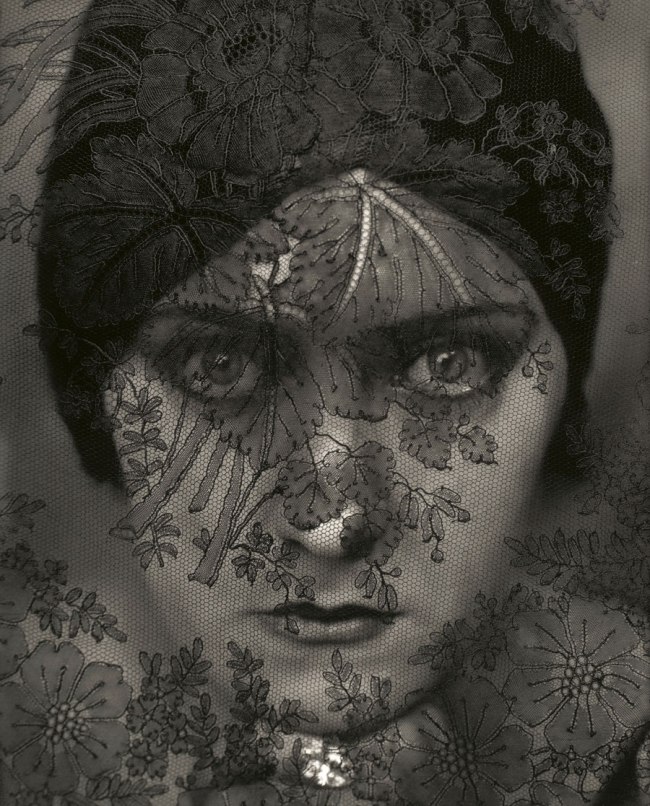
 

Edward Steichen (American 1879-1973, emigrated to United States 1881, worked in France 1906-23) Actress 'Gloria Swanson' 1924


Edward Steichen (American 1879-1973, emigrated to United States 1881, worked in France 1906-1923)
Actress Gloria Swanson
1924
Gelatin silver photograph
Courtesy Condé Nast Archive
© 1924 Condé Nast Publications


Steichen’s portrait of Gloria Swanson has taken on iconic masterpiece status overtime. Created in 1924, just as the first feature-length sound movies were emerging – effectively truncating the actress’s brilliant silent-film career – this image caught the essential Gloria Swanson: haunting and inscrutable, forever veiled in the whisper of a distant era. Steichen’s photograph has elements of turn-of-the-century Pictorialism (moody and delicate, the subject seeming to peer from the darkness, as if from jungle foliage), yet it also projects modernist boldness, with its pin-sharp precision and graphic severity.

Anonymous. “Gloria Swanson by Edward Steichen,” on the Iconic Photos website October 5th, 2009 [Online] Cited 11/02/2021
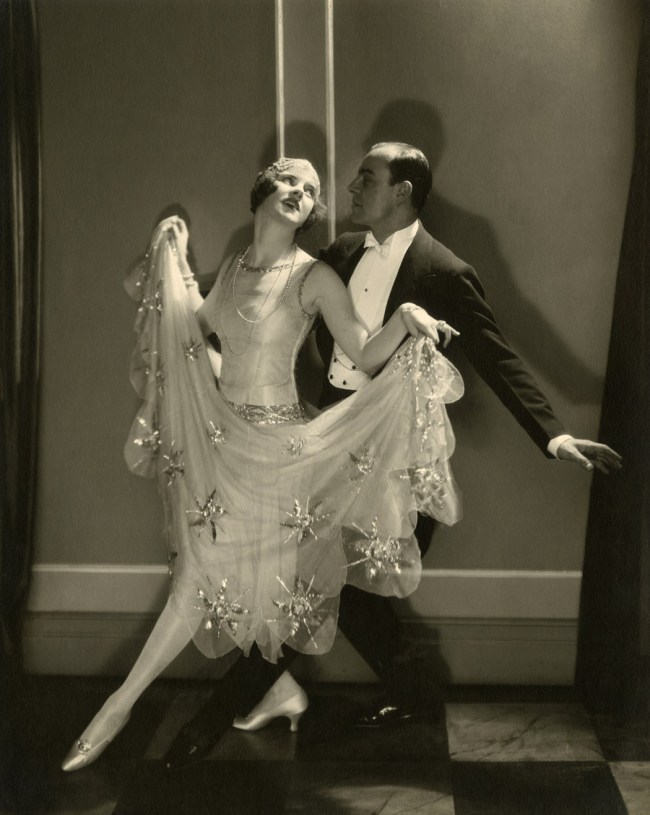
 

Edward Steichen (American 1879-1973, emigrated to United States 1881, worked in France 1906-23) 'Dancers Leonore Hughes and Maurice Mouvet' 1924


Edward Steichen (American 1879-1973, emigrated to United States 1881, worked in France 1906-1923)
Dancers Leonore Hughes and Maurice Mouvet
1924
Gelatin silver photograph
Courtesy Condé Nast Archive
© 1924 Condé Nast Publications


Maurice Mouvet was one of the most famous and successful dance teams around the early 1910’s and lead the way for many performers that would follow… Maurice was born in New York but as a young lad moved to Paris with his father and knew he wanted to be a dancer as a young boy. He had his first professional dance at the Noveau Cirque in Paris, France at age 15. Mouvet’s best partners were Florence Walton and Leonora (Leona) Hughes.
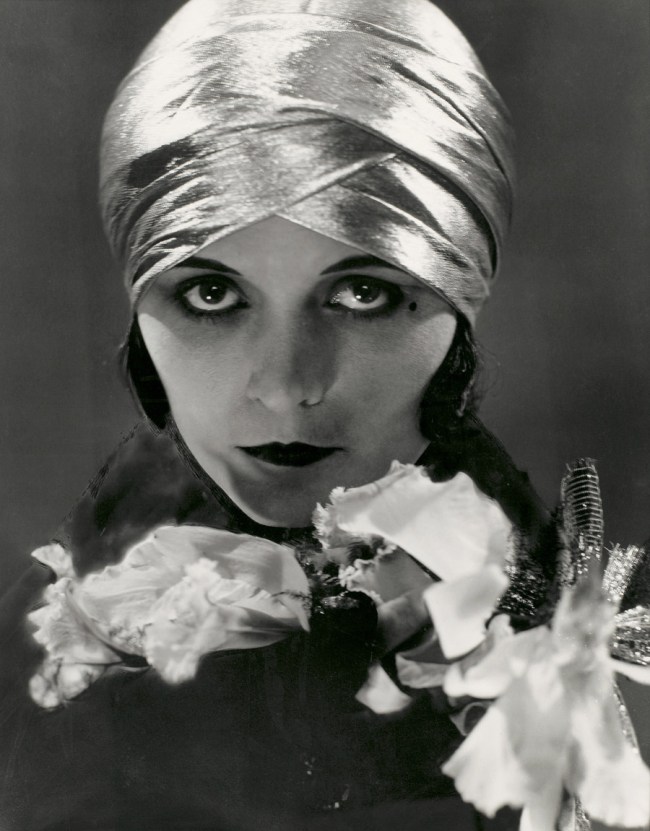
 

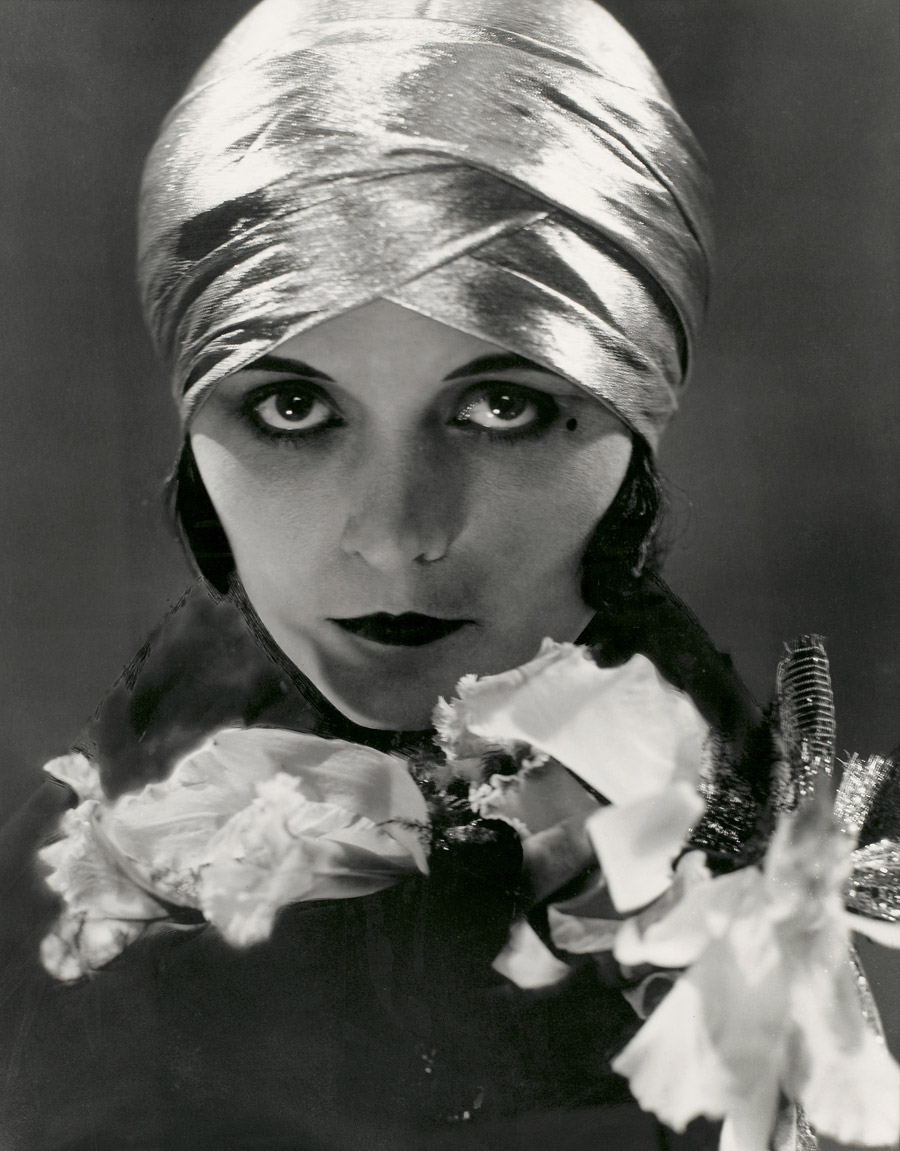
Edward Steichen (American 1879-1973, emigrated to United States 1881, worked in France 1906-23) 'Actress Paula Negri' 1925


Edward Steichen (American 1879-1973, emigrated to United States 1881, worked in France 1906-1923)
Actress Paula Negri
1925
Gelatin silver photograph
Courtesy Condé Nast Archive
© 1924 Condé Nast Publications


Pola Negri (née Apolonia Chałupiec, January 3, 1897 – 1 August 1987) was a Polish stage and film actress who achieved worldwide fame during the silent and golden eras of Hollywood and European film for her tragedienne and femme fatale roles. She was the first European film star to be invited to Hollywood, and become one of the most popular actresses in American silent film. She also started several important women’s fashion trends that are still staples of the women’s fashion industry. Her varied career included work as an actress in theatre and vaudeville; as a singer and recording artist; as an author; and as a ballerina.

Text from the Wikipedia website
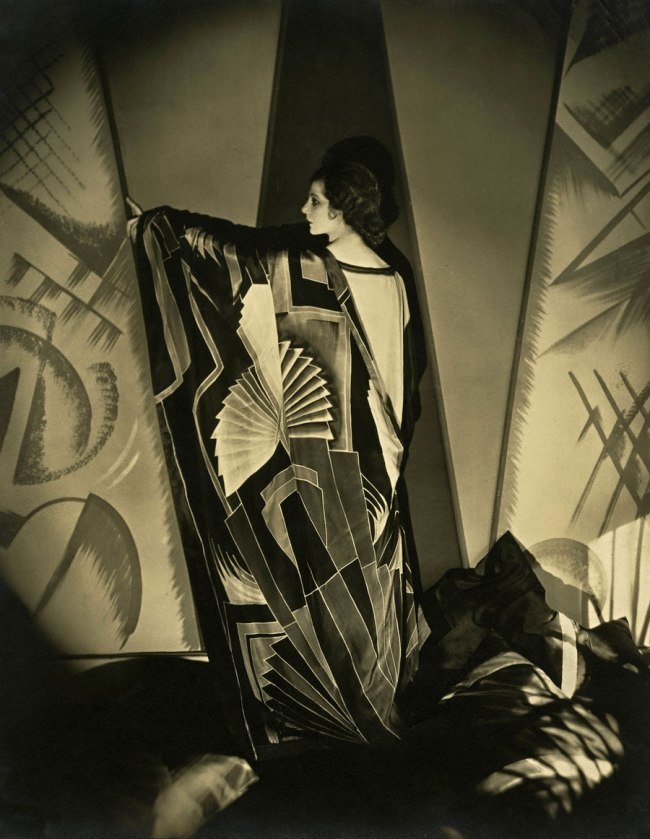
 

Edward Steichen (American 1879-1973, emigrated to United States 1881, worked in France 1906-23) 'Tamaris with a large Art Deco scarf' 1925


Edward Steichen (American 1879-1973, emigrated to United States 1881, worked in France 1906-1923)
Tamaris with a large Art Deco scarf
1925
Gelatin silver photograph
Courtesy Condé Nast Archive
© 1924 Condé Nast Publications
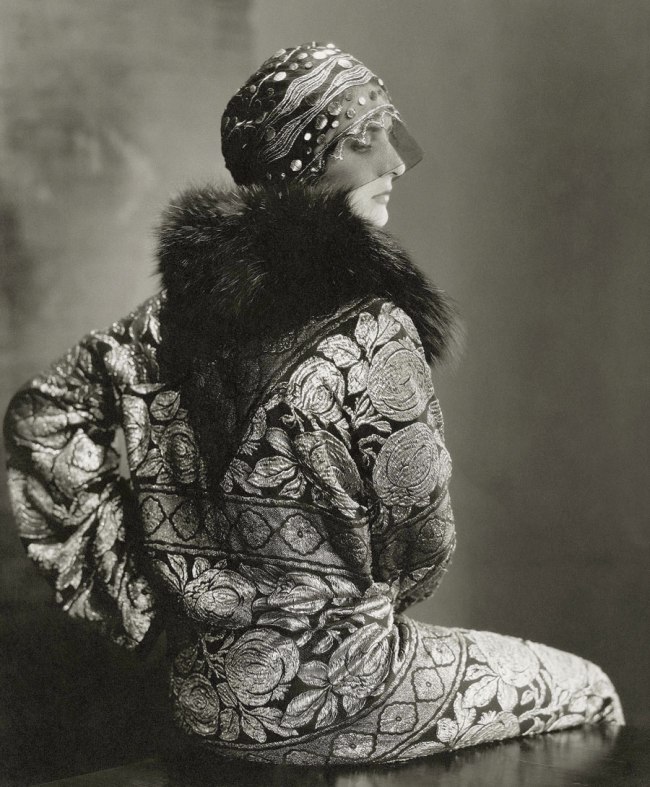
 

Edward Steichen (American 1879-1973, emigrated to United States 1881, worked in France 1906-23) 'Model wearing a black tulle headdress by Suzanne Talbot and a brocade coat with black fox collar' 1925


Edward Steichen (American 1879-1973, emigrated to United States 1881, worked in France 1906-1923)
Model wearing a black tulle headdress by Suzanne Talbot and a brocade coat with black fox collar
1925
Gelatin silver photograph
Courtesy Condé Nast Archive
© 1924 Condé Nast Publications
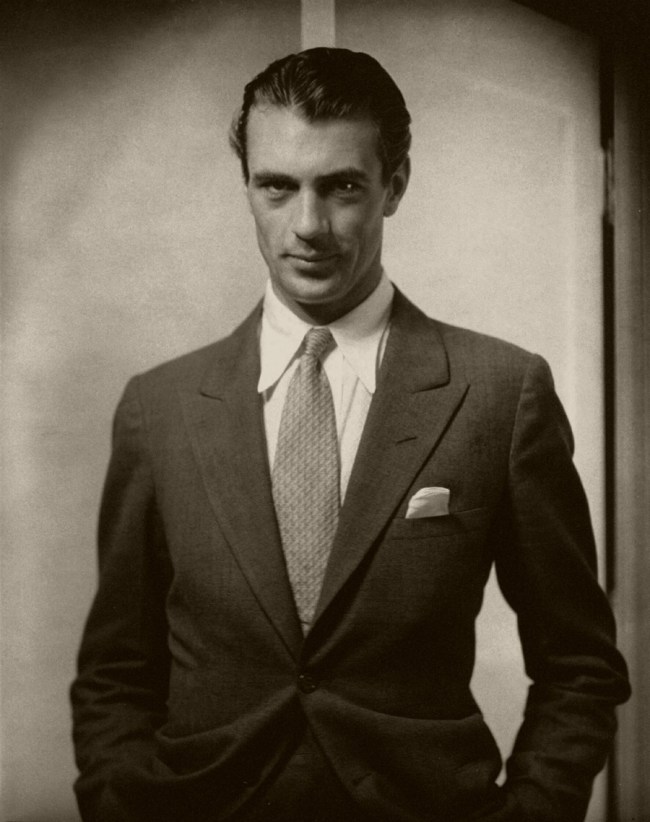
 

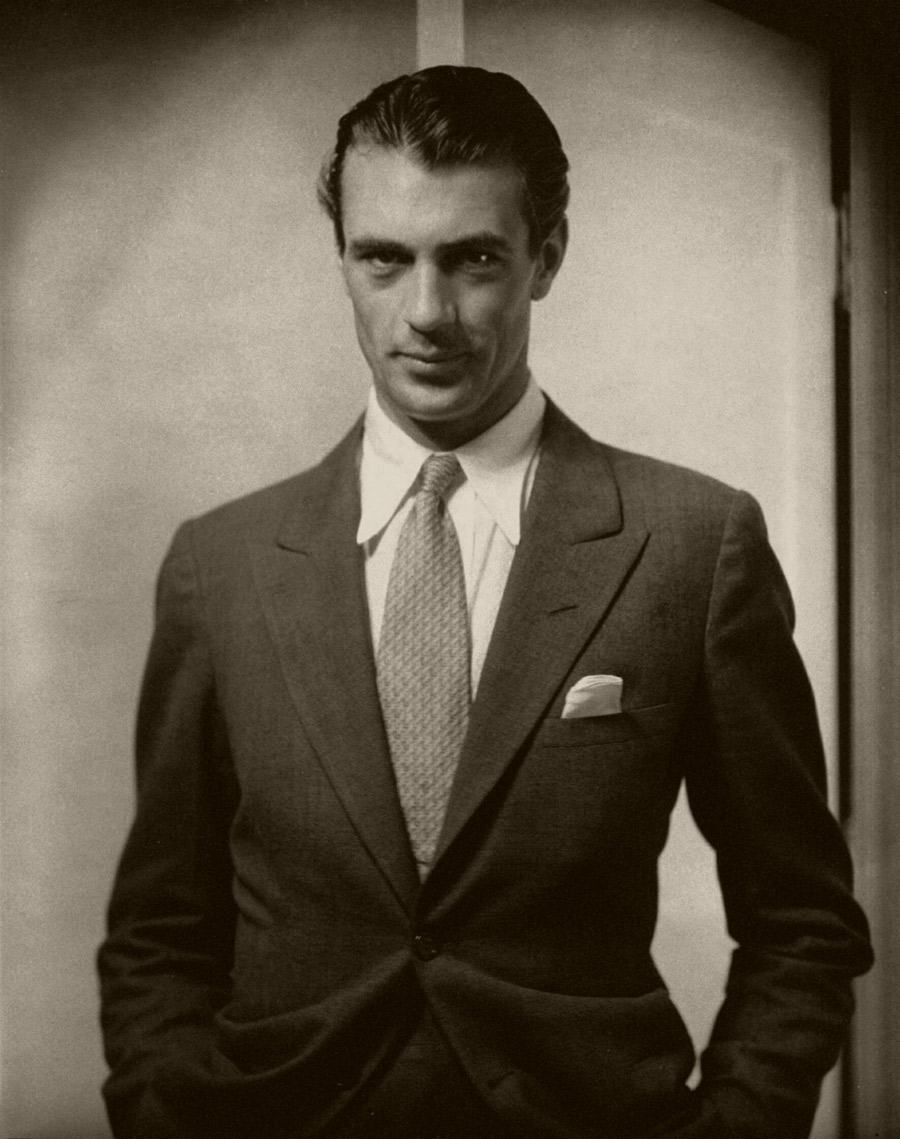
Edward Steichen (American 1879-1973, emigrated to United States 1881, worked in France 1906-23) 'Actor Gary Cooper' 1930


Edward Steichen (American 1879-1973, emigrated to United States 1881, worked in France 1906-1923)
Actor Gary Cooper
1930
Gelatin silver photograph
Courtesy Condé Nast Archive
© 1924 Condé Nast Publications
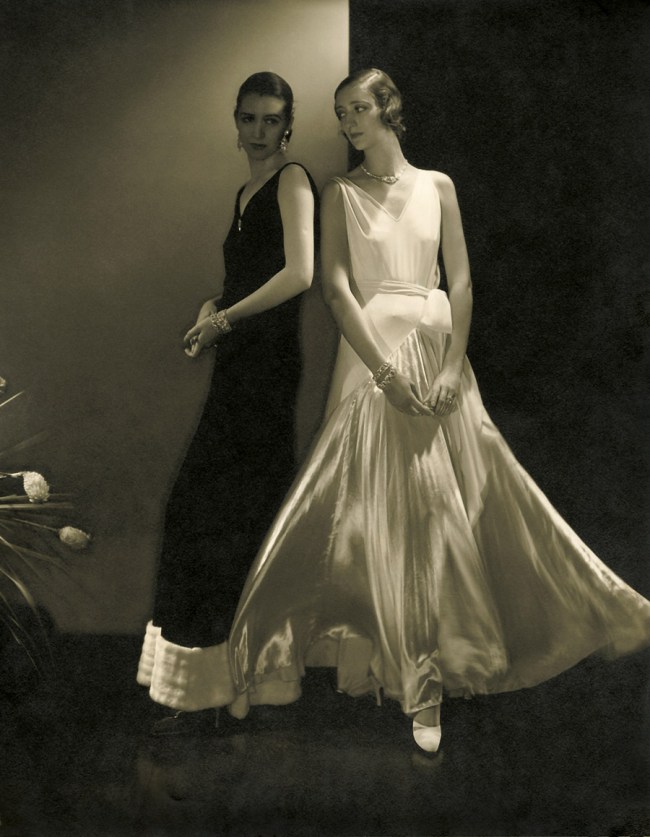
 

Edward Steichen (American 1879-1973, emigrated to United States 1881, worked in France 1906-23) 'Marion Morehouse and unidentified model wearing dresses by Vionnet' 1930


Edward Steichen (American 1879-1973, emigrated to United States 1881, worked in France 1906-1923)
Marion Morehouse and unidentified model wearing dresses by Vionnet
1930
Gelatin silver photograph
Courtesy Condé Nast Archive
© 1924 Condé Nast Publications


Marion Morehouse (1906-1969), was a fashion model who rose to prominence in the late 20s and early 30s, sitting for Vanity Fair and Vogue photographer Edward Steichen. The pair created some strikingly modernist photographs. According to Steichen Morehouse was:

“The greatest fashion model I ever photographed … When she put on the clothes that were to be photographed, she transformed herself into a woman who really would wear that gown … whatever the outfit was.”

She was also a favourite of Cecil Beaton and French Vogue’s Baron George Hoyningen-Huene. Morehouse was of Choctaw Indian ancestry, with brown eyes and an angular frame. After her modelling career ended, she took up photography herself. Later she became the third wife of author and painter E.E Cummings. When Cummings met Marion Morehouse in 1932, he was in the middle of a painful split from his second wife, Anne Barton. Although it is not clear whether the two were ever formally married, Morehouse lived with Cummings in a common-law marriage until his death in 1962. Morehouse died on May 18, 1969.

Text from the Photographs, film, literature & quotes from the bygone era website [Online] Cited 10/02/2014. No longer available online


Edward Steichen (American 1879-1973, emigrated to United States 1881, worked in France 1906-23) 'Olympic diver Katherine Rawls' 1931


Edward Steichen (American 1879-1973, emigrated to United States 1881, worked in France 1906-1923)
Olympic diver Katherine Rawls
1931
Gelatin silver photograph
Courtesy Condé Nast Archive
© 1924 Condé Nast Publications


Katherine Louise Rawls (June 14, 1917 – April 8, 1982) was a multiple United States national champion in swimming and diving in the 1930s.
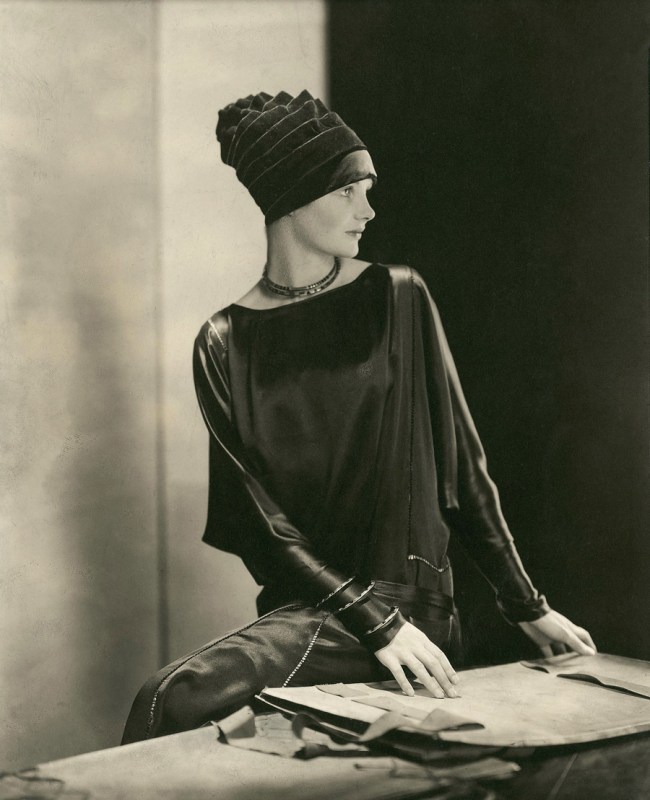
 

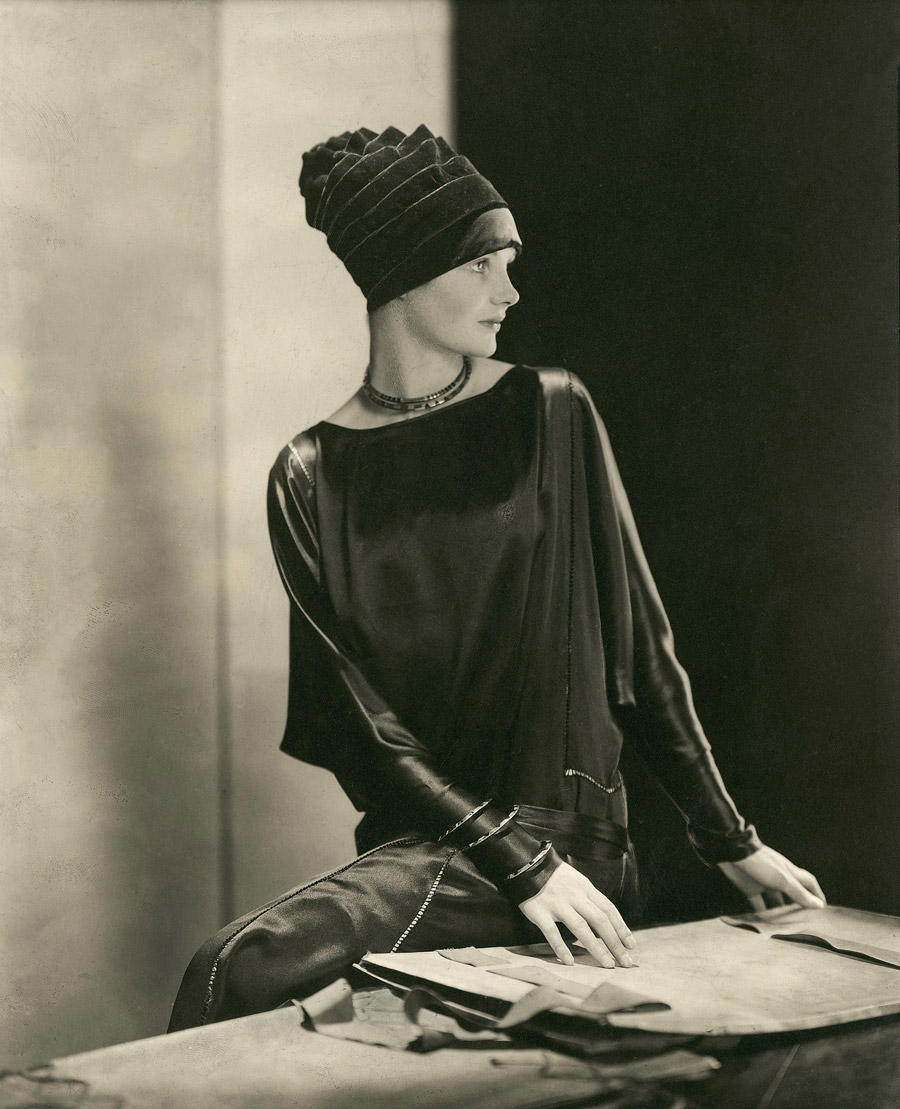
Edward Steichen (American 1879-1973, emigrated to United States 1881, worked in France 1906-23) Model 'Dorothy Smart wearing a black velvet hat by Madame Agnès' 1926


Edward Steichen (American 1879-1973, emigrated to United States 1881, worked in France 1906-1923)
Model Dorothy Smart wearing a black velvet hat by Madame Agnès
1926
Gelatin silver photograph
Courtesy Condé Nast Archive
© 1924 Condé Nast Publications


France’s most popular milliner Madame Agnes was born in France in the late 1800’s, she retired in 1949, and died a short while later. She was famous for cutting the brims of her hats while they were worn by her customers. Madame Agnes styled hats which were both abstract and unique. An illustration from 1927 depicts Madame Agnes’ Congo inspired hats with a model wearing a slave collar. As the 20’s moved into the 30’s, the hats became smaller and away from the face. In December 1935 she introduced hats with large straw brims which were mounted on flowered madras handkerchiefs. Madame Agnes was inspired by a matador’s hat when she created a small dinner hat for Spring 1936. It was sewn of black maline with heavy white silk fringe. The fringe was mounted on each side of the hat’s top. In mid-1946 she created a soft beige beret of felt which featured a line that was broken just above the right eyebrow, where a soft quill was inserted.

Text from the Photographs, film, literature & quotes from the bygone era website [Online] Cited 10/02/2014. No longer available online


Edward Steichen (American 1879-1973, emigrated to United States 1881, worked in France 1906-23) 'On George Baher's yacht' 1928


Edward Steichen (American 1879-1973, emigrated to United States 1881, worked in France 1906-1923)
On George Baher’s yacht. June Cox wearing unidentified fashion; E. Vogt wearing fashion by Chanel and a hat by Reboux; Lee Miller wearing a dress by Mae and Hattie Green and a scarf by Chanel; Hanna-Lee Sherman wearing unidentified fashion
1928
Gelatin silver photograph
Courtesy Condé Nast Archive
© 1924 Condé Nast Publications


Elizabeth “Lee” Miller, Lady Penrose (April 23, 1907 – July 21, 1977) was an American photographer. Born in Poughkeepsie, New York, in 1907, she was a successful fashion model in New York City in the 1920s before going to Paris, where she became an established fashion and fine art photographer. During the Second World War, she became an acclaimed war correspondent for Vogue, covering events such as the London Blitz, the liberation of Paris, and the concentration camps at Buchenwald and Dachau.
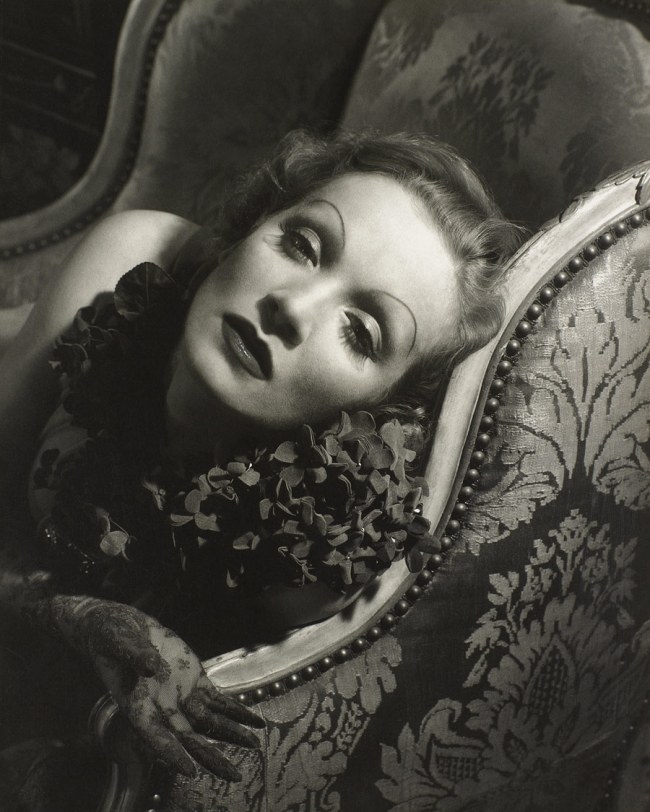
 

Edward Steichen (American 1879-1973, emigrated to United States 1881, worked in France 1906-23) 'Marlene Dietrich' 1934


Edward Steichen (American 1879-1973, emigrated to United States 1881, worked in France 1906-1923)
Marlene Dietrich
1934
Gelatin silver photograph
Courtesy Condé Nast Archive
© 1924 Condé Nast Publications
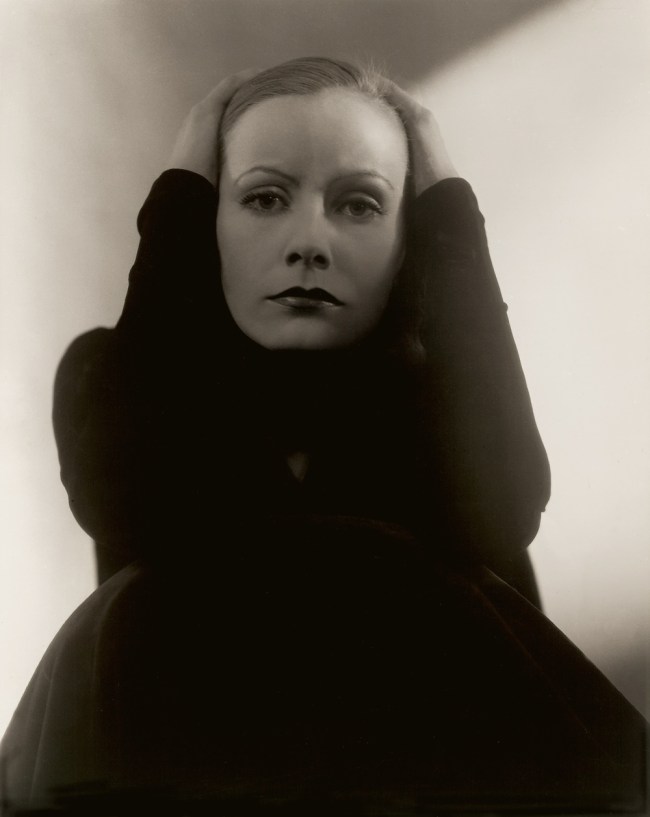
 

Edward Steichen (American 1879-1973, emigrated to United States 1881, worked in France 1906-23) 'Greta Garbo' 1929


Edward Steichen (American 1879-1973, emigrated to United States 1881, worked in France 1906-1923)
Greta Garbo
1929
Gelatin silver photograph
Courtesy Condé Nast Archive
© 1924 Condé Nast Publications
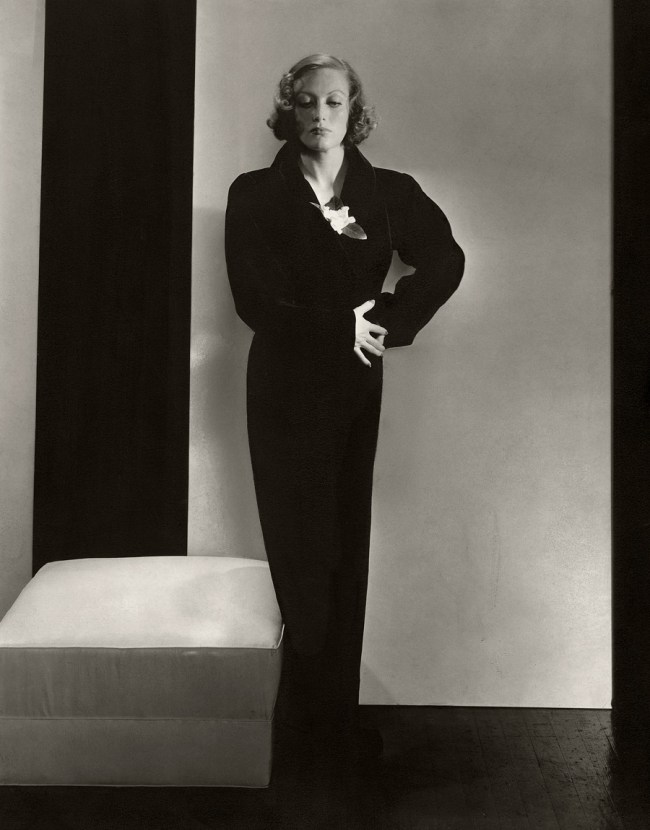
 

Edward Steichen (American 1879-1973, emigrated to United States 1881, worked in France 1906-23) Actress 'Joan Crawford in a dress by Schiaparelli' 1932


Edward Steichen (American 1879-1973, emigrated to United States 1881, worked in France 1906-1923)
Actress Joan Crawford in a dress by Schiaparelli
1932
Gelatin silver photograph
Courtesy Condé Nast Archive
© 1924 Condé Nast Publications


Elsa Schiaparelli (1890-1973) was an Italian fashion designer. Along with Coco Chanel, her greatest rival, she is regarded as one of the most prominent figures in fashion between the two World Wars. Starting with knitwear, Schiaparelli’s designs were heavily influenced by Surrealists like her collaborators Salvador Dalí and Alberto Giacometti. Her clients included the heiress Daisy Fellowes and actress Mae West.

Perhaps Schiaparelli’s most important legacy was in bringing to fashion the playfulness and sense of “anything goes” of the Dada and Surrealist movements. She loved to play with juxtapositions of colours, shapes and textures, and embraced the new technologies and materials of the time. With Charles Colcombet she experimented with acrylic, cellophane, a rayon jersey called “Jersela” and a rayon with metal threads called “Fildifer” – the first time synthetic materials were used in couture. Some of these innovations were not pursued further, like her 1934 “glass” cape made from Rhodophane, a transparent plastic related to cellophane. But there were more lasting innovations; Schiaparelli created wraparound dresses decades before Diane von Furstenberg and crumpled up rayon 50 years before Issey Miyake’s pleats and crinkles. In 1930 alone she created the first evening-dress with a jacket, and the first clothes with visible zippers. In fact fastenings were something of a speciality, from a jacket buttoned with silver tambourines to one with silk-covered carrots and cauliflowers. Schiaparelli did not adapt to the changes in fashion following World War II and her business closed in 1954.

Text from the Wikipedia website


Edward Steichen (American 1879-1973, emigrated to United States 1881, worked in France 1906-23) 'White (center Gwili André)' 1935


Edward Steichen (American 1879-1973, emigrated to United States 1881, worked in France 1906-1923)
White (center Gwili André)
1935
Gelatin silver photograph
Courtesy Condé Nast Archive
© 1924 Condé Nast Publications


Gwili Andre (4 February 1908 – 5 February 1959) was a Danish actress who had a brief career in Hollywood films. Andre came to Hollywood in the early 1930s with the intention of establishing herself as a film star. She appeared in the 1932 RKO Studio films Roar of the Dragon and Secrets of the French Police and began to attract attention for her striking good looks. These films provided her with starring roles playing against such established actors as Richard Dix, ZaSu Pitts and Frank Morgan, and RKO began using her glamorous looks to promote her.

A widespread publicity campaign ensured that her name and face became well known to the American public, but her next role in No Other Woman (1933), opposite Irene Dunne, was not the success the studio expected. Over the next few years she was relegated to supporting roles which included the Joan Crawford picture A Woman’s Face (1941). Her final role was a minor part in one of the popular Falcon series, The Falcon’s Brother in 1942.

Text from the Wikipedia website
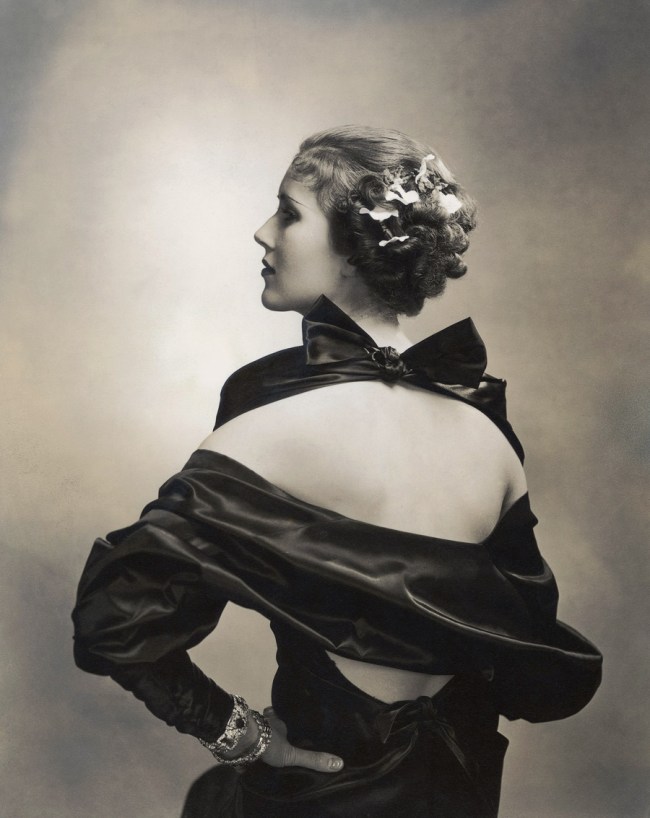
 

Edward Steichen (American 1879-1973, emigrated to United States 1881, worked in France 1906-23) 'Actress Mary Heberden' 1935


Edward Steichen (American 1879-1973, emigrated to United States 1881, worked in France 1906-1923)
Actress Mary Heberden
1935
Gelatin silver photograph
Courtesy Condé Nast Archive
© 1924 Condé Nast Publications


American actress Mary Heberden made her first New York stage appearance in 1925 and performed regularly on Broadway in the 1930s.
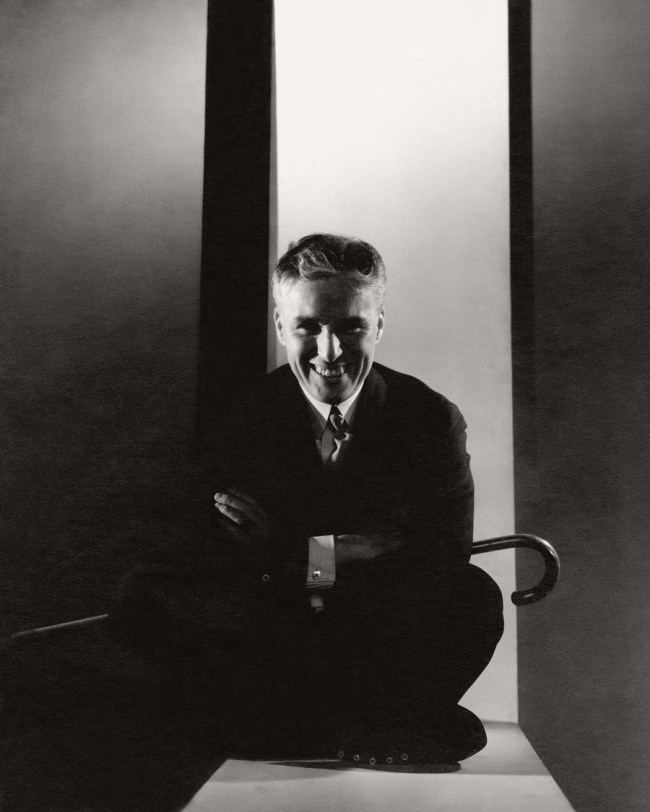
 

Edward Steichen (American 1879-1973, emigrated to United States 1881, worked in France 1906-23) 'Charlie Chaplin' 1934


Edward Steichen (American 1879-1973, emigrated to United States 1881, worked in France 1906-1923)
Charlie Chaplin
1934
Gelatin silver photograph
Courtesy Condé Nast Archive
© 1924 Condé Nast Publications


NGV International
180 St Kilda Road

Opening hours
Daily 10am – 5pm

National Gallery of Victoria website

LIKE ART BLART ON FACEBOOK

Back to top

Research at the State Library of Victoria update

Date: 30th January 2014


Research experience on the Charles Marville photographs at the State Library of Victoria update

Dear readers

Yah _ a lovely response from the State Library of Victoria !!

I look forward to seeing the Marville’s in all their glory. I will let you know how the visit goes…

Marcus


Hi Marcus, we’re sorry to hear your experience was not a positive one. The Marville Collection is an extraordinary anthology of photographs to be celebrated. While we certainly don’t wish to keep this treasure from the public, we do want to ensure these photographs are preserved for future generations to enjoy.

So that everyone can access these photographs at any time, we have digitised the entire collection in high resolution and made available online. We also arrange viewings of the original photographic prints by appointment but due to their age, size and delicate nature, it’s preferable that only a selection are brought out at any one time and handled with care. The plastic envelopes in which the photographs are kept are archival and the blue card on which they’re mounted is how the prints were exhibited in 1880 and include the original captions. Conservation staff have assessed the prints and original backing card and are of the opinion that the card is not causing any damage to these photographs.

Our Collection Services Manager is getting in touch with you to arrange another visit where you can see more from this wonderful collection. We look forward to seeing you back at the Library soon.


Charles Marville (French, 1813-1879) 'Rue Tirechape (de la rue St Honoré)' c. 1853 - c. 1870


Charles Marville (French, 1813-1879)
Rue Tirechape (de la rue St Honoré)
c. 1853 – c. 1870
In collection: Photographic views of Paris
Undated, dates assigned from time of Haussman’s renovation of Paris
Photographic print mounted on cardboard: albumen silver
32 x 26cm
Gift; Government of France; 1880


State Library of Victoria
328 Swanston St,
Melbourne VIC 3000
Phone: (03) 8664 7000
Opening hours:
Daily 10am – 6pm

State Library of Victoria website

LIKE ART BLART ON FACEBOOK

Back to top

Melbourne’s magnificent nine 2013

January 2014


Darron Davies (Australian) 'Encased' 2012


Darron Davies (Australian)
Encased 
2012
Archival Pigment Print on Photo Rag
80 x 80cm / edition of 6


Here’s my pick of the nine best local exhibitions which featured on the Art Blart art and cultural memory archive in 2013 (plus a favourite of the year from Hobart). Enjoy!

Dr Marcus Bunyan


1/ Review: Terraria by Darron Davies at Edmund Pearce Gallery, Melbourne

This is the first “magical” exhibition of photography that I have seen in Melbourne this year. Comprising just seven moderately large Archival Pigment Print on Photo Rag images mounted in white frames, this exhibition swept me off my feet. The photographs are beautiful, subtle, nuanced evocations to the fragility and enduring nature of life…

A sense of day / dreaming is possible when looking at these images. Interior / exterior, size / scale, ego / self are not fixed but fluid, like the condensation that runs down the inside of these environments (much like blood circulates our body). This allows the viewer’s mind to roam at will, to ponder the mysteries of our short, improbable, joyous life. The poetic titles add to this introspective reflection. I came away from viewing these magical, self sustaining vessels with an incredibly happy glow, more aware of my own body and its relationship to the world than before I had entered Darron Davies enveloping, terrarium world.


Darron Davies (Australian) 'The Red Shard' 2012


Darron Davies (Australian)
The Red Shard 
2012
Archival Pigment Print on Photo Rag
80 x 80cm / edition of 6


2/ Review: Confounding: Contemporary Photography at NGV International, Melbourne

Presently, contemporary photography is able to reveal intangible, constructed vistas that live outside the realm of the scientific. A photograph becomes a perspective on the world, an orientation to the world based on human agency. An image-maker takes resources for meaning (a visual language, how the image is made and what it is about), undertakes a design process (the process of image-making), and in so doing re-images the world in a way that it has never quite been seen before.

These ideas are what a fascinating exhibition titled Confounding: Contemporary Photography, at the National Gallery of Victoria, Melbourne investigates. In the confounding of contemporary photography we are no longer witnessing a lived reality but a break down of binaries such as sacred and profane, public and private, natural and artificial, real and dreamed environments as artists present their subjective visions of imagined, created worlds. Each image presents the viewer with a conundrum that investigates the relationship between photographs and the “real” world they supposedly record. How do these photographs make you feel about this constructed, confounding world? These fields of existence?


Thomas Demand (German b. 1964) 'Public housing' 2003


Thomas Demand (German b. 1964)
Public housing
2003
type C photograph
100.1 x 157cm (image and sheet)
National Gallery of Victoria, Melbourne
Purchased with funds donated by the Bowness Family Fund for Contemporary Photography, 2010
© Thomas Demand/VG Bild-Kunst, Bonn. Licensed by VISCOPY, Sydney


Eliza Hutchison (Australian, b. 1965) 'The ancestors' 2004


Eliza Hutchison (Australian, b. 1965)
The ancestors
2004
Light-jet print
95.4 x 72.9cm (image), 105.4 x 82.9cm (sheet)
National Gallery of Victoria, Melbourne
Purchased with funds arranged by Loti Smorgon for Contemporary Australian Photography, 2005
© Eliza Hutchison, courtesy Murray White Room


3/ Review: Louise Bourgeois: Late Works at Heide Museum of Modern Art, Melbourne


'Louise Bourgeois: Late Works' installation view Heide Museum of Modern Art, Melbourne


Louise Bourgeois: Late Works installation view
Heide Museum of Modern Art, Melbourne
Photograph: John Gollings 2012


Louise Bourgeois (French-American, 1911-2010) 'Untitled' 2002


Louise Bourgeois (French-American, 1911-2010)
Untitled
2002
Tapestry and aluminium
43.2 x 30.5 x 30.5cm
Courtesy Cheim & Read and Hauser & Wirth
Photo: Christopher Burke
© Louise Bourgeois Trust


This is a tough, stimulating exhibition of late works by Louise Bourgeois at Heide Museum of Modern Art, Melbourne. All the main themes of the artist’s work explored over many years are represented in these late works: memory, emotion, anxiety, family, relationships, childhood, pain, desire and eroticism are all present as are female subjectivity and sexuality, expressed through the body…

Bourgeois’ work gives me an overall feeling of immersion in a world view, one that transcends the pain and speaks truth to power. Bourgeois confronted the emotion, memory or barrier to communication that generated her mood and the work. She observed, “My art is an exorcism. My sculpture allows me to re-experience fear, to give it a physicality, so that I am able to hack away at it.” By weaving, stitching and sewing Bourgeois threaded the past through the present and enacted, through artistic performance, a process of repair and reconstruction, giving meaning and shape to frustration and suffering. I have not been so lucky. My mother refuses to discuss the past, will not even come close to the subject for the pain is so great for her. I am left with a heaviness of heart, dealing with the demons of the past that constantly lurk in the memory of childhood, that insistently impinge on the man I am today. Louise Bourgeois’ sculptures brought it all flooding back as the work of only a great artist can, forcing me to become an ethical witness to her past, my past. A must see exhibition this summer in Melbourne.


4/ Exhibition: Petrina Hicks: Selected Photographs, 2013 at Helen Gory Galerie, Prahran, Melbourne

A stunning, eloquent and conceptually complex exhibition buy Petrina Hicks at Helen Gory Galerie…

I am just going to add that the photograph Venus (2013, below) is one of the most beautiful photographs that I have seen “in the flesh” (so to speak) for a long while. Hicks control over the ‘presence’ of the image, her control over the presence within the image is immaculate. To observe how she modulates the colour shift from blush of pink within the conch shell, to colour of skin, to colour of background is an absolute joy to behold. The pastel colours of skin and background only serve to illuminate the richness of the pink within the shell as a form of immaculate conception (an openness of the mind and of the body). I don’t really care who is looking at this photograph (not another sexualised male gaze!) the form is just beauty itself. I totally fell in love with this work.

Forget the neo-feminist readings, one string of text came to mind: The high fidelity of a fetishistic fecundity.


Petrina Hicks (Australian, b. 1972) 'Venus' 2013


Petrina Hicks (Australian, b. 1972)
Venus
2013
Pigment print, Edition of 8
100 x 100cm


Petrina Hicks (Australian, b. 1972) 'Enigma' 2013


Petrina Hicks (Australian, b. 1972)
Enigma
2013
Pigment print, Edition of 8
100 x 100cm


5/ Exhibition: Density by Andrew Follows at Anita Traverso Gallery, Richmond

I include this in my list of magnificent photographic exhibitions for the year not because I curated it, but because of the conceptualisation, the unique quality of the images and the tenacity of a visually impaired artist to produce such memorable work.

A wonderful exhibition by vision impaired photographer Andrew Follows at Anita Traverso Gallery, Richmond. It has been a real pleasure to mentor Andrew over the past year and to see the fruits of our labour is incredibly satisfying. The images are strong, elemental, atmospheric, immersive. Due to the nature of Andrew’s tunnel vision there are hardly any traditional vanishing points within the images, instead the ‘plane of existence’ envelops you and draws you in.


Density n.

The degree of optical opacity of a medium or material, as of a photographic negative;

Thickness of consistency;

Complexity of structure or content.


Andrew Follows (Australian, d. 2019) 'Number 31, Eltham' 2013


Andrew Follows (Australian, d. 2019)
Number 31, Eltham
2013
Digital photograph on archival cotton rag
130 cm x 86.5cm


Andrew Follows (Australian, d. 2019) 'Green, Montsalvat' 2013


Andrew Follows (Australian, d. 2019
Green, Montsalvat
2013
Digital photograph on archival cotton rag
130 cm x 86.5 cm


Carol Jerrems (Australian, 1949-1980) 'Mark and Flappers' 1975


Carol Jerrems (Australian, 1949-1980)
Mark and Flappers
1975
Gelatin silver photograph
National Gallery of Australia, Canberra
© Ken Jerrems and the Estate of Lance Jerrems


Carol Jerrems (Australian, 1949-1980) 'Carol Jerrems, self-portrait with Esben Storm' c. 1975


Carol Jerrems (Australian, 1949-1980)
Carol Jerrems, self-portrait with Esben Storm
c. 1975
Gelatin silver photograph
National Gallery of Australia, Canberra
Gift of Mrs Joy Jerrems 1981
© Ken Jerrems and the Estate of Lance Jerrems


6/ Review: Carol Jerrems: photographic artist at the Monash Gallery of Art, Wheelers Hill, Melbourne

This is a fascinating National Gallery of Australia exhibition about the work of Australian photographer Carol Jerrems at Monash Gallery of Art, Wheelers Hill – in part both memorable, intimate, informative, beautiful, uplifting and disappointing…

The pity is that she died so young for what this exhibition brought home to me was that here was an artist still defining, refining her subject matter. She never had to time to develop a mature style, a mature narrative as an artist (1975-1976 seems to be the high point as far as this exhibition goes). This is the great regret about the work of Carol Jerrems. Yes, there is some mediocre work in this exhibition, stuff that really doesn’t work at all (such as the brothel photographs), experimental work, individual and collective images that really don’t impinge on your consciousness. But there are also the miraculous photographs (and for a young photographer she had a lot of those), the ones that stay with you forever. The right up there, knock you out of the ball park photographs and those you cannot simply take away from the world. They live on in the world forever.

Does Jerrems deserve to be promoted as a legend, a ‘premier’ of Australian photography as some people are doing? Probably not on the evidence of this exhibition but my god, those top dozen or so images are something truly special to behold. Their ‘presence’ alone – their physicality in the world, their impact on you as you stand before them – guarantees that Jerrems will forever remain in the very top echelons of Australian photographers of all time not as a legend, but as a women of incredible strength, intelligence, passion, determination and vision.


7/ Exhibition: Edward Steichen & Art Deco Fashion at NGV International, Melbourne

What a gorgeous exhibition. It’s about time Melbourne had a bit of style put back into the National Gallery of Victoria, and this exhibition hits it out of the park. Not only are the photographs absolutely fabulous but the frocks are absolutely frocking as well. Well done to the NGV for teaming the photographs with the fashion and for a great install (makes a change to see 2D and 3D done so well together). Elegant, sophisticated and oozing quality, this is a sure fire winner….


Installation photograph of the exhibition 'Edward Steichen & Art Deco Fashion' at NGV International


Installation photograph of the exhibition Edward Steichen & Art Deco Fashion at NGV International


Edward Steichen (American 1879-1973, emigrated to United States 1881, worked in France 1906-1923) 'Marlene Dietrich' 1934


Edward Steichen (American 1879-1973, emigrated to United States 1881, worked in France 1906-1923)
Marlene Dietrich
1934
Gelatin silver photograph
Courtesy Condé Nast Archive
© 1924 Condé Nast Publications


8/ Exhibition: Reinventing the Wheel: the Readymade Century at the Monash University Museum of Art (MUMA), Melbourne

Monash University Museum of Art (MUMA) is generating an enviable reputation for holding vibrant, intellectually stimulating group exhibitions on specific ideas, concepts and topics. This exhibition is no exception. It is one of the best exhibitions I have seen in Melbourne this year. Accompanied by a strong catalogue with three excellent essays by Thierry de Duve, Dr Rex Butler and Patrice Sharkey, this is a must see exhibition for any Melbourne art aficionado before it closes.

“This transition is a flash, a boundary where this becomes that, not then, not that – falling in love, jumping of a bridge. Alive : dead; presence : absence; purpose : play; mastery : exhaustion; logos : silence; worldly : transcendent. Not this, not that. It is an impossible presence, present – a moment of unalienated production that we know exists but we cannot define it, place it. How can we know love? We can speak of it in a before and after sense but it is always a past moment that we recognise.”

Dr Marcus Bunyan. Made Ready: A Philosophy of Moments. December 2013


Jeff Koons (American, b. 1955) 'Balloon dog (Red)' 1995 designed


Jeff Koons (American, b. 1955)
Balloon dog (Red)
1995 designed
Porcelain, ed. 1113/2300
11.3 x 26.3 cm diameter
National Gallery of Victoria, Melbourne


Andrew Liversidge (Australian, b. 1979) 'IN MY MIND I KNOW WHAT I THINK BUT THAT’S ONLY BASED ON MY EXPERIENCE' 2009


Andrew Liversidge (Australian, b. 1979)
IN MY MIND I KNOW WHAT I THINK BUT THAT’S ONLY BASED ON MY EXPERIENCE
2009
10,000 $1 coins (AUD)
30 x 30 x 30cm
Courtesy of the artist and The Commercial Gallery, Sydney


9/ Review: Claudia Terstappen: In The Shadow Of Change at the Monash Gallery of Art, Wheelers Hill, Melbourne


Claudia Terstappen (Australian born Germany, b. 1959) 'Cabbage trees (Queensland, Australia)' 2002


Claudia Terstappen (Australian born Germany, b. 1959)
Cabbage trees (Queensland, Australia)
2002
from the series Our ancestors 1990-
Gelatin silver print
29 x 29cm
Courtesy  of the artist


Claudia Terstappen (Australian born Germany, b. 1959) 'Zion Park (USA)' 1996


Claudia Terstappen (Australian born Germany, b. 1959)
Zion Park (USA)
1996
from the series Sacred land of the Navajo Indians 1990-
Gelatin silver print
37 x 37cm
Courtesy  of the artist


Without doubt this is the best pure photography exhibition I have seen this year in Melbourne. The exhibition is stimulating and enervating, the image making of the highest order in its aesthetic beauty and visual complexity. The artist explores intangible spaces which define our physical and spiritual relationship with the un/known world…

In Terstappen’s work there is no fixed image and no single purpose, a single meaning, or one singular existence that the images propose. They transcend claims about the world arising from, for example, natural or scientific attitudes or theories of the ontological nature of the world. As the artist visualises, records the feeling of the facts, such complex and balanced images let the mind of the viewer wander in the landscape. In their fecundity the viewer is enveloped in that situation of not knowing. There is the feeling of the landscape, a sensitivity to being “lost” in the landscape, in the shadow of ‘Other’, enhanced through the modality of the printing. Dreamworld vs analytical / descriptive, there is the enigma of the landscape and its spiritual places. Yes, the sublime, but more an invocation, a plea to the gods for understanding. This phenomenological prayer allows the artist to envelop herself and the viewer in the profundity – the great depth, intensity and emotion – of the landscape. To be ‘present’ in the the untrammelled places of the world as (divine) experience…

I say to you that this is the most sophisticated reading of the landscape that I have seen in a long time – not just in Australia but from around the world. This is such a joy of an exhibition to see that you leave feeling engaged and uplifted. Being in the gallery on your own is a privilege that is hard to describe: to see (and feel!) landscape photography of the highest order and by an Australian artist as well.


10/ Exhibition: Joan Ross: Touching Other People’s Shopping at Bett Gallery, Hobart

The claiming of things
The touching of things
The digging of land
The tagging of place
The taking over of the world

Tag and capture.
Tag and capture.
Shop, dig, spray, destroy.


An ironic critique of the pastoral, neo/colonial world, tagged and captured in the 21st century.

Excellent work. The construction, sensibility and humour of the videos is outstanding. I also responded to the two works Tag and capture and Shopping for butterfly (both 2013, below).


Joan Ross (Australian, b. 1961) 'Tag and capture' 2013


Joan Ross (Australian, b. 1961)
Tag and capture
2013
hand painted pigment print on cotton rag paper
50 x 47cm (image size)
edition of 3


Joan Ross (Australian, b. 1961) 'Shopping for butterfly' 2013


Joan Ross (Australian, b. 1961)
Shopping for butterfly
2013
hand painted pigment print on cotton rag paper
51.5 x 50cm (image size)
edition of 3


LIKE ART BLART ON FACEBOOK

Back to top

Photographs. Marcus Bunyan. ‘upside, down’ 2013

December 2013


Marcus Bunyan (Australian, b. 1958) 'Untitled' from the series 'upside, down' 2013


Marcus Bunyan (Australian, b. 1958)
Untitled
2013
From the series upside, down 2013
Digital photograph


upside, down

Finally, I got my act together for a new series of my own work titled upside, down (2013). The series is now online on my website or you can click on the thumbnails below to go the full image. There are 30 images in the series formed as a sequence. Below is a selection of images from the series. Please click on the photographs for a larger version of the image.

People have asked me what this series is about. It’s about the suspension of belief; it’s about taking an enormous, heavy war machine and floating it in mid air and the impossibility of this; it’s about looking at this structure of destruction as a constructivist object, looking at the mass of this object; it is about the disintegration of this object (for these are poor quality scans that when enlarged will fall apart) – about raising the object up and letting it fall into the world. It is against war.

People have said to me the images look strange, that they look better the right way up. I’m glad that they are inverted for the world is a very strange place, where we make huge machines just to kill ourselves. I’m glad they look strange, I’m glad they make you feel uncomfortable. They are meant that way.

The sculptor Fredrick White has observed that the work is also about the beauty of the object, emphasising its form by inverting the mass of the ship, and also the weight, compression and displacement of space – almost like a time slippage / fracture, a time portal to another world. This is very perceptive because the work is about all of these things. I love layering the work so it reveals different things!

Dr Marcus Bunyan

Photographs are available from this series for purchase. As a guide, a digital colour 16″ x 20″ costs $1000 plus tracked and insured shipping. For more information please see my Store web page.


“The initial feeling of the series was of a curtain rising – and that strongly draws us into the drama. But the whole series is very witty, very touching and appeals very strongly to the senses. There is an inevitability about the human condition here that is very sobering. In the end the strongest of your gestures are almost ignored by the viewer who becomes aware of this atmosphere.”


Text from my friend Ian Lobb


Marcus Bunyan. 'Untitled' from the series 'upside, down' 2013 Marcus Bunyan. 'Untitled' from the series 'upside, down' 2013 Marcus Bunyan. 'Untitled' from the series 'upside, down' 2013 Marcus Bunyan. 'Untitled' from the series 'upside, down' 2013
Marcus Bunyan. 'Untitled' from the series 'upside, down' 2013 Marcus Bunyan. 'Untitled' from the series 'upside, down' 2013


Marcus Bunyan (Australian, b. 1958) 'Untitled' from the series 'upside, down' 2013


Marcus Bunyan (Australian, b. 1958)
Untitled
2013
From the series upside, down
Digital photograph


Marcus Bunyan (Australian, b. 1958) 'Untitled' from the series 'upside, down' 2013


Marcus Bunyan (Australian, b. 1958)
Untitled
2013
From the series upside, down
Digital photograph


Marcus Bunyan (Australian, b. 1958) 'Untitled' from the series 'upside, down' 2013


Marcus Bunyan (Australian, b. 1958)
Untitled
2013
From the series upside, down
Digital photograph


Marcus Bunyan (Australian, b. 1958) 'Untitled' from the series 'upside, down' 2013


Marcus Bunyan (Australian, b. 1958)
Untitled
2013
From the series upside, down
Digital photograph


Marcus Bunyan (Australian, b. 1958) 'Untitled' from the series 'upside, down' 2013


Marcus Bunyan (Australian, b. 1958)
Untitled
2013
From the series upside, down
Digital photograph


Marcus Bunyan (Australian, b. 1958) 'Untitled' from the series 'upside, down' 2013


Marcus Bunyan (Australian, b. 1958)
Untitled
2013
From the series upside, down
Digital photograph


Marcus Bunyan (Australian, b. 1958) 'Untitled' from the series 'upside, down' 2013


Marcus Bunyan (Australian, b. 1958)
Untitled
2013
From the series upside, down
Digital photograph


Marcus Bunyan (Australian, b. 1958) 'Untitled' from the series 'upside, down' 2013


Marcus Bunyan (Australian, b. 1958)
Untitled
2013
From the series upside, down
Digital photograph


Marcus Bunyan (Australian, b. 1958) 'Untitled' from the series 'upside, down' 2013


Marcus Bunyan (Australian, b. 1958)
Untitled
2013
From the series upside, down
Digital photograph


Marcus Bunyan (Australian, b. 1958) 'Untitled' from the series 'upside, down' 2013


Marcus Bunyan (Australian, b. 1958)
Untitled
2013
From the series upside, down
Digital photograph


Marcus Bunyan (Australian, b. 1958) 'Untitled' from the series 'upside, down' 2013


Marcus Bunyan (Australian, b. 1958)
Untitled
2013
From the series upside, down
Digital photograph


Marcus Bunyan website

LIKE ART BLART ON FACEBOOK

Back to top

Text: “The Book of Memory” extract from Paul Auster’s ‘The Invention of Solitude’ 1982

November 2013


Rembrandt van Rijn (Dutch, 1641-1668) 'Portrait of a Boy in Fancy Dress (Titus)' c. 1655


Rembrandt van Rijn (Dutch, 1641-1668)
Portrait of a Boy in Fancy Dress (Titus)
c. 1655
Oil on canvas


The Book of Memory. Book Four.

Several blank pages. To be followed by profuse illustrations. Old family photographs, for each person his own family, going back as many generations as possible. To look at these with utmost care.

Afterwards, several sequences of reproductions, beginning with the portraits Rembrandt painted of his son, Titus. To include all of them: from the view of the little boy in 1650 (golden hair, red feathered cap) to the 1655 portrait of Titus ‘puzzling over his lessons’ (pensive, at his desk, compass dangling from his left hand, right thumb pressed against his chin) to Titus in 1658 (seventeen years old, the extraordinary red hat, and, as one commentator has written, ‘The artist has painted his son with the same sense of penetration usually reserved for his own features’) to the last surviving canvas of Titus, from the early 1660s: ‘the face seems that of a weak old man ravaged with disease. Of course, we look at it with hindsight – we know that Titus will predecease his father…’

To be followed by the 1602 portrait of Sir Walter Raleigh and his eight-year-old-son Wat (artist unknown) that hangs in the National Portrait Gallery in London. To note: the uncanny similarity of their poses. Both father and son facing forward, left hands on hips, right feet pointing forward, and the somber determination on the boy’s face to imitate the self-confident, imperious stare of the father. To remember: that when Raleigh was released after a thirteen-year incarceration in the Tower of London (1618) and launched out on a doomed voyage to Guiana to clear his name, Wat was with him. To remember that Wat, leading a reckless military charge against the Spanish, lost his life in the jungle. Raleigh to his wife: ‘I have never known what sorrow meant until now.’ And so went he went back to England, and allowed the King to chop of his head.

To be followed by more photographs, perhaps several dozen: Mallarmé’s son, Anatole; Anne Frank (‘This is a photo that shows me as I should always like to look. Then I would surely have a chance to go to Hollywood. but now, unfortunately, I usually look different’); Mur; the children of Cambodia; the children of Atlanta. The dead children. The children who will vanish, the children who are dead. Himmler: ‘I have made the decision to annihilate every Jewish child from the face of the earth.’ Nothing but pictures. Because, at a certain point, the words lead one to conclude that it is no longer possible to speak. Because these pictures are the unspeakable.

Paul Auster. “The Book of Memory,” from The Invention of Solitude. Faber and Faber, 1982, pp. 102-103.

Please click on the images for a larger version.


Marcus Bunyan (Australian, b. 1958) 'Untitled (family)' 2005


Marcus Bunyan (Australian, b. 1958)
Untitled (family)
2005
From the series Photos my mother sent me, 2005


Rembrandt van Rijn (Dutch, 1641-1668) 'Portrait of Titus' 1655


Rembrandt van Rijn (Dutch, 1641-1668)
Portrait of Titus
1655
Oil on canvas


Rembrandt van Rijn (Dutch, 1641-1668) 'The Artists Son Titus' 1657


Rembrandt van Rijn (Dutch, 1641-1668)
The Artists Son Titus
1657
Oil on canvas


Rembrandt van Rijn (Dutch, 1641-1668) 'Portrait of Titus' 1663


Rembrandt van Rijn (Dutch, 1641-1668)
Portrait of Titus
1663
Oil on canvas


Unknown artist. 'Sir Walter Ralegh and son' 1602


Unknown artist
Sir Walter Ralegh and son
1602
Oil on canvas
78 1/2 in. x 50 1/8 in. (1994 mm x 1273mm)
Given by Lennard family, 1954
National Portrait Gallery, London


Anonymous photographer. 'Portrait of Anatole Mallarmé' c. 1874


Anonymous photographer
Portrait of Anatole Mallarmé
c. 1874
Photograph


Unknown photographer. 'Anne Frank' 10th October 1942


Unknown photographer
Anne Frank
10th October 1942
Hand written note from The Diary of a Young Girl


Photos of child victims on display at the Toul Sleng Genocide museum in Cambodia


Photos of child victims on display at the Toul Sleng Genocide museum in Cambodia


Unknown photographer. 'Executions of Kiev Jews by German army mobile killing units (Einsatzgruppen) near Ivangorod Ukraine' 1942


Unknown photographer
Executions of Kiev Jews by German army mobile killing units (Einsatzgruppen) near Ivangorod Ukraine. A woman protects a child with her body as Einsatzgruppen soldiers aim their rifles
1942


Executions of Kiev Jews by German army mobile killing units (Einsatzgruppen) near Ivangorod Ukraine. The photo was mailed from the Eastern Front to Germany and intercepted at a Warsaw post office by a member of the Polish resistance collecting documentation on Nazi war crimes. The original print was owned by Tadeusz Mazur and Jerzy Tomaszewski and now resides in Historical Archives in Warsaw. The original German inscription on the back of the photograph reads, “Ukraine 1942, Jewish Action [operation], Ivangorod.”


LIKE ART BLART ON FACEBOOK

Back to top