Exhibition dates: 15th April – 4th September, 2016
Curator: Keith F. Davis, Senior Curator, Photography at The Nelson-Atkins Museum of Art
Unknown maker (American) Group at pond c. 1910s Gelatin silver print 3 × 4 inches The Nelson-Atkins Museum of Art, Kansas City, Missouri Gift of Peter J. Cohen
Dis/membering the snapshot
To say that I dislike the term “snapshot” is an understatement. The term snap/shot implies a lack of consideration in the physical act of taking the photograph. In a snap it was shot – like a snap of the fingers or a bolt out of the blue. But if we think about the photographs in this posting … and we then think about the photographs of Henri Lartigue, or Robert Frank and his travels across 1950s America, I would argue that the only difference between Lartigue, Frank and the former “Unknown makers” is that they were embarked upon a photographic project, and, latterly, were decreed artists.
I believe, and I have always believed, that the taking of photographs is a matter of intention on the part of the photographer.
If you look at these photographs from Unknown makers was it their intention to take this photograph, did they think about what they were doing before they pressed the shutter. And the answer is unequivocally, yes they did. Their aim, their purpose, was that they had the intention to take the photograph they did, they determined of their own free will how to frame these photos and at what split second to press the shutter so as to suit their aim, their thought about what they wanted to capture in the image. This is not a “snap” shot in contemporary parlance, but a considered action and intention.
To say, as Keith F. Davis, Senior Curator, Photography does in the press release, that “Snapshots represent a collective visual unconsciousness of 20th-century American culture,” could not be farther from the truth. They may represent a form of collective subconscious, where these images hover in collective memories and dreams waiting to be visualised, but a collective visual unconsciousness? I don’t think so.
Vernacular photography is about a conscious decision to take a photograph and, at its most poignant, it is about a collective movement that emerges from the subconscious of people all the way around the world – in order (a taxonomic state) to document the world around them.
The joy of the women on the bed, the man and women in the cornfield, the couple in love with the Christmas tree, the man riding the bucking horse bareback, even the close-up of child’s mouth – all of the photographs were taken with an inquiring mind, with an intention to look and see, to feel the memory of that event, that time and space – not as a snap/shot but as an expression of (everlasting) life.
“To see a world in a grain of sand and heaven in a wild flower Hold infinity in the palms of your hand and eternity in an hour.“
William Blake
Dr Marcus Bunyan
Many thankx to the The Nelson-Atkins Museum of Art for allowing me to publish the photographs in the posting. Please click on the photographs for a larger version of the image.
Unknown maker (American) Man and woman in corn c. 1930s Gelatin silver print 3 × 4 1/8 inches The Nelson-Atkins Museum of Art, Kansas City, Missouri Gift of Peter J. Cohen
Unknown maker (American) Couple with Christmas tree c. 1940s Gelatin silver print 3 × 3 inches The Nelson-Atkins Museum of Art, Kansas City, Missouri Gift of Peter J. Cohen
Unknown maker (American) Woman with drink on bed 1950s Gelatin silver print 3 1/8 x 4 inches Gift of Peter J. Cohen
Unknown maker (American) Close-up of child’s mouth 1956 Gelatin silver print 3 × 3 inches The Nelson-Atkins Museum of Art, Kansas City, Missouri Gift of Peter J. Cohen
Unknown maker (American) Superman with dumbbell 1972 Ektacolor print 3 1/8 × 3 1/8 inches The Nelson-Atkins Museum of Art, Kansas City, Missouri Gift of Peter J. Cohen
When photography was introduced in 1839, the making of even a single picture was difficult and painstaking. The medium was transformed in the 1880s with the introduction of easier processes and the simple Kodak camera. Amateur photography was born: images became casual and spontaneous, and they were called “snapshots.”
Amateur snapshots are highlighted in An Anonymous Art: American Snapshots from the Peter J. Cohen Gift, which opens at The Nelson-Atkins Museum of Art in Kansas City April 15. The Chicago-born Cohen, an investment manager who now lives in New York, bought his first snapshots at a flea market in 1991. Within 20 years he had amassed more than 50,000 of them, and has given away as many as 12,000 snapshots. Cohen gifted the Nelson-Atkins with 350 photos.
“This incredible exhibition of amateur snapshots depicts broadly shared aspects of everyday life,” said Julián Zugazagoitia, Menefee D. and Mary Louise Blackwell CEO and Director of the Nelson-Atkins. “It highlights the deep cultural importance of photography, a visual tradition that flourishes today in images that are made and shared in a variety of ways.”
There are snapshots of pets, baseball games, Christmas trees, amateur plays, vacation fun – and even subjects snapping themselves in mirrors, which could be considered the original selfies.
“The large themes of this exhibition have tremendous continuity,” said Keith F. Davis, Senior Curator, Photography. “Snapshots represent a collective visual unconsciousness of 20th-century American culture – a connection to basic human concerns that is both direct and mysterious.”
Each of the 238 snapshots in An Anonymous Art was hand-selected by Davis himself from an extensive survey of the Cohen collection. The exhibition suggests the medium’s profound social importance as well as its quirky and surprising nature. It features groupings of works illustrating key visual traits and cultural motifs, ranging from accidental multiple exposures to comic and play-acting images. An Anonymous Art runs through Sept 4.
Press release from The Nelson-Atkins Museum of Art
Unknown maker (American) Flying bi-plane c. 1920s Gelatin silver print 5 3/8 × 3 3/16 inches The Nelson-Atkins Museum of Art, Kansas City, Missouri Gift of Peter J. Cohen
Unknown maker (American) Whoa! 1928 Gelatin silver print 3 3/16 × 2 1/8 inches The Nelson-Atkins Museum of Art, Kansas City, Missouri Gift of Peter J. Cohen
“Especially poignant are the images captioned “Me,” depicting both adults and children. We may imagine a grown woman writing “me” at the bottom of her childhood photograph as a reminder that she was once a small, vulnerable girl. In Camera Lucida: Reflections on Photography, French theoretician Roland Barthes writes, “In front of the photograph of my mother as a child, I tell myself: she is going to die: I shudder … over a catastrophe which has already occurred. Whether or not the subject is already dead, every photograph is this catastrophe.”
And yet, despite Barthes’ melancholy, or our own sadness over images of loved ones who have died, each photograph exclaims and reclaims existence – that we have been here. The snapshot embodies an emotion that existed at the time as an agreement between the photographer and the photographed, and that experience bridges time’s distance. And while that may sound simplistic, it is part of the deeper social meaning of the photographic image as a souvenir of experience – a small, visual (auto)biography.
Barthes goes on to discuss his mother’s photograph, writing, “… [the] photograph was indeed essential, it achieved for me, utopically, the impossible science of the unique being.” The image of his mother as a child evinced for Barthes his mother’s true nature – kindness. Similarly, these anonymous photos perhaps reveal the essence of the subjects depicted … daredevil brothers, goofy friends and sisters, sedate parents, and so on.”
Unknown maker (American) Allen and Gladys c. 1930s Gelatin silver print 3 1/8 × 2 1/8 inches The Nelson-Atkins Museum of Art, Kansas City, Missouri Gift of Peter J. Cohen
Unknown maker (American) Dog being held by neck c. 1940 Gelatin silver print 3 1/2 × 2 1/2 inches The Nelson-Atkins Museum of Art, Kansas City, Missouri Gift of Peter J. Cohen
Unknown maker (American) Doris 1949 Gelatin silver print 3 1/8 × 2 1/8 inches The Nelson-Atkins Museum of Art, Kansas City, Missouri Gift of Peter J. Cohen
Unknown maker (American) Boy with bat c. 1950s Gelatin silver print 3 × 3 1/16 inches The Nelson-Atkins Museum of Art, Kansas City, Missouri Gift of Peter J. Cohen
The Nelson-Atkins Museum of Art 4525 Oak Street Kansas City, MO 64111
I have found a hidden gem in Roberto Donetta. He has become one of my favourite photographers, this seed salesman from Bleniotal, who died in obscurity and poverty in 1932.
His photographs are like no other that I have seen. There is a directness to his photographs that is deceptively disarming, and humour as well. His theatre is the the theatre of life: the archaic life of his compatriots in the Blenio Valley. If you look at his work on the Roberto Donetta Archive website the landscapes and ambiguous object photographs are interesting, but it is in the genre of portrait photography that he really excels. This was his passion, photographing people.
Somehow, it seems as if the person being photographed has forgotten that the camera was there, as though it has disappeared from view. As the press release observes, “the people did not dissimulate [to disguise or conceal under a false appearance], indeed it’s almost as if they forgot that someone with a camera was watching, so self-engrossed do they look, serious, at one with themselves.” At one with themselves but also at one with being photographed, which is very unusual. There is little affectation here.
The details of the photographs are fascinating. The placement of the figures in Female Workers in Front of the Chocolate Factory Cima Norma for example, where the left two sitting figures have their legs crossed in the opposite direction while both rest their face in their hands, a central figure, and then two figures interlocked as in an infinity symbol looking at each other. The ‘line’ of the photograph changes from one height to another. We observe that Donetta stages his photographs with infinite care, even when there is a blank wall behind the sitter. In Family Portrait, Bleniotal there is a gorgeous touch, as the mother holds the arm of the boy on the left hand side and gently rests two fingers on his other hand. Donetta’s photographs are full of these familial and human observations.
In Group of musicians in front of a building all the men have cigarettes hanging from their mouths, even as they stare directly, unflinchingly into the camera lens. In Humoristic scene, Bleniotal the man holding the tongs can hardly suppress laughing as the theatrical photograph is being taken. Kittens or toys are held in hands while protective arms wrap around shoulders. Here are the precursors to the work of Diane Arbus, in their honesty and straight forwardness: in its modernity Children with Toys, Bleniotal even reminds me a little of Arbus’ Identical Twins, Roselle, New Jersey, 1967. And then there is the use of temporary backdrops, to imitate the upmarket studios of larger towns: “Donetta did imitate the decorative aesthetic of the late 19th century professional studios: he transformed interior or outdoor spaces into improvised studios by, for example, hanging up fabrics or carpets as backdrops and placing objects like chairs or tables with vases of flowers in the foreground. His portraits are carefully composed and arranged, look uncontrived, calm and archaic.”
Despite their deceptively simple nature, there is a mysterious quality to Donetta’s photographs which is enhanced through the use of these portable backdrops. The fabric backdrop and sheet to the left in A wedding couple staged in front of a cloth obscures a rock wall; the idyllic scene behind the boy in Portrait of a Boy, Bleniotal hides an earthy, rudimentary stone wall (and note the figure at the top of the image, holding the backdrop up); in Family Portrait, Bleniotal the hastily hung sheet has been decorated with leaves and branches; and in Untitled [Portrait of a women] a plain concrete wall acts as the backdrop even as a) the women looks out of the image not towards the camera; b) the eye can escape down the left hand side of the image and c) there is a ghost-like figure at the very right hand side of the image standing in what I presume is a doorway. The frontality of his photographs is also very powerful: in Untitled [Portrait of a man] the man looks like he is wearing his Sunday best jacket replete with bow tie. His legs are spread on the chair, the jacket looks to big for him, is stiff and unforgiving, his workers hands rest in his lap and he stares quizzically out of the image: calm, accepting, himself. In Portrait of Cesarina Andreazzi Lazzari, Bleniotal we (again) notice the textures in the image – the stipple, the concrete, the rocks – and then Cesarina’s stubby, dark hands clutching a bunch of flowers and a book, reminiscent of the dirt under the finger nails and dark features of the peasant boys that appear in the work of Baron Wilhelm von Gloeden.
Above all these are honest, direct and engaging photographs. You can think of Lewis Hine, Jacob Riis, Eugène Atget, Walker Evans, Dorothea Lange and all the FSA photographers, Diane Arbus and others, and yet they don’t come close to the modern/archaic aesthetic of this man. These photographs are a pilgrimage into a past that has long disappeared. But these faces, these people and their lives, still resonate long after they have passed. I was so moved by these photographs I was in tears the other night when I was constructing this posting, studying the intimate details of these images. That means a lot to me.
Dr Marcus Bunyan
PS. I usually don’t publish photographs without title and date but in this instance, to gather together as many Donetta images as possible, I have published them when I have found good quality images on the internet. I believe that in this instance it is very worth while.
Many thankx to Fotostiftung Schweiz for allowing me to publish some of the photographs in the posting. Please click on the photographs for a larger version of the image.
Roberto Donetta (1865-1932) from Ticino is one of Swiss photography’s great outsiders. He managed to survive as a travelling photographer and seed salesman, and upon his death left almost 5,000 glass plates which were preserved merely by chance. These capture the archaic life of his compatriots in the Blenio Valley, which at the time was totally isolated, and the gradual advent of modern times in a precise and sensitive way. Over a period of 30 years and in an era of great change, Donetta became a unique chronicler. At the same time, he saw himself as an artist who – self-taught – experimented freely and knew how to master his medium. His pictures are penetrating and humorous, cheerful and deadly serious – be they of children, families, wedding couples, professional people, the harsh everyday-life of women and men, or of the photographer himself. The Blenio Valley as a microcosm: with Donetta the mountain valley becomes the stage for a great Theater of the World. The exhibition will display about 120 works from the Donetta Archive, many of them on show to the public for the first time ever.
Roberto Donetta was born in Biasca on 6 June 1865. It is not known where he spent his youth. Towards the late 1870s his family most probably moved to Castro in the Blenio Valley, as his father had got a job there as a military functionary. An official register entry on the occasion of his marriage to Teodolinda Tinetti indicates that Roberto Donetta certainly lived in the valley as of 1886. He is registered there as “contadino”, a farmer, which he most likely never was. In 1892 he opened a small grocery shop in Corzoneso, but he had it for only six months. In 1894 he went to London to work as a waiter, returning just 15 months later, sick and exhausted. He then became a hawker and travelled into the most remote corners of the whole valley selling vegetable and flower seeds. As of 1900 he lived in the “Casa Rotonda” in Casserio, part of the Corzoneso municipality. He and Teodolinda meantime had seven children, one of whom died at the age of one. It was around that time that Donetta began to be involved with photography. Apparently Dionigi Sorgesa, a sculptor from Corzoneso, introduced him to the profession and also rented him a camera. Now Donetta was not only a seed merchant but also the valley’s photographer.
A Constant traveller
After turbulent quarrels about the use of their sparse income, he and his family separated in 1912: his wife and children left him in the direction of Bellinzona in search of more lucrative work. Only the youngest son, Saul, remained with his father. On 6 June 1913, his 48th birthday, some of Donetta’s belongings were seized and, for a couple of months, he had no camera, which was a great worry to him: “Not to be able to work for a period of nine months – that severed my connection with my art and made me totally destitute.” Donetta spent the years after the First World War in great solitude, constantly on the road throughout the valley. From 1927 onwards, some of his photographs were published in one of Switzerland’s first illustrated journals, L’Illustré, issued by Ringier.
On the morning of 6 September 1932, Roberto Donetta was found dead in his home. All his photographic equipment was confiscated and auctioned so as to pay off his debts to the municipality. The glass plates, however, were all left untouched. In the mid-1980s Mariarosa Bozzini rediscovered them in Corzoneso.
Between tradition and modernity
Donetta’s personality was full of contradictions. On the one hand, he expressed considerable interest in all the phenomena associated with the advent of modern achievements, such as photography. On the other hand, he was decidedly conservative when it came to the cohesion of the family or his close links with nature. The latter prevented him from leaving the valley to look for more secure work in town. He lamented the constant changes associated with road building and new railway lines, which he did not see as a blessing for the valley. In his capacity as a photographer he succumbed to the fascination of the modern, yet at the same time he expressed a deep respect for long-standing traditions and rituals.
Roberto Donetta’s passion was undoubtedly for portrait photography. The self-taught photographer not only exhibited an astonishing technical mastery in portraying people, but was also able to give free rein to his creativity – despite the fact that this particular field of photography was strongly influenced by the conventions and expectations of his clients. His numerous portraits of children are remarkable. With children he was well able to live out his delight in composing, his talent in staging small scenes. He took the young people seriously, and they in turn were his accomplices, becoming involved in his idiosyncratic ideas.
The chronicler and his style
Throughout his life Donetta accompanied life in the valley, taking commissioned photographs of the inhabitants and the representatives of the different professions, as well as of various events: a visit by a bishop, the arrival of a carousel, a flood, a fire, the construction of a railway line or a bell tower. He was also present at life’s rituals, the transitions from one age group to another, from one social group to the next, or else the prominent fixed points in the year’s cycle, be they secular or ecclesiastical: festivals, weddings, funerals, processions, outdoor church services, these were inconceivable without “il fotografo”. Donetta made photography an important part of those rituals, and over the course of time the photographer was as much a part of the valley as the parson was of the church. This is surely the source of the quality of his photographs: the people did not dissimulate, indeed it’s almost as if they forgot that someone with a camera was watching, so self-engrossed do they look, serious, at one with themselves.
The improvised studio
As Donetta did not have a studio of his own, he travelled the whole valley to take his portraits and produced only small modest prints in postcard format (ie. 7 x 11 cm), which he occasionally stamped with his initials. Often the only ornamentation was an oval vignetting or rounded edges. He regularly delivered the commissioned photographs late because, in order to save chemicals, he only developed his films infrequently. After his rounds as a seed merchant, he then struggled with his business correspondence late into the evening. His works differ greatly from the elegant, classic, gold-edged cards that people could have done those days in the city studios without long waiting periods.
Yet in his own way Donetta did imitate the decorative aesthetic of the late 19th century professional studios: he transformed interior or outdoor spaces into improvised studios by, for example, hanging up fabrics or carpets as backdrops and placing objects like chairs or tables with vases of flowers in the foreground. His portraits are carefully composed and arranged, look uncontrived, calm and archaic. Because of the long exposure times, he was concerned to eliminate chance and spontaneity as far as possible.
In addition to this, he also experimented, or simply took photographs for himself: still life, stormy scenes, cloud formations, strangely shaped cliff or tree outlines. These photographs impress us by their modernity and originality and testify to an inquisitive man with an interest in aesthetic issues.
Curator: Tatyana Franck, Director, Musée de l’Elysée, assisted by Lydia Dorner and Emilie Delcambre
Artists: Takashi Arai / Israel Ariño / Anna Atkins / Patrick Bailly-Maître-Grand Pierre Cordier / Bernd and Hilla Becher / Martin Becka / Binh Danh /Jayne Hinds Bidaut John Dugdale / Jean-Gabriel Eynard / Joan Fontcuberta / Dennis Gabor / Loris Gréaud / JR Idris Khan / Laure Ledoux / Gustave Le Gray / Gabriel Lippmann / Vera Lutter / Christian Marclay / Mathew Brady / Vik Muniz / Oscar Muñoz / Eadweard Muybridge / France Scully Osterman and Mark Osterman Andreas / Andreas Müller-Pohle / Florio Puenter Benjamin Recordon / Dino Simonett / Jerry Spagnoli / Joni Sternbach / James Turrell Martial Verdier / Paul Vionnet / Pierre Wetzel / Victoria Will / Nancy Wilson-Pajic
Gabriel Lippmann (colour photography) and Dennis Gabor (holograms). Eadweard Muybridge (movement) and Pierre Cordier (chemigrams). Daguerreotypes, calotypes, negatives on dry waxed paper, tintypes, ambrotypes, cyanotypes. Heliogravure, ferrotype, collage and carbon printing. 3D digitisations that “light up” the image from every angle.
What’s old is new again. Then and now, here and there. The memory of future past.
Dr Marcus Bunyan
Many thankx to the Musée de l’Elysée for allowing me to publish the photographs in the posting. Please click on the photographs for a larger version of the image.
Oscar Muñoz’s work combines photography, engraving, drawing, installation, video and sculpture, defying all attempts at categorisation. Using non-conventional techniques, his work is a reflection on social concerns and addresses the themes of memory and forgetting, appearance and disappearance, loss and the insecurity of human life. In his work El Coleccionista, the artist uses a triple video projection to show a figure that is sorting, organising and grouping what appears to be personal archives. Oscar Muñoz evokes here the ability of images to be part of multiple narratives, from one image to another, from one context to another. These images propose multiple narrations that overlap and intermingle between the past and present, memory and time.
For Ante la Imagen, Muñoz uses the portrait of the chemist Robert Cornelius (1809-1893), known for having reduced the exposure time of the photographic process of the daguerreotype and for producing one of the first self-portraits, to demonstrate the effectiveness of his method. Muñoz reproduces this portrait by engraving it on a reflecting metallic surface, like a daguerreotype. With each manipulation, the viewer sees the portrait of Cornelius superimposed on his own. The work is composed and decomposed and questions the interior multiplicity of one and the same image. Muñoz replaces this frozen image by a constantly-changing one, vulnerable to deterioration under the effect of air, like life itself.
Professor of physics at the Sorbonne, a member of the French Academy of Sciences and author of many scientific works, the international renown of Gabriel Lippmann Is mainly due to his invention of colour photography using the interferential method. He was awarded the Nobel Prize in physics in 1908.
In 1891, he presented his invention, which would revolutionise photography, to the public. Lippmann developed the “wave theory of light”, which held that light bodies vibrate (like sound) and that light is propagated by waves of different speeds. The variations in wavelengths lead to changes in colour. To prove the validity of his theory, Lippmann worked for five years to find a method that would fix these interferences. To do so, he developed a device that made it possible to place a special photographic plate (made of layers proportional to the wavelengths) in contact with a mercury mirror, a very complicated process. The sensitive layer of an average wavelength, green, for example, has 4,000 bright points per millimetre in its thickness, separated by dark intervals. The Musée de l’Elysée has the largest collection of Lippmann prisms in the world.
Engineer and physicist, Dennis Gabor is known for having invented the hologram in 1947, for which he was awarded the Holweck prize in 1970, and then the Nobel Prize in physics in 1971. Fascinated by Abbé’s theory of the microscope and Gabriel Lippmann’s method of colour photography, he studied electron optics, which led him to propose the concept of holography that he referred to as “wavefront reconstruction” at the time. The initial project consisted of an electron microscope capable of visualising atom networks and the atoms themselves, but that was not put into practice until 20 years later, whereas the hologram as a photographic process would have to wait for the invention of the laser in the 1960s, the light source necessary for the hologram. Subsequently, Emmett Leith and Juris Upatnieks in the United States and Yuri Denisyuk in Russia contributed to the improvement of Gabor’s invention and presented three-dimensional holograms. Since then, holograms are widely know to the general public through advertising, the production of packaging materials and jewellery items.
The life-size version of the portrait of Gabor can be seen at the offices of the McDonnell Douglas Corporation in the United States, one of the first companies to have attempted to market the holograph. The reduced-size copy presented here was made several years later by Spindler & Hoyer, a German optical company.
A well-known filmmaker and multimedia artist, Christian Marclay made his mark on the contemporary art scene by combining the visual arts, film and musical culture. In 2007, he began a project that explores the interactions between sound and vision, as well as the manipulation and the conservation of different forms of recordings. He initiated a series together with the Graphicstudio, University of South Florida involving the use of two archaic recording systems – the cyanotype photography process and the audiotape.
He adopted and adapted the subject of the audiotape, which has become just about obsolete as a result of technological developments, and placed it at the center of his visual abstraction to capture the old soundtracks of hundreds of cassette tapes unfurled like so many streamers, using the cyanotype process. “We assume, because we’re able to capture sounds or images, that they will exist forever – when, in fact, obsolescence makes you feel the limit of those assumptions.” By combining these two mediums, the artist brilliantly explores the resonances between the past and present.
JR has “the largest art gallery in the world”. Thanks to the technique of photo collage, he freely exhibits his work on walls worldwide, thus attracting the attention of those who rarely or never go to museums. His work is a mixture of art and action and deals with commitment, freedom, identity and limits. After finding a camera in the Paris Metro in 2001, he travelled throughout Europe to meet other people whose mode of artistic expression involved the use of the walls and façades that give form to our cities. After observing the people he met and listening to their message, JR pasted their portraits up in streets and basements and on the roof tops of Paris.
JR thus creates “pervasive art” that he puts up on buildings in the Paris suburbs, on walls in the Middle East, on broken bridges in Africa and in the favelas of Brazil. These artistic actions make no distinction between the actors and the spectators. JR’s approach presented here is a mixture of the reinterpretation and recontextualisation of the icons of the history of photography taken from the collections of the Musée de l’Elysée of Lausanne, which he applies to the façades of buildings in the city of Vevey. He thus crops and enlarges the photos of Robert Capa, Man Ray, Gilles Caron and Helen Levitt so that the city becomes a gigantic open-air museum.
“Landscape is what defines me. When I am somewhere new or unfamiliar, I am constantly in dialogue with the past, present and my future self. When I am thinking about landscape, I am thinking about those who have stood on this land before me. Whoever they are, hopefully history recorded their makings on the land for me to study and contemplate.”
Born in Viet Nam, Binh Danh addresses themes of collective and personal memories, history, heritage and mortality. Known for printing his works on unconventional supports such as leaves or grass, he experiments with the photographic process of the daguerreotype in his most recent creations in order to document the history of the city of San Francisco.
Reminiscent of the work of photographic pioneers such as Eadweard Muybridge (1830-1904), Charles Marville (1813-1879) and Eugène Atget (1857-1927), Binh Danh explores the complexities of a constantly evolving city, from the first major expansion in recent years of Silicon Valley. He places San Francisco, cliché of the culture of technology and success, in another time space in order to incite the viewer to reflect on the rapid pace of changes in a city. By choosing the daguerreotype, the artist works on the reflecting surface of the process to incorporate the spectator into his work and to thus transform it into a shared experience.
With the exhibition The Memory of the Future. Photographic Dialogues between Past, Present and Future, the Musée de l’Elysée encourages contemporary artists to take a close look at photography as a medium, innovates as it reveals a 3D digitisation technology developed by a spin-off from Lausanne’s Swiss Federal Institute of Technology (EPFL), and displays its unique visual heritage.
The Memory of the Future. Photographic Dialogues between Past, Present and Future is the first exhibition that Director Tatyana Franck has curated at the Musée de l’Elysée. It opens up a dialogue between the work of the pioneers of photographic techniques (the past), those of contemporary artists that breathe new life into these skills (the present), and avant-garde technologies that update these early processes (the future). Works from the museum’s collections, contemporary artists and new technologies come face to face and join forces to give a brand new vision of the history of photography. The Memory of the Future aims to configure the present by reconfiguring the past in order to prefigure the future.
Techniques over time
First of all, early photographic processes such as ambrotypes, daguerreotypes, ferrotypes, cyanotypes, etc. are displayed next to works by contemporary artists who breathe life into them. The technical innovations of the past are fertile ground for contemporary art and design. The exhibition includes a waxed paper negative by Gustave Le Gray in dialogue with those by Martin Becka, while cyanotypes by Anna Atkins and Paul Vionnet converse with those by Christian Marclay, Nancy Wilson-Pajic and John Dugdale. Jean-Gabriel Eynard’s daguerreotypes from the museum’s collections are exhibited next to portraits by Takashi Arai and Patrick Bailly-Maître-Grand and landscapes by Binh Danh and Jerry Spagnoli. And as for contemporary ferrotypes, The Memory of the Future shows the work of Joni Sternbach and Jayne Hinds Bidaut as well as portraits taken by Victoria Will at the Sundance Independent Film Festival in 2014.
Works of two scientists who won a Nobel Prize and invented a photographic technique also have pride of place – a self portrait by Gabriel Lippmann (Nobel Prize in Physics in 1908) who invented color photography using the interferential method and a portrait of Dennis Gabor (Nobel Prize in Physics in 1971), the inventor of the holographic process, a photographic technique in relief – echoing a holographic picture by James Turrell, a contemporary artist primarily concerned with light. Lastly, and as a point of convergence for all these photographic processes to fix an image on to a support, the camera obscura is presented through the works of Florio Puenter, Dino Simonett and Vera Lutter. Loris Gréaud – an artist invited to present an original installation capturing the spirit of the Musée de l’Elysée by recording its shadows and light – also explores this technique.
Homage and metamorphosis
The exhibition also presents the “mise en abyme” of iconic pictures from the history of photography reinterpreted by contemporary artists whose works examine the very notion of time or memory.
The earliest photograph in history – by Nicéphore Niépce and dating back to 1826 – is thus transformed by Joan Fontcuberta (Googlegramme Niépce, 2005) using PhotoMosaïque freeware connected online to the Google search engine, and by Andreas Müller-Pohle (Digital Scores VI). The first photographic self portrait in history – by Robert Cornelius in 1839 – is reproduced on a series of mirrors by Oscar Muñoz in 2009 to examine the paradox of the aging of the photographic support, which is, however, supposed to record an image for eternity. While Pierre Cordier pays homage to Eadweard Muybridge’s photographic breaking down of movement, Idris Khan (who took part in the reGeneration exhibition in 2005) pays homage to the iconic photographs of Bernd and Hilla Becher.
Innovating to preserve and showcase
Having launched a campaign in 2014 to digitise its photography books – 1500 books have been scanned so far – the Musée de l’Elysée is continuing to explore techniques to dematerialise its visual heritage for conservation and promotion purposes. Launched in 2015 thanks to the Engagement Migros development fund, an ambitious three dimensional digitisation project puts the Musée de l’Elysée at the forefront of museum innovation.
A venue for exhibitions, conservation and now an experimentation, as part of the exhibition La Mémoire du futur the Musée de l’Elysée is proposing for the first time a space dedicated to the presentation of digitised virtual objects from its collections. This innovative project aims to introduce new collaborative and interactive experiences using the Museum’s collections to a wide range of audiences – whether they be photography enthusiasts, curators or researchers.
Thanks to the Engagement Migros development fund, Innovation partner of the Musée de l’Elysée, the public is invited to experimentally test the first 3D digitisations carried out in partnership with the start-up Artmyn, created at EPFL’s Audiovisual Communications Laboratory (LCAV) led by Martin Vetterli. It will thus be possible to look at the works in 3D with unprecedented precision, but above all, to make the different textures of which they are composed appear on screen by lighting up the digital replicas from any angle.
This new technology comes in the form of a scanner made up of a dome on which are fixed several small lamps of precisely-adjusted intensity that switch on and off in turn depending on each picture scanned. “We are returning to an ancient theory of vision that imagined the eye’s projection towards the world, allowing the spectator once again to become an actor in the photographic experience,” explains Martin Vetterli in the exhibition catalogue.
Preliminary work was carried out with the Collections Department to select the processes that would most benefit from this scanning technology – heliogravure, ambrotype, ferrotype, collage and carbon printing. The first results will be presented in the exhibition. A tactile device supplemented by a video tour of the work presents a collage by René Burri from the René Burri Foundation housed at the Musée de l’Elysée. Rendered in real time and very high resolution, the images that have been cut out and superimposed by the artist can be freely explored so that the visitor can appreciate the visual richness of the work. Visitor experience appraisal is an integral part of the project to optimise presentation techniques and create a digital experimentation area in the museum.
The active participation of visitors to the Museum is an essential step for this first test phase: the interactions and different perceptions of the benefits of the prototype presented will be taken into account for the purpose of developing teaching and learning tools that will subsequently be used to refine and expand the user’s experience and to develop a digital, educational discovery space within the exhibition areas.
Paul Vionnet, a local photographic pioneer, is at the origin of the Iconographic Collection of the Canton of Vaud. This collection, devoted to the history of the Vaud, is at the very foundation of the creation of the Musée de l’Elysée in 1985 as a museum dedicated to the image. During his childhood, Paul Vionnet spent his vacations at his grandparents’ home in Aubonne and was a frequent visitor of Adrien Constant Delessert (1806-1876), a neighbour and renowned Vaud photographer. During his stays there in 1845, Delessert taught him photographic techniques and the calotype.
Fascinated by the sciences, nature and his canton, Paul Vionnet took it upon himself to collect the greatest number of iconographic documents possible concerning the history, landscapes and monuments of the region for the purpose of enriching the collection of the Historical Monuments Service in Lausanne. The documents that he was not able to acquire himself were reproduced using photography. Following in his father’s footsteps, he was ordained pastor in 1856, and assigned to Granges de Sainte-Croix, near Aubonne, and then to Pampigny in 1858. He nevertheless continued to take photographs, having since adopted the wet collodion technique, documenting landscapes and monuments during his free time.
He retired in 1896 and founded the Collection historiographique vaudoise that would house his documents. In 1903, Paul Vionnet bequeathed his private collection to the canton of Vaud, forming the fifth section of the Musée Cantonal des Antiquités. He was named assistant curator, and several years later, the municipality commissioned him to take the photographs for Lausanne à travers les âges.
A British photographer considered to be the first woman to create a photograph, Anna Atkins is also known to have published the first books on botany illustrated with cyanotypes. Passionately interested in science and art, she became a member of the Botanical Society of London in 1839 and realised that the photographic process could be used to obtain precise and detailed botanical images and to provide information at all levels of a society increasingly eager for knowledge.
Anna Atkins drew her inspiration from the inventor of photography, William Henry Fox Talbot (1800-1877), and from a close family friend, John Herschel (1792-1871), a scientist known for the invention and the improvement of the cyanotype. She subsequently developed the process on her own that would allow her to obtain authentic and inexpensive photographic reproductions and that would make her part of the great tradition of her teachers. In 1843, she published her work, British Algae: Cyanotype Impressions, the first volume of which preceded the famous work of Talbot, The Pencil of Nature, by several months. In 1853, she applied the same process to ferns and published Cyanotypes of British and Foreign Ferns,a page of which is presented here.
This exhibition is an odyssey into the history of photography where different eras are juxtaposed and where artists and their methods dialogue with each other. Through a selection of historic photographic processes and the works of contemporary artists, the spectator is encouraged to observe the influence of the past on today’s artistic creations. The exhibition The Memory of the Future proposes a three-pronged vision: that of the past with the works of the pioneers of photographic techniques, that of the present with contemporary works that revive this know-how, and that of the future with technologies that give a new perspective on the works of the past.
Through century-old processes such as daguerreotypes, calotypes, negatives on dry waxed paper, tintypes, ambrotypes, cyanotypes and including holograms, The Memory of the Future celebrates the founding fathers of photographic techniques by establishing a dialogue between them and contemporary artists. From Gabriel Lippmann to James Turrell, including Robert Cornelius and Oscar Muñoz, this exhibition brings together for the first time some one hundred works whose common thread is their ability to withstand time. The Memory of the Future also proposes a selection of works from the Musée de l’Elysée’s collections that have never before been presented to the public.
After having launched a campaign to digitise its photography books in 2014 – 1,500 books have been digitised as of this time – the Musée de l’Elysée continues to explore techniques to dematerialise its visual heritage in order to preserve and enhance it. Consistent with its ambition to not only preserve works of value but to prospect for new ones, the Musée de l’Elysée has undertaken a 3D digitisation project of its works using a prototype developed by the EPFL (Ecole Polytechnique Fédérale de Lausanne). This technology of the future is presented in this exhibition in the form of a touch screen monitor.
Press release from the Musée de l’Elysée, Lausanne
John Dugdale’s interest in photography goes back to his childhood when he received his first camera at the age of 12 and dreamed of becoming one of the major photographers of the 20th century. After a brilliant career as a fashion photographer, the year 1993 marked the turning point in the life of the artist who lost his sight following a stroke and CMV retinitis. Dugdale nevertheless refused to give up photography and began to take an interest in 19th century photographic techniques, using his family and friends as assistants. He discovered the large format and decided to use the cyanotype process, considering it to be the most direct and the easiest to use.
In his blue works, he portrays his everyday life by reversing the roles. Dugdale poses with a simplistic spirituality that could appear to be in contradiction with the 21st century. Generally posing in the nude, he considers that “life is transient. Once you leave this world, you fly into the universe without clothes. I want people to learn you cannot protect yourself by hiding behind clothes.”
Thanks to its low toxicity, the use of this process allows him to be involved in the printing of his photographs. His sensitivity to historic techniques emphasises the poetry of his work and the transitory nature of time and place. In the hopes of sharing his experience and his healing, Dugdale creates a new body of art by “showing the beauty of life and how one should act around illness.
When the photographer Jerry Spagnoli discovered a daguerreotype at a flea market, he described it as the most perfect photograph he had ever seen, a discovery that would influence the rest of his work. After familiarising himself with the process in his studio in San Francisco, the artist experimented with it using equipment from the 19th century and studying the effects obtained in order to understand the technical aspects as well as the visual and expressive potential.
By studying the body and the roots of photographic imagination in his series Anatomical Studies, the portrait, objects and contemporary street scenes, events and non-events in his series The Last Great Daguerreian Survey of the Twentieth Century, Spagnoli attempts to highlight the qualities of the daguerreotype – uniqueness, richness of detail – through the four series presented here, in order to allow a contemporary public to rediscover its virtues. It is also a way for him to approach the optical essence of photography. “With other processes the material substrate of the image can be intrusive, but when you look at a daguerreotype, there is a transparency to the depiction as if you were looking through the lens itself.”
Vik Muniz (Brazilian, b. 1961) The Steerage (After Alfred Stieglitz) 2000 from the Pictures of Chocolate series
When the photographer Jerry Spagnoli discovered a daguerreotype at a flea market, he described it as the most perfect photograph he had ever seen, a discovery that would influence the rest of his work. After familiarising himself with the process in his studio in San Francisco, the artist experimented with it using equipment from the 19th century and studying the effects obtained in order to understand the technical aspects as well as the visual and expressive potential.
By studying the body and the roots of photographic imagination in his series Anatomical Studies, the portrait, objects and contemporary street scenes, events and non-events in his series The Last Great Daguerreian Survey of the Twentieth Century, Spagnoli attempts to highlight the qualities of the daguerreotype – uniqueness, richness of detail – through the four series presented here, in order to allow a contemporary public to rediscover its virtues. It is also a way for him to approach the optical essence of photography. “With other processes the material substrate of the image can be intrusive, but when you look at a daguerreotype, there is a transparency to the depiction as if you were looking through the lens itself.”
Pierre Cordier is a Belgian artist known as the father of the chemigram and for its development as a means of artistic expression. In 1956, writing a dedication with nail polish on photographic paper to a young German woman, Pierre Cordier discovered what he later called the chemigram. This technique “combines the physics of painting (varnish, oil, wax) and the chemistry of photography (photosensitive emulsion, developer and fixer), without the use of a camera or enlarger, and in full light.”
He worked for 30 years as a lecturer on the history of photography at the École Nationale des Arts Visuels in Brussels. When he gave up photography in 1968 to devote himself exclusively to the chemigram, he wanted to pay tribute to the great photography pioneers – Muybridge in 1972 and Marey in 1975. The Homage to Muybridge presented here was inspired by Allan Porter, chief editor of the Swiss revue Camera, one of the most prominent revues in the history of photography. In the issue of Camera of October 1972, we can read: “Cordier used Muybridge’s famous sequence, The Horse in Motion, which he transformed in three different ways: 1. Still subject and mobile camera. 2. Mobile subject and still camera. 3. Subject and camera, both mobile. He then combined the three sequences into one and treated it according to the photochemigram process.”
Andreas Muller-Pohle (German, b. 1951) Digital scores V (after Nicephore Niepce) 2001 Inkjet print Image: 10 7/8 in x 11 in Mat: 16 1/8 in x 20 1/8 in Paper: 12 1/8 in x 12 1/8 in
Andreas Müller-Pohle is one of the key figures involved in the ontological as well as the representational nature of photography. Since the 1990s, he has reflected on the radical changes in the essence of technical images. His first artistic project focused on questions of photographic perception and on the recycled photograph.
In the mid-1990s, Müller-Pohle began to explore the use of digital, genetic and political codes. He is one of the first artists to have broken down and translated the analog and the digital codes of images. In his series Digital Scores (after Nicéphore Niépce), he takes us back to the origin of analog photography by translating the photograph of Niépce, View from the Window at Le Gras (taken from a window of his house in 1826), into alphanumeric code. The complete binary transcription of this photograph is then distributed over eight panels.
After studying photography, Martin Becka worked as a print developer for the Sepia Agency before becoming an independent news photographer. As of the beginning of the 1980s, he began doing research on the history of photography and the pre-industrial photographic processes that he incorporated into his personal creative work. By using traditional processes to photograph ultramodern cities like Dubai and business districts such as La Défense in Paris, the artist proposes a sort of “archeology of the present”, making the spectator reflect on the period in which he lives, the future, and the multiplication of images at a time when their reproducibility is unlimited. He sees photography as a means to “bend time in every possible direction.”
In his installation Le Parc (the André Citroën Public Park in Paris), Becka establishes a dialogue between the past and the present by paying homage to the photographic work of Alfred-Nicolas Normand (1822-1909) and the dry waxed paper negative process developed in 1851 by Gustave Le Gray (1820-1884). By choosing this century-old technique that requires an approach to work that is radically different from those currently in vogue, he is able to obtain negatives with a density adapted to a presentation by transparency and to create and control movement and unique atmospheres. Becka thus encourages the spectator to reflect on the notion of the photographic object.
Bernd and Hilla Becher (German, 1931-2007/1934-2015) Gas Tank: Essen-Karnap D 1973 Gelatin silver print
Bernd and Hilla Becher (German, 1931-2007/1934-2015) Gasbehälter bei Wuppertal (Gas tank near Wuppertal) 1966 Gelatin silver print
Born during the period of industrial archeology, the Bechers’ work consists, in the words of Pierre Restany, “of an optical pilgrimage at the roots of the industrial world”. The couple proposes a way do see industrial architecture by taking an approach based on inventory methodology. Their work is a reflection on the creation of heritage and raises the question of the heritage value of industrial objects, which is inseparable from their artistic value.
With a focus on archiving and industrial memory, Bernd and Hilla Becher’s approach consists of establishing a detailed inventory and keeping track of industrial structures by photographing sites threatened by obsolescence and often abandoned. The series Gas Tanks includes nine photographs from the period between 1965 and 1973, taken according to the extremely stringent protocol that is characteristic of their work (frontal view, centring of the subject, mid-height, absence of light, etc.). The composition of each portrait is standardised and identical, with emphasis on the frontal aspect and the monumentality of industrial constructions classified according to their functionality and form.
Taking advantage of the extremely reproducible nature of the photograph, the Bechers reveal the massive diffusion and production of images that contribute to erasing our memories of their origins and their authors. In doing so, they observe a civilisation on the decline and highlight the production of an era, vestiges of the human imagination and life.
Idris Khan (British, b. 1978) Every … Bernd and Hilla Becher Spherical Type Gasholder One panel triptych, 2003 Lambda Digital C print mounted on aluminium 20 1/2 x 26 1/2 inches
Idris Khan (British, b. 1978) Every … Bernd and Hilla Becher Prison Type Gasholder 2004 Lambda Digital C print mounted on aluminium 80 × 65 inches
“I try to capture the essence of the building – something that’s been permanently imprinted in someone’s mind, like a memory.”
Idris Khan is fascinated by the photographic medium. Fuelled by images and influential theoretical essays on the history of photography, he re-appropriates the works that had an impact on him and subjects them to a series of transformations in order to see them from a different perspective. His work is a reflection on the passage of time, the accumulation of experiences and, as such, the decrease of unique moments. In his series Homage…, he presents rephotographed works, enlarged and superimposed in multiple layers. He uses digital tools to play with the opacity of the layers so as to strengthen the mystery of the original objects whose layering reveals new details. The work Homage to Bernd Becher shown here reproduces and compiles the photographs that correspond to the Bechers’ typology in order to celebrate the vestiges of these vanished industrial infrastructures.
Fascinated by the ability of the photographic medium to capture the soul as well as the body image, Idris Khan, in his series Rising Series… After Eadweard Muybridge “Human and Animal Locomotion”, pays homage to Muybridge’s early scientific experiments using the camera to sequentially record human and animal movement. Beyond the tribute paid to photography that is defined here as a compilation of knowledge, Idris Khan positions himself with respect to a medium laden with history and with a bright future ahead of it.
Kristen Stewart poses for a tintype (wet collodion) portrait at The Collective and Gibson Lounge, during the 2014 Sundance Film Festival in Park City, Utah. (Photo by Victoria Will/Invision/AP)
Victoria Will began her career as a staff photographer for the New York Post.Specialized at the time in portraits and fashion, her photographs were disseminated worldwide by the magazines W, the New York Times and Vogue. When she was invited for the fourth time to the Sundance Film Festival, an American independent film festival, she decided to try something new and to replace her digital reflex camera with the century-old tintype process to make portraits of movie stars. Following her success, she renewed the experience in the following years and gradually improved this complex technique.
Overcoming the difficulties of the process, its sensitivity to time and the danger of the chemical products involved, the photographer successively made portraits in 7 to 8 minutes of actors such as Vincent Cassel, Robert Redford, Jennifer Connelly, Spike Lee and Ethan Hawke. “What I love about the process is how raw it is,” says Victoria. “We live in an age of glossy magazines and overly retouched skin. But there is no lying with tintypes. You can’t get rid of a few wrinkles like in Photoshop.”
Both the photographer and her public “appreciate the honesty of these photographs. Development leaves a lot of room for the unexpected: we discover a face that we thought was familiar while being the contrary of digital portraits. The stages in the darkroom contribute to the idea of creating something unique and refreshing.”
The Musée de l’Elysée 18, avenue de l’Elysée CH - 1014 Lausanne Phone: + 41 21 316 99 11
Opening hours: Tuesday – Sunday, 11am – 6pm Closed Monday, except for bank holidays
HAND-COLOURED NEW ZEALAND: THE PHOTOGRAPHS OF WHITES AVIATION by Peter Alsop cover
A beautiful book by my New Zealand friend Peter Alsop about that countries hand coloured scenic photos. Whites Aviation changed the way New Zealanders viewed their country. Take a look inside this book.
Dr Marcus Bunyan
“A magical cocktail of aviation and photography … painted with cotton wool.”
“Nothing can change the authenticity and aesthetic of a hand-made craft.”
“This beautiful book follows Marcus King: Painting New Zealand for the World in providing another significant step towards understanding New Zealand’s art and design. However, for me, reading this book has been a transformational experience. In my youth, a Whites Aviation photograph, whether in a living room or office, represented the absence of other art in everyday Kiwi lives. Having read this book, I’ve come to realise that Whites’ hand-coloured photos were instead a harbinger; a forerunner, an object of contemporary art in thousands of New Zealand homes.”
Douglas Lloyd Jenkins, Art & Design Historian
Book blurb
Every single photo coloured by hand? Using cotton wool? Yes, such was the era of hand-coloured photography – a painting and photograph in one – the way you got a high-quality colour photo before colour photography became mainstream.
Some of New Zealand’s best hand-coloured photos were produced by Whites Aviation from 1945. For over 40 years, the glorious scenic vistas were a sensation, adorning offices and lounges around the land; patriotic statements within New Zealand’s emerging visual arts. Now, despite massive changes in society and photography, the stunning scenes and subtle tones still enchant, as coveted collectibles; decorations on screen; and as respected pieces of photographic art.
But, until now, this inspirational story has not been told; nor the full stories of Leo White (company founder); Clyde Stewart (chief photographer and head of colouring); and the mission-critical ‘colouring girls’. New Zealand’s first published collection of hand-coloured photography is also now enshrined, ready to enchant for decades more. Nothing, it seems, can change the appeal of an alluring hand-made craft.
The Colourist
Lovely 3 min doco on hand-coloured photography and Whites Aviation. Every photo coloured by hand.
HAND-COLOURED NEW ZEALAND: THE PHOTOGRAPHS OF WHITES AVIATION by Peter Alsop pages 31, 41 and 50.
Pictorialism, Surrealism and Modernism: Light, geometry and atmosphere
This is the quintessential hung “on the line” exhibition from the National Gallery of Australia which features the work of two well respected Australian photographers, Max Dupain and Olive Cotton, showing over three gallery spaces at The Ian Potter Museum of Art, Melbourne. Of its type, it is a superb exhibition which rewards repeated viewing and contemplation of the many superb photographs it contains.
While Dupain may be the more illustrious of the two featured artists – notable for taking the most famous photograph in Australian photographic history (Sunbaker, 1937, below); for being the first Australian photographer to embrace Modernism; and for bringing a distinctly Australian style to photography (sun, sea, sand) – it is the artist Olive Cotton’s work that steals almost every facet of this exhibition through her atmospheric images.
Dupain’s importance in the history of Australian photography cannot be underestimated. He dragged Australian photography from Pictorialism to Modernism in a few short years and met fierce resistance from the conservative camera clubs, stuck in the age of Pictorialism, because of it. He was the first to understand what Modernism meant for the medium in Australia, and how photographers would in future picture the country. He wanted to see the world through ‘modern’ eyes. As he observed, ‘(photography) belongs to the new age … it is part and parcel of the terrific and thrilling panorama opening out before us today – of clean concrete buildings, steel radio masts, and the wings of the air line. But its beauty is only for those who themselves are aware of the ‘zeitgeist’ – who belong consciously and proudly to this age, and have not their eyes forever wistfully fixed on the past.’ Dupain’s awareness of the ‘zeitgeist’ of modernity was coupled with a keen eye for composition, light and form (what Dupain later termed ‘passing movement and changing form’), and an understanding of photography’s expressive potential. Over the next 50 years he captured many memorable images, some of the most famous images ever taken of this sun burnt country.
Dupain started to hit his straps with his early cross-over images which contained elements of both Pictorialism and Modernism. His 1930s series of three photographs of Fire Stairs at Bond Street Studio (one of which is feature in the exhibition), and images such as Design – suburbia (1933, below) and Still life (1935, below) still possess that soft, raking light that was so beloved by Pictorialists, coupled with an implicit understanding of form, geometry and light. As fellow photographer David Moore observes, by the time of photographs such as Pyrmont silos (1935, below) and Through the Windscreen (1935), ‘any return to sentimental Pictorialism was precluded’. That sense of the European avant-garde, the aesthetics of contemporary European photography, the strength of industrial forms, imbues Dupain’s photographs with a crisp, clean decisiveness, that ‘symphony of forms and textures’. Whether it be the monumentalism of silos, or the monumentalism of bodies (such as in the classic Bondi, 1939), Dupain relished the opportunity to merge aesthetics with representation, pushing the boundaries of what was thought possible within the medium, believing that both representation and aesthetics could exist within the same frame. Evidence of this merging of can be seen in photographs such as Untitled [Factory chimney stacks] (1940, below) and Backyard, Forster, New South Wales (1940, below). These images are silent in their formalism… they are very quiet, and still, and rather haunting, beautiful in their tonality (with lots of yellow in the 8 x 10 and perhaps even small prints).
Dupain and Cotton both revel “in photography’s great capacity to make sense of the relations of light, texture and form as they exist in the present,” and evidence “a modernist concern with line, form and space; documentary photography’s interest in realism and ‘the living moment’; and the pictorial and formal attributes of commercial photography.” But as the press release insightfully observes, “Comparisons articulate and make apparent Dupain’s more structured – even abstracted – approach to art and to the world; similarly, comparisons highlight Cotton’s more immersive relationship to place, with a particularly deep and instinctual love of light and its ephemeral effects.” And this is where the photographs of Olive Cotton are so much more engaging, and alive, than those of Max Dupain.
While Dupain was busy running a commercial studio (with Cotton his assistant and for a couple of years his wife), Olive seems to have had more freedom to experiment, to express herself in a less structured way than her erstwhile husband. Walking around this exhibition my initial thoughts were wow, Olive Cotton, you are an absolute star. Photographs such as The way through the trees (1938, below), while not possessing the technical brilliance of a Dupain, possess something inherently more appealing – a sensitivity and feeling for subject that nearly overwhelms the senses. Truly here is a symphony of texture, light and form. The composition is a subtle paean, a song of praise to the natural and modern world – a world of geometry, textures, light and form. The rendition of this image, a performance of interpretation, is simply magnificent in its sensitivity to subject matter. The print is also glorious in its delicacy and colour. For me, this is what is so appealing about the work of Olive Cotton, an innate sensitivity that all of her photographs seem to possess – in composition, in proportion, in printing and in colour. Cotton maintained an independent vision forged out of experimentation, creating spaces for erotic imaginings, spaces for action and spaces for quiet contemplation. Her use of light and shade, of body and shadow, of classical and modernist motifs … is superlative. While Dupain’s photographs are more structured and more dazzling in a technical sense, Cotton’s photographs possess more “atmosphere”, a complex and insightful way of seeing and imaging the world which has few equals in the annals of Australian photography.
Below is a short transcription of a voice memo I made on my phone as I toured around the exhibition for the third time:
“What a great show this is, the photographs of Max Dupain and Olive Cotton. But it is the photographs of Olive Cotton that are the wonder of this exhibition. Photographs such as Orchestration in light (1937, below), Sky submerged (c. 1937) and especially The way through the trees (1938, below) are just masterpieces of complex seeing. A sort of… mmmm … an intimate previsualisation where there are hints of Pictorialism – dappled light, moss on the trees – and yet there is a geometric form to the composition that marks it as definitively Modernist. As the wall text states, “this exceptional landscape appears at first glance like a classic Pictorialist view of the Australian bush but typical of Cotton’s best pictures, this landscape merges Pictorialism’s stylistic and formal codes with those of a cosmopolitan modernist sensibility. Cotton pays particular attention to the similarly angled tree trunks, as well as the all over pattern of the spotted gums and the dapples of light, not bound or hemmed in dogma, Cotton created a view of being completely immersed in the landscape.” The colour of the print, there are hints of pinks and greens and beiges. When was it taken and printed, it must have been an early one, 1938 … and then again the beautiful tonality of it. Wow!
As with all of her best work Cotton is constructing her environment – through music, through geometry, through light. Over the city (1940, below), the light over the city, the shadow of the city, the silhouette of the city in outline, followed by Grass at sundown (1939, below) shooting contre jour, into the light. In Max after surfing (1937, below) there is evidence of Cotton’s understanding of the play of form, of light, of shadow and the composition of the pictorial plane into triangles, horizontals and verticals. This creates a sense of mystery within the four walls of the photograph. As art historian Tim Bonyhady observes, it ‘is not just one of the most erotic Australian photographs, but possibly the first sexually charged Australian photograph by a woman of a man’. The sensuality and atmosphere of the Cotton’s are just gorgeous. Olive Cotton just has such a marvellous grasp of the construction of the picture plane using form, texture and shadow… and feeling. If had a choice I would take away most of the Cotton’s (laughs), because I think they are just amazing…”
There are so many great images in this exhibition, from both Cotton and Dupain, that is hard to know where to start. I haven’t even mentioned images such as Dupain’s sensual but commercial Jean with wire mesh (c. 1935, below), his seminal Street at Central (1939, below) with its raking light and abstraction, or Cotton’s most famous image Teacup ballet (1935, below). I could go on and on. The only disappointment with the exhibition is that, for the uninitiated, there is little to place both photographers works in the context of their time and place, other than a few The Home magazines in a couple of display cases and the wall text. There is little sense of what a tumultuous period this was in Australian history – between two world wars, during a depression, with the advent of modernity, freedom of movement through cars, White Australia policy in full swing, meat and four veg on the table, women’s place in the home, the rise of vitalism and the cult of the bronzed Aussie body and the worship of nature and the outdoors, mateship and the beach as a place of socialisation. But that is the nature of such a classic, hung “on the line” exhibition. It would have been great to see some large photographs, floor to ceiling, of the environment from which all these nearly contextless (as in a particular time and place) images emerged but this is a minor quibble. In the end, I restate that this is a stunning exhibition that is a must see for any aficionado of great Australian photography. Go see it before it closes.
“I like few people … to go into a room of strangers is a chore for me … I can effect a relationship, but afterwards, I think: was it worth it?”
Max Dupain
“Looking at the work of these two great Australian photographers together is enlightening; they were often shooting the same subjects, or pursuing subjects and pictorial effects in similar ways. Rarely do we get to see two great Australian artists working side-by-side in this way. And while Max Dupain’s reputation might now stand well above most other Australian photographers, this exhibition shows that Olive Cotton had a significant role to play in his development as a photographer, and was in many ways his equal.”
Olive Cotton (1911-2003) and Max Dupain OBE (1911-1992) were pioneering modernist photographers. Cotton’s lifelong obsession with photography began at age eleven with the gift of a Kodak Box Brownie. She was a childhood friend of Dupain’s and in 1934 she joined his fledgling photographic studio, where she made her best-known work, Teacup Ballet, in about 1935. Throughout the 1930s, Dupain established his reputation with portraiture and advertising work and gained exposure in the lifestyle magazine The Home. Between 1939 and 1941, Dupain and Cotton were married and she photographed him often; her Max After Surfing is frequently cited as one of the most sensuous Australian portrait photographs. While Dupain was on service during World War II Cotton ran his studio, one of very few professional women photographers in Australia. Cotton remarried in 1944 and moved to her husband’s property near Cowra, New South Wales. Although busy with a farm, a family, and a teaching position at the local high school, Cotton continued to take photographs and opened a studio in Cowra in 1964. In the 1950s, Dupain turned increasingly to architectural photography, collaborating with architects and recording projects such as the construction of the Sydney Opera House. Dupain continued to operate his studio on Sydney’s Lower North Shore until he died at the age of 81. Cotton was in her seventies when her work again became the subject of attention. In 1983, she was awarded a Visual Arts Board grant to reprint negatives that she had taken over a period of forty years or more. The resulting retrospective exhibition in Sydney in 1985 drew critical acclaim and has since assured her reputation.
Olive Cotton (Australian, 1911-2003) Only to taste the warmth, the light, the wind c. 1939 Gelatin silver photograph
PHOTOGRAPH NOT IN EXHIBITION
Only to taste the warmth, the light, the wind appears to have been the only print Cotton made of this image. It was found in the late 1990s and has been shown only once, in an exhibition at the AGNSW in 2000 where it was also used on the catalogue cover. It was unusual for Cotton to print so large, yet it is entirely fitting that this monumental head and shoulder shot of a beautiful young woman should be presented in this way. The subject was a model on a fashion shoot at which Cotton was probably assisting. Cotton often took her own photographs while on such shoots and used them for her private portfolio. The photograph transcends portraiture, fashion and time to become a remarkable image of harmony with the elements.
Cotton took the title for this photograph from an 1895 poem by English poet Laurence Binyon, ‘O summer sun’:
O summer sun, O moving trees! O cheerful human noise, O busy glittering street! What hour shall Fate in all the future find, Or what delights, ever to equal these: Only to taste the warmth, the light, the wind, Only to be alive, and feel that life is sweet?1
A photographer whose work straddles pictorialism, modernism and documentary, Cotton maintained an independent vision throughout her working life, based on the close observation of nature. Her understanding of the medium of photography was not to do with capture, but rather ‘drawing with light’.
1. 1915, ‘Poems of today’, English Association, London p 96
Olive Cotton (Australian, 1911-2003) Max c. 1935 Gelatin silver photograph 14.8 x 14.5cm National Gallery of Australia, Canberra Purchased 1998
In this highly abstracted portrait, Cotton seems to present Dupain as an athlete – perhaps, with his strangely extended arms, a hammer thrower, in an image that predates by at least two years Dupain’s own photographs of athletes outdoors. It is likely that Cotton photographed her friend in this way because of the graphic pictorial effect she wished to achieve. Cotton exploits the shape of the Rolleiflex camera’s square-format film: Dupain’s body cuts across the right-hand corner of the picture, from which his overstretched forearms (the shape and tone of which were the result of much dodging and burning in the darkroom) create a diagonal oblique angle that is classically modernist. A similar conflation of diagonal lines, which was common to the ways that modern life in Australia at the time was represented in advertising and architectural photography, can also be seen in pictures such as Surf’s edge and Teacup ballet.
Max Dupain put his lack of clannishness down to a temperament which inclined to the stoic and an early life as an only child. He relished the solitude of his darkroom, familiar places and routines and the early morning calm of Sydney Harbour, where he rowed his scull until prevented by ill health in the early 1990s. He was not a joiner or follower of teams; he was republican in politics and agnostic. Philosophically, Dupain mixed rationalism and a less defined alliance with the passionate exhortation to live directly in one’s environment, body and heart. This philosophy was espoused by poets and writers such as D.H Lawrence, from the movement known in the 1920s and 1930s as Vitalism.
Although he acknowledged that he was a bit of a loner by temperament, portraiture was a significant part of Max Dupain’s personal and professional work. He included some dozen or so portraits in his selection for his 1948 monograph, fifty plates showing ‘my best work since 1935’. Dupain’s images, including many portraits especially of the 1930s to 1960s, have stamped the public image of this era of rapid progress and increasing cultural sophistication in Australia. Portraiture was at the top stratum of Dupain’s first three decades of work but volume decreased markedly from the 1960s, when Max Dupain and Associates, his business, began to specialise in architectural and industrial commissions.
‘Vintage Max’ by Gael Newton, 1 June 2003
Max Dupain (Australian, 1911-1992) Sunbaker 1937 Gelatin silver photograph 37.7 x 43.2cm National Gallery of Australia, Canberra Gift of the Philip Morris Arts Grant 1982
Olive Cotton (Australian, 1911-2003) The photographer’s shadow (Olive Cotton and Max Dupain) c. 1935 Gelatin silver photograph 16.6 x 15.2cm National Gallery of Australia, Canberra
Olive Cotton (Australian, 1911-2003) The sleeper 1939 Gelatin silver photograph 29.2 x 25.0cm National Gallery of Australia, Canberra Purchased 1987
The sleeper 1939, Olive Cotton’s graceful study of her friend Olga Sharp resting while on a bush picnic, made around the same time as Max Dupain’s Sunbaker, presents a different take upon the enjoyment of life in Australia. The woman is relaxed, nestled within the environment. The mood is one of secluded reverie.
Max Dupain (Australian, 1911-1992) Untitled [Olive Cotton in Wheat Fields] Nd (probably late 1930s) Gelatin silver photograph
PHOTOGRAPH NOT IN EXHIBITION
Olive Cotton (Australian, 1911-2003) Max 1939 Gelatin silver photograph National Gallery of Australia, Canberra
Cotton shot this portrait of fellow Australian photographer, Max Dupain during their brief marriage at their home in Longueville on Sydney’s lower north shore. Dupain is captured affectionately in the portrait, represented as at once casual through pose and, as industrious on account of his rolled up sleeves and the Rolleiflex TLR camera which hangs from his neck. It is indicative of the combination of a working and personal relationship Cotton and Dupain shared during the late 1930s when they operated a commercial studio together. The couple separated in 1941 but Cotton went on to manage the Dupain Studio while Max was away serving as a camouflage officer during the Second World War 1.
1. Ennis H 2005, ‘Olive Cotton: photographer’, National Library of Australia, p. 6
Olive Cotton (Australian, 1911-2003) Max after surfing 1937 Gelatin silver photograph National Gallery of Australia, Canberra Purchased 2006
This intimate study of Dupain, who Cotton was romantically involved with at the time, first appeared in the mid-1990s; Cotton did not include it in her reassessment of her oeuvre in the mid-1980s that involved making prints of her best images. For many commentators, this remains a radical image in the history of Australian photography. For the art historian Tim Bonyhady, it ‘is not just one of the most erotic Australian photographs, but possibly the first sexually charged Australian photograph by a woman of a man’. This is the only known vintage print of the image, which inexplicably carries the signature and a message from the fashion photographer George Hoyningen‑Huene, who visited Sydney in December 1937 and spent time with Dupain. It suggests perhaps that Hoyningen-Huene was present when Cotton made the print.
Max after surfing is a portrait of Dupain taken in 1939, around the time of their brief marriage. While the photograph was taken indoors, the sharply delineated contrast and the dramatic interplay between light and shade evoke harsh sunlight. The work is loaded with suggestion and emotional intimacy. As art historian and curator Helen Ennis noted in 2000, the close vantage point and the tension between visible form and dense shadow ‘creates a space for erotic imaginings’.
A photographer whose work straddles Pictorialism, modernism and documentary, Cotton maintained an independent vision throughout her working life, based on the close observation of nature. Her understanding of the medium of photography was not to do with capture, but rather ‘drawing with light’.
Max Dupain (Australian, 1911-1992) Jean with wire mesh c. 1935 Gelatin silver photograph 46.0 x 34.5cm National Gallery of Australia, Canberra Purchased 2006
This portrait of Jean Lorraine, a close friend of Cotton, was one of many taken of her by Cotton and Dupain. This photograph is notable for its technical virtuosity – Dupain’s control of the variegated light across Jean’s body, beautifully lyrical and sensuous, is masterful. It also reflects Dupain’s active interest in the work of Man Ray, whose earlier Shadow patterns on Lee Miller’s torso (1930) was no doubt an influence. Like Man Ray’s image of his lover, Dupain’s portrait of Jean is also notable for its eroticism. While Dupain might have argued that this photograph was a study of light falling on surfaces, the light and shade take particular pleasure in the form of Jean’s naked torso. This eroticism has been underplayed throughout the history of the picture, not surprising given the nature of the relationships involved: when it was published in The Home in February 1936, Jean with wire mesh was known simply as a Photographic study. Dupain printed at least two versions of this shot, another with Jean’s eyes open.
Olive Cotton (Australian, 1911-2003) Girl with mirror 1938 Gelatin silver photograph Image 31.7 x 29.9cm Sheet 32.6 x 30.6cm Purchased 1987
The photographs Cotton took while attending Dupain’s fashion shoots often focussed on the graphic effects created by light rather than fashion or the dynamics of the shoot itself. Cotton’s role as assistant left her free to explore personal interests, without the imperative of getting a shot for the assignment. This image of a model attending to her make-up, seemingly absorbed in her own image, is primarily concerned with the patterns created by light falling on sand dunes and the way they contrast with the decorative print of her clothing. It is notable that the image we see in the mirror is not the model’s face, but the patterns created by light hitting the sand. As Cotton later remembered, ‘I took it mostly because I really liked the pattern in the sand and the contrasting pattern in the left-hand corner’, which includes a series of diagonal shadows cast by Dupain’s tripod.
Max Dupain (Australian, 1911-1992) The floater 1939 Gelatin silver photograph National Gallery of Australia Purchased 1976
Two versions of this image of a woman floating in water were printed by Dupain, so like Sunbaker it held particular interest for him. It acknowledges one of the great moments in avant-garde photography, André Kertész’s iconic study of underwater distortion Underwater swimmer (1917). As with Kertész, Dupain’s interest was with the visual effects created by light hitting the water and the impact of this on the contours of the swimmer. In his personal copy of the anthology Modern Photography (1931), Dupain highlighted the writer G.H. Saxon Mills’ claim that photography’s value existed in both its capacity to record the world and the optical effects it found or created – ‘its … symphony of forms and textures.’
Wall text
Olive Cotton (Australian, 1911-2003) Fashion shot, Cronulla sandhills (Max Dupain photographing model) 1937 Cronulla, Sydney, New South Wales, Australia Gelatin silver photograph Image 30.4 x 38.5cm Sheet 40.2 x 48.7cm National Gallery of Australia, Canberra Purchased 1988
As the studio assistant, Cotton accompanied Dupain on fashion shoots to attend to models, doing their make-up and helping with costume changes. She often used these opportunities to take her own photographs, including this wonderful image of Dupain photographing the model Noreen Hallard for David Jones. As well as producing a striking image of Dupain and Hallard at work, Cotton was interested in the landscape in which they operated, paying particular attention to the pattern created by their footsteps in the sand.
Olive Cotton and Max Dupain are key figures in Australian visual culture. They shared a long and close personal and professional relationship. This exhibition looks at their work made between 1934 and 1945, the period of their professional association; this was an exciting period of experimentation and growth in Australian photography, and Cotton and Dupain were at the centre of these developments.
This is the first exhibition to look at the work of these two photographers as they shared their lives, studio and professional practice. Looking at their work together is instructive; they were often shooting the same subjects, or pursuing subjects and pictorial effects in similar ways. Comparisons articulate and make apparent Dupain’s more structured – even abstracted – approach to art and to the world; similarly, comparisons highlight Cotton’s more immersive relationship to place, with a particularly deep and instinctual love of light and its ephemeral effects.
This exhibition focuses on the key period in each of their careers, when they made many of their most memorable images. Keenly aware of international developments in photography, Cotton and Dupain experimented with the forms and strategies of modernist photography, especially Surrealism and the Bauhaus, and drew upon the sophisticated lighting and compositions of contemporary advertising and Hollywood glamour photography.
They brought to these influences their own, close association with the rich context of Australian life and culture during the 1930s and ’40s. Their achievement can be characterised, borrowing terms they used in discussions of their work, as the development of a ‘contemporary Australian photography’: a modern photographic practice that reflected their own, very particular relationships to the world and to each other.
Lives
Cotton and Dupain’s friendship stretched back to childhood summers spent at Newport Beach, NSW, where their families spent summer holidays. They were both given their first cameras – Kodak Box Brownies – by relatives as young teenagers, and spent days together wandering around taking photographs. They shared a similar commitment to photography as teenagers and young adults: both made and published or exhibited photographs while at school, and in 1929 they became members of the Photographic Society of New South Wales. But their approach to achieving the ‘professional life’ of a photographer took different paths: Dupain undertook a formal apprenticeship with the Pictorialist master Cecil Bostock between 1930-33, while Cotton studied arts at Sydney University with the idea of becoming a teacher and photographed after hours.
Cotton and Dupain became romantically involved in 1928 and married in 1939; they separated in 1941 and eventually divorced in 1944. In spite of these personal vicissitudes, Cotton and Dupain remained professionally connected. Cotton managed the Dupain studio from late 1941-45, while he worked with the Department of Home Security’s Camouflage Unit during the Second World War. On his return, Cotton left Sydney and spent the rest of her life in relative isolation near Cowra, NSW, where she raised her family of two with husband Ross McInerney and, between 1964 and 1983, operated a small studio. And while Dupain returned from the war to develop his reputation and significance as Australia’s most recognised twentieth-century photographer, his work was deeply affected by his experience of the war and took on a completely different complexion to his work from the previous decade.
Studio
In 1934, Dupain opened a studio in a rented room at 24 Bond Street, Sydney; Cotton joined him as his assistant soon after. By 1936, the Dupain studio’s business had expanded to the extent that it moved into larger premises in the same building, before relocating in early 1941 to a whole floor of a building at 49 Clarence Street.
Their positions at the Dupain studio were clearly defined – he was the photographer, she the studio assistant. Even so, Cotton and Dupain each maintained distinct but in some ways closely aligned practices, both in and out of the studio. Cotton did not tend to take photographs commercially until after she took over the management of the Dupain studio in late 1941, when photographs were circulated in her name. Before then, she made use of the studio’s equipment after hours, including Dupain’s large Thornton Pickard camera; her work was exhibited and published on occasion, both locally and internationally.
At the same time, Dupain’s photographs became increasingly widely-seen and influential. Sydney Ure Smith’s iconic monthly magazine The Home regularly published Dupain’s portraits, documentary work, social photographs (often actually taken by Cotton), and fashion and product photographs made for clients such as David Jones. When Dupain went to war, the studio continued to operate successfully under Cotton’s management. While some long-standing clients such as David Jones took their business elsewhere, Cotton took some of her most important pictures in the early 1940s, and her increasing confidence at this time can be identified across images of the city, industry and labour.
Dialogue
Cotton and Dupain were active members of Sydney’s network of young artists and photographers, of which the Dupain studio was a centre. Along with their contemporaries, including figures like Geoffrey Powell, Damien Parer and Lawrence Le Guay, they staked a claim for photography as a vital part of contemporary culture, exhibiting photographs alongside other artworks at venues like Sydney’s David Jones Gallery.
Their networks included members of Sydney’s progressive architectural, design, publishing and advertising communities, with whom they often collaborated. The threads of influence within this complex network of making, exhibiting, publishing and commissions were intricate. It is possible, for example, to see Dupain’s strong visual style affect those around him. His interest in surrealist style, which really took hold in 1935, can be identified in work by other, often lesser photographers working at the time, and indeed in the design of The Home, which published his work in editorial and advertisements. There were also times when Cotton indicated certain directions for Dupain. For example, her images of bodies outdoors, which cleverly pulled together classical and modernist motifs, predate similar images by Dupain.
It is clear also that Cotton and Dupain were engaging in dialogue within their own work. Their shared interest in photographing form, texture and shadow is seen across many pictures throughout the mid- to late 1930s. Their pictures also engage critically with photography as a medium, in images that draw attention to the photograph as a double of its subject, and in pictures that seem to play with photograph’s stillness. As Dupain later remembered, together they ‘shared the problems of photography’.
Contemporary Australian Photography
What were ‘the problems of photography’ that Dupain and Cotton sought to settle? In the most straightforward sense, they involved the assumption that Australian photographers were yet to completely embrace or realise the medium’s potential, which rested in careful attention to its aesthetic possibilities, recognition of its mechanical origins, and negotiation of the particular way the medium engaged notions of objectivity and subjectivity. Their solution to these problems involved a progressive photographic practice that intended to release photography from the shackles of history and orthodoxy, and to revel in photography’s great capacity to make sense of the relations of light, texture and form as they exist in the present.
Cotton’s and Dupain’s solution to ‘the problems of photography’ was to make work that made a feature of the medium’s modernity, and the strange way that mechanics, physics and aesthetics come together in modern photography to look at the world and to find beauty in it. They did this in a way that remained firmly footed in their own, very particular place in the world and history. In terms of style, their solution integrated legacies of Pictorialism – especially its interest in the atmospheric effects found in landscape – with a range of other, often competing modes and styles: a modernist concern with line, form and space; documentary photography’s interest in realism and ‘the living moment’; and the pictorial and formal attributes of commercial photography.
It is possible that, for the first time, Australian photography found in the work of Cotton and Dupain a contemporary expression: a photographic practice that emerged from, responded to and expressed the mood, ambitions and sensibility of its time.
Press release from The Ian Potter Museum of Art
Max Dupain (Australian, 1911-1992) Street at Central 1939 Gelatin silver photograph 45.6 x 37.5cm National Gallery of Australia, Canberra Purchased 1976
Max Dupain (Australian, 1911-1992) Street at Central 1939 Gelatin silver photograph 45.6 x 37.5cm National Gallery of Australia, Canberra Purchased 1976
Two different versions of this photograph. Notice the different cropping and colour of each image, and how it adds emphasis to the light and to the shadows of the people.
Olive Cotton (Australian, 1911-2003) Teacup ballet 1935 Gelatin silver photograph 37.5 x 29.5cm National Gallery of Australia, Canberra Purchased 1983
‘This picture evolved after I had bought some inexpensive cups and saucers from Woolworths for our studio coffee breaks to replace our rather worn old mugs. The angular handles reminded me of arms akimbo, and that led to the idea of making a photograph to express a dance theme.
When the day’s work was over I tried several arrangements of the cups and saucers to convey this idea, without success, until I used a spotlight and realised how important the shadows were. Using the studio camera, which had a 6 ½ x 4 ½ inch ground glass focusing screen, I moved the cups about until they and their shadows made a ballet-like composition and then photographed them on a cut film negative. The title of the photograph suggested itself.
This was my first photograph to be shown overseas, being exhibited, to my delight, in the London Salon of Photography in 1935.’ Olive Cotton 1995 1
Olive Cotton and Max Dupain were childhood friends and, although she graduated in English and mathematics from the University of Sydney in 1934, her interest in photography led her to work in Dupain’s studio from this year. Cotton was employed as a photographer’s assistant in the studio, however she worked assiduously on her own work and continued to exhibit in photography salon exhibitions. Tea cup ballet is one of Cotton’s most well-known photographs and yet it is somewhat eccentric to her main practice, being at first glance typically modernist with its dramatic lighting and angular shapes. Her longstanding interest in organic forms provides a deeper reading. The abstraction of form by the lighting and the placement of the cups and saucers enables the relationship to dancers on a stage to become clear.
1. Ennis H 1995, ‘Olive Cotton: photographer’, National Library of Australia, Canberra p. 25
Among Cotton’s most famous photographs, Teacup ballet has very humble origins. It was taken after hours in the Dupain studio and used a set of cheap cups and saucers Cotton had earlier bought from a Woolworths store for use around the studio. As she later recounted: ‘Their angular handles suggested to me the position of “arms akimbo” and that led to the idea of a dance pattern’. The picture uses a range of formal devices that became common to Cotton’s work, especially the strong backlighting used to create dramatic tonal contrasts and shadows. The picture achieved instant success, and was selected for exhibition in the London Salon of Photography for 1935.
Olive Cotton (Australian, 1911-2003) Shasta daisies 1937 Gelatin silver photograph National Gallery of Australia, Canberra Purchased 1987
Celebrated Australian photographer Olive Cotton was given her first Box Brownie by her family for her eleventh birthday (1922) and continued to experiment with taking and developing pictures throughout the 1920s. By the early 1930s Cotton had mastered the Pictorialist style so popular at the time and was on her way to establishing her own approach which also incorporated Modernist principles. The recurrent themes of landscape and plant-life are important to the photographer’s approach, which photography scholar Helen Ennis describes as Cotton’s concern for the ‘potential for pattern-making’.
Shasta daisies is an interesting and rare combination of natural form and a highly-constructed scenario, the flowers having been photographed in Cotton’s studio and carefully arranged for the camera. Cotton, in the 1995 book, wrote of the photograph: “I chose to photograph these in the studio because out of doors I would have had less control of the lighting and background. I examined the composition very carefully through the studio camera’s large ground glass focussing screen and – the view from the camera’s position being slightly different to my own – made as many rearrangements to the flowers as seemed necessary. I then used (apart from a background light) one source of light to try and convey a feeling of outdoors.” Shasta daisies is important within Cotton’s oeuvre for uniting her interest in plants in their natural ‘outdoors’ environment with her enquiry into photographic form and space.
Text from the Art Gallery of New South Wales website
Max Dupain (Australian, 1911-1992) Homage to D.H. Lawrence 1937 Gelatin silver photograph 45.8 x 33.9cm National Gallery of Australia, Canberra Purchased 1982
Dupain admired vitalist philosophies, which argued that modern identity had become fragmented and asserted the importance of the integration of body and emotion, of sensual and emotional experience. He was attracted to the work of British writer D.H. Lawrence, especially his insistence on the ‘thingness’ of things as a way of embodying a properly integrated mind and body. This photograph uses surrealist juxtaposition to draw together a copy of Lawrence’s Selected poems, a flywheel (representing the modern world) and a classical bust, recalling the idealised relationship of natural and sensual worlds in ancient Greece and Rome. Other images incorporating classical busts appeared in the pages of the Modern Photography annuals, but Dupain makes them his own, lifted above mere pastiche.
Olive Cotton (Australian, 1911 – 2003) Orchestration in light 1937 Gelatin silver photograph Image 24.1 x 27.4cm Sheet 25.4 x 28.2cm Purchased with assistance from the Helen Ennis Fund National Gallery of Australia, Canberra
Cotton took this landscape early one morning at Wullumbi Gorge in the New England tablelands, during a camping trip with Dupain. It is remarkable for both the way the light transforms the landscape into quivering energy and the way Cotton makes sense of that enigmatic experience in pictorial form. As its title suggests, the photograph recalled for Cotton – who trained as a musician as a girl – a musical composition, particularly ‘the beautiful graduation in tone going from a bass tone to a high treble at the top of the picture’.
Olive Cotton (Australian, 1911-2003) The patterned road 1938 Gelatin silver photograph 24.6 x 28.8cm National Gallery of Australia, Canberra Purchased 1983
Max Dupain (Australian, 1911-1992) Bawley Point landscape 1938 Gelatin silver photograph 29 x 26.6cm National Gallery of Australia, Canberra Purchased 1982
This landscape, one of many taken by Dupain on the south coast of New South Wales, was made in the same year as Cotton’s similar study of shadow and landscape, The patterned road (above). These two landscapes share an interest in what Dupain later termed ‘passing movement and changing form’. Although Dupain rarely published or circulated his landscapes at this time, pictures such as Bawley Point landscape certainly relate to a broad range of other images, perhaps most notably still lifes and nudes, that articulated an Australian modernist photography through the interplay of light passing through openings. These images find monumental stillness in movement and strong shadows, which quite literally ‘double’ their subject.
Olive Cotton (Australian, 1911-2003) Over the city 1940 Gelatin silver photograph 32.2 x 30.3cm National Gallery of Australia, Canberra Purchased 1987
Olive Cotton (Australian, 1911-2003) Grass at sundown 1939 Gelatin silver photograph Primary Insc: Signed and dated l.l. pencil, “Olive Cotton ’39”. Titled l.r. pencil, “Grass at sundown”. Printed image 28.9 x 30.8cm Sheet 30.0 x 31.6cm National Gallery of Australia, Canberra Gift of the artist 1987
Max Dupain (Australia, 1911-1992) Design – suburbia 1933 Gelatin silver photograph 29.4 x 23.6cm National Gallery of Australia, Canberra Purchased 1982
This early image proudly displays the influence of the work of pictorialist photographers that Dupain knew well, most notably the Sydney-based photographer, Harold Cazneaux. At the time Dupain made this image, he was serving an apprenticeship in the commercial studio of Cecil Bostock, a Pictorialist and founding member with Cazneaux of the Sydney Camera Circle in 1916. Dupain’s interest in the pictorial effects created by light passing through apertures (here, the posts and beams of a suburban fence) seems to remember similar images of light streaming through blinds and pergolas by Cazneaux, who Dupain called ‘the father of modern Australian photography’. The fascination with capturing light as it passes through openings will stay with Dupain throughout his life, though the focus will sharpen as he moves away from the diffused effects favoured by art photographers in the early decades of the century.
Max Dupain (Australia, 1911-1992) Still life 1935 Gelatin silver photograph 29.0 x 20.8cm Purchased 1982
While the subject of this photograph seems to be a simple, lidded pail (which featured in a number of Dupain’s still lifes) seen in morning light, it is actually an exercise in abstraction. Of most interest to Dupain is the complex network of diagonal lines created by light, shadow and timber boards. The picture reflects the pleasure Dupain took in the pictorial effects created by light (he was fond of quoting the Belgian photographer Léonard Misonne’s dictum, ‘the subject is nothing, light is everything’), and at the same time expresses the fundamental principle upon which his photographic practice was always based. While the image of light passing through apertures is an analogy for the way the camera operates, the still life also embodies photography’s expressive potential. As Dupain later stated, ‘with still-life you can arrange or rearrange or do what you like, it becomes a very, very personal exercise that you have total control over’.
Max Dupain (Australian, 1911-1992) Pyrmont silos 1935 Gelatin silver photograph Printed image 25.2 x 19.2cm Sheet 31.2 x 26.2cm Mount 42.4 x 32.0 National Gallery of Australia, Canberra Purchased 1976
Max Dupain was the first Australian photographer to embrace Modernism, and took a number of photographs of Pyrmont silos in the 1930s. There were no skyscrapers in Sydney until the late 1930s so the silos, Walter Burley Griffin’s incinerators and the Sydney Harbour Bridge were the major points of reference for those interested in depicting modern expressions of engineering and industrial power. Olive Cotton’s Drainpipes 1937 shows the precisely formed circles and curves of the pipes, interspersed with slivers of light and long shadows.
In almost text-book fashion, this image reflects Dupain’s assimilation of the aesthetics of contemporary European photography, which he encountered in publications such as the Das Deutsche Lichtbild [The German photograph] and Modern Photography annuals, the 1932 edition of which was edited by Man Ray. While Dupain’s relationship to the contemporary world was complicated, he nonetheless advocated for the latest photographic trends out of Europe and America, and for photographing modern, industrial subjects; as he asserted in 1938, ‘great art has always been contemporary in spirit’. Writing in 1975 about this image for Dupain’s retrospective at the Australian Centre for Photography, fellow photographer David Moore, who had worked with Dupain in the late 1940s, saw it as a turning point in Dupain’s career, believing that here ‘his awareness of the strength of industrial forms was confirmed with confident authority … From this moment any return to sentimental Pictorialism was precluded’.
Pyrmont silos is one of a number of photographs that Dupain took of these constructions in the 1930s. In all cases Dupain examined the silos from a modernist perspective, emphasising their monumentality from low viewpoints under a bright cloudless sky. Additionally, his use of strong shadows to emphasise the forms of the silos and the lack of human figures celebrates the built structure as well as providing no sense of scale. Another photograph by Dupain in the AGNSW collection was taken through a car windscreen so that the machinery of transport merges explicitly with industrialisation into a complex hard-edge image of views and mirror reflections. There were no skyscrapers in Sydney until the late 1930s so the silos, Walter Burley Griffin’s incinerators and the Sydney Harbour Bridge were the major points of reference for those interested in depicting modern expressions of engineering and industrial power.
Dupain was the first Australian photographer to embrace modernism. One of his photographs of the silos was roundly criticised when shown to the New South Wales Photographic Society but Dupain forged on regardless with his reading, thinking and experimentation. Some Australian painting and writing had embraced modernist principles in the 1920s, but as late as 1938 Dupain was writing to the Sydney Morning Herald:
“Great art has always been contemporary in spirit. Today we feel the surge of aesthetic exploration along abstract lines, the social economic order impinging itself on art, the repudiation of the ‘truth to nature criterion’ … We sadly need the creative courage of Man Ray, the original thought of Moholy-Nagy, and the dynamic realism of Edouard [sic] Steichen.”1
1. Dupain, M 1938, “Letter to the editor,” in Sydney Morning Herald, 30 March
Max Dupain (Australian, 1911-1992) Backyard, Forster, New South Wales 1940 Gelatin silver photograph 30.5 x 30.5cm National Gallery of Australia, Canberra Purchased 1983
This highly formal view of the backyard of a hotel in the coastal town of Forster embodies Dupain’s sense of Australian modernist photography. The picture’s frontalism and overriding use of horizontals and verticals acknowledge that the camera faced its subject face-to-face and that the view has been consciously framed. But as the title of the photograph makes clear, it is also a record of a particular place. In his personal copy of G.H. Saxon Mills’ essay ‘Modern photography’, which greatly assisted Dupain to conceptualise his own sense of a contemporary photographic practice, Dupain highlighted and annotated with a question mark the following statement: ‘”modern” photography means photography whose aim is partly or wholly aesthetic, as opposed to photography which is merely documentary or representational.’ Dupain believed that both were possible within the same frame.
Max Dupain (Australian, 1911-1992) [Factory chimney stacks] 1940 Gelatin silver photograph 49.0 x 38.4cm National Gallery of Australia, Canberra Purchased 1983
Dupain highlighted the writer G.H. Saxon Mills’ claim that photography’s value existed in both its capacity to record the world and the optical effects it found or created – ‘its … symphony of forms and textures.’
These factory chimney stacks are reduced to their most simple and direct form, which is shown free of any distraction. As Dupain noted, borrowing from the great American architectural historian Lewis Mumford, the ‘mission of the photograph is to clarify the subject’. The choice of subject matter was influenced by an essay by the English journalist, G.H. Saxon Mills, written in 1931 and read by Dupain soon after: ‘(photography) belongs to the new age … it is part and parcel of the terrific and thrilling panorama opening out before us today – of clean concrete buildings, steel radio masts, and the wings of the air line. But its beauty is only for those who themselves are aware of the ‘zeitgeist’ – who belong consciously and proudly to this age, and have not their eyes forever wistfully fixed on the past.’
Olive Cotton (Australian, 1911-2003) The way through the trees 1938 Gelatin silver photograph 29.6 x 29.0cm National Gallery of Australia, Canberra Gift of the artist 1987
Max Dupain (Australian, 1911-1992) An old country homestead, Western Australia 1946 Gelatin silver photograph
PHOTOGRAPH NOT IN EXHIBITION
The Ian Potter Museum of Art The University of Melbourne, Corner Swanston Street and Masson Road Parkville, Victoria 3010
Blackwood’s Panorama of Sydney & Harbour from Government House 1858 front cover
We can only imagine the impact viewing this immense panorama (over 3m long) of eleven imperial size, wet plate photographs had on the populace of Sydney. They would have seen little like it before, and of such clarity and quality.
I have included text, additional photographs and paintings to help the viewer and researcher position the panorama historically within the context of time and place.
For example, note how illustriously and romantically the artist captures every detail in a painting such as Conrad Martens Campbell’s Wharf (1857, below), then notice how rough and ready the sections of this photographic panorama are even as they pertain to the veracity of the occasion. The length of each exposure can be estimated by the movement of the large sailing ship in the centre of section 7 of the panorama – at a guess probably just under a minute.
While larger individual images of the panorama can be found on the State Library of New South Wales website, the whole panorama photograph on that site is very small and gives little idea of how the individual sections concertina out. Some of the images also seem denuded, drained of their colour, probably due to the poor condition of the images (notably sections 2, 8, 9 and 11) .
Hopefully these images – which can be reproduced without getting permission from institutions – more fully reflect the beauty and sensitivity of the panorama.
It was a great pleasure to meet collector Dennis Joachim, the owner of this panorama, up at Mossgreen in Armadale, Victoria recently. What a remarkable man and such great energy!
Dr Marcus Bunyan
Please click on the long small image below to see the full panorama. Click again to enlarge and scroll from left to right.
William Blackwood (Australian, 1824-1897) Panorama of Sydney & Harbour from Government House 1858 12 albumen photoprints (comprising 1 panorama in 11 sections – 1 photoprint) in a leather and gold embossed album Images 19 x 29cm Panorama length 324.5cm
Olaf William Blackwood, also known as William Blackwood, was a portrait painter of Swedish and Scottish descent. It was, however as a professional photographer of panoramic Sydney views that he achieved the greatest success. By 1858, he had established a photographic studio in Woolloomooloo and began photographing surrounding street scenes, using the collodion wet-plate process. He took eleven imperial size, wet plate photographs from the roof of Government House which he then combined to form a large scale Panorama of Sydney Harbour, the first and largest produced in the colony. His panoramic views were met with critical acclaim, and were praised by The Sydney Morning Herald as ‘faultless’, ‘super-excellent’ and the ‘largest yet seen’1
By August, his 180 degree panorama of Sydney Harbour was again praised as ‘superior to anything of the kind we have seen. Nothing dim or smoky appears … no muddled trees – no hazy outlines – no hard sheets of glaring white for water’2 This was the most sophisticated and extensive panorama photography ever produced in Australia. Blackwood published another album that same year consisting of some of the earliest Australian architectural studies, and photographs of Sydney’s nine banks. From a technical point of view, Blackwood’s albums were an extraordinary achievement.
Large format views required extreme skill on the part of the photographer, and he coated his plates and processed them while still wet. In the early 1860s Blackwood worked in partnership with Henry Goodes and they created eight photographic views which were submitted to the New South Wales section of the 1862 London International Exhibition. Between 1862 and 1864, Blackwood worked with James Walker at Walker’s Pitt Street studio. Despite his early, energetic and entrepreneurial projects, little is known of Blackwood’s output after 1859 and he seems to have left photography after 1864.
1/ Sydney Morning Herald, 26 March 1858 2/ Sydney Morning Herald, 4 August 1858
Text from the Mossgreen website [Online] Cited 01/07/2016. No longer available online
Blackwood’s Panorama of Sydney & Harbour from Government House 1858 section 1
Entrance to Government House, Macquarie Street, city view including Customs House, Sydney Cove
Blackwood’s Panorama of Sydney & Harbour from Government House 1858 section 2
Entrance to Government House, Macquarie Street, city view including Customs House, Sydney Cove.
(The Customs House is horizontally left of the tall ship’s mast with the row of double windows)
Charles Percy Pickering (Australian, 1825-1908) Customs House 1872 New South Wales. Government Printing Office Collection of the State Library of New South Wales
Customs House
The Customs House is an historic Sydney landmark located in the city’s Circular Quay area. Constructed initially in 1844-1845, the building served as the headquarters of the Customs Service until 1990. The driving force behind the construction of the original sandstone edifice on Circular Quay was Colonel John George Nathaniel Gibbes, the Collector of Customs for New South Wales for a record term of 25 years from 1834 to 1859. Colonel Gibbes persuaded the Governor of New South Wales, Sir George Gipps, to begin construction of the Customs House in 1844 in response to Sydney’s growing volume of maritime trade. The building project also doubled as an unemployment relief measure for stonemasons and labourers during an economic depression which was afflicting the colony at the time.
The two-storey Georgian structure was designed by Mortimer Lewis and featured 13 large and expensive windows in the facade to afford a clear view of shipping activity in Sydney Cove. Colonel Gibbes, who dwelt opposite Circular Quay on Kirribilli Point, was able to watch progress on the Customs House’s construction from the verandah of his private residence, Wotonga House (now Admiralty House). The Customs House opened for business in 1845 and replaced cramped premises at The Rocks. It was partially dismantled and expanded to three levels under the supervision of the then Colonial Architect, James Barnet, in 1887. Various additions were made over the next century, particularly during the period of the First World War, but some significant vestiges of the original Gibbes-Lewis building remain.
Blackwood’s Panorama of Sydney & Harbour from Government House 1858 section 3
City view, Sydney Cove, The Rocks, Campbell’s Wharf and Dawes Point
Conrad Martens (England 1801 – Australia 1878; Australia from 1835) Campbell’s Wharf 1857 Watercolour with highlights in gum arabic Image: 46 x 66cm National Gallery of Australia
Campbell’s Wharf
From his arrival in 1835 until his death in 1878, Conrad Martens was the most celebrated artist in Sydney. Although a skilled painter in oils, his greatest works were executed in watercolour, and Campbell’s Wharf is among his most ambitious compositions. Commissioned by John Campbell in 1857, the work portrays the income source of the Campbell family, whose eighteenth and nineteenth century business interests encompassed wharfing, storing and merchant shipping.
On the right is Campbell’s Wharf and warehouses that stretched along the west side of Sydney Cove. To their left are the old Campbell residence and the new Mariners Church. In the centre of the painting rises the four-storied Miles Building, and to its left juts the Cumberland Place buildings along the skyline. All this is viewed through a jumble of trading vessels, the source of the Campbell family wealth. The painting is, however, more than a depiction of maritime industry and family property. Martens was well acquainted with the work of the British painter JMW Turner, whose romantic landscapes are suffused with delicate evocations of light. Silhouetted against a soft pink sky, Martens transforms an industrial setting into a picturesque landscape awash with luminous colour.
Blackwood’s Panorama of Sydney & Harbour from Government House 1858 section 4
City view, Sydney Cove, The Rocks, Campbell’s Wharf & Dawes Point
Dawes Point, New South Wales
By the 1840s the people of Dawes Point and Millers Point were a maritime community in which rich and poor mixed more than elsewhere in Sydney. Wharf owners and traders lived and worked beside those who worked on the wharves and bond stores, as well as those who arrived and left on ships. Only two of the merchant houses, built by and for the early wharf owners, survive. One is Walker’s 50-foot wide villa built around 1825 and now part of Milton Terrace at 7-9 Lower Fort Street; the other is the home and offices of Edwards and Hunter, built in 1833 above their wharves which is where the Wharf Theatre now stands.
The fortunes of Dawes Point and Millers Point fluctuated more than elsewhere in Sydney. Mostly prosperous in its early years, the area was less desirable by the 1890s, and in 1900 there was a catastrophic event that led to a complete reshaping of Millers Point. At the beginning of the 20th century the government compulsorily acquired all private wharves, homes and commercial properties in the Rocks, Dawes Point and Millers Point. Modern and efficient wharves with dual level access were built, as well as new accommodation for workers, such as the Workers Flats of Lower Fort Street designed by Government Architect Vernon.
Most people still believe this redevelopment can be attributed entirely to an outbreak of plague in 1900, with the government acting benevolently as it demolished homes as well as wharves, and not for the last time decimated a community, while presenting their actions as ‘slum clearance’. In the 1960s and ’70s the government tried again to clear the area and build high-rise offices, but this was thwarted by the Green Bans, supported community and unions. In 2016, the NSW Government is again ‘relocating’ the long-term community of Dawes Point, Millers Point and The Rocks, and only a handful of these residents remain, while the majority of houses and flats along Lower Fort Street and Trinity Avenue are vacant.
Blackwood’s Panorama of Sydney & Harbour from Government House 1858 section 5
Sydney Harbour, Fort Macquarie, views to the North Shore
North Shore
Before British settlement, the Lower North Shore was home to the Gorualgal (Mosman and southern Willoughby) and Cammeraygal (North Sydney and Eastern Lane Cove). After the establishment of Sydney in 1788, settlement of the North Shore of the harbour was quite limited. One of the first settlers was James Milson who lived in the vicinity of Jeffrey Street in Kirribilli, directly opposite Sydney Cove. The north shore was more rugged than the southern shore and western areas of the harbour and had limited agricultural potential. The early activities in the area included tree felling, boatbuilding and some orchard farming in the limited areas of good soil. The North Shore railway line was built in the 1890s. Access to the Sydney CBD, located on the southern shore of the harbour remained difficult until the completion of the Sydney Harbour Bridge in 1932. This led to commencement the development of suburbs on the North Shore.
Blackwood’s Panorama of Sydney & Harbour from Government House 1858 section 6
Sydney Harbour, Fort Macquarie (Bennelong Point/Opera House), views to the North Shore
Fort Macquarie (Bennelong Point/Opera House)
Fort Macquarie was a square castellated battlement fort built at Bennelong Point, Sydney, New South Wales, Australia, where the Sydney Opera House now stands. A half moon battery on the east point of Bennelong Point was constructed in May 1798 when the ship HMS Supply was withdrawn from service, Lieutenant William Kent and crew were assigned to man the battery. The battery consisted of some of the guns taken from HMS Supply.
Governor Lachlan Macquarie directed that a fort be built between December 1817 to February 1821 under the direction of Francis Greenway. The fort was named after Governor Lachlan Macquarie. It was a square fort with circular bastions at each corner and a castellated square tower. The battery consisted of fifteen pieces of ordnance: ten 24-pounders and five 6-pounders. Three sides of the fort abutted Sydney Harbour. The two-storey tower in the middle of the fort, housed a guardroom and storehouse. The tower was 27.4 m (90 ft) in circumference. A powder magazine capable of storing 350 barrels of gunpowder was constructed underneath and the tower could provide accommodation for a small military detachment of 1 officer and 18 men, with stores for the battery. A drawbridge, on the landward side, over a small channel leading to a gate beneath the tower provided entry to the fort.
Fort Macquarie was demolished in 1901 to make way for new electric tramway sheds named Fort Macquarie Tram Depot.
The point was originally a small tidal island, Bennelong Island, that largely consisted of rocks with a small beach on the western side. The island was located on the tip of the eastern arm of Sydney Cove and was apparently separated from the mainland at high tide. For a brief period in 1788, this relatively isolated protrusion into Port Jackson (Sydney’s natural harbour) was called Cattle Point as it was used to confine the few cattle and horses that had been brought from Cape Town by Governor Phillip with the First Fleet.
The area at that time was also strewn with discarded oyster shells from many long years of gathering by the local aboriginal women. Those shells were regathered by the newly arrived convict women and burnt to make lime for cement mortar. The point was called Limeburners’ Point for that reason, though those shells only furnished enough lime to make a single building, the two-storey government house. In the early 1790s, the Aborigine Bennelong – employed as a cultural interlocutor by the British – persuaded New South Wales Governor Arthur Phillip to build a brick hut for him on the point, giving it its name.
In the period from 1818 to 1821, the tidal area between Bennelong Island and the mainland was filled with rocks excavated from the Bennelong Point peninsula. The entire area was levelled to create a low platform and to provide suitable stone for the construction of Fort Macquarie. While the fort was being built, a large portion of the rocky escarpment at Bennelong Point was also cut away to allow a road to be built around the point from Sydney Cove to Farm Cove. This was known as Tarpeian Way. The existence of the original tidal island and its rubble fill were largely forgotten until the late 1950s when both were rediscovered during the excavations related to the construction of the Sydney Opera House. Prior to the Opera House’s construction, Bennelong Point had housed Fort Macquarie Tram Depot.
Kerry & Co. Fort Macquarie 1870 Albumen photograph From the collections of the Mitchell Library, State Library of New South Wales
Fort Macquarie was built on the end of Bennelong Point, where the Sydney Opera House now stands. Completed by convict labour in 1821 using stone from the Domain, the fort had 15 guns and housed a small garrison. The powder magazine beneath the tower was capable of storing 350 barrels of gunpowder. The fort was demolished in 1901 to make way for the tramway sheds that occupied the site until the construction of the Utzon masterpiece
Kerry & Co. Fort Macquarie 1870 Albumen photograph From the collections of the Mitchell Library, State Library of New South Wales
Anonymous photographer The tram shed at Bennelong Point before the Sydney Opera House was built 1952
Blackwood’s Panorama of Sydney & Harbour from Government House 1858 section 7
Sydney Harbour view, sailing ships, Fort Denison (to the far right in the distance), Garden Island, Lady Macquarie’s Chair
Anonymous photographer SS Nieuw Holland passing Fort Denison, Sydney Harbour c. 1930 Australian National Maritime Museum collection
Fort Denison was built on an island that was known to Indigenous people in the area as Muddawahnyuh, meaning ‘rocky island’. After European settlement in 1788 the island was called Pinchgut by convicts who were marooned there with meagre rations of bread and water as punishment for serious breaches of the peace. The island was originally a 15 metre sandstone rock, but during the 1800s it was excavated to provide sandstone to build Circular Quay, at that time the centre of shipping in Sydney.
Anonymous photographer Fort Denison c. 1930 Glass negative, quarter plate Tom Lennon Photographic Collection from the Powerhouse Museum
Fort Denison
In 1839, two American warships entered the harbour at night and circled Pinchgut Island. Concern with the threat of foreign attack caused the government to review the harbour’s inner defences. Barney, who had earlier reported that Sydney’s defences were inadequate, recommended that the government establish a fort on Pinchgut Island to help protect Sydney Harbour from attack by foreign vessels. Fortification of the island began in 1841 but was not completed. Construction resumed in 1855 because of fear of a Russian naval attack during the Crimean War, and was completed on 14 November 1857. The newly built fort then took its current name from Sir William Thomas Denison, the Governor of New South Wales from 1855 to 1861.
The fortress features a distinctive Martello tower, the only one ever built in Australia and the last one ever constructed in the British Empire. It was constructed using 8,000 tonnes (7,900 long tons) of sandstone from nearby Kurraba Point, Neutral Bay. The tower’s walls are between 3.3-6.7 metres (11-22 ft) thick at the base and 2.7 metres (8 ft 10 in) thick at the top. However, developments in artillery rendered the fort largely obsolete by the time it was completed. The tower itself had quarters for a garrison of 24 soldiers and one officer. Fort Denison’s armament included three 8-inch (200 mm) muzzle loaders in the tower, two 10-inch (250 mm) guns, one on a 360-degree traverse on the top of the tower and one in a bastion at the other end of the island, and twelve 32-pound (15 kg) cannons in a battery between the base of the tower and the flanking bastion. Eventually all the guns were removed, except for the three 8-inch (200 mm) muzzle-loading cannons in the gun room in the tower, which were installed before construction was complete.
George Roberts (Australian born United Kingdom, c. 1800-1865) [Mrs Macquarie’s chair] c. 1843-1865 Watercolour Mitchell Library, State Library of New South Wales
American & Australasian Photographic Company Mrs Macquarie’s Chair, Sydney (B. O. Holtermann seated at centre) c. 1870-1875 State Library of New South Wales
Bernhardt Otto Holtermann (Australian born Germany, 1838-1885)
Bernhardt Otto Holtermann (29 April 1838 – 29 April 1885) was a successful gold miner, businessman, sponsor of photography for the encouragement of immigration and member of parliament. Perhaps his greatest claim to fame is his association with the Holtermann Nugget, the largest gold specimen ever found, 1.5 meters (59 inches) long, weighing 286 kg (630 pounds), in Hill End, near Bathurst, and with an estimated gold content of 3000 troy ounces (93 kg).
Holtermann financed and possibly participated in photographer Beaufoy Merlin’s project to photograph New South Wales and exhibit the results abroad to encourage immigration. The work was taken up after Merlin’s death in 1873 by his assistant, Charles Bayliss. In 1875, Holtermann and Bayliss produced the Holtermann panorama, a series of “23 albumen silver photographs which join together to form a continuous 978-centimetre view of Sydney Harbour and its suburbs.”Some of the photographs, including the panorama, were displayed at the Philadelphia Centennial Exhibition, where they won a bronze medal.The panorama was also displayed at the 1878 Exposition Universelle Internationale in Paris.
Almost seventy years after Holtermann’s death, more than 3,000 of the glass negatives created by Merlin and Bayliss were retrieved from a garden shed in the Sydney suburb of Chatswood. The UNESCO-listed collection of negatives, known as The Holtermann Collection, is housed in the State Library of New South Wales.
Mrs Macquarie’s Chair (also known as Lady Macquarie’s Chair) is an exposed sandstone rock cut into the shape of a bench, on a peninsula in Sydney Harbour, hand carved by convicts from sandstone in 1810 for Governor Macquarie’s wife Elizabeth. The peninsula itself is named Mrs Macquarie’s Point, and is part of the The Domain, near the Royal Botanic Gardens. Mrs Macquarie was the wife of Major-General Lachlan Macquarie, Governor of New South Wales from 1810 to 1821. Folklore has it that she used to sit on the rock and watch for ships from Great Britain sailing into the harbour. She was known to visit the area and sit enjoying the panoramic views of the harbour.
Above the chair is a stone inscription referring to Mrs Macquarie’s Road. That road was built between 1813 and 1818, and ran from the original Government House (now the Museum of Sydney) to Mrs Macquarie’s Point. It was built on the instruction of Governor Macquarie for the benefit of his wife.There is no remaining evidence of the original road, other than a culvert over which the road ran.
Blackwood’s Panorama of Sydney & Harbour from Government House 1858 section 8
Sydney Harbour view, sailing ships, Fort Denison, Garden Island, Lady Macquarie’s Chair
Blackwood’s Panorama of Sydney & Harbour from Government House 1858 section 9
Farm Cove, views to Potts Point and Darlinghurst
Blackwood’s Panorama of Sydney & Harbour from Government House 1858 section 10
Farm Cove, views to Potts Point and Darlinghurst
Potts Point
Potts Point is named for Joseph Hyde Potts, who was employed by the Bank of New South Wales. He purchased six-and-a-half acres of harbourside land in an area then known as Woolloomooloo Hill – which he renamed Potts Point. Much of the area that today comprises Potts Point and the adjacent suburb of Elizabeth Bay, originally constituted part of a land grant to Alexander Macleay, who was the New South Wales Colonial Secretary from 1826 to 1837, and for whom Macleay Street is named. NSW Judge Advocate, John Wylde (for whom Wylde Street is named) was another 19th-century public servant who owned land in the area.
Blackwood’s Panorama of Sydney & Harbour from Government House 1858 section 11
The Government Domain, Government House Stables
Blackwood’s Panorama of Sydney & Harbour from Government House 1858
Government House with porte cochère
Government House
In 1845 the British government agreed that a new Government House in Sydney had become a necessity, and the royal architect, Edward Blore, was instructed to draw up plans. Construction commenced in 1837 and was supervised by colonial architect Mortimer Lewis and Colonel Barney of the Royal Engineers. Stone, cedar, and marble for the construction were obtained from various areas of New South Wales. A ball in honour of the birthday of Queen Victoria was held in the new building in 1843, although construction was not complete. The first resident, Governor George Gipps, did not move in until 1845.
Government House, with its setting on Sydney Harbour, has a garden area of 5 hectares and is located south of the Sydney Opera House, overlooking Farm Cove. It was designed in a romantic Gothic revival style – castellated, crenellated, turreted and is decorated with oil portraits and the coats of arms of its successive occupants. Additions have included a front portico in 1873, an eastern verandah in 1879 and extensions to the ballroom and governor’s study in 1900-01.
Definition of porte cochère. 1: a passageway through a building or screen wall designed to let vehicles pass from the street to an interior courtyard. 2: a roofed structure extending from the entrance of a building over an adjacent driveway and sheltering those getting in or out of vehicles.
John Paine (Australian born England, 1833-1908) The entrance gates of Government House, Sydney c. 1878 Albumen print 15 x 20.4cm Caroline Simpson Library & Research Collection
The Government House entrance gates and guardhouse, completed in 1848, are shown here in their original location on Macquarie Street. The elaborate iron gates were supported by six sandstone piers: in the centre was the ceremonial entrance, marked by metalwork lanterns complete with crowns, and this was flanked by two carriage gates and a pair of pedestrian gates. The design of the gates and guardhouse is attributed to the Colonial Architect Mortimer Lewis, the gatehouse being identical to the ‘Forest Gate Keeper’s Lodge’ illustrated in H B Zeigler’s ‘The Royal Lodges in Windsor Great Park’ (1839) The Gothic Revival guardhouse consisted of four rooms to accommodate the guard, with open verandahs on two sides, and it was to also serve the Treasury, completed on the opposite side of Macquarie Street c. 1850 (also designed by Lewis). The entrance gates and guardhouse, as a Gothic style entrance lodge, were consistent with Picturesque ideals for the entrance to a large estate and formed an appropriately imposing entrance to the vice regal residence.
Blackwood’s Panorama of Sydney & Harbour from Government House 1858 back cover
Last day for this exhibition from one of the masters of photography. Apologies to the gallery and the readers that I did not get the posting up earlier but I have just been so busy at work. At least we have a record of the exhibition online.
Some of the media images were in a really shocking state. I can’t believe that an artist of Paul Strand’s standing would ever have wanted his photographs distributed in such a state – for example, enlarge the unrestored Milly, John and Jean MacLellan, South Uist, Hebrides (1954, detail) below, and then look at the restored version above that I have digitally cleaned.
What can you say about Strand that has not already been said before? He is a seminal figure in the history of photography. His Wall Street, New York (1915, below) is still one of my favourite images of all time – for its light, foreboding, and incisive comment on capitalism and the worker. Follow this by one of the first truly “modernist” images, and one that changed the course of photography (and what a difference a year, and an image makes), White Fence, Port Kent, New York (1916, below) and you set the scene for a stellar career. To have that natural perspicaciousness: a penetrating discernment – a clarity of vision or intellect which provides a deep understanding and insight – is an element of wisdom that cannot be taught. As an artist, you’ve either got it or you haven’t.
As is observed in the Wikipedia entry on perspicacity, “In 17th century Europe René Descartes devised systematic rules for clear thinking in his work Regulæ ad directionem ingenii (Rules for the direction of natural intelligence). In Descartes’ scheme, intelligence consisted of two faculties: perspicacity, which provided an understanding or intuition of distinct detail; and sagacity, which enabled reasoning about the details in order to make deductions. Rule 9 was De Perspicacitate Intuitionis (On the Perspicacity of Intuition). He summarised the rule as
Oportet ingenii aciem ad res minimas et maxime faciles totam convertere, atque in illis diutius immorari, donec assuescamus veritatem distincte et perspicue intueri.
We should totally focus the vision of the natural intelligence on the smallest and easiest things, and we should dwell on them for a long time, so long, until we have become accustomed to intuiting the truth distinctly and perspicuously.”
Intuiting the truth distinctly and perspicuously… quick to pick out, from among the thousands of things he sees, those that are significant, and to synthesise observations. This is what Strand does so well. His photographs are honest, direct, without ego. They just are. They live and breathe the subject. How do you get that look, that presence such as in Young Boy, Gondeville, Charente, France (1951, below). That presence is repeated again and again – in rocks, tendrils, people, buildings, landscapes – and finally, in the last years of his life, in intimate, sensitive and complex images of his garden at Orgeval.
God bless that we have great artists like Paul Strand.
Dr Marcus Bunyan
Many thankx to the V&A for allowing me to publish the photographs in the posting. Please click on the photographs for a larger version of the image.
Installation photographs of the exhibition Paul Strand: Photography and Film for the 20th Century at the Victoria & Albert Museum, London
For the first time in the UK in 40 years a major retrospective on the American photographer Paul Strand (1890-1976) opens at the V&A. The exhibition is the first of its kind since Strand’s death in 1976 and shows how the pioneering photographer defined the way fine art and documentary photography is understood and practiced today.
Part of a tour organised by Philadelphia Museum of Art, in collaboration with Fundación MAPFRE and made possible by the Terra Foundation for American Art, the V&A exhibition reveals Strand’s trailblazing experiments with abstract photography, screens what is widely thought of as the first avant-garde film and shows the full extent of his photographs made on his global travels beginning in New York in 1910 and ending in France in 1976. Newly acquired photographs from Strand’s only UK project – a 1954 study of the island of South Uist in the Scottish Hebrides – are also on show, alongside other works from the V&A’s own collection.
Paul Strand: Photography and Film for the 20th Century encompasses over 200 objects from exquisite vintage photographic prints to films, books, notebooks, sketches and Strand’s own cameras to trace his career over sixty years. Arranged both chronologically and thematically, the exhibition broadens understanding of Strand as an international photographer and filmmaker with work spanning myriad geographic regions and social and political issues.
Martin Barnes, curator of the exhibition said: “The V&A was one of a handful of UK institutions to collect Paul Strand’s work during his lifetime and the Museum now houses the most extensive collection of his prints in the UK. Through important additional loans, the exhibition explores the life and career of Strand, but also challenges the popular perception of Strand as primarily a photographer of American places and people of the early 20th century.”
The exhibition begins in Strand’s native New York in the 1910s, exploring his early works of its financial district, railyards, wharves and factories. During this time he broke with the soft-focus and Impressionist-inspired ‘Pictorialist’ style of photography to produce among the first abstract pictures made with a camera. The influence of photographic contemporaries Alfred Stieglitz and Alvin Langdon Coburn as well European modern artists such as Braque and Picasso can be seen in Strand’s experiments in this period. On display are early masterpieces such as Wall Street which depicts the anonymity of individuals on their way to work set against the towering architectural geometry and implied economic forces of the modern city. Strand’s early experiments in abstraction, Abstraction, Porch Shadows and White Fence are also shown, alongside candid and anonymous street portraits, such as Blind Woman, made secretly using a camera with a decoy lens.
The exhibition explores Strand’s experiments with the moving image with the film Manhatta (1920-21). A collaboration with the painter and photographer Charles Sheeler, Manhatta was hailed as the first avant-garde film, and traces a day in the life of New York from sunrise to sunset punctuated by lines of Walt Whitman’s poetry. Strand’s embrace of the machine and human form is a key focus of the exhibition. In 1922, he bought an Akeley movie camera. The close-up studies he made of both his first wife Rebecca Salsbury and the Akeley during this time are shown alongside the camera itself. Extracts of Strand’s later, more politicised films, such as Redes (The Wave), made in cooperation with the Mexican government are featured, as well as the scarcely-shown documentary Native Land, a controversial film exposing the violations of America’s workforce.
Strand travelled extensively and the exhibition emphasises his international output from the 1930s to the late 1960s, during which time he collaborated with leading writers to publish a series of photobooks. As Strand’s career progressed, his work became increasingly politicised and focused on a type of social documentary alongside the desire to depict a shared humanity. The exhibition features Strand’s first photobook Time in New England (1950), alongside others including a homage to his adopted home France and his photographic hero Eugène Atget, La France de profil, which he made in collaboration with the French poet, Claude Roy. One of Strand’s most celebrated images, The Family, Luzzara, (The Lusetti’s) was taken in a modest agricultural village in Italy’s Po River valley for the photobook Un Paese, for which he collaborated with the Neo-Realist screen writer, Cesare Zavattini. On display, this hauntingly direct photograph depicts a strong matriarch flanked by her brood of five sons, all living with the aftermath of the Second World War.
From the late 1950s to the mid-1960s, Strand photographed in Egypt, Morocco and Ghana, all of which had gone through transformative political change. The exhibition shows Strand’s most compelling pictures from this period, including his tender portraits, complemented by street pictures showing public meetings and outdoor markets. The exhibition concludes with Strand’s final photographic series exploring his home and garden in Orgeval, France, where he lived with his third wife Hazel until his death in 1976. The images are an intimate counterpoint to Strand’s previous projects and offer a rare glimpse into his own domestic happiness.
Fred Zinnemann and Emilio Gómez Muriel (directors) Paul Strand (photography) Silvestre Revueltas (music) Redes / The Wave 1936 Filmada en Alvarado, Veracruz (México)
Paul Strand and Leo Hurwitz (directors) Paul Strand (photography) Native Land 1942 VOSE (Tierra Natal)
Ahead of the first UK retrospective on Paul Strand in over 40 years, the V&A has acquired nine rare photographs from the pioneering 20th century photographer’s only UK-based series. Taken in 1954 in the Outer Hebrides in Scotland, the photographs document the threat to traditional Gaelic life during the Cold War. The photographs will be unveiled for the first time together as part of the exhibition, Paul Strand: Photography and Film for the 20th Century, opening 19 March.
Paul Strand defined the way fine art and documentary photography is understood and practiced today through his revolutionary experiments with the medium. The major acquisition, purchased for the V&A with the assistance of its Photographs Acquisition Group, comprise an intimate set of nine exquisite black and white vintage prints originally made for Strand’s photobook Tir A’Mhurain (‘Land of Bent Grass’).
A committed Marxist, Strand fled McCarthyism in the U.S. in 1950, pursued by the FBI. He settled in France, and carried out work there and in Italy before arriving on the Hebridean island of South Uist in 1954. Inspired by a BBC radio programme on Gaelic song, and news that the island would become home to a testing range for America’s new nuclear missile, Strand raced to capture the sights, sounds and textures of the place steeped in the threatened traditions of Gaelic language, fishing and agricultural life of pre-Industrial times. The photographs reveal Strand’s meticulous and methodical approach to photography, much like a studio photographer in the open air. They capture not only a pivotal moment in time, but also the end of a particular way of life for the islanders.
The acquisition encompasses four portraits of islanders staring directly at the camera, exuding strength and dignity. Each was photographed in their own environment, usually in or around their home, and is framed by weathered walls, doors or window frames – devices used often by Strand and borrowed from his 19th century photographic heroes David Octavius Hill and Robert Adamson. The V&A has also acquired five of Strand’s evocative landscapes, revealing the island’s reliance on the land and sea.
John MacLellan was eight years’ old when he was photographed by Strand with his two sisters for the picture Milly, John and Jean MacLellan, South Uist (below). Of the experience, he said: “I was very young when I met Strand, but I knew he must have been a serious photographer because of the quality of his camera. Me and my sisters were lined up and knew to look at the camera. Looking at the picture, my mother had combed our hair and dressed us in our smartest clothes. I’ve since read that Strand was motivated to take these photographs by the idea that things would change. I know so many people in the photographs, it’s wonderful to be able to look at them now and remember the place I used to call home.”
Martin Barnes, Senior Curator of Photographs at the V&A said: “The photographs made by Strand in the Hebrides are for me a high point in his long and distinguished career. Strand worked slowly yet deliberately and with great poise in his pictures. By this time, his vision for his work had fully matured. His approach to sequencing and editing images in books such as ‘Tir A’Mhurain’ was informed by his collaborative experience making films for over twenty years. The Scottish book contains establishing panoramas of landscapes and the sea, a cast of characters with memorable faces, details of homes and workplaces and close-ups of the rocks, sands and grasses of the natural environment. The accompanying text by Basil Davidson is eloquent and informative about life on the islands, both in the past and at a pivotal time in the 1950s.The whole is a subtle sequence of meditative, revealing pictures and texts that avoid sentimentality and are yet full of empathy. These pictures make a surprising British link with this major American Modernist photographer and will have a satisfying legacy as part of the permanent collection at the V&A.”
Strand is an important figure in the history of photography not only because his career spanned much of the 20th century, but because he relentlessly trialled and pioneered myriad photographic approaches, subjects and technologies. Ironically it was his variety and failure to coin a signature style, and his belief in the integrity of the photographic print as an original artwork, that have seen him increasingly overlooked in the 40 years since his death. The V&A’s exhibition seeks to redress the balance, covering all aspects of Strand’s long career, from his trailblazing experiments in abstraction and dynamic views of New York in the 1910s to his final intimate pictures of his home and garden in France made during the 1970s.
He is making an image – his lower hand is about to go to the shutter button – the lens doesn’t have to be a camera lens, it could be an enlarger lens = note how the lens is tilted slightly forward to extend the depth of field… He has dressed up to take photos!!”
After I questioned holding a camera like this to take a photograph without using a tripod:
“Strand may not be making a picture – he may be just pretending. But he might be shooting @ f4. He might be showing off!!”
Victoria and Albert Museum Cromwell Road London SW7 2RL Phone: +44 (0)20 7942 2000
A magnificent installation from one of the world’s great photographers.
Why this artist is not having sell out retrospectives at MoMA New York, Centre Georges Pompidou Paris or the Tate in London is beyond me. Is it because of continuing cultural cringe, or the fact that he’s not as well known in Europe and America?
Their loss is our gain.
The darkened room contains only eight images beautifully lit to create a wondrous, enveloping atmosphere. Henson’s night photographs emit light as though a result of the excitation of atoms by energy – the energy of the mind transferred to the light of place. A luminescence of thought is imaged in the photograph through the emission of light … produced not so much by physiological or electromagnetic processes as much as by a culturally informed mind that seems to bring forth its own light. And behold there is light.
As that eminent photographer Minor White used to opine when asked for technical information on his photographs in the back of popular American photography monthlies: for technical information the camera was creatively used.
For me, these are not images of ethereal malevolence or Australian anxiety about our environment and the ominous ordinary. They do not possess that feeling at all. These pictures are about an understanding and contemplation of light and place, a process which is in balance one with the other. Yes, the transient nature of earthly existence but more than that. The soft details of flowers in the grass, or the spatter of rain on water, not noticed until you really look at the image; or the shadow of a truck on a bridge underpass. In my mind I know where this is, in Gipps Street, Abbottsford near the train bridge… or so I believe in my imagination. All of these photographs have a feeling of a subtle vibration of energy in the universe. There is no malevolence here.
My only criticism of this, the first photographic exhibition at Castlemaine Art Gallery, is that there is not enough of it. There needed to be more of the work. It just felt a little light on. Another gallery was needed to make the installation experience fully enveloping. Having said that, congratulations must go to the artist and to gallery who are putting on some amazing exhibitions in the heart of regional Victoria.
Bill Henson (Australian, b. 1955) Untitled #9 2005/2006 2005-2006 CL SH541 N2 Type C photograph 127 x 180cm (sheet) Courtesy of the artist and Roslyn Oxley9 Gallery, Sydney
Bill Henson (Australian, b. 1955) Untitled #9 2005/2006 (detail) 2005-2006 CL SH541 N2 Type C photograph 127 x 180cm (sheet) Courtesy of the artist and Roslyn Oxley9 Gallery, Sydney
Bill Henson (Australian, b. 1955) Untitled #21 2005-2006 (detail) 2005-2006 CL SH541 N2 Type C photograph 127 x 180cm
Bill Henson (Australian, b. 1955) Untitled 1999-2000 1999-2000 Type C photograph 103.8 x 154.0cm (image) 126.8 x 179.9cm (sheet) National Gallery of Victoria, Melbourne Purchased with funds from the Victorian Foundation for Living Australian Artists, 2005 (2005.501) Courtesy of the artist and Roslyn Oxley9 Gallery, Sydney
“Our current exhibition, Bill Henson: Landscapes captures the haunting convergence of opposites; two worlds, darkness and light.
These dreamlike pictures pursue the Romantic project by engulfing the viewer in the urban or semi-rural sublime. Through these landscapes, we are immersed in a realm which offers an otherworldly view of the transient nature of earthly existence. The inky depths of the encroaching natural environment suggest a dark abyss, an ethereal malevolence that relates to both the artistic conventions of Renaissance landscape painting and, a uniquely Australian anxiety about our environment and the ominous ordinary.”
Text from the Castlemaine Art Gallery Facebook page
Bill Henson (Australian, b. 1955) Untitled #28 (detail) 1998 Type C photograph 104 × 154cm
Bill Henson (Australian, b. 1955) Untitled #48 (detail) 1998/1999/2000 Type C photograph 127 × 180cm
Castlemaine Art Gallery and Historical Museum 14 Lyttleton Street (PO Box 248) Castlemaine, Vic 3450 Australia Phone: (03) 5472 2292 Email:info@castlemainegallery.com
I finally got around to scanning some more of my black and white archive, this time further photographs from a trip to England in 1994 forming a new sequence. The photographs picture my now ageing mother (these were taken over 20 years ago), an English fair, medieval tiles and Highgate Cemetery, among other subjects.
The image of my mother plays off against a land that is noting an absence – maybe an absence of a certain type of yang force… even the “strong draught horse” seems to come from another time.
My friend and mentor Ian Lobb said of the sequence: “Wow – that is really good Marcus”. Praise I value highly indeed.
The photographs form a sequence and should be viewed horizontally. Please click on the long small image below to see them in this format, and then click again to enlarge the images.
Unfortunately, WordPress only allows vertical presentations of images in this blog format that I am using – but I have still presented them for you to see in the posting below in horizontal form.
Please click on the first image below to see the spacing of the sequence, and click again to enlarge the sequence.
Dr Marcus Bunyan
I am scanning my negatives made during the years 1991-1997 to preserve them in the form of an online archive as a process of active memory, so that the images are not lost forever. These photographs were images of my life and imagination at the time of their making, the ideas I was thinking about and the people and things that surrounded me.
Photographs are available from this series for purchase. As a guide, a vintage 8″ x 10″ silver gelatin print costs $700 plus tracked and insured shipping. For more information please see my store web page.
Marcus Bunyan (Australian, b. 1958) England 1994 Second sequence
Marcus Bunyan (Australian, b. 1958) Maman 1994 Gelatin silver print
Marcus Bunyan (Australian, b. 1958) Bridge, Chatsworth House 1994 Gelatin silver print
Marcus Bunyan (Australian, b. 1958) Covered figure with graves 1994 Gelatin silver print
Marcus Bunyan (Australian, b. 1958) IOTA, 1893, Napoli, Cantanese Domenico, age 14 with gravestones 1994 Gelatin silver print
December 20th 1893, a mounted messenger galloped into Boscastle with news that a large ship was driving ashore, but by 4 pm the 1000-ton iron barque IOTA of Naples had crashed under the great Lye rock off Bossiney Cove. Her crew leapt for the rocks, but two fell and were crushed under the barque’s bilges, while Domenico Cantanese, aged fourteen, was swept away… Only the body of the young cabin boy was recovered from the sea, he’s buried in the windswept graveyard of St Materiana Church Tintagel, where a wooden cross and a lifebuoy bearing his name and ‘Iota, Napoli, 1893’ still marks his grave.
Marcus Bunyan (Australian, b. 1958) An English fair 1994 Gelatin silver print
Marcus Bunyan (Australian, b. 1958) Medieval tiles 1994 Gelatin silver print
Marcus Bunyan (Australian, b. 1958) Esther 1994 Gelatin silver print
Marcus Bunyan (Australian, b. 1958) Three crosses four graves, Highgate Cemetery 1994 Gelatin silver print
Marcus Bunyan (Australian, b. 1958) An English fair 1994 Gelatin silver print
Marcus Bunyan (Australian, b. 1958) Death’s pathway 1994 Gelatin silver print
Marcus Bunyan (Australian, b. 1958) Descending 1994 Gelatin silver print
Marcus Bunyan (Australian, b. 1958) Landscape, Chatsworth House 1994 Gelatin silver print
Marcus Bunyan (Australian, b. 1958) An English fair 1994 Gelatin silver print
Marcus Bunyan (Australian, b. 1958) Two graves, Highgate Cemetery 1994 Gelatin silver print
Marcus Bunyan (Australian, b. 1958) Five angels 1994 Gelatin silver print
Marcus Bunyan (Australian, b. 1958) An English fair 1994 Gelatin silver print
Marcus Bunyan (Australian, b. 1958) Medieval tiles 1994 Gelatin silver print
Marcus Bunyan (Australian, b. 1958) Covered figure with flowers 1994 Gelatin silver print
Marcus Bunyan (Australian, b. 1958) An English fair 1994 Gelatin silver print
Marcus Bunyan (Australian, b. 1958) Tree, Highgate Cemetery 1994 Gelatin silver print
Installation view of the opening room of the exhibition Jan Senbergs: Observation – Imagination at The Ian Potter Centre: NGV Australia Photo: Marcus Bunyan
You only have five days left to catch what I consider to be one of the best exhibitions I have seen this year in Melbourne.
If ever there was a man deserving of a large retrospective, it is Jan Senbergs. This wondrous, intelligent, immersive exhibition by this iconic Australian artist is a joy. Particularly so as you witness the gestation of the artist, the journey from very first exhibition to latest work.
Witness is a particularly apt metaphor for Senbergs – he is a witness to the world who uses his imagination to create, as he says, “maybe something architectonic or machine-like, but not quite: and ambiguous … I was trying to create something irrational, something out of the imagination but belonging to the world.” He belongs to the world but creates things not of the world as we know it. It is a twisted world n/visioned in multiple forms. Twisted labyrinthine structures – mechanistic, naturalistic, humanistic – swirling around in his head, put down as marks on paper, synthetic polymer paint on canvas.
Mark making is important to this man. He maps mechanistic and biomorphic elements, always intelligently informed by sources as diverse as “literature, history, architecture and non-Western art, and finds imagery within obscure technical journals, ancient mythology and illustrated encyclopaedias.” His influences are various – German Expressionism, Max Beckmann, Neo-Expressionist painting of the early 1980s, Brutalism, Eduardo Paolozzi, Pop Art and the writing of American postmodernist author Donald Bartheme – to name but a few. And his perspective is unique, as John Olsen insightfully observes, “not often on the vanishing point, but … more related to the spatial orientation in Chinese or Islamic art. This kind of perspective gives weight to an object; the sensation is abrupt and very blunt, ideally related to his vision.”
Standing in front of the huge six painting wall of Senbergs’ Antarctic paintings you feel the power of that (topographical? analytical? cut-away) vision. I dare you not to.
There are downsides. When they do appear in his paintings, his literal figures and landscapes (such as people, boats and bays), are weak. But that’s not what this artist is about. His screen print work of the mid to late 1970s lead him into a formally stylistic dead end. But he was an intelligent enough artist to recognise it as such and returned to mark making: “But it was a period when I was getting too confident. It was time to leave it alone, go back to the mark.” And his popularist map paintings of Sydney and Melbourne, painted in a brighter colour palette, don’t have the depth of feeling and response to the world that other works possess.
His limited colour palette – all blacks and subdued colours in the early enamel work; green and browns in the 1970s work; greys, blacks and beiges in the early 1980s; blues and greens with splashes of colour for the Antarctic and mining paintings; through to the more colourful map paintings of the 1990s and the recent oranges of the bushfire paintings – has always given weight to the object, weight to his constructed upside-down world, weight to his vision of a place where anything might happen. And frequently does.
Irrational, perhaps (but the irrational can only exist if there is the rational). Something out of the imagination but belonging to the world, indubitably. A world that is neither dysfunctional in vision nor balance.
“I was always interested in painting buildings and things and I tried to make them half human, trying to put figures into them, in the end they blended together as one, the figures, the buildings and the people.”
Jan Senbergs, 1965
“I was always trying to invent new forms, different forms, shapes which were recognisable – maybe something architectonic or machine-like, but not quite: and ambiguous … I was trying to create something irrational, something out of the imagination but belonging to the world.”
Jan Senbergs, 2008
Alan Kilner Jan Senbergs, Melbourne c. 1959 Image courtesy Jan Senbergs
This is the first comprehensive retrospective of renowned Melbourne artist Jan Senbergs. Throughout his long career, Senbergs’ work has been characterised by a fundamental humanist vision, a finely-honed sense of the absurd, and a rigorous studio practice spanning printmaking, drawing and painting. He is considered to be amongst Australia’s leading painters and his large-scale expressive drawings are highly regarded. More recently Senbergs has created labyrinthine views of cities, employing aerial perspectives to present a bird’s eye view of humankind’s endeavours. The exhibition includes paintings, drawings and prints from his first exhibition in 1960 until the present day, borrowed from public and private collections around Australia.
Jan Senbergs is one of Australia’s most distinctive artists. He is both an acute observer and a creator of fantastical imagery. Since his first exhibition in 1960, Senbergs’s work has undergone many transformations of style, technique and subject, yet there have also been recurring themes and motifs. Elements from his very first works have reappeared, reworked and reinterpreted, throughout his career.
Senbergs’s artistic imagination has been fed by many sources, including his love of literature and poetry; his interest in no-Western artistic traditions and the work of outsider artists; journeys to distant locales as well as familiar places close to home. The artist has often referred to himself as a ‘visual scavenger’ of images – photographs, scientific diagrams, maps – which he transforms and incorporates into his own work. Above all, Senbergs’s art reflects his essential humanism, humour and wide-ranging curiosity.
Literature has always been an important source of imagery for Senbergs. This work, one of his earliest, is based upon an episode in The Trial (1925) by Czech writer Franz Kafka. In the painting two figures cower beneath ‘the whipper’, who metes out a brutal punishment to them. This work was included in Senbergs’s second solo exhibition at the Argus Gallery, Melbourne, in 1962.
Jan Senbergs (born Latvia 1939, arrived Australia 1950, died Melbourne 2024) Two heads 1961 Enamel paint on composition board Private collection, Melbourne
“I was always interested in painting buildings and things and I tried to make them half-human, trying to put the figures into them; in the end they blended together as one, the figures and the buildings and the people.”
Jan Senbergs (born Latvia 1939, arrived Australia 1950, died Melbourne 2024) The night parade (installation views) 1966 Enamel paint on composition board Mornington Peninsula Regional Gallery Gift of the artist, 1977 Photos: Marcus Bunyan
At the time of its creation, this was Senbergs’s largest and most ambitious painting to date, and it formed the centrepiece of his 1966 exhibition at Georges Gallery in Melbourne. The triptych format recalls the work of German Expressionist painter Max Beckmann, one of Senbergs’s earliest and ongoing artistic heroes. In his review of the exhibition, critic Allan McCulloch wrote: “Instead of simply looking at abstract pictures we have the feeling of standing on the perimeter of a vast industrial landscape in which hills and slag heaps, factories and cities are relentlessly pushed and jostled by an omni-present parade of silent watchers. The huge triptych “The night parade’ … illustrates the point.”
On his return to Melbourne in late 1967, Senbergs’ work changed dramatically. He ceased painting with enamel on Masonite composition boards, and instead started working with oil or acrylic on canvas and began to incorporate screen printed elements into his paintings. Of his year in Europe he later recalled, “I got a lot out of it, it completely made me revise and rethink a whole lot of things regarding my painting, my work, my attitudes and so on … I felt very refreshed and confident when I came back.”
By the mid 1960s Senbergs’ imagery was becoming increasingly sculptural, merging mechanistic and biomorphic elements, in part stimulated by his interest in the work of Scottish Pop artist Eduardo Paolozzi. Senbergs entered what he refers to as his ‘axle-grease’ period, when his colours became darker and more sombre, which he considered would enhance form in his work.
Installation views of the exhibition Jan Senbergs: Observation – Imagination at The Ian Potter Centre: NGV Australia showing at right, Column and still objects 1 (1968) Photos: Marcus Bunyan
Jan Senbergs (born Latvia 1939, arrived Australia 1950, died Melbourne 2024) Column and still objects 1 (detail) 1968 The Edith Cowan University Art Collection Donated through the Australian Government’s Cultural Gifts Program by Mr Timothy James Bernadt
Jan Senbergs (born Latvia 1939, arrived Australia 1950, died Melbourne 2024) Black garden (detail) 1972 Synthetic polymer paint, oil screenprint on canvas plywood National Gallery of Australia, Canberra Purchased 1973
In 1972 Senbergs exhibition sixteen new paintings at Melbourne’s Gallery A, including Black garden, in which he created ambiguous cityscapes from surrealistic combinations of screen printed fragments of images. With their absurdist sensibility and disjointed fragmentary images, these paintings emulate the writing of American postmodernist author Donald Bartheme, whose short stories Senbergs admired greatly and whom he credits with being a major influence upon him.
The paintings Senbergs created in 1973 in response to his selection to represent Australia at the 12th São Paolo Biennial in Brazil were larger and more imposing than his 1972 paintings, and often incorporated an image of a ramp to suggest entry into the forms. With their realistic modelling of architectural forms set against a horizon line, these works evoke the real world, yet remain defiantly resistant to interpretation.
“The printing technique was very important to me because I was a kind of scavenger of odd sorts of images. I mean a lot of those sort of shapes and forms were things that one saw perhaps in an old engraving book, a little detail of a section of some background somewhere and I’d look into it and see certain sorts of forms there … I was a collector, a scavenger. I used to go to libraries and collect these images and I’d buy a lot of books.”
~ Jan Senbergs
“When I was doing these prints and as I was coming to a conclusion to them, I also realised I was handling it in a more sophisticated way. The prints were becoming more refined, more in control … But it was a period when I was getting too confident. It was time to leave it alone, go back to the mark.”
~ Jan Senbergs 2008
Installation views of the exhibition Jan Senbergs: Observation – Imagination at The Ian Potter Centre: NGV Australia Photos: Marcus Bunyan
While living in Canberra, on his walk home Senbergs would see Parliament House: “I’d see this white glowing dreadnought in the distance … that’s the way it appeared, sort of floating, just this whiteness because it was lit up … This form fascinated me. But also, and on another level, I was there in ’75 when all the political things happened and [after that] it didn’t have that sort of purity and whiteness that it appeared to have beforehand. In a way that gave me more liberty to change the imagery of the building.”
Jan Senbergs (born Latvia 1939, arrived Australia 1950, died Melbourne 2024) Observatory of hard edges (detail) 1976 Synthetic polymer paint, oil screen print on canvas National Gallery of Australia, Canberra Purchased 1976
This is one of Senbergs’ most architectonic images; its massing of asymmetrical forms, pronounced geometry and pale colours bring to mind the contemporaneous style of Brutalist architecture.
Jan Senbergs (born Latvia 1939, arrived Australia 1950, died Melbourne 2024)
Port piers and overpass (top left) 1979 Pastel on paper Courtesy of the artist and Niagara Galleries, Melbourne
Port structure (bottom left) 1979 Pastel on paper Courtesy of the artist and Niagara Galleries, Melbourne
Station Pier (top right) 1980 Pastel on paper Courtesy of the artist and Niagara Galleries, Melbourne
Port signals (bottom right) 1980 Pastel on paper Courtesy of the artist and Niagara Galleries, Melbourne Photo: Marcus Bunyan
“Yesterday I visited Jan Senbergs at his studio in Port Melbourne … I was greatly impressed by what I saw: he has moved away from a photo image to observation, perhaps with [Max] Beckmann as his distant father. His line is slow and sullen and he creates a feeling of junk-heap menace … His perspective is not often on the vanishing point, but is more related to the spatial orientation in Chinese or Islamic art. This kind of perspective gives weight to an object; the sensation is abrupt and very blunt, ideally related to his vision.”
Installation view of the exhibition Jan Senbergs: Observation – Imagination at The Ian Potter Centre: NGV Australia with Sticht’s view to the smelters 1 at right Photo: Marcus Bunyan
Jan Senbergs (born Latvia 1939, arrived Australia 1950, died Melbourne 2024) Sticht’s view to the smelters 1 (installation view) 1982 Synthetic polymer paint on canvas Tasmanian Museum and Art Gallery, Hobart Purchase with funds presented by Renison Goldfields Consolidated, 1983 Photo: Marcus Bunyan
Jan Senbergs (born Latvia 1939, arrived Australia 1950, died Melbourne 2024) Sticht’s view to the smelters 1 (detail) 1982 Synthetic polymer paint on canvas Tasmanian Museum and Art Gallery, Hobart Purchase with funds presented by Renison Goldfields Consolidated, 1983
Robert Carl Sticht was an American metallurgist who in 1897 became general manager of the copper mine at Mount Lyell on the remote and rugged west coast of Tasmania. There he introduced a new technique of smelting which released large amounts of deadly sulphur into the air, one of the principal agents of destruction of the natural environment of the region.
In the Copperopolis – Mt Lyell series, Senbergs moved away from the smooth surfaces and clearly articulated forms of his Port Liardet paintings to a more gestural, painterly mode, in accord with the style of Neo-Expressionist painting of the early 1980s.
Predrag Cancar/NGV Photographic Services Jan Senbergs in his studio 2015
From the vast expanses of Antarctica to labyrinthine Melbourne cityscapes, more than five decades of artist Jan Senbergs’ prolific oeuvre will be revealed in the major retrospective Jan Senbergs: Observation – Imagination.
The exhibition, Senbergs’ first-ever comprehensive survey, will feature over 120 works including large-scale paintings, drawings and prints which depict sprawling aerial views of Australian cities, dystopic industrial landscapes, raging bushfires in the Victorian Otways, the remote deserts of north-Western Australia and more. The exhibition spans Senbergs’ first exhibition in 1960 through to the present day, representing all periods of his career. Recognised for his sheer visual inventiveness and sitting outside any defined artistic trend, Senbergs draws inspiration from a remarkably diverse range of influences; literature, history, architecture and non-Western art, and finds imagery within obscure technical journals, ancient mythology and illustrated encyclopaedias.
Tony Ellwood, Director, NGV, said, “As one of Australia’s leading contemporary artists, Jan Senbergs is an extraordinary inventor of his own visual language, at once simple and bold. From lush landscapes to barren urban spaces, his body of work signifies an artist who has continually experimented with shape, form and motif, and one who to this day continues to push his art in new and unexpected directions. The NGV is pleased to present the first major retrospective of Jan Senbergs’ work and offer visitors the opportunity to experience the full spectrum and constant evolution of his career.”
Senbergs, born in 1939 in Latvia, moved to Melbourne in 1950 following the end of World War II. Among other honours, he represented Australia at the prestigious 12th São Paolo Biennial in 1973 and was appointed to the Visiting Chair in Australian Studies at Harvard University in 1989, the first artist to hold this illustrious post. Observation – Imagination will include key works from Senbergs’ most important and critically acclaimed series including his 1973 São Paolo Biennial paintings, the Copperopolis – Mt Lyell mining landscape series, 1983, and his immense multi-panelled studio drawings of 1993-1995.
Senbergs’ Antarctica series is considered one of the most significant artistic responses to the continent. In 1987, Senbergs spent six weeks with the Australian Antarctic Division, travelling with fellow artists Bea Maddock and John Caldwell, on an annual resupply mission. Observation – Imagination will include key works such as his epic landscapes Mawson and Davis. The exhibition will also present Senbergs’ epic, 4.6 metre long Pulaski Skyway painting, which reflects the post-industrial landscape of the five and a half kilometre freeway that crosses the wasteland of western New Jersey from Newark to Jersey City. In this, Senbergs found a metaphor for the American experience and its splendour and decay.
More recently Senbergs has produced intricate labyrinthine views of cities, combining memory and imagination, and the exhibition will include map-like images of Melbourne, Sydney, Geelong, Wollongong and Port Kembla. The exhibition will also feature works from Senbergs’ recent 2014 Victorian bushfire series, which burst with visual drama and chromatic brilliance. Senbergs often refers to himself as a scavenger and collector of imagery taken from a wide variety of sources, and Observation – Imagination will include an enormous showcase, created by the artist, filled with cut-outs, photographs and personal artefacts that reference the people, places and artworks which have fuelled his visual imagination.
Press release from the National Gallery of Victoria
Installation views of the exhibition Jan Senbergs: Observation – Imagination at The Ian Potter Centre: NGV Australia showing in the top image, Blue angel of Wittenoom at top left (1988, below); and Otway night at bottom right (1994, below) Photos: Marcus Bunyan
The blue angel in the painting refers to the dangers of asbestos in the mining town of Wittenoom.
Wittenoom is a ghost town 1,106 kilometres (687 mi) north-north-east of Perth in the Hamersley Range in the Pilbara region of Western Australia. The area around Wittenoom was mainly pastoral until the 1930s when mining began in the area. By 1939, major mining had begun in Yampire Gorge, which was subsequently closed in 1943 when mining began in Wittenoom Gorge. In 1947 a company town was built, and by the 1950s it was Pilbara’s largest town. During the 1950s and early 1960s Wittenoom was Australia’s only supplier of blue asbestos. The town was shut down in 1966 due to unprofitability and growing health concerns from asbestos mining in the area.
Today, six residents still live in the town, which receives no government services. In December 2006, the Government of Western Australia announced that the town’s official status would be removed, and in June 2007, Jon Ford, the Minister for Regional Development, announced that the townsite had officially been degazetted. The town’s name was removed from official maps and road signs and the Shire of Ashburton is able to close roads that lead to contaminated areas.
The Wittenoom steering committee met in April 2013 to finalise closure of the town, limit access to the area and raise awareness of the risks. Details of how that would be achieved were to be determined but it would likely necessitate removing the town’s remaining residents, converting freehold land to crown land, demolishing houses and closing or rerouting roads. by 2015 six residents remained.
Jan Senbergs (born Latvia 1939, arrived Australia 1950, died Melbourne 2024) Otway night (detail) 1994 Synthetic polymer paint on canvas Art Gallery of New South Wales Purchase with assistance from Ruth Komon, 1994
After purchasing a holiday house at Aireys Inlet, Senbergs became interested in the history of Victoria’s west coast and the story of escaped convict William Buckley, ‘the wild white man’ who lived with the local Wathaurung people from 1803 until 1835 before being integrated back into colonial society.
Jan Senbergs (born Latvia 1939, arrived Australia 1950, died Melbourne 2024) Mawson (detail) 1987 Synthetic polymer paint on canvas Private collection, Melbourne
“As in previous settlements in history, in Antarctica we are again squatting on the edge of yet another continent and bringing our cultural baggage with us. Already there is a sense of history there: architectural, social and visual.”
~ Jan Senbergs, 2002
Installation views of the exhibition Jan Senbergs: Observation – Imagination at The Ian Potter Centre: NGV Australia showing in the bottom image at top left, Bea Maddock being lifted onto the Icebird – Heard Island (1987, below); at top middle, Antarctic night (1989, below); at bottom left, Mawson; and at bottom middle, Platcha (1987, below) Photos: Marcus Bunyan
Senbergs was one of three artists invited by the Australian Antractic Division to take part in the resupply Voyage Six to Antarctica as observers. Leaving Hobart in early January 1987, during their six‐week journey the artists visited Heard Island, Scullin Monolith, Law Base, Davis, Mawson and the Russian base at Mirny. This painting depicts fellow artist Bea Maddock who broke her leg while disembarking at Heard Island and needed to be winched back on board. Unfortunately, she was incapacitated for the remainder of the trip.
“In a “cut-away” view, [Antarctic night] shows the interior of a winterer’s hut with its wall covered in a “tapestry” of pin-up images – from the earliest “pin‐up”, the Venus of Willendorf, to the Playboy centrefolds of the 1950s and 1960s … The more you saw of it, the more it seemed like an Antarctic Pop Art movement.”
Installation view of the exhibition Jan Senbergs: Observation – Imagination at The Ian Potter Centre: NGV Australia Photo: Marcus Bunyan
Installation view of New Guinea sheilas triptych (centre row) and New Guinea male triptych (bottom row) both 1993 Pastel on paper Courtesy of the artist and Niagara Galleries, Melbourne Photo: Marcus Bunyan
Detail view of New Guinea sheilas triptych (centre row) and New Guinea male triptych (bottom row) both 1993 Pastel on paper Courtesy of the artist and Niagara Galleries, Melbourne Photo: Marcus Bunyan
“I enjoy the freedom of drawing, the directness of what I call my “Long Arm Drawing” with a black pastel or an oil stick, where there’s no room for corrections or embellishments – dancing in front of a sheet of paper, keeping a spontaneous line, and if you hesitate, it shows. It’s “unforgiving” drawing and if you’re out of form you lose, and sheets of paper end up in the bin. Like an athlete or a dancer, you’ve got to put in the hours to make the confident mark.”
“[The] map-like images of the city that I’ve developed – of Melbourne, Sydney, Wollongong, Barcelona – they come out of a fascination with map-making, particularly early map-making … I started to look for an imagined way of painting and drawing actual places like Melbourne or Sydney: not exactly what you see in front of you but what you know to be there … It’s like those early maps, imaginary maps where people were drawing what they knew, not what they saw or measured.”
Figures and heads made from mechanistic and architectural elements was one of Senbergs’s earliest subjects. He returned to this motif recently in several monumental paintings, including Paolozzi’s city, 2010, and The elated city, 2009.
In the history of painting, a capriccio refers to an architectural fantasy where buildings and other architectural elements and places come together in imaginary settings. Senbergs’ Melbourne capriccio offers the viewer the pleasure of a bird’s-eye view of familiar landmarks, seen through a rich blend of memory and imagination.
As a young artist in the 1960s, Senbergs greatly admired Scottish Pop artist Edouardo Paolozzi’s strange fusions of machine and organic forms, and explored similar ideas in his own paintings and screen prints. In Paolozzi’s city Senbergs has created a fantastical head out of buildings and roads, and pays homage to one of his first artistic heroes.
“One of the rarest qualities in contemporary painting is wit … Jan Senberg’s ‘Geelong capriccio’ is in every way a painting of wit, its single and absurd proposition as to what the world would look like if Geelong had become the capital and the site of Melbourne remained open paddocks … It seems to be a very Antipodean painting: the upside-down world, which Europe imagined Australia to be, a place where anything might happen.”
Installation view of the opening room of the exhibition Jan Senbergs: Observation – Imagination at The Ian Potter Centre: NGV Australia showing at top, Extended Melbourne labyrinth (2013, above); at left, Geelong capriccio (if Geelong were settled instead of Melbourne) (2010, above); at right Melbourne capriccio 3 Photo: Marcus Bunyan
Installation views of the opening room of the exhibition Jan Senbergs: Observation – Imagination at The Ian Potter Centre: NGV Australia showing at left in both images, The elated city followed by Paolozzi’s city Photo: Marcus Bunyan
In contrast to the enclosed, almost claustrophobic spaces of the studio interiors, by the end of the 1990s Senbergs had embarked upon a new series of map-like paintings, sprawling bird’s-eye view of cities, which continue to occupy him to the present day. Initially inspired by seeing Melbourne from a high-rise building, these works reflect the artist’s long fascination with early and non-Western map-making traditions. Like these maps, Senbergs’ views are not scientifically measured recordings; rather they are imaginative constructions of place based on observation and memory.
At the same time Senbergs began his most extensive group of landscapes, painting the rugged terrain of the Victorian west coast, an area that he knew well. While some of these works depict untouched wilderness, others include roads and townships and employ multiple perspectives to convey the experience of travelling through the landscape. Senbergs’ recent Heat – Fire – Smoke series is a response to the 2014 bushfires in Victoria, a new subject for the artist, in which he reflects on the cycle of destruction and regeneration. (Wall text from the exhibition)
“In January 2014 in Melbourne we had four days of forty-plus degrees of intense heat – with bushfires raging in the countryside casting a pall of acrid smoke over the extended city and all around ominous skies that seemed to portend an inferno that would be all engulfing. That oppressive atmosphere and that sense of threat at the edges of the extended city seemed as if an overwhelming and merciless force was at the gates and ready to break down the barricades.”
~ Jan Senbergs, 2015
The Ian Potter Centre: NGV Australia Federation Square Corner of Russell and Flinders Streets, Melbourne

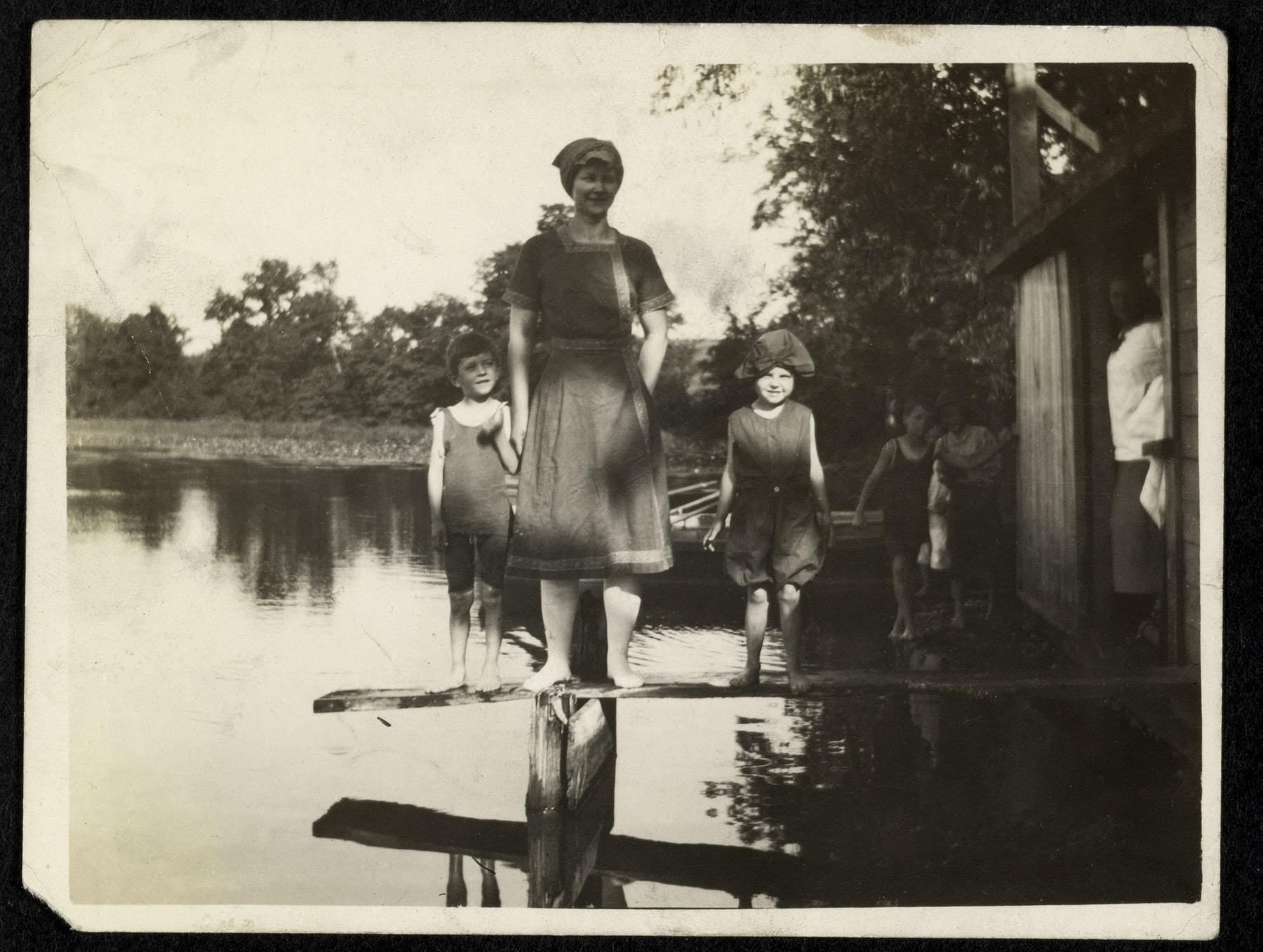


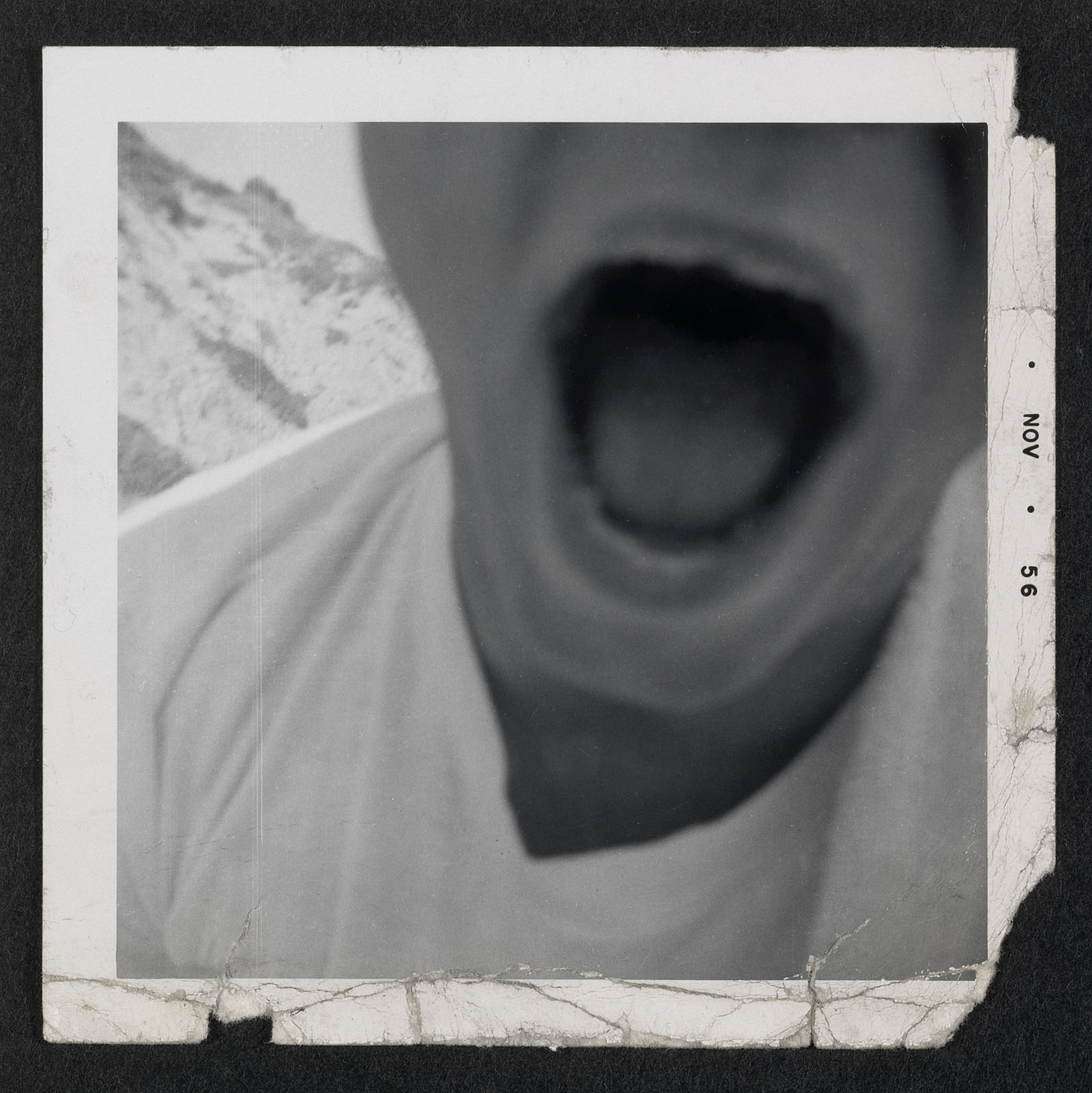
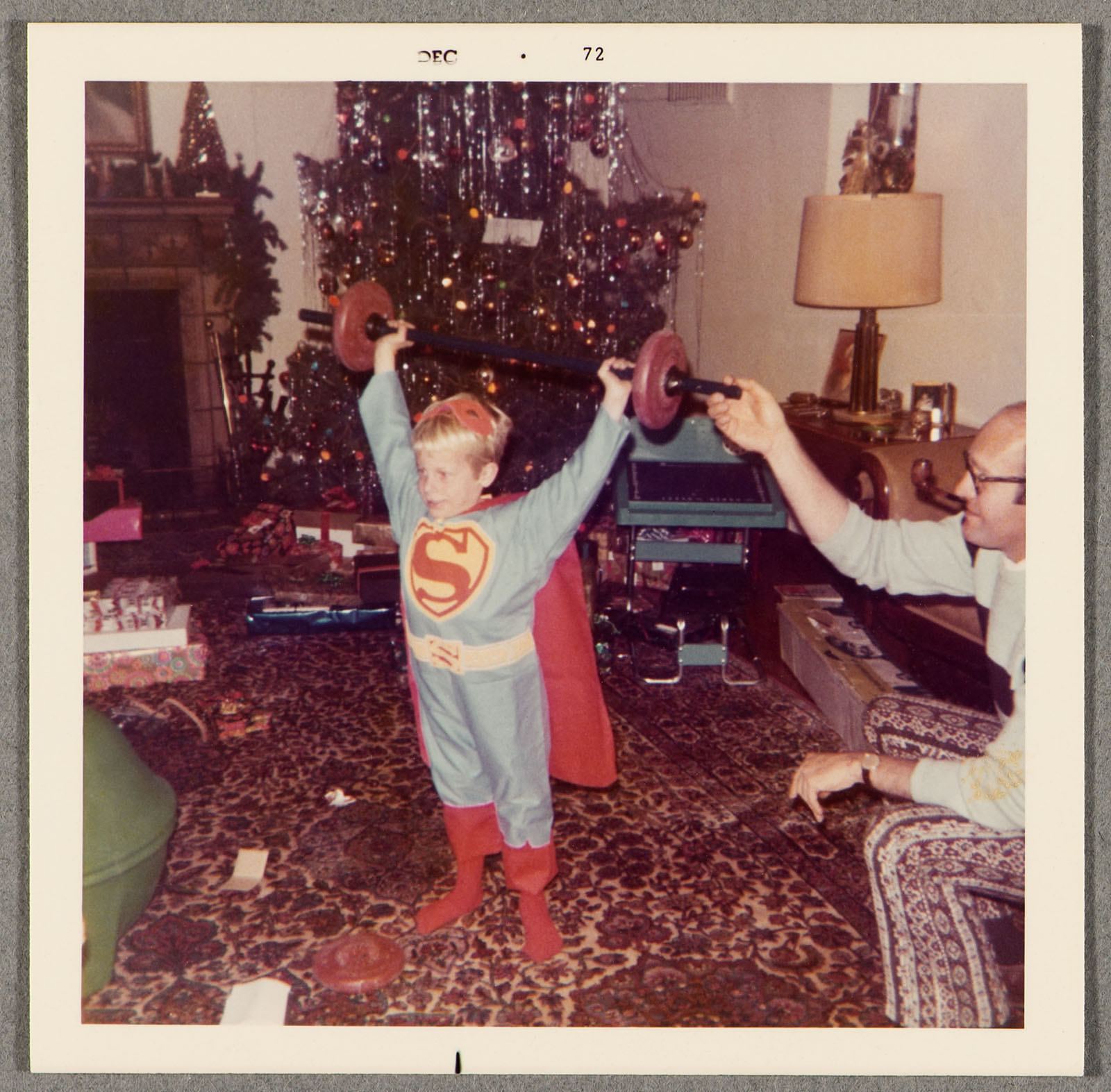
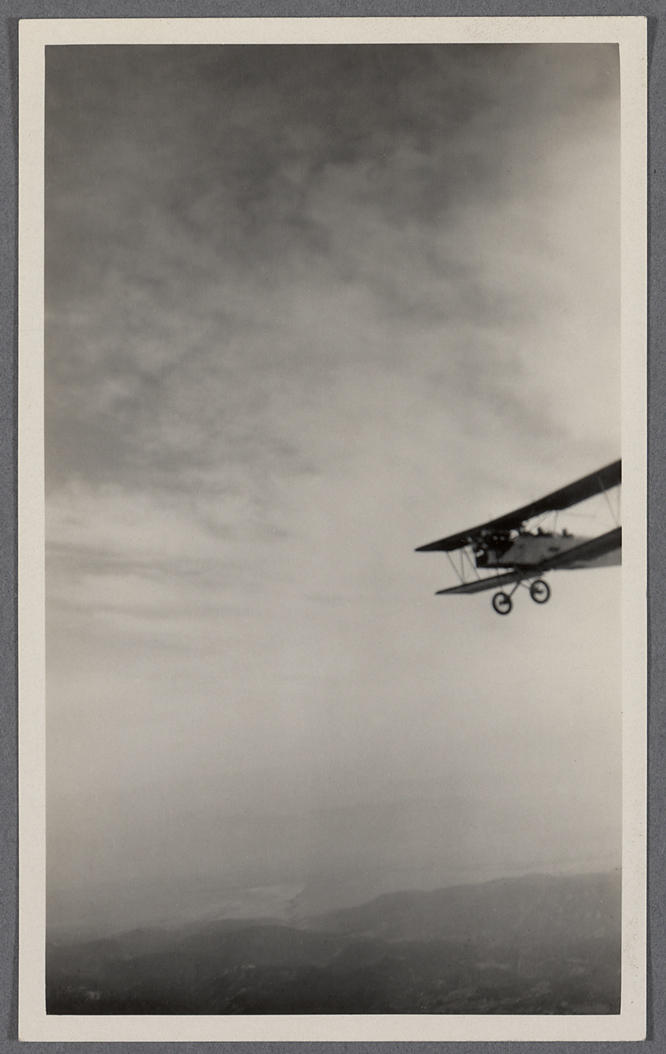
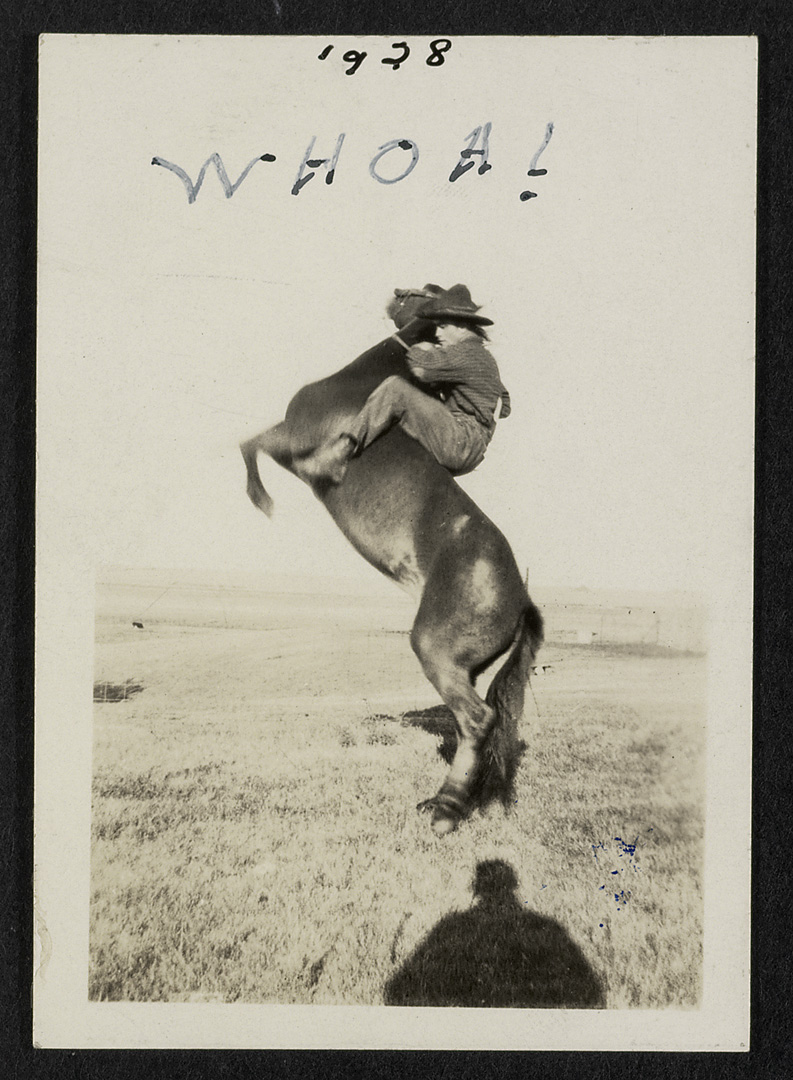
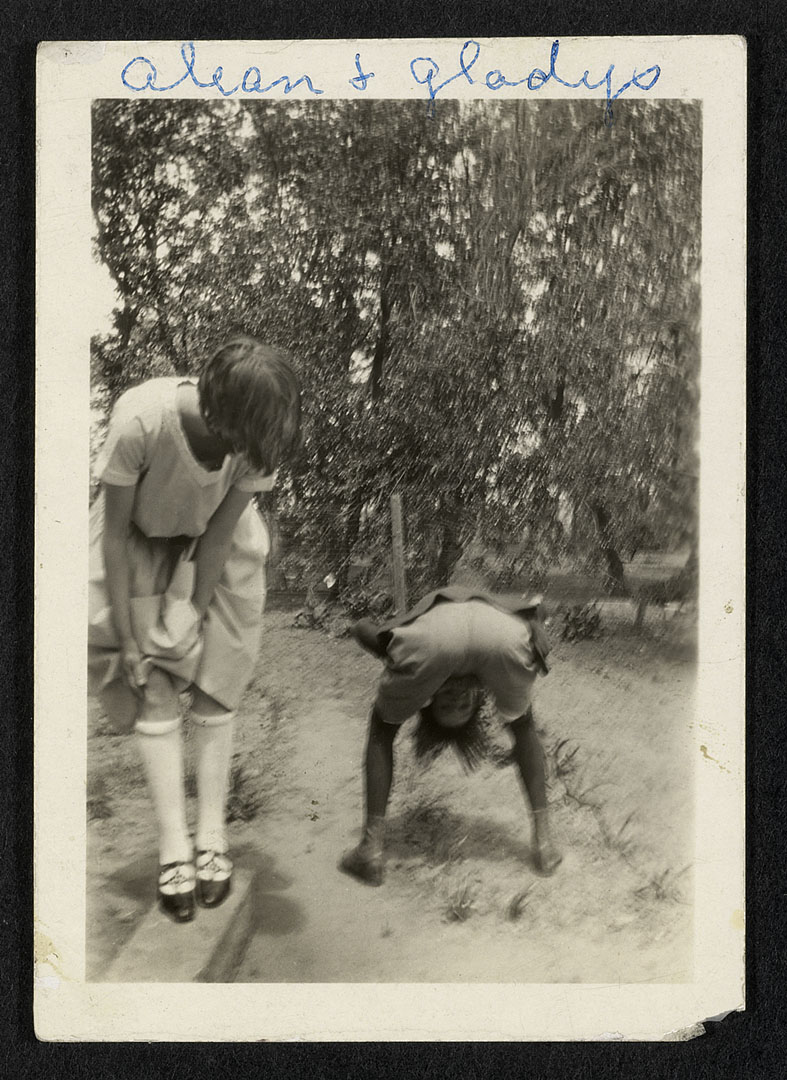
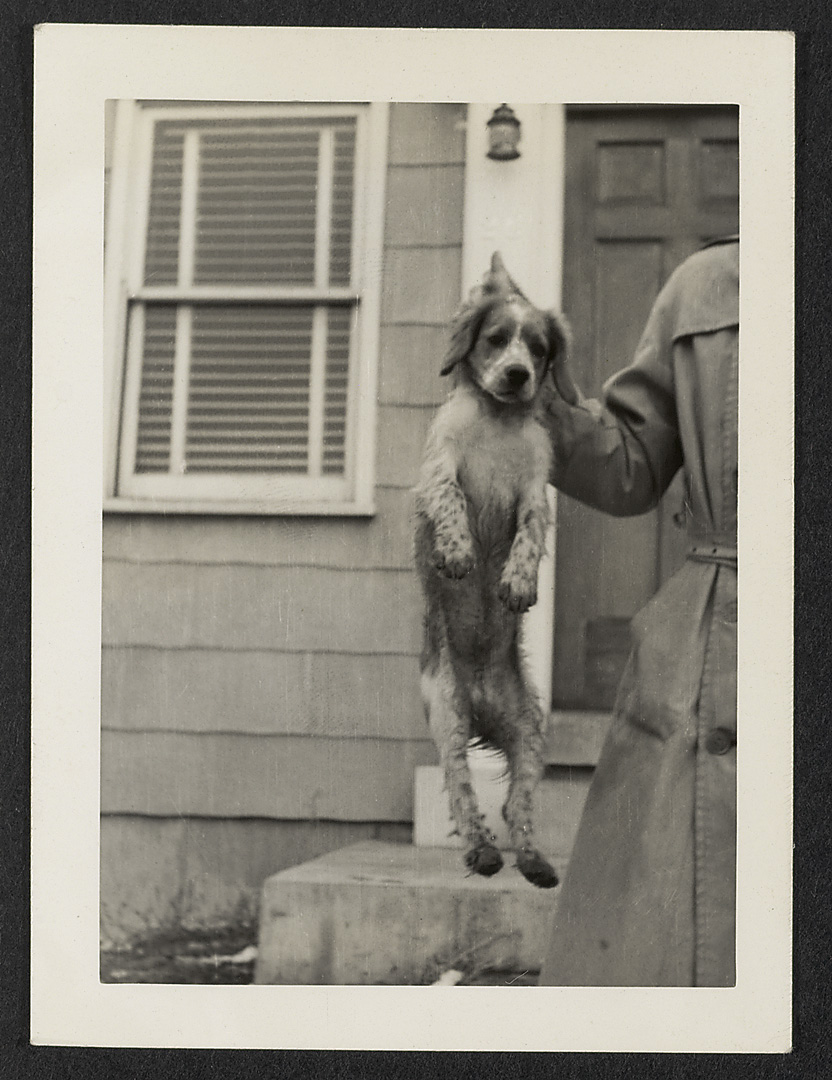
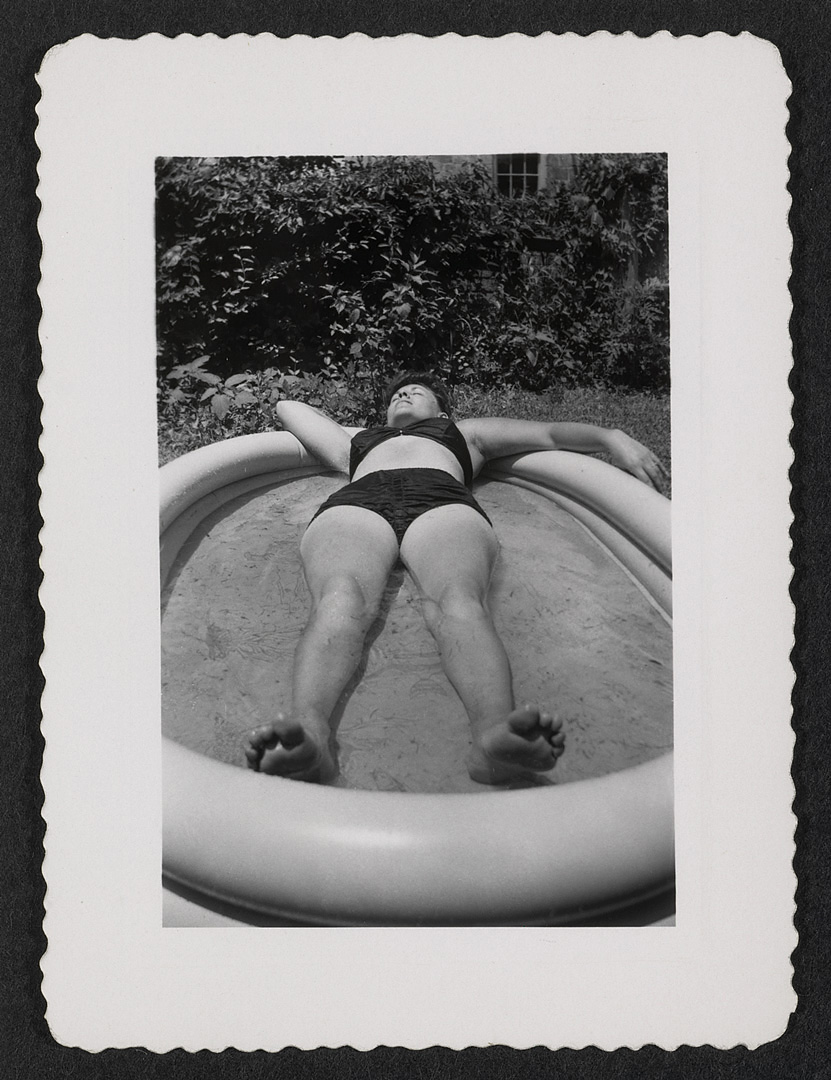
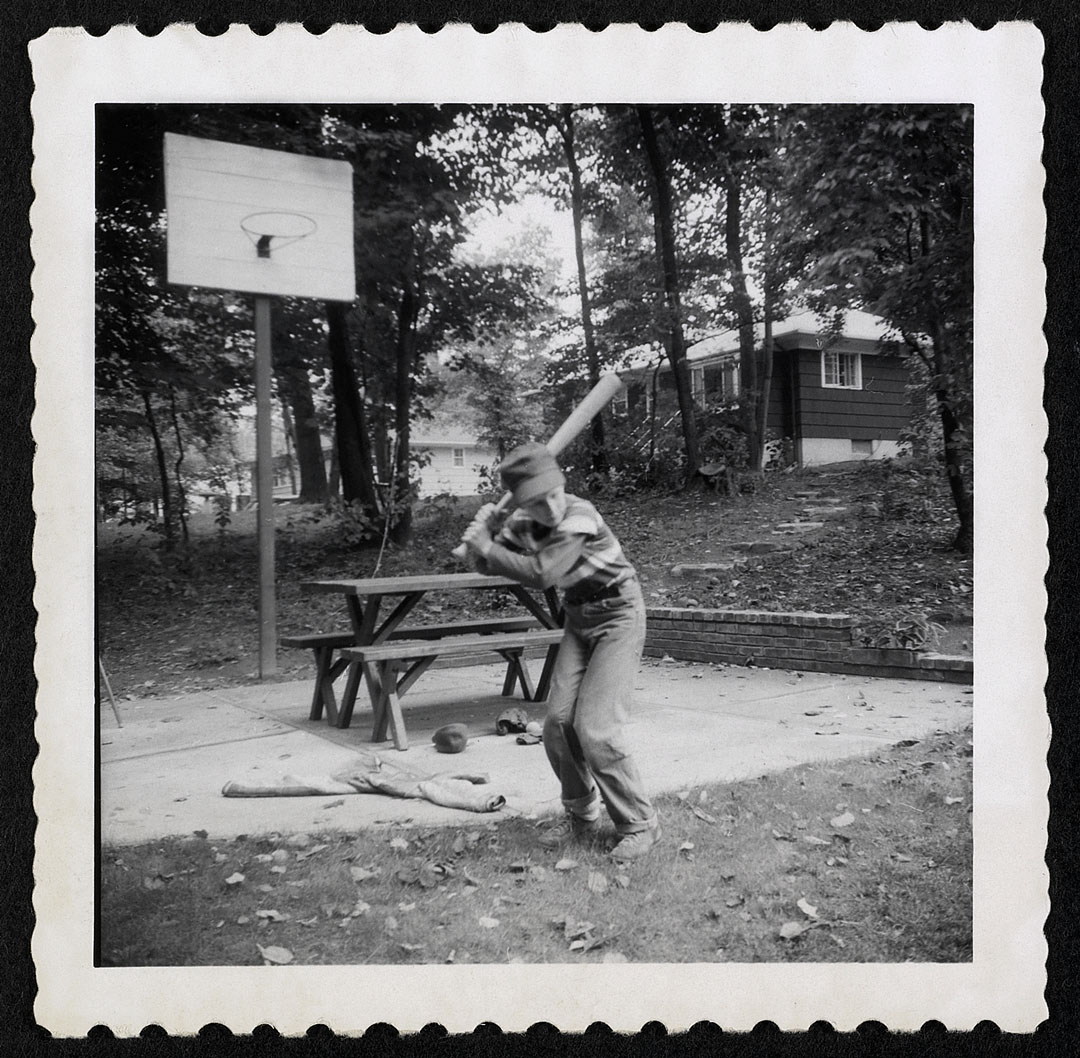
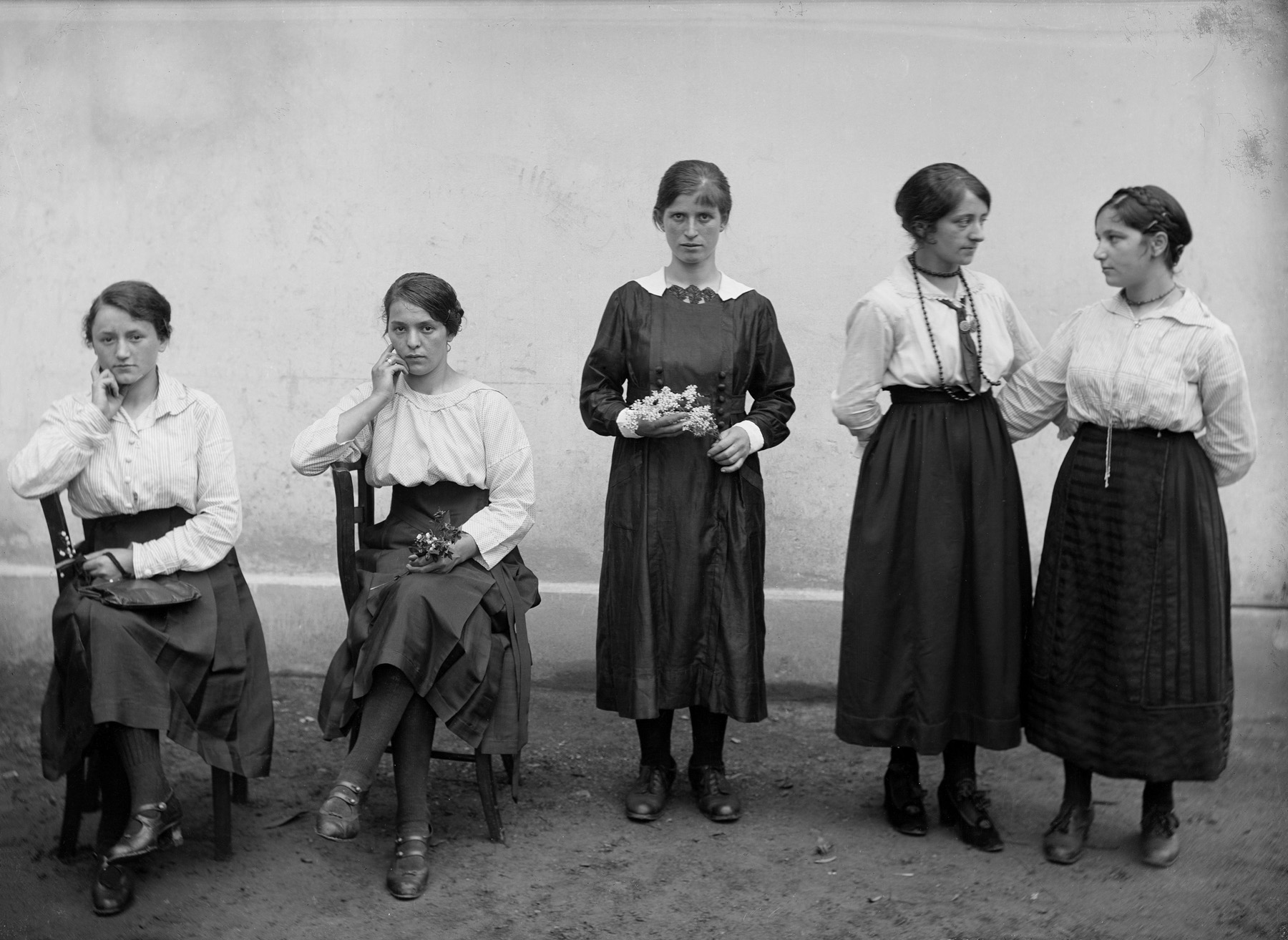


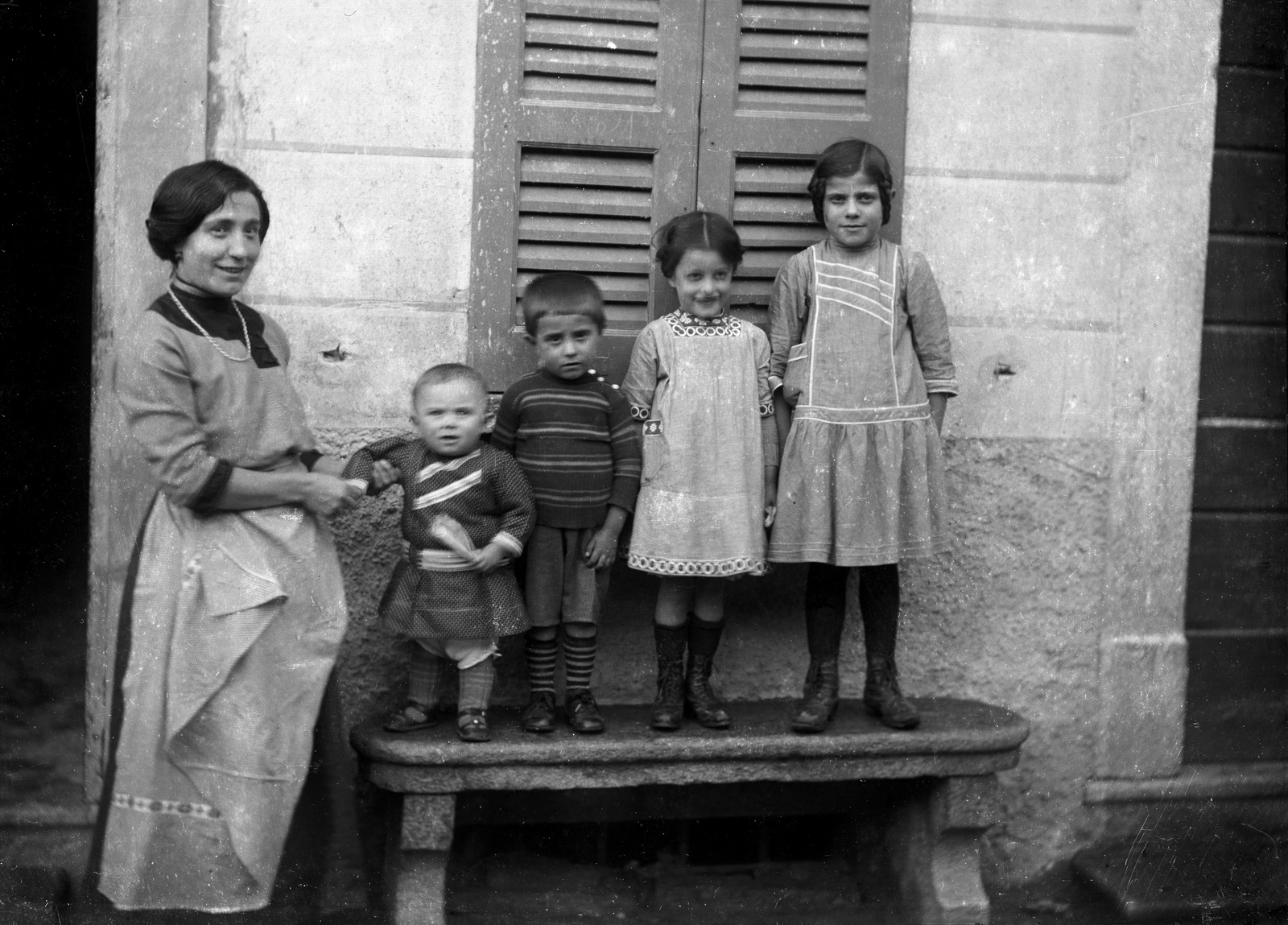
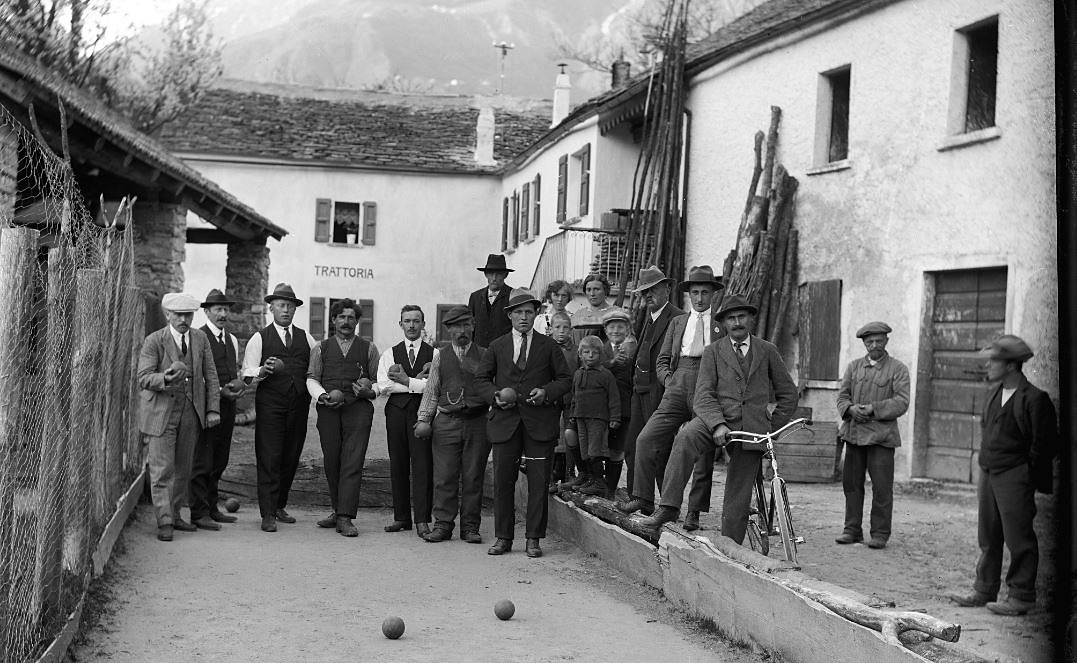
![Roberto Donetta (Swiss, 1865-1932) 'Untitled [Basket maker], Bleniotal' Nd](https://artblart.com/wp-content/uploads/2016/08/donetta-l-web.jpg "Roberto Donetta (Swiss, 1865-1932) 'Untitled [Basket maker], Bleniotal' Nd")
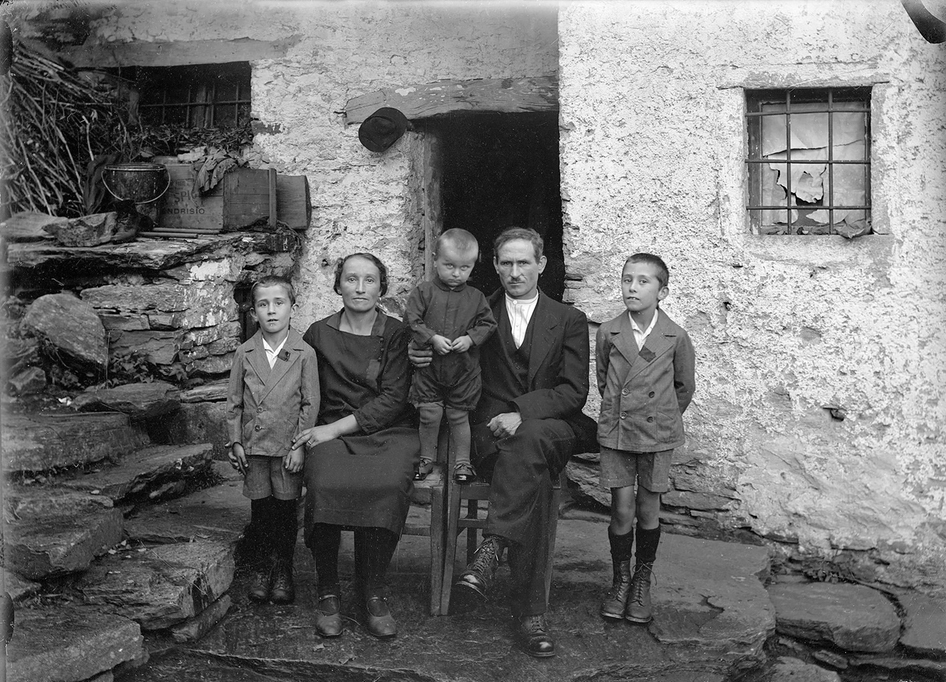
![Roberto Donetta (Swiss, 1865-1932) 'Untitled [Group Portrait], Bleniotal' Nd](https://artblart.com/wp-content/uploads/2016/08/donetta-j-web.jpg "Roberto Donetta (Swiss, 1865-1932) 'Untitled [Group Portrait], Bleniotal' Nd")

![Roberto Donetta (Swiss, 1865-1932) 'Untitled [Group of men], Bleniotal' Nd](https://artblart.com/wp-content/uploads/2016/08/donetta-i-web.jpg "Roberto Donetta (Swiss, 1865-1932) 'Untitled [Group of men], Bleniotal' Nd")


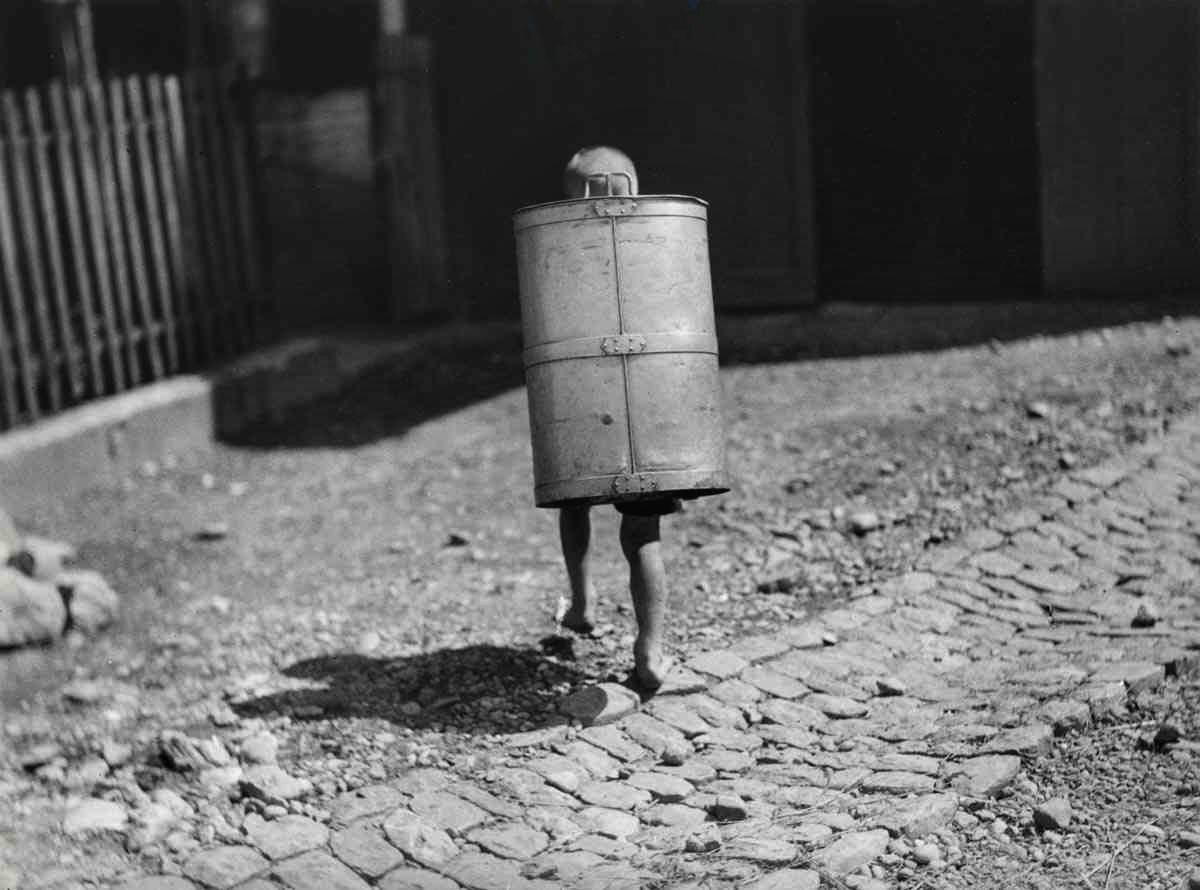
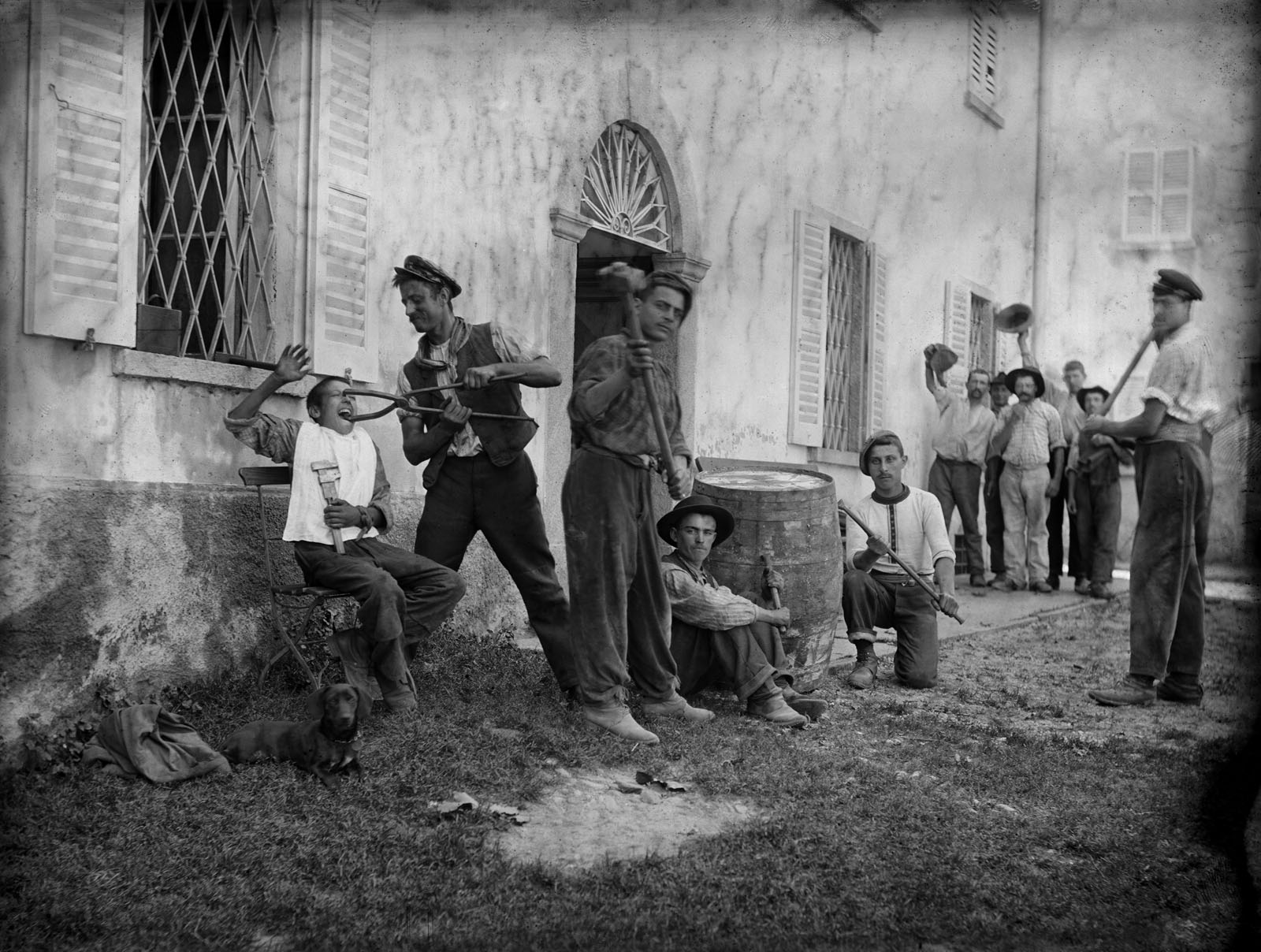
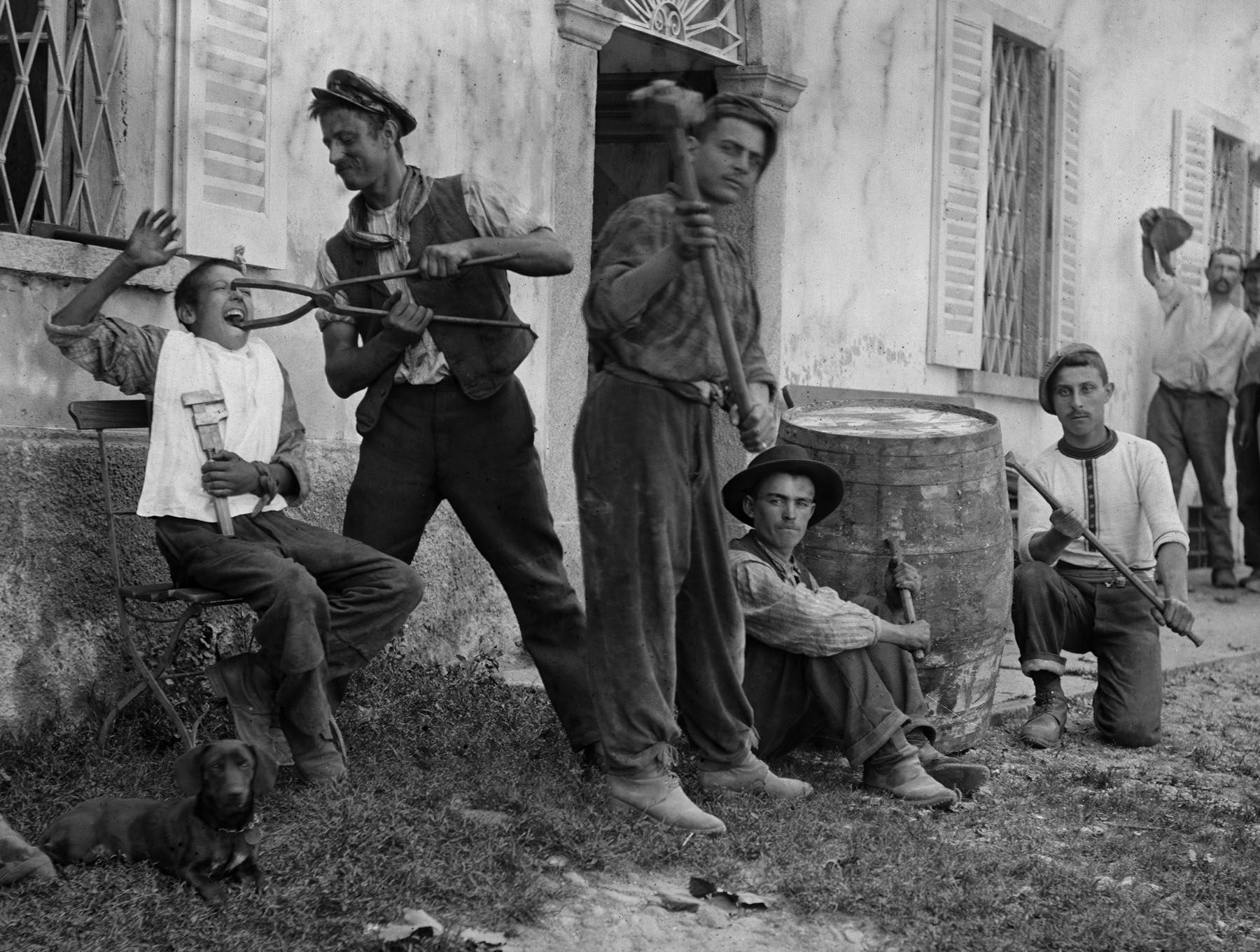


![Roberto Donetta (Swiss, 1865-1932) 'Untitled [Boy and girl]' Nd](https://artblart.com/wp-content/uploads/2016/08/donetta-r-web.jpg "Roberto Donetta (Swiss, 1865-1932) 'Untitled [Boy and girl]' Nd")
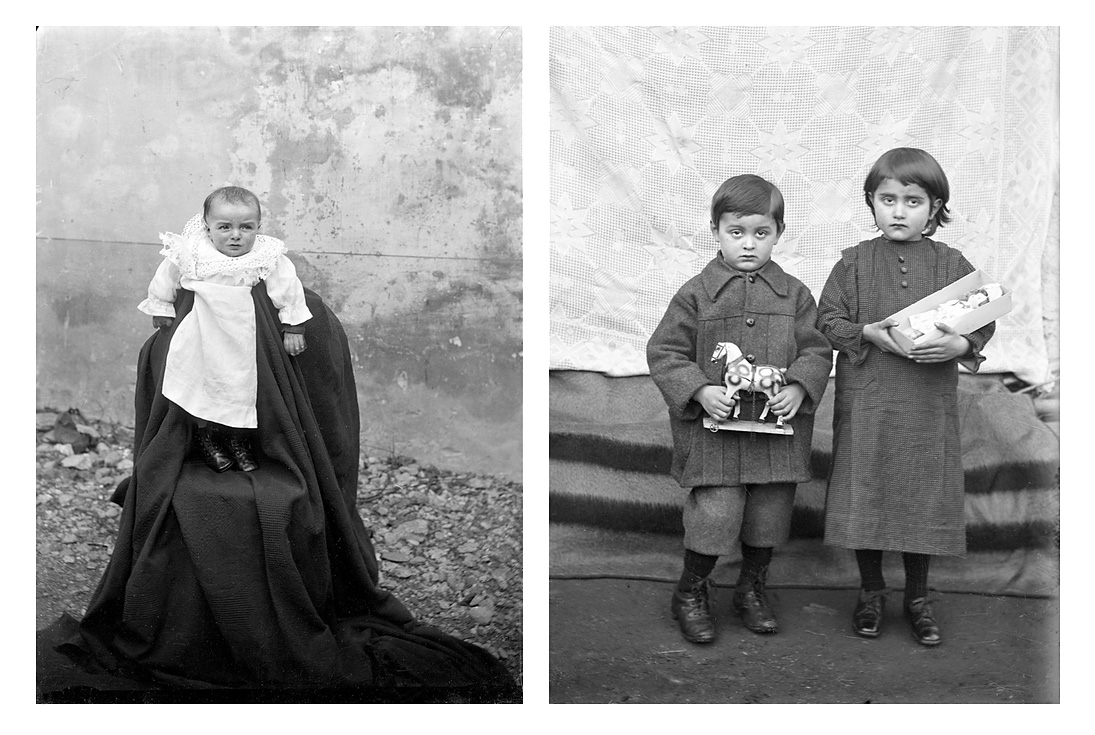

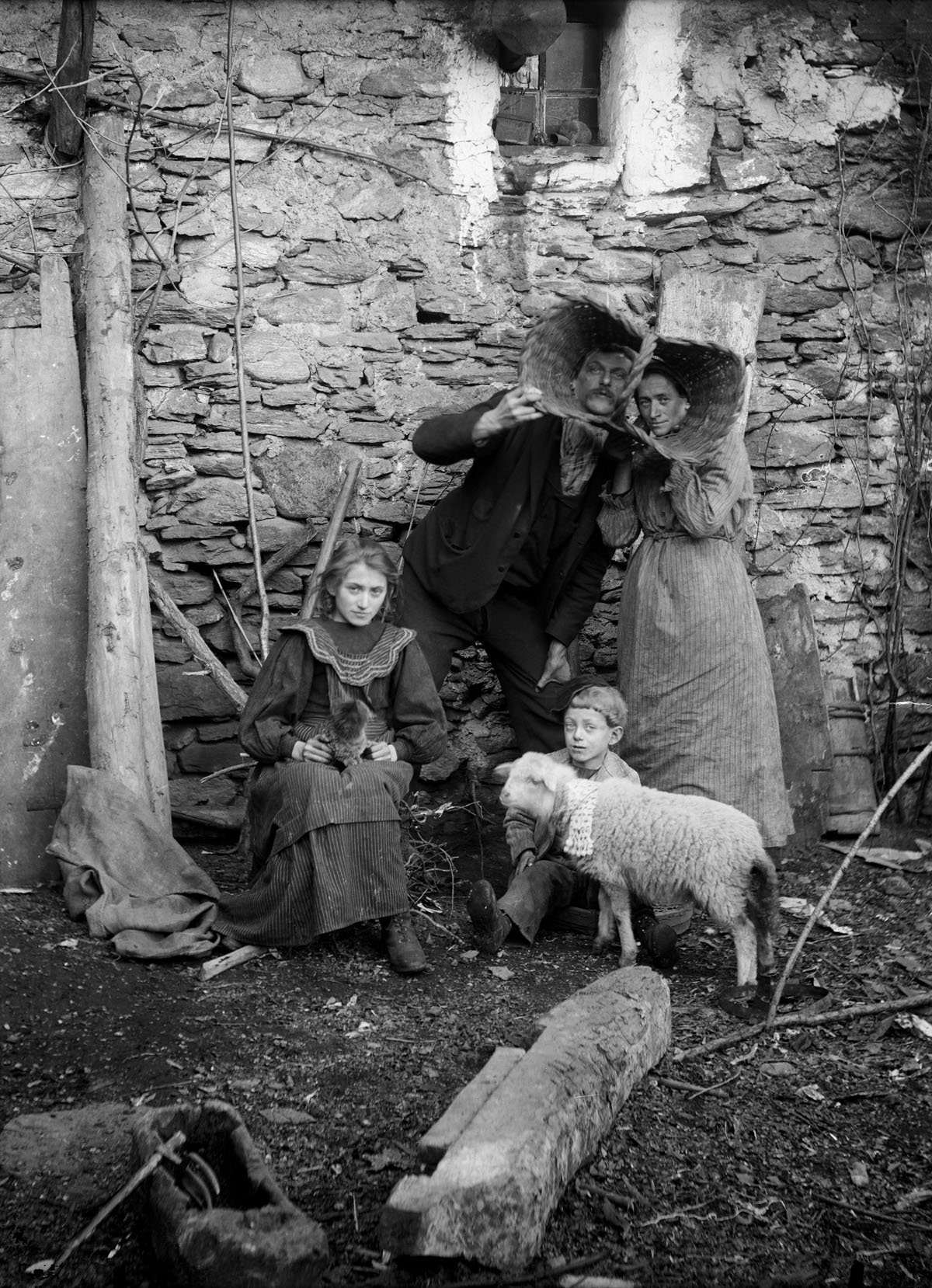


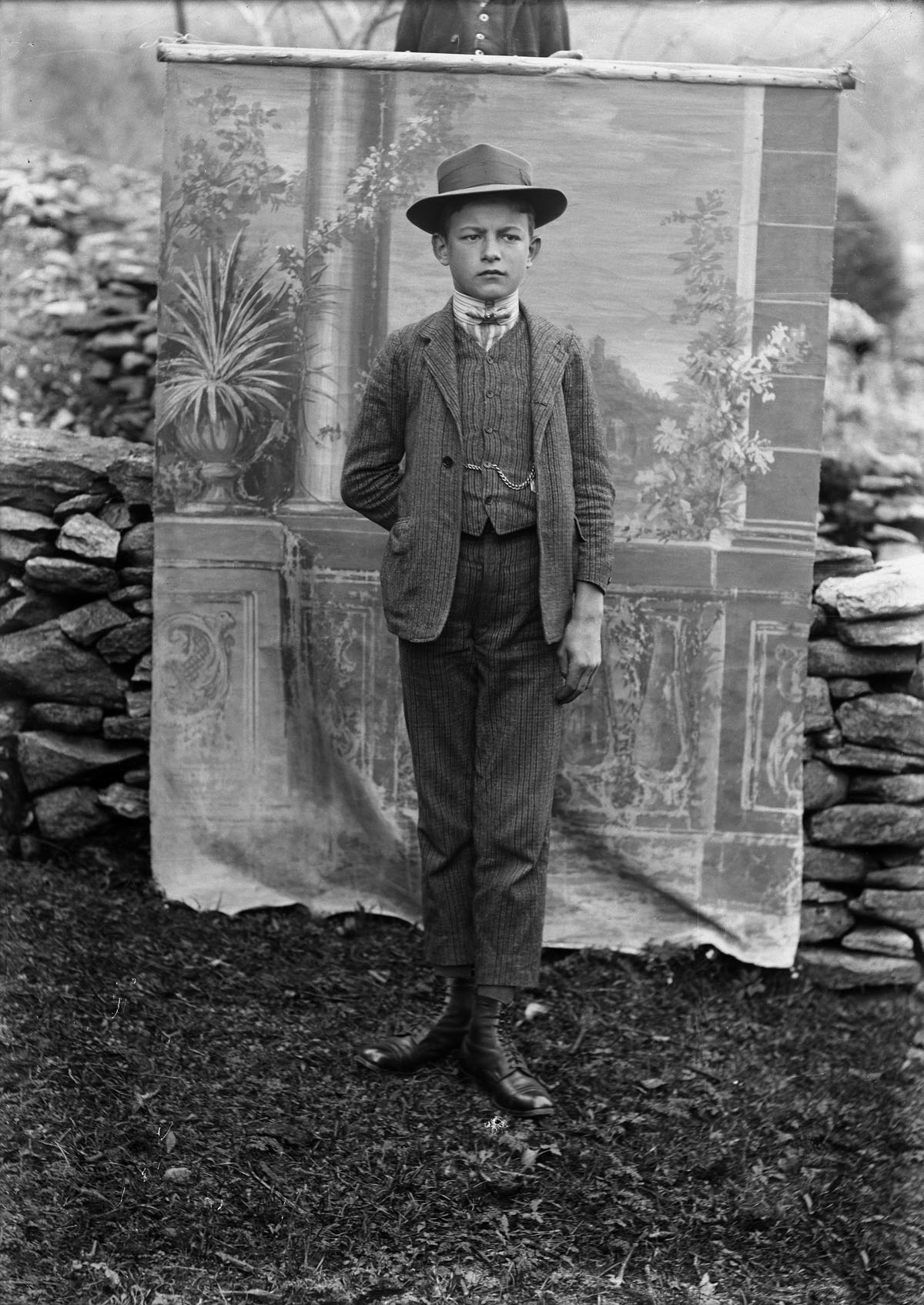


![Roberto Donetta (Swiss, 1865-1932) 'Untitled [Portrait of a women]' Nd](https://artblart.com/wp-content/uploads/2016/08/donetta-p-web.jpg "Roberto Donetta (Swiss, 1865-1932) 'Untitled [Portrait of a women]' Nd")
![Roberto Donetta (Swiss, 1865-1932) 'Untitled [Portrait of a man]' Nd](https://artblart.com/wp-content/uploads/2016/08/donetta-o-web.jpg "Roberto Donetta (Swiss, 1865-1932) 'Untitled [Portrait of a man]' Nd")
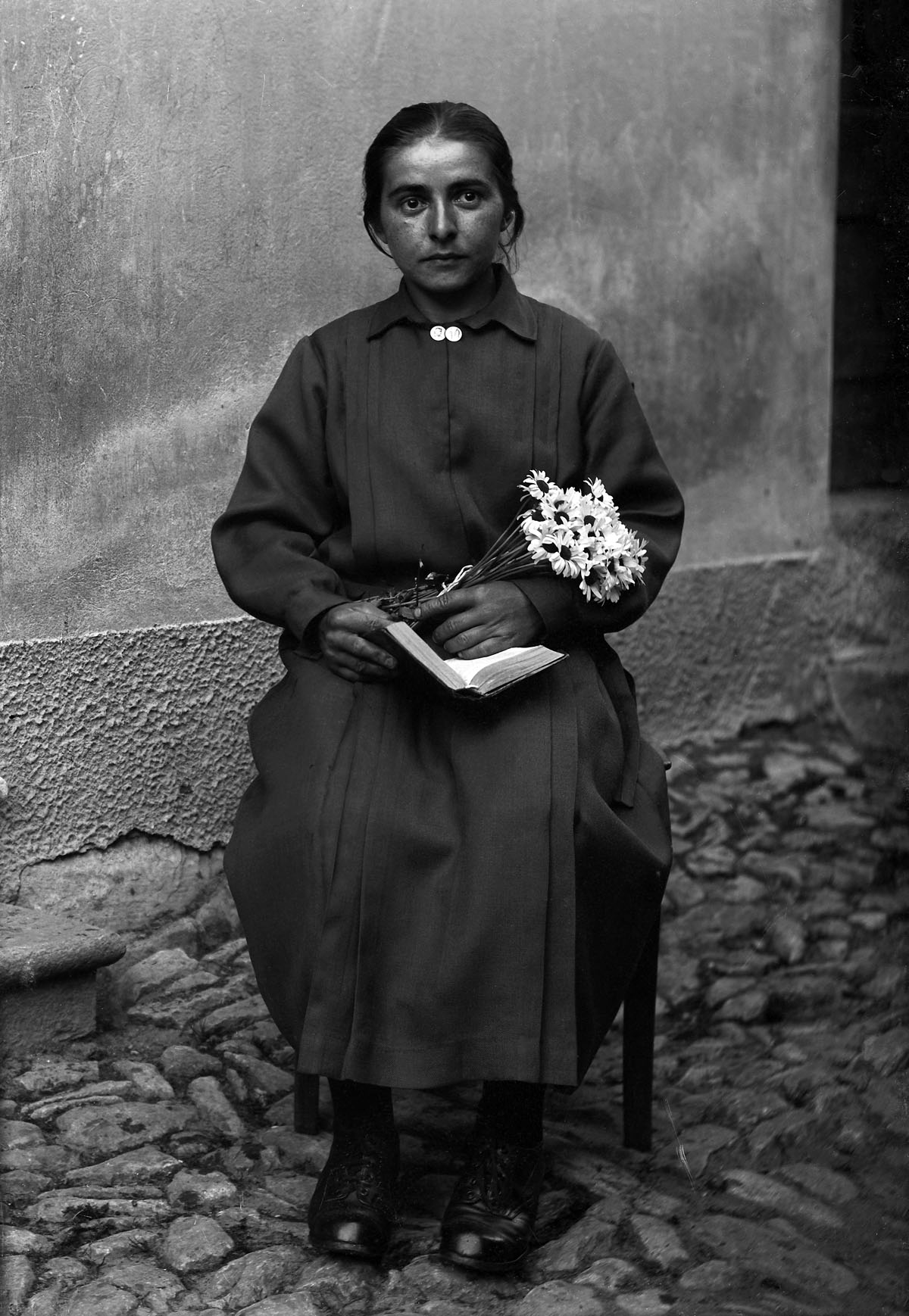
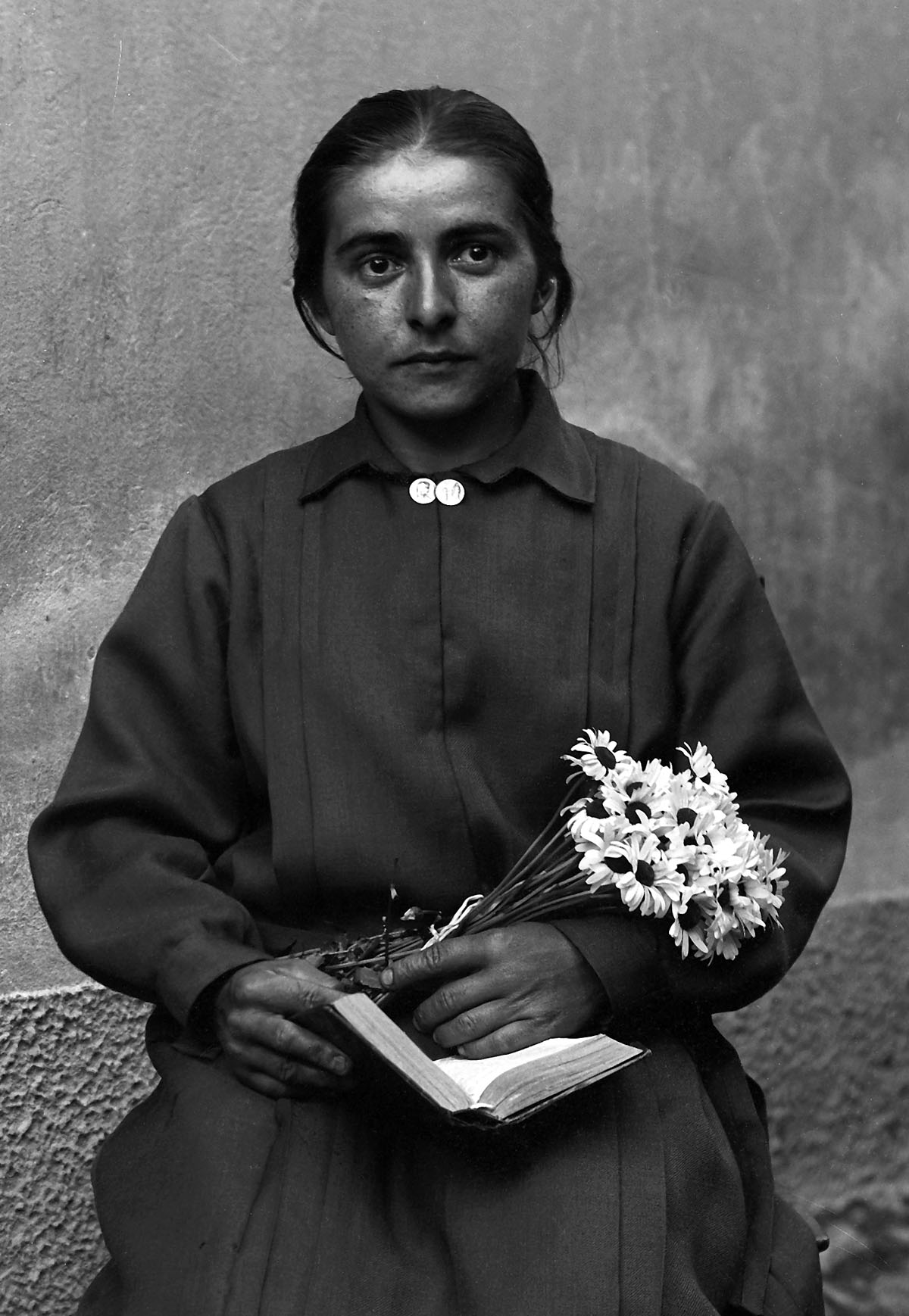
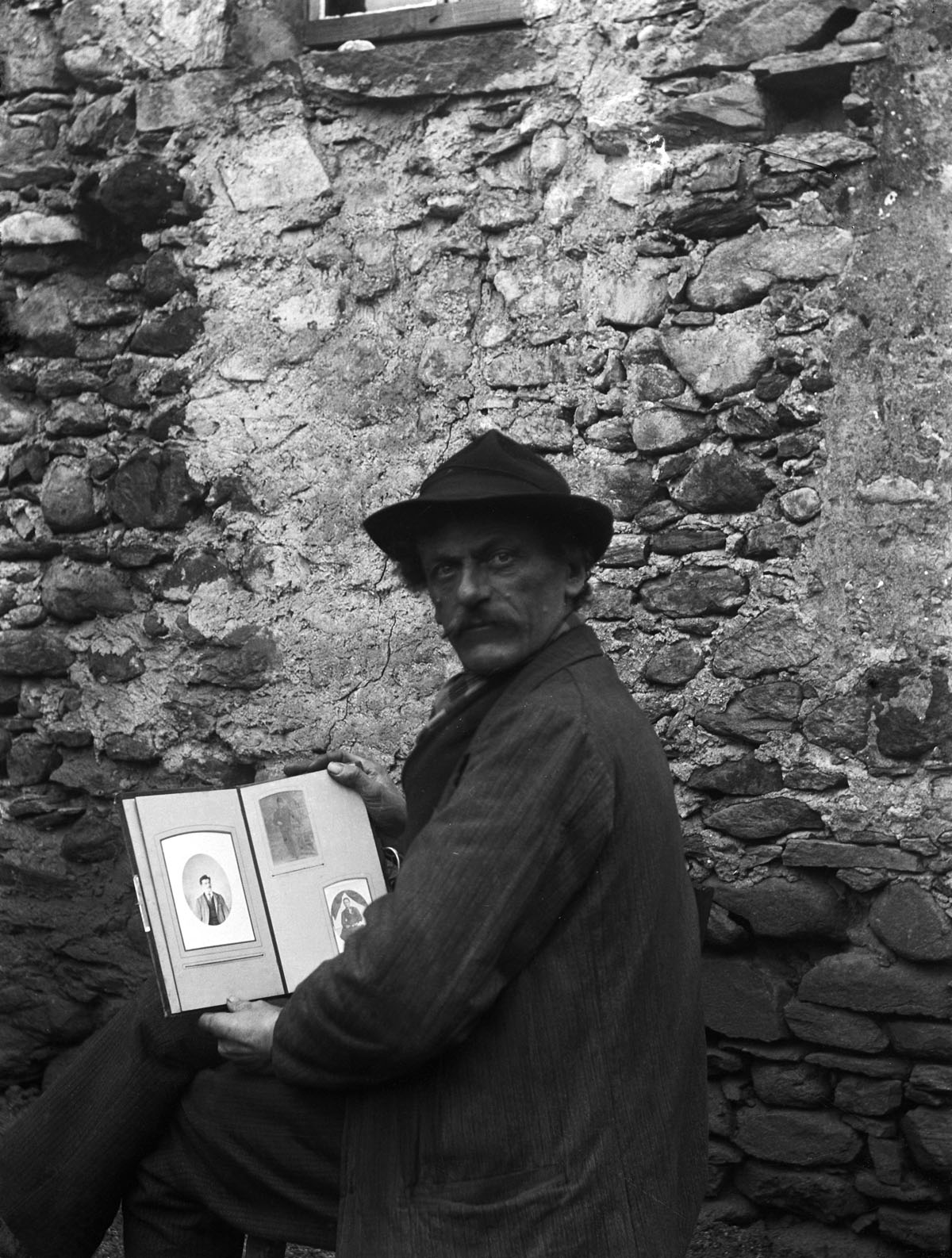
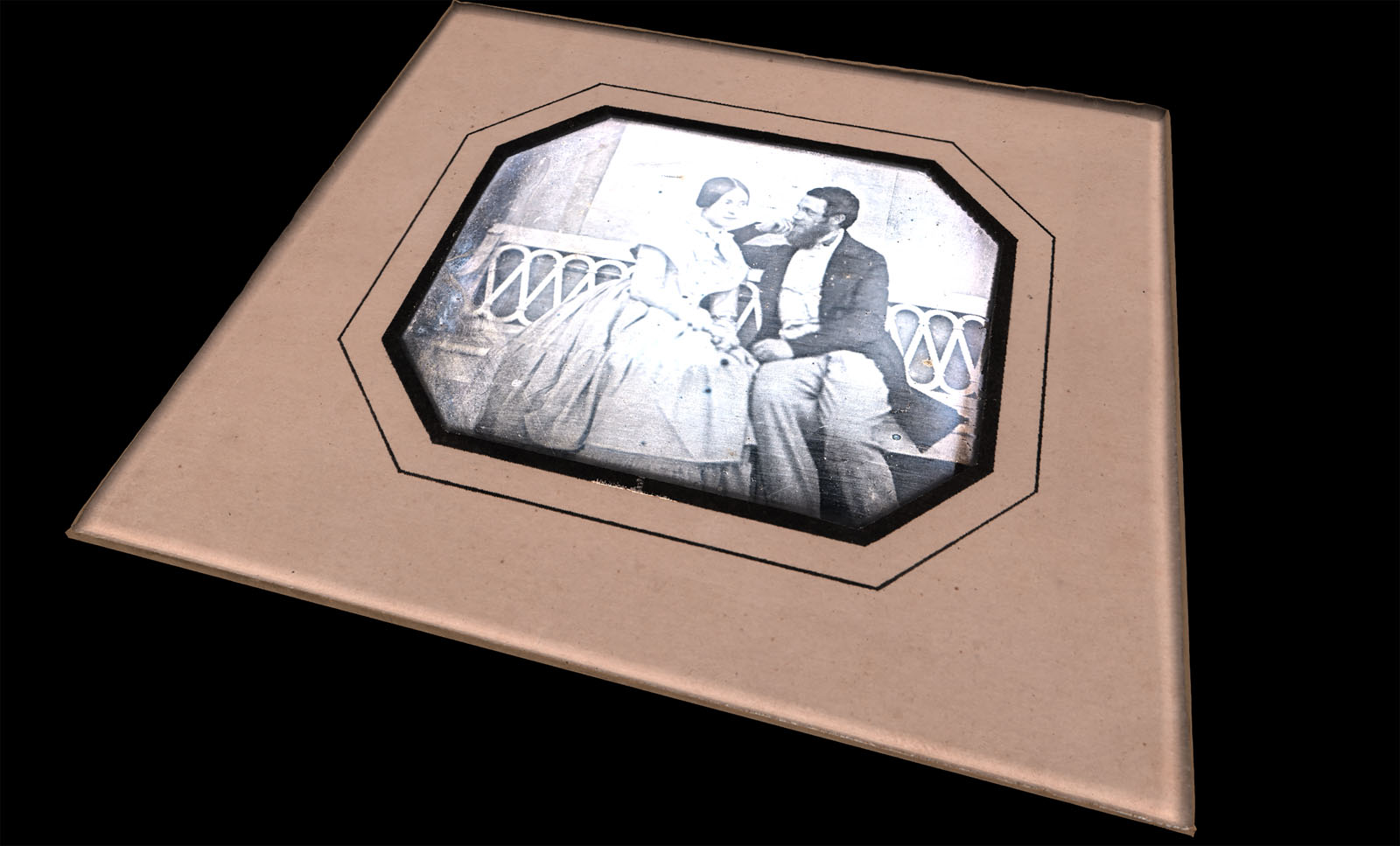

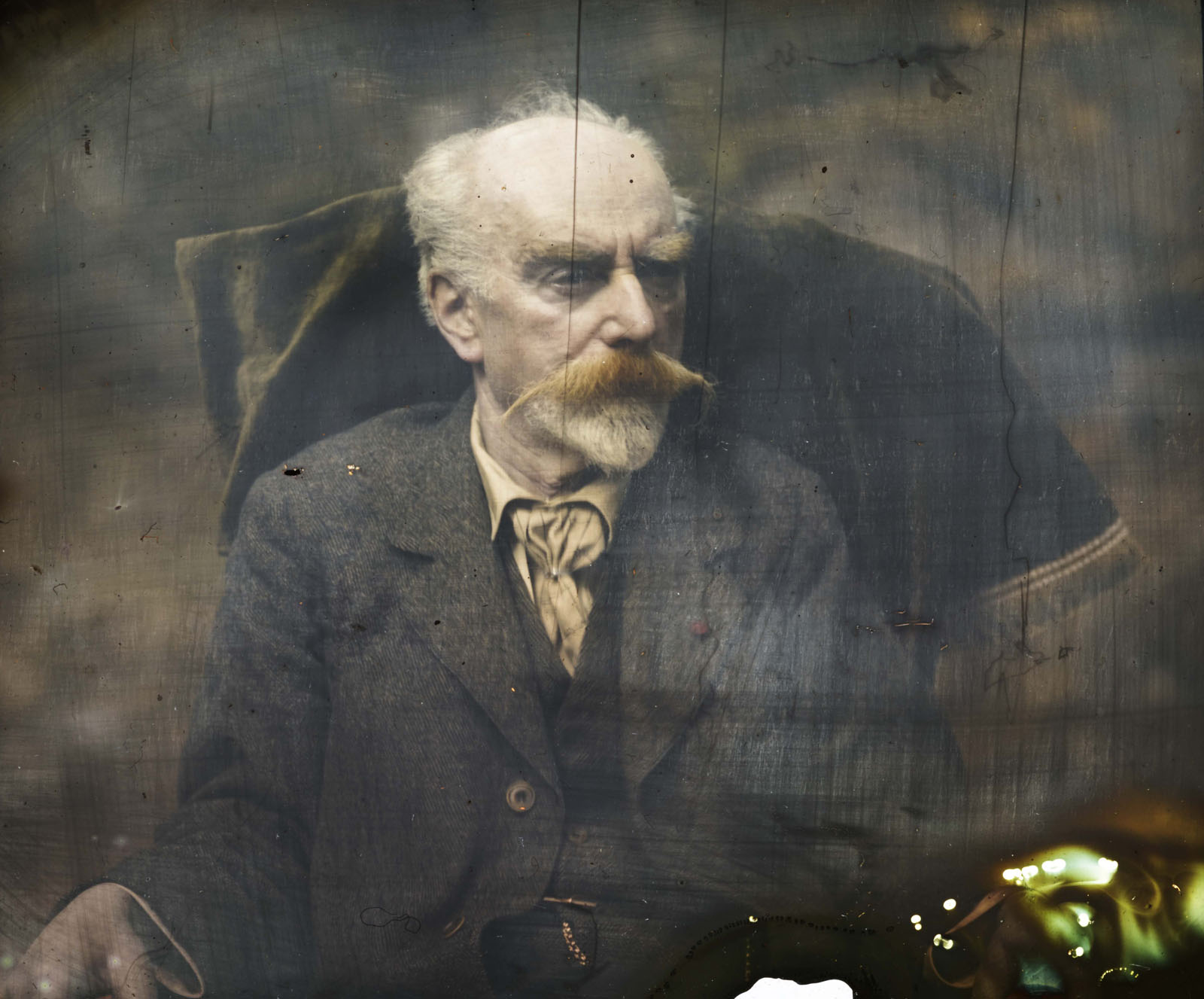
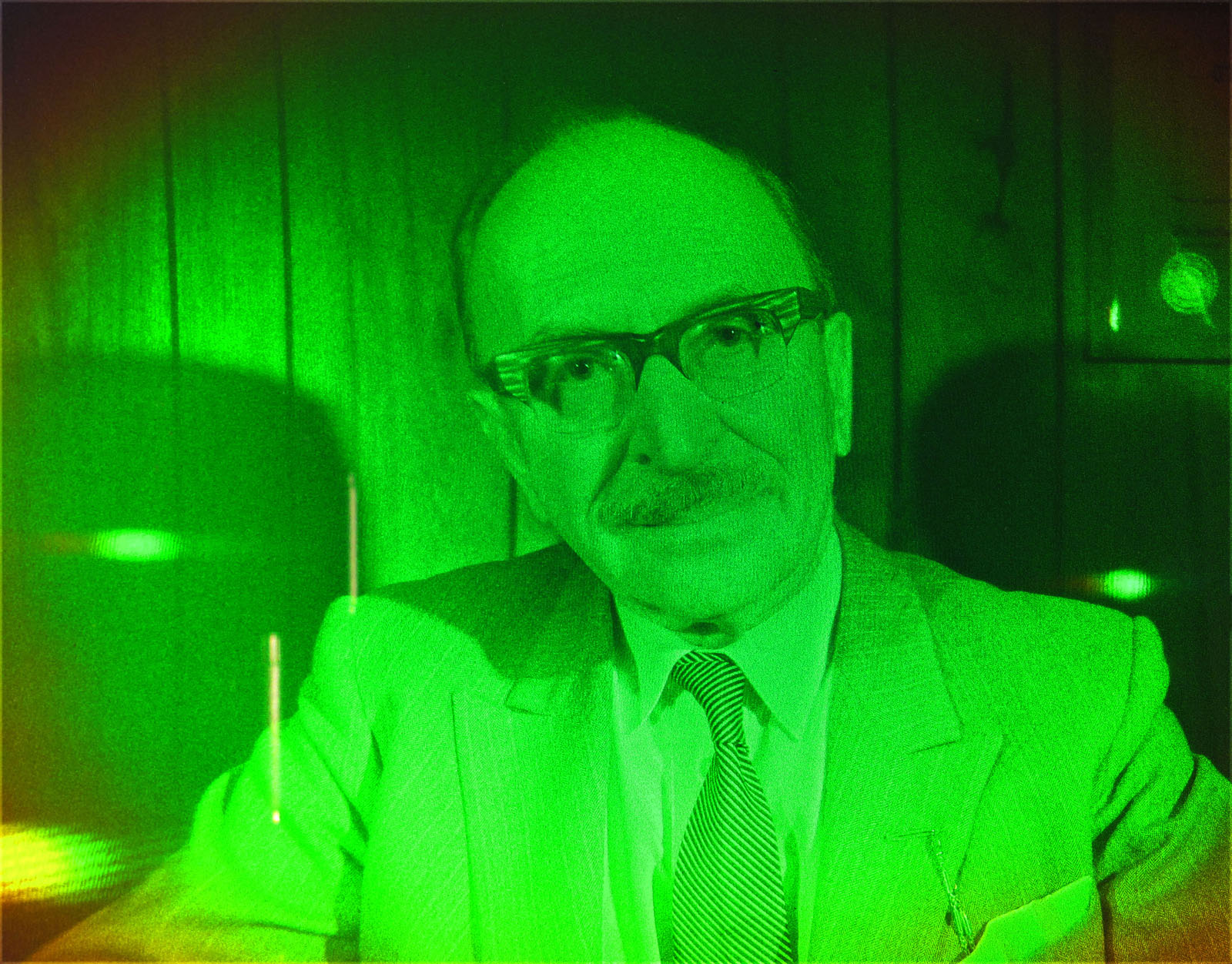

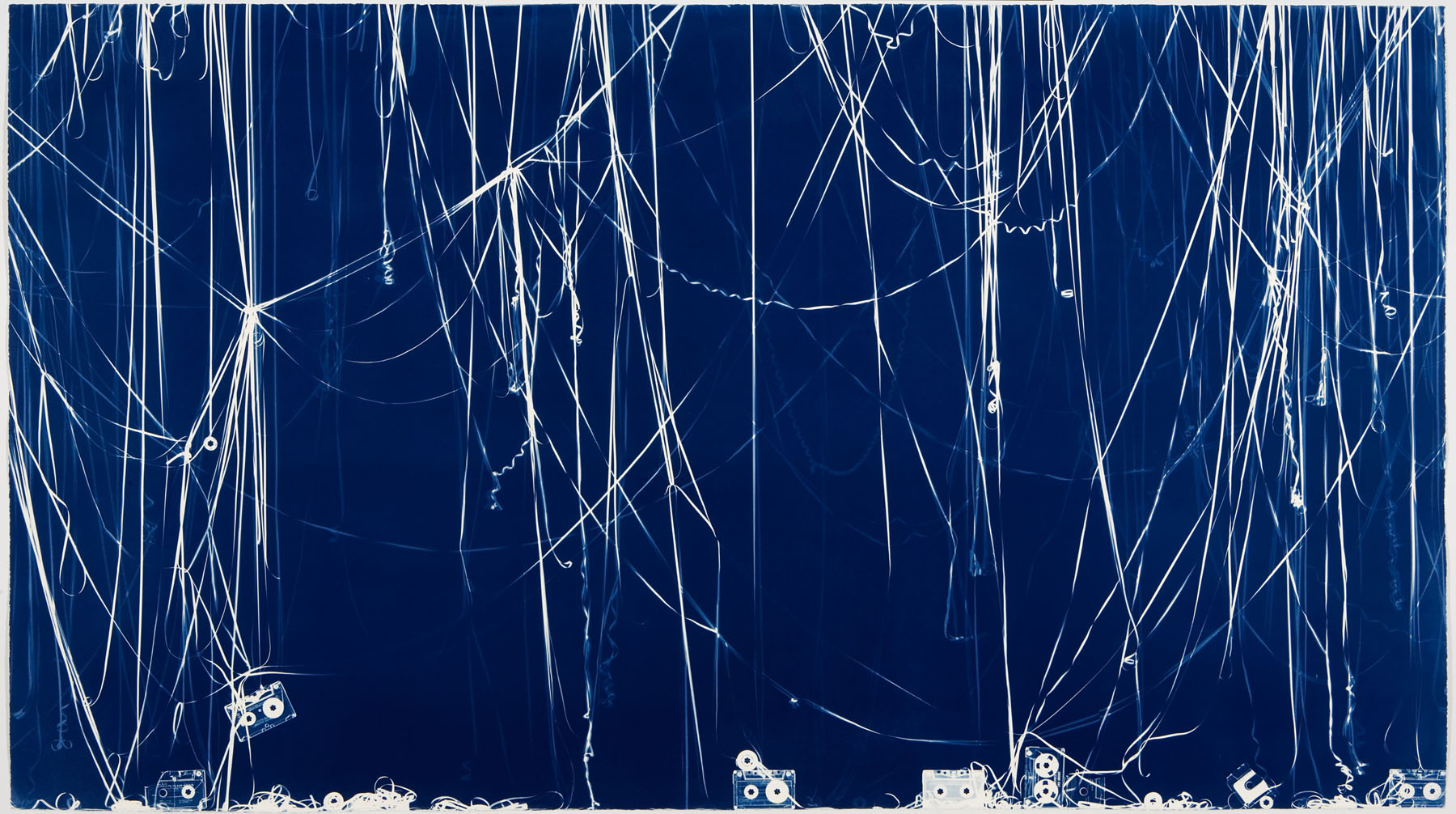
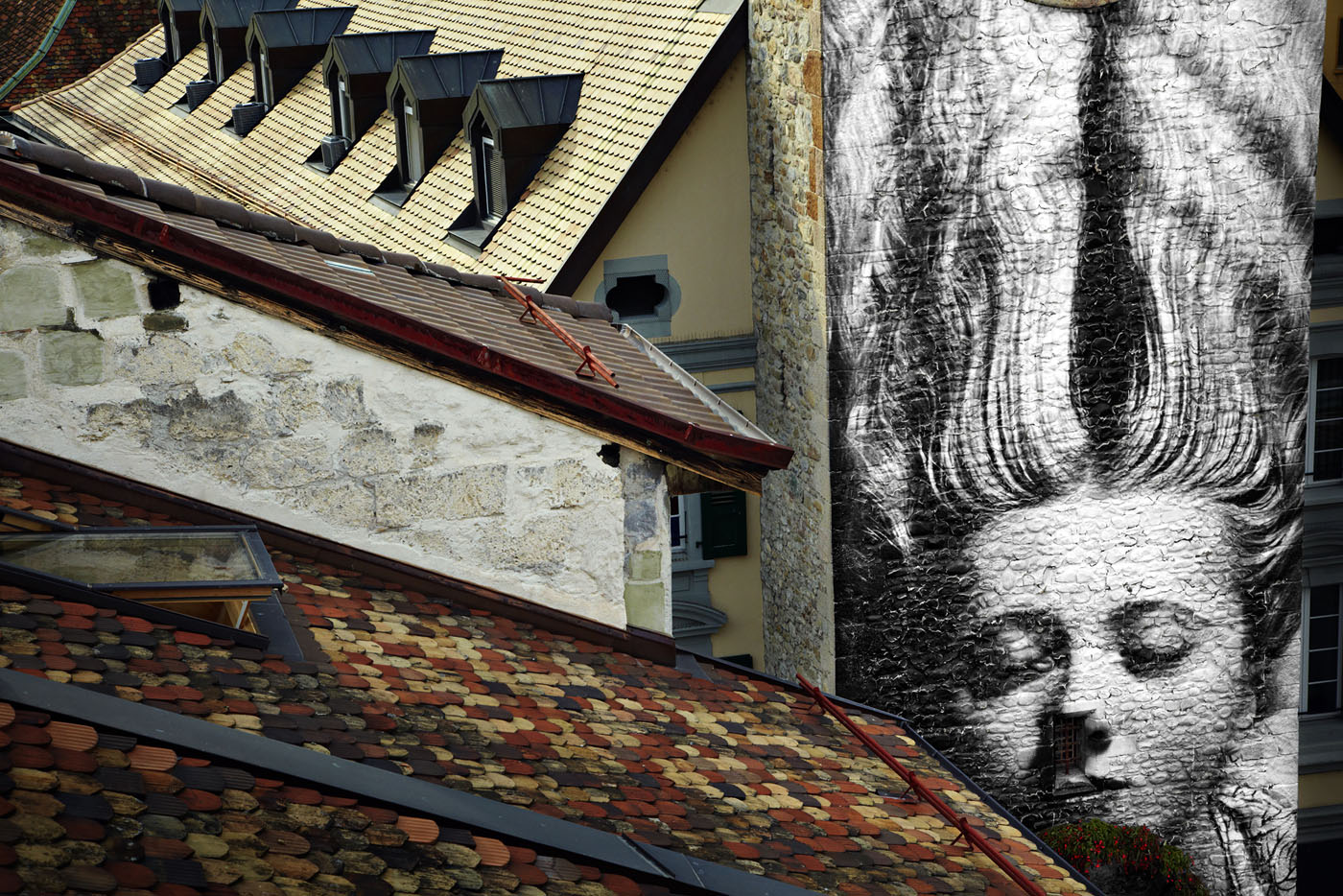
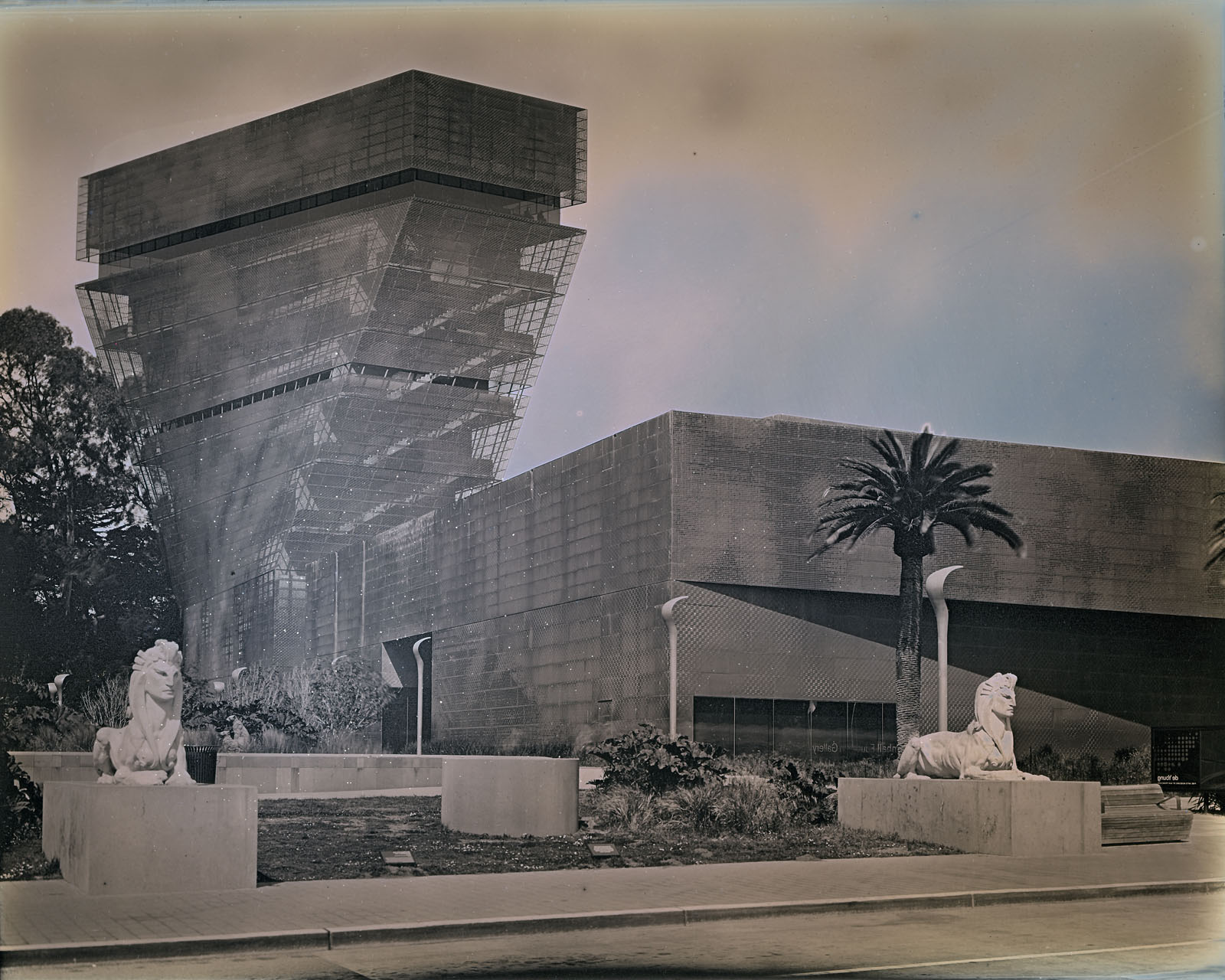
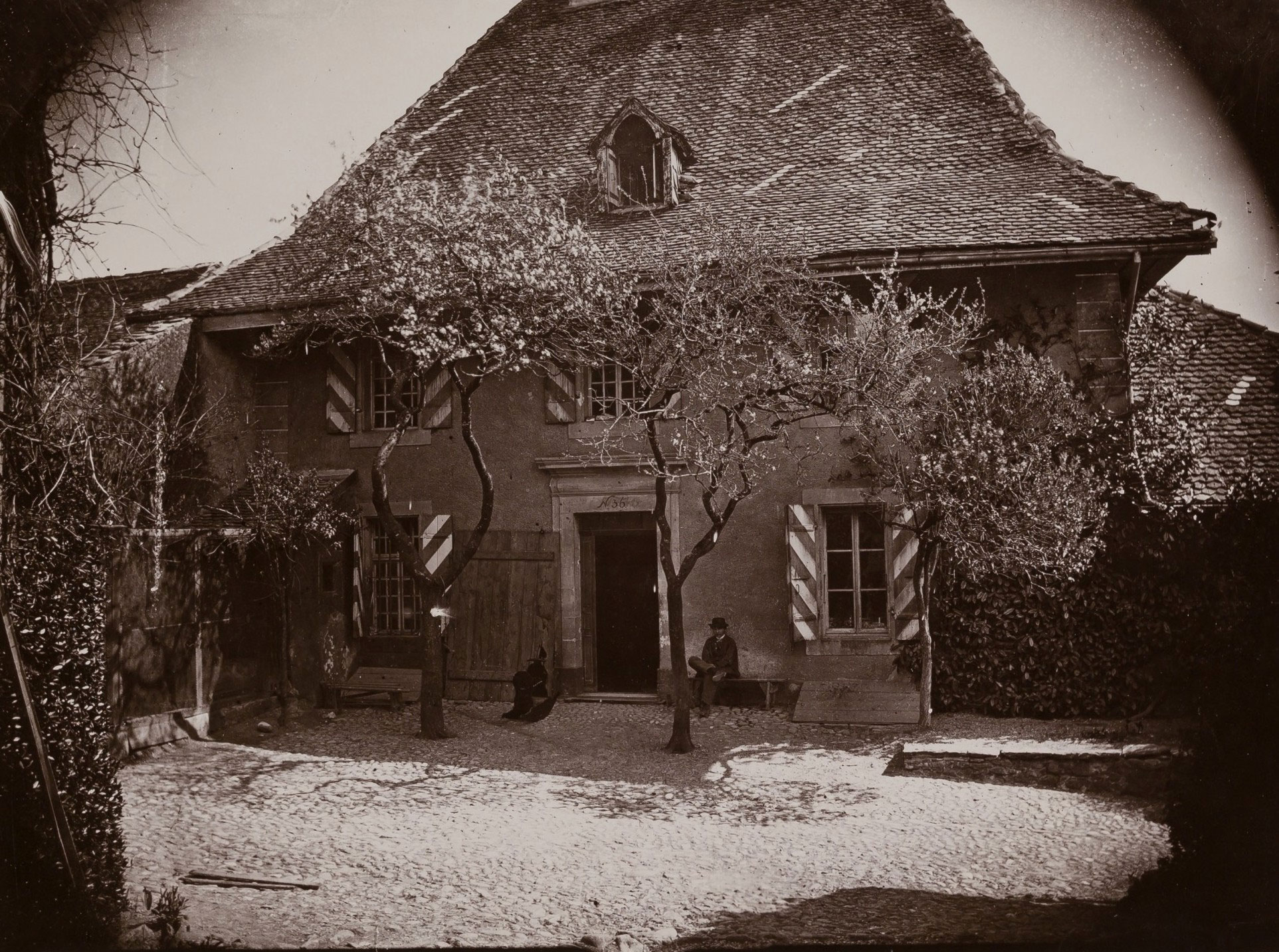
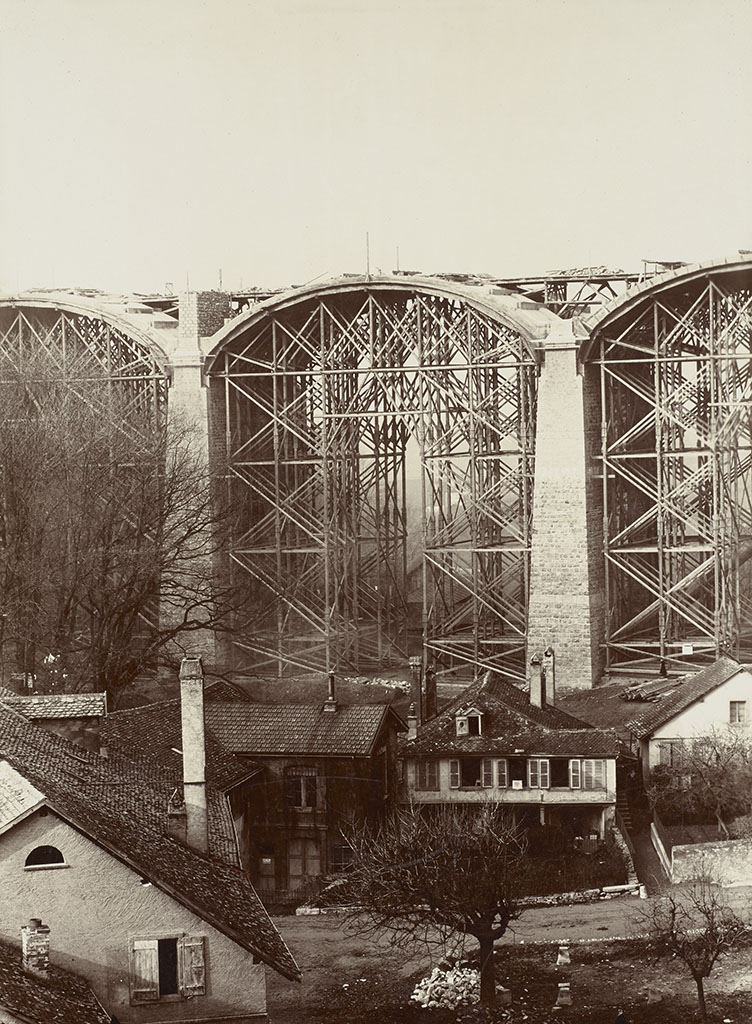

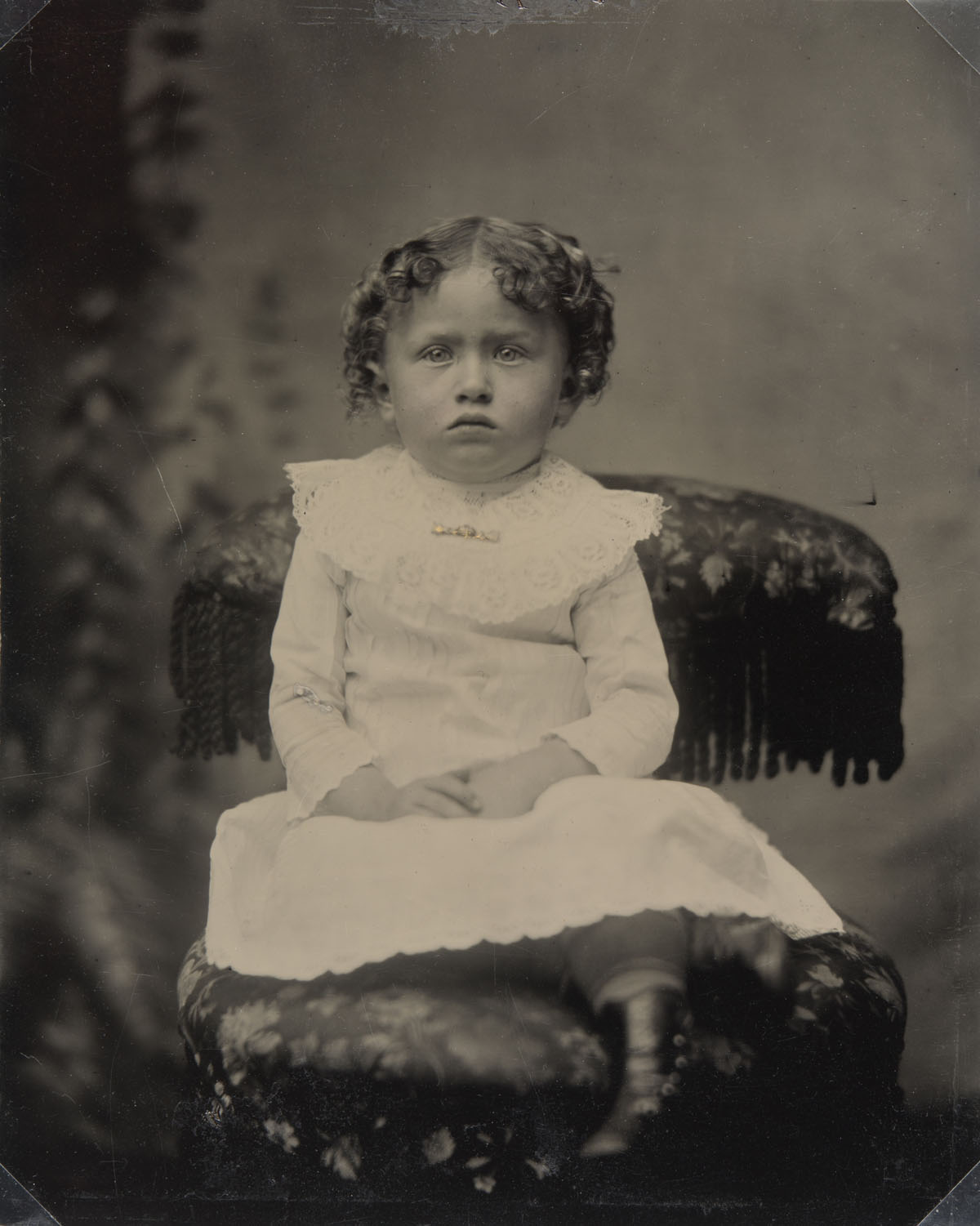
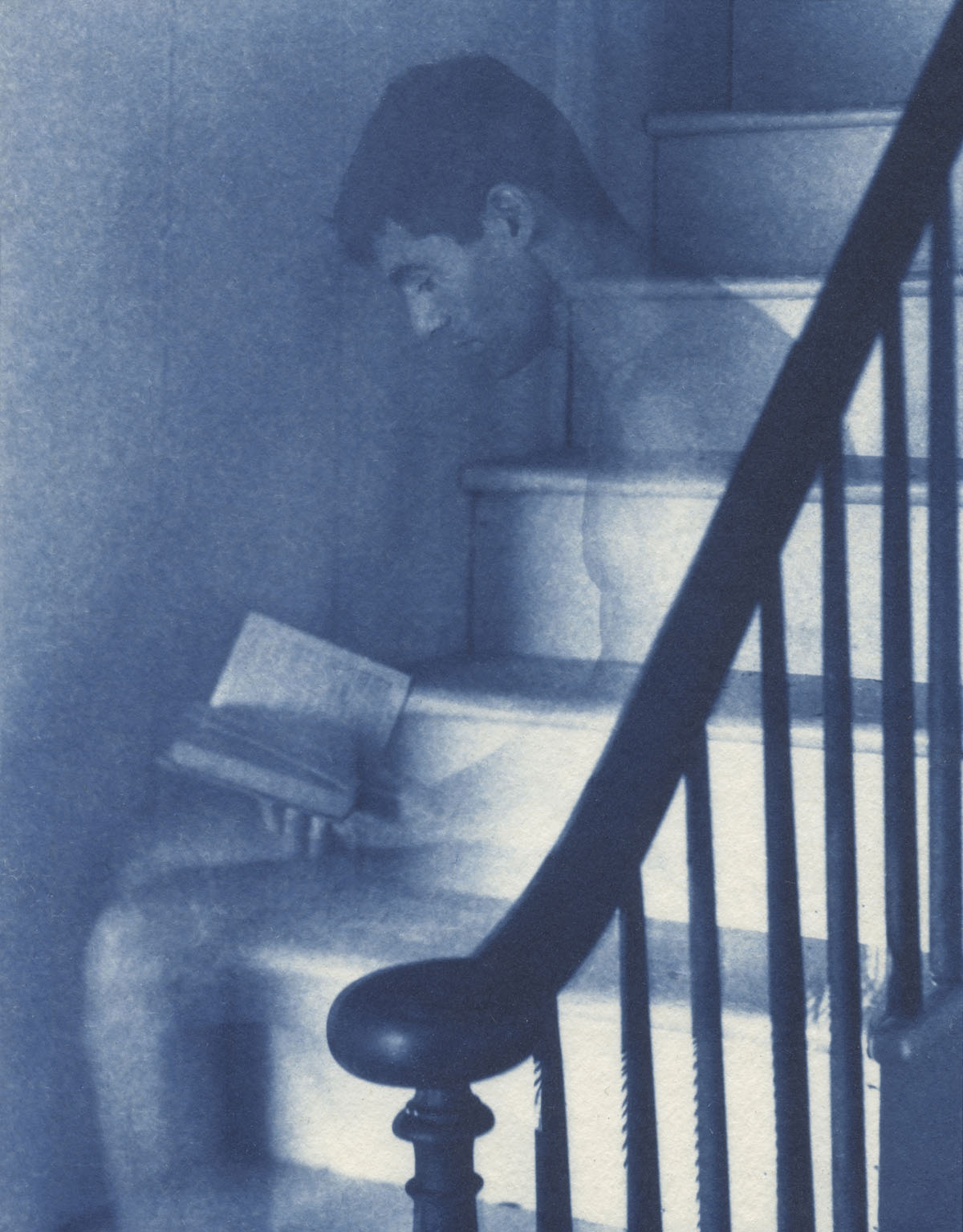
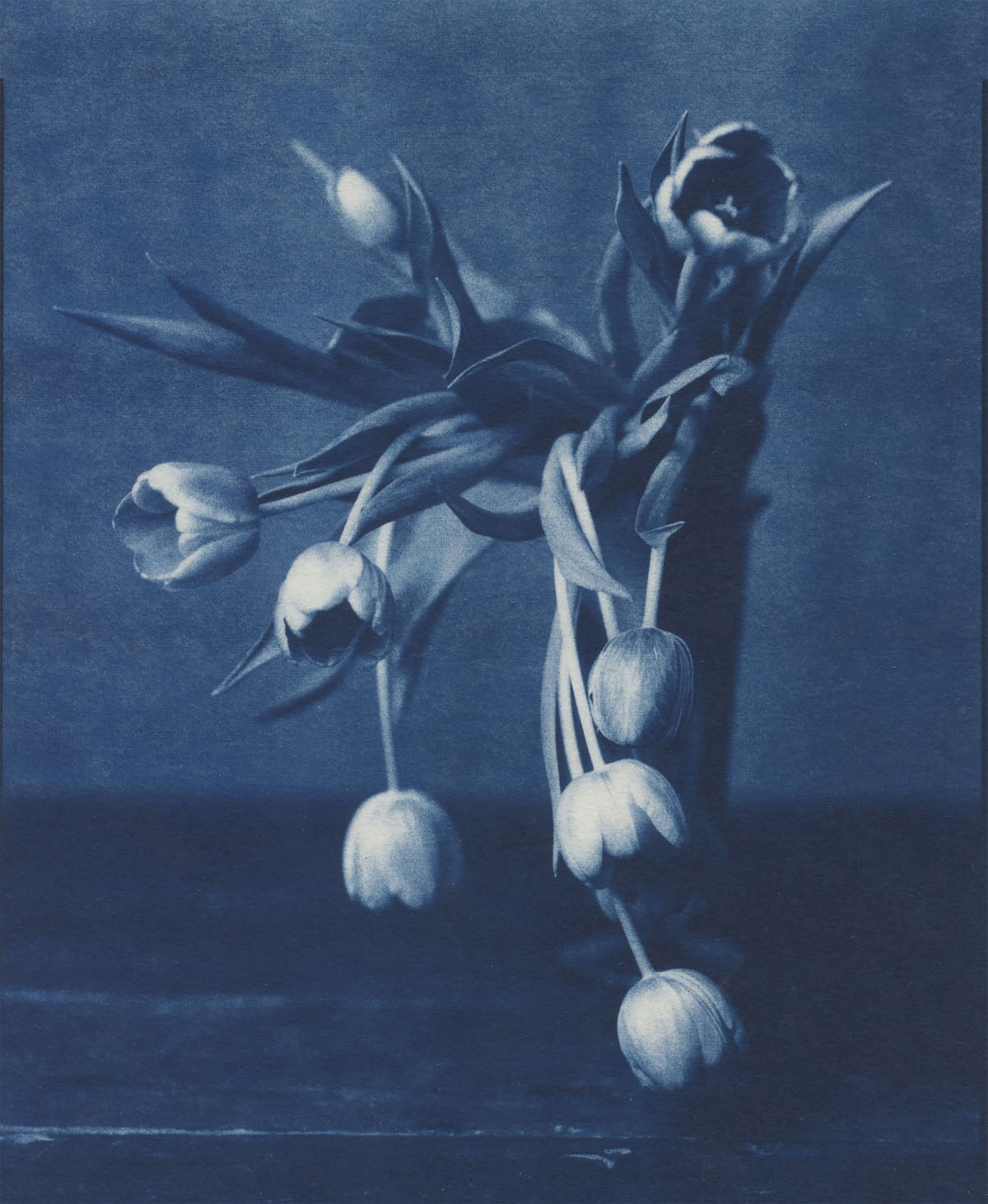
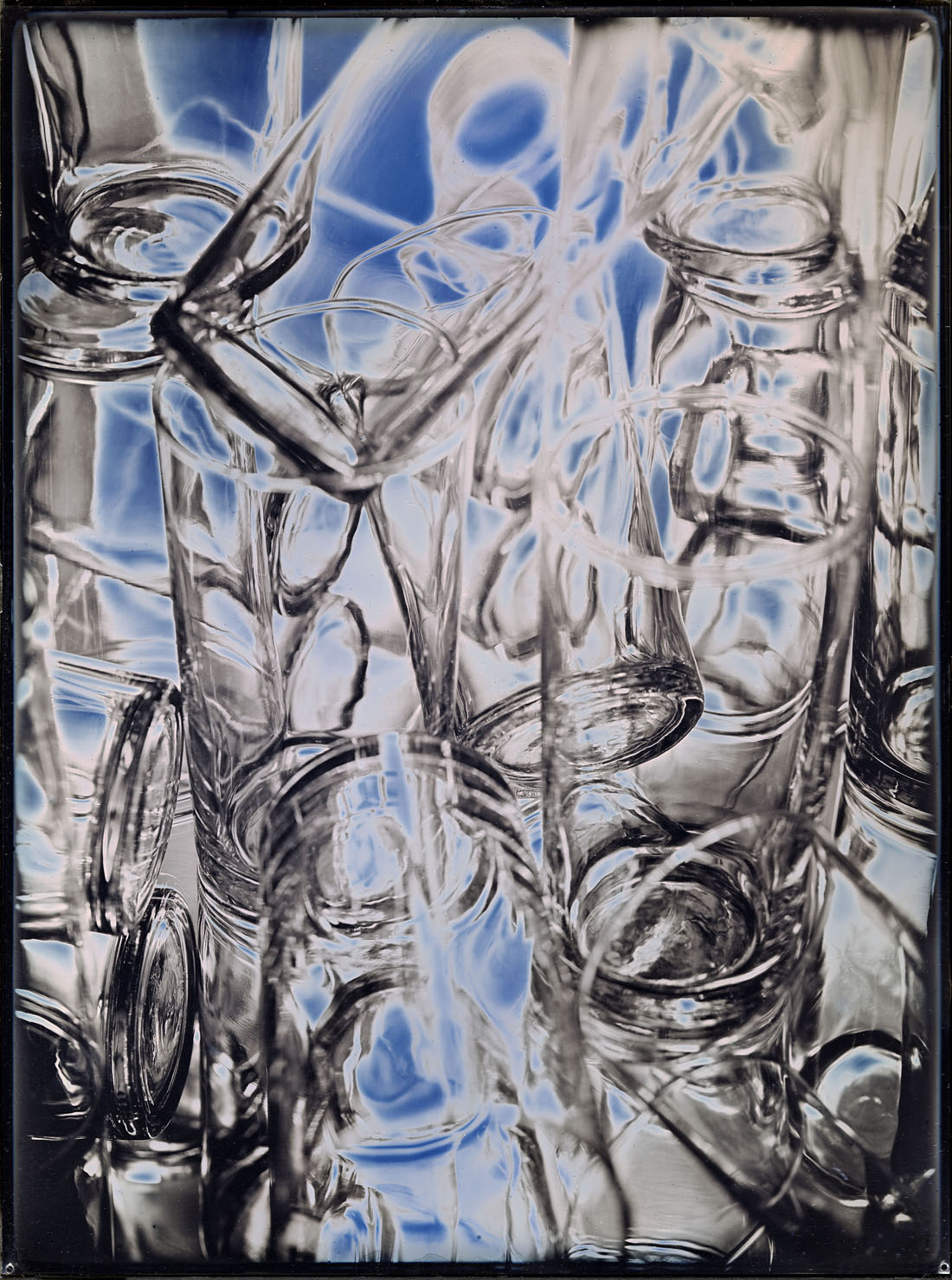
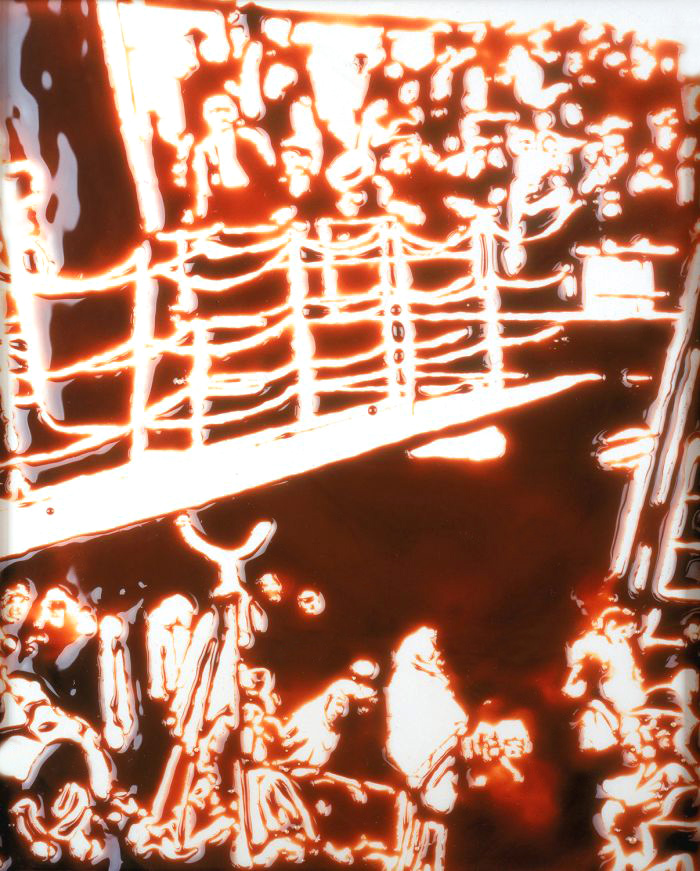
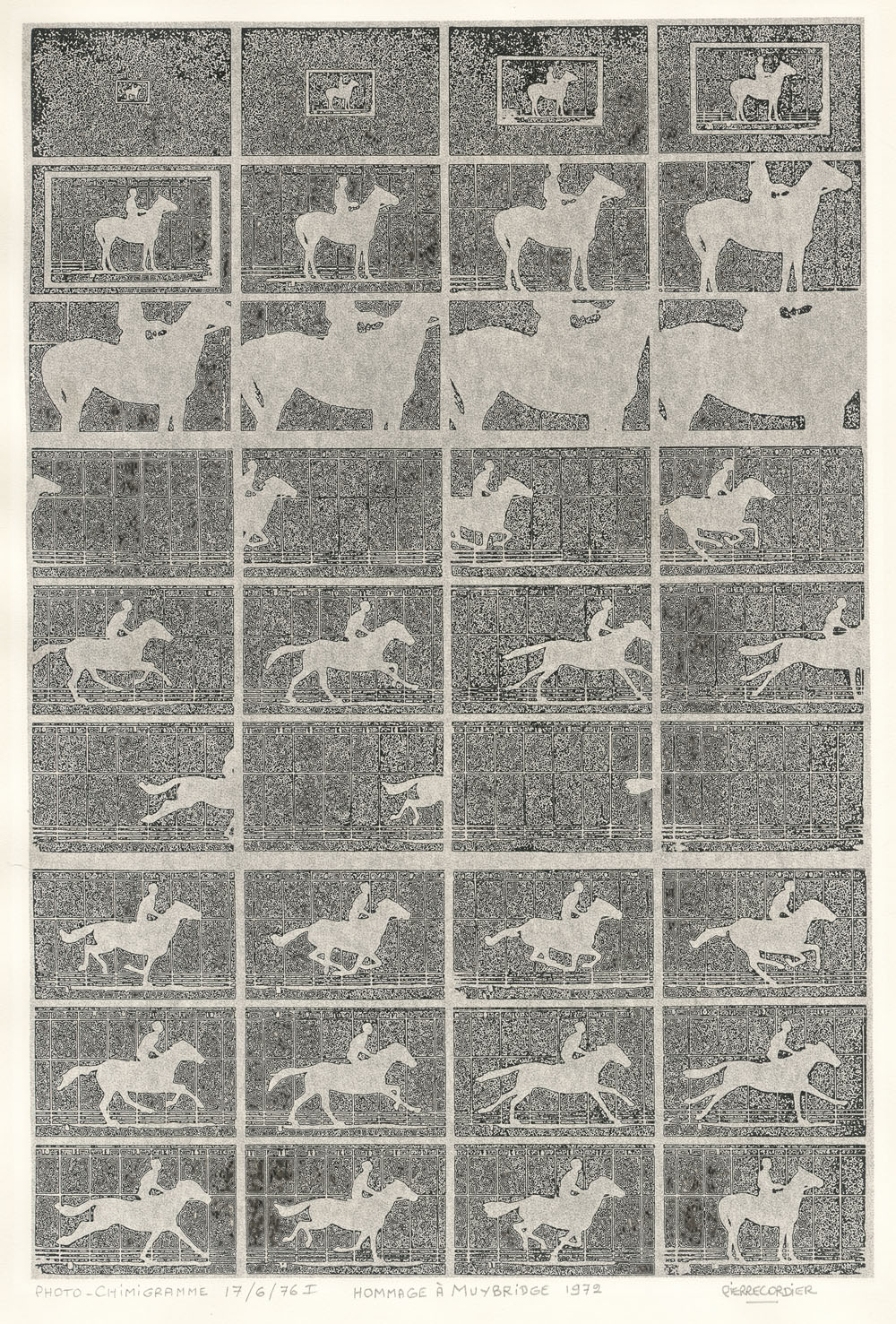

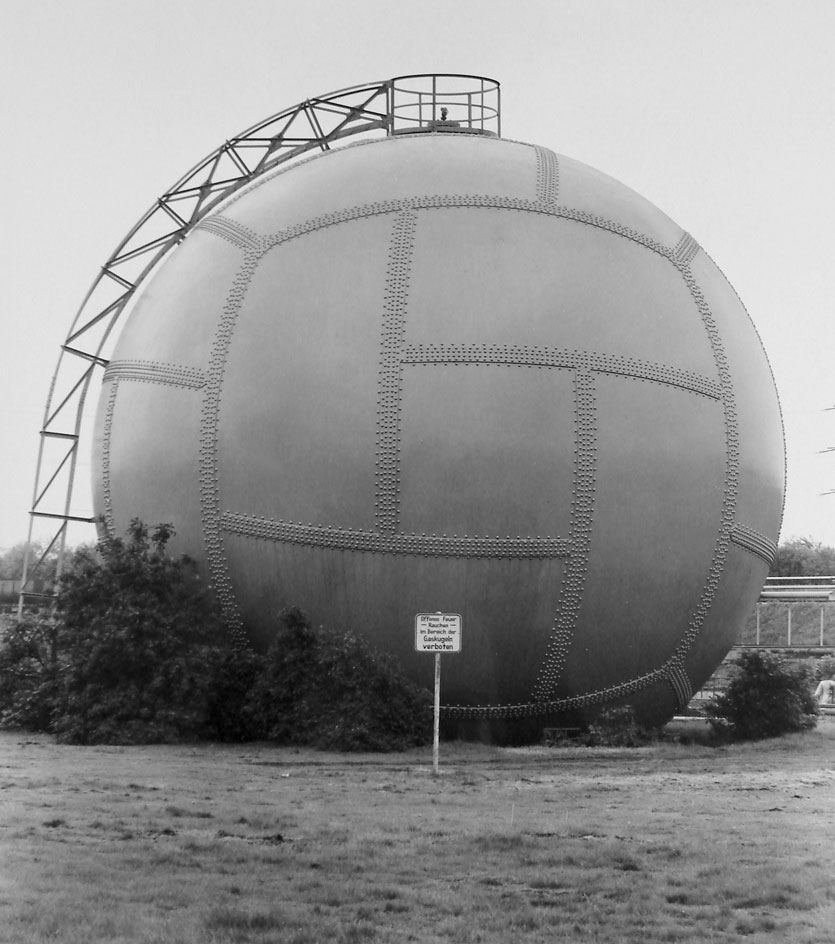
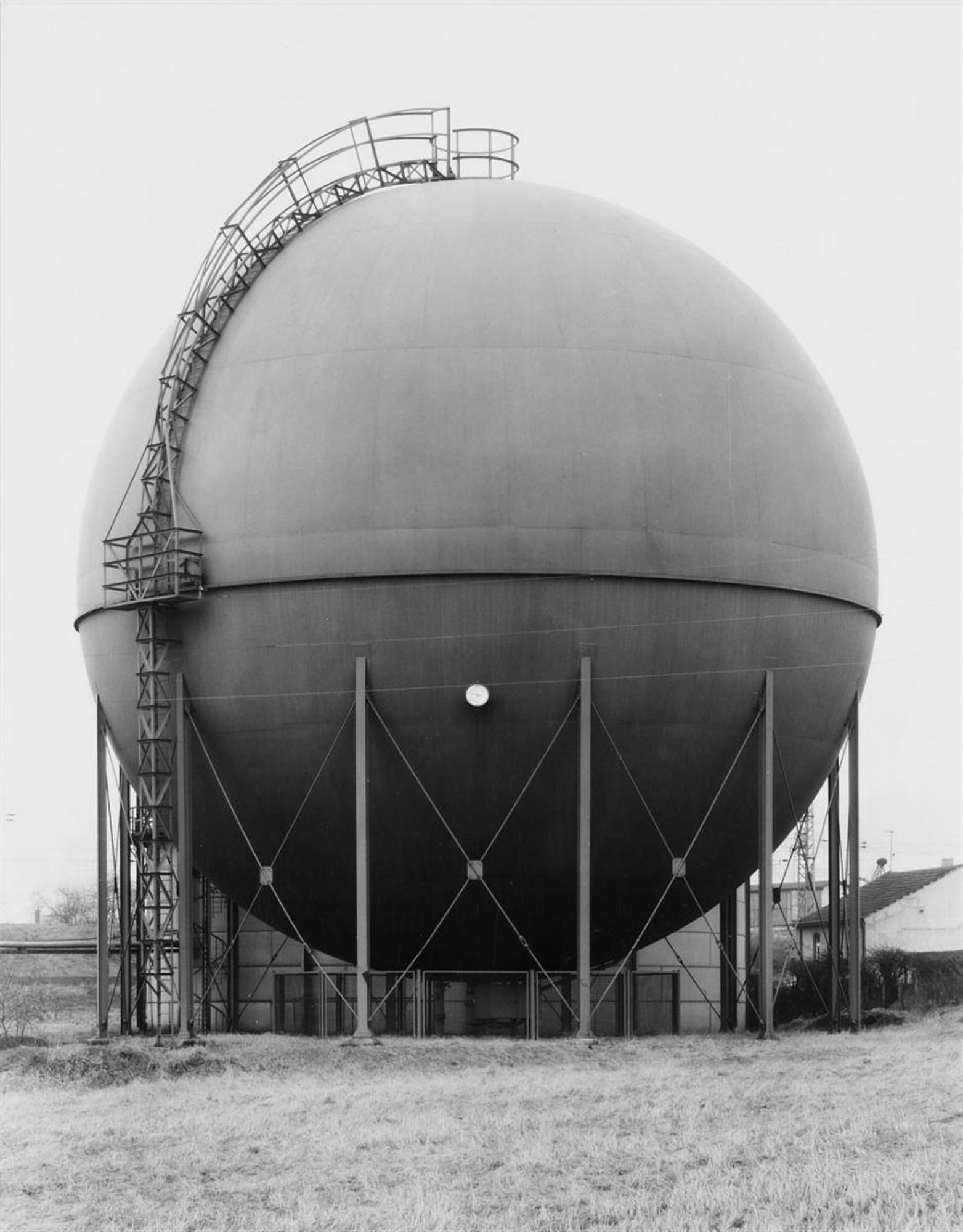
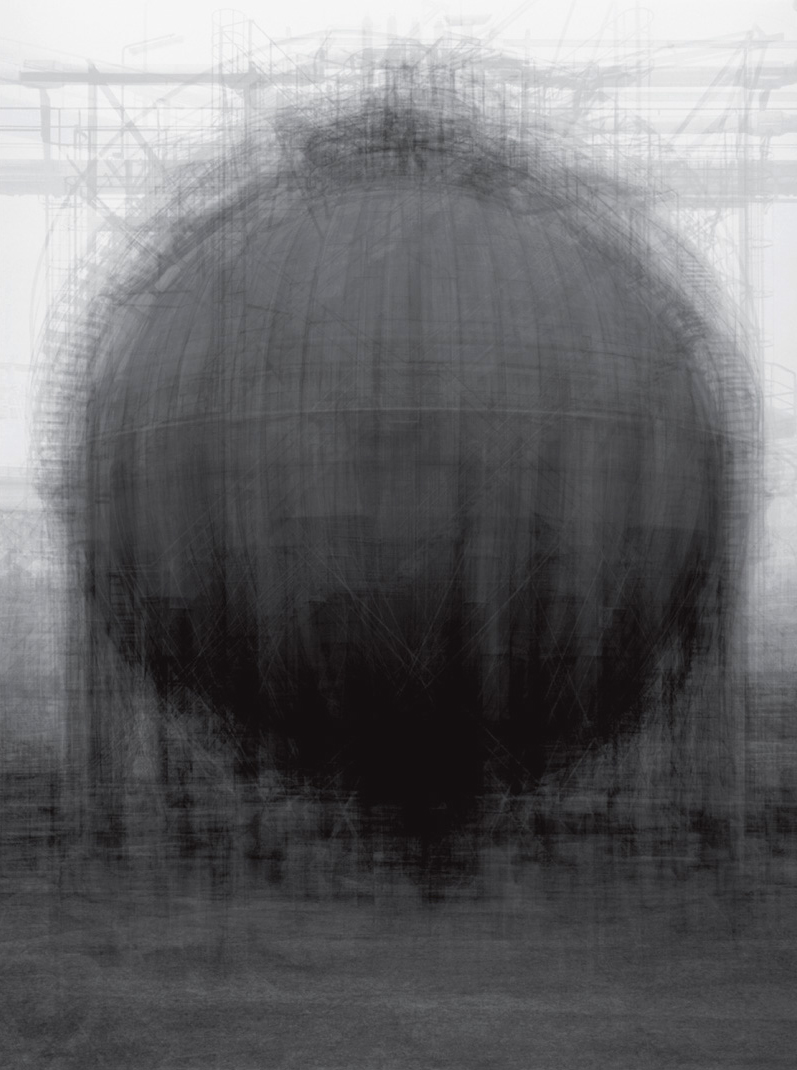
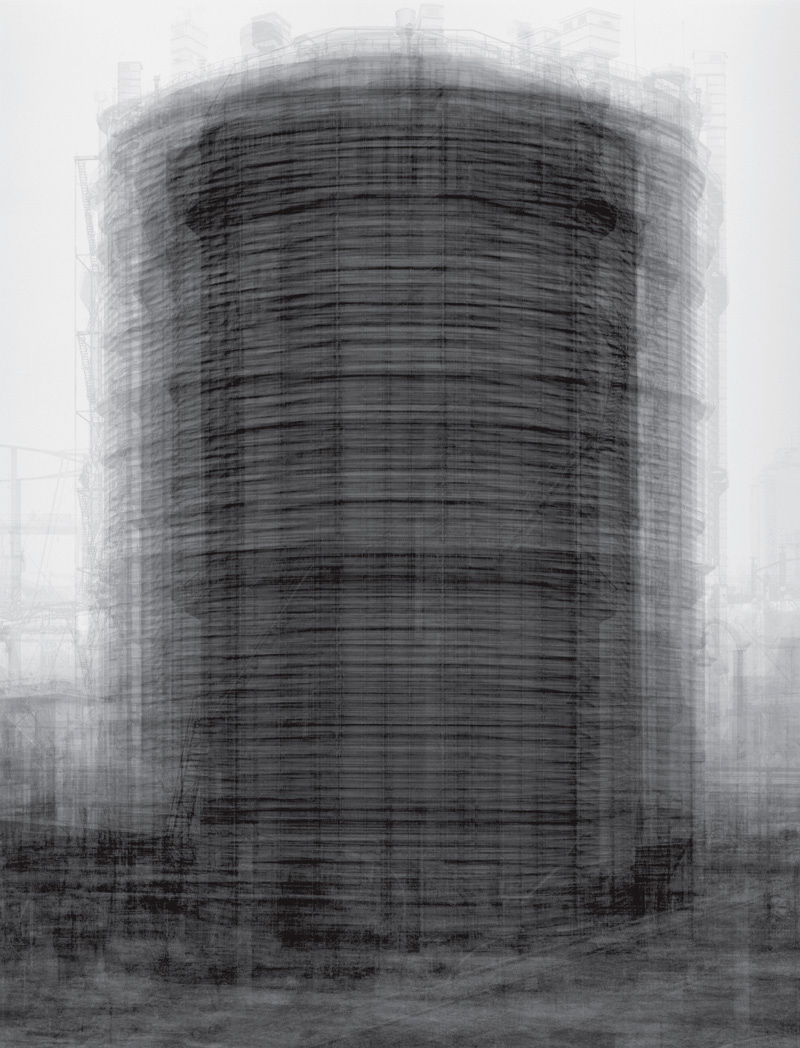


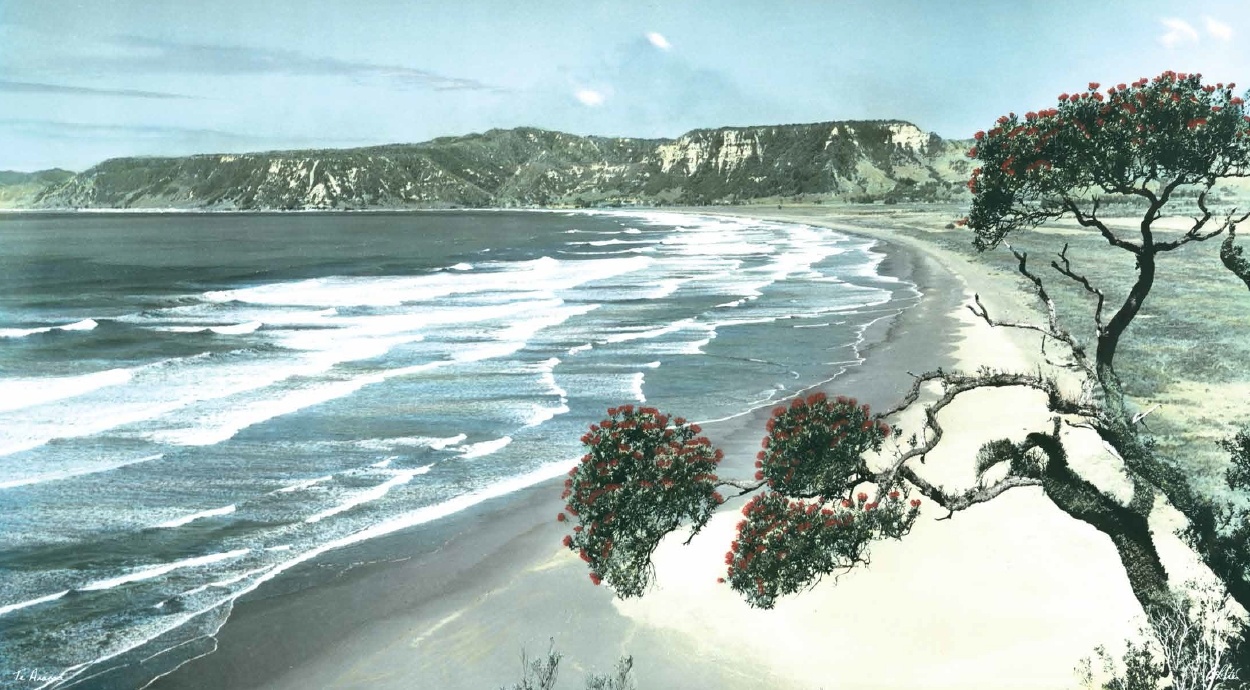


![Installation view of the exhibition 'Max and Olive: The photographic life of Olive Cotton and Max Dupain' at The Ian Potter Museum of Art, Melbourne showing at left, Max Dupain's 'Bawley Point landscape' (1938) and at middle, Dupain's 'Untitled [Factory chimney stacks]', 1940](https://artblart.com/wp-content/uploads/2016/07/installation-h.jpg "Installation view of the exhibition 'Max and Olive: The photographic life of Olive Cotton and Max Dupain' at The Ian Potter Museum of Art, Melbourne showing at left, Max Dupain's 'Bawley Point landscape' (1938) and at middle, Dupain's 'Untitled [Factory chimney stacks]', 1940")


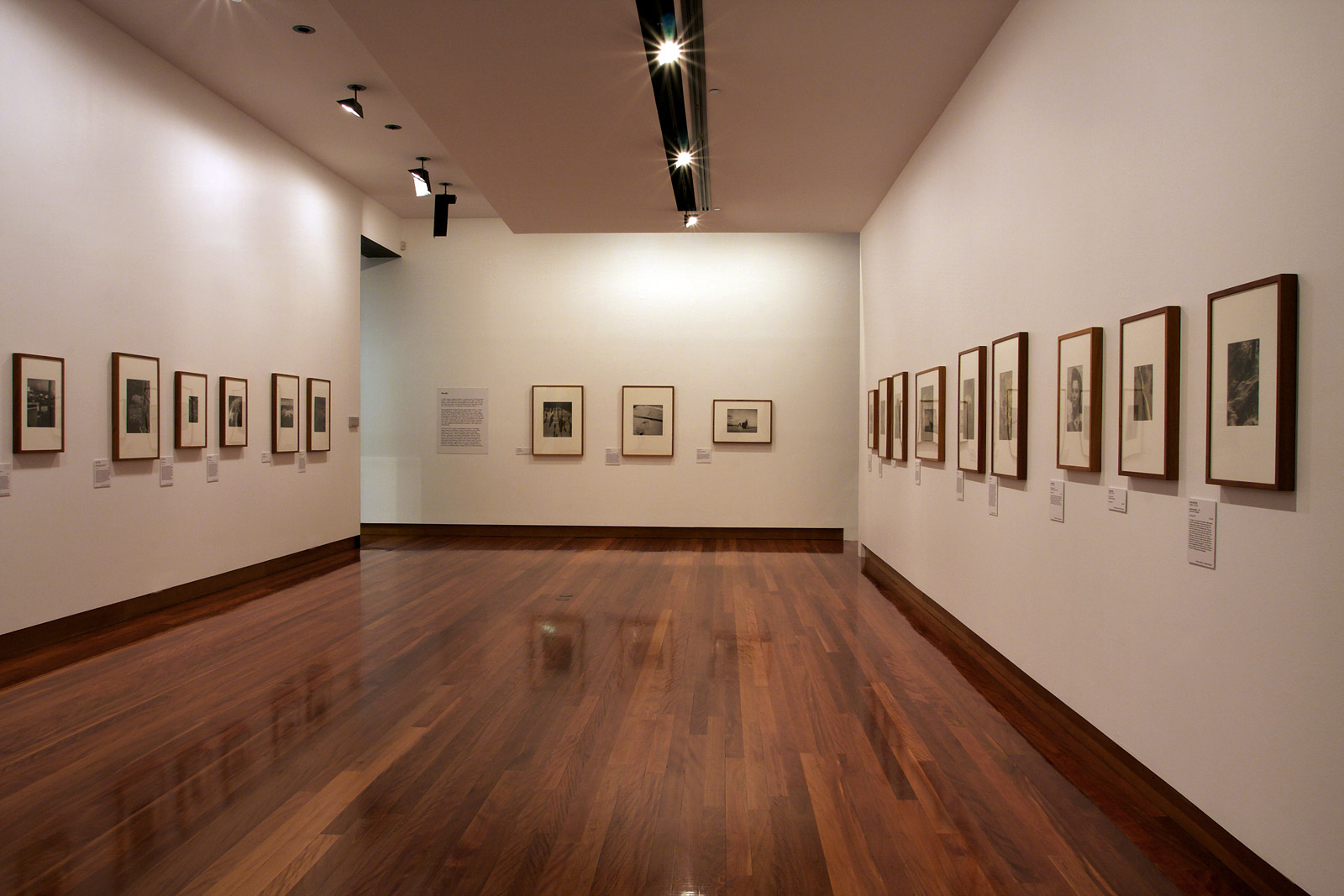


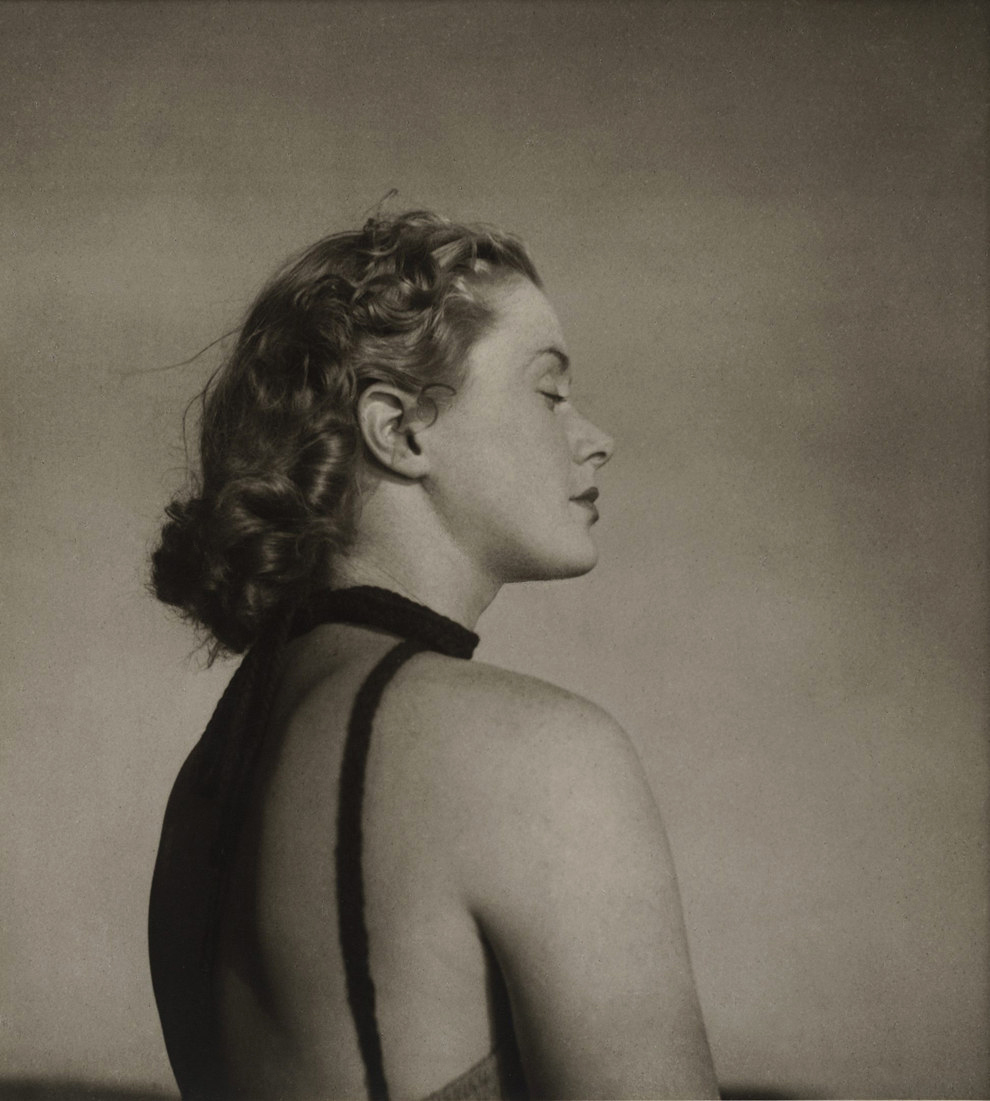
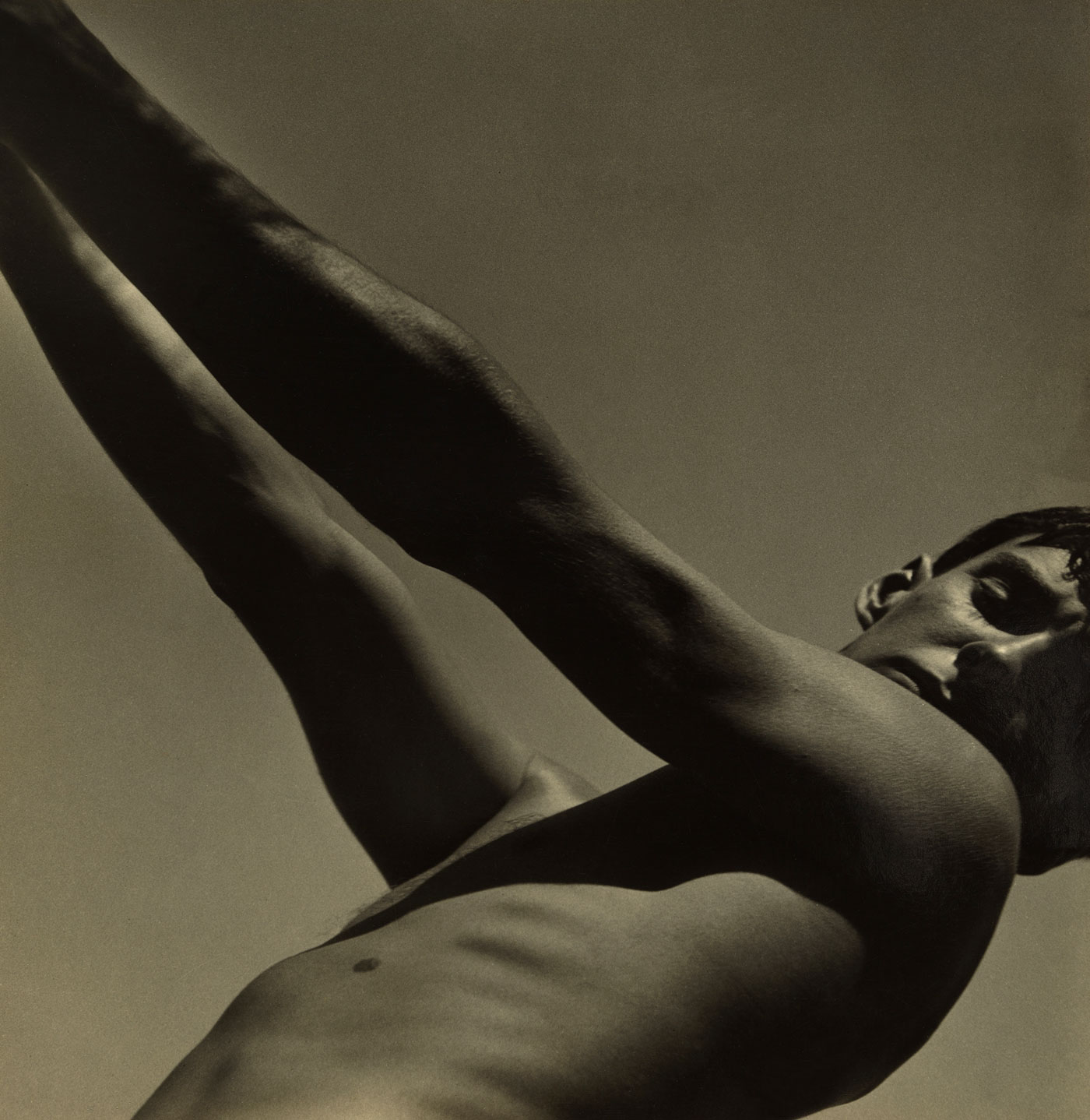
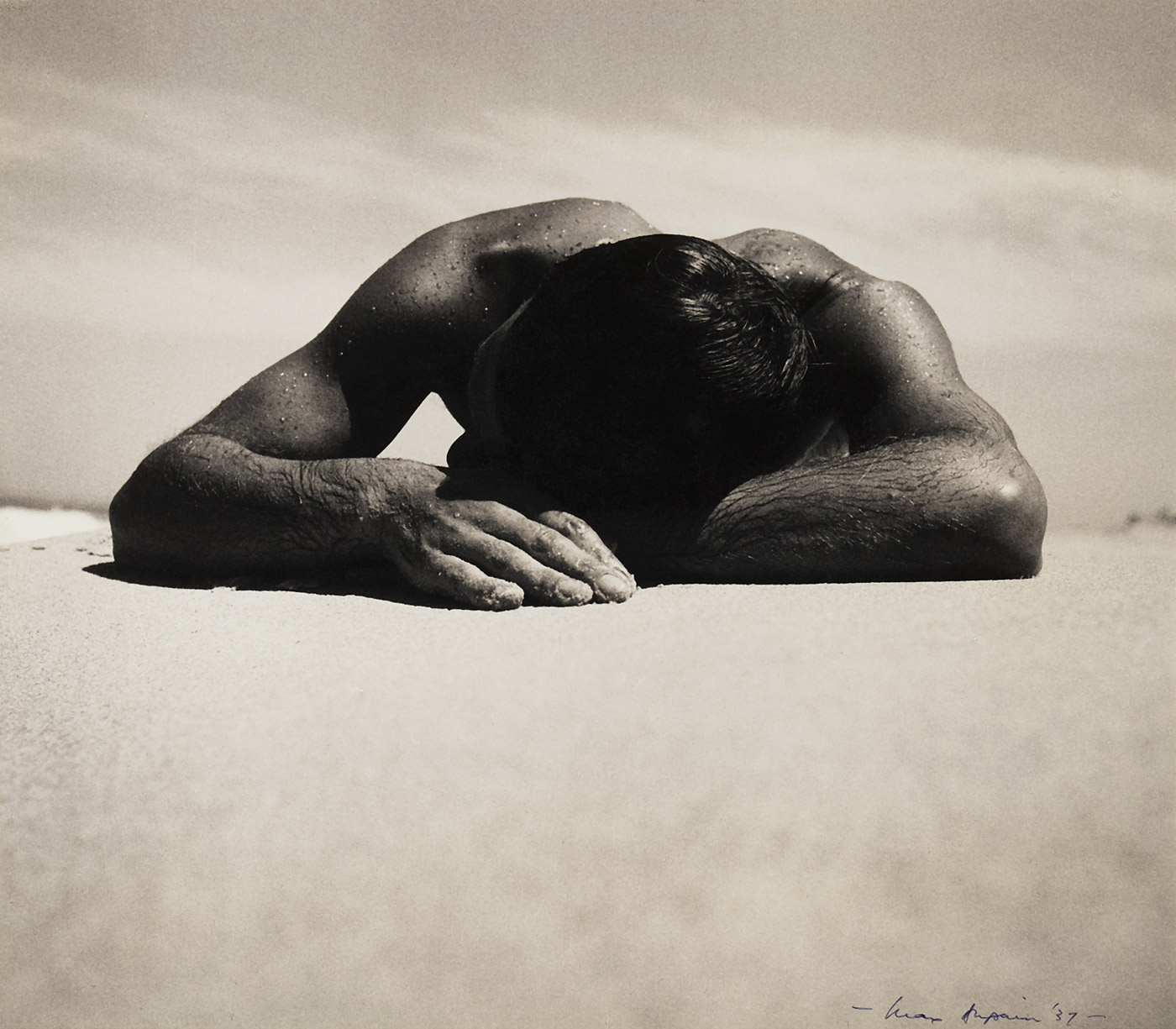

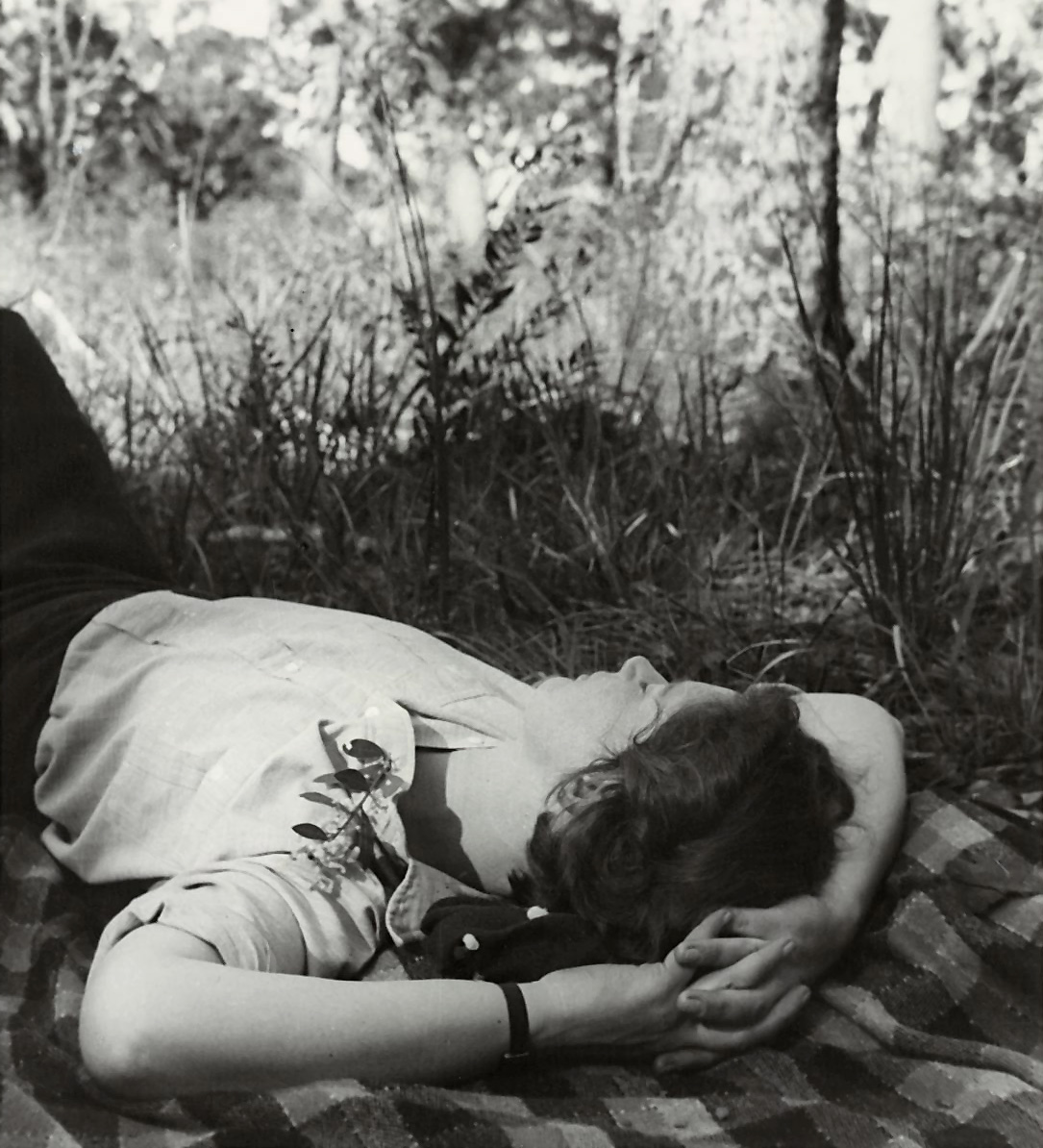
![Max Dupain (Australian, 1911-1992) 'Untitled [Olive Cotton in Wheat Fields]' Nd (probably late 1930s)](https://artblart.com/wp-content/uploads/2016/07/dupain-olive-cotton-in-wheat-fields-nd-web.jpg "Max Dupain (Australian, 1911-1992) 'Untitled [Olive Cotton in Wheat Fields]' Nd (probably late 1930s)")


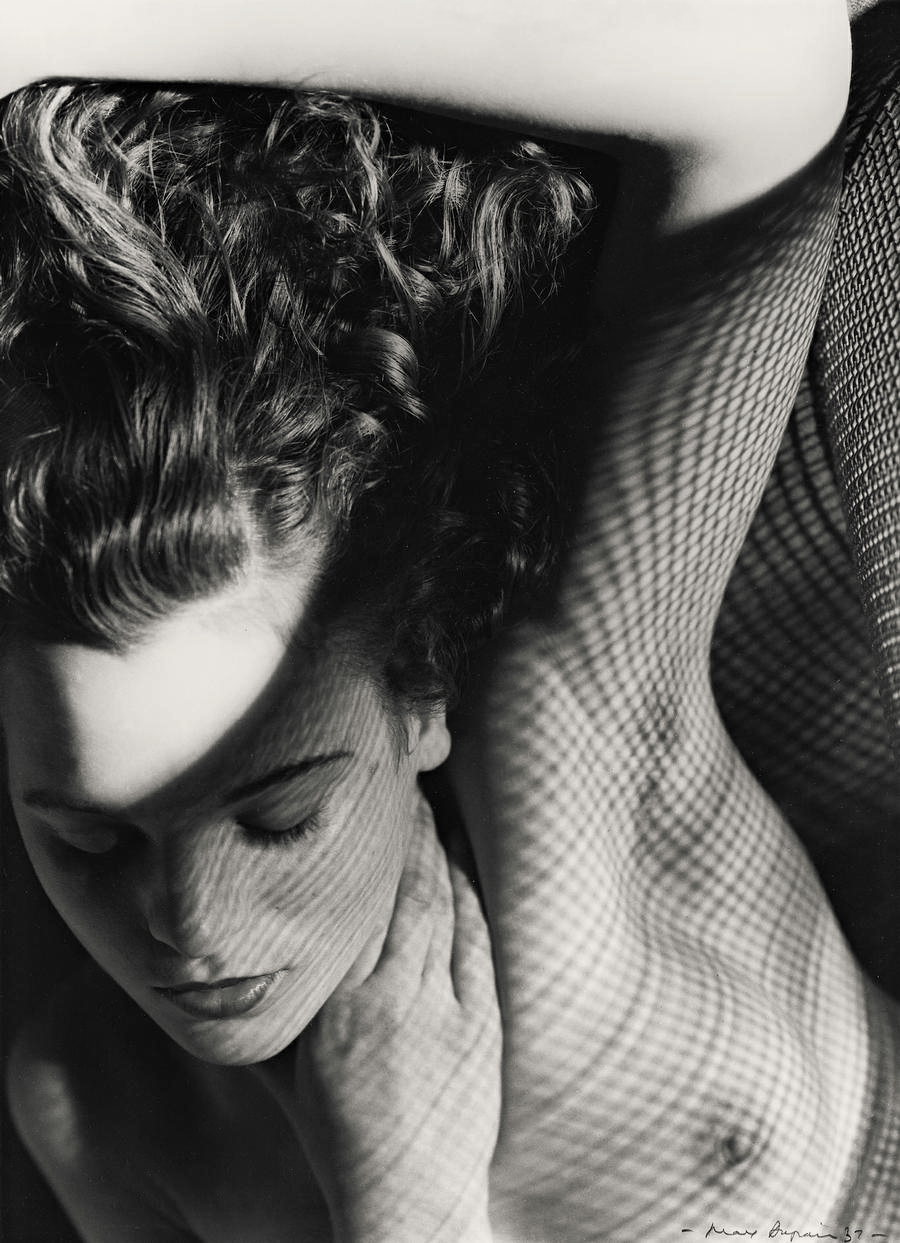
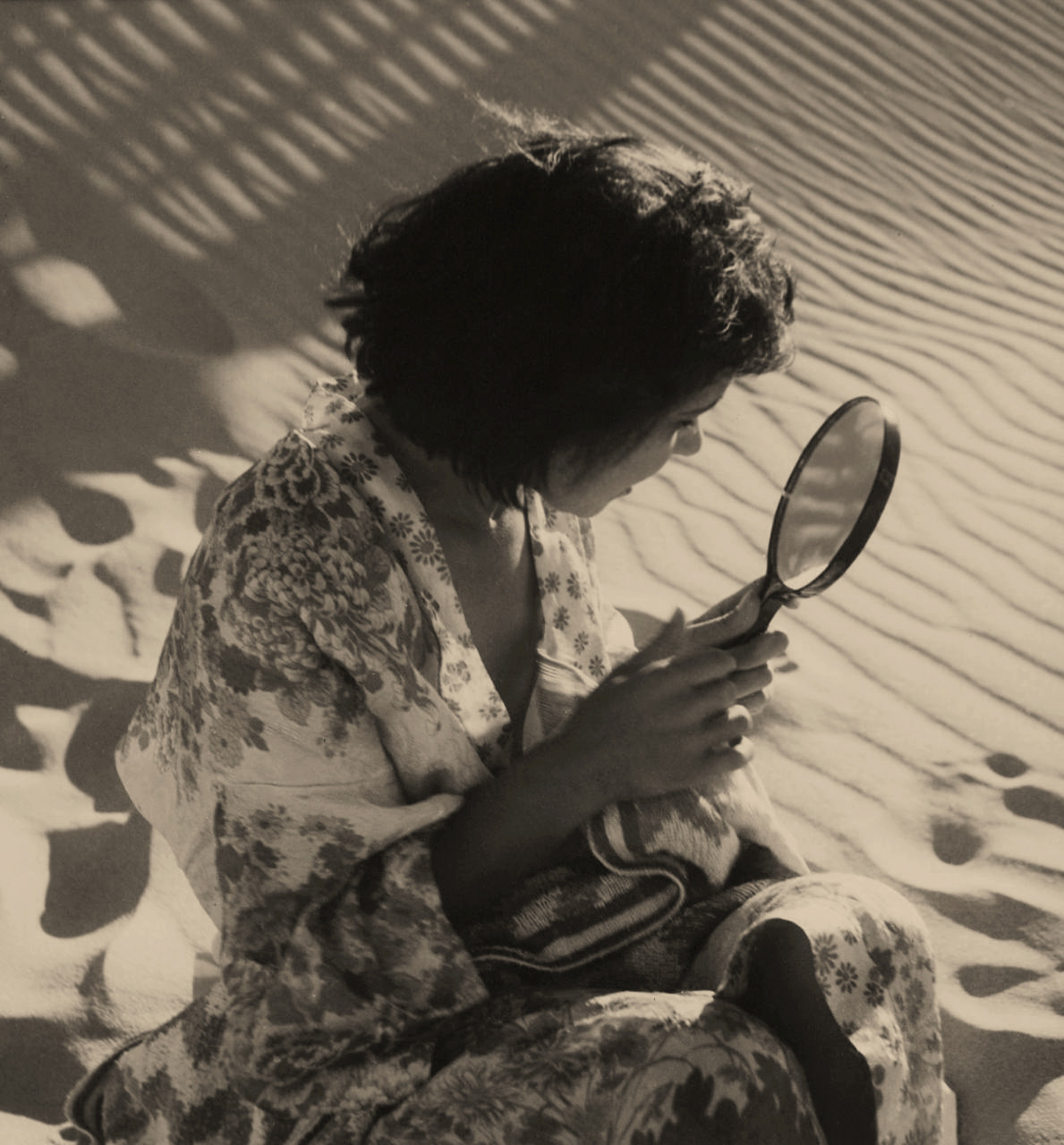

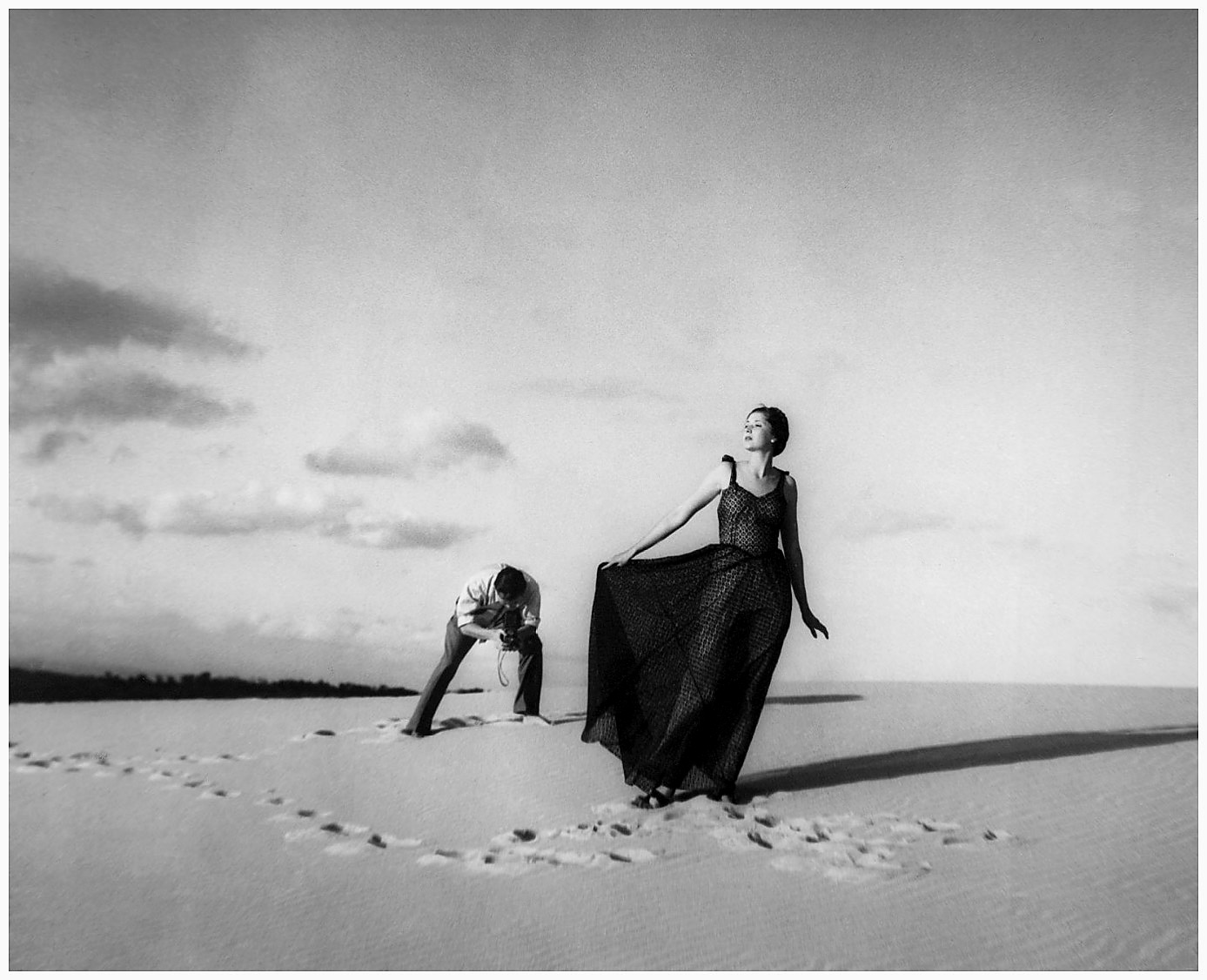
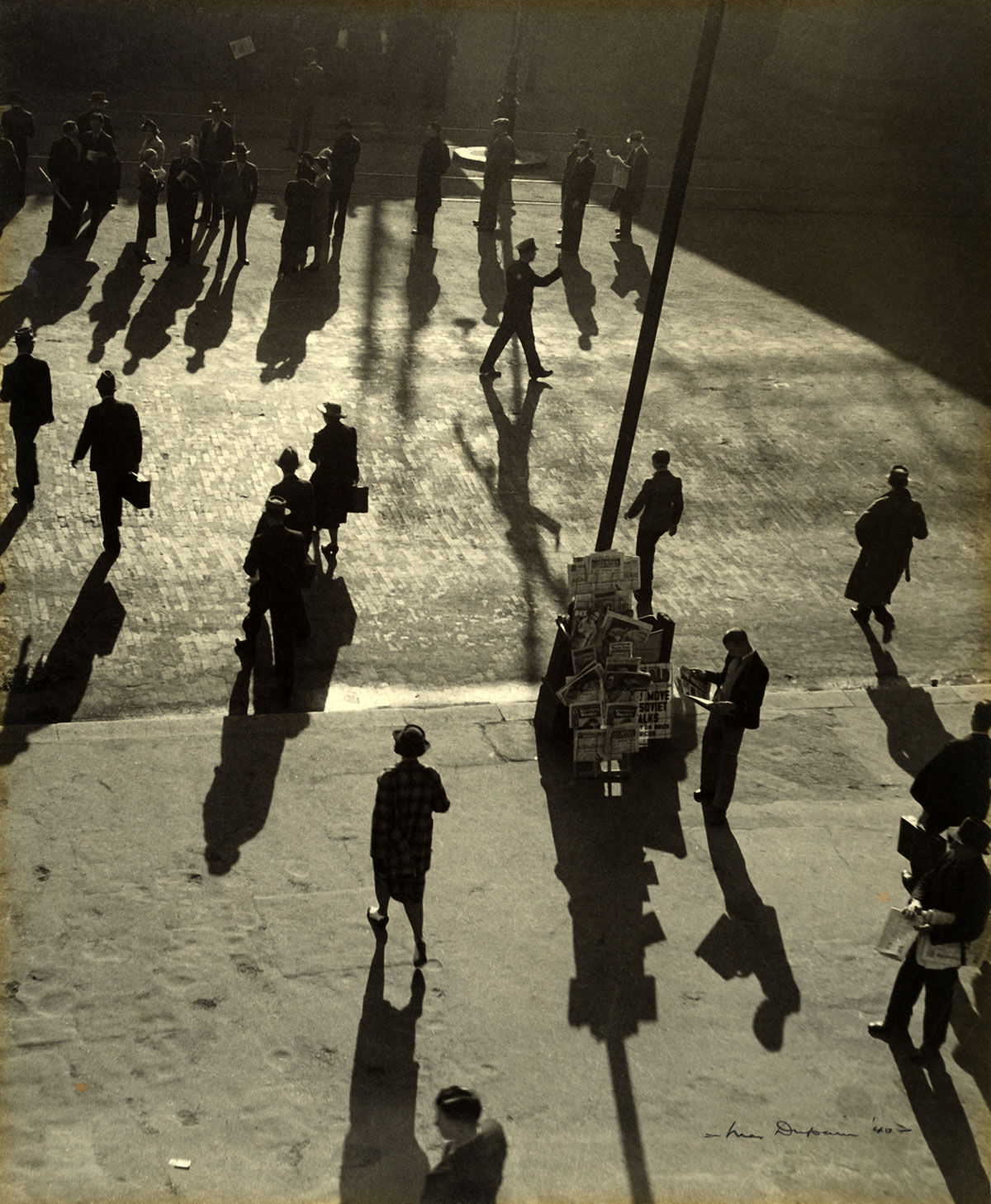


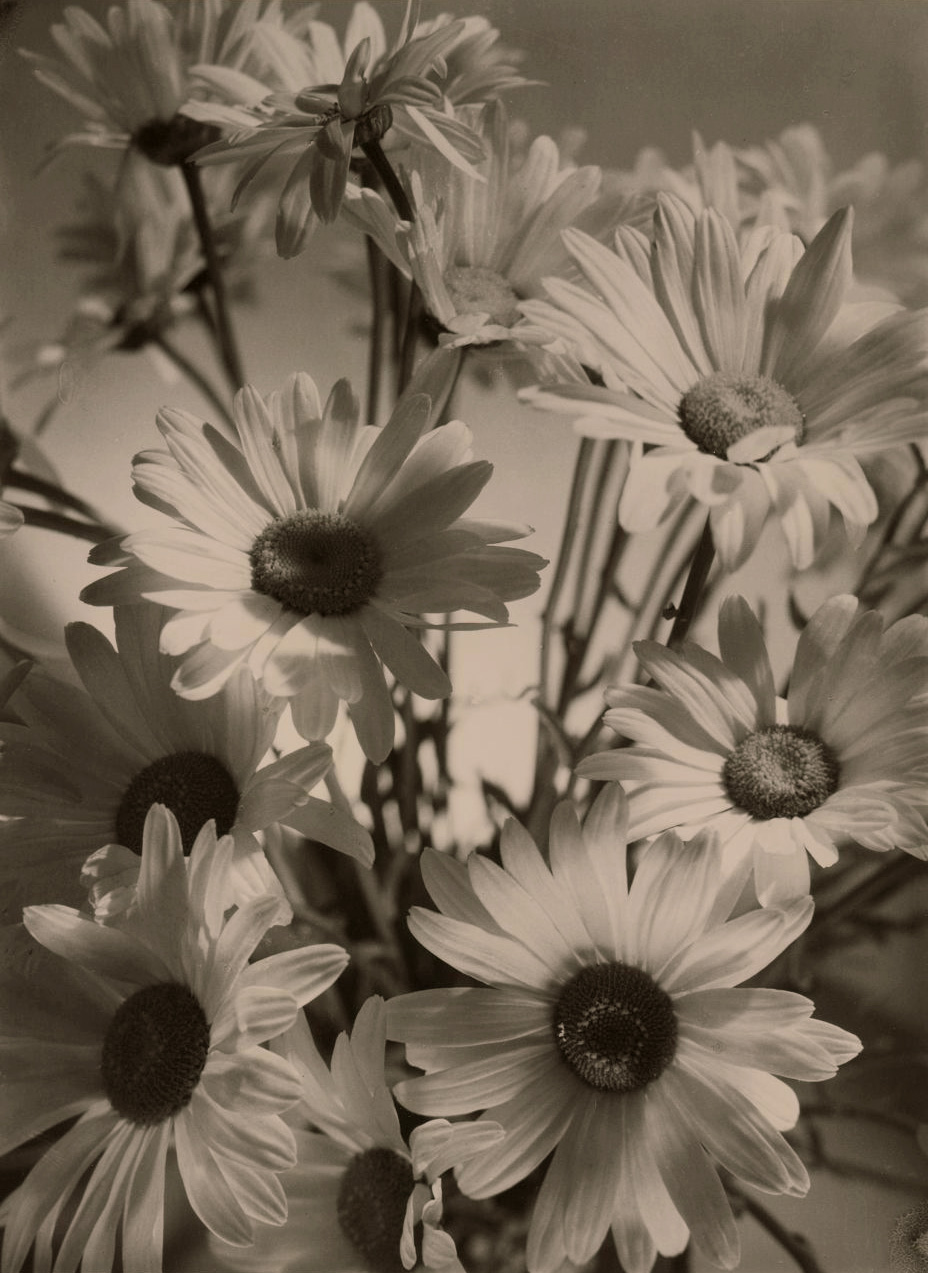
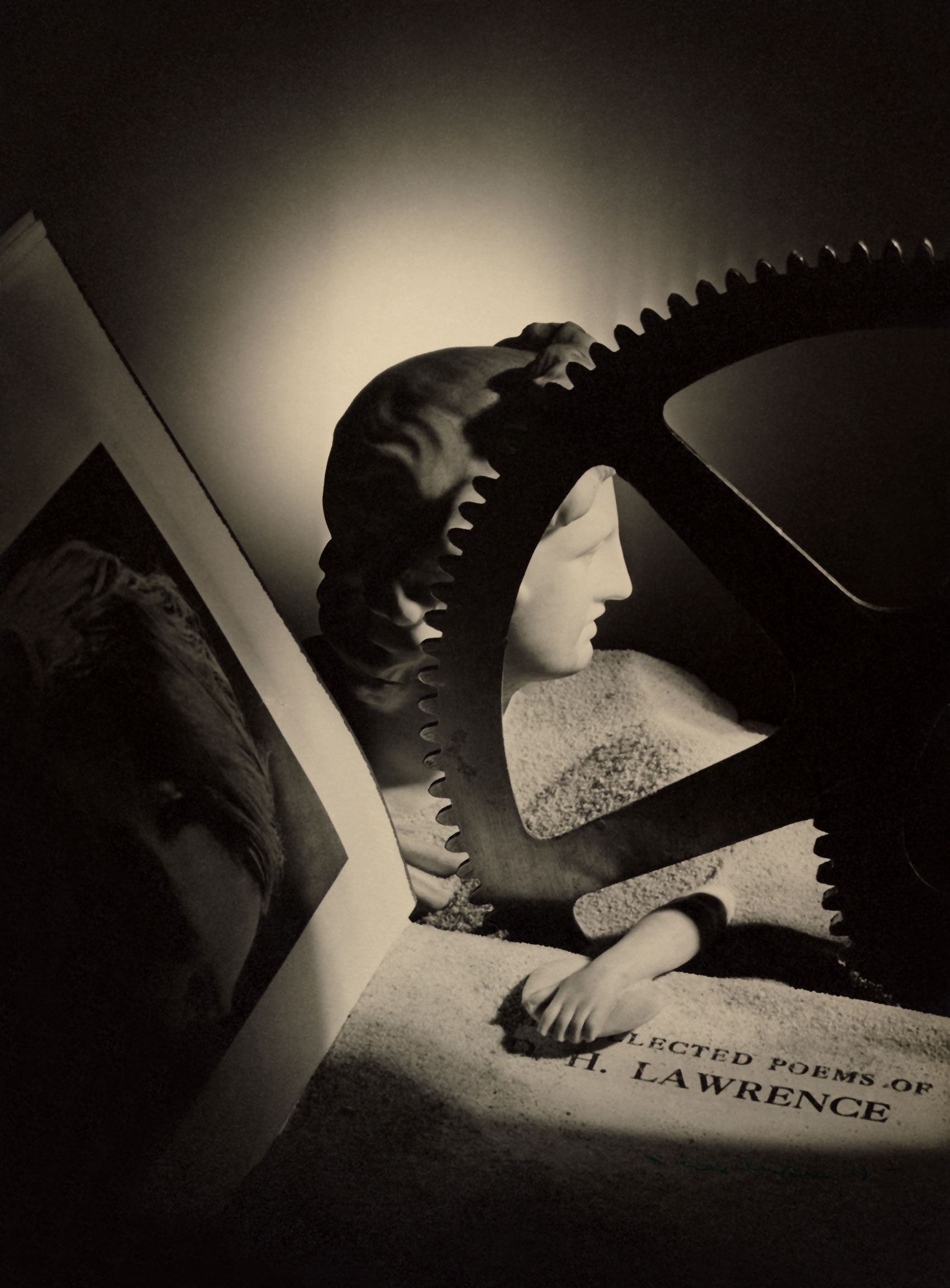

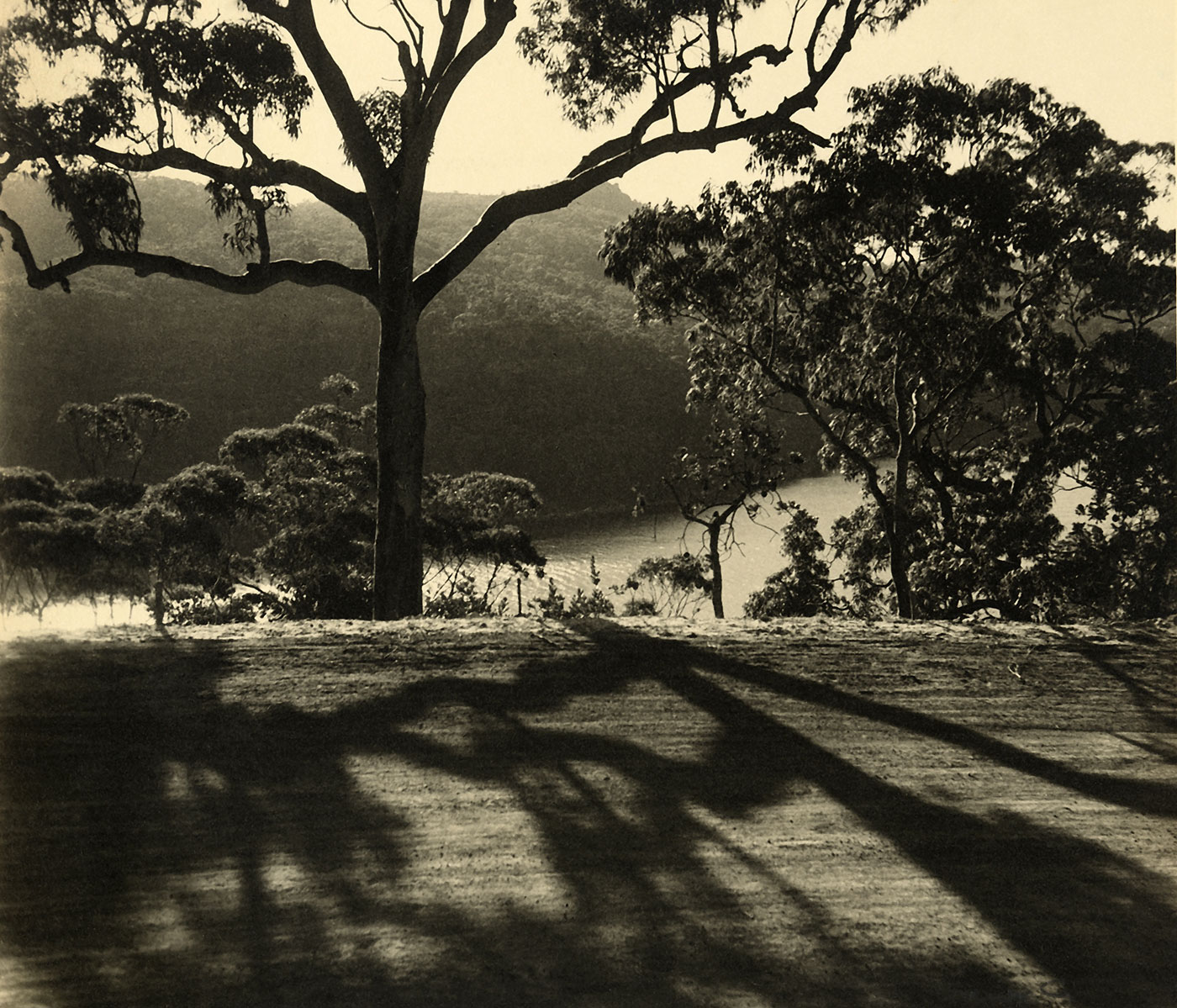
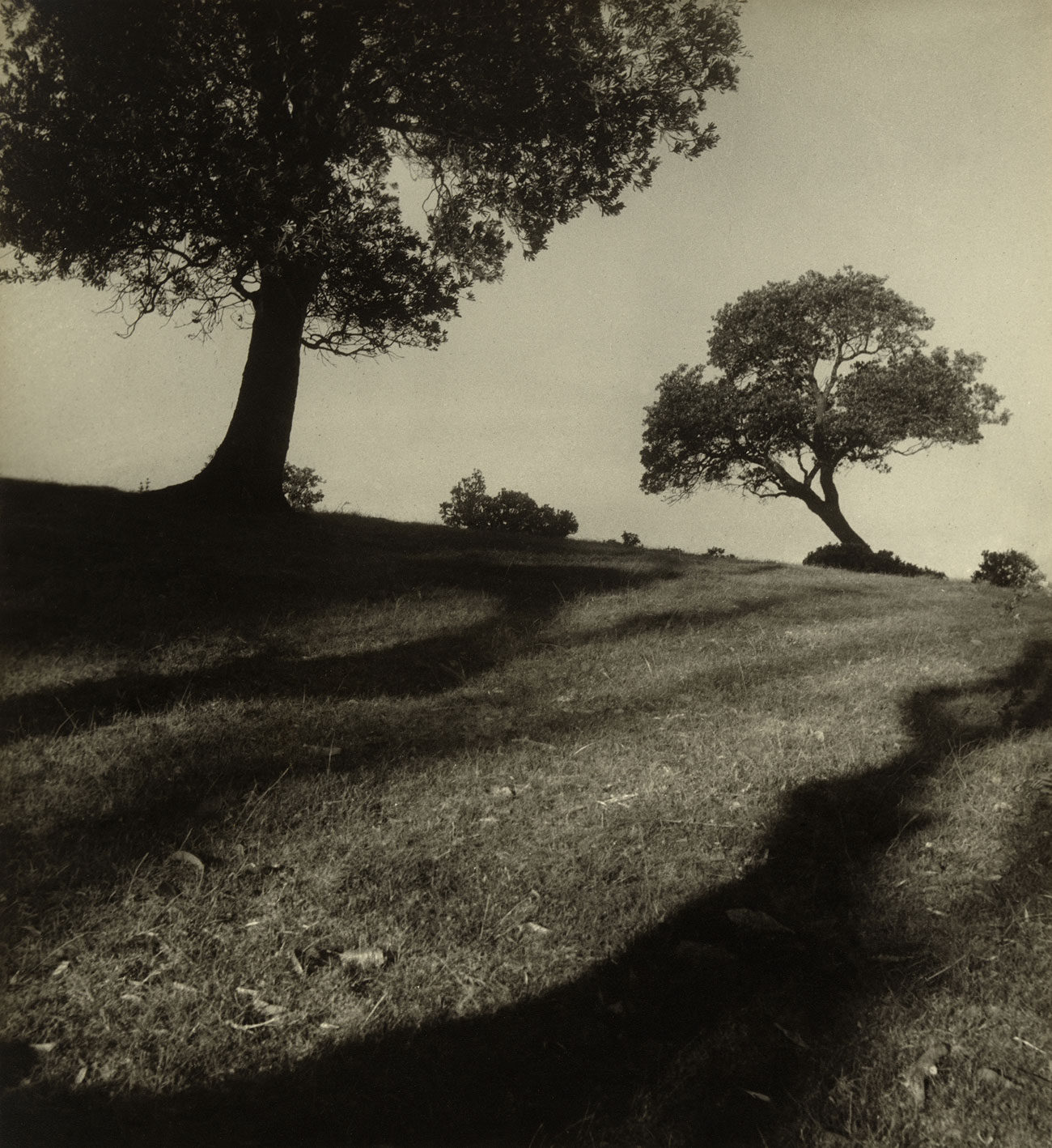


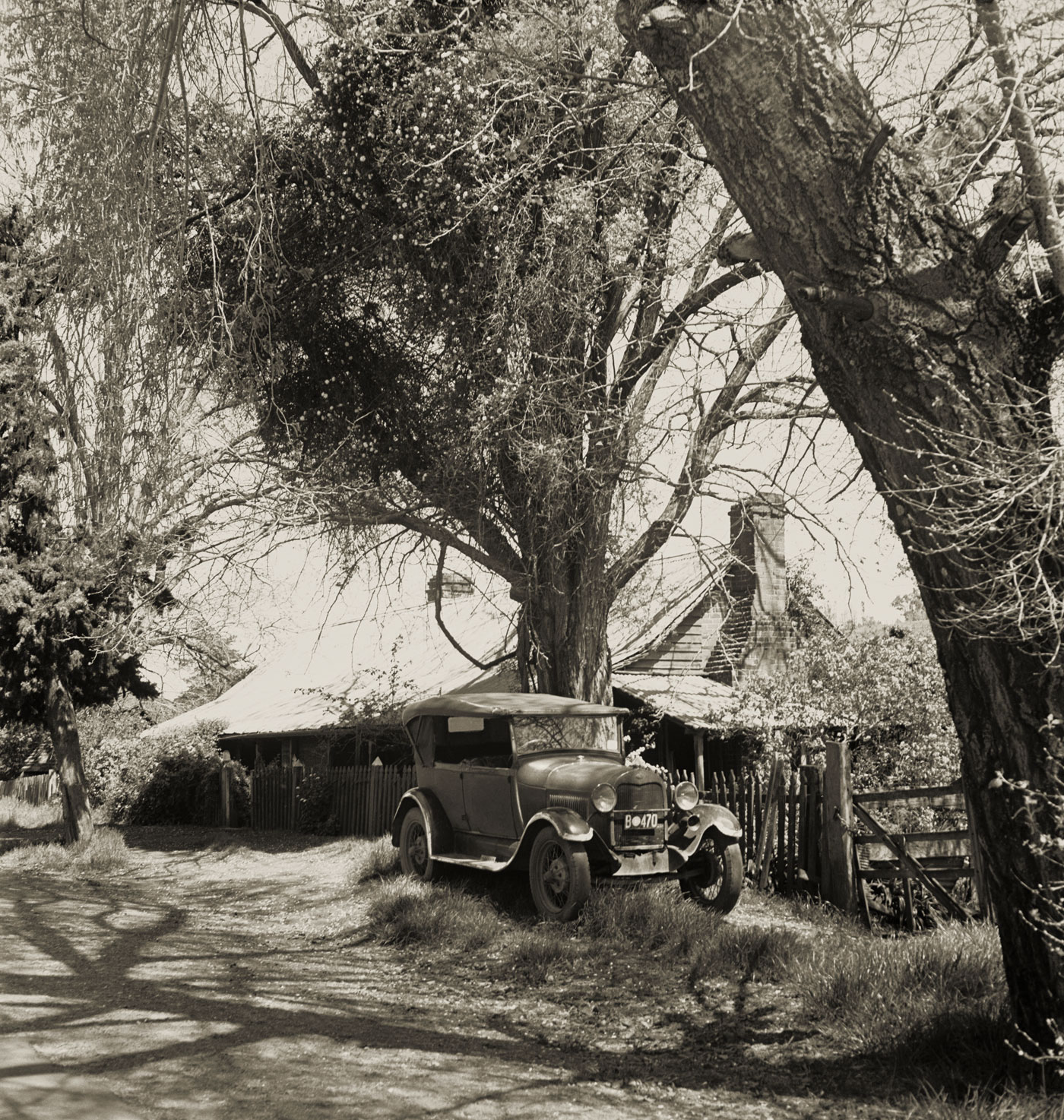


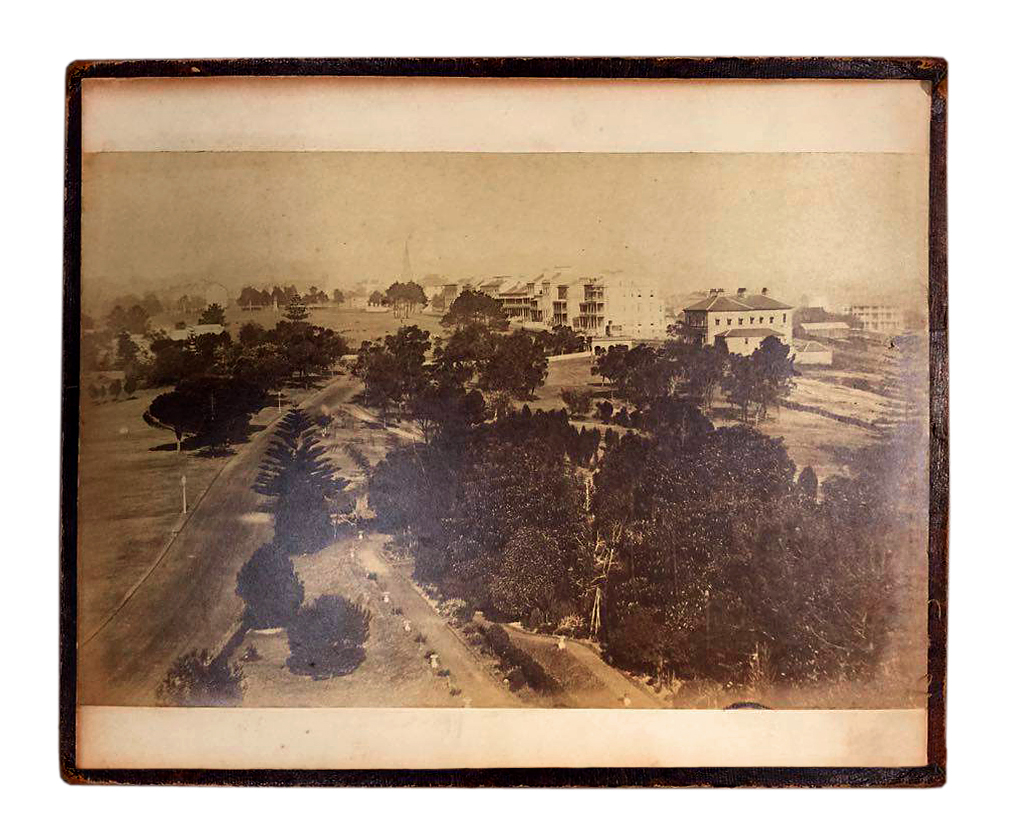


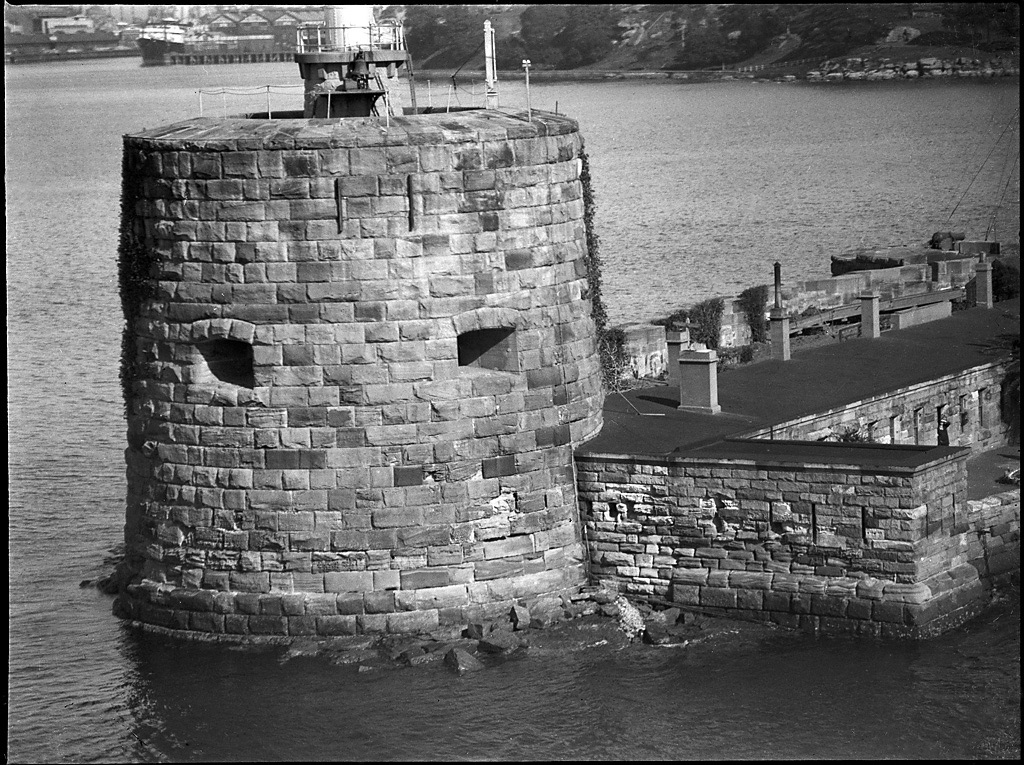
![George Roberts (Australian born United Kingdom, c. 1800-1865) '[Mrs Macquarie's chair]' c. 1843-1865](https://artblart.com/wp-content/uploads/2016/07/mrs-macquaries-chair-web.jpg "George Roberts (Australian born United Kingdom, c. 1800-1865) '[Mrs Macquarie's chair]' c. 1843-1865")


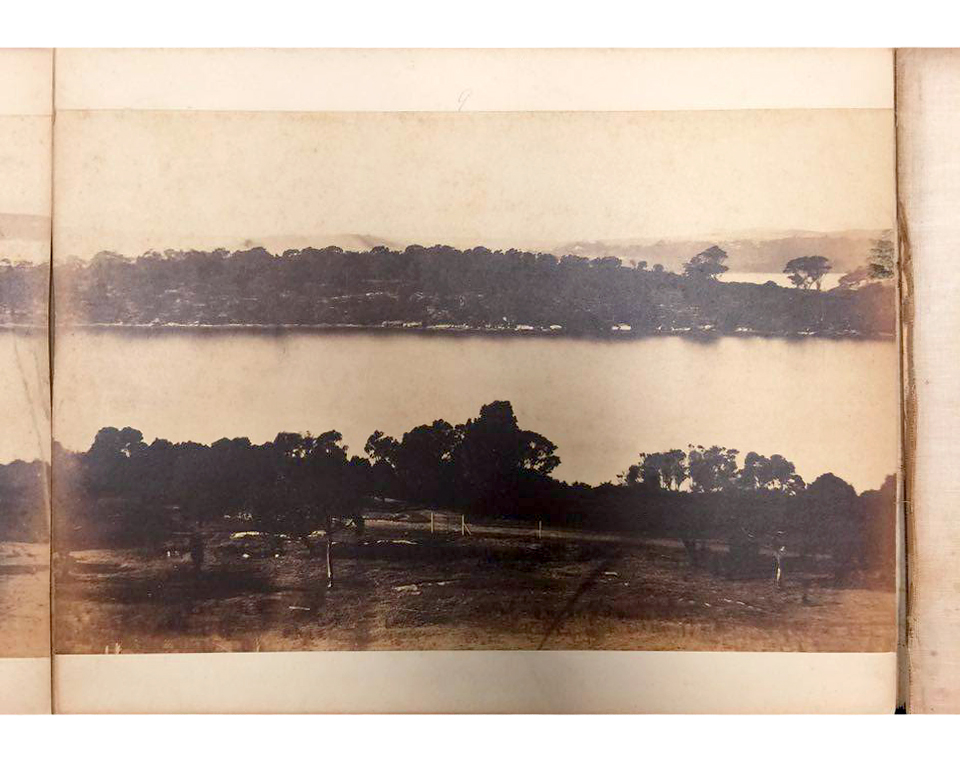


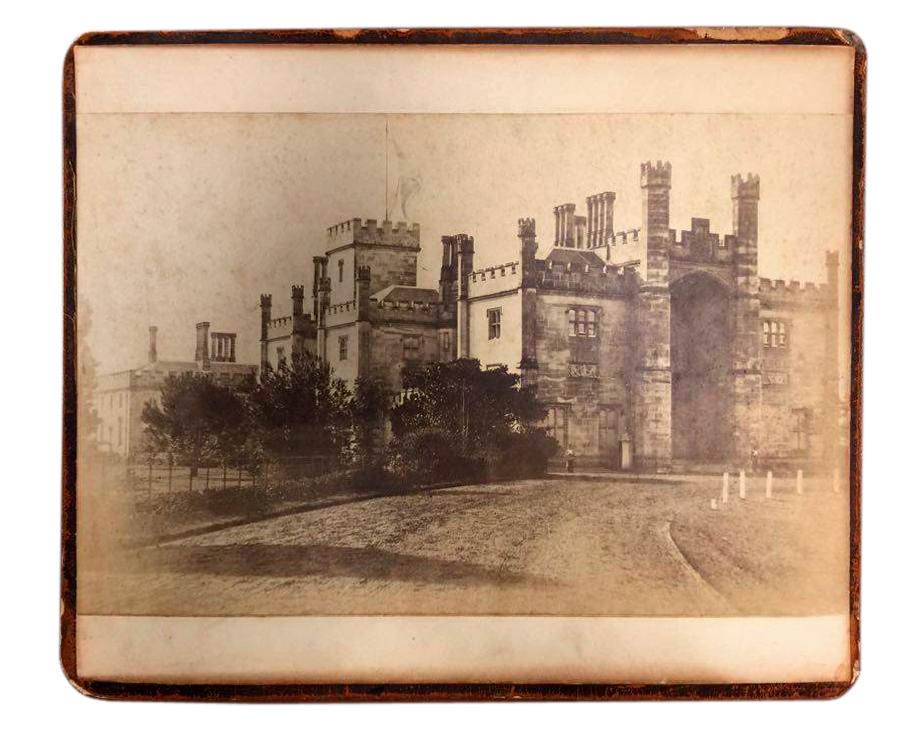




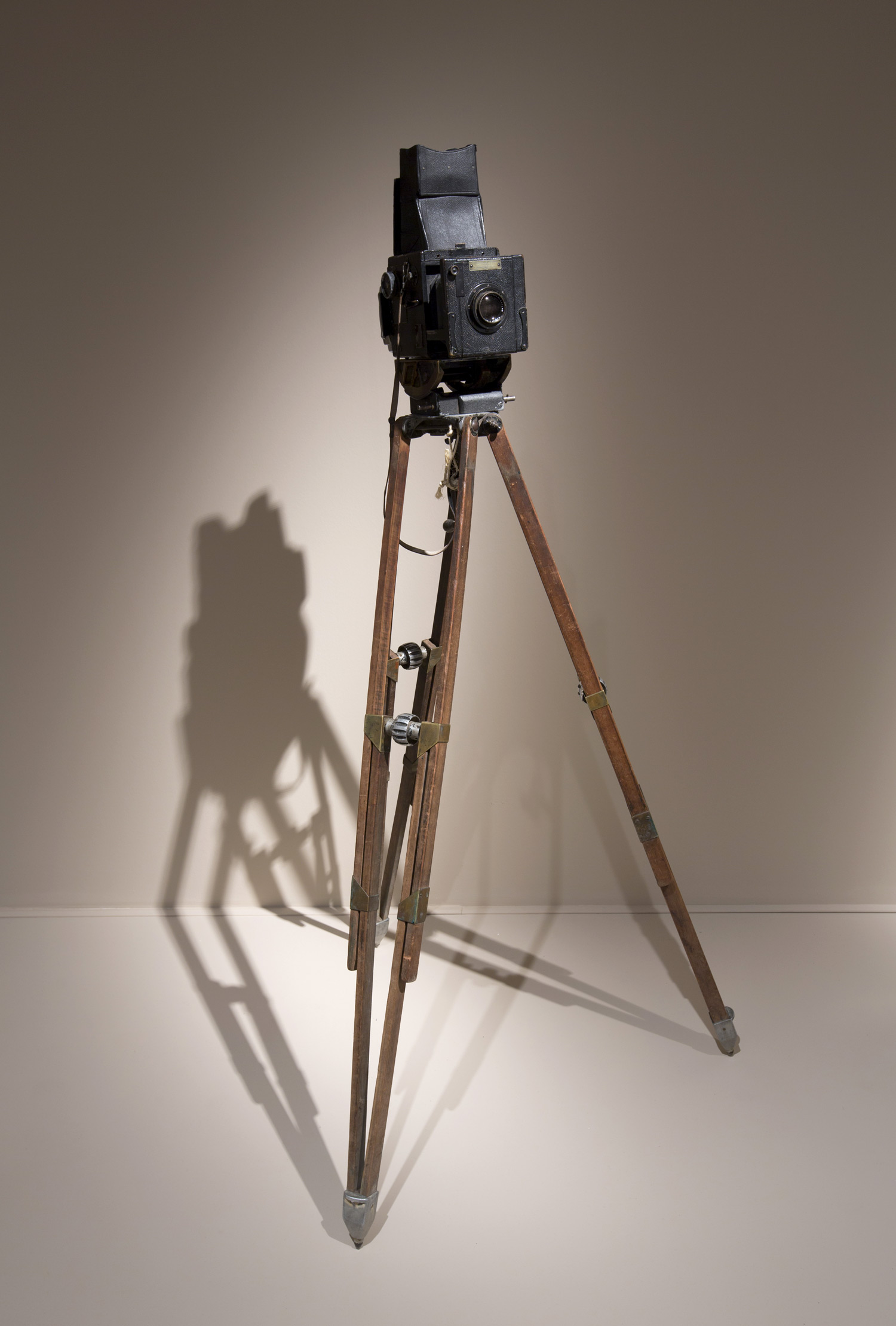
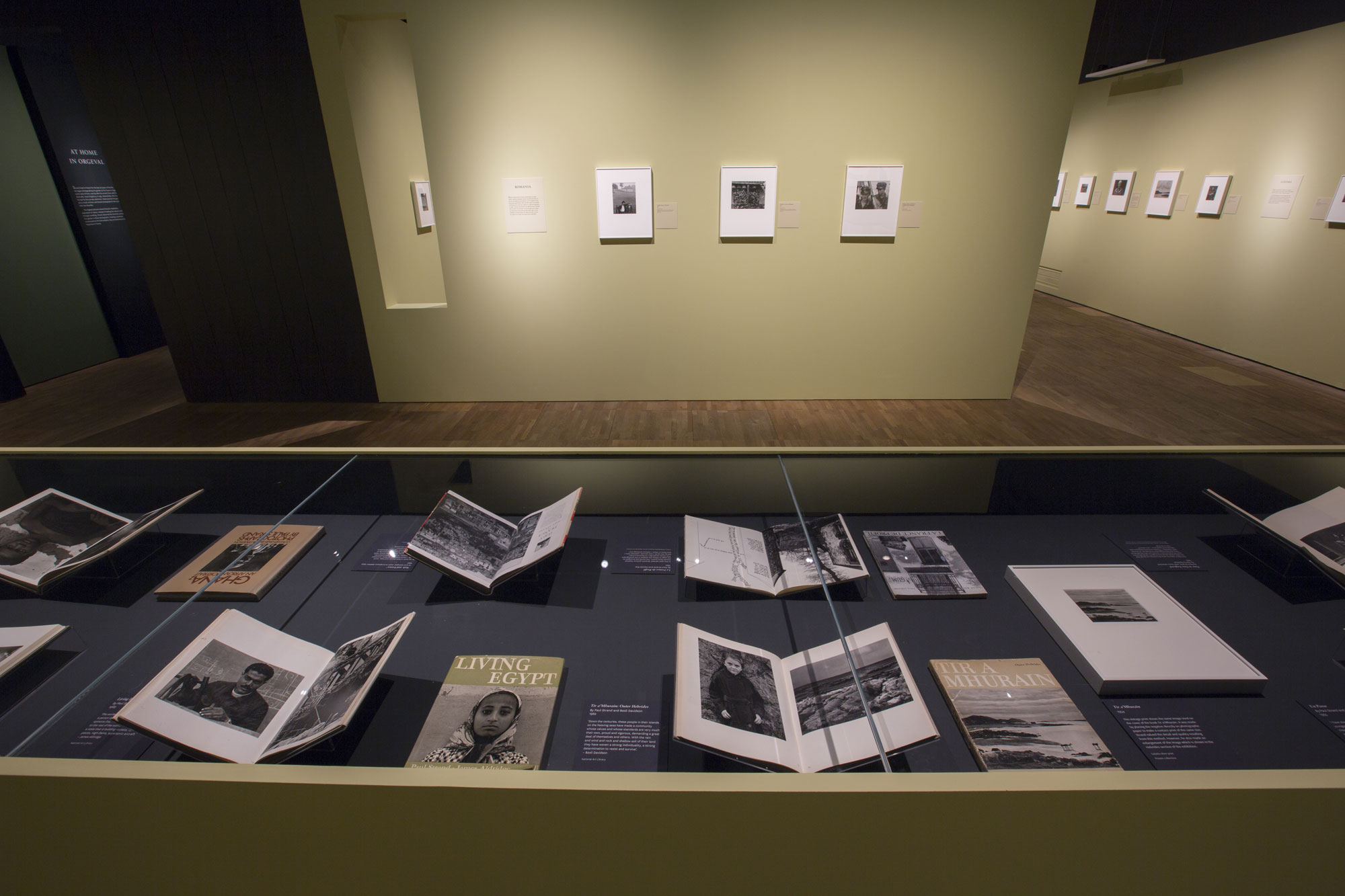


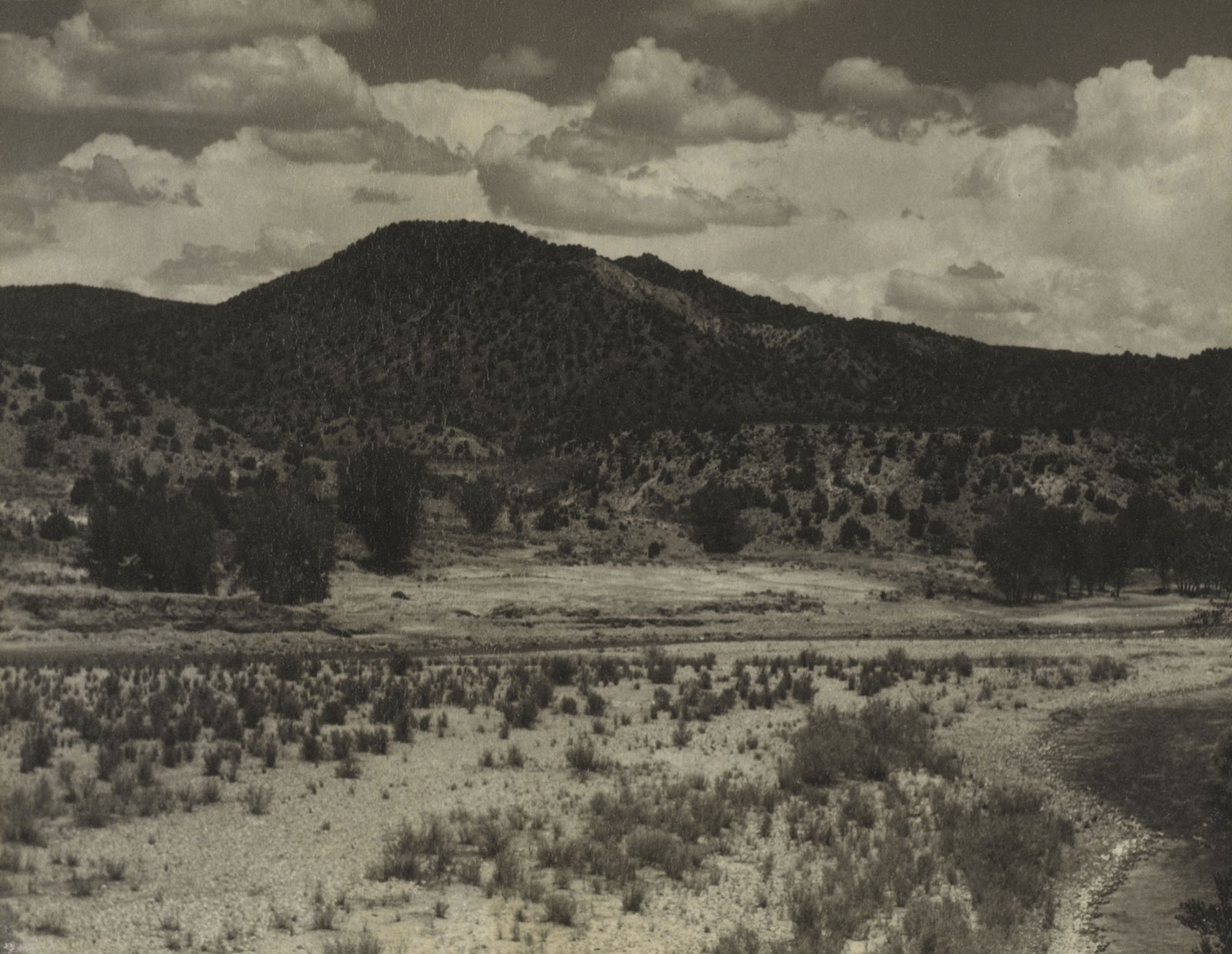

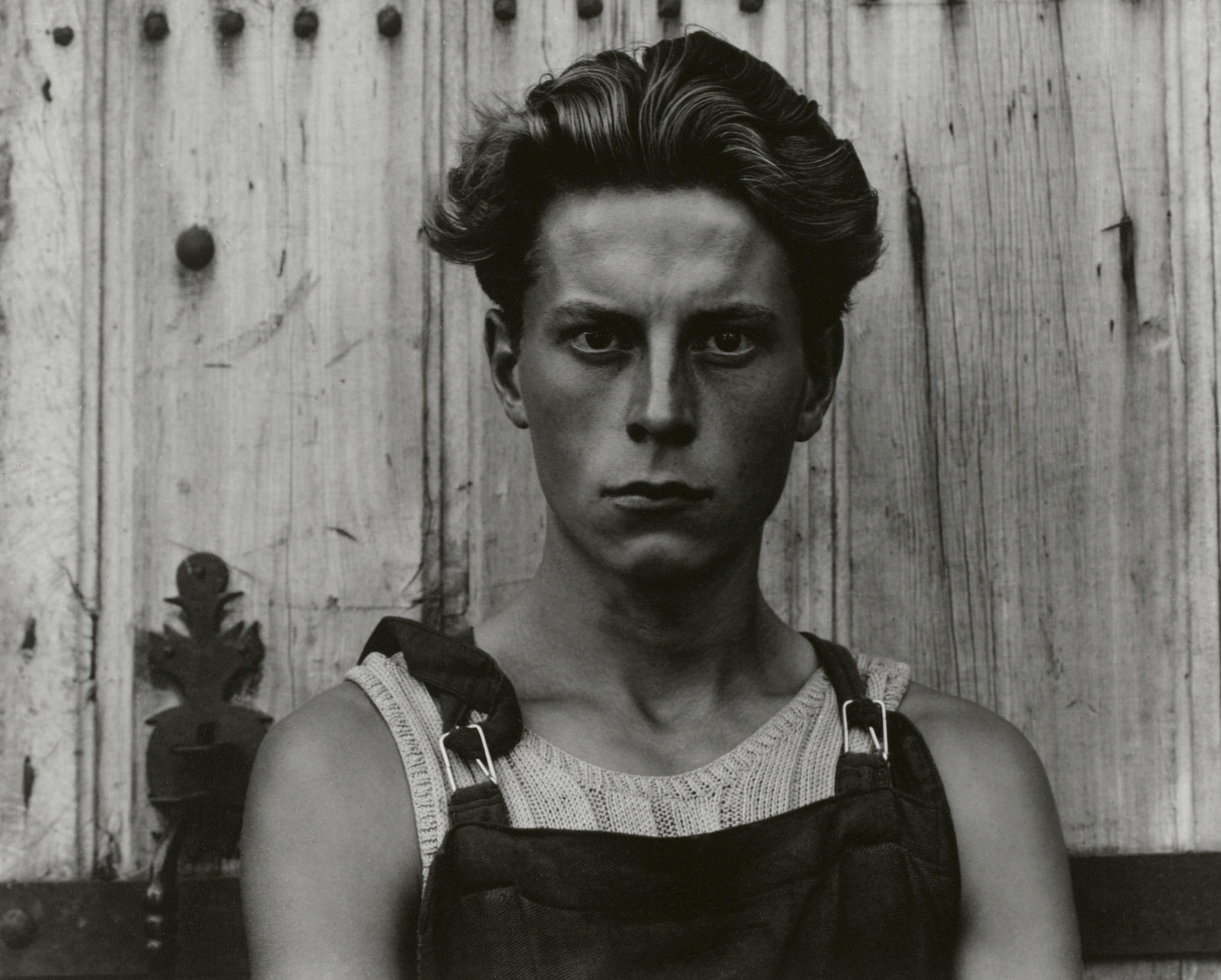
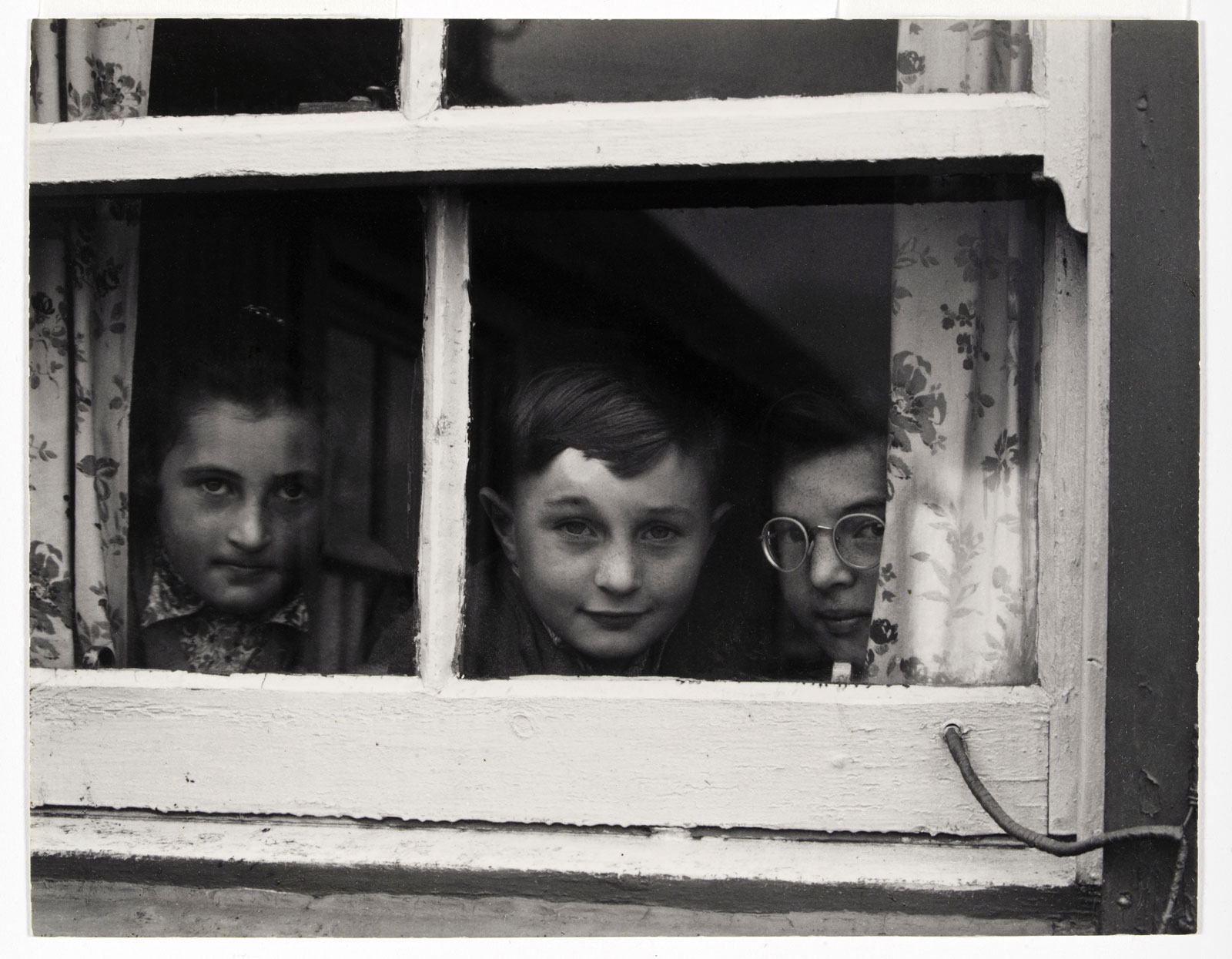
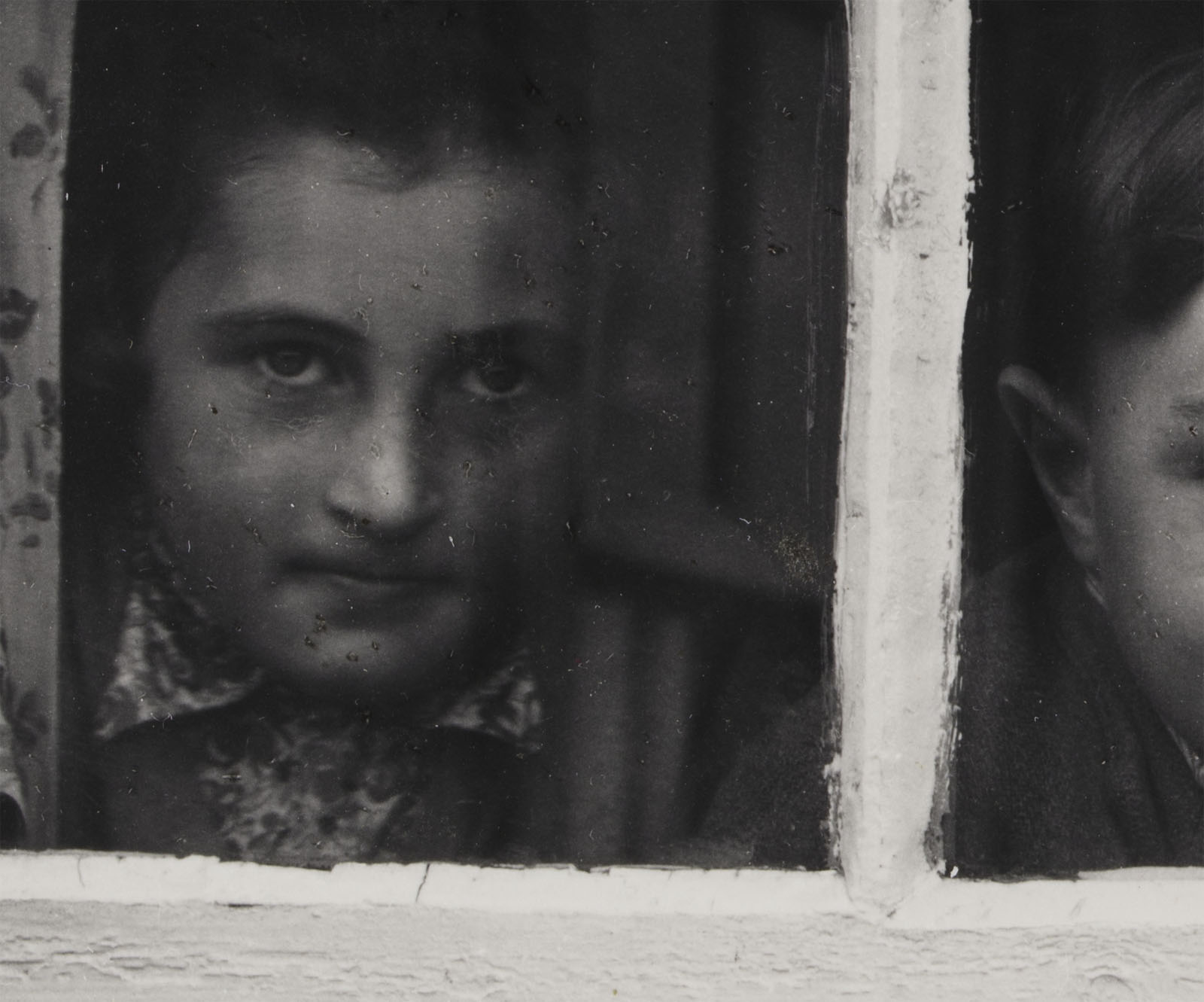

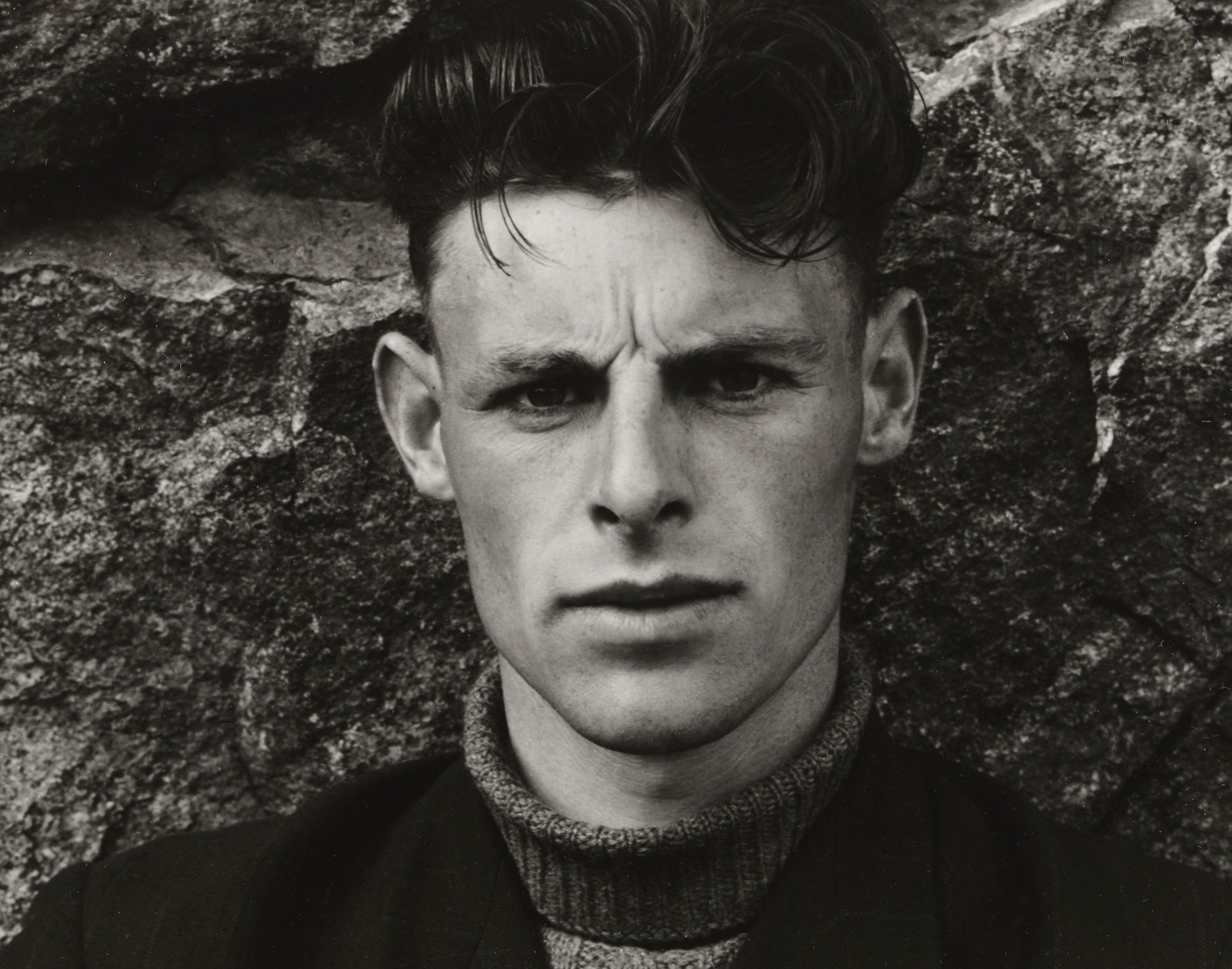


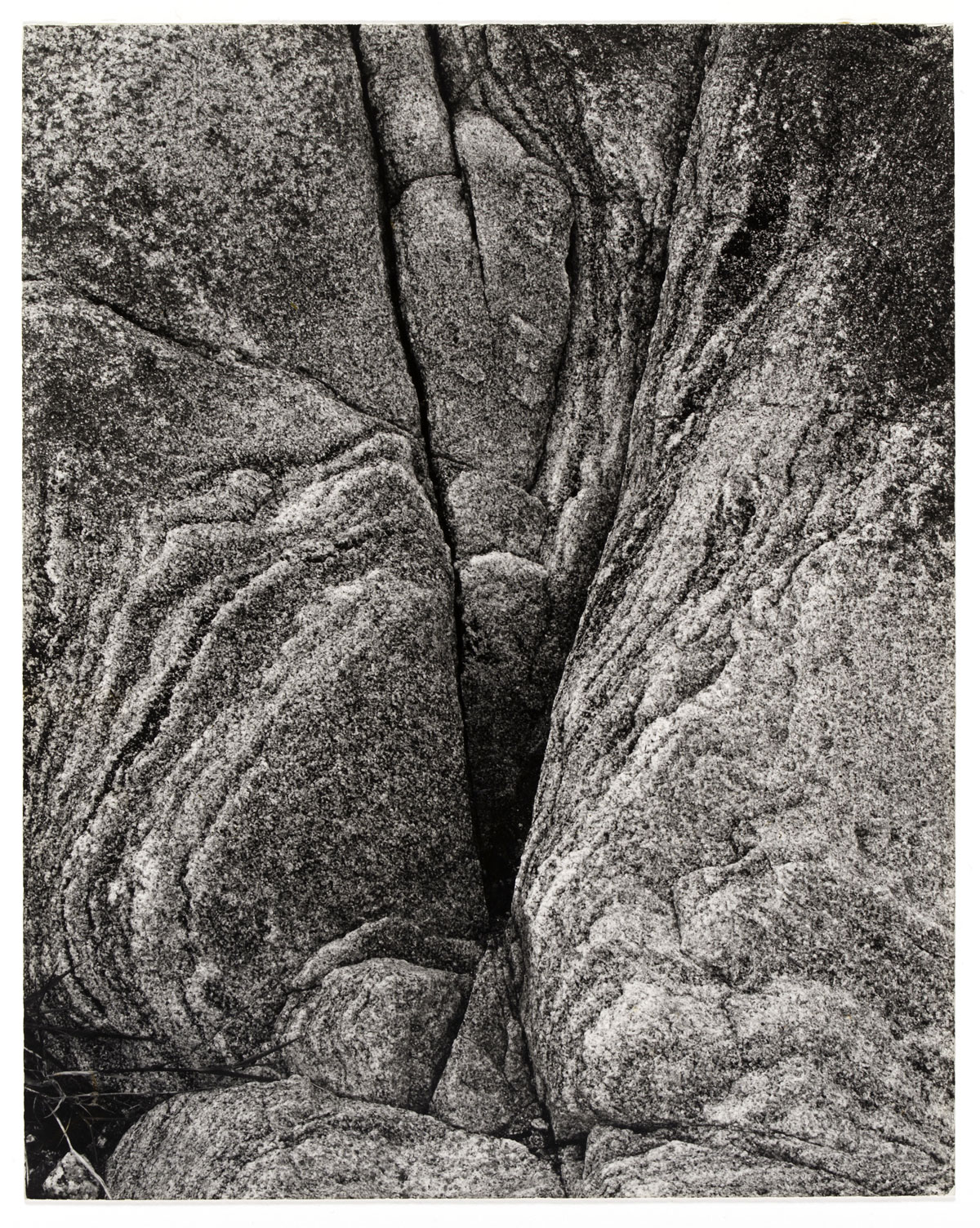

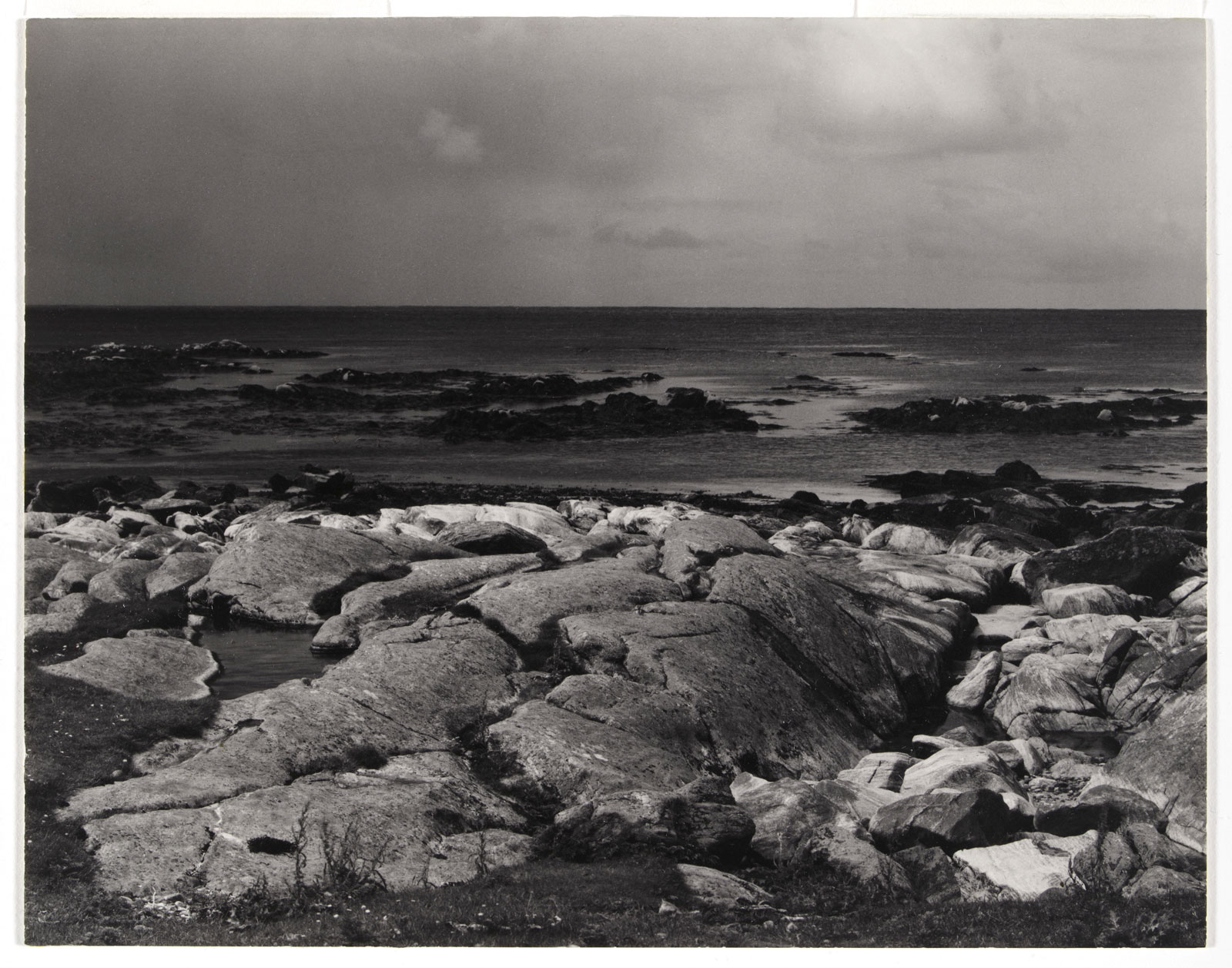
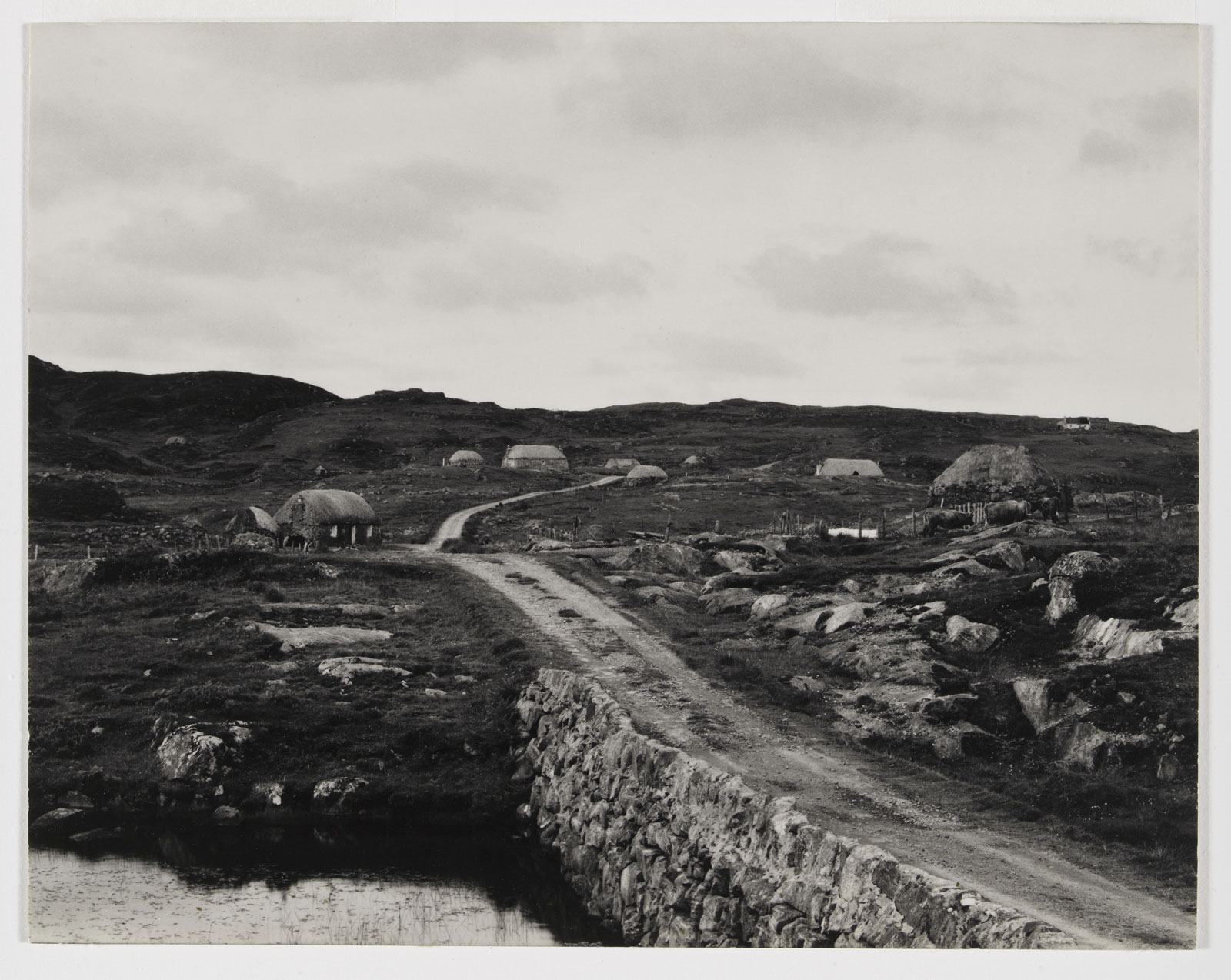


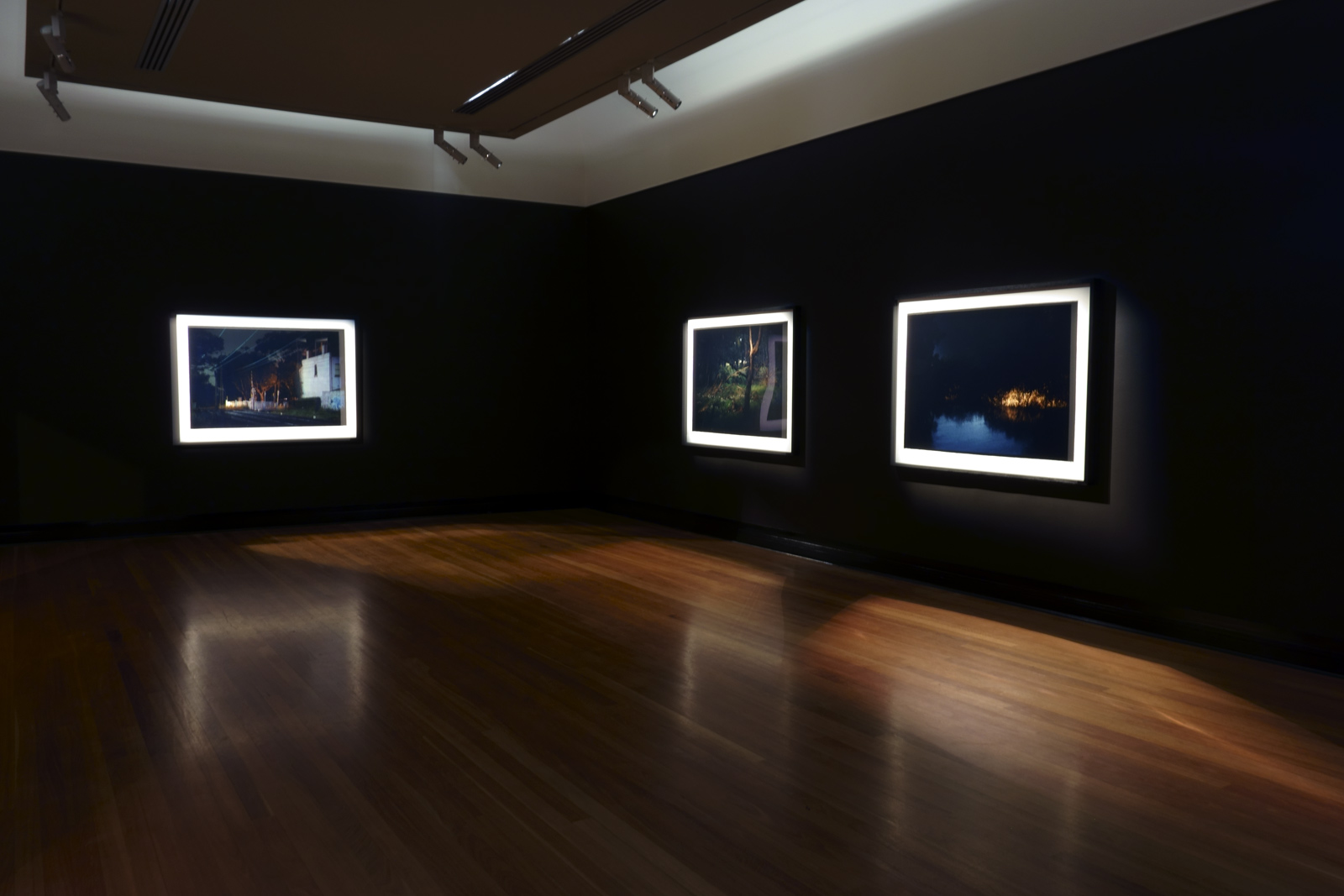
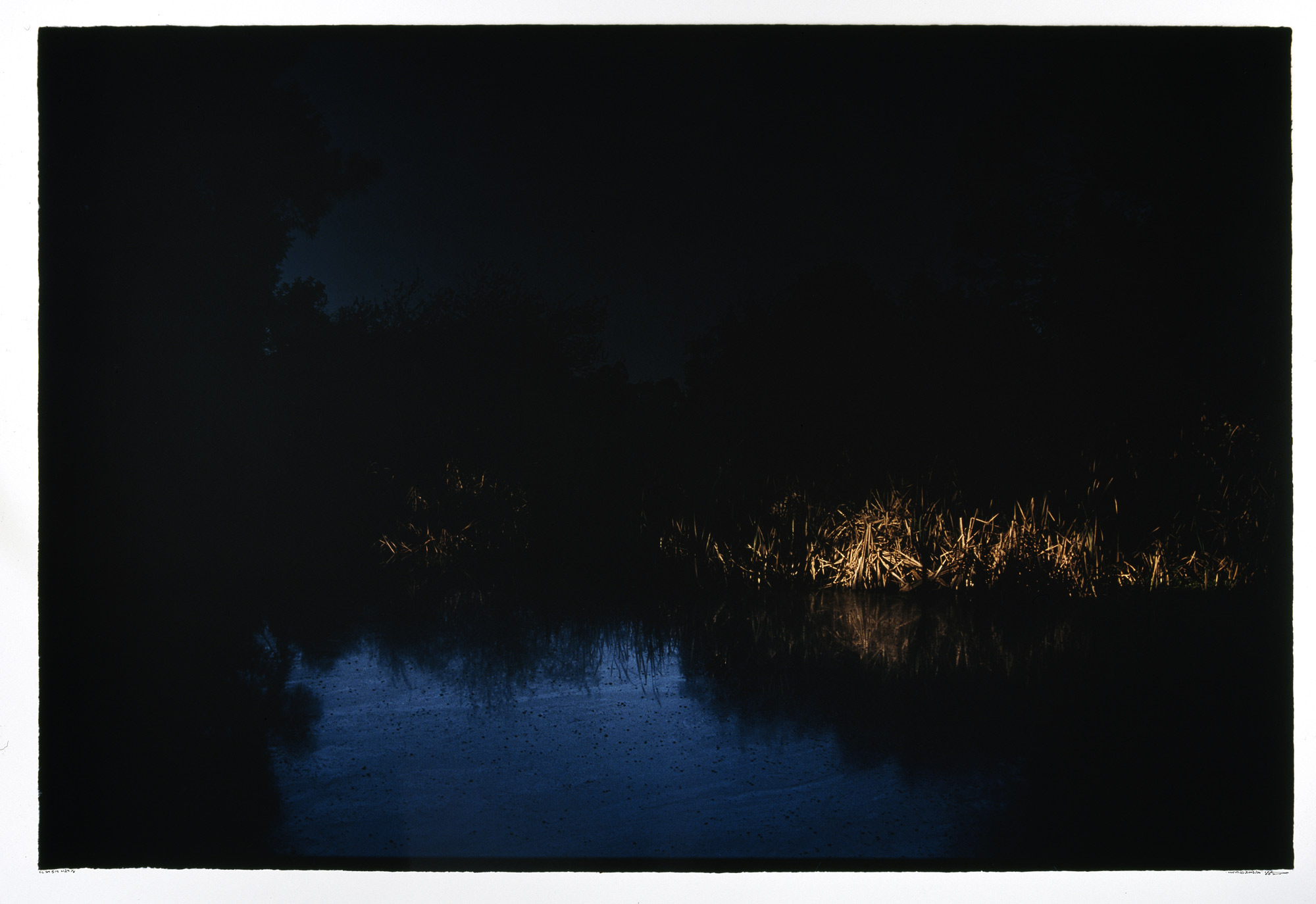


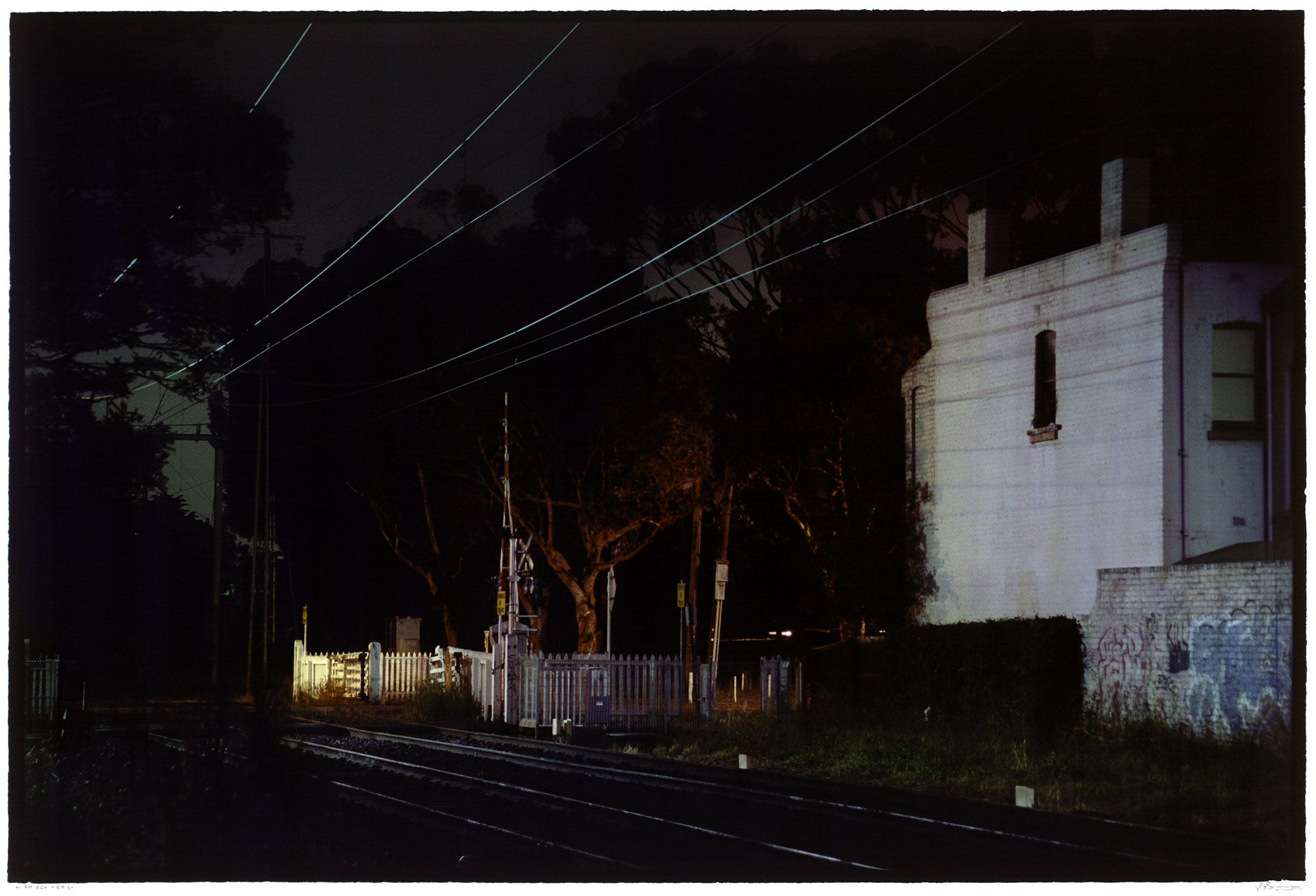


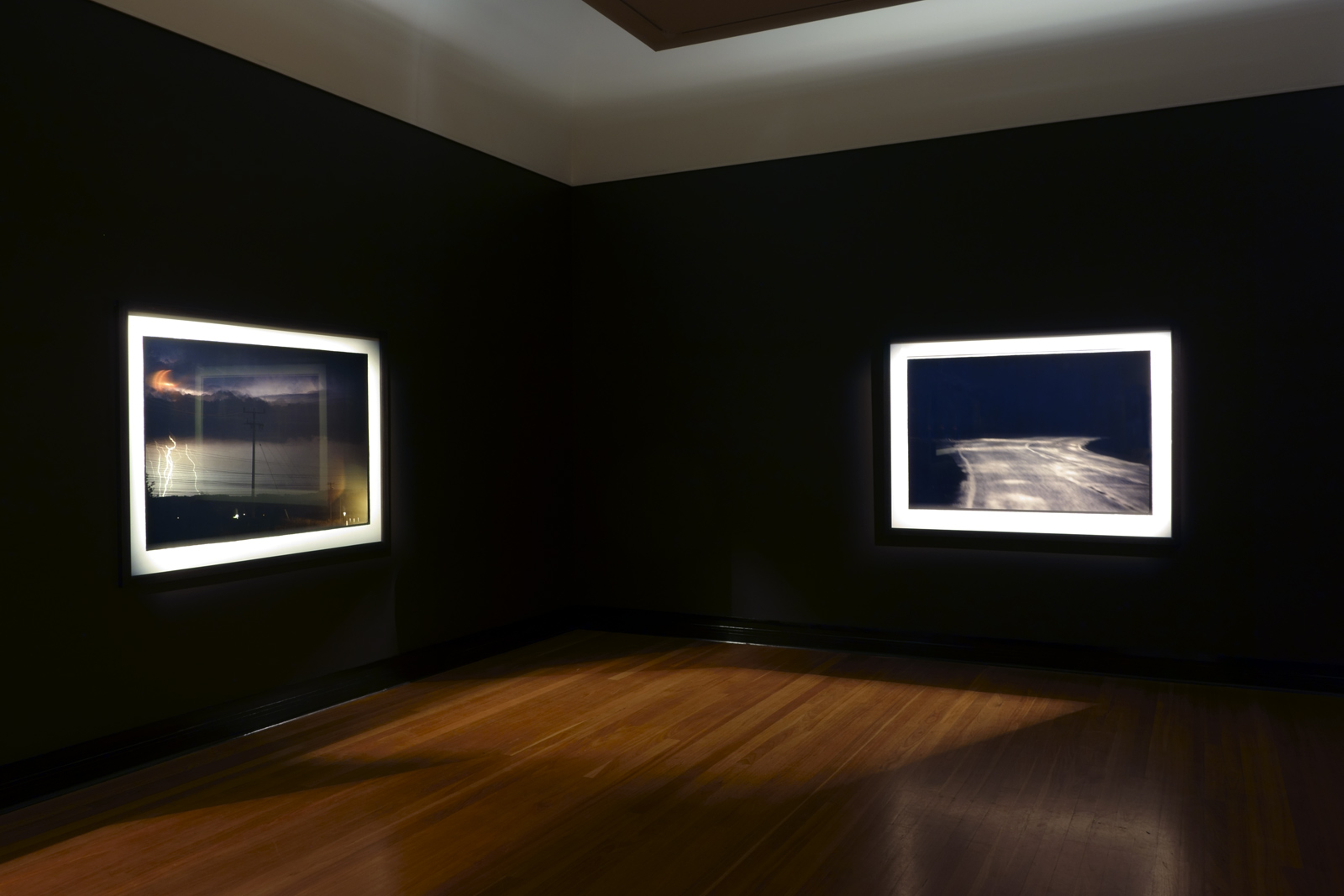
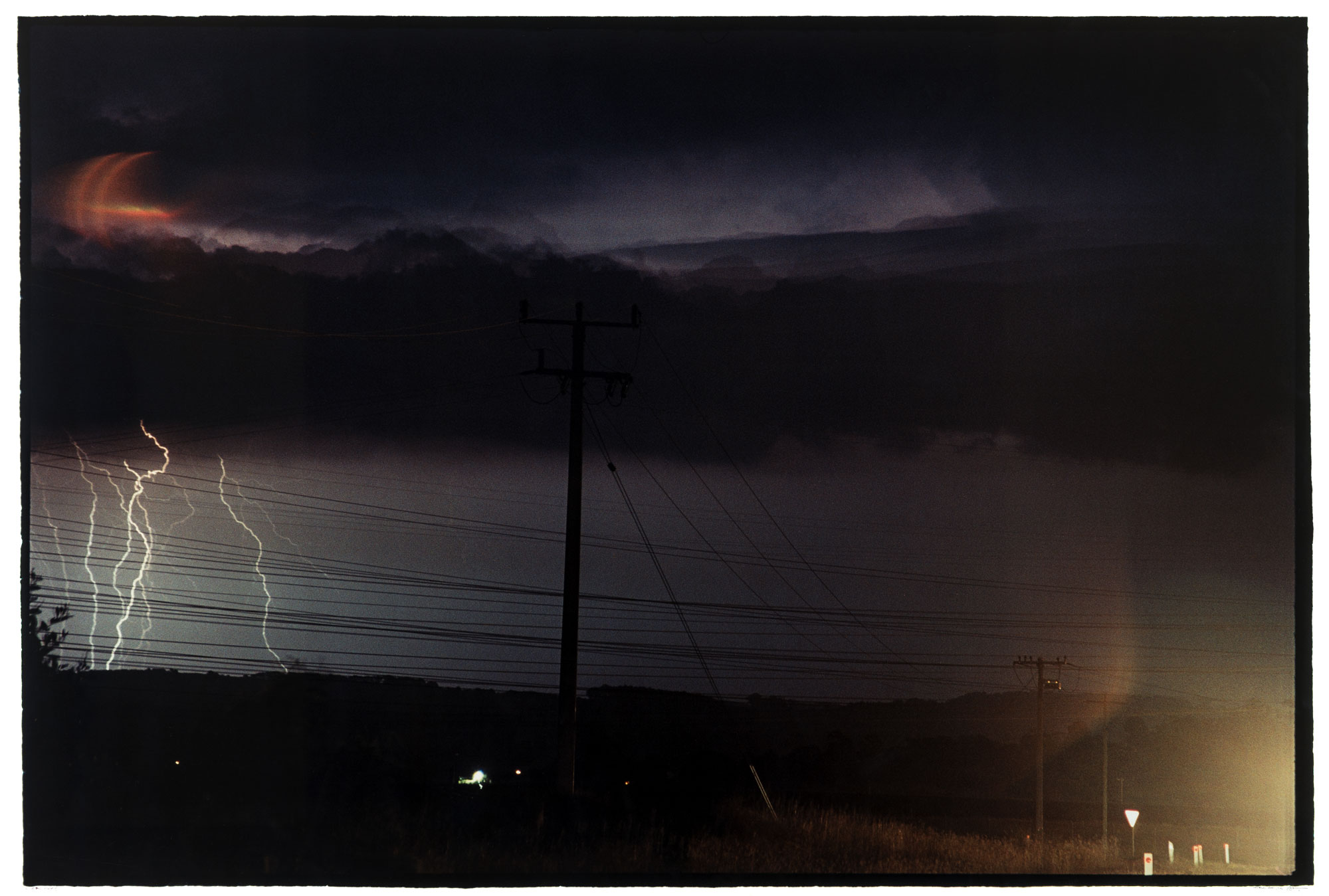


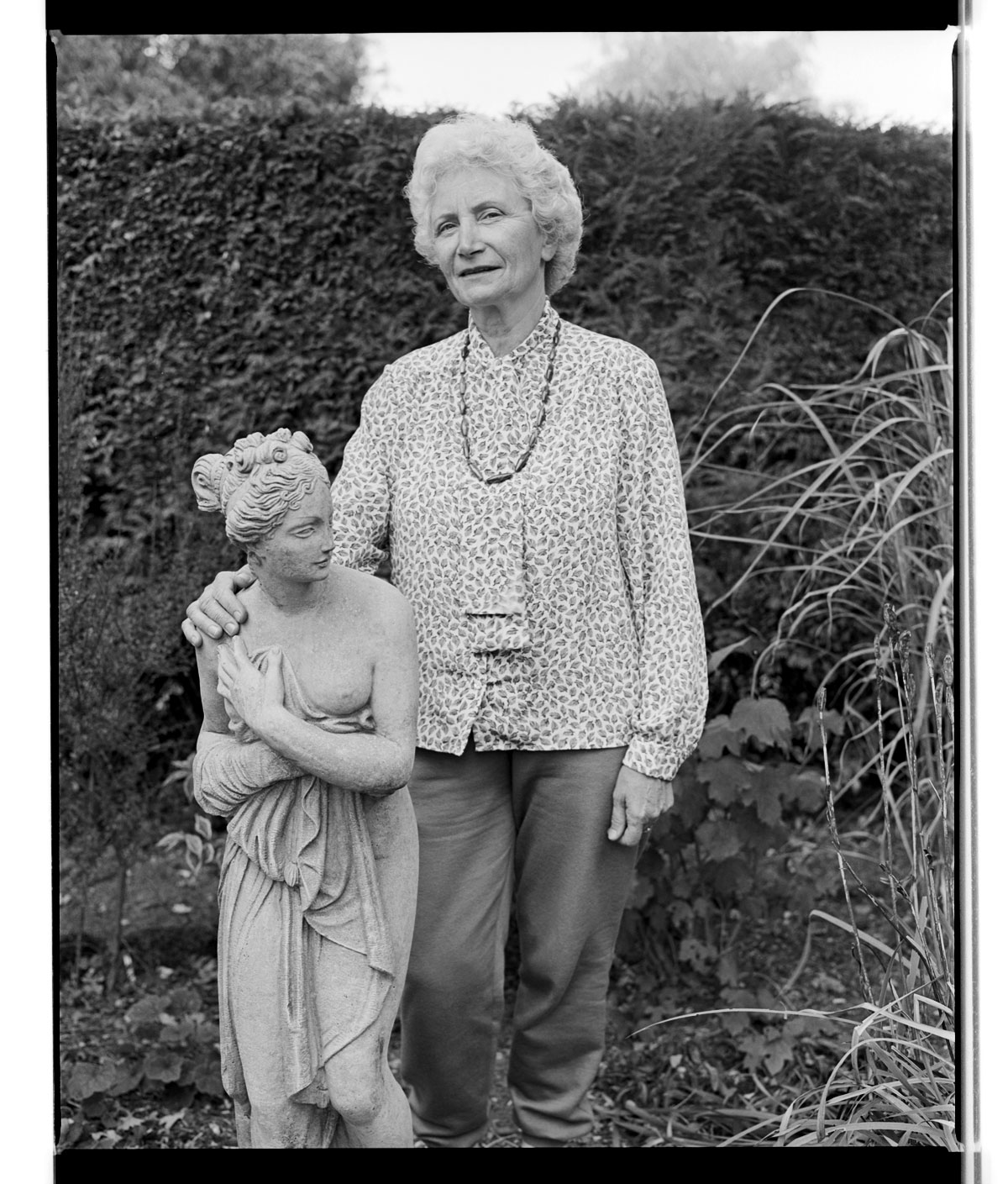
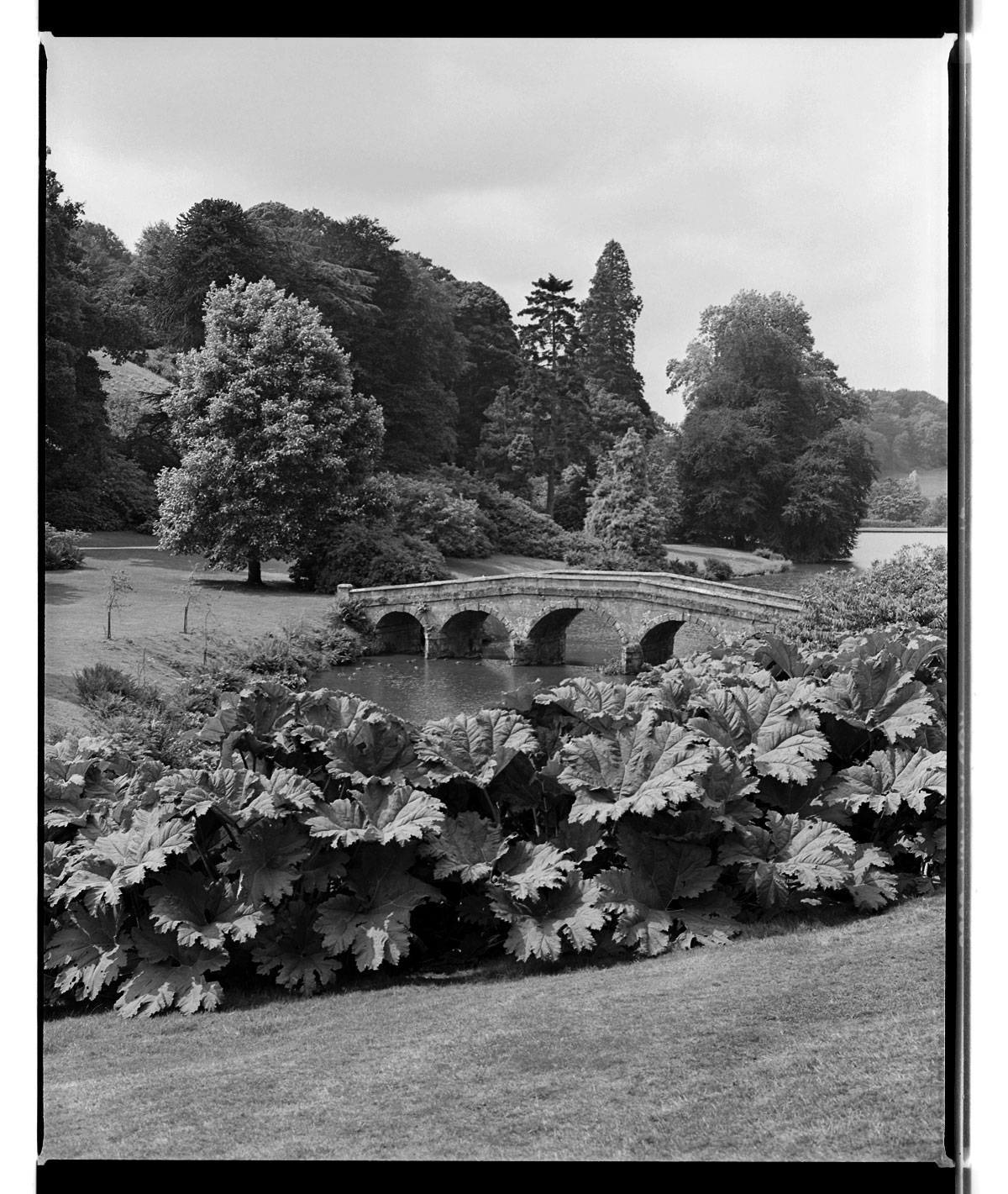
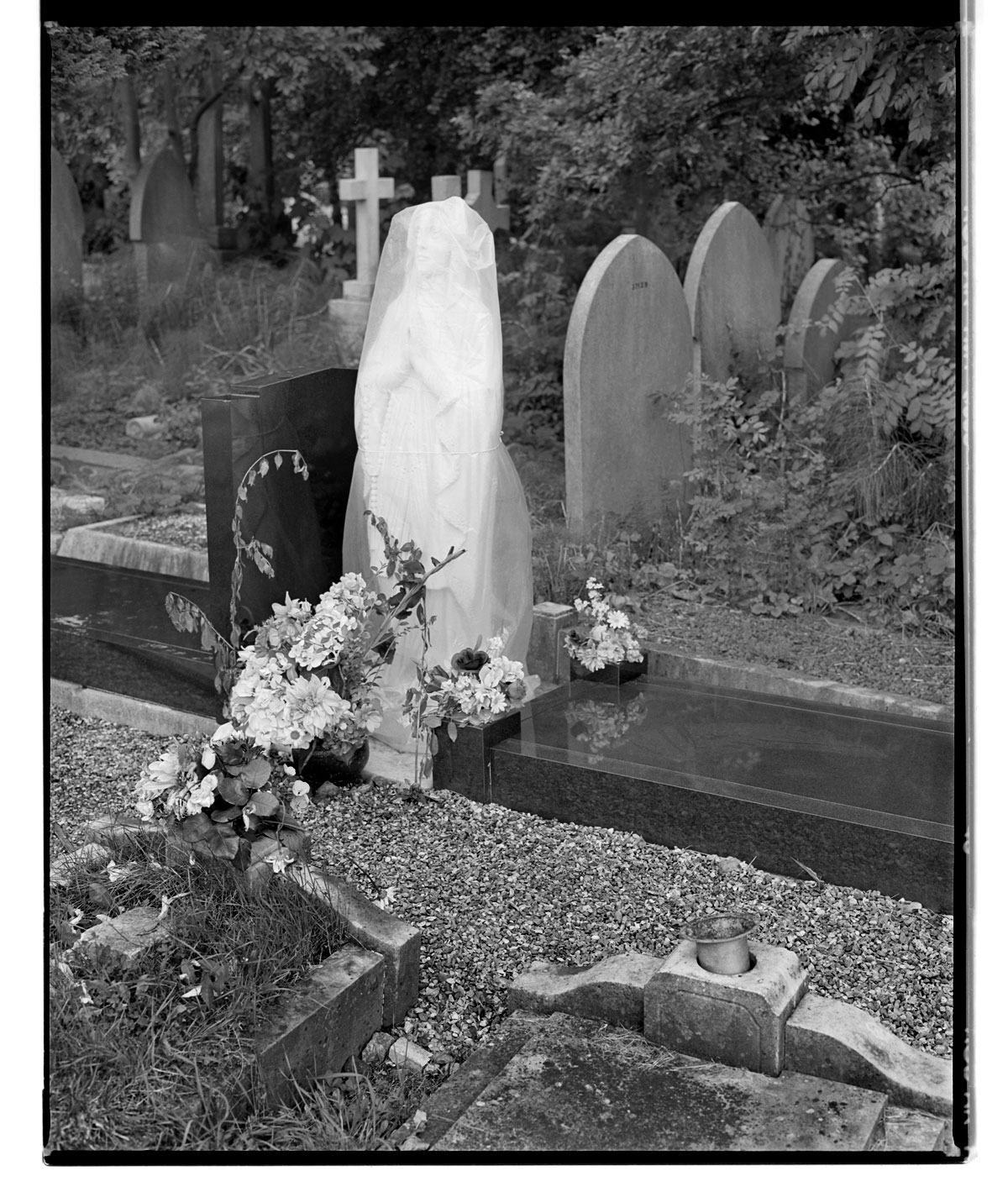

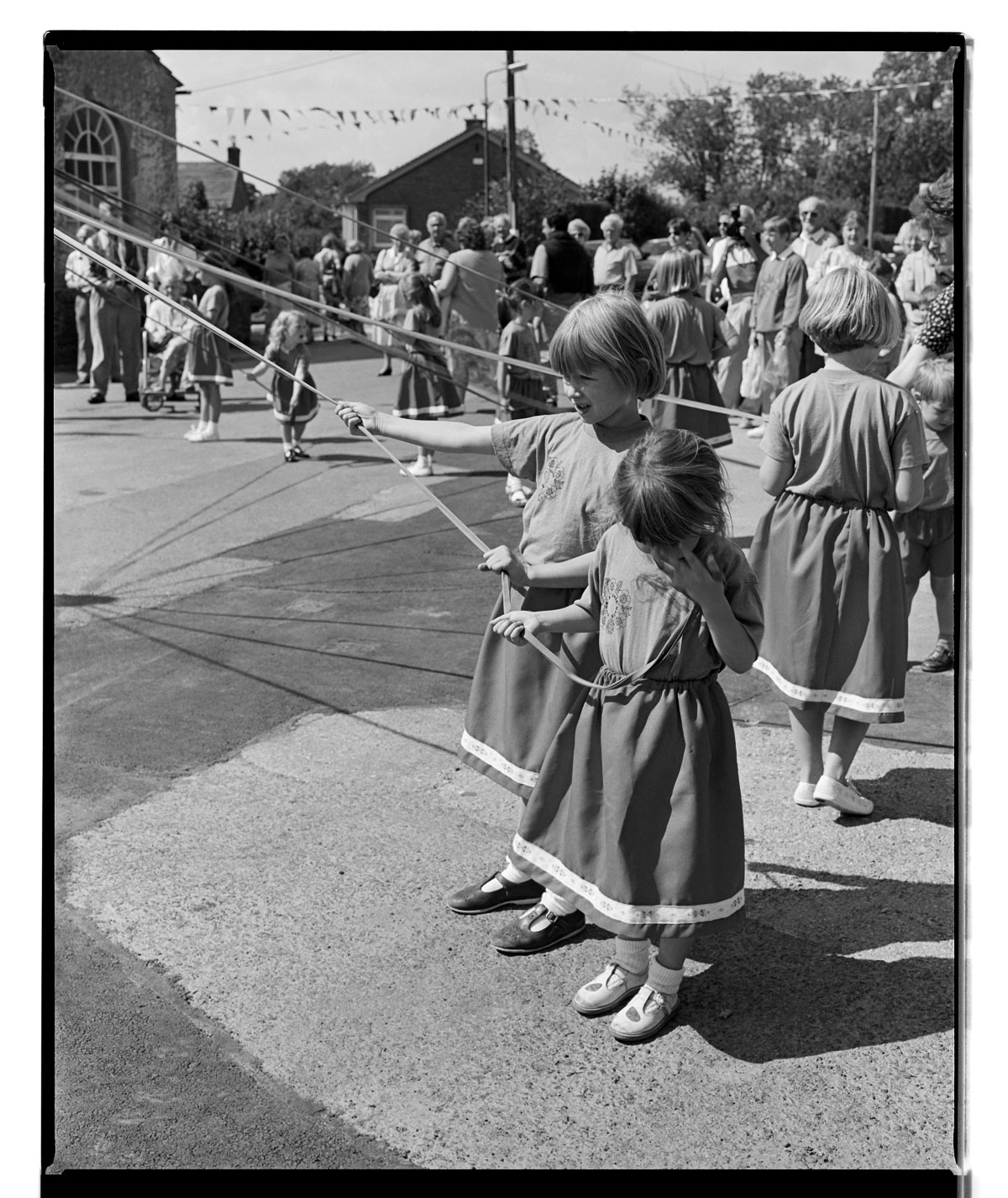
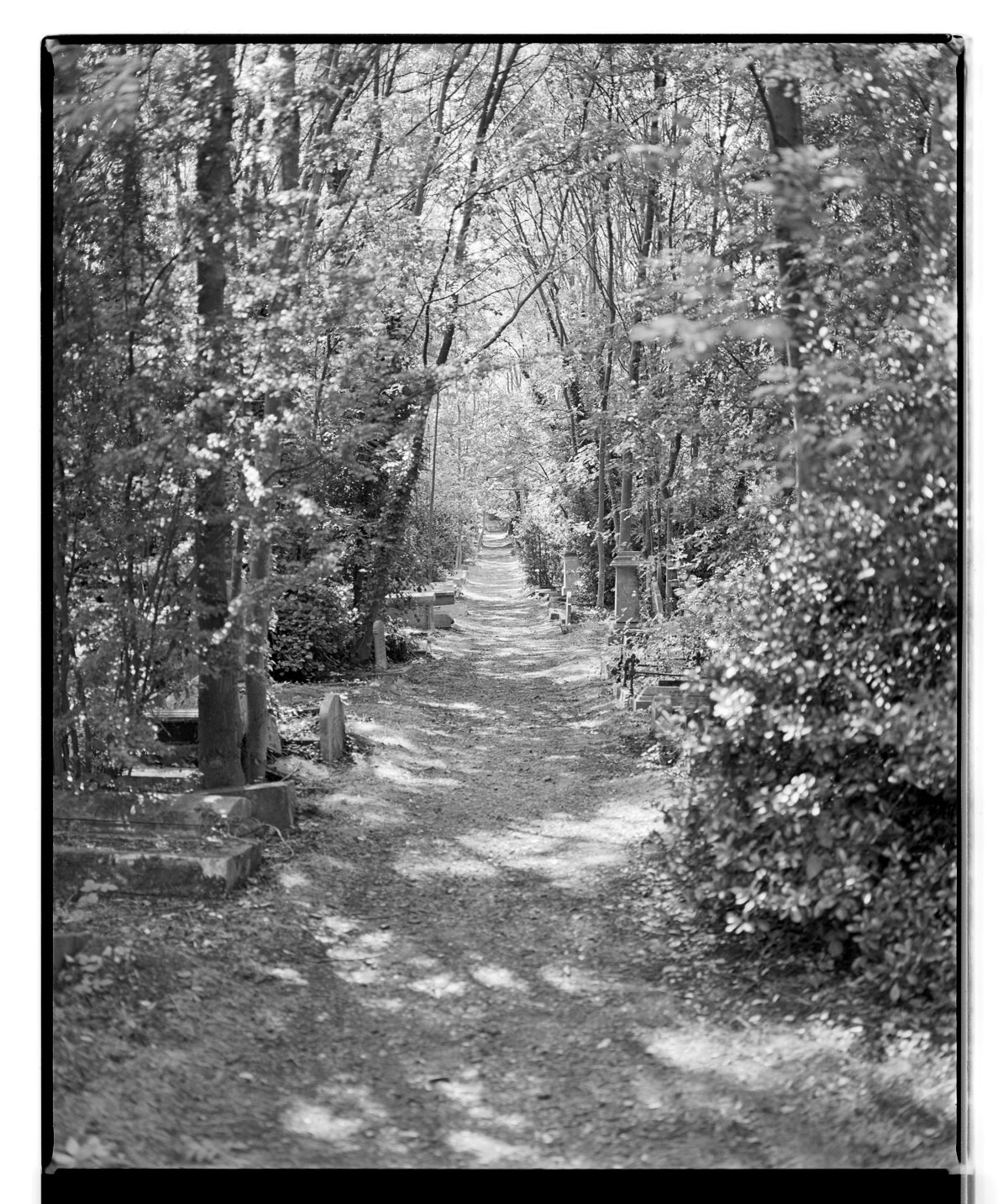
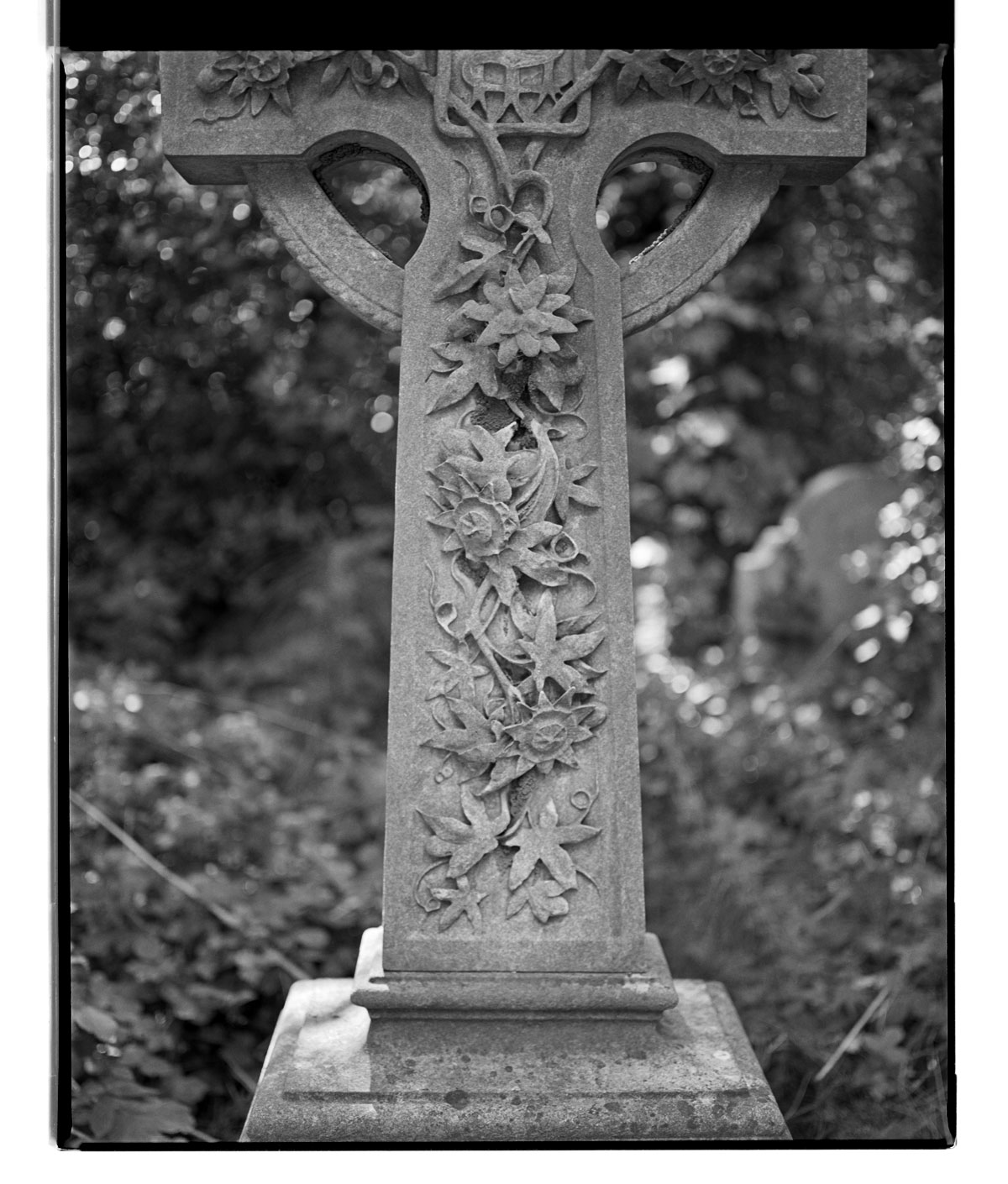
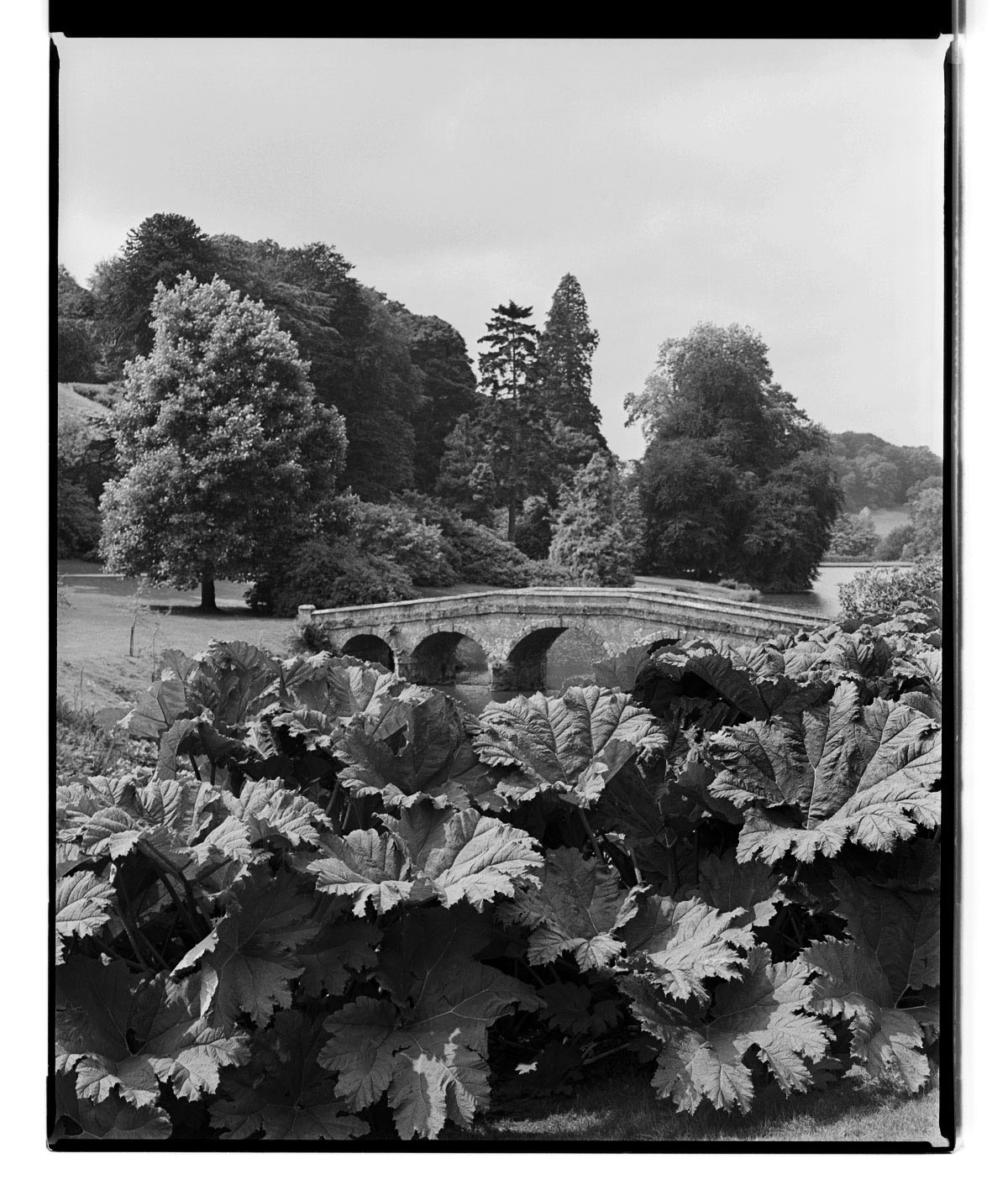
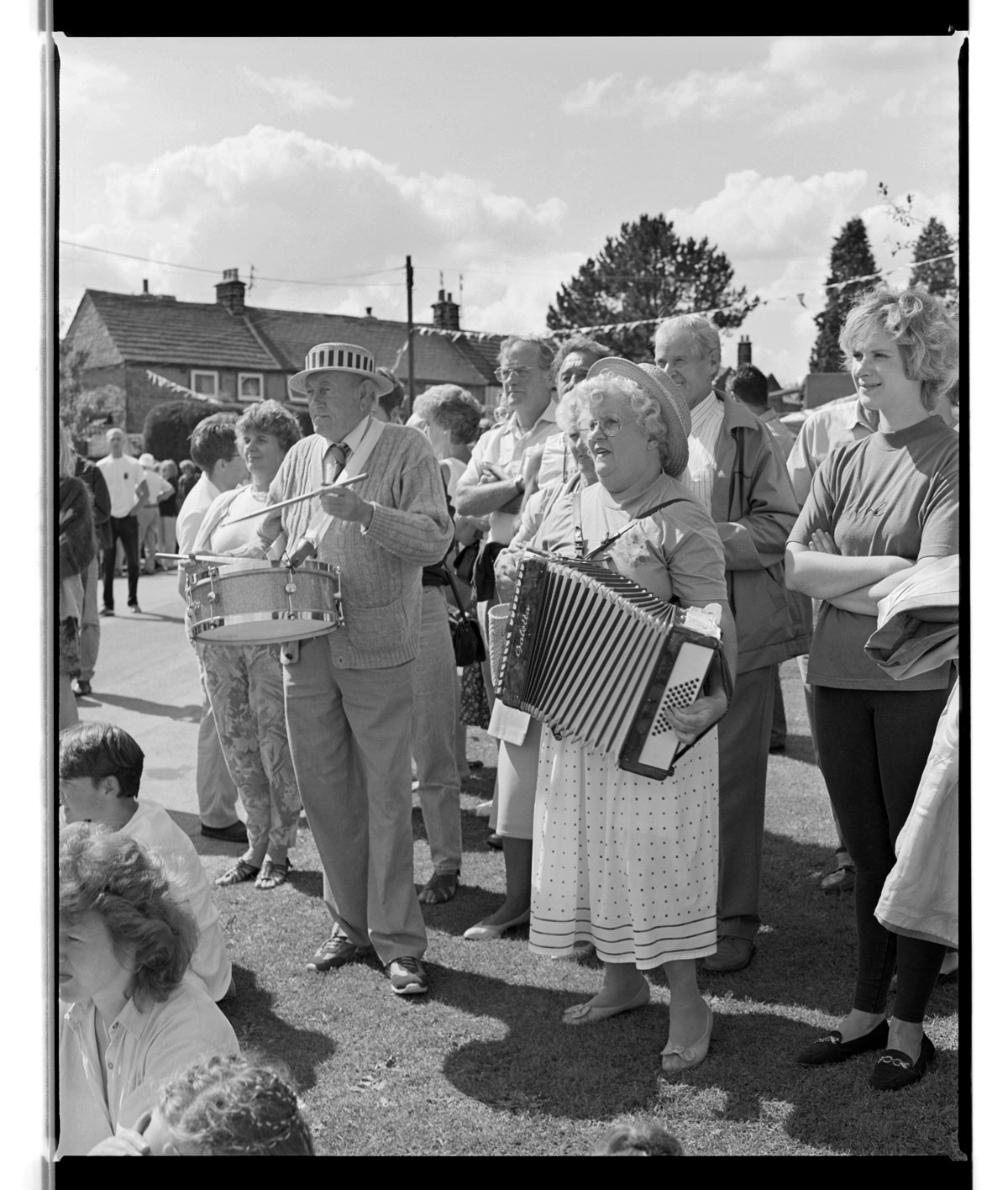
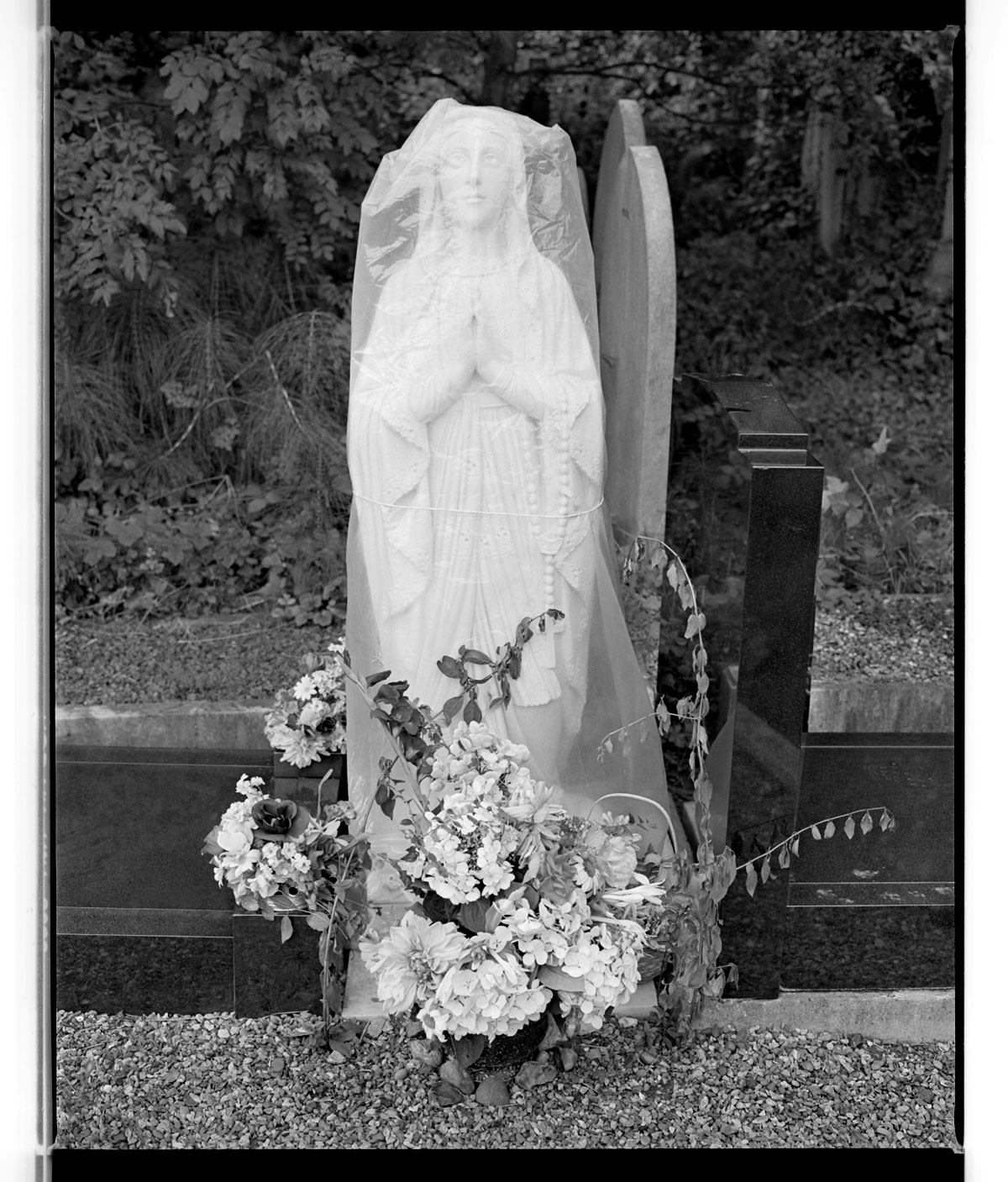
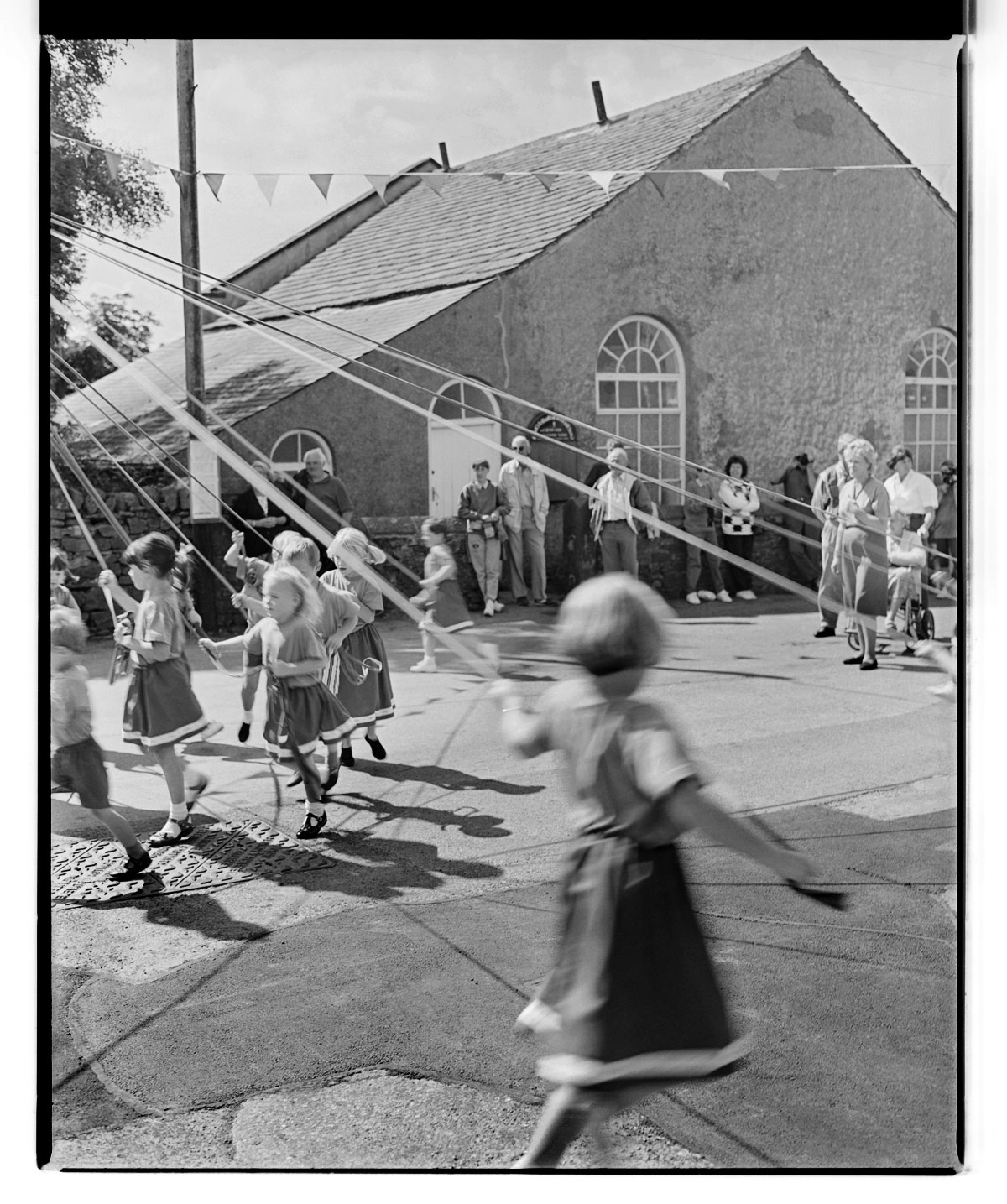
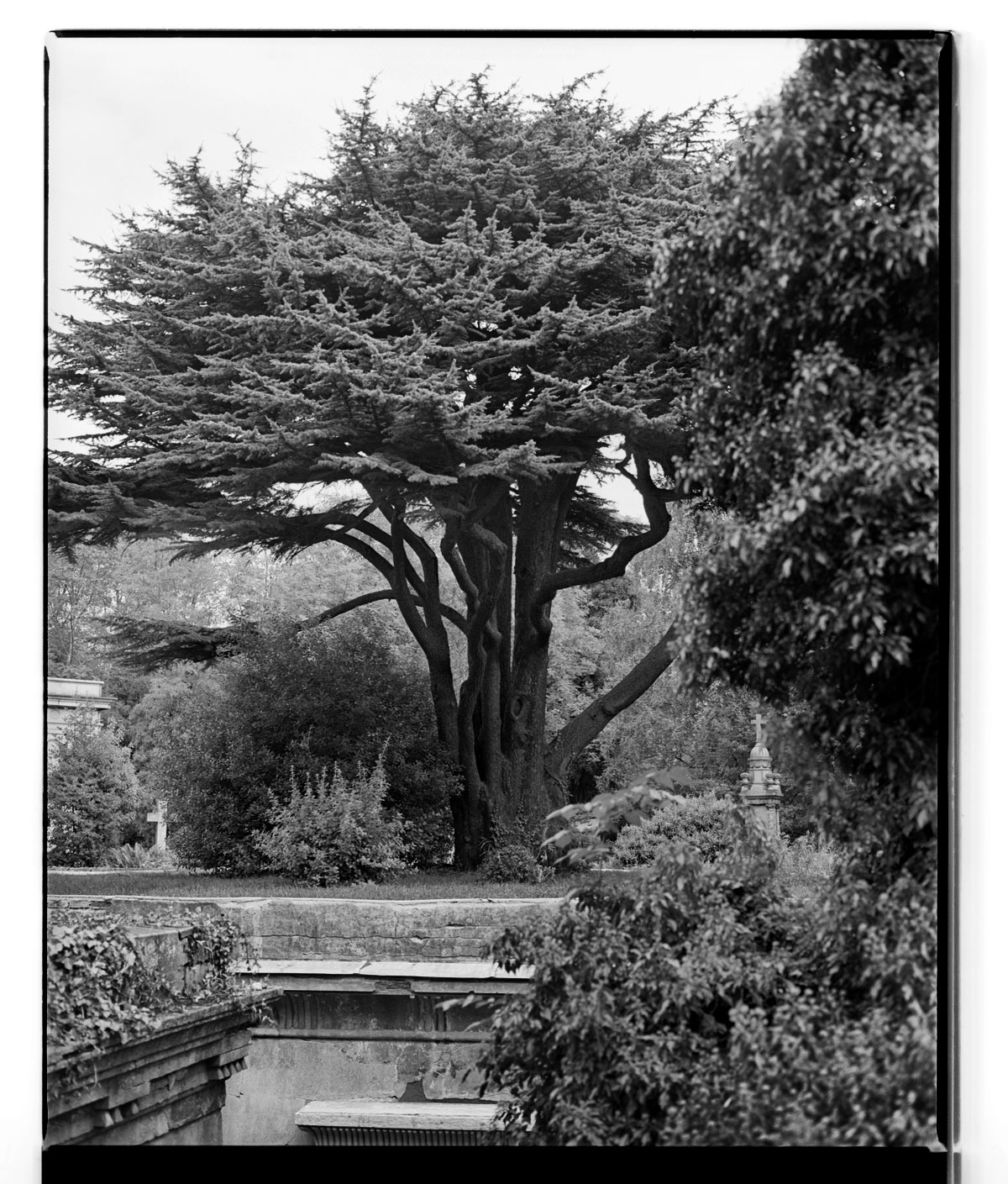
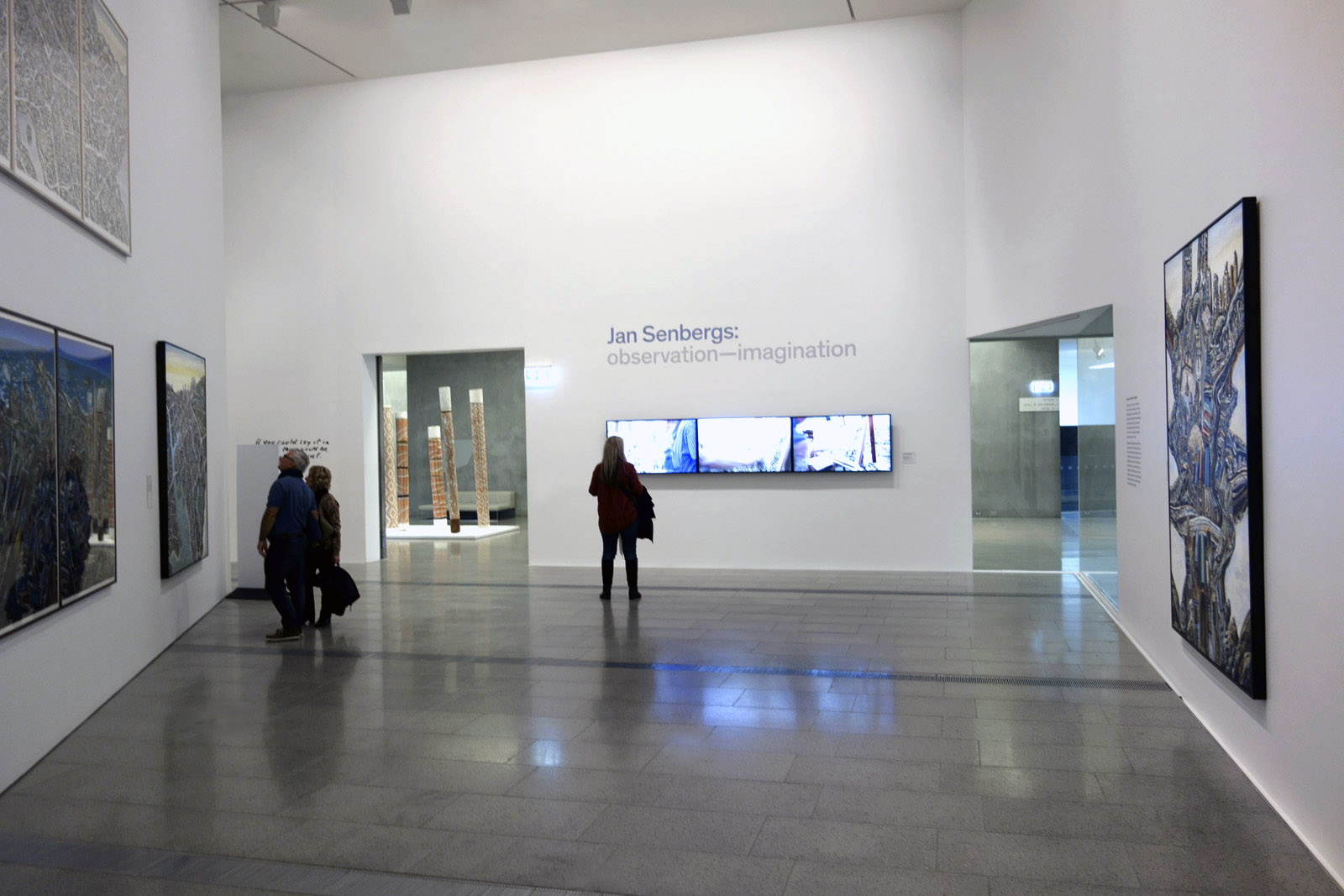







You must be logged in to post a comment.