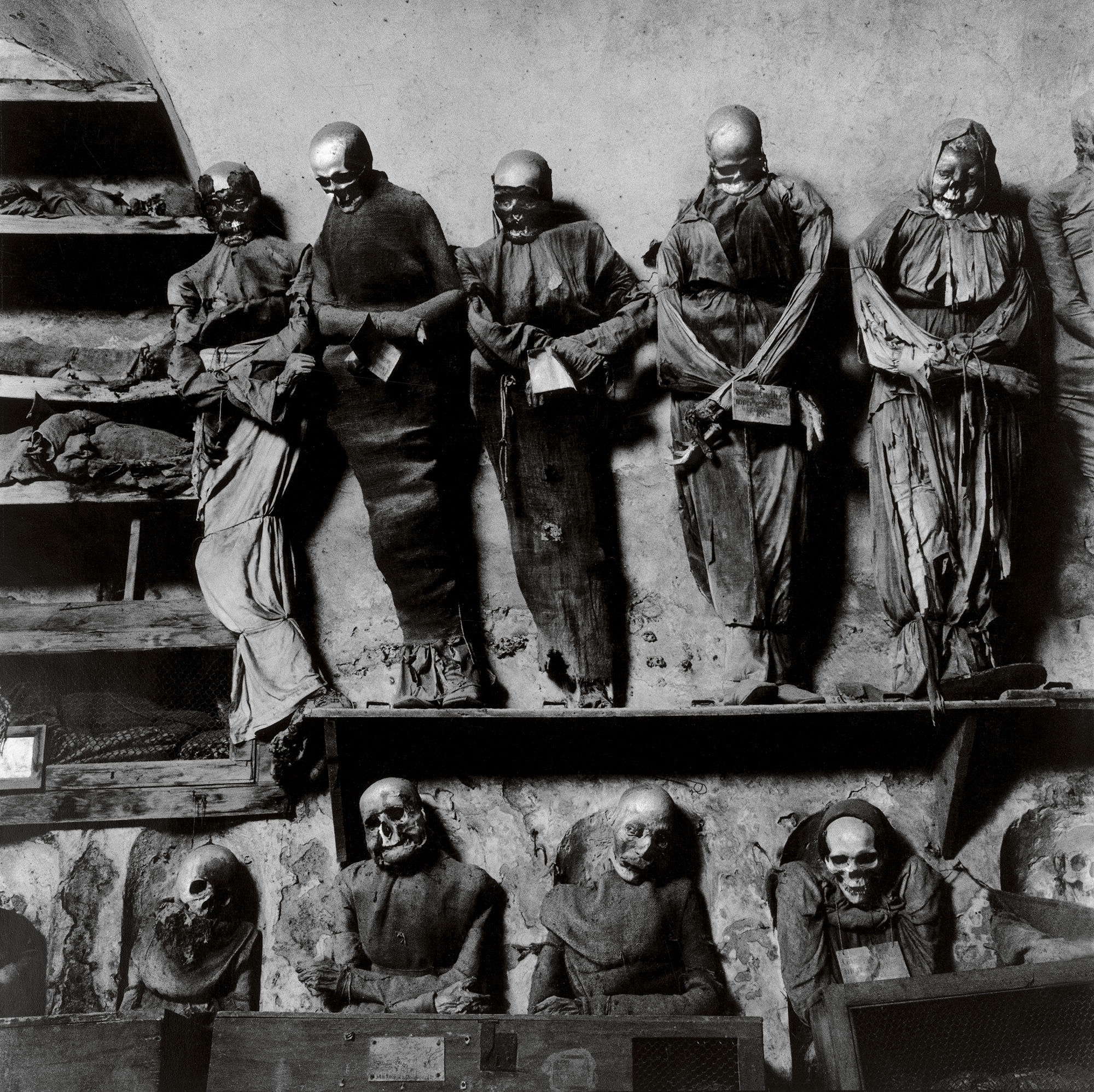
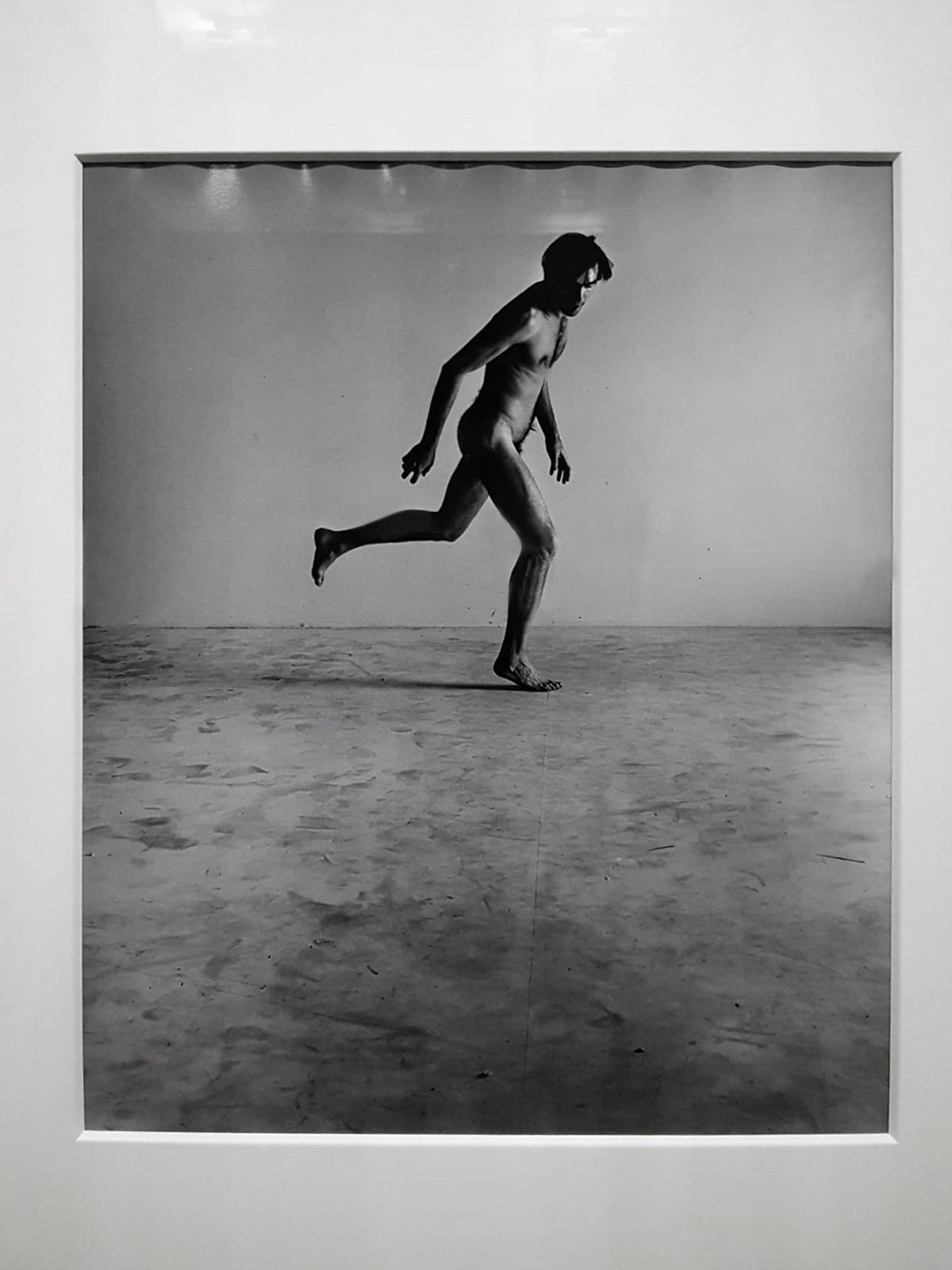
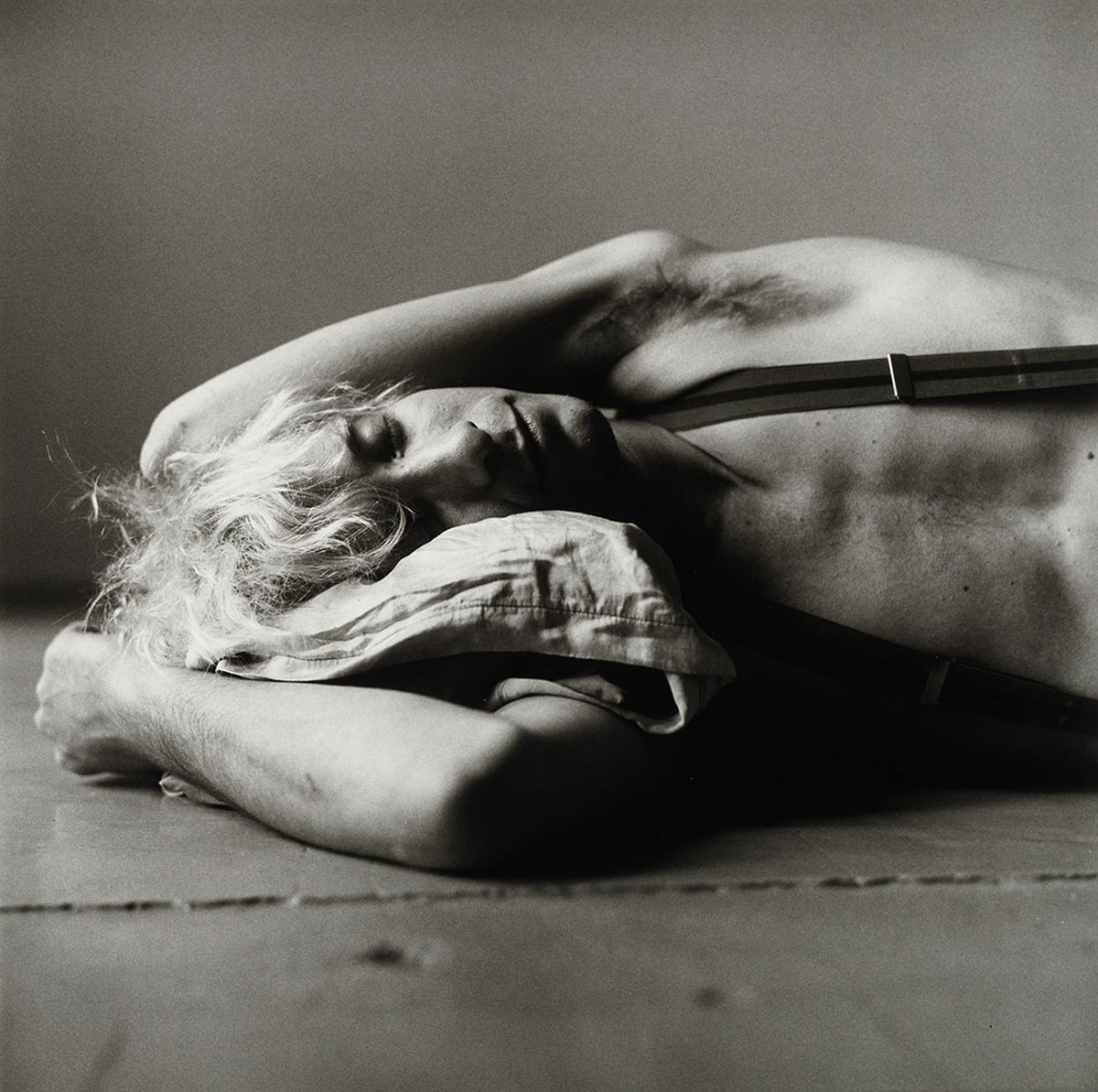
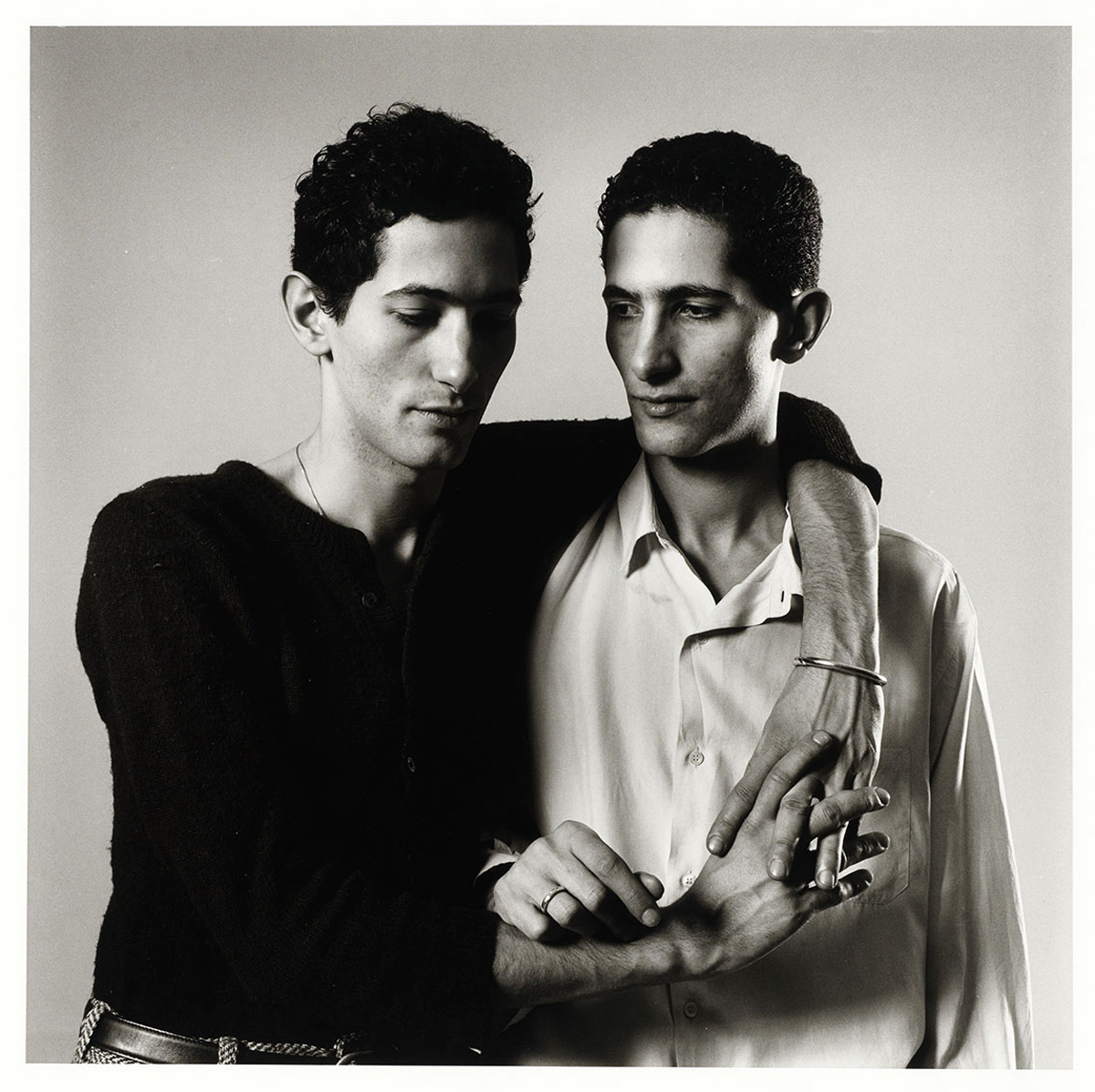
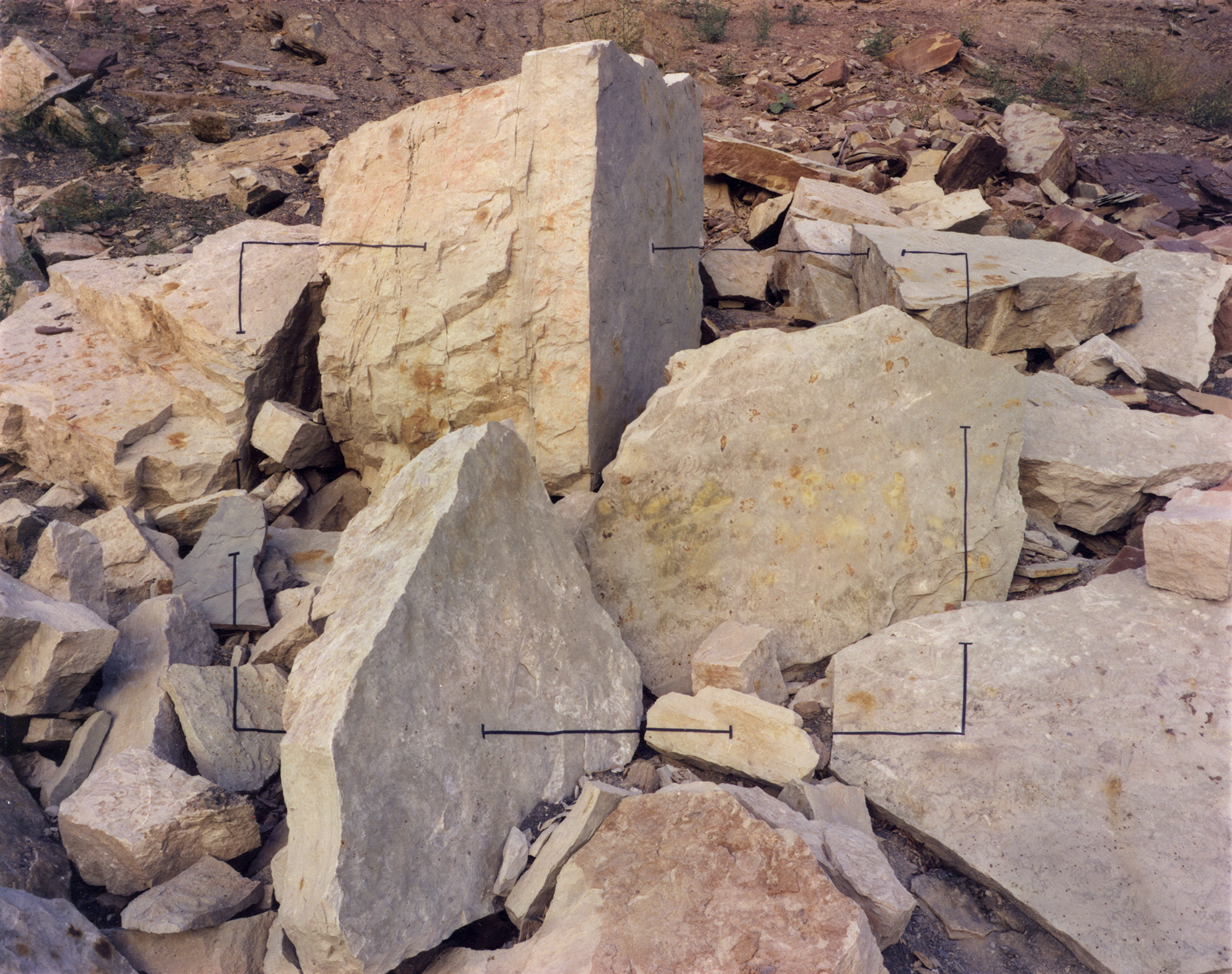
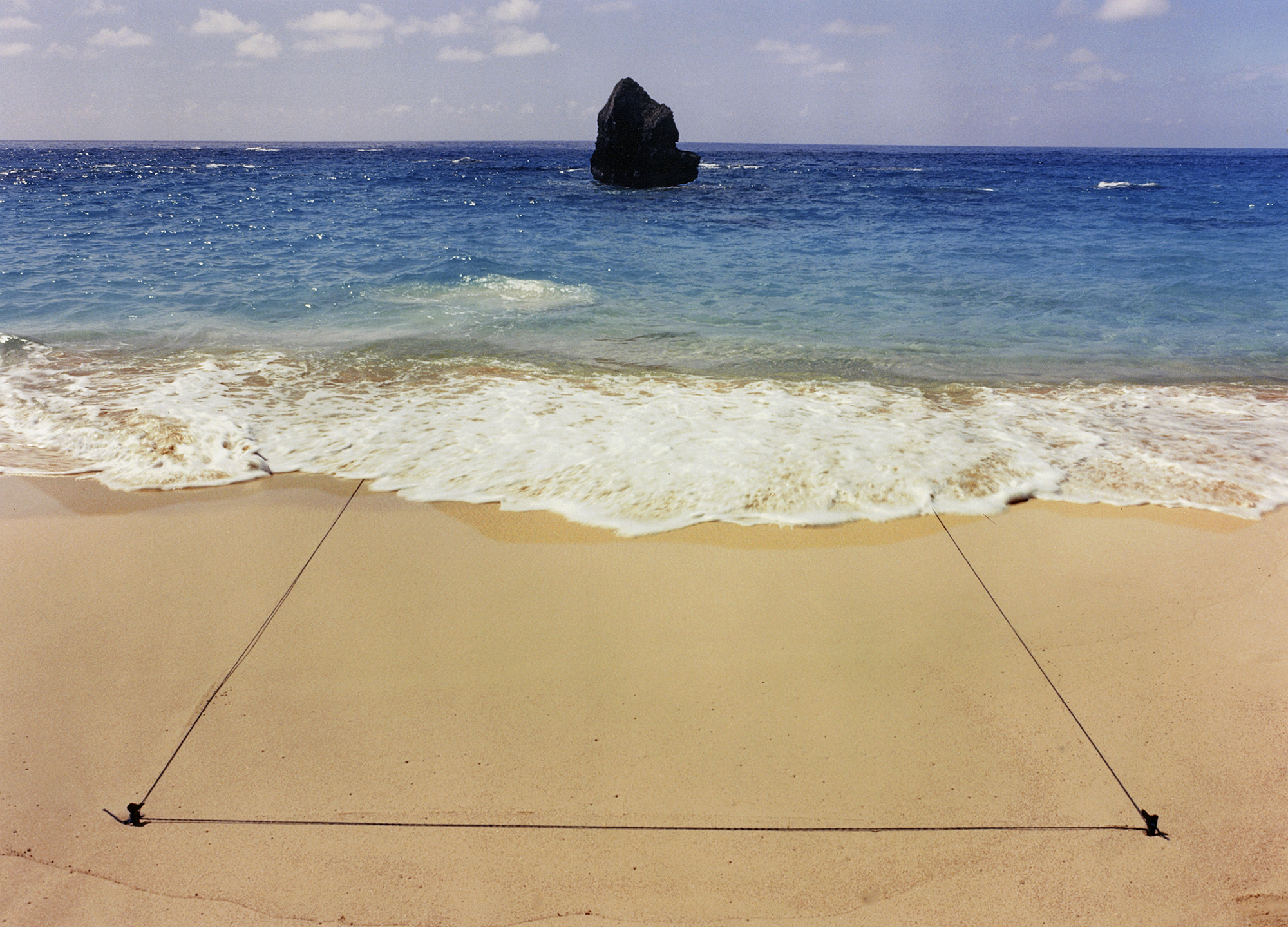
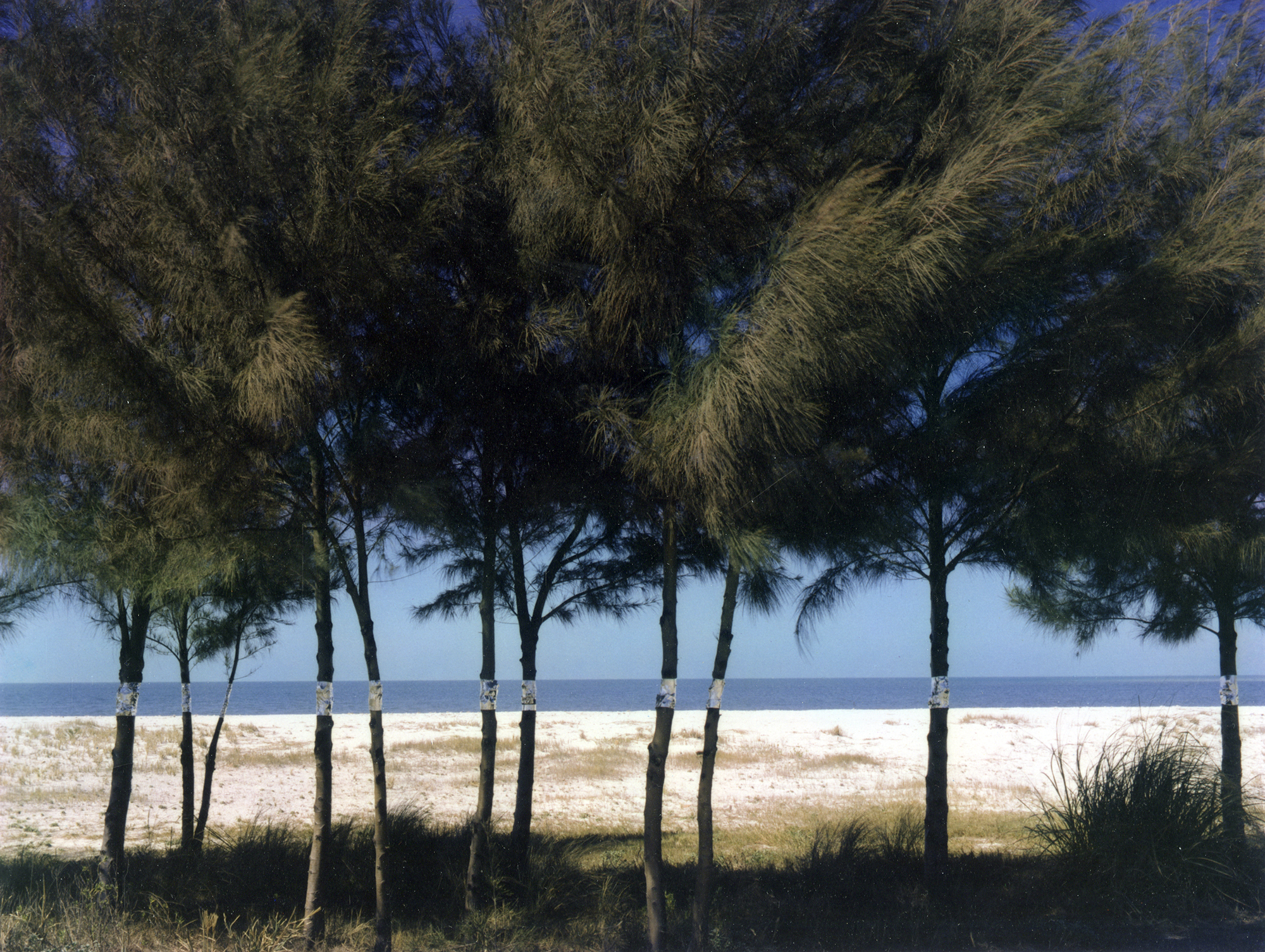
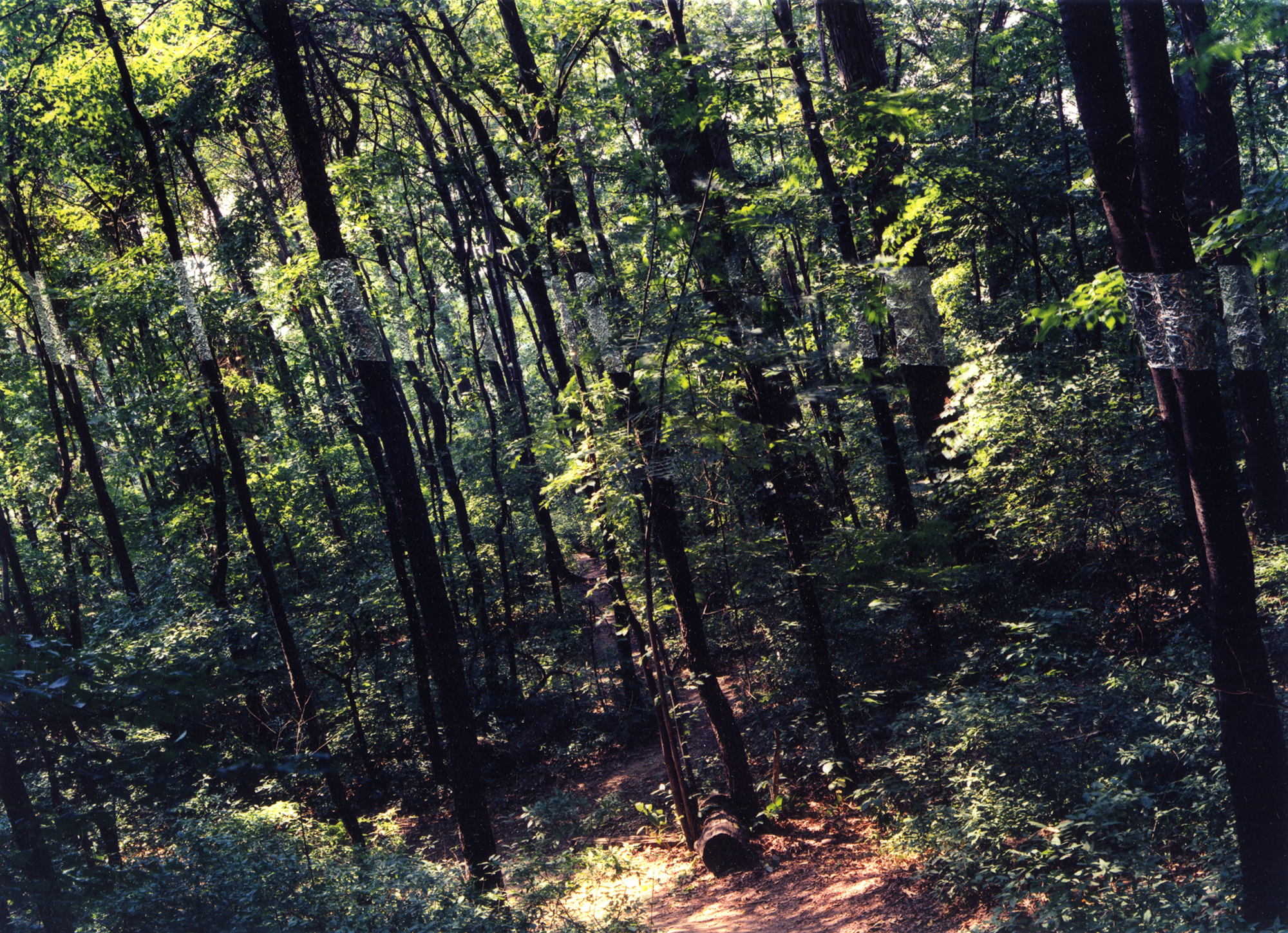
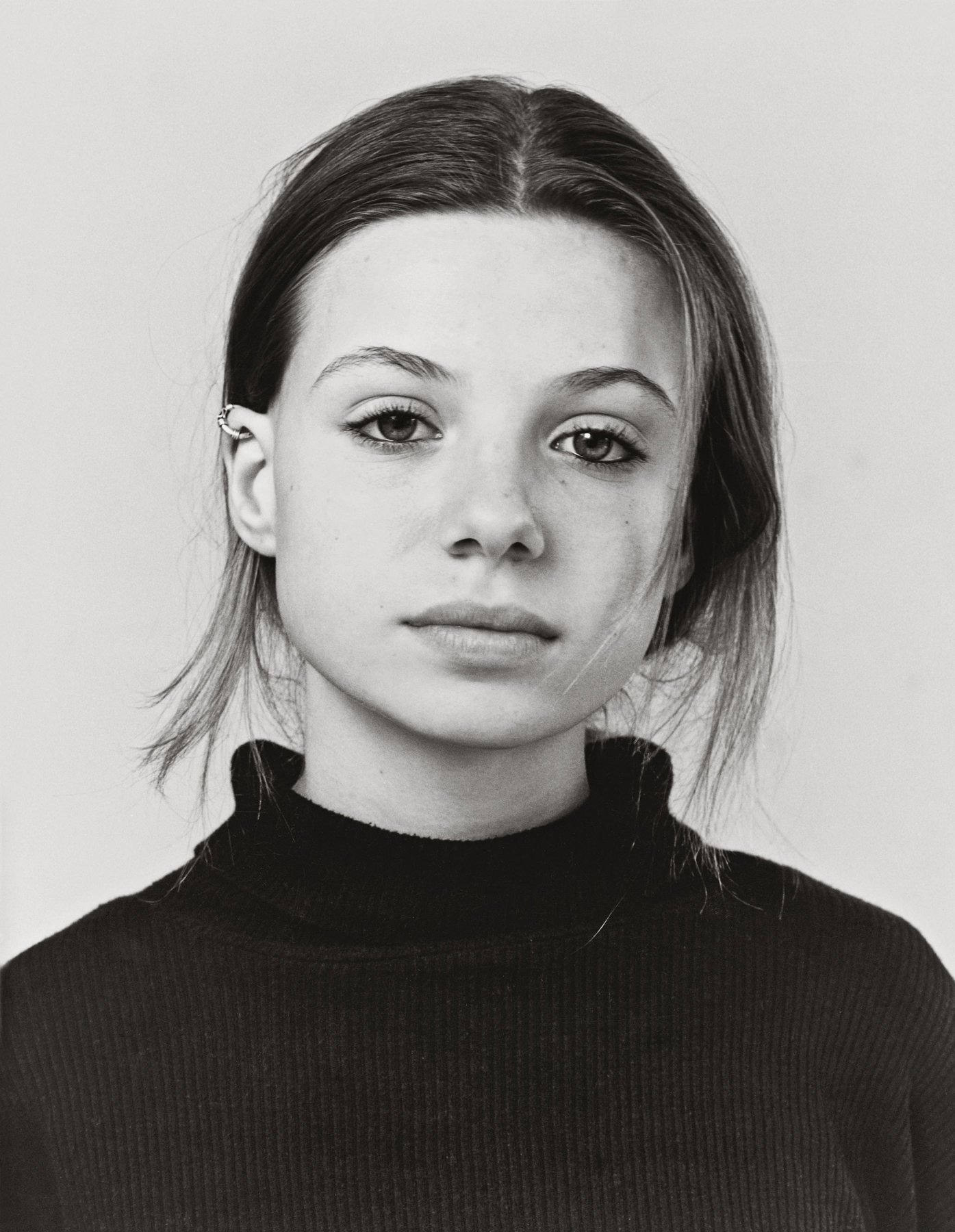
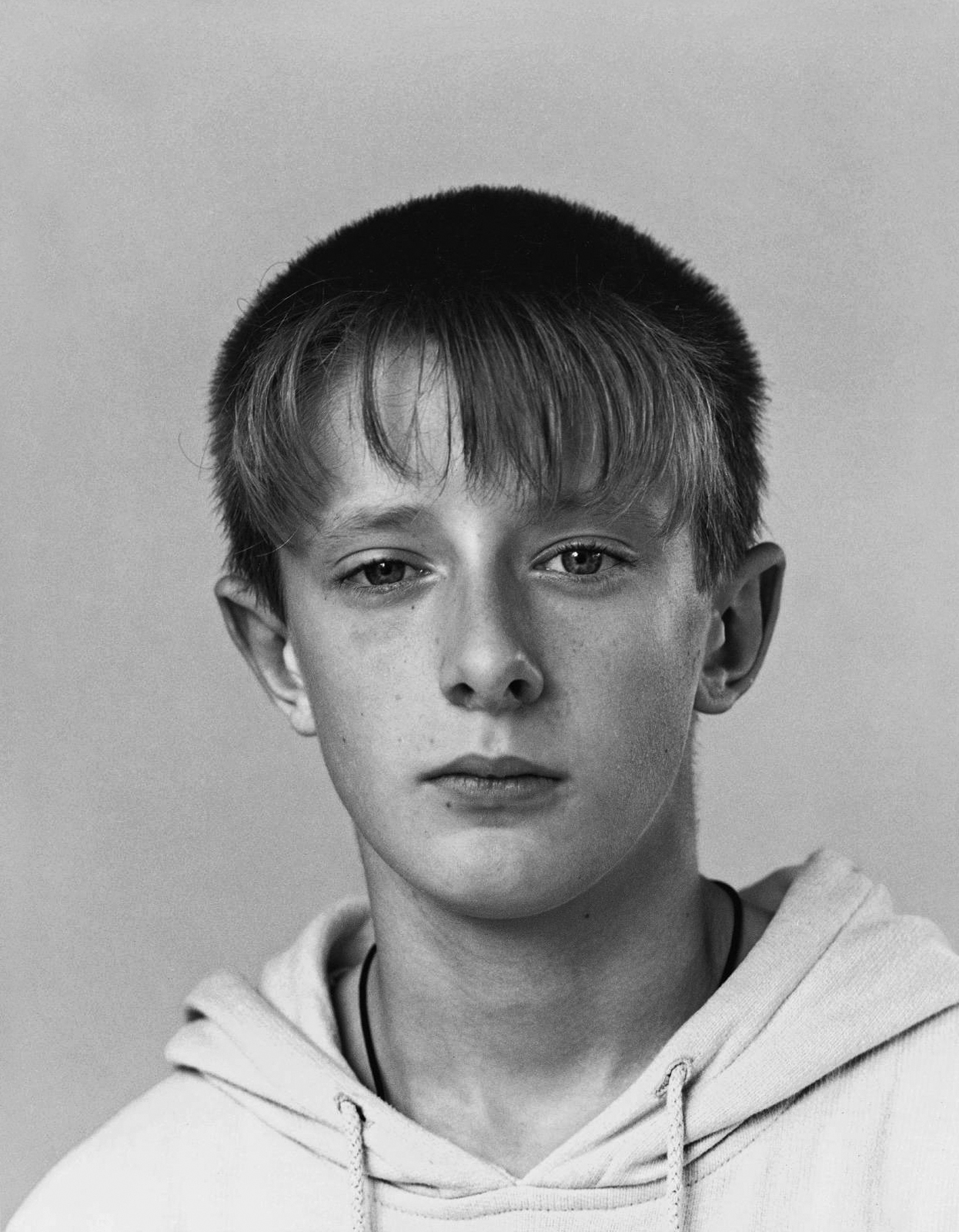
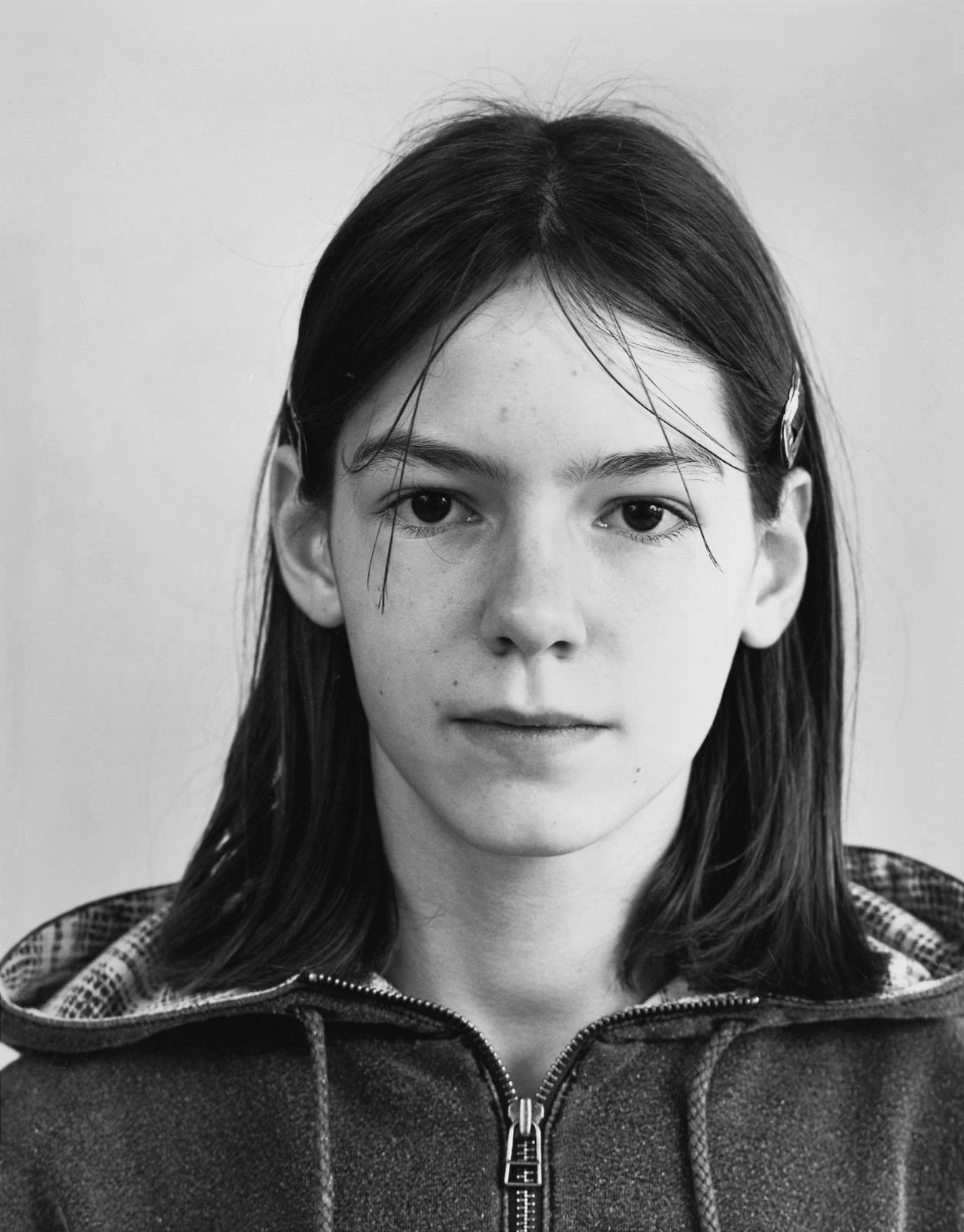
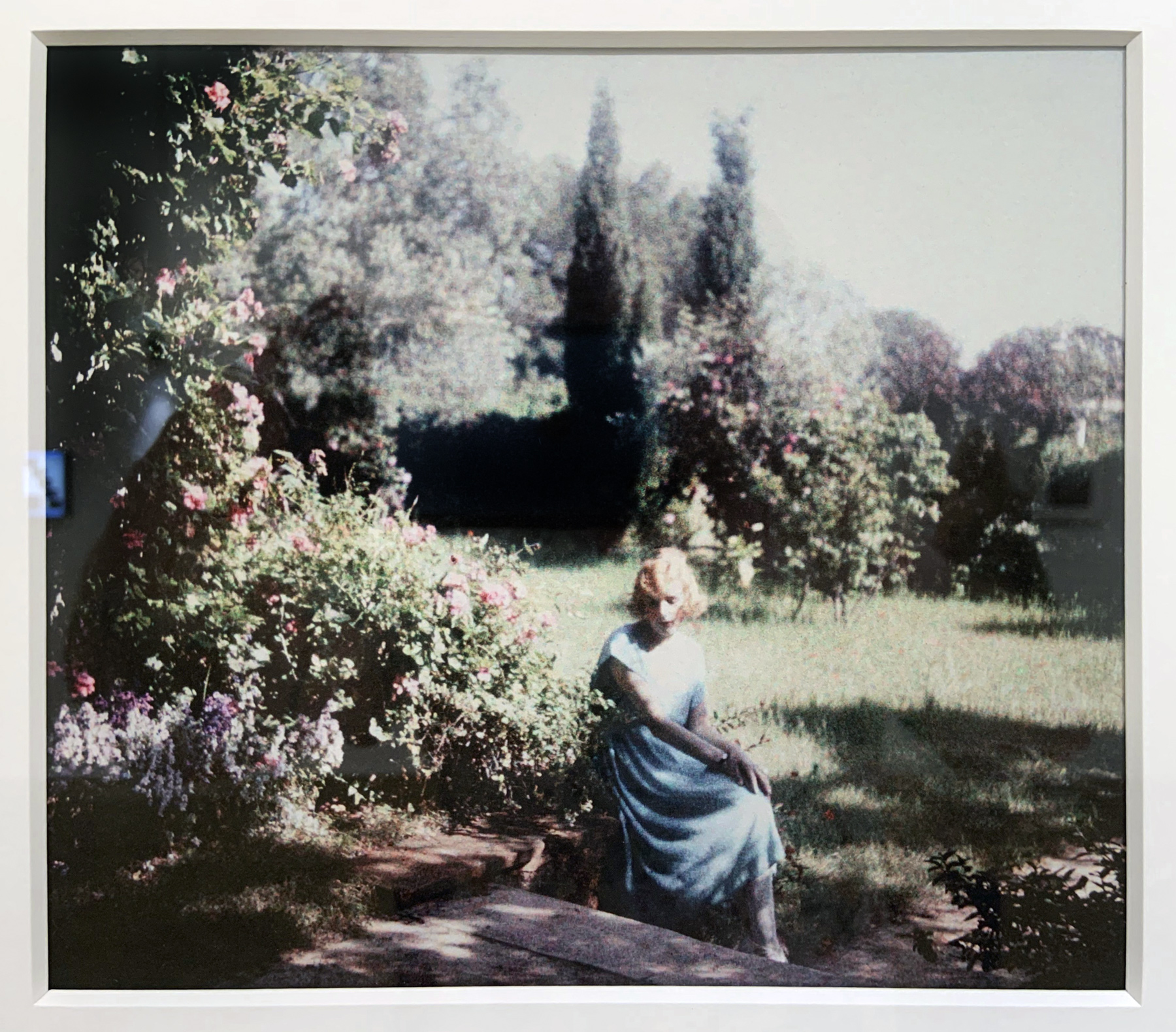
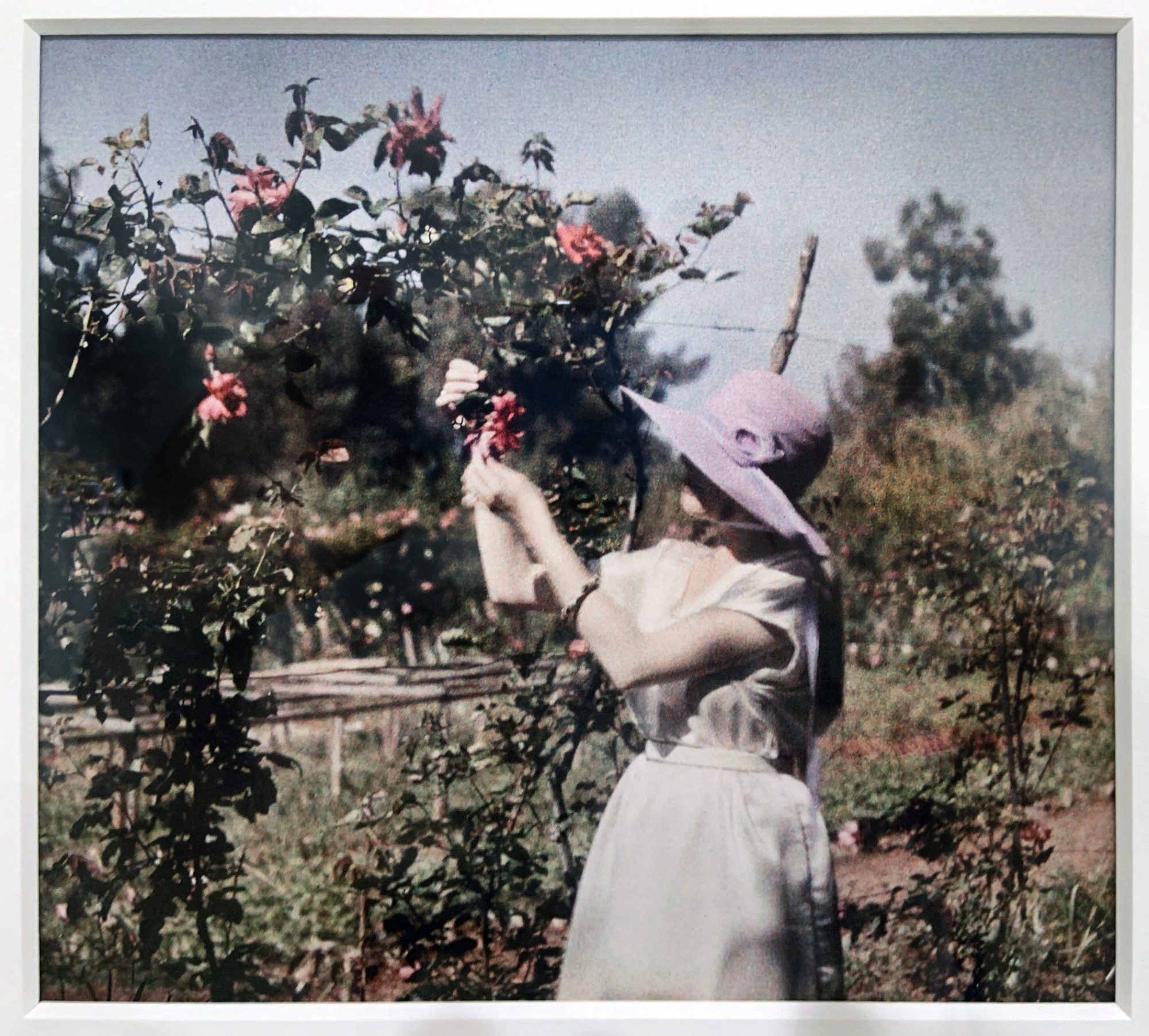
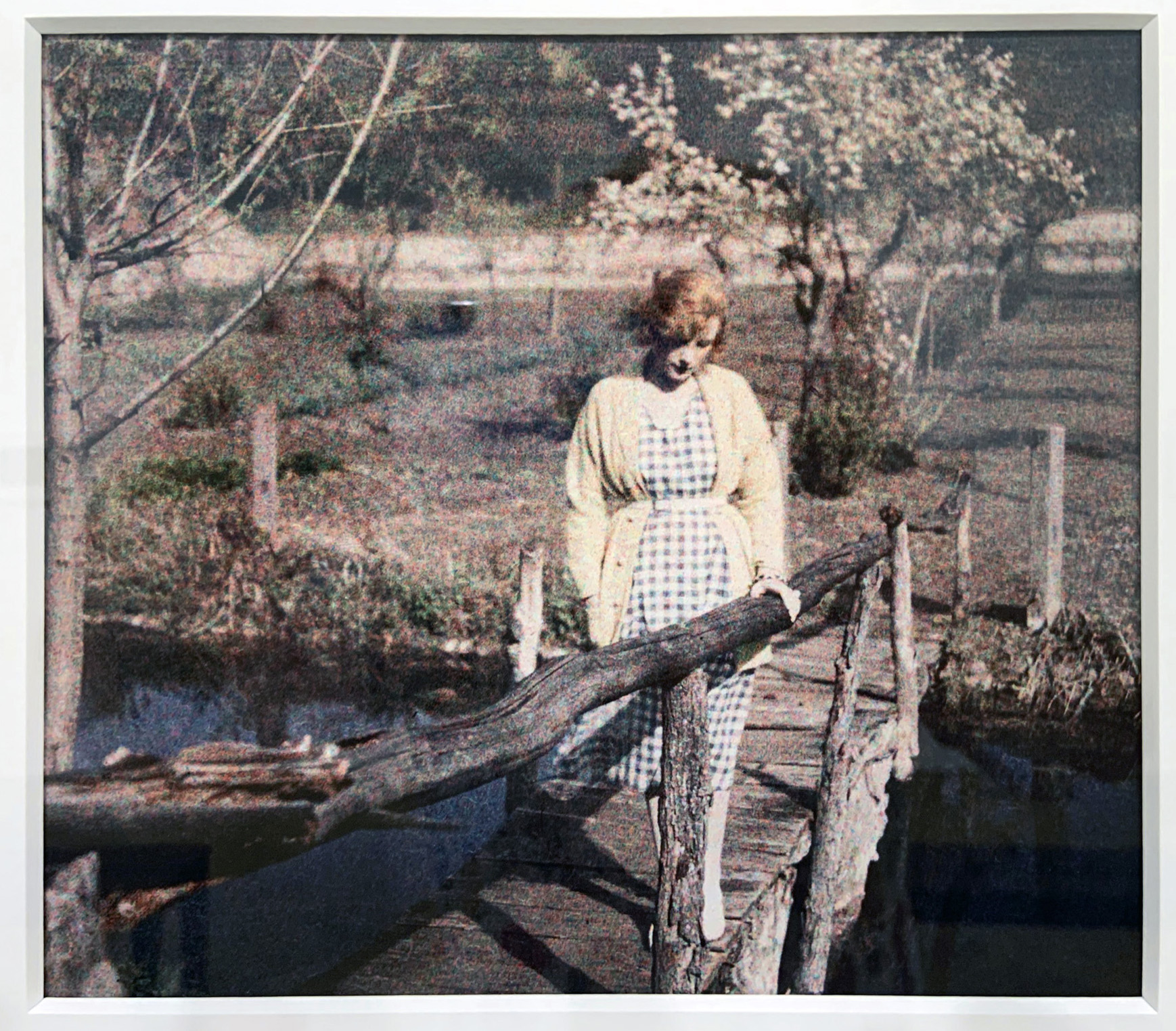
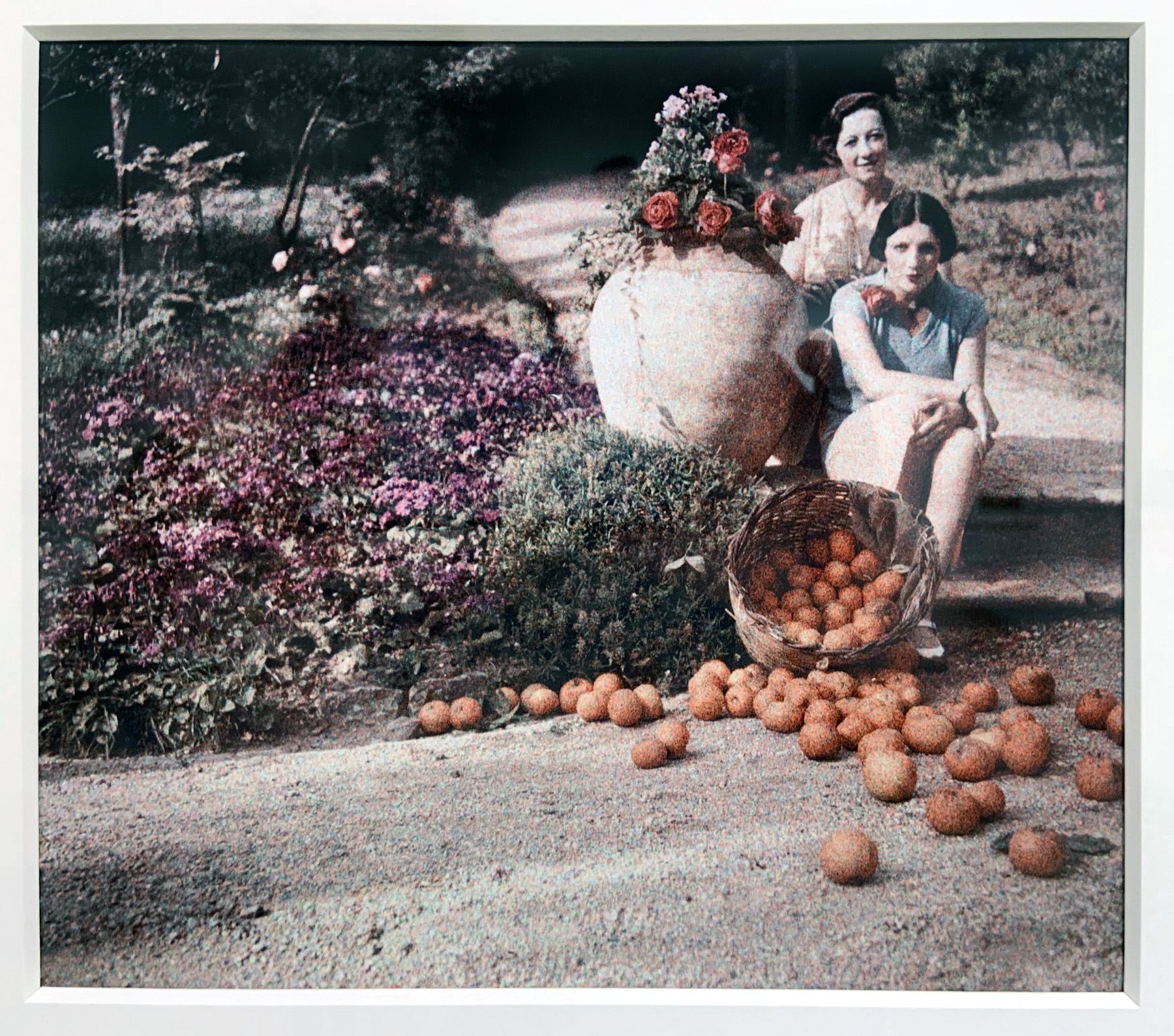
Remembering all my lovers, friends, and everyone who has passed or been affected by this disease on World AIDS Day.
To survive the initial wave was just luck of the draw. We lost so many people. Thinking of you all.
Marcus xx
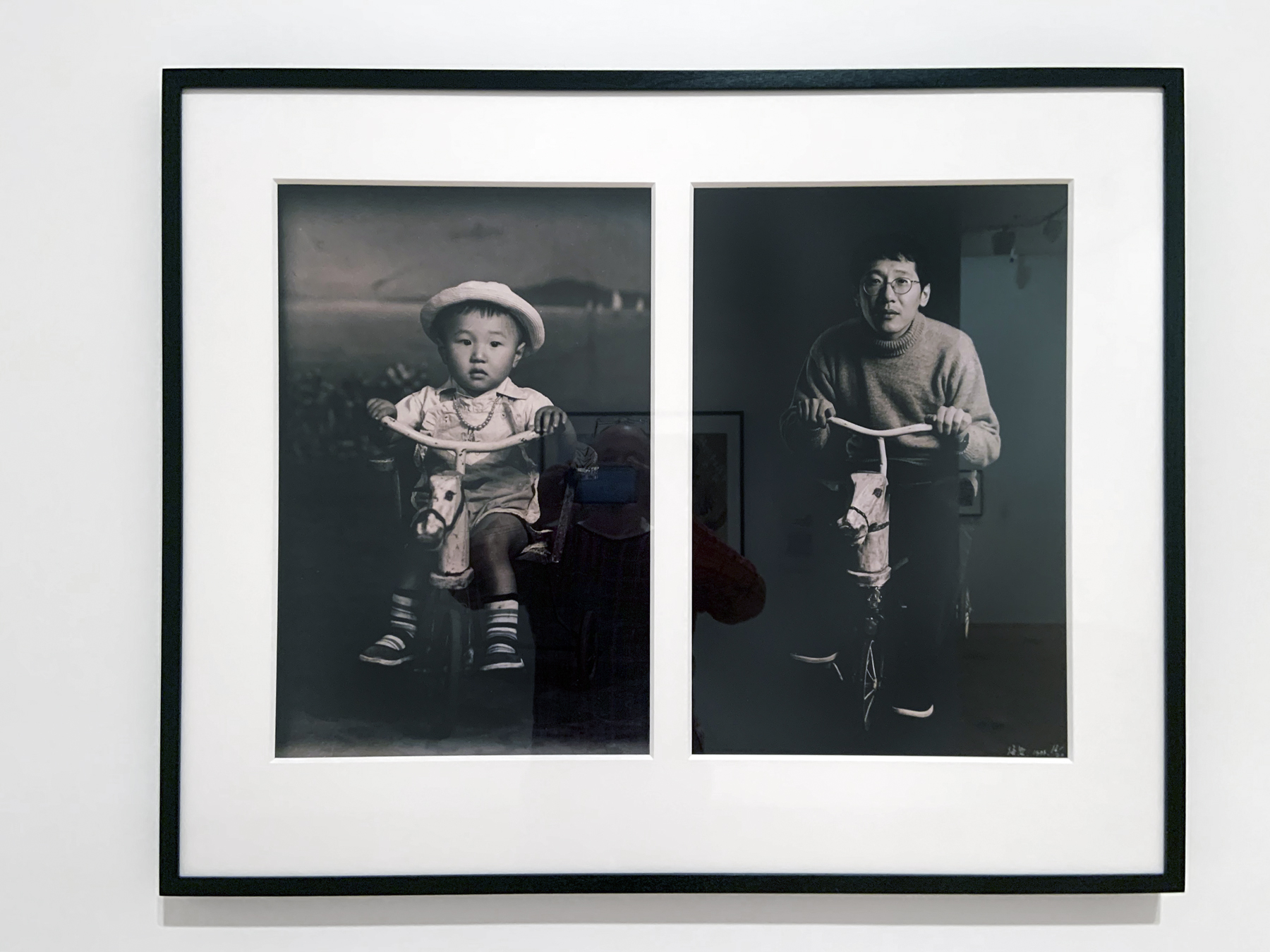
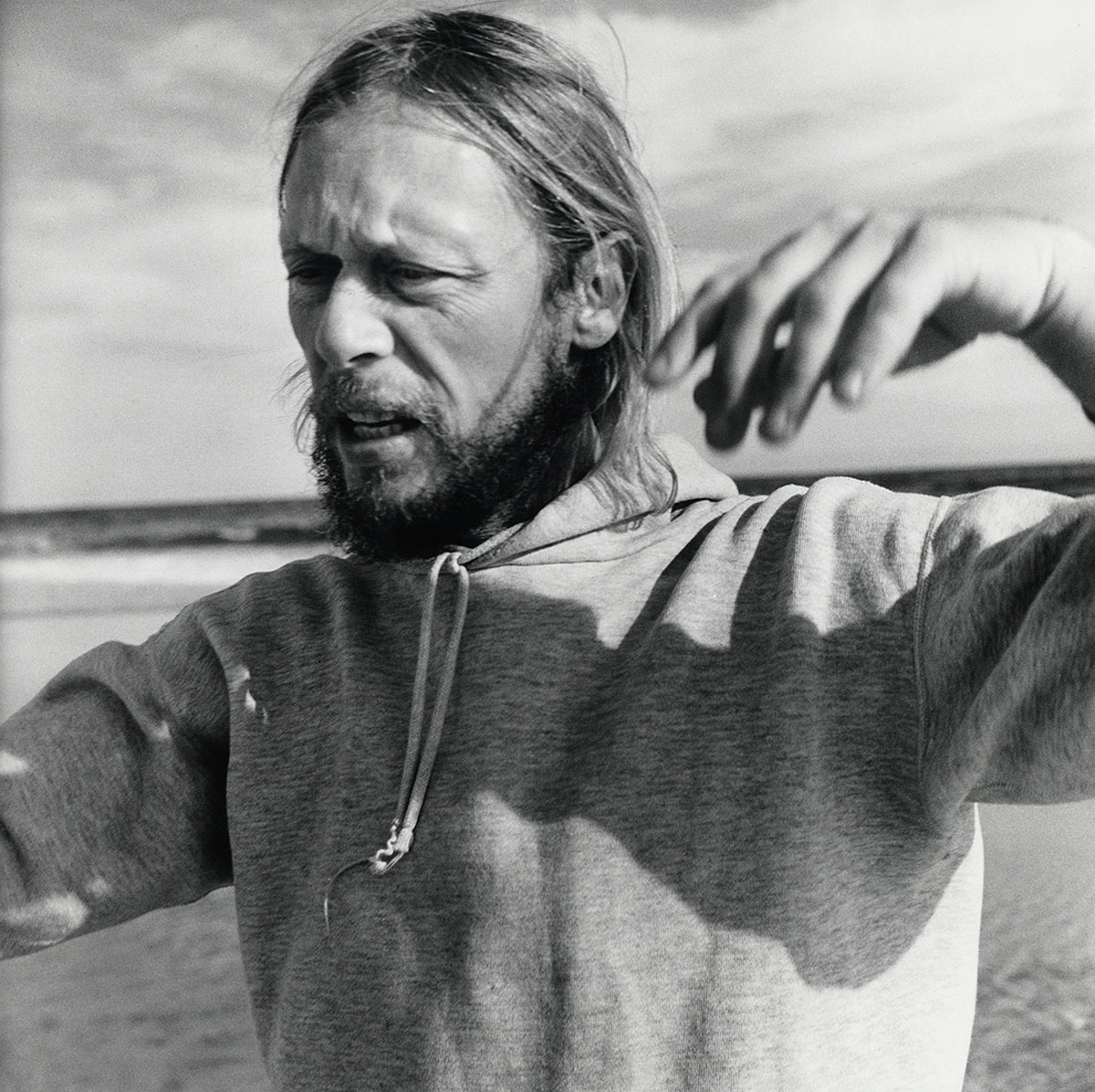
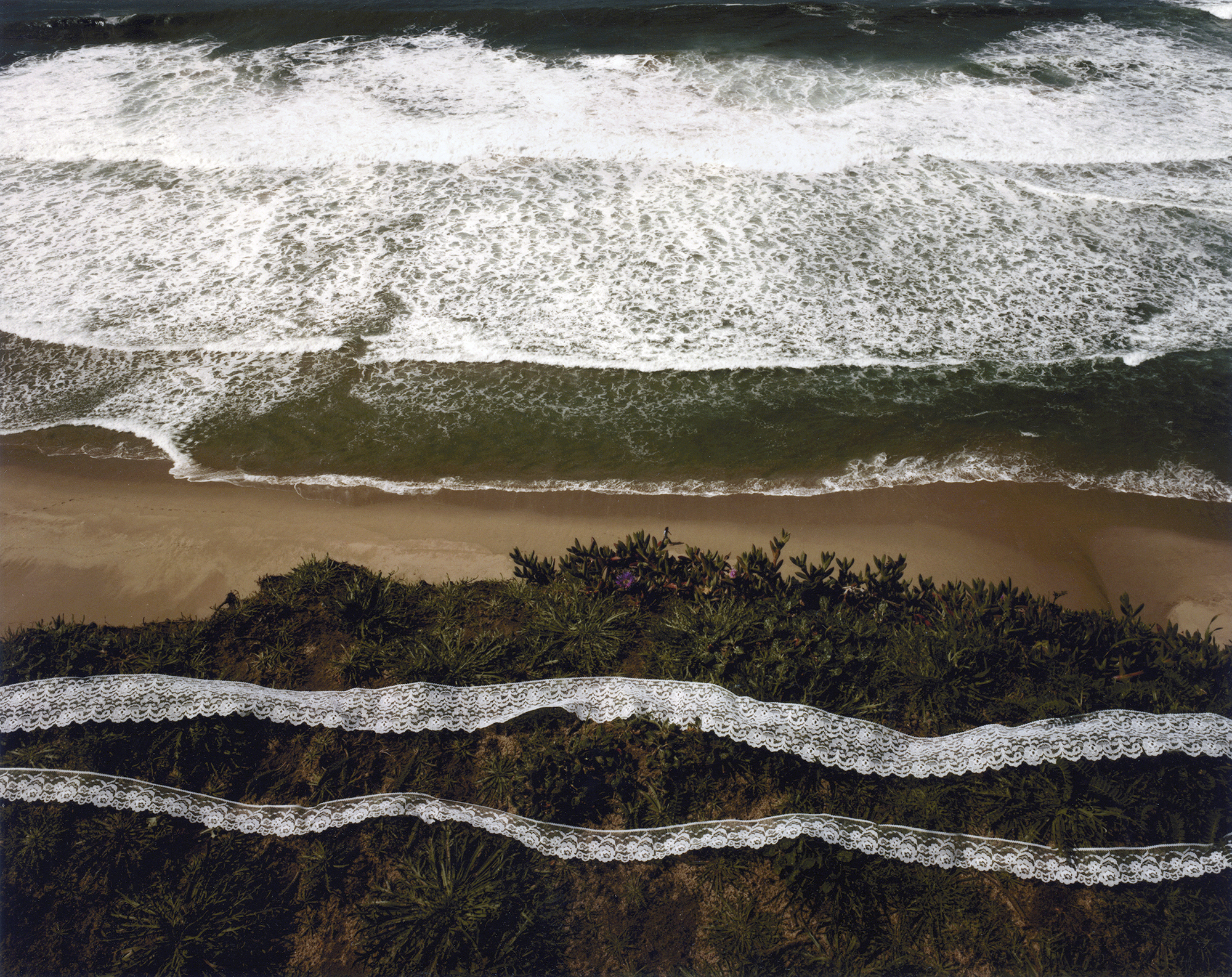
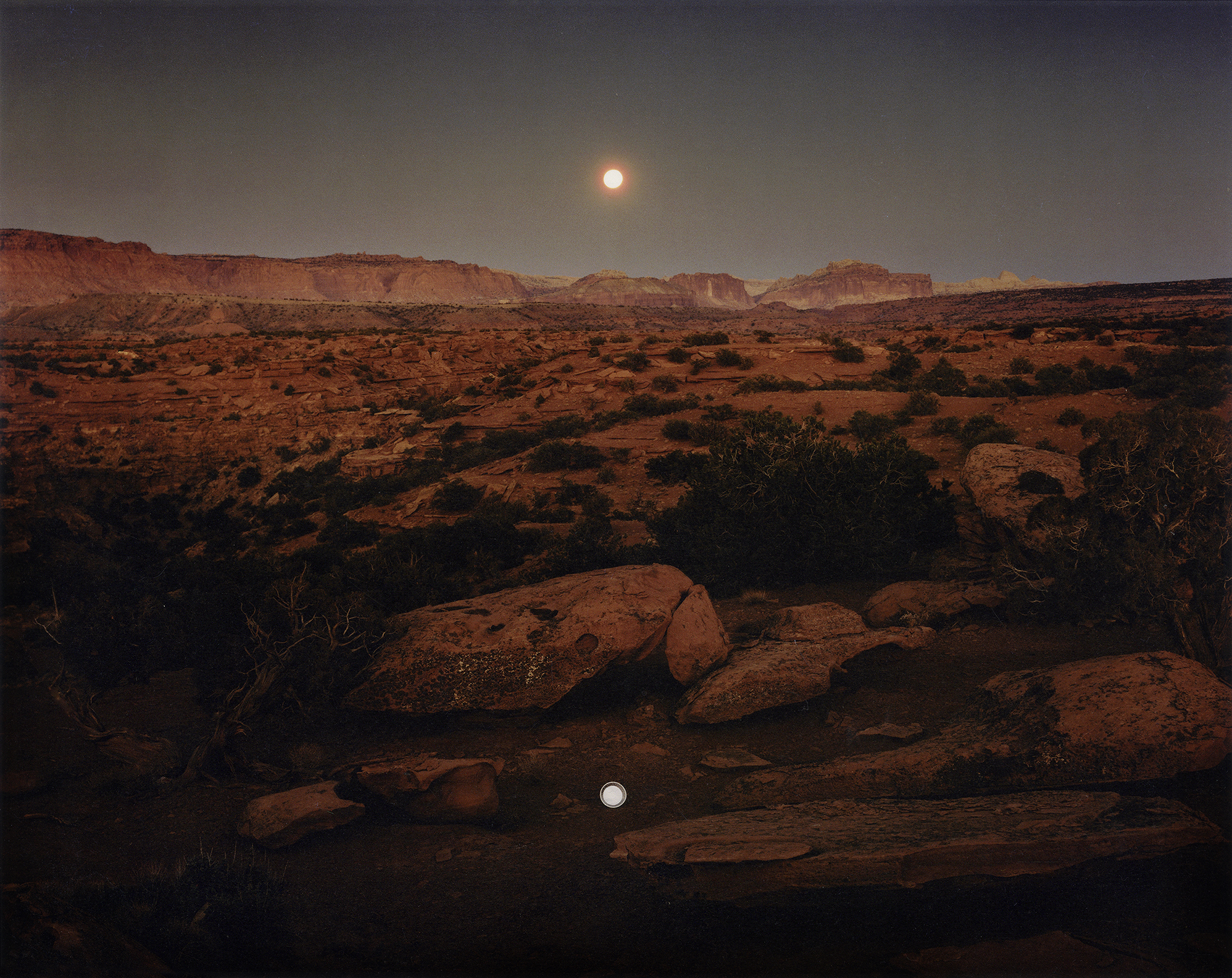
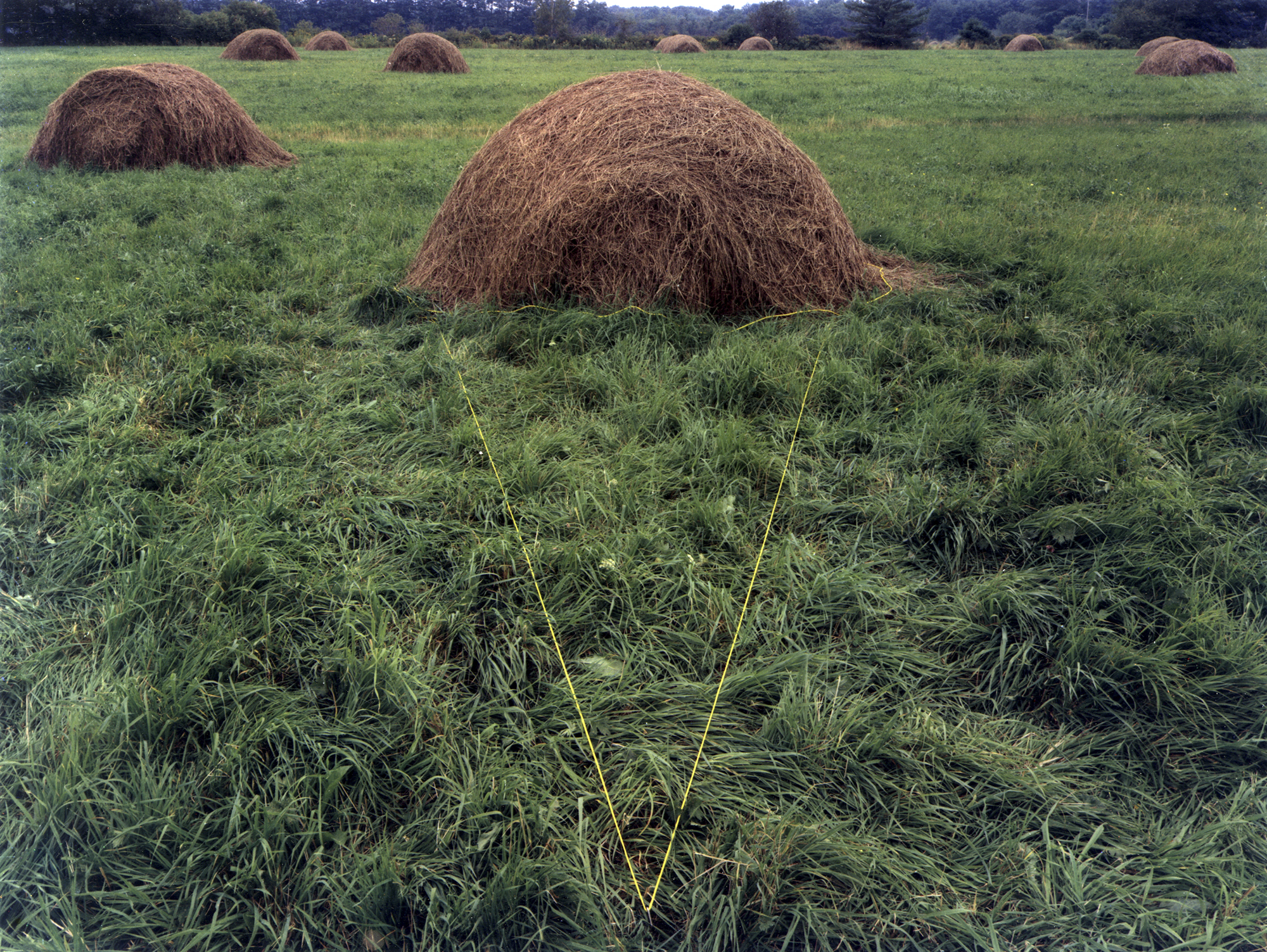
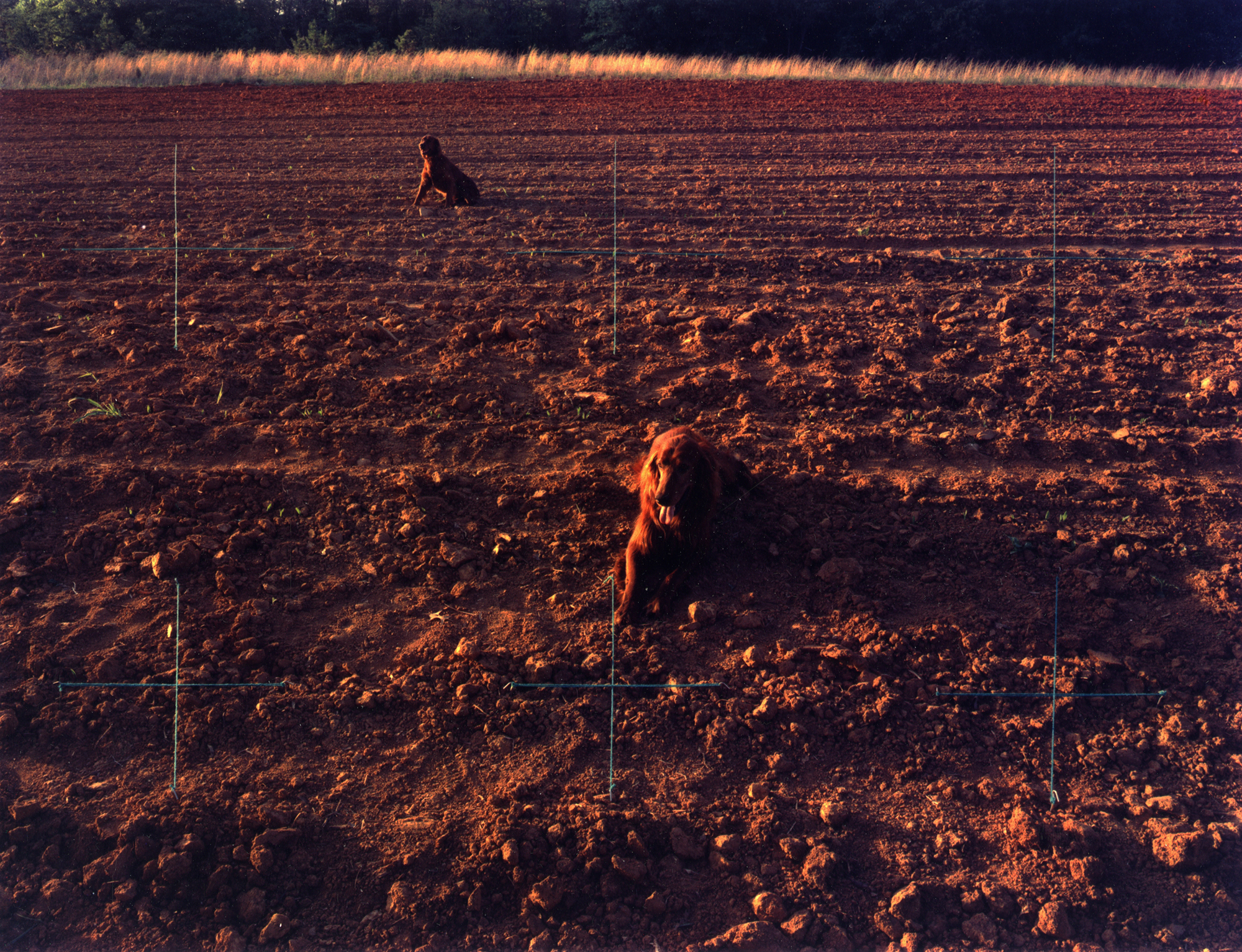
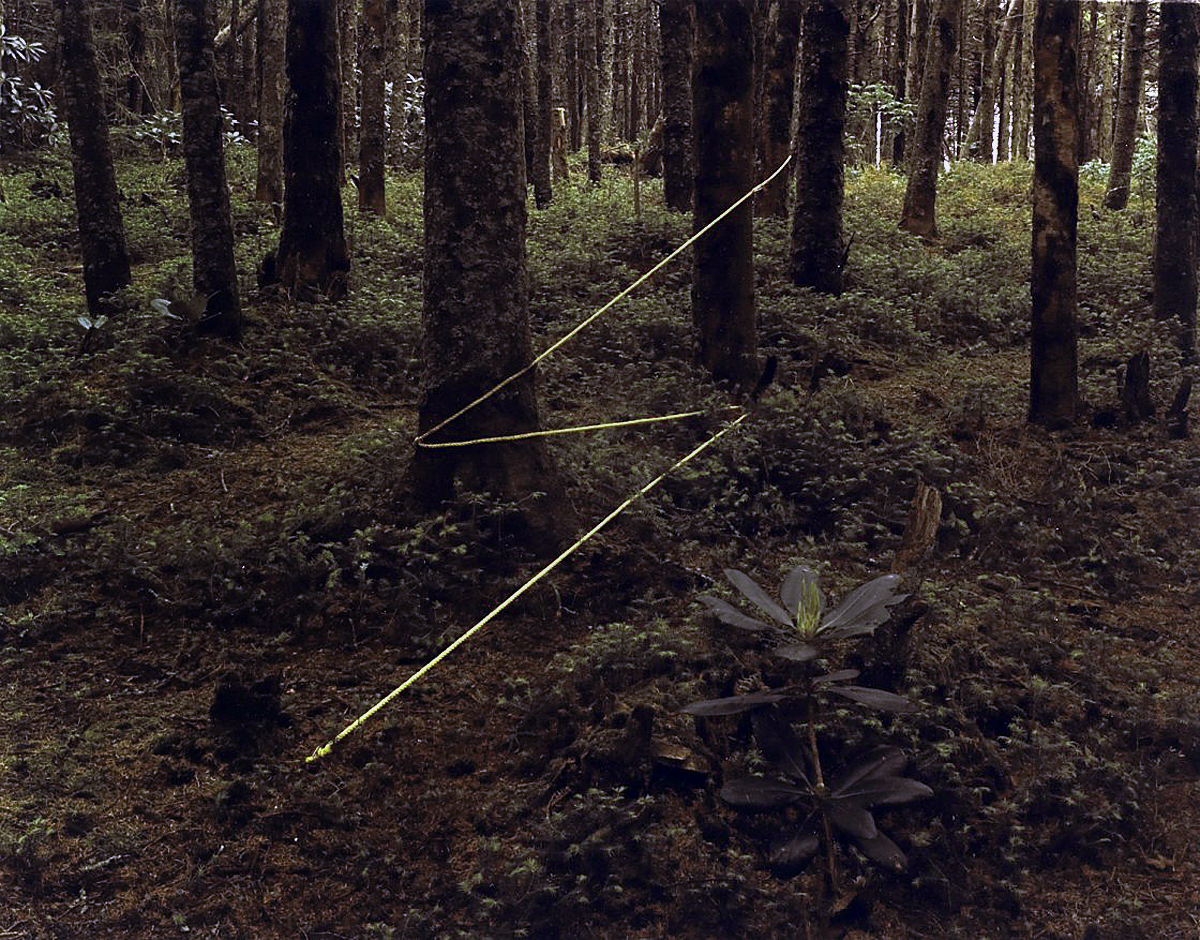
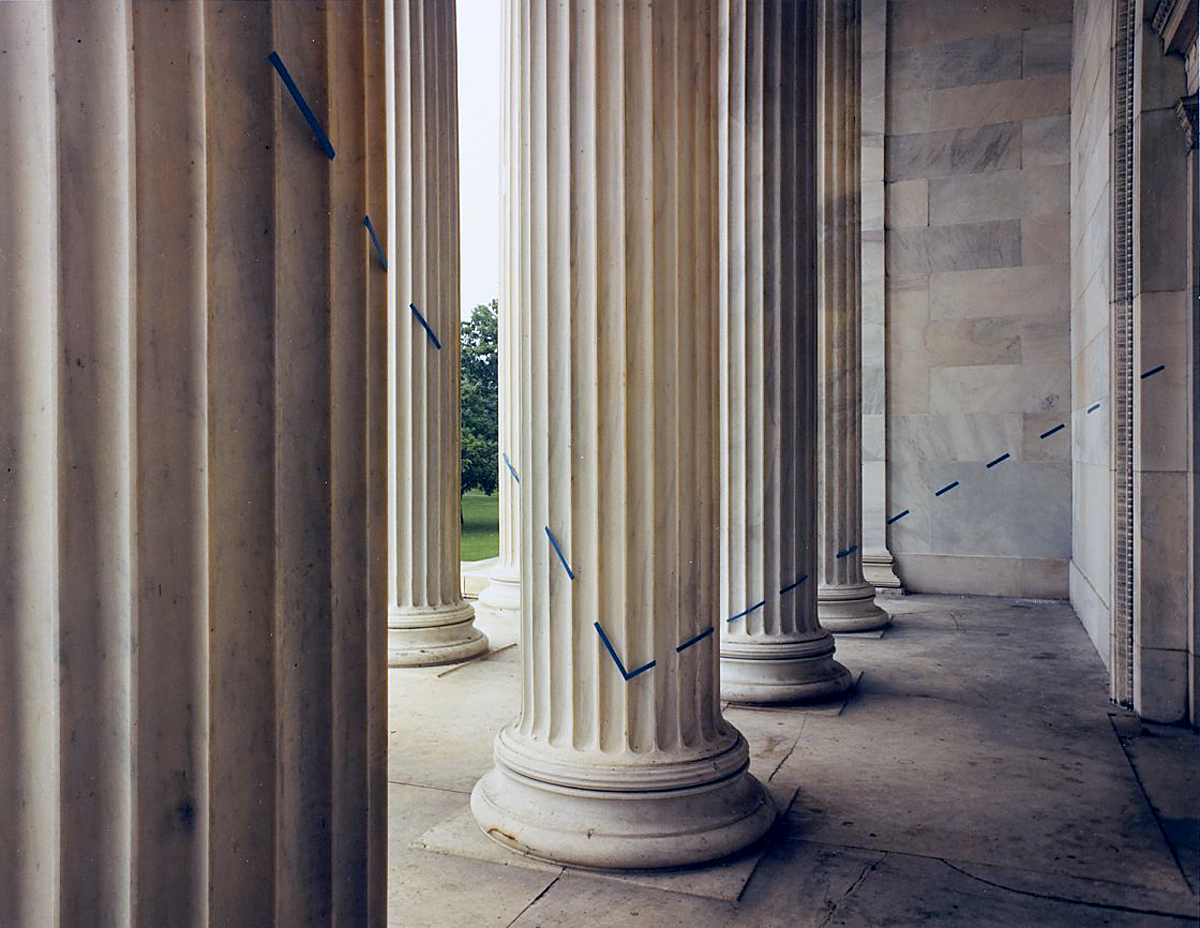
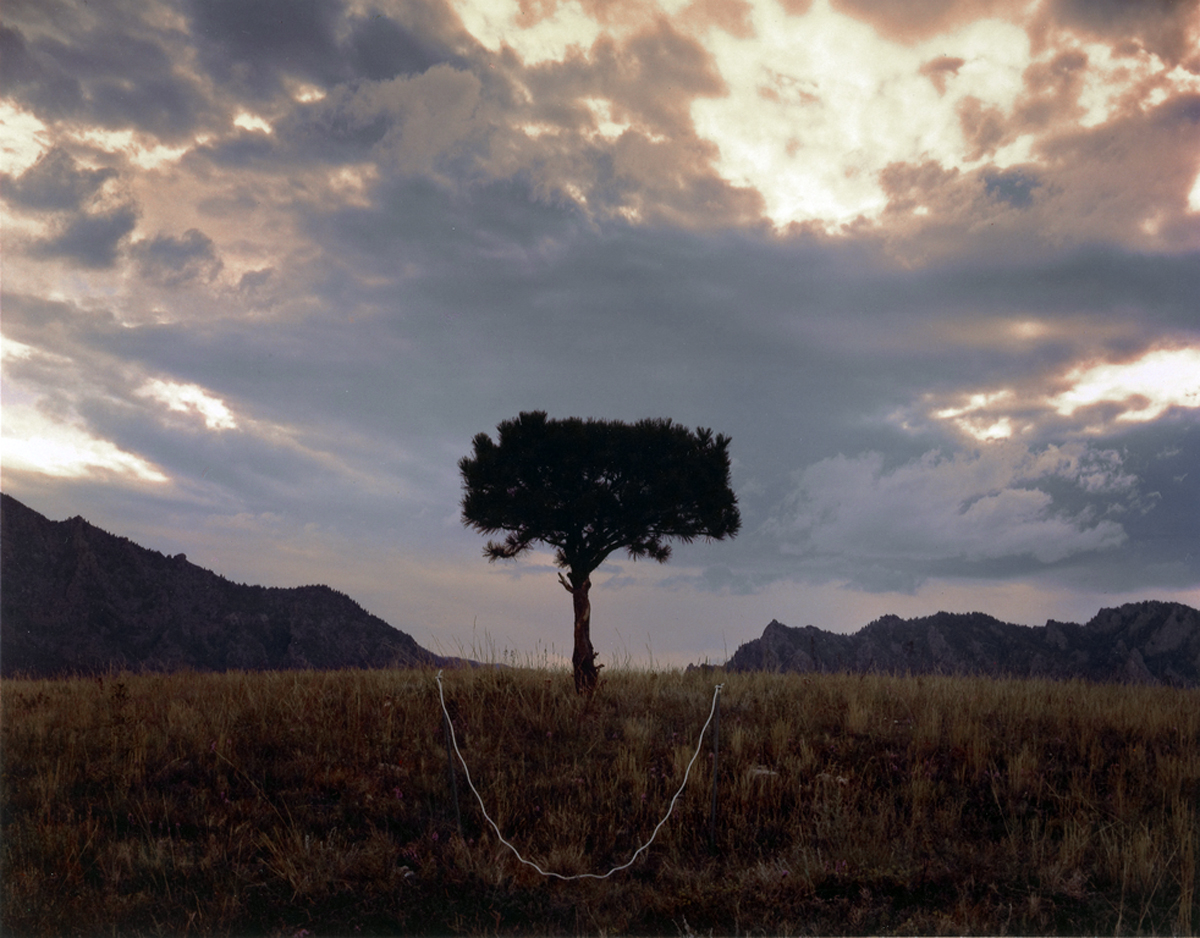
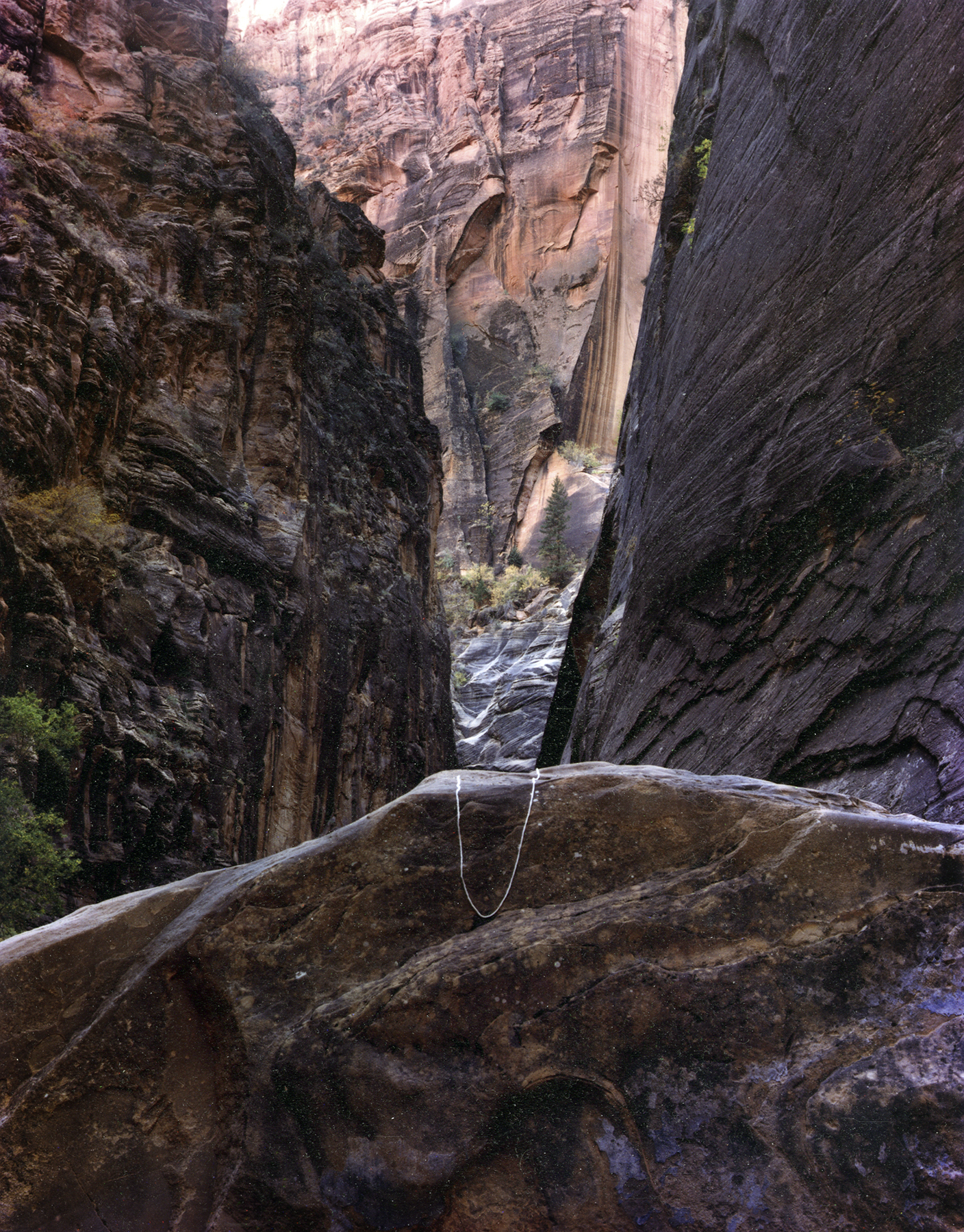
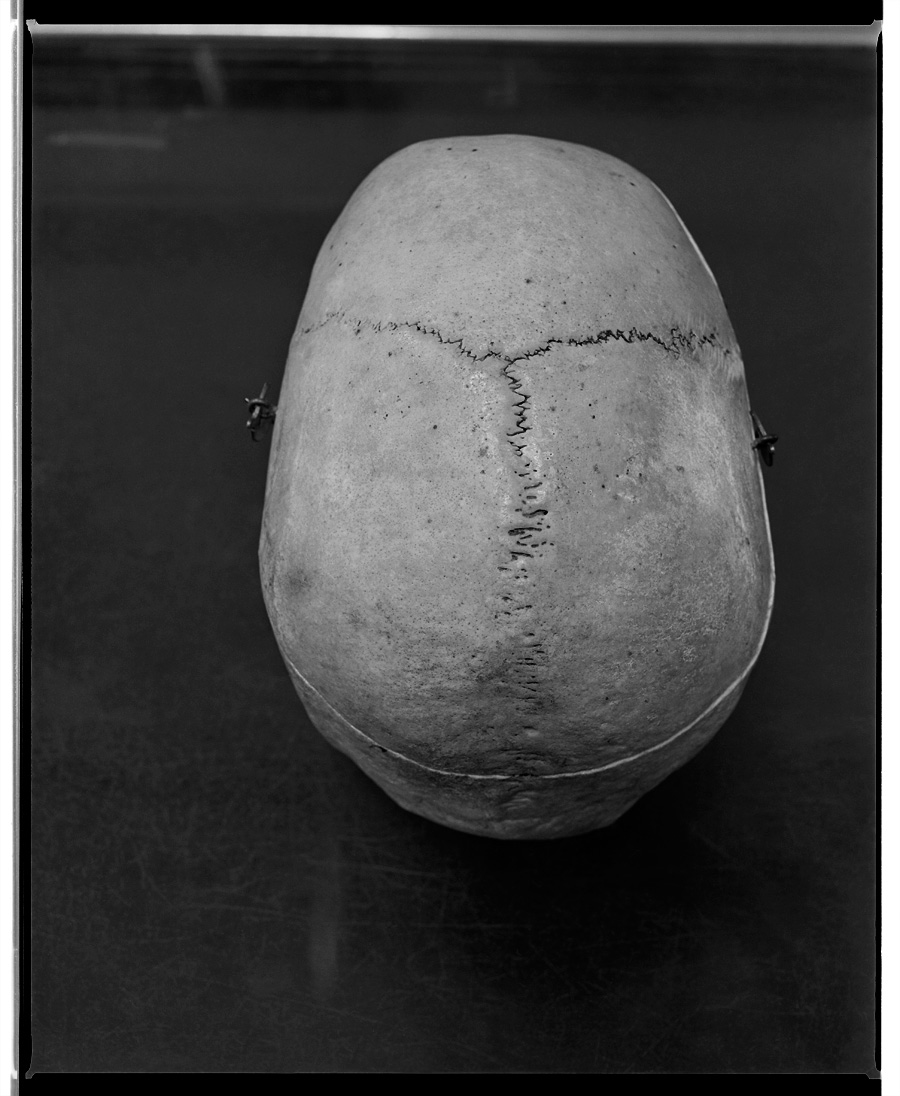
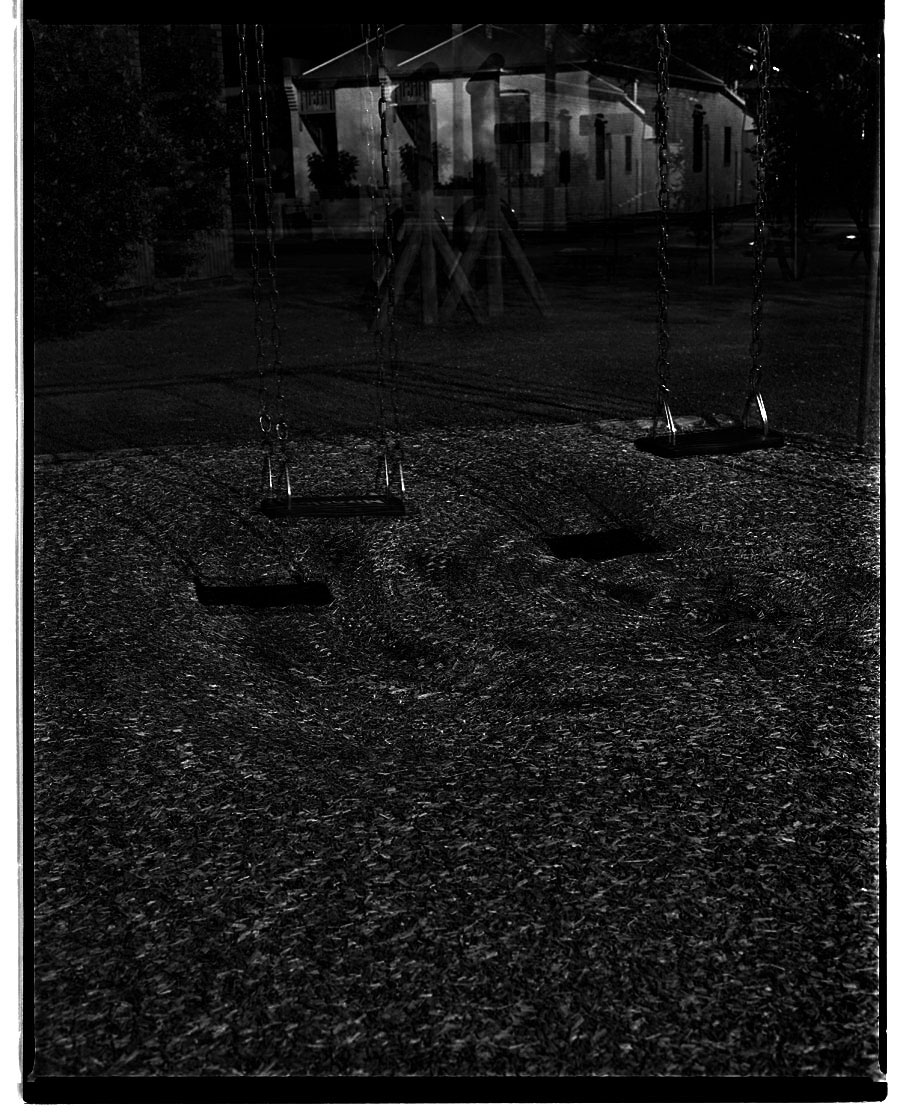
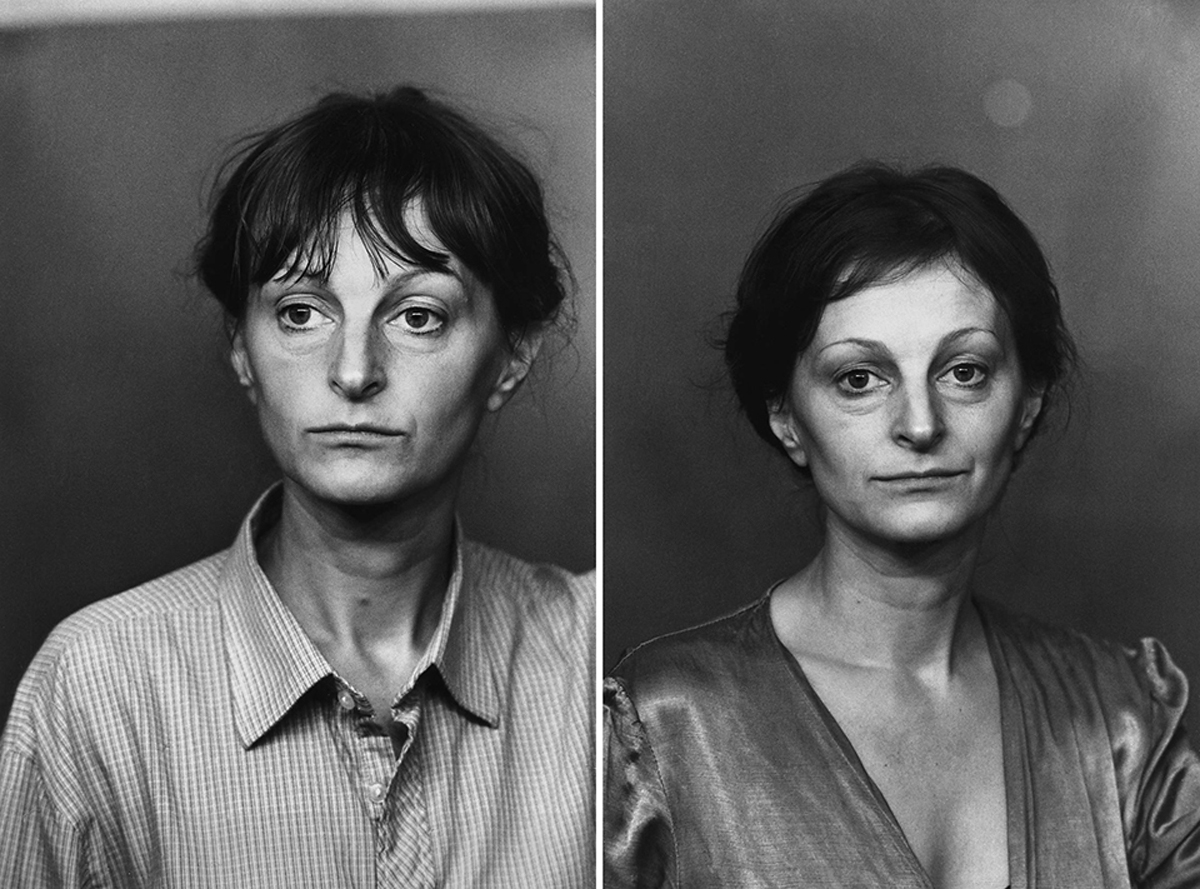
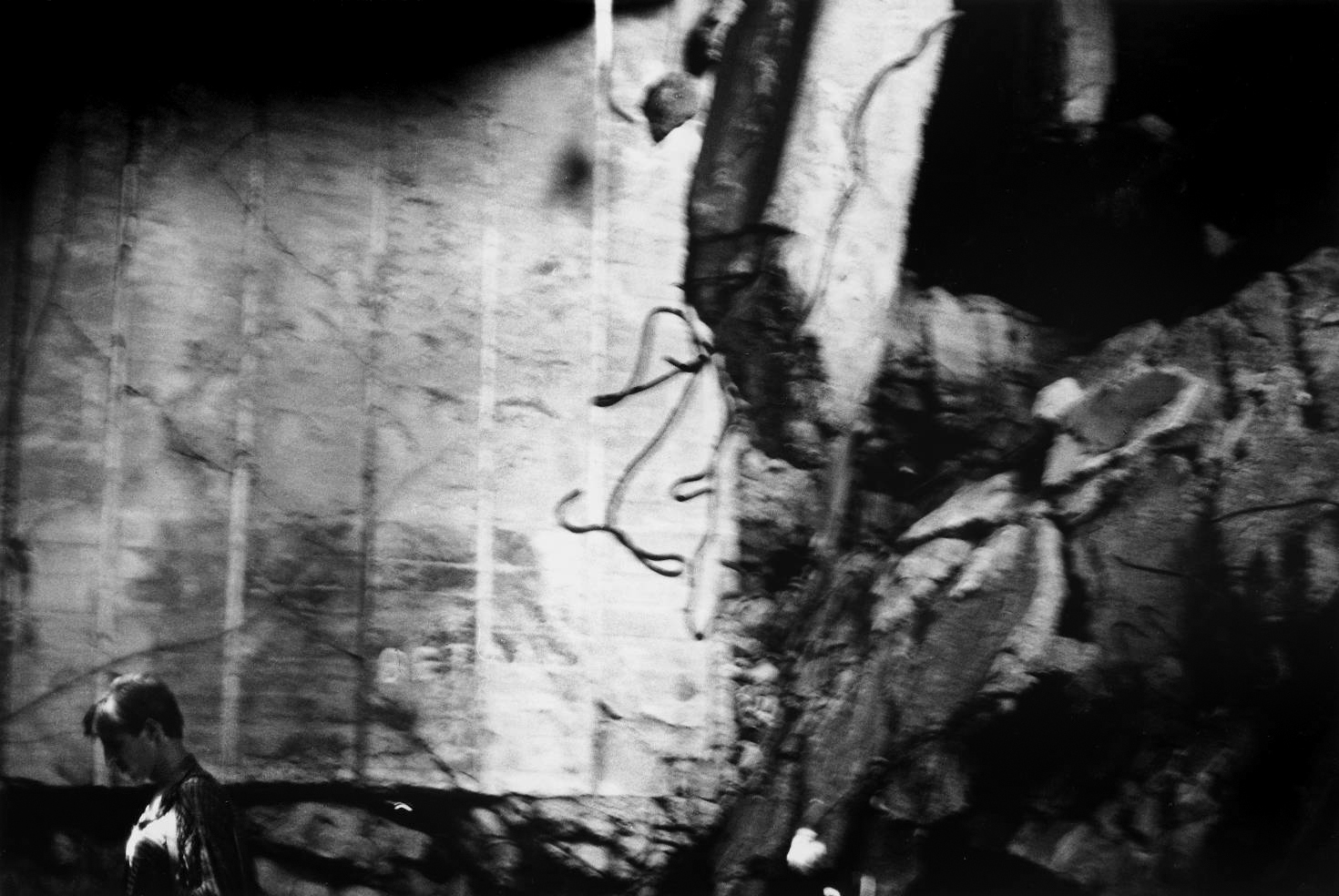
The titles from this period tend to be poetic, pragmatic or composed, like Japanese haiku. The two photographs How will it be when you have changed and Tell me your face before you were born (1994, above) were included in the seminal exhibition Don’t Leave Me This Way: Art in the Age of AIDS at the National Gallery of Australia in 1994. Please click on the photographs for a larger version of the image.
A couple of years ago I was in Paris, searching for French peasant work clothes of the 1950s in the trendy secondhand shops of the Marais. It took me forever but I eventually found one blue shirt that fitted me… only one. Battered, patched up, but still present after all these years – hard wearing, practical, and tough. But also soft and pliable like a second skin, with its own look and feel, its own distinctive aesthetic. I knew what I wanted, I found it… or it found me. A treasure.
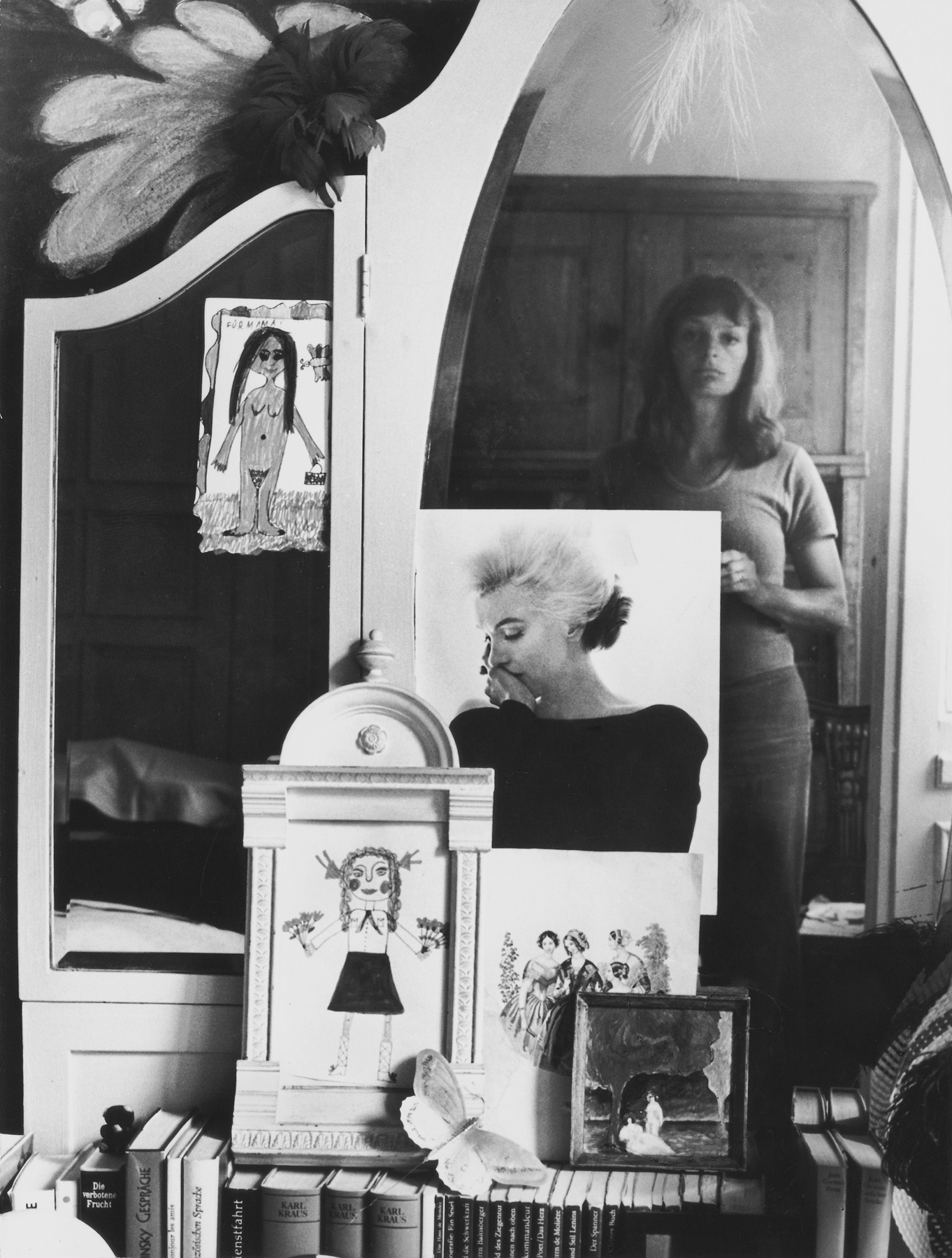
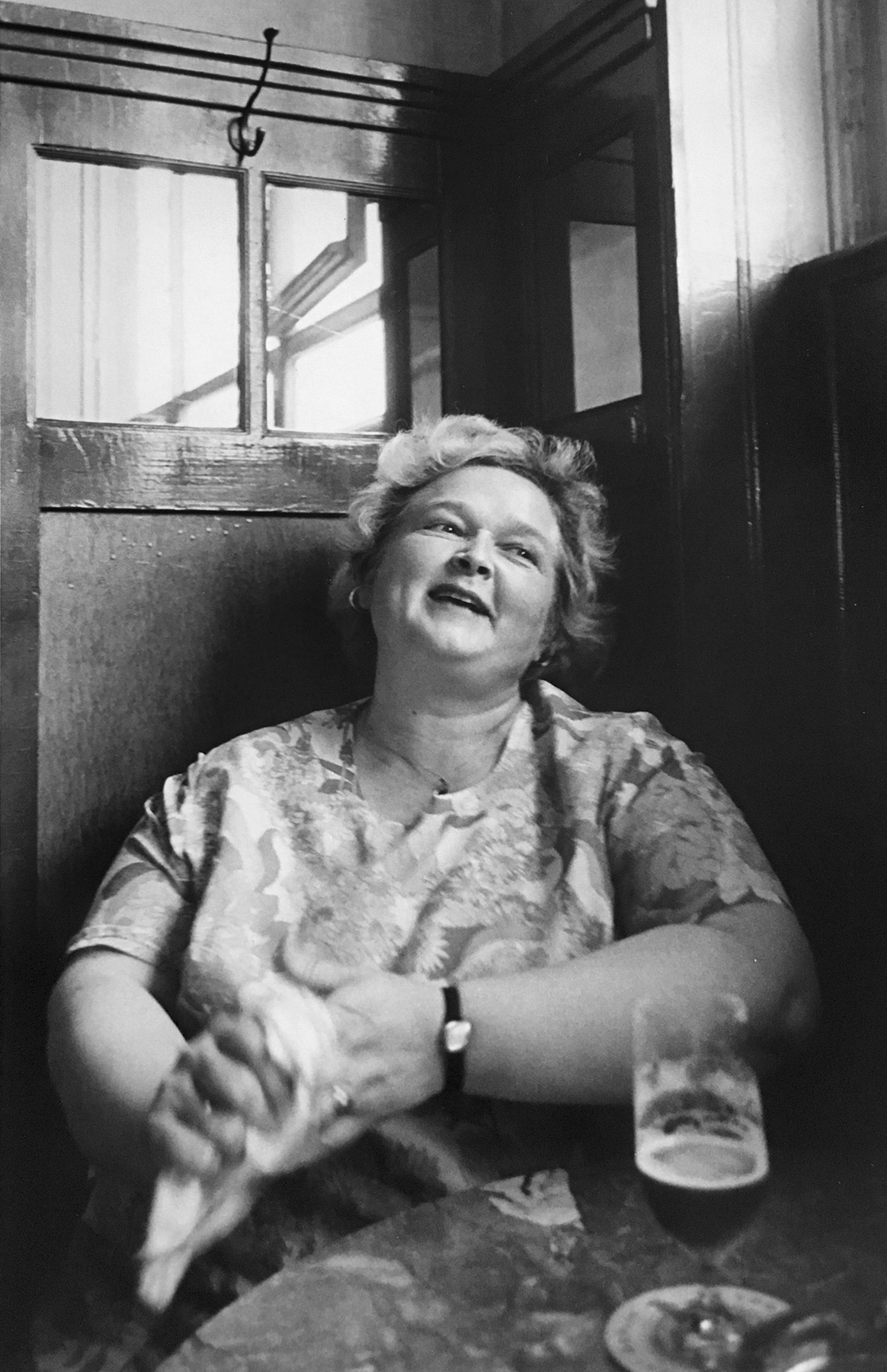
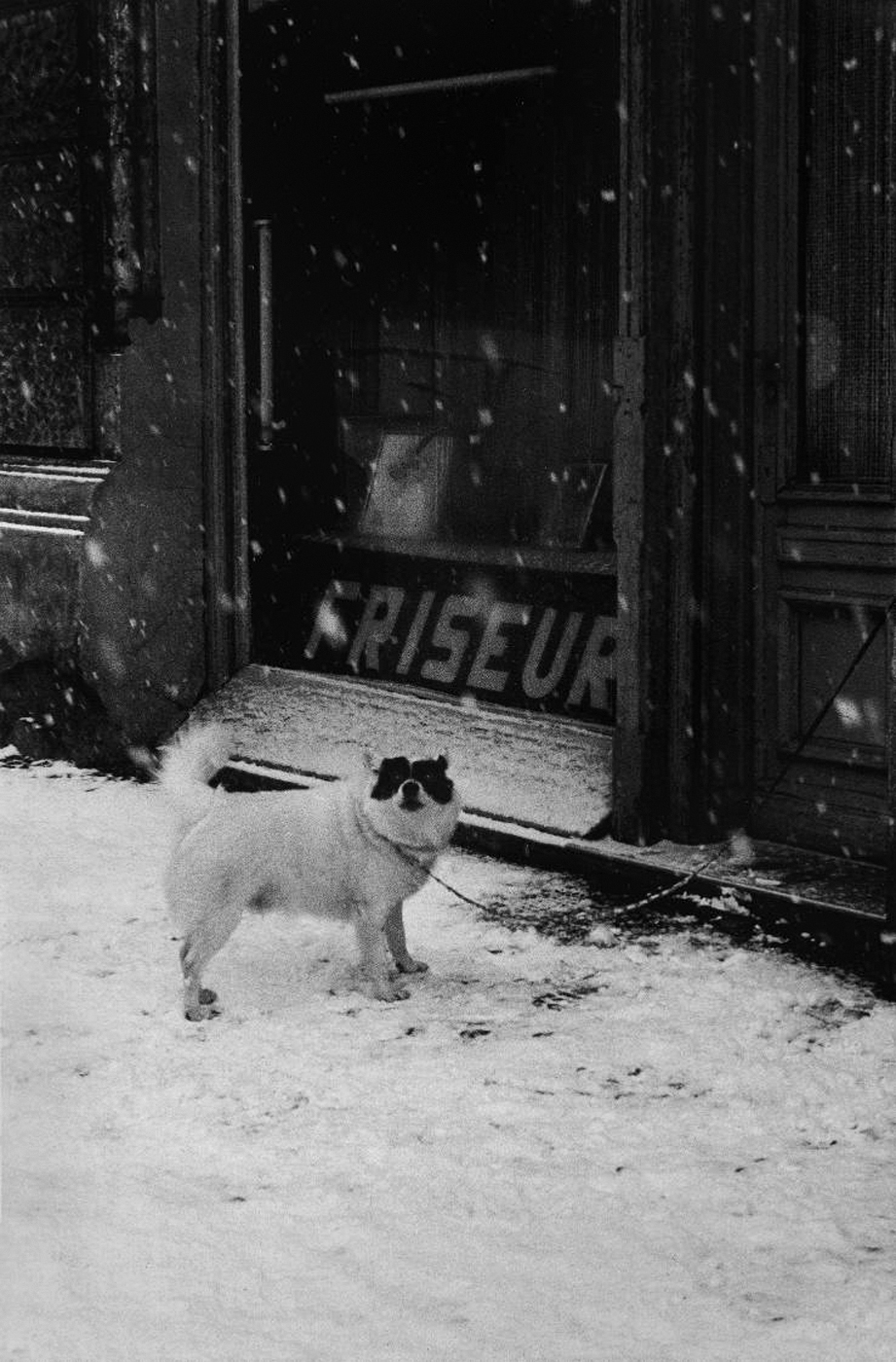
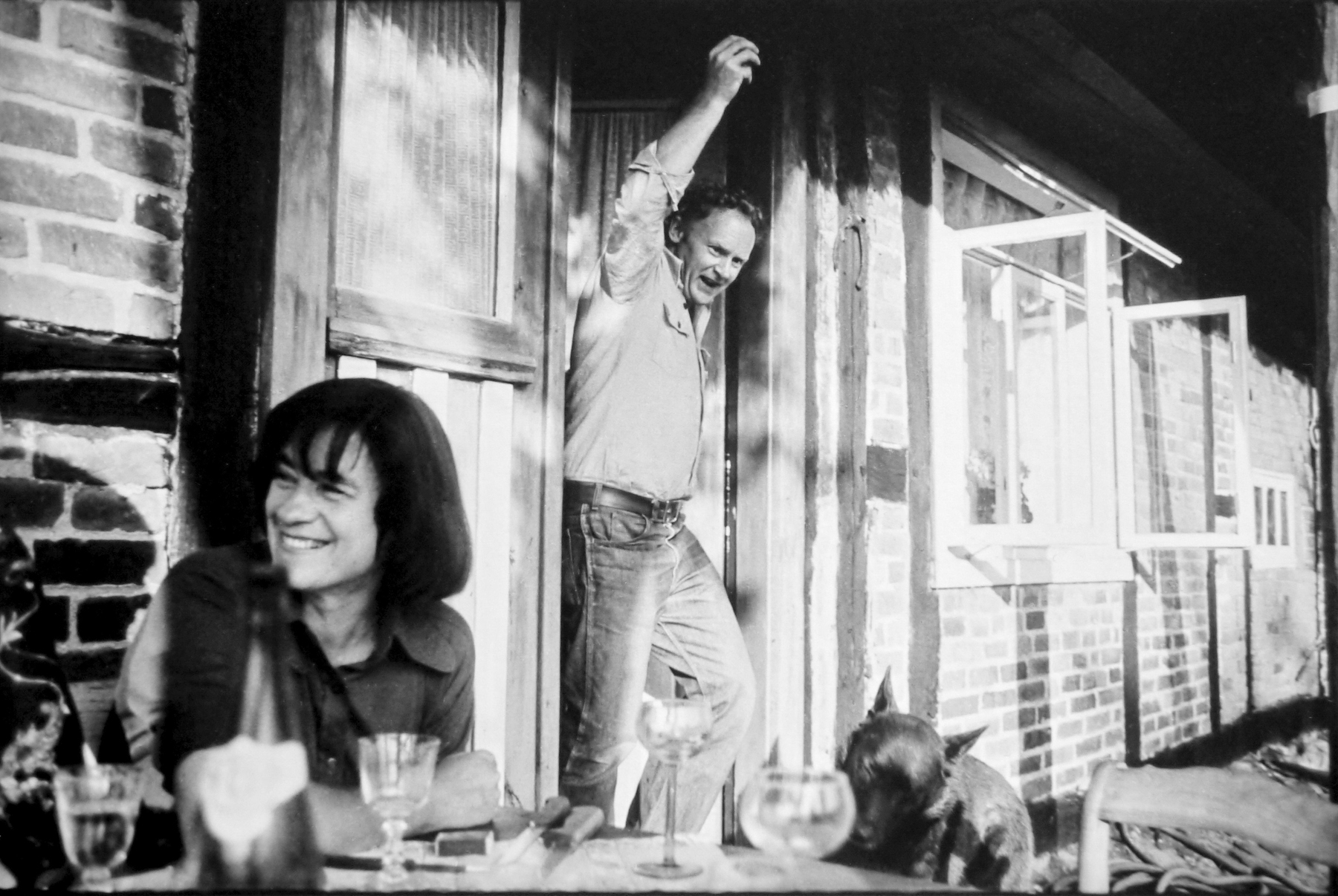
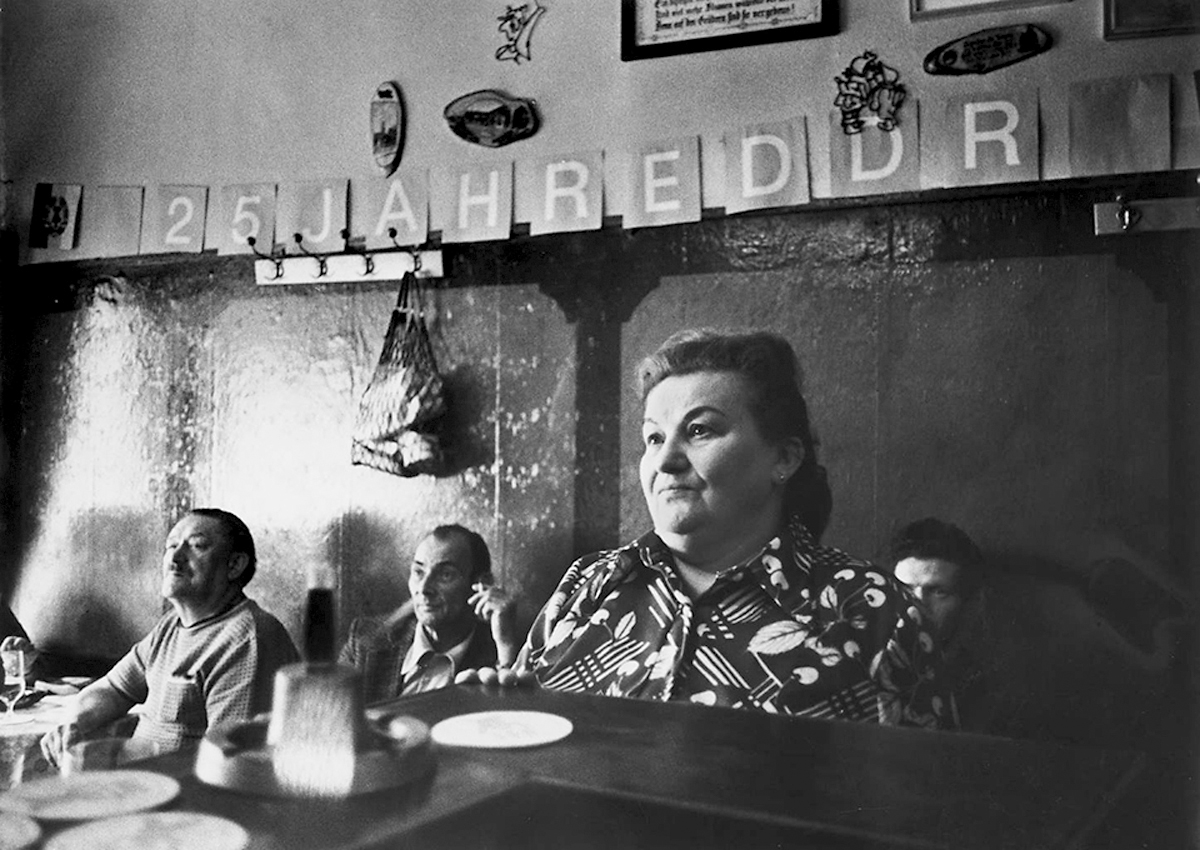
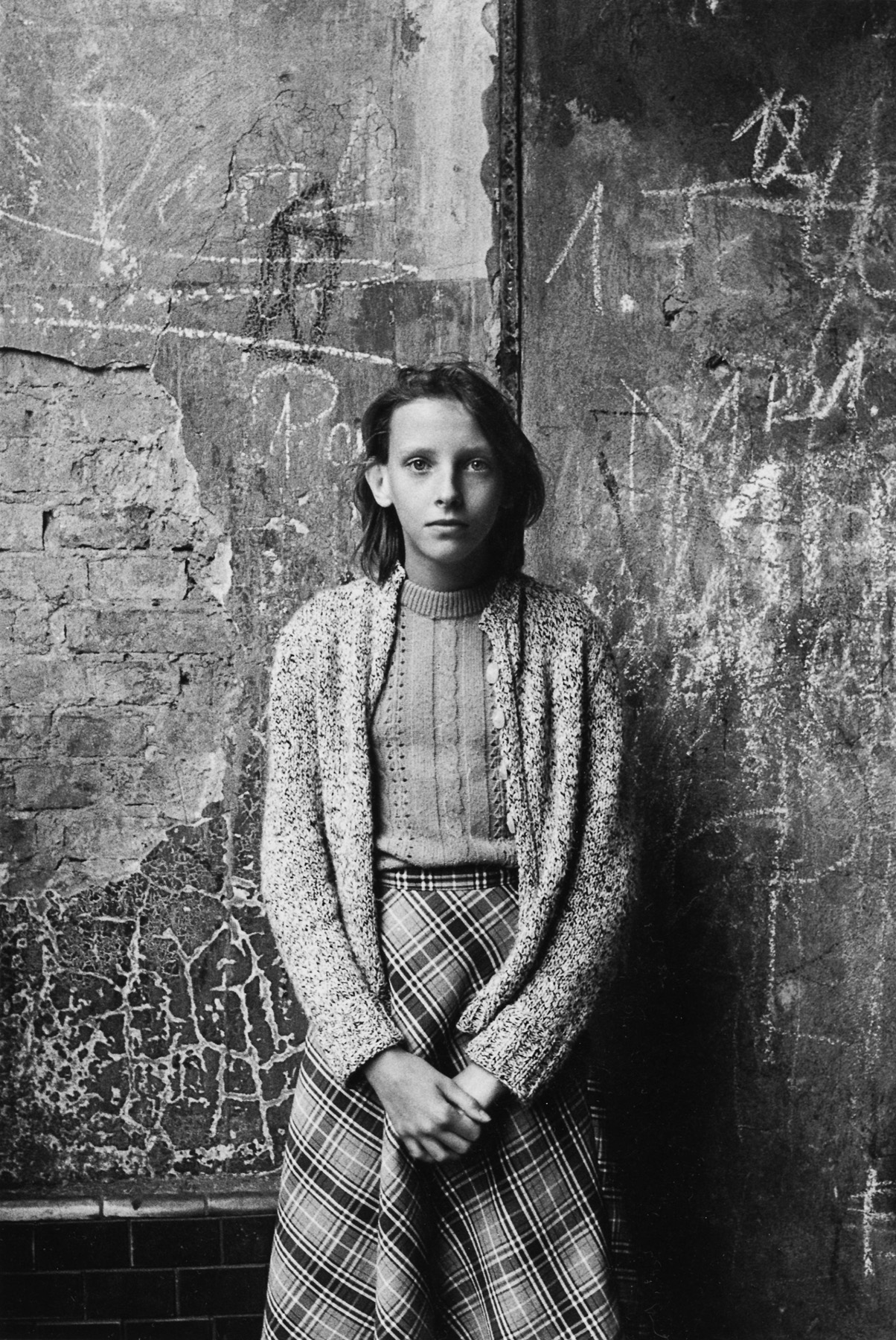
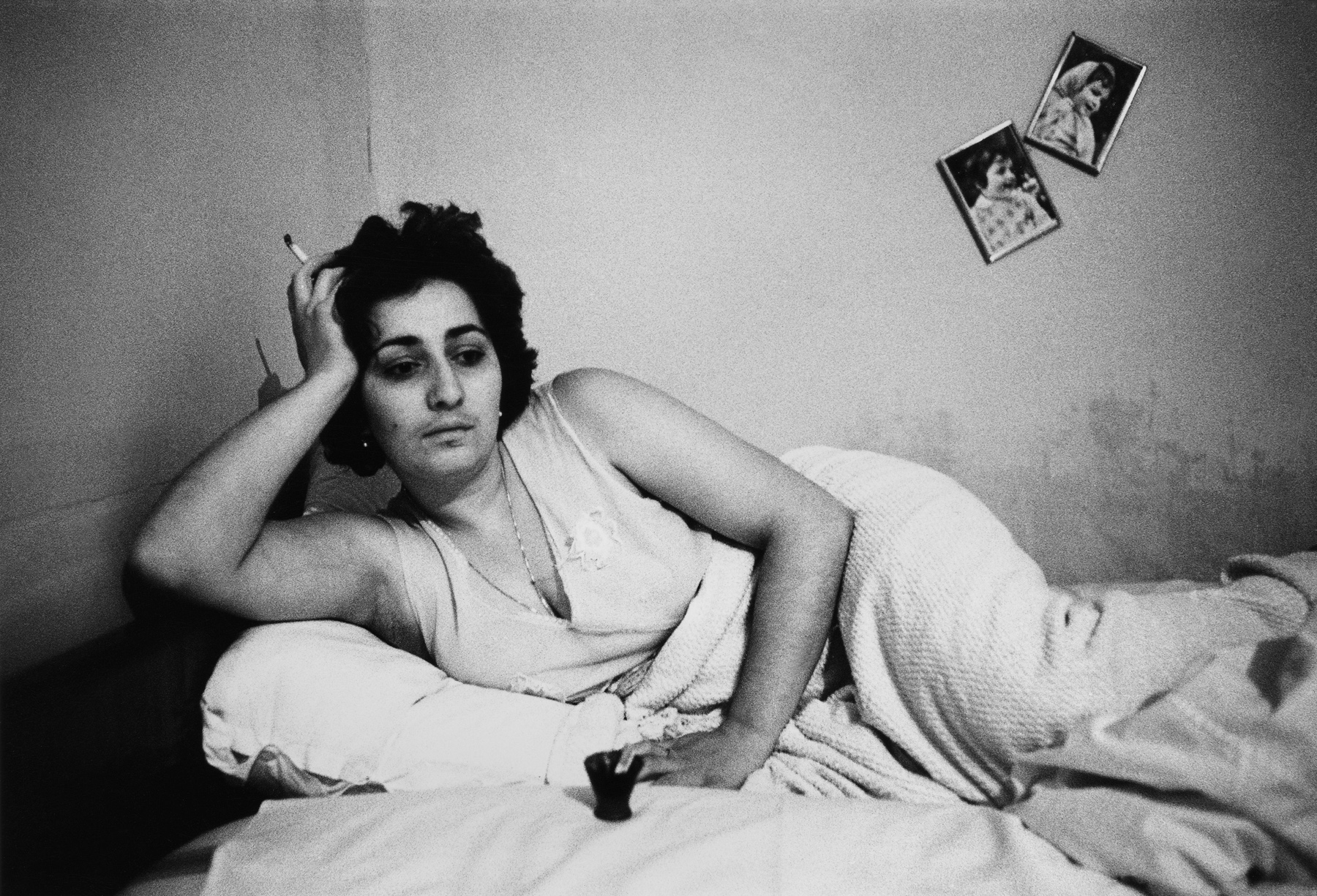
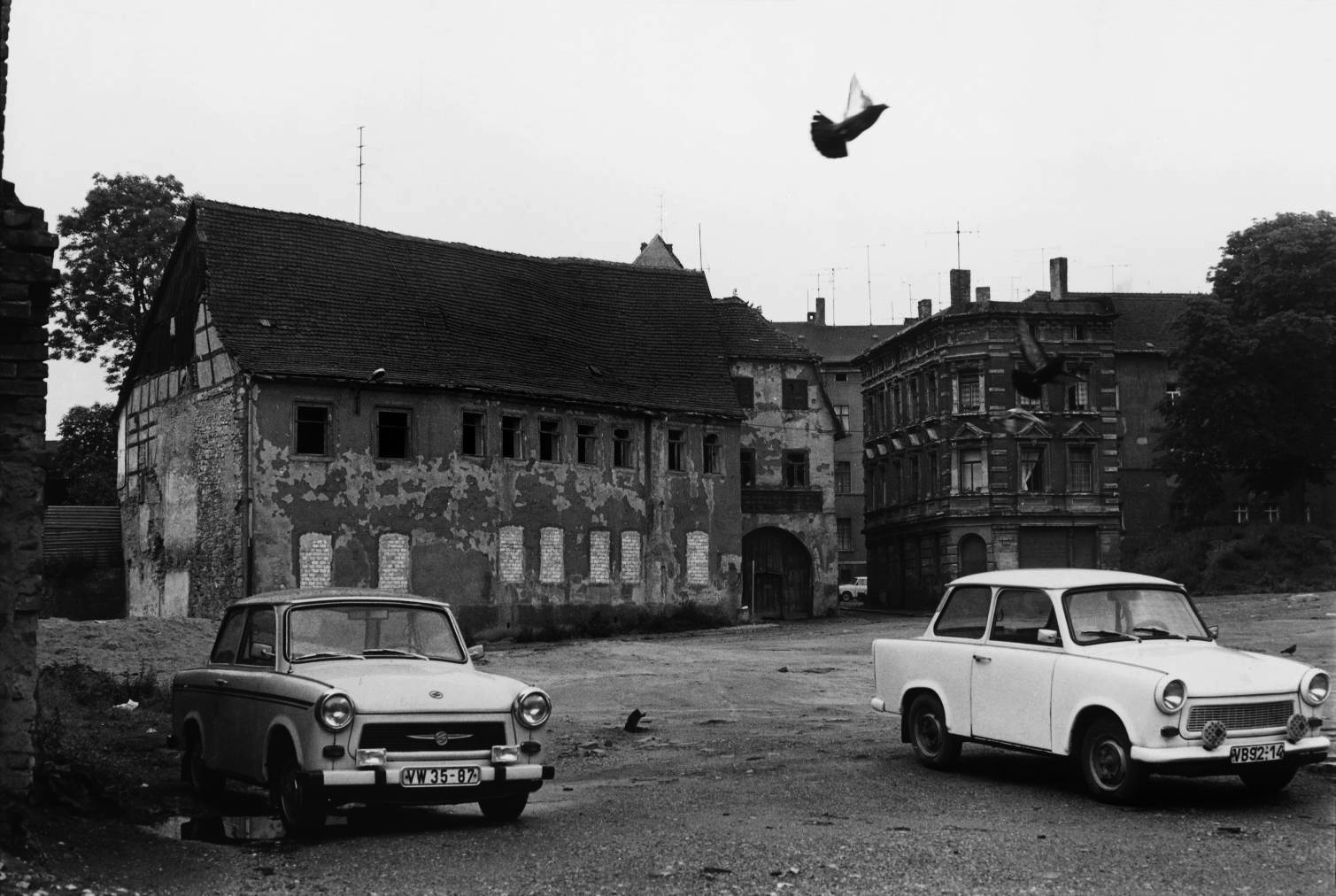
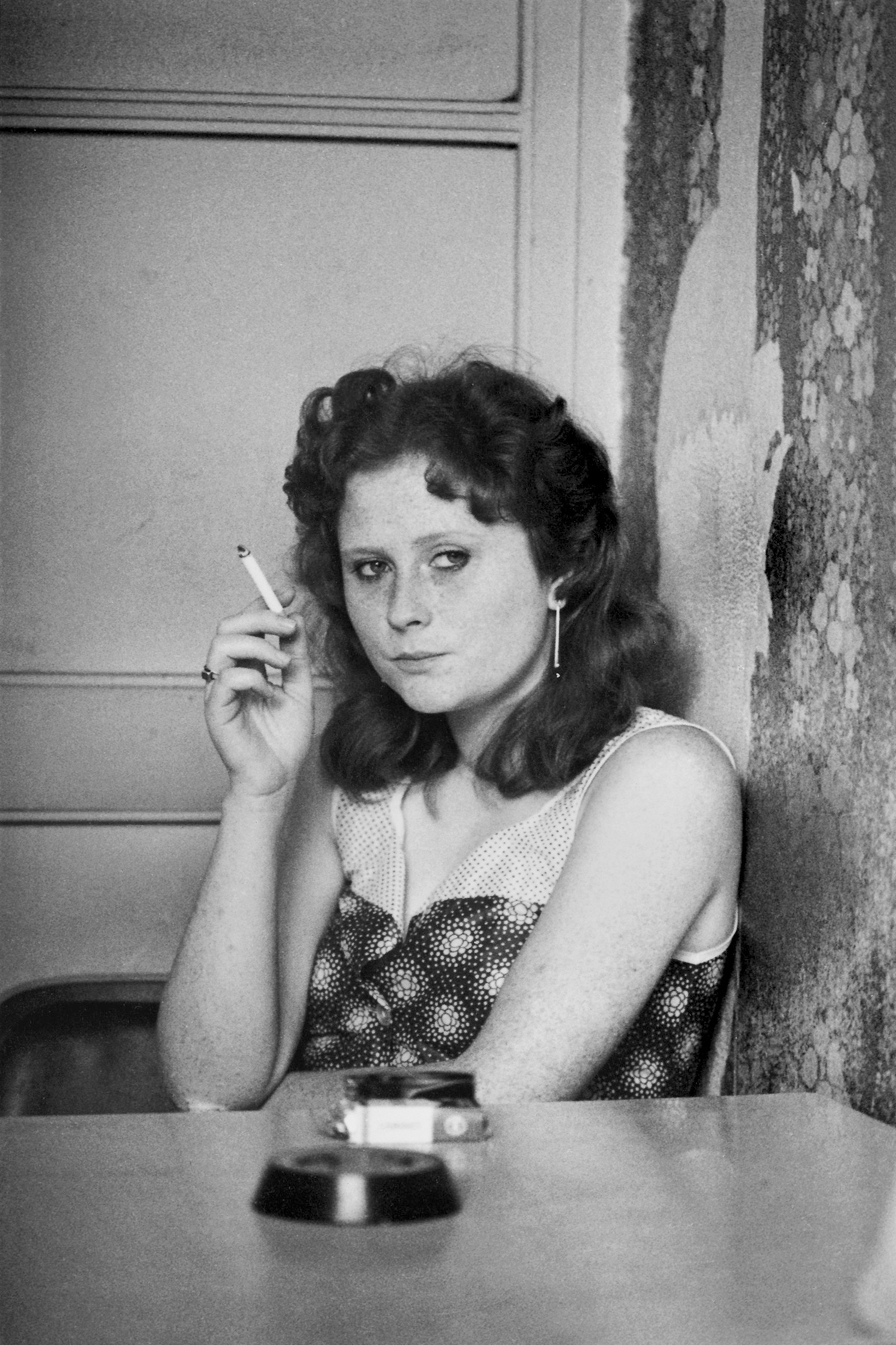
The same could be said of the photographs of Helga Paris. Her photographs picture the tough, hard existence of life in postwar East Germany but there is a fond affection for subject matter in the cameras engagement. Paris approaches her subjects, whether city or people, with directness but it is also a dialogue between the artist and her subjects which “give the viewer an insight into a moment of the everyday lives of an East German resident.”
“Paris opened herself to the worker’s world she found in Prenzlauer Berg, and often took photographs in the immediate surroundings – of friends and neighbours, the area’s old and run-down streets, and the melancholic vitality of the regulars in Berlin’s bars and cafés. The people in her photographs look deeply rooted, as if they had moved to the area with the intention of never going away.”
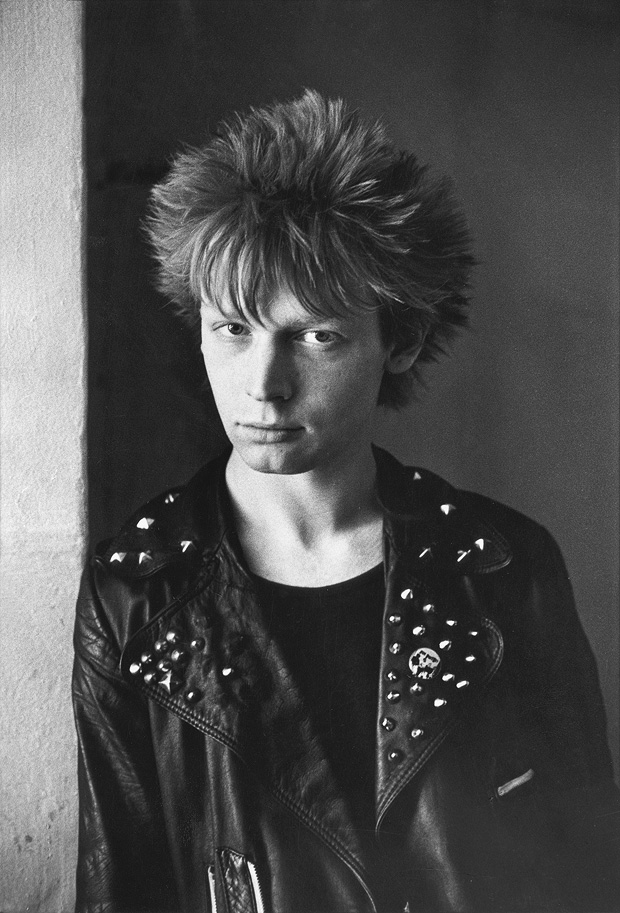
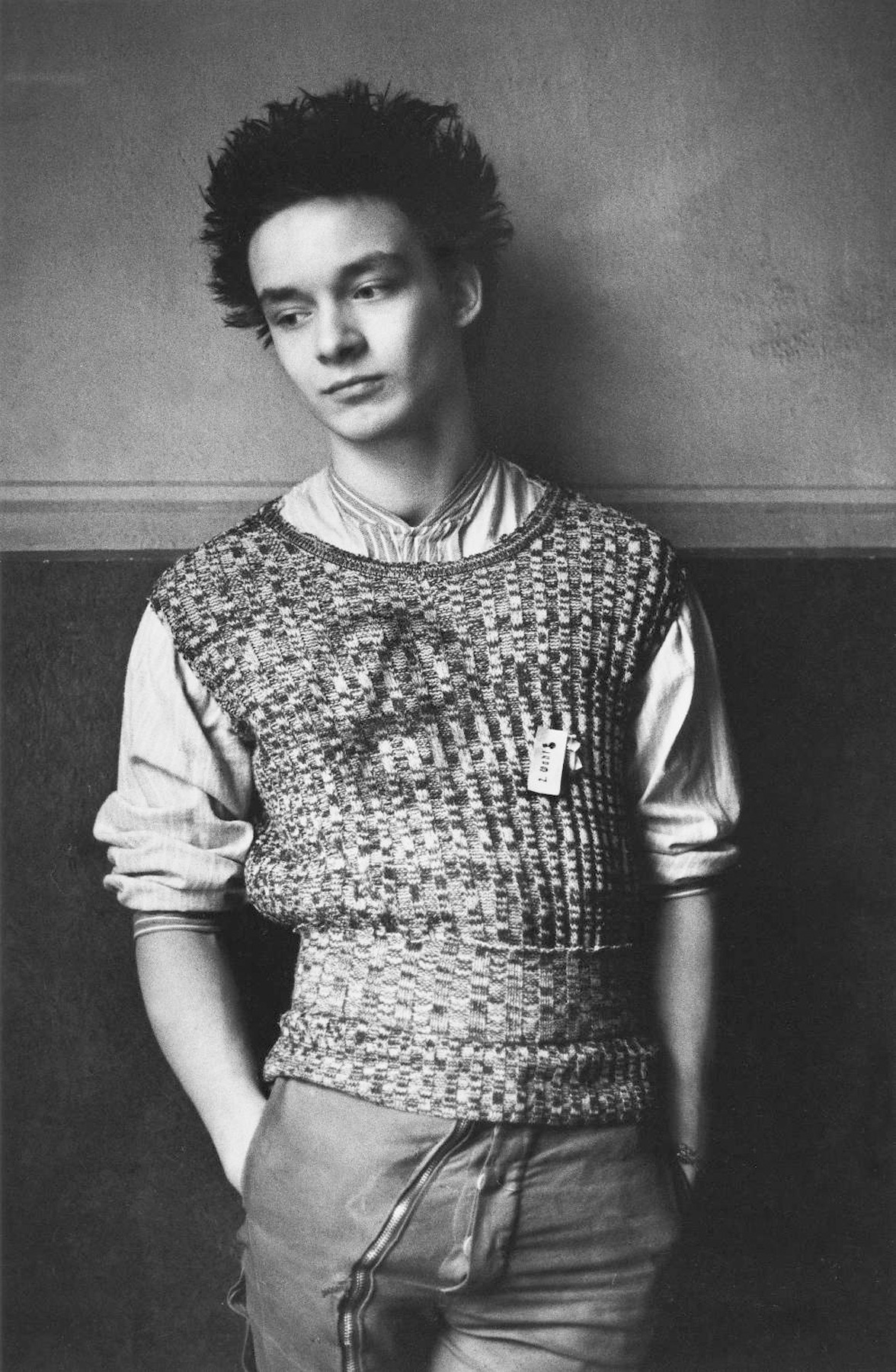
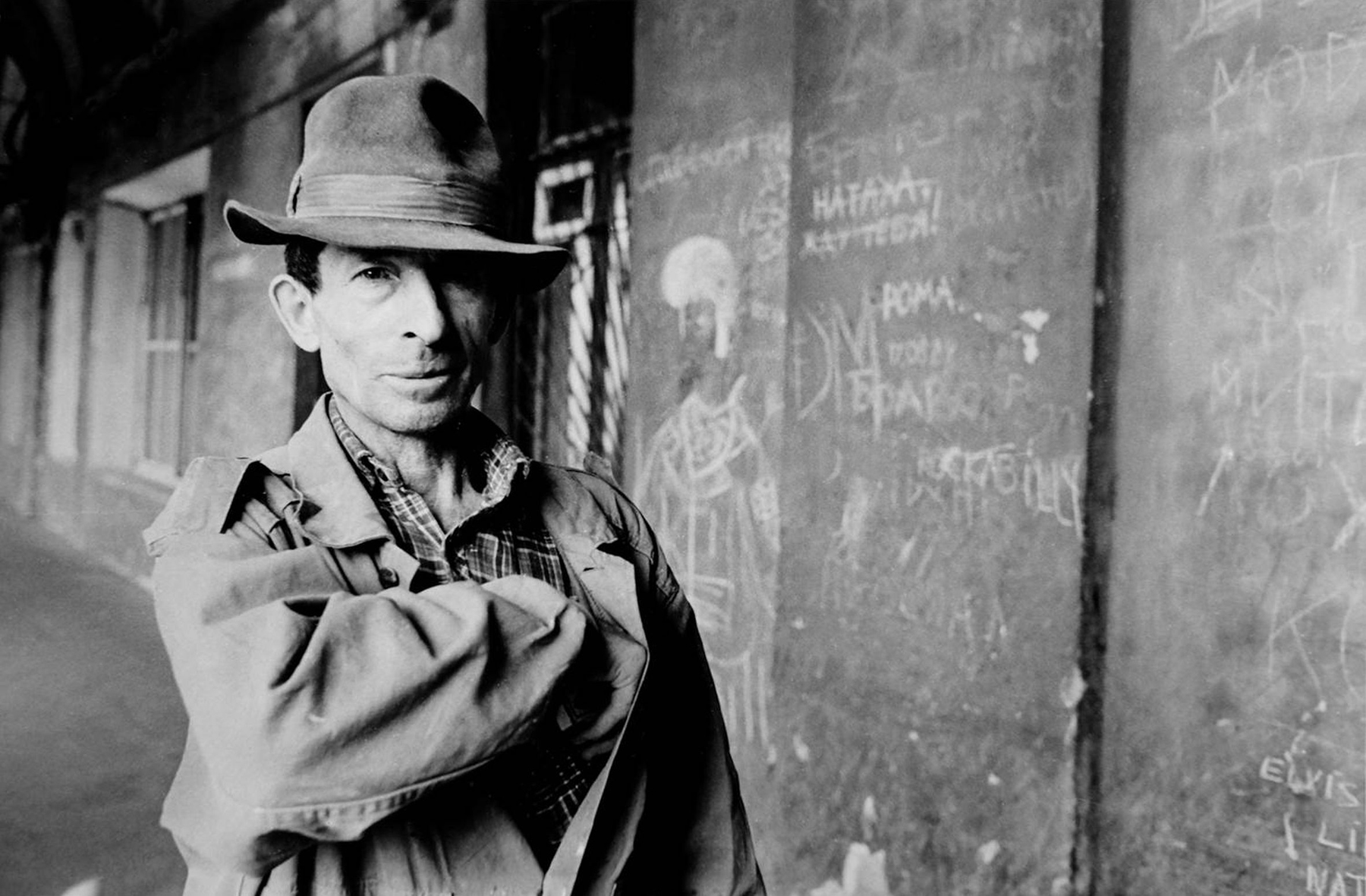
Misty cobbled corners, people in bars, in clubs, at work, on the street. Much as Ara Güler did for Istanbul (in a more romantic way), Paris captures the essence of an ecosystem, the culture and survival that was the living, behind the Iron Curtain. There is melancholy aplenty, the brooding streets with swooping pigeons and ubiquitous Trabant, all dark in their small sulkiness. There are beautiful boys with Anarchy stencilled on their jumper desiring liberated life, and reflective women deep in their own thoughts. Naira! Naira! Smoking a fag, with drunk-eyed pictures of a child on dirty wall, behind. Oh Naira, of what were you thinking! What brought you to this place?
There is sullenness, compassion, bohemians, students and countercultural intellectuals all pictured with her probing mind. If you could say that a subject finds an artist then this is that aphorism in full technicolor. Engaged and engaging, these essential images stand the test of time – as relevant now in an era of neo-liberal fascism as they ever were in the past.
Dr Marcus Bunyan
Many thankx to the Akademie der Künste for allowing me to publish the photographs in the posting. Please click on the photographs for a larger version of the image.
Helga Paris (born in 1938 in Goleniów, Poland) occupies an outstanding position in German photography. Her oeuvre exhibits the poetry of a Henri Cartier-Bresson as well as the austerity of an August Sander or Renger-Patzsch. Paris, who has lived in Prenzlauer Berg in Berlin since 1966, has chronicled the long history of postwar East Germany. For more than three decades she has directed her gentle yet precise gaze toward the people who live it. Her photographs tell of the melancholy vitality of East Berlin corner pubs and the poetic tristesse of the old streetcars of the seventies. We encounter garbage truck drivers, stubbornly furious or calm teenagers, and proud female textile mill workers. We travel through Georgia and Siebenbürgen, and meander through the central German industrial city of Halle, a “diva in gray.” But these photographs also tell of the end of the postwar era, of the search for images of childhood and their retrieval.
Fotografie is a retrospective look at the work of German photographer, Helga Paris. Exhibiting a collection of photos taken in East Germany in the postwar period, Paris’s work is considered to be one of the most revealing and compassionate bodies of work reflecting life in Germany at that time. Going beyond a simple ‘social study’, Paris’s technique was simply to engage with her subjects, rather than take on the role of the distant street photographer. In making this connection, the result has been a collection of photos that give the viewer an insight into a moment of the everyday lives of an East German resident.
Starting in the 60s, Helga Paris took an interest in photography and began teaching herself the basics. Paris came from a fashion and art background, but it was her interest in the everyday lives of the East Berlin people, during the postwar period that made her want to capture that on film.
Since 1966 Helga Paris has lived in Berlin’s Prenzlauer Berg, a traditionally working class district that in the DDR days had become a refuge for bohemians, students and countercultural intellectuals, condoned by the authorities. Here she became a chronicler of post-war East Germany. Paris opened herself to the worker’s world she found in Prenzlauer Berg, and often took photographs in the immediate surroundings – of friends and neighbours, the area’s old and run-down streets, and the melancholic vitality of the regulars in Berlin’s bars and cafés. The people in her photographs look deeply rooted, as if they had moved to the area with the intention of never going away. Their faces express both their exhaustion and their lust for life.
From 8 November 2019 to 12 January 2020 at its exhibition halls at Pariser Platz, the Akademie der Künste will present the photographic work of Helga Paris from 1968 to 2011. Featuring 275 works, including many individual images and series that are to be shown for the first time, this will be her most comprehensive exhibition to date and the first retrospective of the artist in her home city of Berlin in 25 years. Excerpts from the extensive Leipzig, Hauptbahnhof (1981), Moskau (1991/1992) and Mein Alex (2011) series will be seen for the first time, among others.
In addition to the photographer’s special ability to make ever-changing compressed contemporary history tangible in her images and series over the course of decades, it is her tender, graceful and heavily nuanced black-and-white modulations expressing social empathy that make her work unmistakable.
Helga Paris was born in 1938 in Gollnow, Pomerania (today Polish town of Goleniów), and grew up in Zossen near Berlin. She began her work as a self-taught photographer in the 1960s. She became one of the key chroniclers of life in East Berlin with images of her neighbourhood in the Berlin district of Prenzlauer Berg, pictures of pub-goers, sanitation workers, the women from the VEB Treffmodelle clothing factory, artists, punks, children from Hellersdorf and passers-by from Alexanderplatz. Helga Paris also took photographs in Transylvania (1980), Georgia (1982) and the city of Halle (1983-1985), where she produced her Diva in Grau series that was banned from being shown until 1989/1990, as well as in Volgograd (1990), New York (1995) and Poland (1996/1997), among others. Helga Paris has been a member of the Film and Media Art Section of the Akademie der Künste since 1996.
The curator of the exhibition is art historian Inka Schube, who has worked with Helga Paris on numerous occasions. Filmmaker Helke Misselwitz will present an installation involving interviews with Helga Paris on the topics of origin, the changing city and her work as a photographer in East Germany and up into the early 21st century.
On the occasion of the exhibition, the Spector Books publishing house, Leipzig has released the photography book Helga Paris. Leipzig Hauptbahnhof, 1981.
An exhibition by the Akademie der Künste in cooperation with the ifa (Institut für Auslandsbeziehungen), with the kind support of the Alfried Krupp von Bohlen und Halbach-Stiftung that allowed the living legacy to be indexed and new prints of three previously unpublished series to be made, as well as the DEFA-Foundation.
Press release from the Akademie der Künste website [Online] Cited 11/11/2019
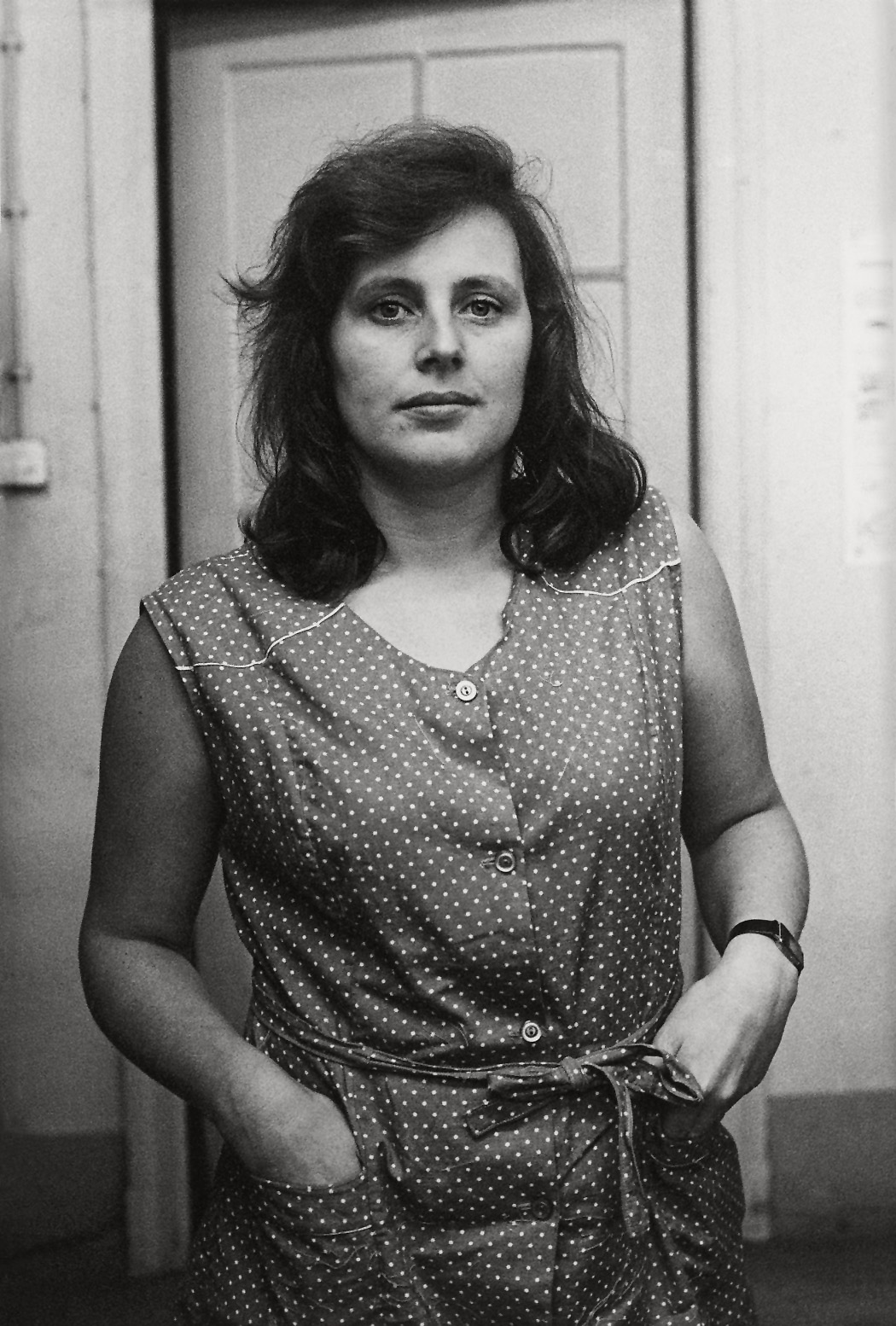
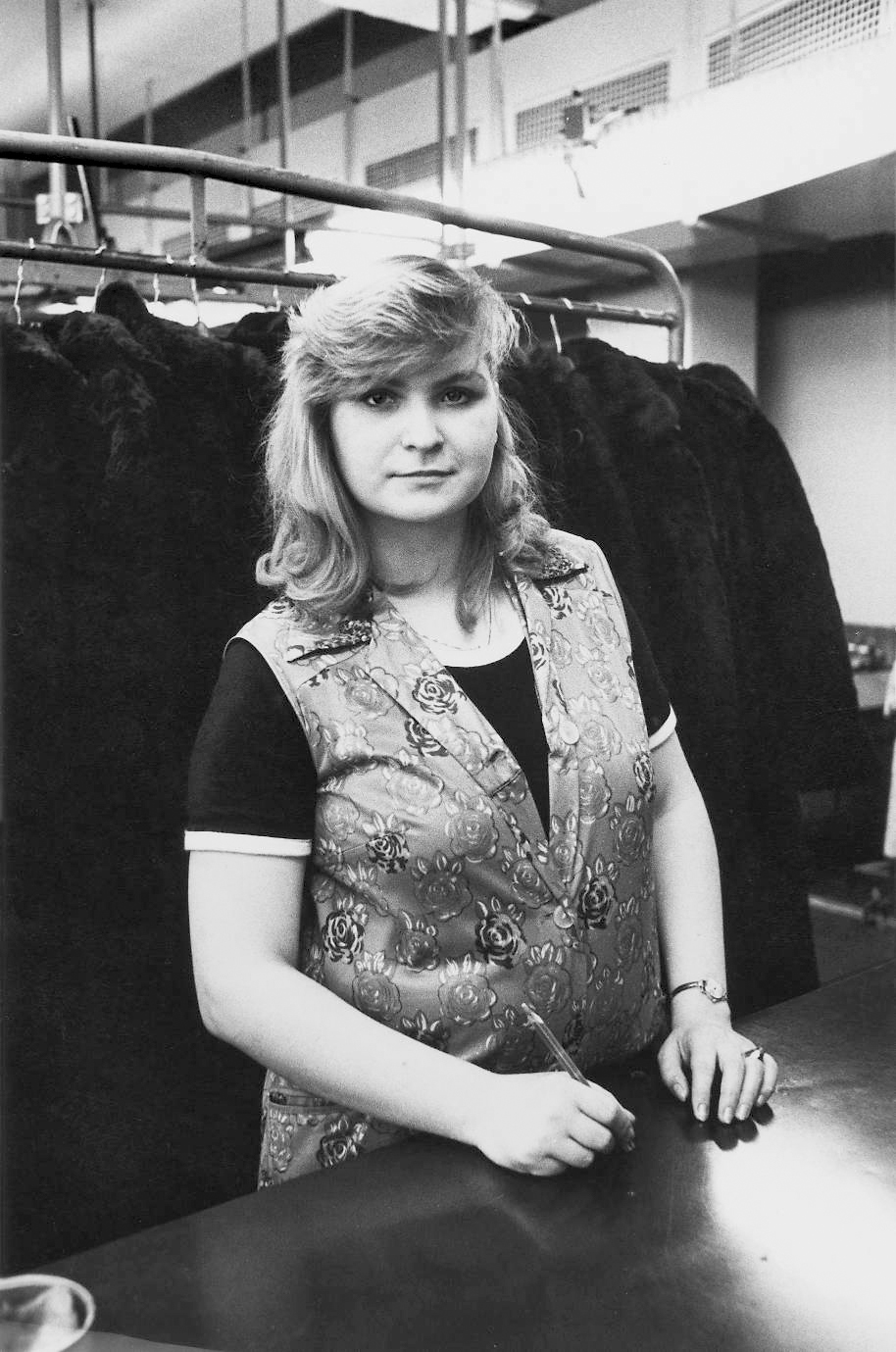
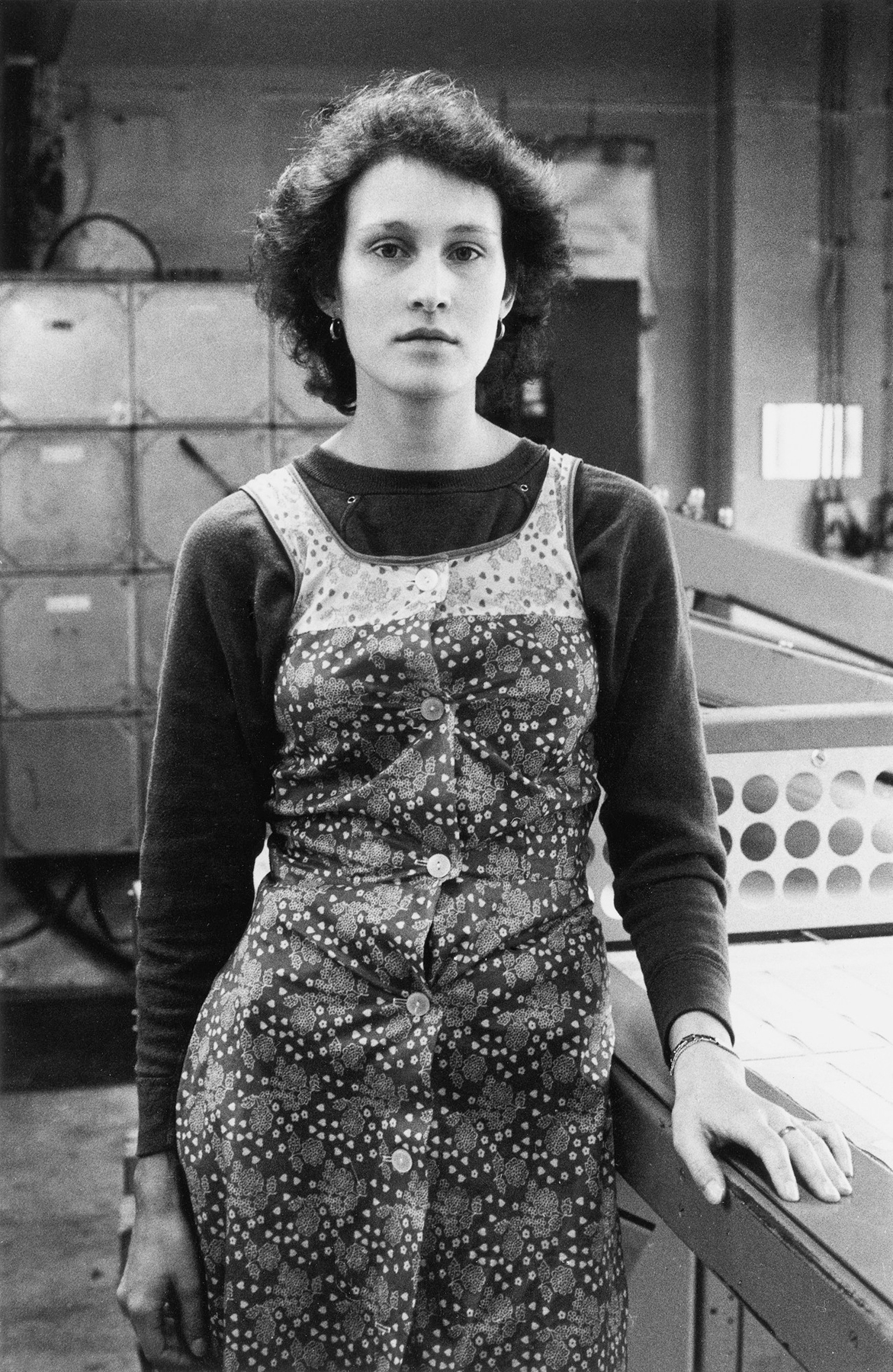
In the early 1980s the DDR’s Gesellschaft für Fotografie im Kulturbund gave professional photographers commissions that allowed them to work on projects of their own choosing. These commissions not only gave photographers financial security, but also opened doors to places where, under normal circumstances, only media loyal to the regime had been allowed to work. Helga Paris chose to photograph a clothing factory, Treff-Modelle VEB in Berlin, where she herself had had some work experience during her fashion design studies. There she portrayed the factory’s female workers, eliciting a wide variety of subtle reactions from them: from self-confident and open to confrontational and defensive.
With around 275 photographs from the period of 1968 till 2011 – including numerous single frames and series shown for the first time – the exhibition of Helga Paris at the Akademie der Künste on Pariser Platz is the photographer’s most comprehensive to date. It is the first retrospective of Paris’ work in her home city of Berlin in 25 years.
Having lived in Berlin’s Prenzlauer Berg district since 1966, Helga Paris (born 1938) began taking photos of people in her neighbourhood in the early 1970s. She found her photographic motifs in flats, pubs, break rooms and factory halls, or on the streets and in train stations. With a background in modernist painting, theatre and poetry as well as early Soviet, Italian and French cinema, the autodidact photographer has spent the last four and a half decades developing an extensive oeuvre of delicate, nuanced black-and-white photography.
But she is not only a chronicler of Prenzlauer Berg. Helga Paris also has taken photos in Halle, Leipzig, Transylvania, Georgia, Moscow, Volgograd and New York. There, as in her local neighbourhood, she constantly explores how it feels “to be in history”, and how the respective circumstances are reflected at the most private level. Helga Paris’s imagery has a particular poetic approachability, in part because it forgoes all ideological interpretations; her gaze suggests profound solidarity.
For the exhibition, the director Helke Misselwitz has designed a documentary film triptych, in which she makes it possible to experience how the life and work of Helga Paris are both interwoven and interdependent. Misselwitz traces a wide arc from the photographer’s childhood to the present; from Prenzlauer Berg to sites around the world; and from Paris’ close-ups to her farsighted vision.
Text from the Akademie der Künste website [Online] Cited 11/11/2019
As a result of the Cold War, the remarkable oeuvre of the German photographer Helga Paris (1938) was long almost unknown west of the Iron Curtain. While Paris enjoyed widespread popularity in East Germany, her photographs rarely reached a public in the West. Although her work, with its quite intimate glimpses of daily life in East Germany, is strongly linked to the course of her own life, its expressiveness is universal. The empathy of her gaze makes it easy for us to imagine ourselves in the people and places she photographed.
Resilience
On one hand Helga Paris’ photographs are about life in the German Democratic Republic (DDR), where the Second World War and the country’s communist regime brought restriction, loss, destruction and decline in their wake. On the other they show the gaze of a photographer who had been born in Pommeren (now in Poland), who grew up close to postwar Berlin, and who faced the world with resilience, curiosity and compassion. In 1966 Paris moved for good to Prenzlauer Berg in East Berlin, a traditionally working-class district that had become a refuge for bohemians, students and countercultural intellectuals, closely watched but condoned by the authorities. Here she became a chronicler of postwar East Germany. She often worked in the immediate surroundings – taking photographs of friends and neighbours, on the street, and in bars and cafés.
Hidden tensions
Although in the 1970s and 1980s Helga Paris also photographed in Romania, Poland and Georgia, the accent in the Huis Marseille exhibition is on East Germany before and after the Wende (1989-1990). She created the series Berliner Jugendliche (Berlin Youth) in 1980-1981, when her own children were teenagers, portraying youngsters who believed in an alternative way of life and who went to the concerts given by independent bands – a sort of East German variant of the Western punk scene. Their anarchic lifestyle did not go unnoticed by the regime, and many of those she portrayed also spent some time in prison. Paris subtly but revealingly captures the hidden tensions of the time in the teenagers’ postures, gestures, and facial expressions. She elicited a similar scale of reactions in the workers she photographed for the series Frauen im Bekleidungswerk VEB Treffmodelle Berlin (Women at the textile factory VEB Models, 1984): from self-confident and open to confrontational and defensive.
Run-down
In the same period Helga Paris documented the decline of the old city centre of Halle, interspersing photos of the city’s long-neglected buildings and streets with portraits of its residents – who only allowed themselves to be photographed if they had a say in how their portraits were taken. The impoverishment of Halle was only partly the result of the faltering East German economy; the government was also deliberately allowing the historic centre of Halle and other East German cities to become rundown in order to compel their populations to move into modern flats on urban peripheries. The exhibition Häuser und Gesichter: Halle 1983-85 was banned by the regime in 1987; it was 1990 before the people of Halle could see the photographs for themselves.
Helga Paris was born Helga Steffens in 1938 in Gollnow, Pommeren, now known as Goleniów in Poland. At the end of the war she fled with her family to Zossen, her father’s native city. She first came into contact with photography through an aunt who worked in a photographic laboratory. Between 1956 and 1960 she studied fashion design at the Fachschule für Bekleidung in Berlin. There she met the artist Ronald Paris, to whom she was married between 1961 and 1974, and with whom she had two children.
Via the Arbeiter- und Studententheater in Berlin, for which she made costumes, Paris came into contact with the later documentary maker Peter Voigt, who encouraged her to take more photographs. To improve her techniques, from 1967 to 1968 she worked in the Deutsche Werbeund Anzeigengesellschaft DEWAG photographic laboratory. She took many photographs in the theatre, such as productions of the Volksbühne, as her husband was also its set designer. In later years she would say that this experience had given her a solid foundation for her attitude to space as a street photographer.
Paris’s work was first exhibited in 1978, in the Hochschule für Bildende Künste in Dresden. In 1996 she became a member of the Akademie der Künste in Berlin. Her self-portraits were a great success at the Kunst in der DDR exhibition in the Neue Nationalgalerie in Berlin (2003), and in 2004 Helga Paris was awarded the prestigious Hannah-Höch-Preis for a lifetime of achievement in the arts.
Press release from Huis Marseille for the exhibition Helga Paris / East Germany 1974-1998 Cited 26/11/2019
Exhibition dates: 7th June – 1st September, 2019 Visited September 2019 posted November, 2019
Curators: Martine Ravache and Gabriella Csizek
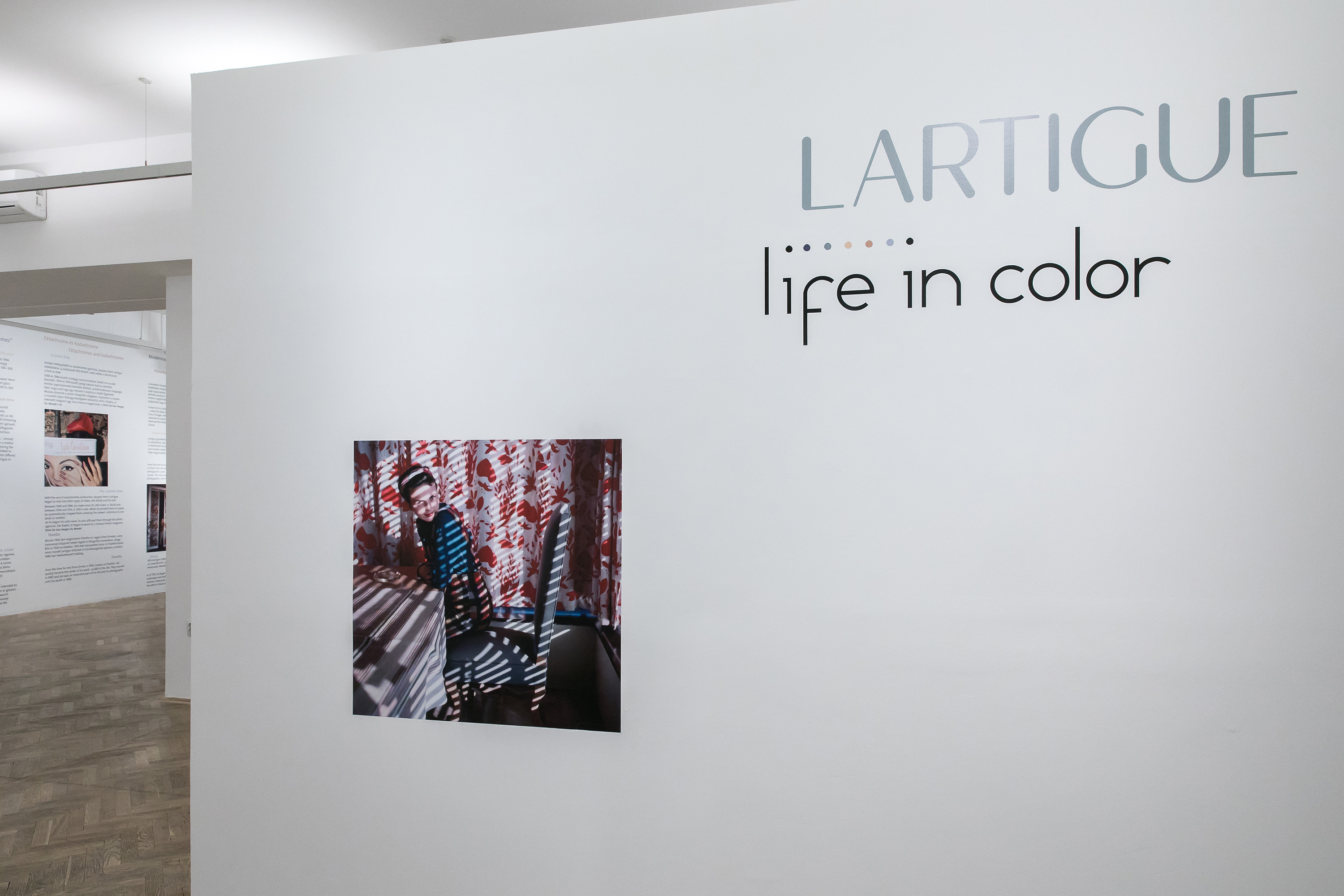
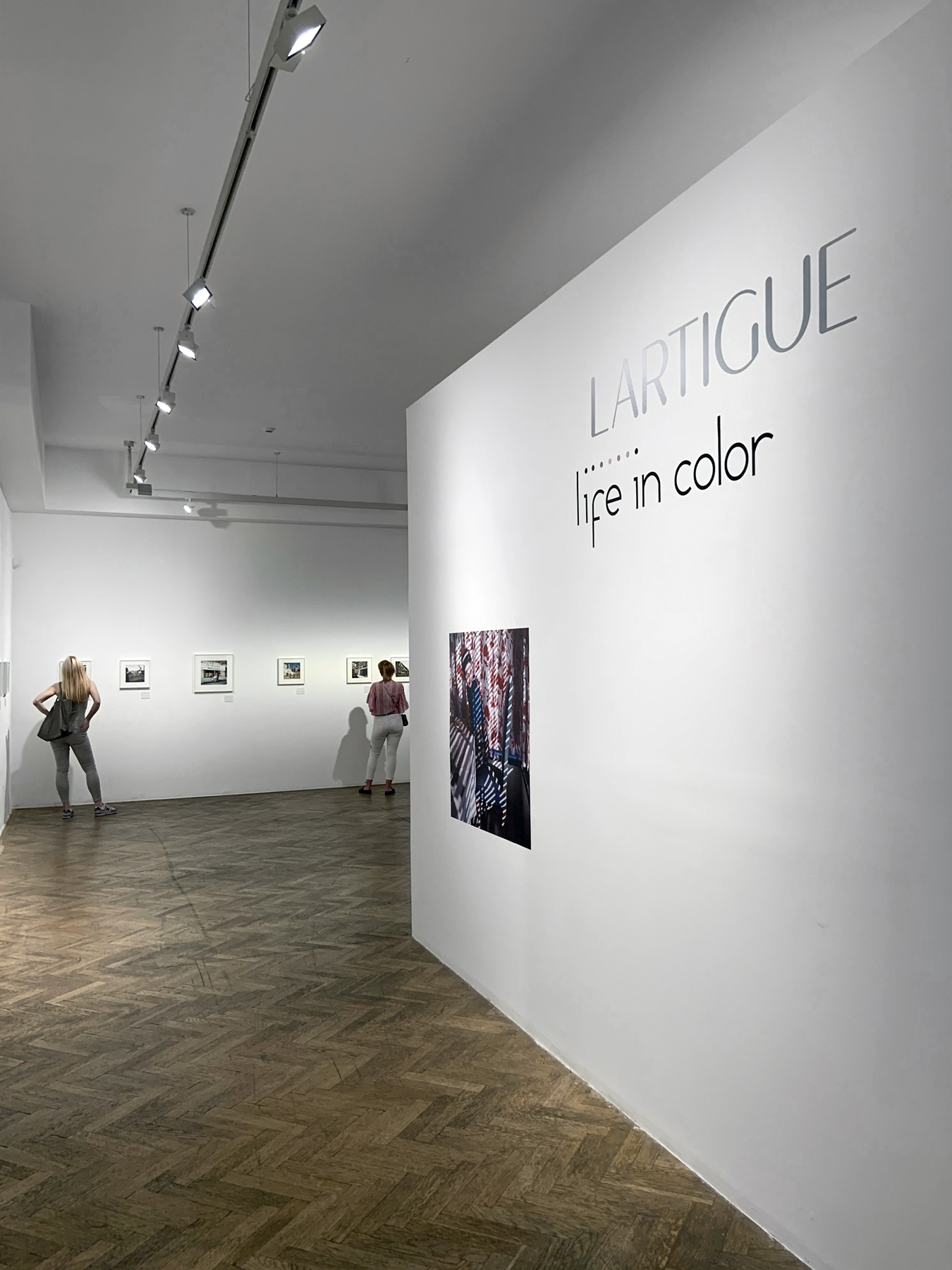
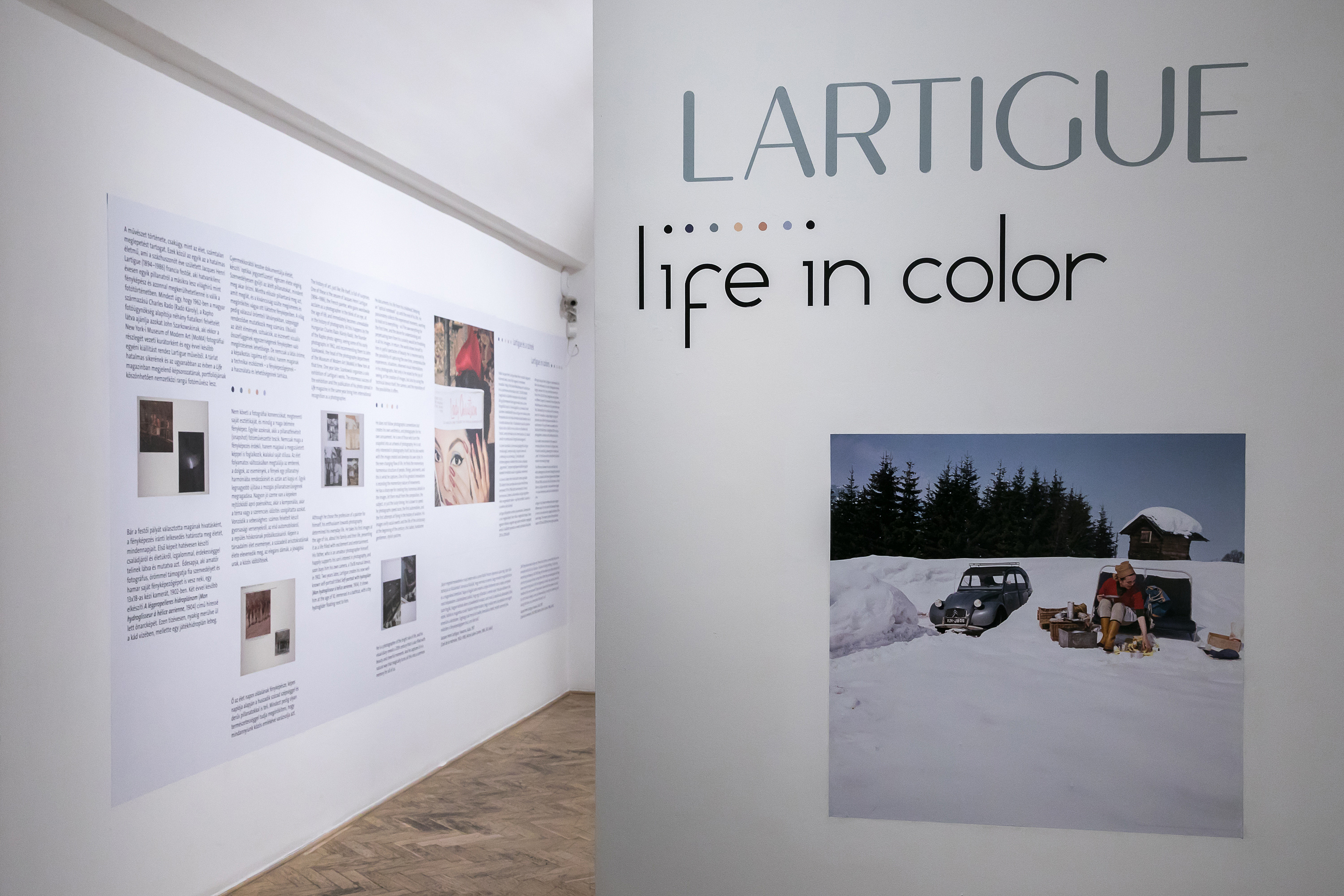
Installation view of the exhibition Lartigue: Life in Color at the Robert Capa Contemporary Photography Center, Budapest Photo: Marcus Bunyan
A posting on this exhibition with some iPhone images I took in Budapest. I was lucky enough to see the exhibition the day before it closed.
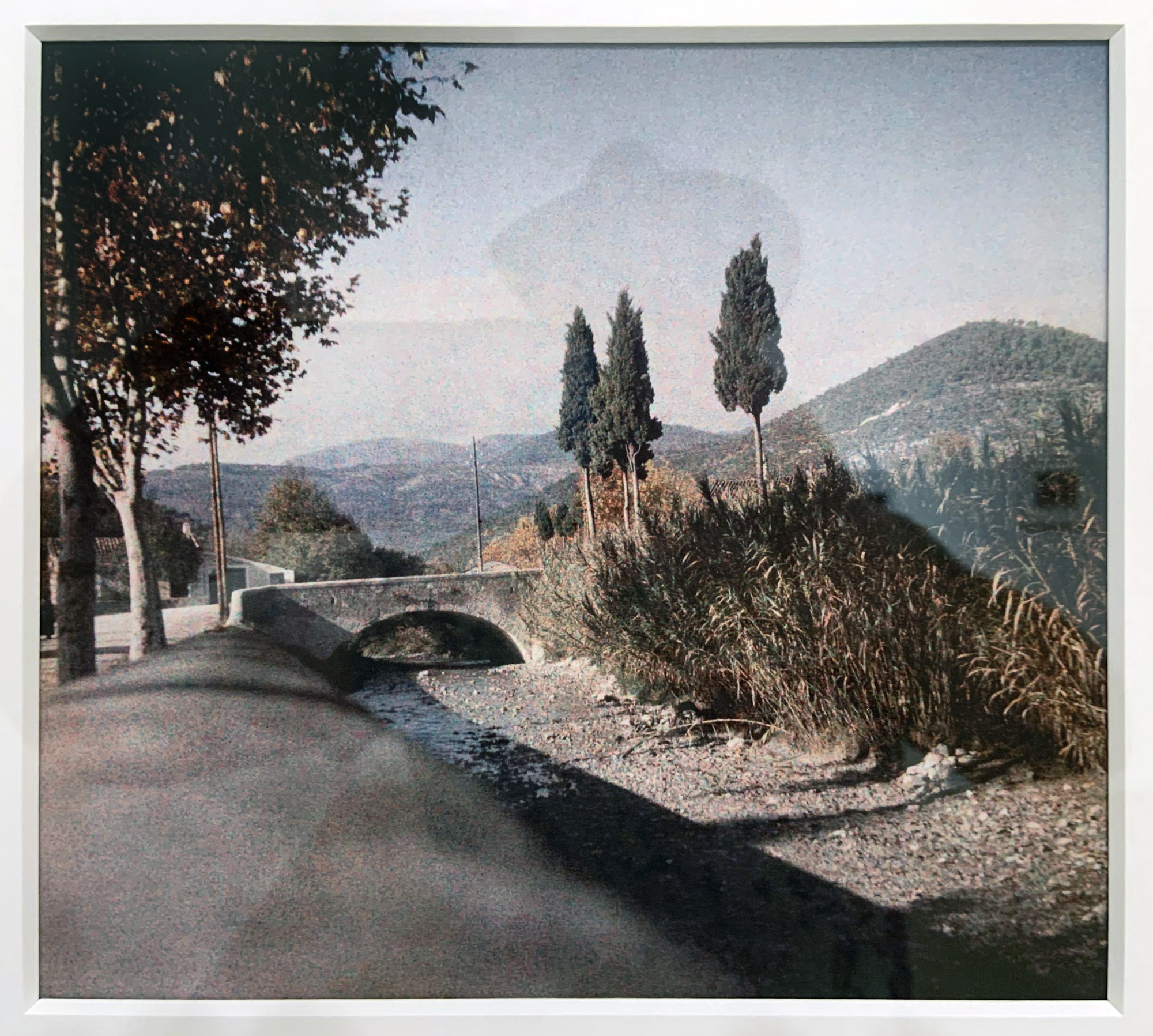
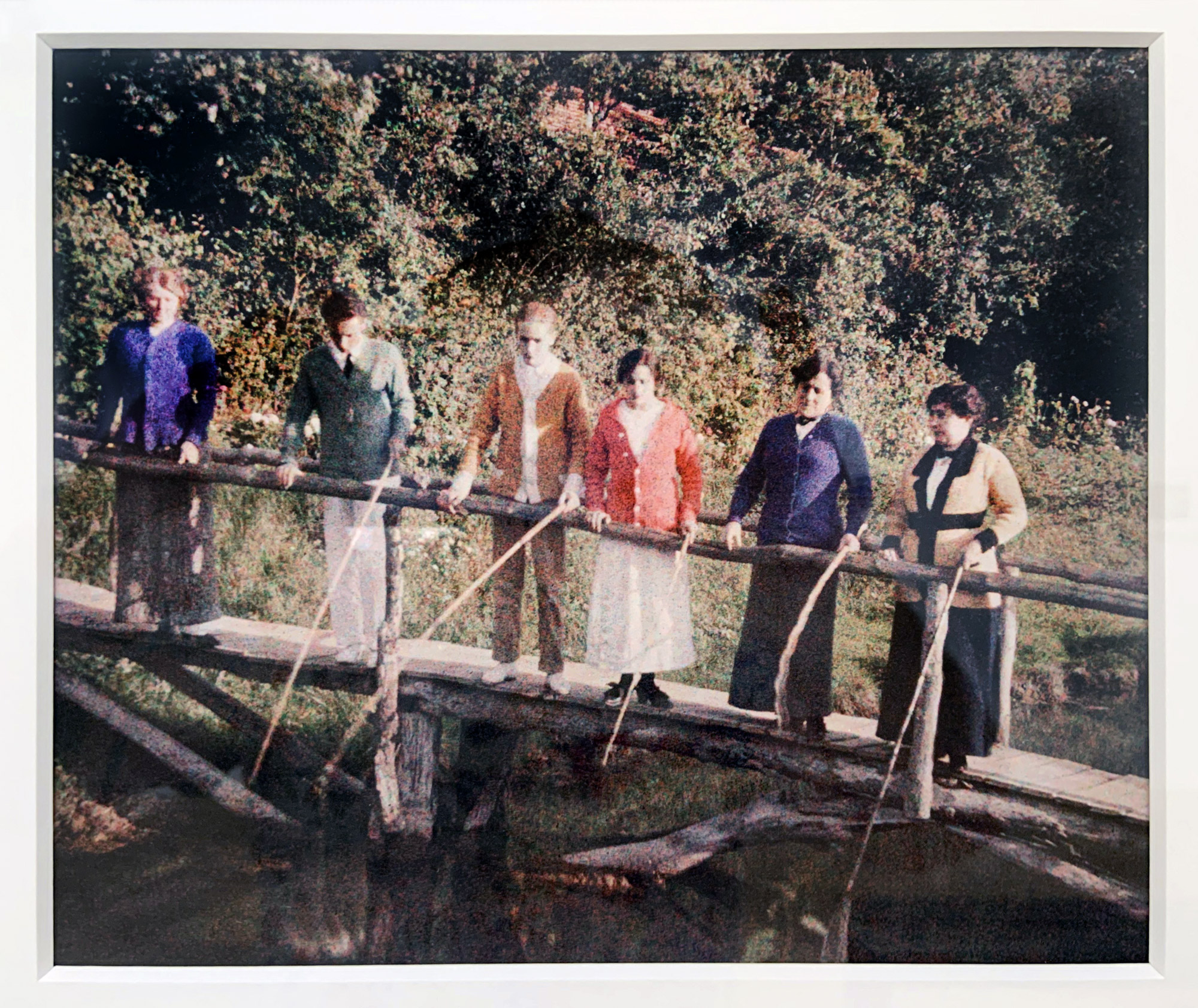
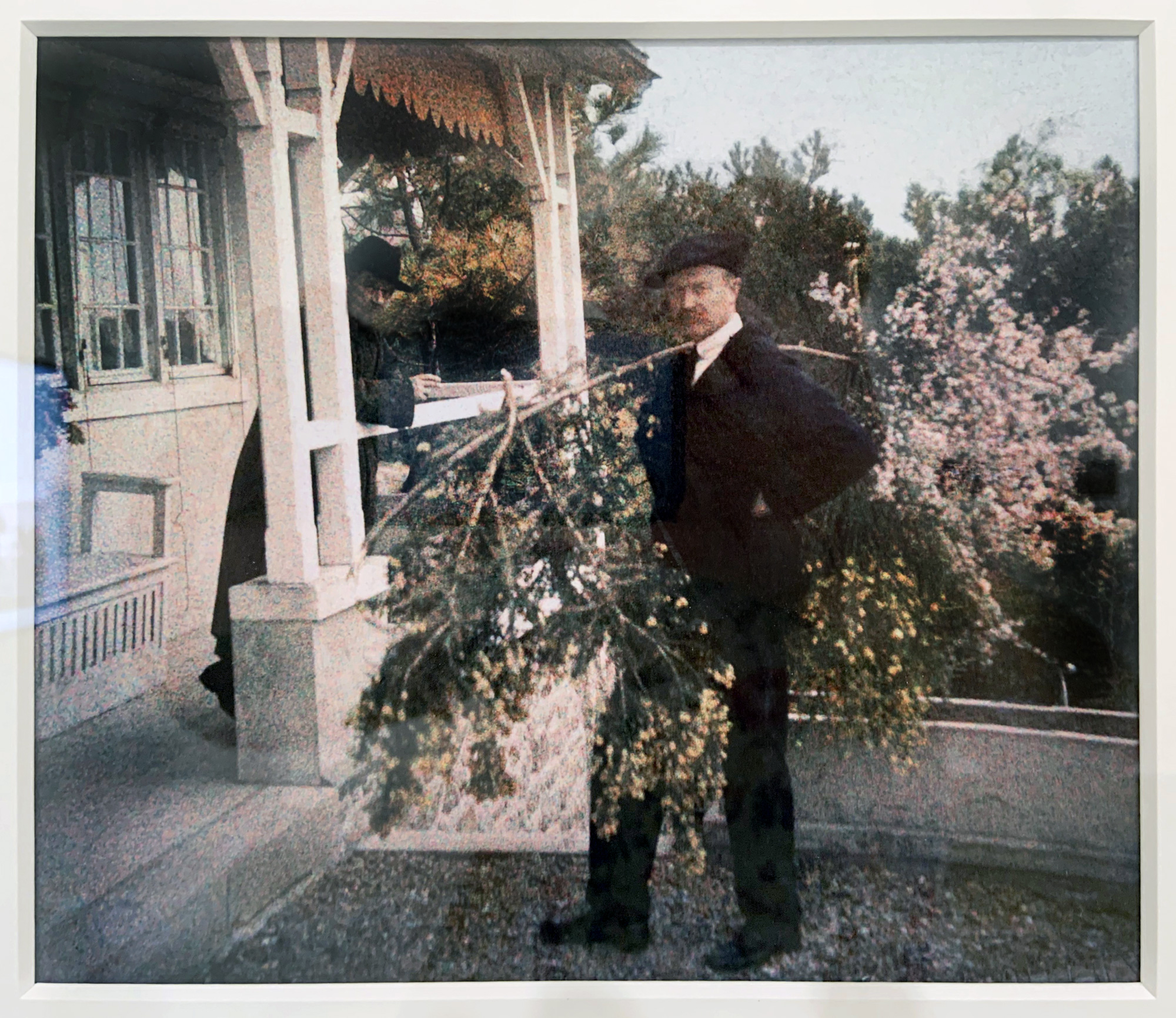
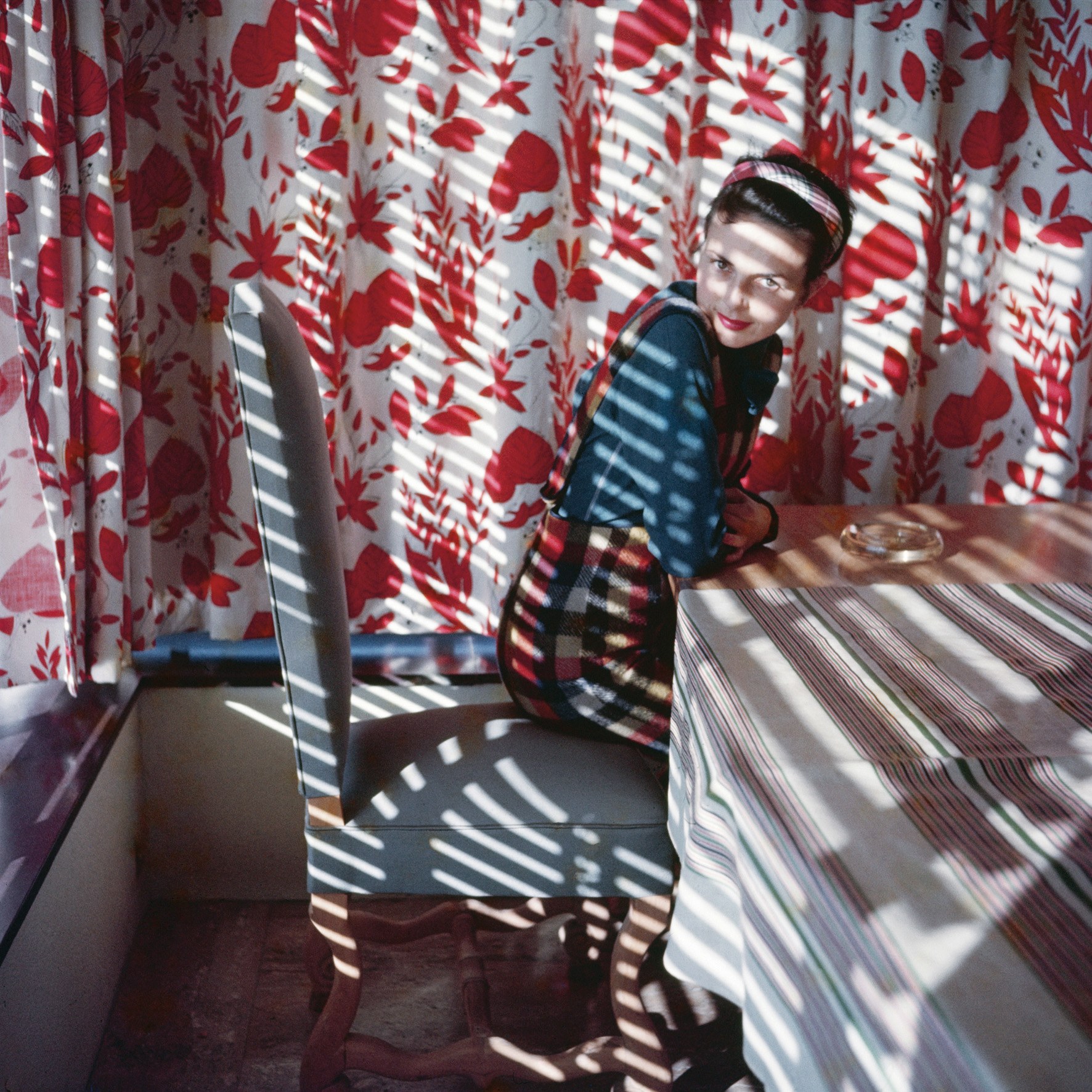
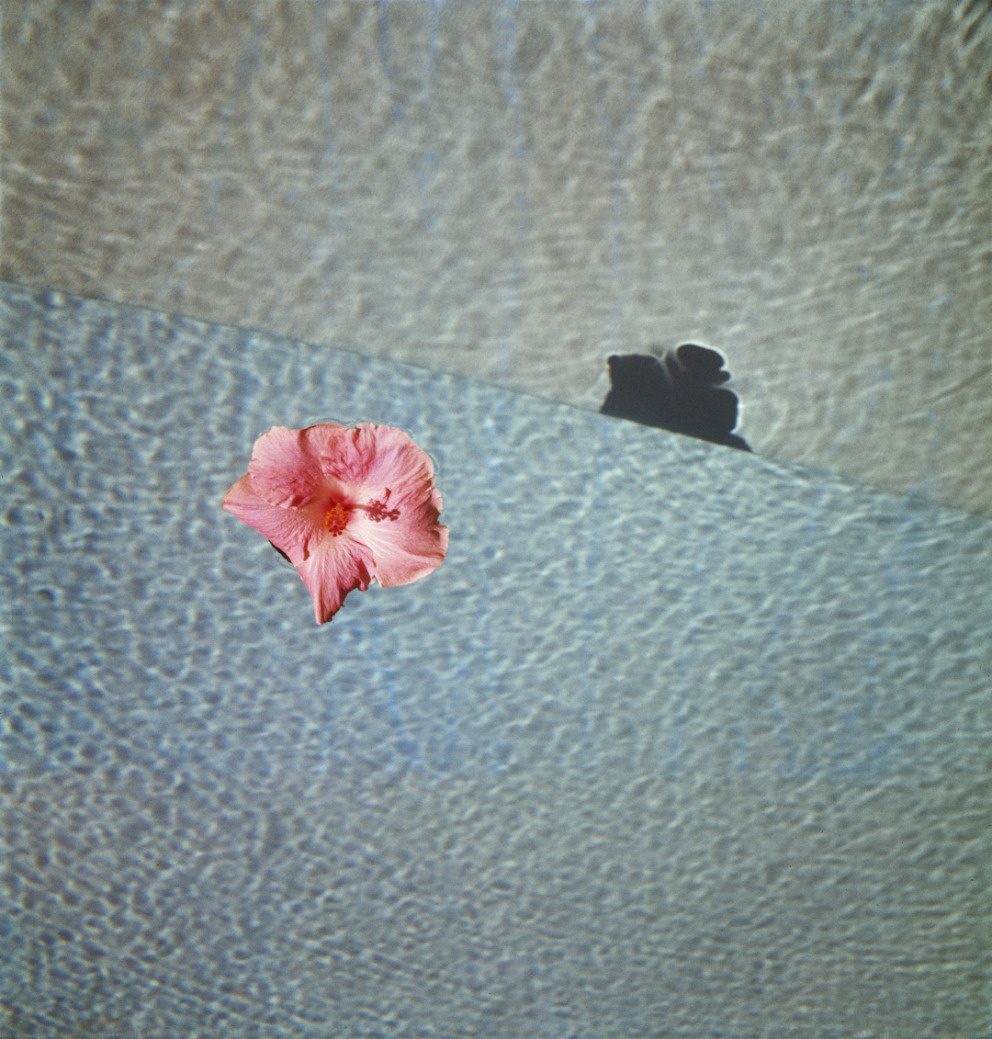
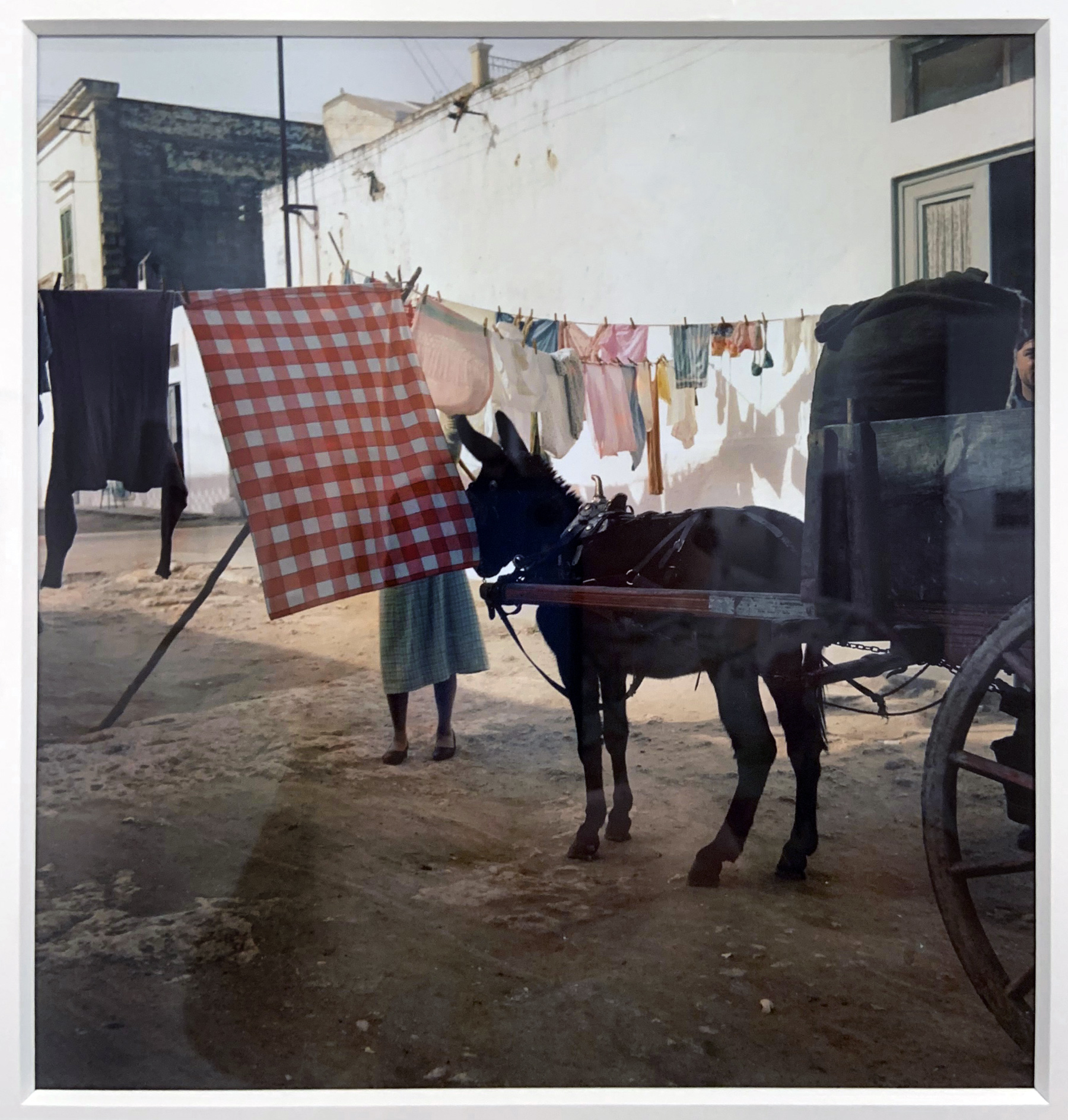
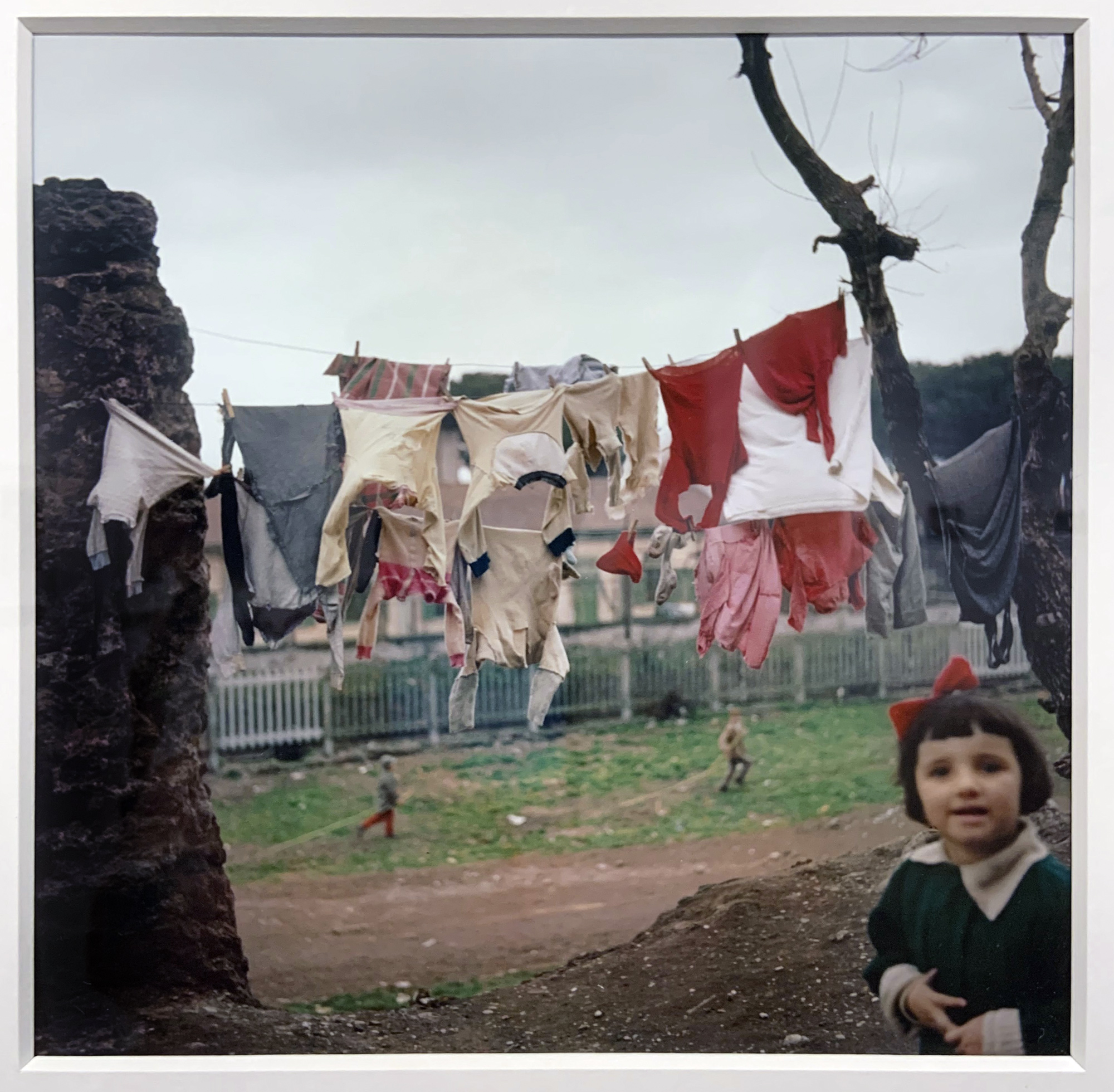
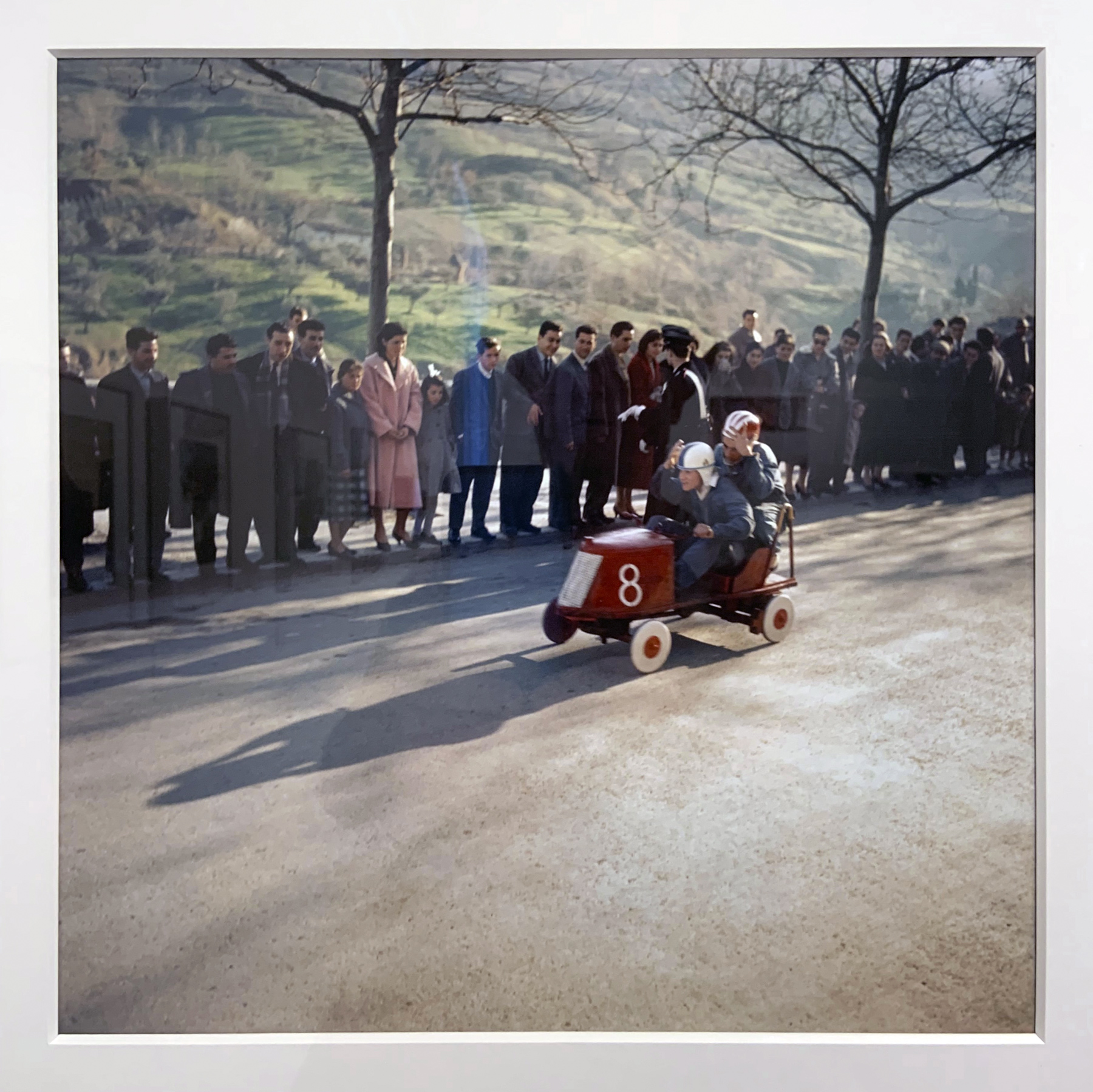
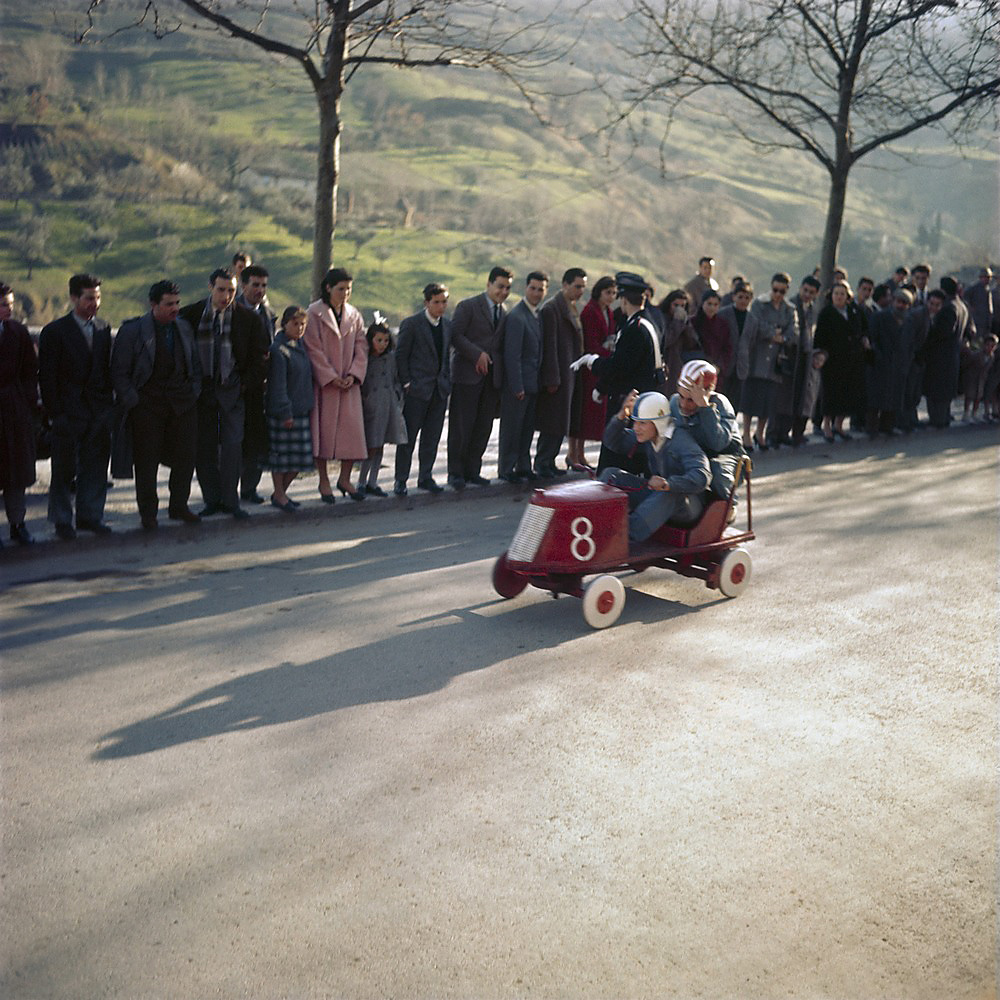
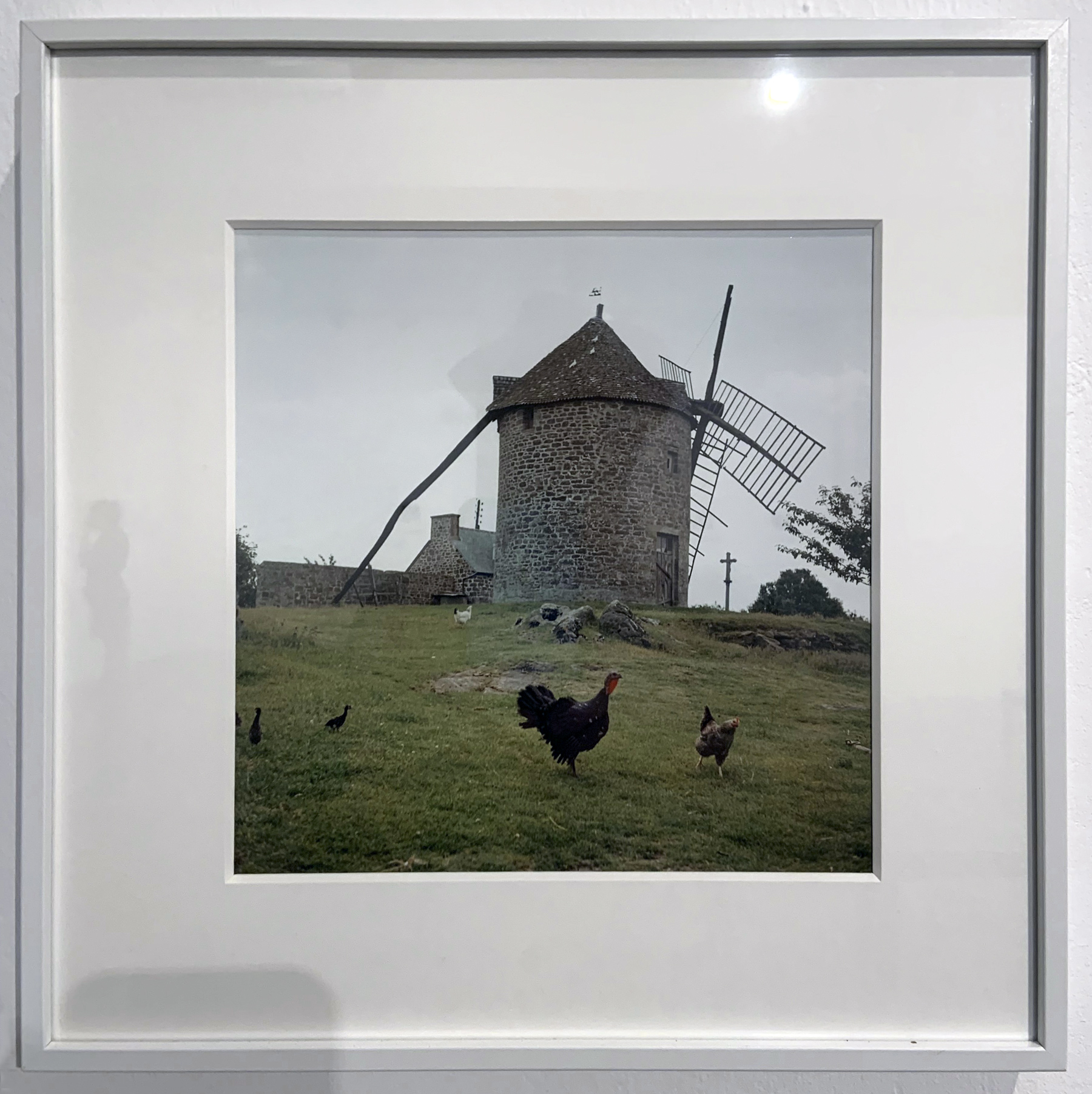
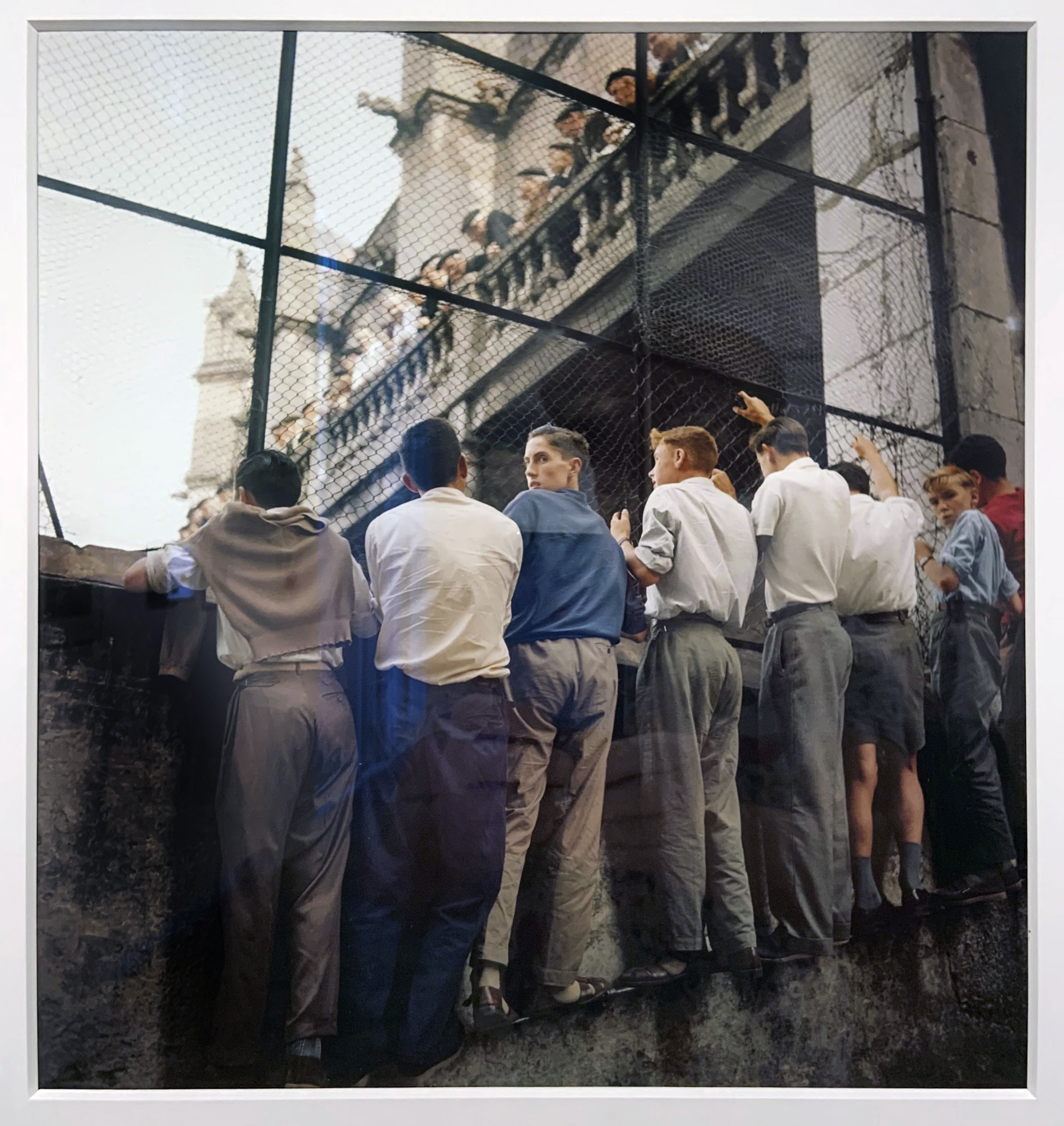
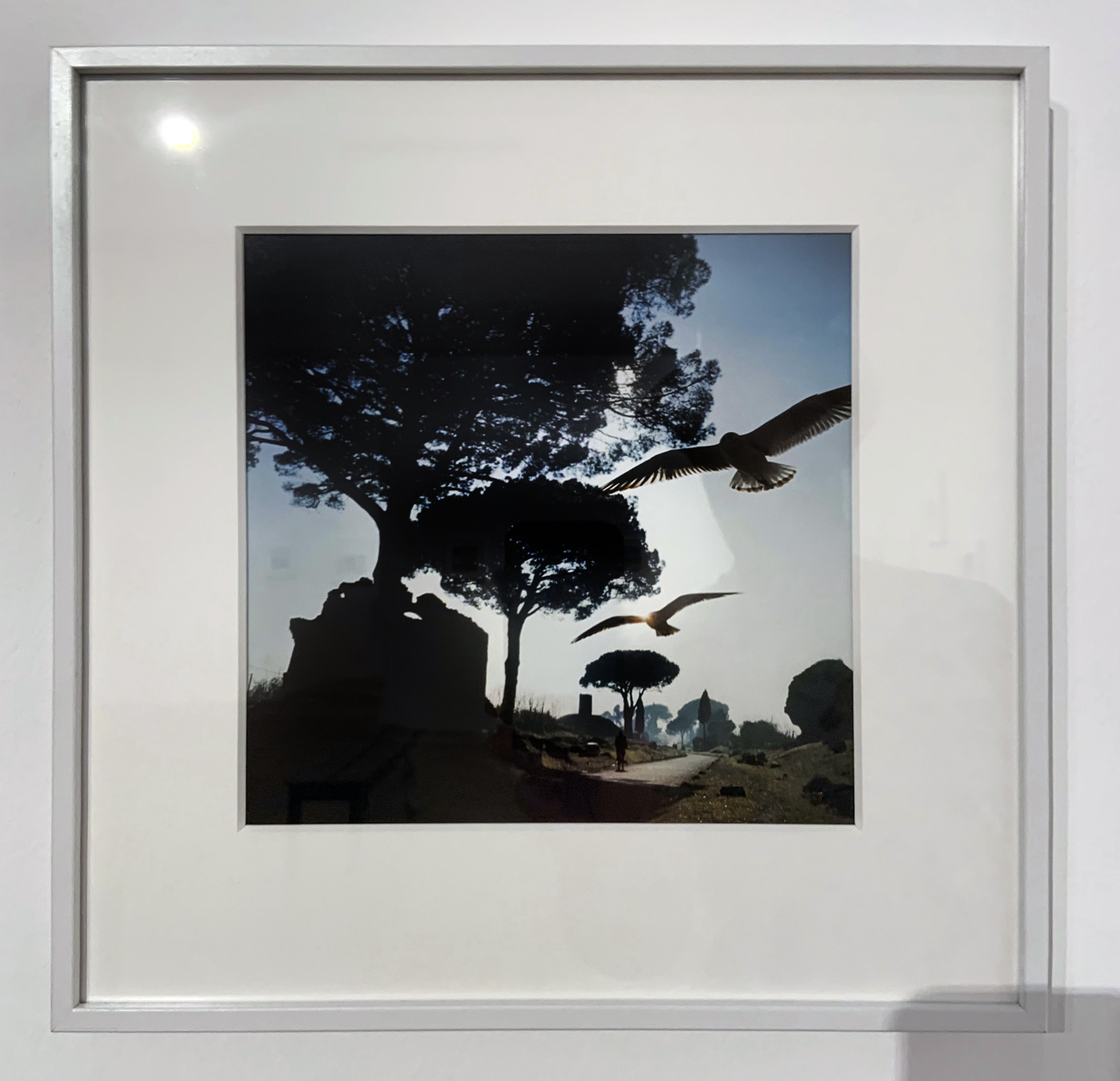
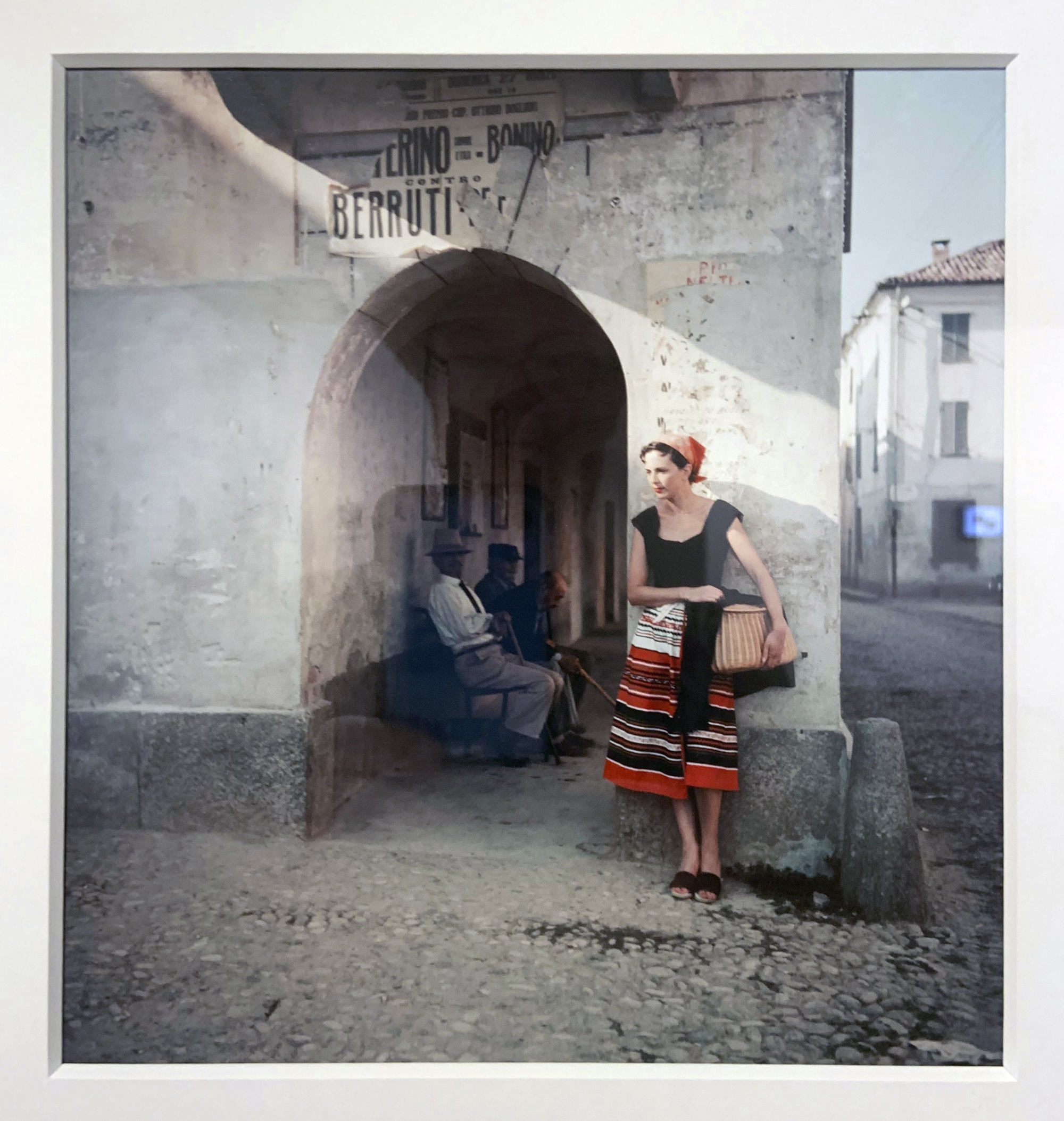
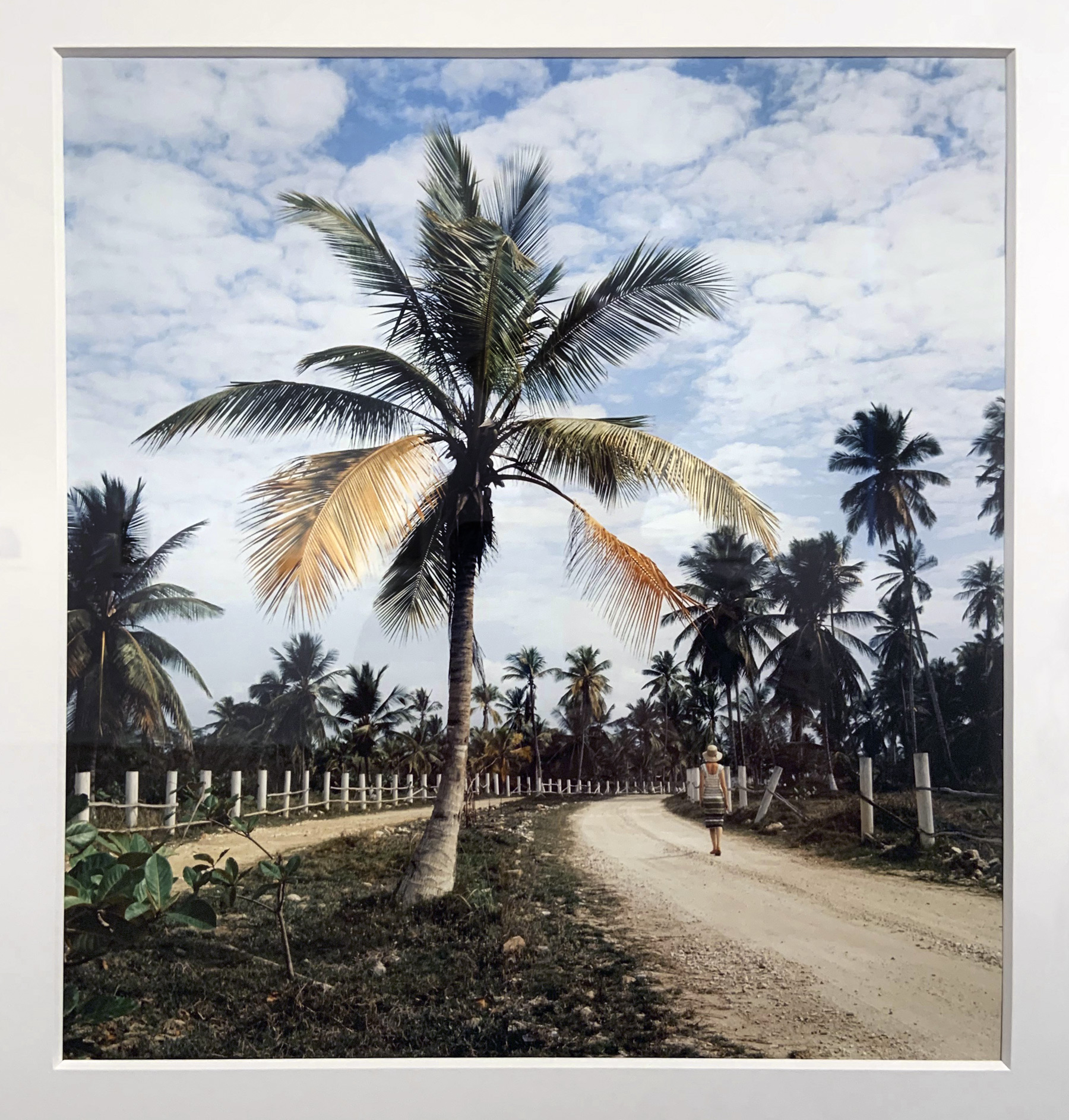
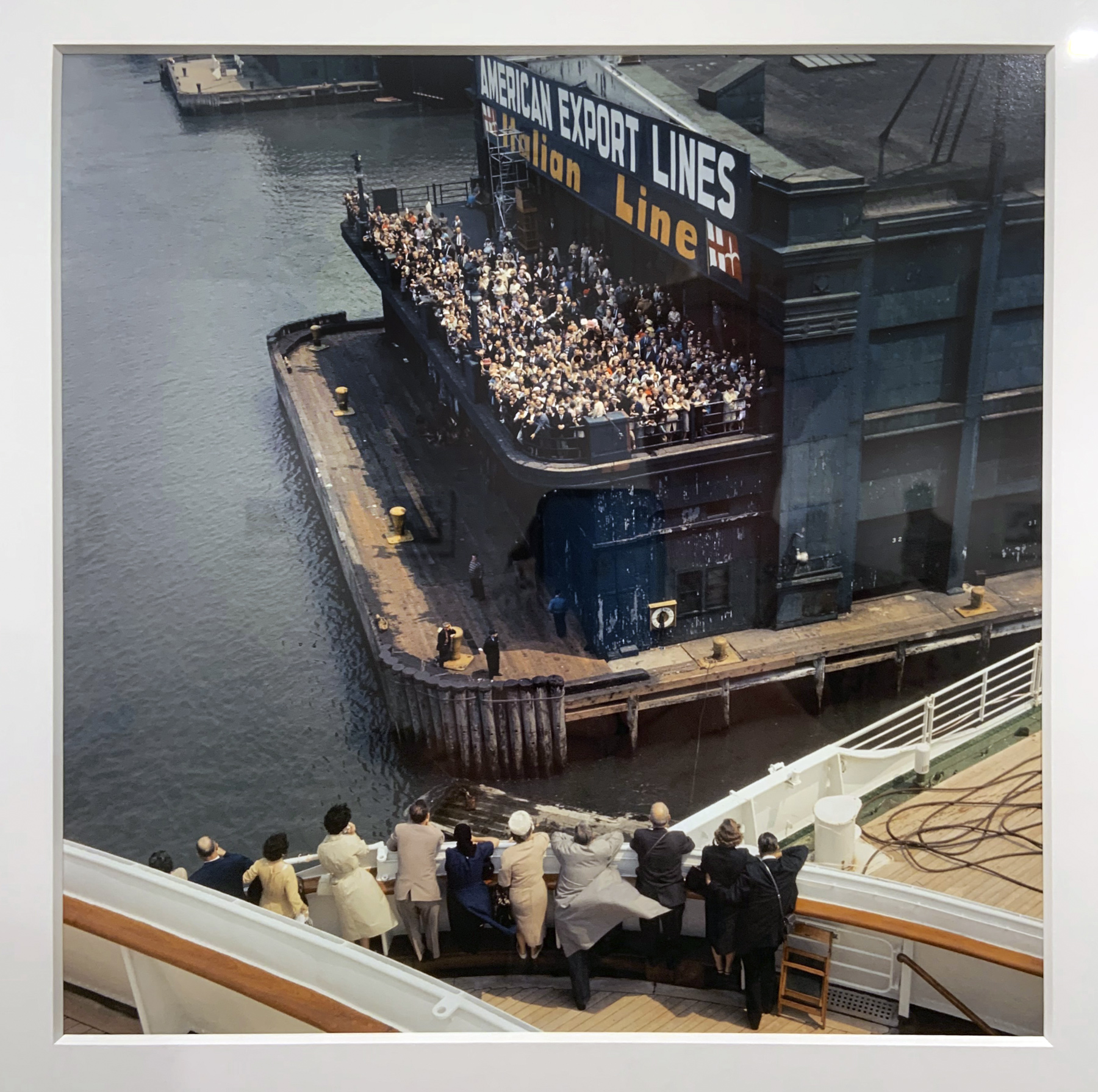
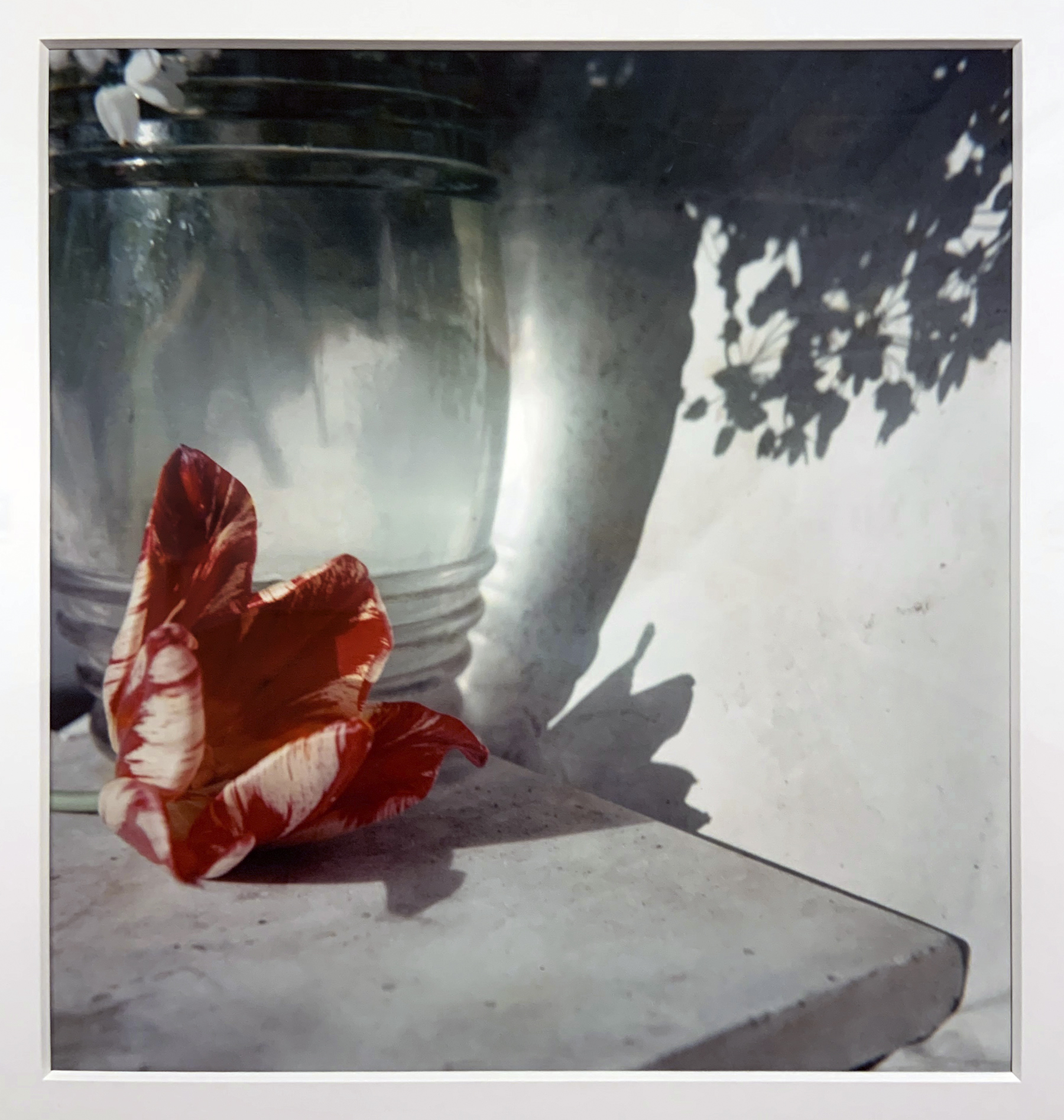
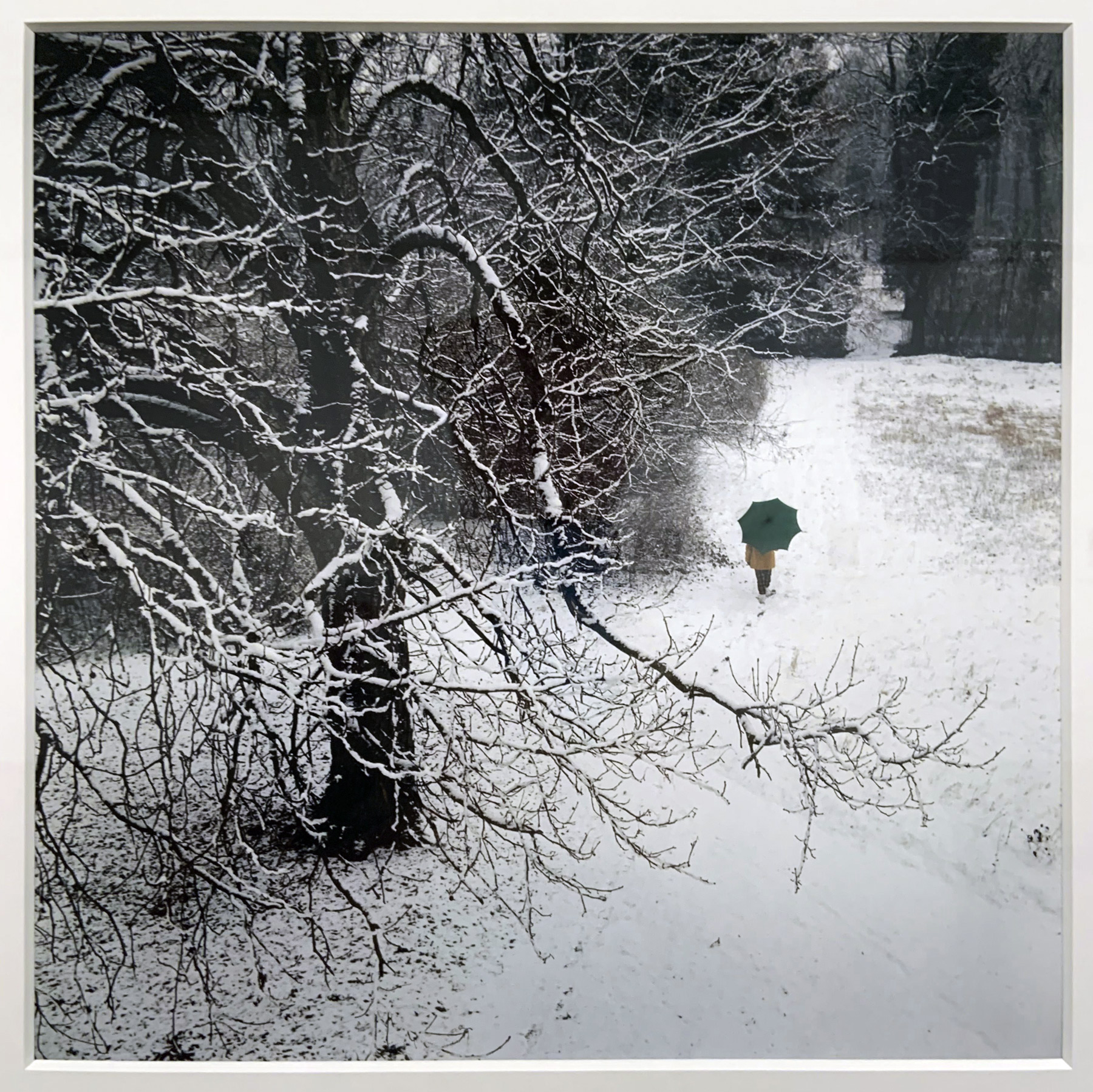
What struck me most was Lartigue’s restrained use of colour. Mainly family portraits and landscapes, these photographs integrate a reduced colour palette with the line and form of the image. Subtle yet dynamic, the whimsical and poetic Ektachrome photographs were a revelation. You could say that there is seemingly nothing unusual about any of these photographs but just look – look at the light that radiates across Florette in Venice, the donkey and the washing, the green umbrella and tree laden with snow or the boys looking around to stare at the camera – and there is, indeed, something uncanny in the everyday. Just to see those two birds flying towards you in The Appian Way, Rome, Italy, January 1960 and to raise your camera to capture them mid-flight perfectly framed between the trees – what a moment!
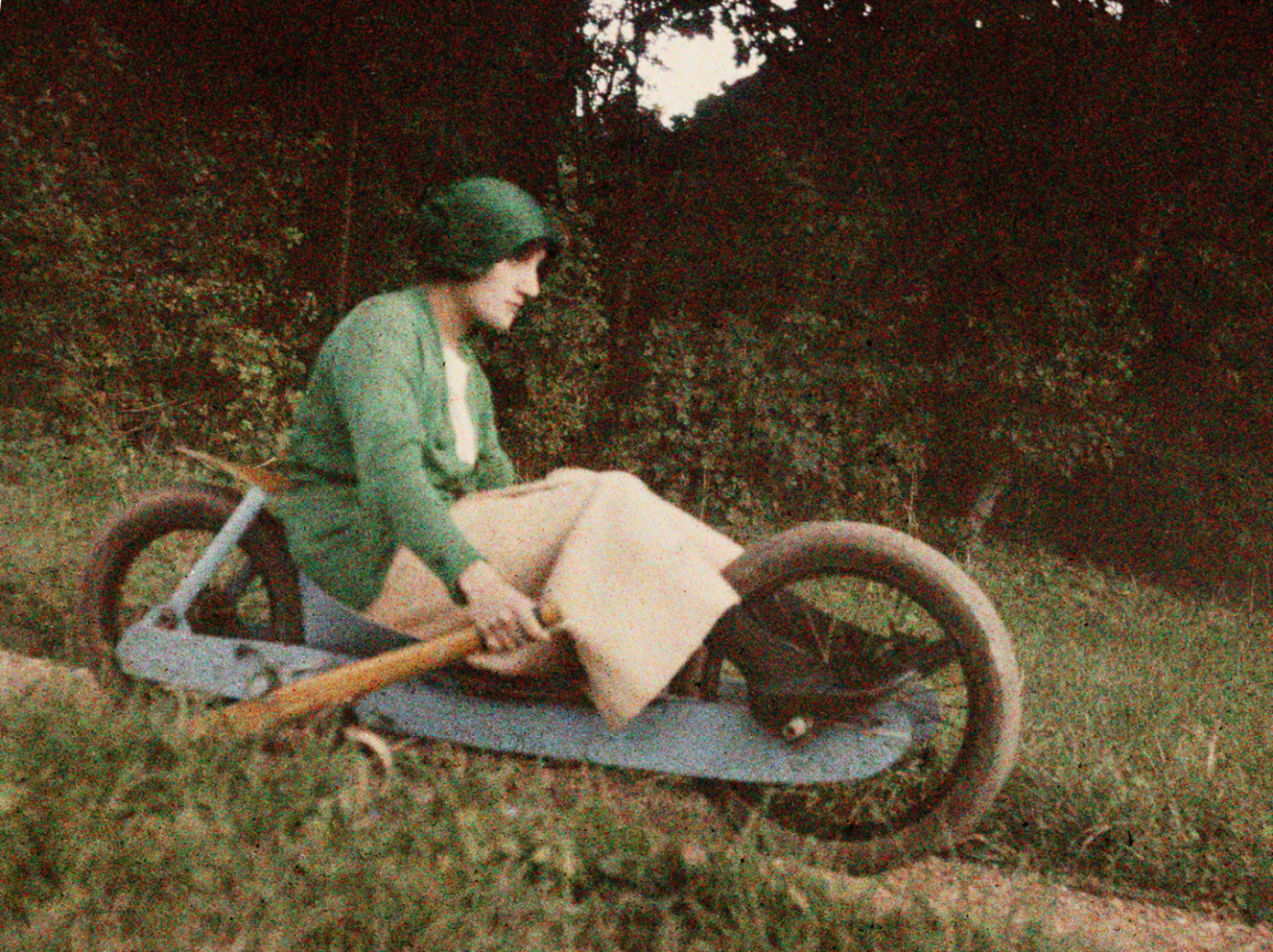
While the original transparencies have faded, digital technology and restoration allows us to see them in all their glory: sometimes low depth of field, but always with a strong visual structure, these photographs form a holistic feeling as a body of images, a portrait of life in colour. Lartigue’s sense of fun is also evident in many images. There is no sense of the ego of the photographer in any of these images… they are, just so. Considered, concise and in colour (which is unusual for this time period) they possess an inimitable joie de vivre. This posting also features Lartigue’s early Autochromes which were interesting but nowhere as important as his later Ektachromes.
With a careful eye for composition, colour, and geometry, Lartigue’s background (in which he saw everything with his painter’s eye) is clearly translated in the pictorial construction of these sublime photographs.
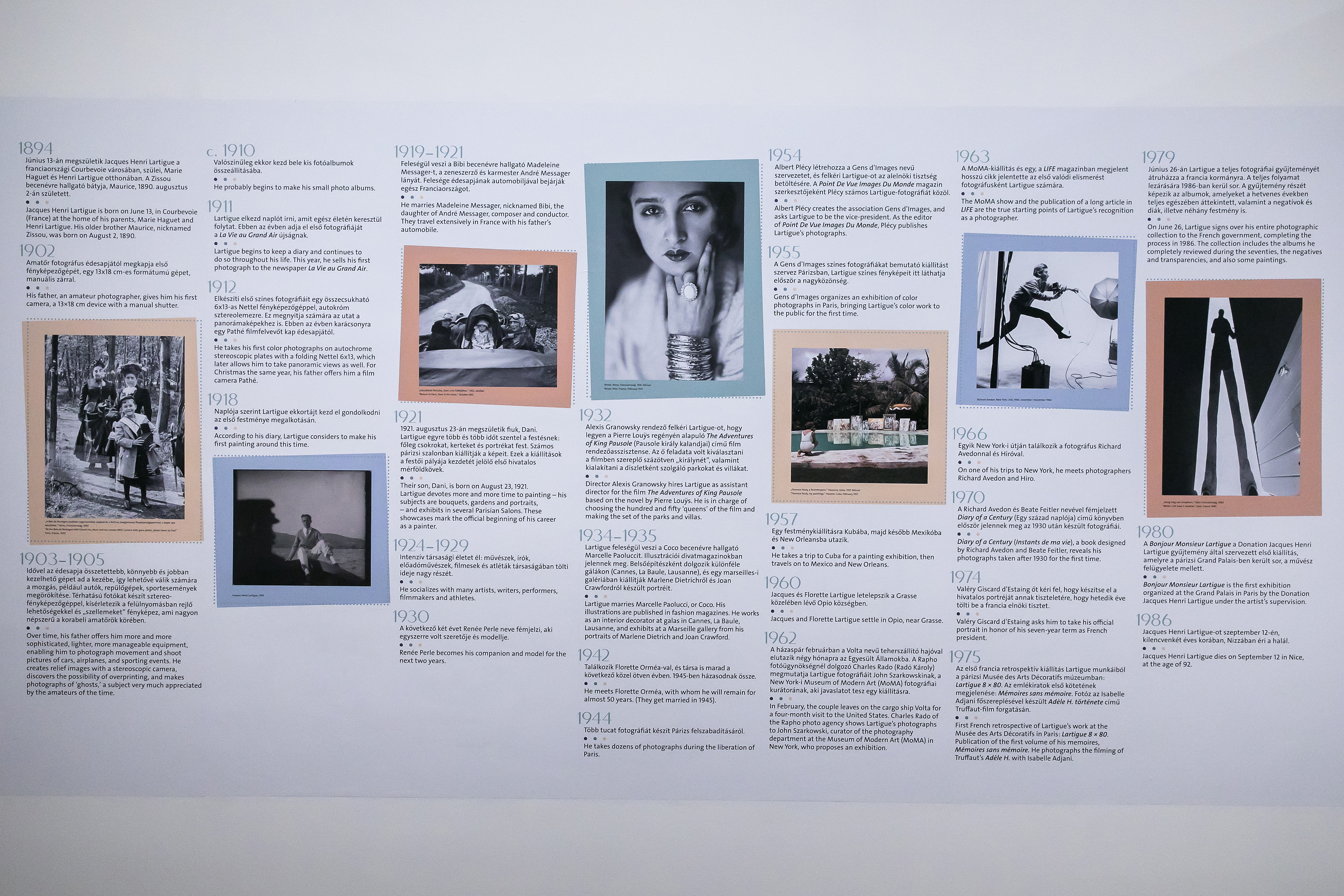
Jacques Henri Lartigue (1894-1986) was the best-known “amateur” in the history of photography, famously discovered by the art world and given an exhibition at MoMA in New York when he was in his late sixties. He began by recording the pastimes and customs of his wealthy Parisian milieu, indulging his fascination with sports and aviation, and throughout his long life he was never without his camera. His friendships extended to the superstars of French culture, but he also made thousands of photographs of his family, wives, and lovers. His work was irresistibly warm and engaging.
Although known for his black-and-white work, Lartigue loved colour film, experimenting with the Autochrome process in the teens and twenties and embracing Ektachrome in the late 1940s. His colour work, reproduced here for the first time, is astonishingly fresh: the French countryside, the women in his life, famous friends (Picasso, Fellini), and glimpses from his travels all come alive in this delightful book.
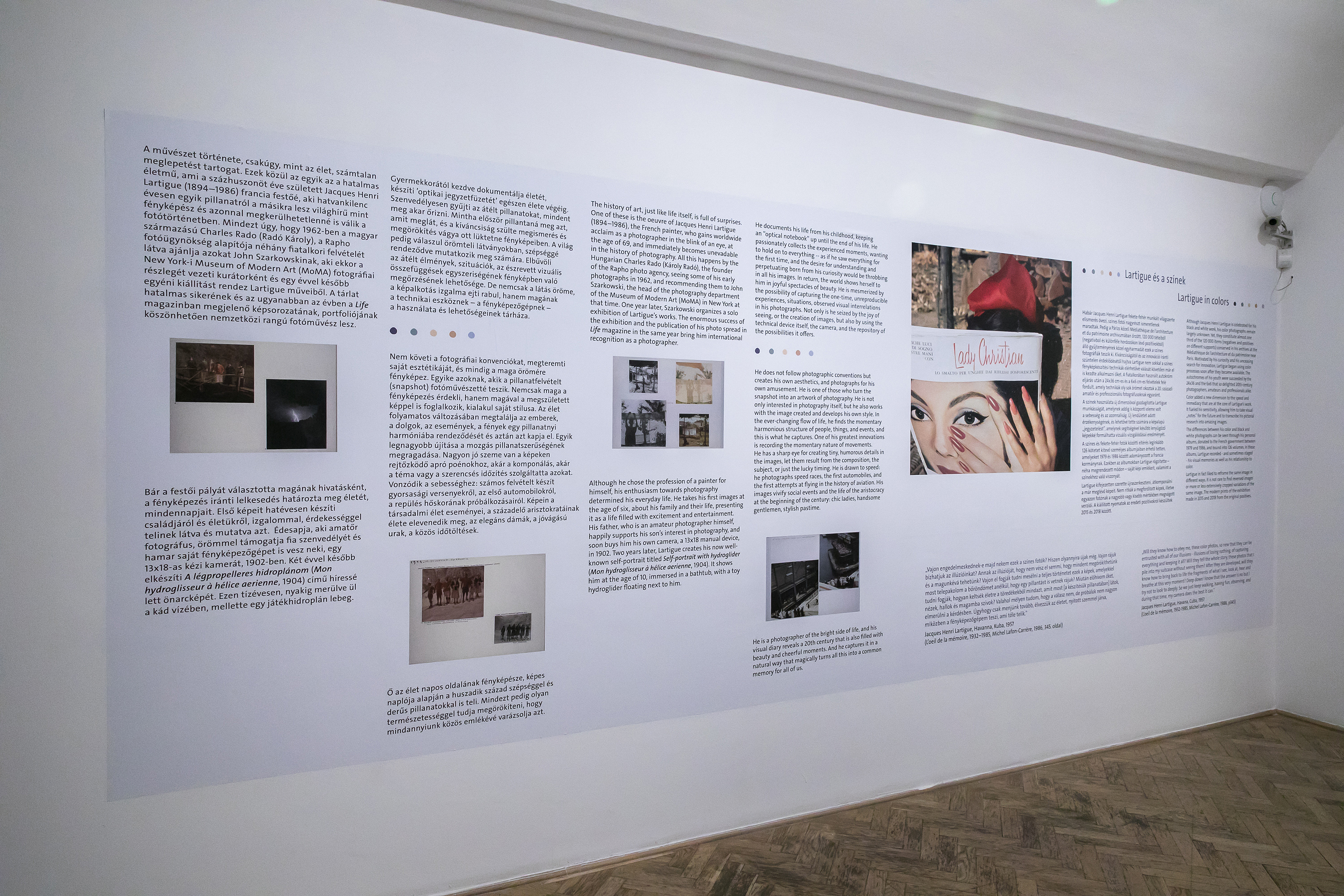
Installation views of the exhibition Lartigue: Life in Color at the Robert Capa Contemporary Photography Center, Budapest Photos: Marcus Bunyan
Jacques Henri Lartigue (French, 1894-1986) Around Pau (installation view) France, December 1912 Autochrome 6 x 13cm Photo: Marcus Bunyan
Jacques Henri Lartigue (French, 1894-1986) Mrs Folletête, Rico, me, Sim, Manik and Mummy (installation view) Rouzat, France, September 16, 1913 Automchrome, triggered 6 x 13cm Photo: Marcus Bunyan
Jacques Henri Lartigue (French, 1894-1986) M. Folletête and Henry Lartigue (installation view) La Baule, France, May 1915 Autochrome 6 x 13cm Photo: Marcus Bunyan
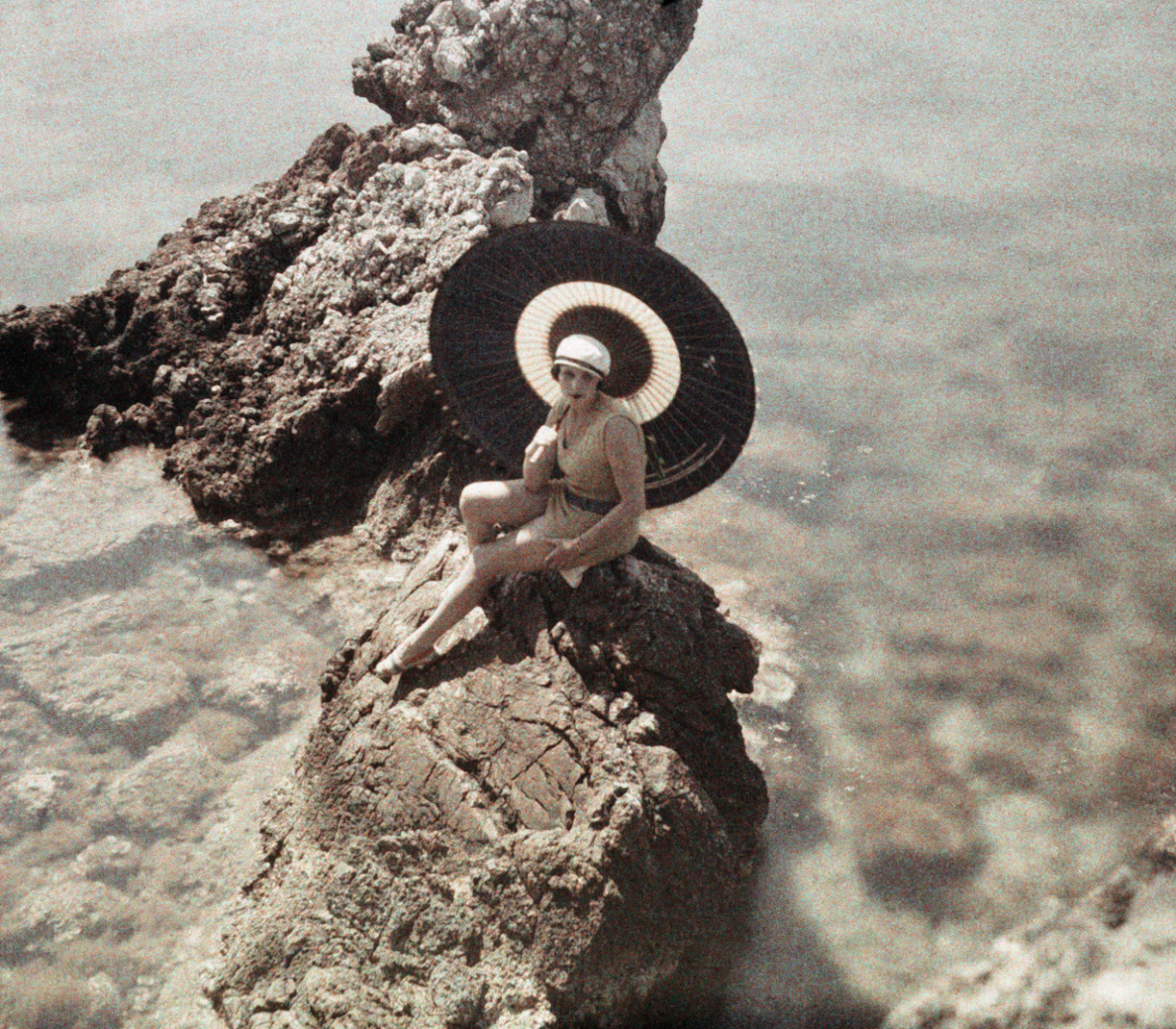
Jacques Henri Lartigue (French, 1894-1986) Bibi at the Château de la Garoupe (installation view) Cap d’Antibes, France, 1920 Autochrome 6 x 13cm Photo: Marcus Bunyan
Jacques Henri Lartigue (French, 1894-1986) Bibi (installation view) Cap d’Antibes, France, May 1920 Autochrome 6 x 13cm Photo: Marcus Bunyan
Jacques Henri Lartigue (French, 1894-1986) Bibi (installation view) Rouzat, France, 1920 Autochrome 6 x 13cm Photo: Marcus Bunyan
Jacques Henri Lartigue (French, 1894-1986) Bibi and Germaine Chalom (installation view) Cannes, France, 1927 Autochrome 6 x 13cm Photo: Marcus Bunyan
Lartigue’s autochromes comprise a colourful reunion with all our favourite characters. We recognise Lartigue’s older brother Zissou with his glider (1914), and his beloved cousin Simone in her (blue!) bobsled wearing a stylish green ensemble (1913). But the plane is no longer airborne. And Simone is keeping still not to ruin the picture, instead of crashing down a gravel road with her tongue out, like she would in sepia. Due to the long exposure time dictated by the autochrome, Lartigue’s relatives are stalled in their playful banter to accommodate the sluggishness of the early color process.
“Is this still Lartigue? Are we disfiguring an artist?” curator Martine Ravache asks in the accompanying exhibition catalogue Lartigue: Life in Color, recently published by Abrams. Apart from the occasional leaping dog or bobsled, the subject matter is often quaint, even sentimental. The colour prints display exactly the pictorial quality for which Lartigue’s black-and-white work had been deemed antithetical. This realisation, which is as fascinating as it is uncomfortable, is downplayed by presenting Lartigue as a painter at heart who proclaimed to “see everything with my painter’s eye.”
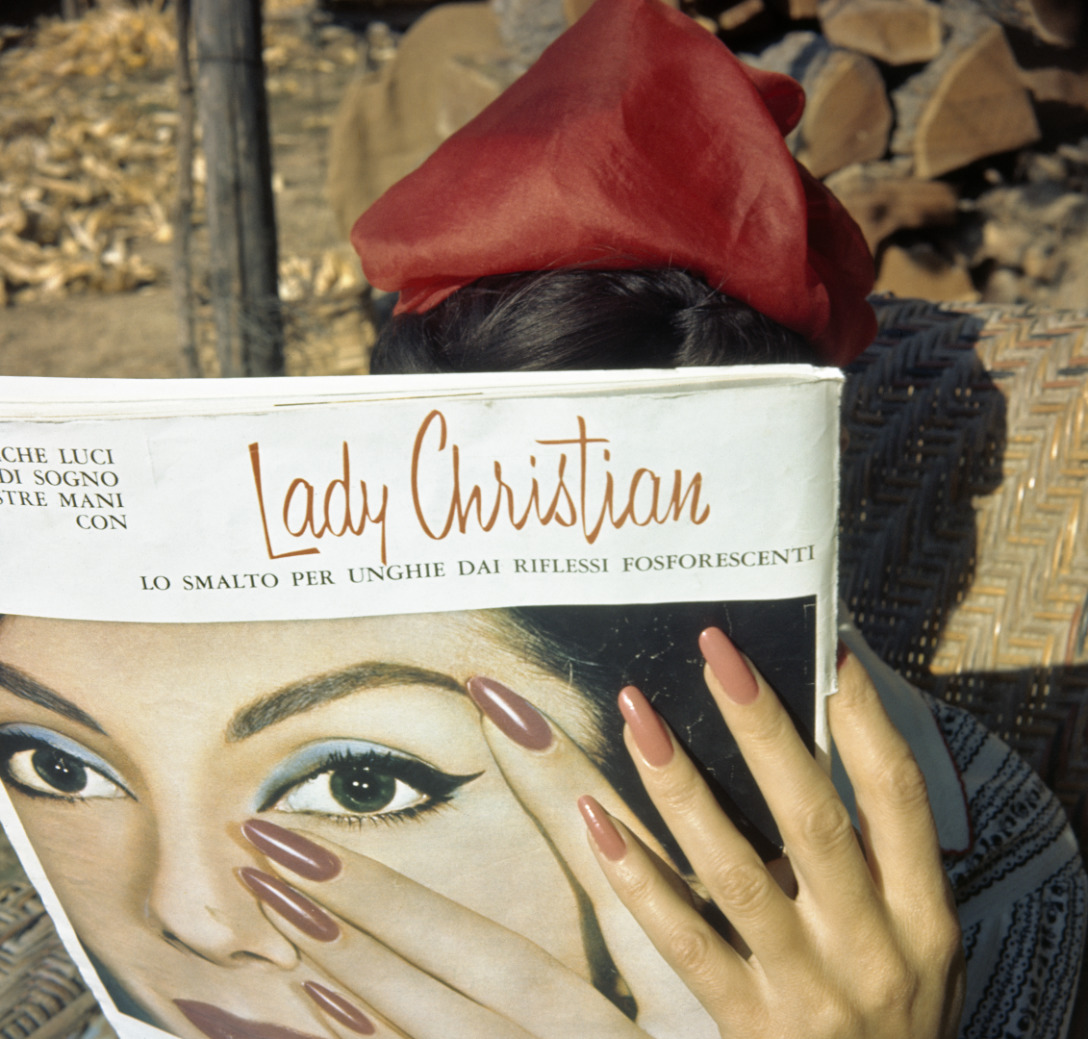
Yet the picturesque subject matter is not enough to undermine his status as the lovechild of modernity – on the contrary. From the pink pastel of Bibi’s dainty hands (1921) to the fiery red nails of Florette and her glossy magazine (1961), the prints testify to Lartigue’s eagerness to experiment with any new photographic process he could get his hands on. The colour work constitutes more than the diaristic musings of a man in love. Marcelle “Coco” Paolucci is conspicuous by her absence, a hiatus that speaks more to the stalled development of colour photography than disaffection for his second wife. Discouraged by the sluggishness of the autochrome process, Lartigue stopped photographing in colour in 1927. He did not start again until 1949, after two world wars and the development of Ektachrome film. …
Tracing the incremental disclosure of Lartigue’s albums since Szarkowski reveals the making of an artist through careful curation. And so the exhibition texts about Lartigue’s love for the seasons or his relationship with God sidestep the more uneasy subtext: the jerky trajectory of Lartigue’s colour photographs from the amateur album to the museum wall.
Hinde Haest is a photography curator based in Amsterdam.
Hinde Haest. “Lartigue: Life in Color,” on the Aperture website February 3rd, 2016 [Online] Cited 08/11/2019
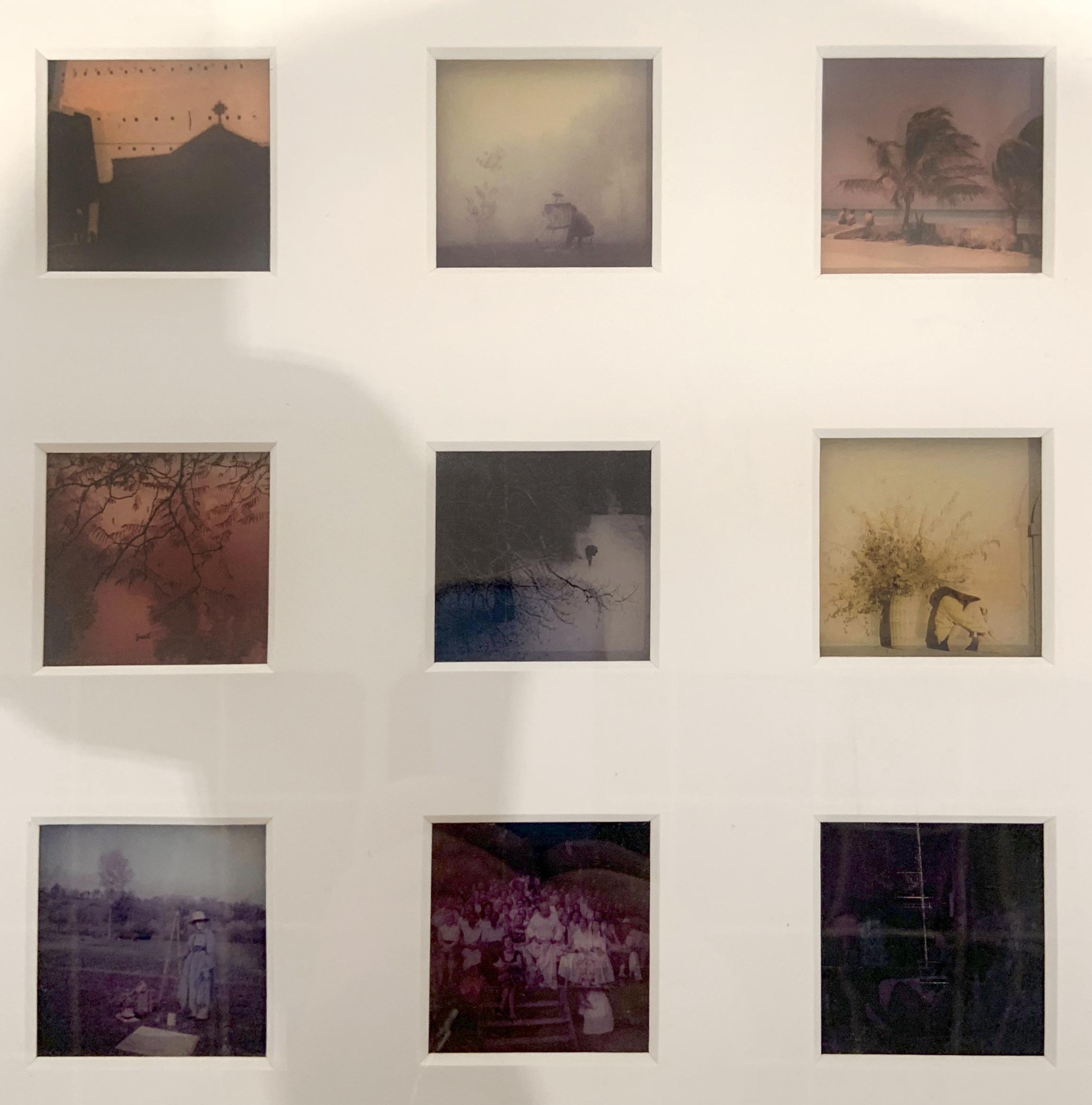
Installation view of the exhibition Lartigue: Life in Color at the Robert Capa Contemporary Photography Center, Budapest showing original Ektachrome transparencies Photo: Marcus Bunyan
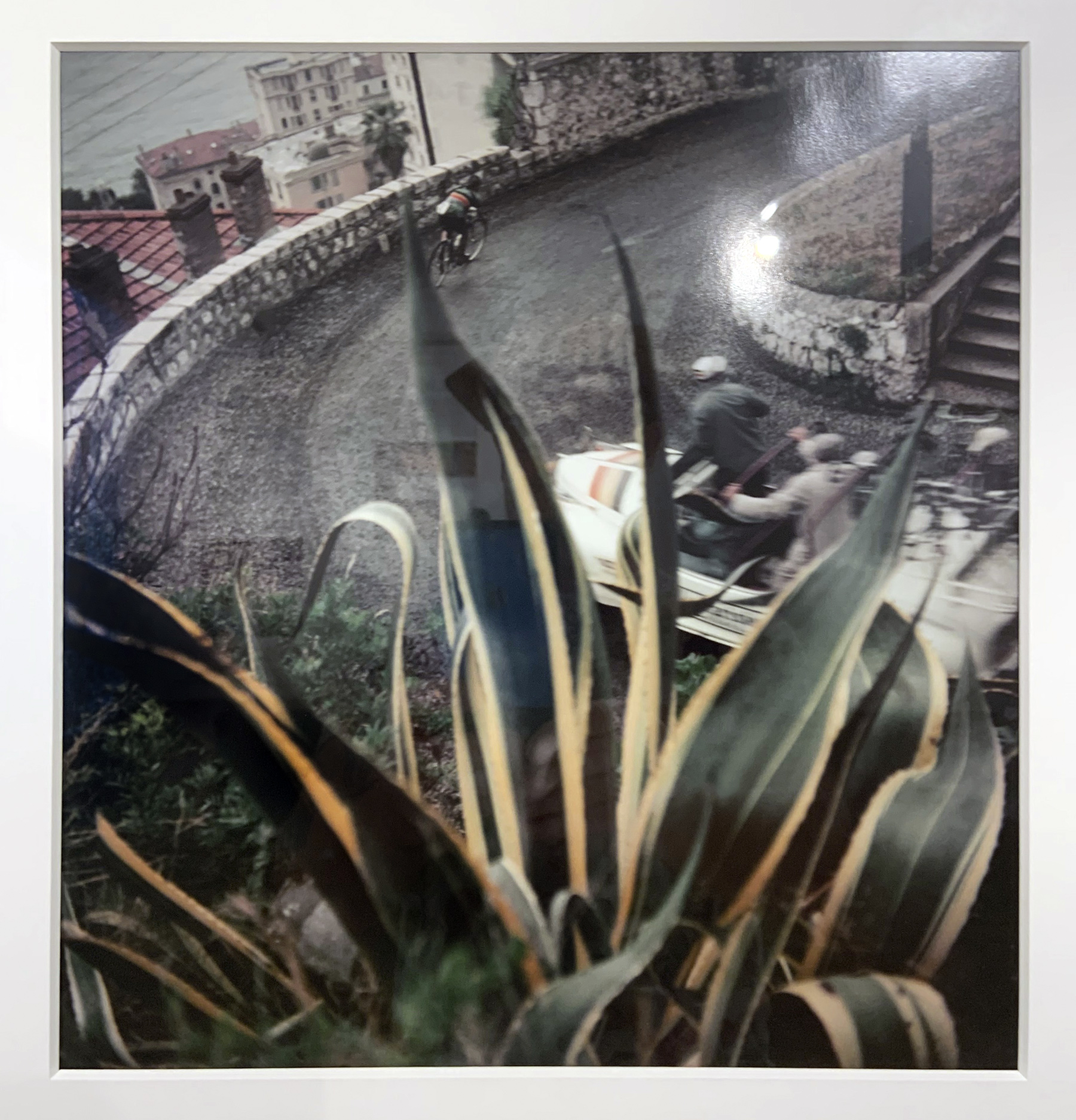
Jacques Henri Lartigue (French, 1894-1986) Cycling race between Nice-La Turbie (installation view) France, March 1954 Ektachrome 6 x 6cm Photo: Marcus Bunyan
Jacques Henri Lartigue (French, 1894-1986) Florette, Venice, May 1954 Ektachrome 6 x 6cm
Jacques Henri Lartigue (French, 1894-1986) Havanna, Cuba, 1957 Ektachrome 6 x 6cm
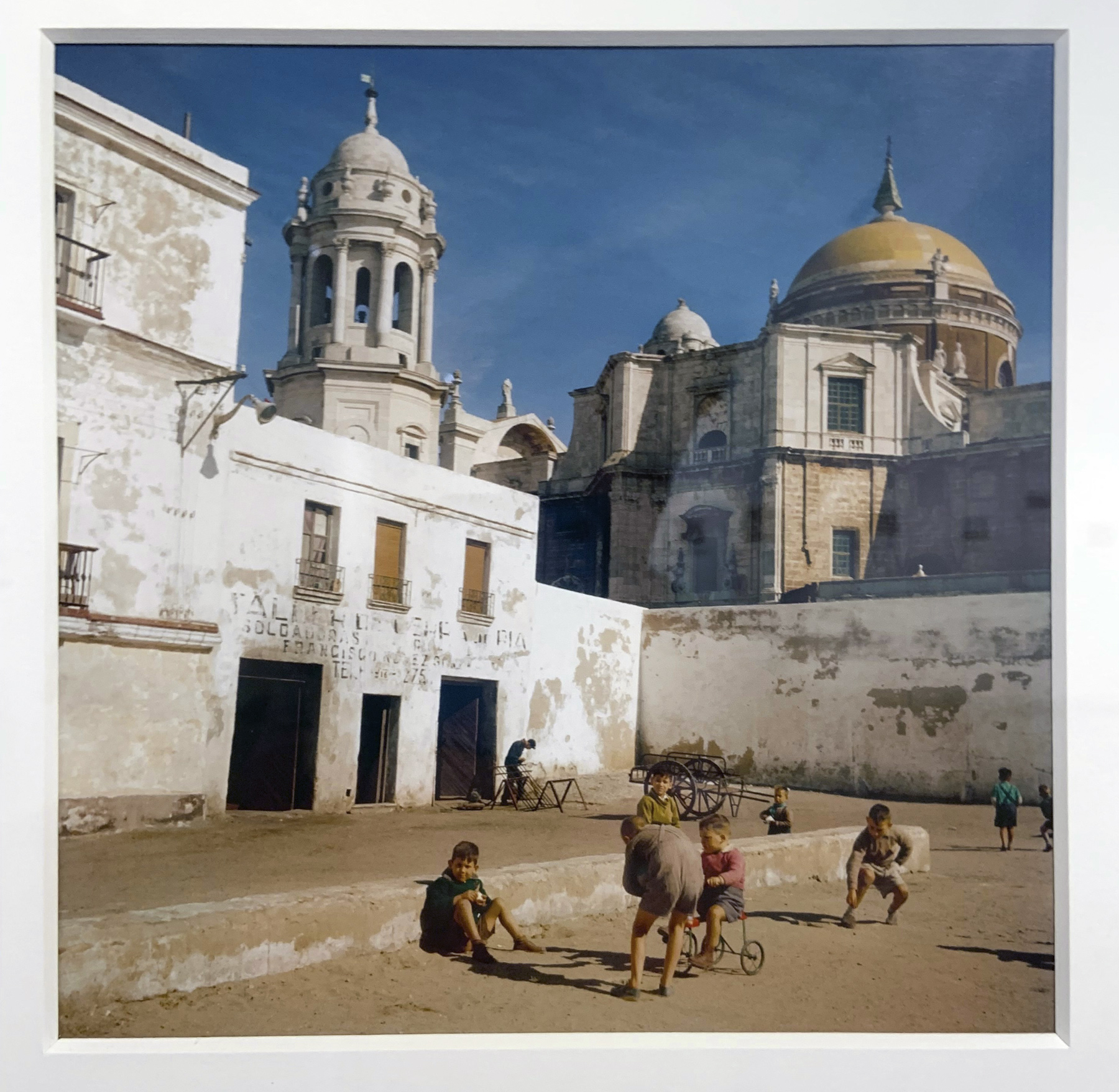
Jacques Henri Lartigue (French, 1894-1986) Cádiz, Spain, 1957 (during his trip to Cuba) (installation view) Ektachrome 6 x 6cm Photo: Marcus Bunyan
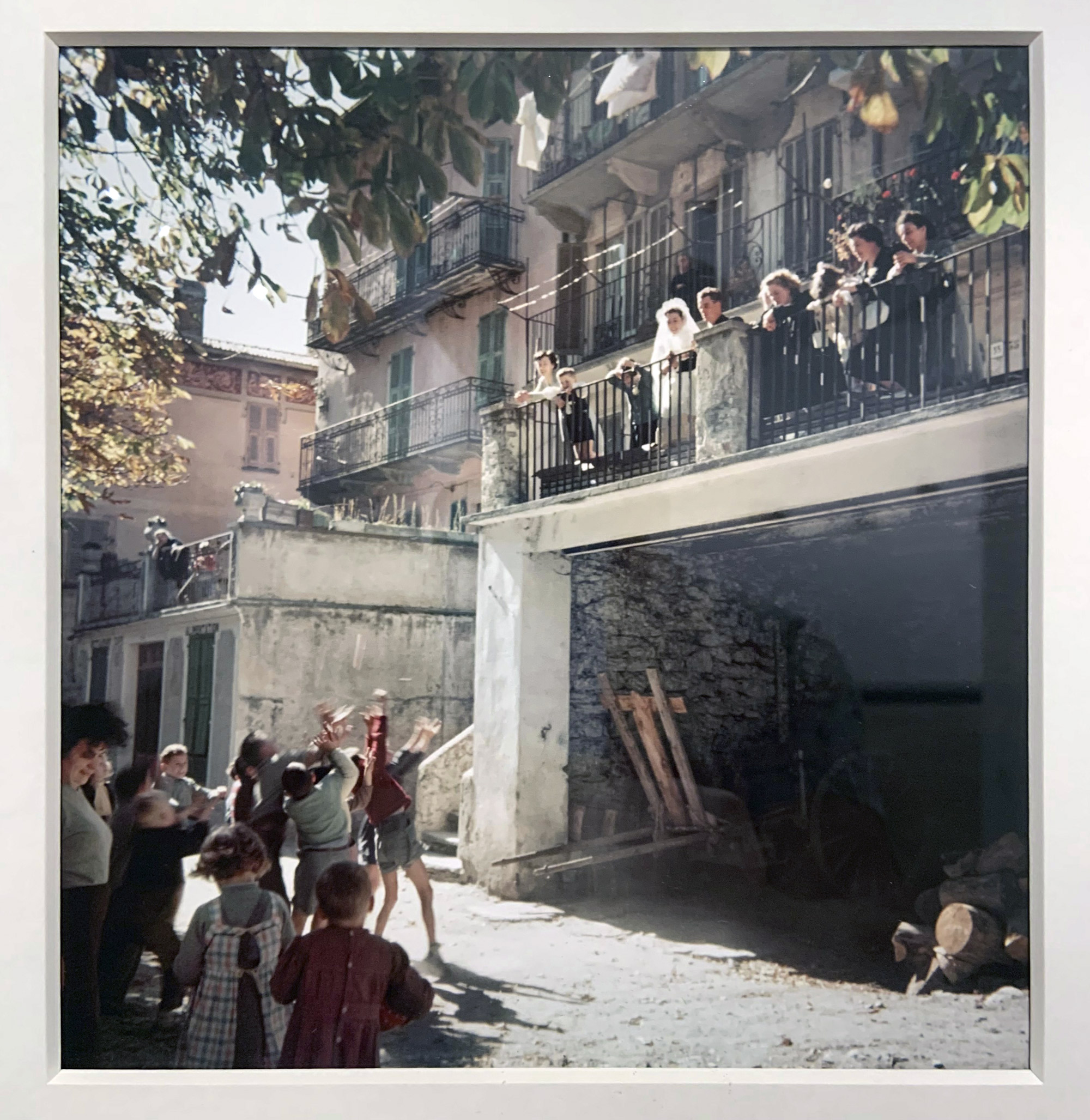
Jacques Henri Lartigue (French, 1894-1986) Saint-Dalmas de Tende, France, 1958 (installation view) Ektachrome 6 x 6cm Photo: Marcus Bunyan
Jacques Henri Lartigue (French, 1894-1986) Manfredonia, Italy, February 1958 (installation view) Ektachrome 6 x 6cm Photo: Marcus Bunyan
Jacques Henri Lartigue (French, 1894-1986) Via del Mandrione, Rome, Italy 1958 (installation view) Ektachrome 6 x 6cm Photo: Marcus Bunyan
Jacques Henri Lartigue (French, 1894-1986) Ascoli Piceno, Italy 1958 (installation view) Ektachrome 6 x 6cm Photo: Marcus Bunyan
Jacques Henri Lartigue (French, 1894-1986) Ascoli Piceno, Italy 1958 Ektachrome 6 x 6cm
Jacques Henri Lartigue (French, 1894-1986) Vendeé, France 1958 (installation view) Ektachrome 6 x 6cm Photo: Marcus Bunyan
Jacques Henri Lartigue (French, 1894-1986) San Sebastian, Spain, 1958 (installation view) Ektachrome 6 x 6cm Photo: Marcus Bunyan
One of the surprise-oeuvres of photography is that of the French painter Jacques Henri Lartigue (1894-1986), who was born 125 years ago. He became a world-renowned photographer at the age of 69, following his extremely successful solo exhibition showcased at the Museum of Modern Art (MoMA) in New York, immediately becoming unavoidable in the history of photography.
He was documenting his life from the age of 6, keeping an “optical notebook.” He is interested in everything, his curiosity knows no limits. He is mesmerised by the possibility of capturing the one-time, unreproducible experiences, situations, and the observed visual interrelations in his photographs. He is not only seized by the joy of seeing, or the creation of images, but also by using the technical device itself, the camera, and the vast repository of possibilities it offers.
His main subjects were the achievements of technical innovation, flying, car races, speed, social life, women, beauty, and traveling. He magically turned the small miracles of everyday life, the enchanting conjunctions of objects and lights into a common memory for all of us. He disregarded photographic conventions; he followed his heart when taking photographs, he enjoyed observation, photography, and life itself.
Lartigue is a photographer of the bright side of life, whose visual diary reveals a history of the 20th century filled with beauty and joyful moments.
His full photographic oeuvre consists of 120,000 negatives, glass plates, slides, moving pictures, and 126 photo albums with the accompanying texts.
The Life in Color exhibition showcases a selection of the colour images making up about one-third of the oeuvre, providing an overview of not only the most determining relationships he had, his journeys and his everyday life, but also his experimentation with the various techniques of colour photography.
Gabriella Csizek, curator
Text from the Robert Capa Contemporary Photography Center website [Online] Cited 09/11/2019
Jacques Henri Lartigue (French, 1894-1986) The Appian Way, Rome, Italy, January 1960 (installation view) Ektachrome 6 x 6cm Photo: Marcus Bunyan
Jacques Henri Lartigue (French, 1894-1986) Florette (installation view) Piozzo, Italy, 1960 Ektachrome 6 x 6cm Photo: Marcus Bunyan
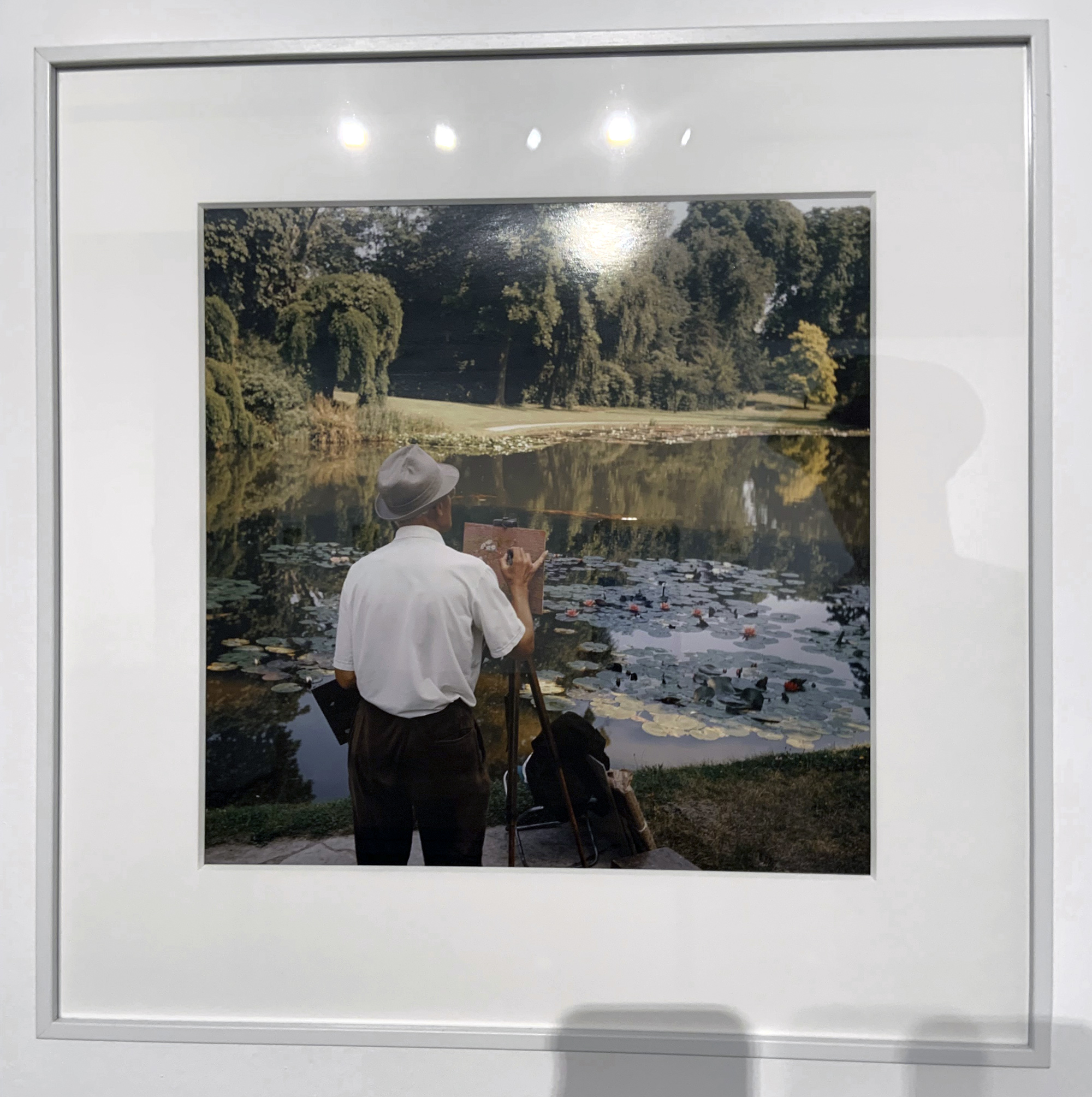
Jacques Henri Lartigue (French, 1894-1986) Park Bagatelle, Paris, France, June 1960 (installation view) Ektachrome 6 x 6cm Photo: Marcus Bunyan
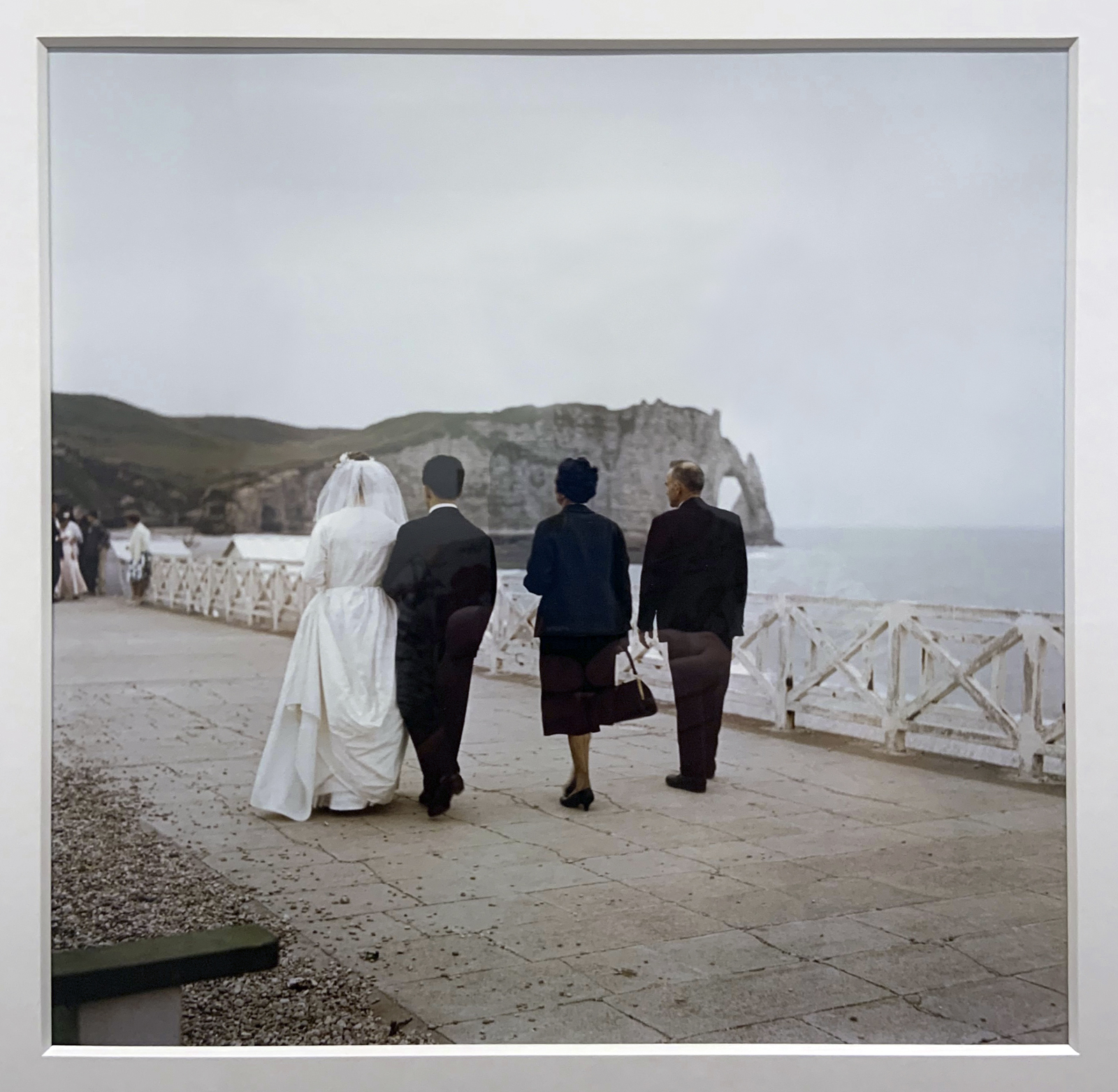
Jacques Henri Lartigue (French, 1894-1986) Étretat, France, June 1960 (installation view) Ektachrome 6 x 6cm Photo: Marcus Bunyan
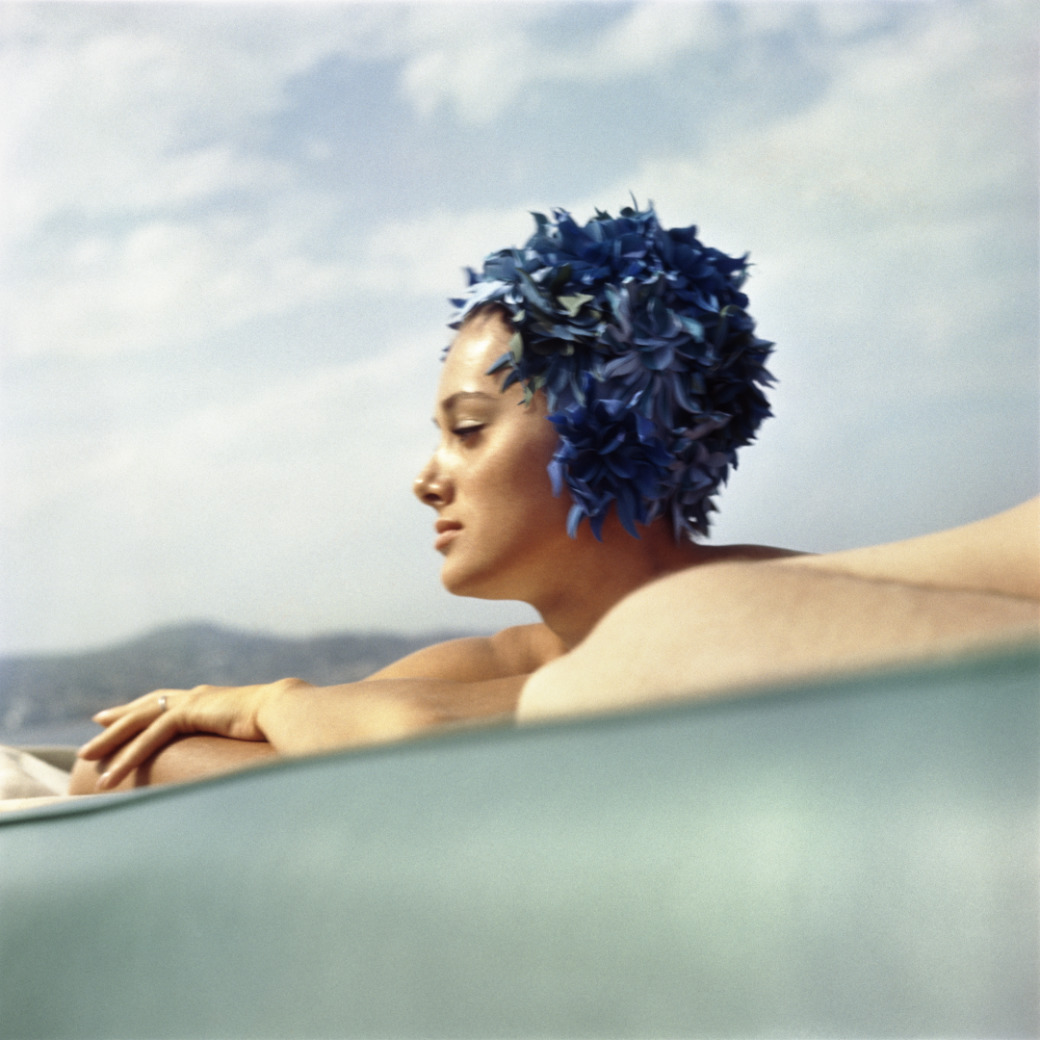
Jacques Henri Lartigue (French, 1894-1986) Sylvana Empain, Juan-les-Pins France, 1960 Ektachrome 6 x 6cm
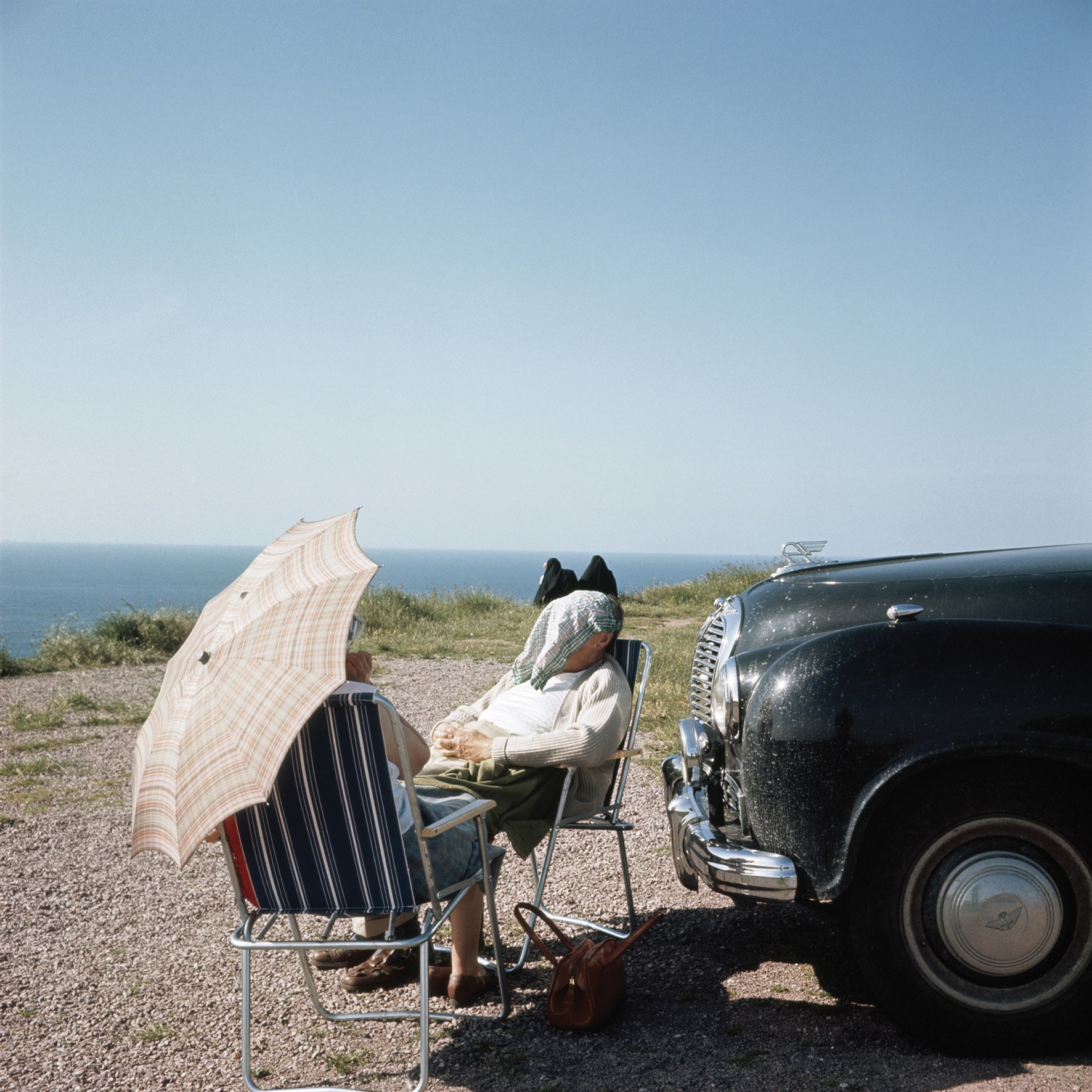
Jacques Henri Lartigue (French, 1894-1986) Brittany, 1960 Ektachrome 6 x 6cm
Driven by his curiosity and his perpetual search for innovation, Lartigue adopts colour processes shortly after their commercialisation. The Kodachromes (24 x 36) and the Ektachromes (6 x 6) followed the autochromes of its beginnings (dated 1912), which delighted 20th century photographers, both amateurs and professionals. Colour therefore adds a new dimension to the speed and immediacy that are at the heart of Lartigue’s work. His painter’s eye finds in this practice, which allows him to take visual “notes” to rework afterwards, a formidable transcription of his pictorial research.
His predilection goes to the subjects of his immediate environment: his life within his family, his games at the castle of Rouzat, sports of all kinds. Fascinated by nature as a whole, and particularly by flowers, the artist continually fixes its changing nuances, both on canvas and on film. This obsession is also found in the repetition of the views from his window in Opio (Alpes-Maritimes), and in the many images of Florette, his wife for forty years.
Little by little, Lartigue opens himself to other subjects, applying himself to testify to the daily life of the privileged and the more popular classes. This coincided with a period of openness to the world: from 1955, Lartigue multiplied his travels, discovering new landscapes and confronting the unknown. Leaving the seaside resorts where he used to spend his holidays (Basque Country, French Riviera or Normandy), it is Italy, Venezuela, Mexico and Cuba which are photographed in turn in black and white and in colors by Jacques Henri Lartigue.
Extract from the press release from the Musée de l’Elysée
Jacques Henri Lartigue (French, 1894-1986) Florette’s hands, Brie-le-Néflier France, June 1961 Ektachrome 6 x 6cm
Jacques Henri Lartigue (French, 1894-1986) Puerto Cabello, Venezuela, February 1962 (installation view) Ektachrome 6 x 6cm Photo: Marcus Bunyan
Jacques Henri Lartigue (French, 1894-1986) On board the Christoforo Colombo during the New York-Cannes trip (installation view) May 1962 Ektachrome 6 x 6cm Photo: Marcus Bunyan
Jacques Henri Lartigue (French, 1894-1986) Opio, France, 1963 (installation view) Ektachrome 6 x 6cm Photo: Marcus Bunyan
Jacques Henri Lartigue (French, 1894-1986) Florette (installation view) 1964 Ektachrome 6 x 6cm Photo: Marcus Bunyan
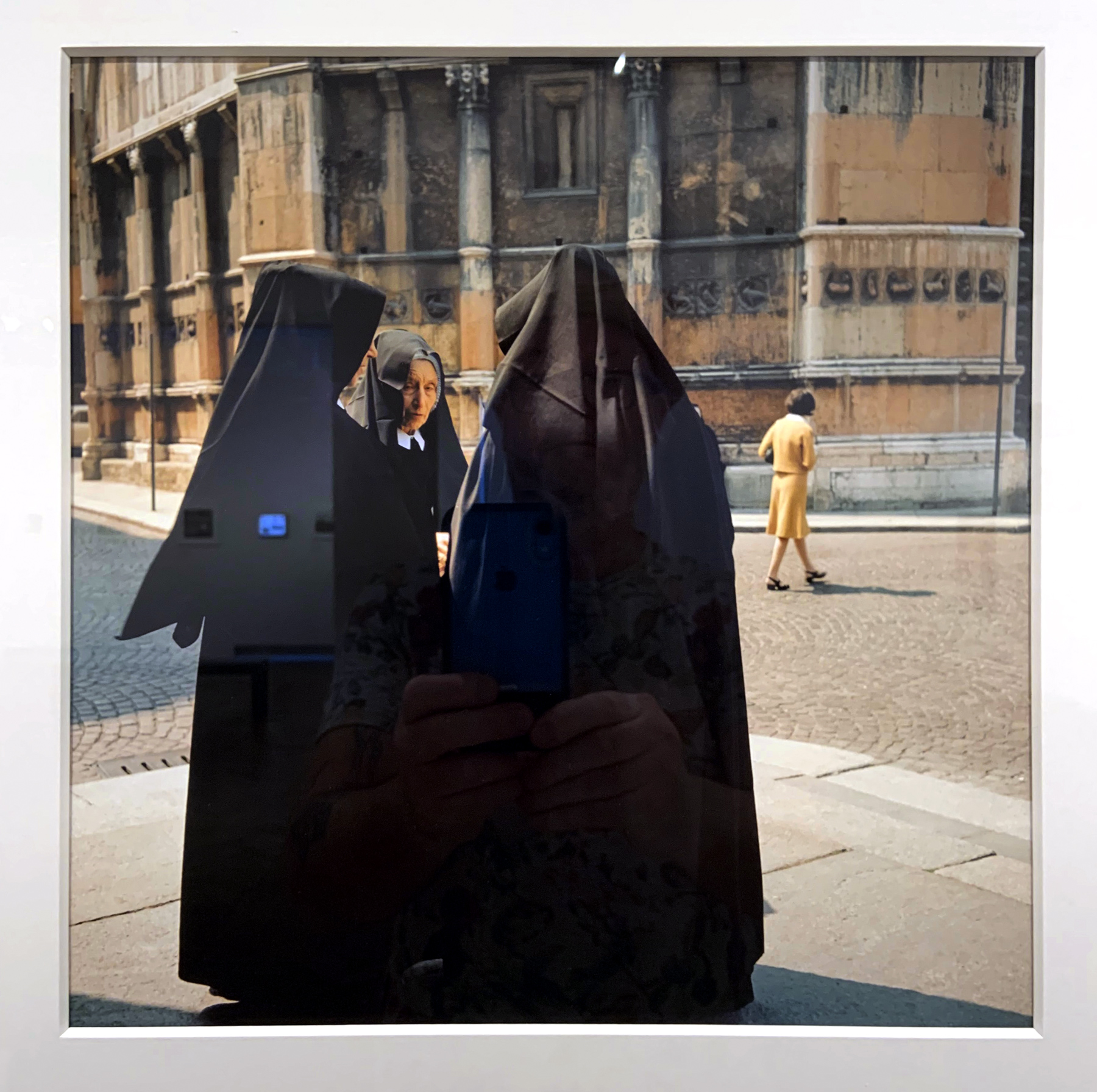
Jacques Henri Lartigue (French, 1894-1986) Parma, Italy 1965 (installation view) Ektachrome 6 x 6cm Photo: Marcus Bunyan
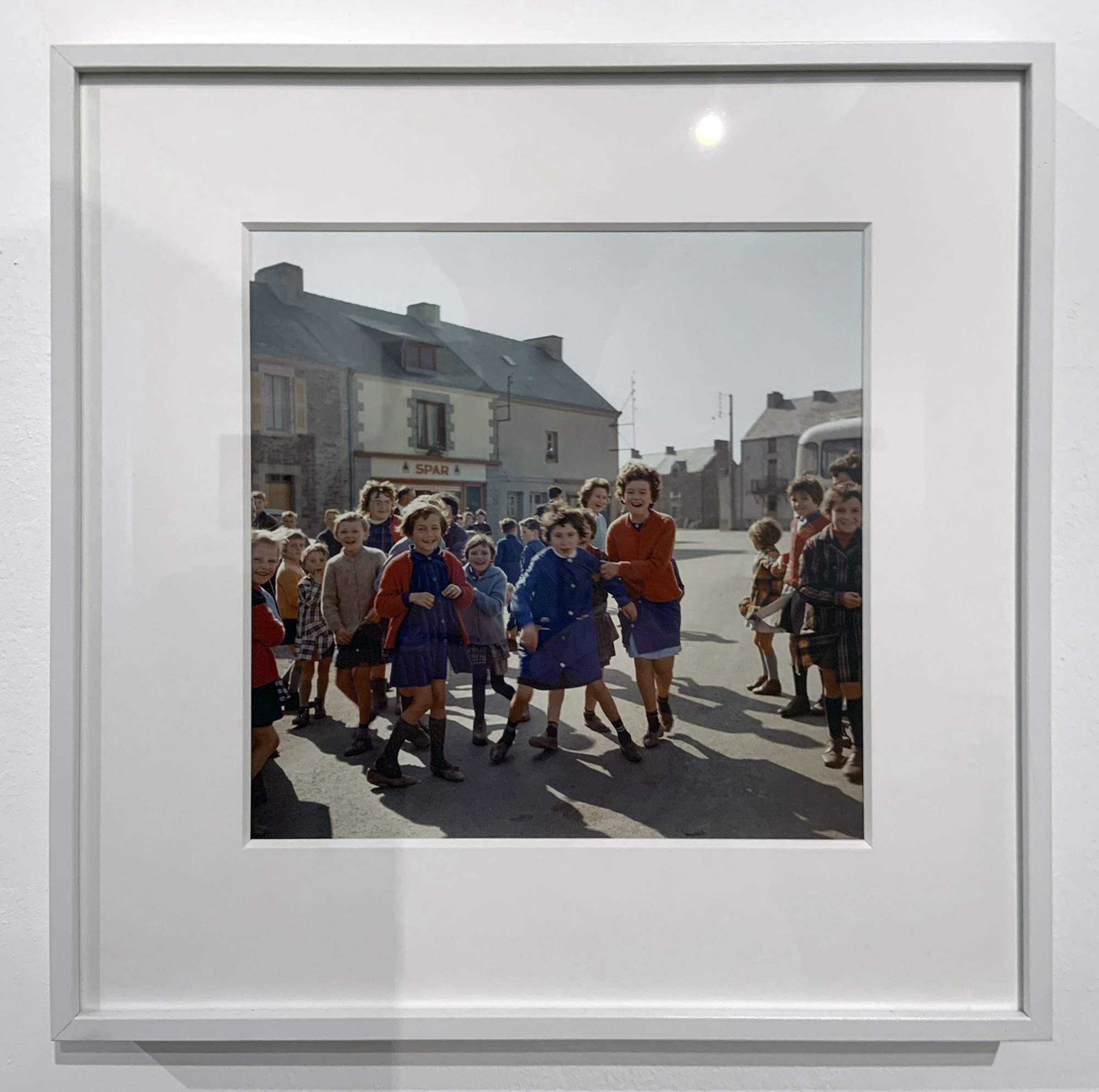
Jacques Henri Lartigue (French, 1894-1986) Bretagne, France, 1965 (installation view) Ektachrome 6 x 6cm Photo: Marcus Bunyan
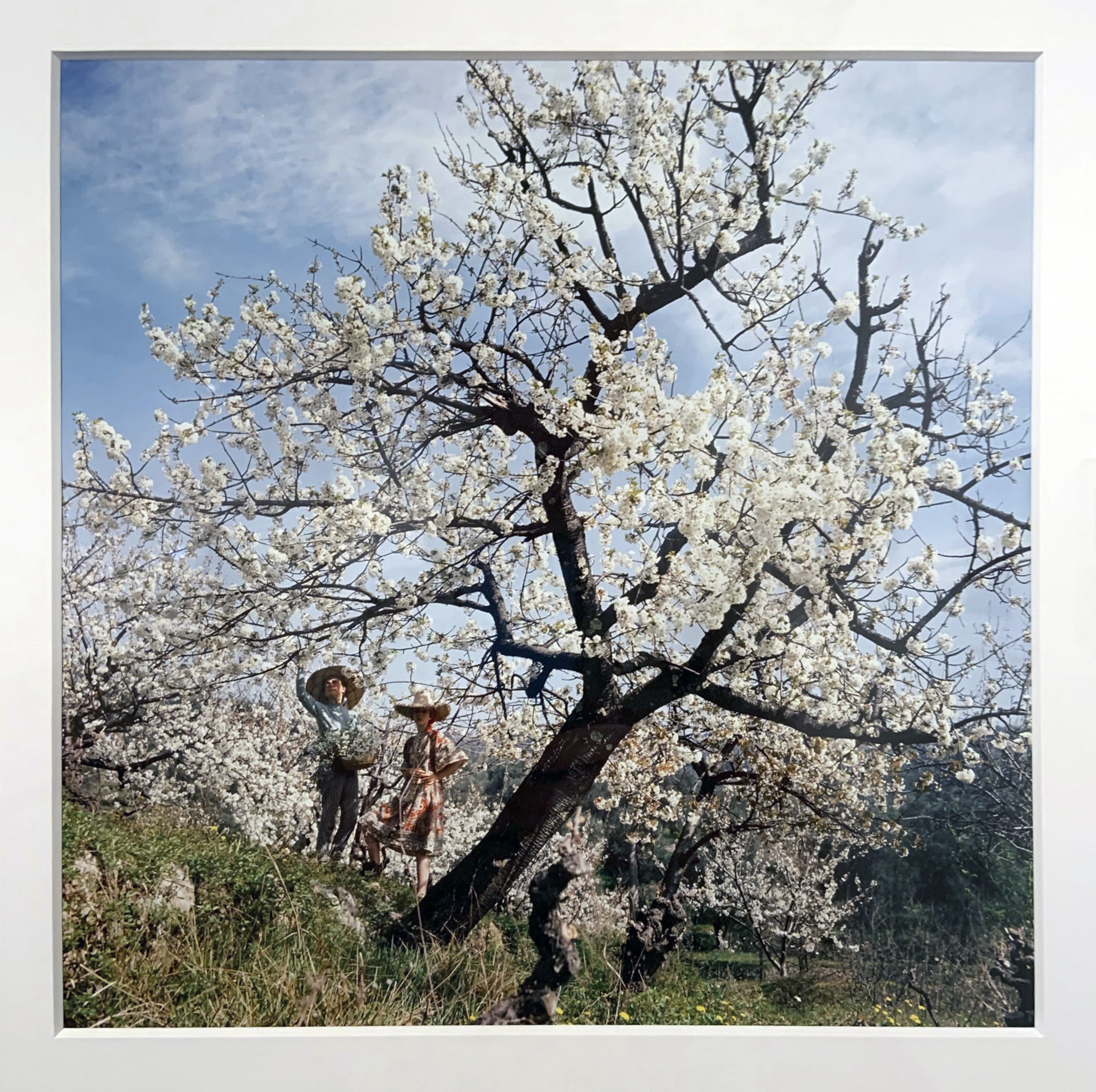
Jacques Henri Lartigue (French, 1894-1986) Florette and Stéphanie (installation view) Opio, France, Spring 1964 Ektachrome 6 x 6cm Photo: Marcus Bunyan
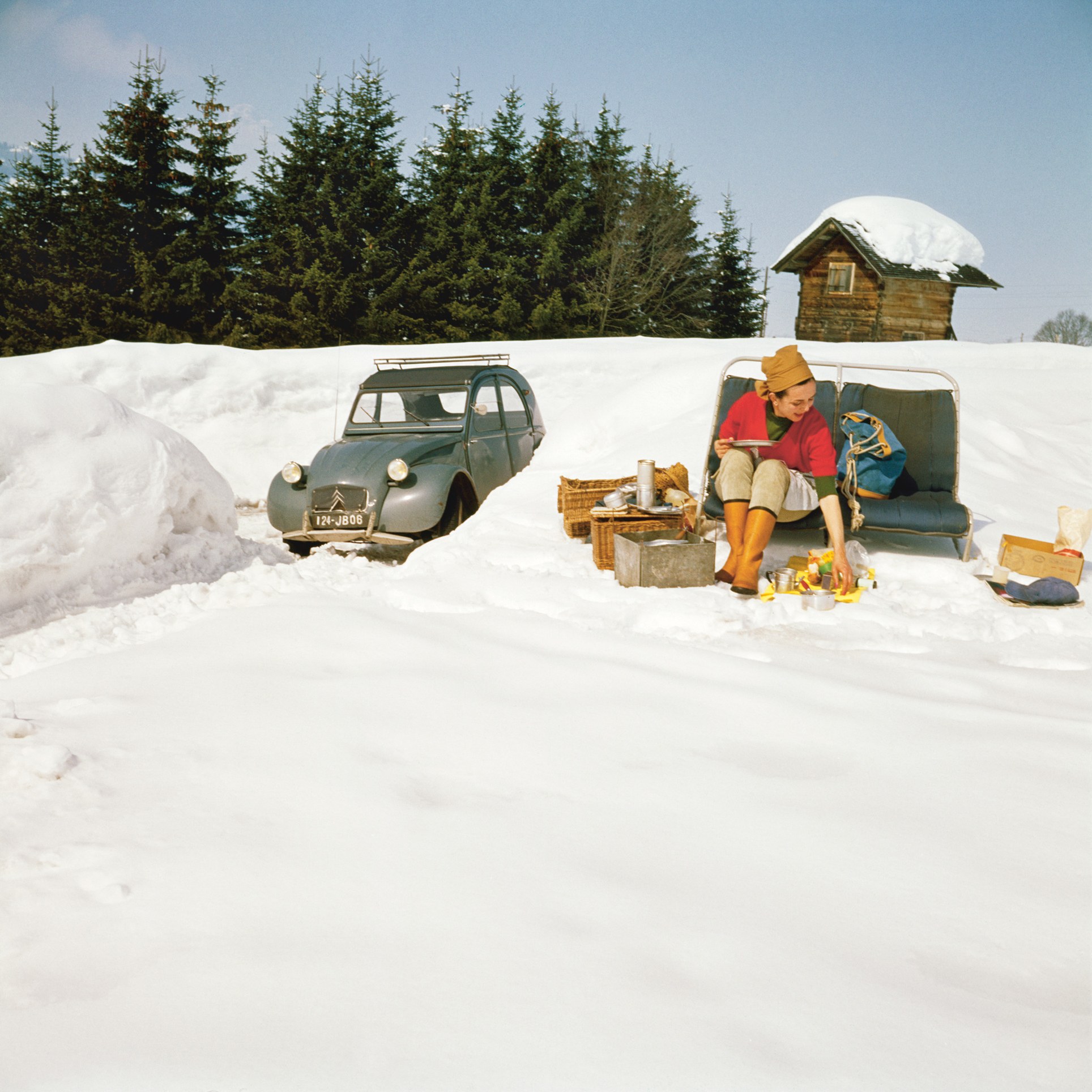
Jacques Henri Lartigue (French, 1894-1986) Florette, Megève, March 1965 Ektachrome 6 x 6cm
Jacques Henri Lartigue (French, 1894-1986) Brittany, 1965 Ektachrome 6 x 6cm
Jacques Henri Lartigue (French, 1894-1986) Brittany, 1970 Ektachrome 6 x 6cm
Robert Capa Contemporary Photography Center, Budapest 8 Nagymező Street, 1065 Budapest, Hungary Phone: +36 1 413 1310
Just putting this out there in the ether of the cosmos because you never know, its spirit might hear you.
I am looking for a research fellowship or postdoc work in photography anywhere in the world.
I have been working at Faculty of Arts at the University of Melbourne for years, 4 days a week making websites. This is because of my bipolar and anxiety disorder. It has been a job to get me through the tough times. But after my recent photographic research trip to Europe, I realise that I need more stimulus – to fully concentrate on photography at an elite level. To research and write a book on photography.
In 2021 I will have been an artist for 30 years and my first writings date from 1998. I have been writing Art Blart now for 10 years… a lot of research and writing for this cultural memory archive, perhaps used as the basis for a book on the spirit of photography in the 21st century. But I am open to any research project. I have to do something to be able to immerse myself fully in photography.
If you have any ideas or knowledge of friends with connections please let me know at bunyanth@netspace.net.au.
Thank you!
Marcus
New work
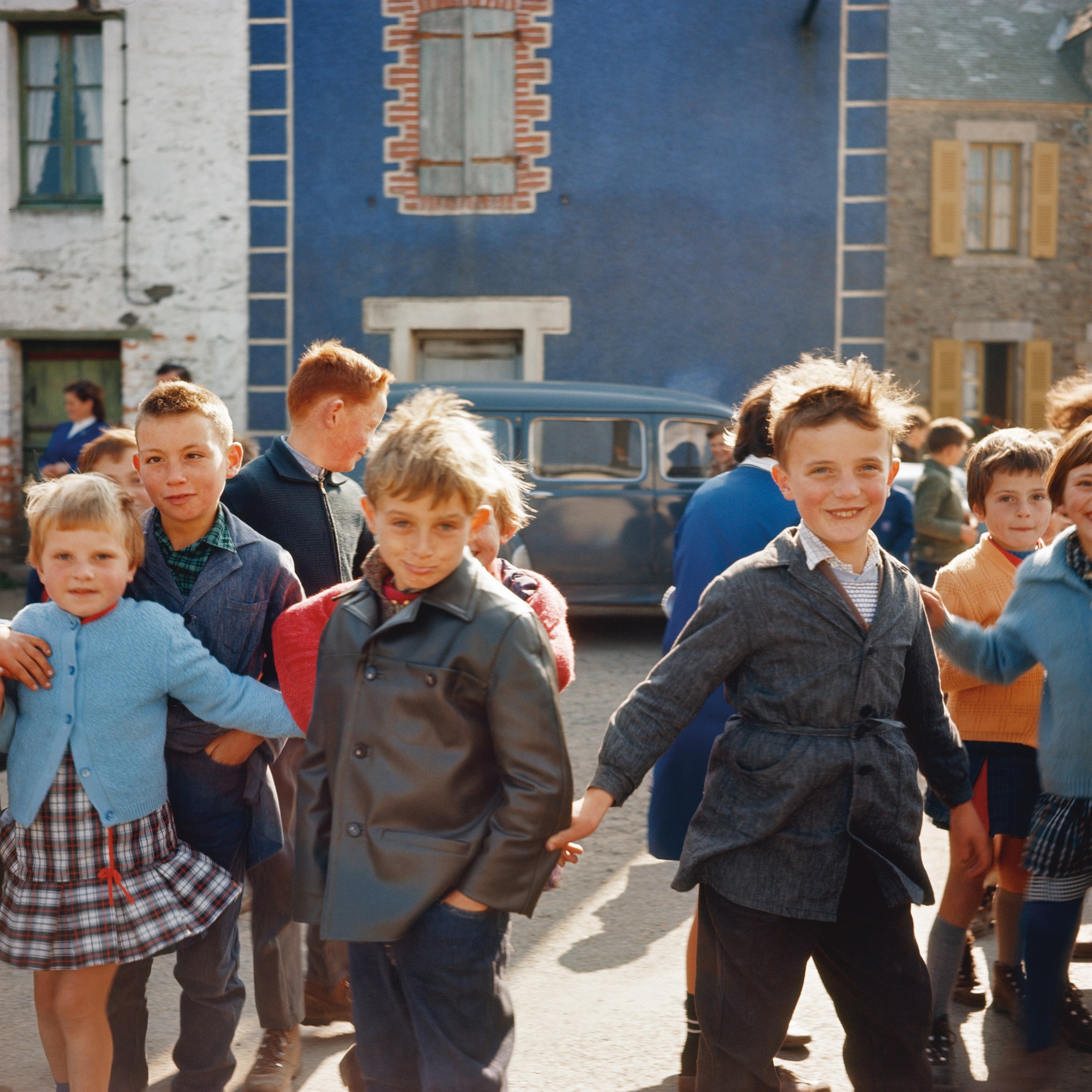
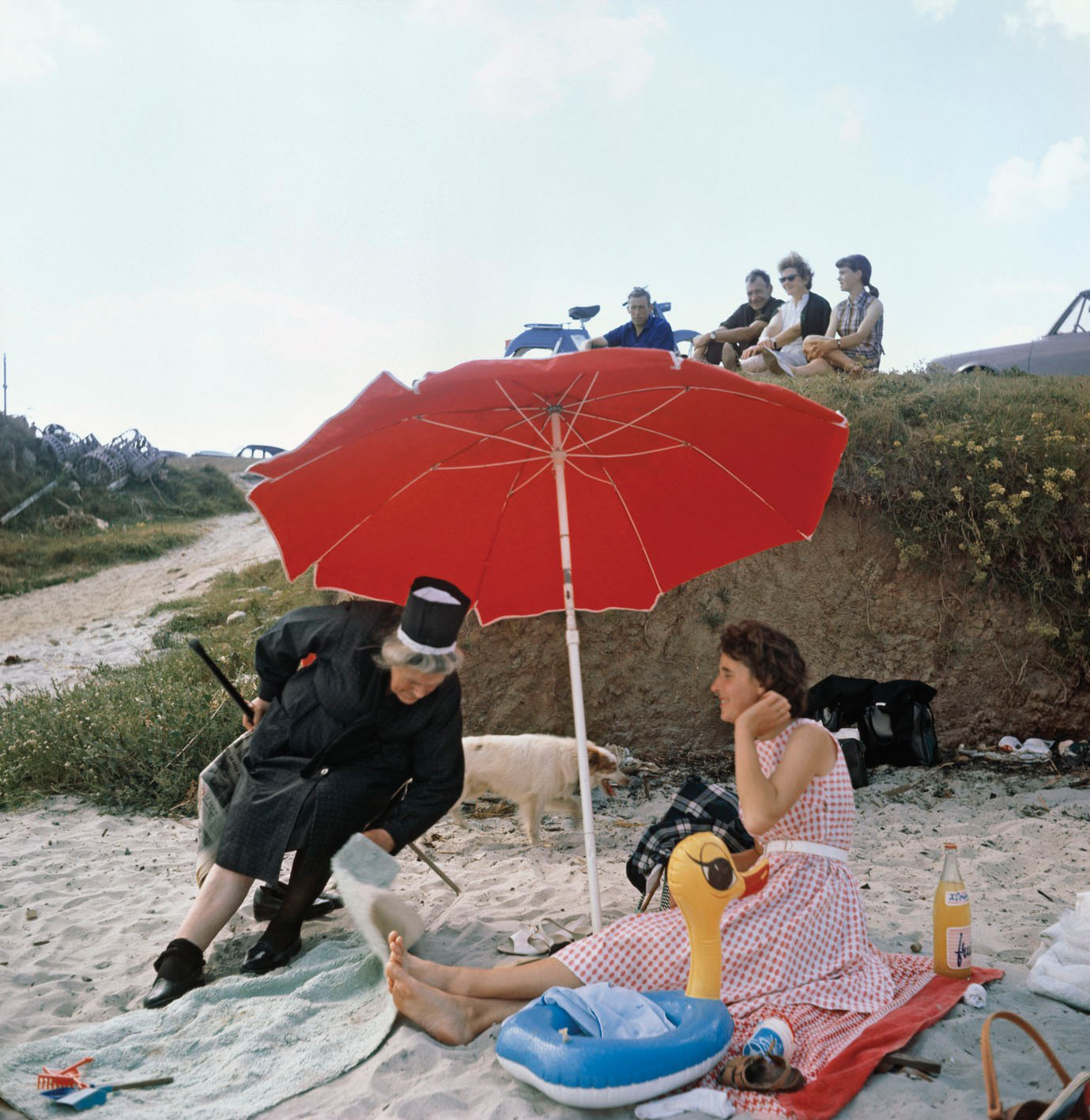
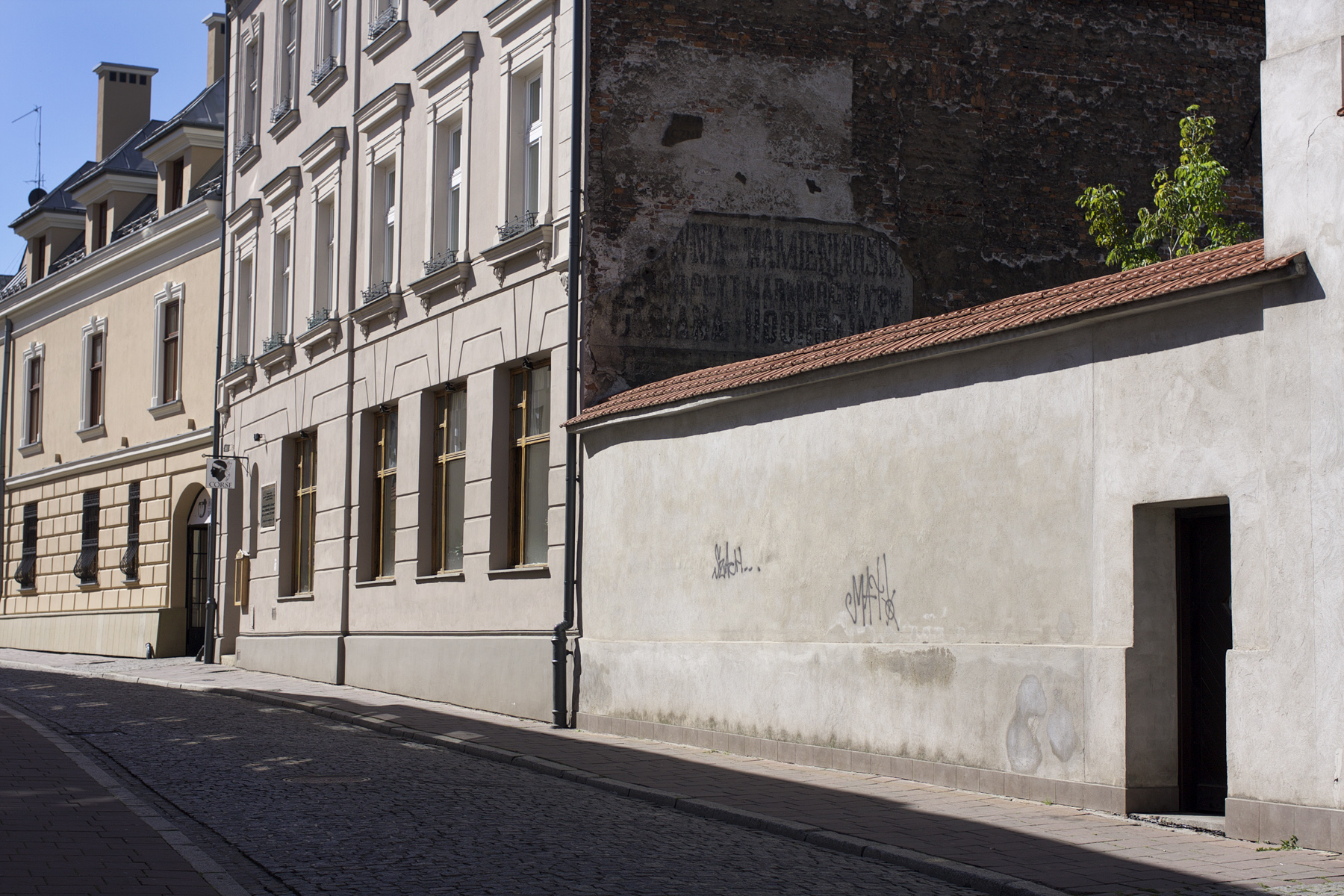
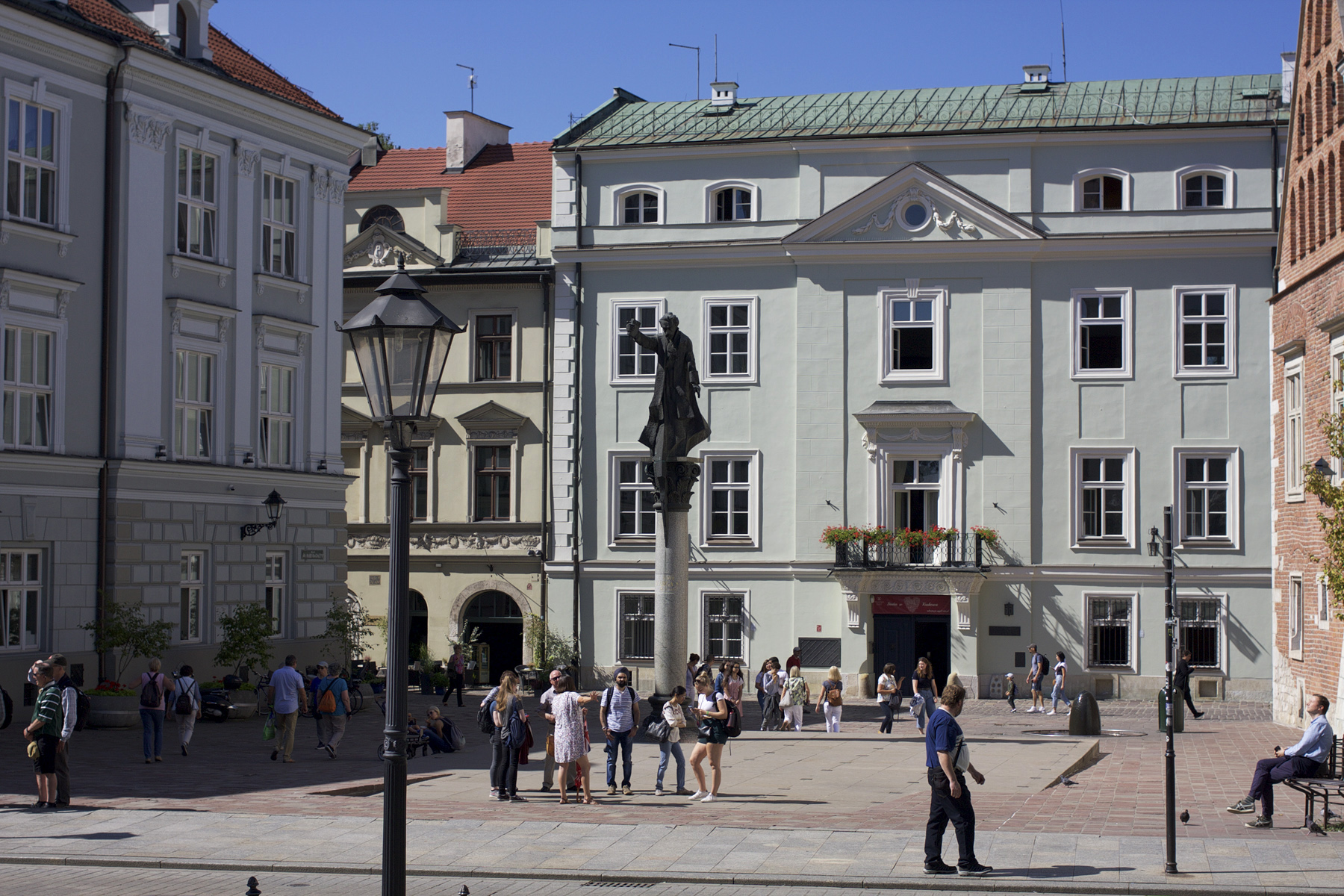
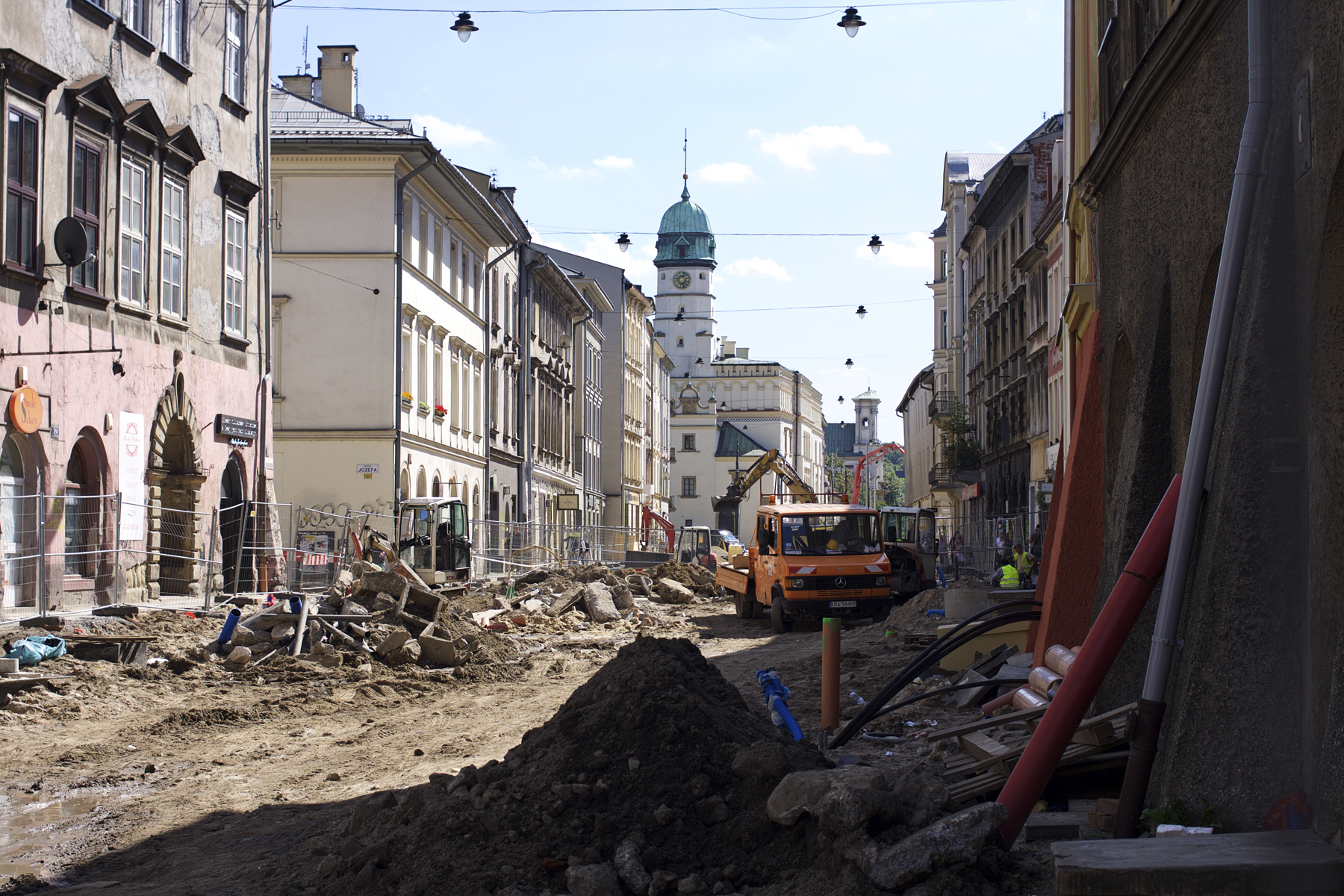
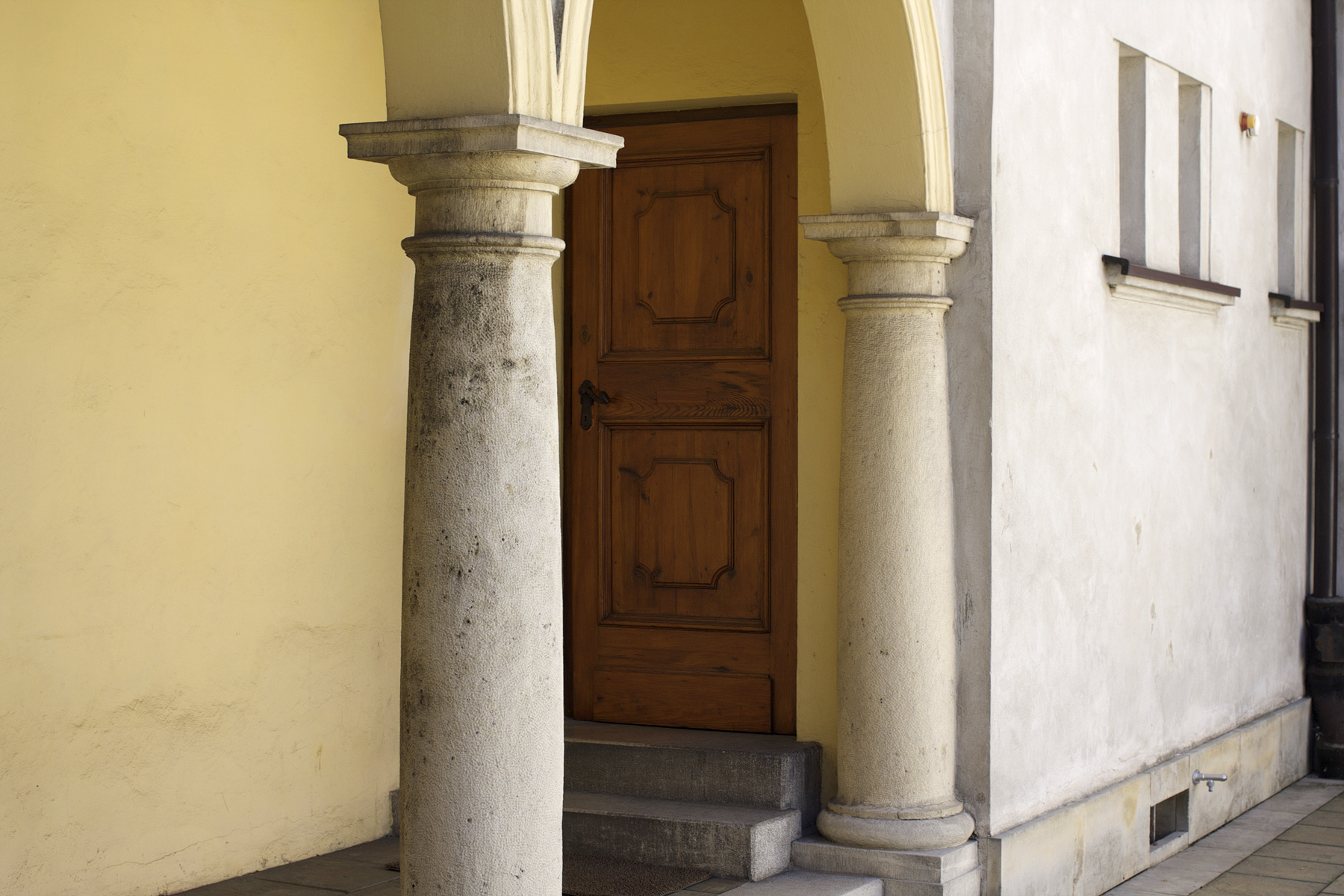
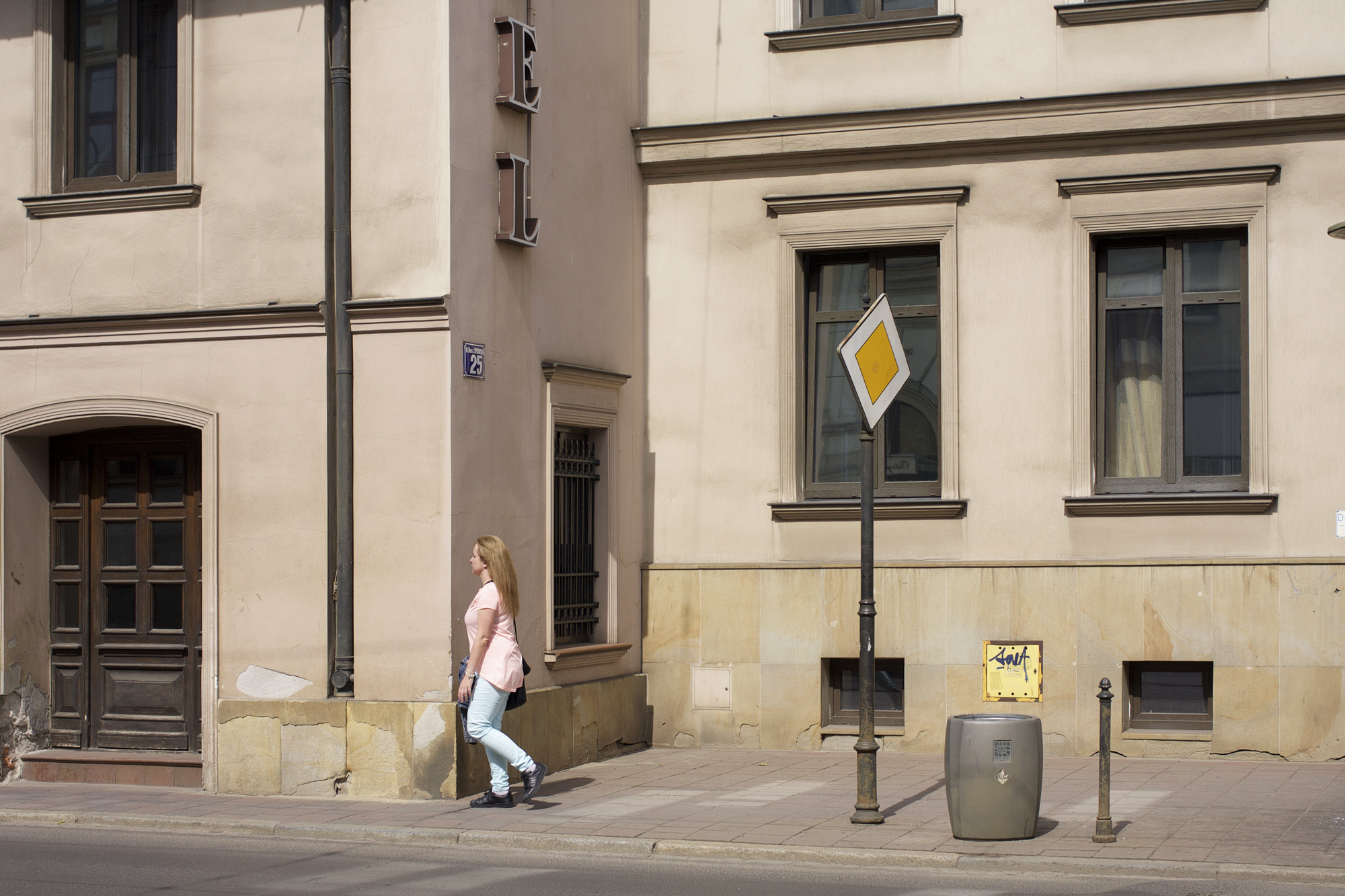
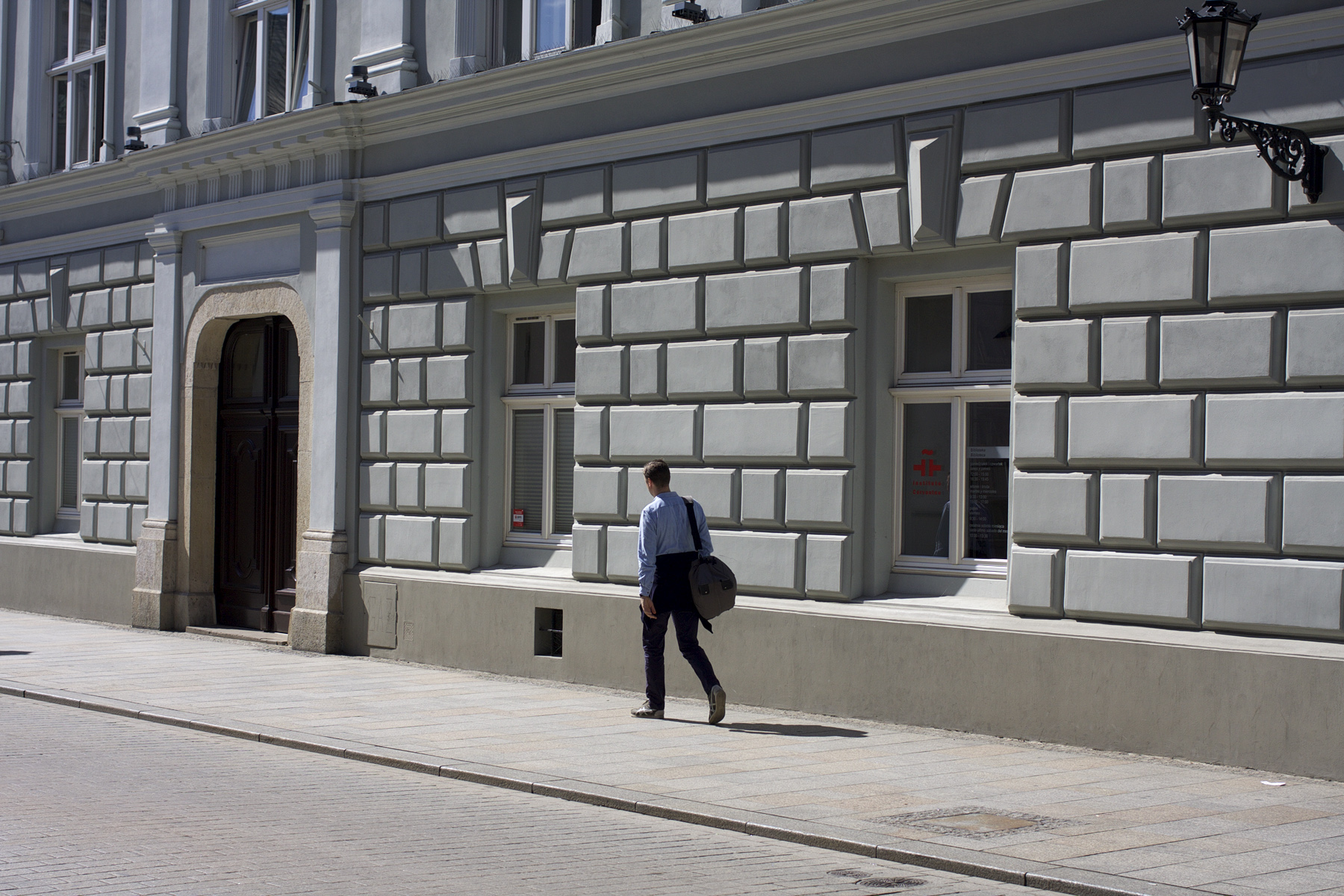
All photographs are from a new body of art work I am working on for 2020, provisionally titled ‘(How I) Wish You Were Here’, taken during my recent European research trip. These are difficult photographs to understand but please take the time (critical in looking at photographs) to feel them.
My mentor and friend Ian Lobb said: “This is the most difficult work to organise yet. There is something to see in every picture – but it is so subtle – not everyone will see it, but it is for people who look at pictures a lot. MG0028 (the yellow entrance with stone pillars) is lovely – the entrance painted a warm sickish colour, a sort of terrible colour aesthetically – and the cropping is just a little brutal: what is it really showing at this camera to subject distance?
But it all works brilliantly, and they are all like that – there are subtle things that can’t be traced: i.e. are they the photographer: or are they the camera or are they just inevitable in this world? It is a type of anti-spirituality meets spirituality… and any number of other meeting points.”
And my friend Elizabeth Gertsakis said: “Spatial as well as surface tactile. Fascinated randomness. The human figure appears as a singular frozen device. Post-apocalyptic as well.”
I said: the spirit has left the earth, the body; something NQR. Eventually, the whole purpose of the series is not to tell the viewer where they are in the world, just give little clues as the viewer moves through time and space… something that photography is very good at: disrupting time and space.
Marcus
Please click on the photographs for a larger version of the image.
Permanet exhibition Visited September 2019 posted November 2019
First gallery
Installation view of the exhibition The Photojournalist Robert Capa II at the Robert Capa Contemporary Photography Center, Budapest Photo: Marcus Bunyan
I didn’t have time on my European photographic research tour to post about this exhibition at the Robert Capa Contemporary Photography Center, Budapest.
Let me say right off bat, that I’m not a great fan of Capa’s work and the larger, 1990s non-vintage prints presented in this exhibition were unimpressive.
I admire Capa’s courage in order to get the shot (“If your photographs aren’t good enough, you’re not close enough”), but his photographs leave me cold. I can’t quite put my finger on it, but his objectivity, his reportage, is just that. Looking back 80 years later, we must remember how raw, how radical and confronting these photographs would have been when viewed in Life magazine and Picture Post at the time: authentic representations of war and death straight from the front. But in terms of the image, what you see is what you get. The framing is not particularly good, the angles are pretty conventional and front on, the occurrences direct and focused. The immediacy of the image, that is their strength.
For me they don’t leave a lasting impression, never have done. Yes, the D-Day landings because he was there; The death of a Loyalist militiaman because it is so famous; the shaving of the women collaborators heads because they are so vile … but you wonder, does his greatness come from the fact that, time and time again, he got the job done and produced the goods (as in a saleable image). That and the reality that he was a great self promoter: labelled the ‘Greatest War Photographer in the World’ by Picture Post in 1938. But was he a good image maker?
They are what they are. That’s really all you can say.
Installation views of the exhibition The Photojournalist Robert Capa II at the Robert Capa Contemporary Photography Center, Budapest Photos: Marcus Bunyan
“La Guerre Civile en Espagne,’ in Vu Magazine No. 445 September 23, 1936
Caption: “Le jarret vif, la poitrine au vent, fusil au poing, il dévalaient la pente couverte d’un chaume raide… Soudain l’essor est brisé, une balle a siffle – une balle fratricide – et leur sang est bu par la terre natale … “
“His step quick, his chest to the wind, his rifle in his hand, he hurtled down the steep slope. Suddenly the boom was broken, a bullet whistled – a fratricidal bullet – and their blood is drunk by the homeland … “
The caption as published in LIFE magazine: “Robert Capa’s camera catches a Spanish soldier the instant he is dropped by a bullet through the head in front of Cordoba.”
Installation views of the exhibition The Photojournalist Robert Capa II at the Robert Capa Contemporary Photography Center, Budapest Photos: Marcus Bunyan
Robert Capa (American-Hungarian, 1913-1954) September 5, 1936. The death of a Loyalist militaman 1936 Gelatin silver print
“The Spanish War Kills Its First Woman Photographer,” in LIFE magazine (Gerda Taro, July 1937) Photo: Marcus Bunyan
Gerda Taro (1910-1937)
Gerta Pohorylle (1 August 1910 – 26 July 1937), known professionally as Gerda Taro, was a German Jewish war photographer active during the Spanish Civil War. She is regarded as the first woman photojournalist to have died while covering the frontline in a war.
Taro was the companion and professional partner of photographer Robert Capa. The name “Robert Capa” was originally an alias that Taro and Capa (born Endre Friedmann) shared, an invention meant to mitigate the increasing political intolerance in Europe and to attract the lucrative American market. A significant amount of what is credited as Robert Capa’s early work was actually made by Taro.
Coverage of the Spanish Civil War
When the Spanish Civil War broke out in 1936, Taro travelled to Barcelona, Spain, to cover the events with Capa and David “Chim” Seymour. Taro acquired the nickname of La pequeña rubia (“The little blonde”). They covered the war together in northeastern Aragon and in the southern Córdoba province. Always together under the common and using the bogus signature of Robert Capa, they succeeded in publishing through important publications (the Swiss Zürcher Illustrierte, the French Vu). Their early war photographs are distinguishable since Taro used a Rollei camera which rendered squared photographs while Capa produced rectangular pictures using a Contax camera[citation needed] or a Leica camera. However, for some time in 1937 they each produced similar 35 mm pictures under the label of Capa&Taro.
Subsequently, Taro attained some independence. She refused Capa’s marriage proposal. Also, she became publicly related to the circle of anti-fascist European and intellectuals (such as Ernest Hemingway and George Orwell) who crusaded particularly for the Spanish Republic. fr:Ce Soir, a communist newspaper of France, signed her for publishing Taro’s works only. Then, she began to commercialise her production under the Photo Taro label. Regards, Life, Illustrated London News and Volks-Illustrierte (the exile edition of Arbeiter-Illustrierte-Zeitung) were amongst the publications that used her work.
Reporting the Valencia bombing alone, Taro obtained the photographs which are her most celebrated. Also, in July 1937, Taro’s photographs were in demand by the international press when, alone, she was covering the Brunete region near Madrid for Ce Soir. Although the Nationalist propaganda claimed that the region was under its control, the Republican forces had in fact forced that faction out. Taro’s photographs were the only testimony of the actual situation.
“So nobody will forget your unconditional struggle for a better world” (epitaph in French and Catalan on her tomb in Père Lachaise Cemetery, Paris)
“The Spanish War Kills Its First Woman Photographer,” in LIFE Magazine (Gerda Taro, July 1937) Photos: Marcus Bunyan
Robert Capa
(Endre Ernő Friedmann) 22 October 1913, Budapest, Hungary – 25 May 1954, Thái Bình, Vietnam
He never avoided challenges – he brought his restless, adventurous spirit and toughness from Hungary. He hardly had anything else in his luggage when he left his native country in 1931. He made photo-history with his war reportage on the Spanish Civil War, WWII, China, and Vietnam. His stories and, in particular, his slogan – “if your photographs aren’t good enough, you’re not close enough” – made him a legendary person. But he made a mistake in Thái Bình. He went too close.
His brother wrote about him: “He lived a lot and suffered a lot during his short life. He was born poor and died poor. He bequeathed us the chronicle of his unique career along with the visual proof of his conviction: not only can mankind endure a lot but it is able to win every now and then.”
His parents – Júlia Berkovits and Dezső Friedmann – were tailors, who ran a prosperous show-room in Budapest. Their first child was László, followed by Endre and five years later by Kornél. After a Lutheran elementary school, Robert Capa went to study at Madách Secondary School. Inspierd by Lajos Kassák, he became interested in journalism in 1929, one year before his matriculation. After 1930, he was a photographer.
He was a good friend of Suzanne Szász, i.e. Székely Zsuzsa, already in Budapest. He lived at the same house as Éva Besnyő, who was his first childhood love.
He was shortly imprisoned because of his leftist connections and his participation in a leftist demonstration on 1 September 1930. In prison, he learnt the methods of the infamous investigator Péter Hain, who beat him so hard that he lost consciousness. He was released through his parents’ connections and he almost immediately left the country.
According to one of the legends, he only had a stick of salami in his luggage when he left. His train ticket to Vienna was paid by the Jewish Community of Pest, from there he went on to Prague through Brno and somehow he eventually arrived in Berlin. He left in July 1931 and it took him two or three weeks to get to the German capital. He studied journalism at the German Political College (Deutsche Hochschule für Politik). Since his parents were becoming poor and were not able to support him, he went to work as a photo lab assistant at the photo agency Dephot (Deutscher Photodienst). In the beginning, almost everybody spoke Hungarian at Dephot. No wonder since it was founded by Simon Guttmann and its financial manager was László Fekete, known as Ladislaus Glück at that time.
There were László Czigány (Taci) and György Markos among his fellow-workers and friends. He received his first camera at this time, a Voigtländer 6×9 from György Kepes. Later he got a Leica from Guttmann to carry out smaller assignments.
In 1932, he was sent by Guttmann to make the report which made him famous: he took the photo of Leon Trotsky at the Socialist Congress in Copenhagen. He was the only one to succeed in taking a photo of Trotsky, since photography was strictly forbidden at the meeting. The photo was published by Weltspiegel on a full page.
He was assisted in adapting himself to the foreign city and culture by his friends from Budapest, György Kepes and Éva Besnyő. They often invited him for dinner at their home, actively contributing to his subsistence besides his spiritual development. (At this time he stealthily ate the everyday roast-meat chop of his landlady’s dachshund.) He had to leave Berlin in 1933, which became more and more dangerous for left-wing Jewish intellectual immigrants. He went to Vienna and from there to Budapest by boat. He went to court schoolgirls at Lajos Pécsi’s studio in Dorottya Street almost everyday with his friends from the Munka-kör (Work Circle), among them Lajos Kassák. He worked for photographer Ferenc Veres in Budapest, taking photos of Budapest for touristic leaflets and publications. But he did not do it just howsoever! He did it by the metre. The photographer bought the exposed and developed Leica-films by 26 frames, i.e. by the metre from Endre Friedmann. We do not know what happened to these pictures or those he made in 1933 at the World Scout Jamboree in Gödöllő. Some of them were certainly taken to Paris, where a photographer friend of his tried to sell them to French photo agencies – without any success.
He moved to Paris in September 1933, still not as Capa, but neither as Bandi Friedmann any more; he tried to sell his photos under his new name André Friedman – with little success. He was starving more often than eating well. The young Hungarian with many names yet being actually an unknown photographer was helped by André Kertész with work, connections, his friendship and – knowing Capa – certainly with some money, too. (Later – already in America – he designed Capa’s book titled Death in the Making (Így készül a halál) from Gerda Taro’s and Capa’s photos taken in Spain.) He came into contact with Gisèle Freund, Hans Namuth and Chim at this time. Soon after he made friends with Henri Cartier-Bresson.
His first photo report was published in 1934 in Vu Magazine. He changed his name to Capa around this time almost together with his girlfriend Gerda Pohorylle, whose name became Gerda Taro. Foreign literature wrongly put together the name of Robert Capa from those of Robert Taylor and Frank Capra, but, to our knowledge, he was called Cápa (shark) because of his big mouth and pushy behaviour already at secondary school in Budapest. All he did abroad was to make it sound English by dropping the accent. The change of his name was also motivated by financial interests, since Gerda was able to sell the photos of a successful American photographer at a price three times higher than those of André. His appearance was also significantly transformed together with the change of his name. He had his long hair cut and he began to wear well-ironed suits, believing that it would be the seal of his success. However, it was difficult for him to work up the change of his name and the radical transformation of his appearance mentally.
He went to record the Spanish Civil War in 1936/37 together with Gerda Taro (whom he taught photography), assigned by Regards, a leftist French weekly magazine. And why should he not have received accreditation when his commissioner, Regards had a Hungarian editor, Pál Aranyossy writing under the name of Falus? Dezső Hoffmann was also working here at this time. Gerda died during an air-raid, but Spain became the springboard to world-wide fame for Capa since his photo titled “The Falling Soldier” irrevocably became a classic.
He worked in London, Paris and returned to Spain to take photos at the fall of Barcelona. He was everywhere where the sky was resounding. Besides the weekly magazine Regards, his photos were also published in LIFE. A countless number of his photos were published by Stefan Lorant in his journals, in Weekly Illustrated and in Picture Post. Lorant coined the slogan “The Greatest War Photographer in the World: Robert Capa,” which accompanied him all through his life.
He spent six months in China with film director Joris Ivens and cameraman John Fernhout during the Japanese occupation. He learnt English from the Dutch in the middle of China and he taught them songs of Hungarian highwaymen in exchange. By the way, Fernhout was Éva Besnyő’s first husband, whom she met earlier in the Spanish Civil War.
Capa returned to Paris, then went back to Spain again to take the series of photos published on 11 pages in Picture Post, two pages in LIFE and five pages in Regards.
After his father died in Budapest, he had nothing else binding him to Europe, so he moved to the United States in 1939 following his mother and his younger brother. Not only his photography, but also the typical Hungarian “lecho” (lecsó) dish cooked by Júlia Friedmann became a legend in the larger group of their friends. He preserved his Hungarian bonds: in his writing “Why have I left home?” he wrote about the conspiracy with his secondary schoolmates under the pillars of the Chain Bridge in Budapest. At the time, he mostly made reportage for LIFE, for example about the presidential elections in Mexico, where he met Kati Deutsch again, a former pupil of Hungarian photographer Lajos Pécsi.
He authored a book in 1941 together with writer Diana Forbes-Robertson about the air battle of London, entitled The Battle of Waterloo Road. After Hungary’s declaration of war, for being a citizen of an enemy state, he was not allowed to leave a ten-mile range of New York and he was also forbidden to take photos. However, in a rather short time, as perhaps the only alien enemy, he achieved to be accredited by the U. S. Army. He only had these personal documents at that time: U. S. residence permit, a Hungarian passport and letters of assignment from various journals. It did not pose an unsolvable problem to him, since he already succeeded in crossing international borders with an expired passport and a nicely decorated Hungarian restaurant menu – and with his big talk – already ten years earlier.
He took photos in England, North Africa, Sicily and in other parts of Italy. He landed with the first American troops on D-Day. He covered the last German offensive in Belgium and took photos about the fall of Leipzig. In the last day of the war he was asked by the Paris correspondent of the American Army’s radio to read an appeal in Hungarian on the air to persuade the population of besieged Budapest to turn against the Germans. Capa accepted to do it; however, by this time his Hungarian had become so rusty that he had to give it up in disgrace. After this incident, his friends were teasing him unmercifully about being a fake Hungarian. At this time Hemingway’s saying became a classic: “Capa speaks seven languages, but all of them poorly.”
At the end of the war, he was about to have a business-card printed with the title “Robert Capa, war photographer, unemployed.” Being aware of the course of world history since that time and Capa’s life story, he could hardly have distributed a lot of these cards. He received U. S. citizenship after the war, officially under the name of Robert Capa.
He went to the Soviet Union in 1947 with John Steinbeck, who wrote about him: “Capa was able to see and use what he had discovered. He was able to show the whole population’s hatred on a child’s face… Capa’s work is the proof of his great heart and his exuberant compassion… I frequently travelled and worked with Capa. He may have had much closer friends but nobody liked him as much as I did. He liked to seem to be easy and carefree in his work. But he was not. His photos are not accidental.”
In the same year, he founded Magnum in New York with Henri Cartier-Bresson, David Seymour, George Rodger, Maria Eisner, William Vandivert and his wife. Organising the agency, getting clients and making money took much of his time. He wrote to Maria Eisner around 1950: “I enjoy so much to be able to take photos again that I think I will get into to the habit.” After his death, Magnum was taken on and managed by his younger brother, Kornél Friedmann – or as he is better known: Cornell Capa.
In 1947, Robert Capa went to Turkey with a 16 mm film camera. A little bit later he covered the birth of the State of Israel. In Tel Aviv he met a lot of Hungarian acquaintances and then, guided by Paul Goldmann, a photographer of Hungarian origins, he took pictures of the heroic defence at the Kibbutz Negba in the Negev Desert. He also recorded the immigrant Hungarian battalion fighting for the liberation of Jerusalem.
In 1948, he spent six weeks in Hungary, taking photos of the war-torn country with the more and more evident signs of communist influence. At this time reconstruction works were implemented under the first three-year plan. He was accompanied by György Markos, his friend in Berlin and then in Paris. He took photos at the Ganz Shipyard, he recorded the first rice harvest in Békés County and the city of Budapest reviving from the ruins. “The day before I left, I went to get my exit visa. The sergeant who handled foreigners studied my passport very thoroughly. After stamping my exit visa, he asked me which school I went to. I told him the name of my secondary school in Budapest and he promptly listed my teachers and found out the year of my matriculation. He attended the same school, which he finished two years later than me. He gave back my passport and said: “If you had been born two years later with your talent, you either would not be alive today or you would be a secretary of a minister. This way, however, you are only a troubled Western liberal. This is historical materialism.”” This story, entitled “Conversation in Budapest” was published a year later in Holiday Magazine.
Until 1952, he mostly reported about his travels on assignment by Holiday Magazine, often writing the articles as well. Although he never grew rich, he was always full of ideas hiding opportunities to make a lot of money. Once he said: “I will never make millions. You make millions if you have one good idea. When you have twenty a day, you have to share them.” He was proud of his shrewdness that he attributed to being Hungarian. He reversed the well-known slogan from Hollywood, quoted earlier. In his version he said: “It is not enough to have talent, you also have to be Hungarian.”
In 1954, he was sent to Indochina by LIFE to cover the French colonies. On 25 May, he stepped on a land-mine and died. He was honoured with a posthumous Croix de Guerre by General René Cogny.
Capa’s memory has not faded – neither in Hungary, nor abroad. This is, not the least, due to his younger brother who, after the deaths of Capa, Bischof and Chim, felt that he did not have a more important task in his life than ensuring eternal life for these geniuses of photography. His zeal is attested by several exhibitions and books. His work was not without success: almost thirty years after Capa’s death, one of the best Hungarian writers, Ferenc Karinthy wrote about the photographer in his book The End of the World (Vége a világnak). Also András Simor wrote a poem as an homage to the photographer and to the soldier he made immortal. Film director Miklós Jancsó wrote an essay for the fortieth anniversary of Thái Bình. And above all: there is no photographic history or textbook without mentioning both of their names with Robert Capa on the top.
Károly Kincses (2005) “Robert Capa,” on the Robert Capa Contemporary Photography Center website [Online] Cited 03/11/2019
Please note: according to Capa’s birth entry his fathers name was Dávid Friedman (one n) and he was named Endre Ernő Friedman (one n). According to my friend György Németh whom this information came from, he later used his name with two N. As György says, it’s a bit of a mess as he used all kind of spelling throughout his life. Thank you György!
Robert Capa’s birth entry
Second gallery
Installation view of the exhibition The Photojournalist Robert Capa II at the Robert Capa Contemporary Photography Center, Budapest Photo: Marcus Bunyan
Robert Capa (American-Hungarian, 1913-1954) Fountain rubble in city square, Stalingrad, USSR (installation view) August 1-31, 1947 Gelatin silver print, printed 1990s 50 x 40cm Photo: Marcus Bunyan
Robert Capa (American-Hungarian, 1913-1954) Student civil-defense volunteers assisting the wounded, Guangzhou, China (installation view) July-September 1938 Gelatin silver print, printed 1990s 40 x 50cm Photo: Marcus Bunyan
Installation views of the exhibition The Photojournalist Robert Capa II at the Robert Capa Contemporary Photography Center, Budapest Photos: Marcus Bunyan
Robert Capa (American-Hungarian, 1913-1954) Funeral procession for victim killed on the day of the presidential elections, Mexico City, Mexico (installation view) July 9, 1940 Gelatin silver print, printed 1990s 40 x 50cm Photo: Marcus Bunyan
Robert Capa (American-Hungarian, 1913-1954) Man and cat outside an air-raid shelter, London, UK June-July 1941 Gelatin silver print, printed 1990s 40 x 50cm
Installation views of the exhibition The Photojournalist Robert Capa II at the Robert Capa Contemporary Photography Center, Budapest Photos: Marcus Bunyan
Robert Capa (American-Hungarian, 1913-1954) Medical transport craft for men wounded in the first wave of American troops landing on D-Day, off Omaha Beach, near Colelville-sur-Mer, Omaha Beach, Normandy, France (installation view) June 6, 1944 Gelatin silver print, printed 1990s 50 x 40cm Photo: Marcus Bunyan
Robert Capa (American-Hungarian, 1913-1954) German soldiers captured by American forces burying some of the men killed during the D-Day landings, near Colelville-sur-Mer, Omaha Beach, Normandy, France June 1944 Gelatin silver print, printed 1990s 50 x 40cm
Robert Capa (American-Hungarian, 1913-1954) American soldiers guard a group of captured Germans, southwest of Saint-Lð, Normandy, France July 26-30, 1944 Gelatin silver print, printed 1990s 40 x 50cm
Robert Capa (American-Hungarian, 1913-1954) Cow in the middle of a street lined with ruined buildings, Normandy, France (installation view) June-July 1944 Gelatin silver print, printed 1990s 40 x 50cm Photo: Marcus Bunyan
Robert Capa (American-Hungarian, 1913-1954) Soldiers leading a French woman who had collaborated with the Germans to the Préfecture de Police to have her head shaved, Chartres, France (installation view) August 18, 1944 Gelatin silver print, printed 1990s 40 x 50cm Photo: Marcus Bunyan
Installation view of the exhibition The Photojournalist Robert Capa II at the Robert Capa Contemporary Photography Center, Budapest Photos: Marcus Bunyan
Robert Capa (American-Hungarian, 1913-1954) German soldiers captured by American forces during the Battle of the Bulge, south of Bastogne, Belgium (installation view) December 23-26, 1944 Gelatin silver print, printed 1990s 50 x 40cm Photo: Marcus Bunyan
Robert Capa Contemporary Photography Center, Budapest 8 Nagymező Street, 1065 Budapest, Hungary Phone: +36 1 413 1310
Exhibition dates: 29th May – 17th November, 2019 Visited August 2019 posted November 2019
Installation view of the exhibition Ara Güler: Two Archives, One Selection: Tracing Ara Güler’s Footsteps in Istanbul at the Istanbul Museum of Modern Art Photo: Istanbul Museum of Modern Art
“A moment of experience”
This is the first of my catch up postings on exhibitions and art I saw during my European art and photographic research tour.
I know very little about the history of Turkish photography, and knew nothing of the work of “The eye of Istanbul”, Ara Güler, before I saw this exhibition.
Visually, Güler’s images are atmospheric renditions of people and place, grounding the representation of a city in the people who live and work there. They share a mainly male gaze, a patriarchal perspective on the treasured secrets of Istanbul, for this perspective is how the culture at that time (and possibly now?) was structured.
Güler’s visual histories of rare and subtle perception, “make visible the unseen, the unknown, and the forgotten.”1 They implicate “the urban discourse as a system in which culture enlists the medium (of photography) for representational tasks – nation building, identity construction, city scapes2,” highlighting photography’s ineradicable role for interpretation in the construction of knowledge and memory.3
As the press release states, Güler’s photographs have made a very significant contribution to the formation of the public’s collective imagination and memories of the city, but these memories of the city can only ever be reflections of concepts of identity that have developed across the social spectrum from within the self, within the culture, and within the political arena. One informs the other.
Güler’s cityscapes can only be a partial representation of what a city was and what it was moving to become. Paraprashing Eyelet Carmi when she talks of Sally Mann’s landscape photographs of the Deep South of America, we might say that the urban landscape, the photograph shows us, is never a neutral space. It is always historically constructed, politically used and emotionally complex.4 It is where national history is mediated by and intertwines with patriarchal assumptions, emotions, memories and personal experiences of everyday life. The personal is national and vice versa, for “the notion of home and place (national and personal alike) is inevitably unfixed, unstable and partial.”5
In an erudite and instructive piece of writing by Zeynep Uğur, “After Ara Güler: Capturing the Feeling of Loss in Modernizing Istanbul”, an extract of which is presented below, Uğur expertly places Güler’s photographs in the era of their composition, filling in the cultural background that surrounds their creation… depictions of the urban poor and their small routines – smoking, having a cup of tea, coffee, or an alcoholic drink – mainly men in their coffee shops and old fashioned bars, enacting traditions that have not changed for centuries, swept up in the modernisation of the city. “An emotional relation is established between people and the space they inhabit by enacting the space in the body and the body in the public sphere, hence humanising the city and spatially contextualising the people. As Jacques Lecoq announces in his pedagogy of movement in theater, only the body engaged in the work can feel, and thus reflect the evidence of the space. Güler’s urban poor portrayed in their work express the social reality with their bodies.”6
Where I disagree with Uğur is in her proposal that that these men, who are “waiting” instead of actively circulating or producing, proffer “a sense of disbelonging, being removed from the context, being out of place, a sense of invisibility, immobility and arbitrariness.”7 In other words, a sense of alienation from the existence and surroundings in which they find themselves (alienation of the individual in modernity is a trope that goes back to the beginnings of Romanticism). Uğur proposes that Güler’s photographs possess hüzün, “a feeling of melancholia, nostalgia and loss in a multilayered city where multiple spatialities and temporalities are superposed. Guler’s photography reflects this singularity of Istanbul, its vibe and the ambiance experienced when wandering in the city.”8
This idea of a singularity is a very modernist way of perceiving the world. In this singular world a unified self can be easily alienated from itself (through concepts such as social alienation, the alienated body (Sartre), the phenomenologists’ ‘body for others’, the objectified body, the social body), and objectified by the gaze and discourse of others.9 “… Marx expresses his conceptualization of the state of alienation as a loss of sensuous fulfilment, poorly replaced by a pride of possession, and a lack of self-consciousness and hence actualization of one’s own real desires and abilities.”10 Leading to the feelings of melancholia, nostalgia and loss allegedly seen in the work of Ara Güler.
Postmodernism on the other hand sees no decentering of the self from the centre to the periphery for there is no centre, no periphery, only fragmentation. Fredric Jameson wrote that, “in the postmodern world, the subject is not alienated but fragmented. He explained that the notion of alienation presumes a centralized, unitary self who could become lost to himself or herself. But if, as a postmodernist sees it, the self is decentred and multiple, the concept of alienation breaks down. All that is left is an anxiety of identity.”11 Through the fragmentation of the subject the “existential model of “authenticity” and “inauthenticity” is thus challenged.”12 When there is no centre, no periphery – where one cannot move to the centre because there is no unified centre – there can be no unified self and therefore no alienation or, alien nation. There is no unified self, no appeal to nostalgia and melancholy, for the people in the photographs just are: and this is my point here, Güler was a visual archivist who documented life as it exists, not how we now look back on those times through the misty eyes of loss.
All we are left with, then, is the fact that Güler’s photographs are “a moment of experience” which document change not loss. His photographs document people and places that are not being lost (for that proposes a unified perspective), but images which picture an anxiety (and presence) in their radical potential, in their political context, which is both then and now – the receiver (the subject) and the viewer recognising the categories of perception and appreciation as it applies to him or her.13 An experience, existence and anxiety that is both then and now. As Garry Winogrand has observed, “The photograph isn’t what was photographed. It’s something else. It’s a new fact.” Time after time, again and again.
1/ Marianne Fulton, Eyes of Time: Photojournalism in America, Boston: Little, Brown, 1988, p. 107
2/ -scape. a combining form extracted from landscape, with the meaning “an extensive view, scenery,” or “a picture or representation” of such a view, as specified by the initial element: cityscape; moonscape
3/ Alison Winter, Memory: Fragments of a Modern History. Chicago and London: University of Chicago Press, 2012, p. 5
4/ Ayelet Carmi, “Sally Mann’s American vision of the land,” in Journal of Art Historiography Number 17 December 2017, p. 25
9/ Jean-Paul Sartre, Being and Nothingness. London: Methuen, 1969, pp. 339-351
10/ Harry Brod, “Pornography and the Alienation of Male Sexuality,” in Kimmel, Michael and Messner, Michael. Men’s Lives. Boston: Allyn and Bacon, 1989, p. 397
11/ Sherry Turkle, Life on The Screen: Identity in the Age of the Internet. New York: Simon and Schuster, 1995, p. 49
12/ Katarzyna Marciniak, “Introduction,” in Fredric Jameson. Postmodernism, or the Cultural Logic of late Capitalism. Duke University Press, 1991
13/ Pierre Bourdieu, Distinction: A Social Critique of the Judgement of Taste. (trans. Richard Nice). London: Routledge and Kegan Paul, 1986, p. 207
‘I believe that photography is a form of magic by which a moment of experience is seized for transmission to future generations,’ Güler once said when asked to explain his art
Anonymous photographer Ara Güler Nd Gelatin silver print Photo: Istanbul Museum of Modern Art
Installation views of the exhibition Ara Güler: Two Archives, One Selection: Tracing Ara Güler’s Footsteps in Istanbul at the Istanbul Museum of Modern Art Photos: Istanbul Museum of Modern Art
Installation views of the exhibition Ara Güler: Two Archives, One Selection: Tracing Ara Güler’s Footsteps in Istanbul at the Istanbul Museum of Modern Art Photos: Marcus Bunyan
Istanbul Modern, in collaboration with the Ara Güler Museum, presents an exhibition of works by Ara Güler, “the man who writes history with his camera.” Titled “Two Archives, One Selection: Tracing Ara Güler’s Footsteps in Istanbul” the exhibition follows the changes that have taken place in the city since the 1950s, and is open to public between May 29 – November 17, 2019.
A collaboration between Istanbul Modern and the Ara Güler Museum, the exhibition draws on the archives of both institutions to portray the changes that have taken place in the city from the mid-20th century to the present.
It also shows the influential role of Ara Güler’s photographs in the development of the public’s collective memory of Istanbul following these changes.
All signed by him
The exhibition brings together photographs from different periods that were signed by him, as well as various dark room prints, objects and ephemera from the archives of the Istanbul Modern Photography Collection and the Ara Güler Museum, and maps that situate the works in different neighbourhoods and angles. As a whole, the exhibition aims to address the relationship between photography and a photographer’s subjectivity through the works of Güler, who defines himself as a photojournalist and photojournalists as “people who write history with their cameras.”
When it comes to Istanbul, Ara Güler’s photographs have made a very significant contribution to the formation of the public’s collective imagination and memories of the city. The exhibition combines Ara Güler’s photographs, which invite viewers to look at them again and again, with archival materials in order to highlight Güler’s practice as well as his role in the creation of our perception of Istanbul.
Curated by Demet Yıldız, Photography Department Manager at the Istanbul Museum of Modern Art, with Umut Sülün, Manager of the Ara Güler Museum and Research Center, acting as consultant, the exhibition can be visited until November 17. Throughout the duration of the exhibition, there will be talks and various programs that focus on the city and collective memory.
About Ara Güler
As a youth he was greatly influenced by the cinema, and while in high school he worked at film studios in every branch of the industry. In 1951 Güler graduated from the Getronagan Armenian High School and began training in theatre and acting under Muhsin Ertugrul, aspiring to be either a director or a scriptwriter. At that time, some of his stories were published in literary magazines and Armenian newspapers. He continued his education in the Faculty of Economics at Istanbul University. However, on deciding to become a photojournalist, he left the university and completed his military service.
He began his journalism career with the newspaper Yeni İstanbul in 1950. He became a photojournalist for Time Life in 1956, and for Paris Match and Stern in 1958. Around the same time, the Magnum Agency started distributing his photographs internationally. One of his first features was on the ruins of Noah’s Ark, and more than one hundred of those photographs were distributed by Magnum. Also during these years he reported on Mount Nemrut, introducing it to the world. Another of his important features was on the rediscovery of the forgotten city of Aphrodisias, through which it likewise was revealed to the world.
From 1956 until 1961 Güler headed the photography section of Hayat magazine. In the 1961 edition of the British Journal of Photography Year Book, he was named one of the seven best photographers in the world. That same year he was accepted as a member of the ASMP (American Society of Media Photographers) and was its only Turkish member. In 1962 he received the Master of Leica award in Germany and was the subject of a special issue of the journal Camera, then the most important photography publication in the world. His works were exhibited at the “Man and His World” show in Canada in 1967; and at the Photokina Fair in Cologne in 1968. He took the photographs for Lord Kinross’s book about Hagia Sophia, published in 1971.
His photograph was on the cover of the English, French, and German editions of the book Picasso: Métamorphose et Unité, published by Skira on the occasion of Picasso’s ninetieth birthday. In 1974 Güler was invited to the United States, where he photographed many famous personalities; the images were later exhibited under the title Creative Americans in many cities around the world. Also in 1974 he made a documentary film called End of a Hero about the scrapping of the battle cruiser Yavuz. His photographs on art and art history were used in articles in Time-Life, Horizon, and Newsweek, and published around the world by Skira. Starting in 1989 Güler joined the project A Day in the Life of… and collaborated with some the world’s most famous photographers in Indonesia, Malaysia, and Brunei.
In 1992 his photographs of the great architect Mimar Sinan’s works, which he had been working on for many years, were published under the title Sinan, Architect of Süleyman the Magnificent in France by Editions Arthaud, and in the United States and the UK by Thames & Hudson. In the same year his book Living in Turkey was published by Thames & Hudson in the United States and the UK, in Singapore by Archipelago under the title Turkish Style, and as Demeures Ottomanes de Turquie by Albin Michel in France.
In 2002, France decorated Güler with the Legion d’Honneur Officier des Arts et des Lettres, and in 2009 he received La Médaille de la Ville Paris from the city of Paris. He was awarded honorary doctorates by Yıldız Technical University in 2004, Mimar Sinan Fine Art University in 2013, and Boğaziçi University in 2014; the Presidential Culture and Arts Grand Award in 2005; the Award for Service to Culture and the Arts of the Ministry of Culture and Tourism in 2008; and the Outstanding Service Award of the Grand National Assembly of Turkey in 2009. Also in 2009 he received a lifetime achievement award from the Lucie Foundation in the United States.
Hundreds of exhibitions all over the world have featured Güler’s work, and his images have been published in dozens of books. Güler interviewed and photographed numerous celebrities, from Bertrand Russell and Winston Churchill to Arnold Toynbee, Pablo Picasso, and Salvador Dalí. As an outcome of the partnership created between Güler and Doğuş Group, two art institutions, Ara Güler Museum and Ara Güler Archives and Research Center, have opened their doors to visitors in Istanbul.
Ara Güler passed away on October 17, 2018, at the age of ninety.
Text from the Istanbul Modern Photography Gallery website
Installation view of the exhibition Ara Güler: Two Archives, One Selection: Tracing Ara Güler’s Footsteps in Istanbul at the Istanbul Museum of Modern Art Photo: Marcus Bunyan
Ara Güler (Turkish, 1928-2018) Taşlıtarla, Gaziosmanpaşa 1959 Gelatin silver print Ara Güler Archive and Research Center Collection Photo: Istanbul Museum of Modern Art
Ara Güler (Turkish, 1928-2018) Feriköy (installation view) 1985 Gelatin silver print Ara Güler Archive and Research Center Collection Photo: Marcus Bunyan
Ara Güler (Turkish, 1928-2018) Galata (installation view) 1950 Gelatin silver print Ara Güler Archive and Research Center Collection Photo: Marcus Bunyan
Ara Güler (Turkish, 1928-2018) Hallç, Vapuru’nda (In the Golden Horn Ferry) (installation view) 1969 Gelatin silver print Ara Güler Archive and Research Center Collection Photo: Marcus Bunyan
Wall text from the exhibition Ara Güler: Two Archives, One Selection: Tracing Ara Güler’s Footsteps in Istanbul at the Istanbul Museum of Modern Art Photo: Marcus Bunyan
Ara Güler (Turkish, 1928-2018) Persembe Pazan, Karaköy (Thursday Market, Karaköy) (installation view) 1957 Gelatin silver print Istanbul Museum of Modern Art Photography Collection Photo: Marcus Bunyan
Ara Güler (Turkish, 1928-2018) Persembe Pazan, Karaköy (Thursday Market, Karaköy) 1957 Gelatin silver print Istanbul Museum of Modern Art Photography Collection Photo: Istanbul Museum of Modern Art
Wall text from the exhibition Ara Güler: Two Archives, One Selection: Tracing Ara Güler’s Footsteps in Istanbul at the Istanbul Museum of Modern Art Photo: Marcus Bunyan
Ara Güler (Turkish, 1928-2018) Hazzopulo Pasajl, Beyoglu (Hazzopulo Passage, Beyoglu) (installation view) 1958 Gelatin silver print Istanbul Museum of Modern Art Photography Collection Photo: Marcus Bunyan
Ara Güler (Turkish, 1928-2018) Hazzopulo Pasajl, Beyoglu (Hazzopulo Passage, Beyoglu) 1958 Gelatin silver print Istanbul Museum of Modern Art Photography Collection Photo: Istanbul Museum of Modern Art
Ara Güler (Turkish, 1928-2018) Eyüp Sultan Camii (Eyüp Sultan Mosque) (installation view) 1965 Gelatin silver print Istanbul Museum of Modern Art Photography Collection Photo: Marcus Bunyan
Ara Güler (Turkish, 1928-2018) Eyüp Sultan Camii (Eyüp Sultan Mosque) 1965 Gelatin silver print Istanbul Museum of Modern Art Photography Collection Photo: Istanbul Museum of Modern Art
Ara Güler (Turkish, 1928-2018) Tarlabaşi (installation view) 1965 Gelatin silver print Istanbul Museum of Modern Art Photography Collection Photo: Marcus Bunyan
Installation view of the exhibition Ara Güler: Two Archives, One Selection: Tracing Ara Güler’s Footsteps in Istanbul at the Istanbul Museum of Modern Art Photo: Marcus Bunyan
Wall text from the exhibition Ara Güler: Two Archives, One Selection: Tracing Ara Güler’s Footsteps in Istanbul at the Istanbul Museum of Modern Art Photo: Marcus Bunyan
Ara Güler (Turkish, 1928-2018) Sirkeci (installation view) 1956 Gelatin silver print Istanbul Museum of Modern Art Photography Collection Photo: Marcus Bunyan
Ara Güler (Turkish, 1928-2018) Sirkeci 1956 Gelatin silver print Istanbul Museum of Modern Art Photography Collection Photo: Istanbul Museum of Modern Art Photography
Ara Güler (Turkish, 1928-2018) Cagaloglu Hamami (installation view) 1965 Gelatin silver print Ara Güler Archive and Research Center Collection Photo: Marcus Bunyan
Ara Güler (Turkish, 1928-2018) Sokollu Mehmet Paşa Camii, Kadirga (Sokollu Mehmet Pasha Mosque, Kadirga) (installation view) 1988 Gelatin silver print Ara Güler Archive and Research Center Collection Photo: Marcus Bunyan
Installation view of the exhibition Ara Güler: Two Archives, One Selection: Tracing Ara Güler’s Footsteps in Istanbul at the Istanbul Museum of Modern Art Photo: Marcus Bunyan
Ara Güler (Turkish, 1928-2018) Kandilli (A Bosphorus passenger boat leaving the European shores of Istanbul for the Asian shore) 1965 Gelatin silver print Istanbul Museum of Modern Art Photography Collection Photo: Istanbul Museum of Modern Art Photography
Ara Güler (Turkish, 1928-2018) Büyükdere (installation view) 1972 Gelatin silver print Ara Güler Archive and Research Center Collection Photo: Marcus Bunyan
Ara Güler (Turkish, 1928-2018) Büyükdere (installation view) 1972 Gelatin silver print Ara Güler Archive and Research Center Collection Photo: Istanbul Museum of Modern Art Photography
Ara Güler (Turkish, 1928-2018) Kandilli (installation view) 1985 Gelatin silver print Ara Güler Archive and Research Center Collection Photo: Marcus Bunyan
Installation view of the exhibition Ara Güler: Two Archives, One Selection: Tracing Ara Güler’s Footsteps in Istanbul at the Istanbul Museum of Modern Art Photo: Marcus Bunyan
Ara Güler (Turkish, 1928-2018) Kapaliçarsi (The Grand Bazaar) (installation view) 1972 Gelatin silver print Photo: Marcus Bunyan
Ara Güler (Turkish, 1928-2018) Eminönü (installation view) 1954 Gelatin silver print Istanbul Museum of Modern Art Photography Collection Photo: Marcus Bunyan
Ara Güler (Turkish, 1928-2018) Eminönü 1954 Gelatin silver print Istanbul Museum of Modern Art Photography Collection Photo: Istanbul Museum of Modern Art
Ara Güler (Turkish, 1928-2018) Sehzadebaşı 1958 Gelatin silver print Ara Güler Archive and Research Center Collection Photo: Istanbul Museum of Modern Art
Ara Güler (Turkish, 1928-2018) Tahtakale (installation view) 1966 Gelatin silver print Photo: Marcus Bunyan
Ara Güler (Turkish, 1928-2018) Zeyrek (installation view) 1974 Gelatin silver print Photo: Marcus Bunyan
Ara Güler (Turkish, 1928-2018) Zeyrek (installation view) 1960 Gelatin silver print Photo: Marcus Bunyan
Ara Güler (Turkish, 1928-2018) Nightfall in the district of Zeyrek, Istanbul 1960 Gelatin silver print
Wall text from the exhibition Ara Güler: Two Archives, One Selection: Tracing Ara Güler’s Footsteps in Istanbul at the Istanbul Museum of Modern Art Photo: Marcus Bunyan
Installation view of the exhibition Ara Güler: Two Archives, One Selection: Tracing Ara Güler’s Footsteps in Istanbul at the Istanbul Museum of Modern Art Photo: Marcus Bunyan
Ara Güler (Turkish, 1928-2018) Tophane (installation view) 1959 Gelatin silver print Istanbul Museum of Modern Art Photography Collection Photo: Marcus Bunyan
Ara Güler (Turkish, 1928-2018) A drunk man at a bar in Tophane 1959 Gelatin silver print Istanbul Museum of Modern Art Photography Collection
Ara Güler (Turkish, 1928-2018) Tophane (Atrium of a house) (installation view) 1954 Gelatin silver print Ara Güler Archive and Research Center Collection Photo: Marcus Bunyan
Ara Güler (Turkish, 1928-2018) Tophane (Atrium of a house) 1954 Gelatin silver print Ara Güler Archive and Research Center Collection
Ara Güler (Turkish, 1928-2018) Galata (installation view) 1955 Gelatin silver print Istanbul Museum of Modern Art Photography Collection Photo: Marcus Bunyan
Extract from “After Ara Güler: Capturing the Feeling of Loss in Modernizing Istanbul”
…
Our focus is Güler’s portrayal of Istanbul in black and white in 1950s and 1960s, where Istanbul appears as a metropole “in progress”, or under construction. As described by the sociologist Nilüfer Göle, in the context of non-Western countries modernisation, involves a cultural shift, a process of changing habitus, aesthetic norms, values, and lifestyles in the public sphere. The economic development of the country goes along with this social and cultural transformation. In 1950s and 60s Turkey, the construction of highways and railways connected the national periphery to the centre. Istanbul received a mass wave of migration and expanded with slums during this improvised, unplanned urbanisation process. The city became the scene where centre and periphery, modern and traditional lifestyles encountered, confronted, and transformed one another and found ways to coexist. Urban poverty became an issue with this contrast becoming more and more visible in the city. …
Güler starts from the micro level, photographing people in their small routines: working, smoking, having a cup of tea, coffee, or an alcoholic drink. These people can be defined as the urban poor, not synchronised with the rapid urban growth and the modern ideal of progress. They are portrayed in the public sphere rather than in the intimacy of their private sphere. Their eyes, facial expressions, hands, and postures incarnates their poverty, highlighting modes of being that contrast sharply with the Westernising public sphere they have entered. An emotional relation is established between people and the space they inhabit by enacting the space in the body and the body in the public sphere, hence humanising the city and spatially contextualising the people. As Jacques Lecoq announces in his pedagogy of movement in theatre, only the body engaged in the work can feel, and thus reflect the evidence of the space. Güler’s urban poor portrayed in their work express the social reality with their bodies. …
People are also photographed in coffee shops and old fashioned bars where they socialise. Coffee shops have a particular significance in Istanbul’s urban culture, as they emerged as alternative public spheres to mosques in the 16th century. Coffee houses became popular by offering a venue for social occasions including leisure and political dialogue between men in the Ottoman world, thus creating a public culture, as noted by the historian Cemal Kafadar. As gender-mixed modern coffee houses gained popularity, traditional kahvehane became considered places of unproductive time pass activity. These alternative spaces, in turn, become a shelter for men alienated from the emerging modern public sphere and lifestyles. Güler’s men in coffee houses are “waiting”, as the opposite of circulating or producing that increasingly characterised the fast rhythm of the modern city.
In the absence of plans in the present and for the deferred future, a temporal slowing manifests itself. Hence, it points out to a suspension referring to the interruption of social ties, the feeling of being cut-off, a sense of disbelonging, being removed from the context, being out of place, a sense of invisibility, immobility and arbitrariness. These traits resonate with people waiting in the photographs, who seem slightly erased, detached from the space and time surrounding them. Güler’s choice of décor, the Ottoman ruins, emphasises this detachment by fixing our regard on the remains of the past embodied in the present and the obsolete corners of the city, not “illuminated” yet by the city lights.
Perhaps this is the very reason why Güler’s Istanbul appears as the visual reflection of the Nobel winning author Orhan Pamuk’s description of the grayscale Istanbul, marked by the feeling of hüzün. Comparable to Baudelaire’s description of Paris Spleen, hüzün is a feeling of melancholia, nostalgia and loss in a multilayered city where multiple spatialities and temporalities are superposed. Guler’s photography reflects this singularity of Istanbul, its vibe and the ambiance experienced when wandering in the city. Given that urban heritage is never patrimonialised and the events of the imperial and republican past haven’t been confronted, they haunt city’s present. …
Ara Güler might be referred as a Proustian in search of lost time, however his madeleine would be persons; the urban poor in the streets of Istanbul. His quest to seize what is being lost is not an interior process of romanticisation, but comes from the external world. He always insisted that he is not an artist who proposes an interpretation of reality, but a visual archivist who documents life as it exists. In his photographs, it is the people who craft the urban sphere by sitting, waiting, settling, investing, appropriating it. Güler composes the cityscape of Istanbul by parting from the margins to join the center, the core of the city. This composition identifies the singularity of Istanbul, hüzün, a feeling of loss of firm ground, a loss of an emotional root, which opens up a wide range of emotions and experiences.
Wall text from the exhibition Ara Güler: Two Archives, One Selection: Tracing Ara Güler’s Footsteps in Istanbul at the Istanbul Museum of Modern Art Photo: Marcus Bunyan
Ara Güler (Turkish, 1928-2018) Children playing in Tophane, Istanbul 1986 Gelatin silver print Istanbul Museum of Modern Art Photography Collection
Istanbul Museum of Modern Art Asmalımescit Mahallesi, Meşrutiyet Caddesi, No: 99, Beyoğlu, 34430 İstanbul
There are some heartbreaking images (in particular by French/Brazilian photographer Henri Ballot), but in Parks photographs we never seem to hear Flavio’s voice – just his representation through the image. Despite Parks coming from a similar background of poverty and disenfranchisement and wanting the best for the boy, one can only wonder about the psychological effects of showing him the promised land and then having it all taken away.
The only time we come close to hearing Flavio’s wishes and his voice is in a snippet: “In spite of his wish to remain in the United States, Flávio was sent back to Brazil in 1963. Now 70 years old, he has never returned to the United States.”
Dr Marcus Bunyan
Many thankx to the J. Paul Getty Museum for allowing me to publish the photographs in the posting. Please click on the photographs for a larger version of the image.
On assignment to document poverty in Brazil for Life magazine, American photographer Gordon Parks encountered one of the most important subjects of his career: Flávio da Silva. Parks featured the resourceful, ailing boy from an impoverished Rio favela (Portuguese for shantytown) and his family in the heart-rending 1961 photo essay “Freedom’s Fearful Foe.” It resulted in donations from Life readers but sparked controversy in Brazil. This exhibition explores the celebrated photo essay, tracing the extraordinary chain of events it triggered and Parks’ representation of Flávio over several decades.
Paulo Muniz (Brazilian, 1918-1994) Untitled (Gordon Parks and Flávio da Silva at Airport, Soon to Fly to United States), Rio de Janeiro, Brazil Negative July 5, 1961, printed later Gelatin silver print Framed: 72.9 × 57.6cm (28 11/16 × 22 11/16 in.) The Gordon Parks Foundation Courtesy of the artist’s estate/IMS
The J. Paul Getty Museum announced today an exhibition of photographs by celebrated artist Gordon Parks (American, 1912-2006). On view July 9-November 10, 2019 at the J. Paul Getty Museum, Getty Center, Gordon Parks: The Flávio Story explores one of the most important photo essays Parks produced for Life magazine and traces how its publication prompted an extraordinary sequence of events over several decades. The exhibition is co-organised by the Getty and the Ryerson Image Centre in Toronto, Canada in partnership with Instituto Moreira Salles, Brazil, and The Gordon Parks Foundation, New York.
“Gordon Parks’ photographs chronicling social justice, civil rights, and the African-American experience in the United States are both a vital historical document and a compelling body of artistic work,” says Timothy Potts, director of the J. Paul Getty Museum. “And, of all his varied projects, Parks considered the photographs of Flávio among his most important achievements. The great impact that it had, and still has today, can only be appreciated by presenting these photographs in their full socio-political context, which is what this exhibition does for the first time.”
An accomplished filmmaker, composer, writer and poet, Parks is best remembered for his prolific career as a photographer. He became the first African-American photographer on staff at Life magazine, where he covered subjects ranging from fashion to social injustice. In 1961 the magazine sent him to Brazil with a specific assignment: to document poverty in Rio de Janeiro for a special series on Latin America. Told to photograph the hardworking father of a large, impoverished household, Parks all but disregarded these instructions and turned his attention instead to one resident in particular – an industrious, severely asthmatic twelve-year-old boy named Flávio da Silva who lived in Catacumba, one of Rio’s working class neighbourhoods known as favelas.
Over the course of several weeks Parks photographed Flávio as he performed household chores and entertained his seven brothers and sisters – daily activities that were often interrupted by debilitating asthma attacks. Having himself grown up in abject poverty in Kansas, Parks felt deep sympathy for his subject and forged an emotional bond with him. Ultimately Parks advocated for a comprehensive photo essay dedicated to Flávio’s story in the pages of Life; editors responded by publishing a twelve-page piece, titled “Freedom’s Fearful Foe: Poverty,” in June 1961. The exhibition will include images from this spread, as well as outtakes from the assignment.
Within days of its publication in the magazine, Flávio’s story emerged as a blockbuster. Moved by Parks’ heartbreaking coverage, Life‘s readers wrote thousands of letters and spontaneously donated money to support the da Silva family and the revitalisation of the favela. Upon seeing the images, the president of the Children’s Asthma Research Institute and Hospital (CARIH) in Denver, Colorado offered to treat Flávio as a patient, free of charge. In July 1961, Life sent Parks back to Rio as part of the magazine’s follow-up efforts. After helping to move the da Silva family from Catacumba, Parks accompanied Flávio from Rio to the United States. For the next two years Flávio lived and received treatment at CARIH but spent most weekends with a Portugeuse-speaking host family who introduced him to various aspects of American culture.
Anticipating a compelling story about Flávio’s medical progress and experience in the U.S., Life assigned a local photographer, Hikaru “Carl” Iwasaki, to document the boy’s arrival in Denver, admission to the hospital, and acclimation at school. A selection of these images will be on view in the exhibition, including some that Life never published, alongside snapshots made by Flávio’s host father in Denver, José Gonçalves. In spite of his wish to remain in the United States, Flávio was sent back to Brazil in 1963. Now 70 years old, he has never returned to the United States.
When published in 1961, “Freedom’s Fearful Foe: Poverty” was also met with criticism, particularly within the Brazilian press. Outraged and determined to retaliate against Life‘s negative portrayal of the Catacumba favela and its residents, the Brazilian magazine O Cruzeiro sent staff photographer Henri Ballot to report on poverty in New York, where Life was headquartered. While exploring the Lower East Side in Manhattan, Ballot documented an immigrant family from Puerto Rico – Felix and Esther Gonzalez and their children – who lived in a derelict one-bedroom apartment. Arguing that poverty was equally endemic in the United States, O Cruzeiro published Ballot’s photographs in October 1961 in the photo essay “Nôvo recorde americano: Miséria” (New American Record: Misery). Photographs from this story, as well as from an investigative exposé on Parks’ reportage also published in O Cruzeiro in 1961, will be on view in the exhibition.
Over the years Parks periodically returned to Flávio as a subject. In 1976 he published Flávio, which recounted and updated the story through words and pictures. In the book’s introduction, Parks provided insight into his own conflicted engagement with certain photographic assignments that focused on people like the da Silva family, acknowledging that he “was perhaps playing God” by digging “deeper and deeper into the privacy of these lives, hoping … to reshape their destinies into something much better.” Following this admission, Parks returned to Brazil only once in the 1990s; it marked the last time Parks and Flávio saw each other prior to Parks’ death in 2006.
“Parks regarded poverty as ‘the most savage of all human afflictions,’ in no small part because he was born into destitution,” says Amanda Maddox, co-curator of the exhibition and an associate curator at the Getty Museum. “As a photographer he consciously wielded his camera as a weapon – his chosen term – in an attempt to combat economic and racial inequality. Viewed in this context, his documentation of Flávio da Silva – for Life and beyond – reveals the complexity of his empathetic approach and the inherent difficulties of representing someone else’s personal story – a story that resonated with many people over many years – in any form.”
In addition to more than 100 photographs, the exhibition will also include original issues of Life that featured Flávio’s story, previously unseen ephemera related to Flávio’s time in Denver, and private memos, correspondence, and records held by Life and Parks.
Gordon Parks: The Flávio Story is on view July 9-November 10, 2019 at the J. Paul Getty Museum, Getty Center. The exhibition is co-curated by Amanda Maddox, associate curator of photographs at the J. Paul Getty Museum, and Paul Roth, director of the Ryerson Image Centre. An accompanying book is available, published by Steidl Verlag, with essays by Maddox and Roth, as well as Sergio Burgi, curator at Instituto Moreira Salles; Beatriz Jaguaribe, professor of comparative communications, School of Communications, Universidade Federal do Rio de Janeiro; and Maria Alice Rezende de Carvalho, professor of sociology, Catholic University of Rio de Janeiro.
Press release from the J. Paul Getty Museum Cited 27/10/2019
Henri Ballot (French / Brazilian, 1921-1997) Ely-Samuel Gonzalez on His Bed, Manhattan, New York 1961 Gelatin silver print Image: 23.5 × 15.8cm (9 1/4 × 6 1/4 in.) Henri Ballot/Instituto Moreira Salles Collection
Henri Ballot (French/Brazilian, 1921-1997) Apartment Building Where the Gonzalez Family lives, Manhattan, New York 1961 Gelatin silver print Image: 16 × 23.9cm (6 5/16 × 9 7/16 in.) Henri Ballot/Instituto Moreira Salles Collection
Henri Ballot (French/Brazilian, 1921-1997) Child Playing Surrounded by Trash, Manhattan, New York 1961 Gelatin silver print Image: 16 × 24cm (6 5/16 × 9 7/16 in.) Henri Ballot/Instituto Moreira Salles Collection
Henri Ballot (French/Brazilian, 1921-1997) Bedroom in the Gonzalez Family Apartment, Manhattan, New York 1961 Gelatin silver print Image: 18.3 × 24cm (7 3/16 × 9 7/16 in.) Henri Ballot/Instituto Moreira Salles Collection
Henri Ballot (French/Brazilian, 1921-1997) Child Crying at the Window, Manhattan, New York 1961 Gelatin silver print Image: 24.2 × 18cm (9 1/2 × 7 1/16 in.) Henri Ballot/Instituto Moreira Salles Collection
Henri Ballot (French/Brazilian, 1921-1997) Photographer Henri Ballot with Ely-Samuel (on the Left) and His Brothers, Manhattan, New York 1961 Gelatin silver print Image: 17.8 × 24.4cm (7 × 9 5/8 in.) Henri Ballot/Instituto Moreira Salles Collection
Henri Ballot (French/Brazilian, 1921-1997) Maria Penha da Silva, Flávio’s Grandmother, and Her Other Grandchildren, Reading ‘Life’, Guadalupe, Rio de Janeiro, Brazil 1961 Gelatin silver print Image: 16 × 24cm (6 5/16 × 9 7/16 in.) Henri Ballot/Instituto Moreira Salles Collection
Henri Ballot (French/Brazilian, 1921-1997) Aracy, a Neighbour of the da Silva Family, Pointing out Where the Photographs for Gordon Parks’s Reportage Were Taken in the da Silvas’ Former Home, Catacumba Hill, Rio de Janeiro, Brazil 1961 Gelatin silver print Image: 23.8 × 15.9cm (9 3/8 × 6 1/4 in.) Henri Ballot/Instituto Moreira Salles Collection
Featured photographers: Wolfgang Schulz, Hans Christian Adam, Dörte Eißfeldt, Verena von Gagern, André Gelpke, Dagmar Hartig, Andreas Horlitz, Reinhard Matz, Angela Neuke, Heinrich Riebesehl, Wilhelm Schürmann, Holger Stumpf, Petra Wittmar, and Miron Zownir
I love this gritty, inventive, subversive German photography from the late 1970s – early 1980s. Challenge me. Take me bleak places. Tell it like it is, baby…
Marcus
Many thankx to the Museum für Kunst und Gewerbe Hamburg for allowing me to publish the photographs in the posting. Please click on the photographs for a larger version of the image.
As part of its exhibition series Reconsidering Photography, the Museum für Kunst und Gewerbe Hamburg is undertaking a survey of the German photography scene around the year 1980. The springboard for the examination is the journal Fotografie. Zeitschrift internationaler Fotokunst, published by Wolfgang Schulz (b. 1944) between 1977 and 1985. On the occasion of the exhibition, MKG is inviting photography experts Reinhard Matz (Cologne), Steffen Siegel (Folkwang University Essen), and Bernd Stiegler (University of Konstanz) to relate their research project on the 1980s to the historical photographs in the MKG collection. The aim of the collaboration is to create a historical archaeology of German photography around 1980 based on the example of the journal Fotografie and its protagonists. The exhibition will show some 150 photos by Wolfgang Schulz, Hans Christian Adam, Dörte Eißfeldt, Verena von Gagern, André Gelpke, Dagmar Hartig, Andreas Horlitz, Reinhard Matz, Angela Neuke, Heinrich Riebesehl, Wilhelm Schürmann, Holger Stumpf, Petra Wittmar, and Miron Zownir, together with the journal itself, accompanied by a series of interviews conducted with contemporary witnesses expressly for the exhibition.
Something remarkable happened in the field of photography between 1975 and 1985: important galleries were established and photography increasingly became a coveted item on the art market. Suddenly, collecting and exhibiting photographs in museums was no longer the exception. Photography really stepped into the limelight in style at the so-called Mediendocumenta in 1977. Basic academic reference books were published and a large number of journals were founded. These include both periodicals that since that time have dominated the scholarly discourse, such as History of Photography and Fotogeschichte, as well as magazines designed for the broader public with an interest in photography, including Camera Austria, European Photography, Volksfoto, and Fotokritik.
Among this second group was a journal that was published between 1977 and 1985 with a total of 40 issues, for which its editor, Wolfgang Schulz, who had studied physics and then taught himself photography, chose a name that was as concise as it was ambitious: Fotografie. Zeitschrift internationaler Fotokunst (later Fotografie: Kultur jetzt). Today, this journal seems to have been almost completely forgotten. And yet the achievements of the editor and the contributing authors and photographers surely deserve a closer look. The mix of images and texts they came up with is an important resource for exploring a photography scene that, around 1980, was working hard to establish the medium as an independent art form. At the same time, the 40 issues of Fotografie exude the charm of the open-ended and were shaped by the personal predilections of their editor. An in-depth study of the journal lets us return to the origins of recent photographic history in Germany, which today – surprisingly enough – seem largely to have been buried in the dust of the past.
The exhibition is divided into four sections. It pays tribute to the photographic work of Wolfgang Schulz from the period around 1980, presents works by photographers that for the most part found their way into the MKG collection during that era, displays all 40 issues of the journal Fotografie (unfurling an impressive creative panorama), and lets contemporary witnesses have their say in video interviews as a kind of “oral history.”
Wolfgang Schulz was not merely one of the first journal editors to set himself the task of presenting “a complete overview of contemporary photography with a focus on German photography” but also a notable photographer in his own right. In his photography, as in his editorial work, Schulz tried to evade established norms, while also trying his hand at different styles and subjects. In his Ireland pictures, for example, he followed the narrative tradition of pictorial reportage but simultaneously created a strictly documentary-seeming typology of barns and their various manifestations. With a series of shots of undergrowth, he turned his attention to the unspectacular, and he also portrayed the protagonists on the photography scene who crossed his threshold. For the first time ever, the exhibition is showing his photographic works from the period around 1980.
The images in the MKG collection give an idea of the broad scope covered by art photography in the 1980s. The selection is based on the photo spreads published in Fotografie and thus undoubtedly reveals the preferences of its editor, who seems to have been interested neither in the circle around Bernd and Hilla Becher nor in Michael Schmidt, and who deliberately set out to provoke his readers. Heinrich Riebesehl (1938-2010) explored the North German landscape in his documentary series Agrarlandschaften (Agricultural Landscapes). In a similarly factual style, Wilhelm Schürmann (b. 1946) devoted himself to a highly subjective theme: his childhood surroundings on Steinhammerstrasse in Dortmund. These images are supplemented by his photographs of urban landscapes and residential architecture. Riebesehl and Schürmann both sought their motifs in the realities of life in West Germany that confronted them everywhere they looked. André Gelpke (b. 1947) for his part explored Hamburg’s St. Pauli entertainment district for an independent series he called Sex Theater. He conveys here his view of erotic theatre as a mirror of society that tellingly reveals the audience’s double standards. Wolfgang Schulz also printed Miron Zownir’s pictures of New York’s underground SM, queer, and transsexual scene. These photo spreads reflect the editor’s interest in non-establishment subcultures and in people living on the margins of society.
The photography scene around 1980 was predominantly male: of 147 portfolios published in Fotografie, only 24 presented female photographers. One of the privileged few, Dörte Eißfeldt (b. 1950), combined in her work Große Liebe (True Love, 1980) photographic montage techniques with the serial principle, creating in the darkroom photograms with motifs from her own daily life. Her approach might be dubbed “poetic photography,” the term used by photographer Verena von Gagern (b. 1946) to describe the “representation of private realities.” Von Gagern made pictures in the late 1970s within the “emotional realm” of her own family, among them the image Barbara (1978). Petra Wittmar (b. 1955) pursued by contrast a stricter documentary concept. In her series Spielplätze (Playgrounds, 1979), she takes a critical look at the dreary world of the modern metropolis.
Press release from the Museum für Kunst und Gewerbe Hamburg
Alfred Stieglitz (American, 1864-1946) Georgia O’Keeffe: A Portrait 1918 Gelatin silver print Image: 11.4 × 8.6cm (4 1/2 × 3 3/8 in.) The J. Paul Getty Museum, Los Angeles
Some fabulous photographs in series in this posting, which document transformations in landscapes or intimate portraits of people at different times in their lives… and some challenging ones as well. My favourite photographs in series are not represented: Duane Michals narrative fairytales; Cindy Sherman’s Untitled Film Stills; and Nicholas Nixon’s The Brown Sisters.
Dr Marcus Bunyan
Many thanks to the J. Paul Getty Museum for allowing me to publish the photographs in the posting. Please click on the photographs for a larger version of the image.
Photographers often record change through images in series, registering transformations in the world around them. Artists featured in the exhibition photographed faces and places over minutes, months, or years. Historical and contemporary photographs prompt reflection on the ways the passage of time impacts how we see people and spaces.
Alfred Stieglitz (American, 1864-1946) Georgia O’Keeffe: A Portrait 1923 Gelatin silver print Image: 8.9 × 11.7cm (3 1/2 × 4 5/8 in.) The J. Paul Getty Museum, Los Angeles
Alfred Stieglitz (American, 1864-1946) Georgia O’Keeffe: A Portrait 1933 Gelatin silver print Image: 8.9 × 11.4cm (3 1/2 × 4 1/2 in.) The J. Paul Getty Museum, Los Angeles
Artists have long used cameras to record change, documenting transformations in landscapes or intimate portraits of people at different times in their lives. Once. Again. Photographs in Series, on view July 9 – November 10, 2019 at the J. Paul Getty Museum, Getty Center, features historical and contemporary artists who have revisited people and places to make extended photographic series, prompting reflection on the impact of the passage of time – on photographers as well as their subjects.
The exhibition, drawn primarily from the collection of the Getty Museum, takes its cue from artist Gordon Parks’ trips to Brazil over several decades to document the life of Flávio da Silva. Parks’ photographs are on view in Gordon Parks: The Flávio Story, installed in the adjacent galleries of the Center for Photographs.
Photographing friends and family is a familiar pastime for many, and the exhibition includes the work of several artists who made masterful portraits of loved ones over the course of many years. Alfred Stieglitz photographed artist Georgia O’Keeffe frequently during their tumultuous 30 year relationship, and the photographs on view expose shifts in their rapport as well as changes in Stieglitz’s photographic style over time. Series by Harry Callahan of his wife Eleanor, Paul Strand of his wife, artist Rebecca Salsbury, and Julia Margaret Cameron of her niece Julia Jackson similarly offer fascinating reflections on the changes in relationships over time.
The exhibition also includes compelling contemporary portraits, including photojournalist Seamus Murphy’s record of the physical and emotional toll inflicted upon a family living in Afghanistan under rule of the Taliban, and Donna Ferrato’s documentation of a woman who fled an abusive relationship. Both series register the struggles as well as triumphs.
A number of artists in the exhibition document seasonal and man-made changes in the landscape. In a 1953 series by William A. Garnett, aerial photography is used to capture a walnut grove before and after the trees were felled to make way for a housing development. The startling perspective of Garnett’s images came to play an important role in the burgeoning environmental movement. Richard Misrach used his move to a new home in the hills above Berkeley, California, as an opportunity to take hundreds of photographs of the astonishing range of colours and atmospheric conditions surrounding the Golden Gate Bridge at sunset each evening. Several of his richly saturated sunset images are featured in the exhibition. Works by Roni Horn, Jem Southam, and Josef Sudek also trace changes in the natural world, to both political and poetic effect.
Transformations in the built environment also reveal the profound effects of the passage of time. LaToya Ruby Frazier documented the painful process of clearing the rooms of her family home in a series of self-portraits in which she cloaked herself in the familiar belongings of her loved ones. In order to spotlight socioeconomic changes in American neighbourhoods, Camilo José Vergara photographed the dramatic transformation of a single Harlem storefront over 40 years, as it changed hands, changed facades, and split into two establishments. Other artists in the exhibition, including John Divola and William Christenberry, chronicle the disintegration of architecture over time, creating evocative meditations on deterioration.
“‘Once again’ is a phrase repeated in a poem by William Wordsworth,” says Mazie Harris, assistant curator of photographs at the Getty Museum and curator of the exhibition. “He was fascinated by the powerful feeling that arises when revisiting a familiar place. He’s experiencing his surroundings in real time and yet is constantly aware of his memories of being there before. The photographers in this exhibition conjure that same sensation. They offer us the opportunity to see people and places afresh, even as we track the powerful changes wrought by time.”
Once. Again. Photographs in Series, is on view July 9-November 10, 2019 at the J. Paul Getty Museum, Getty Center. The exhibition is curated by Mazie Harris, assistant curator of photographs at the Getty Museum.
Press release from the J. Paul Getty Museum website [Online] Cited 11/08/2019
You must be logged in to post a comment.