Curators: Brett Abbott, Keough Family Curator of Photography and Head of Collections at the High Museum of Art, in collaboration with Peter W. Kunhardt, Jr., Executive Director from the Gordon Parks Foundation
Gordon Parks (American, 1912-2006) Airline Terminal, Atlanta, Georgia 1956 Courtesy of and copyright The Gordon Parks Foundation
The more I see of this man’s work, the more I admire it.
A sense of history, truth and injustice; a sense of beauty, colour and disenfranchisement; above all, a sense of composition and knowing the right time to take a photograph to tell the story. It’s all there, right in front of us, in almost every photograph. Photographs of institutionalised racism and the American apartheid, “the state of being apart”, laid bare for all to see.
From the languid curl and mass of the red sofa on which Mr. and Mrs. Albert Thornton, Mobile, Alabama (1956) sit, which makes them seem very small and which forms the horizontal plane, intersected by the three generations of family photos from top to bottom – youth, age, family … to the blank stare of the nanny holding the white child while the mother looks on in Airline Terminal, Atlanta, Georgia (1956). I love the amorphous mass of black at the right hand side of the this image. From the neon delightful, downward pointing arrow of ‘Colored Entrance’ in Department Store, Mobile, Alabama (1956) to the ‘WHITE ONLY’ obelisk in At Segregated Drinking Fountain, Mobile, Alabama (1956). And so the story flows on like some great river, unstoppable, unquenchable…
But then we have two of the most intimate moments of beauty that brings me to tears as I write this, the two photographs at the bottom of the posting Untitled, Shady Grove, Alabama (1956). Just look at the light that Parks uses, this drawing with light. And then the use of depth of field, colour, composition (horizontal, vertical and diagonal elements) that leads the eye into these images and the utter, what can you say, engagement – no – quiescent knowingness on the children’s faces (like an old soul in a young body). This is a wondrous thing.
Notice how the photographer has pre-exposed the sheet of film so that the highlights in both images do not blow out. Pre-exposing the film lessens the contrast range allowing shadow detail and highlight areas to be held in balance. Also notice how in both images the photographer lets the eye settle in the centre of the image – in the photograph of the boy, the out of focus stairs in the distance; in the photograph of the three girls, the bonnet of the red car – before he then pulls our gaze back and to the right of the image to let the viewer focus on the faces of his subjects. In both photographs we have vertical elements (a door jam and a telegraph post) coming out of the red colours in the images and this vertically is reinforced in the image of the three girls by the rising ladder of the back of the chair. Masterful image making, this push and pull, this bravura art of creation.
Surely, Gordon Parks ranks up there with the greatest photographers of the 20th century.
Dr Marcus Bunyan
Many thankx to the High Museum of Art for allowing me to publish the photographs in the posting. Please click on the photographs for a larger version of the image. Many thanx also to Carlos Eguiguren for sending me his portrait of Gordon Parks taken in New York in 1985, which reveals a wonderful vulnerability within the artist.
Gordon Parks (American, 1912-2006) Mr. and Mrs. Albert Thornton, Mobile, Alabama 1956 Promised gift of The Gordon Parks Foundation Courtesy of and copyright The Gordon Parks Foundation
This portrait of Mr. and Mrs. Albert Thornton Sr., aged 82 and 70, served as the opening image of Parks’s photo essay. The well-dressed couple stares directly into the camera, asserting their status as patriarch and matriarch of their extensive Southern family. Photography is featured prominently within the image: a framed portrait, made shortly after the couple was married in 1906, hangs on the wall behind them, while family snapshots, including some of the Thorntons’ nine children and nineteen grandchildren, are proudly displayed on the coffee table in the foreground.
Gordon Parks (American, 1912-2006) Department Store, Mobile, Alabama 1956 Promised gift of The Gordon Parks Foundation Courtesy of and copyright The Gordon Parks Foundation
Joanne Wilson, one of the Thorntons’ daughters, is shown standing with her niece in front of a department store in downtown Mobile. The pair is impeccably dressed in light, summery frocks. The jarring neon of the “Colored Entrance” sign looming above them clashes with the two young women’s elegant appearance, transforming a casual afternoon outing into an example of overt discrimination. Notice the fallen strap of Wilson’s slip. Though this detail might appear discordant with the rest of the picture, its inclusion may have been strategic: it allowed Parks to emphasise the humanity of his subjects.
Gordon Parks (American, 1912-2006) Outside Looking In, Mobile, Alabama 1956 Promised gift of The Gordon Parks Foundation Courtesy of and copyright The Gordon Parks Foundation
A group of children peers across a chain-link fence into a whites-only playground with a Ferris wheel. Although they had access to a “separate but equal” recreational area in their own neighbourhood, this photograph captures the allure of this other, inaccessible space. The children, likely innocent to the cruel implications of their exclusion, longingly reach their hands out to the mysterious and forbidden arena beyond. The pristinely manicured lawn on the other side of the fence contrasts with the overgrowth of weeds in the foreground, suggesting the persistent reality of racial inequality.
Gordon Parks (American, 1912-2006) At Segregated Drinking Fountain, Mobile, Alabama 1956 Promised gift of The Gordon Parks Foundation Courtesy of and copyright The Gordon Parks Foundation
The Jim Crow laws established in the South ensured that public amenities remained racially segregated. These laws applied to schools, public transportation, restaurants, recreational facilities, and even drinking fountains, as shown here. The photograph documents the prevalence of such prejudice, while at the same time capturing a scene of compassion. Here, a gentleman helps one of the young girls reach the fountain to have a refreshing drink of water.
Gordon Parks (American, 1912-2006) Ondria Tanner and Her Grandmother Window-Shopping, Mobile, Alabama 1956 Promised gift of The Gordon Parks Foundation Courtesy of and copyright The Gordon Parks Foundation
RARE PHOTOS BY GORDON PARKS PREMIERE AT HIGH MUSEUM OF ART
Featuring works created for Parks’ powerful 1956 Life magazine photo essay that have never been publicly exhibited.
The High Museum of Art presents rarely seen photographs by trailblazing African American artist and filmmaker Gordon Parks in Gordon Parks: Segregation Story on view November 15, 2014 through June 21, 2015.
The exhibition, presented in collaboration with The Gordon Parks Foundation, features more than 40 of Parks’ colour prints – most on view for the first time – created for a powerful and influential 1950s Life magazine article documenting the lives of an extended African-American family in segregated Alabama. The series represents one of Parks’ earliest social documentary studies on colour film. The High will acquire 12 of the colour prints featured in the exhibition, supplementing the two Parks works – both gelatin silver prints – already owned by the High. These works augment the Museum’s extensive collection of Civil Rights era photography, one of the most significant in the nation.
Following the publication of the Life article, many of the photos Parks shot for the essay were stored away and presumed lost for more than 50 years until they were rediscovered in 2012 (six years after Parks’ death). Though a small selection of these images has been previously exhibited, the High’s presentation brings to light a significant number that have never before been displayed publicly. As the first African-American photographer for Life magazine, Parks published some of the 20th century’s most iconic social justice-themed photo essays and became widely celebrated for his black-and-white photography, the dominant medium of his era. The photographs that Parks created for Life’s 1956 photo essay The Restraints: Open and Hidden are remarkable for their vibrant colour and their intimate exploration of shared human experience.
The images provide a unique perspective on one of America’s most controversial periods. Rather than capturing momentous scenes of the struggle for civil rights, Parks portrayed a family going about daily life in unjust circumstances. Parks believed empathy to be vital to the undoing of racial prejudice. His corresponding approach to the Life project eschewed the journalistic norms of the day and represented an important chapter in Parks’ career-long endeavour to use the camera as his “weapon of choice” for social change. The Restraints: Open and Hidden gave Parks his first national platform to challenge segregation. The images he created offered a deeper look at life in the Jim Crow South, transcending stereotypes to reveal a common humanity.
“Parks’ images brought the segregated South to the public consciousness in a very poignant way – not only in colour, but also through the eyes of one of the century’s most influential documentarians,” said Brett Abbott, exhibition curator and Keough Family curator of photography and head of collections at the High. “To present these works in Atlanta, one of the centres of the Civil Rights Movement, is a rare and exciting opportunity for the High. It is also a privilege to add Parks’ images to our collection, which will allow the High to share his unique perspective with generations of visitors to come.
A Day in the Life
For The Restraints: Open and Hidden, Parks focused on the everyday activities of the related Thornton, Causey and Tanner families in and near Mobile, Ala. The images present scenes of Sunday church services, family gatherings, farm work, domestic duties, child’s play, window shopping and at-home haircuts – all in the context of the restraints of the Jim Crow South.
Key images in the exhibition include:
~ Mr. and Mrs. Albert Thornton, Mobile Alabama (1956) ~ Outside Looking In, Mobile, Alabama (1956) ~ Department Store, Mobile Alabama (1956) ~ Airline Terminal, Atlanta, Georgia (1956) ~ Willie Causey, Jr., with Gun During Violence in Alabama, Shady Grove, Alabama (1956)
About Gordon Parks
Gordon Parks was born in Fort Scott, Kansas. He grew up poor and faced racial discrimination. Parks was initially drawn to photography as a young man after seeing images of migrant workers published in a magazine, which made him realise photography’s potential to alter perspective. Parks became a self-taught photographer after purchasing his first camera at a pawnshop, and he honed his skills during a stint as a society and fashion photographer in Chicago. After earning a Julius Rosenwald Fellowship for his gritty photographs of that city’s South Side, the Farm Security Administration hired Parks in the early 1940s to document the current social conditions of the nation.
By 1944, Parks was the only black photographer working for Vogue, and he joined Life magazine in 1948 as the first African-American staff photographer. In 1970, Parks co-founded Essence magazine and served as the editorial director for the first three years of its publication. Parks later became Hollywood’s first major black director when he released the film adaptation of his autobiographical novel The Learning Tree, for which he also composed the musical score, however he is best known as the director of the 1971 hit movie Shaft. Parks received the National Medal of Arts in 1988 and received more than 50 honorary doctorates over the course of his career. He died in 2006
About The Gordon Parks Foundation
The Gordon Parks Foundation permanently preserves the work of Gordon Parks, makes it available to the public through exhibitions, books, and electronic media and supports artistic and educational activities that advance what Gordon described as “the common search for a better life and a better world.” The Foundation is a division of The Meserve-Kunhardt Foundation.
Press release from the High Museum of Art
Gordon Parks (American, 1912-2006) Untitled, Alabama 1956 Collection of The Gordon Parks Foundation Courtesy of and copyright The Gordon Parks Foundation
Gordon Parks (American, 1912-2006) Untitled, Shady Grove, Alabama 1956 Collection of The Gordon Parks Foundation Courtesy of and copyright The Gordon Parks Foundation
Gordon Parks (American, 1912-2006) Store Front, Mobile Alabama 1956 Collection of The Gordon Parks Foundation Courtesy of and copyright The Gordon Parks Foundation
Gordon Parks (American, 1912-2006) Untitled, Shady Grove, Alabama 1956 Collection of The Gordon Parks Foundation Courtesy of and copyright The Gordon Parks Foundation
Gordon Parks (American, 1912-2006) Willie Causey, Jr., with Gun During Violence in Alabama, Shady Grove, Alabama 1956 Collection of The Gordon Parks Foundation Courtesy of and copyright The Gordon Parks Foundation
Gordon Parks (American, 1912-2006) Untitled, Shady Grove, Alabama 1956 Collection of The Gordon Parks Foundation Courtesy of and copyright The Gordon Parks Foundation
Gordon Parks (American, 1912-2006) Untitled, Shady Grove, Alabama 1956 Collection of The Gordon Parks Foundation Courtesy of and copyright The Gordon Parks Foundation
Gordon Parks (American, 1912-2006) Black Classroom, Shady Grove, Alabama 1956 Promised gift of The Gordon Parks Foundation Courtesy of and copyright The Gordon Parks Foundation
Although this photograph was taken in the 1950s, the wood-panelled interior, with a wood-burning stove at its centre, is reminiscent of an earlier time. Parks’s photograph of the segregated schoolhouse, here emptied of its students, evokes both the poetic and prosaic: springtime sunlight streams through the missing slats on the doors, while scraps of paper, rope, and other detritus litter the uneven floorboards. One of the Thorntons’ daughters, Allie Lee Causey, taught elementary-grade students in this dilapidated, four-room structure. After Parks’s article was published in Life, Mrs. Causey, who was quoted speaking out against segregation, was suspended from her job. She never held a teaching position again.
High Museum of Art 1280 Peachtree Street, N.E. Atlanta, GA 30309
This is a fascinating exhibition at The Ian Potter Museum of Art, one of the best exhibitions I have seen this year in Melbourne. Unlike the disappointing exhibition Earth Matters: contemporary photographers in the landscape at the Monash Gallery of Art this exhibition, which addresses roughly the same subject matter (climate change and its devastating impact on the earth’s many ecosystems; contemporary notions of nature and the sublime) this exhibition is nuanced and fresh, celebrating “the unique capacity art has to cut through prevailing rhetoric to stimulate individuals both intellectually and emotionally in the face of current environmental issues.”
Every piece of art in this exhibition is emotionally, intellectually and aesthetically challenging. There is no “dead wood” here. As the press release states, “Nature / Revelation features international and Australian artists who are engaged with poetic and philosophical concerns, and whose work offers potentially enlightening experiences that energise our relationship to the natural world.” And it is true!
I spent over two hours on a couple of visits to this exhibition and came away feeling en/lightened in mind and body. From the formal beauty of Ansel Adams classical black and white photographs to the mesmerising, eternal video Boulder Hand (2012) by Gabriel Orozco; from the delightful misdirection of Mel O’Callaghan’sMoons to the liminal habitats of Jamie North; and from the constructed clouds of Berndnaut Smilde to the best piece in the exhibition, Jonathan Delafield Cook’s Sperm whale (Physeter macrocephalus) (2013, below) – every piece deserved its place in this exhibition. I would go as far as to say that Delafield Cook’s Sperm whale is the best piece of art that I have seen since Mark Hilton’s dontworry(2013) which featured in the Melbourne Now exhibition at the National Gallery of Victoria. The sheer scale and beauty of the work (with its graphite on canvas attention to detail) and that doleful eye staring out at the viewer, is both empowering and unnerving. It deserves to be in an important collection.
While nature and the world we live in offers moments of revelation, so did the art in this exhibition. The art possesses moments of wonder for the viewer. Kudos to curator Joanna Bosse and The Ian Potter Museum of Art for putting on a top notch show.
Installation photograph of the exhibition Nature/Revelation at The Ian Potter Museum of Art, Melbourne showing photographs by Ansel Adams Photo: Marcus Bunyan
Installation photograph of the exhibition Nature/Revelation at The Ian Potter Museum of Art, Melbourne showing at right, photographs by Ansel Adams; and at left, a detail of Jonathan Delafield Cook’s Sperm whale (Physeter macrocephalus) 2013 Photo: Marcus Bunyan
Installation photograph of the exhibition Nature/Revelation at The Ian Potter Museum of Art, Melbourne showing Jonathan Delafield Cook’s Sperm whale (Physeter macrocephalus), 2013 Photos: Marcus Bunyan
Jonathan Delafield Cook (British, b. 1965) Sperm whale (Physeter macrocephalus) (detail) 2013 Graphite on canvas 6 panels: 245 x 1200 cm overall Courtesy the artist and Olsen/Irwin Gallery, Sydney Photo: Marcus Bunyan
Jonathan Delafield Cook’s life size drawing of a Sperm Whale specimen possesses a haunting melancholy… [He] creates an encounter that recalls those between Ahab and Moby Dick immortalised in Hermann Melville’s famous novel. Being face-to-face, eye-to-eye with this majestic sentient being – distinguished for having the largest brain of any creature known to have lived on the Earth – is an awe-inspiring experience. The overwhelming enormity of scale and the panorama-like expanse of the whale’s skin rouse an acute awareness of our own small presence in the room (in the world).
Delafield Cook’s work belongs to the naturalist tradition, and his detailed charcoal drawing intensifies the physical qualities of the subject in a way that renders it both a forensic study and an otherworldly fantasy. The personal history of this sleek leviathan is writ large, like graffiti, on its skin: the abrasions, the exfoliations, scars and its ragged tail tell of unknown adventures in an environment that lies beyond our own experience, but one not exempt from degradation or environmental change.
Installation photograph of the exhibition Nature/Revelation at The Ian Potter Museum of Art, Melbourne showing showing at centre right, photographs by Ansel Adams Photo: Marcus Bunyan
Gabriel Orozco(Mexican, b. 1962) Boulder Hand 2012 Video 54 seconds Courtesy of the artist
Installation photograph of the exhibition Nature/Revelation at The Ian Potter Museum of Art, Melbourne showing at left, Mel O’Callaghan’s Moons 2014; and at right, Gabriel Orozco’s video Boulder Hand 2012 Photo: Marcus Bunyan
Installation photographs of the exhibition Nature/Revelation at The Ian Potter Museum of Art, Melbourne showing Mel O’Callaghan’s Moons 2014 Photos: Marcus Bunyan
Mel O’Callaghan (Australian, b. 1975) Moons (II) 2014 pigmented inkjet print 100 x 100cm Courtesy the artist and Galerie Allen, Paris, and Galeria Belo Galsterer, Lisbon
Climate change and its devastating impact on the earth’s many ecosystems is arguably today’s most critical global issue. Nature/Revelation celebrates the unique capacity art has to cut through prevailing rhetoric to stimulate individuals both intellectually and emotionally in the face of current environmental issues. Focusing on contemporary notions of nature and the sublime, the exhibition affirms that the world we live in offers moments of revelation, and that nature can provoke a range of associations – both fantastical and grounded – that profoundly affect us.
Nature/Revelation features international and Australian artists who are engaged with poetic and philosophical concerns, and whose work offers potentially enlightening experiences that energise our relationship to the natural world. Artists include Ansel Adams, Jonathan Delafield Cook, David Haines, Andrew Hazewinkel and Susan Jacobs, Jamie North, Mel O’Callaghan, Gabriel Orozco and Berndnaut Smilde. The exhibition also raises questions about concepts of nature and culture following the arguments of philosopher Timothy Morton.
This exhibition forms a key component of the ‘Art+climate=change’ festival presented by Climarte: arts for a safer climate. This festival of climate change related arts and ideas includes curated exhibitions at a number of museums and galleries alongside a series of keynote lectures and forums featuring local and international speakers.
The University of Melbourne, with the Potter as project leader, is the Principal Knowledge Partner of the Climarte program.
Text from The Ian Potter Museum of Art website
Installation photographs of the exhibition Nature/Revelation at The Ian Potter Museum of Art, Melbourne showing at left on the floor, Jamie North’s Portal II and Slag bowl I & II 2014; and at right, David Haines’ Day & Night 2005-2015 Photos: Marcus Bunyan
Jamie North (Australian, b. 1971) Portal II 2014 Cement, marble waste, limestone, steel slag, coal ash, plastic fibre, tree fern slab, various Australian native plants and Spanish moss 2 components: 107.0 x 26.0 x 26.0cm each Courtesy the artist and Sarah Cottier Gallery, Sydney
Jamie North (Australian, b. 1971) Slag bowl I & II 2013 Concrete, coal ash, steel slag, Australian native plants and moss 15 x 37 x 37cm each Courtesy the artist and Sarah Cottier Gallery, Sydney Photos: Marcus Bunyan
Viewers often mistake Jamie North’s sculptures for actual relics. The sculptures are in fact carefully crafted to emulate liminal habitats where hardy plant species grow in inhospitable conditions. More than mere simulation, each work is itself a miniature ecosystem and has to be tended accordingly.
The sculptures are cast from materials that are commonly found in industrial settings (steel slag, coal ash, marble dust, and concrete) and include local native flora. The specifics of locality are important to North, and his work is a subtle investigation of local environmental systems and the character of place as well as the adaptability of nature in urban settings…
North has an interest in terraforming – the theoretical process of deliberately modifying the atmosphere, temperature, surface topography or ecology of a planet to be similar to the biosphere of Earth. Here, he creates his own terraforms as a reflection on the environmental manipulations that taking place in the everyday.
David Haines (Australian born England, 1966) Day & Night 2005-2015 Two channel video projection Courtesy of the artist and Sarah Cotter Gallery, Sydney
Throughout his practice – which comprises investigations into the elemental in carious media – David Haines explores sensation in both seen and unseen forms. He has a particular interest in latent energies, such as aromas, sound waves and electromagnetic currents.
Haines revisits the classic language of the sublime in his 2004 two-channel video installation Day & night. He presents dual images of the sublime: one an immense cliff face with a sea surging against its rocky base; the other a brooding cloudscape, its form gradually unfolding with a mesmeric momentum. The work is simultaneously serene and disturbing, and awakens that range of complex emotions that Kant named the ‘supersensible’ – beyond the range of what is normally perceptible by the senses. The over-riding emotional rush – the presentiment of danger – associated with this experience is a trademark of the sublime.
The abstract sense of danger shifts however when we notice the tiny figure clinging to the cliff face. The scene is abruptly divested of its fantastical quality (its symbolic power is suddenly made real), as we can’t help but identify with the solitary figure. No longer merely observers, we become participants in the scene before us. The perilous figure in Haines’ work provides a touchstone in terms of the overwhelming grandeur of nature. In the context of the exhibition, s/he could represent each of us as we confront the seemingly insurmountable environmental and humanitarian challenges resulting from the increasingly catastrophic effects of global warming.
Installation photographs of the exhibition Nature/Revelation at The Ian Potter Museum of Art, Melbourne showing at left, Berndnaut Smilde’s Nimbus – Probe 2012 and Nimbus D’Aspremont 2010; and at right, Jamie North’s Portal II and Slag bowl I & II 2014 Photo: Marcus Bunyan
Berndnaut Smilde (Dutch, b. 1978) Nimbus D’Aspremont 2012 Digital C-type print mounted on diabond 75 x 110cm Courtesy the artist and Ronchini Gallery, London
Berndnaut Smilde (Dutch, b. 1978) Nimbus – Probe 2010 Digital C-type print mounted on diabond 75 x 112cm Courtesy the artist and Ronchini Gallery, London
The Ian Potter Museum of Art The University of Melbourne, Corner Swanston Street and Masson Road Parkville, Victoria 3010
Curator: Judy Annear, Senior curator of photographs, AGNSW
Judy Annear. The photograph and Australia. Sydney: Art Gallery of New South Wales, 2015. p. 236
“Cultural theorist Ross Gibson has written that ‘being Australian might actually mean being untethered or placeless … and appreciating how to live in dynamic patterns of time rather than native plots of space’. Photographs always enable imaginative time and space regardless of their size and how little we might know of the ostensible subject. When people are oriented toward the camera and photographer, there is a gap which the viewer intuitively recognises. The gap is time as much as space. Occasionally – as in an anonymous 1855 daguerreotype taken at Ledcourt, Victoria, of Isabella Carfrae on horseback where we see a servant standing on the verandah, shading her eyes, and in the 1877 Fred Kruger photograph of the white-clad cricketer at Coranderrk – a subject in the photograph presses so close to the picture plane that we know for the time of the exposure they look directly into an unknowable future and collide now with our gaze as we look back.”
Judy Annear. “Time,” in Judy Annear. ‘The photograph and Australia’. Sydney: Art Gallery of New South Wales, 2015. p. 19.
This is an important exhibition and book by Judy Annear and team at the Art Gallery of New South Wales, an investigation into the history of Australian photography that is worthy of the subject. Unfortunately, I could not get to Sydney to see the exhibition and I have only just received the catalogue. I have started reading it with gusto.
With regard to the exhibition all I have to go on is a friend of mine who went to see the exhibition, and whose opinion I value highly, who said that is was the messiest exhibition that she had seen in a long while, and that for a new generation of people approaching this subject matter for the first time it’s non-chronological nature would have been quite off putting.
But this is the nature of the beast (that being a thematic not chronological approach) and personally I believe that modern audiences are a lot more understanding of what was going on in the exhibition than she would give them credit for.
In the “Introduction” to the book, Annear rightly credits the work undertaken by colleagues – especially Gael Newton’s Shades of light: photography and Australia 1839-1988, published in 1988; Alan Davis’ The mechanical eye in Australia: photography 1841-1900, published in 1977; and Helen Ennis’ Photography and Australia, published in 2007.
As the latter did, this new book “emphasises the ways in which photographs, especially in the nineteenth century, function in social, cultural and political contexts, exploring photography’s role in representing relationships between Indigenous and settler cultures, the construction of Australia, and its critique.” (Annear, p. 10)
While Ennis’ book took a chronological approach, with sections titled First Photographs, Black to Blak, Land and Landscape, Being Modern, Made in Australia, Localism and Internationalism, The Presence of the Past – Annear’s book takes a more conceptual, thematic approach, one that crosses time and space, linking past and present work in classificatory sections titled Time, Nation, People, Place and Transmission.
Both books acknowledge the key issues that have to be dealt with when formulating a book on the photograph and Australia: “the medium itself, Australia’s history, and the relationship between them. Is Australian photography different? If so, how, and in relation to what? One has to look at places with not dissimilar histories, such as Canada and New Zealand. And other questions: what has preoccupied photographers working in relation to Australia at various points in time? Have their concerns been primarily commercial, aesthetic, historical, realist, interpretive, or theoretical? Have they developed projects unique to the photographic medium; for example, large-scale classificatory projects? What have they achieved, what did it mean then, and what does it mean now?” (Annear, p.10)
These questions are the nexus of Annear’s investigation and she seeks to answer them in the well researched chapters that follow, while being mindful of “preserving some of the slipperiness of the medium.” And there is the rub.
In order to define these classificatory sections in the exhibition and book, it would seem to me that Annear shoehorns these themes onto the fluid, mutable “state of being” of the photograph, imposing classifications to order the mass of photography into bite sized entities. While “the book encourages the reader to explore connections – between different forms of photography, people and place, past and present” it also, inevitably, imposes a reading on these historical photographs that would not have been present at the time of their production.
The press release for the book says, “The photograph and Australia investigates how photography was harnessed to create the idea of a nation.”
Now I find the use of that word “harnessed” – as in control and make use of – to be hugely problematic.
Personally, I don’t think that the slipperiness and mutability of photography can ever be controlled by anyone to help create the idea (imagination?) of a nation. Nations build nations, not photography. As a friend of mine said to me, it’s a long bow to draw… and I would agree.
The crux of the matter is that THERE ARE NO HANDLES, only the ones that we impose, later, from a distance. There is no definitive answer to anything, there are always twists and turns, always another possibility of how we look at things, of the past in the present.
Photography and photographs, “with its ability to capture both things of the world and those of the imagination,” are always unstable (which is why the photograph can still induce A SENSE OF WONDER) – always uncertain in their interpretation, then and now. Photographs do not belong to a dimension or a classification of time and space because you feel their being NOT their (historical) consequence. Hence, all of these classifications are essentially the same/redundant.
Perhaps it’s only semantics, but I think the word “utilises” – make practical and effective use of – would be a better word in terms of Annear’s enquiries. It also occurred to me to turn the question around: instead of “how photography was harnessed to create the idea of a nation”; instead, “how the idea of a nation helped change photography.” Think about it.
Finally, a comment on the book itself. Beautifully printed, of a good size and weight, the paper stock is of excellent quality and thickness. The type is simple and legible and the book is lavishly illustrated with photographs. The reproductions are a little ‘flat’ but the main point of concern is the size of the reproductions. Instead of reproducing carte de visite at 1:1 scale (that is, 64 mm × 100 mm), their mounted on card size – they are reproduced at 40 mm x 68 mm (see p. 236 of the catalogue below). Small enough already, this printing size renders the detailed reading of the images almost impossible. Worse, the images are laid out horizontally on a vertical page, with no size attribution of the original, nor whether they are 1/9th, 1/6th daguerreotype’s or ambrotypes, CDV’s or cabinet cards next to the image.
The reproduction size of the daguerreotypes and ambrotypes is even worse, making the images almost unreadable. For example, in an excellent piece of writing at the end of the first chapter, “Time”, Annear refers to “an anonymous 1855 daguerreotype taken at Ledcourt, Victoria, of Isabella Carfrae on horseback where we see a servant standing on the verandah, shading her eyes,”.
In the image in this posting (below) we can clearly see this woman standing on the verandah, but in the reproduction in the book (p. 139), she is reduced to a mere smudge in history, an invisibility caused by the size of the reproduction, thereby negating all that Annear comments upon.
Instead of the “subject in the photograph presses so close to the picture plane that we know for the time of the exposure they look directly into an unknowable future and collide now with our gaze as we look back,” there is no pressing, hers has no presence, and our gaze cannot collide with this vision from the future past. Why designers of photographic books consistently fall prey to these traps is beyond me.
Dr Marcus Bunyan
Many thank to the Art Gallery of New South Wales for allowing me to publish the photographs and text in the posting. Please click on the photographs for a larger version of the image.
Unknown photographer Australian scenery, Middle Harbour, Port Jackson c. 1865 Carte de visite Art Gallery of New South Wales, gift of Josef & Jeanne Lebovic, Sydney 2014
Unknown photographer Australian scenery, Middle Harbour, Port Jackson (verso) c. 1865 Carte de visite Art Gallery of New South Wales, gift of Josef & Jeanne Lebovic, Sydney 2014
The first large-scale exhibition of its kind to be held in Australia in 27 years, The photograph and Australia presents more than 400 photographs from more than 120 artists, including Richard Daintree, Charles Bayliss, Frank Hurley, Harold Cazneaux, Olive Cotton, Max Dupain, Sue Ford, Carol Jerrems, Tracey Moffatt, Robyn Stacey, Ricky Maynard and Patrick Pound.
The works of renowned artists are shown alongside those of unknown photographers and everyday material, such as domestic and presentation albums. These tell peoples’ stories, illustrate where and how they lived, as well as communicate official public narratives. Sourced from more than 35 major collections across Australia and New Zealand, including the National Gallery of Australia, the National Library of Australia and the Australian Museum, The photograph and Australia uncovers hidden gems dating from 1845 until now.
A richly illustrated publication accompanies the exhibition, reflecting the exhibition themes and investigating how Australia itself has been shaped by photography.
Extract from “Introduction”
“The task of this book is to formulate questions around Australian photography and its history, regardless of Australia’s, and the medium’s, permeable identity. While early photography in Australia made histories of the colonies visible, and a great deal can be read from the surviving photographic archives, interpretation of this material is often conjecture, and much remains oblique. Patrick Pound describes the sheer mass of photographs and images in the world today as an “unhinged album.”11 This dynamic of making, accumulating, ordering, disseminating, reinterpreting, re-collecting and re-narrating is an important aspect of photography. The intimate relationship, historically, between the photograph and the various arts and sciences, along with the adaptability to technological change and imaginative interpretations, allows for a constant montaging or weaving together of uses and meanings. This works against the conventional linear structure of classical histories and the idea of any progressive evolution of the medium. If what we are dealing with is a phenomenon rather than simply a form then analysing the phenomenon and its dynamic relationship to art, society, peoples, sciences, genres, and processes is critical to our modern understanding of ourselves and our place in the world as well as of the medium itself.12
In the 1970s, cultural theorist Roland Barthes wrote an essay entitled The photographic message.13 While he focussed primarily on press photography and made a distinction between reportage and ‘artistic’ photography, his pinpointing of the special status of the photographic image as a message without a code – one could say, even, a face without a name – and his understanding of photography as a simultaneously objective and invested, natural and cultural, is relevant in the colonial and post-colonial context.
We search for clues in photographs of our past and present. In some ways this is a melancholy activity, in other ways valuable detective work. In many cases it is both. Photography since its inception has belonged in a nether world of being and not being, legibility and opacity. This book preserves some of the slipperiness of the medium, while providing a series of texts touching on the photographs at hand. The history of the photograph and its relationship to Australia remains tantalisingly partial; the ever-burgeoning archives await further excavation.”14
Judy Annear. “Introduction,” in Judy Annear. The photograph and Australia. Sydney: Art Gallery of New South Wales, 2015. p. 13.
11/ See ‘Transmission’ pp. 227-33 12/ See Geoffrey Batchen, A Subject For, A History About, Photography accessed 23 December 2021 13/ Roland Barthes, ‘The photographic message’, Image, music, text, trans Stephen Heath, Flamingo, London, 1984, pp. 15-31 14/ Parts of this Introduction were in a paper delivered at the symposium, Border-lands: photography & cultural contest, Art Gallery of New South Wales, Sydney 31 Mar 2012
Time
The relationship of the photograph to ‘Time’ is discussed in chapter one, which examines how contemporary artists such as Anne Ferran, Rosemary Laing and Ricky Maynard reinvent the past through photography. The activities of nineteenth-century photographers such as George Burnell and Charles Bayliss are also discussed… The manipulation by artists and photographers of imaginative time – the time of looking at the photographic image – allows for consideration of the nexus between space and time, how subjects can be momentarily tethered and, equally, how they can float free.
Nation
Chapter two considers the idea of ‘Nation’: looking at the public role of the photograph in representing Australia at world exhibitions before Federation in 1901. Photography in this period enabled new classificatory systems to come into existence… Of particular importance was the use of the photograph to cement Darwinistic views that determined racial hierarchies according to superficial physical differences. The photograph also advertised the growing colonies to potential migrants and investors through the depiction of landscapes and amenities.
People
The third chapter, ‘People’, analyses the uncertain post-colonial heritage that all Australian inherit and how that can be evidenced and examined in photographs. The chapter encompasses portraits by Tracy Moffatt and George Goodman, for example, and considerations of where and how people lived and chose to be photographed. These include the people of the Kulin nation of Victoria, those who resided at Poonindie Mission in South Australia, the Yued people living at New Norcia mission in Western Australia, as well as the Henty family in Victoria, the Mortlocks of South Australia, the children living at The Bungalow in Alice Springs and the people of Tumut in New South Wales.
Place
‘Place’ is examined in chapter four, particularly in terms of the use of photography to enable exploration, whether to Antarctica (Frank Hurley), to map stars and further the natural sciences (Henry Chamberlain Russell, Joseph Turner), or to open up ‘wilderness’ for tourism or mining (JW Beattie, Nicholas Caire, JW Lindt, Richard Daintree) … Photographs are examined as both documents and imaginative interpretations of activity and place.
Transmission
Chapter five, ‘Transmission’, considers the traffic in photographs and the fascination with the medium’s reproducibility and circulation… The evidential aspect of the photograph has proven to be fleeting and only tangentially related to the thing it traces. The possibility of being able to fully decipher a photograph’s meaning is remote, even when it has been promptly ordered and annotated in some form of album. Each photographic form expands the possibility of instant and easy communication, but the swarm of material serves only to prove the impossibility of order, classification, and accuracy. The photograph as an aestheticised object continues regardless of platform, and the imaginative possibilities of the medium have not been exhausted.
Sections from Judy Annear. “Introduction,” in Judy Annear. The photograph and Australia. Sydney: Art Gallery of New South Wales, 2015. p. 12. Used under fair use conditions for the purposes of education and research
Charles Bayliss (Australian born United Kingdom, 1850-1897) Group of local Aboriginal people, Chowilla Station, Lower Murray River, South Australia 1886 From the series New South Wales Royal Commission: Conservation of water. Views of scenery on the Darling and Lower Murray during the flood of 1886 Albumen photograph Art Gallery of New South Wales, purchased 1984
This tableaux of Ngarrindjeri people fishing was carefully staged by photographer Charles Bayliss in 1886. Not just subjects, they actively participated in the photography process. It was observed at the time that the fishermen arranged themselves into position, with “the grace and unique character of which a skilful artist only could show.”
“In one extraordinary image created in 1886 by the photographer Charles Bayliss, the Ngarrindjeri people of the lower Murray River were active participants in the staging of a fishing scene. Writing in his journal, Bayliss’s companion Gilbert Parker noted: “Without a word of suggestion, these natives arranged themselves in a group, the grace and unique character of which a skilful artist only could show.” Annear says the image looks like a museum diorama to modern eyes. “But these people were very active in deciding how they wanted to be photographed,” she says. “They were determined to create an image they felt was appropriate.”
The first photographs of indigenous Australians were formal, posed portraits, taken in blazing sunlight. The sitters are often pictured leaning against each other (stillness was required for long exposure times) with eyes turned to the camera and bodies wrapped in blankets or kangaroo skins. Some wore headdresses or necklaces that may or may not have belonged to them.
“Indigenous Australians agreed to be photographed out of curiosity, or perhaps for food,” says Judy Annear, curator of The photograph and Australia, a major new photography exhibition at the Art Gallery of New South Wales. “In the past, it was considered that these sorts of early pictures were indicative of the colonial gaze. But now there is a lot of research going on into how these early photos were made. Often, the local people would have been invited to come into a studio and they were paid. They would have been dressed up and told what to do.””
Text in quotations from Elissa Blake. “Art Gallery of NSW photography exhibition: Stories told in black and white,” on the the Sydney Morning Herald website April 2, 2015 [Online] Cited 28/05/2015. Used under fair use conditions for the purposes of education and research
Ernest B Docker (Australian, 1842-1923) The Three Sisters Katoomba – Mrs Vivian, Muriel Vivian and Rosamund 7 Feb 1898 1898 Stereograph Macleay Museum, The University of Sydney
Charles Nettleton (Australian, 1825-1902) Untitled 1867-1874 Carte de visite 6.2 x 9.1cm image; 6.3 x 10.0cm mount card Purchased 2014 Art Gallery of New South Wales
Charles Nettleton was a professional photographer born in the north of England who arrived in Australia in 1854, settling in Melbourne. He joined the studio of Townsend Duryea and Alexander McDonald, where he specialised in outdoor photography. Nettleton is credited with having photographed the first Australian steam train when the private Melbourne-Sandridge (Port Melbourne) line was opened on 12 September 1854. Nettleton established his own studio in 1858, offering the first souvenir albums to the Melbourne public. He worked as an official photographer to the Victorian government and the City of Melbourne Corporation from the late 1850s to the late 1890s, documenting Melbourne’s growth from a colonial town to a booming metropolis. He photographed public buildings, sewerage and water systems, bridges, viaducts, roads, wharves, and the construction of the Botanical Gardens. In 1861 he boarded the ‘Great Britain’ to photograph the first English cricket team to visit Australia and in 1867 was appointed official photographer of the Victorian visit of the Duke of Edinburgh. For the Victorian police he photographed the bushranger Ned Kelly in 1880. This is considered to be the only genuine photograph of the outlaw.
The Art Gallery of New South Wales is proud to present the major exhibition The photograph and Australia, which explores the crucial role photography has played in shaping our understandings of the nation. It will run from 21 March to 8 June 2015.
Tracing the evolution of the medium and its many uses from the 1840s until today, this is the largest exhibition of Australian photography held since 1988 that borrows from collections nationwide. It presents more than 400 photographs by more than 120 artists, including Morton Allport, Richard Daintree, Paul Foelsche, Samuel Sweet, JJ Dwyer, Charles Bayliss, Frank Hurley, Harold Cazneaux, Olive Cotton, Max Dupain, Sue Ford, Carol Jerrems, Tracey Moffatt, Robyn Stacey, Ricky Maynard, Anne Ferran and Patrick Pound.
Iconic images are shown alongside works by unknown and amateur photographers, including photographic objects such as cartes de visite, domestic albums and the earliest Australian X-rays. The exhibition’s curator – Judy Annear, senior curator of photographs, Art Gallery of NSW – said:
“Weaving together the multiple threads of Australia’s photographic history, The photograph and Australia investigates how photography invented modern Australia. It poses questions about how the medium has shaped our view of the world, ourselves and each other. Audiences are invited to experience the breadth of Australian photography, past and present, and the sense of wonder the photograph can still induce through its ability to capture both things of the world and the imagination.”
The exhibition brings together hundreds of photographs from more than 35 private and public collections across Australia, England and New Zealand, including the National Gallery of Australia, the National Library of Australia and the State Library of Victoria. Highlights include daguerreotypes by Australia’s first professional photographer, George Goodman, and recent works by Simryn Gill. From mass media’s evolution in the 19th century to today’s digital revolution, The photograph and Australia investigates how photography has been harnessed to create the idea of a nation and reveals how our view of the world, ourselves and each other has been changed by the advent of photography. It also explores how photography operates aesthetically, technically, politically and in terms of distribution and proliferation, in the Australian context.
Curated from a contemporary perspective, the exhibition takes a thematic rather than a chronological approach, looking at four interrelated areas: Aboriginal and settler relations; exploration (mining, landscape and stars); portraiture and engagement; collecting and distributing photography. A lavishly illustrated 308-page publication, The photograph and Australia (Thames & Hudson, RRP $75.00), accompanies the exhibition, reflecting its themes and investigating the medium’s relationship to people, place, culture and history.
Press release from the Art Gallery of New South Wales
In this evocative image Moore condenses the anticipation and apprehension of immigrants into a tight frame as they arrive in Australia to begin a new life. The generational mix suggests family reconnections or individual courage as each face displays a different emotion.
Moore’s first colour image Faces mirroring their expectations of life in the land down under, passengers crowd the rail of the liner Galileo Galilei in Sydney Harbour was published in National Geographic in 1967.1 In that photograph the figures are positioned less formally and look cheerful. But it is this second image, probably taken seconds later, which Moore printed in black-and-white, that has become symbolic of national identity as it represents a time when Australia’s rapidly developing industrialised economy addressed its labour shortage through immigration. The strength of the horizontal composition of cropped figures underpinned by the ship’s rail is dramatised by the central figure raising her hand – an ambiguous gesture either reaching for a future or reconnecting with family. The complexity of the subject and the narrative the image implies ensured its public success, which resulted in a deconstruction of the original title, ‘European migrants’, by the passengers, four of whom it later emerged were Sydneysiders returning from holiday, alongside two migrants from Egypt and Lebanon.2 Unintentionally Moore’s iconic image has become an ‘historical fiction’, yet the passengers continue to represent an evolving Australian identity in relation to immigration.
1/ Max Dupain and associates. Accessed 17/06/2006. No longer available online 2/ Thomas D & Sayers A 2000, From face to face: portraits by David Moore, Chapter & Verse, Sydney
David Moore (Australian, 1927-2003) Redfern Interior 1949 Silver gelatin print 26.7 x 35.4cm Purchased with funds provided by the Art Gallery Society of New South Wales 1985
David Moore’s career spanned the age of the picture magazines (for example: Life, Time, The Observer) through to major commissions such as the Sydney Opera House, CSR, and self initiated projects like To build a Bridge: Glebe Island. The breadth and depth of his career means there is an extraordinary archive of material which describes and interprets the last 50 years of Australian life, the life of the region, and events in Britain and the United States. He was instrumental in advancing Australian photography throughout his career and in the early 1970s was active in setting up the Australian Centre for Photography, Sydney. From well-known images such as Migrants arriving in Sydney to Redfern interior, Moore has documented events and conditions in Sydney.
Charles Bayliss (England, Australia 1850-1897) Henry Beaufoy Merlin (England, Australia 1830-1873) Untitled c. 1872 Albumen photograph Dimensions 24.5 x 29.4cm image/sheet Gift of Josef & Jeanne Lebovic, Sydney 2014
Paul Foelsche (Australian, 1831-1914) Adelaide River 1887 Albumen photograph Art Gallery of New South Wales, gift of Josef & Jeanne Lebovic, Sydney 2014
This photo of people relaxing on the banks of the Adelaide River in the Northern Territory was taken by Paul Foelsche, a policeman and amateur anthropologist.
The collection of 19th century images brought together in The photograph and Australia show indigenous people in formal group portraits or as “exotic” subjects. They are photographed alongside early settlers, working as stockmen or holding tools. Amateur gentleman photographers such as the Scottish farmer John Hunter Kerr captured such images on his own property, Fernyhurst Station, in Victoria. Another amateur photographer, Paul Foelsche, the first policeman in the Northern Territory, took portraits of the Larrakia people, which have since become a priceless archive for their descendants.
NSW Government Printer The General Post Office, Sydney 1892-1900 Albumen photograph State Library of New South Wales, Sydney, presented 1969
Melvin Vaniman (American, 1866-1912) Panorama of intersection of Collins and Queen Streets, Melbourne 1903
Melvin Vaniman (American, 1866-1912)
Chester Melvin Vaniman (October 30, 1866 – July 2, 1912) was an American aviator and photographer who specialised in panoramic images. He shot images from gas balloons, ships masts, tall buildings and even a home-made 30-metre (98 ft) pole. He scaled buildings, hung from self-made slings, and scaled dangerous heights to capture his unique images.
Vaniman’s photographic career began in Hawaii in 1901, and ended some time in 1904. He spent over a year photographing Australia and New Zealand on behalf of the Oceanic Steamship Company, creating promotional images for the company, many as panoramas and which popularised the format in Australia, which was taken up with enthusiasm by Robert Vere Scott among others. During this time the New Zealand Government also commissioned panoramas.
Beginning in 1903, he spent over a year photographing Sydney and the surrounding areas. It was during this time that he created his best known work, the panorama of Sydney, shot from a hot air balloon he had specially imported from the United States. Vaniman is best known for his images of Hawaii, Australia, and New Zealand.
J. W. Lindt (Germany 1845 – Australia from 1862, Australia 1926) Body of Joe Byrne, member of the Kelly gang, hung up for photography, Benalla 1880 Gelatin silver print
Australia’s first ever press photograph pushed boundaries few journalists would transgress today. Captured by J.W, Lindt in 1880, the photo shows the dead body of a member of Ned Kelly’s infamous gang, strung up on a door outside the jail house in Benalla in regional Victoria.
Joe Byrne died from loss of blood after being shot in the groin during the siege of Glenrowan pub. Another photographer is pictured mid-shot, while an illustrator walks away from the new technology with his hat on and portfolio tucked under his arm. “We see this as the first Australian press photograph. It has that spontaneity media photographs have, and it’s also very evocative with many different stories in it,” the gallery’s senior curator of photographs, Judy Annear, said.
Text from Rose Powell. “First Australian press photo shows body of Kelly Gang member Joe Byrne,” on the Sydney Morning Herald website March 20, 2015 [Online] Cited 30/05/2015. Used under fair use conditions for the purposes of education and research
Richard Daintree (Australian, 1832-1878) Midday camp 1864-1870 Albumen photograph, overpainted with oils Queensland Museum, Brisbane
This image was an albumen photograph (using egg whites to bind chemicals to paper) which was then hand-coloured with oil paints to bring it to life. The photographer took it in the 1860s to advertise Australia as a land of opportunity.
Ricky Maynard (Australian, b. 1953) Ben Lomond, Tasmania , Cape Portland, Tasmania The Healing Garden, Wybalenna, Flinders Island, Tasmania, from the series Portrait of a distant land 2005, printed 2009 Gelatin silver photograph, selenium toned 34 x 52cm Art Gallery of New South Wales, purchased with funds provided by the Aboriginal Collection Benefactors’ Group and the Photography Collection Benefactors’ Program 2009
Ricky Maynard has produced some of the most compelling images of contemporary Aboriginal Australia over the last two decades. Largely self taught, Maynard began his career as a darkroom technician at the age of sixteen. He first established his reputation with the 1985 series Moonbird people, an intimate portrayal of the muttonbirding season on Babel, Big Dog and Trefoil Islands in his native Tasmania. The 1993 series No more than what you see documents Indigenous prisoners in South Australian gaols.
Maynard is a lifelong student of the history of photography, particularly of the great American social reformers Jacob Riis, Lewis Hines, Dorothea Lange and Walker Evans. Maynard’s images cut through the layers of rhetoric and ideology that inevitably couch black history (particularly Tasmanian history) to present images of experience itself. His visual histories question ownership; he claims that ‘the contest remains over who will image and own this history…we must define history, define whose history it is, and define its purpose as well as the tools used for the telling it’.
In Portrait of a distant land Maynard addresses the emotional connection between history and place. He uses documentary style landscapes to illustrate group portraits of Aboriginal peoples’ experiences throughout Tasmania. Each work combines several specific historical events, creating a narrative of shared experience – for example The Mission relies on historical records of a small boy whom Europeans christened after both his parents died in the Risdon massacre. This work highlights the disparity between written, oral and visual histories, as Maynard attempts to create ‘a combination of a very specific oral history as well as an attempt to show a different way of looking at history in general’.
JW Lindt (Australian born Germany, 1845-1926) No 37 Bushman and an Aboriginal man 1873 Albumen photograph Grafton Regional Gallery Collection, Grafton, gift of Sam and Janet Cullen and family 2004
Professional photographers such as the Frankfurt-born John William Lindt (who became famous for photographing the capture of the Kelly Gang at Glenrowan in 1880) took carefully posed tableaux images in his Melbourne studio. One set of Lindt photographs, taken between 1873 and 1874, show settlers and indigenous people posing with the tools of their trade. One unusual image shows a settler holding a spear and a local man holding a rifle.
Annear says the photographs speak of a time when early settlers and indigenous people were engaged in an exchange of cultures. “These photos weren’t just a passive, one-way process,” Annear says. “It wasn’t just about capture and exoticism. We are finding contemporaneous accounts that point to a level of exchange going on that was extremely important. These photos show who those people were, where they lived and what they were doing. They have a very powerful presence in that regard, and Aboriginal people today are going back through these photographs in order to trace their family trees.” …
Annear says she could have put together an exhibition of images of the “great suffering” experienced by Aboriginal people in Australia, but chose not to. “I found the 19th century material so rich and strong and most people aren’t aware of these images. It seemed like a great opportunity to bring them forward,” she says. “I don’t want to whitewash history, but I do want people to see how rich life was, how people were adapting, and then how that was removed. After Federation and the White Australia policy and other assimilation policies, photos of indigenous people seem to disappear. Why did they disappear? The people were still here. They were greatly diminished in many senses, but nonetheless they were still here.”
Elissa Blake. “Art Gallery of NSW photography exhibition: Stories told in black and white,” on the Sydney Morning Herald website, April 2, 2015 [Online] Cited 30/05/2015. Used under fair use conditions for the purposes of education and research
Charles Bayliss (Australian born England, 1850-1897) Lawrence Hargrave trochoided plane model 1884 Albumen photograph Museum of Applied Arts and Sciences, Sydney, gift of Mr William Hudson Shaw 1994
Unknown photographer Duryea Gallery, Grenfell Street, Adelaide c. 1865 Carte de visite State Library of South Australia, Adelaide
J. J. Dwyer (Australian, 1869-1928) Kalgoorlie’s first post office c. 1900 Gelatin silver photograph Kerry Stokes Collection, Perth Photo: Acorn Photo, Perth
Harold Cazneaux (Australian, 1878-1953) Spirit of endurance 1937 Gelatin silver photograph Art Gallery of New South Wales, gift of the Cazneaux family 1975
Keast Burke (New Zealand, Australia 1896-1974) Husbandry 1 c. 1940 Gelatin silver photograph, vintage 30.5 x 35.5cm image/sheet Gift of Iris Burke 1989
Eric Keast Burke (16 January 1896 – 31 March 1974) was a New Zealand-born photographer and journalist.
Unknown photographer Isabella Carfrae on horseback, Ledcourt, Stawell, Victoria c. 1855 Daguerreotype, hand-tinted National Gallery of Australia, Canberra, purchased 2012
Unknown photographer Isabella Carfrae on horseback, Ledcourt, Stawell, Victoria c. 1855 Daguerreotype, hand-tinted National Gallery of Australia, Canberra, purchased 2012
“In the late 19th century, cameras were taking us both inside the human body and all the way to the moon. By the 1970s the National Gallery of Victoria had begun collecting photographic art, and within another decade the digital revolution was underway. But this exhibition – the largest display of Australian photography since Gael Newton mounted the 900-work Shades of Light: Photography and Australia 1838-1988 at the National Gallery of Australia 27 years ago – is not chronological.
It opens with a salon hang of portraits of 19th and 20th century photographers, as if to emphasise their say in what we see, and continues with works grouped by themes: Aboriginal and settler relations; exploration; mining, landscape and stars; portraiture and engagement; collecting and distributing photography.
“A number of institutions and curators have tackled Australian photography from a chronological perspective and have done an extremely good job of it,” Annear says. “I have used their excellent research as a springboard into another kind of examination of the history of photography in this country. Nothing in photography was actually invented here, so I have turned it around and considered how photography invented Australia.”
Most of the photographs – about three quarters of the show, in fact – date from the first 60 years after Frenchman Louis Daguerre had his 1839 revelation about how to capture detailed images in a permanent form. Annear says the decades immediately following photography’s arrival in Australia provide a snapshot of all that has followed since.
“In terms of the digital revolution it is interesting to look back at the 19th century. What is going on now was all there then, it is just an expansion. There is a very clear trajectory from the birth of photography towards multiplication. After the invention of the carte de visite in the late 1850s they were made like there was no tomorrow. There are millions of cartes de visite in existence.”
There are quite a few of these small card-mounted photographs (the process was patented in Paris, hence the French) in the exhibition too, including one of a woman reflected in water at Port Jackson dating from circa 1865. With the trillions of images now in existence, it is easy to forget that once upon a time catching your reflection in the water, glass or a mirror was the only way to glimpse your own image (short of paying hefty sums for an artist to draw you).
After the invention of photography, people were quick to see how easily they could manipulate the impression created. While photographs are about fixing a moment in time, we can never be really sure just what it is they are fixing. “It’s not as simple as windows and mirrors – what we are looking at has always been constructed in some way,” Annear says. “What’s interesting about the medium is that you think it’s recording, fixing and capturing, but it is just creating an endless meditation on whatever a photograph’s relationship might be to whatever was real at the time it was taken.”
Extract from Megan Backhouse. “How the Photograph Shaped a Nation,” on the Art Guide Australia website, 20 April 2015 [Online] Cited 30/05/2015. No longer available online. Used under fair use conditions for the purposes of education and research
George Goodman (Australian born England, 1815-1891) Caroline and son Thomas James Lawson 1845 Daguerreotype State Library of New South Wales, Sydney, presented 1991
Olive Cotton (Australian, 1911-2003) Only to taste the warmth, the light, the wind c. 1939 Gelatin silver photograph Art Gallery of New South Wales, purchased with funds provided by John Armati 2006
Unknown photographer John Gill and Joanna Kate Norton 1856 Albumen photograph Picture Collection, State Library of Victoria, Melbourne
Unknown photographer Alfred and Fred Thomas, proprietors of the Ravenswood Hotel 1880-1890 Tintype State Library of Western Australia, Perth
Mervyn Bishop (born July 1945) is an Australian news and documentary photographer. Joining The Sydney Morning Herald as a cadet in 1962 or 1963, he was the first Aboriginal Australian to work on a metropolitan daily newspaper and one of the first to become a professional photographer. In 1971, four years after completing his cadetship, he was named Australian Press Photographer of the Year. He has continued to work as a photographer and lecturer.
Though not born in Australia, Axel Poignant’s work is largely about the ‘Outback’, its flora and fauna and the traditions of Australian and Indigenous identity. Poignant was born in Yorkshire in 1906 to a Swedish father and English mother, and arrived in Australia in 1926 seeking work and adventure. After tough early years of unemployment and homelessness, he eventually settled in Perth and found work as a portrait photographer, before taking to the road and the bush in search of new subjects. Poignant became fascinated with the photo-essay as a means of adding real humanity to the medium, and much of his work is in this form. The close relationships he developed with Aborigines on his travels are recorded in compassionate portraits of these people and their lives – the low angles and closely cropped frames appear more natural and relaxed than the stark compositions of earlier ethnographic photography.
Nicholas Caire (Australian born England, 1837-1918) Fairy scene at the Landslip, Blacks’ Spur c. 1878 Albumen photograph National Gallery of Victoria, Melbourne, purchased 1994
Nicholas John Caire (28 February 1837 – 13 February 1918) was an Australian photographer. Caire was born in Guernsey, Channel Islands, to Nicholas Caire and Hannah Margeret. As a boy Caire spoke French found he had a passion for photography that his parents encouraged. Caire moved to Adelaide, Australia, along with both his parents in 1860. Around this time Caire Found a mentor in Townsend Duryea. in 1867 he opened his own studio in Adelaide, Australia. He was married to Louisa Master in 1870 and then shortly after moved to Talbot, Victoria where he continued his photography and started to write for Life and Health Magazine. Caire died in 1918 in Armadale, Victoria.
Frank Styant Browne (Australian born England, 1854-1938) Hand 1896 X-ray Queen Victoria Museum and Art Gallery collection, Launceston
Art Gallery of New South Wales Art Gallery Road, The Domain Sydney NSW 2000, Australia
Opening hours: Open every day 10am – 5pm except Christmas Day and Good Friday
Andy Warhol (American, 1928-1987) Air France Jun 21 1982 Unique gelatin silver print 8 x 10 in. (20.3 x 25.4cm)
Andy Warhol being, well … Andy Warhol.
Artist, tourist, celebrity, poofter, man about town and spontaneous, thoughtful snapper. The photograph of the Prado at night is superb as are the multiple, stitched together photographs. Warhol certainly loved his high key, 35mm images.
Marcus
Please click on the photographs for a larger version of the image.
Andy Warhol (American, 1928-1987) Cessna Plane c. 1977 Four stitched gelatin silver prints Each: 11 x 14 in. (27.9 x 35.6cm) Overall: 2 1 1/4 x 27 3/8 in. (54 x 69.5cm)
Andy Warhol (American, 1928-1987) City View May 07 1984 Unique gelatin silver print 8 x 10 in. (20.3 x 25.4cm)
Andy Warhol (American, 1928-1987) Houston Skyline c. 1979 Unique gelatin silver print 8 x 10 in. (20.3 x 25.4cm)
Andy Warhol (American, 1928-1987) German Trolley Jun 23 1980 Unique gelatin silver print 8 x 10 in. (20.3 x 25.4cm)
Andy Warhol (American, 1928-1987) Limousine Interior c. 1980 Unique gelatin silver print 8 x 10 in. (20.3 x 25.4cm)
Andy Warhol (American, 1928-1987) Luxor Temple c. 1977 Two unique gelatin silver prints Each: 8 x 5 in. (20.3 x 12.7cm)
Andy Warhol (American, 1928-1987) Luxor Temple (detail) c. 1977 Two unique gelatin silver prints Each: 8 x 5 in. (20.3 x 12.7cm)
Andy Warhol (American, 1928-1987) Ocean Landscape 1986 Four stitched gelatin silver prints Each: 11 x 14 in. (27.9 x 35.6cm) Overall: 2 1/4 x 27 1/2 in. (54 x 69.9cm)
Andy Warhol (American, 1928-1987) Statues Outside Musée D’Orsay c. 1980 Unique gelatin silver print 8 x 10 in. (20.3 x 25.4cm)
Andy Warhol (American, 1928-1987) Monastery of Saint John of the Kings, Toledo Jan 24 1983 Unique gelatin silver print 8 x 10 in. (20.3 x 25.4 cm)
Andy Warhol (American, 1928-1987) Museo del Prado Exterior, Madrid, Spain Jan 24 1983 Unique gelatin silver print 8 x 10 in. (20.3 x 25.4cm)
Andy Warhol (American, 1928-1987) Spanish Portico Jan 24 1983 Unique gelatin silver print 8 x 10 in. (20.3 x 25.4cm)
Andy Warhol (American, 1928-1987) Richard Coeur de Lion at Westminster c. 1980 Unique gelatin silver print 8 x 10 in. (20.3 x 25.4cm)
Andy Warhol (American, 1928-1987) Pyramid c. 1977 Unique gelatin silver print 5 x 8 in. (12.7 x 20.3cm)
Andy Warhol (American, 1928-1987) Street Scene c. 1982 Unique gelatin silver print 8 x 10 in. (20.3 x 25.4cm)
Andy Warhol (American, 1928-1987) Riders from the Car c. 1979 Two unique polaroid prints mounted on board Each: 4 1/4 x 3 3/8 in. (10.8 x 8.6cm)
Andy Warhol (American, 1928-1987) Unidentified Men c. 1980 Unique gelatin silver print 8 x 10 in. (20.3 x 25.4cm)
Andy Warhol (American, 1928-1987) Venetian Canal 1977 Unique gelatin silver print 8 x 10 in. (20.3 x 25.4cm)
Andy Warhol (American, 1928-1987) Table Setting c. 1980 Unique gelatin silver print 8 x 10 in. (20.3 x 25.4cm)
Andy Warhol (American, 1928-1987) Beach Scene c. 1975 Unique polaroid print 4¼ x 3½ in. (10.8 x 8.8cm)
Andy Warhol (American, 1928-1987) Place de la Concorde c. 1980 Unique gelatin silver print 10 x 8 in. (25.4 x 20.3cm)
Andy Warhol (American, 1928-1987) Rockefeller Center c. 1984 Unique gelatin silver print 10 x 8 in. (25.4 x 20.3cm)
Andy Warhol (American, 1928-1987) Sears Tower c. 1980 Unique gelatin silver print 10 x 8 in. (25.4 x 20.3cm)
Andy Warhol (American, 1928-1987) Max Delys at the Saloon c. 1980 Unique polaroid print mounted on board 4 1/4 x 3/ 3/8 in. (10.8 x 8.5cm)
Andy Warhol (American, 1928-1987) Union Square c. 1975 Unique polaroid print 4 1/4 x 3 3/8 in. (10.8 x 8.5cm)
Andy Warhol (American, 1928-1987) Tunnel c. 1980 Unique gelatin silver print 8 x 10 in. (20.3 x 25.4cm)
Photograph used under conditions of “fair use” for the purpose of academic research
This is a story that has never been told. It is the story of how the National Gallery of Victoria, Melbourne, Australia set up one of the very first photography departments in a museum in the world in 1967, and employed one of the first dedicated curators of photography, only then to fail to purchase classical black and white masterpieces by international artists that were being exhibited in Melbourne and sold at incredibly low prices during the 1970s and early 1980s, before prices started going through the roof.
The NGV had a golden chance to have one of the greatest collections of classical photography in the world if only they had grasped the significance and opportunity presented to them but as we shall see – due to personal, political and financial reasons – they dropped the ball. By the time they realised, prices were already beyond their reach.
Justifications for the failure include lack of financial support, the purchasing of non-vintage prints and especially the dilemma of distance, which is often quoted as the main hindrance to purchasing. But as I show in this research essay these masterpieces were already in Australia being shown and sold in commercial photography galleries in Melbourne at around $150, for example, for a Paul Strand photograph. As a partial public institution the NGV needs to take a hard look at this history to understand what went wrong and how they missed amassing one of the best collections of classical photography in the world.
This research paper investigates the formation of the international photographic collection at the National Gallery of Victoria, Melbourne, Australia.
Keywords
Photographs, photography, 19th century photography, early Australian photography, Australian photography, international photography collection, National Gallery of Victoria, National Gallery of Victoria photography department, Art Gallery of New South Wales, National Gallery of Australia, Melbourne, photographic collections, curator.
Beginnings: The International Photographic Collection at the National Gallery of Victoria
Dr Marcus Bunyan
Introduction
Invented by Louis Daguerre in 1839, the daguerreotype – a plate of copper coated in silver, sensitised to light by being exposed to halogen fumes – was the first publicly announced photographic process and the first to come into widespread use. The first photograph taken in Australia was a daguerreotype, a view of Bridge Street (now lost) taken by a visiting naval captain, Captain Augustin Lucas in 1841.1 The oldest surviving extant photograph in Australia is a daguerreotype portrait of Dr William Bland by George Barron Goodman taken in 1845 (see image below). This daguerreotype is now in the State Library of New South Wales collection.2
After these small beginnings, explored in Gael Newton’s excellent book Shades of Light,3 the Melbourne Public Library (later to become the State Library of Victoria) launched the Museum of Art in 1861 and the Picture Gallery in 1864, later to be unified into the National Gallery in 1870, a repository for all public art collections, the gallery being housed in the same building as the Library.4 The Pictures Collection (including paintings, drawings, prints, cartoons, photographs and sculpture) was started in 1859.5 The collection of photographs by the Library had both moral and educative functions. Photographs of European high culture reminded the colonists of links to the motherland, of aspirations to high ideals, especially in conservative Melbourne.6 Photographs of distant lands, such as Linnaeus Tripe’s Views of Burma, document other ‘Oriental’ cultures.7 Photographs of settlement and the development of Melbourne recorded what was familiar in an unknown landscape. “Documentation of both the familiar and the unknown intersected with the scientific desire for categorisation and classification.”8
It is not the purview of this essay to dwell on the development of photography in Australia during intervening years between the 1860s-1960s, but suffice it to say that the collecting of photographs at the State Library of Victoria continued the archiving of Australian identity and place through the ability “to define the self, claim the nation and occupy the world.”9Australian photographic practice followed the development of international movements in photography in these years: art and commerce from the 1860s-1890s, Pictorialism from the 1900s-1930s, Modernism in the 1930s-1940s and documentary photography from the 1940s-1960s. The development of Australian photography was heavily reliant on the forms of international photography. Analysis of these years can be found in Gael Newton’s book Shades of Light: Photography and Australia 1839-198810 and Isobel Crombie’s book Second sight: Australian photography in the National Gallery of Victoria.11
In 1959 the epic The Family of Man exhibition, curated by the renowned photographer Edward Steichen from the Museum of Modern Art, New York, toured Sydney, Melbourne and Adelaide to massive crowds. Featuring 503 photographs by 273 famous and unknown photographers from 68 countries this exhibition offered a portrait of the human condition: birth, love, war, famine and the universality of human experience all documented by the camera’s lens.12 In Melbourne the exhibition was shown in a car dealer’s showroom (yes, really!) and was visited by photographers such as Jack Cato, Robert McFarlane, Graham McCarter.13 The photographs in the exhibition, accompanied by text, were printed “onto large panels up to mural size[and] gave The Family of Man works an unprecedented impact, even given the role illustrated magazines had played through most of the century.”14This loss of the aura of the original, the authenticity of the vintage print, a print produced by the artist around the time of the exposure of the negative, would have important implications for the collection of international photographs in the fledgling National Gallery of Victoria photographic collection (even though Walter Benjamin saw all photography as destroying the authenticity of the original through its ability to reproduce an image ad nauseum).15 As Benjamin observes in his Illuminations,“The enlargement of a snapshot does not simply render more precise what in any case was visible though unclear: it reveals entirely new structural formations of the subject.”16 Other ways of looking at the world also arrived in Australia around the same time, namely Robert Frank’s seminal book The Americans,17a road movie photographic view of American culture full of disparate angles, juke boxes, American flags, car, bikes and diners.18
Beginnings
While legislatively the National Gallery had split from the State Library of Victoria in 1944,19 it wasn’t until August, 1968 that the National Gallery of Victoria moved into it’s own building designed by Roy Grounds at 180 St Kilda Road (now known as NGV International).20 In the years leading up to the move the Trustees and Staff went on a massive spending spree:
“But although the sources of income from bequests were limited during the year [1967], a somewhat increased Government purchasing grant continued, which, with the allowance made by the Felton Committee, seemed to stimulate Trustees and Staff almost to a prodigality of spending. Perhaps, too, an urge for as full a display as possible at the opening of the new Gallery contributed; for by the end of the year the entire grant for purchase until the end of June 1968 had been consumed, and as well some commitments made for the future. Only donations made from private sources, and through the generosity of the National Gallery society, enabled the rate of acquisition to be maintained.”21
Unfortunately, this profligacy did not include spending on photography. This was because the Department of Photography was only formed in April 1967 after the Director at the time, Dr Eric Westbrook, convinced the Trustees of the Gallery “that the time had come to allow photographs into the collection.”22 The impetus for establishing a photography collection “was the growing recognition and promotion of the aesthetics of photography.”23The Department of Photography at the NGV thus became the first officially recognised curatorial photography department devoted to the collection of photography as an art form in its own right in Australia and one of only a few dedicated specifically to collecting photography in the world.24 While the collecting criteria of the NGV has always emphasised “the primacy of the object as an example of creative expression,”25the fluid nature of photography was acknowledged in a 1967 report on the establishment of the Department of Photography.26
The new department, however, did not gain momentum until the establishment of a Photographic Subcommittee in October 1969 that consisted of the Director of the Gallery and three notable Melbourne photographers: Athol Shmith, Les Gray and Chairman, Dacre Stubbs, along with the Director of the National Gallery Art School, Lenton Parr. Advising the Committee were honorary representatives Albert Brown (in Adelaide) and Max Dupain (in Sydney).27 The Photographic Subcommittee defined the philosophies of the Department and began acquiring photographs for the collection.28 While the Department was located in the Gallery’s library and had no designated exhibition space at this time,29 Committee members stressed the need to make contacts with the international art world and fact-finding missions were essential in order to establish a curatorial department in Australia as no photography department had ever been established in Australia before. “Members were also concerned to position the new Department in an international context (achieved initially through linking the Gallery to an international exhibitions network and later by purchasing international photography.”30
Financial support and gallery space was slow in materialising and then (as now) “it was enlightened corporate and individual support that would significantly help the NGV to create its photography collection.”31 The first attributable international photograph to enter the collection was the 21.8 x 27.5 cm bromoil photograph Nude (1939) by the Czechoslovakian photographer Frantisek Drtikol in 1971 (Gift of C. Stuart Tompkins) (see above),32 an artist of which there remains only one work in the collection, and other early international acquisitions included twenty-seven documentary photographs taken during NASA missions to the moon in the years 1966-1969 (presented by Photimport in 1971)33 and work by French photographer M. Lucien Clergue in 1972, founder of the Arles Festival of Photography.34 Early international exhibitions included The Photographers Eye from the Museum of Modern Art in New York (facilitated through Albert Brown’s connections with photography curator John Szarkowski of MoMA).35
The purchasing of the Dritkol nude is understandable as he is an important photographer of people and nudes. “Drtikol made many portraits of very important people and nudes which show development from pictorialism and symbolism to modern composite pictures of the nude body with geometric decorations and thrown shadows, where it is possible to find a number of parallels with the avant-garde works of the period.”36 The acceptance of the set of twenty-seven NASA photographs is understandable but still problematic. Although some of the photographs are breathtakingly beautiful and they would have had some social significance at that time (the first lunar landing was in 1969), their relative ‘value’ as pinnacles of international documentary photography, both aesthetically and compositionally, must be questioned.37 One wonders on what grounds the Photographic Subcommittee recommended their acceptance at the very start of the collection of international photography for the Department of Photography when so many definitive photographs by outstanding masters of photography could have been requested as a donation instead. Similarly, the purchase by the National Gallery of Victoria in 1980 of over 108 space photographs by NASA, Washington, D.C. (manufacturer) for the international collection is equally mystifying when there was a wealth of European and American master photographers work being shown in exhibitions around Melbourne (and sold at very low prices, eg. $150 for a Paul Strand vintage print) that did not enter the collection.
In 1972 Jenny Boddington (with a twenty year background in documentary film)38 was appointed Assistant Curator of Photography. She was selected from fifty-three applicants,39 and was later to become the first full-time curator of photography at the NGV, the first in Australia and perhaps only the third ever full-time photography curator in the world. In 1973, the Melbourne photographer Athol Shmith, who sat on the Photographic Subcommittee, visited major galleries and dealers in London and Paris for five weeks and reserved small selections of non-vintage prints for purchase by Henri Lartigue, Bill Brandt, Paul Strand, Andre Kertesz, Edward Steichen and Margaret Bourke-White40 (non-contemporary ie. vintage work not being generally available at this time). Also in 1973 the corridor beside the Prints and Drawings Department opened as the first photography exhibition space, to be followed in 1975 by the opening of a larger photography gallery on the third floor.41
In 1975 Boddington made a six-week tour of Europe, London and America that included meeting photographers Andre Kertesz and Bill Brandt and the Director of the Museum of Modern Art, John Szarkowski.42 Boddington also spent four weeks viewing photography at the MoMA, time that radically changed her ideas about running the department, including the decision that priority be given to the acquisition of important overseas material. She states:
“My ideas about the running of my department are radically changed … I believe that for some time in the future immediate priority and all possible energy should be given to the acquisition of important overseas material, remembering that ours is the only museum in Australia with a consistent policy of international collecting, and that effort in the initiation and mounting of exhibitions can be saved by showing some of the best work we have already purchased.”43
As Suzanne Tate notes in her Postgraduate Diploma Thesis, Boddington “was also determined to achieve autonomy from the Photographic Subcommittee, and to act on her own judgement, as other curators did.”44 Perhaps this understandable desire for autonomy and the resultant split and aversion (towards the Photographic Subcommittee) can be seen as the beginning of the problems that were to dog the nascent Photography department. In 1976 the Photographic Subcommittee was discontinued although Les Gray (who expressed a very ‘camera club’ aesthetic) continued to act as honorary advisor.45 The Photography department continued to collect both Australian and international photography in equal measure (but of equal value?) and held exhibitions of international photography from overseas institutions (including the early exhibition The Photographer’s Eye in 1968)46 and from the permanent collection (such as an exhibition of work by Andre Kertész, Bill Brandt and Paul Strand)47 in order to educate the public, not only in the history of the medium but how to ‘see’ photography and read ‘good’ photographic images from the mass of consumer images in the public domain.48
Paradigms and problems of international photography collecting at the National Gallery of Victoria
“It does not do to be impatient in the business of collecting for an art museum. A public collection is a very permanent thing. It is really necessary to think in terms of the future and how our photographs and our century will appear in that future. We would like those in the future to inherit material that is intelligible both for itself and in relation to the other arts; at the same time there is the need to satisfy the present. A collection cannot be richer than the responses of its artists but it is hoped that it will represent a rich trawl of each historical period.”
Jenny Boddington 49
The current photography collection at The National Gallery of Victoria consists of over 15,000 photographs of which around 3,000 are by international artists (a ratio of 20% whereas the ratio between Australian / international photographers at the National Gallery of Australia in Canberra is 60/40%).50 Dr Isobel Crombie, now Assistant Director, Curatorial and Collection Management and former Senior Curator of Photography at the National Gallery of Victoria, notes in her catalogue introduction “Creating a Collection: International Photography at the National Gallery of Victoria,” from the exhibition Re_View: 170 years of Photography that several factors have affected the collection of international photographs at The National Gallery of Victoria. I have identified what I believe to be the three key factors:
1/ Lack of financial support 2/ The purchasing of non-vintage prints 3/ The dilemma of distance
Financial support
When the Department of Photography was set up at The National Gallery of Victoria the lack of adequate funds tempered the Photography Subcommittees purchasing aspirations. This situation continued after the appointment of Jenny Boddington and continues to this day. Athol Shmith noted that there were two options for building a collection: one was to spend substantial funds to acquire the work of a few key photographers, the other option (the one that was adopted) was a policy of acquiring a small number of works by a wide range of practitioners, a paradigm that still continues.51 “A broadly based collecting policy was established to purchase work by Australian and International practitioners from all periods of photographic history.”52
The majority of early acquisitions of the Department were overwhelmingly Australian but this collection policy broadened dramatically after the overseas travel of Athol Shmith and Jenny Boddington.53 Cultural cringe was prevalent with regard to Australian photography and it was rarely, if ever, talked about as art. Australian photography was still in the hands of the camera clubs and magazines and influenced by those aesthetics… but the ability to purchase the desired international work was severely curtailed due, in part, to the low exchange rate of the Australian dollar. In 1976 one Australian dollar was worth approximately US 40 cents. Another reason was the lack of money to purchase international work. In the early 1970s the Department had approximately $3,000 a year to purchase any work (international or Australian) that gradually built up to about $30,000 per annum in the mid 1970s. In 1981-82, this was reduced to almost zero because of the financial crisis and credit squeeze that enveloped Australia. This lack of funds to purchase work was compounded by sky rocketing prices for international photographs by renowned photographers in the early 1980s.
While generous help over eight years from Kodak (Australasia) Pty. Ltd had helped buy Australian works for the collection (a stipulation of the funds),54 money for international acquisitions had been less forthcoming. In a catalogue text from 1983 Boddington notes,
“… classic, well-known photographs are now very expensive indeed. One can only look back with sincere appreciation to the days when the department’s purchasing budget was $1000 a year and the trustees agreed to buy 27 Bill Brandts, whilst the National Gallery Society donated a further 13 from ‘Perspective of Nudes’, thus concluding out first major international purchase, happily before Brandt’s prices quintupled in a single blow early in 1975. Photography was then beginning to be a factor in the market place of art and a budget of $1000 a year was no longer adequate – even for the purchase of Australian work! Where funds are limited (as they are) a fairly basic decision has to be made as to the direction a collection will follow. Here in Melbourne we have on the whole focused on the purest uses of straight photography as it reflects broad cultural concerns …”55
By 1976 the Felton Bequest purchased works by Julie Margaret-Cameron (one image! below) and the NGV purchased thirty-four André Kertész, evidence that the status of the Photography department was rising. Throughout the remainder of the 1970s and early 1980s, eighty works were acquired by artists such as Imogen Cunningham (five images), Eadweard Muybridge (two images – the only two in the collection), Lois Conner (three images) and Man Ray (eleven images).56 In 1995 Isobel Crombie revised the collecting policy of the Department and she notes in “Collecting Policy for the Department of Photography, National Gallery of Victoria (Revised October 1995),” Appendix 1 in Suzanne Tate’s Postgraduate Diploma Thesis under the heading ‘International Photography’57 that, “Given our financial resources extremely selective purchases are to be made in this area to fill those gaps in the collection of most concern to students and practicing photographers.”58 Crombie further notes that the contemporary collection is an area that needs much improvement whilst acknowledging the dramatic increases in prices asked and realised for prime photographs and the restricted gallery funds for purchases.59
While today the importance of philanthropy, fund raising and sponsorship is big business within the field of museum art collecting one cannot underestimate the difficulties faced by Boddington in collecting photographs by international artists during the formative years of the collection. As photography was liberated to become an art form in the early 1970s through the establishment of museum departments, through the emergence of photographic schools and commercial photographic galleries (such as the three commercial photography galleries showing Australian and international work in Melbourne: Brummels (Rennie Ellis), Church Street Photographic Centre (Joyce Evans) and The Photographers’ Gallery and Workshop (Paul Cox, John Williams, William Heimerman and Ian Lobb), photography was given a place to exist, a place to breathe and become part of the establishment. But my feeling is that the status of photography as an art form, which was constantly having to be fought for, hindered the availability of funding both from within the National Gallery of Victoria itself and externally from corporate and philanthropic institutions and people.
To an extent I believe that this bunker mentally hindered the development of the photographic collection at the National Gallery of Victoria until much more recent times. Instead of photography being seen as just art and then going out and buying that art, the battle to define itself AS art and defend that position has had to be replayed again and again within the NGV, especially during the late 1970s-1980s and into the early 1990s.60 This is very strange position to be in, considering that the NGV had the prescience to set up one of the first ever photography departments in a museum in the world. Then to not support it fully or fund it, or to really understand what was needed to support an emergent art form within a museum setting so that the masterpieces vital for the collection could to be purchased, is perplexing to say the least. I also wonder whether more could not have been done to attract philanthropy and funds from personal and big business enterprises to support international acquisitions. I also wonder about the nature of some of the international purchases for the Department of Photography (the choice of photographer or photographs purchased) and the politics of how those works were acquired.
The purchasing of non-vintage prints
The paradigm for collecting international photographs early in the history of the Department of Photography was set by Athol Shmith in 1973 on his visit to Paris and London.
“Typically for the times, Shmith did not choose to acquire vintage prints, that is, photographs made shortly after the negative was taken. While vintage prints are most favoured by collectors today, in the 1970s vintage prints supervised by the artists were considered perfectly acceptable and are still regarded as a viable, if less impressive option now.”61
This assertion is debatable. While many museums including the NGV preferred to acquire portfolios of modern reprints as a speedy way of establishing a group of key images, Crombie notes in the catalogue essay to 2nd Sight: Australian Photography at the National Gallery of Victoria that the reason for preferring the vintage over the modern print “is evident when confronted with modern and original prints: differences in paper, scale and printing styles make the original preferable.”62 Crombie’s text postulates that this sensibility, the consciousness of these differences slowly evolved in the photographic world and, for most, the distinctions were not a matter of concern even though the quality of the original photograph was not always maintained.63 I believe that this statement is only a partial truth. While modern prints may have been acceptable there has always been a premium placed on the vintage print, a known value above and beyond that of modern prints, even at the very dawn of photography collecting in museums. I believe that price (which is never mentioned in this discussion) is the major reason for the purchase of non-vintage prints. In Crombie’s “Collecting Policy for the Department of Photography, National Gallery of Victoria (Revised October 1995),” she notes under the heading ‘Past Collecting Policy’ Point 1 that “Many non-vintage photographs have been collected … Purchase of non-vintage prints should not continue though we may we accept such photographs as gifts on occasion.”64
I vividly remember seeing a retrospective of the work of Henri Cartier-Bresson at the Dean Gallery in Edinburgh in 2005. One room consisted of small, jewel-like vintage prints that were amazing in their clarity of vision and intensity of the resolution of the print. In the other three rooms there were large blown-up photographs of the originals, authorised by the artist. Seen at mural size the images fell apart, the tension within the picture plane vanished and the meaning of the image was irrevocably changed. Even as the artist’s intentions change over time, even as the artist reprints the work at a later stage, the photograph is not an autonomous object – it becomes a post-structuralist textual site where the artist and curator (and writers, conservators, historians and viewers) become the editors of the document and where little appeal can be made to the original intentions of the author (if they are known).65 While change, alteration, editing, revision and restoration represent the true life of objects66 (and noting that the same re-inscription also happens with vintage photographs), the purchase of non-vintage prints eliminates the original intention of the artist. This is not to say that the modern printing, such as Bill Brandt’s high contrast version of People sheltering in the Tube; Elephant and Castle, underground station (1940 printed 1976, below) cannot become the famous version of the image, but that some acknowledgement of the history of the image must be made. Ignoring the negative/print split is problematic to say the least, especially if the original was printed with one intention and the modern print with an entirely different feeling. This is not a matter of refinement of the image but a total reinterpretation (as in the case of the Brandt). While all artists do this, a failure to acknowledge the original vision for a work of art and the context in which it was taken and printed – in Brandt’s case he was asked by the War Office to record the Blitz, in which Londoners sheltered from German air raids in Underground stations – can undermine the reconceptualisation of the modern print.
Photograph used under conditions of “fair use” for the purpose of academic research
Civilians sheltering in Elephant and Castle London Underground Station during an air raid in November 1940. Elephant and Castle London Underground Station Shelter: People sleeping on the crowded platform of Elephant and Castle tube station while taking shelter from German air raids during the London Blitz.
Photograph used under conditions of “fair use” for the purpose of academic research NB. Note the removal of the man sitting up at right in mid-foreground
The dilemma of distance
While the dilemma of distance is cited as an obstacle to the collection of international photographs by the Department of Photography in the early 1970s by Isobel Crombie,67 this observation becomes less applicable by the middle of the decade. Master prints from major international photographers were available for purchase in Australia by the National Gallery of Australia in Canberra (which had been collecting photography since the early 1970s),68 the Art Gallery of New South Wales (which established a Department of Photography in 1974),69 and the National Gallery of Victoria, through exhibitions at newly opened commercial galleries in both Melbourne and Sydney. Public touring exhibitions were held of the work of international photographers, most notably British Council exhibition of Bill Brandt in 1971, and the French Foreign Ministry’s major exhibition of Cartier-Bresson in 1974.70
In Melbourne commercial galleries specialising in photography and photographer run galleries had emerged, namely Brummels directed by Rennie Ellis in 1972, The Photographers’ Gallery and Workshop founded by Paul Cox, Ingeborg Tyssen, John F. Williams and Rod McNicoll in 1973 (the Gallery was taken over in late 1974 by Ian Lobb, his first exhibition as director being at the beginning of 1975; Bill Heimerman joined as joint director at the beginning of 1976), and Church Street Photographic Centre established by Joyce Evans in 1977.71 At the commercial galleries the main influence was overwhelmingly American:
“The impact of exhibitions held by the NGV was reinforced by exhibitions of the work of Ralph Gibson, William Clift, Paul Caponigro, Duane Michals and Harry Callahan at The Photographers’ Gallery and by the series of lectures and workshops that the artists conducted during those exhibitions. Joyce Evans also organised important exhibitions during this period but again the focus was American with work by Minor White, Jerry Uelsmann, Les Krims and others.”72
Shows of American photography, many of which toured extensively, became relatively commonplace and it was the first time Australian photographers and the general public had access to such a concentration of international photography in a variety of styles.73 Ian Lobb, who took over the running of The Photographers’ Gallery and Workshop in late 1974 (with Bill Heimerman), notes that the first exhibition of international photography at the gallery was that of Paul Caponigro in 1975.74
“We sold 22 prints which he told us was the second highest sale he had made to that point. With the success of the Caponigro show, we closed the gallery for a few months while the gallery was rebuilt. I took Bill as a business partner, and he made a trip to the USA to set-up some shows. From 1975, every second show was an international show.”75
Lobb observes that,
“The initial philosophy was simply to let people see the physical difference between the production of prints overseas and locally. After a while this moved from the Fine Print to other concerns both aesthetic and conceptual. The gallery at best, just paid for itself. During international shows the attendance at the gallery was high. During Australian shows the attendance was low.”76
From 1975-1981 The Photographers’ Gallery and Workshop held exhibitions of August Sander (German – arranged by Bill Heimerman), Edouard Boubat (France), Emmet Gowin (USA – twice), Paul Caponigro (USA – twice), Ralph Gibson (UK – twice, once of his colour work), William Eggelston (USA), Eliot Porter (USA), Wynn Bullock (USA), William Clift (USA), Harry Callahan (USA), Aaron Siskind (USA – twice, once with a show hung at Ohnetitel) Jerry Uelsmann (USA), Brett Weston (USA). There was also an exhibition of Japanese artist Eikoh Hosoe (Japan) and his Ordeal by Roses series in 1986. These exhibitions comprise approximately 60% of all international exhibitions at The Photographers’ Gallery and Workshop during this time, others being lost to the vagaries of memory and the mists of time. Prices ranged from $100 per print (yes, only $100 for these masterpieces!!) in the early years rising to $1500 for a print by Wyn Bullock towards the end of the decade.77 At Church Street Photographic Centre the focus was predominantly on Australian and American artists, with some British influence. Artists exhibited other than those noted above included Athol Shmith, Rennie Ellis, Wes Placek, Fiona Hall, Herbert Ponting, Julia Margaret Cameron, Eugène Atget, Henri Cartier-Bresson, Jack Cato, Norman Deck, Jan Saudek, Robert Frank, Edouard Boubat, Jerry Uelsmann and Albert Renger-Patzsch to name just a few.78
The purchasing of vintage prints by major international artists from these galleries by the National Gallery of Victoria was not helped by the allegedly strained relationships that Boddington had with the directors of these galleries. The feeling I get from undertaking the research is that one of the problems with Boddington’s desire to achieve autonomy and make her own decisions about what to purchase for the Photography Department (being strong willed) was that she ignored opportunities that we right here in Melbourne – because of the aforesaid relationships and lack of money (a lack of support from the hierarchy of the National Gallery of Victoria).
Conclusion
It would be a great pity if the oral history of the early exhibition of international photographers in Melbourne was lost, for it is a subject worthy of additional research. It would also be interesting to undertake further research in order to cross-reference the purchases of the Department of Photography at the National Gallery of Victoria in the years 1975-1981 with the independent international exhibitions that were taking place at commercial galleries in Melbourne during this time. What international photographs were purchased from local galleries, what choices were made to purchase or not purchase works, what works were actually purchased for the collection and what were the politics of these decisions?
For example, during 1976 nine photographs by the Italian photographer Mario Giacomelli (1925-2000) entered the collection as well as nineteen photographs by German photographer Hedda Morrison; in 1977 twelve photographs entered the collection by a photographer name Helmut Schmidt (a photographer whose name doesn’t even appear when doing a Google search). Under what circumstances did these photographs come into the collection? While these people might be good artists they are not in the same league as the stellar names listed above that exhibited at The Photographers’ Gallery and Church Street Photographic Centre. Questions need to be asked about the Department of Photography acquisitions policy and the independent choices of the curator Jennie Boddington, especially as the international prints were here in Melbourne, on our doorstep and not liable to the tyranny of distance.
Dr Isobel Crombie notes that the acquisitions policies were altered so that there was no major duplication between collections within Australia79 but it seems strange that, with so many holes in so many collections around the nation at this early stage, major opportunities that existed to purchase world class masterpieces during the period 1975-1981 were missed by the Department of Photography at the NGV.
While Crombie acknowledges the preponderance of American works in the collection over European and Asian works she also notes that major 20th century photographers that you would expect to be in the collection are not, and blames this lack “on the massive increases in prices for international photography that began in the 1980s and which largely excluded the NGV from the market at this critical time.”80 Crombie further observes that major contemporary photographers work can cost over a million dollars a print and the cost of vintage historical prints are also prohibitively high,81 so the ability to fill gaps in the collection is negligible, especially since the photography acquisitions budget is approximately 0.5-1 million dollars a year.82
Crombie’s time scale seems a little late for as we have seen in this essay, opportunities existed locally to purchase world class prints from master international photographers before prices rose to an exorbitant level. Put simply, the NGV passed up the opportunity to purchase these masterworks at reasonable prices for a variety of reasons (personal, political and financial) before the huge price rises of the early 1980s. They simply missed the boat.
I believe that this subject is worthy of further in-depth research undertaken without fear nor favour. While it is understandable that the NGV would want to protect it’s established reputation, the NGV is a partial public institution that should not be afraid to open up to public scrutiny the formative period in the history of the international collection of photography, in order to better understand the decisions, processes and photographic prints now held in it’s care.
Dr Marcus Bunyan May 2015
Word count: 5,594
Bibliography
Benjamin, Walter. The Work of Art in the Age of Mechanical Reproduction. 1936
Benjamin, Walter. Illuminations: Essays and Reflections. Shocken, 1969
Boddington, Jennie. International Photography: 100 images from the Collection of the National Gallery of Victoria. Adelaide: The Art Gallery of South Australia, 1983
Boddington, Jennie. Overseas Travel by Assistant Curator of Photography. Melbourne: National Gallery of Victoria, 1976
Boddington, Jennie. Modern Australian Photographs. Melbourne: National Gallery of Victoria, 1976
Cox, Leonard B. The National Gallery of Victoria, 1861-1968: The Search for a Collection. Melbourne: The National Gallery of Victoria; Brown Prior Anderson Pty Ltd, 1971
Crombie, Isobel. Re_View: 170 years of Photography. Melbourne: National Gallery of Victoria, 2009
Crombie, Isobel. Second sight: Australian photography in the National Gallery of Victoria. Melbourne: National Gallery of Victoria, 2002
Downer, Christine. “Photographs,” in Galbally, Ann [et al]. The first collections: the Public Library and the National Gallery of Victoria in the 1850s and the 1860s. Parkville, Vic.,: The University of Melbourne Museum of Art, 1992, pp. 73-79
Frank, Robert. The Americans. Washington: Steidl/National Gallery of Art, Revised edition, May 30, 2008
Newton, Gael. Shades of Light: Photography and Australia 1839-1988. Canberra: Australian National Gallery, Collins, 1988
Tate, Suzanne. Photographic Collections in Victoria: Waverley City Gallery, Horsham Art Gallery and the National Gallery of Victoria: An Analysis of Past History and Future Directions. The University of Melbourne: Postgraduate Diploma Thesis, 1998
Photograph used under conditions of “fair use” for the purpose of academic research
This daguerreotype is the earliest known surviving photograph taken in Australia. It is probably that mentioned in the Sydney Morning Herald 14/1/1845, page 2, top column 5… It would appear to be a product of Goodman’s new studio at 49 Hunter Street, Sydney (see SMH 5/8/1844), before the introduction of hand colouring (see SMH 9/1/1845) and before the introduction of decorative backgrounds (see SMH 25/4/1846). It was probably produced between November 1844 and early January 1845 – Alan Davies, Curator of Photographs, State Library of NSW, 1993. (Image used for research under fair use conditions).
Front cover of John Szarkowski’s book The Photographers Eye, originally published by The Museum of Modern Art in 1966
André Kertész (Hungarian, 1894-1985) A Bistro at Les Halles, Paris 1927 Gelatin silver photograph 17.7 x 24.7cm National Gallery of Victoria, Melbourne Purchased, 1976
Photograph used under conditions of “fair use” for the purpose of academic research
Julia Margaret Cameron (British, 1815-1879) Mrs Herbert Duckworth, her son George, Florence Fisher and H. A. L. Fisher c. 1871 Albumen silver photograph 31.0 x 22.7cm National Gallery of Victoria, Melbourne Purchased through The Art Foundation of Victoria with the assistance of the Herald & Weekly Times Limited, Fellow, 1979
Photograph used under conditions of “fair use” for the purpose of academic research
Imogen Cunningham (American, 1883-1976) Leaf pattern c. 1929; printed 1979 Gelatin silver photograph 33.0 x 26.1cm National Gallery of Victoria, Melbourne Purchased 1979
Photograph used under conditions of “fair use” for the purpose of academic research
NASA, Washington, D.C. (manufacturer) Instrument called Gnomon to determine size and distance of objects on moon 1969 Gelatin silver photograph on aluminium 49.0 x 39.0cm National Gallery of Victoria, Melbourne Presented by Photimport, 1971
Photograph used under conditions of “fair use” for the purpose of academic research
Neil Armstrong / NASA, Washington, D.C. (manufacturer) Astronaut Buzz Aldrin, lunar module pilot, walks on the surface of the Moon near the leg of the Lunar Module (LM) 1969 Colour transparency 50.8 x 40.6cm National Gallery of Victoria, Melbourne Purchased 1980
Photograph used under conditions of “fair use” for the purpose of academic research
8/ Crombie, Isobel. “Likenesses as if by magic: The early years 1840s-1850s,” in Second sight: Australian photography in the National Gallery of Victoria. Melbourne: National Gallery of Victoria, 2002, p. 15.
9/ Fox, Paul Op. cit., p. 124.
10/ Newton, Gael. Shades of Light: Photography and Australia 1839-1988. Canberra: Australian National Gallery, Collins, 1988 [Online] Cited 02/07/2014. Chapter 11 “Live in the Year 1929” and Chapter 12 “Commerce and Commitment.”
11/ Crombie, Isobel. Second sight: Australian photography in the National Gallery of Victoria. Melbourne: National Gallery of Victoria, 2002. See chapters “In a new light: Pictorialist photography 1900s-1930s” (p.38), “New Photography: Modernism in Australia 1930s – 1940s” (p.50) and “Clear statements of actuality: Documentary photography 1940s-1960s” (p.64).
15/ “Benjamin’s work balances, often with paradoxical results, tensions between aspects of experience: the experiences simultaneously of being too late and too early (too soon) in the temporal dimension (c.f. Hamlet’s “the time is out of joint”) and being both distant and close (in the spatial dimension), and anyway of being both temporal and spatial. The concept of “aura,” which is one of Benjamin’s most influential contributions, is best understood in terms of these tensions or oscillations. He says that “aura” is a “strange web of space and time” or “a distance as close as it can be.” The main idea is of something inaccessible and elusive, something highly valued but which is deceptive and out of reach. Aura, in this sense, is associated with the nineteenth century notions of the artwork and is thus lost, Benjamin argues, with the onset of photography. At first photographs attempted to imitate painting but very quickly and because of the nature of the technology photography took its own direction contributing to the destruction of all traditional notions of the fine arts.” Phillips, John. On Walter Benjamin. [Online] Cited 02/06/2014. No longer available online
“One might generalize by saying: the technique of reproduction detaches the reproduced object from the domain of tradition. By making many reproductions it substitutes a plurality of copies for a unique existence.” Benjamin, Walter. The Work of Art in the Age of Mechanical Reproduction. 1936, Section 2. [Online] Cited 02/06/2014.
16/ Benjamin, Walter. Illuminations: Essays and Reflections. Shocken, 1969, p. 236.
17/ Frank, Robert. The Americans. Washington: Steidl/National Gallery of Art, Revised edition, May 30, 2008.
18/ Newton, op.cit., Chapter 13.
19/ Anon. “A chronology of events in the history of the State Library of Victoria,” on the State Library of Victoria website. [Online] Cited 03/06/2010. No longer available.
20/ See Cox, Leonard B. The National Gallery of Victoria, 1861-1968: The Search for a Collection. Melbourne: The National Gallery of Victoria; Brown Prior Anderson Pty Ltd, 1971.
21/ Ibid., p. 378.
22/ Crombie, Isobel. op cit., Introduction p. 7.
23/ Crombie, Isobel. op cit., Introduction p. 7.
24/ Westbrook, Eric. “Minutes of the Photographic Subcommittee” 22/07/1970 quoted in Tate, Suzanne. Photographic Collections in Victoria: Waverley City Gallery, Horsham Art Gallery and the National Gallery of Victoria: An Analysis of Past History and Future Directions. The University of Melbourne: Postgraduate Diploma Thesis, Chapter One, 1998, pp. 12-13. Other institutions included the Museum of Modern Art (MoMA), New York, Berlin Kunstgewerbemuseum, Berlin, The Victoria and Albert Museum, London and the Art Institute of Chicago.
25/ Crombie, Isobel. op. cit., Introduction p. 6.
26/ Westbrook, Eric and Brown, Albert. “Establishment of Photography at the Victorian Arts Centre,” in Minutes of Trustees Reports, NGV, 4th April, 1967, p. 886 quoted in Crombie, Isobel. op cit., Introduction p. 6. Footnote 2.
27/ See Crombie, Isobel. op cit., Introduction p. 8 and Tate, Suzanne. op cit., Chapter 2: The Photography Department of the National Gallery of Victoria. pp. 14-15.
28/ NGV Trustees. National Gallery of Victoria Annual Report 1969-70. Melbourne, 1970, np quoted in Tate, Suzanne. op cit., Chapter 2: The Photography Department of the National Gallery of Victoria. pp. 14-15.
29/ NGV Photographic Subcommittee. Report. Melbourne, 1970, p. 2 quoted in Tate, Suzanne. op cit., Chapter 2: The Photography Department of the National Gallery of Victoria. p. 16.
30/ Crombie, Isobel. op cit., Introduction p. 8.
31/ Crombie, Isobel. “Creating a Collection: International Photography at the National Gallery of Victoria,” in Re_View: 170 years of Photography. Melbourne: National Gallery of Victoria, 2009, p. 7.
32/ Ibid.,
33/ NGV Trustees.National Gallery of Victoria Annual Report 1971-72. Melbourne, 1970, np quoted in Tate, Suzanne. op cit., Chapter 2: The Photography Department of the National Gallery of Victoria. p. 16.
34/ NGV Trustees. National Gallery of Victoria Annual Report 1972-73. Melbourne, 1970, np quoted in Tate, Suzanne. op cit., Chapter 2: The Photography Department of the National Gallery of Victoria. p. 16.
35/ NGV Trustees. National Gallery of Victoria Annual Report 1969-70. Melbourne, 1970, np quoted in Tate, Suzanne. op cit., Chapter 2: The Photography Department of the National Gallery of Victoria. p. 16.
37/ Some of these images have been shown for the first time in over twenty years in the 2009 exhibition Light Years: Photography and Space in the third floor photography gallery at NGV International.
38/ “After Eureka Stockade Boddington went to work at Film Australia and in 1950 worked for the GPO Film Unit. With the introduction of television she went to work at the ABC as an editor. She and her second husband cameraman Adrian Boddington would then set up their own company Zanthus Films. After his death she became the curator of photography at the National Gallery of Victoria in 1971.” Allen, J. “Australian Visions. The films of Dahl and Geoffrey Collings,” in Eras Journal Edition 4, December 2002, Footnote 33 [Online] Cited 14/10/2014. No longer available online.
39/ Minutes of the NGV Photographic Subcommittee. Melbourne, 16/05/1972 quoted in Tate, Suzanne. op cit., Chapter 2: The Photography Department of the National Gallery of Victoria. pp. 17-18.
40/ Crombie, Isobel. “Creating a Collection: International Photography at the National Gallery of Victoria,” in Re_View: 170 years of Photography. Melbourne: National Gallery of Victoria, 2009, p. 9.
41/ NGV Trustees. National Gallery of Victoria Annual Report 1974-75. Melbourne, 1975, p. 24 quoted in Tate, Suzanne. op cit., Chapter 2: The Photography Department of the National Gallery of Victoria. pp. 17-18.
42/ Boddington, J. Overseas Travel by Assistant Curator of Photography. Melbourne: National Gallery of Victoria, 1976, pp. 1-3 quoted in Tate, Suzanne. op cit., Chapter 2: The Photography Department of the National Gallery of Victoria. pp. 18-19.
43/ Boddington, J. quoted in Crombie, Isobel. “Creating a Collection: International Photography at the National Gallery of Victoria,” in Re_View: 170 years of Photography. Melbourne: National Gallery of Victoria, 2009, p. 9. See also Boddington, J. quoted in quoted in Tate, Suzanne. op cit., Chapter 2: The Photography Department of the National Gallery of Victoria. pp. 18-19.
44/ Boddington, J. Overseas Travel by Assistant Curator of Photography. Melbourne: National Gallery of Victoria, 1976, pp. 1-3 quoted in Tate, Suzanne. op cit., Chapter 2: The Photography Department of the National Gallery of Victoria. pp. 18-19.
45/ NGV Trustees. National Gallery of Victoria Annual Report 1975-76. Melbourne, 1976, p. 26 quoted in Tate, Suzanne. op cit., Chapter 2: The Photography Department of the National Gallery of Victoria. pp. 18-19.
46/ See Crombie, Isobel. “Creating a Collection: International Photography at the National Gallery of Victoria,” in Re_View: 170 years of Photography. Melbourne: National Gallery of Victoria, 2009, p. 9.
47/ NGV Trustees. National Gallery of Victoria Annual Report 1975-76. Melbourne, 1976, p. 27 quoted in Tate, Suzanne. op cit., Chapter 2: The Photography Department of the National Gallery of Victoria. pp. 18-19.
48/ See Crombie, Op. cit., p. 9.
49/ Boddington, Jenny. Modern Australian Photographs. Melbourne: National Gallery of Victoria, 1976. Catalogue essay.
50/ See Crombie, Op. cit., p. 7. “The first formulation of policy in the Gallery’s annual report of 1976/77 stated the aim was to ‘develop a department of photography which will include both Australian and overseas works. The Australian collection will be historically comprehensive, while the collection of overseas photographers will aim to represent the work of the major artists in the history of photography’. Since that statement of intent thirty years ago, the collection has grown to include over 16,000 works. There are approximately sixty per cent Australian to forty per cent international photographs, a ratio that has remained constant over the years.” O’Hehir, Anne. “VIP: very important photographs from the European, American and Australian photography collection 1840s – 1940s” exhibition 26 May – 19 August 2007 on the National Gallery of Australia website [Online] Cited 12/10/2014. No longer available online
51/ See Crombie, Op. cit., p. 9.
52/ Crombie, Isobel. “Collecting Policy for the Department of Photography, National Gallery of Victoria (Revised October 1995),” in Tate, Suzanne. Photographic Collections in Victoria: Waverley City Gallery, Horsham Art Gallery and the National Gallery of Victoria: An Analysis of Past History and Future Directions. The University of Melbourne: Postgraduate Diploma Thesis, 1998, p. 73. Appendix 1
53/ Crombie, Isobel. Second sight: Australian photography in the National Gallery of Victoria. Melbourne: National Gallery of Victoria, 2002, p. 9
54/ Boddington, Jennie. Modern Australian Photographs. Melbourne: National Gallery of Victoria, 1976. Catalogue essay.
55/ Boddington, Jennie. International Photography: 100 images from the Collection of the National Gallery of Victoria. Adelaide: The Art Gallery of South Australia, 1983. Catalogue essay. Here we must acknowledge the contradiction between the quotations at footnotes 52 and 55, where the former proposes a broad based collecting policy from all eras both internationally and locally and, a few years later, the other proposes a focus on the purest uses of straight photography (in other words pure documentary photography) as it reflects broad cultural concerns.
56/ Tate, Suzanne. Photographic Collections in Victoria: Waverley City Gallery, Horsham Art Gallery and the National Gallery of Victoria: An Analysis of Past History and Future Directions. The University of Melbourne: Postgraduate Diploma Thesis, 1998, pp. 19-20
57/ Crombie, Isobel. “Collecting Policy for the Department of Photography, National Gallery of Victoria (Revised October 1995),” cited in Tate, Suzanne. Ibid., Appendix 1 ‘International Photography’ Point 2, 1900-1980, p. 73
61/ Crombie, Isobel. “Creating a Collection: International Photography at the National Gallery of Victoria,” in Re_View: 170 years of Photography. Melbourne: National Gallery of Victoria, 2009, p. 9
62/ Crombie, Isobel. Second sight: Australian photography in the National Gallery of Victoria. Melbourne: National Gallery of Victoria, 2002, p. 10
63/ Ibid., p. 10
64/ Crombie, Isobel. “Collecting Policy for the Department of Photography, National Gallery of Victoria (Revised October 1995),” in Tate, Suzanne. Photographic Collections in Victoria: Waverley City Gallery, Horsham Art Gallery and the National Gallery of Victoria: An Analysis of Past History and Future Directions. The University of Melbourne: Postgraduate Diploma Thesis, 1998, p. 73. Appendix 1
65/ McCaughy, Patrick. Review of ‘Securing the Past: Conservation in Art, Architecture and Literature’ by Paul Eggert on The Australian newspaper website [Online] December 2nd, 2009. Cited 01/01/2015. No longer available online.
66/ Ibid.,
67/ Crombie, Isobel. “Creating a Collection: International Photography at the National Gallery of Victoria,” in Re_View: 170 years of Photography. Melbourne: National Gallery of Victoria, 2009, p. 9
Co-curators: Dr. Les Walkling and Stephen Zagala, Senior Curator at Monash Gallery of Art, as part of Melbourne’s Climarte Festival
Rosemary Laing (Australian, 1959-2024) Swanfires, Chris’s shed 2002-04 Chromogenic print 110 x 235.5cm Monash Gallery of Art, City of Monash Collection acquired 2011 Reproduction courtesy of the artist and Tolarno Galleries, Melbourne
“The term “landscape” can be ambiguous and is often used to describe a creative interpretation of the land by an artist and the terrain itself. But there is a clear distinction: the land is shaped by natural forces while the artist’s act of framing a piece of external reality involves exerting creative control. The terms of this ‘control’ have be theorised since the Renaissance and, while representations of nature have changed over the centuries, a landscape is essentially a mediated view of nature.”
Dr Isobel Crombie. ‘Stormy Weather. Contemporary Landscape Photography’ (exhibition catalogue). Melbourne: National Gallery of Victoria, 2010, p. 15.
What’s the story!
I wish I could say that this is a marvellous, magical exhibition, that it has value in its being in the world… but I can’t. The exhibition is very disappointing, dispiriting even. If this is the current state of contemporary photographers working in the landscape in Australia, then the Earth is in deep trouble (as if we didn’t know it already).
A large part of the exhibition is given over to the work of the ND5 photographic collective. I am not going to name the photographers here since most of the exhibited work does not contain specific names (unlike this posting). The work has been culled (an appropriate word given the theme of the exhibition) from numerous bodies of work spanning the years 2010-2013.
Pairs of photographs have been renamed with poetic titles such as The lie of the land and The walls of the world with seemingly scant regard for the origins and stories of the photographs from their respective series, and then cobbled together in this present form under the banal title Investigations (2010-2013). This process pays no heed to the original conceptualisation of each series and the concerns of the collective at that time they were made and here this produces a display that has little rhyme or reason. Text quotations (see below) try to remedy the situation to little avail.
Further, if you think of those lush coffee table books – “Australia from the air” or “The wonders of the Great Barrier Reef” then you get the picture. Technically, the work is superb but aesthetically and emotionally these images are invariably dead (perhaps that is the irony – I looked for irony but it was sadly lacking). The collective say that they are fascinated – in the broadest sense – by places and opposites
“We are fascinated in the broadest sense by places like the Pilbara, including our ignorance and insensitivity to them. We are not ‘in the Pilbara’ in the way that scientists collect and identify it. Rather, we are collecting what can’t be seen; evidence of our uncertainty, interaction, wanderings and pondering…
We were drawn to its boundaries and edges; between solid and liquid, weight and weightlessness, hot and cool, dry and wet, between ourselves and the rest of the world, and that line of habitation that encrusts, indeed misrepresents our nation … The problem is how we index, moralise and politicise land use, rather than appropriating or projecting country as an aesthetic object.”1
Firstly, the opposites thing is such an easy way out; and secondly, as Isobel Crombie notes in the quotation at the top of the posting, any artist’s view of the landscape is always a mediated view of nature.
Through their lurid, hyperreal photographs of the land these photographs do exactly what this collective said they didn’t want to do… appropriate and project country as an aesthetic object. Here the pastiche is the real.
The group also seems to want to have AGENCY in both its meanings – as in photographic agency (a business or organisation providing a particular service on behalf of another business, person, or group); or an action or intervention producing a particular effect. What the collective is doing, in the broadest sense (for that is what they are working with), is creating an ideology of the landscape.
It’s not an ideology that I buy into.
You could propose that a couple of the photographs build an argument around the conceit / concept of the sublime – to question whether it can be undermined through irony (the impression of multiple light sources in Stirling Ranges, 2013, below), or to question whether it actually belongs on the surface of the earth (the dust-storm, In my Garden, 2012, below), where it can only be viewed as if the lens is detached from the surface of the earth. But this is drawing a long bow when these are viewed in the context of the rest of the work.
It is worth quoting Joan Fontcuberta extensively here for he, much more eloquently than I, names this work for what it is:
“Arthus-Bertrand is a highly experienced and highly regarded professional who has taken more than 100,000 aerial shots, covering almost the entire surface of the globe [author of Earth from Above – “as magnificent a coffee-table book as you could hope to find, whose successive reprints have sold in astronomical numbers”]. There is no doubt as to the quality of his work, on the contrary, we can only celebrate the fact that he and his team at the specialised agency Altitude continue to be so prolific and so creative. But his popular and commercial impact and the eagerness of the cultural institutions to clasp him to their bosoms prompt reflections that go to the very heart of documentary photography and its current crisis.
When paparazzi and the celebrity/human interest-genre reign supreme, serious photo reportage gives way to mere illustration, to the aestheticisation of the world and the masking of conflicts rendered insignificant by distance. Something is wrong when readers can say, ‘How picturesque the favelas are, with those bright colours! What wonderful colours these polluted rivers have!’ Bretch said photographic realism bounces off the façade of things: a photo of the Krupp factories shows us smokestacks and sheds, but tells us nothing about the relations of exploitation inside them. What was needed to refute him were photographers with the talent and the guts to demonstrate that it was a matter of critical sense and eloquence, that photography was a language which really could penetrate the camouflaging surfaces of the real.”2
That photography was a language which really could penetrate the camouflaging surfaces of the real. In this case the wonderful, hyperreal, saturated colours of the polluted rivers – that really hits the nail on the head.
If, as the collective says, “they want to examine its particular confluxes of culture, industry, environment and history in order to begin to craft a stronger vision for its future” (The Pilbara Project – 2010) then they need to be more concerned about what is present in the landscape, what is present in the community not from several emotional steps removed. You only have to look at the work of Edward Burtynsky and his Australian Minescape series to understand that in his series the photographs are all made in a way, and with a concern that goes beyond technical competence and cinematic craft – something that can rarely be said of the work presented by ND5.
Personally, I believe one of the main reasons for being an artist is to seek to redefine the sets of opposites that we find, to excavate… to pull away the mundane description of things. And in my opinion, if you really LOOK AT THIS WORK – and that’s seems to be a simple thing to ask an artist to do, to really look at their own work – then you have to ask yourself ‘Why would I want to look at this?’
There is no story, no pulling away of the veil, for these are prosaic images cloaked, as Fontcuberta says, in the colours of polluted rivers, in the camouflaging surfaces of the hyperreal. Perhaps these contemporary “picturesque” images are the modern form of the end of Pictorialism?
The lack of a story continues to haunt the rest of the exhibition as well. If we address the title Earth Matters in both its forms – that Earth really does matter to us; and that Earth matters (as in we are all made up of atoms and that matter commonly exists in four states (or phases): solid, liquid and gas, and plasma) then the work can relate to the body, place, landscape, etc… what an opportunity!
The usually reliable Rosemary Laing provides a dirge-like image that took me nowhere. Siri Hayes supplies a wonderful, ironic image (Wanderer in a sea of images 2013, below) with chopped down trees in a grand vista, a person taking a photograph of a person taking a photograph with belching power stations in the background – and then prints it at a massive scale which over stretches the boundaries of the technical possibilities of the negative. At a distance it just about holds up, but as can be seen from the closeup below (click on it for the large version) the image is blurred and distorted when printed at this huge scale. Photographs have a correct proportion to their significance as an image which is completely destroyed here.
David Tatnall exposes black and white pinhole images of the landscape which really didn’t do much for me, especially with an extraneous blurred human figure that really meant very little in the context of the images, while Harry Nankin’s work fails to convince. His creatures crawling over photo-senstised plates of glass and then displayed on a light box left me cold – and yet another artist where you had to look up the meaning of the title / word ekkyklêma to try and understand the story being told. Christian Bumbarra Thompson supplies an image that means nothing to the uninitiated (another story that can only be guessed at – there is no text to explain), while Anne Ferran’s beautiful, luminous ink-jet print’s on aluminium, Untitled (2008) are just that – beautiful and luminous – unless you know the backstory which is nowhere explained in the gallery. (The photographs are “more than a decade’s exploration of a piece of ground on the outskirts of the small village of Ross in central Tasmania. Today little remains of its past as a female convict prison, apart from some mounds of earth and scattered stones. Her photographs and video works about this site reflect the ongoing difficulty of grasping and making sense of a ruined and fragmented past.”)
And last but not least, to the star of the show: Silvi Glattauer’s series Sanctuary (2014, below). These are gorgeous!
Beautiful photogravure prints on cotton paper give a wonderful soft tonality to these alien environments. The worlds are like liquid mercury. I did a double take trying to work out what they were for quite a few seconds before I got it. Beautifully composed, quiet, sensitive and eloquent these are everything that so much of the rest of the show isn’t. The story is in the macrocosm and the microcosm, the world at our fingertips that we never see, that we are forever destroying. Not the broadest of brush strokes picturesque but getting in and getting your hands dirty, paradoxically revealing cosmic worlds that we usually only dream of. Finally a story worth photographing: some matter that really does matter.
Christian Bumbarra Thompson (Australian, b. 1978) Bidjara man of the Kunja Nation I’m not going anywhere without you 2009 from the series Lost together Chromogenic print 100 x 99.3cm Monash Gallery of Art, City of Monash Collection acquired 2009 Reproduction courtesy of the artist
Siri Hayes (Australia, b. 1977) Wanderer in a sea of images 2013 Ink-jet print on polyester 220 x 280cm Collection of the artist Courtesy of the artist
Siri Hayes’s exquisitely detailed photographs depict picturesque landscapes but landscapes that are also disturbed, perhaps devastated by fire, littered with debris, or cleared of their native vegetation for plantation timber. By using the conventions of classical landscape painting to photograph the contemporary landscape, Hayes draws our attention to environmental themes in this unique, large-scale installation.
Siri Hayes (Australia, b. 1977) Wanderer in a sea of images (detail) 2013 Ink-jet print on polyester 220 x 280cm Collection of the artist Courtesy of the artist
Silvi Glattauer (born Argentina 1966; arrived Australia 1974) Sanctuary 2014 Six photogravure prints on cotton paper 27.6 x 27.7cm (each) Collection of the artist Courtesy of the artist
Silvi Glattauer (born Argentina 1966; arrived Australia 1974) Sanctuary I 2014 Six photogravure prints on cotton paper 27.6 x 27.7cm (each) Collection of the artist Courtesy of the artist
Silvi Glattauer (born Argentina 1966; arrived Australia 1974) Sanctuary VI 2014 Six photogravure prints on cotton paper 27.6 x 27.7cm (each) Collection of the artist Courtesy of the artist
Installation photographs of Earth Matters at the Monash Gallery of Art, Melbourne Photos: Marcus Bunyan
Harry Nankin (Australia, b. 1953) Minds in the cave / fragment 2 2014 Pigment ink-jet prints on cotton pape Collection of the artist
Harry Nankin (Australia, b. 1953) Ekkyklema #1 (installation view details) 2014 Gelatin silver chemogram films on starfire glass [on lightbox] 0.5 x 14 x 14cm (each) Courtesy of the artist Collection of the artist Note: 112 plein air silver gelatin shadowgram and chemogram films on starfire glass panes Photos: Marcus Bunyan
An ekkyklêma (“roll-out machine”) was a wheeled platform rolled out through a skênê in ancient Greek theatre. It was used to bring interior scenes out into the sight of the audience. Some ancient sources suggest that it may have been revolved or turned.
It is mainly used in tragedies for revealing dead bodies, such as Hippolytus’ dying body in the final scene of Euripides’ play of the same name, or the corpse of Eurydice draped over the household altar in Sophocles’ Antigone. Other uses include the revelation in Sophocles’ Ajax of Ajax surrounded by the sheep he killed whilst under the delusion that they were Greeks. The ekkyklêma is also used in comedy to parody the tragic effect. An example of this is in Aristophanes’ Thesmophoriazusae when Agathon, portrayed as an effeminate, is wheeled onstage on an ekkyklêma to enhance the comic absurdity of the scene.
Anne Ferran (Australian, b. 1949) Untitled 2008 From the series Lost to worlds 2 ink-jet print on aluminium 120 x 120cm Monash Gallery of Art, City of Monash Collection acquired with assistance from the Robert Salzer Foundation 2009 Reproduction courtesy of the artist and Sutton Gallery (Melbourne)
Anne Ferran (Australian, b. 1949) Untitled 2008 From the series Lost to worlds 2 ink-jet print on aluminium 120.0 x 120.0cm Monash Gallery of Art, City of Monash Collection acquired with assistance from the Robert Salzer Foundation 2009 Reproduction courtesy of the artist and Sutton Gallery (Melbourne)
Intellectually and emotionally engaging, sometimes austere, her [Ferran’s] photographs have explored histories of incarceration in prisons, asylums, hospitals and nurseries. They play with invisibility and anonymity, and are often haunted by things lost or unseen. Lost to Worlds 2008 was the culmination of more than a decade’s exploration of a piece of ground on the outskirts of the small village of Ross in central Tasmania. Today little remains of its past as a female convict prison, apart from some mounds of earth and scattered stones. Her photographs and video works about this site reflect the ongoing difficulty of grasping and making sense of a ruined and fragmented past.
Ninety Degrees Five Earth matters (installation stills) 2015 Multimedia, 10.13 minutes Filmed and edited: Michael Fletcher Score: Jo Quail-Sonver Collection of the artists Photos: Marcus Bunyan
Earth matters: contemporary photographers in the landscape is an exhibition developed by MGA for ART+CLIMATE=CHANGE; a Melbourne-wide arts festival exploring climate change and environmental ethics. MGA’s contribution to this festival highlights the ecological sensitivity of contemporary Australian photographers. Moving away from the detached ‘picturesque’ views of nature, so prevalent in the history of photography, these artists engage with the earth in immersive and connected ways.
Siri Hayes and Christian Thompson wander into epic vistas to enact comical self-portraits that capture the capricious nature of human presence on this planet. Silvi Glattauer peers into the interiors of bromeliad plants to find fecund microcosms that bubble with humble but hopeful vitality. Rosemary Laing pays tribute to ecological tragedy with a monumental photograph of bushfire devastation, while Anne Ferran ruminates over the tragic scars of colonial history in the landscape. David Tatnall’s eerie photographs have been produced with a rudimentary pinhole camera, embed in the environment to bear witness to the earth’s passing. Harry Nankin does away with the camera and its singular perspective altogether, using raw photographic film to record ecological forces in nocturnal landscapes.
Earth matters features a new installation by the Ninety Degrees Five collective alongside the work of other contemporary landscape photographers including Anne Ferran, Silvi Glattauer, Siri Hayes, Harry Nankin, David Tatnall and Christian Thompson. Ninety Degrees Five (ND5) is a collective of five Australian artists established in 2010, featuring Peter Eastway, Christian Fletcher, Michael Fletcher, Tony Hewitt & Les Walkling.
Text from the MGA website
Installation view of Ninety Degrees Five Investigations 2010-2013 at the exhibition Earth Matters, Monash Gallery of Art
Ninety Degrees Five The lie of the land (installation view) (Christian Fletcher, left; Les Walkling, right) 2012-2013 From the series Investigations 2010-2013 Pigment ink-jet prints Collection of the artists Photo: Marcus Bunyan
Christian Fletcher (Australian, b. 1965) From the series South West Light (detail) 2012 Pigment ink-jet print
Ninety Degrees Five The walls of the world (installation view) (Tony Hewitt, left; Peter Eastway, right) 2012-2013 From the series Investigations 2010-2013 Pigment ink-jet prints Collection of the artists Photo: Marcus Bunyan
Tony Hewitt (Australian) From the series Shark Bay – Inscription (detail) 2013 Pigment ink-jet print
About Ninety Degrees Five
“Our work … seeks to encourage and reinforce public concern for the fate of the earth, and our responsibility to act on that awareness.”
~ Les Walkling
Ninety Degrees Five (ND5) is a unique collaboration of four photographers, Christian Fletcher, Peter Eastway, Tony Hewitt, Les Walkling and film maker Michael Fletcher.
ND5 initially came together for The Pilbara Project in 2010. The Pilbara Project was developed and produced by FORM, an independent, non-profit cultural organisation in Western Australia. Curated by William L. Fox, the Director of the Center for Art and Environment of the Nevada Museum of Art, and Mollie Hewitt (FORM), the collaboration resulted in the book, The Pilbara Project: Field Notes and Photographs Collected over 2010, and the first Pilbara Project exhibition: 52 Weeks On, in February 2011.
Subsequent ND5 projects, South West Light 2011, Shark Bay – Inscription 2012, EAST 2013 and NORTH 2014 consolidated the collective’s independence and artistic agenda. The result has been ten exhibitions on three continents since 2011. Each exhibition is supported by public performances and events, including broadcast media, workshops, master classes, and artist talks.
Investigations 2010-2013 is ND5’s latest installation that remixes works from the first three ND5 projects (The Pilbara Project, South West Light, and Shark Bay – Inscription) to highlight their transcending artistic projections and cultural concerns. In this sense ND5’s projects are a primary research model for their ongoing Investigations, and thereby demonstrate an engaging, enquiring, and speculative process, not just its resolved and published outcome. This is important because ND5 has also become a case study in what can happen when a group forms from diverse but supportive individuals who are secure enough in their own practice to experiment with it.
This model privileges something of the urgency and necessity surrounding our worryingly fragile relationship to land and landscape, place and belonging, rights and duties, environmental crisis and environmental justice, sovereignty and reconciliation, trust and despair.
Investigations 2010-2013 also extends ND5’s collaborative endeavour through the acknowledgement, quotation and incorporation of other voices no less concerned with such matters, and thereby seeks to promote this conversation beyond individuals and collectives.
ND5
Text that accompanies the Ninety Degrees Five series Investigations 2010-2013 Photos: Marcus Bunyan
Christian Fletcher (Australian, b. 1965) Stirling Ranges 2013 From the series South West Light 965mm x 2165mm
Tony Hewittt (Australian) Red Coast 2014 From the series Shark Bay – Inscription 965mm x 965mm
Peter Eastway (Australian) South of Faure Island 2014 From the series Shark Bay – Inscription 965mm x 965mm
Les Walkling (Australian, b. 1953) In my Garden 2012 From the series The Pilbara Project 965mm x 965mm
Monash Gallery of Art 860 Ferntree Gully Road, Wheelers Hill Victoria 3150 Australia Phone: + 61 3 8544 0500
Marcus Bunyan (Australian, b. 1958) Untitled 2015 Digital photograph From the series Too Much of the Air
Too Much of the Air
After 16 months hard work, I have completed a new 52 image sequence.
These images will be printed large to reinforce the disintegration of the image, technology and human being. Tullio Crali‘s painting Before the Parachute Opens (Prima che si apra il paracadute) (1939) was one of a few starting points, inspirations, for the new sequence.
Below is a selection of images from the sequence. Please click on the photographs for a larger version of the image.
Photographs are available from this series for purchase. As a guide, a digital colour 16″ x 20″ costs $1000 plus tracked and insured shipping. For more information please see my Store web page.
“Imagine being in these planes knowing that you only had moments to live, and knowing that you could do nothing about it. What brought you to that point, what decisions did you take as a human being (or were taken for you) that enacted this scenario.
The “greatness” as the event passes is what is being worked with here. It is the inverse aspect of the sublime. Usually the sublime is regarded as beyond time … but not here. Essentially I am sustaining the last moments of a doomed life, outside of time.
We are unusually privileged to experience the sublime in this way. It is usually a lost aspect through the death of the witness.”
Although I have ten tattoos by different artists – including a full back job by Alex Binnie of London – and scarification done in 1992, you always remember your first tattoo. I was in my early twenties when I decided to get inked. And the person recommended for the job was the legendary Alan Oversby (aka Mr. Sebastian), an S/M tattooist and one of the primary figures in the development of contemporary body piercing.
I remember travelling down to the East End of London and rocking up to this nondescript office block, climbing to the third floor I think it was, and entering a tiny square room, Alan’s studio. What an experience it was to be tattooed by him. Not so much the tattoo itself, which was a tiger on my upper left arm – first part of my earth, air, water, fire, void elemental sequence – but his presence and being surrounded by these fantastic, outrageous photographs on all four walls, floor to ceiling. Here was men’s tackle of all different shapes and sizes, the cocks and pubic area heavily tattooed and some of them heavily pierced, lying on pristine white dinner plates. Welcome to lunch.
For a young man this was an amazing, wondrous display. I totally loved him, the photographs, and his work. Unfortunately I don’t have any photographs of that studio and there are none that I could find online. Suffice it to say that the experience only confirmed me on my path of delicious deviancy that will not stop until the day I die.
Dr Marcus Bunyan
Many thankx to Museum für Kunst und Gewerbe Hamburg for allowing me to publish the photographs and text in the posting. The videos were all sourced from YouTube. Many thankx also to Becky Nunes who I contacted directly and who provided the wonderful photographs of Tã moko facial tattoos of the Maori in New Zealand.
Alan Oversby (Mr Sebastian)
Alan Oversby (Mr. Sebastian)
Alan Oversby (20 February 1933 – 8 May 1996) was one of the primary figures in the development of contemporary body piercing in Europe. He was better known by his professional name Mr. Sebastian.
Originally an art teacher, Alan Oversby left his initial profession to pursue his interests in tattooing and piercing instead. From his studio in London, he promoted both tattooing and body piercing, especially within the gay leather community. He was a correspondent of both Doug Malloy and Jim Ward. Sponsored by Malloy, he visited Los Angeles. Malloy also sponsored trips to London to visit him, bringing along Ward and Sailor Sid Diller. These exchanges were critical to the global spread of the techniques and technology used in contemporary body piercing.
Oversby was also responsible for the adoption of the use of topical and local anaesthetics as part piercing procedure in Europe. Although they are used less now, it used to be standard practice to use anaesthetics when performing piercings in England, where in North America this practice is almost unknown. He was interviewed in the fourth issue of PFIQ. He performed much of the tattooing and piercing on Psychic TV musicians Genesis P-Orridge and Paula P-Orridge. His vocals were used in the Psychic TV track “Message from The Temple” which appeared on their first album Force the Hand of Chance.
In 1987, Alan Oversby was one of 16 men charged as a part of Operation Spanner, a series of raids that resulted in the arrest of men who were all engaged in consensual homosexual BDSM activities. Alan, like the other men, was charged with assault occasioning actual bodily harm for performing a genital piercing on a client. He was also charged with using anaesthetic without a licence and for sending obscene material through the post (photographs of piercings). As the judge was not willing to take the consensuality of the participants into account, Alan pleaded guilty along with the other 15 men. He received a sentence of 15 months, which was suspended for two years.
The Tattoo exhibition is dedicated to old traditions and new stories. It takes a look at the vibrant, innovative and multifaceted tattoo culture, with a focus on artistic, artisanal and culture-specific issues. International exhibits from diverse perspectives are displayed and current debates considered. This is the first time that an exhibition has brought together such a broad range of references, presenting the phenomenon of the tattoo with a particular focus on art and design, since these enduring pictures, words and symbols inspire artists and designers. The theme of the exhibition is therefore the reciprocal influence of art, traditional and lived tattoo art and visual design. The exhibition Tattoo throws light on the ambivalence of the tattoo between a mark of distinction, a sign allocating its bearer to a social class, a badge of identity and a stigma in various cultures, social classes and epochs. Tattoo shows over 250 pieces of work, including photographs, coloured woodcuts, paintings and sculptures, as well as video clips and audio installations, stencils and historical specimens of tattooed skin. From tattooing instruments made of simple tools available in nature to intricate precision machines, colours and pigments convey an impression of the craft in practice. In this show the MKG also looks back on the long tradition of the Hamburg tattoo scene, which had its cradle in the port milieu of the late 19th century. Historical photos which have never before been on public show document the typical tattoos of the working class in Hamburg around 1890. Legendary tattooists such as Christian Warlich (“The Tattoo King”) and Herbert Hoffmann exemplify a many-facetted and highly expressive art form which generates ever new experimental designs. A glimpse into this is given by work from local tattoo artists who let themselves be inspired by the museum’s collection. A picture loop shows many pieces of work by celebrated tattooists, men and women, from the current international scene, which is marked by a huge diversity of stylistic approaches and new aesthetic movements.
The traditional cultural technique
All over the world, many cultures use the human skin as a surface to carry images. The tradition of tattooing is among the earliest art forms and the most ancient crafts. The exhibition shows selected examples. The facial tattoos of Chin women in Burma are part of a rite of passage marking the transition from childhood to adulthood. With the help of thorns or needles, female tattooists incise patterns into the skin which vary from one family clan to another. Tā Moko, the facial tattoos of the Maori in New Zealand, indicate a person’s family affiliation and social status. Each part of the face is reserved for a particular type of information. A tattoo on the centre of the forehead, for instance, testifies to high status. In Thailand, sacred tattoos – known as Sak Yant – are widespread. They are intended to protect their bearer from bad luck and to help them lead a morally impeccable life. Tattoos have a long tradition in Japan too, dating back to the 3rd century. Their design follows a particular harmony and elegance and is characterised by clearly demarcated areas of colour. The tattoos often cover wide expanses of the body surface and connect to a cohesive image. The motifs often reference subjects of traditional woodcuts or represent mythological beings which are supposed to exemplify particular qualities of their bearer’s character. For instance, the dragon stands for virility, power or heaven. Since tattoos were banned from 1870 to 1948 in Japan, they were for a long time associated with the criminal milieu of the Yakuza, a Japanese mafia organisation.
The spread of tattooing in the Western world
In the 18th and 19th centuries, illustrated travel reports were a major influence on the way people viewed other cultures in far-off lands and fired curiosity about the practice of tattooing, which seemed exotic in those days. The word tattow in the Polynesian language is first mentioned in James Cook’s reports of his expeditions to the South Seas in the 18th century. Modern tattooing became widespread in the West through the very popular early ethnographic drawings and prints as well as later through photographs. At the beginning, the art of tattooing often stood for the erotically titillating flair of the exotic and magic-mystical in a world attended by strange cults and rituals. Tattoos flourished in Europe and America during the years leading up to the World War I. For this reason, the members of the American upper class and of almost all European royal families – including the German imperial family – were tattooed. In this period, this form of body decoration was regarded as an expression of good taste. In the 19th century a more ambivalent attitude towards tattooing develops, however, above all among the bourgeoisie. In consequence, very little lies between fascination and rejection in the Western historical view of tattooing: this is what underlies the dual character of tattooing as stigma and mark of distinction.
Codes and their reinterpretation
The functions and meanings attributed to tattooing proliferate due to its diffusion throughout different social classes and groups over the last century. First and foremost, its ambiguity, signalling both stigma and distinction, is symptomatically revealed in the different tattooing practices followed in different milieus. While sailors and soldiers flaunt the record of their travels with exotic images, tattoos develop into veritable badges of recognition in the criminal underworld. In the context of photographic “mugshots”, first used in the hunt for criminals at the beginning of the 20th century, tattoos already take on great significance as a means of identifying suspects. In Russian prison camps of the late 19th century tattoos and branding are systematically employed by the state to mark out people as convicts. In response professional criminals in Russia, however, get around this form of stigmatisation by adopting their own informal tattoos. They modify traditional motifs and develop a system of secret signs, which reveals the group they belong to, their convictions or their rank in the criminal hierarchy. The French photographer and filmmaker Christian Poveda has documented the heavily tattooed members of the Latin American gangs of the Mara Salvatrucha and M-18, the lettering and symbols displayed on their skin have an important function in recognition and promotion of group affinity. The work of the Austrian Klaus Pichler traces the current significance of tattoos in prisons and offers a photographic glimpse into what are actually forms of coping with imprisonment within the penal system.
Women and tattoos
Another aspect of the exhibition are objects dealing with the relationship between women and tattoos. Historical photos highlight the vicissitude, ranging from the exhibition of the heavily tattooed female body as a fairground attraction in the 1920s up to the glamour girls in the vaudeville shows of the 1960s and the first female tattooists, who independently and with great determination carved out a place for themselves in a male-dominated profession. Tattoo culture is meanwhile unthinkable without women and they play an important role as artists in the contemporary scene.
Tattoos in contemporary art
The complex spectrum of meanings conveyed also plays a major role in contemporary art. The Japanese woman artist Fumie Sasabuche, for instance, takes as the theme of her sculptural and photographic works the interplay between the traditional Japanese tattoo motifs of the Yakuza and the aesthetic impulses of Western mass culture. Enrique Marty’s sculptures from his series Art is Dangerous, too, fall back on the Yakuza iconography in order to raise ironic questions about the role of art and the meaning conveyed by tattoos in combination with the grotesque effect created by the figures. The Spanish concept artist Santiago Sierra discusses the subject from the perspective of social and capitalistic criticism in his films. He pays members of socially marginalised groups to have a continuous line tattooed on their backs as part of a performance. With the deliberately unsteadily drawn line he is alluding to the precarious existence they lead and the social stigmatisation that goes with it. The Polish artist Artur Żmijewski addresses relentlessly and provocatively the practice of tattooing prisoners in the Nazi concentration camps. His video 80064, which sparked fierce and controversial debate among its viewers, shows Josef Tarnawa, a 92-year old survivor of Auschwitz, whom the artists persuaded to have his fading camp number freshly tattooed. On the one side, Tarnawa is being stigmatized all over again by this procedure, on the other side the number on his left forearm takes on the function of a shocking admonition not to forget. Active remembrance, Artur Żmijewski seems to be saying here, is channeled today into much too orderly forms. The burn mark and the involuntary tattoo have faded out of view today in the Western history of tattooing, but what was practiced during the Second World War remains deeply engraved on the artist’s memory.
The tension between the tattoo as a work of art and its existence on the “living canvas” is the subject of an exemplary treatment by the Belgian concept artist Wim Delvoye. The exhibition shows the tattooed pig Donata, which the artist decorated under anesthetic in 2005, with the help of several professional tattooists, on his Chinese “Art Farm”. Delvoye subsequently exhibited the animal as a living work of art, and had it stuffed after it died. The second work by Delvoye shown in the exhibition picks up on this idea and articulates critical questions about moral principles in the art market, power and the right to make use of the human body as an artistic object. The Swiss Tim Steiner had a work by the Belgian artist tattooed on his back between 2006 and 2008; in 2008 it was purchased by a Hamburg art collector, together with the right to pass Tim Steiner on as an item on loan, to sell him, to bequeath him and to have his skin conserved after his death. Since then the work Tim has been the subject of great international controversy. He will be on show in the Hamburg exhibition on 11 and 12 April and on 27 and 28 June 2015.
Pricking the skin with a needle demands the same aesthetic imagination and care, the same controlled craftsmanship and knowledge of materials and color sense as any other design technique. The contemporary tattooing scene is highly innovative, transcending the traditional language of tattooing and renewing the medium. A picture loop in the exhibition shows international work in a great variety of styles and in outstanding quality.
With contributors including: Masahiko Adachi (JP) / Diane Arbus (USA) / Imogen Cunningham (USA) / Wim Delvoye (BEL) / Chris Eckert (USA) / Goran Galić & Gian-Reto Gredig (CH) / Herbert Hoffmann (DE/CH) / Mario Marchisella (CH) / Enrique Marty (ESP) / The Rich Mingins Collection (GB) / Ralf Mitsch (NL) / Becky Nunes (NZ) / Jens Uwe Par¬kitny (DE) / Klaus Pichler (AUT) / Christian Poveda (FR) / Rodolphe Archibald Reiss (DE/CH) / Fumie Sasabuchi (JP) / Santiago Sierra (ESP) / Aroon Thaewchatturat (THA) / Timm Ulrichs (DE) / Christian Warlich (D) / Artur Żmijewski (POL). Work in the picture loop by: Luke Atkinson (DE) / Curly (GB) / Mike DeVries (USA) / Thea Duskin (USA) / Lionel Fahy (FR) / Sabine Gaffron (DE) / Valentin Hirsch (DE) / Saira Hunjan (GB) / Inma (GB) / Bastien Jean (FR) / Jon John (GB) / Guy LeTatooer, (FR) / Filip Leu, (CH) / Karl Marc, (FR) / Volko Merschky & Simone Pfaff, (DE) / Lea Nahon, (FR) / Roxx (USA) / Minka Sicklinger (USA) / Liam Sparkes (GB) / Jacqueline Spoerle (CH) / Kostek Stekkos (BE) / Amanda Wachob (USA) / Seth Wood (USA).
Tattoo is a production of the Gewerbemuseum Winterthur, Schweiz, curator Susanna Kumschick, and is being shown for the first time in Germany.
Press release from the Museum für Kunst und Gewerbe Hamburg website
Installation views of the exhibition Tattoo at the Museum für Kunst und Gewerbe Hamburg showing in the bottom two images, photographs by Ralf Mitsch
Kept under wraps in winter and proudly displayed in summer: tattoos are now ubiquitous. However, they are much more than just a current mass phenomenon and trendy fashion accessory: many cultures throughout the world are familiar with the tradition of tattooing, and human skin has always been used as a canvas. Tattooing is one of the earliest art forms and oldest handicrafts.
Tattoos last for a lifetime. Pigments are inserted under the skin forever, yet they are as transient as the life of the person who bears them. They tell personal stories, create identity and affiliation, embellish, heal, protect – and they can both fascinate and repulse. For a long while they were most commonly known as a mark of social distinction or as a means of identifying social outcasts, and as a method of self stigmatisation used by sailors, criminals, prostitutes and gang members to distinguish themselves from “the other”. It is easy to forget that the craze for inking one’s body spread even to aristocratic circles in the later nineteenth century, in a trend that is now echoed by the current fashion for tattoos.
The Tattoo exhibition is dedicated to old traditions and new stories. It takes a look at the vibrant, innovative and multifaceted tattoo culture, with a focus on artistic, artisanal and culture specific issues. International exhibits from diverse perspectives are displayed and current debates considered. This is the first time that an exhibition has brought together such a broad range of references, presenting the phenomenon of the tattoo with a particular focus on art and design, since these enduring pictures, words and symbols inspire artists and designers. The theme of the exhibition is therefore the reciprocal influence of art, traditional and lived tattoo art and visual design.
Johann Baptist von Spix (German, 1781-1826) Journey to Brazil on command Maximilian Joseph I, King of Bavaria, in the years 1817-1820 / made and described by Johann Baptist von Spix and Carl Friedrich von Martius – Munich: [sn], 1823-1831 Loan: Museum of Ethnology, Hamburg
Expedition to Brazil
Johann Baptist von Spix, 1817-1820
Between 1817 and 1820, the zoologist Johann Baptist von Spix and the botanist Carl Friedrich Philipp von Martius undertook an expedition to Brazil at the behest of Maximilian Joseph I, King of Bavaria. They were also interested in the culture of the Brazilian indigenous tribes on the Rio Yapurà, and they published their findings in a three-volume travel report. The illustration is a portrait of Juri, “The son of a cacique of the Juri nation”.
Illustrated travel books were very popular in the 18th and 19th centuries. They shaped western ideas about foreign cultures and also indicate the early interest in exotic tattooing practices. James Cook’s reports on his expeditions to the South Seas in the 18th century contain the mention of the word “tattow” derived from the Polynesian. The term quickly spread and tattooing became popular in the Western world soon afterwards.
Early ethnographic drawings and engravings such as those made by Georg Forster and Karl von den Steinen attracted widespread interest, as did photographs at a later date such as the studio portraits taken by Felice Beato in Japan. They helped to make the art of tattooing into a symbol of the eroticised alien, and a magico-mythical world of cults and rites. Tattoos elicited a mixture of fascination and revulsion right from the start, particularly in middle-class circles during the 19th century: tattooing thus developed a dual character as both stigma and mark of distinction.
Enrique Marty (Spanish, b. 1969) Pablo & Ruth 2010 From the series Art is Dangerous Oil paint on latex on polyurethane, human hair, textiles, metal 155 x 90 x 53.5 cm/143 x 60 x 35cm Loan: Deweer Gallery, Otegem, Belgium
Real portraits are always the starting point for Enrique Marty’s tragicomic sculptures. The tattoos of Pablo & Ruth in the Art is Dangerous series reflect the iconography of the tattoo motifs in Japanese yakuza which the artist has explored in detail and incorporated into his work. His grotesque figures also make reference to early sculptural traditions such as those used in the quaint waxworks exhibitions of the 19th century. He builds on these themes and develops an original sculptural world. Ironic inversions and humour are essential strategies which he uses as an effective weapon. “Art is dangerous”: protest or parody? An allegory of the market system? Can art be dangerous? Or should it be? What role does the art of tattooing play?
Tattoo equipment
Throughout the world tattooing is performed by introducing pigments to the dermis, or second layer of skin. Pieces of wood, thorns, bones, horns, tortoiseshells, metals and shards can be worked into tools. Depending on the shape of the tattooing implement, the patterns produced may be smooth or dotted, narrow or broad. The individual instruments have not changed greatly over the years. However, one notable step forward was the use of electricity which resulted in new techniques and styles at the beginning of the 20th century after Samuel O’Reilly had patented his rotary tattoo machine in 1891. The electric motor moves the needles up and down regularly, enabling the operator to work smoothly and steadily. It is also a less painful process for the client. These electric machines are in widespread use today. Nevertheless, traditional tools, which have hardly changed, are also still employed.
Tattoo inks
It was not until the 20th century that tattoo inks began to be manufactured as industrial products. Previously, they had been mixed in small quantities according to individual recipes using pigments, oils and plant juices. Synthetic pigments not only altered the colour spectrum and production techniques of tattoo inks, but also led to new requirements and constraints as is clear from developments over the last forty years. Today, challenges in the manufacturing process for tattoo inks primarily concern the purity of the ink production process and the quality of the pigments procured. Other requirements tend to be connected with new problems which are no longer to do with the actual pigment that is inserted into the skin. Nowadays the main focus is on the risks posed by laser treatment for tattoo removal.
The Rich Mingins Collection: 1288 Pictures of Early Western Tattooing from the Henk Schiffmacher Collection 2011
The Rich Mingins Collection
Rich Mingins (1916-1968) ran a tattoo studio with his father and his brother Alf Mingins in Cumbria, which is in the north-west of England, and later in London. Tattooing was his passion and he was a master of his craft. He also collected photographs and newspaper cuttings about tattoos. Today all that remains is his photo album which documents the history of tattooing from 1922 to 1949. Unfortunately, it lacks a chronology or any precise dates, and no accompanying commentary has been found. The digital version with extracts from the photo album shows his clients, other well-known tattoo artists of his era, copies of pictures that were in circulation at the time and the artist himself: Rich Mingins poses for the camera with clenched fists, displaying the picture of Jesus Christ with crown, that was tattooed on his chest by his brother Alf Mingins (no. 424).
Painting The Lily! (1936, 1.12 mins.)
In this documentary, George Burchett (1872-1953) tattoos two women with permanent makeup at his studio in the West End of London. His clientele included members of the English upper classes and European royalty such as King Alfonso XIII of Spain, King Frederick IX of Denmark and King George V of England. George Burchett also tattooed Horace Ridler, the legendary Zebra Man also known as “The Great Omi”.
Tattoo Soldiers (1942, 1.15 mins.)
Three Australian soldiers talk about their tattoos from all over the world.
Woman Tattooist (1952, 1 min.)
The first British female tattooist, Jessie Knight (1904-1994), tattoos young women soldiers in Aldershot, Hampshire. She ran a number of studios from the 1920s up to the 1980s.
Tattoo Club (1954, 1.51 mins.)
The well-known British tattooist Les Skuse (1912-1973) founded the Bristol Tattoo Club in 1953 and in 1955 he organised the world’s first tattoo competition, the precursor of the tattoo conventions of today. In the 1950s the Bristol Tattoo Club was the focal point of the tattoo scene, counting famous people such as Bob Maddison, Al Schiefley, Albert Cornelissen and Tattoo Peter among its members.
Photograph from the Christian Warlich estate, 1961 Loan: Hamburg Museum, Sammlung Fotografie
Christian Warlich: the “King of the tattoo artists”
During his lifetime, Christian Warlich (1890-1964) was held to be the greatest tattoo artist in Germany and gained an international reputation as “King of the tattoo artists”. He had taught the craft to the Hamburg tattoo legend Herbert Hoffmann and later made him to be his “Crown Prince”. Warlich himself is believed to have come into this profession by chance. After an apprenticeship as a boilermaker he had gone to sea and become acquainted with tattoo artists in the United States. From there, he brought back one of the first electric tattoo machines. In 1919, Warlich opened an inn in today’s Clemens-Schultz-Straße in St. Pauli, Hamburg, where one of the corners served as a “Modern Tattoo Studio”. Warlich took on tattooing as a serious business: he promoted the store, traded with tattoo machines and tools and in addition to his tattooing, he offered a residue-free and painless removal of tattoos by using a special tincture. Warlich was not only noticed because of his business sense, his work was characterized by craftsmanship and artistic standards, too. Unlike other tattoo artists of his time, he strove for a continuous improvement of the shapes and for the modernisation of the image repertoire. For these purposes, he developed new designs and collected all kinds of templates, for instance from Chinese sample books, movie posters or advertising images. In addition, Warlich kept in contact with tattooists all over Europe, North America and Asia. They exchanged sketches photographs and celluloid stencils with which the outlines of the motifs were transferred to the skin of the customers.
The tattooist Herbert Hoffmann: a legend
The world famous tattooist Herbert Hoffmann (1919-2010) lived through and helped shape various stages of the history of western tattooing. Throughout his life he was very keen to help tattoos gain acceptance and social approval. Having been trained by Christian Warlich, he later became the proprietor of Germany’s oldest tattoo studio in the St. Pauli district of Hamburg, where he worked until 1980. He then moved to Switzerland, where he lived with his partner Jakob Acker in Schwendi bei Heiden in the canton of Appenzell Ausserrhoden. Hoffmann was active in the tattoo scene right up to his death in 2010, attending conventions throughout Europe and acting as an important role model for younger tattoo artists. He himself bore tattoos by Christian Warlich, Tattoo Peter, Tatover Ole, Horst Streckenbach and others. Throughout his life he was also a keen photographer and collector. Many of his photographs were published in the photo book Living Picture Books, Portrait of a Tattooing Passion 1878-1952, which is now out of print. The images displayed in the exhibition are from his private archive and have rarely been shown before. These are photographs from his personal albums with portraits of his friends and clients. They depict Herbert Hoffmann himself at different stages of his life, as well as his environment. At the same time, they narrate an important chapter in the history of tattooing from the 1920s to the 1970s. Unfortunately his written comments can no longer be traced.
Women and tattoos from the private collection of Herbert Hoffmann
The picture archive of the tattooist and collector Herbert Hoffmann (1919-2010) also includes photographs of tattooed women from the 1920s up to the 1970s. Some of them are photographs he took himself but others are copies and images that were circulated in various forms by like-minded people. They are not systematically arranged, most of them are undated and there is no commentary. The collection also includes iconic photographs which had a decisive impact on how tattooed women were viewed at that period. This selection of Herbert Hoffmann’s pictures is a chronicle of women with tattoos, from circus attractions of the 1920s and glamour girls of the 1960s to the predecessors of the famous “new burlesque” artists like Dita Von Teese. However, there are also photos of “ordinary women” with tattoos in the prim-and-proper 1950s and – more rarely – of female tattooists. Herbert Hoffmann’s collection ends with the “renaissance” of tattooing in the 1970s. At that time, women in particular were discovering tattoos as a sign of self-empowerment and the number of female creative tattoo artists making their way in this male-dominated profession began to increase. Today there is a huge variety of (self-)expression by tattooed women, and female tattoo artists play an essential and influential role in the rich contemporary tattoo culture.
Maud Stevens Wagner, Tattoo Artist, USA (1877-1961, photo from 1907)
Maud Stevens Wagner (American, 1877-1961)
The American tightrope walker and contortionist Maud Wagner was the first well-known female tattooist in the Western world. Like others of the small number of female tattooists in the 1920s, she learned her craft from her husband, Gus Wagner, whom she met at the St. Louis World’s Fair in 1904.
Lady Viola (American, 1898-1977) Nd
Lady Viola (Ethel Martin) (American, 1898-1977)
Ethel Martin Vangi, who became famous as “Lady Viola”, was a circus performer and later tattooist; she had portraits of presidents Woodrow Wilson, George Washington and Abraham Lincoln tattooed on her chest. Her left thigh was tattooed with pictures of popular figures of the day, such as Babe Ruth and Charlie Chaplin.
Artoria Gibbons (American, 1893-1985) Nd
Artoria Gibbons (American, 1893-1985)
Like many tattooed circus attractions, Anna Mae Burlington Gibbons was a working-class woman who had herself tattooed when she fell on hard times, and then earned good money as a result (especially as a woman). She and her husband, the tattooist Charles Gibbons, travelled all over America in the 1920s and worked as a team in the circus business. She had one tattoo showing a section of Botticelli’s Annunciation, another depicting a part of Michelangelo’s Holy Family, and her chest featured a portrait of George Washington.
Cindy Ray (Bev Robinson) (Australian, 1942-2025) Untitled [Self-portrait] Nd
Cindy Ray (Bev Robinson) (Australian, 1942-2025)
The last great circus lady, Cindy Ray – also known as “Miss Technicolor” or “The Classy Lassie with the Tattooed Chassis” – toured Australia and New Zealand in the 1960s. She learned how to do tattooing and is still working today under her real name, Bev Nicholas, at the Moving Pictures Tattoo Studio near Melbourne.
Imogen Cunningham (American, 1883-1976) Irene “Bobbie” Libarry 1976 Silver gelatin estate print 19.3 x 17.8cm Loan: The Imogen Cunningham Trust, Lopez Island, USA
Irene “Bobbie” Libarry (American, 1893-1978)
Irene “Bobbie” Libarry (1893-1978) worked as a circus performer, magician and market vendor. She was tattooed by her husband in 1918, ran her own sideshow “The World’s Strangest People” in the 1930s and later worked as a tattoo artist in San Francisco.
Numerous historical portraits of tattooed men have been preserved in the inheritance of the tattoo artist Christian Warlich (1890-1964). The pictures probably originate in the 1880s to 1890s [see both images above]. Especially typical contemporary garments, the beard and hair fashion of the time, relevant tattoo motifs from the German Empire under William I or the symbol of the tenth World Expo in 1889, the Eiffel Tower, give information about this type. All images are carefully rear numbered and labeled with the names of the people portrayed. On display are mainly dock workers and seafarers; members of underprivileged workers who were not used to posing in front of a camera. In the late 19th century, the loading work in the ports was extremely cumbersome and labour intensive, roosts such as the Hamburg Gängeviertel hosted thousands of working families. In this milieu relevant subjects such as anchors, sailboats or professional characters show the belonging to a social group. The tattoos document but beyond the story of people’s lives. There are references to the military service or the crossing of the equator, as well as prison stays or religious motives.
Preserved tattoo specimens
The specimens date from around 1900. At the time they were used to identify unknown corpses. Photography was not yet in routine use at that period and preserved specimens offered almost the only opportunity to document a tattoo in detail and keep it for later identification. The oldest known report of successful identification thanks to a tattoo dates back to the 11th century: King Harold II of England fell in battle and is said to have been identified by the inscription “Edith and England” tattooed above his heart, thanks to which he was buried in a manner befitting his rank.
Emile Lavril, Romeo und Julia Tattoo 14 November 1913, front
Rudolf Archibald Reiss (German-Swiss, 1875-1929)
The criminologist, lecturer and photographer founded the “Institut de police scientifique” at the University of Lausanne in 1909. He also helped to set up courses in photography for investigative purposes at the same institution. Forensic photography, which was being carried out according to standard criteria for the first time was an essential component in his teaching. Since tattoos are important identification features, Reiss paid particular attention to them [see photograph above]. However, the technology available at the time made it difficult to obtain a sharp and accurate image. Reiss used photographs purely for forensic purposes. He refused to accept the then common opinion that offenders could be recognised simply because they had tattoos.
Eyes on the stomach denote homosexuality (the penis makes the ‘nose’ of the face). Stars on the shoulders show that an inmate is a criminal ‘authority’. The medals are awards that existed before the revolution and as such are signs of defiance towards the Soviet regime.
The devils on the shoulders of this inmate show a hatred of authority. This type of tattoo is known as an oskal (grin), a baring of teeth towards the system. They are sometimes accompanied by anti-Soviet texts.
The double-headed eagle is a Russian state symbol that dates back to the 15th century. After the fall of Communism, it replaced the hammer and sickle as the Russian Federation’s coat of arms. This Soviet-era photo is a bold symbol of rage against the USSR; the Statue of Liberty implies a longing for freedom.
Photographs of Russian convicts
Up until the end of the 19th century, it was usual for the government to burn the initials “B.O.R.” (Russian for thief) into thieves’ skin as a punishment. Subsequently, tattoos developed as a distinctive feature of professional criminals; serving as demarcation, identification, as well as a secret means of communication: they transmit information such as affiliation, profession, number of convictions or position in criminal hierarchies. This informal practice transliterated the original stigmatisation inflicted through the government, using a pictorial repertoire borrowed from traditional tattoo imagery while assigning a new meaning. Most of the prison tattoos were done with primitive instruments, such as modified electric shavers with attached needles. Oftentimes, a self-made mixture of rubber and urine was used as substitute ink, bearing great health risks. Arkady Bronnikov (b. 1926) was a leading forensic doctor at the interior ministry of the USSR. From the mid-1960s until the mid-1980s he interviewed and photographed numerous inmates of labour camps in the Urals and Siberia. Today, Bronnikov is a leading expert on tattoo iconography and owns what is considered to be one of the biggest photographic collections of Russian prison tattoos.
The Austrian photographer Klaus Pichler (b. 1977) spent eight years looking for ex-prisoners, photographing their tattoos and writing down the stories behind them. The result was an impressive documentary account of the still poorly researched history of prison tattoos. The pictures and interviews were published in the book Inked for Life. The World of Prison Tattoos.
The acceptance of tattoos in Japanese society is subject to constant change. In the 19th century, large tattoos were considered decorative and were carried openly by rickshaw drivers, for example. For the scantily clad men an ornate body was helpful for their business because it attracted the attention of customers. The image of bullies and petty criminals adhered to rickshaw drivers, as well as to other professions from the simple population which led to a long-term negative perception of the skin images. As an identifying feature of “outlaws” they also function in the criminal milieu of the yakuza. In the Japanese mafia organisation, tattoos still illustrate the milieu name of the bearer (“serpent”, “dragon”, etc.) and document his gang membership. The result was a social aversion to tattoos which continues to this day and also unjustly criminalises innocent citizens. Unlike their historical predecessors, taxi drivers today would only flaunt their tattoos for a photographer; because they are not good for business. Tattoos in Japan were rarely shown openly; in public bath houses they are even forbidden to this day. It was only through the appreciation of the Japanese tattoo tradition by the American tattoo scene of the 1960s and 1970s that the taboo was partially revised.
Masahiko Adachi (Japanese, b. 1983) Flesh Color 2010 Japan Animation / 4 Min.
Japanese colour woodcuts: The 108 heroes of the “Suikoden”
The Japanese name “Suikoden” stands for a famous Chinese adventure story that became very popular in both countries. In this story, a group of rebels fights against corruption and injustice, campaigning for the poor and the disadvantaged. The story originates in the 14th century and is set in the 12th century. For the first time, Kuniyoshi displays these rebels with naked, tattooed bodies which lead to a great success of the book. Until today, the Suikoden is a well-known theme of Japanese culture such as computer games and TV series.
Fumie Sasabuchi draws irezumi tattoos on the skin of pictures of young girls taken from the children’s fashion magazine Vogue Angels. The motifs of the tattoos are part of the traditional repertoire of the Japanese yakuza mafia, and symbolise mortal danger, superhuman strength and special protection, among other things. Sasabuchi unites two media from Western and Eastern popular culture: photography from modern fashion magazines and the traditional woodcut. She combines Japanese myths with Western picture subjects and plays with the ensuing ambivalent images.
Twelve years of civil war in El Salvador came to an end in 1992. Today, gang warfare is an everyday reality in San Salvador, mainly because of two gangs: the Mara Salvatrucha (MS) and the Mara 18 (18). Every year 2,000 people die as a result. Some 14,000 abandoned youths dedicate their lives to the gangs which replace their families. They are the successors of the US gangs that were founded in the 1980s by refugees from the Salvadoran civil war. The Mara gangs today, which originated in the ghettos of Los Angeles, have over 70,000 members in El Salvador, Guatemala and Honduras. Members generally have a tattoo containing the letters M or MS, as well as the number 13 which refers to the position of M in the alphabet. Tattoos in the shape of teardrops represent the number of murders committed, or commemorate the death of a fellow Mara member and friend. The words “La vida loca” stand for “the crazy life” in the Mara, and a downward-pointing M formed with the fingers is used as a sign of recognition.
The Spanish-French photographer and documentary filmmaker Christian Poveda spent over a year with members of the Mara. He followed the lives of these “lost youths”, documenting them through interviews, impressive photographs and the film La vida loca (El Salvador / France / 2008 / 90 mins.). Poveda was killed by several shots to the head in San Salvador in 2009 while working on another film.
The face tattoos of the Chin women in Burma form part of a ritual to mark the transition from childhood to the adult world. Female tattoo artists use thorns 17 or needles to prick patterns into the skin. The symbolic meaning of the lines and dots cannot be ascertained, since no records exist. All that is known is that the patterns differentiate one clan from another. Although the tradition of facial tattooing has died out in many parts of Burma, it is now experiencing a partial revival.
The Tã moko facial tattoos of the Maori in New Zealand give information about family membership, ancestors and social position, as well as the specific abilities of the tattooed person. Each part of the face is dedicated to a particular type of information. Few people have a tattoo in the centre of the forehead, for example, since this indicates high status. Men can usually wear tattoos over the entire face, whereas women have them only on the chin area. This tattoo tradition has been suppressed for a long period, as also happened in other cultures, but the Tã moko have recently been experiencing a renaissance.
Mau Moko: photographic images of the world of Maori tattoo by Becky Nunes
“These are impressive and moving images, which deserve exhibition simply in their own right. More than that, they place moko in a contemporary context, expressing the art as a living, relevant force in our culture and not some struggling remnant of a distant past. They strongly counter the negative connotations of moko.”
Hamish Keith, Art Historian 2009
Mau Moko: the World of Maori Tattoo began as a research project at the University of Waikato, and evolved into a major publication, a scholarly yet entertaining journey from the art’s Pacific chisel origins to the marae workshops and sophisticated urban studios of Aotearoa today. It has been essentially a visual experience – the exacting portraiture of Parkinson and Jenner-Merrett, the iconic canvasses of Goldie and Lindauer, the pretty, ubiquitous postcard albums, and most recently, the brooding, elemental image-making of Westra and Friedlander, have all marked their own place, in their own time. With Mau Moko, and the consummate artistry of this collection, we reach the twenty first century. Becky Nunes’ eloquent lens engages the viewer, and the viewed, and one wonders who is saying “Tirohia, he moko!” It is about us. And yes, it is forever.
Ngahuia Te Awekotuku. May 2008
In December 2007 Penguin Books published Mau Moko, The World Of Maori Tattoo. The result of several years’ research, the book explores the cultural and spiritual issues around ta moko, and relates the stories of its wearers and practitioners. Mau Moko was authored by Ngahuia Te Awekotuku and Linda Waimarie Nikora with contemporary portraits photographed by Becky Nunes. Becky Nunes is a photographic artist and educator, making images for a range of commercial and editorial clients, as well as her own personal work. She heads the Photo Media department at Whitecliffe College of Arts & Design. For the Mau Moko project Nunes travelled through both the North and South Islands of Aotearoa / New Zealand meeting and photographing wearers and practitioners of ta moko.
Sacred tattoos known as Sak Yant are commonly found in Thailand. They protect the bearers from accidents, misfortune and crime. At the same time they help them to lead a morally upright life. However, the rules set by the tattooist must be obeyed or the tattoos lose their power. Sak Yants are not intended for public view and therefore often kept hidden. The motifs used are derived from ancient Khmer script writings and animal symbols such as tigers, dragons, birds, snakes and lizards. The tiger, or Yant Sua, is a popular subject and is associated with strength, fearlessness and power.
Tattoo Master
There are several hundred tattooists in Thailand. Monks tattoo in their temples, and tattoo masters in studios. They are authority figures and their followers also seek advice from them. The sacred tattoos link tattooist and tattooed for a lifetime. 38-year-old Achan Neng Onnut is a tattoo master in On Nut, a district of Bangkok. The pricked motif is called Pho Kae. It depicts a recluse, or hermit, and bestows wisdom, goodness and a peaceful mind to the bearer. The tattoo master recites a mantra in order to activate the tattoo.
Santiago Sierra (Spanish, b. 1966) 250 cm line tattooed on six paid people 1999 Espacio Aglutinador, Havanna / Cuba / doc. / 28.17 mins. / no sound Loan: Galerie Kow, Berlin
In 1999 Santiago Sierra recruited six young unemployed men in Havana to stand in a row and have a horizontal line tattooed on them, running continuously from one man’s back to the next, in exchange for 30 dollars each. Further versions of this performance were carried out and documented as simply as possible. It alludes to the unequal values of capitalist society and to the relative and haphazard nature of remuneration. The imprecise line drawn of the tattoos suggests scarring, so the participants in the performance – members of socially marginalised groups – were subjected to further stigmatisation.
Artur Żmijewski (Polish, b. 1966) 80064 2004 11 mins. Polish with English subtitles Loaned by the artist and Galerie Peter Kilchmann, Zürich
The Polish artist Artur Żmijewski takes an unsparing and provocative look at the tattooing that took place in the Nazi concentration camps. His video shows 92-year-old Auschwitz survivor Josef Tarnawa whom the artist persuaded to have his fading camp number re-inked. While the tattooist is renewing the numbers, Josef Tarnawa recalls the most traumatic time of his life. Artur Żmijewski’s video work polarises opinions. On the one hand, Josef Tarnawa is stigmatised for a second time, but on the other, the number on his left forearm acts as a shocking memorial. According to Artur Żmijewski, nowadays active remembrance is often far too conventional.
In the history of western tattooing, brands and involuntary tattoos have receded into the background, although the practices used during the Second World War remain deep in people’s memories. Whereas the prisoners in Auschwitz were numbered, members of the SS had their blood group tattooed on their upper arms. This meant that after the war, what had started out as a useful medical information turned out to be an irreversible identification mark. The social connotations of a tattoo change over time, with proud insider symbols becoming the stigmata of an outsider group.
Wim Delvoye (Belgium, b. 1965) Tim 2006-08 Tattoo, loan: Sammlung Reinking, Hamburg
Tim Steiner, a Swiss citizen, has had a work by the Belgian conceptual artist Wim Delvoye tattooed on his back. In 2008 the tattoo was sold to a Hamburg-based art collector who acquired the right to lend, sell and bequeath Tim Steiner as a loan object and to preserve his skin after his death. Since then, the work, called Tim, has given rise to international controversy. It raises important questions about ethics in the art market, and about power and the right to dispose of the human body (and its organs, such as the skin).
Chris Eckert (American, b. 1968) Auto Ink 2010 Metal, paint, microelectronics 137 x 56 x 50cm Loaned by the artist
Auto Ink
The strongest indication of a person’s religion is geography. You are born into your religion. That doesn’t make it irrelevant or incorrect – religion provides a framework for basic morality that’s very powerful and it gives people a cultural identity that spans borders. I’ve attended mass in Dutch, German, French, and Spanish and I’ve always felt like I belonged. While my personal experience with religion is one of inclusion, a system that unites people from different regions and cultures, the public face of religion is often one of exclusion. Muslim, Christian, and Jewish zealots who know what God wants. More specifically they know what God doesn’t want and apparently God does not want me… or you. This public face of religion is always so certain, self-confident, even arrogant. That anyone could possibly know the “truth” when that truth is randomly assigned at birth is just funny.
Auto Ink is a three axis numerically controlled sculpture. Once the main switch is triggered, the operator is assigned a religion and its corresponding symbol is tattooed onto the persons arm. The operator does not have control over the assigned symbol. It is assigned either randomly or through divine intervention, depending on your personal beliefs.
The kinetic sculpture of American artist Chris Eckert draws a random religious symbol on the arm of a volunteer subject. Membership of a religion integrates, connects and offers an ethical and moral framework for living with others. Yet many faiths compete with each other and regard the others with resentment and politically motivated enmity. Chris Eckert’s tattooing machine explores how having a particular faith can affect peaceful coexistence in a globalised world.
In European history, the now defunct tradition of religious pilgrim tattoos is an example of the practice of tattooing as a mark of identity and segregation. Examples include the crusader tattoos and tattooed guild symbols in the Middle Ages.
Inking the skin requires the same aesthetic imagination and care, the same manual dexterity, and the same knowledge of materials and colour as other artistic processes. The innovative contemporary tattoo scene is transcend¬ing the language of classical tattooing and regenerating the medium. The image loop shows a diverse range of top quality works by international tattoo artists in a huge variety of styles.
Frank Taki Über(leben) 2014
Tradition and modernity
The rich and cross-cultural collection of the MKG has served as an inspiration for creative work to artists and craftspeople for over 130 years. The classic ornaments of historism, the floral patterns of art nouveau or the spirited characters of Japanese wood cuts: the continuous examination with this kind of historic artwork and its adaption into one’s own visual language are just as much a part of the art of tattooing as the creation of new images. In the autumn of 2014, the MKG has invited a selection of Hamburg tattoo artists to use the museum’s collection as a starting point for new tattoo designs.
Timm Ulrichs (German, b. 1940) The End Eyelid tattoo, 1970/1981/1997 Inkjet print on canvas on stretcher bars, 150 x 150cm Loaned by the artist
In 1981, Timm Ulrichs had THE END tattooed on his right eyelid by “Tattoo Samy” (Horst Heinrich Streckenbach). The tattoo, which can only be read when the eye is closed, recalls the final credits of a film, the last performance and the final moment. This tattoo event was also documented on film, created in the context of the video of the same name which juxtaposes 60 final images.
Museum für Kunst und Gewerbe Hamburg Steintorplatz, 20099 Hamburg
For those of you that remember The Venue, St Kilda and Razor Club, this posting is for you.
This is a FAB exhibition of the life and times of Nick Cave, Roland S Howard, Genevieve McGuckin, Polly Borland, The Boys Next Door, The Birthday Party et al. Peter Milne… the photographs are fantastic, perfectly capturing the spirit, youth and electricity of the times. My god, everyone is so young, so lskinny and Roland is SO androgynous in quite a few of the photos – all eyeliner and come to bed eyes.
Although I never mixed in these circles I occasionally went to The Venue, but Razor was definitely the place to be. One enduring memory was of me, totally off my face on a big party night, climbing up past the ladies loo using the gutter down pipes up to the first floor balcony and clambering over, so that I could go and get someone from management to let us all in.
The hang of the exhibition is perfect. In a flow of images, here is Peter Milne at 17 sitting on a couch with Roland S Howard reading Playboy; Polly Borland at home with a broken, unlit fag hanging from her mouth; and the most beautiful, colour photograph of Nick Cave and Rowland S Howard after Birthday Party gig (1982, below) with arms around each, Nick planting a kiss on the dapper Roland, flocked wallpaper behind. Youth, innocence, life, love, beauty and nostalgia all rolled into one. Gen (Genevieve McGuckin), long-time partner of Roland, has been a friend of mine for years and so it was wonderful to see photographs of her in her youth, as vivacious and delightful then as now.
I loved every second of this exhibition. The creativity of the people, the vibrancy of the ad hoc poses and the sheer joy of living the life – coupled with the magic of the insightful, intuitive images – make this a must see exhibition. If you do anything in Melbourne this coming week, go see this show (ends Saturday, 28th March).
Dr Marcus Bunyan
Many thankx to Strange Neighbour and Peter Milne for allowing me to publish the photographs in the posting. Please click on the photographs for a larger version of the image. All images courtesy of the artist and M.33. Download the Juvenilia web essay (2.7Mb pdf)
Installation photographs of the exhibition Juvenilia at Strange Neighbour, Melbourne Photography:Alex Bell Moffat
Juvenilia brings together for the first time 100 astonishing photographs of friends and family taken by renowned Victorian artist Peter Milne when he was a very young man. Warm, intimate, surprising and already displaying the great compositional skills, originality and humour for which Milne is known, these images offer an unprecedented peep into mid 1970s to mid 1980s Melbourne and a milieu of people who would go on to play pivotal roles in Melbourne’s burgeoning cultural scene.
Starting in 1976 when Milne was 16 and photographing school friends Gina Riley and Rowland S Howard, through to images of the legendary band, the Boys Next Door lounging in Nick Cave’s bedroom in his parents’ house, the first Boys Next Door gig and photo shoot, parties, trips to the country, outings to the beach, rehearsals and a full length photo essay tracing A Day in the Life of Rowland S Howard, the photographs feature a dazzling cast including Anita Lane, Blixa Bargeld, Tony Clark, Polly Borland and Mick Harvey as well as Milne’s less famous but equally interesting friends and family.
Peter Milne is based in Castlemaine. He has exhibited extensively around Australia and internationally. He has had three monographs of his work published: When Nature Forgets (M.33, Melbourne, 2013), Beautiful Lies – Notes Towards a History of Australia (QCP, Brisbane, 2011) and Fish in a Barrel – Nick Cave & The Bad Seeds on Tour (Tender Prey, London, 1993). He is represented by M.33, Melbourne.
I was initially quite dubious when curators Linsey Gosper and Helen Frajman approached me about exhibiting this work because it is so obviously the product of a callow youth (the earliest images on show here were shot when I was 16 years old, soon after the dismissal of the Whitlam government in the mid 1970s).
I was placated by the argument that the work had some kind of historical value that negated my concerns about poor technique and the visible signs of decay in an archive that has been poorly stored for the last four decades but I still felt uncomfortable. I think my key anxiety was the possibility that I would come across like one of those figures we’ve seen in numerous, recent documentaries about the Punk days in Melbourne – fat, balding, middle-aged individuals banging on about how amazing they were when 18 years old. As a fat, balding, middle-aged artist (with visible signs of decay) I try to be more focused on my next body of work than I am on images I produced so very, very long ago.
However, having pulled the negatives and slides out of their dusty boxes, I now see some merit in them. I am immediately struck by the evidence that I really did hang out with some lovely, clever people who went on to fulfil much of the creative potential that they so clearly promised.
I cannot say that life in Melbourne in the late 1970s and early 1980s was bliss (because the city had some meagre, stale and forbidding ways) but it was a time and a place where I found myself in the company of a cohort with great inventive energy and all the joyous arrogance of youth.
Looking at these images now, I see that my friends and family were every bit as beautiful as I remember them.
My friends and I were in our mid-teens and we’d heard about the coming of Australian punk: the Saints in Brisbane and Radio Birdman in Sydney. We’d been to a few gigs at Burnhearts, a gay venue housed in the old ‘Thumping Tum’ that had given up its Tuesday nights to punk. We’d seen Fiction, the Negatives and News there. Punk had exploded across the world, not that you’d know it in Melbourne unless you were one of the few hundred weirdo kids who listened to the new Community Radio station 3RMT FM.
Every form of popular music culture was about something from outside of Australia, untouchable and inaccessible to us. On the other hand, punk was raw and exciting, friends who could strum a few chords had started picking up guitars and all of a sudden, some of us were playing something that resembled music, sure it was dumb and clumsy but it was also empowering and exhilarating.
There was a girl at my high school, Jenny Shannon. Jenny had been telling me and my mates of when her good friend Anita Lane had taken her to see the coolest punk band in Melbourne, so we had to check them out, but each attempt was thwarted with false gig listings and cancellations. Finally, we heard of a gig in Footscray Gardens where Suicide Records were promoting the release of their ‘Lethal Weapons’ compilation LP with a free open air punk gig. We rolled across to Footscray on a beautiful sunny day with the occasional sun shower. In the old red rattler, we were amongst about 50 curious, pimply kids with our hair becoming shorter as our conviction for this new thing grew.
On this particular day punk bands played, loud, distorted music with no frills and minimal production. The Boys Next Door, a tall skinny gang of guys in black, stove pipe pants, long black duffel coats, high collars turned up and mean, superior stares saunter in. “Rowlands here” Jenny whispers “He’s not a member of the band he’s just a friend of Nicks.” Who’s Rowland? Who’s Nick I’m wondering? “We’re the Boys Next Door” one of them spits. With that, the sky suddenly opens and people run for the cover of the trees.
The promoter jumps onto the mic and announces that due to rain they won’t play. There’s a round of booing from 50 people who wanna witness the spectacle of some real punk bands like animals in a zoo. The tall skinny guy grabs the mic, “We’re not fucking playing!” “That’s Nick” says Jenny… more boos… “Fuck off” says skinny guy, so we’ve seen them now, they seem like real assholes and I can’t wait to actually hear ’em live. As we walk back to the station in the drizzle I’ve got Dum Dum Boys by Iggy Pop ringing in my head…
“The first time I saw the dum dum boys I was fascinated”
I didn’t get to catch the Boys Next Door properly until a few months later at the VCA, it was Rowlands 1st gig as the new member of the band…
“I was most impressed. No one else was impressed… they looked as if they put the whole world… down”
This era was exhilaration, bright, skinny, sharp, obnoxious vitality, compelling handsome boys with eyeliner, well-spoken brats with beautiful intelligent sharp witted girls hanging off their arms, the birth of a movement in popular culture that had come to kick the ass of everything that had come before it, to burn brightly and then splinter off into a million shiny pieces. Peter Milne was there at its birth, captured the first sparks of this Super Nova going off. Fortunately he was the only kid around at the time with a good camera who actually knew how to use it to recognise a bunch of ascending stars and shoot those “Fish in a Barrel.”
Quincy McLean 2015
The Birthday Party Nick The Stripper 1981
Band Location: Melbourne, VIC, Australia Track: Nick The Stripper Album: Prayers On Fire Composed By: Nick Cave Produced by: Tony Cohen & The Birthday Party
Used under fair use conditions for the purpose of art criticism.
I freely admit that I knew little about this artist’s work before starting to assemble this posting.
Strong, focused, conceptually driven bodies of work that have real guts and presence. Tough, no compromise realist photographs with Gossage not afraid to challenge convention… through dark, almost totally black, chthonic images; through over exposure, sprocket holes of the film, out of focus foregrounds, and an elemental consciousness pushing at reality.
While there are only 12 images in the posting (I wish there were more!), there are 600 more on the Art Institute of Chicago website in the collection and I have spent a lot of time immersing myself in his worlds, his heterotopic spaces (Foucault), spaces of otherness, which are neither here nor there, that are simultaneously physical and mental. The series Berlin in the Time of the Wall is a particular favourite. Just look at the image Stallschreiberstr., (1989, below) and grasp the atmosphere and allusion of the image – the light that emanates from the yin/yang puddle and the symbolic quality of that division with the looming presence of the towering wall, being reflected into the water and next to the only specular highlight of the image.
I am deeply impressed by the profundity of his artistic enquiry, his visioning of a reality that takes the viewer places that they have never been before. And holds them there. Gossage does more than just gather, record, and sequence memories from our contemporary world… he creates those memories afresh, anew. Some photographs in his series work better than others but that is bound to happen when you are really trying to engage with the world that you are imag(in)ing. The force is strong in this one. He got me hook, line and sinker.
Dr Marcus Bunyan
Many thankx to The Art Institute of Chicago for allowing me to publish the photographs in the posting. Please click on the photographs for a larger version of the image.
“For ‘There and Gone’, [Gossage] is photographing on the beach of Tijuana in Mexico; ‘Berlin in the Time of The Wall’ is taking place in Berlin; ‘The Romance Industry’ in Marghera, a desolated industrial area located across the lagoon from Venice in Italy. With these series John Gossage is established as an anthropologist of the ordinary.
In his work, objects, places, situations are also clues, traces to build a photographic memory of past and contemporary history… The choice of the title “Routine” for both of these exhibitions shouldn’t surprise us. John Gossage is using photography as a mastered routine. He gathers, records, and sequences memories from our contemporary world.”
Agathe Cancellieri. “Chicago: Three Routines by John Gossage,” on The Eye of Photography website 2nd March 2015 [Online] Cited 10/03/2015. No longer available online
The first museum survey of American photographer John Gossage’s career ever mounted, this “retrospective in a room” brings together several decades’ worth of work to show three distinct ways, or routines, in which the artist has approached photography.
One routine concentrates on his intensely productive time in Berlin in the 1980s; on display are two dozen images from the nearly 600 that make up his Berlin series, which the Art Institute is fortunate to own in its entirety. The second routine comes from Gossage’s recent year spent traveling the United States on a prestigious Guggenheim Foundation Fellowship, making portraits of art students and capturing views in smaller towns and cities, from Albuquerque, New Mexico, to Rochester, Minnesota. The third offers a “medley” of images from across his career, which he began in his teenage years as a student of Lisette Model, Alexey Brodovich, and Bruce Davidson. In addition to highlighting the various photographic methods Gossage has used throughout his career, the exhibition includes a reading table with a selection of the artist’s publications, showcasing his talents as a consummate printer and an ingenious book artist.
Jim Iska Untitled [Installation views of the exhibition John Gossage: Three Routines at The Art Institute of Chicago] 2015
The Art Institute of Chicago is presenting the first museum survey ever mounted of American photographer John Gossage’s career. John Gossage: Three Routines opened Jan. 22, 2015, and continues through May 3, 2015, in Galleries 188 and 189 in the museum’s Modern Wing.
Gossage, who was born in New York City in 1946, began his photographic career at age 14, taking pictures for the local newspaper in Staten Island, New York. Within a year he advanced to intensive studies with photographers Lisette Model and Bruce Davidson, as well as with art director Alexey Brodovitch.
His only formal education came in 1964, at the experimental Walden School in Washington, D.C. Gossage continued to live in Washington after he graduated, even though New York remained central to his development. He showed his own work there – most frequently with the Leo Castelli Gallery in Manhattan – and organised shows of work by others, including a three-part exhibition on the New York School at the Corcoran Gallery in 1992.
The Art Institute’s “retrospective in a room” brings together several decades’ worth of work to show three distinct ways, or routines, in which the artist has approached photography. One routine concentrates on his intensely productive time in Berlin in the 1980s; on display are two dozen images from the nearly 600 that make up his Berlin series, which the Art Institute is fortunate to own in its entirety. The second routine comes from Gossage’s recent year spent traveling the United States on a prestigious Guggenheim Foundation Fellowship, making portraits of art students and capturing views in small towns, particularly in Colorado. The third offers a “medley” (a fitting approach, as Gossage once played blues guitar professionally) of images from across his career. In addition to highlighting the various photographic methods Gossage has used throughout his career, the exhibition includes a reading table with a selection of the artist’s publications, showcasing his talents as a consummate printer and an ingenious book artist.
While Gossage plays with narrative in his works, he only partly accepts the general expectation that photographs will explain and replicate the world. Extending from Berlin in 1982 to Albuquerque, N.M., in 2014, Three Routines displays a permutating approach to creativity that suggests a reflection on individual continuity in the face of massive historical change. The grouping of so many projects illuminates how Gossage works to maintain authorial consistency while regularly challenging his habits and even questioning the value of a personal style.
John Gossage: Three Routines was organised by Matthew Witkovsky, Richard and Ellen Sandor Chair and Curator, Department of Photography, at the Art Institute. Major funding for the exhibition has been provided by the Trellis Fund. Additional support has been generously contributed by Stephen G. Stein and Edward Lenkin. The exhibition is part of Photography Is ____________ , a nine-month celebration of photography at the Art Institute that includes pop-up gallery talks, online events, and the presentation of the museum’s most treasured photographs.”
“There and Gone is a book in three chapters … the first chapter being the bathing beach in the city of Tijuana. My wife, Terri Weifenbach, took me to this beach. It’s one of those funny places in the world where everything comes together. It’s like a stage set almost. The landscape, what’s going on there and what it means is all concentrated in a relatively small area; it’s exceedingly intense. There’s a lot of illegal border crossing and at the same time it’s the beach of the people of Tijuana.
Robert Adams made a comment in his book Beauty in Photography that always stuck with me. [He wrote] that no photographer of major ambition had ever sustained important work taken with long telephoto lenses. It seemed on obvious loophole. There’s got to be something out there worth taking, something like the periphery of your vision at a great distance. What are things at a great distance?
What seemed interesting to me was the photographing of strangers. Here was a culture whose language I did not speak, which I didn’t really know anything about … I could go on the beach and do the standard photojournalist pantomime where you spend a couple of days blending in, getting to know the people, but it’s a lie, an illusion. Given this I decided to stay at a distance and photograph people who didn’t know that they were being photographed. All of the pictures taken of Mexico are done from America, about a quarter mile down the beach. I could just stand there and shoot all day, anything that went on, taking another culture on its own terms.”



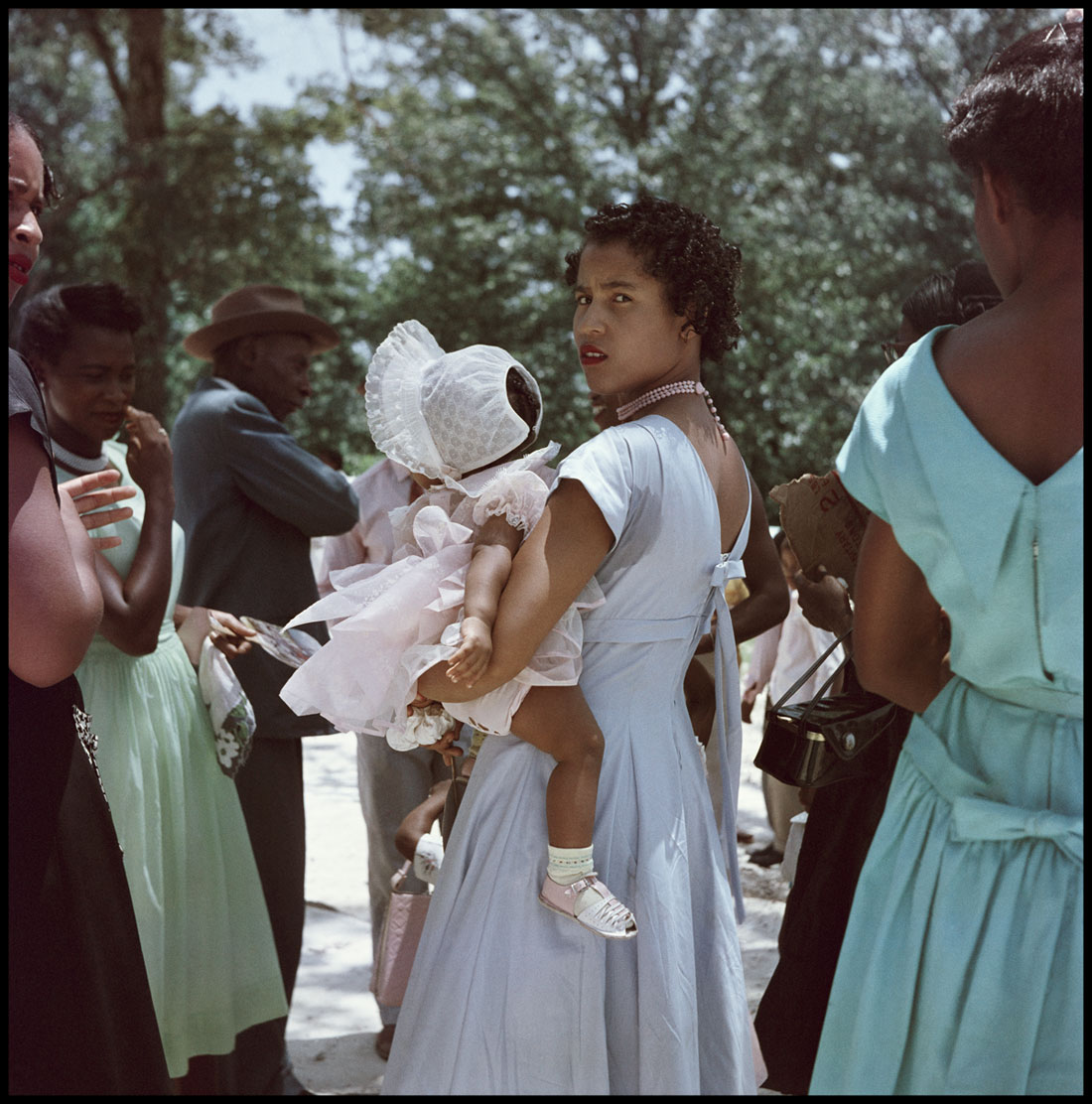
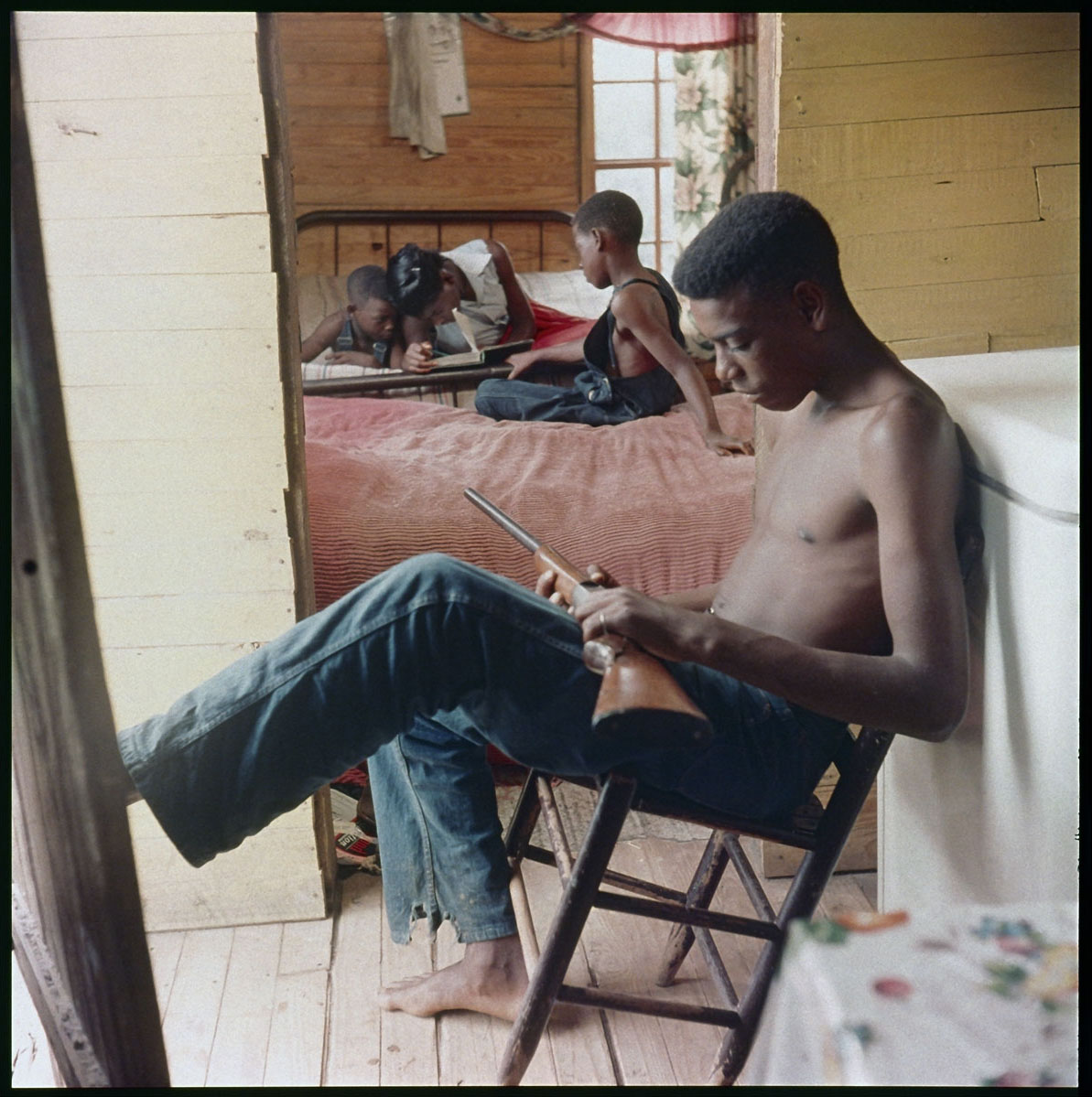


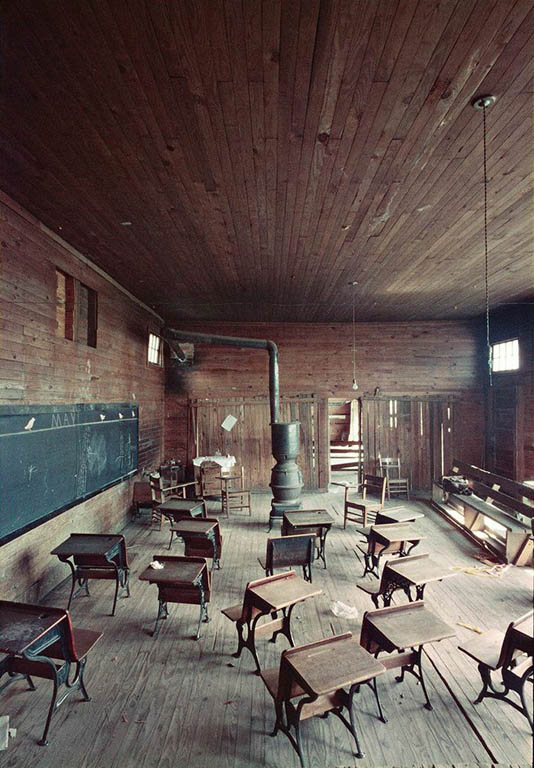
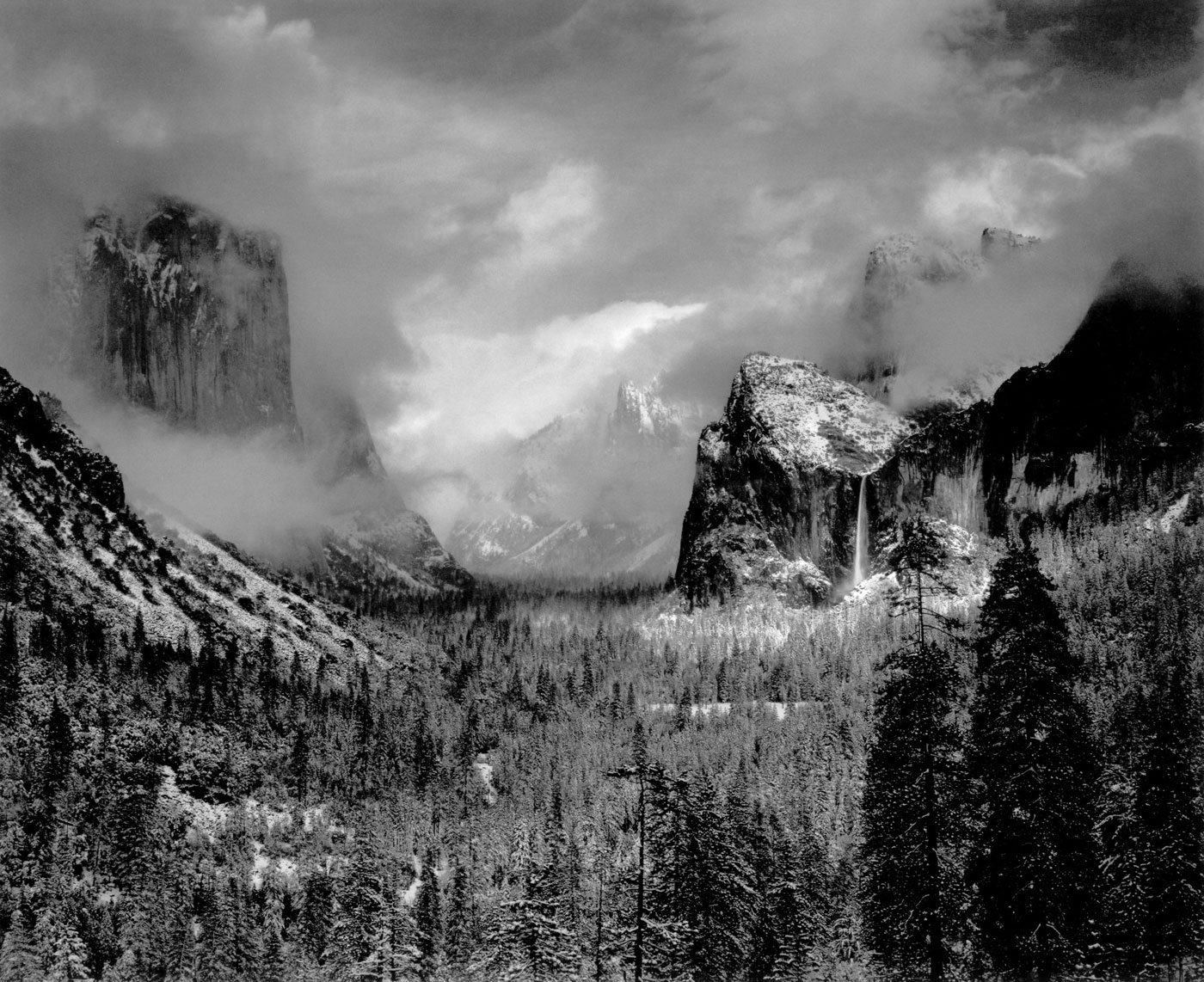
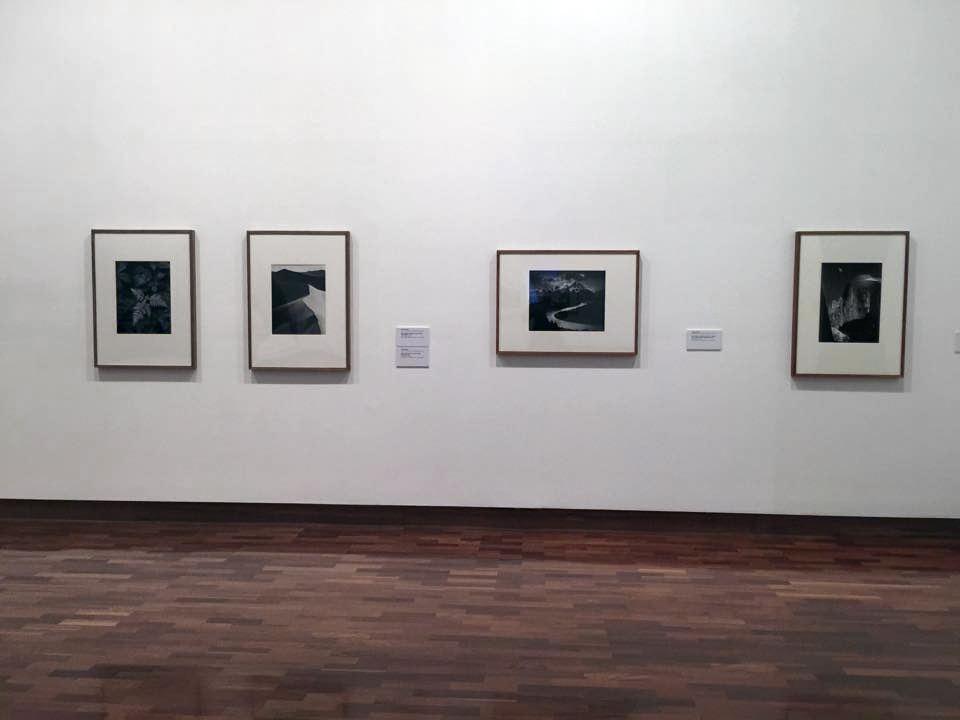
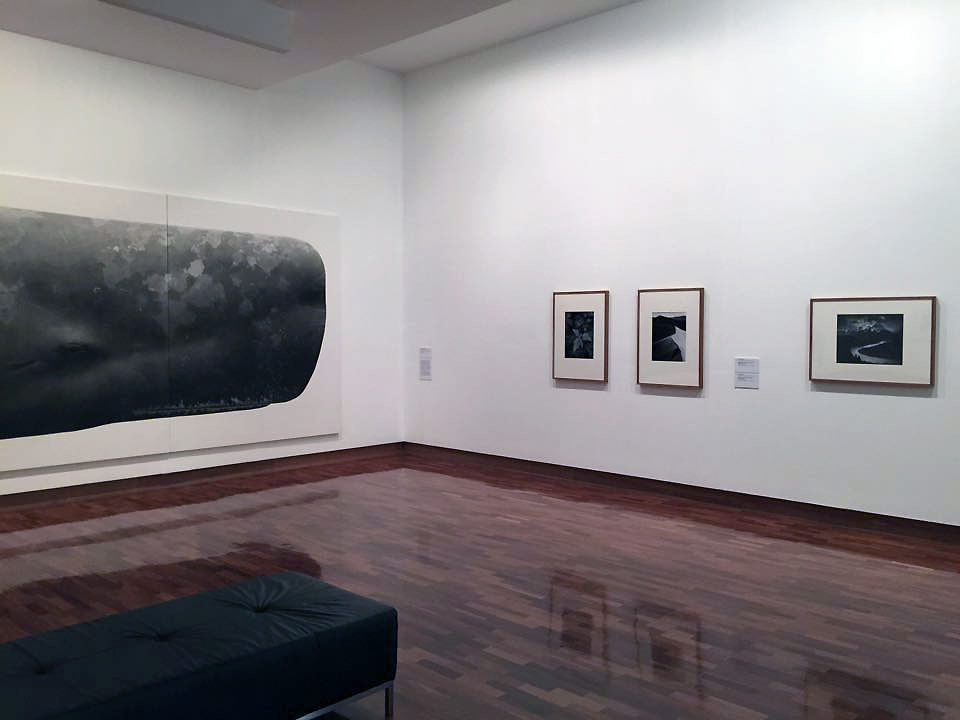
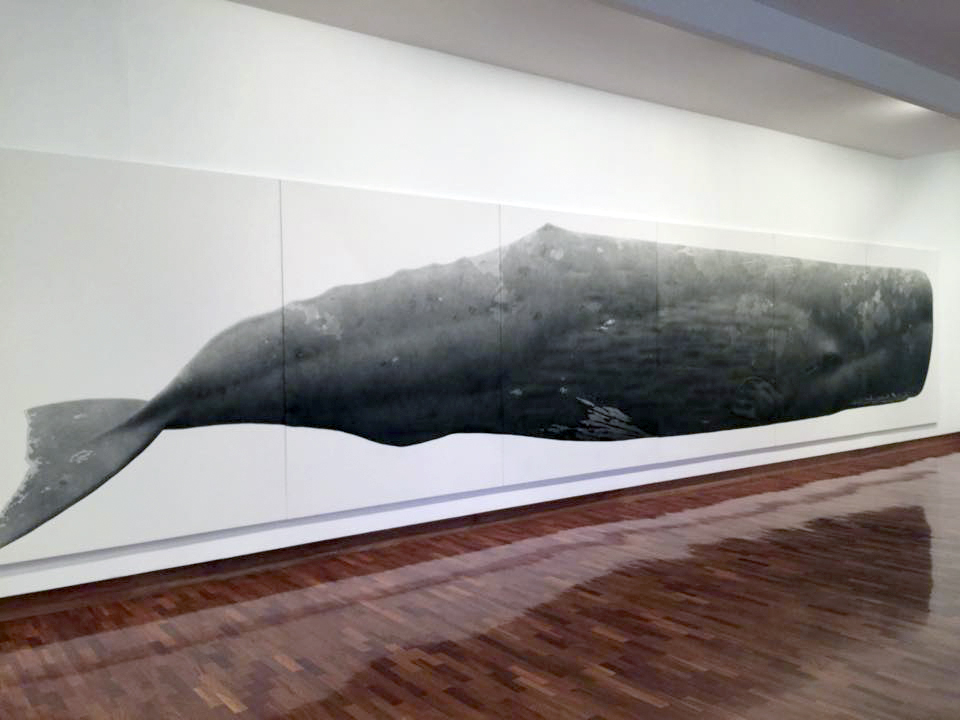
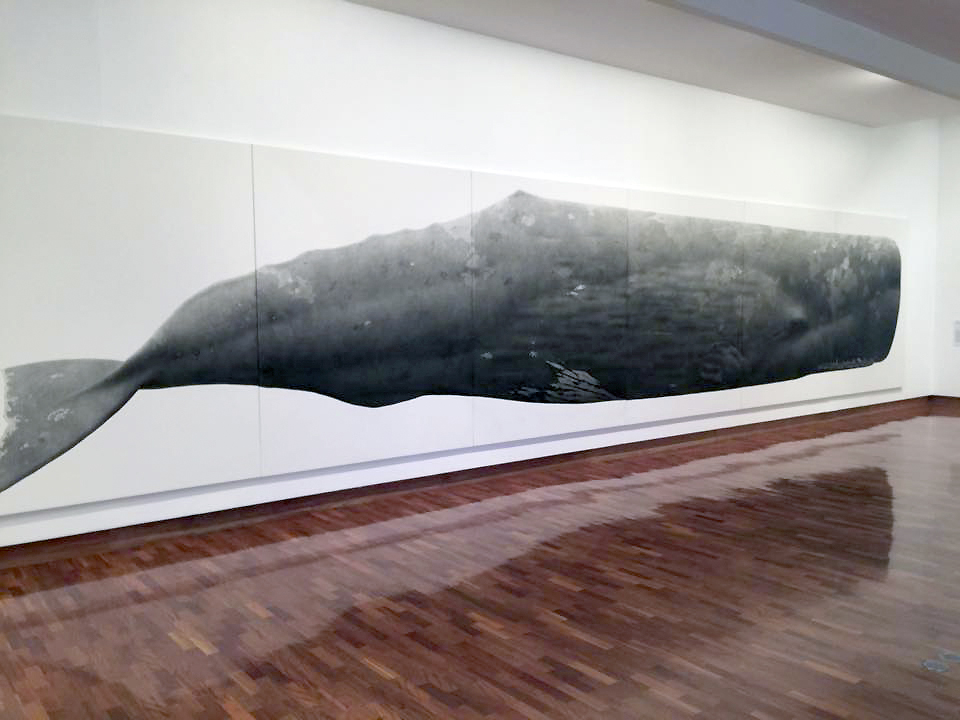
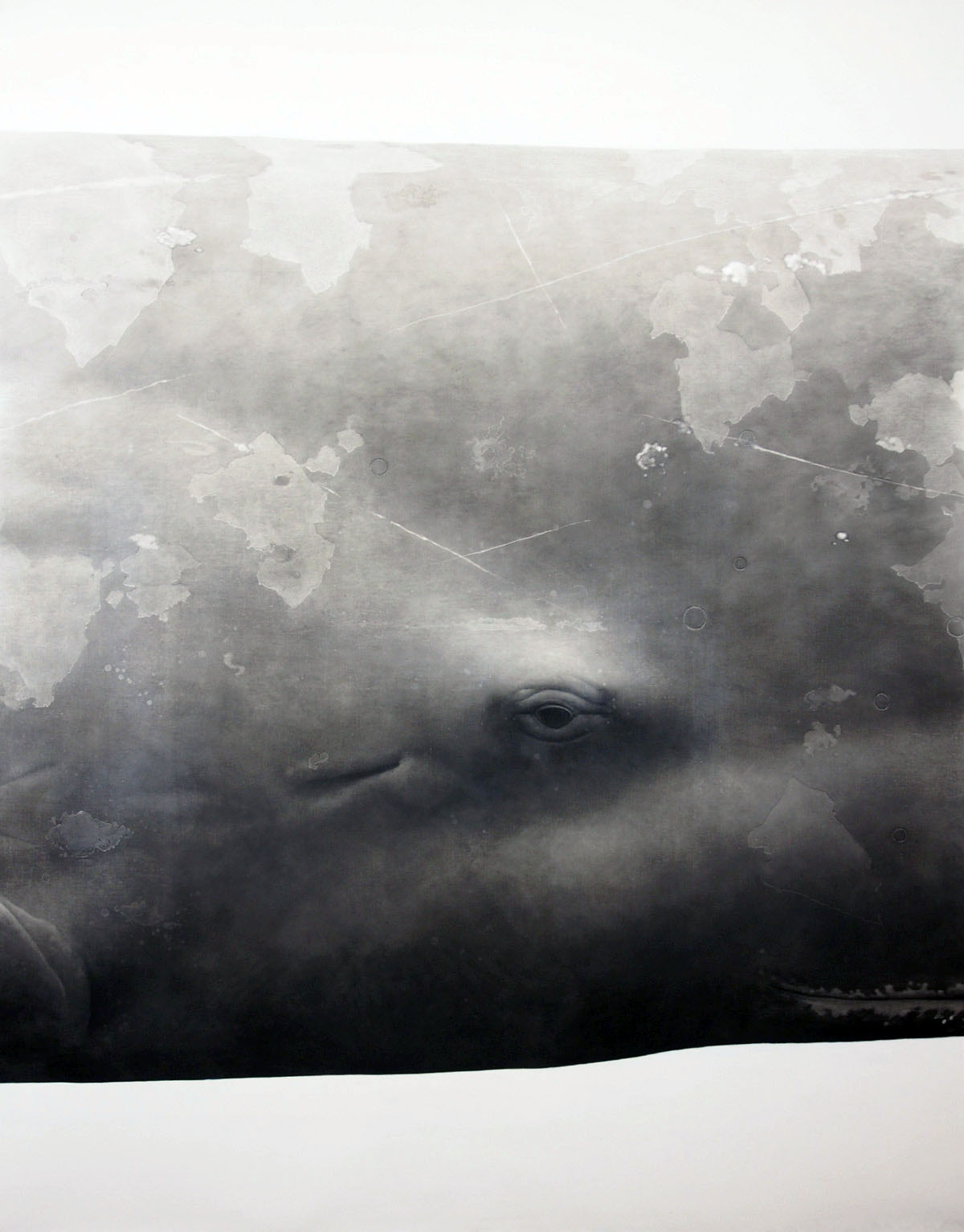
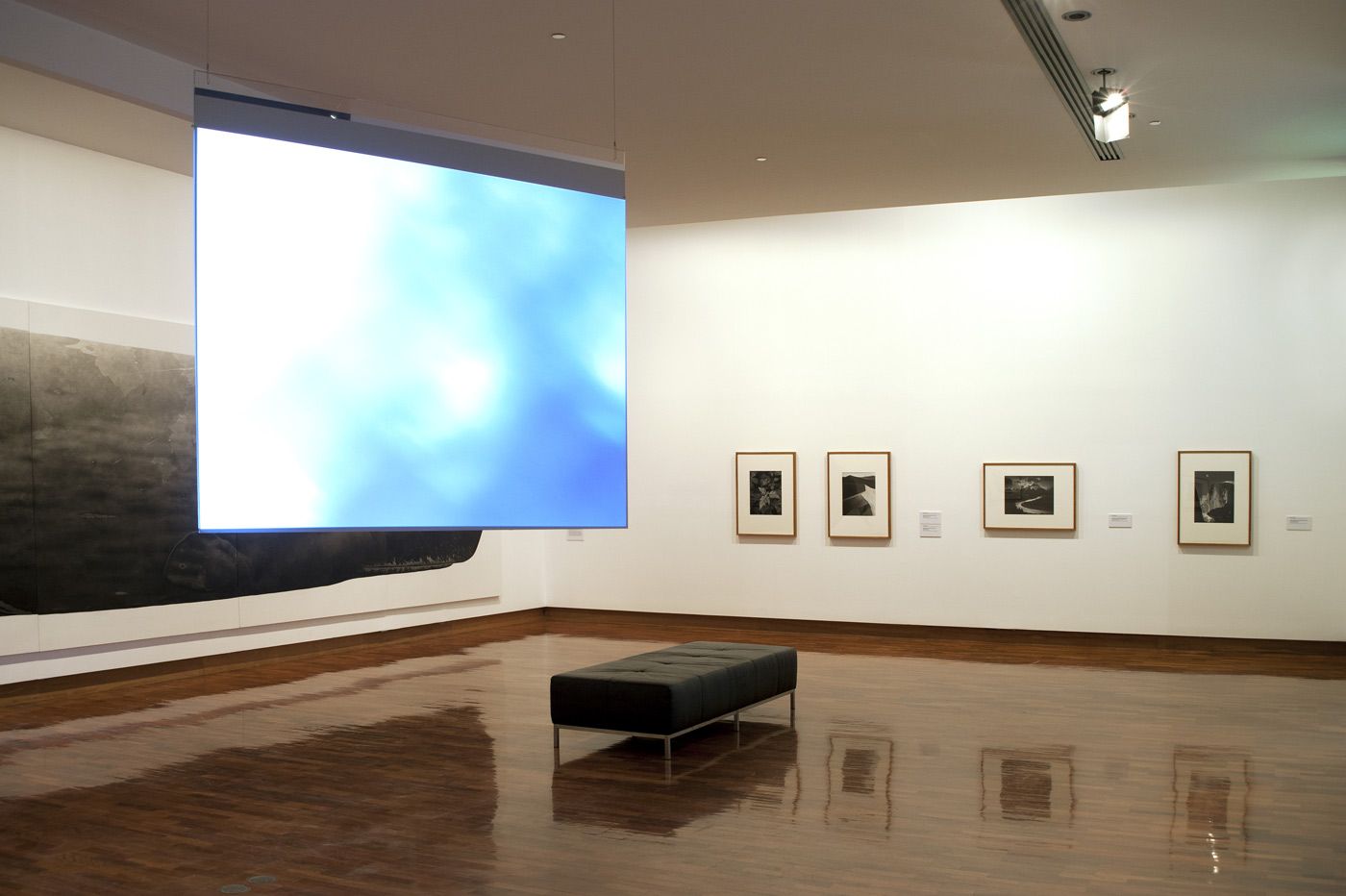
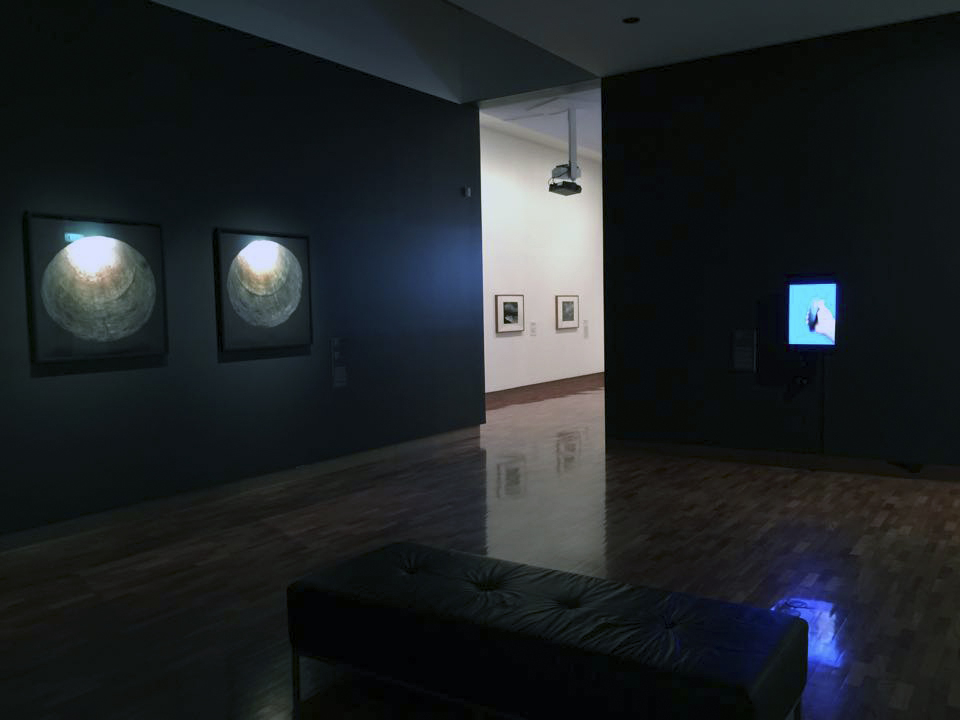
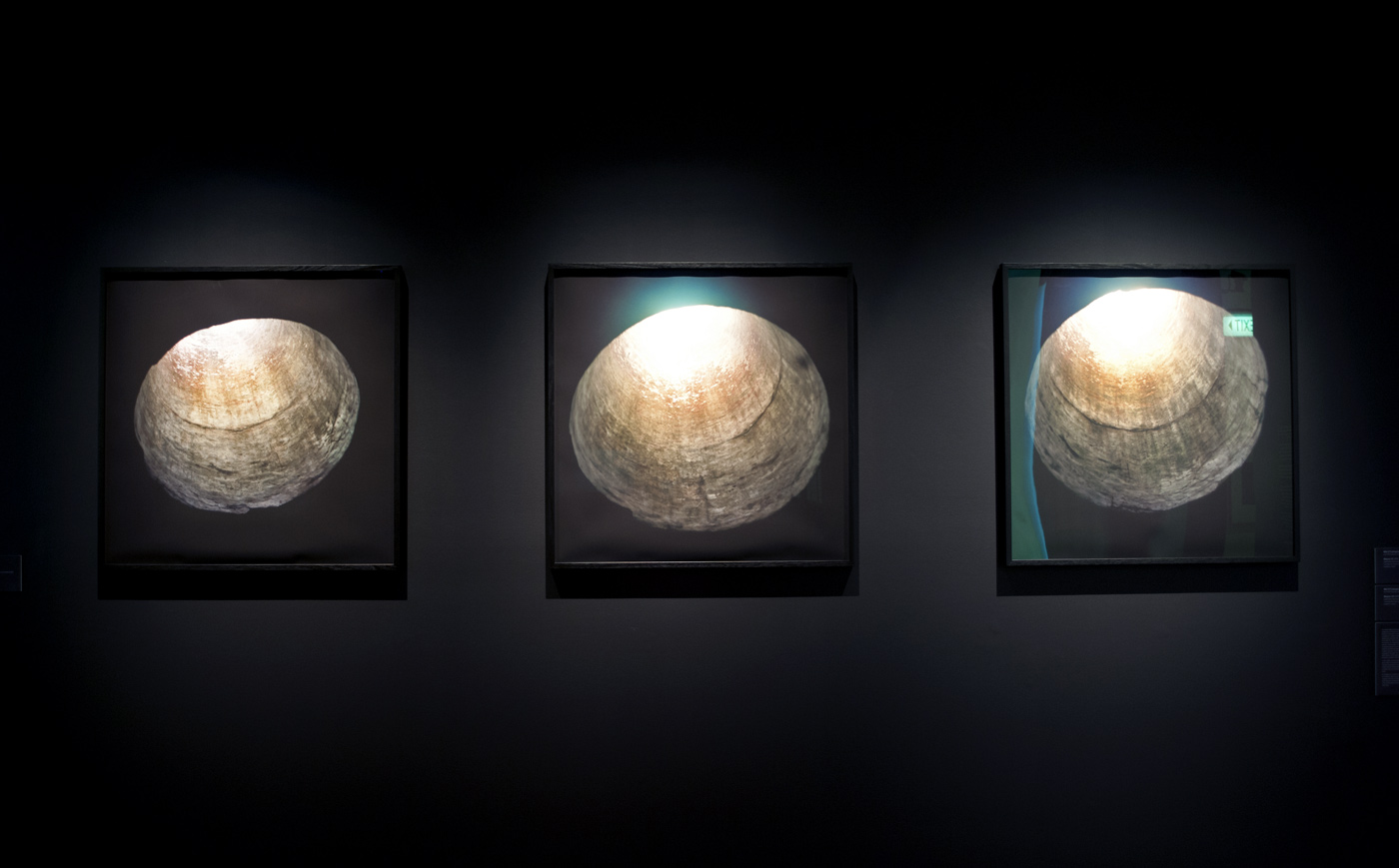
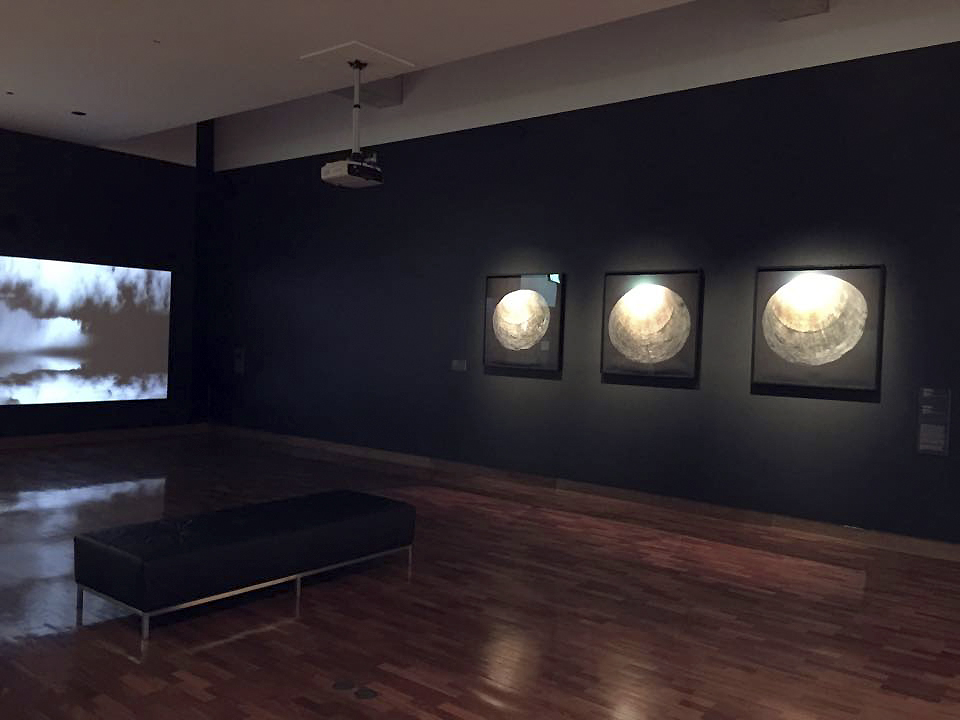
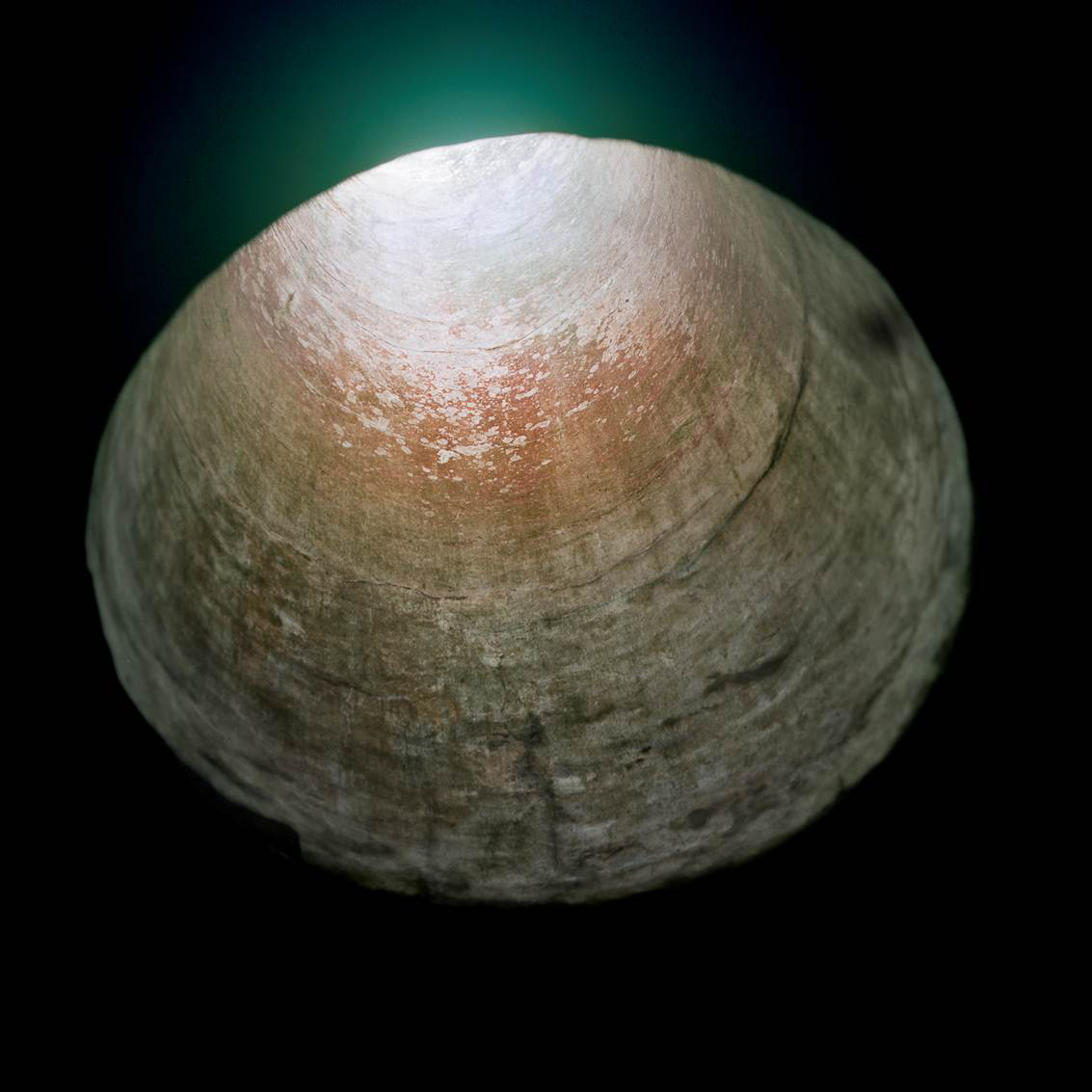
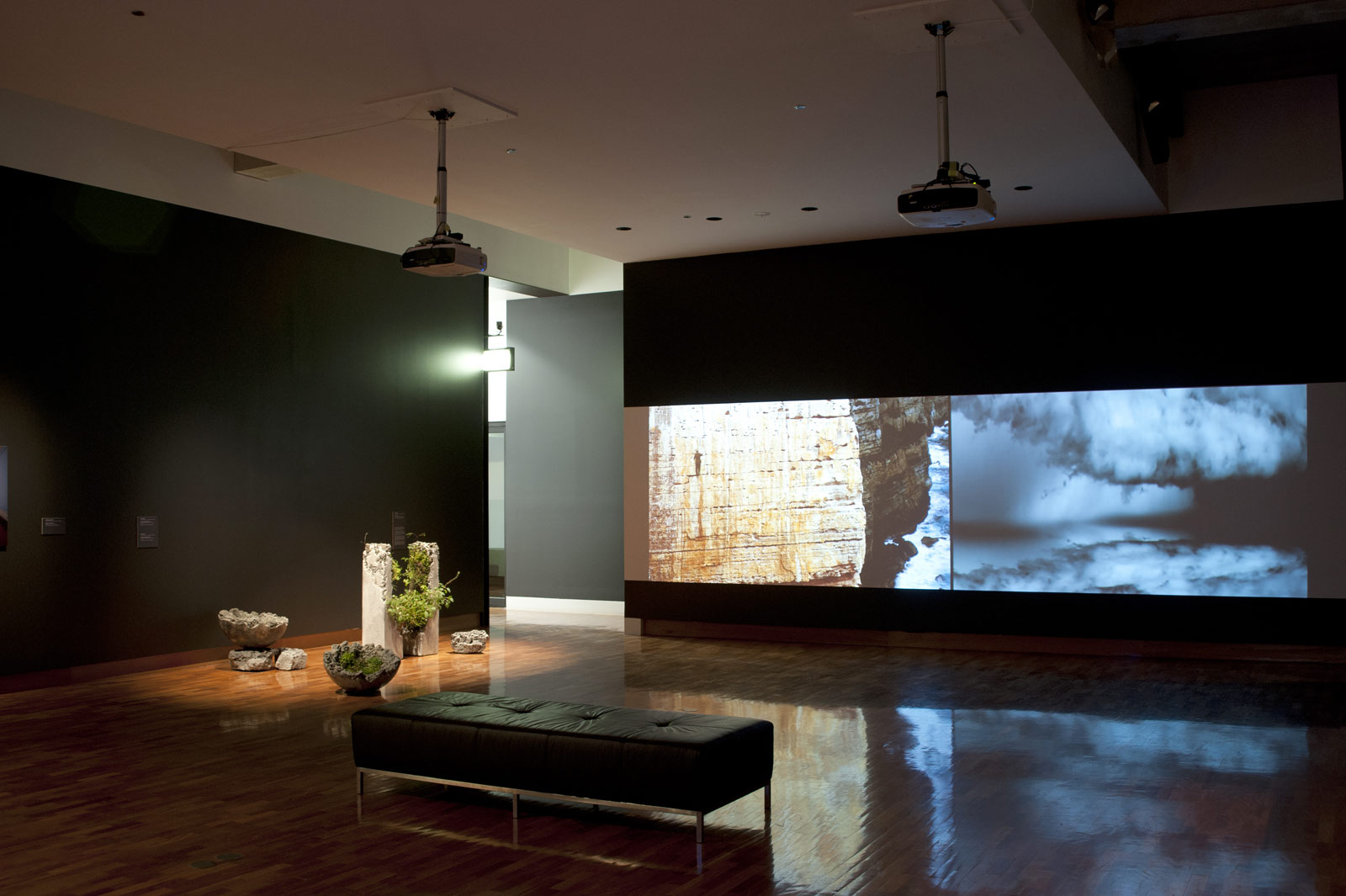
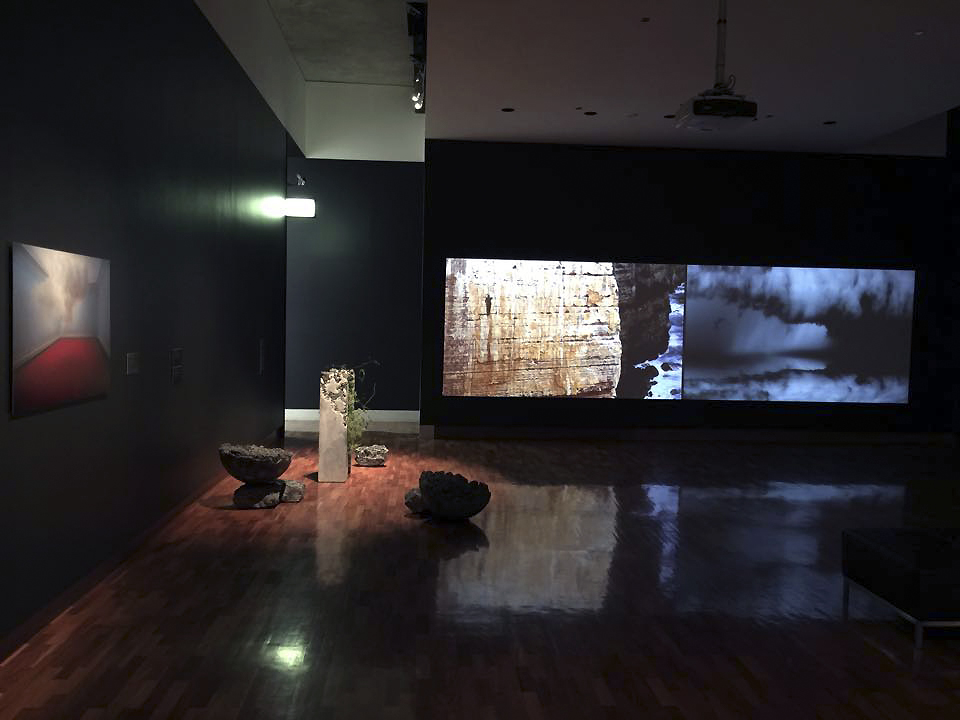
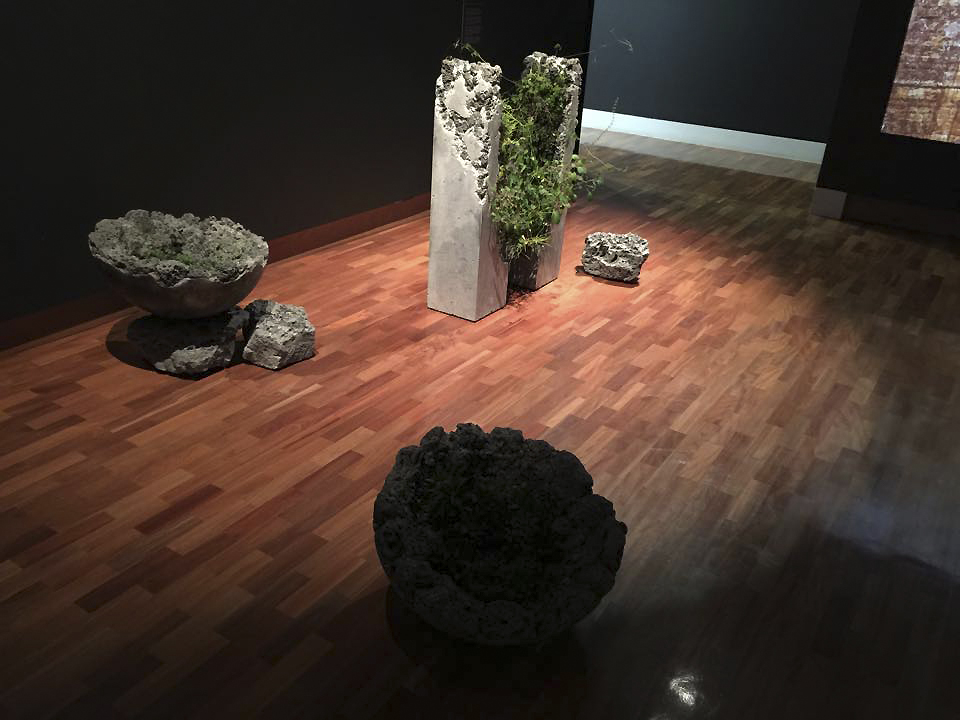
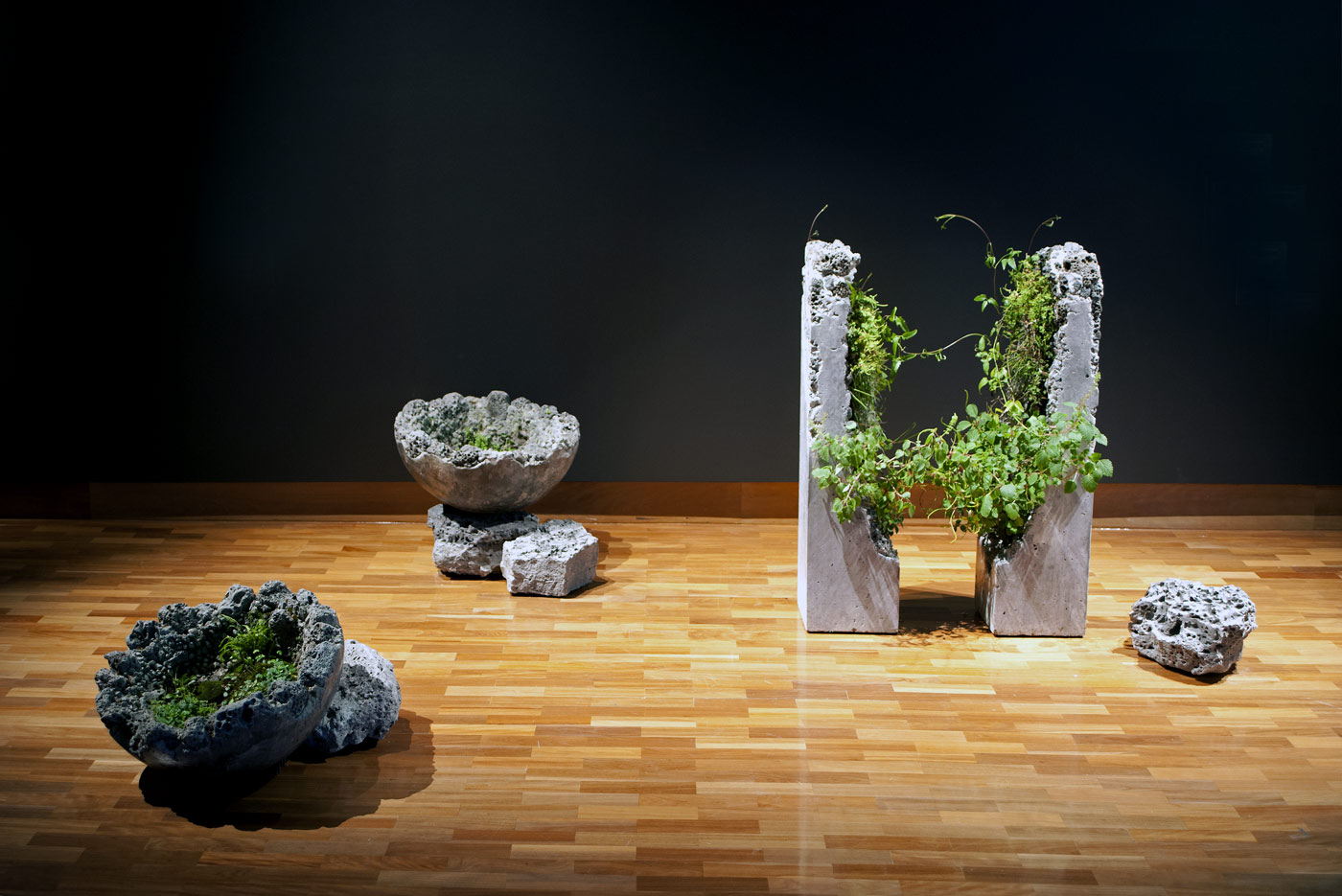
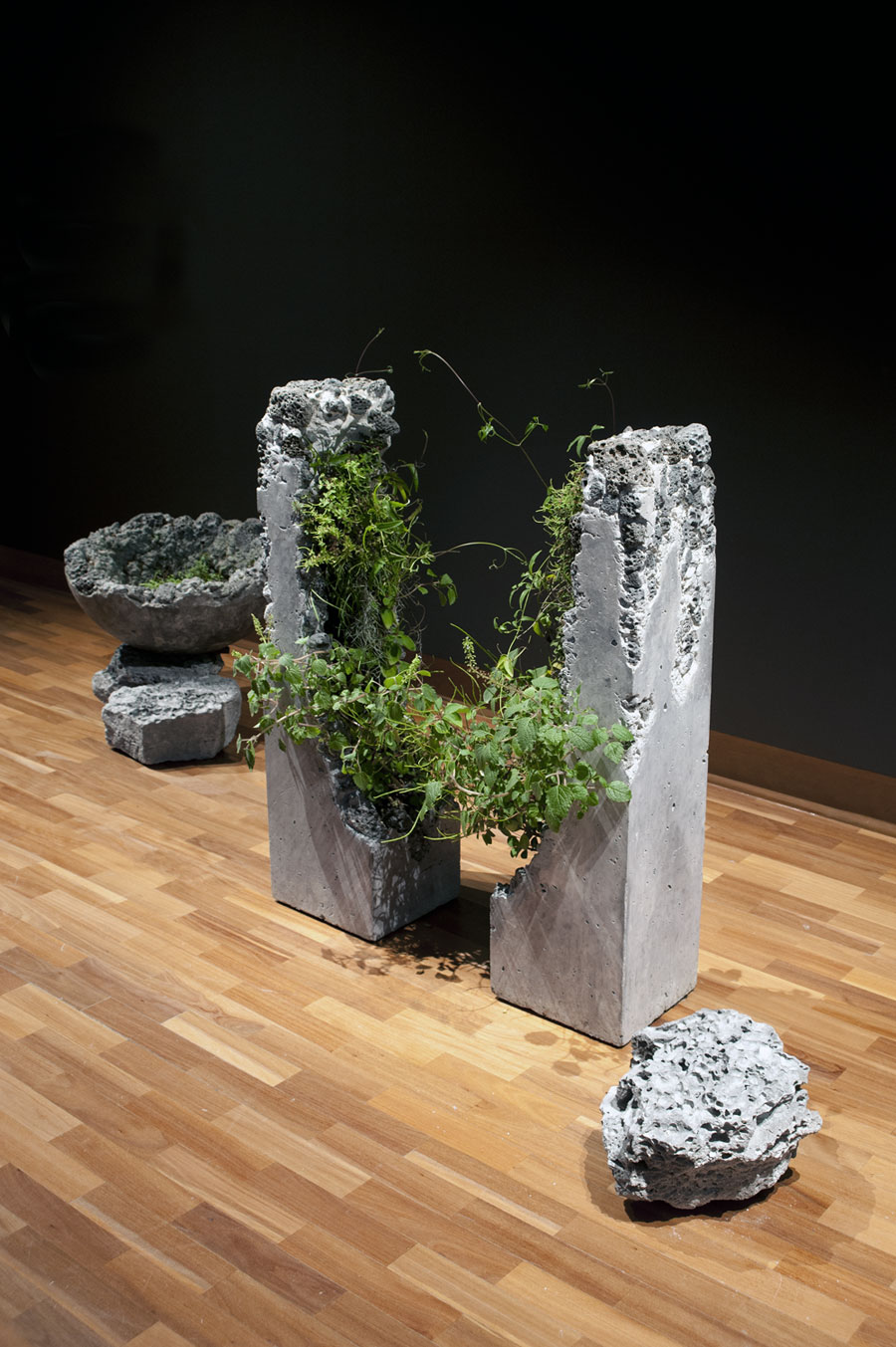
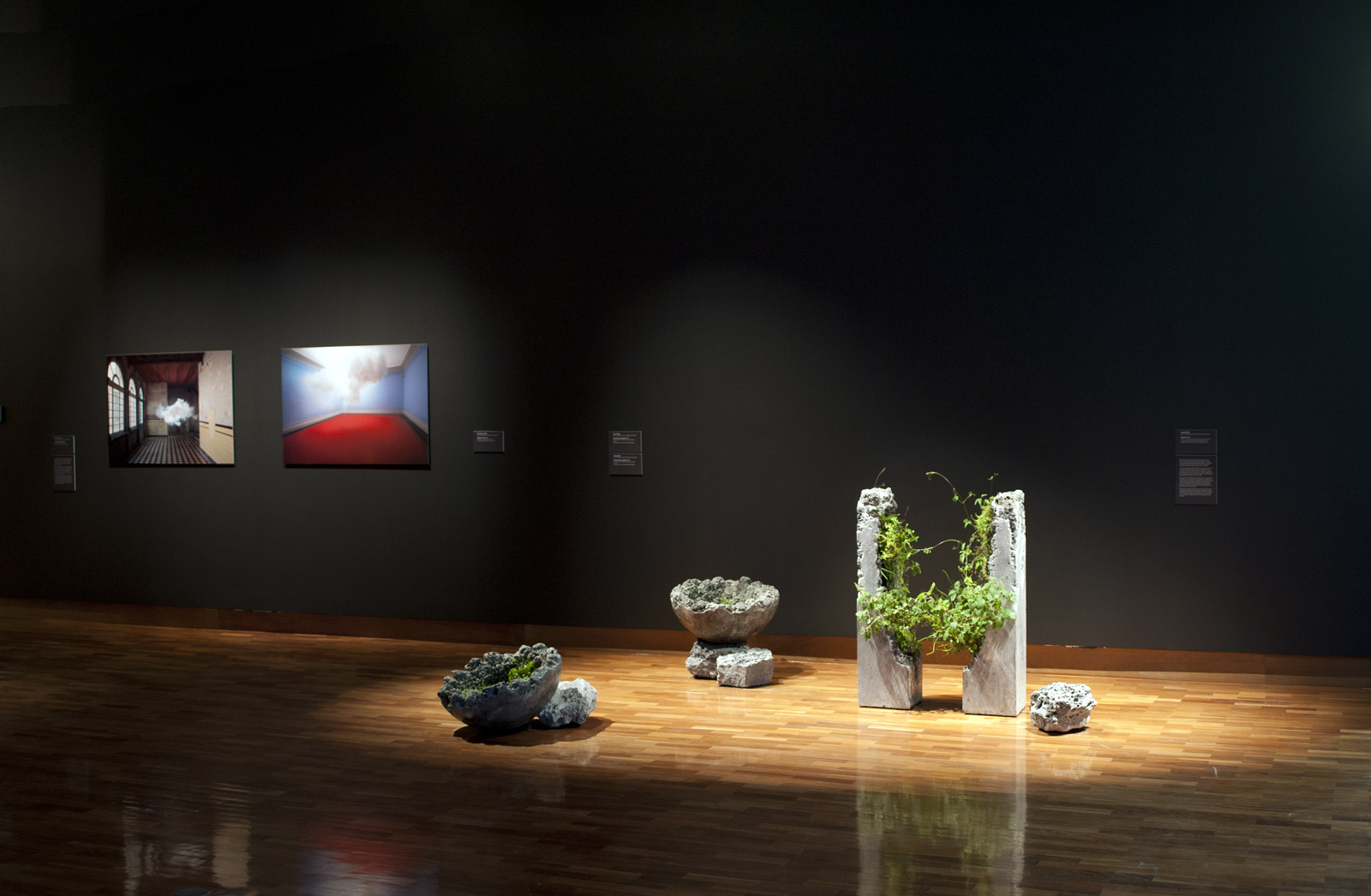
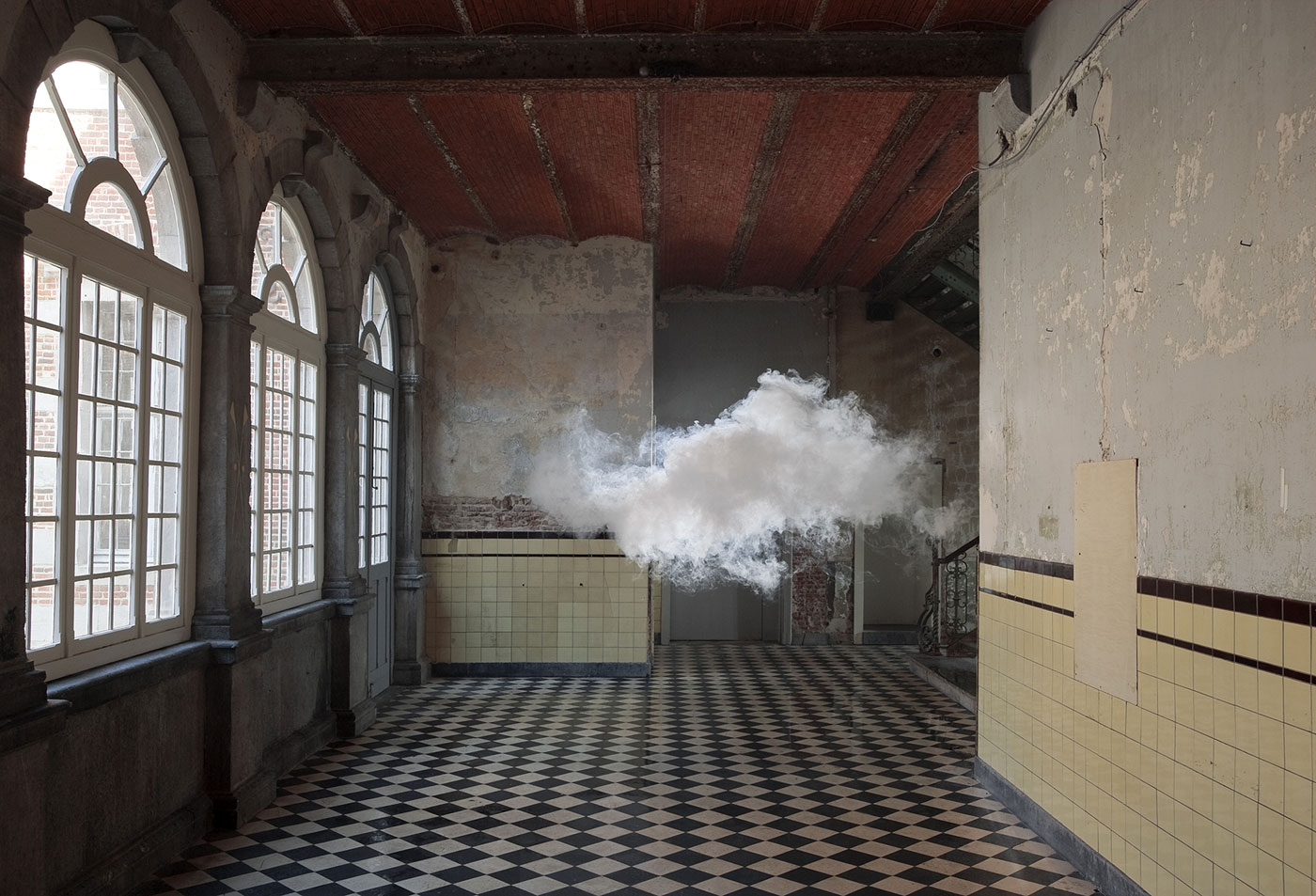
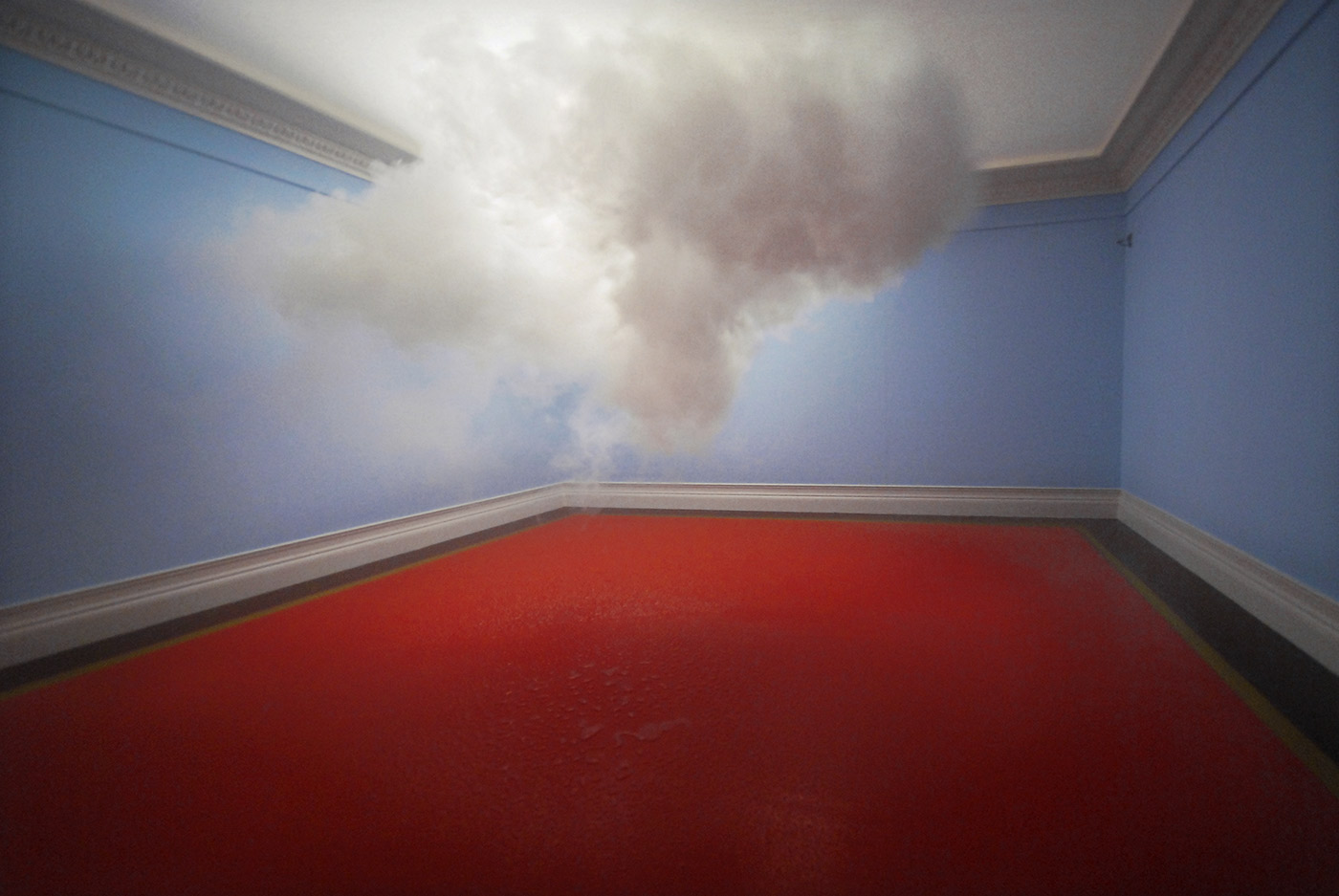

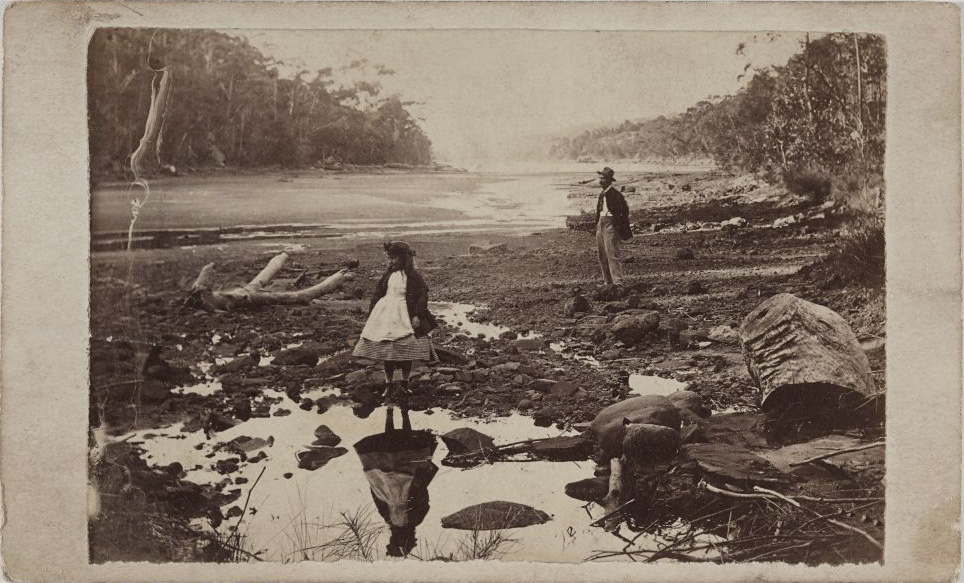

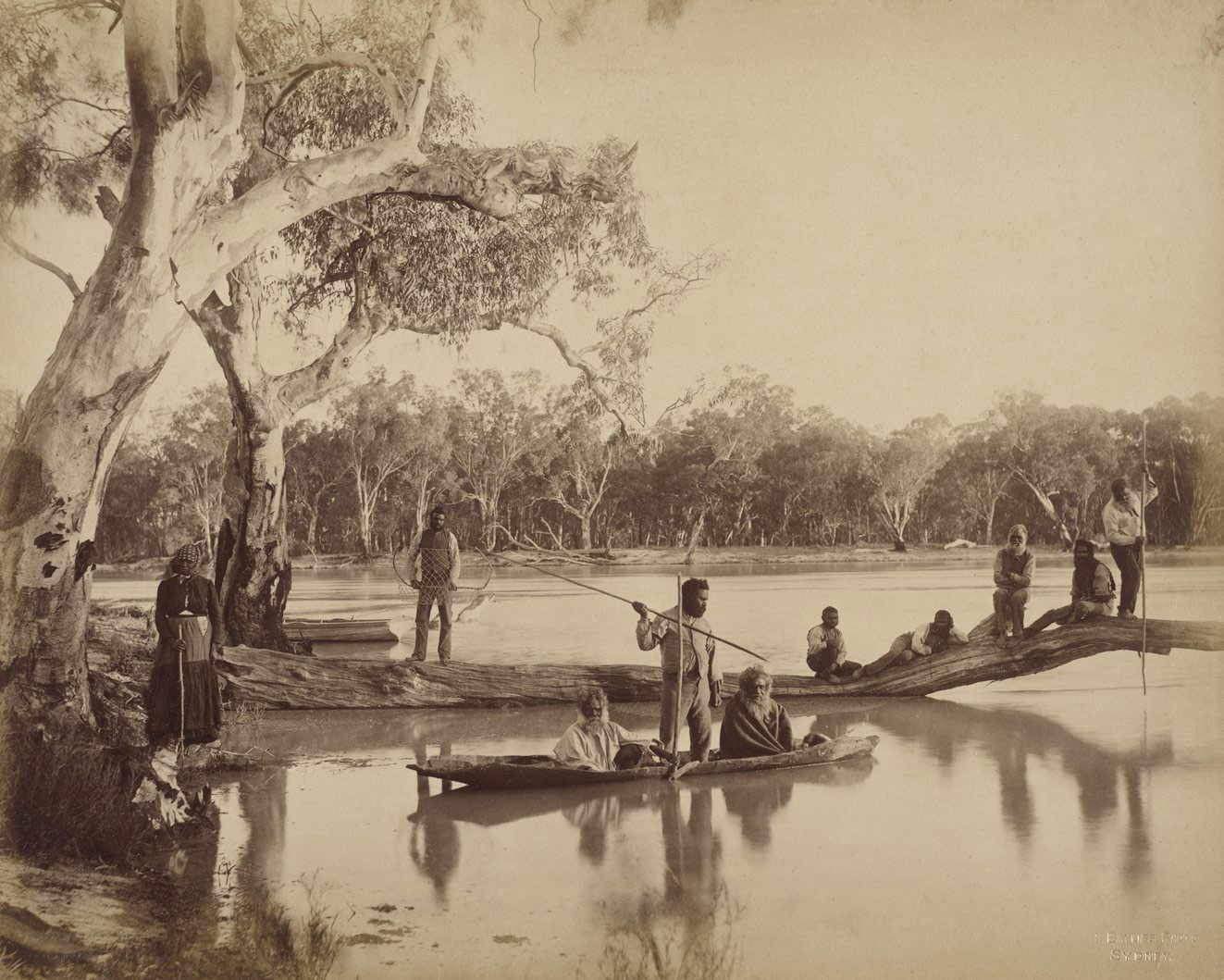


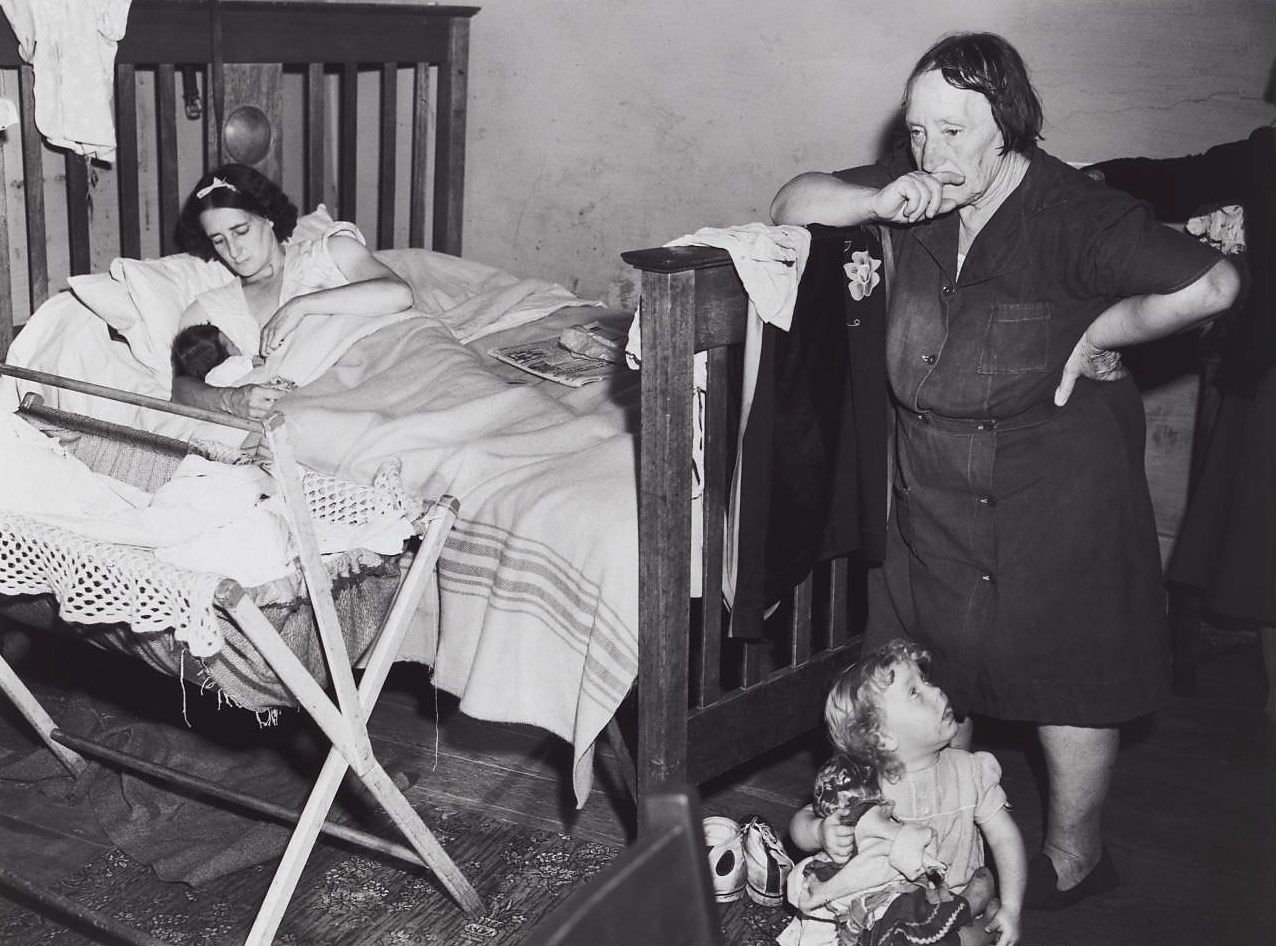
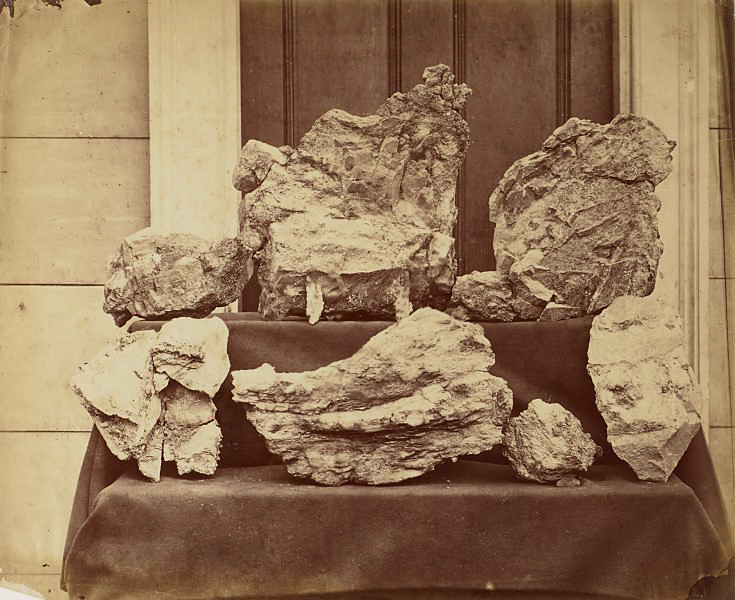
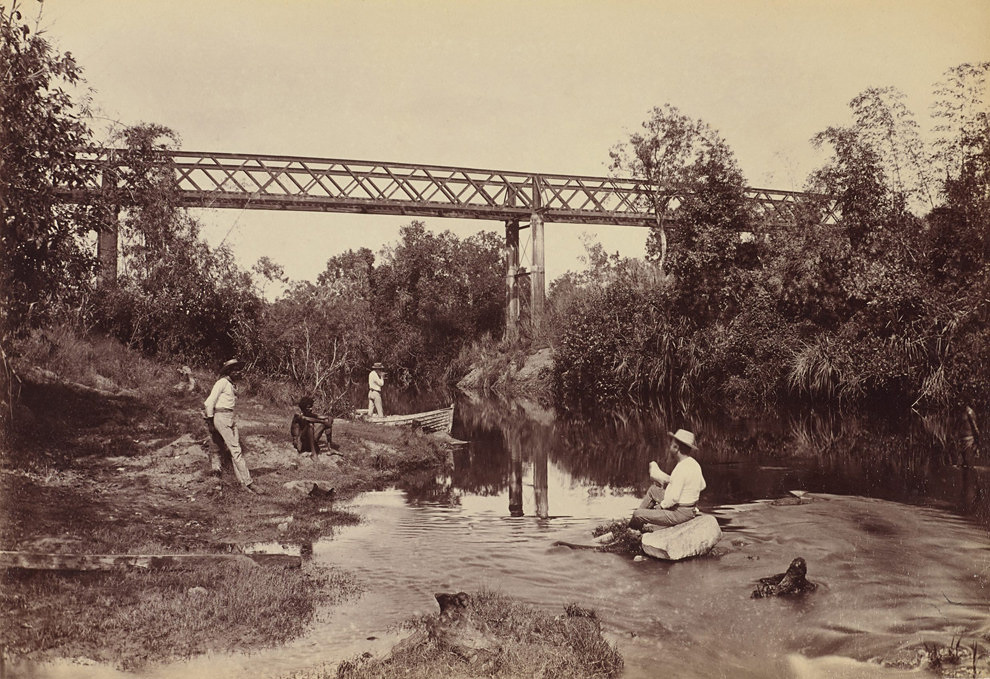
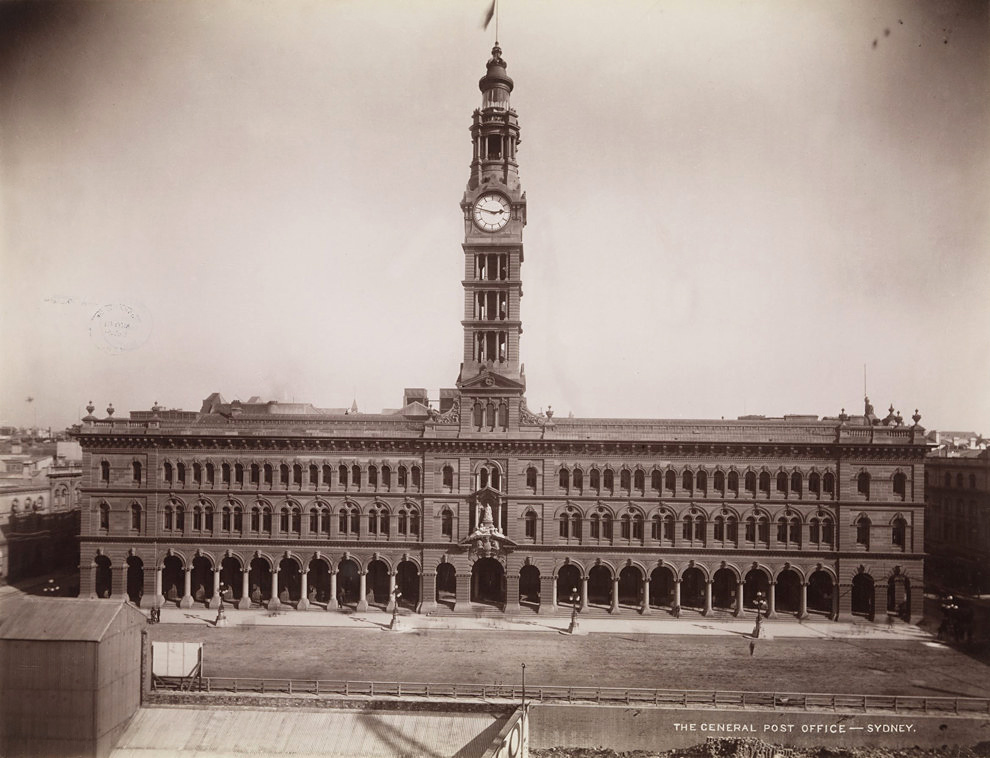

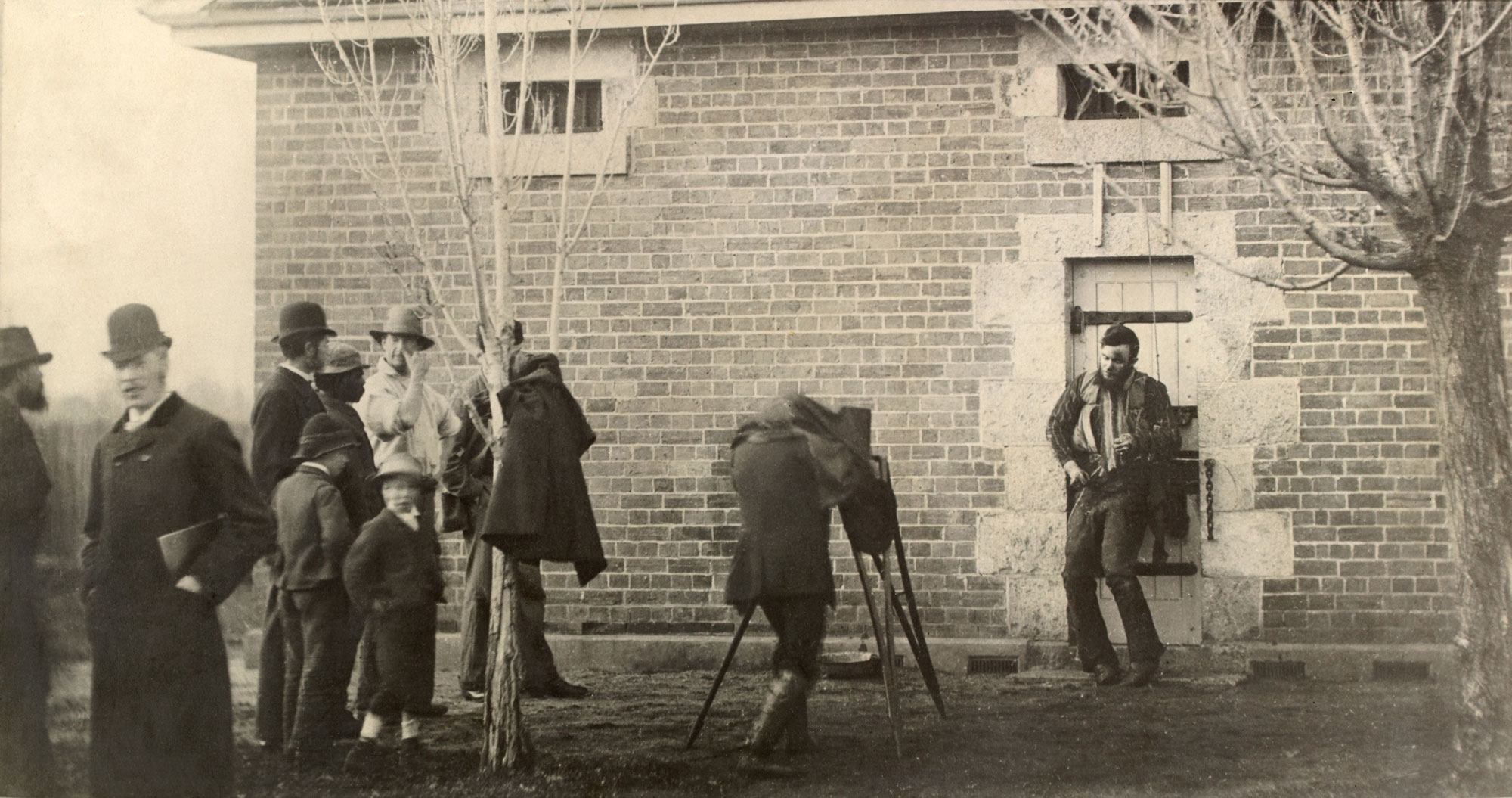
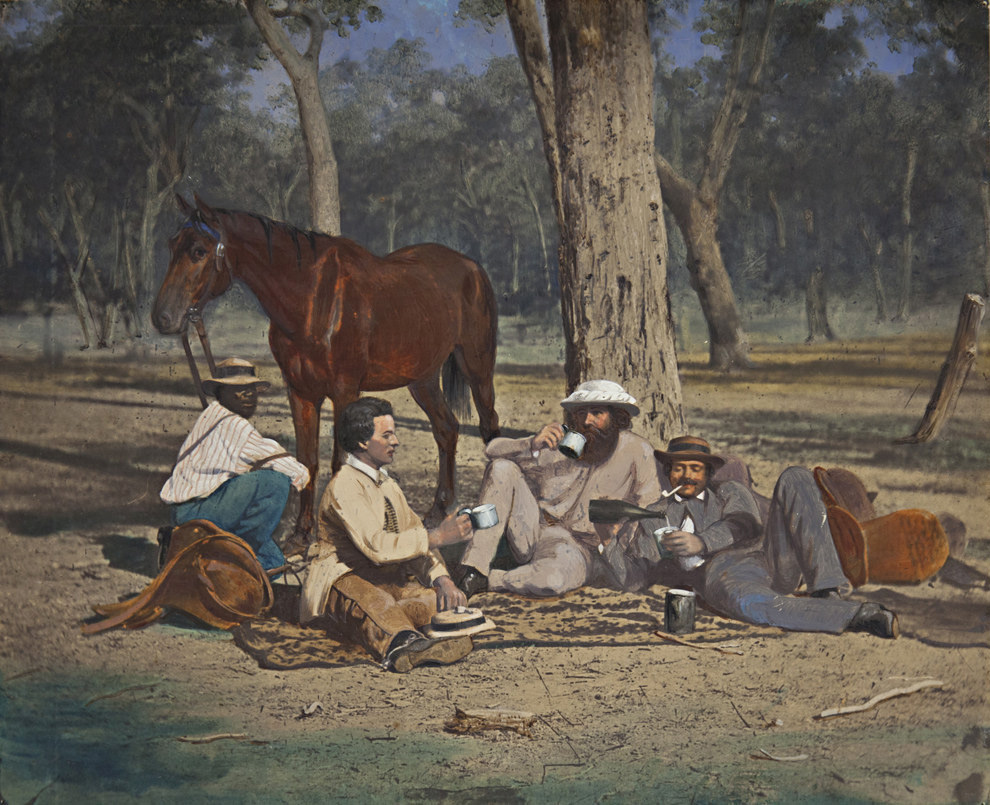
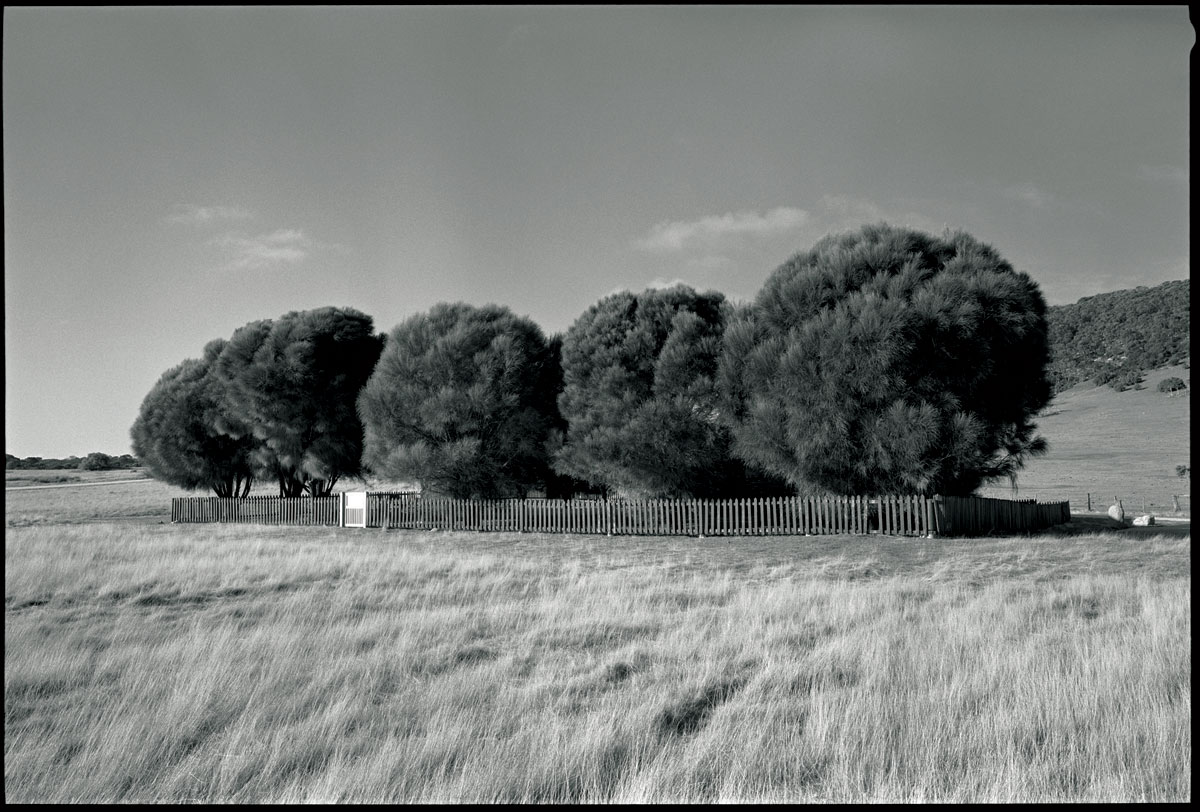
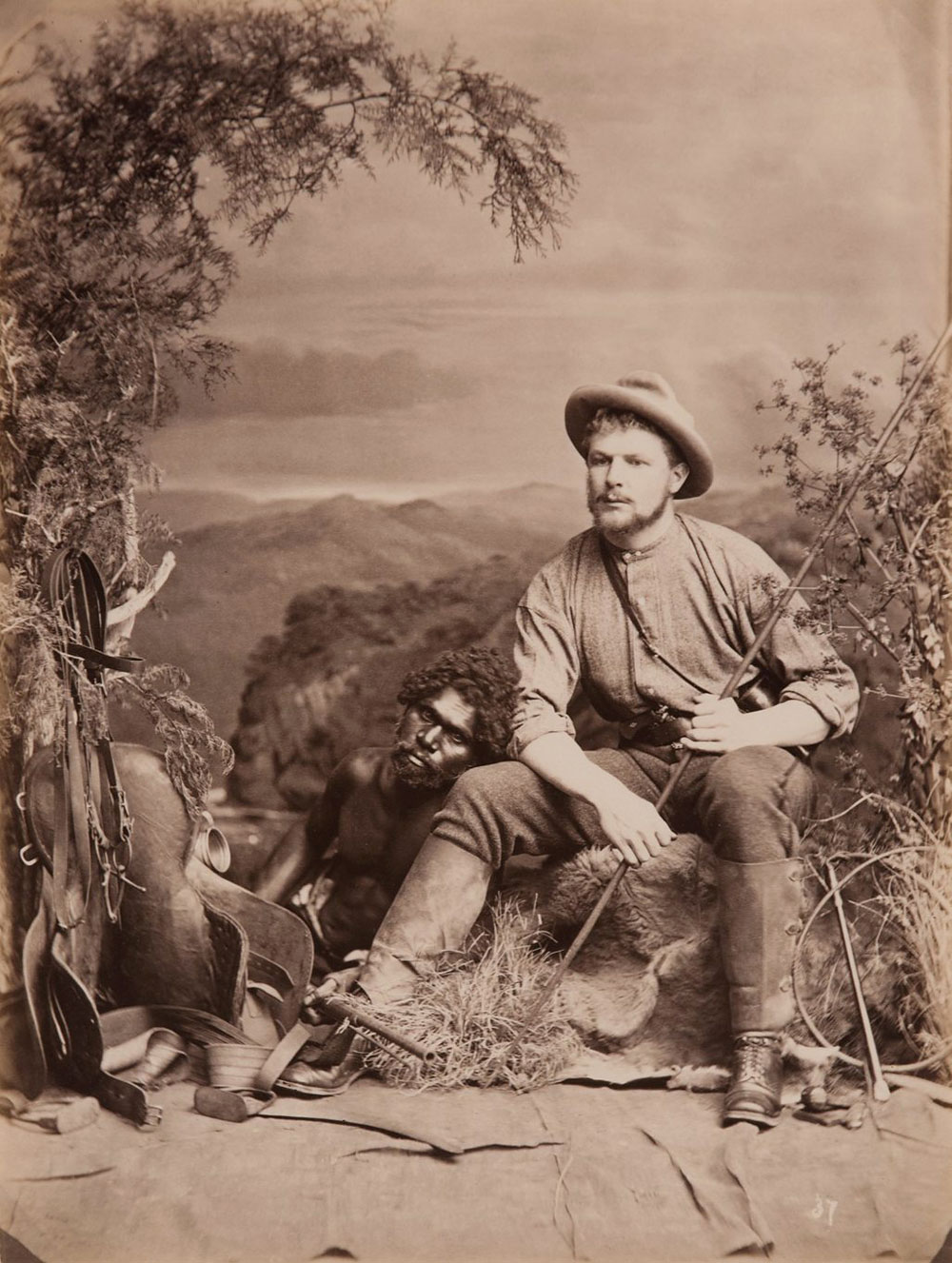
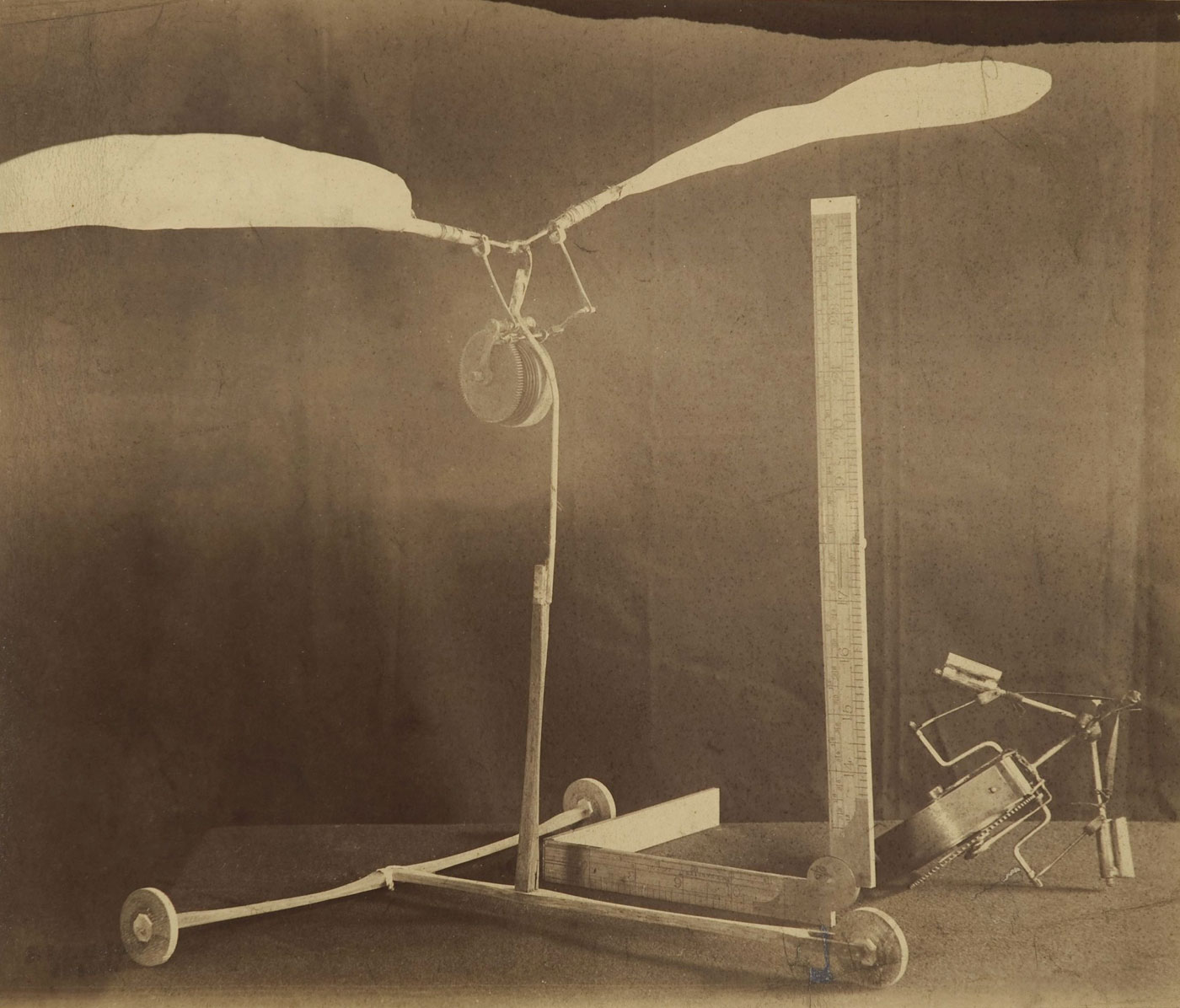
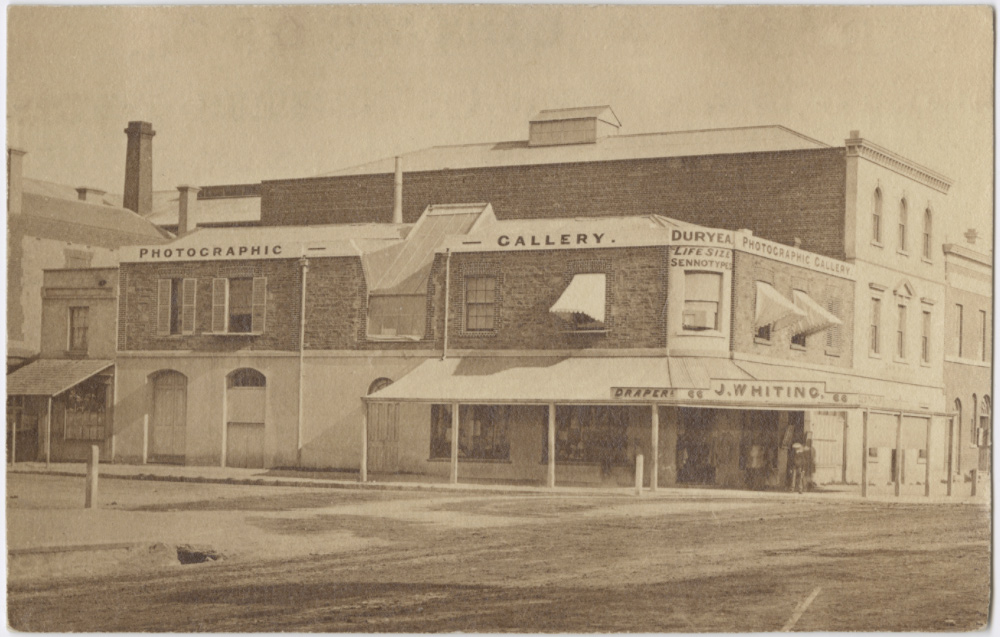
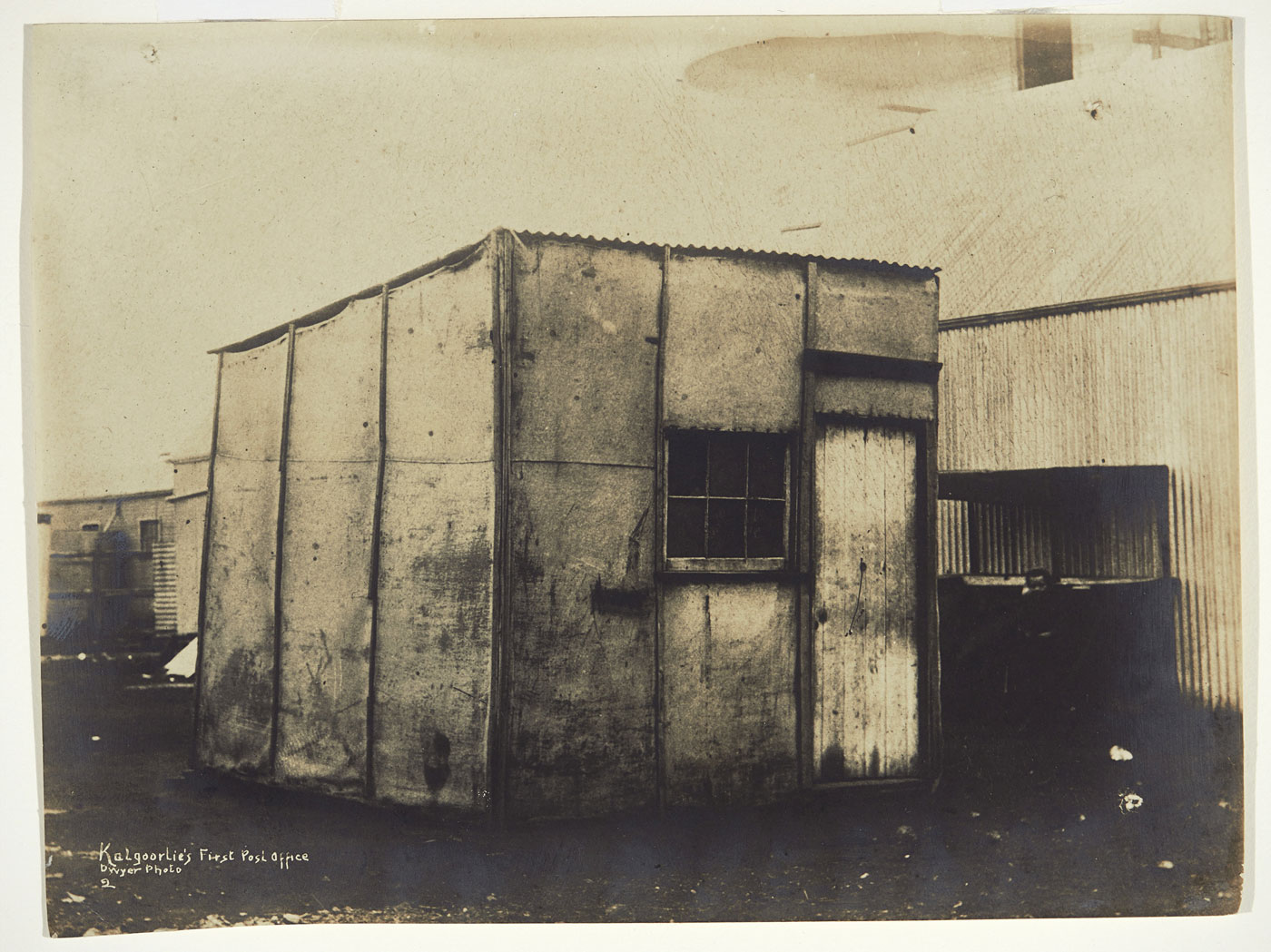


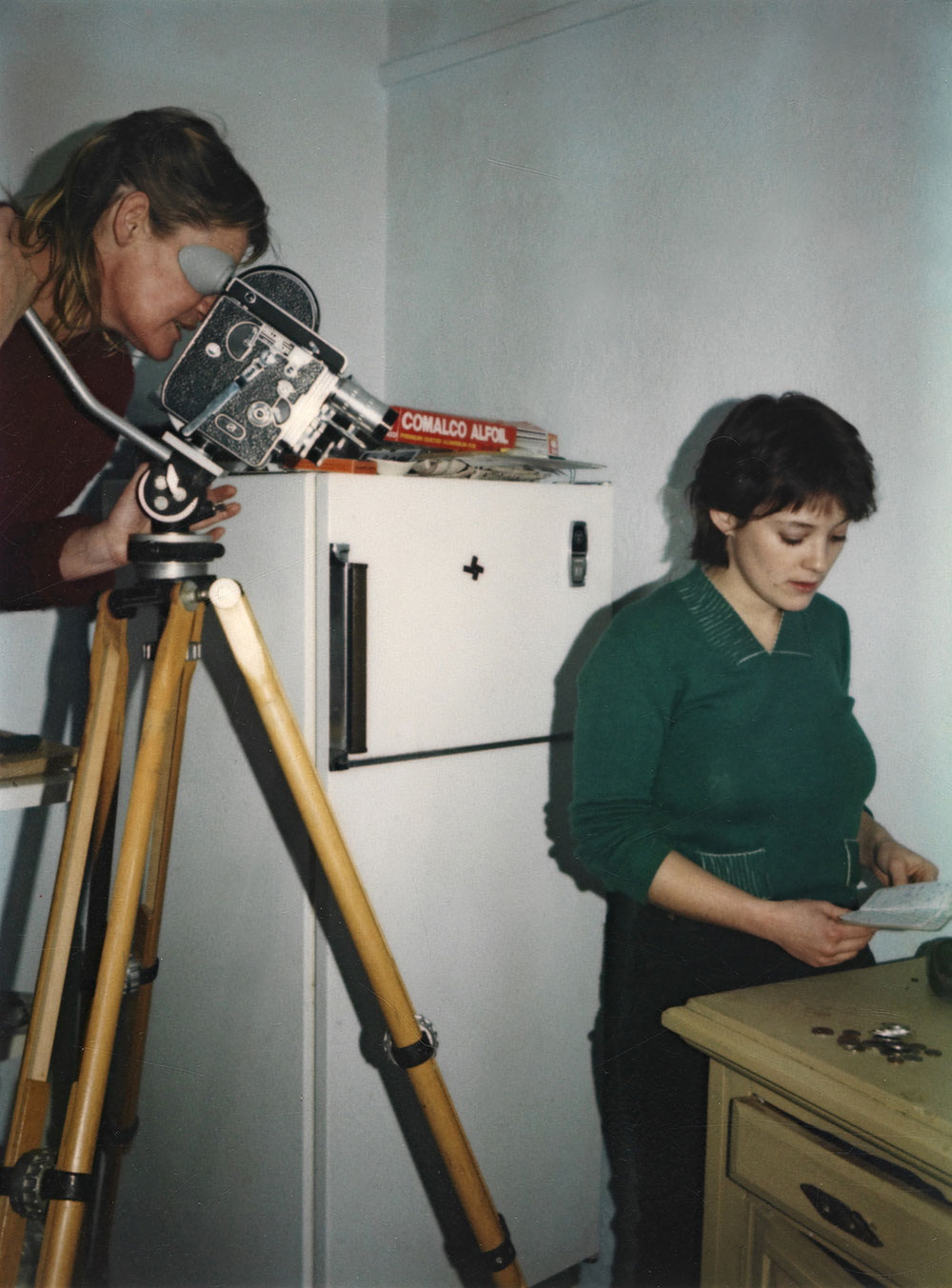
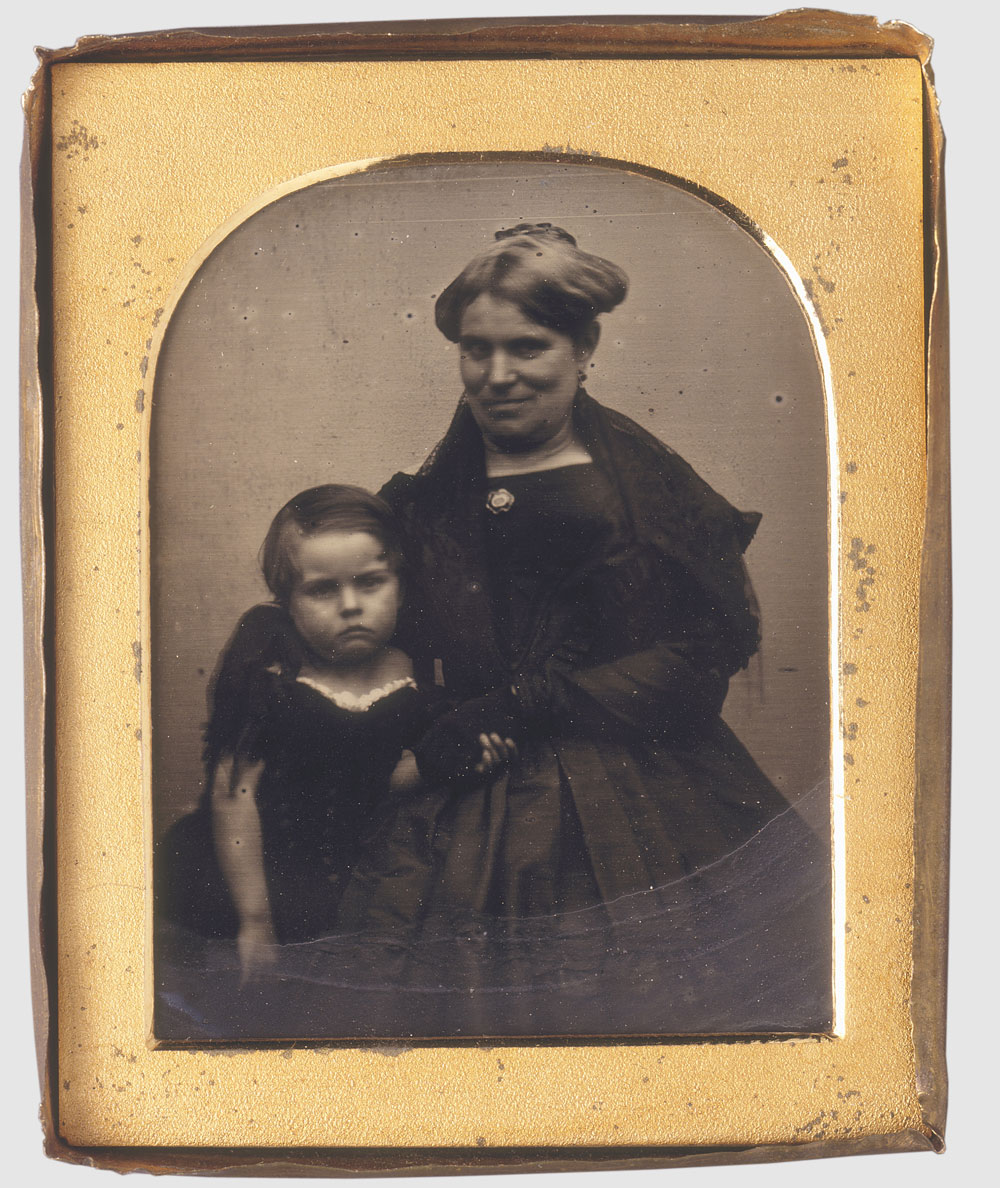

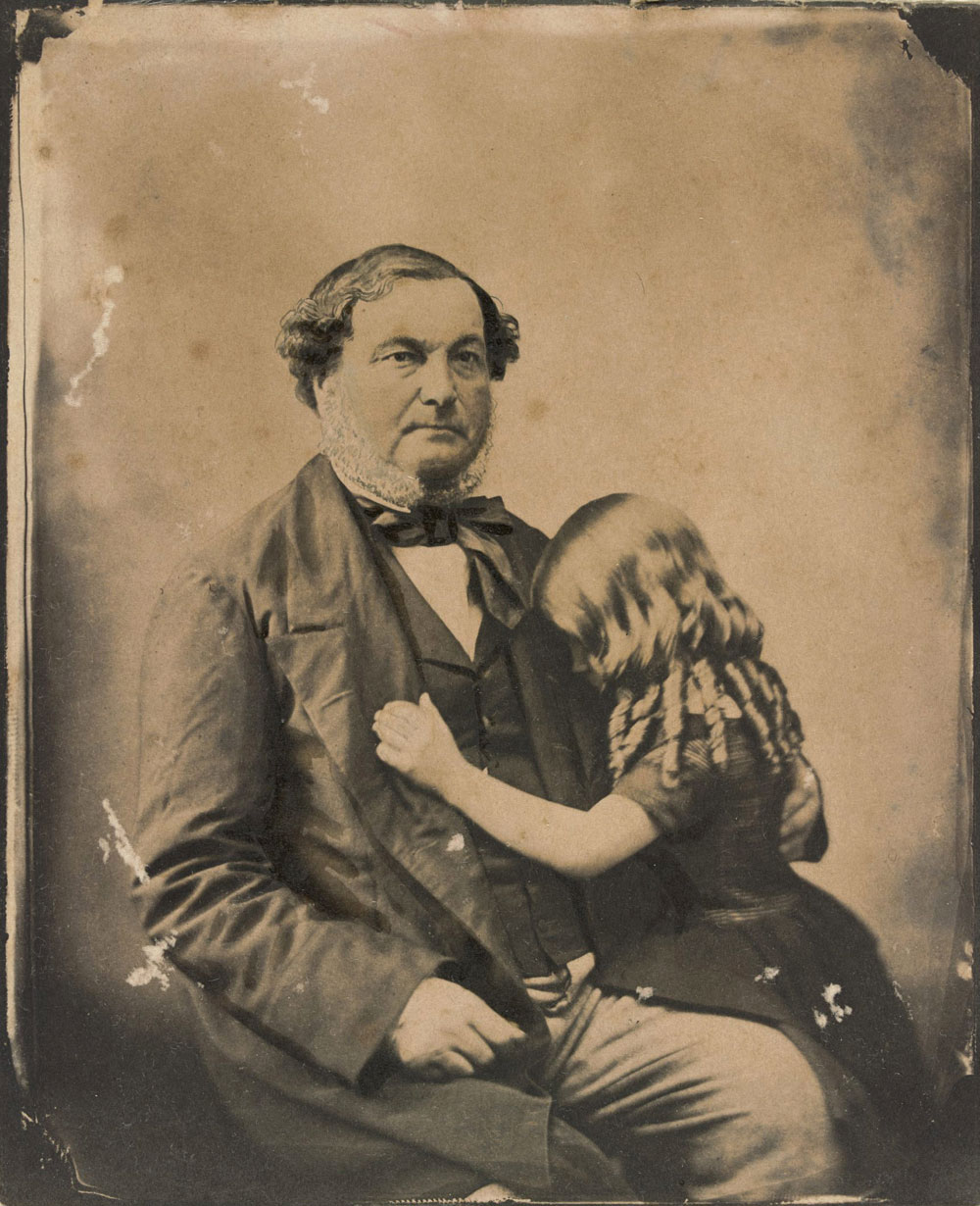
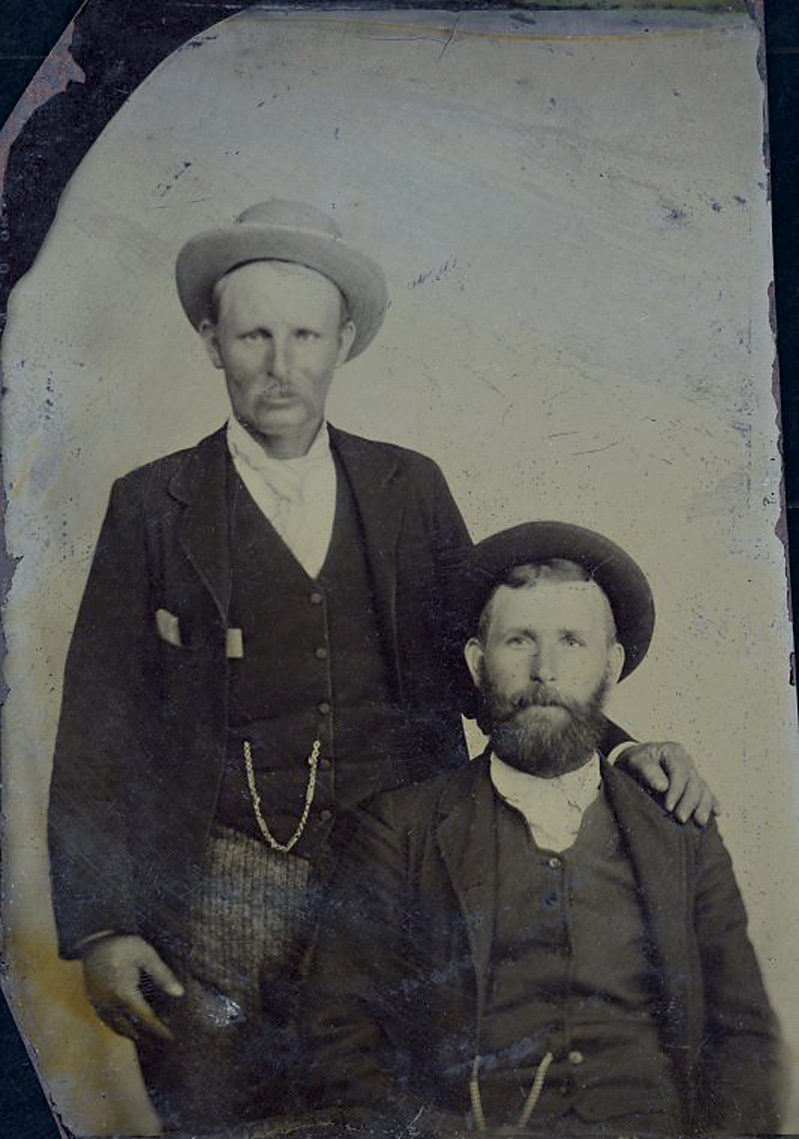

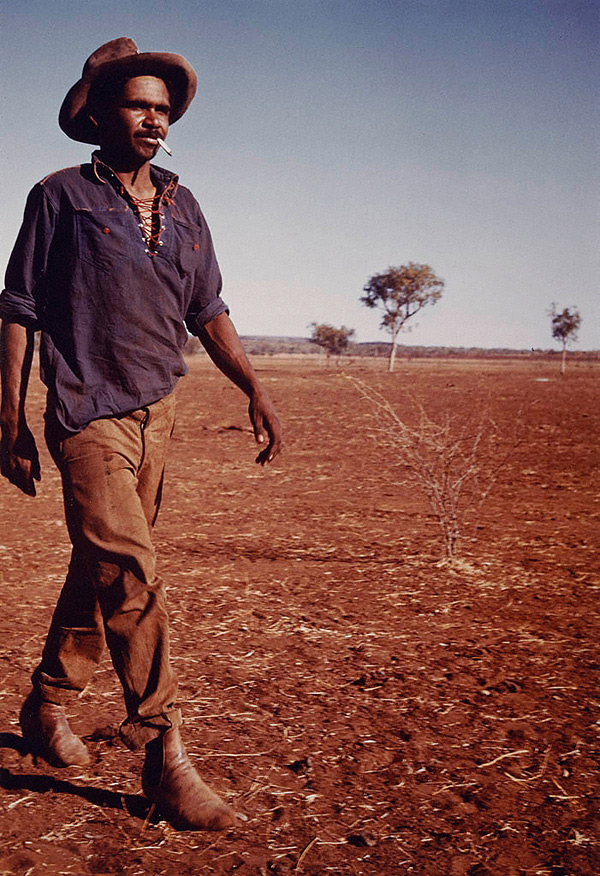
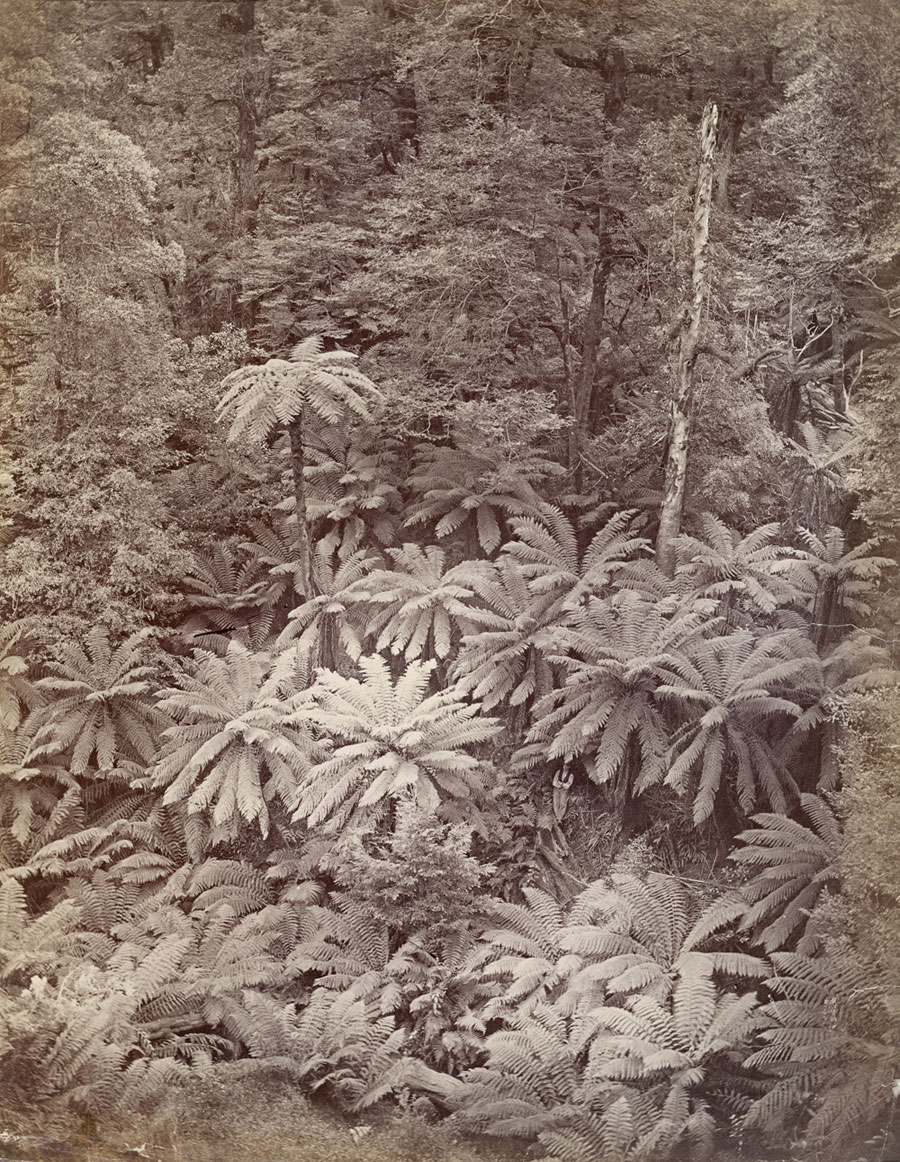
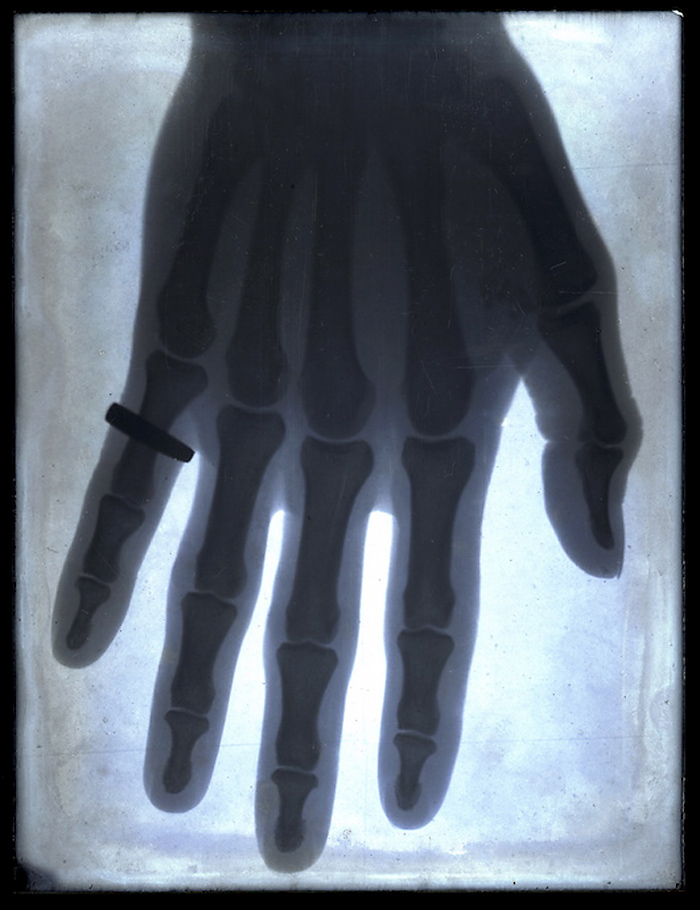
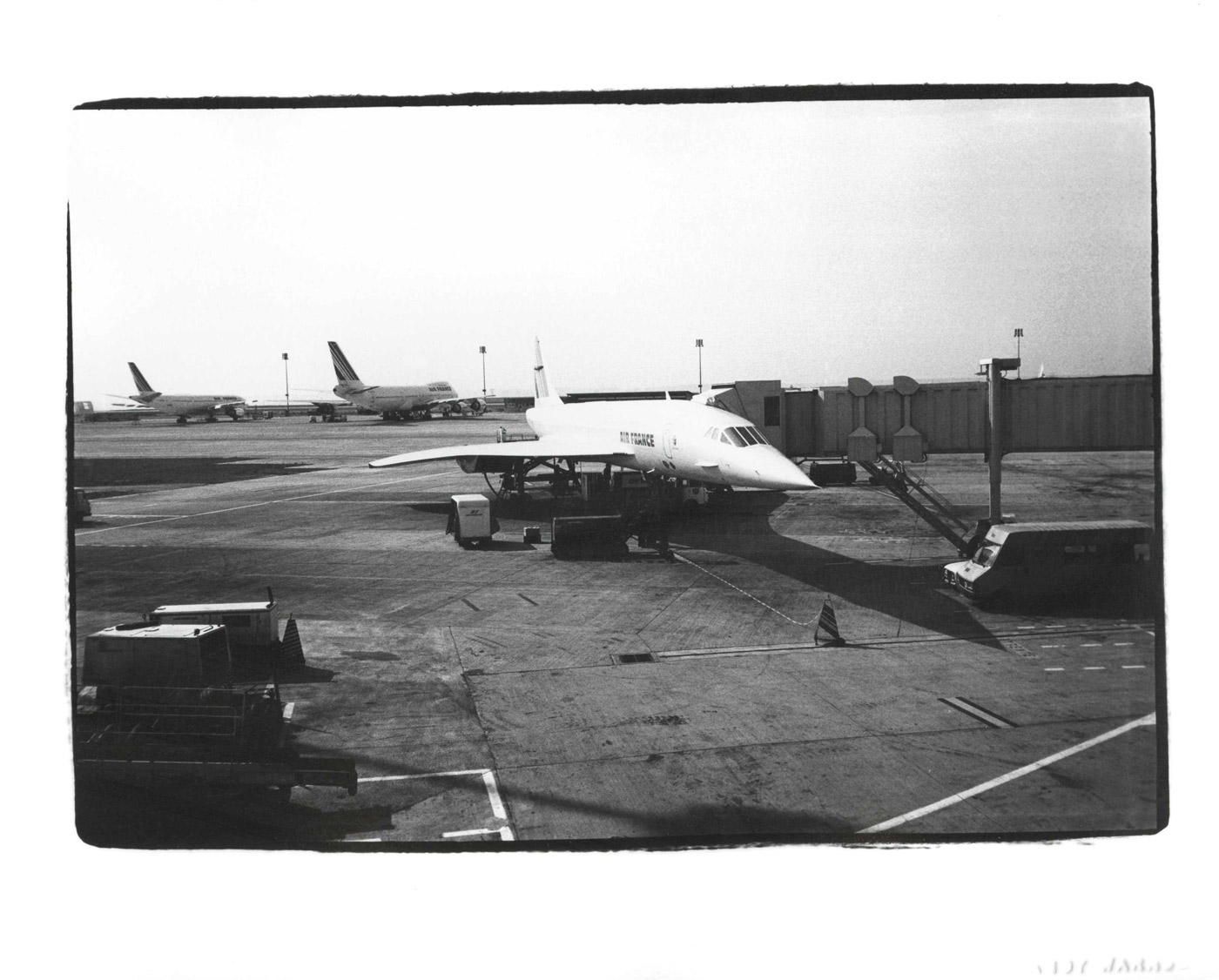
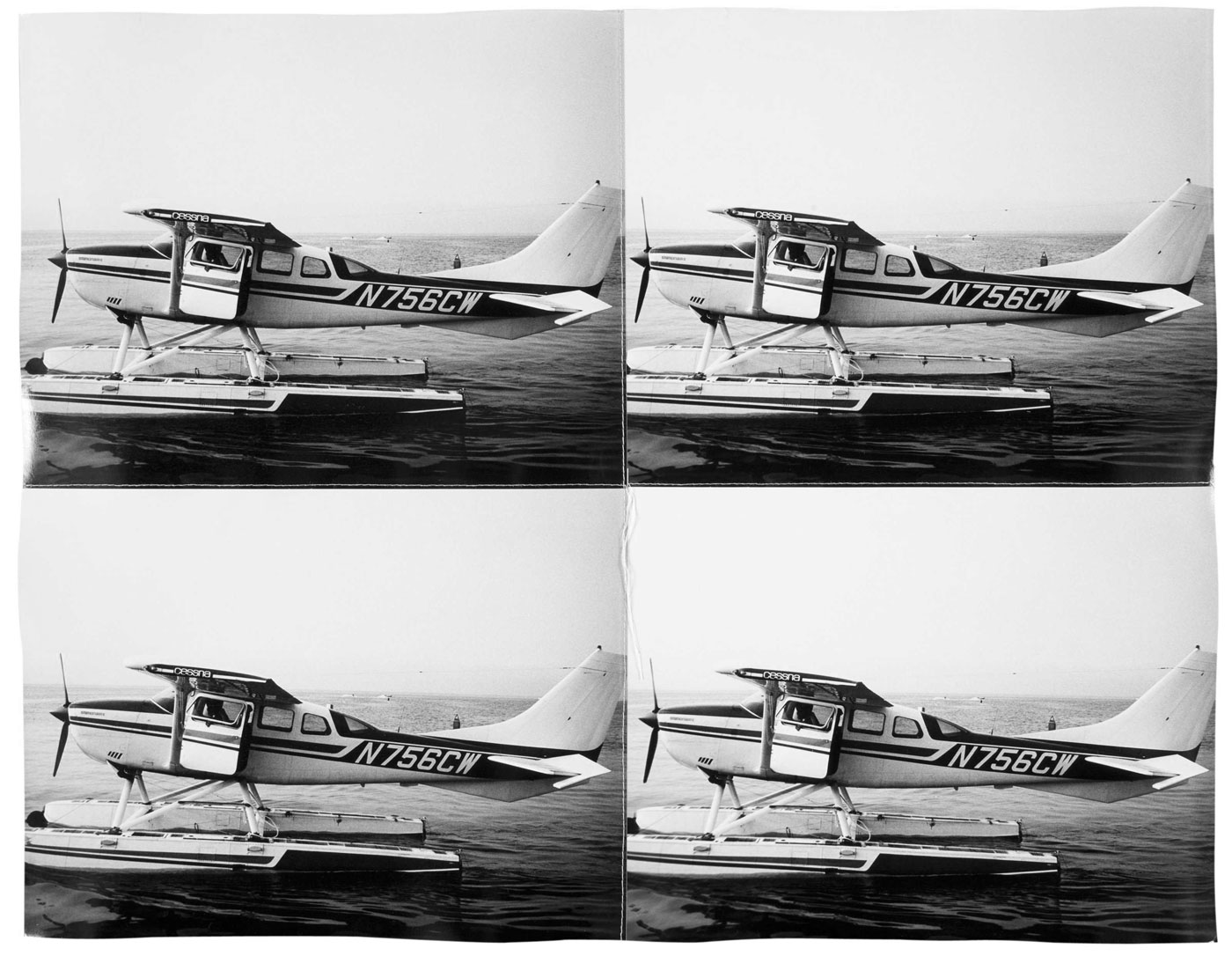
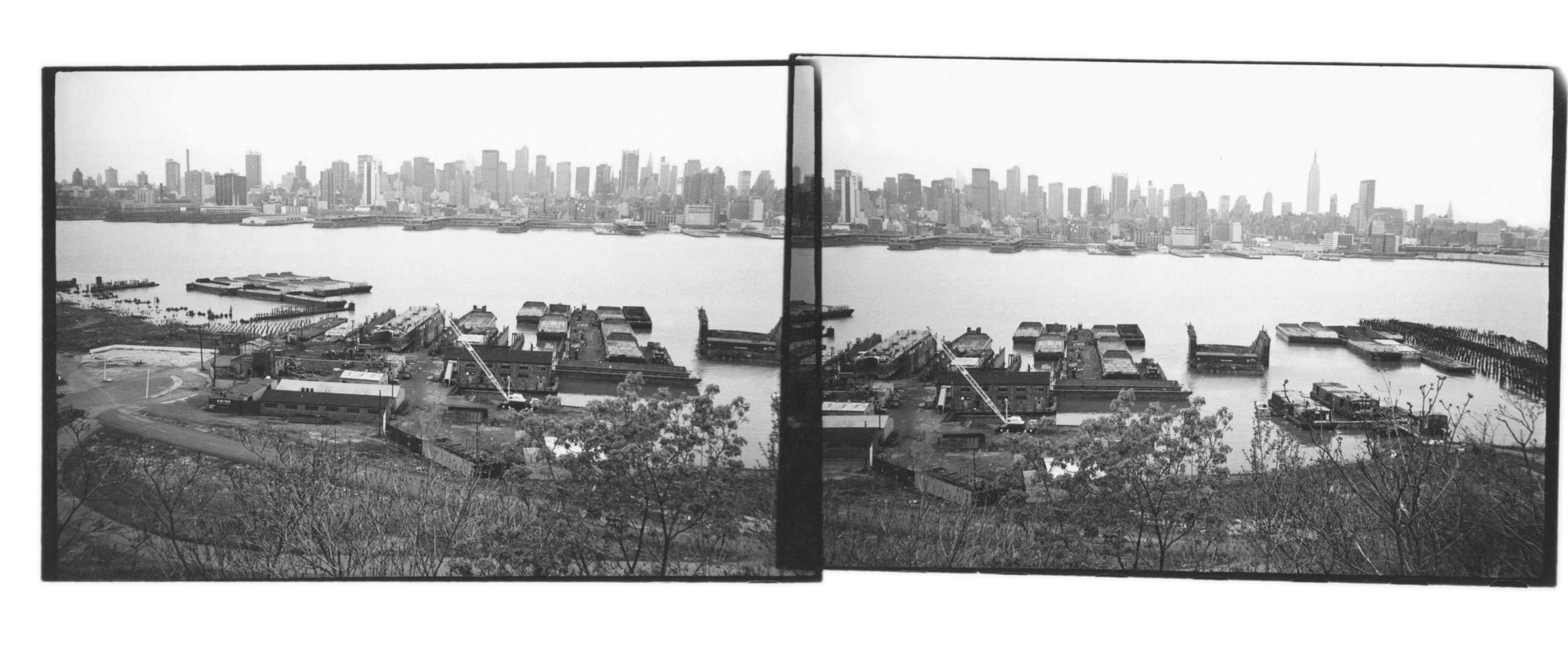
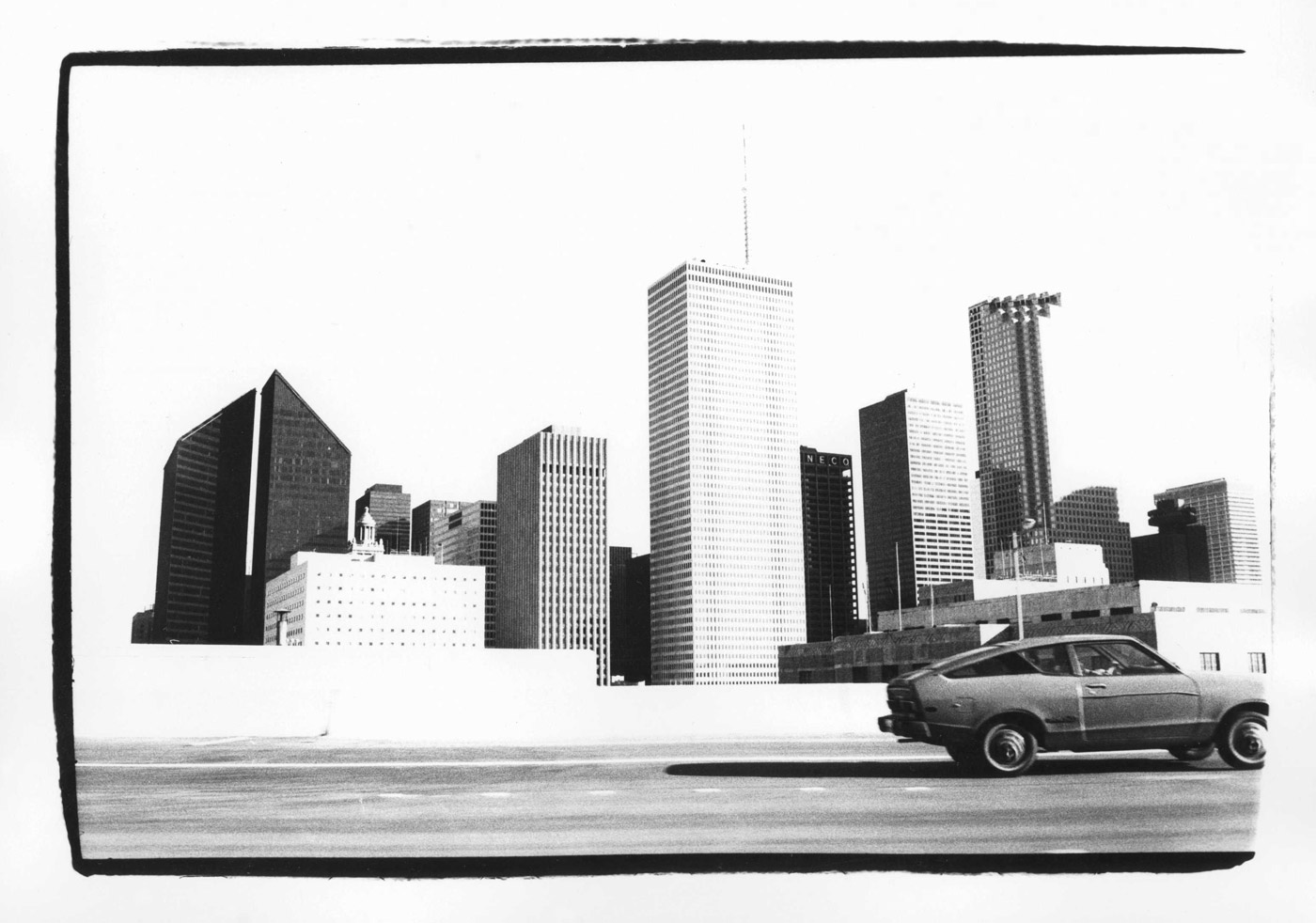
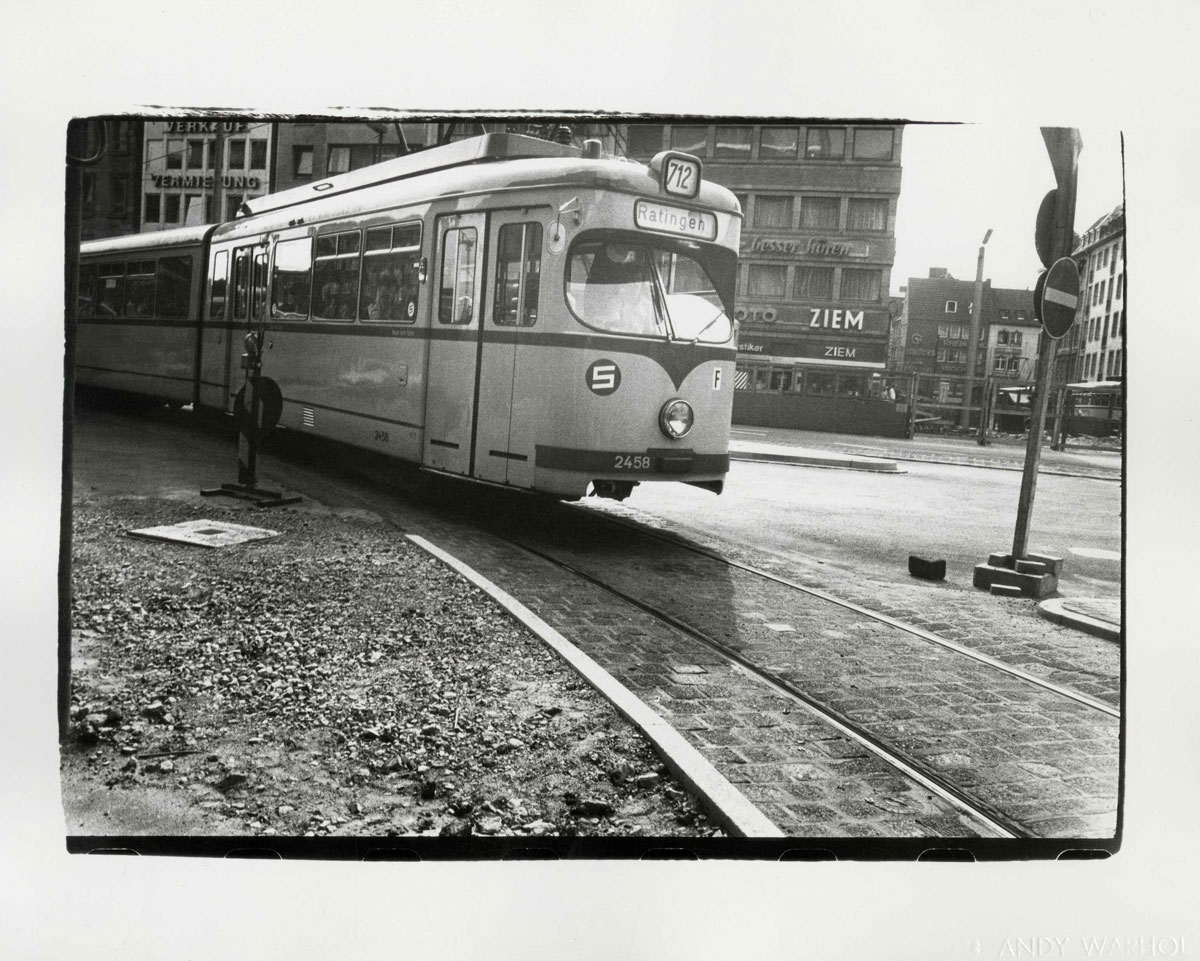
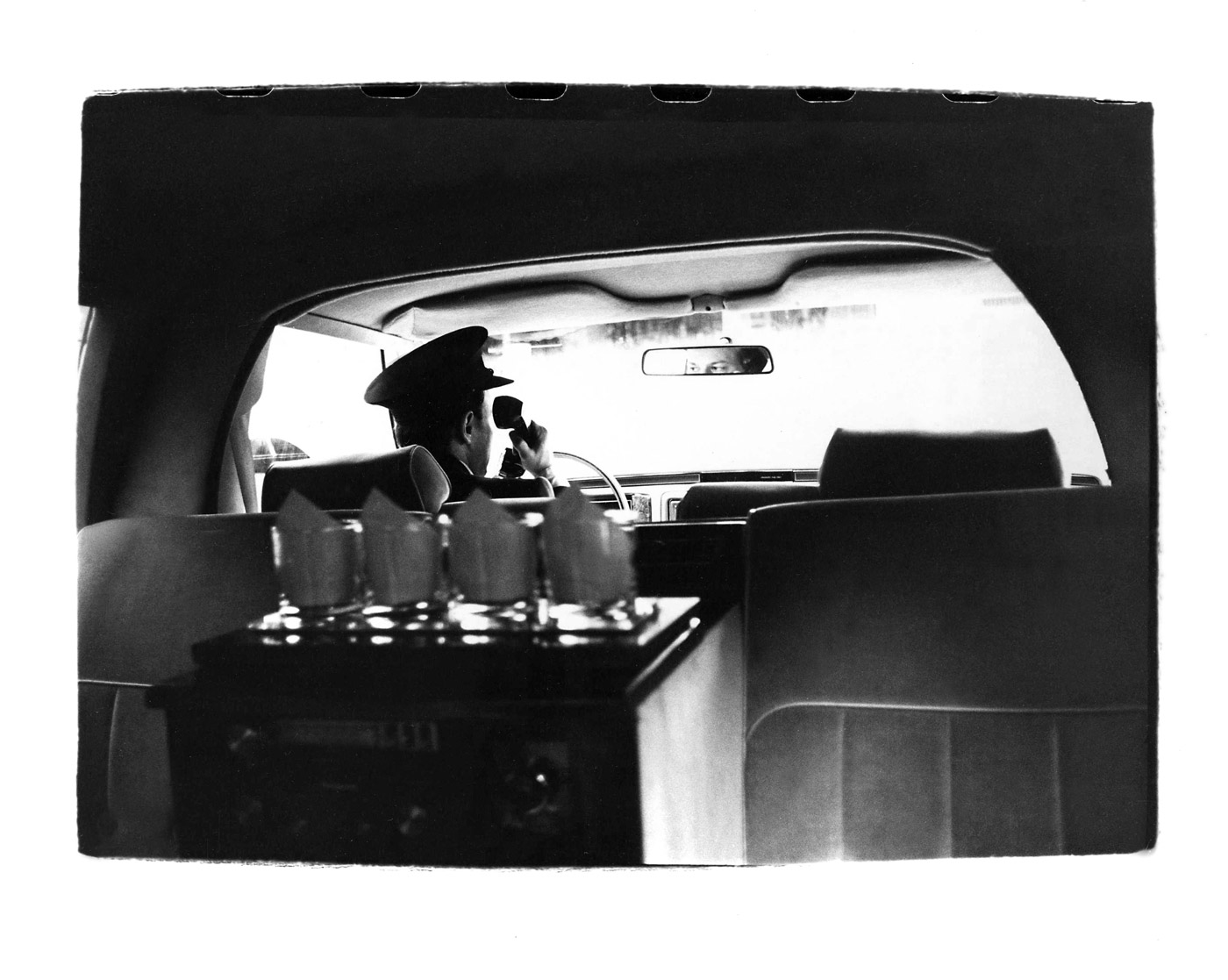


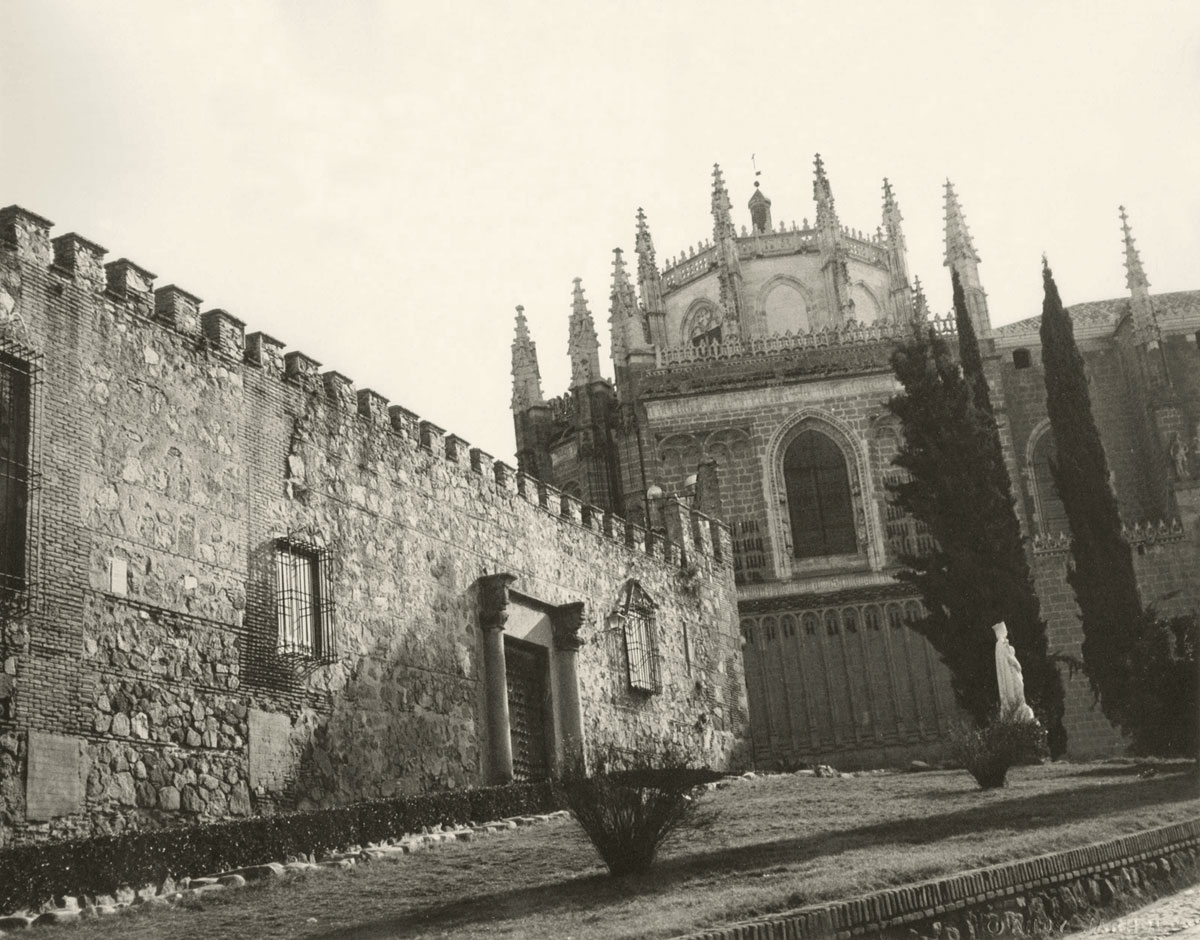
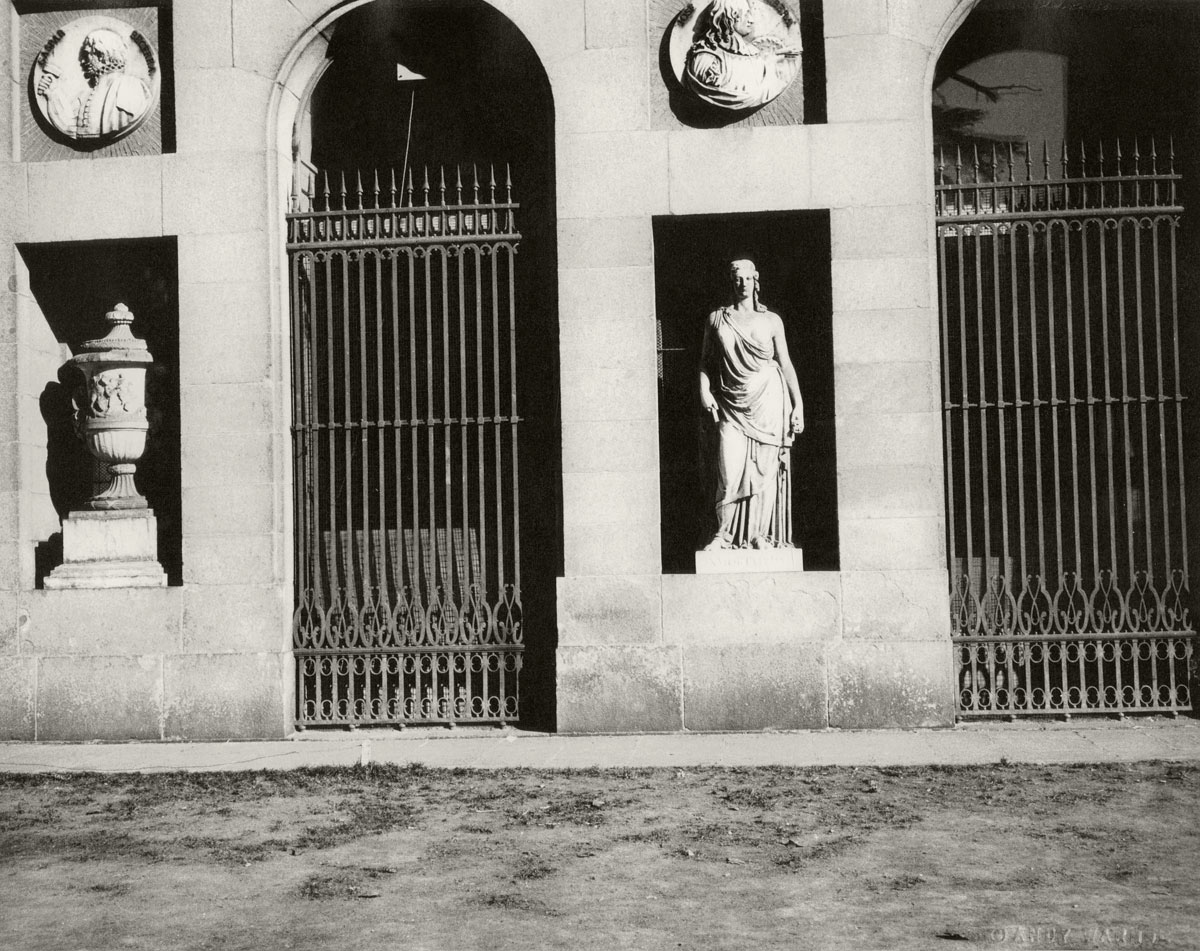

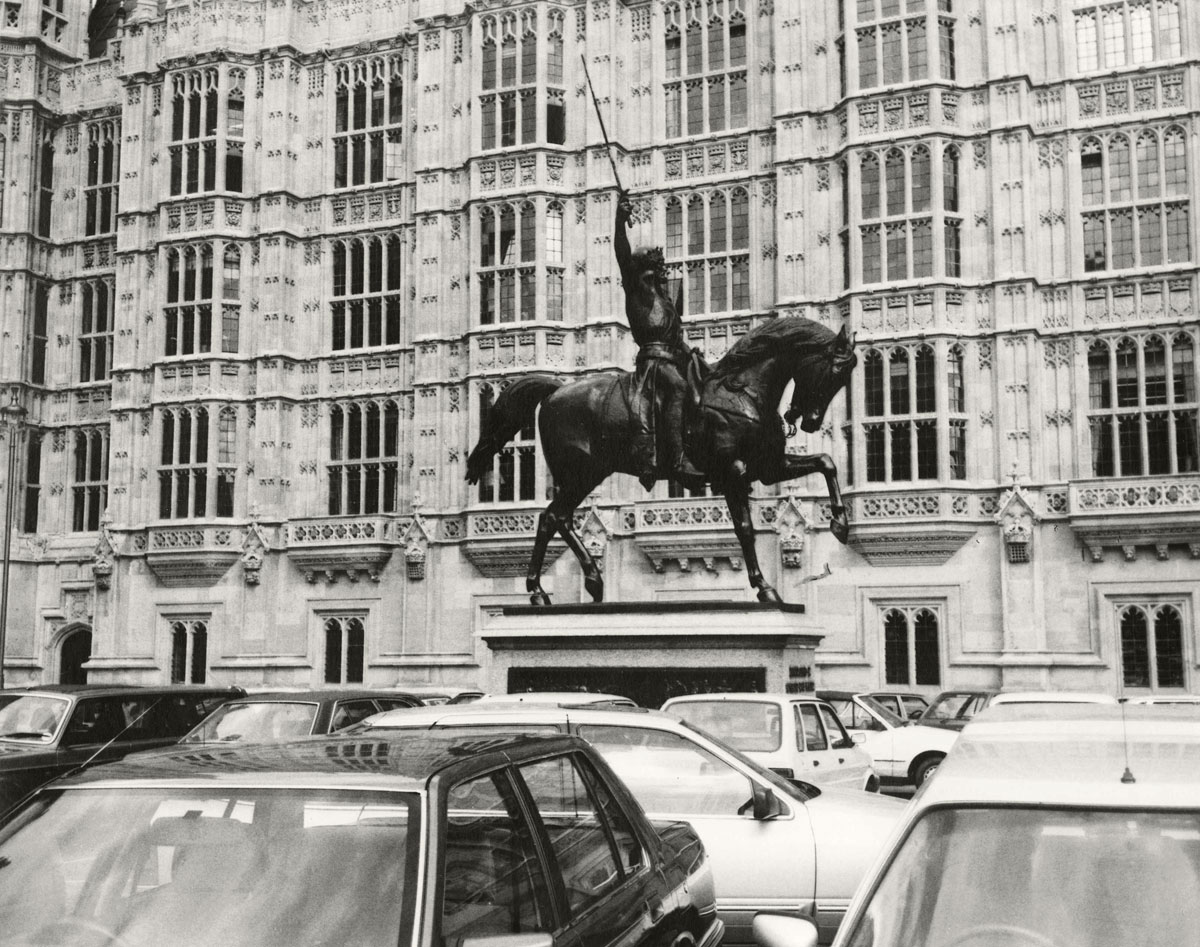
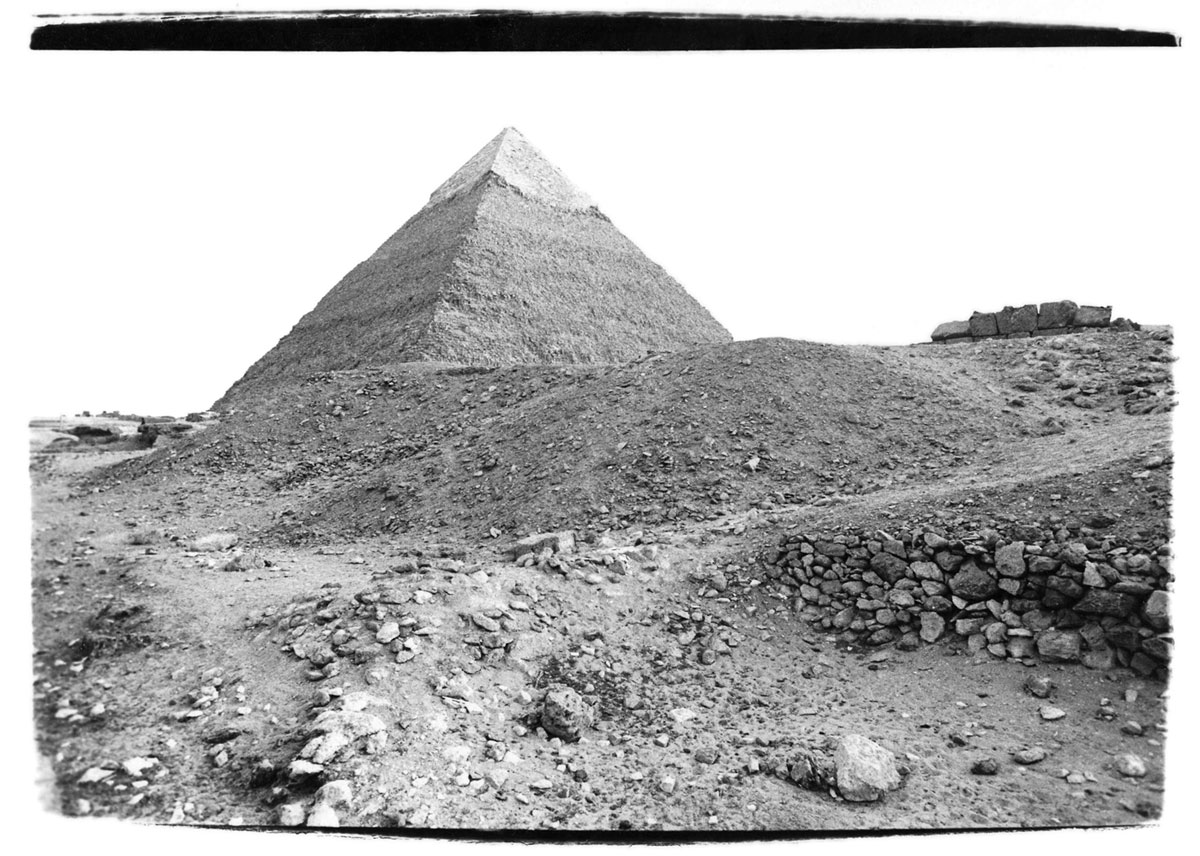

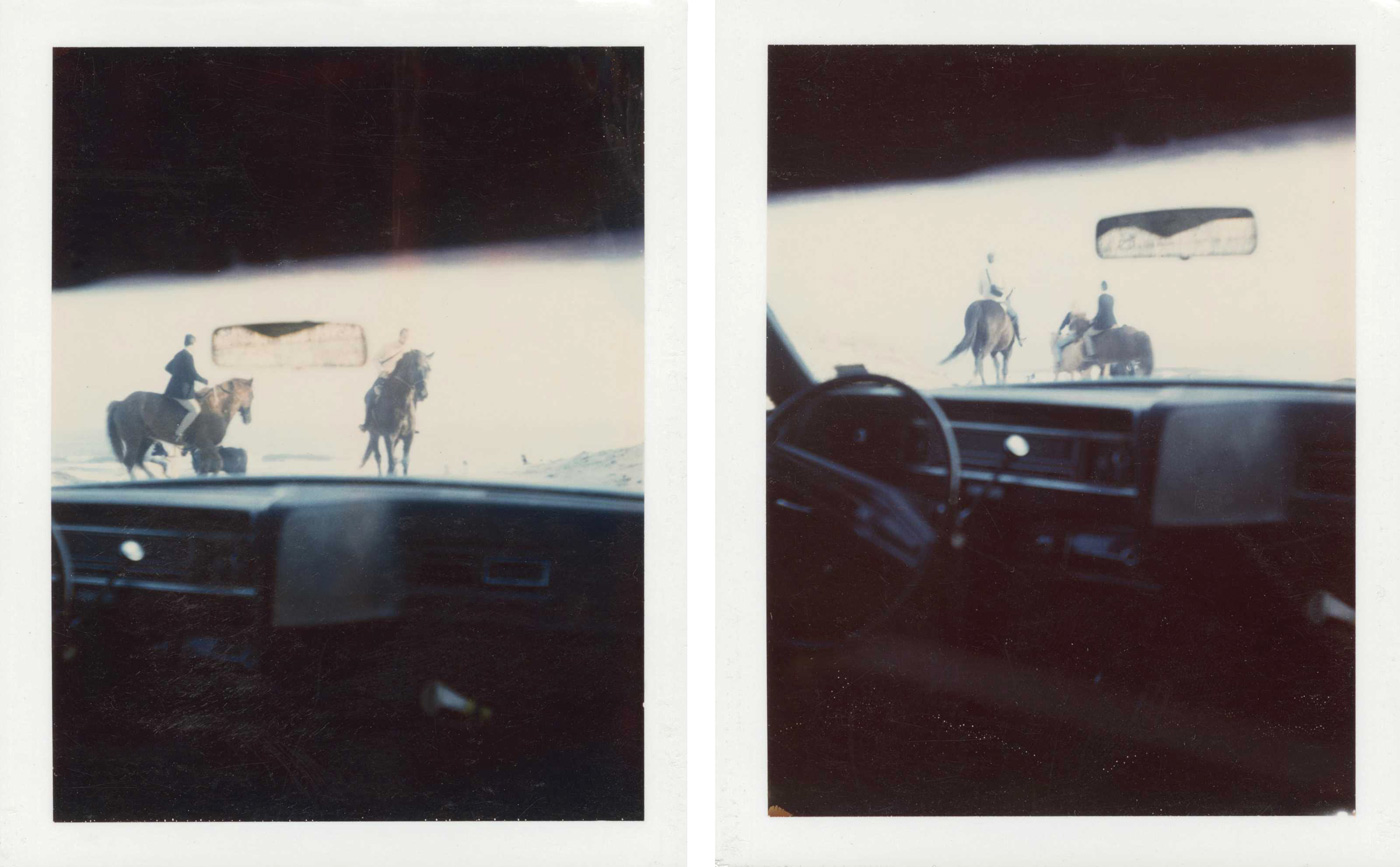
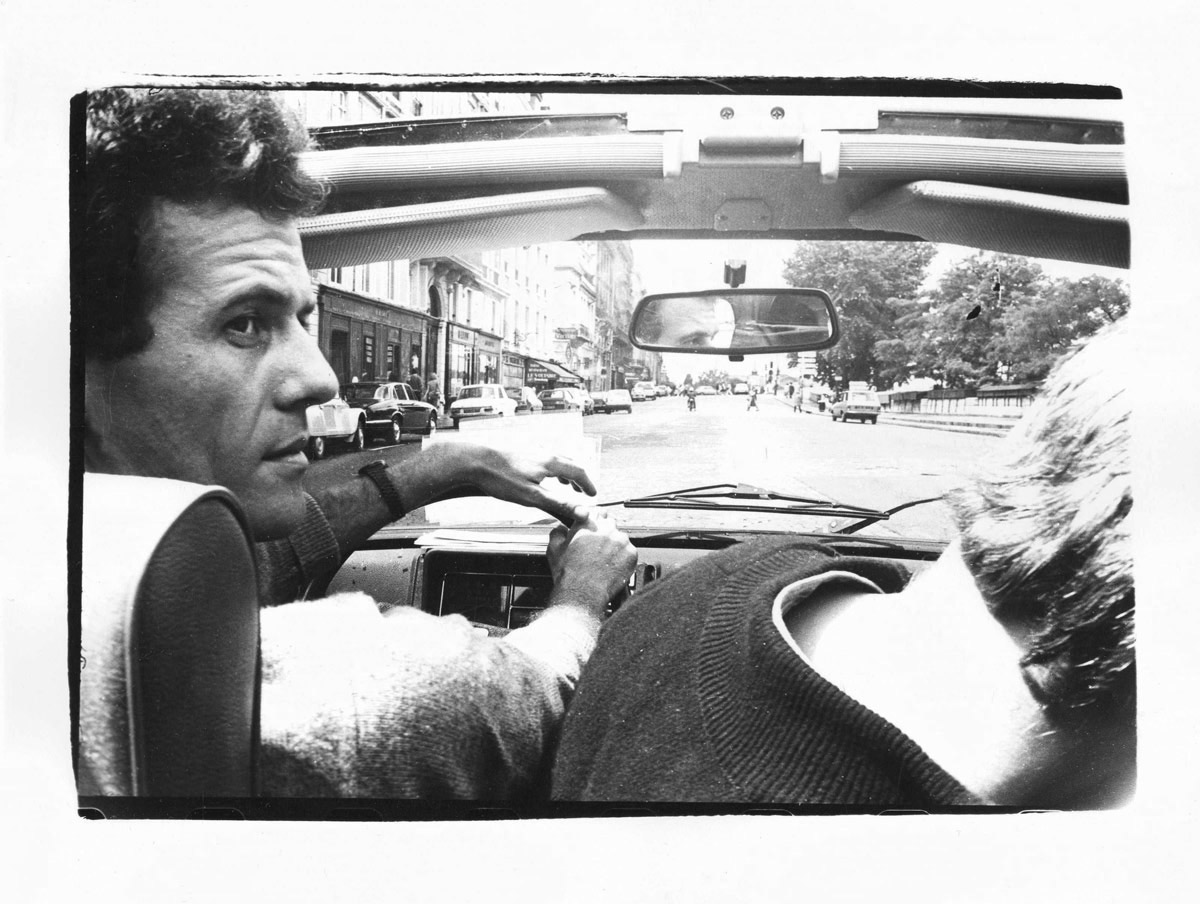

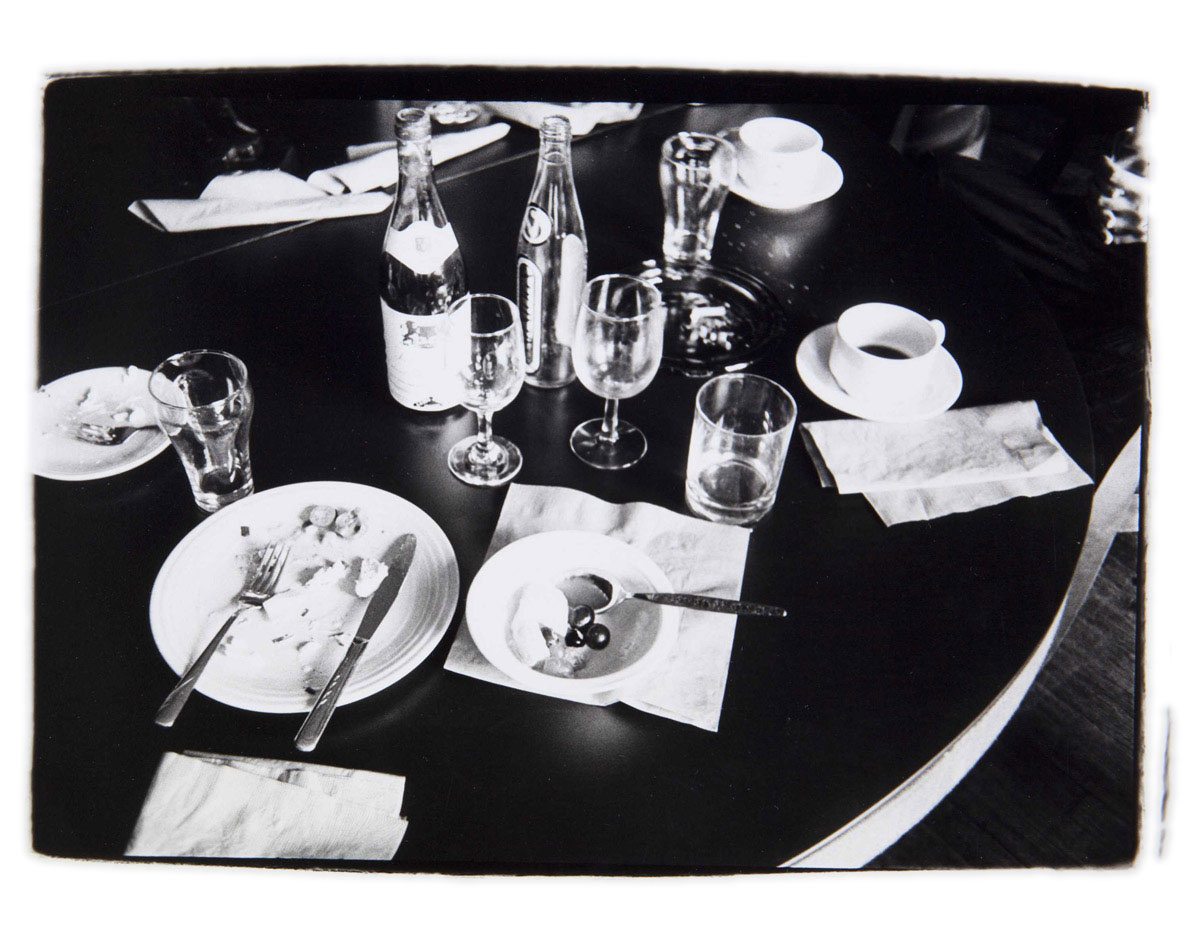


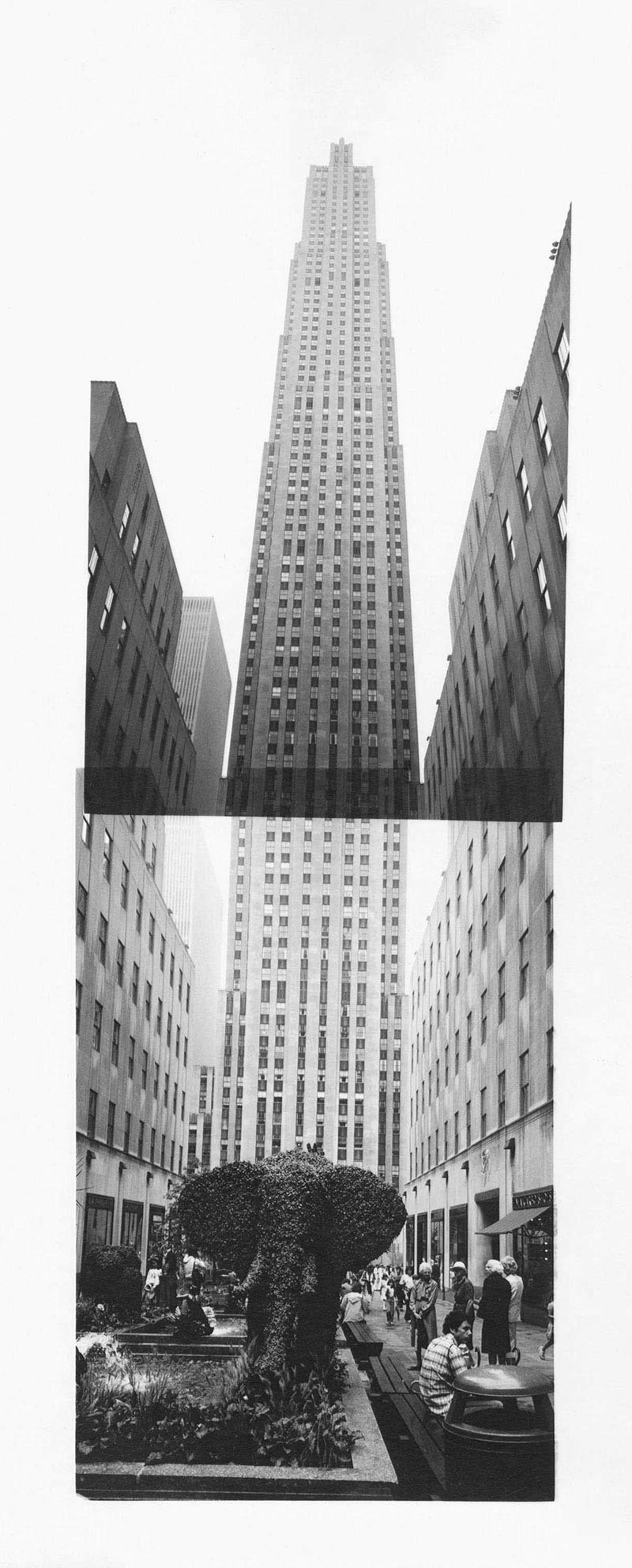

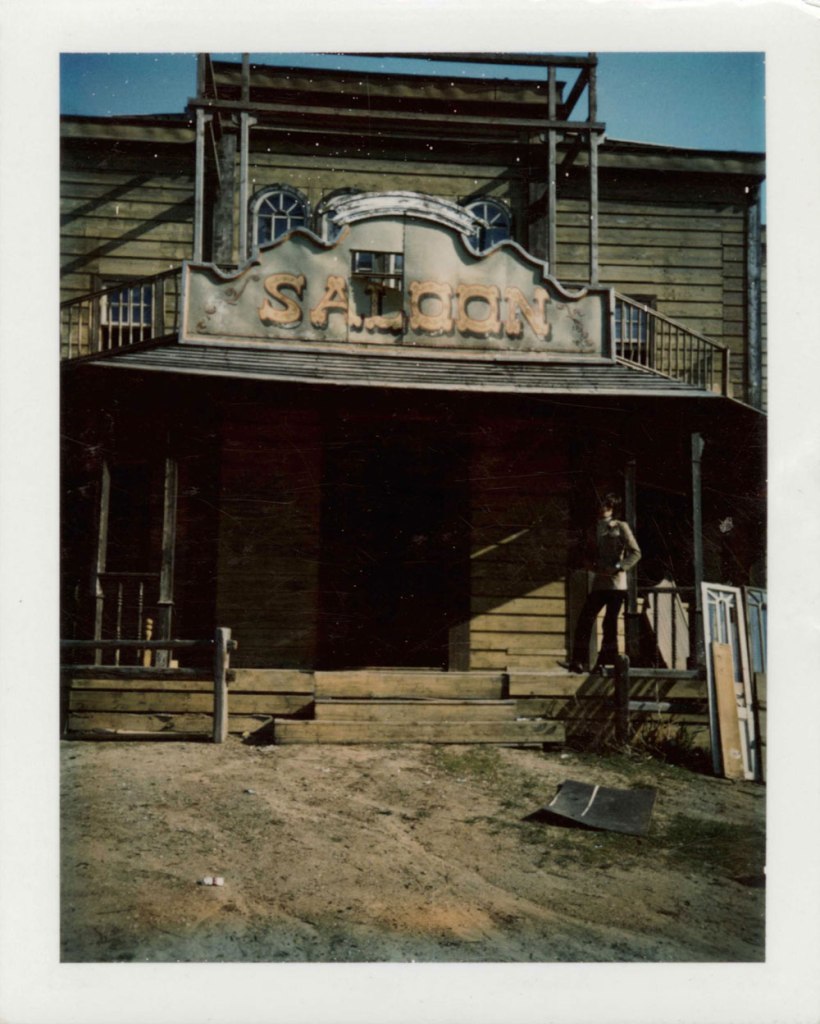
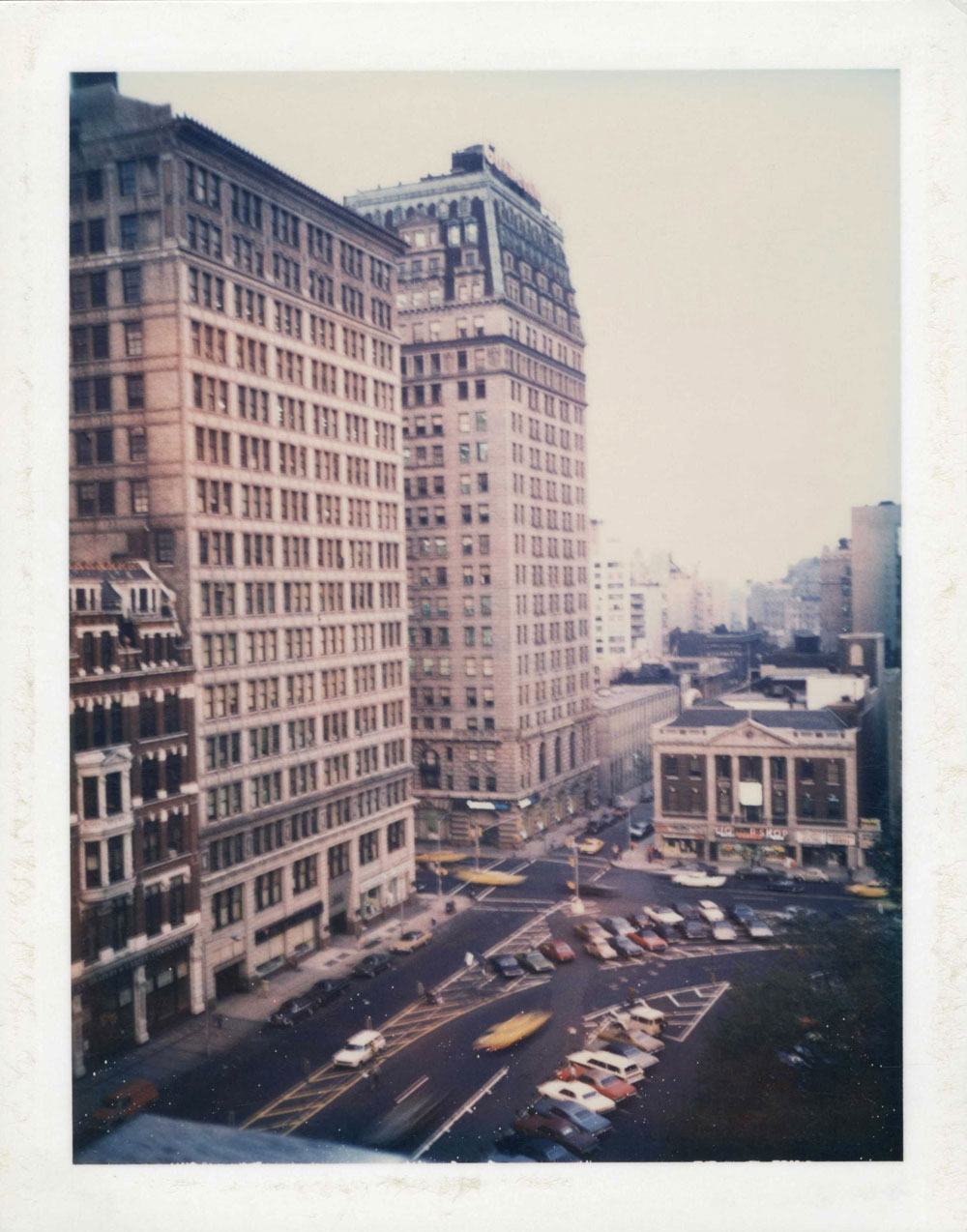

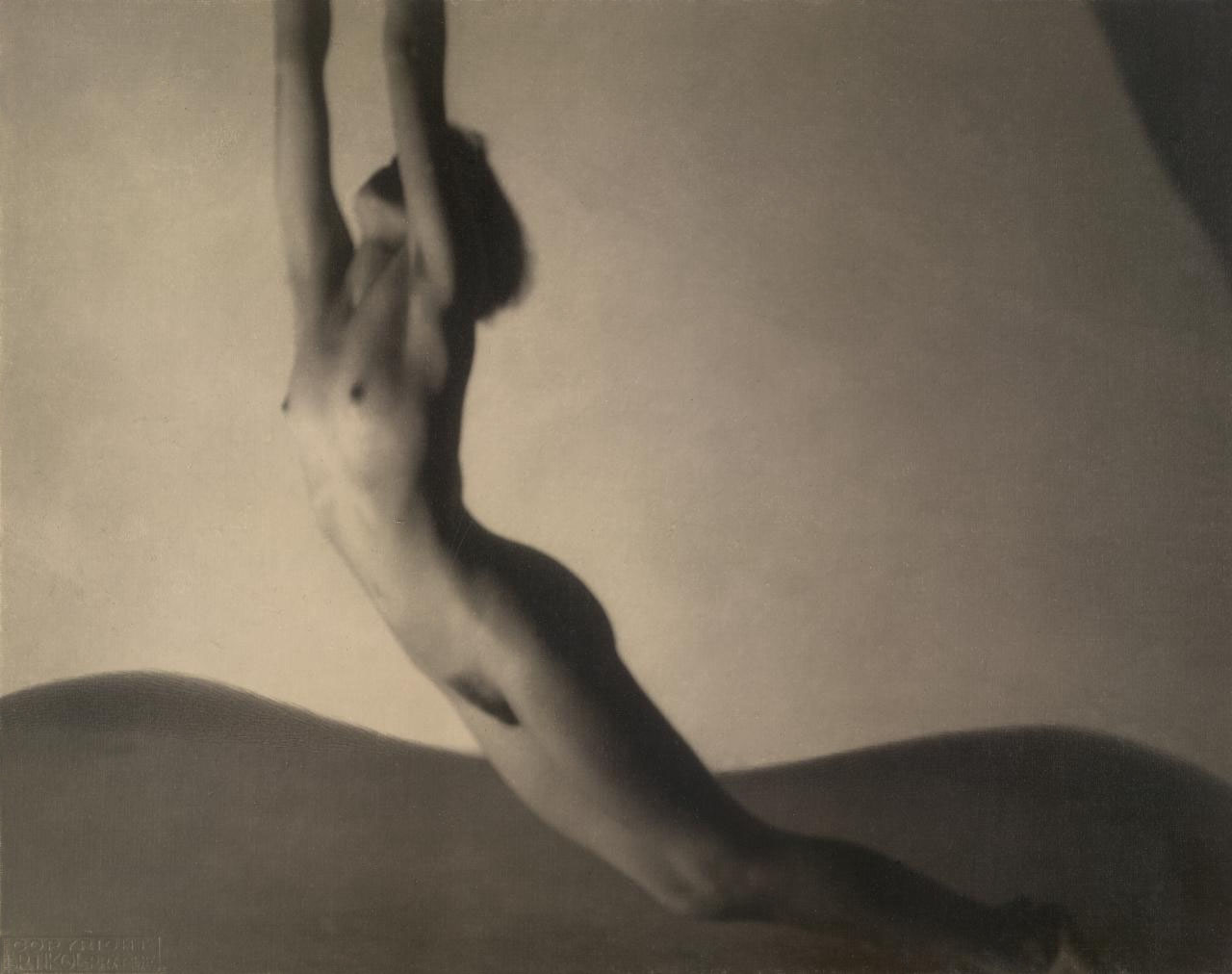
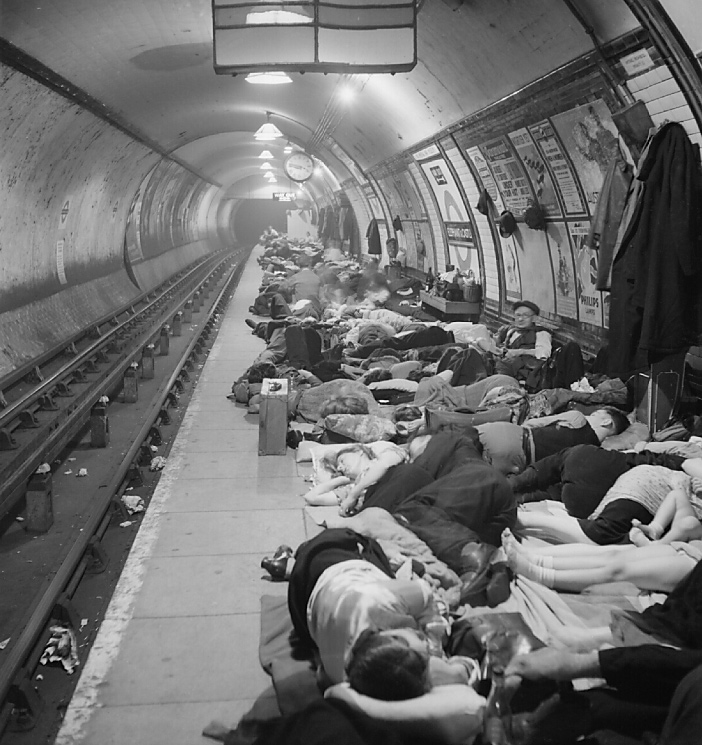
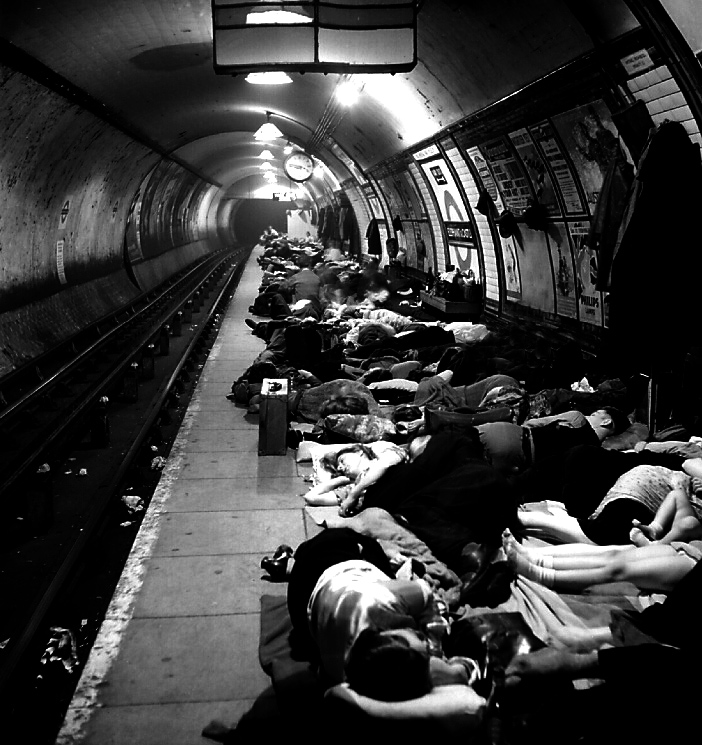
![George Baron Goodman, d. 1851. [Dr William Bland, ca. 1845 - portrait] c. 1845](https://artblart.com/wp-content/uploads/2014/07/goodman-dr-george-bland-1845-web.jpg "George Baron Goodman, d. 1851. [Dr William Bland, ca. 1845 - portrait] c. 1845")
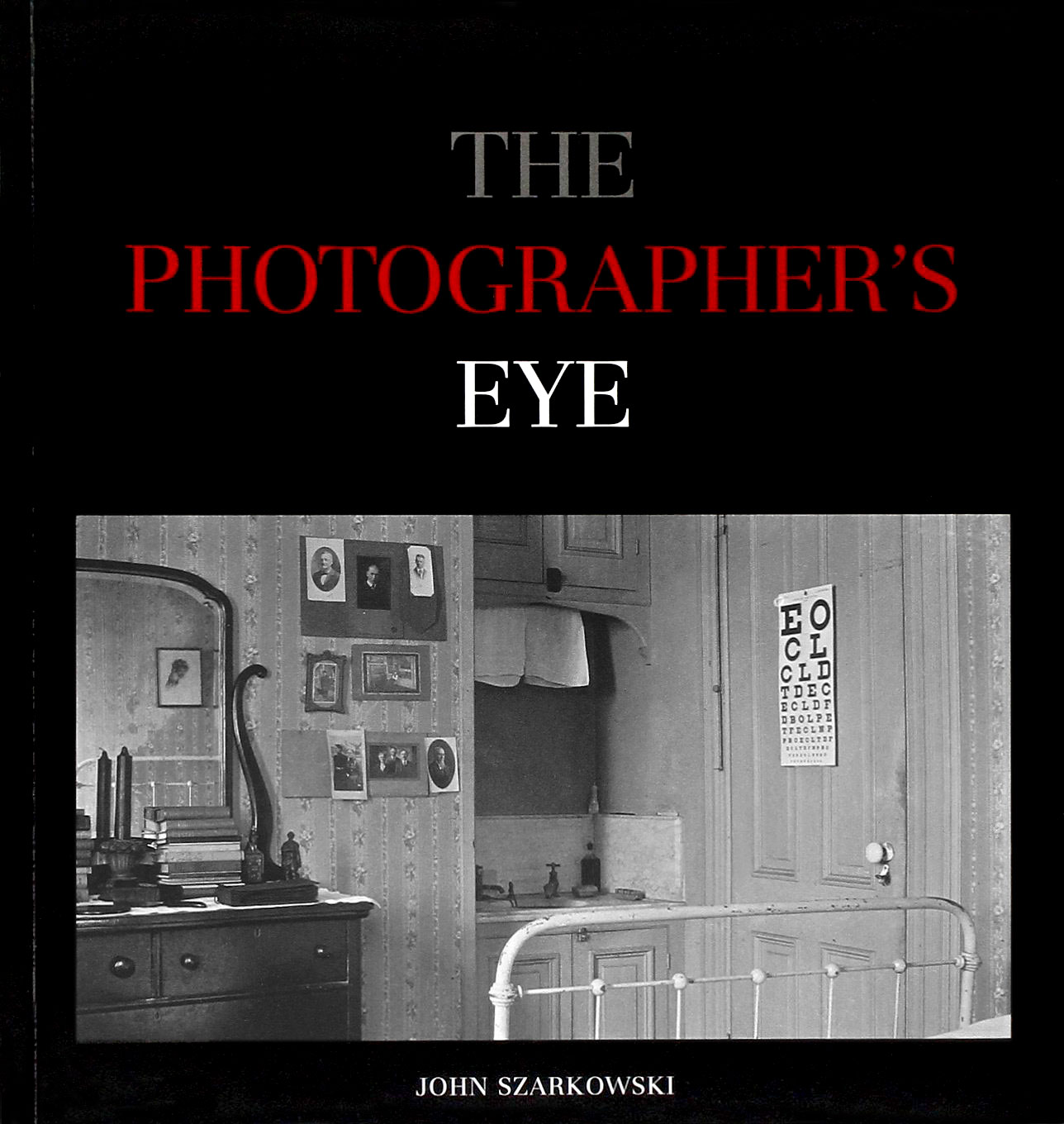
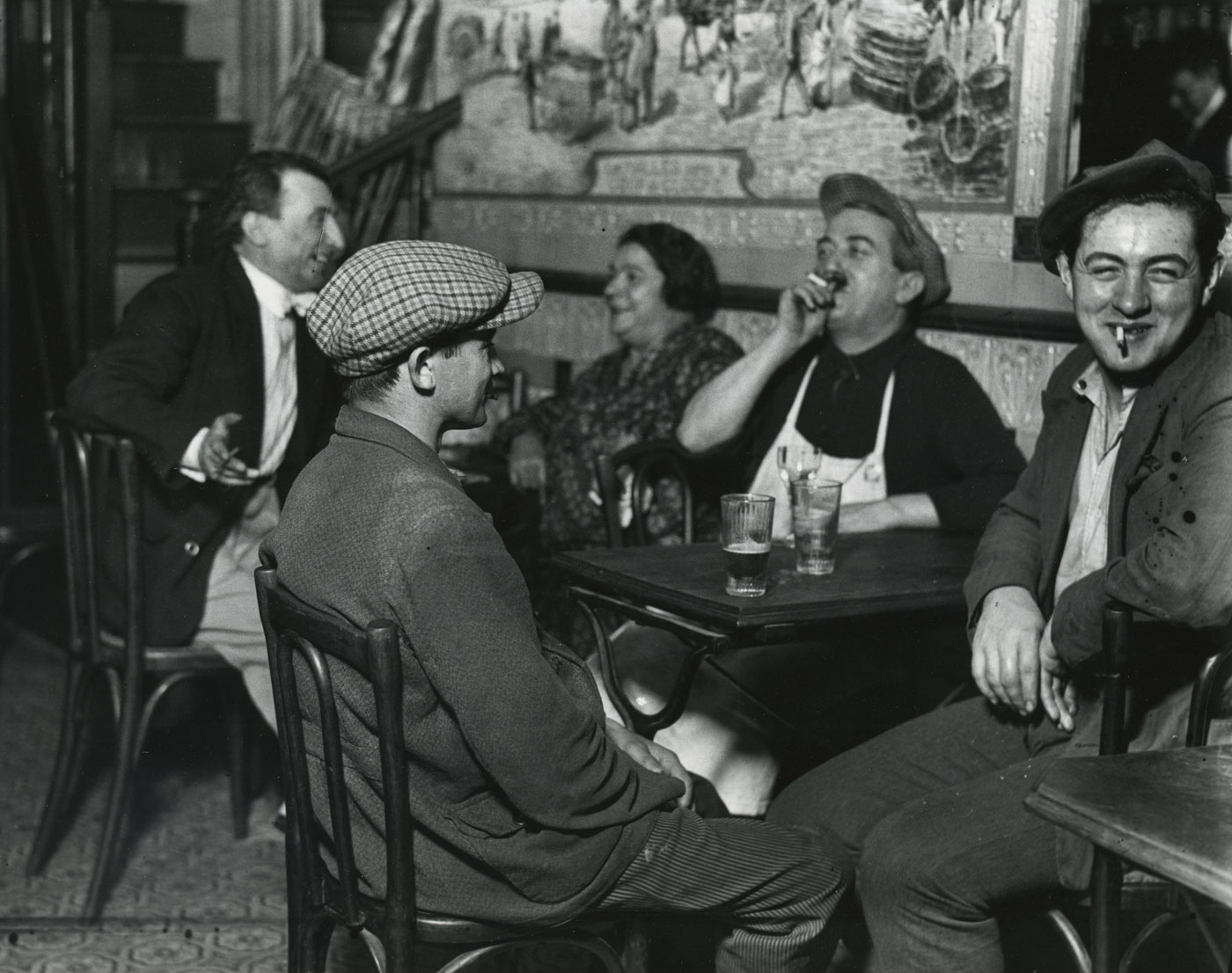
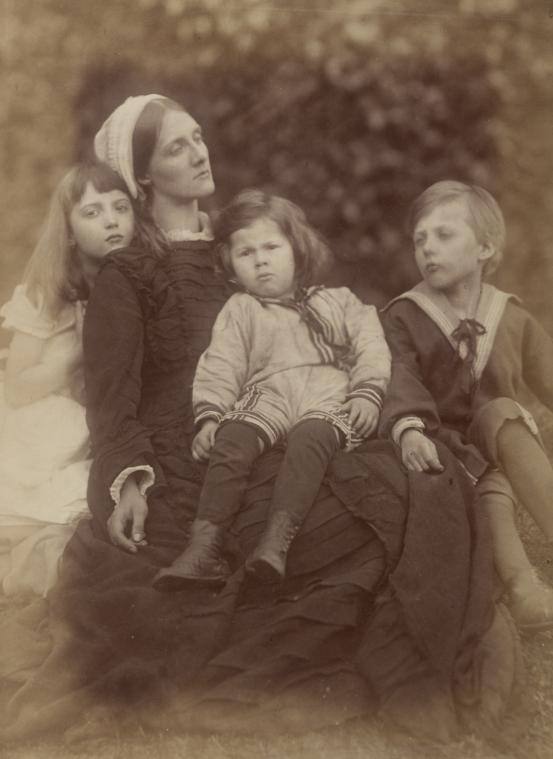
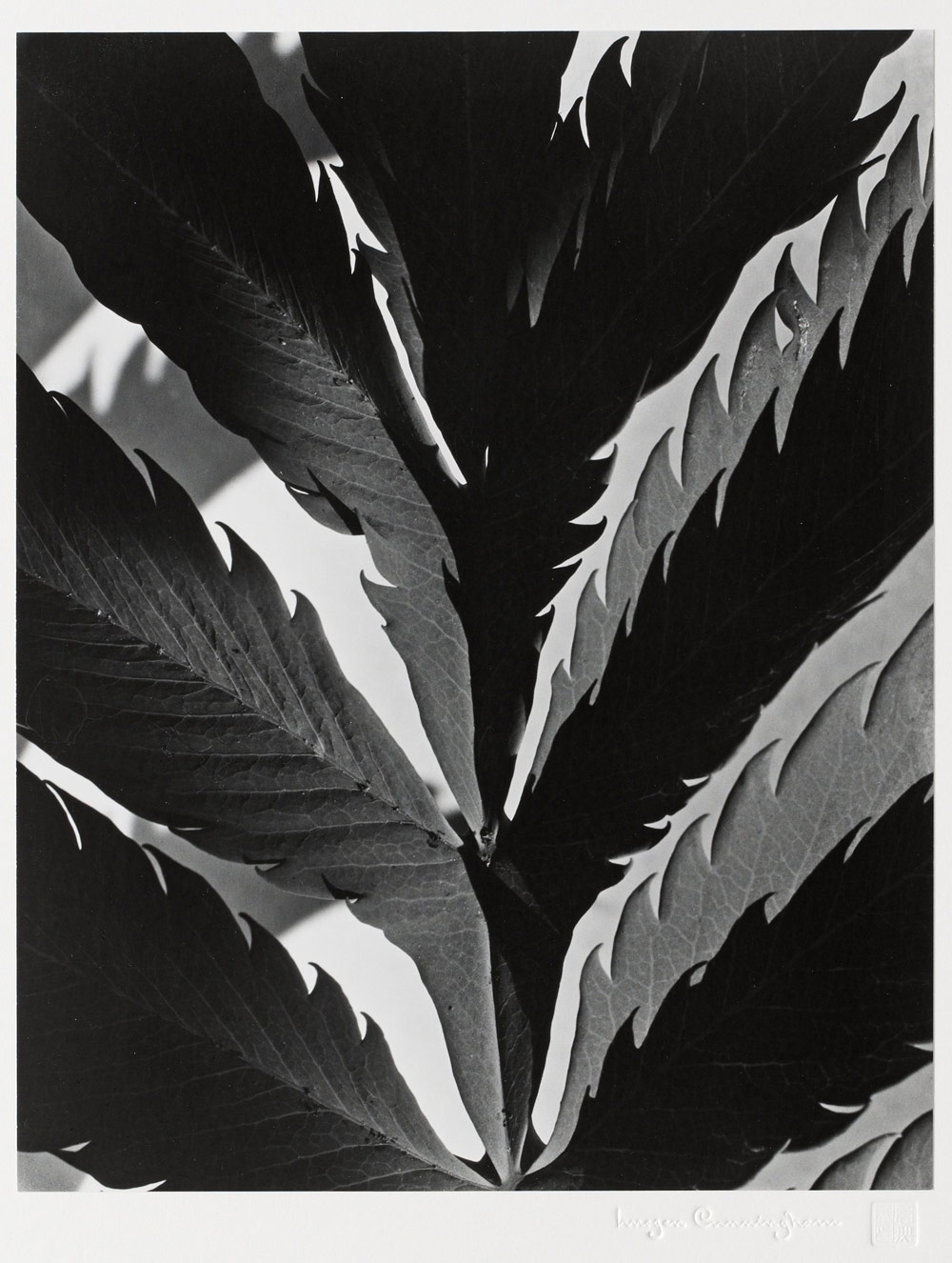
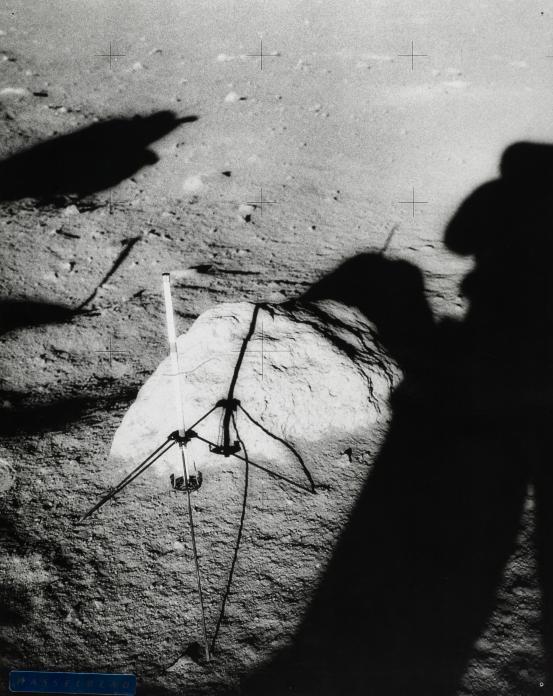
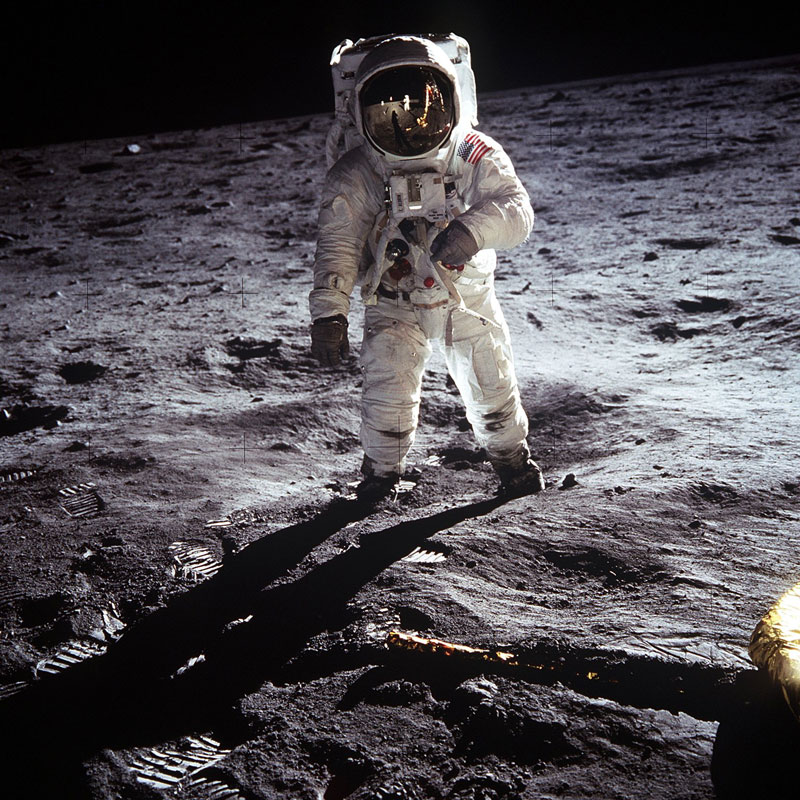


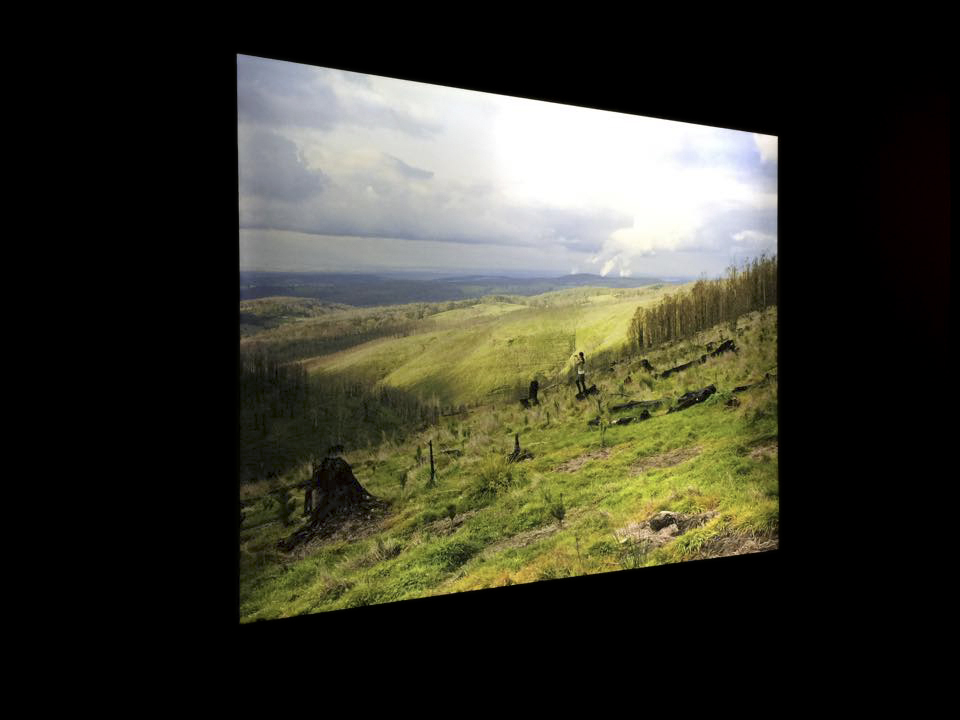



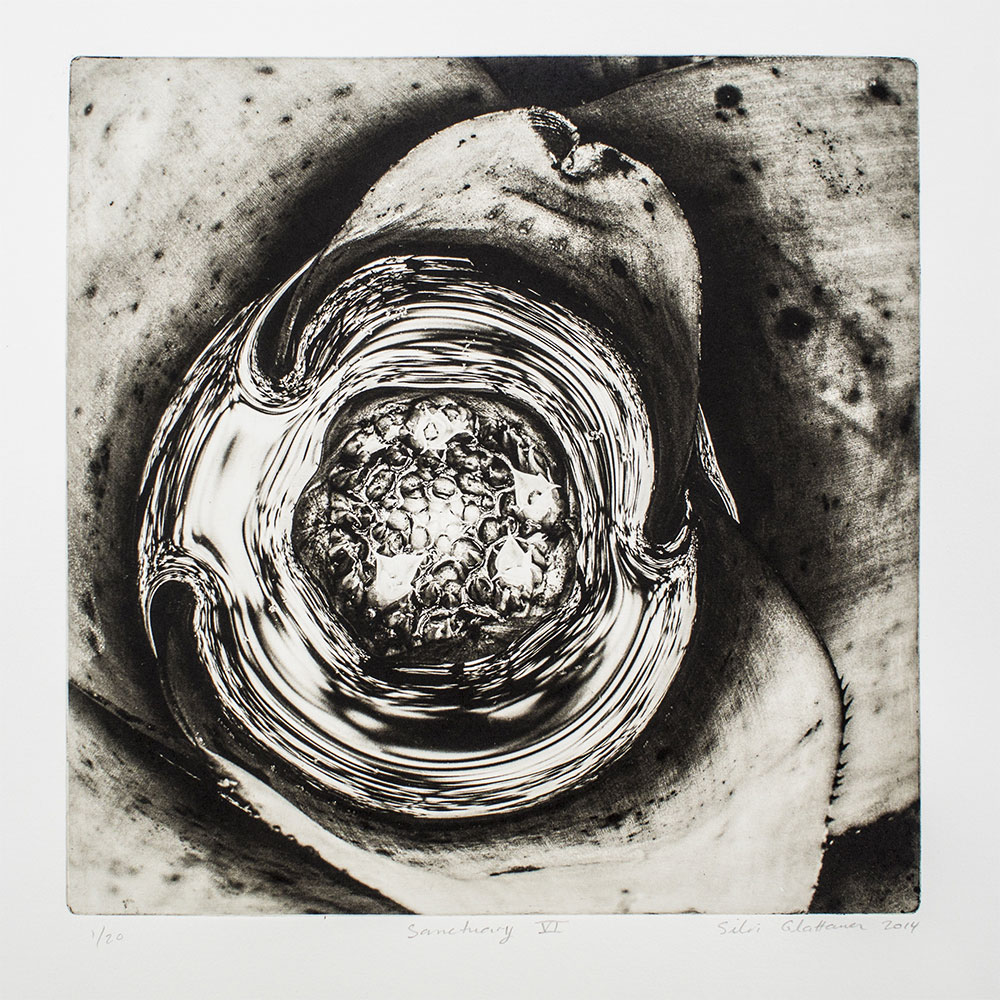
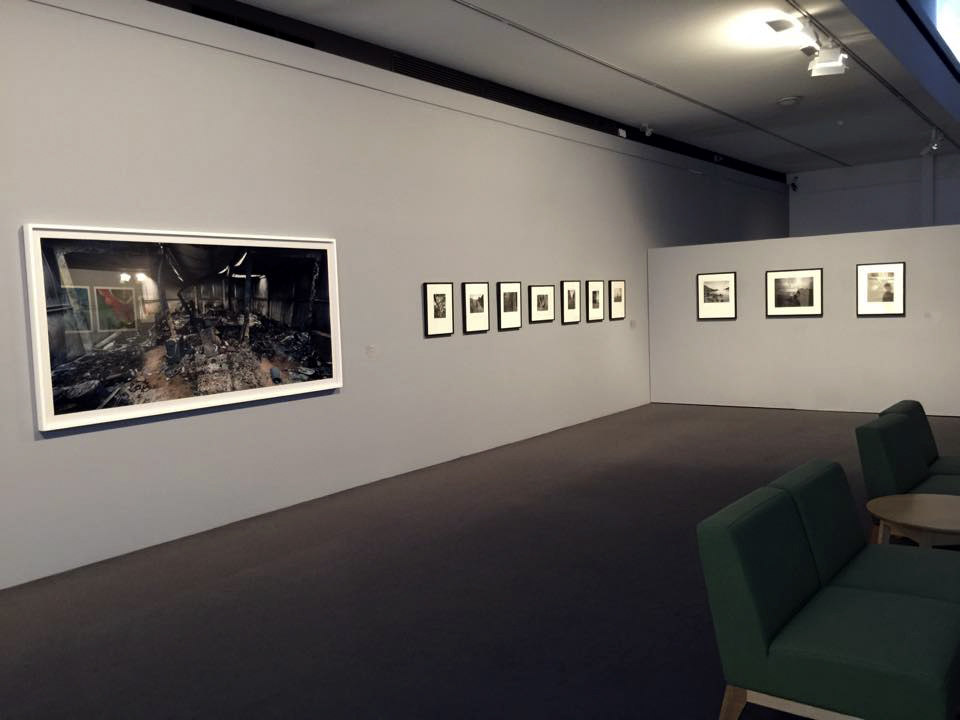

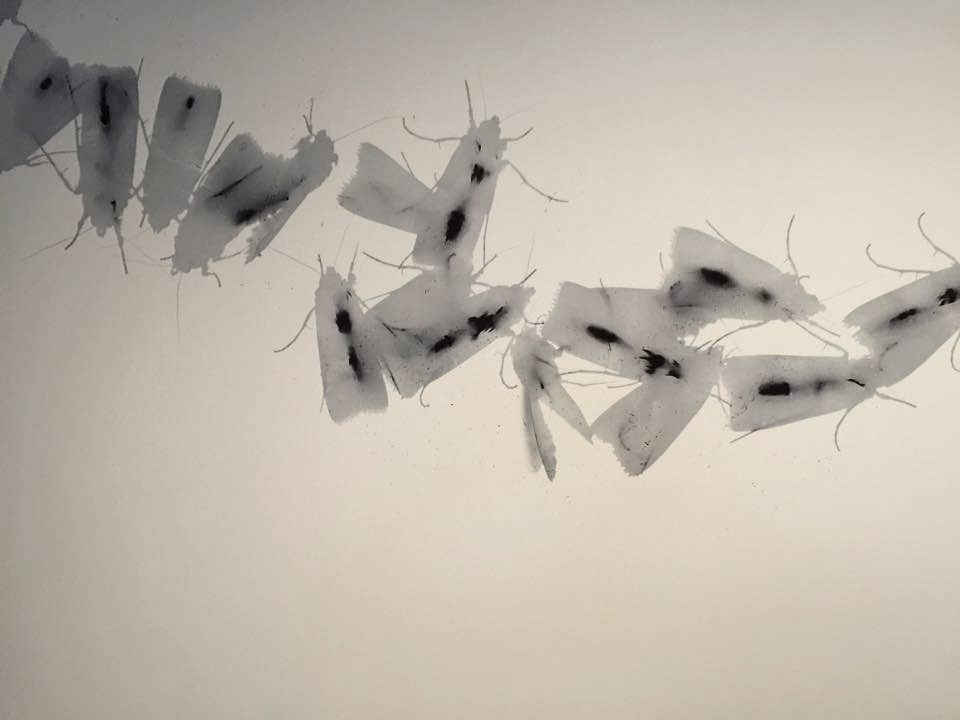
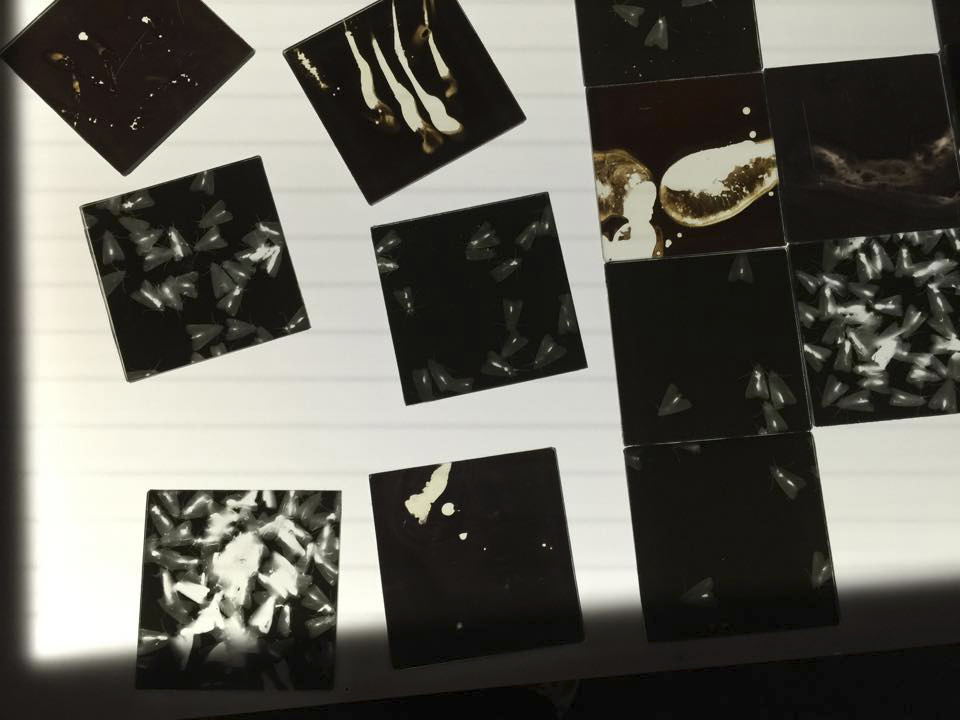


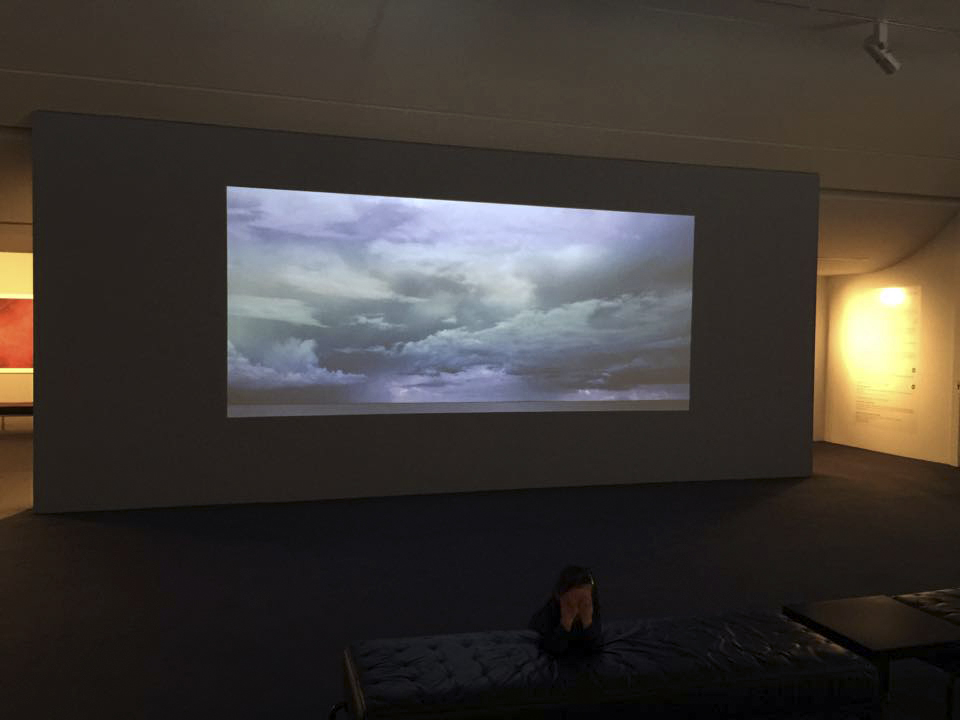
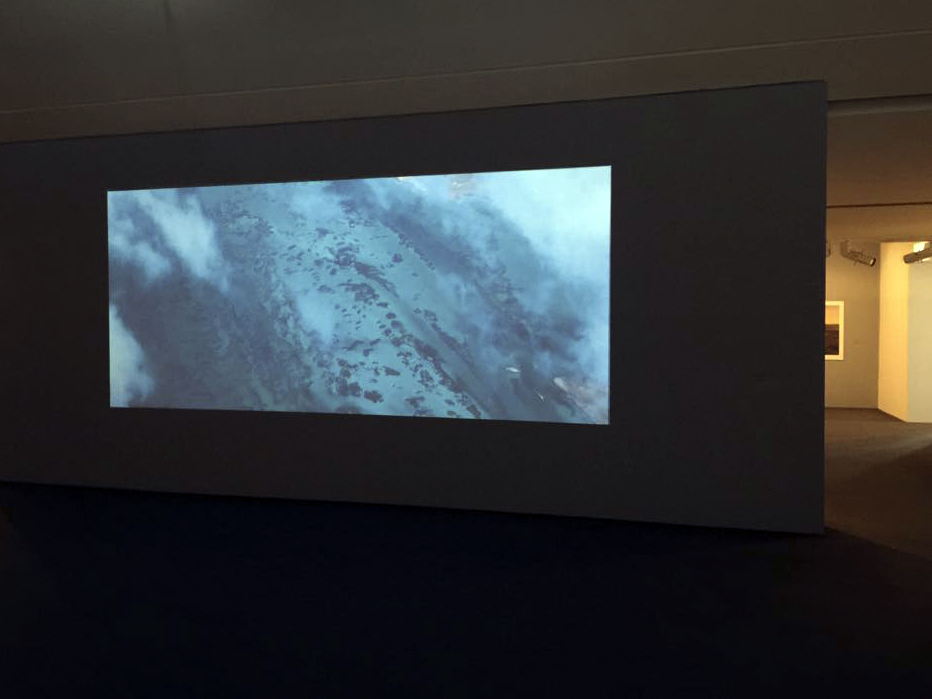
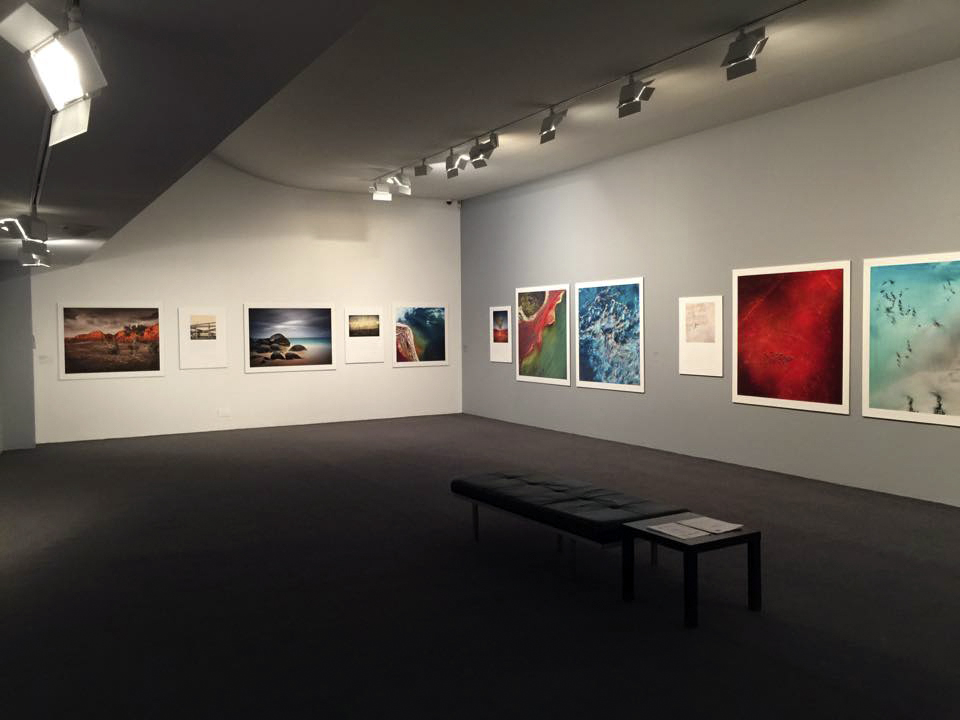

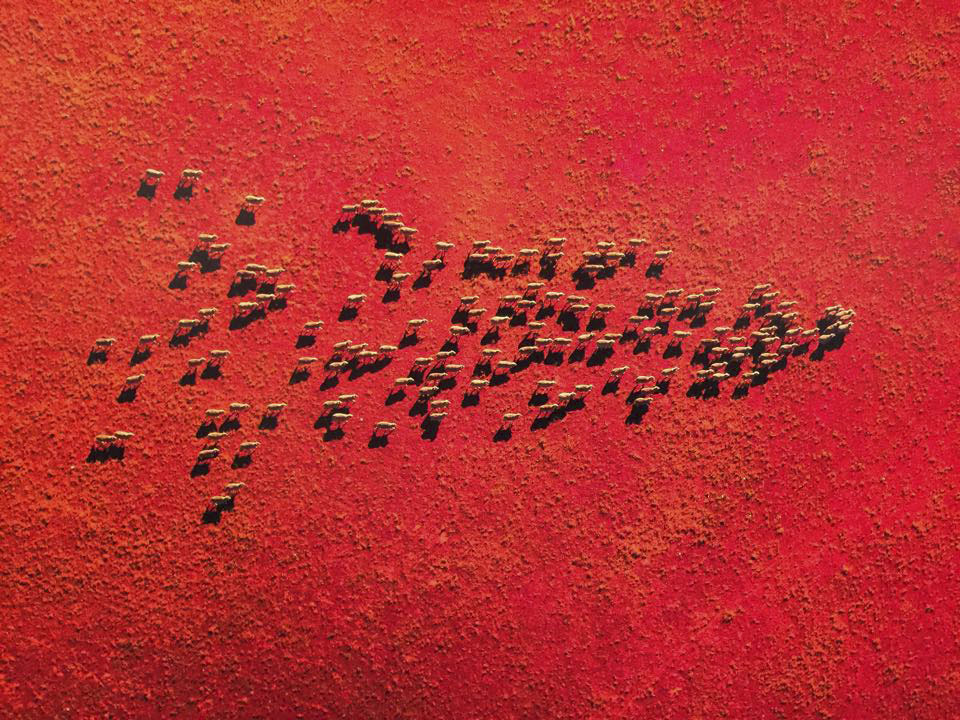

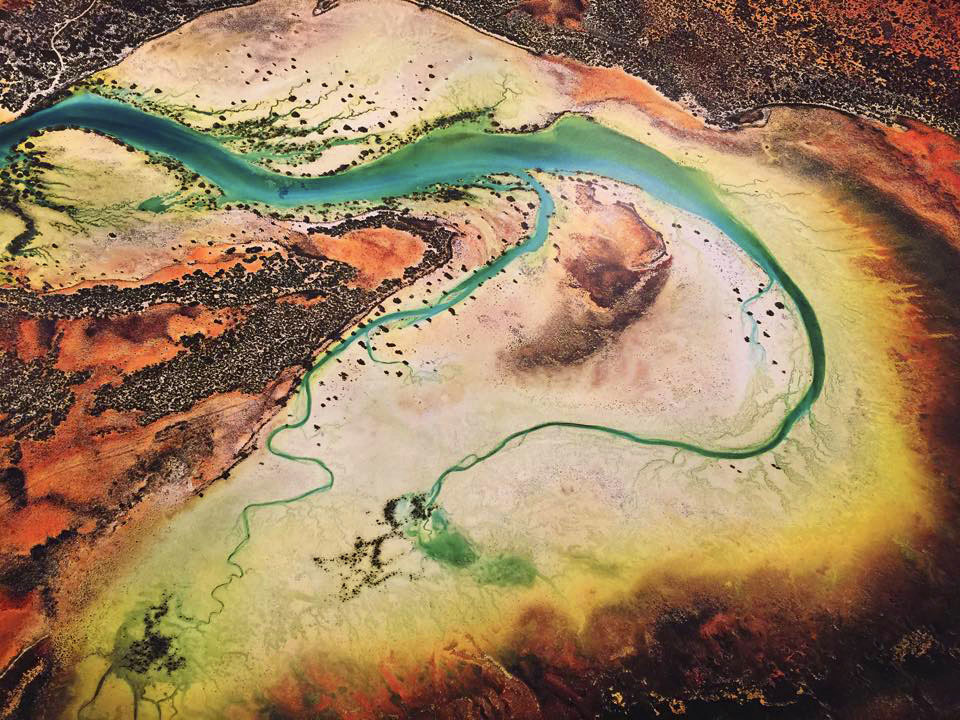
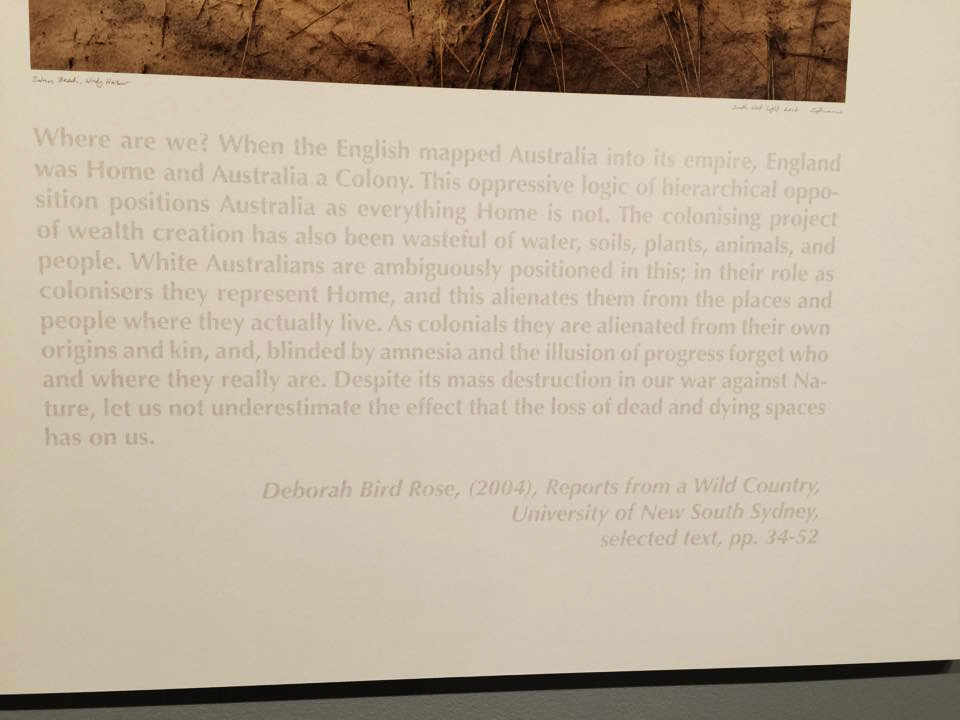


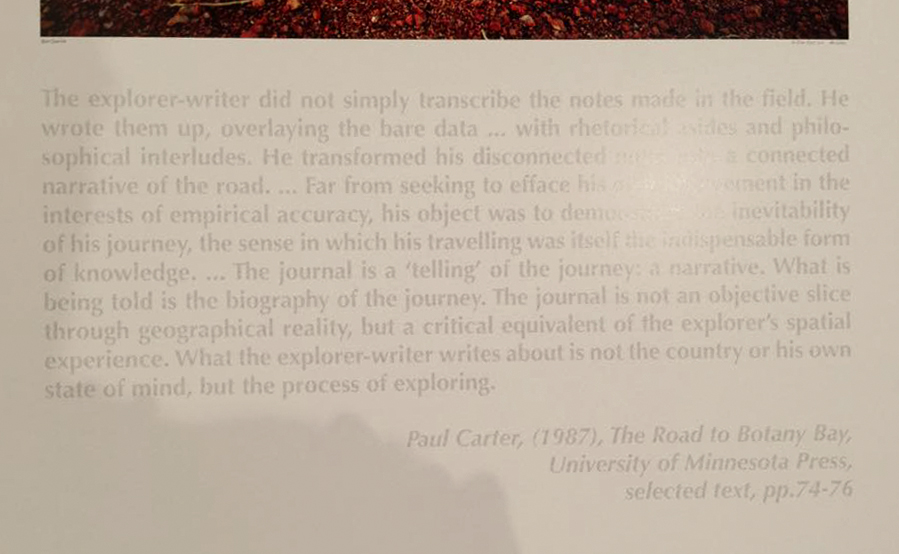
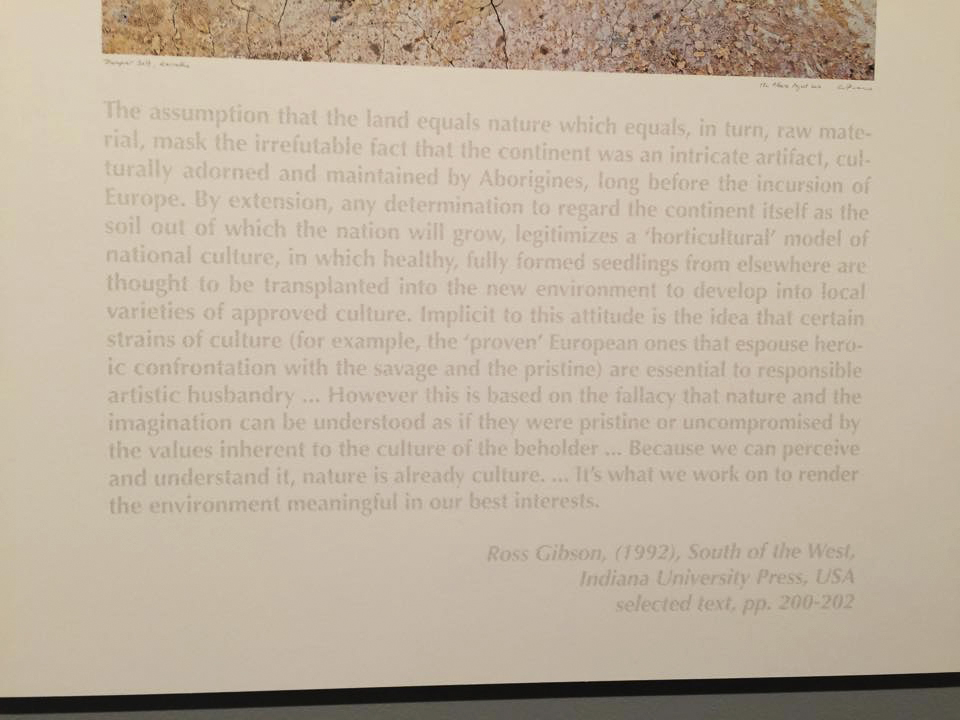
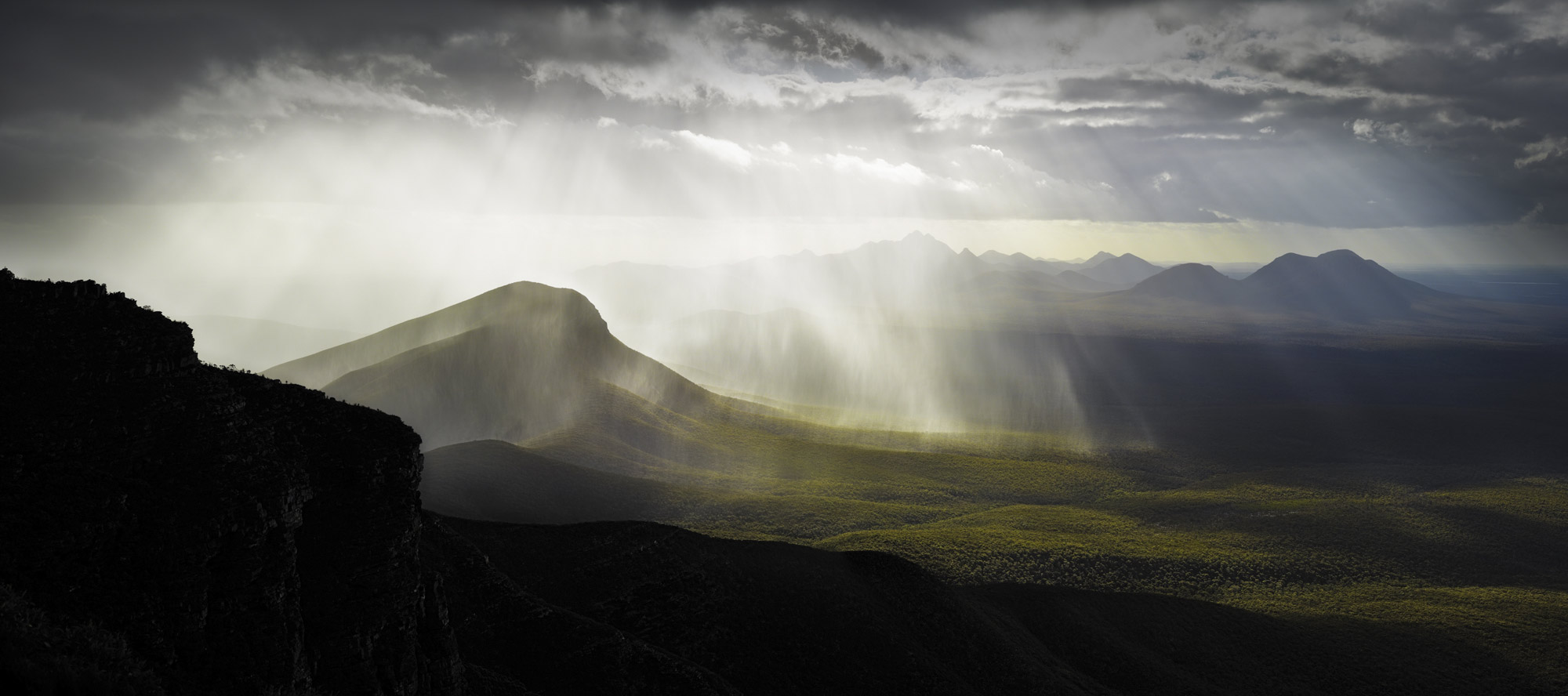

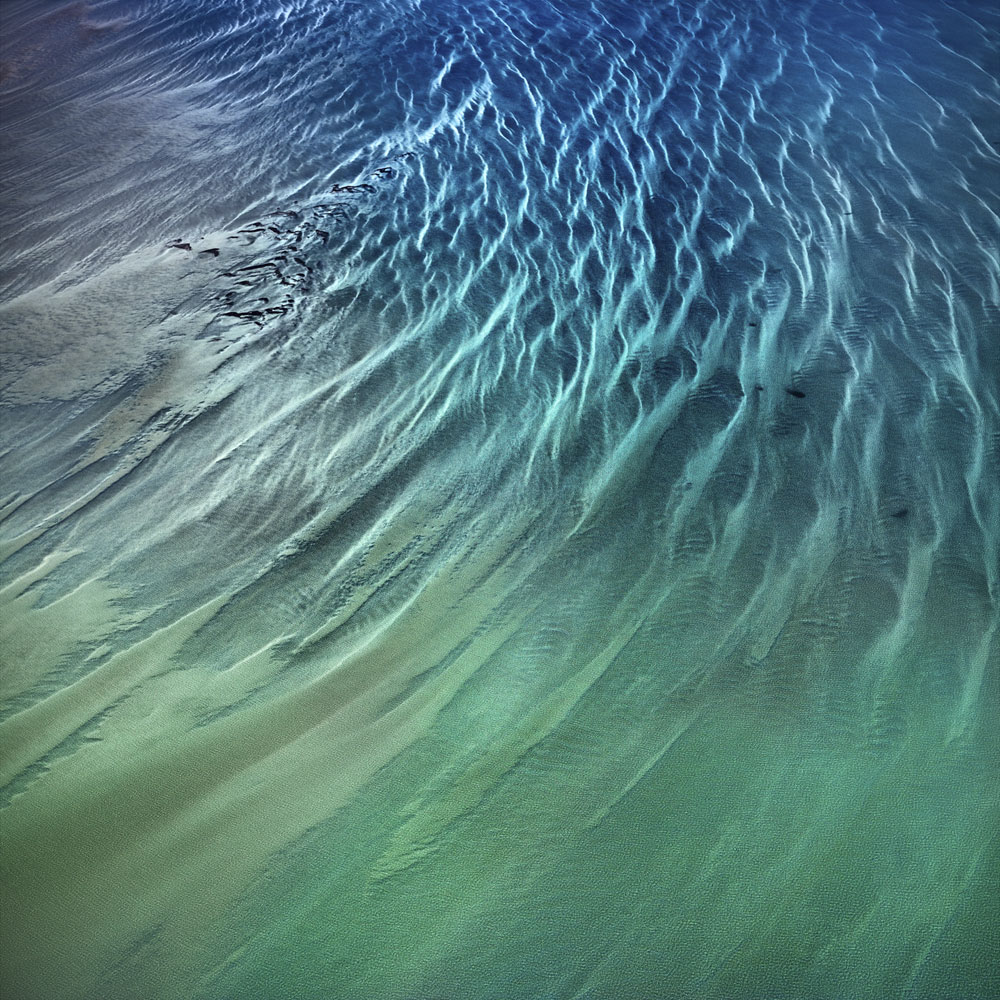
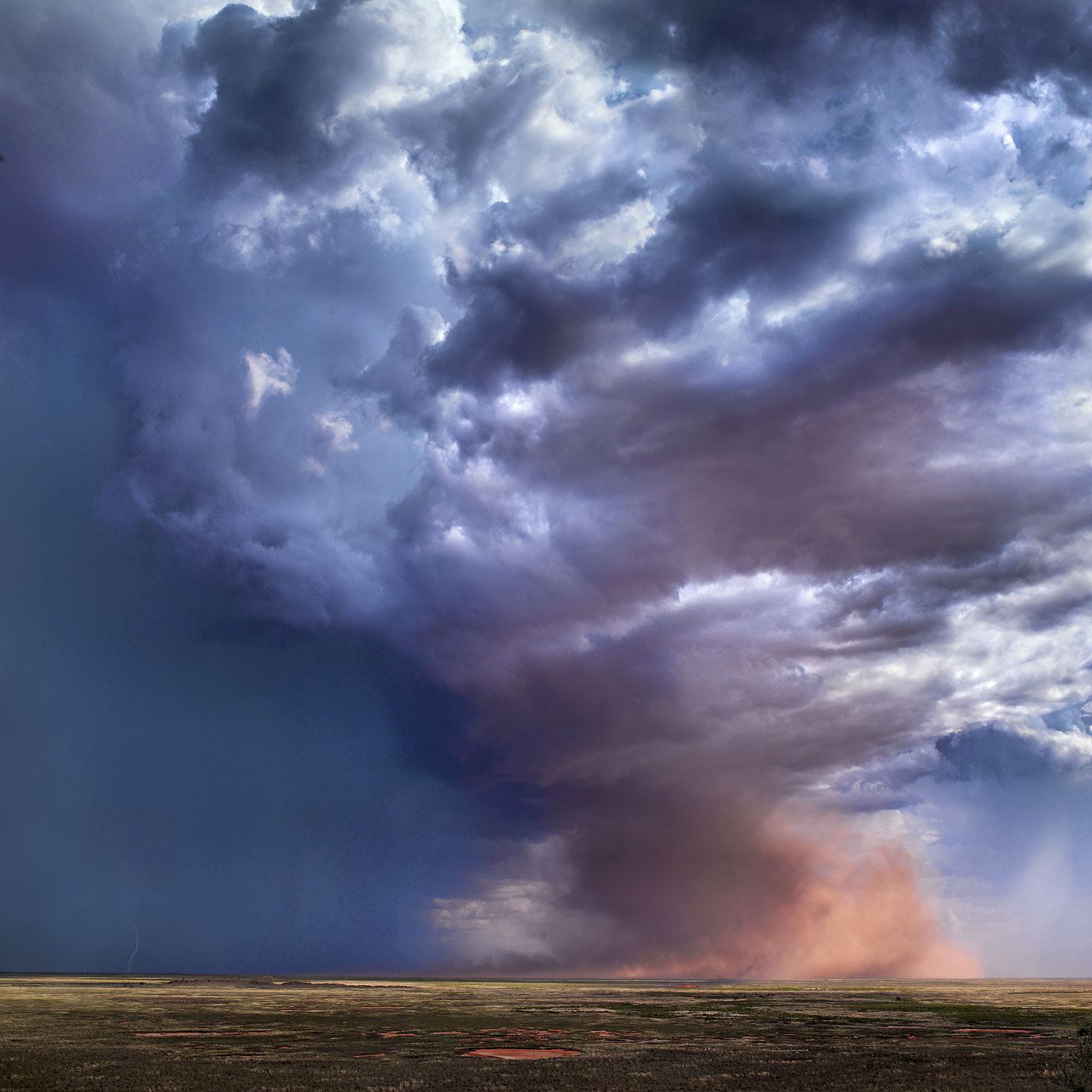

















![Cindy Ray (Bev Robinson) (Australian, 1942-2025) 'Untitled [Self-portrait]' Nd](https://artblart.com/wp-content/uploads/2015/03/cindy-ray-web.jpg "Cindy Ray (Bev Robinson) (Australian, 1942-2025) 'Untitled [Self-portrait]' Nd")


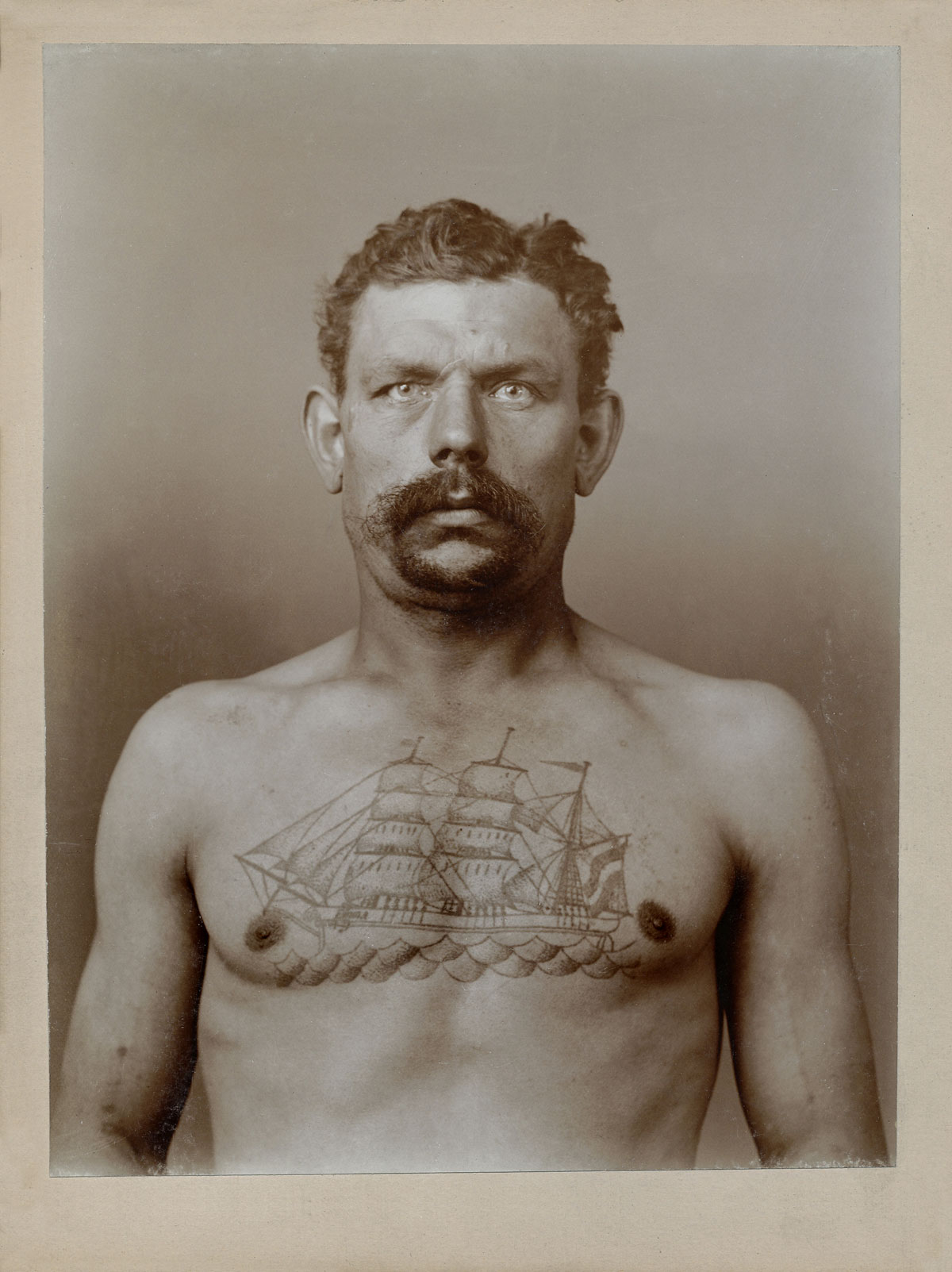










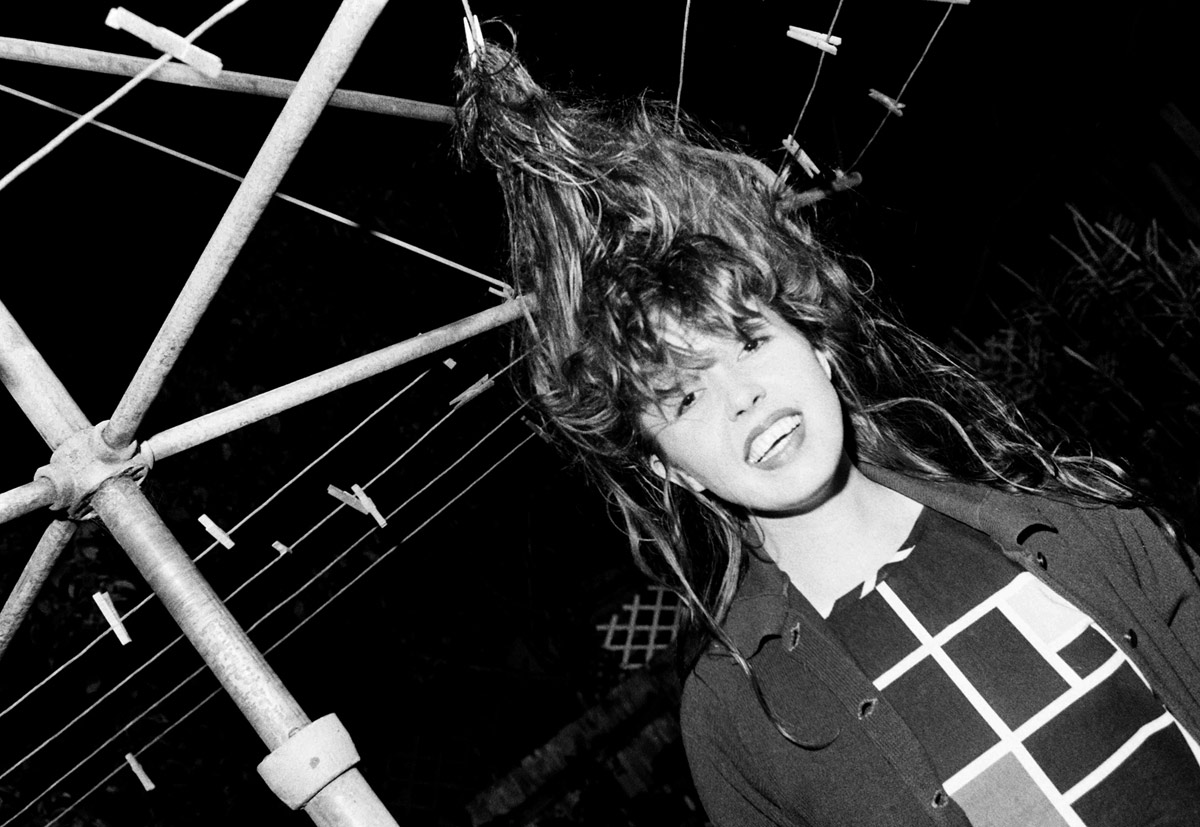

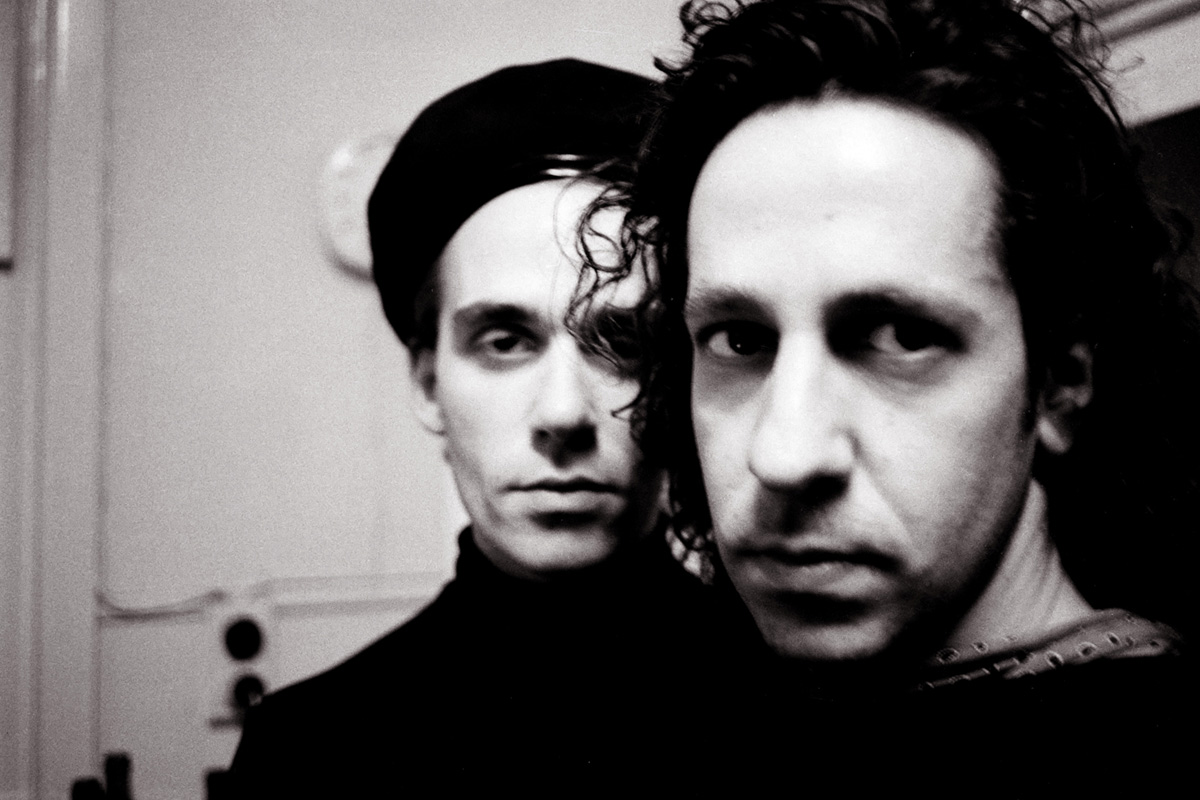

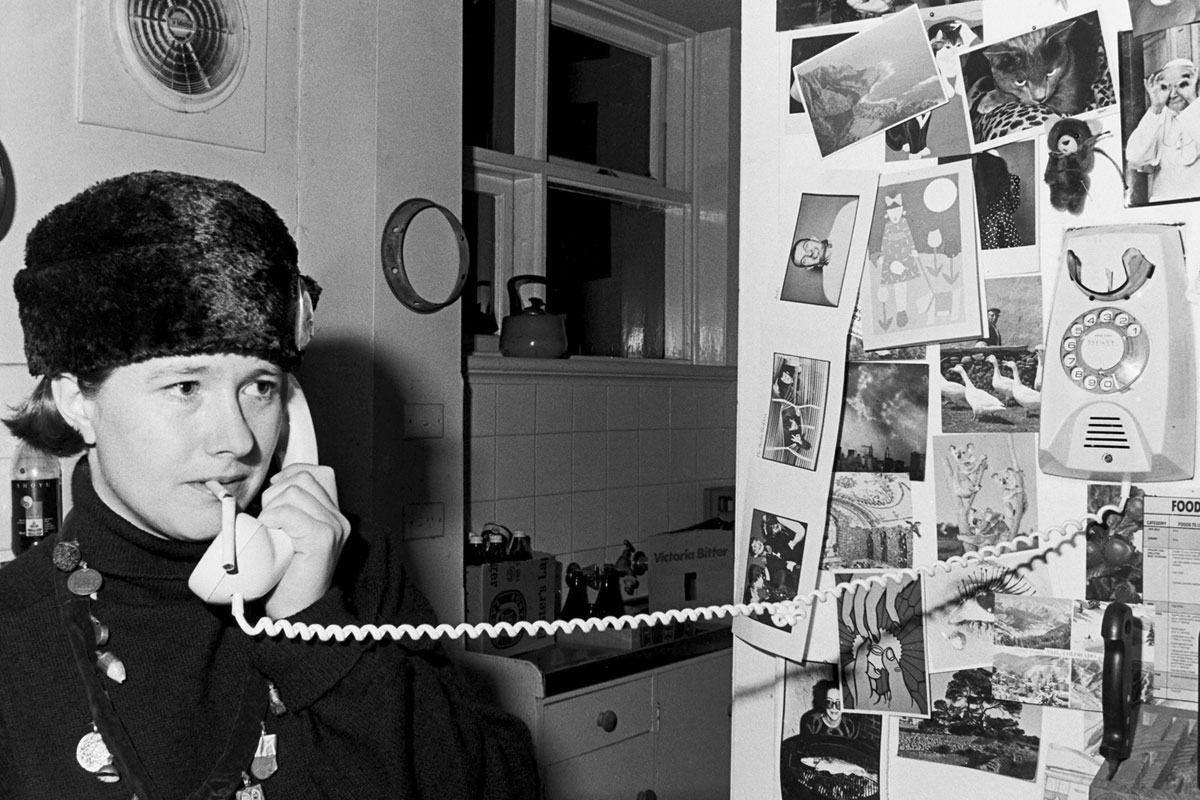
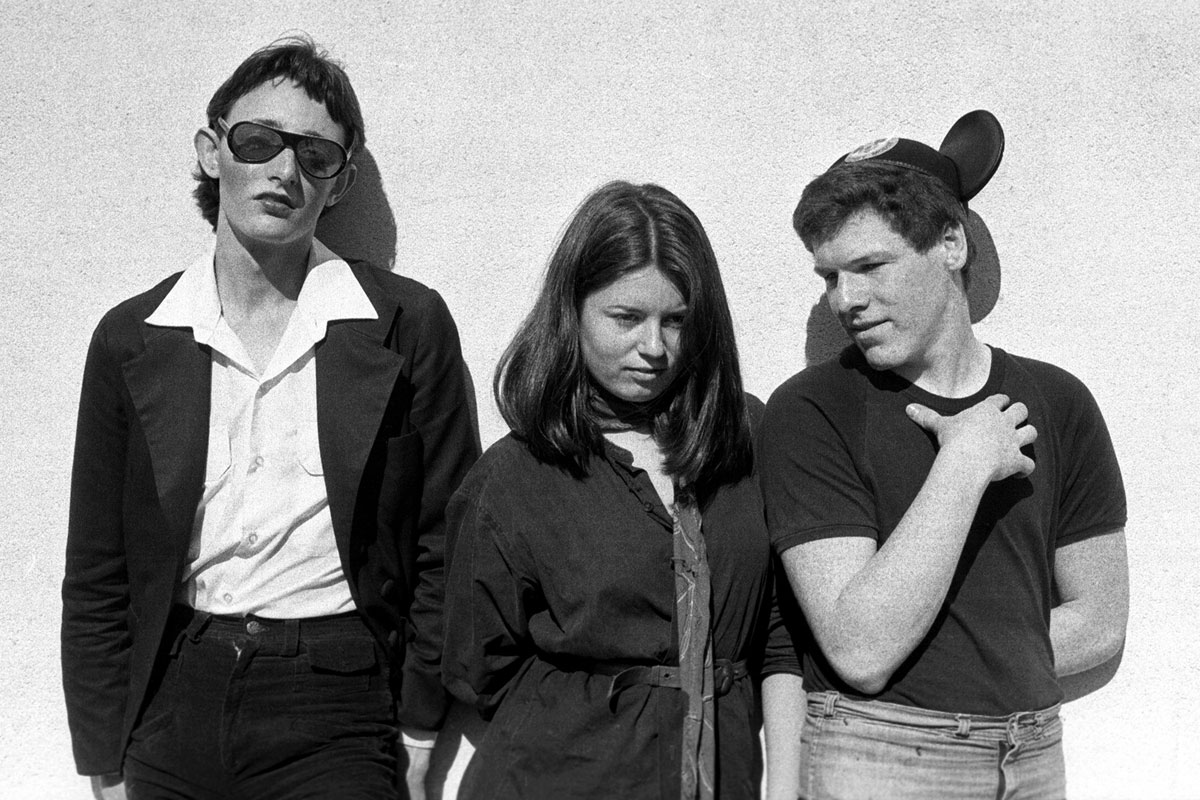


![Jim Iska. 'Untitled [Installation view of the exhibition John Gossage: Three Routines at The Art Institute of Chicago]' 2015](https://artblart.com/wp-content/uploads/2015/03/installation-b-web.jpg "Jim Iska. 'Untitled [Installation view of the exhibition John Gossage: Three Routines at The Art Institute of Chicago]' 2015")
![Jim Iska. 'Untitled [Installation view of the exhibition John Gossage: Three Routines at The Art Institute of Chicago]' 2015](https://artblart.com/wp-content/uploads/2015/03/installation-a-web.jpg "Jim Iska. 'Untitled [Installation view of the exhibition John Gossage: Three Routines at The Art Institute of Chicago]' 2015")
![Jim Iska. 'Untitled [Installation view of the exhibition John Gossage: Three Routines at The Art Institute of Chicago]' 2015](https://artblart.com/wp-content/uploads/2015/03/installation-c-web.jpg "Jim Iska. 'Untitled [Installation view of the exhibition John Gossage: Three Routines at The Art Institute of Chicago]' 2015")

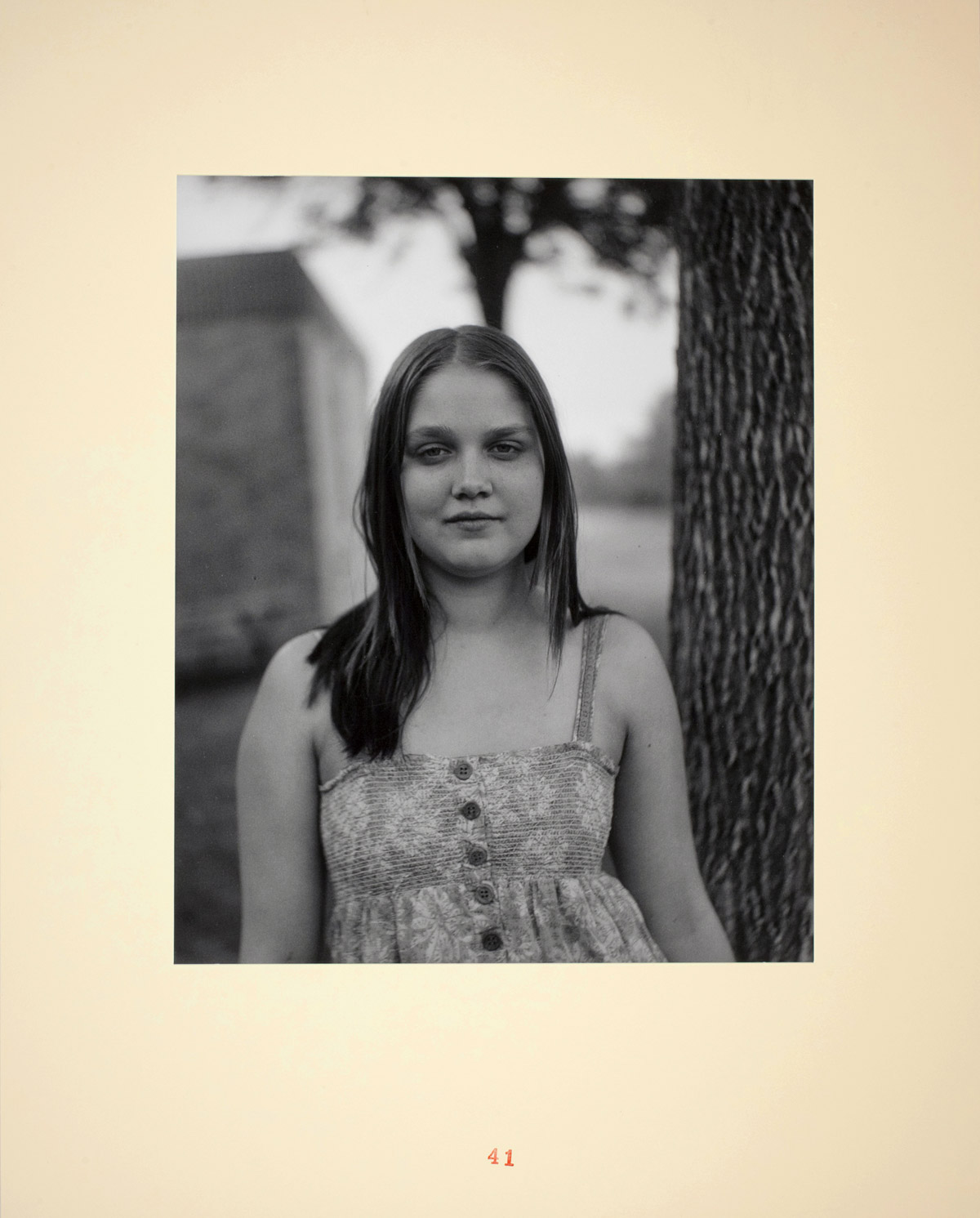
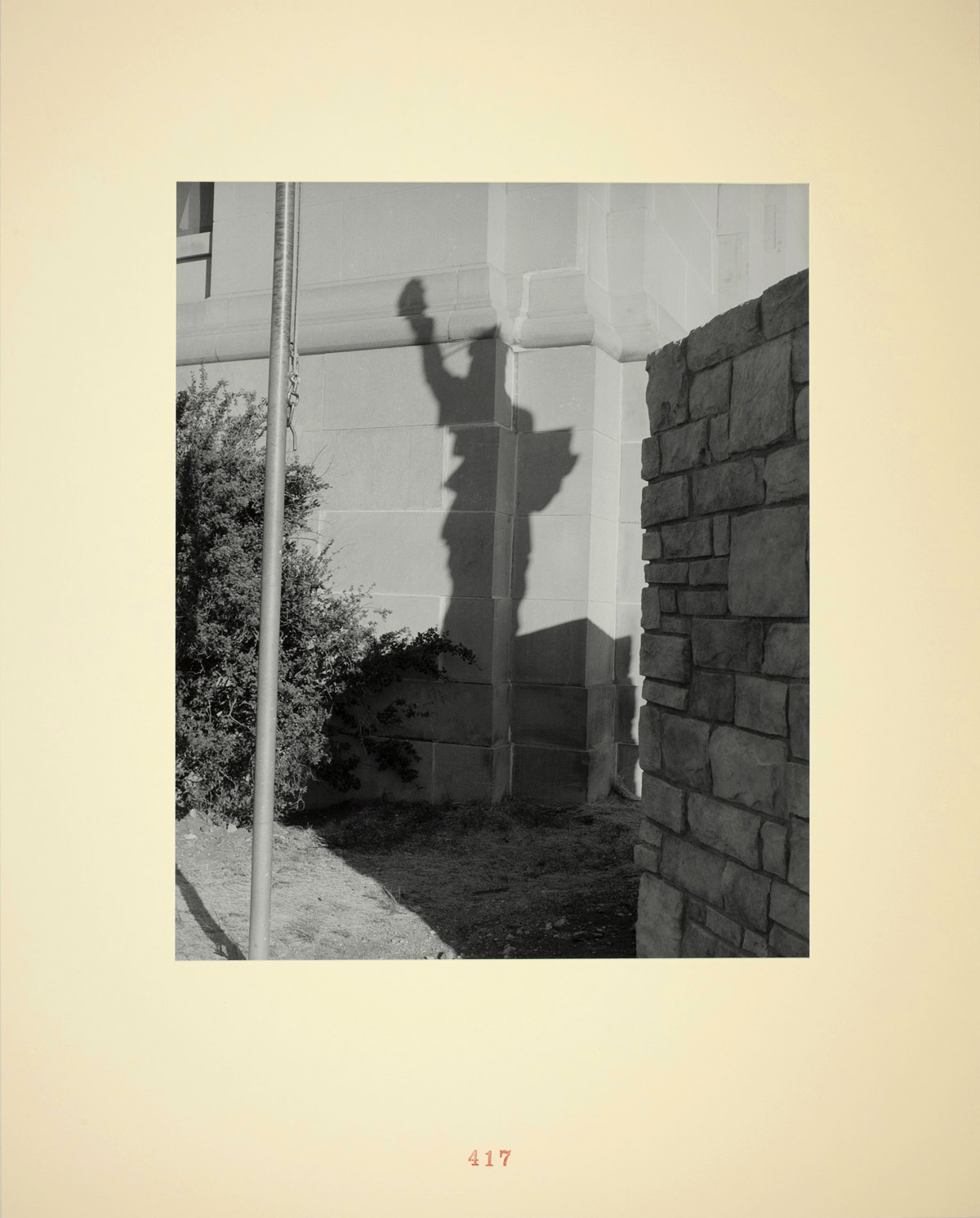
 Art Blart _ art and cultural memory archive
You must be logged in to post a comment.