Je l’adore cette femme. Je pense que je suis en amour.
I absolutely love this women’s art. Everything she touches is inventive, vibrant, made with panache. The light, the hands, the angles, the objects – cranes and barges, brooding ancient architecture hanging in time – and then, to top it all off, the sensuality!
Left-wing convictions, lesbian love affairs, “the love of cars and road trips, the interest in women (whether writers or workers), the fascination with hands, and the free, maverick spirit that drove her work and kept her outside schools and sects.”
How can an artist make two piles of cauliflowers seem so enigmatic, so surreal and wondrous – like so many excised eyes of dead creatures staring at you, coming at you from out of the darkness. Les Halles de nuit (en toute amitié à Van Ecke) (around 1920, below) amazes me every time I look at it.
If I had to name one period above all others that I enjoy looking at most in the history of photography, the avant-garde period of the 1920s-30s would be up there near the very top. Especially the female photographers.
Dr Marcus Bunyan
Many thankx to Jeu de Paume for allowing me to publish the photographs in the posting. Please click on the photographs for a larger version of the image.
Germaine Krull: A Photographer’s Journey
Michel Frizot, curator of the exhibition, talks about Germaine Krull, her life, her works and her publications.
Germaine Krull (Wilda-Poznań, East Prussia [after 1919: Poland], 1897 – Wetzlar, Germany, 1985) is at once one of the best-known figures in the history of photography, by virtue of her role in the avant-garde’s from 1920 to 1940, and a pioneer of modern photojournalism. She was also the first to publish in book form as an end in itself.
Germaine Krull (Wilda-Poznań, East Prussia [after 1919: Poland], 1897 – Wetzlar, Germany, 1985) is at once one of the best-known figures in the history of photography, by virtue of her role in the avant-garde’s from 1920 to 1940, and a pioneer of modern photojournalism. She was also the first to publish in book form as an end in itself.
The exhibition at Jeu de Paume revisits Germaine Krull’s work in a new way, based on collections that have only recently been made available, in order to show the balance between a modernist artistic vision and an innovative role in print media, illustration and documentation. As she herself put it – paradoxically, in the introduction to her Études de nu (1930) –, ‘The true photographer is the witness of each day’s events, a reporter.’
If Krull is one of the most famous women photographers, her work has been little studied in comparison to that of her contemporaries Man Ray, László Moholy-Nagy and André Kertész. Nor has she had many exhibitions: in 1967, a first evocation was put on at the Musée du Cinéma in Paris, then came the Rheinisches Landesmuseum, Bonn, in 1977, the Musée Réattu, Arles, in 1988, and the 1999 retrospective based on the archives placed at the Folkwang Museum, Essen.
The exhibition at Jeu de Paume focuses on the Parisian period, 1926-1935, and more precisely on the years of intensive activity between 1928 and 1933, by relating 130 vintage prints to period documents, including the magazines and books in which Krull played such a unique and prominent role. This presentation gives an idea of the constants that run through her work while also bringing out her aesthetic innovations. The show features many singular but also representative images from her prolific output, putting them in their original context.
Born in East Prussia (later Poland) to German parents, Krull had a chaotic childhood, as her hapless father, an engineer, travelled in search of work. This included a spell in Paris in 1906. After studying photography in Munich, Krull became involved in the political upheavals of post-war Germany in 1919, her role in the communist movement leading to a close shave with the Bolsheviks in Moscow. Having made some remarkable photographs of nudes during her early career, noteworthy for their freedom of tone and subject, in 1925 she was in the Netherlands, where she was fascinated by the metal structures and cranes in the docks, and embarked on a series of photographs that, following her move to Paris, would bear fruit in the portfolio Métal, publication of which placed her at the forefront of the avant-garde, the Nouvelle Vision in photography. Her new-found status earned her a prominent position on the new photographic magazine VU, created in 1928, where, along with André Kertész and Eli Lotar, she developed a new form of reportage that was particularly congenial to her, affording freedom of expression and freedom from taboos as well as closeness to the subject – all facilitated by her small-format (6 x 9cm) Icarette camera.
This exhibition shows the extraordinary blossoming of Krull’s unique vision in around 1930, a vision that is hard to define because it adapted to its subjects with a mixture of charisma and empathy, while remaining constantly innovative in terms of its aesthetic. It is essential, here, to show that Krull always worked for publication: apart from the modernist VU, where she was a contributor from 1928 to 1933, she produced reportage for many other magazines, such as Jazz, Variétés, Art et Médecine and L’Art vivant. Most importantly, and unlike any other photographer of her generation, she published a number of books and portfolios as sole author: Métal (1928), 100 x Paris (1929), Études de nu (1930), Le Valois (1930), La Route Paris-Biarritz (1931), Marseille (1935). She also created the first photo-novel, La Folle d’Itteville (1931), in collaboration with Georges Simenon. These various publications represent a total of some five hundred photographs. Krull also contributed to some important collective books, particularly on the subject of Paris: Paris, 1928; Visages de Paris, 1930; Paris under 4 Arstider, 1930; La Route Paris-Méditerranée, 1931. Her images are often disconcerting, atypical and utterly free of standardisation.
An energetic figure with strong left-wing convictions and a great traveller, Krull’s approach to photography was antithetical to the aesthetically led, interpretative practice of the Bauhaus or Surrealists. During the Second World War, she joined the Free French (1941) and served the cause with her camera, later following the Battle of Alsace (her photographs of which were made into a book). Shortly afterwards she left Europe for Southeast Asia, becoming director of the Oriental Hotel in Bangkok, which she helped turn into a renowned establishment, and then moving on to India where, having converted to Buddhism, she served the community of Tibetan exiles near Dehra-Dun.
During all her years in Asia, Krull continued to take photographs. Her thousands of images included Buddhist sites and monuments, some of them taken as illustrations for a book planned by her friend André Malraux. The conception of the books she published throughout her life was unfailingly original: Ballets de Monte-Carlo (1937); Uma Cidade Antiga do Brasil; Ouro Preto (1943); Chieng Mai (c. 1960); Tibetans in India (1968).
In her photojournalism, Krull began by focusing on the lower reaches of Parisian life, its modest, working population, the outcasts and marginal of the “Zone,” the tramps (subject of a hugely successful piece in VU), Les Halles and the markets, the fairgrounds evoked by Francis Carco and Pierre Mac Orlan (her greatest champion). The exhibition also explores unchanging aspects of her tastes and attachments: the love of cars and road trips, the interest in women (whether writers or workers), the fascination with hands, and the free, maverick spirit that drove her work and kept her outside schools and sects.
The works come from a public and private collections including the Folkwang Museum, Essen; Amsab, Institute for Social History, Ghent; the Ann and Jürgen Wilde Foundation, Pinakothek der Moderne, Munich; The Museum of Modern Art (MoMA), New York; the Centre Pompidou, Musée National d’Art Moderne, Paris; the Bibliothèque Nationale de France, Paris; the Collection Bouqueret-Rémy; the Dietmar Siegert Collection.
Germaine Krull (1897-1985) A Photographer’s Journey
A famous figure of the avant-garde in the 1920-1940s, Germaine Krull (Wilda, Poland, 1897 – Wetzlar, Germany, 1985) was a pioneer of modern photojournalism and of the photographic book. Produced mainly between 1928 and 1931, her innovative work cannot be understood outside the context of her chaotic and poorly educated childhood and her activist youth, which saw her become involved in the Spartacist uprising in Germany in 1919.
After Berlin, where she produced some ambiguous nude photographs in 1923, Paris was where her career as a photographer took off. She won acclaim for her fers, the photographs of metal structures, bridges and cranes that featured in her portfolio Métal (1928), their unusual angles and framing typical of the New Vision in photography. In March 1928 she began producing innovative reportage for the newly created photographic magazine VU, focusing particularly on Parisian life, the marginal world of humble folk and popular neighbourhoods, and the “Zone.”
Often disconcerting and seemingly casual, these images taken with a hand-held Icarette were nevertheless well received by a number of illustrated magazines. Krull innovated even more as sole author of books and portfolios, which were a novelty at this time: 100 x Paris (1929), Études de nu (1930), Le Valois (1930), La Route Paris-Biarritz (1931), Marseille (1935), and the first photo-novel (phototexte) with Georges Simenon, La Folle d’Itteville (1931). Taken together, these publications represent some five hundred photos.
A woman of action and initiative, Krull had a great love of cars and road travel (which inspired several books), and was particularly interested in behaviour, gesture and the work of women, as well as in the expressiveness of hands. Her free, maverick spirit was always in evidence, as if taking a fresh look at the world also meant constantly rising to new challenges in her photography. “Germaine Krull,” noted Pierre Mac Orlan, “does not create easy anecdotes, but she makes visible the secret details that people do not always see.”
Berlin and Paris: early days
After a free adolescence, Germaine Krull studied photography in Munich, later contributing to a portfolio of female nudes. Her involvement with the Spartacist uprising of 1919 led all the way to prisons in Moscow in 1921. Returning to photography in 1923, she produced more female nudes, with strong erotic connotations (one series shows two women “friends”). Moving to Paris in 1926, she worked as a fashion photographer, mainly for Sonia Delaunay’s textile studio.
1928: “My fers” and VU
In 1928 Krull became known for her fers, dramatically framed photographs of cranes, bridges and silos, and of the Eiffel Tower. Often low-angle shots, these established her as an “avant-garde” photographer. At the end of the year her portfolio Métal (64 plates) had a tremendous impact in modernist photographic circles and in progressive artistic magazines (L’Art vivant, Jazz).
Reportage and magazines
Krull’s greatest contribution was in the field of reportage, which she pioneered in March 1928 for the magazine VU. Her favourite subject was Parisian popular culture – fairgrounds and flea markets, bars and dance halls, tramps. Her approach was free and spontaneous, favouring closeness to the subject, photographed at eye height (as enabled by her 6 x 9 Icarette), rather than elegance and balance of composition. Her idiosyncratic and highly evocative images were appreciated by the bolder magazines, which published some six hundred of them between 1928 and 1934.
Paris, Paris!
For a determined photographer like Krull, the big city represented a unique set of opportunities with real potential: department stores, shop window mannequins, effects of lighting at night and the banks of the Seine were among the subjects. Enthusiastic about the book format, she published 100 x Paris, a book of a hundred unusual views of Paris, in 1929, and contributed to Visages de Paris by Warnod (1930), and Paris by Adolf Hallman (1930). Her images gave visual expression to the “social fantastic” explored by her friend, writer Pierre Mac Orlan (Quai des Brumes, 1927).
Cars, the open road
Krull was fascinated by cars, speed and machines. In Paris she photographed the teeming traffic. After a commission to take advertising photos for the Peugeot 201 in 1929, she developed a strong enthusiasm for road trips, the great novelty of the day, and photographed sites glimpsed from inside the vehicle. This daring work bore fruit in a new kind of photography book, Le Valois de Gérard de Nerval (1930), La Route Paris-Biarritz (1931), La Route de Paris à la Méditerranée (1931) and Marseille (1935), an aesthetic and mental as well as geographical journey to the south.
Women
As a woman photographer, Krull took an interest in artistic women such as Colette, the actress Berthe Bovy who played in La Voix humaine by Cocteau, and the singer Damia. She was especially keen to do social reportage on women’s themes, a notable example being her series on working women in Paris, published by VU in 1931-1932. Her Études de nu (1930) was an aesthetic manifesto by virtue of its fragmented and unstructured vision of the female body. Another innovation was her photography for La Folle d’Itteville, a ground-breaking photographic version of a Simenon story, featuring an enigmatic Mrs Hubbell.
“My collection of hands”
Krull was fascinated by hands, which she photographed with a blend of imagination and invention. Her “collection” included Cocteau with his hand in front of his eyes or mouth, and Malraux with his cigarette. In her reportage, she homed in on gestures and postures in which the hands were signally expressive. Shown on their own, they became portraits, intriguing the viewer.
Le Courrier littéraire, 1930
The second issue (April-May-June 1930) of this ephemeral magazine contained an astonishing portfolio of Krull’s work, with 24 photos over 17 pages. The rather emphatic presentation showed her as a true artist, and as part of the avant-garde of the day. A letter from Cocteau was reprinted by way of an introduction. In it, the poet, Krull’s friend, expresses his surprise at her striking photos, both of Berthe Bovy in La Voix humaine and of his own hands.
Free spirit
Krull liked to concentrate on “the visual side of things” and escape from the documentary imperatives of reportage. Her bold framing, details and situations, her use of cast shadow and touch of fantasy stimulate the imagination and create surprise. Her series on superstitions, published in VU and Variétés, was conceived with the enthusiasm of an amateur photographer exclusively intent on the narrative power of the images. Without ever entering the world of Surrealism, her very individual vision brought out an unexpected strangeness in apparently ordinary things.
War
In 1940 Krull took the boat to Brazil, aiming to work for Free France. In 1942 she was sent to Brazzaville to set up a propaganda photography service. She also produced reportage around French Equatorial Africa. In 1943 she travelled to Algiers as a reporter, then sailed with the troops of De Lattre, arriving in the South of France and heading up to Alsace, where she witnessed the Battle of Alsace and the liberation of the Vaihingen concentration camp.
Asia
Keen to continue working as a reporter in Southeast Asia, in 1946 Krull settled in Bangkok. Not long after, she became manager of the Oriental Hotel there, which she turned into a highly renowned establishment. Drawn to Buddhism, she photographed its temples and statues in Thailand and Burma. Leaving her position at the hotel, she travelled to India, where she took up the cause of the Tibetan exiles (Tibetans in India, 1968). Ill, impecunious, and having lost most of her prints, Krull returned to Germany, where she died on 30 July 1985.
The films
Through Joris Ivens, Krull was in touch with many of the avant-garde filmmakers of the day, including René Clair, Georges Lacombe and Alberto Cavalcanti. Although she claimed to dislike cinema’s complicated interdependence of machines, script and actors, she did make two short films, both in 1931: Six pour dix francs (9 min) and Il partit pour un long voyage (11 min 20 s). The second, about a young boy who dreams of travel and distant lands and hides on a barge on the Seine at Bercy, allowed her to take some “photographically” meticulous shots of activities along the river.
Although I have ten tattoos by different artists – including a full back job by Alex Binnie of London – and scarification done in 1992, you always remember your first tattoo. I was in my early twenties when I decided to get inked. And the person recommended for the job was the legendary Alan Oversby (aka Mr. Sebastian), an S/M tattooist and one of the primary figures in the development of contemporary body piercing.
I remember travelling down to the East End of London and rocking up to this nondescript office block, climbing to the third floor I think it was, and entering a tiny square room, Alan’s studio. What an experience it was to be tattooed by him. Not so much the tattoo itself, which was a tiger on my upper left arm – first part of my earth, air, water, fire, void elemental sequence – but his presence and being surrounded by these fantastic, outrageous photographs on all four walls, floor to ceiling. Here was men’s tackle of all different shapes and sizes, the cocks and pubic area heavily tattooed and some of them heavily pierced, lying on pristine white dinner plates. Welcome to lunch.
For a young man this was an amazing, wondrous display. I totally loved him, the photographs, and his work. Unfortunately I don’t have any photographs of that studio and there are none that I could find online. Suffice it to say that the experience only confirmed me on my path of delicious deviancy that will not stop until the day I die.
Dr Marcus Bunyan
Many thankx to Museum für Kunst und Gewerbe Hamburg for allowing me to publish the photographs and text in the posting. The videos were all sourced from YouTube. Many thankx also to Becky Nunes who I contacted directly and who provided the wonderful photographs of Tã moko facial tattoos of the Maori in New Zealand.
Alan Oversby (Mr Sebastian)
Alan Oversby (Mr. Sebastian)
Alan Oversby (20 February 1933 – 8 May 1996) was one of the primary figures in the development of contemporary body piercing in Europe. He was better known by his professional name Mr. Sebastian.
Originally an art teacher, Alan Oversby left his initial profession to pursue his interests in tattooing and piercing instead. From his studio in London, he promoted both tattooing and body piercing, especially within the gay leather community. He was a correspondent of both Doug Malloy and Jim Ward. Sponsored by Malloy, he visited Los Angeles. Malloy also sponsored trips to London to visit him, bringing along Ward and Sailor Sid Diller. These exchanges were critical to the global spread of the techniques and technology used in contemporary body piercing.
Oversby was also responsible for the adoption of the use of topical and local anaesthetics as part piercing procedure in Europe. Although they are used less now, it used to be standard practice to use anaesthetics when performing piercings in England, where in North America this practice is almost unknown. He was interviewed in the fourth issue of PFIQ. He performed much of the tattooing and piercing on Psychic TV musicians Genesis P-Orridge and Paula P-Orridge. His vocals were used in the Psychic TV track “Message from The Temple” which appeared on their first album Force the Hand of Chance.
In 1987, Alan Oversby was one of 16 men charged as a part of Operation Spanner, a series of raids that resulted in the arrest of men who were all engaged in consensual homosexual BDSM activities. Alan, like the other men, was charged with assault occasioning actual bodily harm for performing a genital piercing on a client. He was also charged with using anaesthetic without a licence and for sending obscene material through the post (photographs of piercings). As the judge was not willing to take the consensuality of the participants into account, Alan pleaded guilty along with the other 15 men. He received a sentence of 15 months, which was suspended for two years.
The Tattoo exhibition is dedicated to old traditions and new stories. It takes a look at the vibrant, innovative and multifaceted tattoo culture, with a focus on artistic, artisanal and culture-specific issues. International exhibits from diverse perspectives are displayed and current debates considered. This is the first time that an exhibition has brought together such a broad range of references, presenting the phenomenon of the tattoo with a particular focus on art and design, since these enduring pictures, words and symbols inspire artists and designers. The theme of the exhibition is therefore the reciprocal influence of art, traditional and lived tattoo art and visual design. The exhibition Tattoo throws light on the ambivalence of the tattoo between a mark of distinction, a sign allocating its bearer to a social class, a badge of identity and a stigma in various cultures, social classes and epochs. Tattoo shows over 250 pieces of work, including photographs, coloured woodcuts, paintings and sculptures, as well as video clips and audio installations, stencils and historical specimens of tattooed skin. From tattooing instruments made of simple tools available in nature to intricate precision machines, colours and pigments convey an impression of the craft in practice. In this show the MKG also looks back on the long tradition of the Hamburg tattoo scene, which had its cradle in the port milieu of the late 19th century. Historical photos which have never before been on public show document the typical tattoos of the working class in Hamburg around 1890. Legendary tattooists such as Christian Warlich (“The Tattoo King”) and Herbert Hoffmann exemplify a many-facetted and highly expressive art form which generates ever new experimental designs. A glimpse into this is given by work from local tattoo artists who let themselves be inspired by the museum’s collection. A picture loop shows many pieces of work by celebrated tattooists, men and women, from the current international scene, which is marked by a huge diversity of stylistic approaches and new aesthetic movements.
The traditional cultural technique
All over the world, many cultures use the human skin as a surface to carry images. The tradition of tattooing is among the earliest art forms and the most ancient crafts. The exhibition shows selected examples. The facial tattoos of Chin women in Burma are part of a rite of passage marking the transition from childhood to adulthood. With the help of thorns or needles, female tattooists incise patterns into the skin which vary from one family clan to another. Tā Moko, the facial tattoos of the Maori in New Zealand, indicate a person’s family affiliation and social status. Each part of the face is reserved for a particular type of information. A tattoo on the centre of the forehead, for instance, testifies to high status. In Thailand, sacred tattoos – known as Sak Yant – are widespread. They are intended to protect their bearer from bad luck and to help them lead a morally impeccable life. Tattoos have a long tradition in Japan too, dating back to the 3rd century. Their design follows a particular harmony and elegance and is characterised by clearly demarcated areas of colour. The tattoos often cover wide expanses of the body surface and connect to a cohesive image. The motifs often reference subjects of traditional woodcuts or represent mythological beings which are supposed to exemplify particular qualities of their bearer’s character. For instance, the dragon stands for virility, power or heaven. Since tattoos were banned from 1870 to 1948 in Japan, they were for a long time associated with the criminal milieu of the Yakuza, a Japanese mafia organisation.
The spread of tattooing in the Western world
In the 18th and 19th centuries, illustrated travel reports were a major influence on the way people viewed other cultures in far-off lands and fired curiosity about the practice of tattooing, which seemed exotic in those days. The word tattow in the Polynesian language is first mentioned in James Cook’s reports of his expeditions to the South Seas in the 18th century. Modern tattooing became widespread in the West through the very popular early ethnographic drawings and prints as well as later through photographs. At the beginning, the art of tattooing often stood for the erotically titillating flair of the exotic and magic-mystical in a world attended by strange cults and rituals. Tattoos flourished in Europe and America during the years leading up to the World War I. For this reason, the members of the American upper class and of almost all European royal families – including the German imperial family – were tattooed. In this period, this form of body decoration was regarded as an expression of good taste. In the 19th century a more ambivalent attitude towards tattooing develops, however, above all among the bourgeoisie. In consequence, very little lies between fascination and rejection in the Western historical view of tattooing: this is what underlies the dual character of tattooing as stigma and mark of distinction.
Codes and their reinterpretation
The functions and meanings attributed to tattooing proliferate due to its diffusion throughout different social classes and groups over the last century. First and foremost, its ambiguity, signalling both stigma and distinction, is symptomatically revealed in the different tattooing practices followed in different milieus. While sailors and soldiers flaunt the record of their travels with exotic images, tattoos develop into veritable badges of recognition in the criminal underworld. In the context of photographic “mugshots”, first used in the hunt for criminals at the beginning of the 20th century, tattoos already take on great significance as a means of identifying suspects. In Russian prison camps of the late 19th century tattoos and branding are systematically employed by the state to mark out people as convicts. In response professional criminals in Russia, however, get around this form of stigmatisation by adopting their own informal tattoos. They modify traditional motifs and develop a system of secret signs, which reveals the group they belong to, their convictions or their rank in the criminal hierarchy. The French photographer and filmmaker Christian Poveda has documented the heavily tattooed members of the Latin American gangs of the Mara Salvatrucha and M-18, the lettering and symbols displayed on their skin have an important function in recognition and promotion of group affinity. The work of the Austrian Klaus Pichler traces the current significance of tattoos in prisons and offers a photographic glimpse into what are actually forms of coping with imprisonment within the penal system.
Women and tattoos
Another aspect of the exhibition are objects dealing with the relationship between women and tattoos. Historical photos highlight the vicissitude, ranging from the exhibition of the heavily tattooed female body as a fairground attraction in the 1920s up to the glamour girls in the vaudeville shows of the 1960s and the first female tattooists, who independently and with great determination carved out a place for themselves in a male-dominated profession. Tattoo culture is meanwhile unthinkable without women and they play an important role as artists in the contemporary scene.
Tattoos in contemporary art
The complex spectrum of meanings conveyed also plays a major role in contemporary art. The Japanese woman artist Fumie Sasabuche, for instance, takes as the theme of her sculptural and photographic works the interplay between the traditional Japanese tattoo motifs of the Yakuza and the aesthetic impulses of Western mass culture. Enrique Marty’s sculptures from his series Art is Dangerous, too, fall back on the Yakuza iconography in order to raise ironic questions about the role of art and the meaning conveyed by tattoos in combination with the grotesque effect created by the figures. The Spanish concept artist Santiago Sierra discusses the subject from the perspective of social and capitalistic criticism in his films. He pays members of socially marginalised groups to have a continuous line tattooed on their backs as part of a performance. With the deliberately unsteadily drawn line he is alluding to the precarious existence they lead and the social stigmatisation that goes with it. The Polish artist Artur Żmijewski addresses relentlessly and provocatively the practice of tattooing prisoners in the Nazi concentration camps. His video 80064, which sparked fierce and controversial debate among its viewers, shows Josef Tarnawa, a 92-year old survivor of Auschwitz, whom the artists persuaded to have his fading camp number freshly tattooed. On the one side, Tarnawa is being stigmatized all over again by this procedure, on the other side the number on his left forearm takes on the function of a shocking admonition not to forget. Active remembrance, Artur Żmijewski seems to be saying here, is channeled today into much too orderly forms. The burn mark and the involuntary tattoo have faded out of view today in the Western history of tattooing, but what was practiced during the Second World War remains deeply engraved on the artist’s memory.
The tension between the tattoo as a work of art and its existence on the “living canvas” is the subject of an exemplary treatment by the Belgian concept artist Wim Delvoye. The exhibition shows the tattooed pig Donata, which the artist decorated under anesthetic in 2005, with the help of several professional tattooists, on his Chinese “Art Farm”. Delvoye subsequently exhibited the animal as a living work of art, and had it stuffed after it died. The second work by Delvoye shown in the exhibition picks up on this idea and articulates critical questions about moral principles in the art market, power and the right to make use of the human body as an artistic object. The Swiss Tim Steiner had a work by the Belgian artist tattooed on his back between 2006 and 2008; in 2008 it was purchased by a Hamburg art collector, together with the right to pass Tim Steiner on as an item on loan, to sell him, to bequeath him and to have his skin conserved after his death. Since then the work Tim has been the subject of great international controversy. He will be on show in the Hamburg exhibition on 11 and 12 April and on 27 and 28 June 2015.
Pricking the skin with a needle demands the same aesthetic imagination and care, the same controlled craftsmanship and knowledge of materials and color sense as any other design technique. The contemporary tattooing scene is highly innovative, transcending the traditional language of tattooing and renewing the medium. A picture loop in the exhibition shows international work in a great variety of styles and in outstanding quality.
With contributors including: Masahiko Adachi (JP) / Diane Arbus (USA) / Imogen Cunningham (USA) / Wim Delvoye (BEL) / Chris Eckert (USA) / Goran Galić & Gian-Reto Gredig (CH) / Herbert Hoffmann (DE/CH) / Mario Marchisella (CH) / Enrique Marty (ESP) / The Rich Mingins Collection (GB) / Ralf Mitsch (NL) / Becky Nunes (NZ) / Jens Uwe Par¬kitny (DE) / Klaus Pichler (AUT) / Christian Poveda (FR) / Rodolphe Archibald Reiss (DE/CH) / Fumie Sasabuchi (JP) / Santiago Sierra (ESP) / Aroon Thaewchatturat (THA) / Timm Ulrichs (DE) / Christian Warlich (D) / Artur Żmijewski (POL). Work in the picture loop by: Luke Atkinson (DE) / Curly (GB) / Mike DeVries (USA) / Thea Duskin (USA) / Lionel Fahy (FR) / Sabine Gaffron (DE) / Valentin Hirsch (DE) / Saira Hunjan (GB) / Inma (GB) / Bastien Jean (FR) / Jon John (GB) / Guy LeTatooer, (FR) / Filip Leu, (CH) / Karl Marc, (FR) / Volko Merschky & Simone Pfaff, (DE) / Lea Nahon, (FR) / Roxx (USA) / Minka Sicklinger (USA) / Liam Sparkes (GB) / Jacqueline Spoerle (CH) / Kostek Stekkos (BE) / Amanda Wachob (USA) / Seth Wood (USA).
Tattoo is a production of the Gewerbemuseum Winterthur, Schweiz, curator Susanna Kumschick, and is being shown for the first time in Germany.
Press release from the Museum für Kunst und Gewerbe Hamburg website
Installation views of the exhibition Tattoo at the Museum für Kunst und Gewerbe Hamburg showing in the bottom two images, photographs by Ralf Mitsch
Kept under wraps in winter and proudly displayed in summer: tattoos are now ubiquitous. However, they are much more than just a current mass phenomenon and trendy fashion accessory: many cultures throughout the world are familiar with the tradition of tattooing, and human skin has always been used as a canvas. Tattooing is one of the earliest art forms and oldest handicrafts.
Tattoos last for a lifetime. Pigments are inserted under the skin forever, yet they are as transient as the life of the person who bears them. They tell personal stories, create identity and affiliation, embellish, heal, protect – and they can both fascinate and repulse. For a long while they were most commonly known as a mark of social distinction or as a means of identifying social outcasts, and as a method of self stigmatisation used by sailors, criminals, prostitutes and gang members to distinguish themselves from “the other”. It is easy to forget that the craze for inking one’s body spread even to aristocratic circles in the later nineteenth century, in a trend that is now echoed by the current fashion for tattoos.
The Tattoo exhibition is dedicated to old traditions and new stories. It takes a look at the vibrant, innovative and multifaceted tattoo culture, with a focus on artistic, artisanal and culture specific issues. International exhibits from diverse perspectives are displayed and current debates considered. This is the first time that an exhibition has brought together such a broad range of references, presenting the phenomenon of the tattoo with a particular focus on art and design, since these enduring pictures, words and symbols inspire artists and designers. The theme of the exhibition is therefore the reciprocal influence of art, traditional and lived tattoo art and visual design.
Johann Baptist von Spix (German, 1781-1826) Journey to Brazil on command Maximilian Joseph I, King of Bavaria, in the years 1817-1820 / made and described by Johann Baptist von Spix and Carl Friedrich von Martius – Munich: [sn], 1823-1831 Loan: Museum of Ethnology, Hamburg
Expedition to Brazil
Johann Baptist von Spix, 1817-1820
Between 1817 and 1820, the zoologist Johann Baptist von Spix and the botanist Carl Friedrich Philipp von Martius undertook an expedition to Brazil at the behest of Maximilian Joseph I, King of Bavaria. They were also interested in the culture of the Brazilian indigenous tribes on the Rio Yapurà, and they published their findings in a three-volume travel report. The illustration is a portrait of Juri, “The son of a cacique of the Juri nation”.
Illustrated travel books were very popular in the 18th and 19th centuries. They shaped western ideas about foreign cultures and also indicate the early interest in exotic tattooing practices. James Cook’s reports on his expeditions to the South Seas in the 18th century contain the mention of the word “tattow” derived from the Polynesian. The term quickly spread and tattooing became popular in the Western world soon afterwards.
Early ethnographic drawings and engravings such as those made by Georg Forster and Karl von den Steinen attracted widespread interest, as did photographs at a later date such as the studio portraits taken by Felice Beato in Japan. They helped to make the art of tattooing into a symbol of the eroticised alien, and a magico-mythical world of cults and rites. Tattoos elicited a mixture of fascination and revulsion right from the start, particularly in middle-class circles during the 19th century: tattooing thus developed a dual character as both stigma and mark of distinction.
Enrique Marty (Spanish, b. 1969) Pablo & Ruth 2010 From the series Art is Dangerous Oil paint on latex on polyurethane, human hair, textiles, metal 155 x 90 x 53.5 cm/143 x 60 x 35cm Loan: Deweer Gallery, Otegem, Belgium
Real portraits are always the starting point for Enrique Marty’s tragicomic sculptures. The tattoos of Pablo & Ruth in the Art is Dangerous series reflect the iconography of the tattoo motifs in Japanese yakuza which the artist has explored in detail and incorporated into his work. His grotesque figures also make reference to early sculptural traditions such as those used in the quaint waxworks exhibitions of the 19th century. He builds on these themes and develops an original sculptural world. Ironic inversions and humour are essential strategies which he uses as an effective weapon. “Art is dangerous”: protest or parody? An allegory of the market system? Can art be dangerous? Or should it be? What role does the art of tattooing play?
Tattoo equipment
Throughout the world tattooing is performed by introducing pigments to the dermis, or second layer of skin. Pieces of wood, thorns, bones, horns, tortoiseshells, metals and shards can be worked into tools. Depending on the shape of the tattooing implement, the patterns produced may be smooth or dotted, narrow or broad. The individual instruments have not changed greatly over the years. However, one notable step forward was the use of electricity which resulted in new techniques and styles at the beginning of the 20th century after Samuel O’Reilly had patented his rotary tattoo machine in 1891. The electric motor moves the needles up and down regularly, enabling the operator to work smoothly and steadily. It is also a less painful process for the client. These electric machines are in widespread use today. Nevertheless, traditional tools, which have hardly changed, are also still employed.
Tattoo inks
It was not until the 20th century that tattoo inks began to be manufactured as industrial products. Previously, they had been mixed in small quantities according to individual recipes using pigments, oils and plant juices. Synthetic pigments not only altered the colour spectrum and production techniques of tattoo inks, but also led to new requirements and constraints as is clear from developments over the last forty years. Today, challenges in the manufacturing process for tattoo inks primarily concern the purity of the ink production process and the quality of the pigments procured. Other requirements tend to be connected with new problems which are no longer to do with the actual pigment that is inserted into the skin. Nowadays the main focus is on the risks posed by laser treatment for tattoo removal.
The Rich Mingins Collection: 1288 Pictures of Early Western Tattooing from the Henk Schiffmacher Collection 2011
The Rich Mingins Collection
Rich Mingins (1916-1968) ran a tattoo studio with his father and his brother Alf Mingins in Cumbria, which is in the north-west of England, and later in London. Tattooing was his passion and he was a master of his craft. He also collected photographs and newspaper cuttings about tattoos. Today all that remains is his photo album which documents the history of tattooing from 1922 to 1949. Unfortunately, it lacks a chronology or any precise dates, and no accompanying commentary has been found. The digital version with extracts from the photo album shows his clients, other well-known tattoo artists of his era, copies of pictures that were in circulation at the time and the artist himself: Rich Mingins poses for the camera with clenched fists, displaying the picture of Jesus Christ with crown, that was tattooed on his chest by his brother Alf Mingins (no. 424).
Painting The Lily! (1936, 1.12 mins.)
In this documentary, George Burchett (1872-1953) tattoos two women with permanent makeup at his studio in the West End of London. His clientele included members of the English upper classes and European royalty such as King Alfonso XIII of Spain, King Frederick IX of Denmark and King George V of England. George Burchett also tattooed Horace Ridler, the legendary Zebra Man also known as “The Great Omi”.
Tattoo Soldiers (1942, 1.15 mins.)
Three Australian soldiers talk about their tattoos from all over the world.
Woman Tattooist (1952, 1 min.)
The first British female tattooist, Jessie Knight (1904-1994), tattoos young women soldiers in Aldershot, Hampshire. She ran a number of studios from the 1920s up to the 1980s.
Tattoo Club (1954, 1.51 mins.)
The well-known British tattooist Les Skuse (1912-1973) founded the Bristol Tattoo Club in 1953 and in 1955 he organised the world’s first tattoo competition, the precursor of the tattoo conventions of today. In the 1950s the Bristol Tattoo Club was the focal point of the tattoo scene, counting famous people such as Bob Maddison, Al Schiefley, Albert Cornelissen and Tattoo Peter among its members.
Photograph from the Christian Warlich estate, 1961 Loan: Hamburg Museum, Sammlung Fotografie
Christian Warlich: the “King of the tattoo artists”
During his lifetime, Christian Warlich (1890-1964) was held to be the greatest tattoo artist in Germany and gained an international reputation as “King of the tattoo artists”. He had taught the craft to the Hamburg tattoo legend Herbert Hoffmann and later made him to be his “Crown Prince”. Warlich himself is believed to have come into this profession by chance. After an apprenticeship as a boilermaker he had gone to sea and become acquainted with tattoo artists in the United States. From there, he brought back one of the first electric tattoo machines. In 1919, Warlich opened an inn in today’s Clemens-Schultz-Straße in St. Pauli, Hamburg, where one of the corners served as a “Modern Tattoo Studio”. Warlich took on tattooing as a serious business: he promoted the store, traded with tattoo machines and tools and in addition to his tattooing, he offered a residue-free and painless removal of tattoos by using a special tincture. Warlich was not only noticed because of his business sense, his work was characterized by craftsmanship and artistic standards, too. Unlike other tattoo artists of his time, he strove for a continuous improvement of the shapes and for the modernisation of the image repertoire. For these purposes, he developed new designs and collected all kinds of templates, for instance from Chinese sample books, movie posters or advertising images. In addition, Warlich kept in contact with tattooists all over Europe, North America and Asia. They exchanged sketches photographs and celluloid stencils with which the outlines of the motifs were transferred to the skin of the customers.
The tattooist Herbert Hoffmann: a legend
The world famous tattooist Herbert Hoffmann (1919-2010) lived through and helped shape various stages of the history of western tattooing. Throughout his life he was very keen to help tattoos gain acceptance and social approval. Having been trained by Christian Warlich, he later became the proprietor of Germany’s oldest tattoo studio in the St. Pauli district of Hamburg, where he worked until 1980. He then moved to Switzerland, where he lived with his partner Jakob Acker in Schwendi bei Heiden in the canton of Appenzell Ausserrhoden. Hoffmann was active in the tattoo scene right up to his death in 2010, attending conventions throughout Europe and acting as an important role model for younger tattoo artists. He himself bore tattoos by Christian Warlich, Tattoo Peter, Tatover Ole, Horst Streckenbach and others. Throughout his life he was also a keen photographer and collector. Many of his photographs were published in the photo book Living Picture Books, Portrait of a Tattooing Passion 1878-1952, which is now out of print. The images displayed in the exhibition are from his private archive and have rarely been shown before. These are photographs from his personal albums with portraits of his friends and clients. They depict Herbert Hoffmann himself at different stages of his life, as well as his environment. At the same time, they narrate an important chapter in the history of tattooing from the 1920s to the 1970s. Unfortunately his written comments can no longer be traced.
Women and tattoos from the private collection of Herbert Hoffmann
The picture archive of the tattooist and collector Herbert Hoffmann (1919-2010) also includes photographs of tattooed women from the 1920s up to the 1970s. Some of them are photographs he took himself but others are copies and images that were circulated in various forms by like-minded people. They are not systematically arranged, most of them are undated and there is no commentary. The collection also includes iconic photographs which had a decisive impact on how tattooed women were viewed at that period. This selection of Herbert Hoffmann’s pictures is a chronicle of women with tattoos, from circus attractions of the 1920s and glamour girls of the 1960s to the predecessors of the famous “new burlesque” artists like Dita Von Teese. However, there are also photos of “ordinary women” with tattoos in the prim-and-proper 1950s and – more rarely – of female tattooists. Herbert Hoffmann’s collection ends with the “renaissance” of tattooing in the 1970s. At that time, women in particular were discovering tattoos as a sign of self-empowerment and the number of female creative tattoo artists making their way in this male-dominated profession began to increase. Today there is a huge variety of (self-)expression by tattooed women, and female tattoo artists play an essential and influential role in the rich contemporary tattoo culture.
Maud Stevens Wagner, Tattoo Artist, USA (1877-1961, photo from 1907)
Maud Stevens Wagner (American, 1877-1961)
The American tightrope walker and contortionist Maud Wagner was the first well-known female tattooist in the Western world. Like others of the small number of female tattooists in the 1920s, she learned her craft from her husband, Gus Wagner, whom she met at the St. Louis World’s Fair in 1904.
Lady Viola (American, 1898-1977) Nd
Lady Viola (Ethel Martin) (American, 1898-1977)
Ethel Martin Vangi, who became famous as “Lady Viola”, was a circus performer and later tattooist; she had portraits of presidents Woodrow Wilson, George Washington and Abraham Lincoln tattooed on her chest. Her left thigh was tattooed with pictures of popular figures of the day, such as Babe Ruth and Charlie Chaplin.
Artoria Gibbons (American, 1893-1985) Nd
Artoria Gibbons (American, 1893-1985)
Like many tattooed circus attractions, Anna Mae Burlington Gibbons was a working-class woman who had herself tattooed when she fell on hard times, and then earned good money as a result (especially as a woman). She and her husband, the tattooist Charles Gibbons, travelled all over America in the 1920s and worked as a team in the circus business. She had one tattoo showing a section of Botticelli’s Annunciation, another depicting a part of Michelangelo’s Holy Family, and her chest featured a portrait of George Washington.
Cindy Ray (Bev Robinson) (Australian, 1942-2025) Untitled [Self-portrait] Nd
Cindy Ray (Bev Robinson) (Australian, 1942-2025)
The last great circus lady, Cindy Ray – also known as “Miss Technicolor” or “The Classy Lassie with the Tattooed Chassis” – toured Australia and New Zealand in the 1960s. She learned how to do tattooing and is still working today under her real name, Bev Nicholas, at the Moving Pictures Tattoo Studio near Melbourne.
Imogen Cunningham (American, 1883-1976) Irene “Bobbie” Libarry 1976 Silver gelatin estate print 19.3 x 17.8cm Loan: The Imogen Cunningham Trust, Lopez Island, USA
Irene “Bobbie” Libarry (American, 1893-1978)
Irene “Bobbie” Libarry (1893-1978) worked as a circus performer, magician and market vendor. She was tattooed by her husband in 1918, ran her own sideshow “The World’s Strangest People” in the 1930s and later worked as a tattoo artist in San Francisco.
Numerous historical portraits of tattooed men have been preserved in the inheritance of the tattoo artist Christian Warlich (1890-1964). The pictures probably originate in the 1880s to 1890s [see both images above]. Especially typical contemporary garments, the beard and hair fashion of the time, relevant tattoo motifs from the German Empire under William I or the symbol of the tenth World Expo in 1889, the Eiffel Tower, give information about this type. All images are carefully rear numbered and labeled with the names of the people portrayed. On display are mainly dock workers and seafarers; members of underprivileged workers who were not used to posing in front of a camera. In the late 19th century, the loading work in the ports was extremely cumbersome and labour intensive, roosts such as the Hamburg Gängeviertel hosted thousands of working families. In this milieu relevant subjects such as anchors, sailboats or professional characters show the belonging to a social group. The tattoos document but beyond the story of people’s lives. There are references to the military service or the crossing of the equator, as well as prison stays or religious motives.
Preserved tattoo specimens
The specimens date from around 1900. At the time they were used to identify unknown corpses. Photography was not yet in routine use at that period and preserved specimens offered almost the only opportunity to document a tattoo in detail and keep it for later identification. The oldest known report of successful identification thanks to a tattoo dates back to the 11th century: King Harold II of England fell in battle and is said to have been identified by the inscription “Edith and England” tattooed above his heart, thanks to which he was buried in a manner befitting his rank.
Emile Lavril, Romeo und Julia Tattoo 14 November 1913, front
Rudolf Archibald Reiss (German-Swiss, 1875-1929)
The criminologist, lecturer and photographer founded the “Institut de police scientifique” at the University of Lausanne in 1909. He also helped to set up courses in photography for investigative purposes at the same institution. Forensic photography, which was being carried out according to standard criteria for the first time was an essential component in his teaching. Since tattoos are important identification features, Reiss paid particular attention to them [see photograph above]. However, the technology available at the time made it difficult to obtain a sharp and accurate image. Reiss used photographs purely for forensic purposes. He refused to accept the then common opinion that offenders could be recognised simply because they had tattoos.
Eyes on the stomach denote homosexuality (the penis makes the ‘nose’ of the face). Stars on the shoulders show that an inmate is a criminal ‘authority’. The medals are awards that existed before the revolution and as such are signs of defiance towards the Soviet regime.
The devils on the shoulders of this inmate show a hatred of authority. This type of tattoo is known as an oskal (grin), a baring of teeth towards the system. They are sometimes accompanied by anti-Soviet texts.
The double-headed eagle is a Russian state symbol that dates back to the 15th century. After the fall of Communism, it replaced the hammer and sickle as the Russian Federation’s coat of arms. This Soviet-era photo is a bold symbol of rage against the USSR; the Statue of Liberty implies a longing for freedom.
Photographs of Russian convicts
Up until the end of the 19th century, it was usual for the government to burn the initials “B.O.R.” (Russian for thief) into thieves’ skin as a punishment. Subsequently, tattoos developed as a distinctive feature of professional criminals; serving as demarcation, identification, as well as a secret means of communication: they transmit information such as affiliation, profession, number of convictions or position in criminal hierarchies. This informal practice transliterated the original stigmatisation inflicted through the government, using a pictorial repertoire borrowed from traditional tattoo imagery while assigning a new meaning. Most of the prison tattoos were done with primitive instruments, such as modified electric shavers with attached needles. Oftentimes, a self-made mixture of rubber and urine was used as substitute ink, bearing great health risks. Arkady Bronnikov (b. 1926) was a leading forensic doctor at the interior ministry of the USSR. From the mid-1960s until the mid-1980s he interviewed and photographed numerous inmates of labour camps in the Urals and Siberia. Today, Bronnikov is a leading expert on tattoo iconography and owns what is considered to be one of the biggest photographic collections of Russian prison tattoos.
The Austrian photographer Klaus Pichler (b. 1977) spent eight years looking for ex-prisoners, photographing their tattoos and writing down the stories behind them. The result was an impressive documentary account of the still poorly researched history of prison tattoos. The pictures and interviews were published in the book Inked for Life. The World of Prison Tattoos.
The acceptance of tattoos in Japanese society is subject to constant change. In the 19th century, large tattoos were considered decorative and were carried openly by rickshaw drivers, for example. For the scantily clad men an ornate body was helpful for their business because it attracted the attention of customers. The image of bullies and petty criminals adhered to rickshaw drivers, as well as to other professions from the simple population which led to a long-term negative perception of the skin images. As an identifying feature of “outlaws” they also function in the criminal milieu of the yakuza. In the Japanese mafia organisation, tattoos still illustrate the milieu name of the bearer (“serpent”, “dragon”, etc.) and document his gang membership. The result was a social aversion to tattoos which continues to this day and also unjustly criminalises innocent citizens. Unlike their historical predecessors, taxi drivers today would only flaunt their tattoos for a photographer; because they are not good for business. Tattoos in Japan were rarely shown openly; in public bath houses they are even forbidden to this day. It was only through the appreciation of the Japanese tattoo tradition by the American tattoo scene of the 1960s and 1970s that the taboo was partially revised.
Masahiko Adachi (Japanese, b. 1983) Flesh Color 2010 Japan Animation / 4 Min.
Japanese colour woodcuts: The 108 heroes of the “Suikoden”
The Japanese name “Suikoden” stands for a famous Chinese adventure story that became very popular in both countries. In this story, a group of rebels fights against corruption and injustice, campaigning for the poor and the disadvantaged. The story originates in the 14th century and is set in the 12th century. For the first time, Kuniyoshi displays these rebels with naked, tattooed bodies which lead to a great success of the book. Until today, the Suikoden is a well-known theme of Japanese culture such as computer games and TV series.
Fumie Sasabuchi draws irezumi tattoos on the skin of pictures of young girls taken from the children’s fashion magazine Vogue Angels. The motifs of the tattoos are part of the traditional repertoire of the Japanese yakuza mafia, and symbolise mortal danger, superhuman strength and special protection, among other things. Sasabuchi unites two media from Western and Eastern popular culture: photography from modern fashion magazines and the traditional woodcut. She combines Japanese myths with Western picture subjects and plays with the ensuing ambivalent images.
Twelve years of civil war in El Salvador came to an end in 1992. Today, gang warfare is an everyday reality in San Salvador, mainly because of two gangs: the Mara Salvatrucha (MS) and the Mara 18 (18). Every year 2,000 people die as a result. Some 14,000 abandoned youths dedicate their lives to the gangs which replace their families. They are the successors of the US gangs that were founded in the 1980s by refugees from the Salvadoran civil war. The Mara gangs today, which originated in the ghettos of Los Angeles, have over 70,000 members in El Salvador, Guatemala and Honduras. Members generally have a tattoo containing the letters M or MS, as well as the number 13 which refers to the position of M in the alphabet. Tattoos in the shape of teardrops represent the number of murders committed, or commemorate the death of a fellow Mara member and friend. The words “La vida loca” stand for “the crazy life” in the Mara, and a downward-pointing M formed with the fingers is used as a sign of recognition.
The Spanish-French photographer and documentary filmmaker Christian Poveda spent over a year with members of the Mara. He followed the lives of these “lost youths”, documenting them through interviews, impressive photographs and the film La vida loca (El Salvador / France / 2008 / 90 mins.). Poveda was killed by several shots to the head in San Salvador in 2009 while working on another film.
The face tattoos of the Chin women in Burma form part of a ritual to mark the transition from childhood to the adult world. Female tattoo artists use thorns 17 or needles to prick patterns into the skin. The symbolic meaning of the lines and dots cannot be ascertained, since no records exist. All that is known is that the patterns differentiate one clan from another. Although the tradition of facial tattooing has died out in many parts of Burma, it is now experiencing a partial revival.
The Tã moko facial tattoos of the Maori in New Zealand give information about family membership, ancestors and social position, as well as the specific abilities of the tattooed person. Each part of the face is dedicated to a particular type of information. Few people have a tattoo in the centre of the forehead, for example, since this indicates high status. Men can usually wear tattoos over the entire face, whereas women have them only on the chin area. This tattoo tradition has been suppressed for a long period, as also happened in other cultures, but the Tã moko have recently been experiencing a renaissance.
Mau Moko: photographic images of the world of Maori tattoo by Becky Nunes
“These are impressive and moving images, which deserve exhibition simply in their own right. More than that, they place moko in a contemporary context, expressing the art as a living, relevant force in our culture and not some struggling remnant of a distant past. They strongly counter the negative connotations of moko.”
Hamish Keith, Art Historian 2009
Mau Moko: the World of Maori Tattoo began as a research project at the University of Waikato, and evolved into a major publication, a scholarly yet entertaining journey from the art’s Pacific chisel origins to the marae workshops and sophisticated urban studios of Aotearoa today. It has been essentially a visual experience – the exacting portraiture of Parkinson and Jenner-Merrett, the iconic canvasses of Goldie and Lindauer, the pretty, ubiquitous postcard albums, and most recently, the brooding, elemental image-making of Westra and Friedlander, have all marked their own place, in their own time. With Mau Moko, and the consummate artistry of this collection, we reach the twenty first century. Becky Nunes’ eloquent lens engages the viewer, and the viewed, and one wonders who is saying “Tirohia, he moko!” It is about us. And yes, it is forever.
Ngahuia Te Awekotuku. May 2008
In December 2007 Penguin Books published Mau Moko, The World Of Maori Tattoo. The result of several years’ research, the book explores the cultural and spiritual issues around ta moko, and relates the stories of its wearers and practitioners. Mau Moko was authored by Ngahuia Te Awekotuku and Linda Waimarie Nikora with contemporary portraits photographed by Becky Nunes. Becky Nunes is a photographic artist and educator, making images for a range of commercial and editorial clients, as well as her own personal work. She heads the Photo Media department at Whitecliffe College of Arts & Design. For the Mau Moko project Nunes travelled through both the North and South Islands of Aotearoa / New Zealand meeting and photographing wearers and practitioners of ta moko.
Sacred tattoos known as Sak Yant are commonly found in Thailand. They protect the bearers from accidents, misfortune and crime. At the same time they help them to lead a morally upright life. However, the rules set by the tattooist must be obeyed or the tattoos lose their power. Sak Yants are not intended for public view and therefore often kept hidden. The motifs used are derived from ancient Khmer script writings and animal symbols such as tigers, dragons, birds, snakes and lizards. The tiger, or Yant Sua, is a popular subject and is associated with strength, fearlessness and power.
Tattoo Master
There are several hundred tattooists in Thailand. Monks tattoo in their temples, and tattoo masters in studios. They are authority figures and their followers also seek advice from them. The sacred tattoos link tattooist and tattooed for a lifetime. 38-year-old Achan Neng Onnut is a tattoo master in On Nut, a district of Bangkok. The pricked motif is called Pho Kae. It depicts a recluse, or hermit, and bestows wisdom, goodness and a peaceful mind to the bearer. The tattoo master recites a mantra in order to activate the tattoo.
Santiago Sierra (Spanish, b. 1966) 250 cm line tattooed on six paid people 1999 Espacio Aglutinador, Havanna / Cuba / doc. / 28.17 mins. / no sound Loan: Galerie Kow, Berlin
In 1999 Santiago Sierra recruited six young unemployed men in Havana to stand in a row and have a horizontal line tattooed on them, running continuously from one man’s back to the next, in exchange for 30 dollars each. Further versions of this performance were carried out and documented as simply as possible. It alludes to the unequal values of capitalist society and to the relative and haphazard nature of remuneration. The imprecise line drawn of the tattoos suggests scarring, so the participants in the performance – members of socially marginalised groups – were subjected to further stigmatisation.
Artur Żmijewski (Polish, b. 1966) 80064 2004 11 mins. Polish with English subtitles Loaned by the artist and Galerie Peter Kilchmann, Zürich
The Polish artist Artur Żmijewski takes an unsparing and provocative look at the tattooing that took place in the Nazi concentration camps. His video shows 92-year-old Auschwitz survivor Josef Tarnawa whom the artist persuaded to have his fading camp number re-inked. While the tattooist is renewing the numbers, Josef Tarnawa recalls the most traumatic time of his life. Artur Żmijewski’s video work polarises opinions. On the one hand, Josef Tarnawa is stigmatised for a second time, but on the other, the number on his left forearm acts as a shocking memorial. According to Artur Żmijewski, nowadays active remembrance is often far too conventional.
In the history of western tattooing, brands and involuntary tattoos have receded into the background, although the practices used during the Second World War remain deep in people’s memories. Whereas the prisoners in Auschwitz were numbered, members of the SS had their blood group tattooed on their upper arms. This meant that after the war, what had started out as a useful medical information turned out to be an irreversible identification mark. The social connotations of a tattoo change over time, with proud insider symbols becoming the stigmata of an outsider group.
Wim Delvoye (Belgium, b. 1965) Tim 2006-08 Tattoo, loan: Sammlung Reinking, Hamburg
Tim Steiner, a Swiss citizen, has had a work by the Belgian conceptual artist Wim Delvoye tattooed on his back. In 2008 the tattoo was sold to a Hamburg-based art collector who acquired the right to lend, sell and bequeath Tim Steiner as a loan object and to preserve his skin after his death. Since then, the work, called Tim, has given rise to international controversy. It raises important questions about ethics in the art market, and about power and the right to dispose of the human body (and its organs, such as the skin).
Chris Eckert (American, b. 1968) Auto Ink 2010 Metal, paint, microelectronics 137 x 56 x 50cm Loaned by the artist
Auto Ink
The strongest indication of a person’s religion is geography. You are born into your religion. That doesn’t make it irrelevant or incorrect – religion provides a framework for basic morality that’s very powerful and it gives people a cultural identity that spans borders. I’ve attended mass in Dutch, German, French, and Spanish and I’ve always felt like I belonged. While my personal experience with religion is one of inclusion, a system that unites people from different regions and cultures, the public face of religion is often one of exclusion. Muslim, Christian, and Jewish zealots who know what God wants. More specifically they know what God doesn’t want and apparently God does not want me… or you. This public face of religion is always so certain, self-confident, even arrogant. That anyone could possibly know the “truth” when that truth is randomly assigned at birth is just funny.
Auto Ink is a three axis numerically controlled sculpture. Once the main switch is triggered, the operator is assigned a religion and its corresponding symbol is tattooed onto the persons arm. The operator does not have control over the assigned symbol. It is assigned either randomly or through divine intervention, depending on your personal beliefs.
The kinetic sculpture of American artist Chris Eckert draws a random religious symbol on the arm of a volunteer subject. Membership of a religion integrates, connects and offers an ethical and moral framework for living with others. Yet many faiths compete with each other and regard the others with resentment and politically motivated enmity. Chris Eckert’s tattooing machine explores how having a particular faith can affect peaceful coexistence in a globalised world.
In European history, the now defunct tradition of religious pilgrim tattoos is an example of the practice of tattooing as a mark of identity and segregation. Examples include the crusader tattoos and tattooed guild symbols in the Middle Ages.
Inking the skin requires the same aesthetic imagination and care, the same manual dexterity, and the same knowledge of materials and colour as other artistic processes. The innovative contemporary tattoo scene is transcend¬ing the language of classical tattooing and regenerating the medium. The image loop shows a diverse range of top quality works by international tattoo artists in a huge variety of styles.
Frank Taki Über(leben) 2014
Tradition and modernity
The rich and cross-cultural collection of the MKG has served as an inspiration for creative work to artists and craftspeople for over 130 years. The classic ornaments of historism, the floral patterns of art nouveau or the spirited characters of Japanese wood cuts: the continuous examination with this kind of historic artwork and its adaption into one’s own visual language are just as much a part of the art of tattooing as the creation of new images. In the autumn of 2014, the MKG has invited a selection of Hamburg tattoo artists to use the museum’s collection as a starting point for new tattoo designs.
Timm Ulrichs (German, b. 1940) The End Eyelid tattoo, 1970/1981/1997 Inkjet print on canvas on stretcher bars, 150 x 150cm Loaned by the artist
In 1981, Timm Ulrichs had THE END tattooed on his right eyelid by “Tattoo Samy” (Horst Heinrich Streckenbach). The tattoo, which can only be read when the eye is closed, recalls the final credits of a film, the last performance and the final moment. This tattoo event was also documented on film, created in the context of the video of the same name which juxtaposes 60 final images.
Museum für Kunst und Gewerbe Hamburg Steintorplatz, 20099 Hamburg
Co-curators: Elizabeth Siegel, Associate Curator of Photography, and Sarah Kelly Oehler, Gilda and Henry Buchbinder Associate Curator of American Art at the Art institute of Chicago
Again, I am drawn to these impressive avant-garde works of art. I’d have any of them residing in my flat, thank you very much. The Dalí, Delaunay and Léger in painting and drawing for me, and in photography, the muscular Ilse Bing, the divine Umbo and the mesmeric, disturbing can’t take your eyes off it, Witkiewicz self-portrait.
Dr Marcus Bunyan
Many thankx to the Art Institute of Chicago for allowing me to publish the art works in the posting. Please click on the photographs for a larger version of the image.
“Everything had broken down in any case, and new things had to be made out of the fragments.”
Luis Buñuel (Spanish, 1900-1983) and Salvador Dalí (Spanish, 1904-1989) Un Chien Andalou 1929
Director – Luis Buñuel Writers – Salvador Dali, Luis Buñuel Cast – Simone Mareuil, Pierre Batcheff
Un Chien Andalou (An Andalusian Dog) is a 1929 Franco-Spanish silent surrealist short film by Spanish director Luis Buñuel and artist Salvador Dalí. Buñuel’s first film, it was initially released in a limited capacity at Studio des Ursulines in Paris, but became popular and ran for eight months.
Un Chien Andalou has no plot in the conventional sense of the word. With disjointed chronology, jumping from the initial “once upon a time” to “eight years later” without events or characters changing, it uses dream logic in narrative flow that can be described in terms of the then-popular Freudian free association, presenting a series of tenuously related scenes.
Ballet Mécanique (1923-1924) is a Dadaist post-Cubist art film conceived, written, and co-directed by the artist Fernand Léger in collaboration with the filmmaker Dudley Murphy (with cinematographic input from Man Ray). It has a musical score by the American composer George Antheil. However, the film premiered in silent version on 24 September 1924 at the Internationale Ausstellung neuer Theatertechnik (International Exposition for New Theater Technique) in Vienna presented by Frederick Kiesler. It is considered one of the masterpieces of early experimental filmmaking.
Ballet mécanique (1924) | MoMA
Ballet mécanique, conceived by painter Fernand Léger and photographed by filmmaker Dudley Murphy (possibly with some involvement from Man Ray), is a rhythmic interplay between human and object. Affected by his experience of fighting in World War I, and in particular by the mustard gas attack that left him hospitalised for a year, Léger became fascinated with mechanical technology, which would feature heavily in his post-1917 art. Ballet mécanique, his only film, is an example of this juxtaposition of man and machine: gears and pendulums vs. eyes and mouths, pistons pumping vs. a woman’s endless climb up the stairs, clocks vs. legs. A kaleidoscopic combination of faces and kitchen utensils, Ballet mécanique was completely unlike contemporary commercial movies, and would pave the way for other revolutionary films like Metropolis and Limite.
If you were to see Ballet mécanique installed in one of our galleries or projected in one of our theaters, it would look a little different than it does here – the frameline would be stabilised and the edges of the picture would either be cropped or camouflaged with masking around the screen. However, we are presenting this version the way a scholar visiting the Film Study Center would see it on a flatbed viewing machine, with a slight bounce to the image and the sprocket holes visible, and without live musical accompaniment. (The score, composed by George Antheil and usually performed as a separate concert piece, was finished several years after Ballet mécanique premiered and is significantly longer than the film.)
MoMA text from the YouTube website
Claude Cahun (French, 1894-1954) Object 1936 The Art Institute of Chciago Through prior gift of Mrs. Gilbert W. Chapman
A century ago, society and life were changing as rapidly and radically as they are in today’s digital age. Quicker communication, faster production, and wider circulation of people, goods, and ideas – in addition to the outbreak of World War I – produced a profoundly new understanding of the world, and artists in the early years of the 20th century responded to these issues with both exhilaration and anxiety. Freeing themselves from the restraints of tradition, modern artists developed groundbreaking pictorial strategies that reflect this new shift in perception.
Shatter Rupture Break, the first exhibition in The Modern Series, explores the manifold ways that ideas of fragmentation and rupture, which permeated both the United States and Europe, became central conceptual and visual themes in art of the modern age. Responding to the new forms and pace of the metropolis, artists such as Robert Delaunay and Gino Severini disrupted traditional conventions of depth and illusionism, presenting vision as something fractured. Kurt Schwitters and George Grosz explored collage, using trash and bits and pieces of printed material in compositions to reflect social and political upheaval and produce something whole out of fragments. In the wake of new theories of the mind as well as the literal tearing apart of bodies in war, artists such as Hans Bellmer, Salvador Dalí, and Stanisław Witkiewicz produced photographs and objects revealing the fractured self or erotic dismemberment. The theme of fragmentation was ubiquitous as inspiration for both the formal and conceptual revolutions in art making in the modern age.
Shatter Rupture Break unites diverse objects from across the entire holdings of the Art Institute – paintings, sculpture, works on paper, photographs, decorative arts and designed objects, textiles, books, and films – to present a rich cacophony that exemplifies the radical and generative ruptures of modern art.
The Modern Series
A quintessentially modern city, Chicago has been known as a place for modern art for over a century, and the Art Institute of Chicago has been central to this history. The Modern Series exhibitions are designed to bring together the museum’s acclaimed holdings of modern art across all media, display them in fresh and innovative ways within new intellectual contexts, and demonstrate the continued vitality and relevance of modern art for today.
Text from the Art Institute of Chicago website
Robert Delaunay (French, 1885-1941) Champs de Mars: The Red Tower 1911/1923 The Art Institute of Chicago Joseph Winterbotham Collection
Stuart Davis (American, 1892-1964) Ready-to-Wear 1955 The Art Institute of Chicago Restricted gift of Mr. and Mrs. Sigmund W. Kunstadter; Goodman Endowment
Designed by Ruben Haley Made by Consolidated Lamp and Glass Company “Ruba Rombic” Vase 1928/1932 Art Institute of Chicago Raymond W. Garbe Fund in honor of Carl A. Erikson; Shirley and Anthony Sallas Fund
The Art Institute of Chicago is introducing an innovative new series of exhibitions that presents works from the museum’s acclaimed collection of modern art in reimagined ways that demonstrate the continued vitality and significance these works have today.
The Modern Series debuts with Shatter Rupture Break, opening Sunday, February 15, in Galleries 182 and 184 of the museum’s Modern Wing. The exhibition unites such diverse objects as paintings, sculpture, works on paper, photographs, decorative arts and designed objects, textiles, books, and films.
“We wanted to explore how the idea of rupture permeated modern life in Europe and the Americas,” said Elizabeth Siegel, Associate Curator of Photography, who, with Sarah Kelly Oehler, the Gilda and Henry Buchbinder Associate Curator of American Art, took the lead in organising the first exhibition. “It served as an inspiration for revolutionary formal and conceptual developments in art making that remain relevant today.”
A century ago, society was changing as rapidly and radically as it is in today’s digital age. Quicker communication, faster production, and wider circulation of people, goods, and ideas – in addition to the outbreak of World War I – produced a profoundly new understanding of the world, and artists responded with both anxiety and exhilaration. Freeing themselves from the restraints of tradition, modern artists developed groundbreaking pictorial strategies that reflected this new shift in perception.
Responding to the new forms and pace of cities, artists such as Robert Delaunay (French, 1885-1941) and Gino Severini (Italian, 1883-1966) disrupted traditional conventions of depth and illusionism, presenting vision as something fractured. Delaunay’s Champs de Mars: The Red Tower fragments the iconic form of the Eiffel Tower, exemplifying how modern life – particularly in an accelerated urban environment – encouraged new and often fractured ways of seeing. Picturesque vistas no longer adequately conveyed the fast pace of the modern metropolis.
The human body as well could no longer be seen as intact and whole. A devastating and mechanised world war had returned men from the front with unimaginable wounds, and the fragmented body became emblematic of a new way of understanding a fractured world. Surrealists such as Hans Bellmer (German, 1902-1975), Claude Cahun (French, 1894-1954) and Salvador Dalí (Spanish, 1904-1989) fetishised body parts in images, separating out eyes, hands, and legs in suggestive renderings. A more literal representation of the shattered body comes from Chicago’s own Ivan Albright, who was a medical draftsman in World War I. In his rarely shown Medical Sketchbook, he created fascinatingly gruesome watercolours that documented injured soldiers and the x-rays of their wounds.
Just as with the body, the mind in the modern era also came to be seen as fragmented. Stanislaw Witkiewicz (Polish, 1885-1939) produced a series of self-portraits as an act of psychological exploration. His work culminated in one stunning photograph made by shattering a glass negative, which he then reassembled and printed, thus conveying an evocative sense of a shattered psyche. The artistic expression of dreams and mental imagery perhaps reached a pinnacle not in a painting or a sculpture, but in a film. Luis Buñuel and Salvador Dalí’s film Un chien andalou (An Andalusian Dog) mystified viewers with its dreamlike narrative, dissolves from human to animal forms, dismembered body parts, and shockingly violent acts in an attempt to translate the unconscious mind onto a celluloid strip.
Kurt Schwitters (German, 1887-1948) and George Grosz (German, 1893-1959) explored collage, which took on new importance for avant-garde artists thanks to the aesthetic appeal and widespread availability of mass-produced media. Schwitters used the ephemera of German society to create what he called Merz, an invented term signifying an artistic practice that included collage, assemblage, painting, poems, and performance. The Art Institute owns a significant group of these collages by Schwitters, and six will appear in the exhibition. The use of thrown-away, ripped up, and scissored-out pieces of paper, divorced from their original meaning and reassembled with nails and glue into new objects, was an act that exposed the social and political disruptions of a German society that seemed broken and on the edge of collapse in the aftermath of World War I.
Shatter Rupture Break is unusual in that it unites objects from across the entire museum – from seven curatorial departments as well as the library. This multiplicity is significant because modern artists did not confine themselves to one medium, but explored different visual effects across a variety of media. As well, the show prominently features the voices of artists, writers, scientists, and other intellectuals of the period. The goal is to create a dynamic space that evokes the electrifying, disruptive, and cacophonous nature of modern art at the time.
“We hope to excite interest in the modern period as a crucial precursor to the changes of our own time, to show how what might seem old now was shockingly fresh then,” said Oehler.
Considered one of the finest and most comprehensive in the world, the Art Institute’s collection of modern art includes nearly 1,000 works by artists from Europe and the Americas. The museum was an early champion of modern artists, from its presentation of the Armory Show in 1913 to its early history of acquiring major masterpieces. This show highlights some recent acquisitions of modern art, but also includes some long-held works that have formed the core of the modern collection for decades. Shatter Rupture Break celebrates this history by bringing together works that visitors may know well, but have never seen in this context or with this diverse array of objects.”
Used under fair use conditions for the purpose of art criticism.
I freely admit that I knew little about this artist’s work before starting to assemble this posting.
Strong, focused, conceptually driven bodies of work that have real guts and presence. Tough, no compromise realist photographs with Gossage not afraid to challenge convention… through dark, almost totally black, chthonic images; through over exposure, sprocket holes of the film, out of focus foregrounds, and an elemental consciousness pushing at reality.
While there are only 12 images in the posting (I wish there were more!), there are 600 more on the Art Institute of Chicago website in the collection and I have spent a lot of time immersing myself in his worlds, his heterotopic spaces (Foucault), spaces of otherness, which are neither here nor there, that are simultaneously physical and mental. The series Berlin in the Time of the Wall is a particular favourite. Just look at the image Stallschreiberstr., (1989, below) and grasp the atmosphere and allusion of the image – the light that emanates from the yin/yang puddle and the symbolic quality of that division with the looming presence of the towering wall, being reflected into the water and next to the only specular highlight of the image.
I am deeply impressed by the profundity of his artistic enquiry, his visioning of a reality that takes the viewer places that they have never been before. And holds them there. Gossage does more than just gather, record, and sequence memories from our contemporary world… he creates those memories afresh, anew. Some photographs in his series work better than others but that is bound to happen when you are really trying to engage with the world that you are imag(in)ing. The force is strong in this one. He got me hook, line and sinker.
Dr Marcus Bunyan
Many thankx to The Art Institute of Chicago for allowing me to publish the photographs in the posting. Please click on the photographs for a larger version of the image.
“For ‘There and Gone’, [Gossage] is photographing on the beach of Tijuana in Mexico; ‘Berlin in the Time of The Wall’ is taking place in Berlin; ‘The Romance Industry’ in Marghera, a desolated industrial area located across the lagoon from Venice in Italy. With these series John Gossage is established as an anthropologist of the ordinary.
In his work, objects, places, situations are also clues, traces to build a photographic memory of past and contemporary history… The choice of the title “Routine” for both of these exhibitions shouldn’t surprise us. John Gossage is using photography as a mastered routine. He gathers, records, and sequences memories from our contemporary world.”
Agathe Cancellieri. “Chicago: Three Routines by John Gossage,” on The Eye of Photography website 2nd March 2015 [Online] Cited 10/03/2015. No longer available online
The first museum survey of American photographer John Gossage’s career ever mounted, this “retrospective in a room” brings together several decades’ worth of work to show three distinct ways, or routines, in which the artist has approached photography.
One routine concentrates on his intensely productive time in Berlin in the 1980s; on display are two dozen images from the nearly 600 that make up his Berlin series, which the Art Institute is fortunate to own in its entirety. The second routine comes from Gossage’s recent year spent traveling the United States on a prestigious Guggenheim Foundation Fellowship, making portraits of art students and capturing views in smaller towns and cities, from Albuquerque, New Mexico, to Rochester, Minnesota. The third offers a “medley” of images from across his career, which he began in his teenage years as a student of Lisette Model, Alexey Brodovich, and Bruce Davidson. In addition to highlighting the various photographic methods Gossage has used throughout his career, the exhibition includes a reading table with a selection of the artist’s publications, showcasing his talents as a consummate printer and an ingenious book artist.
Jim Iska Untitled [Installation views of the exhibition John Gossage: Three Routines at The Art Institute of Chicago] 2015
The Art Institute of Chicago is presenting the first museum survey ever mounted of American photographer John Gossage’s career. John Gossage: Three Routines opened Jan. 22, 2015, and continues through May 3, 2015, in Galleries 188 and 189 in the museum’s Modern Wing.
Gossage, who was born in New York City in 1946, began his photographic career at age 14, taking pictures for the local newspaper in Staten Island, New York. Within a year he advanced to intensive studies with photographers Lisette Model and Bruce Davidson, as well as with art director Alexey Brodovitch.
His only formal education came in 1964, at the experimental Walden School in Washington, D.C. Gossage continued to live in Washington after he graduated, even though New York remained central to his development. He showed his own work there – most frequently with the Leo Castelli Gallery in Manhattan – and organised shows of work by others, including a three-part exhibition on the New York School at the Corcoran Gallery in 1992.
The Art Institute’s “retrospective in a room” brings together several decades’ worth of work to show three distinct ways, or routines, in which the artist has approached photography. One routine concentrates on his intensely productive time in Berlin in the 1980s; on display are two dozen images from the nearly 600 that make up his Berlin series, which the Art Institute is fortunate to own in its entirety. The second routine comes from Gossage’s recent year spent traveling the United States on a prestigious Guggenheim Foundation Fellowship, making portraits of art students and capturing views in small towns, particularly in Colorado. The third offers a “medley” (a fitting approach, as Gossage once played blues guitar professionally) of images from across his career. In addition to highlighting the various photographic methods Gossage has used throughout his career, the exhibition includes a reading table with a selection of the artist’s publications, showcasing his talents as a consummate printer and an ingenious book artist.
While Gossage plays with narrative in his works, he only partly accepts the general expectation that photographs will explain and replicate the world. Extending from Berlin in 1982 to Albuquerque, N.M., in 2014, Three Routines displays a permutating approach to creativity that suggests a reflection on individual continuity in the face of massive historical change. The grouping of so many projects illuminates how Gossage works to maintain authorial consistency while regularly challenging his habits and even questioning the value of a personal style.
John Gossage: Three Routines was organised by Matthew Witkovsky, Richard and Ellen Sandor Chair and Curator, Department of Photography, at the Art Institute. Major funding for the exhibition has been provided by the Trellis Fund. Additional support has been generously contributed by Stephen G. Stein and Edward Lenkin. The exhibition is part of Photography Is ____________ , a nine-month celebration of photography at the Art Institute that includes pop-up gallery talks, online events, and the presentation of the museum’s most treasured photographs.”
“There and Gone is a book in three chapters … the first chapter being the bathing beach in the city of Tijuana. My wife, Terri Weifenbach, took me to this beach. It’s one of those funny places in the world where everything comes together. It’s like a stage set almost. The landscape, what’s going on there and what it means is all concentrated in a relatively small area; it’s exceedingly intense. There’s a lot of illegal border crossing and at the same time it’s the beach of the people of Tijuana.
Robert Adams made a comment in his book Beauty in Photography that always stuck with me. [He wrote] that no photographer of major ambition had ever sustained important work taken with long telephoto lenses. It seemed on obvious loophole. There’s got to be something out there worth taking, something like the periphery of your vision at a great distance. What are things at a great distance?
What seemed interesting to me was the photographing of strangers. Here was a culture whose language I did not speak, which I didn’t really know anything about … I could go on the beach and do the standard photojournalist pantomime where you spend a couple of days blending in, getting to know the people, but it’s a lie, an illusion. Given this I decided to stay at a distance and photograph people who didn’t know that they were being photographed. All of the pictures taken of Mexico are done from America, about a quarter mile down the beach. I could just stand there and shoot all day, anything that went on, taking another culture on its own terms.”
It takes guts and moral fortitude to continue photographing the city that you live in even as the state that controls that city (and country) conspires against you. It takes talent to produce memorable images of urban poverty, to record for posterity communities that would soon vanish forever under the weight of a malignant form of madness, of genocide.
Vishniac was the only one not concerned with ego. He went out there and got the job done where no one else did. He produced thoroughly modern images of an ancient culture on the verge of destruction. He knew the danger and yet he still took the photos. Courage and fortitude, and in the end the luck to escape the Holocaust himself.
You can’t look at these images without a sense of regret and sadness – at the stupidity of humanity, of the egos of men, and the waste of millions of lives. One name says it all: Ernst Kaufmann. Standing on a pile of rocks, wearing wooden clogs, this man with the wavy hair looks down into the camera and he will ever be thus – young, handsome, alive in the moment that the photograph was taken.
Ernst Kaufmann was born in Krefeld, Germany, in 1911. He was arrested in June 1941 and killed in August of that year in the Mauthausen concentration camp in Austria.
Dr Marcus Bunyan
Many thankx to the Jewish Historical Museum for allowing me to publish the photographs in the posting. Please click on the photographs for a larger version of the image. Lots more images can be found on the excellent Roman Vishniac Archive website.
Roman Vishniac Rediscovered brings together four decades of work by an extraordinarily versatile and innovative photographer for the first time. Vishniac (1897-1990) created the most widely recognised and reproduced photographic record of Jewish life in Eastern Europe between the two World Wars. These celebrated photographs were taken on assignment for the American Jewish Joint Distribution Committee, the world’s largest Jewish relief organisation, from 1935-1938, yet this exhibition follows the photographer’s long and accomplished career from the early 1920s through the 1950s. Roman Vishniac Rediscovered introduces a radically diverse body of work – much of it only recently discovered – and repositions Vishniac’s iconic photographs of Eastern European Jewry within a broader tradition of 1930s social documentary photography.
More than any other photographer, Roman Vishniac’s images have profoundly influenced contemporary notions of Jewish life in Eastern Europe. Vishniac created the most widely recognised and reproduced photographic record of that world on the eve of its annihilation, yet only a small fraction of his work was published or printed during his lifetime. Known primarily for this poignant record, Vishniac was in fact a remarkably versatile and innovative photographer. His body of work spans more than five decades, ranging from early engagements with European modernism in the 1920s to highly inventive colour photomicroscopy in the 1950s and ’60s.
Born in 1897 to an affluent Russian-Jewish family, Vishniac was raised in Moscow, where he studied zoology and biology. He immigrated to Berlin in 1920 in the aftermath of the Bolshevik Revolution. As an amateur photographer he took to the streets, offering witty and wry visual commentary on his adopted city while experimenting with new approaches to framing and composition. As Vishniac documented the Nazi rise to power, foreboding signs of oppression soon became a focal point of his work. In 1935, he was commissioned by the European headquarters of the American Jewish Joint Distribution Committee (AJDC) – the world’s largest Jewish relief organisation – to photograph impoverished Jewish communities in Eastern Europe. Vishniac’s four years of work on the project yielded the celebrated images that have largely defined his photographic legacy.
Arriving in New York on New Year’s Day 1941, Vishniac opened a portrait studio, working to make ends meet by documenting American Jewish communal and immigrant life, while establishing himself as a pioneer in the field of photomicroscopy. In 1947, he returned to Europe and documented Jewish Displaced Persons’ Camps, the efforts of Holocaust survivors to rebuild their lives, emigration and relief efforts, and the ruins of Berlin.
Roman Vishniac Rediscovered is a comprehensive reappraisal of Vishniac’s total photographic output, from his early years in Berlin through the postwar period in America. The exhibition is drawn from the Roman Vishniac archive at ICP and serves as an introduction to this vast assemblage comprising more than 30,000 objects, including recently discovered vintage prints, rare moving film footage, contact sheets, personal correspondence, and exhibition prints made from his recently digitised negatives.
Berlin Street Photography, 1920s-1930s
Vishniac immigrated to Berlin in 1920, shortly after the formation of the Weimar Republic. He and his wife Luta settled in the Wilmersdorf district, home to a large community of affluent Russian-Jewish expatriates. Berlin in the 1920s was the epitome of a modern city: cosmopolitan, loud, vibrant, diverse, and full of recent immigrants. Already an accomplished amateur photographer, Vishniac joined several of the city’s ubiquitous camera clubs. Armed with his Rolleiflex and Leica, he took to the streets, creating astute, often humorous observations of his adopted city.
Vishniac’s interest in photography had begun during his childhood in Russia; many Russian Jews owned photography shops and studios, and Vishniac’s family encouraged his pursuits. In Berlin, his perspective as an outsider contributed to his inventive and dynamic images of life in the city, and marked his transformation from amateur hobbyist to accomplished street photographer. His best, most intimate photographs were often taken in his own neighbourhood, where he built a fully equipped photo-processing lab in his apartment.
Vishniac took full advantage of the city’s manifold resources, improving his technique and experimenting with modernist and avant-garde approaches to framing and composition – hallmarks of Weimar Berlin. This prodigious body of early work became increasingly influenced by European modernism as he captured the buzzing day-to-day life of the city: streetcar drivers, municipal workers and day labourers, marching students and children at play, bucolic park scenes and the intellectual café life of the bustling metropolis that was, in Vishniac’s words, “the world’s center of music, books, and science.”
The oldest and most renowned zoo in Germany, the Zoologische Garten was a popular gathering place for Berlin’s middle- and upper-class Jewish community before World War II. Many affluent Jewish families, including the Vishniacs, were shareholders. Beginning in 1933, the zoo began to force out Jewish board members. In 1938, a sign reading “Juden unerwünscht” (Jews Unwanted) was displayed at the entrance to the zoo and in early 1939 Jews were denied entry entirely. In Vishniac’s photograph of the zoo’s famous polar bears, it appears that the visitors, and not the animals, are in a cage.
“I grew up in Berlin with a pervasive sense of danger and dread combined with a perceived obligation not to show fear. I was aware of personal danger and knew that whatever happened to me, my parents could offer no protection or help. That was everyday life.”
Mara Vishniac Kohn
Vishniac’s development as a professional photographer coincided with the Nazi rise to power and the establishment of the Third Reich. Widespread antisemitism and the implementation of increasingly restrictive measures against Jews became daily realities. Vishniac documented the ominous changes he encountered, photographing campaign posters, swastika banners, phrenology shops, and marching Nazi soldiers. Following Hitler’s appointment as chancellor in 1933, the government relentlessly pursued those artists and intellectuals not in line with the Reich’s values. Berlin’s cosmopolitan vivacity was soon drained of its intellectual and cultural capital. Once-vibrant neighbourhoods became ruled by fear; anyone considered an opponent of the Nazi government could be sent to Dachau, a concentration camp established in 1933 outside Munich.
Many photographers suffered from the Nazi policies; the Schriftgesetz (Editorial Act) of November 1933 forced anyone working in publishing – photographers included – to provide proof of Aryan heritage. In 1934, the Deutsche Presse (German Press) published a list of authorised Aryan photographers whose work aligned with the Nazi party. Jews were forbidden to take photographs on the street. In spite of these restrictions, Vishniac tenaciously documented Berlin’s rapid acclimation to Nazi policy. To avoid suspicion, he often used his young daughter Mara as a prop, snapping seemingly innocuous pictures of her in front of advertising columns and shop windows festooned with Nazi propaganda.
These symbols of oppression formed the quotidian backdrop of Vishniac’s Germany, a fact to which the ubiquity of Nazi flags, banners, and posters in his later Berlin photographs testify. Capturing the spread of Nazi ideology on Berlin’s streets, Vishniac’s images embodied his own marginalisation – and endangerment – as both a photographer and a Jew.
Vishniac often positioned himself in doorways or building foyers in his Berlin street photography, documenting daily life as a removed observer. This image reveals multiple layers of time in one shot: the car positioned alongside the horse-drawn wagon, bicyclists speeding by as pedestrians young and old navigate the cobblestones and pavement, against the backdrop of a rapidly modernising metropolis. Only upon closer examination do our eyes move to a swastika flag blowing in the wind above the horses, a common site on most Berlin streets by 1935.
German-Jewish Relief and Community Organizations, Berlin, mid- to late 1930s
Prior to Hitler’s assumption of power in 1933, Jewish social service organisations in Germany primarily served Eastern European Jews, the majority of whom were less cosmopolitan, assimilated, and affluent than their German-born coreligionists. The Nazi regime recognised no such distinction, however, and their rise to power drastically affected almost every Jew living in Germany. As Germany’s Jewish population was gradually excluded from both social and economic life, many came to depend upon a Jewish social structure that was originally intended to look outward but quickly expanded to serve the growing needs of the community.
In 1933, German-Jewish groups unified into the Reichsvertretung der Deutschen Juden (Central Organization of German Jews), an umbrella organisation intended to ameliorate the effects of Nazi racial policy. Between 1933 and 1938, subsidiary and affiliate organisations created Jewish education and healthcare systems and instituted a welfare system for Jews facing impoverishment. Zionist and other youth organisations flourished under the exclusionary policies of the Nazis, helping would-be émigrés learn the agricultural and vocational skills needed to build new lives in Palestine and elsewhere. The Jüdischer Kulturbund (Jewish Cultural Association) was established in response to restrictions placed on Jewish artists. Vishniac and his family were among its 70,000 members and regularly attended lectures and performances. Vishniac was also a member of T’munah, a Jewish photographic group founded in 1934 in response to the exclusionary policies of “Aryan” camera clubs.
As restrictions on photographers increased, Vishniac was commissioned to document the work of several Jewish community and social service organisations in Berlin. This fascinating body of work is largely unknown, but it helped establish his reputation in Jewish philanthropic circles, leading to major commissions from a wide range of Jewish relief and community organisations from the mid-1930s to the mid-1950s.
In 1935, Roman Vishniac was hired by the European headquarters of the American Jewish Joint Distribution Committee (AJDC) to document impoverished Jewish communities in Eastern Europe. Photographic images offered limitless, affordable reproducibility, and could be used in slide lectures, brochures, appeals, and annual reports throughout America and Western Europe. Vishniac’s images played a crucial role in communicating the AJDC’s message, and they would ultimately become the last extensive photographic record by a single photographer of Jewish communities that had existed for centuries.
The majority of Vishniac’s published photographs of Eastern Europe depict privation. Many others illustrate the philanthropic activities of the AJDC such as children’s camps, free loan societies, soup kitchens, schools, and health organisations. And while Vishniac is often associated with images of rural villages and small towns, or shtetlach, most of his photographs record urban poverty in major cities like Warsaw, Krakow, and Lodz. His work for the AJDC echoes the contemporaneous projects of American photographers like Dorothea Lange, Ben Shahn, Arthur Rothstein, and Walker Evans. In the same years that the Farm Security Administration sent photographers to the American South and West to document those affected by drought, depression, and migration, Vishniac was sent east by the AJDC. Today, his work stands alongside the best social-documentary photographers of his era. His unpublished work imparts a much more complex and nuanced perspective on Eastern European Jewish life, and reveals a much more versatile – and modern – artist.
That Vishniac was commissioned to document the most impoverished Jews is significant, as is the fact that he often chose the most traditional and observant Jews as subjects, to amplify the contrast between Ostjuden, or Eastern Jews, and the more assimilated Western Jews who would be viewing the images. It was only after the Holocaust, when the communities he had so poignantly depicted were annihilated, that his body of work came to symbolise the vanished world of Eastern Jewry.
Werkdorp Nieuwesluis Agrarian Training Camp, Wieringermeer, The Netherlands, 1939
As the plight of German Jews became increasingly dire throughout the 1930s and many Jewish families attempted to send their children to safety in neutral countries, many young German Jews, including Vishniac’s children Wolf and Mara, joined a large number of Zionist organisations. With the British government maintaining strict immigration quotas, hundreds of young German Jews planning to go to Palestine and waiting to obtain visas were sent to the Werkdorp Nieuwesluis, a Zionist agrarian youth training complex, or hachschara, in the Netherlands. Established in 1934 by the Foundation for Jewish Labor on land donated by the Dutch government, the Werkdorp taught young, urban Jews farming, animal husbandry, construction, and other unfamiliar skills they would need as pioneers in Palestine.
In 1939, Vishniac was sent by the American Jewish Joint Distribution Committee (AJDC) to document the Werkdorp’s activities. Vishniac photographed the capable young men and women as idealised, heroic Zionist pioneers, lifting heavy stones, constructing scaffolding, and tugging on rope. The images bear a striking resemblance to heavily circulated halutz (Zionist pioneer) photography made in Palestine in the 1930s, and demonstrate Vishniac’s versatility: here is an ambitious, accomplished series in a style that is radically different from his earlier work, and perfectly suited to his athletic, industrious subjects. Shot from a low vantage point, the Werkdorp images juxtapose clear skies and strong silhouettes to form vigorous, balanced compositions. Young, healthy bodies play off the clean, rhythmic geometry of the construction sites in a manner that is also reminiscent of the Russian Constructivist photographer Rodchenko, whose work would certainly have been familiar to Vishniac.
In March 1941, Nazi SS officers ordered the evacuation of the camp, and most of its inhabitants were sent to transit camps, including Westerbork. Out of 315 Werkdorp residents in May 1940, 175 were killed in concentration camps in the east.
Vishniac’s Werkdorp images did not include any caption information on the few existing prints of the work, and were thus difficult to identify. A small, 2 1/4-inch-square contact print of three young men wearing wooden clogs provided a vital clue that facilitated the attribution of this larger body of Werkdorp material, with the assistance of curators at the Jewish Historical Museum in Amsterdam. This is the only known example of a professional photographer documenting this Dutch Zionist agrarian training camp.
Ernst Kaufmann was born in Krefeld, Germany, in 1911. He was arrested in June 1941 and killed in August of that year in the Mauthausen concentration camp in Austria.
Willy Lefkowitz, left, was forcibly removed from the Werkdorp when it was closed by the Nazis in 1941. Lefkowitz, along with the majority of the Werkdorp’s remaining inhabitants, was sent to the Westerbork Transit Camp in northeastern Netherlands, a site where Dutch Jews and Roma were assembled during World War II prior to their deportation to Nazi extermination camps in the east. Of the 107,000 people who passed through Westerbork – among them Anne Frank and her family – only 5,200 survived, including Lefkowitz, who immigrated to the United States. He is believed to have died in Brooklyn in 2001. Martin Grünpeter, right, a German Jew born in 1914, survived World War II and immigrated to Palestine.
Travel, Refuge, and Internment in France: Paris, Nice, and Marseille, c. 1939
From April to September 1939, Vishniac worked as a freelance photographer based in France while his family struggled to secure exit visas to the U.S. (his children had been sent to safety in Sweden). In the interwar years, France had welcomed Jews from across Europe. By 1939, as Jews fleeing Nazi rule brought the Jewish population in France to over 300,000, an increasingly conservative and nationalist government sought to limit immigration. Detention camps for Jews were established in southern France.
During this time, Vishniac was commissioned by the American Jewish Joint Distribution Committee (AJDC) and the Society for Trades and Agricultural Labor (ORT) to photograph and film an ORT vocational training school for Jewish refugees near Marseille. Vishniac’s parents had relocated to Nice in 1937, and while visiting them, he took playful, spontaneous photographs of Riviera beach life, a stark contrast to the intense and machine-focused ORT images that were to be his final photographic assignment for the AJDC until his return to Europe in 1947.
In late 1939, after entrusting a large selection of his negatives to his friend Walter Bierer in Paris, Vishniac was arrested and imprisoned at the Camp du Ruchard internment camp. Held for three months, he wrote desperate letters to family, friends, and the staff of the AJDC, describing the dismal conditions and pleading for assistance. Following his release, secured through the efforts of his wife, Vishniac waited in France while his family worked to obtain exit visas, with assistance from the AJDC. Vishniac reunited with Luta, Wolf, and Mara in Lisbon, and the family sailed for America on the S.S. Siboney in December 1940, arriving in America on New Year’s Day 1941.
YIVO Exhibitions in New York, January 1944 and January 1945
In 1944 and 1945, as World War II raged in Europe, Vishniac staged two large exhibitions at YIVO Institute for Jewish Research in New York, presenting his commissioned work from Eastern Europe to an American audience.
Founded in 1925 as the Yiddish Scientific Institute in Wilno, Poland, YIVO was created to preserve, research, and promote Eastern European Jewish culture and history during a period of rapid modernisation and immigration. After the German invasion of Poland in 1939, the organisation was reestablished in New York in 1940 as the YIVO Institute for Jewish Research, at 55 West 123rd Street, while a group of brave and dedicated archivists in Wilno worked to rescue precious material in defiance of Nazi orders.
Vishniac’s first exhibition at YIVO, Pictures of Jewish Life in Prewar Poland, opened in January 1944 and focused on urban Jewish life, with a large selection of images from Lublin, Warsaw, and Wilno. The second exhibition, Jewish Life in the Carpathians, opened in January 1945, and featured photographs of Jewish farming communities in the Carpathian Mountains, and yeshivas and religious life in Galicia.
The largely Yiddish-speaking audience in New York viewed images of their communities of origin just as those communities were being destroyed, a fate the viewers were virtually powerless to stop. As word of the destruction of Eastern European Jews spread across the Atlantic, Vishniac’s photographs – originally intended to call attention to the privation of living Eastern European Jews – began to be seen as “documents of a lost epoch,” as phrased in the exhibition text at YIVO. These exhibitions signalled the first major shift in the contextualisation of Vishniac’s work: from documentary assignments to bolster relief efforts in the late 1930s to images capturing a world on the brink of annihilation.
The YIVO exhibition boards, labeled in both English and Yiddish utilising an innovative, Bauhaus-inspired typography that originated in interwar Wilno, are now in the collection of ICP and are being displayed as a group for the first time since the original exhibitions.
Today, YIVO continues to advance the study of Eastern European Jewish cultural heritage, and houses an archive of more than 24 million artefacts.
“The Face of America at War”: New York, 1941-1944
The recent discovery of Vishniac’s unsuccessful 1944 application for a Guggenheim Fellowship sheds new light on a group of more than 200 negatives from the early 1940s that had previously appeared to be unrelated. Printed and exhibited here for the first time, these images show the impact of war rationing on shoppers at the Washington Market, the war relief efforts of New York’s Chinese-American community, women’s entrance into the industrial workforce and the military, the carousing of off-duty soldiers in Central Park, and the impact of war on the lives of New Yorkers. Vishniac’s Guggenheim proposal described a “photographic series portraying the face of America at war,” and this diverse yet cohesive group of images was likely submitted as a sample portfolio with his application, the beginnings of a project never completed for want of funding. His extraordinary, extensive series on Chinatown, reminiscent of his photographs of urban Jewish communities in Eastern Europe, depicts a neighbourhood that is both separated from and integrated into the fabric of the larger city, reflective of Vishniac’s own efforts to navigate yet another new, adopted home as an outsider. The images capture the “objectivity” of “un-posed” journalistic photography, in the words of one recommender, and have a great deal in common with fellow Jewish émigré Robert Frank’s Guggenheim-funded project, The Americans, made a decade later.
In 1947, Vishniac returned to Europe as an American citizen, hired by the American Jewish Joint Distribution Committee (AJDC) and United Jewish Appeal (UJA) to document relief efforts in Jewish Displaced Persons’ Camps. While on assignment, Vishniac visited Berlin, where he created a bleak and poignant record of the destroyed city that had been his home for twenty years. Focusing on West Berlin, he took intimate photographs of his former Wilmersdorf neighbourhood, now reduced to ruins. The same locations that had thrummed with life in his street photography from the Weimar era are suffused with a haunting silence in his 1947 photographs. One photograph reveals the crumbling and mangled platform that had once been Vishniac’s living room. Other images capture the tentative steps of a city emerging from devastation: children walking hand-in-hand and playing amidst the ruins, flowers growing through the rubble, and hairdressers once more advertising their services. Together, these pictures, which have not been previously printed or exhibited, constitute a unique and highly personal contribution to the documentation of postwar life in Berlin.
Refugees and Displaced Persons’ Camps, Germany and France, 1947
In the aftermath of World War II, the Allied nations had initially expected the repatriation of displaced refugees to take six months. Most Jewish refugees, however, no longer had communities or family to which they could return, presenting a unique challenge. Following the 1945 Harrison Report, the Allies considered Jewish survivors a distinct group, to be housed in exclusively Jewish camps and aided in eventual emigration. By mid-1947, 250,000 Jews lived in Displaced Persons’ Camps in Germany, Austria, and Italy. Officially administered by the United Nations, the primary aid, support, and administration for the DP Camps came from Jewish charitable organisations, most notably the American Jewish Joint Distribution Committee (AJDC). In France, Jewish organisations ran DP Camps privately, housing nearly 40,000 refugees. Despite difficult conditions and profound trauma, Jewish life soon flourished in the camps, as families reunited and formed anew.
Commissioned by the AJDC and the United Jewish Appeal (UJA), Vishniac traveled to various DP Camps in 1947, documenting a broad range of relief programs, including food distribution centres, visa application lines, occupational training, and health services. Other images record children’s camps, religious and cultural events, and refugee reunions. Wired back to America, Vishniac’s images helped publicise the plight of homeless and stateless Jewish refugees, raising funds and increasing the pressure on Britain and the U.S. to open their doors to survivors.
Spurred by these cultural and educational programs and the emerging Zionist youth movement, survivors soon rallied against British restrictions on immigration to Palestine. Following the Declaration of the State of Israel in 1948, and the American Displaced Persons Act of 1948, most Jews left DP Camps for Israel or the United States. By 1952, almost all DP Camps had closed.
Maya Benton, Curator at the International Center of Photography
Curated from the private collection of Marc Dessauce
Knud Lonberg-Holm (Danish, 1895-1972) Design for the Chicago Tribune Tower Competition West elevation 1922 Vintage photograph mounted on board 9 1/8 x 3 5/8 inches (23.2 x 9.2cm) The Knud Lonberg-Holm Archive from the Marc Dessauce Collection; Courtesy Ubu Gallery, New York
The second part of this posting about the work of architect Knud Lonberg-Holm. “Backside-views of buildings and fire escapes, rather than historicist ornamental facades, are presented in their “unselfconscious beauty” in opposition to traditional, Pictorialist architectural photography.” You only have to look at the photographs of the city by Alfred Stieglitz or Berenice Abbott taken at around the same time to notice the difference – less romantic, more “modern” in their geometry and form.
If it weren’t for the shock of seeing 1920s cars at the bottom of some of the images (for example, Detroit, Rear Façade of a Hotel, 1924 below) you could almost believe that they had been made 40 years later, around the time of Bernd and Hilla Becher. These photographs are monumental, industrial, but are tinged with humanity – the billboards, cars, people and advertising signs that hover at the bottom or in the deep shadows of the image. Then look at the tonality and atmosphere of the images, including the vibration of light in the two Dazzlescapes (New York, Madison Square and New York, Times Square, both 1923 below).
I don’t think I have ever seen a better collection of images of city architecture.
Many thankx to Ubu Gallery for allowing me to publish the photographs in the posting. Please click on the photographs for a larger version of the image.
“I’ve always been annoyed by rummaging through the past; the future interests me much more.”
Knud Lonberg-Holm
Knud Lonberg-Holm (Danish, 1895-1972) Design for the Chicago Tribune Tower Competition West view axonometric 1922 Vintage photograph mounted on board 8 7/8 x 4 5/8 inches (22.5 x 11.7cm) The Knud Lonberg-Holm Archive from the Marc Dessauce Collection; Courtesy Ubu Gallery, New York
Knud Lonberg-Holm (Danish, 1895-1972) Equity Trust Building – Oblique View 1923 Reproduced in Erich Mendelsohn’s Amerika, p. 41 Vintage gelatin silver print 4 3/8 x 3 1/4 inches (11.1 x 8.3cm) The Knud Lonberg-Holm Archive from the Marc Dessauce Collection Courtesy Ubu Gallery, New York
Knud Lonberg-Holm (Danish, 1895-1972) Woolworth Building – Oblique View 1923 Reproduced in Erich Mendelsohn’s Amerika, p. 40 Vintage gelatin silver print 4 1/4 x 3 1/4 inches (10.8 x 8.3cm) The Knud Lonberg-Holm Archive from the Marc Dessauce Collection Courtesy Ubu Gallery, New York
Knud Lonberg-Holm (Danish, 1895-1972) Design for the Chicago Tribune Tower Competition Side elevation with Tribune sign visible 1922 Vintage photograph mounted on board 9 1/8 x 4 7/8 inches (23.2 x 12.4cm) The Knud Lonberg-Holm Archive from the Marc Dessauce Collection Courtesy Ubu Gallery, New York
Knud Lonberg-Holm (Danish, 1895-1972) Design for the Chicago Tribune Tower Competition Preliminary side elevation 1922 Photograph mounted on board 9 x 4 5/8 inches (22.9 x 11.7cm) The Knud Lonberg-Holm Archive from the Marc Dessauce Collection Courtesy Ubu Gallery, New York
Throughout the 1920s, he traveled to other American cities like Chicago and New York City, where, with a 35-millimetre handheld Leica, he took worm’s-eye views and extreme close-ups of skyscrapers, the back sides of buildings, fire escapes, billboards, and dazzling “lightscapes,” ignoring – for the most part – the facades of the buildings. Some of these images would appear, uncredited, in Erich Mendelsohn’s 1926 publication Amerika: Bilderbuch eines Architekten, the first book on the “International Style” in American architecture. (Only in an expanded, later edition from 1928 is Lonberg-Holm credited for 17 of the images.)
Soon the photographs cropped up in design and architecture journals in Holland, Germany, and Russia. “They received acclaim for being progressive and dynamic presentations of technology, commerce, and urbanisation,” says Adam Boxer, founder and owner of Ubu Gallery. “To expose Lonberg-Holm’s role as photographer means one can situate him in his deserved role – a pioneer of New Photography.” As a correspondent for the avant-garde, having his images and writings appear in radical European Modernist reviews – such as the Functionalist-Constructivist Swiss bulletin ABC Beitrage zum Bauen (Contributions on Building) and the Dutch i10 – were of crucial importance, since they circulated amongst members of the European vanguard. By the 1930s, however, Lonberg-Holm had given up architecture for marketing research, and his photographs, never signed or dated, no longer circulated. …
Lonberg-Holm also questioned how architecture was practiced and he pioneered the idea of the life cycle of a building. Decades before William McDonough discovered cradle-to-cradle thinking, Lonberg-Holm had been trying to put across the concept that all buildings, like all organisms, are subject to a life cycle, as predictable and as inevitable as the cycles in nature. “The building cycle involves research, design, construction, use, and elimination – and repeat,” wrote an editor in the January 1960 issue of Architectural Forum. “One of Lonberg-Holm’s chief contentions is that design that anticipates the cycle as a whole makes each succeeding step more rational and easier… Lonberg-Holm’s principle, ‘Anticipate remodelling in the initial design’, carries a corollary, which might be put this way, in keeping with the very important principle of design articulation: ‘Design each “system” in the building – the structural system, the heating or the air-conditioning system, the wiring, the plumbing, etc. – to be self-contained for easy assembly, with interconnections to other systems held to a minimum and made easy to alter’.
Extract from Paul Makovsky. “The Invisible Architect of Invisible Architecture,” on the Metropolis website [Online] Cited 18/07/2014. No longer available online. Used under fair use conditions for the purposes of education and research
Knud Lonberg-Holm (Danish, 1895-1972) Detroit 1924 Reproduced in Erich Mendelsohn’s Amerika, p. 67 Vintage gelatin silver print 4 1/4 x 3 1/4 inches (10.8 x 8.3cm) The Knud Lonberg-Holm Archive from the Marc Dessauce Collection Courtesy Ubu Gallery, New York
Knud Lonberg-Holm (Danish, 1895-1972) Detroit, Rear Areaway 1924 Reproduced in Erich Mendelsohn’s Amerika, p. 91 Vintage gelatin silver print 4 1/2 x 3 1/2 inches (11.4 x 8.9cm) The Knud Lonberg-Holm Archive from the Marc Dessauce Collection Courtesy Ubu Gallery, New York
During the 1920s, Lonberg-Holm traveled to American cities like Detroit, Chicago, and New York. With his 35-millimetre Leica camera, he took extreme close-ups of skyscrapers (such as this rear view Detroit Hotel, above), the back sides of buildings, fire escapes, billboards, and dazzling nighttime views.
Knud Lonberg-Holm (Danish, 1895-1972) Detroit 1924 Variant cropping reproduced in Erich Mendelsohn’s Amerika, p. 21 Vintage gelatin silver print 4 3/8 x 3 3/8 inches (11.1 x 8.6cm) The Knud Lonberg-Holm Archive from the Marc Dessauce Collection; Courtesy Ubu Gallery, New York
Knud Lonberg-Holm (Danish, 1895-1972) Detroit, Rear Façade of a Hotel 1924 Reproduced in Erich Mendelsohn’s Amerika, p. 89 Vintage gelatin silver print 4 1/2 x 3 3/8 inches (11.4 x 8.6cm) The Knud Lonberg-Holm Archive from the Marc Dessauce Collection Courtesy Ubu Gallery, New York
Knud Lonberg-Holm (Danish, 1895-1972) Chicago, Skyscraper of the Second Period c. prior to 1926 Reproduced in Erich Mendelsohn’s Amerika, p. 77 (right) Vintage gelatin silver print 4 3/8 x 3 3/8 inches (11.1 x 8.6cm) The Knud Lonberg-Holm Archive from the Marc Dessauce Collection Courtesy Ubu Gallery, New York
Knud Lonberg-Holm (Danish, 1895-1972) Chicago, 2 Skyscrapers c. prior to 1926 Reproduced in Erich Mendelsohn’s Amerika, p. 75 Vintage gelatin silver print 4 1/2 x 3 1/2 inches (11.4 x 8.9cm) The Knud Lonberg-Holm Archive from the Marc Dessauce Collection Courtesy Ubu Gallery, New York
Knud Lonberg-Holm: The Invisible Architect
“Lonberg-Holm was the first architect in my knowledge to talk about the ultimately invisible architecture. In 1929, when I first met him, he said the greatest architect in history would be the one who finally developed the capability to give humanity completely effective environmental control without any visible structure and machinery. Thus we have in our day an unsung Leonardo of the building industry, whose scientific foresight and design competence are largely responsible for the present world-around state of advancement of the building arts.”
Buckminster Fuller, 1968
The historical documents in this collection represent a hitherto unexplored aspect of the influence of European modernist architects – specifically, those who emigrated to the United States early and voluntarily, before the rise of fascism necessitated the wholesale evacuation of the European avant-garde. The seemingly disparate archive of photographs, drawings, diagrams and correspondence can be grouped around a unifying theme: the realisation of the avant-garde ambition of integration and control of architectural production through industrialisation; and around a central figure: the architect Knud Lonberg-Holm. The documents bear witness to a complex history that is not easily tracked elsewhere. This is due, in part, to the fact that they bridge two continents, and in part because they unveil processes of reform, such as the scientific conversion of the institutions of architectural practice and the transformation of the project, that were aimed at the most mundane level of building, not at exceptional structures. Moreover, the documents show this professional and anonymous destiny together in line with inversely artistic and revolutionary origins. Thus, the archive documents a phenomenon of cultural disappearance, bringing missing substance to the link between the Americanism of the European avant-garde and the history of modern architecture in the United States.
A native of Denmark, which he leaves in 1923 for the United States, Knud Lonberg-Holm (1895-1972) is the emblematic figure of this disappearance. Initially considered a “pioneer of modern architecture” by the anthropologists of the 1920s, and even held representative of “the space-time conception” by Henry Russell Hitchcock, his true contributions will be ever more unacknowledged as they become more fundamental. First of the modernist émigrés in the United States, he becomes the obliged correspondent for the European avant-garde, in particular for the De Stijl group and also the Berlin Constructivists, with whom he was closest. He was a contributor to both ABC and i10, a member of ASNOVA, a collaborator of Buckminster Fuller, and also the American delegate to CIAM with Richard Neutra. His experiments with photography in the early 1920s (diffused widely by J.J.P. Oud, Moholy-Nagy, Erich Mendelsohn, and others) were received with critical success in Europe and the USSR. This is due as much to the revolutionary use of extreme viewpoints from below and above, as to the renewal of the iconographic sources of modernism: the substitution of the imagery of the grain elevators and the “balancing of the masses,” for an aesthetic of structure and tension gleaned from the metallic skeletons of unfinished skyscrapers. In Lonberg-Holm, this aesthetic schism is accompanied by a renouncement of the project – a sort of Duchampian abandonment of the traditional identity of the architect, which intervenes at the moment he arrives in his work at a controlled resolution of the opposing influences of rationalism and neo-plasticism, for example in the McBride Residence project of 1926.
Lonberg-Holm’s institutional itinerary begins at the University of Michigan, Ann Arbor, in 1924-1925, where he introduces a basic design course similar to that of the Soviet Vkhutemas. Moving to New York in 1929, he enters the organisation of the F.W. Dodge publishing corporation, initially at the journal The Architectural Record, where he devises both content and format, and then as the head of the research department of Sweet’s Catalog Service, the indispensable architect’s handbook of building products. The reorganisation of Sweet’s Catalog, perhaps Lonberg-Holm’s most tangible contribution to modern architectural production in America, gives substance to his doctrinaire activity of the 1930s, concerned with urban obsolescence, cycles of production, and information theory. In collaboration with Czech designer Ladislav Sutnar, Sweet’s Catalog becomes a complete oeuvre of industrial and plastic organisation. Its critical and enduring importance in the process of architectural production makes it an implemented avant-garde project, at an appreciable scale, and testament to Lonberg-Holm’s heretofore-unacknowledged influence on the development of a truly modern American architecture.
Marc Dessauce, 2003
Marc Dessauce (1962-2004) was an architectural historian who lived and worked in NYC and Paris. His research, exhibitions, and writings focused on the foundations of both American and European avant-garde architecture in the twentieth century. Marc assembled this archive between 1986 and 1995 when he was a PhD candidate at Columbia University in the department of Art History. His book The Inflatable Moment: Pneumatics and Protest in ’68, was published by Princeton Architectural Press in 1999.
Knud Lonberg-Holm (Danish, 1895-1972) New York, Madison Square 1923 Reproduced in Erich Mendelsohn’s Amerika, p. 31 Vintage gelatin silver print 4 1/8 x 3 1/4 inches (10.5 x 8.3cm) The Knud Lonberg-Holm Archive from the Marc Dessauce Collection; Courtesy Ubu Gallery, New York
Knud Lonberg-Holm (Danish, 1895-1972) New York, Times Square 1923 Reproduced in Erich Mendelsohn’s Amerika, p. 6 Vintage gelatin silver print 4 1/4 x 3 3/8 inches (10.8 x 8.6cm) The Knud Lonberg-Holm Archive from the Marc Dessauce Collection Courtesy Ubu Gallery, New York
Amerika: Bilderbuch eines Architekten
Seventeen of Lonberg-Holm’s photographs appeared uncredited in Erich Mendelsohn’s 1926 book, a very influential volume on modern American architecture. Only in a later, expanded edition was Lonberg-Holm given credit. El Lissitzky was so impressed with Amerika that he said the volume “thrills us like a dramatic film. Before our eyes move pictures that are absolutely unique. In order to understand some of the photographs you must lift the book over your head and rotate it.”
Knud Lonberg-Holm (Danish, 1895-1972) Sweet’s Display Exposition des Techniques Américianes de l’Habitation et de l’Ubranisme (Information 1, 2, 3) Paris, Grand Palais, June 14-July 21, 1946 Vintage gelatin silver print 7 1/8 x 7 1/4 inches (18.1 x 18.4cm) The Knud Lonberg-Holm Archive from the Marc Dessauce Collection Courtesy Ubu Gallery, New York
Knud Lonberg-Holm (Danish, 1895-1972) Sweet’s Display Exposition des Techniques Américianes de l’Habitation et de l’Ubranisme(Biblioteque SS) Paris, Grand Palais, June 14-July 21, 1946 Vintage gelatin silver print 7 1/8 x 7 1/8 inches (18.1 x 18.1cm) The Knud Lonberg-Holm Archive from the Marc Dessauce Collection Courtesy Ubu Gallery, New York
A diagram from Development Index illustrating the interrelations of cultural and social factors, which Lonberg-Holm and Larson considered necessary to the practice of design. The index was a screening system intended to manage incoming and outgoing streams of data.
Larson and Knud Lonberg-Holm later collaborated on the idea of a “Development Index” – a systems-thinking approach and research tool that studied the interaction of human activity, environmental relations, and communications with the idea to improve the built environment. It was an attempt to manage information flow and, in a pre-Internet sort of way, provide relevant data through a centralised system, using what was then state-of-the-art media such as microfilm, microfiche, and electronics.
Wendingen “Skyscraper as a solution of the Housing Problem” No. 3, 1923 Paperbound volume 12 7/8 x 13 inches (32.7 x 33cm) The Knud Lonberg-Holm Archive from the Marc Dessauce Collection Courtesy Ubu Gallery, New York
Shelter Cover design by Knud Lonberg-Holm April 1938 Magazine cover 11 x 9 inches (27.9 x 22.9cm) The Knud Lonberg-Holm Archive from the Marc Dessauce Collection Courtesy Ubu Gallery, New York
Shelter now Cover design by Knud Lonberg-Holm Vol. 2, No. 4, May 1932 Magazine cover 12 x 9 inches (30.5 x 22.9cm) The Knud Lonberg-Holm Archive from the Marc Dessauce Collection Courtesy Ubu Gallery, New York
Knud Lonberg-Holm with Latislav Sutnar Multi-Measure (MM) Metal Enclosures c. 1942-1944 Cover of catalog 11 x 8 1/2 inches (27.9 x 21.6cm) The Knud Lonberg-Holm Archive from the Marc Dessauce Collection Courtesy Ubu Gallery, New York
The cover of a catalog for Multi-Measure Metal Enclosures, Inc., designed with Ladislav Sutnar between 1942 and 1944. Lonberg-Holm collaborated with architect C. Theodore Larson at F.W. Dodge Corporation’s Sweet’s Catalog division to develop a systematic approach to organising the information needed by the building industry. When graphic designer Ladislav Sutnar later joined him, they radically altered the way business information was streamlined, designed, and packaged, becoming pioneers of “information design” along the way.
i10 “America, Reflections” (by Knud Lonberg-Holm) No. 15, October 20, 1928 Paperbound volume 11 3/4 x 8 1/4 inches (29.8 x 21cm) The Knud Lonberg-Holm Archive from the Marc Dessauce Collection Courtesy Ubu Gallery, New York
Lonberg-Holm’s 1928 essay on America fori10 – focused on the country’s obsession with time and efficiency – shows that the fields of communications, the car industry, elevators, railways, and the movie industry were more important to him. He wrote: “Time-study is a profession. And a highly paid profession. What the [Saint] Peters church was for the European Renaissance, Henry Ford’s assembly line is for America of today. The most perfect expression for a civilisation whose god is efficiency. Detroit is the Mecca of this civilisation. And the pilgrims come from all over the world to meditate before this always-moving line.”
Knud Lonberg-Holm (Danish, 1895-1972) Photograph of “Modern Architecture” at Fifth Avenue c. 1923-1924 Vintage gelatin silver print 4 1/2 x 2 3/4 inches (11.4 x 7cm) The Knud Lonberg-Holm Archive from the Marc Dessauce Collection Courtesy Ubu Gallery, New York
Knud Lonberg-Holm (Danish, 1895-1972) Automobile Plant Detroit, 1931 Vintage gelatin silver print 5 1/4 x 4 1/4 inches (13.3 x 10.8cm) Titled on verso The Knud Lonberg-Holm Archive from the Marc Dessauce Collection Courtesy Ubu Gallery, New York
Knud Lonberg-Holm (Danish, 1895-1972) Photograph of Longberg-Holm c. 1923-1924 Vintage gelatin silver print 4 1/2 x 2 3/4 inches (11.4 x 7cm) The Knud Lonberg-Holm Archive from the Marc Dessauce Collection Courtesy Ubu Gallery, New York
Knud Lonberg-Holm (Danish, 1895-1972) 48th Street/St. Nicholas Church scaffolding c. 1923-1924 Vintage gelatin silver print 4 1/2 x 2 3/4 inches (11.4 x 7cm) The Knud Lonberg-Holm Archive from the Marc Dessauce Collection Courtesy Ubu Gallery, New York
Knud Lonberg-Holm (Danish, 1895-1972) Photograph of Antenna c. 1923-1924 Vintage gelatin silver print 4 1/2 x 3 1/2 inches (11.4 x 8.9cm) The Knud Lonberg-Holm Archive from the Marc Dessauce Collection Courtesy Ubu Gallery, New York
Note from Iwao Yamawaki to Knud Lonberg-Holm Dessau, July 9, 1931 The Knud Lonberg-Holm Archive from the Marc Dessauce Collection Courtesy Ubu Gallery, New York
Knud Lonberg-Holm (Danish, 1895-1972) Iwao Yamawaki (Japanese, 1898-1987) (attributed) Knud & his wife Ethel outside of Bauhaus 1931 Vintage gelatin silver print 4 3/8 x 3 3/8 inches (11.1 x 8.6cm) Dated & inscribed on verso The Knud Lonberg-Holm Archive from the Marc Dessauce Collection Courtesy Ubu Gallery, New York
This photo, attributed to the Japanese Bauhaus-trained photographer Iwao Yamawaki, shows Lonberg-Holm and his wife, Ethel (who later became an art director for J. Walter Thompson advertising agency), at the Bauhaus in 1931. A friend of Bauhaus instructors László Moholy-Nagy, Josef Albers, Hannes Meyer, Walter Gropius, and Mies van der Rohe, Lonberg-Holm taught the first foundational course based on the Bauhaus model at the University of Michigan in 1924.
Knud Lonberg-Holm (1895-1972), an overlooked but highly influential Modernist architect, photographer, and pioneer of information design The Knud Lonberg-Holm Archive from the Marc Dessauce Collection Courtesy Ubu Gallery, New York
Ubu Gallery 416 East 59th Street New York 10022 Phone: 212 753 4444
Some familiar images that were also seen in the posting Wols’ Photography: Images Regained are complimented by 5 new ones. The two portraits of the artist Max Ernst are eerie (is that a suitable word for a portrait that is strong and unsettling?) and perceptive, Wols responsive to the status of his sitter as a pioneer of the Dada movement and Surrealism.
Dr Marcus Bunyan
Many thankx to the Martin-Gropius-Bau for allowing me to publish the photographs in the posting. Please click on the photographs for a larger version of the image.
The term Art Informel was originated by the French critic Michel Tapié and popularized in his 1952 book Un Art autre (Another art). A Parisian counterpart of Abstract Expressionism, Art Informel emphasised intuition and spontaneity over the Cubist tradition that had dominated School of Paris painting. The resulting abstractions took a variety of forms. For instance, Pierre Soulages’s black-on-black paintings composed of slashing strokes of velvety paint suggest the nocturnal mood of Europe immediately after the war.
Germaine Émilie Krebs (1903-1993), known as Alix Barton and later as “Madame Grès”, relaunched her design house under the name Grès in Paris in 1942. Prior to this, she worked as “Alix” or “Alix Grès” during the 1930s. Formally trained as a sculptress, she produced haute couture designs for an array of fashionable women, including the Duchess of Windsor, Marlene Dietrich, Greta Garbo, Jacqueline Kennedy, and Dolores del Río. Her signature was cut-outs on gowns that made exposed skin part of the design, yet still had a classical, sophisticated feel. She was renowned for being the last of the haute couture houses to establish a ready-to-wear line, which she called a “prostitution”.
The name Grès was a partial anagram of her husband’s first name and alias. He was Serge Czerefkov, a Russian painter, who left her soon after the house’s creation. Grès enjoyed years of critical successes but, after Grès herself sold the business in the 1980s to Yagi Tsucho, a Japanese company, it faltered. In 2012, the last Grès store in Paris was closed.
Wolfgang Schulze, known as Wols, was born in Berlin in 1913. As a painter and graphic artist he is considered to have been an important trailblazer of Art Informel. For the first time the Martin-Gropius-Bau in Berlin is presenting the largely unknown photographic oeuvre of Wols. These works foreshadow his development in the direction of non-representational art.
Wols grew up in Dresden, where he had an early encounter with photography as a profession through his attendance at a course in the studio of the Dresden photographer Genja Jonas. In 1932, after a brief sojourn in the milieu of the Berlin Bauhaus – then in the process of breaking up – the young Wols set off for Paris to realise his artistic ambitions.
Soon he was involved with the local Surrealists and made the acquaintance of other personalities in the theatrical, literary and art scenes. In this period Wols was mainly active as a photographer. In 1937 his works were exhibited for the first time in the prestigious Parisian Galérie de la Pléiade, which established his reputation as a photographer. It was at this time that he adopted the pseudonym Wols. One of his commissions was to document the Pavillon de l’Elégance at the 1937 World Exhibition in Paris.
At the same time he produced striking multiple black-and-white portraits of personalities such as Max Ernst, Nicole Boubant or Roger Blin. Over the years Wols’ imagery became increasingly radical. The representational motifs gradually acquired a more abstract dimension and forced the viewer to see the objects represented in a new light. In particular, an extraordinary set of photograms confirms his interest in replacing representational motifs with non-representational ones. Transferred to painting, this trend would later make him a pioneer of Art Informel.
Immediately after the outbreak of the Second World War Wols spent over a year in various internment camps in the south of France. In this period he turned more to watercolours, most of which were lost while he was fleeing from the Nazis.
Living in straitened circumstances Wols fought a losing battle with alcoholism and poor health. In 1951, as a result of his weakened physical condition, he died of food poisoning in Paris at the early age of 38. After his death, Wols’ work was displayed at the first three documenta exhibitions in Kassel (1955, 1959, 1964) and, in 1958, at the Venice Biennale. On 27 May 2014 he would have been 101.
The show covers all of his photographic work, including multiple portraits of famous artists, actors and writers, photographs of the “Pavillon de l’Élégance”, numerous still lifes, and many hitherto unknown motifs. The exhibition has been curated by the Kupferstich-Kabinett, Staatliche Kunstsammlungen Dresden, where this unique collection will be kept and systematically catalogued.
Wols permanently settled in Paris in 1933, producing his first paintings but also working as a photographer. His photographic work of this period showed the clear influence of Surrealism. In 1936, he received official permission to live in Paris with the help of Fernand Léger; as an army deserter, Schulze had to report to the Paris police on a monthly basis. In 1937, the year in which he adopted his pseudonym WOLS, his photographs began to appear in fashion magazines such as Harper’s Bazaar, Vogue, Femina as well as Revue de l’art. Many of these photographs anticipate the displays at the Exposition Internationale du Surréalisme held in Paris in the following year, in which much use was made of mannequins.
At the outbreak of World War II Wols, as a German citizen, was interned for 14 months in the notorious Les Milles camp – together with some 3500 other artists and intellectuals. He was not released until late 1940. After his release Wols moved for two years to Cassis, near Marseille, where he struggled to earn a living. The occupation of Southern France by the Germans in 1942 forced him to flee to Dieulefit, near Montélimar, where he met the writer Henri-Pierre Roché, one of his earliest collectors. He spent most of the war trying to emigrate to the United States, an unsuccessful and costly enterprise that may have driven him to alcoholism.
After the war Wols returned to Paris where he met Jean-Paul Sartre, Tristan Tzara and Jean Paulhan. He started to paint in oils in 1946 at the suggestion of the dealer René Drouin, who showed 40 of his paintings at his gallery in 1947. The same year Wols began to work on a number of illustrations for books by Paulhan, Sartre, Franz Kafka and Antonin Artaud. He fell ill but lacked the money to go to hospital, and throughout 1948 he worked largely in bed on these illustrations. In 1949 he took part in the exhibition Huit oeuvres nouvelles at the Galerie Drouin, along with Jean Dubuffet, Roberto Matta, Henri Michaux and other artists with whom he had a stylistic affinity.
Undergoing treatment for alcoholism, he moved to the country at Champigny-sur-Marne in June 1951. His early death later that year from food poisoning helped foster the legendary reputation that grew up around him soon afterwards. His paintings helped pioneer Art informel and Tachism, which dominated European art during and after the 1950s as a European counterpart to American Abstract Expressionism. Influenced by the writings of the philosopher Lao Tzu throughout his life, Wols also wrote poems and aphorisms that expressed his aesthetic and philosophical ideas.”
Two consecutive postings on the German artist Wols (a pseudonym for Alfred Otto Wolfgang Schulze May 27, 1913, Berlin – September 1, 1951, Paris), who is today considered a pioneer of Lyrical Abstraction – a type of abstract painting related to Abstract Expressionism undertaken in the post-war years by mainly French artists. He is also considered to be one of the most influential artists of the Art Informel and Tachisme movements. Both movements were opposed not only to Cubist and Surrealist movements that preceded it, but also to geometric abstraction (or “cold abstraction”).
Lyrical abstraction represented an opening to personal expression: Wols was not only a painter and photographer but he also wrote poems and aphorisms and studied the philosophy of Lao Tzu. This fascinating exhibition connects Wols’s photography, drawing and painting, and argues that his art forms (in)formed each other. The number of artists that have successfully worked in both mediums is limited, but as Wols shows they are not, and never have been, mutually exclusive.
The great sadness is that Wols was another talented artist who died young, at the age of just 38 – collateral damage of the conflagration that was the Second World War. He was an army deserter when he moved to Paris and was interned for 14 months at the start of the war, only to be released to live near Marseilles in 1940. The occupation of Southern France by the Germans in 1942 forced him to flee and he spent most of the rest of the war trying unsuccessfully to escape to America. During this time his alcoholism developed, an addiction that caused poor health and which, along with food poisoning, was ultimately to cost him his life.
His photographs have a chthonic darkness. They inhabit a tenebrous reality, a shadowy underworld. Just look at Untitled (Cobblestone) (1932-1942, below) and observe how the dampness of the water seems to have the viscosity of congealed blood. During his internment he produced, as the press release states, “some of the strangest, most intricate and beautiful drawings of modern times.” They possess a certain, undefinable magic, filled as they are with amorphous animals and plants, filled with amour, a secret love. And finally his paintings – shattering, disturbing, bloody, hairy, earthbound and cerebral, homologous to wiring looms of the mind and/or the molecular structure of atoms – circling and popping and fizzing and scrapping their way into existence… creating an expanded conception of space and time that is both micro (cellular) and macro (celestial).
Wols has to be one of the most interesting artists of the 20th century and, elementally, one of its greatest. Such a pity that he died so young.
Dr Marcus Bunyan
Many thankx to the Museo Nacional Centro de Arte Reina Sofía for allowing me to publish the photographs and art work in the posting. Please click on the photographs for a larger version of the image
Wols (German, 1913-1951) Untitled
Nd / 1976
Silver gelatin print
18.7 x 24cm
Institute for Foreign Cultural Relations, Stuttgart
Wols (German, 1913-1951) Pepona doll on the cobbles
1938-1939
Silver gelatin print
23 x 17cm
Acquisition 2004
Centre Pompidou, Paris
National Museum of Modern Art/Centre for Industrial Creation
Wols is one of the most intriguing figures in 20th-century art. Born Otto Wolfgang Schulze into an upper middle class family in Berlin, he broke with Germany as the Nazis were coming to power, changed his name to Wols, and lived the rest of his life in France. During the 1930s he was best known as a photographer. The outbreak of the Second World War changed everything. As the citizen of a hostile country, Wols was continuously displaced from one French domicile, prison or internment camp to another. In these precarious conditions he started to draw in earnest, often by candlelight, lying on his bunk. In the harshness of the camps he developed the alcohol-dependency which contributed to his early death in 1951. At the same time he produced some of the strangest, most intricate and beautiful drawings of modern times.
Wols: Cosmos and Street does not attempt a survey of Wols’s work, nor a retrospective with a chronological structure. A significant aspect of Wols’s practice was that he did not title or date his works. Titles, somewhat over-poetic, were added later by his wife Gréty, and by friends such as the writer Henri-Pierre Roché. Instead, the exhibition presents his work in terms of two distinct kinds of ‘graphism’: one of the light (photography) and one of the line (drawing). It is true that in chronological terms photography came earlier in Wols’s life and was adopted partly for contingent reasons of making a living. He was intermittently a professional photographer but remained always a ‘poetic’ photographer with a inimitable eye.
In the exhibition title, “Street” stands for the everyday, earthbound, nitty-gritty human world revealed in Wols’s photographs. “Cosmos” stands for Wols’s exquisite drawings creating a vision of universal energy expressed in fluid constructs of biological and organic forms. The public is invited to come very close to Wols’s pictures, to peer into them and savour the details of their forms, the refined articulation of even the minutest mark.
During and after the Second World War Wols’s graphic work became increasingly abstract. Its difference from the crystalline and geometric end of the spectrum of abstraction, which is often identified with cosmological speculation, and informed much of kinetic art, could hardly be more marked. Wols’s creations are earthbound, biological, hairy and visceral, but they are no less a model of the universe. Tendencies in art which may have been mutually hostile at the time of their inception can now be seen to be two streams which converging in the desire to find a visual language which could encompass the hugely expanded conception of space and time that has come with the discoveries of modern science.
In its immediate context Wols’s work represents the turning of the Parisian surrealism of the 1930s towards the existentialism of the postwar years, towards l’art brut, l’art informel, and to artists like Fautrier, Dubuffet, Giacometti, and eventually Tinguely and Takis. A new conception of space is struggling to be born among those artists, which was in some ways foreseen in Wols’s works of the 1940s, where a gradual transformation takes place of a terrestrial into a cosmic space.
In 1945 the Parisian art dealer, René Drouin, proposed to Wols that he experiment with painting in oils on canvas. Drouin provided the necessary materials, encouraging Wols to work on a larger scale than he could achieve with watercolour on paper. Wols was philosophically and constitutionally against Drouin’s idea. Paintings in oil on canvas, he would say, “involve too much ambition and gymnastics. I am opposed to both.” Nevertheless, he began to produce oil paintings in 1947. It is as if Wols made paintings by attacking painting itself, an intensely individual position that artist Georges Mathieu at the time described as “shattering, disturbing and bloody.”
It is impossible to ignore the impression of ferocity that Wols’s oil paintings produce at their most audacious. Yet it was not through a simplistic ‘attack’ that Wols achieved this intensity since in these oil paintings passages of uncouth daubing alternate with passages of great delicacy.
Taking into account the contingencies that have helped shape it at distinct moments, and its abiding concerns and sensibilities, Wols’s work can be seen as a continuous play between abstraction and figuration. One of its special features is that it encompasses both photography and painting. In one sense, and allowing for the different technical procedures, the degree of abstraction in the ‘figurative’ photographs just about equals the degree of figuration in the ‘abstract’ drawings, watercolours and etchings. They take part in one another while remaining distinct. A fluid area is created, an area of transition conceived as something vast and tiny at the same time. It is in the creation of this uncertain, ‘unnamable’ but energised space that the insight and wit of Wols’s work really lies.
Press release from the Museo Nacional Centro de Arte Reina Sofía website
Installation views of the exhibition Wols: Cosmos and Street at the Museo Nacional Centro de Arte Reina Sofía, Madrid 2014
Wols (German, 1913-1951)
Untitled (Green Composition)
c. 1942
Pen and ink, watercolor, white zinc and scraping on paper
23.3 x 27cm
Karin and Uwe Hollweg Stiftung, Bremen
Wols was the pseudonym of Alfred Otto Wolfgang Schulze (27 May 1913, Berlin – 1 September 1951, Paris), a German painter and photographer predominantly active in France. Though broadly unrecognised in his lifetime, he is considered a pioneer of lyrical abstraction, one of the most influential artists of the Tachisme movement. He is the author of a book on art theory entitled Aphorismes de Wols.
Tachisme (alternative spelling: Tachism, derived from the French word tache, stain) is a French style of abstract painting popular in the 1940s and 1950s. The term is said to have been first used with regards to the movement in 1951. It is often considered to be the European equivalent to abstract expressionism, although there are stylistic differences (American abstract expressionism tended to be more “aggressively raw” than tachisme). It was part of a larger postwar movement known as Art Informel (or Informel), which abandoned geometric abstraction in favour of a more intuitive form of expression, similar to action painting. Another name for Tachism is Abstraction lyrique (related to American Lyrical Abstraction). COBRA is also related to Tachisme, as is Japan’s Gutai group.
Wols (German, 1913-1951) Composition
1941-1942
Pen, coloured ink on paper
20 x 12.8cm
The Menil Collection, Houston
Wols (German, 1913-1951) Slice of liver-cello
c. 1944
Pen and ink, watercolour and zinc white
18.3 x 13.2cm
Private collection
Wols (German, 1913-1951) Untitled; also known as It’s All OverThe City
1946-47
Oil on canvas
81 x 81cm
The Menil Collection, Houston
Wols (German, 1913-1951) The bird
1949
Oil on canvas
92.1 x 65.1cm
The Menil Collection, Houston
Wols (German, 1913-1951)
Untitled
1946-1947
Oil on canvas
Museo Nacional Centro de Arte Reina Sofía Sabatini Building
Santa Isabel, 52
Nouvel Building
Ronda de Atocha (with plaza del Emperador Carlos V)
28012 Madrid Phone: (34) 91 774 10 00
“By repositioning Vishniac’s iconic photographs of Eastern Europe within the broader tradition of social documentary photography, and introducing recently discovered and radically diverse bodies of work, this exhibition stakes Vishniac’s claim as a modern master.”
ICP Adjunct Curator Maya Benton
Rediscovered! Rediscovered? Surely, such a splendid artist as Vishniac has never been away…
Revealing “a compositional acuity, inventiveness, and surprising stylistic range” – in other words traces of Josef Sudek, Walker Evans, Rodchenko and New Photography – Vishniac’s best work is a record of its troubled time: a photographic record of Jewish life in Eastern Europe between the two World Wars. What the viewing public must be made aware of is the curatorial reinterpretation of his work, seeking as it does to solidify his place “among the 20th century’s most accomplished photographers.”
While some of the work on view may be new, the claims of curator Maya Benton (above) must be observed with a good deal of scepticism. What we need to understand is how his photographs are being interpreted across a range of frames of reference – from photojournalism, to social documentary photography and art – in order, as Maya Benton says, to “reposition” his iconic photographs within the broader tradition of social documentary photography. This repositioning is a form of re/visioning of an artist’s work to place it in a different context or frame of reference in order to increase its significance; or, by exclusion (as in the case of the S/M photographs by Robert Mapplethorpe that have been occluded by the Mapplethorpe Foundation), another context, make the work of an artist more socially palatable than would otherwise be the case.
The interpretation of Vishniac’s photographs becomes problematic depending on what frame of reference one applies to them and how their interpretation is negotiated between multiple, fluid points of view. Repositioning an artist’s work within a broader context changes the nature of the interpretation of that artist’s work and raises the pertinent question: who is repositioning this work and for what reason(s); who is pushing that agenda and curatorial barrow (in Benton’s case it is because she wants Vishniac’s work to be seen as that of a modern master, to make the credibility of the exhibition and the artist more than it possibly is). What we must be fully aware of is the time and place in which Vishniac made the work and the conditions for its initial reception, not some stake in the ground claim of modern mastership.
Vishniac’s photographs frame the historical discourse of the end of Jewish culture in Eastern Europe and the rise of Fascism in Germany with erudition – for the past, present and future. Any other claims to eclecticism, applying different “repositioning” in particular cases, seems inelegant and shows a lack of consistency in clear thinking. When you really look at his work there is a sensitivity to the human condition in his work that is outstanding, coupled with a clear compositional structure and use of chiaroscuro. He was an excellent visual artist who had strong previsualisation that is evidenced in the prints. These photographs make insightful comment on the surrounding culture at the time of their production. Nothing more grandiose need be said.
Dr Marcus Bunyan
Many thankx to the ICP for allowing me to publish the photographs in the posting. Please click on the photographs for another version of the image.
Roman Vishniac Rediscovered, on view at the International Center of Photography (1133 Avenue of the Americas at 43rd Street) January 18 – May 5, 2013, brings together four decades of work by a remarkably versatile and innovative photographer. The exhibition includes recently discovered vintage prints, moving film footage, personal correspondence, and exhibition prints made from Vishniac’s recently digitised negatives. His complex and visionary work, much of which is shown here for the first time, reveals a compositional acuity, inventiveness, and surprising stylistic range that solidifies his place among the 20th century’s most accomplished photographers.
Vishniac created the most widely recognised and reproduced photographic record of Jewish life in Eastern Europe between the two World Wars. Yet only a fraction of his work was published during his lifetime, most notably in A Vanished World (1983). Over the course of his career, Vishniac witnessed the sweeping artistic and photographic innovation of Weimar Berlin, the ominous rise to Nazi power in Germany, the final years of Jewish life in Eastern Europe, and immigrant life in America during and after the war.
“By repositioning Vishniac’s iconic photographs of Eastern Europe within the broader tradition of social documentary photography, and introducing recently discovered and radically diverse bodies of work, this exhibition stakes Vishniac’s claim as a modern master,” said ICP Adjunct Curator Maya Benton, who organised the exhibition.
Born in 1897 to a wealthy Russian-Jewish family, Vishniac immigrated to Berlin in 1920 in the aftermath of the Russian Revolution. As an amateur photographer, he took to the streets with his camera throughout the 1920s and ’30s, offering astute, often humorous visual commentary on his adopted city and experimented with new and modern approaches to framing and composition. Documenting the rise of Nazi power, he focused his lens on the signs of oppression and doom that soon formed the backdrop of his Berlin street photography. From 1935 to 1938, while living in Berlin and working as a biologist and science photographer, he was commissioned by the American Jewish Joint Distribution Committee (JDC), then the world’s largest Jewish relief organisation, to photograph impoverished Jewish communities in Central and Eastern Europe. On New Year’s Day, 1941, he arrived in New York and soon opened a portrait studio. At the same time, he began documenting American Jewish communal and immigrant life and established himself as a pioneer in the field of photomicroscopy. In 1947, Vishniac returned to Europe and documented Jewish displaced persons camps and the ruins of Berlin. During this time, he also recorded the efforts of Holocaust survivors to rebuild their lives, and the work of the JDC and other Jewish relief organisations in providing them with aid and emigration assistance.
Roman Vishniac Rediscovered is a comprehensive reappraisal of Vishniac’s total photographic output, from the early years in Berlin through the postwar period. The exhibition also includes a slideshow of 100 colour science transparencies – digitised for the first time – of Vishniac’s microphotoscopy, taken from the early 1950s to the late 1970s. In addition to the exhibition, a primary task of the archive is to make this work available for research, in partnership with the United States Holocaust Memorial Museum.
Press release from the ICP website
Sections of the exhibition
~ Introduction: Roman Vishniac Rediscovered
~ Berlin Street Photography, 1920s-30s
~ Nazi Rise to Power in Germany, 1933-1938
~ German Jewish Relief and Community Organizations, Berlin, mid- to late 1930s
~ Jewish Life in Eastern Europe, c. 1935-38
~ Werkdorp Nieuwesluis Agrarian Training Camp, Wieringermeer, The Netherlands, c. 1938
~ Travel, Refuge, and Internment in France: Paris, Nice, and Marseille, c. 1939
~ Portrait Studio and Nightclubs, America, 1941 – early 1950s
~ YIVO Exhibitions in New York, January 1944 and January 1945
~ Immigrants and Refugees, New York, 1941 – early 1950s
~ “The Face of America at War”: New York, 1941-1944
~ Jewish Community Life, New York, 1941 – early 1950s
~ Berlin in Ruins, 1947
~ Refugees and Displaced Persons Camps, Germany and France, 1947
~ Scientific Work and Photomicroscopy, America, early 1950s – late 1970s
~ Vishniac’s Scrapbook
Vishniac’s daughter Mara, age seven, was photographed standing in front of this 1933 poster celebrating Hitler’s recent appointment as German chancellor. The poster advertises a plebiscite to permit withdrawal from the League of Nations and Geneva Disarmament Conference, which restricted Germany’s ability to develop a military. Other posters include the slogans “Mothers, fight for your children!,” “The coming generation accuses you!,” and “In 8 months… 2,250,000 countrymen able to put food on the table. Bolshevism destroyed. Sectionalism overcome. A kingdom and order of cleanliness built… Those are the achievements of Hitler’s rule…”
Unlike an earlier posting of photographs by a well known film director (the underwhelming, in fact pretty awful, Wim Wenders: Places, Strange and Quiet), these “lost” photographs by Dennis Hopper are very good. I love their quiet, intimate strength, their fun, wit and vivacity; and the portraits capture the essence of the sitter with a decisive elegance and eloquence.
The photographs perfectly capture the social milieu of the time and the pervading ethos of the fracturing of the image plane, a la Gary Winogrand or Lee Friedlander. Nice to see the work full frame as well, meaning that the photographers’ previsualisation was strong in camera; that Hopper had an excellent understanding of the construction of the pictorial frame negating the necessity for cropping of the image.
Enlarging the face of Martin Luther King Jr., (below) and then looking into his eyes, I felt I had a connection with this person. Nostalgia, longing, sadness and joy at his life and the feeling that I was looking into the eyes of one of the great human beings of the twentieth century.
Dr Marcus Bunyan
Many thankx to Martin-Gropius-Bau for allowing me to publish the photographs in the posting. Please click on the photographs for a larger version of the image.
“I never made a cent from these photos. They cost me money but kept me alive. These are my photos. I started at eighteen taking pictures. I stopped at thirty-one. (…) These represent the years from twenty-five to thirty-one, 1961 to 1967. I didn’t crop my photos. They are full frame natural light Tri-X. I went under contract to Warner Brothers at eighteen. I directed Easy Rider at thirty-one. I married Brooke at twenty-five and got a good camera and could afford to take pictures and print them. They were the only creative outlet I had for these years until Easy Rider. I never carried a camera again.”
Dennis Hopper 1986
“The necessity to make these photos and paintings came from a real place – a place of desperation and solitude – with the hope that someday these objects, paintings, and photos would be seen filling the void I was feeling.”
The exhibition shows a spectacular portfolio of over four hundred vintage photographs taken by Dennis Hopper in the 1960s. Tucked away in five crates and forgotten, they were discovered after his death. There can be no doubt that these works are those personally selected by Hopper from the wealth of shots he took between 1961 and 1967 for the first major exhibition of his photography. The pictures themselves document how the works were installed in the Fort Worth Art Center Museum, Texas, in 1970 by himself and Henry T. Hopkins, the museum’s director at the time. None of these works have been displayed in Europe before. The portfolio that has now come to light is a treasure. It consists of small plates, sometimes numbered on the back with brief notes in Hopper’s hand and showing traces of wear. Mounted on cardboard, without frame of glass, they were attached directly to the wall.
The images have a legendary quality. Spontaneous, intimate, poetic, unabashedly political and keenly observed, they document an exciting epoch, its protagonists and milieus. These photographs reflect the atmosphere of an era, being outstanding testimonials to America’s dynamic cultural scene in the 1960s. On the viewer they exercise an irresistible attraction, bearing him away on a journey into the past, often into his own history.
Many of these pictures are icons, such as the portraits of Robert Rauschenberg, Andy Warhol, Paul Newman and Jane Fonda. They also cover a wide range of subjects. Dennis Hopper is interested in everything. Wherever he happens to be, whether in Los Angeles, New York, London, Mexico or Peru, he takes in his surroundings with empathy, enthusiasm and intense curiosity. He seeks and savours the “essential moment”, capturing the celebrities and types of his time with the camera: actors, artists, musicians, his family, bikers and hippies. He leaves an impressive photographic record of the “street life” of Harlem, of cemeteries in Mexico, and of bullfights in Tijuana. Hopper accompanies Martin Luther King Jr. on the march from Selma to Montgomery, Alabama, and, in images of great beauty and serenity, he converts the every day life and the neglected into a picture of beauty and silence as if converting Abstract Expressionism from the language of painting into that of photography.
Between 1961 and 1967 Hopper applied himself intensely on photography.
Hopper’s photographs are legendary images, spontaneous, intimate, and poetic as well as decidedly political and keenly observant – documents of an exciting period, its protagonists and milieus. Many of these photos have become iconic: the portraits of Robert Rauschenberg, Andy Warhol, Paul Newman or Jane Fonda. They also cover a range of topics and motifs. Hopper was interested in everything. Wherever he was, in Los Angeles, New York, London, Mexico or Peru, he was a precise observer, full of empathy and curiosity. He captured the geniuses of his day, the actors, artists, musicians and poets, his family and friends, the “scene”, bikers and hippies. He wandered the streets of Harlem and the graveyards of Durango and watched the bullfights in Tijuana with fascination. Hopper followed Martin Luther King Jr. with his camera on the march from Selma to Montgomery, Alabama. And he paid attention to things small, ordinary, and neglected, transforming the “remains of our world” into images of great beauty and tranquility, as if converting Abstract Expressionist painting into the language of photography.
Gelatine silver vintage prints, 1970
Collection of the Dennis Hopper Art Trust
More than four hundred photos came to light after Hopper’s death. He had selected them for his first photography exhibition in 1970 at the Fort Worth Art Center Museum. They show signs of wear: fingerprints, scratches, discolouration, a frayed corner or tiny dent. Mounted on cardboard, numbered on the back with notes in Hopper’s handwriting, they were hung directly on the wall from small wooden strips without frames or glass. The hanging in the Martin-Gropius-Bau is based on the original installation of 1970.
The vintage prints, in portrait and landscape format, are all of a similar size, c. 24 x 16cm; twenty of them are in a larger format (c. 33 x 23cm). Of the 429 Hopper chose for his first exhibition, eleven are believed lost; they are replaced here by new prints, which will be clearly indicated. In only two cases was it impossible to locate the corresponding negative, and a placeholder with the title is mounted instead. The rediscovered boxes contained an additional nineteen, unnumbered vintage prints along with the 429, which Hopper took with him to Fort Worth but probably never hung in the exhibition. They have been incorporated into the “Album” here (I-XIX).
Additional information on the photographs
1. Brooke Hayward, Marin Hopper
Brooke Hayward, born and raised in Los Angeles, was at home in the glamorous world of Hollywood through her parents, the film producer Leland Hayward and Hollywood star Margaret Sullavan, and Hopper in turn knew a lot of extraordinary people through his involvement in the acting and art worlds. Hopper and Hayward’s home became the center of an illustrious group of actors, artists, musicians, writers, and film producers. Soon after moving [into their house] they threw a “movie star party” for Andy Warhol to celebrate his second exhibition at the Ferus Gallery (1963).
“Since I was a small child, growing up in L.A., I remember that my dad was always capturing the scene around him through the lens of his camera. What he always described as taking the most pleasure in exploring, or focusing on, much like Marcel Duchamp signing the Hotel-Green-Sign for him on the night of his opening at the Pasadena Art Museum in 1963, and Rauschenberg’s practice, was the philosophy that an artist can point to something and claim it’s art because in that moment it is to them.” (Marin Hopper, 2012)
2. Los Angeles Art Scene
Walter Hopps and Edward Kienholz founded the Ferus Gallery at 736A North La Cienega Boulevard in March 1957. Ferus was very underground, like a crazy club with exhibitions, readings and fashion shows. “The openings were wild, everybody had a blast, and nobody made a penny.” Hopper attended every opening and went to performances and happenings, whether it was Oldenburg’s Los Angeles performance Autobodys in 1963, Robert Rauschenberg’s performance Pelican at the Culver City Ice Rink in 1966, or Allan Kaprow’s Fluids in 1967, when with the help of friends he stacked blocks of ice to form enclosures at different sites in Los Angeles.
In 1966, Claes Oldenburg made a piece of plaster wedding cake (which he stamped on the back) for each guest at the wedding party for Jim Elliot, curator at the Los Angeles County Museum of Art. Rauschenberg was wearing this stamp on his tongue when Hopper photographed him at the wedding.
3. New York
Hopper frequently traveled to New York, strolling through the Museum of Modern Art and the galleries, sometimes in the company of Henry Geldzahler, curator at the Metropolitan Museum of Art, and visited Warhol, at whose Factory he encountered Gerard Malanga, Taylor Mead or David Hockney. Hopper met Robert Rauschenberg in New York and visited Roy Lichtenstein in his studio.
In London, where he exhibited his assemblages at the Robert Fraser Gallery in 1964, he made the acquaintance of Peter Blake, one of the key figures of British Pop Art, David Hemmings, the star of Michelangelo Antonioni’s Blow up (1966), and Brian Jones of the Rolling Stones.
4. Civil Rights Marches
The Selma to Montgomery March: “[Marlon] Brando got me involved [in the march] … He pulled up in his car and said, ‘What are you doing day after tomorrow?’ and I said ‘Nothing’, and he said, ‘You want to go to Selma?’ And I said, ‘Sure, man. Thanks for asking me!’ [Then at the march, police] dogs were biting, and people were being bombed, and it was like, ‘Where are we?'” (Dennis Hopper)
The third march from Selma to Montgomery, the capital of Alabama, began on March 21, 1965, extended for 54 miles, took five days, and involved 4,000 marchers led by Martin Luther King Jr. and allies such as Ralph David Abernathy, Sr. It was the highpoint of the American Civil Rights Movements. Hundreds of ministers, priests, nuns, and rabbis followed King’s call to Selma. “It was like a holy crusade …” Numerous photographers, such as Spider Martin, James Karales, Steve Shapiro, and Bruce Davidson, documented the largest ever gathering of people during the civil rights movement in the South.
5. Mexico
He was completely obsessed with bullfighting and began attending fights regularly at the Tijuana arena in the 1950s. Hopper went to Mexico as an actor in 1965 when Henry Hathaway surprisingly offered him a role in his film The Sons of Katie Elder (1965).
A Western town was erected in the middle of Durango. Of course, Hopper had his camera with him. He photographed John Wayne and Dean Martin on the set and natives who were part of the crew or who just stopped by to watch, but he also roamed the area and the streets of Durango and Mexico City. In the 1920s and 1930s Mexico had held a great fascination for European as well as American avant-garde painters, photographers, and writers. Edward Weston lived in Mexico City; Henri Cartier-Bresson went there for a year in 1934, befriending the young photographer Manuel Álvarez Bravo. Their images have shaped our perception of that country, a perception that is also echoed by some of Hopper’s photographs.
Dennis Hopper The Lost Album – Vintage Prints From the Sixties book cover
Lying hidden away in Dennis Hopper’s home until their discovery months after the artist’s death in 2010, this collection of spectacular photographs, exhibited only once in 1969-70 at the Fort Worth Art Center Museum, is a testament to Hopper’s prolific and enormous talent behind the camera. These photographs are spontaneous, intimate, poetic, observant, and decidedly political. While some are portraits of figures within Hopper’s circle of actor, artist, musician, and poet friends – including Jane Fonda, Paul Newman, and Robert Rauschenberg – they also include images from his extensive travels in Los Angeles, New York, London, Mexico, and Peru. Hopper’s abiding support of the Civil Rights movement and social justice is evident in his shots from the march on Selma and Harlem street scenes. In images of beauty and stillness he transfers Abstract Expressionism into the artistic language of photography. Throughout this stunning volume Hopper’s sensitive, keenly observant eye shines through, making it clear that he was a deeply committed chronicler of the events that were unfolding around him.
Author: Petra Giloy-Hirtz
Prestel
240 pages
25 x 2.5 x 30cm
25 September 2012


![Germaine Krull (European, 1897-1985) 'Étalage: les mannequins [Display: mannequins]' 1928 from the exhibition 'Germaine Krull (1897-1985) A Photographer's Journey' at Jeu de Paume, Paris, June - September, 2015](https://artblart.com/wp-content/uploads/2015/07/gkrull_09-web.jpg "Germaine Krull (European, 1897-1985) 'Étalage: les mannequins [Display: mannequins]' 1928 from the exhibition 'Germaine Krull (1897-1985) A Photographer's Journey' at Jeu de Paume, Paris, June - September, 2015")


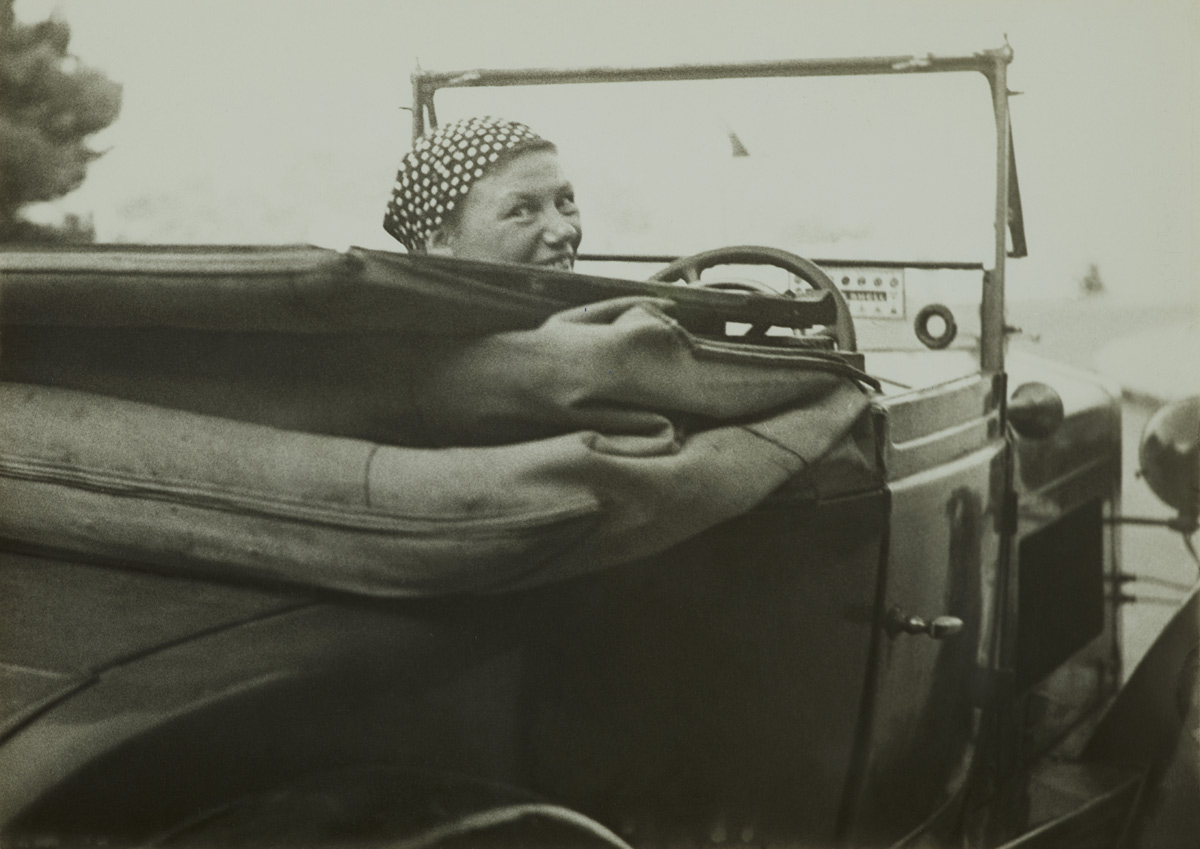


![Germaine Krull (European, 1897-1985) 'Étude pour La Folle d’Itteville [Study for The Madwoman of Itteville]' 1931](https://artblart.com/wp-content/uploads/2015/07/gkrull_14-web.jpg "Germaine Krull (European, 1897-1985) 'Étude pour La Folle d’Itteville [Study for The Madwoman of Itteville]' 1931")


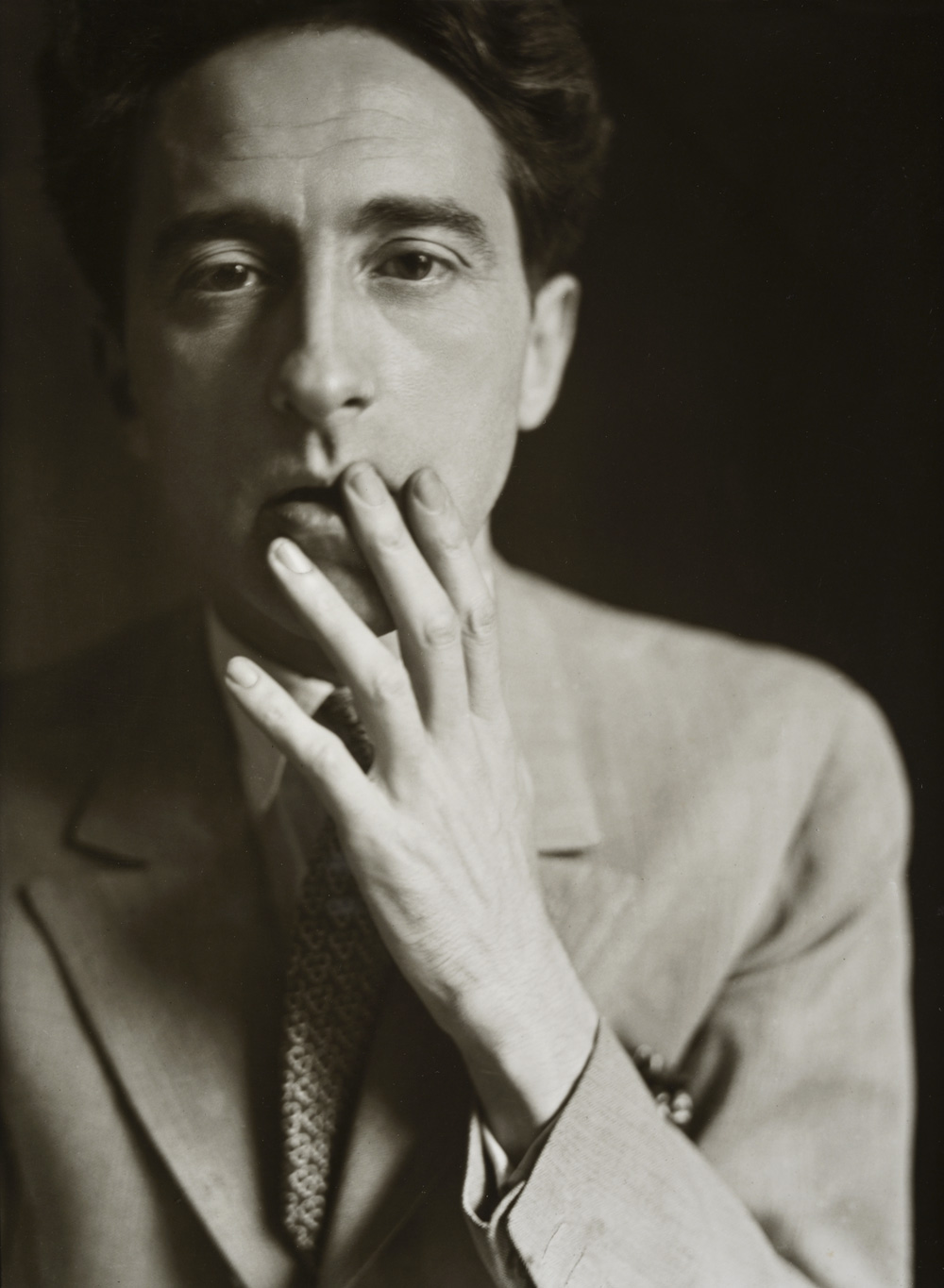
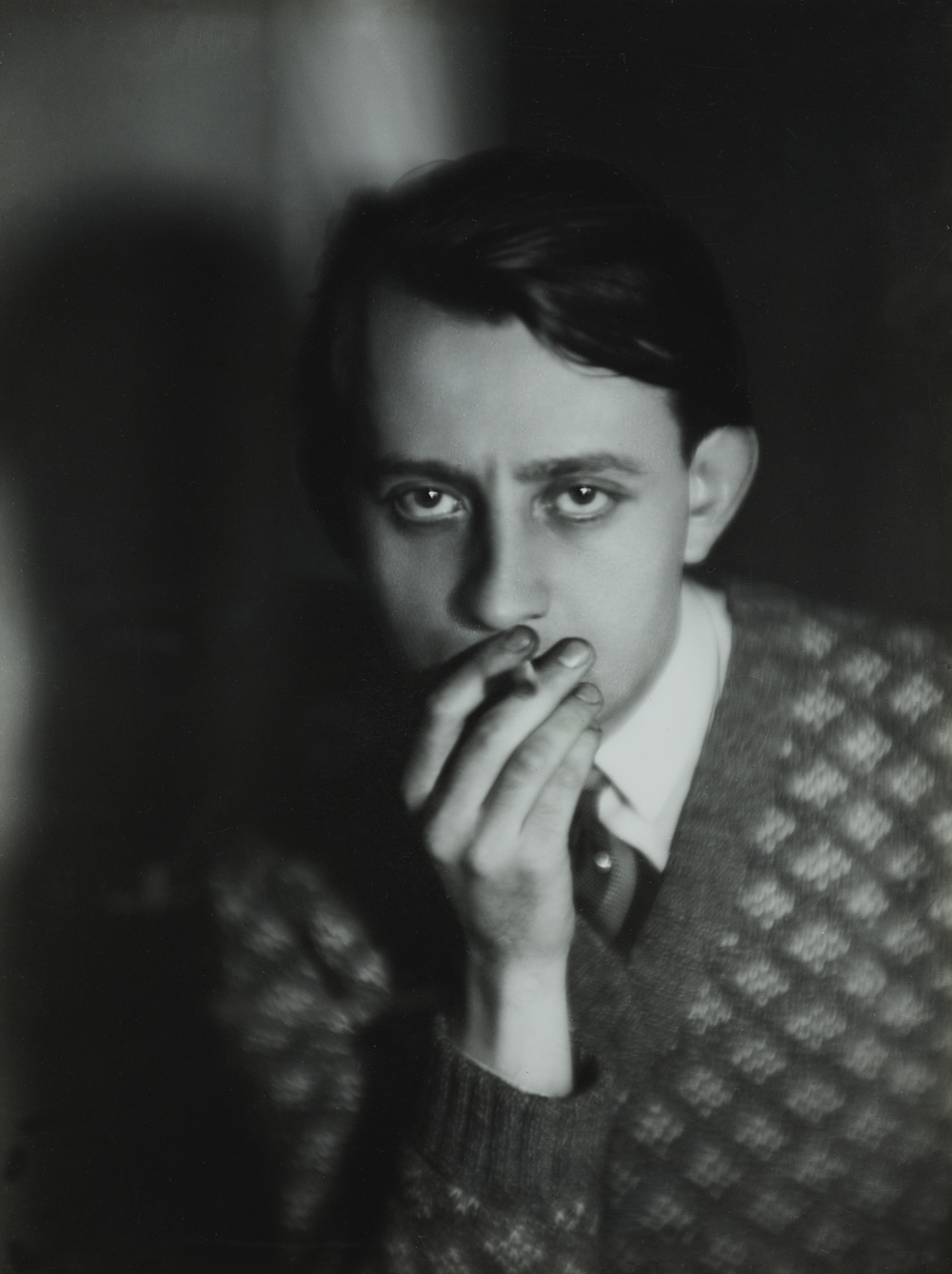

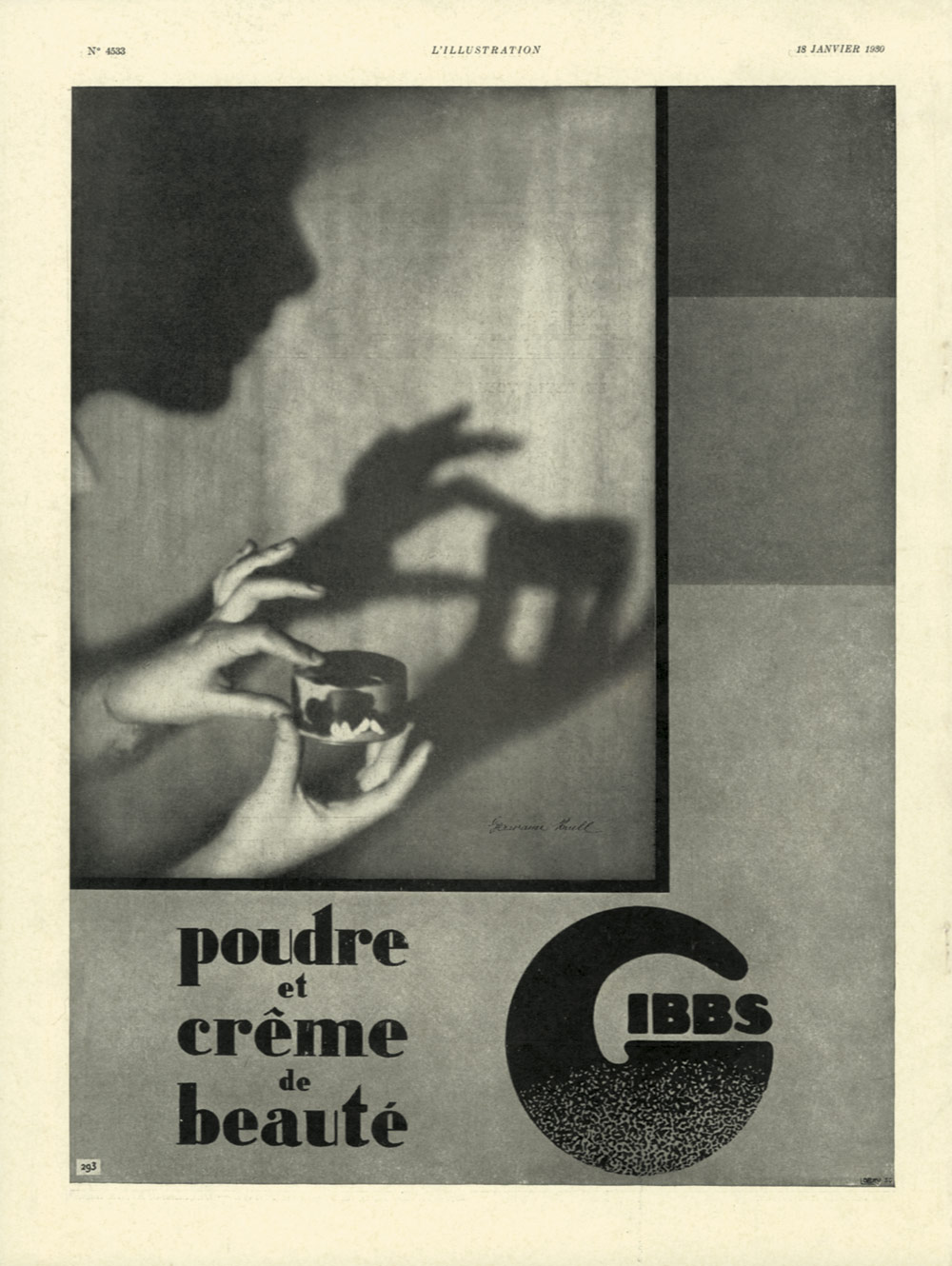


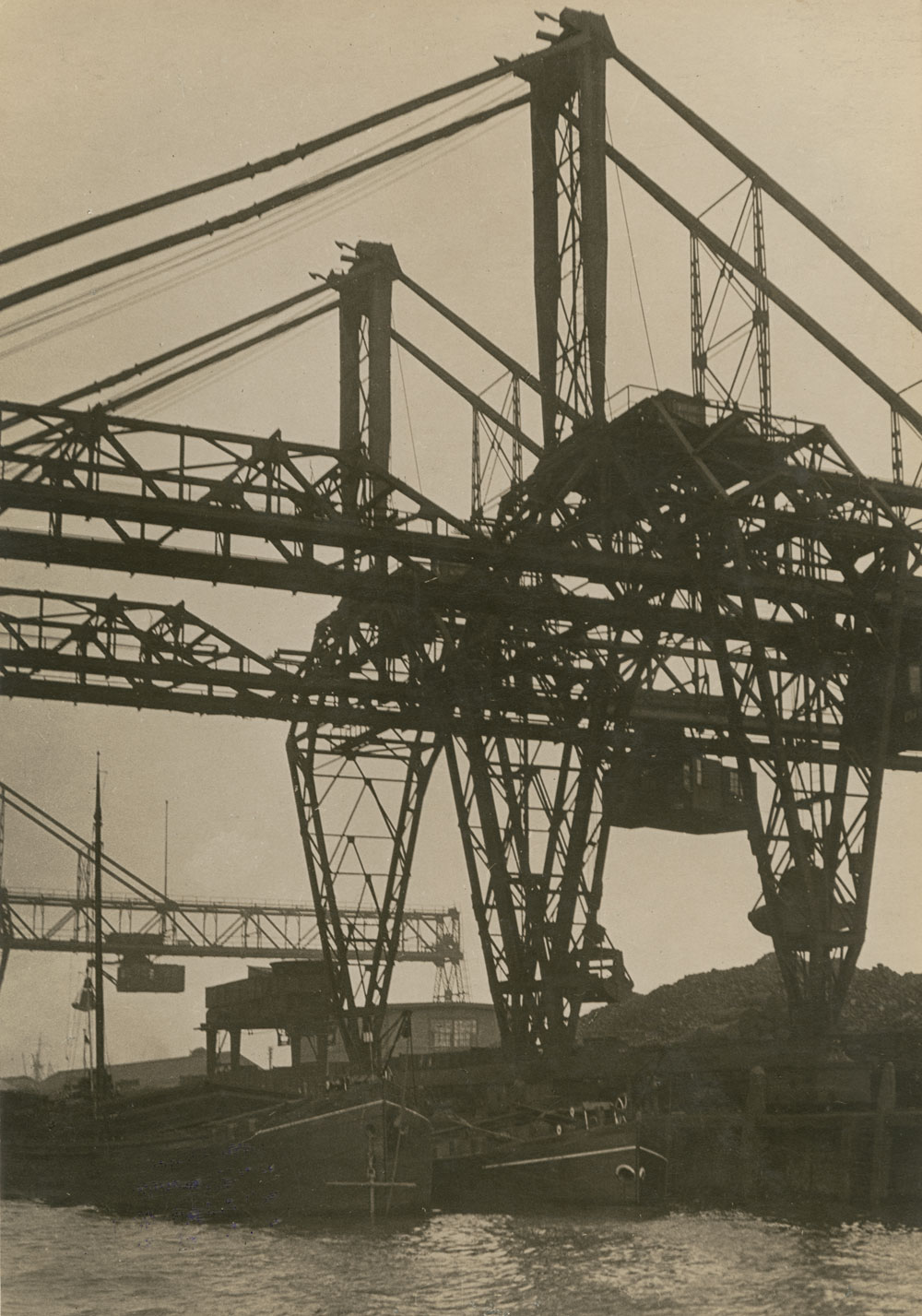
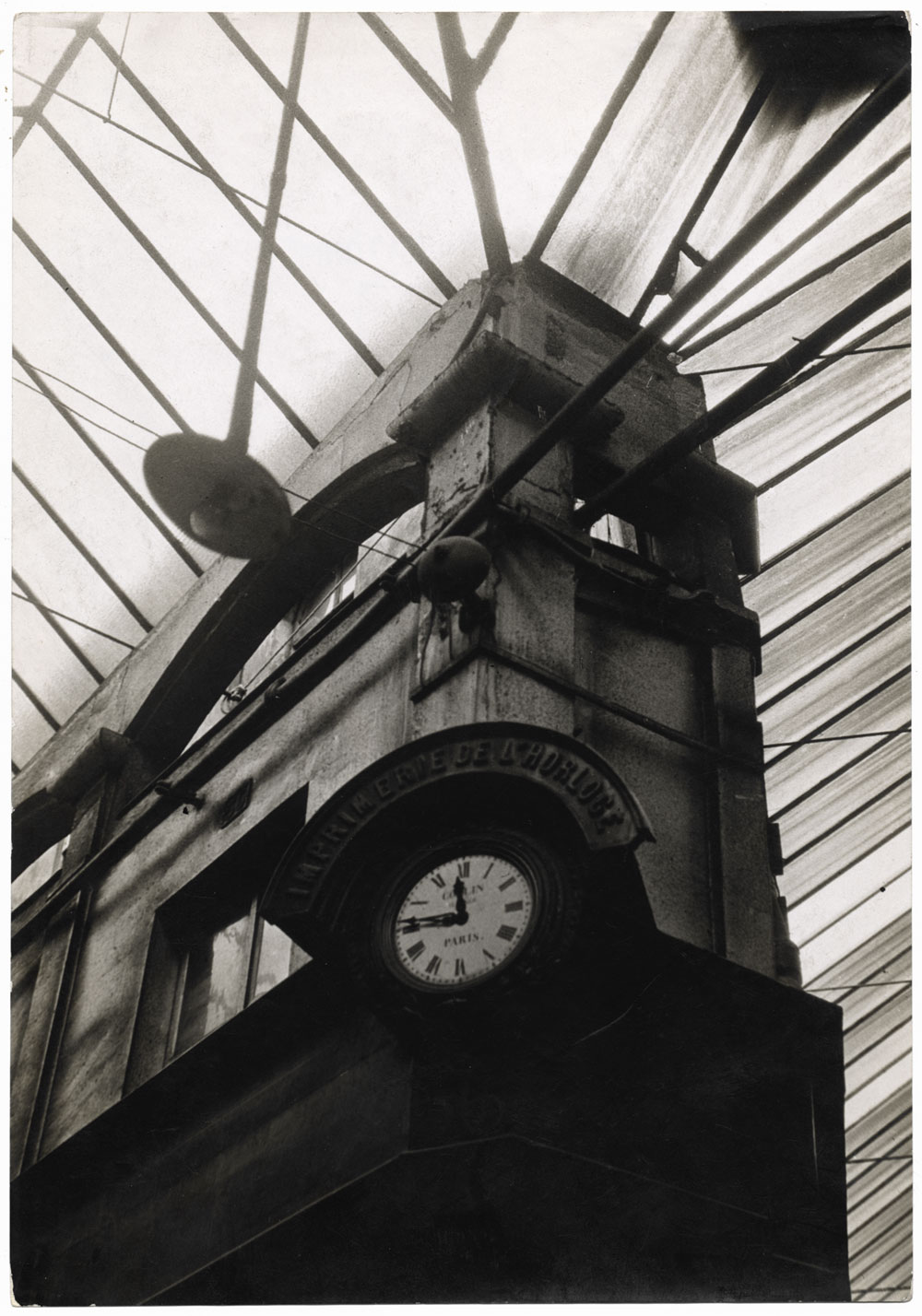


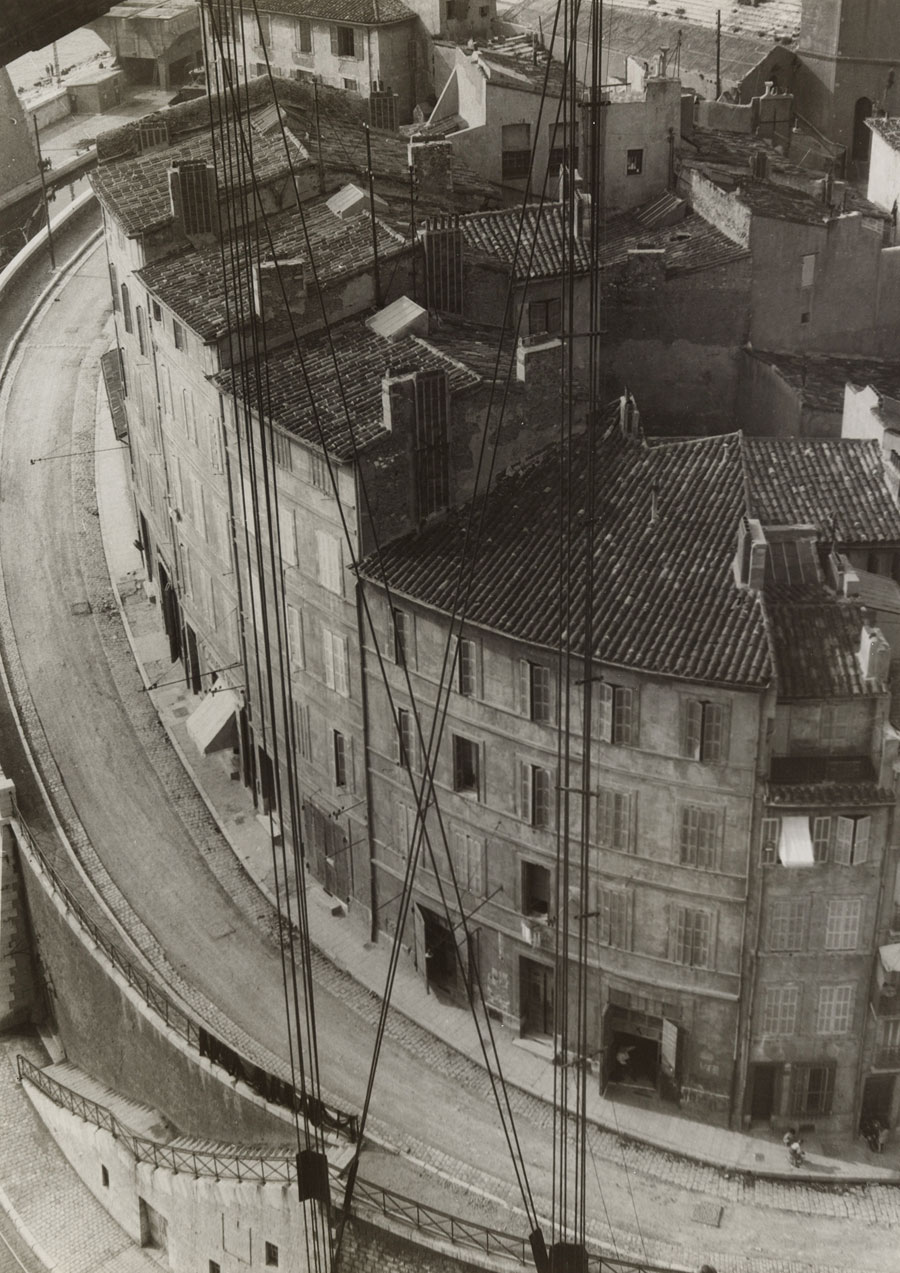
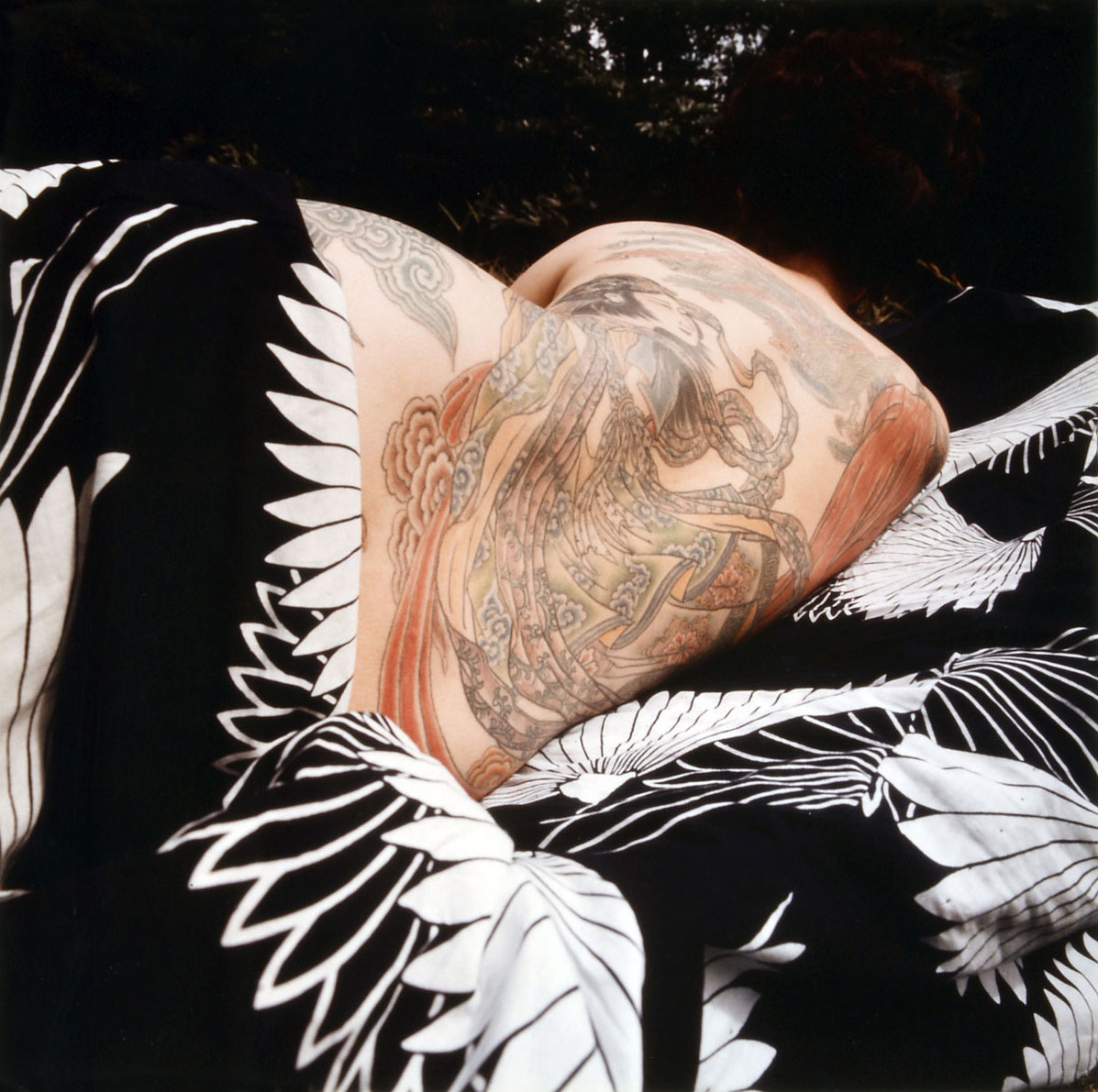


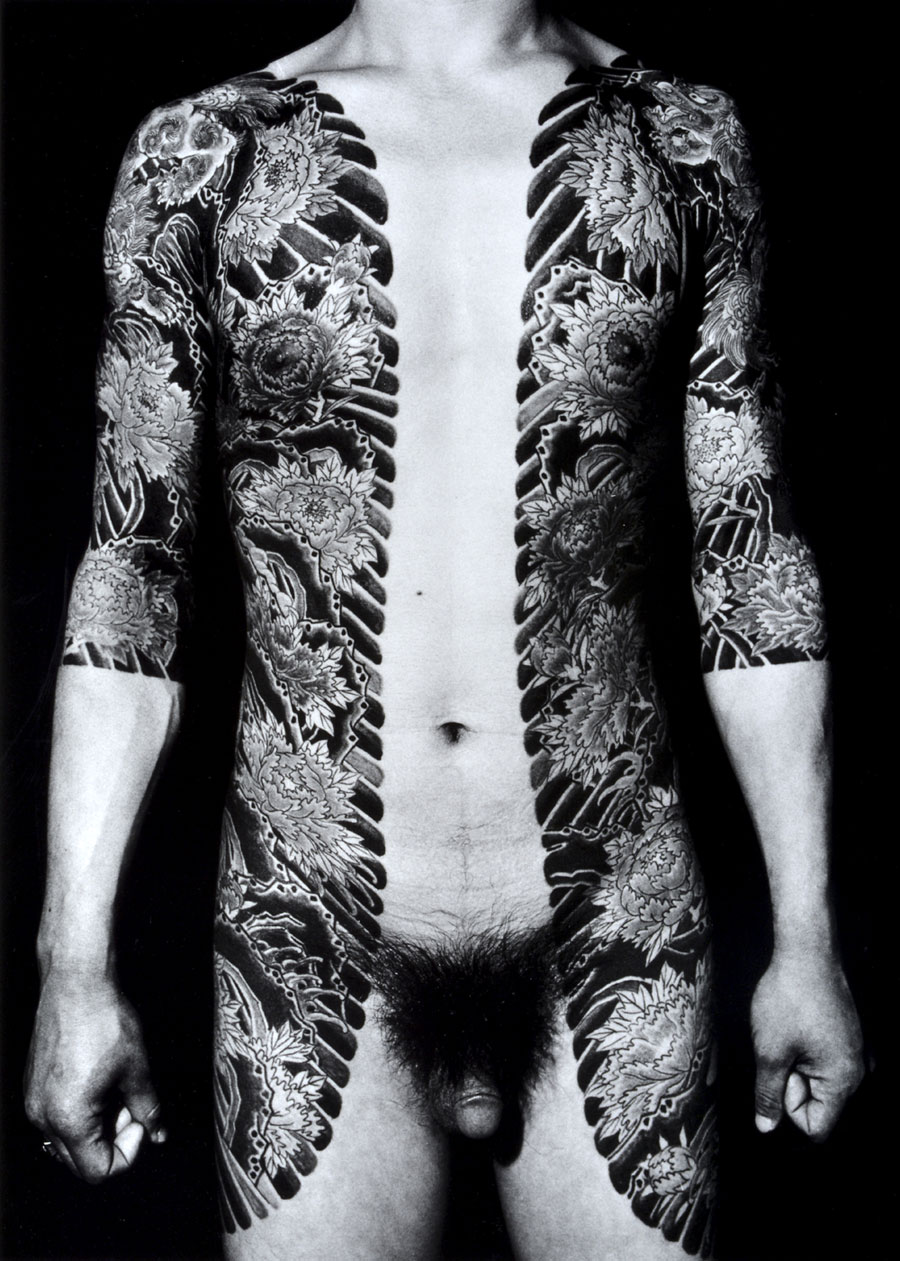


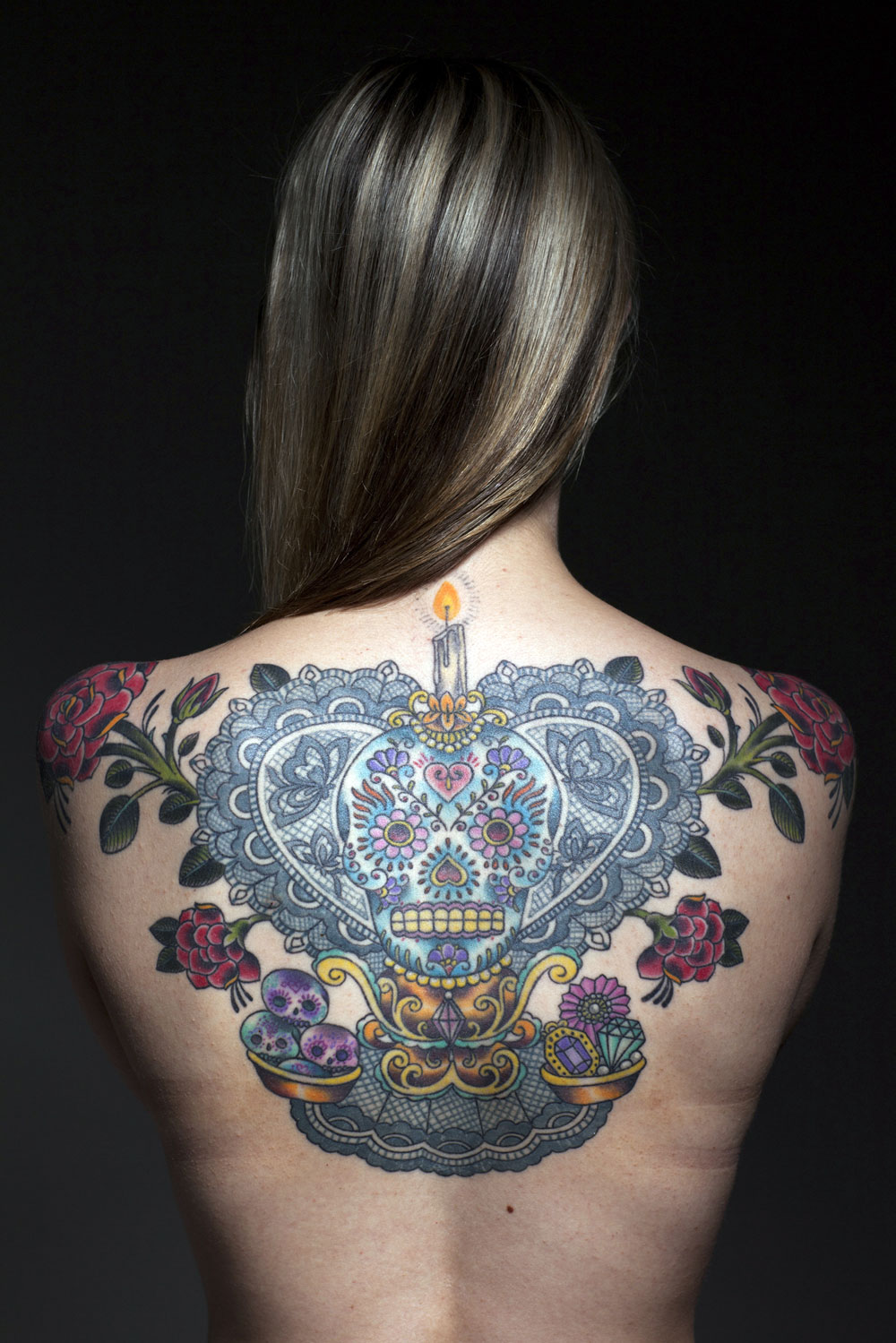
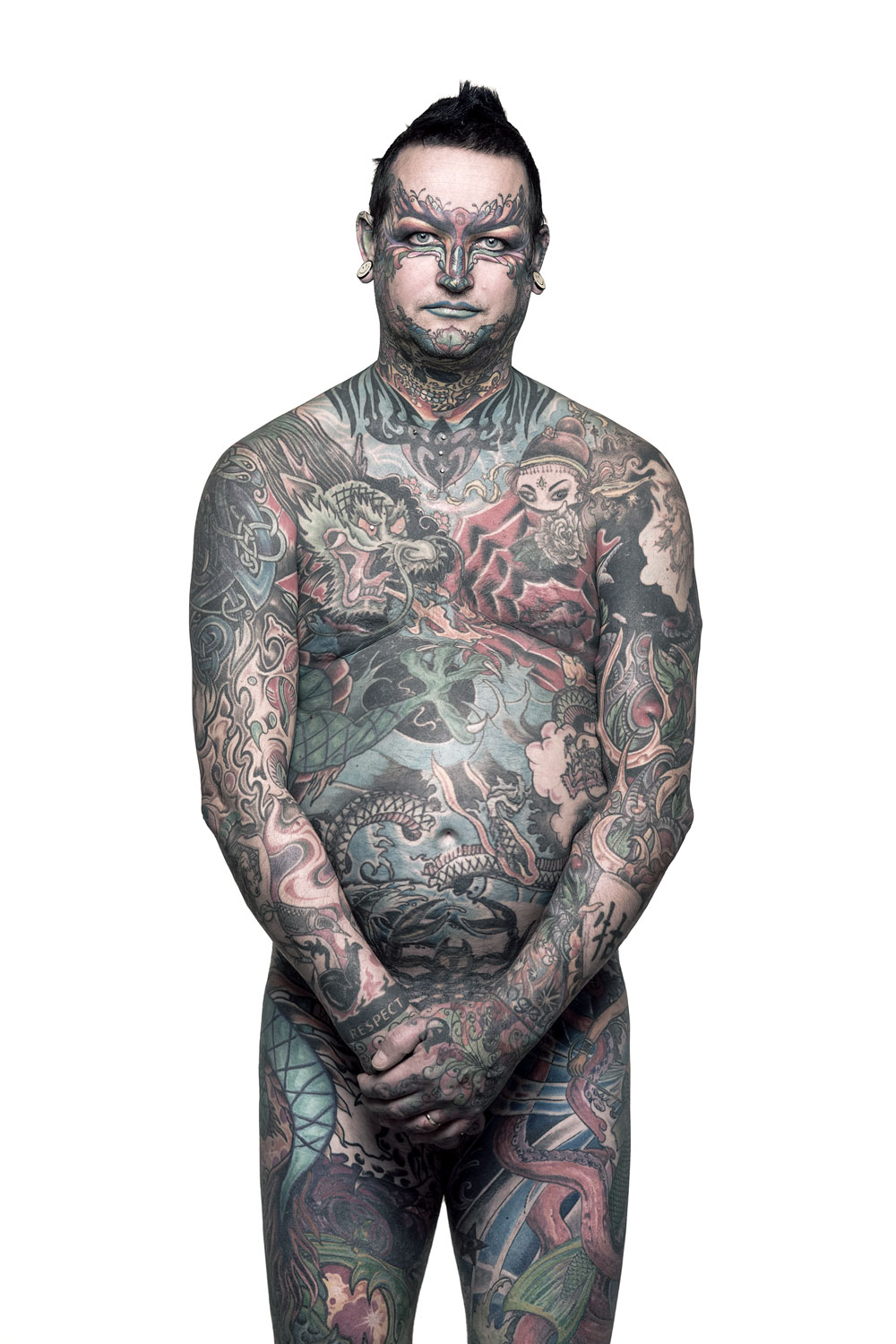
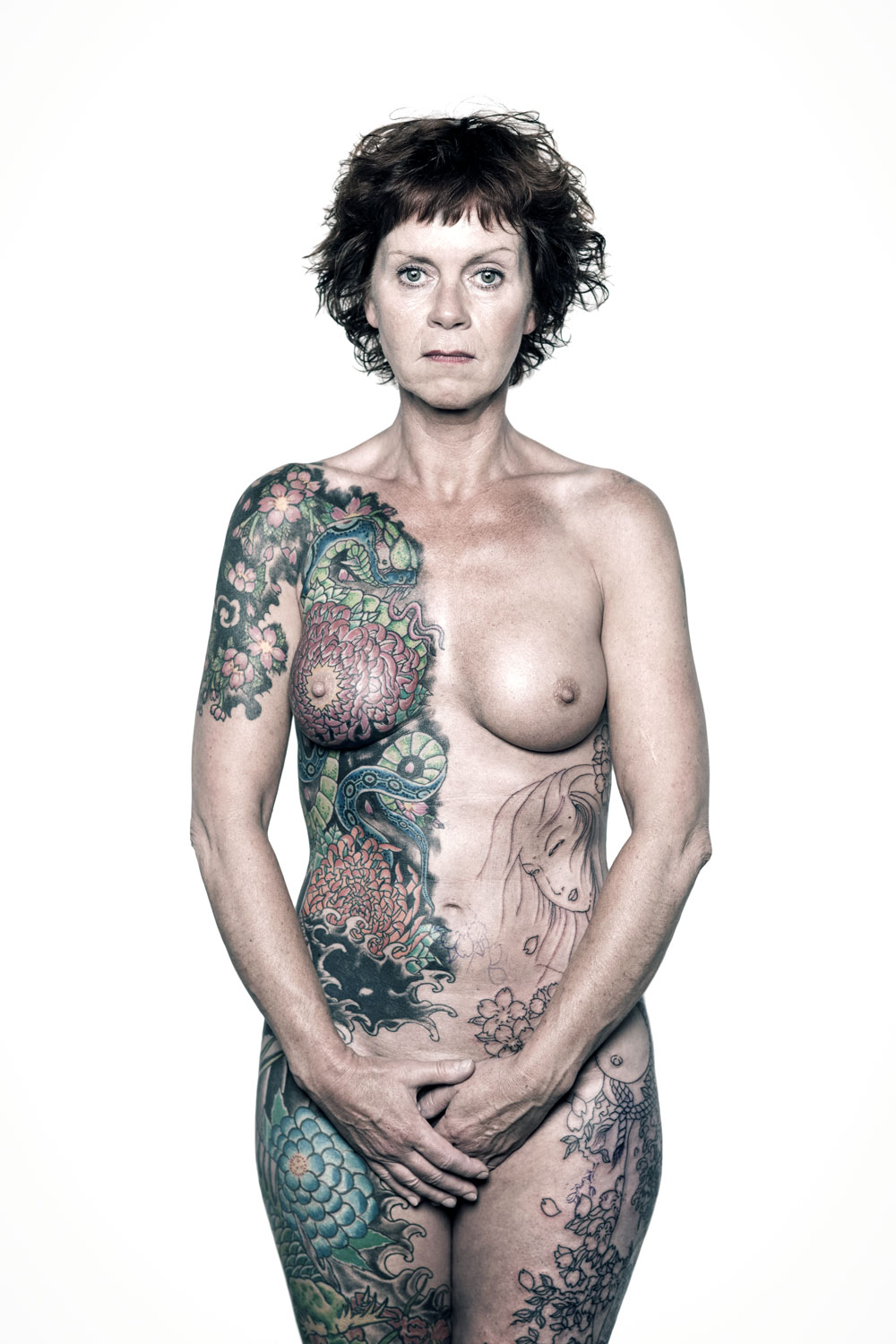


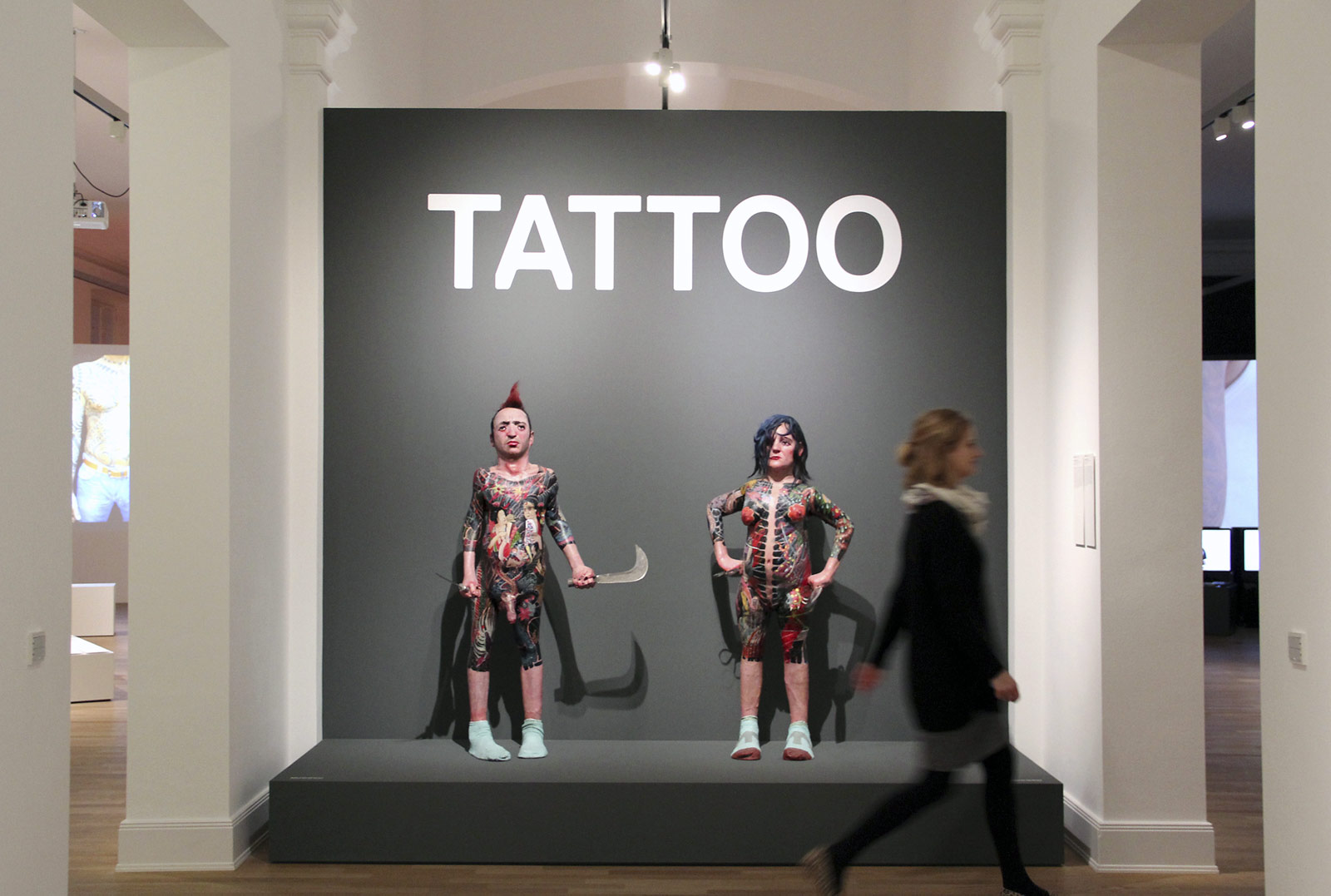
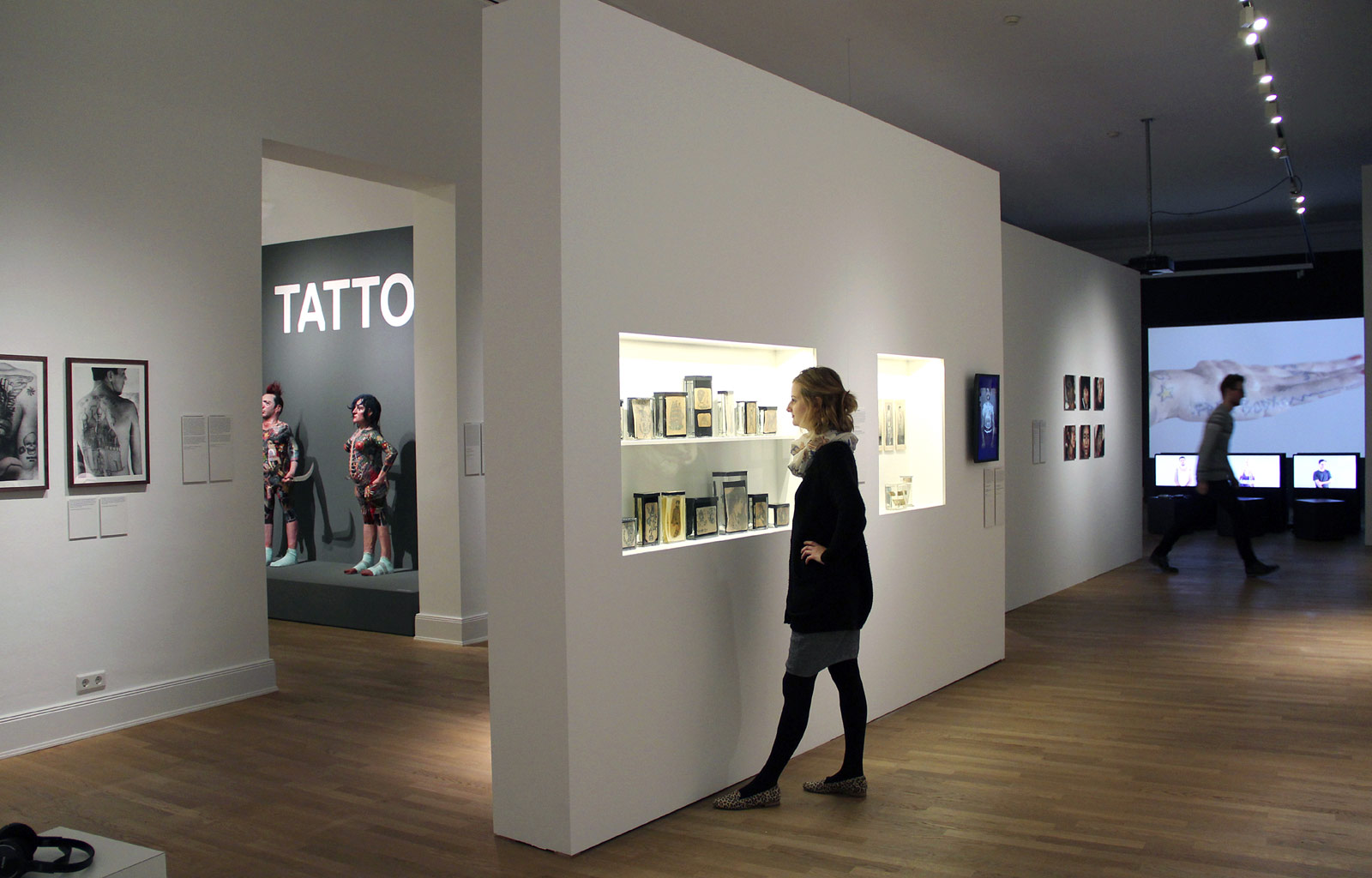


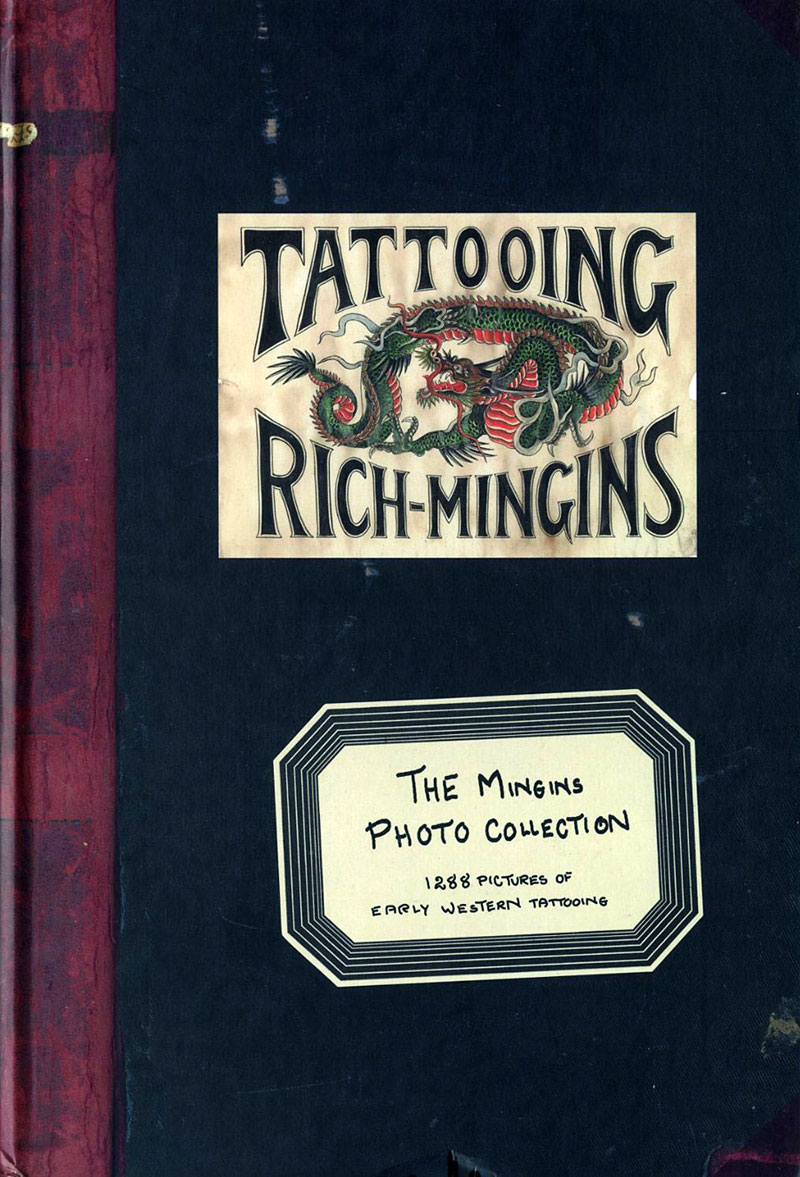


![Cindy Ray (Bev Robinson) (Australian, 1942-2025) 'Untitled [Self-portrait]' Nd](https://artblart.com/wp-content/uploads/2015/03/cindy-ray-web.jpg "Cindy Ray (Bev Robinson) (Australian, 1942-2025) 'Untitled [Self-portrait]' Nd")


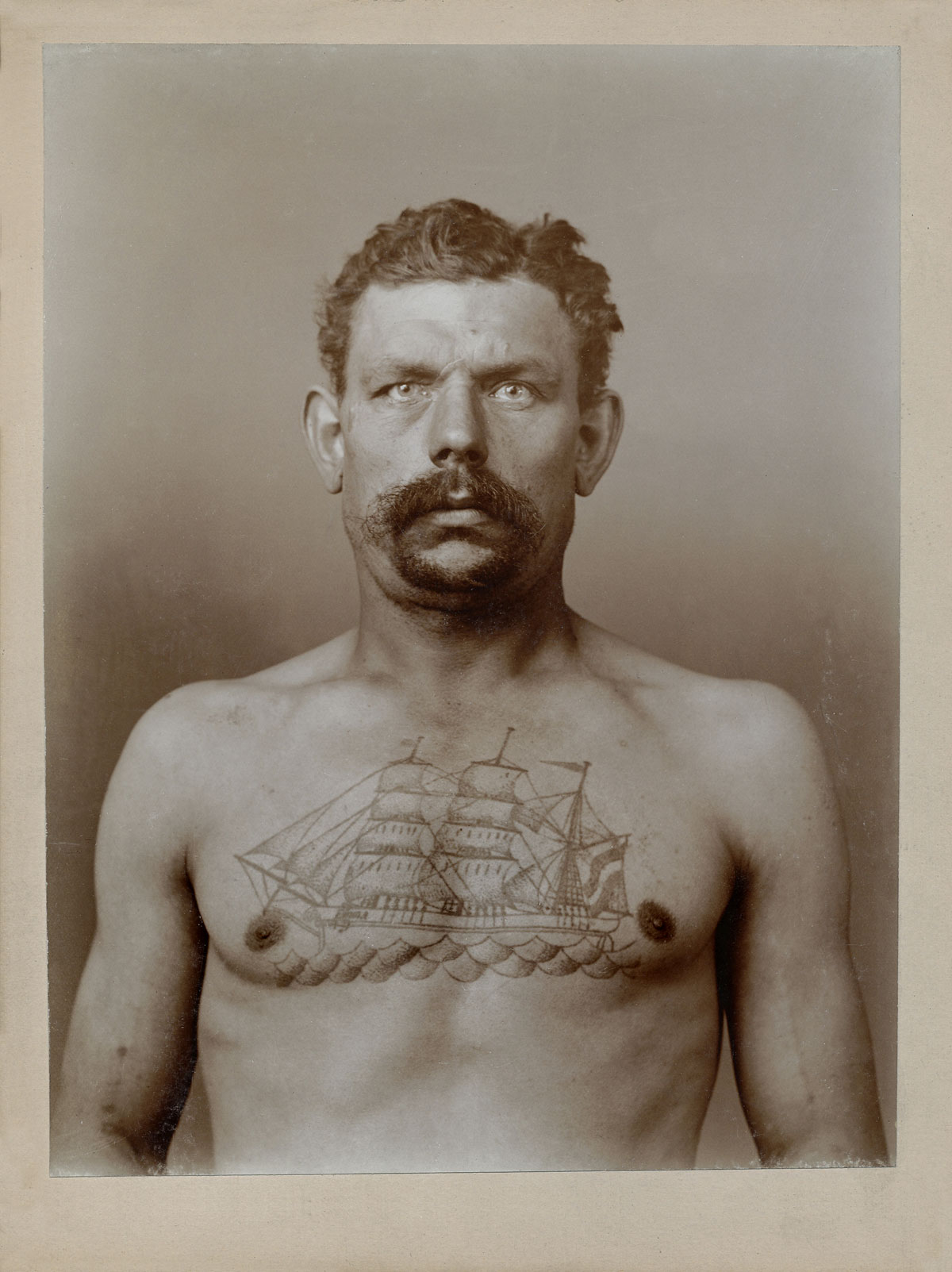


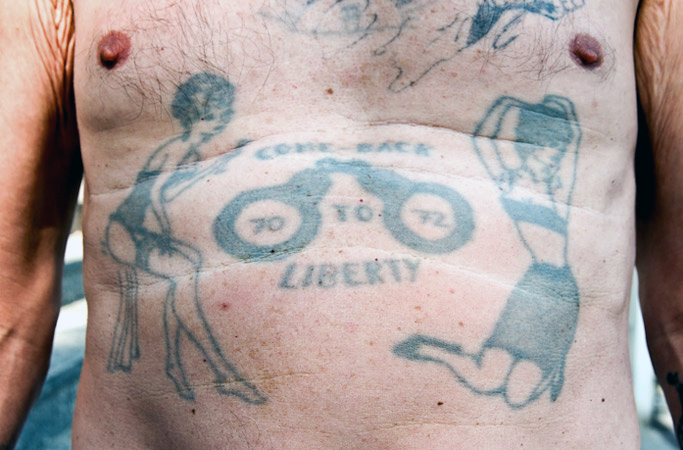


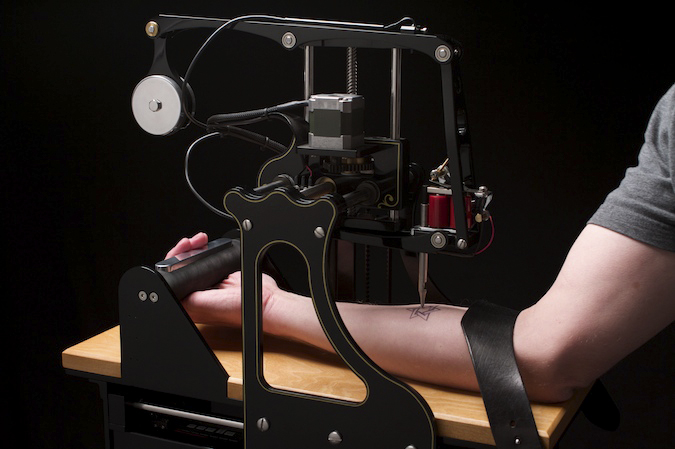


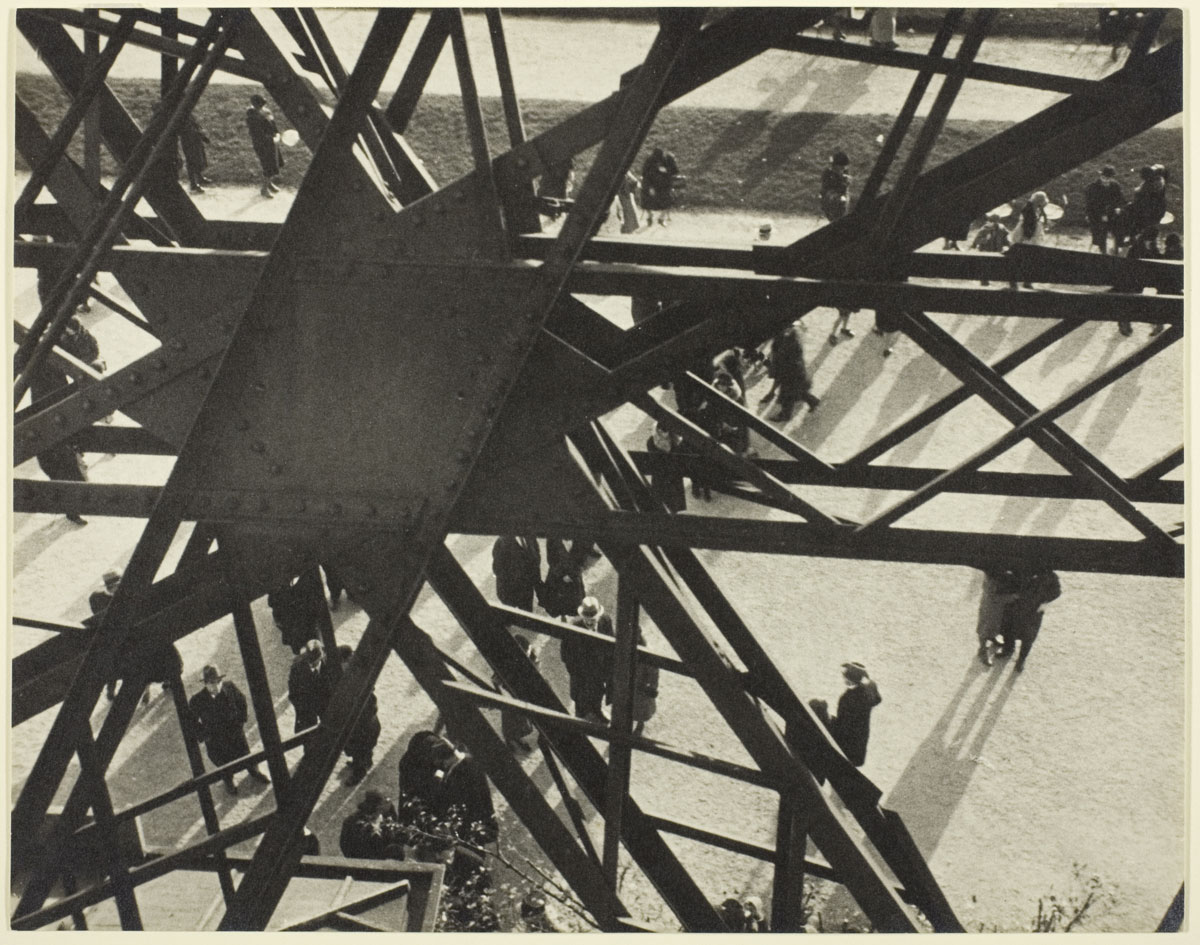
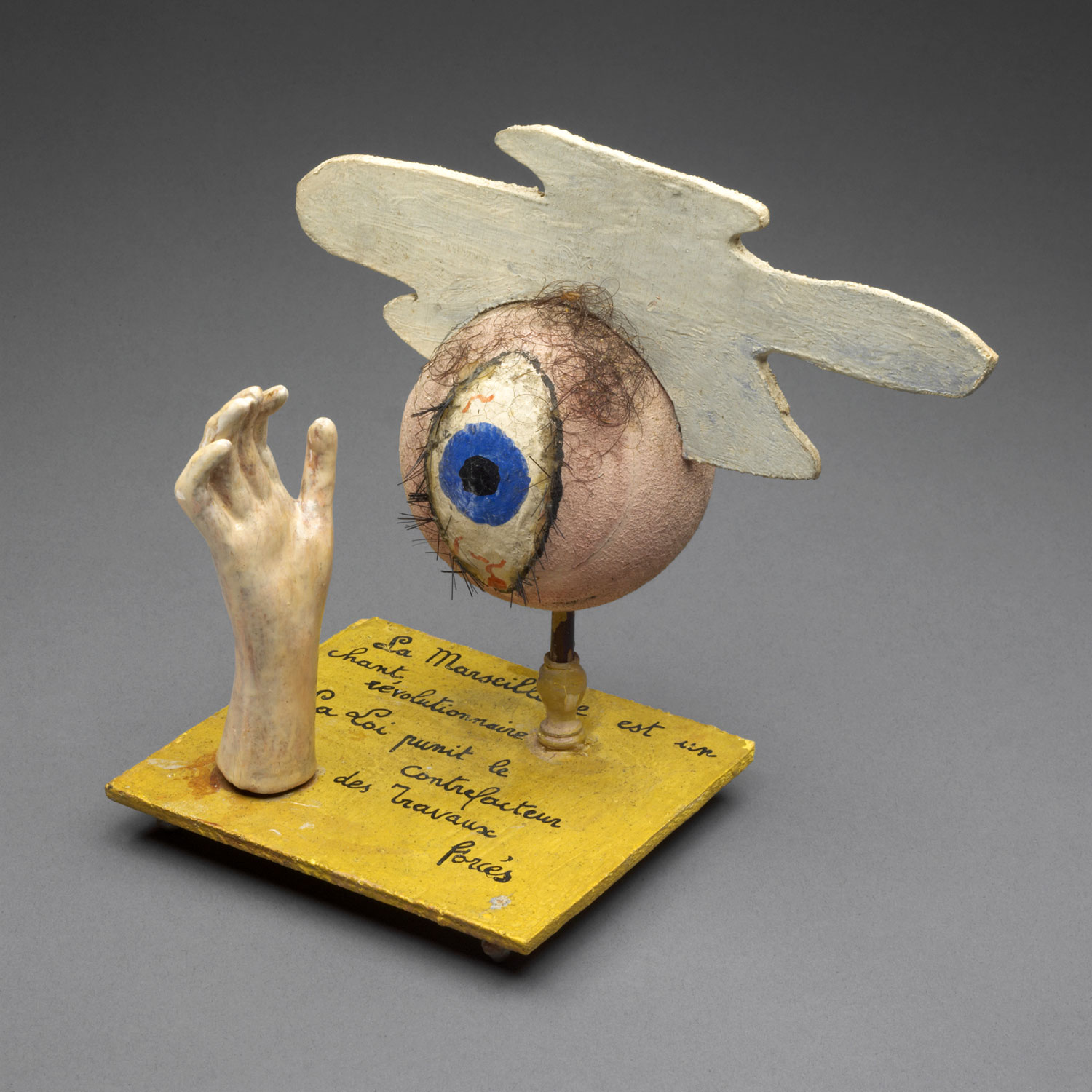


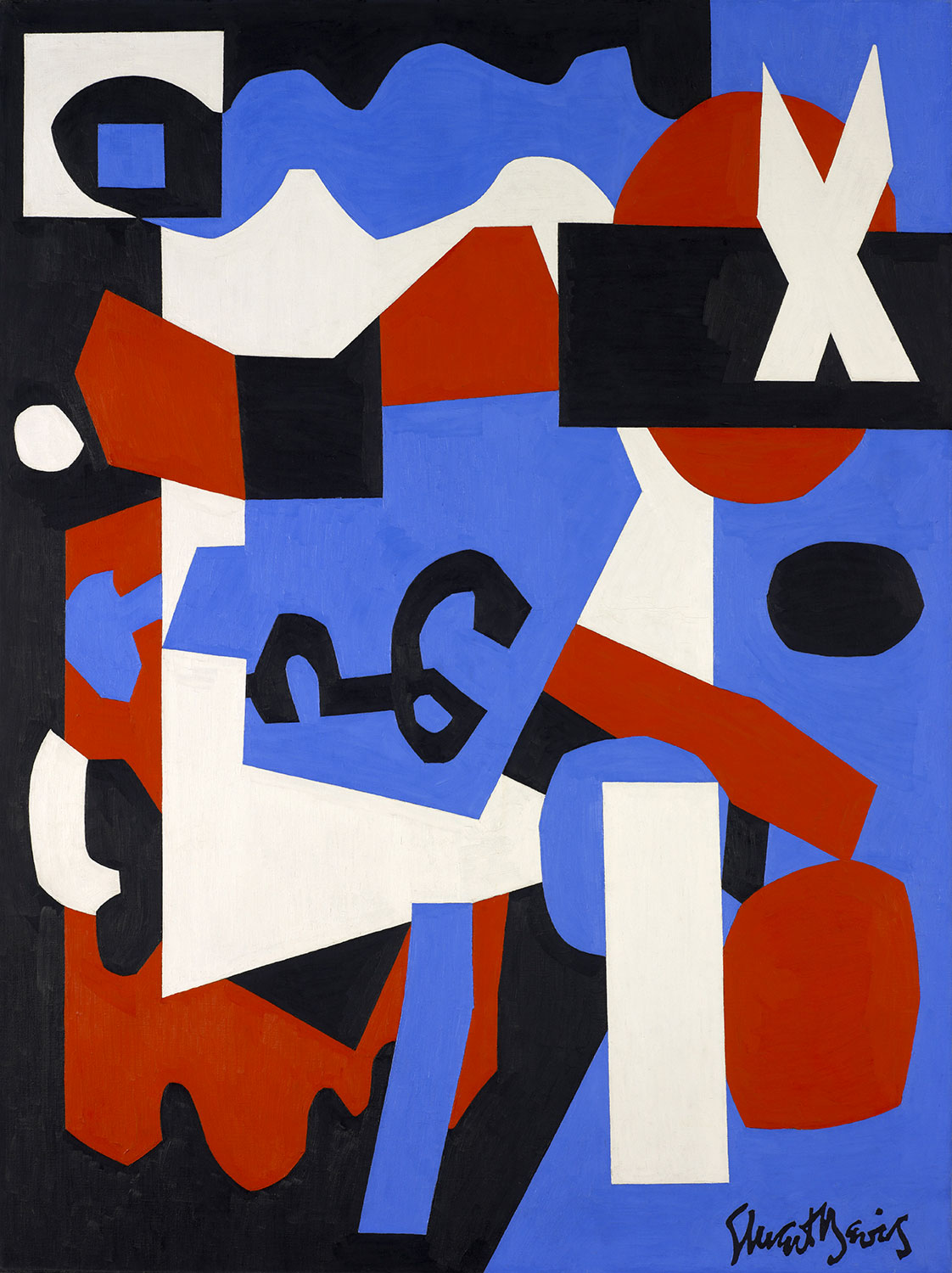


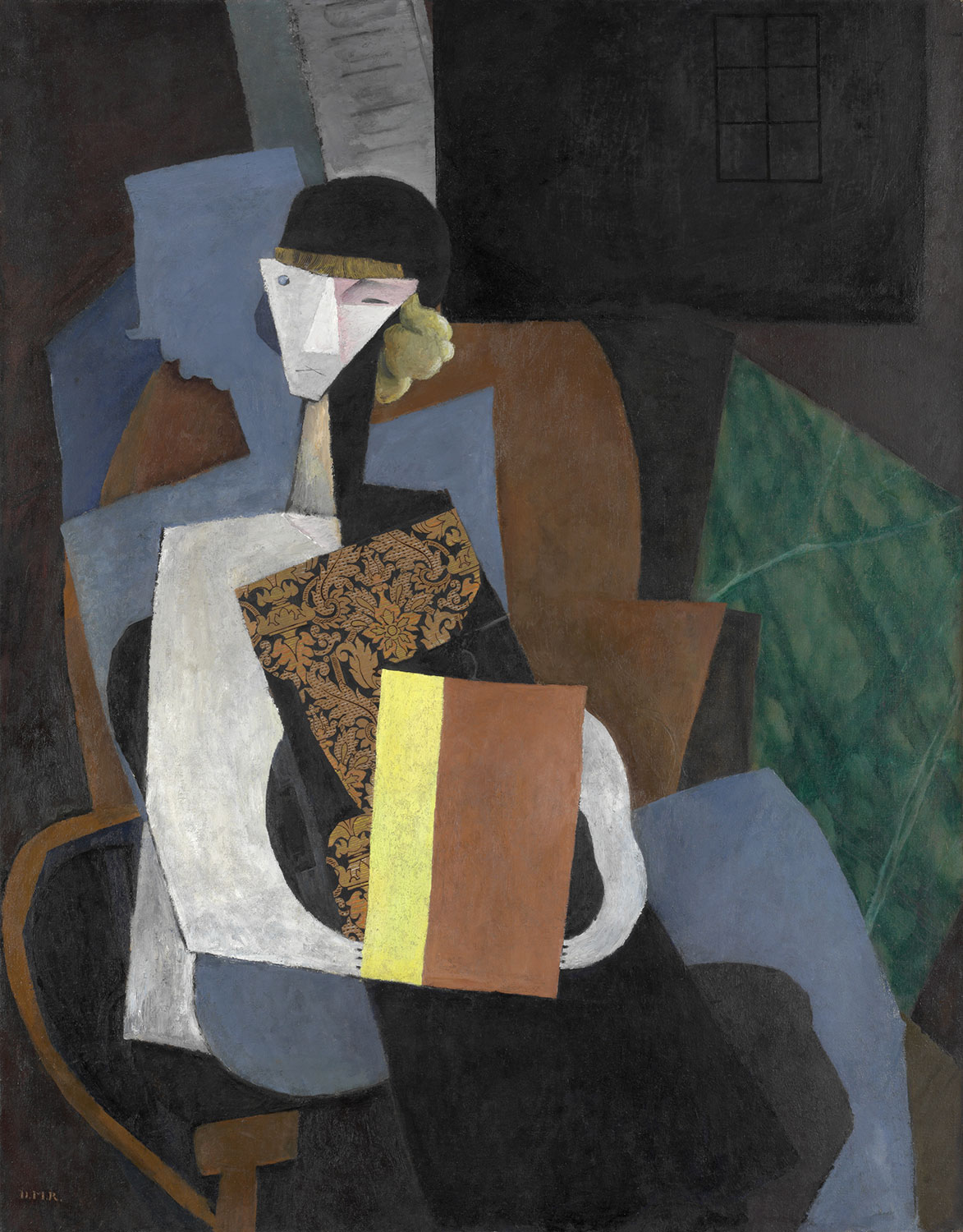
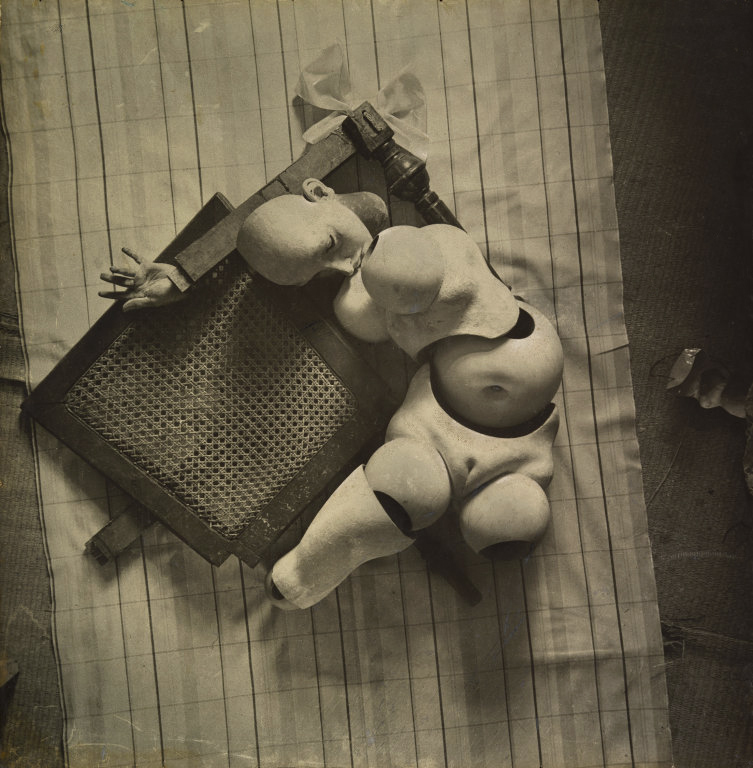

![Stanisław Ignacy Witkiewicz (Polish, 1885-1939) 'Self-Portrait, Zakopane [Broken Glass]' 1910](https://artblart.com/wp-content/uploads/2015/03/witkiewicz_self-portrait-zakopane-web.jpg "Stanisław Ignacy Witkiewicz (Polish, 1885-1939) 'Self-Portrait, Zakopane [Broken Glass]' 1910")
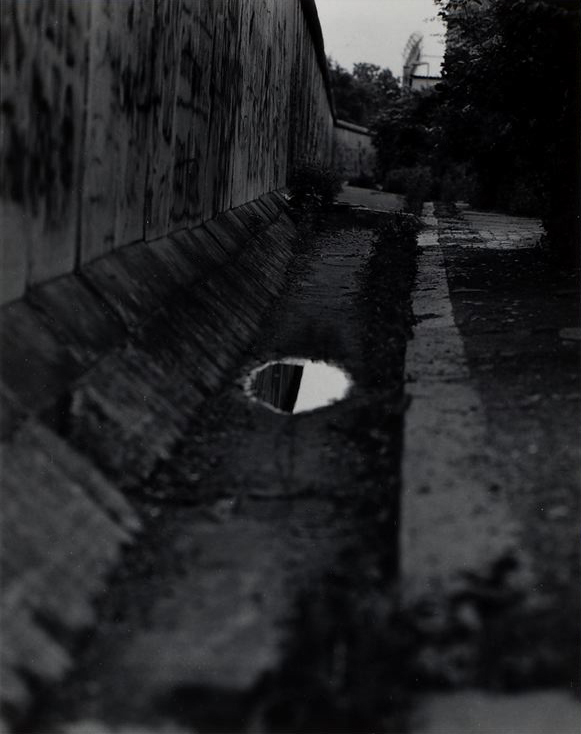
![Jim Iska. 'Untitled [Installation view of the exhibition John Gossage: Three Routines at The Art Institute of Chicago]' 2015](https://artblart.com/wp-content/uploads/2015/03/installation-b-web.jpg "Jim Iska. 'Untitled [Installation view of the exhibition John Gossage: Three Routines at The Art Institute of Chicago]' 2015")
![Jim Iska. 'Untitled [Installation view of the exhibition John Gossage: Three Routines at The Art Institute of Chicago]' 2015](https://artblart.com/wp-content/uploads/2015/03/installation-a-web.jpg "Jim Iska. 'Untitled [Installation view of the exhibition John Gossage: Three Routines at The Art Institute of Chicago]' 2015")
![Jim Iska. 'Untitled [Installation view of the exhibition John Gossage: Three Routines at The Art Institute of Chicago]' 2015](https://artblart.com/wp-content/uploads/2015/03/installation-c-web.jpg "Jim Iska. 'Untitled [Installation view of the exhibition John Gossage: Three Routines at The Art Institute of Chicago]' 2015")
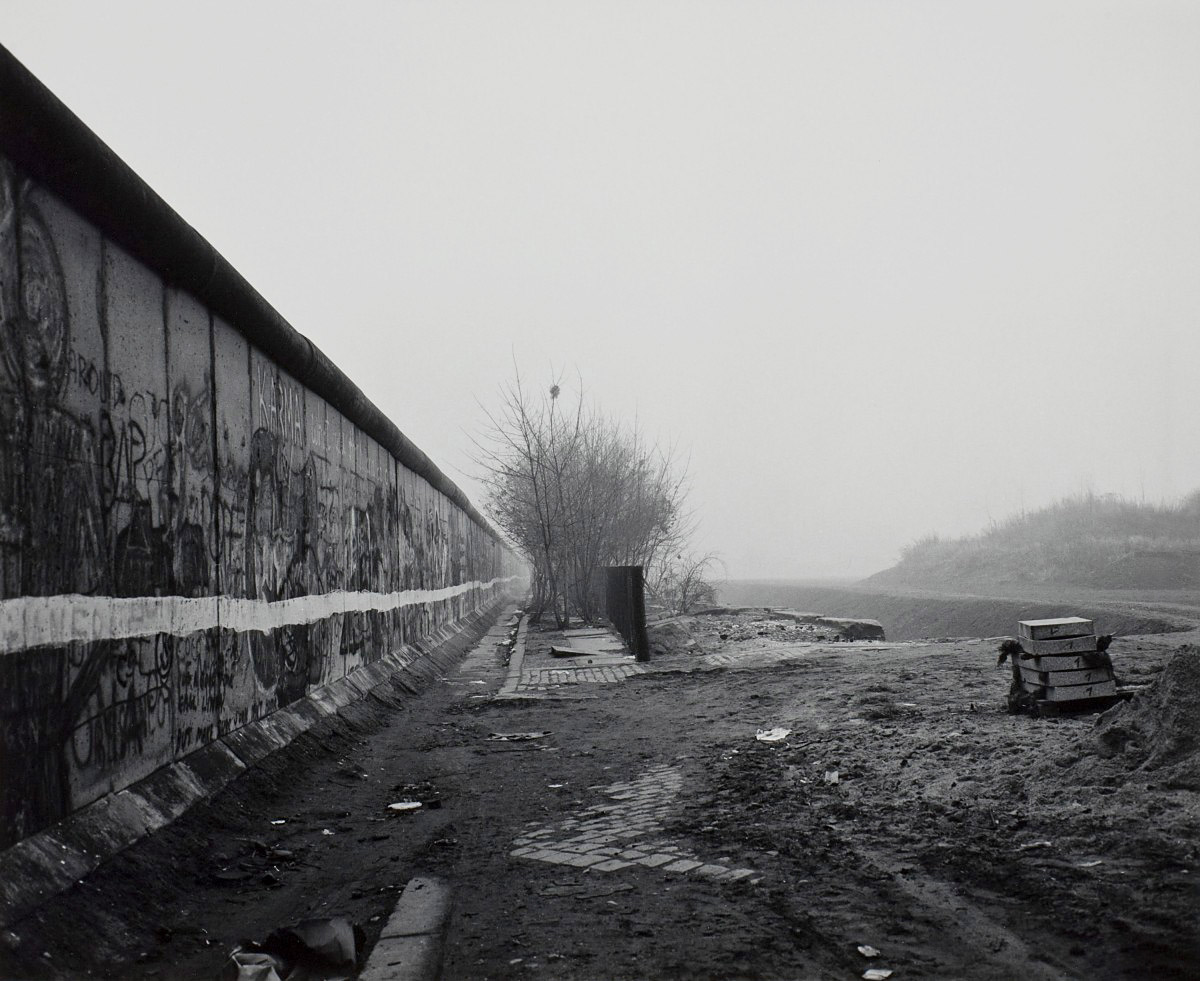


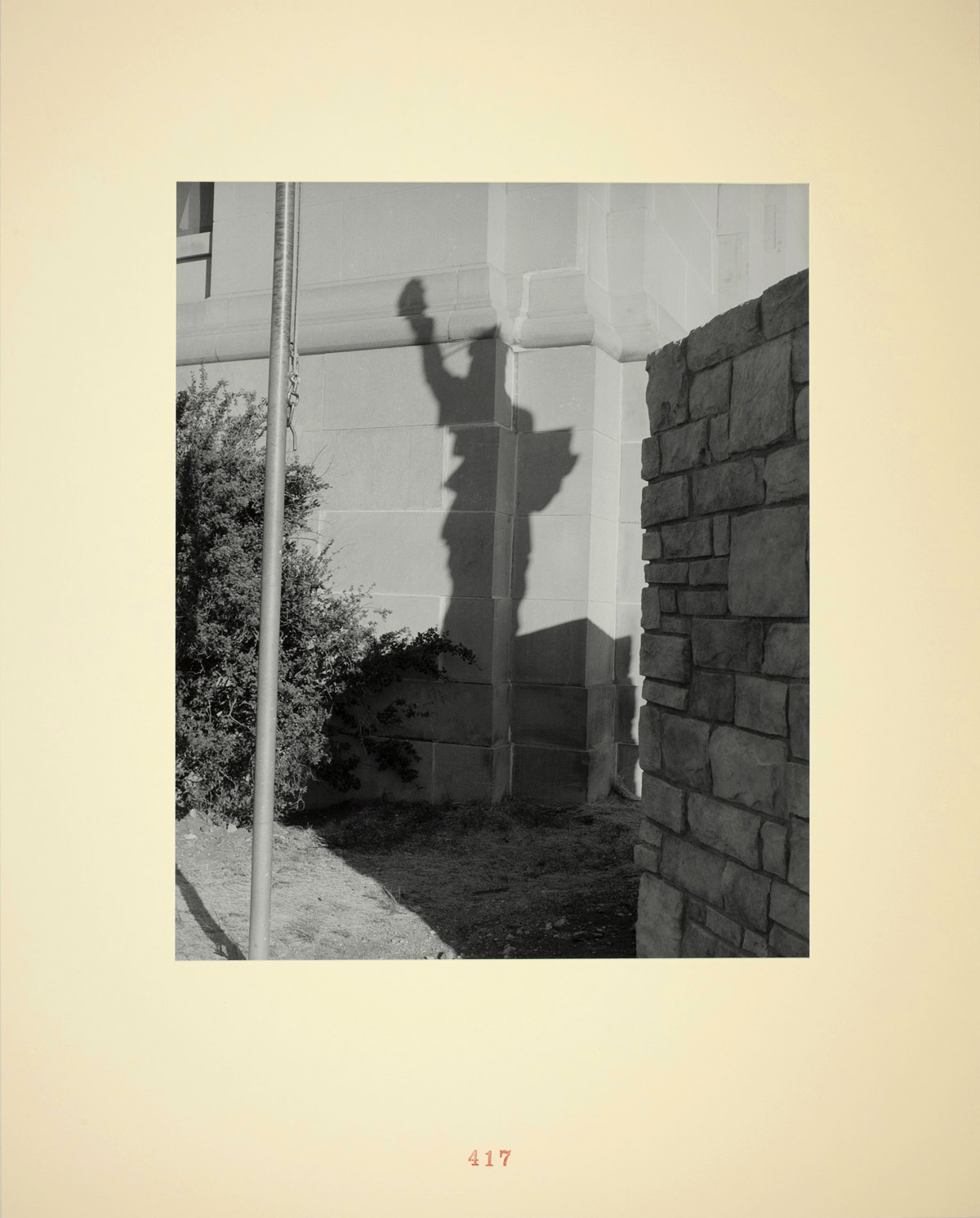

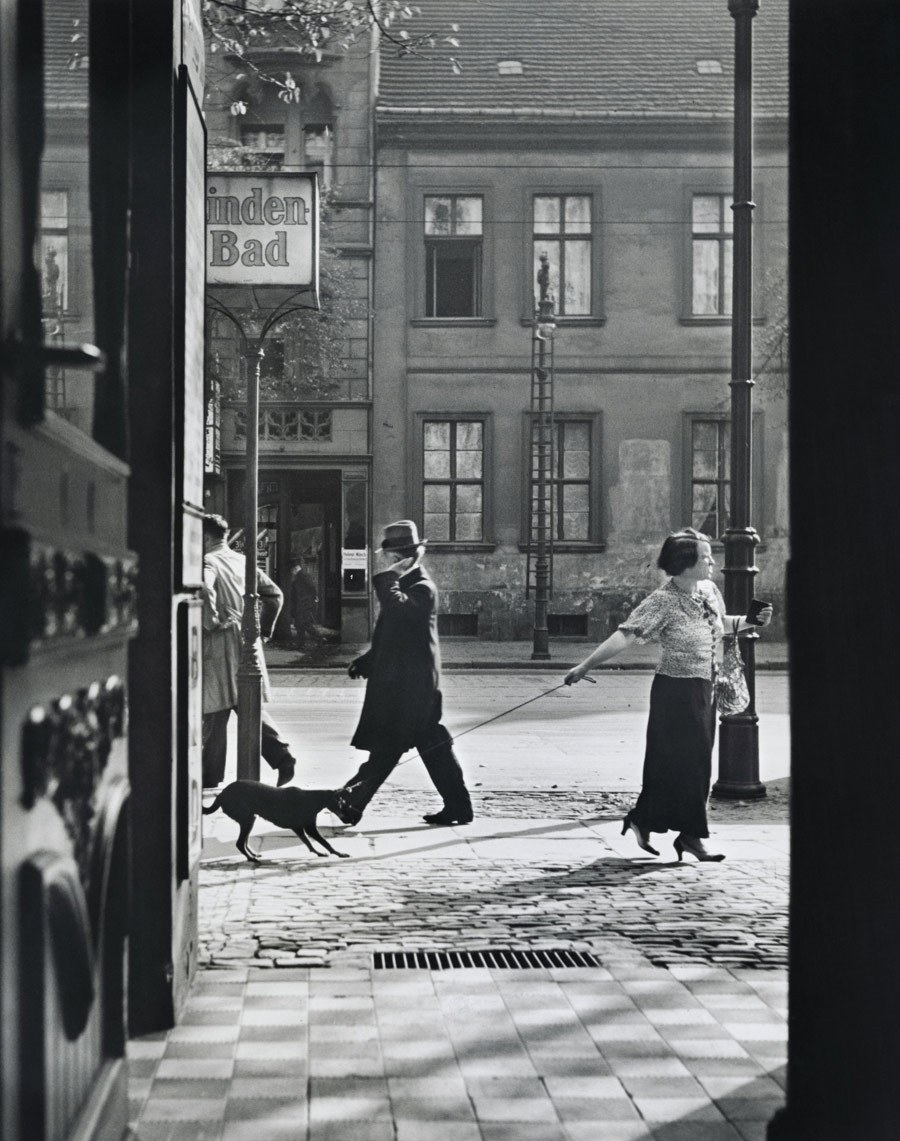
![Roman Vishniac (Russian-American, 1897-1990) '[Interior of the Anhalter Bahnhof railway terminus near Potsdamer Platz, Berlin]' late 1920s - early 1930s from the exhibition 'Roman Vishniac Rediscovered' at the Jewish Historical Museum, Amsterdam, April- August, 2014](https://artblart.com/wp-content/uploads/2014/08/icp_vishniac_pressimage_2-web.jpg "Roman Vishniac (Russian-American, 1897-1990) '[Interior of the Anhalter Bahnhof railway terminus near Potsdamer Platz, Berlin]' late 1920s - early 1930s from the exhibition 'Roman Vishniac Rediscovered' at the Jewish Historical Museum, Amsterdam, April- August, 2014")
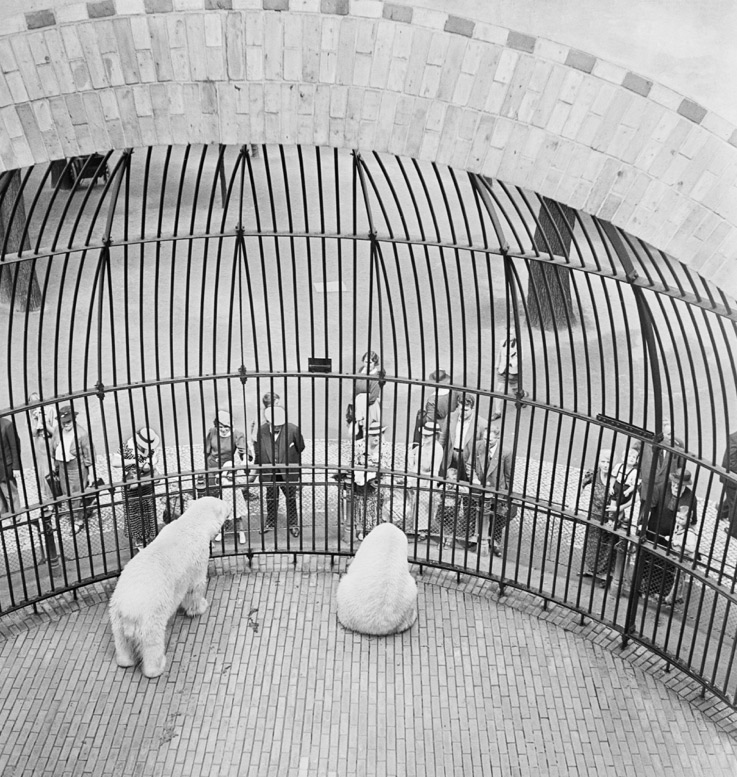
![Roman Vishniac (Russian-American, 1897-1990) '[Boys admiring a motorcycle, Brandenburg, outskirts of Berlin]' 1929 - early 1930s (printed 2012)](https://artblart.com/wp-content/uploads/2014/08/vishniac-boys-admiring-a-motorbike.jpg "Roman Vishniac (Russian-American, 1897-1990) '[Boys admiring a motorcycle, Brandenburg, outskirts of Berlin]' 1929 - early 1930s (printed 2012)")
![Roman Vishniac (Russian-American, 1897-1990) '[Vishniac's daughter Mara posing in front of an election poster for Hindenburg and Hitler that reads "The Marshal and the Corporal: Fight with Us for Peace and Equal Rights," Wilmersdorf, Berlin]' 1933](https://artblart.com/wp-content/uploads/2014/08/icp_vishniac_pressimage_3-web.jpg "Roman Vishniac (Russian-American, 1897-1990) '[Vishniac's daughter Mara posing in front of an election poster for Hindenburg and Hitler that reads \"The Marshal and the Corporal: Fight with Us for Peace and Equal Rights,\" Wilmersdorf, Berlin]' 1933")
![Roman Vishniac (Russian-American, 1897-1990) '[Street scene with a swastika flag on a storefront (at left), Berlin]' c. 1935-1936 (printed 2012)](https://artblart.com/wp-content/uploads/2014/08/vishniac-street-scene.jpg "Roman Vishniac (Russian-American, 1897-1990) '[Street scene with a swastika flag on a storefront (at left), Berlin]' c. 1935-1936 (printed 2012)")
![Roman Vishniac (Russian-American, 1897-1990) '[Drawer of freshly farmed eggs, Gut Winkel, a training farm for German-Jewish youth hoping to emigrate to Palestine, Spreenhagen in der Mark, Brandenburg, Germany]' c. 1938](https://artblart.com/wp-content/uploads/2014/08/icp_vishniac_pressimage_5-web.jpg "Roman Vishniac (Russian-American, 1897-1990) '[Drawer of freshly farmed eggs, Gut Winkel, a training farm for German-Jewish youth hoping to emigrate to Palestine, Spreenhagen in der Mark, Brandenburg, Germany]' c. 1938")
![Roman Vishniac (Russian-American, 1897-1990) '[Preparing food in a Jewish soup kitchen, Berlin]' mid- to late 1930s](https://artblart.com/wp-content/uploads/2014/08/icp_vishniac_pressimage_4-web.jpg "Roman Vishniac (Russian-American, 1897-1990) '[Preparing food in a Jewish soup kitchen, Berlin]' mid- to late 1930s")

![Roman Vishniac (Russian-American, 1897-1990) '[Jewish schoolchildren, Mukacevo]' c. 1935-1938](https://artblart.com/wp-content/uploads/2014/08/icp_vishniac_pressimage_10-web.jpg "Roman Vishniac (Russian-American, 1897-1990) '[Jewish schoolchildren, Mukacevo]' c. 1935-1938")
![Roman Vishniac (Russian-American, 1897-1990) '[Inside the Jewish quarter, Bratislava]' c. 1935-1938](https://artblart.com/wp-content/uploads/2014/08/icp_vishniac_pressimage_11-web.jpg "Roman Vishniac (Russian-American, 1897-1990) '[Inside the Jewish quarter, Bratislava]' c. 1935-1938")
![Roman Vishniac (Russian-American, 1897-1990) '[Eastern Europe]' c. 1935-1938](https://artblart.com/wp-content/uploads/2014/08/icp_vishniac_pressimage_12-web.jpg "Roman Vishniac (Russian-American, 1897-1990) '[Eastern Europe]' c. 1935-1938")
![Roman Vishniac (Russian-American, 1897-1990) '[Eastern Europe]' (detail) c. 1935-1938](https://artblart.com/wp-content/uploads/2014/08/icp_vishniac_pressimage_12-detail.jpg "Roman Vishniac (Russian-American, 1897-1990) '[Eastern Europe]' (detail) c. 1935-1938")
![Roman Vishniac (Russian-American, 1897-1990) '[Boy with kindling in a basement dwelling, Krochmalna Street, Warsaw]' c. 1935-1938](https://artblart.com/wp-content/uploads/2014/08/icp_vishniac_pressimage_6-web.jpg "Roman Vishniac (Russian-American, 1897-1990) '[Boy with kindling in a basement dwelling, Krochmalna Street, Warsaw]' c. 1935-1938")
![Roman Vishniac (Russian-American, 1897-1990) '[David Eckstein, seven years old, and classmates in cheder (Jewish elementary school), Brod]' c. 1935-1938](https://artblart.com/wp-content/uploads/2014/08/icp_vishniac_pressimage_8-web.jpg "Roman Vishniac (Russian-American, 1897-1990) '[David Eckstein, seven years old, and classmates in cheder (Jewish elementary school), Brod]' c. 1935-1938")
![Roman Vishniac (Russian-American, 1897-1990) '[Sara, sitting in bed in a basement dwelling, with stenciled flowers above her head, Warsaw]' c. 1935-1937](https://artblart.com/wp-content/uploads/2014/08/icp_vishniac_pressimage_9-web.jpg "Roman Vishniac (Russian-American, 1897-1990) '[Sara, sitting in bed in a basement dwelling, with stenciled flowers above her head, Warsaw]' c. 1935-1937")
![Roman Vishniac (Russian-American, 1897-1990) '[Zionist youth building a school and foundry while learning construction techniques, Werkdorp Nieuwesluis, Wieringermeer, The Netherlands]' 1939](https://artblart.com/wp-content/uploads/2014/08/icp_vishniac_pressimage_13-web.jpg "Roman Vishniac (Russian-American, 1897-1990) '[Zionist youth building a school and foundry while learning construction techniques, Werkdorp Nieuwesluis, Wieringermeer, The Netherlands]' 1939")
![Roman Vishniac (Russian-American, 1897-1990) '[Ernst Kaufmann, center, and unidentified Zionist youth, wearing clogs while learning construction techniques in a quarry, Werkdorp Nieuwesluis, Wieringermeer, The Netherlands]' 1939](https://artblart.com/wp-content/uploads/2014/08/icp_vishniac_pressimage_14-web.jpg "Roman Vishniac (Russian-American, 1897-1990) '[Ernst Kaufmann, center, and unidentified Zionist youth, wearing clogs while learning construction techniques in a quarry, Werkdorp Nieuwesluis, Wieringermeer, The Netherlands]' 1939")
![Roman Vishniac (Russian-American, 1897-1990) '[Willy Lefkowitz and Martin Grünpeter constructing a foundry, Werkdorp Nieuwesluis, Wieringermeer, The Netherlands]' 1939 (printed 2012)](https://artblart.com/wp-content/uploads/2014/08/vishniac-willy-lefkowitz.jpg "Roman Vishniac (Russian-American, 1897-1990) '[Willy Lefkowitz and Martin Grünpeter constructing a foundry, Werkdorp Nieuwesluis, Wieringermeer, The Netherlands]' 1939 (printed 2012)")
![Roman Vishniac (Russian-American, 1897-1990) '[Beachgoers in the afternoon, Nice, France]' c. 1939](https://artblart.com/wp-content/uploads/2014/08/icp_vishniac_pressimage_15-web.jpg "Roman Vishniac (Russian-American, 1897-1990) '[Beachgoers in the afternoon, Nice, France]' c. 1939")
![Roman Vishniac (Russian-American, 1897-1990) '[Students learning metalwork techniques, Society for Trades and Agricultural Labor (ORT), Marseille]' 1939](https://artblart.com/wp-content/uploads/2014/08/icp_vishniac_pressimage_16-web.jpg "Roman Vishniac (Russian-American, 1897-1990) '[Students learning metalwork techniques, Society for Trades and Agricultural Labor (ORT), Marseille]' 1939")
![Roman Vishniac (Russian-American, 1897-1990) '[Sisters Marion, Renate, and Karen Gumprecht, refugees assisted by the National Refugee Service (NRS) and Hebrew Immigrant Aid Society (HIAS), shortly after their arrival in the United States, Central Park, New York]' 1941](https://artblart.com/wp-content/uploads/2014/08/vishniac21-web.jpg "Roman Vishniac (Russian-American, 1897-1990) '[Sisters Marion, Renate, and Karen Gumprecht, refugees assisted by the National Refugee Service (NRS) and Hebrew Immigrant Aid Society (HIAS), shortly after their arrival in the United States, Central Park, New York]' 1941")
![Roman Vishniac (Russian-American, 1897-1990) '[Customers waiting in line at a butcher's counter during wartime rationing, Washington Market, New York]' 1941-1944](https://artblart.com/wp-content/uploads/2014/08/icp_vishniac_pressimage_22-web.jpg "Roman Vishniac (Russian-American, 1897-1990) '[Customers waiting in line at a butcher's counter during wartime rationing, Washington Market, New York]' 1941-1944")
![Roman Vishniac (Russian-American, 1897-1990) '[Boys exercising in the gymnasium of the Jewish Community House of Bensonhurst, Brooklyn]' 1949](https://artblart.com/wp-content/uploads/2014/08/icp_vishniac_pressimage_23-web.jpg "Roman Vishniac (Russian-American, 1897-1990) '[Boys exercising in the gymnasium of the Jewish Community House of Bensonhurst, Brooklyn]' 1949")
![Roman Vishniac (Russian-American, 1897-1990) '[Boy standing on a mountain of rubble, Berlin]' 1947](https://artblart.com/wp-content/uploads/2014/08/icp_vishniac_pressimage_17-web.jpg "Roman Vishniac (Russian-American, 1897-1990) '[Boy standing on a mountain of rubble, Berlin]' 1947")

![Roman Vishniac (Russian-American, 1897-1990) '[Holocaust survivors and American relief worker, probably Schlachtensee Displaced Persons' Camp, Zehlendorf, Berlin]' 1947](https://artblart.com/wp-content/uploads/2014/08/icp_vishniac_pressimage_19-web.jpg "Roman Vishniac (Russian-American, 1897-1990) '[Holocaust survivors and American relief worker, probably Schlachtensee Displaced Persons' Camp, Zehlendorf, Berlin]' 1947")
![Roman Vishniac (Russian-American, 1897-1990) '[Holocaust survivors gathering outside a building where matzoh is being made in preparation for the Passover holiday, Hénonville Displaced Persons' Camp, Picardy, France]' 1947](https://artblart.com/wp-content/uploads/2014/08/icp_vishniac_pressimage_20-web.jpg "Roman Vishniac (Russian-American, 1897-1990) '[Holocaust survivors gathering outside a building where matzoh is being made in preparation for the Passover holiday, Hénonville Displaced Persons' Camp, Picardy, France]' 1947")

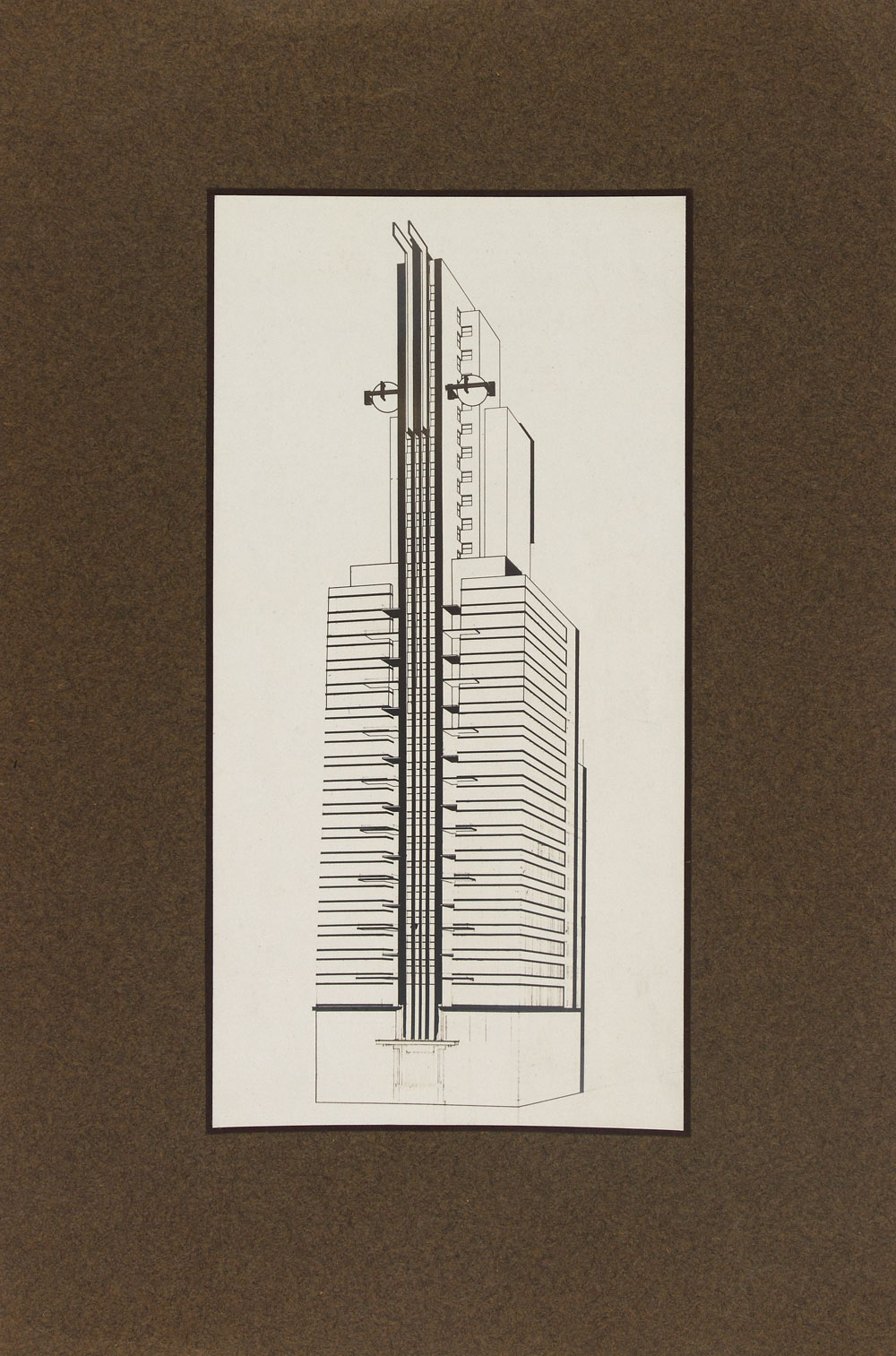
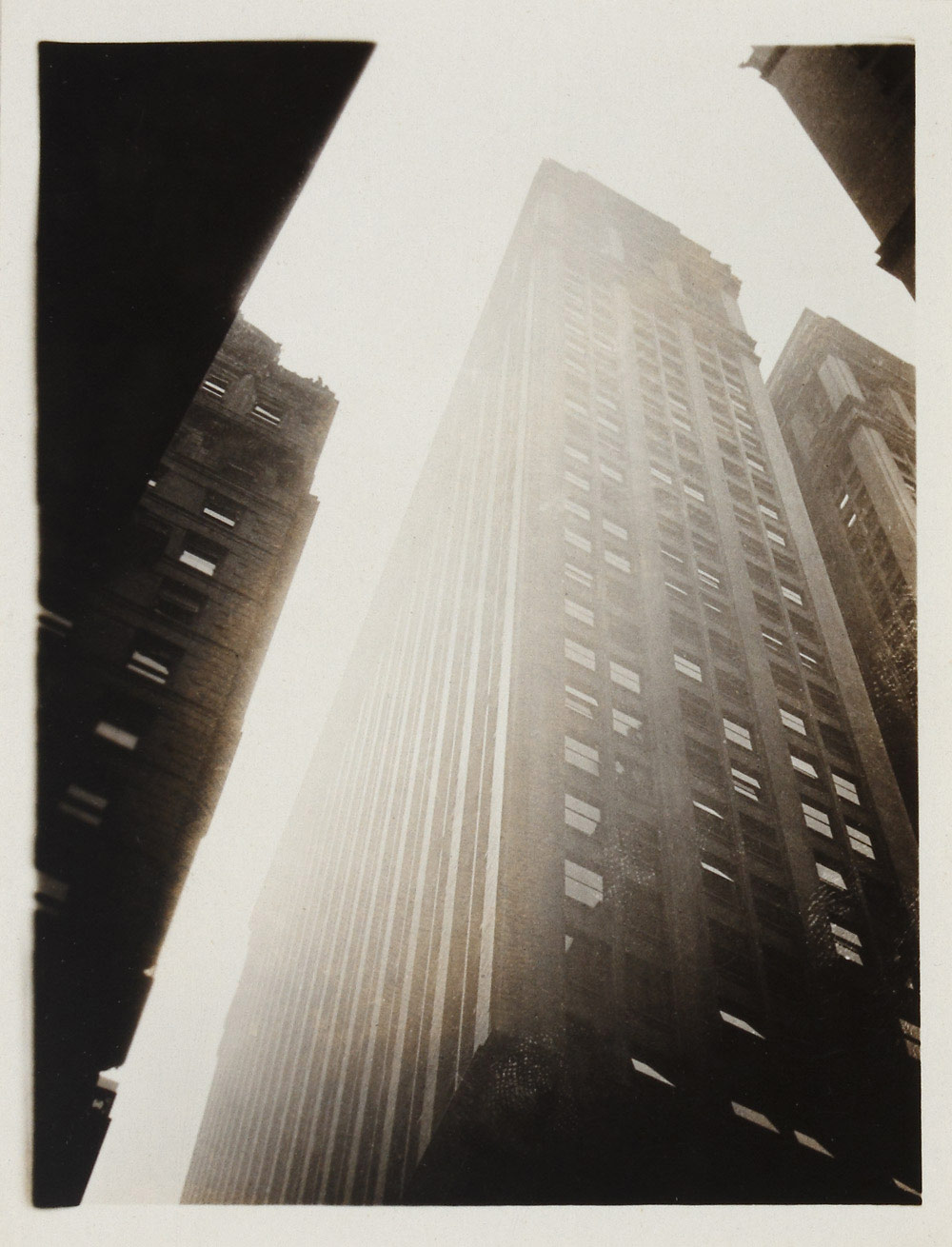


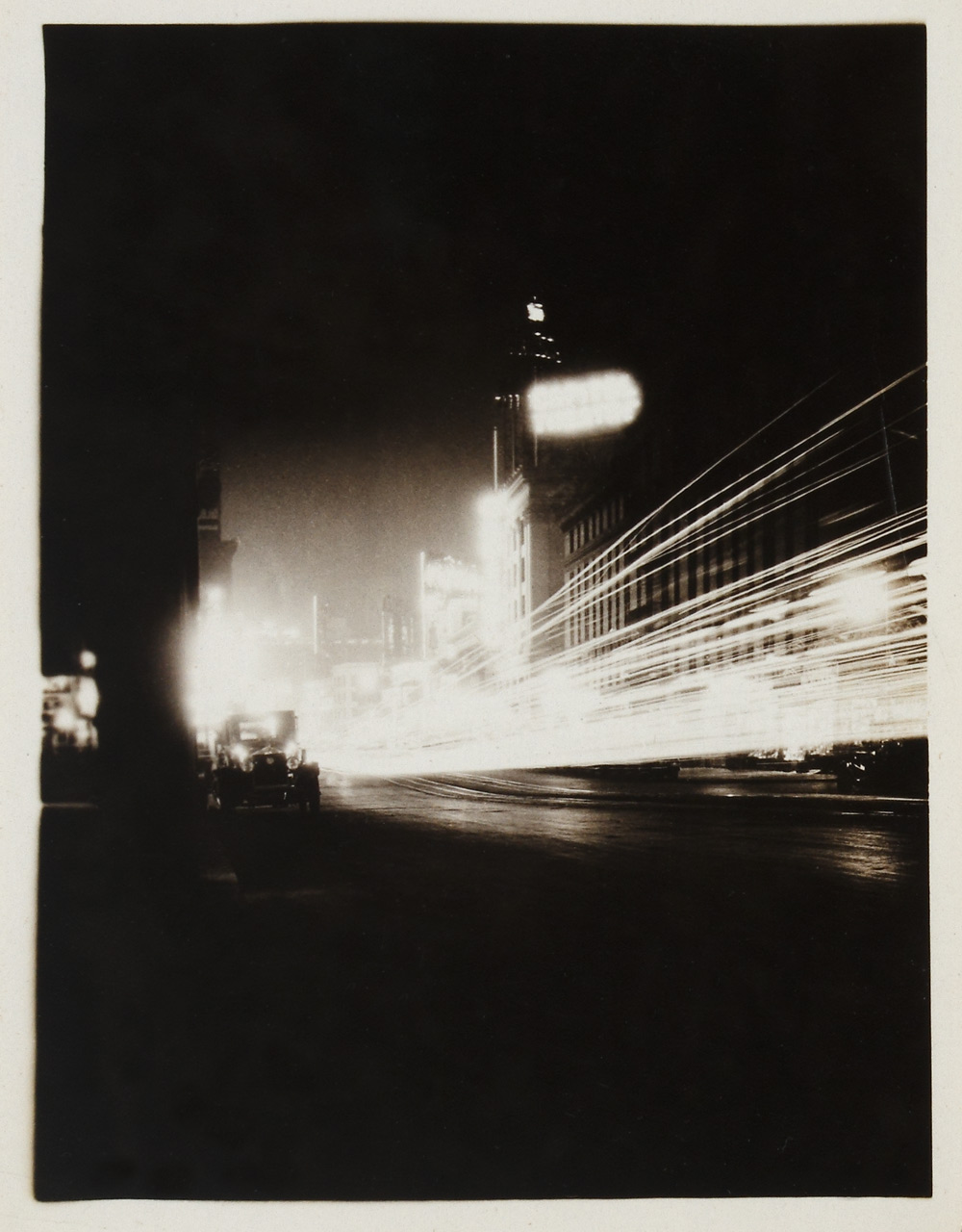


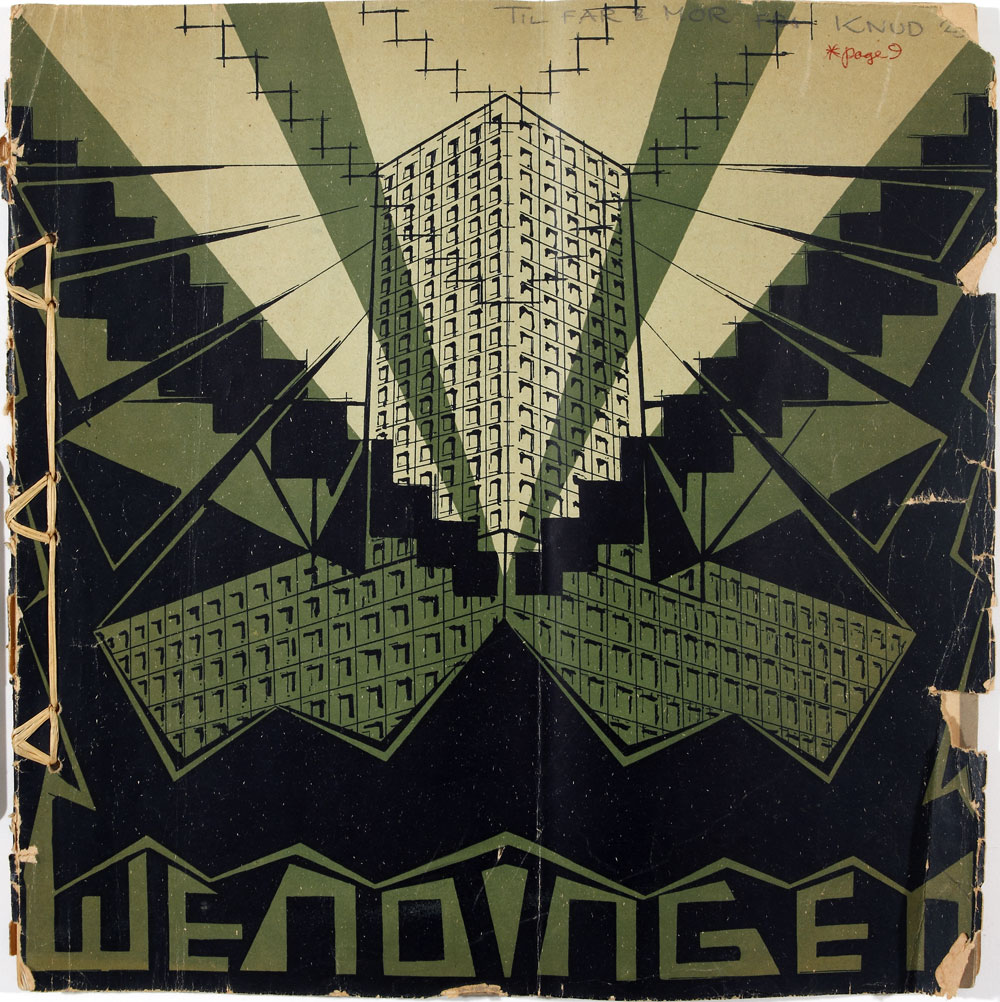
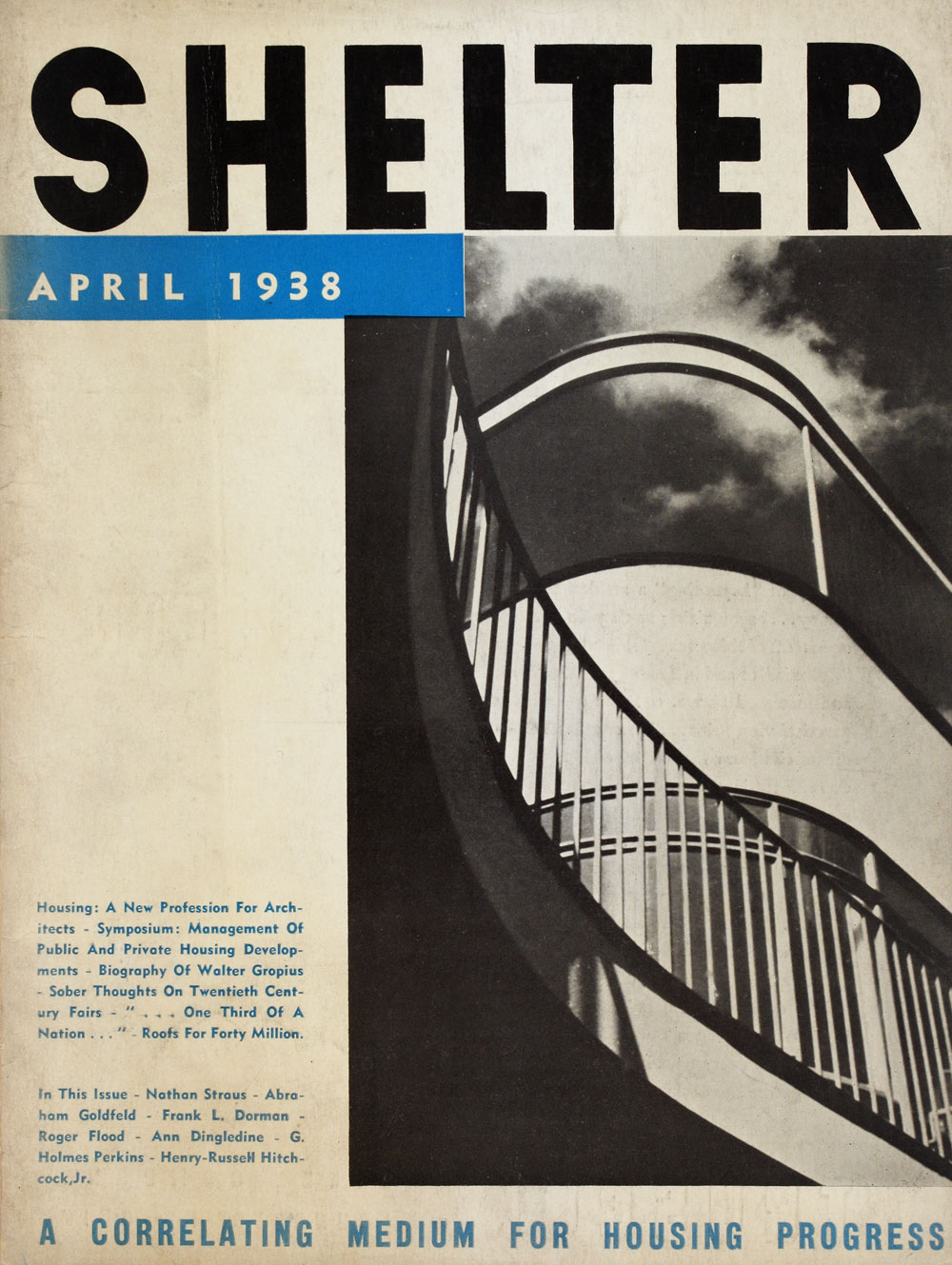


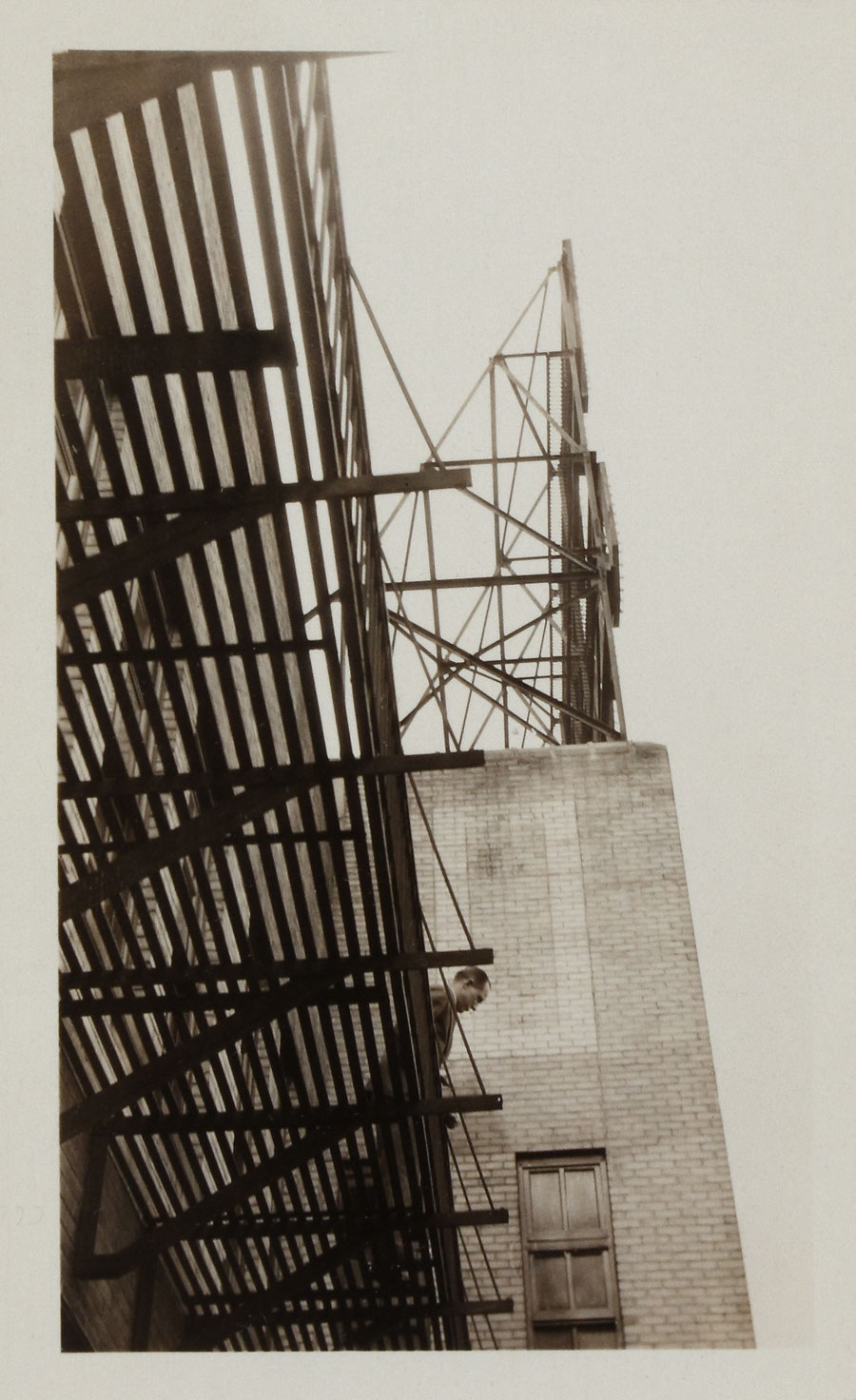


![Wols (German, 1913-1951) 'Untitled [Still life - dining table]' 1937](https://artblart.com/wp-content/uploads/2014/05/wols_09_esstisch-web.jpg "Wols (German, 1913-1951) 'Untitled [Still life - dining table]' 1937")

![Wols (German, 1913-1951) 'Untitled [Pavilion de l'Elegance - Creating a home with Alix (Germaine Krebs)]' 1937](https://artblart.com/wp-content/uploads/2014/05/wols_05_pavillon_de_l_elegance_2-web.jpg "Wols (German, 1913-1951) 'Untitled [Pavilion de l'Elegance - Creating a home with Alix (Germaine Krebs)]' 1937")
![Wols (German, 1913-1951) 'Untitled [Swiss Pavilion - Wire Figure]' 1937](https://artblart.com/wp-content/uploads/2014/05/wols_04_pavillon_drahtfigurine-web.jpg "Wols (German, 1913-1951) 'Untitled [Swiss Pavilion - Wire Figure]' 1937")


![Wols (German, 1913-1951) 'Untitled [Paris - Flea Market]' Autumn 1932 - October 1933 / January 1935 to 1936](https://artblart.com/wp-content/uploads/2014/05/wols_08_flohmarkt-web.jpg "Wols (German, 1913-1951) 'Untitled [Paris - Flea Market]' Autumn 1932 - October 1933 / January 1935 to 1936")
![Wols (German, 1913-1951) 'Untitled [Paris - Palisade]' Fall 1932 - October 1933 / January 1935 - August 1939](https://artblart.com/wp-content/uploads/2014/05/wols_07_paris_palisade.jpg "Wols (German, 1913-1951) 'Untitled [Paris - Palisade]' Fall 1932 - October 1933 / January 1935 - August 1939")
![Wols (German, 1913-1951) 'Untitled [Paris - Eiffel Tower]' 1937](https://artblart.com/wp-content/uploads/2014/05/wols_03_eiffelturm-web.jpg "Wols (German, 1913-1951) 'Untitled [Paris - Eiffel Tower]' 1937")
![Wols (German, 1913-1951) 'Untitled [Still Life - Grapefruit]' 1938 - August 1939](https://artblart.com/wp-content/uploads/2014/05/wols_06_pampelmuse-web.jpg "Wols (German, 1913-1951) 'Untitled [Still Life - Grapefruit]' 1938 - August 1939")

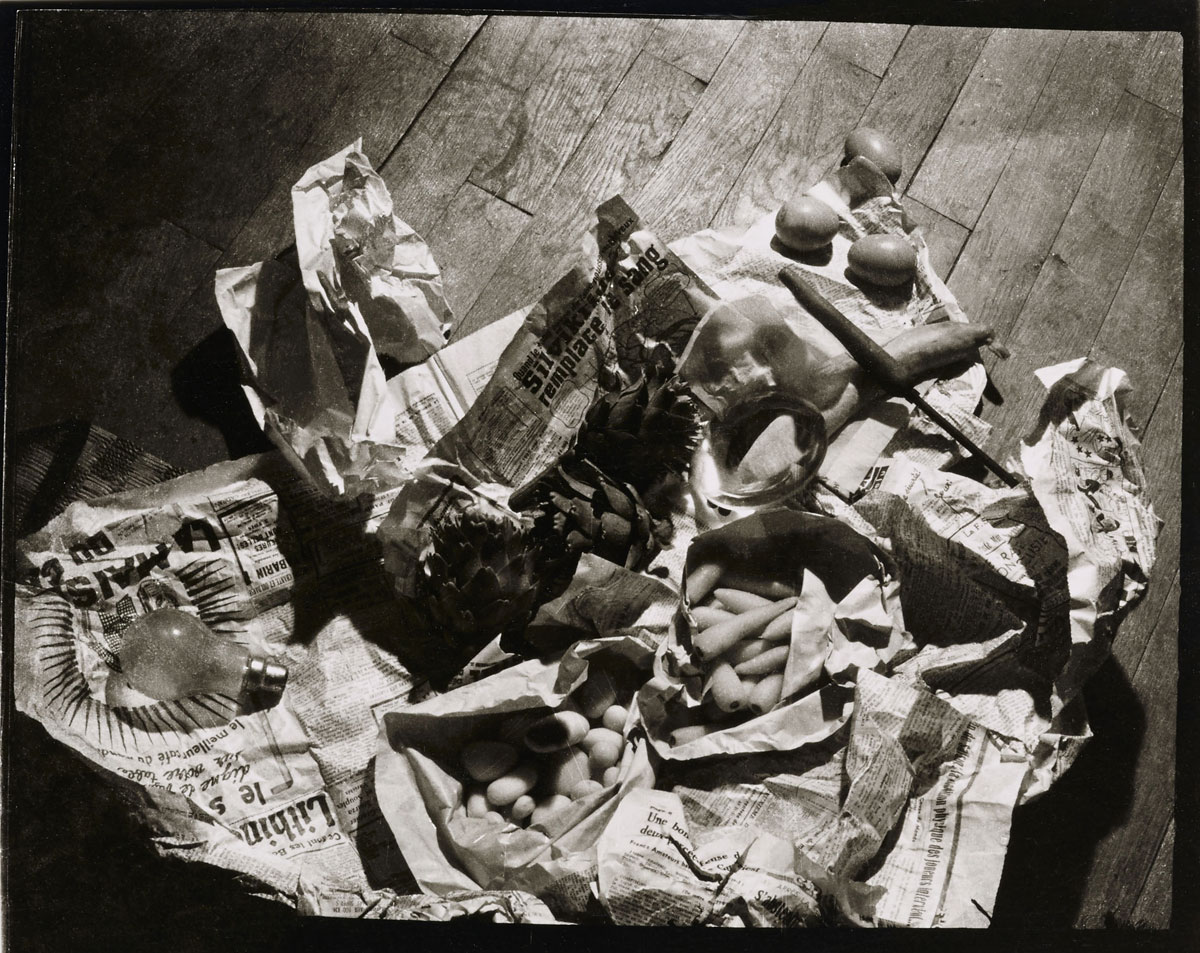
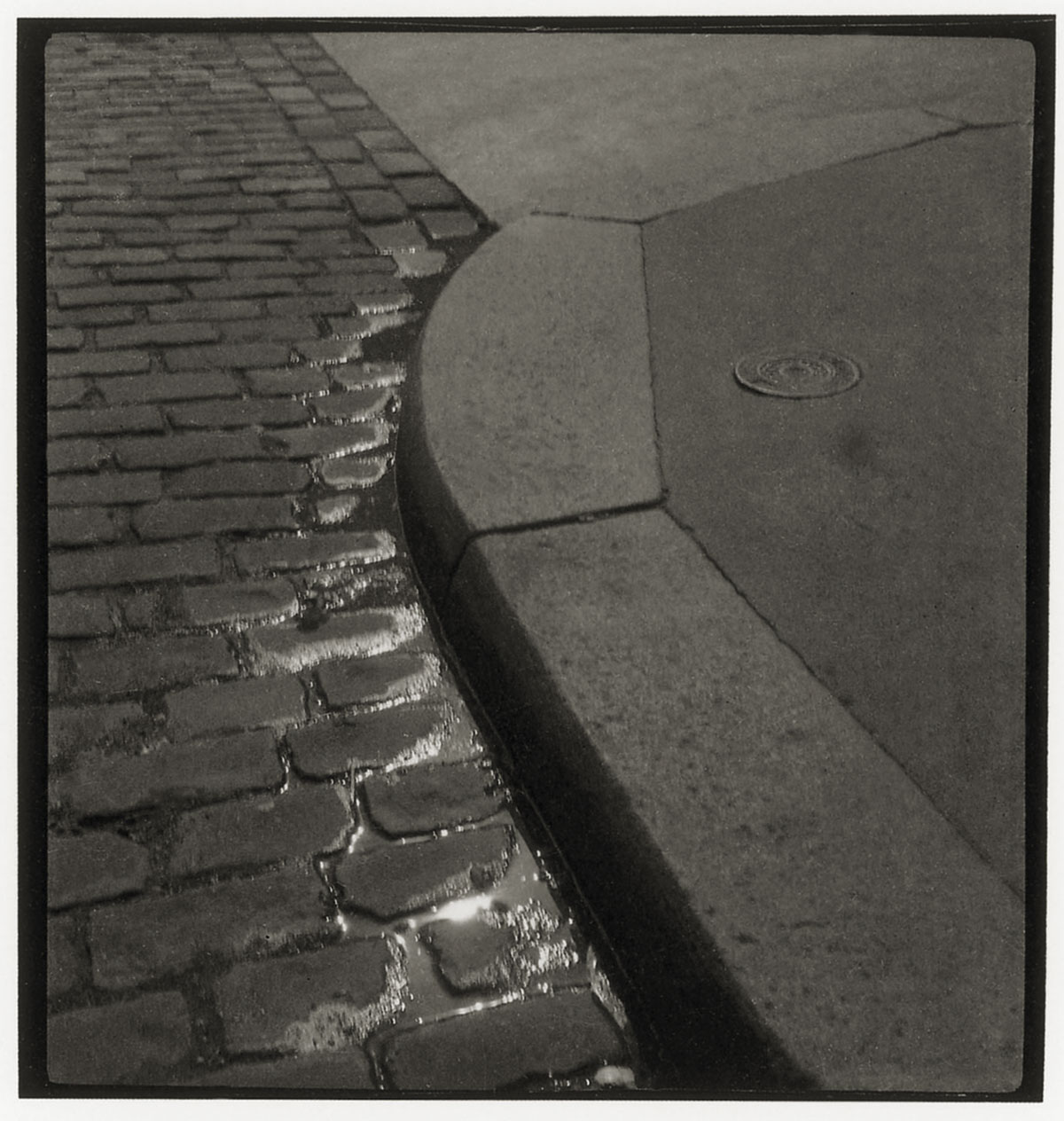
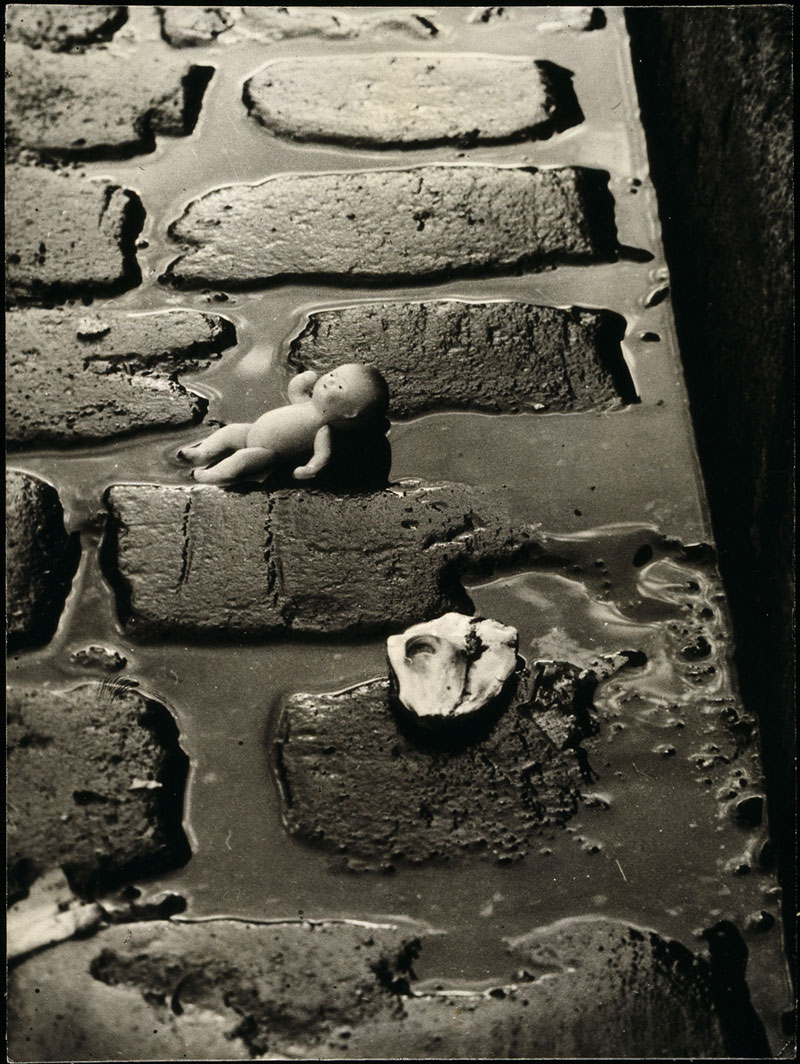
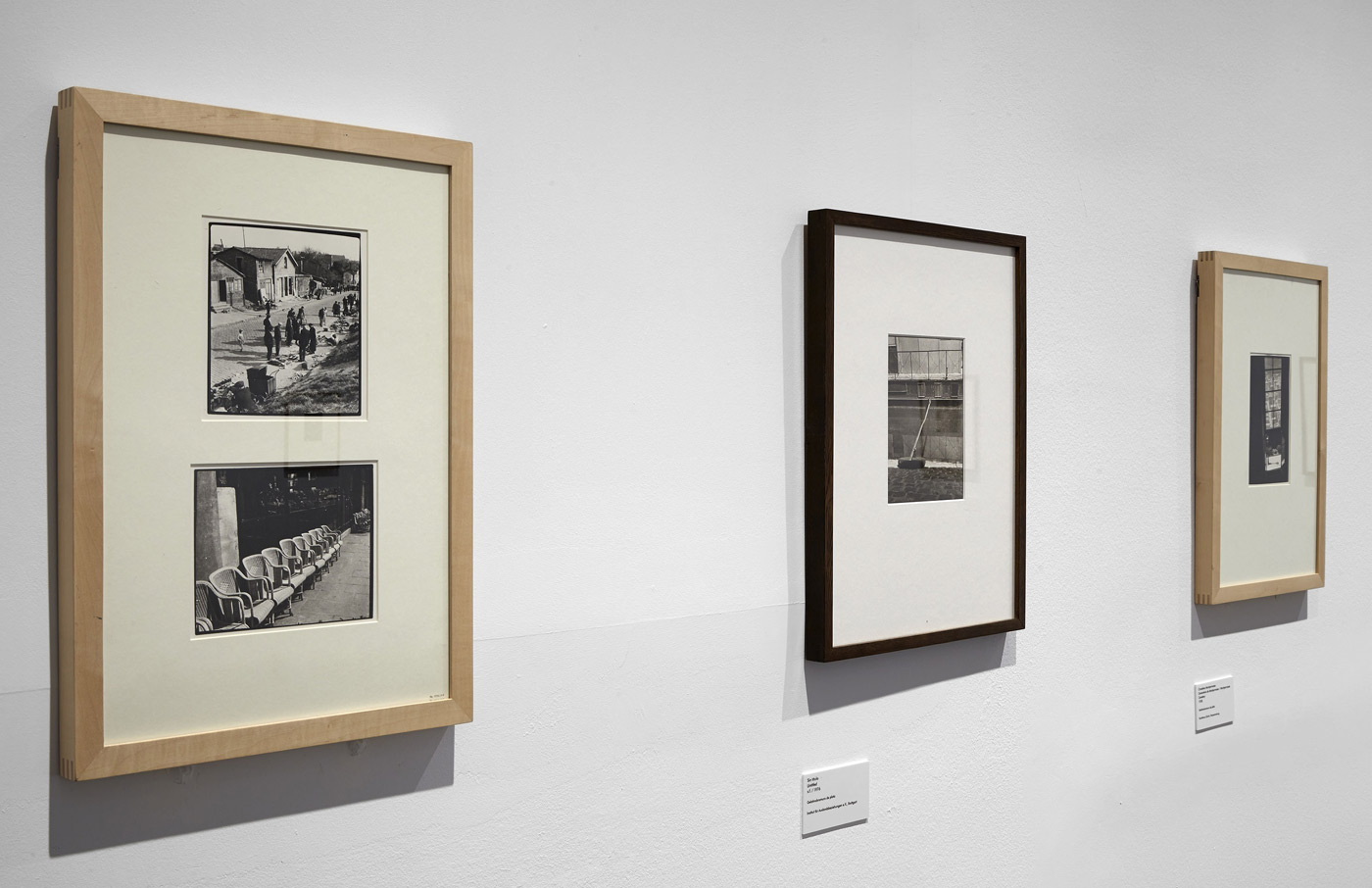
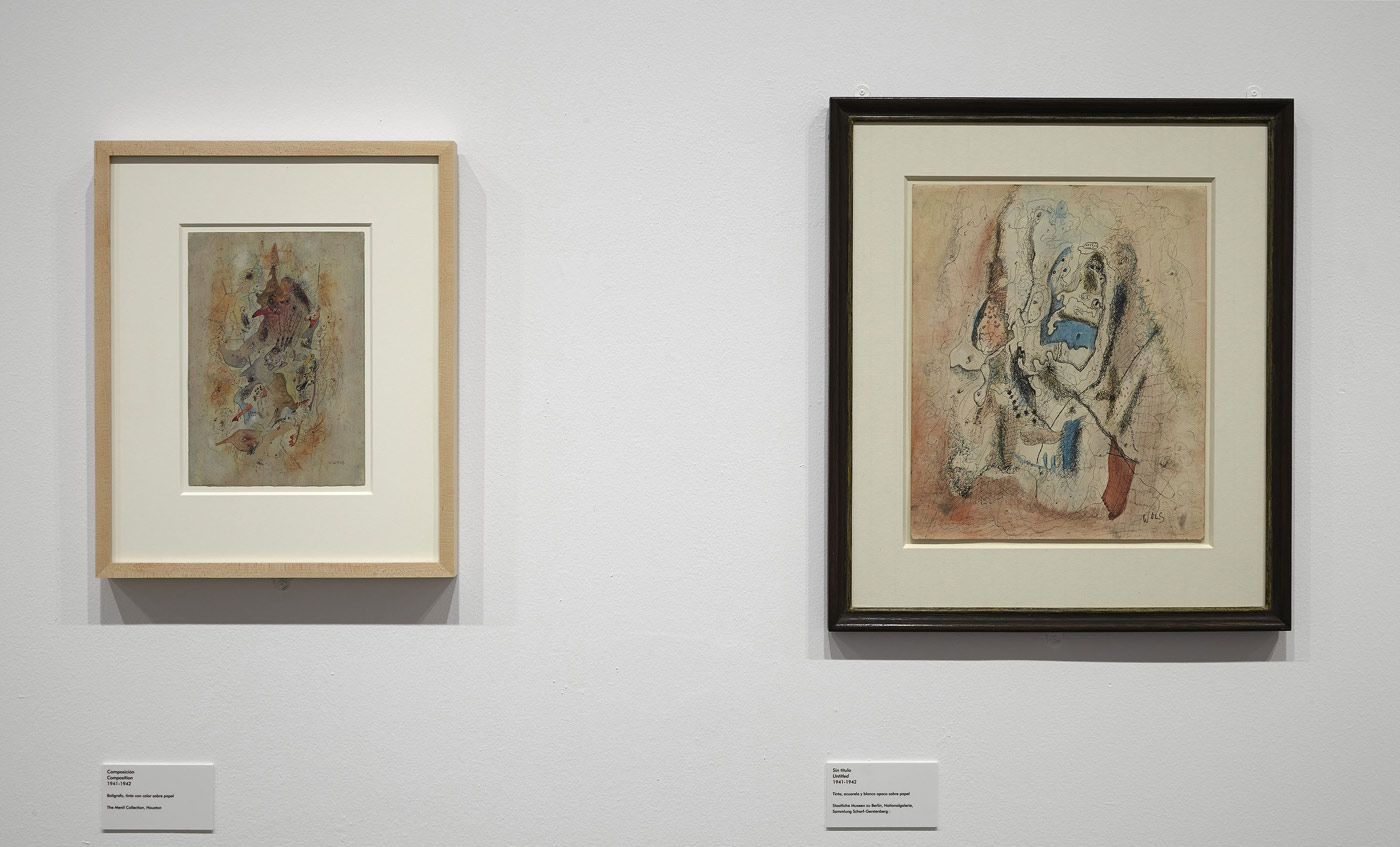
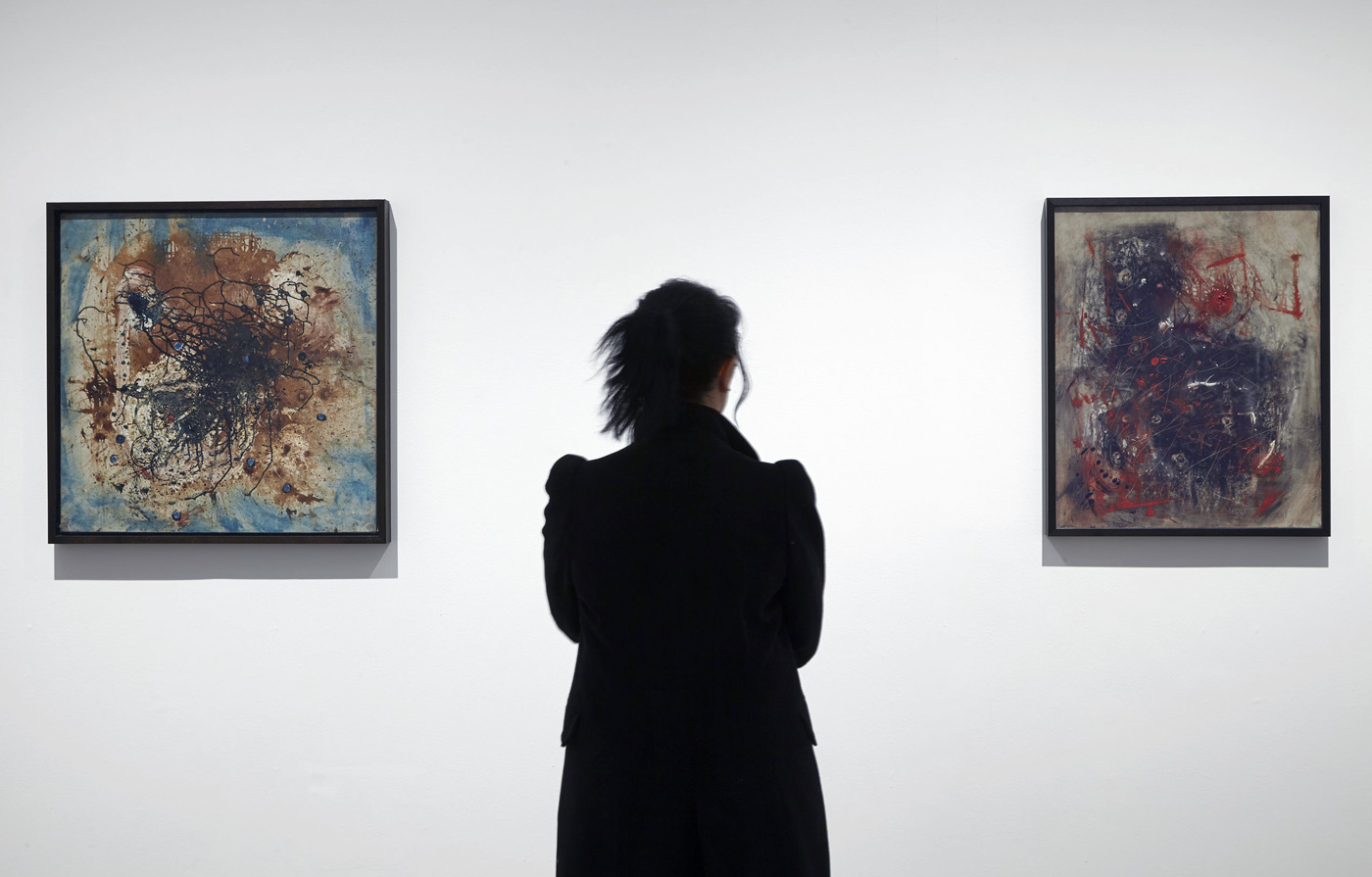
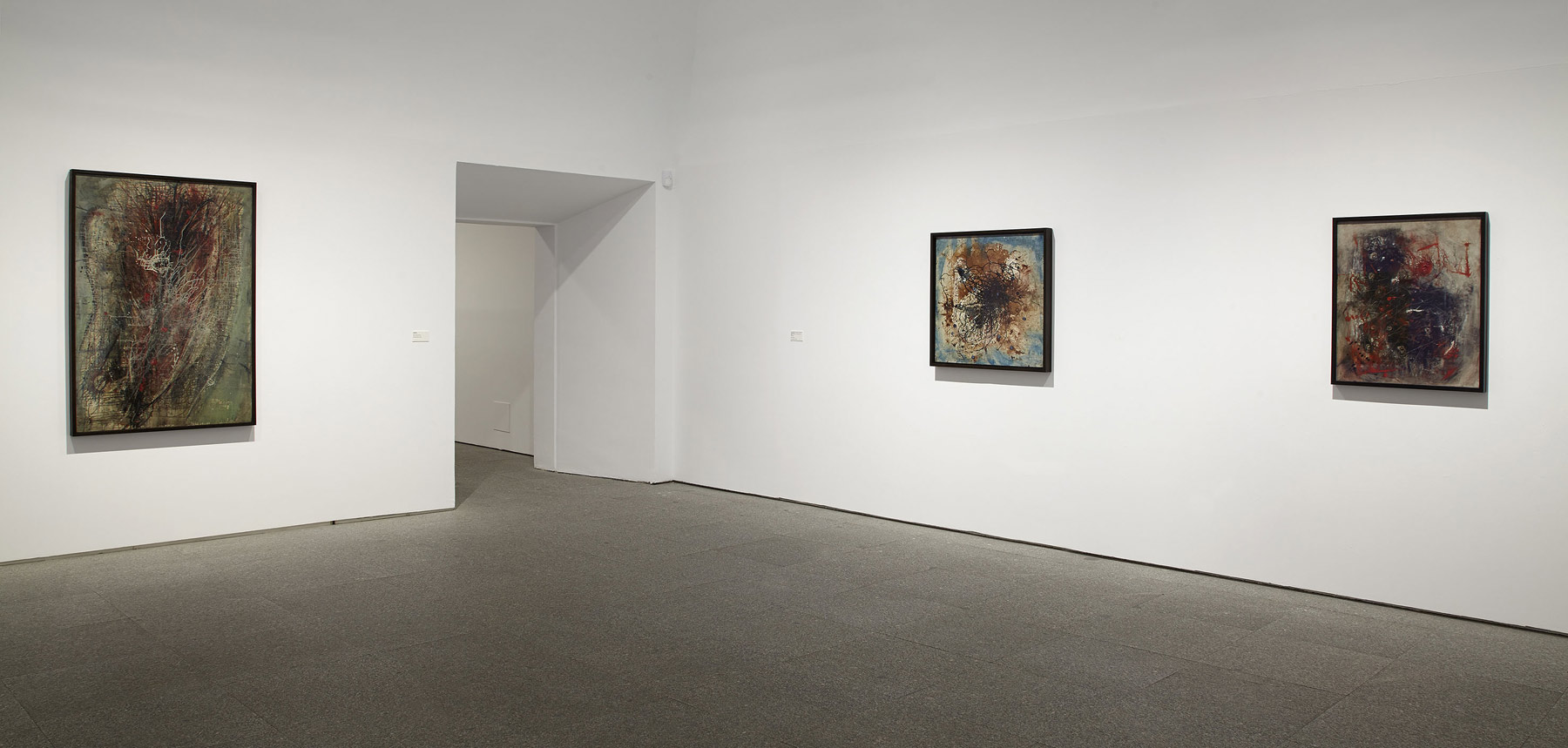
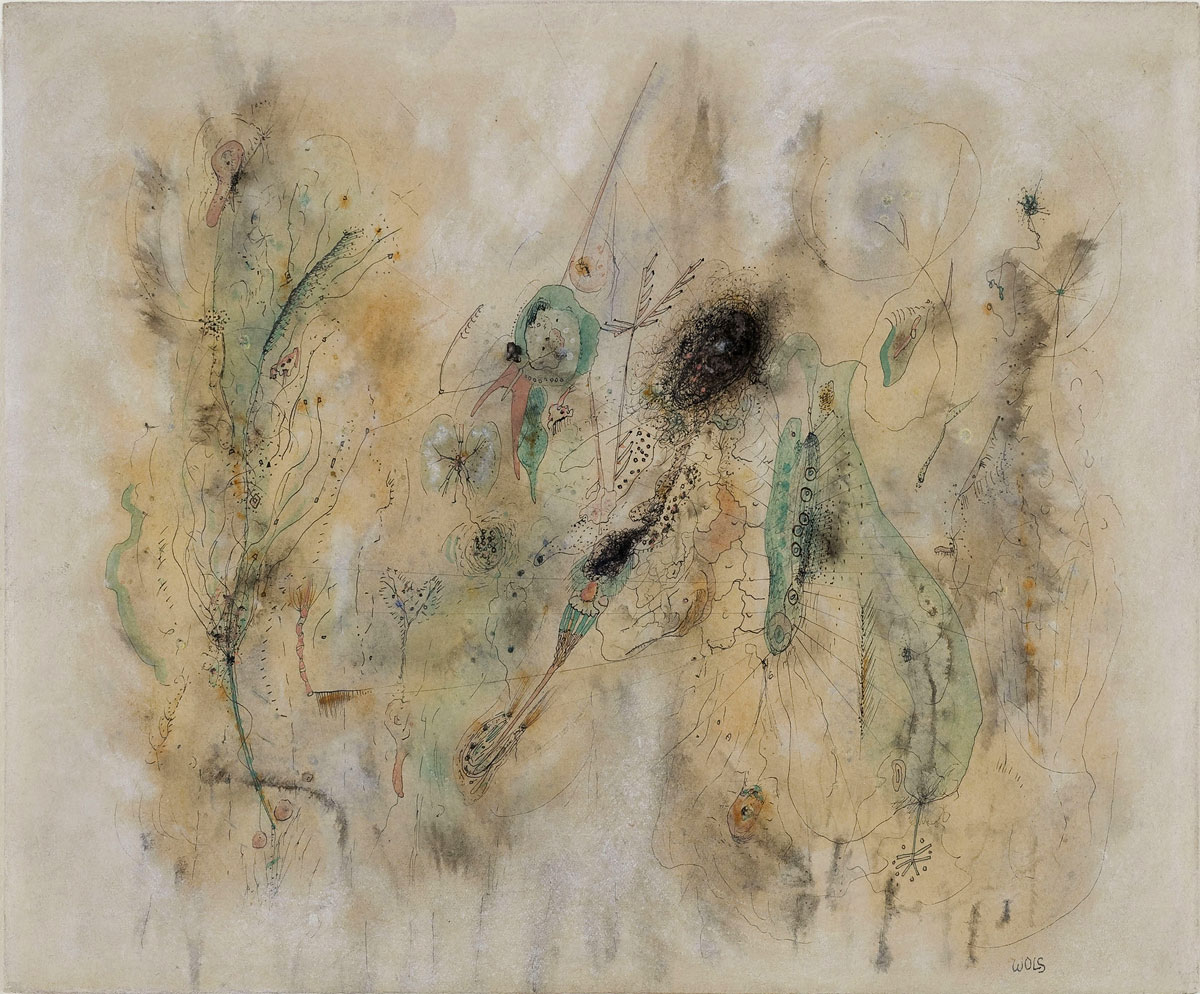
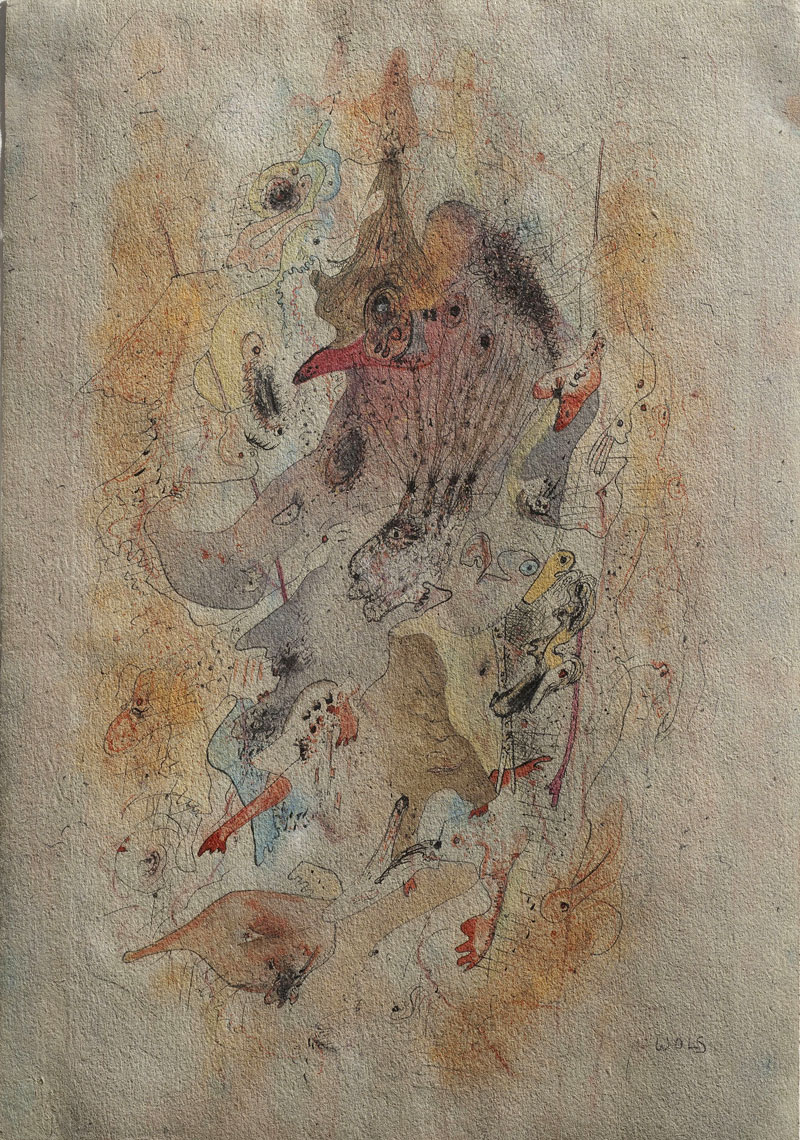
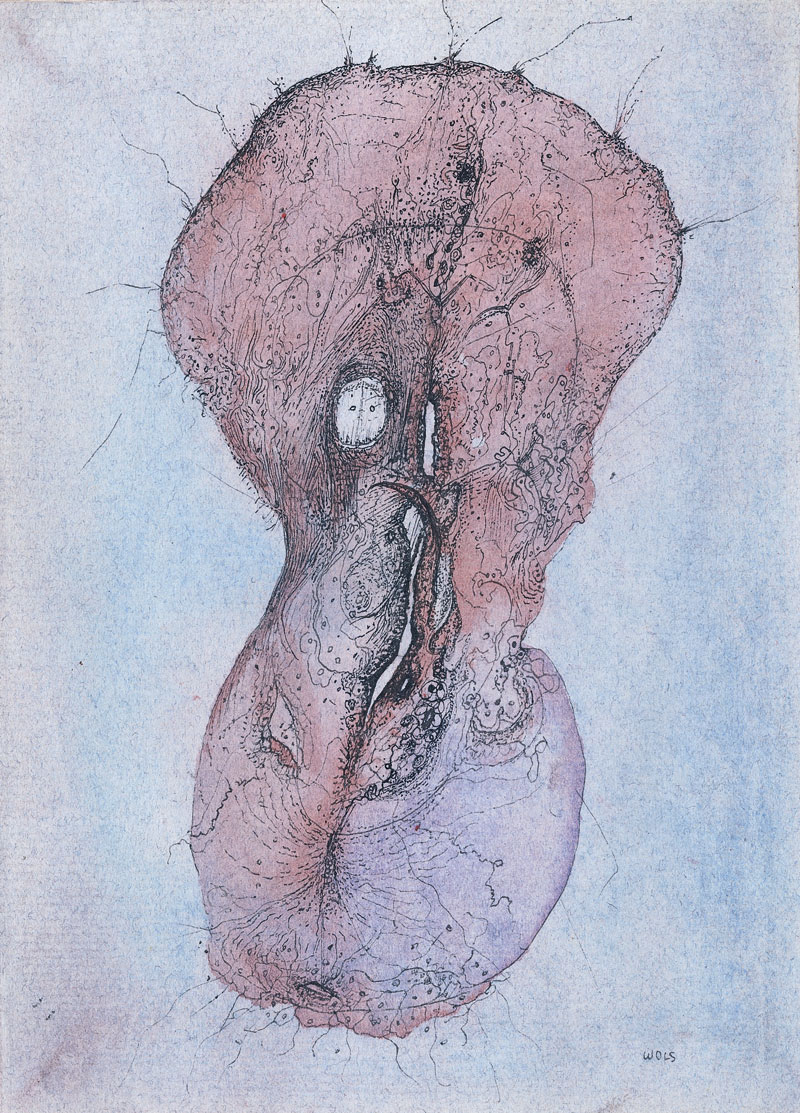
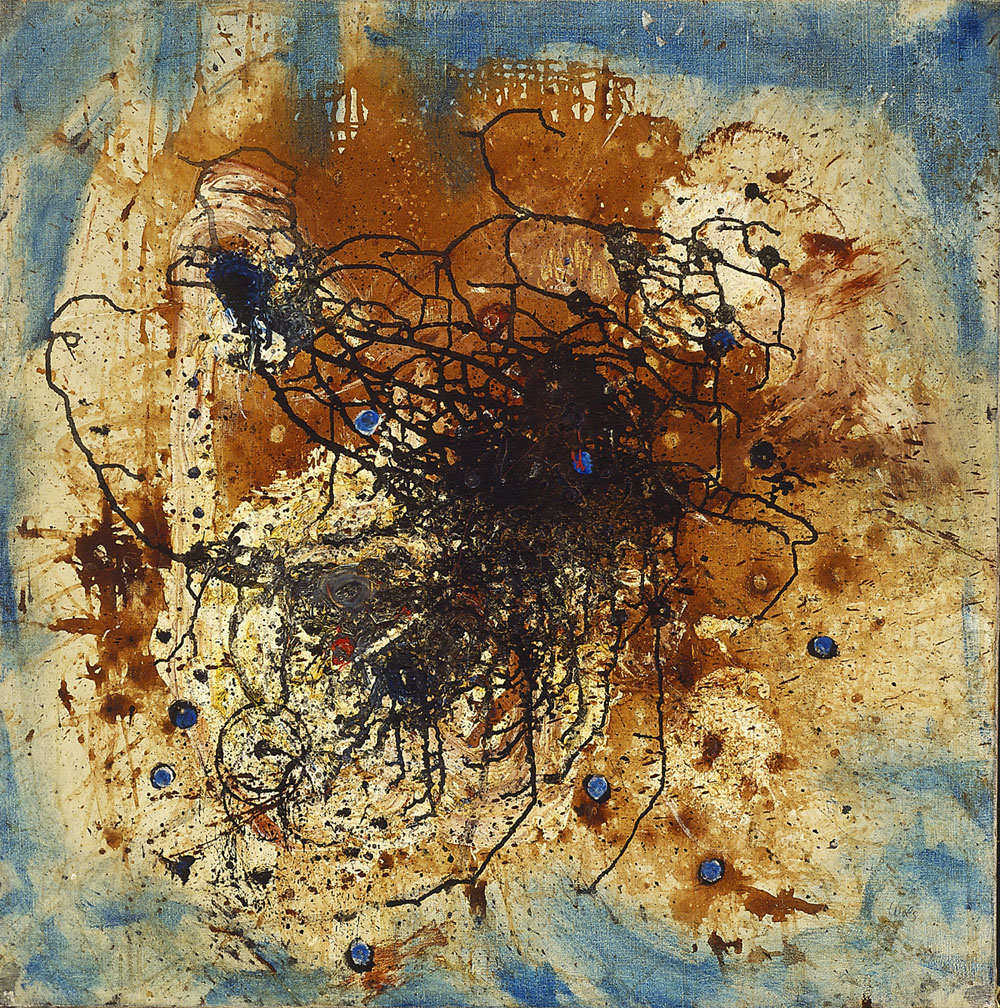
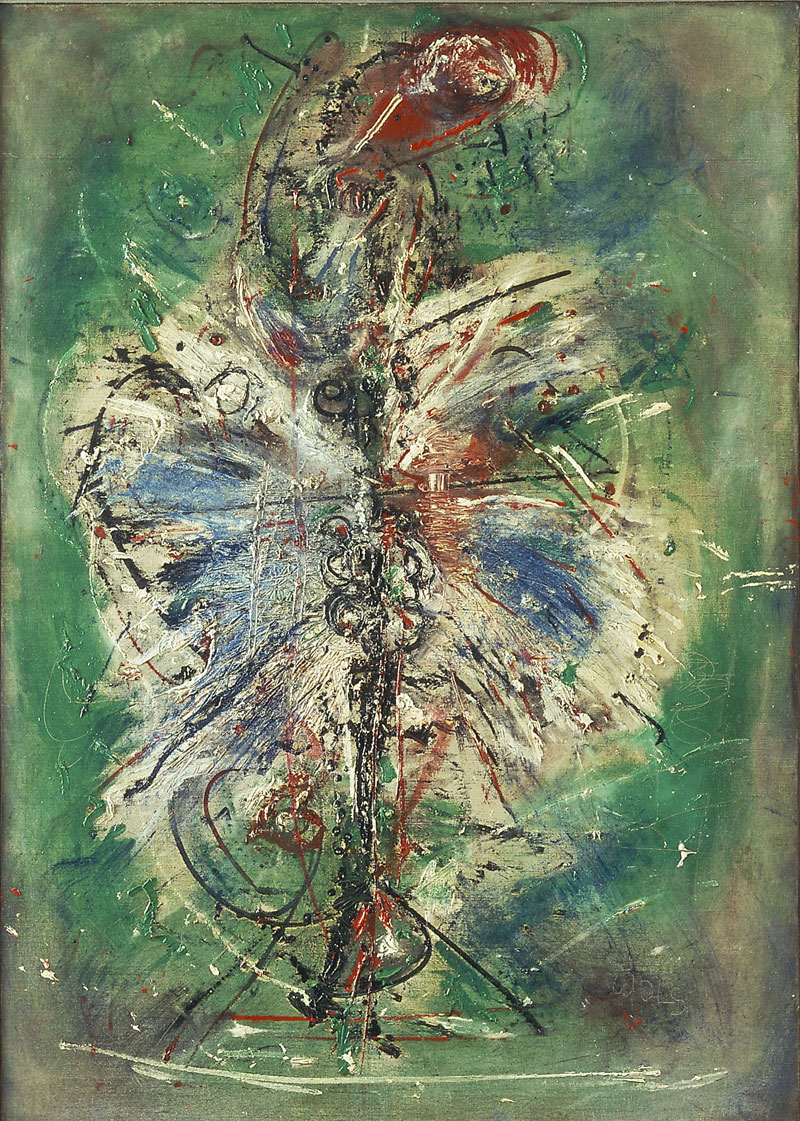
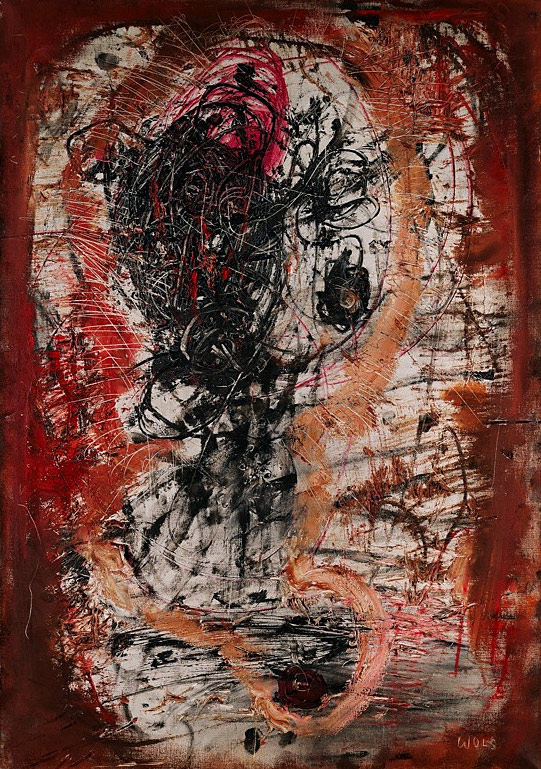
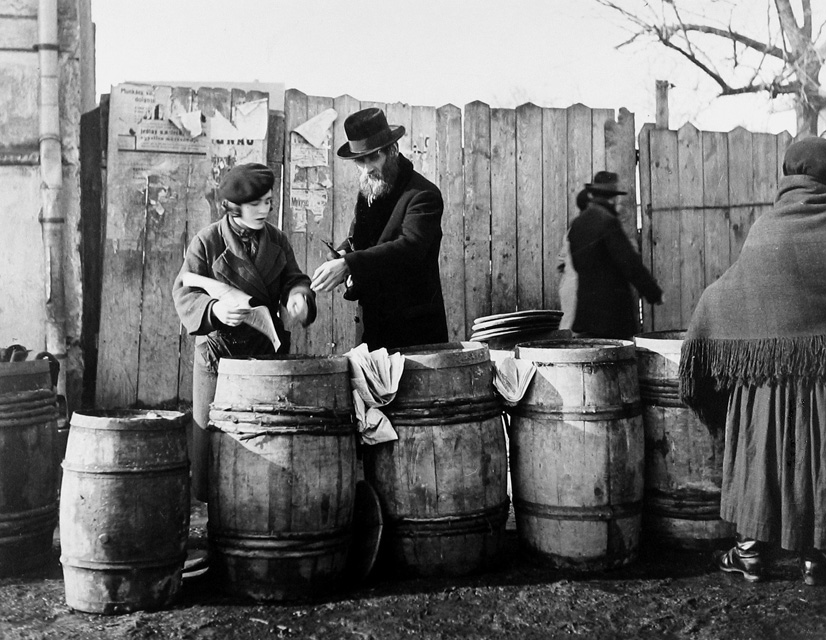
![Roman Vishniac (Russian-American, 1897-1990) 'Untitled [Jewish schoolchildren, Mukacevo]' c. 1935-1938](https://artblart.com/wp-content/uploads/2013/04/vishniac_jewish-school-children-web.jpg "Roman Vishniac (Russian-American, 1897-1990) 'Untitled [Jewish schoolchildren, Mukacevo]' c. 1935-1938")
![Roman Vishniac (Russian-American, 1897-1990) 'Untitled [Boy with kindling in basement dwelling, Krochmalna Street, Warsaw]' c. 1935-1938](https://artblart.com/wp-content/uploads/2013/04/vishniac_boy-with-kindling-in-basement-dwelling-web.jpg "Roman Vishniac (Russian-American, 1897-1990) 'Untitled [Boy with kindling in basement dwelling, Krochmalna Street, Warsaw]' c. 1935-1938")
![Roman Vishniac (Russian-American, 1897-1990) 'Untitled [Interior of the Anhalter Bahnhof, a railway terminus near Potsdamer Platz, Berlin]' late 1920s - early 1930s](https://artblart.com/wp-content/uploads/2013/04/vishniac_interior-of-the-anhalter-bahnhof-web.jpg "Roman Vishniac (Russian-American, 1897-1990) 'Untitled [Interior of the Anhalter Bahnhof, a railway terminus near Potsdamer Platz, Berlin]' late 1920s - early 1930s")
![Roman Vishniac (Russian-American, 1897-1990) 'Untitled [Street scene with swastika flag in background, Berlin]' c. 1935-36](https://artblart.com/wp-content/uploads/2013/04/vishniac_street-scene-with-swastika-flag-in-background-web.jpg "Roman Vishniac (Russian-American, 1897-1990) 'Untitled [Street scene with swastika flag in background, Berlin]' c. 1935-36")
![Roman Vishniac (Russian-American, 1897-1990) 'Untitled [Nazi Storm Troopers marching next to the Arsenal in front of the Berlin Cathedral]' c. 1935](https://artblart.com/wp-content/uploads/2013/04/vishniac_nazi-storm-troopers-web.jpg "Roman Vishniac (Russian-American, 1897-1990) 'Untitled [Nazi Storm Troopers marching next to the Arsenal in front of the Berlin Cathedral]' c. 1935")
![Roman Vishniac (Russian-American, 1897-1990) 'Untitled [Beach dwellers in the afternoon, Nice, France]' c. 1939](https://artblart.com/wp-content/uploads/2013/04/vishniac_beach-dwellers-web.jpg "Roman Vishniac (Russian-American, 1897-1990) 'Untitled [Beach dwellers in the afternoon, Nice, France]' c. 1939")
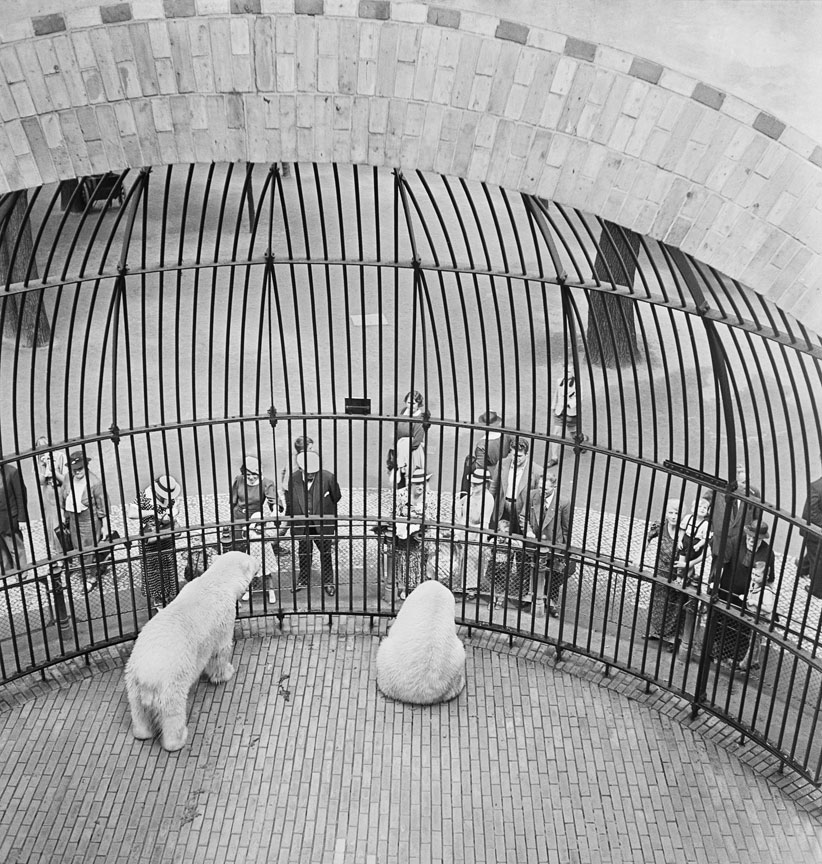
![Roman Vishniac (Russian-American, 1897-1990) 'Untitled [Zionist youth building a school and foundry while learning construction techniques, Werkdorp Nieuwesluis, Wieringermeer, The Netherlands]' 1939](https://artblart.com/wp-content/uploads/2013/04/vishniac_zionist-youth-building-a-school-web.jpg "Roman Vishniac (Russian-American, 1897-1990) 'Untitled [Zionist youth building a school and foundry while learning construction techniques, Werkdorp Nieuwesluis, Wieringermeer, The Netherlands]' 1939")
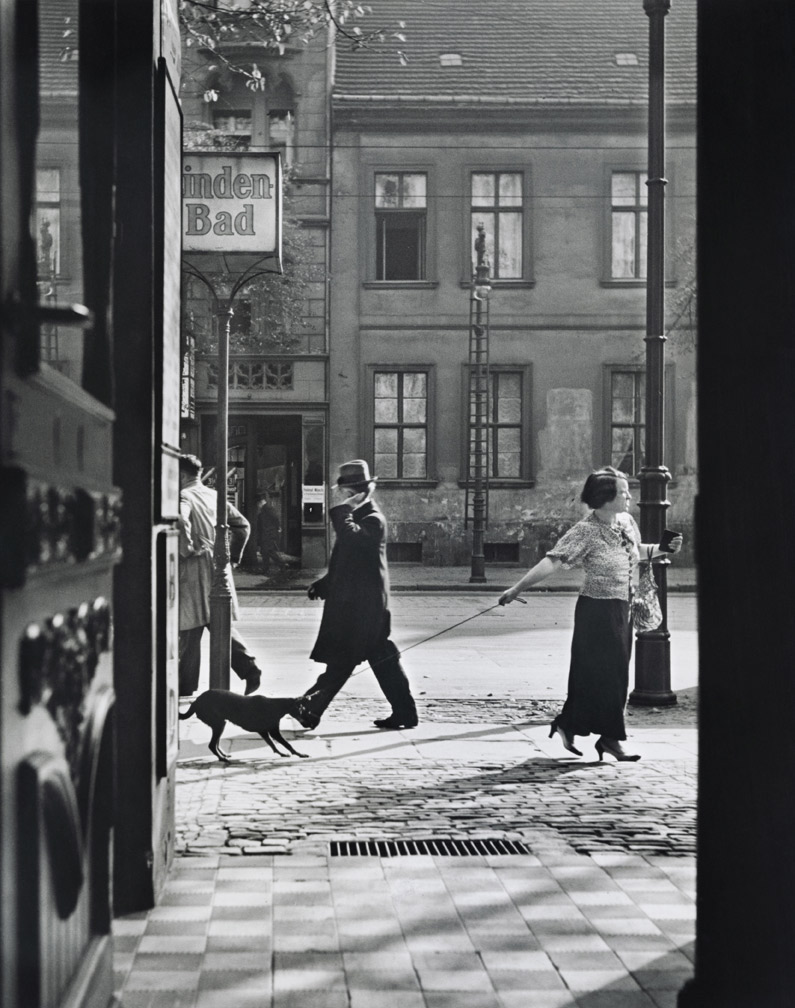


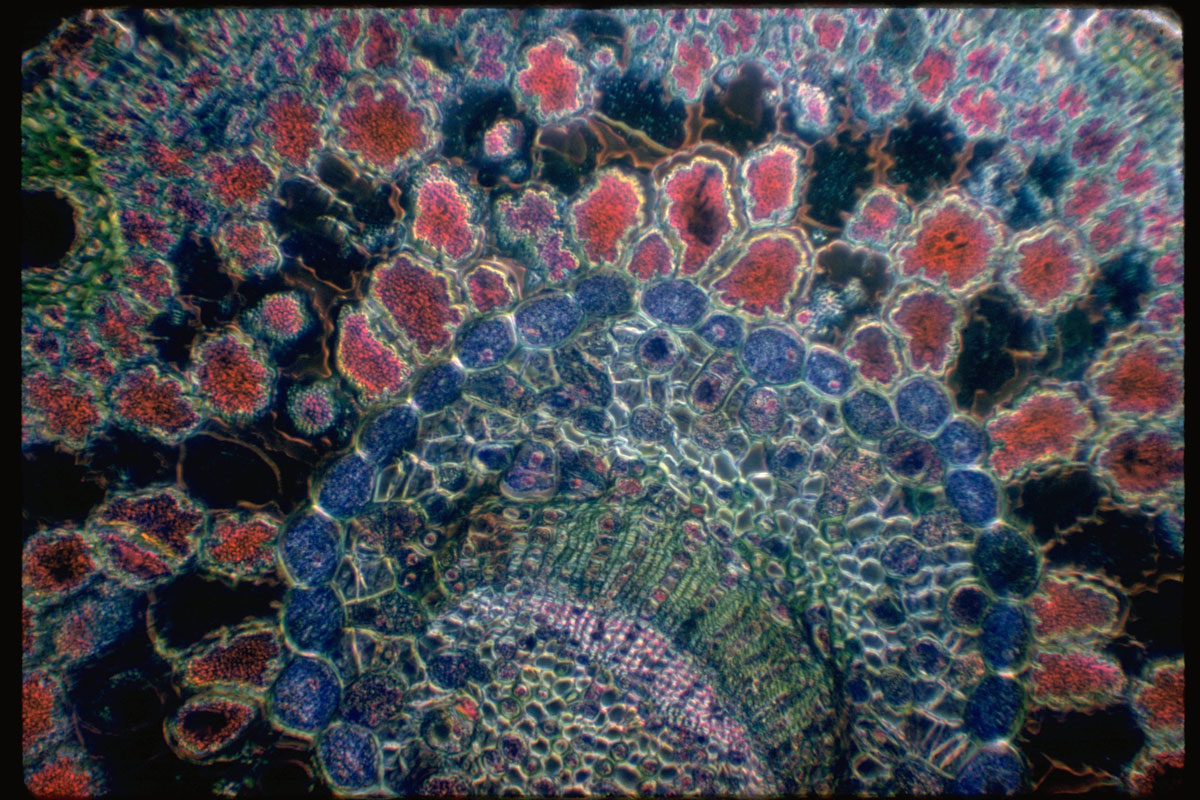
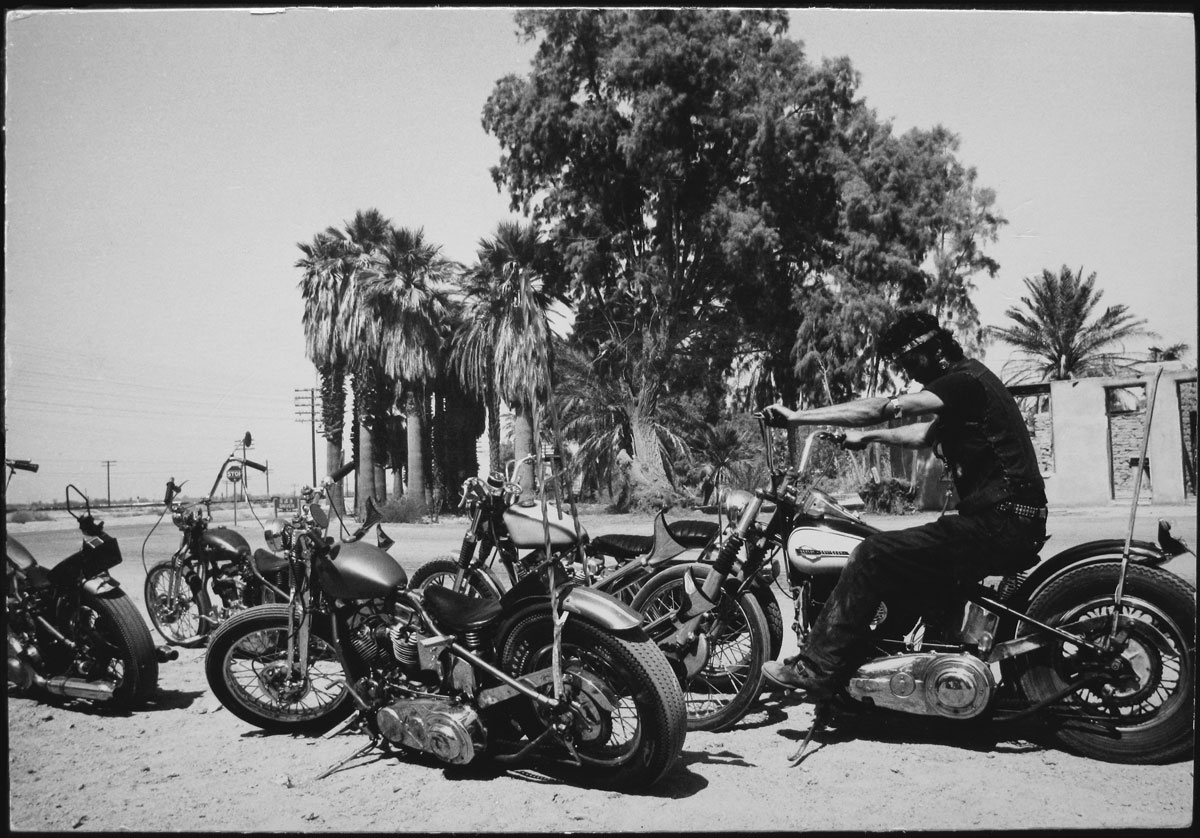


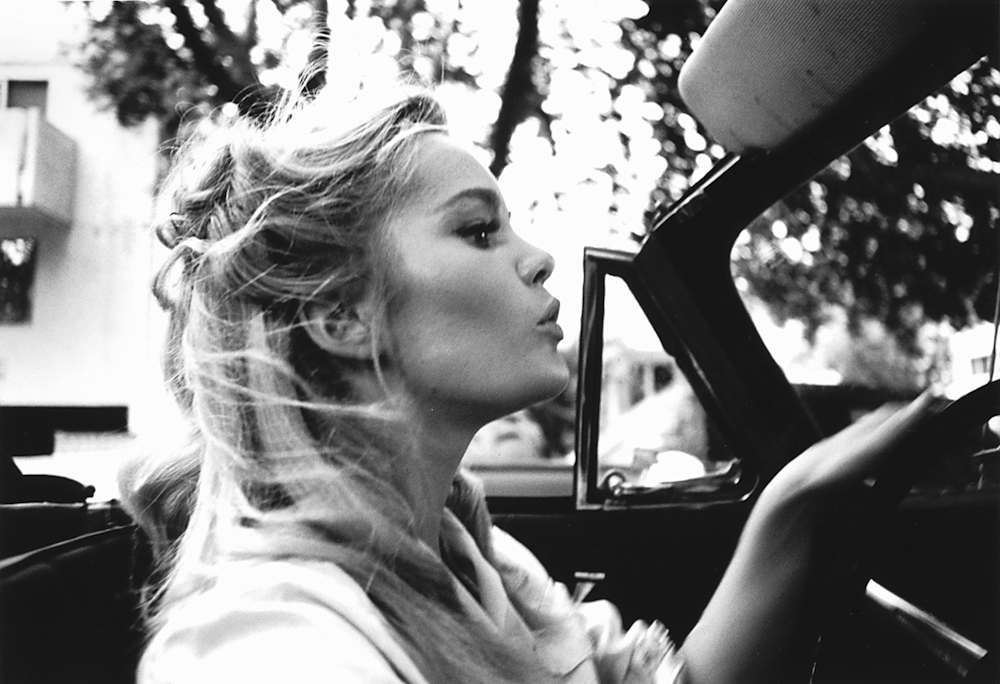


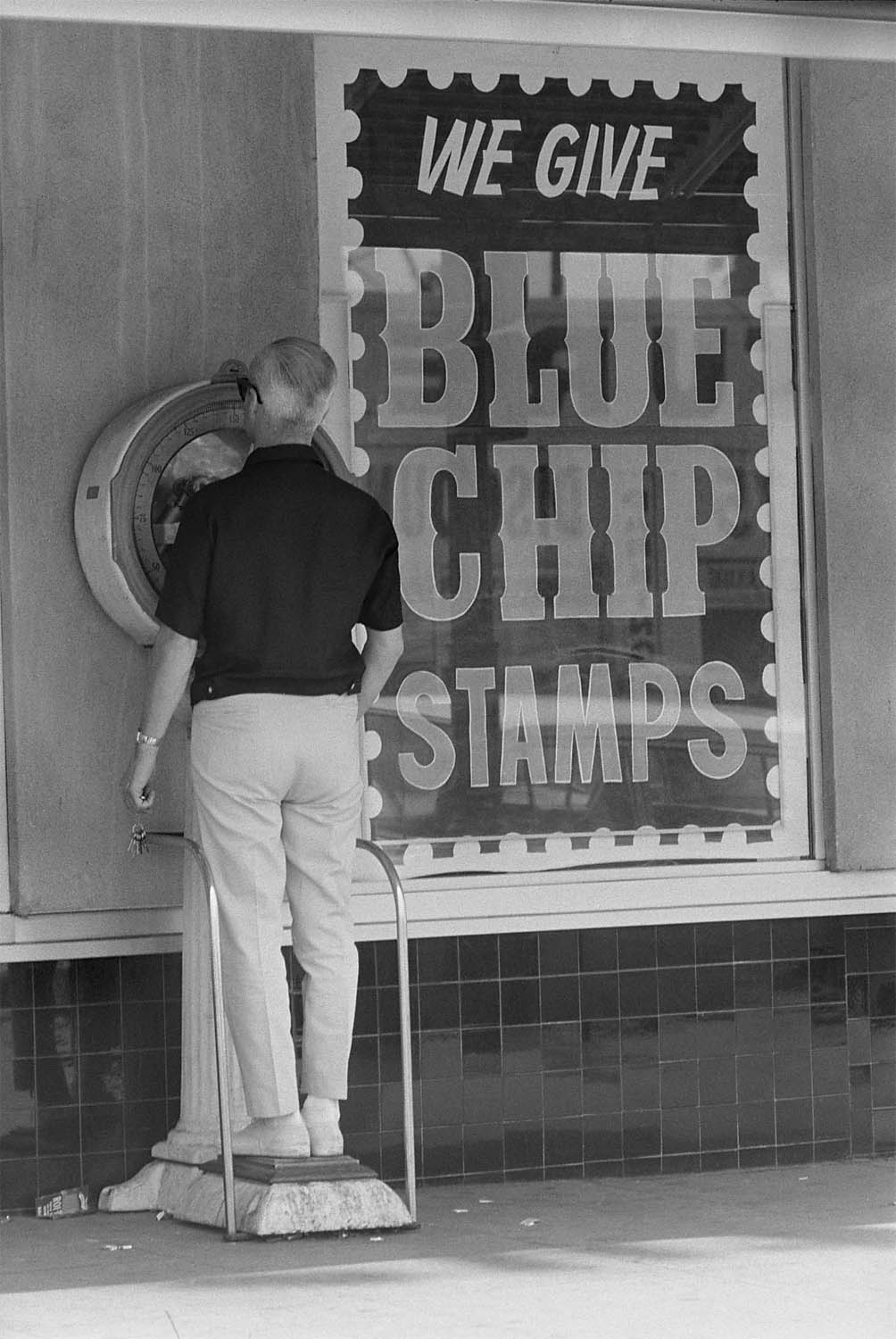


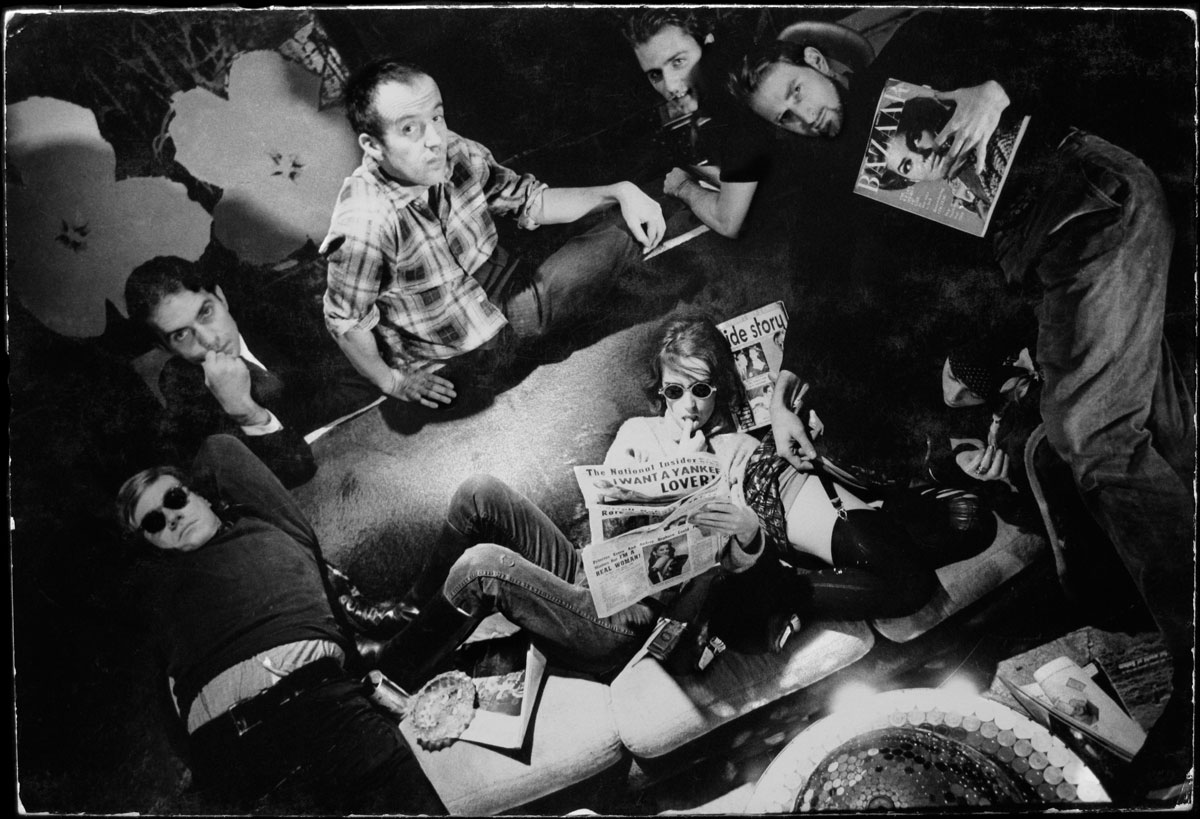
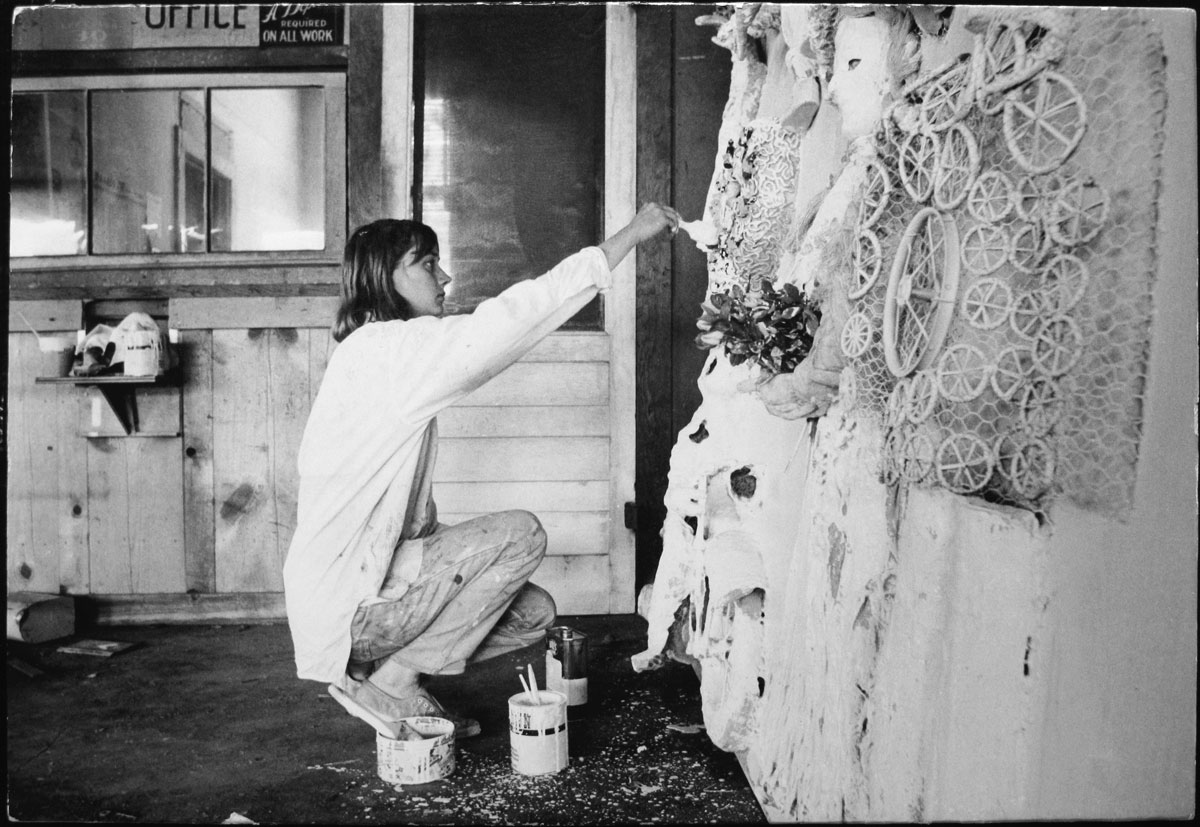
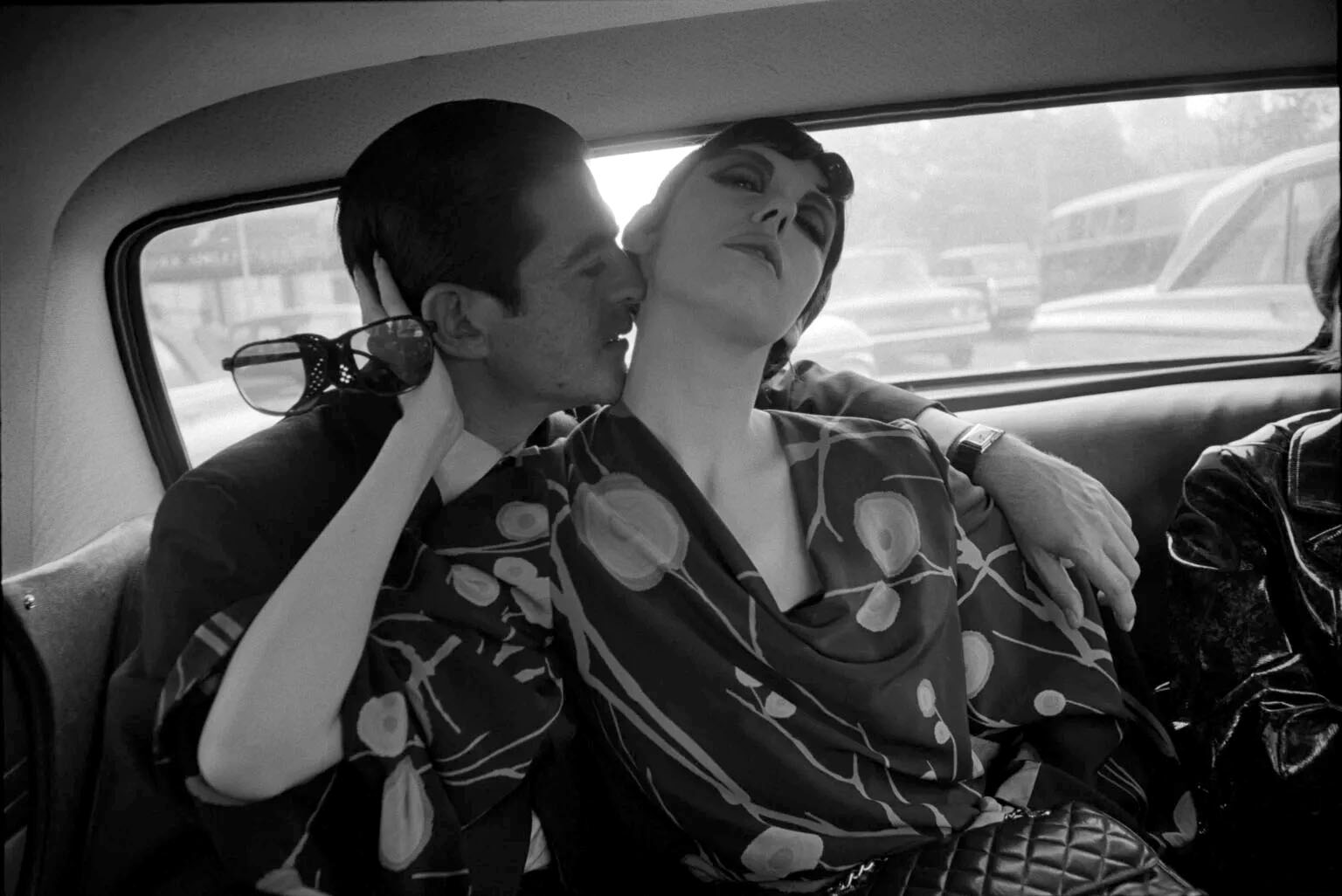
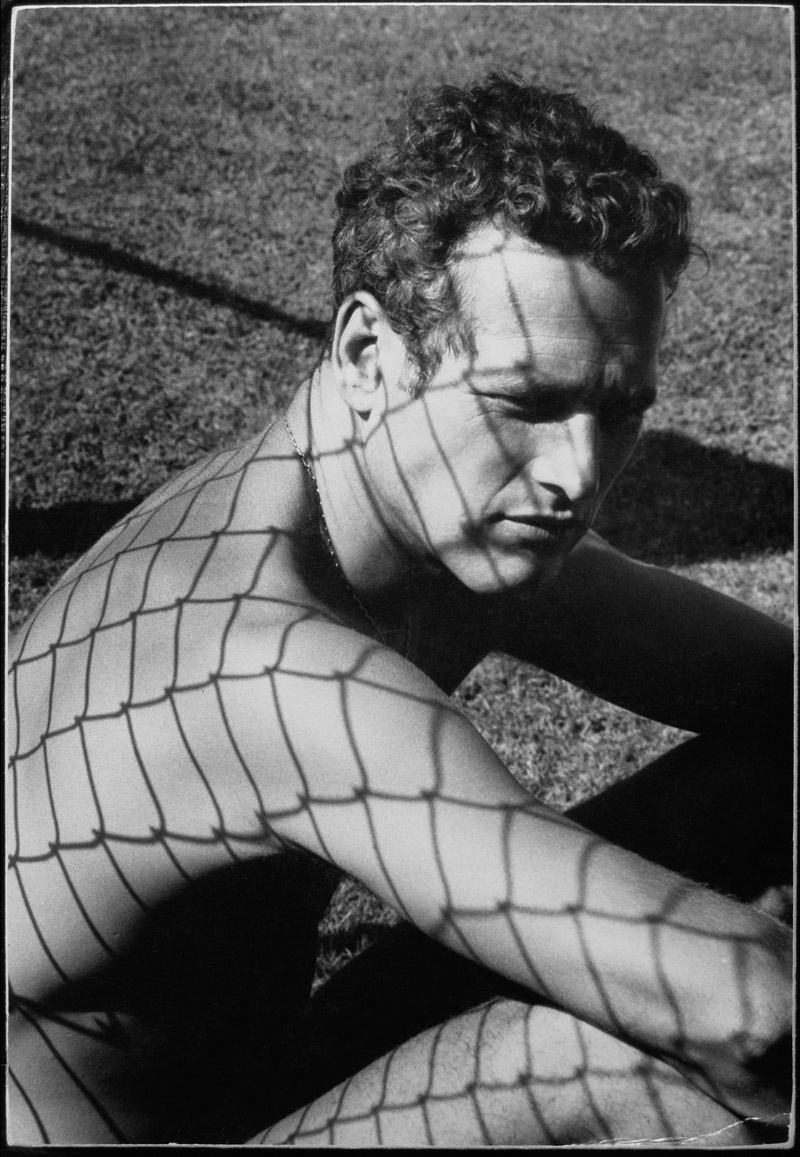
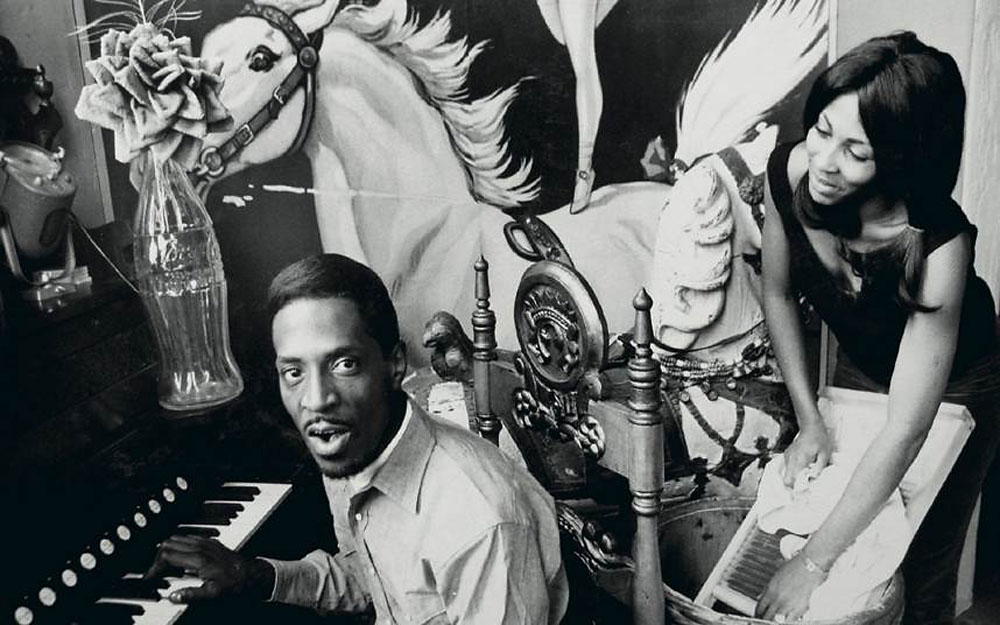
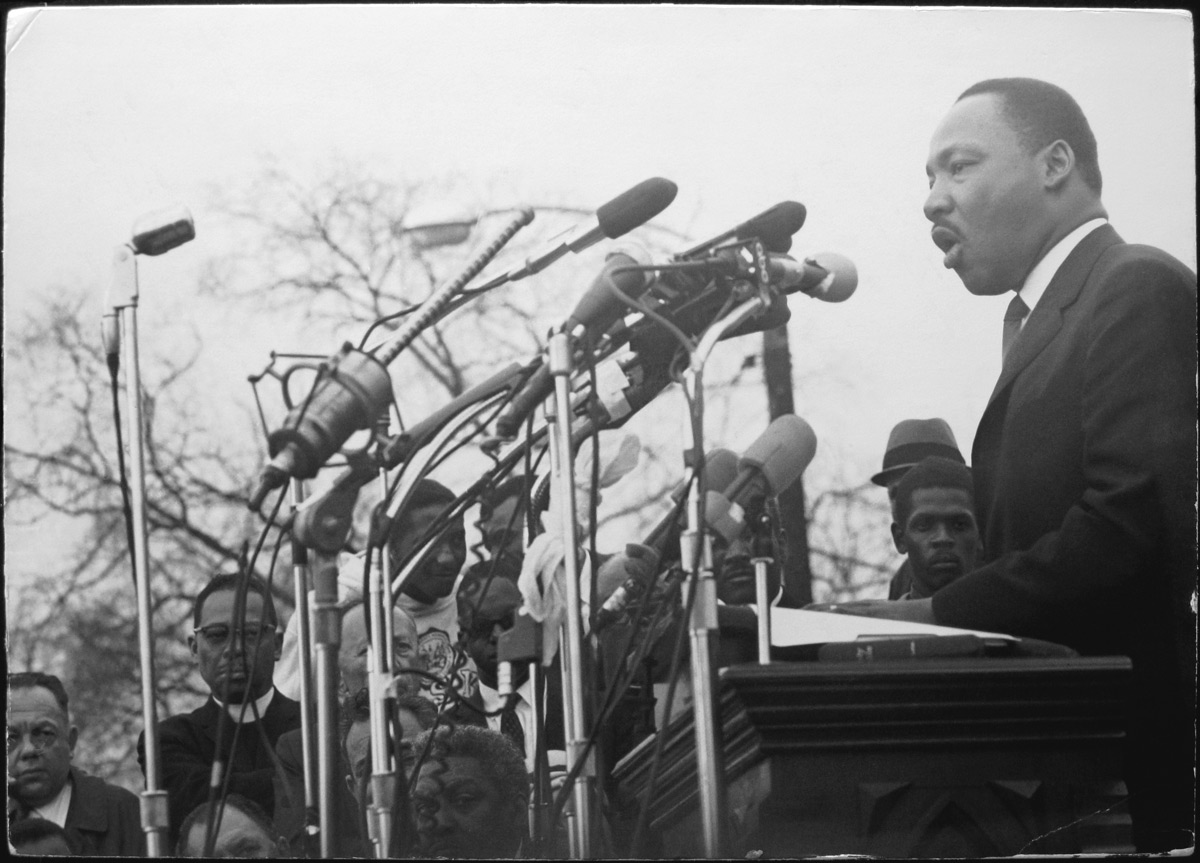


 Art Blart _ art and cultural memory archive
You must be logged in to post a comment.