J.C. Leyendecker (American, 1874-1951) Ivory Soap It Floats Painting for Ivory soap advertisement, 1900 Gouache on board Private collection Image courtesy of the National Museum of American Illustration, Newport, RI
Featured in mainstream national magazines, ads for Ivory soap often depicted scenes of conventional domesticity. Some, however, were erotic, like this one by Leyendecker featuring a man in a floor-length robe, whose crotch is suggestively rendered.
The Eye of the Beholder
“Leyendecker’s subjects exemplify an elite white masculinity that was hardly representative of the diversity of the United States in his time, or since” observes Sonya Abrego. The artist’s subjects are white, cultured, privileged, “upholding racial, social and nationalist hierarchies”.
But how representations were and are understood depends on the eye of the beholder. At the time that Lyendecker was painting and illustrating commercial magazines his flirtatious subliminal erotic messages would have been all too decipherable to a knowing gay male readership – even as these very illustrations “passed” the scrutiny of heterosexual normativity. For gay men “passing” allowed them to hide their real identity and to fit into society without discrimination and fear of loosing their job, their home and/or going to jail.1 Leyendecker’s works both hide and transgress the taboo when they pass inspection.
For the initiated, Leyendecker’s paintings and illustrations were at the very heart of the subversion of hegemonic masculinity – “a practice that legitimises men’s dominant position in society and justifies the subordination of the common male population and women, and other marginalised ways of being a man.”2 Witness the man holding the “stiff rod” of the golf club in Men with Golf Clubs (c. 1909, below); the knowing looks of the two men in Men and Woman, Arrow Shirts with Golf Clubs and Collie (1910, below); the camp hands on hip languid pose of the man on the Cover of Saturday Evening Post (June 29, 1907, below) and the butcher, hand of hip, frontal crotch shot with Janet Jackson garment malfunction / nipple exposure that is Cover of Collier’s (June 24, 1916, below). The fact that some of the paintings such as Record Time, Cool Summer Comfort (c. 1920, below) feature Leyendecker’s lover of 48 years Charles A. Beach, only adds to the surreptitious nature of the paintings societal relationship. Much as the gay movie star Rock Hudson had to keep his private and public lives separate in order to “pass”, so Leyendecker kept his gay relationship a secret from the public.
While the exhibition would like us to address Leyendecker’s work within a broader context (according to curator Donald Albrecht talking about the artist in “gender terms, racial terms, sexual terms,” treating him in an intersectional way) – that is, through “the interconnected nature of social categorisations such as race, class, and gender as they apply to a given individual or group, regarded as creating overlapping and interdependent systems of discrimination or disadvantage”3 – this is only, and can only ever be, a post-post-posterior inflection on the rump of his work, a point of view wholly constructed in the present (the word and concept becoming popular after 1989 when the term ‘intersectionality’, which has its roots in Black feminist activism, and was originally coined by American critical legal race scholar Kimberlé Williams Crenshaw). Attitudes may have changed over the years and in some parts of the world, but to believe that heterosexual Black, white or Asian men would have understood the intersectional relationships in Leyendecker’s work back in the day is contemporary fairy floss. While it would be nice to think of Leyendecker’s work in all it’s supposed intersectional glory this was not how the work was seen by the general public (and white men in particular) when it was produced and published.
Today the eye of the beholder can still be just as blinded and prejudiced… for the dominant stereotype of the body, that of the white male, constantly reinforces its value in a capitalist consumer society. Body processes are drawn into social relations through fashion, sport, body culture, etc and, “As soon as we are articulated as a male or female body, a raced, classed, or sexed body in the context of the larger culture, a subject position construed hierarchically is not far behind, due in part to that means of articulation, our language. We take up a position according to a dialectic of presence and lack in terms of our relative proximity (still generally connected to our biological bodies) to the monied white male as signifier.”4
What we can do in this case is to inform the ‘conditions of understanding’ of the beholder: in other words, by making the viewer informed of the processes of production we can undermine the “ability of dominant groupings to define their bodies and lifestyles as superior, worthy of reward, and as, metaphorically and literally, the embodiment of class.”5 While the self is a social construction it is still all to easy for the dominant hegemonic group within a culture or society to identify and impose a valuable body – for example, that of the muscular mesomorph or the body of the athlete (or super jock). What we must encourage are processes in society “which will make it extremely difficult for any one group to impose as hegemonic, as worthy of respect and deference across society, a single classificatory scheme of ‘valuable bodies’.”6
A difficult task but I believe a worthy one.
Dr Marcus Bunyan
Footnotes
1/ “Passing is the ability of a person to be regarded as a member of an identity group or category, such as racial identity, ethnicity, caste, social class, sexual orientation, gender, religion, age and/or disability status, that is often different from their own. Passing may be used to increase social acceptance in order to cope with stigma by removing stigma from the presented self and could result in other social benefits as well. Thus, passing may serve as a form of self-preservation or self-protection in instances where expressing one’s true or prior identity may be dangerous.”
3/ Definition of intersectionality by Oxford Languages on the Google website
4/ Leslie Heywood. Dedication To Hunger: The Anorexic Aesthetic in Modern Culture. Los Angeles: University of California Press, 1996, p. 12.
5/ Chris Schilling. The Body and Social Theory. London: Sage Publications, 1993, p. 140.
6/ Ibid., p. 143.
Many thankx to the New-York Historical Society for allowing me to publish the photographs in the posting. Please click on the art work for a larger version of the image.
“An effeminate man … expresses his abdication of power. For a man to behave effeminately is an expression of the paradox. With each flap of the wrist he slides deeper into the underclass and, in so doing, betrays the birthright of men to mythic power. Such gestures are violations of masculinity, insults to the meaning of manhood. This is why they are met with such contempt by so many, including many gay men who long for the power of patriarchy.”
Brian Pronger. The Arena of Masculinity: Sports, Homosexuality, and the Meaning of Sex. New York: St. Martin’s Press, 1990, p. 221.
“The Arrow collar man – handsome, well-groomed, and always dapper in crisp shirts with starched white collars – was a pop culture icon. He was so dashing that women who weren’t quite familiar with the idea of a brand personification yet, wrote to Arrow’s parent company hoping they could meet him. He shares a lot in common with the Gibson Girl of the same era: an elegant, youthful ideal of American beauty. But unlike Charles Dana Gibson’s illustrated feminine creation, which he insisted was an amalgam of modern American women of his time, The Arrow Collar Man was originally modelled after a specific person, Charles Beach, who happened to also be Leyendecker’s partner. The two lived together for close to fifty years, and he helped manage the illustrator’s career, a relationship that would have likely disappointed the Arrow man’s female fans. …
Leyendecker’s subjects exemplify an elite white masculinity that was hardly representative of the diversity of the United States in his time, or since. It was working in line with nationalist standards of rugged masculinity espoused from the top by figures like Teddy Roosevelt that permeated the culture at large…
Installation view of the exhibition Under Cover: J.C. Leyendecker and American Masculinity at the New-York Historical Society showing at left, Thanksgiving: 1628-1928 (Pilgrim and Football Player) (1928, below); and at right, Ivory Soap It Floats (1900, above) Photo: Glenn Castellano, New-York Historical Society
A new exhibition at the New-York Historical Society examines the work and influence of J.C. Leyendecker (1874-1951), a preeminent illustrator and commercial artist who helped shape American visual culture in the first three decades of the 20th century through captivating advertisement campaigns including the legendary “Arrow Collar Man” and countless covers for the Saturday Evening Post. As a gay artist whose illustrations for a mainstream audience often had unspoken homoerotic undertones, his work is especially revealing for what it says about the cultural attitudes towards homosexuality of the period. Under Cover: J. C. Leyendecker and American Masculinity is organised by New-York Historical from the collection of the National Museum of American Illustration, Newport, RI.
Born in 1874 in Montabaur, Germany, Leyendecker immigrated to Chicago in 1882 with his parents and three siblings. Showing an early artistic talent, Leyendecker and his youngest brother, F. X., studied at the Art Institute of Chicago before moving to Paris where they developed their distinctive styles. Upon returning to the United States, the brothers entered a publishing renaissance and soon found themselves at its center, New York City. In 1914, they moved into a 14-room house in New Rochelle, New York, along with Charles Beach, for 48 years.
J.C. Leyendecker (American, 1874-1951) Men with Golf Clubs Painting for Arrow Collar advertisement, c. 1909 Oil on canvas National Museum of American Illustration, Newport, RI
In Leyendecker’s illustrations, interactions between men often took place in homosocial spaces such as all-male dormitories, clubs, haberdasheries, and gymnasiums. In this example, the men’s informal dress and posture plus the heraldic marks of Harvard and Yale in the window suggest an elite college clubhouse and seem to target the ad to college men.
J.C. Leyendecker (American, 1874-1951) Men and Woman, Arrow Shirts with Golf Clubs and Collie Painting for Arrow Collar advertisement, 1910 Oil on board National Museum of American Illustration, Newport, RI
Leyendecker developed campaigns for Arrow collars depicting handsome, idealised men wearing shirts and detachable collars manufactured by Cluett Peabody & Co. These ads often depicted fashionable men in stylish settings engaged in activities such as boating, golfing, or reading in men’s clubs. Even when women are present, the men depicted seem indifferent to them, often sharing sexually charged glances with each other instead.
J.C. Leyendecker (American, 1874-1951) Couple in Boat Painting for Arrow Collar advertisement, 1912 Oil on canvas National Museum of American Illustration, Newport, RI
The exhibition locates Leyendecker’s work within the evolution of commercial illustration, when advertisers sought to sell products by emotion and feeling, not only by factual representation of a product’s utilitarian characteristics. These commercial trends can be seen in Leyendecker’s advertising illustrations for Arrow collars.
A new exhibition examines the work and influence of J.C. Leyendecker (1874-1951), a preeminent illustrator and commercial artist who helped shape American visual culture in the first three decades of the 20th century through captivating advertising campaigns including the legendary “Arrow Collar Man” and countless covers for the Saturday Evening Post. As a gay artist whose illustrations for a mainstream audience often had unspoken homoerotic undertones, his work is especially revealing for what it says about the cultural attitudes towards homosexuality of the period.
The exhibition showcases 19 of the artist’s original oil paintings and a wealth of related ephemera, and features both Leyendecker’s editorial work, such as magazine covers, as well as commercial illustrations that appeared in the pages of popular publications, on roadside billboards, in store windows, and on mass transit. Laying the groundwork of Leyendecker’s implied gay narratives, these ads starred fashionable men in stylish settings engaged in activities such as boating, golfing, or reading in men’s clubs.
Under Cover delves into the early politics of sexual identity and gender while simultaneously examining how Leyendecker helped establish a nationalistic ideal of elite and athletic white male beauty. To address this aspect of his work, the exhibition juxtaposes some of Leyendecker’s paintings with artefacts that offer counter-narratives to his works’ exclusionary nature, including depictions of fashionable African American men during the Harlem Renaissance, as well as a selection of contemporaneous advertisements with homoerotic connotations and a digital show of images depicting gay culture in New York during Leyendecker’s time.
Under Cover is organised by New-York Historical from the collection of the National Museum of American Illustration, Newport, RI. The show is guest-curated by Donald Albrecht, and coordinated at New-York Historical by Rebecca Klassen, curator of material culture.
Text from the New-York Historical Society website
J.C. Leyendecker (American, 1874-1951) In the Yale Boathouse 1905 Oil on canvas National Museum of American Illustration, Newport, RI
This painting was one of seven by Leyendecker that illustrated Ralph D. Paine’s “A Victory Unforeseen,” published in the July 1905 issue of Scribner’s Magazine. The short story centres on a Yale-Harvard boat race, and in this image, the hero cools himself off by pouring a pail of water over his sweating shoulders.
Installation view of the exhibition Under Cover: J.C. Leyendecker and American Masculinity at the New-York Historical Society showing at third right, Man and Woman Dancing (1923, below); at second right, Couple in Boat (1912, above); and at right, Thanksgiving: 1628-1928 (Pilgrim and Football Player) (1928, below) Photo: Glenn Castellano, New-York Historical Society
Installation view of the exhibition Under Cover: J.C. Leyendecker and American Masculinity at the New-York Historical Society showing at left centre, Record Time, Cool Summer Comfort (c. 1920, below); at centre, In the Yale Boathouse (1905, above); and at right, Thanksgiving: 1628-1928 (Pilgrim and Football Player) (1928, below) Photo: Glenn Castellano, New-York Historical Society
“A Superb Example of the Common Man”
As a gay artist, Leyedecker demonstrated a marked flare for portraying the male body either semi-nude or wearing body-revealing clothing. As a specialist in images of men, Leyedecker painted a whole range of male types from the mass market – from feminised men, like those in interwoven sock ads who pose languidly while they look at and caress their stockings; to elegant men of leisure like the Arrow Collar Man; to masculine icons such as the sailor, lifeguard, and athlete. Some of these types were consistent with the era’s theories linking race, gender, and bodily appearance. (Leyedecker’s attitudes toward these issues is unknown). His athletes embodied the tenets of muscular Christianity, and influential philosophy whose proponents believed in manly athleticism as a means toward a patriotic and moral good. President Theodore Roosevelt, who advocated the movement’s principles, noted that Leyendecker’s illustrations depicted “a superb example of the common man.”
Wall text from the exhibition
Installation views of the exhibition Under Cover: J.C. Leyendecker and American Masculinity at the New-York Historical Society showing at left in the bottom image, Cover of Saturday Evening Post (June 29, 1907, below) and Cover of Collier’s (June 24, 1916, below); at second right, In the Yale Boathouse (1905, above); and at right, Thanksgiving: 1628-1928 (Pilgrim and Football Player) (1928, below) Photo: Glenn Castellano, New-York Historical Society
J.C. Leyendecker (American, 1874-1951) Men reading Arrow Collar advertisement 1914 Oil on canvas National Museum of American Illustration, Newport, RI
Installation view of the exhibition Under Cover: J.C. Leyendecker and American Masculinity at the New-York Historical Society showing at left top, Men Reading (1914, above) and at left bottom, Men with Golf Clubs (c. 1909, above) Photo: Glenn Castellano, New-York Historical Society
Homo-sociability
Many of Leyendecker’s paintings portray male behaviour as well as their social and physical interactions. In his illustrations, there interactions often take place in all-male queer spaces such as dormitories, clubs, haberdasheries and gyms. Leyendecker had access to these spaces, and as a gay man he might have been attuned to their potential for same-sex desire and connection. Often, when women are present in his work, the men seem indifferent to them, sometimes sharing sexually charged glances with each other instead.
Since Leyendecker operated within the collaborative nature of the modern advertising profession, he did not have control over what happened to his images after the created them. His work was often subject to revisions at the hands of art directors and others. These changes, whether intentional or not, sometimes had the effect of fortifying or mitigating the images implications of same-sex attraction.
Wall text from the exhibition
Installation view of the exhibition Under Cover: J.C. Leyendecker and American Masculinity at the New-York Historical Society showing at left top, Men Reading (1914, above) and at left bottom, Men with Golf Clubs (c. 1909, above); at centre, The Donchester – the Cluett Dress Shirt (1911, below); and at right, In the Stands 2 (1913, below) Photo: Glenn Castellano, New-York Historical Society
J.C. Leyendecker (American, 1874-1951) The Donchester – the Cluett Dress Shirt Arrow shirt advertisement, 1911 Oil on canvas National Museum of American Illustration, Newport, RI
J.C. Leyendecker (American, 1874-1951) In the Stands 2 Arrow shirt advertisement, 1913 Oil on canvas National Museum of American Illustration, Newport, RI
Installation views of the exhibition Under Cover: J.C. Leyendecker and American Masculinity at the New-York Historical Society at left, The Donchester – the Cluett Dress Shirt (1911, above); and at right, In the Stands 2 (1913, above) Photo: Glenn Castellano, New-York Historical Society
Masculinity and Style
Leyendecker skilfully painted fashionable white men interaction with one another. His 1911 ad for Dorchester dress shirts depicts two men in evening clothes leaning slightly toward each other, possibly to share an intimate story. The whit man-about-town ideal in Leyendecker’s work was only one of many examples of masculinity that circulated in this period. Another kind was advanced by leaders of the Harlem Renaissance, a flourishing of African American art and literature. They understood the power of visual representation and self-presentation to denigrate or uplift their race, especially in the eyes of white audiences. Black Harlem Renaissance writers and artists and their allies forged an elite cultural vanguard. They produced illustrated books, drawings, and photographs that conveyed nuanced and realistic images of Black masculinity through elegant dress and deportment. Queer Black men participated in and were represented by these efforts.
Wall text from the exhibition
Installation view of the exhibition Under Cover: J.C. Leyendecker and American Masculinity at the New-York Historical Society showing at second left, In the Stands 2 (1913, above); at centre, Portrait of an American Sailor, Charles Beach (1918, below); at third right, Man and Woman with Spanish Shawl (1926); and at right, Couple in Boat (1912, above) Photo: Glenn Castellano, New-York Historical Society
J.C. Leyendecker (American, 1874-1951) Portrait of an American Sailor, Charles Beach 1918 Oil on canvas National Museum of American Illustration, Newport, RI
Installation view of the exhibition Under Cover: J.C. Leyendecker and American Masculinity at the New-York Historical Society showing at centre, Portrait of an American Sailor, Charles Beach (1918, below); at second right, The S.S. Leviathan (1918, below); and at right, Man and Woman with Spanish Shawl (1926) Photo: Glenn Castellano, New-York Historical Society
J.C. Leyendecker (American, 1874-1951) The S.S. Leviathan House of Kuppenheimer advertisement, 1918 Oil on canvas National Museum of American Illustration, Newport, RI
New-York Historical Society Exhibition Explores the Work of J.C. Leyendecker, a Pivotal Gay Artist and Illustrator Who Helped Shape American Visual Culture.
This spring, a new exhibition at the New-York Historical Society examines the work and influence of J.C. Leyendecker (1874-1951), a preeminent illustrator and commercial artist who helped shape American visual culture in the first three decades of the 20th century through captivating advertising campaigns including the legendary “Arrow Collar Man” and countless covers for the Saturday Evening Post. As a gay artist whose illustrations for a mainstream audience often had unspoken homoerotic undertones, his work is especially revealing for what it says about the cultural attitudes towards homosexuality of the period. Under Cover: J. C. Leyendecker and American Masculinity, on view May 5 – August 13, 2023, is organised by New-York Historical from the collection of the National Museum of American Illustration, Newport, RI.
“Under Cover: J.C. Leyendecker and American Masculinity deepens our understanding of the struggle for full civil rights as Americans of the LGBTQ+ community,” said Dr. Louise Mirrer, president and CEO of New-York Historical. “The exhibition is part of New-York Historical’s ongoing commitment to tell stories of Americans whose lived experience, though important and consequential to our history, is so often absent from textbooks in schools and colleges. New-York Historical’s collaboration with the American LGBTQ+ Museum, which will be housed in our institution’s new wing, will further enable meaningful conversations about LGBTQ+ history and its rightful place within the American narrative.”
“J.C. Leyendecker was an amazingly talented artist whose illustrations have come to embody the look and feel of the first half of the century while simultaneously demonstrating how fluidity in gender expression and gay representation were actually quite common at the time, contrary to current assertions that they are unique to our own moment,” said Donald Albrecht, guest curator. “Not only did his work exemplify the zeitgeist, but it depicts a deeply nuanced view of sexuality and advertising that broadens our understanding of American culture.”
Under Cover: J.C. Leyendecker and American Masculinity showcases 19 of the artist’s original oil paintings and a wealth of related ephemera, and features both Leyendecker’s editorial work, such as magazine covers, as well as commercial illustrations that appeared in the pages of popular publications, on roadside billboards, in store windows, and on mass transit. His aesthetic influence extended to Norman Rockwell, his colleague and eventual successor as the Post’s premier illustrator. The exhibition is organised into two primary sections: one exploring Leyendecker’s depictions of the male body, either semi-nude or clad in body-revealing garments, and a second focusing on his images of male intimacies, often of men sharing sexually charged looks. The model for many of his illustrations was Charles Beach, his lover and eventual business manager.
Under Cover delves into the early politics of sexual identity and gender while simultaneously examining how Leyendecker helped establish a nationalistic ideal of elite and athletic white male beauty. To address this aspect of his work, the exhibition juxtaposes some of Leyendecker’s paintings with artefacts that offer counter-narratives to his works’ exclusionary nature, including depictions of fashionable African American men during the Harlem Renaissance. Also providing crucial context: a selection of contemporaneous advertisements with homoerotic connotations and a digital show of images depicting gay culture in New York during Leyendecker’s time, including plays about lesbians and men in drag that appeared on Broadway, effeminate male nightclub performers, and gay artists who wrote poems and created drawings about same-sex desire.
The exhibition locates Leyendecker’s work within the evolution of commercial illustration, when advertisers sought to sell products by emotion and feeling and not only by factual representation of a product’s utilitarian characteristics. These commercial trends can be seen in Leyendecker’s work creating advertising illustrations for companies such as Gillette razors, Ivory soap, House of Kuppenheimer menswear, and Interwoven socks. He also developed campaigns for Arrow collars depicting handsome, idealised men wearing shirts and detachable collars manufactured by Cluett, Peabody & Co. Laying the groundwork of Leyendecker’s implied gay narratives, these ads starred fashionable men in stylish settings engaged in activities such as boating, golfing, or reading in men’s clubs. In his work, Leyendecker created drawings depicting multiple kinds of masculinity for the mass market, from feminized men like the languidly posed males in Interwoven ads who look at and caress their sheer stockings to elegant men of leisure like the Arrow Collar Man to manly men like muscular sailors, lifeguards, and athletes.
Leyendecker’s suggestive images aligned with his era’s sexual mores. Starting in the latter decades of the 19th century, small but dense subcultures that defied sexual and gender conventions became increasingly visible in cities like New York. Members of these subcultures often identified themselves with specific styles of dress, mannerisms, and language. As a gay Manhattanite immersed in the city’s sophisticated visual culture industries, Leyendecker was most likely cognisant of these gay identity markers, sometimes depicting them in his illustrations.
Under Cover is organised by New-York Historical from the collection of the National Museum of American Illustration, Newport, RI. The show is guest-curated by Donald Albrecht, and coordinated at New-York Historical by Rebecca Klassen, curator of material culture. Drawing on three decades of scholarship, the exhibition is aided by a committee of advisors: Dr. Elspeth Brown, Professor of History at the University of Toronto; Dr. Monica L. Miller, Professor of English and Africana Studies, Barnard College; and Dr. Michael Murphy, Associate Professor of Gender and Sexuality Studies at the University of Illinois Springfield.
Press release from the New-York Historical Society
J.C. Leyendecker (American, 1874-1951) Cover of Saturday Evening Post June 29, 1907 National Museum of American Illustration, Newport, RI
Leyendecker’s Ivy League athletes embodied the ideals of muscular Christianity, a philosophy whose proponents believed in athleticism as a means toward a patriotic and moral good. President Theodore Roosevelt, who advocated the movement’s principles, noted that Leyendecker’s illustrations depicted “a superb example of the common man.”
J.C. Leyendecker (American, 1874-1951) Cover of Collier’s June 24, 1916 National Museum of American Illustration, Newport, RI
As a gay male artist, Leyendecker demonstrated a marked flair for depicting the male body either semi-nude or wearing body-revealing clothing. In this cover, Leyendecker partially exposes the athlete’s left nipple.
J.C. Leyendecker (American, 1874-1951) Cover of Collier’s November 10, 1917 National Museum of American Illustration, Newport, RI
During World War I, Leyendecker adapted his flair for depicting men to produce images of sailors and soldiers endowed with a healthy, heroic, and muscular masculinity.
Robert Minor (American, 1884-1952) “Army Medical Examiner: ‘At last a perfect soldier!'” The Masses, July 1916 Reproduction The Tamiment Library and Robert F. Wagner Labor Archives, New York University Libraries
Home-front depictions of World War I were not always as positive as those created by Leyendecker. Chronicling the war’s dehumanising and deathly toll, this illustration from the leftist magazine The Masses rendered the male body with biting satire.
Installation view of the exhibition Under Cover: J.C. Leyendecker and American Masculinity at the New-York Historical Society showing Record Time, Cool Summer Comfort (c. 1920, below) Photo: Glenn Castellano, New-York Historical Society
By using the same model (Charles Beach) for each figure in this painting, Leyendecker implied that the muscled swimmer and eel-attired collegian were the same person. Reinforcing this idea, the catalog copy assets that the company makes American clothes perfectly fitted to the athletic American man’s body.
Men’s clothing manufacturer B. Kuppenheimer was founded in Chicago in 1876 by Bernard Kuppenheimer, a German Jewish immigrant, along with his son Jonas Kuppenheimer and Samuel Nathan. It was one of many American men’s clothiers with German Jewish founders and/or owners. Subjected to anti-Semitic satire in print media, manufacturers like Kuppenheimer were anxious to project a brand identity though advertising that embraced white, Christian ideals like the college man in the Leyendecker illustration.
Wall text from the exhibition
J.C. Leyendecker (American, 1874-1951) Record Time, Cool Summer Comfort Painting for Kuppenheimer advertisement, c. 1920 Oil on canvas National Museum of American Illustration, Newport, RI
By pairing a muscled swimmer with a well-tailored collegian, both modelled by Charles A. Beach, this advertisement illustrated Kuppenheimer’s claim in the ad for “truly American clothes” designed “for the American figure” and expressing “the American personality.” Men’s clothing manufacturer B. Kuppenheimer was founded in Chicago in 1876 by Bernard Kuppenheimer, a German Jewish immigrant, along with his son Jonas and Samuel Nathan.
J.C. Leyendecker (American, 1874-1951) Man and Woman Dancing Painting for Arrow Collar advertisement, 1923 Oil on canvas National Museum of American Illustration, Newport, RI
This illustration features models Phyllis Frederic and Brian Donlevy, who launched his acting career in the early 1920s while posing for Leyendecker. Donlevy went on to perform in Broadway plays and silent films, eventually taking on major roles in Hollywood movies.
Paralleling Leyendecker’s idealised depictions of white men and often stereotypical images of Black ones, members of the Harlem Renaissance produced illustrated books, drawings, and photographs that conveyed positive images of Black masculinity through elegant dress and deportment. Taken by Carl Van Vechten, a gay white critic, novelist, and Renaissance promoter, this photograph of author and artist Richard Bruce Nugent signalled its subject’s gayness by including a bust of Antinous, the male lover of the Roman emperor Hadrian.
J.C. Leyendecker (American, 1874-1951) Thanksgiving: 1628-1928 (Pilgrim and Football Player) Painting for cover of Saturday Evening Post, November 24, 1928 Oil on canvas Private collection Image courtesy of the National Museum of American Illustration, Newport, RI
Juxtaposing a modern muscular football player with a Pilgrim, Leyendecker’s painting for the 1928 Thanksgiving cover of the Saturday Evening Post positions the popular sport not only as a Thanksgiving pastime, but also as a cultural marker of American-ness. By the time the Post published this cover, football had been emerging for decades as an emblem of masculinity.
Installation view of the exhibition Under Cover: J.C. Leyendecker and American Masculinity at the New-York Historical Society showing at right, Leyendecker’s Easter – Man in the Mirror Painting for cover of Saturday Evening Post, April 11, 1936 (below) Photo: Glenn Castellano, New-York Historical Society
J.C. Leyendecker (American, 1874-1951) Easter – Man in the Mirror Painting for cover of Saturday Evening Post, April 11, 1936 Oil on canvas National Museum of American Illustration, Newport, RI
In his work, Leyendecker created drawings depicting multiple kinds of masculinity for the mass market, from preening, dandified men like this artwork’s subject to elegant men of leisure like the Arrow Collar Man to manly men like muscular sailors, lifeguards, and athletes. Timed to Easter, this cover illustration was also one of many instances of the artist creating Post illustrations themed to the seasons and holidays.
New-York Historical Society 170 Central Park West at Richard Gilder Way (77th Street) New York, NY 10024 Phone: (212) 873-3400
Curator: Dr. Josie R. Johnson, Capital Group Foundation Curatorial Fellow for Photography at the Cantor Arts Center
Edward Weston (American, 1886-1958) Cypress Root and Rock, Seventeen Mile Drive 1929 Gelatin silver print The Capital Group Foundation Photography Collection at Stanford University Cantor Arts Center Collection
On November 18, 1929, Edward Weston drove north from his home in Carmel to traverse the scenic coastal route of Seventeen Mile Drive. He made nine photographs of cypress roots and rocks that day, including this image. Less than three weeks earlier, the stock market had crashed, setting off a panic that plunged the United States into the Great Depression. Money troubles plagued Weston throughout his life, but on this November day, he was completely enthralled with the landscape. He wrote in his daybooks soon after that these photographs were “among the best seen and most brilliant technically I have yet done.”
Wall label from the exhibition
Transcending reality
While I admire the clever recontextualisation of the work of American photographers from the 1930s in this exhibition – into the sections Natural Wonders, Divine Figures, Everyday Splendors, Living Relics, The World of Tomorrow, Street Theater and Surreal Encounters – I am unsure that those photographers would ultimately see their work as a fusion of reality and dream, their documentary photographs “being both real and dream-like” that the concept of this exhibition proposes.
While all photographers use their imagination to visualise and take their photographs, to then extrapolate that these images are both reality-dream is, to my mind, a theoretical fancy that takes a kernel of the truth and views the images through a contemporary lens. Nothing wrong with that I hear you say and as the photographer Richard Misrach observes, “Photographs, when they’re made, can shift meaning with time, and often do.” And I agree that the meaning of photographs changes over time, is an ever fluid and shifting feast.
But can you imagine any of the Farm Security Administration (FSA) photographers out in the field saying to themselves, “Oh! let’s take a dreamscape of these poor travelling people trying to survive the deprivations of hunger, poverty and joblessness”. It just wouldn’t happen. They didn’t think like that because it was a different era. They were concerned with representing with clarity and focus, with compassion and imagination not the melding of reality and dream, but the visceral feeling of the life being lived under the most trying of circumstances.
Following on from thoughts on the stunning landscape photographs of Ansel Adams in the last posting, one has to agree with Dr Isobel Crombie, Senior Curator of Photography at the National Gallery of Victoria, Melbourne when she says that,
“The term “landscape” can be ambiguous and is often used to describe a creative interpretation of the land by an artist and the terrain itself. But there is a clear distinction: the land is shaped by natural forces while the artist’s act of framing a piece of external reality involves exerting creative control. The terms of this ‘control’ have be theorised since the Renaissance and, while representations of nature have changed over the centuries, a landscape is essentially a mediated view of nature.”1
All photographs are a mediated view of reality, captured through the imagination of the artist and (usually) the gaze of the camera lens… but that does not necessarily mean that they are a melding of reality and dream: of course they can be – but in the context of 1930s American photography what is more likely is that the artists where attempting to create something that transcends the moment. As that fantastic American landscape photographer Robert Adams observes,
“At our best and most fortunate we make pictures because of what stands in front of the camera, to honor what is greater and more interesting than we are. We never accomplish this perfectly, though in return we are given something perfect – a sense of inclusion. Our subject thus redefines us, and is part of the biography by which we want to be known.”2
To my mind American photographers of the 1930s took photographs not only to document but also to honor what was greater and more interesting than they were. Not as a melding of reality-dream as this exhibition proposes, but as an exploration of what is possible through the interface of the image and imagination, the interface as Ansel Adams put it “between the reality of the world and the reality of yourself.”
Finally, the unknown to me photographs of Wright Morris are superb because of their very capricious fidelity.
Dr Marcus Bunyan
1/ Isobel Crombie. Stormy Weather. Contemporary Landscape Photography (exhibition catalogue). Melbourne: National Gallery of Victoria, 2010, p. 15 2/ Robert Adams. Why People Photograph. New York: Aperture Foundation, 1994, p. 179
Many thankx to the Cantor Arts Center for allowing me to publish the photographs in the posting. Please click on the photographs for a larger version of the image.
In the fall of 1930, Stanford biology professor Laurence Bass-Becking used a curious phrase to describe the photography of his friend Edward Weston: “Reality makes him dream.” Few people today would associate dreaminess with the Great Depression, yet Bass-Becking penned this statement one year into the economic turmoil that would last until the nation’s entry into World War II. This exhibition of over 100 photographs, periodicals, and photobooks offers an alternative understanding of 1930s photography in the US by taking Bass-Becking’s phrase as its point of departure.
The work of five photographers featured in the Capital Group Foundation Photography Collection at the Cantor Arts Center – Ansel Adams, John Gutmann, Helen Levitt, Wright Morris, and Edward Weston – comprises the core of the exhibition. Woven into this display is a diverse selection of photographs by their contemporaries that present new narratives about artists and images, from the iconic to the overlooked. Against the typical history of 1930s photography that views the work of this period as primarily documentary, this exhibition contends that a key goal for artists of this period was to use photography to ignite the imagination.
“If you have a conscious determination to see certain things in the world you are a potential propagandist; if you trust your intuition as the vital communicative spark between the reality of the world and the reality of yourself, what you tell in the super-reality of your art will have greater impact and verity. … without the elements of imaginative vision and taste the most perfect technical photograph is a vacuous shell.”
Ansel Adams. “Exhibition of Photographs” (1936), reproduced in Andrea Gray. Ansel Adams: An American Place, 1936. Tucson: Center for Creative Photography, University of Arizona, 1982, p. 38 quoted in Josie R. Johnson. “Reality Makes Them Dream: American Photography, 1929-1941,” in Josie R. Johnson. Reality Makes Them Dream: American Photography, 1929-1941. Iris & B. Gerald Cantor Center for Visual Arts at Stanford University, 2023, p. 17.
The present exhibition [exhibition of contemporary photography in November 1930 at Harvard University] attempts to prove that the mechanism of the photograph is worthy and capable of producing creative work entirely outside the limits of reproduction or imitation. … Photography exists in the contemporary consciousness of time, surprising the passing moment out of its context in flux, and holding it up to be regarded in the magic of its arrest. It has the curious vividness and unreality of street accidents, things seen from a passing train, and personal situations overheard or seen by chance – as one looks from the window of one skyscraper into the lighted room of another forty stories high and only across the street.
Lincoln Kirstein, introductory note, Photography 1930. Cambridge, MA: Harvard Society for Contemporary Art, 1930, n.p. quoted in Josie R. Johnson. “Reality Makes Them Dream: American Photography, 1929-1941,” in Josie R. Johnson. Reality Makes Them Dream: American Photography, 1929-1941. Iris & B. Gerald Cantor Center for Visual Arts at Stanford University, 2023, p. 26.
Dorothea Lange (American, 1895-1965) Migrant Mother, California 1936 Gelatin silver print Gift from the Alinder Collection Cantor Arts Center Collection
The Cantor Arts Center is pleased to present Reality Makes Them Dream: American Photography, 1929-1941, an exhibition featuring over 100 photographs, periodicals, and photobooks. This material collectively pushes against the typical history of 1930s photography that views the work of this period as primarily documentary, and instead illustrates that artists of this era frequently used photography to ignite the imagination. The exhibition and the expansive art historical narratives it illuminates result from Dr. Josie R. Johnson’s study over the past three years of the Cantor’s Capital Group Foundation (CGF) Photography Collection – a major gift of over 1,000 twentieth-century American photographs.
Currently serving as the museum’s CGF Curatorial Fellow for Photography, Johnson comments: “The Cantor’s holdings of American photography from the 1930s are especially rich, and the generous terms of the Capital Group Foundation Fellowship enabled me to delve deeply into this fascinating chapter of photo history. Sifting through these prints allowed me to set aside what I thought I knew about this material and take a fresh look, giving me a new appreciation for the novel approaches these artists developed in the midst of a profoundly difficult historical moment.”
The work of five photographers from the CGF Collection – Ansel Adams, John Gutmann, Helen Levitt, Wright Morris, and Edward Weston – comprises the core of the exhibition. Its conceit draws from a curious phrase by Stanford biology professor Laurence Bass-Becking about the photography of his friend Edward Weston: “Reality makes him dream.” Though few people today would associate dreaminess with the Great Depression, Bass-Becking penned this statement in the fall of 1930, one year into the economic turmoil that would last until the nation’s entry into World War II. Reality Makes Them Dream exemplifies the spirit of experimentation that Bass-Becking describes by highlighting an undercurrent of artistic practices in the United States that were sometimes more akin to those of Surrealism taking place concurrently in Europe.
To tease out these under-examined connections, and de-emphasise the association of American photography of the 1930s with the unbiased documentation of real people and events, works by the five core CGF artists are interwoven with a diverse selection of photographs by their contemporaries, both iconic and overlooked, such as Walker Evans, Hiromu Kira, and Dorothea Lange. Edward Weston’s bold experimentation with forms both natural and man-made – exemplified by highly evocative works such as Pepper No. 35 (1930) and Egg Slicer (1930) that inspired Bass-Becking’s comment – blends harmoniously with contemporary prints from the community of Japanese-American photographers in Los Angeles that often supported Weston’s work. Examples of fashion and editorial photography, including colour images by Toni Frissell and Paul Outerbridge, draw connections across the galleries with photographs of airplanes, household items, and tourist sites made by seasoned artists and amateur hobbyists alike. Helen Levitt’s surreal tableaux on the streets of New York echo Berenice Abbott‘s studies of the metropolis with multiple layers of history jumbled into the same block. Ansel Adams’s pristine images of the Sierra Nevada hang alongside little-known photographs by Seema Weatherwax, his darkroom assistant in the late 1930s who was similarly enchanted with nature but developed a vision all her own. Despite gaining the respect of not only Adams, but also Weston, Lange, and Imogen Cunningham, Weatherwax shared her own work publicly for the first time in 2000 at the age of 95. Her photographs evidence her technical abilities and, not unlike her peers on view in this exhibition, find beauty in the everyday. Altogether, these photographs effectively illustrate Johnson’s three year exploration of the collection which revealed that despite the very real financial, political, and cultural challenges of the Great Depression, certain photographers chose not to focus on the camera’s cold mechanical precision, but rather used it as a medium to spark their imaginations – fusing reality and dream into one. …
The first exhibition curated by a CGF fellow, Reality Makes Them Dream is accompanied by a fully-illustrated catalogue. It features an essay by Johnson and contributions from the community of photography scholars at Stanford University – Kim Beil, associate director of the ITALIC arts program for undergraduates; Yechen Zhao (PhD in art history ’22); Anna Lee, photography curator for special collections at the Stanford Libraries; Rachel Heise Bolten (PhD in English ’22); Altair Brandon-Salmon (PhD candidate in art history); Marco Antonio Flores (PhD candidate in art history); and Maggie Dethloff, PhD, assistant curator of photography and new media at the Cantor.
Press release from the Cantor Arts Center
Wright Morris (American, 1910-1998) Gano Grain Elevator, Western Kansas 1940, printed 1979-1981 Gelatin silver print The Capital Group Foundation Photography Collection at Stanford University Cantor Arts Center Collection
In Dr. Josie R. Johnson’s exhibition … Johnson interweaves the Capital Group Foundation Collection images with additional works by other artists, building narratives that nuance our understanding of American photography in the 1930s. Her essay pushes against longstanding narratives that overemphasise the purity of straight photography and the veracity of documentary photography in this decade. Her research reveals instead that many artists used the medium of photography to fuse reality and dream into one.
Johnson divides Reality Makes Them Dream into seven sections exploring subjects commonly photographed in the 1930s as being both real and dream-like. Looking beyond well-traveled approaches to photographs captured in the decade defined by the Great Depression, “Natural Wonders” features awe inspiring organic forms from still life and nature photography. “Divine Figures” presents methods of elevating the human figure to the status of a god-like being in portraiture, nude studies, dance photography, and photographs of modern labourers. “Everyday Splendors” explores the transformation of commonplace scenes and objects into vibrant masses of shapes and textures. The portraits, architectural photographs, and still life images in “Living Relics” exemplify the tendency of these photographers to depict emblems of a purer and more noble past that they hoped to reclaim. “The World of Tomorrow” considers the opposite end of the temporal spectrum, where photographers captured glimpses of a futuristic, machine-driven utopia in urban or industrial scenes. “Street Theater” encompasses street photography and urban architectural studies that approach their subjects as if they are actors and stage sets in their own make-believe world. Finally, “Surreal Encounters” highlights Surrealist strands in the work of American photographers as they emphasised the uncanny and fantastical in the physical world around them.
Veronica Roberts, Director of the Cantor Arts Center
Ansel Adams (American, 1902-1984) Sculptor’s Tools, San Francisco, California 1930, printed c. 1974 Gelatin silver print Gift from the Alinder Collection Cantor Arts Center Collection
In 1930, a meeting with the photographer Paul Strand inspired Ansel Adams to abandon the use of soft-focus camera settings and textured printing papers in pursuit of “absolute realism.” However, Adams did not renounce the photograph’s capacity to convey an artist’s imaginative vision; instead, he launched a crusade for photography to be recognised as a “pure art form.” This image of the tools belonging to the San Francisco sculptor Ralph Stackpole stages Adams’s main argument at the time: Photography is no less a form of art than sculpture, so long as the artist’s tools (a camera or a hammer and chisel) are employed directly, without imitating another medium.
Wall label from the exhibition
Berenice Abbott (American, 1898-1991) Sumner Healy Antique Shop 1936 Gelatin silver print Gift of Judge Leonard Edwards Cantor Arts Center Collection
Helen Levitt (American, 1913-2009) New York c. 1938 Gelatin silver print The Capital Group Foundation Photography Collection at Stanford University Cantor Arts Center Collection
Woven into this exhibition is a diverse selection of photographs by their contemporaries, adding breadth to this survey of American photography of the 1930s and presenting new narratives about artists and images, from the iconic to the overlooked. This project interprets the term “American” loosely, encompassing photographers who lived in the United States for extended periods but who did not necessarily hold citizenship, as well as locations including Alaska and Hawaii, which were then still US territories. Thirteen of the forty-two photographers featured in this catalogue were born outside the United States, reflecting diasporic patterns that brought Japanese immigrants in the early 1900s and European immigrants – especially Jews fleeing antisemitism – in the 1910s and mid-1930s.7 Many turned to photography as a way to earn a living, and their photographs often expressed their enchantment with the dramatic natural landscapes or unfamiliar cultural practices they encountered in their newly adopted nation.
Together, this material demonstrates that Bass-Becking’s idea [Bass-Becking used a curious phrase to describe the photography of his friend Edward Weston: “Reality makes him dream”] offers an interpretive lens for a much wider swath of photography than either he or Weston might have realized. Against the typical history of 1930s photography that views the work of this period as primarily documentary in style and purpose , this project contends that a key goal for artists of this period was to use photography to ignite the imagination, even while pursuing an increasingly transparent approach that mirrored the world as they saw it. From the delicate curve of a seashell to the jostle of a crowded city street, reality made the photographers and their audiences dream.
Footnote 7. Another ten were second- and/or third-generation immigrants.
Josie R. Johnson. “Reality Makes Them Dream: American Photography, 1929-1941,” in Josie R. Johnson. Reality Makes Them Dream: American Photography, 1929-1941. Iris & B. Gerald Cantor Center for Visual Arts at Stanford University, 2023, p. 11.
Natural Wonders
Ansel Adams (American, 1902-1984) Dogwood, Yosemite National Park, California 1938 Gelatin silver print The Capital Group Foundation Photography Collection at Stanford University Cantor Arts Center Collection
Ansel Adams is best known today for the majestic landscape photographs he made throughout his life, but in the 1930s he gravitated toward tightly framed images of a more intimate scale. This photograph of dogwood blossoms exemplifies Adams’s close looking at nature from this period. Even among the grand vistas of Yosemite, he often turned his lens to humbler sights while retaining the same density of detail across the picture plane, illuminating multitudes in a patch of moss or a pile of pine needles. Adams explained at the time: “Honest simplicity and maximum emotional statement suggests the basis of a critical definition of photography as an Art Form – that is, as a means of more than factual statement.”
Wall label from the exhibition
Cedric Wright (American, 1889-1959) Wildflowers 1930s-1940s Gelatin silver print Gift from the Alinder Collection Cantor Arts Center Collection
George Cedric Wright (April 13, 1889 – 1959) was an American violinist and a wilderness photographer of the High Sierra. He was Ansel Adams’s mentor and best friend for decades, and accompanied Adams when three of his most famous photographs were taken. He was a longtime participant in the annual wilderness High Trips sponsored by the Sierra Club. …
In an article published in 1957, which included eight full-page photographs, Wright described his thoughts about how high mountain beauty resembles great music: “Beauty haunts the high country like a majestic hymn, sings in cold sunny air, the brilliant mountain air – makes of sunlight a living thing – floats in cloud forms – filters changing floods of light ever clothing the mountains anew. Beauty arrives in deep voice of river and wind through forest, swelling the chorus, giving sonority universal proportions.”[Wright, Cedric. “Trail Song: An Artist’s Profession of Faith” Sierra Club Bulletin. San Francisco: Sierra Club. 42 (6): 50-53]. He dedicated these words to Sierra Club leader William Edward Colby, and they became part of the introduction to Wright’s posthumous book, Words of the Earth.
Bradford Washburn (American, 1910-2007) Mount La Perouse c. 1933 Gelatin silver print Courtesy of Department of Special Collections, Stanford Libraries
Bradford Washburn became a well-known mountaineer and aerial photographer while still in college. In the early 1930s, he climbed and surveyed multiple peaks in the Fairweather Range of southeastern Alaska, including Mount La Perouse. Although Washburn’s photographs functioned as topographical records and route maps, he also displayed them in artistic contexts, where they elicited deeply poetic and emotional responses from viewers. In the 1940 issue of U.S. Camera Magazine, an editor wrote of Washburn’s Alaskan photography: “Sea and mountain and plain, join island and cape and bay in a beauty that is the true setting for the fantasy of northern lights and midnight sun. … Here is an America that is no more a last frontier or hinterland, but a fruitful part of America, present – a glowing promise to America, future.”
Wall label from the exhibition
Henry Bradford Washburn Jr. (June 7, 1910 – January 10, 2007) was an American explorer, mountaineer, photographer, and cartographer. He established the Boston Museum of Science, served as its director from 1939-1980, and from 1985 until his death served as its Honorary Director (a lifetime appointment). Bradford married Barbara Polk in 1940, they honeymooned in Alaska making the first ascent of Mount Bertha together.
Washburn is especially noted for exploits in four areas.
1/ He was one of the leading American mountaineers in the 1920s through the 1950s, putting up first ascents and new routes on many major Alaskan peaks, often with his wife, Barbara Washburn, one of the pioneers among female mountaineers and the first woman to summit Denali (Mount McKinley).
2/ He pioneered the use of aerial photography in the analysis of mountains and in planning mountaineering expeditions. His thousands of striking black-and-white photos, mostly of Alaskan peaks and glaciers, are known for their wealth of informative detail and their artistry. They are the reference standard for route photos of Alaskan climbs.
3/ He was responsible for creating maps of various mountain ranges, including Denali, Mount Everest, and the Presidential Range in New Hampshire.
4/ His stewardship of the Boston Museum of Science.
Hy Hirsh (American, 1911-1961) Untitled Late 1930s Gelatin silver print Dennis and Annie Reed Collection
Hyman Hirsh (October 11, 1911, Philadelphia, Pennsylvania – November 1961, Paris, France), was an American photographer and experimental filmmaker. He is regarded as a visual music filmmaker, as well as one of the first filmmakers to use electronic imagery (filmed oscilloscope patterns) in a film. …
Photography style
Hirsh’s early photographs were influenced by California photography movement Group f/64, who had first exhibited in 1932 at the de Young Museum where Hirsh later worked. In 1932. Hirsh’s photo work from that period used sharply focused black and white renderings and little manipulation in their process. Hirsh was then influenced by the social documentary of the Farm Security Administration [FSA] photographers who recorded the impact of the Great Depression on displaced workers and their families. Hirsh followed suit, exploring social issues through visages of vacant lots, rusted machinery, and other images of urban decay. Recognition for these photographs led to seven exhibitions in Los Angeles and San Francisco from 1935 to 1955. A 1936 group show entitled “Seven Photographers” at L.A.’s Stanley Rose Gallery put him alongside the leading figures of West Coast photography, including Ansel Adams, Edward Weston and Brett Weston. Hirsh also appeared in the publication U.S. Camera in 1936, 1937 and 1939.
In 1943 San Francisco Museum of Art featured Hirsh in a solo exhibition. By now Hirsh had moved away from the straight-ahead aesthetic of Ansel Adams and Group f64, and his artistic photography took more cues from the world of experimental film. He made surrealist self-portraits by superimposing negatives of himself with broken sheets of glass. Later in Paris, as a study for one of his films, he shot colour slides of old wall posters that were peeling, exposing layers of posters underneath.
Edward Weston (American, 1886-1958) Bananas 1930 Gelatin silver print Dennis and Annie Reed Collection
Despite his many accolades, Edward Weston struggled to support himself throughout his career as a photographer. He found an important group of patrons in Los Angeles’s Little Tokyo, where several artist groups sustained a lively community of photographers in the 1920s and ’30s. The play of light, movement, and space in Shinsaku Izumi’s The Shadow (below) exemplifies their experimental ethos. In this context, the photographer Toyo Miyatake (1895-1979) organised three exhibitions of Weston’s photography between 1925 and 1931. At the final exhibition, he purchased this print (above) from Weston, perhaps because he shared Weston’s excitement for the pictorial possibilities of the rhythms and textures in a bunch of bananas.
Wall label from the exhibition
Marion Post Wolcott (American, 1910-1990) Cornshocks and fences on farm near Marion, Virginia 1940 Gelatin silver print Gift of Michael and Sheila Wolcott Cantor Arts Center Collection
Marion Post Wolcott (June 7, 1910 – November 24, 1990) was an American photographer who worked for the Farm Security Administration during the Great Depression documenting poverty, the Jim Crow South, and deprivation. …
Post trained as a teacher, and went to work in a small town in Massachusetts. Here she saw the reality of the Depression and the problems of the poor. When the school closed she went to Europe to study with her sister Helen. Helen was studying with Trude Fleischmann, a Viennese photographer. Marion Post showed Fleischmann some of her photographs and was told to stick to photography.
Career
While in Vienna she saw some of the Nazi attacks on the Jewish population and was horrified. Soon she and her sister had to return to America for safety. She went back to teaching but also continued her photography and became involved in the anti-fascist movement. At the New York Photo League she met Ralph Steiner and Paul Strand who encouraged her. When she found that the Philadelphia Evening Bulletin kept sending her to do “ladies’ stories”, Ralph Steiner took her portfolio to show Roy Stryker, head of the photography division of the Farm Security Administration, and Paul Strand wrote a letter of recommendation. Stryker was impressed by her work and hired her immediately.
Post’s photographs for the FSA often explore the political aspects of poverty and deprivation. They also often find humour in the situations she encountered.
In 1941 she met Leon Oliver Wolcott, deputy director of war relations for the U. S. Department of Agriculture under Franklin Roosevelt. They married, and Marion Post Wolcott continued her assignments for the FSA, but resigned shortly thereafter in February 1942. Wolcott found it difficult to fit in her photography around raising a family and a great deal of traveling and living overseas.
In the 1970s, a renewed interest in Post Wolcott’s images among scholars rekindled her own interest in photography. In 1978, Wolcott mounted her first solo exhibition in California, and by the 1980s the Smithsonian and the Metropolitan Museum of Art began to collect her photographs. The first monograph on Marion Post Wolcott’s work was published in 1983. Wolcott was an advocate for women’s rights; in 1986, Wolcott said: “Women have come a long way, but not far enough. … Speak with your images from your heart and soul” (Women in Photography Conference, Syracuse, N.Y.).
Edward Weston (American, 1886-1958) Pepper No. 35 1930, printed 1952-1955 by Brett Weston Gelatin silver print The Capital Group Foundation Photography Collection at Stanford University Cantor Arts Center Collection
Ansel Adams (American, 1902-1984) High Country Crags and Moon, Sunrise, Kings Canyon National Park, California c. 1935, printed 1979 Gelatin silver print The Capital Group Foundation Photography Collection at Stanford University Cantor Arts Center Collection
Divine Figures
Peter Stackpole (American, 1913-1997) Overview of the City 1935 Gelatin silver print Gift of Ayleen Ito Lee Cantor Arts Center Collection
In 1935, 25 of Stackpole’s bridge photographs were shown at the San Francisco Museum of Art.
Peter Stackpole (1913-1997) was an American photographer. Along with Alfred Eisenstaedt, Margaret Bourke-White, and Thomas McAvoy, he was one of Life Magazine‘s first staff photographers and remained with the publication until 1960. He won a George Polk Award in 1954 for a photograph taken 100 feet underwater, and taught photography at the Academy of Art University. He also wrote a column in U.S. Camera for fifteen years. He was the son of sculptor Ralph Stackpole.
Peter Stackpole (American, 1913-1997) Mother and Daughter 1934 Gelatin silver print Cantor Arts Center Collection
Gordon Parks (American, 1912-2006) Langston Hughes, Chicago, Illinois, 1941 1941, printed 2002-2003 Gelatin silver print The Capital Group Foundation Photography Collection at Stanford University Cantor Arts Center Collection
Barbara Morgan (American, 1900-1992) Martha Graham – Ekstasis (Torso) 1935 Gelatin silver print Given in memory of Belva Kibler by Barbara Morgan Cantor Arts Center Collection
Barbara Morgan first attended a performance by Martha Graham’s modern dance company in 1935. The experience so deeply impressed her that she began photographing Graham and her fellow dancers regularly, becoming a recognised expert in the genre within a few years. Morgan typically captured a dancer’s entire body, but for Graham’s solo in Ekstasis, she explained: “When by moving a light which cast a certain shadow I suddenly felt a heroic scale evoked. … The torso expressed it all, and I felt as if I were on a lonely shore between Egypt and archaic Greece discovering a forgotten Venus.”
Wall label from the exhibition
John Gutmann (American born Germany, 1905-1998) Class, Olympic High Diving Champion, Marjorie Gestring 1937 Gelatin silver print The Capital Group Foundation Photography Collection at Stanford University Cantor Arts Center Collection
Marjorie Gestring, a future Stanford undergraduate from Los Angeles, won the 1936 Olympic gold medal in women’s springboard diving at age 13. John Gutmann photographed Gestring the following spring at a diving exhibition held as part of the weeklong festivities for the opening of the Golden Gate Bridge. For Gutmann, the “rigid geometry” of her dives struck him as an “absolutely modern machine style.” More broadly, his image of Gestring soaring through the air captures the ethos of a moment when, having just completed the longest suspension bridge in the world, humans seemed capable of any accomplishment.
Wall label from the exhibition
Edward Weston (American, 1886-1958) Nude (Charis) Floating 1939, printed 1952-1955 by Brett Weston Gelatin silver print The Capital Group Foundation Photography Collection at Stanford University Cantor Arts Center Collection
Herbert Matter (American born Switzerland, 1907-1984) Untitled 1940 Gelatin silver print Courtesy of Department of Special Collections, Stanford Libraries
Herbert Matter (April 25, 1907 – May 8, 1984) was a Swiss-born American photographer and graphic designer known for his pioneering use of photomontage in commercial art. Matter’s innovative and experimental work helped shape the vocabulary of 20th-century graphic design. …
As a photographer, Matter won acclaim for his purely visual approach. A master technician, he used every method available to achieve his vision of light, form and texture. Manipulation of the negative, retouching, cropping, enlarging and light drawing are some of the techniques he used to achieve the fresh form he sought in his still lifes, landscapes, nudes and portraits. As a filmmaker, he directed two films on his friend Alexander Calder: “Sculptures and Constructions” in 1944 and “Works of Calder” (with music by John Cage) for the Museum of Modern Art in 1950.
Russell Lee (American, 1903–1986) Jim Norris and wife, homesteaders, Pie Town, New Mexico 1940 Dye transfer print Committee for Art Acquisitions Fund Cantor Arts Center Collection
Chao-Chen Yang (Chinese-American, 1910-1969) Chief Owasippe 1939 Gelatin silver print The Michael Donald Brown Collection, made possible by the William Alden Campbell and Martha Campbell Art Acquisition Fund and the Asian American Art Initiative Acquisitions Fund Cantor Arts Center Collection
Chao-Chen Yang came to the United States in 1934 to work at the Chinese Consulate in Chicago. He photographed in his spare time, regularly submitting prints like this one to the national circuit of photography salons. At first glance, this photograph might appear to be a portrait of the man named in the title. In fact, “Owasippe” references a legend about a Potawatomi chief who died waiting for his sons to return from a journey. The story originated in Michigan around the turn of the 20th century; by the 1930s, it had been popularised around the Midwest by the Boy Scouts of America. Yang likely heard the tale in Chicago and photographed a model whose true identity remains unknown. Although the headdress was familiar to settler audiences as a shorthand for “Native,” the one in this photograph references different cultural traditions than those of the Potawatomi. Reality thus became fodder for a fantasy that captured the interest of many viewers in the late 1930s, when Yang’s photograph won multiple awards from camera club juries across the country.
Wall label from the exhibition
Chao-Chen Yang (1910-1969) was a Chinese American photographer based in Seattle, Washington. Born Hangchow, China, Yang received degrees in foreign relations and art education from the University of Hwin-Hwa, Shanghai, and became the director of the Department of Art at the Government Institute in Nanking. Coming to the United States in 1934 to work at the Chinese Consulate in Chicago, he took night courses in art at the Art Institute of Chicago from 1935 to 1939. He was transferred to Seattle as Deputy Consul and founded the Seattle Photographic Society in 1941. He served as director of the Northwest Institute of Photography and concentrated in colour photo printing processes.
Lit dramatically from above, the face of the “chief” emerges stoically from beneath a feathered headdress, the sartorial signifier of “Indianness” lifted by white Americans from the Oceti Sakowin Oyate of the Northern Plains (plate 27 [here above]). Concentrating on some distant point beyond the frame, he squints as if staring into the sun, but the nondescript background suggests that the photograph was likely made in a studio setting. All the better to decontextualize and generalize its subject, because the aim is not to reproduce the specificity of an Indigenous person, but to practice the visual shorthand popularized decades earlier by the photographer Edward S. Curtis and his North American Indian portfolios (fig. 2).1 The stereotyping function of this picture is reinforced by its title: “Chief Owasippe” is not Oceti Sakowin Oyate, but an invented leader of the Potawatomi, whose name continues to adorn the oldest Boy Scout camp in the United States, founded in 1911 in Michigan by a group of businessmen from Chicago.
Yet this reductive representation of the “vanishing Indian” – whose authenticity and natural purity came from his exteriority to the temporal and societal boundaries of modernity – was produced by a recent arrival to the United States with no personal connection to the politics of Indigenous assimilation, domination, and expropriation that underpinned this representational type. Chao-Chen Yang, employee at the Chinese consulate in Chicago, made this picture while enrolled in night classes at the Art Institute of Chicago. The photograph is his attempt to speak a foreign language: not English per se but the dialect of American identity, which is so filled with fantasy and contradiction that it feels right, with the theme of this exhibition in mind, to call it a language of dreams. What fluencies must the photographer possess to move freely within another person’s dream?
By the time Yang took this photograph, American artists’ fetishistic valorization of Indigenous culture had turned away from the Plains tribes from which the chief’s feather headdress originates and toward the southwestern tribes in New Mexico. In the 1920s, writers and artists including D. H. Lawrence, Mabel Dodge Luhan, John Sloan, and Marsden Hartley projected an “authenticity” onto Pueblo visual culture, which justified their appropriation of its subject matter and form to create a native modernist aesthetic.2 Many photographers did the same, including Ansel Adams and Wright Morris (plates 47 and 48). For its time, Yang’s photograph spoke a dated form of Indigenous appropriation, but the numerous exhibition stamps on the version of the print held by his estate reveal that this image was widely received by photography clubs across America – New York, Denver, all the way to Seattle, where Yang would become deputy consul in 1941.
Vexingly, the racist exoticization and flattening of Indigenous identity performed by the photograph also demonstrate its creator’s fluency with the visual language of artistic-minded amateur photographers in America…
Yechen Zhao. “Photographic Fluency (Its Pleasures and Pains): Kyo Koike and Chao-Chen Yang,” in Josie R. Johnson. Reality Makes Them Dream: American Photography, 1929-1941. Iris & B. Gerald Cantor Center for Visual Arts at Stanford University, 2023, p. 55.
Everyday Splendors
Shinsaku Izumi (Japanese-American, 1880-1941) The Shadow c. 1931 Gelatin silver print Dennis and Annie Reed Collection
In The Shadow (c. 1931, above), Izumi plays with the late-afternoon light, picturing a man riding a bike. In the upper-right-hand corner of the image, we see part of the front wheel; the entire rear wheel; the bicycle seat; and the cyclist’s feet, perfectly balanced and planted on pedals, riding past our line of vision. The rest of the image shows the bike traveling past a rectangular manhole cover, on the left side; and, on the right, the front wheel appears prominently as it casts a long shadow, with the individual spokes disappearing with each rotation. Against the brushed surface of the street, hard and soft patterns of gray emerge diagonally across the image…
The Shadow [is] a study of motion, light, and shadow, and, on another level, a metaphysical commentary on “the fugitive, fleeting beauty of present-day life.”
Marion Post Wolcott (American, 1910-1990) One of the Wilkins family making biscuits for dinner on cornshucking day at Mrs. Fred Wilkins’ home near Tallyho, Granville County. North Carolina 1939 Gelatin silver print Gift of Judith Hochberg and Michael Mattis Cantor Arts Center Collection
Sonya Noskowiak (American, 1900-1975) Washing, San Francisco, California 1937 Gelatin silver print San Francisco Museum of Modern Art, The United States General Services Administration, formerly Federal Works Agency, Works Projects Administration (WPA), allocation to the San Francisco Museum of Modern Art
Sonya Noskowiak (25 November 1900 – 28 April 1975) was a 20th-century German-American photographer and member of the San Francisco photography collective Group f/64 that included Ansel Adams and Edward Weston. She is considered an important figure in one of the great photographic movements of the twentieth century. Throughout her career, Noskowiak photographed landscapes, still lifes, and portraits. Her most well-known, though unacknowledged, portraits are of the author John Steinbeck. In 1936, Noskowiak was awarded a prize at the annual exhibition of the San Francisco Society of Women Artists. She was also represented in the San Francisco Museum of Art’s “Scenes from San Francisco” exhibit in 1939. Ten years before her death, Noskowiak’s work was included in a WPA exhibition at the Oakland Museum in Oakland, California.
Photography
Noskowiak primarily focused on landscapes and portraits between the 1930s and 1940s. Noskowiak embraced straight photography and used it as a tool to give newer meaning to her photographs. She emphasized the forms, patterns, and textures of her subject, to enrich the documentation of it.
Her earliest works reflect the work of photographers of her period and their thoughts on Pictorialism. In her earliest works, such as City Rooftops, Mountains in Distance (the 1930s), there is a graphic quality to how she abstracted the piece. There is the dark, strong industrial structure that contrasts with the light sky. There are almost no logs seen on the buildings, as if they are they are blurred beyond readability. This is an example of the ‘New Objectivity’ movement, which focused on a harder, documentary approach to photography.
Noskowiak often composed her photographs to intersect her subjects, which gave a more dynamic feel to her photographs. Examples of these are provided by her works Kelp (1930) and Calla Lily (1932). The composition crops the boundaries of the kelp plant and flower and draws the viewer’s eye to the texture of the plants. The kelp is so abstracted that if not for the title it would be unrecognisable. In Calla Lily, her use of chiaroscuro gives a luminous, almost floating feeling to the photograph.
Her photograph Agave (1933) is an intimate viewing of the cactus plant – another example of a composition separating the object from what is made visible shown and emphasising the plant’s beautiful pattern.
Noskowiak utilised the same technique of straight photography in her pictorial portraits and commercial works. The same intimacy shown in Agave can be seen in portrait works such as John Steinbeck (1935) and Barbara (1941). In both, she creates an intimate atmosphere, in which the viewer feels as though they are there interacting with the subjects. Even in her more commercial works, Noskowiak’s style and technique still remained important. In her untitled 1930s photograph, you have a model with a broad-brimmed hat that conceals her face. The composition of the piece relieves viewers from thinking about the photograph as an advertisement. The cropping and position of the model offers closeness, and viewers get the feeling of being in the moment with the model more than simply responding to the photo as an advertisement.
Edward Weston (American, 1886-1958) Cement Worker’s Glove 1936, printed 1952-1955 by Brett Weston Gelatin silver print The Capital Group Foundation Photography Collection at Stanford University Cantor Arts Center Collection
Imogen Cunningham (American, 1883-1976) Junk 1934 Gelatin silver print Gift of Florence Alston Swift San Francisco Museum of Modern Art, The Henry Swift Collection
Seema Weatherwax (Jewish-American, 1905-2006) Yosemite 1940 Gelatin silver print Courtesy of Department of Special Collections, Stanford Libraries
Seema Aissen Weatherwax was a photographer and social activist who was part of the Film and Photo League, worked with Ansel Adams in Yosemite, and shot Woody Guthrie and migrant workers at a California FSA camp. …
Emigrating from Tsarist Russia with her parents in 1913 to escape persecution and the conscription act, Seema Aissen graduated from high school and began studying science courses in Leeds, England. A few years after her father’s death, her mother took the three daughters to Boston to join relatives, and Seema became involved in photography. She moved to Southern California in 1929, lived in Tahiti for a year, and upon returning to Los Angeles joined the Film and Photo League in 1934. Ansel Adams asked her to run his darkroom in Yosemite in 1938. The following year she assisted Adams with the first Camera Workshop in Yosemite. In 1941 Seema met the writer Jack Weatherwax, and together with folk singer Woody Guthrie visited the Shafter Farm Security Administration Camp, managed by noted civil rights advocate Fred Ross. At Shafter she photographed Dust Bowl refugees and their surroundings. The Weatherwaxes moved to Santa Cruz, California in 1984. Following the death of her husband, Seema continued her activism, including working with the NAACP and the Women’s International League for Peace and Freedom, and at the age of 95 organized the first exhibition of her work. She passed away in 2006, two months shy of her 101st birthday.
Text from the Online Archive of California website
Prints made by Seema at Yosemite reveal a photographer whose confidence in her technical abilities allows her to pursue photography in daunting weather conditions7 and to render transcendent beauty through everyday forms, both natural and man-made. Her work from this period focuses not only on postcard-ready vistas but also on the physical structures that locate and organise human experiences within these natural surroundings: like a slush-covered road impressed by tire tracks, or a fawn viewed through a gridded windowpane. 8 In one winter scene from 1940, titled simply Yosemite, tall wooden utility poles with triple cross-arms anchor a dozen snow-coated cables (plate 38 [above]). Set amidst dark tree trunks laced with white boughs, these power lines are resplendent in the snow. They stream down the vertical axis of the scene, indelible reminders of a Yosemite modernised for tourism – reminders that Adams typically left out of his artistic work. Seema’s prints from the 1940s are variously signed “Seema,” “Seema Aissen,” and later “Seema Weatherwax,” reflecting the surname she adopts upon marrying writer and political activist Jack Weatherwax in 1942.
Anna Lee. “Seema (Sophie) Aissen Weatherwax: Photographer,” in Josie R. Johnson. Reality Makes Them Dream: American Photography, 1929-1941. Iris & B. Gerald Cantor Center for Visual Arts at Stanford University, 2023, p. 72.
Living Relics
Wright Morris (American, 1910-1998) Meeting House, Southbury, Connecticut 1940 Gelatin silver print Gift from the Alinder Collection Cantor Arts Center Collection
Wright Morris developed a personal practice of pairing his photographs with texts, publishing the first of many of these combination projects in 1940. The page-long text paired with a variation of this photograph does not describe an observed scene but rather a scene imagined by the narrator, who sits “like a man caught in a spell” seeing “what nobody’d seen before.” By presenting this text with his photograph of an unidentified, weather-worn wooden building, Morris vaguely evokes a moment from the past, but leaves its meaning open to interpretation. As with memories and daydreams, the viewer’s impressions are subjective and imprecise, if not total figments of the imagination.
Wall label from the exhibition
Wright Morris (1910-1998) was a renowned writer and affective photographer. Pairing photographs with his own writing, Morris pioneered a new tradition of “photo-texts” in the 1940s that proved highly influential to future photographers. Devoid of figures, his photographs depict everyday objects and atmosphere. Morris’s poetic images exist in a fictional narrative, but reference documentary style.
Born in Nebraska, Morris attended Pomona College in Claremont, California. After graduation he traveled throughout Europe, purchasing his first camera in Vienna. Morris returned to California in 1934 determined to become a writer, but also continued to photograph. In 1935, he bought a Rolleiflex camera and began photographing extensively. Morris first exhibited his photo-texts in 1940, at the New School for Social Research in New York. This same year the Museum of Modern Art purchased prints for their collection and New Directions published images that would become his first book.
In 1942, Morris received the first of his three Guggenheim Fellowships, funding the completion of The Inhabitants. Published by Scribners, The Inhabitants (1946) documented domestic scenes of the South, Midwest, and Southwest and although visually influential enjoyed little financial success. His second photo-text book, The Home Place (1948) was a visual novel, with short fictional prose accompanying each photograph. Although groundbreaking, it remained unmarketable and after its publication Morris invested in his more successful career as a writer. In 1956, Morris won the National Book Award for his tenth book, the unillustrated A Field of Vision. Morris continued to write and publish while teaching English and creative writing from 1962-1974 at San Francisco State University, San Francisco, California. Morris’s acclaimed novel, Plains Song won American Book Award for Fiction 1981.
The Museum of Modern Art proved supportive of Morris throughout his career, both exhibiting and purchasing his work. MoMA curator John Szarkowski prompted a reconsideration of Wright Morris with the publication of God’s Country and My People (1968), widely considered Morris’s most successful photo-text book. Morris’s exhibition career burgeoned in his later years with many shows including Wright Morris: Origin of a Species, a 1992 retrospective at the San Francisco Museum of Modern Art, and following his death, Distinctly American: The Photography of Wright Morris at Stanford’s Cantor Center of Art in 2002.
Anonymous. “Wright Morris,” on the Center for Creative Photography website Nd [Online] Cited 04/07/2023
Wright Morris (American, 1910-1998) House in Winter, near Lincoln, Nebraska 1941, printed 1979-1981 Gelatin silver print The Capital Group Foundation Photography Collection at Stanford University Cantor Arts Center Collection
Edward Weston (American, 1886-1958) Wedding Cake House, Kennebunkport, Maine 1941, printed 1952-1955 by Brett Weston Gelatin silver print The Capital Group Foundation Photography Collection at Stanford University Cantor Arts Center Collection
Edward Weston (American, 1886-1958) Eroded Plank from Barley Sifter 1931, printed 1952-1955 by Brett Weston Gelatin silver print The Capital Group Foundation Photography Collection at Stanford University Cantor Arts Center Collection
Alma Lavenson (American, 1897-1989) Eucalyptus Leaves 1933 Gelatin silver print Gift from the Alinder Collection Cantor Arts Center Collection
The next year Lavenson made her own picture specimen, titled Eucalyptus Leaves, a forking branch against white ground (plate 49 [above]). The leaves are rounded, almost gingko-like, the stems slender and bending, a young plant or newer shoot, likely blue or silver dollar gum. It is hard to make sense of the light, which comes from the left, above, and the right – which is to say that there is an unnatural quality to the photograph. This looks like a studio picture, though Lavenson rarely worked indoors. But there are ways the photograph is in conversation with others made during this period, after she met Weston in 1930. It is a graceful picture, attentive to form and surface. Almost a decade later Lavenson would write, “In all my work – whether shacks or flowers or landscapes – I aim for perfection of texture and fineness of detail.”2 Up close the silver gelatin print has a lithographic quality, in its etched shadows and shining branch, the velvet opacity of the leaves.
Footnote 2. Alma R. Lavenson. “Virginia City: Photographing a ‘Ghost Town,'” in U.S. Camera Magazine 10 (June-July 1940), 66, quoted in Audrey Goodman. A Planetary Lens: The Photo-Poetics of Western Women’s Writing. Lincoln: University of Nebraska Press, 2021, p. 75.
Rachel Heise Bolten. “Eucalyptus Leaves,” in Josie R. Johnson. Reality Makes Them Dream: American Photography, 1929-1941. Iris & B. Gerald Cantor Center for Visual Arts at Stanford University, 2023, p. 87.
The World of Tomorrow
Akira Furukawa (American born Japan, 1890-1968) Cargo 1929 Bromoil Dennis and Annie Reed Collection
Edward Weston (American, 1886-1958) Egg Slicer 1930, printed 1952-1955 by Brett Weston Gelatin silver print The Capital Group Foundation Photography Collection at Stanford University Cantor Arts Center Collection
Ruth Bernhard (American born Germany, 1905-2006) Kitchen Music 1930-1933 Gelatin silver print Gift from the Alinder Collection Cantor Arts Center Collection
Hiromu Kira (American, 1898-1991) The Thinker c. 1930 Gelatin silver print Dennis and Annie Reed Collection
Margaret Bourke-White (American, 1904-1971) Drilling Rig, The Texas Co. 1937 Gelatin silver print Elizabeth K. Raymond Fund Cantor Arts Center Collection
Lou Stoumen (American, 1917-1991) Times Square in the Rain 1940 Gelatin silver print Gift from the Alinder Collection Cantor Arts Center Collection
Lou Stoumen began photographing Times Square when he first moved to New York City at age 21. Decades later, he still recalled the day he made this photograph, when he rode an elevator to the top of the Times Building, then waited to snap the shutter until the rain “turned the great X of Broadway and Seventh Avenue into silvery rivers.” Stoumen continued photographing this famed stretch of the city for nearly half a century, but he remembered the years around 1940 as special: “Those days Manhattan was the center of the world, and Times Square was its heart.”
Wall label from the exhibition
It was raining in New York. Streets slick as oil, people hurrying past the trams and buses in Times Square with their umbrellas up. September 1940: the penultimate year of peace for America. An ocean away, bombs were falling on London, nightly. But here, for now, people could still think of it as a European war.
Some of the crowds in Lou Stoumen’s photograph Times Square (plate 59 [above]) might have come to catch Gone with the Wind, Wallace Beery’s new western Wyoming, or Busby Berkeley’s latest musical spectacular Strike Up the Band, starring Judy Garland and Mickey Rooney. Times Square: Here are the cinemas and the burning neon lights and the billboards for cigarettes and automobiles and cold, fizzy drinks. All the things you can buy and see during an autumn in New York.
Lou Stoumen was 23 when he made the photograph: The elevator at 1475 Broadway took him up the first 19 stories and then he took the stairs up the final six flights, to the top, and walked out onto the roof ledge.1 From there he pointed his camera out at 46th Street and Broadway capturing the TIMES sign from behind. The building had once been the home of the New York Times, but the newspaper had departed in 1913 and now the sign stood as an announcement of a location, a cry too, an exclamation of the times. …
Margaret Bourke-White photographed Drilling Rig, The Texas Co. (1937) (plate 56) within the oil well’s tower, looking up at the vertiginous pipes that pumped petroleum from beneath the ground. The cutting shadows cast by the latticework of the rig patterns the image with a rigorous geometry, all forms reduced to a series of rectangles and triangles. Humanity has disappeared from view, to be replaced by science and engineering, unchallengeable, mathematically correct.
Bourke-White had begun working for the newly established Life magazine a year earlier, already one of America’s most prominent news photographers.5 Yet she had been fascinated with shooting machinery since the late 1920s, claiming that “the beauty of industry lies in its truth and simplicity; every line is essential therefore beautiful.”6 The drilling rig is undoubtedly elegant; shorn of context, it becomes impossible to establish its scale or relationship to its environment. It stands as an autonomous creation, a pure distillation of form as function. Irresistibly, its towering pipes and metal superstructure, disappearing into the distance at the top of the photograph, recall the skyscrapers of Stoumen’s New York. Their symbiosis is more than coincidence: It is the drilling rig that enables the tower block. This is the stuff that the World of Tomorrow is built upon.
1/ William A. Ewing. Ordinary Miracles: The Photography of Lou Stoumen. Los Angeles: Hand Press, 1981, p. 22. 5/ Stephen Bennett Phillips. Margaret Bourke-White: The Photography of Design, 1927-1936. Washington, DC: Phillips Collection, in association with Rizzoli, New York, 2002, p. 83. 6/ Margaret Bourke-White in 1930, quoted in Theodore M. Brown. Margaret Bourke-White: Photojournalist. Ithaca, NY: Andrew Dickson White Museum of Art, Cornell University, 1972, p. 31.
Altair Brandon-Salmon. “Sign of the Times,” in Josie R. Johnson. Reality Makes Them Dream: American Photography, 1929-1941. Iris & B. Gerald Cantor Center for Visual Arts at Stanford University, 2023, pp. 101-102.
John Gutmann (American born Germany, 1905-1998) “Switch to Dodge,” An American Altar, Detroit 1936 Gelatin silver print The Capital Group Foundation Photography Collection at Stanford University Cantor Arts Center Collection
Street Theater
Walker Evans (American, 1903-1975) Corrugated Tin Façade 1936 Gelatin silver print Gift of Dr. J. Patrick and Patricia A. Kennedy Cantor Arts Center Collection
Berenice Abbott (American, 1898-1991) Warehouse, Water and Dock Streets 1936 Gelatin silver print Gift of Daniel Mattis Cantor Arts Center Collection
Wright Morris (American, 1910-1998) Powerhouse and Palm Tree, near Lordsburg, New Mexico 1940, printed 1979-1981 Gelatin silver print The Capital Group Foundation Photography Collection at Stanford University Cantor Arts Center Collection
Marion Post Wolcott (American, 1910-1990) Center of town. Woodstock, Vermont. “Snowy night” 1940 Gelatin silver print Gift of Michael and Sheila Wolcott Cantor Arts Center Collection
Marion Post Wolcott made this photograph halfway through her three-year appointment as a photographer for the Farm Security Administration. Though most of her work (and that of the FSA overall) was understood at the time as “documentary” or factual in nature, this is one of several photographs by Post that tended to stir the imagination. For instance, Sherwood Anderson reproduced this photograph in his 1940 book on rural America, Home Town, to illustrate his metaphor for New England winters as times of peaceful slumber.
Wall label from the exhibition
Aaron Siskind (American, 1903-1991) Untitled from St. Joseph’s House c. 1938 Gelatin silver print Vincent Bressi Fund Cantor Arts Center Collection
Robert Disraeli (American born Germany, 1905-1988) Sunday – After Church 1933 Gelatin silver print Cantor Arts Center Collection Committee for Art Acquisitions Fund
Wright Morris (American, 1910-1998) Untitled 1940 Gelatin silver print Gift from the Alinder Collection Cantor Arts Center Collection
Helen Levitt (American, 1913-2009) New York c. 1940 Gelatin silver print The Capital Group Foundation Photography Collection at Stanford University Cantor Arts Center Collection
Helen Levitt avoided the descriptive or symbolic titles favoured by the previous generation of photographers, preferring instead to leave her photographs untethered to specific people or locations within New York. The viewer is thus given free rein to make associations or compose narratives from the streetscapes in each photograph, just as the shoe shiner in this image may have conjured his own daydream from the action unfolding on the street.
Wall label from the exhibition
Surreal Encounters
John Gutmann (American born Germany, 1905-1998) Monster on Broadway, New York City 1936 Gelatin silver print The Capital Group Foundation Photography Collection at Stanford University Cantor Arts Center Collection
John Vachon (American, 1914–1975) Girl on Lobster, Washington, D.C. 1938 Gelatin silver print Gift of R. Joseph and Elaine R. Monsen Cantor Arts Center Collection
By the early 1930s, discussions about Surrealism had spread from the art world into the mainstream, even if few Americans subscribed to, or even understood, its main tenets. Not long after, Americans began to use the words “surreal” and “surrealistic” to describe anything bizarre or dreamlike. Each of these three photographs could have fit this unofficial classification; by locating the extraordinary among the ordinary – a monster in the city, a woman riding a lobster, and another woman enacting the text on the magazine in her hands – each image is thoroughly uncanny.
Wall label from the exhibition
John Gutmann (American born Germany, 1905-1998) Monument to the Chicken Center of the World, Petaluma, California 1936 Gelatin silver print The Capital Group Foundation Photography Collection at Stanford University Cantor Arts Center Collection
After photographing the town of Petaluma, north of San Francisco, John Gutmann sent dozens of prints to his agent in New York. He explained: “This little town of 9,000 inhabitants and its surrounding ranches is today one of the greatest, if not the greatest poultry center in the world. … Thousands and thousands of little chicken houses, covering the country, the low built hatcheries, the many signs and symbols, trucks fully loaded with poultry or eggs give a very unique character to this district.” Gutmann photographed this roadside monument several times, likely noticing the traces of past vandalism visible in this image.
Wall label from the exhibition
Edward Weston (American, 1886-1958) Hot Coffee, Mojave Desert 1937, printed 1977 by Cole Weston Gelatin silver print Gift from the Alinder Collection Cantor Arts Center Collection
Although Edward Weston regarded his photography with the utmost seriousness, his writings and accounts from friends reveal a spirited sense of humour. This photograph offers a rare example of this playful side. According to Charis Wilson, Weston’s travel companion at the time, they were struck by the absurdity of the hot coffee advertisement in the middle of the desert; the fact that the location bore the name “Siberia” added a second layer of irony.
Wall label from the exhibition
Clarence John Laughlin (American, 1905-1985) The Repulsive Bed 1941 Gelatin silver print Gift from the Alinder Collection Cantor Arts Center Collection
In the summer of 1941, Edward Weston visited Louisiana with Clarence John Laughlin as his guide. Before driving to the same building that Walker Evans had photographed six years earlier, they visited another antebellum plantation house where Laughlin photographed a friend among the ruins. Weston shared Laughlin’s fascination with the ornate architecture, laden with history as it slowly deteriorated back into swampy earth. Yet Laughlin understood these forces as an embodiment of Surrealism. For him, New Orleans was a place “unparalleled in its violence of decay” but also where “the human spirit reached a singular flowering” in the face of this destruction.
Wall label from the exhibition
Dubbed “The Father of American Surrealism,” Clarence John Laughlin (American, 1905-1985) was the most important Southern photographer of his time and a singular figure within the burgeoning American school of photography. Known primarily for his atmospheric depictions of decaying antebellum architecture that proliferated his hometown of New Orleans, Laughlin approached photography with a romantic, experimental eye that diverged heavily from his peers who championed realism and social documentary.
Referring to his own fraught relationships with women, Laughlin described this ethereal photograph of a woman lounging atop a collapsed, tattered bed in a decaying house as an “Image of those who endure marriage, without love, because of convention. [The] marriage bed becomes repulsive, and part of it turns into a monster head.” The veil across the woman’s face gives her a haunting look, as if she is fading away along with the house around her. The cracks in the wall reinforce the idea of a fractured, failing marriage, while the shadows envelop her in darkness.
Text from the High Museum of Art website
Walker Evans (American, 1903-1975) Breakfast Room at Belle Grove Plantation, White Chapel, Louisiana 1935, printed 1974 Gelatin silver print Gift of Dr. J. Patrick and Patricia A. Kennedy Cantor Arts Center Collection
Walker Evans admired the photography of Eugène Atget (1857-1927), a French photographer whose images of Paris caught the interest of a new generation of photographers shortly before his death. Though neither photographer self-affiliated with Surrealism, Evans recognised that “in some of his work [Atget] places himself in a position to be pounced upon by the most orthodox of surrealists.” Evans occasionally emulated Atget’s style, as in this image of an empty Louisiana plantation house, leading some American critics to describe Evans’s photography in a manner befitting a Surrealist. One 1938 review stated, “In some miraculous way [Evans’s] objects or persons acquire a super-reality, the implications of which echo across the years to startle and haunt, to jolt and to enchant.”
Wall label from the exhibition
Nathan Lerner (American, 1913-1997) Uncommon Man 1936, printed 1983 From Nathan Lerner – Fifteen Photographs: 1935-1978 Gelatin silver print Gift of the Mattis Family Cantor Arts Center Collection
Frederick Sommer (American, 1905-1999) Jack Rabbit 1939 Gelatin silver print Gift of Lisa and John Pritzker San Francisco Museum of Modern Art
Sommer’s Jack Rabbit (1939) was one of the first 100 negatives the artist made with his new 8 x 10 inch view camera recommended by his friend Edward Weston.1 Living in the arid climate of Arizona to protect his lungs against the recurrence of tuberculosis, the casualties of the desert – rabbits, horses, coyotes – became some of Sommer’s signature photographic subjects.2 Weston, too, had a penchant for photographing dead things. Weston’s preference was for the corpses of birds, often those of shore birds near his coastal California home.3 Photo historian Robin Kelsey has made an excellent comparison of the two artists’ “rival” treatments of deceased animals, grounded in their diametrically opposed aesthetic concerns. As in Jack Rabbit, Sommer used evenly dispersed light to create a visual field that privileged no one thing above the rest,4 reflecting both an aesthetic and a philosophical orientation concerned with the essential oneness of the world.5 On the other hand, Weston treated his dead birds in the same manner as his nudes or his peppers, expressing what he termed “the universality of basic form.”6 Using light to emphatically trace the contours of the birds’ forms, Weston visually separated them from their backgrounds and transformed them into abstract objects. Aligned with their concerns, the two artists typically chose different moments of death and decay to capture: For Sommer it was desiccated or decaying bodies and for Weston it was stripped bones or newly deceased bodies.
Although Weston’s Dead Man, Colorado Desert (1937) similarly focuses on the clearly defined form of a newly deceased body,7 there are crucial distinctions in its composition. Whereas Weston’s birds are photographed from above, aiding in their abstraction, the dead man is photographed from an angle to the side, which emphasizes both his human features and the bramble-filled space that he occupies (plate 83 [below]). His waist, legs, and one arm continue outside the frame to the top right. This makes Dead Man fundamentally different from Weston’s birds, because the man exists not as an abstract form, but as a body in space, a space that we can imagine Weston and his wife and collaborator Charis Wilson sharing and a space that we can imagine inhabiting ourselves.
Maggie Dethloff. “Violable Edges: Frederick Sommer’s and Edward Weston’s Photographs of Death in the Desert,” in Josie R. Johnson. Reality Makes Them Dream: American Photography, 1929-1941. Iris & B. Gerald Cantor Center for Visual Arts at Stanford University, 2023, p. 131.
Edward Weston (American, 1886-1958) Dead Vulture, Mojave Desert 1937
Edward Weston (American, 1886-1958) Dead Man, Colorado Desert 1937 Gelatin silver print The Capital Group Foundation Photography Collection at Stanford University Cantor Arts Center Collection
While traveling through the Colorado Desert on a photography excursion for his Guggenheim Fellowship, Edward Weston came across the corpse of a recently deceased man. He had apparently become ill and stranded while traversing the harsh landscape. Despite the unexpected, and certainly disturbing, nature of this encounter, Weston seamlessly fit the subject into his photography practice. He made two photographs, one of which Life magazine published alongside a short narrative by Weston titled “Desert Tragedy.” In the text Weston explained: “He must have died that day. But whatever aid he got came too late, hunger and privation had wasted his body and the merciless sun had dried him up. But he was quite beautiful in death.”
Wall label from the exhibition
Cantor Arts Center 328 Lomita Drive at Museum Way Stanford, CA Phone: 650-723-4177
Curator: Karen Haas, Lane Senior Curator of Photographs at the Museum of Fine Arts, Boston
Participating artists: Ansel Adams, 1902-1984; Matthew Brandt, b. 1982; Lois Conner, b. 1951; Binh Danh, b. 1977; Mitch Epstein, b. 1952; Lucas Foglia, b. 1983; Sharon Harper, b. 1966; Frank Jay Haynes, 1853-1921; CJ Heyliger, b. 1984; John K. Hillers, 1843-1925; Mark Klett, b. 1952; Chris McCaw, b. 1971; Laura McPhee, b. 1958; Arno Rafael Minkkinen, b. 1945; Richard Misrach, b. 1949; Abelardo Morell, b. 1948; Eadweard Muybridge, 1830-1904; Catherine Opie, b. 1961; Trevor Paglen, b. 1974; Meghann Riepenhoff, b. 1979; Mark Ruwedel, b. 1954; Victoria Sambunaris, b. 1964; Bryan Schutmaat, b. 1983; David Benjamin Sherry, b. 1981; John Payson Soule, 1827-1904; Stephen Tourlentes, b. 1959; Adam Clark Vroman, 1856-1916; Carleton E. Watkins, 1829-1916; Will Wilson, b. 1969; Byron Wolfe, b. 1967.
Please note: This posting may contain the names or images of people who are now deceased. Some Indigenous communities may be distressed by seeing the name or image of a community member who has passed away.
Ansel Adams made this remarkably abstract image of ancient salt beds during the first year of his national parks project. Barely visible in the distance is a delicate string of telephone poles and wires, a slightly jarring intervention into an otherwise empty space. Adams’ inclusion of the poles might be explained in part by the fact that Wendover was the meeting point for the first telephone line between New York and San Francisco. This achievement was celebrated at the 1915 Panama-Pacific International Exposition – a fair that the young Adams attended nearly every day, after his father gave him a season pass with instructions to visit daily, in place of formal schooling.
Exhibition label text
Man and imagination
Most could not fail to know the superb landscape work of Ansel Adams, that master of the large format camera used to produce stunning black and white silver gelatin photographs of great formal beauty and technical prowess, the rich detail and tonal range of his landscape photographs used “in service of what he called the “spiritual-emotional” aspects of parks and wilderness, conveying their restorative power to as wide an audience as possible.” His photographs are so well known that they became icons and he a legend in his own lifetime. But all is not as effortless in his beautiful modernist photographs as they seem.
Early landscape photographs from his 1927 portfolio Parmelian Prints of the High Sierras (below) show Adams’ indebtedness to pictorialist and modernist photography. Indeed these elemental and muscular photographs show a dramatic use of dark and light hues in the near / far construction of the picture frame, the warm toned prints adding to their chthonic, almost underground and dystopian nature. Dark and brooding, dystopian and abstract. Those dark tones have a warmth that is contradictory – a lack of light: yet warmth! So there is a fiction at their heart… and that is why their dark brooding never seems a threat for they were based on a dream-world that couldn’t exist. What a difference to the later straight-ahead aesthetic of the artist and Group f64 (“a group founded by Adams of seven 20th-century San Francisco Bay Area photographers who shared a common photographic style characterised by sharply focused and carefully framed images seen through a particularly Western viewpoint.” ~ Wikipedia).
Other mutations and obfuscations are hidden from view “in order” that the artist achieve his desired transcendence of the American landscape. Adams cropped out attendant carparks and people viewing the scene even as other artists such as Seema Weatherwax incorporated them into their work (in the 1940s) as “indelible reminders of a Yosemite modernised for tourism – reminders that Adams typically left out of his artistic work.” Adams even manipulated the negative where necessary, for example removing a road that inconveniently ran through the centre of a canyon that destroyed his imaginative (and Western) vision of the pristine Sierra Nevada. So much for his “absolute realism” and honest simplicity in service of a maximum emotional statement.
Adam’s photographs of Indigenous Americans are also pictures seen from a particularly Western viewpoint, that of the fetishistic valorisation of Indigenous culture. “In the 1920s, writers and artists including D. H. Lawrence, Mabel Dodge Luhan, John Sloan, and Marsden Hartley projected an “authenticity” onto Pueblo visual culture, which justified their appropriation of its subject matter and form to create a native modernist aesthetic. Many photographers did the same, including Ansel Adams and Wright Morris…”1
When Adams first visited the American Southwest in 1927 to publish a book about Taos Pueblo “that aimed to communicate the threat tourism in the region posed to the artistic and religious traditions of Indigenous people [he] made images for the book only after receiving permission from the Taos Pueblo council, to whom he paid a fee and gifted a copy of the finished publication. He also photographed some Indian cultural observances that had become popular attractions among tourists. Adams’s own images of Native dancers have a complex legacy: although he was one of the non-Native onlookers, he carefully framed his views to leave out evidence of the gathered crowds.” (Exhibition wall text) As Joseph Aguilar (San Ildefonso Pueblo) notes in a further exhibition label text, “At the time, Pueblo people and other Native Americans in the Southwest were trying to navigate the outsiders who were interested in their culture. Some of them did not quite understand the circumstances surrounding the curiosity, while others did understand the extractive nature, and they had to weigh that in terms of their other needs. I get questions from members of my community about why they did not chase the archaeologists and photographers out, and I often respond it is because of the uneven power relations between Indigenous and non-Native people at the time.” This influx of artists and photographers did lead to the racist exoticisation and flattening of Indigenous identity performed by the photograph. What is heartening to see in this exhibition is that the curators have placed Adams’ Indigenous American portraits and landscapes in both a historical and contemporary setting, proffering alternative points of view from within the communities being photographed.
An extractive, imaginative and emotional Western “nature” then, is at the heart of Adam’s work and his “marketing the view” – whether that be national parks, empty bays before the construction of the Golden Gate Bridge, or Native Americans. While he was a tireless champion of photography as a legitimate form of fine art and an unremitting activist for conservation and wilderness preservation, Adams’ photographs are a creation of a myth of his own of a pristine wilderness which had never co-existed with man. To our benefit, Adams had his ideals and he let them manifest themselves in his imagination.
Dr Marcus Bunyan
1/ Yechen Zhao. “Photographic Fluency (Its Pleasures and Pains): Kyo Koike and Chao-Chen Yang,” in Josie R. Johnson. Reality Makes Them Dream: American Photography, 1929-1941. Iris & B. Gerald Cantor Center for Visual Arts at Stanford University, 2023, p. 55.
Many thankx to the de Young museum for allowing me to publish the photographs in the posting. Please click on the photographs for a larger version of the image.
“Only pictures that look as if they had been made easily can convincingly suggest that beauty is commonplace.”
Robert Adams. Beauty in Photography. New York: Aperture, 1996, p. 28.
A self-described “California photographer,” Ansel Adams had his first museum exhibition at the de Young in 1932. In a San Francisco homecoming, more than 100 of his most iconic works are on view in Ansel Adams in Our Time alongside those of 23 contemporary artists who share his deep concern for the environment, Catherine Opie, Richard Misrach, Trevor Paglen, and Binh Danh among them. An unremitting activist for conservation and wilderness preservation in the spirit of his 19th-century predecessors, Adams is today beloved for his lush gelatin silver prints of the national parks. Organised by the Museum of Fine Arts, Boston, in partnership with the Fine Arts Museums of San Francisco, Ansel Adams in Our Time is enhanced at the de Young by the addition of works from the Museums’ permanent collection and new interpretive framing that explores Adams’ close connection to the Bay Area and the state of California more broadly.
Installation views of the exhibition Ansel Adams in Our Time at the de Young museum, San Francisco Images courtesy of the Fine Arts Museums of San Francisco Photos: Gary Sexton
Ansel Adams in Our Time brings iconic artist home to San Francisco
Beloved for his lush gelatin silver photographs of the national parks, Ansel Adams is a giant of 20th-century photography whose images have become icons of the American wilderness. Opening April 8 at the de Young, Ansel Adams in Our Time brings more than 100 works from this self-described “California photographer” to the site of his very first museum exhibition in 1932, placing him in dialogue with 23 contemporary artists who are engaging anew with the landscapes and environmental issues that inspired Adams. The exhibition is organised by the Museum of Fine Arts, Boston, in partnership with the Fine Arts Museums of San Francisco, and enhanced at the de Young by the addition of works from the permanent collection and new interpretive framing exploring Adams’ close connection to his hometown of San Francisco.
“Ansel Adams’ photography is renowned for its formal beauty and technical prowess, but his work is equally one of advocacy,” remarked Thomas P. Campbell, Director and CEO of the Fine Arts Museums of San Francisco. “Adams was a tireless conservationist and wilderness preservationist who fully understood the power of images to sway public opinion. Ansel Adams in Our Time is exceptional in underscoring his brilliant legacy and the critical role that his works and others’ before him have played in safeguarding our national parks and other public lands.”
Instrumental to Adams’ development as a photographer was Yosemite, one of the oldest national parks in the country, which he visited regularly from the age of 14 with his Eastman Kodak Brownie camera in tow. Ansel Adams in Our Time examines the critical role that photography has played in the history of the national parks, with Adams following in the footsteps of predecessors such as Carleton Watkins, whose efforts first secured Yosemite as protected land. A longtime member of the Sierra Club, Adams would go on to perfect the rich detail and tonal range of his landscapes in service of what he called the “spiritual-emotional” aspects of parks and wilderness, conveying their restorative power to as wide an audience as possible. Presenting President Gerald Ford with a print of Yosemite: Clearing Winter Storm (c. 1937) in 1975, Adams urged, “Now, Mr. President, every time you look at this picture, I want you to remember your obligation to the national parks.”
At the de Young, the exhibition delves further into the artist’s Bay Area connections with new interpretive framing and works from the Fine Arts Museums’ permanent collection. Adams became a truly modernist photographer in San Francisco in the 1920s and 1930s, experimenting with the large-format camera that would yield the maximum depth of field and razor-sharp detail that are today considered his signature. He was a tireless champion of photography as a legitimate form of fine art. From his pristine Parmelian Prints of the High Sierras (1927), a landmark work in 20th-century photography, to images of oil derricks, ghost towns, drought conditions, and the sand dunes of Death Valley, Ansel Adams in Our Time spans the scope of the artist’s nearly seven-decade career and efforts to establish both environmental stewardship as a pillar of civic life and the photographic medium as a widely accepted art form.
The works of 23 contemporary artists, including Catherine Opie, Abelardo Morell, Binh Danh, Trevor Paglen, Mitch Epstein, and Victoria Sambunaris, among others, provide a new lens for Adams, drawing on his legacy of art as environmental activism to confront issues such as drought and fire, mining and energy, economic booms and busts, protected places and urban sprawl. The exhibition’s five thematic sections – Capturing the View, Marketing the View, San Francisco: Becoming a Modernist, Adams in the American Southwest, and Picturing the National Parks – open up new conversations around Adams’s work, looking both forward and backward in time to present a richer picture of the relationship between photography, art, environmentalism, and conceptions of landscape.
“Ansel Adams had close ties to San Francisco, and the California landscape, and the de Young museum was among the first institutions to celebrate his work when he was a rising artist,” noted Lauren Palmor, Associate Curator of American Art, who organised Ansel Adams in Our Time at the Fine Arts Museums. “His reverence for our region’s natural beauty drew him to photograph the natural diversity that can be found throughout the Bay Area over the course of his lifetime. Adams was also a tireless advocate for the environment, and the Bay Area shares that spirit as a global center of innovation in conservation and wilderness preservation today.”
Exhibition organisation
Ansel Adams in Our Time was organised by the Museum of Fine Arts, Boston, in partnership with the Fine Arts Museums of San Francisco. The exhibition was curated by Karen Haas, Lane Senior Curator of Photographs at the Museum of Fine Arts, Boston. The Presenting Sponsor is the Clare C. and Jay D. McEvoy Endowment Fund. Lead Sponsors are The Lisa and Douglas Goldman Fund and the San Francisco Auxiliary of the Fine Arts Museums. Major Support is provided by the Byers Family and The Herbst Foundation, Inc. Significant Support is provided by The Ansel Adams Gallery. Generous Support is provided by David A. Wollenberg and Merrill Private Wealth Management.
About Ansel Adams
Ansel Easton Adams (1902-1984) made indelible images of the American landscape and successfully advocated for the environment and the preservation of natural resources. Adams was born in San Francisco in 1902, and he made his first trip to Yosemite when he was just 14 years old. Transfixed by the valley’s beauty, he took his first photographs of Yosemite’s waterfalls and rock formations. Adams went on to develop his photographic practice in parallel with his environmentalist outlook.
The de Young museum hosted several important early Adams exhibitions in the 1930s, celebrating the achievements of this local photographer whose star was rapidly rising nationally: Photographs by Ansel Easton Adams (1932); the landmark Group f.64 exhibition (1932-1933), which also featured the work of Imogen Cunningham, John Paul Edwards, Preston Holder, Consuelo Kanaga, Alma Lavenson, Sonya Noskowiak, Henry Swift, Willard Ames Van Dyke, Brett Weston, and Edward Weston; and Yosemite in Four Seasons: Photographs by Ansel Adams (1935).
Adams shaped the field for other practicing photographers on both coasts, and his impact is immeasurable. In addition to teaching, he authored a celebrated series of books on photographic techniques that distilled his expertise for generations of budding photographers. Parallel to his achievements in photography, Adams dedicated himself to environmental advocacy for over seven decades. In 1980, he was awarded the Presidential Medal of Freedom, the nation’s highest civilian honor, for his artistic and environmental efforts.
These photographs were issued together as a portfolio by San Francisco’s Grabhorn Press in 1927. Although photographic print portfolios would become common later in the century, Parmelian Prints of the High Sierras represents one of the first attempts to market photographs in this way. Looking back on this moment in his career, a time when he was struggling to make a living and gain recognition as an artist, Ansel Adams was embarrassed by the made-up term “Parmelian” in the title. His publisher thought it was necessary because photographs were not yet considered worthy of investment by fine art collectors. Later, Adams would use the same negative of Half Dome from this series to produce the larger version of Monolith – The Face of Half Dome [below] that appears at the start of this exhibition.
This majestic view of Half Dome is one of Ansel Adams’ most important and groundbreaking early photographs. Shot on a hike in the spring of 1927, it represents his first conscious “visualisation” – an image fully anticipated before he tripped the shutter, and one that for Adams captured the emotional impact of the scene. He made this enlarged print years later, but the dramatic sky and the sharp contrast between the brilliant white snow and dark ridges in the granite were recorded in 1927 when Adams took the photograph, using a deep red filter and a long exposure (made possible by the windless conditions that day).
Spending time in the wilderness was a spiritual experience that Ansel Adams marvelled at his entire life. Describing one such transcendent moment, he wrote: “It was one of those mornings when the sunlight is burnished with a keen wind and long feathers of clouds move in a lofty sky. … I was suddenly arrested … by an exceedingly pointed awareness of the light. The moment I paused, the full impact of the mood was upon me; I saw more clearly than I have ever seen before or since the minute detail of the grasses, the clusters of sand shifting in the wind, the small flotsam of the forest, the motion of the high clouds streaming above the peaks.”
Ansel Adams made this photograph near Fish Camp, south of Yosemite National Park, in an area where forest fires raged some years earlier. In his close-up view, he juxtaposes the tender shoots of new grass and the charred surface of a burned stump. This is an example of what Adams liked to call the “microscopic revelation of the lens,” which he saw as the ideal of his “straight,” sharp-focus approach to photography.
On a visit to Manzanar, a Japanese internment camp, in 1944, Ansel Adams drove to the field of boulders that extends to the base of Mount Williamson. “There was a glorious storm going on in the mountains,” he wrote. “I set up my camera on the rooftop platform of my car, [which] enabled me to get a good view over the boulders to the base of the range.” The resulting photograph captures a storm passing over the distant mountain range – an awe-inspiring image that confounds all sense of scale and perspective.
Exhibition label text
Ansel Adams (American, 1902-1984) Birds on Wire, Evening 1943, printed 1984 Gelatin silver print This print from the Library of Congress
A few months after Japan attacked Pearl Harbor in December 1941, people of Japanese ancestry living on the West Coast (two-thirds of whom were American citizens) were quickly rounded up, separated from homes, possessions, and businesses, and quietly relocated to remote incarceration camps.
A total of 11,070 Japanese Americans were processed through Manzanar War Relocation Center in Inyo County, California. Ansel Adams was invited to photograph Manzanar by Ralph Merritt, a Sierra Club friend who had recently been appointed director of the isolated detention center. Although he was not allowed to photograph the center’s barbed wire or guns, Adams did see himself as a kind of conscientious objector for his work documenting the site and the people forced to live there.
Adams was personally moved by the treatment of Japanese Americans in World War II when an older Japanese man who worked for his family for many years was transferred to a detention center. When Adams first went to Manzanar in 1943, he was “profoundly affected” by photographing the camp and meeting its incarcerated inhabitants. He later presented his Manzanar images in an exhibition and book entitled Born Free and Equal. Manzanar means “apple orchard” in Spanish, but agriculture in the area had suffered since the diversion of water to Los Angeles began in 1913. Nonetheless, the internees were responsible for raising much of their own food in the fields near the camp.
Exhibition label text
Ansel Adams (American, 1902-1984) Potato Field, North Farm, Manzanar 1943, printed 1984 Gelatin silver print This print from the Library of Congress
Ansel Adams shot this image of Mount McKinley in Denali National Park at 1:30 in the morning, just two hours after the setting of the midsummer sun. He described, “As the sun rose, the clouds lifted, and the mountain glowed an incredible shade of pink. Laid out in front of Mount McKinley, Wonder Lake was pearlescent against the dark embracing arms of the shoreline. I made what I visualised as an inevitable image. The scale of this great mountain is hard to believe – the camera and I were thirty miles from McKinley’s base.”
In 1919, at the age of seventeen, Ansel Adams joined the Sierra Club. The organisation’s original focus on environmental preservation, and its initial failure to acknowledge Indigenous people and their homelands, helped lay the groundwork for the twentieth-century environmentalism he would come to represent. Adams participated in the club’s annual High Trips, serving as photographer and assistant manager from 1930 through 1936. He produced albums of photographs from these treks, inviting members to order contact prints or, for a higher fee, enlargements in “plain or soft-focus.” His ingenuity ultimately lad to his 1927 portfolio, Parmesan Prints of the High Sierras, on view in this gallery – one of the earliest experiments in custom printing, sequencing, and distributing fine photographs.
Adams was not the first to market view of the American West. In the nineteenth century, images of western landscapes were mass-produced and widely distributed, catering to a burgeoning tourist market. Today, contemporary artists are using photography to highlight the dynamic nature of landscapes and to document humans’ impact on the environment. Sometimes these works take the form of extended series or grids, as though invoking earlier methods of mass-distributing western views.
Exhibition wall text
Carleton E. Watkins (American, 1829-1916) The Golden Gate from Telegraph Hill, San Francisco 1868 Albumen silver print from wet-collodion-on-glass negative Fine Arts Museums of San Francisco Museum purchase Prints and Drawings Art Trust Fund
Installation views of the exhibition Ansel Adams in Our Time at the de Young museum, San Francisco showing at centre Adams’ The Golden Gate Before the Bridge(1932, below) Images courtesy of the Fine Arts Museums of San Francisco Photos: Gary Sexton
San Francisco: Becoming a Modernist
San Francisco is where Ansel Adams became a modernist photographer. He grew up in present-day Sea Cliff, where his family home overlooked the Presidio to the Marin Headlands beyond. These views made a lasting impact on his photographs – he later described constantly returning to the elements of nature that surrounded him in his childhood. Adams’ first exhibition, featuring photographs he took on Sierra Club hikes, was held at the club’s headquarters on Montgomery Street in 1928. Convinced that he could make a living as a photographer, he acquired a large-format camera and became an advocate of “straight” (unmanipulated) photography, leaving behind the soft-focus aesthetic of his earlier work. He experimented with abstraction and extreme close-ups, capturing texture and clarity of detail. He recorded cloud-filled skies and depicted landscapes as seemingly infinite spaces devoid of people. During the Great Depression, Adams began photographing a wider range of subjects, including the challenging reality of urban life in San Francisco and the region’s changing landscape. The latter included the construction of the Golden Gate Bridge (1937), which radically transformed the views of San Francisco Bay that had captivated Adams in his youth.
Golden Gate Bridge
Ansel Adams made this photograph [below] near his family home the year before construction began on the Golden Gate Bridge. He later recalled, “One beautiful storm-clearing morning, I looked out the window of our San Francisco home and saw magnificent clouds rolling from the north over the Golden Gate. I grabbed the 8-by-10 equipment and drove to the end of 32nd Avenue, at the edge of Sea Cliff. I dashed along the old Cliff house railroad bed for a short distance, then down to the crest of a promontory. From there grand view of the Golden Gate commanded me to set up the heavy tripod, attach the camera and lens, and focus on the wonderful evolving landscape of clouds.”
Richard Misrach (American, b. 1949) Golden Gate Bridge, 10.31.98, 5:18 pm 1998, printed 2016 Pigment prints Courtesy of Fraenkel Gallery, San Francisco
In 1997, Richard Misrach began what would become a three-year project photographing the Golden Gate Bridge from his porch in the Berkeley Hills. Placing his large-format 8-by-10-inch camera in the same position on each occasion, Misrach recorded hundreds of views of the distant span, at various times of day and in every season, set off against the constantly changing sky. The series was reissued in 2012 to mark the occasion of the seventy-fifth anniversary of the bridge’s landmark opening.
Exhibition label text
Richard Misrach (American, b. 1949) Golden Gate Bridge, 12.19.99, 7:31 am 1999, printed 2020 Pigment prints Courtesy of Fraenkel Gallery, San Francisco
Picturing National Parks
Photography played a critical role in the establishment of the national parks. The dramatic views made by Carleton Watkins and other nineteenth-century photographers ultimately helped convince government officials to protect Yosemite and Yellowstone from private development. However, the formation of the national parks further dispossessed Indigenous people of their ancestral lands, overlooking their ongoing stewardship of the land and restricting their access to it.
Although Ansel Adams claimed he never intentionally made a creative photograph that related directly to an environmental issue, he was aware of an image’s power to sway opinions on conservation. Adams’ photographs of King’s River Canyon [below] helped the Sierra Club successfully campaign to establish the site as a national park. Over the following years, Adams photographed national parks from Alaska to Texas, Hawaii to Maine, creating images that conveyed the transformative power of the parks to a wide audience.
Many contemporary artists working in the national parks acknowledge, as Adams did, the efforts of the photographers who came before them. But the complicated legacies – and uncertain futures – of these protected lands have led some photographers to take more personal and political approaches to the work they are making in these places.
Ansel Adams made this photograph while on a Sierra Club outing in Kings River Canyon. Three years later, he represented the club at a congressional hearing in Washington, DC. Armed with photographs like this one, he argued successfully for the transfer of Kings River Canyon from the Forest Service to the National Park Service. When it became a national park in 1940, the director of the Park Service wrote to Adams, saying, “I realise that a silent but most effective voice in the campaign was your book Sierra Nevada – John Muir Trail. As long as that book is in existence, it will go on justifying the park.”
Exhibition label text
Installation view of the exhibition Ansel Adams in Our Time at the de Young museum, San Francisco showing at left, Clearing Winter Storm, Yosemite National Park (about 1937, below); at centre, Rain, Yosemite Valley, California (c. 1940, below); and at right, Moon and Half Dome, Yosemite National Park (1960, below) Images courtesy of the Fine Arts Museums of San Francisco Photos: Gary Sexton
Ansel Adams described photographs like Monolith and Clearing Winter Storm as his “Mona Lisas”: images so popular with the public that they were printed countless times over the course of his long career. He took this remarkable photograph from Yosemite’s Inspiration Point soon after a sudden rainstorm turned to snow and then, just as swiftly, began to clear. It records an expansive valley view that Adams had attempted on several previous occasions but never been successful in rendering in such shimmering detail. Trained as a pianist, Ansel Adams often compared the photographic negative to a musical score and described each print from a particular negative as an individual performance of that score.
Like Clearing Winter Storm [above], this photograph features what the nineteenth-century photographer Carleton E. Watkins described as “the best general view” of Yosemite Valley, with the massive granite outcropping of El Capitan on the left and the silvery stream of Bridalveil Fall visible on the right. Yet here Yosemite’s famous features are shrouded in mist, and the pine tree in the foreground, its needles glistening with rain, stands in place of the distant peaks.
Exhibition label text
Installation view of the exhibition Ansel Adams in Our Time at the de Young museum, San Francisco showing at left, Abelardo Morell’s Tent-Camera Image on Ground: View of Mount Moran and the Snake River from Oxbow Bend, Grand Teton National Park, Wyoming (2011, below); and at centre Adams’ The Tetons and Snake River, Grand Teton National Park, Wyoming(1942, below) Images courtesy of the Fine Arts Museums of San Francisco Photos: Gary Sexton
Ansel Adams began writing how-to books on photography in the mid-1930s, but he is best known for his series of technical books, including Camera and Lens, The Negative, The Print, and Natural Light Photography. In one of his later books, he uses an image of a Yellowstone geyser as an example of a particularly challenging subject that defies light-meter readings and tests a photographer’s ability to “visualise” in advance something so inherently fleeting and unpredictable. “It is difficult to conceive of a substance more impressively brilliant than the spurting plumes of white waters in sunlight against a deep blue sky,” he wrote.
Lyell Fork was one of Ansel Adams’ favourite locations from his earliest years as a photographer in Yosemite. It was a place he also loved introducing to others—he took Georgia O’Keeffe and photography collector David McAlpin there when they hiked into the backcountry in 1938. Reflected in the placid water are several distant peaks, the most prominent of which was named Mount Ansel Adams after the photographer’s death in 1984.
Exhibition label text
The Other Side of the Mountain
Ansel Adams made his reputation mainly through images of beautiful, seemingly unspoiled nature. Less well known are the images he produced in California’s Death Valley and Owens Valley [below], southeast of Yosemite. Yet he was drawn to these more forbidding landscapes multiple times – occasionally lured by a book or magazine project but often of his own volition.
Here, on the dry side of the Sierra Nevada, Adams and his work took a dramatic detour. The photographer Edward Weston introduced Adams to Death Valley, where he photographed sand dunes, salt flats, and sandstone canyons. Owens Valley was once farmland, but its residents struggled after their water supply was diverted to the growing city of Los Angeles. In 1943, Adams first traveled to nearby Manzanar, where he photographed Japanese Americans forcibly relocated to internment camps shortly after the US entered World War II. The resulting series explores the tension between the area’s open spaces and the physical restrictions imposed upon internees.
Contemporary photographers continue to find compelling subjects in these remote places. Their images explore the raw beauty of the terrain and the sometimes unsettling ways it is used today – including as the site of maximum-security prisons and clandestine military projects carried out under wide skies.
Installation view of the exhibition Ansel Adams in Our Time at the de Young museum, San Francisco showing at left, Salt Flats Near Wendover, Utah (1953, above); at second left, Self‑Portrait, Monument Valley, Utah (1958, below); at second left Trees Near Washburn Point, Illiloutte Ridge, Yosemite Valley (c. 1945, below); and at bottom right, Burned Trees, Owens Valley, California(1936, above) Image courtesy of the Fine Arts Museums of San Francisco Photo: Gary Sexton
This unusual self-portrait depicts Ansel Adams, light meter in hand, standing next to his large-format camera and tripod. He made this image of his shadow falling across a fissured rock face while in Monument Valley to shoot a Colorama for display in New York’s Grand Central Station. Sponsored by Eastman Kodak, Coloramas were panoramic, backlit transparencies, almost eighteen feet high and sixty feet long, whose sweeping scale and luminous colour were the antithesis of this intimate image that Adams shot while waiting for the weather to cooperate.
This stunning double portrait records a pair of massive tree trunks following a fire. The Illilouette Ridge is an area of Yosemite National Park that lies between Glacier Point and the valley floor. In recent decades, the Illilouette Creek basin has been the focus of an environmental study to measure the potential benefit of managing fires with minimal suppression and fewer controlled burns on the overall health and diversity of forests.
Ansel Adams made this spectacular image of two of his favourite subjects – Half Dome and the moon – on an autumn afternoon in 1960. He witnessed a brilliant gibbous moon rising to the left fo the vertical rock face and, using a long lens and orange filter, carefully framed what would become one of his most popular late works. “As soon as I saw the moon coming up by Half Dome, I had visualised the image,” Adams wrote.
In the 1950s and 1960s, Ansel Adams often recorded urban subjects like this view looking toward San Bruno Mountain, just south of San Francisco. Here Adams documents one of the many tract housing developments built during this period, as it snakes across the steep hillsides surrounding the rapidly growing city.
Exhibition label text
Carleton E. Watkins (American, 1829-1916) Mount Starr King and Glacier Point, Yosemite, No. 69 1865-1866 Mammoth albumen print from wet collodion negative Ernest Wadsworth Longfellow Fund Courtesy Museum of Fine Arts, Boston
Carleton E. Watkins took this photograph from the floor of Yosemite Valley while working for the California State Geological Survey in the mid-1860s. It is a more intimate and less sweeping view than the photograph Watkins self-described as the “best general view of Yosemite” (below), which presents the most recognisable features of the landscape.
Mount Starr King, the distant peak at centre, was named for Thomas Starr King, the Unitarian minister from Boston whose life and ministry were powerfully influenced by his experiences in the Yosemite wilderness. Ansel Adams later shared his “disregard for the naming of things and [his skepticism] of those non-professionals who go through the wilderness classifying and labelling everything in sight.”
Exhibition label text
Carleton E. Watkins (American, 1829-1916) Yosemite from the Best General View No. 2 1866
Installation view of the exhibition Ansel Adams in Our Time at the de Young museum, San Francisco showing at left, Adams’ The Golden Gate Before the Bridge (1932, above); and at second right, Eadweard J. Muybridge’s Valley of the Yosemite from Union Point, No. 33 (1872, below) Image courtesy of the Fine Arts Museums of San Francisco Photo: Gary Sexton
Eadweard J. Muybridge (American, 1830-1904) Valley of the Yosemite from Union Point, No. 33 1872 Albumen print Gift of Charles T. and Alma A. Isaacs Courtesy Museum of Fine Arts, Boston
Eadweard Muybridge first came to Yosemite in the 1860s. Capitalising on the growing popularity of wilderness landscape subjects, he stayed for six months, making large-format albumen prints and stereo views. Hoping to compete with Carleton E. Watkins’s earlier grand vistas, he returned in 1872 with a mammoth-plate camera. Often, Muybridge shot his atmospheric images from unusual perspectives, with sharp contrasts between foreground and background, light and shadow. This is evident in this photograph taken from Union Point, which provided a closer view of the valley and a greater sense of three-dimensional space than the better-known Glacier Point above.
Exhibition label text
Frank Jay Haynes (American, 1853–1921) Grand Canyon of Yellowstone and Falls About 1887 Albumen print Sophie M. Friedman Fund Courtesy Museum of Fine Arts, Boston
Frank Jay Haynes was one of the second generation of photographers to be employed by the railroads and government surveys in the American West in the late nineteenth century. In 1884, he was named official photographer and concessionaire of Yellowstone to serve the growing numbers of tourists coming to visit the first national park. Yellowstone is situated on top of a massive subterranean volcano, which produces its active hot springs and towering geysers, such as Old Faithful. For his photograph of the Grand Canyon of the Yellowstone River, Haynes used a mammoth-plate camera to produce a large glass negative, from which he made this highly detailed contact print.
These Nevada landscapes are from Grays the Mountain Sends, a series that depicts the landscapes, structures, and residents of former mining towns. Bryan Schutmaat seeks out these far-flung mountain communities, now mostly abandoned due to the loss of their mineral wealth.
Not unlike Ansel Adams’ fleeting view of Hernandez, New Mexico, first seen in his rearview mirror, Schutmaat’s vision is that of an extended road trip. And like Adams, he is drawn to the methodical way that his large-format camera forces him to work. He waits patiently for the changing light to activate a scene. For Schutmaat, each town’s deserted structures and lonely inhabitants stand as last “relics of hope” and proof of the tragic demise of the American dream. The fragile, hardscrabble beauty of these modern-day ghost towns is also a powerful reminder of the region’s uncertain future and its long history of economic booms and busts.
Exhibition label text
Installation view of the exhibition Ansel Adams in Our Time at the de Young museum, San Francisco showing at foreground left and right, works by Mark C. Klett (below) Image courtesy of the Fine Arts Museums of San Francisco Photo: Gary Sexton
“[Ansel Adams’] depopulated scenes suggest that the landscape does best without our presence, and that wilderness is an entity defined by our absence. However, anyone who has visited the site of one of Adams’ photographs knows that the romance of his landscapes is often best experienced in the photographs themselves. The reality of place is quite different. … The natural beauty of the land is still there to be seen, but you will not see it alone.” ~ Mark Klett
Mark Klett has photographed and rephotographed the western American landscape for more than thirty years. With his longtime collaborator, Byron Wolfe, Klett carefully studies prints by Carleton E. Watkins and other nineteenth-century wilderness photographers, as well as twentieth-century modernists like Ansel Adams. By studying the shadows, they determine the time of year and time of day that an image was made. Once on-site, Klett photographs the view with Polaroid film, and Wolfe measures that image against the original photograph, repeating the process until they locate exactly where the earlier photographer stood. By visually collapsing time and space in this composite panorama of Yosemite Valley, Klett and Wolfe document changes to the landscape over more than a century.
Exhibition label text
The Changing Landscape
In his own time, Ansel Adams was aware of the environmental concerns facing California and the nation. Although Adams continued to make symphonic and pristine wilderness landscapes, as his career progressed, he began to create images that showed a more nuanced vision – images that decidedly break with widely held ideas about his work. He photographed urban sprawl, freeways, graffiti, oil drilling, ghost towns, rural cemeteries, mining towns, and the sometimes-dispossessed inhabitants of those places, as well as less romantic views of nature, such as the aftermath of forest fires.
Appreciated for their imagery and formal qualities, Adams’ photo-graphs also carry a message of advocacy. Photographers working in the American West today confront a changed, and changing, landscape. Human activity – urbanisation, logging, mining, ranching, irrigated farming – and global warming continue to alter the terrain. Works by contemporary artists bear witness to these changes and their impacts, countering notions that our natural resources are limitless. Placed in conversation with Adams’ photographs, these images aid our understanding of his singular contribution to the ways we envision the landscape and the urgency with which we must protect it.
Several of the contemporary photographers in this exhibition call into question the archetypal images of empty wilderness spaces that have long held a central place in the popular imagination. Arno Rafael Minkkinen activates pristine, unpopulated landscapes by introducing his own naked body into them, without relying on digital manipulation. Here, the artist’s seemingly headless torso and the gentle curve of his outstretched arms perfectly echo the bowl-shaped Yosemite Valley as seen from Inspiration Point.
Exhibition label text
Installation view of the exhibition Ansel Adams in Our Time at the de Young museum, San Francisco showing at left in the light panel, Laura McPhee’s Early Spring (Peeling Bark in Rain) (2008, below); and at second right, Mitch Epstein’s Altamont Pass Wind Farm, California (2007, below) Image courtesy of the Fine Arts Museums of San Francisco Photo: Gary Sexton
Mitch Epstein (American, b. 1952) Altamont Pass Wind Farm, California 2007 Chromogenic print Courtesy of the artist and Yancey Richardson Gallery Courtesy Museum of Fine Arts, Boston Reproduced with permission
Mitch Epstein’s American Power series investigates energy in its many forms by exploring how we create and consume it, as well as its impact on our daily lives. Often employing a bird’s-eye view and printed on a very large scale, Epstein’s photographs – like these showing oil drilling, wind turbines, desert irrigation, and suburban sprawl – call into question the very definition of power and point to our shared accountability for the abuse of our natural resources. In a world in which we are constantly inundated with photographs, these densely detailed views are also meant to slow down our “reading” of the images and remind us that each may be interpreted in a variety of ways.
“[The] American Power [series] is an active response to the American dream gone haywire. My project focuses on the United States not only because I am American, but because the US has exported its model of unrestricted growth around the world in the form of mass consumerism, corporatism, and sprawl.
“We need to now export a revised model of growth, a revised American dream. I included pictures in American Power of renewable energy – wind, biotech, solar – to show that a healthier, more economical, and compassionate way of life is possible. American Power bears witness to the cost of growth; it asks viewers to consider the landscape they have created – and take responsibility for it.” ~ Mitch Epstein
Working with a large-format camera, Laura McPhee records the impact of human activity on the land, especially in Idaho, a state she loves and visits regularly. These photographs from her Guardians of Solitude series were made in the aftermath of a massive forest fire. Caused by human error, it devastated thousands of acres of woodland before it was finally extinguished. McPhee returned to the area three years later to find that it had burst into bloom. In the renewal of the charred landscape, she found a powerful metaphor for human resilience in the face of terrible personal loss.
Exhibition label text
Installation view of the exhibition Ansel Adams in Our Time at the de Young museum, San Francisco showing the work of Abelardo Morell including at left centre, Tent-Camera Image on Ground: View of the Yosemite Valley from Tunnel View (2012, below); at centre, Tent-Camera Image on Ground: View of Old Faithful Geyser, Yellowstone National Park, Wyoming (2011, below); and at right his Tent-Camera Image on Ground: View of Mount Moran and the Snake River from Oxbow Bend, Grand Teton National Park, Wyoming (2011, below) Image courtesy of the Fine Arts Museums of San Francisco Photo: Gary Sexton
Early in his career, Abelardo Morell began experimenting with the camera obscura (from the Latin for “dark room”), a setup that allowed him to photograph the view outside, projected through a small hole (or lens) and inverted on the opposite wall of an interior. More recently, Morell has adapted this technology, using a tent fitted with a periscope and angled mirror, with a digital camera pointed downward to capture the sweeping landscapes reflected on the ground. This process of combining the distant view with the grass, pebbles, pine needles, sand – even pavement – underfoot, allows Morell to turn the terrain into his “canvas” and transform familiar scenes into otherworldly, impressionistic images.
Like several of the contemporary artists in this gallery, Abelardo Morell is a foreign-born photographer for whom US national parks hold special meaning. While growing up in Cuba, he fell in love with the popular Hollywood Westerns playing at the local cinema. Once he immigrated to the United States, he was eager to discover the region for himself. Here he takes in the sweeping grandeur of snowcapped Mount Moran and the Snake River from a vantage point similar to the one employed by Ansel Adams seventy years earlier for his photograph of Grand Tetons National Park (on view nearby).
Abelardo Morell made this photograph along the Rio Grande River, which runs for more than one hundred miles through Big Bend National Park in southwest Texas, forming the border between the United States and Mexico. The tranquility of the scene belies the fact that this is contested space, sometimes violently so. Morell’s tent camera optically inverts the river’s northern and southern banks, and the mysteriously floating compass further compounds the sense of dislocation or disorientation.
Exhibition label text
John K. Hillers (American born Germany, 1843-1925) Zuni Pueblo, Looking Southeast c. 1879 Albumen print The Lane Collection Courtesy Museum of Fine Arts, Boston
Images such as this one, created in the 1870s and 1880s as ethnographic data for the US government, often ended up in popular magazines, perpetuating problematic stereotypes of Indigenous people. Beginning in 1871, John K. “Jack” Hillers worked on John Wesley Powell’s survey expeditions for such data. He continued to work under Powell’s leadership at the US Bureau of Ethnology for nearly thirty years. Hired by Powell to photograph Indigenous people living in agrarian communities in New Mexico, Arizona, and Utah, Hillers made his most extensive photographic record at Zuni Pueblo in the high plateau region of New Mexico. The photograph is taken at the middle place, or Halona I:diwanna in Zuni/A:shiwi.
Exhibition label text
Adam Clark Vroman (American, 1856-1916) An Isleta Water Carrier (Nine of Spades) c. 1894 Chara, Cacique at Pueblo (Jack of Clubs) c. 1894 Playing cards with halftone prints Lazarus and Melzer (Los Angeles), publishers Museum of Fine Arts, Boston, Gift of Lewis A. Shepard, 2006
An amateur archaeologist and committed preservationist, Adam Clark Vroman owned a bookstore in Pasadena, California, that also sold photography supplies. In the mid-1890s, he made the first of many photographic trips to Navajo, Pueblo, and Hopi communities in Arizona and New Mexico. Like Edward S. Curtis and other Anglo-American photographers, he approached Indigenous subjects with concern for what he saw as their threatened lifeways. Nevertheless, when he produced this set of playing cards in 1900, his sitters, each representing a different Southwestern tribe, were reduced to elaborately costumed “types” and often were not identified by name, relegating Indigenous people to a novelty. For instance, in one example shown here, a group of young Walpi women is simply captioned “Bashful,” illustrating the limits of Vroman’s ability to respectfully record the identities of his sitters.
“This photo of Cloud Dance (Po-Who-Geh-Owingeh) was taken at a time when there was an influx of tourists, archaeologists, anthropologists, artists, and photographers who were intrigued by Pueblo people. At the time, Pueblo people and other Native Americans in the Southwest were trying to navigate the outsiders who were interested in their culture. Some of them did not quite understand the circumstances surrounding the curiosity, while others did understand the extractive nature, and they had to weigh that in terms of their other needs. I get questions from members of my community about why they did not chase the archaeologists and photographers out, and I often respond it is because of the uneven power relations between Indigenous and non-Native people at the time.” ~ Joseph Aguilar (San Ildefonso Pueblo)
In 1937 Ansel Adams spent several weeks traveling in the Southwestern states with painter Georgia O’Keeffe and friends. Adams and O’Keeffe shared an interest in the region’s expansive skies and distinctive mesas, as well as the mix of Indigenous and Spanish cultures. The group first spent two weeks at Ghost Ranch, O’Keeffe’s home in the Chama River Valley of New Mexico. Adams made this picture in a nearby town, perhaps drawn by the way the foreground cross echoes a smaller one on the church steeple. Their road trip took them through Pueblo and Navajo lands in New Mexico and Hopi lands in Arizona; Monument Valley, Canyon de Chelly, and the Grand Canyon in Arizona; and Mesa Verde in Colorado.
When a Sierra Club friend gave him a copy of the Wheeler geographical survey album (1871-1874), Ansel Adams had the opportunity to study Timothy H. O’Sullivan’s photographic technique, as well as his subject matter. In 1941, as Adams set out to work in Canyon de Chelly as part of his national parks project, he decided to try to rephotograph O’Sullivan’s view of an Ancestral Pueblo site. Adams used a green filter to replicate the dramatic striations in the canyon walls that are so pronounced in the early print, as otherwise they would not appear in a “straight” print from his modern negative. Of the power of works like this one, Adams said, “O’Sullivan had that extra dimension of feeling. You sense it, you see it.”
Exhibition label text
Timothy H. O’Sullivan (American born Ireland, 1840-1882) Ancient Ruins in the Cañon de Chelle 1873 Albumen silver print
John K. Hillers (American b. Germany, 1843-1925) Hedipa, Diné (Navajo) Woman c. 1879 Albumen print Museum of Fine Arts, Boston Gift of Jessie H. Wilkinson – Jessie H. Wilkinson Fund
Between 1879 and 1881, Hillers extensively documented the pueblo at Zuni, photographing not only its people and distinctive multi-storied adobe architecture, but also its relationship to the surrounding land. He made panoramic views of the pueblo and recorded cultural observances including ceremonial dance and individual artisans at work.
The Paiutes of Utah gave John K. Hillers a name that meant “Myself in the Water,” a reference to his ability to record their likenesses using the wet-plate collodion process to produce glass negatives. Here, Hillers has photographed a Diné (Navajo) man and woman in front of boldly patterned blankets, which he used to create a backdrop for his outdoor portrait “studio.”
The Ahwahnechee (Miwok) of Yosemite prepared food and sharpened tools using semi-spherical holes ground into bedrock as mortars and smooth stones as grinding tools (or pestles). Acorns of the black oak trees were a diet staple once abundant in the region. Settler colonialism, logging in the nineteenth century, and modern-day fire suppression have led to the growth of mainly conifers in their place.
Ansel Adams made this aerial view of the famously tangled freeways of Los Angeles while photographing for Fiat Lux (1967), a publication commissioned by the University of California to celebrate its centennial. Intended to serve as a visual document of the entire University of California system, the project saw Adams travel to the nine UC campuses, along with the system’s various research stations, observatories, natural reserves, and agricultural extensions. The most extensive of all his commercial projects, Fiat Lux took Adams three years to complete and resulted in several thousand negatives.
Exhibition label text
Lois Conner (American, b. 1951) Organ Pipe Cactus National Monument, Arizona 1988 Platinum print Museum of Fine Arts, Boston, Otis Norcross Fund
Inspired by the stories told to her by her Cree maternal grandmother, Lois Conner regularly traveled throughout the Navajo Nation and Four Corners region with an old-fashioned banquet camera to document Indigenous people and their land. The elongated format and subtle tonal range of the platinum prints that resulted from these trips seem ideally suited to capturing subjects like the expansive desert landscape of Organ Pipe Cactus National Monument and the vertiginous rock face of Canyon de Chelly.
“The extended sweep of the panorama allows me to draw on multiple levels, much as cinema does, and to take something of the immediate present, and layer that with something from a few centuries before. The large-format camera can draw the particular in minute detail. Like adjectives in a sentence, they allow the viewer to look closer, engaging them in the little world contained by the frame.” ~ Lois Conner
This portrait of six-time world-champion hoop dancer Nakotah LaRance (1989-2020) is from an ongoing series that Will Wilson calls the Critical Indigenous Photographic Exchange (CIPX). Using a large-format camera and the wet-plate collodion process – the first photographic process used to image Native Americans – Wilson produces a portrait; he then gives his sitter the original tintype, while he retains a digital copy. Wilson is aware of the long history of inaccurate and romanticised representations of Indigenous people in the United States. His goal is to negotiate a more collaborative relationship between photographer and sitter in order to return personal agency to his subjects, like this young Hopi man with his traditional dance hoop and contemporary headphones, game console, and Japanese manga.
Exhibition label text
Nakotah Lomasohu Raymond LaRance (August 23, 1989 – July 12, 2020) was a Native American hoop dancer and actor. He was a citizen of the Hopi Tribe of Arizona. …
At four years old, LaRance began dancing as a fancy dancer and competed in the youth division of the World Championship Hoop Dance Contest in Phoenix, Arizona. He performed on the Tonight Show with Jay Leno in 2004. LaRance won three championships in the youth division and three in the teenage division of the World Championship Hoop Dance competition.
In 2009, LaRance joined the Cirque du Soleil troupe as a principal dancer. He worked as a traveling performer with the troupe for over three years. In 2015, he danced at the opening of the Pan American Games in Toronto with Cirque du Soleil. He won the title of World Champion at the Hoop Dance Contest three times, as part of the adult division in 2015, 2016 and 2018. LaRance taught hoop dancing to students at the Lightning Boy Foundation in New Mexico.
LaRance died at age 30 on July 12, 2020, after a fall from climbing a bridge in Rio Arriba County, New Mexico.
Installation view of the exhibition Ansel Adams in Our Time at the de Young museum, San Francisco showing at left in the light panel, Will Wilson’s Nakotah LaRance (2012, above); and at centre Will Wilson’s How the West is One (2014, below)
Adams in the American Southwest
Ansel Adams first visited the American Southwest in 1927. While there he collaborated with author Mary Austin on an illustrated book about Taos Pueblo that aimed to communicate the threat tourism in the region posed to the artistic and religious traditions of Indigenous people. Adams made images for the book only after receiving permission from the Taos Pueblo council, to whom he paid a fee and gifted a copy of the finished publication. He also photographed some Indian cultural observances that had become popular attractions among tourists. Adams’s own images of Native dancers have a complex legacy: although he was one of the non-Native onlookers, he carefully framed his views to leave out evidence of the gathered crowds.
In Diné photographer Will Wilson’s ongoing series Critical Indigenous Photographic Exchange, the artist responds to and confronts historical depictions of Native Americans by white artists. He focuses in particular on those who traveled west in the late nineteenth and early twentieth centuries to document the Indigenous people they viewed as a “vanishing race” due to US government-sanctioned genocide and settler colonialism.
Born in San Francisco, Diné photographer Will Wilson spent his childhood in the Navajo Nation. Today he lives and works in Santa Fe. Made from his original tintypes, Wilson’s double self-portrait shows him in profile, facing off against himself: on one side wearing an elaborate silver and turquoise necklace, and on the other dressed in a cowboy hat and work gloves. The title riffs on the 1962 John Ford movie How the West Was Won, an epic Western of the type that helped turn stereotypical cowboys and Indians into potent symbols for the American public. Wilson’s dual portrait illustrates the disparate ways that he – as a Native American artist – might be portrayed and perceived by others, whereas in his case, the reality lies somewhere between the two.
Exhibition label text
CJ Heyliger (American, b. 1984) Broken Glass 2015 Inkjet print William E. Nickerson Fund Courtesy Museum of Fine Arts, Boston Reproduced with permission
CJ Heyliger makes his desert landscapes in many different places, resulting in images that reveal the sites’ alien beauty and hallucinatory detail. His approach to mapping the terrain on film reduces it to the medium’s most basic elements – simply light and time. Here, he magically transforms a trail of broken glass into a constellation of stars in a night sky, and in North, East, South, West, his multiple exposures of a spiky yucca create a wildly spinning whirligig.
“My current work brings me to places that, for one reason or another, have become geographical outcasts,” says Heyliger. “These scraps of land are often hidden in plain view and are rife with artefacts and submerged histories of their own. Photography allows me to gather these shards of cultural debris and weave them into a new narrative constructed of diverse environments with varying relationships to reality.”
Based in Southern California, Catherine Opie is best known for her unflinching portraits – of herself and of members of the lesbian leather community to which she belongs. In 2015, she was commissioned to create a large-scale piece spanning the multi-story atrium of a new federal courthouse in Los Angeles, which inspired her to tackle a very different California subject: Yosemite National Park.
The opportunity to produce such a major work motivated Opie to take on the iconic views of the park’s natural wonders, examine her relationship with these Western landscapes, and try to “de-cliché” them. Her luminous colour images of Yosemite are often soft-focused yet still recognisable, thanks to the popularisation of such views by earlier photographers like Carleton E. Watkins and Ansel Adams. Depicting Yosemite through a feminist lens, Opie seeks to assert her equal rights to such wilderness subjects, previously considered the domain of photographers who are white men.
Hurricane Sandy was a turning point for Lucas Foglia, who witnessed its disastrous impact on his family’s Long Island farm in 2012. Convinced that human behaviour and the changing weather patterns that produce such destructive storms are connected, he decided to document the many ways in which human beings use science and technology to respond to climate change. Now living in California, Foglia photographed workers and machines performing the extremely demanding and futile task of shoring up the Pacific coastline in the face of El Niño wind and waves. His sharply angled viewpoint from the highway above consciously echoes the abstract composition of Ansel Adams’ Surf Sequence of 1940.
Exhibition label text
Binh Danh (Vietnamese-American, b. 1977) Lower Yosemite Fall, August 16, 2016 2016 Daguerreotype Mary S. and Edward J. Holmes Fund Copyright by Binh Danh Courtesy Museum of Fine Arts, Boston
Binh Danh and his family immigrated to California after the Vietnam War. For much of his early life, he felt little personal connection to this country’s national parks, several of which were located near his home. That sentiment changed once Danh reached adulthood, took up photography, and discovered a new found pride while documenting these wilderness areas using a mobile darkroom and the daguerreotype process developed in France by Louis-Jacques-Mandé Daguerre in 1839.
Made with a highly polished metal plate, the daguerreotype has a mirror-like surface that allows Danh to capture in stunning detail the same views that he admires in the photographs of Carleton E. Watkins and Ansel Adams. But it also makes it possible for him to create landscapes that reflect his own likeness back to him, literally situating him within those very American spaces.
Exhibition label text
de Young Golden Gate Park 50 Hagiwara Tea Garden Drive San Francisco, CA 94118
Frames of reference: spaces that humans construct (mainly interiors that serve specific functions) – for example, spaces of pleasure, corporate arenas, sanctioned death chambers, subterranean spaces, human habitats for captured animals, fields of industrial agriculture.
Format: The square format perfectly supports the themes being investigated, balancing and tensioning the pictorial plane within each image.
Colour palette: The limited colour palette of each image heightens the atmosphere and focuses the senses of the viewer.
Lighting: As in a movie set or theatrical production, whether ambient light, spot light, interior light.
Staging: Nothing is out of place. These are utilitarian/utopian/dystopian spaces.
Everything is perfectly ordered within Devlin’s human(less) worlds… and yet the photographs are instilled with a hyperreality where everything is not as it seems, where spaces exist as a “reality” we do not normally perceive.
The luscious heart shaped red bath surrounded by a halo of lights and flowered red carpet; the unexpected, alien flippers in the round portal of an undersea lodge; “a surgical lamp that looks like an oversized star in the night sky which illuminates the pictorial space”; a bright yellow electric (in colour and intent) chair that looks like an oversized piece of Lego; the ether-reality of the purple haze glacier paradise at the Matterhorn. The spaces are full of human presence even as we acknowledge their physical absence. Their fossilised fingerprints are all over these fantastical creations – these disturbing, sometimes grim, fairy tales.
While acknowledging a debt to the history of photography through the New Color Photography movement, New Topographics, “the direct and objective methodology pursued by August Sander”, and “the strict comparative typology practiced by the photographers Bernd and Hilla Becher” … the photographs are most definitely Devlin’s own. They hold a particular signature, more theatrical than ever New Topographics, Sander or the Bechers.
“The way each space is staged can tell us something about its intended impact and use.” And the recognition and interpretation of that staging can ultimately tell us as much about the artist as about the space itself: perfectionist, environmentalist, passionate creative artist who perceives difference in the everyday, who is aware, aware of the different realities that life (re)presents.
It’s best to view Devlin’s work in the complete series to get the full immersive effect. More photographs from each series can be found on the Lucinda Devlin website.
Dr Marcus Bunyan
Many thankx to the Photographische Sammlung/SK Stiftung Kultur for allowing me to publish the photographs in the posting. Please click on the photographs for a larger version of the image.
Lucinda Devlin – Frames of Reference
American artist Lucinda Devlin rose to fame in the 1990s with a series of soberly observed photographs of execution rooms in US correctional facilities titled “The Omega Suites.” The images caused a sensation at the Venice Biennale in 2001. One of the motifs had already attracted attention in 1992 when it was featured in a controversial advertising campaign for an Italian fashion label. “The Omega Suites” is one of nine photographic series, along with a video, on view in Frames of Reference, the first large-scale survey to be devoted to Lucinda Devlin in Europe.
Devlin, once part of the New Color Photography movement, seeks out her motifs mainly in interiors that serve specific functions. Most of her subjects are in the USA, but she has also done projects in Germany and other countries. In the mid-2000s, the artist added landscape scenes to her repertoire.
One searches in vain for people in Devlin’s pictures, and yet her images tell of human sensitivities and values, evoking existential life questions. In the series “Pleasure Ground” (1977-1990), for example, Devlin provides glimpses of hotel rooms with fantasy themes, discotheques, and beauty salons – places that promise relaxation and enjoyment. By contrast, the interiors in the “Corporal Arenas” series (1982-1998) have an unsettling effect.
Operating rooms for human or animal patients, treatment spaces, and morgues are reproduced here in all objectivity. Viewers are compelled to reflect on their own feelings and experiences in such settings.
It was themes such as these that led the photographer to pursue the project she titled “The Omega Suites” (1991-1998). Devlin did not intend her photographs taken in maximum security prisons to be understood as a statement for or against the death penalty.
Contemplation of these very specific spaces is instead meant as an encouragement to engage personally with a difficult subject.
With the support of a DAAD grant, Devlin shot her series “Water Rites” (1999-2002) in German spas, adding a new twist to “Corporal Arenas.” “Water Rites” takes a look at what are in some cases time-honoured institutions devoted to promoting well-being as well as to healing and convalescence. In Devlin’s “Subterranea” series (ongoing since 1980), she focuses her lens on caves and tunnels that have been made accessible for various uses, reproducing in her pictures the luminous colours generated by artificial lighting schemes installed underground. The way each space is staged can tell us something about its intended impact and use. That Devlin’s interests extend beyond spaces occupied by humans is evident from her “Habitats” series (ongoing since 1985), which spotlights zoo enclosures and aquariums that are modelled on natural animal habitats.
With “Field Culture” (primarily since 2007), the artist has turned to the question of how humans shape the outdoor environment. Here she investigates industrial agriculture in the USA, where genetic engineering and the need to generate sufficient energy are major factors in food production.
Devlin has found an enduring source of inspiration in the vast expanses of Lake Huron, to which she dedicated a series between 2010 and 2019 called “Lake Pictures,” with images illustrating the beauty and grandeur of nature. She presents similarly imposing views of salt lakes and salt flats in Utah in the series “Salt” (ongoing since 2014).
The documentary and serial nature of Devlin’s projects suggests close parallels with the style of depiction represented in the collection of Die Photographische Sammlung / SK Stiftung Kultur. In the 1980s, while working as a university professor and curator, the artist already developed a fascination with the direct and objective methodology pursued by August Sander in his portraiture. And her photos also echo in some ways the strict comparative typology practiced by the photographers Bernd and Hilla Becher. Here as well, compelling correlations can be found among the Cologne collection’s central holdings.
The exhibition has been made possible by generous loans from the artist; Galerie m, Bochum; DZ Bank, Frankfurt/Main; and private lenders.
A publication will accompany the exhibition, featuring essays by Gabriele Conrath-Scholl, Lucinda Devlin, and Claudia Schubert, as well as an interview conducted with the artist by Lisa Le Feuvre (Steidl Verlag, approx. 300 pages, DE/EN).
Press release from Photographische Sammlung/SK Stiftung Kultur
This series marks the beginning of Lucinda Devlin’s artistic work. Recorded between 1977 and 1996, for example in imaginative theme hotels, in spa and cosmetic areas, in discotheques or striptease bars. Where people seek pleasure and distraction from the toils of everyday life, where desires and dreams provide the incentive to set up these spaces. In their functions and legitimised offers, they are still rarely factual and people are presented in a virtually unrecorded way. They are “stages” for which social agreements exist, but also “space capsules” that are temporary and can become private, taboo-free zones. Socially harmonious, ritualised manners are to be expected as well as one’s hedonistic and borderline actions.
Red emerges as a prominent colour in Pleasure Ground, it signals warmth, love and eroticism. All the more so when in the vicinity of these “islands of happiness” as in the case of the humble Creative Pines Motel little more than highways, gas stations and fast food places. They appear flooded red light retreats with frivolously rigged equipment, even more of the rough world relieved. Lucinda Devlin’s numerous emblematic images in this group of works succeed. That of the heart-shaped whirlpool at Pocono Palace is one of them. The camera stands in the luxurious tub and exposes with the self-timer in the ceiling mirror installed above. This technical trick enabled Devlin to capture the big red heart framed with mirrors and lights undistorted and centred in the picture. The narrow square frame emphasises the rounded shape as well as the oscillating between near and deep space.
Text translated from the German by Google Translate from the Photographische Sammlung / SK Stiftung Kultur
For Lucinda Devlin, the question of physical well-being is of great importance: how much control over your own body and personality is given and in which moments one is in other hands or spheres of influence is handed over. Aspects that make them different in the field of medical treatment and examination rooms for humans and animals. So explores the photographer in her series Corporal Arenas, created between 1986 and 1998, insights into sometimes highly specialised rooms that are mostly shielded from the outside world connect with exceptional situations up to death, while the rooms present themselves as workplaces for certain professional groups.
The picture Operating Room # 8, Forrest General Hospital Hattiesburg is a salient example that meets both the requirements of an operating room clarified as well as the skilful implementation of the subject. He is almost in the middle of the picture operating table provided with a cover protected by cloths. Essential for the constellation is a surgical lamp that looks like an oversized star in the night sky which illuminates the pictorial space above the table to the floor while the surroundings disappear in the dark. This light and line management creates a balanced image geometry. The furnishings thus gain a type spiritual power. Even an altar can be associated.
The other practice rooms considered by Devlin are also connected by a pragmatic decor with smooth, easy-to-clean surfaces and prevailing artificial light. Mostly, however, these are lighter and can be walked through visually. Lucinda Devlin’s pictures also connect in this way to soberly presented documentation views from health technology or from textbooks. But what sets her recordings apart is that they are far removed from any idealised model and in them material ageing and signs of wear as well as irregularities in the arrangement of objects have their place.
Text translated from the German by Google Translate from the Photographische Sammlung / SK Stiftung Kultur
With her views of execution rooms in American prisons, in which are electric chairs, operating tables for administering lethal injections are located or the massive lockable entrances of gas chambers are show, Lucinda Devlin raises awareness of an oppressive topic: the enforcement of the death penalty, which applies in the US and in other countries. However, the photographer is concerned with her project – which took place between 1991 and 1998 in over 20 correctional facilities in various US states – which is neither a sensation nor an accusation. Again, she relies on her thoughtful restrained imagery, which is characterised by realistic colouring and precise perspective and line management of the pictorial space. Not only finding execution rooms with windows and executioners’ technical rooms but also neighbouring cells in which the convicts spend their last hours. There are also rooms for witnesses to witness the execution through a window. To carry out the photographic work Lucinda Devlin completed extensive research. Only the locations of the institutions were laboriously located by her – at that time without the internet – each visit prepared by prior correspondence. A selection of extensive correspondence can be seen in the exhibition showcases.
Text translated from the German by Google Translate from the Photographische Sammlung / SK Stiftung Kultur
At the end of the 1990s, Lucinda Devlin developed her Water Rites series. The series is themed with and performs in conjunction with Corporal Arenas, facilities that deal with the physical and mental well-being of the people. Specific objects are the typical spa and bathing landscapes with its extensive range of medical treatments and wellness offers. Lucinda Devlin has visited traditional spa towns where the element of water is used and therapeutic measures for healing are practiced. The American art historian Michael Mackenzie states that that the construction periods of the baths visited by Lucinda Devlin can be divided into three phases: “The earliest is the architecture of the 19th century with its high tiled rooms, with the equipment made of cast iron and stainless steel. They are followed by the cool clinical rooms of the healthcare industry during the post-war period and finally as a recent development spaces that are modelled like ice caves or Arabian oases and the surprising fantasy rooms of American hotels from the Pleasure Ground series” (in: Lucinda Devlin: Water Rites, Göttingen 2003, p. 6)
An overview of the motifs from Water Rites confirms that the photographer is especially looking at manageable parts of the room as well as utensils and furnishings in which the room is dressed, which she encounters at eye level with her camera and gives an optical order by maintaining the central perspective; thus creating an emblem that, like a trademark, has a direct visual access allowed. Again in this series, Lucinda Devlin asks to what extent the body and thus the affected individual has the possibility and ability to control and regulate these influences, or whether this is done by the person or is desired at all.
Text translated from the German by Google Translate from the Photographische Sammlung / SK Stiftung Kultur
As with the Habitats series, Subterranea dates back to the 1980s. The subject of the series are different natural cave formations in America and Europe, Lucinda Devlin also has tunnels from the former mining industry included.
The cave is always in its uses, as well as in representational contexts, been connected with basic human needs and issues. Due to its circumstances, it can be considered the archetype of dwelling, it can be used as a shelter as well as serve a place of worship. Early evidence of human expression can be found in caves, one thinks, for example, of the paintings of Lascaux in France or of those in Spanish Altamira. For Lucinda Devlin, who designs functional spaces as an expression of cultural self-understanding and cultural acceptance, caves may appear to be downright predestined, and this is exactly what she visually reflects. A look at art history reveals a long iconographic tradition of cave representations. In the visualisation of Christian themes for example the birth of Jesus not only in a stable, but often in one cave shown. His grave is also sometimes located in a rock cave. Saints such as Aegidius are depicted in cave settings. In the psychoanalytic Dream Interpretation can symbolise the unconscious or a reference to caves be female sexuality.
Caves are shrouded in mystery, dark and cool, you can get inside them get lost and never find out. They are fear rooms or can offer protection and be a hiding place in threatening situations. This complexity and ambivalence is captivating in Lucinda Devlin’s recordings in which transparent, iridescent colours are definitely perceptible. The images contrast light and dark, allow a glimpse into corridors whose end cannot be made out and offer bizarre sculptural rock formations.
Text translated from the German by Google Translate from the Photographische Sammlung/SK Stiftung Kultur
In 2010, the first recording was made on the shore of Lake Huron, which is one of the five great lakes of the USA. Until 2019 Lucinda Devlin worked on this series, which differs conceptually and compositionally from its other series. First it is noticeable that they always have a view looking out over the shore viewpoint photographing the lake towards the east. The central picture element is the horizon which Devlin takes at the same height and in the centre of each picture. Accurate to the second, Lucinda Devlin has the time, day, month and year noted for each photograph. Through this precision, combined with the rigorous image structure, the series has the character of a painterly quality for all empirical series that brings together comparative meteorological observations. Seasons, light situations, sky formations and the texture of the water can be understood so clearly that in their interaction they become the real actors. They seem endless variations and leave impressions of a high degree of artistic abstraction which emerge to invite contemplation and reflection.
In addition, it is important to Lucinda Devlin to point out the existential importance in reference to the element of water, from which life arose and without it no life is possible on planet earth. Lake Huron offers the photographer an essential, at the same time exemplary, field of exploration which brings significant habitat to the region, its biodiversity threatened from environmental pollution and climate change.
Text translated from the German by Google Translate from the Photographische Sammlung/SK Stiftung Kultur
The Habitats series has been photographed in numerous zoos and aquariums since the 1980s originating mainly in America. In this decade lies the beginning of Lucinda Devlin’s interest in the animal world and in particular how humans interact with the creatures they handle. In order to trace this request, zoological gardens were a very suitable terrain. The photographer especially likes aquariums, her fascination with the element of water can also be felt here, mirrored repeatedly. But basically, aquariums are like the enclosures of zoos around constructed purpose-built spaces, around replicas of natural habitats, ideally the needs of the respective animal adjusted. Lucinda Devlin argues that this must inevitably be an illusion, as in a touching picture of a pygmy hippopotamus in the Berlin zoo from 1999. The animal stands on the bottom of its pool and nudges its snout against a glass border. As can be in front of a shop window with goods on offer the zoo visitor – currently the viewer of the photograph – from a safe distance look at every movement of the living being in front of him. About zoology and animal science, it is a central function of zoological gardens to meet this human need to see. This is also intended as a mastery of man over nature.
And yet, in Lucinda Devlin’s Habitats series, there are photographic compositions that seem to elude real space. So drift in a picture three jellyfish through seemingly infinite deep blue waters in one, in others a shark swims directly towards the viewer. Habitats is the only series showing those for whom the spaces have been created.
Text translated from the German by Google Translate from the Photographische Sammlung / SK Stiftung Kultur
Lucinda Devlin also sees the outside space as a designed space, shaped according to human needs and ideas. Her series Field Culture redeems this to a particular degree by showing the diverse phenomena of industrial agriculture in the USA. In the Corn Belt states and beyond, which are characterised by large-scale cultivation of grain, cotton or soya, for example, is in what the photographer finds her own expressive motifs. Monocultures prevail in these areas, geared towards maximum yield and profit. Such conditions can only be with appropriate plant breeding, often implemented using genetic engineering, chemical fertilisers and intensive energy management. Lucinda Devlin has the necessary structures, constructions and buildings in her series to provide numerous insights. In numerous photographs technology dominates nature, traditional forms of tillage are a thing of the past, direct contact with the earth is only a marginal phenomenon. A shot of the view into a magenta-coloured illuminated greenhouse, the futuristic-surreal. Another shot shows the entrance to one wind turbine reminiscent of a rocket.
Lucinda Devlin sees her Field Culture series in the tradition of the legendary New Topographics. It was under this name in 1975 at the George Eastman House in Rochester, NY, an exhibition of photographs by Robert Adams, Lewis Baltz, Bernd and Hilla Becher, Joe Deal, Frank Gohlke, Stephen Shore and Henry Wessel were shown. They all have a critical view of the environment they encounter: no untouched nature, no romantic moods, no reverential bowing to nature characterise her pictorial creations. Rather, it is a far-reaching urban sprawl with highways and related motels, parking lots and gas stations, industry and peripherals that determine the American landscape.
Text translated from the German by Google Translate from the Photographische Sammlung / SK Stiftung Kultur
Dialogue: Old English dialogas (plural), from Latin from Greek dialogos, from dia ‘through’ + logos ‘word’
“As we define it, dialogue is “a communicative process in which people with different perspectives seek understanding.” To be in dialogue means that participants are not only engaging each other in light of their different views, but they are also striving to achieve a degree of mutual understanding.”
Jason Combs. “What is Dialogue?” on the University of Dayton website Monday October 28, 2019 [Online] Cited 01/07/2023
Short and sweet because I’m not feeling well.
What an inspired pairing for an exhibition. “Each [artist] addresses race, class, representation, and systems of power in their work, creating photographic series grounded in Black history and realities that speak to the human condition.”
From street-based photographs of everyday life to conceptual excavations of Black Histories, they produce incisive thought provoking works “that intermingle past and present, referenc[ing] African Americans whose lives and stories have been co-opted or lost.”
I love them both for their commitment to and passion for life in all its different forms. Bringing people together. Expressing a degree of mutual understanding.
#BlackLivesMatter #AllLivesMatter
Dr Marcus Bunyan
Many thankx to the J. Paul Getty Museum for allowing me to publish the photographs in the posting. Please click on the photographs for a larger version of the image.
Dawoud Bey and Carrie Mae Weems have been friends and colleagues for more than 40 years. Each addresses race, class, representation, and systems of power in their work, creating photographic series grounded in Black history and realities that speak to the human condition. This exhibition sheds light on their unique trajectories and modes of presentation, and their shared consciousness and principles. Organised by the Grand Rapids Art Museum.
In 1976 I had been making photographs for a couple of years. I had certainly been looking at a lot more photographs than I had actually made. From looking at photographs in books and magazines and going to exhibitions of pictures by Mike Disfarmer at MoMA, Richard Avedon at Marlborough, and haunting whatever other places there were to see photographs in New York in the early 1970s, I had begun to educate myself, with the intent of adding something to the conversation through my own pictures.
The artist Janet Henry, who was from the same Jamaica, Queens neighborhood that I lived in, had gotten a job in the Education Department at the Studio Museum in Harlem, then located above a Kentucky Fried Chicken on 125th Street and Fifth Avenue in a large second floor loft space. When Frank Stewart, the museum’s staff photographer and photo teacher, left to do a commissioned project in Cuba, Janet called me and asked if I would take over the class. On the first day of class a few students straggled in. One of them, a seemingly shy woman with big expressive eyes, introduced herself, “Hi, my name is Carrie. Do you think I could be a photographer?” she asked, holding her Leica camera in her hand. That began what has now been 33 years of friendship and camaraderie with one of the most brilliant people I know.
From the very beginning, Carrie Mae Weems has had a sharp intelligence that was looking for a way into the world. From her early documentary photographs to the more expansive and materially varied recent works, she has consistently set out to visually define the world on her own terms and to redefine for all of us the nature of the world that we are in. After all these years I still anticipate her work with a fresh sense of wonderment, knowing that her restless search for the deeper meaning of things will yield a continuing rich trove of objects and images. On a Sunday morning in May I called from my home in Chicago to reconnect with my dear friend while she was traveling in Seville, Spain.
Since meeting at the Studio Museum in Harlem in 1977, Dawoud Bey and Carrie Mae Weems have been intellectual colleagues and companions.
From the outset of their careers, both have operated from a deep social commitment to participate in, describe, and define culture. In seeking to express themselves fully, each has expanded possibilities within photography and video to address their chosen subjects.
Dawoud Bey & Carrie Mae Weems: In Dialogue, on view April 4 through July 9, 2023, brings together for the first time a focused selection of work from a period of over 40 years by two of today’s most important and influential photo-based artists. Each grapples with issues of race, class, and representation in their work, making art grounded in the experiences and realities of Black Americans while also speaking to the broader human condition.
“The Museum’s Department of Photographs has made great strides in recent years in building an exhibitions program that highlights more expansive narratives of photographic history,” says Timothy Potts, Maria Hummer-Tuttle and Robert Tuttle Director of the J. Paul Getty Museum. “Dawoud Bey and Carrie Mae Weems are two artists who reframe American traumas that have been ignored or simplified in the national historical record. We are proud to showcase their work in dialogue with one another.”
Jim Ganz, senior curator of photographs, adds, “These artists are two of the most dynamic and insightful of our time. As presented in this extraordinary exhibition, their eloquent dialogue gives unique perspective on their shared concerns as image makers.”
Dawoud Bey (American, born 1953) creates photographs that focus on individuals, communities, and important but often overlooked American histories. His carefully composed images convey the dignity and rich inner lives of his subjects. Carrie Mae Weems (American, born 1953) first gained recognition in the 1980s for exploring identity, race, power, and history, themes that still fuel her art. Over her career, Weems has turned increasingly to staged photography and the use of text to heighten the emotional intensity of her work.
This exhibition is divided into five sections, starting with early pictures that both artists made in the photodocumentary tradition and followed by ambitious, groundbreaking explorations of the medium as it developed technologically and artistically. The exhibition then focuses on how both artists moved beyond candid pictures of everyday life and began making larger scale work that is more planned than spontaneous. Bey’s portraiture evolved from street-based glimpses of the world made with a handheld camera to portraits that are formal but intimate, in which his subjects appear at ease and engage directly with the lens. With her Kitchen Table Series, Weems transitioned from representing real people in their natural environments to creating staged photo essays. For each artist, the techniques developed in this period became the foundation for future projects.
In Resurrecting Black Histories, each artist addresses the 19th century and its legacies in distinctive ways. Bey’s carefully composed landscapes evoke the experience of fleeing along the Underground Railroad, the clandestine network that helped enslaved people escape the South. Weems, by incorporating texts that intermingle past and present, references African Americans whose lives and stories have been co-opted or lost.
In Memorial & Requiem, Bey and Weems reference traumatic 20th-century events. They worked with community partners to stage scenes meant to reinvigorate discussion of the American legacy of racial violence. Each photographer also created a related video, bringing their own sensibility – Bey’s searching, intimate gaze; Weems’ choreographed social commentary – to the moving image, using sequencing and sound to deepen engagement with American history.
The exhibition ends with Revelation in the Landscape, where both Bey and Weems contemplate the built environments in which we live and how those spaces affect our perceptions of the world and ourselves. Bey returns to the Harlem neighbourhoods he photographed in the late 1970s, tracking the changes wrought by gentrification. Weems photographs imposing sites in Rome, inserting herself into historical places imbued with power and legacy. Both series reveal the economic and institutional forces that shape daily life.
In conjunction with the exhibition Getty has created a community program inspired by the exhibition, L.A.: In Dialogue. This program brings Dawoud Bey & Carrie Mae Weems: In Dialogue to a wider Los Angeles community, furthering the influence of the two artists and introducing their work to a new generation of artists and viewers. The artist-led program will host educational workshops for local teens and young adult photographers, and will teach participants techniques in black-and-white photography and the artistic practice of capturing portraiture and place. They will explore themes from the exhibition, collaborate with peers, and explore their local communities: Culver City (Black Image Center), South L.A. (LA Commons), Downtown L.A. (Inner-City Arts), and Venice Beach (Venice Arts). This program will result in a satellite exhibition that will open in June 2023.
Related programming includes Dawoud Bey and Carrie Mae Weems in Conversation on Tuesday, April 4 at 4pm. That evening at 7pm, the Museum presents master saxophonist David Murray in concert with his newly formed quartet as part of the exhibition programming.
The pose of the figures, other than the obvious reference to the Pieta, reminds me of that famous and most moving Eugene W. Smith photograph Tomoko and Mother in the Bath (1971)
The J. Paul Getty Museum 1200 Getty Center Drive Los Angeles, California 90049
Curators: Christine Barthe: Head of the Photography Heritage Department at the Musée du quai Branly – Jacques Chirac; Annabelle Lacour: Head of the Photography Collection at the Musée du quai Branly – Jacques Chirac
Warning: Aboriginal and Torres Strait Islander readers should be aware that this posting contains images and names of people who may have since passed away.
Unknown photographer Portrait of a Persian Dignitary Tehran, 1848 Daguerreotype Photo: RMN – Grand Palais (Musée d’Orsay) Hervé Lewandowski
I wish we had tele-transportation so that I could go and see this incredible exhibition about the beginnings of photography practiced outside Europe.
It took me many hours to construct this posting. Placing the information into a logical order was an important consideration, matching the installation photographs with the exhibition texts and individual images so that the story makes sense. Finding country of origin and dates for the photographers was another issue. Further bibliographic information has been added from sources around the internet to fill out life stories and sometimes this information was difficult to find.
Congratulations to the curators for assembling a photographic tour de force in which “the production of these images is diverse and responds to different wishes, desires, and fits into various different contexts.” In other words what was the force majeure, the greater force, that directed the what, where, when, how, who and for whom of their production. Here, force is the operative word… for many of the foremost contexts are both anthropological and geographic (to record what people and places looked like) under the guise of European colonial conquest: to “capture” the spirit of the people and conquered lands under force of occupation.
More interesting are the photographs taken by photographers of their own people, for example different Indian “casts” taken by a Indian born photographer. How did they picture themselves using a European machine? In this context we must remember that the images were usually taken to fulfil a commercial brief, either taken for a rich patron or to be sold through the photographers studio to local and foreign clients.
Predominantly using a Western pictorial language, sometimes these local photographers step outside the mould of making a portrait or casting a ‘type’ or recording a monument within the landscape by embodying within their art the aesthetics of their own cultural history. For example, “Lai Afong’s photographic compositions show the technical and aesthetic influence of traditional Chinese painting, known as guóhuà.” (Wikipedia) “In many regions, from Colombia to West Africa to Madagascar, and from Iran to Japan to India, photography was adopted and sometimes adapted to social uses and local cultures and in many places seems to satisfy the desire for self-representation and the construction of modern identities.” (Exhibition text)
Undoubtedly this was the exception rather than the rule – for the rule of the lawful image was usually Western in power and aesthetic. As the exhibition text notes, “The 19th century in Europe was characterised by a need to accumulate objects, knowledge and also territory. Through photography, landscapes became lands to be mapped and conquered, and their inhabitants subjects to be studied. In the scientific field, the natural history model influenced the use of photography. It contributed to the myth of virgin territories and was a tool in the growing geographical discipline, making claims of exhaustivity: see everything, photograph everything.” And one might add, own everything, both physically and visually (through the photographers and viewers gaze).
Thus the European photographer of the 19th century taxonomically ordered the world around him through a classification of the visual culture of the exotic. Anthropologically, “within the framework of a science then racial, and in a project typology inherited from natural history classification methods, photography is a tool that establishes visual categories that shape racial stereotypes.” This racial science was to have a lasting impact well into the 20th century through the now debunked theory of eugenics (which has no association with anthropology) – “the study of all agencies under human control which can improve or impair the racial quality of future generations” (Galton) – influencing cultures around the world with devastating impact especially through the genocide of untermensch, or what were seen as racial subhumans, by the Nazi party in Germany in the 1930s-1940s.
What is undeniable is the inalienable presence of the sitter in these powerful portraits. This is William Lane in the here and now, with his strong face and sorrowful eyes. This is Botcudo “brought to France by a certain Mr. Porte and are going to stay in Paris for a few months.” This is his representation but also his spirit from the past, this impression all that is left of his life force today. But it is enough. We pay reverence to his life. This is a half-length portrait of a 77-year-old Japanese man… what did he do in his life, what journey led him to be present in front of the camera in February 1890, the learnt lines on his open face evidence of a hard life well lived. And these are Majeerteen Woman trapped in silver like ghosts in a machine, a movement of mutable energy through time and space that still has me engaging with their life even today. Bless them all.
Dr Marcus Bunyan
Many thankx to the musée du quai Branly – Jacques Chirac for allowing me to publish the photographs in the posting. Please click on the photographs for a larger version of the image.
“Among the 101 photographers on show, 52 are Westerners and 49 are indigenous. This near-parity was made possible by the rise, over the last decade, of acquisitions of works by artists from the four continents.”
Quotation by curator Christine Barthe, head of the heritage unit at the Quai Branly’s photographic collection and co-curator of the exhibition with Anabelle Lacour, head of the photographic collection
Installation views of the exhibition Photographs. An Early Album of the World (1842-1911) at the musée du quai Branly – Jacques Chirac, Paris showing in the two bottom images the section ‘Daguerreotypes for anthropology’ and in the bottom image the daguerreotypes of Henri Jacquart (French, 1809 – died after 1873) from September 1851 (below)
Many places in the world became accessible through photography as soon as it was invented in 1839. From the 1840s, darkrooms were taken on official expedition ships and crossed the borders of Europe. From Mexico to Gabon, the camera served the taste of the time for archaeological and geographical description and curiosity about the models encountered. In the second half of the 19th century, photography was used to examine all areas of the globe. This thirst for images was notably fuelled by the European colonial conquest.
Starting from the Musée du quai Branly – Jacques Chirac’s photograph collection, completed by exceptional loans from public and private collections, the exhibition considers the routes and the dissemination of photography outside Europe in the 19th century. Through a selection of photographs produced between 1842 and 1911 in Asia, Africa, Oceania and the Americas, it aims to understand better the development and the different appropriations of the medium locally by bringing to light less well-known photographs, patrons, phenomena and forms of photography in different parts of the world. An attempt to rebalance the history of photography, too often centred on Europe and the United States.
This exhibition is an adaptation of the exhibition Photographs. 1842-1896: An Early Album of the World designed by the Musée du quai Branly – Jacques Chirac and presented at the Louvre Abu Dhabi from 25 April to 13 July 2019.
Text from the musée du quai Branly – Jacques Chirac website
There was a time without photography, and there were places without cameras. Even if it is hard to imagine nowadays, it was not so long ago. Since its invention in 1839, photography has extended its reach at varying paces into all the visible spaces and every corner of the globe: starting in familiar places, spreading to nearby regions and neighbouring countries, and finally making it way into more far-flung lands as well. From the most extraordinary scenes to the most trivial, from breathtaking scenery to the food on our plates, nothing is too intimate or too grandiose to escape our desire to take a picture of it.
But how did it all start? How did photography spread, contributing to our view of the world? Who are the players who make this “photo album of the world”?
Since the 1840s, photography has accompanied countless scientific and military expeditions and trips. It was part of the usual conquest of the world, in the context of colonial expansion by the European powers, which intensified in the second half of the 19th century. As a tool to describe landscape and map territories, it contributed to the knowledge and control of Indigenous populations. Europe did not have a monopoly over this modern technology, however. Photography travelled and was transformed. In many regions, from Mexico and Colombia to Sierra Leone and Madagascar, Iran, Japan and India, it was adopted and sometimes adapted to social practices and local cultures, to create, control and conserve an image of the self and one’s environment.
The exhibition revisits some of this early histories of photography outside of Europe.
There was a time without photography and places without a camera. Even if it is difficult to imagine it today, this period is not so far away.
Since the announcement of its invention in 1839, photography has more or less quickly invaded all visible spaces, penetrated all places on the scale of the globe: familiar places, nearby regions, then neighbouring countries, also the most distant. From the most extraordinary to the most trivial, from the sublime landscape to the content of our plates, nothing was too intimate or too grandiose to escape the desire to create its image.
How did it all start? How did photography come about? propagated, participating in the global geographical imagination? Who are the actors who make up this “world album”?
Since the 1840s, photography has accompanied the countless voyages and scientific and military expeditions. It participates in the visual conquest planetary, in the context of the colonial expansion of the European powers which accelerated in the second half of the 19th century. Description tool landscapes, territorial mapping, it supported the knowledge and population control. But Europe did not have a monopoly on this modern technology. Photography travels, transforms, takes root. In many regions, Mexico, Colombia, West Africa in Madagascar, from Iran to Japan via India, it has been adopted and sometimes adapted to social uses and local cultures to build, control and maintain an image of oneself and one’s environment.
This exhibition proposes to return to some of these stories from the beginnings of photography practiced outside Europe.
First appearances
The first technique that was widely used in the early days photography, between the 1840s and 1850s, takes its name “daguerreotype” of its inventor Louis Jacques Mandé Daguerre. It’s about of a copper plate coated with silver and made sensitive to light. Relatively expensive to manufacture and requiring learning, this technique was widely used to produce portraits. The long exposure time made it difficult to apply it to the landscape. These images are unique because formed directly on the silver plate, they cannot therefore give rise to several tests. The difficulty of their realisation as well as their cost explain their rarity today. European and American practice in its very beginnings, the daguerreotype quickly exported around the world. new technique modifying the relationship to its own image, the daguerreotype is also used as a tool of scientific description. Practiced by travellers and traveling photographers, it was also adopted very early in many photographic studios of major world cities, such as Mexico City, Bogotá and Lima. In Tehran, the daguerreotype is practiced at the court of the Shah of Persia from 1845.
Daguerreotypes for anthropology
If photography is quickly adopted by travellers and offers a new vision of the real world, it also serves a new discipline: anthropology. In France, the first scientific applications of photography to this burgeoning field are experienced in the years 1840-1850. Within the framework of a science then racial, and in a project typology inherited from natural history classification methods, photography is a tool that establishes visual categories, that shape racial stereotypes. Daguerreotypes made on demand from the anthropology laboratory of the National Museum of Natural History show the importance attached by scientists to skulls, casts and human skeletons, central in a discipline marked by the medicine and comparatism. Produced by professionals like Louis-Auguste Bisson, or by employees of the Museum like Henri Jacquart, these examples testify of an objectification of bodies that photography reinforces. These daguerreotypes are produced or collected by the institution in the same way as the portraits of living people.
Twenty years after the conquest of Algeria, the Arab horsemen have stopped fighting, and are but the shadows of those who for years thwarted the French army. They came to Paris for a show set up by the Museum, Children of the Desert, a fantasia on the Champ de Mars in June, 1851. They too are photographed, and casts of their bodies taken for science – but as popular artists, these horsemen leave their names under their portraits and are paid to pose.
Catherine Darley. “Ghosts (1) – Shadows,” on the Poemas del río Wang blog 10/08/2012 [Online] Cited 07/05/2023
Installation views of the exhibition Photographs. An Early Album of the World (1842-1911) at the musée du quai Branly – Jacques Chirac, Paris showing in the bottom image the section ‘Recreated worlds: photo studios’ (below)
Recreated worlds: photo studios
In the second half of the 19th century, travel by land and sea developed considerably. European colonial expansion was one of the drivers behind the rise in global photographic coverage, not only did cameras and photographers travel, but so did their models. Members of the Indigenous elites made regular diplomatic trips or came to Europe to study. At the major colonial world’s fairs between 1870 and the early 20th century, groups were brought to European cities to be exhibited.
From the 1860s onwards, a great number of photo studios were set up in major cities. Those involved in this new commercial practice adapted to demand from a tourist clientele in search of exoticism, and sets and accessories were used to recreate artificial worlds. These widely distributed images with simplistic, sometimes demeaning captions, transmitted and perpetuated stereotypes. Photos with the frame centred on the face were often taken to respond to the need for description expressed in the field of physical anthropology. But studio decors also attracted a local clientele keen to create souvenirs with their loved ones.
Looking at these portraits, many questions remain today: Who are these individuals? What can we find out about their interactions with the photographer and their participation when being photographed?
Portraits of Aboriginal Australians
The aboriginal populations were privileged subjects of the first commercial photographers in Australia. Produced in the studio, these portraits obey 19th century racialist scientific interests; they are designed to document what was then considered to be an endangered population. German photographer John William Lindt, based in Grafton, New Wales of the South, produces a series of portraits of the aboriginal populations of Clarence Valley, marketed in the form of portfolios from the 1870s.
Combining exoticism and pictorial tradition, his pictures met with great success. Despite this problematic production context and the sometimes artificial nature stagings, this visual heritage is now a resource important for the descendants of the communities. In Australia, research have been undertaken since the 1990s to obtain information on the models, their identity and their territory of origin. The photography model known as “Mary Ann of Ulmarra” was identified in 2013 as Mary Ann Williams, née Cowan, through research conducted by one of his descendants.
Text from the exhibition
John William Lindt (Australian born Germany, 1845-1926) Mary Ann of Ulmarra (Mary Ann Williams, née Cowan) 1873 Albumen print
Lindt took at least sixty photographs in this series of studio portraits of Clarence River Aborigines, although extant albums usually contain fewer than a dozen each. When first published, these studio tableaux were regarded as accurate. Reference: An Eye for Photography: the camera in Australia / Alan Davies. Carlton, Vic: Melbourne University Press, 2004, p. 60.
Antoine Julien Nicolas Fauchery (French, 1823-1861) and Richard Daintree (Australian born United Kingdom, 1832-1878) Untitled (Two Aborginal Australian men and three women posing in front of a studio backdrop) Victoria possibly Mt Franklin, 1858 9.20 x 21.20cm
John Beattie (1859-1930) came to Tasmania from Scotland at the age of nineteen, in 1878. Within a year, he was using the brand-new dry-plate photographic technique to take a series of views of Lake St Clair. He joined the Anson Brothers studio, and worked with the three siblings until he bought them out in 1891. In the 1890s he established a museum of curiosities he had collected. The first of the island’s wilderness photographers – with a keen interest in preservation of the environment – Beattie became the ‘official’ photographer for the Tasmanian Government. In addition to his well-known series of photographs of convicts, he made a number of portraits of Aboriginal people, of whom he said ‘for about thirty years this ancient people held their ground bravely against the invaders of their beautiful domain.’
Of Scottish origin, John Watt Beattie landed in Australia in 1878. The following year, he moved to Tasmania to a farm in New Norfolk, northwest of Hobart. Feeling more interest in going out in the bush than for the work of the farm, he then devotes himself to the photography of countryside. He was appointed official government photographer of Tasmania in 1896. Able to promote his work, he also enthusiastically supported the development of the tourism industry. In 1906, he traveled to Melanesia, Polynesia and the Norfolk Islands and derives hundreds of widely distributed photographs.
Text from the exhibition
Charles Woolley (Australian, 1834-1922) William Lanne 1866 Albumen silver photograph
William Lanne (1834-1869), also known as King Billy or William Laney, is said to have been Truganini’s third partner. Lanne was captured along with his family in 1842 and taken to the Aboriginal camp at Wybelenna on Flinders Island. He moved for a time to Oyster Cove in 1847, before spending the years until 1851 in a Hobart orphanage. Four years later he joined a whaling ship. Regarded as the last surviving male of the Oyster Cove clan, Lanne died in March 1869 from a combination of cholera and dysentery. Following his death an argument broke out between England’s Royal College of Surgeons and Tasmania’s Royal Society over who should have his remains for scientific purposes. A member of the College of Surgeons, William Crowther, managed to break into the morgue where Lanne’s body was kept, decapitating the corpse, removing the skin and inserting a skull from a white body into the remnants. The Royal Society, discovering Crowther’s work, moved to thwart any further violations by amputating the hands and feet and discarding them separately. In this state, Lanne’s body was buried.
Charles Alfred Woolley (17 December 1834-1922) was born in Hobart Town, Tasmania, Australia. He was an Australian photographer but also created drawings, portraits and visual art. He is best known for his photographic portraits of the five surviving Oyster Cove Aboriginal people taken in August 1866 and exhibited at the Intercolonial Exhibition of Australasia colonial exhibition in Melbourne the same year. …
In August 1866, Woolley took photographic portraits in his studio of the five surviving Oyster Cove Aboriginal people which became his best known work. These were exhibited at the Intercolonial Exhibition of Australasia colonial exhibition in Melbourne later that year. Two of the portraits were of Truganini, a female, and William Lanne, also known as King Billy.
These works are now exhibited in the National Library, and the State Libraries of New South Wales, Tasmania and Victoria. James Bonwick’s publication The Last of the Tasmanians (1870) included several of the photographs and shortly after engravings started to appear. Woolley exhibited the prints again in 1875 at the Victorian Intercolonial Exhibition. A few of the original sets survive, mainly in English collections, as well as copies that J. W. Beattie made.
After Lanne’s death in 1869, his grave was desecrated and his body mutilated and a full sized bust was produced by an artist named Francisco Santé. The Evening Mail advertised that it could be seen for a “small fee”. Though Woolley was not known as a sculptor, the Hobart Town Examiner reported that “numerous” busts he had produced were at Walch and Sons and Birchall’s bookshops.
Installation view of the exhibition Photographs. An Early Album of the World (1842-1911) at the musée du quai Branly – Jacques Chirac, Paris showing the section ‘Conquering souls and spreading the word’ with, at left, three photographs by Augustine Dyer (Australian, 1858-1931) of Papua New Guinea (1884, see below)
Conquering souls and spreading the word
The movement of colonial conquest also proceeded through missionary work where competition between congregations and between nations played out, much like at the political level. The Pacific was a place of rivalry between the United Kingdom and France. Protestant societies established from 1875 onwards in south-eastern New Guinea found themselves in competition with the Catholic missionaries. National alliances were formed between explorers and missionaries, promoting each other’s work. At the turn of the 19th and 20th centuries, the development of illustrated travel press allowed these heroic stories to be shared with a wide audience. Conferences with photo projections organised by the Geographical and Anthropological Societies were part of this process, combining different sources of images and narratives and establishing a lasting visual culture of the exotic.
Dyer was the Australian Government Printing Office photographer who went to British New Guinea with John Paine (a studio photographer), for the purpose of recording the British annexation of the territory. He travelled more extensively with Paine in 1884 through PNG visiting Port Moresby, Motu-Motu, Kerepunu, etc.
Taking as its starting point the photography collection of the musée du quai Branly – Jacques Chirac, a reference collection for the representation of the extra-European world in the early years of photography, the exhibition focuses on the trajectories and geographies of the medium outside Europe in the 19th century, from its invention. Through a selection of nearly 300 photographs taken between 1842 and 1911 in Asia, Africa, Oceania, and the Americas, it seeks to better understand the phenomenon of the global dissemination of photography and the regional histories of non-European photography.
A visual collection of the world
Many places in the world became accessible through photography after the official announcement of its invention. The technical details of the daguerreotype were revealed in Paris in August 1839 and, in September, the darkrooms were loaded onto ships and crossed the borders of Europe. A tool associated with Western technological modernity, taken on countless voyages and scientific and military expeditions around the world, the medium of photography was used in the second half of the 19th century to investigate everywhere on the globe. From Mexico to Gabon, photography was in turn an instrument of description and the visual appropriation of landscapes and monuments, a tool for knowledge and the control of populations, and an object of diplomacy with the local elite. European colonial expansion was one of the driving forces that greatly accelerated global photography.
Dissemination and local appropriation
The new medium spread throughout the world from the 19th century, with very varied adoption rates in different regions. Europeans were no longer the only ones experimenting with, commissioning and marketing photography. Its local roots can be linked to the relations of countries with the West and to the relationship of societies to images. The exhibition, which presents the work of European and local photographers on four continents, seeks to better understand the development and appropriation of the medium around the world on a local scale by bringing to light lesser-known photographers, sponsors, phenomena and photographic forms, in an attempt to rebalance a history of photography that too often focuses on Europe and the United States. In many regions, from Colombia to West Africa to Madagascar, and from Iran to Japan to India, photography was adopted and sometimes adapted to social uses and local cultures and in many places seems to satisfy the desire for self-representation and the construction of modern identities. If cameras and photographers travelled, their models also travelled. The indigenous elites made regular diplomatic visits or came to Europe for training. From the 1860s, many photography studios were set up in large cities to meet the demands of tourists looking for exoticism. But the studios’ decor also attracted a local clientele wanting to preserve the memory of their loved ones.
How far should photography be taken?
The 19th century in Europe was characterised by a need to accumulate objects, knowledge and also territory. Through photography, landscapes became lands to be mapped and conquered, and their inhabitants subjects to be studied. In the scientific field, the natural history model influenced the use of photography. It contributed to the myth of virgin territories and was a tool in the growing geographical discipline, making claims of exhaustivity: see everything, photograph everything. But this thirst for images, which began in 1840 in Europe and then spread rapidly throughout the world, met with contrasting situations. From the beginning, the question of limits arose: how far to go, under what conditions and for what purposes should a photograph be taken? This was sometimes a technical challenge, but above all an ethical question when it involved showing the horrors of wars or producing the image of scenes or objects that were supposed to remain hidden. Some photographers may have tricked, coerced or negotiated to get an image.
The selection of works, mostly taken from the quai Branly photography collection, highlights the diversity of photographic practices outside Europe at their origins and reveals early testimonies of indigenous photographers. By revealing the scientific, military and commercial uses, as well as the memorial and social functions of photography, and by presenting a wide range of objects and techniques, the exhibition invites us to re-examine today the meaning of the photographic gesture in these different non-European contexts.
Publication
Mondes photographiques, histoires des débuts
The book that accompanies the exhibition broadens its scope of study to offer the first decentralised history of early world photography. Taking as its base the photography collection of the musée du quai Branly – Jacques Chirac, a reference collection for the representation of the extra-European world in the early years of photography, it deepens this study to focus on the trajectories and geographies of the medium outside Europe from the 19th century. Co-publication musée du quai Branly – Jacques Chirac / Actes Sud 400 pages. €69
Text from the musée du quai Branly – Jacques Chirac
In 1844, two Brazilian Indians were brought to France by a certain Mr. Porte and are going to stay in Paris for a few months. This man baptised Manuel (and the young woman baptised Marie) in the press, will arouse interest certain among the anthropologists of the Natural History Museum. Werner, painter from the Museum, paints their portrait in watercolour, while Thiesson photographs them using the daguerreotype. They also lend themselves at a moulding session in the anthropology laboratory. The five daguerreotypes that remain today from the photography session show us two people with the top of the body undressed, and the bottom dressed of what appears to be European clothing.
Text from the exhibition
This man from the Canaries counts among the very first non-Europeans to have been photographed, probably in Paris. His portrait illustrates the first scientific publication offering daguerreotypes to visually appreciate the anatomic characteristics of human skulls. The Botocudo Indian from Brazil was photographed in Lisbonne, in 1844, but he visited Paris; his name was Manuel, and his wife was Maris. They lodged with some man called Porte, who brought them to the Museum. There, people wanted to make casts of their faces, their torsos, their arms and legs. Manuel and Marie walked across Marville’s Paris – across that city that was to disappear; they walked on the Boulevard du Temple and might have even visited the theaters. Actors, spectators? Dressed, costumed, naked? Under applause, mockery, examination, or measurement?
Catherine Darley. “Ghosts (1) – Shadows,” on the Poemas del río Wang blog 10/08/2012 [Online] Cited 07/05/2023
Luis Garcia Hevia is the first Colombian photographer and daguerreotypist. He exhibited his first “two essays of daguerreotypes” at the exhibition of industry in Bogota in November 1841. He was also a painter and miniaturist.
Recreated Worlds: The Studios
In the second half of the 19th century, land and sea travel grow considerably. European colonial expansion is one of the driving forces behind the acceleration of global photographic coverage. If cameras and photographers travel, their models also travel. The indigenous elites make regular diplomatic visits or come to train in Europe. During major universal and colonial exhibitions, population groups are moved and exhibited in European metropolises, between the 1870s and the beginning of the 20th century.
From the 1860s, many photographic studios set up in the big cities. The actors of this new commercial practice adapt to the demand of a tourist clientele in search of exoticism. Staging and props recreate artificial worlds. When the framing refocuses on the face, it is often to respond to the descriptive need of physical anthropology. But the decor of the studio attracts also a local clientele anxious to preserve the memory of their loved ones.
Faced with these portraits, many questions persist today: who were these individuals? What can we know of their interaction with the photographer and their participation at the time of the shot?
In photography, the portrait genre has from the outset brought together goals and very different situations. Like today, it may have been used at recreational or law enforcement purposes, as a personal memento or as a means of recording. The very ambiguity of the medium lies in this possible permeability of domains: a family album image can leave the private sphere, a photograph made for an anthropological description can sometimes also be a true portrait, shedding light on the personality of its subject.
The images of Jacques-Philippe Potteau, produced for scientific purposes between 1860 and 1869 at the National Museum of Natural History in Paris, confer a undeniable dignity to their models, sometimes photographed as part of diplomatic functions (embassies of India, Siam, Japan). Jean Lagrêne, Philippe Colarossi are closely associated with the artistic world, as models. If Jacques-Philippe Potteau, a technician employed by the Museum, took care to note the names of the people he photographs, the reason for their presence in the photographic workshop, or in the Parisian capital is not always known to us. This is currently under research.
Jacques-Philippe Potteau was a member of the anthropology department of the Muséum d’histoire naturelle, Paris. Between 1860 and 1869 he made a series of ethnographic portraits for the museum under the collective title Collection anthropologique du Muséum de Paris. In 1862 Potteau succeeded Louis Rousseau as the departmental photographer. Potteau showed his work at the London Photography Exhibit in 1862 and 1863, and the 1863 Paris International Photography Exhibit.
As early as the 1840s, cameras were on board on expedition ships departing from Europe. sailors, explorers, archaeologists, missionaries, artists are among the first experimenters of this new technology in remote regions, which are gradually passing under the yoke of the colonial powers. From Mexico to Gabon, photography is in turn an instrument of description and visual appropriation landscapes and monuments, a knowledge and control tool populations, or even an object of diplomacy vis-à-vis the local elite.
If the camera records with the same acuity the architectural detail, the landscape grandiose and the faces crossed, the authors gathered here turn out to be excellent technicians with a personal eye. Their travelogues relate the difficulties overcome: technical challenges, climatic constraints or even reluctance of local populations to pose. But these spectacular images, carried out in more or less accessible places, are also the result of a collaboration with many less visible local intermediaries: guides, interpreters, informants or porters – necessary to transport photographic equipment – played a decisive role.
The Briton Philip Henry Egerton worked for most of his life as senior civil servant for the colonial regime in northern India. He realises these photographs during a semi-official mission in the Himalayas, trying identify alternative routes for the wool trade across the border
India and Chinese Tibet. The Kangra and Kullu valleys, as well as the sites of Spiti and the Bara Shigri glacier are thus photographed for the first time. The images are published, accompanied by the story of their author, in 1864, with the support of the government of Punja.
Text from the exhibition
Philip Henry Egerton (Welsh, 1824-1893) Shigri Glacier – From the River (Main View) Negative June – August 1863; print 1863-1864 From Journal of a Tour Through Spiti, To The Frontier of Chinese Thibet, With Photographic Illustrations Albumen silver print 21.6 × 26.5cm (8 1/2 × 10 7/16 in.) Credit Line: The J. Paul Getty Museum, Los Angeles Public domain
Philip Henry Egerton (Welsh, 1824-1893) Shigri Glacier – Lower View Negative June – August 1863; print 1863-1864 From Journal of a Tour Through Spiti, To The Frontier of Chinese Thibet, With Photographic Illustrations Albumen silver print 21.6 × 26.5cm (8 1/2 × 10 7/16 in.) Credit Line: The J. Paul Getty Museum, Los Angeles Public domain
Improvised archaeologist and photographer with a taste for travel, Désiré Charnay is known to be the first to have brought back from several archaeological sites Mexicans a harvest of spectacular images. He uses the process of the negative on wet collodion glass, which requires him to carry heavy equipment. His fame was ensured by the publication, in 1861-1862, of the album photographic American cities and ruins.
Local stories and self-images
Europeans are not the only ones to experiment, order and market photography from the 19th century. The new medium is spreading to scale across the globe and has very variable rates of adoption depending on the region. Its local roots can be linked to the countries’ relations with the West or the relationship of societies to images. In Qajar Iran, in Siam (Thailand present day), in the princely courts of India and Java, royalty has been a patron enthusiast of photography and accelerated its growth by designating official photographers and importing equipment. The leaders take awareness of the potential of photography for the representation of power and the assertion of their authority. In India, Japan, China, West Africa and in Madagascar, indigenous photographers are getting professional training to practice, open their commercial studio in the major port cities, and very often work for a wider clientele, among the local and colonial elite. Photography is appropriate and adapted to social uses, it sometimes mixes to local visual traditions – such as painting or calligraphy – and seems in many places respond to the desire for self-representation and construction modern identities.
Royal appropriations of photography in Iran and Thailand
The monarchs Naser al-Din Shah (r. 1848-1896), in Iran, and Mongkut in Siam (Rama IV, r. 1851-1868), seduced by the technology and the possibilities of dissemination of the royal image, were important patrons. Naser al-Din Shah, defender of the arts and open to Europe, initiated himself into the practice, becoming an amateur keen. It promotes the development of photography through the diversity of actions which he led: in 1858, he established the Royal Photography Workshop within the of the Golestan Palace in Tehran, promotes the teaching of technique at school polytechnic of Dar ol-Fonoun, imports equipment, translates manuals, and appoints official court photographers who are given the title of Akkasbashi. Siam’s science-savvy King Mongkut also ramps up production photography at court. The Thai Francis Chit, who receives the title of “photographer of His Majesty the King of Siam”, produced several portraits of the royal family and views of official court events.
In Japan, a considerable boom during the Meiji era (1868-1912)
In Japan, photography developed as soon as the country opened up to trade international in 1859, and experienced considerable growth during the Meiji era (1868-1912), period of great modernisation. Uchida Kuichi and Ueno Hikoma, trained in Nagasaki, are among the most famous Japanese photographers of their time. They have developed a unique style with a pronounced taste for theatricality and sometimes humour. The production of ambrotypes, known as garasu shashin – “photography on glass” – is experiencing a particular boom in the field portraiture from the 1860s. Unique objects, they are mounted in boxes in raw paulownia wood, with traditional geometric shapes simple, used to preserve calligraphy or personal property.
The ambrotypes were intended for the private sphere of Japanese families, wishing to pass on the portraits of their loved ones as an inheritance. The tekagami-style accordion albums, richly decorated with gilding and sophisticated paintings, originally planned to accommodate calligraphy, have been diverted from their traditional use to receive prints large format photographs of Ichida Sota and Suzuki Shin’ichi II.
Tamoto Kenzō (田本 研造, 1832-1912) was a Japanese photographer. He was born in Kumano, in the Mie Prefecture of Honshu. When he was twenty-three, he moved to Nagasaki to study western culture. In 1859, he relocated to Hakodate, where he lost a foot due to frostbite. The surgeon who amputated his foot had an interest in photography, specifically ambrotypes, and Tamoto became his apprentice. It was not until 1866 that he began working as a photographer. In 1867, he photographed the construction of the last castle to be built in Japan, Fukuyama Castle. Tamoto took photographs of military leaders Enomoto Takeaki and Hijikata Toshizō during the Battle of Hakodate between 1868-1869. Tamoto opened his own portrait studio in Hakodate in 1869. Starting in 1871, he documented the improvements to infrastructure in the Hokkaido region, eventually presenting 158 photographs of the process to the Settlement Office.
Introduced in India in 1840, photography was used by the authorities British and quickly adopted by the Indian elite. Studios set up in major port cities like Bombay, Madras and Calcutta. Active members of the Photographic Society of Bombay, Narayan Dajee and Hurrychund Chintamon are among the first native photographers to practice from the 1850s with the local elite, Brahmans, members of the government, and at the same time participate in colonial projects ethnographic documentation. The technology aroused enthusiasm very early on many maharajas. Famous Indian photographer Lala Deen Dayal received the title of official photographer of the ruler of Hyderabad in 1884. In some princely states like Indore, Udaipur and Mewar, photography of painted court is a great success and is part of the tradition of royal portraiture of pageantry. Enlarged prints are coated with a vivid layer of paint and opaque, which emphasises the abundance of jewels and the sumptuous character clothes.
One of India’s earliest commercial photographers who specialised in portraiture, Hurrychund Chintamon was based in Bombay (now Mumbai). He received his training at Elphinstone College in 1855 under WHS Crawford, a secretary of the Photographic Society of Bombay, where Chintamon also exhibited his work the following year. He subsequently set up his photography studio in the city, initially photographing members of local mercantile families and later expanding his clientele to aristocracy and important political, administrative and literary figures, including Jamsetjee Jejeebhoy and Manickjee Antarya.
When Elphinstone introduced a course in photography in 1855, under instruction from the British East India Company, Chintamon was among the first batch of forty students to enroll. He graduated in 1856 with distinction, having twice earned the best photographs prize. The same year, he exhibited his photographs at the Bombay Photographic Society, along with others such as Narayan Daji, gaining the visibility he needed to operate as an independent professional. He also went on to produce a number of ethnographic images, some of which were displayed at the Exposition Universelle, or the Paris International Exposition, of 1867 for industrial, art and craft manufactures. His studio, Hurrychund & Co., which he set up at Rampart Row in 1858 flourished until 1881, when it ceased operations. …
Accompanying the proliferation of independent photography studios in the mid-nineteenth century, was the development of a hybrid aesthetic, seen also in Chintamon’s work. He evolved a visual style that combined the Victorian iconographies of class and refinement with the Indian symbols of ethnicity, caste and status. In staging his sitters, he used the popular European conventions of painted backdrops as well as props such as printed carpets and flower vases. The sitters were often posed or arranged to suggest an air of casualness or informality, in conspicuous contrast to their own self-conscious formality – likely a result of having to hold still during extended individual exposure times. This unintended tension between setting and sitter is another notable characteristic of Chintamon’s portraits.
Anonymous. “Hurrychund Chintamon,” on the Mapacademy website April 21, 2022 [Online] Cited 27/05/2023
Of British origin, P. A. Johnston and Theodore Julius Hoffmann founded the Johnston & Hoffmann studio, at its time the second largest European studio important in India. Established in Calcutta in 1882, they opened eight years later a annex to Darjeeling. Their studio is best known for its portraits of locals and royalty from Nepal, Sikkim and Tibet.
Raja Lala Deen Dayal (Hindi: लाला दीन दयाल; 1844-1905; also written as ‘Din Dyal’ and ‘Diyal’ in his early years), famously known as Raja Deen Dayal) was an Indian photographer. His career began in the mid-1870s as a commissioned photographer; eventually he set up studios in Indore, Mumbai and Hyderabad. He became the court photographer to the sixth Nizam of Hyderabad, Mahbub Ali Khan, Asif Jah VI, who awarded him the title Raja Bahadur Musavvir Jung Bahadur, and he was appointed as the photographer to the Viceroy of India in 1885. He received the Royal Warrant from Queen Victoria in 1897.
Installation view of the exhibition Photographs. An Early Album of the World (1842-1911) at the musée du quai Branly – Jacques Chirac, Paris showing the section ‘Composite photographs in Mexico’
Composite photographs in Mexico
In the history of painted photography practices, colourisation often aims to embellish the print considered monochromatic and dull. A set of photographs painted by landscape artist Conrad Wise Chapman show a association of these two techniques around picturesque and popular subjects. Other forms of formal hybridisation are attested in Mexico. Three shots set with a medallion were partially covered with feathers in the colours shimmering, to highlight clothes and certain elements of the decor. These composite objects are rare testimonies that combine the art of featherwork, widespread in Mexico during the pre-Hispanic and colonial periods, with the new technique of photography. The figure of the peddler is attributed to the photographer Augustin Péraire [below] and the image of the three women is a reproduction of a print of the popular figure showing the “China poblana”.
Installation view of the exhibition Photographs. An Early Album of the World (1842-1911) at the musée du quai Branly – Jacques Chirac, Paris showing at second left, W.J. Sawyer’s Mr Sawyer, photo man (Nigeria, 1880-1890, below)
Photo of W. J. Sawyer and his sons taken in Calabar (possibly at his studio). W. J. Sawyer was a photographer based in Calabar, mostly active during the late 19th century and early 20th century, having photographed the Oba of Benin during the period of his craft.
W.J. Sawyer
The biography of W. J. Sawyer is still quite incomplete. He takes, on demand of the Spanish Commander Francisco Romero, several photographs in Bioko (current Equatorial Guinea), in 1883. The images are shown the same year at the International Colonial and Export Exhibition in Amsterdam. The picture showing a man accompanied by two boys could be a self-portrait of the photographer, as the title on the back suggests.
Rapid growth in West Africa
Photography was quickly adopted in many regions in the world from the 1840s to the 1860s. West Africa combines several factors which have fostered its rapid growth. Many ports connect the cities with each other and with the European continent, facilitating transatlantic and regional trade. In Freetown (current Sierra Leone), Lagos (current Nigeria), Libreville (current Gabon) established communities made up of elders freed and returning slaves from North and South America and the Caribbean. A cosmopolitan culture reigns in these cities where trade can develop.
As early as 1853, the African-American Augustus Washington left the United States and set up a daguerreotype studio in Monrovia. In the 1860s, Francis W. Joaque or J.P. Decker practice photography on an itinerant basis on the coast. These photographers respond to a local demand for photography loved ones or events to remember. They also include a clientele European, Joaque realising for example many portraits of the explorer Italian Pierre Savorgnan de Brazza. The Lutterodt dynasty establishes several studios photographers who operate in Accra (current Ghana) and Freetown between the years 1870 and 1940.
J. A. Green is one of West Africa’s most prolific photographers. Born in Nigeria, he is the son of a palm oil merchant. He practices photography from 1891 and provides images to a clientele African and European. He also trains other photographers. In this image, Green photographs a stage at the leader’s funeral slaver Amonibienye Ofori Long John. The tanda burial custom involves, for the elites, the public presentation of the body of the deceased dressed in his clothes of pageantry. Son Henry Obulu supports his father’s jaw to affirm his position as legitimate heir.
Text from the exhibition
Jonathan Adagogo Green
Jonathan Adagogo Green (J. A. Green), born in the village of Ayama (Peterside), Bonny (Rivers State, Nigeria) in 1873. The son of Chief Sunju Okoronkwoye Dublin Green and Madame Idameinye Green, he was looked after by his uncle Uruasi Dublin Green after his father’s death in 1875. He attended school in Lagos and possibly Sierra Leone. It is unknown where he trained as a photographer but by 1891 he had set up his photographic practice in Bonny. His work covered a range of themes including portraiture of British colonial officers, European merchants, prominent chiefs and their families, scenes of daily and ritual life, commerce and building – a body of work that appealed to both local elites and expatriate clients. Green died in 1905 at the age of 32, after practicing in the Niger Delta for 14 years. His work is in held in a number of collections in the UK, USA and Nigeria.
Text from the exhibition
Jonathan Adagogo Green (1873-1905) was according to some sources the first professional photographer in what is now Nigeria to have ethnic origins in that area. He is significant in being a pioneering photographer in what is now Nigeria, noted for his documentation of the colonial power and local culture, particularly his Ibani Ijo community.
Green was born in Bonny, present day Rivers State. “He studied photography in Sierra Leone and then established a studio in Bonny.” The area where he lived became part of the British Oil Rivers protectorate in 1884, which was renamed to the Niger Coast Protectorate in 1893. It was part of the Southern Nigeria Protectorate for the last few years of Green’s life, starting in 1900.
Green was active as a photographer for only a short lifetime, dying at the age of 32. “But during this period he was both energetically productive and remarkably adroit in serving both indigenous and colonial clienteles.” “When he set up shop his work was appreciated and rewarded by two very different communities.” His “strategic use of initials on his business cards and stamps… disguised his African origins”, part of his working with the colonial era officials.
William Ellis (29 August 1794 – 9 June 1872) was a British missionary and author. He travelled through the Society Islands, Hawaiian Islands, and Madagascar, and wrote several books describing his experiences.
In Madagascar, photography as a tool of social distinction
Photography is introduced to Madagascar by the British missionary William Ellis [above]. First rejected by Queen Ranavalona I (r. 1828-1861), the technology was enthusiastically adopted during the reign of Radama II (r. 1861-1863) by the king himself, the court and the Malagasy elite, responding to the desire for individualisation and social distinction from high society. Several European photographers mentioned the ease and familiarity of the models with the device. From the 1890s, the first Malagasy studios won great success with a population wishing to design and maintain a self-image. The photos presented here are the work of this first generation Malagasy photographers, including Joseph Razaka based in Antananarivo and Joseph Razafy in Toamasina.
Ulke Brothers Studio (Julius Ulke and Henry Ulke) Apsáalooke (Crow) delegation 1872 Albumen silver print from glass negative 8 x 10 in. National Anthropological Archives, Smithsonian Institution
Back row (standing) from left to right: Long Horse; Thin Belly; Bernard Prero (interpreter); unknown name, wife of Awé Kúalawaachish (Sits In The Middle Of The Land); Major F.D. Pease (agent); unknown name, wife of Uuwatchiilapish (Iron Bull); Frank Shane (interpreter); and Bear In The Water. Front row (seated in chairs) from left to right: Bear Wolf; White Calf; Awé Kúalawaachish (Sits In The Middle Of The Land); Uuwatchiilapish (Iron Bull); One Who Leads The Old Dog; and Peelatchixaaliash (Old Crow [Raven]). Front row (seated on the floor) from left to right: Stays With The Horses, wife of Bear Wolf; and Pretty Medicine Pipe, wife of Peelatchixaaliash (Old Crow [Raven])
This series by Timothy H. O’Sullivan comes from the album Photographs from Geographical explorations and surveys west of the 100th meridian Wheeler 1871-2-3, consisting of fifty photographs of explorations in the Western United States (New Mexico, Nevada, Arizona, Utah, etc.). The set shows mainly landscapes and natural sites, some portraits of Zunis, Apaches and Navajos, and views of architecture and monuments.
The limits of visibility
The thirst for images which manifested itself as early as 1840 in Europe and then rapidly in the whole world has encountered contrasting situations. From the beginning arose the question of limits: how far to go? Under what conditions do a photography ? For what purposes? Technical challenge sometimes but above all question ethics when it comes to bearing witness to the horrors of war, or when it comes to to produce the image of scenes or objects that are supposed to remain hidden. Some photographers could trick, coerce or negotiate. The images produced are remained secret or, conversely, circulated widely. The life of photographs after the shot is a fundamental element of this medium, they are led to undergo multiple changes of meaning depending on the way we perceives them, from which they are presented. In this section are photographs that evoke certain situations limits: images of conflicts shown or hidden, sacred places of which a part remains invisible, images obtained by trickery. These photographs are not shown as trophies but as traces of practices that we can re-examine today.
Uncover the Sacred
For many photographers, the attraction of the forbidden or the opportunity to attend a singular event played into the desire to create an image. We consider today with a certain reserve these images of masks or places Holy. While they may still constitute factual documents, our attention now turns to the conditions of their realisation. In what contexts could they have been made, and what do they show us, apart from the very fact that they were produced in an exceptional way?
James album
The history of photography in Pueblo territory, in the United States, offers a rare example of strong reaction to the invasion of photography. The first reactions of mistrust from the Indian communities, from the 1890s, are linked to the dissemination of images and the tourist promotion of rituals supposed remain secret. The Hopi Snake Dance ceremony had become a major attraction. Often disrupted by ever-increasing numbers of visitors, it will be definitively prohibited to photographers in 1913, following the mobilisations of Hopi communities. The exhibition does not present here the photographs of this ritual that George Wharton James manages to capture, in order respect the Hopi restrictions. The exposed double page combines two times of shooting, the first image showing the perplexed waiting of the Indians in front the church of Acoma, and the second their reaction of just surprise and mistrust after shooting.
Félix Adrien Bonfils was a French photographer and writer who was active in the Middle East. He was one of the first commercial photographers to produce images of the Middle East on a large scale and amongst the first to employ a new method of colour photography, developed in 1880. …
Maison Bonfils produced thousands of photographs of the Middle East. Bonfils worked with both his wife and his son. Their studio became “F. Bonfils et Cie” in 1878. They photographed landscapes, portraits, posed scenes with subjects dressed up in Middle Eastern regalia, and also stories from the Bible. Bonfils took photographs in Lebanon, Egypt, Palestine, Syria, Greece and Constantinople (now Istanbul). While Bonfils produced the vast majority of his work, his wife, Lydie, and son Adrien were also involved in photography produced by the studio. As few are signed, it is difficult to identify who is responsible for individual photographs. Lydie is thought to have taken some of the studio portraits, especially those of Middle Eastern women, who were more inclined to pose for a female photographer. Adrien became more involved in the landscape photography at age 17, when Félix returned to Alès to have compiled collections of their photographs published and then to open a collotype printing factory. Félix died in Alès on the 9th of April 1855.
As Christine Barthe observes, “In the first ten years of photography, from 1841 to 1851, many travelers would try their hands at daguerreotypes outside Europe. Guillain’s photographs, taken in very difficult conditions, are not always perfect from a technical point of view, but they nevertheless represent the pioneering works in the history of photography.” They offer extraordinary insight into the people, the policies, and the places along the east coast of Africa during the mid nineteenth-century.
Ernest Philipp Benecke may have been part of a well-known German banking family of the same name from the Hamburg and Hanover area. Benecke made his only known photographs in Egypt and Nubia in 1852, which consisted of portraits and studies of the daily life of the cultures he visited. His works are among the earliest surviving photographs of non-Western civilizations.
Muhammad Sadiq Bey (1832-1902) was an Ottoman Egyptian army engineer and surveyor who served as treasurer of the Hajj pilgrim caravan. As a photographer and author, he documented the holy sites of Islam at Mecca and Medina, taking the first ever photographs in what is now Saudi Arabia. …
Born in Cairo, Sadiq was educated in Cairo’s military college and at the Paris École Polytechnique. He qualified as an colonel in the Egyptian army and returned to the military college to teach cartographic drawing.
In 1861, he was assigned to visit the region of Arabia from Medina to the port of Al Wajh and conduct a detailed survey. He took a small team and some surveying equipment as well as his own camera; photography was not part of the official mission. His records of the expedition are the earliest known detailed accounts of the region’s climate and settlements. His photographs of Medina were the first ever taken there. In 1880 he was assigned to accompany the Hajj pilgrim caravan from Egypt to Mecca as its treasurer. He was responsible for the safe passage of the mahmal, a ceremonial passenger-less litter, to Mecca. Again he brought a camera, becoming the first person to photograph Mecca, the Great Mosque, the Kaaba, and pilgrim camps at Mina and Arafat. …
Sadiq used a wet-plate collodion camera, which had been invented in the 1850s. This produced negatives on wet glass plates, requiring a portable darkroom. From these negatives he made albumen prints which he signed or, later, stamped.
The sanctuaries of Mecca and Medina are the holiest sites of Islam. As part of the Hajj which is one of the five pillars of Islam, pilgrims perform rituals at Mecca and other nearby sites. On his expeditions from 1861 to 1881, Sadiq photographed the interiors and exteriors of sites on the Hajj pilgrimage route as well as at Medina. Photographing the Al-Masjid an-Nabawi (Prophet’s Mosque) and its surroundings in Medina on 11 February 1861, he noted in his diary that no-one had taken such photographs before.
He used walls and mosque roofs as vantage points to capture panoramas of the cities. He also photographed people connected to the holy sites. As well as the Hajj pilgrims walking around the Kaaba, he photographed Shaykh ‘Umar al-Shaibi, the keeper of the key of the Kaaba, and Sharif Shawkat Pasha, guardian of the Prophet’s Mosque.
Jules Borelli (b. 1853, d. 1941) was a French traveller and explorer who travelled to Ethiopia from Egypt on 16 September 1885 to explore the Omo river. In this effort he was supported by his brother, a financier in Cairo and the owner of a fine collection of Egyptian antiquities. He was delayed from moving into western and southwestern Ethiopia by ase Ménilék II, who, out of political concerns, detained him at the capital of Éntotto for part of the period from July 1886 to November 1887. Finally, in November 1887. Borelli started out for the headwaters of the Omo river, and reached a point some 300 miles north of Lake Rudolf (Turkana) on 17 June 1888, three months after Count Samuel Teleki von Szek and Lieutenant Ludwig Ritter von Hohnel had arrived on the lake’s southern shore. Had Ménilék not detained him and had he not fallen ill with malaria, Borelli could have reached the lake well before Teleki and von Hohnel. During his travels, Borelli was given a good description of the lake by people in Ethiopia, who called it Lake Šambara.
Borelli arrived in Cairo on 15 November 1888, where he later met Teleki and von Hohnel who were returning to Europe from their trip. The latter assisted B. in drawing his maps of the country surrounding the Omo river. Borelli doubted von Hohnel’s unsubstantiated claim that two rivers flowed into Lake Rudolf, and, as was later proven, correctly deduced that only the Omo flowed into the lake. In 1889, Borelli invited von Hohnel to Paris to attend an international geographical congress, where both men lectured. Borelli described his Ethiopian travels in his beautifully illustrated and well documented book published in 1890.
Isidore van Kinsbergen (Bruges 1821-Batavia 1905) was a Dutch-Belgian engraver, who after an educational period in Bruges and Gent discovered the artistic wealth of the theatre. In Batavia (Jakarta) he proved to be a real all-rounder, combining decoration painting with singing, acting and management. In 1855, Van Kinsbergen also took up photography. He was invited to photograph ‘all peculiarities’ on the Dutch mission to Bangkok in 1862 and took part in two inspection tours covering Java, Madura and Bali (1862 and 1865). Between 1863 and 1867 and again in 1873 he was contracted by the Government of the Netherlands-Indies to photograph Java’s antiquities. Two series, together holding over 375 photos, constitute his art and archaeology legacy.
There is a less or even ‘unknown’ Van Kinsbergen as well, who commercially operated from a professional studio in Batavia. Thanks to research, more than 200 anonymous or wrongly attributed photos can now be assigned to him. How to recognize Van Kinsbergen in portraits, landscapes, views and ‘types’? After all, making a portrait or casting a ‘type’ is quite different from photographing monuments. Are characteristics found within his art and archaeology series evident in his so-called commercial work? Yes, but not in one stereotypical way. Besides a general artistic rendering of items and the careful use of light, his style is direct, full of contrast, academic and theatrical at the same time.
Isidore van Kingsbergen (1821-1905) is sometimes described as the “sleeping beauty” of nineteenth-century photography, because his remarkable body of work has never been presented in its entirety. Yet he was a flamboyant artist who appeals to the imagination. For the first time, this publication gives a broad overview of the exceptional qualities of this photo pioneer. Van Kinsbergen became famous for the almost four hundred photographs he took of Java’s antiquities at the behest of the Dutch colonial government and the Batavian Society. Detailed research has also brought to light a hitherto unknown part of his oeuvre, including the portraits he made at the courts of Yogyakarta, Surakarta, Bandung, Madura and Buleleng (Bali). In his studio, he used his experience as a theatre director to photograph people from various social backgrounds in an expressive manner. Due to his tireless efforts for new cultural projects, he has also been called as the “soul of colonial artistic life in Batavia.”
Unknown photographer Album of photographs of the Philippines Nd Photo: musée du quai Branly – Jacques Chirac, Dist. RMN – Grand Palais image musée du quai Branly – Jacques Chirac
The text on the photo stating that this man is from Papua New Guinea is incorrect. He is from the Marquesas archipelago. Please see another photograph of Hitoro, King of the island Ua Pou by Eugene Maunoury on the Ua Pou Wikipedia entry.
Eugene Maunoury
Eugène Maunoury settled in Chile between 1858 and 1865, in Santiago and Valparaiso. Then, from 1861, he was at the head of a luxurious studio in Lima (Peru) which saw parade the elite of society. From 1862 he was a correspondent for the Nadar studio. However, these portraits of Marquesans taken in Peru are neither intended images exotic, or photographs intended for scientific use. They were made by Maunoury to protest against the kidnapping of these people intended for be employed in forced labor in the exploitation of guano, in Peru. Maunoury publishes in L’Illustration of August 29, 1863 an article denouncing the situation of the raid, using some of his portraits. We recognise the king of the island Ua Pou, in the Marquesas Archipelago.
Many places in the world have become accessible through photography since it was invented. In August 1839, the technical details of the daguerreotype were revealed in Paris, and from September onwards, cameras were taken on board the ships of countless scientific and military expeditions and voyages all around the world. Associated with technological modernity, photography was used in the second half of the 19th century to record the whole planet. From Mexico to Gabon, photography was in turn an instrument of description and the visual appropriation of landscapes and monuments, a tool for knowledge and the control of populations, and an object of diplomacy with the local elite.
European colonial expansion was one of the driving forces that greatly accelerated global photography. Taking as its starting point the collection of photographs at the musée du quai Branly – Jacques Chirac, enriched by several exceptional loans from public and private collections, the exhibition focuses on the trajectories and geographies of photography outside Europe in the 19th century.
4 key questions for Christine Barthe and Annabelle Lacour, the curators of the exhibition
1- What is the origin of this exhibition project?
Christine Barthe: The origins of this exhibition can be found in a project set up for the Louvre Abu Dhabi, where a first version of the exhibition was shown in 2019. Originally, it was based on the museum’s own collection, focusing on early photographs taken in regions far removed from Europe. The museum’s collection mainly reflects the European and American point of view, and we wanted, right from the beginning, and even more so for this adaptation for the musée du quai Branly – Jacques Chirac, to show a little more interest in local productions, which are not so well known and visible as those of Westerners. So this project quickly expanded in terms of research to try and decentralise the history of photography.
2- More precisely, what discoveries did you make during this new research?
C.B.: The project was built up over a period of several years, and so we benefited from the layering of experiences, in-depth research, new acquisitions, contacts… It’s a long-term project. Right from the beginning, we have been researching images from the museum’s collection. This work has allowed us to re-identify major artists in the history of photography, whose images were previously anonymous in the museum’s collections. Lesser-known photographers have been found in French collections such as the National Library and the Asian arts museum Guimet. We were thus able to include a lot of local photographers in the exhibition, especially from West Africa, in present-day Ghana, Sierra Leone, Iran, India, Japan…
3- How did photography spread outside Europe?
Annabelle Lacour: What is striking about the beginning is how fast things happened. As soon as the French government announced the invention of the process in 1839, there were articles in newspapers all over the world. In the weeks that followed, boats left for foreign countries carrying cameras to make daguerreotypes. Lots of people all over the world were curious to see how it worked. As early as 1842, the Shah of Iran asked Russia and the United Kingdom to send him some cameras. Photographers trained people at the Persian court. There were different examples in India, in Thailand, where we see this infatuation of sovereigns for photography. However, the speed it was taken up with also varied greatly depending on the region. In Japan, for example, photography developed a little later, in the late 1850s, when the country opened up to trade. In Europe, photography was related to the idea of a visual conquest that accompanied the colonial conquest. And of course, we should never forget the significant use of photography to design and build up one’s own image.
4- Today, the way we perceive these photographs has evolved. How does this translate into the way they are displayed?
A.L.: The idea of this exhibition, through these fascinating images, is to give visitors the opportunity to see how, right from the beginning, the production of these images is diverse and responds to different wishes, desires, and fits into various different contexts. Obviously, the intention with which they were made for was not fixed in time. Some images may have seen their meaning change completely in the course of history. So we have this whole issue of a new reading of the images, which is important. The questions they posed when they were taken, and pose again today, are very much contemporary. The end of the exhibition raises certain ethical questions: what does it mean to want to photograph everything? What do we do with the images of scenes or people that we were not allowed to see or photograph? I don’t think the choice lies in the alternative of showing or concealing everything. The interest in showing these images today is the possibility to reflect, to ask the question of meaning, to show certain contexts and historical narratives, to realise just how contemporary these issues are.
Text from the musée du quai Branly – Jacques Chirac
Lai Afong (Chinese: 黎芳; c. 1838 or 1839 – 1890) was a Chinese photographer who established Afong Studio, considered to be the most successful photographic studio in the late Qing Dynasty. He is widely acknowledged as the most significant Chinese photographer of the nineteenth century. …
Lai Afong was the most successful of his generation of Chinese photographers in appealing to both a Chinese and foreign cosmopolitan clientele. Lai Afong advertised in English-language newspapers – offering a “Larger, and more complete collection of Views than any other Establishment in the Empire of China” – and the artist captioned much of his work in both Chinese and English. Afong Studio photographs were sold to both Chinese patrons – both those local to Hong Kong and those visiting from other parts of China – and foreign visitors to China.
The Afong Studio became a destination and training ground for foreign photographers in the region, and photographers such as Emil Rusfeldt and D.K. Griffith began their careers under the tutelage of Lai Afong. In 1875, Griffith claimed that his mentor had “entered the arena of European art, associating his name with photography in its best form, and justly stands first of his countrymen in Hong Kong.” John Thomson, a Scottish photographer working in China at the time, praised Lai Afong’s images as “extremely well-executed, [and] remarkable for their artistic choice of position,” in his book The Straits of Malacca, Indo-China, and China.
Lai Afong seems to have been the only Chinese photographer of his generation to be embraced by his foreign contemporaries. However, his work is distinct among them, as many of Lai Afong’s photographic compositions show the technical and aesthetic influence of traditional Chinese painting, known as guóhuà. Additionally, Lai Afong favoured the panorama more than any other photographer working in China in the 19th century, earning his work a place among the giants of 19th century landscape photography such as Carleton Watkins in America and Gustave Le Gray in France. No other nineteenth-century Chinese photographer offered as extensive and diverse a view of late Qing Dynasty China.
Curator: Julie Robinson is Senior Curator, Prints, Drawings and Photographs at AGSA
Bob Adelman (American, 1930-2016) Andy Warhol on the red couch at the Factory, New York 1964 Pigment print Courtesy of Bob Adelman Estate
LOOK – SOCIAL
CELEBRITY–POLAROID
SELF – PORTRAIT
STUDIO–STREET
SCREEN – PRINT
QUEER – INFLUENCE(R)
CAMP–POP
PHOTO–GRAPHIC – PRODUCTION
PICTURE–ART
the photograph is a vehicle for performance
“In the scopic field, the gaze is outside, I am looked at, that is to say, I am a picture …. The gaze is the instrument through which light is embodied and through which – if you will allow me to use a word, as I often do, in a fragmented form – I am photo-graphed.”
~ Lacan, The Four Fundamental Concepts, p. 106
Dr Marcus Bunyan
Many thankx to the Art Gallery of South Australia for allowing me to publish the photographs in the posting. Please click on the photographs for a larger version of the image.
SEE MORE INTERESTING AND ESSENTIAL PHOTOGRAPHS BY ANDY WARHOL:
“A good picture is … of a famous person doing something unfamous. It’s about being in the right place at the wrong time.”
Andy Warhol
“Warhol was a famously detached person, and numerous accounts call attention to the verbal, psychological and technological barriers the artist created between himself and the world around him. Yet, here he describes technology as integrated into the social dynamic of the Factory. Photography became a vital tool in the formation and commemoration of this emerging countercultural community, and the photographs of Name, Berlin and other Factory denizens document everything from the making Warhol’s films and paintings to the Factory crowd at lunch at the local diner. Similar to the family reunion, the tourist vacation or a growing child, the Factory seems to realise itself through this kind of documentation. As the saying goes: pictures, or it didn’t happen.”
Catherine Zuromskis, Associate Professor, School of Photographic Arts and Sciences, College of Art and Design, at Rochester Institute of Technology, USA
“In subtitling the show, A Social Media, Robinson is emphasising the way Warhol surrounded himself with two kinds of people: those who were to be photographed, and those who were photographing him. In the first category there was room for the whole world. In the second, we find a succession of photographers of varying levels of professionalism. Early on there is Billy Name, who took over camera duties when Warhol became bored with the technical stuff. There was David McCabe, whom Warhol paid to follow and photograph him for a whole year in 1964-65. There were long-term friends and colleagues such as Brigid Berlin and Gerard Malanga; and finally, Makos, a constant companion in the latter part of Warhol’s career, who took those startling pictures of the artist made up as a glamorous blonde woman.
Andy Warhol and Photography: A Social Media reveals an unseen side of celebrated Pop artist Andy Warhol through his career-long obsession with photography. Whether he was behind or in front of the camera, photography formed an essential part of his artistic practice while also capturing an insider’s view of his celebrity social world.
Exclusive to AGSA, this exhibition features photographs, experimental films and paintings by Warhol, including his famed Pop Art portraits of Marilyn Monroe and Elvis Presley from the 1960s. It also contains works by his photographic collaborators and creative contemporaries such as Christopher Makos, Gerard Malanga, Robert Mapplethorpe, David McCabe, and Duane Michals.
Decades before social media, Warhol’s photography was candid, collaborative and social, attuned to the power of the image to shape his public persona and self-identity. Many of his photographs from the 1970s and 1980s offer behind-the-scenes glimpses into his own life and the lives of friends and celebrities such as Muhammad Ali, Bob Dylan, Debbie Harry, Mick Jagger, John Lennon, Liza Minnelli, Lou Reed and Elizabeth Taylor. This exhibition asks the question, was Warhol the original influencer?
Text from the AGSA website
Christopher Makos on Andy Warhol
Henry Gillespie on Andy Warhol
Installation views of the exhibition Andy Warhol and Photography: A Social Media at the Art Gallery of South Australia, Adelaide Photos: Saul Steed
“My idea of a good photograph is one that’s in focus and of a famous person doing something unfamous. It’s being in the right place at the wrong time.”
~ Andy Warhol
The first exhibition in Australia to explore Andy Warhol’s career-long obsession with photography opens at the Art Gallery of South Australia on 3 March 2023, as part of the 2023 Adelaide Festival. Exclusive to Adelaide, Andy Warhol and Photography: A Social Media will reveal an unseen side of the celebrated Pop artist through more than 250 works, spanning photographs, experimental films, screenprints and paintings, many on display in Australia for the first time.
Warhol’s close friend and collaborator, Christopher Makos, will travel from New York City to join Andy Warhol and Photography curator Julie Robinson in conversation as part of the exhibition’s opening weekend program. Speaking about his decade-long friendship with Warhol and his own career as a photographer, Makos will reminisce about his time as part of Warhol’s inner circle, socialising with celebrities at Studio 54 and Warhol’s studio, always with a camera by his side.
Decades before social media, Warhol’s photography was candid, collaborative and social, attuned to the power of the image to shape his public persona and self-identity. Andy Warhol and Photography offers a fresh perspective on the influential artist, as well as behind-the-scenes glimpses into his own life and the lives of friends and celebrities, including Muhammad Ali, Bob Dylan, Debbie Harry, Mick Jagger, John Lennon, Liza Minnelli, Lou Reed and Elizabeth Taylor.
Headlining the 2023 Adelaide Festival’s visual arts program, Andy Warhol and Photography: A Social Media is curated by AGSA’s Senior Curator of Prints, Drawings & Photographs, bringing together works from national and international collections, as well as AGSA’s own extensive collection of 45 Warhol photographs which will be shown together for the first time.
AGSA Director, Rhana Devenport ONZM says, ‘Some 35 years after his death, this exhibition attests to Andy Warhol’s enduring relevance as an artist and cultural figure in an era defined by social media. With cross-generational appeal, this is an exhibition of our times which begs the question, was Warhol the original influencer?’
Revealing Warhol from both in front of and behind the camera, the exhibition will also feature works by his photographic collaborators and creative contemporaries such as Brigid Berlin, Nat Finkelstein, Christopher Makos, Gerard Malanga, Robert Mapplethorpe, Duane Michals and Billy Name. Andy Warhol and Photography will also include iconic Warhol paintings never-before-seen in Adelaide, including his famed Pop Art portraits of Marilyn Monroe and Elvis Presley from the 1960s, demonstrating how Warhol translated many of his photographs into paintings and screenprints.
Exhibition curator, Julie Robinson says, ‘Photography underpinned Warhol’s whole artistic practice – both as an essential part of his working method and as an end in its own right. He took some 60,000 photographs in his lifetime. His candid images, which capture his own life as well as the lives of his celebrity friends, offer audiences a revealing insight into Warhol the person, taking viewers beneath the veneer of his Pop paintings and persona.’
Adelaide Festival Artistic Director, Ruth Mackenzie CBE, said, ‘It is thrilling to be working with AGSA to explore Andy Warhol’s ground-breaking work which speaks so immediately to everybody. Today more than ever, with the popularity of social media, Warhol’s idea of 15 minutes of fame is incredibly relatable and this exhibition will be a must-see during the festival season next year.’
The cultural theorist José Esteban Muñoz gave a name to the process by which those outside a social, racial, or sexual mainstream negotiate majority culture, not by aligning themselves with or against exclusionary representations (staying in their own lane, so to speak), but by transforming mainstream representations for their own purposes. They might do this by identifying with models of aspiration or experience denied to them. Muñoz called this ‘disidentification’; to ‘disidentify’ was ‘to read oneself and one’s own life narrative in a moment, object, or subject’ with which one was ‘not culturally coded to “connect”‘.[7] LGBTQI people have long understood this kind of identification intuitively. (This is not quite the same as drag, though there is similar energy in drag-ball performances of categories like ‘Executive Realness’, for example.[8]) Disidentifying means identifying in spite of, or at an angle to, the model prescribed for you by a dominant culture; it involves the scrambling and reconstructing of coded meanings of cultural objects to expose the encoded message’s universalising – and therefore exclusionary – machinations, recircuiting its workings to include and empower minority identifications.[9]
We see something like this in the early works by Warhol that draw on found photography. Elvis, 1963, [fig1, above] for instance, uses a publicity still from the iconic singer’s role in the Western Flaming Star (1960) as the basis for an image that references the sex idol star’s performative embodiment of a particular mythic trope of US masculinity – the frontiersman caught on the edge of a moral dilemma. The ‘outlaw sensibility’ associated with such a model, Elisa Glick argues, came to signify in gay male culture in a version of what Muñoz would call disidentification.[10] Other examples might include Montgomery Clift in Red River, or James Dean in Rebel Without a Cause (not a Western, but with similar energies).[11] Apparently straight figures, apparently the embodiment of the spirit of liberty, promise and rebellion, a heady (and sometimes internally contradictory) mix in popular US culture, they are also objects of coded identification at an angle (of disidentification) for queer subjects, black subjects (etcetera).
Elvis is emblematic of Warhol’s interest in performance and replication, in other words, but also, viewed as an act of disidentification, deeply transgressive. Most of the celebrities the artist would go on to image in similar serial form would be female, often women who had suffered some kind of trauma. These are disidentificatory subjects too, but they are also perhaps more cautious models for a queer artist (especially one whose sensibilities were formed before the Stonewall Rising), whether models of resilience or of sacrifice, in a hostile, straight-male-dominated world. Or, as Jonathan Katz argues, activating the suggestiveness of Warhol’s most iconic represented commodity, they constitute ‘camp bells’ (perhaps also belles) in Warhol’s oeuvre.[12] They announce something, chiming with popular press adoration of the beautiful, but they do not sound the alarm bells that might have rung had Warhol focused (only) on beautiful men. Perhaps there was something too obviously queer in Elvis more easily hidden in plain sight in representations of women.
[7] José Esteban Muñoz, Disidentifications, University of Minnesota Press, Minneapolis, 1999, p. 12. [8] One might recall the memorable Harlem Ballroom scenes in Jennie Livingston’s film Paris is Burning (1990). [9] See Muñoz, Disidentifications, p. 31. [10] Elisa Glick, Materializing queer desire: Oscar Wilde to Andy Warhol, State University of New York Press, Albany, NY, 2009, 145. [11] Of course, modern audiences for those films might now know more about both stars’ sexuality, but the point is that they performed a certain kind of sensibility that (closeted) gay men in the 1950s and 1960s did not feel was available to them, or which they performed as cover. [12] Jonathan D. Katz, ‘From Warhol to Mapplethorpe: postmodernity in two acts’, in Patricia Hickson (ed.), Warhol & Mapplethorpe: guise & dolls, Yale Univ. Press, New Haven, CT, and London, 2015. The allusion is to Campbell’s soup cans, the subject of one of Warhol’s most famous early works. Katz notes the ‘repeated evocation[s] of a historically specific mode of queer political redress spoken in and through the names of iconic female stars’ (p. 22).
Bob Adelman (American, 1930-2016) Andy Warhol in Gristedes Supermarket, New York City 1965 Pigment print Courtesy of Bob Adelman Estate
Curator’s Insight – Andy Warhol and Photography: A Social Media
Julie Robinson
Exclusive to Adelaide, Andy Warhol & Photography: A Social Media is the first Australian exhibition to survey Warhol’s career-long obsession with photography. As the title suggests, the exhibition explores the social aspects of Warhol’s photography, including the collaborative nature of his photographic practice, the role photography had in his social interactions with others, and the candid social media ‘look’ of his images, which were taken decades before today’s obsession with social media.
These concepts apply to the two strands of Warhol’s photographic practice that are brought together in this exhibition – photography as an essential part of his working method and photography as an end in its own right.
From the beginning of Warhol’s career, photographs became important source material and were used by the artist as the basis of his paintings and screenprints. Included were existing photographs from magazines, advertisements, publicity portraits of movie stars, and photographs taken by his friends. Warhol’s painting of Elvis Presley, for instance, is based on a publicity still from the movie Flaming Star (1960); while photographs by Edward Wallowitch, Warhol’s boyfriend at the time, formed the basis of Warhol’s printed imagery in A Gold Book, 1957.
During the 1970s and 1980s, when commissioned portraits became a significant part of his artistic practice, Warhol based these portraits on Polaroid snapshots taken by him during photo shoots in his studio. The instantaneous nature of Polaroid photography allowed Warhol and the sitter to immediately select a favoured image to be transformed into a painting. Warhol’s studio photo shoots were often a social and collaborative affair, with studio assistants and others photographing alongside Warhol, while studio guests watched on. Film and video footage provides rare behind-the-scenes insights into Warhol’s studio practice for several of his portraits, including the excitement in the studio on Friday 17 February 1978, when John Lennon unexpectedly arrived during Liza Minnelli’s photo session, with the two celebrities meeting for the first time.
During the 1960s, in addition to creating his Pop Art paintings, Warhol was a leading underground film maker, making hundreds of experimental films. Some were silent, some were loosely scripted and others were largely improvised; most invariably relied upon friends and acquaintances as ‘actors’, such as in his 1965 film Camp. The exhibition also includes various screentests or ‘stillies’ – three-minute silent portraits of sitters who were instructed to sit motionless and gaze directly at the camera.
Warhol’s engagement with still photography for most of the 1960s was through the myriad of photographers who were drawn into his circle and studio, which was known as the Silver Factory.[1] Their images captured an insider’s view of Warhol’s world and studio practice, as Billy Name, the Factory’s resident photographer explained, ‘Cameras were as natural to us as mirrors. We were children of technology … It was almost as if the Factory became a big box camera – you’d walk into it, expose yourself and develop yourself’.[2] As well as Name, other photographers from this period represented in the exhibition include Duane Michals, David McCabe, Bob Adelman, Nat Finkelstein and Steve Schapiro. In 1969 Warhol’s closest confidante and a fellow artist, Brigid Berlin, bought a Polaroid camera and over the next five years obsessively photographed her life and surroundings. Inspired by her example and attracted to the immediacy of the medium, Warhol himself bought a Polaroid camera and similarly used it to compulsively document his life and social milieu until 1976, when he purchased a new type of camera, which took on this role in his photographic practice.[3] The new camera, a Minox 35 EL, the smallest type of 35 mm camera at that time, facilitated a new direction for him – black-and-white photography – which lasted until his death in 1987 and resulted in many thousands of 8 x 10 inch gelatin-silver photographs, each of which exists as a work of art in its own right.
Warhol took his camera everywhere; it was a constant presence in private and social situations, where he captured his friends and celebrities in candid moments with a ‘snapshot’ aesthetic. The nature of Warhol’s gelatin-silver photographic practice was publicly revealed when he published his first photographic book, Andy Warhol’s Exposures, in 1979. At that time he described his philosophy on photography: ‘My idea of a good picture is one that’s in focus and of a famous person doing something unfamous. It’s being in the right place at the wrong time’.[4] Warhol also stated that his favourite photographer was paparazzi photographer Ron Galella. The pair occasionally found themselves photographing at the same social events – Galella as a press photographer and Warhol as an invited guest, an insider.
In 1980 Warhol’s Swiss-based gallerist, Bruno Bischofberger, published the only two editioned portfolios of Warhol’s photographs. In this exhibition these two portfolios – one comprising twelve photographs and the other, forty photographs – are for the first time in Australia being shown together. Bischofberger, who had a long association with Warhol, considers Warhol’s gelatin-silver photographs to be part of his diaristic tendency to record his life, writing that Warhol’s tape recordings and dictated diaries could be regarded as his verbal memories, while his photographs became his ‘pictorial or visual memory’.[5] Warhol’s contact sheets reveal his daily journeys, the people he meets, and his wry observations of details from everyday life, including shop windows, signage and roadside rubbish.[6] Warhol’s eye was also drawn to serial imagery and abstract patterns, such as a shadow on a sidewalk, images he was collecting for his intended ‘stitched’ photographs.
Most of Warhol’s gelatin-silver photographs were printed by Christopher Makos; each week they would review the contact sheets together and select the images for printing. Makos, one of the young photographers working for Warhol’s Interview magazine, was also art director of the book Andy Warhol’s Exposures, and became a key photographic companion of and collaborator with Warhol. As Makos said, ‘I undoubtably learnt a great deal from him, but he also learnt from me, especially about photography. We were in constant confrontation, continually exchanging impressions and ideas’.[7] They often photographed the same subjects side by side – whether travelling or in the studio – and Makos also took many photographs of his friend. The exhibition includes Makos portraits of Warhol doing everyday or ‘unfamous things’, including rowing a boat on a lake in Paris, having a massage, or posing wearing a clown nose. Perhaps their most enduring collaboration was the suite of Altered Image photographs: Warhol dressed in male attire but with female wigs and make-up. Makos remembers that Warhol ‘didn’t want to look like a beautiful woman, he wanted to show the way it felt to be beautiful’.[8]
Warhol exhibited very few of his photographs during his lifetime, although in January 1987, just weeks before he died, he revealed a new approach to his photography in an exhibition of ‘stitched photographs’ at Robert Miller Gallery, New York. Made by sewing several identical photographs together in a grid formation, these works frequently used photographs with strong abstract qualities in order to enhance the visual impact of the work.
AGSA’s exhibition Andy Warhol & Photography: A Social Media presents a new perspective on Warhol for Australian audiences.[9] Tracing Warhol’s photographic practice both behind and in front of the camera, and focusing primarily on portraiture, the exhibition explores the social nature of Warhol’s photographic practice and in doing so offers new insights into his art and life.
Julie Robinson is Senior Curator, Prints, Drawings and Photographs at AGSA
[1] So called because from 1964 to 1968 Warhol’s studio was on the site of a former hat factory on East 47th Street. Warhol asked Billy Linich, known as Billy Name, to decorate the interior with silver foil and paint, as Billy had done for his own apartment. [2] Billy Name, All tomorrow’s parties, Frieze, London and D.A.P. New York, 1997, p. 18. [3] In the studio, however, Warhol continued to use his Polaroid camera for portrait shoots for the rest of his career. [4] Andy Warhol, with Bob Colacello, ‘Introduction: social disease’ in Andy Warhol’s Exposures, Hutchison, London, 1979, p. 19. [5] Bruno Bischofberger, ‘Andy Warhol’s visual memory’, 2001, p. 4, https://www.brunobischofberger.com/_files/ugd/d90357_015362edc78746d3b4ec6654231933ef.pdf accessed 23 December 2022. [6] Warhol’s contact sheets archive is held at the Cantor Arts Center, Stanford University. [7] Christopher Makos, Andy Warhol, Charta, in collaboration with Edition Bruno Bischofberger, Zurich, 2002, p. 8. [8] Christopher Makos, ‘Lady Warhol the book, Altered Image’, https://www.makostudio.com/gallery/2717, accessed 23 December 2022. [9] I am grateful to the many supporters who have made this exhibition possible, including sponsors and donors, lenders in Australia and overseas, artists and artists’ estates, sitters and their families, colleagues at other institutions, and the staff at AGSA.
Gerard Malanga (American, b. 1943) Andy Warhol 1971 Gelatin silver photograph 33.7 x 22.6cm (image), 35.6 x 27.8cm (sheet) National Gallery of Australia, Canberra Purchased 1973
Andy Warhol (American, 1928-1987) Muhammad Ali, his infant daughter, Hanna, and wife, Veronica at Ali’s training camp in Deer Lake, PA August 18, 1977 Gelatin silver photograph
Warhol’s queer practice – what we might, with a nod to the mechanics of repetition at the heart of the project, call his queer ‘technics’ – involved less an embrace of commodification than a recognition of radical difference and equality. These were always mutually dependent in Warhol’s work and the basis for what we might regard as a philosophical commitment, one that informed his entire career.
I believe we see this especially in Warhol’s films and photography, those aspects of artistic practice most overlooked by the critical establishment who rushed to canonise Warhol as the High Prince of affectless serial pop in the 1990s. Warhol’s photographs and films not only attest to the radical collectivism and performance-art culture of his Factory (the name is significant), they are also the most resistant to market logic. The photographs have been reproduced as saleable commodities less often – or to lesser degree – than his work in other media (screenprints, paintings). They also attest to some of the key paradoxes at the heart of Warhol’s whole body of work.
Photographs, after all, are often treated as aide-mémoire ephemera and are (almost) endlessly reproducible: the negative renders theoretically infinite numbers of positives. Warhol’s photographs, however, tended to the singular as well as the serial: polaroids (one of a kind) and silver-gelatin prints (from a negative, able to be multiplied), the ephemeral (throwaway records of a moment) and the auratic (emanating the aura of singularity and originality). They could be both simultaneously, too. Warhol’s photographic subjects are also more varied than the celebrity images that many associate with his screenprint practice: they range from unidentified objects of vicarious desire to glitterati – although Warhol’s celebrity subjects were often represented in ways that subverted or manipulated their mass-produced public image for effect, in line with the radical equality that is the essence of machine reproduction.
Nonetheless, the openness to technology and looseness of approach to the medium that Hujar identifies in Warhol’s practice suggest ways in which we might understand much of Warholian photographic work. This is particularly the case if we consider how his practice predicts our own moment of photographic hyperproduction, casualisation, and omnipresence: Warhol’s use of the Polaroid almost has the immediacy of the camera phone – although without the same capacity for taking an image discreetly, even voyeuristically, or the potential for instant global transmission. But like the inundation of images awash on social media today (and the status of digital photograph as virtual ‘object’), the polaroid has the potential for public circulation, as well as total privacy – the image of the beloved, the erotic image that requires no third party to develop and print it. Warhol’s polaroids of male nudes, but also those of him in drag, activate energies of the private-public continuum, teasing the public viewer with imagery that suggests a zone of private erotic fetish as much as an exploration of the limits and mutability of the self.[11] Warhol’s Polaroid nudes also anticipate the social media phenomenon of people trading explicit images of the self (and sometimes of others as deceptive proxies for a fantasy self) as tease, invitation, or souvenir of intimate encounters.
Despite the clear differences in their practice and philosophy of photography, Warhol and Hujar produced bodies of photographic work that are significantly connected and entangled. This is not only attributable to their having in common queer subjects like Factory stars Candy Darling and Jackie Curtis, early reality television icon Lance Loud, theorist and writer Susan Sontag, and poet John Ashbery, each of whom had their image made by both artists to very different effect.
If Hujar left us with hauntingly beautiful – and often painterly – images of such figures, photographs that seem to capture the sitter’s animating spirt, Warhol offers a more direct impression of what his subjects were like as people in the world on a particular day.
The connections and possible dynamics of influence are also evident in Hujar’s and Warhol’s parallel movement between impulses of street photography [fig 1], studio work, celebrity and self-portraiture, documentation and celebration of the male nude (whether eroticised, stylised, or aestheticised), fascination with animal and architectural subjects, as well as their exploration of the performance culture of drag. While Warhol’s images across these genres may not occupy the same category of ‘beauty’ as Hujar’s, there is unmistakable beauty of a different variety; this might be characterised as a beauty of immediacy, of the candid moment and ephemeral gesture, a beauty that takes informality as its impulse, and which does not try to hide its flaws. It is, in a real sense, a very democratic beauty.
Robert Mapplethorpe (American, 1946-1989) Andy Warhol 1986 Gelatin silver photograph 61.0 x 51.0cm National Gallery of Australia, Canberra Purchased 1989
Art Gallery of South Australia North Terrace Adelaide Public information: 08 8207 7000
O’Keeffe was unconcerned with creating perfect photographic prints and none of these photographs by Georgia O’Keeffe are memorable but the photographs help inform her art practice, acting as a form of documentary sketch rather than being about the art of photography. Perhaps for O’Keeffe it’s about a clarity of looking, and then looking again at the pictorial plane, in order to abrogate in her paintings a photographic reality that is always unreal in the first place.
Form, light, perspective and place in photographs are all reframed through O’Keeffe’s intuitive mind’s eye resulting in the physical painting so conceived. They inform her creative reimag(in)ings and expressive compositions of the landscape. The formal elements of the photographs, their light and shade, their depth and weight, are rendered – depicted artistically, become, made, translated, performed, surrendered – abstractly in the medium of paint, substituting one perceived reality for another. But the paradox is, what is being seen here, what does O’Keeffe see in her relations with the camera?
“To apprehend myself as seen is, in fact, to apprehend myself as seen in the world and from the standpoint of the world. The look does not carve me out in the universe; it comes to search for me at the heart of my situation and grasps me only in irresolvable relations with instruments. If I am seen as seated, I must be seen as “seated-on-a-chair,” … But suddenly the alienation of myself, which is the act of being-looked-at, involves the alienation of the world which I organise. I am seated on this chair with the result that I do not see it at all, that it is impossible for me to see it …”1
Everything (photography, painting, self, world) is in dis/agreement, everything is up for negotiation – as nothing is “in fact”. What did you say?
Dr Marcus Bunyan
1/ Jean-Paul Satre. Being and Nothingness (trans. Hazel Barnes). London: Methuen, 1966, p. 263.
Many thankx to the Cincinnati Art Museum for allowing me to publish the photographs in the posting. Please click on the photographs for a larger version of the image.
How well do we know iconic American artist, Georgia O’Keeffe? Scholars have examined her paintings, home, library, letters, and even her clothes. Yet, despite O’Keeffe’s long and complex association with the American photographic avant-garde, no previous exhibition has explored her work as a photographer.
Georgia O’Keeffe, Photographer presents nearly 100 photographs by the artist, together with a complementary selection of paintings and drawings. These works illuminate O’Keeffe’s use of the camera to further her modernist vision, showing how she embraced photography as a unique artistic practice and took ownership of her relationship with the medium. Discover, for the first time, O’Keeffe’s eloquent and perceptive photographic vision.
Through Another Lens: Georgia O’Keeffe’s Photography
Georgia O’Keeffe is revered for her iconic paintings of flowers, skyscrapers, animal skulls, and Southwestern landscapes. Her photographic work, however, has not been explored in depth until now. Originating exhibition curator Lisa Volpe joins us from The Museum of Fine Arts, Houston, to discuss O’Keeffe’s relationship to and personal use of photography, the research that brought this history to light, and the discoveries still waiting to be made.
“There’s an incredible clarity in the way that she thought about composition and the way that forms fill a space the most beautifully… That was her primary concern, and that’s what she’s interested in photographing. It’s not about making a pretty picture or even showing what her dogs look like or any of those things. It’s about what the image looks like as a picture.”
Nathaniel Stein, Cincinnati Art Museum curator of photography
Before the advent of digital retouching, flaws in a photographic print, such as dust spots or scratches, were covered on the print surface with a brush and spot tone dye. “Spotting” is a demanding process that requires patience, precision, and a sensitivity to tone. O’Keeffe first learned the technique while assisting Alfred Stieglitz (1864-1946) in the late 1910s. Decades later, she used her kit again, to eliminate visual interference in the perfect tonal masses and shapes in her own photographs. O’Keeffe’s mastery of painting easily translated to spotting – her touch-ups are so fine that they are almost imperceptible.
Large print label to the exhibition
Most people know renowned artist Georgia O’Keeffe as a painter. What they probably don’t know? O’Keeffe was also a passionate photographer. Soon, visitors can see a selection of her photographs at the exhibition Georgia O’Keeffe, Photographer, coming to the Cincinnati Art Museum February 3 – May 7, 2023.
In the first major investigation of O’Keeffe’s 30-year engagement with photography, Cincinnati Art Museum visitors can gain a rare, new understanding of the artist. More than 100 photographs and a complementary selection of paintings, drawings and objects from O’Keeffe’s life tell the story of her eloquent use of the camera to pursue her singular artistic vision.
“For me, an exciting facet of this project is how it shifts the paradigm for multiple audiences,” states Cincinnati Art Museum Curator of Photography Nathaniel M. Stein, PhD. “Photography buffs are learning her relationship with photography was larger and more complicated than we knew. I think those audiences will be surprised by the sophistication and rigour of O’Keeffe’s own exploration of photographic seeing, even as they have to let go of an assumption that she would be making photographs in service of her painting practice. On the other hand, audiences arriving out of admiration for O’Keeffe as a painter are coming to know the artist’s vision in an entirely new way, seeing her digest the world more clearly and gaining an understanding of elemental tenets of photographic composition and form through her eyes.”
Exhibition overview
Georgia O’Keeffe is the widely admired “Mother of American Modernism” who has long been examined by scholars for her paintings of flowers, skulls, and desert landscapes. Despite being one of the most significant artists of the 20th century, no previous exhibition has explored her work as a photographer … until now.
The exhibition is accompanied by a richly illustrated catalogue containing new scholarship by Museum of Fine Arts, Houston Curator of Photography Lisa Volpe and a contribution from Georgia O’Keeffe Museum Curator of Fine Arts Ariel Plotek. The catalogue will significantly broaden readers’ understanding of one of the most innovative artists of the 20th century. It will be available soon for purchase from the museum shop in person and online.
Gallerist, publisher, and photographer Alfred Stieglitz made his first portrait of O’Keeffe in 1917 at the beginning of their romantic relationship. Over the next 20 years, he photographed her more than 300 times. Due in large part to Stieglitz’s epic portrait project and his outsized legacy in the American art world, historians have assumed that O’Keeffe’s relationship to photography was passive – that of a sitter, assistant, or spectator. However, O’Keeffe’s photographs prove that she developed her own visionary practice behind the camera.
Large print label to the exhibition
“It is only by selection, by elimination, by emphasis that we get at the real meaning of things.”
Georgia O’Keeffe
American artist Georgia O’Keeffe (1887-1986) strived to give visual form to “the unexplainable thing in nature that makes me feel the world is big far beyond my understanding … to find the feeling of infinity on the horizon line or just over the next hill.”
After nearly thirty years rendering the vistas of the Southwest on canvas, O’Keeffe still sought new ways to express the beauty and essential forms of the land in all its cycles. She produced more than 400 photographs of her New Mexico home, its surrounding landscape, and other subjects in the 1950s, 60s, and 70s. Photography offered a new means of artistic engagement with her world. Revisiting subjects she painted years or even decades earlier, O’Keeffe explored new formal and expressive possibilities with the camera.
Like her work in other media, O’Keeffe’s photographs demonstrate an acute attention to composition and passion for nature. Her photography provides a window into an artistic practice based on tireless looking and reconsideration. O’Keeffe used the camera to capture both momentary impressions and sustained investigations over the course of days, seasons, and years. Alongside her better-known paintings and drawings, O’Keeffe’s photographs open new insight into her unending dialogue with the world around her.
Introduction
From the mid-1950s until the 1970s, Georgia O’Keeffe (1887-1986) produced more than 400 photographic images, focused primarily on her New Mexico home and the surrounding landscape. After rendering the vistas of the Southwest on canvas and paper for over 25 years, the artist still sought new ways to express the beauty of the land in all its cycles and forms. Photography offered O’Keeffe a new means of artistic engagement with her world. Revisiting subjects she painted years, or even decades, earlier, the artist’s photographs explored new formal and expressive possibilities.
Her photographs reveal the same passion for nature and acute attention to composition that we see in her paintings and drawings. Through photography, O’Keeffe captured multiple momentary impressions and recorded sustained investigations over the course of days, seasons, and years. Alongside her better-known paintings and drawings, O’Keeffe’s photographs reveal her unending, unique dialogue with the natural world.
A Life in Photography
O’Keeffe was no stranger to photography. Family photos and travel snapshots marked her early decades. Sophisticated photographers – including her husband, Alfred Stieglitz (1864-1946) – were drawn to picture the enigmatic artist throughout her life. O’Keeffe’s approach to the medium was informed by past encounters, but principally guided by her own interests. O’Keeffe dedicated her life to expressing her unique perspective, whether through her clothing, home décor, paintings, or photographs. By the time she began her photographic practice in earnest in the mid-1950s, O’Keeffe brought her singular, fully formed identity and artistic vision to her camera work.
Unknown Photographer Georgia O’Keeffe and Friends in a Boat 1908 Gelatin silver print Georgia O’Keeffe Museum, Santa Fe Museum Purchase
By 1890, the Eastman Company had sold millions of $1 Kodak Brownie cameras and photography was part of daily life for many people. Family photographs, studio portraits, and snapshots taken by O’Keeffe and her friends mark the artist’s earliest decades.
Born in Wisconsin, O’Keeffe studied and worked in Virginia, Illinois, New York, South Carolina, and Texas before she was 30. As she moved from place to place, she kept her close friendships in part by trading snapshots. Her friend Anita Pollitzer wrote, “Won’t you send me a Kodak picture… of you?” O’Keeffe responded with her own request, noting, “I want to know what you are looking like this fall.” O’Keeffe continued this practice when she began photographing with a clear artistic intention in the late 1950s, sending her photos to family and friends.
Large print label to the exhibition
Between 1907-1908, Georgia O’Keeffe attended the Art Students League in New York and studied with William Merritt Chase, F. Luis Mora, and Kenyon Cox. In June of 1908, she was awarded League’s Still Life Scholarship and attended the League’s Outdoor School at Lake George, New York.
O’Keeffe’s years as a young student were marked by the release of the first easy-to-use handheld cameras that made photography more widely available. This amateur photograph shows a 21-year-old O’Keeffe enjoying the day on a boat with her friends.
Text from the Georgia O’Keeffe Museum Instagram website
Georgia O’Keeffe (American, 1887-1986) Stieglitz at Lake George c. 1923 Gelatin silver print Georgia O’Keeffe Museum, Santa Fe Museum
This double exposure – produced when two images are captured on the same frame of film – shows two views of the Stieglitz family property at Lake George, New York. In the vertical image, Alfred Stieglitz walks ahead on a path, while the horizontal image shows an expanse of the family’s summer residence. Though the double exposure was probably unintentional, O’Keeffe kept this photograph for more than 60 years, suggesting she found the image noteworthy even though it was the result of operator error. Her later photographic practice also demonstrated a sense of certainty in her own visual instincts over and above the rules of technique.
Large print label to the exhibition
Georgia O’Keeffe (American, 1887-1986) The Black Place c. 1970 Black-and-white Polaroid Georgia O’Keeffe Museum, Santa Fe Georgia O’Keeffe Papers
Georgia O’Keeffe (American, 1887-1986) Small Purple Hills 1934 Oil on panel Crystal Bridges Museum of American Art, Bentonville, Arkansas
Beginning in 1929, O’Keeffe spent part of almost every year in New Mexico until moving there permanently in 1949. Her beloved Southwestern landscape was a continual source of inspiration. “I never seem to get over my excitement in walking about here – I always find new places or see the old ones differently,” she wrote in 1943. O’Keeffe’s paintings, such as Small Purple Hills, conveyed her pleasure in the forms and colours of New Mexico. These same vistas would become the subjects of her photographs. In photography, O’Keeffe continued the formal exploration of those places that had ignited her artistic passions.
Large print label to the exhibition
Georgia O’Keeffe (American, 1887-1986) Red Hill and White Shell 1938 Oil on canvas The Museum of Fine Arts, Houston Gift of Isabel B. Wilson in memory of her mother, Alice Pratt Brown
Red Hill and White Shell embodies O’Keeffe’s experiments with the fresh colours and dynamism of the natural world. Using the dual elements of a massive sandstone mesa and a small iridescent shell, the painting expresses attentiveness to environmental forms, both great and small. O’Keeffe’s careful abstractions in both painting and photography strove for a perfect union of aesthetic order and emotional expression. She wrote, “It is only by selection, by elimination, by emphasis that we get at the real meaning of things.”
Large print label to the exhibition
LIFE magazine (publisher) “Georgia O’Keeffe Turns Dead Bones to Live Art” February 14, 1938 The Museum of Fine Arts, Houston: Courtesy of the Hirsch Library
During O’Keeffe’s lifetime, articles in newspapers and magazines made her face as recognisable to the public as her art, linking O’Keeffe, the woman, to the landscapes and objects she painted. This LIFE essay from 1938 juxtaposes the artist’s Horse’s Head with Pink Rose (1930) with three photos of her handling bones from New Mexico, presenting her art and her life as synonymous.
Like her photographs, Ghost Ranch Cliffs reveals O’Keeffe’s restless experimentation with composition. Drawing upon lessons from her teacher, Arthur Wesley Dow, O’Keeffe would frame and reframe her landscape sketches, searching for the most expressive arrangement of forms. Accustomed to framing on paper, O’Keeffe’s transition to framing with a camera was a natural one.
Large print label to the exhibition
Todd Webb (American, 1905-2000) Georgia O’Keeffe in Salita Door July 1956, printed later Inkjet print Courtesy of the Todd Webb Archive
Georgia O’Keeffe (American, 1887-1986) Todd Webb in the Salita Door July 1956, printed later Inkjet print The Museum of Fine Arts, Houston Museum Purchases funded by the Director’s Accessions Endowment
In 1955 O’Keeffe’s interest in beginning a photographic practice was sparked by a visit from her friend, photographer Todd Webb. Over the next few summers, Webb visited O’Keeffe in New Mexico, and the pair photographed together, often trading his cameras back and forth. Here, the friends took turns posing for each other in O’Keeffe’s Abiquiú courtyard. “As you can see, you are a very good portrait photographer,” Webb wrote encouragingly to O’Keeffe. “I like the one of me in the doorway very much.”
Like her paintings of New York, many of O’Keeffe’s photographs of the city explore aspects of its monumentality and modernity. “One can’t paint New York as it is, but rather as it is felt,” she noted. O’Keeffe took this photo of the architect Ludwig Mies van der Rohe’s minimalist Seagram Building soon after it opened. Her dramatic, low camera angle presents the structure’s innovative vertical beams as endless lines stretching into the sky. Her view of the Chrysler Building [see first image in the posting] seems to grapple with a related experience, as a sense of quiet intimacy coexists with the vast scale and loftiness of the modern urban environment.
Unlike most photographers, O’Keeffe was unconcerned with creating perfect photographic prints. More interested in the image than the final print, she used her instant Polaroid camera, printed her work at drugstores, or asked Todd Webb to create test prints or enlarged contact sheets of her pictures. These approaches did not align with the norms of contemporary art photography, yet they match O’Keeffe’s larger artistic practice.
In 1939, O’Keeffe accepted an invitation from an advertising company to go to Hawaii to produce paintings for the Hawaiian Pineapple Company. She kept these photographs for the remaining five decades of her life. The “Hawaii snaps,” as she referred to them, capture subject matter that is quintessentially O’Keeffe – dramatic landforms and perfect flower blooms.
O’Keeffe made her first significant body of photographs on her 1939 trip to Hawaii. These photographs make clear that O’Keeffe had an intuitive interest in the photographic frame. Later, reframing would become a central tool in her sustained exploration of the medium.
Large print label to the exhibition
Though a handful of scattered snapshots made before 1939 can be attributed to O’Keeffe, her trip to Hawaii that year produced her first significant body of photographs. From this group of images, you can see O’Keeffe already framing and reframing the same landscape. These early photographs reveal that reframing was a method she intuitively brought to the medium and not one she learned from others nearly two decades later.
Here, O’Keeffe uses subtle reframing to seek an ideal expression of her experience of the place. She works with four boldly simplified elements – arch, water, sky, and coast – within a square picture area. In the top image, O’Keeffe uses the shoreline to bisect the middle of the picture plane, resulting in a composition that feels natural and balanced. In the bottom image, she has raised the shoreline within the frame, compressing the ocean, arch, and sky. How does your experience of the picture change because of her compositional choices?
O’Keeffe’s small oil painting Black Lava Bridge, Hana Coast No. 2 depicts the same coastline as her nearby photographs. Compared to the square pictures, the painting’s wider, lateral format emphasises the massy character of the rock formation itself, drawing our attention to its horizontality and relationship with the water.
In many of her letters home from Maui, O’Keeffe described her desire to photograph the island’s landscape and vistas. “The black sands of Hawaii – have something of a photograph about them,” she wrote. Perhaps the artist was responding to the chromatic simplicity of lacy white sea foam on black sand. Yet, there is also a notable relationship between O’Keeffe’s attraction to reframing and the constantly changing, expressive compositions created by nature as the edges of waves skim over the beach. Here, she seems to explore exactly that visual potential.
In 1940, O’Keeffe purchased a cottage on Ghost Ranch, northwest of Abiquiú, New Mexico. Ghost Ranch would become her summer and fall home – a place of solitude where she concentrated on painting. In 1945 she purchased a home in Abiquiú, where she would spend the winter and spring seasons. She moved to the Southwest permanently in 1949. In the mid-1950s, O’Keeffe took up the camera in earnest to continue her relentless search for ideal artistic expression. She made most of her photographs on or near her Abiquiú property.
The Abiquiú studio door is a subject unique to O’Keeffe’s photography. In this series of photographs, she explored ways to visually compress the subject into two dimensions using the arrangement of forms within the frame. Photographing her studio door from a vantage point inside her garage (which is located across an open courtyard), she positioned her camera to include more or less of the garage ceiling. The linear pattern of vigas (round roof beams) and latillas (ceiling slats) change the way space seems to work in the picture, moving from three-dimensional depth to increasingly flattened planes of form.
“As I climbed and walked about in the ruin, I found a patio with a very pretty well house and bucket to draw up water. It was a good-sized patio with a long wall with a door on one side. That wall with a door in it was something I had to have.”
~ Georgia O’Keeffe
On many occasions, O’Keeffe claimed that the dark salita door – the door leading into her salita, or sitting room – was the reason she purchased her Abiquiú home. She depicted this door in her work with notable frequency, producing 23 paintings and drawings from 1946 until 1960 and numerous photographs beginning in 1956. “It’s a curse – the way I feel I must continually go on with that door,” she noted.
On many occasions, O’Keeffe claimed that the salita door was the reason she purchased her Abiquiú property. This interior door separates the central patio from the salita, or sitting room. O’Keeffe used the salita as a workroom and storage space for her paintings, making the door a physical and metaphorical link between her home and her art. “I’m always trying to paint that door – I never quite get it,” O’Keeffe wrote. Her 23 paintings and drawings of the door were followed by a series of photographs.
Large print label to the exhibition
This door separates the central patio from the salita, or sitting room, which O’Keeffe used as a workroom and storage space for her paintings. The door can be seen as a physical and metaphorical link between her home and her art. “I’m always trying to paint that door – I never quite get it,” O’Keeffe wrote.
The multiple doors and windows of the central patio in O’Keeffe’s Abiquiú home lent themselves to experiments in reframing. By moving the position and orientation of her camera, the artist could explore a huge variety of precise compositions in her own domestic space. Here, she turned toward the entryway of the zaguan – a central passage between the interior courtyard and the exterior of the house. O’Keeffe’s reflection, sometimes visible in a window at the left of the frame, captures the artist carefully framing the scene.
Large print label to the exhibition
Georgia O’Keeffe (American, 1887-1986) Salita Door 1956-1958 Gelatin silver print Metropolitan Museum of Art, New York Anonymous Gift
One of O’Keeffe’s first photographs of her Abiquiú, New Mexico home was a carefully and beautifully rendered image of the salita door in her courtyard. In the picture, the dark rectangle of the door breaks the adobe wall. A long, sleek shadow cuts diagonally through the frame, and a silvery sage bush fills the bottom left corner.
In 1957, O’Keeffe produced a group of eight photographs of big sagebrush (Artemisia tridentata) near Barranca, New Mexico. She pictured the three, tightly grouped shrubs at close range, in contrast to the rolling horizon, or framed against the packed ground. Moving her camera with each capture, she altered the arrangement of the forms and changed the overall organisation of the scene. The resulting images are radically different, though each contains the same basic elements.
While O’Keeffe organised most of her photographic compositions within single film frames, a few noteworthy examples demonstrate her interest in testing that limitation. In July 1957, O’Keeffe visited Canyon de Chelly, Arizona, making three images at White House Overlook. Together, the images form a panorama, moving from the starburst form of a crag, through the winding canyon below, to the tall sandstone spire of Spider Rock. O’Keeffe’s choice to use vertical frames to capture a sweeping horizontal vista is distinctive. What might have interested her about this approach?
Large print label to the exhibition
In July 1957, O’Keeffe visited Canyon de Chelly, Arizona, and produced three images at White House Overlook. Together, the three images form a panorama, moving from the starburst form of a crag, through the winding canyon below, to the tall sandstone spire of Spider Rock. O’Keeffe’s choice to capture a sweeping, horizontal vista through three vertical photos is another characteristic of her photography.
Text from the Denver Art Museum website
Light
Georgia O’Keeffe (American, 1887-1986) Dark Rocks 1938 Oil on canvas The Museum of Fine Arts, Houston Gift of Patricia Barrett Carter
The painting Dark Rocks exemplifies O’Keeffe’s talent for abstracting natural forms. Her rendering of stacked rocks includes precisely placed areas of highlight and shadow. These formal elements result in an ambiguous relationship between positive and negative space. What is solid and what is mere shadow? This play of depth and weight is also evident in O’Keeffe’s photographs of her chow chows, which she rendered in her art as abstract round forms – much like these rocks. O’Keeffe often used light and dark to explore the qualities of form, dimension, and depth.
Large print label to the exhibition
Georgia O’Keeffe (American, 1887-1986) Bo II (Bo-Bo) 1960-1961 Gelatin silver print Georgia O’Keeffe Museum, Santa Fe
In these photographs, O’Keeffe’s chow Bo II (also known as Bo-Bo) curls up on sun-bleached tree trunks outside the artist’s studio door. The dog’s body is a dark, weighty form juxtaposed in various ways against the light cylindrical forms of the tree trunks. At the same time, the shadow of a ladder suggests the dog’s form could read as a shadow – a negative space without depth or weight.
Large print label to the exhibition
Georgia O’Keeffe (American, 1887-1986) Untitled (Dog) 1951 Graphite on paper Georgia O’Keeffe Museum, Santa Fe Gift of the Georgia O’Keeffe Foundation
O’Keeffe owned eight chow chows – seven blue and one red – over the course of more than 20 years. She received her first two, Bo and Chia, as Christmas presents in 1951. O’Keeffe often described her dogs in formal terms. She wrote to her sister Claudia, “I have two new chow puppies – half grown… not quite blue and against the half snow has a frosty colour – very pretty.” The artist appreciated the dogs’ dark fur in contrast to the bright New Mexico environment and their ambiguous shape when they lay curled on the ground.
Large print label to the exhibition
Georgia O’Keeffe (American, 1887-1986) Forbidding Canyon, Glen Canyon September 1964 Black-and-white Polaroids Georgia O’Keeffe Museum, Santa Fe
During her second trip to Glen Canyon in Utah and Arizona, O’Keeffe and her group camped for four nights at a picturesque location near Forbidding Canyon. There, the monumental form of two cliffs meeting in a “V” shape provided a spectacular view each morning. The strong morning light turned one cliff into a bright white form, while the other, cast in shade, became a dark mass. As the sun moved across the morning sky, the shadows quickly shifted. O’Keeffe’s Polaroids tracked the changing proportions of dark and light in this dynamic scene, much like she had looked at the surf on the black sands of Maui 25 years earlier.
In the Patio VIII depicts the interior courtyard of O’Keeffe’s Abiquiú home. In the painting, she uses a bold band of a shadow to pick out the geometry of the space. The dark angular shape cuts across the lower half of the painting, differentiating the planes of walls and ground. It is as if the shadow lends the space a three-dimensional nature. For O’Keeffe, shadows were entities that could define a composition.
The door, wall, and sagebrush at the north corner of O’Keeffe’s Abiquiú patio presented the artist with an eye-catching array of lines, shadows, and shapes. Characteristically, she used these features of her environment relentlessly to search for the perfect arrangement of forms.
O’Keeffe produced these two photographs in rapid succession. Often, she rendered light as a bright white form and shadow as a weighty dark object. By placing a white bowl to the left of the ladder in one frame and one of her pet dogs to the right in the other, O’Keeffe created startlingly different compositions through one minor change.
O’Keeffe shared her photographs with family and friends, often mailing prints with handwritten notes on the back. For the artist, these photographs provided her friends with glimpses of her home and artistic world. Skull, Ghost Ranch was printed multiple times. On the verso of one print, O’Keeffe hand wrote to an unknown acquaintance, “Another present this is. It is beside the Studio door. Pretty isn’t it!”
“It never occurs to me that [skulls] have anything to do with death. They are very lively,” O’Keeffe noted. “I have enjoyed them very much in relation to the sky.” For O’Keeffe, the artistry in rendering skulls lay in juxtaposition. The harmonious relation of the skull’s form to other elements resulted in an artistic play of light and shadow and positive and negative space that sustained her interest.
Large print label to the exhibition
Georgia O’Keeffe (American, 1887-1986) Goat’s Head 1957 Oil on canvas McNay Art Museum, San Antonio Gift of the Estate of Tom Slick
Skulls were a favourite subject for O’Keeffe, appearing in her paintings from the 1930s until the 1960s and in her photographs until the 1970s. These bones, however, were never depicted in isolation. O’Keeffe’s skulls were always juxtaposed with other elements: cloth backgrounds, desert landscapes, architectural forms, and blue skies. In Goat’s Head, O’Keeffe presents the skull against alternating planes of light and shadow, suggesting a retreating desert landscape. The careful cropping of the composition, like a photograph, unites the forms of the skull and landscape and encourages a comparison of bone and background.
Streaked by morning shadows, O’Keeffe’s photographs of her “roofless room” at Abiquiú are stunning studies of the dimensional quality of shadows. As the sun’s position changed throughout the day, the shadows cast by the latillas (ceiling slats) crept down the walls and across the bare floor, reframing the scene. In each image, O’Keeffe uses these dramatic shadows to articulate the planes and angles of the room.
Large print label to the exhibition
Seasons
In the Southwest, each season brings subtle and dramatic shifts in the quality of sunlight and the appearance of the landscape. While full, leafy trees cast deep shadows in the summer, the same place offers bare branches and evenly lit, snowy ground in the low sun of winter. O’Keeffe photographed her environment in all seasons, allowing the change in nature to act as an inherent formal characteristic in her artwork.
Georgia O’Keeffe (American, 1887-1986) Road from Abiquiú 1964-1968 Black-and-white Polaroids Georgia O’Keeffe Museum, Santa Fe
“The valley is wide and flat with a row of bare trees on the far side – masking the river that I do not see because of them – then a very fine long mountain rises beyond. It is all frosty this morning – The sun this time of year hits the mountain first – then the trees – with a faint touch of pink – then spreads slowly across the valley as sun light.” O’Keeffe’s sensitivity to the seasonal change outside her bedroom windows is evident in her multiple photographs of those views, which capture the landscape in winter, spring, summer, and fall.
Large print label to the exhibition
Georgia O’Keeffe (American, 1887-1986) Road out Bedroom Window Road out Bedroom Window Probably 1957 Gelatin silver prints Metropolitan Museum of Art, New York Anonymous Gift, 1977
Several extant photographs of the mesa and road outside O’Keeffe’s east window track the view at different times of the year. In addition to overtly reframing the scene, the artist allowed nature’s changes to alter the relationships of form and light within the composition. The strong summer sun cast hard shadows onto the silvery road in one photograph, while in another, the diffuse light of spring highlights the new growth of the thin foliage.
Large print label to the exhibition
Georgia O’Keeffe (American, 1887-1986) Road Past the View 1964 Oil on canvas Collection of Carl & Marilynn Thoma
In her 1976 Viking Press book, titled Georgia O’Keeffe, the artist included the following text next to the seductive painting Road Past the View: “The road fascinates me with its ups and downs and finally its wide sweep as it speeds toward the wall of my hilltop to go past me. I had made two or three snaps of it with a camera.” It is notable that this anecdote about photography was included in a book with limited text covering an impressive 60-year career. O’Keeffe was sure to write photography into her story.
Large print label to the exhibition
Todd Webb (American, 1905-2000) Georgia O’Keeffe Photographing the Chama River 1961, printed later Inkjet print Courtesy of the Todd Webb Archive
In 1957 Todd Webb wrote to O’Keeffe, “Will we stand on the bridge and watch the Chama in flood?” The pair often visited this spot, located between O’Keeffe’s Ghost Ranch property and her main house in Abiquiú. In these three frames, Webb captured O’Keeffe as she moved along the rise, reframing the river view with her camera.
Large print label to the exhibition
Georgia O’Keeffe and Todd Webb met in 1946. That year she was the first woman to be honored with a retrospective exhibition at the Museum of Modern Art (MoMA). Webb, a photographer and protégé of the artist’s husband Alfred Stieglitz, documented the exhibition. That same year, Webb’s urban scenes were shown at the Museum of the City of New York, curated by influential photographic historian Beaumont Newhall. Despite these professional accomplishments, it was also a time of loss as Stieglitz died in July of that year. They went on to have a long friendship and Webb visited O’Keeffe in New Mexico multiple times. Their friendship is documented in a series of photographs on exhibit alongside works by O’Keeffe.
In 1961, O’Keeffe traveled with Lucille and Todd Webb along with a dozen other friends on a ten-day raft trip down the Colorado River to Glen Canyon, Utah. After the trip, Webb presented O’Keeffe with an album of photographs from their shared experience. With his camera focused on the artist, he also framed the extraordinary beauty of the canyons accessible only on the water…
In a 1981 letter to the photographer, O’Keeffe remembered a day in 1946 which solidified their friendship. She was packing artwork for her MoMA exhibition. “I had the world to myself to pack up thirty or forty paintings to go. It looked like quite a formidable task… When you saw the problem you started right in to help me. I may have seen you before, talking with Stieglitz, but I never spoke with you. However, I will never forget your helping me for hours – a person, almost a stranger – till we had everything packed and ready to go.”
Anonymous. “Todd Webb,” on the Georgia O’Keeffe Museum website 2016 [Online] Cited 07/04/2023
Georgia O’Keeffe (American, 1887-1986) Chama River 1957-1963 Gelatin silver prints Georgia O’Keeffe Museum, Santa Fe
Located between O’Keeffe’s Abiquiú home and Ghost Ranch, this south-facing elevation overlooks the Chama River as it makes a tight bend. O’Keeffe photographed the view in a variety of seasons, capturing the changing depth of the rushing water, the density of foliage, and the deepness of shadows throughout the year.
O’Keeffe’s photographs of jimsonweed flowers exemplify her interest in seasonal change. The trumpet-like flowers of the jimsonweed began blooming around her home in late summer and continued through the first frost. The flowers obey both the cycle of the seasons and a shorter daily cycle, opening in the afternoon and closing with the rising sun the next day.
O’Keeffe’s many photographs of jimsonweed present the bright white flower in contrast to its dark surrounding leaves. Individually or in groups of blooms, jimsonweed signals O’Keeffe’s ongoing fascination with nature’s transformation in all its forms.
“Well – I made you take time to look at what I saw and when you took time to really notice my flower you hung all your own associations with flowers on my flower and you write about my flower as if I think and see what you think and see of the flower – and I don’t,” O’Keeffe scolded. For the artist, her renderings of flowers were about detail, light and shade, and formal juxtaposition. Though many critics read other meanings into these works, O’Keeffe maintained that they signified only the artistic potential of flowers. Here, she distills their potential not with pencil or paint, but with her camera.
Large print label to the exhibition
Georgia O’Keeffe (American, 1887-1986) White Flower 1929 Oil on canvas The Cleveland Museum of Art, Hinman B. Hurlbut Collection
Georgia O’Keeffe is perhaps best known for her paintings of flowers. Their magnified structures fill the canvas and absorb the viewer in her unique vision of nature. She magnified her painted flowers so that people would “be surprised into taking time to look at it.” O’Keeffe rendered her blooms at their peak, capturing this fleeting view of nature in enveloping detail.
Large print label to the exhibition
Cincinnati Art Museum 953 Eden Park Drive Cincinnati, Ohio 45202 Phone: (513) 721-ARTS (2787)
Curator: Geoffrey Batchen, Professor of the History of Art at the University of Oxford
Artist unknown (England) Portrait of a man (resembling Jabez Hogg) operating a daguerreotype camera c. 1845 Oil on canvas The Bodleian Libraries, University of Oxford
This painting was acquired by the Bodleian Libraries at an auction and is the only known painting of a daguerreotypist at work. The man bears a strong resemblance to the photographer (and later ophthalmic surgeon) Jabez Hogg, who in 1843 published a ‘Manual of Photography’ and worked at the Illustrated London News from 1850 to 1866.
Fickle, fleeting time: illuminating a relationship between adaptability and uncertainty
The new medium – (in art) the substance the artist uses to create a piece of artwork, (in science) the substance that transfers the energy, or light from one substance to another substance or from one place to another, or from one surface to another, (in spirit) a person reputedly able to make contact with the world of spirits – of photography possessed the power to capture a pictorial truth to reality that could liberate, educate and memorialise while at the same time being used by the coercive power of the state, police, scientists and doctors (for example) to classify and control the sick, criminals, deviants, “natives” and “other” subjugated peoples.
In the Age of Machinery this instrument of new power harnessed technology and science to capture light in order to reflect back to man an image of himself as he would like to be seen – freezing a moment in time – as indeed the sitter had to stand still in order for their likeness to be captured in the early photographic processes. This action machine, an all dancing singing mix of paraphernalia, lens, metal, wood, glass and chemical reaction, forced a stillness in the sitter commensurate with the stillness of the resulting portrait image, im/mortal at one and the same time. By then by reflecting on that captured image the viewer could transcend time, bringing past time to present future time.
Imagine having never seen your picture before except in a cut-out silhouette or in a portrait drawing or oil painting. Imagine the shock of seeing your likeness before your eyes as a manifestation of a truth: this is what I look like at this point in time from the camera’s point of view – a manifestation of the energy of a person captured through the suspension of time, through the the spirit of the medium and, perhaps, through the medium of the spirit. That moment when the photograph is taken when you are taken out of yourself into another time and space. And then by looking at that image, coming to the understanding that you were already picturing your own death.
Within this exhibit one could dwell upon the Power of the new medium (to do what? to illuminate – make (something) visible/to help clarify or explain. What something is it helping to explain?) but rather, you might like to consider its adapt/ability to be so many things to so many people, to time travel a singular truth into the many truths to which reality points us. The shadow moves. In a medium where everything is supposedly “fixed” nothing is fixed, for everything is up for negotiation. Despite classification systems used to define categories and stereotypes in a bourgeois capitalist industrial society, this uncertainty of representation would have been incredibly confronting to a Victorian sensibility based on order and control – where everything, and every body (literally), had to be kept in its place.
Dr Marcus Bunyan
Many thankx to the Bodleian Libraries for allowing me to publish the photographs in the posting. Please click on the photographs for a larger version of the image.
“We are in the infancy of invention with sun pictures, and no man can predict the results which may be obtained from a further advance in the paths of discovery … an instrument of new power [has been] placed at the disposal of Ingenuity and of Art.”
From a leaflet published in 1846
A New Power: Photography in Britain 1800-1850 is a free exhibition in the Weston Library, running until the 7th May, 2023. This exhibition explores the early history of photography and its impact on British life. It examines the invention of the medium in its earliest incarnation, and how the broad range of uses had an unequivocal impact on British culture. From the invention of celebrity to the very first ‘travel photography’ and how this helped to consolidate colonial sensibilities. By showing how photography intersected with all aspects of a nascent modernity, A New Power reveals photography’s crucial role in making Britain the society it is today.
“The advent of photography was a complex historical event involving social, cultural and technological changes in about equal measure. These changes included significant developments in European society, such as the onset of the Industrial Revolution, but also important advances in scientific thinking and technology, and revolutionary shifts in the experience of time, space and subjectivity. All these elements were necessary to the conception of photography in the early 19th century.”
Exhibition text
Philippe Jacques de Loutherbourg RA (French, 1740-1812) Iron Works, Coalbrook Dale c. 1824 From The romantic and picturesque scenery of England and Wales, London 1805, pl.[7] Etching, aquatint
“The men, women, children, country and houses are all black … The country continues black, … everywhere, smoking and burning coal heaps, intermingled with wretched huts and carts and little ragged children”
~ The Princess Victoria in a diary entry about a trip to Birmingham, 1832
The advent of photography was a complex historical event involving social, cultural and technological changes in about equal measure. These changes included significant developments in European society, such as the onset of the Industrial Revolution, but also important advances in scientific thinking and technology, and revolutionary shifts in the experience of time, space and subjectivity. All these elements were necessary to the conception of photography in the early 19th century.
“Were we required to characterise this age of ours by any single epithet, we should be tempted to call it … the Mechanical Age. It is the Age of Machinery, in every outward and inward sense of that word”
View of factory interior with five rows of c. 100 power looms using overhead lathe drives, operatives women, visitor and children looking around, spare rollers in corner. [James Nasmyth patents for printing calicoes etc, 1849-1850; Thomas Robinson textile machinery patents, 1844-1849] Factory located in Stockport, Cheshire.
About the exhibition
The announcement of photography’s invention in January 1839, first in Paris and then in London, introduced a ‘new power’ into British life. This new power – derived from photography’s capacity to automatically capture the images created in a camera – was soon being used for every conceivable purpose.
A New Power: Photography in Britain 1800-1850 explores the early history of photography, starting with the invention of the medium and the earliest dissemination of photographic images in Britain and ending with the famous Great Exhibition of 1851. It examines the broad range of uses that photography would quickly come to fill, from documenting the invention of celebrity to the very first ‘travel photography’ and how this helped to shore up colonial sensibilities.
By showing how photography intersected with all aspects of a nascent modernity, A New Power reveals photography’s crucial role in making Britain the society it is today.
Early experiments
In June 1802, Thomas Wedgwood and Humphry Davy co-authored an essay in the Journals of the Royal Institution. It described various experiments the two men had undertaken on making images by exposing to light some pieces of white paper or leather moistened with a solution of silver nitrate. The essay is often considered to be the first to describe specifically photographic experiments. Davy’s colleague Thomas Young made further experiments with silver nitrate in 1804.
“White paper, or white leather, moistened with solution of nitrate of silver, undergoes no change when kept in a dark place; but, on being exposed to the day light, it speedily changes colour, and, after passing through different shades of grey and brown, becomes at length nearly black … Nothing but a method of preventing the unshaded part of the delineation from being coloured by exposure to the day is wanting, to render the process as useful as it is elegant.”
~ Humphry Davy and Thomas Wedgwood (1802)
“I formed an image of the rings, by means of the solar microscope, with the apparatus which I have described in the Journals of the Royal Institution, and I threw this image on paper dipped in a solution of nitrate of silver, placed at the distance of about nine inches from the microscope”
~ Thomas Young (1804)
Scientific entertainments
Scientific experiments were frequently presented as public entertainments in the early 19th century. One satirical cartoon shows an experiment conducted at the Royal Institution in London by Thomas Young. He is seen administering nitrous oxide, or laughing gas, to Sir John Coxe Hippisley, with hilariously unfortunate results. On Young’s left is Humphry Davy, holding a pair of bellows. The audience includes many celebrities of the time. Davy and Young also conducted photographic experiments in this laboratory.
Fleeting time
A number of artists in the early 19th century tried to reconcile ‘fleeting time’ with the stasis of a painted landscape. In 1822, Louis Daguerre and his fellow artist Charles Marie Bouton opened their Diorama building in Paris. In the Diorama, viewers sat on a platform that slowly moved so that different views of the same painted scene, enhanced by special lighting and other effects, could appear to gradually reveal themselves. This apparatus was described by its inventors as ‘imitating aspects of nature as presented to our sight, that is to say, with all the changes brought by time, wind, light, atmosphere’.
“An attempt has been made to arrest the more abrupt and transient appearance of the Chiar’oscuro in Nature … to give ‘to one brief moment caught from fleeting time’ a lasting and sober existence”
~ John Constable (1833)
John Constable (British 1776-1837) Study of clouds 1822 Oil on paper, laid on canvas [verso inscribed ’31 Sep.r 10-11 o’clock morning looking Eastward a gentle wind to East’] H 48 x W 59cm Ashmolean Museum, University of Oxford Presented by Sir E. Farquhar Buzzard, Bt, 1933
One of a group of cloud studies from 1822 which are so accurate in their record of weather conditions, that Constable’s mistake in dating this example can be silently corrected to 1 October 1822.
Computing and photography
Shortly after his announcement of photography, William Henry Fox Talbot sent Charles Babbage eight examples of his photogenic drawings. Babbage went on to display Talbot’s photographs at his famous London soirées, intellectual gatherings that Talbot and his family occasionally attended in person. The other entertainments included a working model of a portion of Babbage’s first computing machine, the Difference Engine. Visitors therefore encountered photography and computing together, seeing both for the first time at the same time.
“Many thanks for the loan of those beautiful photographs. They were much admired last Saturday Evg … In the meantime, I gave Lady Byron a treat to whom I lent them for a few hours”
~ Charles Babbage, in a letter to William Henry Fox Talbot, 26 February 1844
Women and photography
Women played an often overlooked but important role in the development of British photography. Pioneering scholars like Elizabeth Fulhame and Mary Somerville were among the first to conduct experiments with light-sensitive silver salts and publish their results.
“The possibility of making cloths of gold, silver, and other metals, by chymical processes, occurred to me in the year 1780 ….”
~ Elizabeth Fulhame, from An Essay On Combustion with a View to a New Art of Dying and Painting, wherein the Phlogistic and Antiphlogistic Hypotheses are Proved Erroneous (November 1794)
“In my experiments … I employ the chloride of silver, which Mr Faraday was so kind as to prepare for me, and which, accordingly, was perfectly pure and white. It was liquid and might be uniformly spread over the paper.”
~ Mary Somerville, from ‘Extract of a letter from Mrs Somerville to M. Arago: Chemical Rays of the Solar Spectrum’, The Edinburgh New Philosophical Journal (October 1836 – April 1837)
Beautiful shadows
English scientist William Henry Fox Talbot first conceived of the possibility of a photographic process in 1833 and soon began experimenting with light-sensitive chemistry at his home, Lacock Abbey in Wiltshire. Initially, he only shared the results of his experiments with family members, including his sister-in-law, Laura Mundy. Her reply is the earliest description we have of photographic images.
“Dear Mr Talbot, Thank you very much for sending me such beautiful shadows.”
~ Laura Mundy, in a letter to William Henry Fox Talbot, 13 December 1834
Sir Francis Leggatt Chantrey RA (English, 1781-1841) Bust of Miss Mundy 1825-1826 Plaster Ashmolean Museum, University of Oxford
Inventing photography
“The most transitory of things, a shadow, the proverbial emblem of all that is fleeting and momentary, may be fettered by the spells of our natural magic, and may be fixed for ever in the position which it seems only destined for a single instant to occupy.”
~ William Henry Fox Talbot, writing in January 1839
The invention of the daguerreotype – a photographic process in which an image is recorded on a sheet of silver-plated copper – was announced in Paris on 7 January 1839. Daguerreotypomania ensued. The extraordinary news was reported in British newspapers just a few days later. This prompted English scientist William Henry Fox Talbot to reveal that he, too, had been working on photographic experiments, a paper-based process that he called photogenic drawing. These twin announcements heralded the advent of photography in Britain. Soon, actual examples could be seen in shops or in reproduction.
“M. Daguerre has discovered a method to fix the images which are represented at the back of a camera obscura; so that these images are not the temporary reflection of the object, but their fixed and durable impress.”
~ Hippolyte Gaucheraud, as translated in The Literary Gazette, 12 January 1839
Photogenic drawings
William Henry Fox Talbot published the details of his invention of photogenic drawing in January 1839, so that anyone with the means and some chemical knowledge could use the process. John Herschel soon devised his own light-sensitive formula and made a camera picture, a view of the framework of his father’s forty-foot telescope. He ‘washed out’ the image with hyposulphite of soda, which, unlike Talbot’s use of table salt, entirely prevented further development. In contrast, Talbot’s photogenic drawings remain light sensitive and therefore cannot be displayed in this exhibition.
‘Pictures Formed by the Action of Light’ From The Mechanic and Chemist: a Magazine of the Arts and Sciences (13 April 1839) Wood engravings after photogenic drawings Radcliffe Science Library, University of Oxford
“The Mechanic and Chemist was one of the better-established of the pioneering illustrated journals, already entering its fourth year of publication. It was started by George Berger, a publisher and bookseller based in the Strand, who launched a wide range of such publications. Most of these collapsed by the mid-1840s, but were in their heyday in 1839. Wood engravings were the most practical way for these publications to include pictures. Far less expensive and much faster for ‘woodcutters’ or ‘woodpeckers’ to produce than steel or copper engravings, unlike lithographs they were intaglio and could be printed alongside the type in a conventional letterpress. The journal had already published accounts of Daguerre’s and Talbot’s inventions, with a strong bias towards Daguerre, and on 13 April 1839 it attempted to express these inventions in visual form. The photographer here, ‘Q.E.D’, said that the silhouette negative had been “taken with the sun behind, forming a strong contrast of light and shade: the preparation not being sensible enough to show the intermediate shades directly.” Apparently overlooking the fact that Talbot had published the idea of making a print from the negative right from the start, Q.E.D. thought he had invented “a method of transforming such pictures into true representations of nature.””
Larry J Schaaf. “Revelations & Representations,” on the the Talbot Catalogue Raisonné blog 27th May 2016 [Online] Cited 21/02/2023
‘Fac-Simile of a Photogenic Drawing’ From The Mirror of Literature, Amusement, and Instruction (20 April 1839) Wood engraving after a photogenic drawing contact photograph by Golding Bird
My personal favourite early woodcut representation of a photogenic drawing is this one, published a week later and coming much closer to mimicking the nature of one of Talbot’s originals. The Mirror of Literature, Amusement, and Instruction had taken the exceptional step of printing the wood block in a brown ink similar to the tone of photogenic drawings; this would have required a second printing of that sheet in black in for the type and represented a willingness to go to extra expense for the sake of accuracy. (Before colour printing became ubiquitous, I wish that publishers in the 1960s-1980s had recognised the value of this approach more often). The Mirror was one of the older illustrated journals, having started in 1822, and not everyone favoured its antiquarian editor, John Timbs. He explained that “our prefixed engraving is a fac-simile of a photogenic drawing, for which we are indebted to the kindness of Dr. Golding Bird, a distinguished botanist, who has published the following very interesting paper on the application of the photographic art to botanical purposes, in that excellent periodical, the Magazine of Natural History.” Dr. Bird (1814-1854) had been an outstanding chemist ever since a child. By 1836 he held the chair of Natural Philosophy at Guy’s Hospital in London. The next time your physician applies his stethoscope to your chest you will be benefitting from one of Bird’s many inventions. Bird wrote about the effects of light before 1839 and once photography was announced he devoted considerable attention to it in his publications. He at first tried Daguerre’s little-known process on paper, but preferred Talbot’s process, although noting that he wished that Talbot had published even more detailed instructions. Sadly, he died early and none of his own photographs are known to have survived.
Larry J Schaaf. “Revelations & Representations,” on the the Talbot Catalogue Raisonné blog 27th May 2016 [Online] Cited 21/02/2023
‘Fac-Similes of Photogenic Drawings’ From The Magazine of Science (27 April 1839) Wood engravings after photogenic drawing contact photographs by George William Francis
A very new journal, The Magazine of Science featured the work of a botanist contemporary with Talbot, George William Francis (1800-1865). In 1843 he emigrated to Australia, forming the first Botanic Garden there, in Adelaide. Francis explained that he had photographically sensitised boxwood blocks and made the above photographic impressions directly on them. These were then sent to the wood engraver. The editor felt that the lace was accurately represented but “in the flowers he has failed to express the delicacy and beauty of the drawings.”
Unlike the other journals, The Magazine of Science had delayed publishing about the new invention “because we were desirous in this, as in all things else, to test and, if possible, improve upon the experiments suggested by Mr. Talbot, and since pursued with such ardour by all the philosophers and artists of this country, of France, and of Germany. We now however proceed to give all the information in our power, having tried all the different receipts published.”
Larry J Schaaf. “Revelations & Representations,” on the the Talbot Catalogue Raisonné blog 27th May 2016 [Online] Cited 21/02/2023
Sir John Herschel (British, 1792-1871) Experimental photogenic drawing of the mounting of Sir William Herschel’s 40-foot telescope in the garden of Herschel’s house at Slough October 1839 Photogenic drawing History of Science Museum, University of Oxford
At the time that this was taken, Sir William Herschel’s 40-foot telescope was already a famous astronomical symbol, although it was being demolished – hence the absence of the telescope’s tube. The only camera images Sir John Herschel is know to have taken are of his father’s telescope; they also include the first photograph to be taken on glass (now in the Science Museum, London).
Anonymous. “Photogenic Drawing 5,” on the Museum of the History of Science website Nd [Online] Cited 19/02/2023. No longer available online
Daguerreotypes and their copies
Shortly after the announcement of the invention of the daguerreotype in France, British enthusiasts began to import examples of such photographs. The glass shop owned by Claudet & Houghton also offered their customers a selection of French engravings derived from daguerreotypes. Daguerreotypes were taken in London as public demonstrations for the edification of audiences eager to see the latest advances in science and technology. In September 1840, the English journal Westminster Review published two lithographic images, traced from daguerreotypes that had been made in the Polytechnic Institution in London.
Studio of Noël Marie Paymal Lerebours (France) (French, 1807-1873) West façade of Notre Dame cathedral, Paris 1839-1840 Daguerreotype Magdalen College, University of Oxford
Lerebours, an optical instrument maker, quickly embraced photography in his business, and pioneered both the market in architectural and scenic Daguerreotypes, as well as their reproduction as engravings, as witnessed in his serial work Excursions Daguerriennes. The plate size is 8.5 x 6.5 inches, the image is laterally reversed, and there is no gold toning – all characteristics of early Daguerreotypes from the period before portraiture became possible.
Anonymous. “Daguerreotype 1,” on the Museum of the History of Science website Nd [Online] Cited 19/02/2023. No longer available online
Noël Marie Paymal Lerebours (French, 1807-1873) Plate 6: Egypte: Harem de Méhémet-Ali a Alexandre c. 1840 From Excursions daguerriennes, vues et monuments les plus remarquables du Globe (Paris: Rittner & Goupil, 1840-1842) Engraving after daguerreotype 10 13/16 × 15 1/2 × 2 3/16 in. (27.5 × 39.3 × 5.5cm) (Book) Public domain
This print played an important role in popularising the notion of the artist-daguerreotypist as trustworthy eyewitness. In March 1840, while Goupil-Fesquet and his teacher, Horace Vernet, were on a daguerreotype tour of Egypt and the Levant, a fake story circulated in the Parisian press claiming that Vernet had gained access to Muhammad ‘Ali’s harem. With this print and the accompanying text, Goupil-Fesquet aimed to prove, as “both ocular witness and daguerreotype operator,” that they had seen only the guarded entrance.
Noël Marie Paymal Lerebours (French, 1807-1873) Plate 4, England, St Pauls and London c. 1840 From Excursions daguerriennes, vues et monuments les plus remarquables du Globe (Paris: Rittner & Goupil, 1840-1842) Engraving after daguerreotype 10 13/16 × 15 1/2 × 2 3/16 in. (27.5 × 39.3 × 5.5cm) (Book) Courtesy of a Private Collection
L.L. Boscawen Ibbetson (English, 1799-1869) Fossils, engraved on a daguerreotype plate 1840 From The Westminster Review September 1840, p. 460 Ink-on-paper lithograph by A. Friedel
Captain Levett Landon Boscawen Ibbetson (1799 – 8 September 1869) was an English 19th century geologist, inventor, organiser and soldier. He is particularly associated with early developments in photography. He was a member of the London Electrical Society and later a Fellow of the Royal Society (elected 6 June 1850). Capt. Ibbetson developed a method of taking lithographic impressions from daguerreotypes… His illustration of a fossil, “Transverse section of madrepore” in TheWestminster Review of September 1840 is credited with being the first example of the use of limelight to shorten exposure times when making daguerreotypes.
Paper photographs had one distinct advantage over daguerreotypes: they could be printed in multiple copies and pasted into publications. A number of books and journals containing photographs were produced, seeking to demonstrate the efficacy of the new medium as a means of illustration. These publications met with mixed success, as the unreliable quality of their photographs could not compete with traditional engravings.
Anna Atkins and cyanotype
In a paper delivered to the Royal Society on 13 June 1842, John Herschel proposed a photographic process involving an iron salt that resulted in Prussian-blue images. He decided to call this ‘cyanotype’. Exploiting this invention, the English botanist Anna Atkins issued albums of cyanotype prints of seaweed and algae from 1843, and these are often regarded as the earliest photographic books.
Anna Atkins (British, 1799-1871) Sargassum bacciferum 1843 From Photographs of British Algae: Cyanotype Impressions (1843-1853) Cyanotype 25.3 x 20cm (9 15/16 x 7 7/8 in.)
This photograph: The Metropolitan Museum of Art, Gilman Collection, Purchase, The Horace W. Goldsmith Foundation Gift, through Joyce and Robert Menschel, 2005. Public domain
The photograph in the exhibition: Oriel College, University of Oxford
The first book to be photographically printed and illustrated, Photographs of British Algae was published in fascicles beginning in 1843 and is a landmark in the history of photography. Using specimens she collected herself or received from other amateur scientists, Atkins made the plates by placing wet algae directly on light-sensitised paper and exposing the paper to sunlight. In the 1840s, the study of algae was just beginning to be systematised in Britain, and Atkins based her nomenclature on William Harvey’s unillustrated Manual of British Algae (1841), labelling each plate in her own hand.
Although artistic expression was not her primary goal, Atkins was sensitive to the visual appeal of these “flowers of the sea” and arranged her specimens on the page in imaginative and elegant compositions. Uniting rational science with art, Photographs of British Algae is an ambitious and effective book composed entirely of cyanotypes, a process invented in 1842 by Sir John Herschel and long used by architects to duplicate their line drawings as blueprints.
In 1846, the editor of the journal The Art-Union asked William Henry Fox Talbot to supply approximately 7000 salt prints to accompany a story about the calotype process. These prints were made at the Reading Establishment, a printing business run by Talbot’s former Dutch valet Nicolaas Henneman. Unfortunately for Talbot and Henneman, the Art-Union project proved to be a promotional and financial disaster, with most of the photographs, made in a rush, fading soon after publication.
William Henry Fox Talbot (English, 1800-1877) View of one of the towers of Orleans Cathedral Taken on 21 June 1843 Published in The Art‑Union: Monthly Journal of the Fine Arts and the Arts, Decorative, Ornamental (June 1846) Salted paper photograph from calotype negatives 16.3 x 20.2cm (6 7/16 x 7 15/16 in.)
This photograph: The Metropolitan Museum of Art, Purchase, Barbara Schwartz Gift, in memory of Eugene M. Schwartz, and Rogers Fund, 1996. Public domain
The photograph in the exhibition: Private Collection
In 1840 Talbot devised a negative/positive process that allowed multiple prints of a single image – the procedural basis of nearly all photography since. Talbot’s negatives were made of thin writing paper; the fibrous texture obscured some detail, but it imparted softness and a graded tonality to the resulting print. This photograph, showing the upper levels of one tower of Orléans Cathedral, was made on June 7, 1843, when Talbot was en route to Paris to sell the French rights to his patented process. Because he was unsuccessful in this enterprise, the French did not make paper photographs for another decade.
Anonymous. “Cathedral at Orléans,” on the Metropolitan Museum of Art website Nd [Online] Cited 22/02/2023
Nicolaas Henneman (Netherlands/England, 1813-1898) The West Façade of Westminster Abbey Taken before May 1845 Published in The Art-Union: Monthly Journal of the Fine Arts and the Arts, Decorative, Ornamental (June 1846) Salted paper photograph from calotype negatives The Metropolitan Museum of Art Gift of Jean Horblit, in memory of Harrison D. Horblit, 1994
Talbot’s negative-positive photographic process, first made public in 1839, would change the dissemination of knowledge as had no other invention since movable type. To demonstrate the paper photograph’s potential for widespread distribution – its chief advantage over the contemporaneous French daguerreotype – Talbot produced The Pencil of Nature, the first commercially published book illustrated with photographs. With extraordinary prescience, Talbot’s images and brief texts proposed a wide array of applications for the medium, including portraiture, reproduction of paintings, sculptures, and manuscripts, travel views, visual inventories, scientific records, and essays in art.
Despite the revolutionary nature of Talbot’s undertaking, or perhaps because of it, The Pencil of Nature was not a commercial success. Today fewer than forty substantially complete copies – many quite faded – are extant. The present example, containing all twenty-four plates and still in its rare original fascicle covers, was formerly in the collection of Talbot’s daughter Matilda.
Anonymous. “Westminster Abbey,” on the Metropolitan Museum of Art website Nd [Online] Cited 22/02/2023
Born in the Netherlands village of Heemskerk on December 8, 1813, virtually nothing is known about the life of Nicolaas Henneman, until he was hired as a member of inventor William Henry Fox Talbot’s domestic staff shortly after relocating to England in 1838. He quickly progressed to his master’s valet, and finally his most trusted darkroom assistant. Mr. Henneman was an eager student, and was soon collaborating with Mr. Talbot on a wide range of photographic experiments. He became an expert in the intricate calotype process that required both advanced chemistry knowledge and technical precision, but most of all patience. …
In 1843, Mr. Henneman accompanied his boss to France, where his photographs were subsequently featured in Mr. Talbot’s The Pencil of Nature publication. Buoyed by the critical acceptance, he took the bold move of leaving his employment with Mr. Talbot to open his own full-service calotype business, believed to be the first of its kind. Within the modest grounds of a former schoolyard, Mr. Henneman constructed a glass house to serve as his studio, and he received some modest commissions to illustrate various historical texts, including Mr. Talbot’s Sun Pictures in Scotland and Sir William Stirling’s Annals of the Artists of Spain. In 1848, chemist Thomas Malone became a junior partner, necessitating a name change to Henneman & Malone. With the appointment as “Photographer in Ordinary to Her Majesty,” his conversion to wet-collodion processing, and his successful experiments to reduce exposure times, Mr. Henneman seemed assured of financial prosperity. However, his target market was too small, and his business closed with little notice.
Although Nicolaas Henneman was of the industry’s earliest architects, by the mid-1850s, the London photographic community was becoming exceedingly overcrowded. The soft-spoken Dutchman found himself being pushed out by a younger generation. After Mr. Henneman’s business went bankrupt, his steadfast champion Mr. Talbot quietly paid off his creditors. He moved to Birmingham, where he became an operator for master photographers Napoleon Sarony and Robert White Thrupp, among others. This proved to be both commercially unsuccessful and creatively unsatisfying. Ever the survivor, Mr. Henneman bought and operated a lodging house at 18 Half Moon Street in London during the 1870s. He died on January 18, 1898 at the age of 84, with his photographic contributions virtually forgotten. Fortunately, however, many of Nicolaas Henneman’s photographs have been preserved and can be seen in the collections of Lacock Abbey, Bradford’s National Media Museum, and in Amsterdam’s Rijksmuseum.
Anonymous. “Nicolaas Henneman,” on the Historic Camera website 3rd May 2020 [Online] Cited 22/02/2023
William Henry Fox Talbot (English, 1800-1877) Palace of Justice, Rouen Taken in May 1843 Published in The Art-Union: Monthly Journal of the Fine Arts and the Arts, Decorative, Ornamental (June 1846) Salted paper photograph from calotype negatives
Talbot may not have intended his brief diversion to Rouen to be as significant as it has become, but during those four days of miserable weather, the creative baton was handed from art to photography – from Turner to Talbot. During a brief “éclairci” from bad weather, Henry took his camera half a mile from the hotel and into another era of history. Le Palais de Justice was one of the secular buildings of medieval Rouen, completed in 1508, occupying three fifths of an acre in a three sided quadrangle. It was described as an elaborately florid style “sumptuous in its decorations both without and within; its triple canopy windows enriched with mullions and tracery.”
Talbot concentrated on the ornate detail of these windows, isolating the intricate elements sculpted by skilled stonemasons over three centuries earlier. Now housing the Rouen criminal courts, Le Palais de Justice represented Henry’s liberation from rain-soaked captivity. The image above stands in magnificent contrast to his study of the lace curtained view from within the Hotel l’Angleterre. This time he was outside looking in.
“The most transitory of things, a shadow, the proverbial emblem of all that is fleeting and momentary, may be fettered by the spells of our natural magic, and may be fixed for ever in the position which it seems only destined for a single instant to occupy.”
William Henry Fox Talbot, writing in January 1839
Most extraordinary
A first-hand account of a demonstration of the daguerreotype process was given by two naval architects from India in a book they published in 1841: ‘And we also saw [at the Adelaide gallery in London] the Daguerreotype which is the most extraordinary production of modern times. We know not how better to describe it than to say, that it is embodying a shadow … In a room fitted up as a Theatre, with shutters by which the light can be totally excluded, M. Dele Croix, a French gentleman, explains all the process’.
“The appearance of these drawings is very peculiar. The shadows are a dull grey, varying until they become almost blacky and though the pictures they delineate are accurate in the extreme, they are not pleasing. They appear unnatural and look somewhat like a moonlight scene. The Daguerreotype, with all its necessary apparatus, is manufactured and sold in Paris, for about £20. In Bombay, where the sun is always powerful, pictures of scenery could daily be produced.”
~ Jehangeer Nowrojee and Hirjeebhoy Merwanjee, Journal of residence of two years and a half in Great Britain, London, 1841
Views of London
The earliest photographs of London were taken by visiting Frenchmen. Soon, however, demonstrations of the new process were being offered to audiences at the Polytechnic Institution and Adelaide Gallery in London. In early 1842, Antoine Claudet was commissioned by the newly established Illustrated London News to make a series of daguerreotype views of London. A wood-engraved panorama of the city was then derived from them. This panorama, ‘a picture bigger than anything previously issued’, was promised in the News‘s inaugural issue of 14 May 1842 as a gift to all who subscribed to the journal for six months.
M. de St Croix (French) Parliament Street from Trafalgar Square 1839 Daguerreotype in wood frame Victoria & Albert Museum, London
This is the oldest photograph in the Museum’s collection. It is a daguerreotype, a unique image formed on a silvered copper plate. The daguerreotype was the first photographic process, publicised in January 1839. It was named after its inventor, Louis Daguerre. Just a few weeks after the French Government revealed the secrets of daguerreotypy in Paris in August 1839, Monsieur de St Croix organised the first public demonstration of the process in London. This is therefore among the very first photographs taken in London. The scene is reversed – as is characteristic of the process – and the image on the shiny surface is difficult to read. However, once caught at the correct angle, amazing detail emerges. In the foreground there is a statue of Charles I and in the distance the royal Banqueting House. There are also traces of the people who stayed still long enough to register on the exposure, which probably lasted some minutes.
Ebenezer Landells (engraver) et al ‘London in 1842, Taken from the Summit of the Duke of York’s Column (north view)’ From the Illustrated London News (7 January 1843) Hand-coloured panoramic print, from wood engravings after daguerreotypes by Antoine Claudet taken in 1842
A view of London looking northwards from the summit of the Duke of York’s statue, with Carlton Gardens in the foreground, beyond is Waterloo Place, lower Regent Street and Piccadilly circus.
London labour, London poor
Numerous engraved portraits of members of the working class are featured in Henry Mayhew’s London Labour and the London Poor, first published in 1851. Mayhew’s text provided a richly ethnological and often racialised commentary on London’s street workers, based on interviews and social analysis, given added force by the addition of wood engravings based on daguerreotypes.
Portrait of Henry Mayhew (From a Daguerreotype by BEARD)
“My earnest hope is that the book may serve to give the rich a more intimate knowledge of the sufferings, and the frequent heroism under those sufferings, of the poor.”
The London Coffee-Stall (From a Daguerreotype by BEARD)
“The struggle to get a living is so great, that, what with one and another in the coffee-trade, it’s only those as can get good ‘pitches’ that can get a crust at it.”
The Irish Street-Seller (From a Daguerreotype by BEARD) From Henry Mayhew’s ‘London labour and the London poor: a cyclopedia of the condition and earnings of those that will work, cannot work, and will not work’, Volume 1 page 97, 1851. Bodleian Libraries, University of Oxford
“I wish people that thinks we’re idle now were with me for a day. I’d teach them.”
Hindoo Tract-Seller (From a Daguerreotype by BEARD)
“The man whose portrait supplies the daguerreotyped illustration of this number is unable to speak a word of English, and the absence of an interpreter, through some accident, prevented his statement being taken at the time appointed.”
The Blind Boot-Lace Seller (From a Daguerreotype by BEARD)
“I only wish vaccination had been in vogue then as it is now, and I shouldn’t have lost my eyes. God bless the man who brought it up, I say; people doesn’t know what they’ve got to thank him for.”
All from
Henry Mayhew (English, 1812-1887) London labour and the London poor; a cyclopedia of the condition and earnings of those that will work, those that cannot work, and those that will not work: The London street-folk; comprising, street sellers. Street buyers. Street finders. Street performers. Street artizans. Street labourers. With numerous illustrations from photographs London, 1851
‘London Labour and the London Poor’ is an oral account of London’s working classes in the mid-19th century. Taking the form of verbatim interviews that carefully preserve the grammar and pronunciation of every interviewee, the completed four-volume work amounts to some two million words: an exhaustive anecdotal report on almost every aspect of working life in London.
Henry Mayhew (25 November 1812 – 25 July 1887) was an English journalist, playwright, and advocate of reform. He was one of the co-founders of the satirical magazine Punch in 1841, and was the magazine’s joint editor, with Mark Lemon, in its early days. He is also known for his work as a social researcher, publishing an extensive series of newspaper articles in the Morning Chronicle that was later compiled into the book series London Labour and the London Poor (1851), a groundbreaking and influential survey of the city’s poor.
Henry Mayhew (English, 1812-1887) London labour and the London poor; a cyclopedia of the condition and earnings of those that will work, those that cannot work, and those that will not work: The London street-folk; comprising, street sellers. Street buyers. Street finders. Street performers. Street artizans. Street labourers. With numerous illustrations from photographs London, 1851
Priests and politicians
All sorts of celebrities were celebrated in engravings based on daguerreotypes, from priests to politicians. One example is Lájos Kossuth, former regent-president of the Kingdom of Hungary, who arrived as an exile at the port of Southampton on 23 October 1851. Over the next three weeks he toured Britain, giving lectures in support of the struggle to free Hungary from the Hapsburg Empire. During this period, he and his family visited Antoine Claudet’s studio in London to have a number of daguerreotype portraits made. Versions of these images were subsequently distributed around the world in the form of lithographs or engravings.
Alonzo Chappel (American, 1828-1887)(engraver) Thomas Chalmers: Likeness from a daguerreotype by Claudets [sic] 1873 Steel engraving of a Scottish clergyman after a daguerreotype by Antoine Claudet studio in c. 1847 Public domain
Alonzo Chappel (March 1, 1828 – December 4, 1887) was an American-Spanish painter, best known for paintings depicting personalities and events from the American Revolution and early 19th-century American history.
Thomas Chalmers FRSE (17 March 1780 – 31 May 1847), was a Scottish minister, professor of theology, political economist, and a leader of both the Church of Scotland and of the Free Church of Scotland. He has been called “Scotland’s greatest nineteenth-century churchman.”
Notable commissions
A particularly notable commission for the Beard studio involved making daguerreotype portraits in May 1845 on the deck of the H.M.S. Erebus. The subjects were fourteen of the officers about to set out under the command of Sir John Franklin in search of the Northwest Passage above Canada. These pictures became particularly famous when the entire expedition disappeared, never to be heard from again. After a public campaign by Lady Franklin in the illustrated press, many other ships were sent over during the ensuing years to try and find the expedition.
Installation view of Studio of Richard Beard daguerreotypes of Sir John Franklin (May 1845, below) and Lieutenant Graham Gore, Commander (May 1845, below)
Studio of Richard Beard (English, 1801-1885) Sir John Franklin May 1845 Daguerreotype in leather case The Scott Polar Institute, University of Cambridge Public domain
Sir John Franklin, 16 May 1845, suffering from influenza before leaving for the Arctic. He is wearing the 1843-1846 pattern Royal Navy undress tailcoat with cocked hat.
Lady Franklin commissioned daguerreotype photographs of the twelve senior officers of HMS Erebus and Captain Crozier of HMS Terror. They were taken on board the Erebus at the dockside in Greenhithe on 16 May 1845, just before the ships sailed. Franklin was fascinated by this new technology and included photographic apparatus as part of the expedition’s equipment.
Sir John Franklin KCH FRS FLS FRGS (16 April 1786 – 11 June 1847) was a British Royal Navy officer and Arctic explorer. After serving in wars against Napoleonic France and the United States, he led two expeditions into the Canadian Arctic and through the islands of the Arctic Archipelago, in 1819 and 1825, and served as Lieutenant-Governor of Van Diemen’s Land from 1839 to 1843. During his third and final expedition, an attempt to traverse the Northwest Passage in 1845, Franklin’s ships became icebound off King William Island in what is now Nunavut, where he died in June 1847. The icebound ships were abandoned ten months later and the entire crew died, from causes such as starvation, hypothermia, and scurvy.
Richard Beard (22 December 1801 – 7 June 1885) was an English entrepreneur and photographer who vigorously protected his photographic business by litigation over his photographic patents and helped to establish professional photography in the UK.
Studio of Richard Beard (English, 1801-1885) Lieutenant Graham Gore, Commander May 1845 Daguerreotype in leather case The Scott Polar Institute, University of Cambridge Public domain
This daguerreotype, produced and enamelled by the studio of Richard Beard, was purchased by Queen Victoria in 18522, the same year in which her mother, the Duchess of Kent, arranged for the Tyrolese minstrels to surprise the Queen with a serenade at breakfast for her birthday at Osborne. About the event, the Duchess wrote: “Victoria appeared very much pleased with the surprise.”
Hand-coloured enamelled daguerreotype of a group of Tyrolese singers called Klier, Rainer, Margreiter, Rahm and Holaus. Rahm is seated facing partly left playing a dulcimer and Rainer holds a guitar. All are wearing traditional Tyrolese costume, coloured with both dark and pastel tones. The daguerreotype is mounted in a large dark blue leather case with a red velvet interior. Queen Victoria had first seen this troupe of Tyrolese singers at Kensington Palace in 1833. Her mother, the Duchess of Kent, later arranged for the singers to perform at Osborne on her birthday in 1852. The Duchess recorded in her diary that ‘dearest Victoria appeared very much pleased with the surprise’. Later the same year Queen Victoria acquired this daguerreotype. Beard had shown examples of his enamelled daguerreotypes at the Great Exhibition in 1851. The process involved varnishing the daguerreotype and then heating and adding another coat of varnish after the colour pigments had been added.
This daguerreotype shows Tyrolese minstrels in carefully tinted folkloric costumes and holding musical instruments. A variant view was the basis of a wood engraving published in the Illustrated London News in 1851 (below). For Queen Victoria’s birthday at Osborne in 1852, her mother, the Duchess of Kent, arranged for the singers to serenade her at breakfast. ‘Victoria appeared very much pleased with the surprise’, the Duchess wrote. This daguerreotype, enamelled according to Beard’s patented formula, was purchased by the Queen in the same year.
Smyth (engraver) ‘The Tyrolese Minstrels – from a photograph taken by Beard, by desire of H.R.H. The Duchess of Kent’ From the Illustrated London News (6 December 1851) Wood engraving after a daguerreotype by Richard Beard Jr. Private Collection
Fascinating people
The popular press, and especially the Illustrated London News, soon included wood engraved copies of photographic portraits of celebrities and indigenous people from the colonies of the British Empire. Equally exotic to middle-class viewers, however, were photographic illustrations of members of the British working class. In every case, the daguerreotype was destroyed during the tracing process that led to its wood-engraved copy, leaving these reproductions behind as a kind of shadow history of the medium. In this form, photographic images circulated all around the globe.
Photographer unknown (English) Seated man holding a copy of the Illustrated London News c. 1850 Hand-painted daguerreotype in leather case Private Collection
Engraver unknown (England) ‘The Walpole Islanders at the Panopticon. – From a photograph by Claudet’ 1856 From the Illustrated London News (12 July 1856), page 41 Courtesy of a Private Collection
Modern art and swansdown
These ‘lords and ladies’ dressed in historical costumes for a ball appeared as wood engravings after daguerreotypes taken by Richard Beard Jr. in the Illustrated London News in July 1848. A review in the Nottingham Mercury on 6 October 1848 commended the photographer for the quality of his work, calling it ‘modern art combined with science’.
“Swansdown on black is produced in the most exquisite style, and the finest white lace brought out in bold relief on a dress of white satin.”
~ Nottingham Mercury (6 October 1848)
Smyth (engraver) ‘The Spitalfields Ball. Costume Portraits, from daguerreotypes, by Beard’ From the Illustrated London News (15 July 1848, p. 24) Wood engravings after daguerreotypes by Richard Beard Jr. Bodleian Libraries, University of Oxford
Extraordinary Australians
The English-born photographer Douglas T. Kilburn (brother of Edward Kilburn) arrived in Melbourne, Australia, in 1847. Kilburn made a series of daguerreotypes of local indigenous people in about October of that same year. These daguerreotype images were then reproduced around the world in various media. They found their widest audience when a number of them were reproduced as wood engravings in an 1850 issue of the Illustrated London News, along with an accompanying text that expressed the usual racial prejudices of the time.
Unknown engravers (England) ‘Australia Felix’ From the Illustrated London News (26 January 1850, p. 53) Wood engravings after daguerreotypes by Douglas Kilburn, Melbourne Private Collection
Daguerrotype studios
The first commercial photography studio in England was opened by Richard Beard in the Royal Polytechnic Institution in London in March 1841. It made small daguerreotype portraits using an American invention, a camera that employed a concave mirror rather than a lens to focus the light. Soon, superior, lens-enhanced cameras and more light-sensitive plates allowed for larger and more lively portraits to be made by an ever-increasing number of professional studios.
One of the earliest clients of the Richard Beard studio in London was the 73-year-old Anglo-Irish writer Maria Edgeworth. She had several portraits taken, at a guinea each, during mid-morning on 25 May 1841. About five years later, she returned to the same studio and had a second portrait made.
Her letter to her half-sister Fanny Wilson describes her first portrait session.
“I fear you will not like any of my daguerreotype faces – I am sure I do not – the truer, the worse”
~ Maria Edgeworth, in a letter to Fanny Wilson, 28 May 1841
‘Lestock came with me to breakfast here at 8 o’clock and then he took Honora and Captain Beaufort and me to the Polytechnic and we all had our likenesses taken and I will tell you no more lest I should some way or other cause you disappointment. For my own part my object is secure for I have done my dear what you wished. It is a wonderful mysterious operation. You are taken from one room into another up stairs and down and you see various people whispering and hear them in neighbouring passages and rooms unseen and the whole apparatus and stool on high platform under a glass dome casting a snap-dragon blue light making all look like spectres and the men in black gliding about like &c. I have not time to tell you more of that’.
Maria Edgeworth, Letter to Fanny Wilson, 25 May 1841 MS. Eng. Lett. c. 710, fol. 1r
Studio of Richard Beard (English, 1801-1885) (Royal Polytechnic Institution, London) Portrait of Maria Edgeworth May 1841 Daguerreotype in vertical leather case
Studio of Richard Beard (English, 1801-1885) (Royal Polytechnic Institution, London) Portrait of an older man c. 1841 Courtesy of a Private Collection
Forty a day
Using a number of different operators, the studio owned by Richard Beard claimed to make about 40 daguerreotype portraits per day. Soon he ran three such studios in London and had licensed a dozen more elsewhere in England. As the English patent holder for the daguerreotype process, Beard insisted that each of these daguerreotypes be stamped with the words ‘Beard Patentee’, wherever they were made. Having established photography as a franchise system, he became, in effect, the Colonel Sanders of early English photography.
Laman Blanchard ed. ‘Photographic Phenomena’ George Cruikshank’s Omnibus (London Tilt and Borgue, 1842) London, 1842 Wood engraving by George Cruikshank of the Beard Studio and a poem by S.L. Blanchard Courtesy of a Private Collection
Fierce enemy
Disputing who had exclusive rights to the commercial use of the daguerreotype process, Richard Beard and Antoine Claudet took several legal actions against each other. In a letter to William Henry Fox Talbot dated 18 January 1843, Claudet refers to Beard as his ‘competitor and fierce enemy’. Having overturned an injunction prohibiting his use of the process, Claudet quickly became Beard’s greatest rival. Soon, however, other competitors also opened studios in London, with those run by Edward Kilburn and John Mayall among the most significant.
Studio of Antoine Claudet (French, 1797-1867) (Adelaide Gallery, London) Portrait of Michael Faraday c. 1848 Daguerreotype and leather case History of Science Museum, University of Oxford
Claudet invented one of the improvements that made the Daguerreotype fast enough to take portraits; Faraday’s association with photography began in January 1839 when he announced Talbot’s discovery at the Royal Institution in London.
Michael Faraday FRS (22 September 1791 – 25 August 1867) was an English natural philosopher who contributed to the study of electromagnetism and electrochemistry. His main discoveries include the principles underlying electromagnetic induction, diamagnetism and electrolysis.
Antoine François Jean Claudet (French, 1797-1867)
Antoine François Jean Claudet (August 18, 1797 – December 27, 1867) was a French photographer and artist active in London who produced daguerreotypes. …
Early in his career Claudet headed a glass factory at Choisy-le-Roi, Paris, together with Georges Bontemps, and moved to England to promote the factory with a shop in High Holborn, London. Having acquired a share in L. J. M. Daguerre’s invention, he became one of England’s first commercial photographers using the daguerreotype process for portraiture, improving the sensitising process by using chlorine (instead of bromine) in addition to iodine, thus gaining greater rapidity of action.
He invented the red darkroom safelight, and it was he who suggested the idea of using a series of photographs to create the illusion of movement. The idea of using painted backdrops has also been attributed to him.
From 1841 to 1851 he operated a studio on the roof of the Adelaide Gallery (now the Nuffield Centre), behind St. Martin’s in the Fields church, London, where in 1843 he took one of only two surviving photographs of Ada Lovelace. He opened additional studios at the Colosseum, Regent’s Park (1847-1851) and in 1851 he moved his entire business to 107 Regent Street, where he established what he called a “Temple to Photography.”
It has been estimated that he made 1,800 pictures every year with subjects including Michael Faraday and Charles Babbage. His daguerreotype of Hemi Pomara, in the National Library of Australia, is the oldest known photograph of any Māori person.
In 1848 he produced the photographometer, an instrument designed to measure the intensity of photogenic rays; and in 1849 he brought out the focimeter, for securing a perfect focus in photographic portraiture.
He was elected a fellow of the Royal Society in 1853, and in 1858 he produced the stereomonoscope, in reply to a challenge from Sir David Brewster.
Claudet received many honours, among which was the appointment, in 1853, as “Photographer-in-ordinary” to Queen Victoria, and the award, ten years later, of an honor from Napoleon III of France.
Antoine Claudet (French, 1797-1867) (18 King William St Strand) Portrait of seated man and woman c. 1850 Half-plate daguerreotype with applied colour in stamped leather case Courtesy of a Private Collection
Claudet learned photography from Louis Daguerre in the late 1830s, and established his first daguerreotype studio in London in 1841 behind St Martin-in-the-Fields church, receiving honours from both Queen Victoria and Napoleon III for his skills as a photographer. However, he is best known for his experiments with photographic instruments and his chemical experiments, which succeeded in speeding up the photographic process.
Unfortunately horrid
François Arago, in a report to the Chamber of Deputies in Paris on 3 July 1839, warned that touching the surface of a daguerreotype was like ‘brushing the wings of a butterfly’. This fragility is demonstrated in an 1852 group portrait of Queen Victoria and her family. Apparently, Victoria had been captured with her eyes closed. So, she scratched out her face on the plate in a blizzard of annoyance, leaving herself decapitated but the children unblemished. Despite this experience, Victoria and Albert were enthusiastic patrons of photography.
This group portrait of Queen Victoria with her five eldest children was taken in January 1852 by William Edward Kilburn, who, as one of the leading photographers in London, was commissioned to photograph the Royal family on a number of occasions. The Queen was portrayed with her eyes closed, which is why she wiped out her face on the plate, but spared the images of the children.
“Went back to the Gardens, where a Daguerreotype by Mr. Kilburn was taken of me & 5 of the children. The day was splendid for it. Mine was unfortunately horrid, but the children’s were pretty.”
Hand-coloured daguerreotype of Prince Albert, seated and facing partly right. His left arm rests on the arm of the chair and his right rests on his lap. He is wearing a beige jacket and a dark brown waistcoat. The background is painted blue with white clouds and the daguerreotype is mounted under glass. On the reverse there is a label reading ‘The Prince from Life 1848’, handwritten by Queen Victoria. Prince Albert was an early enthusiast of photography and closely followed the development of the medium. In February 1847 Kilburn showed examples of his coloured daguerreotypes, made by adding fine coloured powders to the photographic plate, to the Society of Arts. In 1848 Prince Albert commissioned a portrait using the new technique. This is one of two surviving hand-coloured daguerreotypes produced from the sitting. Commissioned by Prince Albert in 1848
By the mid-1840s, it was common for middle-class British citizens to have a daguerreotype portrait made. Often, these were enhanced with applied colour, giving a touch of life to an otherwise monochrome medium.
Studio of Richard Beard (English, 1801-1885) Portrait bust of a man c. 1845 Hand-painted daguerreotype in vertical leather case Courtesy of a Private Collection
Richard Beard was a businessman who purchased a licence to use the daguerreotype process in 1841 and opened the world’s first photographic studio. It was set up in a glasshouse on the roof of London’s Royal Polytechnic Institution to provide all-round lighting necessary to the daguerreotype process. There were huge profits from his studios in London and Liverpool and from the sale of licences to take daguerreotypes, but Beard was ruined by his many legal actions against rivals, and went bankrupt in 1850.
Itinerant and transnational
The career of James William Newland exemplifies the itinerant, transnational character of many early photographers. Born in Suffolk in about 1810, Newland opened his first daguerreotype studio in 1845 in New Orleans in the USA. He subsequently travelled throughout Central and South America and then across the Pacific to Sydney, Australia. In 1848, he established a studio there and exhibited 200 daguerreotypes he had taken during his journey. After Australia, he headed back to England for a brief visit, before moving to India to set up a studio in Calcutta. It was there that he died, killed during the Indian Uprising of 1857.
J.W. Newland (English, c. 1810-1857) Portrait of a standing man, Calcutta c. 1855 Quarter-plate daguerreotype in leather case with red velvet pad Courtesy of a Private Collection
Photo journalism
This daguerreotype records the immense crowds at one of the Chartist rallies held in South London in 1848. Calling for political reform, the Chartist movement was seen by many as a terrifying threat to the established order. Fears were so great, the Duke of Wellington stationed troops across London and the royal family was moved to Osborne House on the Isle of Wight. In the event, the rally passed peacefully, and Prince Albert himself purchased this record of it.
Studio of William Edward Kilburn (English, 1818-1881) (234 Regent St, London) The Chartist Meeting on Kennington Common, 10 April 1848 10 April 1848 Daguerreotype Royal Collection, London
Daguerreotype of a large crowd of supporters of the Chartist movement gathered together on Kennington Common. At the centre of the crowd there is a platform for the speakers, and a number of people hold banners and flags. Behind the crowd there is a tall factory chimney and a large house to the right. In the foreground a man stands facing the crowds in a horse-drawn cart. The daguerreotype is mounted under glass.
This daguerreotype records the immense crowds at one of the Chartist rallies held in South London in 1848. Calling for political reform, and spurred on by the recent February Revolution in France, the Chartist movement was seen by many as a terrifying threat to the established order. Fears were so great that on the eve of the meeting, the Duke of Wellington stationed troops across London and the royal family were moved to Osborne House on the Isle of Wight. In the event the rally passed peacefully. Prince Albert later spoke about his concern for the working classes at a meeting of the Society for the Improvement of the Condition of the Labouring Classes, 18 May 1848. This is one of a pair of daguerreotypes of the event acquired by Prince Albert.
One of a pair of daguerreotypes of the Chartist Meeting on Kennington Common purchased by Prince Albert in 1848
Although his opinion of photography evolved over the years, John Ruskin was initially enthusiastic about the daguerreotype, importing early examples from France and learning the process himself in order to make photographic sketches of architecture and landscape.
“Daguerreotypes taken by this vivid sunlight are glorious things. It is very nearly the same thing as carrying off the palace itself: every chip of stone and stain is there, and of course there is no mistake about proportions… It is a noble invention.”
~ John Ruskin, in a letter to his father from Venice, 7 October 1845
John Ruskin (English, 1819-1900) and John Hobbs (?) View of the façade of a building in Venice c. 1850 Daguerreotype History of Science Museum, University of Oxford Minn Collection Bequeathed by Henry Minn in 1961
John Ruskin (8 February 1819 – 20 January 1900) was an English writer, philosopher, art critic and polymath of the Victorian era. He wrote on subjects as varied as geology, architecture, myth, ornithology, literature, education, botany and political economy.
Ruskin’s writing styles and literary forms were equally varied. He wrote essays and treatises, poetry and lectures, travel guides and manuals, letters and even a fairy tale. He also made detailed sketches and paintings of rocks, plants, birds, landscapes, architectural structures and ornamentation. The elaborate style that characterised his earliest writing on art gave way in time to plainer language designed to communicate his ideas more effectively. In all of his writing, he emphasised the connections between nature, art and society.
Ruskin was hugely influential in the latter half of the 19th century and up to the First World War. After a period of relative decline, his reputation has steadily improved since the 1960s with the publication of numerous academic studies of his work. Today, his ideas and concerns are widely recognised as having anticipated interest in environmentalism, sustainability and craft.
Ruskin first came to widespread attention with the first volume of Modern Painters (1843), an extended essay in defence of the work of J. M. W. Turner in which he argued that the principal role of the artist is “truth to nature”. From the 1850s, he championed the Pre-Raphaelites, who were influenced by his ideas. His work increasingly focused on social and political issues. Unto This Last (1860, 1862) marked the shift in emphasis. In 1869, Ruskin became the first Slade Professor of Fine Art at the University of Oxford, where he established the Ruskin School of Drawing. In 1871, he began his monthly “letters to the workmen and labourers of Great Britain”, published under the title Fors Clavigera (1871-1884). In the course of this complex and deeply personal work, he developed the principles underlying his ideal society. As a result, he founded the Guild of St George, an organisation that endures today.
This stereo-daguerreotype includes a selection of the instruments found in the studio of London photographer Antoine Claudet in 1853. They include a focimeter (a device of his own devising that aided focus), a distillation device hanging on the back wall, a telescope on a stand, an upside-down globe, an array of chemical jars and glass vessels, a centrifugal force speed controller, a photographometer (an early kind of light metre), three different kinds of stereoscope, the Post Office London Directory of 1852, a magnifying glass, a slide rule, a glass prism, a French treatise on photography, two of his dynactinometers (another device of his own invention), a mortar and pestle, and an apothecary’s scales.
Photographs of paintings
Daguerreotypes were used to make records of paintings and prints. Sometime in the 1850s, the studio of London-based photographer Edward Kilburn was commissioned to make a daguerreotype of a painting then thought to be by Raphael. The client was the British art dealer Morris Moore. Moore engaged in a decades-long struggle to have this painting, now titled Apollo and Marsyas and attributed to Perugino, accepted as an early work by Raphael. This daguerreotype no doubt played a part in that campaign. Moore displayed it, for example, in Berlin in 1856.
Keepsake and memory
Ada Lovelace, the English mathematician and computing pioneer, had a number of daguerreotype portraits made of herself. The last of these, taken by an unknown photographer, is of a small painted portrait of Lovelace. Frail and thin and suffering from cancer, she is shown sitting at her piano. Shortly before she died, Lovelace wrote a note in which she leaves ‘a daguerreotype from Philips’s picture of me’ to her mother’s friend, a Mary Millicent Montgomery.
Photographer unknown (English) Copy of an 1852 painting of Ada Lovelace by Henry Wyndam Phillips 13 August 1852 Daguerreotype Private Collection Reproduction courtesy of Geoffrey Bond Public domain
Augusta Ada King, Countess of Lovelace (née Byron; 10 December 1815 – 27 November 1852) was an English mathematician and writer, chiefly known for her work on Charles Babbage’s proposed mechanical general-purpose computer, the Analytical Engine. She was the first to recognise that the machine had applications beyond pure calculation, and to have published the first algorithm intended to be carried out by such a machine. As a result, she is often regarded as the first computer programmer.
2th Sept 1852 I leave to my Mother’s oldest Friend, Mary Millicent Mont= =gomery, three articles, viz: 1. A Red Cornelian Brooch which I have much used I have much used, & to which I desire my Hair to be added; 2. A Daguerreotype from Philip’s Picture of me; 3. 4 Books printed out by me. I request this Paper also to be given to Mary Millicent Mont= =gomery; & I wish her to understand that I leave her …
As well as being customers of the new photographers, Ada Lovelace and her circle were intrigued by the science of photography and the contribution photographic processes might make to science. Apart from her famous paper on Babbage’s Analytical Engine, her only other known publication is in the form of long footnotes to an article by her husband, William Earl of Lovelace, in the Royal Agricultural Society journal. The article, which he describes as being written for the ‘leather-gaiter-and-top-boot-mind’, reviews a paper by the French economist Gasparin, about possible laws linking climate and the yield of crops, referring to a wide variety of observations of weather and plants collected by both professionals and amateurs. Ada Lovelace observes that photographic devices, such as the actinograph designed by her friend John Herschel, allow the construction of ‘meteorological instruments of the utmost delicacy’, and criticises Gasparin ‘who seems to write unaware of the means which photography has offered’.
In similar vein, she reflected on the potential of photography in providing objective evidence of psychic phenomena. In an unpublished article she writes, ‘If amateurs, of either sex, would amuse their idle hours with experimenting on this subject, & would keep an accurate journal of their daily observations, we should in a few years have a mass of registered facts to compare with the observation of the Scientific’, concluding that ‘we believe that it is as yet quite unsuspected how important a part photography is to play in the advancement of human knowledge’.
A third poignant daguerreotype, by an unknown photographer, is a photograph of a small portrait of Ada Lovelace, frail and thin, painted by Henry Wyndham Phillips in the last months of her life, when she was in great pain from uterine cancer. Her husband recorded progress on the portrait in his diary – on 2 August ‘she managed to remain long enough when he came for him to make some progress’, on 3 August that he was ‘getting on with the portrait’, and on 13 August that though ‘the suffering was so great that she could scarce avoid crying out’, yet ‘she sat at the piano some little time so that the artist could portray her hands’. The Bodleian archives contain a note written in her last days, in which she leaves ‘a daguerreotype from Philips’s portrait of me’ to her mother’s friend, Miss Montgomery.
George Hollis (British, 1793-1842) (engraver) Mr Couldock as Richard III 1851 From Tallis’s Drawing Room Table Book of Theatrical Portraits, Memoirs and Anecdotes Hand-coloured steel engraving after daguerreotype by William Paine of Islington
This engraving: The British Museum CC BY-NC-SA 4.0
The engraving in the exhibition: Private collection
Celebrity actors
Tallis’s Drawing Room Table Book of Theatrical Portraits, Memoirs and Anecdotes offered a series of engraved copies of daguerreotype portraits of celebrated Shakespearean actors. Sometimes these actors are shown as if in a portrait studio, but more often they are posing in costume (and even in blackface), as if in the midst of a performance. The series is a reminder of the popularity of the theatre and actors in the mid-19th century (even Queen Victoria bought a copy of this publication), but also of the casual racism that was part of everyday British life.
Engraver unknown (British) Mr Charles Kean as Hamlet 1851 From Tallis’s Drawing Room Table Book of Theatrical Portraits, Memoirs and Anecdotes Steel engraving after daguerreotype by William Paine of Islington
This engraving: The British Museum CC BY-NC-SA 4.0
The engraving in the exhibition: Private collection
‘Mr Ira Aldridge as Aaron in Titus Andronicus’ From Tallis’s Drawing Room Table Book of Theatrical Portraits, Memoirs and Anecdotes c. 1851 Steel engraving after daguerreotype by William Paine of Islington Bodleian Libraries, University of Oxford
Ira Aldridge
Born in New York, Ira Aldridge (1807-1867) was an African-American actor, playwright, and theatre manager. From 1824, the year he emigrated to the UK, Aldridge made his career largely on the London stage and in Europe. He became well known as a performer in plays by Shakespeare, including roles usually played by white actors, such as Richard III, King Lear and Macbeth. Aldridge’s career took off at the height of the movement to abolish slavery throughout the British Empire. He chose to play a number of anti-slavery roles and often addressed his audiences on closing night, speaking passionately about the injustice of slavery.
The Great Exhibition
Six million people – equivalent to a third of the entire population of Britain at the time – visited the Great Exhibition of the Works of Industry of All Nations, an international showcase for goods, raw materials and industrial products and machinery. It took place in Hyde Park, London, from 1 May to 15 October in 1851. Photographs were among the thousands of exhibits, but the Great Exhibition was itself much photographed, as evidenced in the many photographic images reproduced in the illustrated press.
“Today is sunshine and mild weather. I peeped in thro’ a window at the East End of the Crystal palace, and found myself in the territories of the United States, who ought rather to have been located in the Far West of the building. The perspective looked beautiful.”
~ William Henry Fox Talbot, in a letter to his wife Constance, 30 April 1851
Engravers unknown (English) The Great Exhibition: The east nave, viewed from the south-western gallery 1851 From Illustrated London News, 6 September 1851, p. 296 Stipple and line engraving from daguerreotype by William Edward Kilburn 210 x 270 mm Courtesy of a Private Collection
Held at Crystal Palace in London in 1851, the Great Exhibition of the Works of Industry of All Nations was one of the most influential cultural events of the 19th century and the Illustrated London New did not fail to record its scale and significance using an equally influential invention that would shape the current century and those to come.
Sir Joseph Paxton (1801-1865) began his career as a gardener’s boy, eventually becoming head gardener for the Duke of Devonshire. He remodelled the Duke’s gardens at Chatsworth and Chiswick, designing large glass and iron conservatories for them. These later became the model for his design of the Great Exhibition building, now known as the Crystal Palace, for which he received his knighthood. After this success, Paxton continued to work on landscape gardening and public parks as well as designing various country houses. Published by Peter Jackson, London.
Sir Joseph Paxton (English, 1801-1865)
Sir Joseph Paxton, (born Aug. 3, 1801, near Woburn, Bedfordshire, Eng. – died June 8, 1865, Sydenham, near London), English landscape gardener and designer of hothouses, who was the architect of the Crystal Palace for the Great Exhibition of 1851 in London.
He was originally a gardener employed by the duke of Devonshire, whose friend, factotum, and adviser he became. From 1826 he was superintendent of the gardens at Chatsworth, the duke’s Derbyshire estate; he built in iron and glass the famous conservatory there (1840) and the lily house for the duke’s rare Victoria regia (1850). Also in 1850, after a cumbersome design had been officially accepted by the Great Exhibition’s organisers, Paxton’s inspired plan for a building of prefabricated elements of sheet glass and iron was substituted. His design, based on his earlier glass structures, covered four times the area of St. Peter’s, Rome, and the grandeur of its conception was a challenge to mid-19th-century technology. Although it was built within six months and he was knighted for his efforts (1851), it was not until later that the structure was seen as a revolution in style. In 1852-1854 its components were moved to Sydenham Hill in Upper Norwood, where they remained (reerected in a different form from the original) until destroyed by fire in 1936.
Paxton was a member of Parliament for Coventry from 1854 until his death. During the period of his glass structures, he also designed many houses in eclectic styles and laid out a number of public parks.
Kathleen Kuiper. “Sir Joseph Paxton,” on the Britannica website Nd [Online] Cited 23/02/2023
Joseph John Jenkins (English, 1811-1885) (engraver) Joseph Paxton, designer of the Crystal Palace c. 1851 Stipple and line engraving from daguerreotype by William Edward Kilburn
This engraving: from the Britannica website
The engraving in the exhibition: Private collection
Joseph John Jenkins (1811 – 9 March 1885) was a British engraver and watercolour painter. He is best known for his portraits and landscapes paintings.
Jenkins engraved many portraits, and among other works, Susanna and the Elders, after Francesco Mola, and The Greenwich Pensioner and The Chelsea Pensioner, after Michael William Sharp. He engraved plates and drew illustrations for the annuals, such as The Keepsake and Heath’s Book of Beauty, Plates from his drawings are in Charles Heath’s Illustrations to Byron and similar works.
Grand Panorama
The Illustrated London News issued a commemorative Grand Panorama of the Great Exhibition of All Nations 1851 in its December issue. Comprising fold-out pages, each sheet was based on daguerreotypes of the interior of the Exhibition taken by an operator from the Beard studio. The panorama showed frontal views of each side of the interior of the Crystal Palace, with distinct sections suitably captioned and clusters of figures added to give interest to an otherwise drab set of facades.
Commodities and things
The taking of photographs inside the building was restricted to between 6 and 9 am, before it opened to the public, or on Sundays, when it was otherwise closed. Often, the resulting views are undemonstrative and frontal, even if they are also sometimes animated by the engraver through the addition of figures peering at the exhibits. These scenes confirm the fetishisation of the commodity that was the Great Exhibition’s singular attraction, turning that spectacle into a picture to be gazed at in its turn.
John Tallis (English, 1817-1876) and Jacob George Strutt (British, 1790-1864) Tallis’s history and description of the Crystal Palace, and the exhibition of the world’s industry in 1851 (p. 13) 1852 Steel engravings, from original drawings and daguerreotypes by Beard and Mayall studios
The Swedish Nightingale
Prizes were awarded to photographers whose displays at the Great Exhibition were considered to be particularly notable. One of those prizes was awarded to Edward Kilburn. The jury was particularly impressed by a full-length daguerreotype portrait made by Kilburn in 1848 of Swedish opera singer Jenny Lind, known as the Swedish Nightingale. Lind is posed so that her image is reflected in a large mirror; ‘that the reflection in the glass is equally perfect with the original is the point worthy of remark and commendation’.
“… a masterpiece of this art, not excelled, if equalled, by any other specimen exhibited throughout the entire building.”
Daguerreotype of a full length portrait of Jenny Lind standing beside a piano, facing away from the camera, with her head and upper body turned left towards the camera. Her right hand rests on the top of the piano and her left hand is touching the keys. She is wearing a long dress and a dark colour lace shawl. The mirror on the wall to the right reflects her back and there is an ornate side table beneath it. The daguerreotype is mounted under glass.
Queen Victoria attended the first London performance given by the Swedish soprano Jenny Lind on the 4th of May 1847. She described the occasion in her journal: ‘The great event of the evening however was Jenny Lind’s appearance & her complete triumph. She has the most exquisite, powerful, & really quite peculiar voice’. She later sang among the choristers at the wedding of the Prince of Wales in St George’s Chapel in 1863.
William Kilburn exhibited several daguerreotypes at the 1851 Great Exhibition, with this image being particularly well received. The exhibition jury commented: ‘For novelty of design we may mention a small picture of the interior of a room, including a whole-length portrait of Jenny Lind: beside, and near her, is a large mirror, in which the figure is reflected. That the reflection in the glass is equally perfect with the original is the point worthy of remark and commendation’.
The daguerreotype was also reproduced with significant cropping in carte-de-visite format, such as in the example today kept at the Victoria & Albert Museum, London (Museum Number S.138:66-2007). Acquired by Queen Victoria and Prince Albert in 1849.
Anonymous. “Jenny Lind (1820-1887),” on the Royal Collection Trust website Nd [Online] Cited 23/02/2023
Really marvellous
Stuffed frogs being shaved and promenading under an umbrella were among the most remarkable of the exhibits daguerreotyped by the Claudet studio at the Great Exhibition. The animals were prepared for anthropomorphic display by Hermann Ploucquert, a taxidermist at the Royal Museum in Stuttgart. The stall at which these creations were exhibited was apparently perpetually surrounded by a crowd. Queen Victoria herself described them in her diaries as ‘really marvellous’. Claudet’s images were issued as a book of coloured wood engravings titled The Comical Creatures from Wurtemberg.
News from home
The dissemination of engravings after daguerreotypes in the Illustrated London News meant that photographic images became itinerant entities. Distributed all over the world, the same image was capable of being experienced, simultaneously, in – say – Sydney, Hong Kong, Calcutta, New York, and London. By 1851, when Harden Melville completed the painting that this coloured engraving commemorates – titled Australia: News from Home – even settlers in outback Australia were able to get copies. One of them is looking at an issue of the Illustrated London News that celebrates the opening of the Great Exhibition in London.
Official reports
Not one of the many photographs exhibited in the Great Exhibition was by William Henry Fox Talbot, England’s claimant to the medium’s invention. Nevertheless, Talbot’s calotype process was chosen to illustrate the official reports on the event, even if the majority of these illustrations was shot and printed by French photographers rather than English ones. The other claimant to photography’s invention, the Frenchman Louis Daguerre, lived long enough to read about London’s Great Exhibition but died two months after it opened. Fittingly, his obituary in the Illustrated London News was accompanied by a wood-engraved portrait based on a daguerreotype.
The Duke of Wellington
The Ryall engraving faithfully imitates the composition and details of the daguerreotype made by the Claudet studio, but reverses the orientation of the Duke’s body. A story in the Illustrated London News, published on 13 November 1852, tells us that the Duke himself was not particularly impressed by the print. Apparently, ‘he looked at it for a moment, shook his head, and, with a half smile and half frown of recognition, muttered “Very old! Hum!” and turned away in thought’. This engraving was in turn copied by others, reappearing in a variety of media over the next few decades, and especially in 1852, the year of Wellington’s death.
Edward J. Pickering, for studio of Antoine Claudet (London) Portrait of the Duke of Wellington 1 May 1844 Daguerreotype
This image: Getty Public domain
Image in the exhibition: Wellington Collection, Stratfield Saye House
John Sartain (English, 1808-1897) The Duke of Wellington 1852 Mezzotint, etching and aquatint engraving (‘engraved by J. Sartain after Claudet’s portrait’) 7 x 4 15/16 in. (17.78 x 12.54cm)
This engraving: Pennsylvania Academy of the Fine Arts Bequest of Dr. Paul J. Sartain Public domain
The engraving in the exhibition: Private collection
Salt prints
In September 1840, William Henry Fox Talbot discovered how to greatly increase his photographic paper’s sensitivity to light. This new process produced a latent image which remained invisible to the eye until it was developed for a second time. The result was a sharp negative from which numerous positive salt prints could be made. Resisting his mother’s entreaty to call this process ‘Talbotype’, after himself, he gave it the more modest name of ‘calotype’ (‘beautiful picture’). Other photographers soon took up this new process, including Welshman Calvert Richard Jones and the Scottish duo of David Hill and Robert Adamson.
“A better picture can now be obtained in a minute than by the former process in an hour.”
~ William Henry Fox Talbot, in a letter to the Literary Gazette, 13 February 1841
William Henry Fox Talbot (English, 1800-1877) Lace Early 1840s Salt print from a calotype negative 22.7 x 18.7cm
Rev. Calvert Richard Jones (Welsh, 1804-1877) Colosseum, Rome, 2nd view 1846 Salt print (printed by Nicolaas Henneman) from a calotype negative
This image: Metropolitan Museum of Art Public domain
Image in the exhibition: MS. WHF Talbot photogr. 6
The Reverend Calvert Richard Jones was the son of a landowner from Wales. He became a marine painter, draftsman, and daguerreotypist before turning to the calotype, the negative/positive paper process invented by William Henry Fox Talbot, with whom Jones occasionally photographed. During travels to Italy in 1841, Jones stopped in France, where he met and photographed with Hippolyte Bayard, the French inventor of direct positive prints on paper. Through Jones, Bayard and Talbot were introduced to each other and their respective pioneering processes.
Jones was enthusiastic about the creative possibilities of photography. He used the photographic panorama, a device that provided the viewer with a wide-angle view of a given scene. His body of work includes marine landscapes and genre portraits of local men and women at work and leisure, as well as travel landscapes of Italy and France. After 1856 Jones apparently gave up photography, although he continued to paint.
William Henry Fox Talbot (English, 1800-1877) Loch Katrine 1844 Salt print (printed by Nicolaas Henneman) from a calotype negative
David Octavius Hill and Robert Adamson (Scottish, 1802-1870 and Scottish, 1821-1848) Portrait of James Inglis 2 October 1844 Salt print from a calotype negative History of Science Museum, University of Oxford Presented by Sir John R. Findlay in 1929
Calotype (salted paper print from a calotype negative) of James Inglis, a doctor from Halifax, seated nearly three-quarter length, head very nearly in profile looking left, a leather glove on his left hand; photographed at the British Association for the Advancement of Science meeting at York in 1844. Mostly greenish sepia, pale at edges, retaining the original brown only at centre; discolouration mark from juxtaposed paper on back. For fuller descriptive and historical commentary see narratives.
David Octavius Hill (1802-1870) and Robert Adamson (1821-1848)
Brewster, sensing that Hill’s intention to sketch each of the several hundred ministers before they returned to the far corners of Scotland would be close to impossible, suggested that the painter use the services of the newly established Adamson to make photographic sketches instead. “I got hold of the artist,” Brewster wrote to Talbot in early June, “showed him the Calotype, & the eminent advantage he might derive from it in getting likenesses of all the principal characters before they were dispersed to their respective homes. He was at first incredulous, but went to Mr. Adamson, and arranged with him preliminaries for getting all the necessary portraits.” Within weeks Hill was completely won over, and the two were working seamlessly in partnership. As artistic director, Hill composed each picture, placing his sitters as they might appear in the finished painting.
Adamson operated the camera and carried out the chemical manipulations. Hill and Adamson were a perfect team. Hill, twenty years older than Adamson, was trained as a painter and had important connections in artistic and social circles in Edinburgh; he easily attracted a distinguished clientele to the team’s portrait studio at Adamson’s home, Rock House. Most of all, he possessed a geniality, a “suavity of manner and absence of all affectation,” that immediately set people at ease and permitted him to pose his sitters without losing their natural sense of posture and expression. Adamson was young but had learned his lessons well. He was a consummate technician, excelling in – and even improving upon – the various optical and chemical procedures developed by Talbot. Both men had a profound understanding of the way the world would translate into monochrome pictures.
If in May Hill had been incredulous, by June he was convinced; by July he was proud to exhibit the first photographs as “preliminary studies and sketches” for his picture, and by the end of the year he and his partner had photographed nearly all the figures who would have a place in his grand painting. Their hundreds of preparatory “sketches” ranged from single portraits to groups of as many as twenty-five ministers posed as Hill envisioned them in his ambitious composition. Some portraits, such as that of Thomas Chalmers, first moderator of the Free Church, were used as direct models for the finished work. However, at each sitting, Hill and Adamson made numerous photographs in various poses, and many photographs of the ministers have no direct correspondence with the painting. Still other portraits, of people who were not present for the signing of the Deed of Demission – but whom Hill apparently thought should have been – were used as models for the painting.
“The pictures produced are as Rembrandt’s but improved,” wrote the watercolorist John Harden on first seeing Hill and Adamson’s calotypes in November 1843, “so like his style & the oldest & finest masters that doubtless a great progress in Portrait painting & effect must be the consequence.” In actuality, though, it was so easy to make the portrait “sketches” by means of photography that Hill’s painting was ultimately overburdened by a surfeit of recognizable faces: 450 names appear on his key to the painting. The final composition – not completed for two decades and as dull a work as one can imagine – lacks not only the fiery dynamism of Hill’s first sketches of the event but also the immediacy and graphic power of the photographs that were meant to serve it.
By August 1844, Hill and Adamson clearly understood the value of their calotypes as works of art in their own right and decided to expand their collaboration far beyond the original mission, announcing a forthcoming series of volumes illustrated with photographs of subjects other than the ministers of the Free Church: The Fishermen and Women of the Firth of Forth; Highland Character and Costume; Architectural Structures of Edinburgh; Architectural Structures of Glasgow, &c.; Old Castles, Abbeys, &c. in Scotland; and Portraits of Distinguished Scotchmen. Although these titles were never issued as published volumes, photographs intended for each survive, and those made in the small fishing town of Newhaven are a particularly noteworthy group.
William Henry Fox Talbot (English, 1800-1877) An Ancient Door in Magdalen College, Oxford April 1843 Salted paper print from paper negative Dimensions overall: 18.8 x 22.7cm (7 3/8 x 8 15/16 in.)
This image: National Gallery of Art, Robert B. Menschel Fund CC0 1.0 Universal
Image in the exhibition: MS. WHF Talbot photogr. 4, item 3
A New Power: Photography in Britain 1800-1850 is made possible through the generosity of donors and lenders. In particular the Bodleian Libraries would like to thank: Professor Raymond Dwek CBE FRS and Mrs Sandra Dwek Sir Brian and Lady Pomeroy Ian and Caroline Laing Lenders His Majesty King Charles III Blackie House Library and Museum, Edinburgh The Trustees of the British Museum English Heritage Trust Polar Museum, Scott Polar Research Institute, University of Cambridge Victoria and Albert Museum The Wellington Collection, Stratfield Saye House Ashmolean Museum, University of Oxford History of Science Museum, University of Oxford Oxford University Museum of Natural History The President and Fellows of Magdalen College The Provost and Fellows of Oriel College The Principal and Fellows of Somerville College Geoffrey Batchen G C Bond K & J Jacobson Gregory Page-Turner William Zachs
We would like to thank HM Government for providing Government Indemnity for the loans and the Department for Culture, Media and Sport and Arts Council England for arranging the indemnity. We are also grateful to those whose skill and labour have made this exhibition possible.
A New Power: Photography in Britain 1800-1850 exhibition poster
Look at the “colour” of the Parmesan cheese in Strand’s photograph Parmesan, Luzzara (1953, above). If we think of Ansel Adam’s ‘Zone System’ (the 11 zones in the system from 0-10) where pure black is Zone 0, mid grey (the colour of a Kodak Grey Card) is Zone 5 and pure white is Zone 10… then in “real life” the colour of the wheel of Parmesan would fall in about Zone 5. But what does Strand do? He places the “colour” of the Parmesan wheel in Zone 2-3, much darker than in real life.
In Strand’s “continuous search for a photographic formalism” – that is, the most important aspect of the photograph being its form, the way it is made and its purely visual aspects rather than its narrative content or its relationship to the visible world – then we would ignore Strand’s moving zones, his dark, brooding cheese.
I think not.
Strand’s formalism does not stand alone, for his photographs breathe the subject he is photographing. They are not just surfaces (which is what formalism is), for the viewer is invited to imbibe (absorb or assimilate (ideas or knowledge)) of the intensity and feeling of the culture and people from which these photographs emerge. Feel the intensity of the gaze of Young Boy, Gondeville, Charente, France (1951, below). Imagine placing yourself in the ethereal space of Tir a’Mhurain, Isle of South Uist, Outer Hebrides (1954, below). Dark cheese.
Strand’s photographs are formal and yet they contain a luminiferous ether/real – transmitting light, but also acting as a medium for the transmission and propagation of spirit.
Dr Marcus Bunyan
Many thankx to the Fondation Henri Cartier-Bresson for allowing me to publish the photographs in the posting. Please click on the photographs for a larger version of the image.
Through each trip, Paul Strand tries to tell the real life of people: humble people, affected by wars, bad weather, diseases, oppressive regimes… The artist highlights those who fight for their freedom, for their happiness. Touching stories, which give all their power to these photographs.
Art and documentary research, social and political involvement and the desire to remain objective: these ambivalences bring great strength to Paul Strand’s work. It is these opposing imperatives that make his photographs so interesting, so exciting for us as viewers.
The Fondation HCB offers a new perspective on the work of American photographer Paul Strand (1890-1976) from the collections of the Fundación MAPFRE, Madrid. While Strand is often celebrated as a pioneer of straight photography, this exhibition also addresses the deeply political dimension of his work.
Interview de Clément Chéroux sur l’exposition Paul Strand ou l’équilibre des forces
In the mid 1910s Paul Strand produced a series of images of New York portraying a truly genuine perspective of the city. Strand, a young photographer at the time, connected with modern art and incorporated some of its tendencies into a series of unprecedented views of the metropolis. Anticipating Straight Photography, he made images that distanced themselves from the precepts of Pictorialism through a direct portrayal of reality.
His photographs rapidly found favourable reception within the pages of Camera Work, the legendary magazine directed by Alfred Stieglitz who dedicated the last two issues of the publication to Strand’s compositions. Almost half of the images that appeared were close-up portraits shot with a rudimentary system that allowed Strand to photograph his subjects without them noticing. These surprising shots offered a lively perspective of the city and focused on some of its figures, who were marginal albeit ubiquitous, and seldom represented. With this attention to the periphery of urban life, Strand manifested his commitment to reality rooted in the example of his mentor Lewis Hine.
Blind Woman is one of the most iconic images in the history of North American photography. Published in 1917 by Stieglitz it combines the compositional strength and sharp clarity characteristic of Strand’s work.
Text from the Fundación MAPFRE Collections website
The Fondation HCB offers a new perspective on the work of American photographer Paul Strand (1890-1976) from the collections of the Fundación MAPFRE, Madrid. While Strand is often celebrated as a pioneer of straight photography, this exhibition also addresses the deeply political dimension of his work.
“Opposites are cured by opposites,” goes the saying. American photographer Paul Strand (1890-1976) was heir to two great traditions in photography, often presented as opposed. He had a formalist approach that sought to prove photography an art, and a social approach, which saw photography as more of a documentary instrument serving political ends. Perhaps this is explained by the fact that Alfred Stieglitz and Lewis Hine, who occupy the two poles in photography history, were both Strand’s mentors in his formative years.
While in the mid-1910s Strand photographed faces of the people on the streets of New York, the first period of his work is especially marked by formalism. In 1917, when Stieglitz dedicated the latest issue of his famous magazine Camera Work to Strand, it was above all to show that photography had its own artistic language. Starting with a journey to Mexico City (1932-1934), then Moscow (1935), his approach became more political. He joined the American Labor Party and worked with more than twenty organisations classified “anti-American” during the McCarthy era, leading to his departure from the United States for France. Many of Strand’s choices were deliberated through this political conscience: his choice of subject, places he photographed, writers he worked with, the book as main vector for distributing his work.
In the past few decades, numerous exhibitions have been held on Strand focusing on his formalism. By no means minimising this perspective, the current project seeks to recontextualise Strand, emphasising the importance of his political commitments. Between formalist pursuits and social concerns, the two forces at work in his art are brought into balance here. If Strand often stands among the 20th century’s major photographers, it is precisely because he knew how to offer just equilibrium between the two poles.
The exhibition presents almost 120 prints from the collections of the Fundación MAPFRE, Madrid, the film Manhatta made by Paul Strand and Charles Sheeler in 1921 as well as several prints lent by the Centre Pompidou.
Biography
Born in 1890 in New York, Paul Strand entered the New York Ethical Culture School (ECS) in 1907 where he studied under Lewis Hine, who introduced him to the Photo Secession gallery, founded by Alfred Stieglitz at 291 Fifth Avenue. Stieglitz had an important influence on Paul Strand’s work from the beginning. In 1916, his work was published for the first time in Stieglitz’s magazine, Camera Work, of which he was an avid reader, and then exhibited at 291 in the exhibition Photographs from New York and Other Places. During the war, Paul Strand worked as a hospital radiographer and, after his close-ups of machines, began to take an interest in surgical technique. In 1919 he travelled to Nova Scotia in Canada where he photographed his first landscapes and rock piles.
In 1921, Paul Strand made the film Manhatta with the photographer and painter Charles Sheeler. Between 1925 and 1932, various exhibitions of his work were shown in New York galleries. He travelled to Mexico from 1932 to 1934, during which time he had a solo exhibition at the Sala de Arte in Mexico City, was appointed Head of Film and Photography at the Mexican Secretariat of Education, and directed the film The Revolts of Alvarado (Redes) for the Mexican government.
Paul Strand travelled to the USSR in 1935, where he met Sergei Eisenstein. He then joined the Nykino group, around Leo Hurwitz, Ralph Steiner and Lionel Berman. Two years later, he became president of Frontier Film, a non-profit educational film production company, with former Nykino members.
In 1943, Paul Strand returned to photography after more than ten years in the film industry. In 1945, MoMA gave him a solo exhibition. From 1949 to 1957, the photographer undertook several trips to Europe, from which several books were written, and began an exile outside the United States, which coincided with the period of McCarthyism. He settled in Orgeval, France, where he remained until his death in 1976.
Press release from the Fondation HCB
Manhatta (1921) | Paul Strand – Charles Sheeler
In 1920 Paul Strand and artist Charles Sheeler collaborated on Manhatta, a short silent film that presents a day in the life of lower Manhattan. Inspired by Walt Whitman’s book “Leaves of Grass,” the film includes multiple segments that express the character of New York. The sequences display a similar approach to the still photography of both artists. Attracted by the cityscape and its visual design, Strand and Sheeler favoured extreme camera angles to capture New York’s dynamic qualities. Although influenced by Romanticism in its view of the urban environment, Manhatta is considered the first American avant-garde film.
In 1945 a major exhibition dedicated to the work of Paul Strand took place at the Museum of Modern Art in New York that included 172 photographs, becoming the greatest retrospective devoted to a photographer to date. The project was conceived by Nancy Newhall, Head of the Department of Photography at the institution, who during the show’s preparation proposed to collaborate with Strand on a book about New England, a region located in the northeastern United States.
For a little over a month and a half Strand travelled with his camera throughout the region. His previous experience in Mexico had provided him with an attentive eye for capturing the social and cultural reality of the territory; in this instance through photographs of landscapes, diverse forms of architecture, and through his characteristic portraits. Resulting from this process his first photobook, Time in New England, was published in 1950, with texts by Nancy Newhall. The project’s outcome and his successful collaboration with Newhall inspired Strand to initiate a series of publications that coincided with a growing demand for travel books.
Text from the Fundación MAPFRE Collections website
In 1950 Paul Strand left the United States due in great measure to the increasingly hostile social and political environment generated by the “witch hunt” of McCarthyism. Together with Hazel Kingsbury, who would become his third wife, Strand arrived in France. After their wedding that following year, they traveled the country together. Resulting from this journey and following the format of joining image and text that was established in his book Time in New England, the artist produced La France de Profil [France in Profile] in 1952. The book was published by renowned Swiss publisher Guilde du Livre, with texts by the writer and poet Claude Roy, whose points of view on the social reality and the ethical commitment of artists coincided with Strand’s.
In Café Planchon Paul Strand presents a rhetoric characteristic of the avant-garde, one of texts that belie the visual reality they attempt to portray, which grants them an inevitable and warm ironical distance. The image also contains a sense of artistic joy that is not merely related to the formal composition but is manifested in the proliferation of the vegetation, in the tactility of textures, and in the charming gradation of light that is finally enveloped by shadow. The richness of the image arises as a result of the photographer’s attention to this particular reality, which is celebrated in the book, as well as his technical prowess and the dedication he poured into the prints made in the darkroom.
Text from the Fundación MAPFRE Collections website
In 1952 Paul Strand published La France de profil [France in Profile] which included the photographs he took during his trip throughout the country. With texts by Claude Roy, the book was published by Swiss publisher Guilde du Livre, which had been producing a collection of travel books since the 1940s containing texts by well known writers such as Paul Éluard and Jacques Prévert, and photographs by artists such as Robert Doisneau and Michel Huet.
In a similar fashion to how he had articulated a unique perspective far from the hegemonic exoticising of Mexico during the 1930s, Strand portrayed France in a way that did not settle on its most picturesque features. As inferred by the title, the series is an oblique perspective on the territory materialised through an assortment of images that are arranged in a singular style. Towns, landscapes, examples of vernacular architecture, and faces of elderly people and fishermen appear next to photographs detailing small objects that – beyond their documentary value – join the artistic language of images while simultaneously evoking the time that is inscribed within them.
Young Boy captures the characteristic intensity of the gamut of black and white hues in Strand’s work. The beauty hidden within the heroic ruggedness of the boy’s face, emphasised by the artist’s treatment of light, exemplifies the way in which Strand’s attention to the artistic values he upholds effectuates his political commitment.
Text from the Fundación MAPFRE Collections website
Throughout the 1960s, during the Cold War, Paul Strand continued his documentary work traveling to different socialist countries such as Romania, Egypt, and Ghana. As evidenced by the series of photobooks that he published, Strand’s perspective on these realities is translated into portraits, landscapes, and images of the communities’ daily life and their objects. Nevertheless, although direct references to political issues are eloquently scarce in his photographs, some elements can be observed that subtly point to the positive aspects of the revolutionary processes occurring in these countries.
Such is the case of the portrait of Anna Attinga Frafra – included in Ghana: An African Portrait (New York, Aperture, 1976) – in which the simplicity of the composition points to one dissonant element: the books balanced on the girl’s head. The symbolic character of the image serves as a reference to the literacy and education campaigns planned for the Ghanaian populations, which included women, and has an undoubtedly, albeit subtle, propagandistic nature. Nevertheless, the photograph makes sense and coexists seamlessly with the other images that make up the series. As a whole, they offer a vision that is an alternative from ethnographic typology, incorporating the reality of the aspirations, efforts, and hopes of the community without becoming crude propaganda.
Text from the Fundación MAPFRE Collections website
300,000 lire, 10 sheets, 10 pillowcases, 10 towels, 10 parures and the bedroom are not enough to marry me, you can’t do less. He has to go into the army, otherwise we’d get married right away even if there’s little work. This year he has done less than a thousand hours of work.
Text by Zavattini, photographs by Paul Strand, Turin, Einaudi, 1955, p. 73


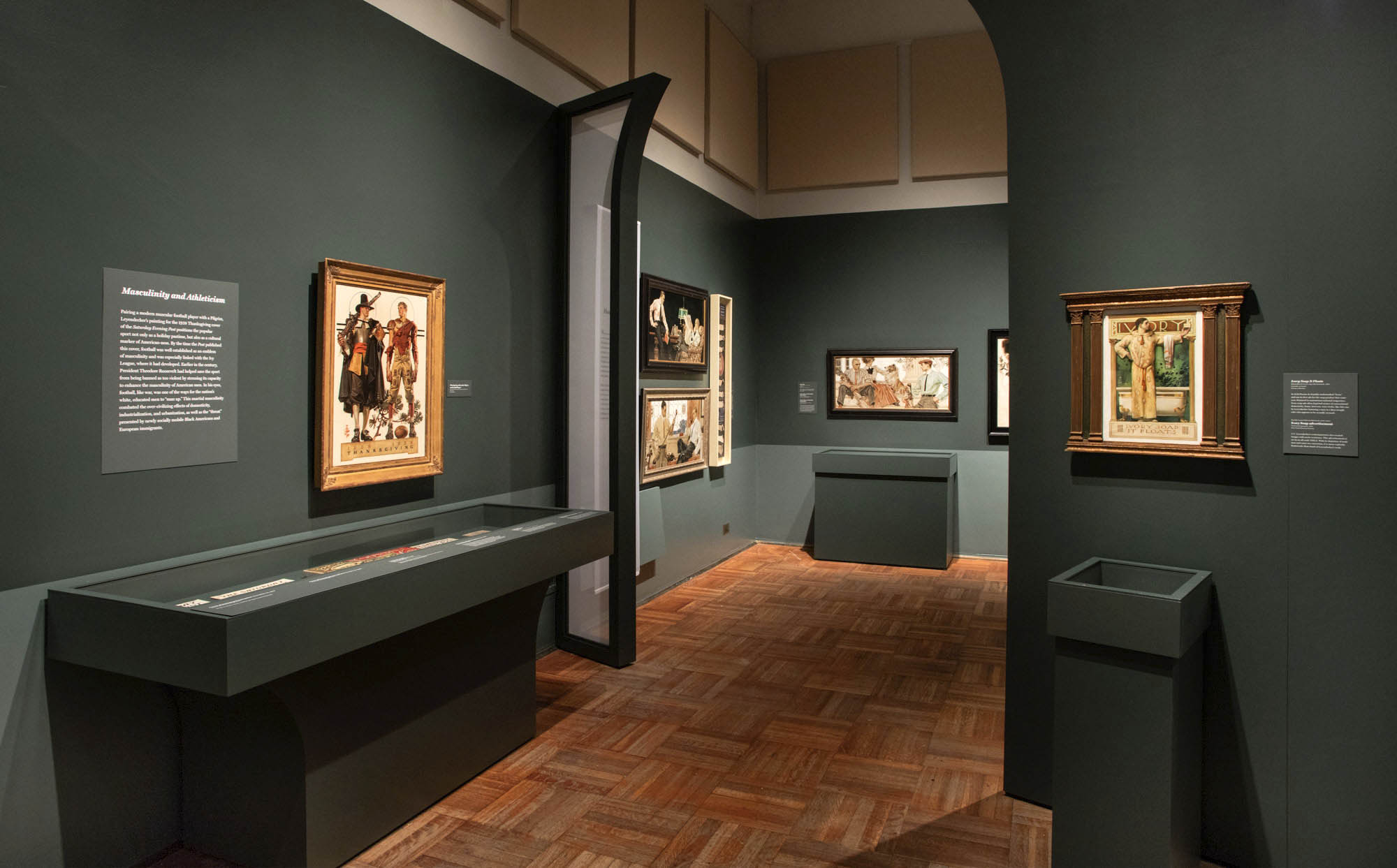
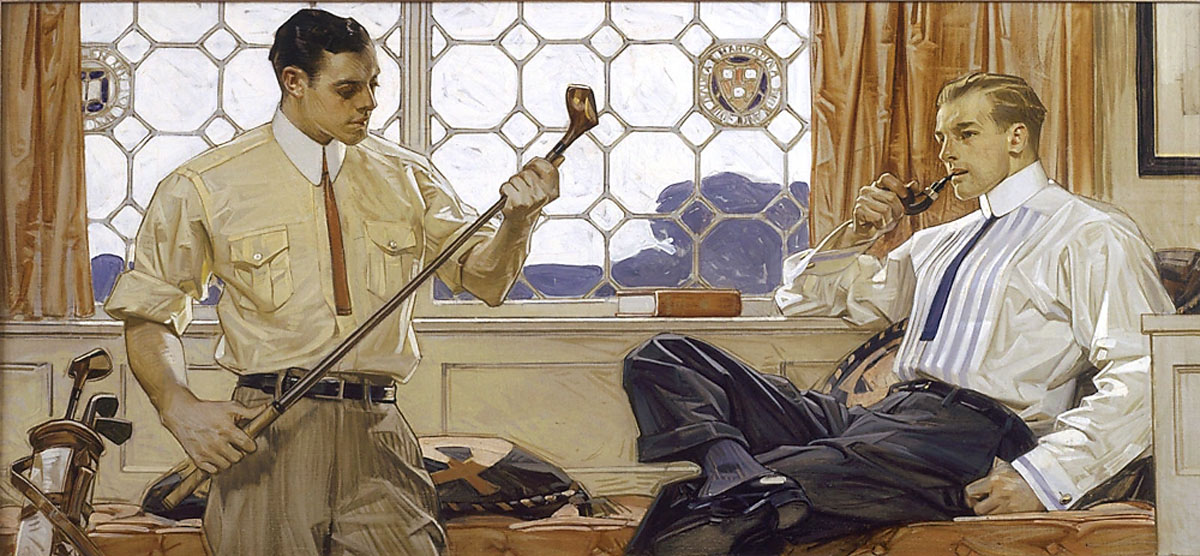
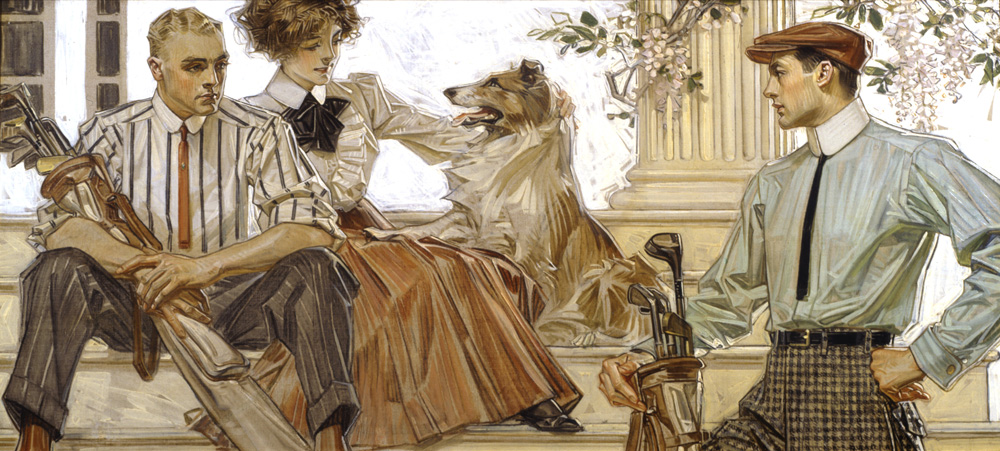

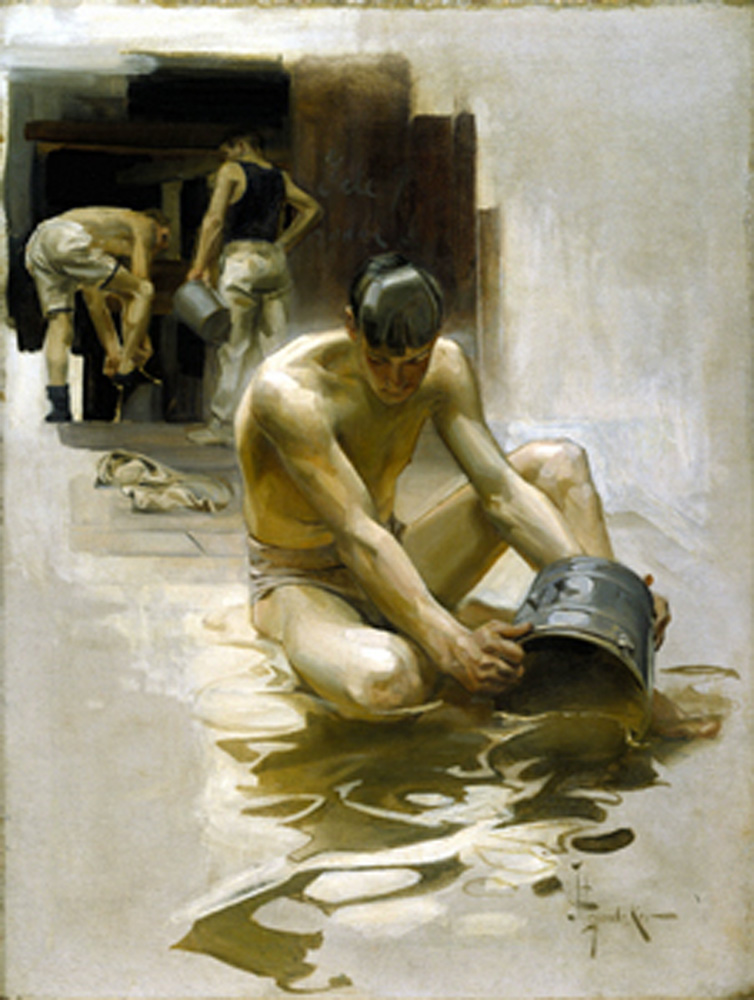
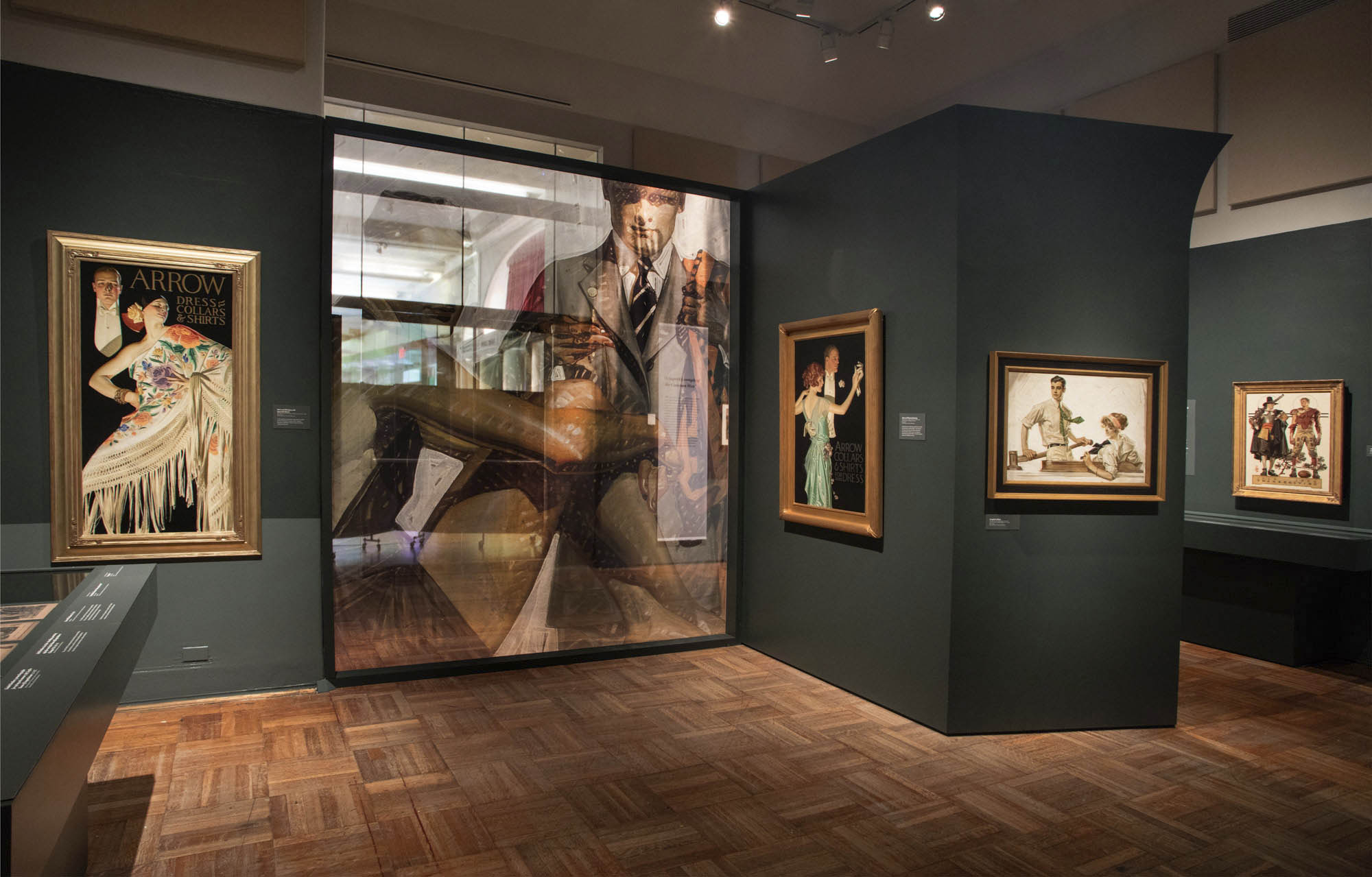
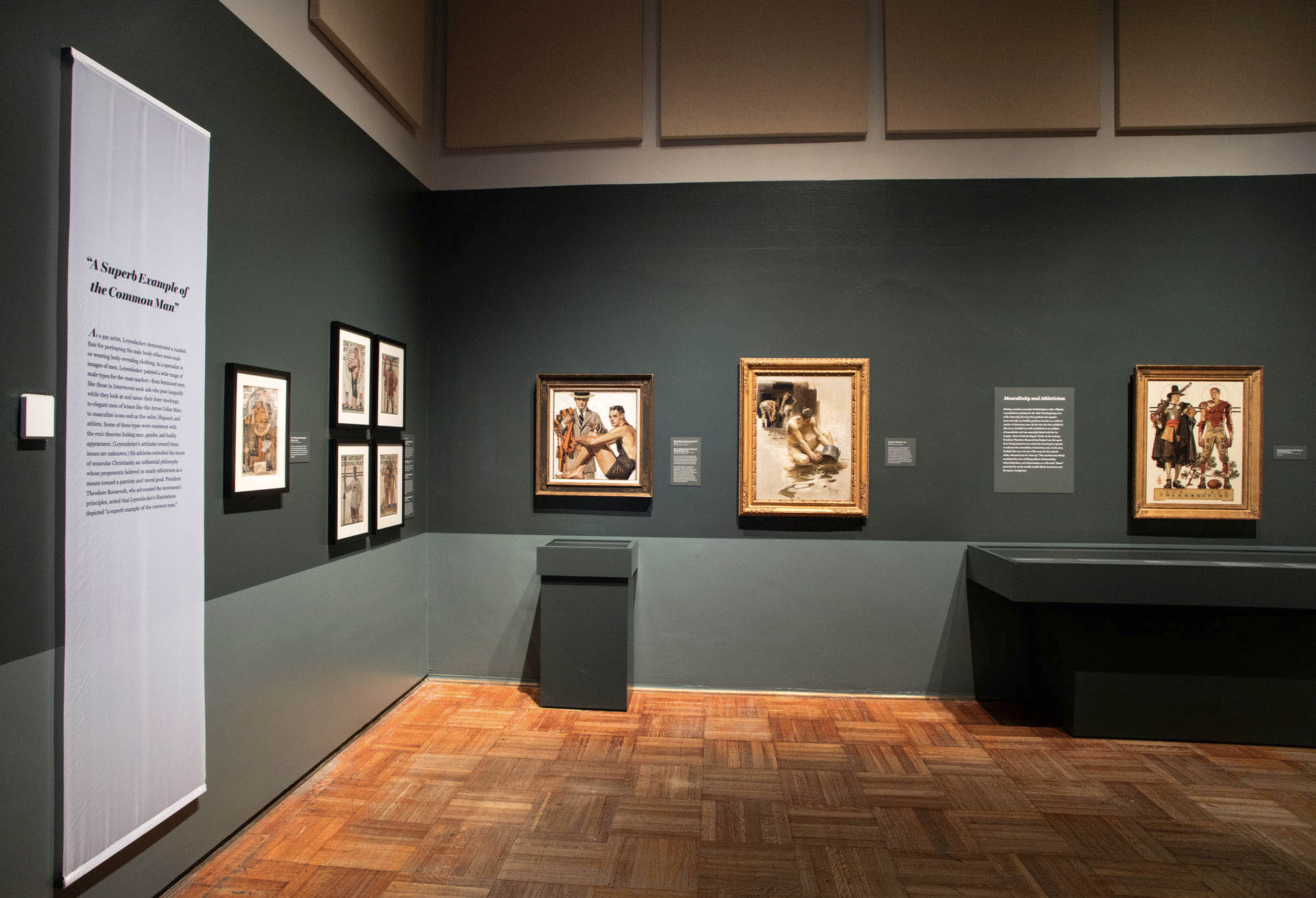
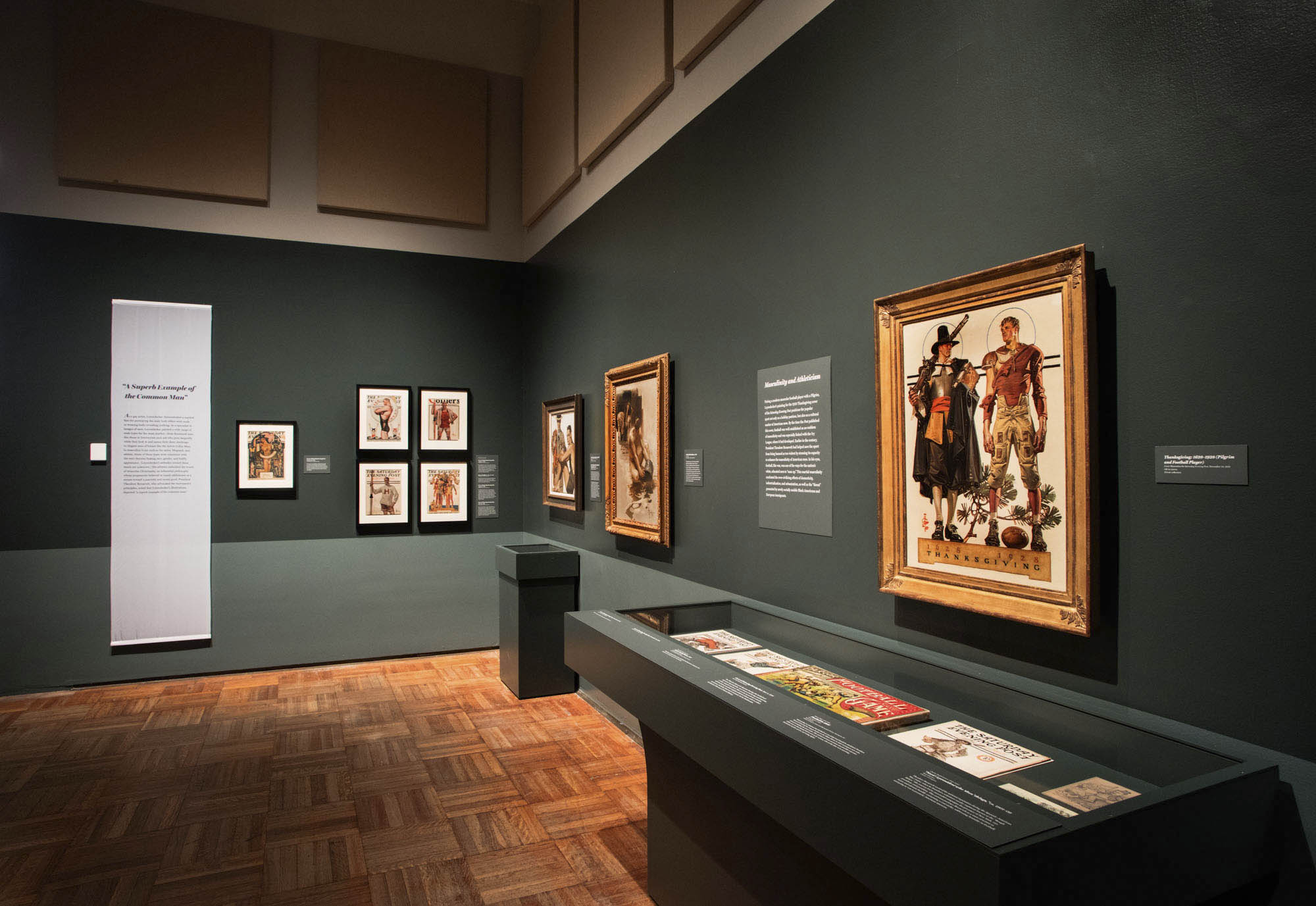
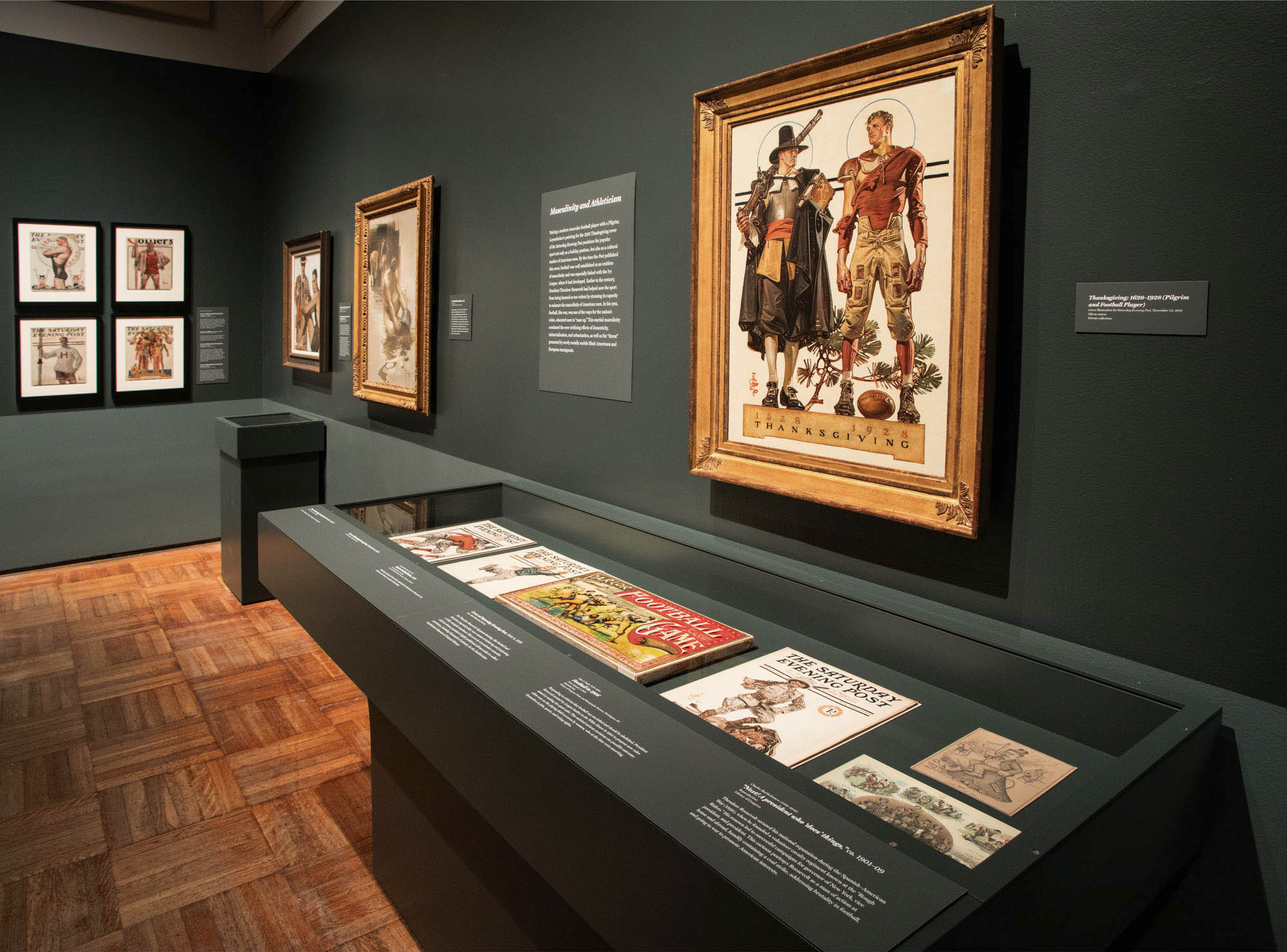
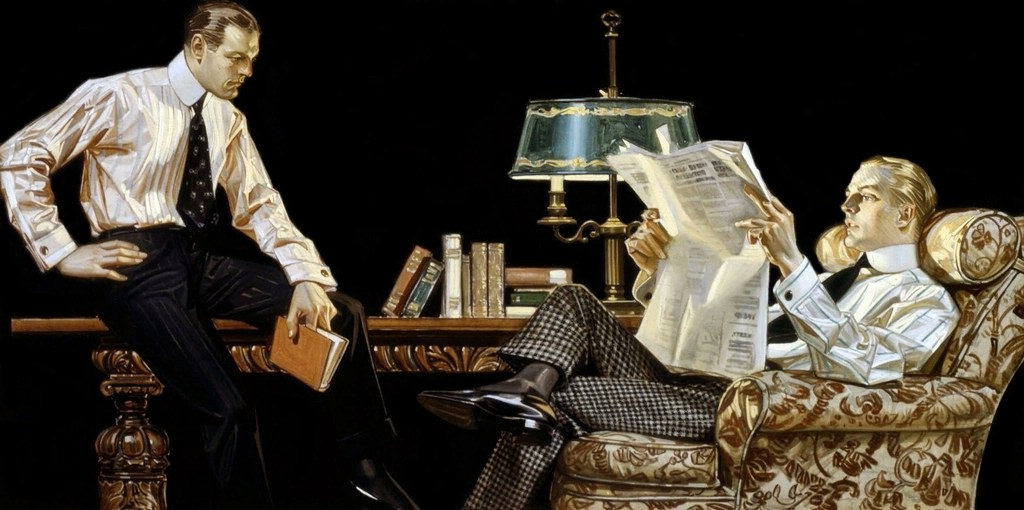
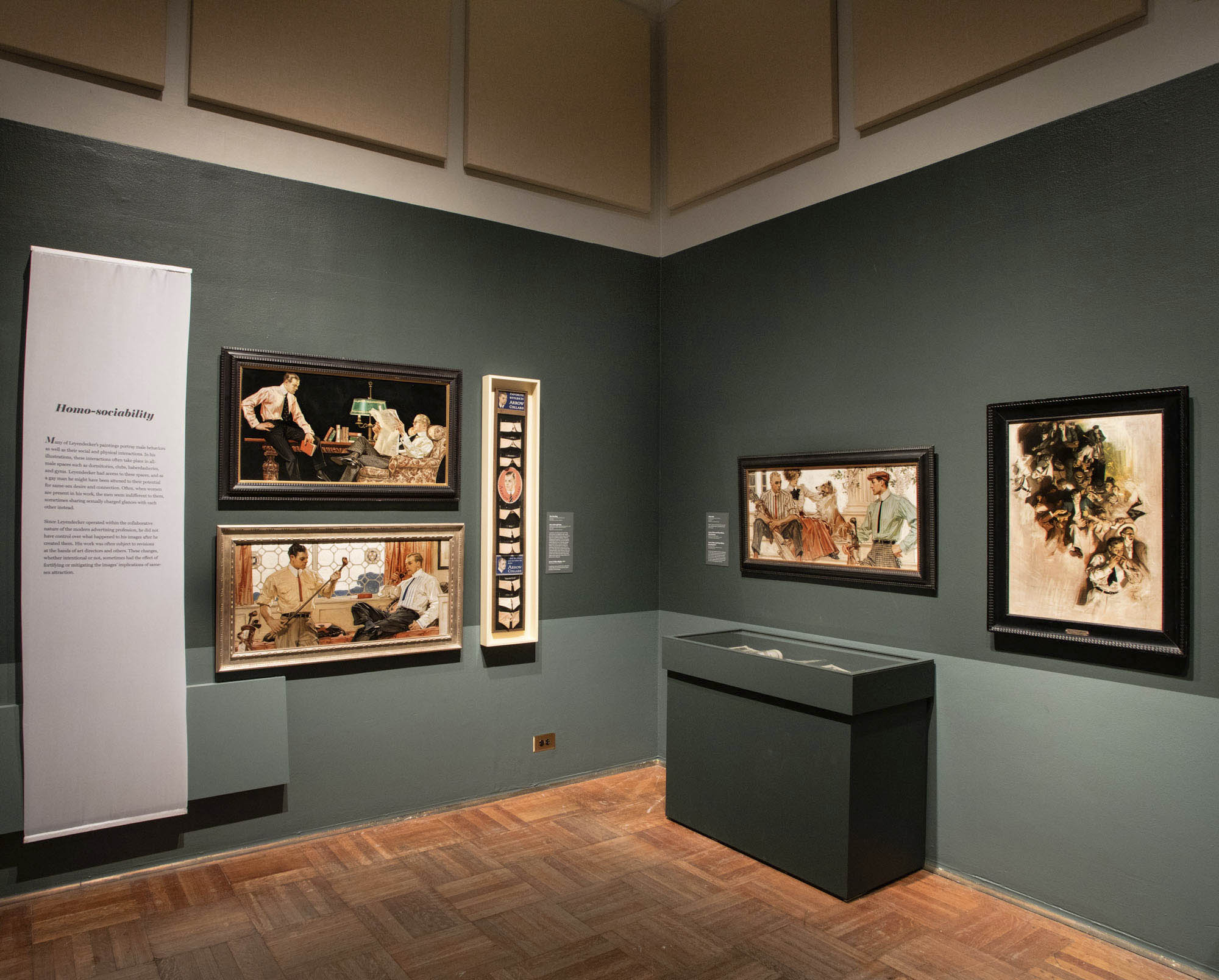
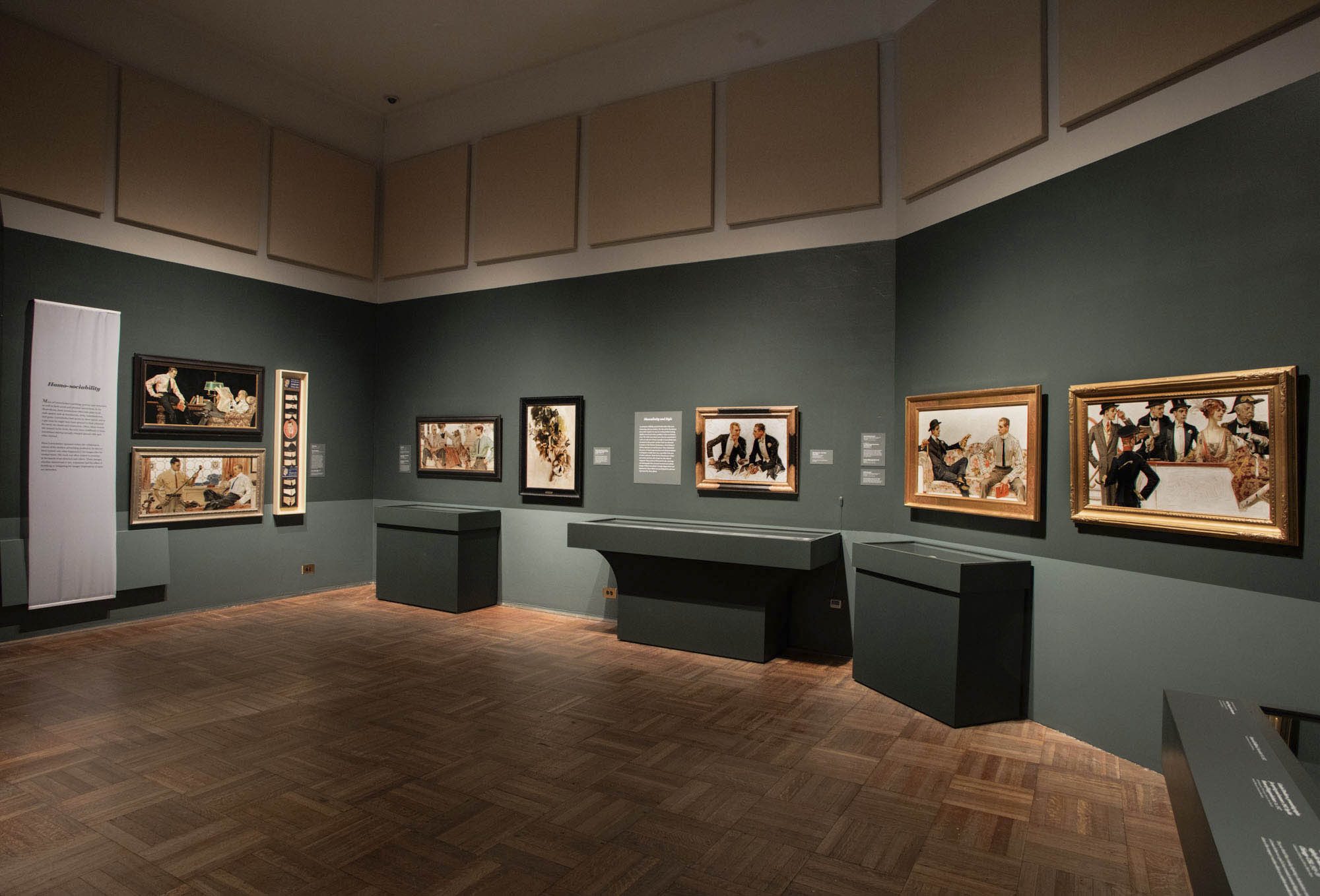
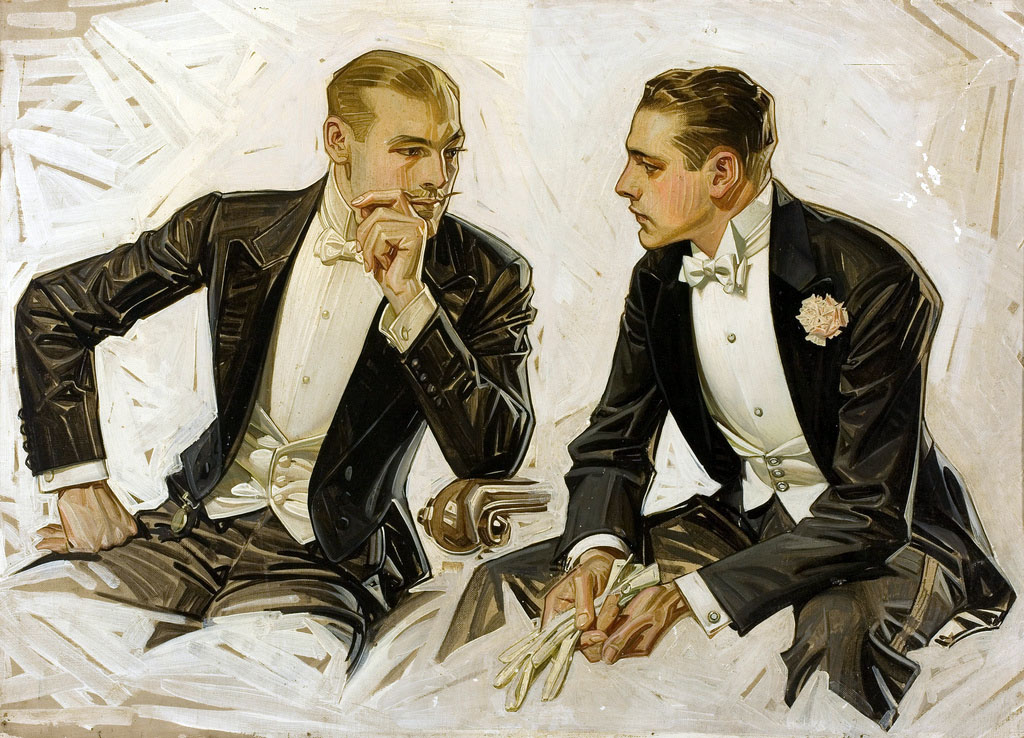
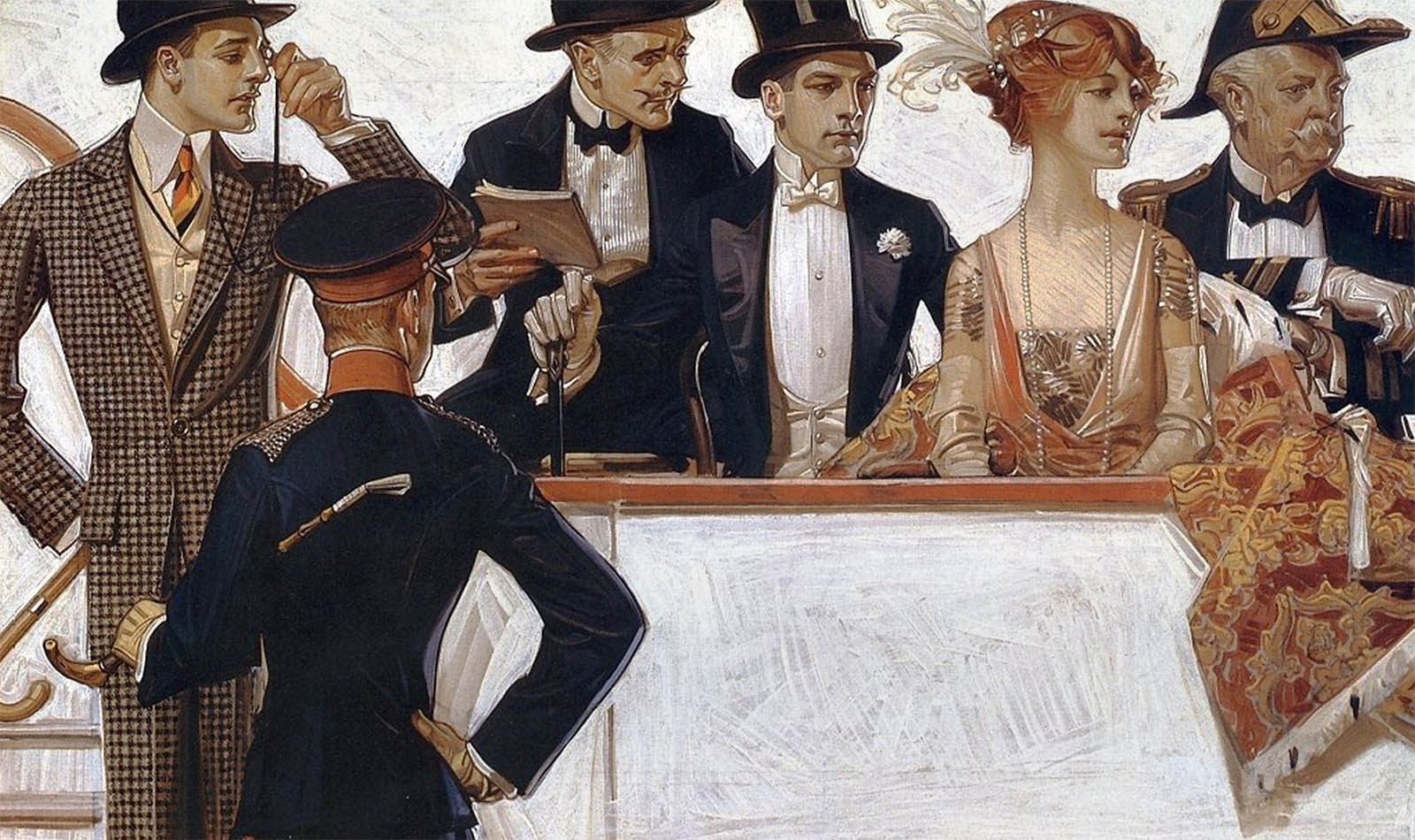
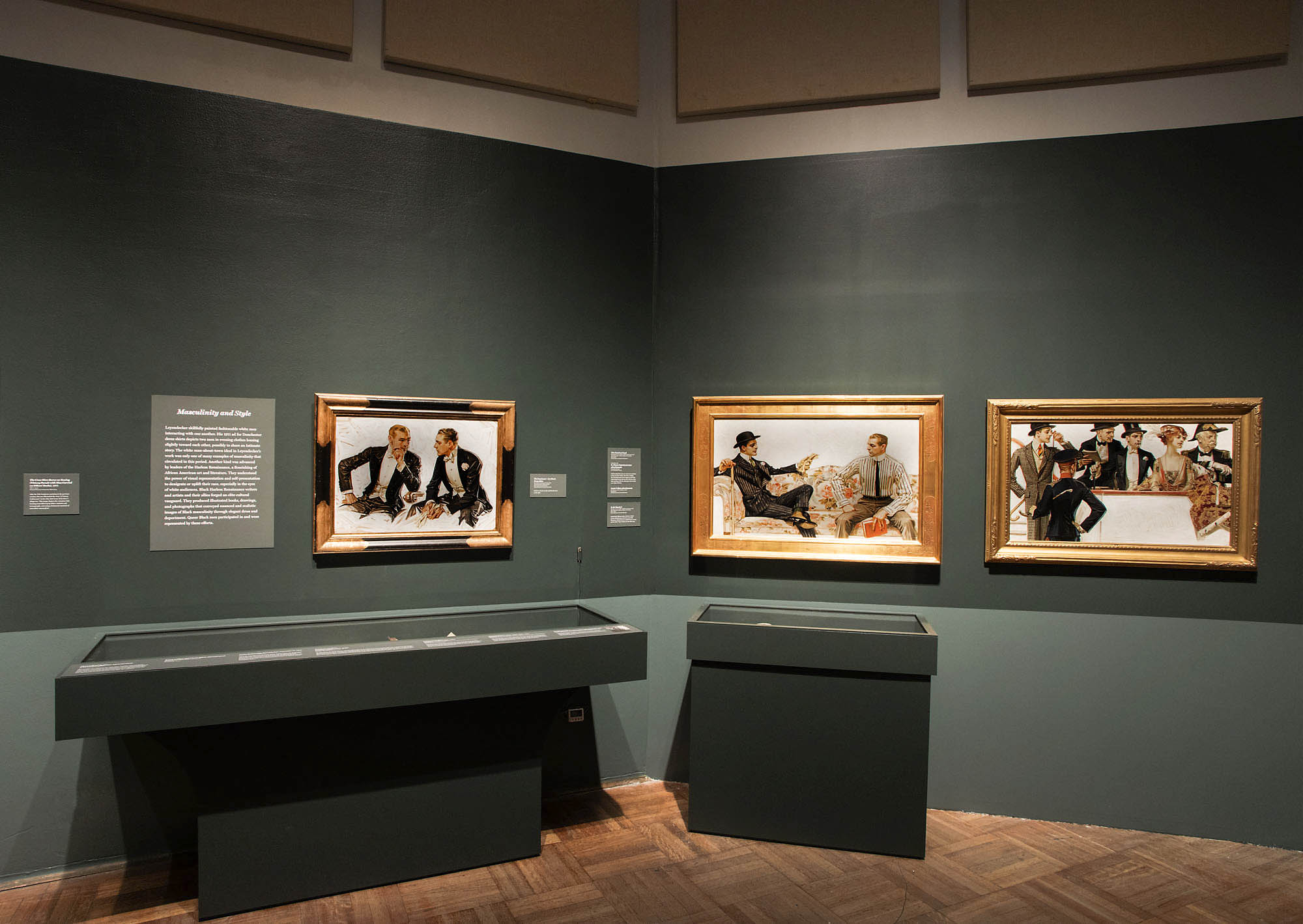
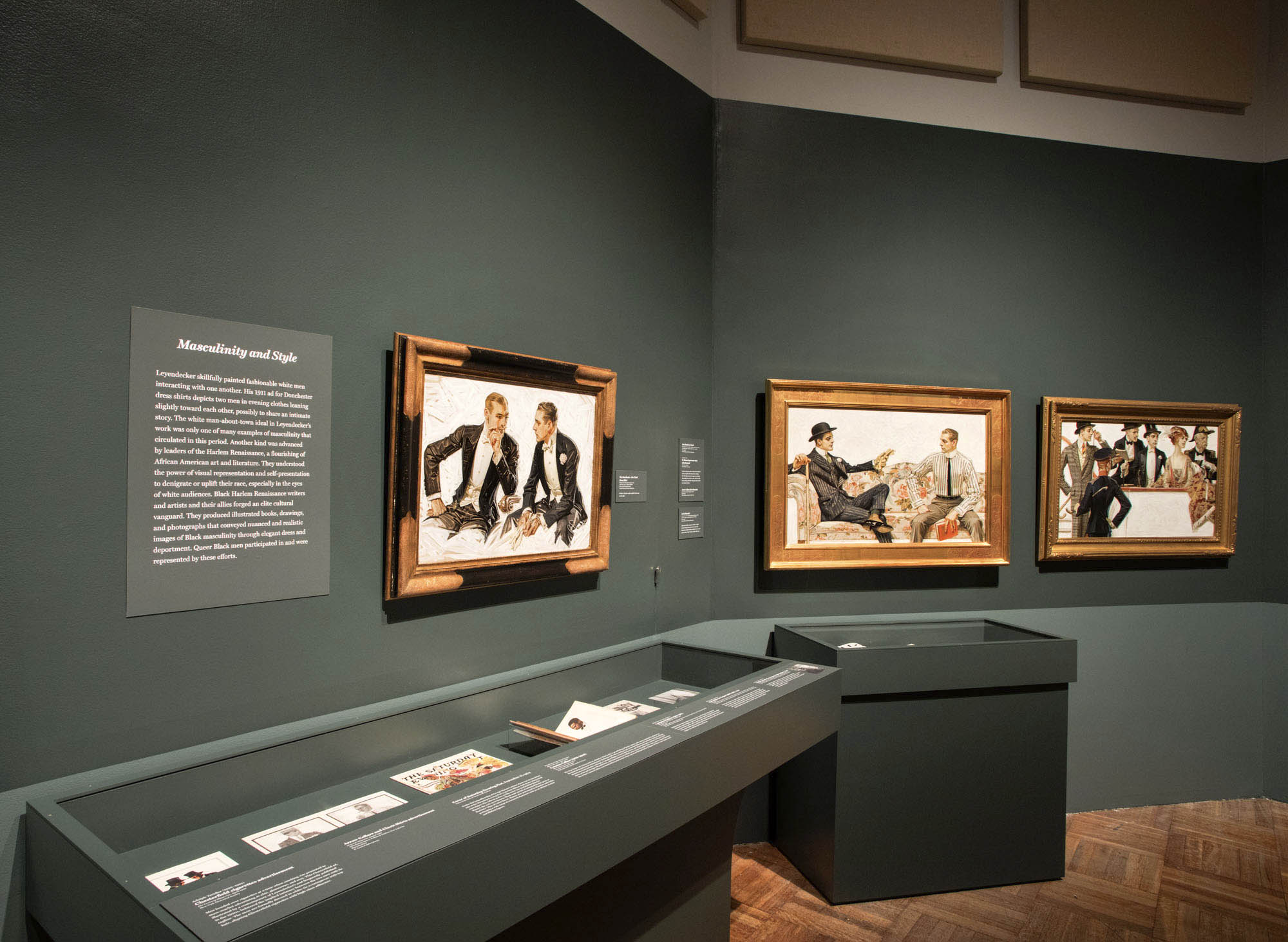
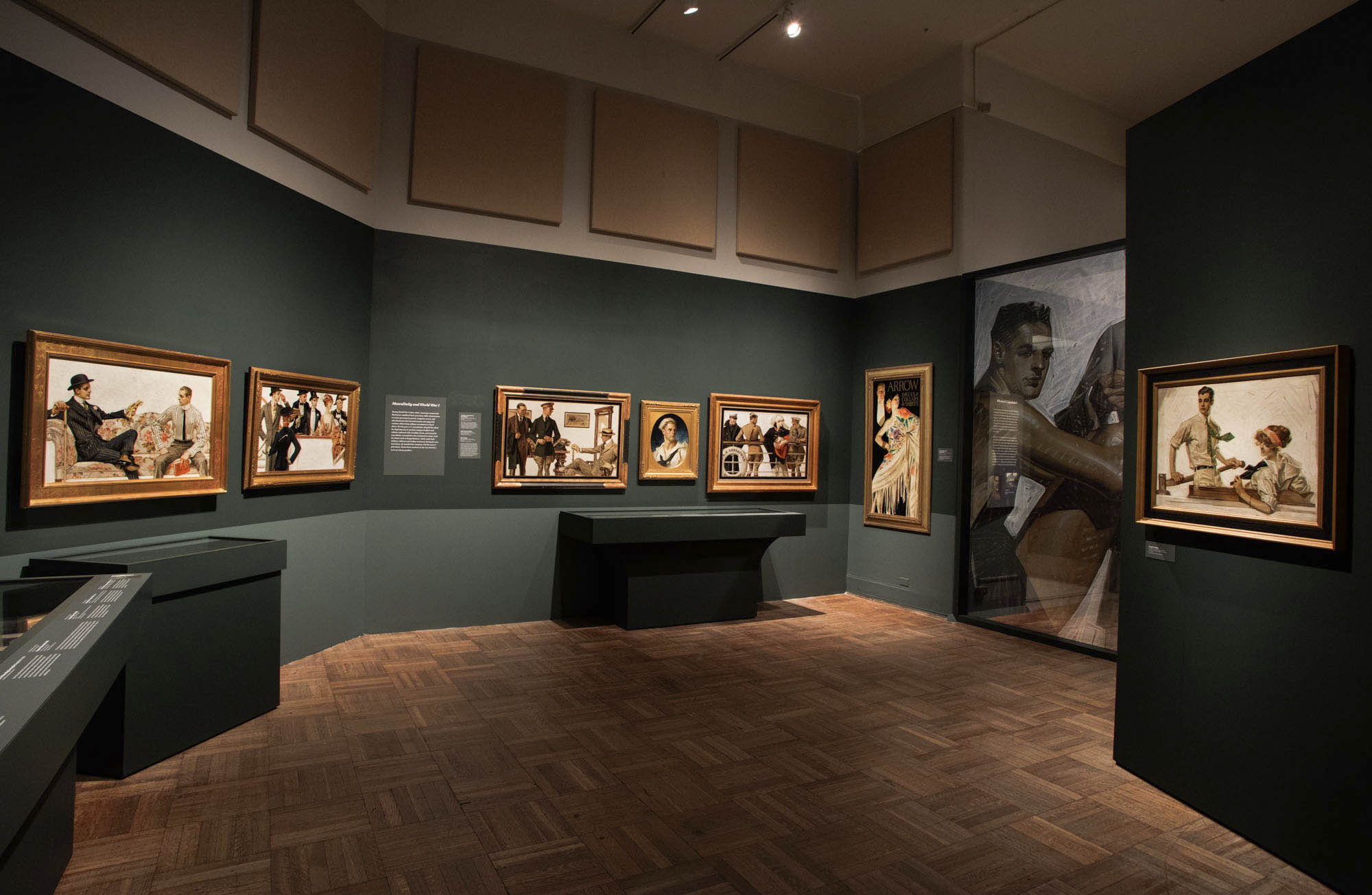
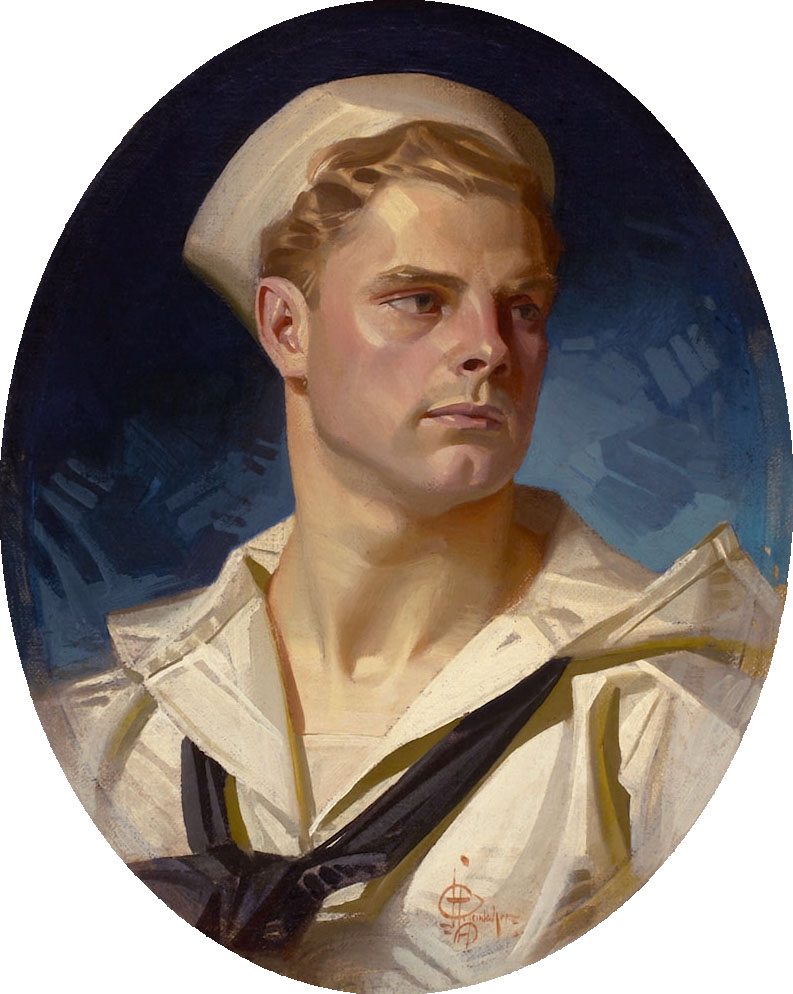
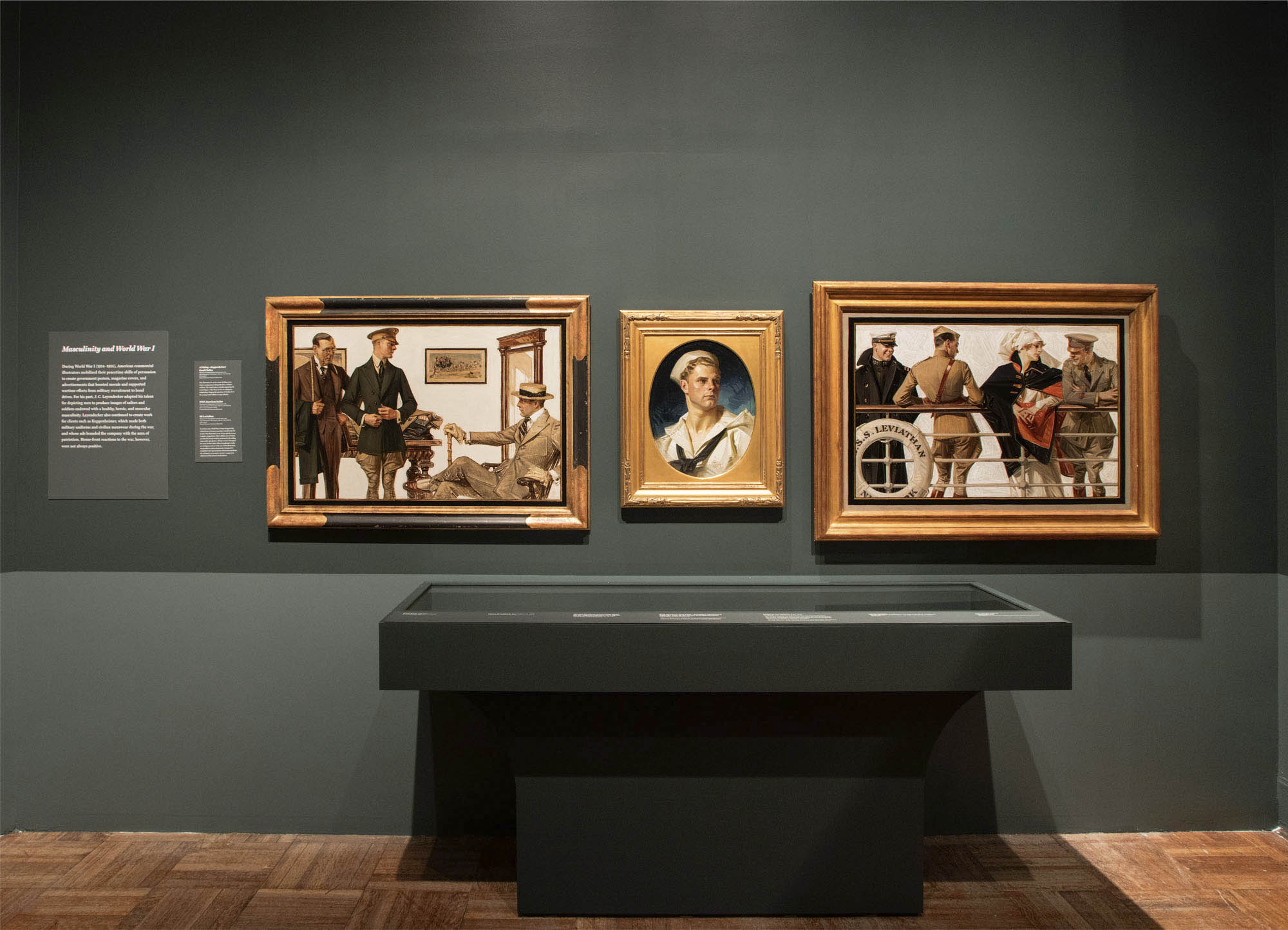
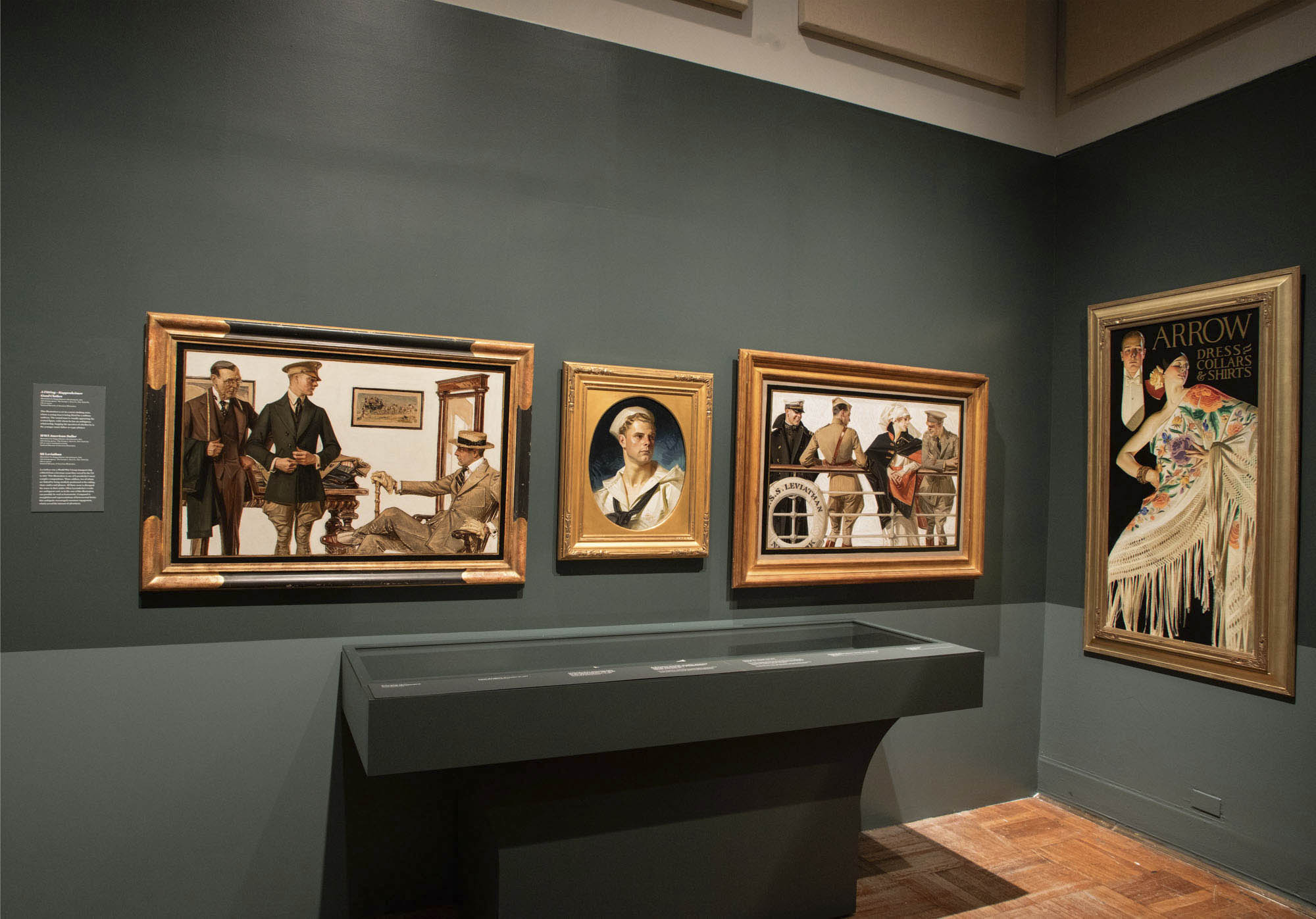
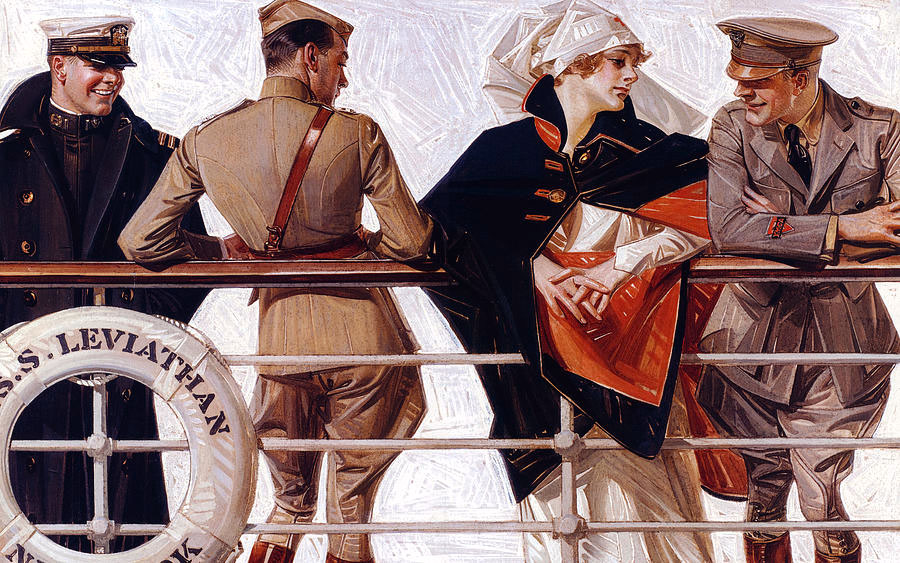
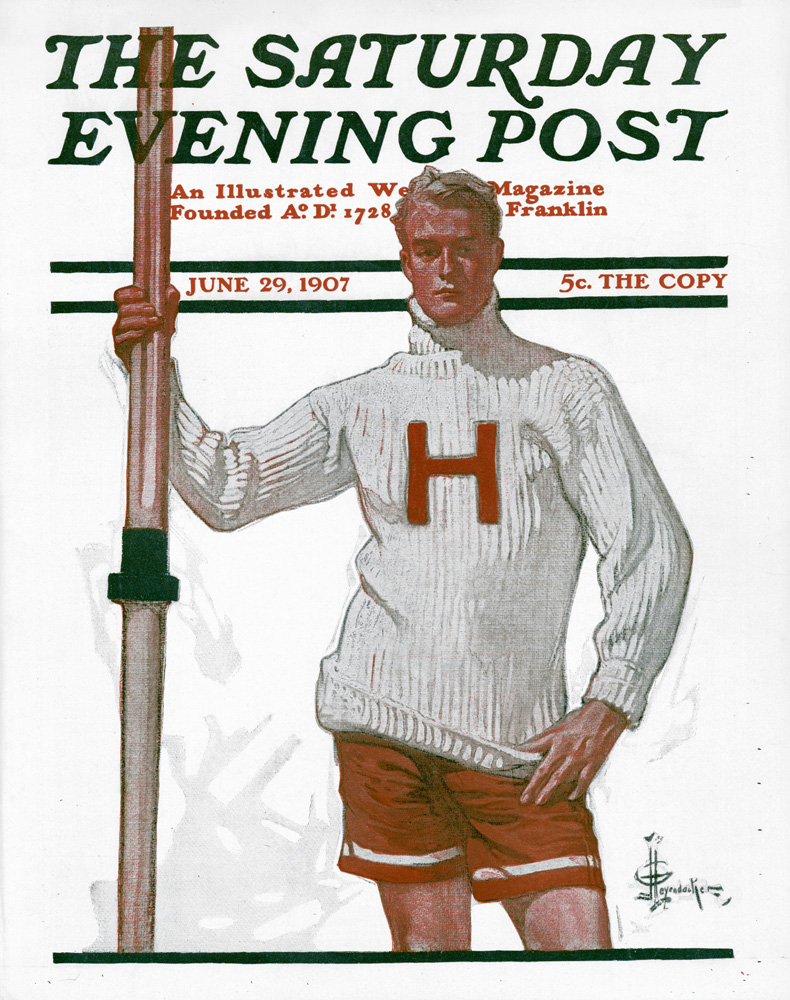
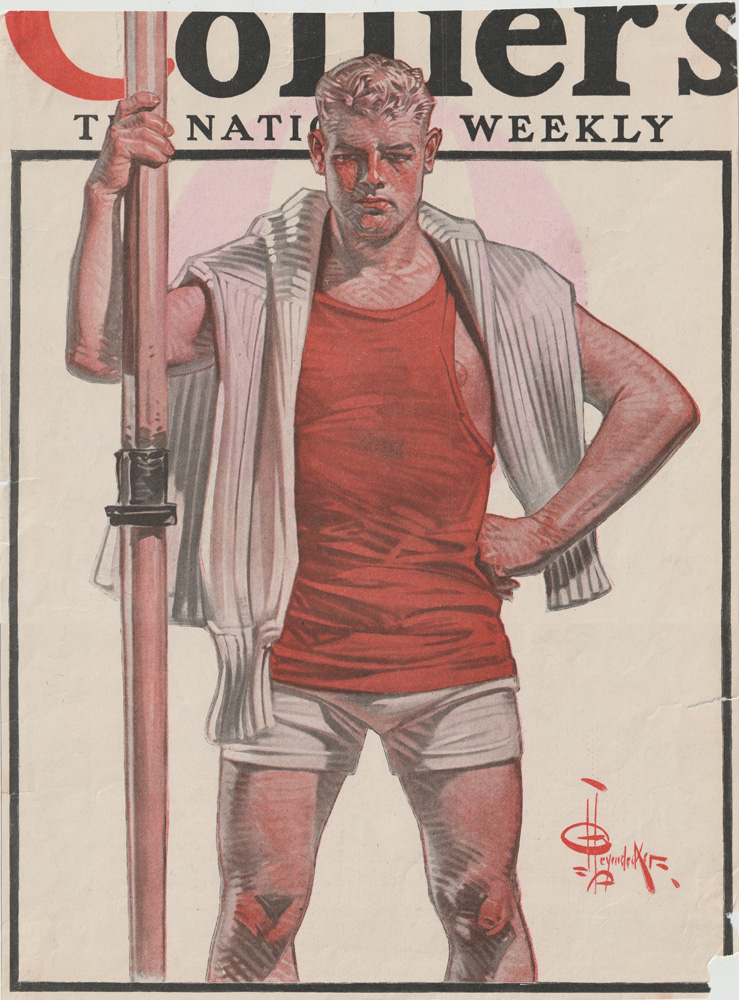
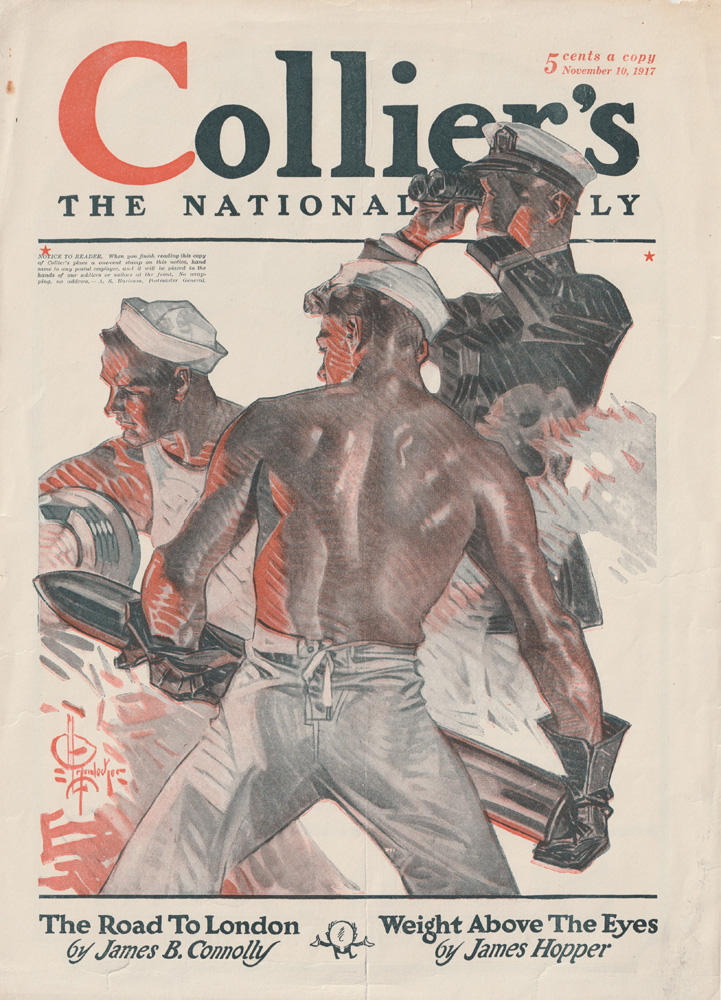
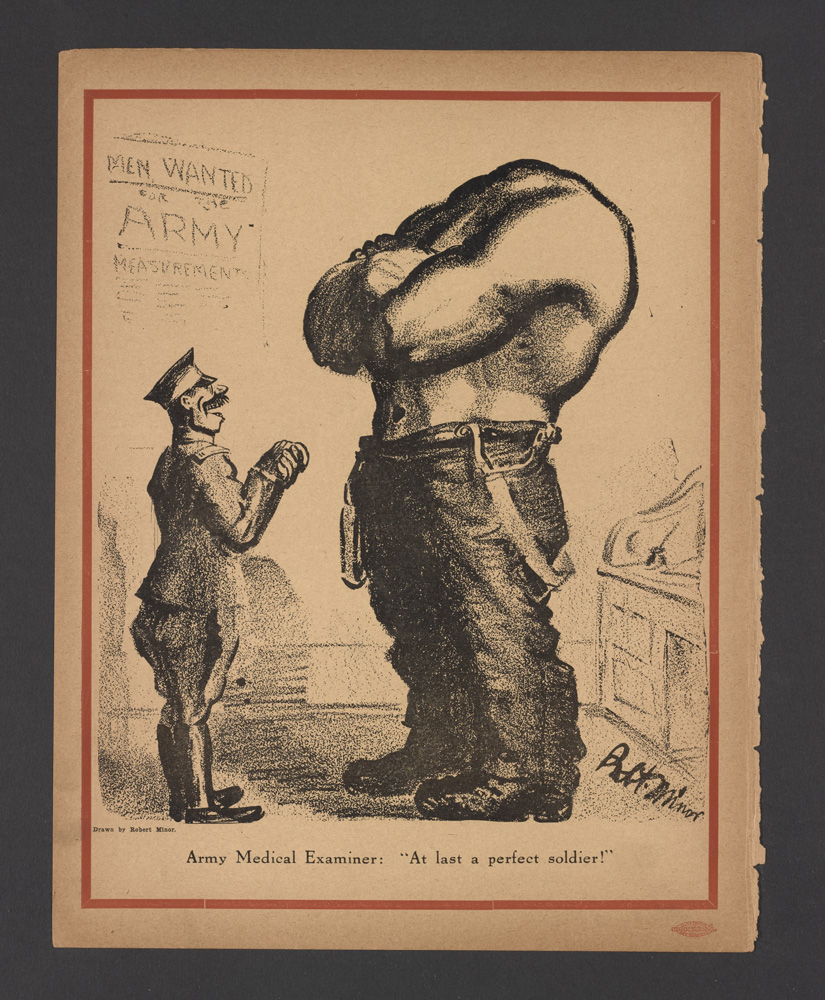
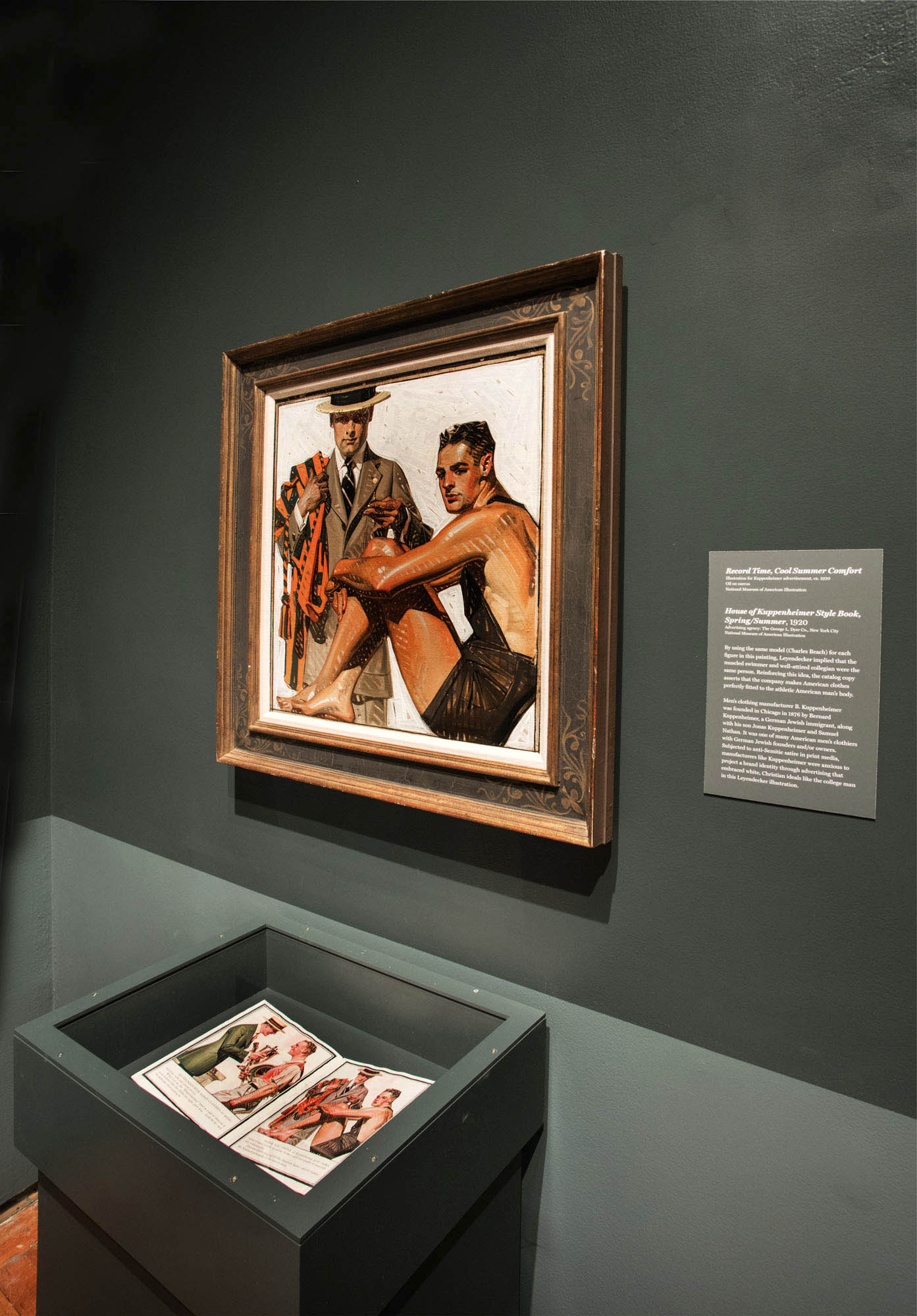
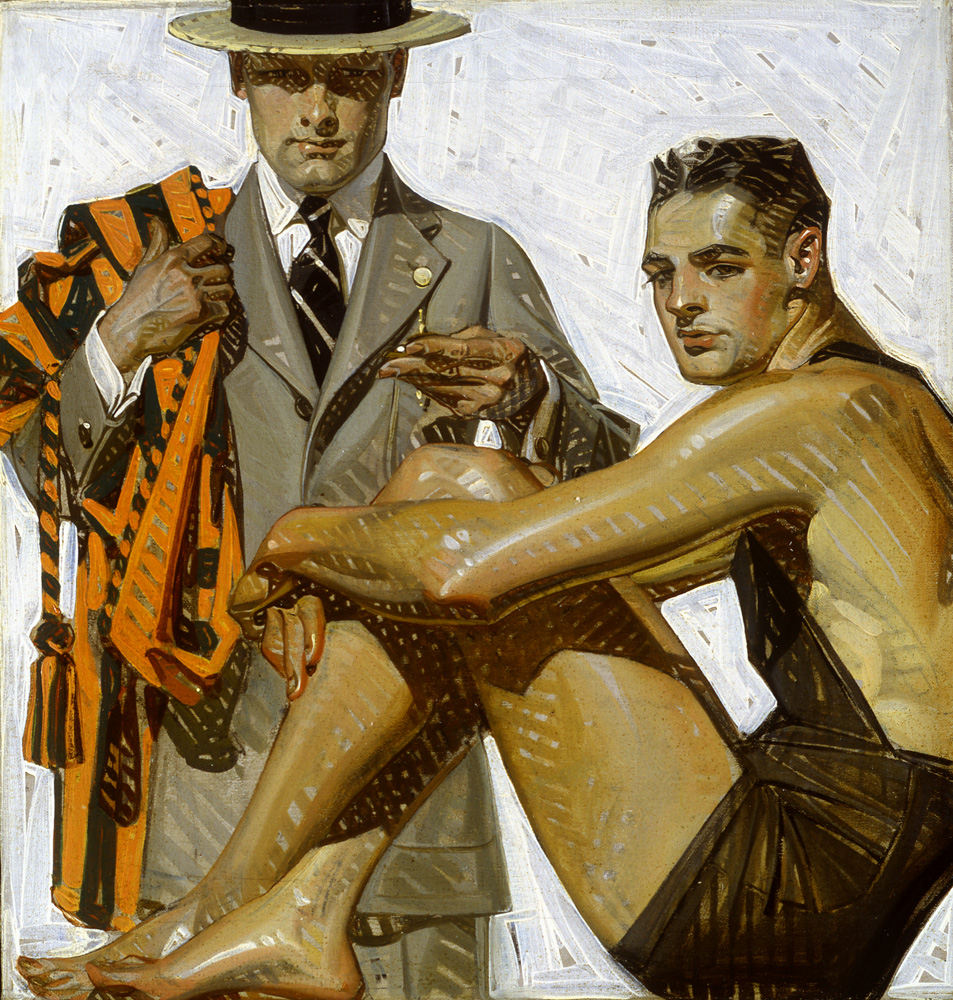
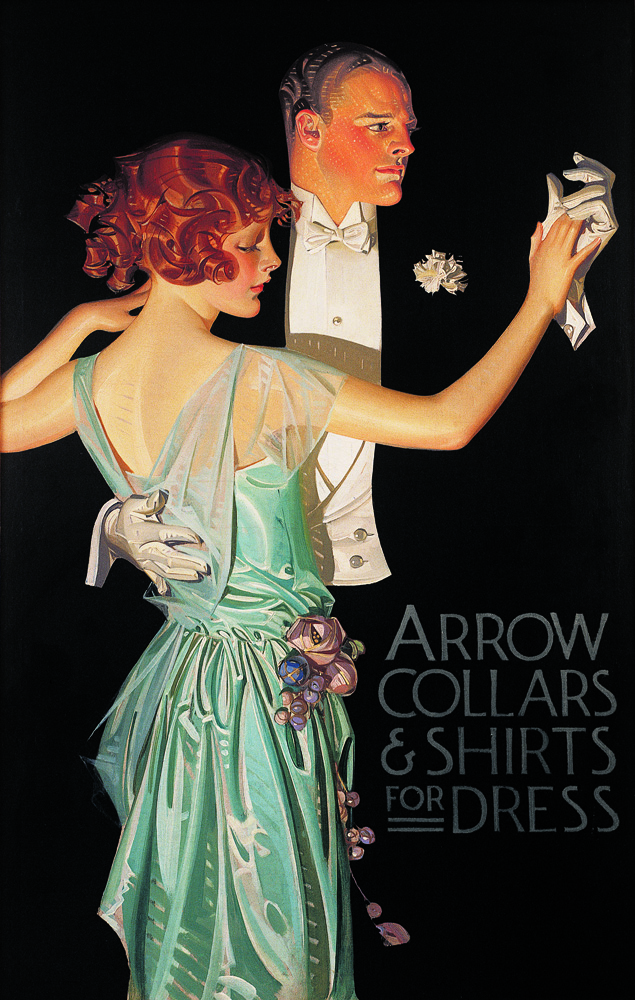
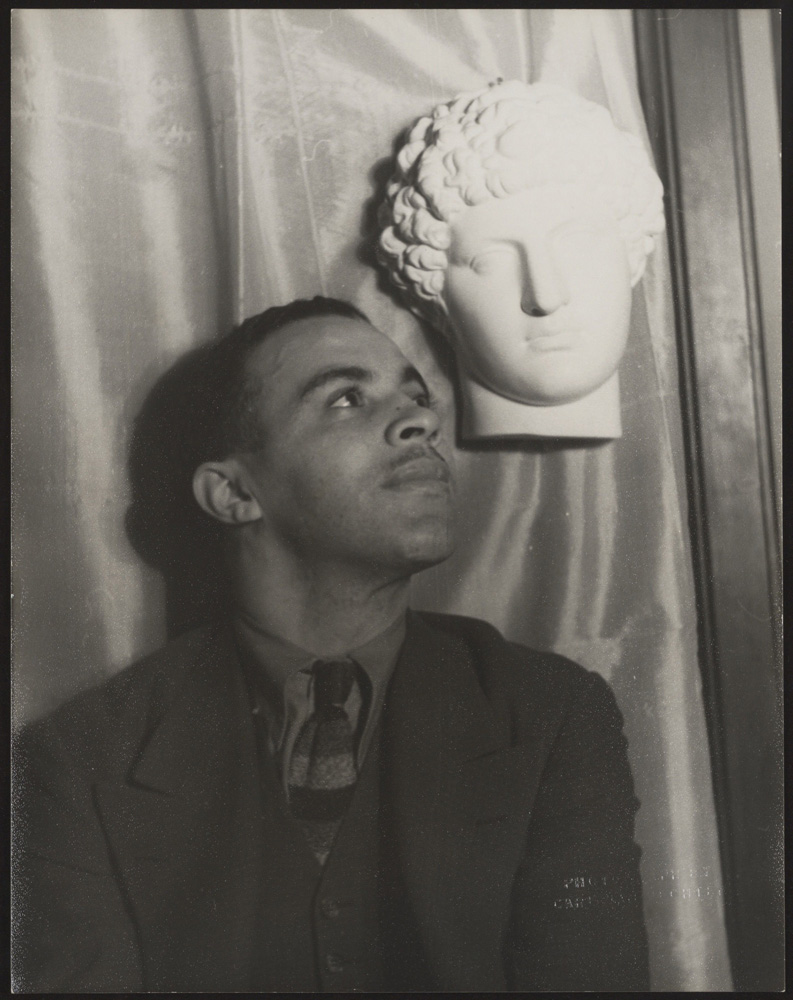
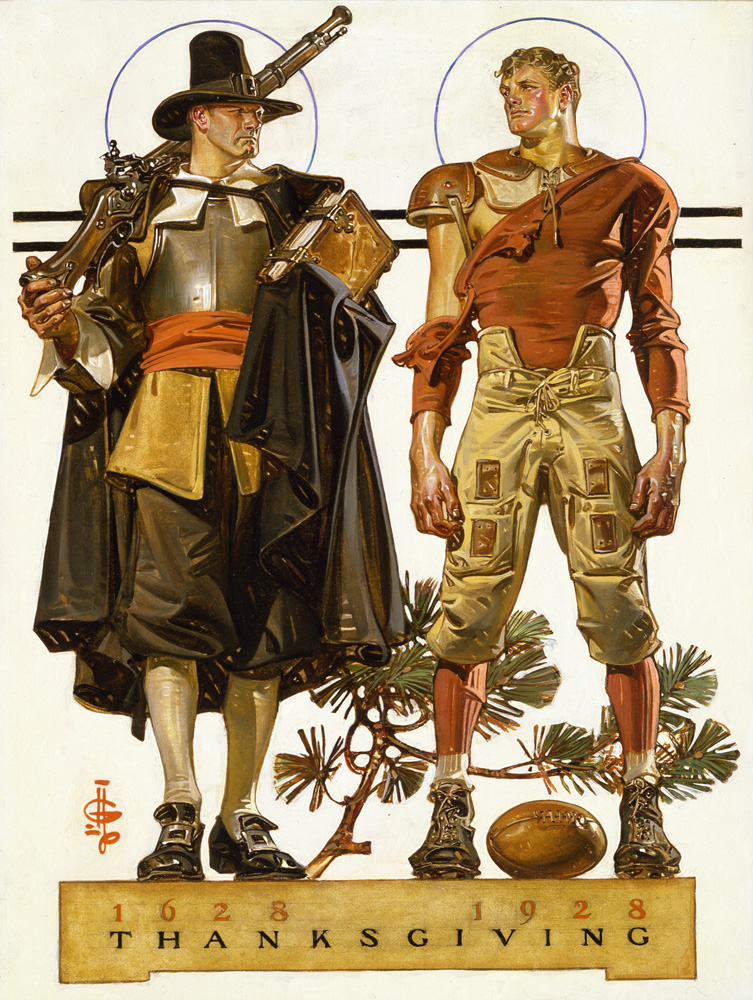
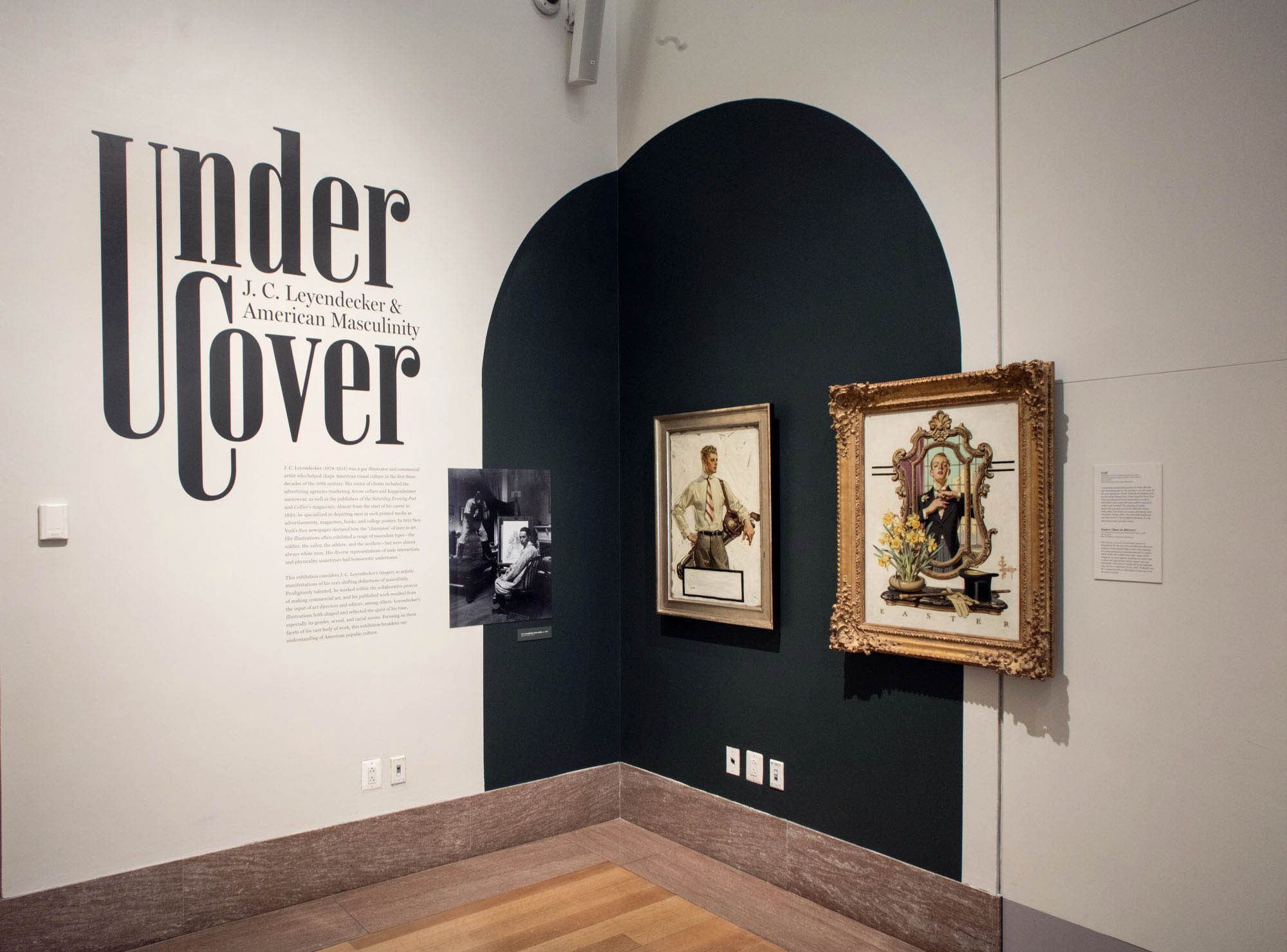
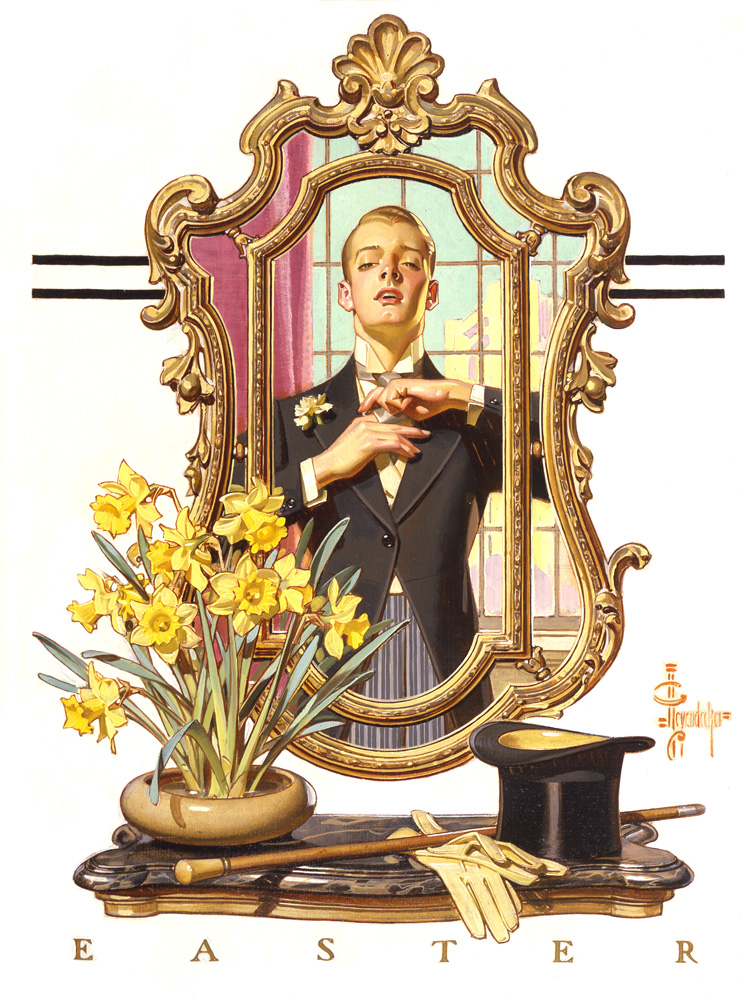


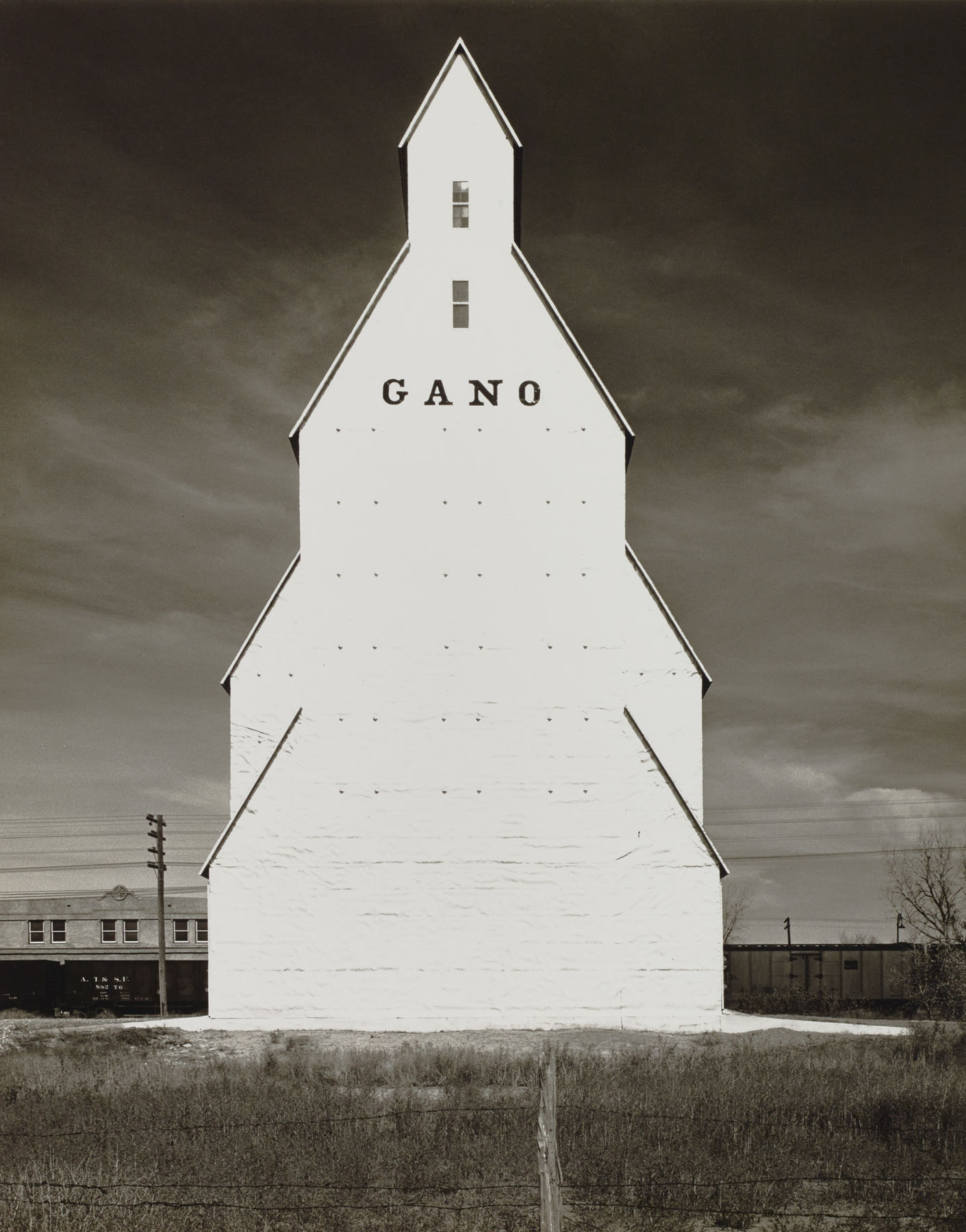


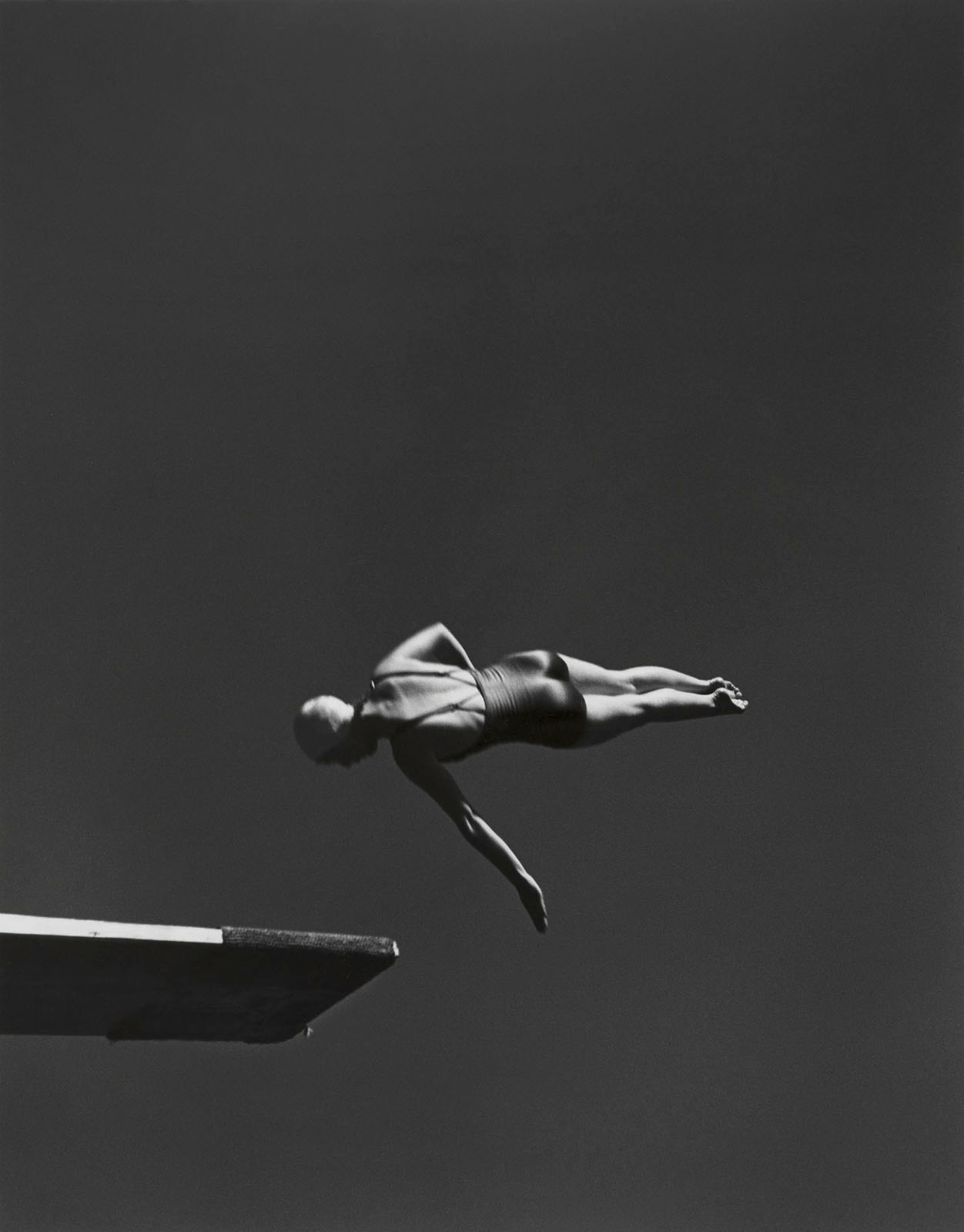


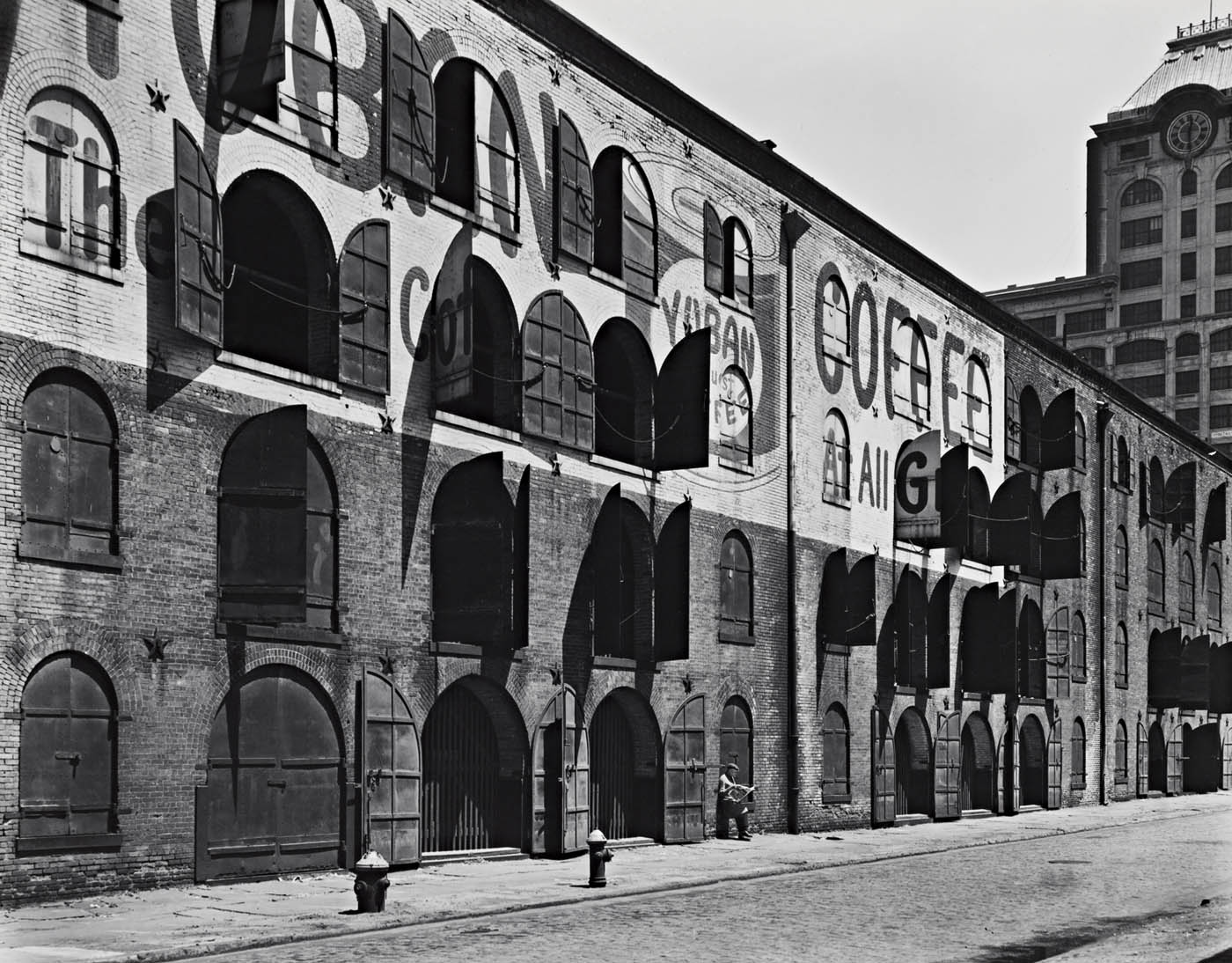
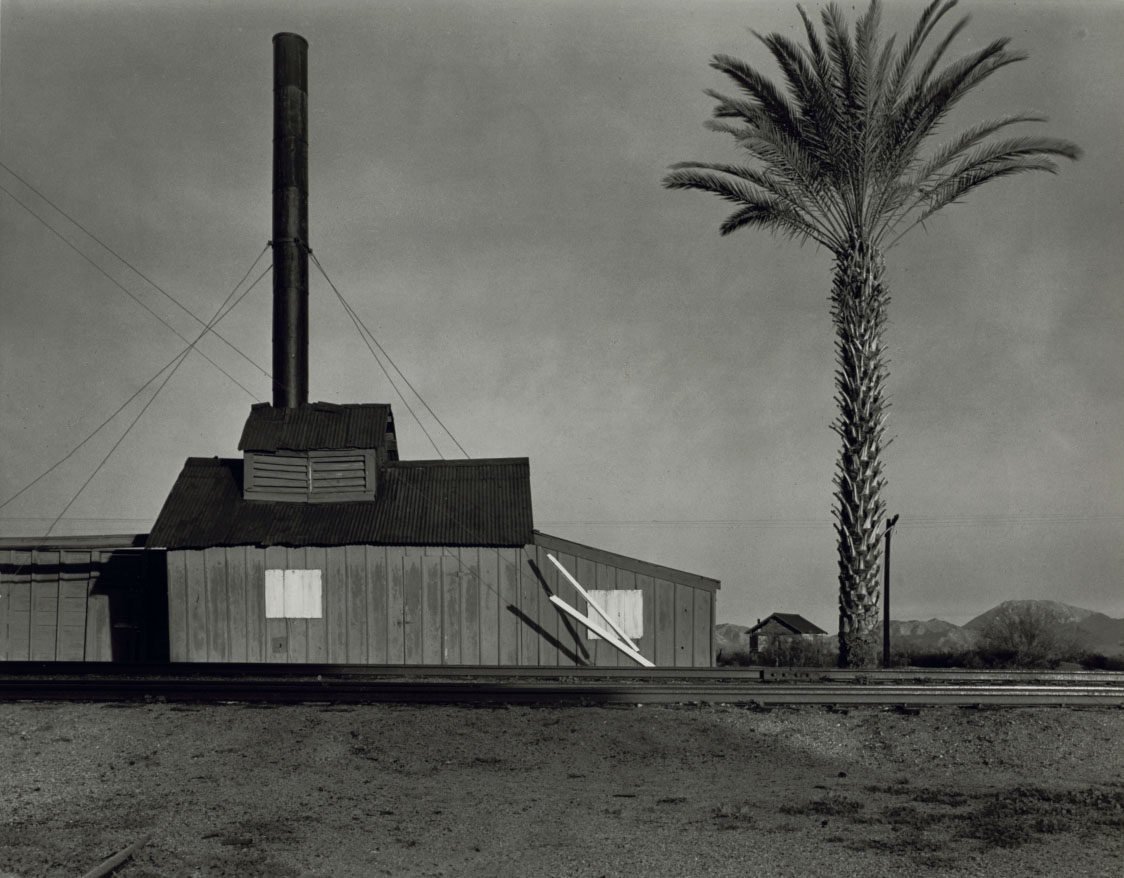


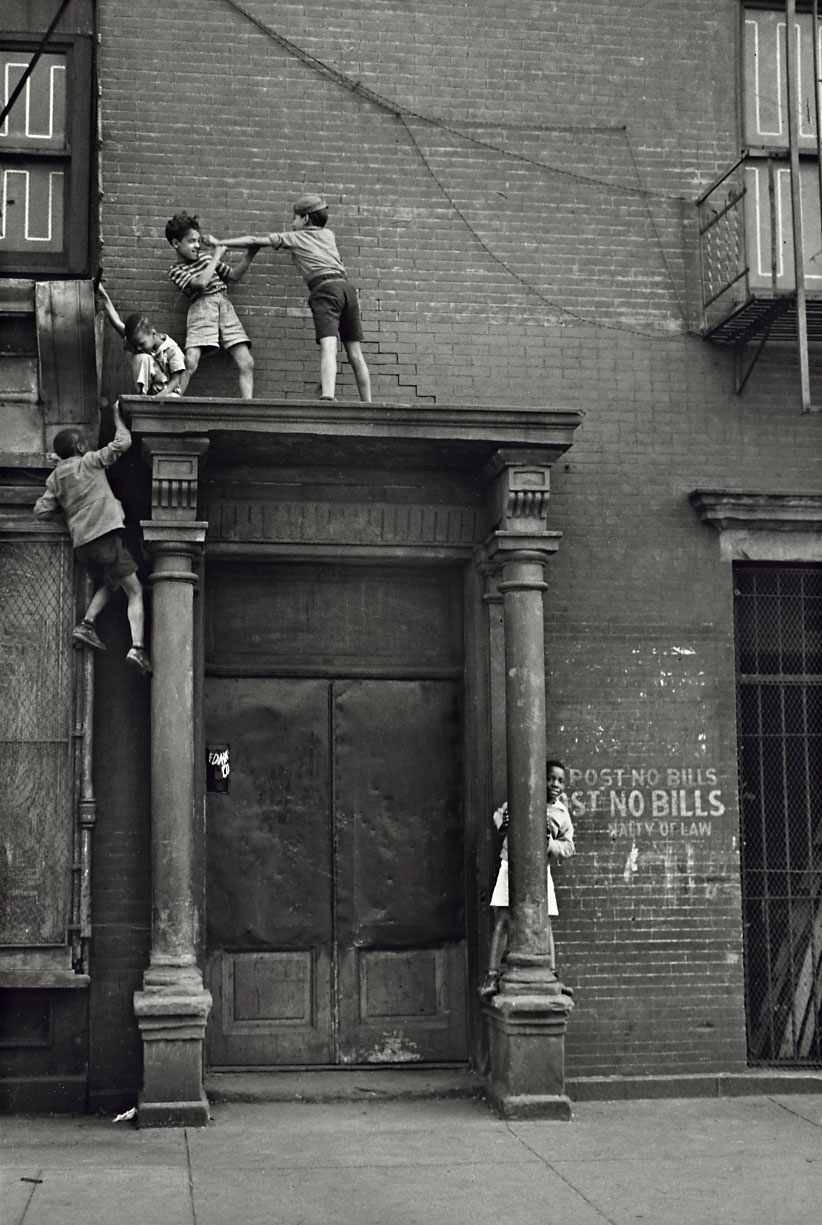


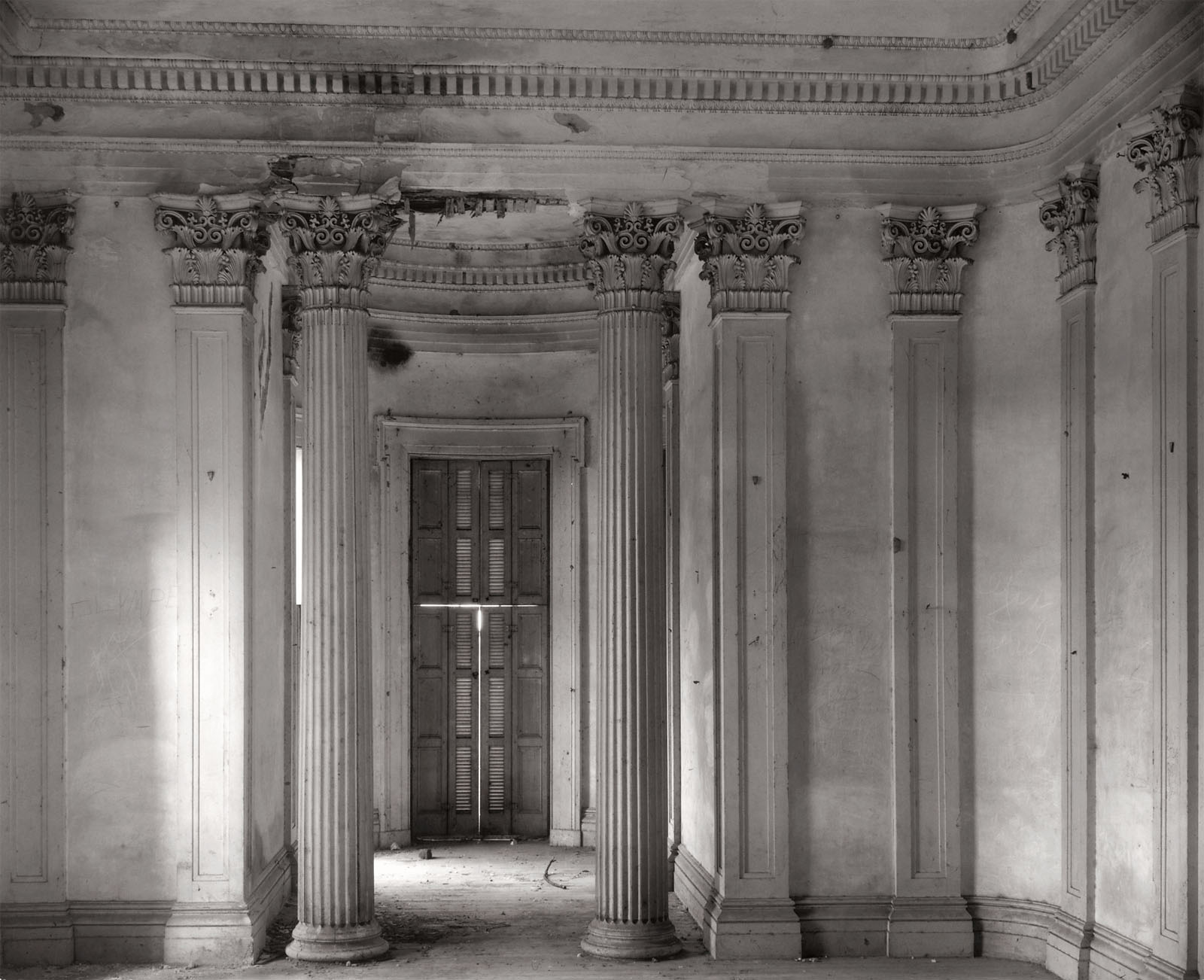


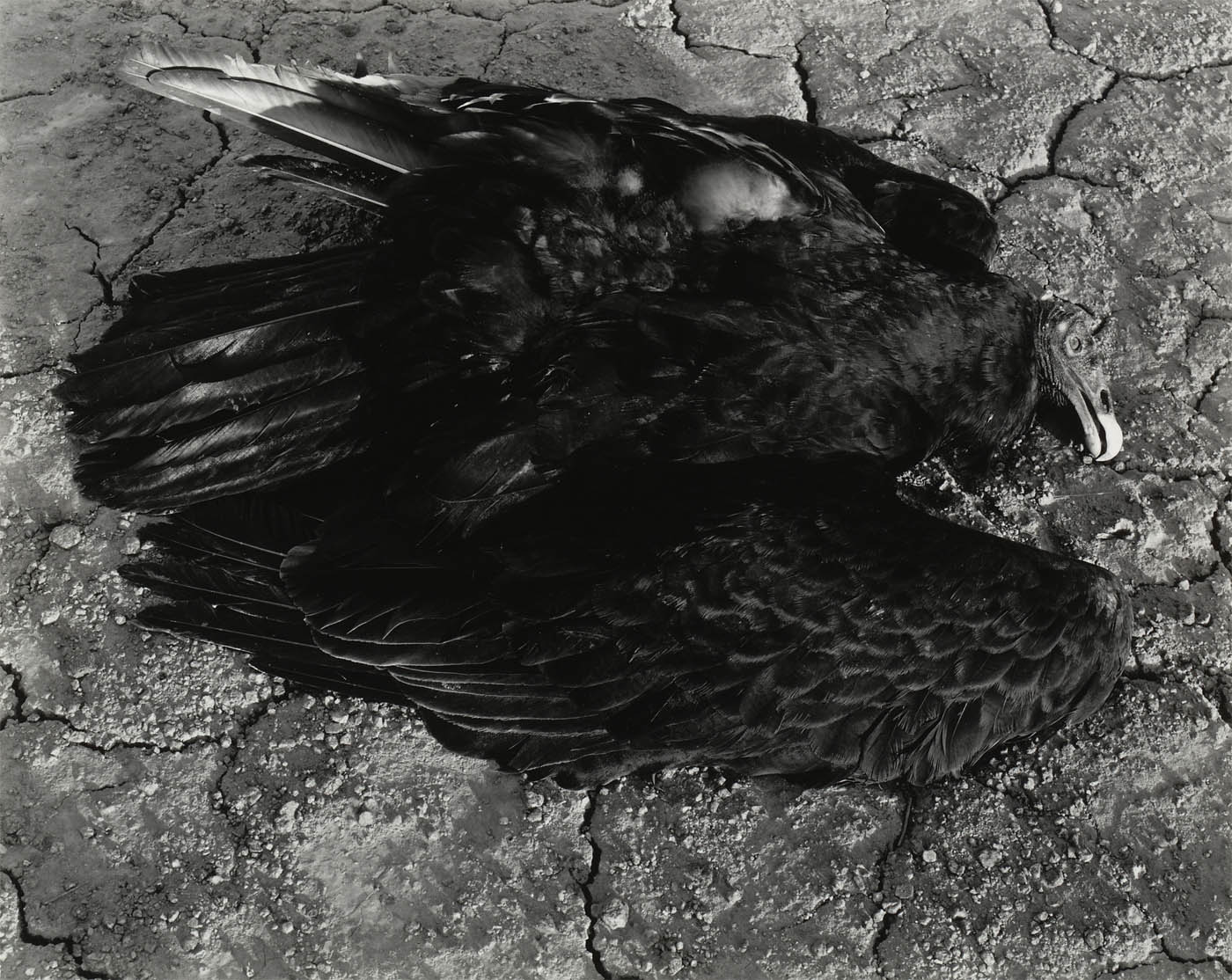

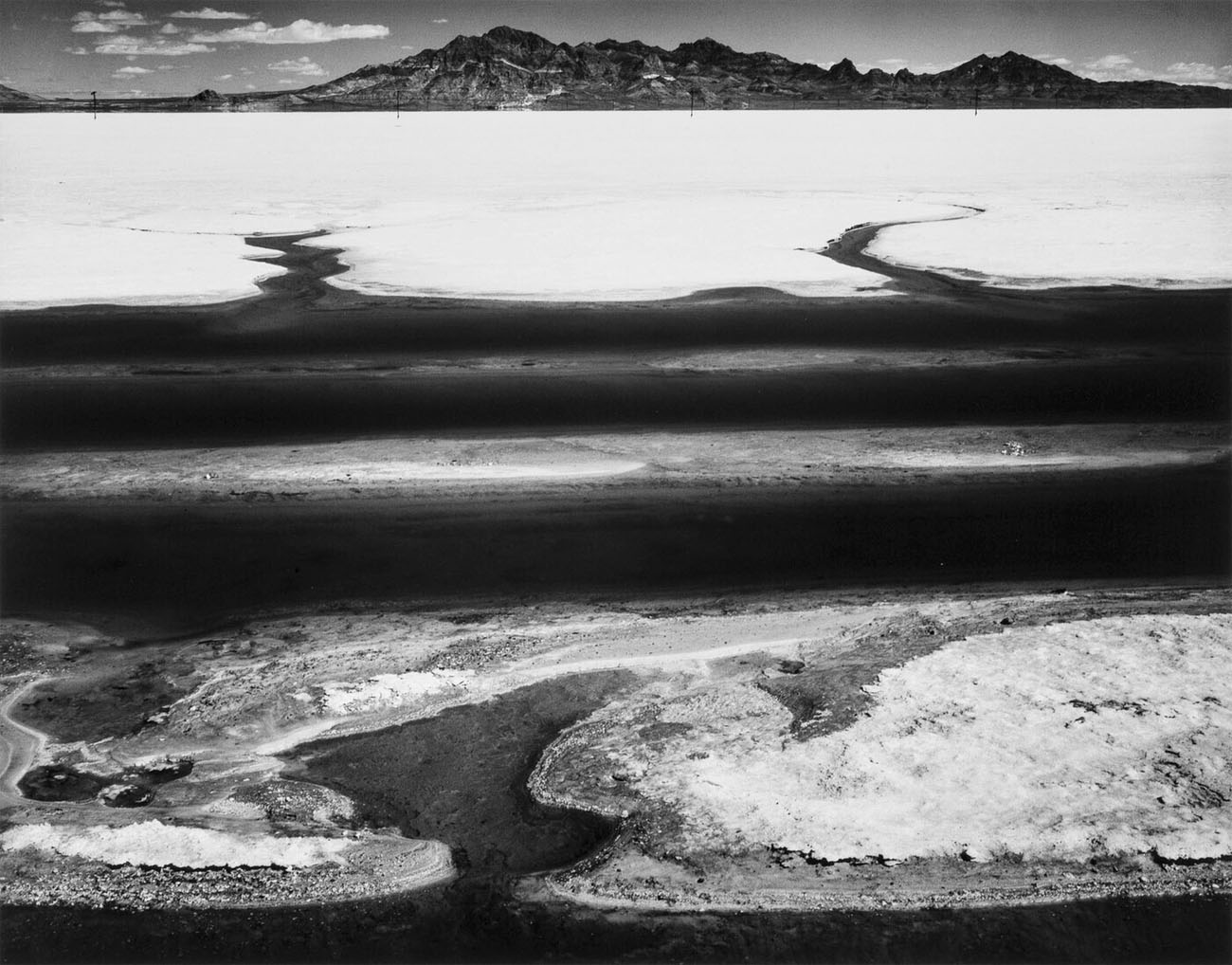
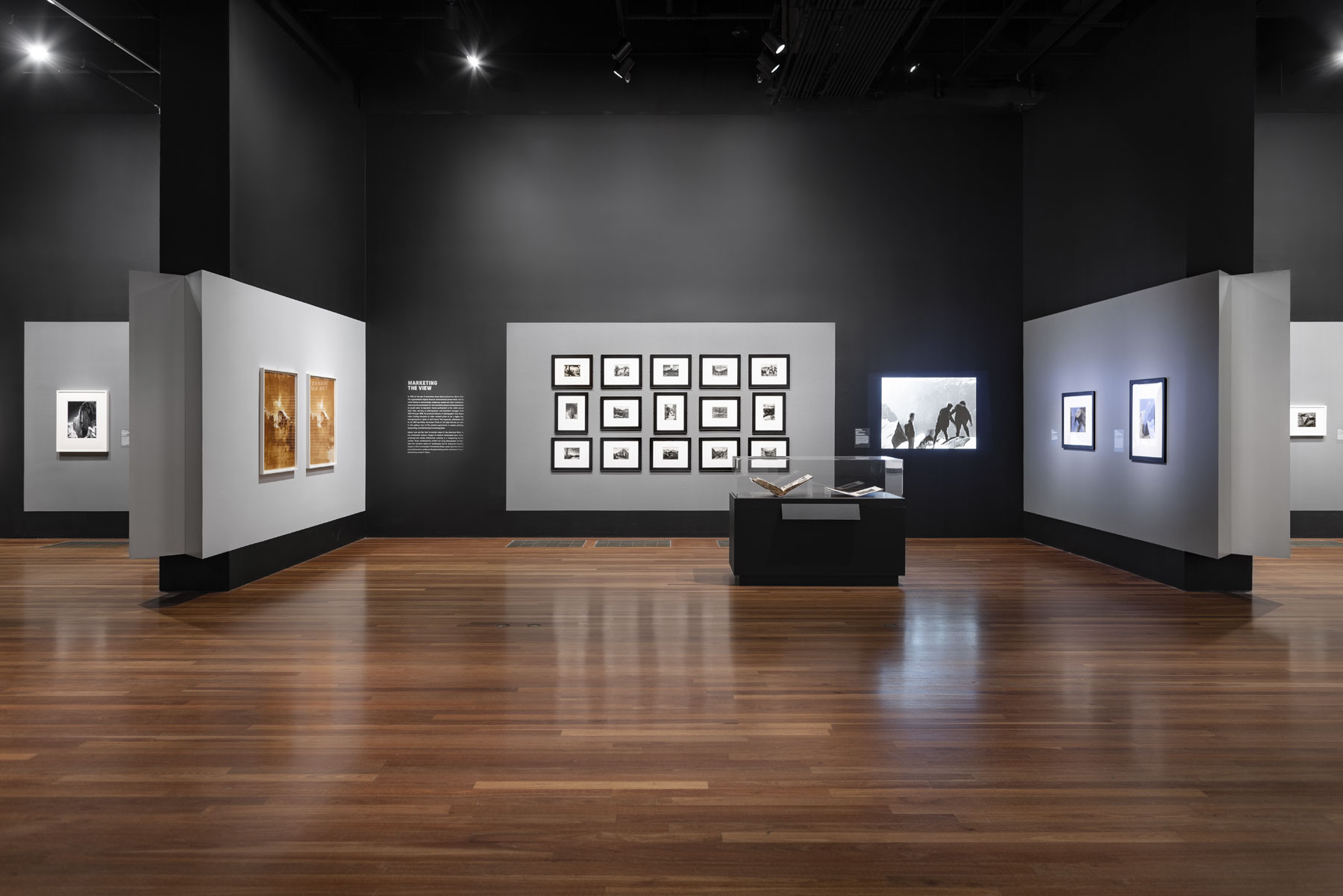
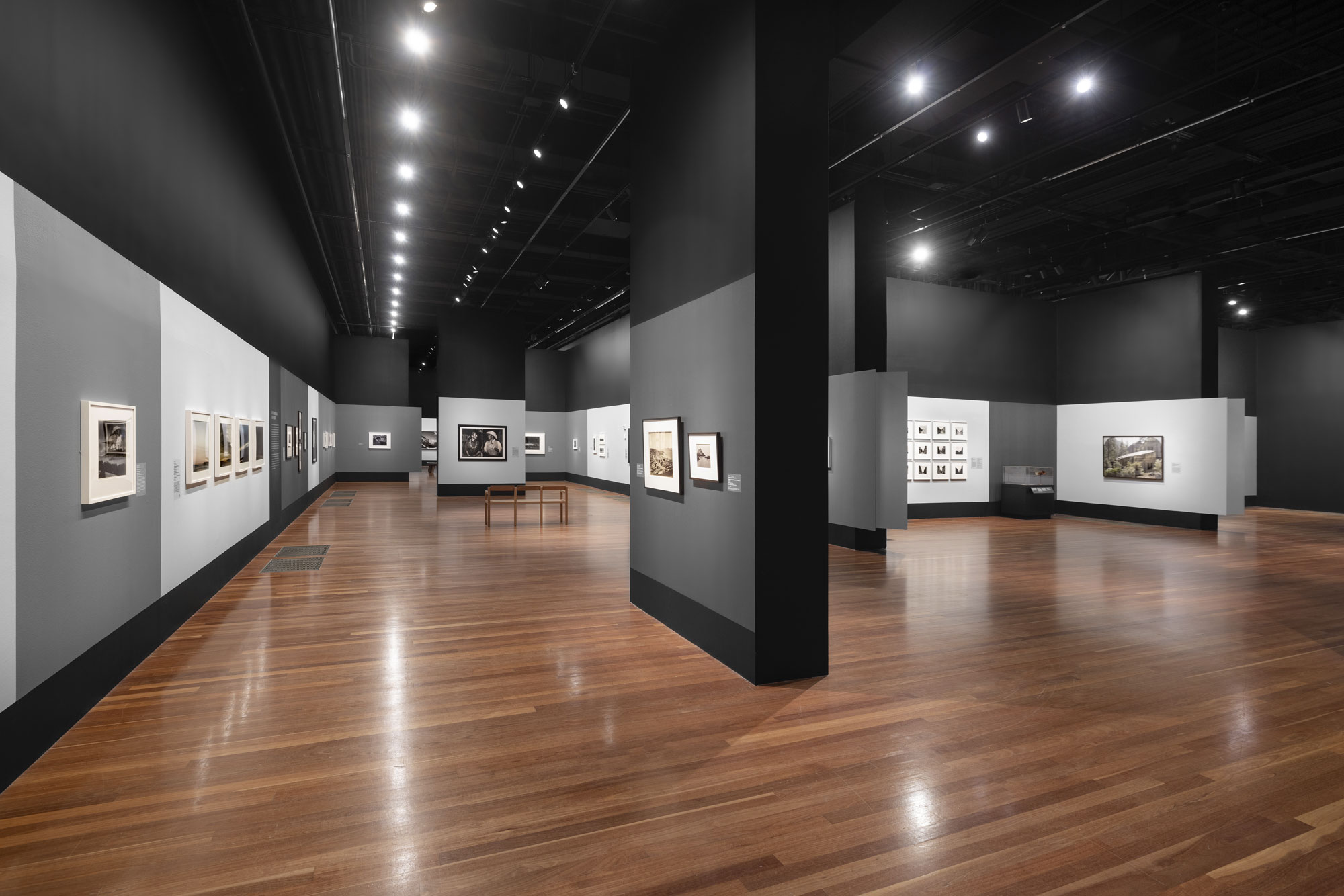
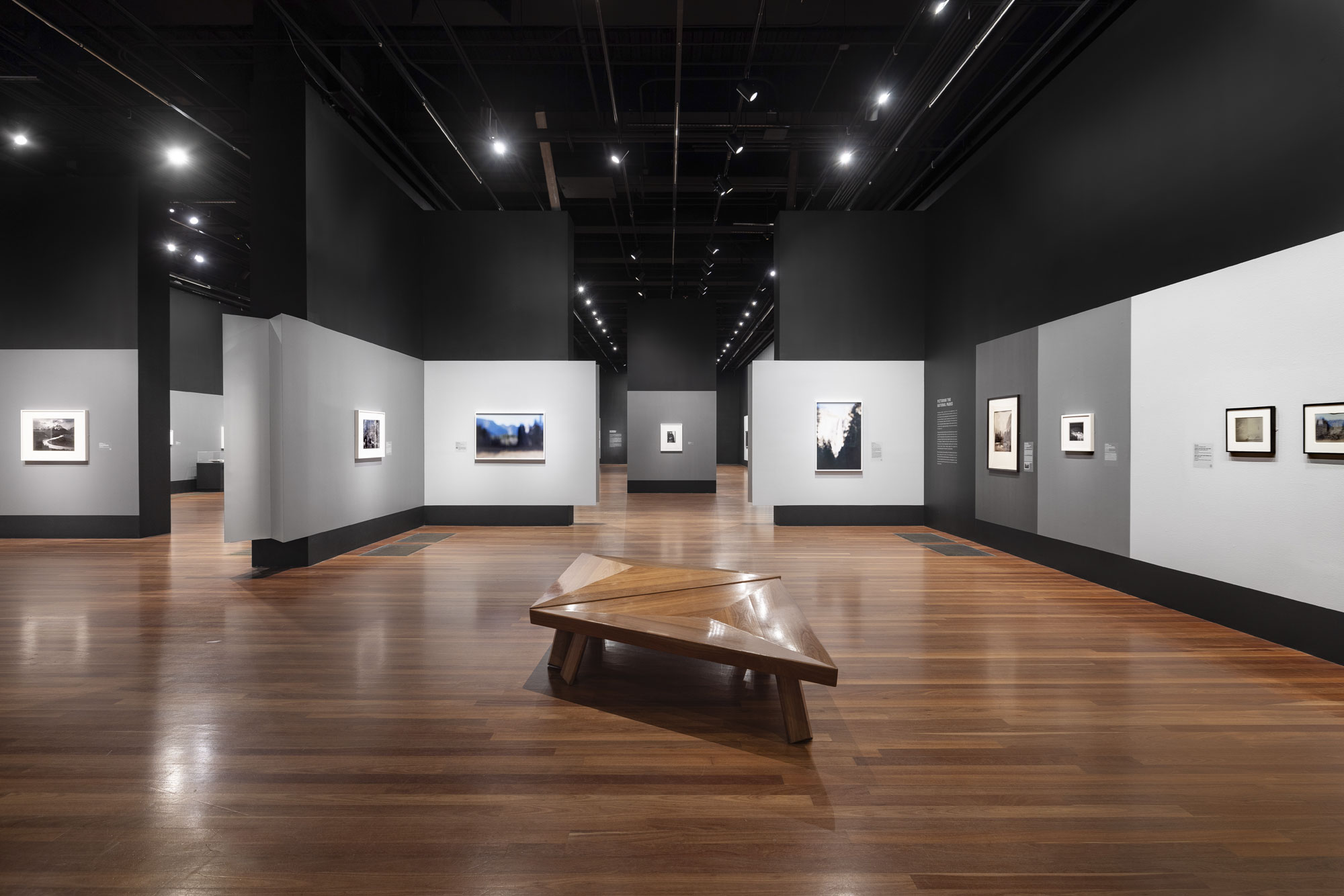
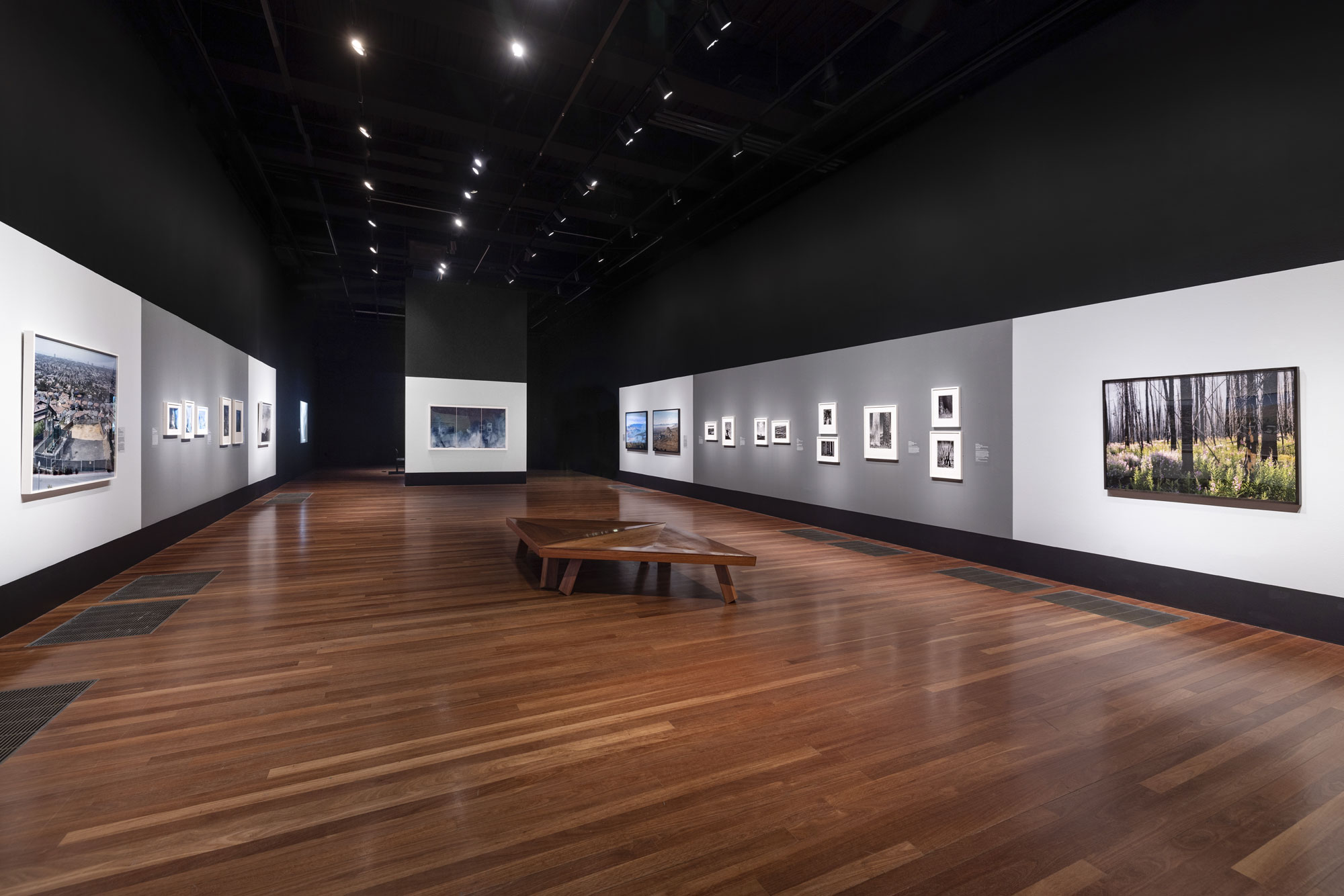
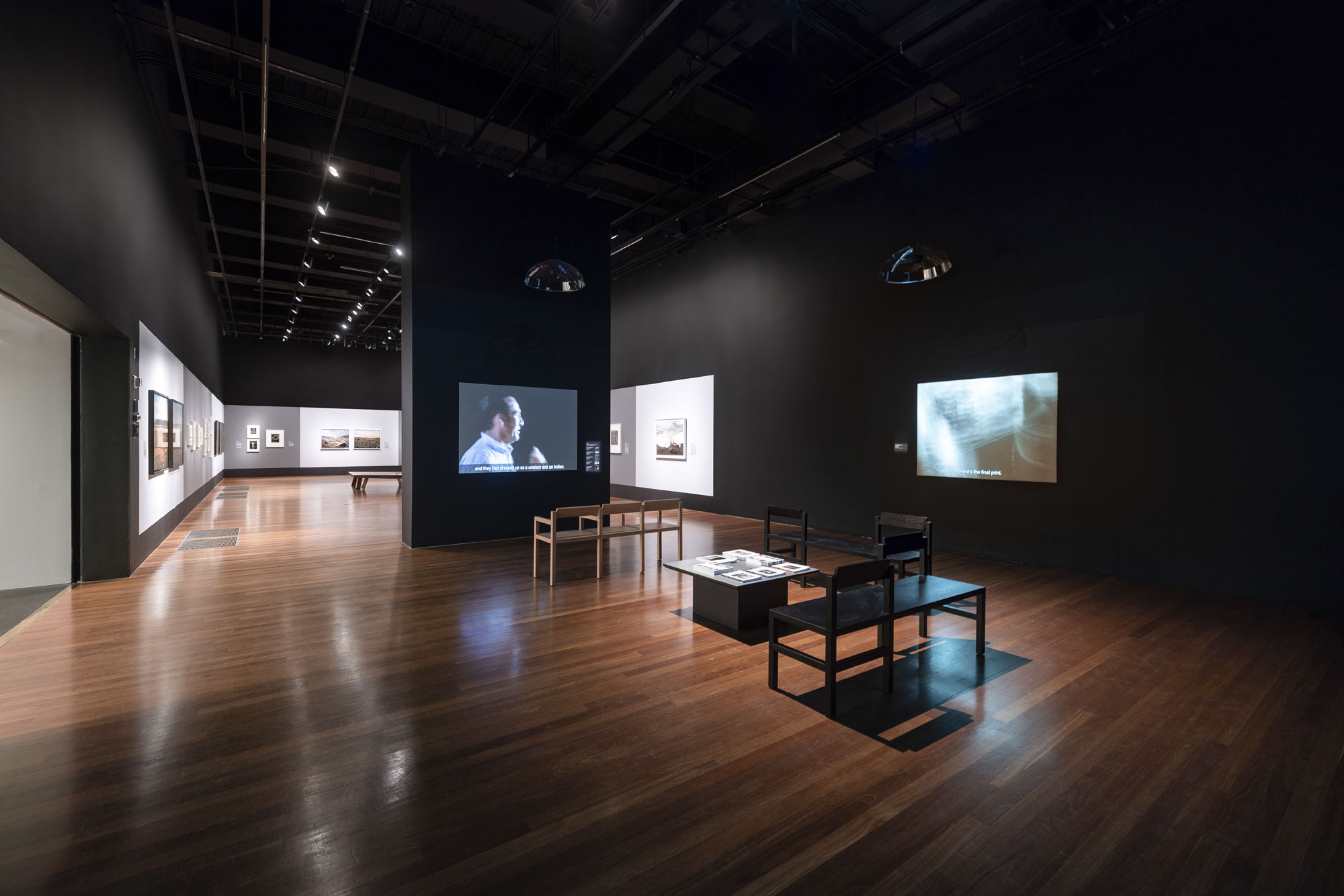
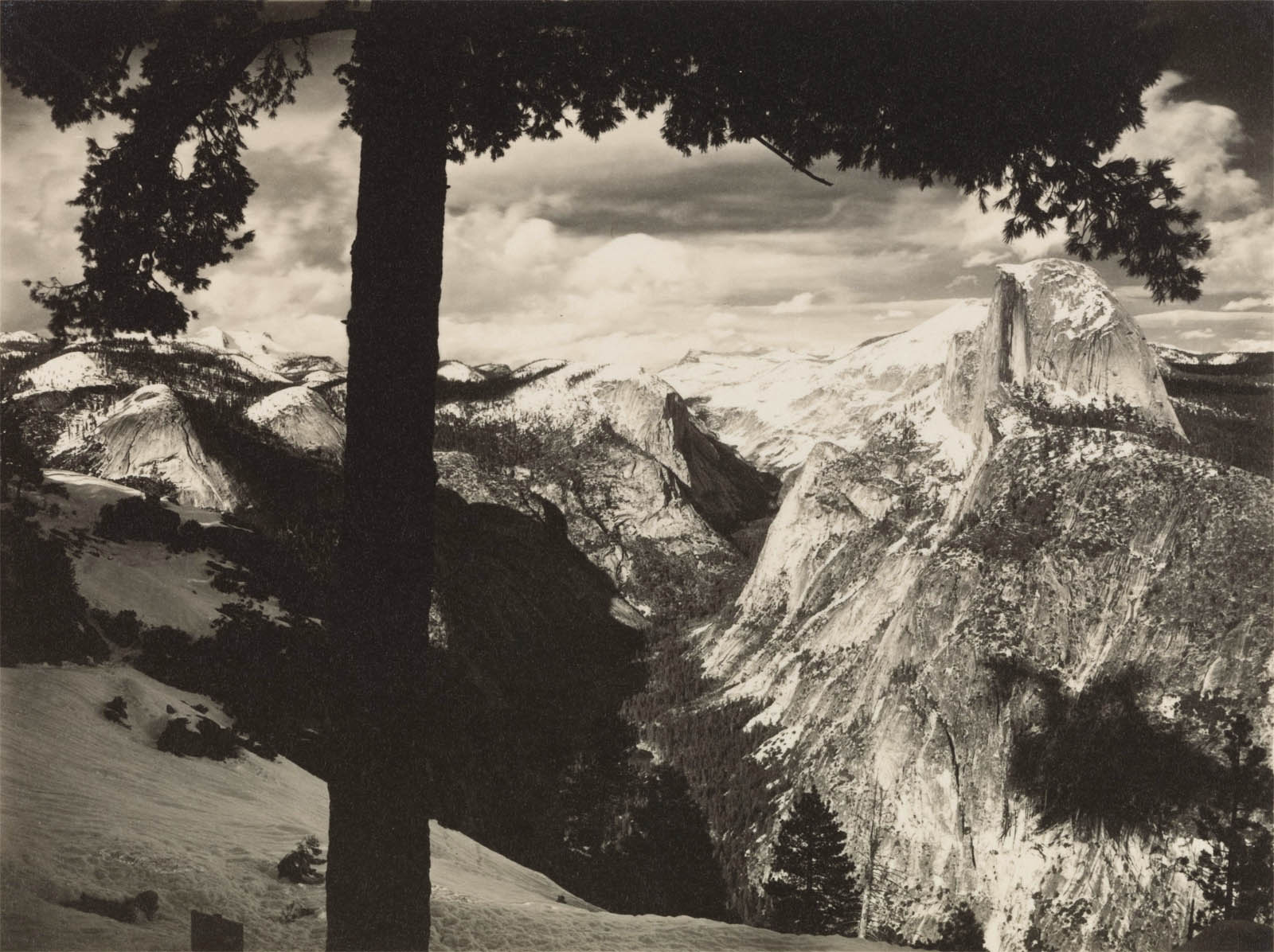
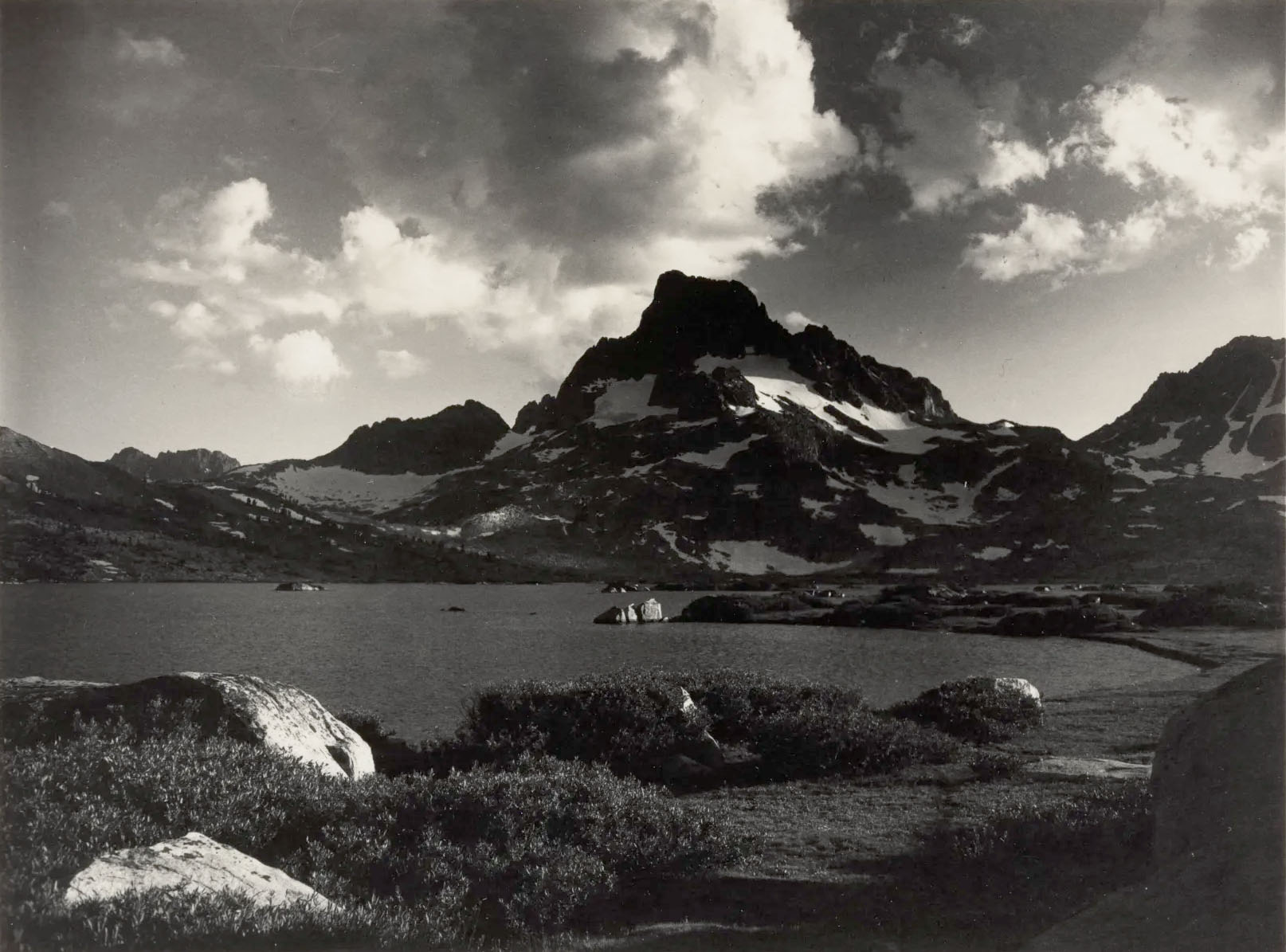
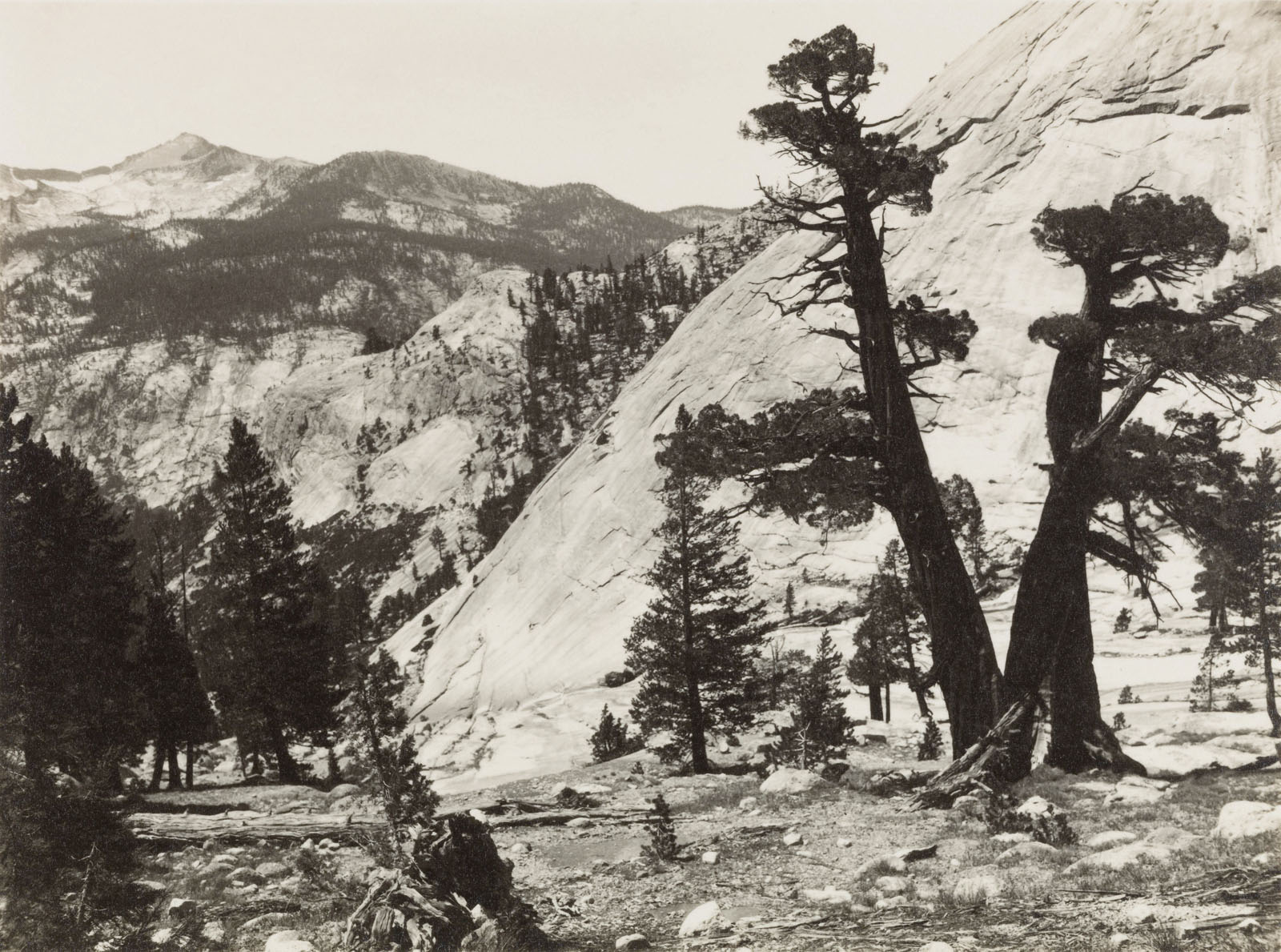
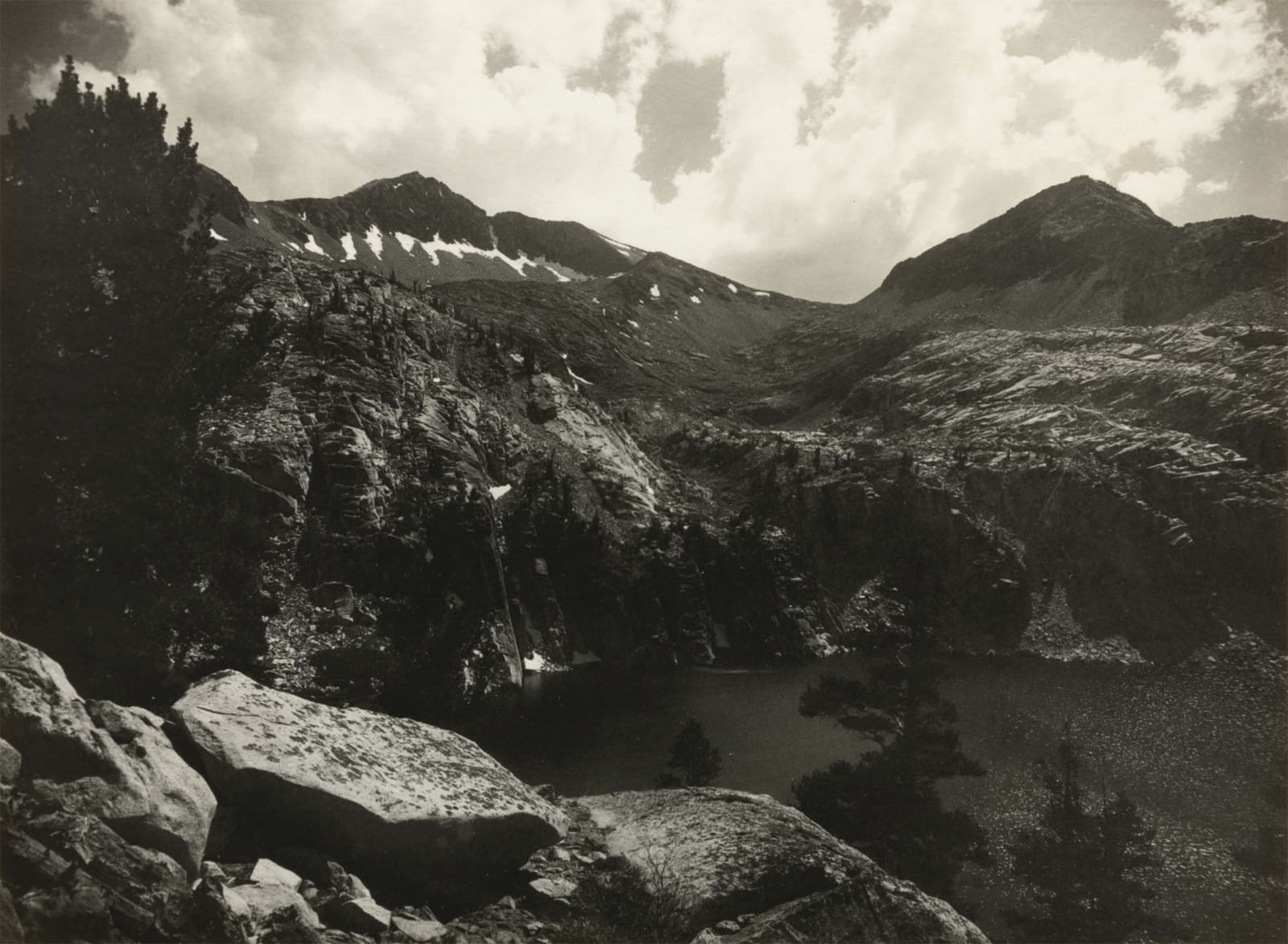

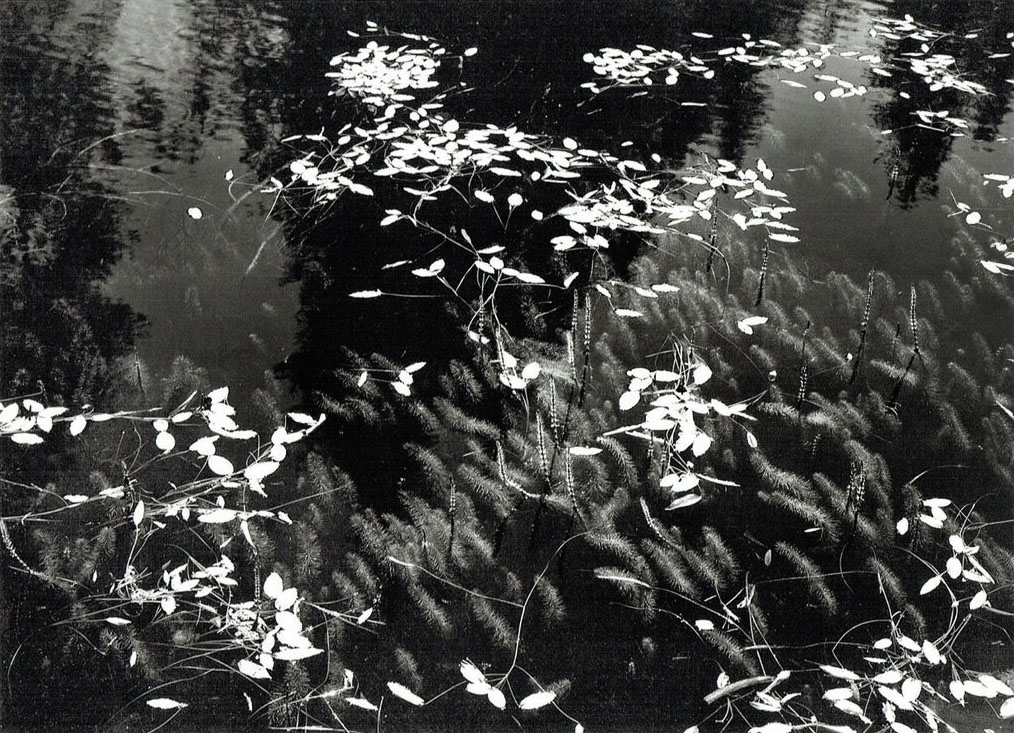
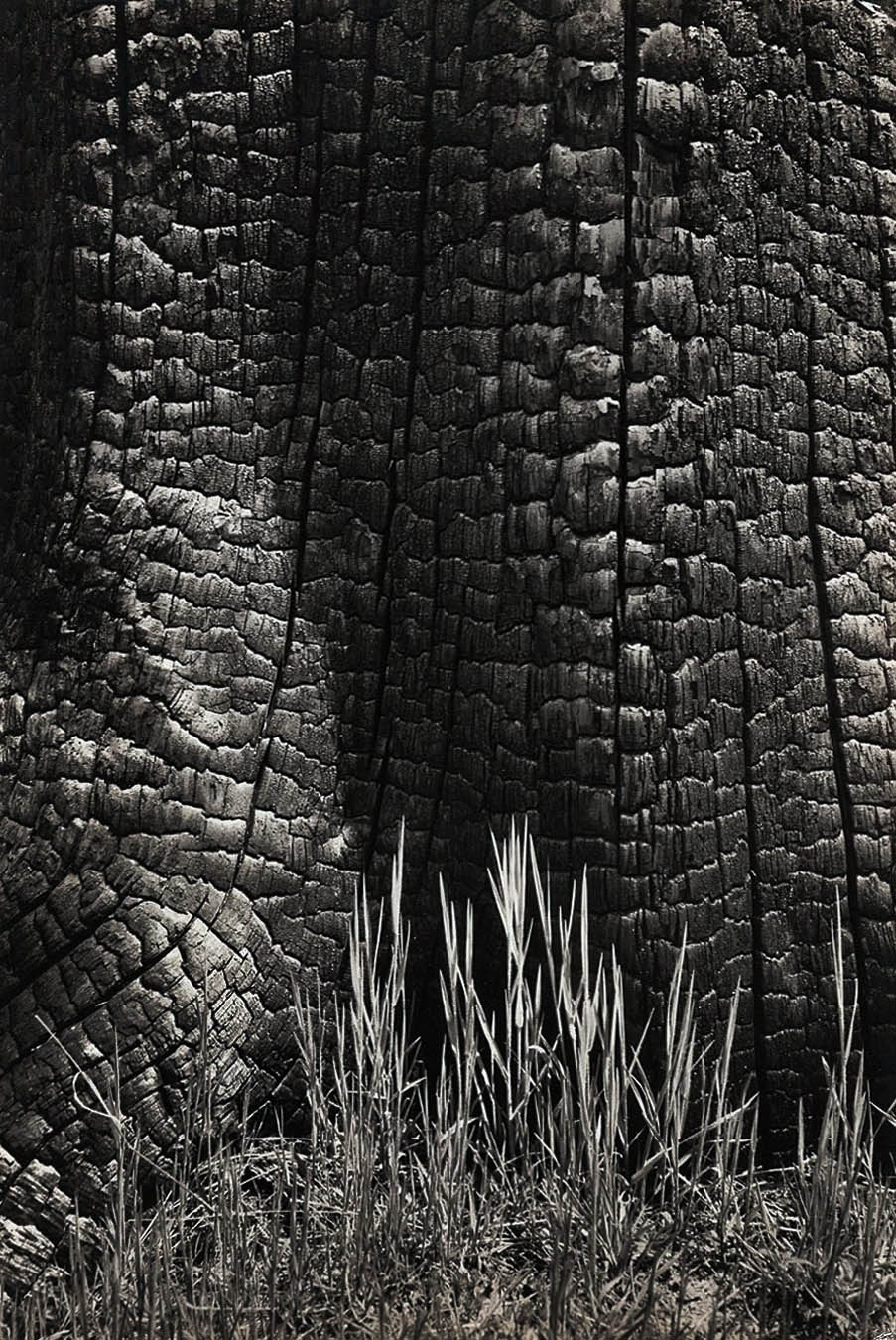
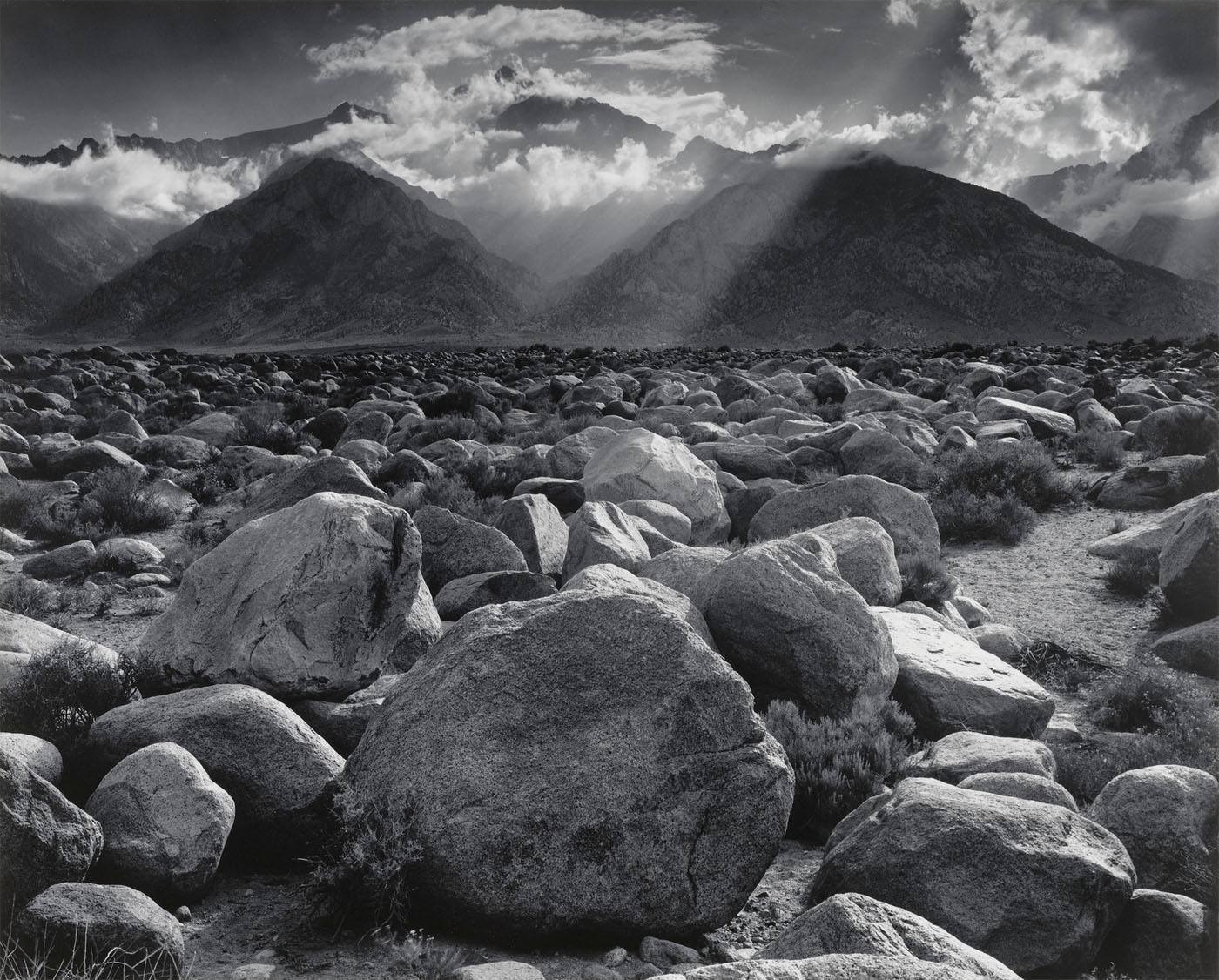

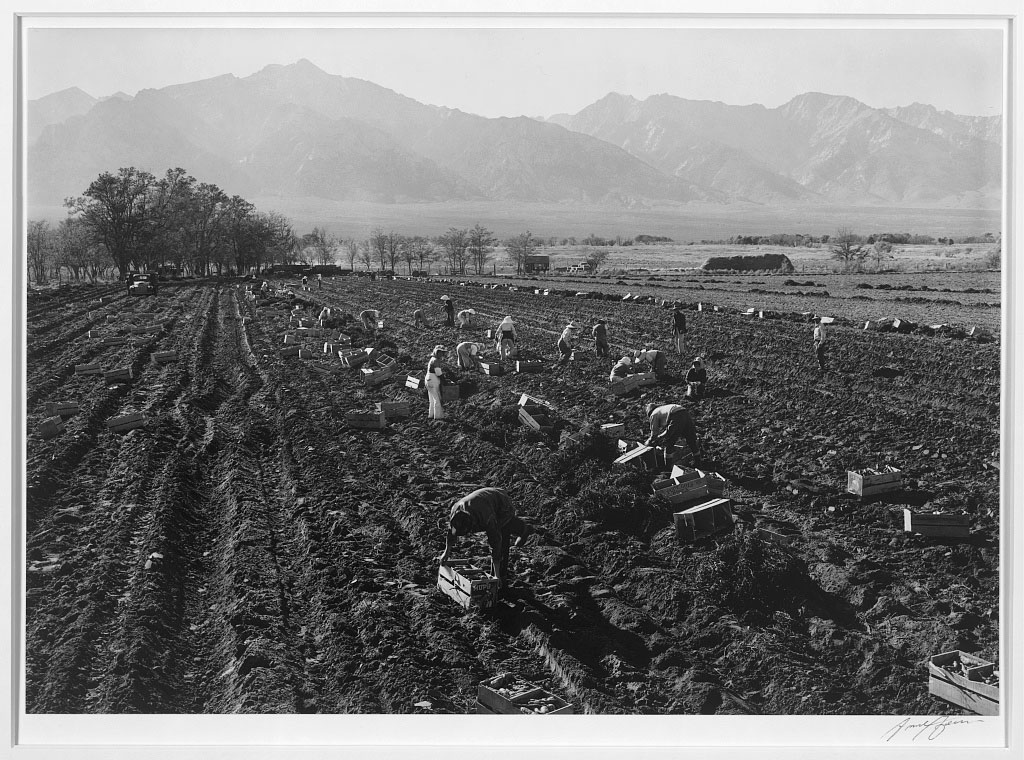
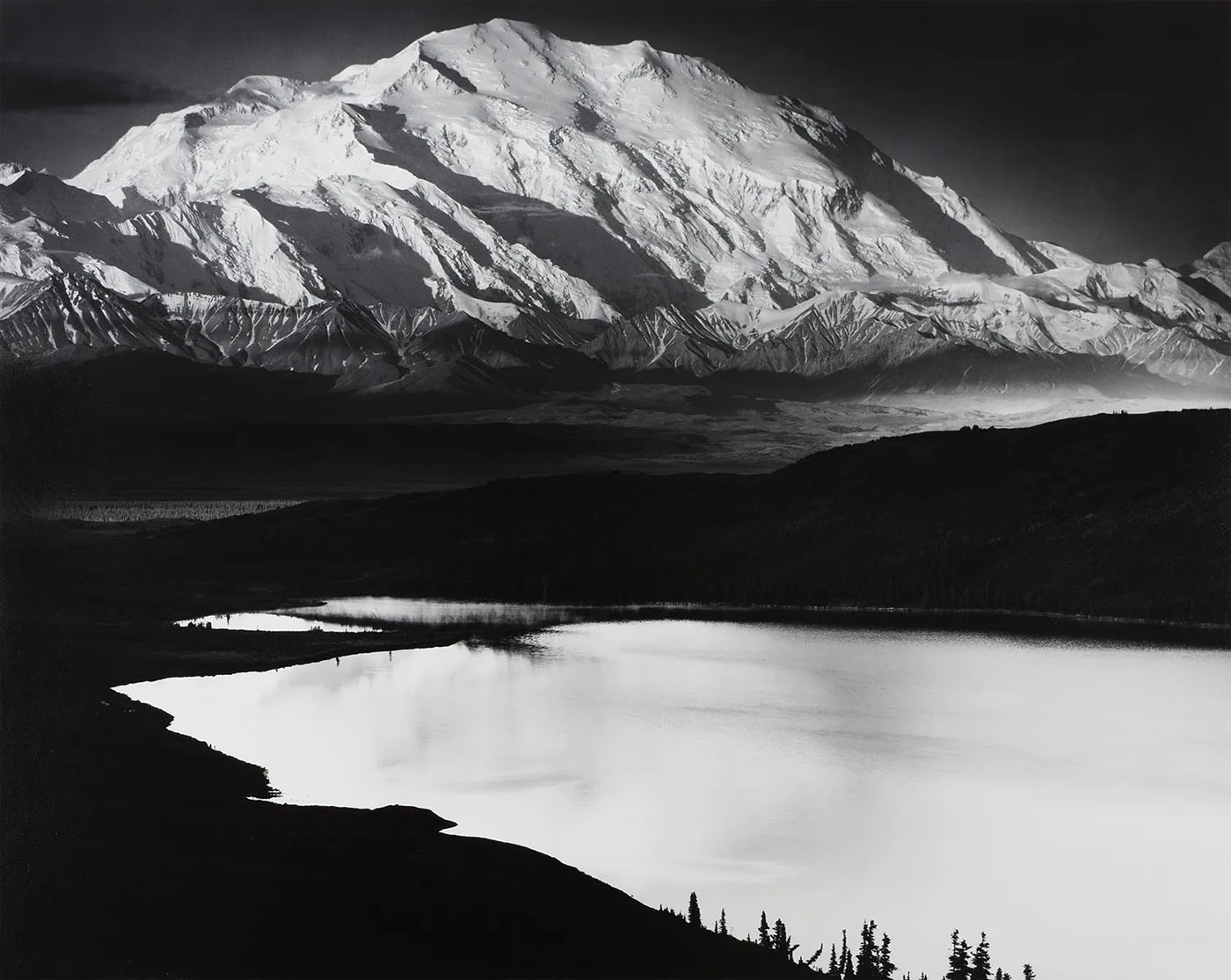
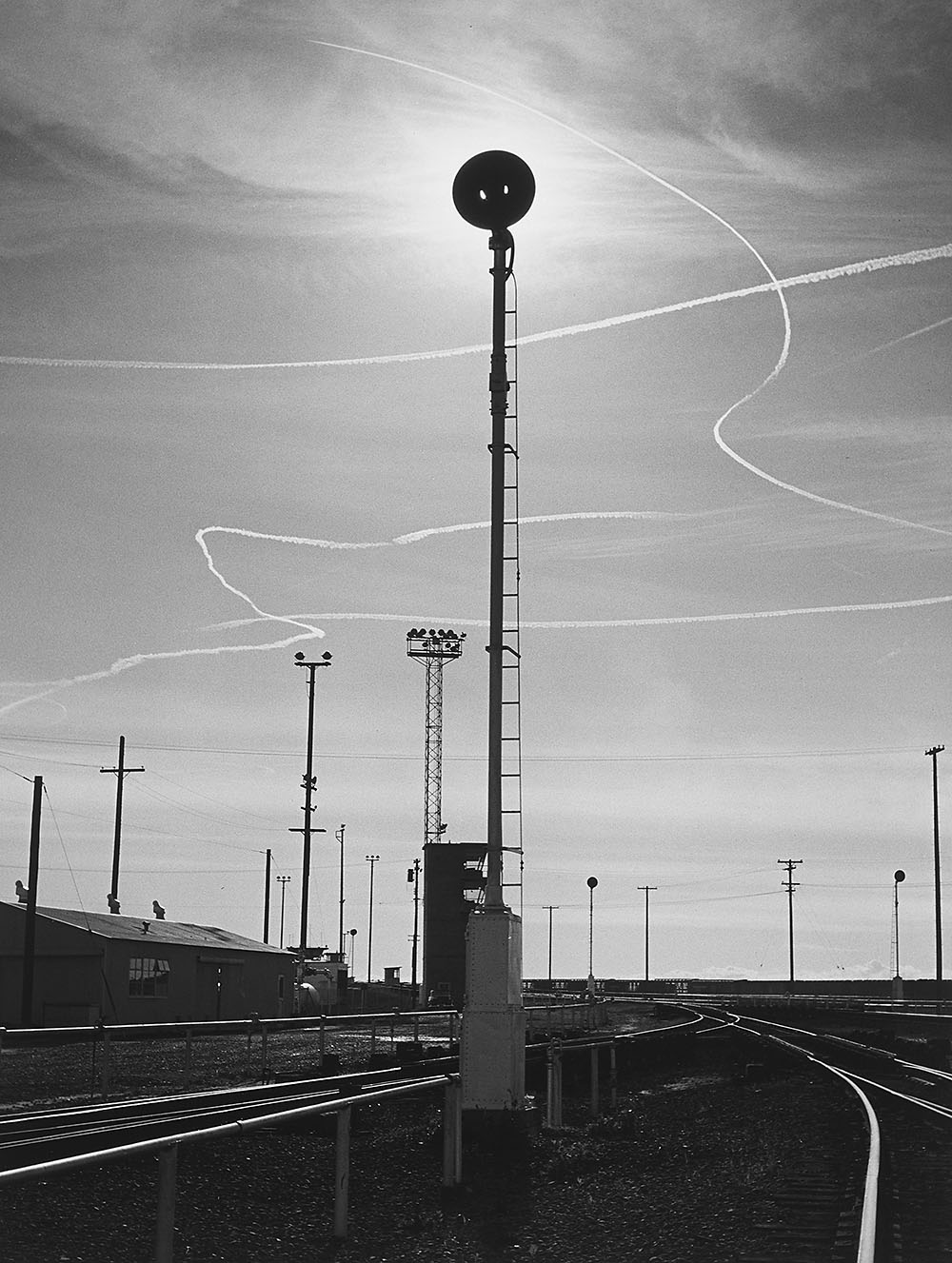
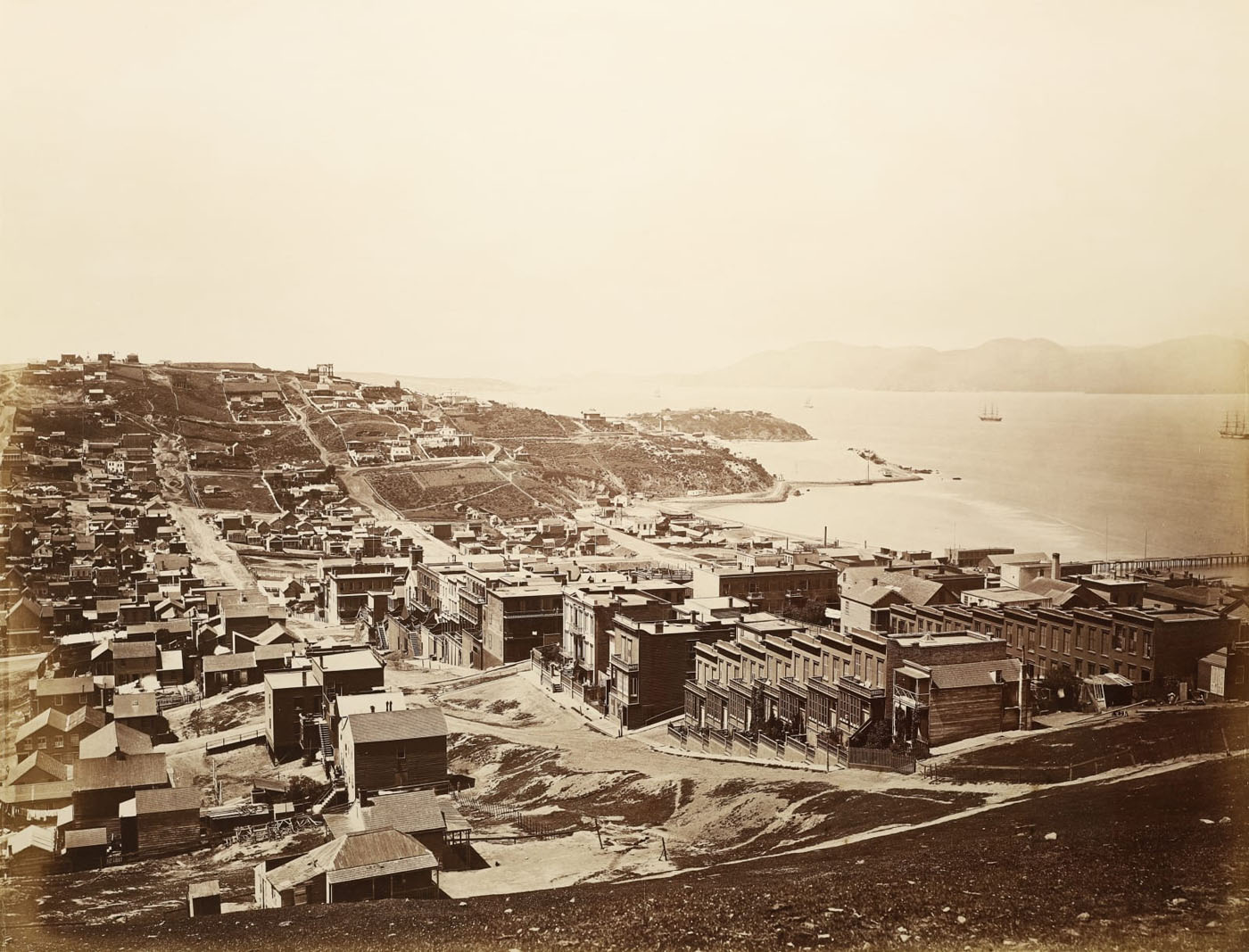
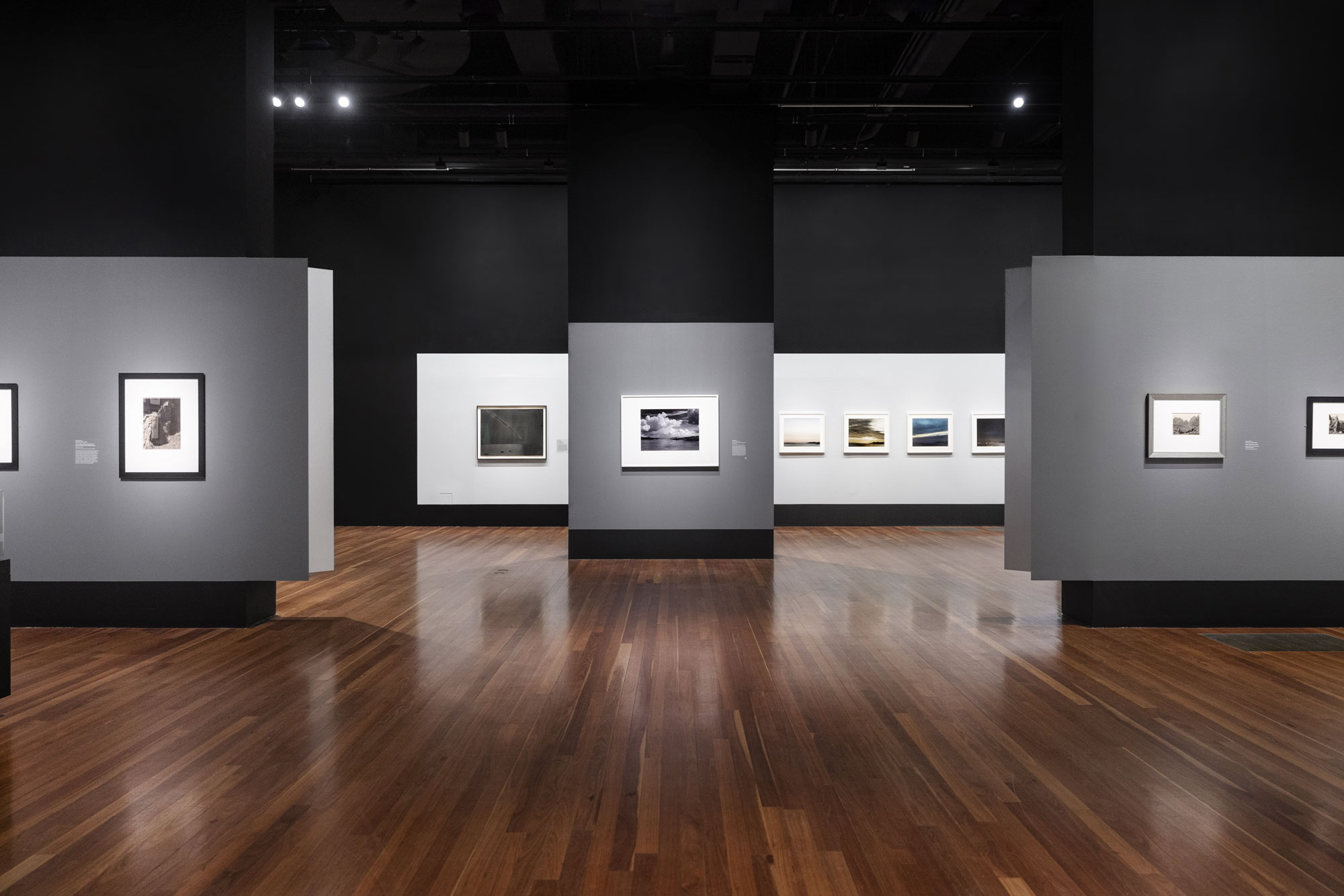
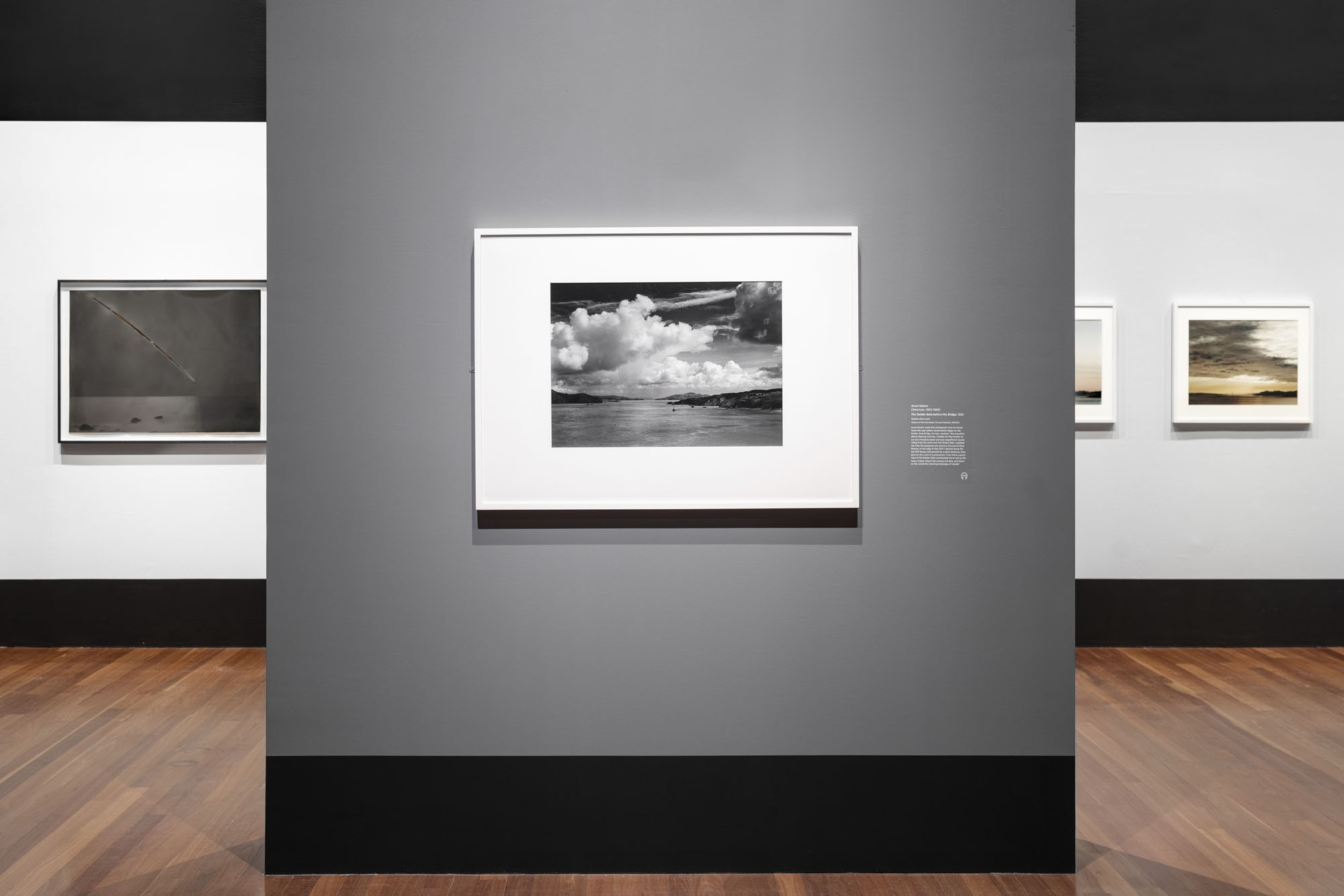
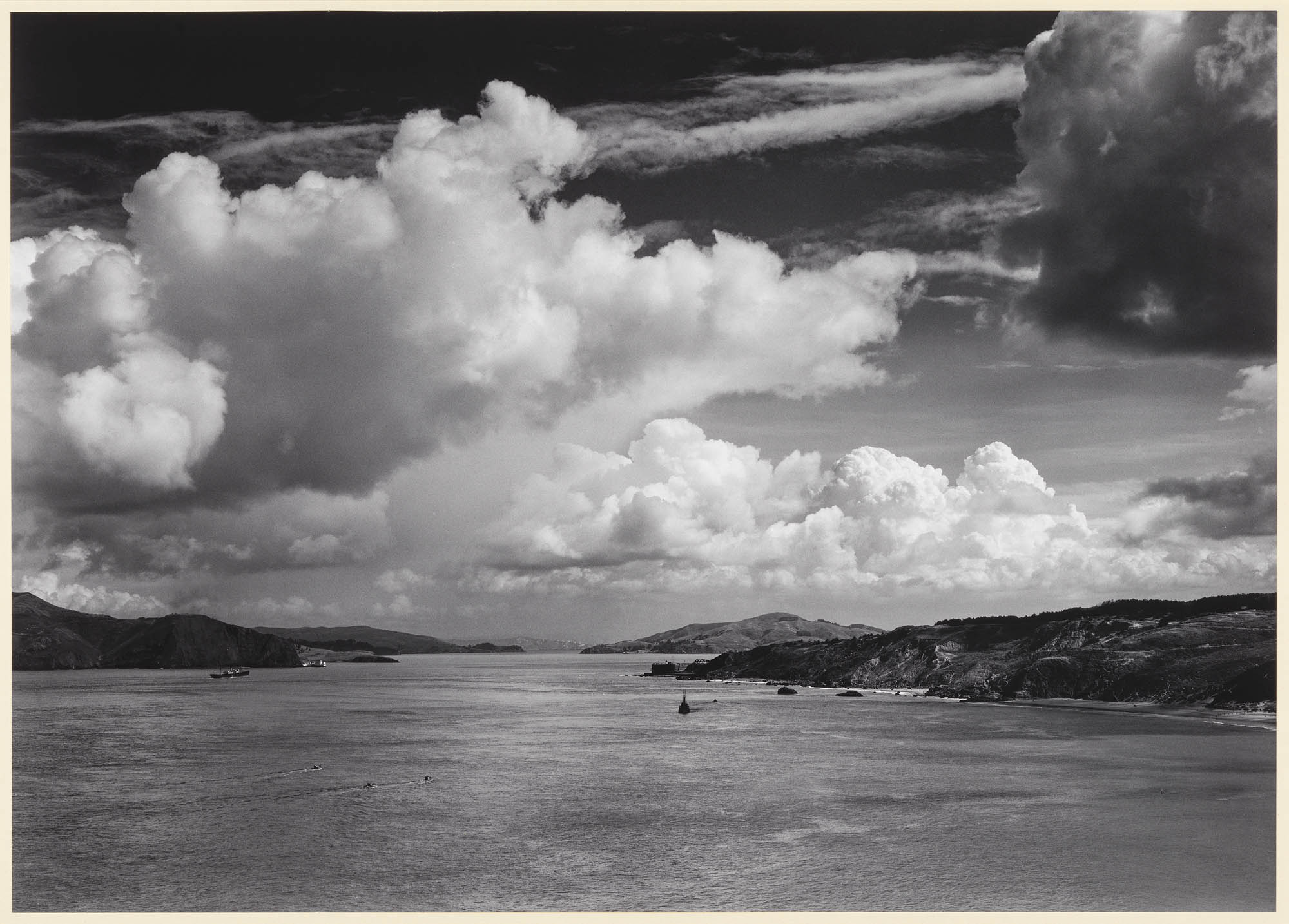
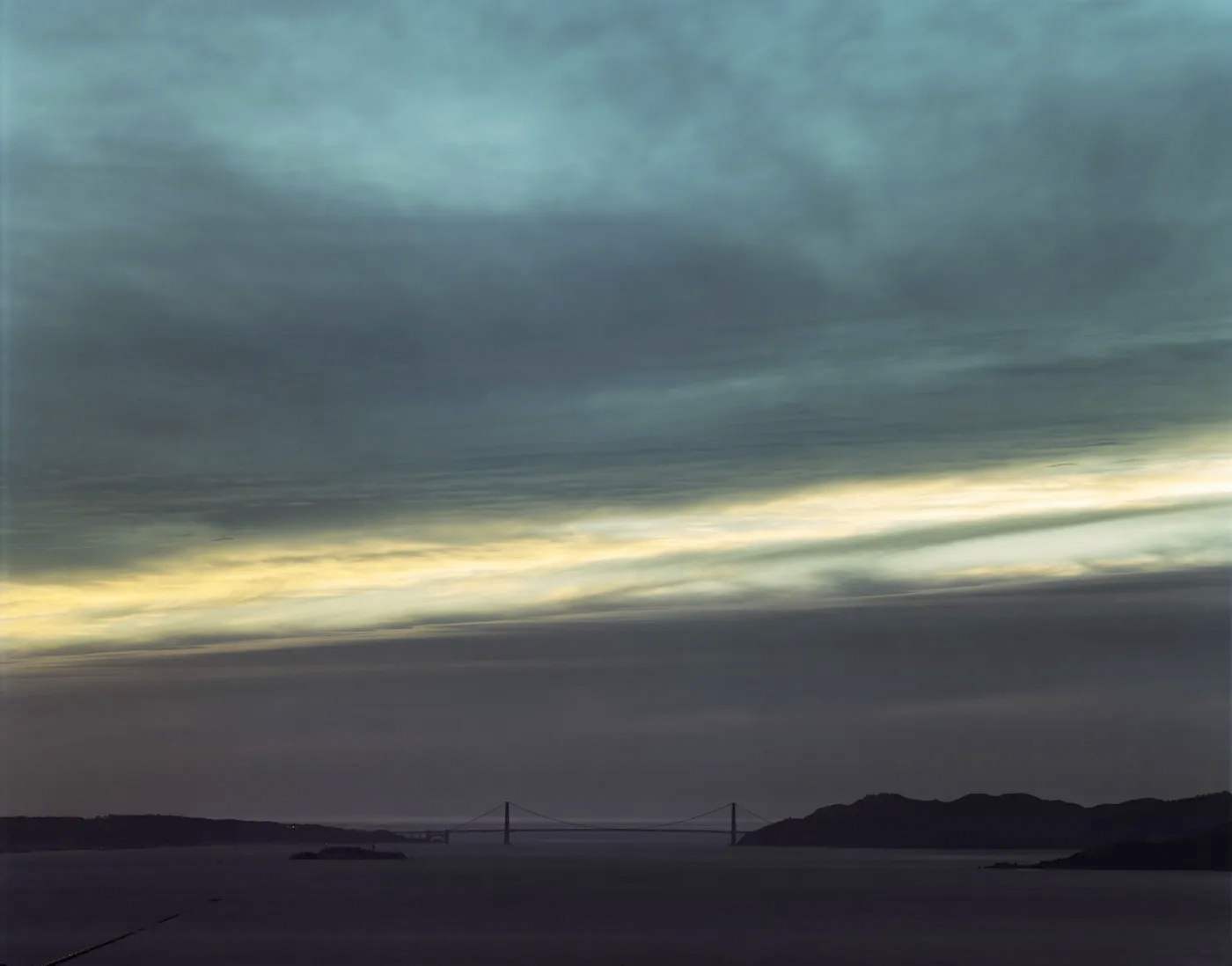
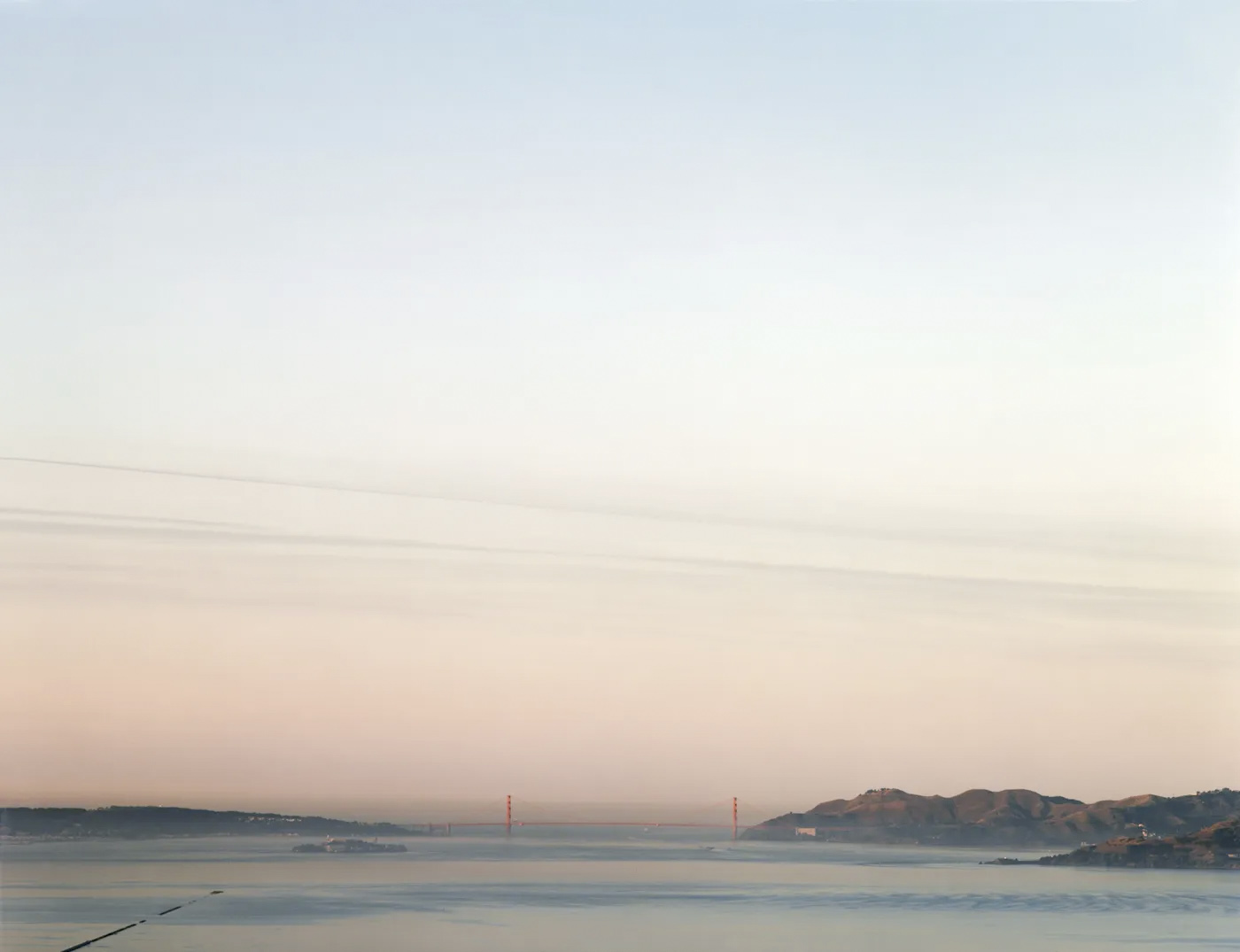
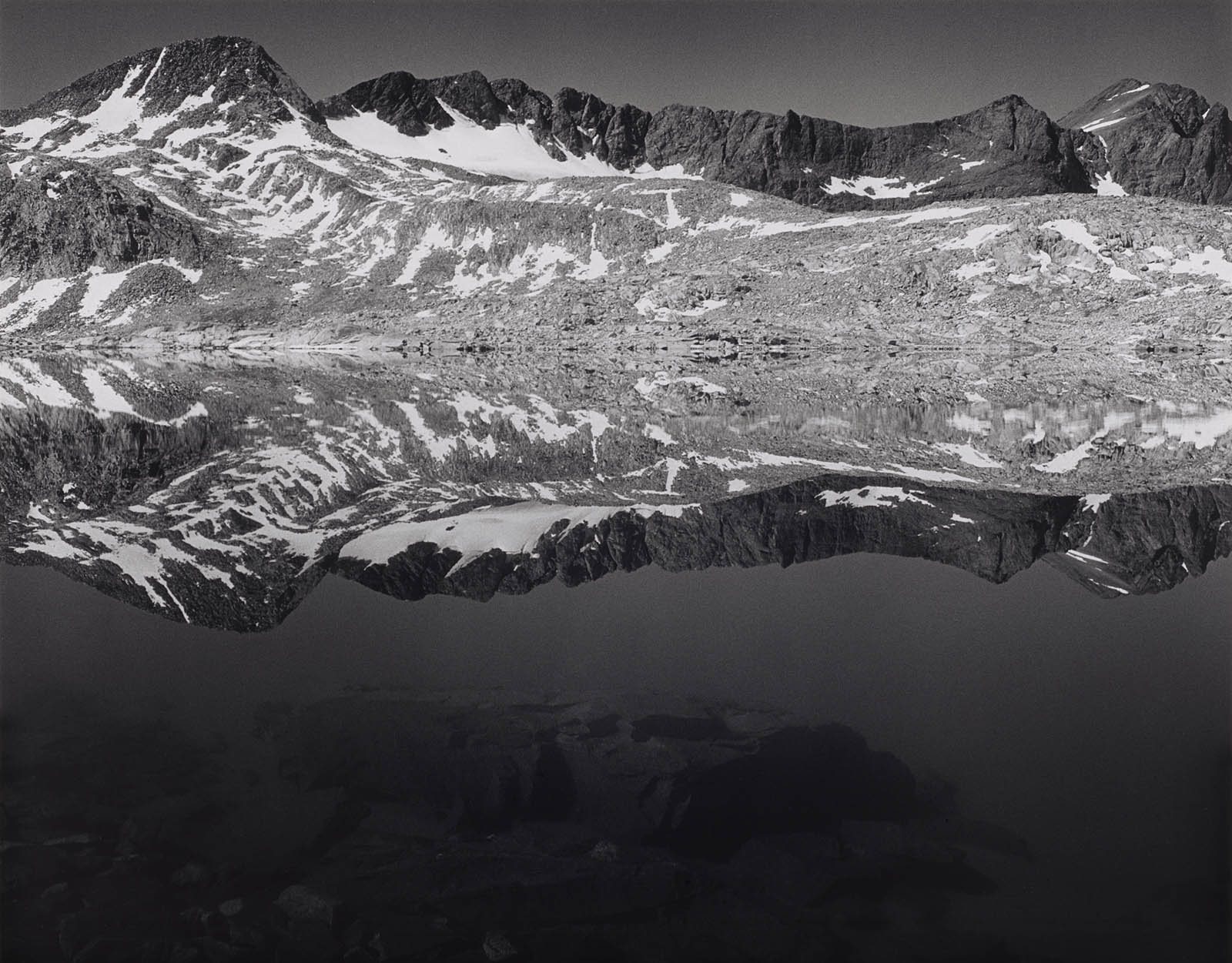
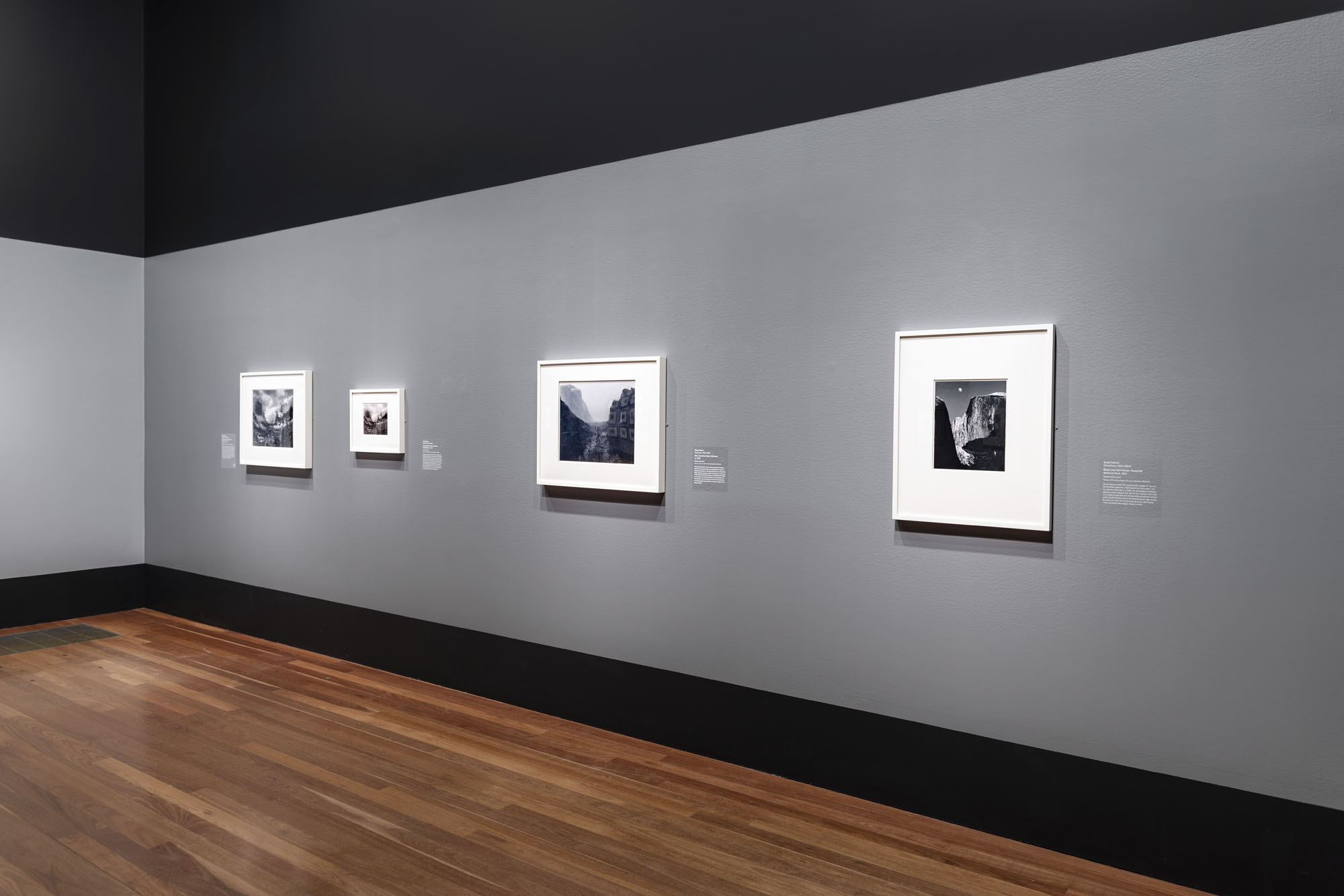
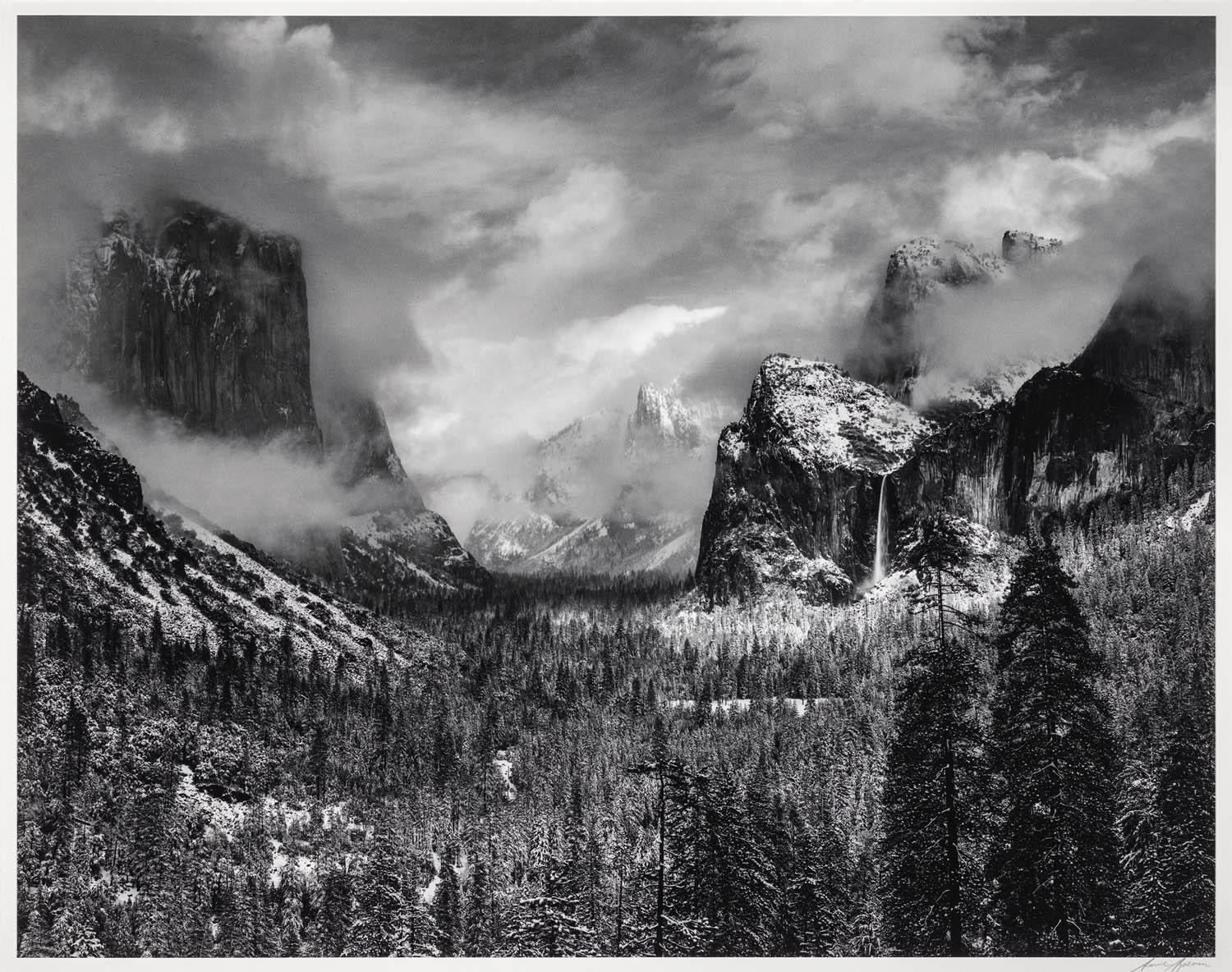
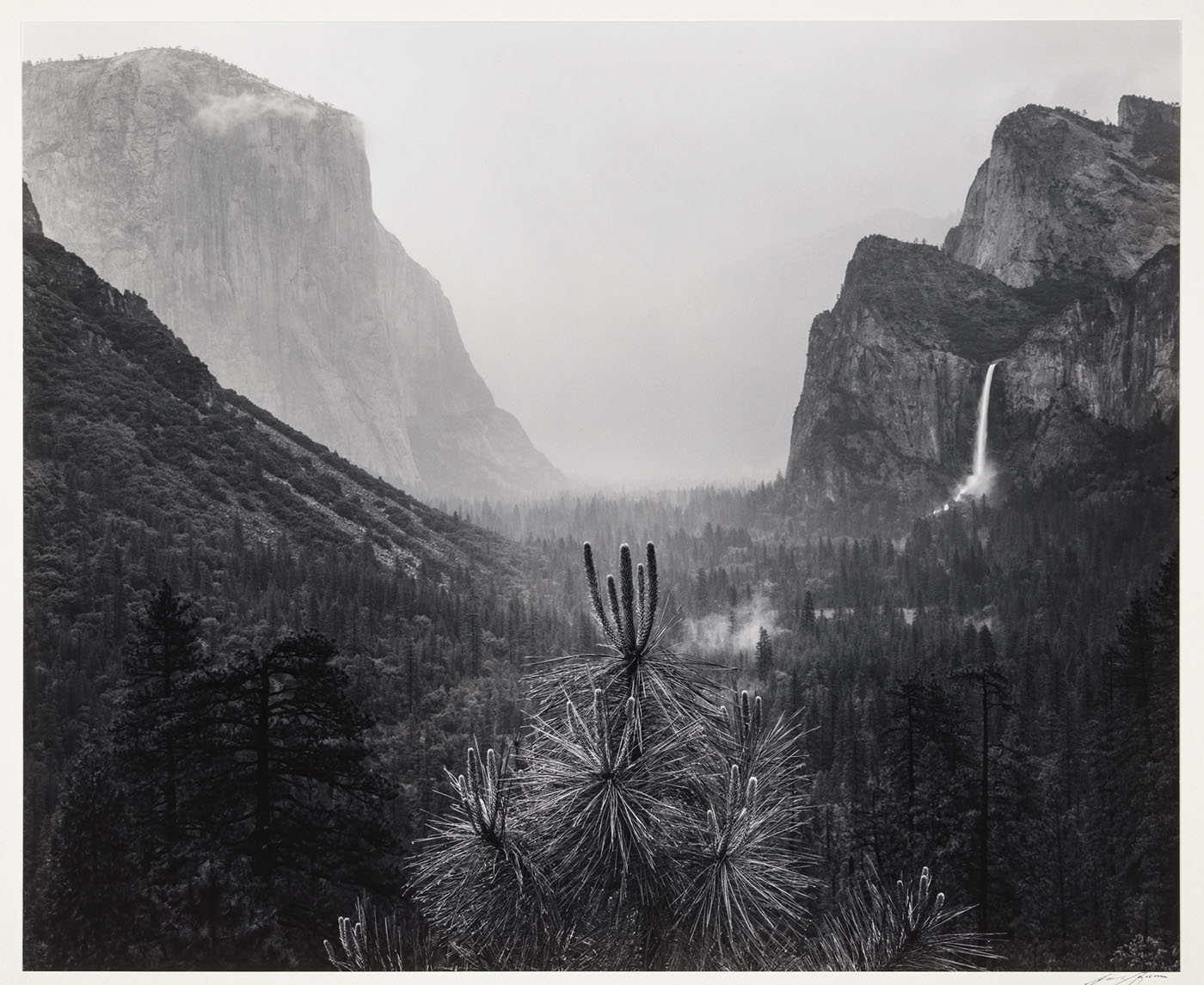
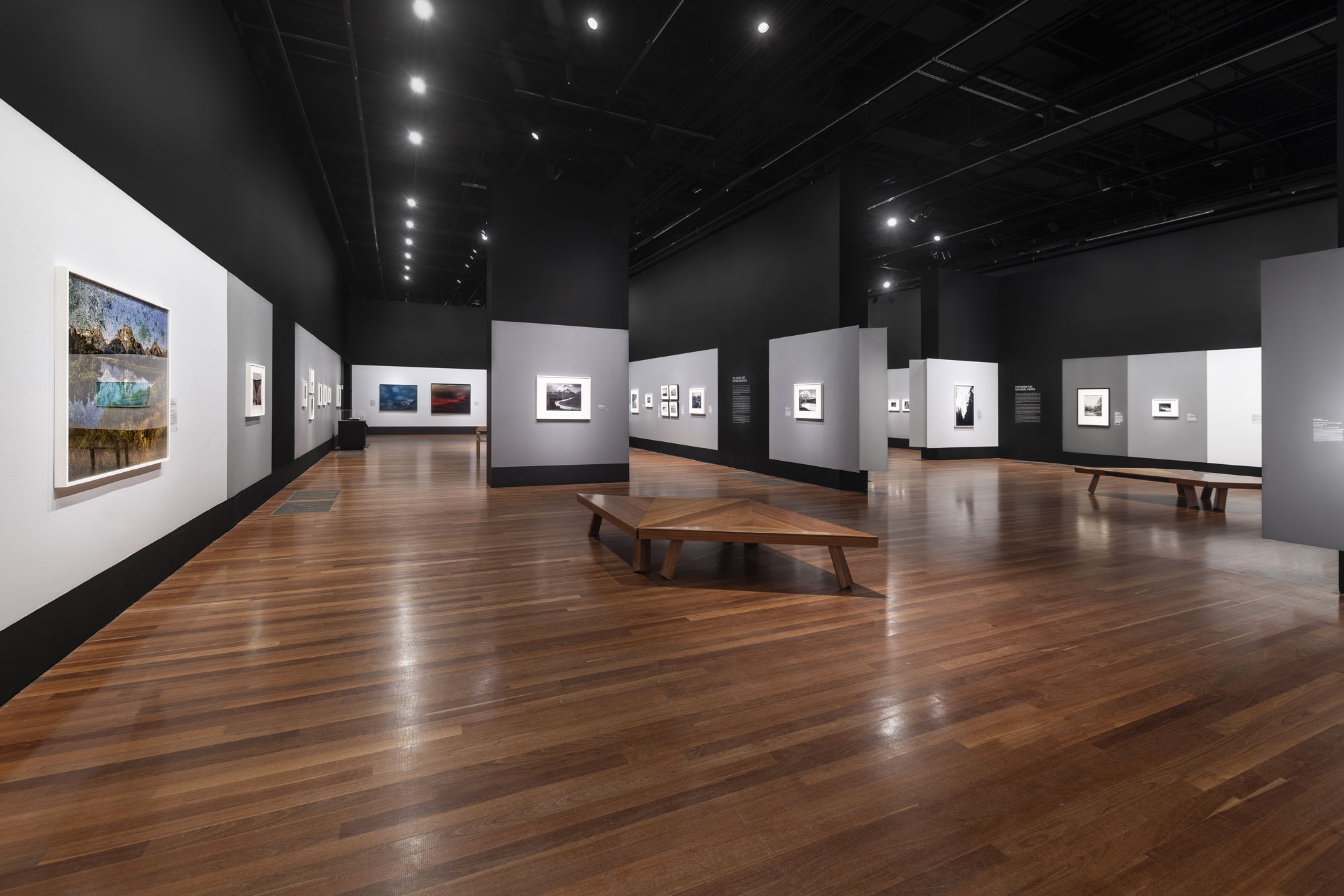
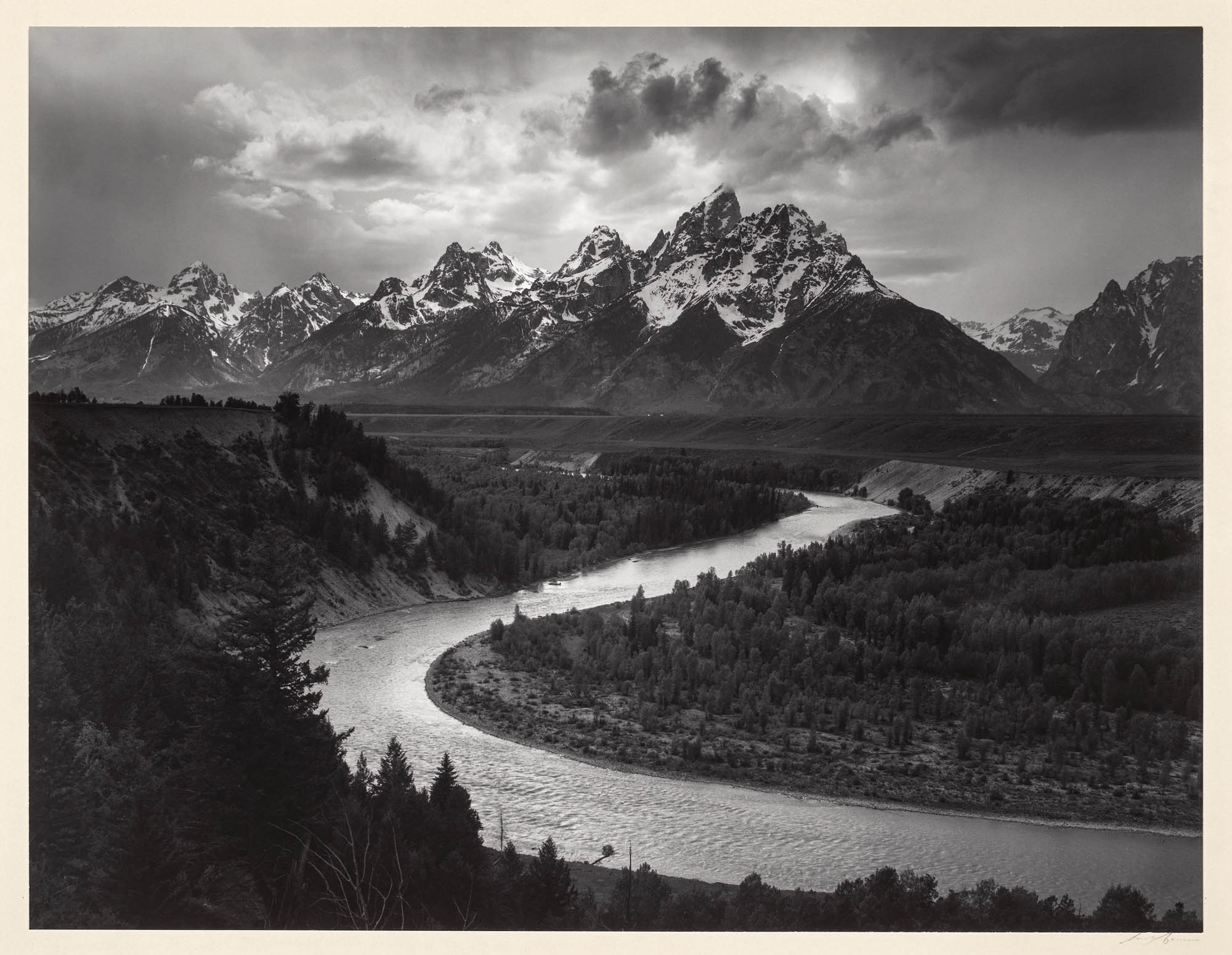
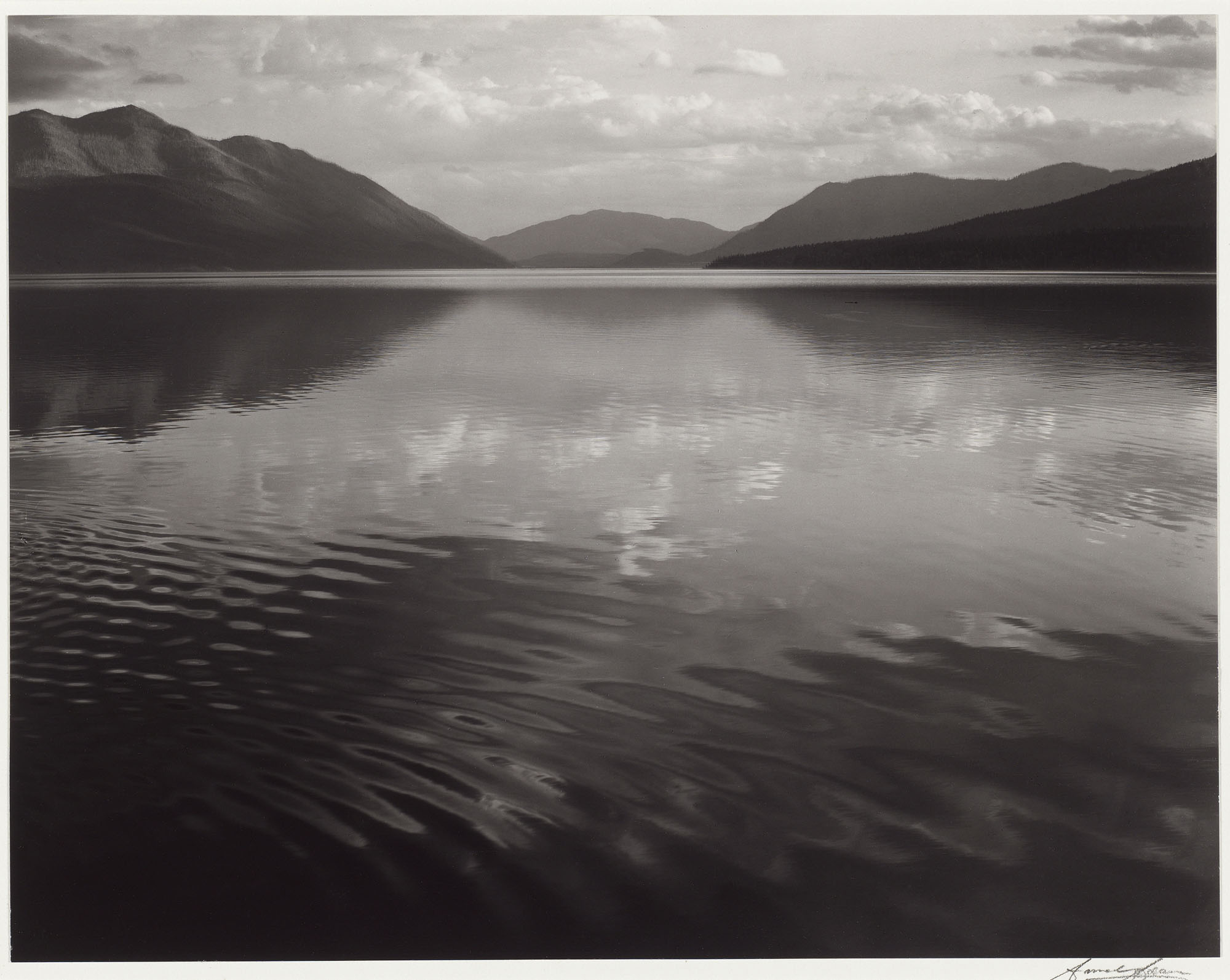
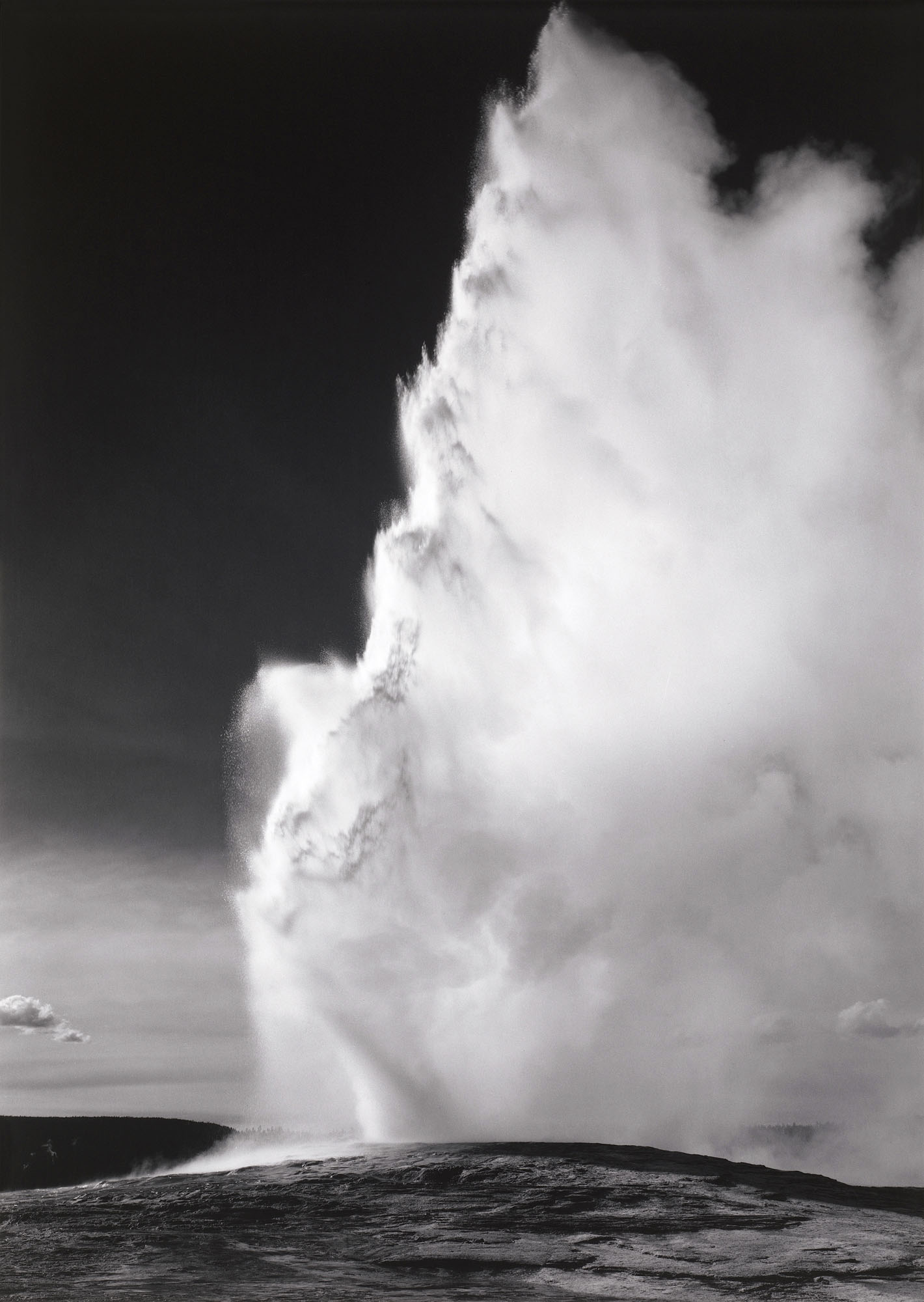
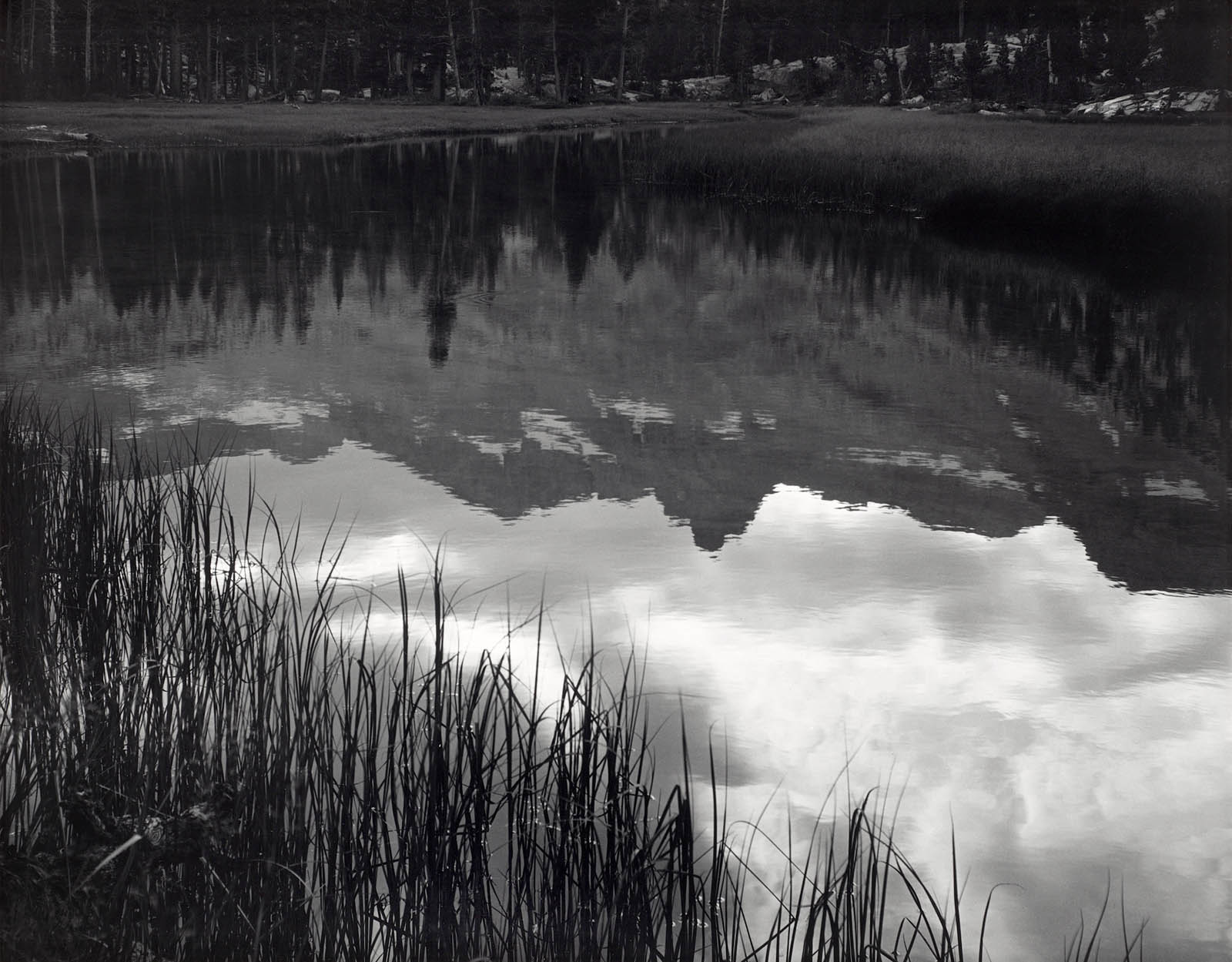
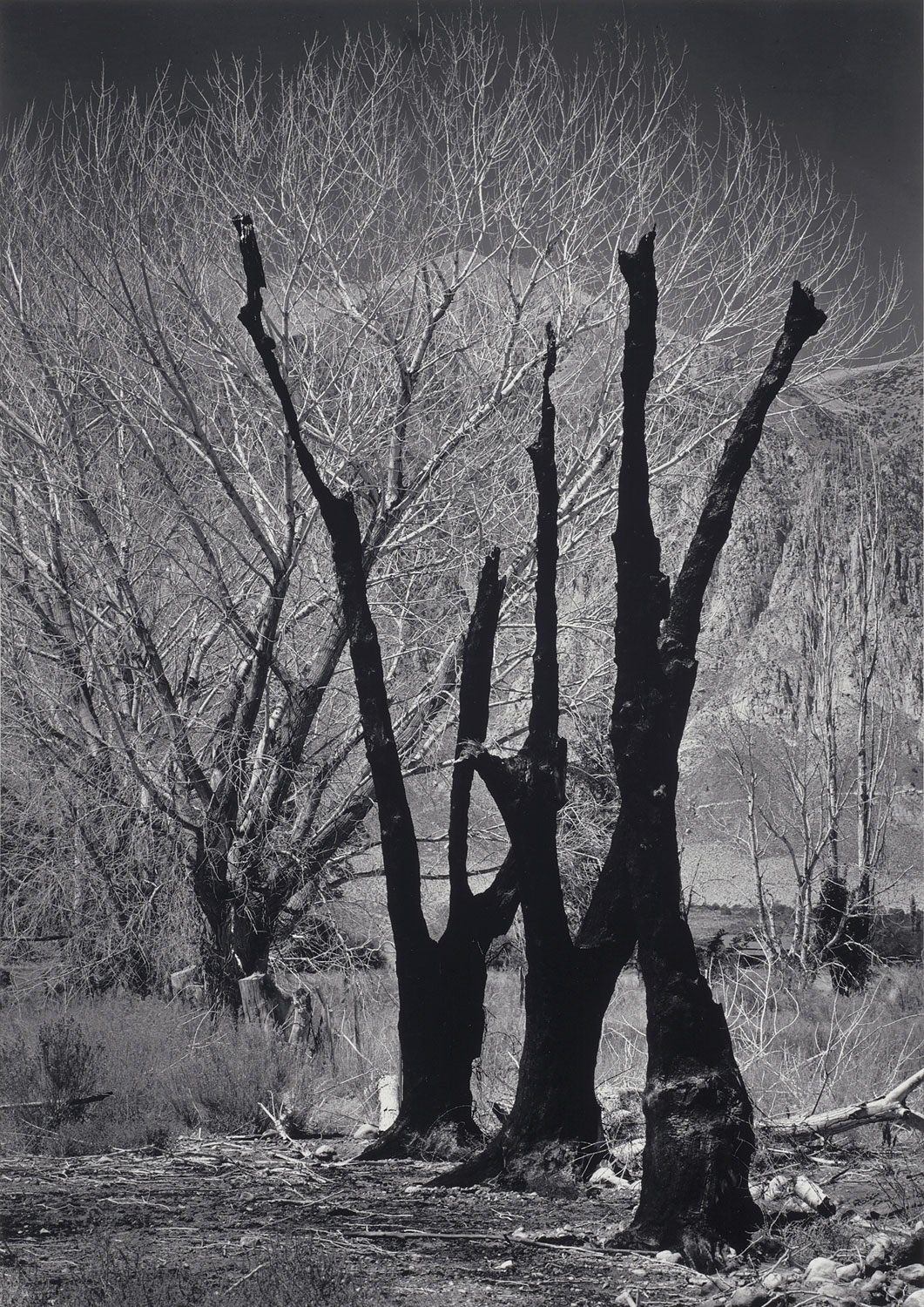
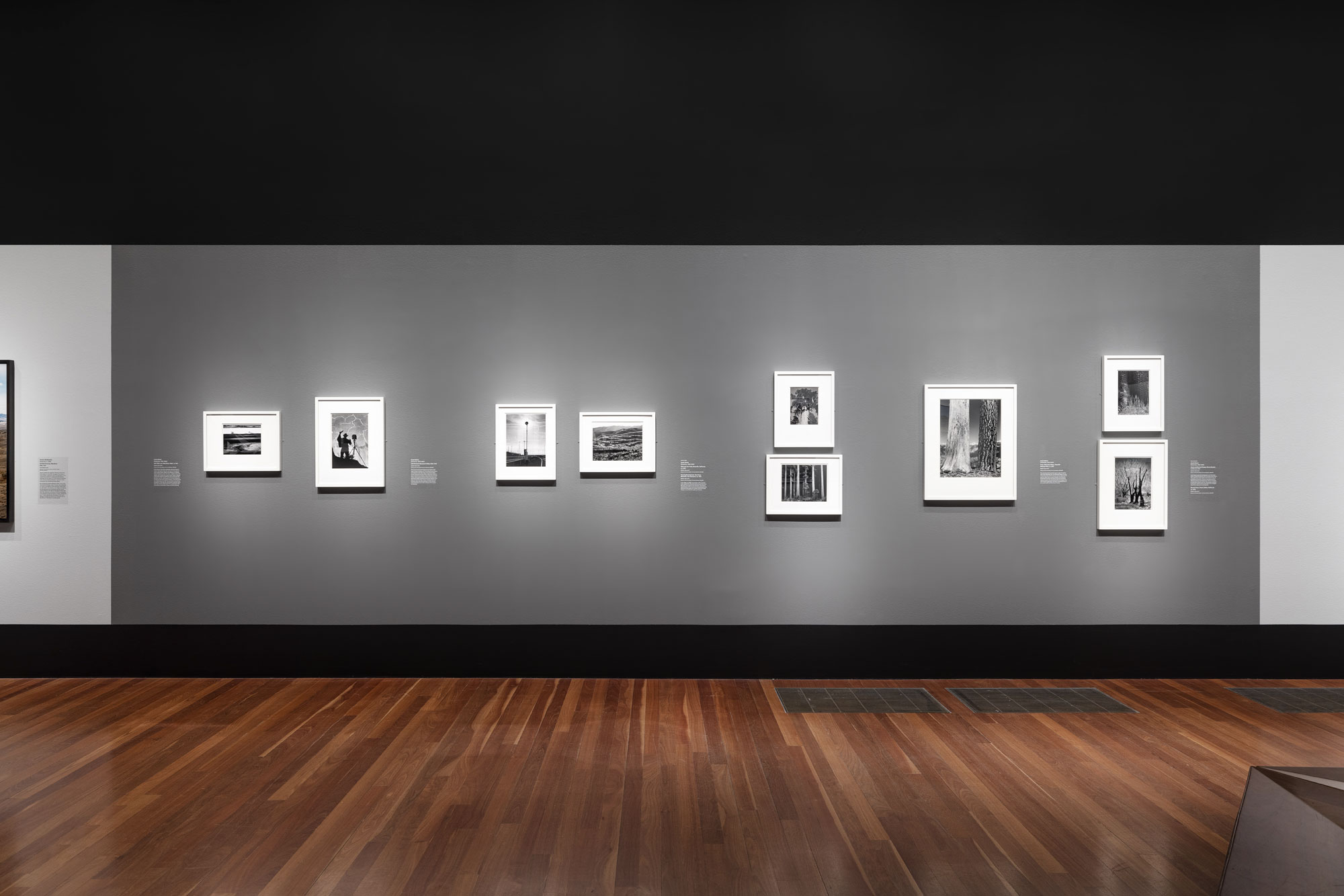
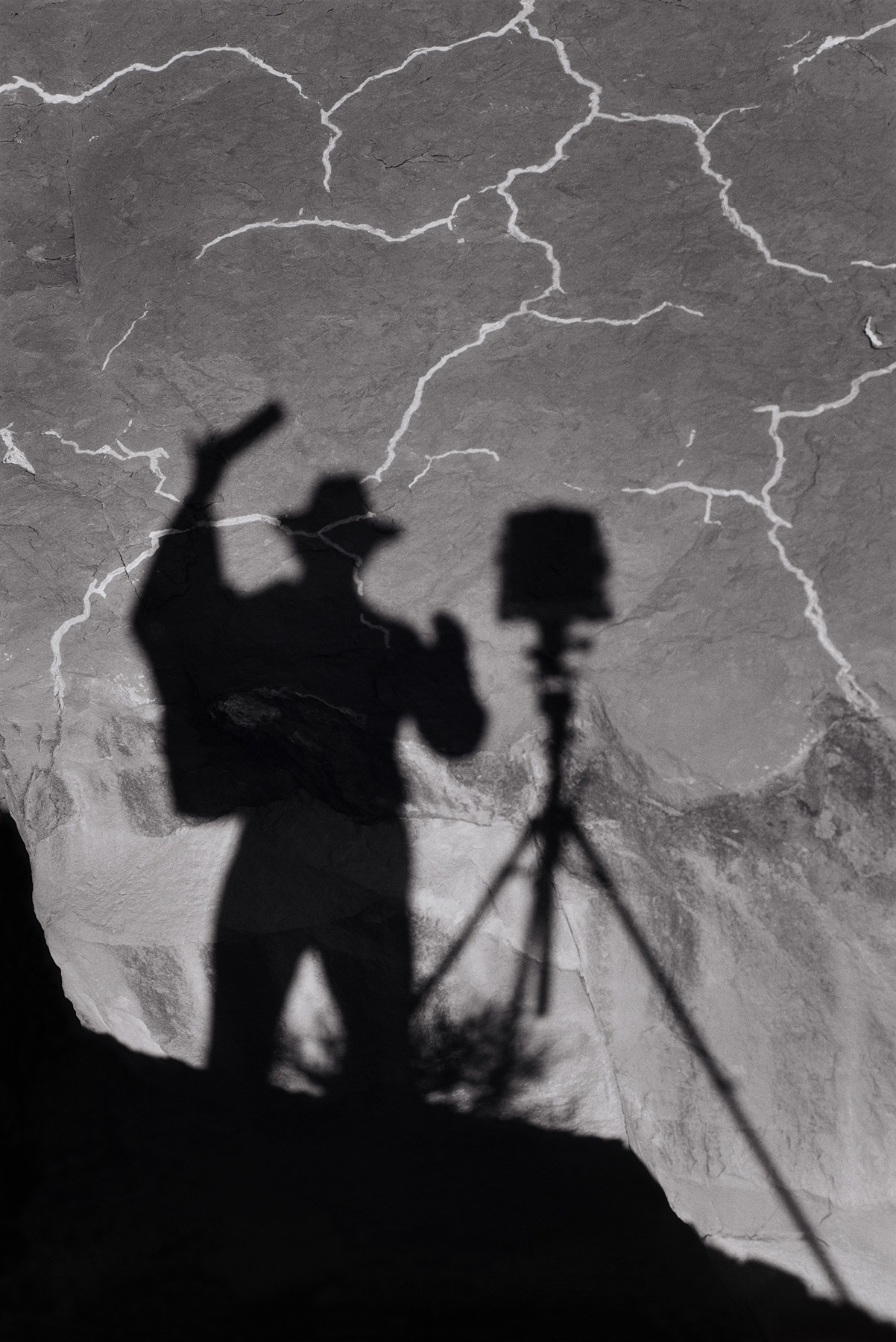
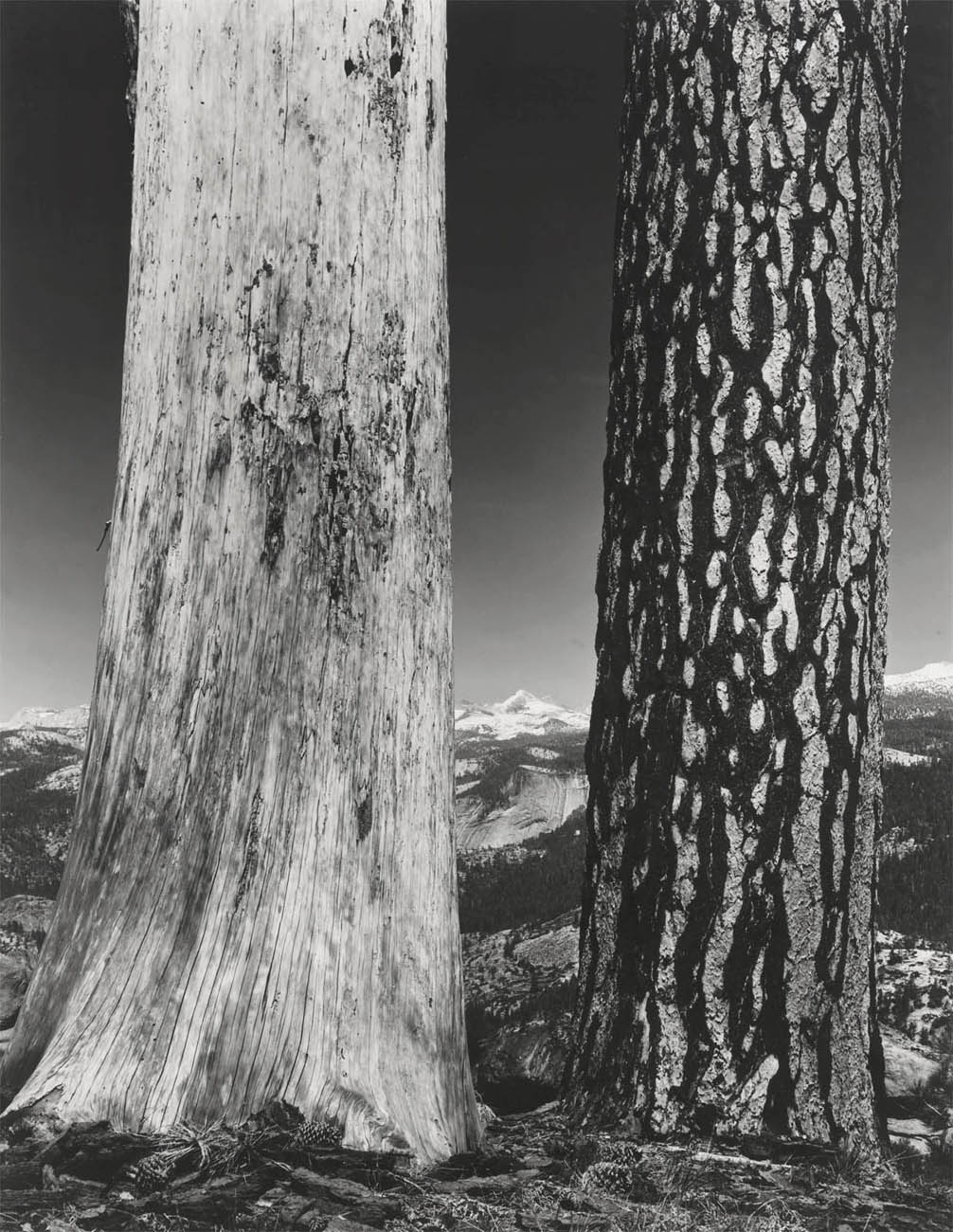
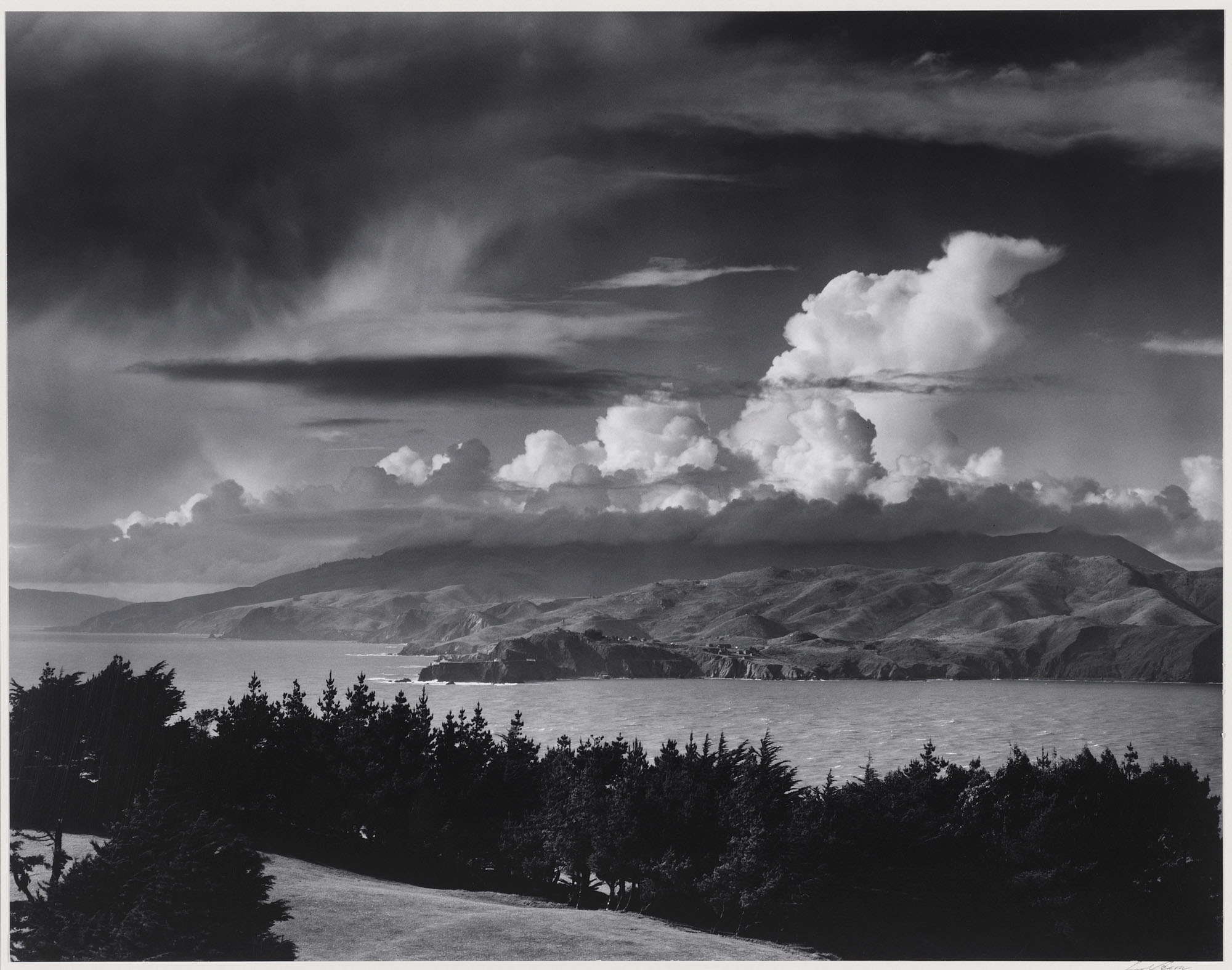
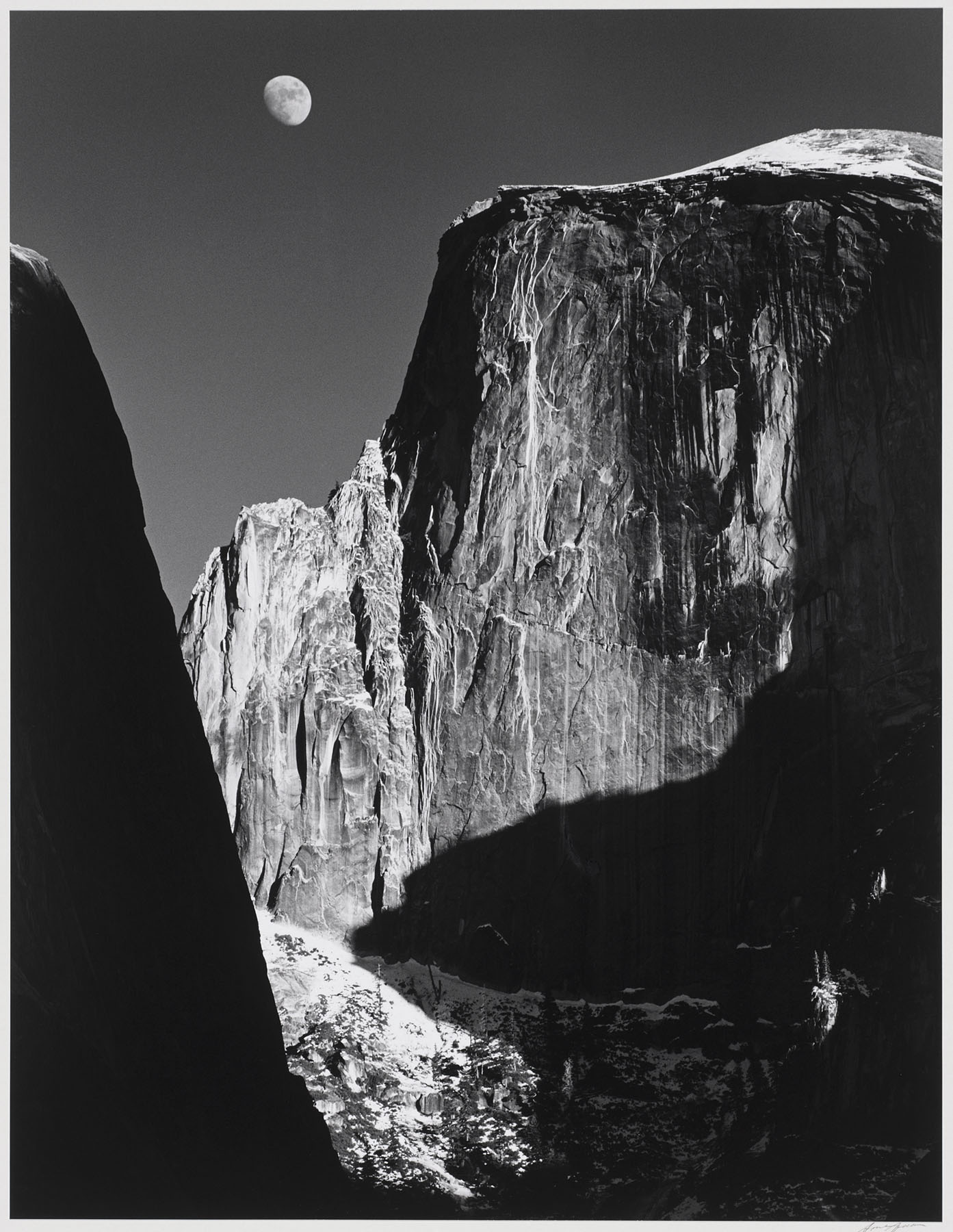
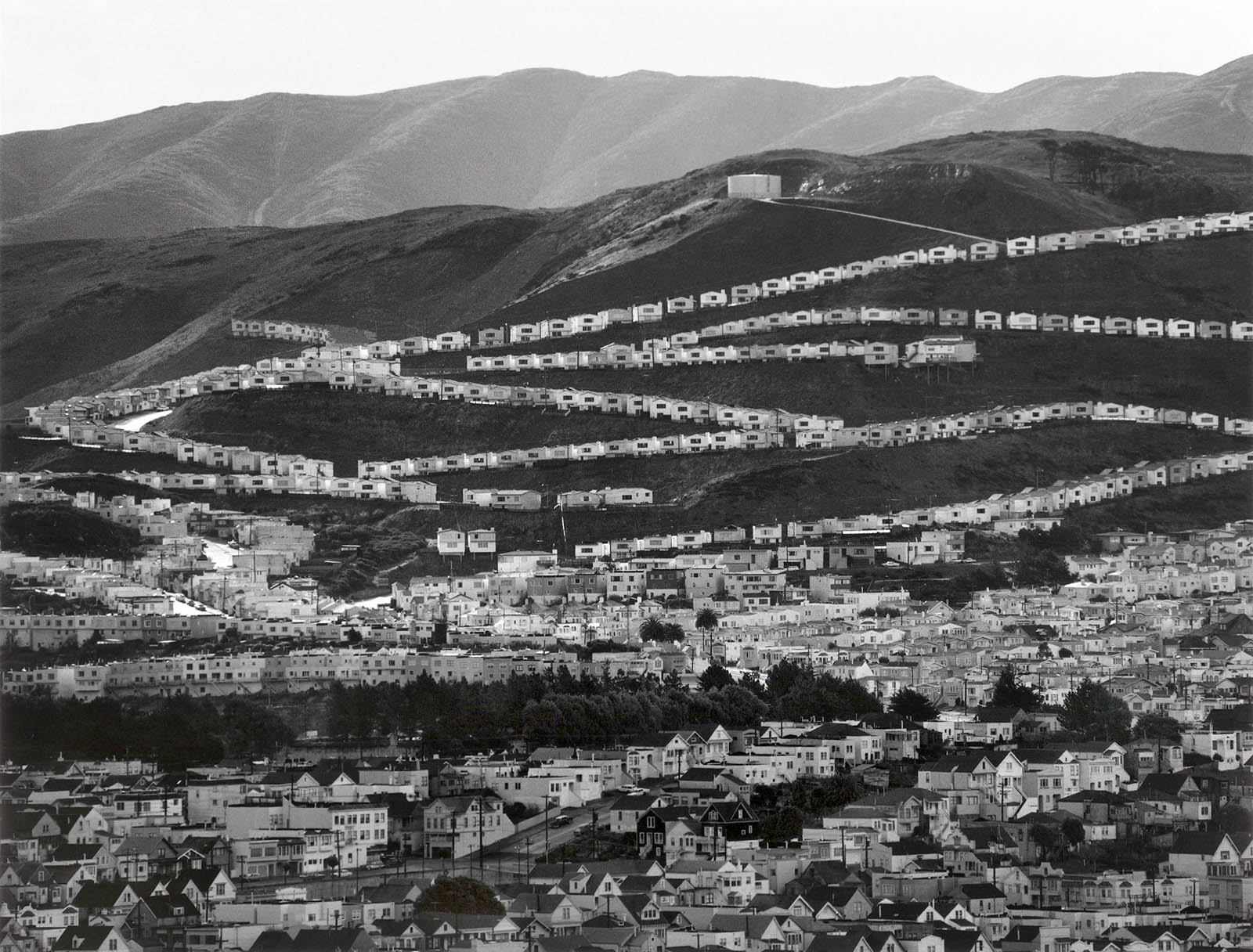
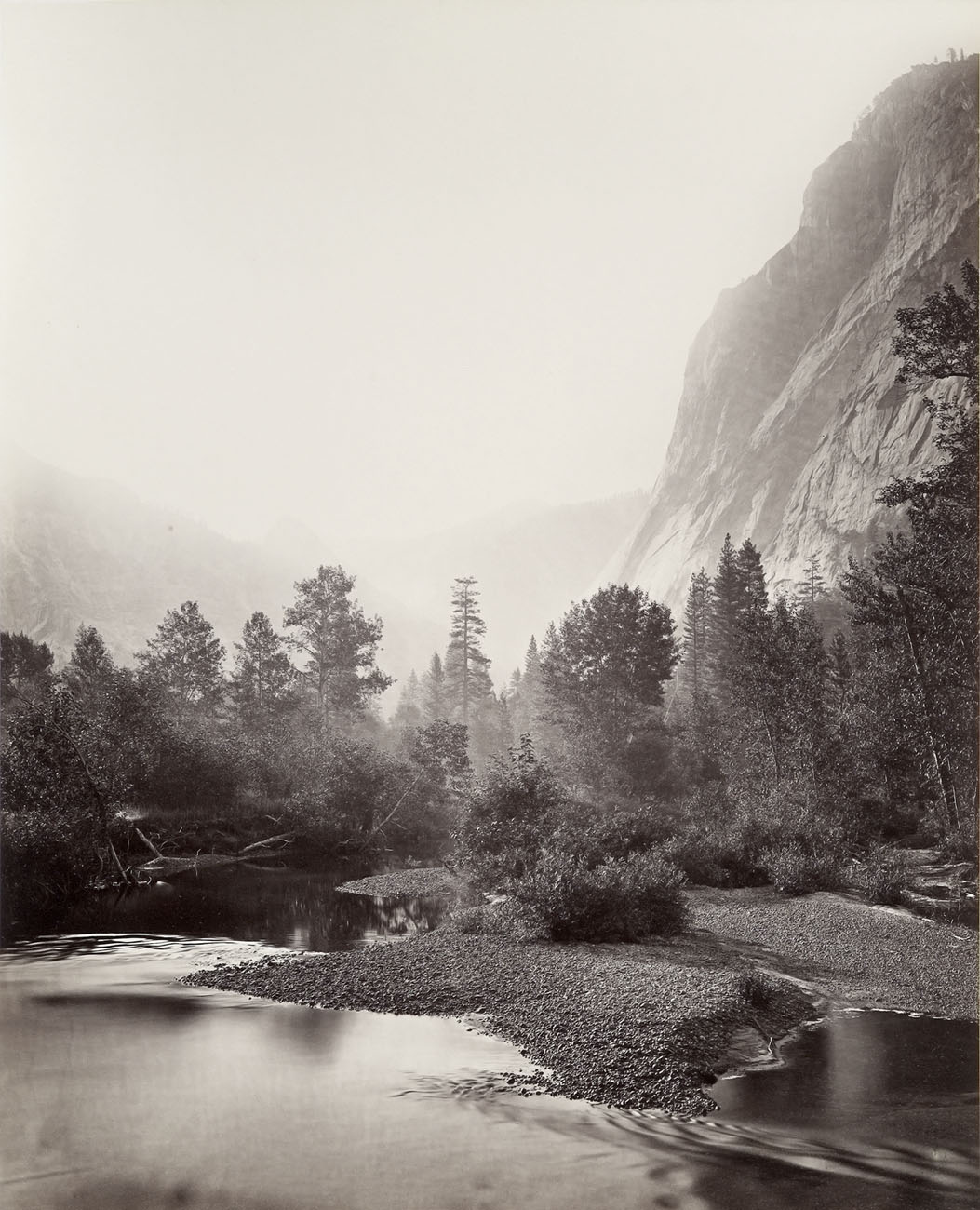
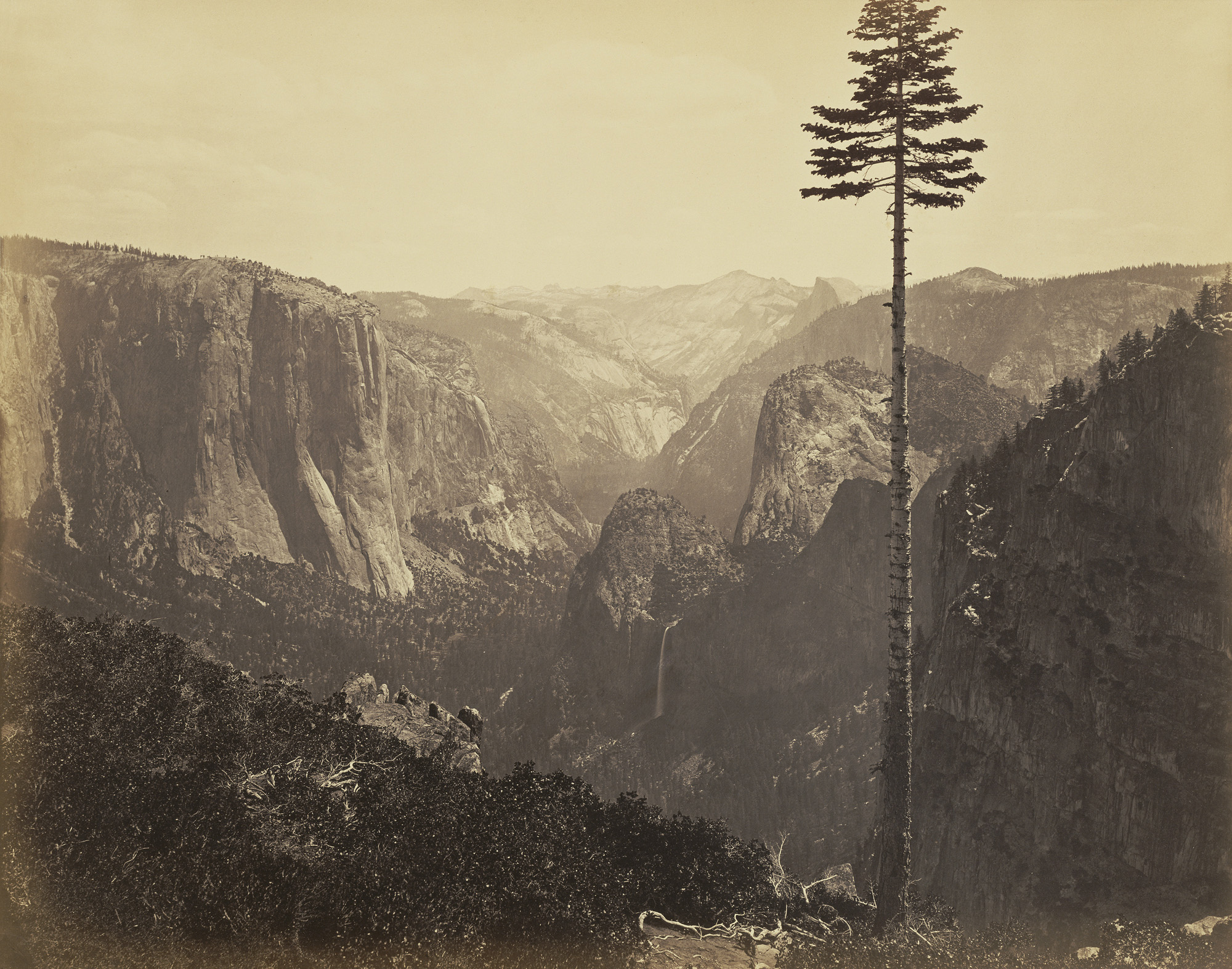
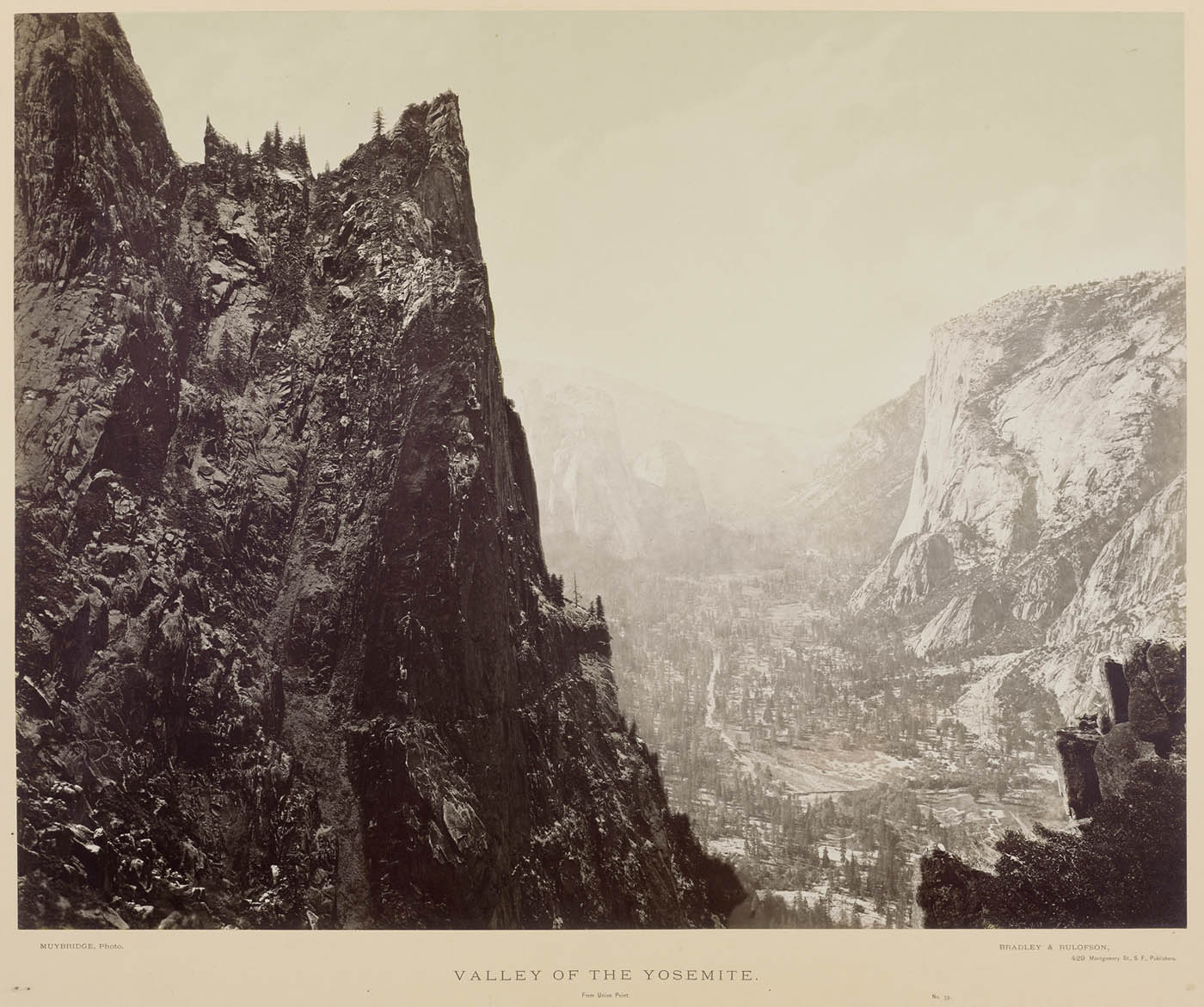
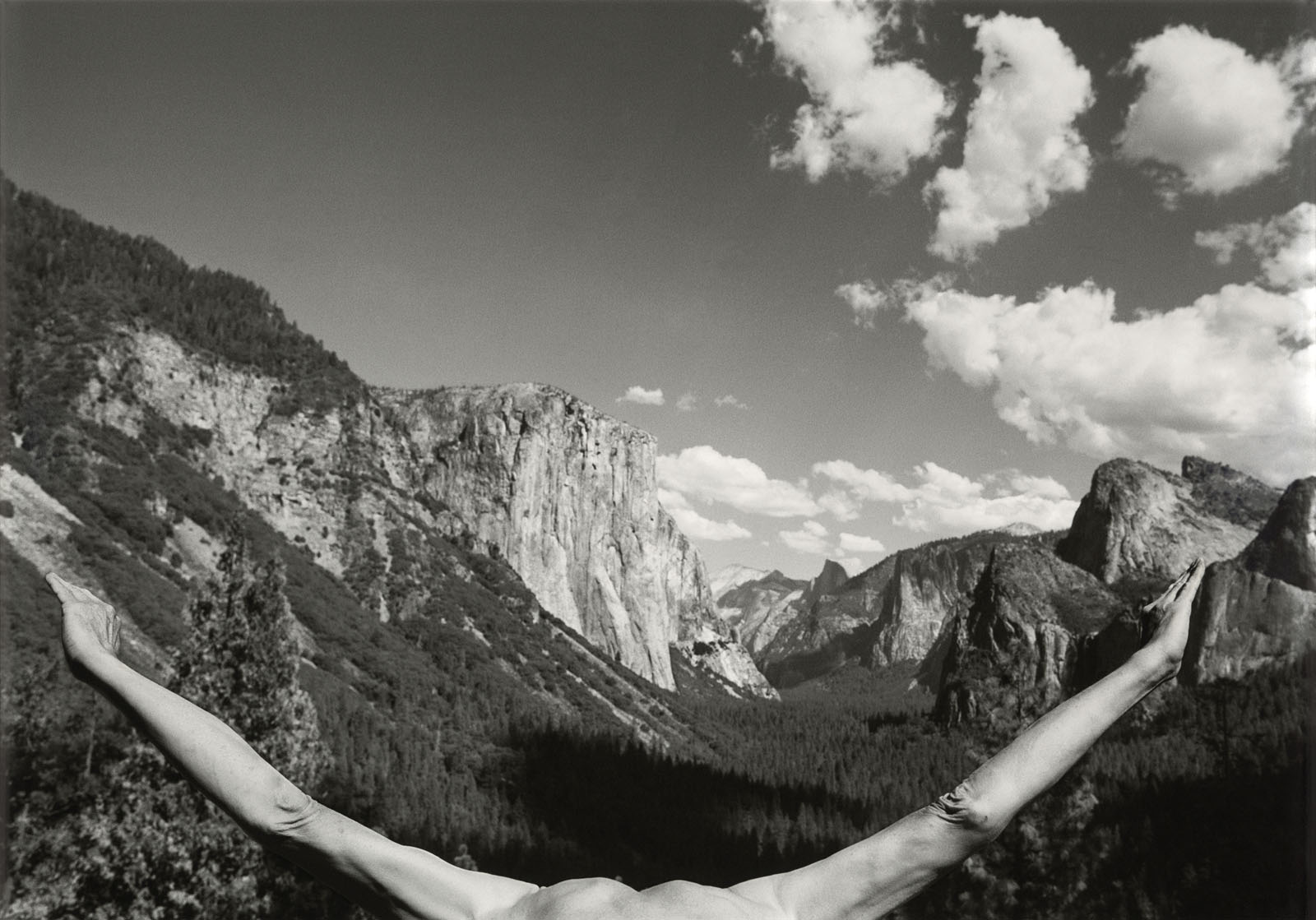
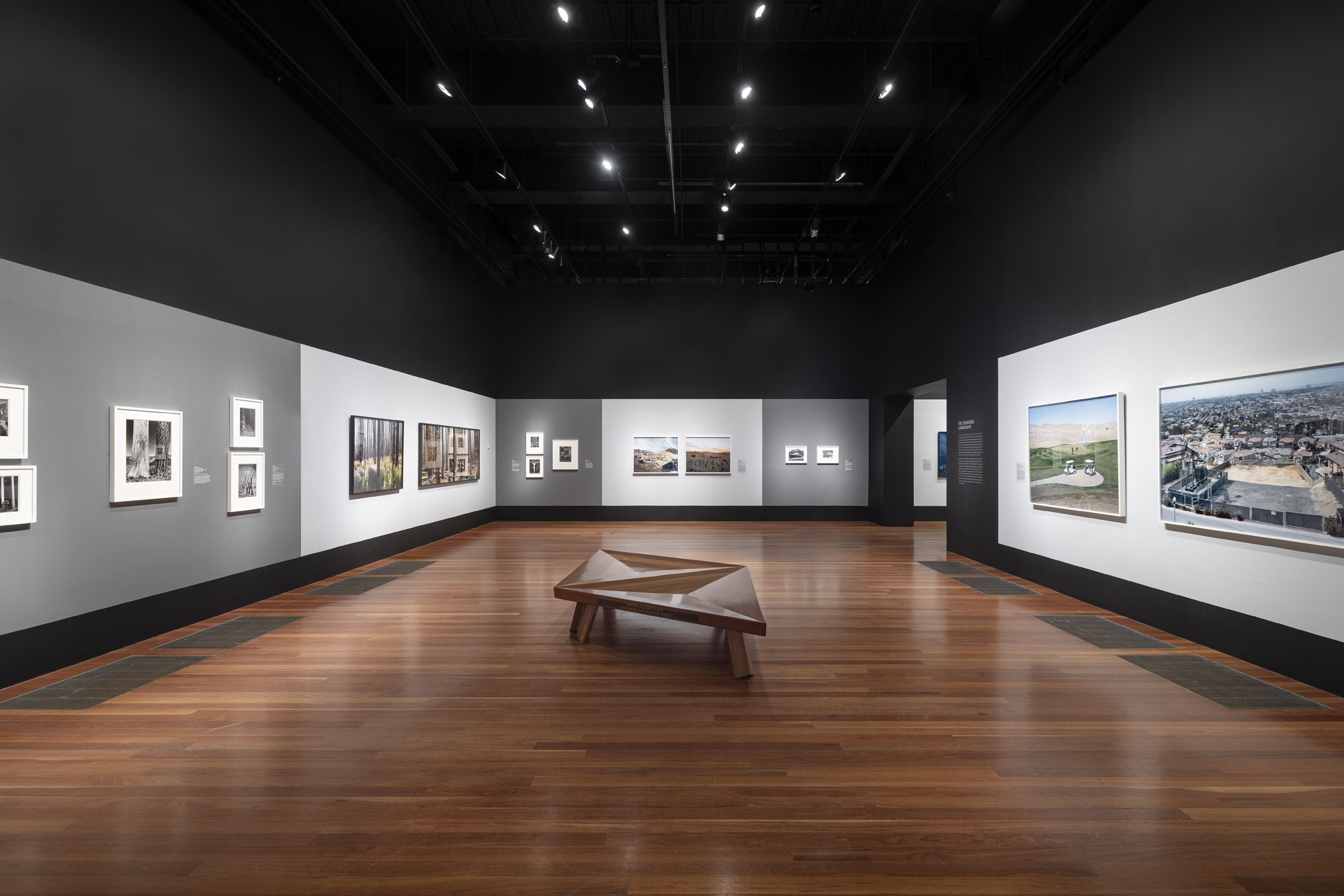
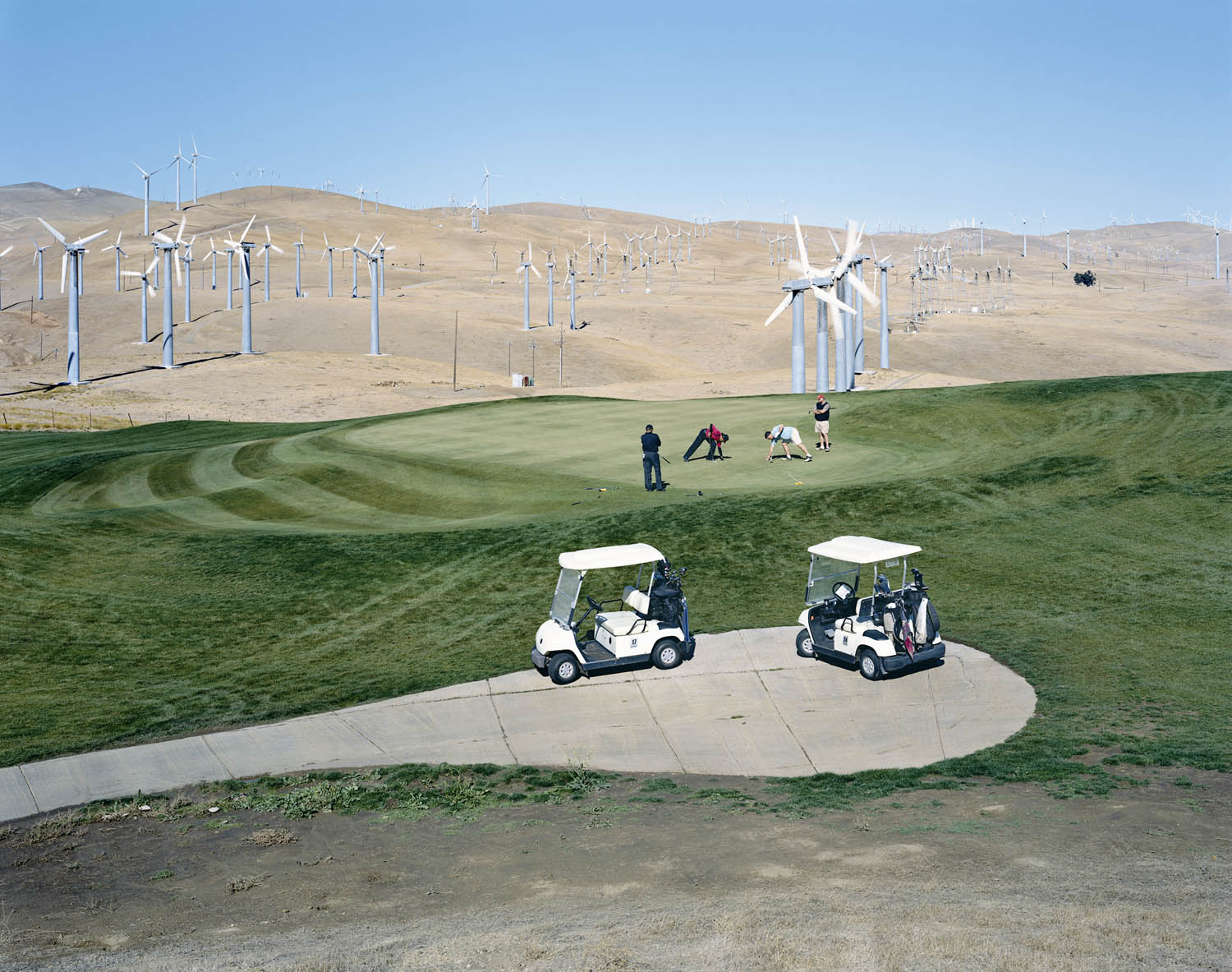
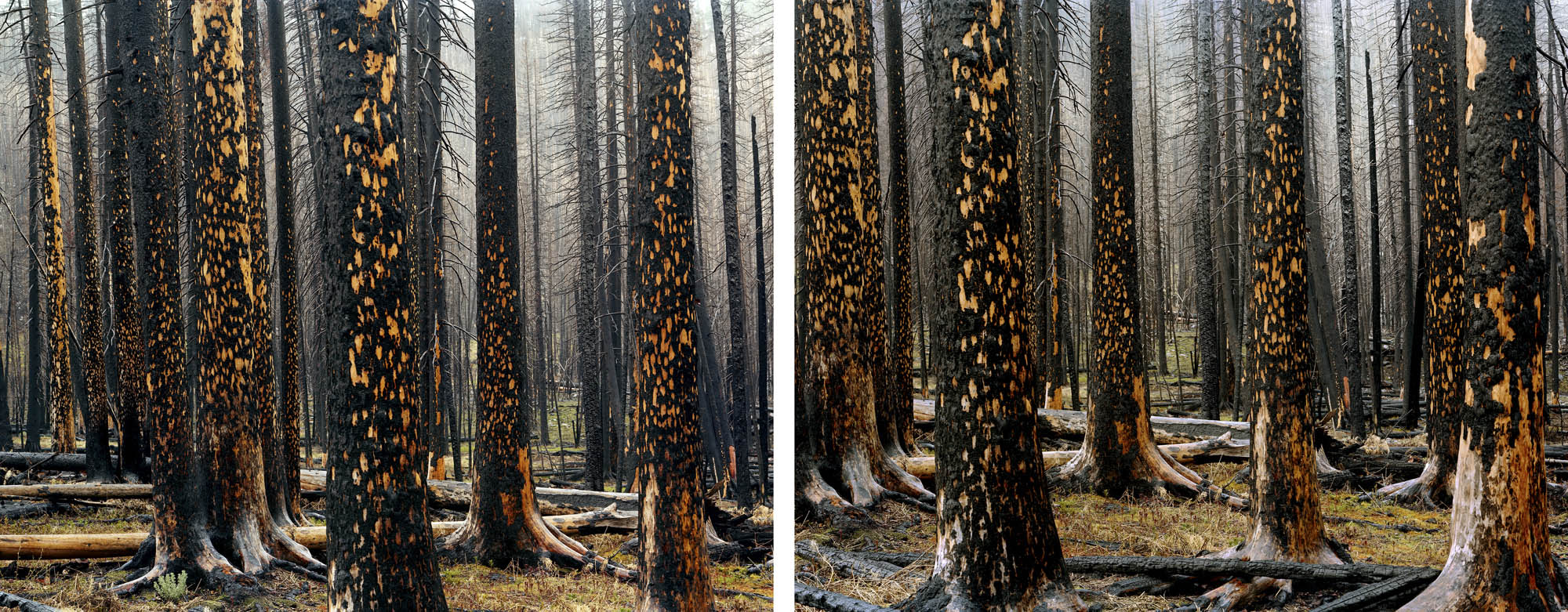
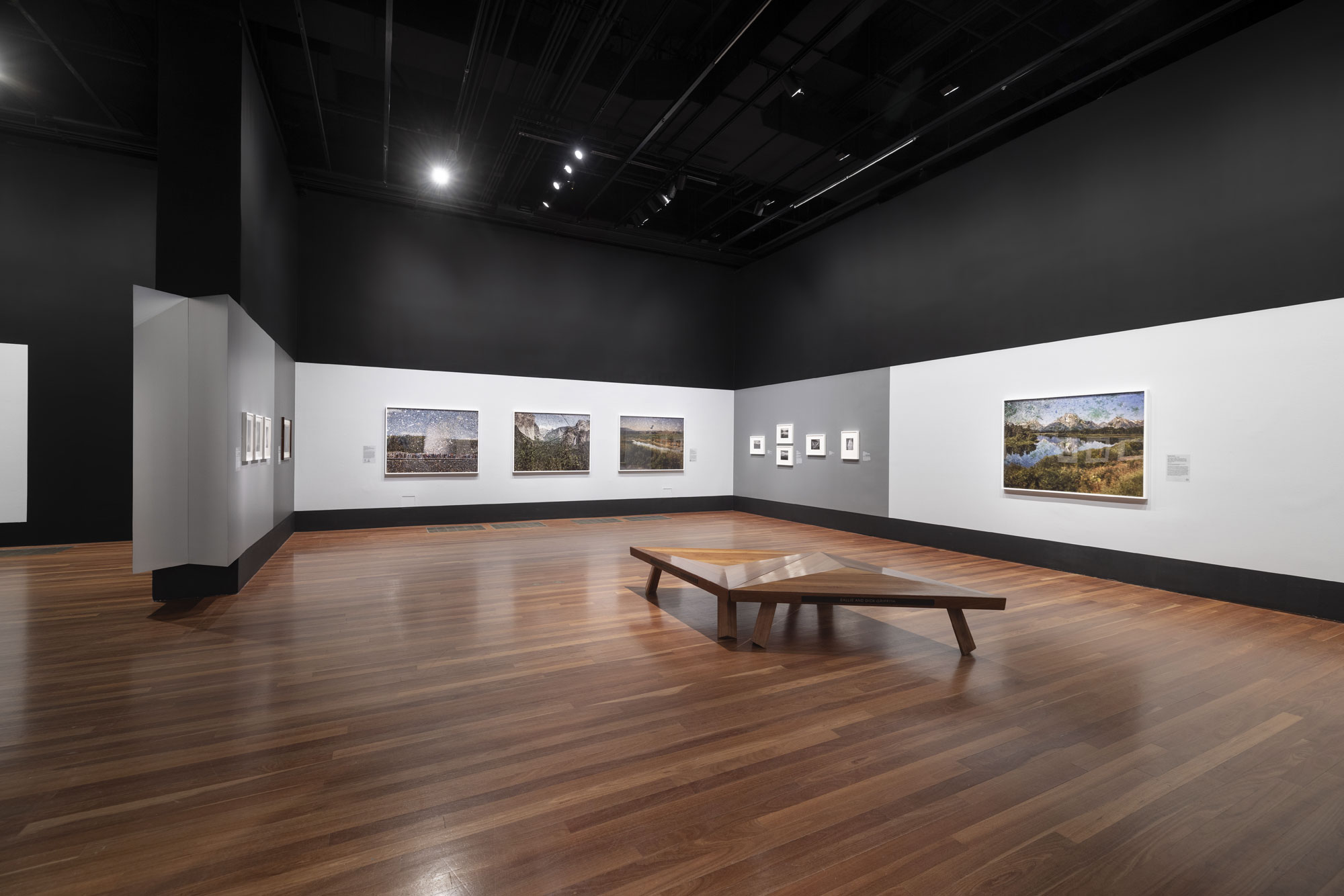
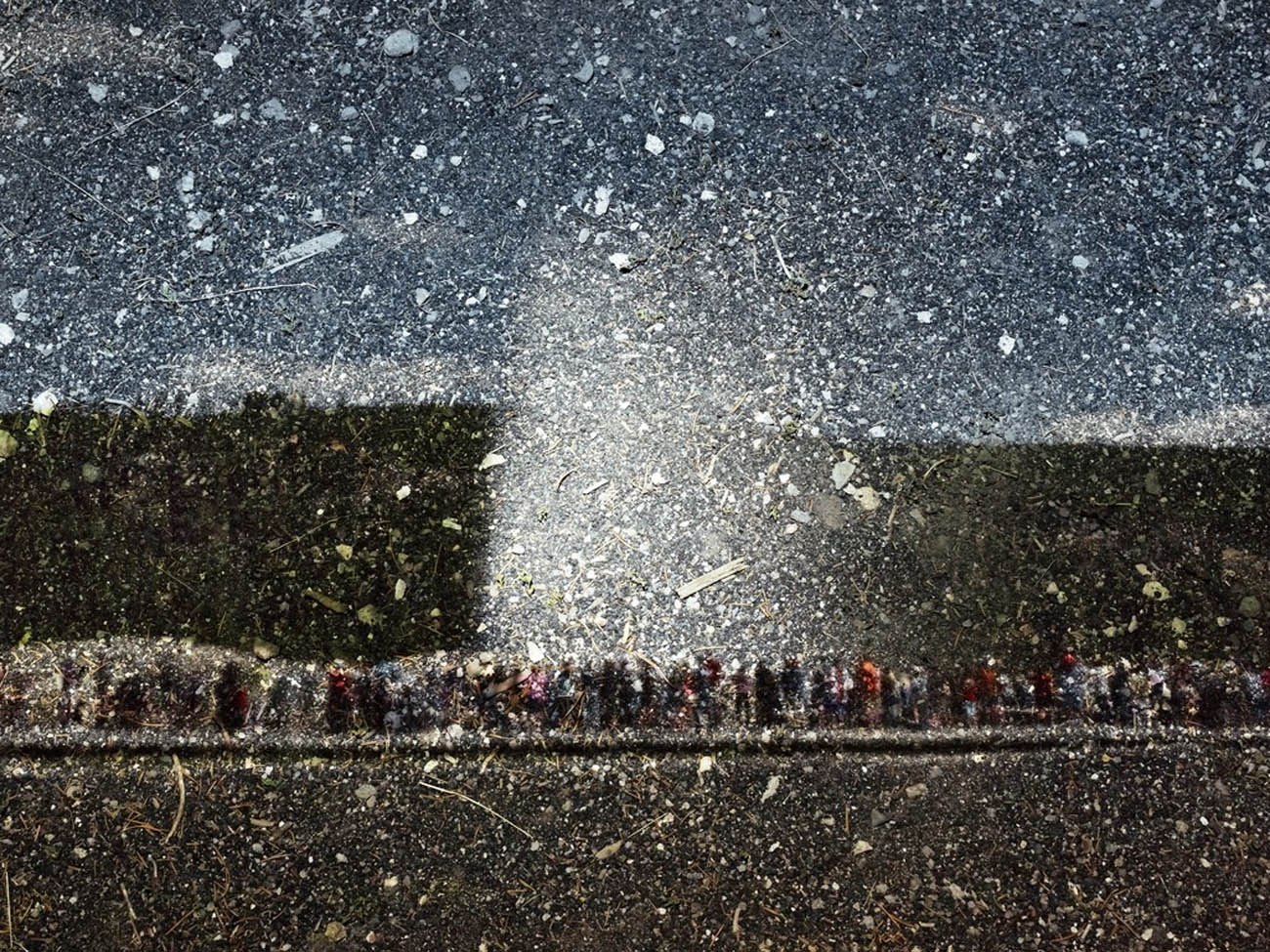
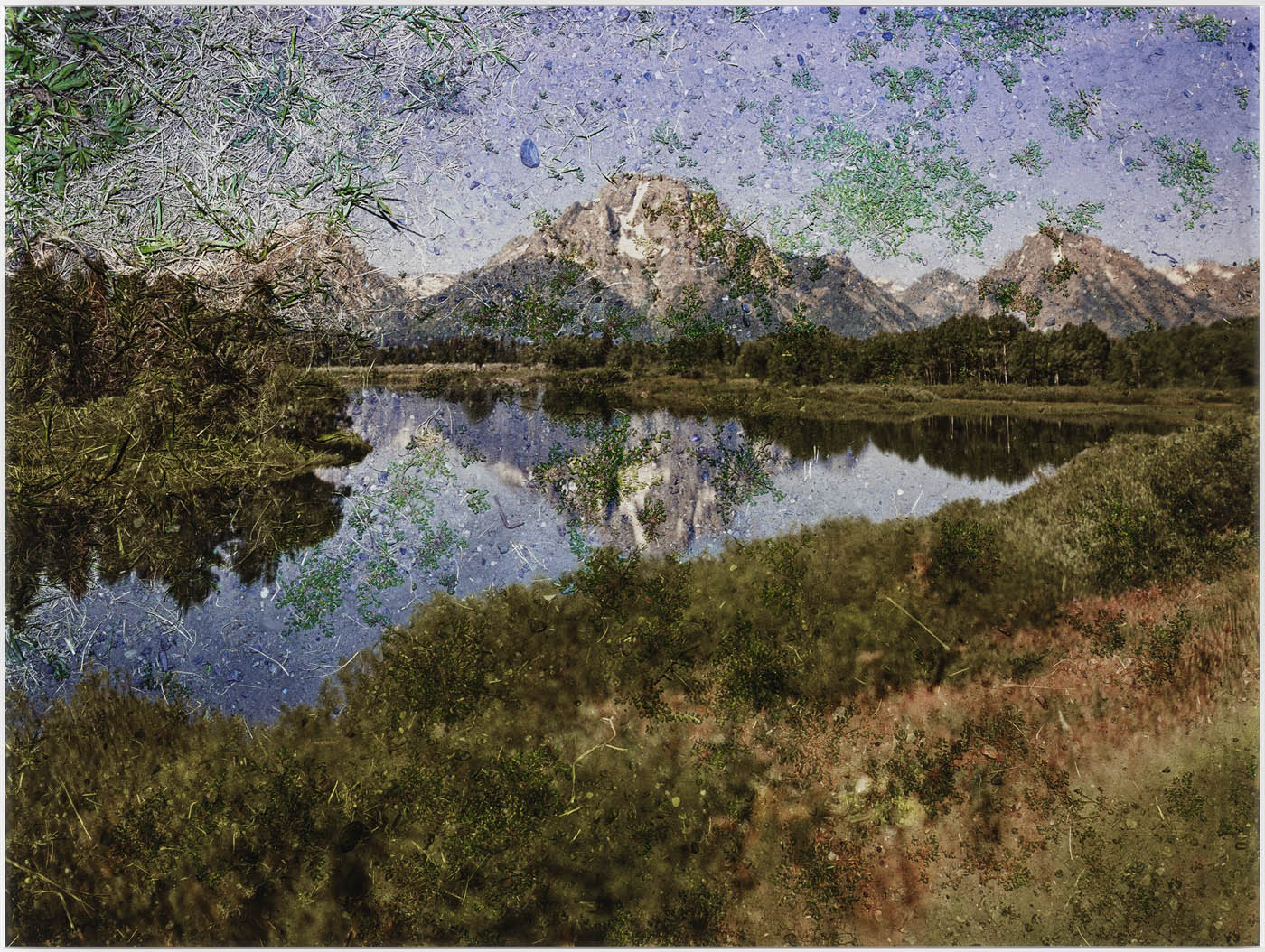

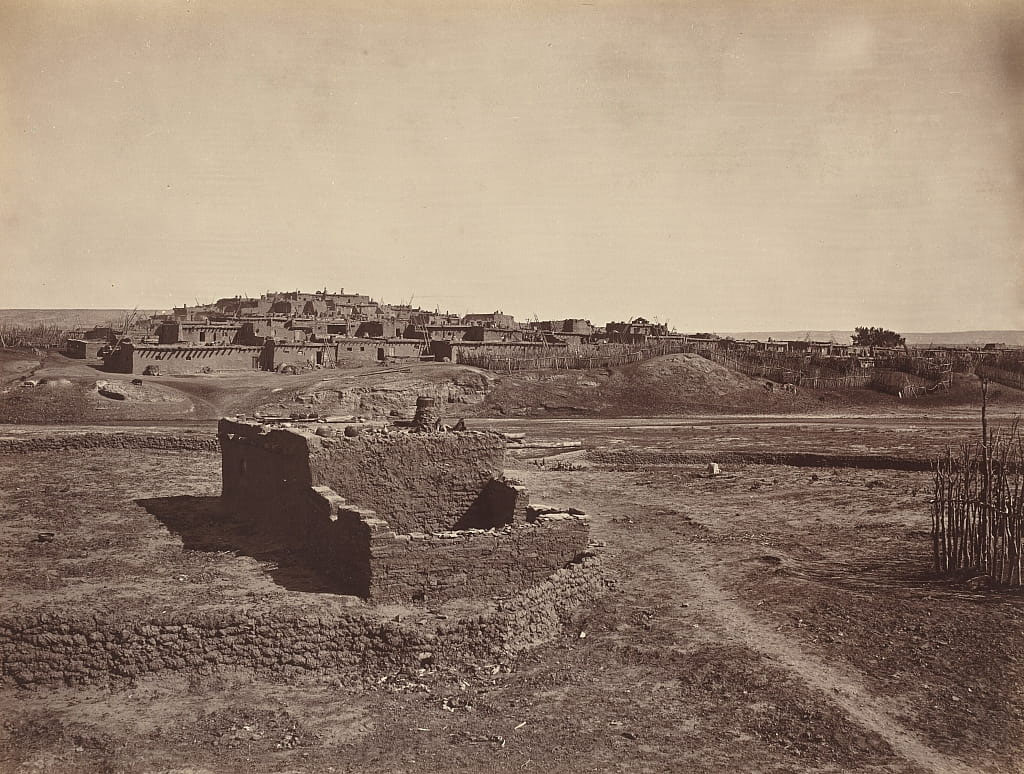
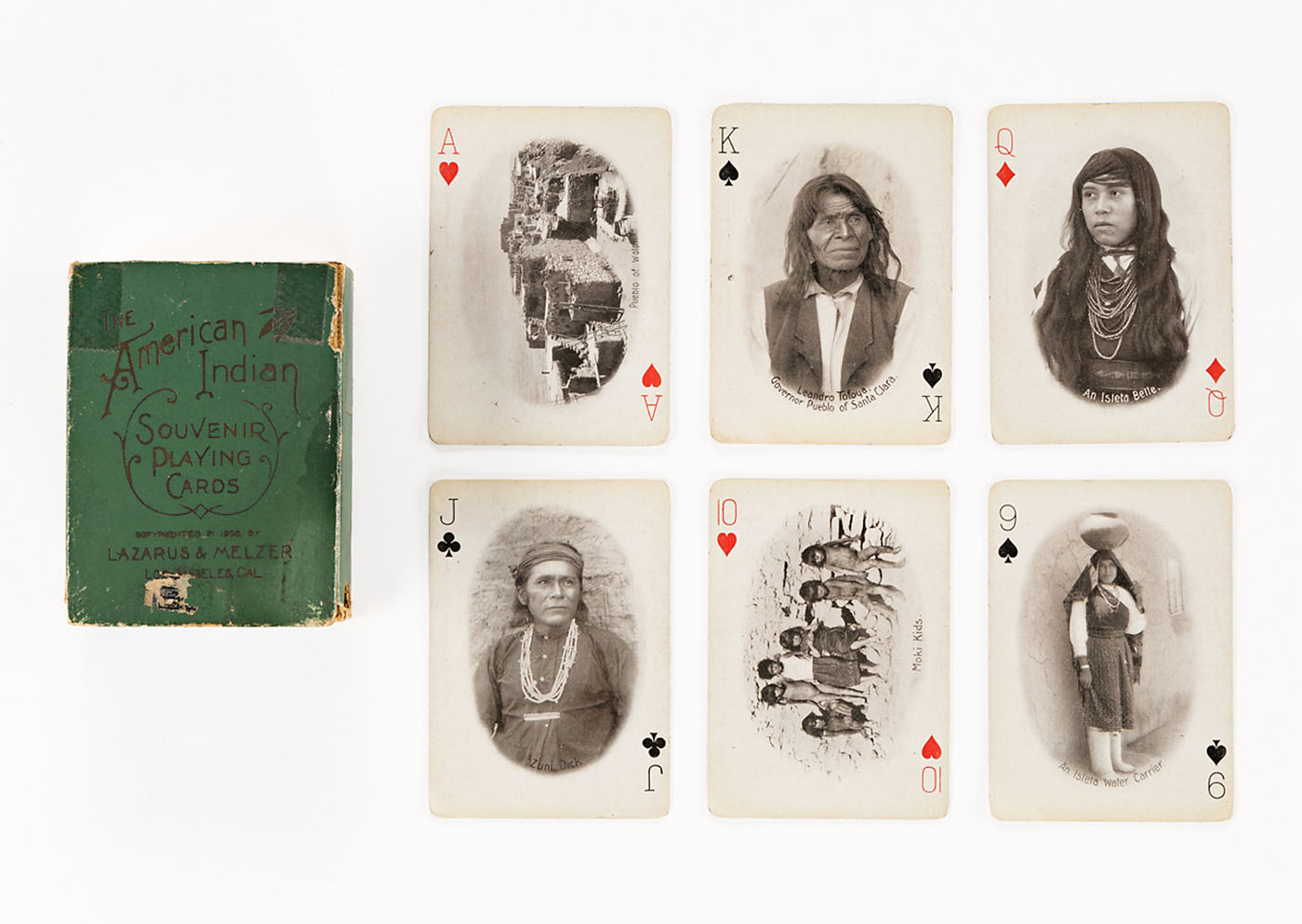
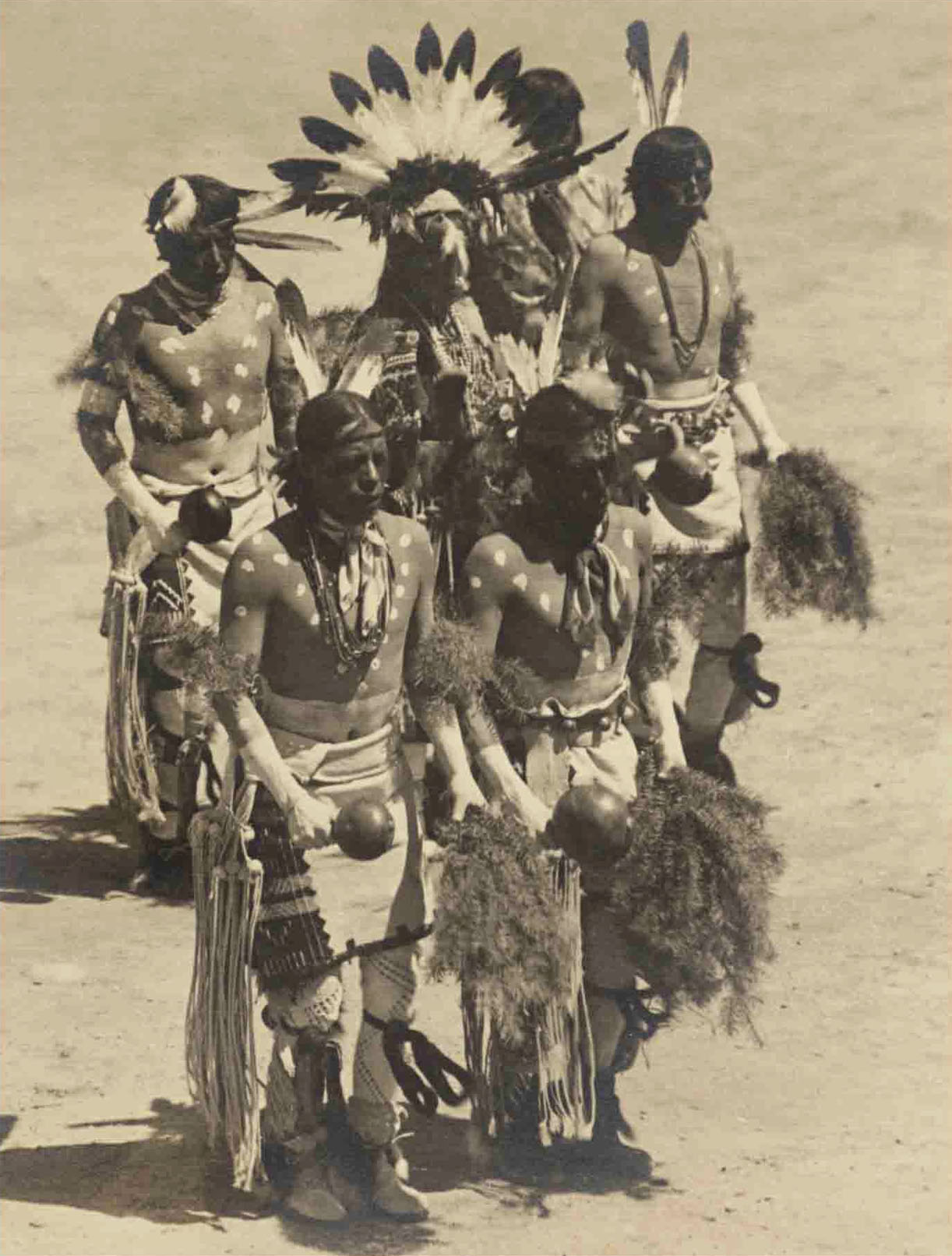
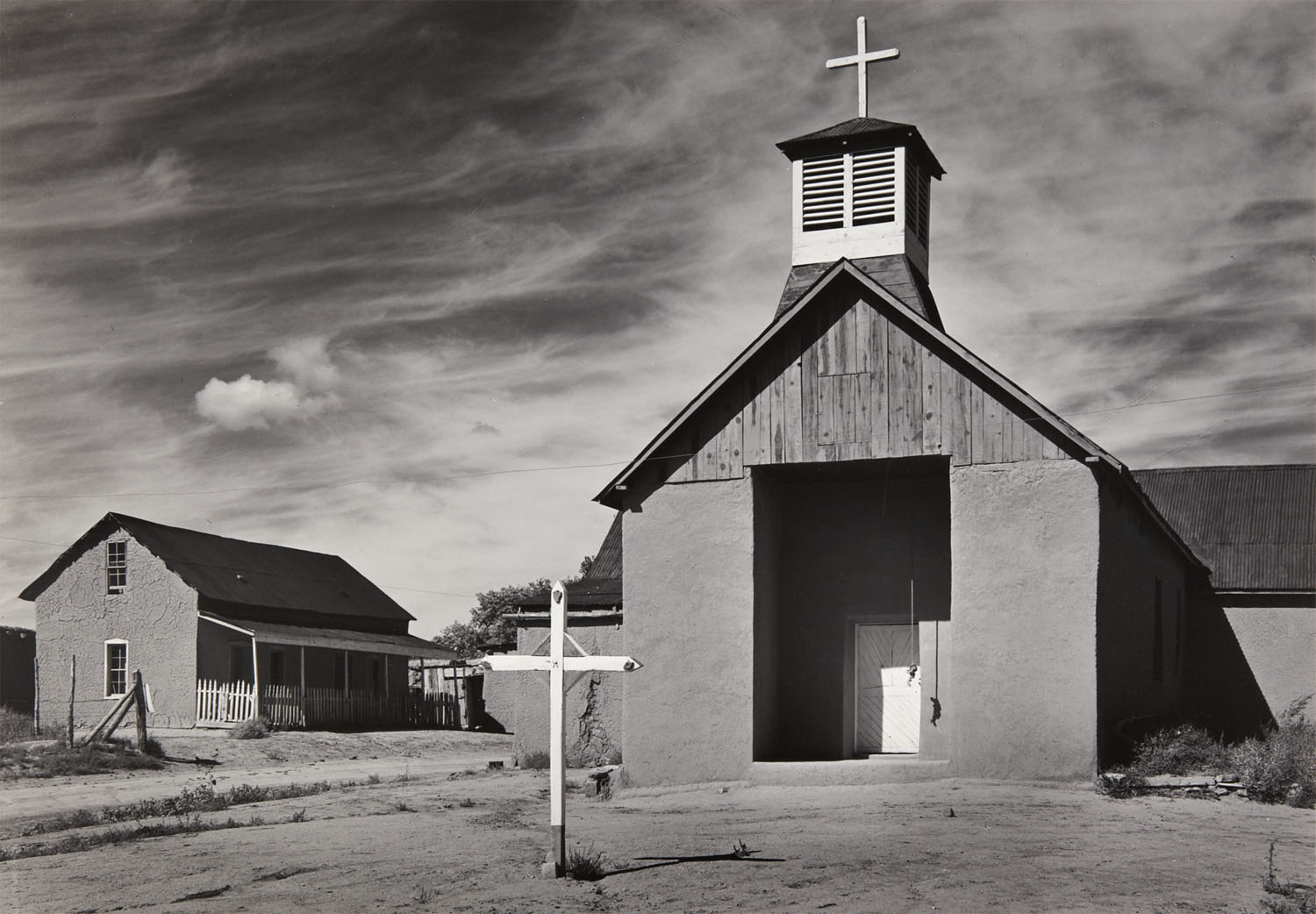
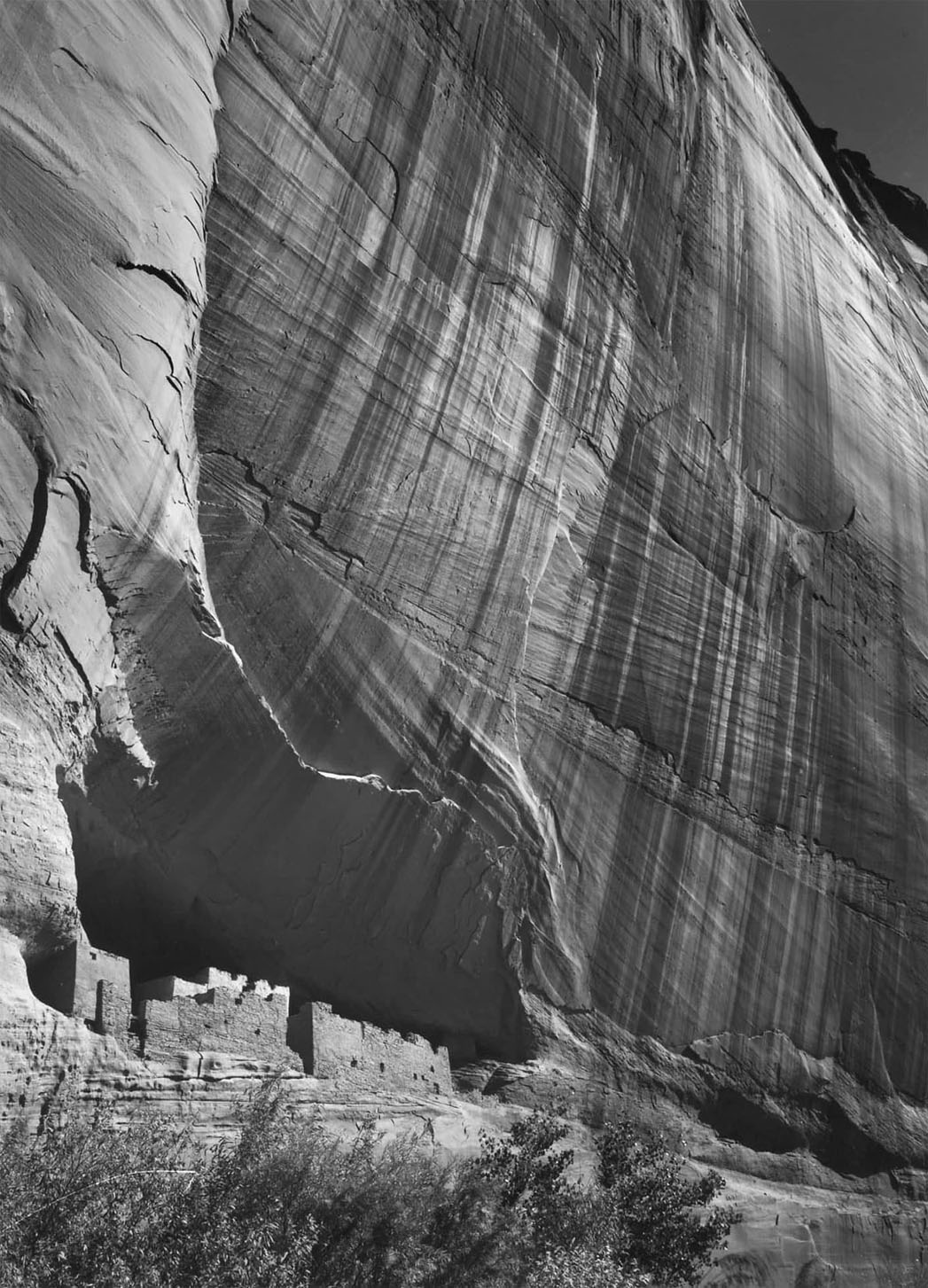
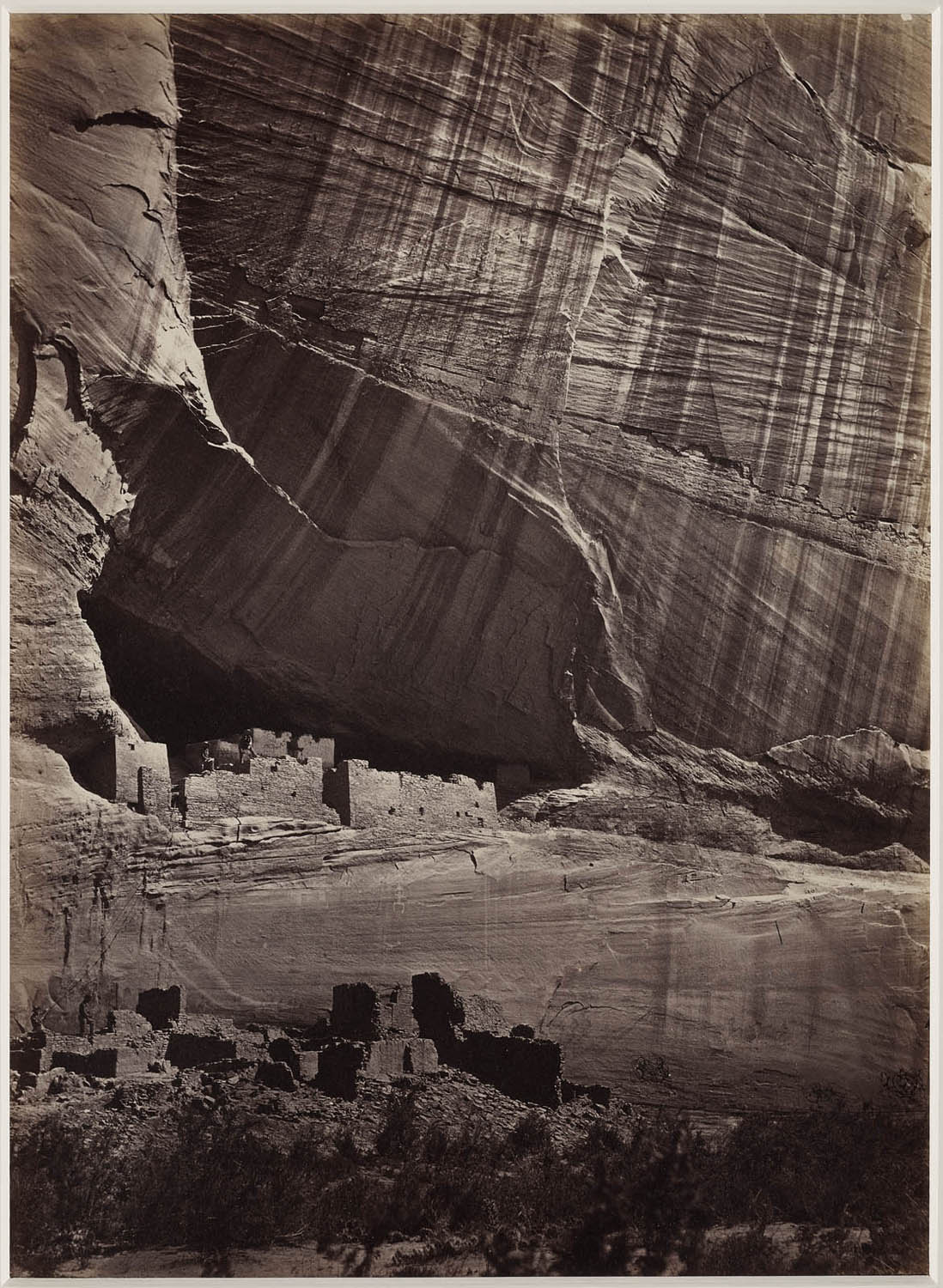
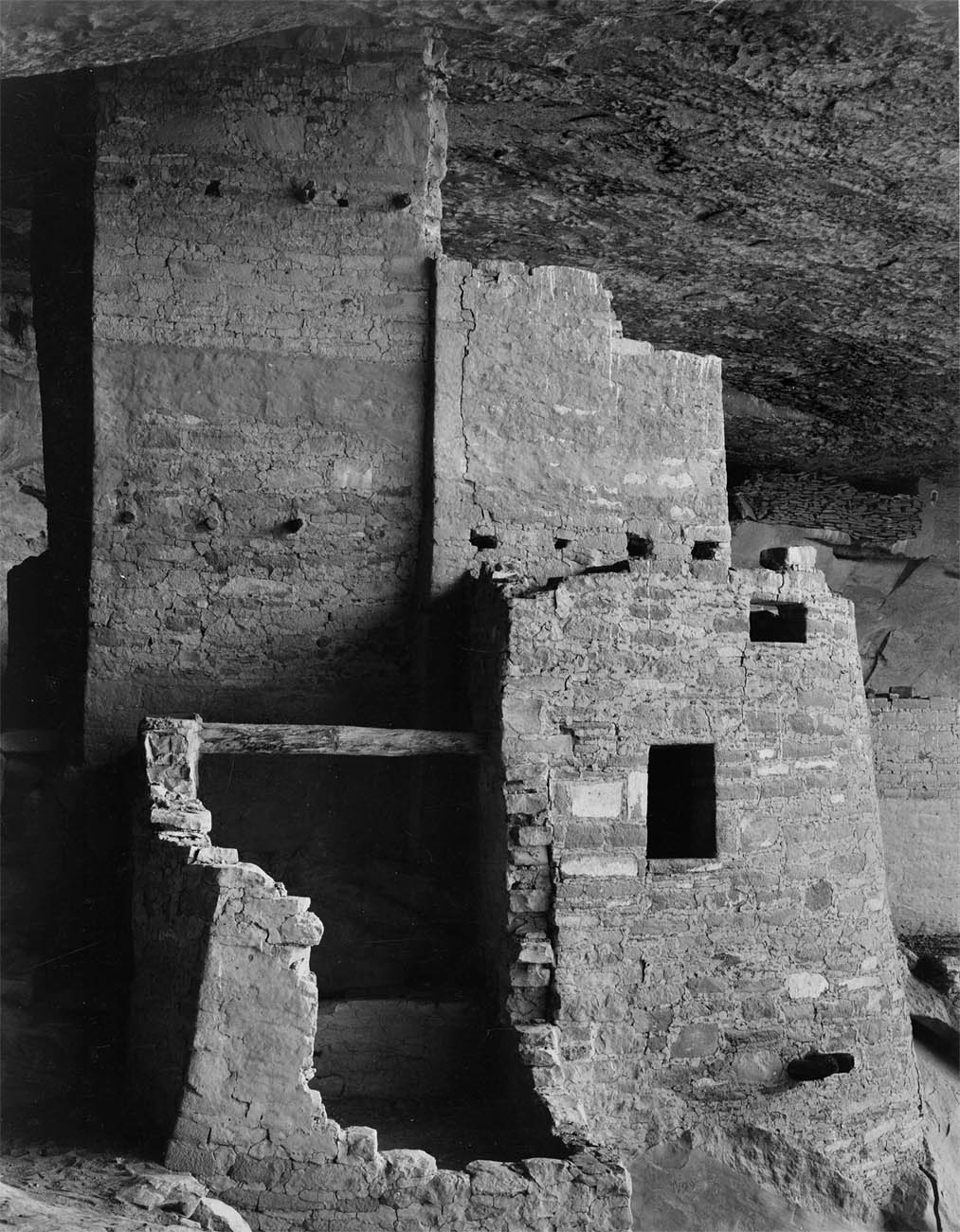
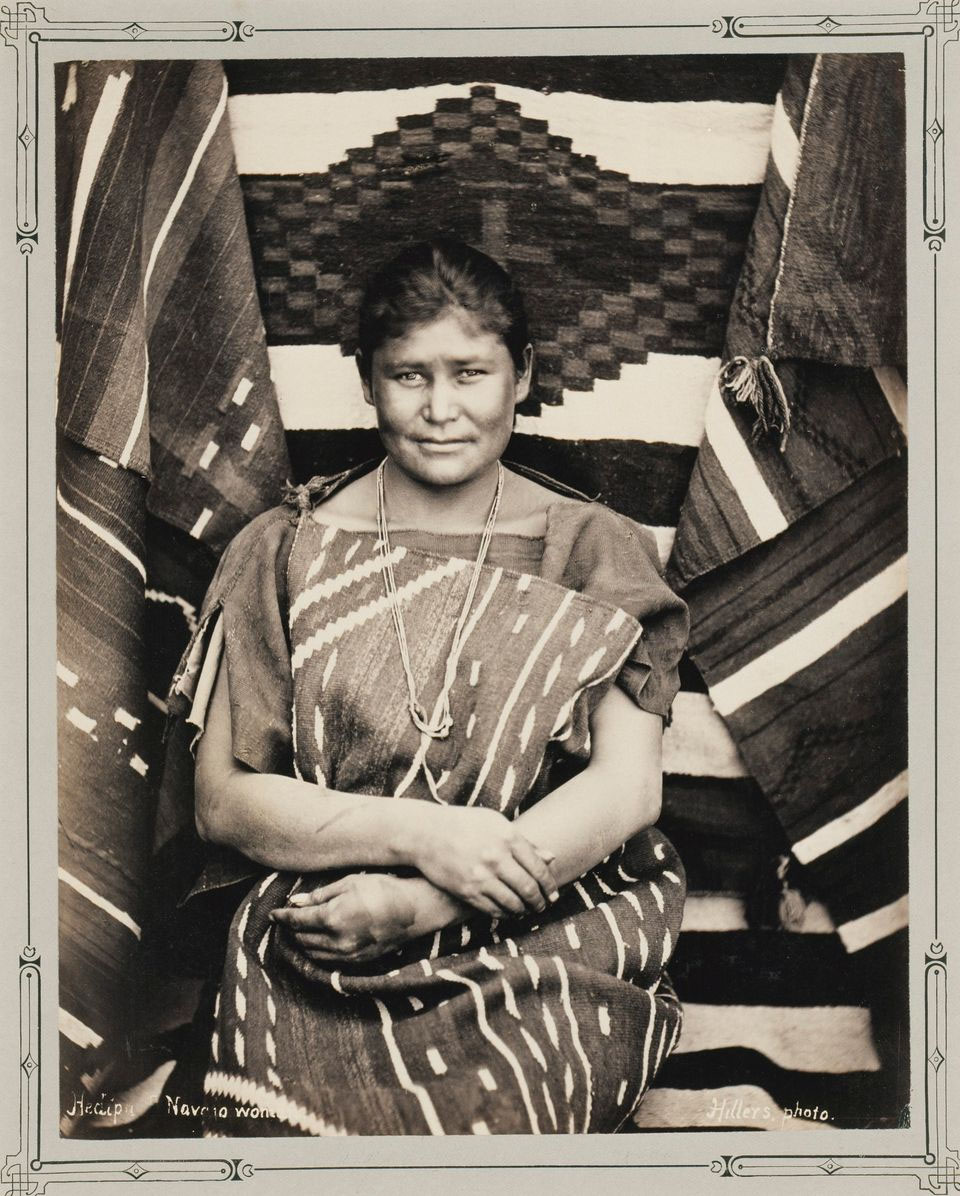
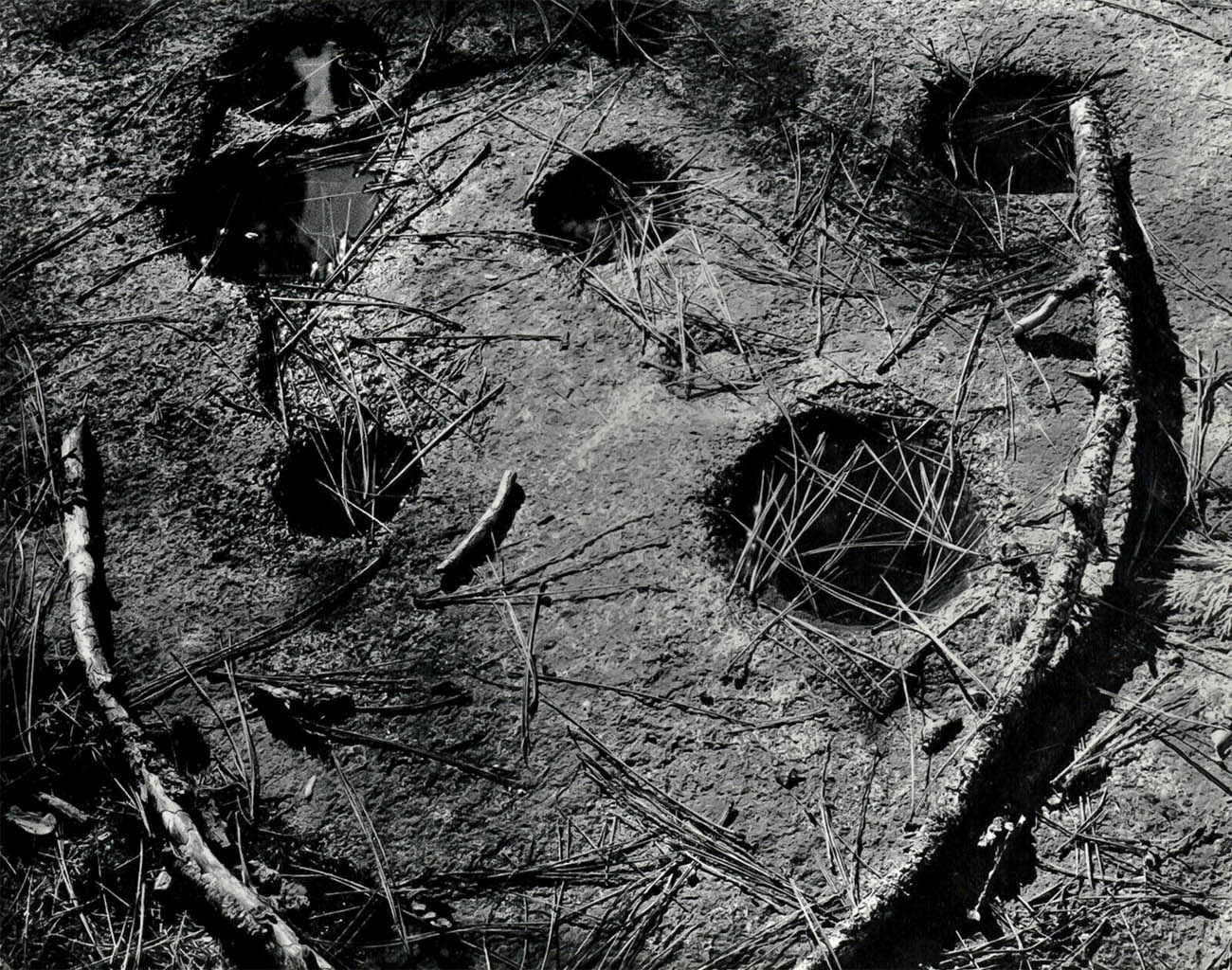










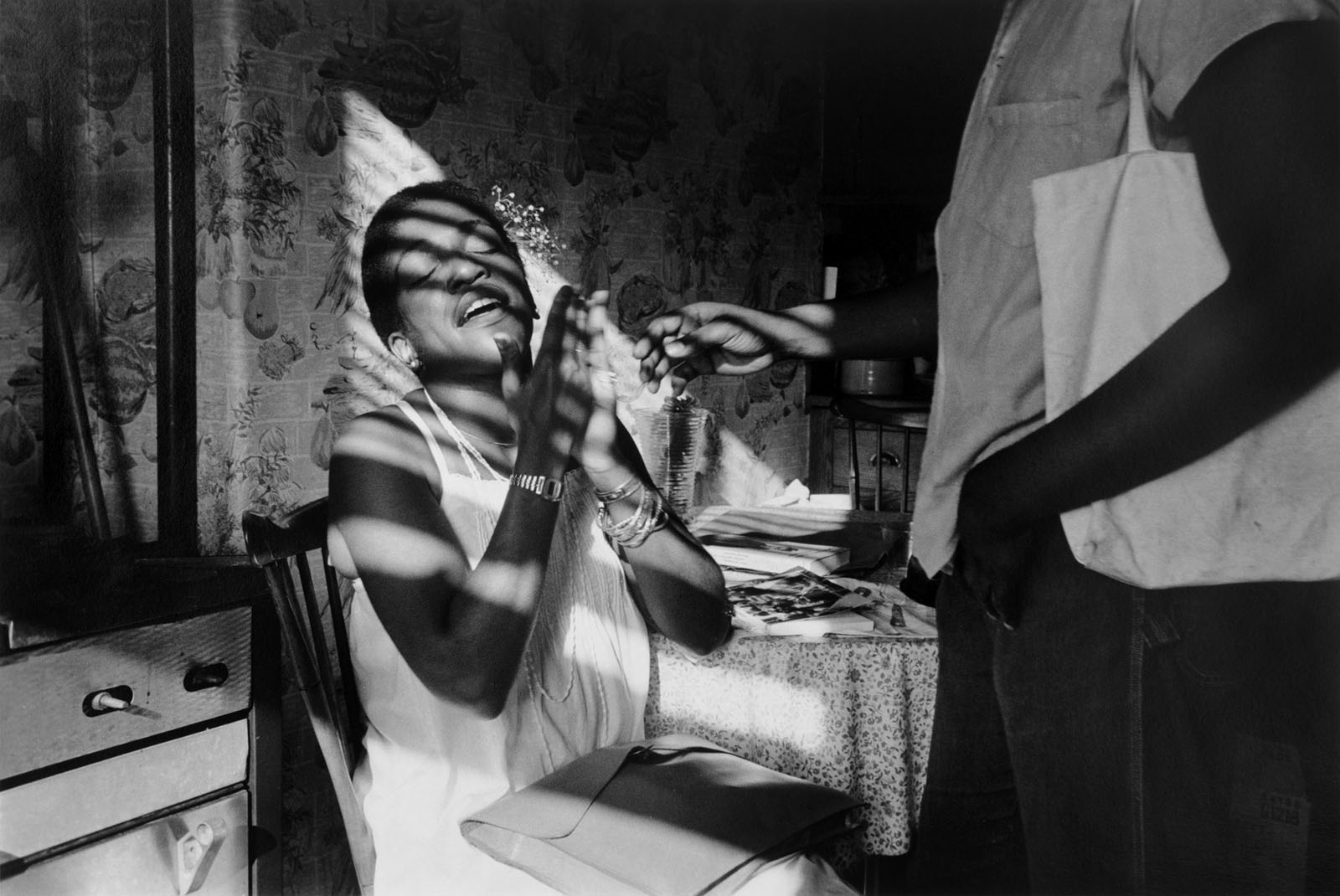











































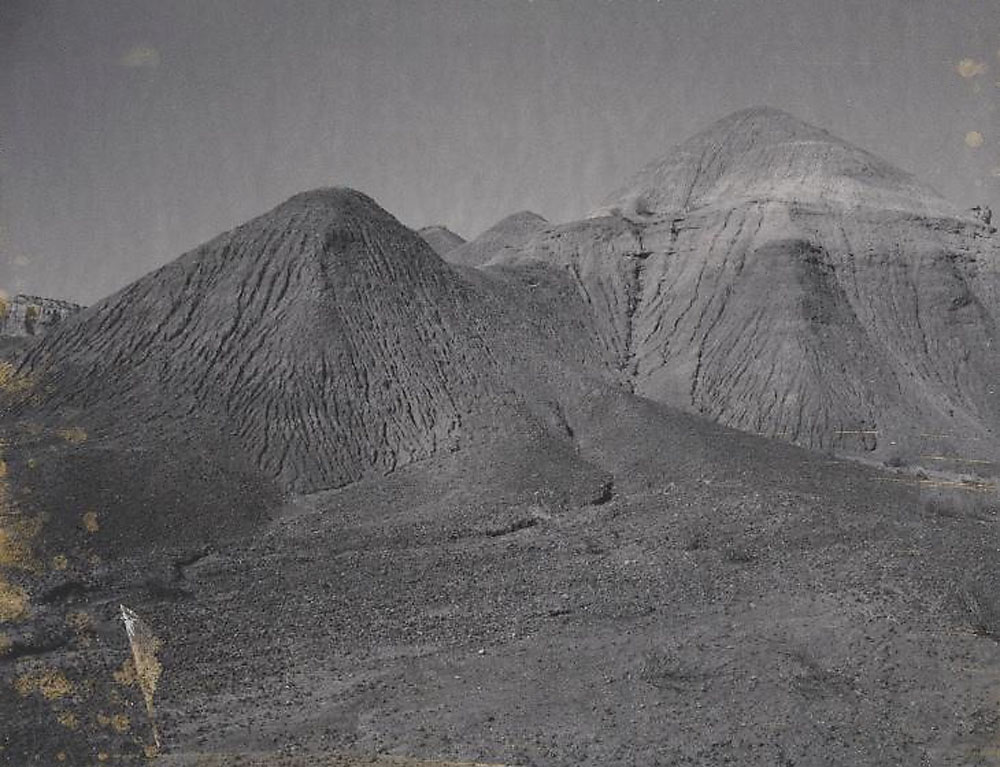
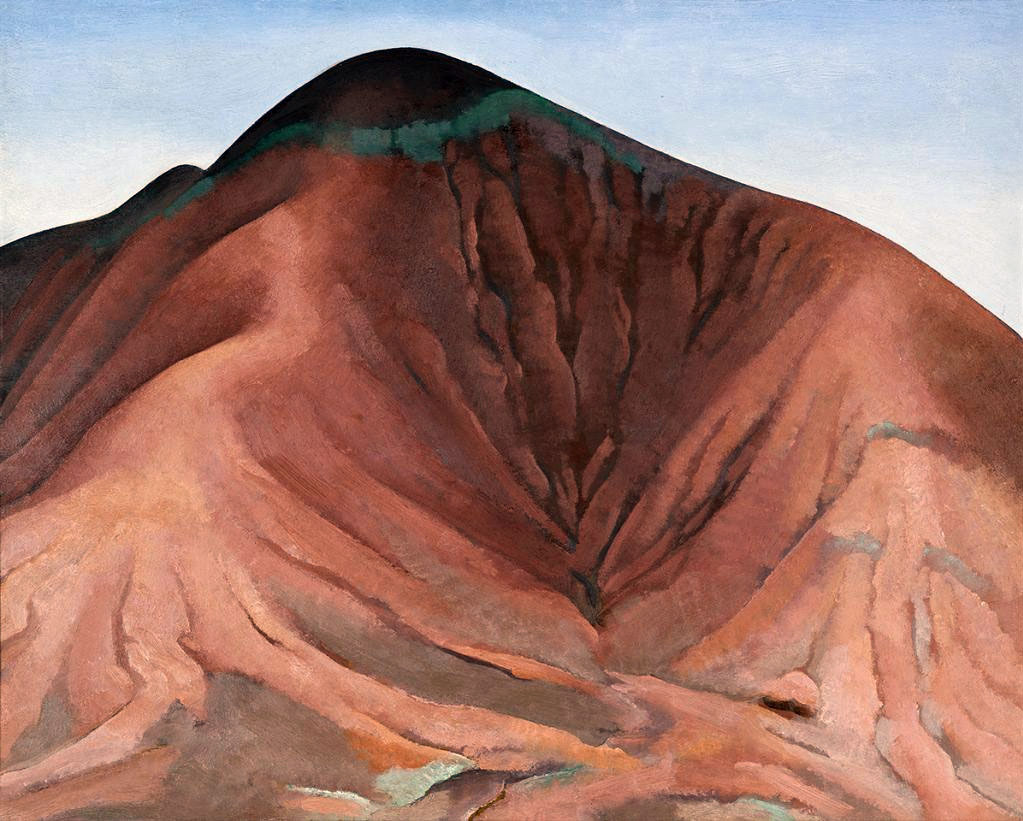
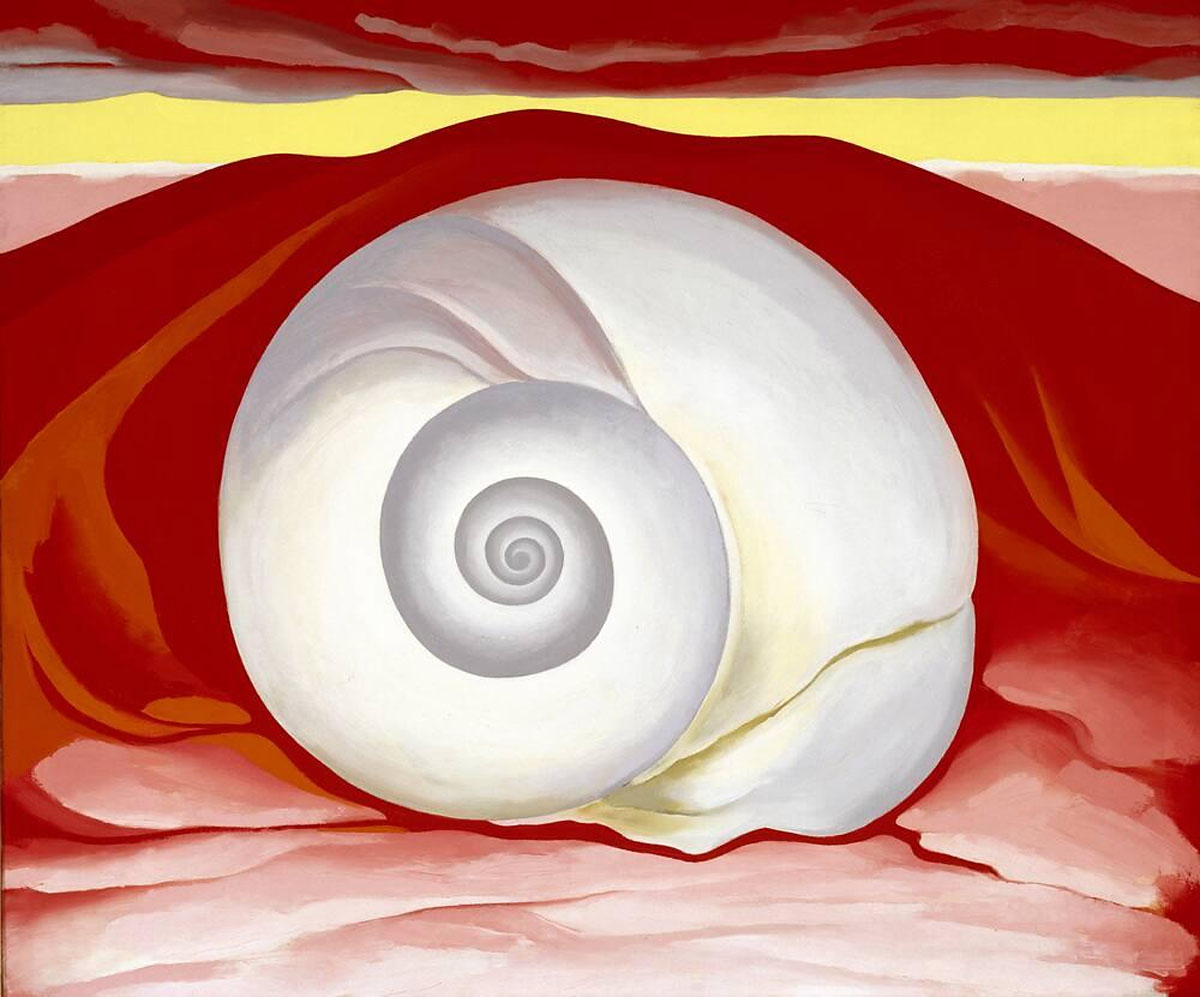
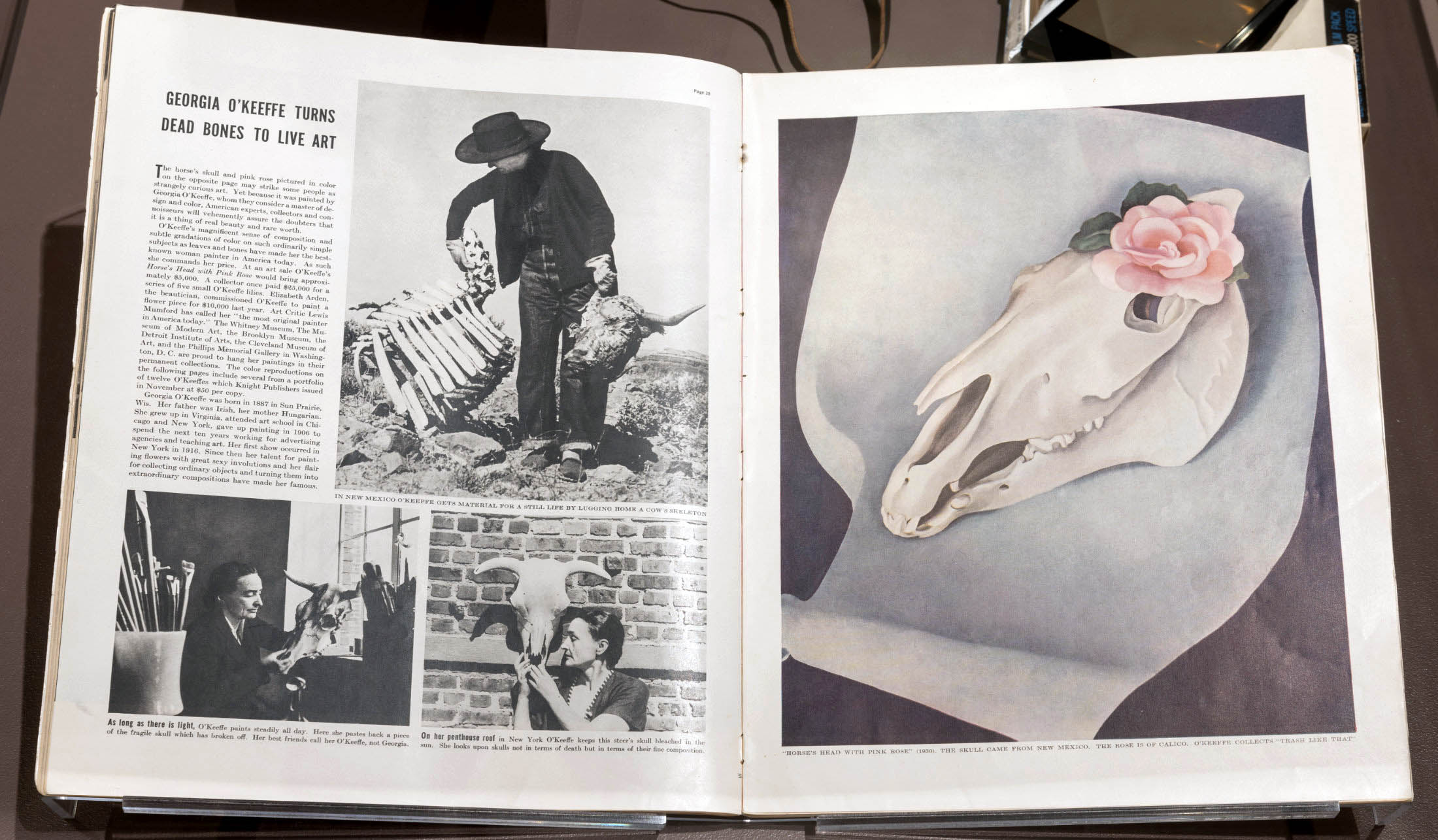
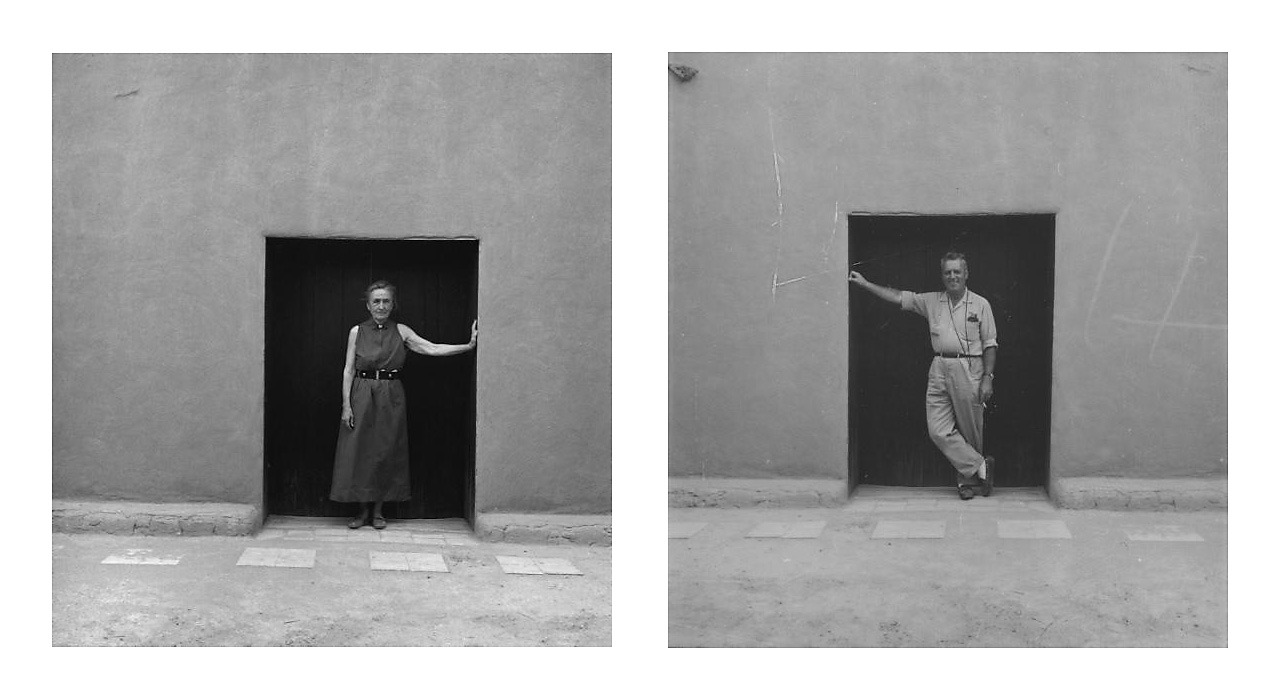
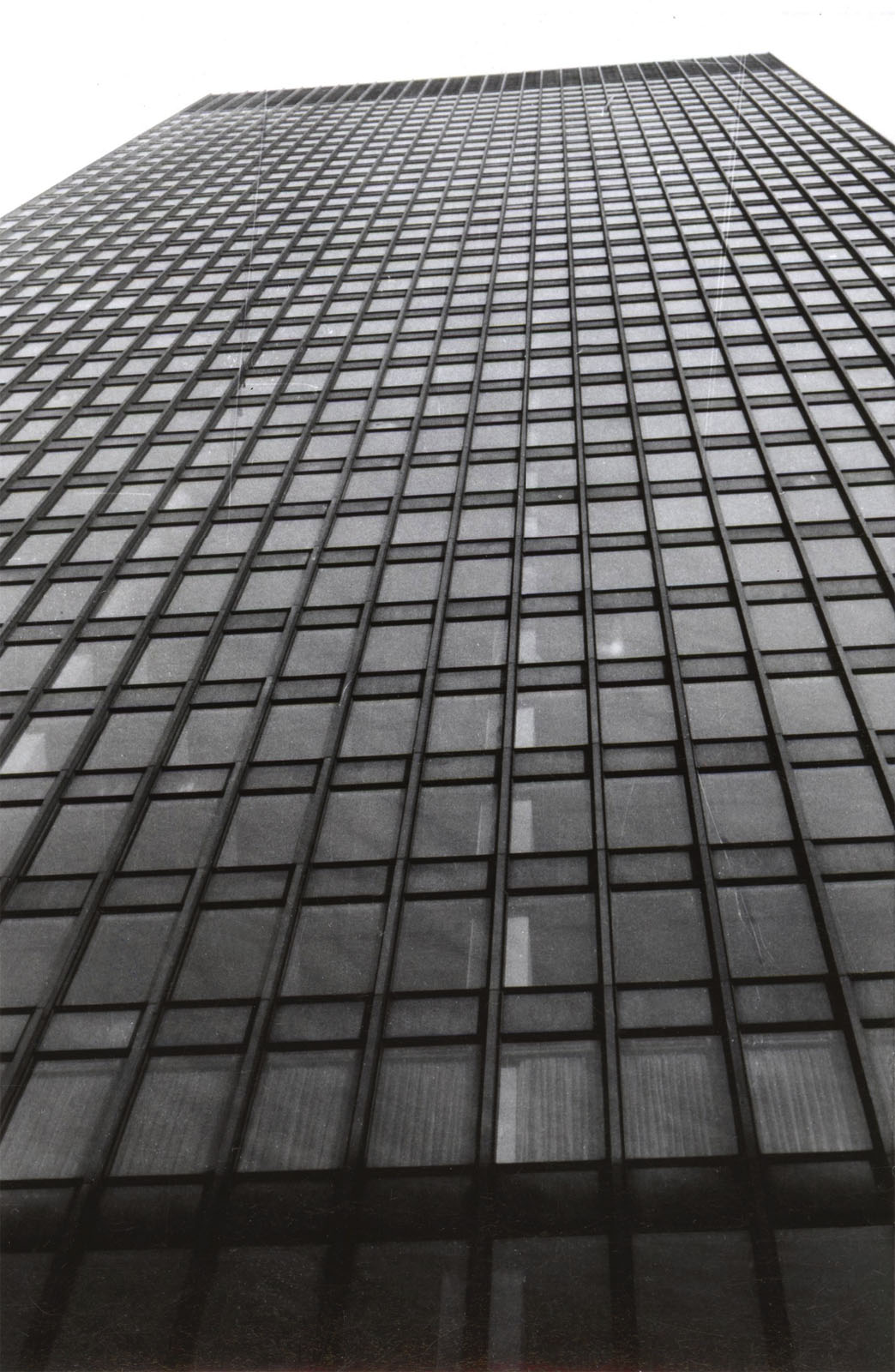

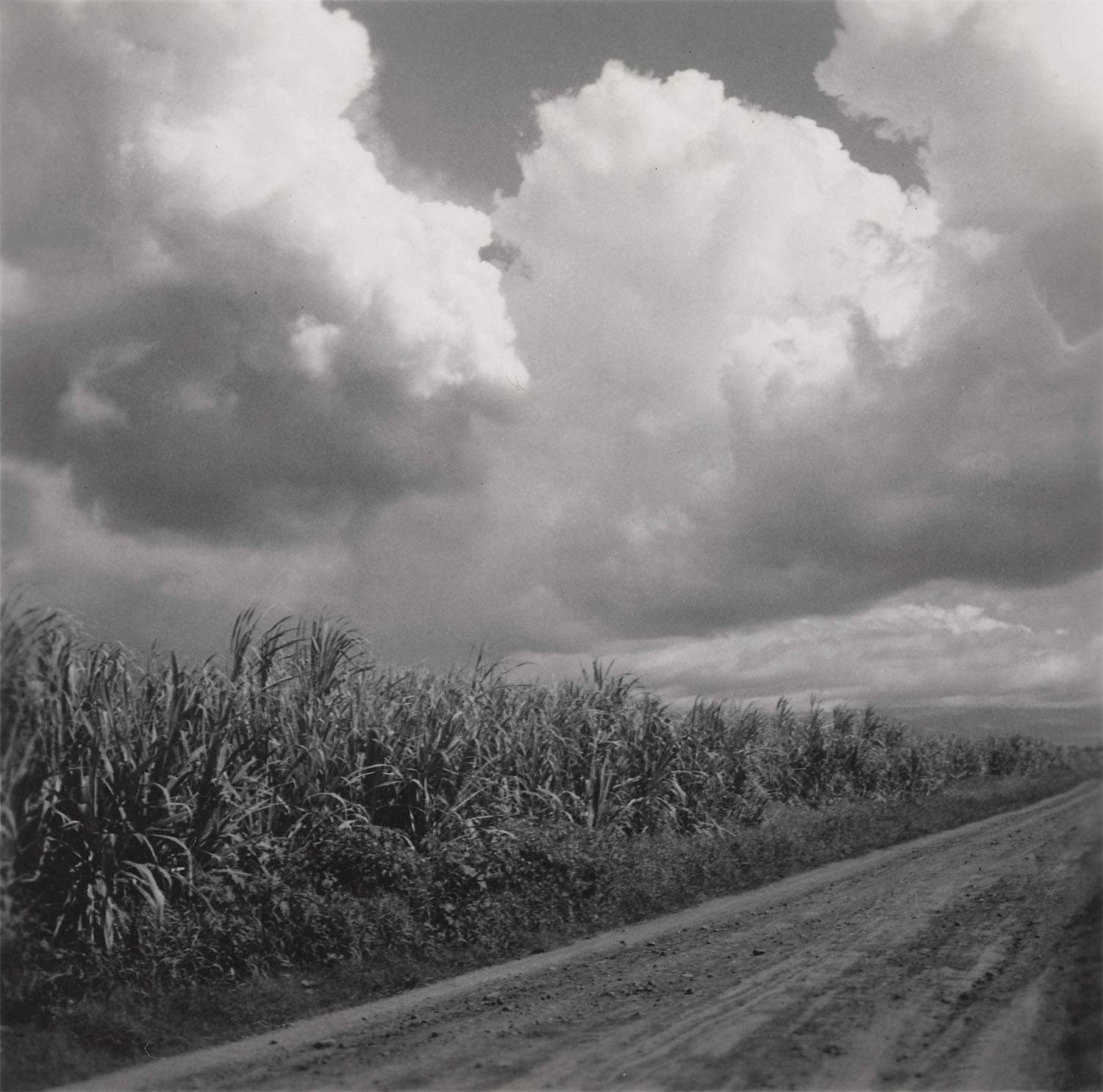
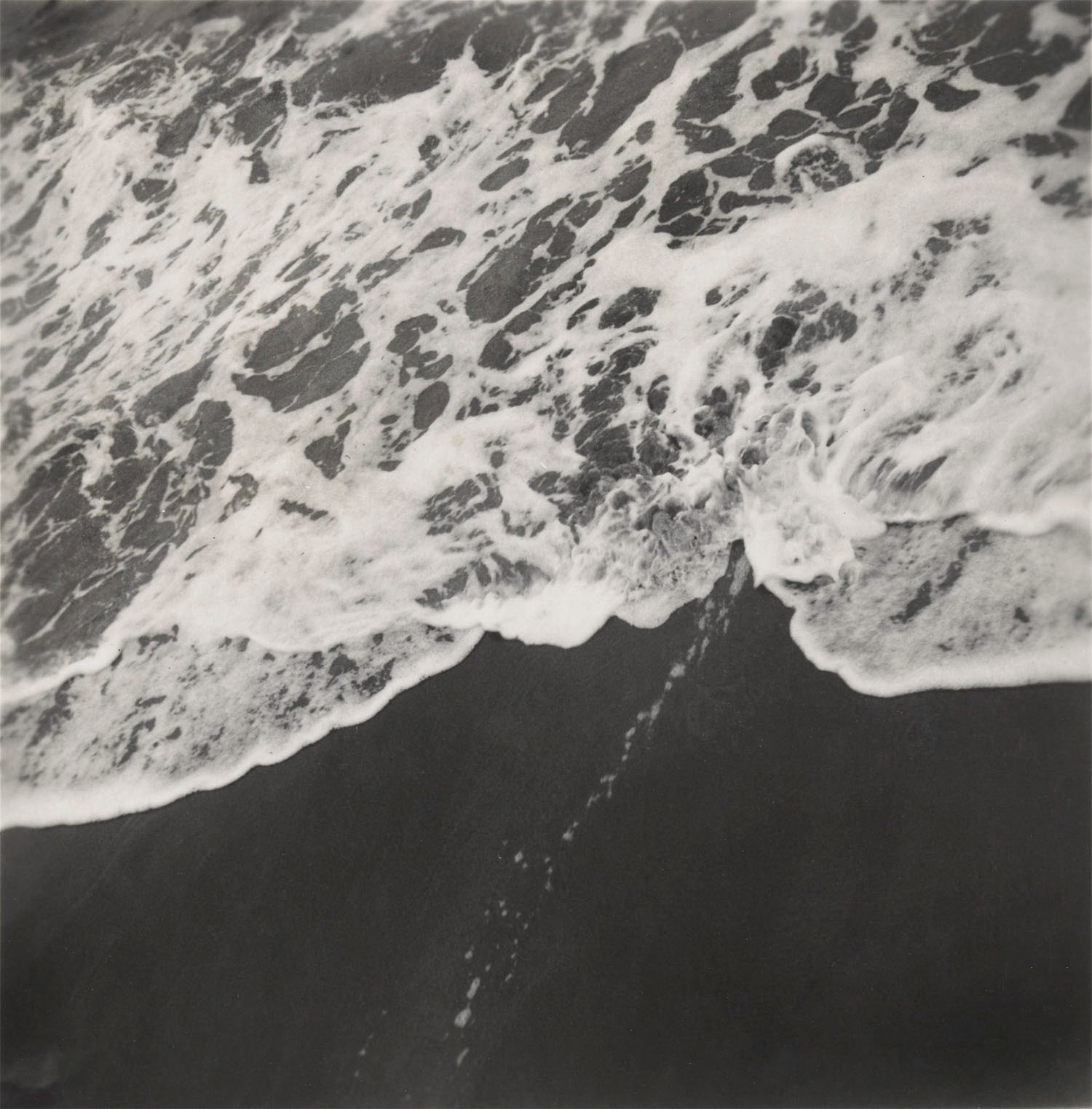
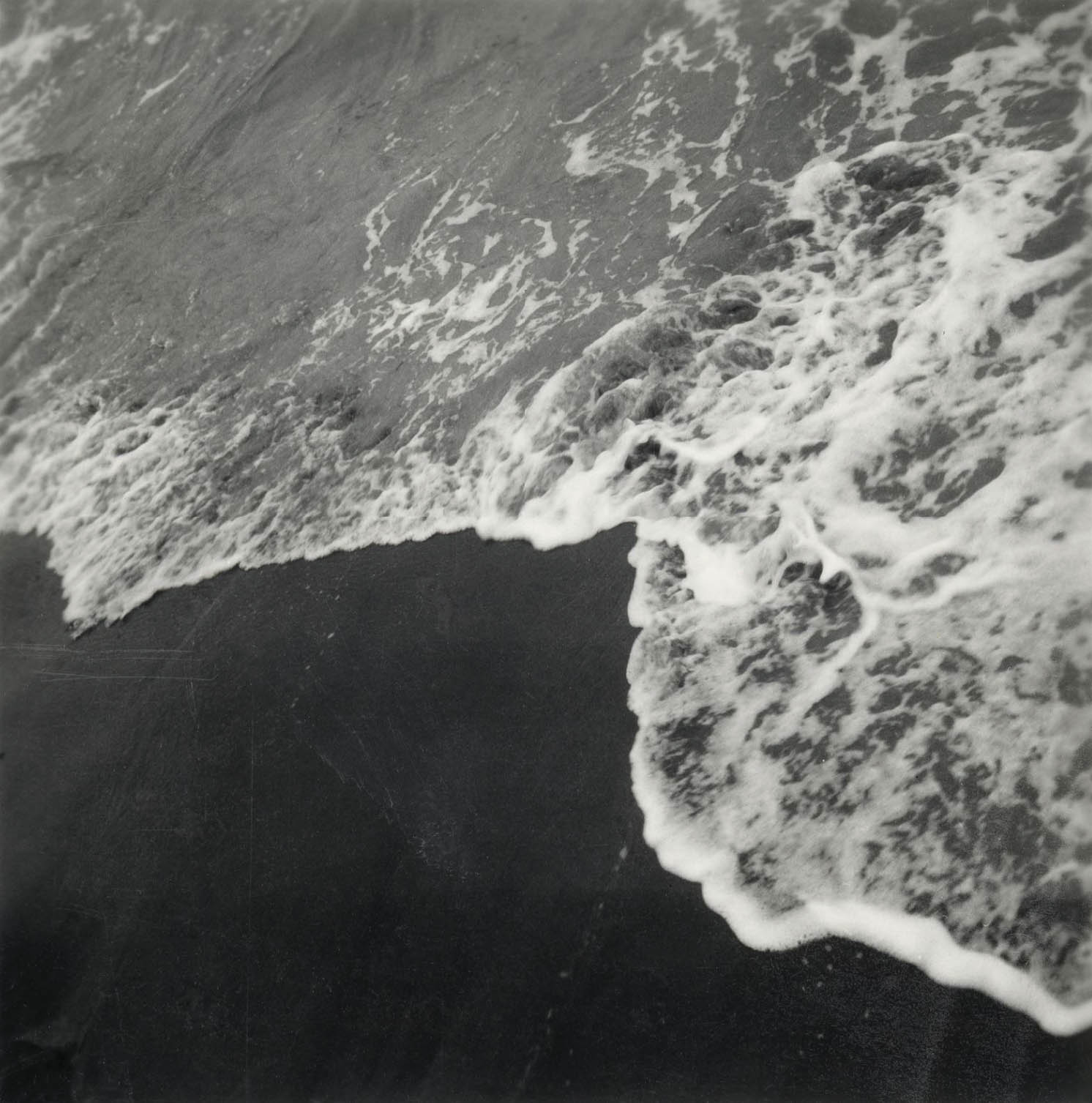


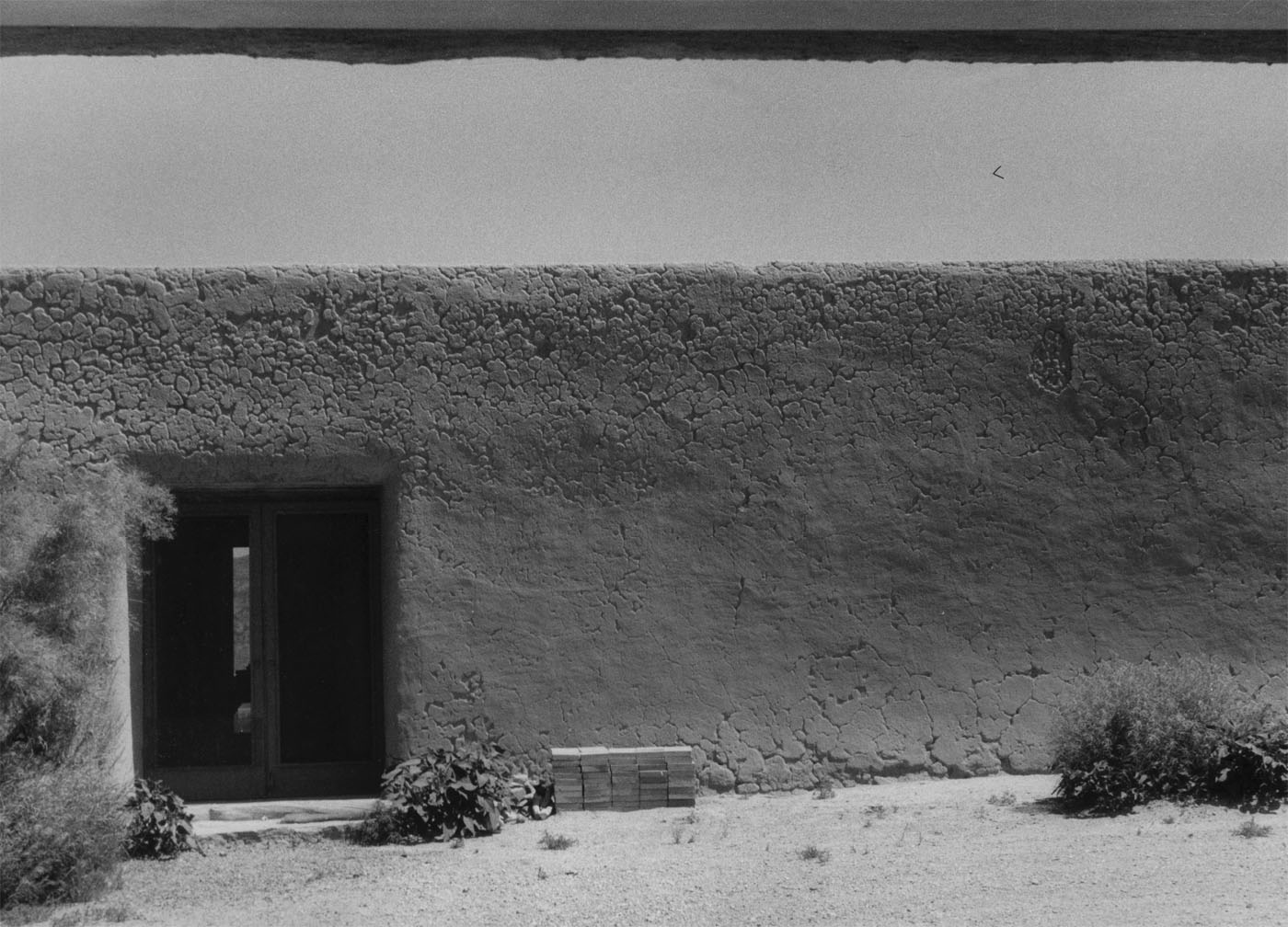

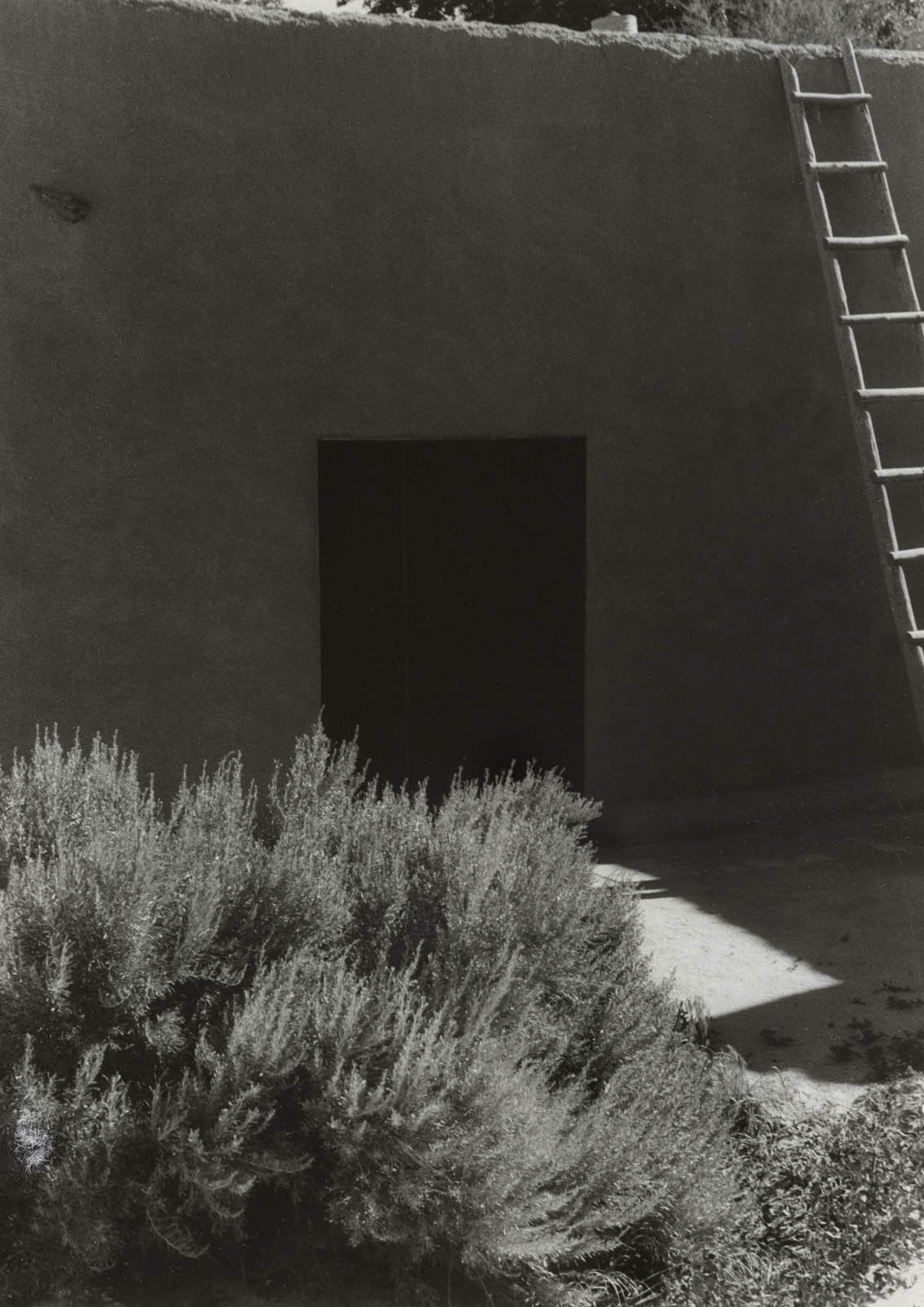


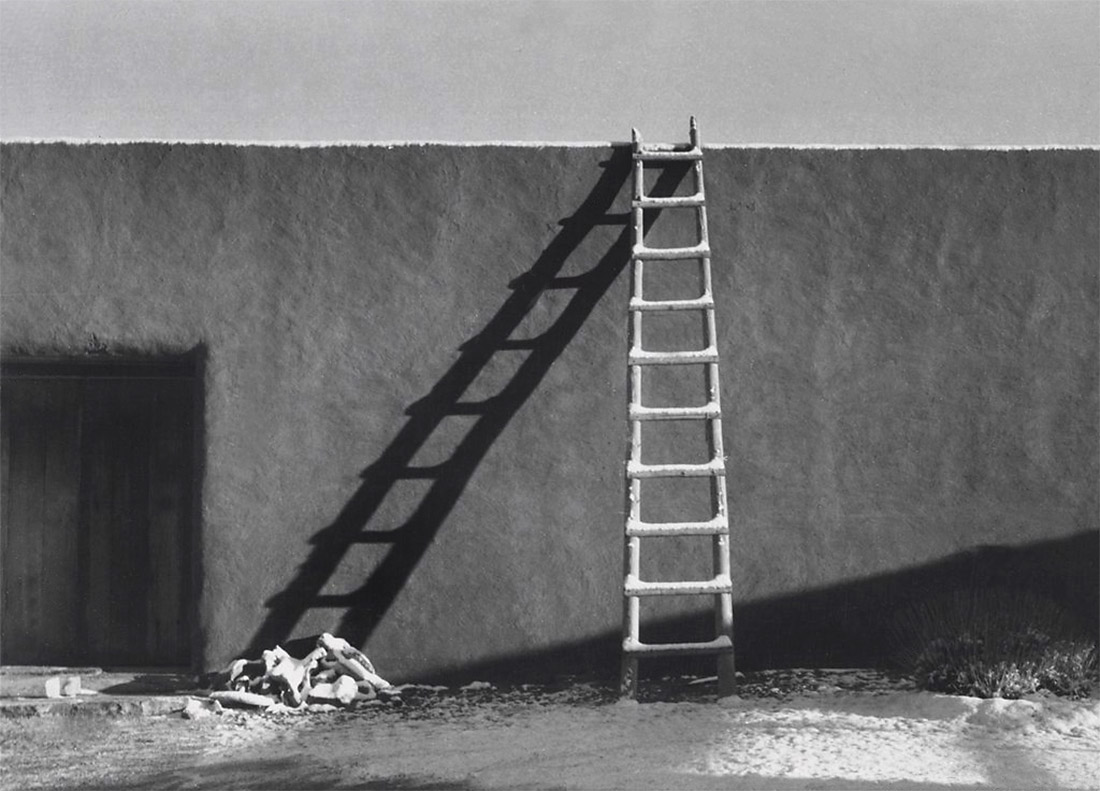

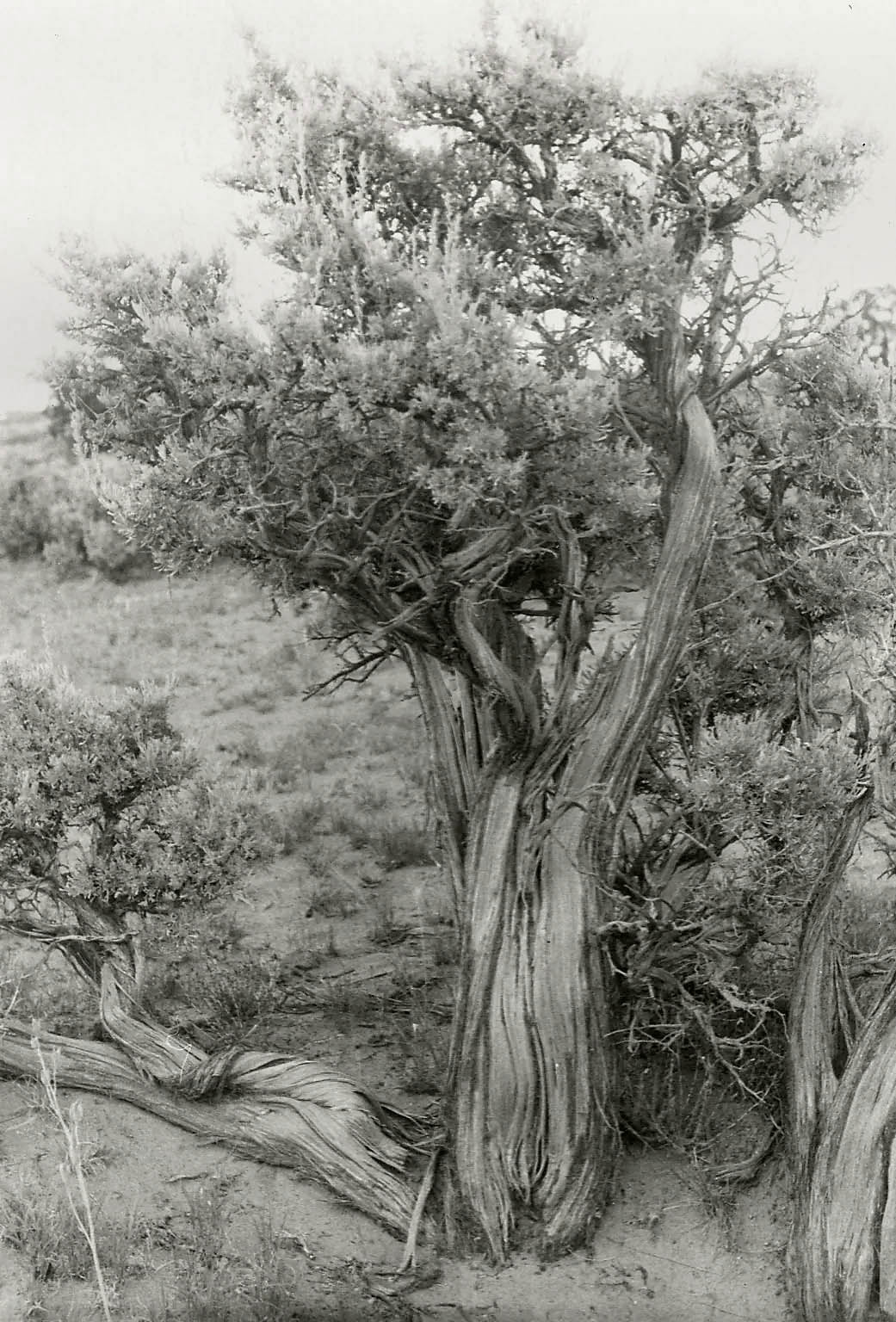


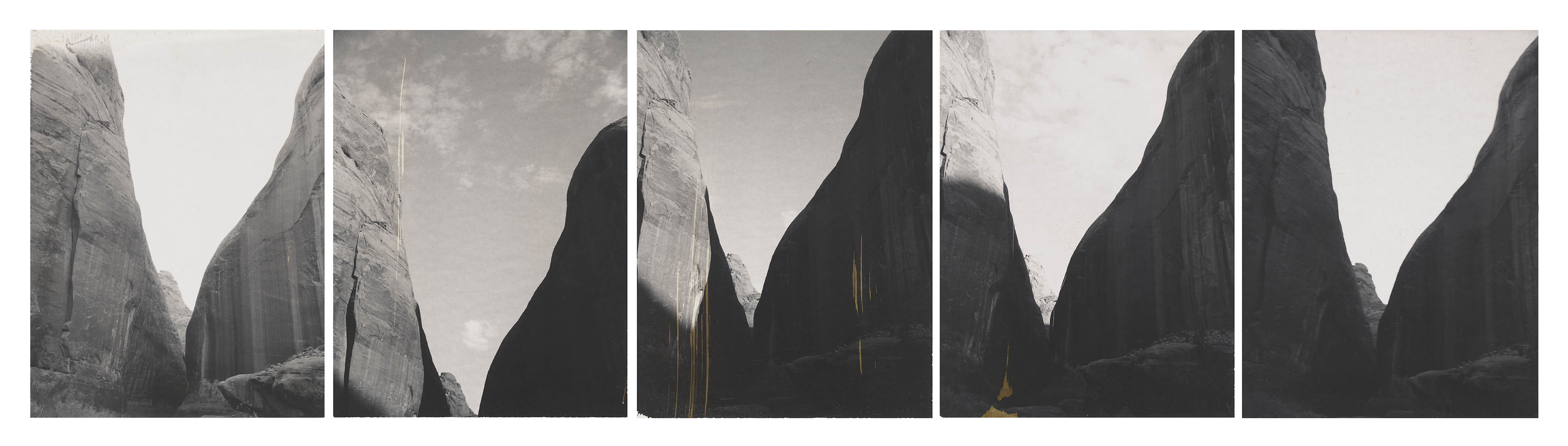



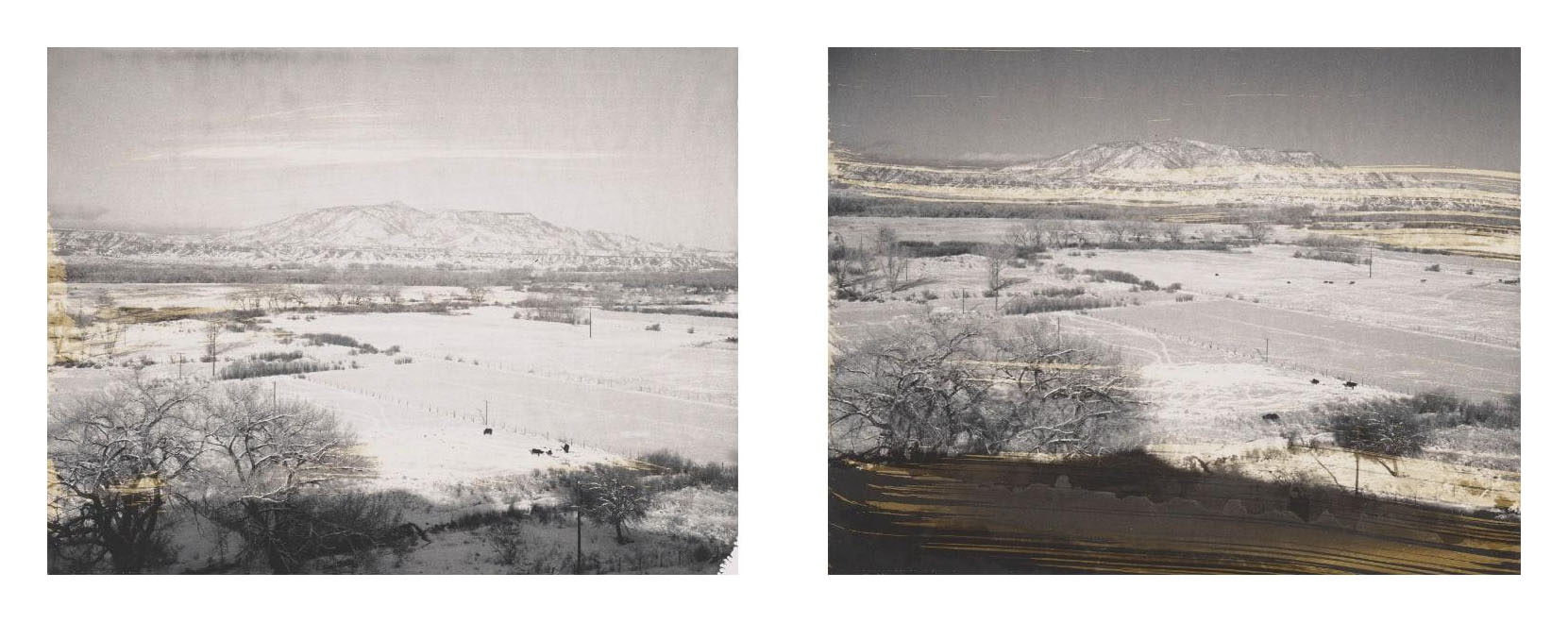
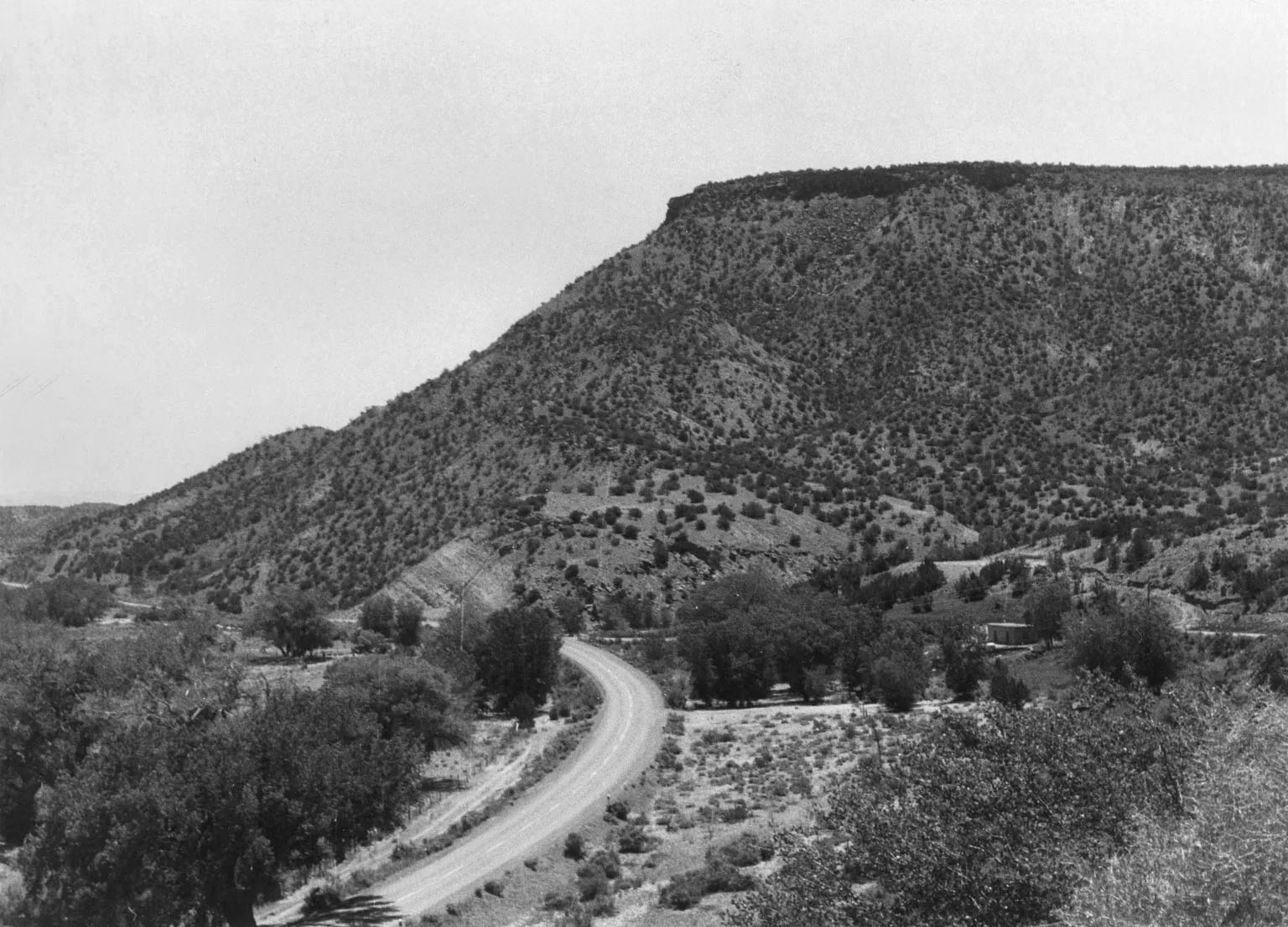
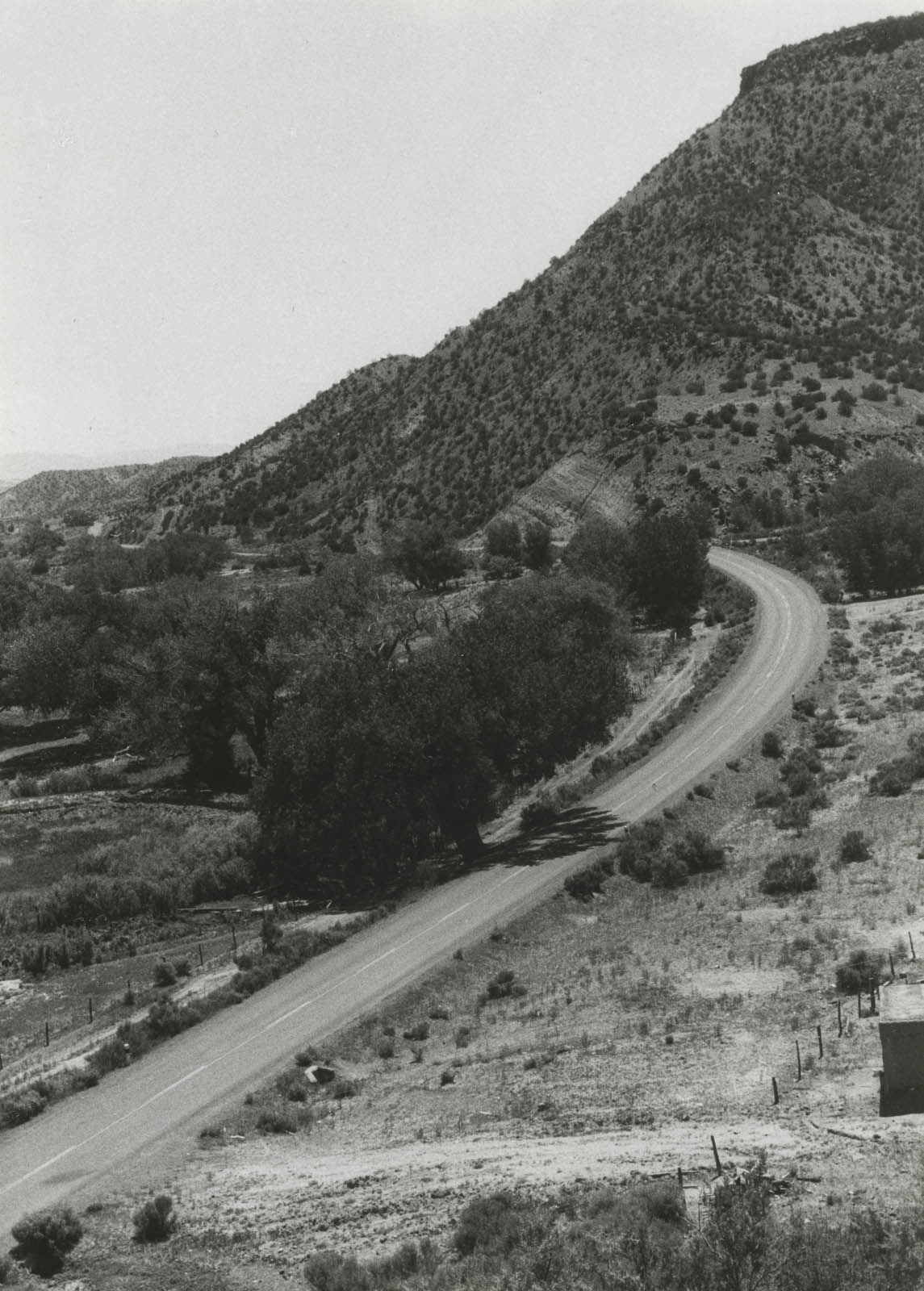
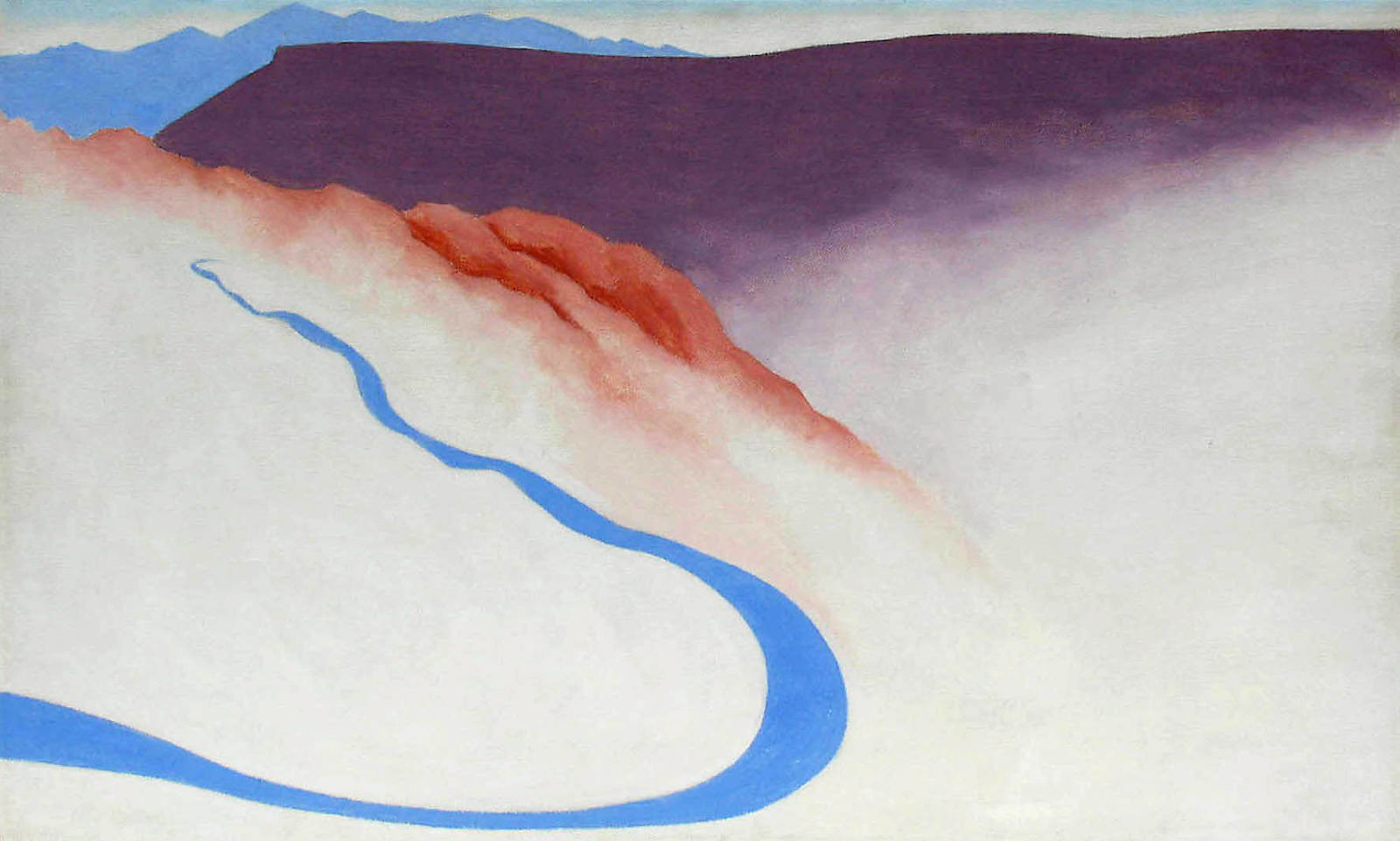








![Alonzo Chappel (American, 1828-1887)(engraver) 'Thomas Chalmers: Likeness from a daguerreotype by Claudets [sic]' 1873](https://artblart.com/wp-content/uploads/2023/02/chappel-thomas-chalmers.jpg "Alonzo Chappel (American, 1828-1887)(engraver) 'Thomas Chalmers: Likeness from a daguerreotype by Claudets [sic]' 1873")










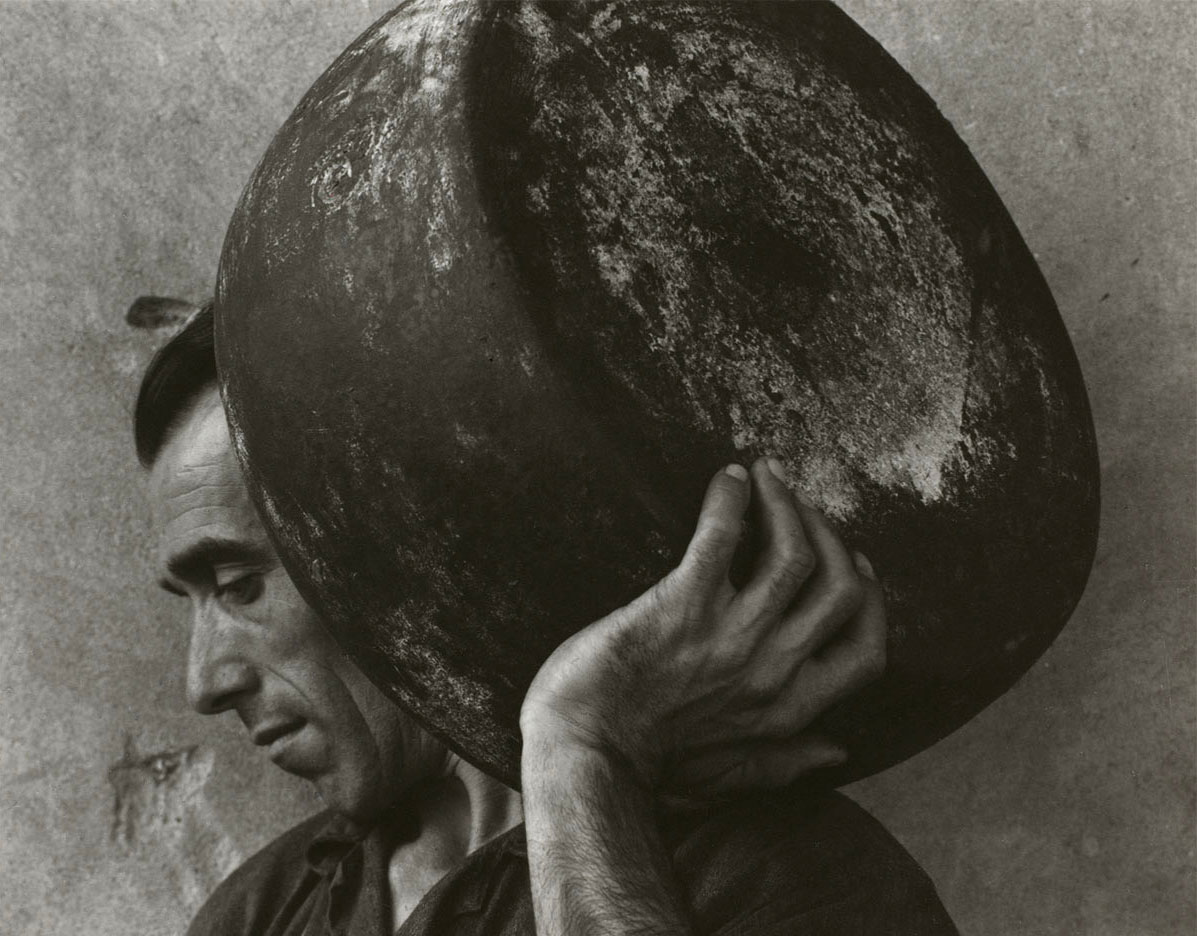

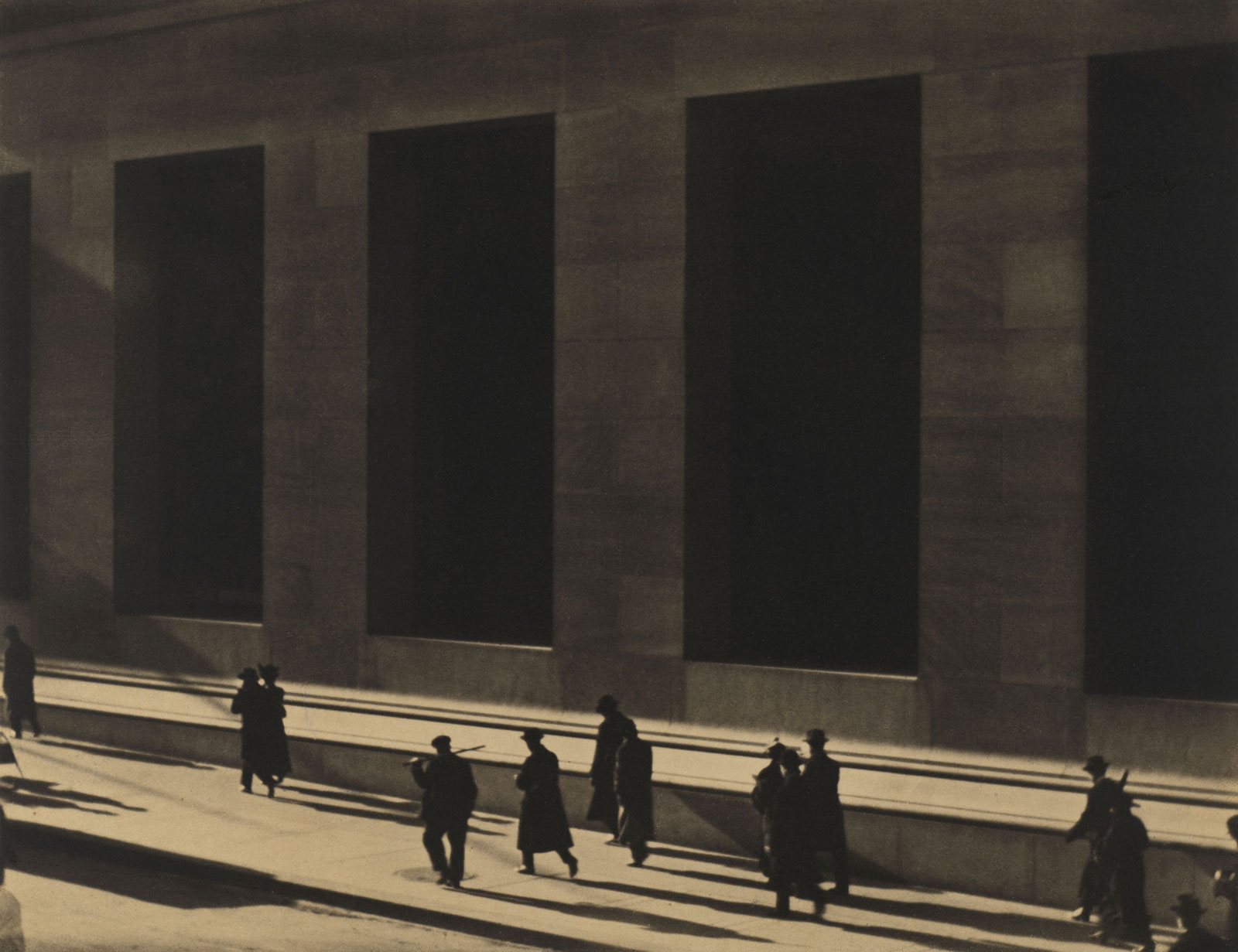
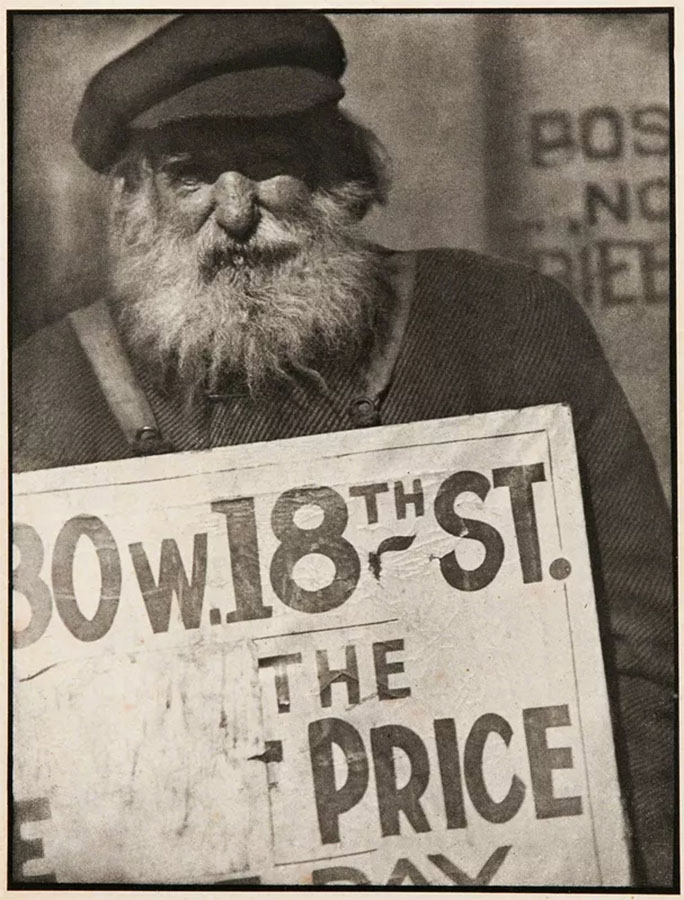
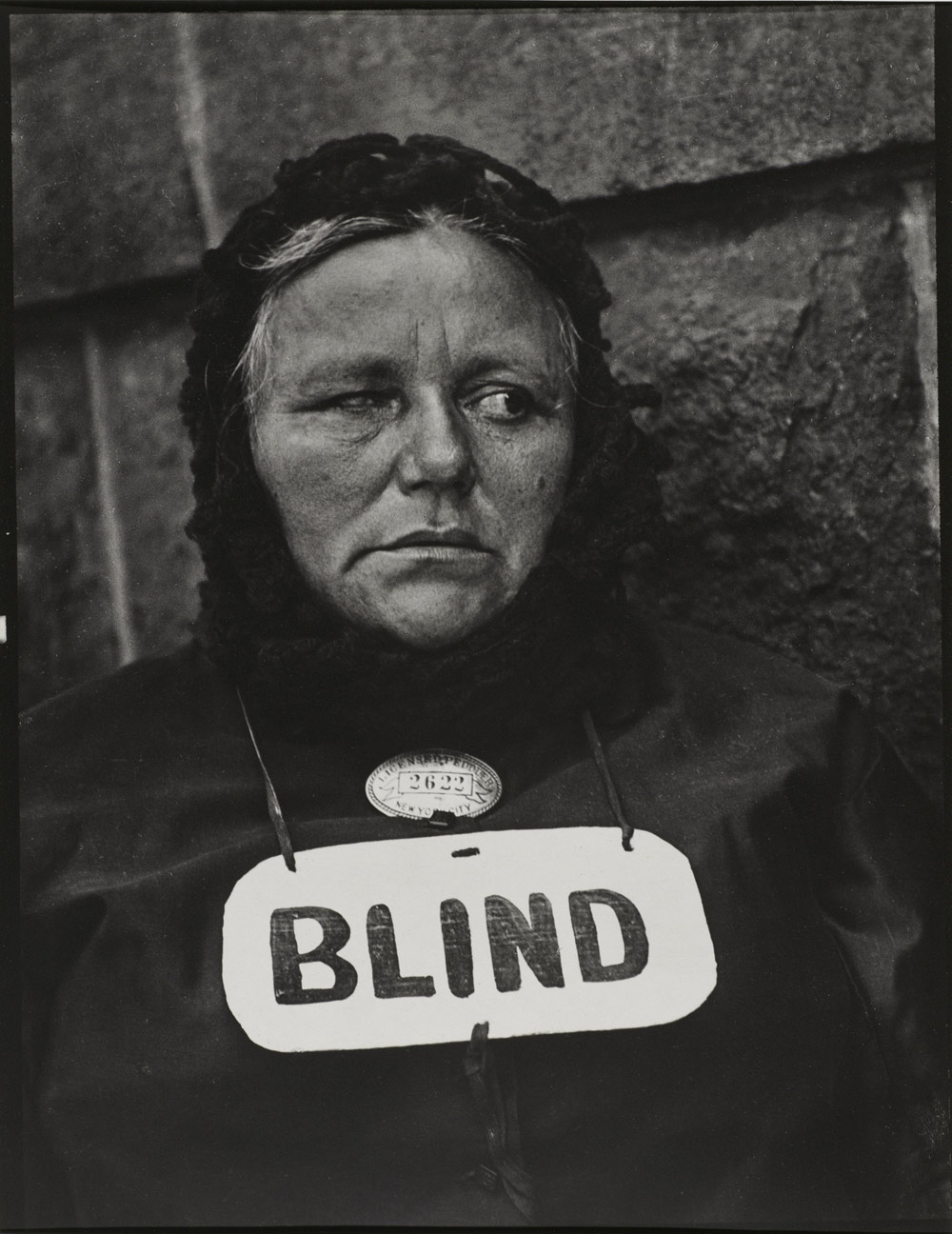

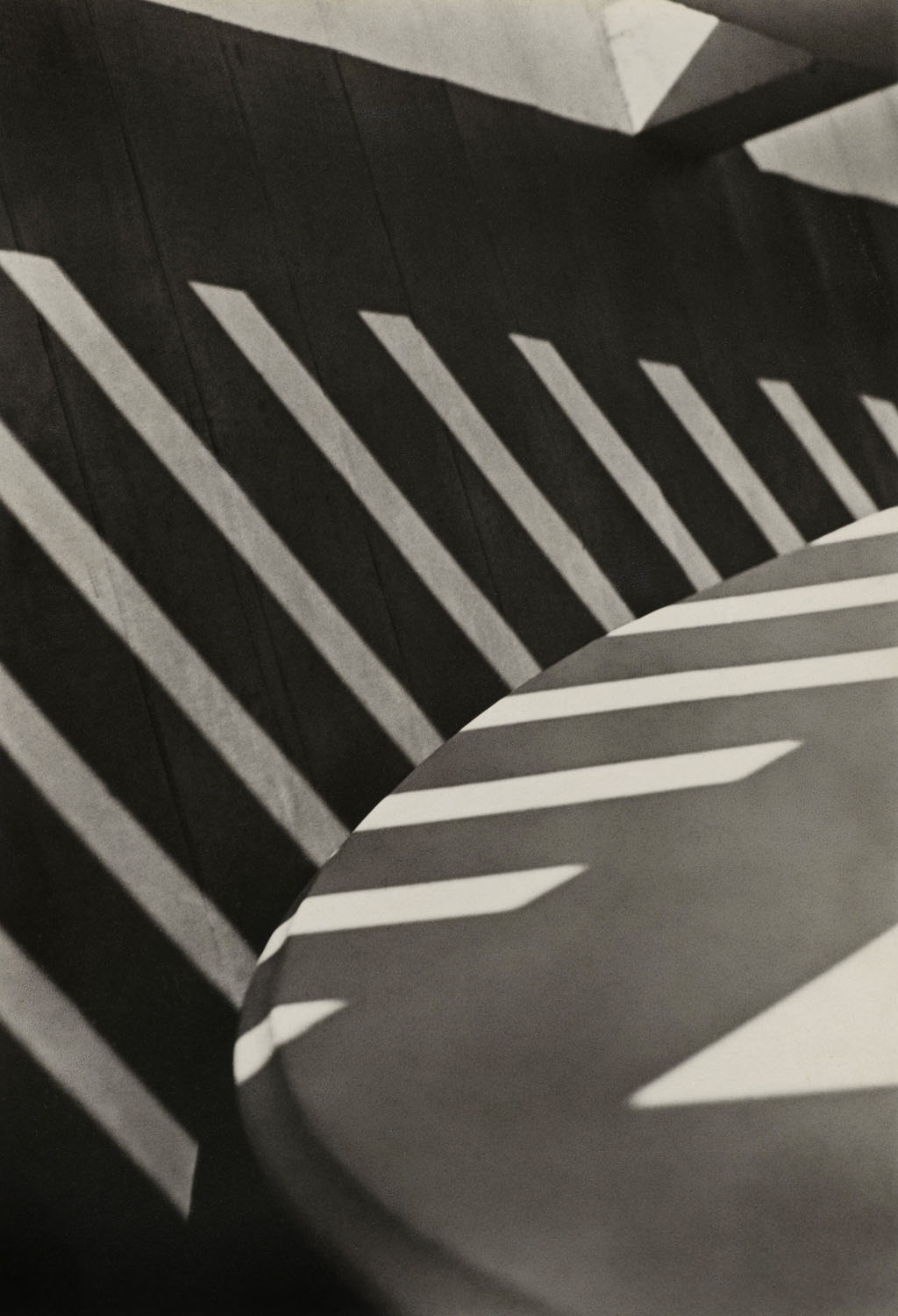
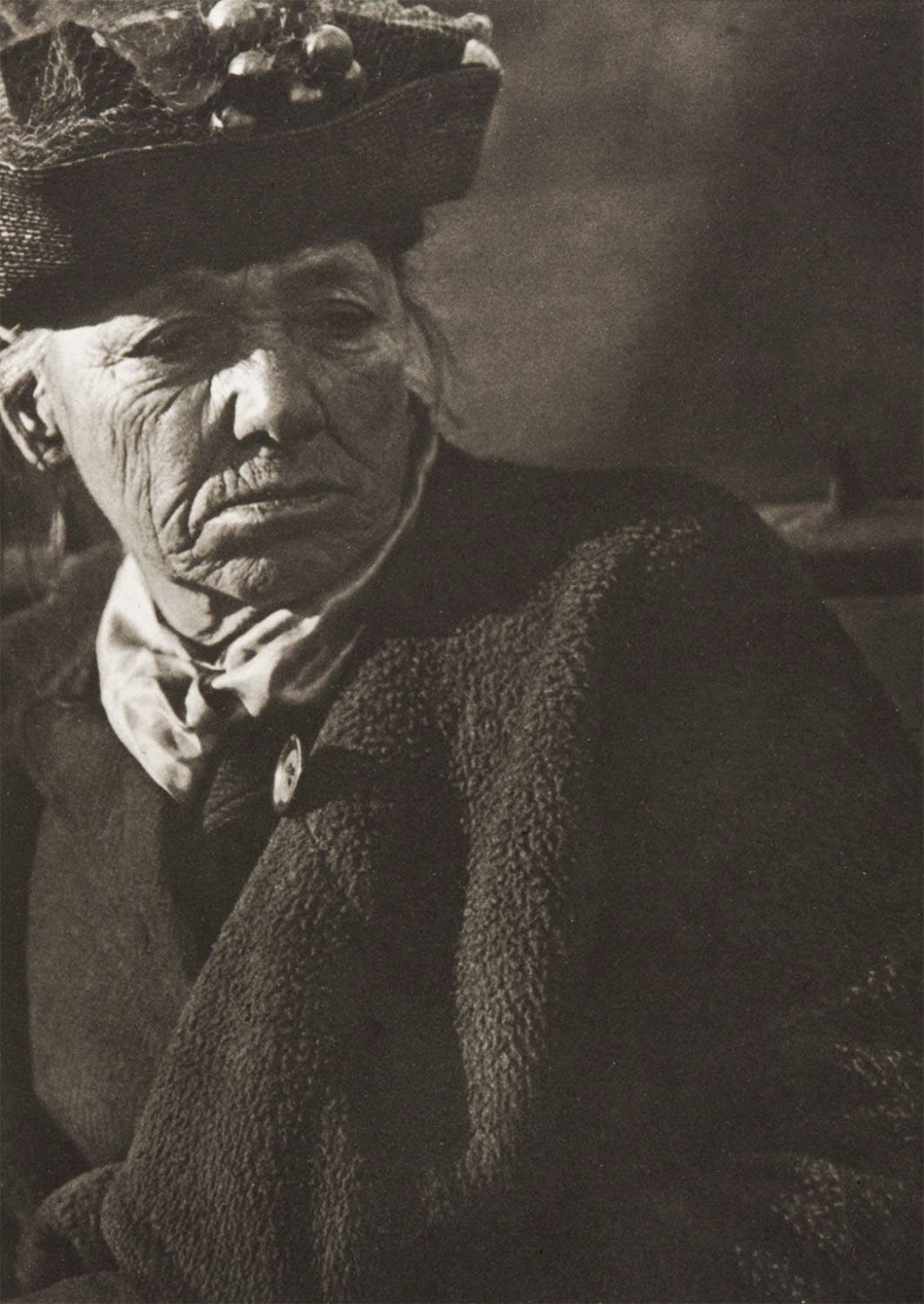
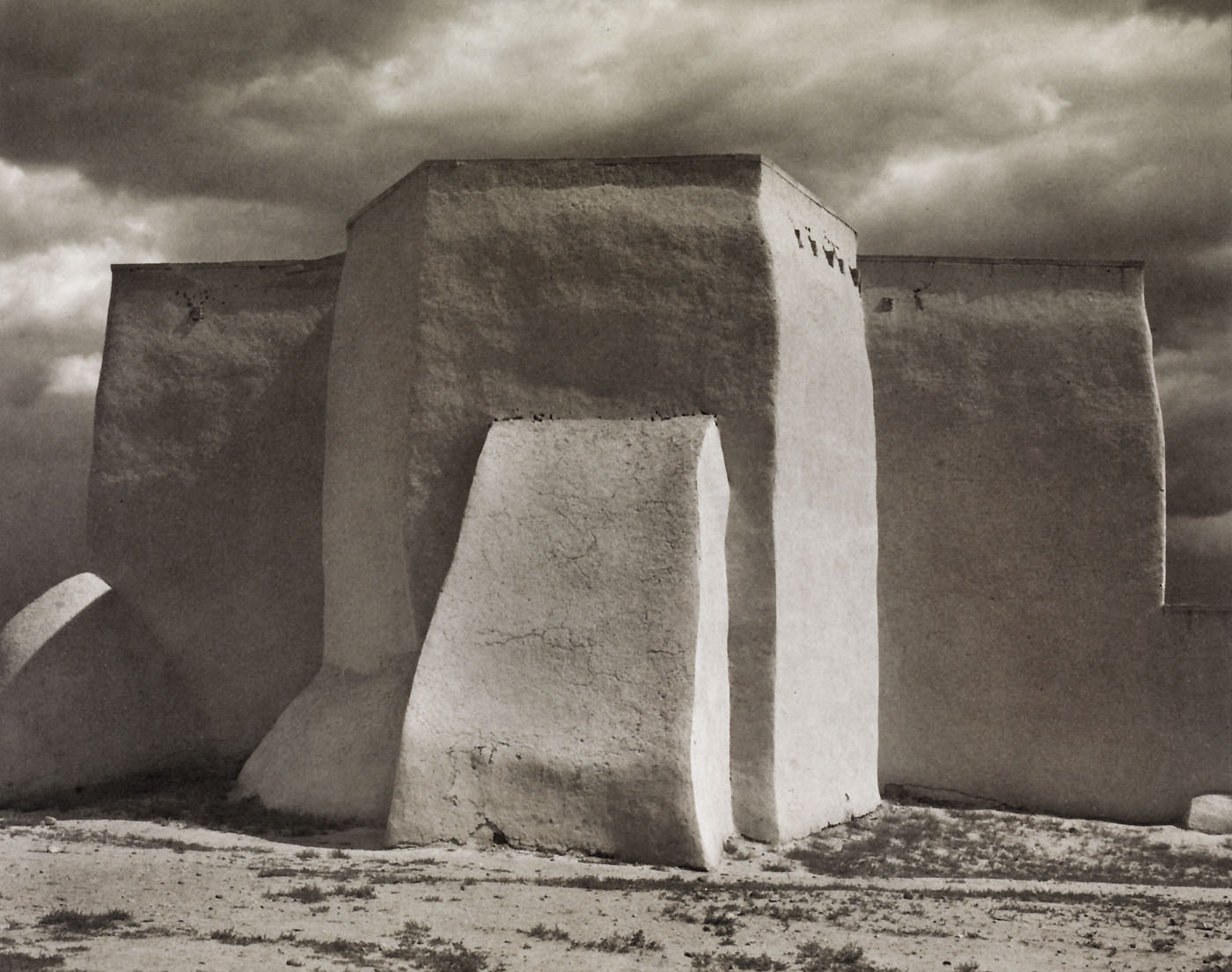
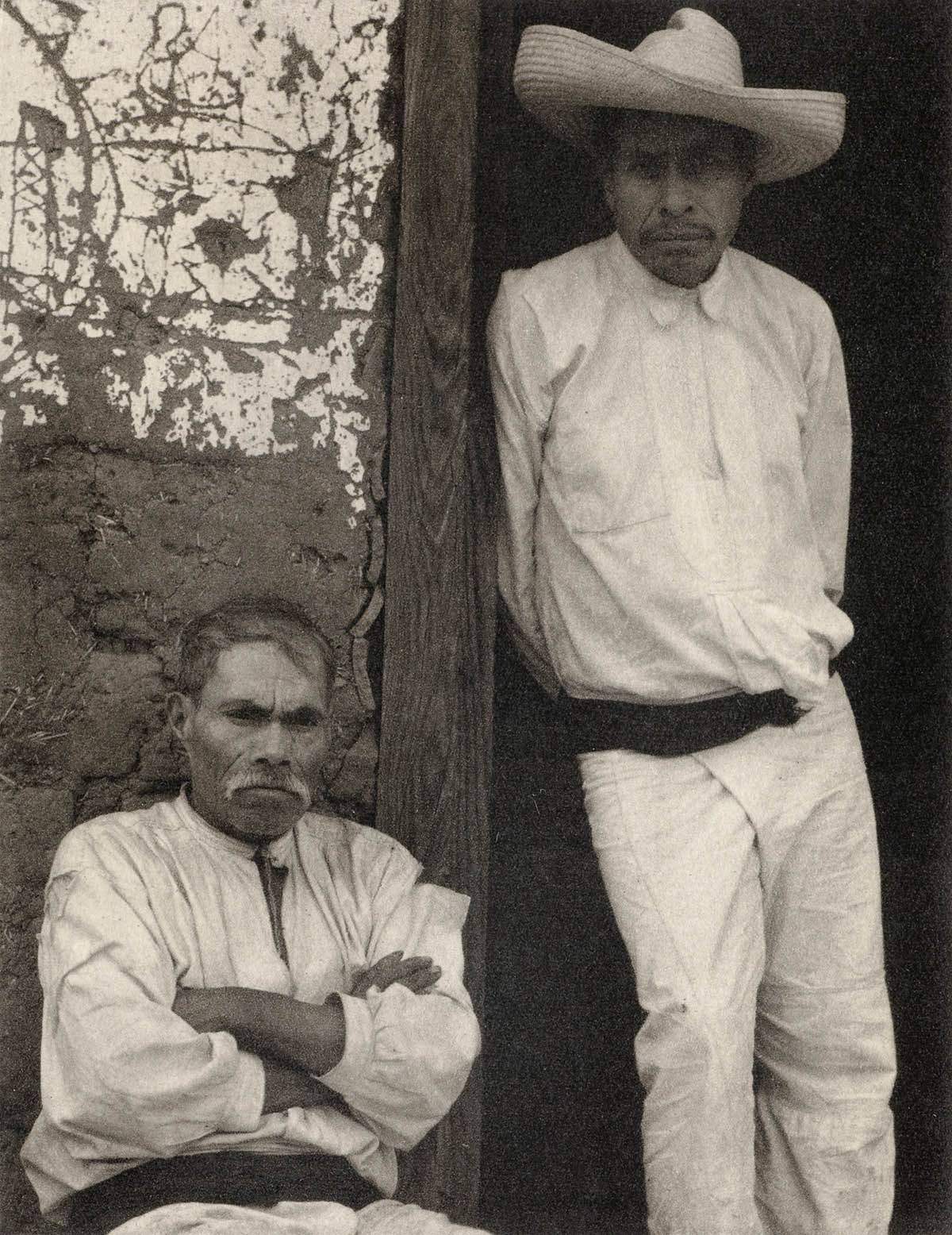


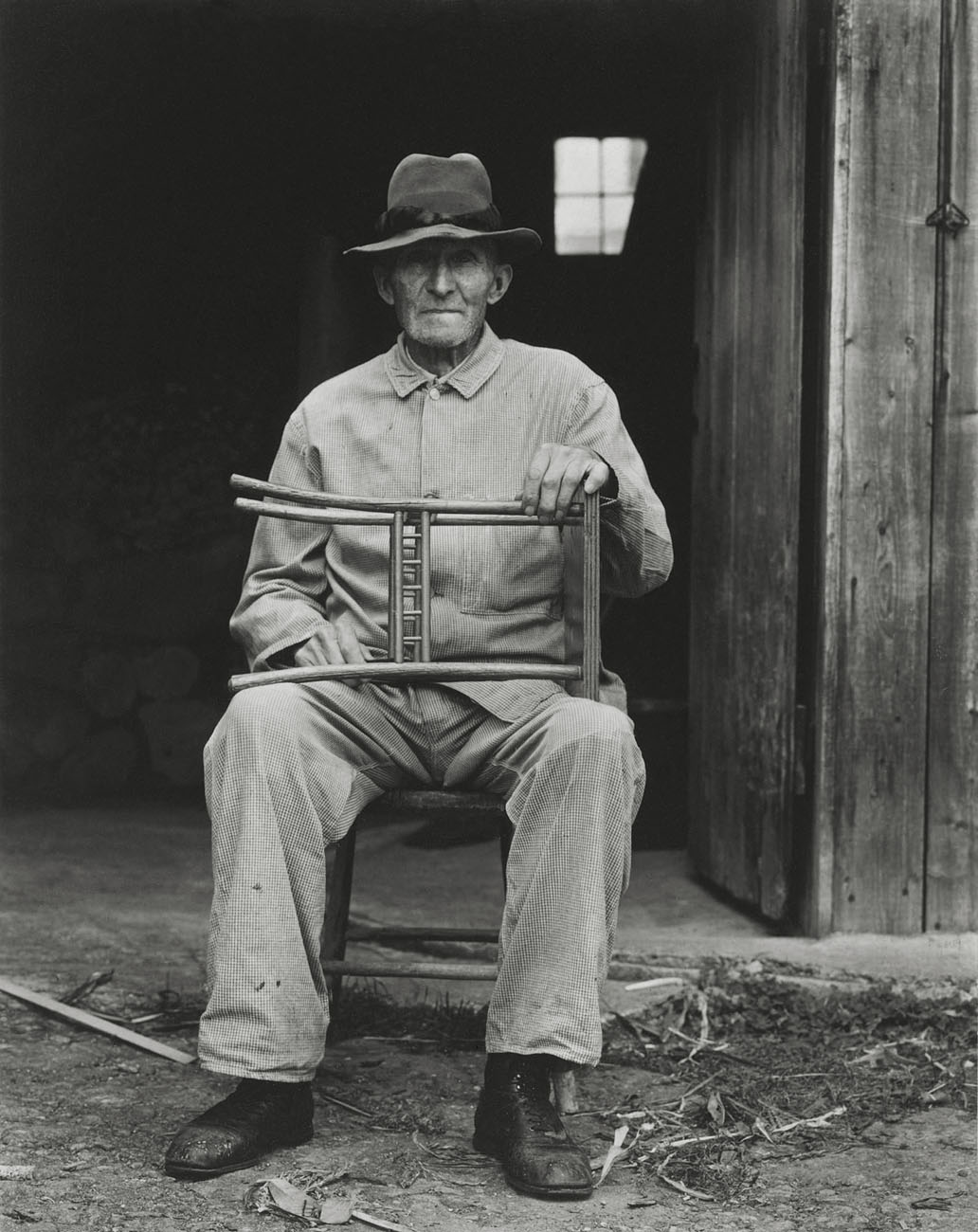

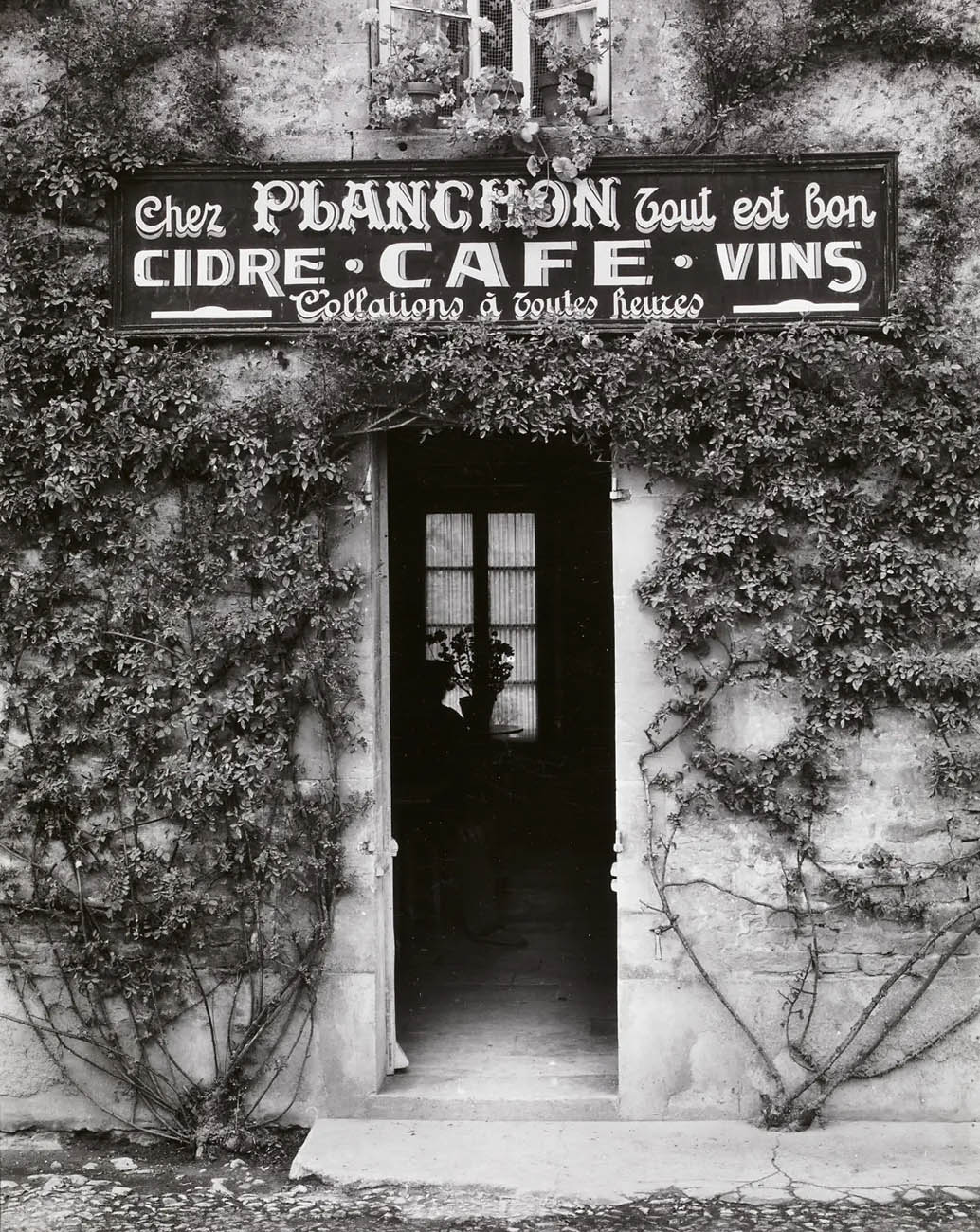
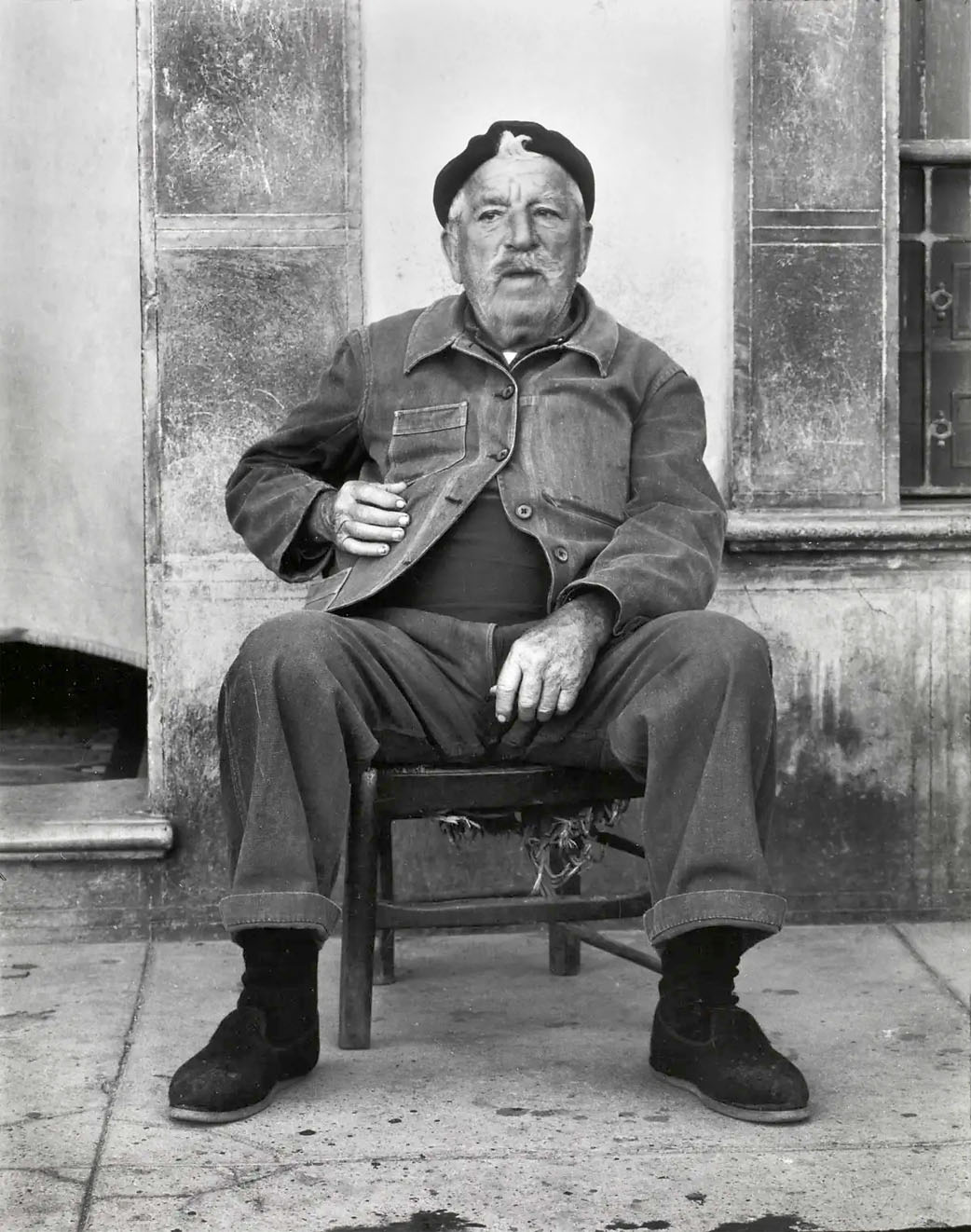
 Art Blart _ art and cultural memory archive
You must be logged in to post a comment.