Australian artist, curator and writer.
Doctor of Philosophy (RMIT University), Melbourne.
Master of Art Curatorship (University of Melbourne), Melbourne.
Master of Arts (RMIT University), Melbourne.
BA (Hons) (RMIT University), Melbourne.
A.R.C.M. (Associate of the Royal College of Music), London.
I love these photographs. They are so direct, so honest.
The use of flash is magnificent. The square format perfect.
The players, that is the subjects, are characters on the stage of life. They know exactly what they are doing, self directing, directed by the photographer (using his commercial studio experience) into – pow! – that pose. They show off, they goof for the camera, they wear their best clothes, they lean on their cars. Here there is an innate balance between the photographer and his subjects.
There are intimate moments and moments of pure fun (such as Les Trois Cowboys de la Brousse (The Three Cowboys of the Bush), 1971 below), kitsch even. There is an immense pride and joy that emanates from these images – of human stories, of friendship, of dance and music. People escaping their ordinary lives. The people and their world are beautiful.
Unlike the close intimacy (the camera up close and personal), unexpected moments, and in motion photographs of Studio 54 and the New York City nightclub scene by Larry Fink – “where Fink’s subjects are caught off-guard by his camera, and their expressions provide windows into their weariness or giddy party euphoria” – here the photographer stands off at a mid-length distance allowing the surrounding context to add texture to the portraits. Doors, walls (with attached photographs), vegetation, cars and the night background his incisive “flash”, that recognition of just the right moment to take the photograph – even though, and perhaps because, the subjects are in on the act. To capture not just an image, but a feeling.
These people of the night are crystallised in these crystalline tableaux (“he writes a crystalline prose”), spectacular images that make you want to love them all the more. Oh, what it is to be human!
Dr Marcus Bunyan
Many thankx to David Hill Gallery for allowing me to publish the photographs in the posting. Please click on the photographs for a larger version of the image. There are more ecstatic photographs from this photographer from the book Sory Sanlé – Volta Photo 1965-1985 (2017) on the British Journal of Photography website.
“We fulfilled people’s fantasies. We gave them a chance to experiment, to escape their ordinary lives”
Sanlé Sory’s Peuple de la Nuit portraits capture the vibrant youth culture, dance parties and flourishing music scene of his home city, a Bobo Dioulasso, Burkina Faso, West Africa. This expansive collection of images, taken between the years 1960-1985 have been unveiled for the first time in a stunning exhibition and book.
Recently unearthed from Sanlé’s personal archive, Peuple de la Nuit is an evocative tribute to the nightlife of a distant era. This collection of black-and-white photographs the carefree spirit of Sanlé’s subjects, including the musicians, dancers and lovers that graced some of Bobo’s hippest venues – Volta Dancing, Calebasse d’Or, Normandie and Dafra Bar.
Eager to portray the region’s unique energy and passion, Sory would set off towards the remote villages along the Kou Valley, north West of Bobo. Driving in his Volta Photo Citroen 2CV van carrying a few lights and a home-made sound system, Sanlé would stage his own Bals Poussière (dustball parties) which often lasted until well after sunrise – at which point the farmers and herders would head straight back to tend their fields and cattle.
Born in 1943 in Burkina Faso, back when it was still a French colony known as Republique de HauteVolta, Sanlé Sory began to take photographs in 1960 – the year the country regained independence. After cutting his teeth working as an apprentice to a Ghanian photographer for several years, by 1960 Sanlé had established his own studio, Volta Photo, in his hometown, Bobo-Dioulasso, which instantly became a cultural hub for the city’s most stylish residents – young and old, rich and poor.
After working long days there, Sory would often go out and shoot the vibrant nightlife of his hometown and surrounding areas, amassing hundreds of photos spanning several decades which remained undiscovered until well into his 70s.
Now exhibited for the very first time at the David Hill Gallery in London and coinciding with a book of the same name published by Stanley / Barker, Peuple de Nuit is a fascinating portrait of youth culture and the enigmatic night-time scene during the first decades of African independence.
SANLÉ SORY was born in 1943 in Burkina Faso, West Africa. Sanlé began to take photographs in 1960 and learnt his trade working as an apprentice to a Ghanaian photographer, where he was taught how to process and print photographs and how to use a Rolleiflex twin lens camera. Whilst working as a freelance reporter and shooting record covers, Sanlé decided studio photography was his calling and in 1960 had opened the Volta Photo studio in his hometown, Bobo-Dioulasso, which became an instant hit with locals. It was only at the age of 74 while living in obscurity that his work was discovered by the French record producer and archivist Florent Mazzoleni, who came across him while researching a project on West African music. A fan of Sory’s album covers, Mazzoleni went to meet his at his studio – only to find the photographer burning his vintage negatives. In 2013 he was given a solo show at the Institut Français du Burkina Faso in both Ouagadougou and Bobo Dioulasso. 2017 saw the release of his first book Volta Photo 1960-1985 with an accompanying exhibition at David Hill Gallery. In 2018, his work was shown at the Art Institute of Chicago, when he became the first African photographer to have a solo exhibition at an American museum. The was also an exhibition at the Yossi Milo Gallery, New York, and his work was part of the Autophoto at the Fondation Cartier, Paris.
Text from the David Hill Gallery website [Online] Cited 21st April 2019
Curator: Lauren Hinkson, Associate Curator of Collections at the Guggenheim Museum in New York
Organised by The Solomon R. Guggenheim Foundation, New York
Josef Albers (American born Germany, 1888-1976) Study for Homage to the Square, Closing 1964 Acrylic on Masonite Solomon R. Guggenheim Museum, New York, Gift, The Josef Albers Foundation, Inc., 1996
It is fascinating to see “the influence and connectivity between the work of Josef Albers and the abstracted geometric vocabulary of pre-Columbian art, architecture and material culture” … and the press release might add, between Albers, architecture and the flattened, geometric vocabulary of his photographs.
The lesser-known photographs and collages are “a visual conversation Albers created in response to his frequent visits to Mexico to view archaeological sites as early as the 1930s, illustrating the nuanced relationship between the geometry and design elements of pre-Columbian monuments and the artist’s iconic abstract canvases and works on paper.”
But these photographic collages stand as works of art in their own right, for they are music not just notation. Just look at the elegance and tension between the lower images in Mitla (1956, below). You don’t group photographs together like this so that they sing, so that the ‘ice-fire’ as Minor White would say (that space between each image that acts as tension between two or more images), enacts powerful attractors of light, form and energy (or spirit, if you like) … without knowing what you are doing, without feeling the presence of what you are photographing.
While artists have used photographs as “models” for other forms of art for years (for example Atget’s “documents for artists”), and we acknowledge that purpose, these images stand on their own two feet as visually nuanced, cerebral and finished works of art.
Dr Marcus Bunyan
Many thankx to the Heard Museum for allowing me to publish the photographs in the posting. Please click on the photographs for a larger version of the image.
Josef Albers (American born Germany, 1888-1976) Study for Sanctuary 1941-1942 Ink on paper The Josef and Anni Albers Foundation, Bethany, Connecticut, 1976
Josef Albers (American born Germany, 1888-1976) Ballcourt at Monte Alban, Mexico c. 1936-1937 Gelatin silver print The Josef and Anni Albers Foundation, Bethany, Connecticut, 1976
Josef Albers (American born Germany, 1888-1976) Tenayuca I 1942 Oil on Masonite The Josef and Anni Albers Foundation, Bethany, Connecticut, 1976
Josef Albers (American born Germany, 1888-1976) The Pyramid of the Magician, Uxmal 1950 Gelatin silver print Solomon R. Guggenheim Museum, New York, Gift, The Josef Albers Foundation, Inc., 1996
Josef Albers (American born Germany, 1888-1976) Governor’s Palace, Uxmal 1952 Gelatin silver print Solomon R. Guggenheim Museum, New York, Gift, The Josef Albers Foundation, Inc., 1996
Josef Albers (American born Germany, 1888-1976) Luminous Day 1947-1952 Oil on Masonite The Josef and Anni Albers Foundation, Bethany, Connecticut, 1976
Josef Albers (American born Germany, 1888-1976) Platform of the Eagles, Chichen Itza 1952 Gelatin silver print The Josef and Anni Albers Foundation, Bethany, Connecticut, 1976
The Heard Museum is presenting Josef Albers in Mexico. The exhibition demonstrates the influence and connectivity between the work of Josef Albers (German, 1888-1976) and the abstracted geometric vocabulary of pre-Columbian art, architecture and material culture. The Heard Museum is the third and final stop of the exhibition which opened in New York in 2017 then traveled to the Peggy Guggenheim Collection in Venice in 2018.
Josef Albers in Mexico is organised by the Solomon R. Guggenheim Foundation, and curated by Lauren Hinkson, Associate Curator of Collections at the Guggenheim Museum in New York. Drawing from the collections of the Solomon R. Guggenheim Museum and the Josef and Anni Albers Foundation, Josef Albers in Mexico presents an opportunity to learn about a little-known aspect of the artist’s practice and the influences he absorbed in his travels.
“Through his close attention to ancient architecture, Josef Albers developed new modes of seeing the modern world,” says Lauren Hinkson. “This exhibition of his celebrated paintings, along with lesser-known photographs and collages, reveals the complex and often surprising roles of place, time, and spirituality in Albers’s body of work.”
Included in the exhibition are rarely seen early paintings by Albers, including Homage to the Square and Variant / Adobe series, works on paper, and a rich selection of photographs and photocollages, many of which have never before been on view. The photographic works reveal a visual conversation Albers created in response to his frequent visits to Mexico to view archaeological sites as early as the 1930s, illustrating the nuanced relationship between the geometry and design elements of pre-Columbian monuments and the artist’s iconic abstract canvases and works on paper. Accompanying the artworks are a series of letters, personal photographs, studies and other ephemera.
Josef Albers was born in Bottrop, Germany in 1888 and was a fixture at the pioneering school of art, architecture, and design, the Bauhaus, until its forced closure by the Nazis. Albers and his wife, Anni Albers (1899-1994), an accomplished artist and textile designer, relocated to the United States in 1933, where he first accepted a position as head of the department of art at Black Mountain College outside of Asheville, North Carolina, a position he held until 1949. He then went on to be the head of the design department at Yale University in New Haven, Connecticut. Josef and Anni Albers traveled often to Latin America with particular interest in Mexico – visiting the country more than a dozen times from the 1930s to the 1960s. Albers’ fascination with the visual culture of Mexico left an indelible mark on his own artistic production and methodology, with sites like Teotihuacán, Chichén Itza, Monte Albán, and Mitla resonating within his paintings and stimulating new experiments in his photography.
The Heard also produced a series of public programs co-curated by the Heard Museum’s Fine Arts Curator, Erin Joyce. Topics include explorations of colour theory with some of todays’ leading artists, designers, and architects; the influence of Indigenous art and aesthetics on broader visual art, the role it has on informing artistic production and investigations into formalism and politics. Josef Albers in Mexico runs through Monday, May 27, 2019 at the Heard Museum.
Press release from the Heard Museum website [Online] Cited 25/02/2019
Josef Albers (American born Germany, 1888-1976) Mitla 1956 Gelatin silver prints and postcards, mounted to paperboard The Josef and Anni Albers Foundation, Bethany, Connecticut, 1976
Josef Albers (American born Germany, 1888-1976) Mitla (detail) 1956 Gelatin silver prints and postcards, mounted to paperboard The Josef and Anni Albers Foundation, Bethany, Connecticut, 1976
Josef Albers (American born Germany, 1888-1976) Mitla (detail) 1956 Gelatin silver prints and postcards, mounted to paperboard The Josef and Anni Albers Foundation, Bethany, Connecticut, 1976
Josef Albers (American born Germany, 1888-1976) Mitla (detail) 1956 Gelatin silver prints and postcards, mounted to paperboard The Josef and Anni Albers Foundation, Bethany, Connecticut, 1976
Josef Albers (American born Germany, 1888-1976) Mitla (detail) 1956 Gelatin silver prints and postcards, mounted to paperboard The Josef and Anni Albers Foundation, Bethany, Connecticut, 1976
Anni Albers (American born Germany, 1899-1994) Josef Albers, Mitla 1935-1939 The Josef and Anni Albers Foundation, Bethany, Connecticut, 1976
Heard Museum 2301 N. Central Avenue Phoenix, Arizona 85004
The young artist gazes defiantly over his shoulder at the viewer. His white shirt, painted with bold brushstrokes, glows against the dark background; in his right hand he holds a palette with traces of paint which, together with the lively orange and yellow in his cravat and face, create marked contrasts. The aspiring artist produced this self-portrait for his first exhibition at Ambroise Vollard’s gallery in Paris. Picasso painted himself here in a style reminiscent of Henri de Toulouse-Lautrec or Vincent van Gogh. The palette alone identifies the subject as an artist. The expressively applied colours, their brushstrokes clearly visible, carry significance: here the painter is not portrayed working, but through his work itself. The painting is a bold statement by the artist newly arrived in Paris – something that Picasso underscores with the inscription ‘Yo’ (Engl.: I) besides his signature in the upper left corner of the canvas. From this point on, he would sign his works simply ‘Picasso’ – his mother’s surname.
And now for something completely different…
My favourite periods of Picasso, probably because her tries to depict the feelings of the people he is portraying.
I love the painting’s disrupted humanism, the monumental, twisted, isolated figures placed against a colourful, pictorially flattened, sometimes contextless ground. The spirit these paintings call forth – the intense gaze in the 1901 self-portrait; the sad introspection, depression of the Melancholy Women (1901); the existential themes of death, suffering and love in La Vie (Life) (1903) – show a 21 year old artist mature beyond his years, wizened in wisdom and understanding through the death of his sister and his friend Casagemas: “poverty, dejection, creative anguish, and grief for those lost.”
“In the most emotional, emotionally expressive pictures of this phase, the artist looks into the depths of human misery and relies on expressive topics such as life, love, sexuality and death.”
The circus and acrobat paintings continue the theme of melancholy, disenchanted figures of the commedia dell’arte intertwined in the transformation of bodies in space (Henri Lefebvre).
Call me an old romantic, but the attitude and the touch of the emaciated blind man’s hand as he reaches for his flagon of wine totally does it for me in a way that the more brutish, primitivist paintings of his later raw style never can.
Dr Marcus Bunyan
Many thankx to the Fondation Beyeler for allowing me to publish the images in the posting. Please click on the images for a larger version of the art.
“I was a painter and became Picasso.”
“The Blue Period was not a question of light and colour. It was an inner necessity to paint like that.
Pablo Picasso
At the age of just twenty, the aspiring genius Picasso (1881-1973) was already engaged in a restless search for new themes and forms of expression, which he immediately brought to perfection. One artistic revolution followed another, in a rapid succession of changing styles and visual worlds. The exhibition at the Fondation Beyeler places the focus on the Blue and Rose periods (1901-1906), and thus on a central phase in Picasso’s work. It also sheds fresh light on the emergence, from 1907 onward, of Cubism, as an epochal new movement that was nevertheless rooted in the art of the preceding period.
In these poignant and magical works, realised in Spain and France, Picasso – the artist of the century – creates images that have a universal evocative power. Matters of existential significance, such as life, love, sexuality, fate, and death, find their embodiment in the delicate beauty of young women and men, but also in depictions of children and old people who carry within them happiness and joy, accompanied by sadness.
Text from the Fondation Beyeler website [Online] Cited 19/04/2019
Pablo Picasso (Spanish, 1881-1973) Buveuse d’absinthe (The Absinthe Drinker) 1901 Oil on canvas 73 x 54cm The State Hermitage Museum, St. Petersburg
Room 2
In his early years, Picasso reused his canvases multiple times, mostly due to a lack of money. He often overpainted his own pictures or – as in Femme dans la loge and Buveuse d’absinthe – used both the front and back sides. Femme dans la loge was done at the time of Picasso’s first exhibition at Ambroise Vollard’s gallery. While the figure of the ageing dancer or courtesan, along with the setting, showcase a colouristic firework, the woman’s face is carefully modelled, revealing individualised features. The work Buveuse d’absinthe, today known as the front side, was created only shortly thereafter, and marks the transition from Picasso’s early pictures to those of the Blue Period. Here, flat, opaquely applied colours extend over large areas, with individual fields of colour clearly delineated from one another by dark contours. The absinthe drinker sits away from the small table, alone, her gaze blank, self-absorbed. The scene emanates an atmosphere of melancholy and other-worldliness that would later come to typify the works of the Blue Period.
“… the images created by the young artist are sharply dramatic. For example, in this painting, the most striking detail is a giant right hand of a woman, who is absorbed in her thoughts and tries to embrace and protect herself with this hand.”
Arlequin assis is one of the earliest Harlequin depictions in Picasso’s oeuvre. In an unnaturally twisted pose, the Harlequin sits at a table and turns his head in the opposite direction to the rest of his body. The table jutting diagonally into the picture space offers him a support on which to rest his elbow. As in Picasso’s female portraits of 1901, here, too, the hands attract the viewer’s attention due to their large size and elongated shape. Surprisingly, the Harlequin with his melancholy posture in fact bears the facial features of Pierrot. Although Picasso was perfectly familiar with the differences between Harlequin and Pierrot, he often mixed up their distinguishing features. At that time, the two commedia dell’arte figures were part of popular culture, be it in magazine illustrations, the circus or in the opera.
Introduction of the exhibition
Pablo Picasso’s pioneering works of the Blue and Rose Periods, which characterise his oeuvre from 1901 to 1906, ushered in the art of the twentieth-century and at the same time constitute one of its outstanding achievements. In fact, Picasso’s pictures from these years include some of the subtlest examples of modern painting and are now among the most valuable and sought-after art treasures of all.
Extensive presentations of these works are accordingly rare. The exhibition “The Young Picasso: Blue and Rose Periods” at the Fondation Beyeler thus represents a milestone in the history of the museum. The show traces the unparalleled artistic development that began with the works of the early months of 1901, when Picasso was not yet twenty, and continued until 1907. In the course of these six years, the young Pablo Ruiz Picasso developed his own personal style and became “Picasso,” as he began to sign his works in 1901. The compelling images of the Blue and Rose Periods, characterised by a unique emotional power and depth, show the artist from an exceptionally sensitive side and thus offer a nuanced picture of his work and personality.
The exhibition begins with works from the early months of 1901, created initially in Madrid and then above all during Picasso’s second stay in Paris. These exuberantly colourful paintings, which clearly exhibit the influence of Vincent van Gogh and Henri de Toulouse-Lautrec, reveal Picasso’s personal view of Paris and the elegant world of the Belle Époque. From the late summer of 1901 onward, following the tragic suicide of his artist-friend Carles Casagemas, who had accompanied him during his first visit to Paris, in 1900, Picasso began work on a series of pictures in which the colour blue became the dominant expressive element, announcing the start of the so-called Blue Period. He created these works, pervaded by an atmosphere of melancholy and spirituality, in the following years, up to 1904, as he moved back and forth between Paris and Barcelona. They owe at least part of their inspiration to Symbolism and the singular Mannerist style of El Greco and show Picasso engaging with existential questions of life, love, sexuality, fate, and death, movingly embodied by fragile, introverted figures of all ages. The pictures of the Blue Period are mainly concerned with marginalised victims of society, in situations of extreme vulnerability – beggars, people with disabilities, prostitutes, and prisoners, living in poverty and misery, whose despair is mitigated, however, by an aura of dignity and grace. This also reflects Picasso’s own precarious circumstances before his breakthrough as an artist.
His final relocation to Paris, in 1904, when he set up his studio at the Bateau-Lavoir, marked the beginning of a new phase in his life and work. It is at this point that Picasso met Fernande Olivier, his first longer-term companion and muse. The pictures gradually break free from the limited palette dominated by blue, which gives way to warmer rose and ochre tones, although the underlying mood of melancholy still persists. Picasso’s works are increasingly populated by jugglers, performers, and acrobats, in group or family configurations, personifying the anti-bourgeois, bohemian life of the circus and the art world. In 1906 the artist achieved his first major commercial success, when the dealer Ambroise Vollard bought nearly the entire stock of new pictures in his studio. This enabled Picasso, with Olivier, to leave Paris and spend several weeks in the Catalonian mountain village of Gósol. Under the impression of the rugged landscape and the villagers’ simple way of life, Picasso painted mainly pictures of human figures in idyllic, primordial settings, combining classical and archaic elements.
In the fall of 1906, after his return to Paris, he spent some time absorbing the impressions from his recent encounters with ancient Iberian sculpture and the visual world of Paul Gauguin, and began, in his quest for a new artistic authenticity, to formulate a Primitivist pictorial language. This found expression in an innovative reduction and simplification of the human figure. In sharp contrast to the fine-limbed creatures of the circus world, Picasso’s figures from this phase are bulky and heavy, with impressive female nudes whose bodies take on almost geometric form. This new conception of the figure took a further, radical turn in 1907, in the works that would lead – also under the growing influence of African and Oceanic art – to Picasso’s revolutionary painting Les Demoiselles d’Avignon, proclaiming the advent of Cubism.
The development of the Blue and Rose Periods makes it clear that the young Picasso managed, within just six years, to achieve a preternaturally early aesthetic perfection, incorporating artistic mannerisms and archaisms into the articulation of new principles for the depiction of the human body through deformation and deconstruction. In a process that only appears contradictory, Picasso’s striving for new aesthetic possibilities advanced through several forms of refinement, and in a gradual emancipation from classical ideals of beauty, to the realisation of a groundbreaking form of artistic authenticity and autonomy. Cubism, in this light, no longer appears as a radical hiatus in Picasso’s oeuvre, but rather as the logical extension of the artistic ideas of the Blue and Rose Periods.
The exhibition at the Fondation Beyeler, which has been organised in collaboration with the Musées d’Orsay et de l’Orangerie and the Musée national Picasso-Paris, differs from the first presentation in Paris in one important respect: its prospective extension of the view of Picasso’s Blue and Rose Periods by the inclusion of the artist’s first proto-Cubist pictures from 1907, created in the context of Les Demoiselles d’Avignon. One of the preliminary studies for the latter work, titled Femme (époque des “Demoiselles d’Avignon”), forms the spectacular starting point of the Fondation Beyeler’s extensive Picasso collection, and at the same time marks the finale of this exhibition. Whereas the presentation in Paris supplemented the finished works with numerous preliminary studies and copious archive material, the exhibition at the Fondation Beyeler places the focus firmly on Picasso’s painting and sculpture in the period concerned. With some seventy-five masterpieces from renowned museums and outstanding private collections across the globe, the show presents the quintessence of Picasso’s oeuvre from 1901 to 1907, illuminating a chief phase of transition in the multifaceted work of the young artist. Many central works from this period now count among the major attractions in the collections of leading international museums. Yet, several key works are still in private hands – a number of which are on public display in Riehen for the first time in many decades.
Text from the Fondation Beyeler website [Online] Cited 19/04/2019
Pablo Picasso (Spanish, 1881-1973) Casagemas dans cercueil (Casagemas in His Coffin) 1901 Oil on cardboard 72.5 x 57.8cm Private collection
Room 3
This impressive work was one of a series of paintings with which Picasso dealt with the tragic loss of his artist-friend Carles Casagemas, who committed suicide on 17 February 1901. In the vertical-format picture only part of the lifeless figure is depicted. The body, diagonally fixed into the composition, is cropped by the coffin and the picture edge. Rendered in profile, the face with its yellow-green colouration and prominent facial contours stands out against the blue-white shroud. The image represents a variation of the painting La Mort de Casagemas (below) from the same period, which is also on view in the present exhibition. In it, the subject’s head has been moved close to the viewer and a huge candle emits multicoloured light. By contrast, most of the other works in the Casagemas cycle are rendered in a range of mainly blue tones. Picasso retrospectively remarked: ‘The thought that Casagemas was dead led to me painting in blue’.
Picasso painted this self-portrait at the end of his second stay in Paris. Compared with the work Yo Picasso, exhibited at the Galerie Vollard in the summer of 1901, a clear shift has taken place the following winter. The artist portrays himself bearded and pale-faced, with hollow cheeks, aged and wrapped in a heavy overcoat, making his body appear like a dense mass. The imposing, self-assured pose of the first portrait has given way to a posture conveying uncertainty. Yet here, too, Picasso’s intense gaze casts its spell on the viewer. The self-portrait is one of Picasso’s first works that emphasise the rich variety of his range of blue tones. As a means to express melancholy, blue pervades the entire composition, which is divided into blue-green and midnight blue fields of colour. Picasso kept the painting throughout his life.
Femme assise au fichu presents a seated woman in profile, introspectively withdrawn, her arms folded and legs crossed. Her brightly illuminated face lends her an appearance both profound and monumental. She is situated in a bare room, probably a cell in the Saint-Lazare women’s prison in Paris, which Picasso visited several times in the autumn and winter of 1901-02 to make drawings for his portraits of women. The prison also housed numerous prostitutes, many of whom suffered from sexually transmitted diseases. In paintings such as this one, Picasso found a universal means of representing the social themes of poverty, misery and isolation.
View of the installation of the painting La Vie (1903) for the exhibition The young Picasso – Blue and Rose Periods at Fondation Beyeler, Riehen, Switzerland
In La Vie, the allegorical masterpiece of the Blue Period, Picasso brings together existential themes such as death, suffering and love in a complexity suffused with melancholy. When the then twenty-one-year-old artist began with the preparatory drawings for this monumental painting in Barcelona in May 1903, he had already been painting primarily blue pictures for over two years. Although Picasso had originally planned the work as a self-portrait, his deceased friend Carles Casagemas appears here once again (and for the final time). Accompanied by a naked woman who nestles against his body, he stands in the left half of the picture, wearing only a white loincloth. He points his index finger at a clad woman, who carries an infant swaddled in a cloth. Appearing in the background as pictures within a picture are further figures, cowering. They lend the work an additional symbolic and enigmatic dimension.
In Picasso’s most celebrated painting from the Blue Period, however, he returns to the plight of the artist. La Vie (Life) (1903) brings us into an artist’s studio. While earlier versions of the painting, locked beneath the final work and revealed by X-rays, show Picasso as the central figure, in the end he depicted Casagemas as his subject. He is naked except for a loincloth as a nude woman clutches him, and the two look over at a mother and child. Behind them sit two canvases covered with crouching bodies.
Every element of the scene conveys vulnerability. The artist brings different facets of his troubles into a single canvas: poverty, dejection, creative anguish, and grief for those lost, like Casagemas. Interestingly, those X-rays have also revealed that the painting was executed on top of an earlier work called Last Moments, inspired by his sister’s death.
Perhaps, in bringing these various instances of heartbreak together, Picasso was also in the final stages of processing his grief. Indeed, soon after the artist finished La Vie, he moved to Paris and emerged from his Blue Period – into a palette of soft, joyful pinks. “Colours, like features, follow the changes of the emotions,” Picasso later explained.
Painted in Barcelona in 1903, the picture Le Repas de l’aveugle depicts an emaciated blind man sitting before a frugal meal. The man’s whole suffering is conveyed by the exaggeration of his body with his bony shoulders, hollow-cheeked face and thin fingers. He is one of those miserable and solitary figures that appear like modern martyrs in Picasso’s pictures. The depicted provisions – the bread and wine – could be interpreted as Christian symbols. The starkly reduced range of colours and the dramatic effect of the scene created by the light lend the image a mystical quality. Here we feel the influence of El Greco’s paintings and Spanish religious art of the sixteenth and seventeenth centuries.
This exhibition, the most ambitious ever staged by the Fondation Beyeler, is devoted to the paintings and sculptures of the young Pablo Picasso from the so-called Blue and Rose periods, between 1901 and 1906. For the first time in Europe, the masterpieces of these crucial years, most of them a milestone on Picasso’s path to preeminence as the twentieth century’s most famous artist, are presented together, in a concentration and quality that are unparalleled. Picasso’s pictures from this phase of creative ferment are some of the finest and most emotionally compelling examples of modern painting, and are counted among the most valuable and sought-after works in the entire history of art. It is unlikely that they will be seen again in such a selection in a single place.
At the age of just twenty, the rising genius Picasso (1881-1973) embarked on a quest for new themes and forms of expression, which he immediately refined to a pitch of perfection. One artistic revolution followed another, in a rapid succession of changing styles and visual worlds. The focus of the exhibition is on the Blue and Rose periods, and thus on the six years in the life of the young Picasso that can be considered central to his entire oeuvre, paving the way for the epochal emergence of Cubism, which developed from Picasso’s previous work, in 1907. Here, the exhibition converges with the Fondation Beyeler’s permanent collection, whose earliest picture by Picasso is a study, dating from this pivotal year, for the Demoiselles d’Avignon.
In the chronologically structured exhibition, Picasso’s early painting career is explored through examples of his treatment of human subjects. Journeying back and forth between Paris and Barcelona, he addressed the human figure in a series of different approaches. In the phase dominated by the colour blue, from 1901, he observed the material deprivation and the psychological suffering of people on the margins of society, before turning – in 1905, when he had settled in Paris – to the themes of the Rose period, conferring the dignity of art on the hopes and yearnings of circus performers: jugglers, acrobats and harlequins. In his search for a new artistic authenticity, Picasso stayed for several weeks in mid-1906 in the village of Gósol, in the Spanish Pyrenees, and created a profusion of paintings and sculptures uniting classical and archaic ideals of the body. Finally, the increasing deformation and fragmentation of the figure, apparent in the “primitivist” pictures, especially of the female nude, which were painted subsequently in Paris, heralds the emergence of the new pictorial language of Cubism.
Press release from Fondation Beyeler website [Online] Cited 19/04/2019
A young woman, depicted in profile, stands isolated in an empty, dark-blue space. Her slender body is draped in a white blouse. Her left breast, its curve emphasised, is simultaneously concealed and revealed by the flimsily thin cloth. The woman’s pale skin and distinct facial features, as well as the delicately defined contours of her body, set her apart from the background. The colour scheme, suffused with light and depth, hints at Picasso’s gradual turn to warm pink and brown tones. The identity of the model long remained unclear because Picasso had overpainted the figure of a boy here with the slender silhouette of his first muse and lover, Madeleine. The artist first met Madeleine in 1904, after moving into his studio at the Bateau-Lavoir in Paris. She posed repeatedly for Picasso’s paintings in the transitional phase from the Blue to the Rose Period, until the spring of 1905.
Pablo Picasso (Spanish, 1881-1973) Fillette nue au panier de fleurs (Le panier fleuri) (Girl with a Basket of Flowers) 1905 Oil on canvas 155 x 66 cm Private collection, New York
The painting Fillette au panier de fleurs is surprising in many respects. First of all, because of the extended vertical format, which also makes the girl appear elongated. The adolescent stands quite naked before us, with her body turned to the side and a serious expression on her face. A slight counter-movement is suggested in the transition from her feet to her torso. The girl’s face is turned towards the viewer and carefully modelled in the manner of a portrait. The body, by contrast, appears somewhat withdrawn, almost unreal. The radiant red flowers in the woven basket create a strong accent against the pale skin, black hair and light blue background. The art dealer Clovis Sagot purchased the picture from Picasso for the modest sum of seventy-five francs. It was one of the first works that the American writer and art collector Gertrude Stein acquired together with her brother Leo, as early as 1905. The Stein siblings subsequently built up a significant Picasso collection
With an empathetic eye, Picasso concentrates here on the representation of two poverty-stricken people who together go about their hard, daily work – the selling of mistletoe. The wrinkled yet gentle face of the bearded old man contrasts with the smooth, fresh, yet serious visage of the boy, for whom the companion is at once antithesis and role model. While the two figures do not look at one another, their physical closeness and the old man’s affectionate gesture nevertheless suggest the greatest tenderness. With the subtle play of colours, Picasso succeeds in generating a mystical atmosphere. In his dignified appearance, the mistletoe vendor with the child comes here to symbolise a life of poverty endured without resignation and at the same time the hope of happiness.
Une vie pas tout à fait en rose: A life not quite in pink
Regarding the pink period, Apollinaire preferred to call it the “period of acrobats”, which would be more accurate as the works are not only pink. In 1905, without actually adopting this colour, Picasso moved away from cold nocturnal tonalities for a semblance of serenity, as if the colours corresponded indeed to a state of mind. The tones are earthy, pastels. The unit is more likely to come from the circus theme and in particular from the Circus Medrano, not far from the Bateau-Lavoir, which Picasso frequents as many painters and poets of his time. It’s less about the circus, like Seurat’s, than about his backstage, like a family of acrobats with a monkey. The characters of the commedia dell’arte are intertwined, the figure of the buffoon and the figure of the madman who will be the subject of a sculpture. This one, exposed to the Foundation, was the portrait of the poet Max Jacob, to whom Picasso then added the cap which completed the analogy between the madman and the artist. Picasso liked to be assimilated to this strange, wandering, unattached, somewhat marginalised person who, like the artist, can afford a critical look at the world. There is still a lot of blue and melancholy. The same misery permeates the scene of the couple watching an empty plate, the clumsy and lonely pink acrobat or the sickly Harlequin. No acrobatic scenes under the applause of the public. Here we find the same disenchantment. Apollinaire always speaks of “pulmonary” rose. The blue / pink partition therefore remains relative.
Extract from Geneviève Nevejan. “Picasso jeune et mélancolique,” on the Choisir website 31 January 2019 [Online] Cited 19/04/2019. No longer available online
Acrobate et jeune arlequin is among Picasso’s most impressive pictures from the world of the circus. Two performers of delicate appearance sit in front of a tattered looking blue backdrop. On the left is an androgynous boy in Harlequin costume with a chalk-white face, gazing to the right, towards the young man in acrobat’s clothing. The latter is depicted with arms clasped and eyes closed. At the transition point between the worlds of blue and pink, both the space and the figures seem to be in a state of transformation. Can the diamond pattern of the Harlequin’s costume and the geometric shape of the acrobat’s arms be seen as anticipating a ‘Cubification’ of the body? As the first-ever museum purchase of a work by Picasso, Acrobate et jeune arlequin was acquired for the municipal museum in Elberfeld near Wuppertal in 1911; today it is privately owned.
Picasso never presents his Harlequins as tricksters or buffoons entertaining the audience with wild leaps, but rather as passive, melancholy figures. In Arlequin assis au fond rouge the Harlequin sits, motionless, his mouth closed. His naked, slightly splayed legs dangle from a wall. He appears bare, exposed, even though he wears a thin, washed-out costume and a hat. Despite his conspicuously frontal pose, his gaze is not directed exactly at the viewer. Picasso aims at capturing the essence of the figure, his great solitude, which is further accentuated by the vibrant, pulsating red background. The Harlequin figure may also embody the creative, sensitive artist, who must stand his ground in modern society
Installation view of the exhibition The young Picasso – Blue and Rose Periods at Fondation Beyeler, Riehen, Switzerland showing at left, La toilette (1906) and at right, Les Deux Frères (The Two Brothers) (1906)
Room 7
In Deux Frères a boy carries his younger brother on his back; the two appear to merge together. The elder boy’s facial features are finely modelled, whereas those of the younger one are somewhat blurred and reduced to a few shapes. Both figures are naked, and place and time are uncertain. Only the edge of the floor and dark shadows indicate the room in which they are located. The artist makes it seem here that the figures are made of the same material as the space surrounding them. The painting was produced in Gósol, a Catalan mountain village in the eastern Pyrenees, where Picasso retreated for several weeks in the early summer of 1906. Far from urban life, he began developing a new pictorial language characterised by simplicity and earthiness. Here, Picasso drew inspiration notably from the naked body, initially from the male and then the female one.
In the summer of 1904 Picasso met Fernande Olivier, who would become his most important model and was also his companion until 1912. She shared with him a desperately poor life at the run-down Bateau-Lavoir studio building, in Montmartre, Paris. In 1906 she accompanied him to the Pyrenean village of Gósol in Spain. Olivier posed for Picasso, and to an extent her figure became a field for artistic experimentation. In La Toilette, Picasso’s search for a new archaic formal language still manifests itself in predominantly classical figures. In a bare interior, a naked young woman stands to the left, turned towards the viewer, arranging her hair in a mirror held by a black-haired woman dressed in blue and seen in profile. It is possible that the depictions of both women are portraits of Olivier, highlighting different, contrasting facets of the same person.
In his early years Picasso frequently portrayed himself. Although not identified by obvious attributes, this image is also a self-portrait of the artist in which he illustrates his most recent achievements as a painter. The stocky man’s solid torso, his greyish skin tone and mask-like face exemplify the Primitivist pictorial language that Picasso developed in 1906. The artist was seeking new means of expression, painting almost exclusively nudes and in the process moving noticeably away from his earlier work. He was no longer interested in depicting feelings, wanting rather to experiment with new forms and render his subjects with new pictorial means. Picasso’s facial features in this painting appear formulaic, stereotypical – and he has moved quite some distance from the aesthetic of the Blue and Rose Periods.
Pablo Picasso (Spanish, 1881-1973) Femme nue assise, les jambes croisées (Seated Female Nude with Crossed Legs) 1906 Oil on canvas
Room 8
Picasso’s discovery of centuries-old Iberian sculpture flowed, in the autumn of 1906, into numerous female nudes in which a new, raw style emerged. Among them is this imposing representation of a seated woman in which the artist limited himself to brown and grey tones. The schematically rendered robust body composed of geometric volumes and the ossified, mask-like face with its empty eyes are typical of Picasso’s Primitivism in this period. Thus, the artist introduced here, within a classical picture theme, a new image of the body, aimed at reduction. This was to prove seminal for his artistic development in subsequent years culminating in the painting Les Demoiselles d’Avignon.
Femme, from 1907, also originated in the context of Picasso’s seminal picture Les Demoiselles d’Avignon and is the earliest work in the extensive Picasso collection assembled by Ernst and Hildy Beyeler. The sketch-like painting shows a naked female figure with raised arms, depicted in a pose that remains ambivalent. Wearing the cap of a sailor or ship’s captain (perhaps her hair is also set in a chignon), she is presented next to a yellow curtain drawn to the side and in front of a blue and green background. The face, whose features recall those of African masks, clearly reveals the great influence that non-European sculpture had on Picasso in this phase of his career. Whereas the figure’s face, arms and breasts are fully painted and bordered with clear contours, the lower body is sketched with just a few lines. In Femme Picasso seems to be deliberately playing with an aesthetic of incompletion – yet in light of its expressive power and manner of composition, the work is unquestionably finished.
Anonymous photographer Pablo Picasso on Place Ravignan, Montmartre, Paris 1904 Silver gelatin print on paper 12 x 8.9cm Musée national Picasso-Paris
Fondation Beyeler Beyeler Museum AG Baselstrasse 77, CH-4125 Riehen, Switzerland
Opening hours: 10am – 6pm daily, Wednesdays until 8pm
“Varble’s total irreverence is no more evident than in his willingness to “cross party lines,” as he did when he wore his Suit of Armor, constructed with gold VO labels from Seagram’s boxes, to both the 1975 Easter Parade and to West Village leather bars! He was an equal opportunity offender, rubbing up against conformity in all forms.”
Bob Nickas. “Stephen Varble: Now More Than Ever,” on the Affidavit website [Online] Cited 10/04/2019
Confusing queen reigns, on parade
I love doing these posts on artists that certainly I, and I suspect a lot of the readers of this website, would have never have heard of. Artists full of spunk, full of daring-do, artists who rise to challenge the patrons of patriarchy, and the colluders of capitalism (Varble became ever-more critical of commodification and capitalism). Artists who declaim the value of the individual, who shine a light on the plight of the downtrodden and those discriminated against. Can you not once bring yourself to utter the word “AIDS” you bigoted president?
In an era of reactionary religious and right wing hypocrisy – Christian sleaze and paedophilia anyone, anti-Muslim and anti-gay Facebook posts in the Australian election, murderous right wing rampage in New Zealand – now more than ever, we need artists like Stephen Varble (American, 1946-1984). Human beings that speak up and speak out against bigotry, discrimination, and awful men in high places.
“Varble made the recombination of signs for gender a central theme in his increasingly outrageous costumes and performances… [He] sought to make a place for himself outside of art’s institutions and mainstream cultures all the while critiquing them both.” Australian artists such as Leigh Bowery and Brenton Heath-Kerr have a lot to thank Varble for.
He might have risen from the gutter, but his intentions were full of stars.
Dr Marcus Bunyan
Many thankx to the ONE Gallery for allowing me to publish the photographs in the posting. Please click on the photographs for a larger version of the image.
Varble’s work wasn’t drag in the conventional cross-dressing sense, or “gay art,” which was often defined from a predominantly masculine perspective in the immediate post-Stonewall years. His intention was to stretch and break down the very idea of binary identities, confuse the concept of gender, leave it optional. And this goal puts him well in the framework of queer and transgender thinking now. …
For a series of mid-1970s performances he called “Gutter Art,” he would arrive, elaborately dressed, by limousine (paid for by a Japanese patron, Miyazaki Morihiro) in front of luxury stores on the Upper East Side. Once parked, he unloaded old kitchen utensils from the trunk and started washing them with black ink, as if referring to the domestic life of sweatshop labor. He soon gained notoriety as a kind of cultural terrorist. (Tiffany’s hired guards to keep him out.) He turned up, uninvited, at red carpet events – film premieres, the Met’s Costume Institute gala – to dazzle and deride the guests.
“A chauffeured Rolls Royce glides glacially to the curb in front of the Chemical Bank at New York’s Sheridan Square. The uniformed driver, out in an instant, holds open the passenger door. Rather than a well-heeled person to which such a car would belong, a more hallucinatory sight will emerge, equally glamorous and ridiculous. Two legs appear, only one of which has a shoe. The full length of the body gradually appears, improbably covered in netting and not much else, the entwined nets adorned with crumpled bills. What seem to be bare breasts droop from the chest of a figure of otherwise unidentifiable gender, further confused by a toy fighter jet, poised for takeoff, at crotch level. While no words are spoken, a cartoon speech bubble overhead proclaims, cheerily but with a disgruntled undertow: Even Though You May Be Forged, Chemical Still Banks Best!”
Bob Nickas. “Stephen Varble: Now More Than Ever,” on the Affidavit website [Online] Cited 10/04/2019
The Chemical Bank Protest was Varble’s most notorious and widely reported disruption, and it encapsulated his disdain for commerce, capitalism, and propriety. To contest a forgery against him, Varble went to the Sheridan Square bank to demand his money returned. He created his Demonstration Costume with Only One Shoe from Christmas tree packaging, gold leaf wrappers, and fake money. His costumes often combined different signs of gender, and here he wore tow condoms filled with cow’s blood for breasts and a toy jet fighter as a codpiece. The toy referenced the plane ticket the forger purchase with the money, and one shoe was missing to “symbolise his economic loss.” Hovering over his head, a speech bubble touted, “Even Though You May Be Forged, Chemical Still Banks Best!”
Varble’s performances often affected an ironic enthusiasms for his targets (be it a bank, a boutique, a gallery, or a presidential candidate), and his insincere flattery was meant to provide cover for his disruption of business as usual.
Arriving in a borrowed limousine, Varble boldly entered to make his demands as the line of customers at the teller window gawked. On being told by the manager that he could not be helped, Varble punctured the blood-filled condoms and dipped a pen in the spilled blood to write checks (for “none-million dollars”) in his dramatic, mime-like movements before sweeping out to the sound of applause from the customers.
Wall text from the exhibition
“Varble began to truly set himself apart from other gender-focused 1970s performance artists with his outré 1976 performance at Chemical Bank in Sheridan Square. After hearing that someone had forged his signature and emptied out his bank account, Varble walked into the bank dressed in fake money, with breasts made out of condoms and filled with cow’s blood. He demanded his money back. When the bank teller could not comply, Varble punctured his condom-breasts, spilling blood all over the floor, and wrote checks in blood for “none-million dollars,” which he addressed to his companion at the bank, Peter Hujar. The exhibition includes a photograph Hujar took that day, evoking a time when the lax security in banks allowed artists to perform and express themselves, however outrageously (although Varble was then escorted out of the cow’s blood-filled bank by security).”
Installation views of the exhibition The Gutter Art of Stephen Varble: Genderqueer Performance Art in the 1970s, photographs by Greg Day at ONE Gallery
Installation view of the exhibition The Gutter Art of Stephen Varble: Genderqueer Performance Art in the 1970s, photographs by Greg Day at ONE Gallery showing, at left top, Greg Day’s Stephen Varble with the Enormous Pink Satin and baby Doll (1975); left below Stephen Varble Performing in a Garbage Can at his Loft on Franklin Street (1975); and at centre, Closing Party with Varble’s Enormous Pink Satin Skirt (1975)
Franklin Street Exhibition and Party Performance
in 1976, Varble organised an exhibition of his own work in the loft her share with Jim McWilliams on Franklin Street. He painted the interiors pink, built large decorations, and displayed all his costumes on cut-out mannequins mounted on the walls. The largest piece in the exhibition was a new work the Enormous Pink Satin Skirt, some fifteen feet in length. The object played a central role in the “Gala Ending” party that closed the exhibition, as can be seen in the photograph (main above). For this major event Varble enlisted the help of established gender non-conforming performers such as Mario Montez, Jackie Curtis, and Taylor Mead to act as living mannequins for his most iconic costumes. Modelling Varble’s art they paraded with his satin silhouette dolls through the crowd and did impromptu performances – such as when Agusta Machado enacted a campy drama of claustrophobia in Varble’s refrigerator. Day was there to capture the wild party, managing to take individual portraits of some of the major performers in attendance…
In the midst of the playful chaos, Varble gathered these Warhol stars and others (such as Paul Ambrose and New York drag personality Ruth Truth) inside the Enormous Pink Satin Skirt, and at a designated time they al burst forth dancing. As the exhibition gave attendees a retrospective view of his output the performance provided a testament to Varble’s place in the queer performance culture of New York. As the art critic Gregory Battock remarked, “It was the kind of event only Stephen Varble could have planned: chaotic, meandering, spurious and very New York […] Even though invitations were hard to come by, everybody was there.”
Wall text from the exhibition
Installation view of the exhibition The Gutter Art of Stephen Varble: Genderqueer Performance Art in the 1970s, photographs by Greg Day at ONE Gallery with, at left, Greg Day’s Stephen Varble Destroying his Blue and Green Corrugated Paper Dress from the Camera (October 1975); at second left, Stephen Varble in the Elizabethan Farthingale; and at third left, Stephen Varble in the Suit of Armor (October 1975)
Installation view of the exhibition The Gutter Art of Stephen Varble: Genderqueer Performance Art in the 1970s, photographs by Greg Day at ONE Gallery
Stephen Varble, Gutter Art flyer [recto] 1975 Xerographic print on paper Courtesy Greg Day and the Leslie-Lohman Museum Photo: Courtesy Greg Day and the Leslie-Lohman Museum
Installation view of the exhibition The Gutter Art of Stephen Varble: Genderqueer Performance Art in the 1970s, photographs by Greg Day at ONE Gallery
In costumes made from street trash, food waste, and stolen objects, Stephen Varble (1946-1984) took to the streets of 1970s New York City to perform his “Gutter Art.” With disruption as his aim, he led uninvited costumed tours through the galleries of SoHo, occupied Fifth Avenue gutters, and burst into banks and boutiques in his gender-confounding ensembles. Varble made the recombination of signs for gender a central theme in his increasingly outrageous costumes and performances. While maintaining he/him as his pronouns, Varble performed gender as an open question in both his life and his work, sometimes identifying as a female persona, Marie Debris, and sometimes playing up his appearance as a gay man. Only later would the term “genderqueer” emerge to describe the kind of self-made, non-binary gender options that Varble adopted throughout his life and in his disruptions of the 1970s art world.
At the pinnacle moment of Varble’s public performances, the photographer Greg Day (b. 1944) captured the inventiveness and energy of his genderqueer costume confrontations. Trained as an artist and anthropologist and with a keen eye for documenting ephemeral culture as it flourished, Day took hundreds of photographs of Varble’s trash couture, public performances, and events in 1975 and 1976. Varble understood the importance of photographers, and Day was his most important photographic collaborator. This exhibition brings together a selection of Day’s photographs of Varble performing his costume works and also includes Day’s photographs of Varble’s friends and collaborators such as Peter Hujar, Jimmy DeSana, Shibata Atsuko, Agosto Machado, and Warhol stars Jackie Curtis, Taylor Mead, and Mario Montez.
Varble sought to make a place for himself outside of art’s institutions and mainstream cultures all the while critiquing them both. The story of Varble told through Day’s photographs is both about their synergistic artistic friendship and about the queer networks and communities that made such an anti-institutional and genderqueer practice imaginable. Together, Varble and Day worked to preserve the radical potential of Gutter Art for the future.
The Gutter Art of Stephen Varble builds upon the 2018 retrospective exhibition of Stephen Varble’s work at the Leslie-Lohman Museum of Gay and Lesbian Art, New York, titled Rubbish and Dreams: The Genderqueer Performance Art of Stephen Varble, as featured in the New York Times on January 11, 2019. The new ONE Gallery exhibition, with its focus on the collaboration of Varble with the photographer Greg Day, will explore the ways in which Varble’s disruptive guerrilla performance art has lived on primarily through vibrant photographs that captured his inventive costumes, transformed trash, and public confrontations.
The Gutter Art of Stephen Varble: Genderqueer Performance Art in the 1970s photographs by Greg Day is curated by David J. Getsy, Goldabelle McComb Finn Distinguished Professor of Art History at the School of the Art Institute of Chicago. The Gutter Art of Stephen Varble is organised by the ONE Archives Foundation, Inc. Generous support is provided by the City of West Hollywood.
About the ONE Archives Foundation, Inc.
The ONE Archives Foundation, Inc. is an independent 501(c)(3) dedicated to telling the accurate and authentic stories of LGBTQ people, history and culture through public exhibitions, educational projects and trainings, and community outreach programs. Our exhibitions, school programs, and community outreach programs are free. We depend entirely on members of the public and private foundations for support.
Press release from the ONE Gallery [Online] Cited 10/04/2019
Installation view of the exhibition The Gutter Art of Stephen Varble: Genderqueer Performance Art in the 1970s, photographs by Greg Day at ONE Gallery showing, at left, a still from Stephen Varble’s video Journey to the Sun (1978-1983); and at right Greg Day’s Stephen Varble in the Piggy Bank Dress (1975)
Stephen Varble (American, 1946-1984) Journey to the Sun 1978-1983 U-matic video transferred to digital, 2018 Courtesy David J. Getsy
Varble receded from the art world and from street performance around 1977, becoming ever-more critical of commodification and capitalism. As he told an interviewer that year, “This is the age of pornography and contempt. The dollar is good. […] The end of capitalism is coming.” Varble instead began to develop private performances and videos about his private mythologies and messianic dreams. His last five years were consumed with working on an epic, operatic work of video art: Journey to the Sun. It started in 1978 as a performance about the mythology of Greta Garbo, and Varble invited friends to his Riverside Drive apartment to view his monologues accompanied by project slides. His ambitions soon outgrew this format, and he turned to video for its ability to combine text, image and performance. He considered these videos to be revivals of illuminated Medieval manuscripts with their rich visual play between words and pictures, and he called his group of collaborators in the video the “Happy Arts School of Manuscript Illumination.” The aim of the “school” was to promote Varble’s vision of societal transformation through the making of modern fables in the form of videos, books, and prints. His “video books,” as he called the tapes, offered an “antidote to nature’s ruin on this heavenly globe.”
Journey to the Sun tells the story of a musician, the Grey Crowned Warbler, who undergoes tribulation and metamorphosis on a journey to transcendence. The tale is a loosely autobiographical fable of an artist who encounters a stern mystical teacher, Sage Purple Pythagoras (played by his partner, Daniel Cahill) who tests the Warbler. Many of Varble’s iconic costumes feature in the video, and he combined elements of his own history with references to literature, religion, and popular culture (notably, Garbo). Combining heavily scripted monologues with improvised performances. Journey to the Sun does not offer a tidy or easily understood narrative. Rather, it sketches a fantastic and surreal visual world in which dreams are realised through the transformations of everyday objects, popular imagery, and rubbish.
To make this “rodeo-paced” video, Varble filled his apartment with drawings and writings on the walls, blacked out the windows, and began filming scenes both scripted and improvised with collaborators. Journey to the Sun is remarkable for its time due to the complexity and density of the video editing – all of which was done by Varble in his apartment. He only completed about thirty percent of his planned work before his death from AIDS-related complications in January 1984. This screening copy presents a continuous segment of around 80 minutes that has been selected from the three surviving U-matic master tapes, but no changes have been made other than the choice of where to begin and end this combined excerpt. This is but a fragment of the much longer video epic Varble hoped would be his major contribution.
Wall text from the exhibition
Installation view of the exhibition The Gutter Art of Stephen Varble: Genderqueer Performance Art in the 1970s, photographs by Greg Day at ONE Gallery showing Stephen Varble’s Blue Boy
“One afternoon, Stephen invited me to accompany him to a performance in midtown Manhattan. He bought Blue Boy with him. We took the F train uptown from Washington Square. Sitting on the subway car bench and wearing his Chemical Bank Protest attire. Stephen hugged, kissed, fondled and poked Blue Boy. He spoke to him in an affectionate and sometimes argumentative language of moans, “ohs” and clicks. I sat across from him and watched as people entered the car. They stared, laughed, gasped, and made disparaging remarks about his sanity before moving to another part of the subway car. Even riding the train was an opportunity for Stephen to shock.”
There’s something consistently awesome about Mexican photography that is so grounded, so essential, and yet at the same time so spiritual.
One of my favourite photographic artists of all time is Manuel Alvarez Bravo, he of the lyrical narrative, the sensual body, the assassinated worker. Iturbide seems to be cut from the same cloth – she was his assistant for two years; he her teacher about photography and life – and his influence is telling in Iturbide’s imaginative and sometimes incongruous images, such as the skull in Mexico… I want to get to know you! (1975, below) or Our Lady of the Iguanas, Juchitán, Mexico (1979, below).
Life, death, violence, sacrifice, beauty, identity and place, mixed with daubs of Surrealism, are constant themes of Mexican photography and this symbology can be seen in Iturbide’s unusual urban geometries and her eye for the unexpected. She is a visionary ethnographer who paints in black and white a story of magical literary realism… seeing through her camera something different than she sees with her eyes directly. She sees, and then feels, a different world.
Octavio Paz, the great Mexican poet, writing about the great Mexican photographer Manuel Alvarez Bravo, said that, “Reality exists, but it is more real in black and white.” And so here. Iturbide feels that black and white is more real than colour – and that reality is in black and white. It is in this tonal space that Graciela Iturbide’s Mexico pictures a place of beauty and contradiction, a place of transformations and interstitial spaces (intermediate, indeterminate spaces), an amalgamation of Indigenous and Spanish traditions. “I always shoot what surprises me,” she says. “My eyes see them, and my heart shoots them.”
Gracia Graciela, oh Graceful Beauty, for your gift to us.
Dr Marcus Bunyan
Many thankx to the Museum of Fine Arts Boston for allowing me to publish the photographs in the posting. Please click on the photographs for a larger version of the image.
“Photography is also like life, right? … I think in my case, taking photos as therapy has a lot to do with death with everything I do, with Frida Kahlo, because I like to photograph things in therapy, things that are healing, which is powerful, right?”
Pedro Meyer (Spanish, b. 1935) Manuel Álvarez Bravo and Graciela Iturbide, Coyoacán (Mexico) 1983 Gelatin silver print
When I went to study at the university he was teaching at the university as well and I attended one of his courses; that’s how I got to know him. Then, after a couple of weeks I became his assistant. At that time he was not that famous in Mexico, he was very famous in Europe and the United States. He was known in Mexico but he was not really a big star. So, what I really need to make clear is that he was not just a teacher of photography; he was a teacher about life for me. Because he taught me about everything, he talked about literature, cinematography… so he was more of a teacher of life… he never said this picture is good or this picture is bad, he would never say that flat out. Instead, he would always say something to guide you in the right direction. Yet he would never say, “This is good or this is bad”.
With Álvarez I went to certain little towns but I was only his assistant for two years. After that I made the decision to cut the umbilical cord and make my own way.
Extract from Munem Wasif. “An Interview with Graciela Iturbide,” on the Chobi Mela website, November 24, 2014 [Online] Cited 06/04/2019
The photographs of Graciela Iturbide not only bear witness to Mexican society but express an intense personal and poetic lyricism about her native country. One of the most influential photographers active in Latin America today, Iturbide captures everyday life and its cultures, rituals, and religions, while also raising questions about paradoxes and social injustice in Mexican society. Her photographs tell a visual story of Mexico since the late 1970s – a country in constant transition, defined by the coexistence of the historical and modern as a result of the culture’s rich amalgamation of cultures. For Iturbide, photography is a way of life and a way of seeing and understanding Mexico and its beauty, challenges, and contradictions.
This is the first major East Coast presentation of Iturbide’s work, featuring approximately 125 photographs that span her five-decade-long career. Organised into nine sections, the exhibition opens with early photographs, followed by three series focused on three of Mexico’s many indigenous cultures: Juchitán captures the essential role of women in Zapotec culture; Los que viven en la arena (Those Who Live in the Sand) concentrates on the Seri people living in the Sonoran Desert; and La Mixteca documents elaborate goat-slaughtering rituals in Oaxaca, serving as critical commentary on the exploitation of workers. Thematic groupings highlight Iturbide’s explorations of various aspects of Mexican culture, including fiestas, death and mortality, and birds and their symbolism. Her more recent work is presented in two series related to Mexico’s cultural and artistic heritage, featuring plants – mainly cacti – in “intensive care” at the Oaxaca Ethnobotanical Gardens, as well as El baño de Frida (Frida’s Bathroom), depicting personal belongings in Frida Kahlo’s bathroom at the Casa Azul that had been locked away for 50 years after the artist’s death.
Iturbide’s powerful and provocative photographs are anti-picturesque, anti-folkloric. Her work embodies her empathetic approach to photography and her deep connection with her subjects, asking questions through its capacity for imaginary associations. Drawn primarily from Iturbide’s own collection, “Graciela Iturbide’s Mexico” also includes the Museum’s recent acquisition of 37 works by the artist, as well as loans from museums and private collections throughout the US and Mexico. The exhibition is accompanied by an illustrated catalogue produced by MFA Publications.
Text from the Museum of Fine Arts, Boston website [Online] Cited 05/04/2019
Nearly 140 Images in Graciela Iturbide’s Mexico Portray Photographer’s Native Country through Her Eyes
Throughout a five-decade-long career, photographer Graciela Iturbide (born 1942) has focused on capturing and understanding the beauty, rituals, challenges and contradictions of her native Mexico. Graciela Iturbide’s Mexico is the first major East Coast presentation of the artist’s work, featuring nearly 140 photographs that tell the visual story of her country since the late 1970s. Going beyond documentary photography, Iturbide’s work reveals Mexico’s complexities through her personal explorations. Focused on the tensions between urban and rural life, human presence and nature, and indigenous and Spanish cultures, her photographs have contributed to Mexico’s visual identity while calling attention to the rich syncretism, diversity and inequalities of Mexican society. The exhibition is drawn primarily from Iturbide’s own collection and also highlights a recent acquisition of her photographs, the first major group of works by the artist to enter the Museum’s collection – 35 purchased by the MFA and two donated by Iturbide. Loans from museums and private collections throughout the U.S., Mexico and France are also included. On view from January 19 through May 12, 2019 in the Henry and Lois Foster Gallery, the exhibition features interpretation in English and Spanish, as well as a documentary video of the artist, produced by the Museum and shot at Iturbide’s studio in Mexico City. Graciela Iturbide’s Mexico is accompanied by an illustrated catalogue produced by MFA Publications, which features more than 100 striking tritone reproductions of evocative photographs alongside essays that invite readers to share in Iturbide’s personal artistic journey. This beautiful volume with a three-piece cloth and printed binding with foil stamping teases out key ideas and visual relationships across different moments in the photographer’s storied career. The exhibition is supported by the Leigh and Stephen Braude Fund for Latin American Art, The Bruce and Laura Monrad Fund for Exhibitions, and the Diane Krane Family and Jonathan and Gina Krane Family Fund. Generous support for the publication was provided by the Andrew W. Mellon Publications Fund.
“I am thrilled to present Graciela’s groundbreaking images to our global audiences, and it has been a pleasure and honour to work closely with her in preparation for this exhibition,” said Kristen Gresh, Estrellita and Yousuf Karsh Curator of Photographs. “Her work has successfully and beautifully brought to the forefront the many untold stories of Mexican culture and history – from the eyes of an insider.”
The exhibition is organised thematically into nine sections and opens with early photographs. One of her first works, Zihuatanejo, México (1969, Collection of Les and Sandy Nanberg), is a pensive portrait of a young girl that marks the beginning of Iturbide’s forays into photographing the diverse peoples of Mexico. Shot during the same year, Mexico City (1969, Collection of Daniel Greenberg and Susan Steinhauser) portrays a sex worker in what appears to be a cantina or pulquería. In fact, the subject is a figure in a wax museum. The photograph’s graphic background – a mural of a large skull painted on a wall – alludes to both Mexico’s long history of muralism and the country’s fascination with death. Works such as Little Bull / Torito (1982, Collection of Galeria Lopez Quiroga) and Juchitán (1975, MFA) reveal Iturbide’s attraction to unusual urban geometries and her eye for the unexpected. Together, these early images attest to the photographer’s keen observation of Mexican contemporary culture in the 1970s and early 1980s.
The next three sections of the exhibition focus on Iturbide’s deep commitment to photographing different populations throughout Mexico. One of her early projects was to document the way of life of the Seri Indians, a formerly nomadic group of fisherfolk living in the Sonoran Desert in northwestern Mexico. In 1978, Iturbide and anthropologist Luis Barjau immersed themselves within the community, staying for a month and a half on their first trip and another month on the second. The result of their collaboration was the 1981 book Los que viven en la arena ( Those Who Live in the Sand) and a selection of additional photographs that Iturbide printed and exhibited years later. The exhibition features two prints of one of Iturbide’s most well-known works, Angel Woman / Mujer ángel (1979, Collection of Elizabeth and Michael Marcus and Collection of Galeria Lopez Quiroga ), an ethereal image that captures a woman in traditional dress carrying a boom box as she heads down to the empty desert plain. The photograph exemplifies a theme running through the series: the impact of capitalism on the Seri people’s otherwise minimalist culture. This early project confirmed Iturbide’s interests in working thematically, raising her awareness of Mexico’s diversity and building close relationships with her subjects.
Over the course of a decade beginning in 1979, Iturbide traveled regularly to Juchitán, a city in southern Oaxaca. Juchitán is home to the Zapotec culture, in which women are known for their economic, political and sexual independence. Iturbide’s iconic photograph Our Lady of the Iguanas / Nuestra Señora de las Iguanas (1979, Brooklyn Museum) portrays a woman, Zobeida Diaz, wearing a wreath of iguanas on her head as she makes her way to sell them at the market. The iguana has historical importance in Zapotec society, both as a gastronomic delicacy and as an animal believed to have healing properties. Our Lady of the Iguanas, reproduced today on everything from municipal offices to highway signs and murals, has become a symbol for the community of Juchitán and for Zapotec womanhood. Original contact sheets displayed alongside the photograph show a cinematic sequence of Diaz interacting with Iturbide as she poses for the camera. She appears to be overtaken by laughter at certain points – an indication of the artist’s empathetic way of connecting with her subjects. Yellow grease-pencil marks also reveal Iturbide’s working method and creative process, highlighting the image she had chosen to print and how she envisioned cropping it. In her final selection, the iguanas themselves appear to be posing for the camera – an idea that corresponds to Iturbide’s search for the unexpected and the symbolic.
In addition to highlighting the importance of women in Juchitán, Iturbide also captured the society’s openness to muxes – men who dress as women, sometimes referred to as a Zapotec third gender. Her photographs of a muxe named Magnolia – Magnolia with Mirror / Magnolia con espejo (1986, J. Paul Getty Museum) and Magnolia with Sombrero / Magnolia con sombrero (1986, MFA) – demonstrate her ability to connect intimately with the community. Immersing herself in Zapotec culture, Iturbide also recorded the enduring legacy of native traditions – from an annual two-day festival and pilgrimage celebrating an alligator deity to el rapto, a premarital ritual practiced by those in lower and middle classes. Her strong and poetic images of Juchitán not only gained her international recognition, but also became a point of departure for a new vision of Juchitec society that has since been integrated into Mexico’s identity.
Following the Juchitán section are Iturbide’s photographs of the annual goat-slaughtering ritual in the Oaxacan region of La Mixteca, in south-central Mexico. The tradition dates back to colonial times, when Spanish landowners contracted Mixtec workers to butcher animals for sale, and carries on today. Tens of thousands of goats are killed during the month-long festival, which involves ritualistic aspects such as saving a lone animal every year as an act of repentance before the slaughter. Iturbide’s photographs from this series also highlight the exploitation of workers in one of Mexico’s poorest regions, who have created a ritual out of their harsh working conditions as a way of coping with the violence and pain. This experience had a tremendous impact on Iturbide, marking a personal turning point. Her wrenching experience in La Mixteca became the last time she spent extended amounts of time with an indigenous community.
The next three sections focus on themes that recur throughout Iturbide’s oeuvre: fiestas, death and birds. Since the mid-1970s, Iturbide has traveled throughout the country, including Chalma, Oaxaca and Tlaxcala, to observe and record a variety of fiestas – lavish and visually stimulating celebrations, which often include elaborate costumes or disguises. Death is another dominant element of Mexican culture, and Iturbide’s photographs related to the subject reflect both a personal experience and larger cultural manifestations. Her works range from depictions of signs of mortality in everyday life, as seen in the early photograph Mexico… I want to get to know you! / México… Quiero Conocerte! (1975, MFA), to representations of surreal-like funerary rituals and celebrations like the annual Día de los Muertos (Day of the Dead). Iturbide’s fascination with birds is intimately linked to her own emotional journey toward overcoming a personal loss. Her photographs of the subject – ranging from spectacular and sublime skies full of birds to close-up portraits of birds in trees and even self-portraits with birds – show her interest in the rites and cycles of the natural world, while also evoking the spiritual world.
In 1998, Iturbide was invited by Francisco Toledo to photograph the newly opened Ethnobotanical Garden of Oaxaca. By design, the garden tells the story of the relationship between the people of Oaxaca and their native plants, which are arranged by ecological and cultural themes. The next section of the exhibition presents these photographs, particularly of cacti undergoing therapeutic treatment. The images, published in her 2004 book Naturata, reflect the caretaking aspect of the garden. A startling view of the tops of several columnar cacti in Botanical Garden / Jardín Botánico (1998-1999) shows them with bundles of newspaper padding and wooden boards as splints, all bound around the plants with rope. In another photograph, Botanical Garden / Jardín Botánico (2002) a thorny treelike plant receives an intravenous treatment as two bags of a cream-coloured liquid drip into lines connected to its limbs.
The final section features the most recent series in the exhibition, El baño de Frida (Frida’s Bathroom), which will be on view from February 27, 2019 through June 16, 2019 in the Museum’s Art of the Americas Wing, alongside another MFA exhibition, Frida Kahlo and Arte Popular. In 2005, Iturbide was commissioned to photograph personal belongings in Frida Kahlo’s bathroom at the Casa Azul, which had been locked away for 50 years following the artist’s death. Iturbide’s stark images provide an emotional narrative about the intimate space within the “Blue House,” where Kahlo was born and died, and the mystery of the objects. Iturbide’s photographs focus primarily on objects related to Kahlo’s pain – from a box of Demerol, an opioid pain medication, to a prosthetic leg. In one photograph, a hospital gown – stained by blood or paint – hangs ominously against the tiled wall, serving as a reminder of Kahlo’s many operations. In another, a self-portrait that depicts Iturbide’s bare feet in Kahlo’s bathtub, the photographer puts herself in the artist’s place and evokes one of Kahlo’s famous paintings, What the Water Gave Me (1938). Iturbide’s images reveal a side of Kahlo that is dramatically different from the colourful magical realist portrayed by her clothes and paintings. In photographing Kahlo’s private space, Iturbide grapples not only with the cultural and symbolic legacy of the painter, but with her own legacy as well. The series reveals a silent dialogue between the two women, two artists of Mexico, who have seen their art as a form of therapy and escape from everyday life.
About Graciela Iturbide
Iturbide was born in 1942 in Mexico City. In 1969, at the age of 27, she enrolled at the film school Centro de Estudios Cinematográficos at the Universidad Nacional Autónoma de México to become a film director. However, she was soon drawn to the art of still photography as practiced by the Mexican modernist master Manuel Álvarez Bravo, who was teaching at the University. From 1970 to 1971 she worked as Bravo’s assistant, accompanying him on various photographic journeys throughout Mexico. In the early half of the 1970s, Iturbide traveled widely across Latin America – in particular to Cuba and Panama. In 1978, she was commissioned by the Ethnographic Archive of the National Indigenous Institute of Mexico to photograph Mexico’s indigenous population. Iturbide decided to document and record the way of life of the Seri people along the country’s border with Arizona. In 1979, she was invited by the artist Francisco Toledo to photograph the Juchitán people who form part of the Zapotec culture native to Oaxaca in southern Mexico. This series resulted in the publication of her book Juchitán de las Mujeres in 1989. Between 1980 and 2000, Iturbide was invited to work in Cuba, Germany, India, Madagascar, Hungary, France and the U.S., producing a number of important projects. She has enjoyed solo exhibitions at the Centre Pompidou (1982), San Francisco Museum of Modern Art (1990), J. Paul Getty Museum (2007), MAPFRE Foudation, Madrid (2009), Photography Museum Winterthur (2009) and Barbican Art Gallery (2012), among others. Iturbide is the recipient of the W. Eugene Smith Memorial Foundation Award (1987); the Grand Prize Mois de la Photo, Paris (1988); a Guggenheim Fellowship for the project Fiesta y Muerte (1988); the Hugo Erfurth Award, Leverkusen, Germany (1989); the International Grand Prize, Hokkaido, Japan (1990); the Rencontres Internationales de la Photographie Award, Arles (1991); the Hasselblad Award (2008); the National Prize of Sciences and Arts in Mexico City (2008); an Honorary Degree in photography from Columbia College Chicago (2008); and an Honorary Doctorate of Arts from the San Francisco Art Institute (2009).
Press release from the Museum of Fine Arts, Boston website [Online] Cited 05/04/2019
“For her, the camera is an instrument of sharing, making visible what, to many, is invisible,” Ms. Gresh said. Ms. Iturbide’s photos, she added, provide “a poetic vision of contemporary culture informed by a sense of life’s surprises and mysteries.”
“The dark ballast of Iturbide’s photography is a deep knowledge of predation: how humans prey on animals; how multinational corporations subsume developing economies; how modern industry exploits a largely indigenous underclass; how artists wrangle life from their subjects in the name of creation. In one haunting early photograph, a young Cuna woman walks through an open field in Panama, Pepsi-Cola’s logo embroidered on her shirt. The pernicious creep of capitalism, yes, but also its corollary: a vivid reminder that indigenous people, often relegated to an imagined antiquity, are full participants in contemporary life. …
In 1979, the painter Francisco Toledo invited Iturbide to visit his native Juchitán, in southeastern Oaxaca, a town known for its fierce independence and long-standing leftist sympathies. She returned frequently over the next decade, chronicling the public and private life of its largely Zapotec population. As a perpetual guest, Iturbide became a master of the threshold, of doorways and frames, storefront windows and cemeteries, masks and carnival, of the moments preceding and following transformation. …
Contact sheets enclosed in glass vitrines accompany select images, often annotated with grease pencil. According to Iturbide, there are – pace Cartier-Bresson – two “decisive moments” in photography: “One, when you take the photo; and two, when you discover it in the contact sheet, because you often think you took one photo, and another comes out.” In the sheet for Magnolia with Mirror (1986, above), a livewire thread of intimacy is palpable in the sense of giddy experimentation between artist and subject. In the proofs for Our Lady of the Iguanas, Zobeida Díaz shakes the hand of a passerby, adjusts her crown of iguanas, suppresses laughter. The sheets underscore the contingency and providence of any image’s origins, how a slightly upturned lip or shifted frame catapults one into the pantheon while another slips into obscurity.”
Extract from Christopher Alessandrini. “Graciela Iturbide, Visionary Ethnographer,” on The New York Review of Books website [Online] Cited 06/04/2019
Iturbide studied photography at universities in Mexico, where she met her mentor, the teacher, cinematographer, and photographer Manuel Álvarez Bravo. Inspired by Bravo, she developed her particular interest in the daily life of Mexico’s indigenous cultures. Iturbide has photographed things and people found in Mexico City, in her native Juchitán, in Oaxaca, and on the Mexico-U.S. border. Her camera lens often traces Mexico’s rich life of religion and rituals. Torito represents an assemblage of a bicycle frame and a cow’s skull and horn, found in Mexico City, and shows the photographer’s exploration of the relationship between the individual and the broader culture.
Museum of Fine Arts, Boston Avenue of the Arts 465 Huntington Avenue Boston, Massachusetts
Where: Monash Gallery of Art, Wheelers Hill When: Monday 20th May 2019, 6-9pm
Joyce Evans photographer celebration… I hope many of you can attend.
A celebration of Joyce and her contribution to art, photography, women’s status, mentorship and philanthropy. At least 30 of her prints will be displayed. Celebrants will talk and recall in their own words experiences with Joyce and her passions. The event will be recorded and made available for non-attendees. Snacks and drinks will be available.
A truly remarkable human being.
Marcus
If we can find out what we are… that is the artist. This goes to the core element of your being, and the core element of your enquiry remains the same.
If the core part of your life is the search for the truth then that becomes a core part of your identity for the rest of your life. It becomes embedded in your soul.
Joyce Evans
Michael Silver (Australian) Joyce Evans Nd
Monash Gallery of Art 860 Ferntree Gully Road, Wheelers Hill Victoria 3150 Australia Phone: + 61 3 8544 0500
Curators: Wim van Sinderen with the assistance of Hanneke Mantel (both of Gemeentemuseum Den Haag and The Hague Museum of Photography)
Erwin Olaf (Netherlands, 1959-2023) Squares, Joy 1985 Gelatin silver print
As a storyteller, Erwin Olaf is a contemporary photographer whose work addresses most current concerns of the world – discrimination, gender, sexuality, taboo, climate change, reality, equality, power, racism, freedom of expression and democracy – through staged studio and outdoor photographs of incredible technical and visual skill.
The key to his work is the twist that he gives his cinematic, perfect worlds – the hidden crack in the facade, the unhinging of the link between reality and representation. These not so perfect worlds are often inspired by stories of the past, whether those stories may be present in the works of Vermeer, the still lives of the Dutch painters of the 16th and 17th century, Caravaggio, the Olympic Games of 1936, Norman Rockwell paintings, film noir, or clothes of the 1950s and 1960s.
The stillness and silence of the photographs subjects let the viewer examine the details of the mise en scène… the perfectly placed Coke bottle and apple, the shredded American flag in Palm Springs, The Kite (2018); the bandaged knee, the dripping ice cream in Rain, The Ice Cream Parlour (2004); and also admire the beautiful textures and lighting of the finished “product”, for Olaf’s aesthetic riffs on subverting theatrical performances and magazine fashion shoots.
Olaf let’s the viewer’s eye move without restraint across the terrain of the photographs, letting them soak up the atmosphere of his hyperreal tableau vivant. Both seductive and disturbing, his photographs challenge us to interrogate our own story – who are we, what do we really believe in, and what can we do to change prejudice and bigotry in a hostile world.
Dr Marcus Bunyan
Many thankx to the Gemeentemuseum den Haag for allowing me to publish the photographs in the posting. Please click on the photographs for a larger version of the image.
“What I want to show most of all is a perfect world with a crack in it. I want to make the picture seductive enough to draw people into the narrative, and then deal the blow.”
Erwin Olaf
“In 1982, I saw an exhibition of Robert Mapplethorpe in Amsterdam that blew me off the socks. I just had a Hasselblad, I was inspired by his craftsmanship and the beautiful prints, and I thought: this is what I want too. In the series ‘Squares’ (1983-1993) you clearly see his influence. I started asking people that I knew from the nightlife if they wanted to pose for me in my studio, which I had decorated in a squat of a friend. For example, the boy with the champagne bottle worked in the wardrobe of my favourite disco.”
Erwin Olaf (excerpt from the book ‘Erwin Olaf – I am’)
“My earliest work reflects my life in that time. I was a moth – I really loved the nightlife. In the late seventies, the early eighties was a hedonistic period: Disco and the beginning of the punk, the sexual revolution. I loved watching people play with gender, the theatrical of the nightlife, all the roles they could take.”
Erwin Olaf
“The camera offered me a possibility to enter a world that was not mine. I was able to hide behind the camera, but also be part of what I saw. As a photographer, you can look at people. You’re observing. I wanted to focus my gaze on groups that were outside the ‘normal’ society. One of my first photography assignments for school had as a theme ‘what’s normal?’. I still ask myself that.”
Erwin Olaf (excerpt from the book ‘Erwin Olaf – I am’)
Gemeentemuseum Den Haag and The Hague Museum of Photography are to honour one of the Netherlands’ most famous photographers, Erwin Olaf (b. 1959), with a double exhibition. Olaf, whose recent portraits of the royal family drew widespread admiration, will turn sixty this year – a good moment to stage a major retrospective. The Hague Museum of Photography will focus on Olaf’s love of his craft and his transition from analogue photojournalist to digital image-maker and storyteller. Olaf will himself bring together some twenty photographs by famous photographers of the past who have been a vital source of inspiration to him. Gemeente Museum Den Haag will show non-commissioned work by Olaf from 2000 to his most recent series, including the work he produced in Shanghai and his most recent series Palm Springs, on display for the first time. Olaf will be showing his photography in the form of installations, in combination with film, sound and sculpture.
Erwin Olaf – Palm Springs: behind the scenes
Erwin Olaf (Netherlands, 1959-2023) First Aids Benefit Club Flora Palace Amsterdam, I 1983 Gelatin silver print
Erwin Olaf (Netherlands, 1959-2023) First Aids Benefit Club Flora Palace Amsterdam, II 1983 Gelatin silver print
Erwin Olaf (Netherlands, 1959-2023) Squares, Pearls 1986 Gelatin silver print
“Chessmen was inspired by a chance meeting with my former photography teacher at the School for Journalism. A few years after I graduated there, I met him on the street. When I showed him my work in my studio, he said, “Say, would you like to publish a book?” He had recently taken over a publishing house for a pittance. The only problem was that I didn’t have enough work for a book. “Oh,” he said, “you only need sixty-four pages. And if you leave a page white next to each photo, you will need thirty-two photos. “At home I thought about it while listening to the radio – a chess program was just going on. At one point the presenter said: “This is an attacking game with thirty-two pieces. A war game. “I knew immediately: I’m going to make chess pieces. Those few words on the radio were all I needed; I had a clear picture in mind. Earlier I had been thinking about how I could do something with the theme of power. Power is something weird. Why do people abuse their power? Or why do you want it? Why do some people allow others to exercise power over them? From those questions came the idea of a power game and the people who play it. “
Erwin Olaf (excerpt from the book Erwin Olaf – I Am)
“The Blacks series is largely inspired by Janet Jackson’s album Rhythm Nation 1814. In one song, she sings: “In complete darkness we are all the same / It is only our knowledge and wisdom that separates us / Don’t let your eyes deceive you.” A few years earlier I had been hitchhiking to Paris and southern France, together with a friend with an Indonesian background. I was admitted without problems in all kinds of clubs, but they refused him at the door. At that time I became much more aware of the fact that the amount of pigment in your skin can have serious consequences. So when I heard Janet Jackson sing, I thought: this is my theme. I can create a group of people where everyone is equal.”
Erwin Olaf (excerpt from the book Erwin Olaf – I Am)
Journalistic training
Erwin Olaf was studying journalism in Utrecht in the 1980s when, having noticed that he was unhappy, one of his lecturers pressed a camera into his hands. ‘I loved the thing right from the word go,’ says Olaf, ‘the weight, the cool metal in my hand. It felt so natural. And when I took my first photographs, I knew I had found my calling.’ Olaf began taking journalistic photographs of theatre performances, worked for progressive magazines and volunteered for COC Nederland (which represents LGBTI interests). In his early work Olaf often depicted the human body quite graphically, breaching the restrictions on sexuality, the body and gender. He describes himself at that time as an angry adolescent, though his taboo-breaking work was highly significant in terms of visual freedom in the Netherlands.
Early work at The Hague Museum of Photography
The exhibition at The Hague Museum of Photography will start with his early work. Chessmen (1987-1988) was one of Olaf’s first non-commissioned series, which came about when he was given the opportunity to produce a photobook. He had to fill 32 pages and he wanted to focus on the theme of power. He had heard an item on the radio about chess, a game of war consisting of 32 pieces. Olaf portrayed the game in a series of provocative images, featuring visible genitals, small half-naked people with kinky attributes, and extremely fat women in bondage outfits. The series did not go unnoticed. He received criticism for it, but also the Young European Photographers Prize.
Skill
Another early series shows the engagement that has remained important throughout Olaf’s career. Blacks (1990) is based on a song by Janet Jackson with the line, ‘In complete darkness we are all the same. It is only our knowledge and wisdom that separates us’. The series reflects Olaf’s battle for equality, and also his technical skill. In these baroque portraits, literally everything is black as coal, yet Olaf managed to give the images a rich tonality, both with his camera and in the developing process. A self-taught photographer, he has shown himself to be a master, not only of old-fashioned darkroom processes, but also of new techniques that have emerged in rapid succession since the digital revolution. He did pioneering work with Photoshop in the famous series Royal Blood (2000). Thanks to this new technique, he is even better able to experiment to his heart’s delight in his staged photography.
Sources of inspiration
Besides his own work, at The Hague Museum of Photography Erwin Olaf will be bringing together some twenty photographs by photographers who are his most important sources of inspiration, ranging from a vintage still life with roses by the late nineteenth-century photographer Bernard Eilers to self-portraits by Robert Mapplethorpe and Rineke Dijkstra. The work of these photographers inspired him, made him look in a different way at his own artistic practice, or pushed his photography in a new direction. By showing these pictures alongside his early work, which is imbued with his love of his craft, Olaf will give visitors to the Museum of Photography an idea of what has shaped him as a photographer.
Gemeentemuseum Den Haag
The exhibition at the Gemeentemuseum will begin, even before the entrance to the galleries, with the life-sized installation Keyhole (2012). The exterior has two long walls with panelling above which framed photographs hang, as in a classic interior. But visitors can watch two films through the keyhole in the doors on either side of the installation. It will be immediately apparent that the Gemeentemuseum is highlighting a new development in the work of Erwin Olaf. Here, he is going one step further, presenting his photography in exciting combinations of film, sound and sculpture.
Social engagement
Erwin Olaf’s work has always been highly personal and socially engaged. The clearest influence on the development of his work has been the events surrounding 9/11. Since then, the bombastic, baroque staging of his previous work has made way for more vulnerability and serenity. This has produced images that are very popular with the public: highly stylised film scenes staged perfectly down to the smallest detail, often bathed in light as if they were paintings, with an uncomfortable underlying message. As in the series Rain (2004), which appears to capture the moment between action and reaction after a shocking event. The series Grief (2007), shot in a 1960s setting, is about the first moment of response, the first tear.
Recent events are also reflected in Olaf’s work. He made the Tamed & Anger self-portraits (2015) in response to the Charlie Hebdo attack. In other works he addresses issues like the position of the individual in a globalising world, the exclusion and stereotyping of certain groups of people, and taboos associated with gender and nudity. The exhibition at the Gemeentemuseum will thus afford a glimpse inside Olaf’s turbulent and sometimes dark mind. A visit to the exhibition will be like wandering through his head.
Palm Springs: final part of a triptych
Erwin Olaf’s most recent series, Palm Springs (2018), will premiere at the exhibition in the Gemeentemuseum. It is part of a triptych about cities undergoing change, the other two parts being Berlin (2012) and Shanghai (2017). The Berlin series was produced in a period when dark clouds were gathering above Europe. It highlights Olaf’s concerns about freedom of expression and democracy, and the transfer of power from an older to a new generation. Shanghai is a hypermodern metropolis in China with a population of 24 million. The series made in this city explores what happens to the individual in an environment like this. In Palm Springs, Olaf again focuses on topical issues. One of the key themes is climate change, though at the same time the images also recall the America of the 1960s. In a beautiful series of portraits, landscapes – this was the first time Olaf had photographed landscapes – still lifes and filmic scenes he refers to issues like teenage pregnancy, discrimination, religious abuses and polarisation. The series tells the story of people withdrawing into gated communities as reality invades their paradise.
Photographs of royal family
A very special addition to the double exhibition will be Erwin Olaf’s photographs of the Dutch royal family. As part of the exhibition at the Gemeentemuseum he will bring together many of the photographs that the Government Information Service commissioned him to take of the royal family. He also took the picture that the family used as a Christmas greeting last December. ‘I’m proud of the royal family,’ says Olaf, ‘because they are a binding factor in a democracy that is sometimes very divided. I’m happy to be able to contribute to that.’
Successful artist
The double exhibition will show how Erwin Olaf has developed from angry provocateur to one of the Netherland’s most famous and popular photographers. His work now features in the collections and exhibitions of museums the world over, including China, Russia, The United States of America and Brazil. In 2008 The Hague Museum of Photography showed his Rain, Hope, Grief and Fall series. In 2011 he won the prestigious Johannes Vermeer Prize, and in 2018 the Rijksmuseum purchased almost 500 photographs and videos by Erwin Olaf.
Biggest retrospective to date
Together, the exhibitions at the Gemeentemuseum and the Museum of Photography will constitute the biggest retrospective of Olaf’s work ever staged, spanning the period from the early 1980s to his most recent work. In the words of Erwin Olaf: celebrating 40 years of visual freedom.
The double exhibition has been curated by Wim van Sinderen with the assistance of Hanneke Mantel (both of Gemeentemuseum Den Haag and The Hague Museum of Photography), and has come about in close collaboration with Erwin Olaf and his studio.
Press release from the Gemeentemuseum Den Haag website [Online] Cited 04/05/2019
“I made the Royal Blood series to celebrate Photoshop as the new craft. I wanted to make something that was clearly fiction and would be impossible without Photoshop. A theme that was in the air at the time was that violence was suddenly identified with glamor. I never understood why criminals, even murderers, have fans. People worship them! And every cinema is chock full of people watching violence every week. I wanted to expose the attraction of blood, violence and celebrity – that live fast, that young ideal. Now I could no longer do this type of work. The emotion behind it has disappeared – I have already told that story. But it remains an important part of my legacy.”
Erwin Olaf (excerpt from the book Erwin Olaf – I am)
Please click on the photographs for a larger version of the image.
Unknown photographer (American) Photograph Depicting an Exhumed Coffin c. 1870s-1890s Albumen print
“Iron coffins are fascinating artefacts of a time when friction between technology and tradition created a spiritual crisis in the early days of the United States… Iron coffins were created to mitigate some of the negative effects of long-distance steam transportation on a traditionally sedentary society. The benefits of steam travel are many and obvious; however, there were also downsides that began to seep into the most personal corners of American life. One unintended consequence was that steam travel enabled unprecedented numbers of people to head out, die and be buried by strangers far from home. This was considered one of the most regrettable circumstances that could befall a family during this profoundly spiritual period. A distant death denied families and loved ones participation in funeral rituals and the privilege of assisting in the commencement of the greatest spiritual journey one could make. On a societal level, the absence of a funeral disrupted a central pattern of American life and weakened the bonds of local communities. This unfortunate situation befell the family of Almond Dunbar Fisk; however, Fisk, a Manhattan stove designer had the skills and vision to remedy an important part of this tragedy, and in the process helped redefine death’s place within American life.
The catalyst for the coffins was the death of Fisk’s brother, William, in the spring of 1844 in Oxford, Mississippi. Before refrigeration or embalming, there was no practical way to return William’s body to the Fisk family plot in upstate New York for a proper Christian burial. Their father, a minister, was particularly upset by this fact, so Fisk, well versed in the principles of airtight stoves and boilers, redirected his mastery of cast iron to create an airtight coffin capable of naturally preserving a body that could be safely and sanitarily transported long distance or stored for long periods even in the hottest weather. In addition to their airtight design, preservation was achieved by making the coffins as form-fitting to the body as possible, minimising the air inside and depriving the microbes of sufficient oxygen to survive and decompose the body. He received a patent for his ‘metallic burial case’ on November 14, 1848. Partnering with his father-in-law, he formed the company Fisk & Raymond and set up shop at 401 Broadway – just in time for the California Gold Rush. His coffins were first adopted by the nation’s political elite, who had the means and desire to avoid spending eternity buried in Washington DC. The cast iron caskets caught the public’s eye in 1849 when beloved former first lady Dolley Madison was laid out in one in a large public funeral ceremony. Soon, many other politicians and presidents followed suit, making the coffins an item of status and prestige in the eyes of the growing middle class. Rocketed to fame by such high-profile funerals, Fisk’s days of glory were – alas – brief. He died the following year at age 32 at his home in Queens and his body was shipped back upstate for burial in the family plot. His brother-in-law, William Mead Raymond, took over the family business and oversaw the creation of several new coffin models until his retirement in the 1870s. While the iron coffin industry didn’t survive past the 19th century, Fisk’s invention was the beginning of a trend away from wood coffins and can be credited as the progenitor of the metal caskets used today.”
Unknown photographer (American) Photograph Depicting an Exhumed Coffin c. 1870s-1890s Albumen print
Coffin Example, Canton Historical Museum
The Coffins
The coffins were created by Almond Dunbar Fisk in 1848 in Queens, NY and marketed as Fisk Metallic Burial Cases.
Fisk’s iron coffins – modern marvels of their day – were specifically designed to naturally preserve their occupants. The coffins were developed in response to some of the inadvertent challenges that had resulted from the introduction of steam transportation in the preceding decades.
In a time before embalming or refrigeration, these coffins provided a sanitary means to transport the dead long distances in any season or preserve a body long enough for kin to travel to a distant funeral. In addition, they also provide a way to quarantine a body suspected of dying of a contagious disease (such as cholera which was first delivered from Europe via steamship in 1832).
Costing up to twenty-five dollars or more, the coffins were as expensive as they were practical. Fashioned after an Egyptian sarcophagus, these ‘mummiform’ coffins, first attracted the attention of the political elite beginning with the funeral of First Lady Dolley Madison and followed by the likes of Henry Clay, Daniel Webster and President Zachary Taylor, to name a few. However, their style and practicality also attracted those outside of Washington DC, and they became a mark of status for the upper and middle classes during the early years of consumer culture and the nascent funeral industry. The gold rush, and western expansion in general, also helped expand the market beyond the elite urban deceased.
part of the CLIMARTE Festival: ART+CLIMATE=CHANGE 2019
Peter Dombrovskis (Australian born Germany, 1945-1996) Morning mist, Rock Island Bend, Franklin River, Franklin-Gordon Wild Rivers National Park, Tasmania 1980 Courtesy of the National Library of Australia and the Estate of Peter Dombrovskis
A little too perfect
A few ideas that struck me at this exhibition.
1/ The large format 4 x 5″ colour transparencies must be near absolute perfect exposures…. everything is there in the exposure. It’s as though the transparency is the finished print. Everything that Dombrovskis wanted to capture, he did. He was a perfectionist.
His previsualisation of the scene was exceptional. He knew what he wanted to capture, he was so focused on it. The beauty is there, but how do you make it sing? Only in a few images was I swept off my feet.
2/ His use of ‘near far’ is noticeable, taken from Ansel Adams most likely. In photographs like Morning light on Little Horn (1995), Cushion plants, Mount Anne (1984) and Mount Geryon from the Labyrinth (1986) your eye is led from the detailed foreground to the magnificent vista beyond.
3/ In photographs such as Lichen on dead eucalypt, Lake Dixon (1979) and Rock platform, Tarkine Wilderness (1995) the subject seems to dissolve into Abstract Expressionist compositions.
4/ The wall colours of the exhibition utterly failed the work, especially with the line colour change running through the image.
5/ I never really felt the “sublime” nature of the Tasmanian wilderness in these photographs. I wanted to be transported to the place that was pictured but it never happened.
6/ I suspect this has to do with a/ the perfection of the transparency b/ the size at which these contemporary photographs were printed, and c/ the almost scientific, analytical nature of the contemporary printing.
I had no sense or feeling for place or “atmosphere” that emanates from a truly great photograph. These large prints were wholly disappointing in that regard. They were nearly all printed at the same size, too big, with the same monotonous clarity of composition and balancing of print, one to the other. Almost a clinical printing with too much colour saturation with no room for chaos or vibration of energy.
When printing, I was taught to rack the enlarger up and down to find when the print becomes like a jewel. This is a felt response to the negative, and an image can have several positions or print sizes when this may occur. To print the bulk of these digital images at the same size goes against this very intuitive response to the work.
There are so many moves that can be justified by an objective argument when making a fine art print – but which still don’t add up when you view the whole. Oh! to see five vintage prints in this exhibition, to see how Dombrovsksi would have printed them himself.
I really wanted to like these photographs but when you try and force something, it ain’t ever going to happen.
‘When you go out there, you don’t get away from it all. You get back to it all. You come home to what’s important. You come home to yourself.’
Peter Dombrovskis
‘… we moved in a glittering, sun-splashed world where living assumed a clarity and intensity unknown in ordinary city-bound existence. Our bodies became attuned to rock and rapid, our senses easily absorbed the roar of white-water, the silent greens of the rainforest. My steadily growing skill at negotiating obstacles bolstered my self-confidence and eased the shyness of adolescence.’
Peter Dombrovskis in Jane Cadzow, ‘A lasting image’, Sydney Morning Herald, Good Weekend magazine, 22 March 1997
‘An ethic of the land is needed because the remaining wilderness, that which makes this island truly unique, is threatened by commercial exploitation that will destroy its value to future generations. Machines are already shattering the silence of ages, invading the last forests and damming and drowning the wild rivers and gorges.’
‘We must try to retain as much as possible of what still remains of the unique, rare and beautiful. Is there any reason why … the ideal of beauty could not become an accepted goal of national policy? Is there any reason why Tasmania should not be more beautiful on the day we leave it than on the day we came? … if we can accept the role of steward and depart from the role of conqueror; if we can accept the view that man and nature are inseparable parts of the unified whole, then Tasmania can be a shining beacon in a dull, uniform and largely artificial world.’
Olegas Truchanas in Max Angus, ‘The world of Olegas Truchanas’ (Olegas Truchanas Publication Committee, Hobart 1975)
The photograph [at the top of the posting], Morning mist, Rock Island Bend, Franklin River, Tasmania (1979), is one of the most celebrated landscape photographs in Australian history. Commissioned by Bob Brown (later to become leader of the Greens Party), this image became synonymous with the successful campaign of the 1980s to prevent the damming of the Franklin River for hydro-electric development. It appeared on posters with the memorable yellow, triangular slogan ‘NO DAMS’ and showed Australians what would be lost under the waters of a dam should the hydroelectric scheme go ahead. Using his camera as a tool, Dombrovskis shared with society the riches that they would forgo if the environment was not protected.
The photograph below, Mount Geryon from the Labyrinth Cradle, Mountain-Lake St Clair National Park, Tasmania (1986) is an image that Bob Brown had in his office at a similarly large scale to provide an immediate and memorable talking point with visitors.
Many Australians encountered these images for the first time in prosaic settings: in a newspaper campaign advertisement, a diary used at work, a calendar on the side of the fridge, or a poster in a waiting room. Most of us will never visit the places he photographed, but into our ordinary everyday lives his images bring something of the beauty and the power of the wild places of Tasmania. Seldom in the history of photography has there been such a clear example of visual culture having such a political sway.
Exhibition label
Installation views of the opening of the exhibition Dombrovskis: journeys into the wild at Monash Gallery of Art, Wheelers Hill Photos: Marcus Bunyan
Peter Dombrovskis (Australian born Germany, 1945-1996) Mount Geryon from the Labyrinth, Du Cane Range, Tasmania 1986 Courtesy of the National Library of Australia and the Estate of Peter Dombrovskis
Installation view of the exhibition Dombrovskis: journeys into the wild at Monash Gallery of Art, Wheelers Hill Photo: Marcus Bunyan
Installation view of the exhibition Dombrovskis: journeys into the wild at Monash Gallery of Art, Wheelers Hill showing at left, Coastline north of the Pieman River, Tarkine wilderness, Tasmania (1992); at centre Kelp detail, Macquarie Island, Tasmania (1984); and at right Drying kelp at Sandy Bay, Macquarie Island, Tasmania (1984) Photo: Marcus Bunyan
Installation view of the exhibition Dombrovskis: journeys into the wild at Monash Gallery of Art, Wheelers Hill showing at left, Kelp detail, Macquarie Island, Tasmania (1984); and at right Drying kelp at Sandy Bay, Macquarie Island, Tasmania (1984) Photo: Marcus Bunyan
Peter Dombrovskis (Australian born Germany, 1945-1996) Drying kelp at Sandy Bay, Macquarie Island, Tasmania 1984 Courtesy of the National Library of Australia and the Estate of Peter Dombrovskis
Installation view of the exhibition Dombrovskis: journeys into the wild at Monash Gallery of Art, Wheelers Hill showing at left, ‘Macrocystis’ and ‘Hormosira’ seaweed, Tasmania (1987); and at right Giant kelp, Hasselborough Bay, Macquarie Island, Tasmania (1984) Photo: Marcus Bunyan
Installation views of the exhibition Dombrovskis: journeys into the wild at Monash Gallery of Art, Wheelers Hill Photos: Marcus Bunyan
Installation view of the exhibition Dombrovskis: journeys into the wild at Monash Gallery of Art, Wheelers Hill showing at left, Douglas Gorge, Douglas-Apsley National Park, Tasmania (1989); and at right, Waterfall Valley, Cradle Mountain-Lake St Clair National Park, Tasmania (1990) Photo: Marcus Bunyan
Installation detail of Peter Dombrovskis’ photograph Waterfall Valley, Cradle Mountain-Lake St Clair National Park, Tasmania (1990) Photo: Marcus Bunyan
Installation view of the exhibition Dombrovskis: journeys into the wild at Monash Gallery of Art, Wheelers Hill showing at left, Lichen on dead eucalypt, Lake Dixon, Tasmania (1979); and at right, Rock platform, Tarkine Wilderness, Tasmania (1995) Photo: Marcus Bunyan
Installation detail of Peter Dombrovskis’ photograph Lichen on dead eucalypt, Lake Dixon, Tasmania (1979) Photo: Marcus Bunyan
Installation detail of Peter Dombrovskis’ photograph Rock platform, Tarkine Wilderness, Tasmania (1995) Photo: Marcus Bunyan
Peter Dombrovskis (1945-1996) was one of the world’s foremost wilderness photographers. His powerful, reflective and deeply personal images of the unique Tasmanian wilderness had a lasting impact, changing the way Australians think about their environment by making remote nature accessible through images.
Dombrovskis: journeys into the wild draws together a vast sweep of nearly 80 images, shown for the first time in Victoria. The exhibition was initially developed by the National Library of Australia from their comprehensive collection of Dombrovskis’s work.
Through their use in environmental campaigns, Dombrovskis’s images have become shorthand for environmental concerns in Australia. Particularly memorable was the image Morning Mist, Rock Island Bend that Bob Brown (later to become Leader of the Greens Party) used in the ‘No Dams’ campaign to save the Franklin River.
Seldom in the history of photography has there been as clear an example of visual culture bearing such political sway and prompting such passion in communities.
‘Dombrovskis’s ability to capture the sublime beauty of the Tasmanian wilderness led to his work becoming synonymous with the Tasmanian Wilderness conservation movement. Dombrovskis once commented “photography is, quite simply, a means of communicating my concern for the beauty of the Earth.” His work was his voice and it powerfully evoked his passion for the environment which inspired the nation to work for its protection. MGA is thrilled to have an opportunity to showcase Dombrovskis’s practice to Victorian audiences, and to inspire a new generation to embrace his unique vision and celebrate his legacy.’ ~ Anouska Phizacklea, MGA Director
This exhibition was initially developed by the National Library of Australia, Canberra. In 2007, the Library acquired over 3000 colour transparencies that make up the Dombrovskis archive. The photographs on display here, which are also part of the Library’s Pictures Collection, were printed by Les Walkling on Canson Platine Fibre Rag paper by an Epson SureColor P20070.
Monash Gallery of Art and the National Library of Australia would like to acknowledge Peter’s widow, Liz Dombrovskis, and thank her for her guidance and support for this project.
Press release from the Monash Gallery of Art website [Online] Cited 13/03/2019
Installation view of the exhibition Dombrovskis: journeys into the wild at Monash Gallery of Art, Wheelers Hill showing at left, Cushion plant mosaic, Tasmania (1980); at middle, Macquarie Island cabbage at Finch Creek, Macquarie Island, Tasmania (1984); and at right, Web and dew, Waterfall Valley, Tasmania (1985) Photo: Marcus Bunyan
Installation view of the exhibition Dombrovskis: journeys into the wild at Monash Gallery of Art, Wheelers Hill showing Myrtle tree in rainforest at Mount Anne, Southwest National Park, Tasmania (1984) Photo: Marcus Bunyan
Peter Dombrovskis (Australian born Germany, 1945-1996) Myrtle tree in rainforest at Mount Anne, Southwest National Park, Tasmania 1984 Courtesy of the National Library of Australia and the Estate of Peter Dombrovskis
Installation view of the exhibition Dombrovskis: journeys into the wild at Monash Gallery of Art, Wheelers Hill showing at left, Icicles near Big Bend, Mount Wellington, Tasmania (1992); at middle, Ice patterns on the Labyrinth, Cradle Mountain-Lake St. Clair National Park, Tasmania (1986); and at right, Ice patterns, Lake Elysia, Du Cane Range, Cradle Mountain-Lake St. Clair National Park, Tasmania (1987) Photo: Marcus Bunyan
Installation views of the exhibition Dombrovskis: journeys into the wild at Monash Gallery of Art, Wheelers Hill showing Morning light on Little Horn, Cradle Mountain-Lake St Clair National Park, Tasmania (1995) Photo: Marcus Bunyan
Peter Dombrovskis (Australian born Germany, 1945-1996) Morning light on Little Horn, Cradle Mountain-Lake St Clair National Park, Tasmania 1995 Courtesy of the National Library of Australia and the Estate of Peter Dombrovskis
Installation view of the exhibition Dombrovskis: journeys into the wild at Monash Gallery of Art, Wheelers Hill showing at left, Snow gum on the Labyrinth, Du Cane Range, Tasmania (1988); and at right Shore lichen on granite, east Freycinet, Freycinet National Park, Tasmania (1989) Photo: Marcus Bunyan
Installation detail of Peter Dombrovskis’ photograph Shore lichen on granite, east Freycinet, Freycinet National Park, Tasmania (1989) Photo: Marcus Bunyan
Installation view of the exhibition Dombrovskis: journeys into the wild at Monash Gallery of Art, Wheelers Hill showing Ancient ‘Nothofagus gunnil’, Cradle Mountain, Cradle Mountain-Lake St. Clair National Park, Tasmania (1986) Photo: Marcus Bunyan
Installation view of the exhibition Dombrovskis: journeys into the wild at Monash Gallery of Art, Wheelers Hill with, at right, Polished quartzite above Irenabyss, Franklin River, Franklin-Gordon Wild Rivers National Park, Tasmania (1979) Photo: Marcus Bunyan
Installation detail of Peter Dombrovskis’ photograph Polished quartzite above Irenabyss, Franklin River, Franklin-Gordon Wild Rivers National Park, Tasmania (1979) Photo: Marcus Bunyan
Installation view of the exhibition Dombrovskis: journeys into the wild at Monash Gallery of Art, Wheelers Hill Photo: Marcus Bunyan
Peter Dombrovskis (Australian born Germany, 1945-1996) Pencil pine at Pool of Siloam, Walls of Jerusalem National Park, Tasmania 1982 Courtesy of the National Library of Australia and the Estate of Peter Dombrovskis
Installation view of the exhibition Dombrovskis: journeys into the wild at Monash Gallery of Art, Wheelers Hill showing, at middle left, The rocking stone, south Mount Wellington, Tasmania (1995); and at right, Dolerite tors on Mount Wellington plateau, Hobart, Tasmania (1990) Photo: Marcus Bunyan
Installation view of the exhibition Dombrovskis: journeys into the wild at Monash Gallery of Art, Wheelers Hill showing, at left, The rocking stone, south Mount Wellington, Tasmania (1995); and at right, Dolerite tors on Mount Wellington plateau, Hobart, Tasmania (1990) Photo: Marcus Bunyan
Installation view of the exhibition Dombrovskis: journeys into the wild at Monash Gallery of Art, Wheelers Hill showing Dolerite tors on Mount Wellington plateau, Hobart, Tasmania (1990) Photo: Marcus Bunyan
Peter Dombrovskis (Australian born Germany, 1945-1996) The rocking stone, south Mount Wellington, Tasmania 1995 Courtesy of the National Library of Australia and the Estate of Peter Dombrovskis
Peter Dombrovskis (Australian born Germany, 1945-1996) Dolerite tors on Mount Wellington plateau, Hobart, Tasmania 1990 Courtesy of the National Library of Australia and the Estate of Peter Dombrovskis
Installation view of the exhibition Dombrovskis: journeys into the wild at Monash Gallery of Art, Wheelers Hill showing, at left, Painted cliffs, Maria Island National Park, Tasmania (1991); and at right, Painted cliffs, Maria Island, Tasmania (1991) Photo: Marcus Bunyan
Installation view of the exhibition Dombrovskis: journeys into the wild at Monash Gallery of Art, Wheelers Hill with, at left, Beach detail with shells, Louisa Bay, Southwest National Park, Tasmania (1993); at middle, Abalone shell at New Habour, southwest Tasmania (1988); and at right, Native pigface, Tarkine Wilderness, Tasmania (1995) Photos: Marcus Bunyan
Installation view of the exhibition Dombrovskis: journeys into the wild at Monash Gallery of Art, Wheelers Hill showing Rock and rapid below Pine Camp, Franklin River, Tasmania (1979) Photo: Marcus Bunyan
Peter Dombrovskis (Australian born Germany, 1945-1996) Rock and rapid below Pine Camp, Franklin River, Tasmania 1979 Courtesy of the National Library of Australia and the Estate of Peter Dombrovskis
Installation views of the exhibition Dombrovskis: journeys into the wild at Monash Gallery of Art, Wheelers Hill Photos: Marcus Bunyan
Installation view of the exhibition Dombrovskis: journeys into the wild at Monash Gallery of Art, Wheelers Hill showing at left, Snow on pencil pine, Cradle Mountain-Lake St. Clair National Park, Tasmania (1990); and at right, Fruiting lichen and ice, the Labyrinth, Du Cane Range, Cradle Mountain-Lake St. Clair National Park, Tasmania (1987) Photos: Marcus Bunyan
Installation view of the exhibition Dombrovskis: journeys into the wild at Monash Gallery of Art, Wheelers Hill showing at left, Cradle Mountain from Hounslow Heath, Cradle Mountain-Lake St. Clair National Park, Tasmania (1982); at middle, Snow-encrusted shrubbery, Central Highlands, Tasmania (1990); and at right, Icicles on fire-killed snow gums, south of Mount Wellington, Tasmania (1990) Photos: Marcus Bunyan
Installation view of the exhibition Dombrovskis: journeys into the wild at Monash Gallery of Art, Wheelers Hill showing Dunes and granite near Interview River, Tarkine Wilderness, Tasmania (1990) Photo: Marcus Bunyan
Peter Dombrovskis
Peter Herbert Dombrovskis was born in a World War II refugee camp in Wiesbaden, Germany, in 1945 to Latvian parents. His father, Karl, went missing at the end of the war and in 1950 his mother, Adele, moved the pair of them to Hobart, Tasmania; as far from the war-torn Europe and the war as imaginable. Adele was a keen naturalist and encouraged Peter’s photography, buying him a 35mm Zeiss camera to experiment with when he was just six.
In the early 1970s, Dombrovskis established a working pattern of making five or six two-week journeys into the wilds of Tasmania each year. His first calendar was produced in 1972, his first diary in 1976 and his first book The quiet land in 1977. He set up his own publication company, West Wind Press, in 1977. His second wife Liz, continued to run West Wind Press, producing calendars, books and diaries, until 2009. In 1996, while hiking and photographing near Mount Hayes in south-west Tasmania’s Western Arthur Range, Dombrovskis suffered a heart attack and died. He was 51 years old.
The sublime
The photographs of Dombrovskis carry on a rich tradition of depicting the wild places of Tasmania as Romantic landscapes. Romanticism was a cultural movement in the late-eighteenth and early-nineteenth centuries that emphasised the senses, emotion and spontaneity at the expense of order, rationality and intellect. Particularly influential was the Romantic idea of the sublime. Unlike the picturesque landscape, which was attractive and charming but tame and unthreatening, the sublime landscape dramatises nature’s overwhelming power and grandeur. It shows the natural world untouched and uncompromised by human intervention, provoking feelings of awe, even fear, and reminding the viewer that wilderness is a valuable resource to respect, not exploit. Dombrovskis’s images demonstrate nature’s powerful splendour but they also have a quiet, reflective quality that draws the viewer into an intimate conversation with the natural world. This is, perhaps, achieved through his habit of including the unexpected and sensitive details within a landscape, as well as the marvellous and dramatic vistas. Dombrovskis was passionate about the vast and rugged beauty of his adopted home, but also curious about nature, seeing it as both mysterious and welcoming.
Influences
The photographer most often connected with Dombrovskis is Olegas Truchanas. The two men shared backgrounds as refugees from war-torn Central Europe. Together the two would explore Tasmania, marvelling at and photographing the beauty of their natural surroundings. They were adventurers and photographers in equal measures and both died in pursuit of these passions. It was Truchanas who introduced Peter to the political nature of landscape photography. In the 1960s, he would stage slide-shows in the Hobart City Hall, pairing his images with classical music and speaking about society’s responsibility for the natural planet. Many of Truchanas’s slides were lost in a bushfire that took his home in 1967, and it was in 1972, when he was out rebuilding his archive of images of the south-west that he drowned in the Gordon River. It was Peter who found Truchanas’s body in the water after days of searching.
“I like to think I’m carrying on where Olegas left off, in my own way, finishing the work that he started.”
Dombrovskis’s photographic style was also influenced by the great American landscape photographers:
“I enjoy Ansel Adams for his finely controlled and logical composition; Edward Weston for his intense identification with subject matter; Brett Weston for his strikingly graphic structural forms; Paul Caponigro for images that intimate the mysterious and the unknowable; and Eliot Porter for compositional subtlety and delicate colour harmony.”
Legacy
Dombrovskis’s contribution to the environmental movement is profound but his technical ability and artistry as a photographer are equally celebrated. In February 2003, he was inducted into the International Photography Hall of Fame in Oklahoma City, an honour afforded to only 76 other innovators in the art form’s history. He is the only Australian to be honoured in this way and sits alongside those who influenced him, such as Ansel Adams and Edward and Brett Weston and Eliot Porter. Dombrovskis’s work has been acquired by several of Australia’s major cultural institutions and is part of the collections of the National Library of Australia, National Gallery of Australia, National Gallery of Victoria, Tasmanian Museum and Art Gallery and Monash Gallery of Art.
Equipment
Dombrovskis’s preferred camera was the Linhof Master Technika. Requiring 4 x 5 inch film, almost 16 times larger than that used in a standard 35mm camera, the Linhof was heavy and cumbersome, forcing Dombrovskis to take more care and time in setting up his shots and making each of these images the result of physical and mental endurance, as well as involved decision-making.
“… because sheet film is expensive and loading it is slow and tedious, I seldom take more than one exposure of each subject. This occasionally leads to bitter regret when I misjudge exposure after spending, perhaps, an hour on a single image.”
Smaller 35mm or contemporary digital cameras would have allowed Dombrovskis ease of use and immediacy, but this would have come at the expense of the extraordinary detail he could achieve with his Linhof. When walking for a week in the wilderness, Dombrovskis carried the required supplies, as well as the camera and around 50 sheets of film; a heavy pack in rugged terrain.
Tasmania
“I took photographs for the simple pleasure of recording objects and places that were important to me, and because the discipline of photography increased my awareness of Tasmania’s beauty and made me appreciate more clearly the value of its wilderness.”
The work of Dombrovskis helped to change perceptions of the Tasmanian wilderness. In 1982 the area that he photographed was inscribed on the UNESCO World Heritage List as part of the Tasmanian Wilderness World Heritage Area. His photograph Morning Mist, Rock Island Bend, Franklin River, Tasmania (1979), which is located at the beginning of this exhibition, was integral to the successful campaign to prevent the Tasmanian Hydro Electric Commission damming the Gordon and Franklin rivers.
Dombrovskis’s photographs showed Australians what would be lost under the waters of a dam should the hydroelectric scheme go ahead, and many credit this image as helping to sway the Federal election in favour of Bob Hawke’s Australian Labor Party, which promised to save the Franklin River. It is rare and noteworthy that a photograph might carry such social and political sway.
Exhibition label text
Installation view of the exhibition Dombrovskis: journeys into the wild at Monash Gallery of Art, Wheelers Hill showing, at right, Rock lichen (Crustose lichen), Lake Rodway, Cradle Mountain-Lake St Clair National Park, Tasmania (1981) Photo: Marcus Bunyan
Peter Dombrovskis (Australian born Germany, 1945-1996) Rock lichen (Crustose lichen), Lake Rodway, Cradle Mountain-Lake St Clair National Park, Tasmania 1981 Courtesy of the National Library of Australia and the Estate of Peter Dombrovskis
Installation view of the exhibition Dombrovskis: journeys into the wild at Monash Gallery of Art, Wheelers Hill showing at left, Bark of snow gum, Cradle Mountain-Lake St. Clair National Park, Tasmania (1987); and right, Red phase of deciduous beech, ‘Nothofagus gunnii’, Cradle Mountain-Lake St. Clair National Park, Tasmania (1988) Photo: Marcus Bunyan
Peter Dombrovskis (Australian born Germany, 1945-1996) Red phase of deciduous beech, ‘Nothofagus gunnii’, Cradle Mountain-Lake St. Clair National Park, Tasmania 1988 Courtesy of the National Library of Australia and the Estate of Peter Dombrovskis
Installation views of the exhibition Dombrovskis: journeys into the wild at Monash Gallery of Art, Wheelers Hill Photo: Marcus Bunyan
Peter Dombrovskis (Australian born Germany, 1945-1996) Frost on snow berry (Gaultheria hispida) leaves, Milles Track, Mount Wellington, Tasmania, June 1990 1990 Courtesy of the National Library of Australia and the Estate of Peter Dombrovskis
Installation views of the exhibition Dombrovskis: journeys into the wild at Monash Gallery of Art, Wheelers Hill Photo: Marcus Bunyan
Installation view of the exhibition Dombrovskis: journeys into the wild at Monash Gallery of Art, Wheelers Hill showing at left, Limestone pinnacles on Mount Api, Sarawak, Borneo (1985); and at right, Reflections in mist, Walls of Jerusalem National Park, Tasmania (1994) Photo: Marcus Bunyan
Installation view of the exhibition Dombrovskis: journeys into the wild at Monash Gallery of Art, Wheelers Hill showing Limestone pinnacles on Mount Api, Sarawak, Borneo (1985) Photo: Marcus Bunyan
Peter Dombrovskis (Australian born Germany, 1945-1996) Limestone pinnacles on Mount Api, Sarawak, Borneo 1985 Courtesy of the National Library of Australia and the Estate of Peter Dombrovskis
Installation view of the exhibition Dombrovskis: journeys into the wild at Monash Gallery of Art, Wheelers Hill showing at left, Reflection pool, Walls of Jerusalem National Park,Tasmania (1990); and at right, Morning mist in myrtle forest, Cradle Mountain-Lake St Clair National Park, Tasmania (1981) Photo: Marcus Bunyan
Peter Dombrovskis (Australian born Germany, 1945-1996) Lake Oberon, Western Arthur Range, Southwest National Park, Tasmania 1988 Courtesy of the National Library of Australia and the Estate of Peter Dombrovskis
Installation view of the exhibition Dombrovskis: journeys into the wild at Monash Gallery of Art, Wheelers Hill showing at left, Lake Oberon, Western Arthur Range, southwest Tasmania (1988); and at right, Richea scoparia in bloom below Halls Buttress, Walls of Jerusalem National Park, Tasmania (1992) Photo: Marcus Bunyan
Peter Dombrovskis (Australian born Germany, 1945-1996) Richea scoparia in bloom below Halls Buttress, Walls of Jerusalem National Park, Tasmania 1992 Courtesy of the National Library of Australia and the Estate of Peter Dombrovskis
Peter Dombrovskis (Australian born Germany, 1945-1996) Cushion plants, Mount Anne, Southwest National Park, Tasmania 1984 Courtesy of the National Library of Australia and the Estate of Peter Dombrovskis
Monash Gallery of Art 860 Ferntree Gully Road, Wheelers Hill Victoria 3150 Australia Phone: + 61 3 8544 0500


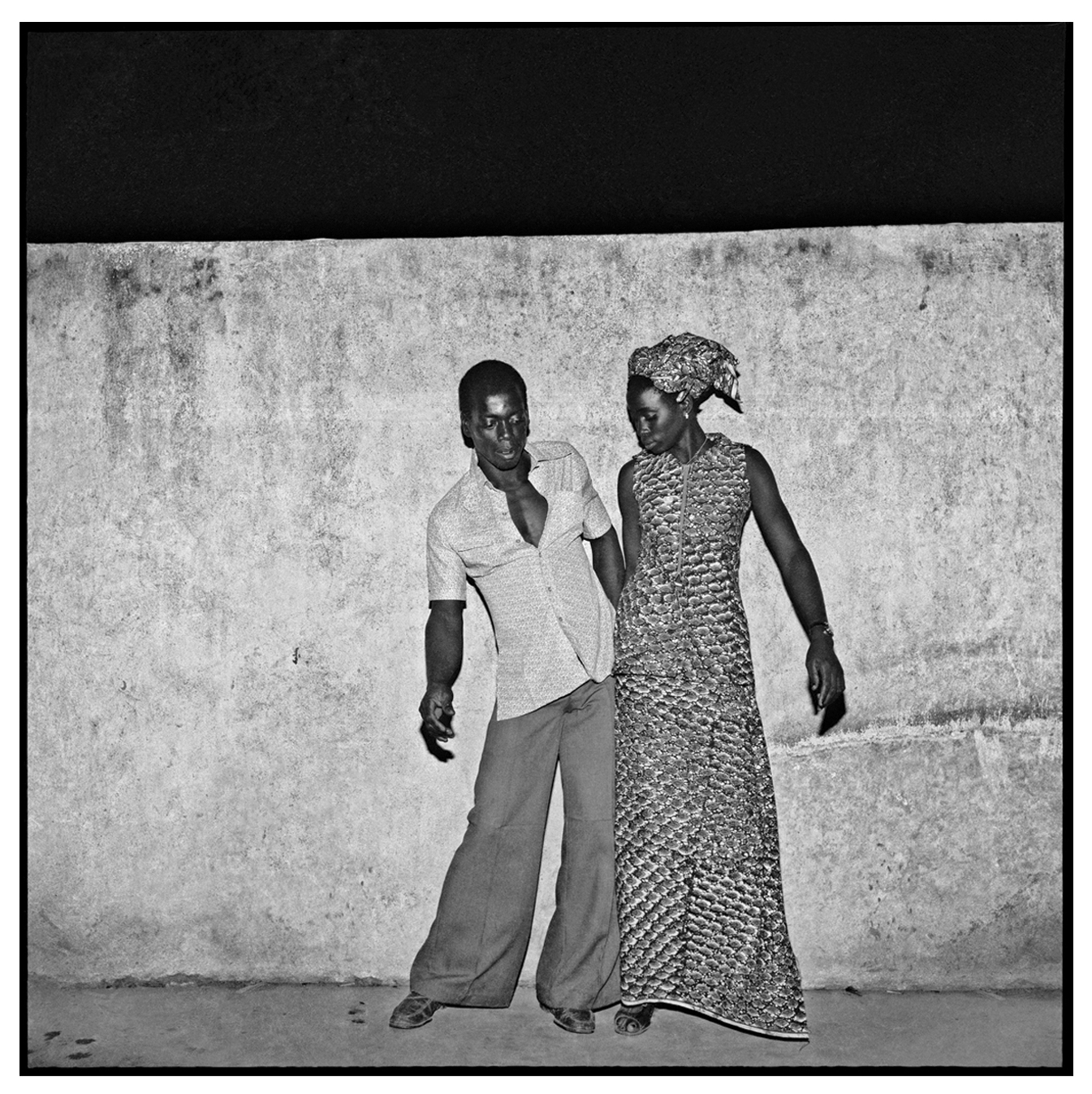


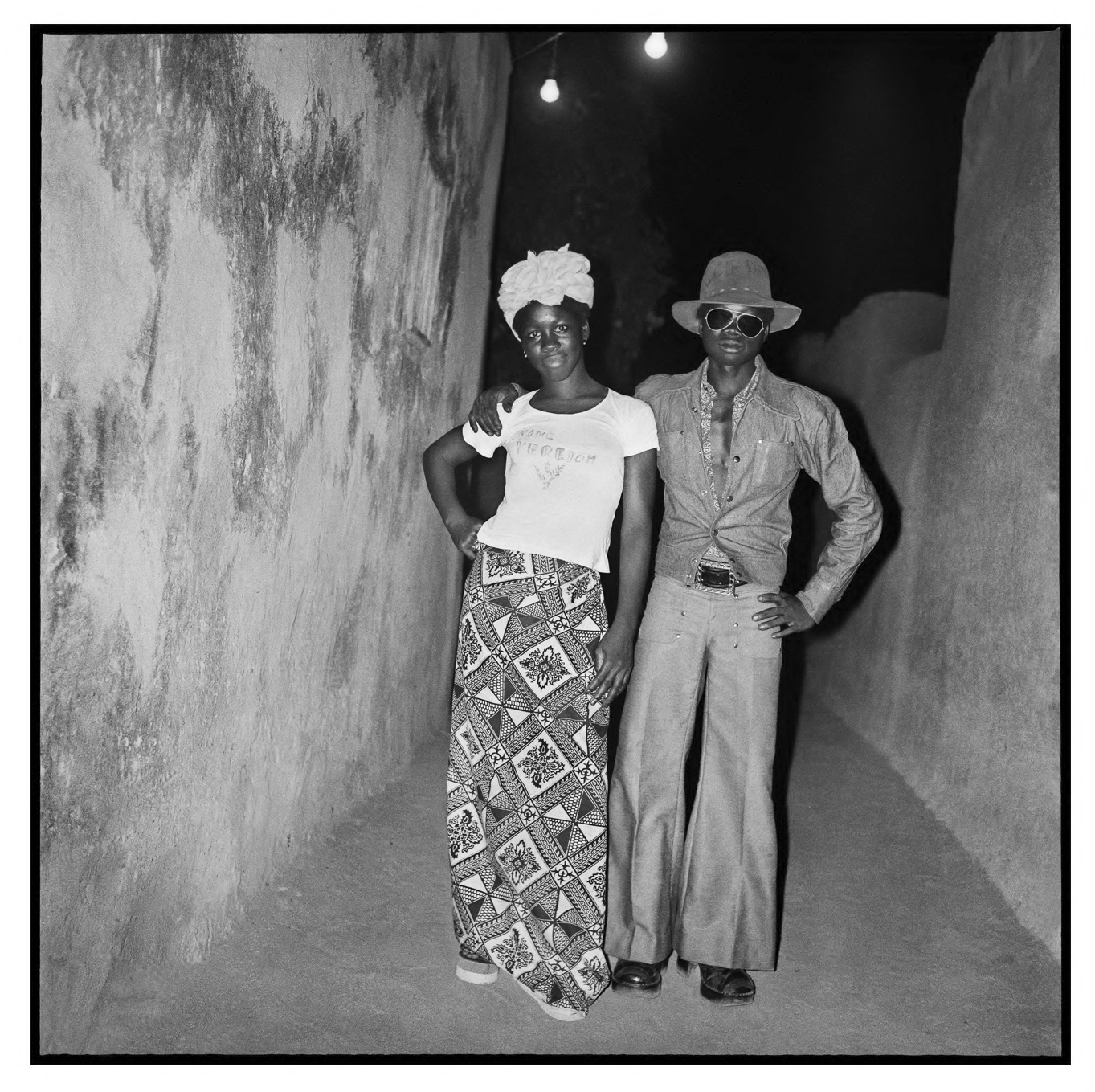
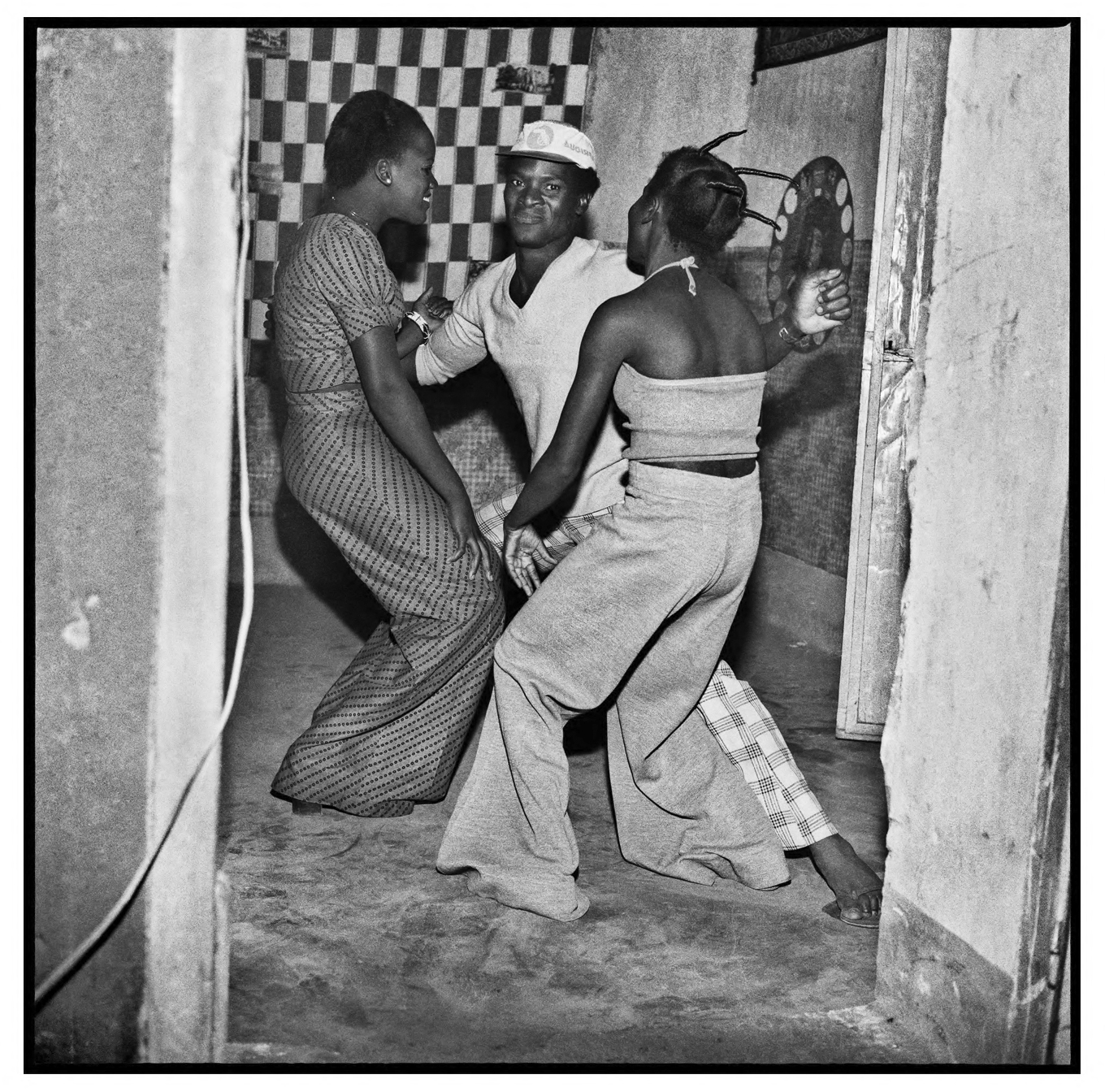

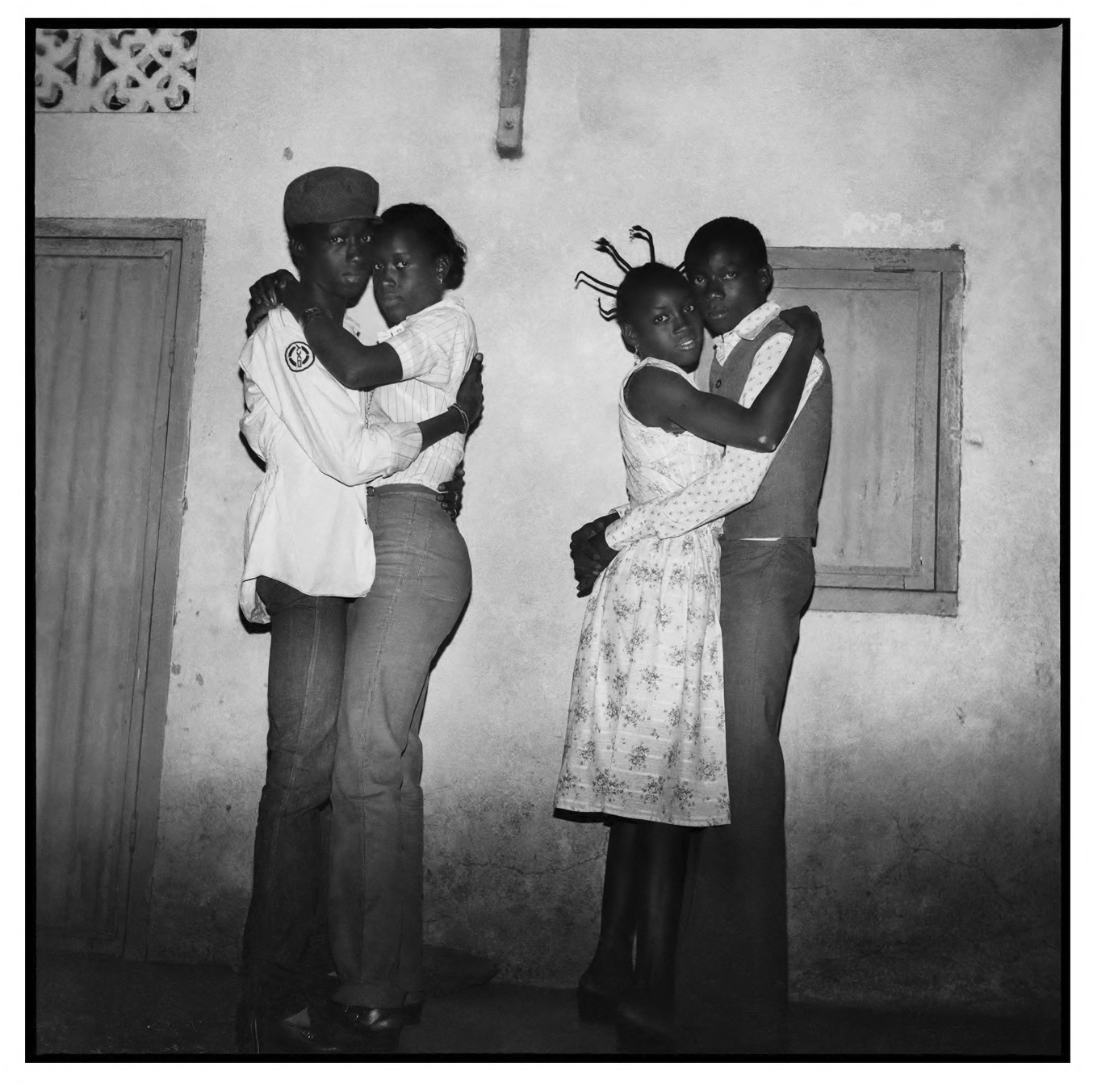
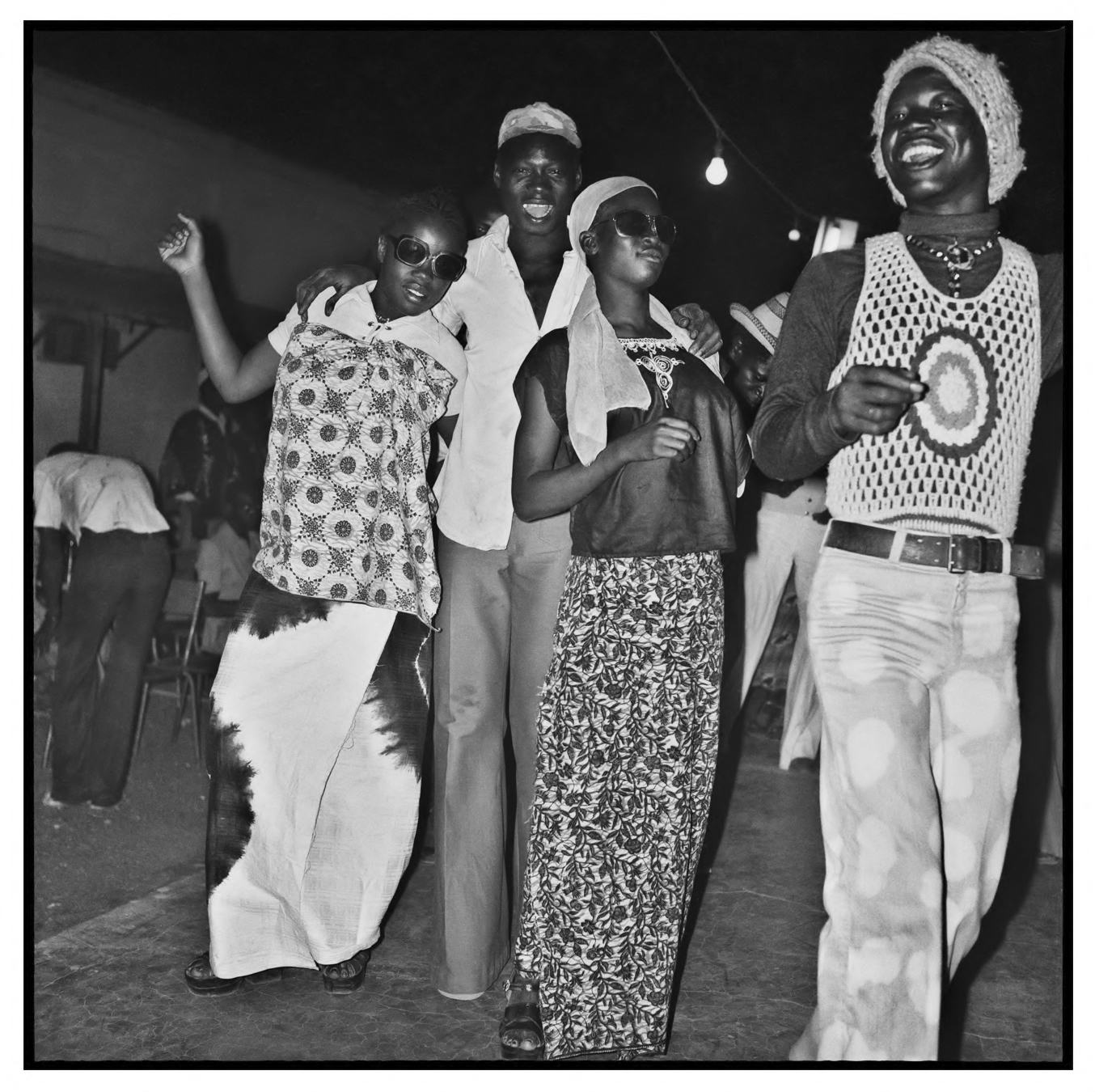


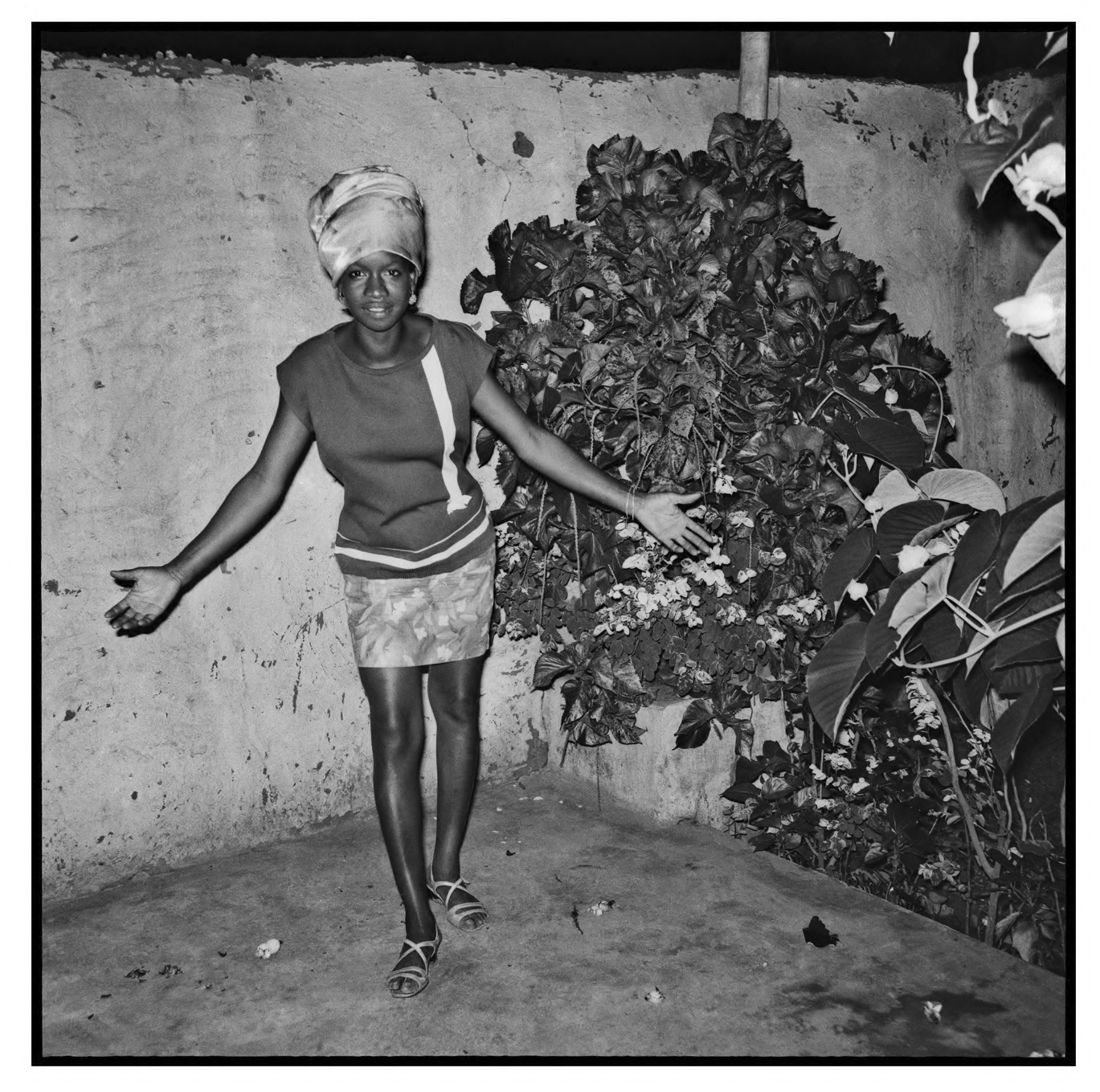


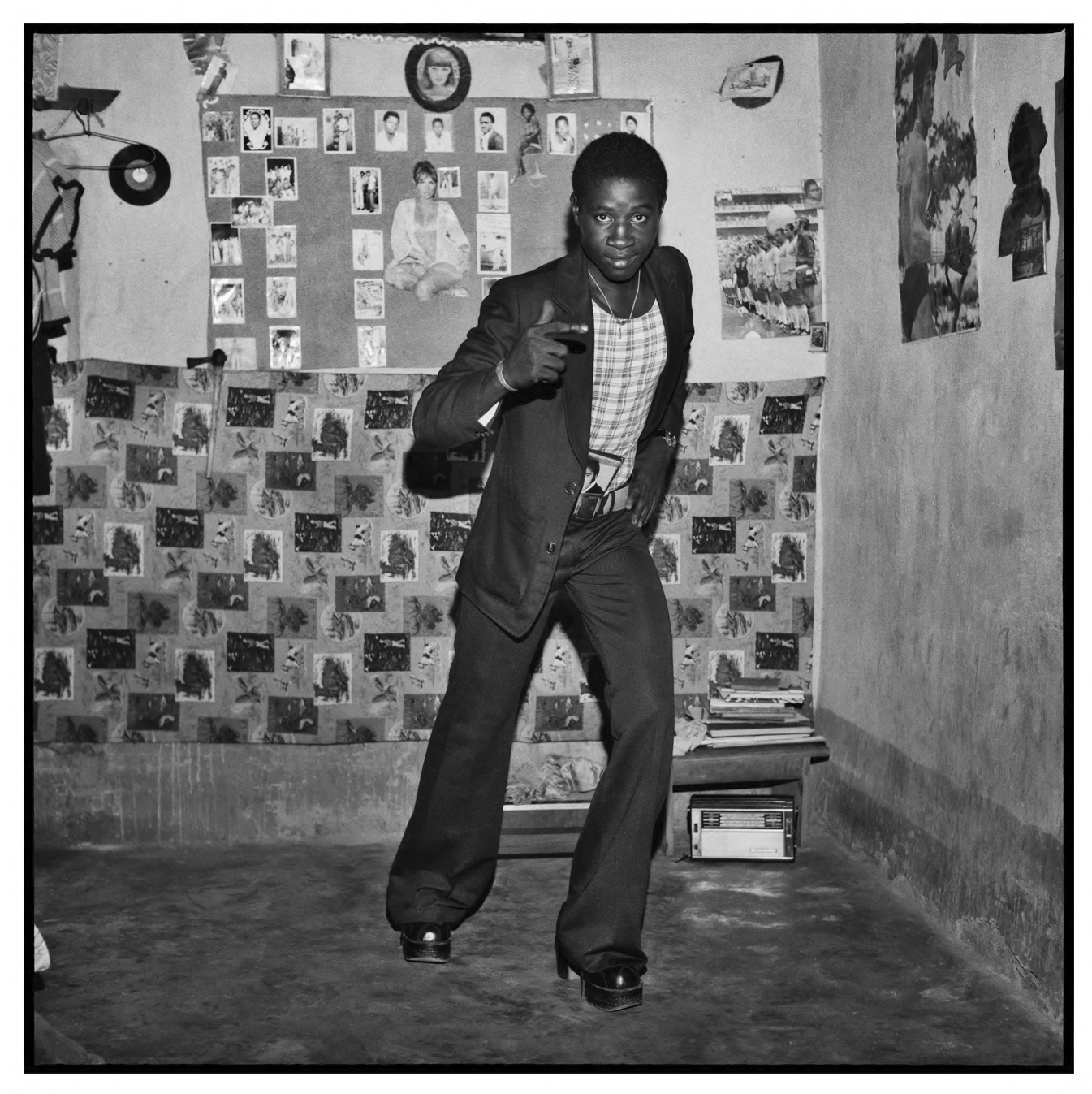
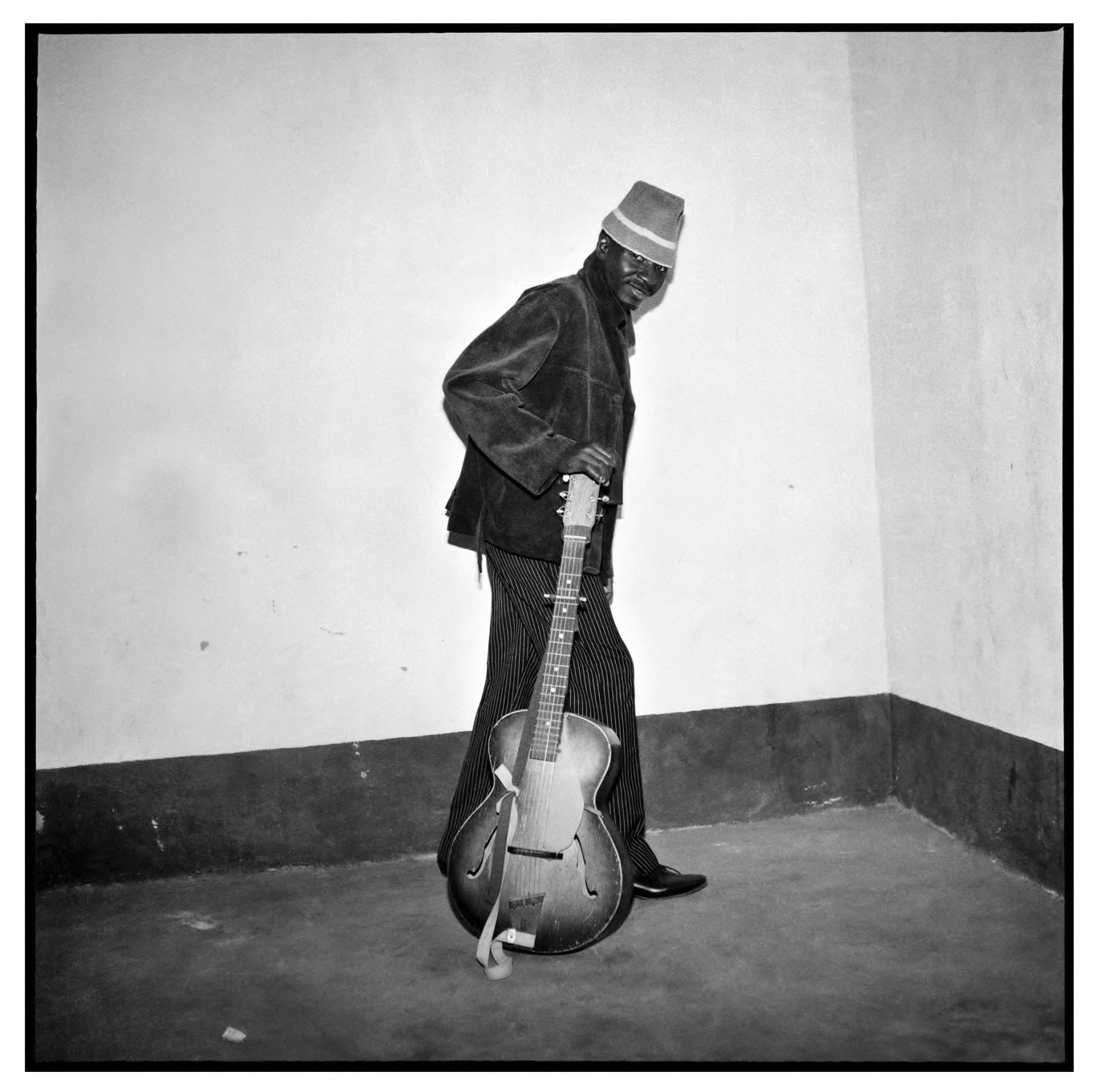
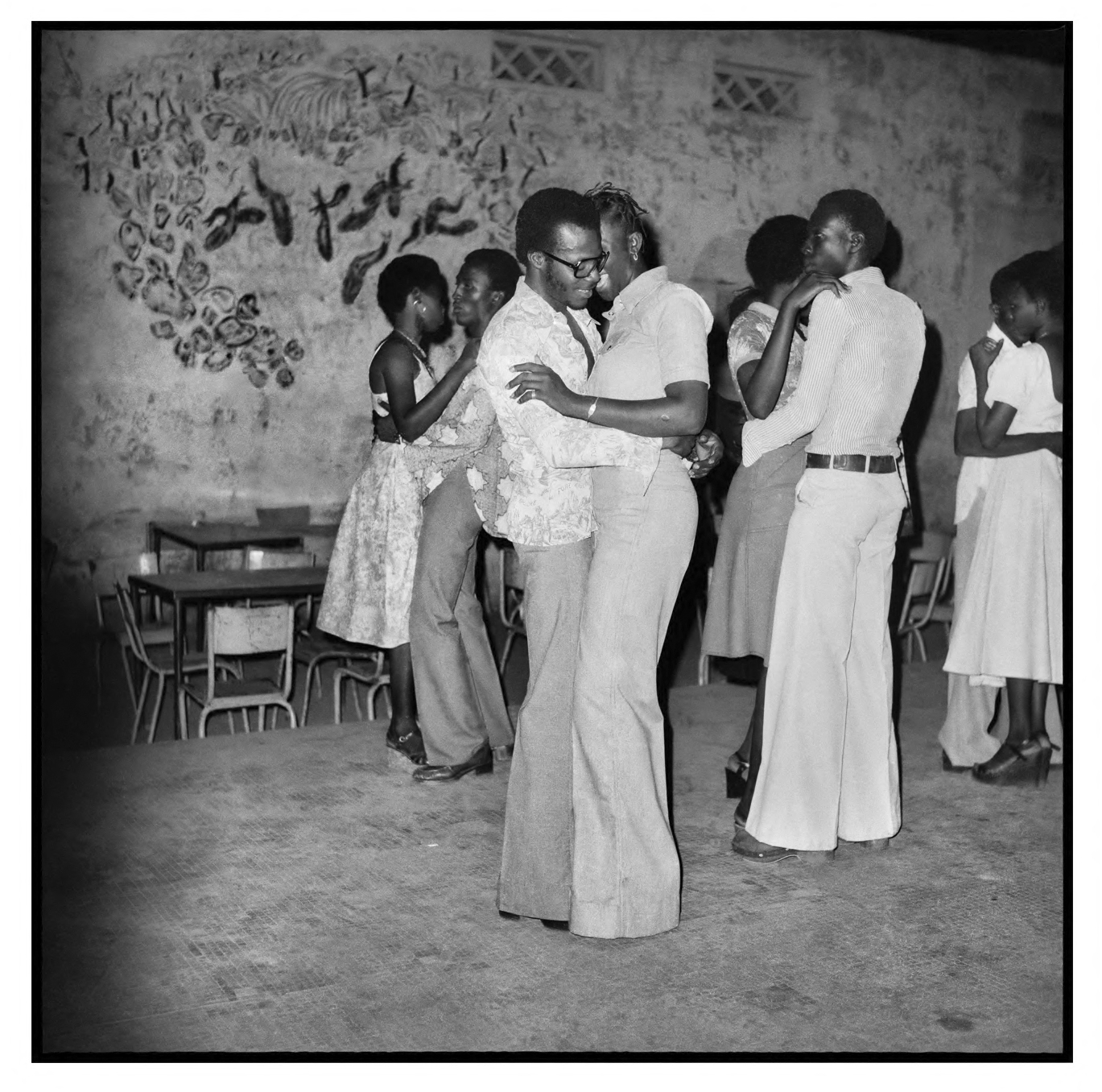
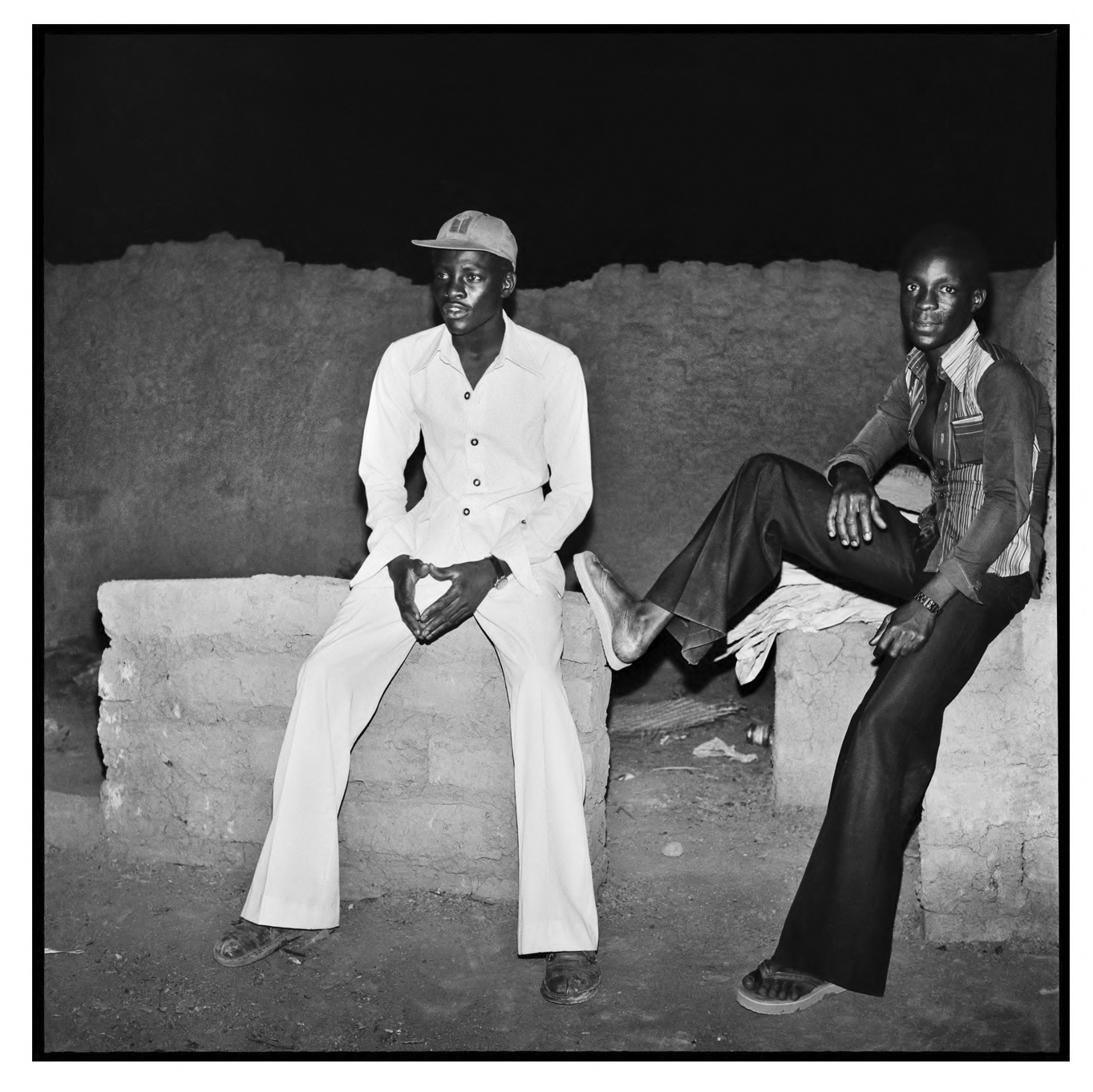

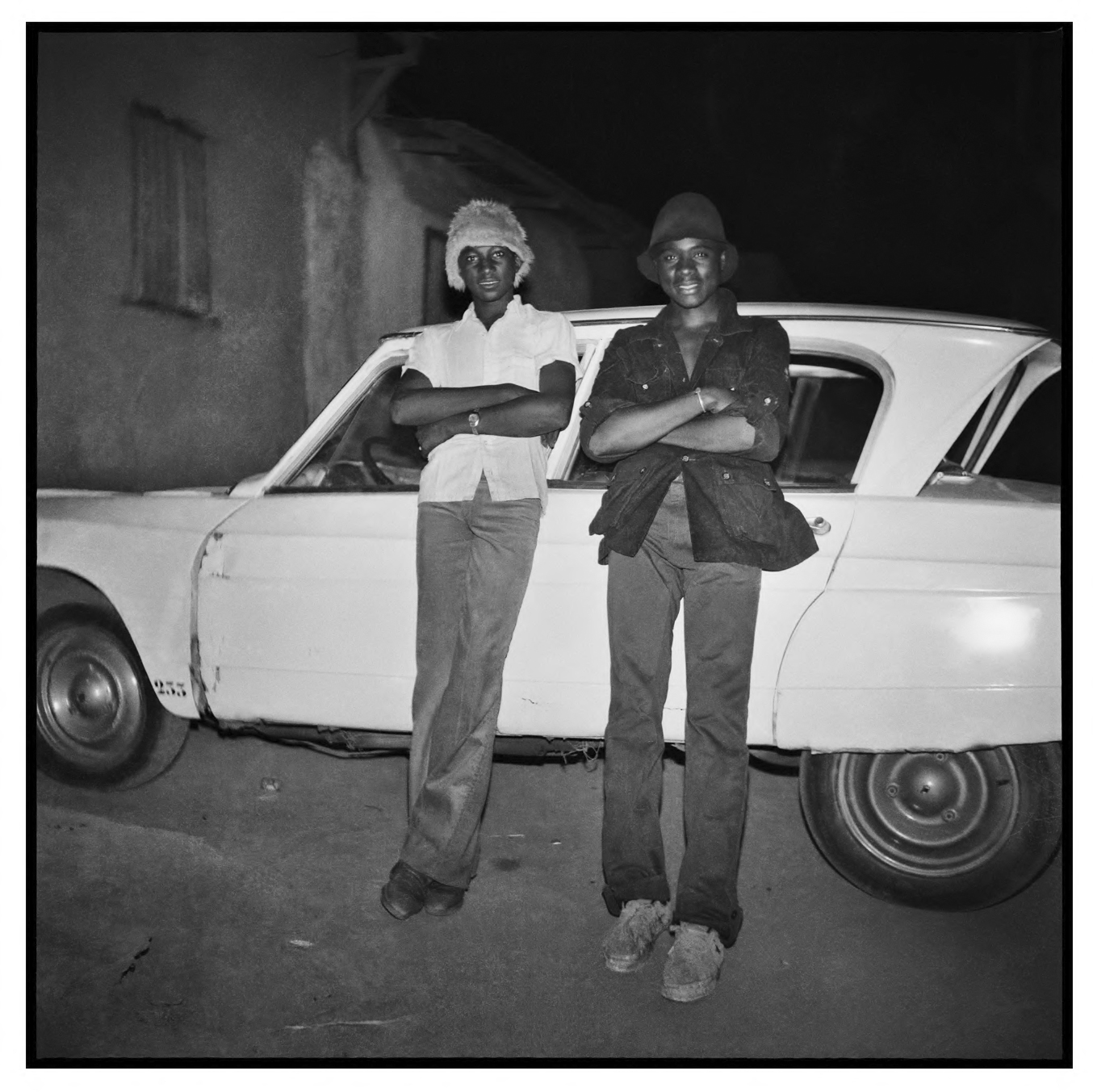
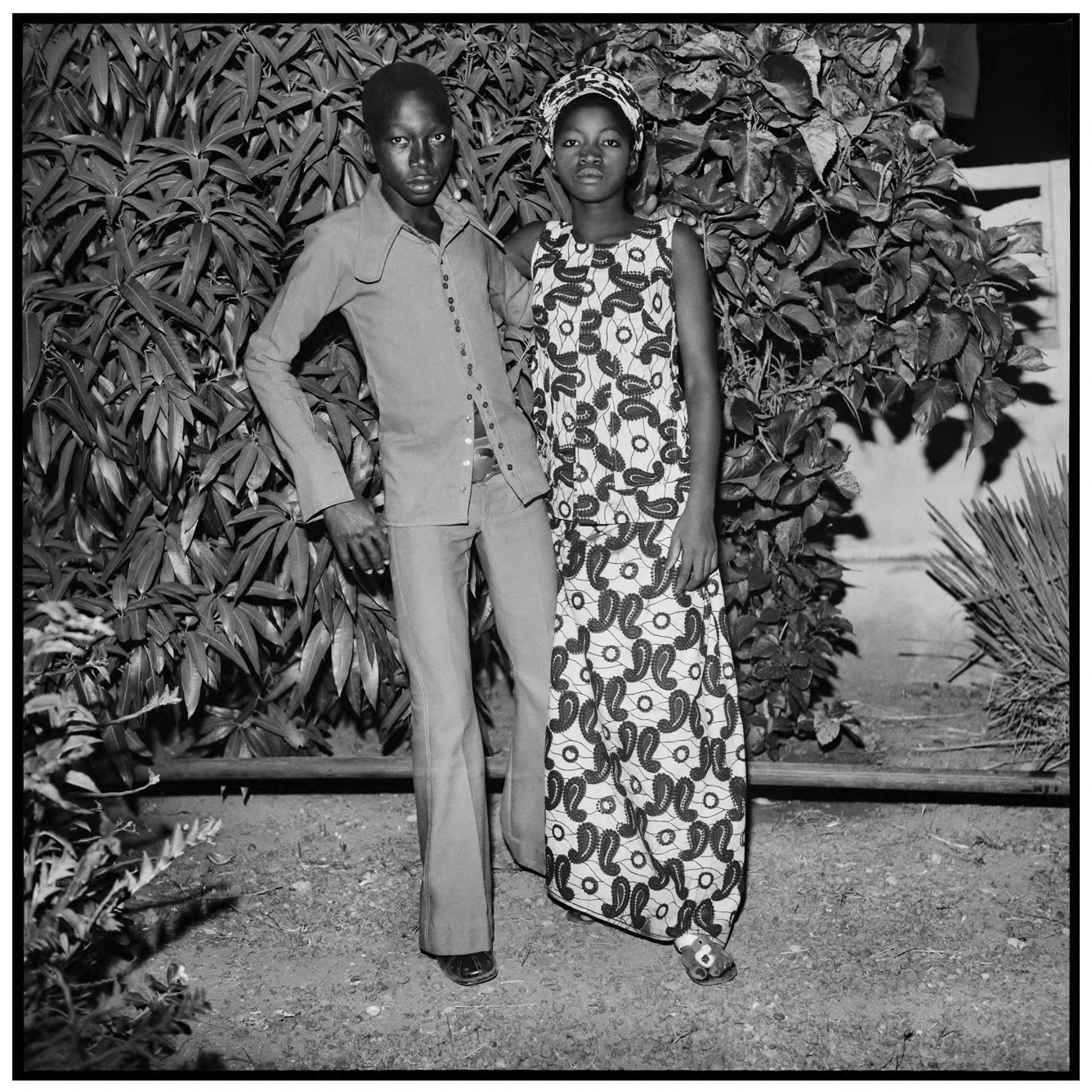


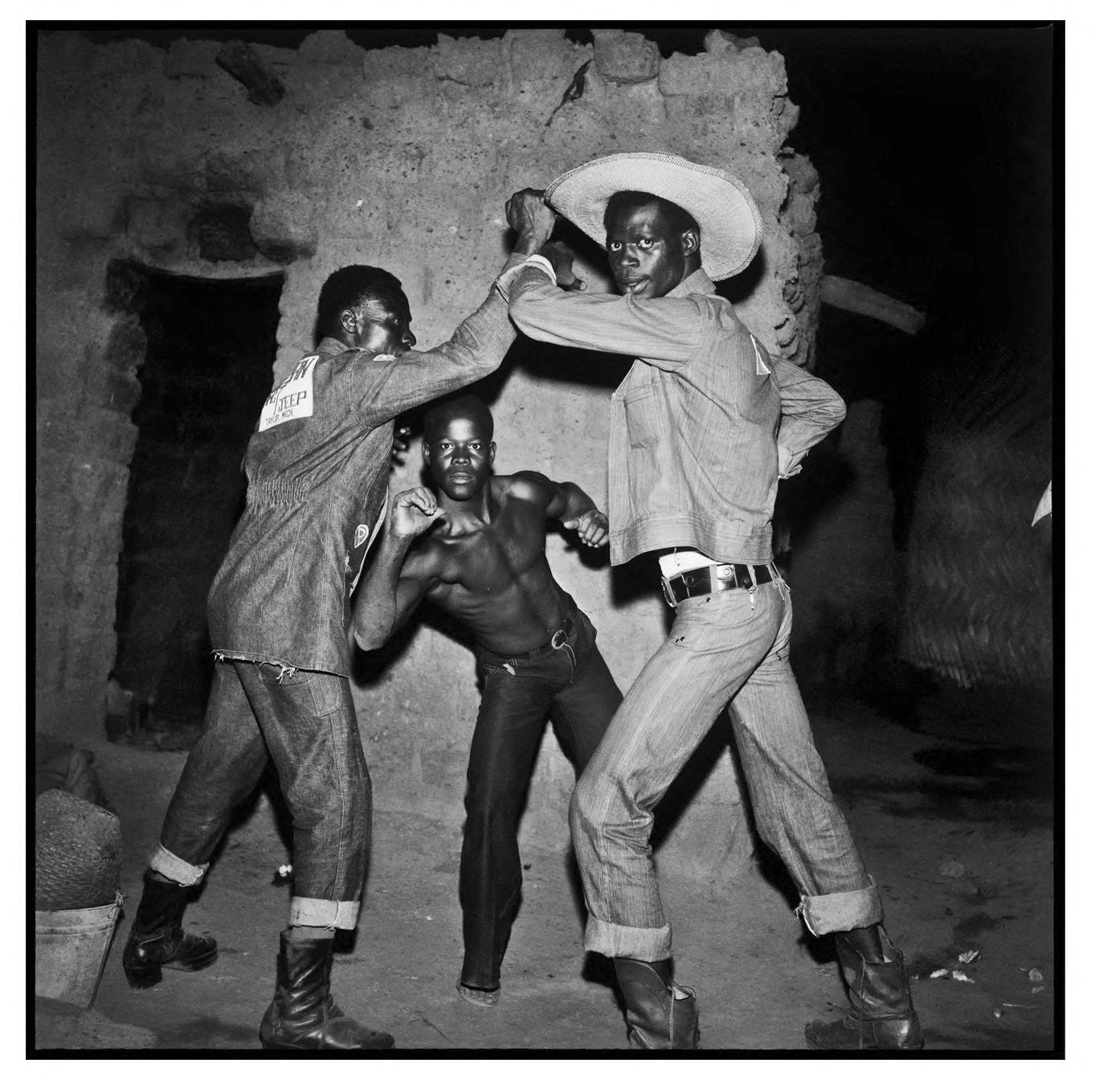
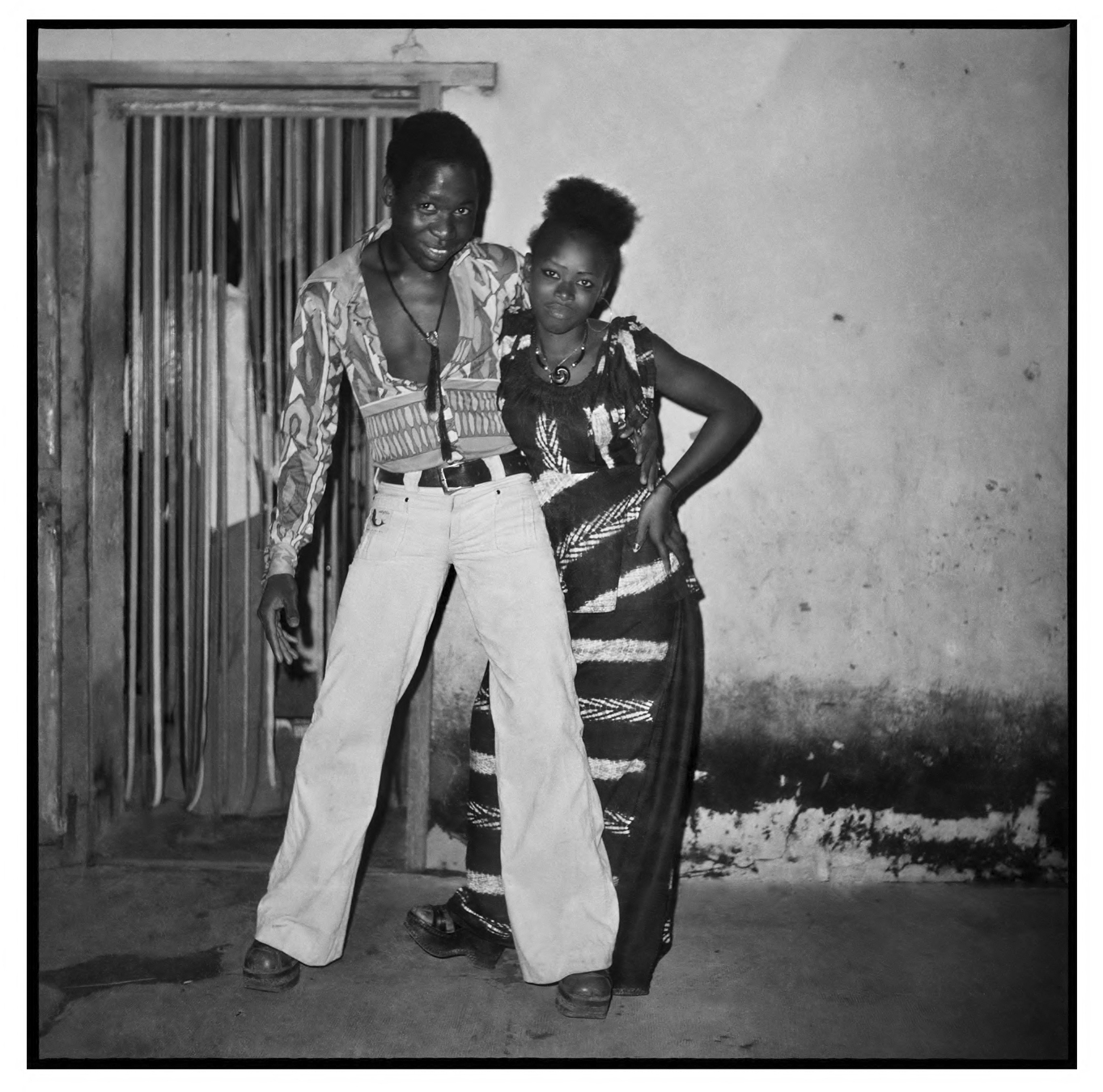
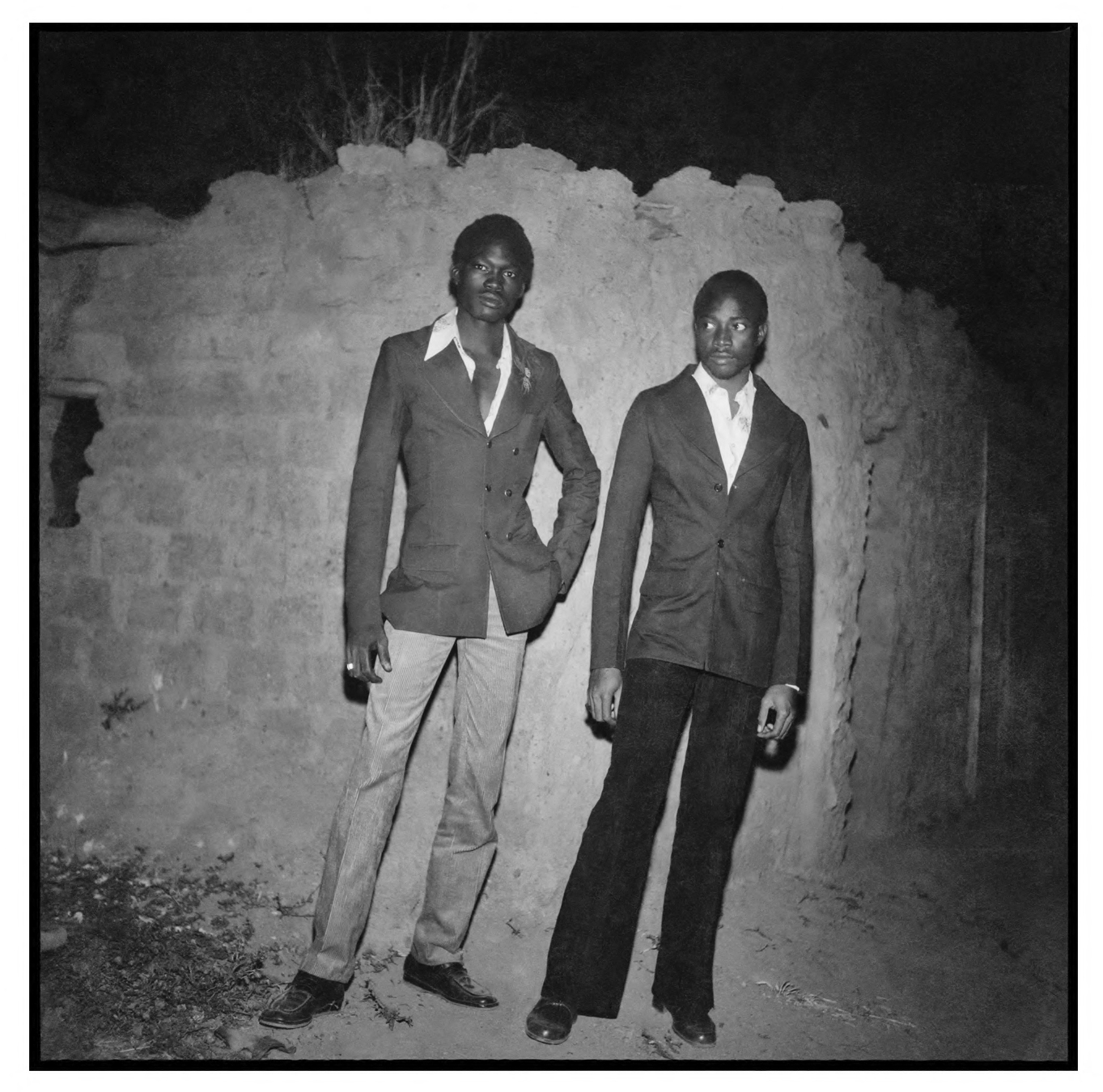
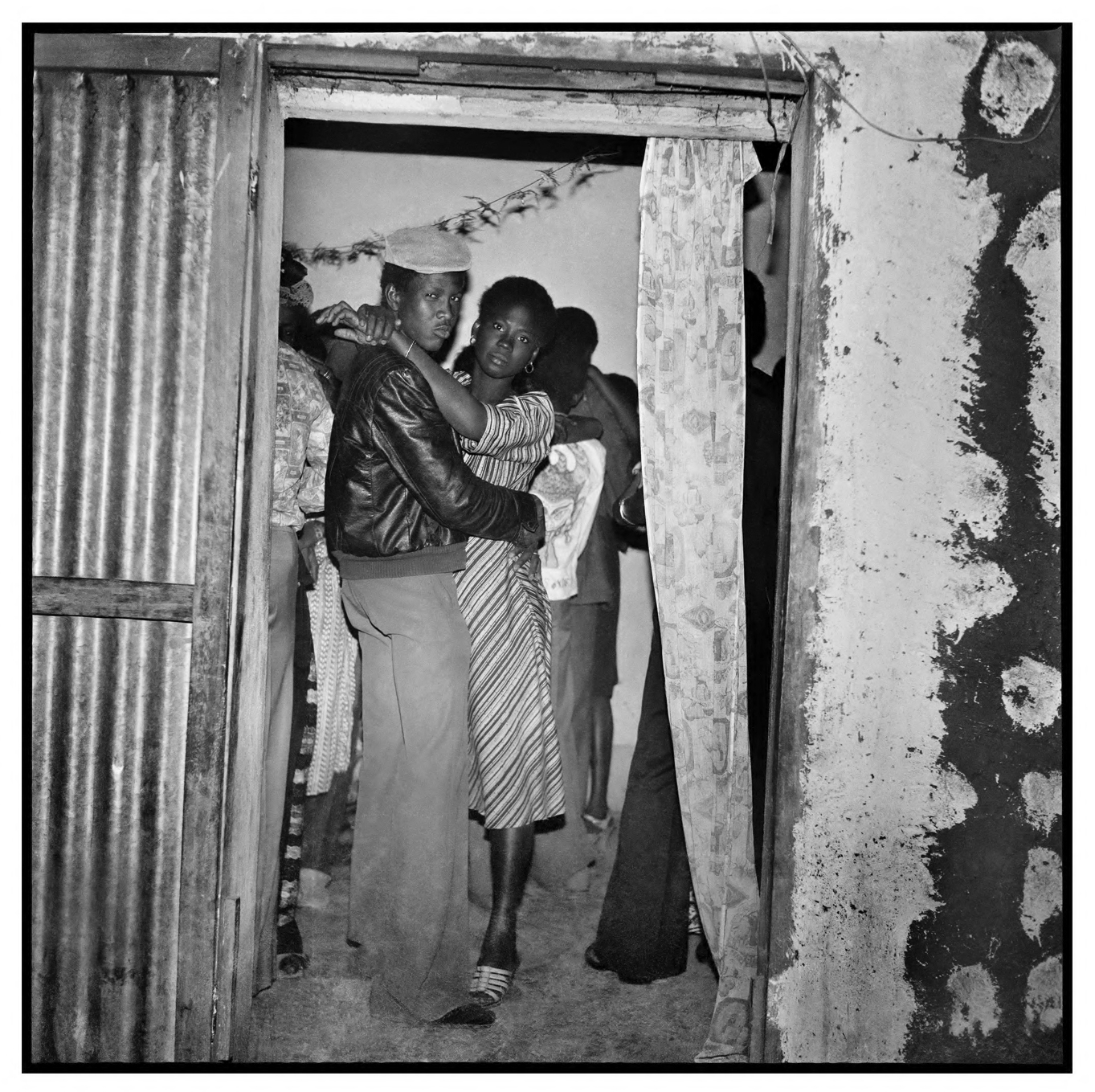

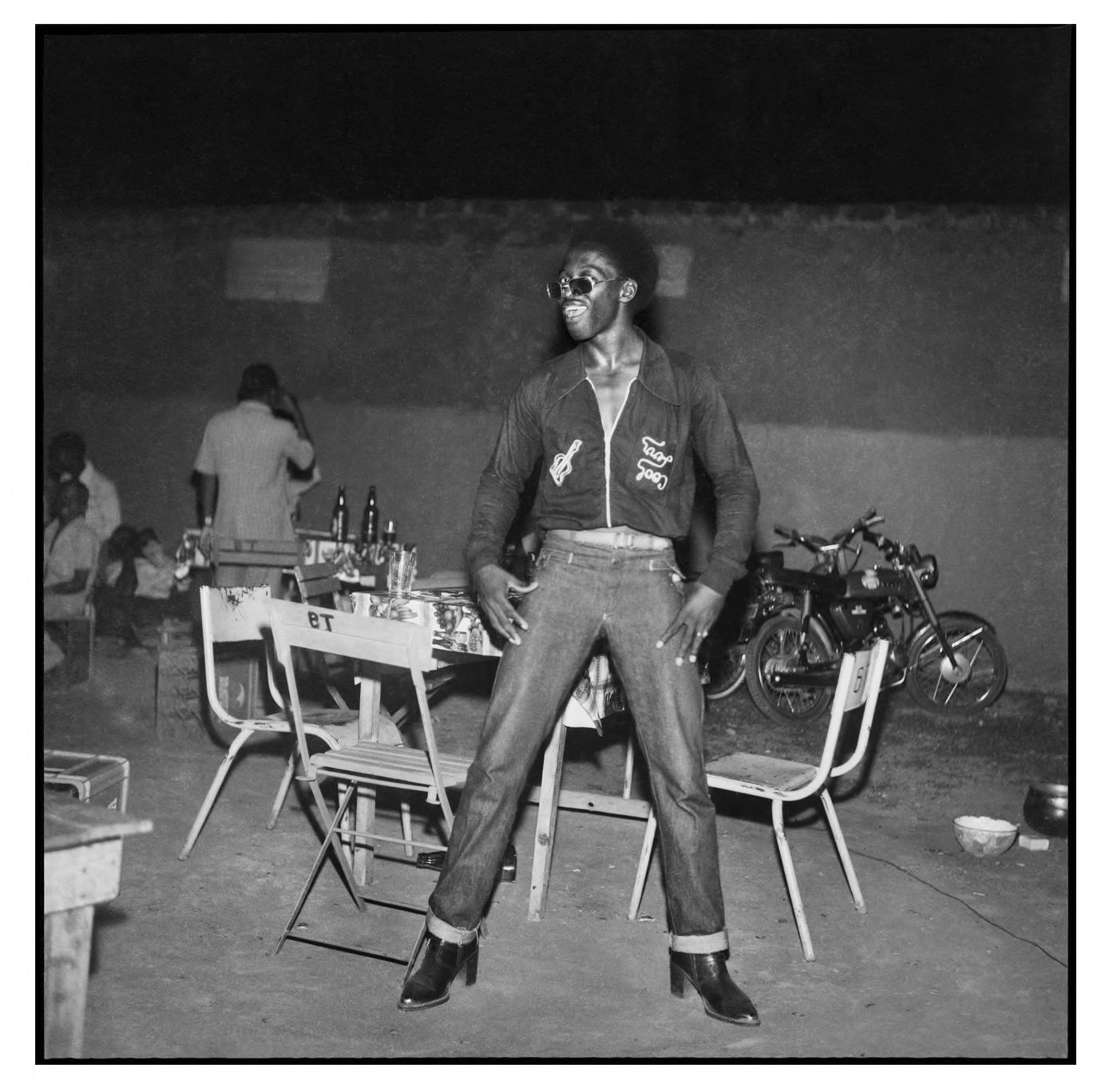
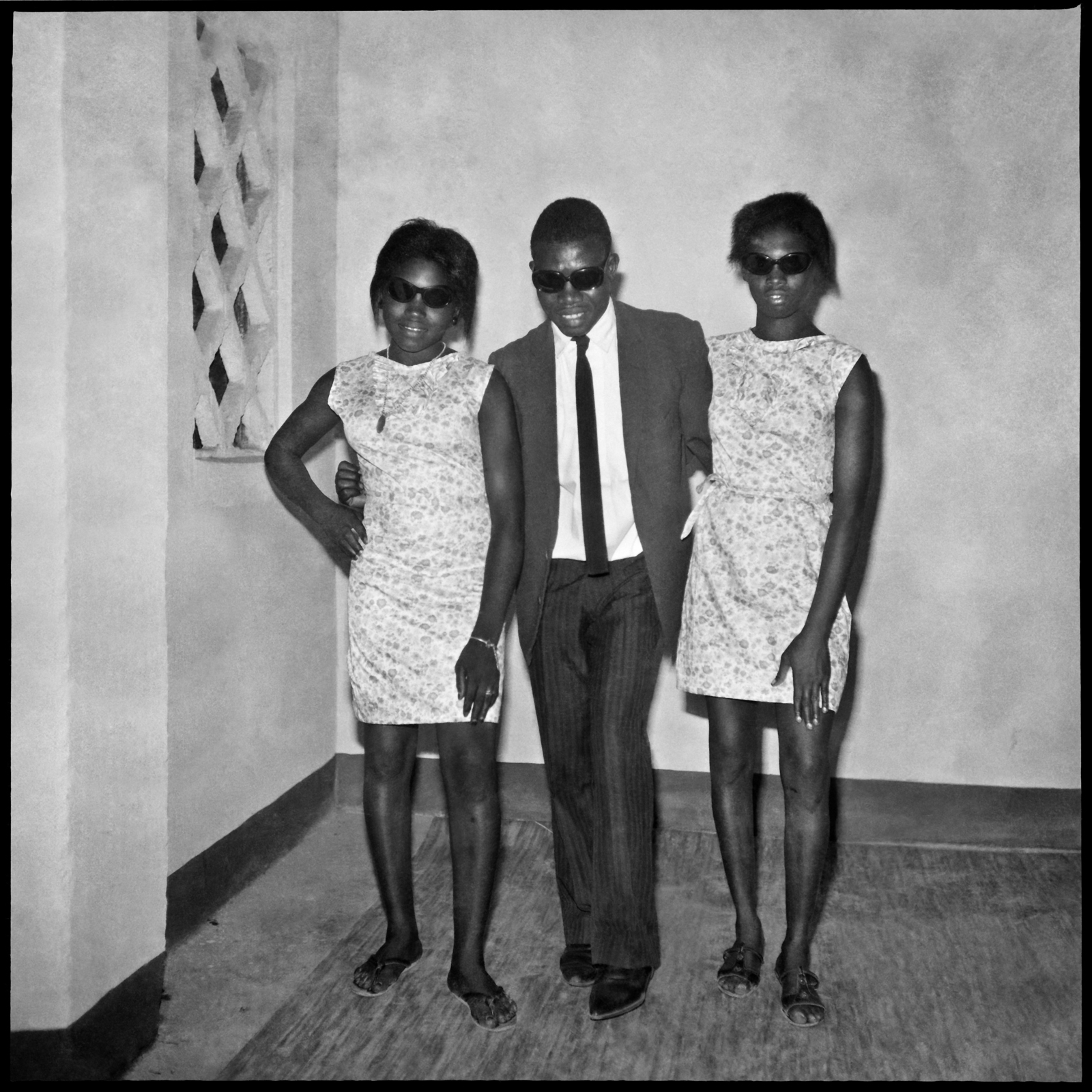


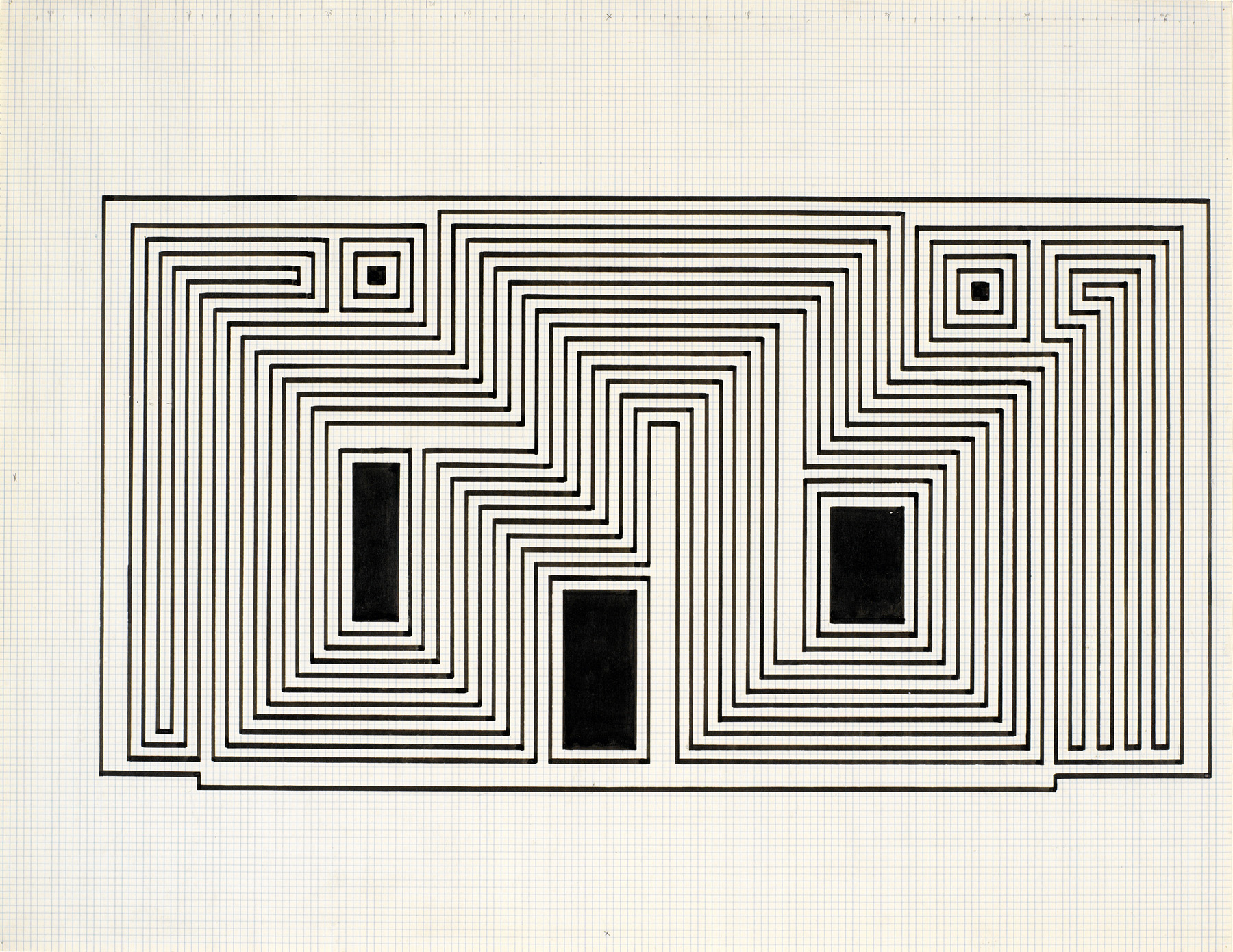
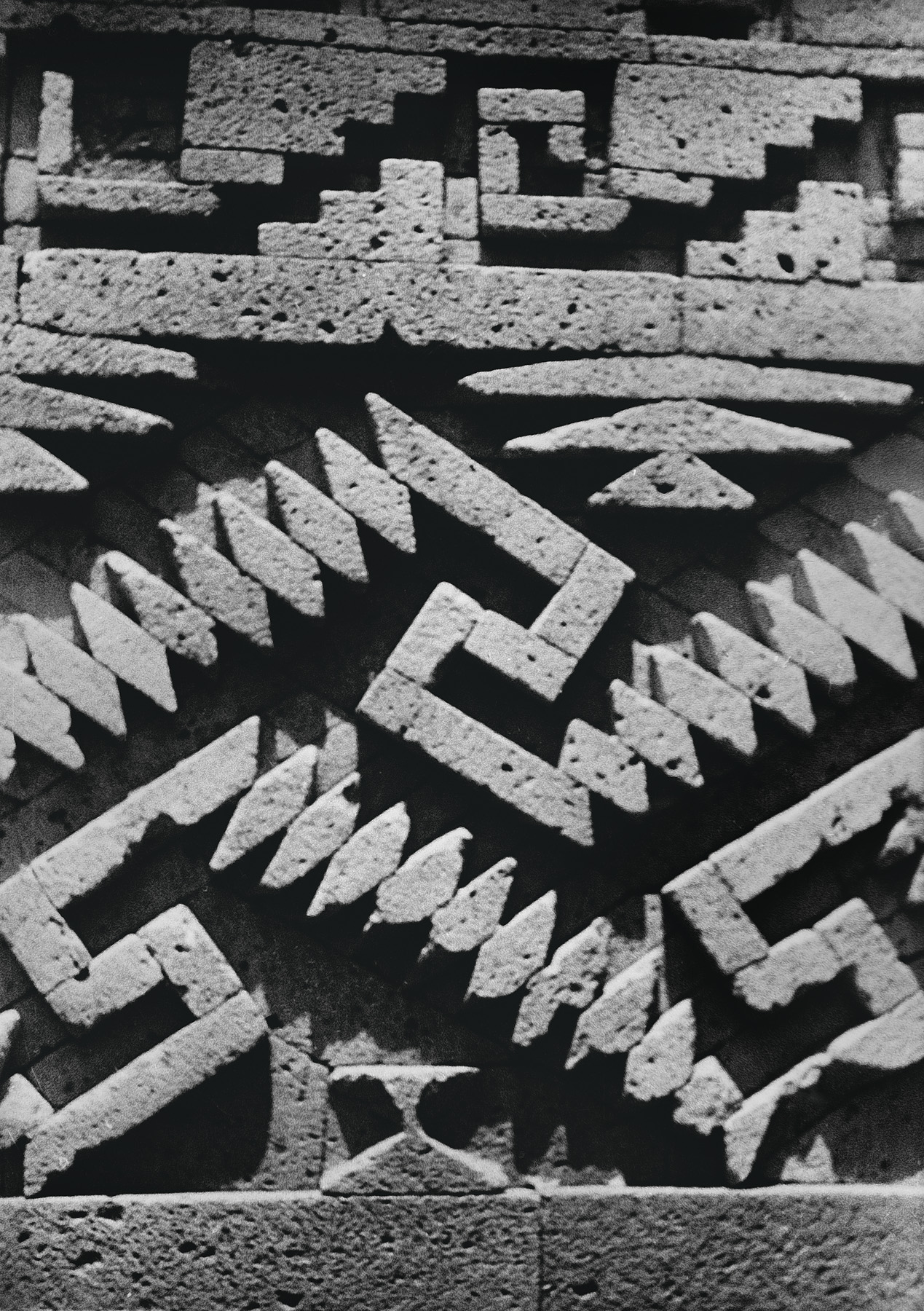

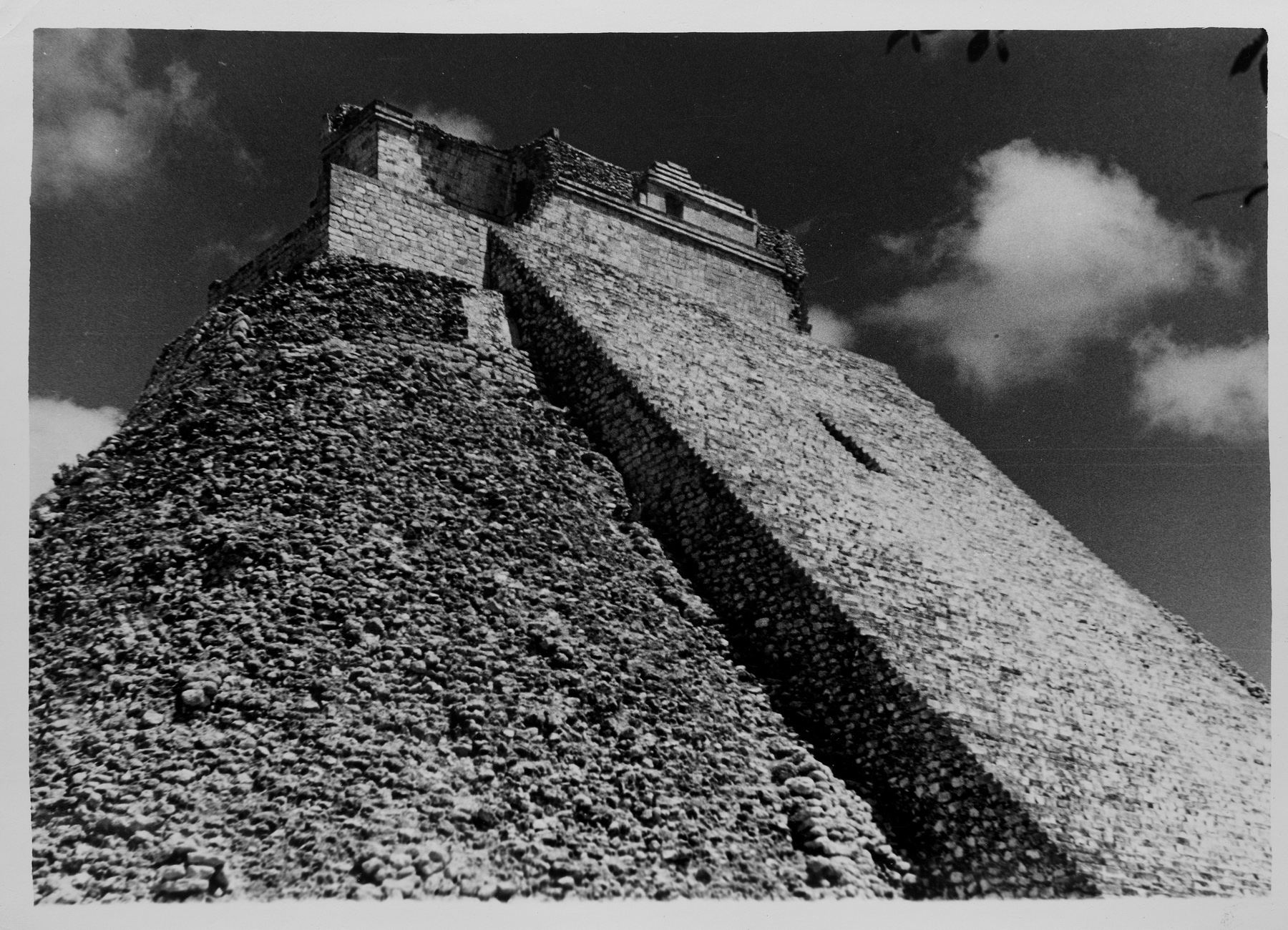
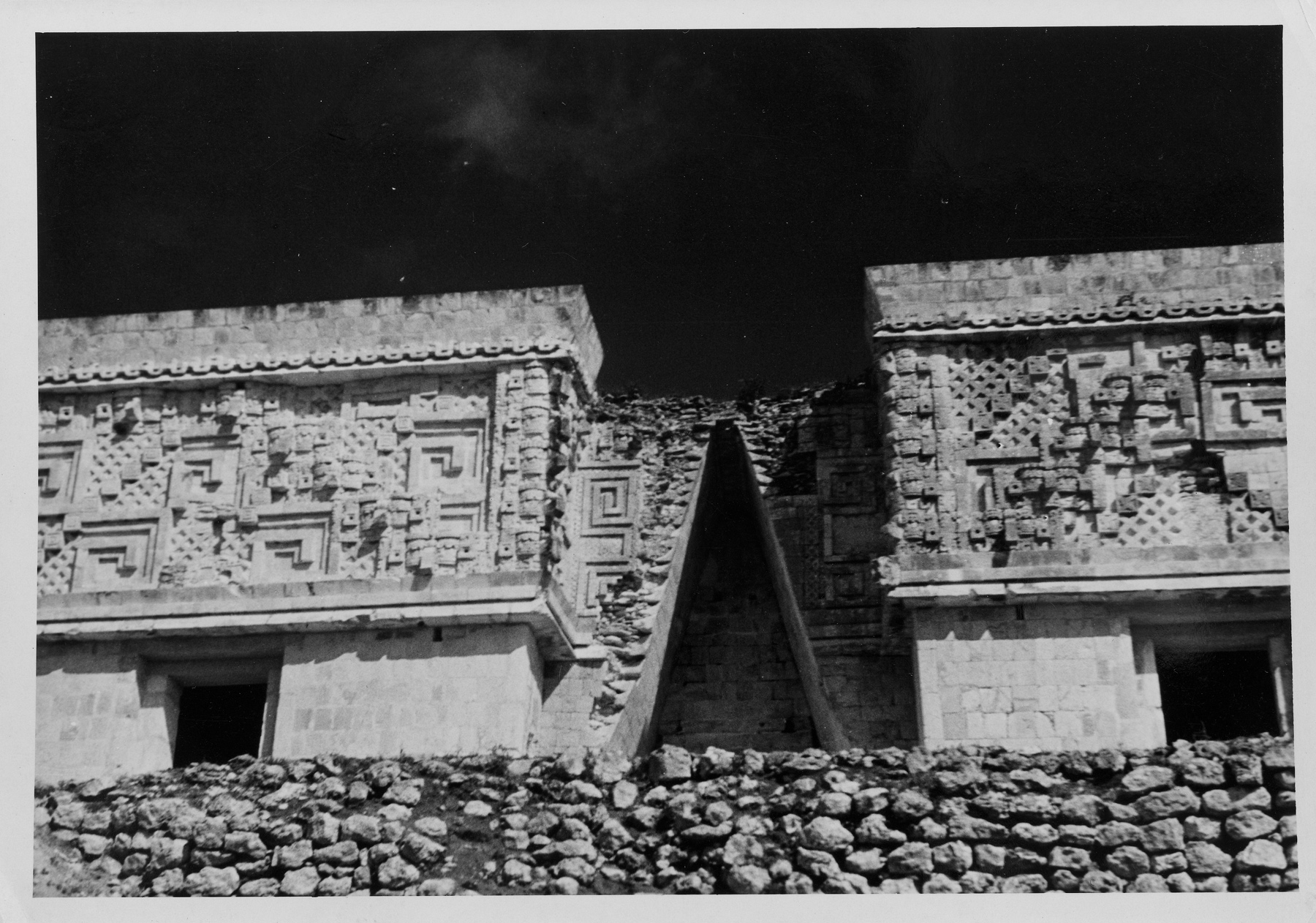
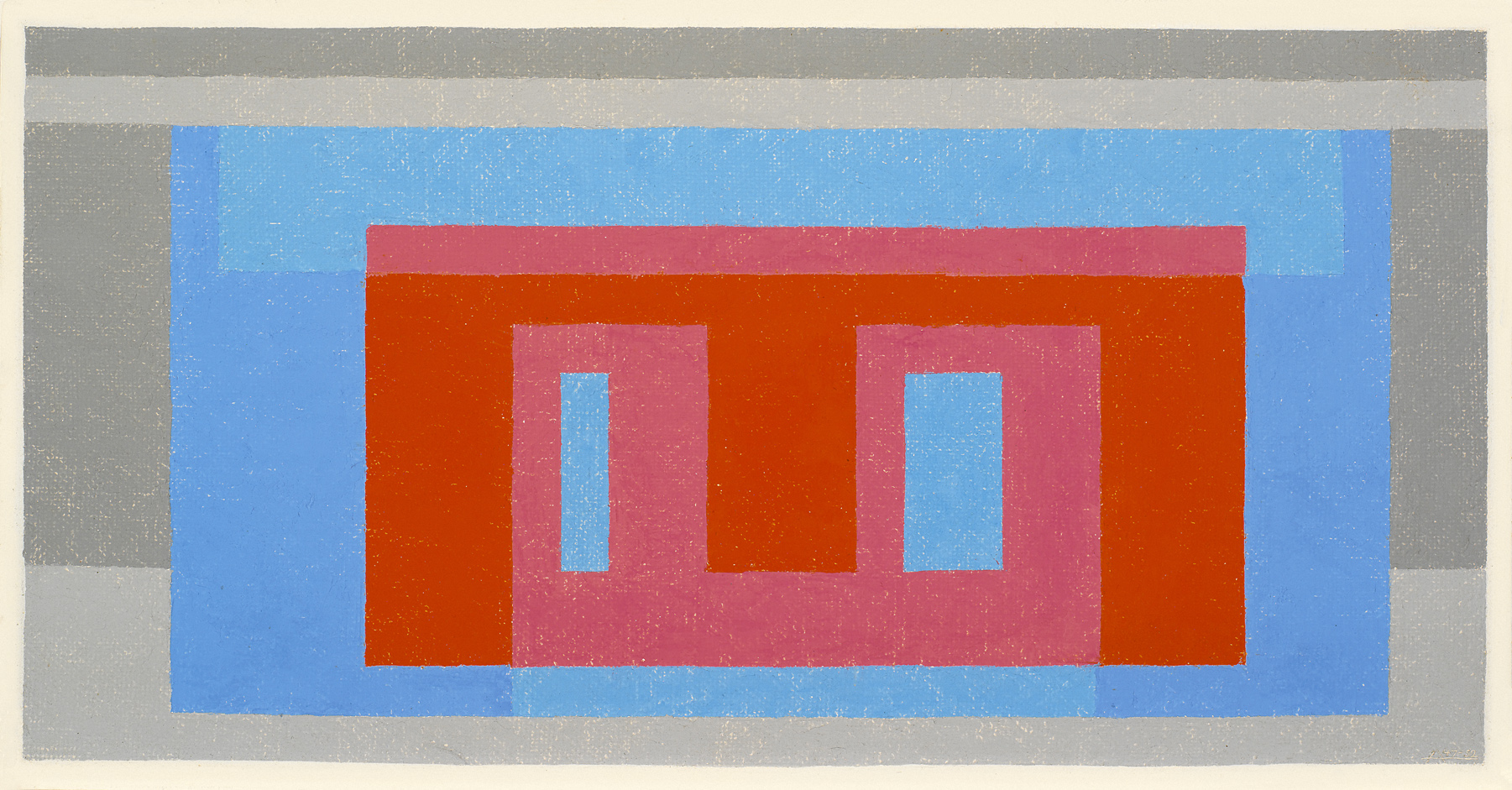
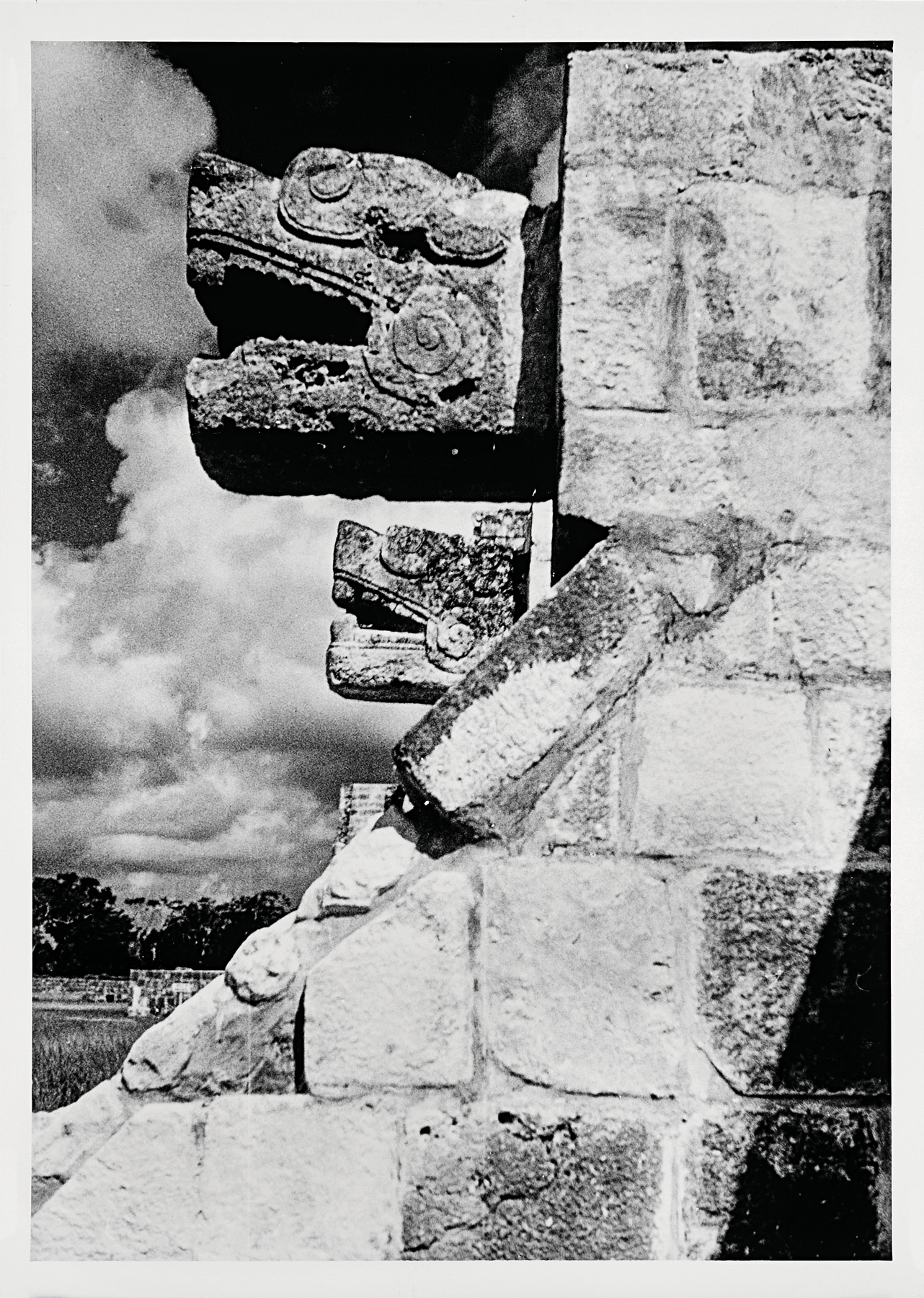
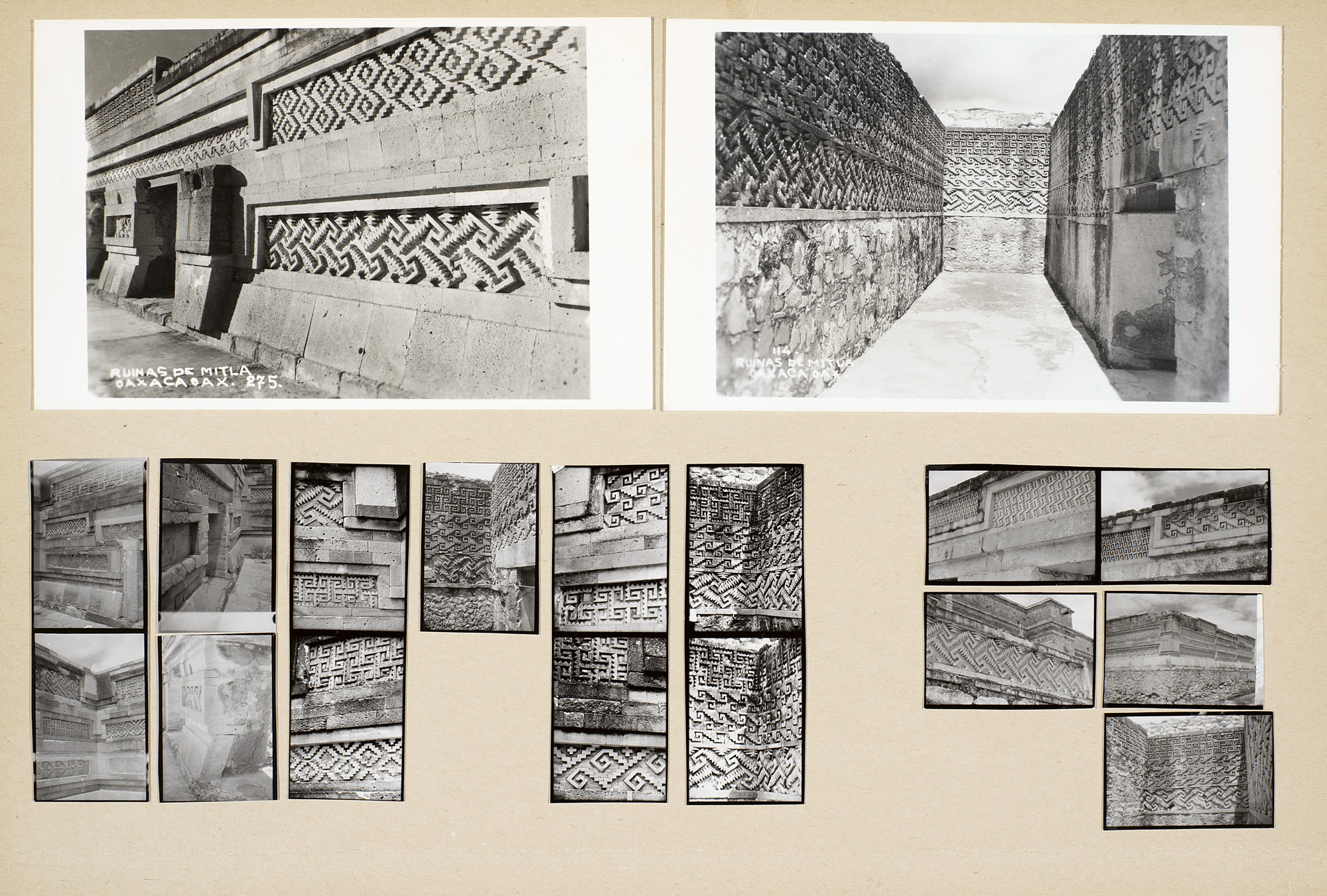

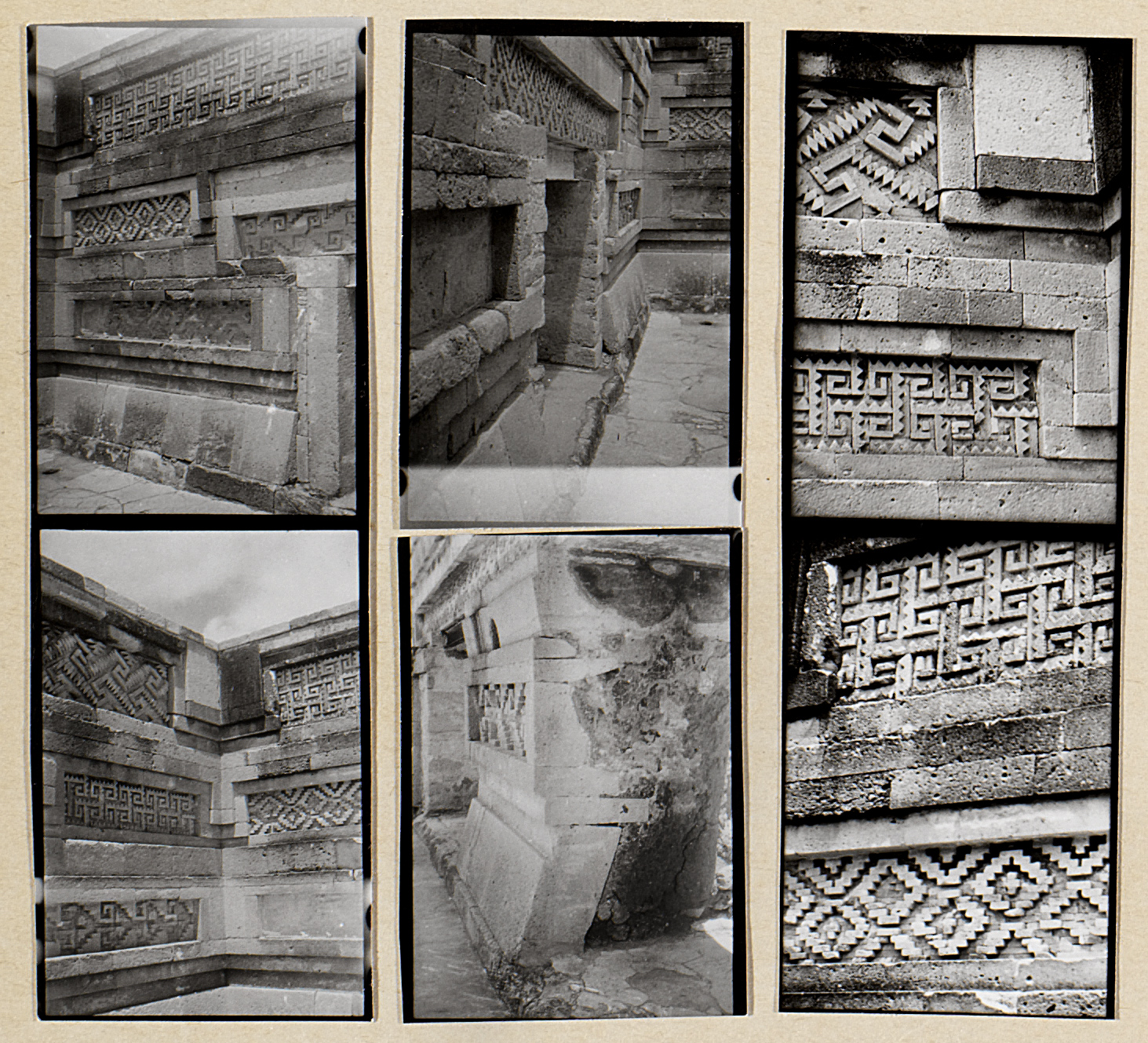
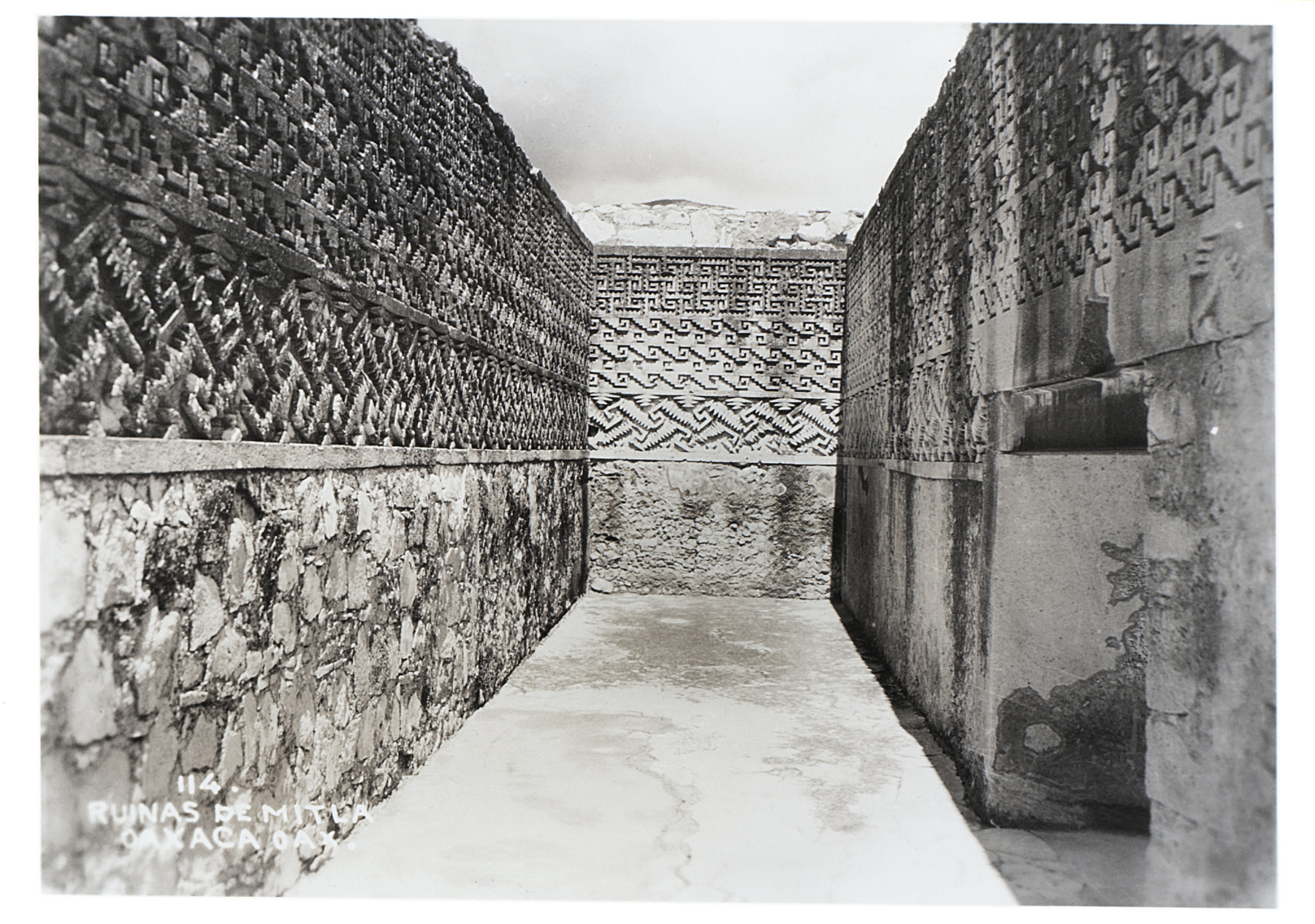
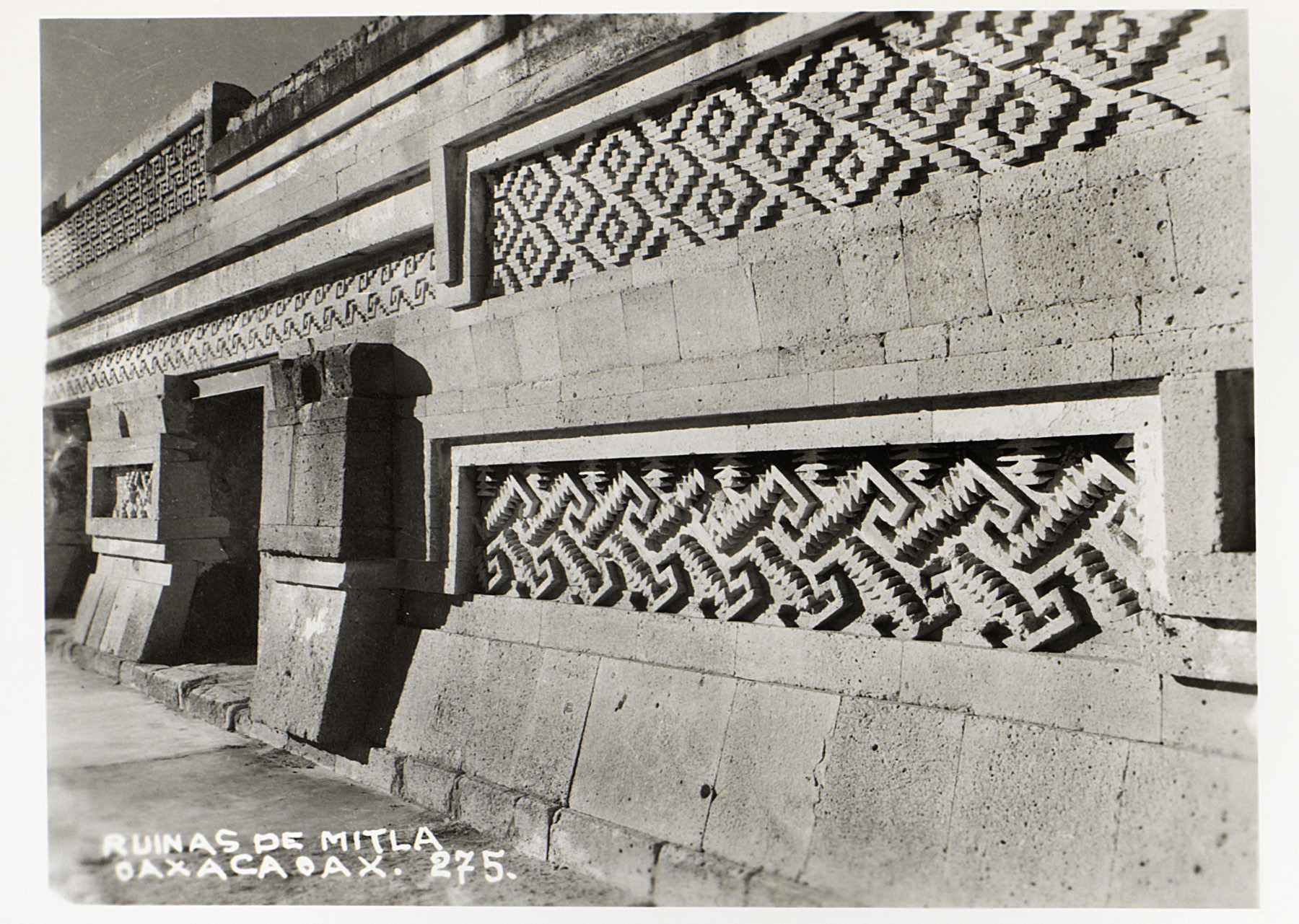


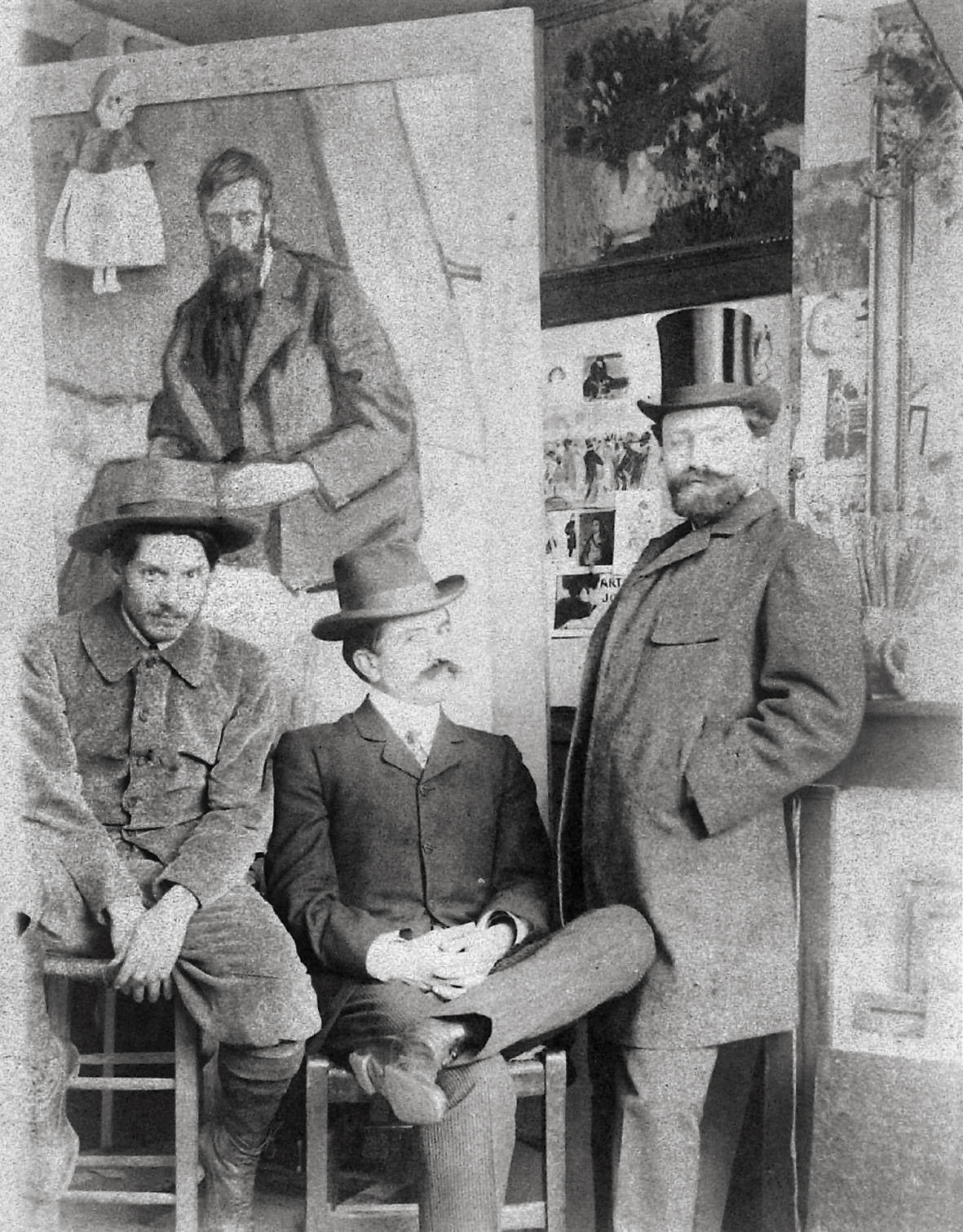


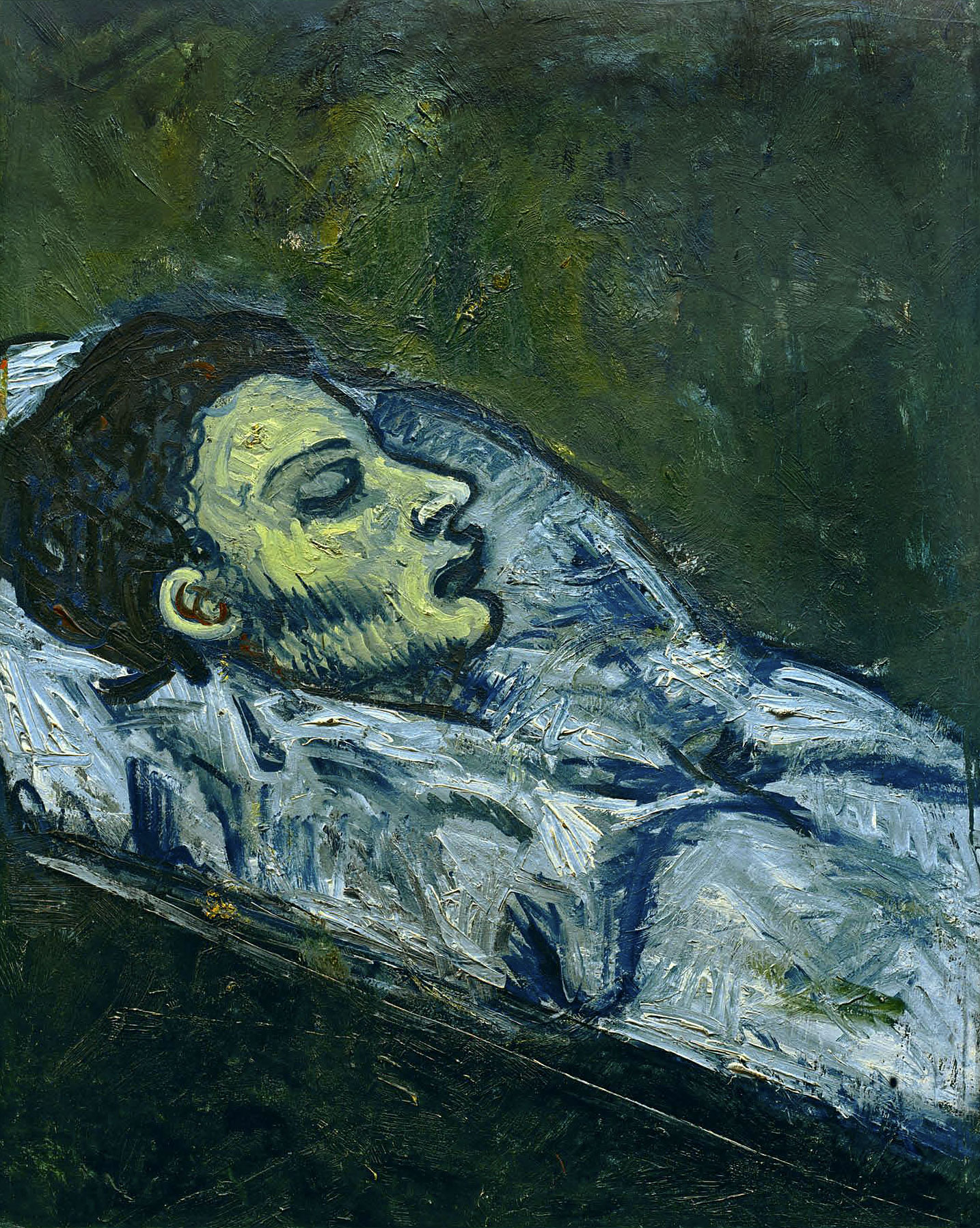


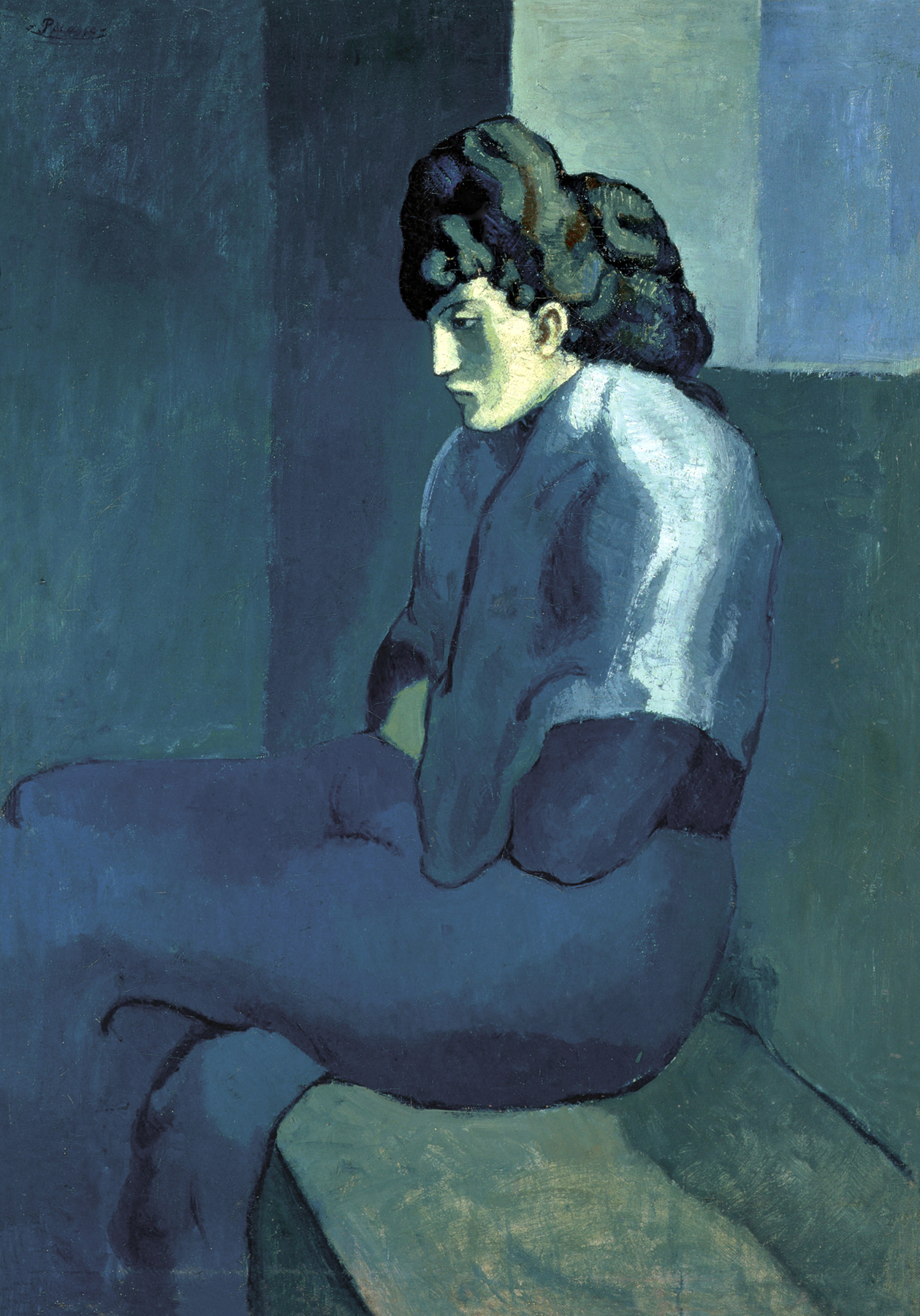


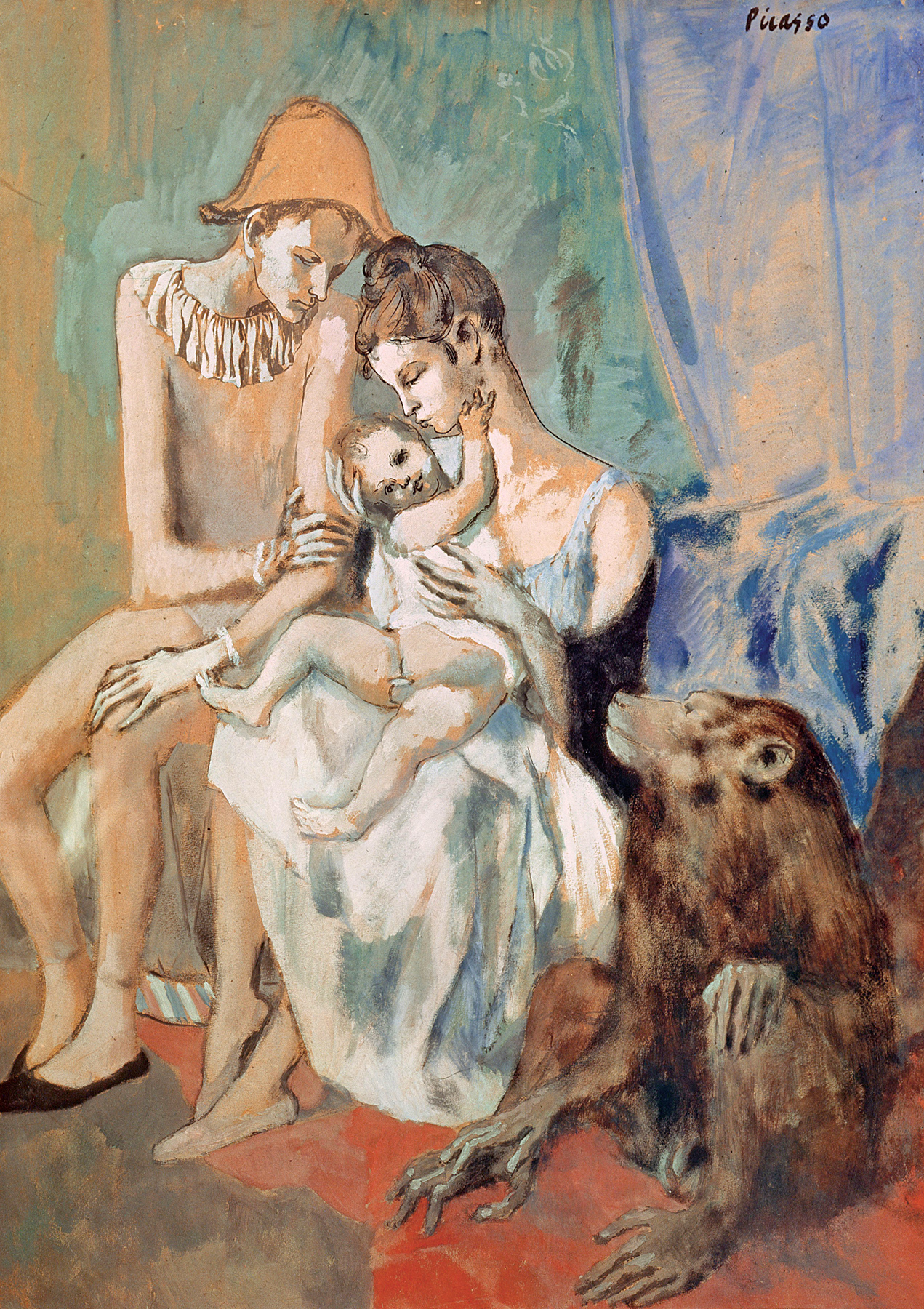


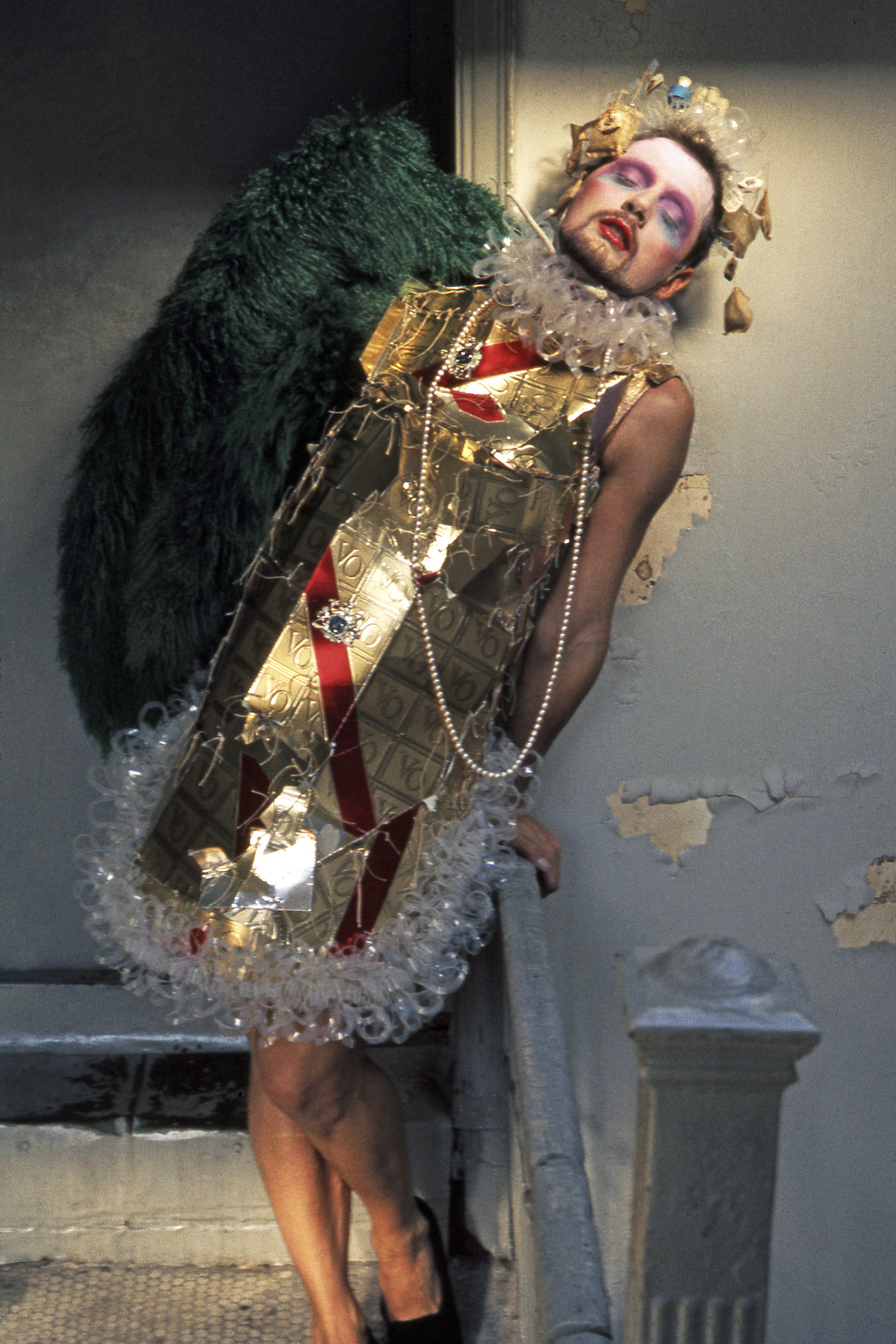
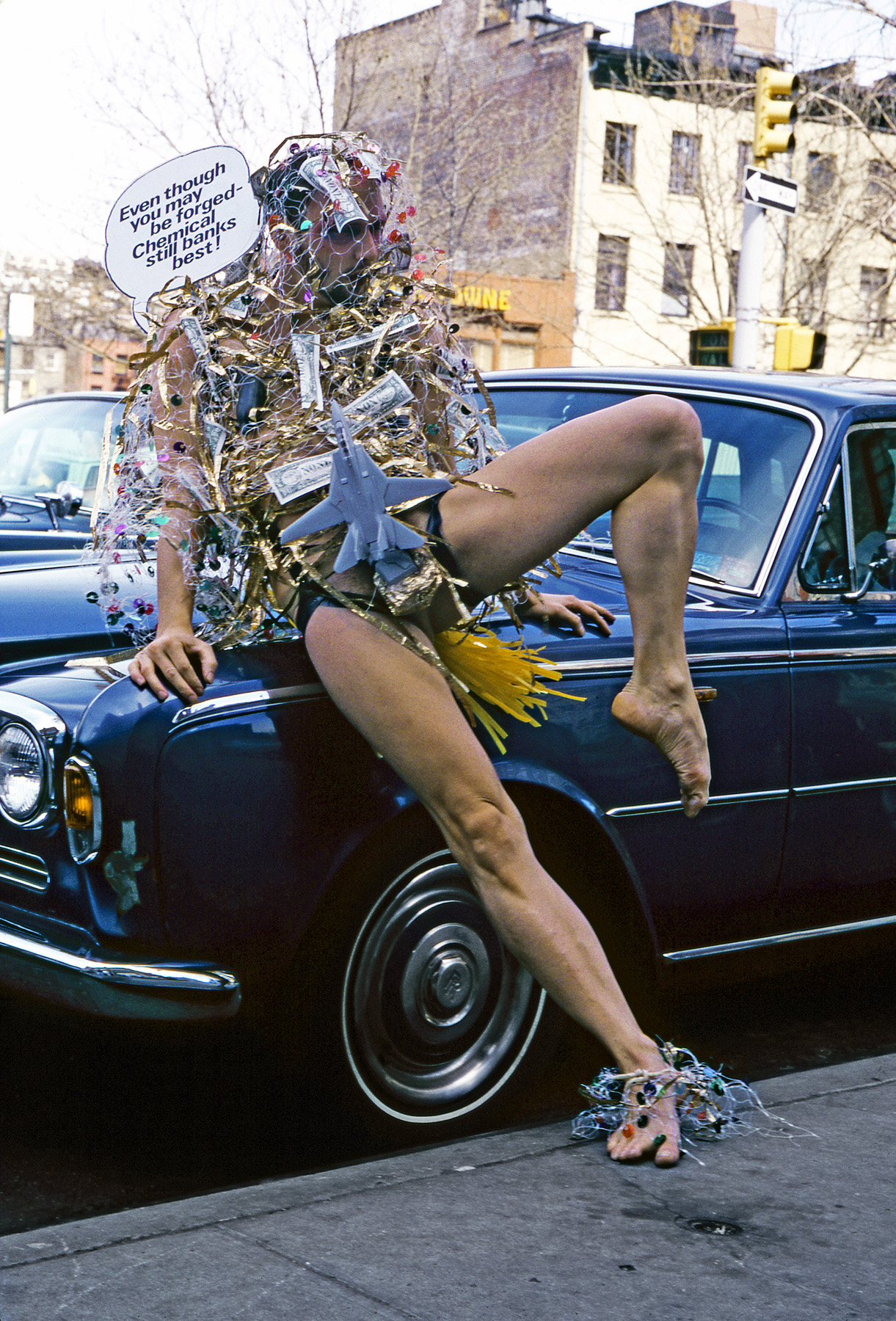
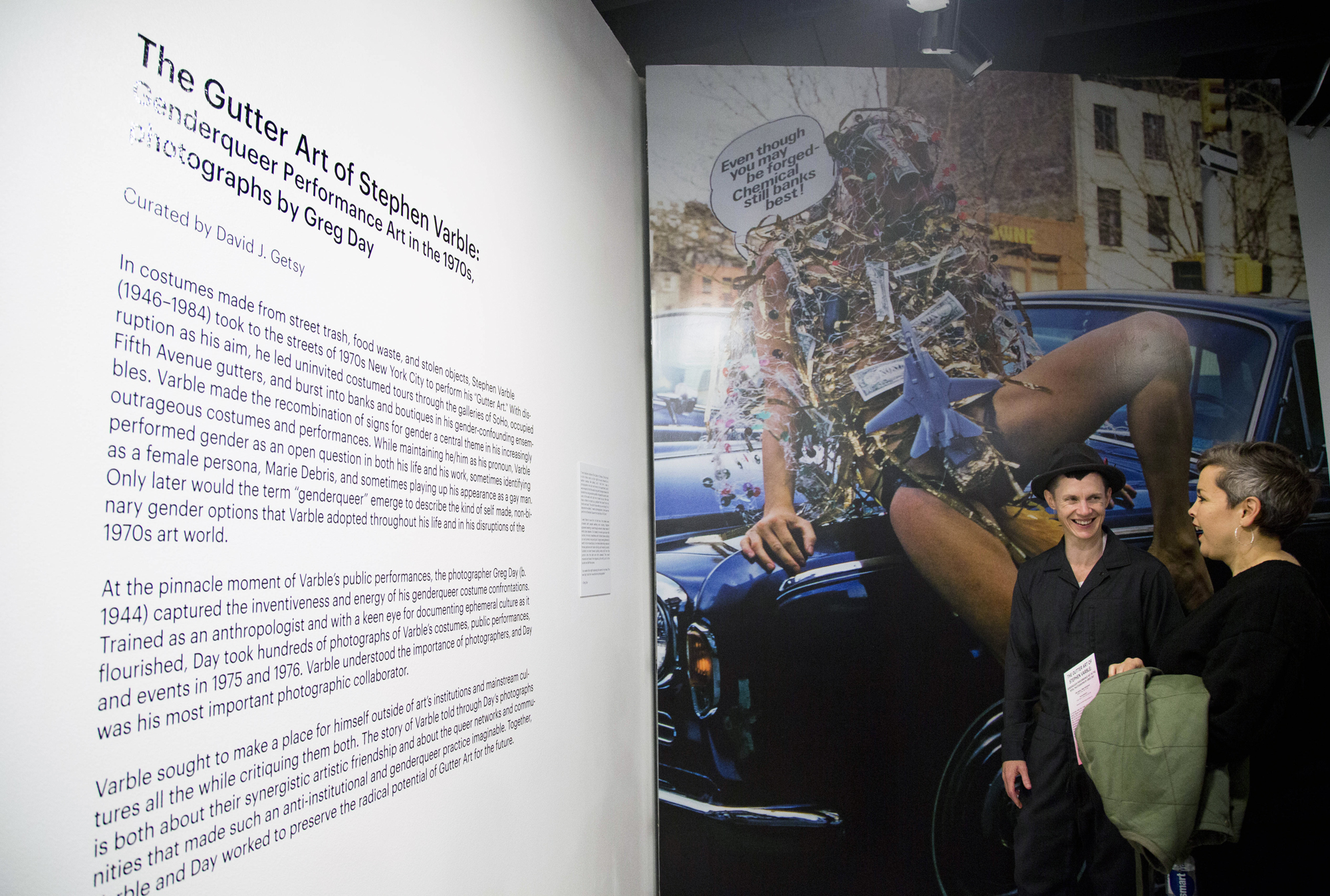
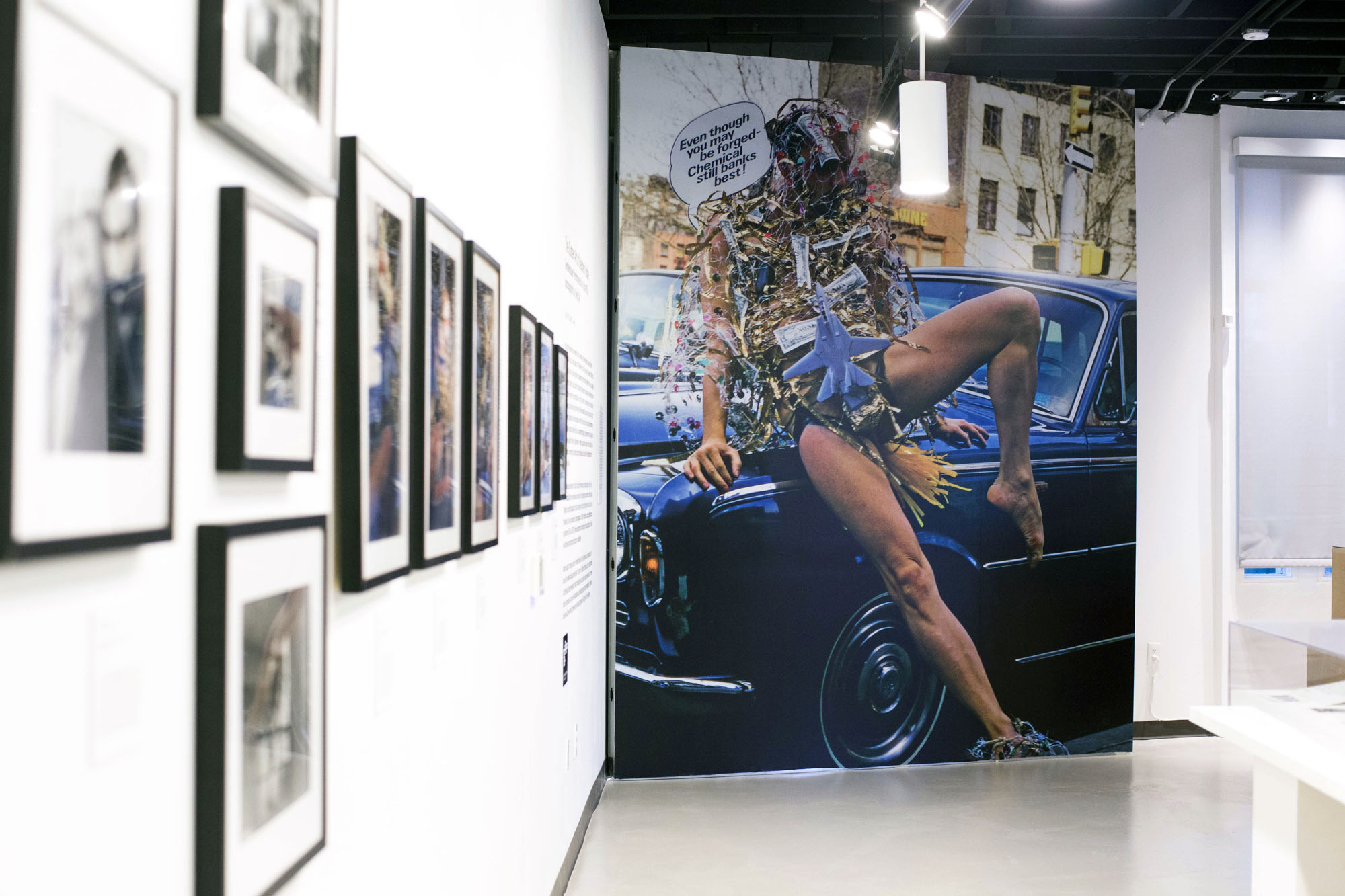
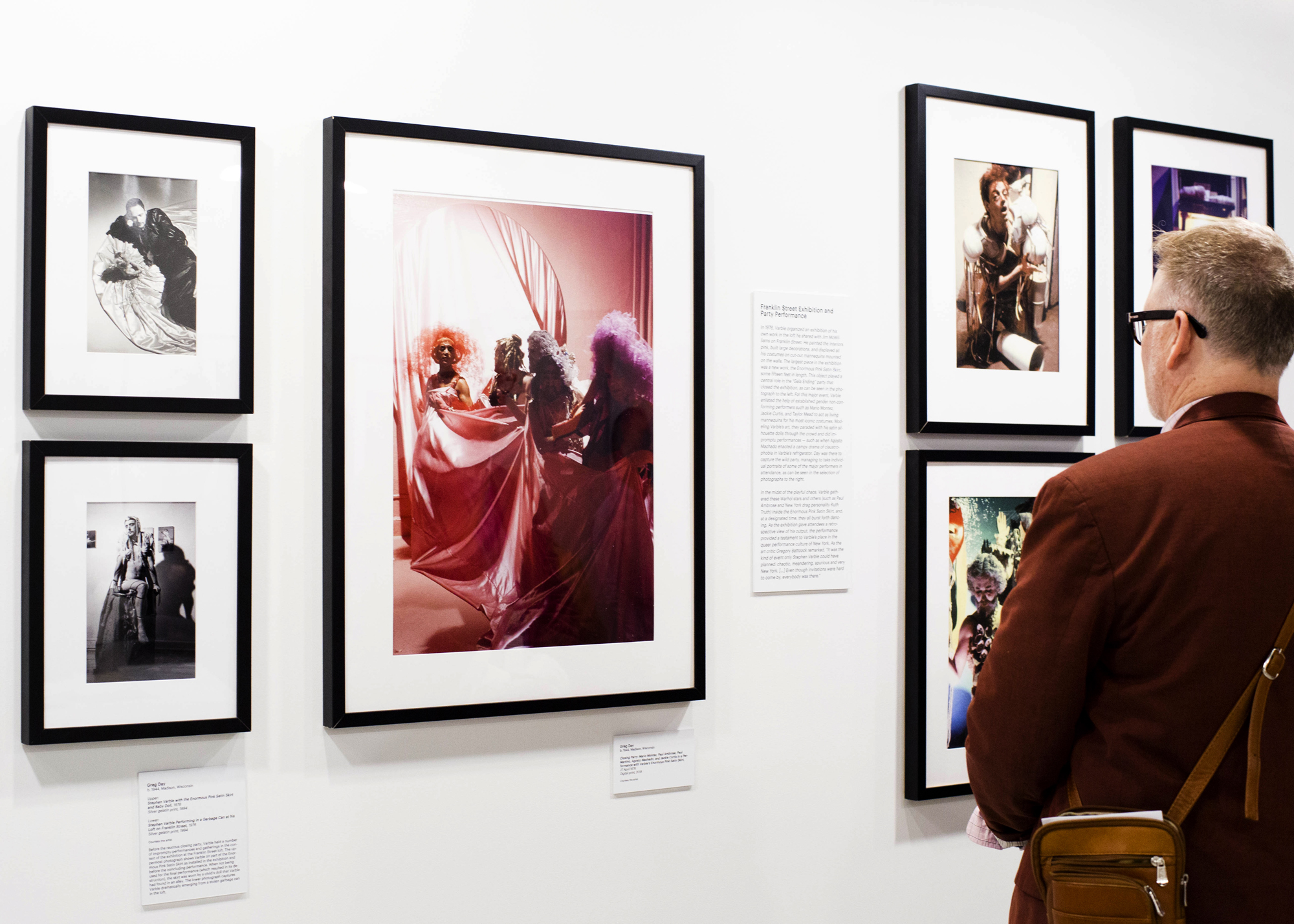
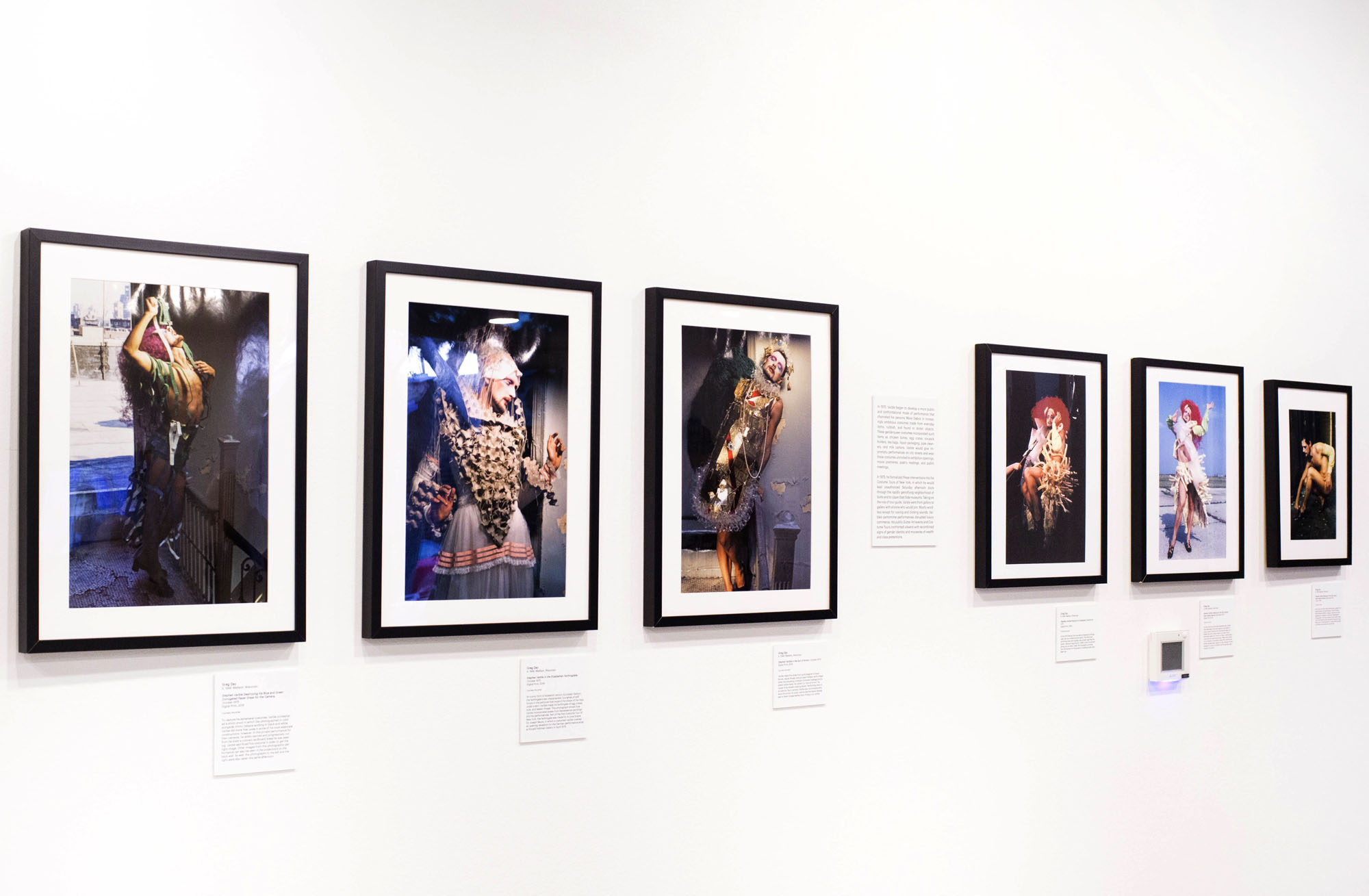
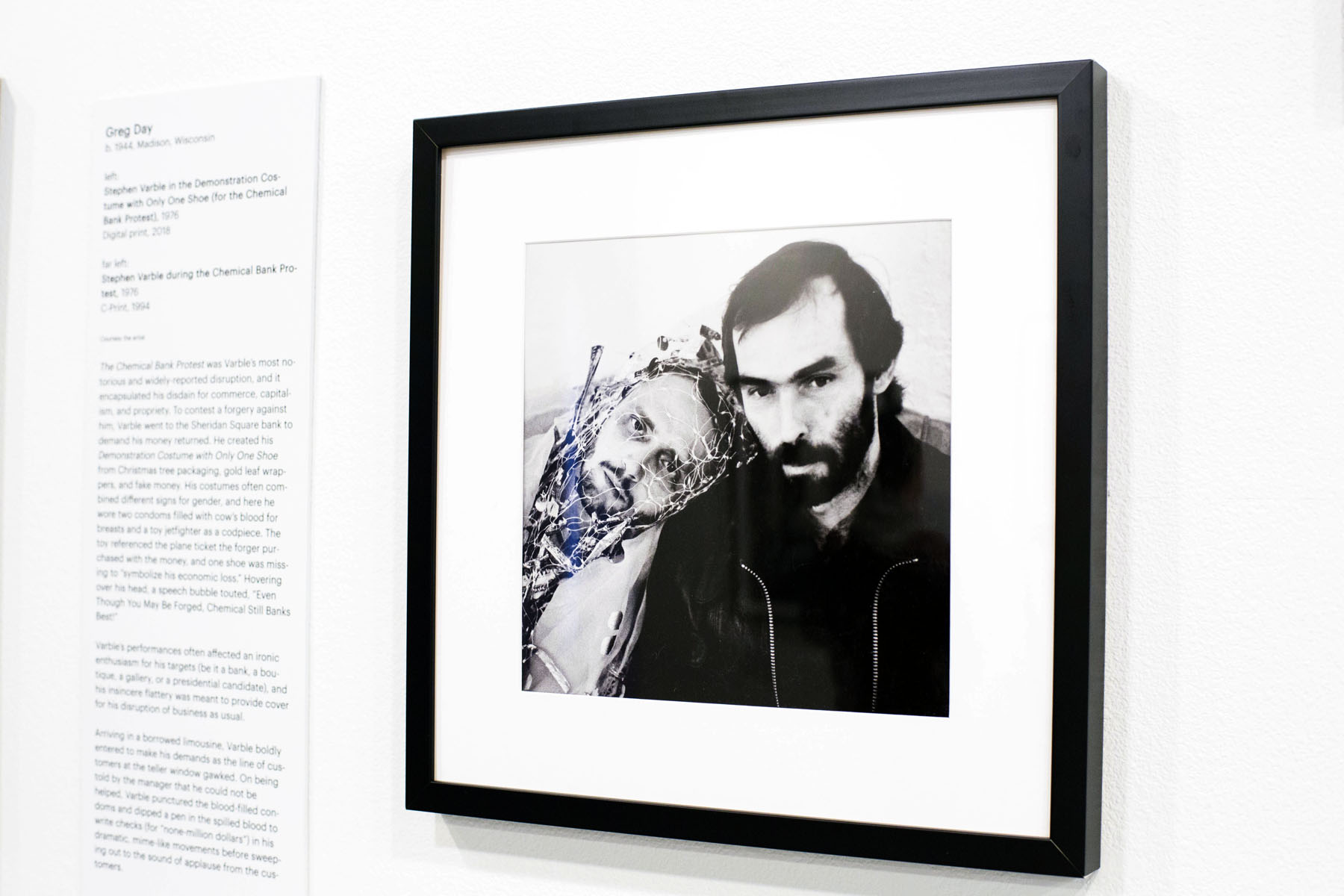
!['Stephen Varble, Gutter Art flyer' [recto] 1975](https://artblart.com/wp-content/uploads/2019/05/stephen-varble-in-the-gutter-web.jpg "'Stephen Varble, Gutter Art flyer' [recto] 1975")
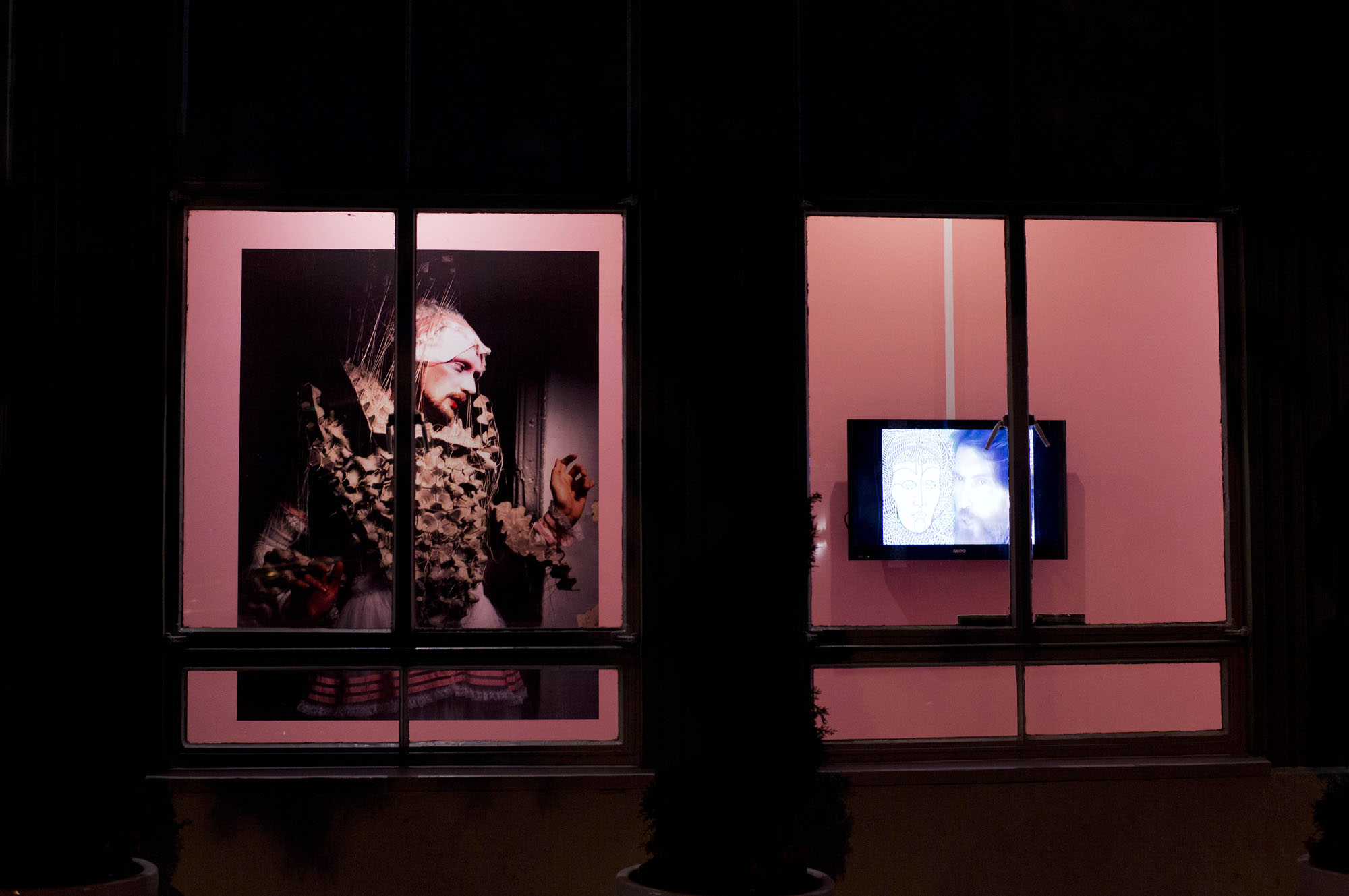
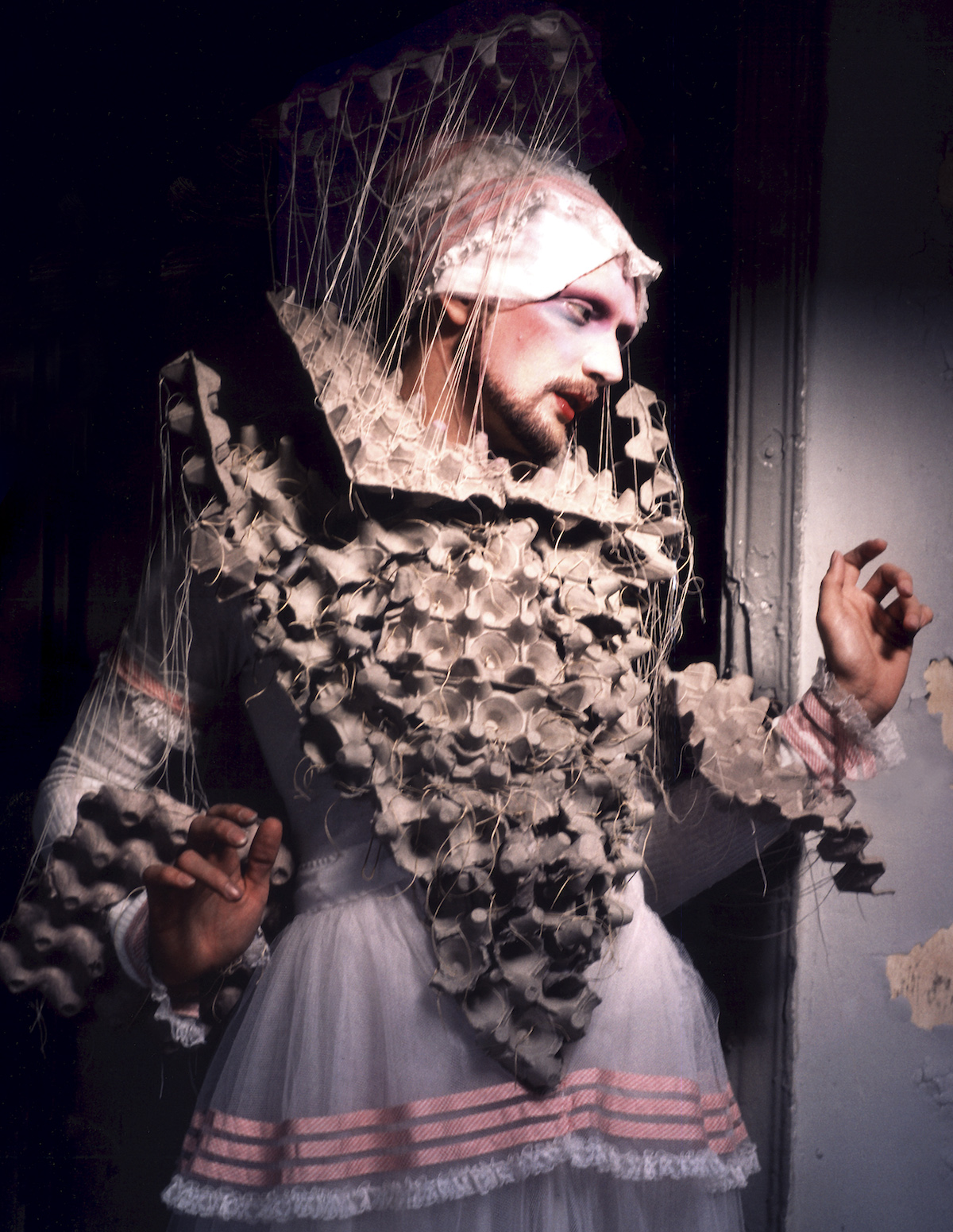
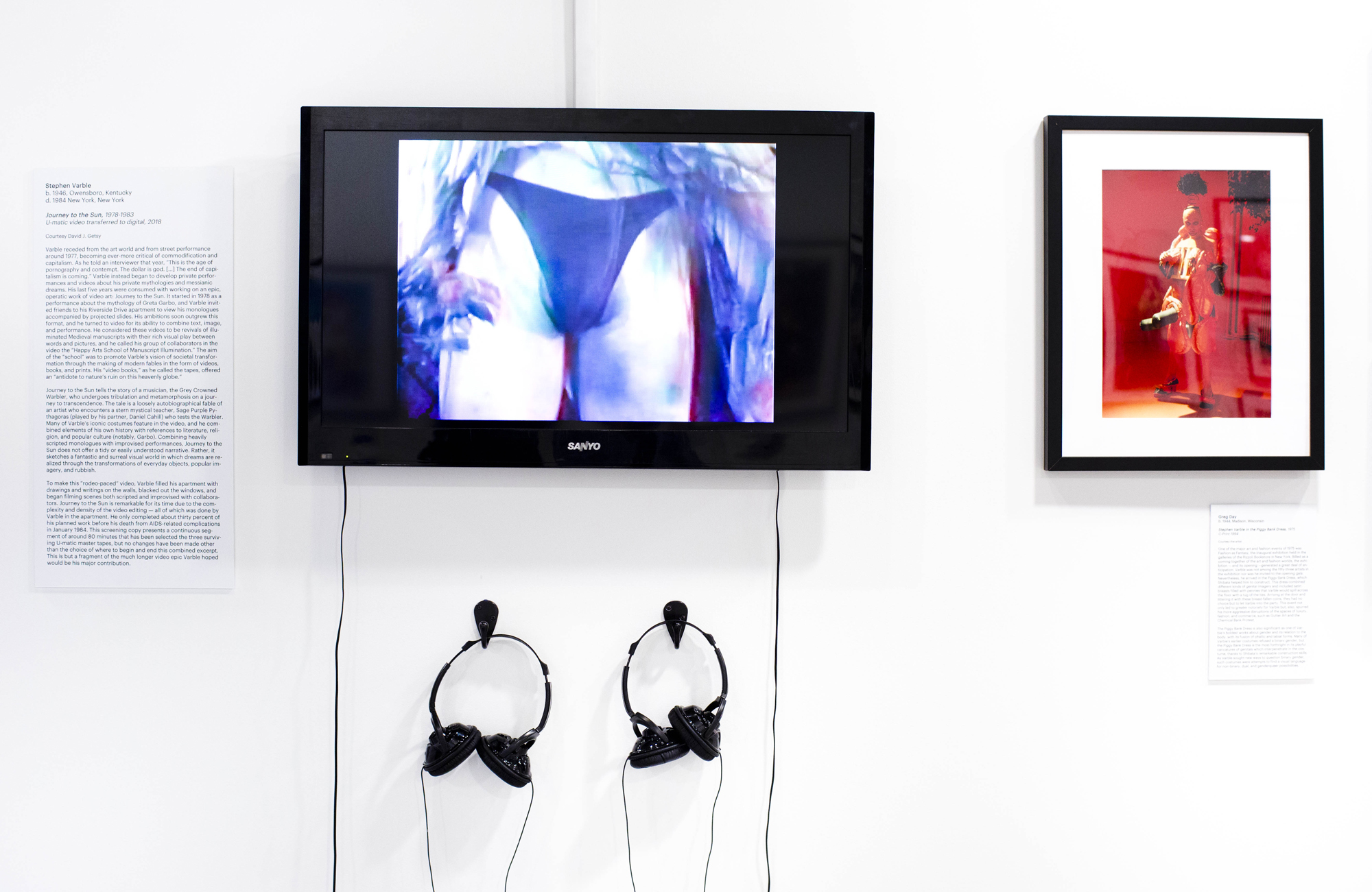
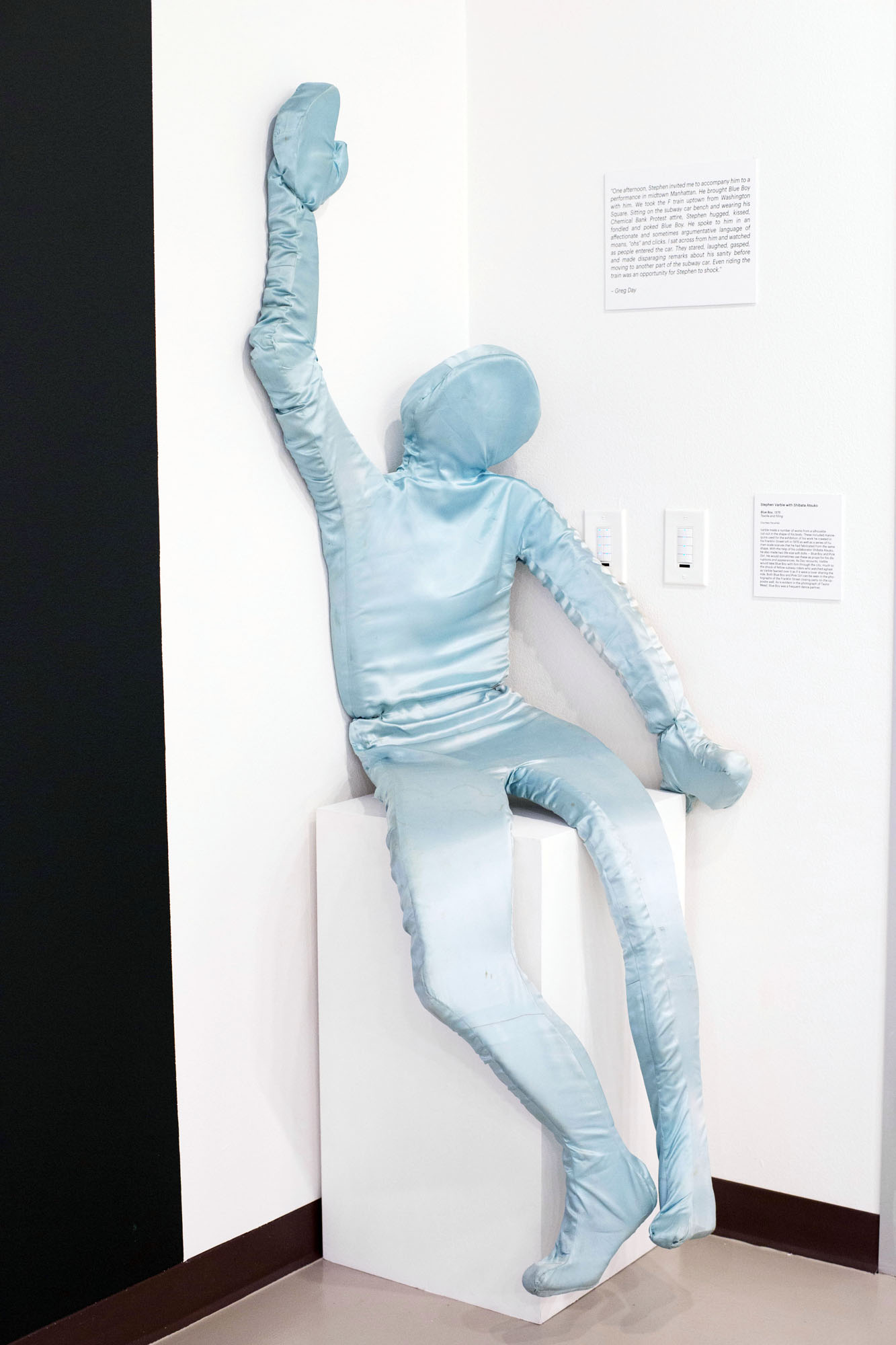
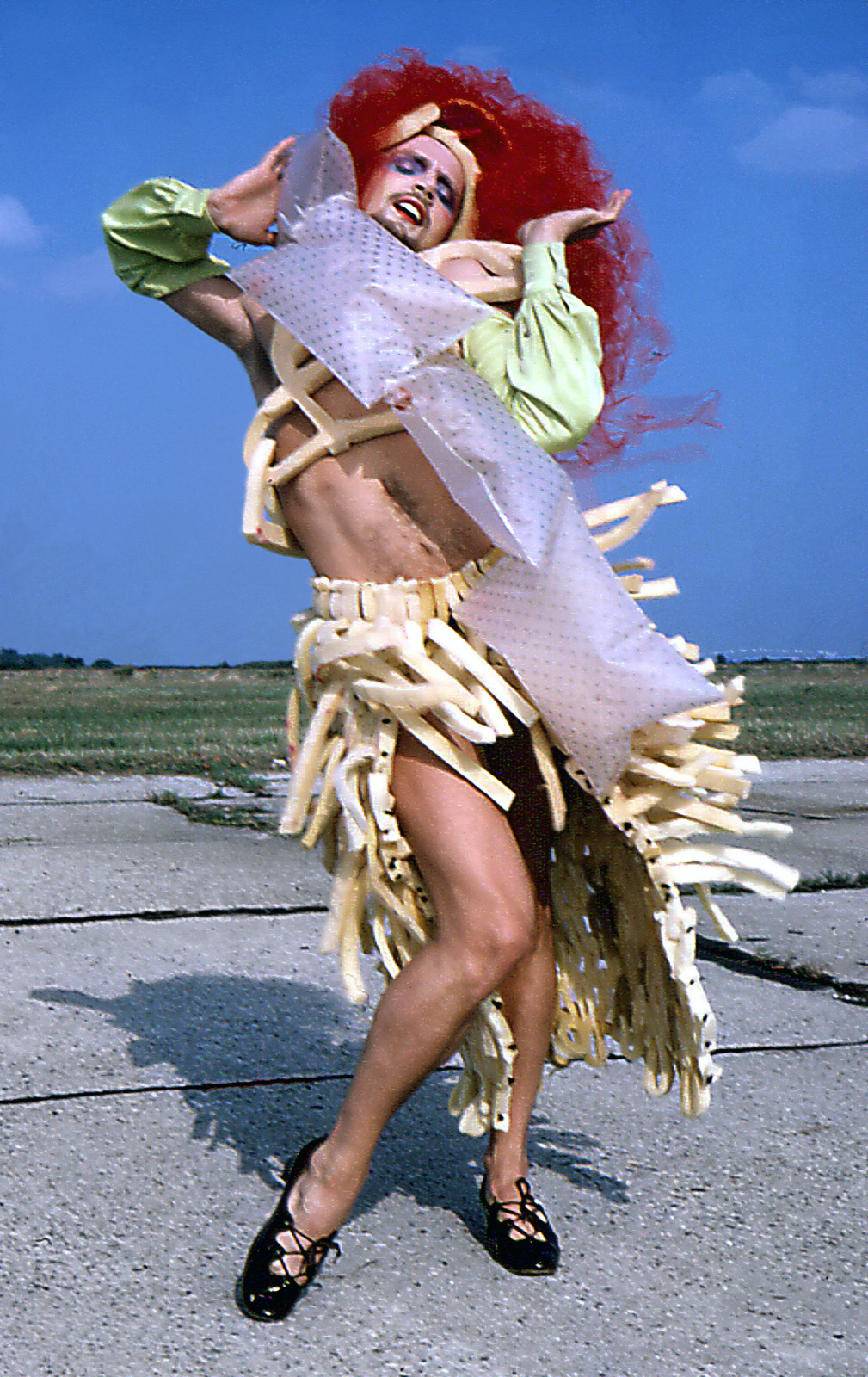
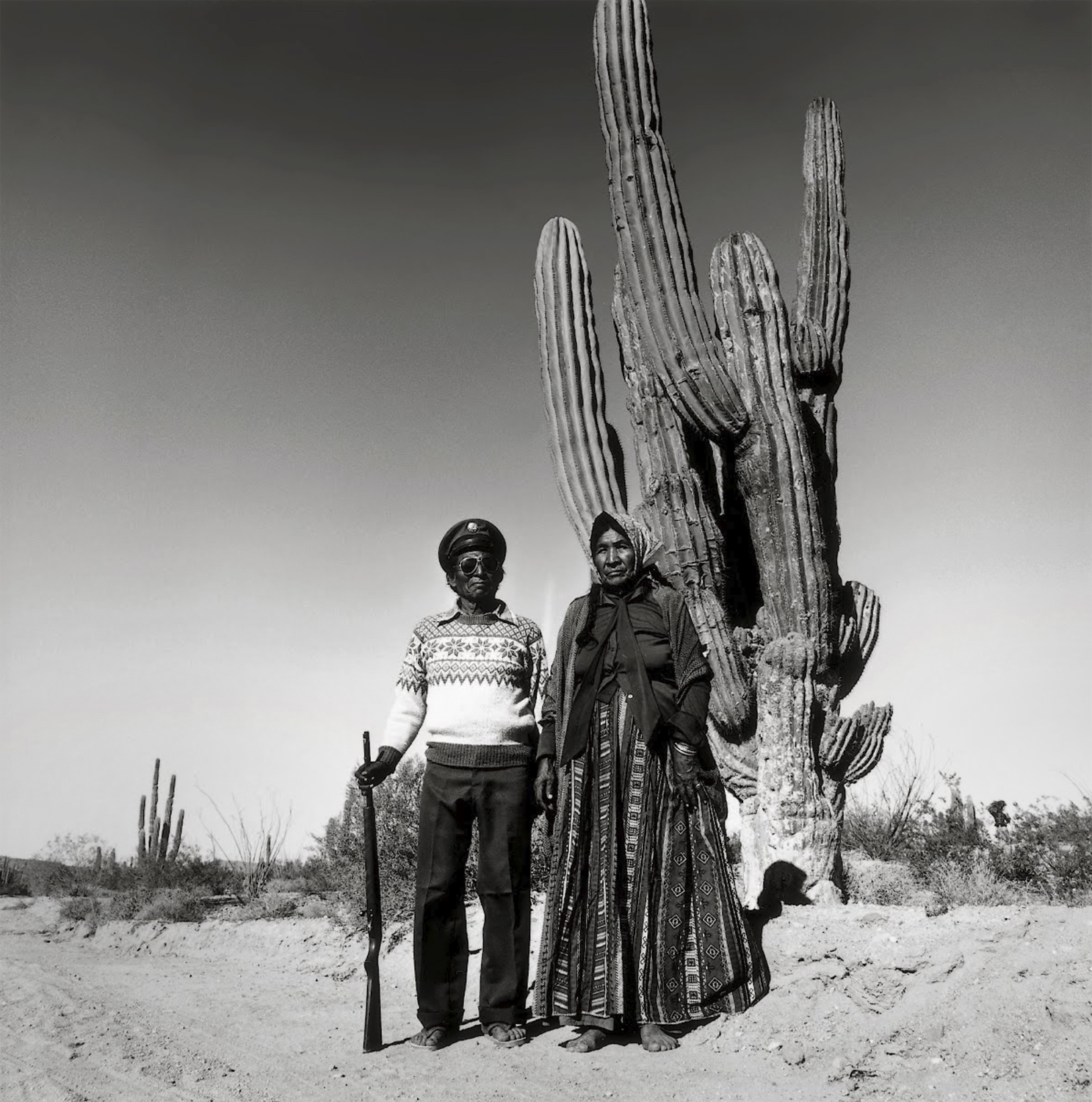

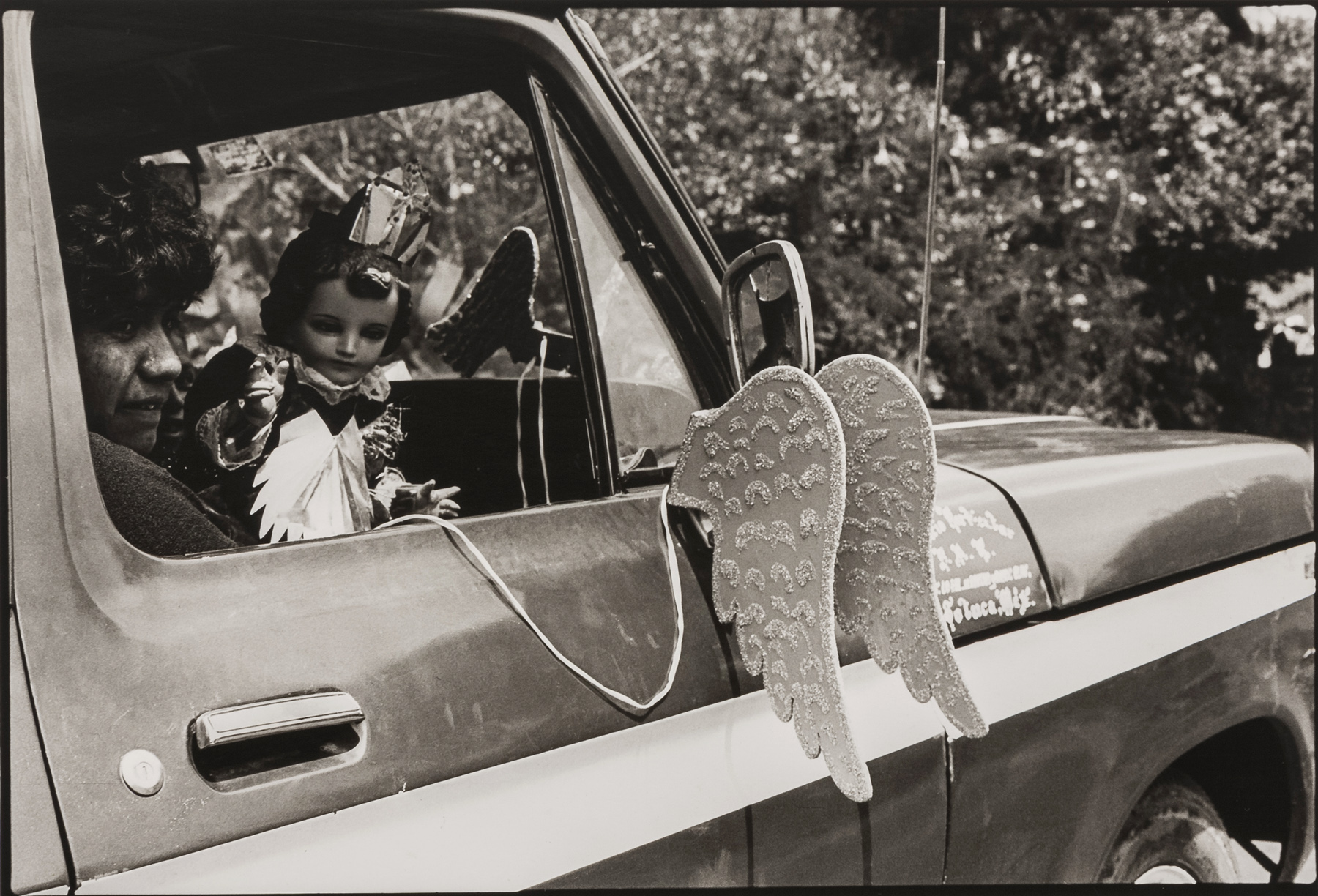
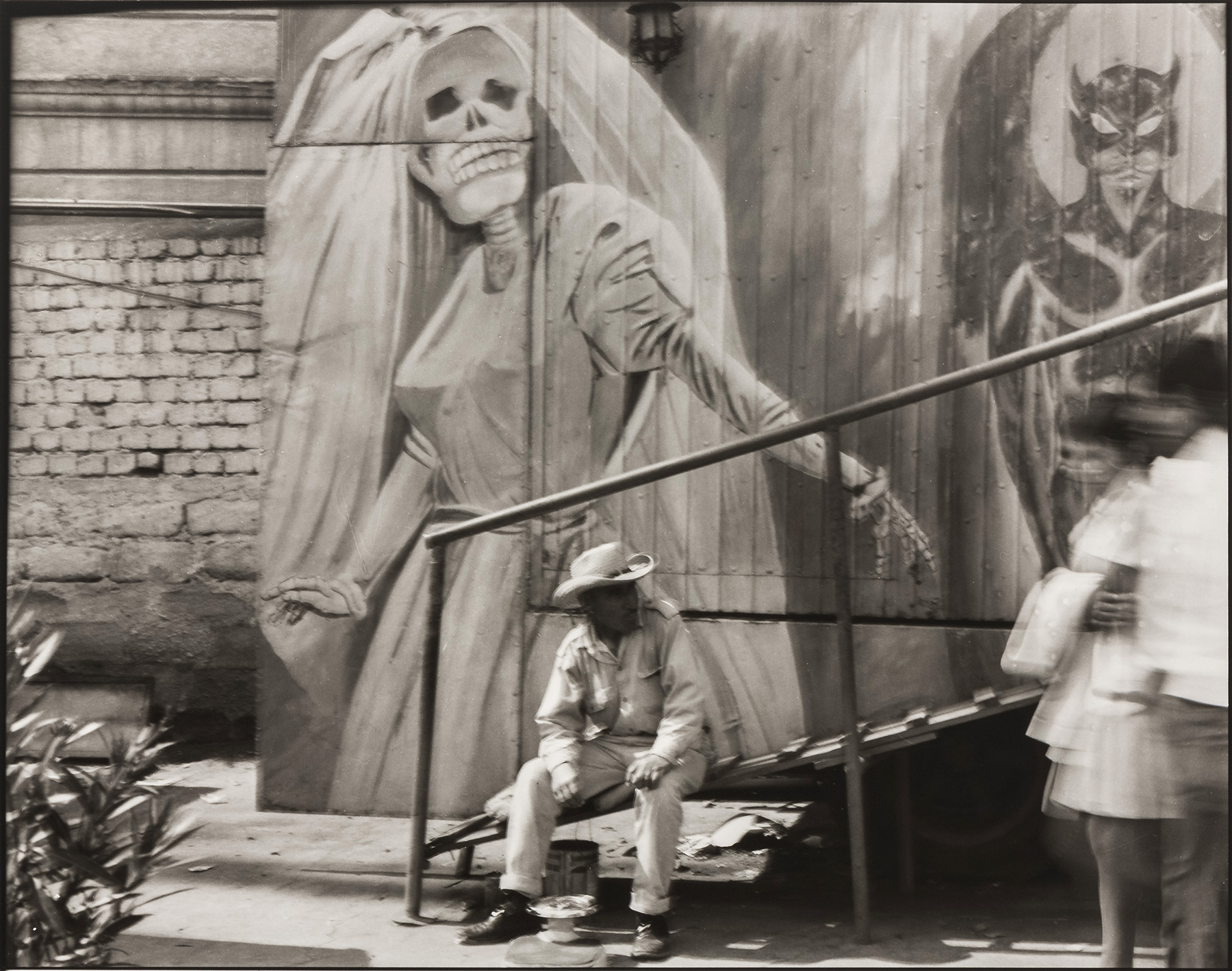


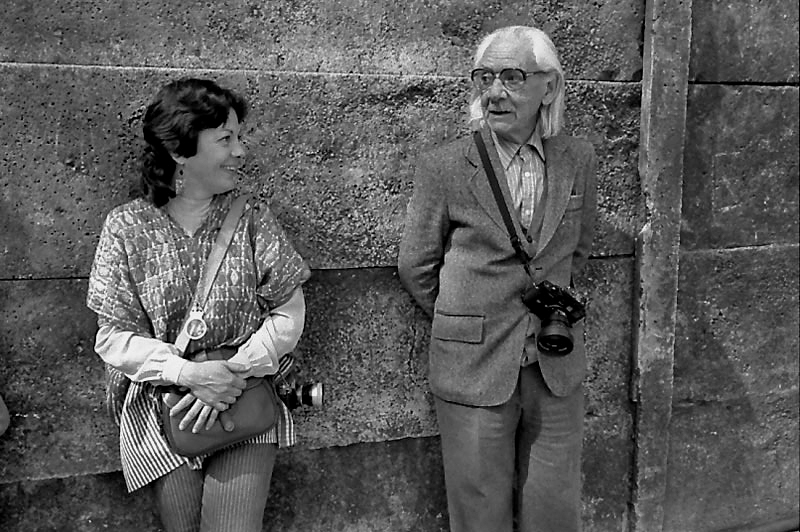


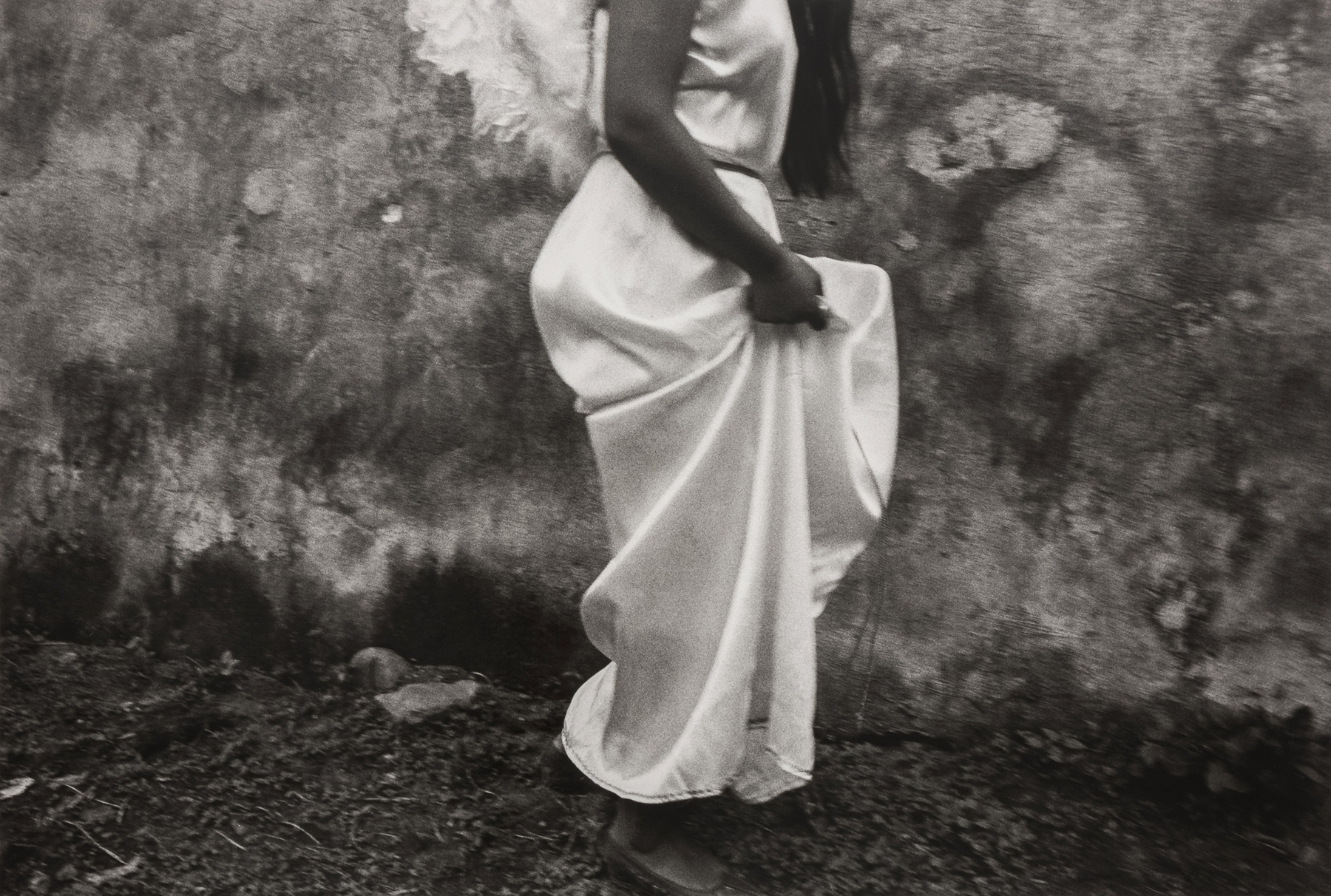
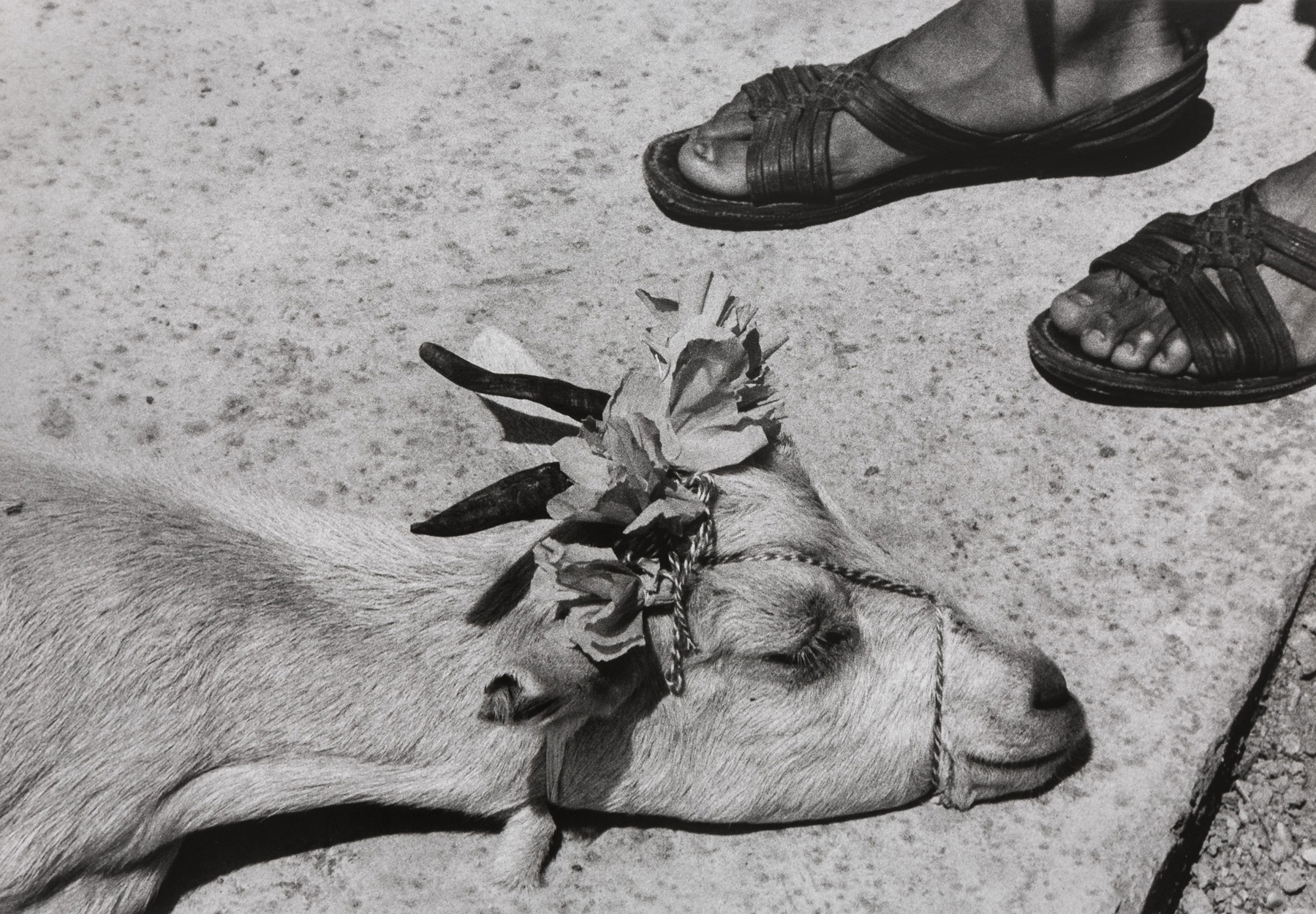
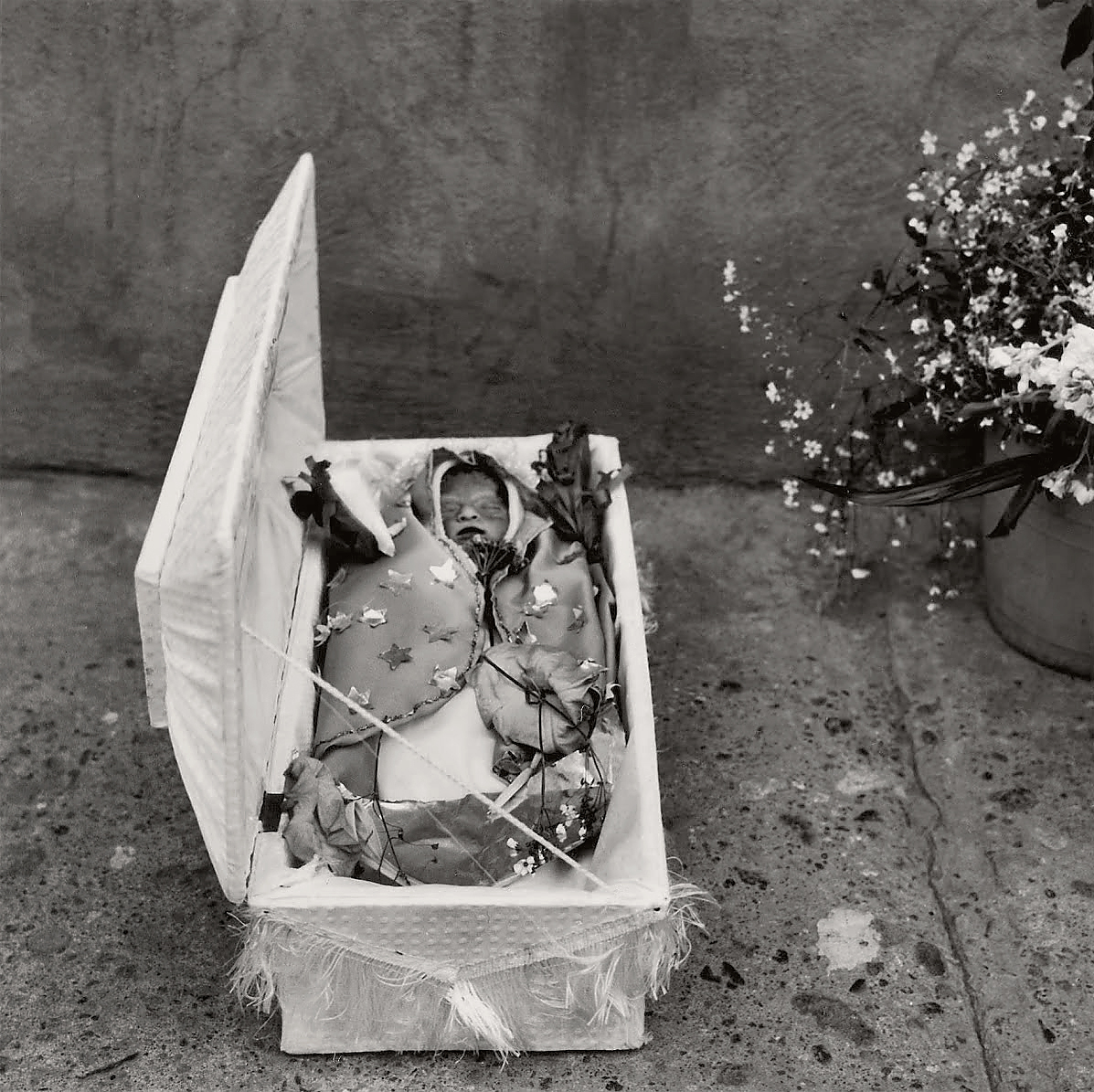

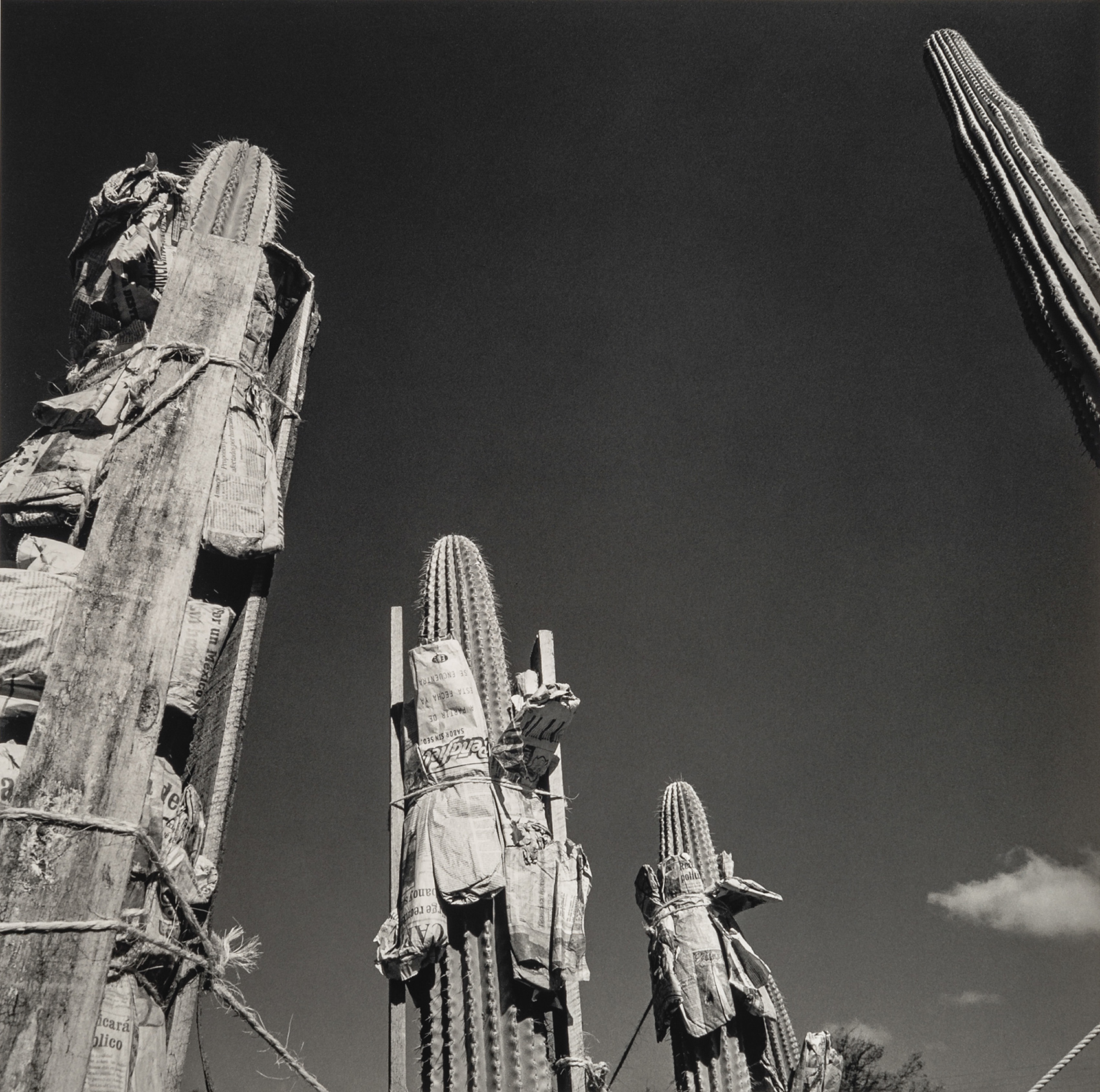

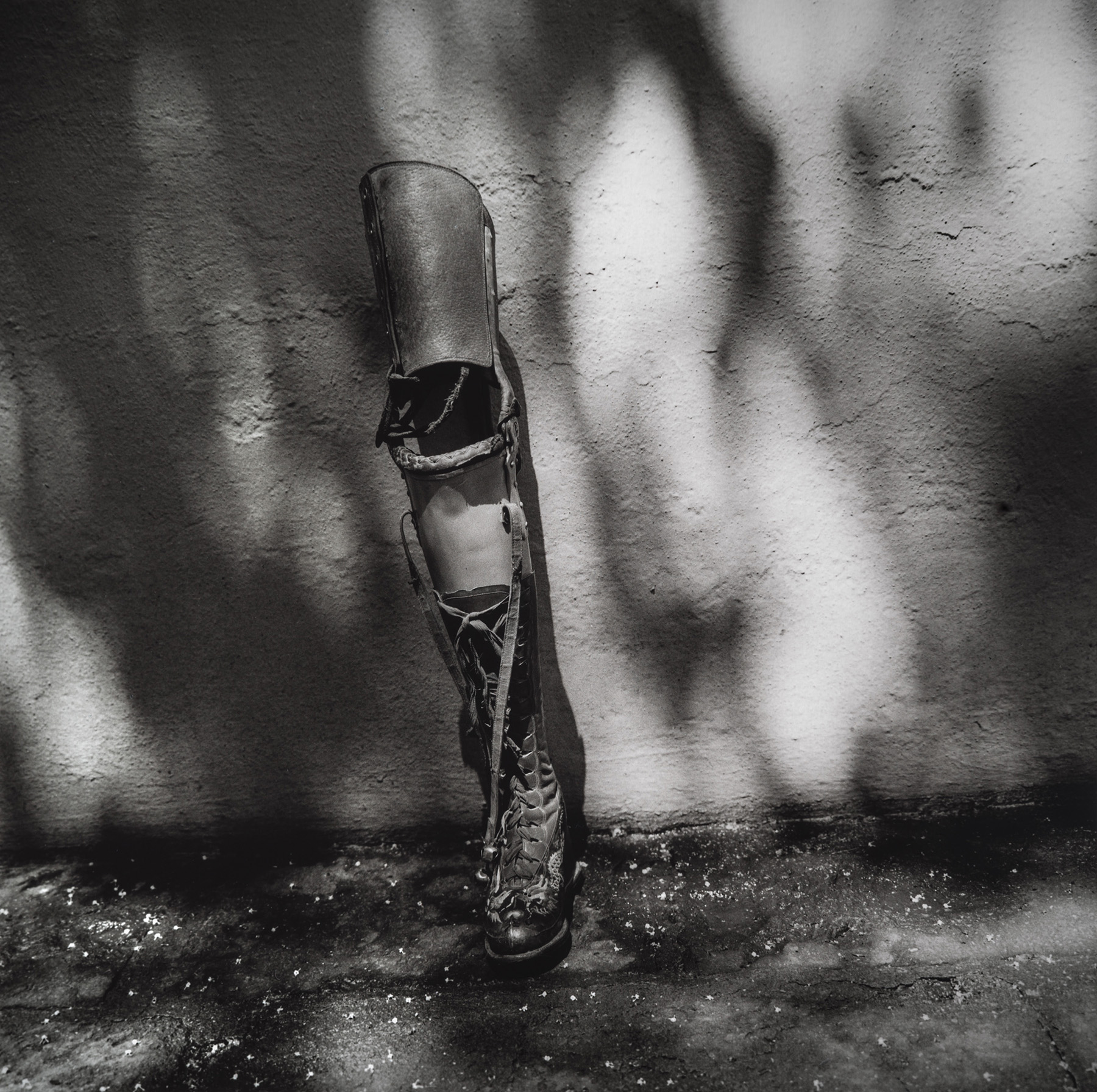


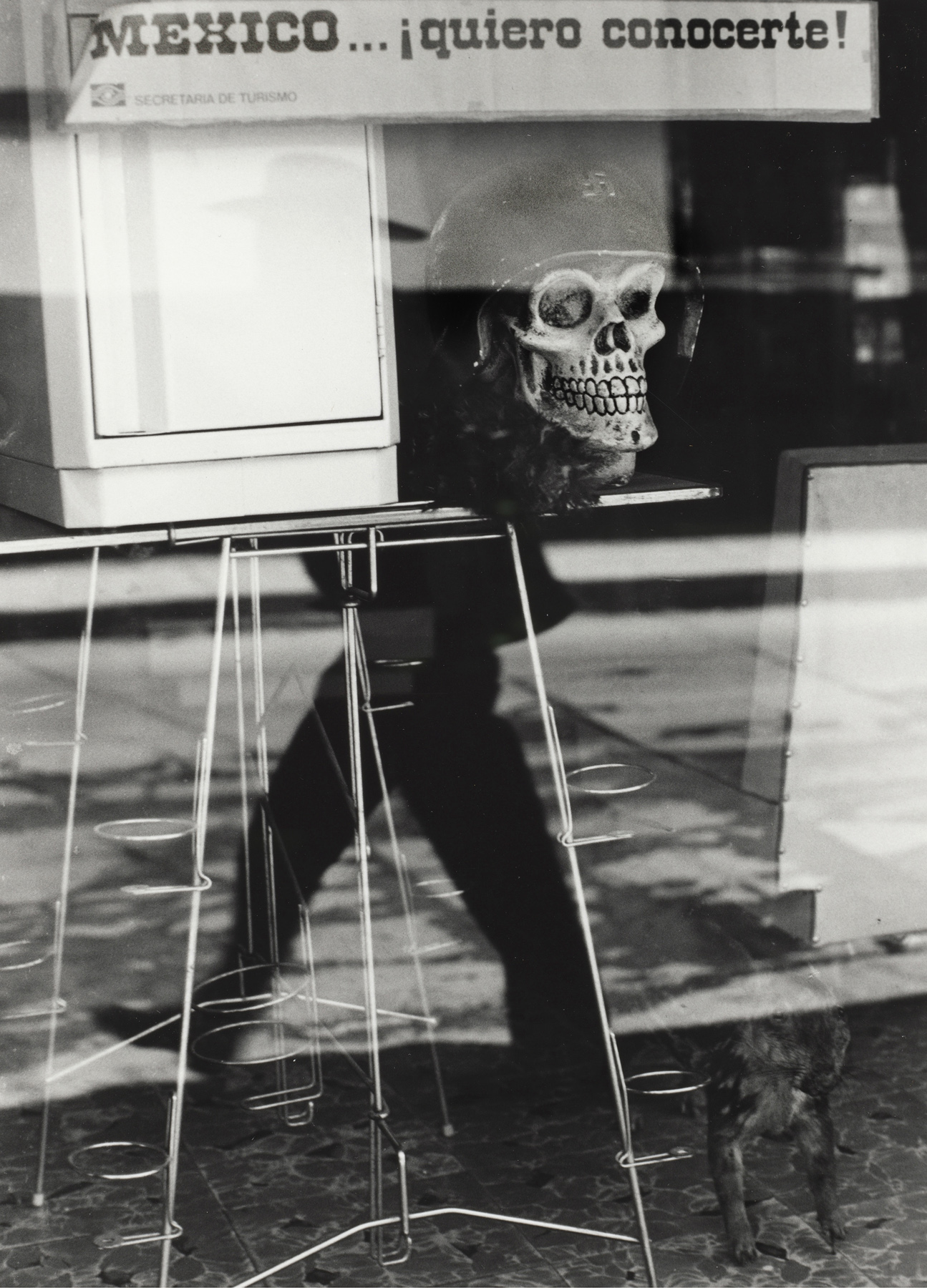

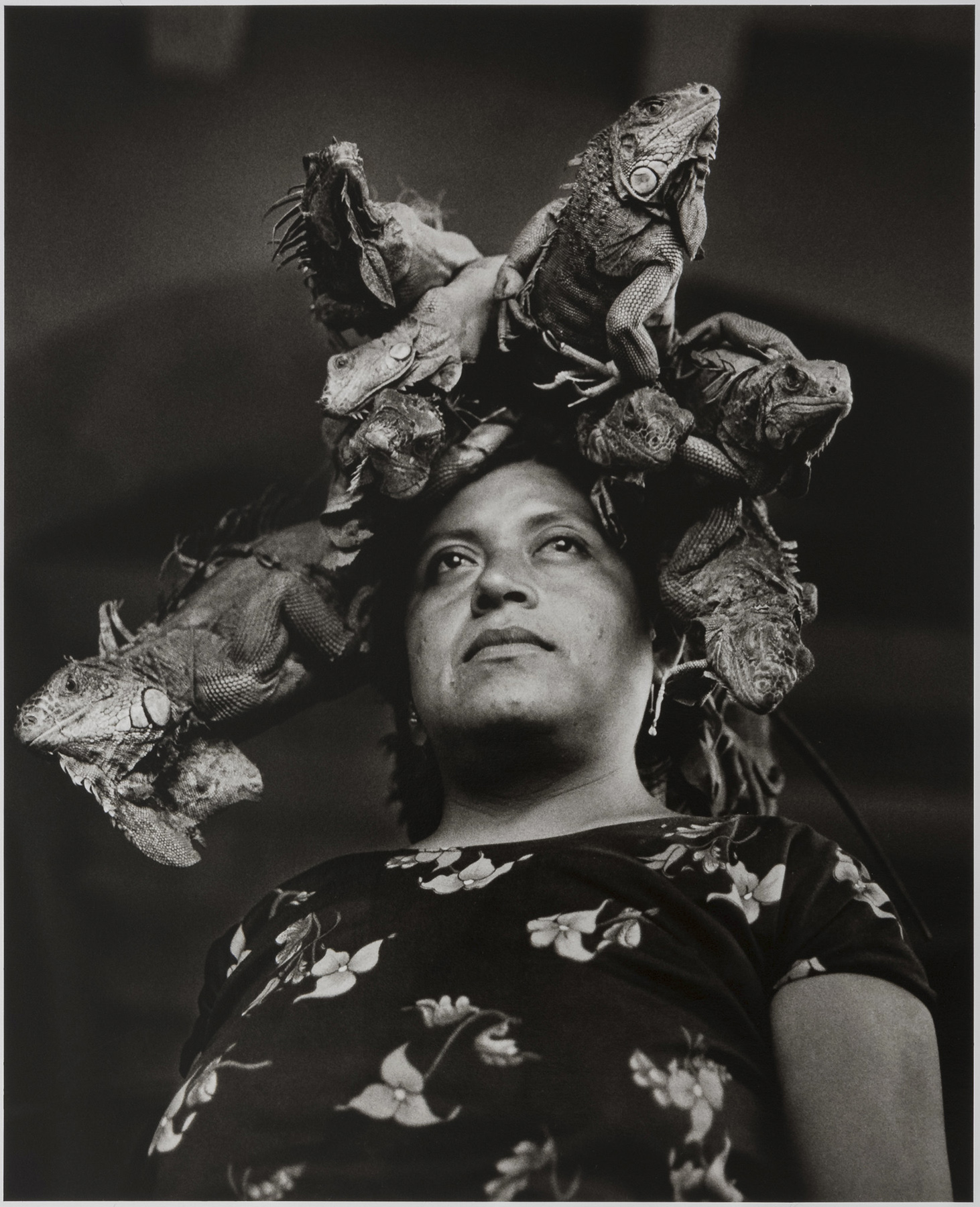
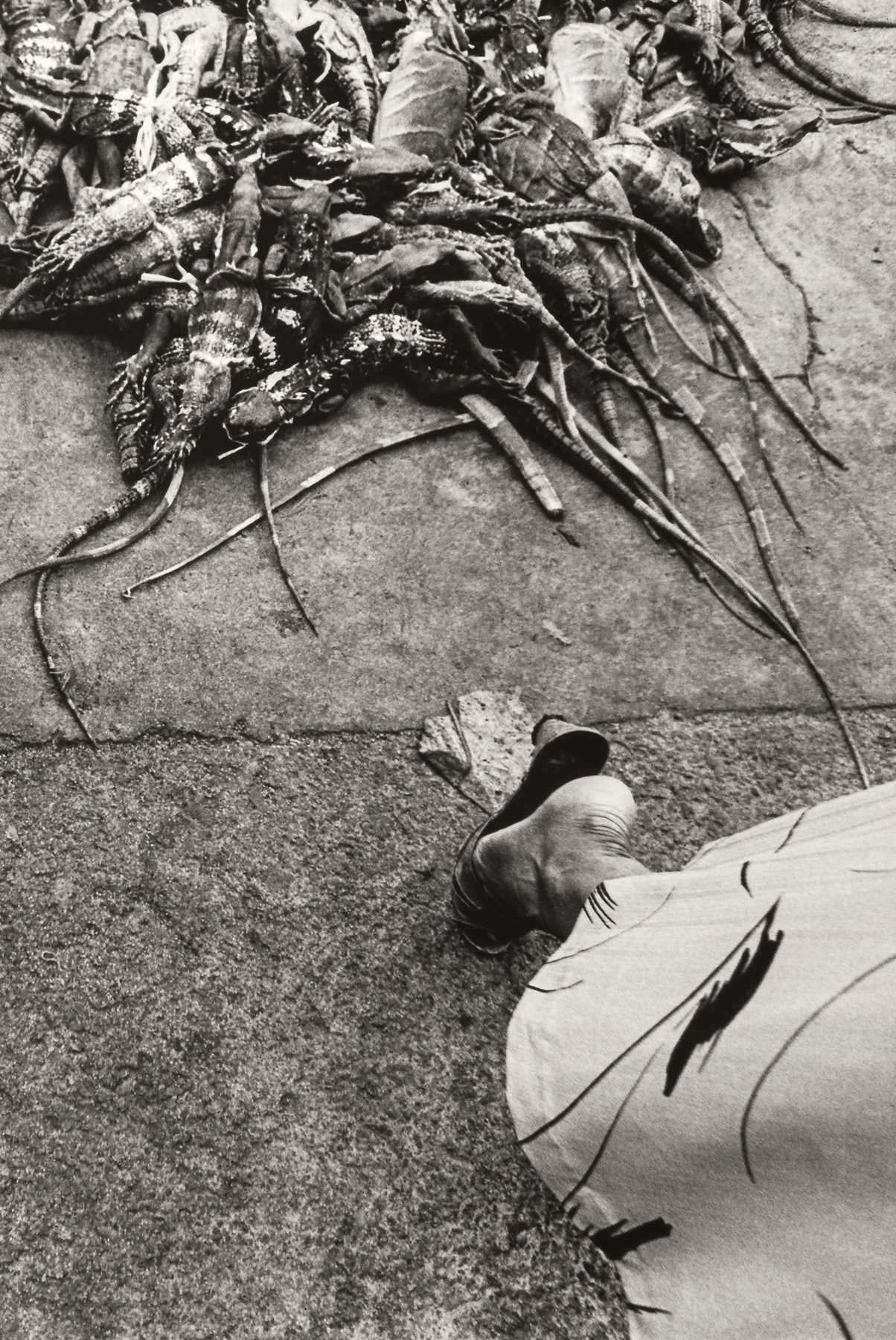


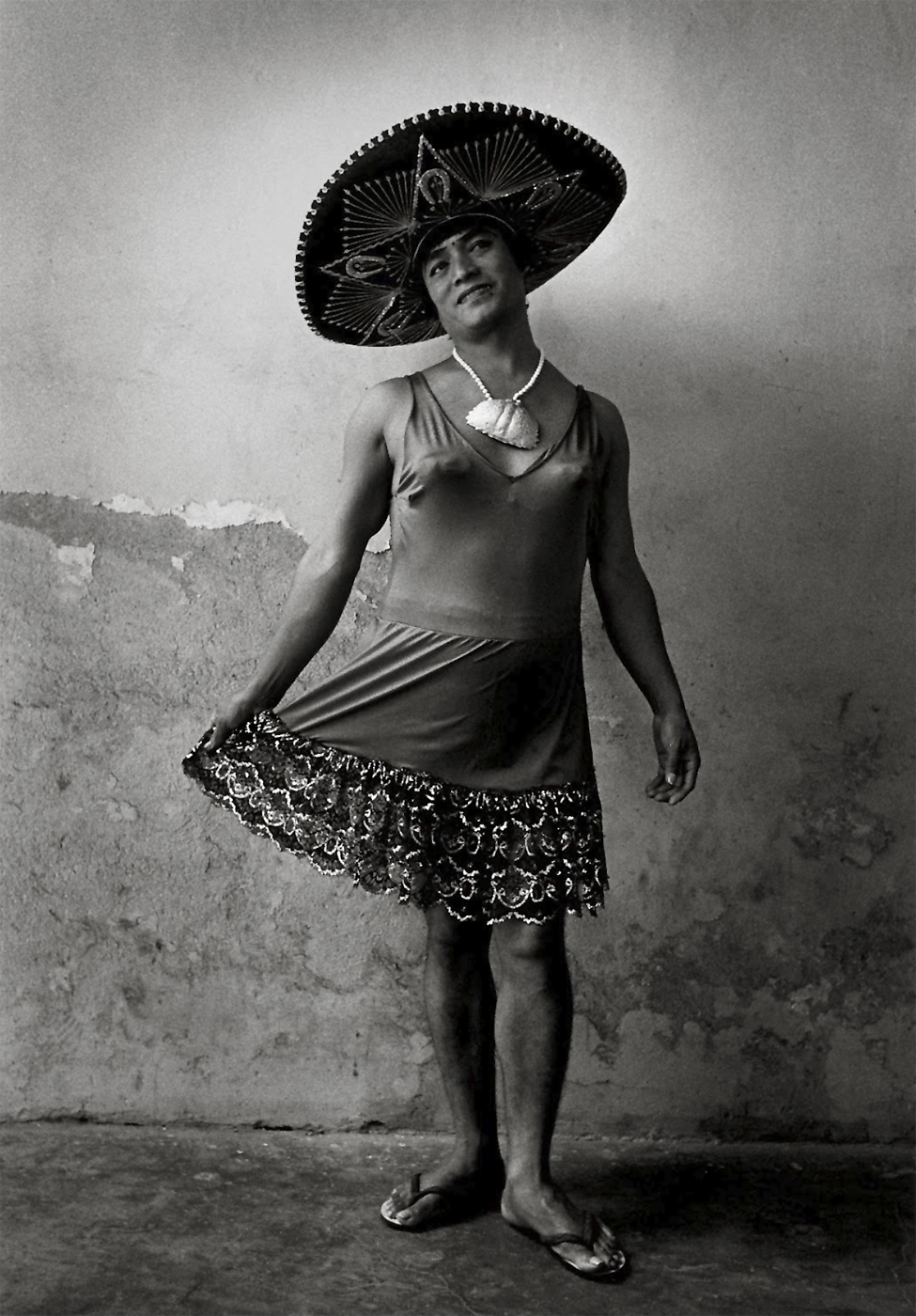
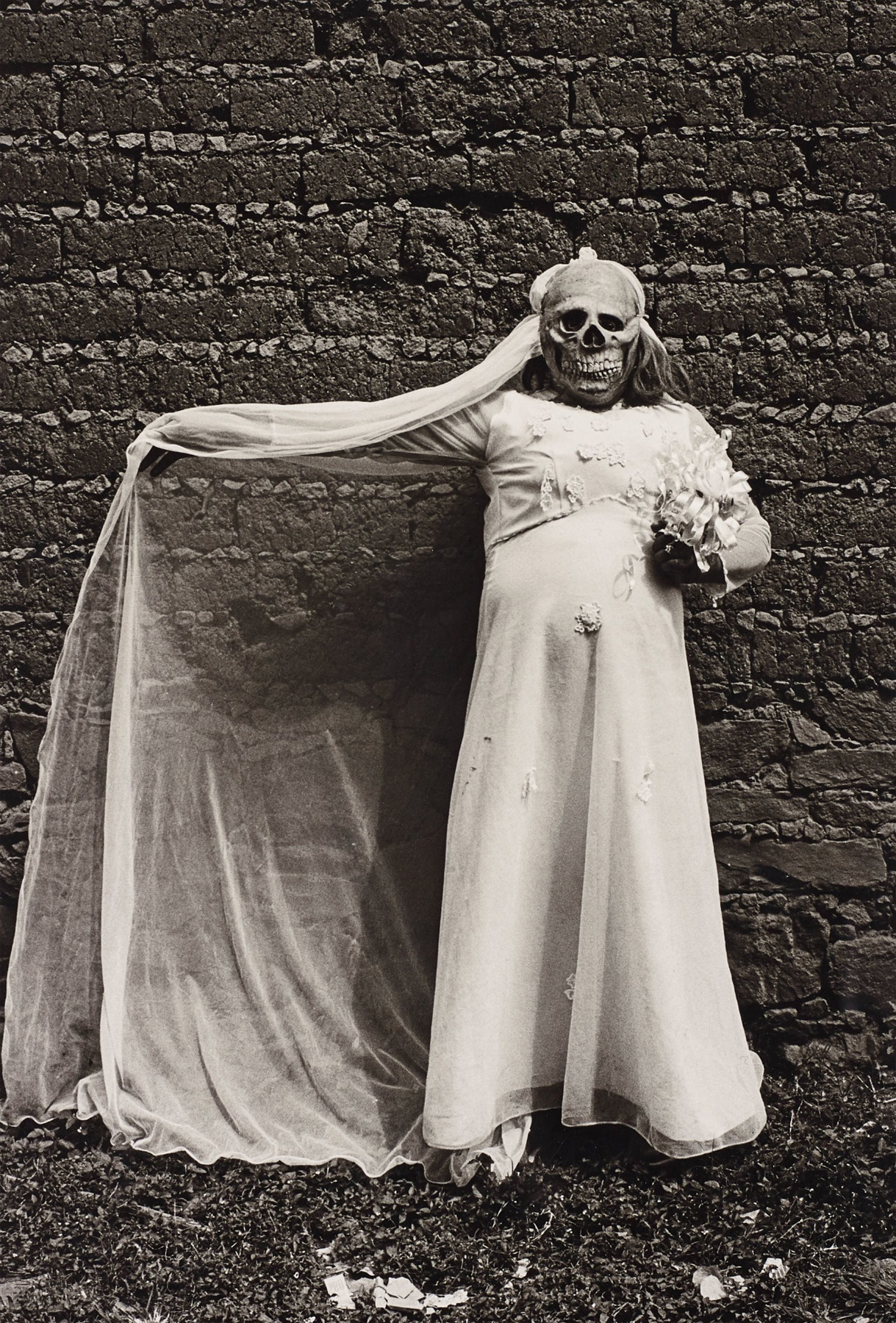



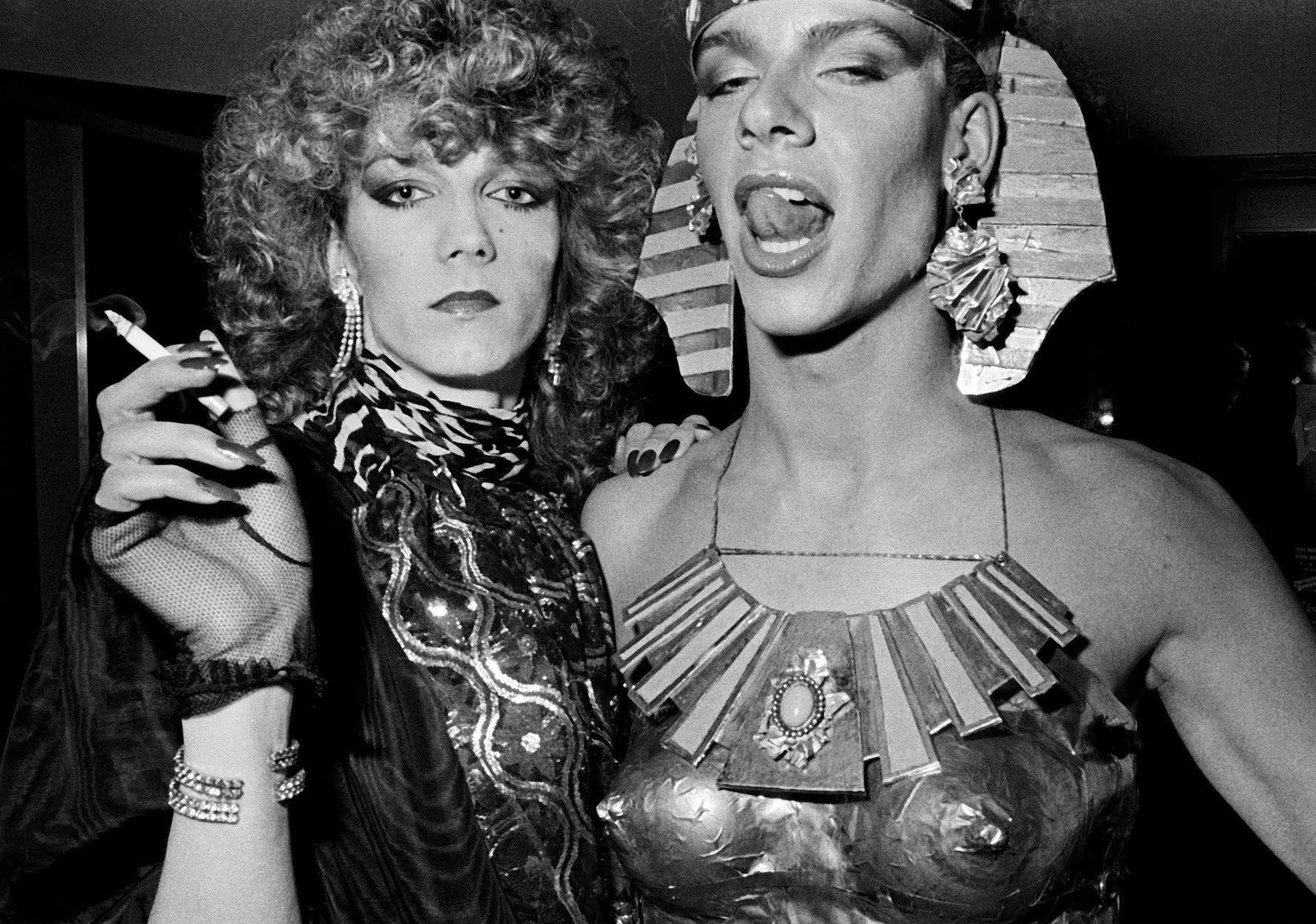























 Art Blart _ art and cultural memory archive
You must be logged in to post a comment.