I profoundly admire the work of Polish social documentary photographer Zofia Rydet.
There are no ‘look at me I’m the photographer’ flourishes to her photographs, no egotistical excess, just a version of reality pictured through direct flash photography – rural Polish life, interiors and ancestors, families and marriages, portraits of younger self, older self and the transience of time.
Here lives religion, wallpaper, stencils pasted directly onto thick, rough hewn walls, patterned, fabrics, youth and old age. A boy in his flat with a racing helmet and a poster of Brazilian Formula 1 driver Carlos Reutemann on the wall, bottles of gin and brandy above the door; a young girl, wall plastered with posters of Sting and the band The Police; a woman sitting on a chair, bare feet, rickety bed to left, portraits of wedding day and husband and life behind her. Ancient and modern.
Like August Sander’s unfinished magnum opus People of the 20th Century in which the photographer attempted “to produce a definitive atlas of the German people over the course of his lifetime” (Getty), Zofia Rydet’s archive, record, document, is “an unfinished atlas of memory” of a Polish way of life that is fast disappearing. Her stories of Polish humanity with their huts and habitations speaks to the essential nature, the rootedness, of a people and culture.
The souls are not photogenic, but through Rydet’s direct, engaging process they become photo-gene(ic), archetypes and representatives of ancestors past, present and future which together form the genetic make-up of Polish society. Rydet tells their stories with empathy and compassion, the artist “captivated by something worth preserving – especially the wonderful human stories I hear during these visits.”
These photographs hold the viewers attention because they mean something in this transient world of facile images. As Youssra Manlaykhaf cogently observes,
“Today, in an age when we document ourselves endlessly but often forget what those images mean, Rydet’s work feels newly vital. Her archive is a reminder that photography can still be an act of devotion, a way of saying I see you, and you matter. Rydet didn’t just photograph people; she photographed the fragile dignity of being human. And in doing so, she built a record not just for Poland, but for all of us; an unfinished atlas of memory, tender and eternal.”1
Dr Marcus Bunyan
1/ Youssra Manlaykhaf. “The Unfinished Archive,” on The Photographers’ Gallery website Nd [Online] Cited 05/02/202. Used under fair use conditions for the purposes of education and research
Many thankx to The Photographers’ Gallery for allowing me to publish the photographs in the posting. Please click on the photographs for a larger version of the image.
“I knock on the door, I say ‘hello’, and I shake hands.”
“Even if they don’t publish it… this will remain, not art perhaps, but a document of the times.”
“For me, photography is not just a visual image, but above all, a language I’d like to speak to ordinary people, not great artists. Photography’s greatest value lies in its informative role, its content – not in its transient artistic endeavours. The more my “Record” grows, the more I believe it will have lasting value. I’m convinced I’m on the right track – I still have so many plans, just not enough life ahead of me…”
“I know some people think I’m hypocritical, self-serving, telling these people they’re beautiful. But I truly see something interesting, beautiful in every person, and I’m captivated by something worth preserving – especially the wonderful human stories I hear during these visits. Each person is a story in itself, some very interesting, some instructive, sometimes moving…”
Zofia Ryde
Interview with the Zofia Rydet Foundation | The Photographers’ Gallery
Delve into the life and work of the warmly remembered Polish social documentarian, Zofia Rydet in an interview with the Zofia Rydet Foundation and Clare Grafik, Head of Exhibitions, The Photographers’ Gallery.
Sociological Record by Zofia Rydet is a sweepingly comprehensive documentary portrait of Polish domestic life which spans decades, eras, regions and cultures.
Head curator and art historian Karolina Ziębińska explorie the work and legacy of Zofia Rydet (1911-1997), one of Poland’s most significant post-war photographers.
Best known for her lifelong project The Sociological Record (1978-1990), Rydet sought to systematically document the interiors and inhabitants of Polish homes, creating a vast visual archive of everyday life during a time of profound social and political transformation.
In this talk, Ziębińska introduce Rydet’s distinctive approach to photography, situating her practice within the shifting cultural, historical and ideological contexts of 20th-century Poland. It also spotlights other areas of Rydet’s practice and is an opportunity to consider how Rydet’s work resonates within broader conversations about identity, memory and the role of the photograph as social document.
Installation view of the exhibition Zofia Rydet: Sociological Record at The Photographers’ Gallery, London
From 1978, when she was 67, Zofia Rydet (1911-1997) set out to photograph the inside of every Polish household. She would approach a home unannounced, knock, and warmly introduce herself and ask the people living there if they would like to take part in her project.
Rydet was always on the road, with a camera in her hand. For nearly three decades, she photographed people in their homes, still lives, building exteriors and landscapes. She also returned to the same houses several years after she first visited to document the transformation of rural Poland. The result – Sociological Record – is a monumental project and one of the most important achievements in 20th century Polish photography.
Rydet used photography to express everyday stories and capture the essence of what it meant to be human. Despite the project’s epic scope, the individual portraits often feel intimate and revealing. Her careful and considered practice spans decades and she worked on the project until her death in 1997.
Rydet is best known for The Sociological Record – an extraordinary lifelong project documenting thousands of domestic interiors and portraits across Poland from the late 1970s onwards. Her work captured the nuances of everyday life during a time of rapid social and political change, revealing how identity, class and belonging were expressed within the home. For me, Rydet’s photographs are a commentary on a particular period in time, a transition from communism to capitalism, a shift from rural to the urban and a way of seeing that span the personal and the collective. …
I discussed Sociological Record with my mum who also visited the exhibition. We were both deeply moved by the large vinyl image of a straw house surrounded by smaller photographs of other homes. It is heartwarming to see such intimate, everyday experiences documented and acknowledged in the Gallery – moments that resonate deeply with many Polish people living in the UK. …
The recurring presence of John Paul II in Rydet’s work also struck a familiar chord; his image continues to appear in Polish households both in the UK and in Poland, carrying with it layers of cultural memory, belonging, but also conflict. Some of Rydet’s portraits – with their lace curtains, tablecloths, patterned rugs and carefully arranged family photographs – reminded me of our own home in Poland. They share an aesthetic and emotional language that feels instantly recognisable: the way ancestors’ portraits watch quietly from the walls, the mix of pride and modesty in how people present their space. To see this visual culture acknowledged and valued within a major British art institution feels both affirming and long awaited – a recognition of a Polish history that has long existed yet has rarely been seen.
Delve into the life and work of the warmly remembered Polish social documentarian, Zofia Rydet
By the time Zofia Rydet began her greatest work, she was already in her sixties, an age when most photographers might be reflecting on what they’ve accomplished, not setting out to capture an entire nation. Yet that’s exactly what she did. From the late 1970s until a few years before the end of her life, Rydet roamed through towns and villages across Poland, camera in hand, knocking on doors and asking to come inside.
Her project, Sociological Record (Zapis socjologiczny), became one of the most extraordinary photographic archives of the twentieth century: over 20,000 black-and-white portraits, most taken inside a person’s home. The format rarely changed. Her subjects stand in their living rooms, surrounded by furniture, family photos, crucifixes, embroidery, clocks and wallpaper that tells as much of a story as their faces do. Every image is composed with the same direct flash, the same square frame, and the same feeling that time has briefly stood still.
At first glance, Rydet’s portraits might seem uniform, almost bureaucratic in their repetition. But look longer, and the sameness dissolves. You begin to notice the delicate individuality in each frame: the proud tilt of a chin, a mismatched chair, a child’s toy tucked behind an armchair. Each photograph becomes a world of its own.
Rydet was born in 1911 in Stanisławów, a city that no longer exists as it once did. Over her lifetime, Poland’s borders shifted, wars came and went, and entire ways of life vanished. Perhaps that’s why she photographed with such urgency. She once said she wanted to “save people from disappearing,” and in Sociological Record, that impulse becomes visible. Her archive reads like a collective portrait of Poland on the brink of transformation, the last breaths of a rural and domestic culture before modernity swept through. “I can already see the difference now, three or four years later – the huts are disappearing, being rebuilt… I miss the houses near Warsaw, but I’m afraid to go there…”
Before she began this monumental project, Rydet had already spent two decades photographing daily life: children playing in the streets, fishermen, women at markets. Her early images are tender and human, often filled with humour. But in the late 1970s, she found her true calling. Carrying her medium-format camera and a small flash, she entered the homes of strangers, sometimes by invitation, sometimes by bold insistence, and created what she saw as a kind of “photographic sociology.”
What’s remarkable is that Rydet’s approach, while systematic, never feels cold. Her use of flash flattens space so that every detail, faces, furniture, wallpaper and light becomes equally significant. It’s as if she believed that the soul of a person might just as easily reside in the pattern of a curtain as in their expression.
Her images speak not only of individuals but of collective identity: Polish Catholic iconography, working-class aspiration, domestic pride. And beneath it all, the quiet ache of time passing. In one photo, a couple stands shoulder to shoulder beneath their wedding portrait, two images separated by decades, yet bound by the same gaze. In another, a young boy stares directly at the camera, his future still unwritten.
Rydet continued photographing well into the 1980s, often assisted by younger artists who recognised the importance of what she was building. She never considered the project finished; how could she? The very premise, recording the human condition through its domestic spaces, was infinite by nature. When she died in 1997, she left behind a sprawling, incomplete monument to ordinary lives.
Today, in an age when we document ourselves endlessly but often forget what those images mean, Rydet’s work feels newly vital. Her archive is a reminder that photography can still be an act of devotion, a way of saying I see you, and you matter. Rydet didn’t just photograph people; she photographed the fragile dignity of being human. And in doing so, she built a record not just for Poland, but for all of us; an unfinished atlas of memory, tender and eternal.
Youssra Manlaykhaf. “The Unfinished Archive,” on The Photographers’ Gallery website Nd [Online] Cited 05/02/202. Used under fair use conditions for the purposes of education and research
Opening this October at The Photographers’ Gallery, as part of the UK/Poland Season 2025, Sociological Record is a landmark photographic project undertaken by Polish photographer Zofia Rydet. The series is a comprehensive documentary portrait of Polish domestic life which spans decades, eras, regions and cultures.
Starting in 1978, aged 67 years old, Zofia Rydet (1911-1997) set out on a mammoth task to photograph the inside of ‘every’ Polish household. Motivated by a desire to capture the ordinary, unsung populations, particularly of the countryside – but also covering towns and cities – Rydet would become increasingly obsessed with her mission to record the cultures and people that she sought out.
Rydet cut an unlikely figure on her field trips to different regions, a diminutive woman travelling by bus or with the help of friends who could drive her. Approaching households unannounced, she would knock and warmly introduce herself, asking those living there if they would like to take part in her project. Using a newly acquired wide angle lens and flash, Rydet was able to capture often darkened interiors of homes and their inhabitants in great detail. Asking her sitters not to smile and look straight ahead into the camera lens, her subjects are posed in their homes, rich in personal histories.
As the series progressed, Rydet would identify different categories within the Sociological Record such as ‘Women on Doorsteps’, ‘Professions’, ‘The Ill’, ‘Road Signs’, ‘Windows’, ‘Houses’ and ‘Televisions’. She would also come to identify more philosophical themes such as ‘Presence’ – noting the omniscience of the Polish Pope John Paul II’s image (inaugurated the same year Rydet started the Record in 1978) within Polish households. Others included ‘The Myth of Photography’ focusing on the central position and significance of family photographs within the home, such as traditional, hand-painted studio photographs of married couples in homes with little or no other decoration.
Through the cumulative interactions with her sitters, sometimes returning to households more than once over time, Rydet identified a change in her own personal and artistic journey and the role photography played within it. Creating over 20,000 images, many of which by the end of the project were never printed – Sociological Record is a monumental project and one of the most important achievements in 20th century Polish photography.
Rydet said of her hopes for the work: “Even if they don’t publish it… this will remain, not art perhaps, but a document of the times.” Rydet continued working on the Record until 1990, seven years before she died aged 86 years old.
This is the first substantial exhibition of Zofia Rydet’s Sociological Record in the UK. It focuses on the small proportion of rare prints she made from the series in her home darkroom, including the significant ‘People in Interiors’ works, and other sub-series such as ‘Women on Doorsteps’ and ‘Presence’. It will also feature ephemera from Rydet’s archives and original publications. Polish filmmaker Andrzej Różycki’s 1989 documentary film about Rydet, ‘Endlessly Distant Roads’, as well as Polish photographer Anna Beata Bohdziewicz’s documentary portraits of Rydet at work will also be on show.
Zofia Rydet: Sociological Record is part of the UK/Poland Season 2025. It is produced by The Photographers’’’ Gallery in partnership with the Adam Mickiewicz Institute (co-financed by the Ministry of Culture and National Heritage), Poland, and the Zofia Rydet Foundation.
A new English catalogue will accompany the exhibition featuring texts by Zofia Rydet and 100 images from the Sociological Record series. Edited by co-curators of the exhibition, Clare Grafik and Karol Hordziej, image edit with the collaboration of Wojciech Nowicki. Produced by Lola Paprocki and designed by Brian Kanagaki / Kanagaki Studio. Co-published by The Photographers’ Gallery and Palm* Studios, with support from the Adam Mickiewicz Institute.
About Zofia Rydet
Zofia Rydet was born in 1911 in Stanisławów, Galicia – then part of the Austro-Hungarian Empire, later Poland, now Ivano-Frankivsk, Ukraine. The daughter of a Polish lawyer and judge who served the rural populations of the area, her first photographs were in the regions of south-eastern Polish borderlands.
Following the brutal and tumultuous occupation of Nazi Germany in World War II and the region’s absorption into the Ukrainian Soviet Socialist Republic, her family fled into the newly defined borders of Poland at the end of the war to Rabka and then Bytom in Upper Silesia. There she would focus on her passion for photography, as one of the few women members of the Gliwice Photography Society, which she joined in 1954. She met other avant-garde photographers, became a photography teacher and began sending her photographs to international and national competitions.
Her artistic career developed through many distinct but overlapping phases which included the seminal series and photobook Little Man (Mały Człowiek), which drew on her many photographs of children taken during her national and international travels, highlighting humanist approaches to documentary photography and emphasising the complexities and challenges of childhood. Her long-standing surrealist collage series The World of Feelings and Imagination (Świat uczuć i wyobraźni) also marked an important expressive phase in her creative practice. Sociological Record (Zapis socjologiczny) would become her final and largest artistic project.
About Adam Mickiewicz Institute
The Adam Mickiewicz Institute (AMI) brings Polish culture to people around the world. Being a state institution, it creates lasting interest in Polish culture and art through strengthening the presence of Polish artists on the global stage. It initiates innovative projects, supports international cooperation and cultural exchanges. It promotes the work of both established and promising artists, showing the diversity and richness of our culture. The Adam Mickiewicz Institute is also responsible for the Culture.pl website, a comprehensive source of knowledge about Polish culture. For more information please visit: www.iam.pl.
Press release from The Photographers’ Gallery
Portrait of Zofia Rydet Nd
Zofia Rydet and photographer friends Nd
Zofia Rydet with camera and subjects Nd
The Photographers’ Gallery 16-18 Ramillies Street London W1F 7LW
Exhibiting artists: Colin Abbott, Robert Ashton, Con Aslanis, Polly Borland, Peter Bowes, John Brash, Peter Burgess, Nanette Carter, John Cato, Andrew Chapman, Lyn Cheong, Jon Conte, Kim Corbel, Paul Cox, Mimmo Cozzolino, Christina de Water, Duncan Frost, Rob Gale, Sandra Graham, Bill Henson, Julie Higginbotham, Graham Howe, Carol Jerrems, Moira Joseph, Peter Kelly, Christopher Köller, Johann Krix, Paul Lambeth, Derrick Lee, Peter Leiss, Carolyn Lewens, Steven Lojewski, Ian Macrae, James McArdle, Jim McFarlane, Rod McNicol, Julie Millowick, Peter Milne, Jacqueline Mitelman, Richard Muggleton, Martin Munz, Nicholas Nedelkopoulos, Greg Neville, Glen O’Malley, Viki Petherbridge, Ross Powell, Philip Quirk, Leonie Reisberg, Susan Russell, Stella Sallman, Athol Shmith, Geoff Strong, Ian Tippett, George Volakos, Stephen Wickham, Andrew Wittner, Ken Wright, Lynette Zeeng
Andrew Chapman (Australian, b. 1954) Lest we forget 1980 Gelatin silver print Museum of Australian Photography, City of Monash Collection donated 2024
Nurture
A world of creativity and transformation
This is a magnificent exhibition at the Museum of Australian Photography which showcases the work of students and teachers at Prahran College between 1958-1981.
People more eminent than myself have commented on the exhibition.
Gael Newton AM – formerly curator of photography at the Art Gallery of New South Wales, and the Senior Curator of Australian and International Photography at the National Gallery of Australia (NGA) in Canberra – “highlights the diverse and passionate nature of the Prahran College community, where an unstructured curriculum and open debates encouraged multiple approaches – from documentary and still life to collage and staged tableau – while the influence of European cinematic sensibilities and the local film and music scenes added depth to the artistic expression.”1
Daniel Palmer – Professor in the School of Art at RMIT University, his research and professional practice focuses on contemporary art and cultural theory, with a particular emphasis on photography and digital media – commenting on the era “frames the 1970s as a transformative era for Australian society and photography, characterised by social activism.”1
Helen Ennis – formerly Curator of Photography at the National Gallery of Australia and outstanding writer on Australian photography and photographers – emphasises “productive intergenerational exchanges between students and their older educators Prahran represented a space of creative possibility and hope” while acknowledging Prahran’s limitations including gender imbalance, “noting examination records from 1974 showing only five of twenty students were female, with the first woman (Julie Millowick) not appointed to teach until 1983.”1
“Ennis’s address brings to light from The Basement a critical reassessment of how we understand and present 1970s Australian photography. She advocated for approaches that preserve the complexity, contradictions, and energy of this formative period rather than imposing retrospective order that might simplify or misrepresent it. Her reflections bridge historical understanding with contemporary curatorial practice, suggesting ways to engage more authentically with photography’s rich past.”2
Bill Henson AO – former student and internationally acclaimed photographer – acknowledges that “that political movements such as feminism were present among Prahran’s students in the 1970s – “there were the feminists; there were little groups doing their social diligence” – he noted that these stances did not overshadow the college’s overarching emphasis on beauty and creative exploration. “There wasn’t this righteousness, this indignation, this kind of territorial thing about issues,” he said. In contrast there was an openness and enthusiasm that defined Prahran during his time there – a place where beauty and creativity were paramount.”3
On reflection
What struck me most about this exhibition was the creative strength of the STUDENT work … and that is something nobody mentions. This was student work.
These were artists finding their personal voice, exploring the world, being creative, learning how to envision the world in their photographs – through social documentary or conceptual, experimental photographs that challenged how Australian viewed itself. As Assoc. Professor James McArdle, a former student and one of the many driving forces behind this exhibition, insightfully observes:
“Prahran, at this time, was a nexus for the ‘New Photography’ movement in Australia, bringing to our country international developments from the 1960s, the candid, loosely structured photographic language that contrasted sharply with the rigid narratives of photojournalism and the increasingly commercial aesthetics of colour photography.
Prahran College itself played a critical role in the legitimisation of photography as an art form within Australia. It spearheaded the integration of art photography into tertiary education curricula, fostering an environment where young artists … could experiment formally and conceptually.”4
Indeed, Melbourne in the late 1960s and early 1970s could be seen as the nurturing centre of photography in Australia.
As my friend Ian Lobb said to me before he died, “In 1970 where did you go to see a fine art photograph on exhibition in a non-institutional gallery in Melbourne? The only place was the doorway to the John Cato / Athol Shmith / Peter Barr studio in Collins Street. You would never know which of the three photographers would have a print placed in that doorway.”5
But then things changed.
Variously, Melbourne had Jenny Boddington appointed curator of photography in 1972 at the National Gallery of Victoria, becoming the first such curator in Australia and perhaps only the third in the world.
Melbourne also had three commercial art photography galleries that supported local and international exhibitions, exposing major international photographers to local artists. These included Brummels Gallery of Photography reopened in the early 1970s by that wonderful photographer Rennie Ellis and deputy director Robert Ashton (Prahran), the first privately run art gallery in the country to be devoted specifically to photography; The Photographers’ Gallery and Workshop founded in 1973 by Paul Cox (Prahran), Ingeborg Tyssen, John F. Williams and Rod McNicol (Prahran), taken over by Ian Lobb in 1974 and joined by co-director Bill Heimerman in 1976 showcasing mostly American and some European original fine prints from major artists which were influential on Australian audiences and practitioners; and Church Street Photographic Centre opened by Joyce Evans OAM in 1976, the third commercial photographic gallery in 1970s Melbourne which exhibited international 19th and 20th Century photography
Prahran College was closely followed by Phillip Institute of Technology (PIT) which was a tertiary college in Bundoora which had an art photography course run by Ian Lobb and Les Walkling, from 6 January 1982 to 30 June 1992 at which time the school integrated as part of RMIT University. I attended PIT in 1991 and then RMIT University where I completed by doctorate, after having undertaken two years at Brighton Technical College completing two years on the basics of photography, a grounding for many budding photographers in those years under the direction of Peter Barker.
I remember at RMIT fine art photography course we would have reviews of student work every 4 weeks, where over 2 days students put up new work and we all sat together with the lecturers and discussed the ideas contained in the work. The atmosphere was electric, the disparate work, the in-depth conversations, the passion. Look at Greg Neville’s photograph Tutorial: lecturers and students [back row L–R Derrick Lee, Bryan Gracey, Athol Shmith, Paul Cox, Elizabeth Tainsh] (c. 1971, below) and you can feel a similar energy…
So Melbourne has been particularly blessed – I dislike that word but there is no other that really conveys what I mean – by this confluence of events, people and places that supported the rigorous investigation of photography and life that Prahran College was a part of. At Prahran there was optimism, social conscience, and an engagement with the street and with life, there was “creative rebellion and intellectual engagement”. I asked James McArdle at an artist’s talk about this: how exciting this would have been, the bouncing of ideas one off another, the sense of community and camaraderie, and yes they were all there … encouraging an “atmosphere” of creativity which has produced a generation of outstanding photographers who will leave a lasting legacy in the history of Australian photography.
As an artist who arrived as a “second generation” photographer after Prahran College I have a great affection for the people and the work produced in the exhibition.
I knew John Cato and his delightful wife Dawn Cato well and went down to their house for afternoon tea to discuss photography and life; together with Bill Heimerman I co-curated his retrospective at The Photographers’ Galley and Workshop in 2002, the text ‘and his forms were without number’ used in the book accompanying the exhibition John Cato Retrospective at the Ballarat International Foto Biennale in 2013 where Paul Cox and I made opening speeches. Both were good friends.
Joyce Evans was my substitute mother in Australia. What a wonderful, bohemian, creative, intelligent woman she was. I wrote “Nothing emerges from nothing,” foreword to her book We Had Such High Hopes: Student Activism and the Peace Movement 1949-1952, A Photographic Memoir by Joyce Evans 2019 published before she died, a book that instils the social conscience ethos emerging in postwar Australia which leads into the work of the Prahran College photographers. I still her miss greatly.
As I do both Ian Lobb and Bill Heimerman (pictured below in Peter Leiss’ Untitled [Bill Heimerman (right) and Ian Lobb (left) at the rear of The Photographers’ Gallery] c. 1975-1980), both good friends. Ian Lobb was my first photography lecturer at PIT and became my mentor and friend for over 30 years; Bill gave me three solo exhibitions at The Photographer’s Gallery and Workshop in my early days as an artist, and much excellent advice, for which I am forever grateful.
James McArdle and Gael Newton remain valued friends, both amazing fonts of knowledge in all aspects of photography and photographic research.
In conclusion, congratulations to all who have been involved in bringing this exhibition to fruition: artists, writers and curators. It is a magnificent achievement and a testament to the creativity and passion of the times, both theatre and document reflecting an era that sadly can no longer be repeated.
Prahran College photographers followed their heart and their eye, they possessed a curiosity which “evokes the care one takes for what exists or could exist; an acute sense of the real which, however, never becomes fixed; a readiness to find our surroundings strange and singular; a certain restlessness in ridding ourselves of our familiarities and looking at things otherwise; a passion for seizing what is happening now and what is passing away; a lack of respect for traditional hierarchies of the important and the essential.”6
However long I live, it has always been a privilege to be part of this community, to be part of the Melbourne photographic community.
Dr Marcus Bunyan
1/ James McArdle. “Launched!,” on the On This Date in Photography website, 6th April 2025 [Online] Cited 06/04/2025
2/ Helen Ennis quoted in James McArdle. “Unfixing,” on the On This Date in Photography website, 29th March 2025 [Online] Cited 06/04/2025
3/ Bill Henson opening speech summarised in James McArdle. “Opening!” on the On This Date in Photography website, 1st March, 2025 [Online] Cited 18/04/2025
4/ James McArdle. “Epoch,” on the On This Date in Photography website, 25th April, 2025 [Online] Cited 28/04/2025
5/ “Steve Lojewski [in the year ahead of me at PCAE] and I job shared at Shmith / Cato / Barr. A fantastic opportunity to work mainly in the darkroom, occasionally assisting in the studio and as they gained confidence in me sent out on [mickey mouse] jobs when they were double booked. A HUGE break and when Peter Barr bought out John and Athol and established Peter Barr & Associates he invited me to freelance out of his new studio. That offer would not have happened without the prior experience of the darkroom & studio work. My first job on the Monday morning of my 2 week trial for Athol, John and Peter was 250 prints [on fibre paper] of Malcom Fraser by 11.00 am [ie the wet deadline was 11.00. Dry and out the door was, from memory, 12.noon].”
Julie Millowick in conversation with Marcus Bunyan via Facebook, 20th May 2025
6/ Michel Foucault, “The Masked Philosopher” in Politics, philosophy, culture: interviews and other writings, 1977-1984. London: Routledge, 1988, p. 328
Apologies if a couple of the photographs are slightly out of focus, these were digital RAW files shot on a Sony rx100 handheld at 1000ASA with low depth of field.
For more information please see The Prahran Photography website which upholds the legacy of Prahran College 1970s photography through posts on profiles of the alumni and lecturers (an ongoing project).
“Curiosity is a vice that has been stigmatized in turn by Christianity, by philosophy and even by a certain conception of science. Curiosity, futility. I like the word however. To me it suggests something all together different: it evokes concern; it evokes the care one takes for what exists or could exist; an acute sense of the real which, however, never becomes fixed; a readiness to find our surroundings strange and singular; a certain restlessness in ridding ourselves of our familiarities and looking at things otherwise; a passion for seizing what is happening now and what is passing away; a lack of respect for traditional hierarchies of the important and the essential.”
Michel Foucault, “The Masked Philosopher” in Politics, philosophy, culture: interviews and other writings, 1977-1984. London: Routledge, 1988, p. 328
Gallery One (clockwise)
Installation views of the exhibition The basement: photography from Prahran College (1968-1981) at the Museum of Australian Photography, Wheelers Hill, Melbourne Photos: Marcus Bunyan
In May 1968 the newly formed photography department of Prahran Technical School (known as Prahran College of Advanced Education (PCAE) from 1973) moved into the basement of a freshly completed art and design building on the corner of High Street and Thomas Street in Melbourne’s inner southeastern suburb of Prahran. Here, for the first time in Australia, photography was taught as an artform.
Featuring the work of approximately 60 artists, The basement brings to light rare vintage prints from the 1960s through to the early 1980s, key archival ephemera and folio work – from students and teachers of the College’s Diploma of Art & Design (Photography). It was a period where new discussions developed quickly around the possibilities of what photography could be. These students and teachers were part of a progressive, edgy wave of image-makers excited about the medium’s potential.
Under the vanguard of influential photographers such as John Cato, Paul Cox and Athol Shmith, the school became a breeding ground for some of this country’s most important art photographers: Carol Jerrems, Bill Henson, Nanette Carter, Rod McNicol, Polly Borland, Peter Milne, Robert Ashton, Philip Quirk, Peter Leiss, Jacqueline Mitelman, Mimmo Cozzolino, Graham Howe and Julie Millowick, among many others.
The exhibition’s accompanying publication elucidates the experience from several perspectives. As we hear from the curators, students, colleagues and academics, it’s clear that this course, in this time, was of great consequence to our photographic ecosystem and its development.
Curated by Angela Connor, MAPh Senior Curator, and Stella Loftus-Hills, MAPh Curator, The basement gathers works from close to 60 artists, traversing over 13 years of image-making and adjacent subcultures in music, protest, fashion and art criticism. This landmark exhibition will deliver new research into the canon of Australia’s cultural history through its assembled works and attendant publication.
Text from the Museum of Australian Photography website
Installation view of the reverse of the opening wall of the exhibition The basement: photography from Prahran College (1968-1981) at the Museum of Australian Photography, Wheelers Hill, Melbourne Photo: Marcus Bunyan
Moira Joseph (Australian, b. 1955) Jack with a cigarette sitting in the church garden, St Kilda (installation view) 1974 Gelatin silver print Museum of Australian Photography, City of Monash Collection Acquired 2024 Photo: Marcus Bunyan
Moira Joseph (Australian, b. 1955) Herald boys, Fitzroy Street, St Kilda (installation view) 1975 Gelatin silver print Museum of Australian Photography, City of Monash Collection Acquired 2024 Photo: Marcus Bunyan
Moira Joseph is a Melbourne-based professional photographer, filmmaker and teacher. She studied photography at Prahran College from 1974 to 1977. Joseph created the works on display here while she was a student. Armed with her Mamiya 220 medium-format camera, Joesph often walked between the College and her home in St Kilda, affectionately documenting the characters she regularly encountered. Jack with a cigarette sitting in the church garden, St Kilda (1974), for example, shows an elderly gentleman from a nearby men’s refuge sitting alone in Acland Street’s church square. Children regularly feature in Joseph’s student work, and she spent time photographing at luna park, as well as Prahran Primary School.
Moira Joseph (Australian, b. 1955) Three Herald boys, Acland Street, St Kilda (installation view) 1975 Gelatin silver print Museum of Australian Photography, City of Monash Collection Acquired 2024 Photo: Marcus Bunyan
Installation view of the first gallery of the exhibition The basement: photography from Prahran College (1968-1981) at the Museum of Australian Photography, Wheelers Hill, Melbourne showing Julie Millowick ‘s photographs from clockwise: ANZAC woman alone, draped in leopard skin coat, 1975; Carlisle Street shopping, 1975; Luna Park, St Kilda, 1975; Mother and child from 46 Blanche Street, St Kilda, 1977 from the series Portraits of women Photo: Marcus Bunyan
Julie Millowick studied photography at Prahran College from 1974 to 1976 and gained early experience working in the darkroom of Athol Shmith, John Cato and Peter Bart. She is widely known for her work as a commercial photographer and photojournalist as well as her personal documentary projects.
1975 was Millowick’s second year at Prahran College, and also International Women’s Year, as designated by the United Nations. With the spotlight set firmly on women’s rights, Millowick made an extensive series of photographs entitled Portraits of women, which she continued in subsequent years. This human-centred series with feminist undertones, sympathetically captured women in a variety of locations and depicted moments of motherhood, friendship, loneliness, old-age and youth.
Wall text from the exhibition
Read my review “Down with Earth,” on the exhibition Julie Millowick: Surrounding at the Castlemaine Art Museum, June 2024
Julie Millowick (Australian, b. 1948) Mother and child from 46 Blanche Street, St Kilda 1977 Gelatin silver print 15.9 x 23.7cm Museum of Australian Photography, City of Monash Collection donated by Julie Millowick 2024
Wall text from the exhibition The basement: photography from Prahran College (1968-1981) at the Museum of Australian Photography, Wheelers Hill, Melbourne Photo: Marcus Bunyan
Installation views of the first gallery of the exhibition The basement: photography from Prahran College (1968-1981) at the Museum of Australian Photography, Wheelers Hill, Melbourne Photos: Marcus Bunyan
Installation view of the first gallery of the exhibition The basement: photography from Prahran College (1968-1981) at the Museum of Australian Photography, Wheelers Hill, Melbourne showing at left, George Volakos’ photograph Vietnam moratorium 1 1970; at top centre, Graham Howe’s photograph Protester, moratorium to end the war in Vietnam 1970 followed by two photographs Moratorium to end the war in Vietnam 1970 (below) Photo: Marcus Bunyan
As a student at Prahran College in the early 1970s, Graham Howe embraced photography’s ability to document social change. For Howe, photography was the perfect medium for observing the world around him and expressing a point of view. This is evident in his images of a Vietnam War moratorium in Melbourne in September 1970. Immersed in a sea of people, placards and peace signs, Howe made a series of tightly framed and often close-up views of the protesters, showing the event from his perspective as an impassioned participant rather than an objective observer. Other Prahran College students, such as Johann Kris and George Volvos, also took photographs at these demonstrations, documenting the intensity of the activist movement
Graham Howe (Australian, b. 1950) Moratorium to end the war in Vietnam (installation view) 1970, printed 2024 Pigment inkjet print Collection of the artist Photo: Marcus Bunyan
Graham Howe (Australian, b. 1950) Moratorium to end the war in Vietnam (installation view) 1970, printed 2024 Pigment inkjet print Collection of the artist Photo: Marcus Bunyan
Installation view of the first gallery of the exhibition The basement: photography from Prahran College (1968-1981) at the Museum of Australian Photography, Wheelers Hill, Melbourne showing from left clockwise, Ken Wright’s Rally for Gough 1975; Andrew Chapman’s Street protest, November 11th 1975; Richard Muggleton’s Untitled (F19 protest) c. 1977; and Andrew Chapman’s Lest we forget 1980 Photo: Marcus Bunyan
Ken Wright (Australian/New Zealand, 1948-1998) Rally for Gough (installation view) 1975 Gelatin silver print Private collection Photo: Marcus Bunyan
Andrew Chapman (Australian, b. 1954) Lest we forget (installation view) 1980 Gelatin silver print Museum of Australian Photography, City of Monash Collection donated 2024 Photo: Marcus Bunyan
Andrew Chapman studied photography at Prahran College from 1974 to 1976 and then again in 1980. His Street protest, November 11th (1975) documents a politically motivated rally. It was taken on the corner of Albert Street and moray Street in South Melbourne. Chapman was in his second year at Prahran College and had been listening to parliament on the radio in the office of the then photography technician Murray White. When the news broke of the Whitlam Government’s dismissal, Chapman was quick to join the rallies that broke out in the streets. Later, in 1980, the streets were still politically charged when Chapman returned to Prahran to complete his course. His image, Lest we forget (1980) was made in City Square on Swanston Street at an anti-Fraser demonstration in the lead-up to the 1980 federal election. Described by Julie Millowick as the student who never stopped photographing, even during class, Chapman always has his Leica camera ready. Throughout his career Chapman has photographed much of Australia’s social and political landscape, working both personally and for clients, including as a photojournalist for major Australian newspapers and magazines.
Wall text from the exhibition The basement: photography from Prahran College (1968-1981) at the Museum of Australian Photography, Wheelers Hill, Melbourne Photo: Marcus Bunyan
Installation view of the first gallery of the exhibition The basement: photography from Prahran College (1968-1981) at the Museum of Australian Photography, Wheelers Hill, Melbourne showing from top left clockwise photographs by Julie Higginbotham: Greville Street Market, 1975; Catching butterflies, Prahran Park, 1974; and Greville Street, 1976 Photo: Marcus Bunyan
Julie Higginbotham practiced a style of unobtrusive street photography in the mid-1970s, making candid expressive images such as ‘Catching butterflies, Prahran Park’ (1974), which records a moment of human interaction with a keen eye for composition and synchronicity. Higginbotham recalls being offered a bohemian, European-inspired style of education at Prahran College while she was there from 1971 to 1974, particularly by Cox whose emphasis on freedom of expression and personal choice resonated. Through her street photography, Higginbotham was interested in recording the cultural changes that were taking place in Melbourne at the time. Living above a shop in the heart of Greville Street in 1975, she was part of a lively hippie community in Prahran. While living conditions were squalid, the cheap rents attracted artists, musicians and alternative thinkers to the area. Greville Street at this time was one of Melbourne’s key counterculture locations, known for live music, organic food and second-hand clothes shops. Higginbotham produced several images that document the vibrancy of this movement, including a series of street photographs she made at the Greville Street Market on Saturday in 1975.
Installation view of the first gallery of the exhibition The basement: photography from Prahran College (1968-1981) at the Museum of Australian Photography, Wheelers Hill, Melbourne showing from left, Andrew Chapman’s photographs Anti Fraser demonstrator, Collins Street Melbourne 1979; Tribune newspaper seller, Melbourne 1980; Party supporter, Liberal Party campaign launch, Moorabbin Town Hall 1980 Photo: Marcus Bunyan
Andrew Chapman (Australian, b. 1954) Tribune newspaper seller, Melbourne (installation view) 1980 Gelatin silver print Museum of Australian Photography, City of Monash Collection donated 2024 Photo: Marcus Bunyan
Andrew Chapman (Australian, b. 1954) Tribune newspaper seller, Melbourne (installation view) 1980 Gelatin silver print Museum of Australian Photography, City of Monash Collection donated 2024
Andrew Chapman (Australian, b. 1954) Party supporter, Liberal Party campaign launch, Moorabbin Town Hall (installation view) 1980 Gelatin silver print Museum of Australian Photography, City of Monash Collection donated 2024 Photo: Marcus Bunyan
Installation view of the exhibition The basement: photography from Prahran College (1968-1981) at the Museum of Australian Photography, Wheelers Hill, Melbourne showing at left, George Volakos’ Flinders Street Station 1972; and at right, Graham Howe’s Man on tram, Melbourne 1970 Photo: Marcus Bunyan
Installation view of the exhibition The basement: photography from Prahran College (1968-1981) at the Museum of Australian Photography, Wheelers Hill, Melbourne showing photographs by Rob Gale from his Dogs and their humans (1978) and Swanston Street 5pm (1978) series Photo: Marcus Bunyan
Rob Gale (Australian, b. 1953) Untitled 01 (installation view) 1978 From the series Swanston Street 5pm Pigment ink-jet print, printed 2024 Collection of the artist Photo: Marcus Bunyan
Rob Gale studied photography at Prahran Collect from 1976 to 1978. For his series, Swanston Street, 5pm (1978), Gale took inspiration from an iconic painting by the Australian artist John Brack, Collins Street, 5pm (1955). Gale’s photographic exploration of Brack’s stylised view of Melbourne’s office workers was made during peak hour at a busy tram stop near Flinders Street Station. Influenced by American street photographers such as Bruce Golden and Weegee, Gale used a hand-held flash to illuminate his subjects. In a nod to Brack’s painting, this technique allowed Gale to create harsh, stylised views of impatient commuters. The flash also seems to have induced grimaces and sideways stares which, along with the harsh lighting, shadows and unusual camera angles, served to accentuate the strange and surreal atmosphere in the photographs.
Rob Gale (Australian, b. 1953) Untitled 12 1978 From the series Swanston Street 5pm Pigment ink-jet print, printed 2024 Collection of the artist
Installation view of the exhibition The basement: photography from Prahran College (1968-1981) at the Museum of Australian Photography, Wheelers Hill, Melbourne showing photographs from left clockwise, Steven Lojewsi’s Man with umbrella near curb, Melbourne 1975; Johann Krix’s Proud moment, Moomba c. 1971; and Andrew Wittner’s Where’s my car, Melbourne 1973 Photo: Marcus Bunyan
Andrew Wittner (Australian, b. 1955) Where’s My Car? 1973, printed 2024 Gelatin silver print Collection of the artist
Steven Lojewsi (Australian born England, b. 1952) Man with umbrella near curb, Melbourne (installation view) 1975 Gelatin silver print Museum of Australian Photography, City of Monash Collection donated 2025 Photo: Marcus Bunyan
Steven Lojewski was born in London and grea up in Canada before arriving in Australian in 1969. He studied photography at Prahran College from 1974 to 1976 and later at Sydney College of the Arts. While studying at Prahran, Lojewski made a number of photographs on the streets of Melbourne. Sparsely populated, these early-career vintage prints demonstrate Lojewski’s highly defined, formal approach to documenting the urban landscape and illustrate his ability to produce a subtle range of silvery mid-tones and carefully styled compositions.
Steven Lojewsi (Australian born England, b. 1952) Man with umbrella near curb, Melbourne 1975 Gelatin silver print Museum of Australian Photography, City of Monash Collection donated 2025
Installation view of the exhibition The basement: photography from Prahran College (1968-1981) at the Museum of Australian Photography, Wheelers Hill, Melbourne showing at left, John Conte’s Telephone, Prahran 1971; at centre top, Philip Quirk’s Lone ranger (Prahran resident with Royal Show souvenirs) 1973; at centre bottom, Philip Quirk’s The headmistress, sports day, Como Park 1975; and at right, Johann Krix’s Toorak Road, South Yarra 1972 Photo: Marcus Bunyan
Philip Quirk (Australian, b. 1948) Lone ranger (Prahran resident with Royal Show souvenirs) (installation view) 1973 Gelatin silver print 15.9 x 23.8cm Museum of Australian Photography, City of Monash Collection acquired 2024 Photo: Marcus Bunyan
Based in Sydney, Philip Quirk has been a practising documentary photographer since the 1970s. He studied photography at Prahran College from 1971 to 1973 and has frequently used his camera to capture endearing images of humanity. Influenced by international photographers such as Henri Cartier-Bresson and Diane Arbus, Quirk’s images feature unusual characters and situations, often incorporating humour and incongruity. His work, Lone ranger (Prahran resident with Royal Show souvenirs) (1973) formed part of his final portfolio assessment at Prahran College. Walking through the streets of Prahran, Quirk stopped to talk to this elderly resident and photographed him in the afternoon sunlight. With its emphasis on light and composition combined with an interest in Australian culture, this photograph is a precursor to the street and social documentary work Quirk produced in the years immediately following his time at Prahran College.
Johann Krix (Australian born Austria, b. 1948) Toorak Road, South Yarra (installation view) 1972 Gelatin silver print Collection of the artist Photo: Marcus Bunyan
Installation view of the exhibition The basement: photography from Prahran College (1968-1981) at the Museum of Australian Photography, Wheelers Hill, Melbourne showing Robert Ashton’s photographs, Champion Jackpot 1974; Builders Arms Hotel 1974; Family 1974 from the series Fitzroy Photo: Marcus Bunyan
Robert Ashton (Australian, b. 1950) Champion Jackpot (installation view) 1974, printed 2008 Pigment inkjet print Museum of Australian Photography, City of Monash Collection acquired 2010 Photo: Marcus Bunyan
Robert Ashton studied photography at Prahran college from 1968 to 1970 and first exhibited his work at Brummels Gallery of Photography in 1973. As a student at Prahran, Ashton recalls being taught to follow his heart and his eye in a way that was free of constraints, developing a visual language influenced by the style of European black-and-white photography that he was introduced to by Paul Cox. His early documentary work concentrated on inner-city subjects, and he is widely known for his acclaimed series Fitzroy, which warmly documents the people of Fitzroy, focusing on human life and community connection. This series was originally published as a photobook, Into the hollow mountains a portrait of Fitzroy, in 1974.
Installation view of the exhibition The basement: photography from Prahran College (1968-1981) at the Museum of Australian Photography, Wheelers Hill, Melbourne showing from left clockwise, Geoff Strong’s Bald man enjoying the sun, St Kilda 1975; Steven Lojewski’s Man with hat and lighthouse, St Kilda 1975; Glen O’Malley’s St Kilda 1973; and Steven Lojewski’s Man on bench, Stardust St Kilda 1975 Photo: Marcus Bunyan
Geoff Strong (Australian, b. 1950) Bald man enjoying the sun, St Kilda 1975 Gelatin silver print 19.1 x 26.3cm Museum of Australian Photography, City of Monash Collection donated 2025
Geoff Strong moved to Melbourne from Brisbane for the photography course at Prahran College, which he began in 1975 after already having established himself as a political journalist. Strong’s image, Bald man enjoying the sun, St Kilda (1975) showcases his acute interest in the qualities of Melbourne’s sunlight. The human element, a man’s bald head, becomes a formal, compositional device, which appears more like a bronze ball than a human form. Strong’s depiction of harsh light in this sparse composition accentuates the photograph’s formal elements and calls to mind the surreal paintings of Georgio de Chirico.
Text from the Museum of Australian Photography website
Steven Lojewsi (Australian born England, b. 1952) Man with hat and lighthouse, St Kilda (installation view) 1975 Gelatin silver print Museum of Australian Photography, City of Monash Collection donated 2025 Photo: Marcus Bunyan
James McArdle (Australian, b. 1950) Couple, Luna Park (installation view) 1976 Gelatin silver print Museum of Australian Photography, City of Monash Collection donated 2025 Photo: Marcus Bunyan
James McArdle (Australian, b. 1950) Conscript, Luna Park (installation view) 1976 Gelatin silver print Museum of Australian Photography, City of Monash Collection donated 2025 Photo: Marcus Bunyan
James McArdle is a photographic artist, curator, writer and educator based in Castlemaine, Victoria. While studying photography at Prahran College from 1974 to 1976, McArdle took his camera out onto the streets of Melbourne. He made several social documentary images as well as more playful, abstract compositions, which highlight his interest in shadow and form. The vintage silver gelatin prints on display here come mostly from McArdle’s first-and second-year street photography folios. They were made during long walks around St Kilda and Elwood. Conscript, Luna Park (1976) formed part of McArdle’s third-year major project on Luna Park, which included portraits taken in the Penny Arcade. Created using a Linhof 4 x 5 inch press camera and flash, this folio was assessed by Wolfgang Sievers.
Installation view of the exhibition The basement: photography from Prahran College (1968-1981) at the Museum of Australian Photography, Wheelers Hill, Melbourne Photo: Marcus Bunyan
Installation view of the exhibition The basement: photography from Prahran College (1968-1981) at the Museum of Australian Photography, Wheelers Hill, Melbourne showing from left clockwise, James McArdle’s Hungry puddle, Elwood 1975 and St Kilda Courthouse 1974; Martin Munz’s Man at crossing, Lower Esplanade St Kilda 1979; and Greg Neville’s Man and shadow 1971 Photo: Marcus Bunyan
James McArdle (Australian, b. 1950) Hungry puddle, Elwood 1975 Gelatin silver print 27.0 x 18.5cm Museum of Australian Photography, City of Monash Collection donated by James McArdle in honour of John Cato 2025
Greg Neville (Australian, b. 1950) Man and shadow (installation view) 1971 Gelatin silver print Collection of the artist Photo: Marcus Bunyan
Installation view of the exhibition The basement: photography from Prahran College (1968-1981) at the Museum of Australian Photography, Wheelers Hill, Melbourne showing Sandra Graham’s photographs Walls 3 (Joseph) and Walls 2 (cloak 1) 1976 from the series Walls (left); and Backstage, Chapel street bridge, Prahran 1976 (right) Photo: Marcus Bunyan
Sandra Graham (Australian, b. 1947) Walls 3 (Joseph) (installation view) 1976 Gelatin silver print Collection of the artist Photo: Marcus Bunyan
Formal concerns permeate the street portraits by Sandra Graham who studied photography at Prahran college fromollege from 1974-1975. In her series Walls, Graham relates the human forms of her subjects to the textured walls behind them. For instance, in Walls 3 (Joseph) (1976), the weathered face and stained clothes of a painter are shown in front of a mottled wall that he is about to paint white. Graham blends figure and ground in this image, playing with tonal relationships in black and white. She creates a painterly style of flatness through this series, which was made on streets around St Kilda and Albert Park.
Sandra Graham (Australian, b. 1947) Walls 3 (Joseph) 1976 Gelatin silver print Collection of the artist
Gallery two section one (clockwise)
Installation views of the second gallery part A of the exhibition The basement: photography from Prahran College (1968-1981) at the Museum of Australian Photography, Wheelers Hill, Melbourne Photos: Marcus Bunyan
Wall text from the exhibition The basement: photography from Prahran College (1968-1981) at the Museum of Australian Photography, Wheelers Hill, Melbourne Photo: Marcus Bunyan
Lyn Cheong (Australian, b. 1954) Self-portrait (installation view) 1977 Self-portrait (installation view) 1977 Dye diffusion transfer prints Collection of the artist Photo: Marcus Bunyan
Nicholas Nedelkopoulos (Australian, b. 1955) Shrunken head (installation view) 1978-1991 Dark wedding (installation view) 1978-1990 Chromogenic prints Museum of Australian Photography, City of Monash Collection acquired 1992 Photo: Marcus Bunyan
Nicholas Nedelkopoulos (Australian, b. 1955) Shrunken head (installation view) 1978-1991 Chromogenic print Museum of Australian Photography, City of Monash Collection acquired 1992 Photo: Marcus Bunyan
Leonie Reisberg (Australian, b. 1955) Portrait of Peggy Silinski, Merimbula, NSW (installation view) 1974 Gelatin silver print Museum of Australian Photography, City of Monash Collection donated by Janice Hinderaker through the Australian Government’s Cultural Gifts Program 2023 Photo: Marcus Bunyan
Leonie Reisberg attended Prahran College between 1974 and 1975, where she developed her photographic practice. Her work from this period is often associated with a growing interest in experimental and documentary photography that emerged in Melbourne during the 1970s.
Reisberg’s approach blends real-life moments with a more composed and conceptual style, often exploring themes of intimacy, femininity and social dynamics. She is part of a cohort of photographers that helped shape the trajectory of contemporary Australian photography, particularly within the context feminist and documentary practices.
Leonie Reisberg (Australian, b. 1955) Portrait of Peggy Silinski, Merimbula, NSW 1974 Gelatin silver print Museum of Australian Photography, City of Monash Collection donated by Janice Hinderaker through the Australian Government’s Cultural Gifts Program 2023
Installation view of the exhibition The basement: photography from Prahran College (1968-1981) at the Museum of Australian Photography, Wheelers Hill, Melbourne showing at centre, Andrew Chapman’s Self-portrait in bath 1975; and at right, Viki Petherbridge’s Frames 10-18 1975 from the series Frames Photo: Marcus Bunyan
Viki Petherbridge (Australian, b. 1954) Frames 10-18 (installation view) 1975 from the series Frames Gelatin silver print Collection of the artist Photo: Marcus Bunyan
Wall text from the exhibition The basement: photography from Prahran College (1968-1981) at the Museum of Australian Photography, Wheelers Hill, Melbourne Photo: Marcus Bunyan
Installation view of the exhibition The basement: photography from Prahran College (1968-1981) at the Museum of Australian Photography, Wheelers Hill, Melbourne showing Peter Milne’s photographs from top clockwise, Rowland S Howard 1977; Polly Borland 1979; and Rowland S Howard, Nick Cave, Ollie Olsen, Megan Bannister, Anita Lane, Bronwyn Adams 1977 Photo: Marcus Bunyan
Peter Milne (Australian, b. 1960) Rowland S Howard (installation view) 1977 Pigment inkjet print Museum of Australian Photography, City of Monash Collection donated by Helen Frajman 2023 Photo: Marcus Bunyan
Peter Milne began his studies at Prahran College in 1980. Prior to this, he had already begun photographing his friends, family, and the Melbourne punk scene in the mid-to late 1970s. Over the following decades, Milne captured a range of cultural icons, including Nick Cave, Rowland S Howard and Polly Borland. Known for his intimate and warm portraiture, Milne uses dramatic lighting to create strong compositions. His images of Rowland S Howard, in particular, highlight these techniques, with some photographs featuring Howard in striking light or set against brutalist architecture.
Wall text from the exhibition
See the exhibition Juvenilia: Peter Milne at Strange Neighbour, Fitzroy, Melbourne February – March 2015
Peter Milne (Australian, b. 1960) Polly Borland 1979 Pigment ink-jet print 48 x 32cm Museum of Australian Photography, City of Monash Collection donated by Helen Frajman 2021
Installation view of the exhibition The basement: photography from Prahran College (1968-1981) at the Museum of Australian Photography, Wheelers Hill, Melbourne showing portraits by Polly Borland from 1983 Photo: Marcus Bunyan
Polly Borland (Australian, b. 1959) Dave (installation view) 1983, printed 2025 Silver dye bleach print Collection of the artist Photo: Marcus Bunyan
Polly Borland attended Prahran College between 1980 and 1983. Borland shot most of her student work, featured here, on Kodachrome. She shot the works in her Camberwell apartment with direct sunlight pouring through the window. Pieces of carefully placed cellophane on the window created coloured shadows across the subjects’ faces. …
Borland and Cave first began working together in the early 1980s after they met at a party in St Kilda in 1979. The image of Borland at the St Kilda party is documented by fellow friend Peter Milne. Borland’s formative photographs in the early 1980s were part of a new wave of experimental images that departed from renderings of ordinary life.
Wall text from the exhibition
Polly Borland (Australian, b. 1959) Nick (installation view) 1983, printed 2025 Silver dye bleach print Museum of Australian Photography, City of Monash Collection acquired 2025 Photo: Marcus Bunyan
Polly Borland (Australian, b. 1959) Nick 1983, printed 2025 Silver dye bleach print Museum of Australian Photography, City of Monash Collection acquired 2025
Polly Borland made this work during her student days at Prahran College where she studied between 1980 and 1983. Borland shot most of her student work on Kodachrome. Shot on Kodachrome, this work forms part of a series of portraits Borland made in her Camberwell apartment with direct sunlight pouring through the window. Pieces of carefully placed cellophane on the window created coloured shadows across the subjects’ faces.
Borland’s images of Nick Cave from the 1980s and 1990s have become legendary. Often described as raw and intense, these images highlight the tension between the public persona of the famous musician and the more vulnerable, human side of the singer and artist. Borland and Cave first began working together in the early 1980s after they met at a party in St Kilda in 1979.
Text from the Museum of Australian Photography website
Installation view of the exhibition The basement: photography from Prahran College (1968-1981) at the Museum of Australian Photography, Wheelers Hill, Melbourne showing from top left clockwise, Christopher Köller’s photographs Past self portrait 1980; Philip and Maria 1981; Joe as a Russian soldier 1980; and Bauhausler (homage to Oscar Schlemmer and August Sander) 1980 Photo: Marcus Bunyan
Christopher Köller (Australian born England, b. 1943) Past self-portrait 1980 Gelatin silver print 23.0 x 24.0cm Museum of Australian Photography, City of Monash Collection acquired 2024
Christopher Köller trained as a silk-screen printer before travelling extensively throughout the late 1960s and 1970s. Upon his return to Australia, Köller studied photography at Prahran college fromollege, graduating in 1980. Köller enrolled in Prahran with the intention of doing an expose on the conditions experienced by the miners of Bolivia as he had learnt about their plight while travelling in South America.
In his second year Köller stopped looking at photography books and started poring over the pages of art book, influenced by his now partner and historian Nanette Carter and lecturer Norbert Loeffler. Inspired by these teachings, Köller started to set up his images. His first self-portrait titled Past self portrait (1980) is an image of a young artist arriving at Station Pier, Melbourne with his passport in hand. It was part of a series of self-portraits that were shown at The Photographers’ Gallery and Workshop. Other works in this period were influenced by Russian Constructivism – particularly Vladimir Mayakovsky – and 1930s German avant-garde art. In another image, Köller’s subject, dressed in a shirt and tie, stand in front of an Oskar Schlemmer drawing, made by the artist.
Christopher Köller (Australian born England, b. 1943) Joe as a Russian soldier (installation view) 1980 Gelatin silver print Museum of Australian Photography, City of Monash Collection acquired 2024 Photo: Marcus Bunyan
Christopher Köller (Australian born England, b. 1943) Joe as a Russian soldier 1980 Gelatin silver print Museum of Australian Photography, City of Monash Collection acquired 2024
Installation view of the exhibition The basement: photography from Prahran College (1968-1981) at the Museum of Australian Photography, Wheelers Hill, Melbourne showing Nanette Carter’s photographs Proof 1979 and Newspaper 1980 Photo: Marcus Bunyan
Nanette Carter (Australian, b. 1954) Proof (installation view) 1979 Gelatin silver print Museum of Australian Photography, City of Monash Collection acquired 1981 Photo: Marcus Bunyan
Nanette Carter studied first-year photography at Prahran College in 1974 and then completed a diploma (1977) and post graduate diploma (1980) in fine art at the Phillip Institute of Technology, majoring in photography. Her practice explored feminist issues with autobiographical overtones, and she exhibited her work widely between 1981 and 1995. She ceased practising as a Photographer in the early 1990s to pursue her career as a lecturer in design history.
Carter’s image Proof (1979) is a striking self-portrait that reflects on the concept of identity and addresses the idea of photographic ‘proof’ in a multifaceted way. The word written across her face explores the proof of identity and the assertion of existence that photography claims. Newspaper (1980) utilities her partner Christopher Köller as subject. From early on in their relationship, Carter and Köller used each other as models.
Nanette Carter (Australian, b. 1954) Proof 1979 Gelatin silver print Museum of Australian Photography, City of Monash Collection acquired 1981
Installation view of the exhibition The basement: photography from Prahran College (1968-1981) at the Museum of Australian Photography, Wheelers Hill, Melbourne showing from left clockwise, Rod McNicol’s photographs Nanette 1978; Stewart 1978; and Kent 1978 from the series Permanent mirrors Photo: Marcus Bunyan
Rod McNicol (Australian, b. 1946) Nanette (installation view) 1978 From the series Permanent mirrors Gelatin silver print Museum of Australian Photography, City of Monash Collection donated 2024 Photo: Marcus Bunyan
Rod McNicol (Australian, b. 1946) Nanette 1978 From the series Permanent mirrors Gelatin silver print Museum of Australian Photography, City of Monash Collection donated 2024
Rod McNicol has been drawn to portraiture ever since he attended Prahran College in 1974. His fellow classmates included Nanette Carter and Bill Henson, and he formed a close connection with Athol Shmith, who would become, in McNicol’s words, ‘a lifelong mentor and friend’. McNicol held his first exhibition and Brummels Gallery of Photography with Carol Jerrems, where he exhibited works from his Permanent mirrors series. This exhibition marked a transition to what McNicol would call his structured approach to portraiture. In the image Nanette, McNicol made a makeshift studio on Paul Cox’s front veranda and placed Carter against a neutral backdrop.
In late 1978, McNicol moved into his warehouse apartment on Smith Street, Fitzroy. Since this move, he has incorporated this space into his work and it has become an important component, both as a location and as an aesthetic context.
Rod McNicol (Australian, b. 1946) Kent (installation view) 1978 From the series Permanent mirrors Gelatin silver print Museum of Australian Photography, City of Monash Collection acquired 2013 Photo: Marcus Bunyan
Rod McNicol’s series of portraits Permanent mirrors grew out of his interest in nineteenth-century photographic portraiture, whereby the slow exposure times necessitated what he calls a ‘gauche, self-conscious, fatalist stare’. For McNicol, these portraits carried the ‘spectre of mortality itself’. The environmental portraits that make up his Permanent mirrors series embody many of the formal attributes of nineteenth-century portraiture that appealed to him, insofar as the sitters are seated in highly static poses, staring directly and blankly at the camera. Soon after, McNicol introduced a range of highly significant formal changes to his portraits, whereby sitters were photographed on a kitchen chair against a plain, neutral background in the artist’s Fitzroy studio. McNicol continues to photograph people from his neighbourhood in this way.
Text from the Museum of Australian Photography website
Installation view of the exhibition The basement: photography from Prahran College (1968-1981) at the Museum of Australian Photography, Wheelers Hill, Melbourne showing from left top to bottom, Stella Sallman’s photographs Sue at the mirror 1977; Sue on the bed 1977; Sue and Carmen 1978; Sue, Simon and Carmen 1977; Beautiful transvestite 1975 Photo: Marcus Bunyan
Stella Sallman (Australian, b. 1956) Sue and Carmen (installation view) 1978 Chromogenic print Museum of Australian Photography, City of Monash Collection acquired 2025 Photo: Marcus Bunyan
Stella Sallman attended Prahran College from 1976 to 1978. She had originally planned to study fashion design at RMIT, but she was unable pursue the course because she didn’t have a folio. Instead, after completing the preliminary year in Art and Design at Prahran College, she discovered a deep fascination with photography.
Sallman was invited by Rennie Ellis to exhibit her series of glam punks, which she started in her second year, at Brummels Gallery of Photography in 1978, as a support for fellow photographer Jon Rhodes. She said, ‘Rennie came and did some lectures at Prahran. I found him very inspiring because he wasn’t about things looking technically correct.’ He was also brimming with ‘exuberant enthusiastic positive energy.’ The 13 works exhibited at Brummels were portraits of people that Sallman had encountered. Sallman had seen Sue whilst travelling on a train and asked if she could take her portrait. ‘I was very curious about people that didn’t conform.’ In Sallman’s images, she uses colour to emphasise the personality and mood of her subjects, challenging the more traditional, formal portraiture that had prevailed at the time.
Installation view of the exhibition The basement: photography from Prahran College (1968-1981) at the Museum of Australian Photography, Wheelers Hill, Melbourne showing at left, Carol Jerrems Alphabet folio 1968 dated 1969 Photos: Marcus Bunyan
Carol Jerrems (Australian, 1949-1980) Letters from the Alphabet folio (installation views) 1968 dated 1969 Gelatin silver print National Gallery of Victoria, Melbourne Purchased 1971 Photos: Marcus Bunyan
Carol Jerrem’s Alphabet folio is one of her most celebrated and iconic works, and it holds an important place in the history of Australian photography, Created as an assignment during her time as a student at Prahran College, the Alphabet folio consists of 25 letters, with the letter ‘S’ deliberately omitted by Jerrems. The assignment left a lasting impression on Jerrems, as she regularly set this assignment for her own students when she was teaching at the Heidelberg Technical School and the Tasmania School of Art.
Wall text from the exhibition
Carol Jerrems studied at Prahran College between 1967-1969 and graduated in 1970, studying under lecturers McKenzie, Cox, and Lee.
Installation view of the exhibition The basement: photography from Prahran College (1968-1981) at the Museum of Australian Photography, Wheelers Hill, Melbourne showing Carol Jerrems’ No title photographs 1968/1969 Photos: Marcus Bunyan
These photographs of the model Lynn Allen and her then boyfriend are part of a set of assignment images from the late 1960s, when Jerrems was studying at Prahran College. Jerrems and Allen met at High School (Jerrems was one year ahead) and they lived one street apart from each other when these images were taken. Allen modelled for Jerrems for two years.
Wall text from the exhibition
Carol Jerrems (Australian, 1949-1980) No title (installation view) 1969 No title (installation view) 1969 Gelatin silver print Museum of Australian Photography, City of Monash Collection donated 2024 Photo: Marcus Bunyan
Carol Jerrems (Australian, 1949-1980) No title (installation view) 1969 Gelatin silver print Museum of Australian Photography, City of Monash Collection donated 2024 Photo: Marcus Bunyan
Installation view of the exhibition The basement: photography from Prahran College (1968-1981) at the Museum of Australian Photography, Wheelers Hill, Melbourne showing photographs by Carol Jerrems Photo: Marcus Bunyan
Installation view of the exhibition The basement: photography from Prahran College (1968-1981) at the Museum of Australian Photography, Wheelers Hill, Melbourne showing Carol Jerrems’ photographs at left top, Kath Walker 1974; at bottom left, Thancouple (Gloria Fletcher) and Carole Johnson 1974; and at right, Ron Johnson 1974 Photo: Marcus Bunyan
Carol Jerrems (Australian, 1949-1980) Thancouple (Gloria Fletcher) and Carole Johnson (installation view) 1974 Gelatin silver print National Gallery of Australia, Canberra Gift of Mrs Joy Jerrems 1981 Photo: Marcus Bunyan
Carol Jerrems (Australian, 1949-1980) Ron Johnson 1974 Gelatin silver print Museum of Australia Photography, City of Monash Collection donated through the Australian Government’s Cultural Gifts Program 2015 Photo: Marcus Bunyan
Installation view of the exhibition The basement: photography from Prahran College (1968-1981) at the Museum of Australian Photography, Wheelers Hill, Melbourne showing Carol Jerrem’s photographs at left, Esoteric personal (mini) recent exhibition 1976; at top right, Vale Street 1975; at bottom right, Juliet holding ‘Vale Street’ at Murray Road 1976 Photo: Marcus Bunyan
Carol Jerrems (Australian, 1949-1980) Esoteric personal (mini) recent exhibition (installation view) 1976 Gelatin silver prints Private collection Photo: Marcus Bunyan
Carol Jerrems (Australian, 1949-1980) Vale Street (installation view) 1975 Gelatin silver print Museum of Australia Photography, City of Monash Collection donated through the Australian Government’s Cultural Gifts Program by Susan Hesse 2012 Photo: Marcus Bunyan
Carol Jerrems (Australian, 1949-1980) Vale Street 1975 Gelatin silver print Museum of Australia Photography, City of Monash Collection donated through the Australian Government’s Cultural Gifts Program by Susan Hesse 2012
In 1975, Carol Jerrems made what would become her most famous photograph. Vale Street shows Jerrem’s friend Catriona Brown standing in front of Mark Lean and Jon Bourke, teenage boys from Heidelberg Technical School where Jerrems was teaching at the time. The photograph, taken in the back yard of a house at 52 Vale Street, St Kilda, comes from a series of pictures that show the three subjects socialising, smoking and, under the direction of Jerrems, gradually disrobing. Jerrems carefully set up and managed this no-iconic image, which quickly came to personify the optimism and ambitions of countercultural and feminist politics at the time
Wall text from the exhibition
Installation view of the exhibition The basement: photography from Prahran College (1968-1981) at the Museum of Australian Photography, Wheelers Hill, Melbourne showing photographs by Carol Jerrems (left) and Paul Cox (centre) Photo: Marcus Bunyan
Installation view of the exhibition The basement: photography from Prahran College (1968-1981) at the Museum of Australian Photography, Wheelers Hill, Melbourne showing Paul Cox’s photographs with at left, Age of Aquarius (Carol Jerrems, Jan Hurrell) 1970; at centre top, Elizabeth 1 1972; at centre bottom, Fantasy of divine illusion 1972; and at right, Prahran 2 1974 Photo: Marcus Bunyan
Paul Cox (Australian born Netherlands, 1940-2016) Age of Aquarius (Carol Jerrems, Jan Hurrell) 1970 Gelatin silver print Museum of Australia Photography, City of Monash Collection donated by the artist through the Australian Government’s Cultural Gifts Program Photo: Marcus Bunyan
Paul Cox played a pivotal role in the Photography Department at Prharan College, initially appointed part-time in February 1968, he transitioned to full-time position in 1970 and continued teaching photography and filmmaking until his departure in 1982. Younger than colleagues such as Cato and Shmith, Cox’s age helped him forge strong, personal connections with his students. Many alumni attribute their exposure to international photography luminaries to Cox’s influence. However, it was Cox’s own distinctive approach to photography that left a lasting impact on his students. Cox moved to Australia from the Netherlands in 1965 and although he was not formally trained as a teacher, he brought with him a European sensibility.
In 1973, Cox founded The Photographers’ Gallery and Workshop, alongside Ingeborg Tyssen, John F William and Rod McNicol, a groundbreaking space that played a crucial role in establishing photography as a respected art form in Australia and provided a vital platform for contemporary photographers.
Paul Cox (Australian born Netherlands, 1940-2016) Age of Aquarius (Carol Jerrems, Jan Hurrell) 1970 Gelatin silver print Museum of Australia Photography, City of Monash Collection donated by the artist through the Australian Government’s Cultural Gifts Program
Paul Cox (Australian born Netherlands, 1940-2016) Fantasy of divine illusion (installation view) 1972 Gelatin silver print Museum of Australia Photography, City of Monash Collection donated by the artist through the Australian Government’s Cultural Gifts Program Photo: Marcus Bunyan
Paul Cox (Australian born Netherlands, 1940-2016) Prahran 2 (installation view) 1974 Gelatin silver print Museum of Australia Photography, City of Monash Collection donated by the artist through the Australian Government’s Cultural Gifts Program Photo: Marcus Bunyan
Wall text from the exhibition The basement: photography from Prahran College (1968-1981) at the Museum of Australian Photography, Wheelers Hill, Melbourne Photo: Marcus Bunyan
Installation views of the exhibition The basement: photography from Prahran College (1968-1981) at the Museum of Australian Photography, Wheelers Hill, Melbourne with artefacts in a vitrine, showing a poster for an exhibition by Tod McNicol and Carol Jerrems at Brummels Gallery of Photography, August – September 1978; two letters from Carol Jerrems including at bottom a letter to William (Bill) Heimerman (1950-2017) co-director at the time of The Photographers’ Gallery and Workshop; and two gelatin silver prints by Carol Jerrems Photos: Marcus Bunyan
Installation view of the exhibition The basement: photography from Prahran College (1968-1981) at the Museum of Australian Photography, Wheelers Hill, Melbourne showing at far left a photograph by Paul Cox, at second and third left photographs by Athol Shmith and at centre, photographs by John Cato Photo: Marcus Bunyan
Installation view of the exhibition The basement: photography from Prahran College (1968-1981) at the Museum of Australian Photography, Wheelers Hill, Melbourne showing at left, Paul Cox’s Portrait of Athol Shmith 2 1983; and at right, Athol Shmith’s Anamorphic image No. 17 and Anamorphic image No. 1 both 1973 Photo: Marcus Bunyan
Athol Shmith is widely known for his commercial portraiture and fashion photography. His style became emblematic of an era that was transitioning from the more formal rigid photographic style of the early 20th century to something more dramatic. His portraits are highly polished, sophisticated and capture the essence of the post-war era’s glamour.
Shmith’s sale was characterised by a strong focus on lighting and composition, often using dramatic lighting setups to create bold, striking images. As Head of the Photography Department from 1972 to 1979 Art Prahran College, Shmith brought a high level of technical expertise.
Shmith created his Anamorphic series while teaching at Prahran College, and exhibited the series at Realities Gallery in 1973. Student Suzanne Budds recalls being a model for one of the images in this series.
Paul Cox (Australian born Netherlands, 1940-2016) Portrait of Athol Shmith 2 (installation view) 1983 Gelatin silver print Museum of Australia Photography, City of Monash Collection donated by the artist through the Australian Government’s Cultural Gifts Program 2000 Photo: Marcus Bunyan
Installation view of the exhibition The basement: photography from Prahran College (1968-1981) at the Museum of Australian Photography, Wheelers Hill, Melbourne showing from left, John Cato’s photographs Seawind 1871-1975; Tree – a journey 1971-1973; and Tree – a journey #13 1971-1973 from the series Essay I: landscape in a figure 1971-1979 Photo: Marcus Bunyan
John Cato (Australian, 1926-2011) Tree – a journey (installation views) 1971-1973 Gelatin silver print Museum of Australian Photography, City of Monash Collection donated by the Cato Estate 2021
John Cato (Australian, 1926-2011) Tree – a journey 1971-1973 Gelatin silver print Museum of Australian Photography, City of Monash Collection donated by the Cato Estate 2021
John Cato began his informal studies in photography with his father, the photographer Jack Cato, in 1938. He worked as a commercial photographer from 1947 to 1974, including a notable stint as a press photographer for The Argus from 1947 to 1950. Over the course of his career, Cato collaborated with Athol Shmith for more than two decades, before shifting away from commercial photography in 1974 to focus on his own fine art practice. That same year, Cato also embarked on his career as a photography educator, taking a teaching position at Prahran College, eventually succeeding Shmith as Head of the Photography Department in 1980.
Cato was known for his mystical and spiritual approach to photography, a philosophy that deeply influenced both his teaching style and his own photographic work. His method was unconventional, emphasising not just technical skill, but the creation of images with a deeper, almost transcendent resonance. Many of Cato’s works are minimalist, capturing quiet, still moments in nature, where form and texture take precedence over literal representation. These images often have an abstract quality, inviting the viewer to engage with the landscape on a more introspective, emotional level. Cato’s photography was not just about capturing a scene, it was about evoking a deeper connection to the transformative power of the natural world.
John Cato (Australian, 1926-2011) Tree – a journey #13 (installation views) 1971-1973 Gelatin silver print Museum of Australian Photography, City of Monash Collection donated by the artist Acquired 1981
John Cato (Australian, 1926-2011) Tree – a journey #13 1971-1973 Gelatin silver print Museum of Australian Photography, City of Monash Collection donated by the artist Acquired 1981
“Thanks are due to…. Phil Quirk, Peter Leiss, and the now deceased Jon Conte, who started finding alumni (starting with those of 1968-1972) in 2012; Colin Abbott who encouraged Photonet gallery (now MAGNET) in 2014 to put on a show of 1 sample each of student-era and contemporary work of most of the 1974-1976 cohort; Colin has generously part-funded the book that MAPh has produced; designer and archivist Mimmo Cozzolino has contributed beautifully preserved ephemera from his College years, as well as donating his design skills to the ongoing project. Peter Leiss, assisted by Nicholas Nedelkopoulos, produced fine video interviews with alumni… a labour of love!
James McArdle joined the project in 2017. Merle Hathaway, who accepted an invitation to work with the team in 2021, has been an invaluable and key driver of the project in getting this exhibition (and future showings). Merle has secured upcoming shows of contemporary work by 1968-1991 alumni for MAGNET (through May 2025), the BIFB (August 2025) and elsewhere…
Above all, MAPh curators, Angela Connor and Stella-Loftus-Hills, have been extraordinary in their enthusiasm for the concept, and their realisation of it through their expertise and hard work and is beyond our wildest expectations. To have contributing writers of the calibre of Gael Newton, Helen Ennis, Daniel Palmer, Adrian Danks et al. is an honour and a further tribute to MAPh organisation and thoroughness.”
Associate Professor James McArdle
For more information please see The Prahran Photography website which upholds the legacy of Prahran College 1970s photography through posts on profiles of the alumni (an ongoing project). The site was initiated by James McArdle, who graduated in 1977 with a Diploma of Art and Design from Prahran College and Merle Hathaway, who coined the title, and who joins James in writing some of the posts.
Making film
Required to collaborate on a class film or create one of their own, photography students often took on multiple roles in each other’s projects. Paul Cox frequently cast his students as actors in his films, forging relationships that continued long after they graduated from college. In Cox’s productions, students also filled essential technical roles such as stills photographer and cinematographer. As well as developing their skills, this collaborative environment fostered a sense of community among aspiring filmmakers.
Paul Cox is known for his distinctive, often introspective films that explore human relationships, emotions, and existential themes. His work, while not always mainstream, is highly regarded in the Australian film industry and internationally for its emotional depth and unique storytelling style.
Mirka is a short film that features French-Australian visual artist Mirka Mora, a key figure in the Melbourne art scene. Mora gained recognition for her distinctive and colourful works, and her blend of surrealism, fantasy and personal experiences. The film explores her journey as an artist and her personal life, showcasing her experiences and her unique approach to art. The film offers a personal perspective into her world and is a rare glimpse into the life of one of Australia’s most beloved and influential artists.
Mirka was a collaborative project, directed by Paul Cox with the assistance of several Prahran students.
Student life
The students at Prahran College were part of a vibrant and dynamic environment that nurtured creativity, experimentation and community. Many drew inspiration from their immediate circles – friends and acquaintances – for their class assignments. They actively participated in exhibitions, showcasing their work to the public and their peers. Students presented their works in critique sessions that played a vital role in the learning process, providing a forum for discussion, debate and critical feedback.
Assignments often revolved around chosen topics such as fashion, portraiture or family, and sometimes involved field trips out into the landscape or excursions to places like hospitals, factories and the beach. Taking advantage of a ‘free assignment’ in 1976 a group of rebellious students got together to produce images of themselves dressed as revolutionaries, wearing clothes sourced from local opportunity shops and carrying real guns.
The images of students from Prahran College in the 1970s serve as visual documents of the bohemian spirit and encapsulate the idealism of the time. The way students were photographed, often in unposed and relaxed settings, captures the free-spirited nature of the College, with the camera becoming a tool for exploring vulnerability and personal expression, rather than just recording events or situations.
The legacy of the bohemian spirit that was cultivated at Prahran College during the 1970s is still evident in the work of contemporary Australian artists today, many of whom continue to embrace self-expression, individuality and alternative narratives.
Text from the Museum of Australian Photography website
Gallery three
Installation view of the exhibition The basement: photography from Prahran College (1968-1981) at the Museum of Australian Photography, Wheelers Hill, Melbourne Photo: Marcus Bunyan
Installation view of the exhibition The basement: photography from Prahran College (1968-1981) at the Museum of Australian Photography, Wheelers Hill, Melbourne showing at left, Andrew Wittner’s photograph John Cato leading a group on a photographic expedition, Steve Lojewski using a film camera 1975; and at right, George Volakos’ Rye back beach 1 1972 Photo: Marcus Bunyan
Andrew Wittner (Australian, b. 1955) John Cato leading a group on a photographic expedition, Steve Lojewski using a film camera (installation view) 1975, printed 2024 Gelatin silver print Collection of the artist Photo: Marcus Bunyan
George Volakos (Australian born Greece, b. 1948) Rye back beach 1 (installation view) 1972, printed 2024 Gelatin silver print Collection of the artist Photo: Marcus Bunyan
Installation view of the exhibition The basement: photography from Prahran College (1968-1981) at the Museum of Australian Photography, Wheelers Hill, Melbourne showing photographs by Richard Muggleton, George Volakos, Colin Abbott, Graham Howe, Philip Quirk, Jim McFarlane, Greg Neville, Andrew Wittner, Peter Bowes, and an unknown photographer Photo: Marcus Bunyan
Installation view of the exhibition The basement: photography from Prahran College (1968-1981) at the Museum of Australian Photography, Wheelers Hill, Melbourne showing photographs by Philip Quirk, Jim McFarlane, Peter Bowes, and Peter Leiss Photo: Marcus Bunyan
Installation view of the exhibition The basement: photography from Prahran College (1968-1981) at the Museum of Australian Photography, Wheelers Hill, Melbourne showing photographs by Julie Higginbotham, Andrew Wittner, and Colin Abbott Photo: Marcus Bunyan
Julie Higginbotham (Australian, b. 1953) Mirka film 1973 Pigment ink-jet print Courtesy of the artist
Installation view of the exhibition The basement: photography from Prahran College (1968-1981) at the Museum of Australian Photography, Wheelers Hill, Melbourne showing photographs by Philip Quirk, Peter Leiss, and Peter Bowes including at centre left, Peter Leiss’ Untitled [Bill Heimerman (right) and Ian Lobb (left) at the rear of The Photographers’ Gallery] c. 1975-1980 (below); and at centre Peter Leiss’ Jean-Marc Le Pechoux 1976 Photo: Marcus Bunyan
Peter Leiss (Australian born England, b. 1951) Untitled [Bill Heimerman and Ian Lobb at the rear of the Photographers’ Gallery] c. 1975-1980 Silver gelatin print
Greg Neville (Australian, b. 1950) Tutorial: lecturers and students [back row L–R Derrick Lee, Bryan Gracey, Athol Shmith, Paul Cox, Elizabeth Tainsh] (installation view) c. 1971 Pigment ink-jet print Collection of the artist Photo: Marcus Bunyan
Greg Neville (Australian, b. 1950) Tutorial: lecturers and students [back row L–R Derrick Lee, Bryan Gracey, Athol Shmith, Paul Cox, Elizabeth Tainsh] c. 1971 Pigment ink-jet print Collection of the artist
Unidentified students with lecturers editing 35mm transparencies on a light box.
Summary of Bill Henson’s opening speech for The basement exhibition, 1st March, 2025
Internationally acclaimed photographer Bill Henson delivered a characteristically personal, challenging and reflective speech to mark the opening of The Basement.
He began his address by reminiscing about his time at Prahran in the mid-1970s – a period he remembered as unconventional and formative, despite his own intermittent attendance. “The only catch in my experience there is that I never went,” he quipped to rising laughter from the audience. Henson recalled how his interactions with lecturers such as John Cato and Athol Shmith shaped his artistic philosophy more than technical instruction ever could. “They were setting a moral example, an ethical example, an example of empathy,” he said, emphasising the profound impact their mentorship had on him.
Henson fondly and colourfully described Shmith, a glamorous portraitist who photographed Hollywood stars, and Cato, a figure of quiet wisdom, conjuring their style as an “imperious insouciance” – a blend of grandeur and carefree independence. He emphasised that, unlike today’s art educators who have to navigate academic formalities, these lecturers were practicing artists who brought hard-won experience into the classroom.
“They hadn’t gone through a professional teaching career,” Henson explained. “They weren’t like the kind of lecturer that I seem to see in art schools now, who have to go and get a ‘doctorate of painting’ to keep their job,” but were decidedly “outlandish” and unorthodox.
Their focus was not on rigid curricula but on fostering creativity and curiosity. “They were very generous with their comments,” Henson noted, recalling how they encouraged him to pursue his own path. He would disappear for months at a time, working on his own projects before returning with a bundle of photographs to share with his lecturers; “John would turn around and say, ‘Fuck, we thought you’d left!'” Despite his absences, they were formative in shaping his artistic independence, Shmith advised him to “just piss off and do your own work.”
Henson also shared anecdotes that highlighted the camaraderie and spontaneity of those years. One memorable moment was when Shmith surprised Henson by arranging for his work to be shown at the National Gallery of Victoria – a gesture that underscored his pride in his students’ potential. “That was as big a shock for me as anyone else,” Henson admitted.
Henson advised aspiring young artists to “try to be true to yourself, and don’t… stop… working!” Also important was intergenerational dialogue in art; he urged young people to seek wisdom from older artists before their insights are lost. Drawing on his own friendships with figures like Barry Humphries, Leo Schofield and Marc Newson, he highlighted how such exchanges enrich both parties through shared experiences and perspectives.
Beyond personal anecdotes, Henson used his speech to reflect on broader themes in art education and practice. He lamented what he sees as the increasing politicisation of contemporary art, which he believes has shifted focus away from aesthetics toward “box-ticking exercises” driven by ideology. While acknowledging that political movements such as feminism were present among Prahran’s students in the 1970s – “there were the feminists; there were little groups doing their social diligence” – he noted that these stances did not overshadow the college’s overarching emphasis on beauty and creative exploration. “There wasn’t this righteousness, this indignation, this kind of territorial thing about issues,” he said. In contrast was an openness and enthusiasm that defined Prahran during his time there – a place where beauty and creativity were paramount. Quoting Plato, he remarked, “Beauty is the splendour of truth,” positioning this ideal as central to artistic endeavour.
In opening The Basement exhibition Henson’s speech served not only as a tribute to Prahran College’s legacy – the enduring influence of its educators and alumni on Australia’s photographic landscape – but also as a call to preserve the values of curiosity, independence, and beauty in art.
Bill Henson opening speech summarised in James McArdle. “Opening!” on the On This Date in Photography website, 1st March, 2025 [Online] Cited 18/04/2025
Many thankx to James McArdle for allowing me to reproduce this text.
Julie Millowick (Australian, b. 1948) John Cato, PCAE basement, Prahran (installation view) 1976 Gelatin silver print Museum of Australian Photography, City of Monash Collection donated by Julie Millowick 2024 Photo: Marcus Bunyan
Julie Millowick (Australian, b. 1948) John Cato, PCAE basement, Prahran 1976 Gelatin silver print Museum of Australian Photography, City of Monash Collection donated by Julie Millowick 2024 Photo: Marcus Bunyan
Peter Leiss (Australian born United Kingdom, b. 1951) Robert Besanko and Nanette Carter at The Photographers’ Gallery, Punt Road (installation view) 1976 Gelatin silver print Collection of the artist Photo: Marcus Bunyan
Stella Sallman (Australian, b. 1956) Peter Leiss (installation view) 1976 Gelatin silver print Private collection Photo: Marcus Bunyan
Carol Jerrems (Australian, 1949-1980) Rennie Ellis and Robert Ashton (installation view) 1976 Gelatin silver print Private collection Photo: Marcus Bunyan
In the early 1970s, advertising photographer and photojournalist Rennie Ellis with deputy director Robert Ashton reopened the space as Brummels Gallery of Photography. Assisted with two Arts Council grants, it was non-profit, and the first privately run art gallery in the country to be devoted specifically to photography…
The gallery closed in January 1980, the month before the premature death of its inaugural exhibitor, Carol Jerrems. Having run for eight years, the gallery had advanced the standing of photography as art and the careers of many Australian photographers including Warren Breninger, Godwin Bradbeer, Ponch Hawkes, David Moore, Gerard Groeneveld, Peter Leiss, Steven Lojewski, Rod McNicol, Wesley Stacey, Robert Ashton, Ian Dodd, Sue Ford, George Gittoes, Ashe Venn, John Williams, Jon Rhodes, Geoff Strong, Jean-Marc Le Pechoux and Henry Talbot.
Exhibition dates: 21st November, 2024 – 5th May, 2025
Curators: Yasufumi Nakamori, former Senior Curator of International Art (Photography) Tate Modern, Helen Little, Curator, British Art, Tate Britain and Jasmine Chohan, Assistant Curator, Contemporary British Art, Tate Britain with additional curatorial support from Bilal Akkouche, Assistant Curator, International Art, Tate Modern; Sade Sarumi, Curatorial Assistant, Contemporary British Art, Tate Britain and Bethany Husband, Exhibitions Assistant, Tate Britain
List of artists: Keith Arnatt; Zarina Bhimji; Derek Bishton; Sutapa Biswas; Tessa Boffin; Marc Boothe; Victor Burgin; Vanley Burke; Pogus Caesar; Thomas Joshua Cooper; John Davies; Poulomi Desai; Al-An deSouza; Willie Doherty; Jason Evans; Rotimi Fani-Kayode; Anna Fox; Simon Foxton; Armet Francis; Peter Fraser; Melanie Friend; Paul Graham; Ken Grant; Joy Gregory; Sunil Gupta; John Harris; Lyle Ashton Harris; David Hoffman; Brian Homer; Colin Jones; Mumtaz Karimjee; Roshini Kempadoo; Peter Kennard; Chris Killip; Karen Knorr; Sirkka-Liisa Konttinen; Grace Lau; Dave Lewis; Markéta Luskačová; David Mansell; Jenny Matthews; Don McCullin; Roy Mehta; Peter Mitchell; Dennis Morris; Maggie Murray; Tish Murtha; Joanne O’Brien; Zak Ové; Martin Parr; Ingrid Pollard; Brenda Prince; Samena Rana; John Reardon; Paul Reas; Olivier Richon; Suzanne Roden; Franklyn Rodgers; Paul Seawright; Syd Shelton; Jem Southam; Jo Spence; John Sturrock; Maud Sulter; Homer Sykes; Mitra Tabrizian; Wolfgang Tillmans; Paul Trevor; Maxine Walker; Albert Watson; Tom Wood; Ajamu X.
A humungous posting that, much like the exhibition itself, cannot do justice to the photographs and issues of an entire decade – the flow on effects of which are still being felt today.
From distant Australia and having not seen the exhibition myself, I cannot do justice – now there is an apposite word for the decade – to the flow of the exhibition, the many included or neglected artists involved or not, the bodies of work displayed or their commentary on the many disparate, competing and complex political, economic and social cataclysms (def: a sudden violent political or social upheaval) of the decade: including but not limited to, race, gender, identity, representation, activism, neoliberalism, Thatcher, The Miners’ Strike, Clause 28, HIV/AIDS, feminism, racism, class, patriarchy, money, greed, hedonism, humanism, subcultures, unemployment, strikes, poverty, luxury, consumer culture, war (Falklands) and riots, for example the Brixton riots of 1981.
I lived those years in the UK before emigrating to Australia in 1986. What I remember is the terrible weather, the cold and the damp, the vile Thatcher, and the poor quality of living. I lived in Stockwell (or Saint Ockwell as we used to call it) near Brixton in the early 80s before moving to Shepherd’s Bush were all the Mods gathered on their scooters on the roundabout as part of the mod revival.
I worked at a fish and chip restaurant called Geales just off Notting Hill Gate working double shifts, 10.30 – 3pm, 5.30 – 12, five days a week. The restaurant served fish and chips with French champagne and wines. The mostly gay floor staff were paid a pittance but we earnt our money off the tips we received from the celebrities that inhabited the place, people such as Bill Connolly, John Cleese, Divine and Kenny Everett. They loved us gay boys.
We worked hard and partied harder, often going out from Friday night to Sunday night to the clubs with a rest day on Monday. We were young. We ran from place to place living at a hundred miles an hour, not realising the ruts in London are very deep and you were spending as much as you made just to pay the rent, to eat at dive cafe (I lived on Mars bars, fish and chips, braised heart, mashed potatoes and bullet peas to name a few and I was as thin as a rake), and to go out partying, to have fun, visiting the alternative clubs in Kings Cross, Vauxhall, Brixton and the East End.
And then there was the spectre of HIV/AIDS raising its ugly head. I had my first HIV test in 1983. I had my blood taken and I went back 2 weeks later for the result. I sat outside the doctor’s room and if they called you in and said you had it, you were dead. To look death in the face at 25. The was no treatment. I survived but many of my friends, both here and in Australia, didn’t. We partied harder.
There are so many perspectives on the 80s that it is an impossible task for one exhibition to cover all of the issues. Reviews have noted that the exhibition is “a meandering look at pomp, protest” (Guardian); “exhaustive and exhausting… [the exhibition] makes for a dogged viewing experience that confuses as much as it enlightens” (Guardian); “a sense of fatigue and depletion as it went on and on … it could have been more engaging, more pleasurable” (1000 Words); and “the critical reception of the show has been rather lukewarm” (The Brooklyn Rail).
Most writer’s observe that the exhibition illuminates the way photography shifts “from monochrome to colour, from photojournalism to a more detached style of documentary” featuring “constructed, studio-based and appropriationist work.” The exhibition distils “the curatorial thrust of this sprawling exhibition, which, as its subtitle suggests, is more about photography’s often conceptually based responses to the 1980s than the turbulent nature of the decade itself.”1
Further, Bartolomeo Sala observes that the meandering view of the 1980s is consistent with the curatorial approach to the exhibition, “that is, to present eighties Britain not as a ossified relic but rather a container of multitudes, a country animated by competing, clashing energies and defying coherent description in a way that feels very reminiscent of today. A neoliberal hellhole, a nightmare of petit bourgeois conformity and cheapness, and at the same time an increasingly tolerant, multicultural, and open society, which finds its motor and pride in diversity and the endless project of self-fashioning.”2
Forty plus years on we are still paying the price for Thatcher’s neoliberal hellhole, with the loss of community, and the lack of compassion and empathy for others. I often think it was a more vibrant, more alive time in the 1980s despite all of its inherent problems. While we may have become a more tolerant, multicultural society, fascism and the right, disenfranchisement and loss of rights lurk ever closer to the surface. While we have pride we also have arrogance and self-aggrandisement, self-entitlement. While then we seemingly had freedom and love we now have surveillance and control. In some ways then I disagree with today being a more “open” society.
What social documentary and conceptual photography pictured so strongly and conscientiously in 1980s Britain was the vibrant madness of the age. The passions and the prejudices. Half your luck that you go and see this exhibition in London, that you have a chance to breathe in these photographs, for in Australia the chance of seeing such an exhibition of photographs from the 1980s by a state or national gallery would be zero.
Many thankx to Tate Britain for allowing me to publish the photographs in the posting. Please click on the photographs for a larger version of the image.
Installation view of the exhibition The 80s: Photographing Britain at Tate Britain, London showing at left, the work of Jason Evans and Simon Foxton from the series Strictly 1991 (below); and at centre left top, Wolfgang Tillmans’ Love (Hands in Air) 1989 (below) Courtesy of Tate Britain
Installation view of the exhibition The 80s: Photographing Britain at Tate Britain, London showing at rear, photographs from Maud Sulter’s series Zabat 1989 Courtesy of Tate Britain
Maud Sulter produced the Zabat series for Rochdale Art Gallery in 1989, the 150th anniversary of the invention of photography. It was a direct response to the lack of a black presence at other celebratory events and exhibitions. Here we see the conventions of Victorian portrait photography under the command of a black woman photographer. The backdrop, props and pose are all retained but the image is transformed with African clothes, non-European objects and, most importantly, by the resolute black woman at its centre.
The title ‘Zabat’ also signifies Maud Sulter’s call for a repositioning of black women in the history of photography: the word describes an ancient ritual dance performed by women on occasions of power.
Installation view of the exhibition The 80s: Photographing Britain at Tate Britain, London showing at left the work of Paul Graham Courtesy of Tate Britain
Installation view of the exhibition The 80s: Photographing Britain at Tate Britain, London Courtesy of Tate Britain
Wolfgang Tillmans (German, b. 1968) Love (Hands in Air) 1989
“Depending on where you stood in terms of race, gender, or class, the 1980s would seem a time of unprecedented economic expansion, an era defined by the triumph of consumerism and a particularly brass form of hedonism, or else an era of widening disparities, rising unemployment, and generalized economic crisis; a time defined by the booming of the housing market or the return of homelessness; a time of general disaffection and disillusionment toward the prospects of organized politics or an era defined by political activism and struggle, often hyperlocal in nature, as well as successive waves of discontent that at different points rocked the nation. …
In general, the critical reception of the show has been rather lukewarm. Many broadsheet commentators have lamented the meandering nature of the exhibition, while one critic noted the programmatic downplaying of the decade’s heavy-hitters. (Don McCullin and Chris Killip get a handful of photographs each, while virtuoso of political photomontage Peter Kennard is relegated to display cases.) Such assessments feel a little unfair and condescending to the excellent artists who do get a good showing, and in any case this curatorial approach is consistent with the intention of the exhibition – that is, to present eighties Britain not as a ossified relic but rather a container of multitudes, a country animated by competing, clashing energies and defying coherent description in a way that feels very reminiscent of today. A neoliberal hellhole, a nightmare of petit bourgeois conformity and cheapness, and at the same time an increasingly tolerant, multicultural, and open society, which finds its motor and pride in diversity and the endless project of self-fashioning.”
Syd Shelton (British, b. 1947) Skinheads, Petticoat Lane, East London 1979, printed 2012 Gelatin silver print on paper 417 x 281 mm Tate Gift Eric and Louise Franck London Collection 2016
Skinheads, known for their shaved heads and heavy boots, emerged as a working-class subculture in the 1960s. Initially non-political, some became associated with extreme nationalism. Others took an anti-racist position aligned with two-tone, a musical movement blending Jamaican ska and British punk. One of Syd Shelton’s photographs shows two members of Skins Against the Nazis proudly displaying a Rock Against Racism badge. The other was taken after an argument about racism. ‘I saw the guy at the front clenching his fists’, notes Shelton, ‘so I took the shot, said thanks and legged it as fast as I could.’
Wall text from the exhibition
Syd Shelton (British, b. 1947) Anti-racist Skinheads, Hackney, London 1979, printed 2012 Gelatin silver print on paper 417 x 282 mm Tate Gift Eric and Louise Franck London Collection 2016
In 1977, 500 National Front (NF) members attempted to march through Lewisham, an area in southeast London with a significant Black population. Thousands ignored a police blockade to hold a peaceful counter-demonstration that led to the NF abandoning their march. Protestors clashed with police and were met by riot shields, baton charges and mounted officers. The events became known as the Battle of Lewisham. Shelton’s photographs contrast the chaos of the streets with the resolve of the protestors. ‘Politics was one of the reasons that I became a photographer’, notes Shelton, ‘the idea of the objective photographer is nonsense.’
Explore one of the UK’s most critical decades, the 1980s. This exhibition traces the work of a diverse community of photographers, collectives and publications – creating radical responses to the turbulent Thatcher years. Set against the backdrop of race uprisings, the miner strikes, section 28, the AIDS pandemic and gentrification – be inspired by stories of protest and change.
At the time, photography was used as a tool for social change, political activism, and artistic and photographic experiments. See powerful images that gave voice and visibility to underrepresented groups in society. This includes work depicting the Black arts movement, queer experience, South Asian diaspora and the representation of women in photography.
This exhibition examines how photography collectives and publications highlighted these often-unseen stories, featured in innovative photography journals such as Ten.8 and Cameraworks. It will also look at the development of Autograph ABP, Half Moon Photography Workshop, and Hackney Flashers.
Visitors will go behind the lens to trace the remarkable transformation of photography in Britain and its impact on art and the world.
Text from the Tate Britain website
The 80s: Photographing Britain
David Preshaah and Helen Little curator of The 80s: Photographing Britain at Tate Britian discuss the show running 21st November, 2024 – 5th May, 2025. See powerful images that gave voice and visibility to underrepresented groups in society. This includes work depicting the Black arts movement, queer experience, South Asian diaspora and the representation of women in photography
On 4 May 1978, Altab Ali, a 24-year-old Bangladeshi textile worker, was murdered in a racially motivated attack. During police interviews, the three teenagers responsible casually described the regularity of their racist violence. The Bangladeshi community in east London mobilised in response. 7,000 people marched from Bethnal Green’s Brick Lane to Downing Street, following a vehicle carrying Ali’s coffin. Protestors rallied in Hyde Park chanting, ‘Who killed Altab Ali? Racism, racism!’
Paul Trevor was a member of Half Moon Photography Workshop and helped produce Camerawork magazine. He contributed to an issue on the 1978 Battle of Lewisham in southeast London. While photographing the violent clashes between police and anti-fascist protestors, Trevor recalls, ‘A woman – appealing for help – shouted at me in desperation “What are you taking pictures for?” Good question, impossible to answer in that melee.’ The special issue of Camerawork, ‘What are you taking pictures for?’ was devoted to that question.
Wall text from the exhibition
Don McCullin (British, b. 1935) Jean, Whitechapel, London Late 1970s Gelatin silver print Tate Gift Eric and Louise Franck London Collection 2011
Photojournalist and war photographer Don McCullin spent nearly twenty years photographing people living on the streets of Aldgate and Whitechapel in east London. He documented people living at the edge of the city’s wealthy financial centre. In the late 1970s, unprofitable psychiatric institutions in the area had begun to close, leaving many residents homeless. These photographs of Jean show how closely McCullin worked with the people he photographed. Of his British social documentary work, McCullin notes: ‘Many people send me letters in England saying “I want to be a war photographer”, and I say, go out into the community you live in. There’s wars going on out there, you don’t have to go halfway around the world.’
Wall text from the exhibition
This autumn, Tate Britain will present The 80s: Photographing Britain, a landmark survey which will consider the decade as a pivotal moment for the medium of photography. Bringing together nearly 350 images and archive materials from the period, the exhibition will explore how photographers used the camera to respond to the seismic social, political, and economic shifts around them. Through their lenses, the show will consider how the medium became a tool for social representation, cultural celebration and artistic expression throughout this significant and highly creative period for photography.
This exhibition will be the largest to survey photography’s development in the UK in the 1980s to date. Featuring over 70 lens-based artists and collectives, it will spotlight a generation who engaged with new ideas of photographic practice, from well-known names to those whose work is increasingly being recognised, including Maud Sulter, Mumtaz Karimjee and Mitra Tabrizian. It will feature images taken across the UK, from John Davies’ post-industrial Welsh landscape to Tish Murtha’s portraits of youth unemployment in Newcastle. Important developments will be explored, from technical advancements in colour photography to the impact of cultural theory by scholars like Stuart Hall and Victor Burgin, and influential publications like Ten.8 and Camerawork in which new debates about photography emerged.
The 80s will introduce Thatcher’s Britain through documentary photography illustrating some of the tumultuous political events of the decade. History will be brought to life with powerful images of the miners’ strikes by John Harris and Brenda Prince; anti-racism demonstrations by Syd Shelton and Paul Trevor; images of Greenham Common by Format Photographers and projects responding to the conflict in Northern Ireland by Willie Doherty and Paul Seawright. Photography recording a changing Britain and its widening disparities will also be presented through Anna Fox’s images of corporate excess, Paul Graham’s observations of social security offices, and Martin Parr’s absurdist depictions of Middle England, displayed alongside Markéta Luskačová and Don McCullin’s portraits of London’s disappearing East End and Chris Killip’s transient ‘sea-coalers’ in Northumberland.
A series of thematic displays will explore how photography became a compelling tool for representation. For Roy Mehta and Vanley Burke, who portray their multicultural communities, photography offers a voice to the people around them, whilst John Reardon, Derek Bishton and Brian Homer’s Handsworth Self Portrait Project 1979, gives a community a joyous space to express themselves. Many Black and South Asian photographers use portraiture to overcome marginalisation against a backdrop of discrimination. The exhibition will spotlight lens-based artists including Roshini Kempadoo, Sutapa Biswas and Al-An deSouza who experiment with images to think about diasporic identities, and the likes of Joy Gregory and Maxine Walker who employ self-portraiture to celebrate ideas of Black beauty and femininity.
Against the backdrop of Section 28 and the AIDS epidemic, photographers also employ the camera to assert the presence and visibility of the LGBTQ+ community. Tessa Boffin subversively reimagines literary characters as lesbians, whilst Sunil Gupta’s ‘Pretended’ Family Relationships 1988, juxtaposes portraits of queer couples with the legislative wording of Section 28. For some, their work reclaims sex-positivity during a period of fear. The exhibition will spotlight photographers Ajamu X, Lyle Ashton Harris and Rotimi Fani-Kayode who each centre Black queer experiences and contest stereotypes through powerful nude studies and intimate portraits. It will also reveal how photographers from outside the queer community including Grace Lau were invited to portray them. Known for documenting fetishist sub-cultures, Lau’s series Him and Her at Home 1986 and Series Interiors 1986, tenderly records this underground community defiantly continuing to exist.
The exhibition will close with a series of works that celebrate countercultural movements throughout the 80s, such as Ingrid Pollard and Franklyn Rodgers’s energetic documentation of underground performances and club culture. The show will spotlight the emergence of i-D magazine and its impact on a new generation of photographers like Wolfgang Tillmans and Jason Evans, who with stylist Simon Foxton pioneer a cutting-edge style of fashion photography inspired by this alternative and exciting wave of youth culture, reflective of a new vision of Britain at the dawn of the 1990s.
Markéta Luskačová’s London Street Musicians series includes photographs taken between 1975 and 1990. They document the lives of street musicians performing at London markets. Her photographs reveal the humanity and resilience of these often-solitary musicians. ‘The street musicians themselves were often quite lonely men, yet their music lessened the loneliness of the street, the people in it and my own loneliness’, she recalls. For Luskačová, photography is ‘a tool for trying to understand life … to remember the people and things that I photograph. I want them to be remembered.’
Chris Killip first visited the seacoaling community at Lynemouth Beach in Northumberland in 1976. ‘The beach beneath me was full of activity with horses and carts backed into the sea’, Killip recalls. ‘Men were standing in the sea next to the carts, using small wire nets attached to poles to fish out the coal from the water beneath them. The place confounded time.’ In 1982, Killip started photographing the community, living alongside them from 1983 to 1984. ‘I wasn’t getting close enough, so I bought a caravan and moved into the place and that made a very big difference.’
Killip used a large format plate camera to capture his subjects. ‘It’s not a casual thing’, he notes. ‘I think it works to your advantage. They know this is going to live after this moment. It’s not ephemeral.’
These images are from Remodelling Photo History, a collaboration between Jo Spence and Terry Dennett. The work was originally published as a sequence of 13 photographs in which Spence and Dennett both act as photographer and photographic subject. The series was devised as a critique of standard histories of photography and particularly the depiction of women in art. It employs a practice Spence called ‘photo-theatre’. Each photograph emphasises its staging and construction in order to challenge and ‘make strange’ the assumed ‘naturalism’ of photography. Spence commented ‘it is obvious that a vast amount of work still needs to be done on the so-called history of photography, and on the practices, institutions and apparatuses of photography itself, and the function they have had in constructing and encouraging particular ways of viewing and telling about the world.’
Joy Gregory’s early interest in colour photography began as student at Manchester Polytechnic. The university was known for its emphasis on the technical and chemical aspects of photography. Gregory’s education taught her the craft of commercial photography but she set out to use these skills like a painter. Her early experiments informed an ongoing interest in stillness, space and light. This series of colour transparencies presents models and still lifes in a painted studio interior. By using multiple exposures and layering images, Gregory suggests a spectral presence in the works. Her focus on the painterly qualities of colour and light here are typical of her practice. She employs languages of beauty and seduction in small textured prints that invite close inspection.
Wall text from the exhibition
John Harris (British, b. 1958) Mounted Policeman attacking Lesley Boulton at the Battle of Orgreave 1984, printed 2024
John Harris’s photographs from the 1984 Battle of Orgreave challenged government portrayals of miners as aggressors. In 1984, the National Union of Miners identified Orgreave coking plant in South Yorkshire as a key site for picketing. From May to June, strikers attempting to disrupt deliveries were met by growing police presence. Tensions came to a head on 22 June when an estimated 6,000 officers clashed with pickets. One of Harris’s images captures Lesley Boulton cowering beneath the truncheon of a mounted officer. It became an emblem of the strike, appearing on badges, banners and posters.
From 1984 to 1986, Paul Graham documented Northern Irish locations featured in news reports of the Troubles. During his first visit, Graham was stopped by a British military patrol suspicious of his camera. As they left, he took a shot with his camera hanging from his neck. The photograph became a ‘gateway’ for Graham’s Troubled Land series. He felt his other images of rioting, murals and destruction, ‘weakly echoed what I saw in the newspapers. This one image did not’. ‘There were people walking to shops and driving cars – simply going about their day, but then there was a soldier in full camouflage, running across the roundabout.’ For Graham, the image ‘reintegrated the conflict into the landscape … it was a conflict photograph masquerading as a landscape photograph.’
Wall text from the exhibition
Pogus Caesar (British born St. Kitts, b. 1953) Handsworth Riots: Birmingham, United Kingdom September 1985, printed 2020 Gelatin silver print Martin Parr Foundation Collection
These photographs capture two days of uprisings in Handsworth, Birmingham, following the arrest of a Black man over a parking violation and a police raid on a pub on the Lozells Road. The photographer, Handsworth resident Pogus Caesar, notes: ‘Where possible it was vital to document.’ He explains: ‘The media has a way of portraying these type of events, I needed to document my truth.’ Caesar’s insider perspective allowed him to capture a range of images, such as artist John Akomfrah reading a sensationalist newspaper account of the two days of violence between the police and local communities.
The 80s: Photographing Britain explores a critical decade for photography in the UK. It highlights the work of artists who were radically reconsidering the possibilities of the medium and its role in society.
The exhibition traces developments in photographic art from 1976 to 1993. It follows artists working against a backdrop of high unemployment, industrial action and civil rights activism. Many were part of local photographic communities that developed around key photography schools and collectives. Yet, through innovative publications and independent galleries, they reached national and international audiences.
The artists included in the exhibition expanded photographic practice in Britain. They often collaborated, shared ideas and debated theory. Some were inspired by the activism of the period’s protest movements, using their cameras to provide new ways of looking at society. Others embraced technical developments to push the boundaries of fine art photography. Their work highlights the medium’s range, from landscapes to self-portraiture, and social documentary to conceptual photography.
The 80s: Photographing Britain invites us to reflect on photography’s political and artistic potential. It acknowledges that the diversity of contemporary photographic practice is indebted to the groundbreaking photographers of the 1980s.
Room 1
Documenting the decade
This room documents a period of significant social and political upheaval in the UK. It features protests, uprisings and acts of violence photographed through an activist lens. These photographers challenged dominant narratives and amplified marginalised voices. Some photographed their own communities, giving them access an outsider might not be granted. Others, free from the violence and oppression their subjects faced, turned to photography as an act of solidarity.
The exhibition begins in 1976, the year Jayaben Desai walked out of Grunwick Film Processing Laboratories in London, starting a two-year strike for the right to union representation. The Grunwick dispute typifies the events explored in this room. It was led by an activist whose intersecting identities were the root of her cause. When thousands took to the streets in solidarity it revealed the power of collective action. But it is also an example of failed industrial action, hardline policing and racist media coverage.
In 1979, following months of industrial disputes during the so-called ‘Winter of Discontent’, James Callaghan’s Labour government lost the general election. When Conservative prime minister Margaret Thatcher took office, she promised to reverse the country’s ‘decline’. The answer, she argued, was free markets, traditional values and British nationalism. Her political philosophy became known as Thatcherism. It helped UK financial markets thrive but led to growing class division and inequalities.
Within this context, socially engaged photographers joined the fight for change. They documented protests and the hardline police tactics designed to silence them. Their images reveal a range of documentary practices and photography’s ability to uncover events that might otherwise remain hidden.
Anti-racist movements
The 1948 British Nationality Act allowed everyone born in Britain or its Empire to become a ‘Citizen of the United Kingdom and Colonies’. The act encouraged people from Britain’s current and former colonies to move to the UK to address labour shortages, help facilitate post-war reconstruction and build the welfare state. Yet, on arrival, citizens of colour faced hostility and racial discrimination. It marked the beginning of decades of racist rhetoric, rioting and civil rights activism.
In 1968, Conservative MP Enoch Powell delivered his ‘Rivers of Blood’ speech in Birmingham, criticising immigration and emboldening the far-right. That same year, writer Obi Egbuna founded the British Black Panthers to defend Black communities against racism and discrimination. By the mid-1970s, the far-right, anti-immigration National Front was England’s fourth largest political party. They capitalised on the perception that white workers were losing jobs to immigrants rather than government failures to address unemployment levels. Their far-right ideology was opposed by anti-fascist and anti-racist campaign groups whose members vastly outnumbered the National Front. Throughout the 1980s, high-profile uprisings in Bristol, Leeds, London, Manchester, Liverpool and Birmingham revealed the strength of anti-racist feeling across the country.
The Miners’ Strike
Following the First World War, there were 1 million miners in the UK. By the beginning of the 1980s, there were 200,000. In March 1984, the National Coal Board announced plans to close 20 collieries, putting 20,000 jobs at risk. The National Union of Mineworkers, led by Arthur Scargill, responded with a series of year-long strikes. Observed across England, Scotland and Wales, the strikes were a national issue.
Determined to disable labour movements across the UK, Margaret Thatcher took steps to break the miners’ union and limit their power. The government stockpiled coal, mobilised police forces, brought legal challenges, and made media statements heavily criticising the union and striking workers.
Journalists challenged the government’s portrayal of miners as aggressors and agitators. Photographers helped evidence instances of excessive and often unprovoked violence by law enforcement. But the government’s plans to take down miners, one of the strongest unionised workforces in the country, had worked. On 3 March 1985, after 362 days, the National Union of Mineworkers accepted defeat. Union members voted to end the strike. The strike put industrial issues and workers’ rights on the national agenda and had a profound impact on the politics of the period.
Brenda Prince was a member of Format Photographers Agency. Started by Maggie Murray and Val Wilmer in 1983, Format was set up as an agency for women. Prince joined in 1984. ‘We were all documentary photographers’, Prince notes. ‘We would work on our own stories and my miners’ strike images came out of that.’ ‘The miners’ strike gave me the opportunity to document working class people who were really struggling to keep their jobs and keep their communities alive’, Prince explains. She spent eighteen months in Nottinghamshire’s mining communities. Her works highlight the vital role women played in sustaining the strike.
On 5 September 1981, a group of women marched from Cardiff to the Royal Air Force base at Greenham Common in Berkshire. The site was common land, loaned to the US Air Force by the British Government during the Second World War and never returned. The group called themselves Women for Life on Earth. They were challenging the decision to house 96 nuclear missiles at the site. On arrival, they delivered a letter to the base commander stating: ‘We fear for the future of all our children and for the future of the living world which is the basis of all life.’ When their request for a debate was ignored, they set up camp. Others joined and the site became a women-only space.
Over the next 19 years, Greenham Common Women’s Peace Camp became a site of protest and home to thousands of women. Some stayed for months, others for years, and many visited multiple times. Greenham women saw their anti-nuclear position as a feminist one. They used their identities as mothers and carers to fight for the protection of future generations and inspired protest movements across the world.
In 1987, Soviet President Mikhail Gorbachev and US President Ronald Reagan signed a treaty which paved the way for the removal of cruise missiles from Greenham. Gorbachev has since paid tribute to the role ‘Greenham women and peace movements’ played in this historic agreement. By 1992, all missiles sited at Greenham had been removed and the US Air Force had left the base. The Peace Camp remained until 2000 as a protest against nuclear weapons.
Format Photographers Agency (1983-2003), featuring Maggie Murray, Melanie Friend, Brenda Prince and Jenny Matthews, played a crucial role in documenting social movements. Their photographs of the Greenham Common Women’s Peace Camp capture this landmark protest against nuclear missiles. They record the activism, daily life and personal stories of the women involved, highlighting their strength and creativity. They also reveal contrast between the women’s camp and their non-violent resistance and the militarised environment they were protesting.
The Gay Rights Movement
In 1967, the Sexual Offences Act partially decriminalised sexual acts between two men. It was the result of decades of campaigning but the act did nothing to address the discrimination LGBTQ+ communities faced. In 1970, the first meeting of the Gay Liberation Front took place. They wrote a manifesto outlining how gay people were oppressed and mapped out a route to liberation through activism and consciousness-raising. In the 1980s, the Gay Rights movement continued to grow. Queer communities came together in opposition to homophobia fuelled by Conservative ‘family values’ campaigns and fear of the HIV/ AIDS epidemic.
The first cases of Gay-Related Immune Deficiency (GRID) in the UK were identified in 1981. In 1982, GRID was renamed Acquired Immune Deficiency Syndrome (AIDS) and Britain saw its first deaths from the disease. By 1987, AIDS was a worldwide epidemic, with around 1,000 recorded cases in the UK. The public focus was largely on gay men, who were being infected in much greater numbers, fuelling anti-gay rhetoric in politics and the press.
In 1988, the government passed Section (formerly Clause) 28 of the Local Government Act. The legislation stated local authorities ‘shall not intentionally promote homosexuality’ or ‘promote the teaching in any maintained school of the acceptability of homosexuality as a pretended family relationship’. Section 28 forced many LGBT groups to disband and saw literature depicting gay life removed from schools and libraries. But it also galvanised the Gay Rights movement. People took to the streets in a series of marches and protests, and set up organisations to lobby for change.
Poll Tax
The community charge, commonly known as the ‘poll tax’, was introduced by Margaret Thatcher’s Conservative government in 1989 in Scotland, and 1990 in England and Wales. This flat-rate tax on every adult replaced previous taxation based on property value. The tax was accused of benefitting the rich and unfairly targeting the poor.
The national anti-poll tax movement began on the streets of Glasgow and led to a series of anti-poll tax actions across the UK. Many demonstrations saw clashes between police and protestors, and resulted in rioting. The fallout from the tax triggered leadership challenges against the prime minister and, in 1990, Thatcher resigned. In 1991, following vehement national opposition, John Major’s Conservative government announced the poll tax would be replaced by council tax.
The Troubles
The Troubles was a 30-year conflict in Northern Ireland between Protestant Ulster loyalists, who believe Northern Ireland should remain part of the United Kingdom, and Catholic Irish republicans, who believe in an independent united Ireland. The roots of the conflict date back to the twelfth century, when English settlers displaced Irish landholders and colonised areas of Ireland. In the seventeenth century, in an attempt strengthen British rule over the Catholic population, Britain moved protestants from Scotland and England to the north of Ireland. This caused sectarian divisions that continue to this day.
During the 1920 Irish War of Independence against British rule, a treaty was signed dividing the island into two self-governing areas. The majority Catholic counties, primarily in the south, formed the Irish Free State. The six majority Protestant counties in the north became a region of the United Kingdom. Catholics living in Northern Ireland faced discrimination and police harassment and, in the late 1960s, they organised civil rights marches challenging their treatment. Activists were met by counter-demonstrators and violent suppression by the almost exclusively Protestant police force. Riots ensued and the Troubles began. In 1969, the British Army was deployed to restore order in the region, but instead violence escalated. Paramilitary organisations on both sides took up arms and employed guerrilla tactics. More than 3,500 people had been killed by the time the Good Friday Agreement was signed in 1998, ending 30 years of violence.
Room 2
The cost of living
These photographs spotlight UK class dynamics in the 1980s. Images of social security waiting rooms and people living on the streets, sit alongside office workers, Conservative Party functions and gallery private views.
Margaret Thatcher believed, ‘whatever your background, you have a chance to climb to the top’. She presented social mobility as the reward for those who worked hard enough. The government encouraged people to become part of the property-owning middle classes. The 1980 Housing Act gave 5 million council house tenants the right to buy at discounted prices. But Thatcherism also advocated for limited government controls, privatisation of industry, low taxes and free markets. Conservative economic philosophy made the wealthiest in society richer. While young urban professional ‘yuppies’ in financial centres thrived, the gap between classes increased.
In the 1970s, a global economic recession and increased mechanisation had led to deindustrialisation. By the 1980s, working-class communities centred around heavy industries were greatly affected. Specialised machines replaced workers and manufacturing moved to countries where wages were lower. The government introduced legislation to limit the influence of trade unions and allow employers to sack striking workers. Thousands were left unemployed. The foundations of working-class identity were being eroded while the prospect of middle-class affluence remained out of reach for many.
The photographers in this room produced work that highlights these class dynamics. Some revealed the human stories behind the policies and statistics, others helped cement stereotypes.
Room 3
Landscape
The photographs in this room highlight different political and social narratives embedded in the landscape of the British Isles. They reveal the impact of human endeavour on the land and the effect of the land and its borders on people.
While these photographs depict a particular part of the world, they also explore how landscapes are constructed in our imaginations. As artist Jem Southam notes, ‘When we look at a photograph of a landscape, we’re looking as much at a projection of the cultural, social, historical, literary connections we have with that place, as we are with an actual physical landscape.’ Southam describes his work as ‘a description of a culture, and of a place, but also an investigation of how we carry imagery in our minds’.
Some of the featured photographers drew on the history of British landscape painting to produce nostalgic images of sublime natural vistas. Others parodied or subverted the romantic notion of a green and pleasant land, revealing British landscapes as sites of decay, conflict, deindustrialisation and racism. Several artists produced photographs that immerse us in their chosen scenes, treating industrial ruins with the same careful attention as natural phenomena. Those working with large format cameras and slow exposure times gave their chosen scenes a painterly quality. Others utilised photography’s ability to record the everyday. They embraced a medium some didn’t consider high art to capture landscapes many didn’t consider worthy of documenting.
Room 4
Image and text
Conceptual art prioritises the idea (or concept) behind an artwork. The photographs in this room focus on photography’s ability to carry ideas. They challenge the notion of the photograph as a window on the world and use text to complicate the medium’s relationship with reality.
Artist and academic, Victor Burgin wrote that our most common encounters with photographs – in advertisements, newspapers and magazines – are all mediated by text. Informed by semiotics, the study of signs and symbols, Burgin highlighted our reliance on existing systems of codes and social meanings to ‘read’ photographs. By making work that combines image and text he was ‘turning away from concerns inherited from “art” and towards everyday life and its languages, which are invariably composed of image/text relations’. Burgin used image and text to ‘dismantle existing communication codes’ and ‘generate new pictures of the world.’
Burgin’s art and ideas influenced the photographers in this room, several of whom he taught. They used text borrowed from literature, film, parliamentary speeches and journalism to expose hidden meanings, heighten emotion and confuse. The resulting artworks expanded contemporary photographic practice while offering new ways of viewing the world.
Room 5
Remodelling history
The personal and intimate photographs of Jo Spence and Maud Sulter remodel the history of representation. Their artworks and writings challenge photography’s sexist and colonial past, and its relationship to class politics. Rather than using the camera to stereotype, categorise, objectify or commodify, they used it to reclaim agency.
For both artists, their collaborative approach to image-making was key to the politics of their practice. Sulter and Spence worked closely with other artists and their subjects. Through collaboration, they discovered new ways of seeing and being seen.
For Spence, this meant ‘putting myself in the picture’. She recognised the power of having control over her representation and, together with artist Rosy Martin, developed photo-therapy. Spence noted: ‘I began to use the camera to explore links that I had never approached before, links between myself, my identity, the body, history and memory’. Known for her unflinching gaze and use of satire, Spence challenged social expectations. She questioned common visual representations of beauty, health and womanhood, as well as women’s place in society.
Sulter’s photography explores absence and presence. She was interested in the ways that ‘Black women’s experience and Black women’s contribution to culture is so often erased and marginalised’. Whether rephotographing personal family photographs or producing portraits, Sulter ‘put Black women back in the centre of the frame – both literally within the photographic image, but also within the cultural institutions where our work operates’. Sulter saw her practice as a contribution to ‘archival permanence’. As she noted: ‘Survival is visibility.’
Room 6
Reflections on the Black experience
This room examines the influence of Reflections of the Black Experience, which opened at Brixton Art Gallery in south London in 1986. The exhibition was organised by the Greater London Council’s Race Equality Unit. It invited artists ‘from a diversity of cultural/political backgrounds’ to collectively ‘challenge the existing and inadequate visual histories of the black experience’. In the 1980s, the term ‘political blackness’ was used as an organising tool to encourage people of colour to come together in the fight against racism. Reviews noted the range of practices on display and that the exhibition set ‘a new agenda where black people can begin to trace a history of representation of ourselves by ourselves’. Yet they also warned: ‘If seen as definitive representations / reflections in photographic imagery the exhibition becomes very limited.’
D-MAX: A Photographic Exhibition was a response to this possible containment of Black photographic practice. Three of the photographers featured had exhibited work in Reflections of the Black Experience. The exhibition opened at Watershed in Bristol in 1987 and toured to the Photographers’ Gallery in London and Chapter Arts Centre in Cardiff. It attempted to free Black photographers from the burden of representation and the restrictions of documentary practice.
Both exhibitions played an important role in the development of the Association of Black Photographers, now Autograph ABP. Established in 1988, its mission was to advocate for the inclusion of historically marginalised photographic practices. Working from a small office in Brixton, the agency delivered an ambitious programme of exhibitions, publications and events. Autograph ABP developed alternative models of producing and sharing photography without defining Black photographic practice or the Black experience.
Although the focus of Reflections of the Black Experience was on young photographers, the exhibition also included a tribute to Armet Francis, who was already well-established. Francis’s photographs focus on the areas of Notting Hill and Brent in west London, documenting the lives of people in the African and Caribbean diasporas. His images capture elements of everyday life, like school and church, as well as shining a light on Black community activism. Francis provided a crucial early articulation of Black identity and political presence in British photography.
Room 7
Self-portraiture
Whether putting themselves in the frame or handing the shutter release to their subjects, the photographers in this room understood the importance of people of colour having control over their image.
In the nineteenth century, photography was a valuable tool for colonial powers. Ethnographic images of Indigenous Peoples and landscapes were distributed through postcards and magazines. They ‘othered’ subjects and created racist stereotypes that legitimised the mission of empire. The photographs on display here challenge this colonial gaze. They present nuanced, multi-dimensional representations of Black and Asian British selfhood.
These artists used different photographic and post-production techniques to complicate the idea of representation and identity. The diversity of their images enhances our understanding of what it means to capture the ‘self’. By adding text, highlighting objects and layering images through projection and photomontage, they remind us that identity isn’t a fixed entity.
Three of the photographers shown here took part in Autoportraits, Autograph ABP’s first exhibition, held at Camerawork in east London in 1990. The exhibition took self-portraiture as its theme. Cultural theorist, Stuart Hall, wrote an essay for the catalogue. In ‘Black Narcissus’, he defended the use of ‘self-images’ by contemporary Black photographers. Far from ‘a narcissistic retreat to the safe zone of an already constituted “self”‘, Hall notes that self-portraiture presents a ‘strategy … of putting the self-image, as it were, for the first time, “in the frame”, on the line, up for grabs. This is a significant move in the politics and strategies of black representation.’
Room 8
Community
The photographs in this room are contributions to a people’s history. They focus on communities whose stories were often absent from the visual arts of the period. To tell these stories with integrity, photographers attempted to document communities from within. Some formed collectives, brought together by shared interests and common goals. They encouraged photographers to move to live alongside their subjects and to build relationships with local people to better represent them. Others documented their own lives and those of their local communities. Their images challenged prevailing narratives and aimed to bring about social change.
Here, photographs of everyday life are presented through a different lens. By the 1970s, most people expected to be photographed in colour, using roll film in point-and-shoot cameras. By producing black-and-white prints, these photographers appear to reference fine art and documentary practice. They invite us to view their subjects as part of the history of photography.
These photographers recorded different social pressures: inadequate housing, disproportionate unemployment, aggressive policing and stereotypical framing in the media. They also highlighted the joy, pride and humour within these communities. By working with their subjects and photographing their own experiences, they produced works that provide insight, build connections and encourage empathy.
Room 9
Colour
These photographers challenged the expectation that ‘art’ photography had to be black and white. At a time when the market for colour photography was still young, they subverted and appropriated colour’s associations with the commercial worlds of fashion and snapshot photography. They used burgeoning colour technologies to create a new visual language that became emblematic of the period. Their images offered new ways of seeing British life and culture.
Britain’s first exhibition of photography taken on colour film was Peter Mitchell’s 1979 show at Impressions Gallery in York. By this time, colour had almost entirely replaced black-and-white film in amateur photography. But many professional photographers were looking for greater nuance than the saturated results of commercially available film stock.
Across the decade, small technical leaps allowed for greater creativity in colour image-making. Kodachrome, the first commercially available colour negative film, was the most commonly used of the period. It provided rich and naturalistic colours, remarkable contrast and extraordinary sharpness. New papers such as Cibachrome II allowed artists to produce high-quality colour prints with greater permanence. Around 1984, Fuji introduced a new colour negative film offering even punchier, brighter saturation. Used with new cameras such as the Plaubel Makina 67 and daytime flash, photographers could produce detailed images in vivid colour.
Photographers exploited these technical advances. They used the camera like a painter, highlighted the garish excesses of consumer society and invented new forms of documentary. By December 1985, Creative Camera journal had announced ‘from today, black and white is dead’.
Room 10
Black Bodyscapes
The photographs of Rotimi Fani-Kayode, Ajamu X and Lyle Ashton Harris explore masculinity, sexuality and Blackness. Their staged portraits highlight the artists’ technical skills while challenging essentialist ideas of identity.
Fani-Kayode was described by Ajamu X as ‘the most visible, out, Black, queer photographer’ of the 1980s. His photographs interrogate a perceived tension between his heritage, spirituality and gay identity. Fani-Kayode commented: ‘On three counts I am an outsider: in terms of sexuality; in terms of geographical and cultural dislocation; and in the sense of not having become the sort of respectably married professional my parents might have hoped for.’ For Fani-Kayode the position of ‘outsider’ produced ‘a sense of freedom’ that he felt opened up ‘areas of creative enquiry which might otherwise have remained forbidden’.
Ajamu X’s desire to document ‘the whole of Black queer Britain’ has been dubbed ‘Pleasure Activism’. ‘There is a reluctance to talk about sex and pleasure’, he notes. ‘To me, the act of pleasure has to … be part of the conversation around making work.’ For Ajamu X, the materiality of his photography is as important as his subject. ‘I still get excited by the magic alchemy of being in the darkroom’, he reflects. ‘Process is key to my practice – in some cases, much more than the photographic image itself.’
Harris, a US photographer, was included in Autograph ABP’s first exhibition, 1990’s Autoportraits. He describes his photographs as a celebration of ‘Black beauty and sensuality’. Harris notes: ‘I think it’s important to understand that my work is not so much about trying to unpack identity as it is about relationally exploring my positionality to what has gone before and to what is unfolding in our present day lives, as a way to imagine a future to come.’
Room 11
Celebrating subculture
By the end of the decade, previous distinctions between commercial and art photography had begun to break down. Launched in 1980, popular magazines like The Face and i-D brought together fashion, art and advertising. They employed cutting-edge photographers to capture the youth movements that set trends and defined contemporary culture.
Many of the photographs in this final room of the exhibition document subcultures. They feature young people resisting dominant values and beliefs, and challenging the policies and rhetoric that informed them. Section 28 of the Local Government Act was one such policy. Passed in 1988, it prohibited local authorities from ‘promoting homosexuality’. Schools and libraries banned literature, plays and films referencing same-sex relationships and arts organisations faced censorship. Yet, in the face of discrimination, gay and lesbian communities mobilised. The government had put queer culture in the spotlight and, with great courage, many gay and lesbian photographers produced work that changed public discourse.
These artists embraced a range of photographic practices. They combined street photography with saturated colour to challenge stereotypes. They produced highly staged portraits exploring social justice issues, and they captured underground club scenes using the principles of community photography.
The photographs in this room offered a new vision of the UK. One that is both politically engaged and celebratory. They highlight the importance of self-expression, give agency to the photographic subject and make overlooked perspectives visible. Across style, format and subject, these artists asserted photography’s role in society: to document, interrogate and celebrate.
Martin Parr took his first colour photographs as a student at Manchester Polytechnic in 1971 and has worked exclusively in colour since 1982. These photographs are from his series The Last Resort. They document the Merseyside seaside resort of New Brighton at a time of economic decline. The series features Parr’s characteristic use of daytime flash and saturated colour to produce satirical images exploring leisure and consumption. Parr was ‘interested in showing how British society is decaying; how this once great society is falling apart.’ Of the series’ reception, Parr notes, ‘People thought it was exploitation, you know – middle-class guy photographing a working-class community, that sort of stuff. The thing is, it was shown first in Liverpool and no one batted an eyelid … middle-class people [in London] don’t know what the north of England’s like.’
“Deregulation of the banking system meant credit was easy to come by and consumer spending rose fast. Shopping malls were the new cathedrals of consumption and retail parks with supermarkets and furniture stores the parish churches. Shopping became leisure”
~ Paul Reas
Inspired by the use of colour in advertising, Paul Reas dedicated his first series of colour photographs to the post- industrial consumer boom in the UK in the 1980s. These works, taken with a medium-format camera and a large flashgun, present everyday scenes at US-style retail parks, supermarkets and the new housing estates fast becoming a feature of British towns and villages. Reas’s images consider the impact of these ‘new cathedrals of consumption’. Reas has described how Margaret Thatcher’s belief in a free-market economy and individualism moved British society from a ‘we’ to a ‘me’ mentality. As he explains: ‘Although I was photographing people, I never really think about my photographs as being totally about people. They’re about the systems that we’re all subjected to.’
“Thatcher was a powermonger and her favourite phrase, ‘there is no such thing as society, just individuals’ saw the end of a culture of community support and a rise in the pursuit of wealth for individuals – primarily white men. Compared to now, things in some ways were more straightforward, and as artists we knew what we were making work about – there was a positive sense that we could change things; we criticised society with hope fueling us…
I made two key bodies of work in this period, including Work Stations – a study of London office life with found texts, creating satirical commentary on a very conservative Britain. I was interested in how consumerism was sweeping the floor with us and how money ruled. There were hardly any documentary images made of office life, it wasn’t considered a valid subject and this interested me. All documentary images change as time passes – design and style become more fascinating as they age – and I am so pleased these images have stayed in people’s imagination. They are a significant record of a particular time and they bring up a lot of memories of what it was like to live and work in it.”
In her Work Stations series, Anna Fox captures London office life in the late 1980s. ‘I was attracted to it because it’s such an ordinary subject and hardly anyone had ever photographed office life’, she says. The photographs combine colour, on-camera flash and snapshot style compositions to create hard shadows and emphasise the immediacy of each scene. The unusual framing and off-kilter camera angles give them a spontaneous and humorous feel. Fox repurposed text from business articles and magazines to loosely pair with each image in the series. They reveal the intense competition, stress and absurdities of corporate culture in Thatcher-era Britain.
While working on her 1987-1988 series Work Stations exploring office life, Anna Fox came across the phenomenon of paintballing. Learning that corporate sales teams often took part in outdoor paintball games to encourage team spirit and competitiveness, she wanted to capture these ‘weekend wargames’ in action. In her series Friendly Fire, Fox plays the role of war photographer just as the participants play at being soldiers. This image depicts a paint-splattered cardboard cutout of Margaret Thatcher used for target practice. Taken in the aftermath of the Falklands War, Fox’s work explores the connections and contrasts between these sites of simulated conflict and the experiences of military personnel.
Grace Lau employs colour to explore fetish subcultures from a feminist perspective. This series was produced following an invitation to document a London cross-dressing community. Lau’s portraits are often set in private, domestic spaces where fantasies and alternative lifestyles could be acted out more openly. As the artist explains: ‘When I started making portraits of cross-dressers, many projected their alter-identities with such joyous style that I felt black-and-white could not do justice to their vibrant characters. Colour seemed to express their proud desire to project subliminal identities and these images with their saturated, bright colours, reflect my subjects’ multi-layered personalities; their bright red lipstick, glamorous dresses and jewellery blazing into life in colour transparency film.’
Did the 80s really last from 1976-94? This exhibition thinks it did – resulting in a show replete with gems, but in need of a tight edit…
The exhibition starts out along thematic lines. The opening room is dedicated to protest, from the Grunwick strike led by British/South Asian workers in Brent, through clashes between pickets and the police at the Orgreave coking plant, and marches opposing the homophobic Section 28 legislation. In a gallery dedicated to money and the growing divide between haves and have-nots, Paul Graham’s grimly atmospheric pictures of DHSS waiting rooms face off against Martin Parr’s snarky snaps of garden parties and gallery openings. In the next section, the lens is turned on the landscape, and the transformations wrought both by industry and its removal. …
The closing section Celebrating Subcultures bypasses those usually associated with the 1980s (punks, goths, rude boys, new age travellers) but includes an entire wall of 1990s photographs by Wolfgang Tillmans, most of which were shot in Germany and Greece…
The art world of the 1980s speaks strongly to our own, in particular, the shared interest in identity and representation. In short supply here is the punky irreverence of an era in which taking the piss was practically a national hobby.
For all that, I left this show feeling slightly beleaguered by the overload of images and attendant theory. The foregrounding of emerging visual strategies, from activist reportage to nascent conceptualism to identity-driven self-portraiture, is brave but often bewildering rather than enlightening. The final room, Celebrating Subculture, is a case in point, being a cursory nod to a decade that saw the emergence of the style-conscious youth culture that echoes through fashion, music and indeed everyday life until this day.
If your image of the 80s is predicated on memories of The Face magazine, or the blossoming of extravagant tribal subcultures such as goths and New Romantics in clubs such as the Batcave and Blitz, you may be as baffled as I was not to encounter a single image by the likes of Juergen Teller, Nigel Shafran or Derek Ridgers. Instead, there are four street portraits of stylish young men by Jason Evans and a recreation of Wolfgang Tillmans’s first photo installation, which mainly comprises images first published in i-D magazine. A portrait of the 80s, then, but one that at times seems determinedly out of focus.
Roy Mehta (British, b. 1968) From the series Revival, London 1989-1993 C-print on paper Courtesy of the artist and LA
Roy Mehta’s Revival, London, series focusses on Caribbean and Irish communities in Brent northwest London, where he lived in the 1980s. Much of Mehta’s practice engages with the complexity of identity and belonging.
Mehta invites us ‘to share in the atmosphere of the subject’s internal world by illustrating the gentle essence of our shared humanity through images of empathy, faith and tenderness’. He notes: ‘I wanted the work to depict compassion and solidarity, along with reflections of the everyday. I felt these were absent from some mainstream representations of diasporic identities at that time in the 1980s.’
Ajamu X (British, b. 1963) Body Builder in Bra 1990 Gelatin silver print on paper Tate Presented by Tate Members 2020
When asked about the photoshoot for this image, Ajamu said: ‘we went to the local market here in Brixton, bought a bra and played around with it. This was one of the first shots.’ This spontaneity is contrasted with the carefully framed close-up of the sitter’s back. Bodybuilding has long been an area of interest for Ajamu. Although it represents ‘an archetypal image of the male body’, he describes how his practice is ‘a consistent attempt to subvert, re-think, play with these limited modes of representations around particular bodies in a multi-dimensional way.’
“This work was made in collaboration with Simon Foxton. It takes the head-to-toe ‘straight up’ documentary approach to street style as a point of departure, however they’re entirely constructed. We saw fashion photography as a political space where we could create something that pushed back at the media stereotypes of young Black men. This is a Trojan horse exercise, intended to disrupt the white supremacist media project. For many, it may be hard to imagine how racist the UK felt then, which, especially with hindsight, makes today’s politics all the harder to witness.”
Al-An deSouza (Kenyan, b. 1958) Junglee, Indian Aphorisms series 1992/2024 Courtesy Al-An deSouza and Talwar Gallery, New York and New Delhi
In Indian Aphorisms, Al-An deSouza combines self-portraits with introspective reflections. Through the series, the artist attempts to reclaim and redefine their identity. Each work portrays the tension between public perception and private reality, illustrating the ways in which personal identity is continually negotiated and reshaped. DeSouza’s photographs reveal their struggle to separate reality from yearning and imagining. ‘I don’t know which of my memories are my own remembrance, which are tales whispered to me secretly as I lay in my bed, or which are ghostly after images, effigies petrified between the tissue leaves of photo albums’, the artist explains.
Wall text from the exhibition
Related publications
The 80s: Photographing Britain
Edited by Yasufumi Nakamori, Helen Little and Jasmine Chohan
Featuring contributions by Bilal Akkouche, Geoffrey Batchen, Derek Bishton, Jasmine Chohan, Taous Dahmani, Helen Little, Yasufumi Nakamori, Mark Sealy, Noni Stacey
Apparently, “the exhibition presents photography by one of Germany’s most important artists.”
Until recently I had never heard of this artist and I have been studying photography for over 35 years.
Allegedly, “many of Klemm’s photographs have become “icons of contemporary history” and have shaped the cultural memory of several generations.”
What does that even mean – “icons of contemporary history” – it’s just art speak that means absolutely nothing!
If we actually look at the work there are some really strong photographs here that form a cohesive body of work which interrogates the reality of a country that was divided for decades, which examine the postwar formation of German culture and identity.
“[The exhibition] includes pictures from every sphere of society: from politics, culture and the economy, photos that capture unique and often tense moments as well as plain everyday life, photos of demonstrations, protests, and of immigrants, of cultural events, mass gatherings, and urban spaces.” (Text from ifa website)
While Klemm’s photographs combine the documentary and the artistic in German press photography, her artistic voice is not a lone voice in the wilderness documenting Germany before and after reunification. Variously (but not exclusively) we have from the 1930s onwards and reaching its social reality apotheosis in the 1970s-1980s artists such as Friedrich Seidenstücker, Benjamin Katz, Chargesheimer, Michael Schmidt, Helga Paris, Günter Zint, Wendelin Bottländer, Andreas Horlitz, Christa Mayer, Sibylle Bergemann, Tata Ronkholz, Thomas Struth, Wilhelm Schürmann, Volker Döhne, Elfriede Mejchar, Hildegard Heise, and Timm Rautert.
At their best Klemm’s photographs are essential – (in the sense ‘in the highest degree’): from late Latin essentialis, from Latin essentia (see essence) – which is, the intrinsic nature or indispensable quality of something … which determines its character. That is what Klemm so vibrantly and insightfully captures, the true essence of an event which is then marked down in history. “Her sure sense of the true essence of an event allows her to capture moments that tell stories far beyond what the pictures seem to show at first glance.” In the highest degree, Klemm’s photographs “offer an insight into the most significant aspects of social life in both the Federal Republic of Germany and the GDR”
But she is not alone in this endeavour and to argue that her photographs are “icons of history” and that she is one of Germany’s most important artists is pure hokum. Why curators and/or media people continue to write this stuff is beyond me…
Just let the artist tell her stories and the photographs will speak for themselves.
Strength, insight, essence.
Dr Marcus Bunyan
Many thankx to the Galerie für Zeitgenössische Kunst for allowing me to publish the photographs in the posting. Please click on the photographs for a larger version of the image.
The exhibition presents photography by one of Germany’s most important artists. Barbara Klemm’s work, spanning forty years, bears witness to the historical development and present-day reality of a country that was divided for decades. Many of her pictures have become icons of contemporary history, shaping the cultural memory of several generations.
An exhibition by ifa – Institut für Auslandsbeziehungen e. V. ifa is funded by the German Federal Foreign Office, the state of Baden-Württemberg, and the city of Stuttgart.
Barbara Klemm’s works bear witness to the historical development and present-day reality of a country that was divided for decades. Many of her pictures have become icons of contemporary history, shaping the cultural memory of several generations. It is a body of photographic work that blends documentation and artistic inspiration in a way that is rarely encountered in the German press.
With the exhibition Barbara Klemm: Light and Dark. Photographs from Germany, the ifa – Institut für Auslandsbeziehungen presents photographs by one of Germany’s leading photographers. At GfZK, they will be shown in Germany for the first time in 15 years
Most of the photographs shown in the exhibition were taken for the Frankfurter Allgemeine Zeitung. Starting in 1959, Barbara Klemm began her career at this newspaper working as a laboratory assistant and in plate production. From 1970, she became an editorial photographer focusing primarily on political and feature photography. However, her photographs are far more than coverage photos taken for the moment. They offer an insight into the most significant aspects of social life in both the Federal Republic of Germany and the GDR. A central focus of the exhibition is on photographs taken in East and West Germany before and after reunification. These images portray diverse aspects of social life, including politics, culture, and business. They depict a wide range of social realities – precarious and everyday situations, demonstrations, protests, migrant life, as well as cultural events, mass gatherings and urban space.
With an unerring instinct for the essence of a situation, the photographer captures moments that reveal far more than what is portrayed on the surface. Her photographs, as Barbara Klemm herself describes, reveal the “distillation of an action” – and, in doing so, the distillation of history itself.
Photography as documentation and artistic inspiration
Many of Klemm’s photographs have become “icons of contemporary history” and have shaped the cultural memory of several generations. It is a photographic work that combines documentation and artistic inspiration in a way rarely found in the German press. Barbara Klemm adds her own perspective to the supposedly objective documentary and follows the design rules of art in her image compositions.
Although these photographs were mostly commissioned by the Frankfurter Allgemeine Zeitung – for which Barbara Klemm worked from 1959 as a laboratory assistant and in cliché production, and from 1970 as an editorial photographer specialising in politics and the arts section – they are far more than reportage images made for the day.
Social insights from East and West Germany before and after reunification
The images show the most important areas of social life in the Federal Republic of Germany and the GDR. A clear focus of the exhibition is on photographs taken in East and West Germany before and after reunification. There are pictures from all areas of social life – from politics, culture and the economy – of precarious and everyday situations of social reality, of demonstrations, protests and the lives of immigrants as well as of cultural events, mass events and urban spaces.
About the exhibition
Many of her pictures have become “icons of contemporary history”, shaping the cultural memory of several generations. She has created a body of photographs which combine the documentary and the artistic in a manner seldom encountered in German press photography. She adds her own perspective to the documentary genre, following artistic principles of composition. Although the majority of these photos were commissioned for the daily newspaper Frankfurter Allgemeine Zeitung they represent far more than coverage of the day’s events. Barbara Klemm first joined the newspaper in 1959, working in the photo lab and producing photographic plates, before becoming a photographer on the editorial board for art, culture and politics in 1970. Her commissioned work for the newspaper took her to many of the most important events and places in the Federal Republic of Germany, the German Democratic Republic and in numerous other countries. Photos of East and West Germany before and after unification are clearly the focus of this exhibition. It includes pictures from every sphere of society: from politics, culture and the economy, photos that capture unique and often tense moments as well as plain everyday life, photos of demonstrations, protests, and of immigrants, of cultural events, mass gatherings, and urban spaces. And again and again, Barbara Klemm portrays people in those rare moments of being that make life so special.
Barbara Klemm’s photographs stand for concrete social reality. Her sure sense of the true essence of an event allows her to capture moments that tell stories far beyond what the pictures seem to show at first glance. These photos are “action in condensed form”, as Klemm puts it, and thus also a condensed image of history. Her photos of the fall of the Berlin Wall are a dramatic climax to her own narrative of history, and in retrospect, her earlier photos from both sides of the Wall seem to be tracing the two Germanies on their path towards reunification, while her later photos closely observe the consequences of the new order.
Text from ifa – Institut für Auslandsbeziehungen website
Exhibition dates: 27th April – 10th November, 2024
Presentation in the Photography Room
Curator: Barbara Engelbach
Chargesheimer (Carl-Heinz Hargesheimer, German 1924-1971) 77. Deutscher Katholikentag, Köln (German Catholic Day) 1956 Gelatin silver paper 29.6 x 39.6cm Museum Ludwig, Cologne Reproduction: Rheinisches Bildarchiv Köln
A special event in Cologne was the 77th Catholic Day in 1956. It attracted over 800,000 people to the closing rally. Konrad Adenauer gave a speech at the time as Chancellor of the Federal Republic of Germany. Chargesheimer does not show the reason for the crowd, but the mass that forms an uncanny formation when it raises its right hand in greeting. In other photographs, the crowd appears to consist of individual people in random constellations.
I was born in 1958. Britain was still recovering from the privations of the Second World War with rationing not ending until mid-1954. Germany was a divided country, West and East, with communism an ever present threat across the border. The Iron Curtain.
Chargesheimer’s objective street photographs picture a Germany which remembers (is embedded in) the horrors of the past even as it strives to create a new future. His images document the immediacy of this world of darkness and light in dystopian and utopian scenes… as though people are dreamt into strange, fractured cities.
In dystopian photographs such as Hinterhof, Cologne (Around 1957, below) and Unter Krahnenbäumen, Cologne (Before 1958, below), Chargesheimer “captured the mountains of rubble in expressionistic images; the bombed-out ruins of houses radiate a gloomy blackness. Dark backgrounds and harsh contrasts can also be found in his portrait photos.” Illicit, fleeting intimacies and remembrances stain the photographs.
In seemingly mundane utopian photographs, Chargesheimer’s charged eye observes the conflation of the everyday and the absurd: the conformity of suit, tie, dress and handbag in Cologne (Around 1957, below) or the shredded paper being spread by the woman for the celebration of Corpus Christi in Ohne Titel (Konfetti streuendes Mädchen) (c. 1956-1957, below) in an almost empty street, the vanishing point leading off into an interminable, indeterminate distance.
“Chargesheimer takes an interest in people and their lives. This is reflected in the long series of images of individual people and their situations. He photographs a boisterous woman in a top hat in a bar, a couple with a dog in an inn, people decorating the street with flowers and shredded paper for Corpus Christi. Chargesheimer’s careful selection and editing bring the photographs to life. You can immerse yourself in them like in a neo-realist film from the 1950s.” (Text from Museum Ludwig)
Chargesheimer’s documentary visual style (his everyday language of light and life) has a hard cutting edge, sharpened by Germany’s political and social situation – that macrocosmos reduced and intensified in the microcosmic theatre of the street. His photographs alter both spatial and temporal perceptions through their “topographic immediacy… plung[ing] viewers into the nearly real-time plight of believable and flawed protagonists.”1
The drama of the streets. Dark and light. Such is life.
Dr Marcus Bunyan
1/ Ara H. Merjian, Rhiannon Noel Welch. “It’s a Neorealist World,” on the Art In America website September 22, 2020 [Online] Cited 01/11/2024
Many thankx to Museum Ludwig for allowing me to publish the photographs in the posting. Please click on the photographs for a larger version of the image.
“Durch Straßen wie diese führte mein Schulweg, sieben Jahre lang; viele tausend Male bin ich durch solche Straßen gegangen, aber nie in sie eingedrungen; erst viel später – in der Erinnerung begriff ich, was Straßen wie diese bedeuten, ich begriff es, wie man plötzlich Träume begreift, wenn ich in fremden Städten stundenlang durch Straßen ging und eine wie diese suchte, aber nicht fand.”
“My way to school led through streets like these for seven years; I walked through such streets many thousands of times, but never entered them; only much later – in memory – did I understand what streets like these meant, I understood it in the way one suddenly understands dreams when I walked for hours through streets in strange cities and looked for one like this but did not find it.”
Heinrich Böll Streets Like These (1958) from Unter Krahnenbäumen. Bilder aus einer Straße. Mit einem Text von Heinrich Böll (Unter Krahnenbäumen. Pictures from a street. With a text by Heinrich Böll) (Google Translate of the German)
Intimate moments and the rough Rhineland: under the pseudonym Chargesheimer, Carl-Heinz Hargesheimer became a photography legend in post-war Cologne. The Museum Ludwig celebrates the 100th birthday of the former citizen.
He captured the mountains of rubble in expressionistic images; the bombed-out ruins of houses radiate a gloomy blackness. Dark backgrounds and harsh contrasts can also be found in his portrait photos. For example, on the famous “Spiegel” cover photo from 1956 with a portrait of Chancellor Konrad Adenauer, which for some was all too diabolical and therefore damaging to the election campaign. Romy Schneider and Jean-Paul Belmondo were later better off.
His early death remains a mystery to this day. Chargesheimer died on New Year’s Eve 1971, probably taking his own life. He was only 47 years old.
Installation views of the exhibition Chargesheimer, Museum Ludwig, Köln 27. 4. – 10.11.2024 showing in the bottom image Chargesheimer’s Große Vitrine (Gebetsmühle) (Large display case (prayer wheel)) Nd Photo: Rheinisches Bildarchiv Köln/Marc Weber
On May 19, 2024, Cologne photographer Karl Heinz Hargesheimer, who was known as Chargesheimer (1924-1971), would have turned one hundred. To celebrate the centenary of his birth, Museum Ludwig will display a selection of around fifty of his works in the Photography Room. Chargesheimer rose to fame with his photo books Cologne intime and Unter Krahnenbäumen, both of which focus on everyday life in Cologne. The presentation includes forty-three pictures taken within the context of these two series. Two videos allow visitors to access the contents of the photo books. In addition, the presentation includes three of Chargesheimer’s lesser-known sculptures called Meditationsmühlen (Meditation Wheels) and six of his abstract photographic experiments.
In 1957 Chargesheimer’s photographs were published in Cologne intime, a photo book organised by Hans Schmitt-Rost, the then director of the Nachrichtenamt, or news agency, in Cologne. Chargesheimer was tasked with taking representative images of the reconstruction of the city, which had been reduced to ruins in the war, as well as depicting the “typical” residents of Cologne. The photographs contributed by Chargesheimer reflect his unusual, direct view of everyday life. In his 1958 book, Unter Krahnenbäumen, which he organised himself as an independent project, he juxtaposed similar photographs in starkly contrasting series of motifs. This documentation tells the unvarnished truth while affectionately exploring the street in Cologne whose name is featured in the book’s title. Chargesheimer shows life in the streets and in the bars of a lively Cologne neighbourhood that was still intact. German writer Heinrich Böll wrote in the foreword to this publication, “Streets like this one are perhaps the only places where people really live.”
Chargesheimer pursued many interests. Alongside his documentary studies, he investigated photography as an image-producing medium. In the late 1940s, he began experimenting with light graphics and photochemical processes and creating photographs without a camera. Chargesheimer described his experiments with photographic plates and negatives in a text accompanying his first exhibition in Milan in 1950: “Panning, wiping, scraping, cooling, burning – adding acids, bases, colours, and varnishes.” These experiments resulted in painterly works in the style of Art Informel that was prevalent at the time.
In 1967 Chargesheimer began creating kinetic works called Meditationsmühlen (Meditation Wheels) made of Plexiglas. Three of these works from the collection of the Museum Ludwig will be presented in the exhibition for the first time in thirty years. Consisting of multiple levels of crystalline elements made of Plexiglas, the dome-shaped constructions are put into motion through a complex system of gears. The bewildering variety of light reflexes from Plexiglas prisms creates an unusual contrast to the precise mechanics of the gears. Chaos and control seem to complement one another here.
Chargesheimer
On May 19, 2024, the Cologne photographer Chargesheimer (1924-1971), born Karl Heinz Hargesheimer, would have celebrated his hundredth birthday. To mark the occasion, the Museum Ludwig is showing a selection of around fifty of his works. Chargesheimer rose to fame with his photobooks Cologne intime and Unter Krahnenbäumen, which are dedicated to the city of Cologne. In them, he casts a singular and incisive gaze on everyday events. These images convey the artist’s attentive and empathetic approach to photographing the day-to-day lives of people in the various neighbourhoods he documented.
Chargesheimer explored photography’s diverse possibilities. In addition to his documentary work, he utilised photography’s potential as a pictorial medium. In the late 1940s, he began experimenting with light graphics and photochemical processes to produce cameraless photographs. The resulting images are painterly and abstract. From 1967, Chargesheimer also created kinetic sculptures made of Plexiglas, which he called Meditation Wheels.
Press release from Museum Ludwig
Chargesheimer (Carl-Heinz Hargesheimer, German 1924-1971) Formlose Mitte (Shapeless Center) 1949 Gelatin silver paper, light graphics 59.6 x 47.7cm Museum Ludwig, Cologne Reproduction: Rheinisches Bildarchiv Köln
Chargesheimer (Carl-Heinz Hargesheimer, German 1924-1971) Untitled Around 1950 Gelatin silver paper, light graphics, mixed media 59.8 x 49.7cm Museum Ludwig, Cologne Reproduction: Rheinisches Bildarchiv Köln
Chargesheimer (Karl-Heinz Hargesheimer, German 1924-1971) Ohne Titel (Konfetti streuendes Mädchen) Untitled (girl scattering confetti) c. 1956-1957 Museum Ludwig, Cologne
Chargesheimer (Karl-Heinz Hargesheimer, German 1924-1971) Fußballplatz (Football field) 1957 From: Im Ruhrgebiet (In the Ruhr area) Museum Ludwig, Cologne Reproduction: Rheinisches Bildarchiv, Köln
Cologne intime, 1957
In the mid-1950s, Chargesheimer photographed different views of Cologne for his photobook Cologne intime. Hans Schmitt-Rost, then head of the municipal news agency in Cologne, had commissioned him to document the successful reconstruction of the city. At the same time, he was to capture images of “typical” local residents. Chargesheimer photographed streets with empty properties cleared of rubble and the prominent new buildings in the city centre. His photographs show crowds of people on the main shopping streets, at the 77th Catholic Convention in Deutz in 1956, and at the Federal Garden Show in 1957. Chargesheimer enlarged details to show particular individuals going about their day. He focused on their distinctiveness, the quality that made them stand out in the crowd.
Hans Schmitt-Rost (1901-1978), who designed the book, uses his evaluative comments to dictate how the photographs should be read. He headed the Cologne City Intelligence Office from 1945 to 1966. In this role, he played a key role in shaping Cologne’s self-portrayal as a city removed from contemporary history, whose actual history is rooted in the Middle Ages. He excluded the Nazi era or relativized it as something foreign to the people of Cologne.
Text from Museum Ludwig
Chargesheimer (Carl-Heinz Hargesheimer, German 1924-1971) Schildergasse, Cologne Before 1957 Gelatin silver paper 29.8 x 39.7cm Museum Ludwig, Cologne Reproduction: Rheinisches Bildarchiv, Köln
Chargesheimer (Carl-Heinz Hargesheimer, German 1924-1971) Cologne Before 1957 Gelatin silver paper 29.9 x 39.7cm Museum Ludwig, Cologne Reproduction: Rheinisches Bildarchiv, Köln
Chargesheimer (Carl-Heinz Hargesheimer, German 1924-1971) Hohe Straße, near Große Budengasse, Cologne Before 1957 Gelatin silver paper Museum Ludwig, Cologne Reproduction: Rheinisches Bildarchiv Köln
Chargesheimer captured Hohe Straße from a distance. But he wasn’t concerned with the distance to the action, because he highlighted individual people. They stand out in the crowd because they make eye contact with him or speak to him.
The Hohe Straße in Cologne is an important motif for the publication. The filled shop windows and the streams of passers-by represent the economic boom after the currency reform in 1948… The Hohe Straße was already an important shopping street at the end of the 19th century. The Tietz department store, built in 1895, was also famous. Its owner, Alfred Leonhard Tietz, was forced during the Nazi era to sell the department store chain to Commerzbank, Deutsche Bank and Dresdner Bank for well below market value. He was robbed of his assets and had to flee. The department store was renamed Westdeutsche Kaufhof AG and continued to operate under this name after 1945.
Text from Museum Ludwig
Chargesheimer (Carl-Heinz Hargesheimer, German 1924-1971) Kirmes Unter Krahnenbäumen Before 1957 Gelatin silver paper 26.3 x 39.8 cm Museum Ludwig, Cologne Reproduction: Rheinisches Bildarchiv Köln
Chargesheimer (Carl-Heinz Hargesheimer, German 1924-1971) Kirmes Unter Krahnenbäumen Around 1957 Gelatin silver paper 26.3 x 39.8cm Museum Ludwig, Cologne Reproduction: Rheinisches Bildarchiv, Köln
Chargesheimer (Carl-Heinz Hargesheimer, German 1924-1971) Autobahnzubringer im Rechtsrheinischen (Motorway feeder road on the right bank of the Rhine) Around 1957 Gelatin silver paper 39.7 x 29.8cm Museum Ludwig, Cologne Reproduction: Rheinisches Bildarchiv Köln
Chargesheimer (Carl-Heinz Hargesheimer, German 1924-1971) Hinterhof, Cologne Around 1957 Gelatin silver paper 24.7 x 19.6cm Museum Ludwig, Cologne Reproduction: Rheinisches Bildarchiv Köln
Away from the rebuilt city centre, Chargesheimer photographed intimate neighbourhoods for the photo book Cologne, which were characterised by old buildings, small shops and ruined properties. He also photographed Cologne’s nightlife in bars, workers’ pubs and restaurants with prostitutes without making any judgments.
Chargesheimer (Carl-Heinz Hargesheimer, German 1924-1971) Cologne Around 1957 Gelatin silver paper 30.4 x 23.3cm Museum Ludwig, Cologne Reproduction: Rheinisches Bildarchiv Köln
Chargesheimer (Carl-Heinz Hargesheimer, German 1924-1971) Cologne 1957 Gelatin silver paper 30.4 x 23.3cm Museum Ludwig, Cologne Reproduction: Rheinisches Bildarchiv Köln
Chargesheimer (Carl-Heinz Hargesheimer, German 1924-1971) Unter Krahnenbäumen, Cologne Before 1958 Gelatin silver paper Museum Ludwig, Cologne Reproduction: Rheinisches Bildarchiv Köln
Unter Krahnenbäumen, 1958
A year after Cologne intime was published by Greven Verlag, they invited Chargesheimer to realise another photobook. This time, the selection and arrangement of the photographs were placed firmly in his hands. He dedicated the book to the small street of Unter Krahnenbäumen in Cologne. The opening pages present everyday life on the street, documenting people working or chatting with neighbours. These are followed by images of Carnival, which is celebrated on the street and in pubs until late into the night. Pages dedicated to children and the elderly mark a change in theme, while those devoted to the funfair or preparations for the Corpus Christi procession show a mix of generations. On the final pages, photographs of locals dancing and laughing on Unter Krahnenbäumen and inside its pubs reveal the year-round liveliness of the street.
Chargesheimer takes an interest in people and their lives. This is reflected in the long series of images of individual people and their situations. He photographs a boisterous woman in a top hat in a bar, a couple with a dog in an inn, people decorating the street with flowers and shredded paper for Corpus Christi. Chargesheimer’s careful selection and editing bring the photographs to life. You can immerse yourself in them like in a neo-realist film from the 1950s.
Text from Museum Ludwig
Chargesheimer (Carl-Heinz Hargesheimer, German 1924-1971) Unter Krahnenbäumen, Cologne Before 1958 Gelatin silver paper Museum Ludwig, Cologne Reproduction: Rheinisches Bildarchiv Köln
Chargesheimer (Carl-Heinz Hargesheimer, German 1924-1971) Unter Krahnenbäumen, Cologne Before 1958 Gelatin silver paper Museum Ludwig, Cologne Reproduction: Rheinisches Bildarchiv Köln
Chargesheimer (Carl-Heinz Hargesheimer, German 1924-1971) Unter Krahnenbäumen, Cologne Around 1958 Gelatin silver paper 24.7 x 21.3cm Museum Ludwig, Cologne Reproduction: Rheinisches Bildarchiv Köln
The Eigelsteinviertel was a lively and diverse neighbourhood in the 1920s. That changed under National Socialism, when the SA (Storm Division) and later the Gestapo (Secret State Police) persecuted communists. When the Nazis seized power, Jewish residents were expropriated, deported and murdered; Roma families living in Stavenhof, Unter Krahnenbäumen and on Gereonswall were deported to Auschwitz by the Cologne criminal police in the 1940s. After the war, the construction of the Nord-Süd-Fahrt marked a turning point in urban development. In 1957, the master plan for reconstruction came into force, which formed the basis of urban planning until the 1970s. He envisaged a 34-meter-wide lane for the north-south route across the district, which today also cuts through Unter Krahnenbäumen. The street had already been planned in this form during the National Socialist era. Even before the war began, the Nazi city administration had bought up land on both sides of the planned route.
Text from Museum Ludwig
Chargesheimer (Carl-Heinz Hargesheimer, German 1924-1971) Unter Krahnenbäumen, Cologne Around 1958 Gelatin silver paper 24.8 x 21.3cm Museum Ludwig, Cologne Reproduction: Rheinisches Bildarchiv Köln
Chargesheimer (Carl-Heinz Hargesheimer, German 1924-1971) Unter Krahnenbäumen, Cologne Around 1958 Gelatin silver paper 24.9 x 21.3cm Museum Ludwig, Cologne Reproduction: Rheinisches Bildarchiv Köln
Chargesheimer (Carl-Heinz Hargesheimer, German 1924-1971) Unter Krahnenbäumen, Cologne 1958 Gelatin silver paper 17.9 x 29.8cm Museum Ludwig, Cologne Reproduction: Rheinisches Bildarchiv Köln
Chargesheimer’s work with the unwieldy large format camera Linhof Super Technika meant that he spent a while in each location. He became part of the situation because the residents turned to him and started talking to him. Many of the photos were taken on the Catholic holiday of Corpus Christi. The residents decorated the street with green leaves, house altars and shredded paper for the procession.
Chargesheimer (Carl-Heinz Hargesheimer, German 1924-1971) Kleine runde Meditationsmühle (Small round meditation mill) 1968 /1969 Acrylic, metal, machine part Diameter: 34cm Museum Ludwig, Cologne Photo: Rheinisches Bildarchiv Köln
Roger Mayne (British, 1929-2014) Southam Street Group, North Kensington, London
1956
Vintage gelatin silver print
55.5 x 80.4cm
Courtesy Victoria & Albert Museum
In vivid and completely natural un/reality
As readers of Art Blart over the years will know, I love a committed social documentary photographer, an artist with a heart and an informed social consciousness, one who is aware of the right or wrong actions (conscience).
Roger Mayne is one such photographer. Others in the pantheon include Helen Levitt, Chris Killip, Don McCullin, Edith Tudor-Hart, Bill Brandt, Tony Ray-Jones, Syd Shelton, Neil Kenlock, Lewis Hine, Jacob Riis, Daniel Meadows, Gordon Parks, Milton Rogovin, Teenie Harris, and Dave Heath to name just a few.
Mayne’s portrait of the working class areas of London life, his gritty black and white images of a “crumbling post-war Britain” and the “modernisation of working class neighbourhoods after the war” picture – as Colin MacInnes author of the “cult 1959 novel Absolute Beginners, a lively account of the emergence of teen culture and attitude in the late 1950s” (wall text) states – “a rotting slum of a sharp, horrible vivacity.”1
What a turn of phrase!
But what MacInnes forgets is that there was community in those very slums, that there was a culture of supporting each other through the tough times, especially after the deprivations of the Second World War and the ongoing rationing which lasted until mid-1954 in the United Kingdom. I vividly remember as a child visiting my grandmother in a small town in suburban Hertfordshire in the 1960s and recall the drabness of the identical houses cheek by jowl, the washing hung in the backyard and the outdoor loo, and the dampness, darkness of the house. And the cold and the rain. But then there were the children playing in the streets, the smiles and the joy of freedom despite the poverty.
Mayne’s photographs push further than mere documentary reportage on these communities. As he himself says, photography becomes art through a “particular mixture of reality and unreality” and the photographers power to select what they are photographing. They become art through the photographers consciousness.
Here I believe that the mixture of reality and unreality and previsualisation (selection of what to photograph and how to frame the image) in Mayne’s photographs can be seen as a form of “magic realism” which is “a style or genre of fiction and art that presents a realistic view of the world while incorporating magical elements, often blurring the lines between fantasy and reality.”2 Matthew Strecher (1999) defines it as “what happens when a highly detailed, realistic setting is invaded by something too strange to believe.”3
Indeed, if we look at Mayne’s photograph Southam Street Group, North Kensington, London(1956, above) there is something so magical and strange about the atmosphere of this image – the out of focus girl in the foreground, boy with his hand to his neck, self absorbed girl on the steps looking out, peeling paint of the building, young children watching the man holding the bicycle and a second, orphaned larger wheel (what is it doing there?), the small child being propped on the too large bicycle, bulky pram lurking, hunkering at the side of the image – it is as though the image was part of a fable, a story about mythical characters and streetscapes that can never happen again.
This magic realism is repeated again and again in Mayne’s images: that sense of the extra/ordinary, of the super/natural – the spacing of the figures in Southam Street Corner, North Kensington, London (1957, below); the zoomorphic characteristics of the figures in Girls doing a Handstand, Southam Street(1956, below); the contrast between the stiff-legged boy and arms folded screaming girl in Screaming Child, Southam St. (North Kensington) (1956, below); and the lean of the whole photograph … the women, reaching out to touch the man child in Nottingham, St Ann’s (1969, below). And on we could go, each image taking us out of ourselves into strange new (old) worlds.
Roger Mayne was truly a magnificent, poetic artist. His subjects, though never appearing “posed,” confront the spectator in vivid and completely natural un/reality.4 Spirits who still inhabit London’s deliquescent urban spaces.
Dr Marcus Bunyan
1/ Colin MacInnes (British, 1914-1976) Poverty and poetry in W.10 c. 1961
3/ Strecher, Matthew C. 1999. “Magical Realism and the Search for Identity in the Fiction of Murakami Haruki.” Journal of Japanese Studies 25(2): 263–98. p. 267 quoted in “Magic realism,” on the Wikipedia website
4/ Adapted from Colin MacInnes Op. cit.,
Many thankx to the Courtauld Gallery for allowing me to publish the photographs in the posting. Please click on the photographs for a larger version of the image.
Colin MacInnes (British, 1914-1976) Poverty and poetry in W.10
c. 1961
Used under fair use for the purposes of education and research
“Photography involves two main distortions – the simplification into black and white and the seizing of an instant in time. It is this mixture of reality and unreality, and the photographer’s power to select, that makes it possible for photography to be an art.”
Roger Mayne
“[Mayne] understood how to compose images in the camera to create what he described to Peace News in 1960 as a “particular mixture of reality and unreality.”
“The photographer’s power to select…makes it possible for photography to be an art,” Mayne continued. “Whether it is good art depends on the power and truth of the artist’s statement.””
Installation views of the exhibition Roger Mayne: Youth at the Courtauld Gallery, London
Acclaimed British photographer Roger Mayne (1929-2014) was famous for his evocative documentary images of young people growing-up in Britain in the mid-1950s and ’60s.
This exhibition, of around 60 almost exclusively vintage photographs, includes many of his iconic street images of children and teenagers, alongside an almost entirely unknown selection of intimate and moving later images of his own family at home in Dorset, as well as those taken on his honeymoon in Spain in 1962.
Self-taught and influential in the acceptance of photography as an art form, Mayne was passionate about photographing human life as he found it. This is the first exhibition of his work since 2017.
Text from the Courtauld website
Playing in the Street
Installation view of the exhibition Roger Mayne: Youth at the Courtauld Gallery, London showing at left, Mayne’s Goalie, Brindley Road, Paddington, London (1956, below); at second left, Southam Street Group, North Kensington, London (1956, above); at centre, Girl on the steps, St. Stephen’s Gardens (1957, below); and at second from right, Southam Street Corner, North Kensington, London (1957, below)
Roger Mayne (British, 1929-2014) Southam Street Corner, North Kensington, London
1957
Vintage gelatin silver print mounted on board
43 x 58cm
Courtesy Victoria & Albert Museum
Roger Mayne (British, 1929-2014) Children in a Bombed Building, Bermondsey, London 1954
Vintage gelatin silver print
28 x 19.5cm
Courtesy the Roger Mayne Archive
Don McCullin (British, b. 1935) The Guv’nors, Finsbury Park, London
1958
Gelatin silver print
Used under fair use for the purposes of education and research
This photograph is not in the exhibition
Roger Mayne (British, 1929-2014) Girls doing a Handstand, Southam Street
1956
Modern print (printed in 1987)
30 x 23cm
Courtesy the Roger Mayne Archive
Roger Mayne (British, 1929-2014) Goalie, Brindley Road, Paddington, London
1956
Modern print (printed in 2002)
38 x 30cm
Courtesy the Roger Mayne Archive
Roger Mayne (British, 1929-2014) Girl on the steps, St. Stephen’s Gardens
1957
Vintage gelatin silver print mounted on board
49.3 x 34.5cm
Courtesy Victoria & Albert Museum
In the case:
Roger Mayne (British, 1929-2014) Screaming Child, Southam St. (North Kensington)
1956
From the ‘Southam Street’ Album 1956-1961, 5 May 1956
Vintage gelatin silver print mounted in an album
36.4 x 54.8cm
Courtesy Victoria & Albert Museum
Dave Heath (Canadian born United States, 1931-2016) Vengeful Sister, Chicago
1956
Gelatin silver print
7 3/16 x 8 7/8 inches
The Nelson-Atkins Museum of Art, Kansas City, Missouri
Gift of the Hall Family Foundation
Used under fair use for the purposes of education and research
This photograph is not in the exhibition
The summer season at The Courtauld Gallery in London has opened with a major exhibition of photographs by the acclaimed post-war photographer, Roger Mayne.
The first-ever photography exhibition at The Courtauld, Roger Mayne: Youth (14 June – 1 September 2024) reassesses the importance of Roger Mayne (1929-2014), through the lens of his evocative black and white images of young people. The exhibition brings together the works of the 1950s and early 1960s for which he is famous, alongside lesser-known images of his own children. The exhibition and accompanying catalogue positions Mayne as crucially important in the emergence of documentary photography as an art form in Britain in the years after the war.
A self-taught photographer, having discovered the medium while studying chemistry at Balliol College, Oxford, Mayne moved to London in 1953. Inspired by the work of the artist Nigel Henderson, among others, he became passionate about photographing human life as he found it. He quickly achieved widespread recognition for his powerful images of communities struggling with poverty against a backdrop of dereliction in London and across the UK. Renowned for his sustained portrayal of Southam Street, now long gone but then located on the northern fringes of Notting Hill, Mayne’s dedication to photographing this one locale over a six-year period – from 1956 to 1961 – was, and still is, extraordinary in the history of photography.
Mayne’s photography in the 1950s and early ’60s captured an exuberance and an uneasiness that embodied both the scars and hopes of post-war Britain. In documenting the lives of young people growing up in Britain, his images highlight the significance of children’s play and the identity formation of the teenager in the post-war years, revealing the tectonic shifts in society at that time. Highlights include Children in a Bombed Building, Bermondsey, London (1954) and one of his most famous images, A Girl Jiving in Southam Street (Eileen Sheekey), London (1957).
In 1962 a new chapter opened in Roger Mayne’s personal life, when he married Ann Jellicoe, a pioneering and well-established playwright. Their honeymoon in Spain left Mayne feeling creatively nourished by the vitality of the people he encountered there. With children and young people still at the forefront of this fresh strand of image-making, he judged the photographs from this trip to be ‘the best series of photographs I have yet done.’ Following the birth of his own children and a move to the Dorset countryside in the mid-1960s, family life and the local bucolic landscape became a new backdrop for Mayne’s lens. The imagery of the street was replaced by that of a growing and adored family.
This exhibition, curated by Jane Alison in close collaboration with Mayne’s daughter, Katkin Tremayne, features over 60 vintage photographs, some never exhibited before. While the two bodies of work, street and family, have a different tenor, they are united by Mayne’s radical empathy with his youthful subjects and his desire to create photographic images that enjoy a lasting impact, produced with great sensitivity and artistic integrity. With Mayne’s post-war subjects now in their more senior years, and today’s younger generation facing a myriad crises, Mayne’s deliberations on growing up, childhood, adolescence and family feel especially poignant and timely.
Press release from the Courtauld
Society at Large
Roger Mayne (British, 1929-2014) Nottingham, St Ann’s
1969
Modern print
16 x 23cm
Courtesy the Roger Mayne Archive
In the case
Nine Pelican and Penguin paperback books including:
Adolescent Boys of East London, by Peter Willmott, Pelican, 1969 with Roger Mayne’s Street football, Southam St., North Kensington, 1958 (detail) on the cover
Relative Deprivation and Social Justice: A study of attitudes to social inequality in twentieth-century England, W. G. Runciman, Pelican, 1972 book cover
Poverty: The Forgotten Englishman, Ken Coates and Richard Silburn, Pelican, 1970 book cover
The Spanish Honeymoon
Installation view of the exhibition Roger Mayne: Youth at the Courtauld Gallery, London showing at left, Mayne’s Costa del Sol (1962); at centre, Girl in a Market, Almunecar, Costa del Sol (1962, below); at top right, Footballer Jumping, Almuneca, Costa del Sol (1962); and at bottom right, Girls by a Fountain, Almunecar, Costa del Sol (1962)
Roger Mayne (British, 1929-2014) Girl in a Market, Almunecar, Costa del Sol
1962
Vintage gelatin silver print mounted on board
59.5 x 91.5cm
Gelatin silver print
Teenage Takeover
Installation view of the exhibition Roger Mayne: Youth at the Courtauld Gallery, London showing at left, Mayne’s Teenagers, Soho Fair, London (17 July 1958, below); at centre, Teenage Couple, Absolute Beginners photo-shoot (26 April 1959, below); and at right, Men and boys, Southam Street, London (1959, below)
Installation view of the exhibition Roger Mayne: Youth at the Courtauld Gallery, London showing at left, Mayne’s Teenage Couple, Absolute Beginners photo-shoot (26 April 1959, below); at centre, Men and boys, Southam Street, London (1959, below); and at right, Teddy Girls, Battersea Funfair (1956, below)
Roger Mayne (British, 1929-2014) Teenagers, Soho Fair, London
17 July 1958
Vintage gelatin silver print
24 x 36cm
Courtesy Wilson Centre for Photography
Roger Mayne (British, 1929-2014) Men and boys, Southam Street, London
1959
Vintage gelatin silver print
18.5 x 27cm
Courtesy the Roger Mayne Archive
Roger Mayne (British, 1929-2014) Beaulieu Jazz Festival
1961
Vintage gelatin silver print
18 x 27cm
Courtesy the Roger Mayne Archive
Roger Mayne (British, 1929-2014) A Girl Jiving in Southam Street (Eileen Sheekey) London, 1957
Vintage gelatin silver print
36.5 x 25.2cm
Courtesy Victoria & Albert Museum
The moving girl may have been living her best life, but this wasn’t peak prosperity for her. The street she lived on was the most densely populated street in London (according to a 1961 survey), a place where children played in the streets because there were no green spaces available….
Roger Mayne didn’t foreground this poverty. He photographed Southam Street in a way that was in some ways nostalgic. He wrote, “Empty, the streets have their own kind of beauty, a kind of decaying always great atmosphere… My reason for photographing the love on them, and the life on them. … [I]t may be warm and friendly on a sunny spring weekend when the street is swarming with children playing.”
At the same time, he doesn’t avoid the signs of poverty, the indicators of decay, and not does he romanticism them. When brickwork crumbles, you know it is a sing of neglect and not some kind of shabby working-class chic. His pictures also show the changes these communities are going through. Stephen Brooke wrote that the immediacy of Mayne’s images helped him “capture the dynamism of working-class life and chronicle new actors on the urban stage such as teenagers and African and West Indian immigrants.” …
It’s a world that is nostalgic in some ways, but is also a reminder of what we have lost. The public sites Mayne photographed, the spaces of the street, have been taken over by cars or commodified and securitized. And when we wonder at the nostalgia of it all, it might be a nostalgia tinged with mourning, not at what we have lost in our striving for affluence but at what has been taken from us.”
Roger Mayne (British, 1929-2014) Teddy Girls, Battersea Funfair
1956
Vintage gelatin silver print
58.3 x 43.8cm
Courtesy Victoria & Albert Museum
Roger Mayne (British, 1929-2014) Teenage Couple, Absolute Beginners photo-shoot
26 April 1959
Vintage gelatin silver print
25.6 x 18.2cm
Courtesy Victoria & Albert Museum
Absolute beginners
26 April 1959
Mayne was commissioned to photograph the cover image for Colin MacInnes cult 1959 novel Absolute Beginners, a lively account of the emergence of teen culture and attitude in the late 1950s. The young Mod couple that Mayne photographed for the book cover effectively announced the birth of “cool” in the UK. One of over 80 images that Mayne took on the day of the shoot, we know that this image was preferred by Mayne to the one on the cover, most likely due to the fact that he thought it looked less staged, which was something that he vehemently disliked.
Victoria and Albert Museum, London
Wall text from the exhibition
In the case
Colin MacInnes’s Absolute Beginners 1959 book cover
Soho, Notting Hill… a world of smoky jazz clubs, coffee bars and hip hang-outs in the center of London’s emerging youth culture. The young and restless – the Absolute Beginners – were creating a world as different as they dared from the traditional image of England’s green and pleasant land. Follow our young photographer as he records the moments of a young teenager’s life in the capital – sex, drugs and rock ‘n’ roll, the era of the first race riots and the lead-up to the swinging sixties.
A twentieth-century cult classic, Absolute Beginners remains the style bible for anyone interested in Mod culture and paints a vivid picture of a changing society with insight and sensitivity.
The novel is written from the first-person perspective of a teenage freelance photographer, who lives in a rundown yet vibrant part of West London he calls Napoli. The area is home to a large number of Caribbean immigrants, as well as English people on the margins of society, such as homosexuals and drug addicts.
The themes of the novel are the narrator’s opinions on the newly formed youth culture and its fixation on clothes and jazz music, his love for his ex-girlfriend Crêpe Suzette, the illness of his father, and simmering racial tensions in the summer of the Notting Hill race riots.
Plot summary
The novel is divided into four sections. Each details a particular day in the four months that spanned the summer of 1958.
In June takes up half of the book and shows the narrator meeting up with various teenaged friends and some adults in various parts of London and discussing his outlook on life and the new concept of being a teenager. He also learns that his ex-girlfriend, Suzette, is to enter a marriage of convenience with her boss, a middle-aged gay fashion designer called Henley.
In July has the narrator taking photographs by the river Thames, seeing the musical operetta H.M.S. Pinafore with his father, has a violent encounter with Ed the Ted and watches Hoplite’s appearance on Call-Me-Cobber’s TV show.
In August has the narrator and his father take a cruise along the Thames towards Windsor Castle. His father is taken ill on the trip and has to be taken to a doctor. The narrator also finds Suzette at her husband’s cottage in Cookham.
In September is set on the narrator’s 19th birthday. He sees this, symbolically, as the beginning of his last year as a teenager. He witnesses several incidents of racial violence, which disgust him. His father also dies, leaving him four envelopes stuffed with money. Suzette has separated from Henley, but still seems uncertain as to whether she should resume her relationship with the narrator. The narrator decides to leave the country and find a place where racism doesn’t exist. At the airport, he sees Africans arriving and gives them a warm welcome.
Roger Mayne (British, 1929-2014) Girls Dancing at Richmond Jazz Festival
1962
Vintage gelatin silver print mounted on board
61 x 91.5cm
Installation view of the exhibition Roger Mayne: Youth at the Courtauld Gallery, London showing in the background at left, Girls Dancing at Richmond Jazz Festival (1962, above); and in the case the texts below
The Family Albums
The arrival of Roger Mayne’s own children, Katkin and Tom, prompted an ambitious documentary project entitled ‘Daughter and Son’, 1966-1974, for which he planned a comprehensive book of images accompanied by detailed behavioural observations. An earlier devotion to the youth of Southam Street was here replaced by an adoration of his own family. The images that Mayne took, along with later ones of his grandchildren, are collected in more than a dozen albums, four of which are featured here. A further album, made as a keepsake for the children’s great uncle, juxtaposed photographs with drawings by both children. These are prefigured by a much earlier album, which includes images of families.
Mayne sought to bring an unwavering gaze to the nature of human’s experiences. The act of giving birth and the emergence of new life presented itself to Mayne as an opportunity to bring sensitivity and authenticity as well as compositional flair and originality to these unique moments. As such, the group of images that Mayne took of his wife Ann giving birth to Katkin are unlike other childbirth photographs, which are typically taken from behind the mother’s head and without such a direct view of the emerging baby.
Cabinet display text from the exhibition
Early Work Album Vol II
This album of the photographer’s most important early images was brought together by Mayne and presented tot he Victoria and Albert Museum. The left-hand image of a family friend is marked by a wry humour that came to characterise much of Mayne’s mature work, whereas the image on the right-hand side, with the riot of closely, cropped and tangled bodies, foreshadows some of his best photographs of children in unruly abandon in London’s Southam Street. The right-hand image was taken on a trip to Victoria Park Lido with the artist Nigel Henderson’s family and friends.
Cabinet display text from the exhibition
Roger Mayne (British, 1929-2014) Three children at Nigel Henderson’s: Drusilla (Jo) and Justin Henderson, with a friend, Bethnal Green
1953
Vintage gelatin silver print
21 x 20cm
Courtesy the Roger Mayne Archive
Roger Mayne (British, 1929-2014) Tom, Trafalgar Square
1970
Vintage gelatin silver print
27 x 17cm
Courtesy the Roger Mayne Archive
The Courtauld Gallery
Somerset House, Strand,
London WC2R 0RN
The Swiss photographer Jakob Tuggener (1904-1988) is well known for his revolutionary book Fabrik (Factory) (1943) – subtitled Ein Bildepos der Technik “A picture of technology” – which tells a subjective story of the relationship between human and machine through pairings of modernist images, through “a modern new style of photography showing not just how things looked, but how it felt to be there.” Tuggener portrays the mundanity of the “operational sequence” (la chaîne opératoire) of the machine, where the human becomes the oil used to grease the cogs of the ever-demanding “mechanical monsters.”
“As Arnold Burgaurer cogently states in his introduction, Tuggener is a jack-of-all-trades: he exhibits, ‘the sharp eye of the hunter, the dreamy eye of the painter; he can be a realist, a formalist, romantic, theatrical, surreal.’ Tuggener’s moves effortlessly between large-format lucidity and grainy, blurred impressionism, in a book that is a decade ahead of its time.” (Martin Parr and Gerry Badger. The Photobook: A History Volume I, Phaidon Press, 2005, p. 144.)
These pastoralist, romantic photographs of the seasons and of country life were unknown to me. While still exhibiting formal, romantic, theatrical and blurred impressionist qualities, these sensitive photographs by an expressionist photographer ask the viewer to stop and contemplate the cycles of land and life.
“After he had already composed four unique book pieces on the themes spring, summer, autumn and winter during the 1940s, he created completely new versions of these “farm books” under the title The 4 Seasons in 1973 and 1974, at the age of almost 70 years. They are devoted to simple life in the countryside, reflecting in sensitively observed, atmospherically charged, yet never picturesque recordings, the recurring cycle of nature and are at the same time a reflection on human life and transience.” (book description)
A gathering of chickens, farmers bread in a wheelbarrow, two bicyclists riding in the spring wind captured in a blurred moment of stasis, or the grizzled gamekeeper, pipe clamped between his lips, cleaning his shotgun while his wife darns socks behind surmounted by a stuffed animal overseeing both… all are beautifully observed.
These are images to imbibe so that we soak up their essence, so that we absorb their energy into our soul. It is the power of poet-photographer Tuggener’s pictures that they expand our experience and consciousness of the earth from which we come, taking us back to childhood, play, land, laughter, people, life through expressions of each season of the year.
As Tuggener observed in December 1950, “Everyone is at a loss when it comes to contemplating a picture without the aid of a text. And yet with a text, an image can only be explained, not experienced. That is because the soul resides at a greater depth, which words cannot reach. This realm is much larger than the periphery of the mind.”
Many thankx to the Fotostiftung Schweiz for allowing me to publish the photographs in the posting. Please click on the photographs for a larger version of the image.
The Expressionist Photographer
The expressionist photographer does not exist in the commercial register. He is the freest of the free. Unbound by any purpose, he photographs only the pleasure of his experience. He is the artist seeking to express himself with his instrument, in this case the camera. Indeed, art is not art at all until an idea has been crystallised, visualised or set to music, and it does not matter which instrument we use to achieve this. However, the key factor is not reproduction, but the desire to make something. Ten years ago, I began to use photography as my language and to speak in self-contained books: about ball nights, about iron, about ships, about everything that particularly moves and excites my soul. The public, or rather the publishers, have no confidence in this approach. They say people would not understand a book without words, merely to be seen with the eyes. Yes, we are made more superficial by illustrated magazines and by reading: Everyone is at a loss when it comes to contemplating a picture without the aid of a text. And yet with a text, an image can only be explained, not experienced. That is because the soul resides at a greater depth, which words cannot reach. This realm is much larger than the periphery of the mind.
Jak. Tuggener
Schweizerische Photorundschau 23, 8th of December 1950
The work of Jakob Tuggener (1904-1988) is well positioned within 20th-century photography. His expressive photographs of glittering ball nights are legendary and his 1943 book Fabrik (Factory) is seen as a milestone in the history of the photo book. However, Tuggener was also captivated by a third subject: simple life in the countryside.
His countless sensitively observed, atmospherically charged, but never picturesque depictions of everyday farming life reflect the cycle of nature, while simultaneously contemplating life and its transience. In 1973/74, Tuggener compiled four individual book maquettes under the title Die 4 Jahreszeiten (The 4 Seasons): unique ready-to-print books, which he designed himself.
In addition to those book maquettes, this exhibition displays other photographs by Jakob Tuggener, which demonstrate how intensively this outstanding photographer devoted himself to the theme of country life for more than 30 years.
In parallel to the exhibition, Die 4 Jahreszeiten will also be presented in a book. In close collaboration with the Jakob Tuggener Foundation and Steidl Verlag, Fotostiftung Schweiz is thus providing new insight into the series of around 70 books that Jakob Tuggener himself considered the centrepiece of his oeuvre, even though they remained unpublished during his lifetime.
The exhibition is accompanied by the publication Jakob Tuggener – The 4 Seasons, published by Steidl Verlag, edited by Fotostiftung Schweiz, Jakob Tuggener-Stiftung and Martin Gasser.
Jakob Tuggener (1904-1988) is one of the exceptional figures in 20th-century Swiss photography. He had the confidence to consider himself an artist from the outset. His expressive photographs of glittering ball nights are legendary and his book Fabrik (Factory) from 1943 is seen as a milestone in the history of the photo book. However, it has so far gone largely unnoticed that Tuggener was also captivated by a third subject: simple life in the countryside.
Already in the early 1930s, after his brief artistic education at the Reimann School in Berlin, Tuggener began to take an interest in rural life and the traditions of his homeland. This focus certainly had to do with the political developments in Europe, which prompted Switzerland to reflect on its own values and to disseminate them via the illustrated press. While Tuggener was earning his living as a freelance industrial photographer, he managed to make a name for himself with photographs of everyday country life, livestock markets and folk festivals, until the Second World War began. During his subsequent active army service, he still had enough time to pursue the subject further and also capture the changes of the seasons with his camera. As early as 1942/43, he compiled four individual book maquettes from the photographs he had taken since the mid-1930s – unique books that he designed himself and were ready to print. However, as was also the case with all his later book maquettes, Tuggener never found a publisher willing to publish them exactly as he had imagined. Only a small selection of images were presented by Arnold Kübler in the magazine Du in 1946. “Tuggener tries to hint at the inner workings of people and things in pictures,” wrote Kübler, also pointing out Tuggener’s special way of using the sequencing and juxtaposition of photographs to achieve a manner of artistic expression that went far beyond the documentary.
In the military
After the outbreak of the Second World War in autumn 1939, Tuggener was called up for active service, like all Swiss men of military age. Naturally, he had his camera with him in his kit, so to speak, as he aimed to provide the illustrated magazines with pictures of daily soldiering life. This was only possible for a short time though, as censorship became increasingly strict and prohibited the publication of images with military content. Tuggener kept taking photographs, just for himself, but was beginning to run out of subjects. Although most of his time was spent on guard duty, Tuggener was certainly able to get something positive out of it: “When I stand guard at night,” he wrote home, “I contemplate the full splendour of nature, because before us, there lies a marvellous land and a mighty, open sky.”
During the winter of 1942, Tuggener was in the valley Fricktal, serving as a guard in the Oeschgen internment camp. It was a camp for Polish soldiers who had found refuge in Switzerland in June 1940 after being surrounded by Hitler’s Wehrmacht on the French-Swiss border. They were subsequently distributed among camps set up at short notice, where they lived in safety until after the war, but were strictly kept apart from the local population. Compared to a number of larger camps in places like Büren an der Aare or Wettingen, Oeschgen was a relatively small and manageable one, so Tuggener was soon able to approach these foreign men he was supposed to be watching over and strove to establish a rapport with them. Despite language difficulties, he succeeded in doing so very well, thanks to his camera – particularly as he came up with the idea of taking portrait photos of all the internees, then offering these to them for sale. As his financial situation was anything but a bed of roses during the war years, he appreciated this source of extra income, but was also pursuing a completely different goal with it: He was planning to publish a book about the internment camp, but it never materialised. Only a book maquette compiled shortly after his service in Oeschgen under the title Polen-Wache (Pole Watch) has survived. It is primarily a portrait book, a lively group portrait that visibly reveals Tuggener’s sympathy for the interned men and shows that he treated them as equals, even in his role as a guard. The portraits are complemented by wintry atmospheric images and by photographs of the monotonous daily camp routine, from morning roll call to working in the forest, or attending to the barbed wire fences in the surrounding area.
Book maquettes
Almost thirty years later, in a societal environment characterised by fears of foreign infiltration, Tuggener once again compiled four book maquettes, under the title Die 4 Jahreszeiten (The 4 Seasons). They were created during the preparations for his first major retrospective at Helmhaus Zurich in 1974, which he conceived as a kind of arc, with sections ranging from ‘Nature of Switzerland’ to ‘Peace and Earth in Farm Life’. With photographs from the years 1932 to 1973, these four book maquettes are among the last and most extensive that Tuggener created during his long career. Together, they convey a traditional image of the four seasons, as is familiar from music and painting. In sensitively observed, atmospherically charged, but never picturesque photographs, they reflect the recurring cycle of nature, while simultaneously contemplating life and transience. Alongside Tuggener’s four unique books, the exhibition at Fotostiftung Schweiz also presents many other photographs that demonstrate how intensively this master of black-and-white photography devoted himself to the theme of ‘country life’ for more than 30 years.
The book maquettes
During the long months of active service that Jakob Tuggener spent in small villages in the canton of Aargau, in Bernese Seeland and in Ticino, he would travel around with his Leica whenever off duty, capturing what increasingly fascinated him: farmers at work, village scenes, and modest still lifes in barns and inns. He also photographed private rooms though, such as kitchens or bedrooms, when granted access. People always took centre stage; he captured them in their familiar surroundings, as rawly and authentically as possible.
Tuggener developed and enlarged his photographs when at home on leave. In 1942/43, almost at the same time as the publication of his book Fabrik (Factory), he compiled four individual book maquettes with the titles Frühling, Sommer, Herbst and Winter (Spring, Summer, Autumn and Winter). With these ‘farmer books’, he created his own personal counter-world to the world of the factory. Jakob Tuggener also felt in his element in rural surroundings. In a later interview with Magnum employee Inge Bondi, he spoke very fondly about the smell of fresh manure in a snow-covered field, which he could still remember.
None of the book maquettes that Tuggener created during the war years were published, not even the one called Uf em Land (In the Countryside), which he compiled in 1953 using variations on earlier photographs and many new ones. Nevertheless, thirty years later, in connection with his first retrospective at Helmhaus Zurich, he returned to the theme and, between March 1973 and February 1974, put together new individual volumes on spring, summer, autumn and winter, under the title Die 4 Jahreszeiten. Compared to the original versions from 1942/43, these are about four times as extensive. Most of the photographs were new, which shows how intensively Tuggener had addressed the subject. The format of the maquettes, still 30×24 cm, had not changed though, and he had also retained the same simple layout for the pictures: single images, arranged either each on one page (very rarely in non-page-filling landscape formats) or as borderless double pages. The major themes relating to the seasons also remained the same: from tilling the fields in spring to haymaking in summer, to harvesting in autumn and through to forest work in winter. This time perhaps not so much a counter-world to factory work, but to the hectic pace of the modern city, Die 4 Jahreszeiten, encompassing more than 300 photographs, reflects how, in nature, things come into being and disappear, and it is simultaneously an allegory of the cycle of human life.
Like all earlier maquettes, Die 4 Jahreszeiten from 1973/74 contain juxtapositions and sequences of images that evoke certain associations or feelings. Tuggener believed in the suggestive power of images and the narrative potential of montage, as used to great effect in German expressionist film during the 1920s. The fact that these unique books remained unpublished during his lifetime is probably due to their author’s uncompromising nature: Tuggener insisted that his photographic compositions needed no explanatory text or captions. He saw them as an independent and viable means of expression – an attitude that put him far ahead of his time.
Zürcher Oberland (Zurich highlands)
In June 1955, Tuggener was commissioned by the printing house Wetzikon und Rüti to photographically document the region Zürcher Oberland for a photo book. This suited Tuggener well, as he was already quite familiar with the area. He worked on the project for a year and, for once, was well paid. The book came out in 1956 under the title Zürcher Oberland with the aim, as the publisher put it, of showing “the beauty of the […] so scenically diverse areas, and of their inhabitants in their homes and workplaces.” It is an idyllic world that appears in Tuggener’s 240 photos, arranged in a somewhat restless-looking layout, with snow-covered Alps in the background, and peaceful lakes and ponds in the foreground. There are also plenty of pictures of the grain harvest and haymaking, as well as photos that thematise the area’s rich cultural heritage. However, at the end of the pictorial section of this ‘ideal-world book’, a portrait of a contemplative man is juxtaposed with a nocturnal landscape in a manner that seems to call much into question. It is not surprising that Tuggener used only a few images from this book in his later book maquettes.
Forum alpinum
In 1964, Jakob Tuggener contributed photographs to the ‘Mountain Farmers Exhibition’ in the ‘Field and Forest’ pavilion at the Swiss National Exhibition (Expo 64) in Lausanne. He was also involved in a follow-up publication, which was meant to comprehensively present the problems of mountain regions. While the exhibition was still running, the book was advertised for sale by subscription, as a “contribution to the clarification of our mountain population’s current existential issues” and was published in 1965 as a 400-page volume of texts and images, entitled Forum alpinum. It covers seven Swiss mountain regions: western Switzerland (Jura and Gruyère), Valais, Bernese Oberland, central Switzerland, Ticino, Graubünden, and eastern Switzerland (Appenzell and St Galler Oberland). For each of the seven regions, there is a picture section with photographs by Jakob Tuggener, almost 130 in total. The interspersed blocks of text are about the people, agriculture, art, customs and music. There are also map extracts, aerial photographs and numerous woodcuts by Bruno Gentinetta. Forum alpinum has an almost square format and was designed by Kurt Büchel. Tuggener was busy for months, researching in his archive, travelling to take pictures in all the regions to be covered and working in his darkroom.
In the new photographs that Tuggener produced, it is evident that he was endeavouring to depict as many regional features as possible, without compromising his artistic standards. Naturally though, such a broad collection of images taken over many years presents itself as very heterogeneous. The photographs are mostly arranged as juxtapositions: of old and new, for instance, or of inner and outer. They are visual contrasts like those that characterise Tuggener’s own book maquettes, but in Forum alpinum, there are always comments inserted in between, which interrupt the images’ dialogue and reduce it to a message that is easy to grasp. In the book, for example, a photograph of a jukebox in Saint-Ursanne is juxtaposed with the evangelists on a cathedral’s medieval capitals. In the comment, it is noted with disappointment that young people are less interested in tradition and more open “to the superficial and international allure of the ‘juke box’.”
The exhibition
Alongside Tuggener’s four unique books, the exhibition at Fotostiftung Schweiz also presents many other photographs that demonstrate how intensively this master of black-and-white photography devoted himself to the theme of ‘country life’ for more than 30 years. In the exhibition The 4 Seasons and the accompanying publication of the same name, Fotostiftung Schweiz is delighted to present a previously unknown work by Jakob Tuggener to the public. This follows on from numerous projects with which it, together with the Jakob Tuggener Foundation, has gradually provided access to Tuggener’s oeuvre: In addition to various exhibitions and publications, the online collection, which now shows a comprehensive representative cross-section of Tuggener’s work, also serves this purpose. None of this would have been possible without the artist’s widow, Maria Euphemia Tuggener, who deposited his photographic estate at Fotostiftung Schweiz in 2004.
Jakob Tuggener Die 4 Jahreszeiten catalogue book cover
Often, artists take a new curve in their final phase of creation, their language and attitude changes, other themes and motifs come to the fore. The Swiss photographer Jakob Tuggener, on the other hand, remained true to himself and his work in an almost irritating way. After he had already composed four unique book pieces on the themes spring, summer, autumn and winter during the 1940s, he created completely new versions of these “farm books” under the title The 4 Seasons in 1973 and 1974, at the age of almost 70 years. They are devoted to simple life in the countryside, reflecting in sensitively observed, atmospherically charged, yet never picturesque recordings, the recurring cycle of nature and are at the same time a reflection on human life and transience. While the world and society changed fundamentally between 1940 and 1970 – life in the countryside no less than life in the city – Tuggener allowed himself to assemble recordings from this entire period into a new, very personal epic. Especially the constancy in Tuggener’s work, this unwavering confidence in the power of the pictures, is one of the special qualities of The 4 Seasons.
Wonder noun. a feeling of amazement and admiration, caused by something beautiful, remarkable, or unfamiliar.
As enunciated by Jake Wilson in The Age newspaper in a review of the film La Chimera, “ultimately, the problem dramatised here is the same one faced by any modern artist: how do you retain a meaningful link to your predecessors while shaping something new?”1
Further, my mentor and friend Ian Lobb would often challenge me to define what I was adding to the artistic dialogue of photography instead of repeating the language of a previous era, and I would spar with him asking him was it really necessary to constantly reinvent the wheel, was it not enough to see and feel with clarity and humour those precious moments that surround us, and insightfully photograph them. These are the questions that enliven life: is it always necessary to shape something new, or is it enough to be attentive to the moment – of your mind, heart and vision – to create spellbinding photographs that carry your own interpretation of a certain reality.
Such is the case with the stimulating, two-room exhibition of the German photographer Ulrich Wüst at RMIT Gallery, Melbourne.
Wüst’s photography shows great affinity with the work of Bernd and Hiller Becher and the Becher and Dusseldorf Schools of photography which would have been known in East Germany by the time Wüst shot the 1980s series Stadtbilder. 1979-1985 (Cityscapes. 1979-1985) that first brought Wüst to international attention (the border was very permeable to artistic ideas from the West reaching East Germany).2 Indeed, most of Wüst’s oeuvre has direct links to the aesthetic of the Bechers (with their attention to detail and “devotion to the 1920s German tradition of Neue Sachlichkeit (New Objectivity”) and photographers such as Thomas Ruff (with their surreal enlargement of scale and “fundamentally sceptical attitude towards photography’s claim to truth and documentation”).
I believe that referencing and riffing off that aesthetic as Wüst does is no bad thing … for it forms the basis for the photographer’s further take on reality. But there are plenty of other forces at play in his photographs. I observe traces of August Sander, Berenice Abbott, Robert Frank, Michael Schmidt and Eugène Atget among others, especially with the latter in the positioning of Wüst’s camera.
As he observes, “When shooting I often find that if I move just fraction away from the more customary perspective a subtle heightening of tension with take place within the image. It’s no accident that I and my camera frequently get suspicious looks when the angle of the lens shifts away from the perspective found in souvenirs and postcards.” (Wall text from the exhibition)
And this is exactly what Atget did, he moved his camera from the “normal” point of view ever so slightly so that there immediately becomes this tension within the image plane coupled to the possibility of a magical revelation of space, an ironic comment on construction, or a grotesque play of opposites. As Wüst says, his vision, his observation, contains “plenty that is comic, grotesque, ironic” which many people do not see.
If we think about the supposedly objective work of the Bechers, which they insisted was all about documenting the object and not about any type of emotion, we fail to consider, as Julia Curl opines, “that this “objectivity” is only surface-level – that the work is deeply personal, even if its apparent uniformity claims otherwise.”3 Personally, I have never bought into the cool objectification of the Becher’s work for the photographers made defined choices as to how they depicted their constructed realities, each iteration of a water tower, gravel plant or cooling tower different from the other (fragments of a whole). This was deeply personal vision of how the world is perceived.
The same can be said of the photographs of Ulrich Wüst. His photographs are entirely personal, fragmentary excavations of history. In Wüst’s works by series, his photographs – surreal, sculptural scenes absent of people, full of elemental beauty – are not just the flawed humanity of our creation / the creation of our flawed humanity … but the creation and imagination of the human mind captured by the eye of the camera. Wüst’s photographs challenge us to look closer at the reality around us not accepting the status quo, the postcard view, not walking the city as if unaware of the vistas around us, feeling the “traces, injuries, missing and empty spaces in the image, so that things begin to speak of themselves…”4
As the art historian Matthias Flügge states, Wüst’s photographs are “images of intellectual-spatial situations,” wholly a creation, an accretion, on existing forms of photography. Not something new, which is ultimately unnecessary, but a growth in “wondering” – not wandering – achieved through the gradual accumulation of additional layers of beauty, feeling, knowledge so that we are informed and fully aware of our (un)familiar surroundings.
The photographs tell a powerful story of Germany before and after the fall of communism whilst instilling in the viewer a wondering, an accumulation and visual nourishment for the senses.
Such is the photography of Ulrich Wüst.
Dr Marcus Bunyan
PS. The only down side to this exhibition is that all the black and white photographs are modern archival ink jet prints. Call me old fashioned but these pigment prints have no real “presence”. It’s like the difference between an LP and a CD, or a movie in Technicolor or 5K. One has “atmosphere”, one has mood and aura and the other just sits there in all its perfection like a dog with a bone waiting for you to go “oooh, ahhh”. There are people that say you can’t tell the difference between the two. Rubbish. Give me gelatin silver prints any day of the week.
1/ Jake Wilson. “Lost and Found while digging up the cinematic past,” in The Age newspaper, 11 April 2024, p. 24.
2/”Huyssen reveals the complexity of artistic development on both sides of the Wall and notes that “the borders between East and West became porous during the 1970s as a result of treaties between the GDR and the FRG.” His focus in this regard, however, is on those artists who left the East for the West and made an impact there, such as Georg Baselitz and Gerhard Richter; he does not acknowledge the extent to which ideas and influences went in both directions. … While it is true that West German artists showed little interest in exhibiting in the East or in the art that was created there, East German artists tended to be well informed about Western artistic developments…” p. 598
April A. Eisman. “East German Art and the Permeability of the Berlin Wall,” in German Studies Review, Vol. 38, No. 3 (October 2015), pp. 597-616. Published by The Johns Hopkins University Press on behalf of the German Studies Association
Many thankx to the RMIT Gallery and the ifa for allowing me to publish the photographs in the posting. Please click on the photographs for a larger version of the image.
An exhibition by ifa – Institut für Auslandsbeziehungen e.V., Stuttgart – in partnership with the Goethe-Institut. This project is an official exhibition of PHOTO 2024 International Festival of Photography.
“Most viewers, unfortunately, are so dreadfully serious when they look at the pictures. I have to “hammer it home” incredibly hard before anyone will allow themselves to laugh. In my works there is simply – perhaps a bit hidden – plenty that is comic, grotesque, ironic.”
~ Ulrich Wüst, wall text from the exhibition
“I’m sure I do give those power symbols the aesthetic treatment, otherwise it’s unlikely that I would have any desire or energy to photograph them. But it would also be unfair to say that these objects do not hold their own innate aesthetic fascination. All I can do is try to describe how I am torn between spontaneous fascination and rational rejection, aiming to convey that experience and make it understandable. When shooting I often find that if I move just fraction away from the more customary perspective a subtle heightening of tension with take place within the image. It’s no accident that I and my camera frequently get suspicious looks when the angle of the lens shifts away from the perspective found in souvenirs and postcards. People are very attuned to that sort of shift.”
~ Ulrich Wüst, wall text from the exhibition
Installation view, Ulrich Wüst, Flatland. Schönhof, 2013 (centre), The Pomp of Power, 1983-1990 (left) and Red October, 2018 (right) from the exhibition Wanderings About History. The Photography of Ulrich Wüst, RMIT Gallery, Melbourne, 2024 Photo: Christian Capurro
Ulrich Wüst’s photographic work captures his wanderings through German history, portraying the social and urban transformations from the GDR and its disintegration, through the German reunification to the present day. Wüst revives the German history in a new static way, where the past and present clash in a dynamic and ever-changing environment.
Wanderings About History. The Photography of Ulrich Wüst shows a selection of nine suites taken between 1978 and 2019. Ulrich Wüst’s photographic work can be contemplated from different perspectives. While the observations captured here are rooted in Germany’s division and its mending, at the same time they always relate to universal phenomena of social change and its material manifestations. The seemingly terse images, extremely precise in their composition, are the fruits of lengthy visual wanderings through present sites of recent history.
Ulrich Wüst’s photographic œuvre, which explores Eastern Germany in the broader sense, is not confined to the sunken GDR. It might be described as a pictorial archaeology of our present day. These pictures reveal the finds from his “excavations” and are at the same time tools of their conservation. Wüst has an infallible feel for the graphic quality of everyday situations, objects and materials, but also for the deeper layers of significance associated with found images. Examples are the enlarged details from East German press products that demonstrate a manipulative use of photography.
Ulrich Wüst’s photographic work can be contemplated from different perspectives. While the observations captured here are essentially rooted in Germany’s division and its mending, at the same time they always relate to universal phenomena of social change and its material manifestations. The seemingly terse images, extremely precise in their composition, are the fruits of lengthy visual wanderings through present sites of recent history.
Installation view, Ulrich Wüst, Flatland. Schönhof, 2013, from the exhibition Wanderings About History. The Photography of Ulrich Wüst, RMIT Gallery, Melbourne, 2024 Photo: Christian Capurro
“These photographs of newspapers and magazines were taken in the countryside, things that I found within a very small radius. Previously I had always done that urban stuff but then I would go looking for contrasts, because after a while your eye becomes tired.”
~ Ulrich Wüst, wall text from the exhibition
Installation view, Ulrich Wüst, Cityscapes 1979-1985 (left) and Wiegmann Legacy. Bülowssiege 1991-1992 (right) from the exhibition Wanderings About History. The Photography of Ulrich Wüst, RMIT Gallery, Melbourne, 2024 Photo: Christian Capurro
Ulrich Wüst’s photos are “images of mental-spatial situations”
In every city there are places that have been photographed thousands of times. From tourists, amateurs and professionals. Always captured on paper or the digital matrix. Big Ben, Eiffel Tower, Alexanderplatz in the heart of Berlin. Thousands, even millions of looks at the striking symbols of a metropolis that want to capture the essence of the city. Ulrich Wüst was far away from such direct concepts. His view of Alexanderplatz is almost shy, more of a cautious approach, and yet he gets a grip on the place. But it’s not primarily about Berlin. Wüst’s city images are less studies of specific cities than “images of intellectual-spatial situations,” as the art historian and rector of the Dresden University of Fine Arts Matthias Flügge states in his insightful text for the photo book Ulrich Wüst – Stadtbilder 1979-1985 (Ulrich Wüst – City Images 1979-1985).
If you read Flügge’s text, it becomes clear once again that a picture is not just a picture and that it requires more than a fleeting observation, especially with a subject like the cityscape. Because you could easily come to the conclusion that you immediately understand the motif at hand, after all, you yourself are a city dweller and are aware of your habitat. But a photograph is also a starting point for deeper reflections. Wüst’s photographs of prefabricated buildings in East Berlin, vacancies in Magdeburg, and the central square in Karl-Marx-Stadt are not unseen motifs. Rather, they are all too well known. Such urban constellations should not be foreign to anyone who lived in the GDR in the 1970s and 1980s, or even those born later or socialised in the West. …
“Determining the status quo of the constructed, shaped, printed or otherwise produced objective world with all its traces, injuries, missing and empty spaces in the image, so that things begin to speak of themselves,” is what Wüst does, writes Flügge.
“For me it had always been about the built environment. […] And then I started on those rather dry Cityscapes, which always seems so objective, even though they never were and never tried to be. I wanted to take a concentrated, analytical look at the city. Back then I had a strong sense of mission; I really did want to achieve something. And the things I wanted to say about the city as space I also wanted to tell people who weren’t at all interested in photography or urban space. In some respects it was definitely intended to enlighten. Ultimately I wanted to provoke a debate about what we imagine a “city” to be and what this environment does to us.”
~ Ulrich Wüst, wall text from the exhibition
Axel Hütte (German, b. 1951) James Hammett House
1982-1984
Silver gelatin print on baryte paper
66 x 80cm
Loan of the artist
The work of Ulrich Wüst might best be described as a pictorial archaeology of recent German history. With an unsentimental precision these photographic ‘excavations’ pivot around moments of social change; those points in history when the old and the new collide, when the seemingly endless cycle of destruction and construction can so easily relegate the present to the oblivion of the past.
Initially photographing life in the former East Germany, Wüst’s oeuvre grew to include the documentation of everyday situations, objects and materials; expanding further with the addition of found images, cropped and rephotographed by Wüst to reveal alternative readings.
In his sparse black and white Cityscapes, the 1980s series that first brought Wust to international attention, we find images of East German cities and towns still carrying scars from the Second World War – an environment formed through the combination of unchecked decay and Soviet-era reconstruction. With an interest in the absurd – those visual anomalies that arrive through accident or misguided intent – Wüst has forged a unique, non-ideological representation of that time. In a similar manner but on a different scale, Wüst’s Wiegmann Legacy. Bülowssiege (1991-1992) – a photo inventory of objects left behind by the former owner of his house – engages us with the incidental nature of history. Intimate and fragile, these ordinary objects are made monumental through Wüst’s lens, yet these discarded possessions have the same precariousness as the hastily built architecture of cities in perpetual change.
Ulrich Wüst’s photographic work exists as a registry of everyday images. It could be considered akin to the personal archive of a once divided country mending itself, wandering through time, settling upon moments and fragments that also speak to the wider, universal phenomena of social change and its material manifestations.
Wall text from the exhibition
Installation view, Ulrich Wüst, Cityscapes, 1979-1985 (right), Morgenstraße. Magdeburg, 1998-2000 (second right), Wiegmann Legacy. Bülowssiege, 1991-1992 (third right) and Red October, 2018 (left) from the exhibition Wanderings About History. The Photography of Ulrich Wüst, RMIT Gallery, Melbourne, 2024 Photo: Christian Capurro
Installation view, Ulrich Wüst, Morgenstraße. Magdeburg, 1998-2000 (right), Wiegmann Legacy. Bülowssiege, 1991-1992 (centre left) from the exhibition Wanderings About History. The Photography of Ulrich Wüst, RMIT Gallery, Melbourne, 2024 Photo: Christian Capurro
“As soon as we see people in pictures, we focus on those people. We seem to be fixated on that somehow and we stare at the figures depicted, however small they may be. But as I wanted to steer attention to the built environment, to what we have built for ourselves, I quite simply decided to leave the people out. If there a no people in sight in the pictures, then for one thing nobody can look at them and for another the effect is disconcerting. Disconcertion is a good opening gambit.”
“I make a point of calling myself a photographer, because then the art question usually no longer arises. But if others still want to see me as an artist, I can (happily) live with that. Personally I don’t want to think about that question. The only thing I do want to stress is that my work is not documentary. I use documentary technique as a form, as a means, and in certain works I am also looking for documentary precision.”
~ Ulrich Wüst, wall text from the exhibition
Installation view, Ulrich Wüst, Wiegmann Legacy. Bülowssiege, 1991-1992 from the exhibition Wanderings About History. The Photography of Ulrich Wüst, RMIT Gallery, Melbourne, 2024 Photo: Christian Capurro
Installation view, Ulrich Wüst, Cityscapes, 1979-1985 (left) and Wiegmann Legacy. Bülowssiege, 1991-1992 (right) from the exhibition Wanderings About History. The Photography of Ulrich Wüst, RMIT Gallery, Melbourne, 2024 Photo: Christian Capurro
Installation view, Ulrich Wüst, Wiegmann Legacy. Bülowssiege, 1991-1992 (left) and Notations 1984-1986 (right) from the exhibition Wanderings About History. The Photography of Ulrich Wüst, RMIT Gallery, Melbourne, 2024 Photo: Christian Capurro
“While I was still busy fine-tuning my technical skills for Cityscapes, over in West Germany very small automatic rangefinders were coming onto the market. That was in the early 1980s. […] I got hold of one of those and suddenly I could carry a camera with me all the time, take it anywhere, and I started using it like an “extended eye”. The little camera allowed me to take more intimate, more “personal” works. For me that meant talking about my own life. That was the beginning of the series Notations, as I later called it. I focused on my circle of friends and my immediate environment. And so the Notations came about and that was what I wanted to achieve, as a conscious antithesis to other series like the Cityscapes.”
~ Ulrich Wüst, wall text from the exhibition
Installation view, Ulrich Wüst, Red October 2018, from the exhibition Wanderings About History. The Photography of Ulrich Wüst, RMIT Gallery, Melbourne, 2024 Photo: Christian Capurro
“Photographers love to complain about the chaos they work in and how that prevents them from keeping tabs on what they do. At some point I realised that the concertinas were a fantastic tool for tracing and recoding the progress of my work. Above all, they enabled me to locate my negatives, because I used very simple but precise captions with the place and date of the picture. I always liked the versatility of the concertina. Now, whenever I need to find a negative, I take one of these booklets of the shelf and look for the photograph. They have become a means to communicate with myself about my work and I miss them when they are being exhibition and I haven’t got them at home.”
~ Ulrich Wüst, wall text from the exhibition
Installation view, Ulrich Wüst, The Pomp of Power. 1983-1990, from the exhibition Wanderings About History. The Photography of Ulrich Wüst, RMIT Gallery, Melbourne, 2024
Photo by Christian Capurro
It may also have been his professional disposition that led him to pay particular attention to the GDR city. After all, he was an expert. Wüst was an expert in the field of urban development; he knew exactly what he was photographing. In the midst of the “leaden times” of the GDR, an era shortly before the collapse in which hardly anything seemed to be moving. Mid-1970s to mid-1980s. Urban and housing construction has long since said goodbye to the promising ideals of a better, because socialist, promise. The reality was pragmatic and merciless. Dilapidated old building and decaying substance on one side and serial prefabricated building on the other.
Wüst’s pictures, which sometimes develop a peculiar irony in their clarity and compositional elegance, can also be understood as political statements. “They searched for clues in a way that was unusual in the GDR as a way of ascertaining the real perceived state of the present,” writes Flügge about the photographer, who knew exactly what he wanted to find and capture. Even the depiction of reality could be considered subversive in the workers’ and farmers’ state. It wasn’t appropriate to show things as they were. Rather, you should show things as they should be. …
By “limiting the image section, he forces reality to formulate its own,” summarizes Flügge.
Installation view, Ulrich Wüst, Village Edge. The Municipality of Nordwestuckermark, 2014-2019 from the exhibition Wanderings About History. The Photography of Ulrich Wüst, RMIT Gallery, Melbourne, 2024 Photo: Christian Capurro
Installation view, Ulrich Wüst, Book of the Years. 1978-2008 (right) and Mitte. Berlin, 1994-1997 (left) from the exhibition Wanderings About History. The Photography of Ulrich Wüst, RMIT Gallery, Melbourne, 2024 Photo: Christian Capurro
The different historical eras come together in his pictures. Relics from the pre-war period, often ruins, alongside the proud examples of Eastern Modernism from the post-war period, and finally the cheap and quickly built architecture of the present day. These photos are still important today, and not just for architectural historians and photography connoisseurs. Wüst’s pictures of the GDR city are visual findings about the condition of its residents, even if the people in them are absent. In his text, Flügge quotes from Alexander Mitscherlich’s book Die Unwirtlichkeit unserer Städte. Anstiftung zum Unfrieden (The inhospitability of our cities. Incitement to Discord), in which the doctor, psychoanalyst and writer examined the West German city as early as 1965: “This city shape is regressively shaping the character of its residents.” In his book, Mitscherlich hoped that the city would one day become a “biotope for free people”. It didn’t quite turn out that way, but in a certain sense Mitscherlich wasn’t entirely wrong either. The GDR would soon disappear and with it the GDR city.
I am well aware of how ambivalent photography is. And just because photographs have a documentary air about them, I find it to some extent dubious to slap a documentary label on them. If, ten centimetres from the edge of my picture, the whole content is counteracted by something completely different, then I can no longer claim to be doing serious documentary work. Documentation as a form, in my view, is just a way to explore a theme – a means. I only want to photograph and not distort things. It’s true that there is a documentary background, but what I do with it is always something of my own and totally subjective.
Ulrich Wüst, wall text from the exhibition
Installation view, Ulrich Wüst, Mitte. Berlin 1994-1997 (right) and Prenzlau, 2018 (left) from the exhibition Wanderings About History. The Photography of Ulrich Wüst, RMIT Gallery, Melbourne, 2024 Photo: Christian Capurro
Installation view, Ulrich Wüst, Prenzlau, 2018, from the exhibition Wanderings About History. The Photography of Ulrich Wüst, RMIT Gallery, Melbourne, 2024 Photo: Christian Capurro
Installation view, Ulrich Wüst, Wiegmann Legacy. Bülowssiege, 1991-1992 (right) and Book of the Years. 1978-2008 (left), from the exhibition Wanderings About History. The Photography of Ulrich Wüst, RMIT Gallery, Melbourne, 2024 Photo: Christian Capurro
A collection/compilation. A great deal of chance and responding to mood. The urban excursions, by contrast, followed a strict pattern. There it was about the grey cityscapes, grey “Mitte” and grey “Morgenstraße”. And yet all of them were taken in bright sunlight! Without the weather forecast promising a safe sunny day, I would probably never have been brave enough to set out on wanderings that did not augur much solace.
Most of the pictures in the book of the Years, on the other hand, really were taken in grey weather. They were done over a period of thirty years, mostly without any particular intention, straight from the experience. Later I gathered them into a kind of melancholy section through times and places. The pictures say: I was here. And I was in this or that mood. They are mood! And sometimes they flirt with the mood as well. That can happen.
~ Ulrich Wüst, wall text from the exhibition
Installation view, Ulrich Wüst, Mitte. Berlin 1994-1997 (right), Village Edge. The Municipality of Nordwestuckermark, 2014-2019 (left) and Prentzlow. Prenzlau, 2018 (centre) from the exhibition Wanderings About History. The Photography of Ulrich Wüst, RMIT Gallery, Melbourne, 2024 Photo: Christian Capurro
Ulrich Wüst’s photographic work captures his wanderings through German history, portraying the social and urban transformations from the GDR and its disintegration, through the German reunification to the present day. Wüst revives the German history in a new static way, where the past and present clash in a dynamic and ever-changing environment.
Wanderings About History. The Photography of Ulrich Wüst shows a selection of nine suites taken between 1978 and 2019. Ulrich Wüst’s photographic work can be contemplated from different perspectives. While the observations captured here are rooted in Germany’s division and its mending, at the same time they always relate to universal phenomena of social change and its material manifestations. The seemingly terse images, extremely precise in their composition, are the fruits of lengthy visual wanderings through present sites of recent history.
An exhibition by ifa – Institut für Auslandsbeziehungen e.V., Stuttgart – in partnership with the Goethe-Institut. This project is an official exhibition of PHOTO 2024 International Festival of Photography.
Text from the RMIT Gallery website
Installation view, Ulrich Wüst, Wiegmann Legacy. Bülowssiege, 1991-1992 (left) and Village Edge. The Municipality of Nordwestuckermark, 2014-2019 (right) from the exhibition Wanderings About History. The Photography of Ulrich Wüst, RMIT Gallery, Melbourne, 2024 Photo: Christian Capurro
“In the last few years I started taking pictures in the countryside again. The idea was to have photographs of villages and landscapes that were just as “dry” as my cityscape series, like Berlin, or Magdeburg. The resulting work is far removed from any sort of rural idyll, but equally as far removed from the affection I have from these landscapes. I chose not to give too much away.”
Warning: This posting contains photographs of male nudity and sexual activity.
Installation view of the exhibition Arthur Tress: Rambles, Dreams, and Shadows at the J. Paul Getty Museum, Los Angeles showing the work Boy in Flood Dream, Ocean City, Maryland 1971
Arthur Tress: fantastical photographer
Definition of ‘fantastical’
1. strange, weird, or fanciful in appearance, conception, etc.
2. created in the mind; illusory.
I honour the work of Arthur Tress. Strange and wonderful, like something out of a fairytale or a nightmare, Arthur Tress’ ‘imaginary’ stories take the viewer out of themselves and into a different realm of being and believing. His staged, performative “magic realism” photographs – featuring the inclusion of fantastic or mythical elements into seemingly realistic fiction – emerge from the psyche of the artist, from his deepest thoughts, feelings and dreams.
Taking advice from that another gay photographer, American Duane Michals (who works in sequences of images to tell stories), Michals told Tress that “a photograph can be anything”. As Michals insightfully observes,
“I believe in the imagination. What I cannot see is infinitely more important than what I can see…
Everything we experience is in our mind. It is all mind. What you are reading now, hearing now, feeling now…
There is not one photography. There is no photography. The only value judgment is the work itself. Does it move, touch, fill me?”1
It’s all in the mind.
Tress discovered his own way to tell stories, his own signature style, that was completely different from anything being accomplished in New York at the time by (for example) Robert Mapplethorpe, Peter Hujar, Diane Arbus, David Wojnarowicz, or Nan Goldin. Through the transmutation of metal into gold, or dream into photograph, Tress placed himself outside the trendy happenings of the Big Apple. In images such as the early Woman with Coin Operated Binoculars, Coit Tower, San Francisco (1964, below) – redolent of what was to follow – the disturbing Boy with Root Hands, New York (1970, below), Bride and Groom, New York, New York (1970, below) and Boy in Flood Dream, Ocean City, Maryland (1971, below), Tress reaches out an illuminates the dreams, desires and fears of children and adults.
What is disappointing is that neither the media images nor the accompanying text include any images from or text about what I feel is one of Tress’ strongest bodies of work, his photographs of gay fantasies. Can we not include these images for fear of upsetting delicate conservative sensibilities? I don’t know whether there were any included in the exhibition either, having not seen the presentation in person.
Again, created from the artist’s fantasies and imagination these works posses a tremendous élan vital, a celebration of sexuality and life. They also possess intelligence and wit a plenty. Witness, Band-aid Fantasy (1978, below) which is clever and sensitive in its fetishisation of the removal of a Band-aid from a friend; or the look on the face of Superman and the male subject in Superman Fantasy (1977, below) where one cock belongs to both: the penis of the male “standing” in for that of the super man, standing in for the always hidden power of Superman’s cock represented by the (irony: cut-out cardboard) phallic armoured body of the hyper-masculine hero, desired by the male with his lustful look. The photograph makes me laugh. If you are so further inclined, there are six pages of these wonderful gay fantasies on the Stanford Libraries Arthur Tress Photograph Collection web pages. Well worth a visit.
To my mind, Arthur Tress has always been an underrated artist. A courageous and dedicated photographer who forged an extra-ordinary magical path, it is a pleasure to see his work exhibited at the Getty.
Dr Marcus Bunyan
1/ Duane Michals June 20, 1976 September 1, 1976
Many thankx to the J. Paul Getty Museum for allowing me to publish the photographs in the posting. Please click on the photographs for a larger version of the image.
“Tress credits his friend and fellow photographer Duane Michals with opening his eyes to the possibilities of his chosen medium in the 1960s, back when Tress’ photographs hewed more closely to the prevalent “documentary” style of the day. “He said a photograph can be anything,” Tress says, describing Michals’ approach. “It can be a sequence, you can write on the photograph, paint on it, make collages, tell a story. In the ’60s, that was revolutionary.”
As it turned out, Tress was a receptive audience for Michals’ manifesto. By the time the Brooklyn native had secured his breakthrough assignment in 1969 to photograph what he describes as the “endangered folk cultures” of Appalachia, Tress was already pushing against the dispassion of the documentary style.”
The first exhibition to chronicle the early career of Arthur Tress, one of the most innovative American photographers of the postwar era. During his first decade as an emergent professional in the New York photography world (1968-1978), his artistic practice evolved from being rooted in the social documentary tradition to a bold new approach drawing inspiration from the inner worlds of fantasies, daydreams, and nightmares.
One of Tress’s best known images from his Dream Collectors photobook, the photograph depicts a child emerging out of a discarded roof on a pier in Ocean City, Maryland. The effectiveness of this composition is remarkable given that Tress stumbled on the site and the subject by chance.
Wall label
Installation view of the exhibition Arthur Tress: Rambles, Dreams, and Shadows at the J. Paul Getty Museum, Los Angeles showing Boy in Flood Dream, Ocean City, Maryland (1971, above)
Installation views of the exhibition Arthur Tress: Rambles, Dreams, and Shadows at the J. Paul Getty Museum, Los Angeles showing works from his Shadows series in the bottom image
Arthur Tress’s Magic Realism Comes to Getty
Drawn from his imagination, dreams, and queer identity, Arthur Tress’s photography presents a surrealist world with fantastical subjects In the field of staged photography, Arthur Tress (American, born 1940) was a trailblazer, directing his subjects in fictional and often surreal scenes.
The first exhibition to chronicle his early career, Arthur Tress: Rambles, Dreams, and Shadows, on view October 31, 2023 – February 18, 2024 at the Getty Center, examines how his artistic practice evolved from being rooted in the social documentary tradition to a bold new approach drawing inspiration from fantasies, daydreams, and nightmares.
“Tress’s early work from his Dream Collector and other related series constitutes a remarkable artistic achievement and a major contribution to the history of post-war photography and the photo book,” says Timothy Potts, Maria Hummer-Tuttle and Robert Tuttle Director of the J. Paul Getty Museum. “In a series of increasingly radical projects, Tress delved deeply into the worlds of surrealism and the unconscious, establishing himself as one of the most interesting mavericks of his generation.”
Born in Brooklyn, New York, Tress began his career as a documentary photographer in the late 1960’s, focusing his lens on the people of New York and the Appalachian region of the eastern United States. Initially concerned with such societal issues as poverty, pollution, and lack of open space for urban recreation, by the mid-1970s he began channeling his creative energy into more personal artistic projects that reflected his imagination, dreams, and his own queer identity.
This exhibition presents highlights from Tress’s major photographic projects dating from 1968 to 1978: Appalachia: The Disturbed Land; Open Space in the Inner City; The Dream Collector; Shadow; Theater of Mind; and The Ramble.
Tress’s early work is rooted in the social documentary tradition, recalling photographs made by Depression-era artists for the U.S. government. Tress’s Appalachia: The Disturbed Land captures scenes of poverty and environmental degradation in coal mining communities. The work was originally exhibited at the Sierra Club’s gallery in New York where it garnered positive reviews.
Tress’s next major project, Open Space in the Inner City, also reflects his concern for the environment as well as his interest in documenting problems facing young people. Set primarily in New York City and its environs, the photographs show polluted streetscapes and waterways, housing projects, junkyards, factories, and parking lots, and include both candid and posed images of children, families, and commuters. A central theme of the series is the general lack of open space for recreation.
Appearing as his first major photo book in 1972, The Dream Collector visualises children’s fantasies and nightmares. This body of work cemented Tress’s reputation for staging macabre and fantastic subjects at a time when the photography world was largely dedicated to prosaic realism.
Between 1972 and 1975 Tress created a series of photographs centered on his own shadow. The images reproduced in his photobook Shadow trace the mystical dream journey of an individual soul through birth, death, and enlightenment. Tress chose to use a wide-angle lens that alters the perspective and imparts a dreamlike quality. His only light source was the sun, which made early morning or late afternoon the ideal times to shoot, as the raking light lengthened the shadows, making them more dramatic.
In Theater of the Mind Tress explored his personal anxieties as well as the complexities of family relationships. He convinced his subjects to play out dramatic and sometimes disturbing scenes for the camera which were informed by the artist’s own psychic intuitions. Afterwards, when he shared the photographs with them, his sitters often remarked on his having illuminated an important but hitherto hidden aspect of their family dynamic.
One of Tress’s most personal bodies of work is an extraordinary series depicting the Ramble, a wooded section of Central Park in New York City known as a gay cruising ground. The Ramble was a personal photographic project that he did not exhibit or publish, as doing so could have exposed his subjects to embarrassment, harassment, or violence. Tress was still struggling with his sexuality at this time and making these pictures helped allay his anxieties, giving him something else to focus on in the Ramble aside from his own furtive sexual encounters.
“By revisiting an energetic decade of professional and personal work from 1968 to 1978, this exhibition enabled me to see more clearly how these early explorative years marked the beginning of a very personal vision, unique to myself, as an emerging photo artist – a peculiar combination of documentary realism and emotional responsiveness to the hidden mysteries of everyday life,” says Arthur Tress.
“I’m excited to have this amazing opportunity both in our exhibition and its accompanying catalogue to share an extraordinary body of work that is not well known to the general public, and to narrate the remarkable story behind Tress’s early career that has remained untold,” says Jim Ganz, senior curator in the Getty Museum’s Department of Photographs.
Arthur Tress: Rambles, Dreams, and Shadows is curated by Jim Ganz with Paul Martineau, curator in the Department of Photographs. Related programming includes Magic Realism: An Evening with Arthur Tress, where Tress will discuss his bold approach to photography, and the world premiere of Arthur Tress: Water’s Edge, an immersive journey into the life and unique vision of acclaimed photographer Arthur Tress. The exhibition is also accompanied by a catalogue, Arthur Tress: Rambles, Dreams, and Shadows.
Photographer Arthur Tress’s “shaman vision quest dream journey”
Photographer Arthur Tress revels in the weird and fantastic – a hand sticking out of a bus seat, boys blending in with trees, children and adults playing against backdrops of rubble and trash – dark, spooky, unnerving images.
Tress, who spent time in his early career as a documentary photographer and traveled widely, staged his photographs to set a mood and tell a story.
Tress is one of the foremost practitioners of staged photography. He’s well known for his surreal photobooks, especially The Dream Collector (1972), but his career began earlier, in the 1960s, with commercial projects that encouraged his artistic development and anticipated his later fantastical works.
Arthur Tress: Rambles, Dreams, and Shadows (out now from Getty) looks closely at the artist’s early career, from 1968 to 1978, from his travels abroad through his return to the United States, stopping in Sweden, Russia, Appalachia, New York, San Francisco, and many other places. The images and quotations below are drawn from the exhibition catalog and take you into his world.
Tress traveled to Appalachia several times early in his career, and he became increasingly passionate about accurately representing the character of the destitute yet beautiful region and its people. Photographs curator Mazie Harris writes that the twisted branches and lonely image reflect the region’s “barren future.”
In 1969 Tress photographed “the Ramble,” known as a gay cruising ground in New York’s Central Park. But he never published this work, says photographs curator James Ganz, “because doing so could have exposed the photographer and his subjects to embarrassment or harassment.” Even the act of taking these pictures was dangerous at the time. This body of work is a deeply personal, intimate expression and probing of Tress’s identity as a gay man and also reflects much about the culture of the time and the anxieties, fears, and longings experienced by members of his community.
The image Hobby Horses, Harlem River, Bronx, New York (1970, below) is part of Tress’s series Open Space in the Inner City (1969-1971). It shows his environmentalism, which he cultivated throughout his travels, especially in his exploration of Appalachia. Having settled in New York after living in Sweden, Tress was shocked by the rampant urban blight and crowding in the city and how few open spaces there were for people to play, thrive, and live. His series helped bring attention to this widespread civic issue and was shown by institutions like the Sierra Club and the New York State Council on the Arts.
While Tress was at work on what would become his Dream Collector series, he sought the advice of famed children’s author Maurice Sendak, who is most widely known for the book Where the Wild Things Are. At the end of their visit, Tress offered Sendak the choice of one of Tress’s photographs, and Sendak picked Wild Man of the Forest, Central Park, New York (1969, below) which “evoke[s] the archetypal figure of the medieval wild man of the woods.”
Between 1972 and 1975 Tress created a series and photobook called Shadow. The work Shadow, Cannes, France (negative 1974; print 1975, below), featuring the artist and shadows cast by a sculpture of birds, appeared toward the end of the book in a section titled “Magic Flight.” Curator of photographs Paul Martineau says this picture – juxtaposed with other images of imprisoned shadows – symbolises freedom and “traces a mystical dream journey of an individual soul from the past to the present and into the future, through birth, death, and enlightenment.”
“[This] photograph of my father in a snowstorm is, in fact, a kind of surrogate self-portrait that mirrors my own hollow fearfulness about my own body’s decline and disappearance into a cold emptiness,” Tress wrote in a 2022 letter to curator Paul Martineau. [Last Portrait of My Father, New York, New York, 1978 below]
In 1970 Tress wrote about the magical properties of a photograph, and, surely, he is a visual magician, an artist possessed of a creative vision and intuition that allows him to connect to his subjects in a deep, revelatory way. Tress’s images pull you into his imagined, constructed worlds. His work is mysterious, surprising, surreal, and dreamlike. His images, the product of personal experiences and feelings, are universal in their play on and exploration of human fears, desires, and longings. He once described his series Shadow as a “shaman vision quest dream journey.”
Rachel Barth. “A Kind of Magic,” on the Getty website Nov 07, 2023 [Online] Cited 10/11/2023
In July 1969, while photographing the site of the Newark race riots that had occurred two summers earlier, Tress wrote to his sister that the police took him in for questioning. “They could have arrested me for being in the abandoned buildings – so I was very polite to them.”
While Tress was at work on what would become his Dream Collector series, he sought the advice of famed children’s author Maurice Sendak, who is most widely known for the book Where the Wild Things Are. At the end of their visit, Tress offered Sendak the choice of one of Tress’s photographs, and Sendak picked Wild Man of the Forest, Central Park, New York, which “evoke[s] the archetypal figure of the medieval wild man of the woods.”
The above image is part of Tress’s series Open Space in the Inner City (1969-1971). It shows his environmentalism, which he cultivated throughout his travels, especially in his exploration of Appalachia. Having settled in New York after living in Sweden, Tress was shocked by the rampant urban blight and crowding in the city and how few open spaces there were for people to play, thrive, and live. His series helped bring attention to this widespread civic issue and was shown by institutions like the Sierra Club and the New York State Council on the Arts.
Installation view of the exhibition Arthur Tress: Rambles, Dreams, and Shadows at the J. Paul Getty Museum, Los Angeles showing Hockey Player, New York (1972, below)
Between 1972 and 1975 Tress created a series and photobook called Shadow. The above work, featuring the artist and shadows cast by a sculpture of birds, appeared toward the end of the book in a section titled “Magic Flight.” Curator of photographs Paul Martineau says this picture – juxtaposed with other images of imprisoned shadows – symbolises freedom and “traces a mystical dream journey of an individual soul from the past to the present and into the future, through birth, death, and enlightenment.”
“[This] photograph of my father in a snowstorm is, in fact, a kind of surrogate self-portrait that mirrors my own hollow fearfulness about my own body’s decline and disappearance into a cold emptiness,” Tress wrote in a 2022 letter to curator Paul Martineau.
In 1970 Tress wrote about the magical properties of a photograph, and, surely, he is a visual magician, an artist possessed of a creative vision and intuition that allows him to connect to his subjects in a deep, revelatory way. Tress’s images pull you into his imagined, constructed worlds. His work is mysterious, surprising, surreal, and dreamlike. His images, the product of personal experiences and feelings, are universal in their play on and exploration of human fears, desires, and longings. He once described his series Shadow as a “shaman vision quest dream journey.”
Rachel Barth. “A Kind of Magic,” on the Getty website Nov 07, 2023 [Online] Cited 10/11/2023
Installation view of the exhibition Arthur Tress: Rambles, Dreams, and Shadows at the J. Paul Getty Museum, Los Angeles showing the work Bride and Groom, New York, New York 1970 (below)
Child’s Dream of Redwood Monster, Santa Cruz, CA, 1971 on the cover
Arthur Tress: Rambles, Dreams, and Shadows book
Edited by James A. Ganz, with contributions by Mazie M. Harris and Paul Martineau
This richly illustrated volume is the first critical look at the early career of Arthur Tress, a key proponent of magical realism and staged photography.
Arthur Tress (b. 1940) is a singular figure in the landscape of postwar American photography. His seminal series, The Dream Collector, depicts Tress’s interests in dreams, nightmares, fantasies, and the unconscious and established him as one of the foremost proponents of magical realism at a time when few others were doing staged photography.
This volume presents the first critical look at Tress’s early career, contextualising the highly imaginative, fantastic work he became known for while also examining his other interrelated series: Appalachia: People and Places; Open Space in the Inner City; Shadow; and Theater of the Mind. James A. Ganz, Mazie M. Harris, and Paul Martineau plumb Tress’s work and archives, studying ephemera, personal correspondence, unpublished notes, diaries, contact sheets, and more to uncover how he went from earning his living as a social documentarian in Appalachia to producing surreal work of “imaginative fiction.” This abundantly illustrated volume imparts a fuller understanding of Tress’s career and the New York photographic scene of the 1960s and 1970s.
This volume is published to accompany an exhibition on view at the J. Paul Getty Museum at the Getty Center from October 31, 2023, to February 18, 2024.
James A. Ganz is senior curator in the Department of Photographs at the J. Paul Getty Museum.
“Along with several others of his cohort, Arthur Tress spearheaded the resurgence of the directorial mode in the 1970s, as well as his generation’s engagement with previously taboo subject matter. With his unique blend of documentary and surrealist approaches, he has made a major contribution to his medium.”
~ A. D. Coleman, photography critic and historian
264 pages
9 1/2 x 11 inches
17 color and 198 b/w illustrations
ISBN 978-1-60606-861-8
hardcover
Getty Publications Imprint: J. Paul Getty Museum
Arthur Tress: Rambles, Dreams, and Shadows book cover
Arthur Tress: Rambles, Dreams, and Shadows pp. 30-31
Arthur Tress: Rambles, Dreams, and Shadows pp. 40-41
Arthur Tress: Rambles, Dreams, and Shadows pp. 82-83
The J. Paul Getty Museum
1200 Getty Center Drive
Los Angeles, California 90049
“There is little love and tenderness here, little magic or generosity of spirit. Goldin’s attitude to the world at the time seems to be one of hostility and resentment. It’s all very well portraying the underbelly of society – the depravity, violence and degradation – but if your point of departure is one of anger and animosity, this is always going to be reflected in your art. I remember going out with my friends partying in the 1980s, the drugs, the sex, the pushing it to the edge, but you know what – we cared about each other. Nothing could be further from the truth in Goldin’s hedonistic (not heuristic) approach to her aura. …”
Over six years later it was time to reevaluate my feelings towards the work by looking again. Had my feelings changed in the intervening years? Or was I just being an obtuse human at the time who couldn’t see what everyone else could see, the genius of the work?
I have reflected long and hard on my feelings in relation to these photographs. Perhaps I was too close to the subject matter, that the series cut too close to the bone: many years of partying in London taking drugs, so many friends and lovers lost to HIV/AIDS. But that is not the case.
The problem for me with this work is its rather sad detachment from life and a pervading sadness attached to each of these photographs. While Goldin announces that “For me it is not a detachment to take a picture” I feel the opposite is true: Goldin seems uber detached when taking these photographs. The artist goes “diving for pearls” hoping to create some magical, random psychological subtexts where the subconscious is made visible, but she doesn’t ever know whether it’s her or the camera’s subconscious that is revealed or who (the camera or the artist) is doing the work. So much for knowing thyself, being responsible to the world, to others, and to oneself, intellectually, morally, and practically.
While the diaristic photographs of this “seminal” body of work feature intimate moments of love and loss, moments of bohemian sex, transgression, beauty, spontaneity, and suffering captured in photographs of “unflinching candour, rich hues, and a keen sense of empathy and lyricism” where is the real Goldin in all of this observational performance (Goldin says her photographs ‘come out of relationships, not observation’.) I’ll just leave that one there…
What I would really like to see is the full 700 slide sequence, live, with the music that was supposed to go with these slides. I want to feel the context of these photographs and their intimacies in the flesh with the freshness and passion of what was happening at the time in New York:
Images and words and music
the real memory
the real experience
HIV/AIDS
death
life
bitterness
love
anger
immediacy
Mark Morrisroe
David Wojnarowicz
Peter Hujar
Cookie Mueller
Keith Haring
Kiki Smith
addiction
music with the ballad of sexual dependency = I put a spell on you
witness… to life, to the hurt
conformity and denial
rebellion
Each period reframes issues surrounding gender, sex, drug use and death … and what it means to be free. These images would feel totally different in 1980s New York but today, they feel cold, desperate and sad and I can’t identify with them or their photographic pathology, their study of suffering.
Have my feelings changed towards this work six years on. Yes they have. I more fully appreciate their photographic snapshot composition, their colour, their diaristic bravado. But I still don’t like their energy…. nor their masochistic indulgence.
Perhaps I just want to feel the real memory, the real experience (the energy and atmosphere of being in New York at the time) not viewed through the prism of this distanced, distancing monologue.
Dr Marcus Bunyan
Many thankx to the National Gallery of Australia for allowing me to publish the photographs in the posting. Please click on the photographs for a larger version of the image.
The photographs in Nan Goldin’s The ballad of sexual dependency depict the everyday lives, often in intimate detail, of people in Goldin’s immediate community during the late 1970s and early 1980s. Please be advised that works of art in this exhibition depict explicit nudity, sexual acts, drug use, and the impacts of violence against women. Viewer discretion is advised. This exhibition is not suitable for children under the age of 15.
‘For me it is not a detachment to take a picture. It’s a way of touching somebody – it’s a caress, I think that you can actually give people access to their own soul.’
Nan Goldin
‘The people who have been photographed extensively by me feel that my camera is as much a part of their life as any other aspect of their life with me. It then becomes perfectly natural to be photographed. It ceases to be an external experience and becomes a part of the relationship, which is heightened by the camera, not distanced. The camera connects me to the experience and clarifies what is going on between me and the subject.’
Nan Goldin, wall text from the exhibition
“Since David Armstrong and I were young he always referred to photography as “diving for pearls.” If you took a million pictures you were lucky to come out with one or two gems. … I never learned control over my machines. I made every mistake in the book. But the technical mistakes allowed for magic. … Random psychological subtexts that I never would have thought to intentionally create. The subconscious made visible – though whether mine or the camera’s I don’t know …”
Nan Goldin. “Diving for Pearls,” quoted in Hilton Als. “Nan Goldin’s Life in Progress,” on The New Yorker website, July 4, 2016 [Online] Cited 18/11/2021
‘Nan Goldin’s nostalgic snapshots depict intimate moments of bohemian sex, transgression, beauty, spontaneity, and suffering. Her frames are marked by unflinching candour, rich hues, and a keen sense of empathy and lyricism. Goldin’s most famous work, ‘The Ballad of Sexual Dependency’ (1985), is a slideshow that presents nearly 700 images from her life in New York [and around the world] during the 1970s and ’80s; throughout the reel, the artist lies in bed with her lover, drag queens kiss in bars, and the AIDS epidemic ravages the photographer’s community.’
Anonymous text from the Artsy website
All The Beauty And The Bloodshed Official Trailer
Directed by Academy Award-winning filmmaker Laura Poitras, All the Beauty And The Bloodshed is an epic, emotional and interconnected story about internationally renowned artist and activist Nan Goldin told through her slideshows, intimate interviews, ground-breaking photography, and rare footage of her personal fight to hold the Sackler family accountable for the overdose crisis.
Installation views, Nan Goldin: the ballad of sexual dependency, National Gallery of Australia, Kamberri / Canberra, 2023 Photos: Karlee Holland
The ballad of sexual dependency is a defining artwork of the 1980s. Nan Goldin’s extended photographic study of her chosen family – her ‘tribe’ – began life as a slide show screened in the clubs and bars of New York where Goldin and her friends worked and played. The slide show was then distilled to a series of 126 photographs, which has recently become part of the National Gallery’s collection.
Goldin takes photographs to connect, to keep the people she loves in her memory. She is committed to the idea that photography can faithfully record a time and place, and do so in a way that has real social purpose. Using a documentary, snapshot style, she lays bare her life in the manner of a family album. We see her alongside her friends and lovers as they live their lives – hanging out, falling in and out of love, having children. But this is a community that would be decimated by HIV / AIDS and drug-related deaths. The ballad has become as much a testament to how much Goldin and her community have lost, as it is a record of the look and feel of a past time.
Goldin refers to The ballad as her ‘public diary’, stating that her photographs ‘come out of relationships, not observation’. The work’s overriding themes, she has stated, are those of love and empathy and the tension between autonomy and interdependence in relationships—relationships in which all genders struggle to find a common language.
Nan Goldin is one of the world’s most influential photographers and her iconic series of 126 photographs The ballad of sexual dependency is a defining artwork of the 1980s. The National Gallery recently acquired the last, complete edition of this cornerstone work, which will be shown at the Gallery from 8 July.
Decades in the making, Goldin’s extended photographic study of her chosen family – her ‘tribe’ – is a deeply moving portrayal of life in the 1970s and 1980s, as the artist and her loved ones navigate a time of unrelenting energy and extremes.
National Gallery Curator of Photography Anne O’Hehir said Goldin’s rich and evocative series explores themes of sexual identity, community, and love and loss against the backdrop of New York City and has shaped a generation who’ve fallen in love with the unvarnished intimacy of her storytelling.
‘Goldin takes photographs to connect, to keep the people she loves in her memory. She is committed to the idea that photography can faithfully record a time and place and do so in a way that has real social purpose,’ O’Hehir said.
‘Using a documentary, snapshot style, she lays bare her life in the manner of a family album. We see her alongside her friends and lovers as they live their lives – hanging out, falling in and out of love, having children. But this is a community that would soon be decimated by HIV / AIDS and drug-related deaths.
‘The ballad of sexual dependency has become as much a testament to how much Goldin and her community have lost, as it is a record of the look and feel of a past time.’
O’Hehir said this engaged and at times moving series urges you to empathise with stories and experiences that are rarely depicted. ‘Goldin is committed to making public that which is usually hidden and private, and to the truthful recording of her life,’ O’Hehir said.
Goldin refers to The ballad of sexual dependency as her ‘public diary’, stating that her photographs ‘come out of relationships, not observation’. The work’s overriding themes, she has stated, are those of love and empathy and the tension between autonomy and interdependence in relationships – relationships in which all genders struggle to find a common language.
The ballad of sexual dependency began its life as a slideshow presented by Goldin at parties and in clubs and bars in New York City’s downtown art scene. The slide show was then distilled to a series of 126 photographs, which are now part of the national collection.
The opening of The ballad of sexual dependency at the National Gallery coincides with the release of Goldin’s acclaimed documentary All The Beauty And The Bloodshed on DocPlay. Directed by Academy Award®-winning filmmaker Laura Poitras, All The Beauty And The Bloodshed is an epic, emotional and interconnected story about Goldin’s life, work and activism, focussing on her recent fight to hold the Sackler family accountable for the opioid crisis. The biographical film will also be screened at the National Gallery on Saturday 22 July.
Nan Goldin’s The ballad of sexual dependency is free and will be on display at the National Gallery in Kamberri / Canberra from 8 July 2023 – 28 Jan 2024. This exhibition is part of the National Gallery of Australia’s 40th Anniversary celebrations and continues the Know My Name gender equity initiative. Nan Goldin’s exhibition The ballad of sexual dependency is supported by DocPlay, the streaming home of the world’s best documentaries.
Curator: Anne O’Hehir, Curator, Photography
Press release from the National Gallery of Australia

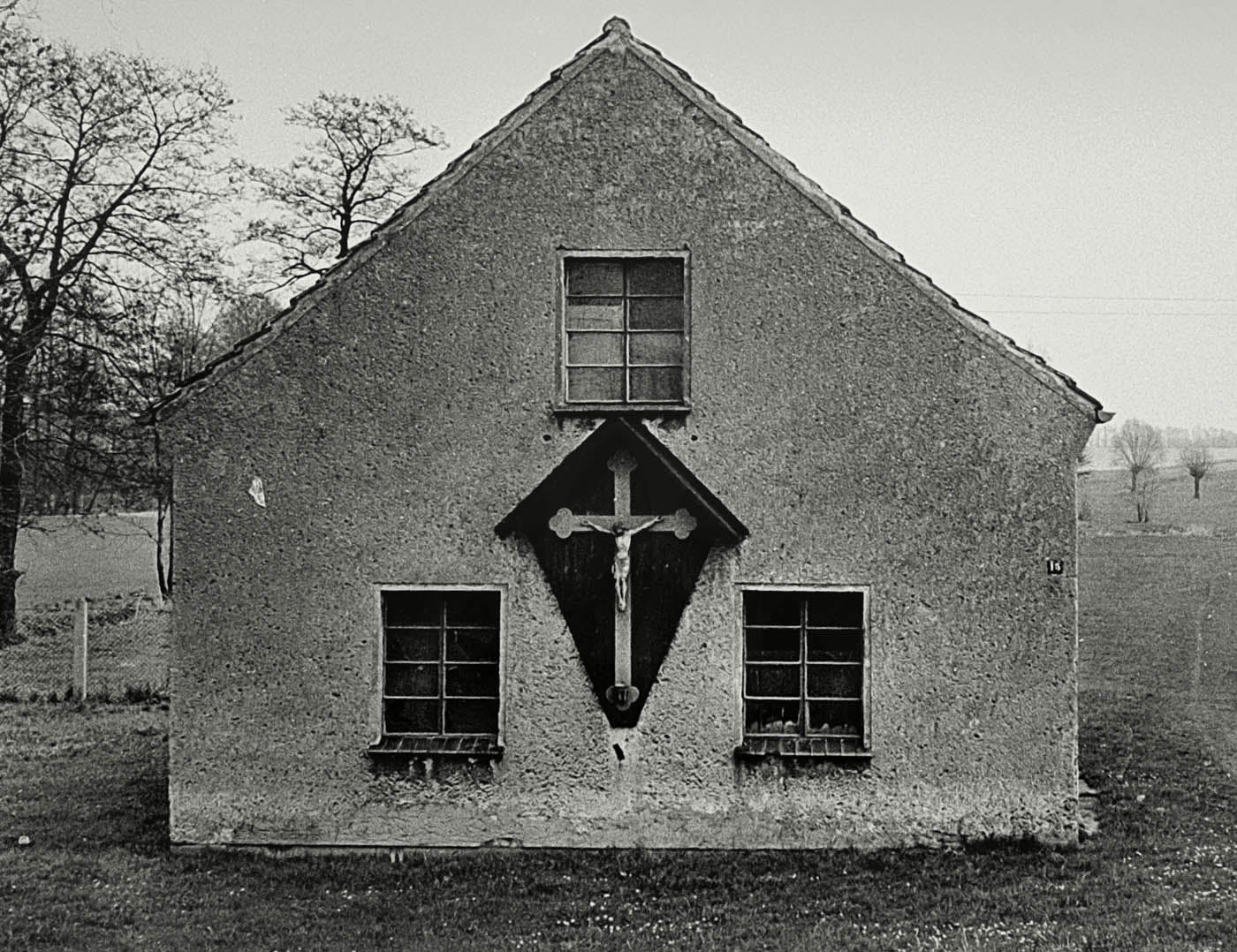
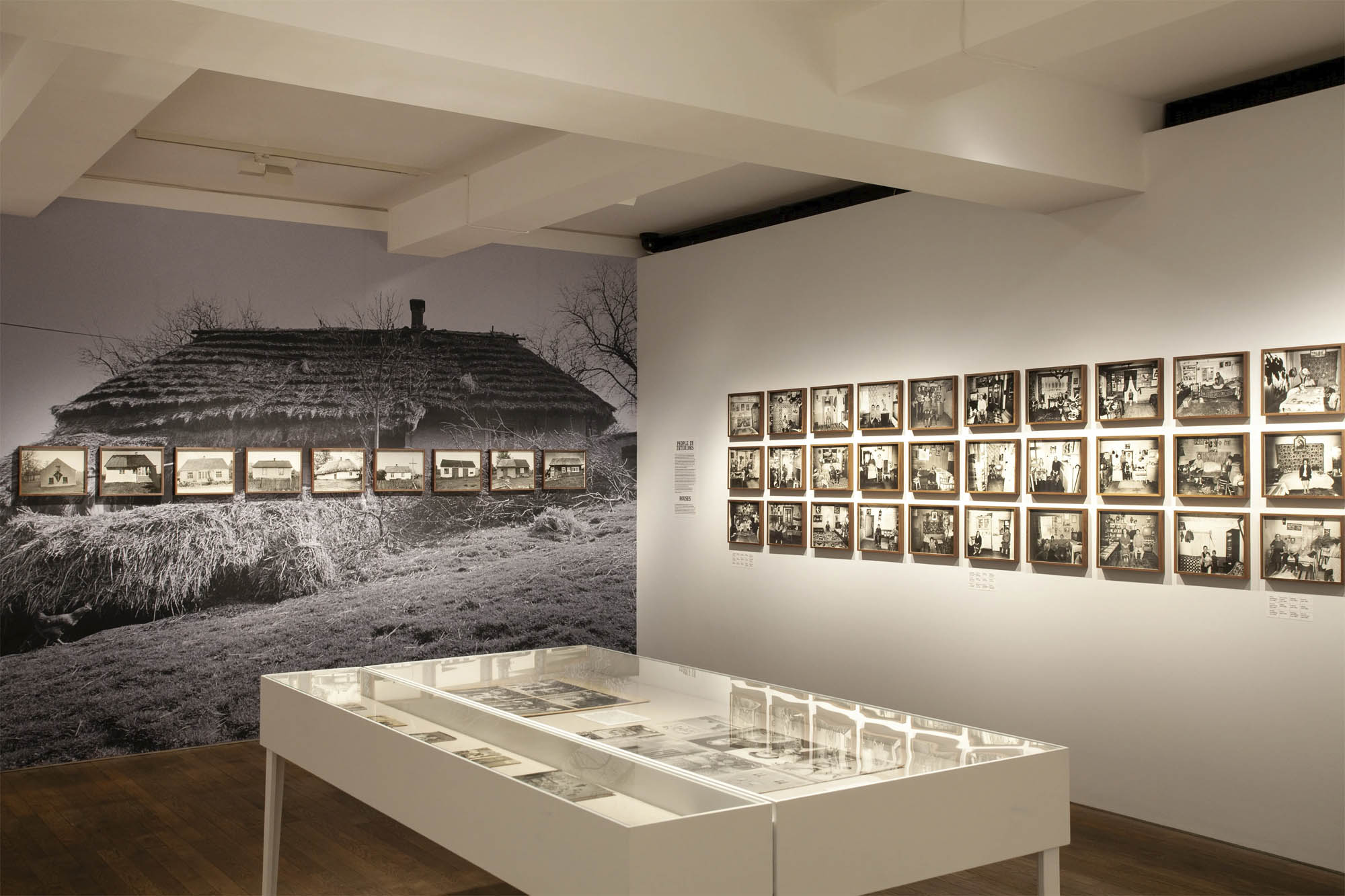
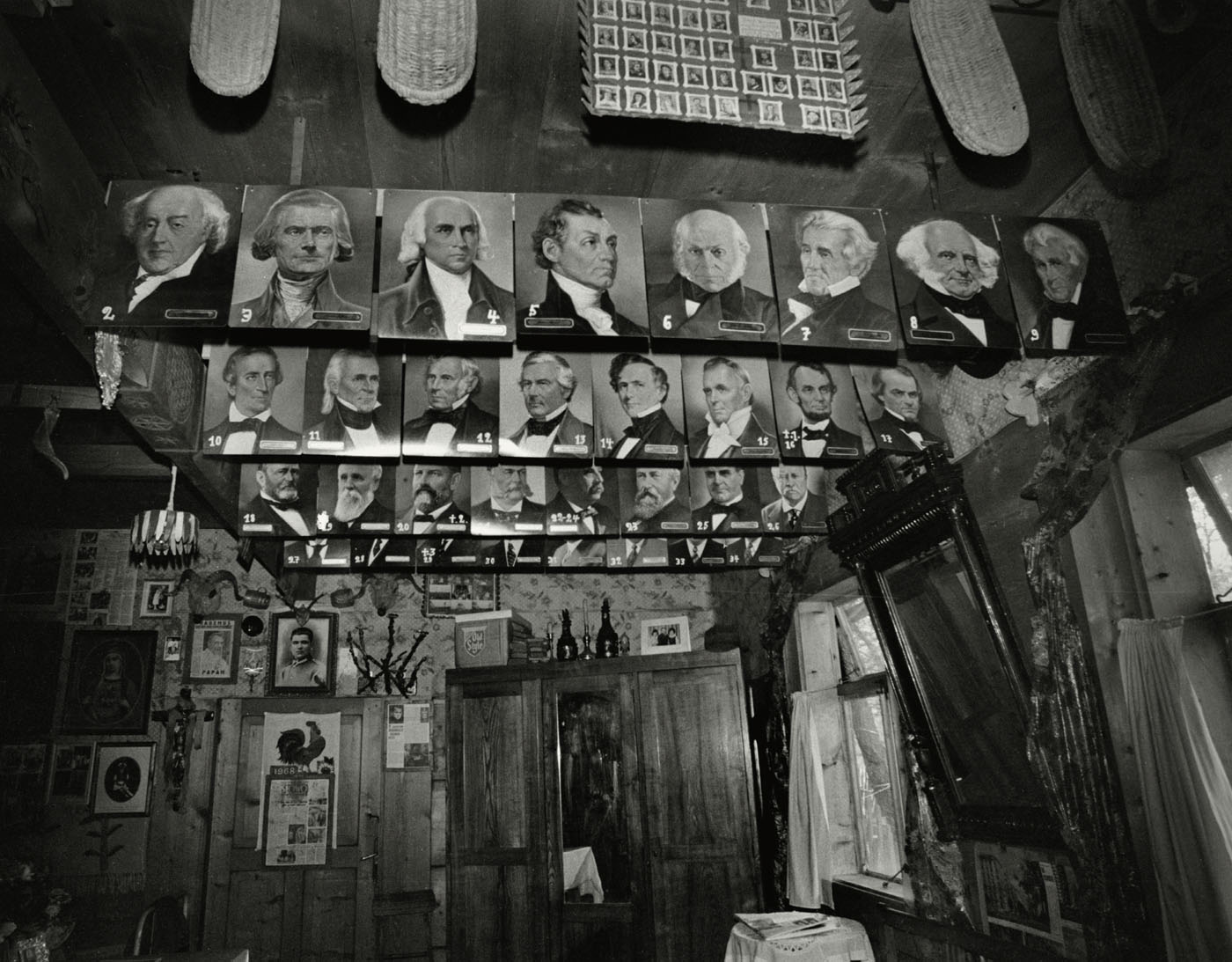
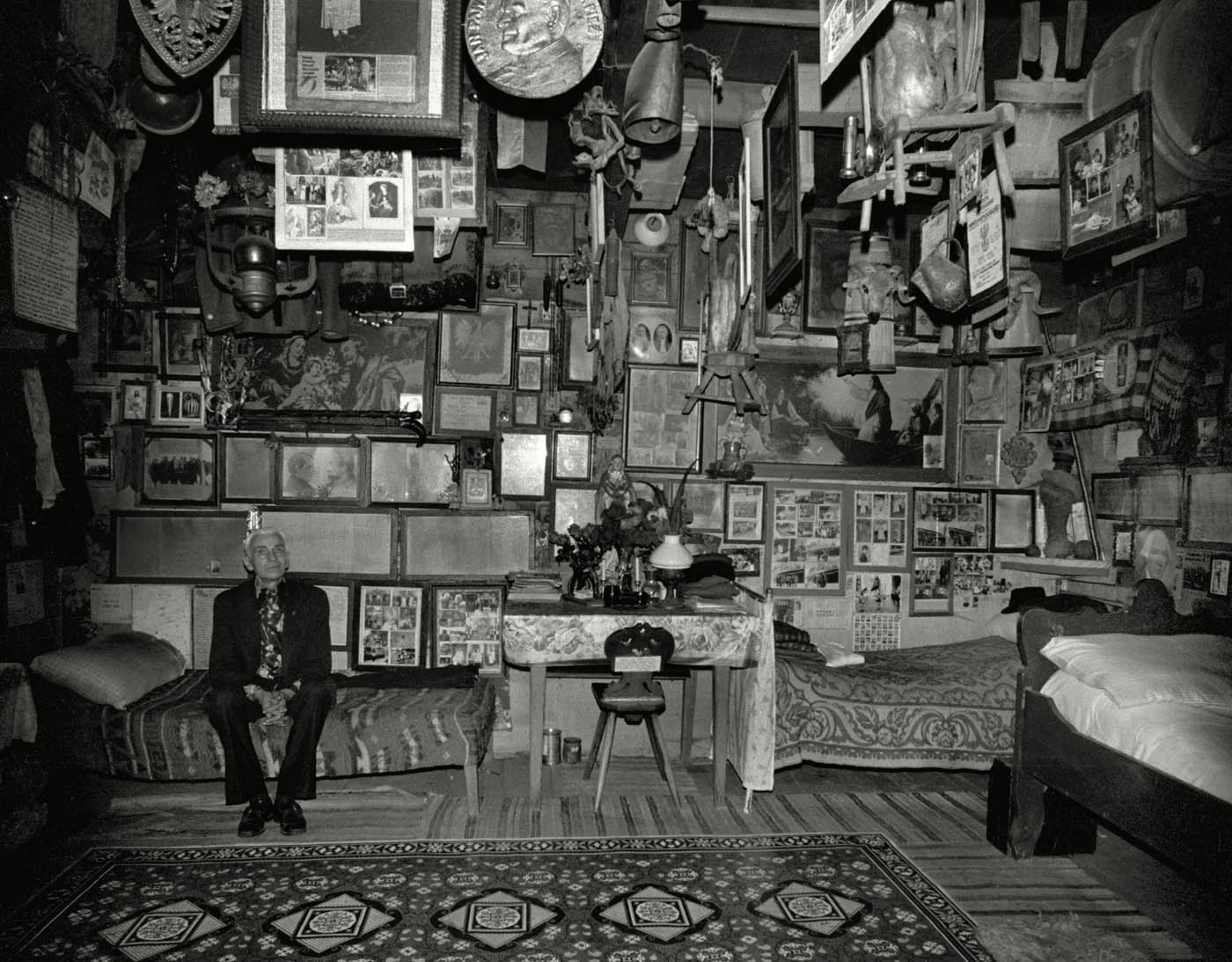
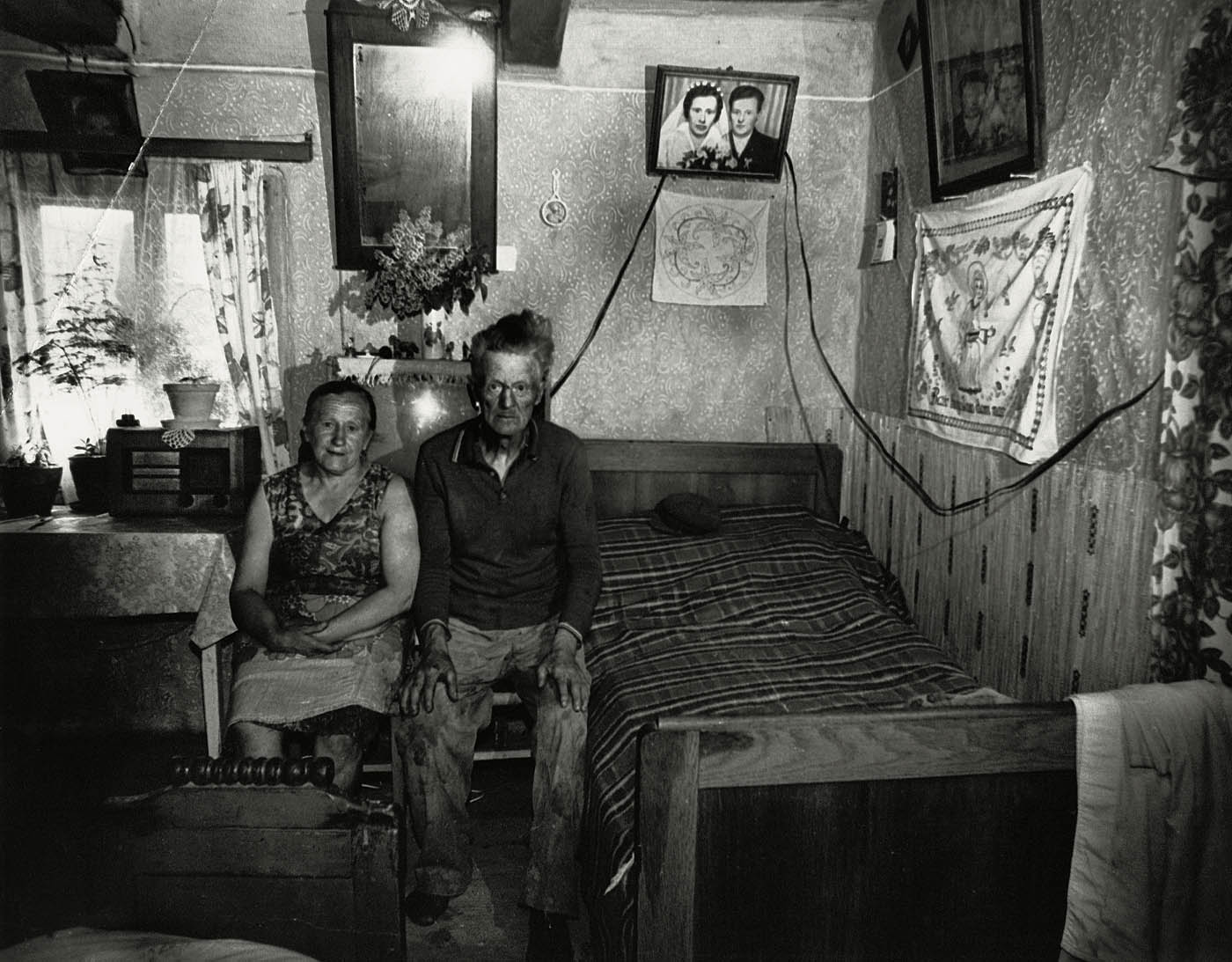
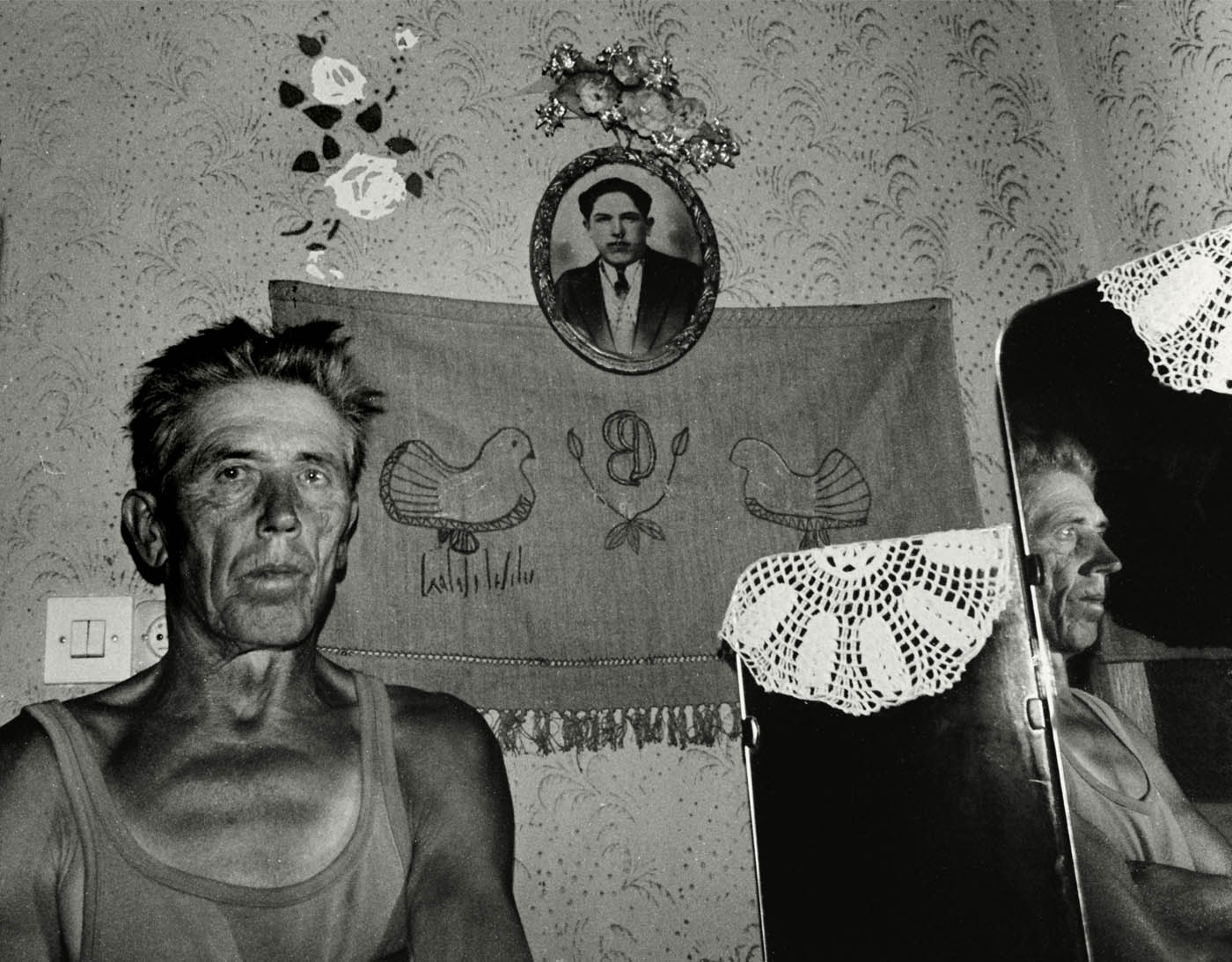
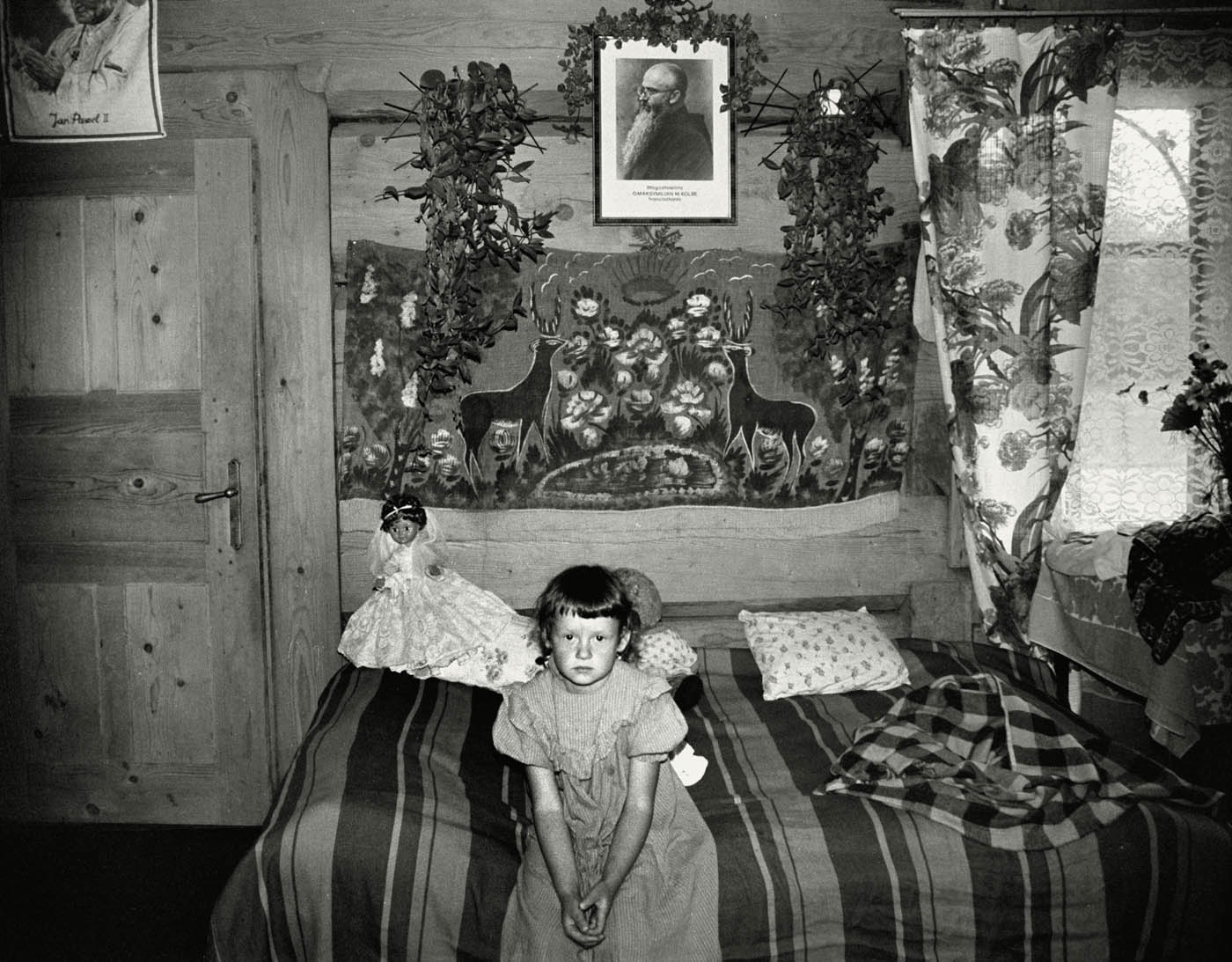
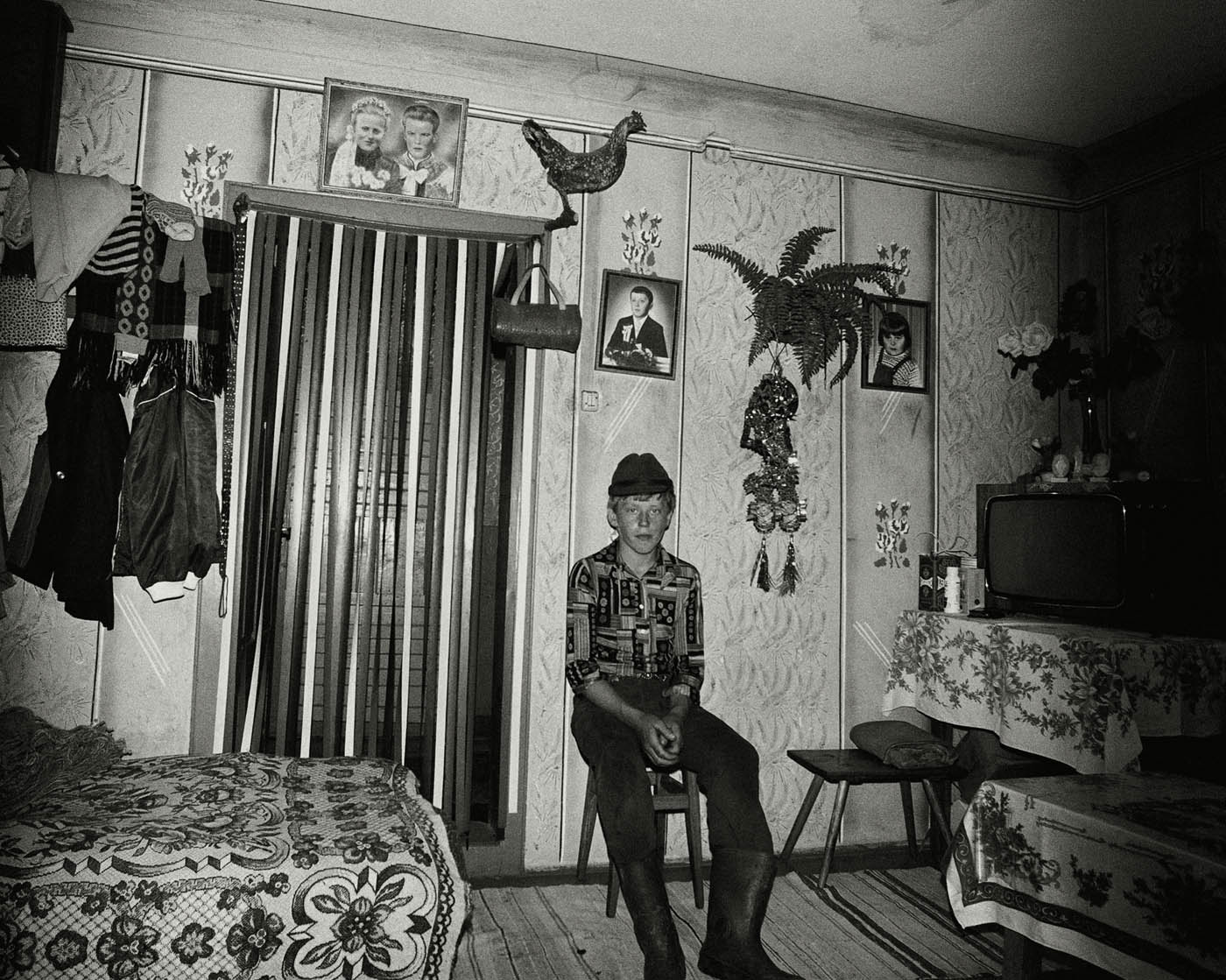
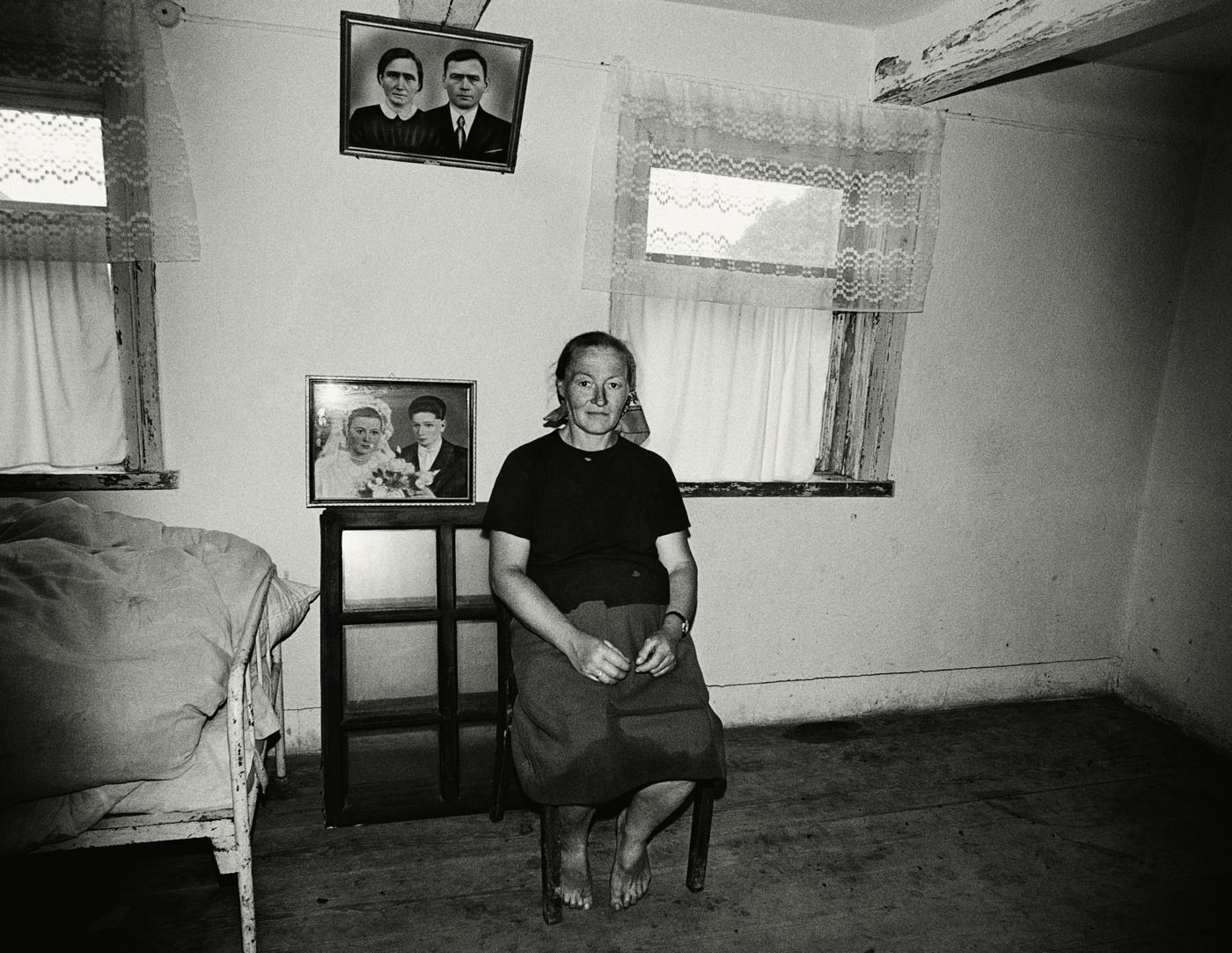
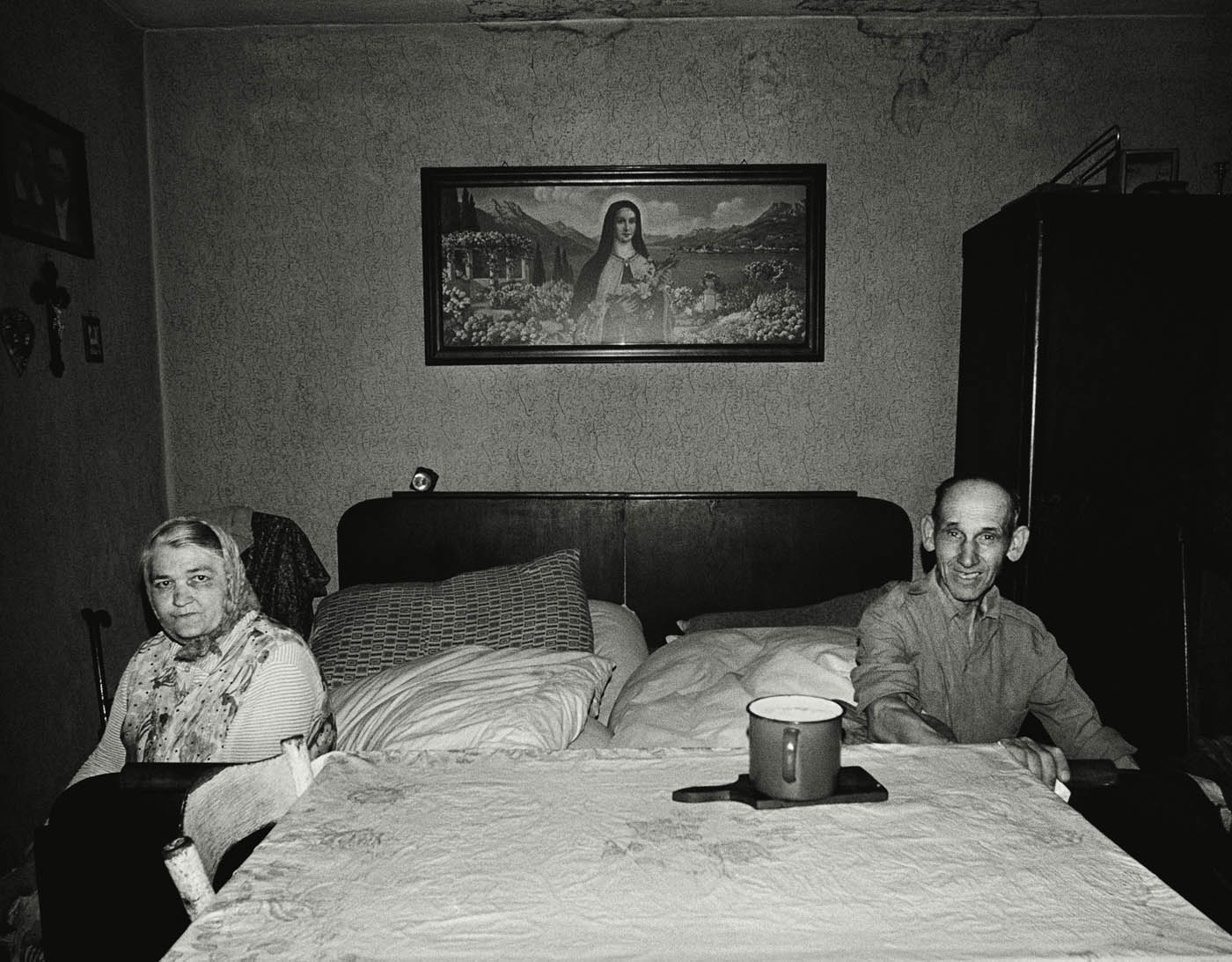
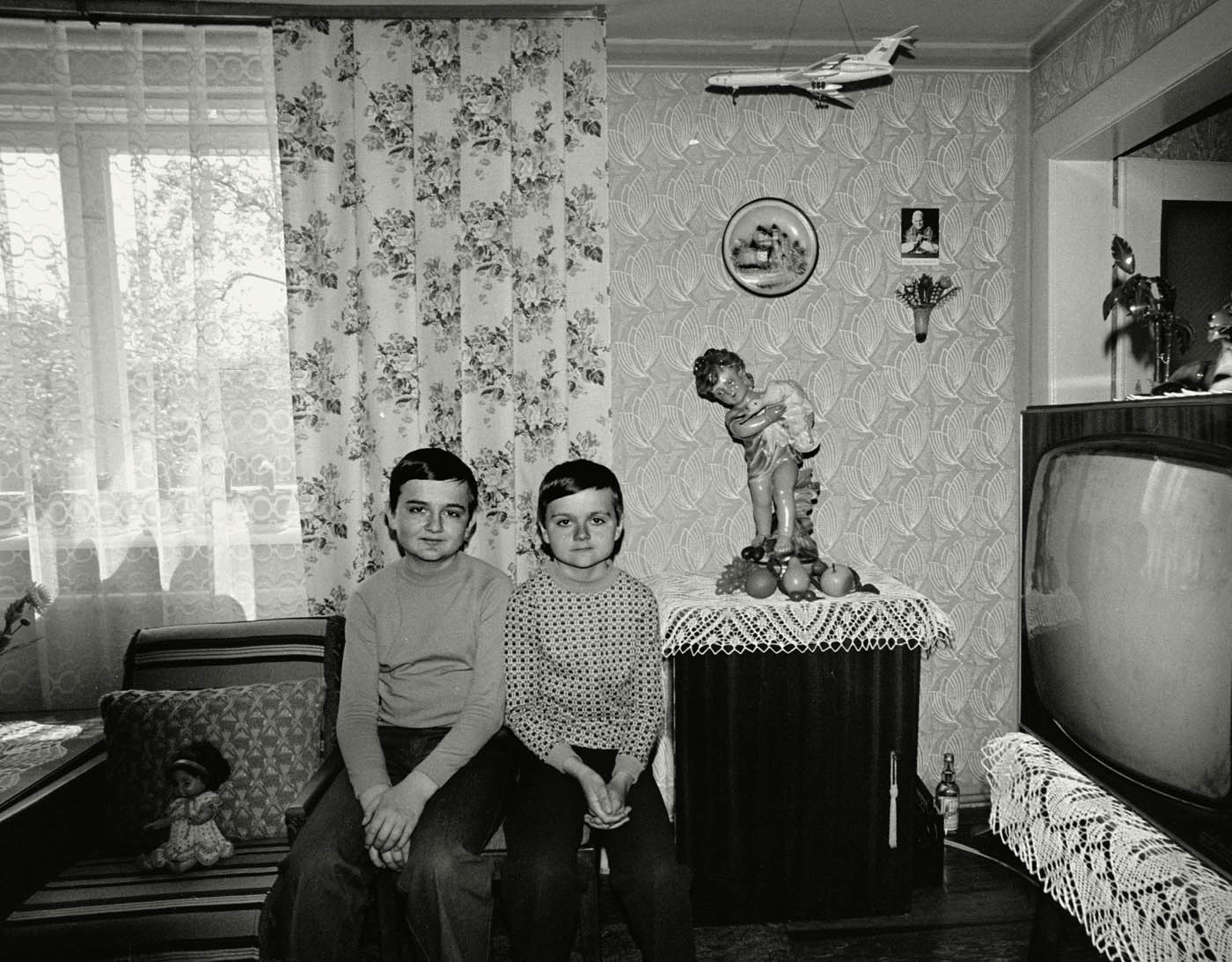
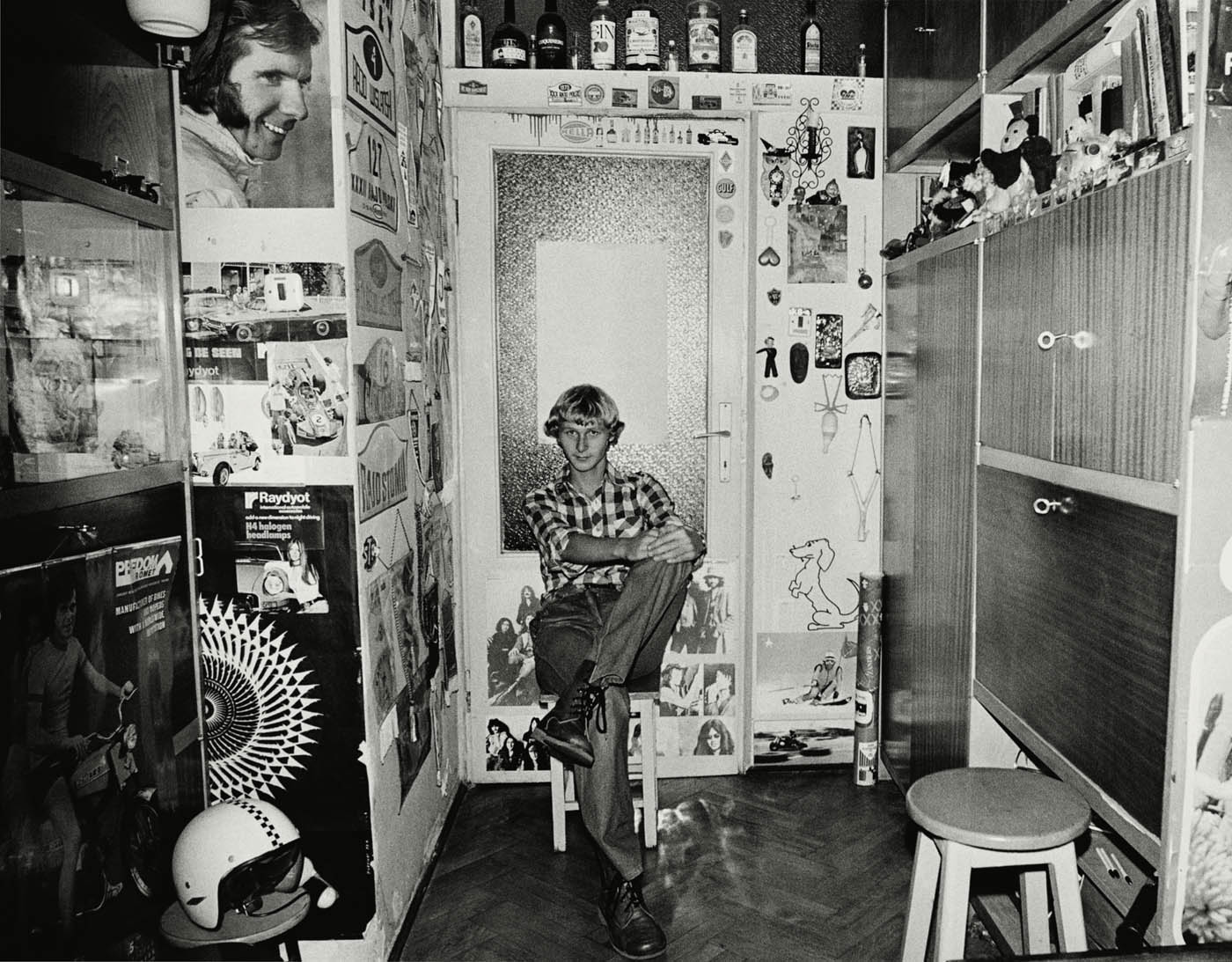
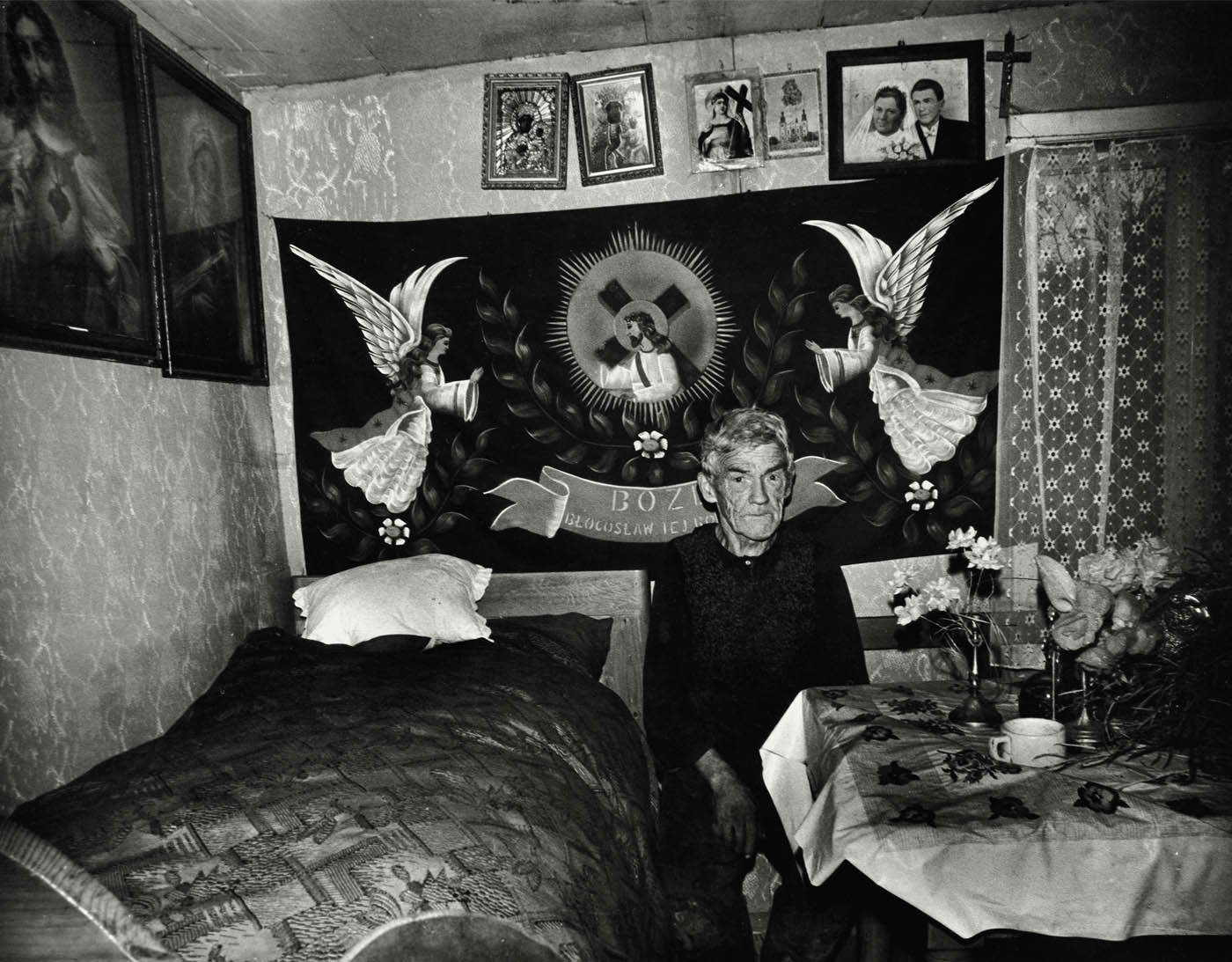
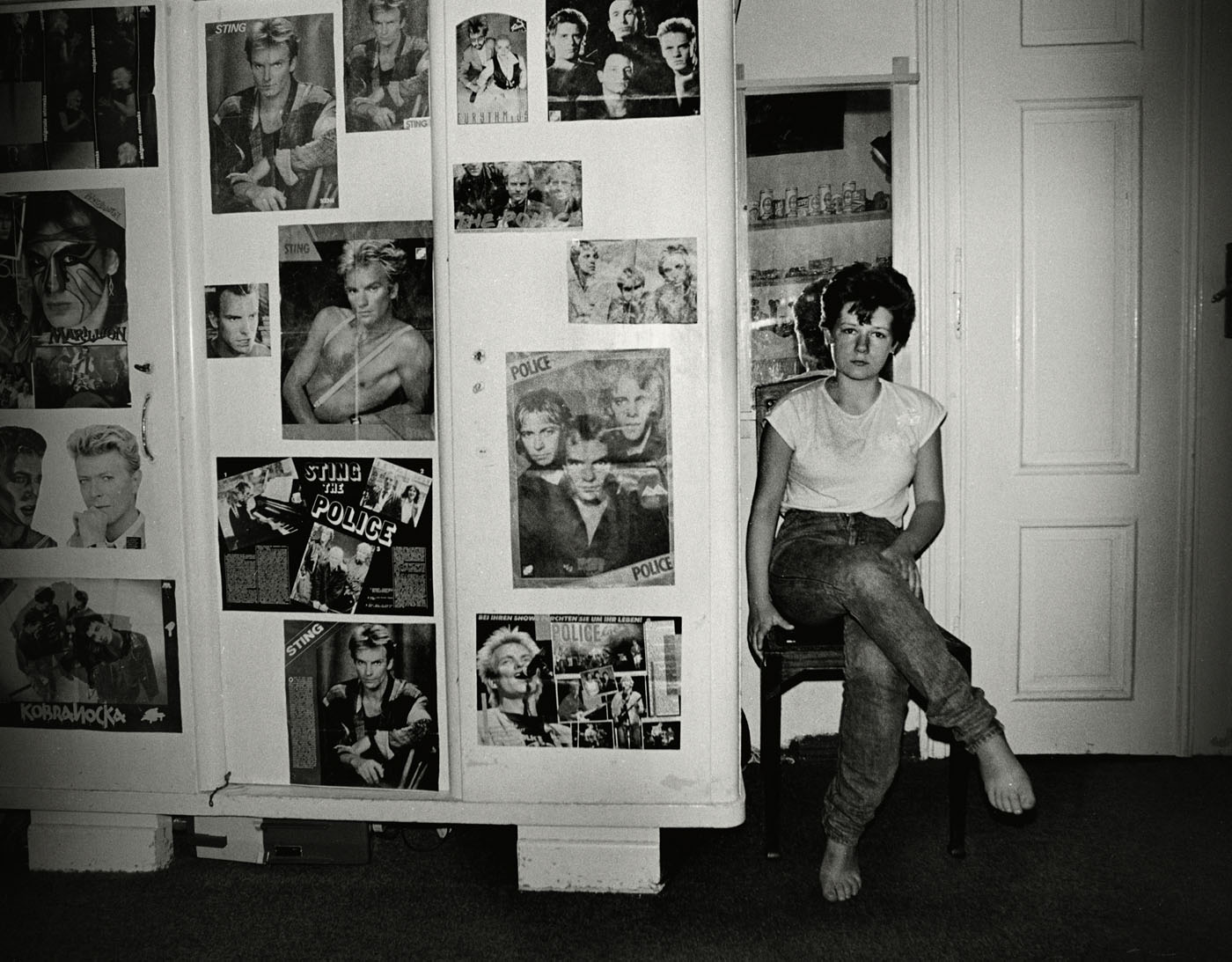
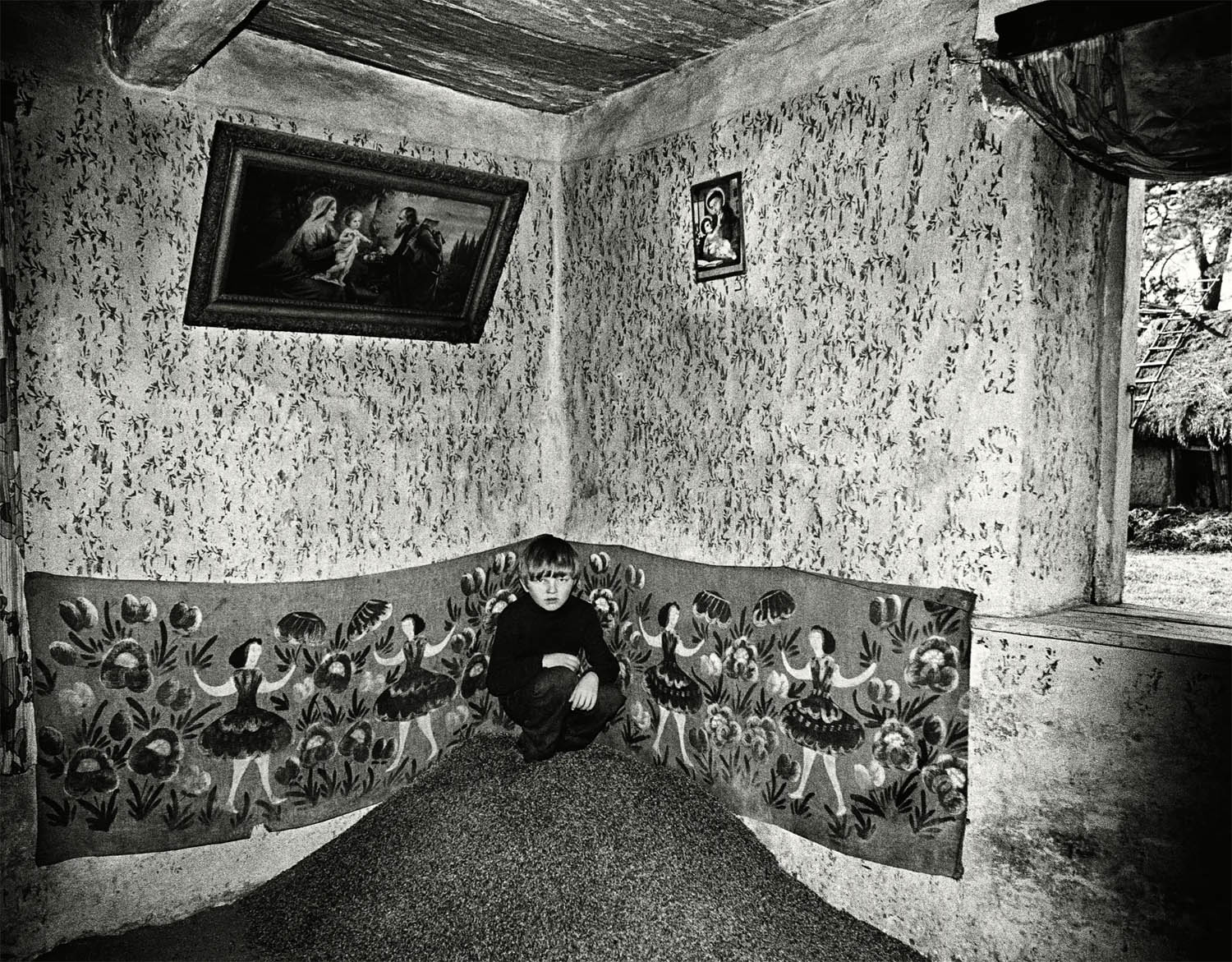
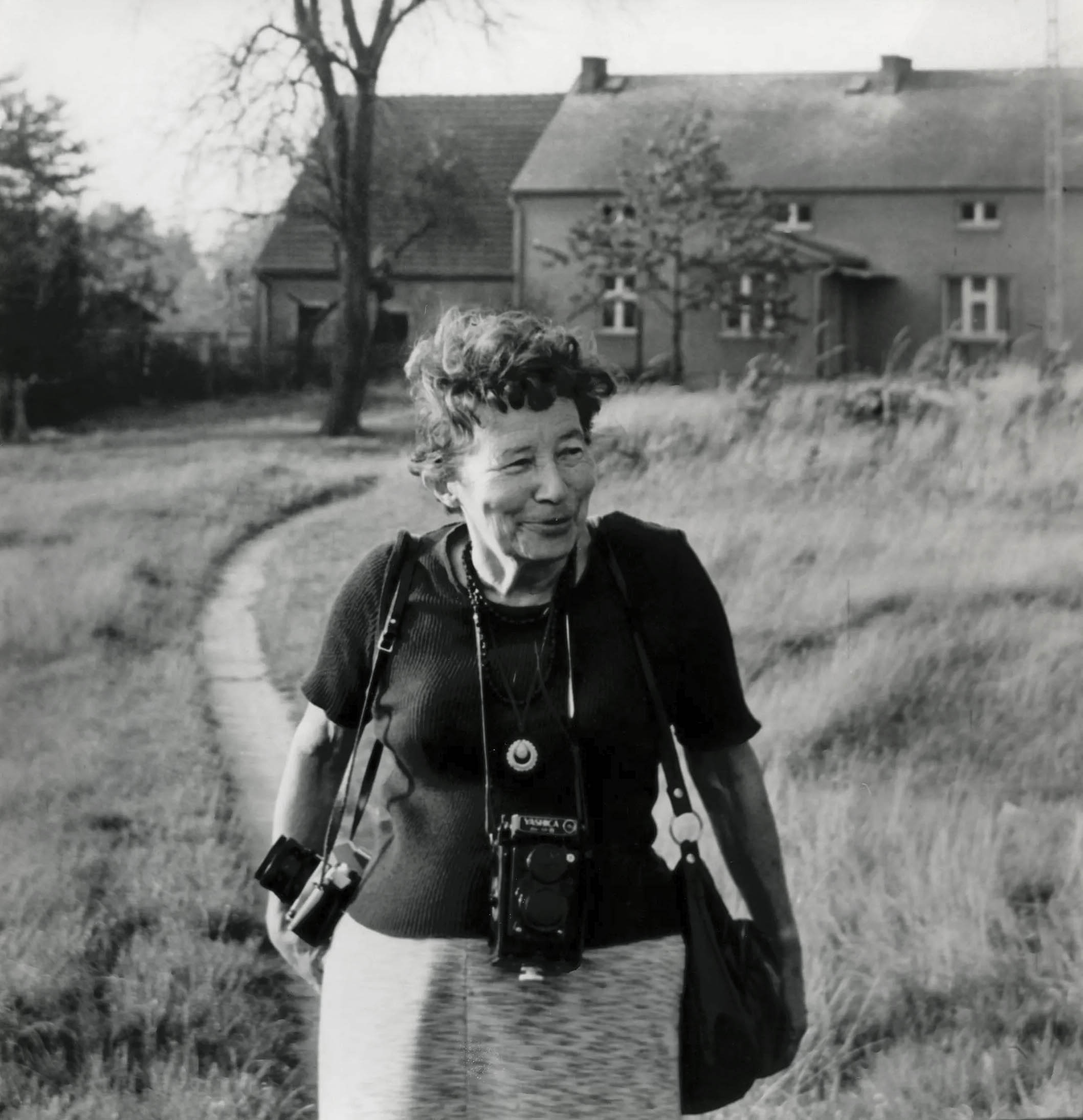
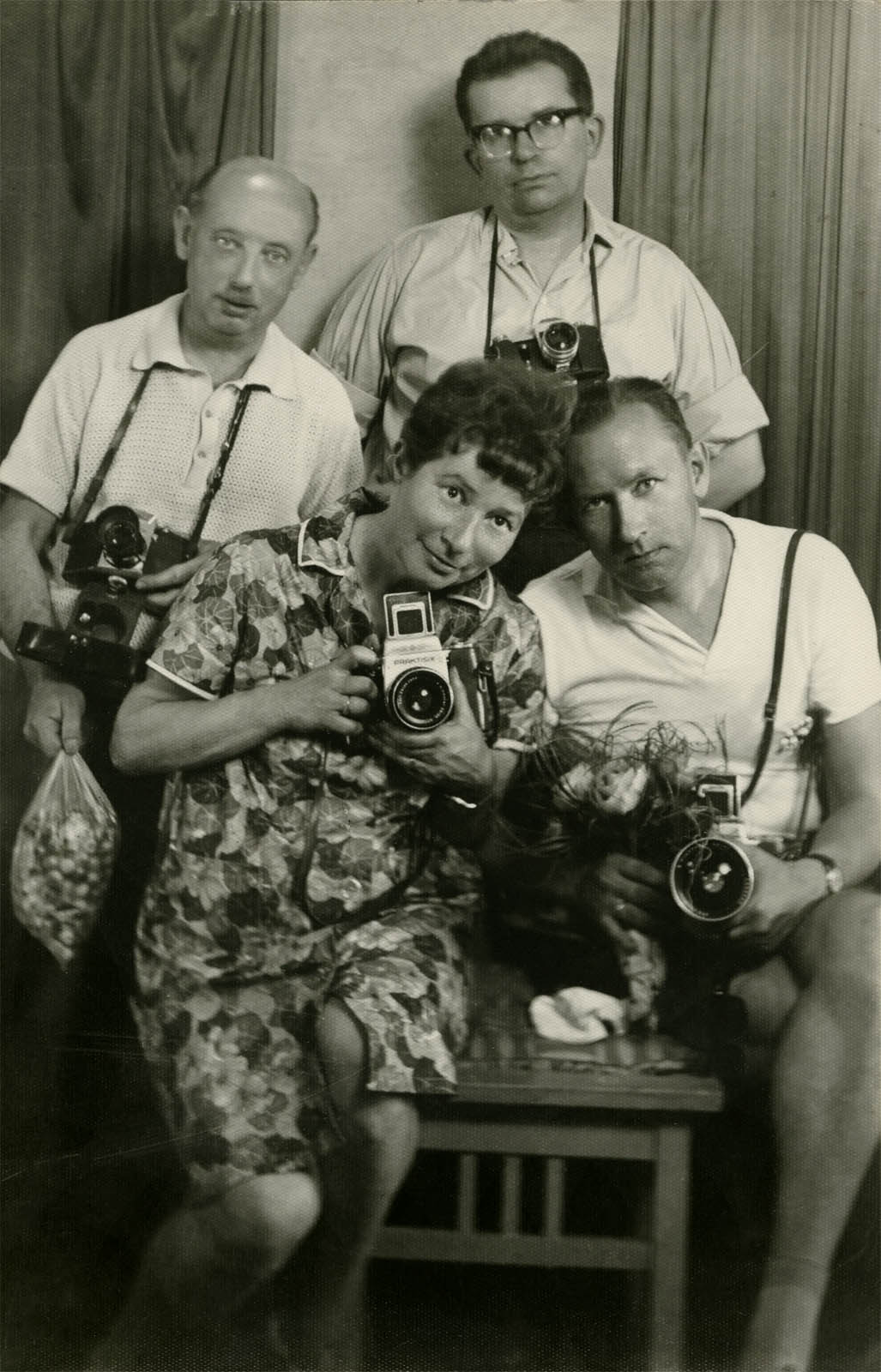
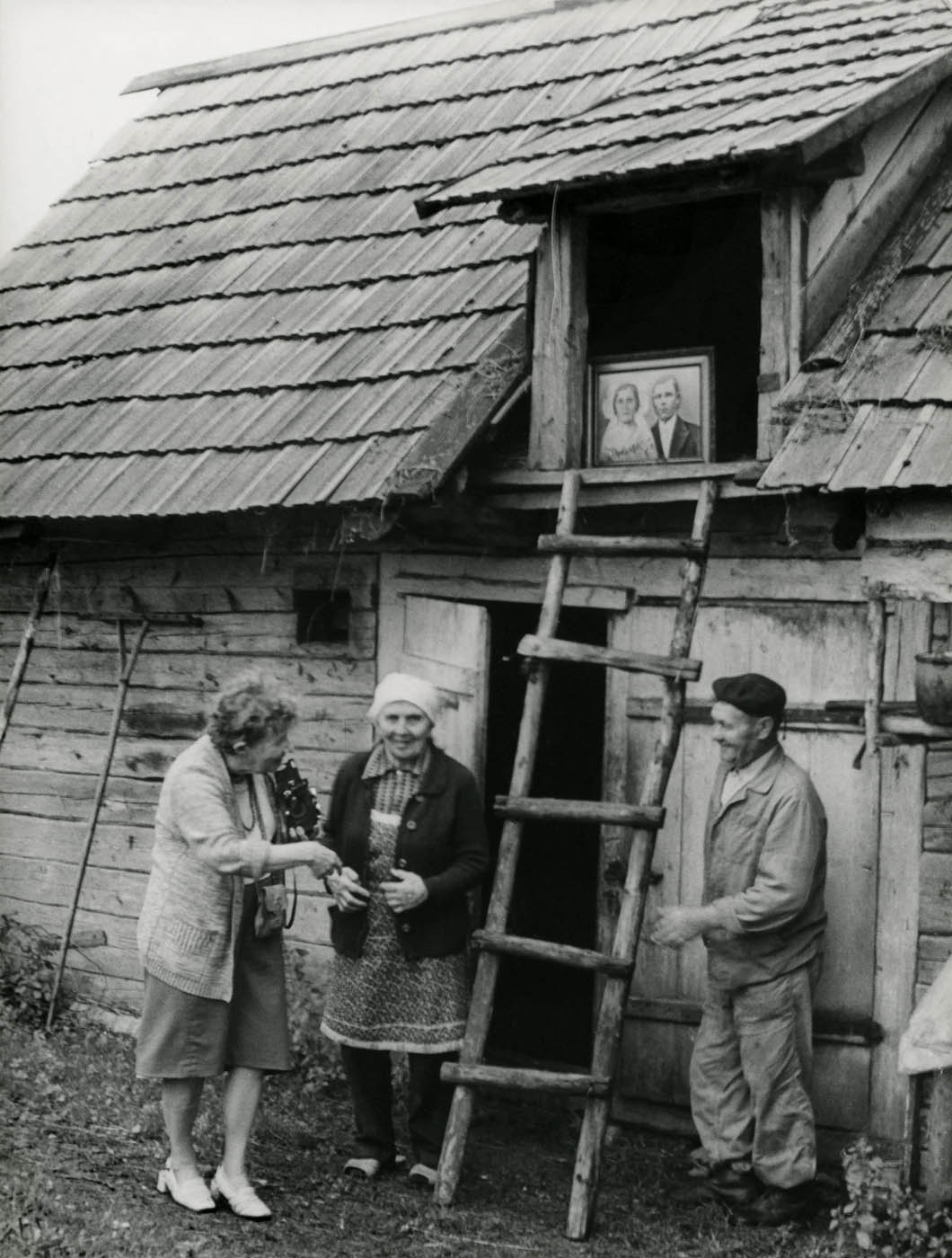
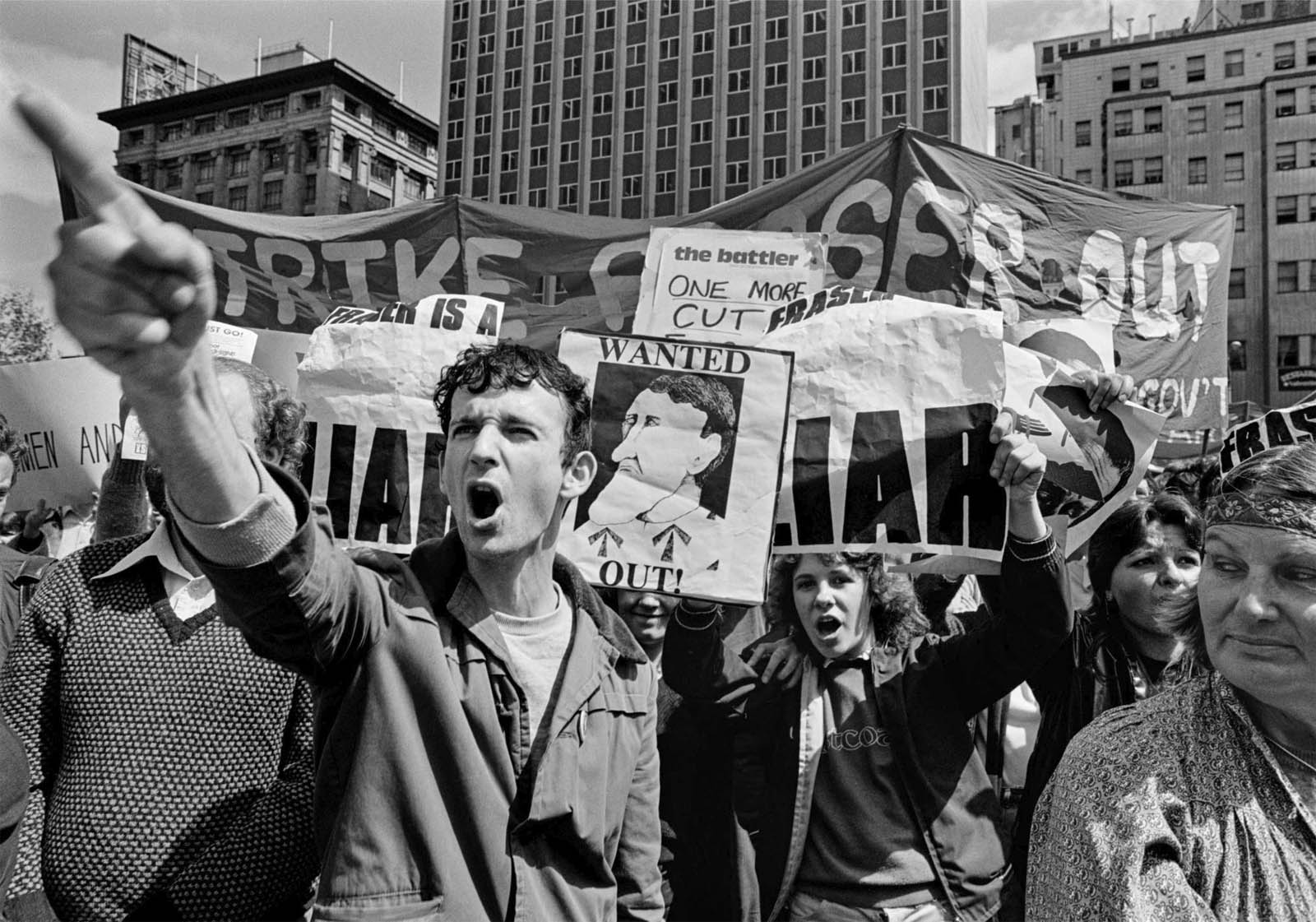


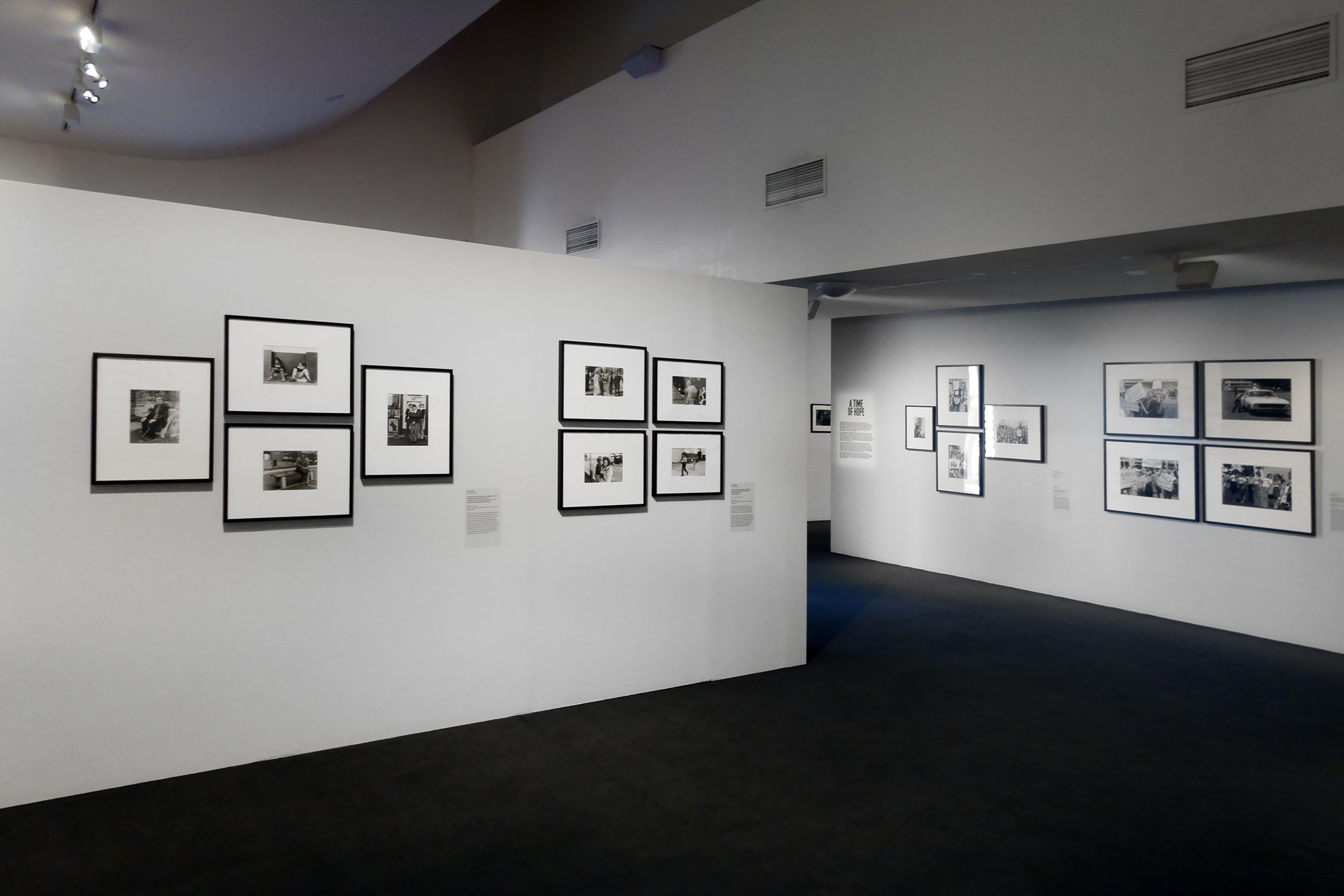


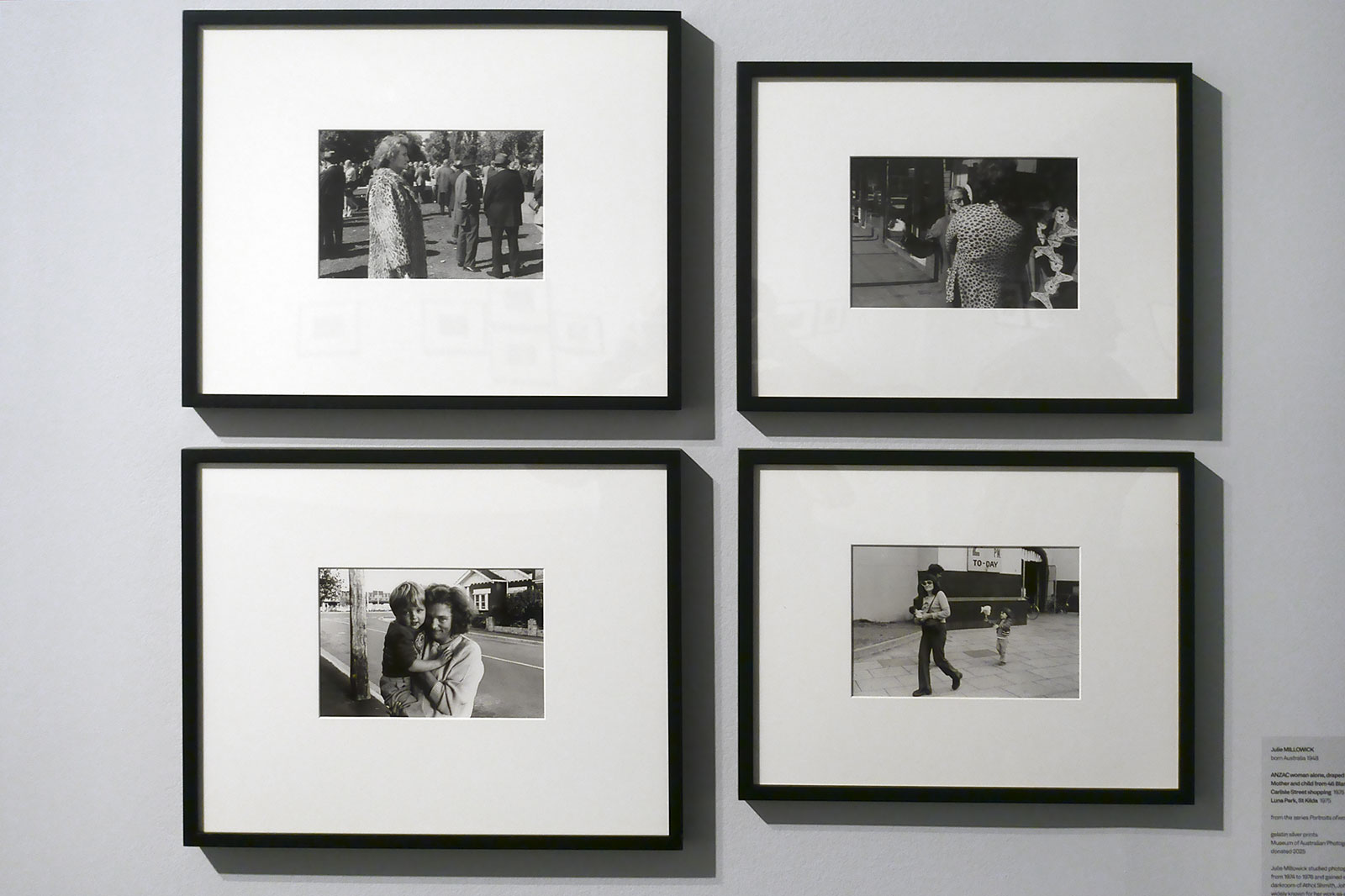


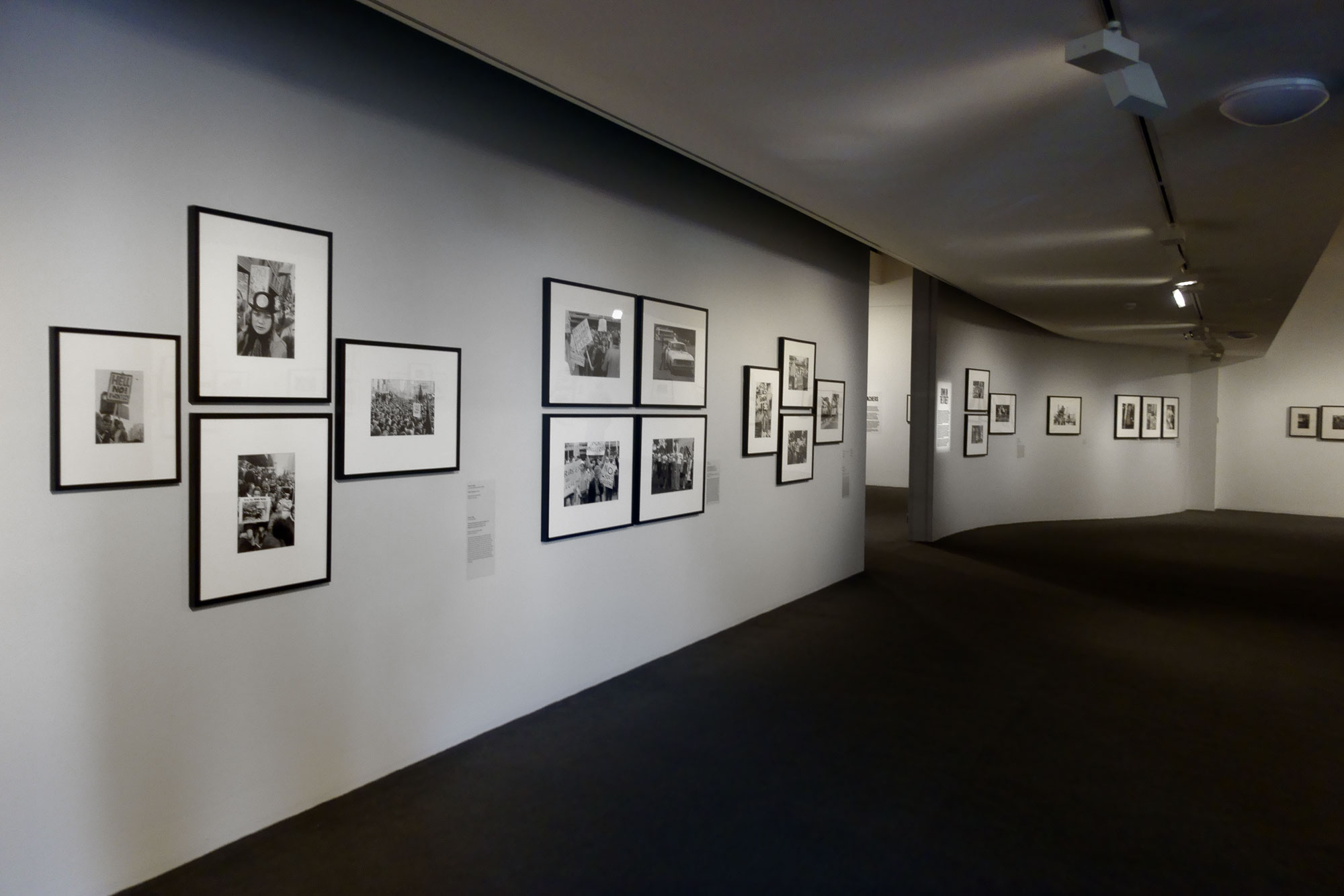
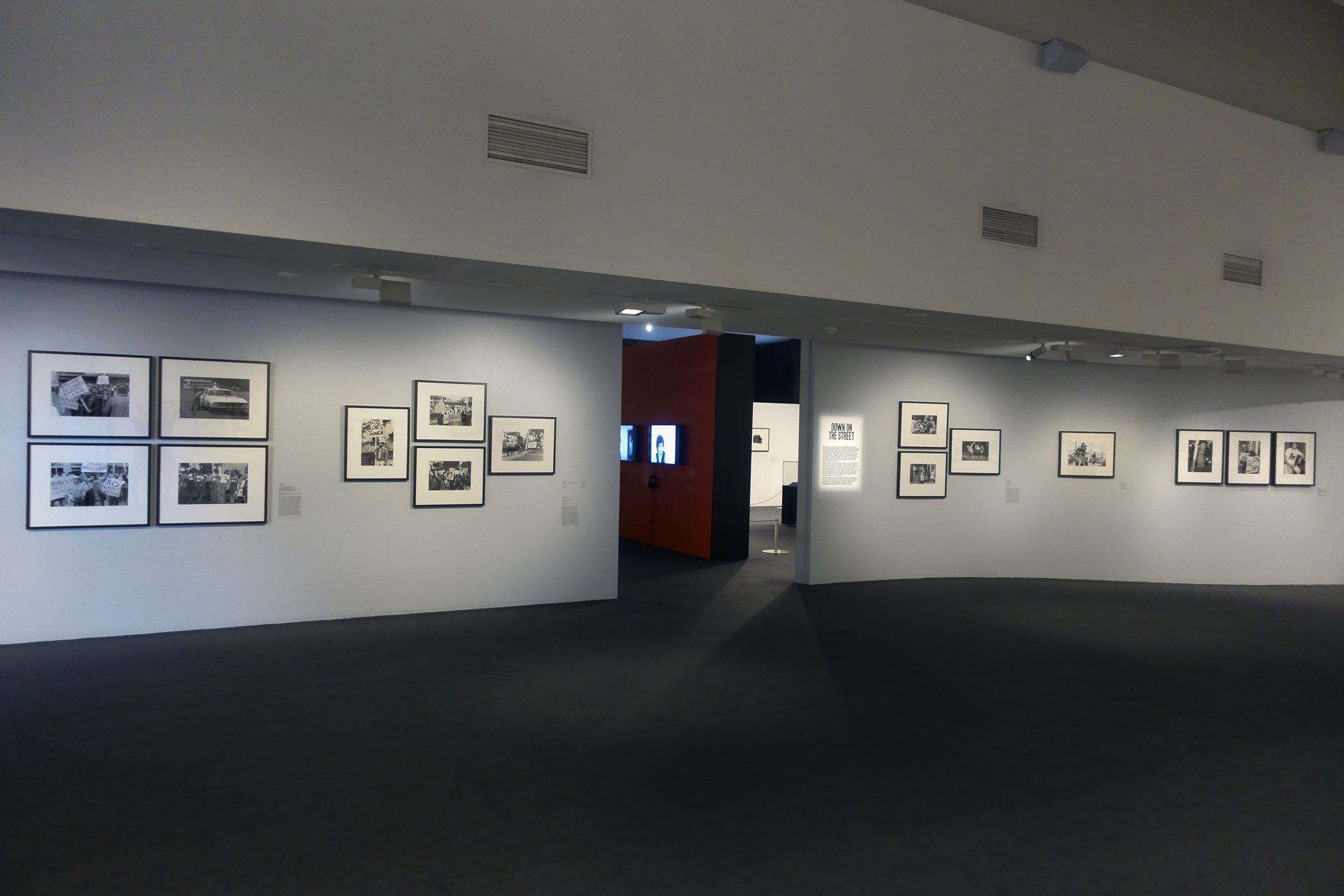
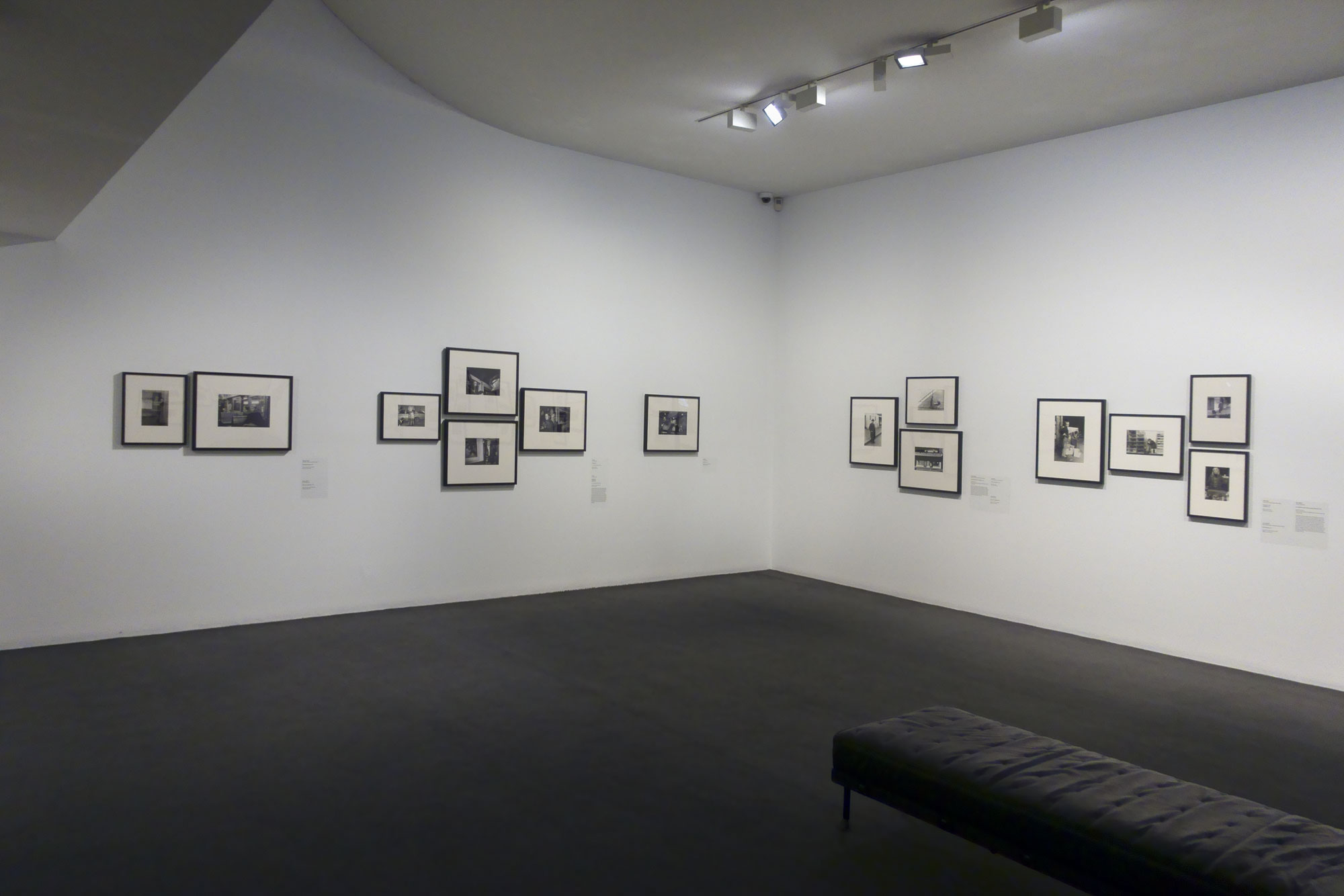
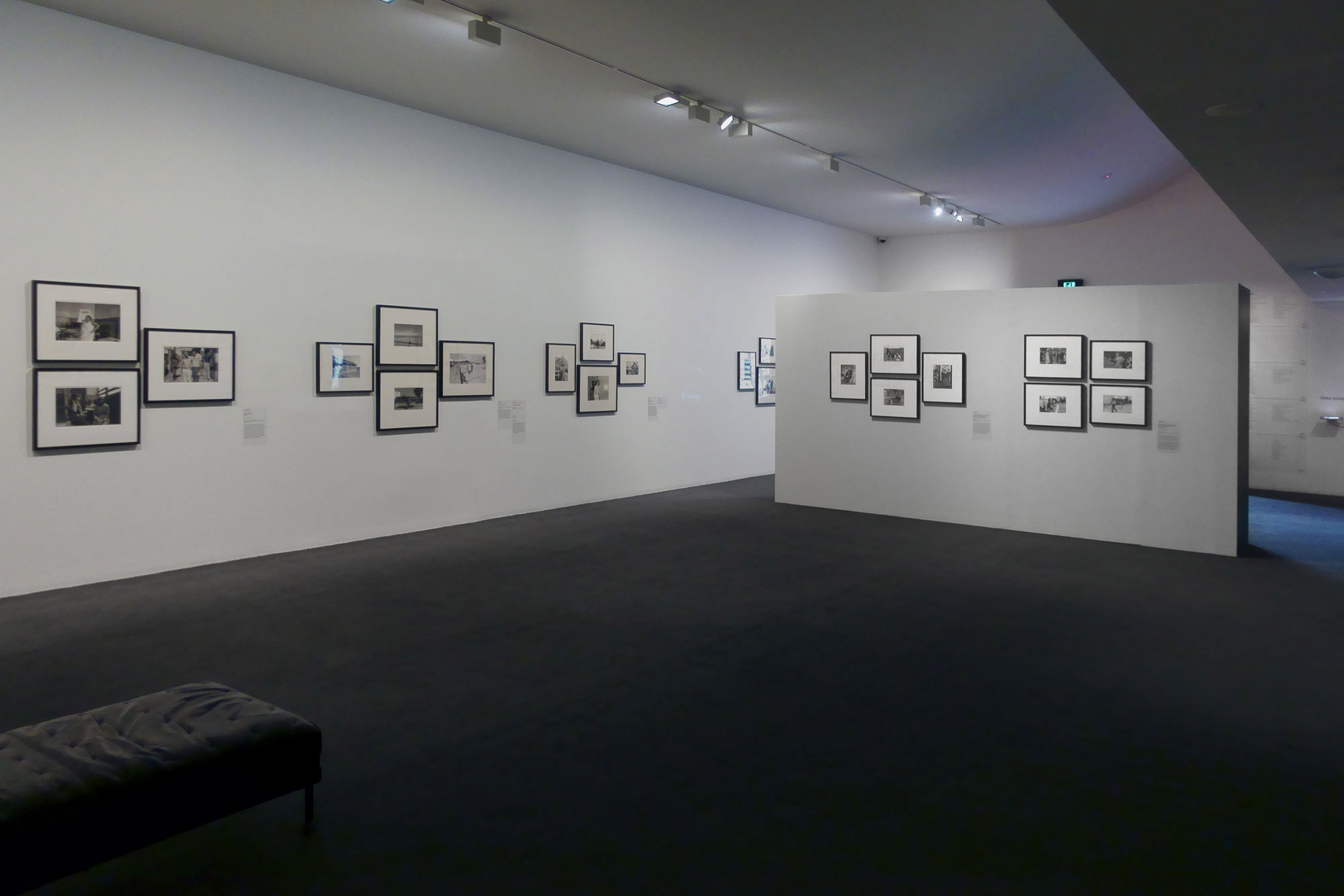
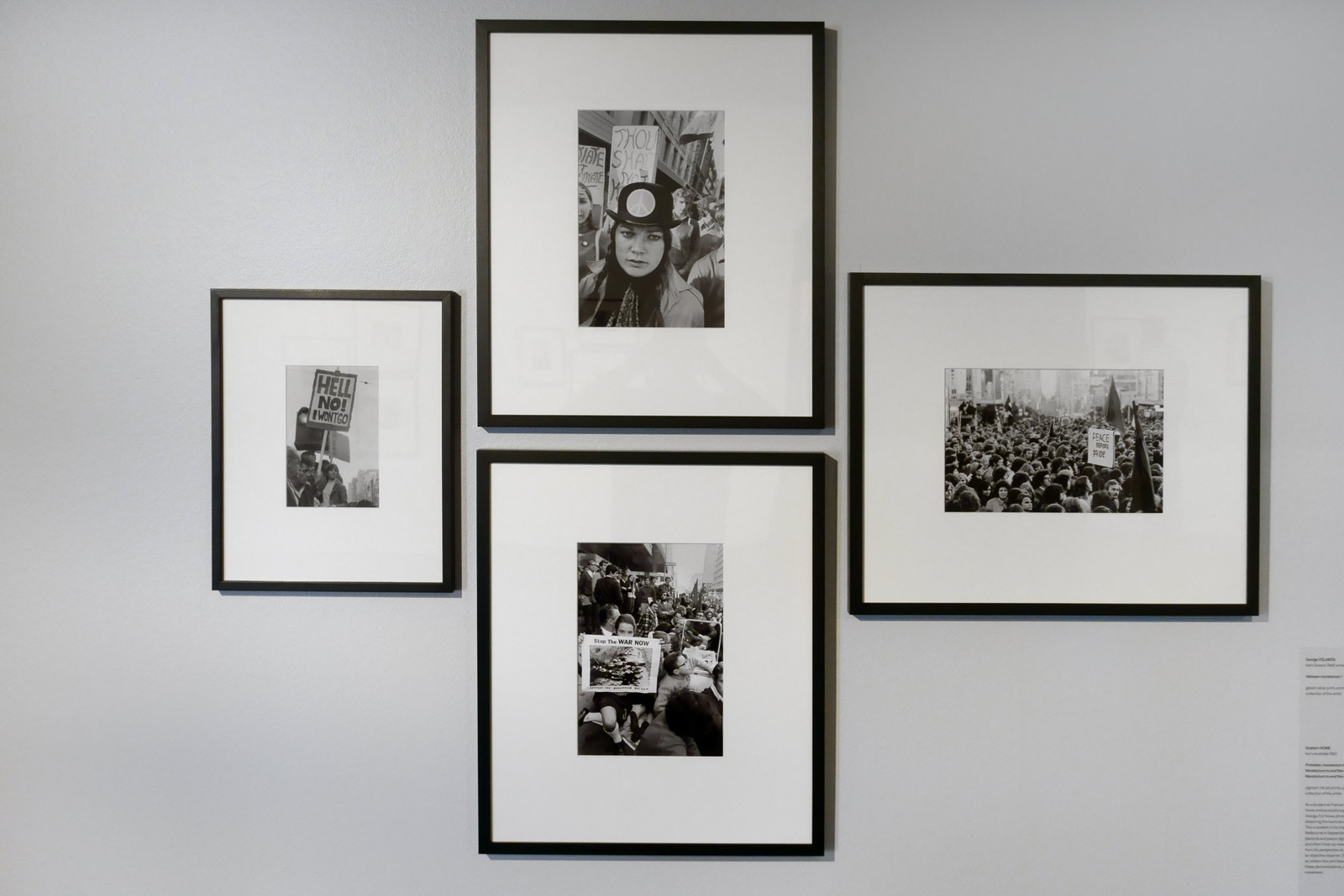


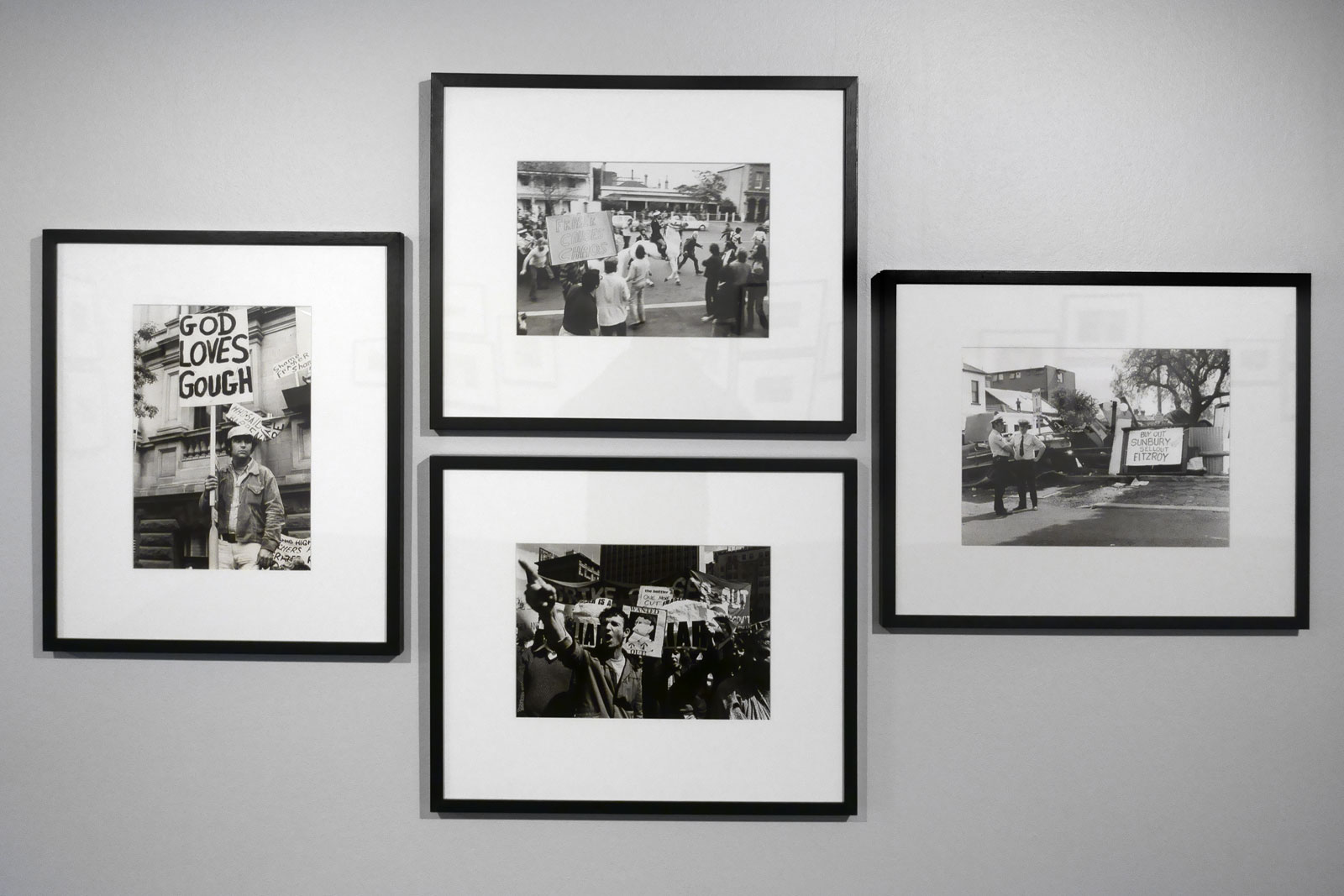

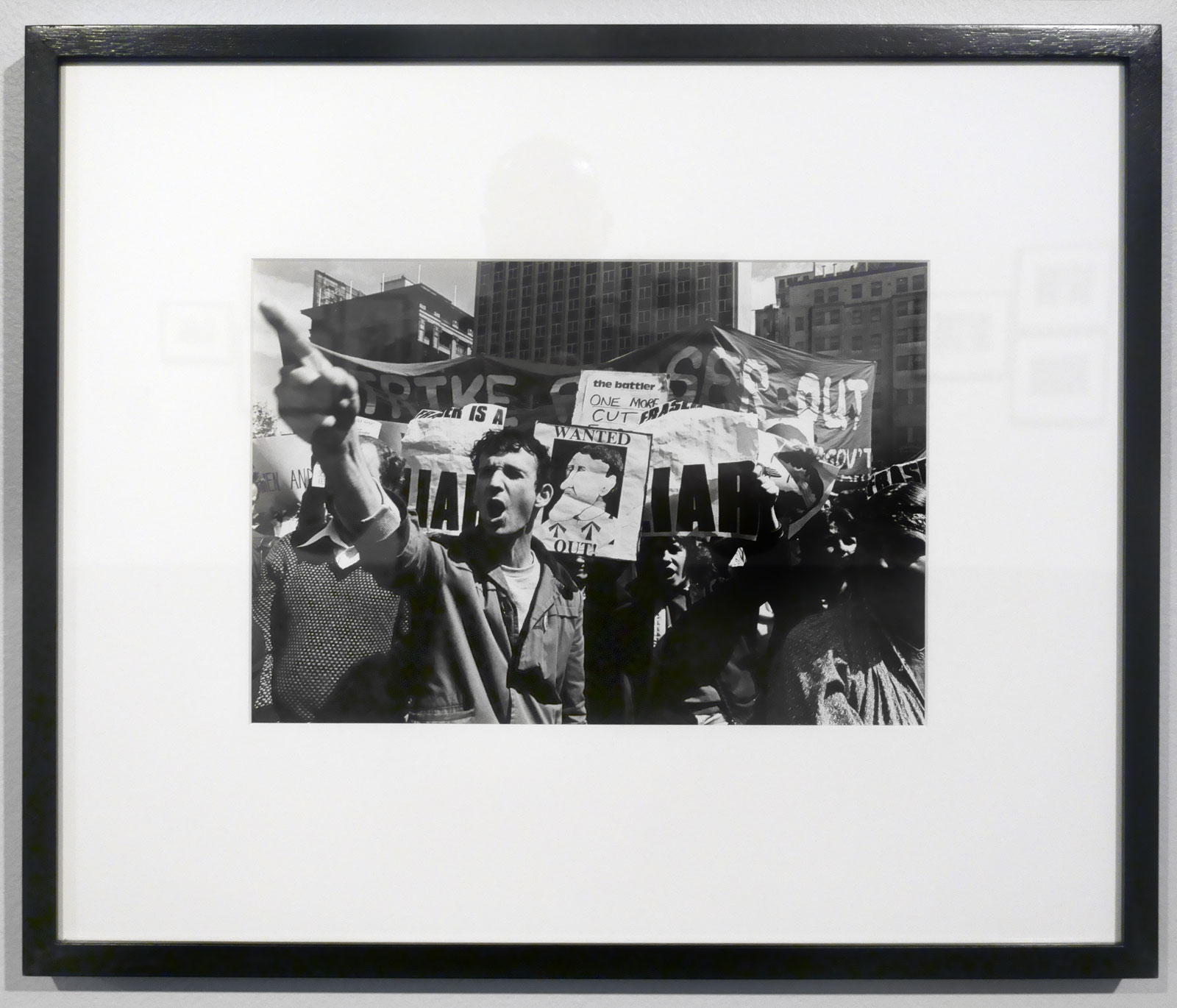

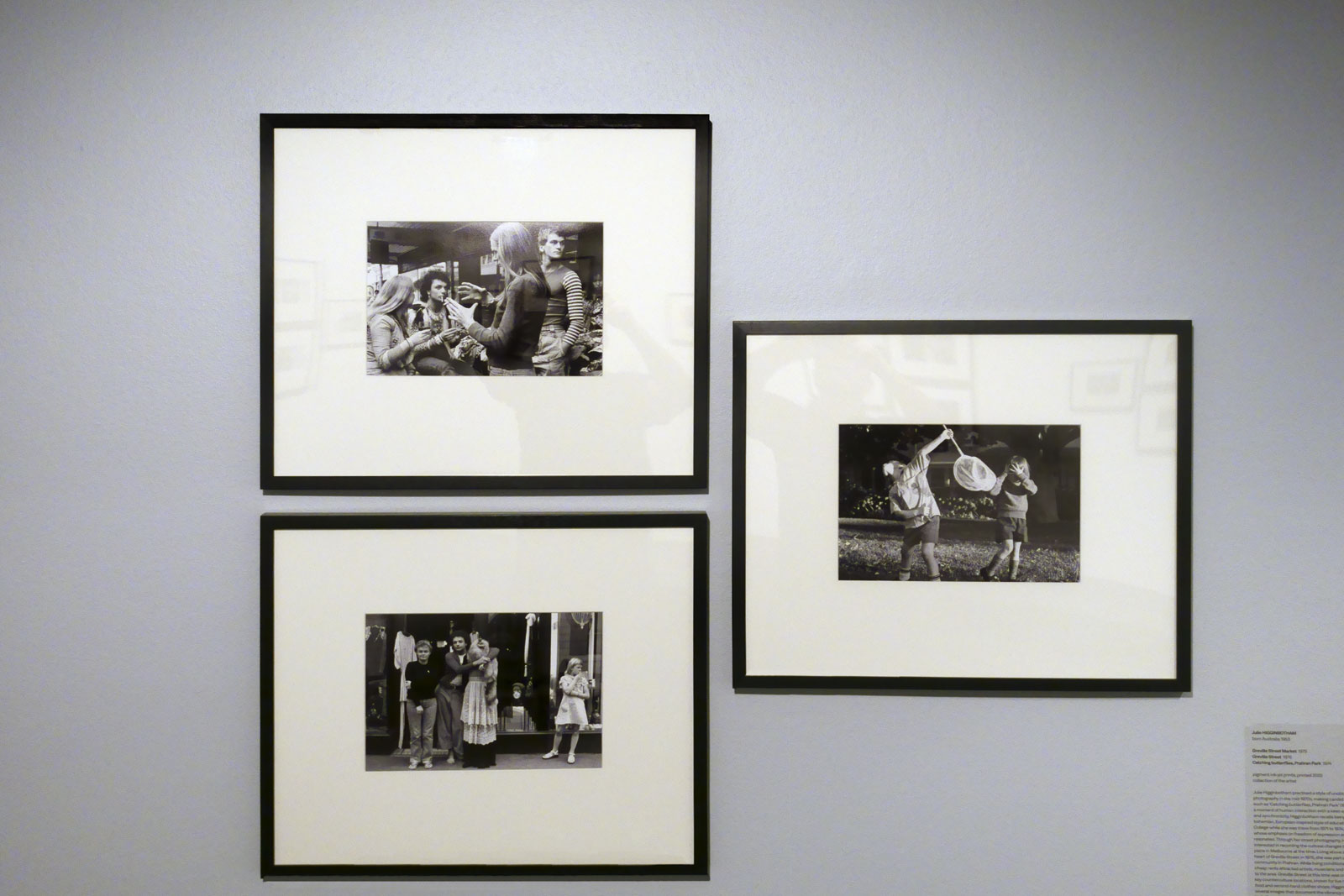
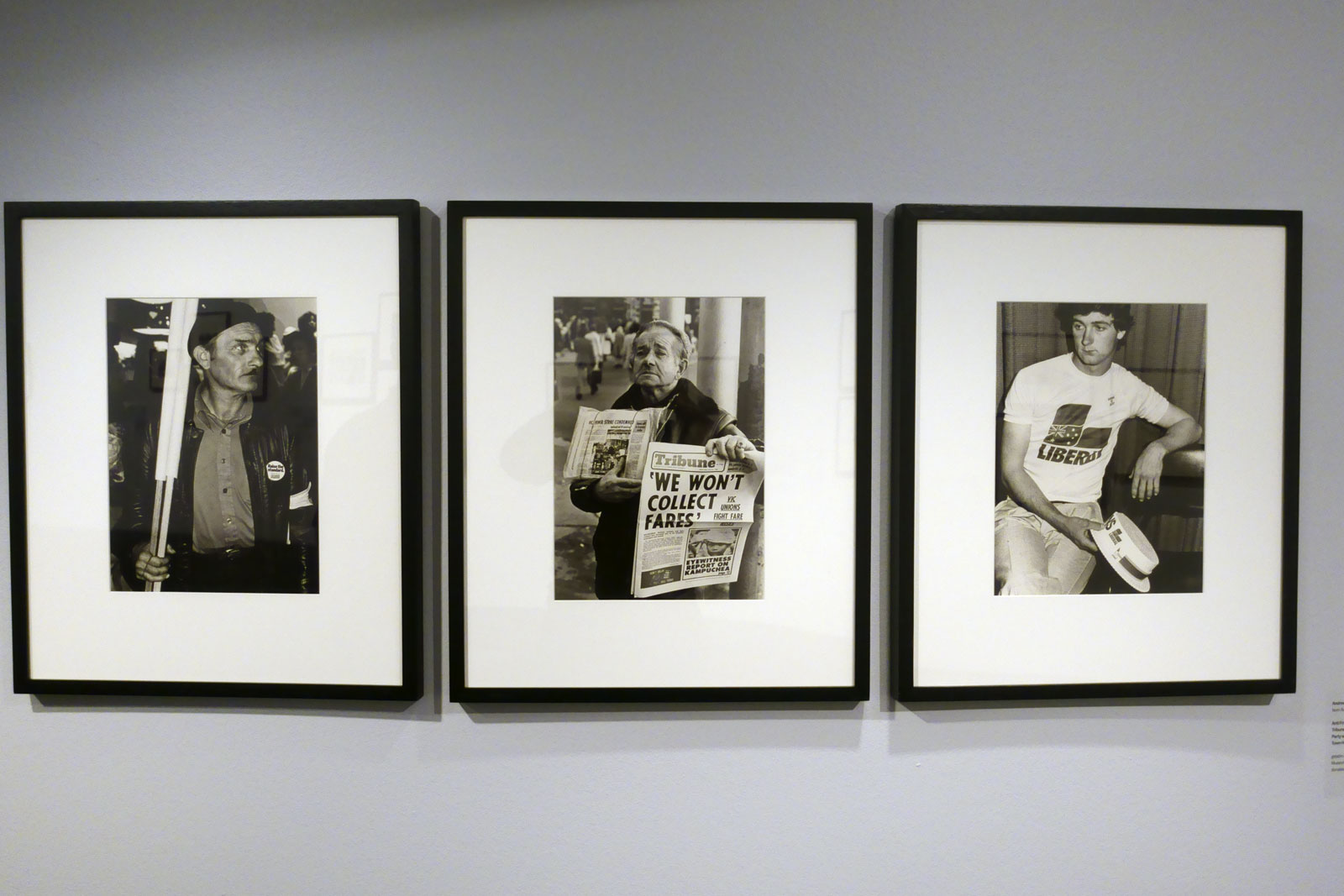


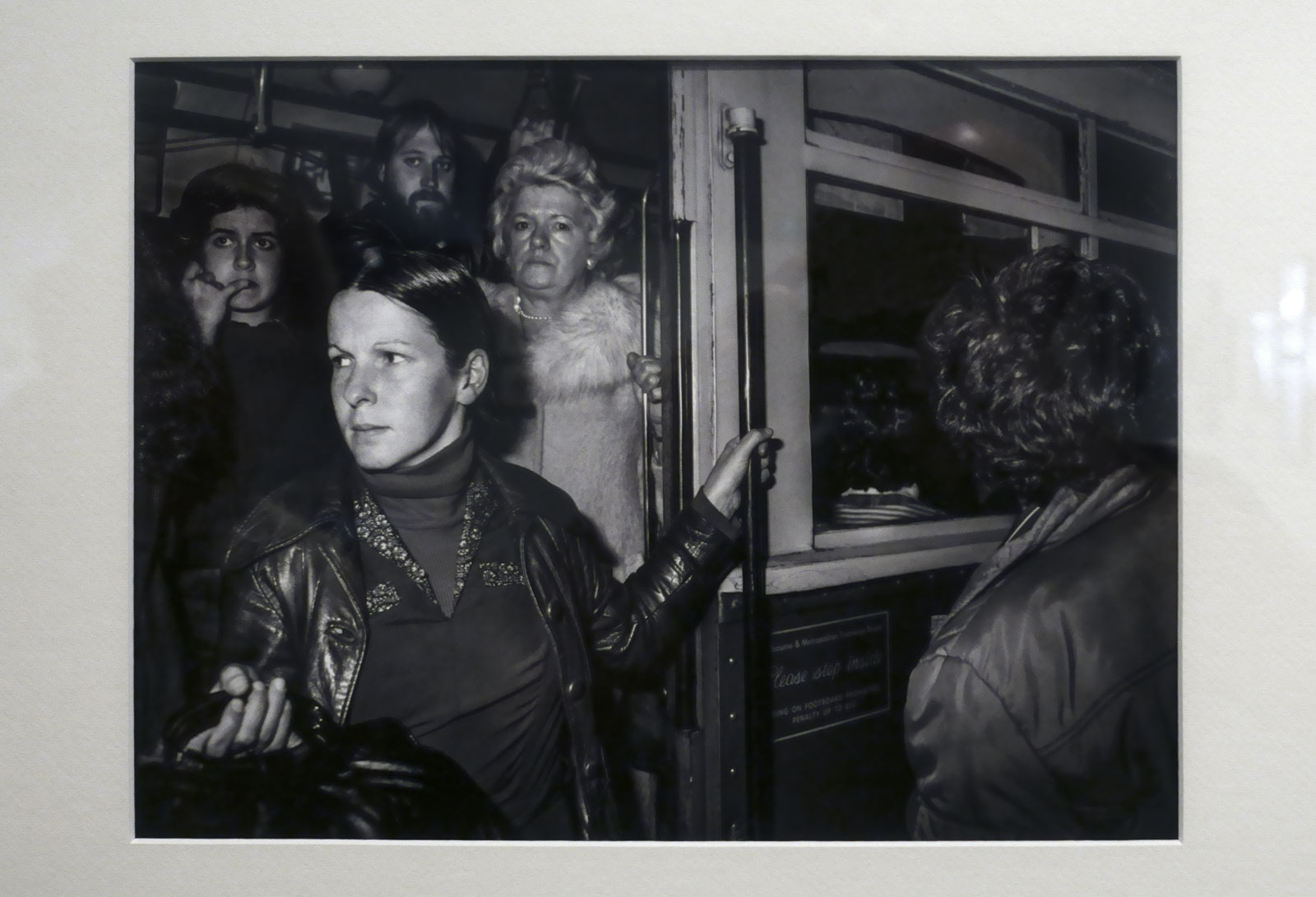


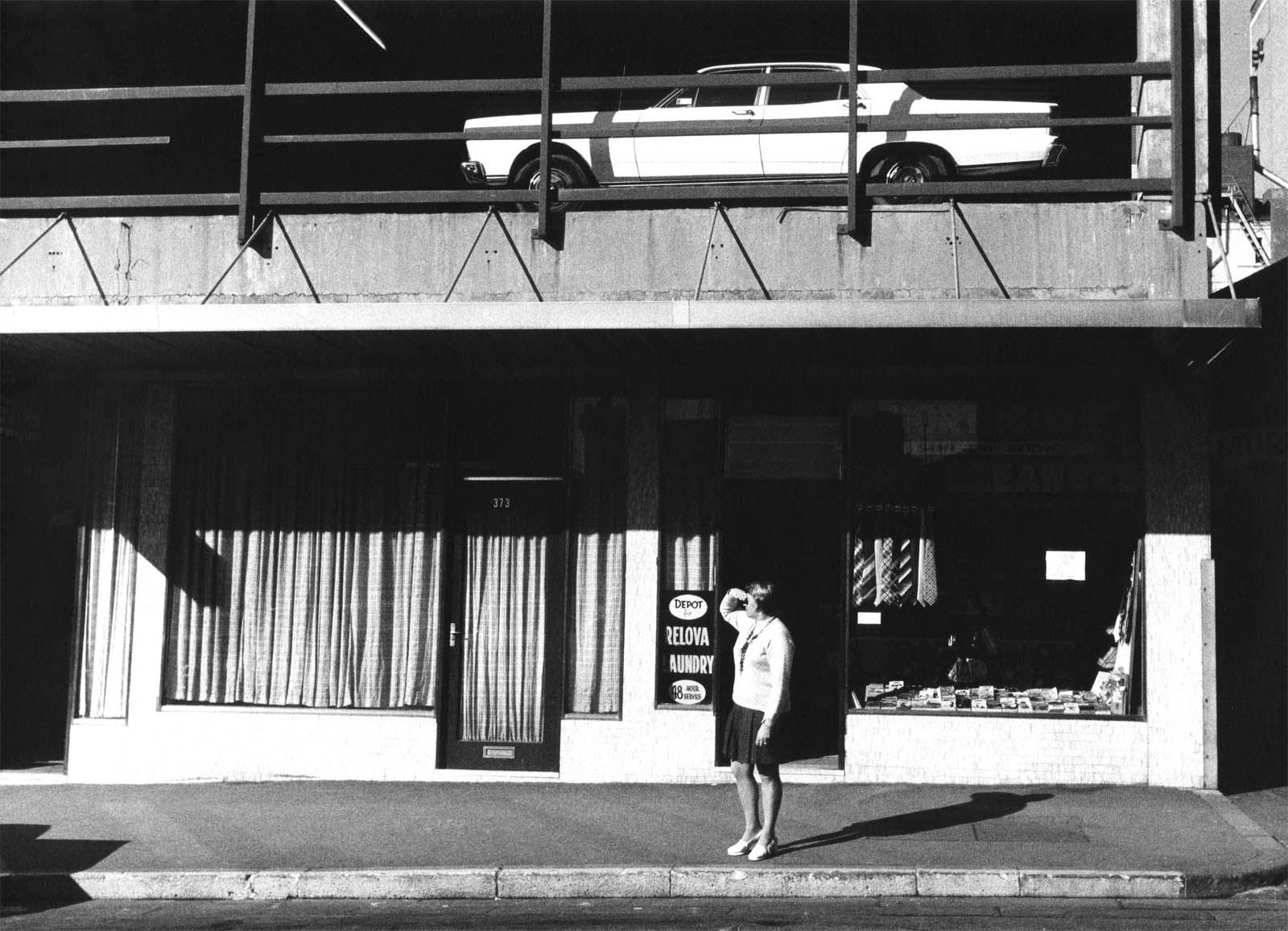


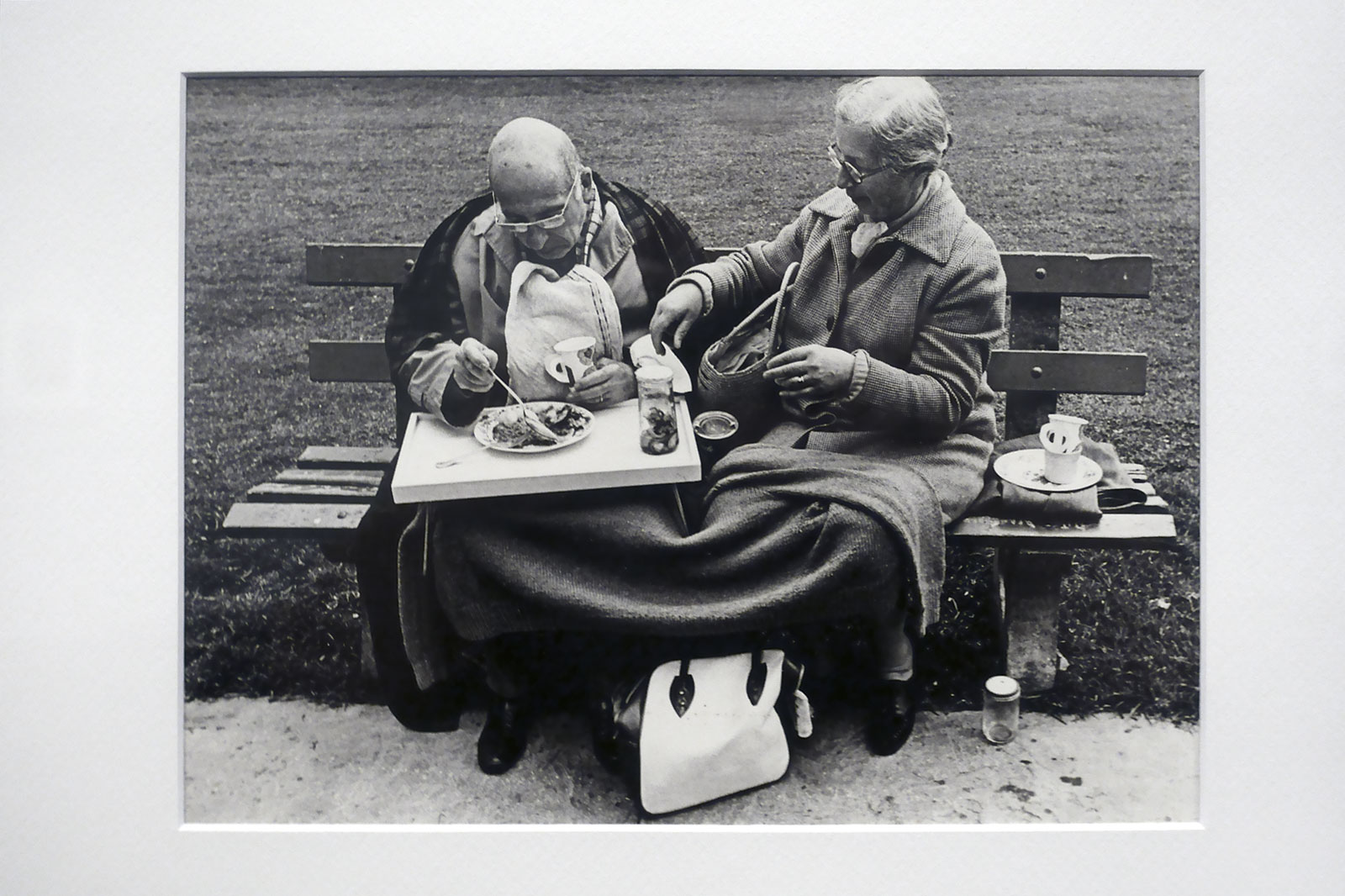
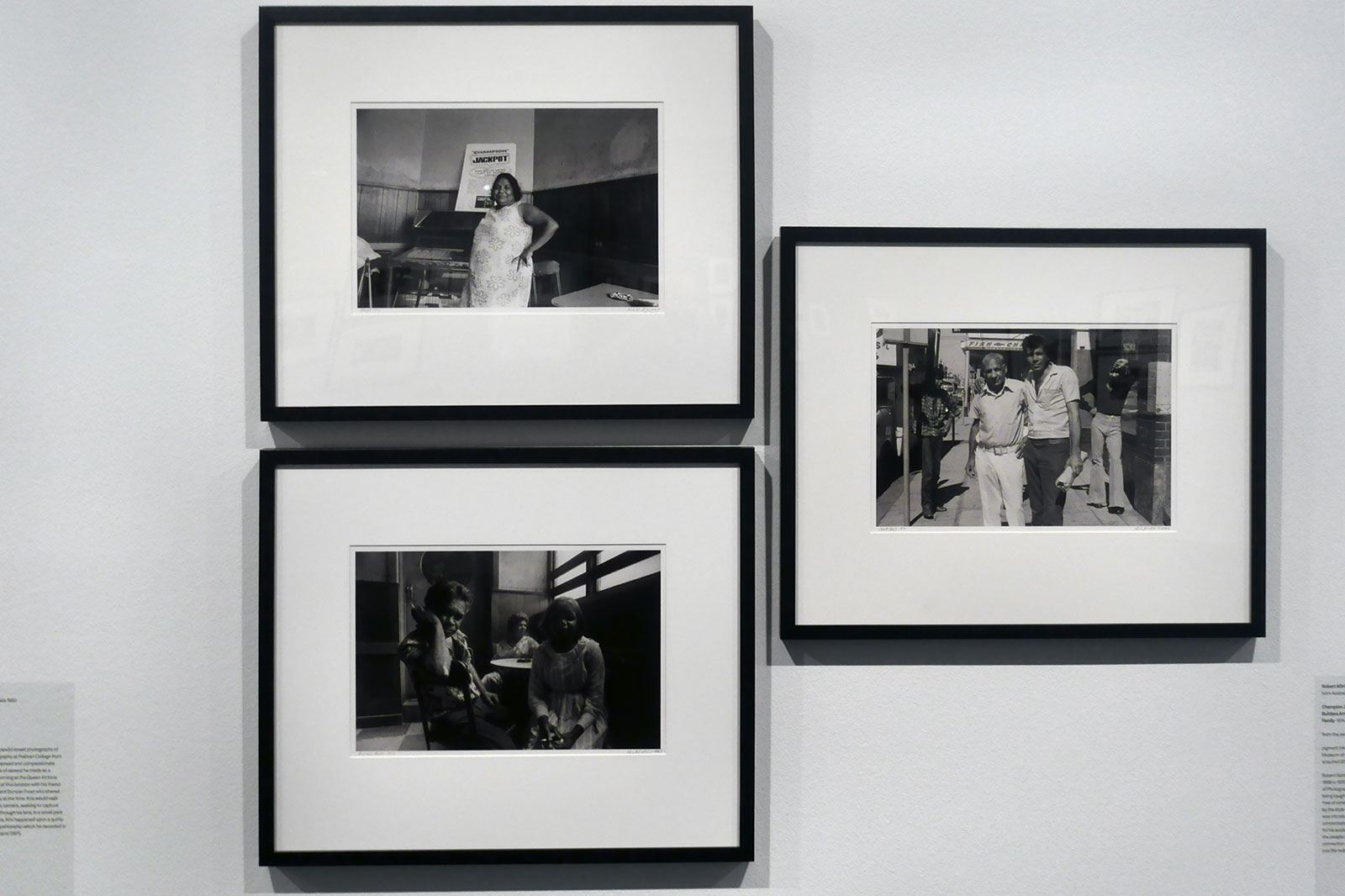


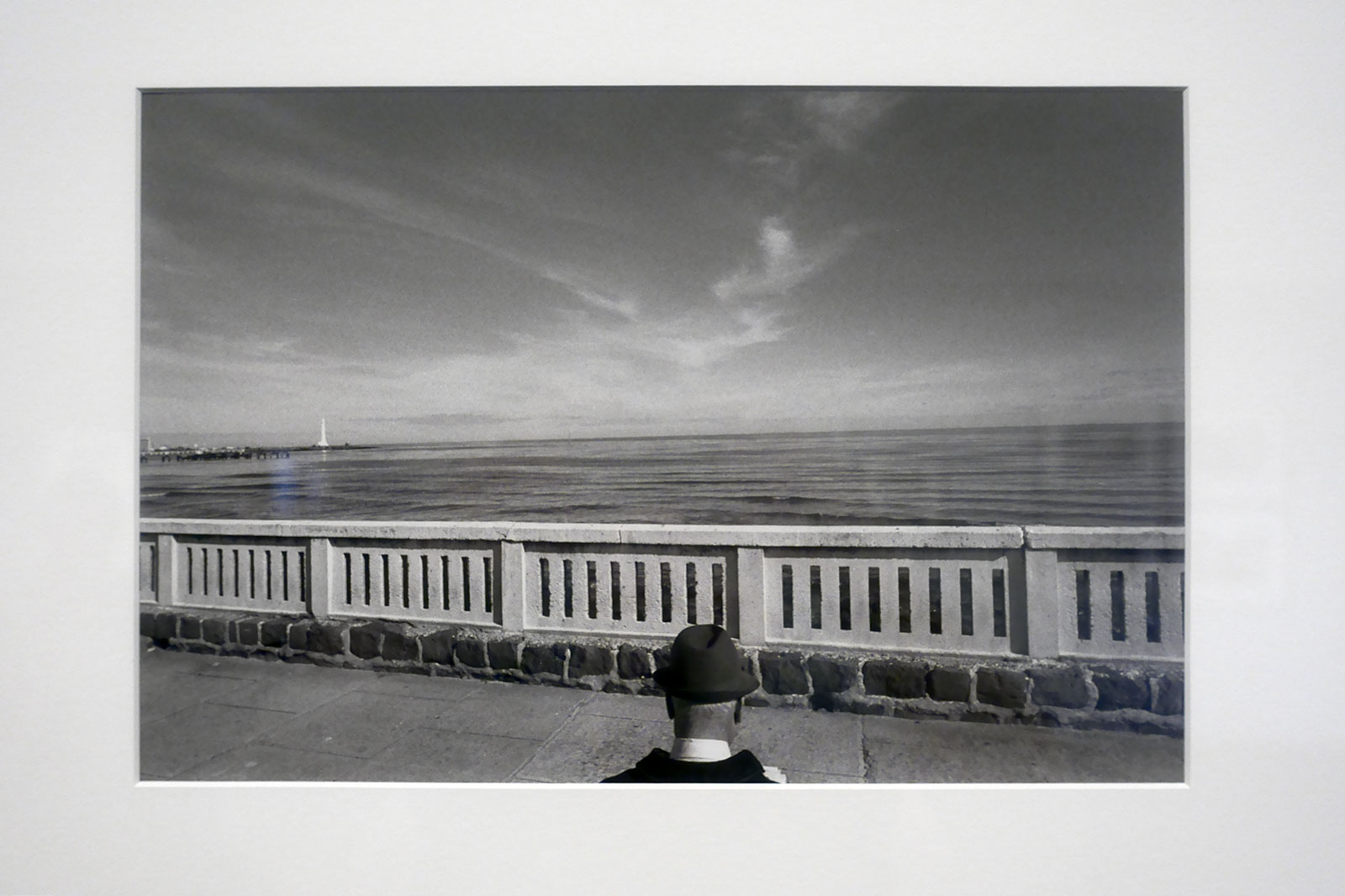


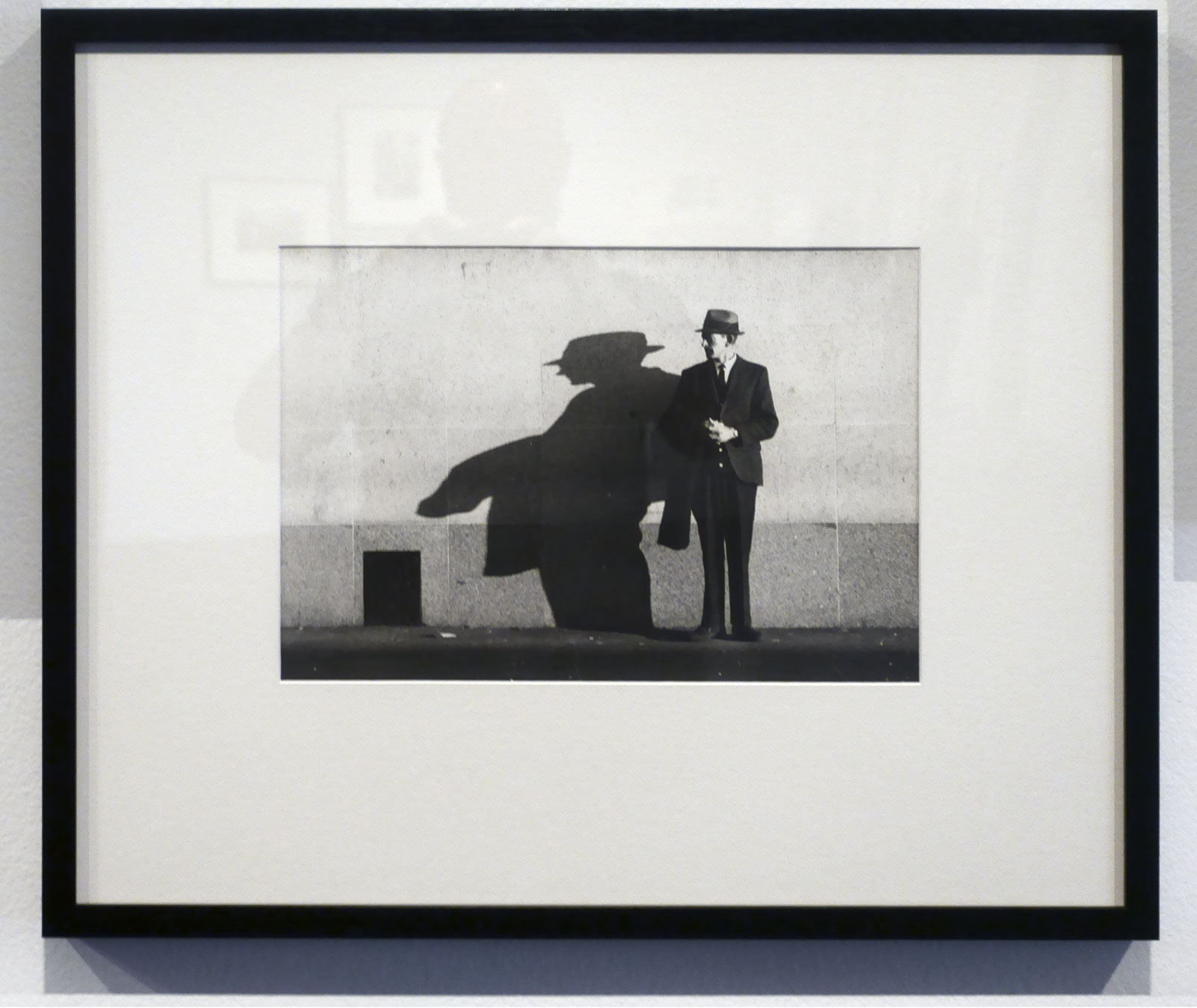


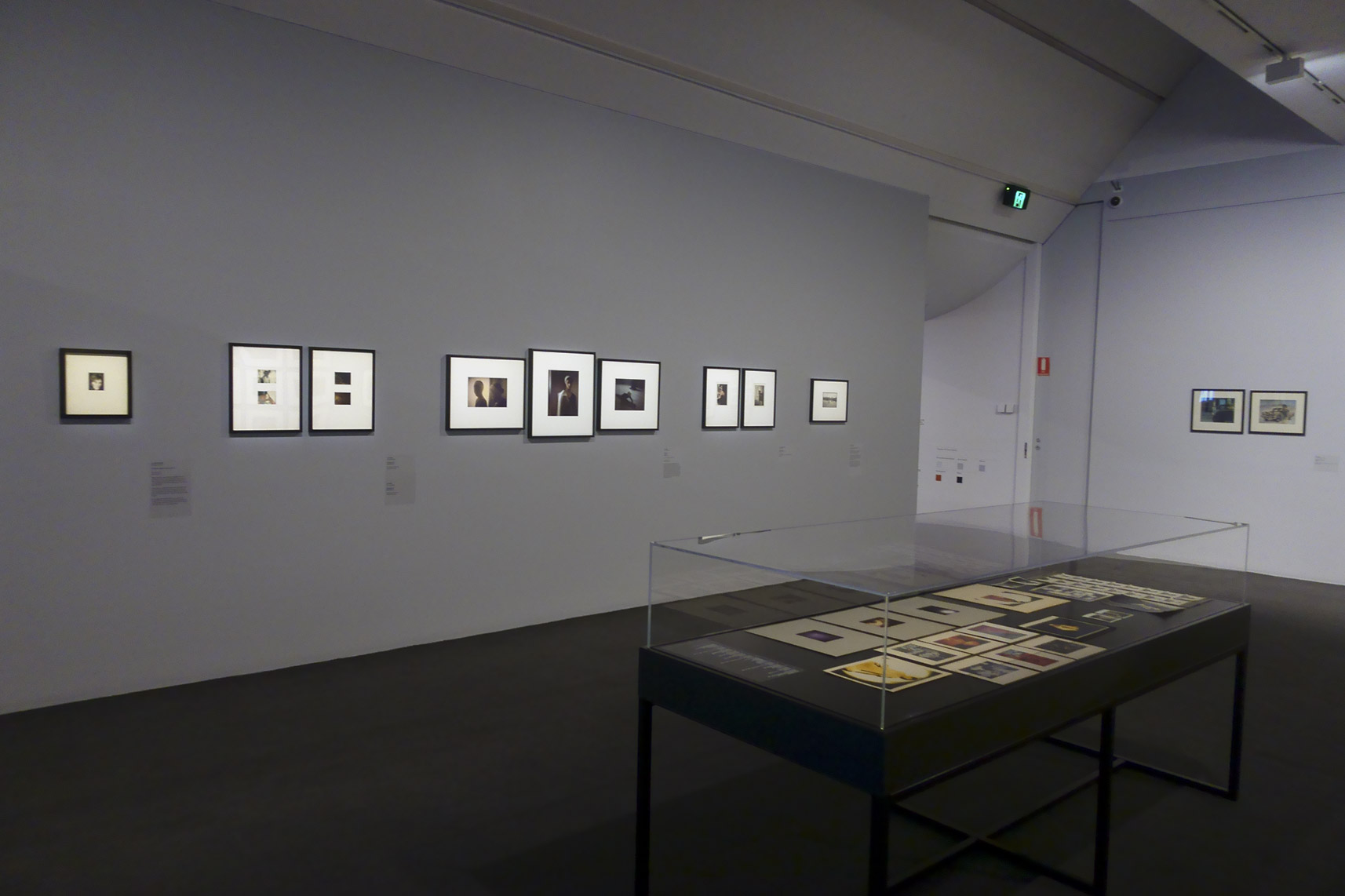
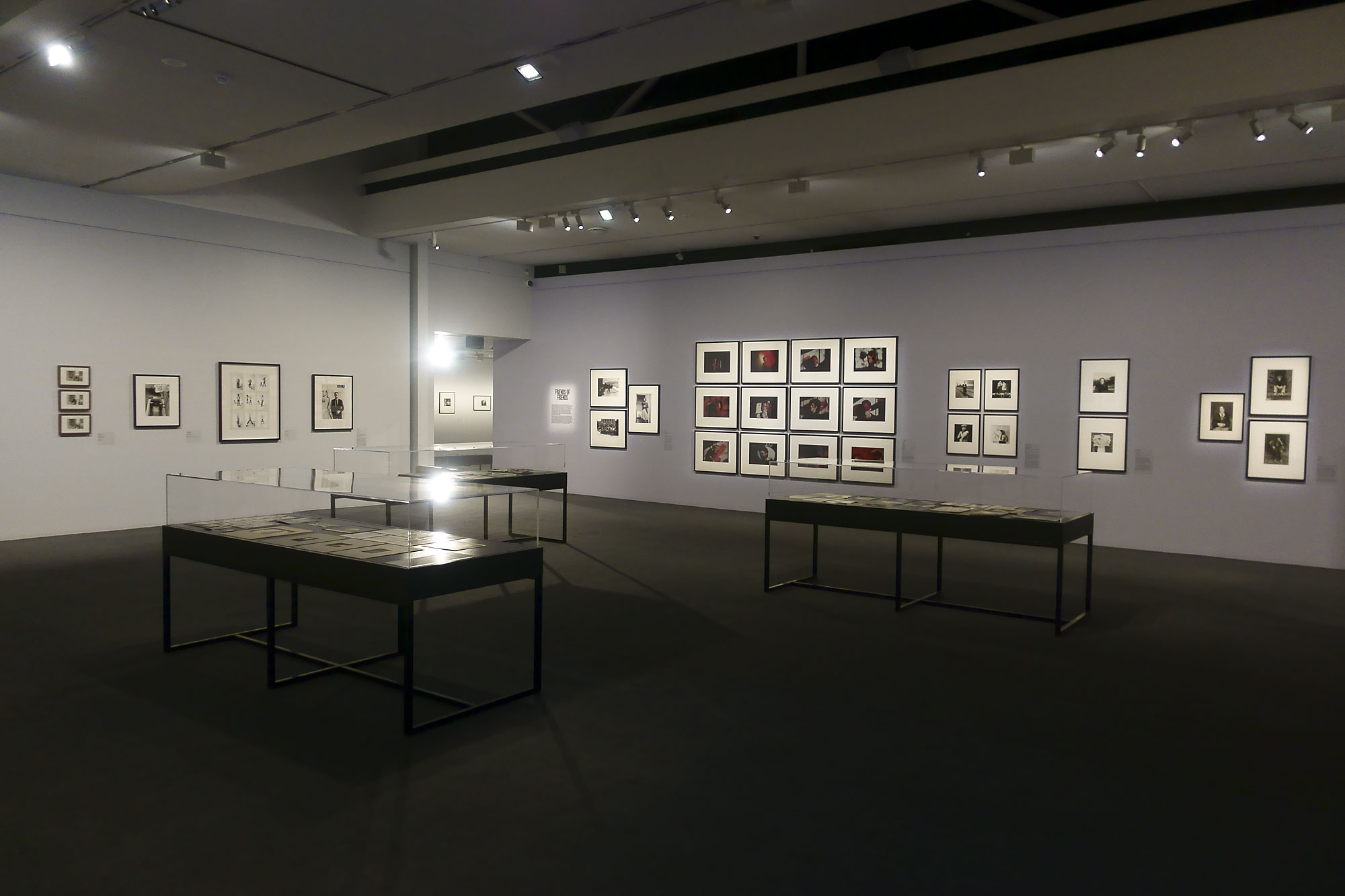

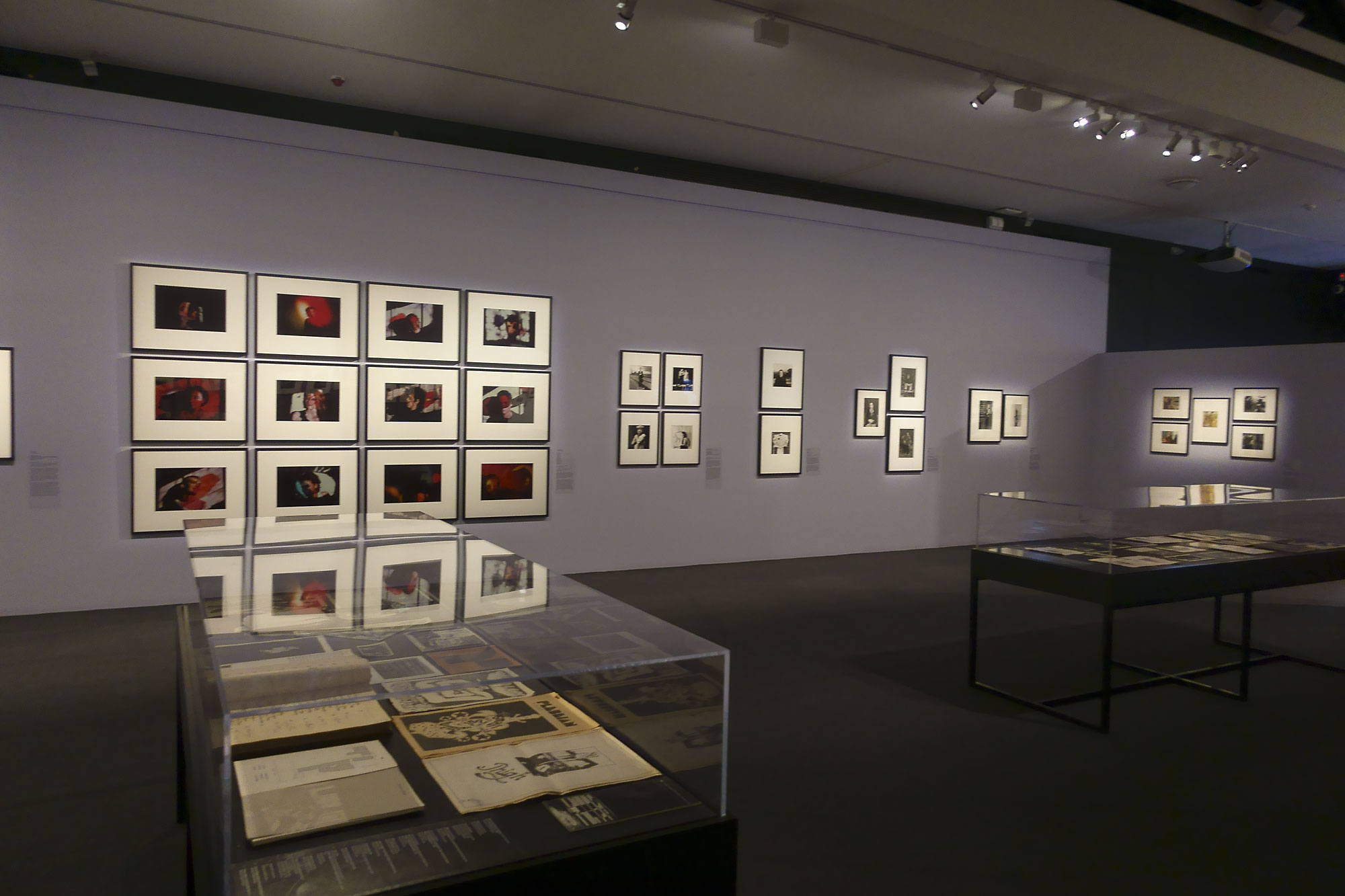
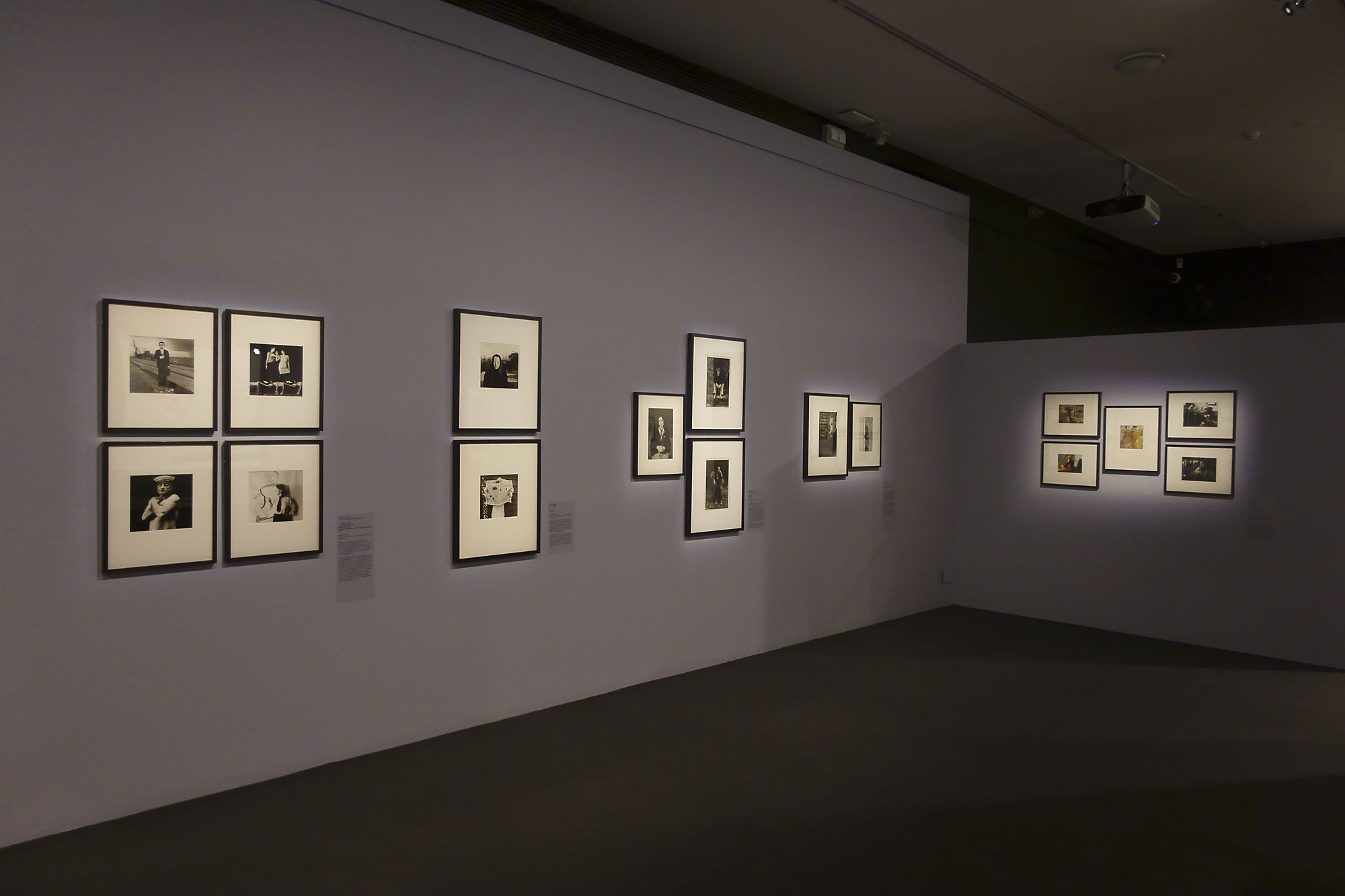


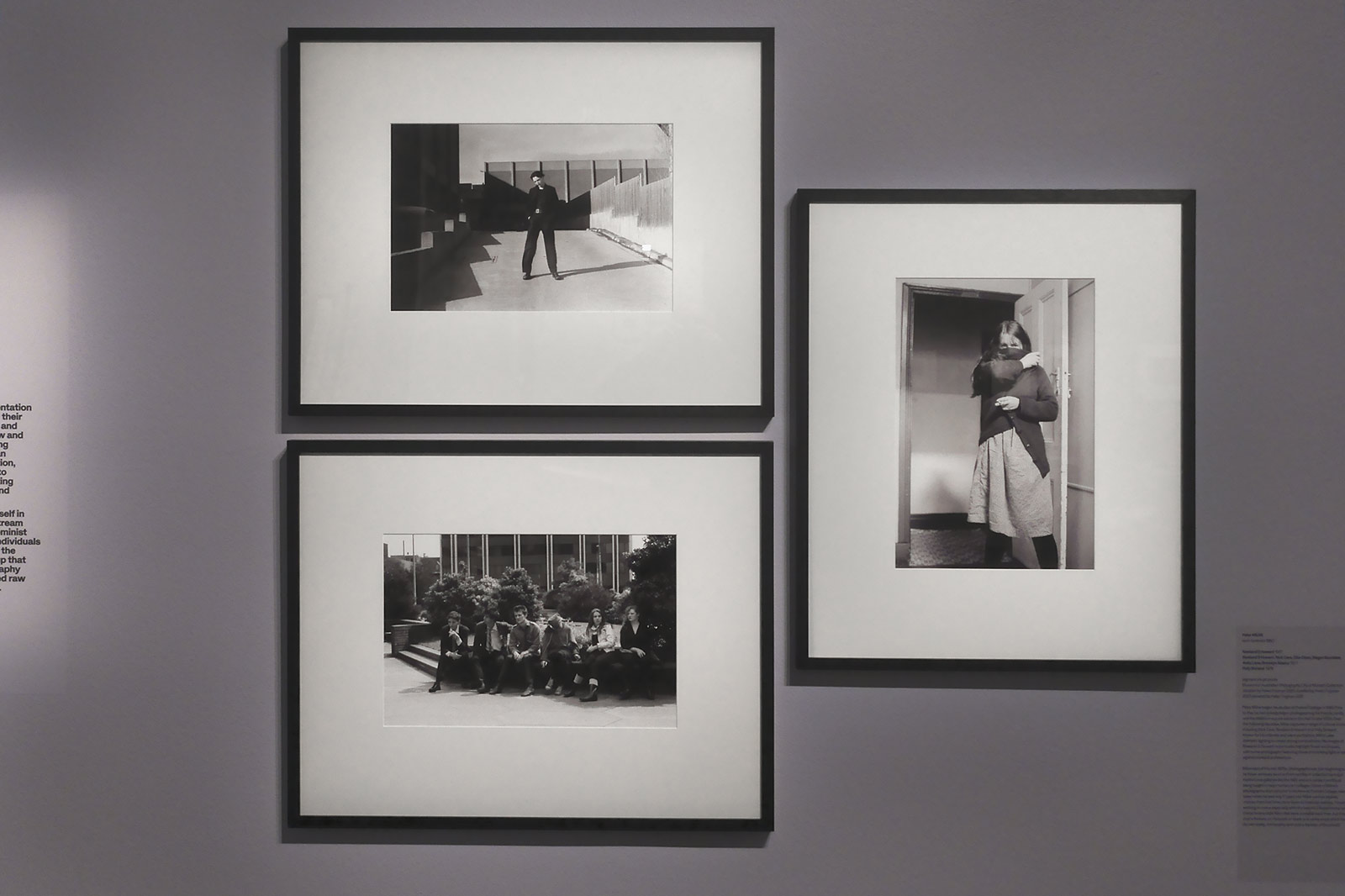


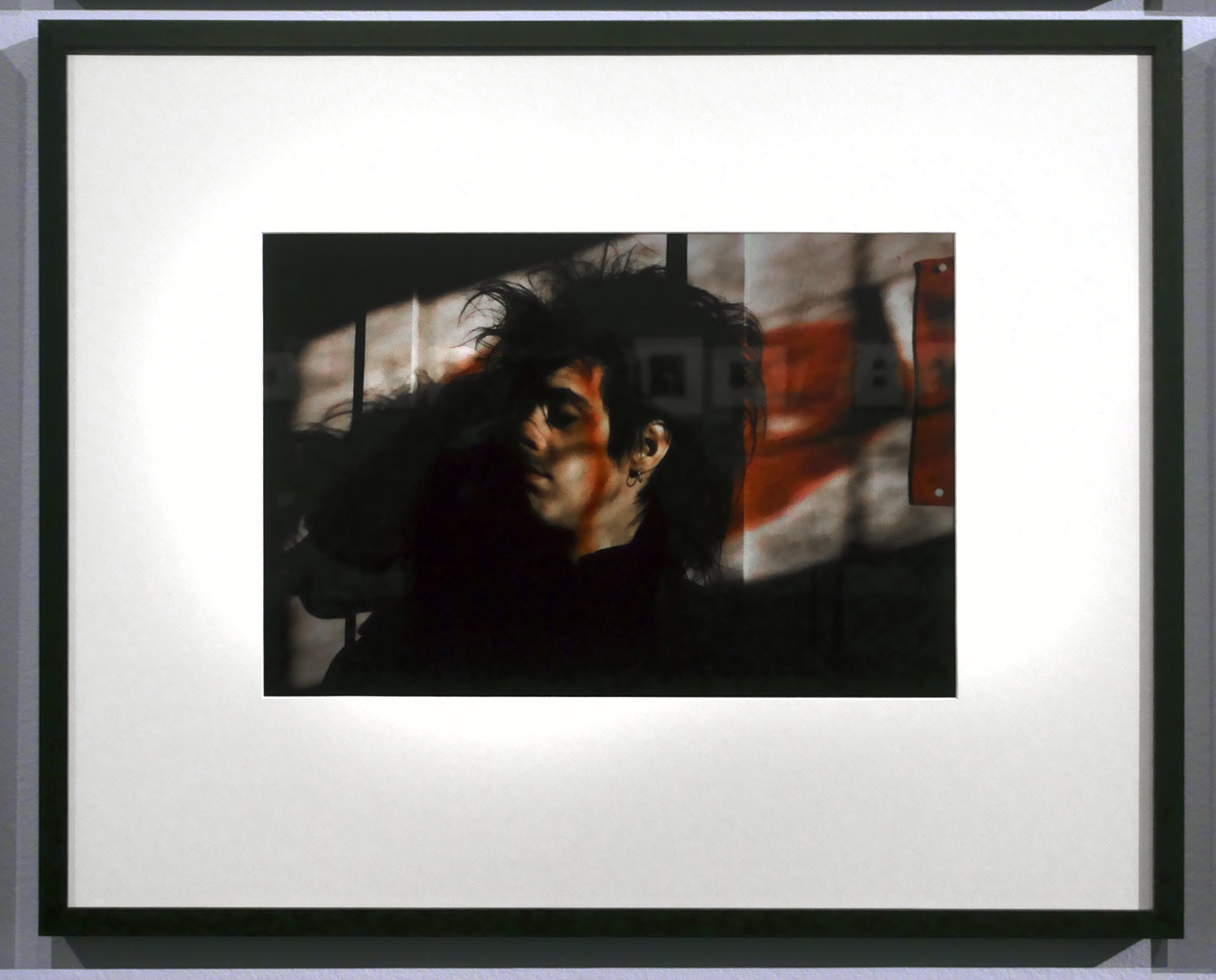
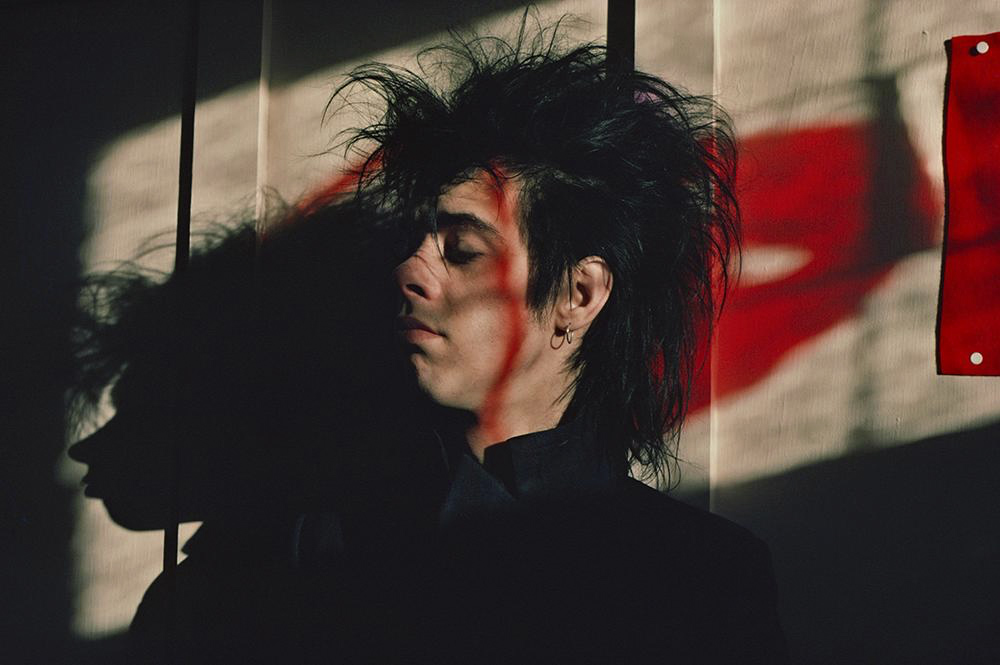


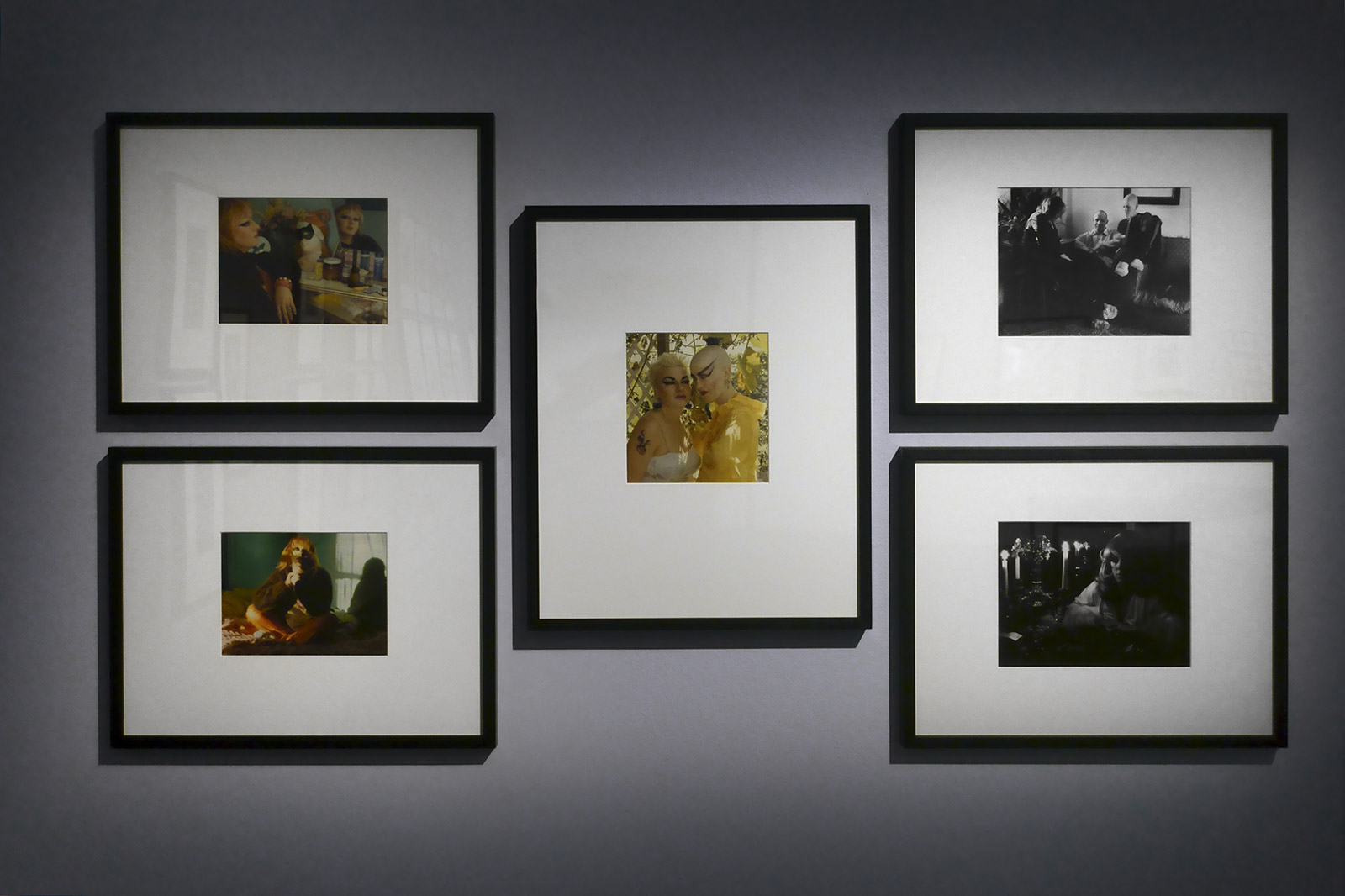


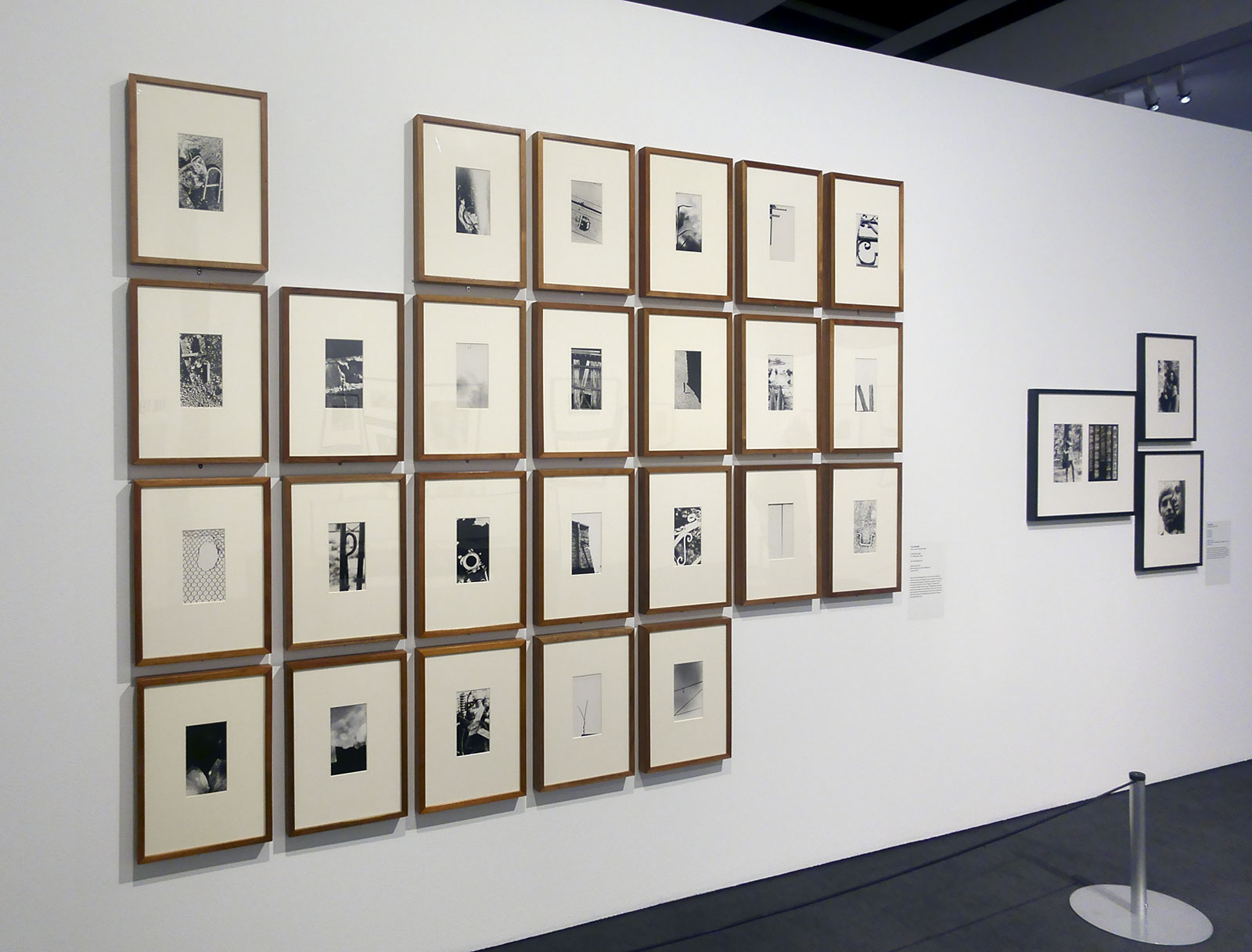


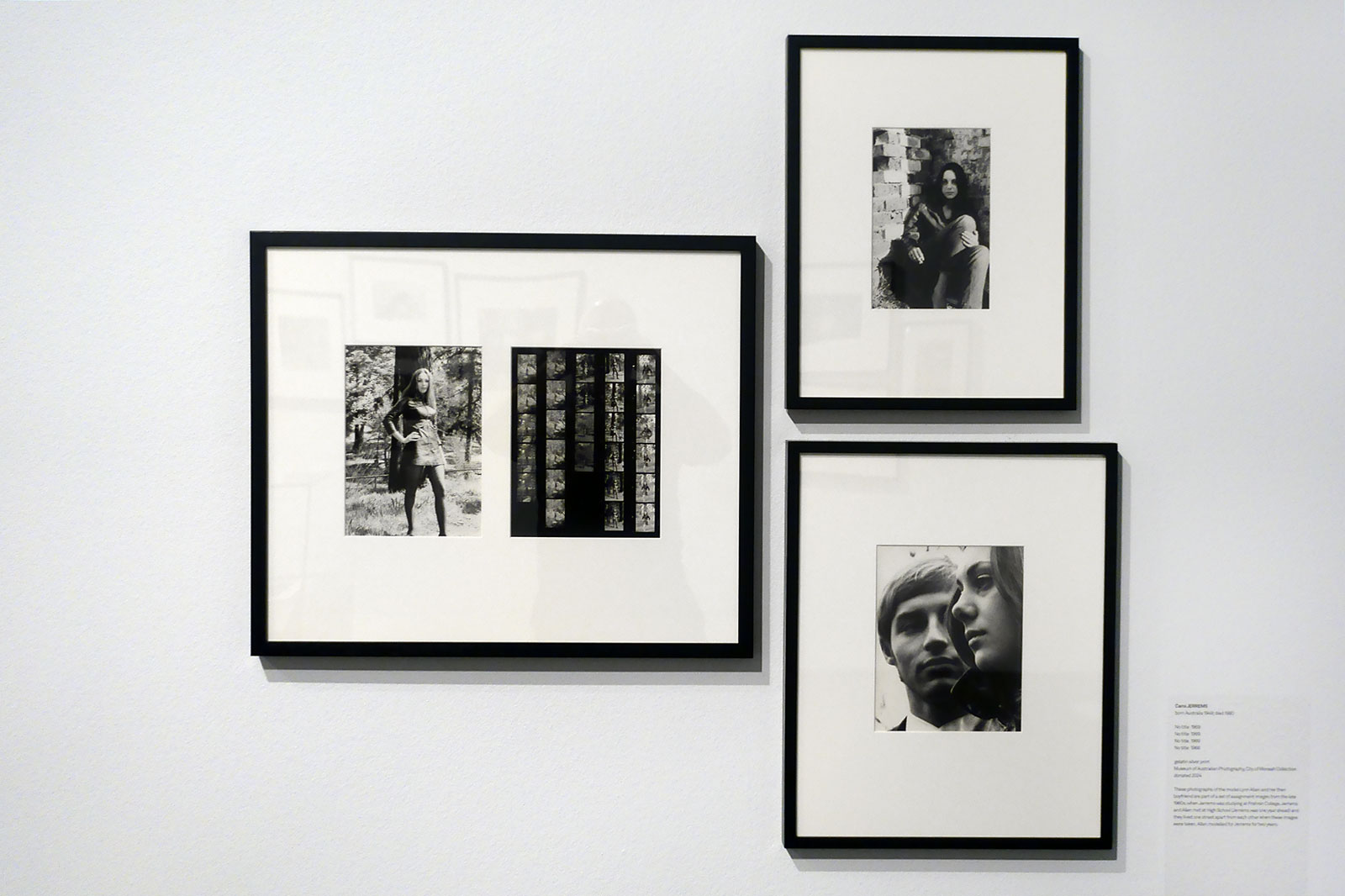
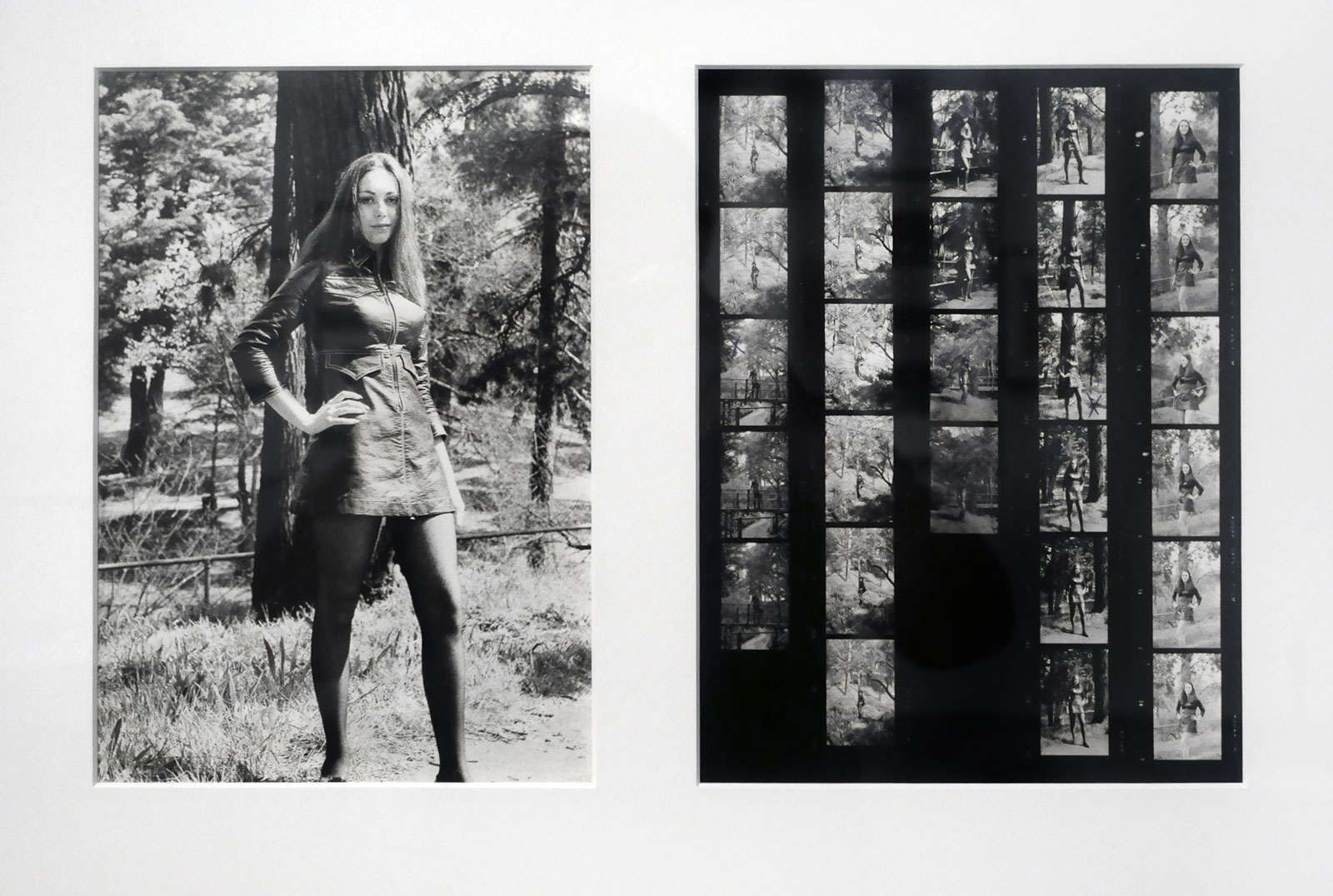


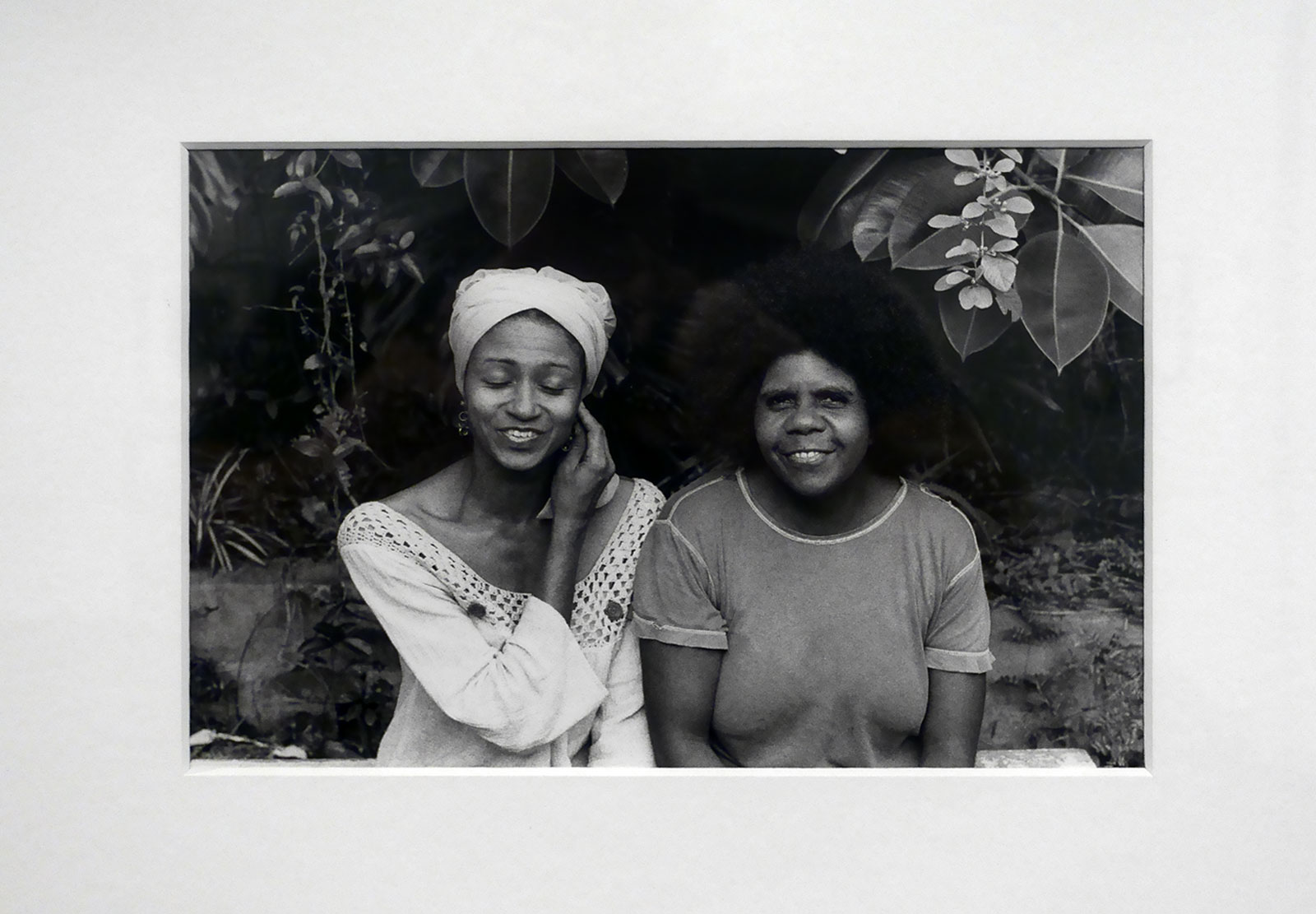


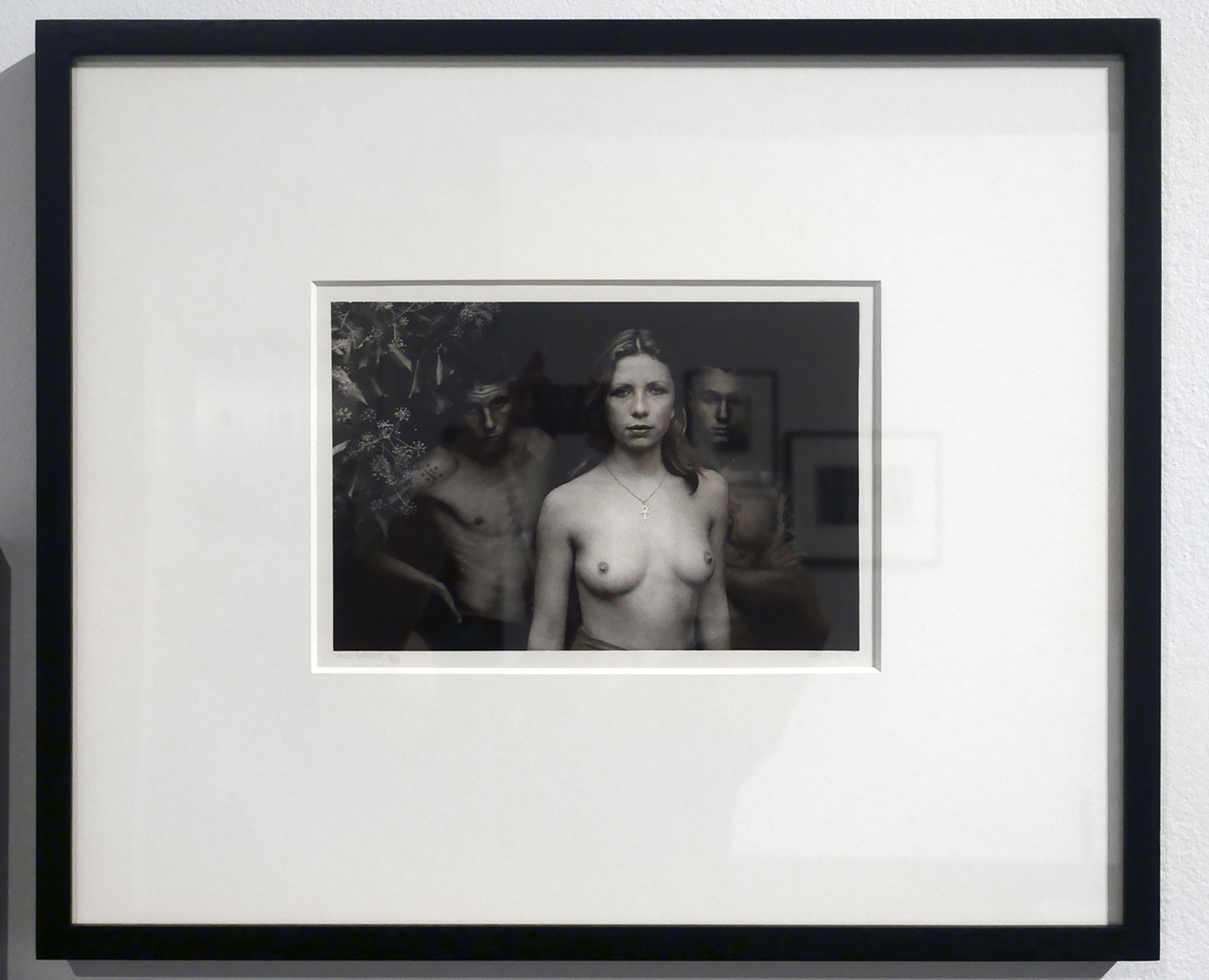


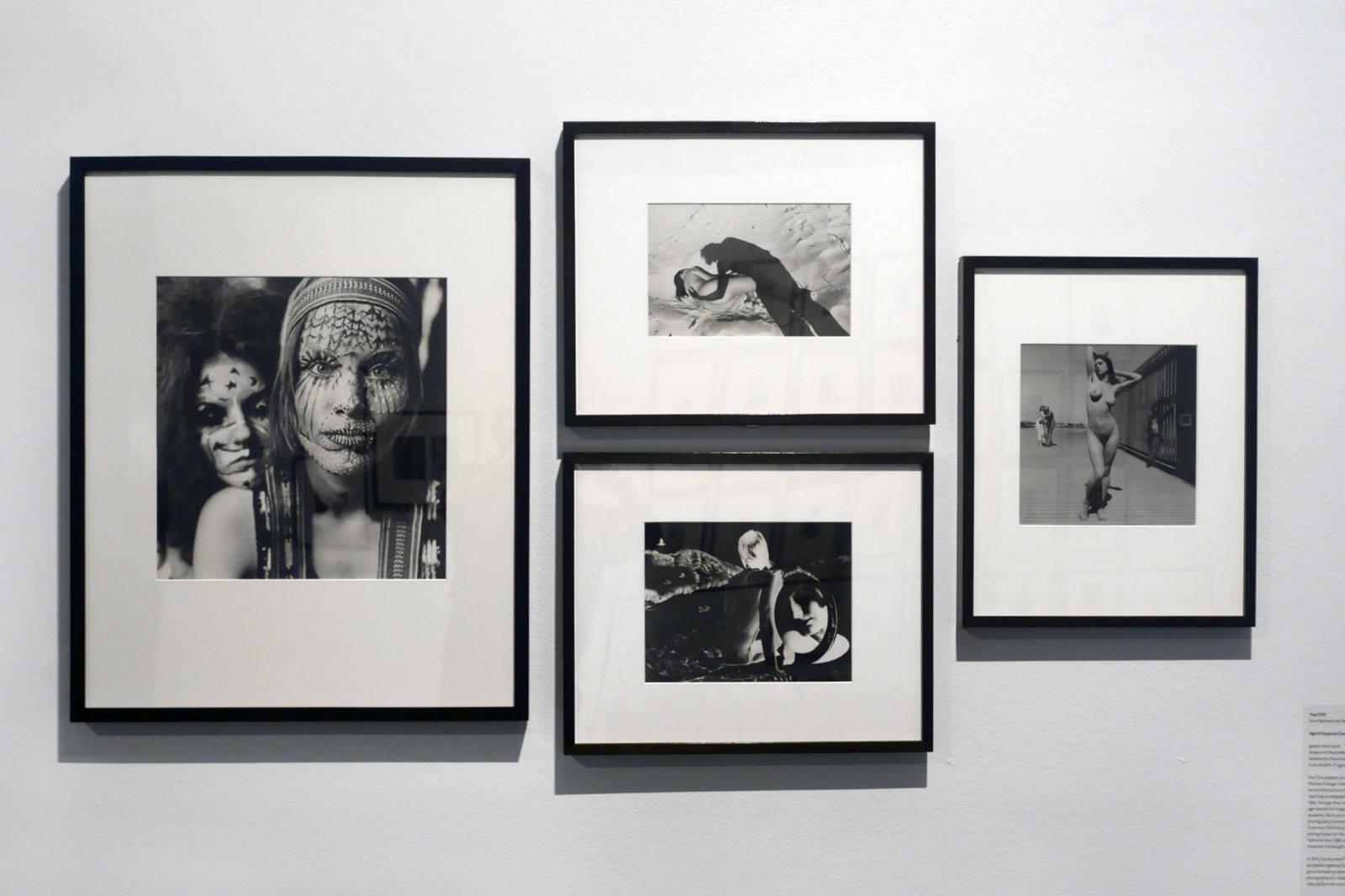


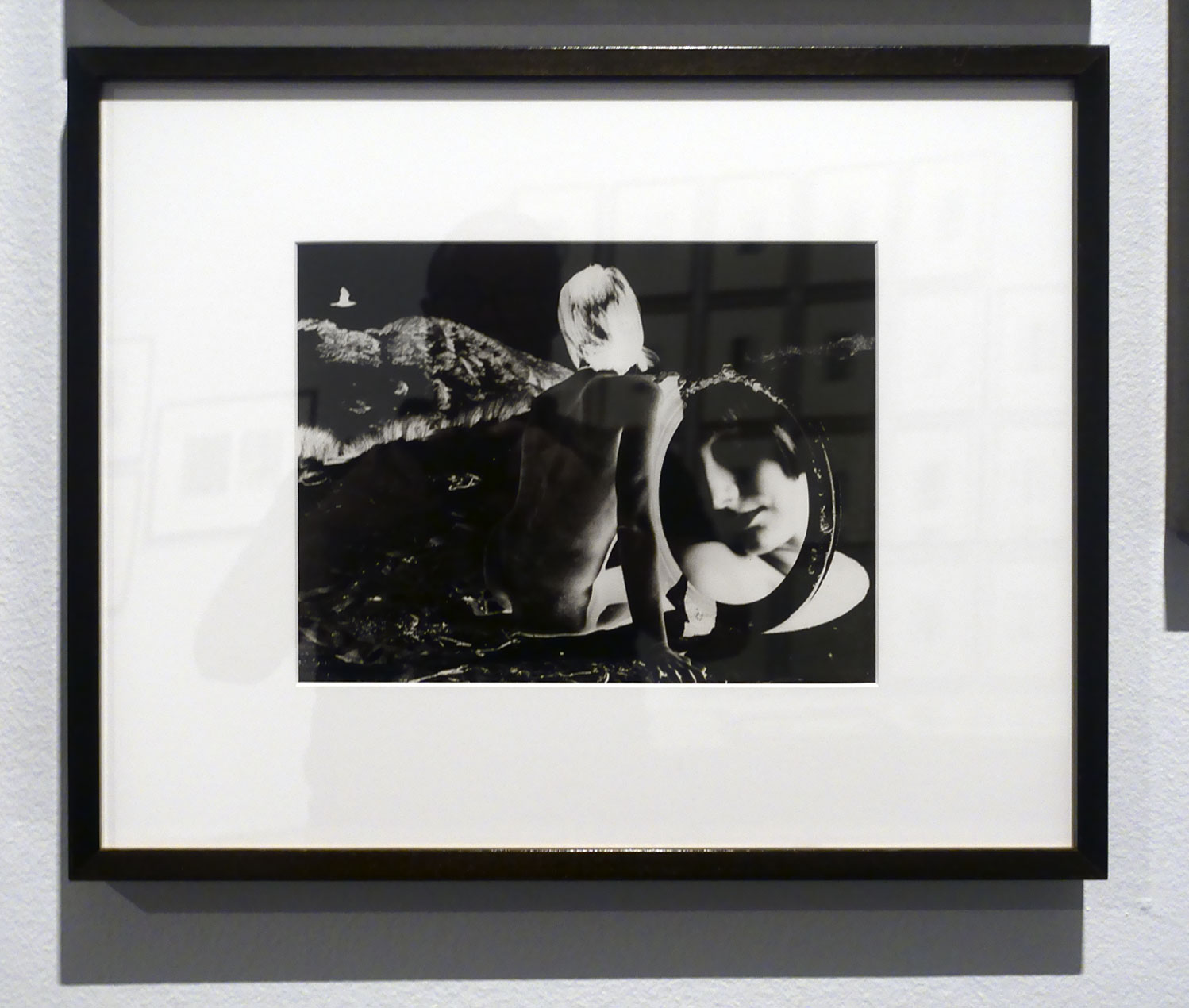


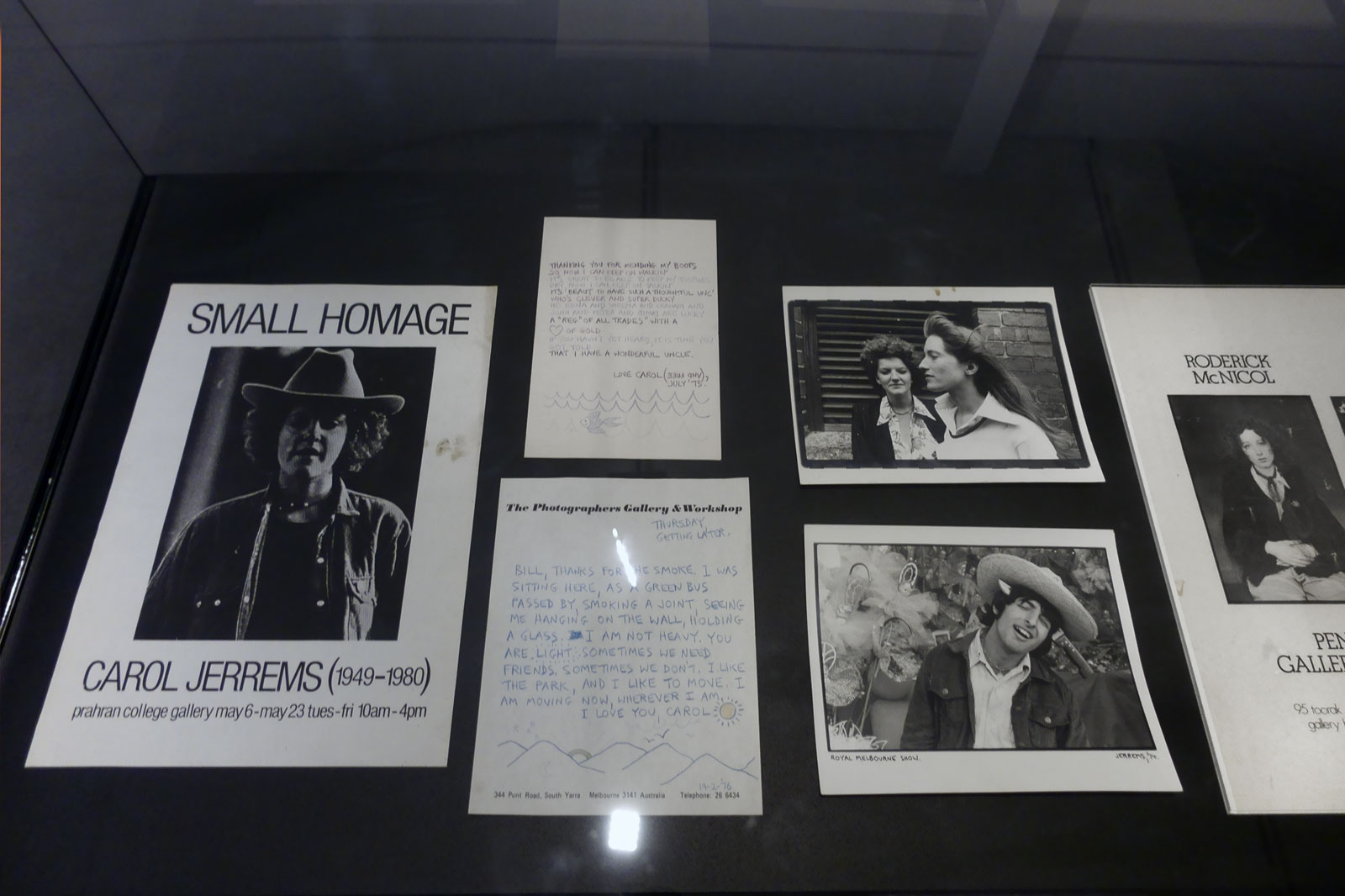
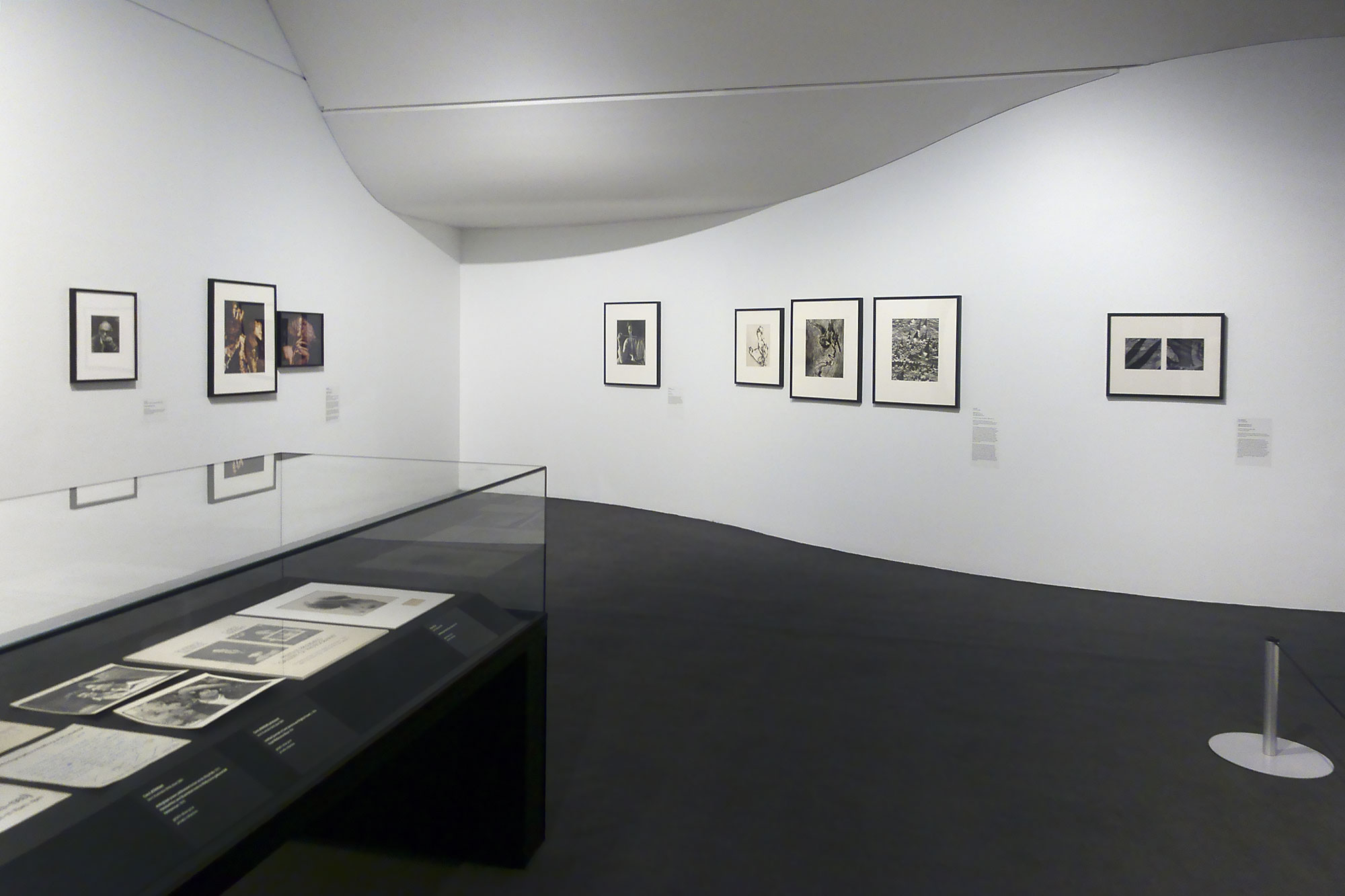


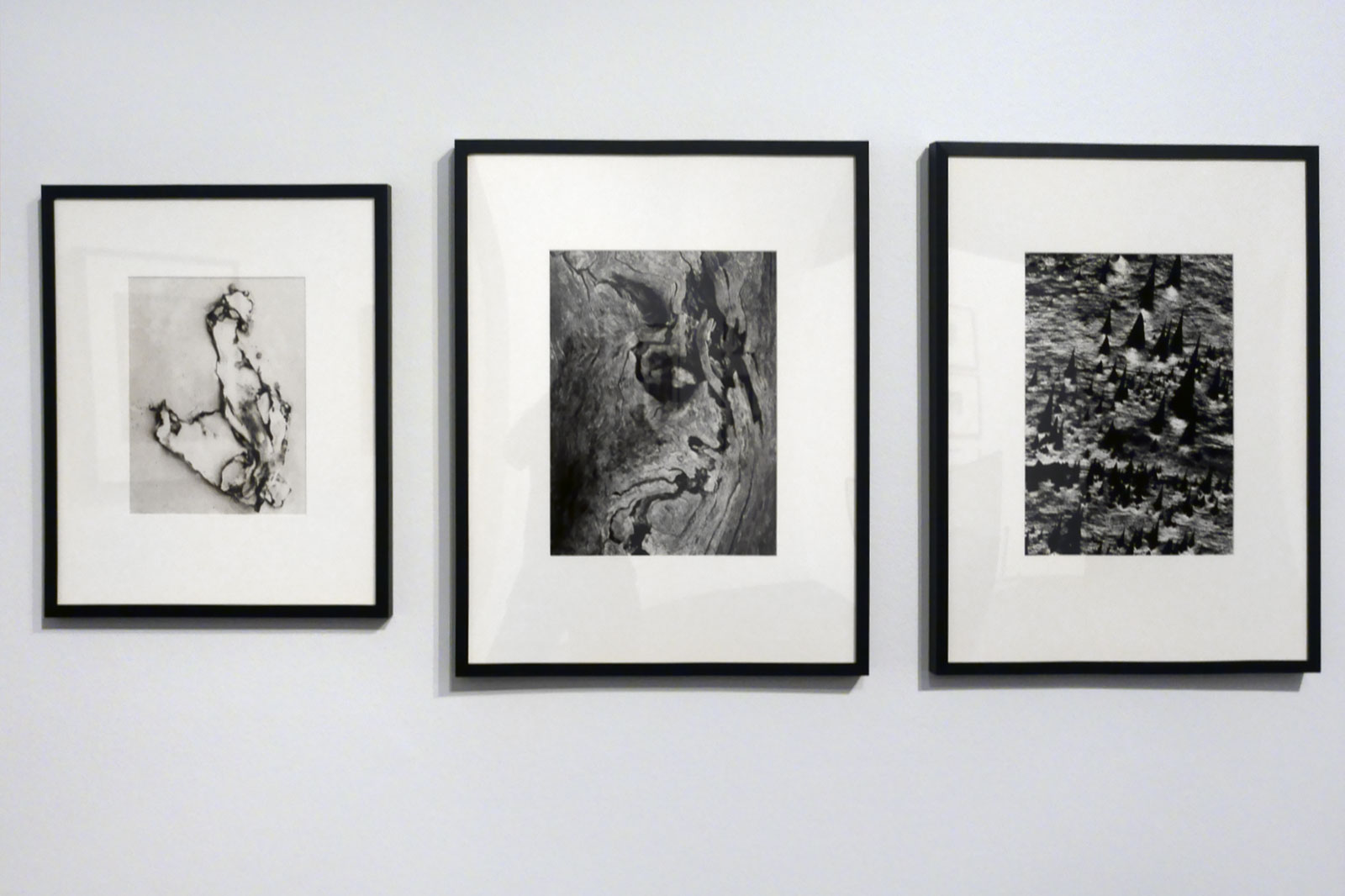


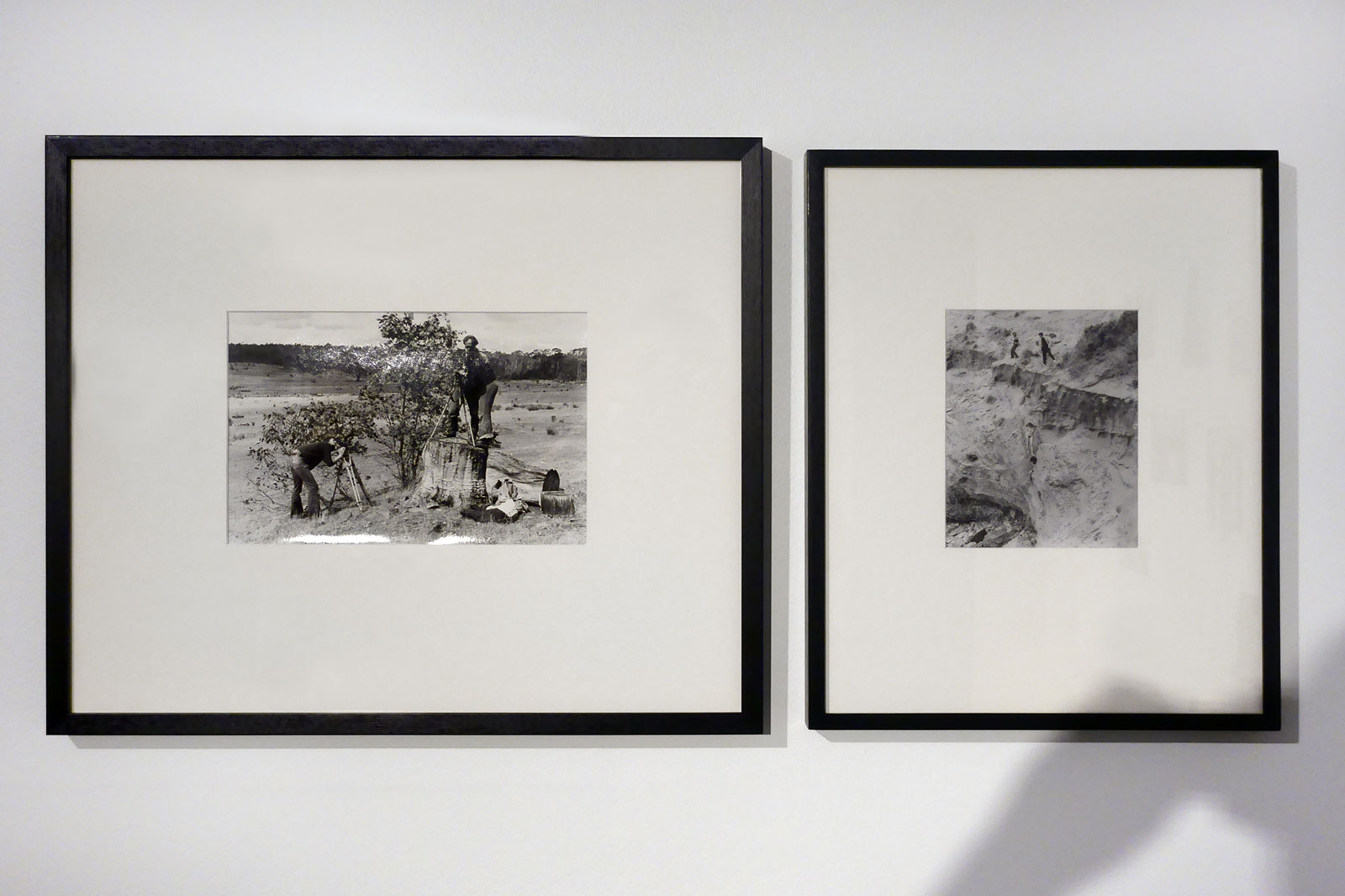
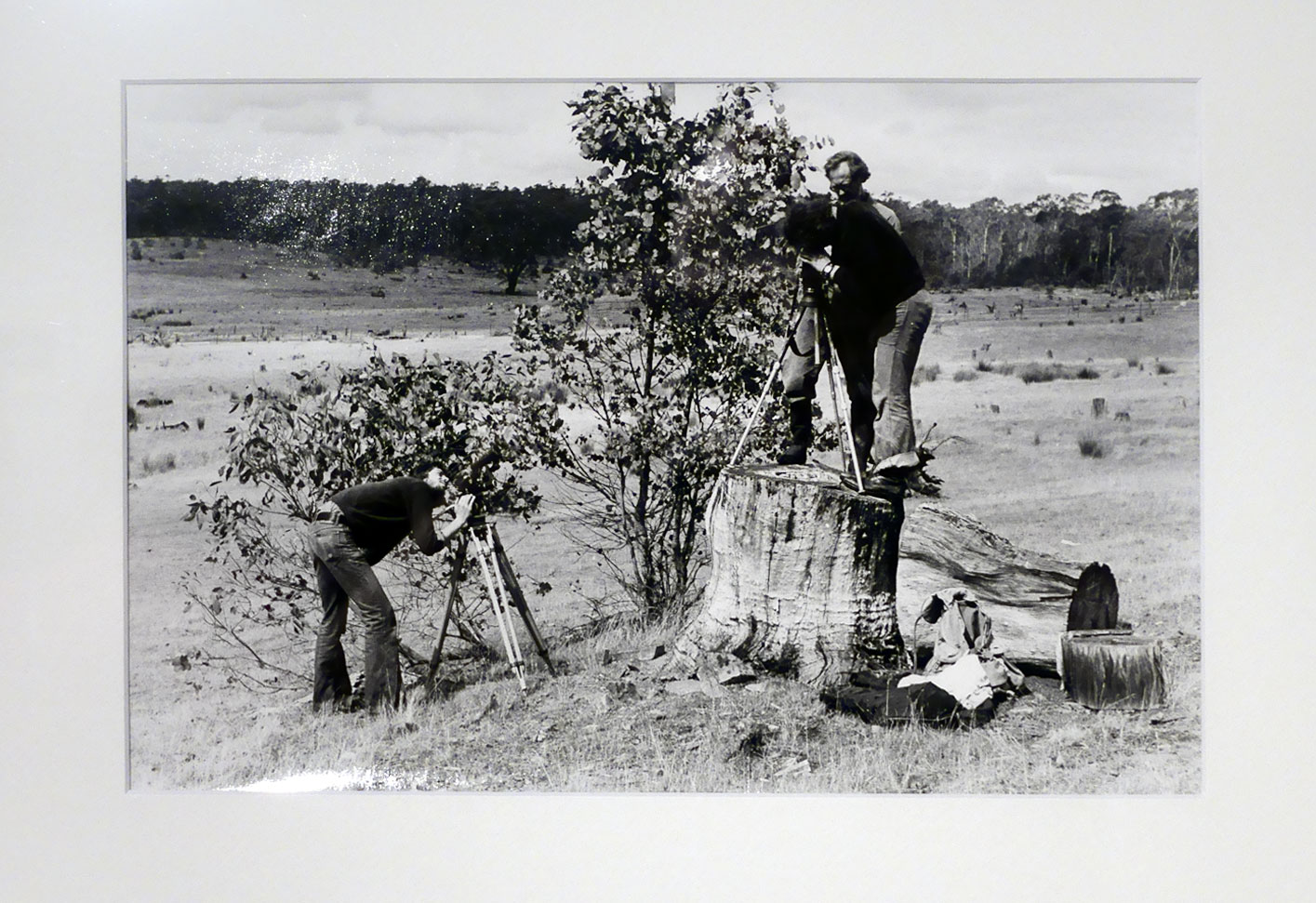


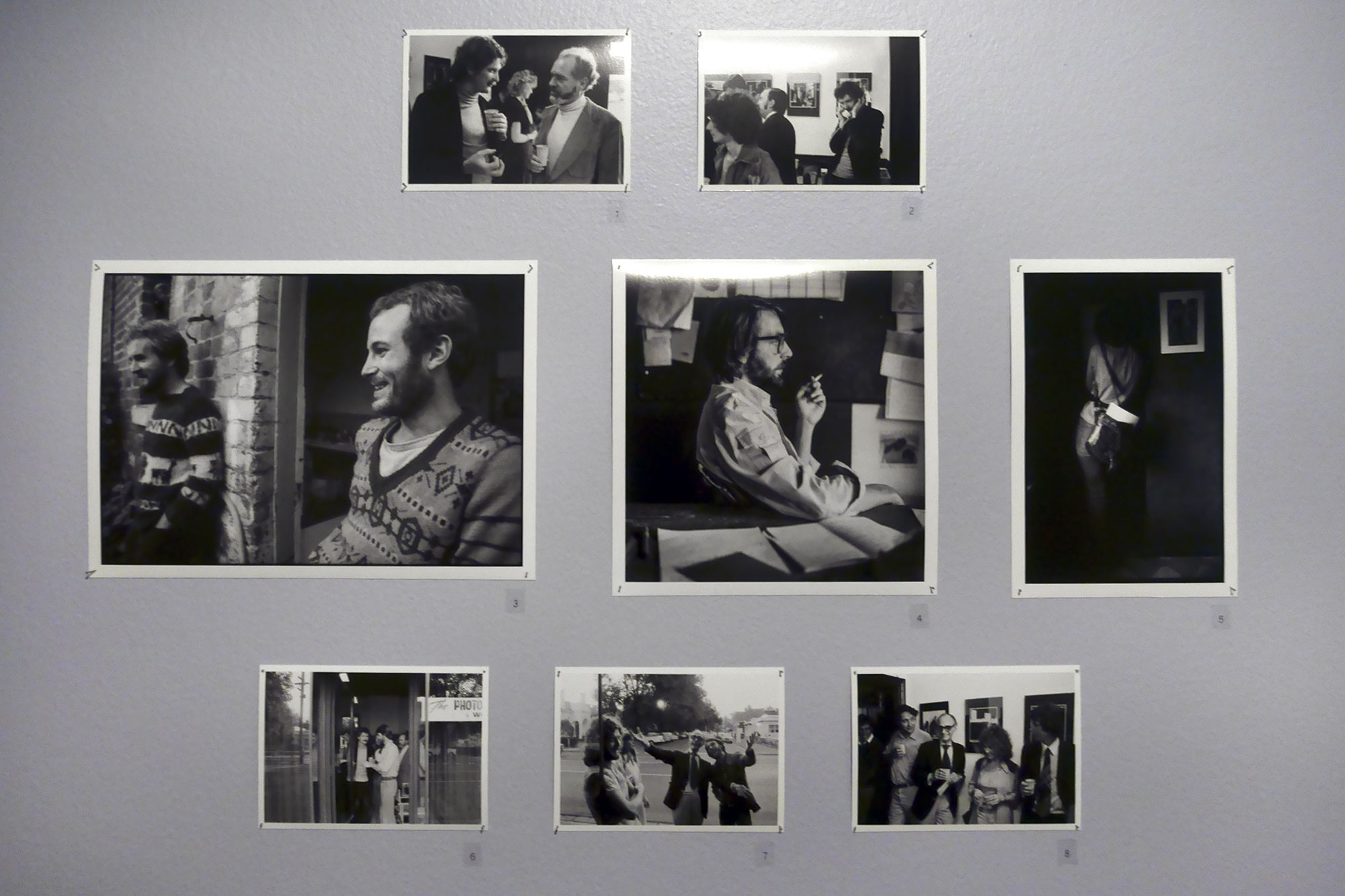
![Peter Leiss (Australian born England, b. 1951) 'Untitled [Bill Heimerman and Ian Lobb at the rear of the Photographers' Gallery]' c. 1975-1980](https://artblart.com/wp-content/uploads/2017/10/leiss-william-heimerman2-web.jpg "Peter Leiss (Australian born England, b. 1951) 'Untitled [Bill Heimerman and Ian Lobb at the rear of the Photographers' Gallery]' c. 1975-1980")
![Greg Neville (Australian, b. 1950)
'Tutorial: lecturers and students [back row L–R Derrick Lee, Bryan Gracey, Athol Shmith, Paul Cox, Elizabeth Tainsh]' c. 1971 (installation view)](https://artblart.com/wp-content/uploads/2025/03/vb.jpg "Greg Neville (Australian, b. 1950) 'Tutorial: lecturers and students [back row L–R Derrick Lee, Bryan Gracey, Athol Shmith, Paul Cox, Elizabeth Tainsh]' c. 1971 (installation view)")
![Greg Neville (Australian, b. 1950)
'Tutorial: lecturers and students [back row L–R Derrick Lee, Bryan Gracey, Athol Shmith, Paul Cox, Elizabeth Tainsh]' c. 1971](https://artblart.com/wp-content/uploads/2025/04/greg-neville-tutorial.jpg "Greg Neville (Australian, b. 1950) 'Tutorial: lecturers and students [back row L–R Derrick Lee, Bryan Gracey, Athol Shmith, Paul Cox, Elizabeth Tainsh]' c. 1971")


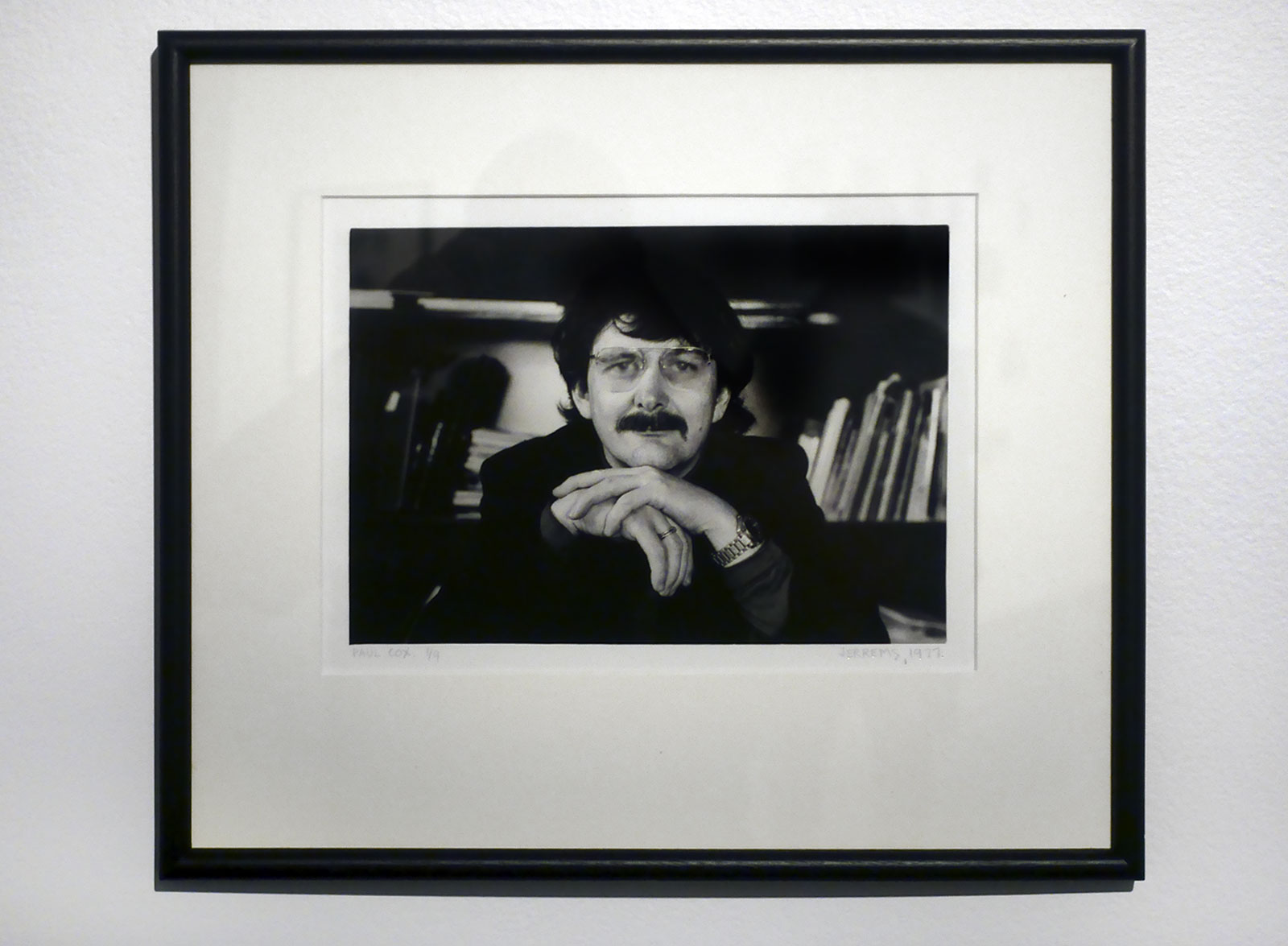


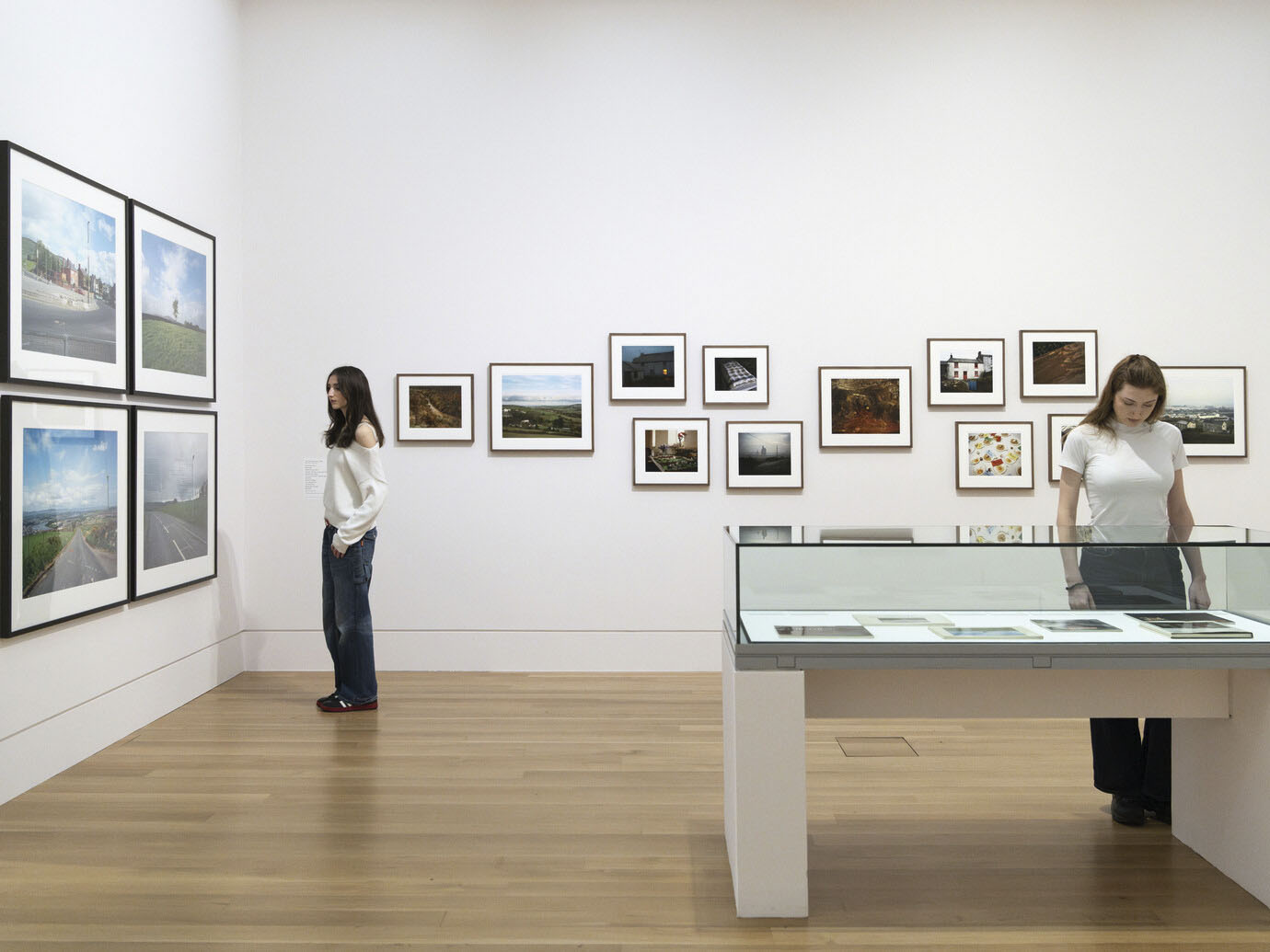


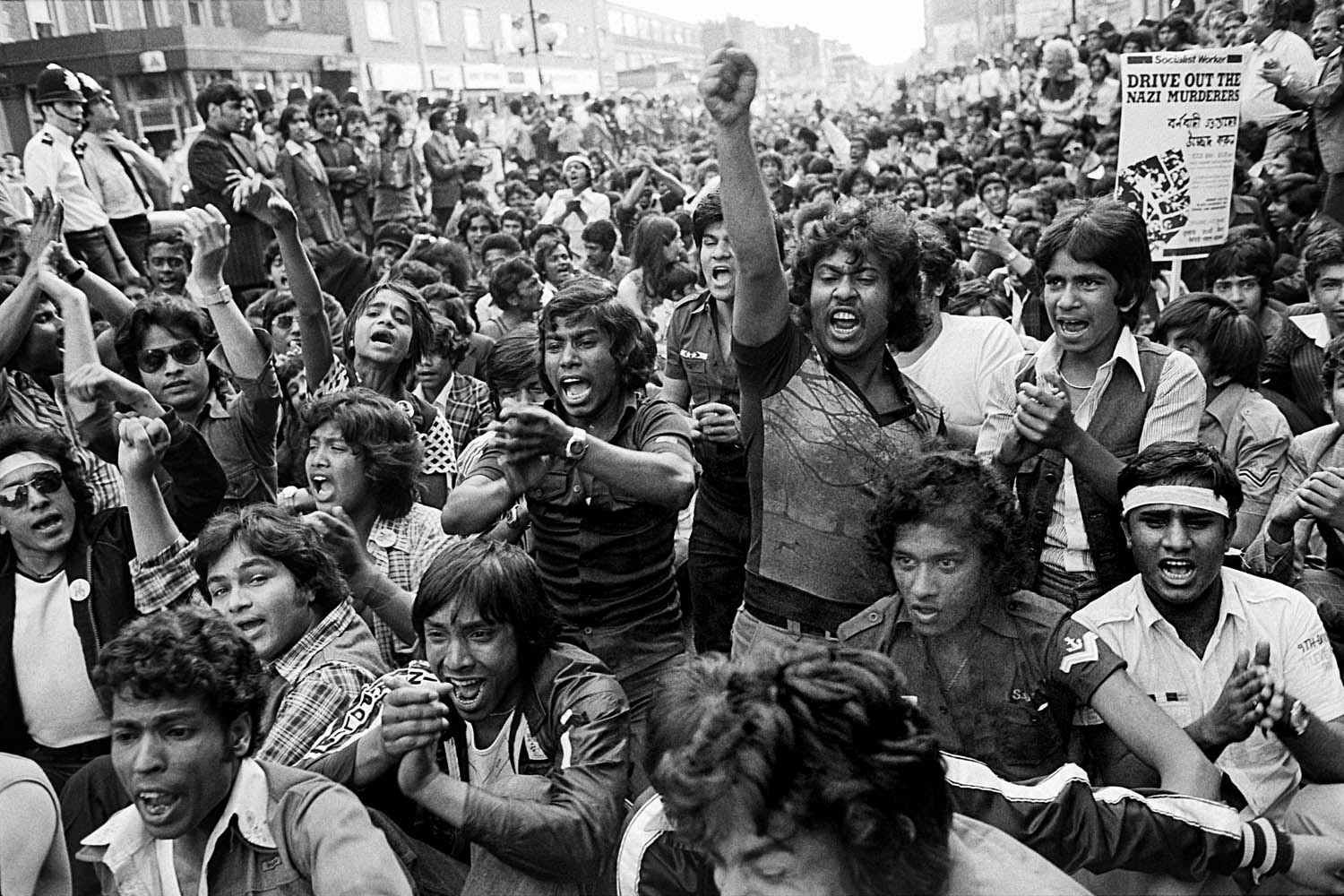









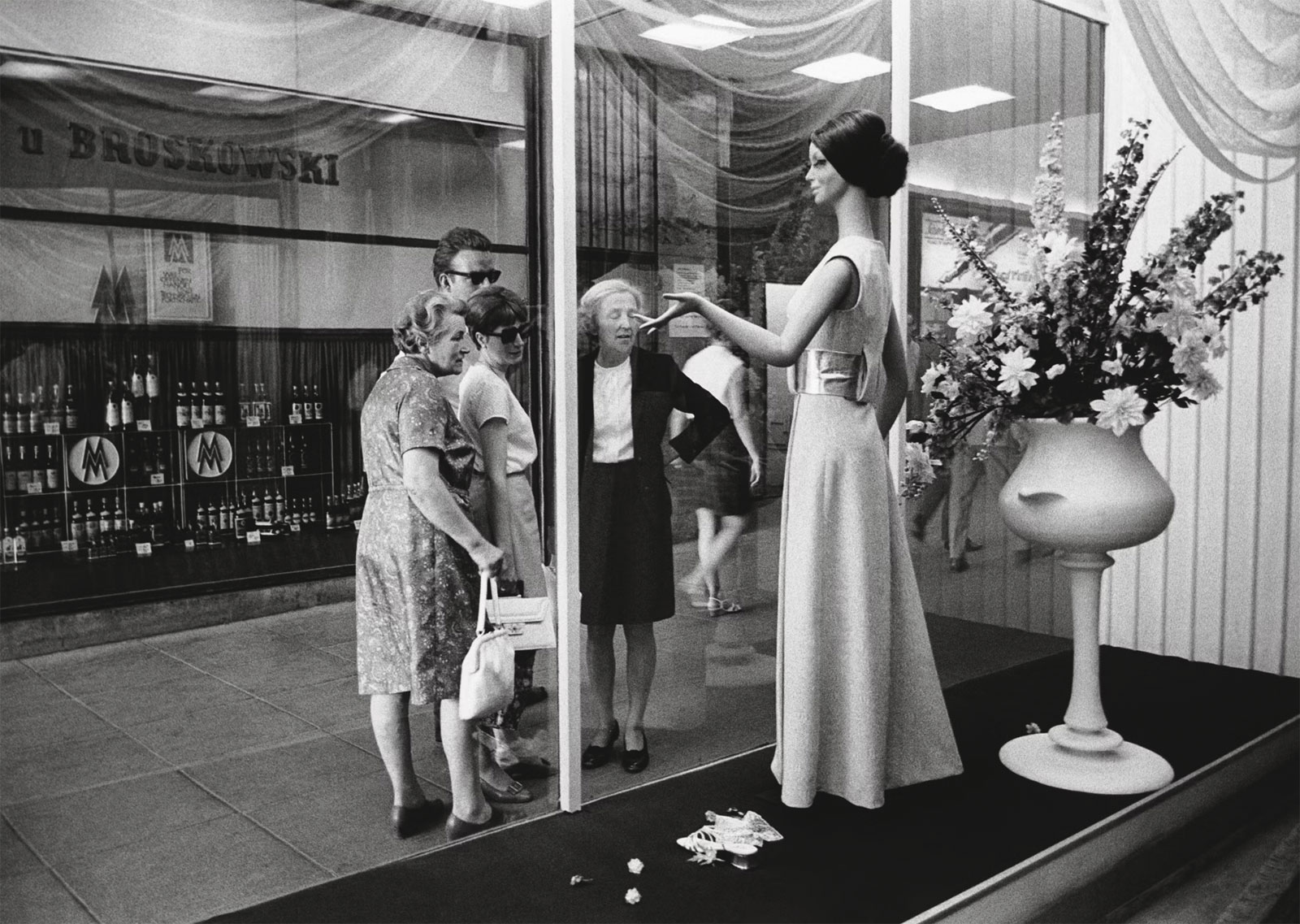
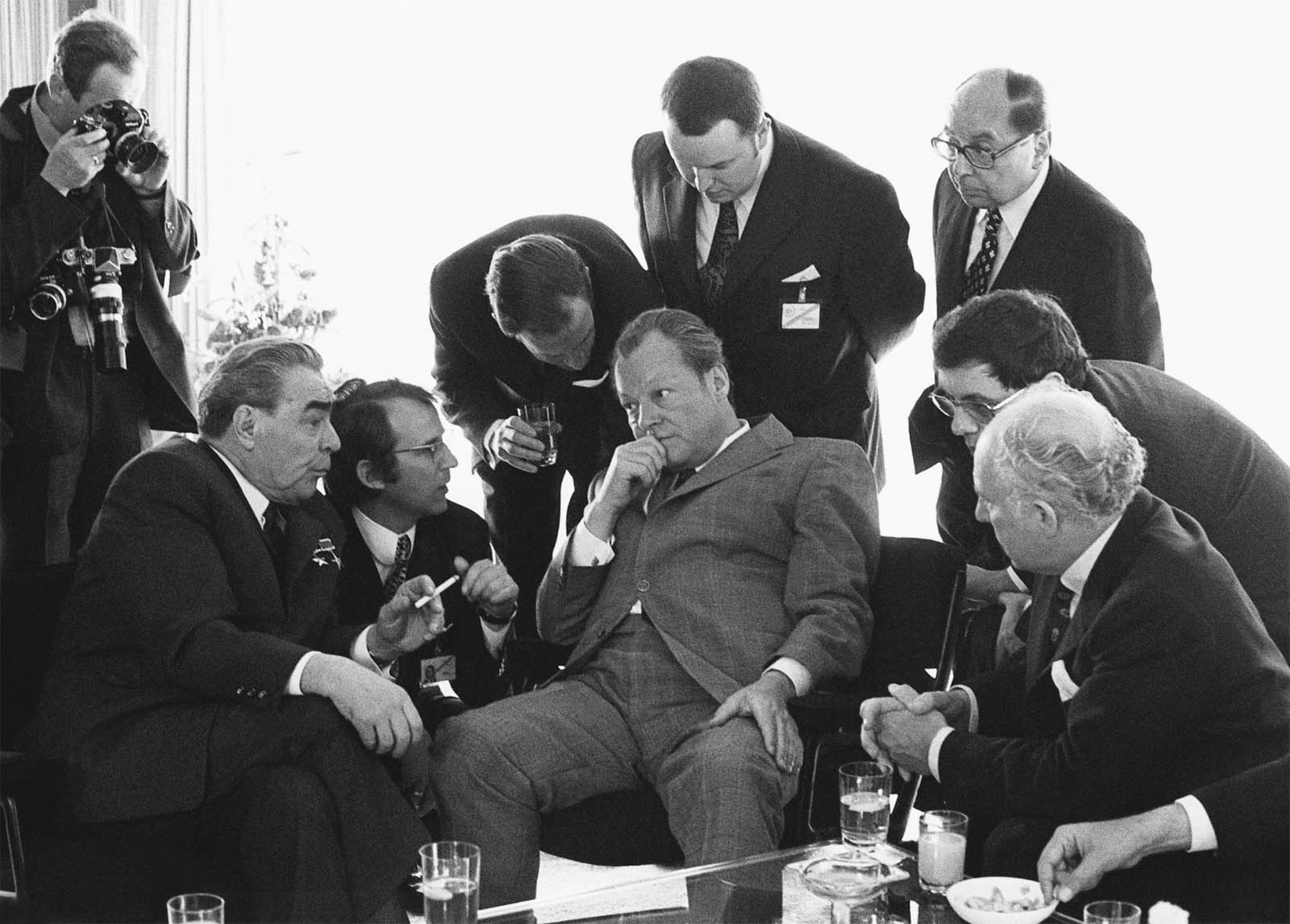


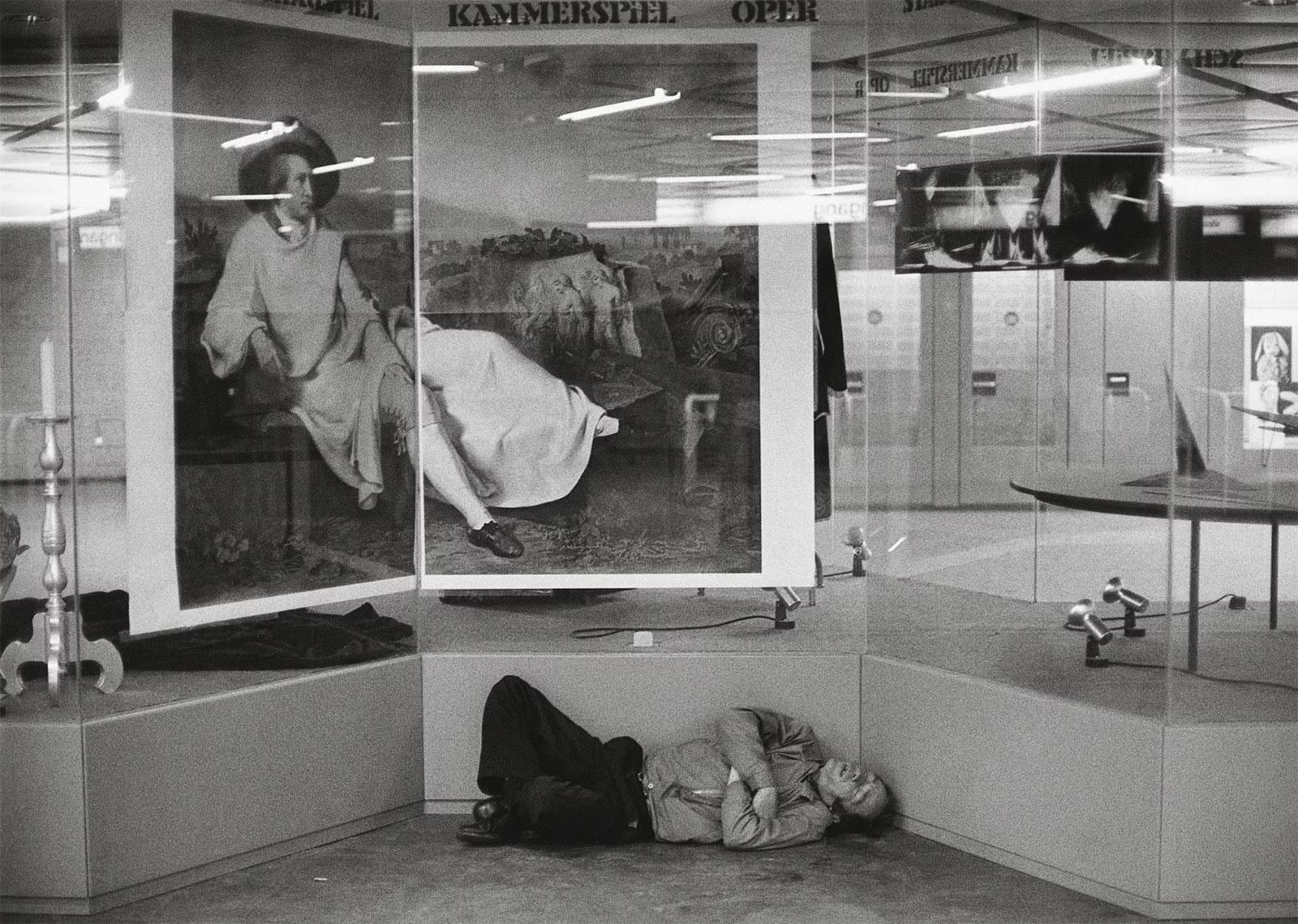

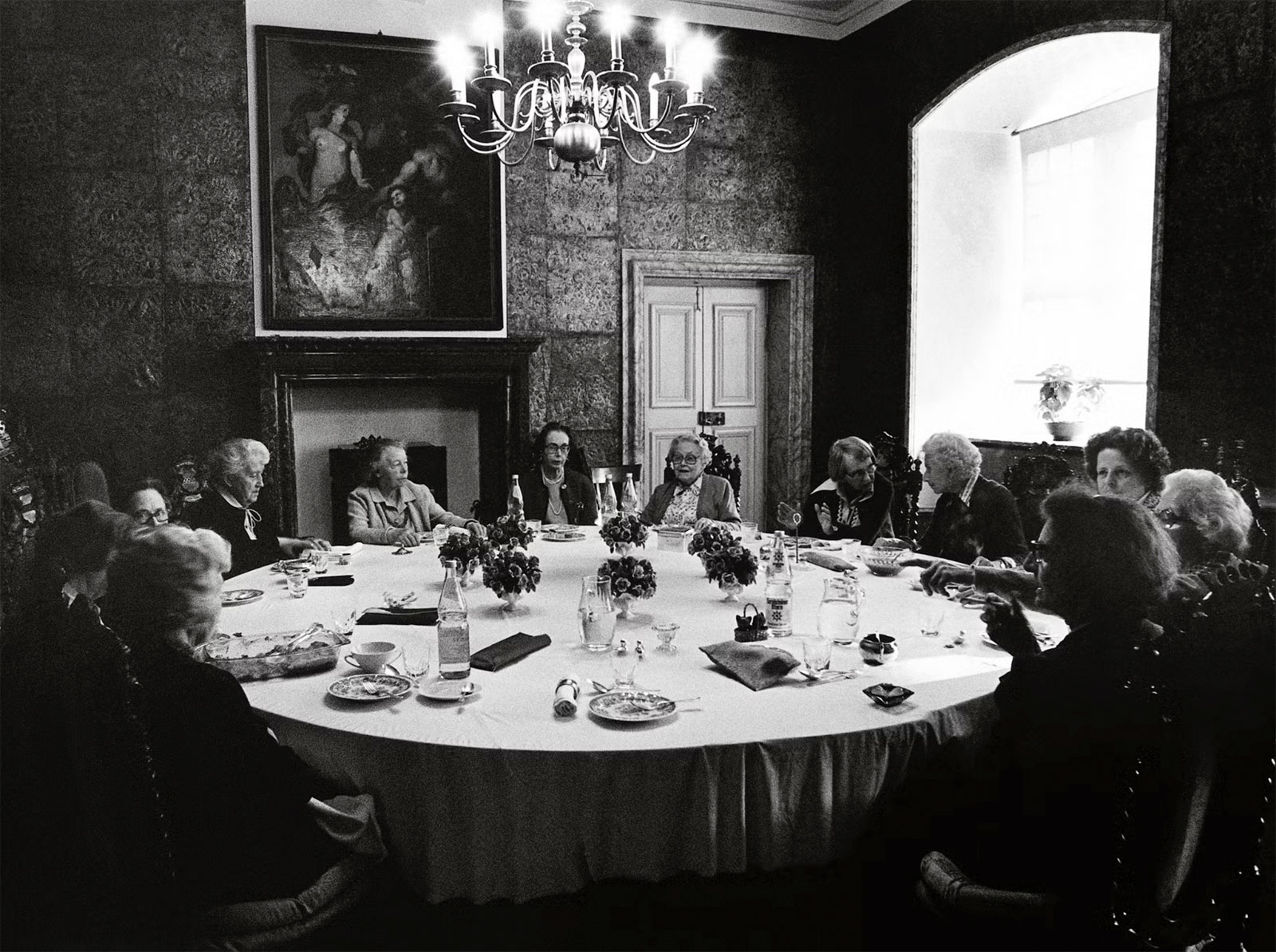




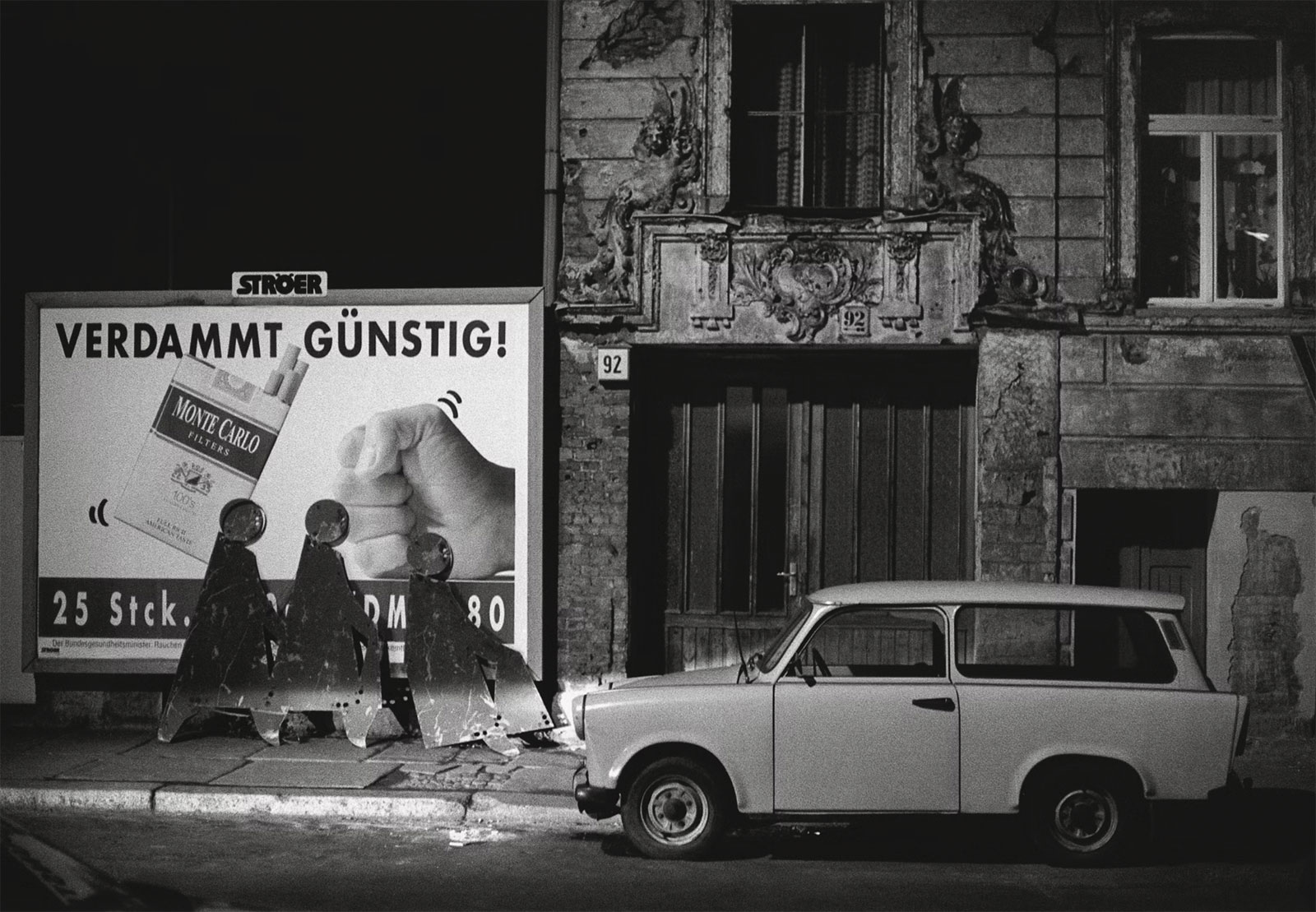
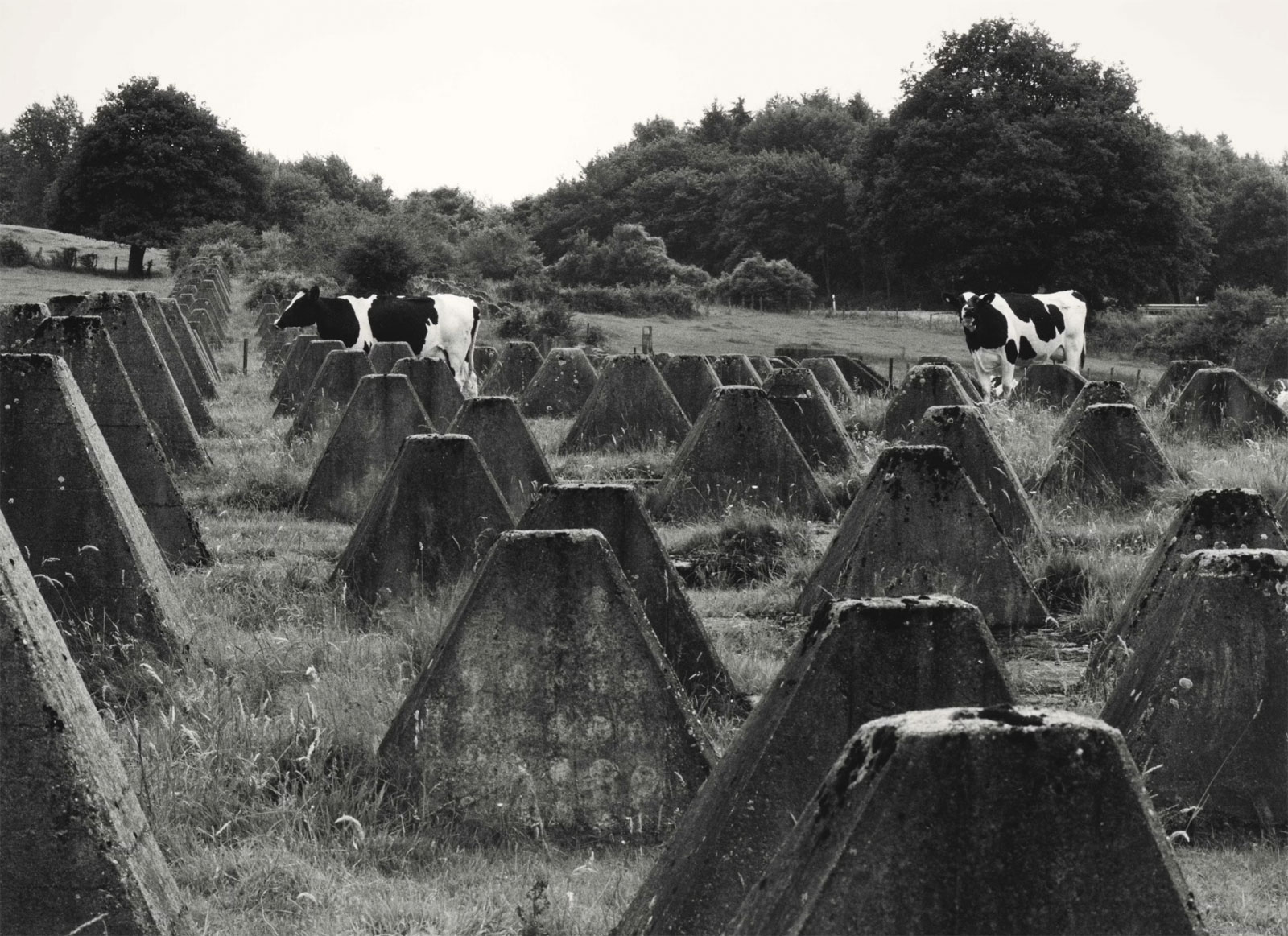
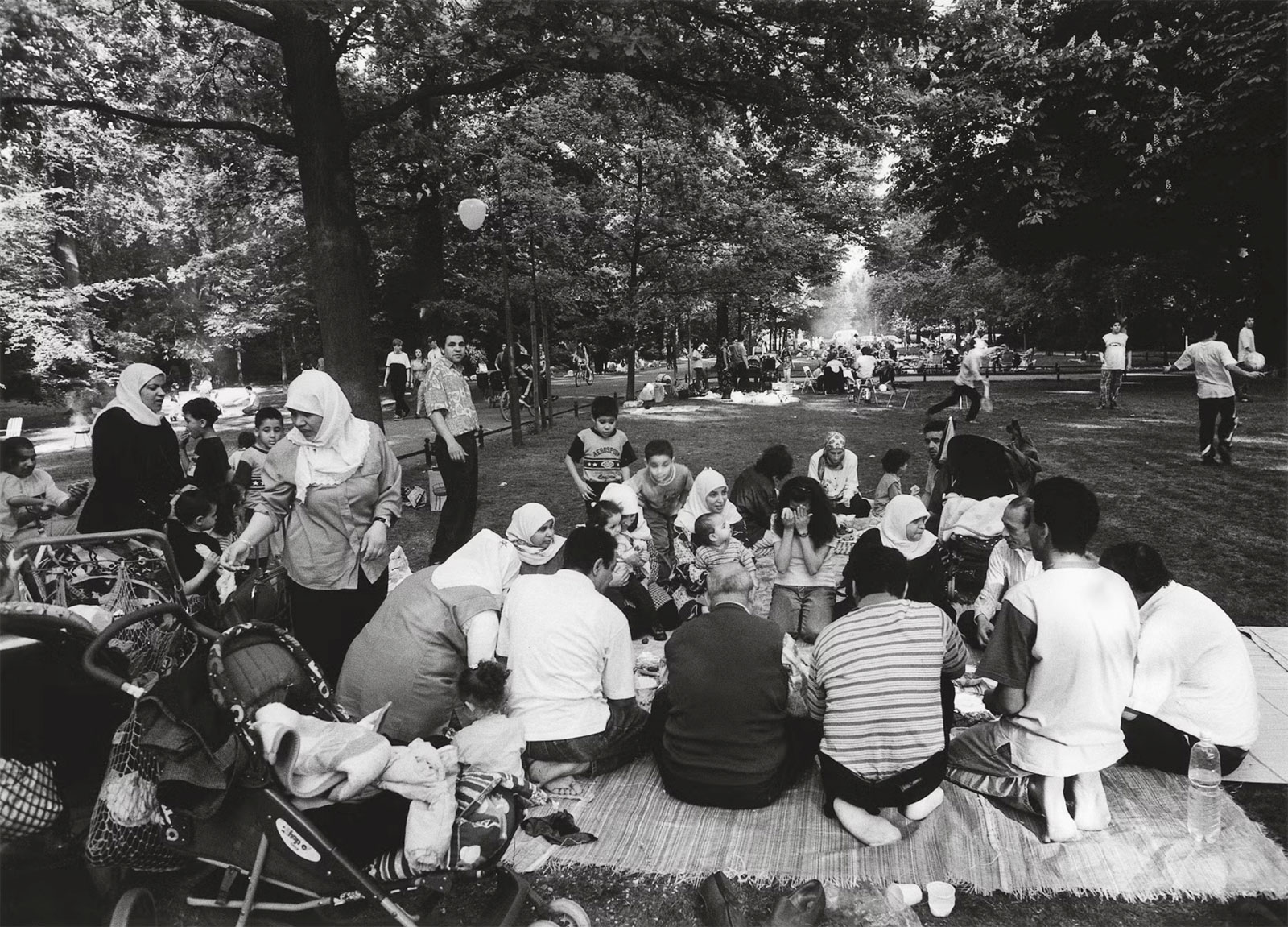

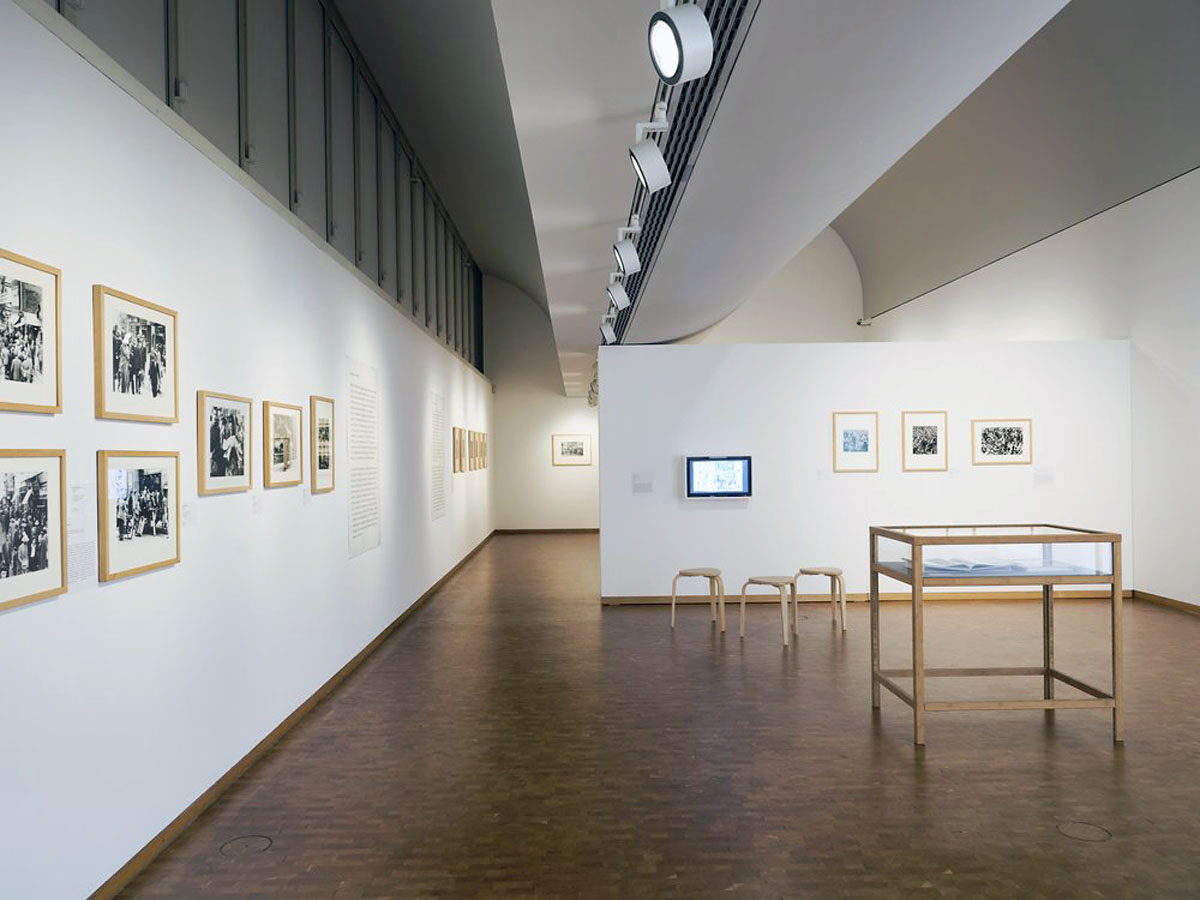
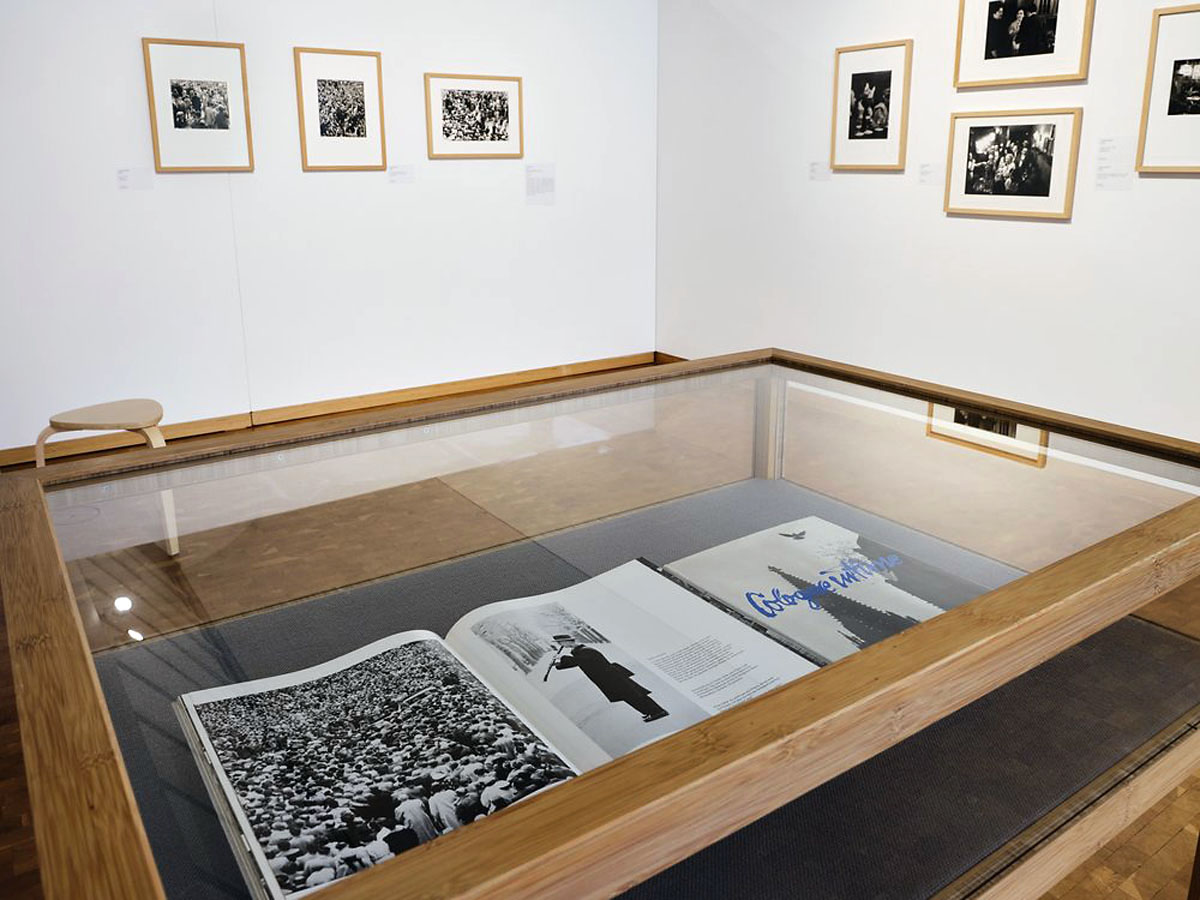
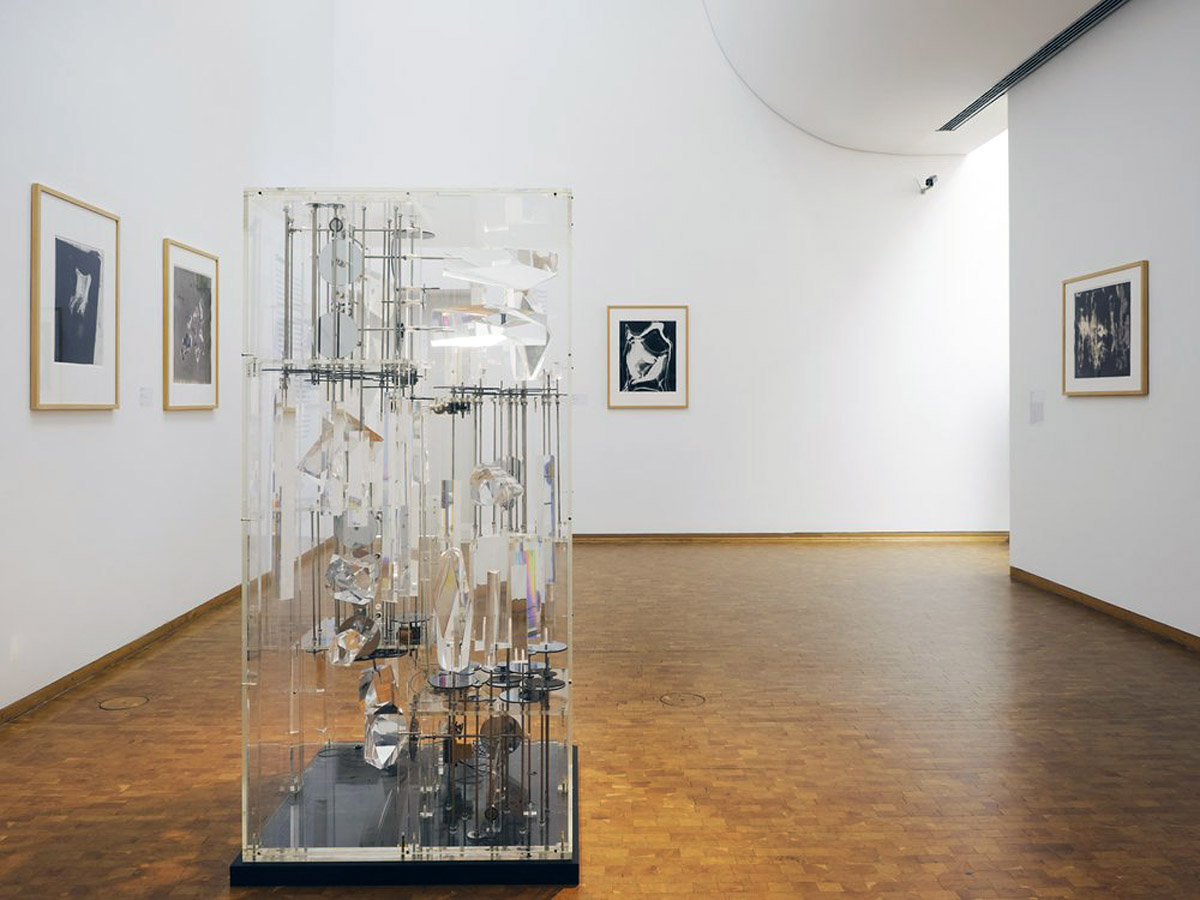
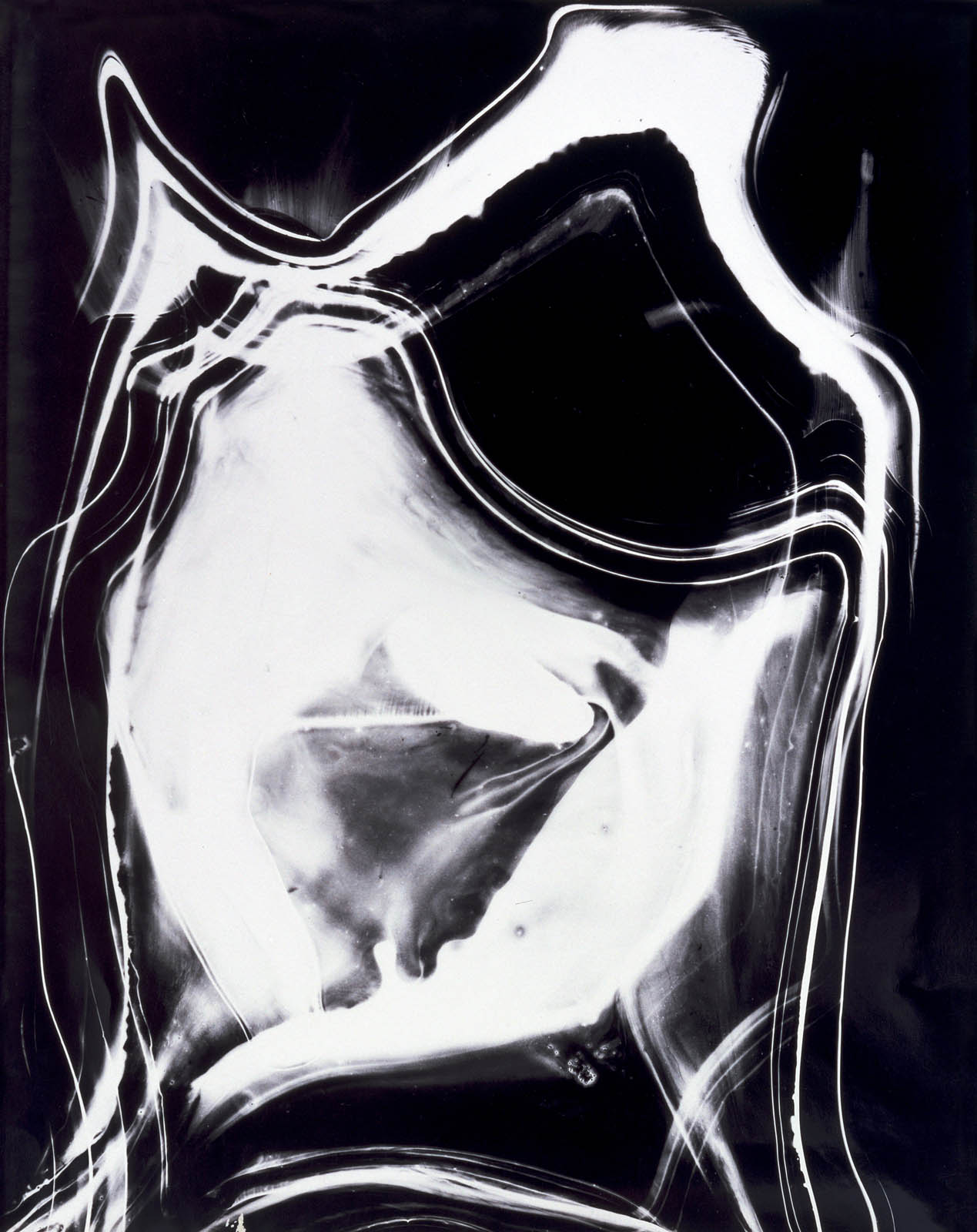
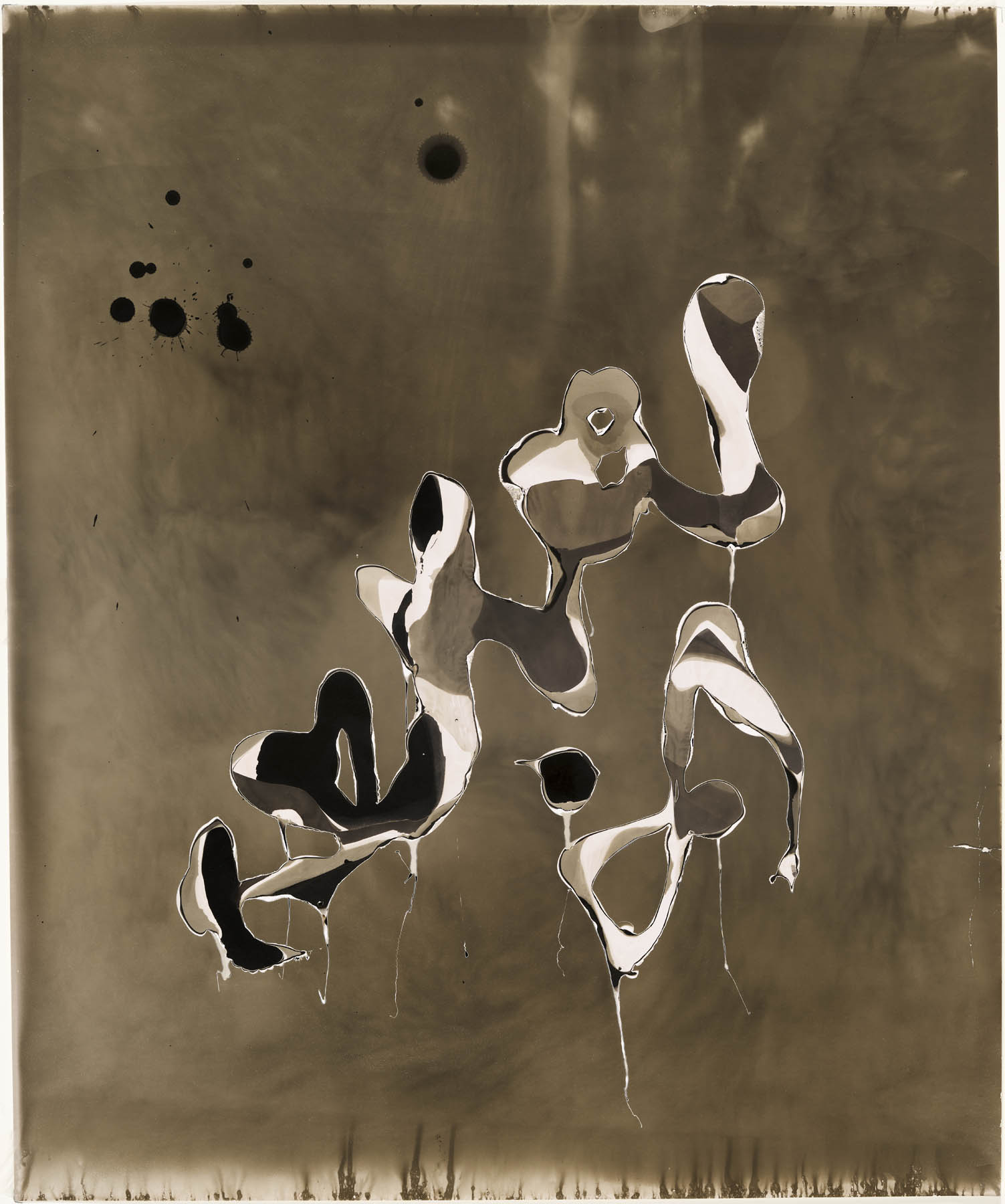


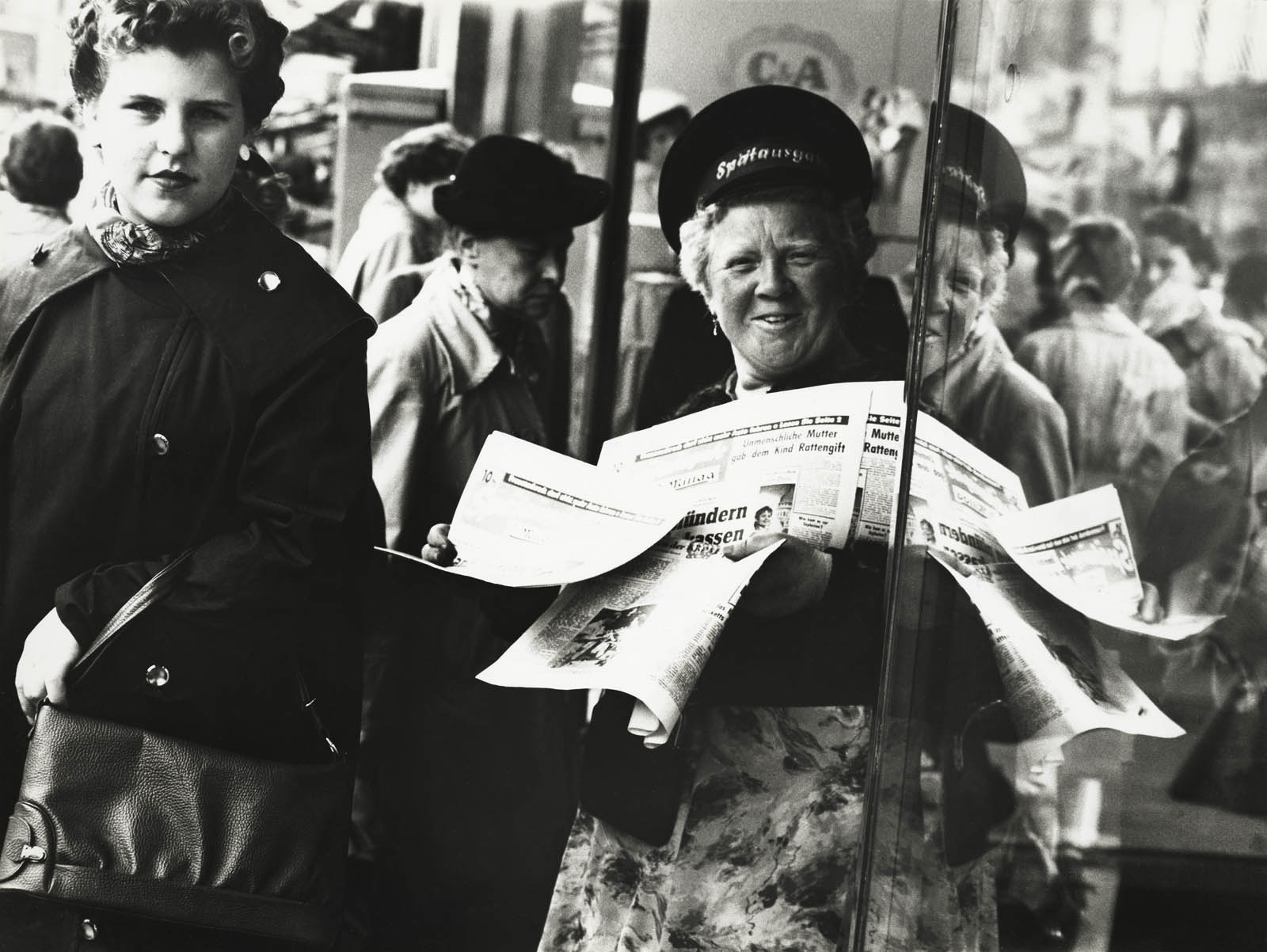
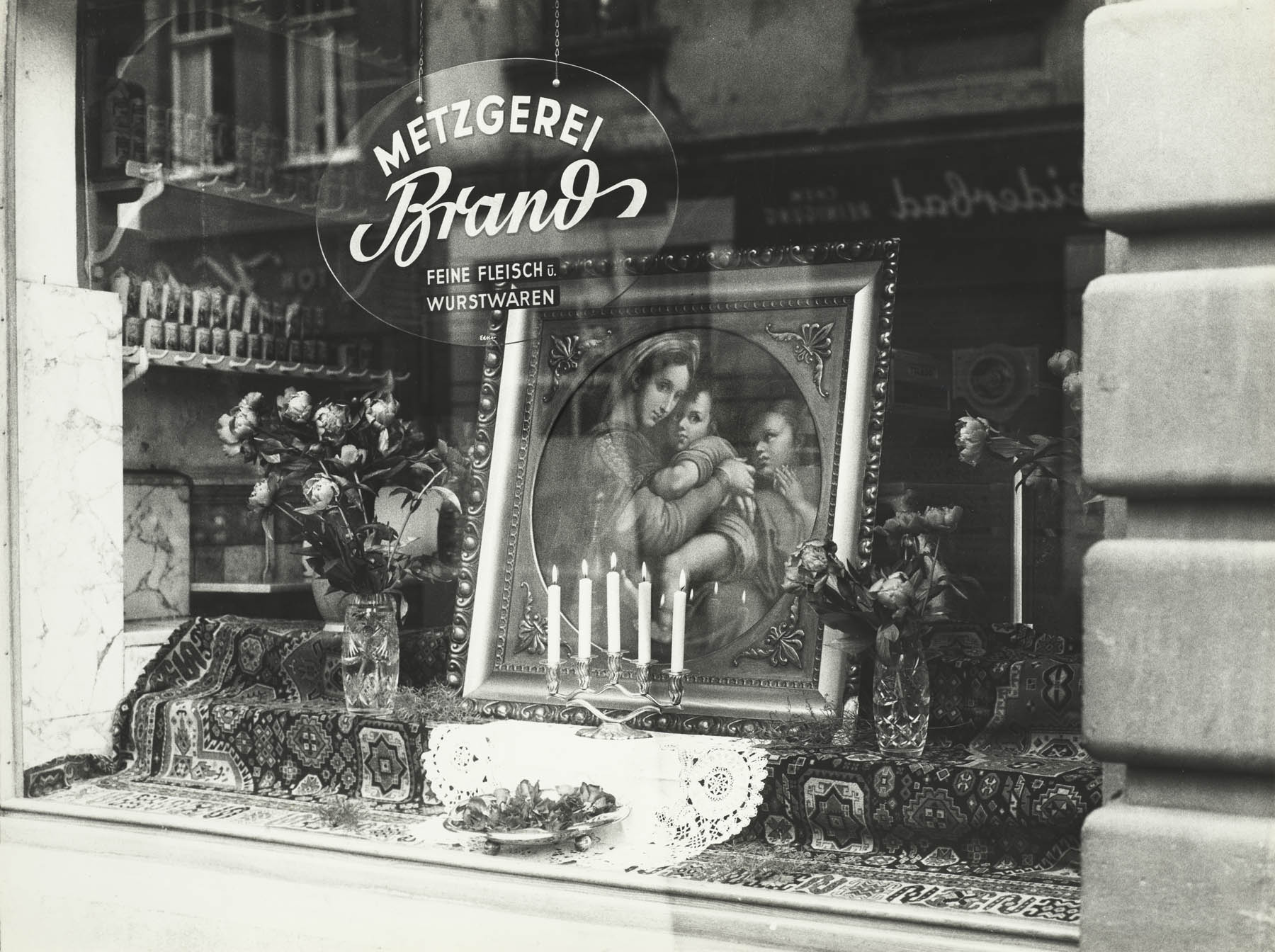
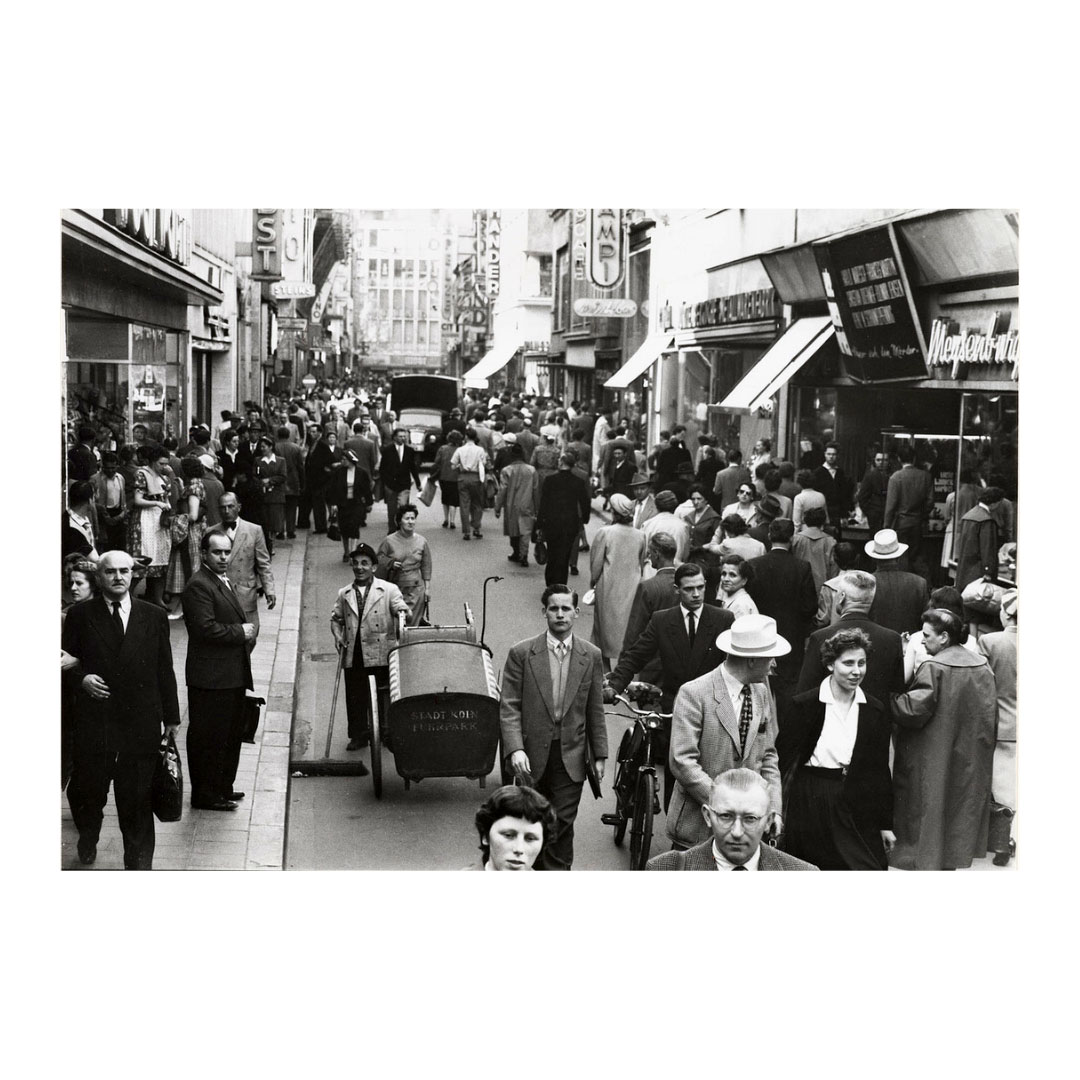
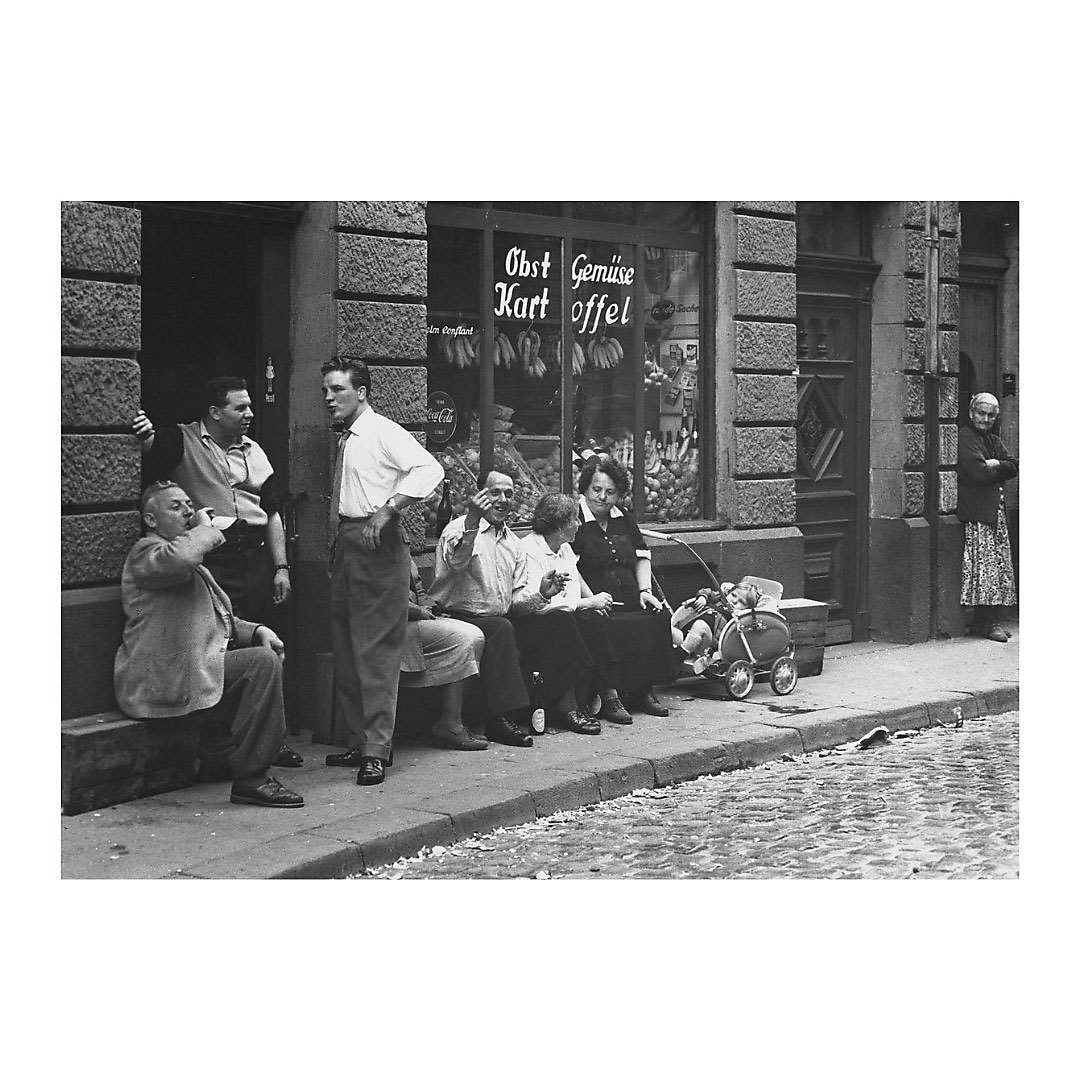


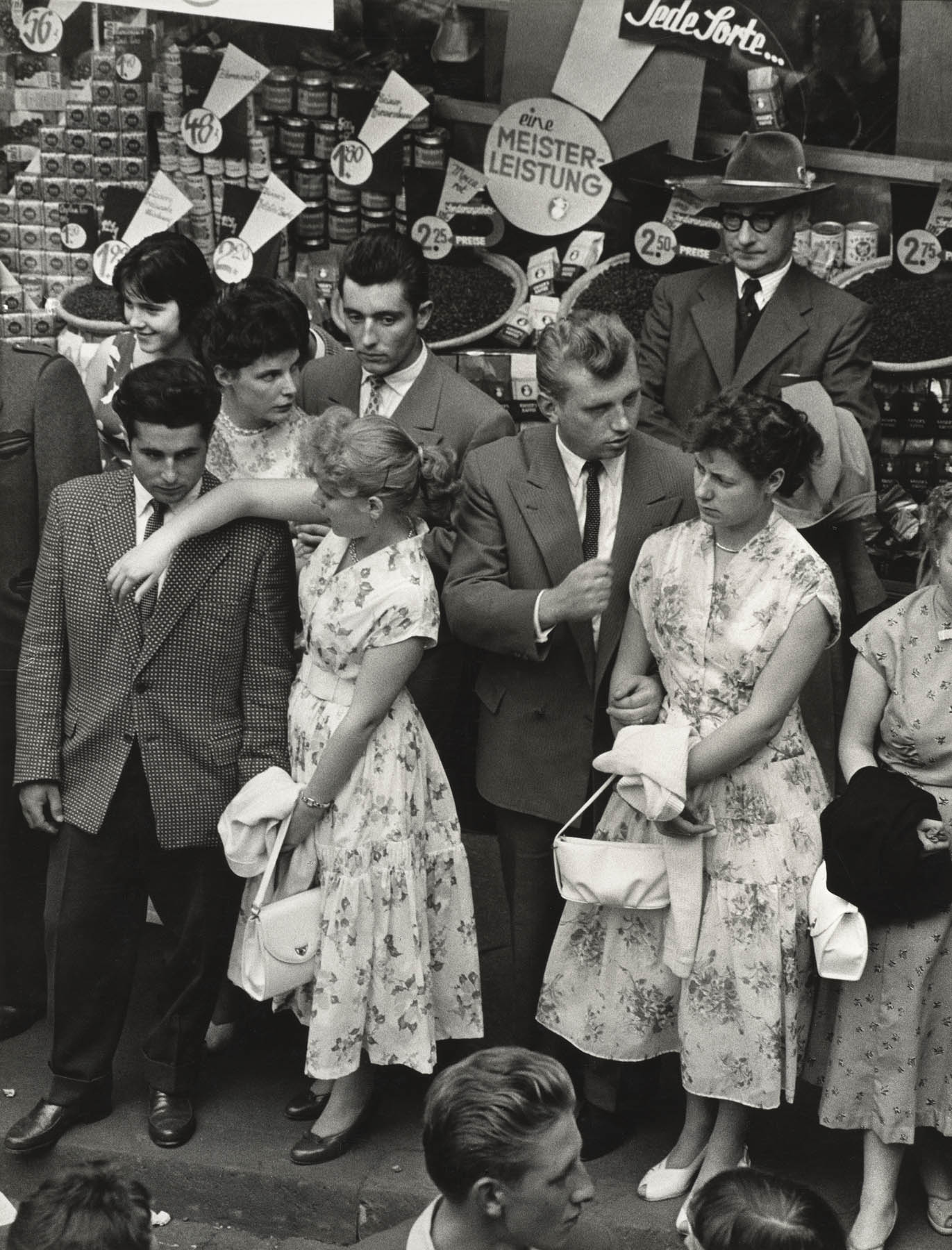

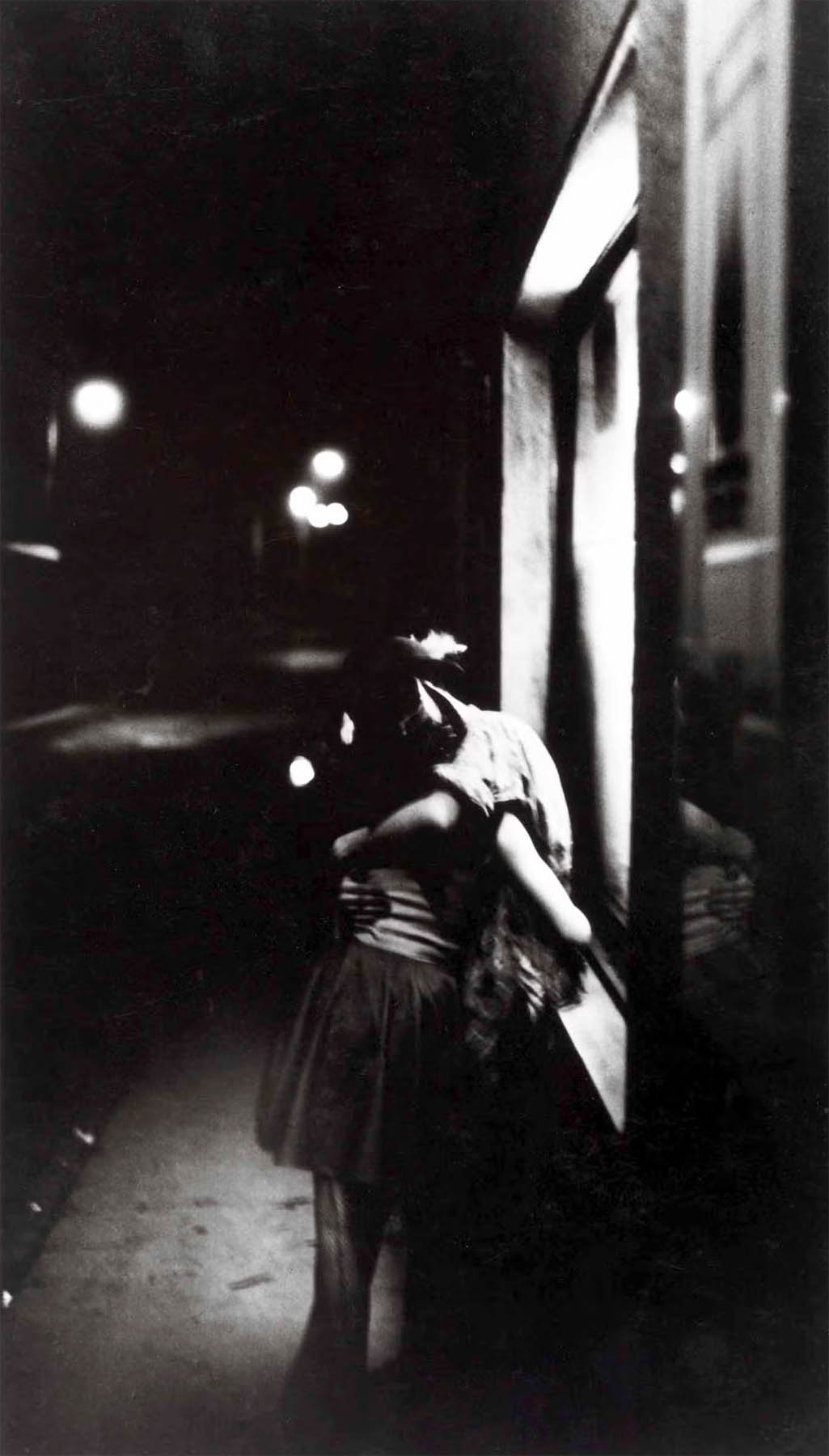

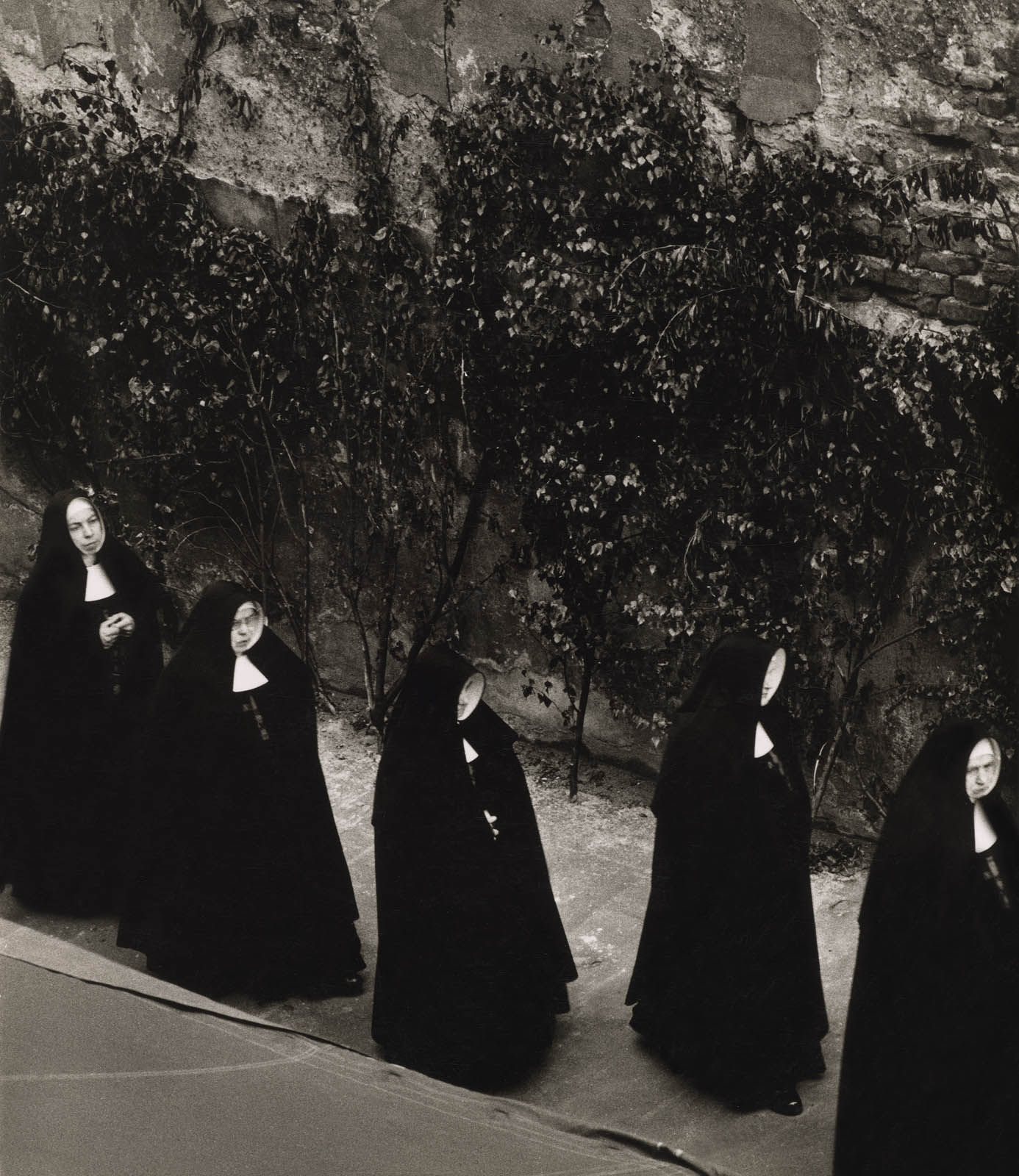
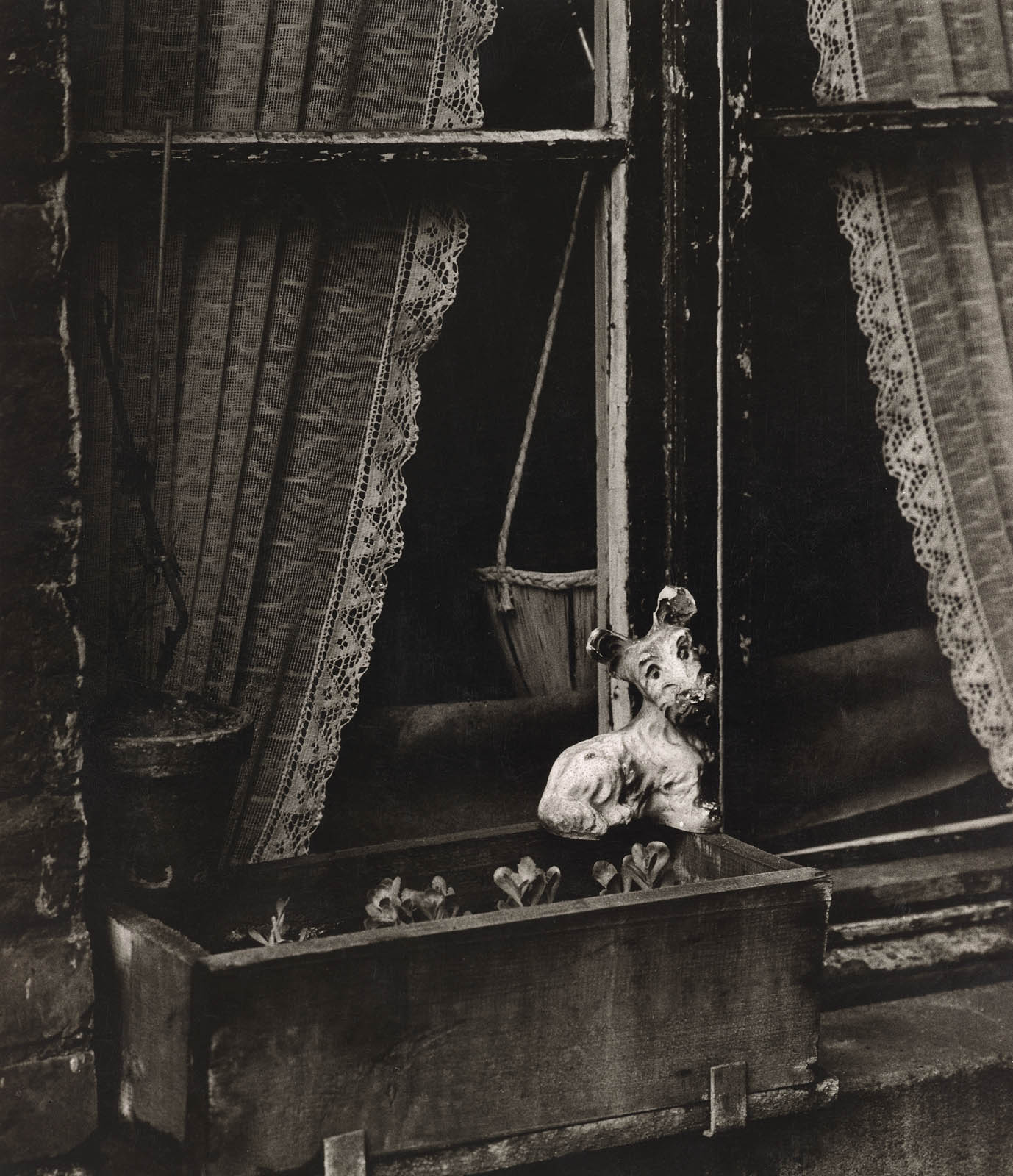
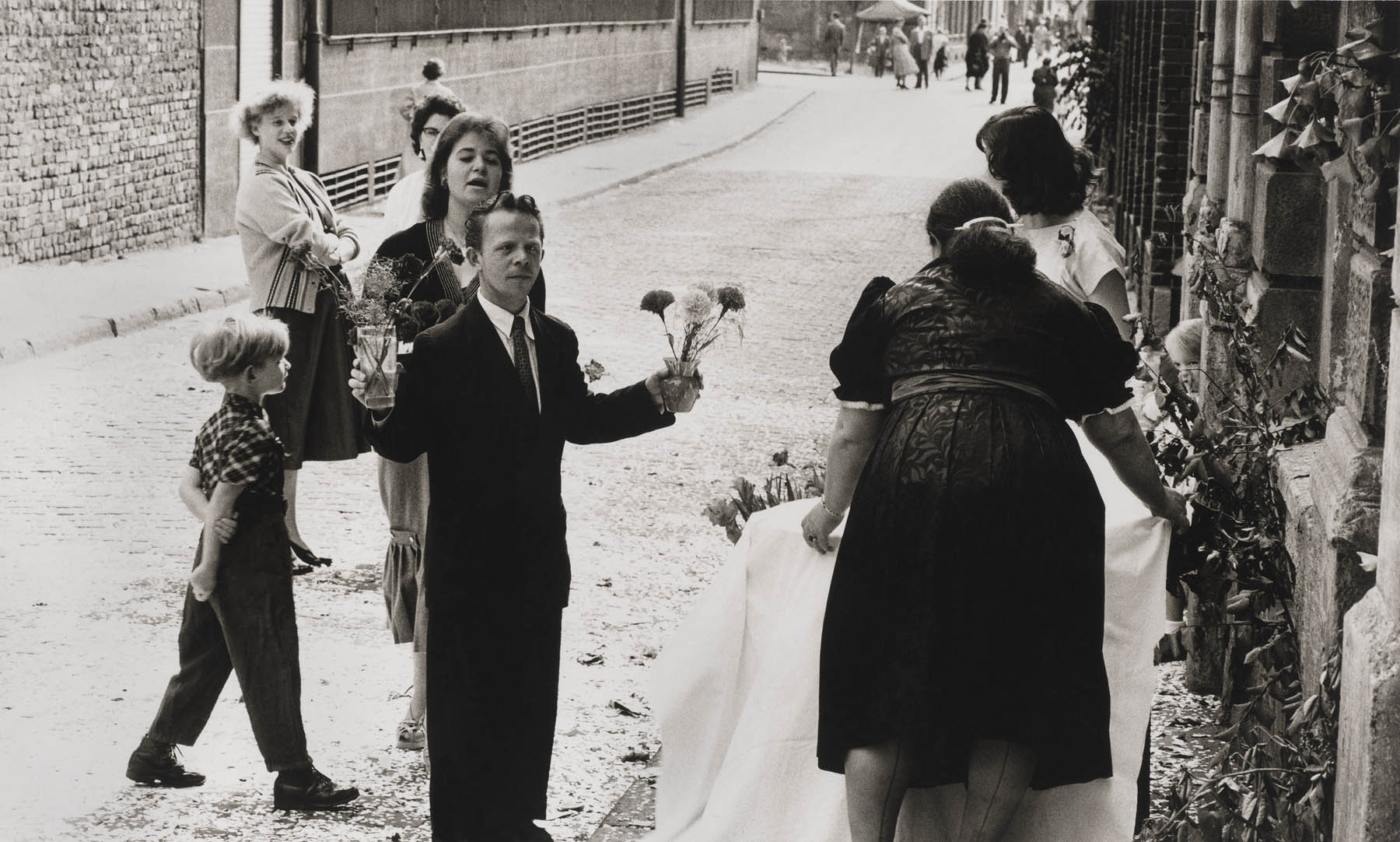
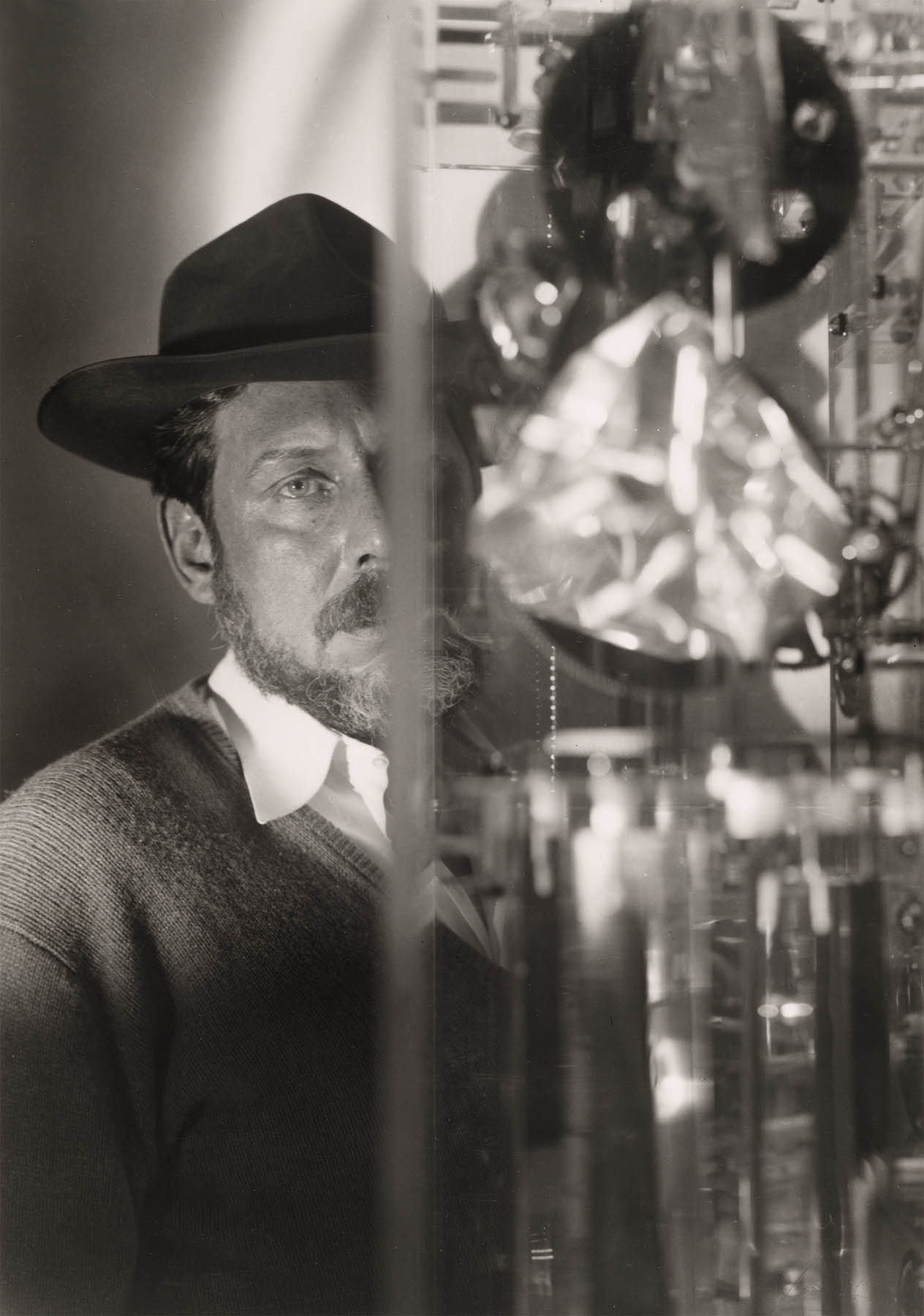

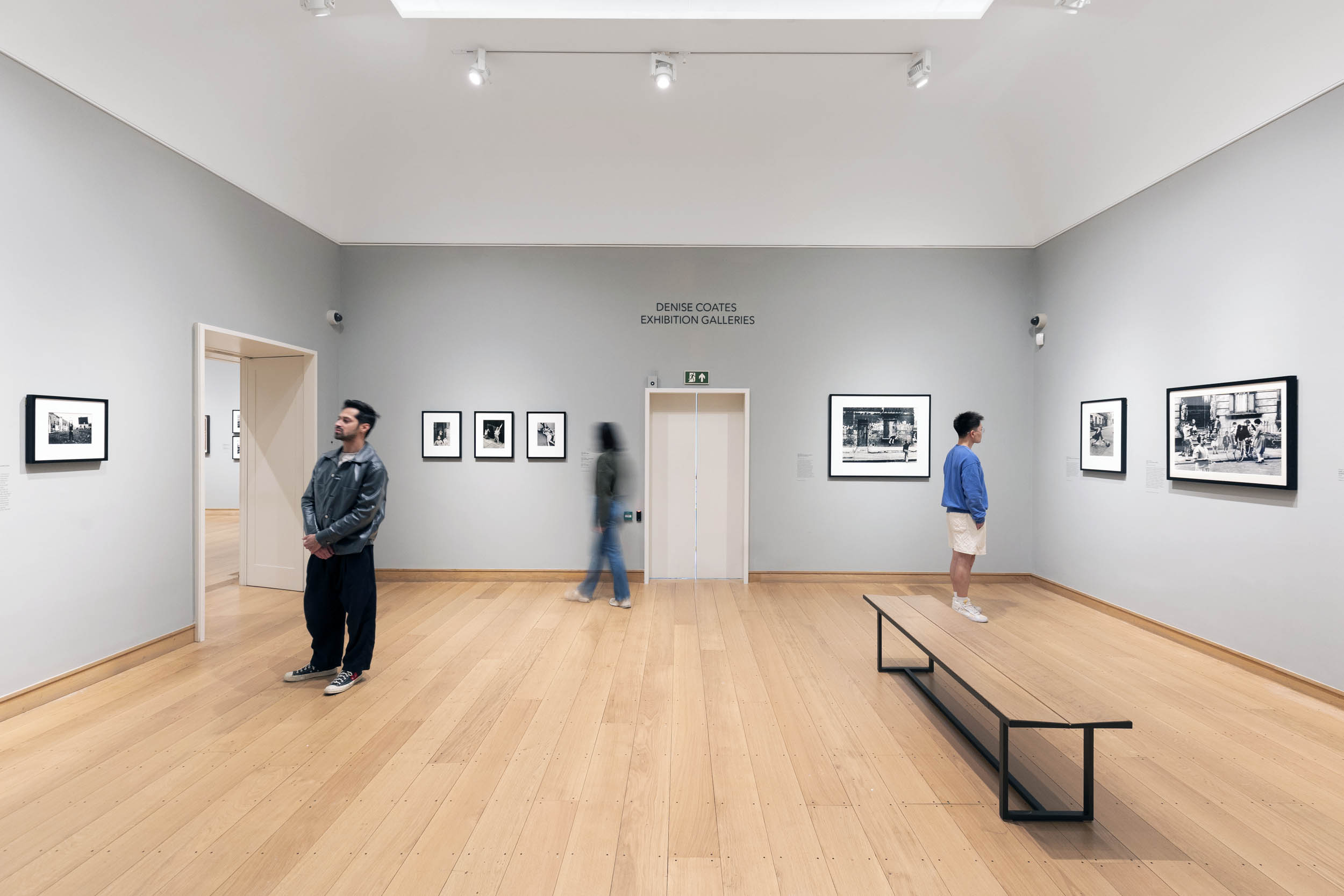
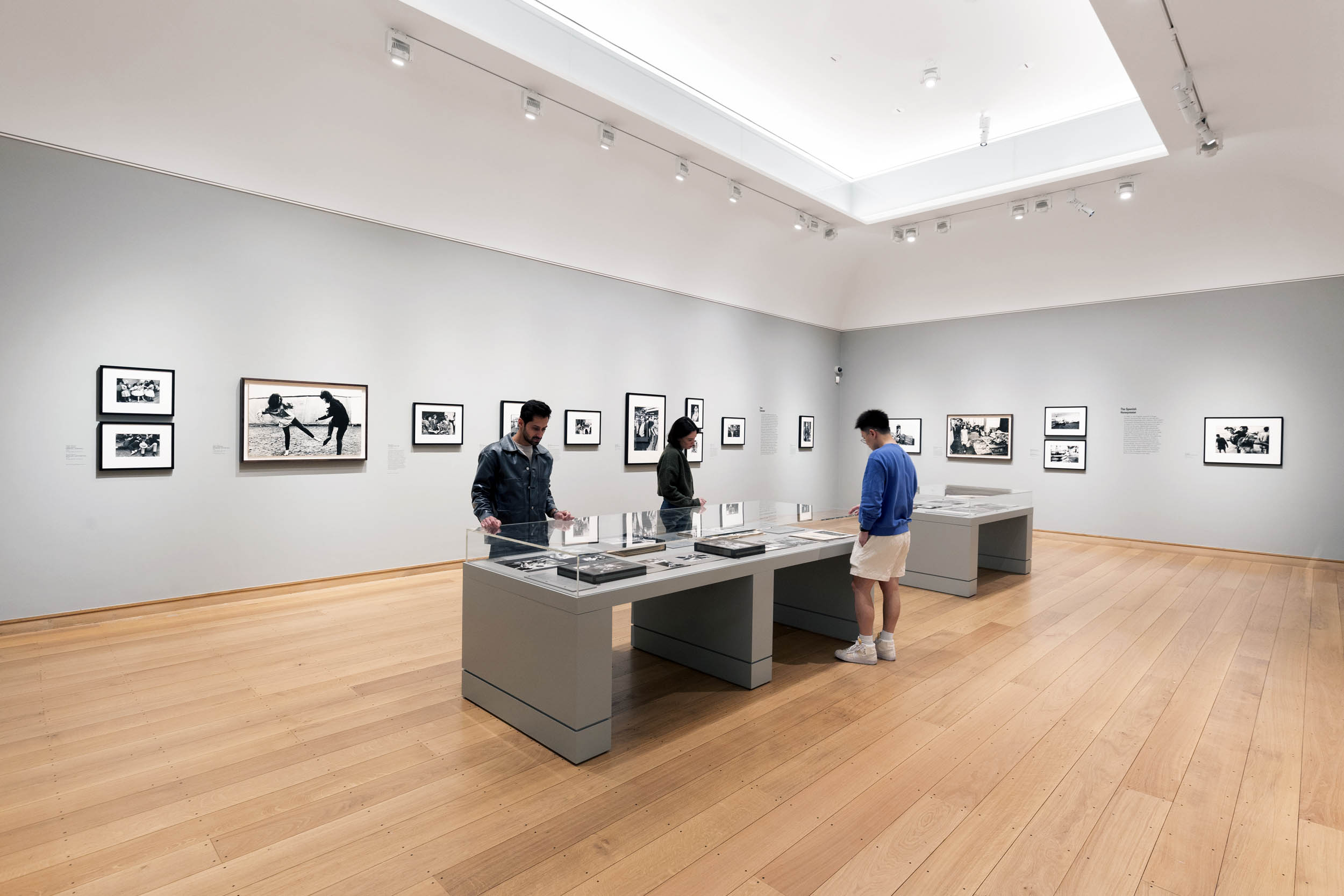
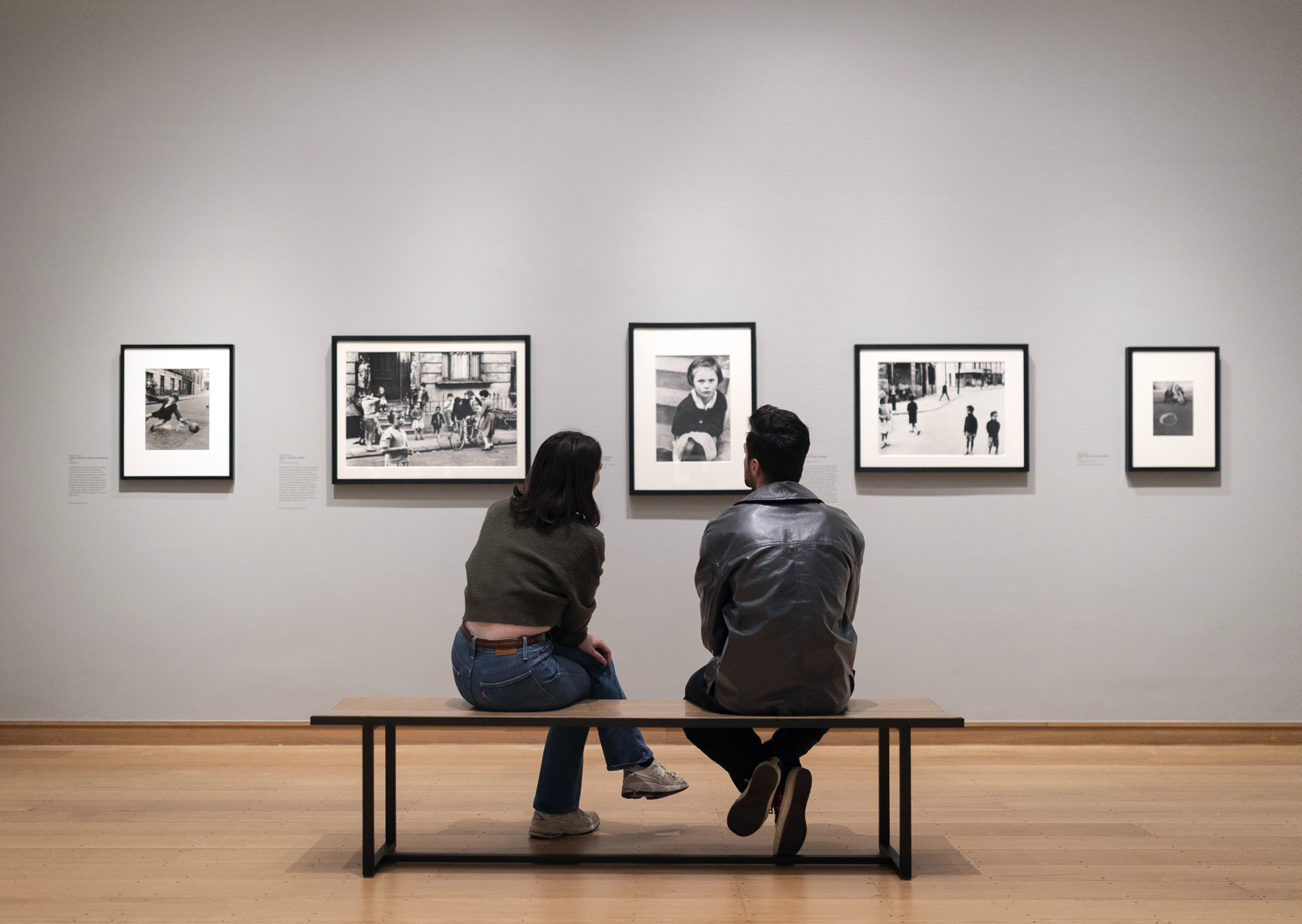
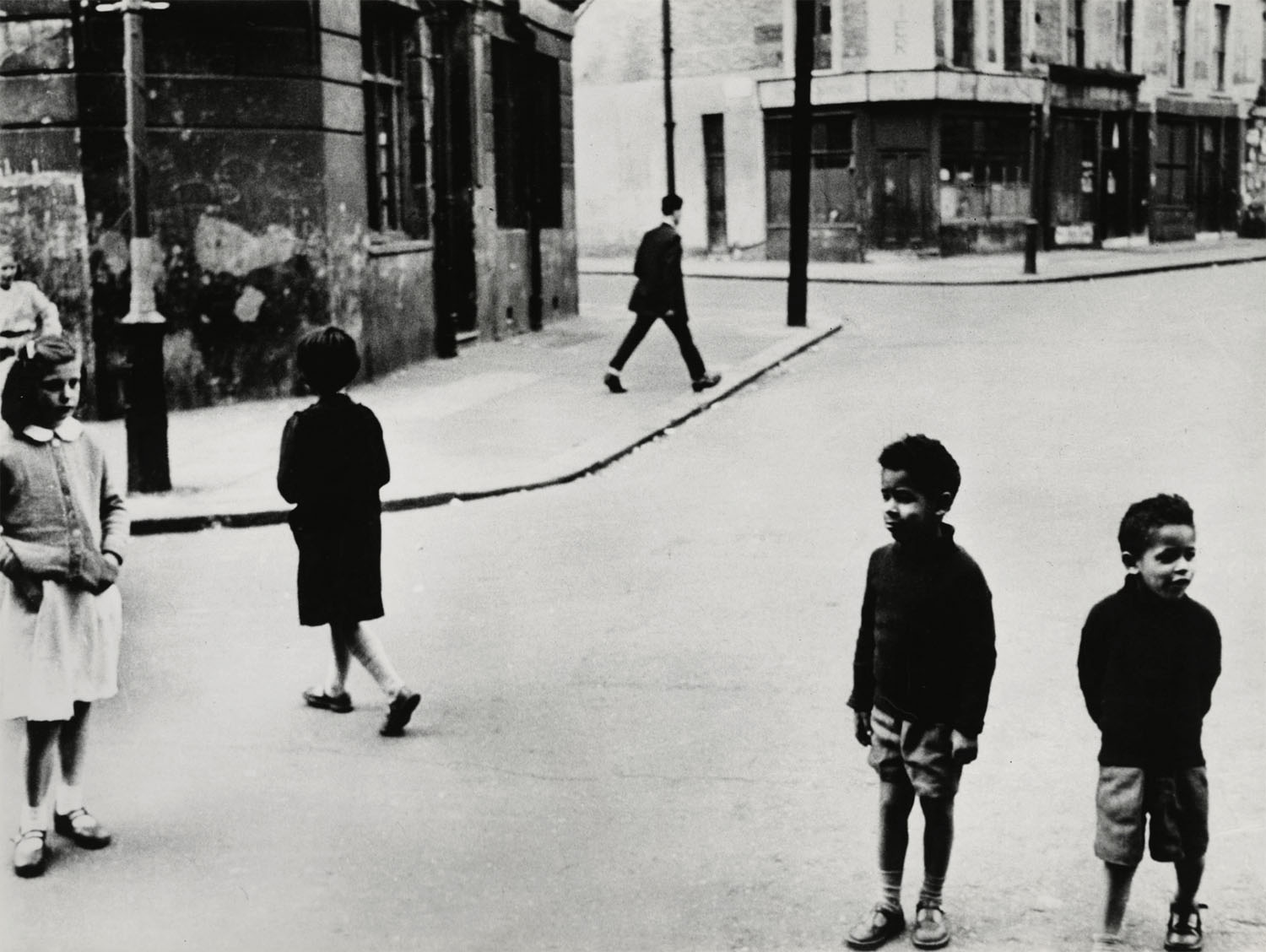
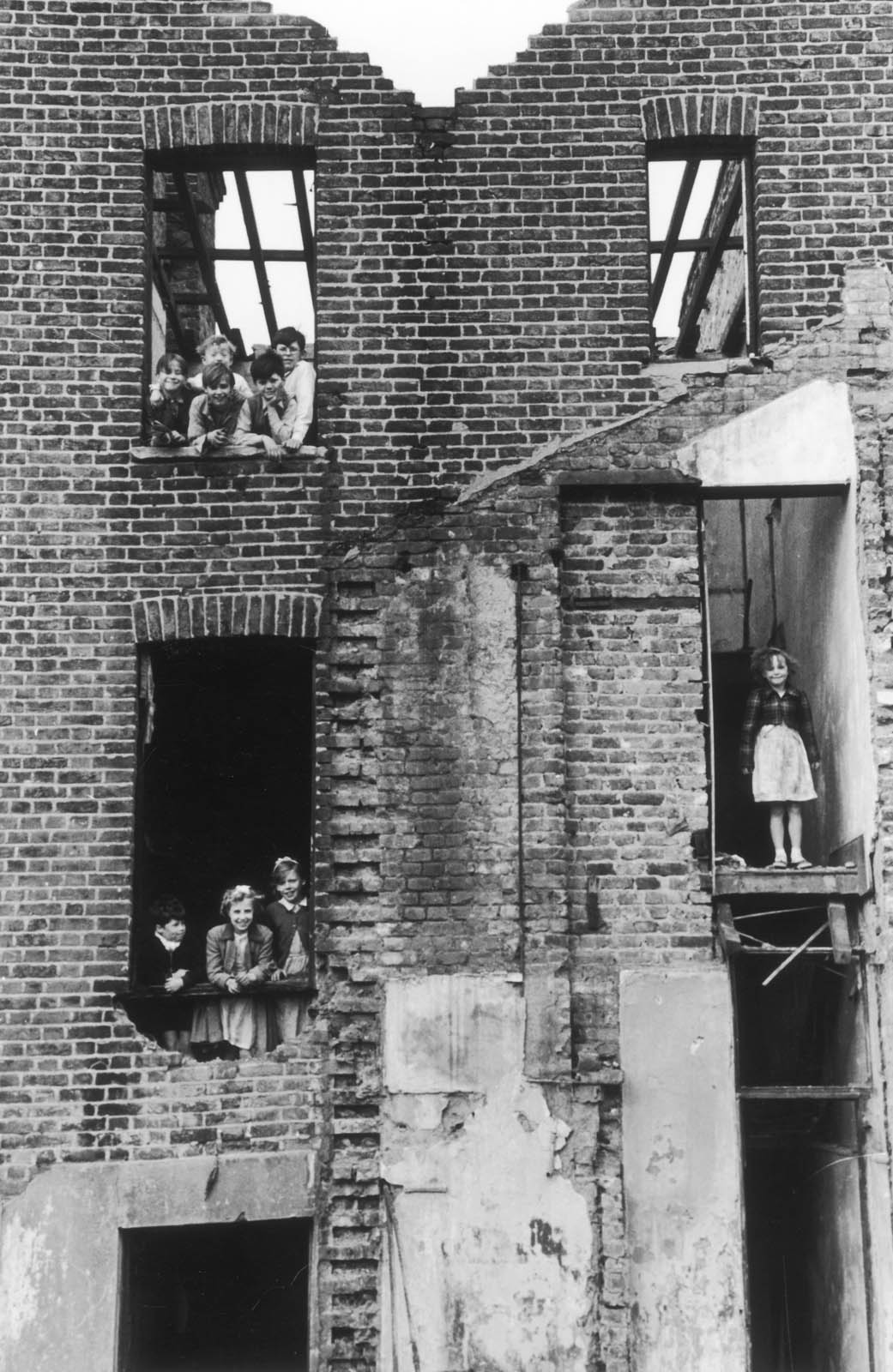


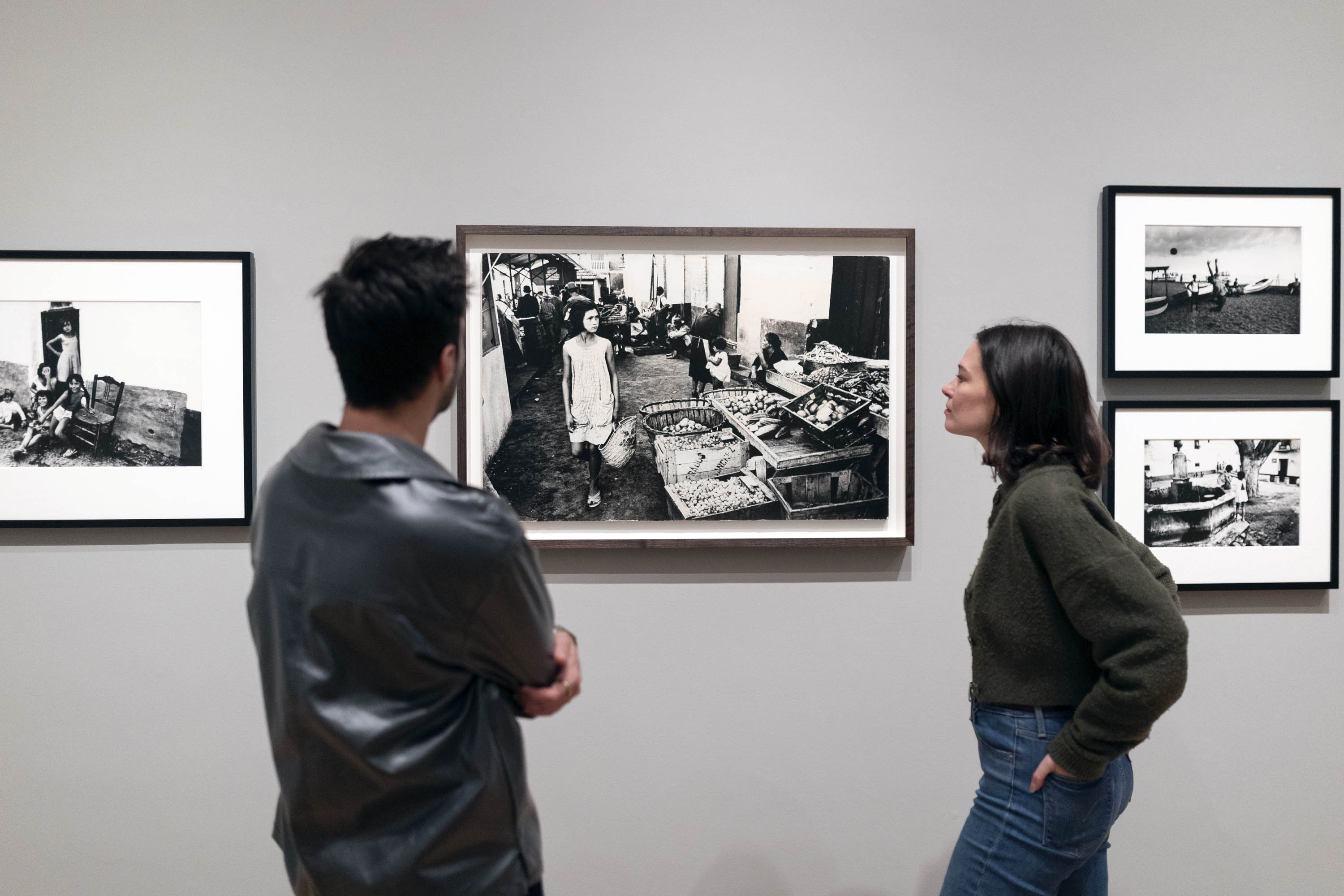
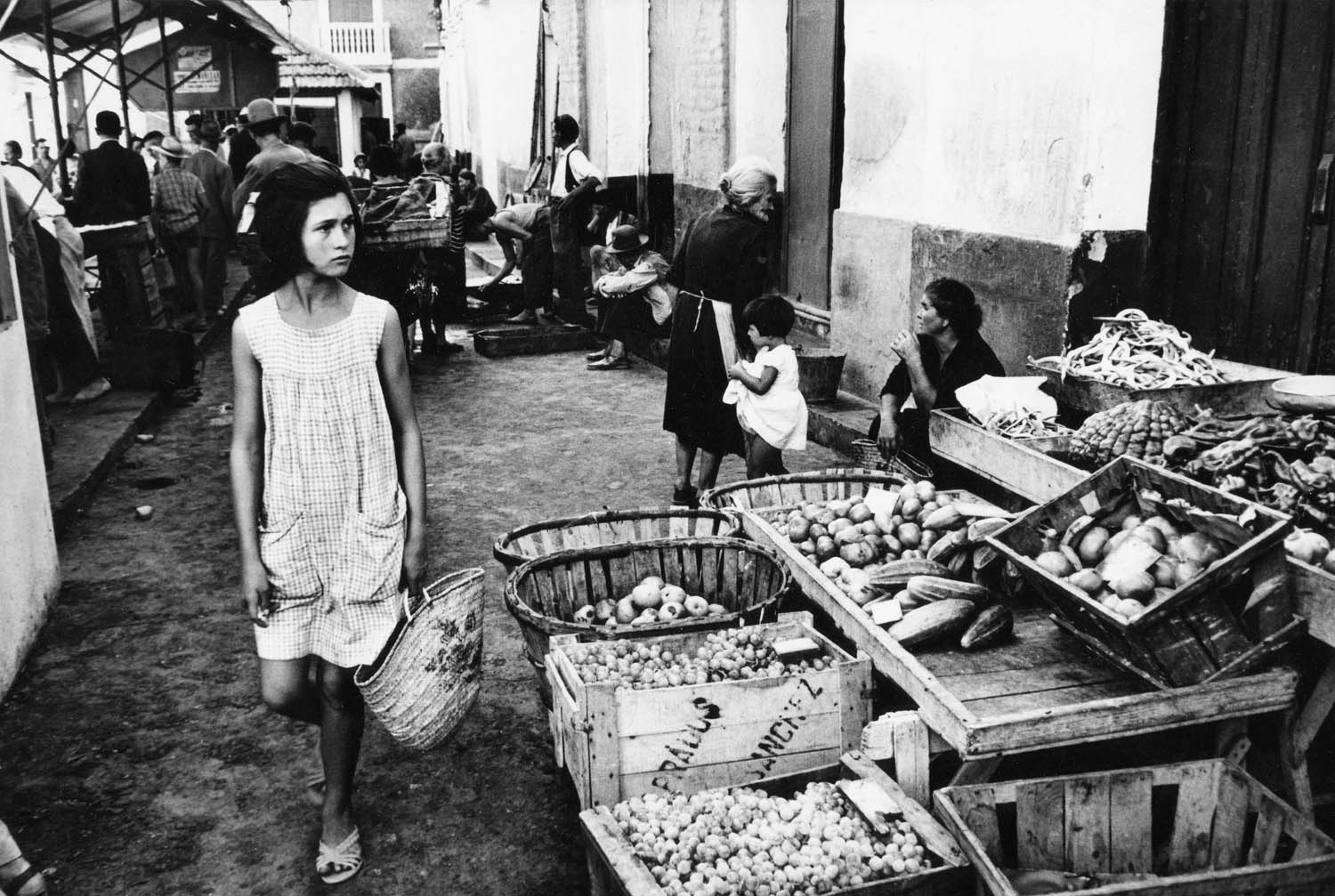
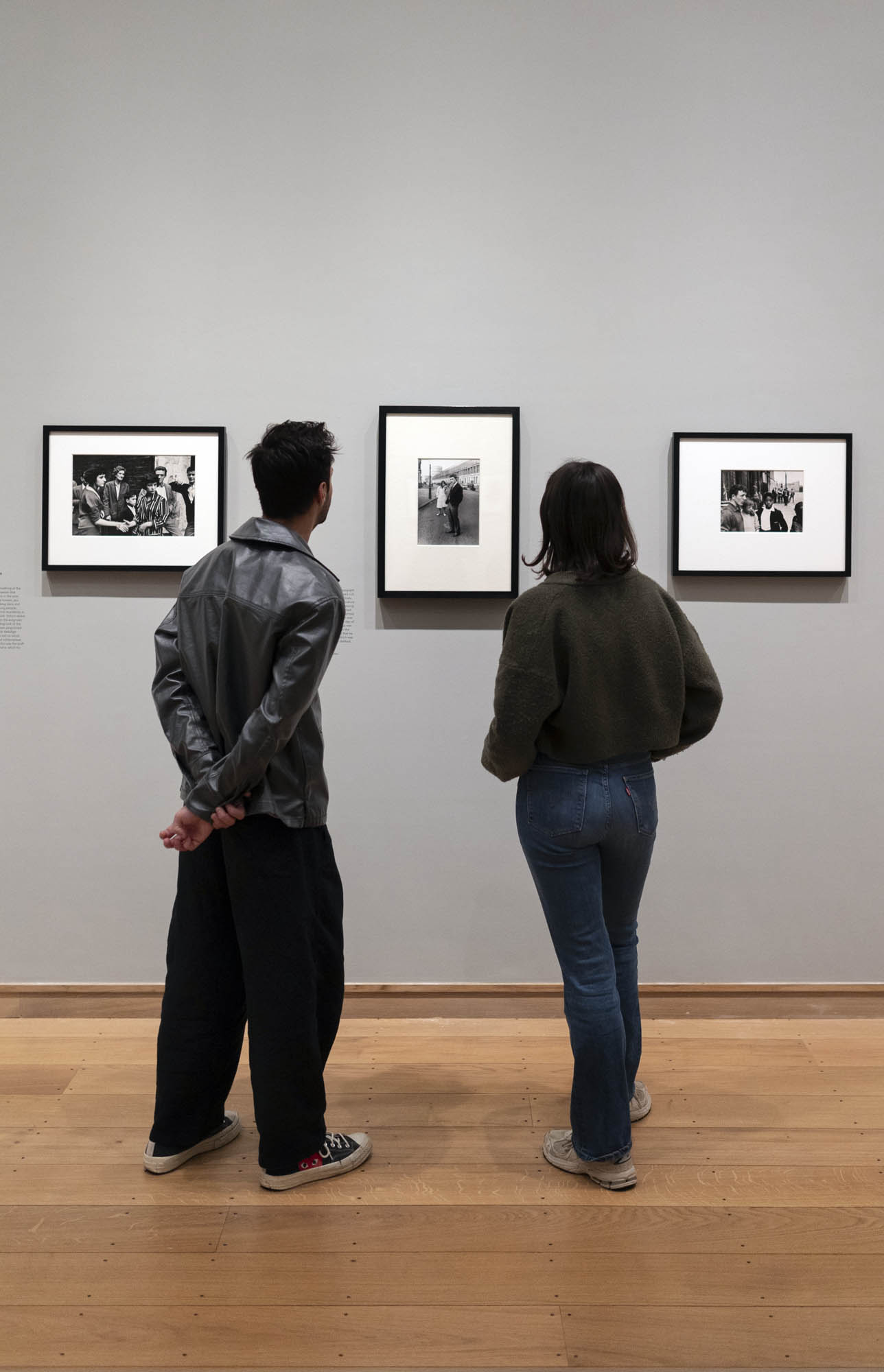
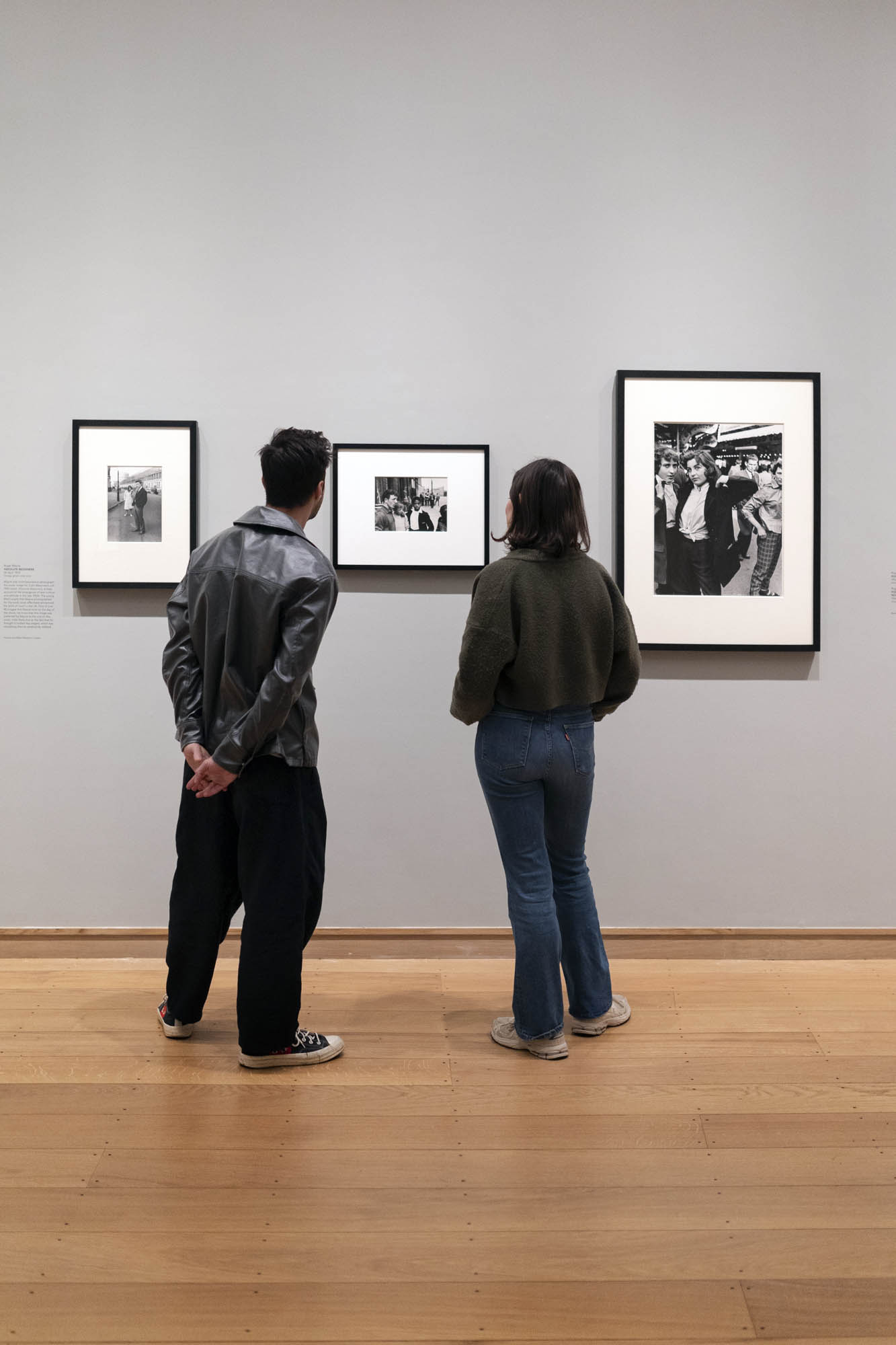

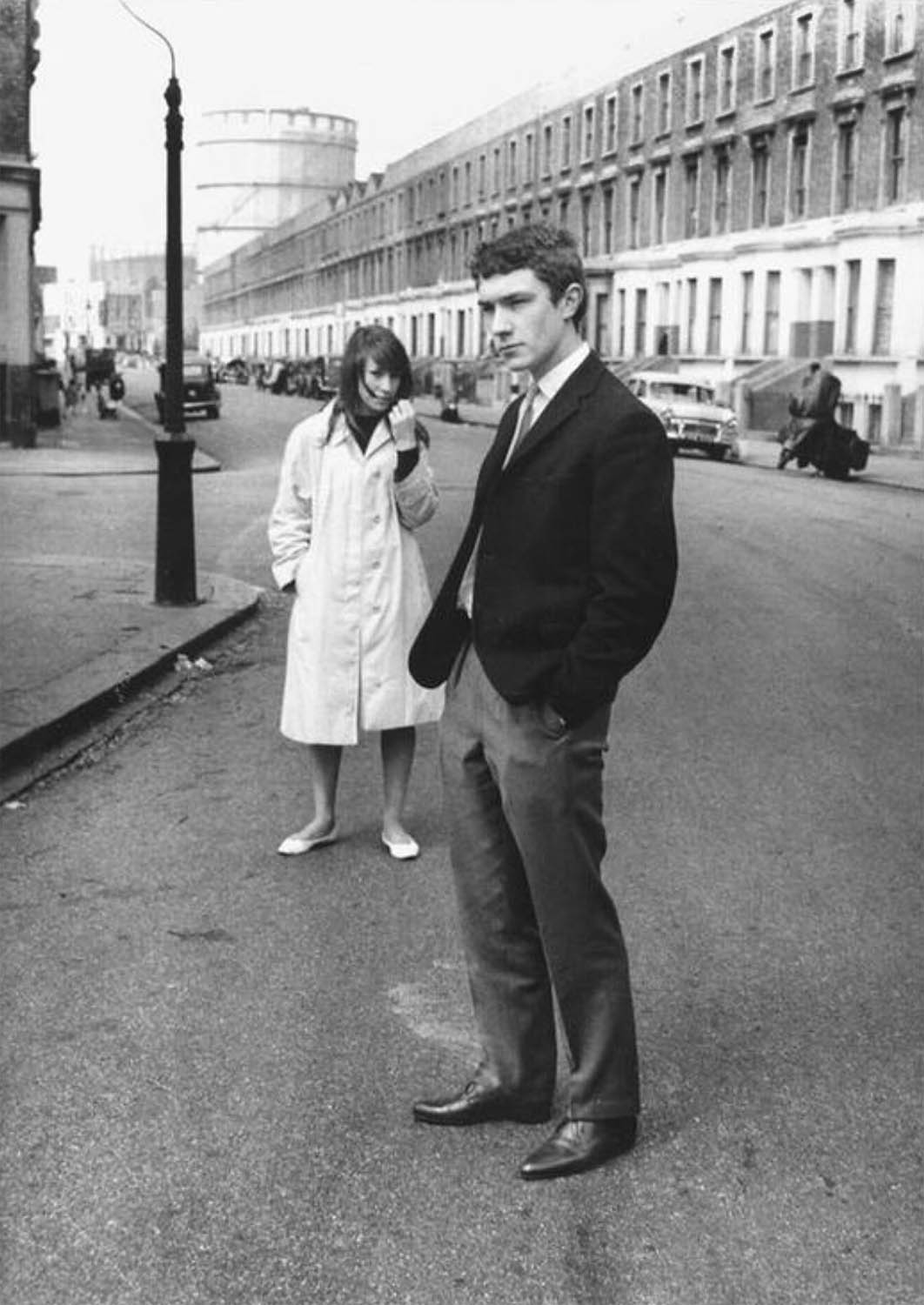
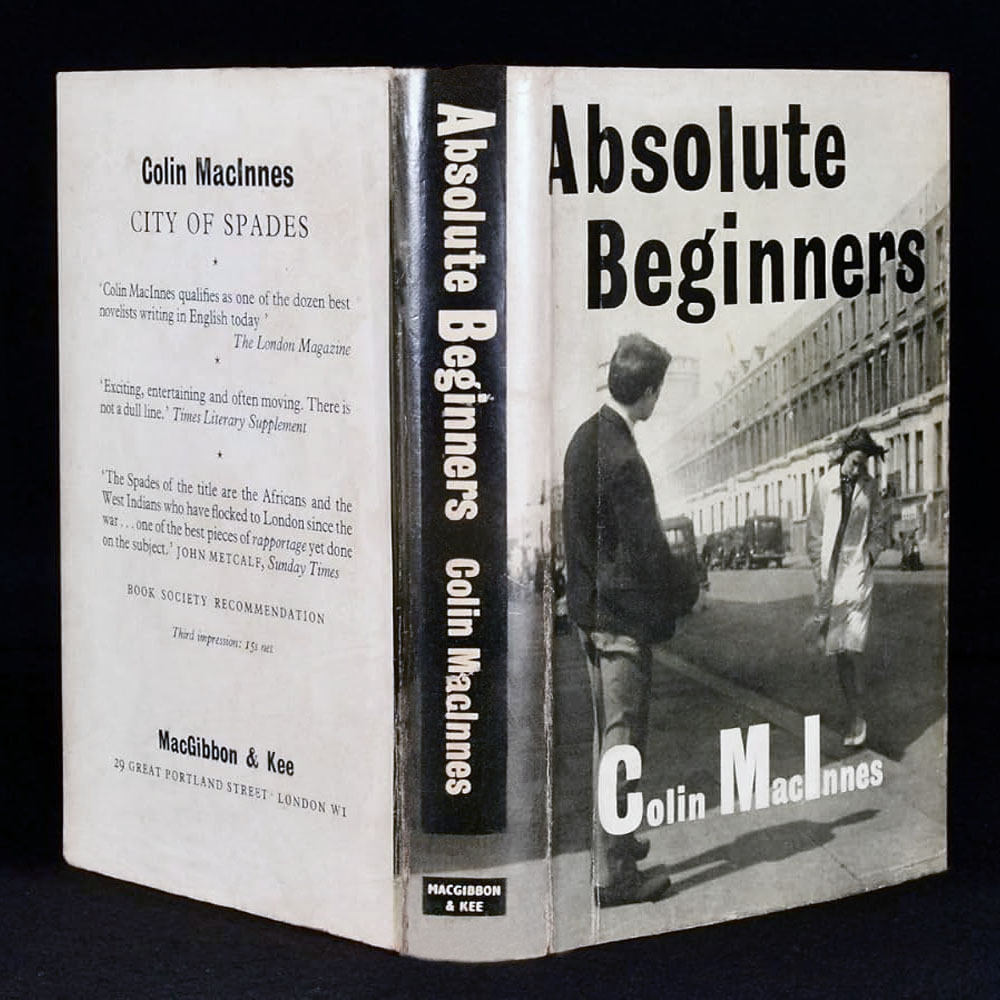

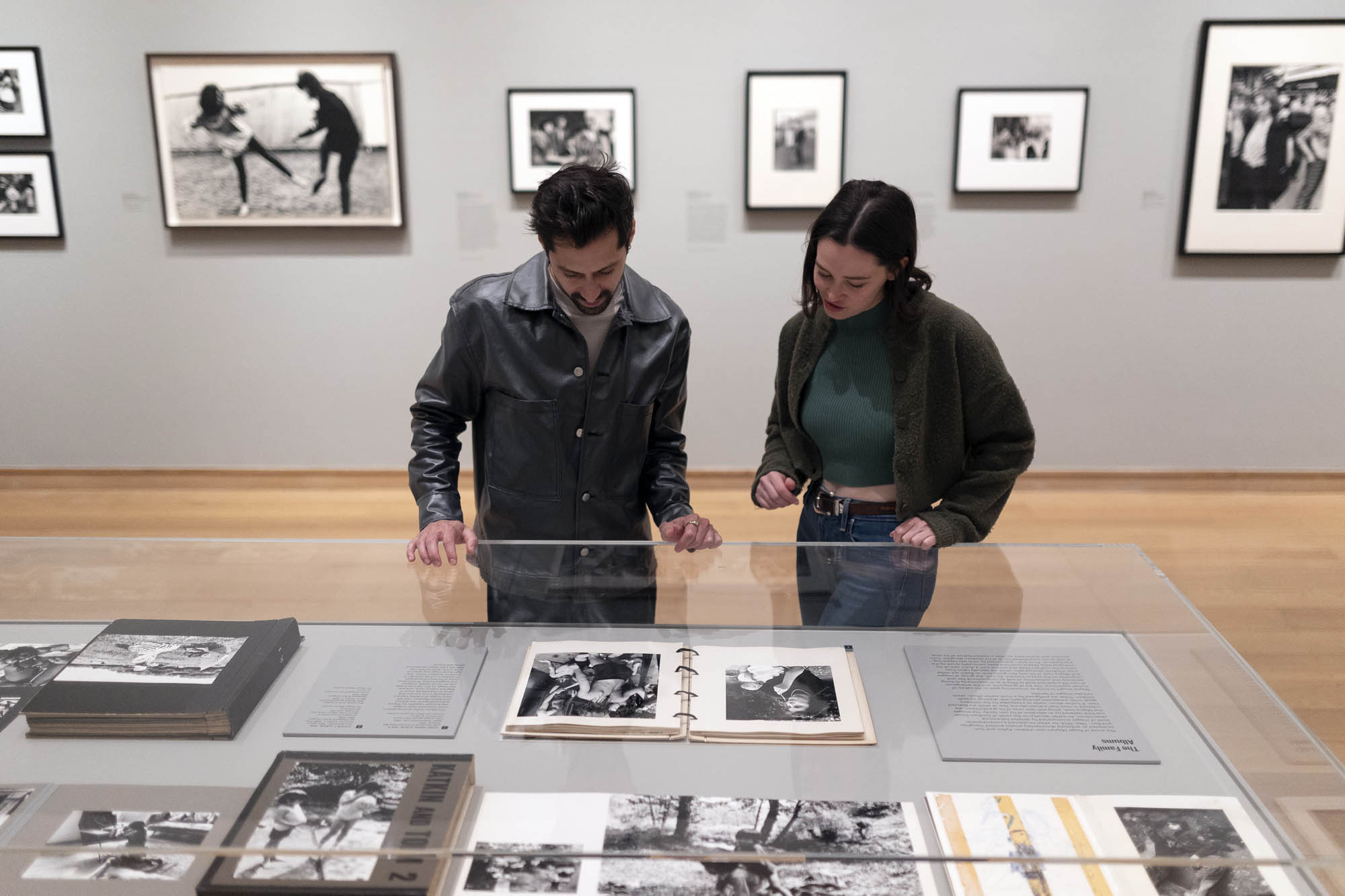
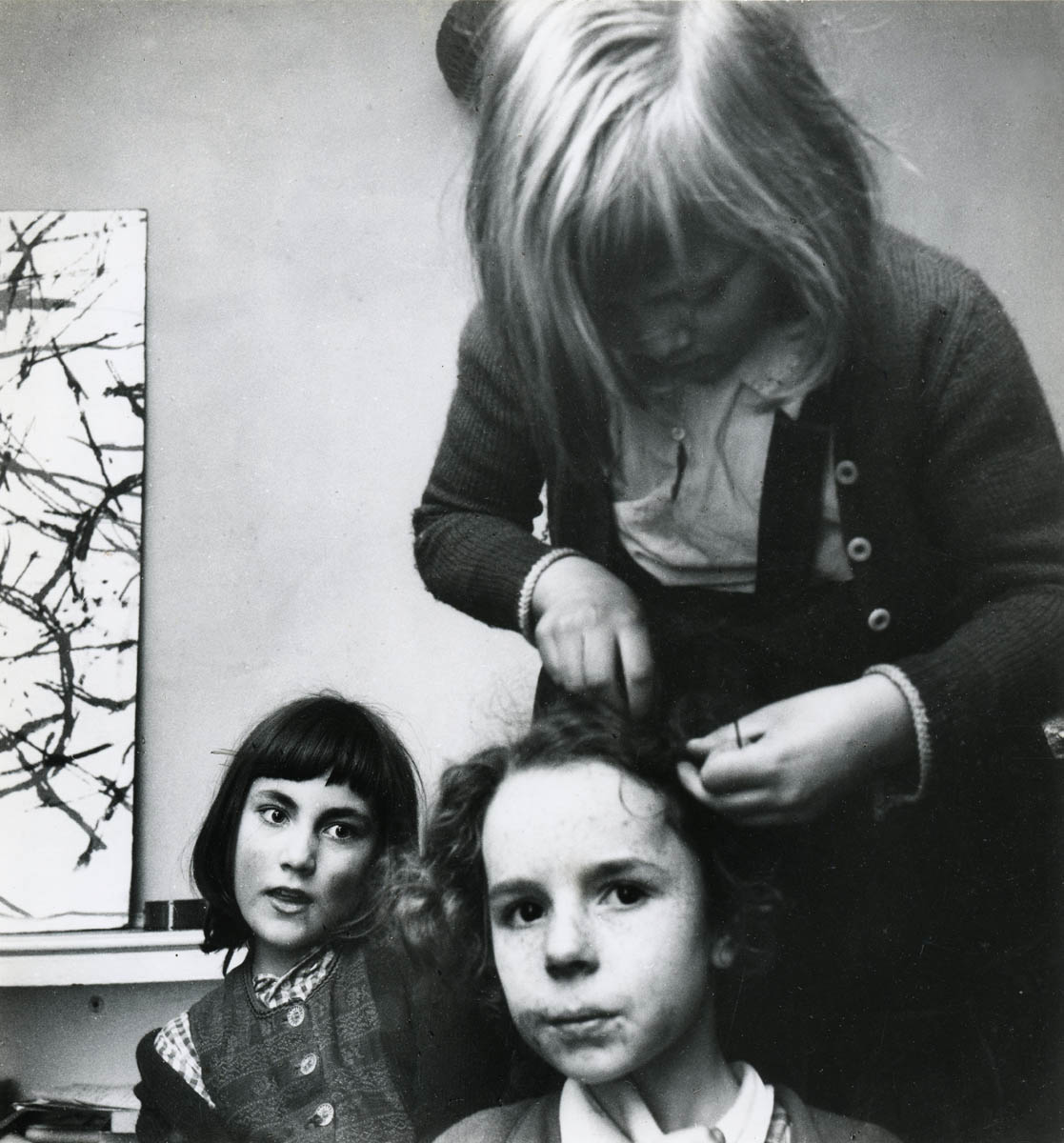
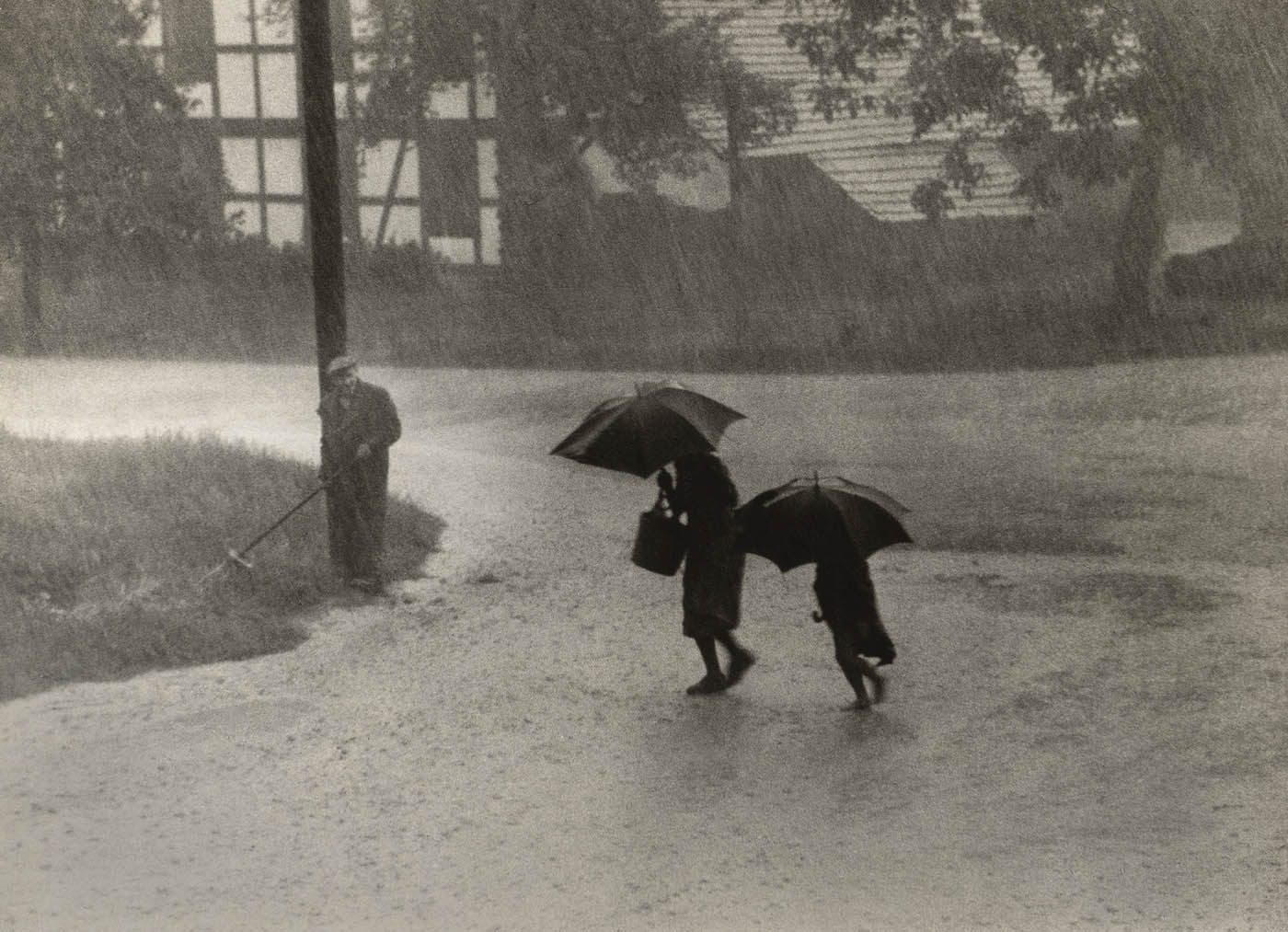
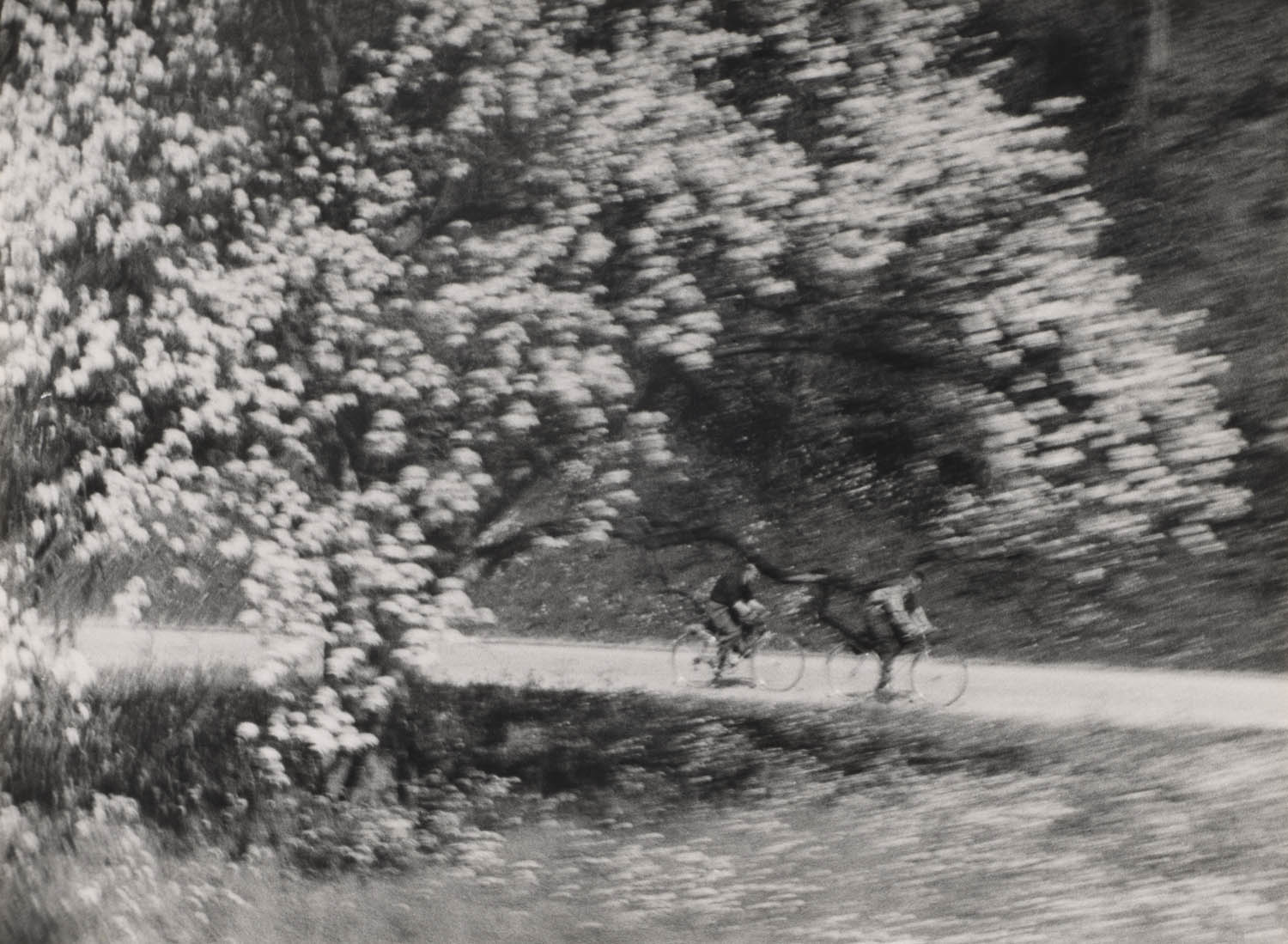
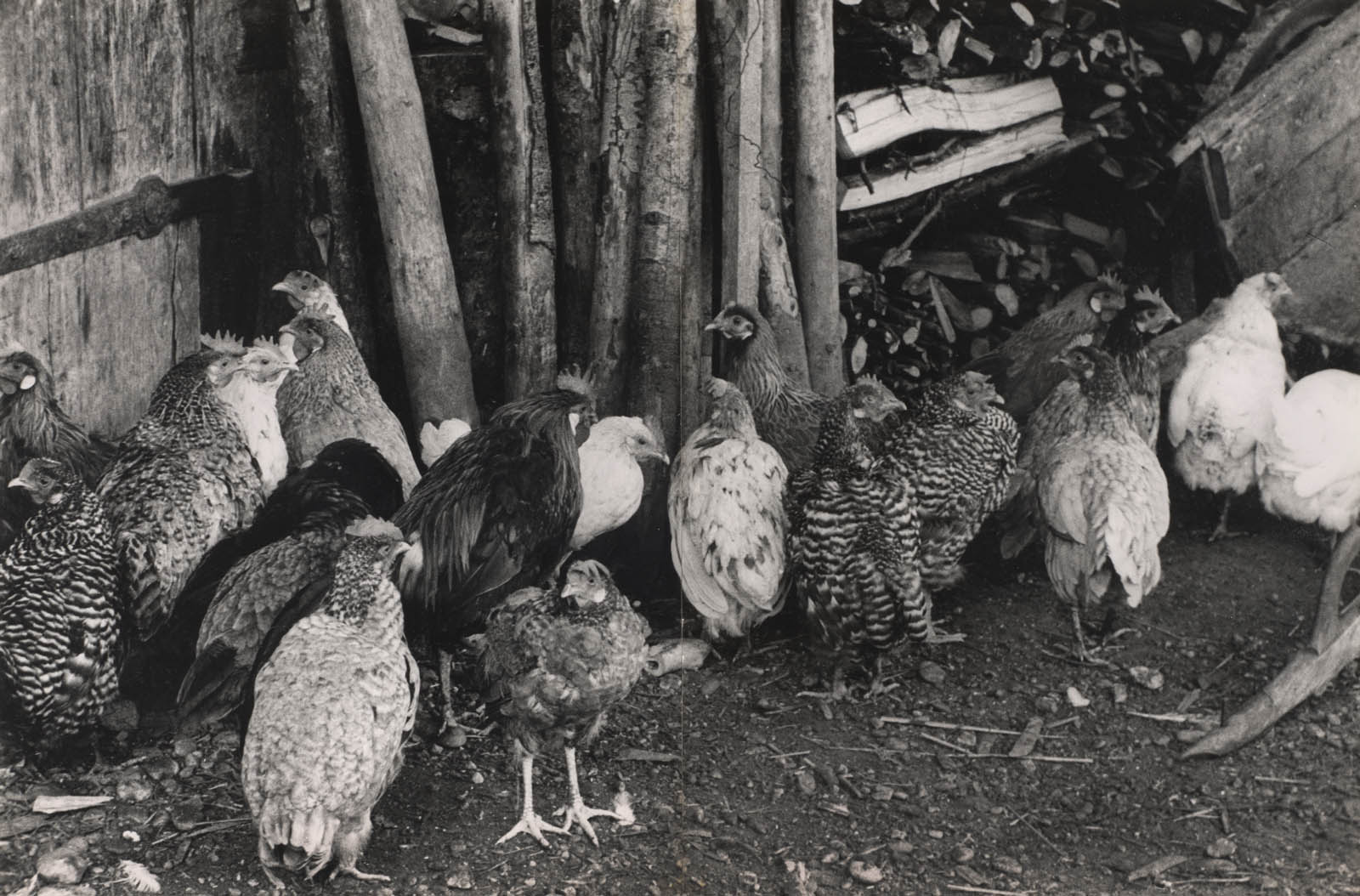
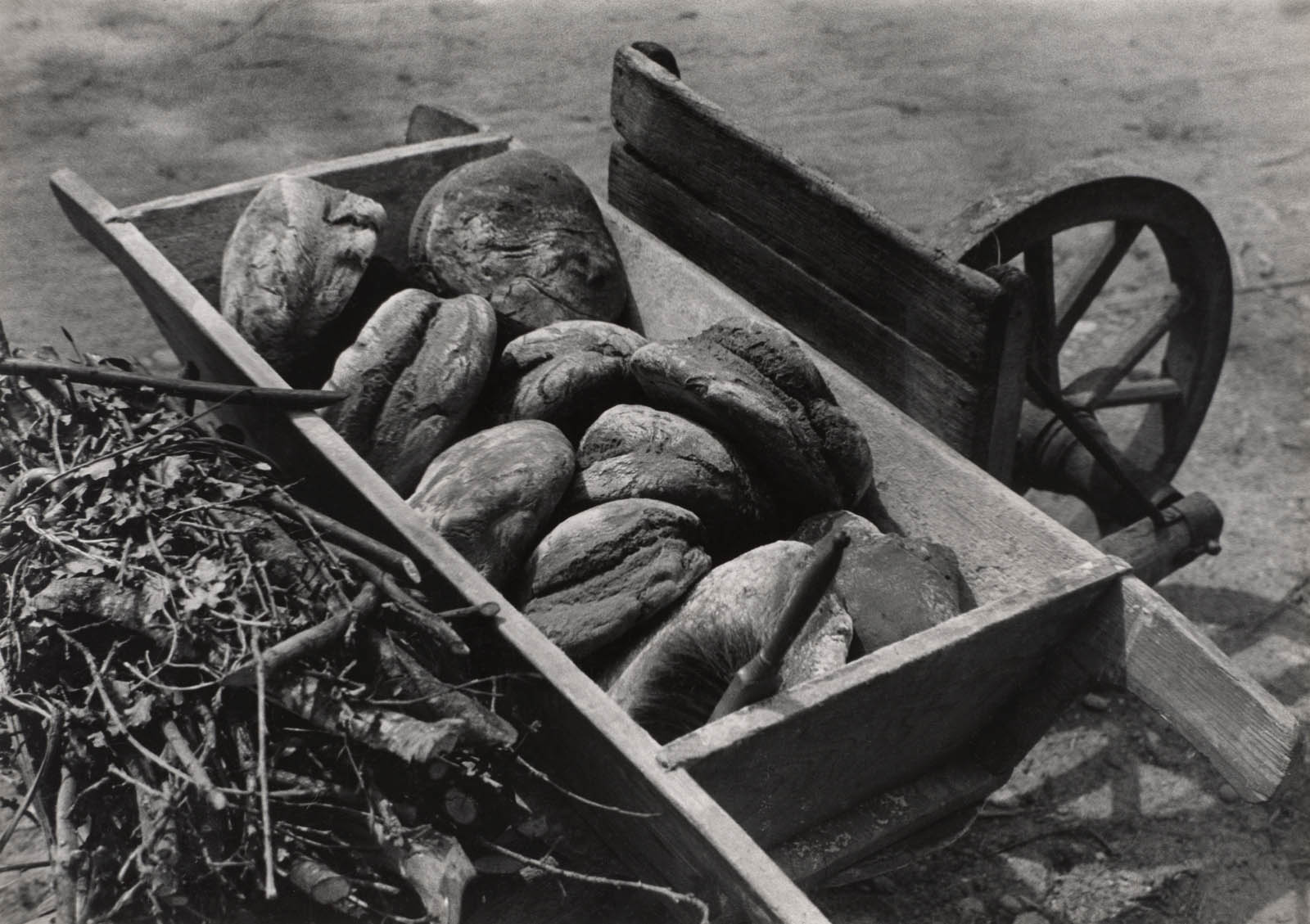
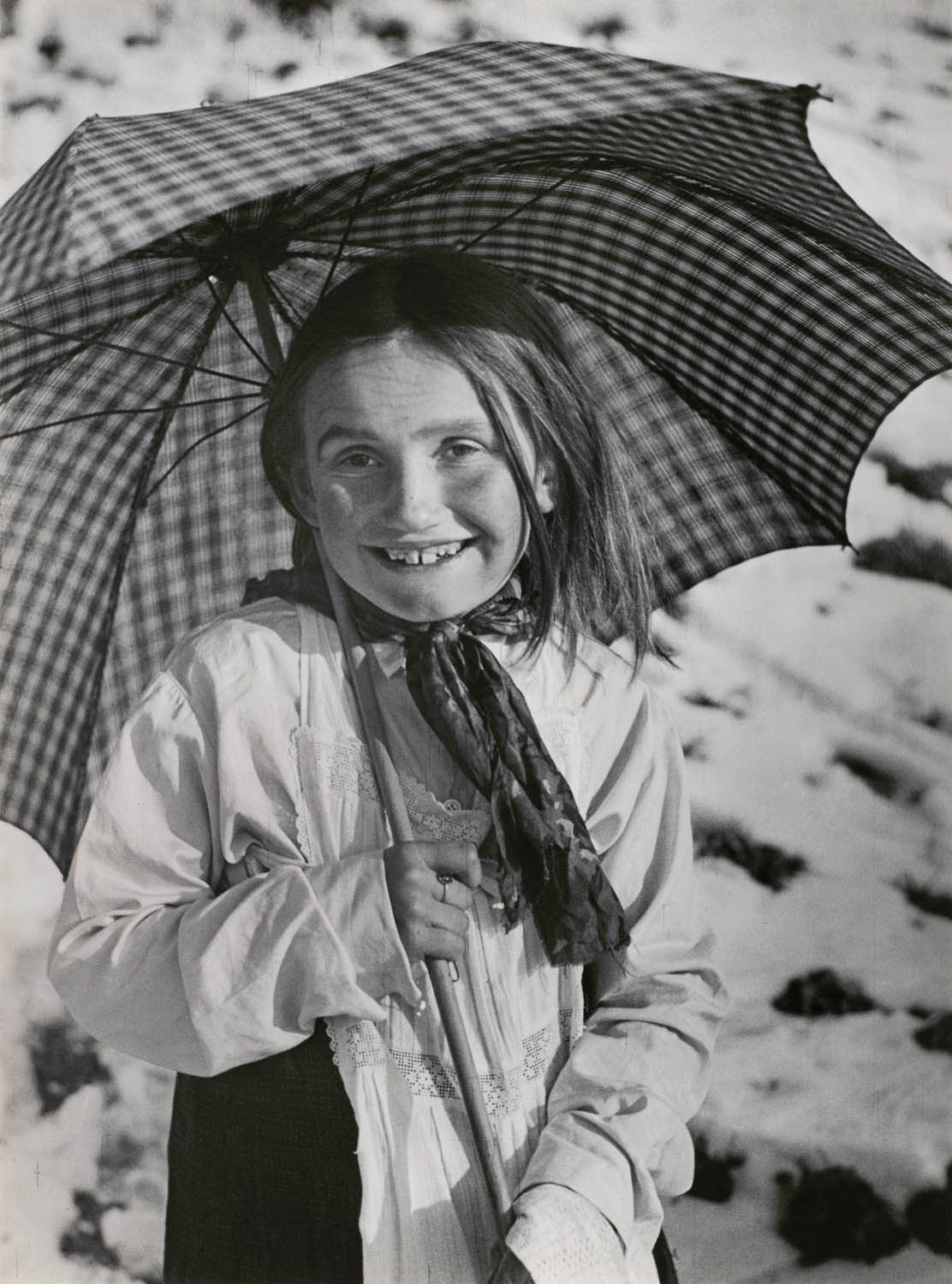
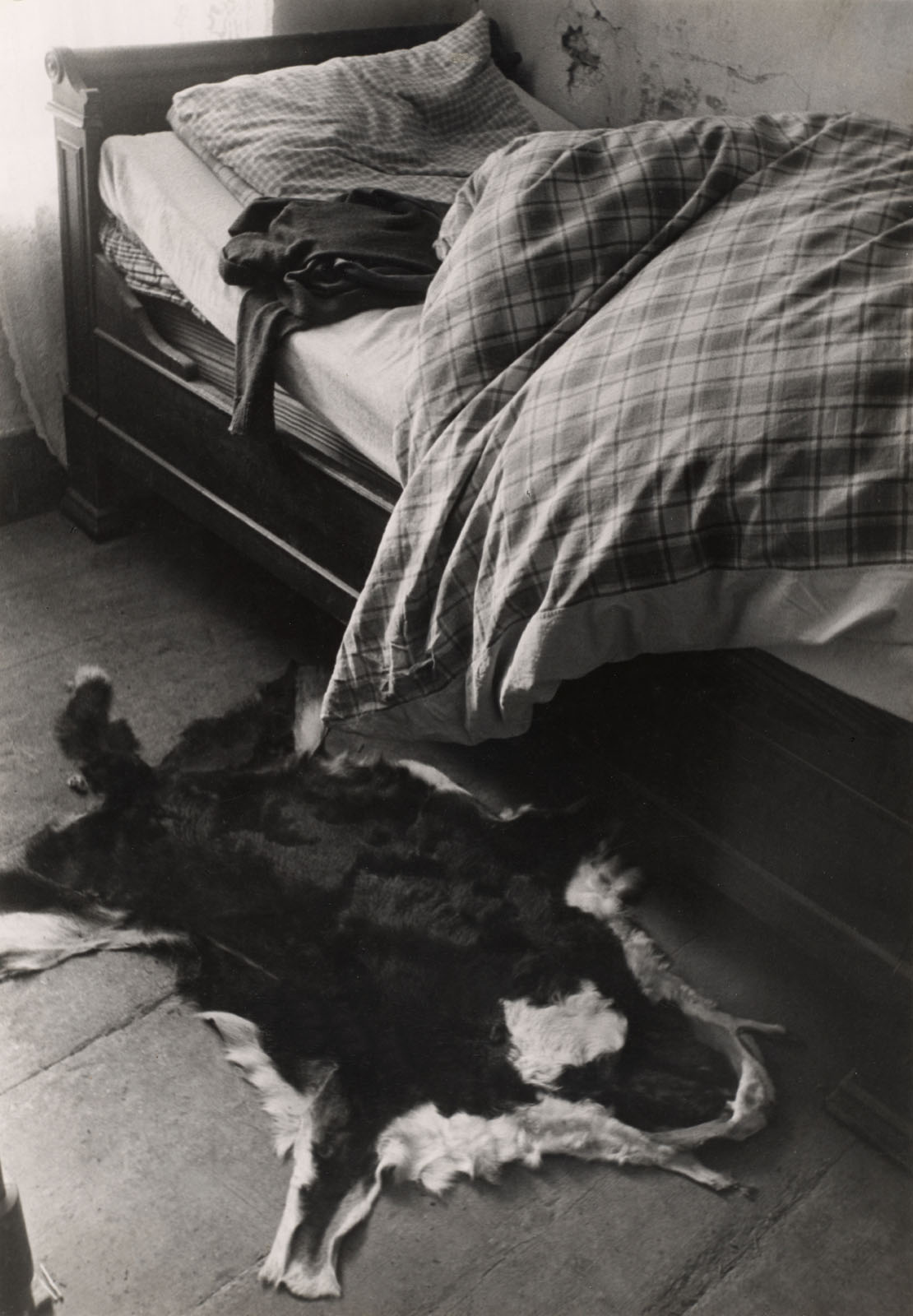
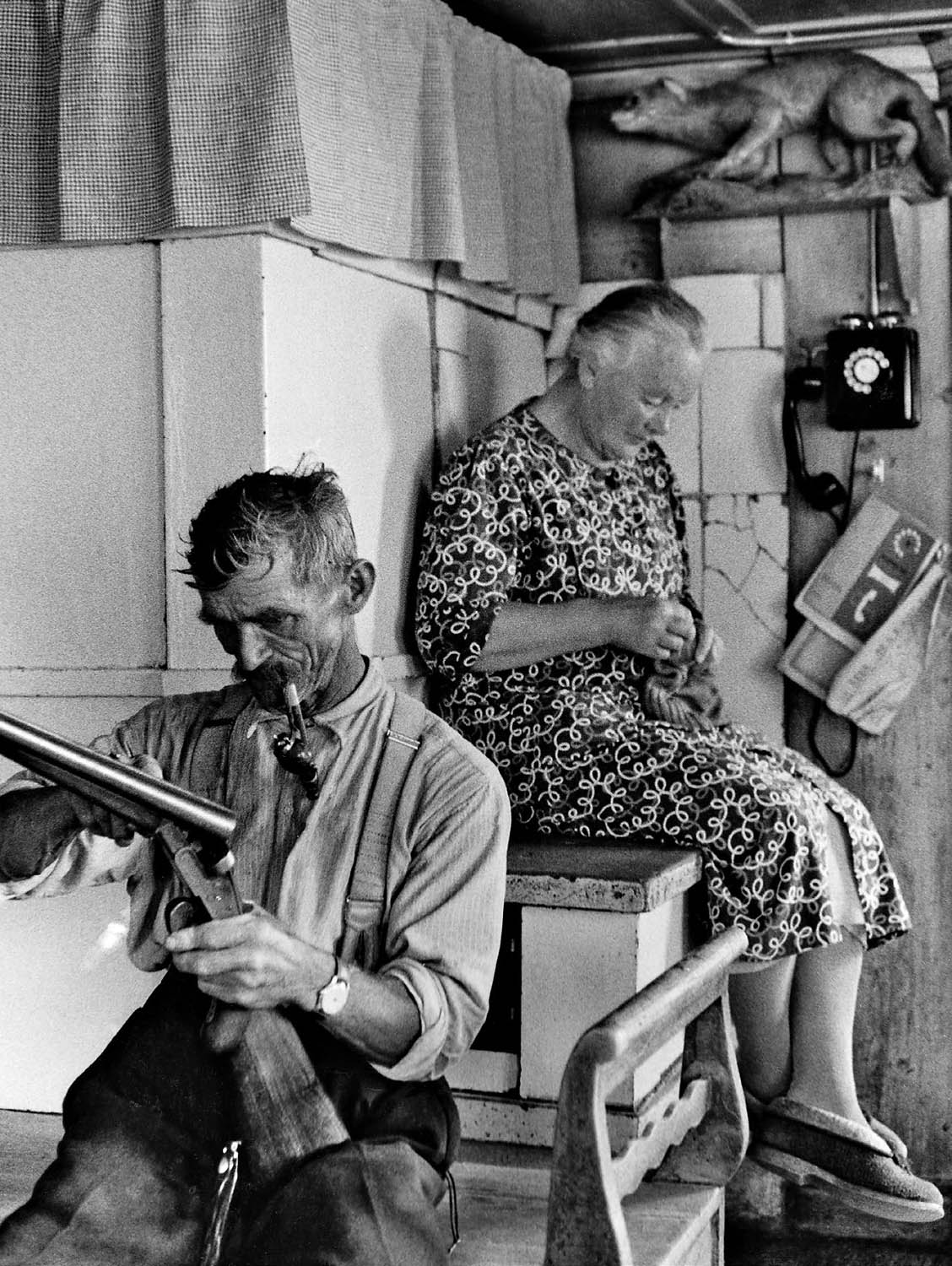
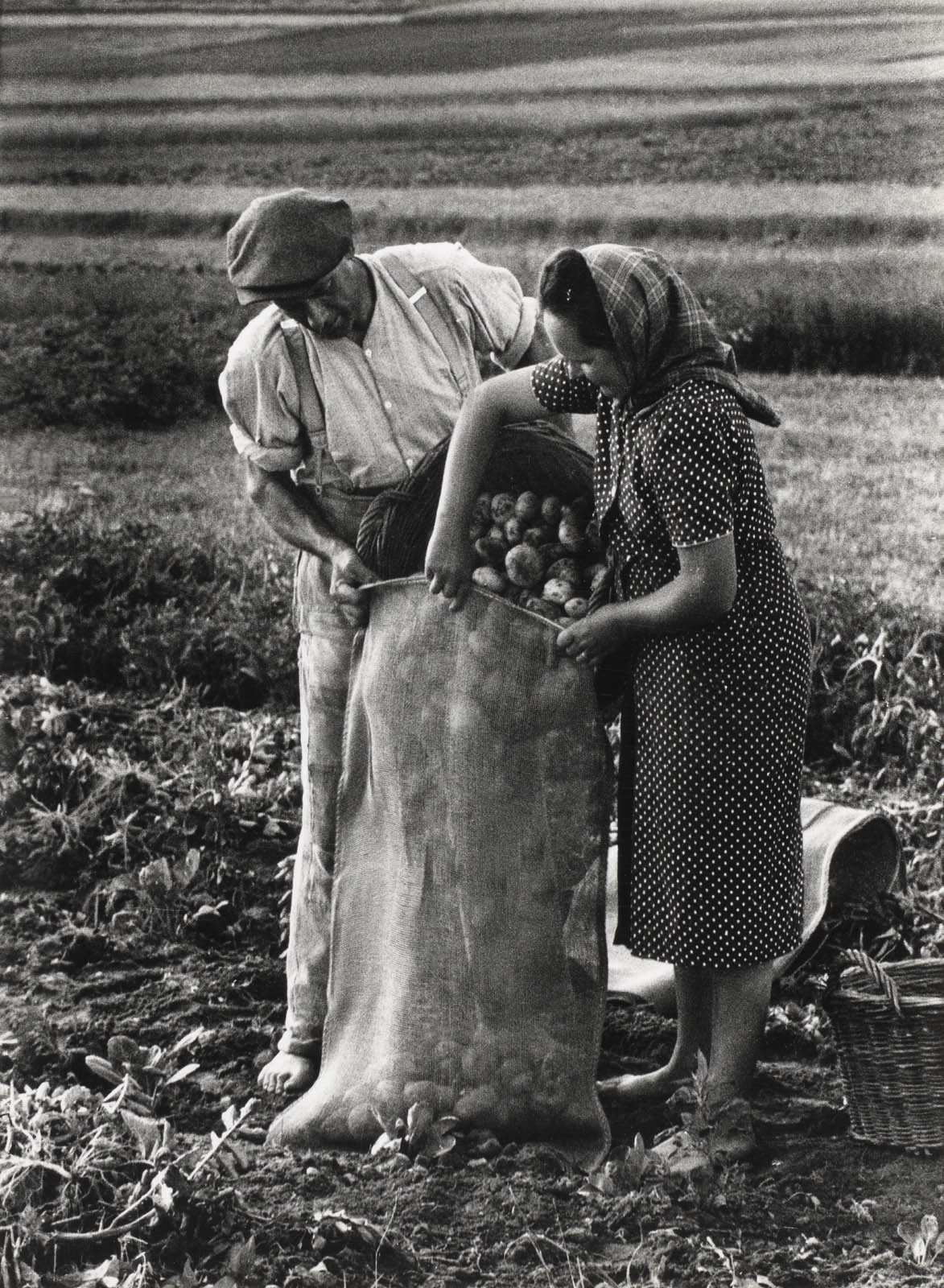
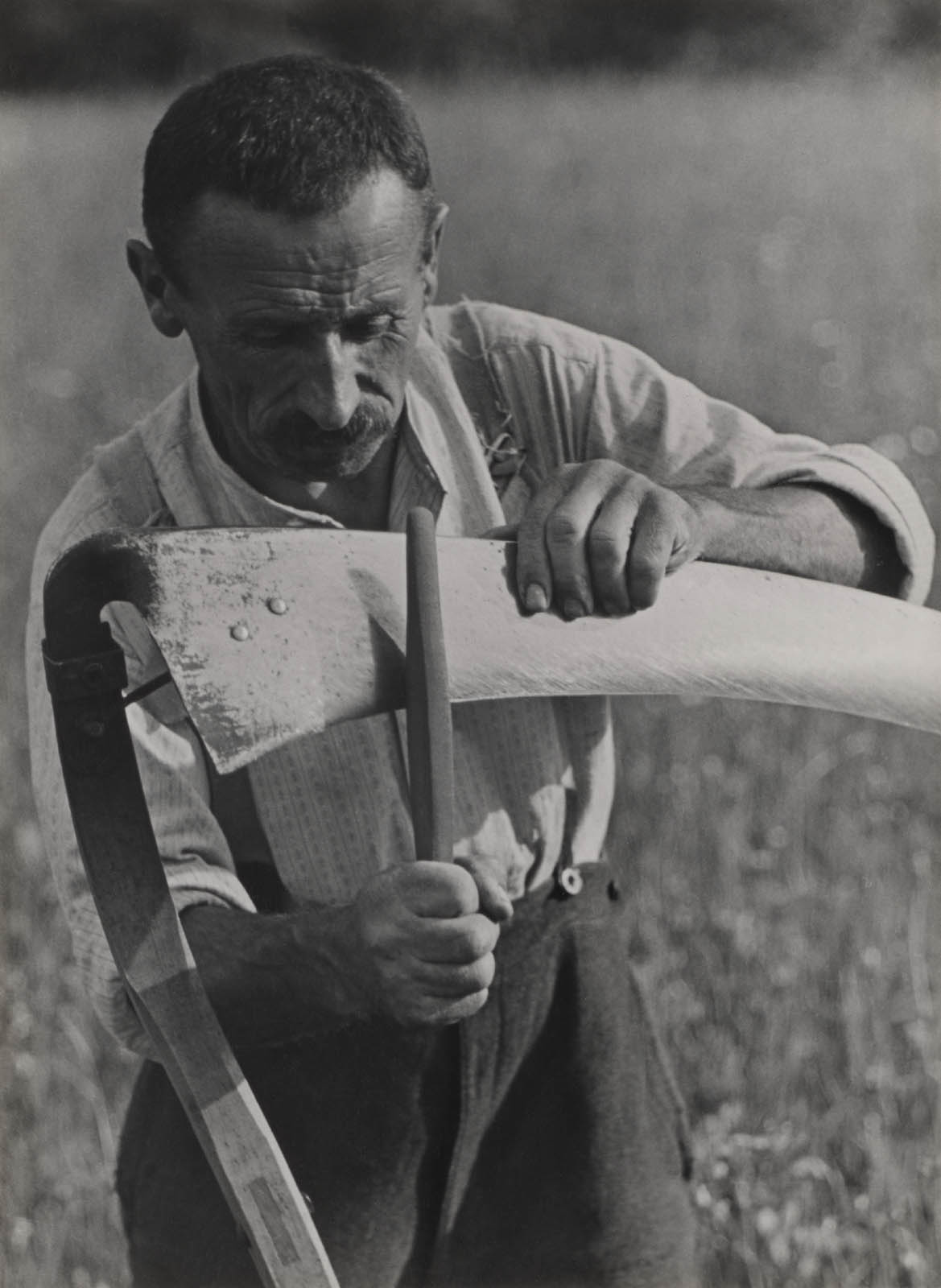
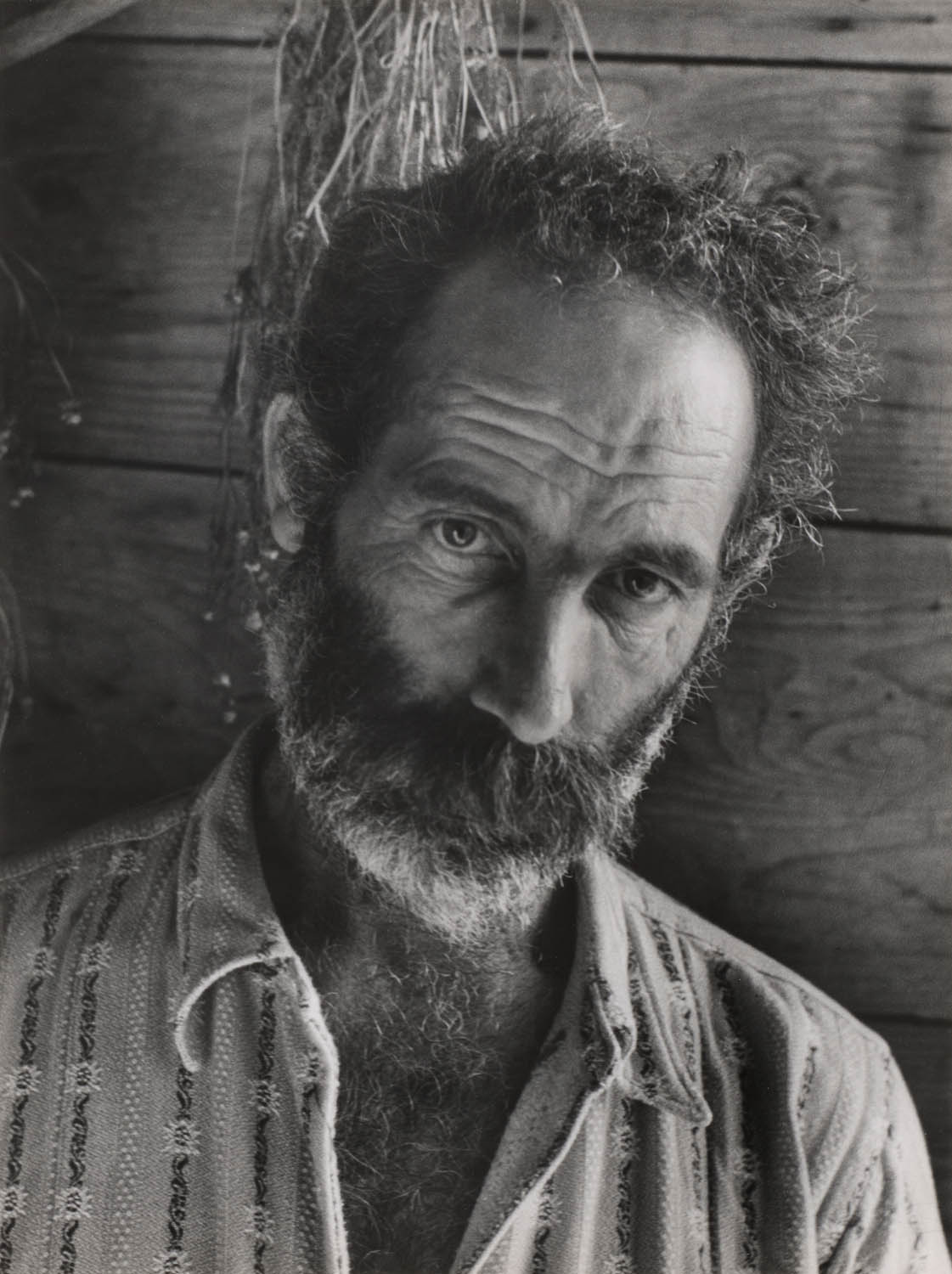
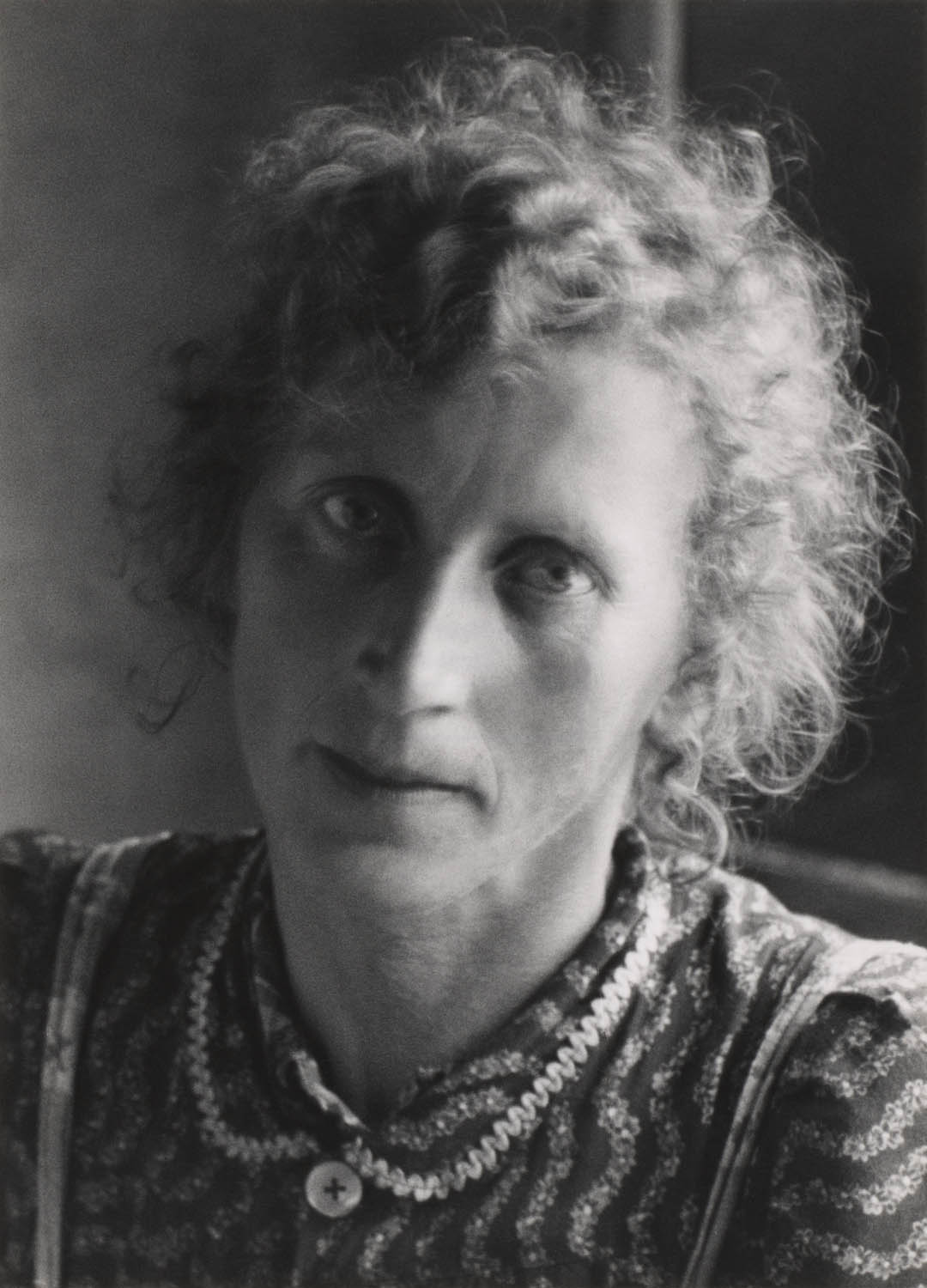






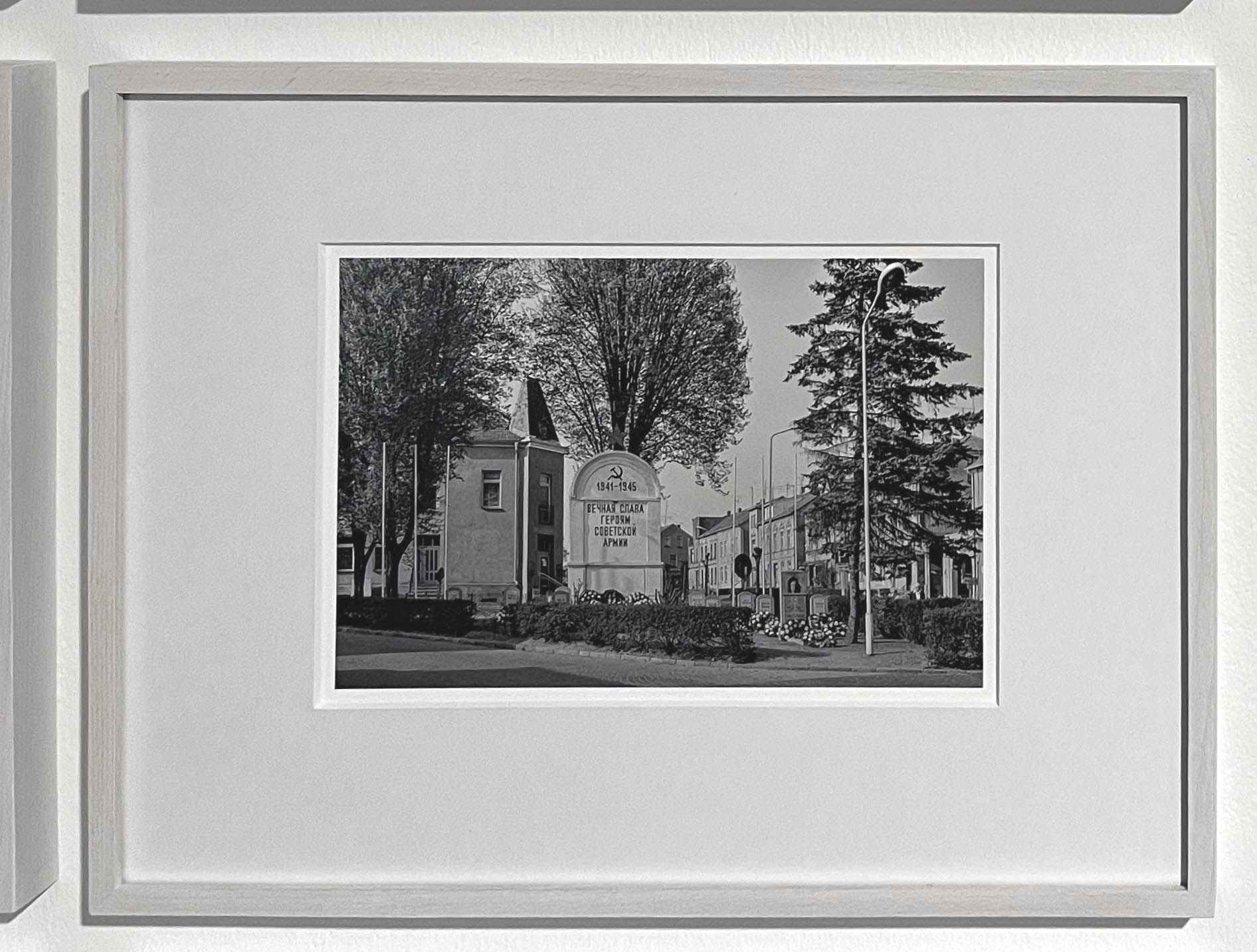


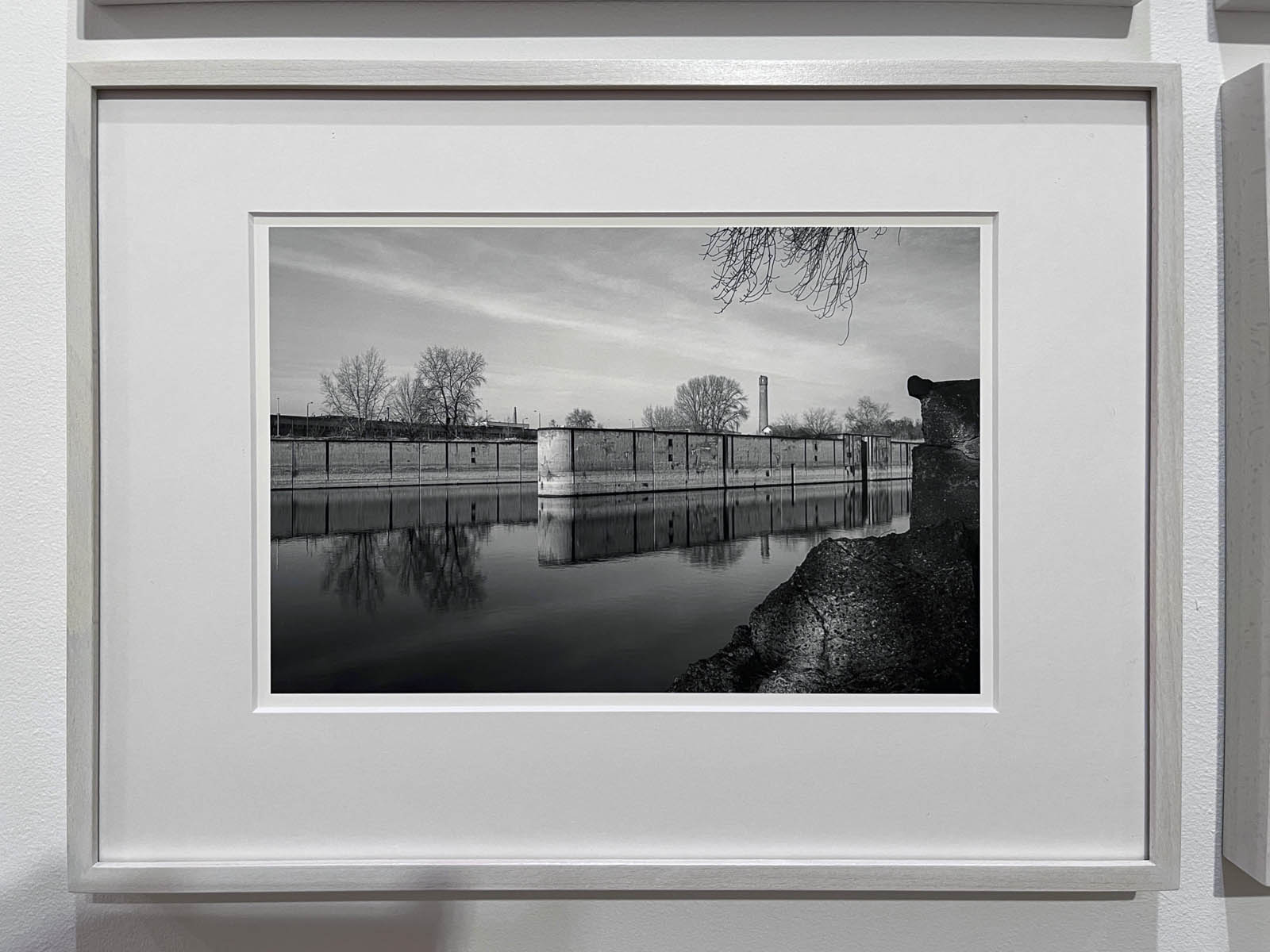
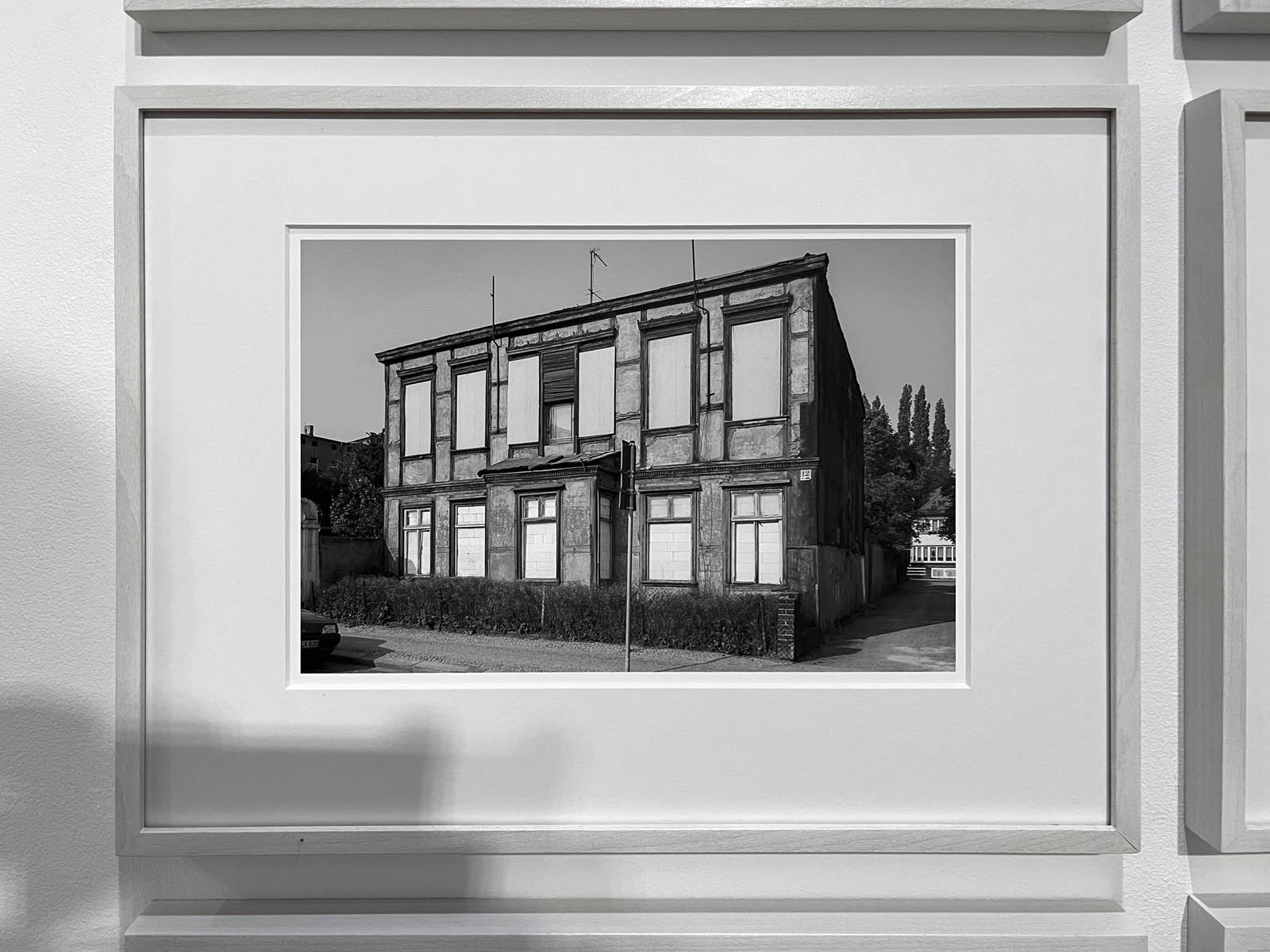

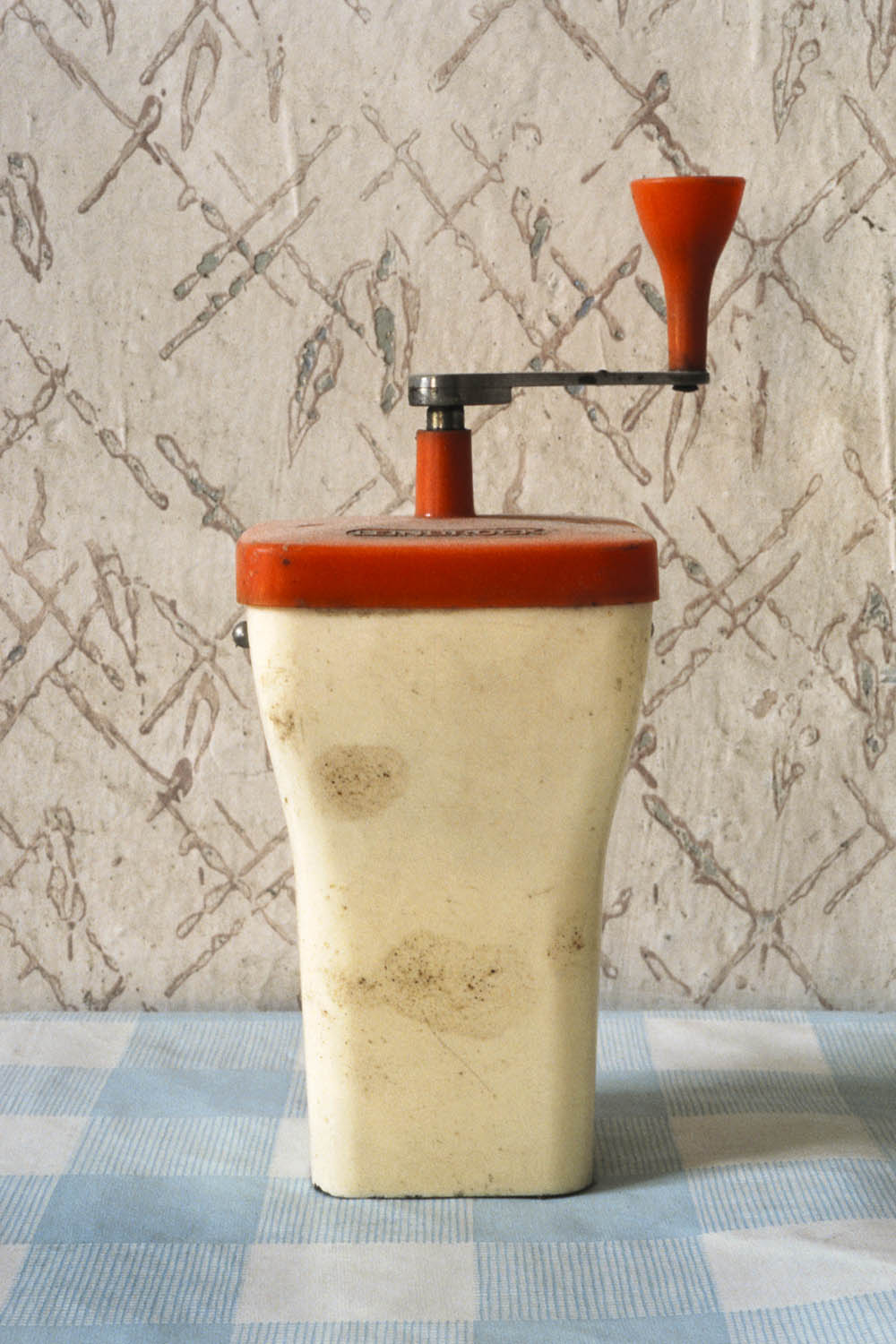


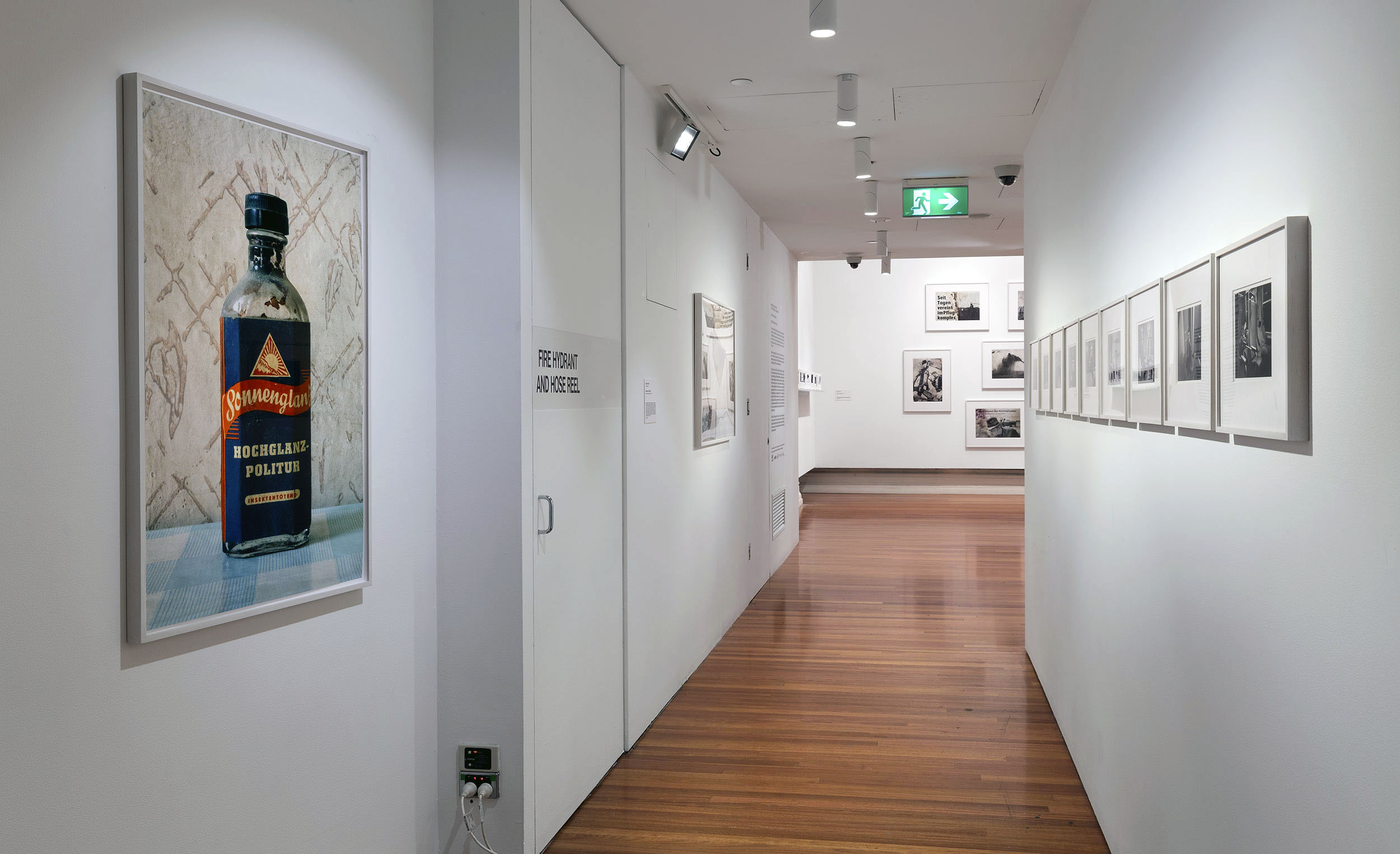
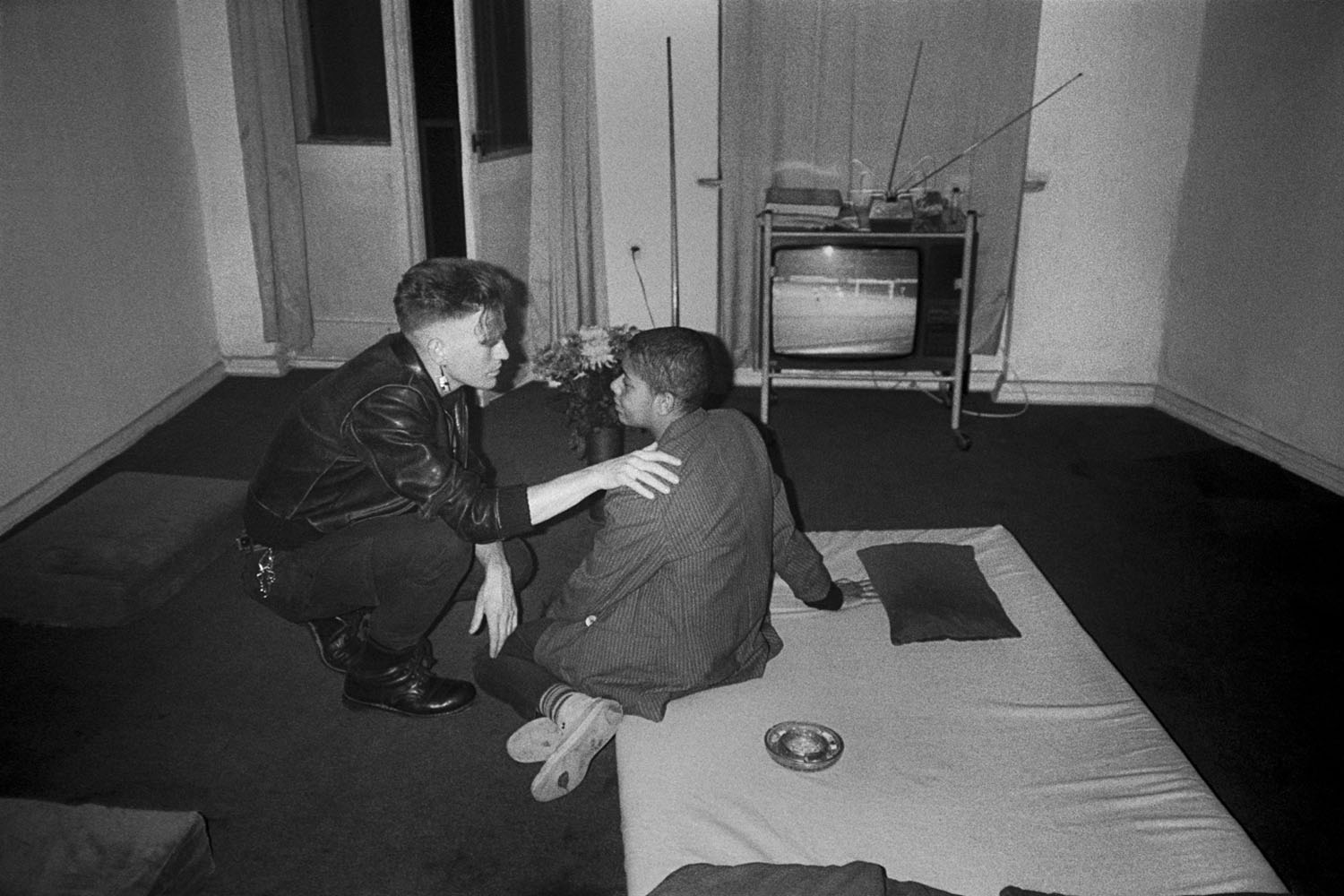


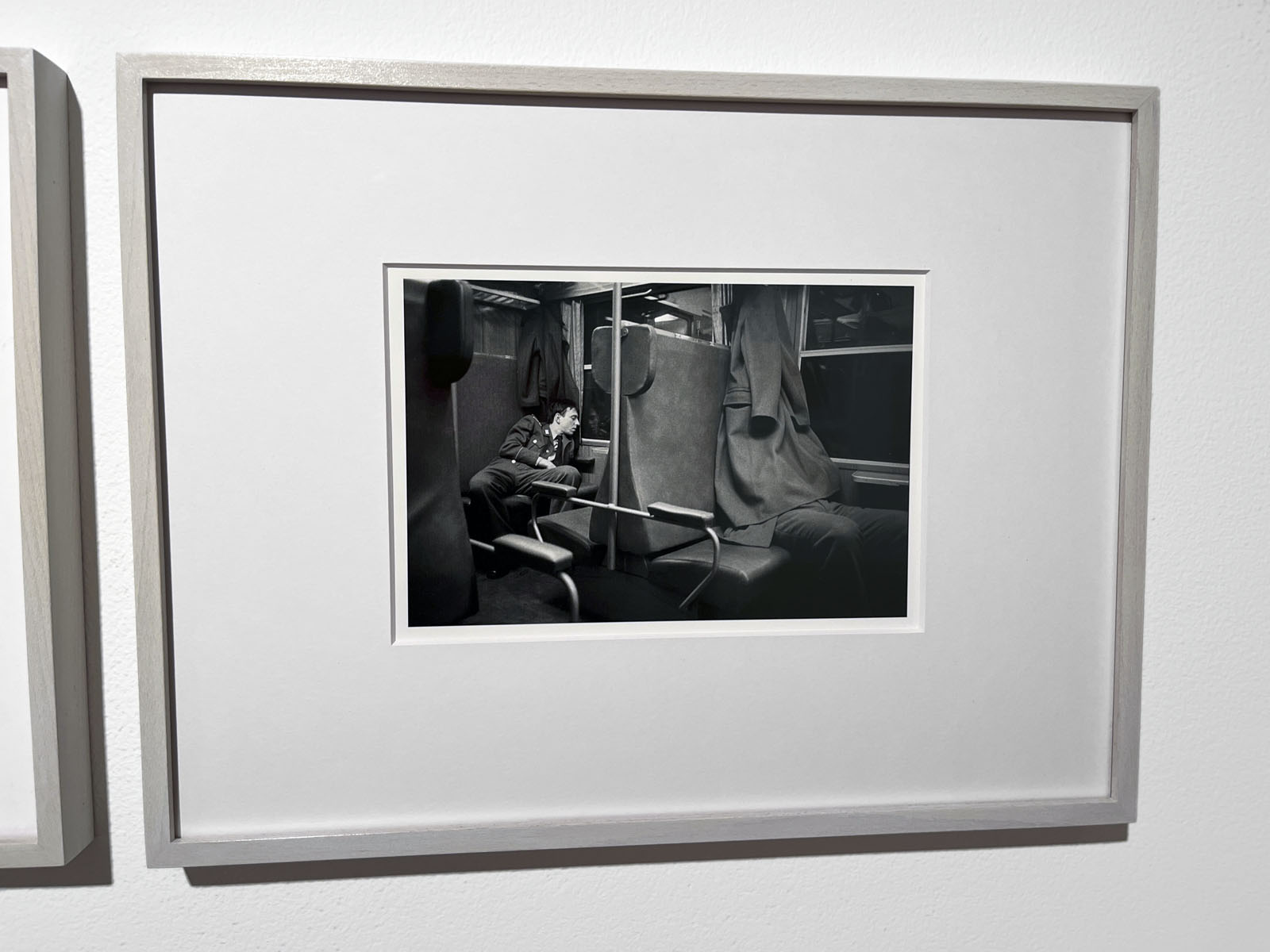
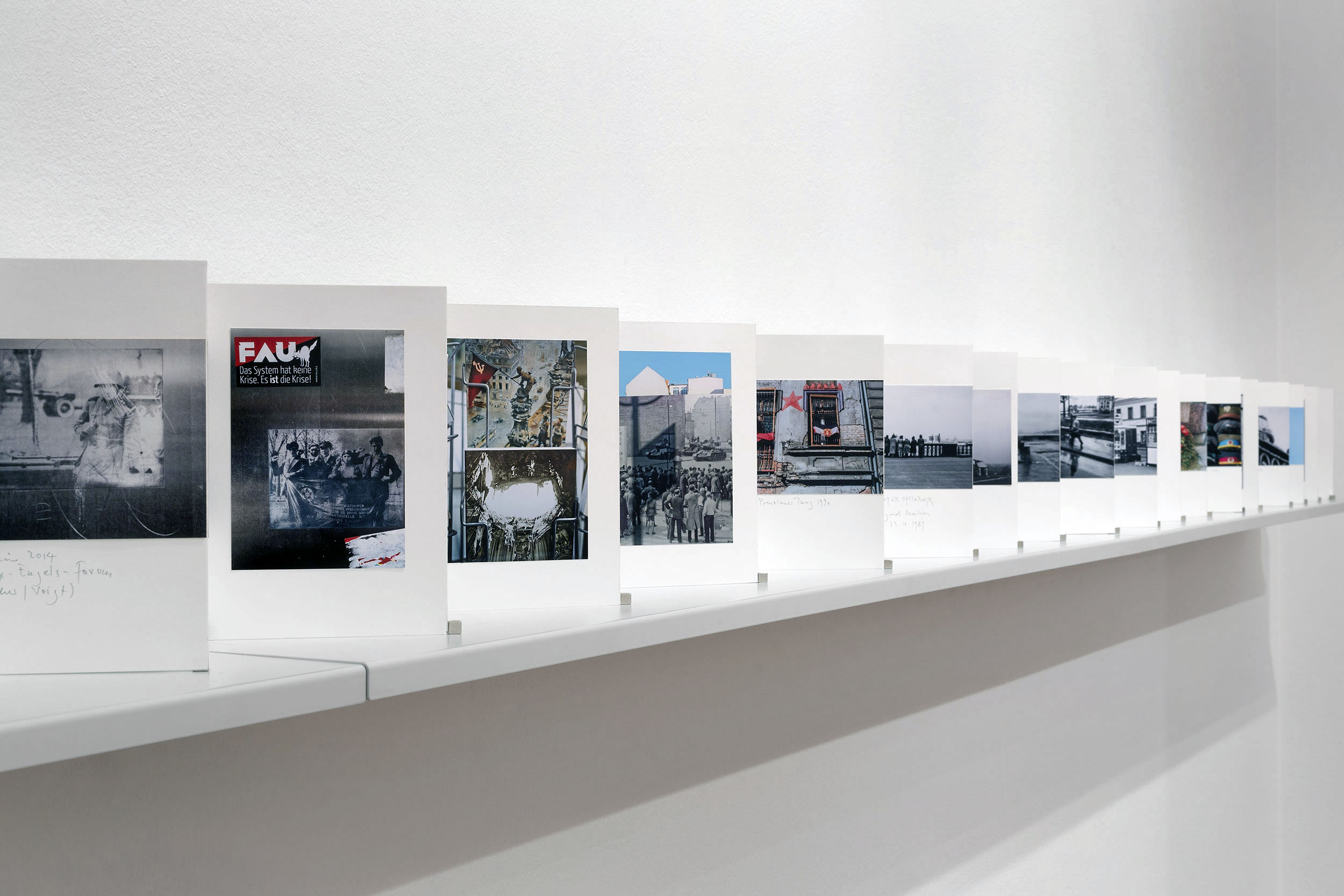





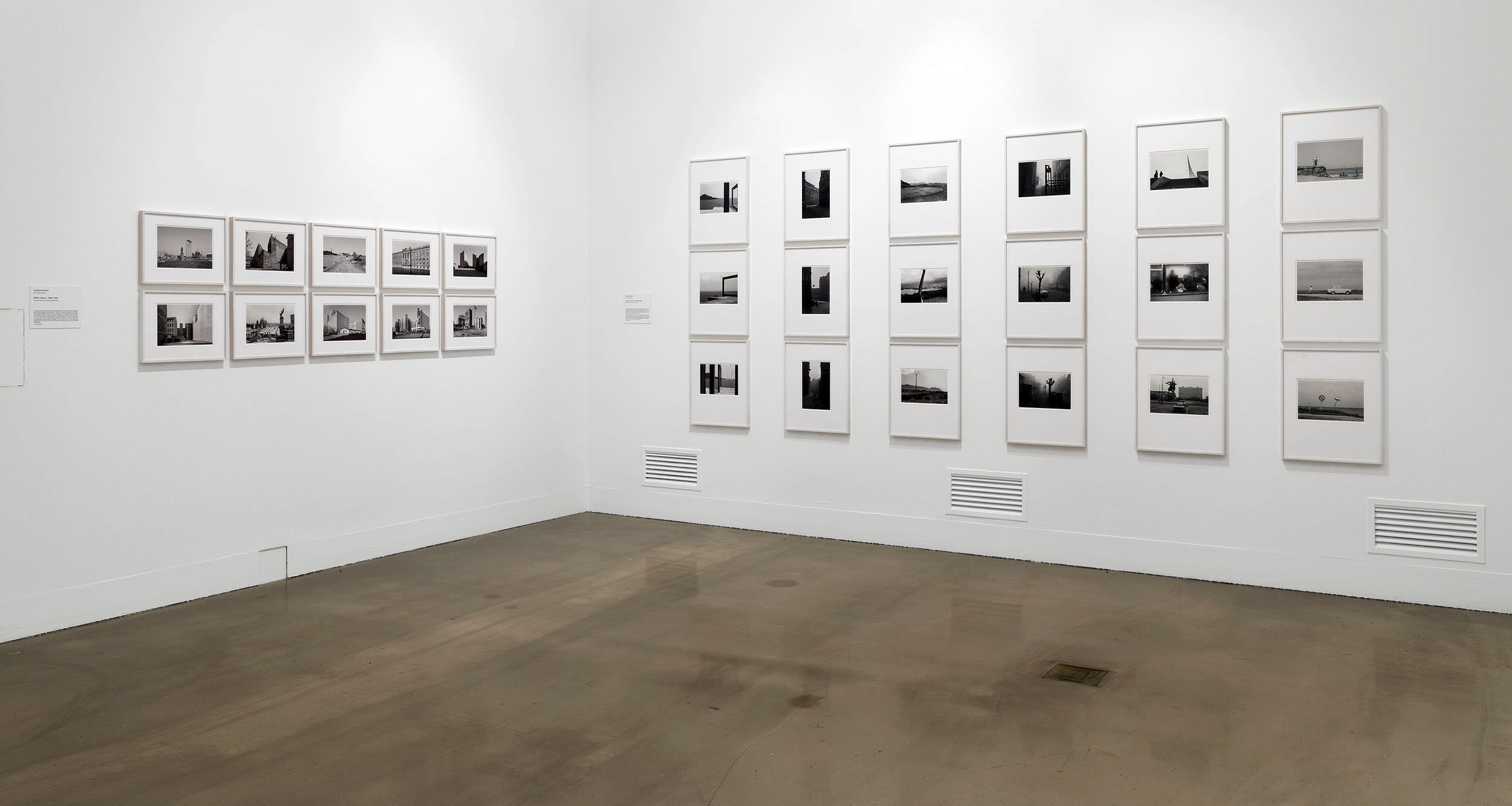




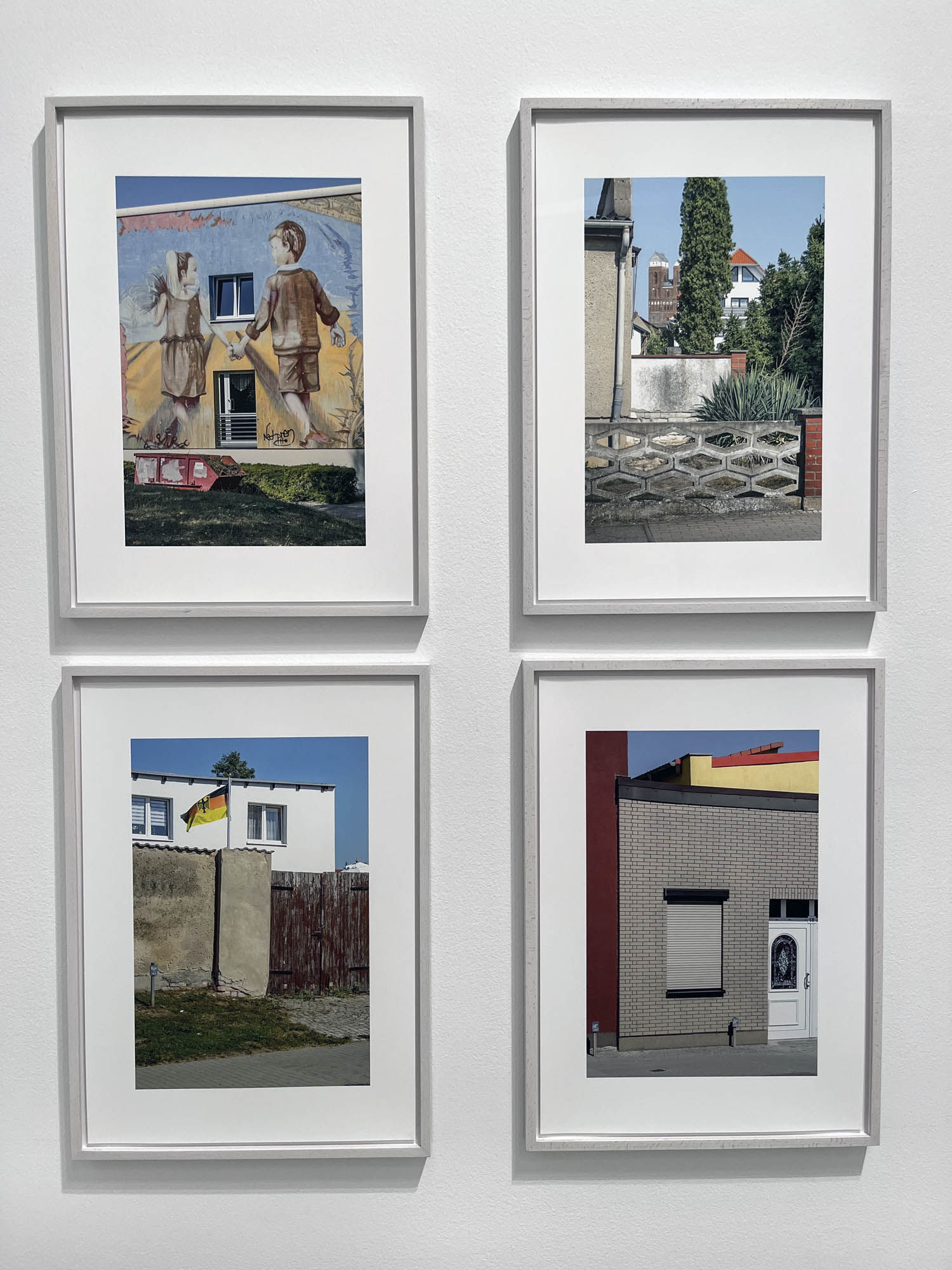


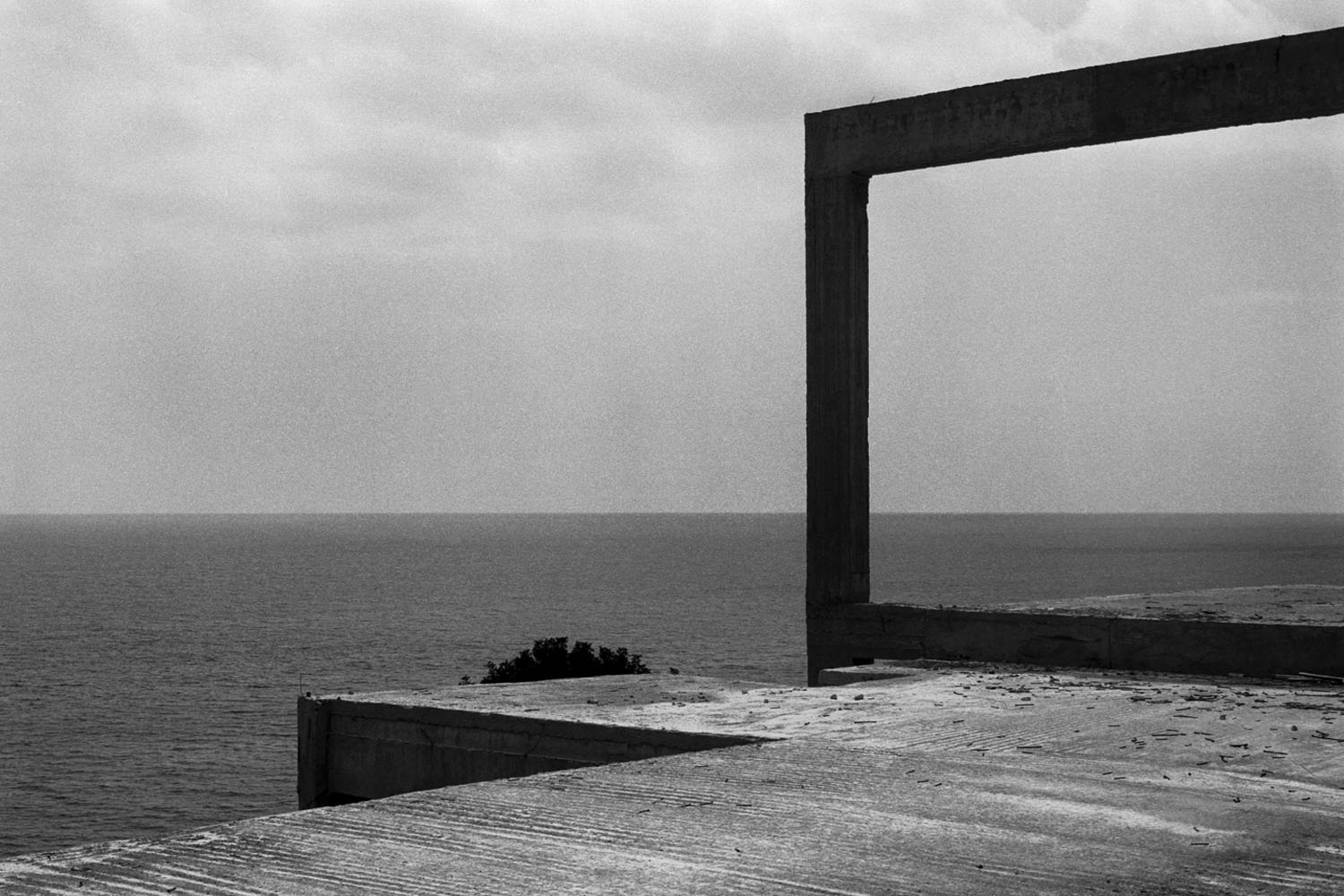
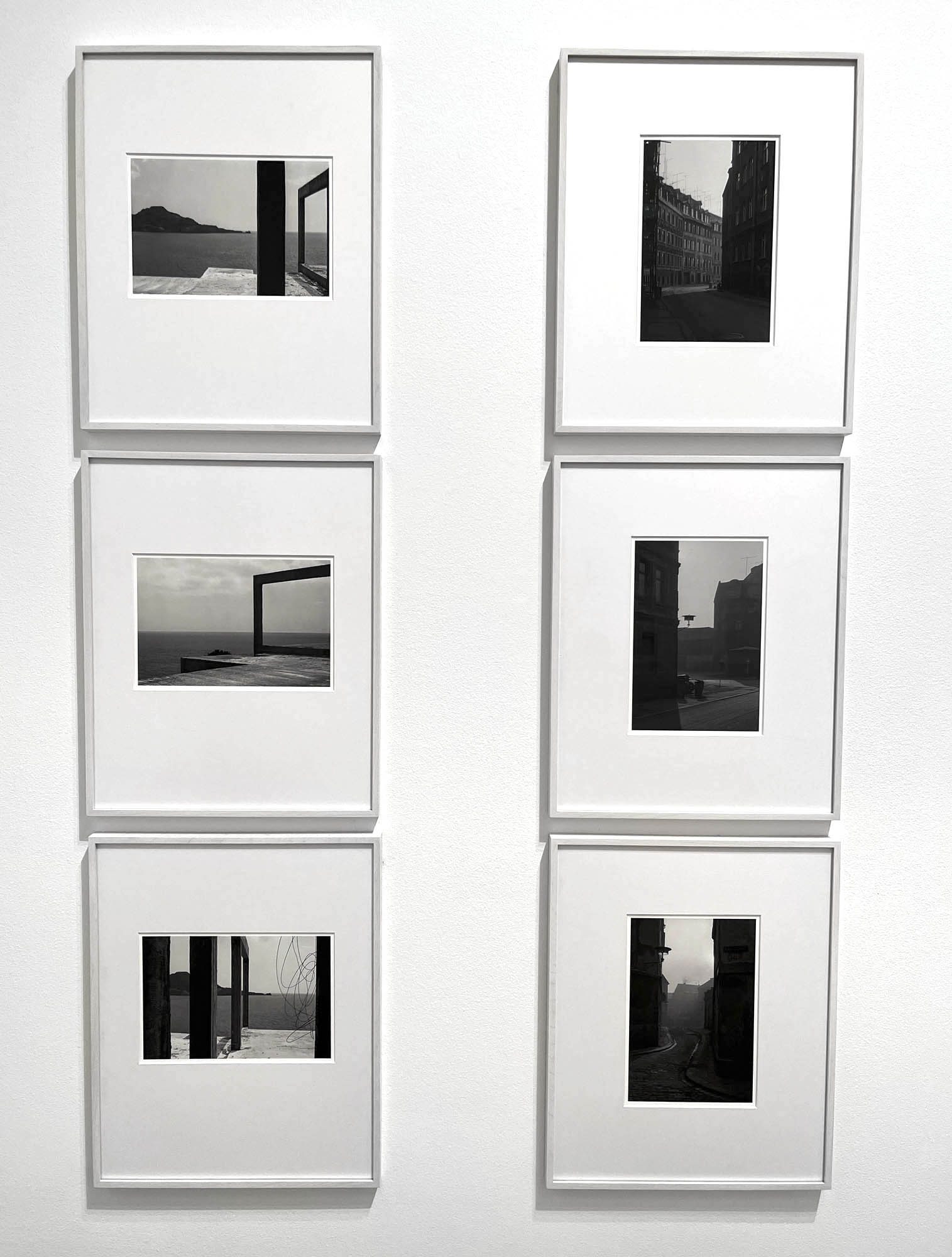


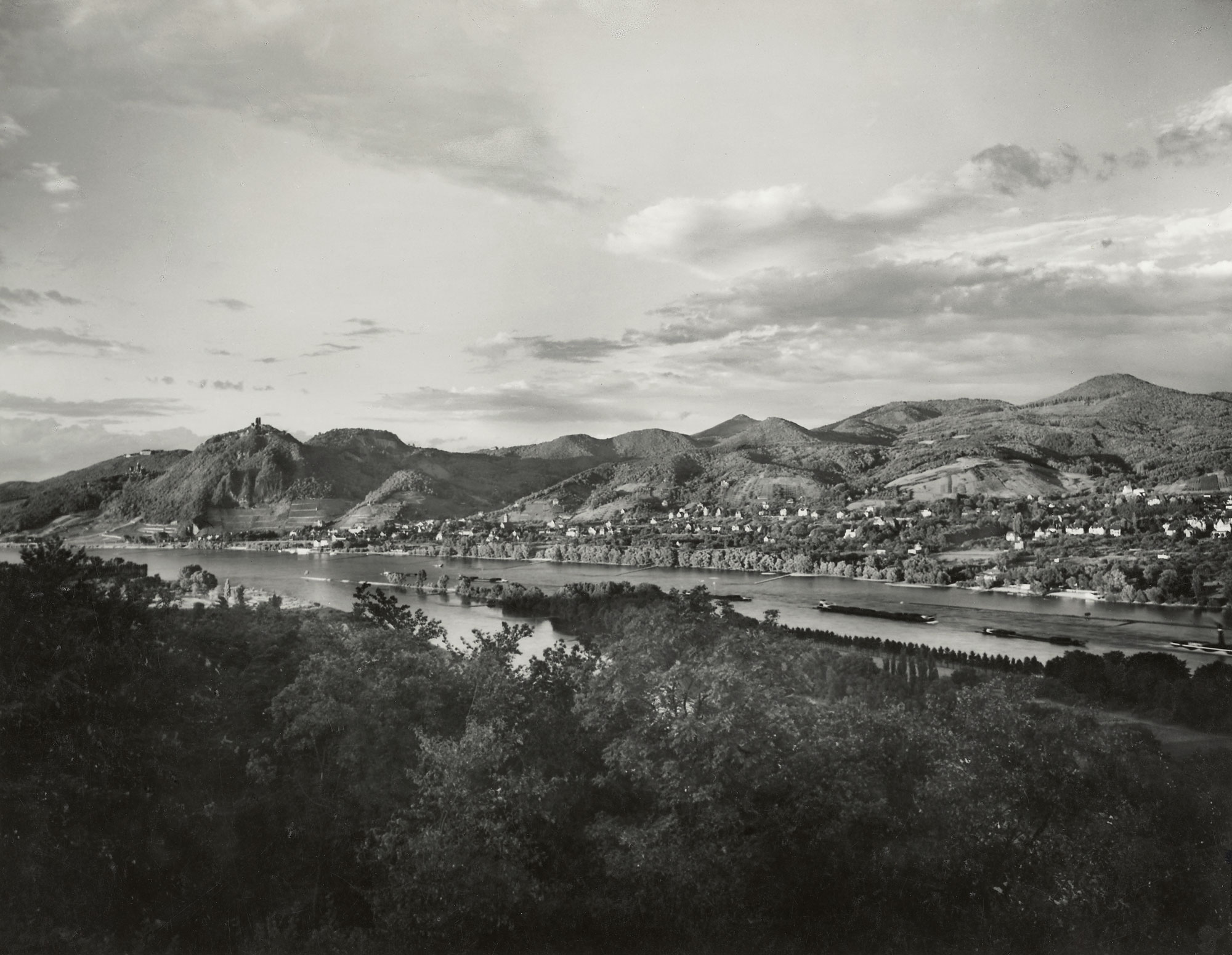






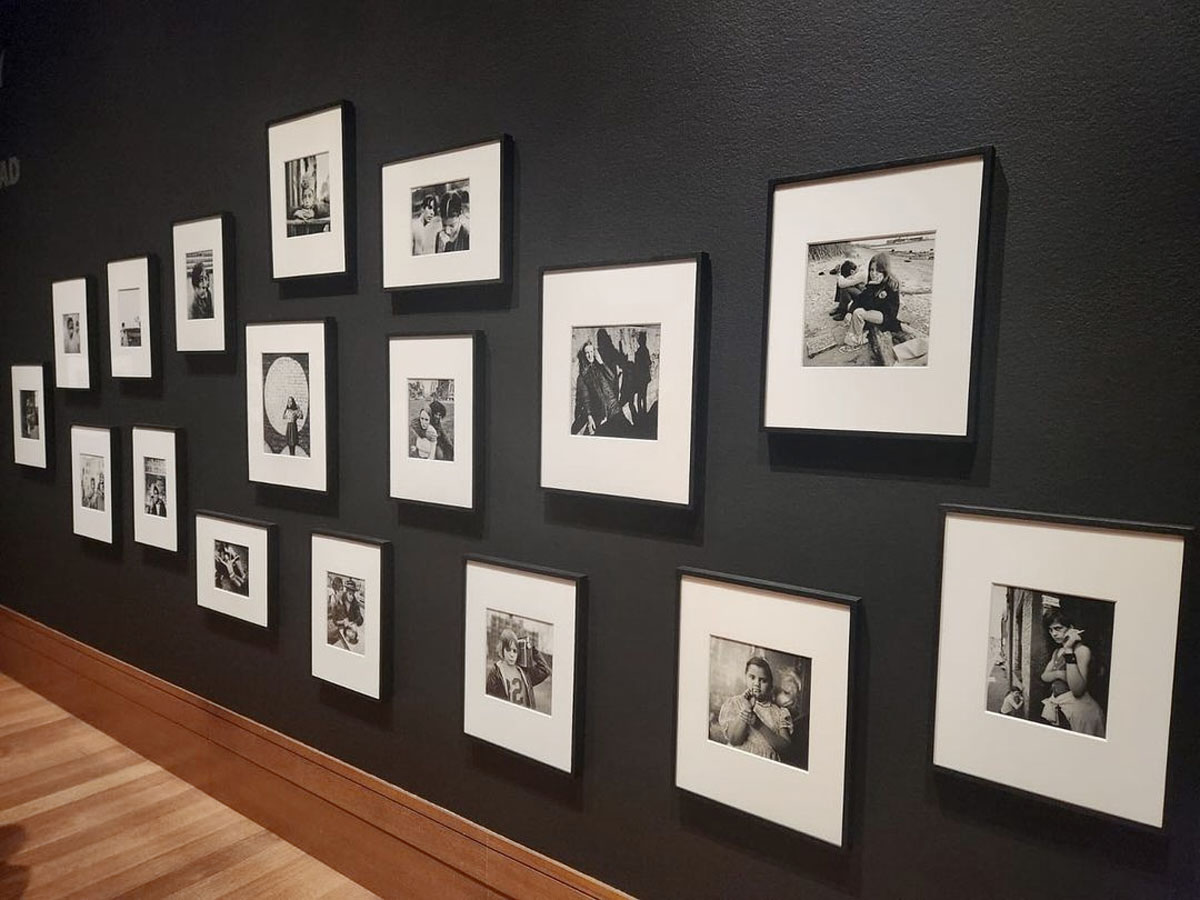


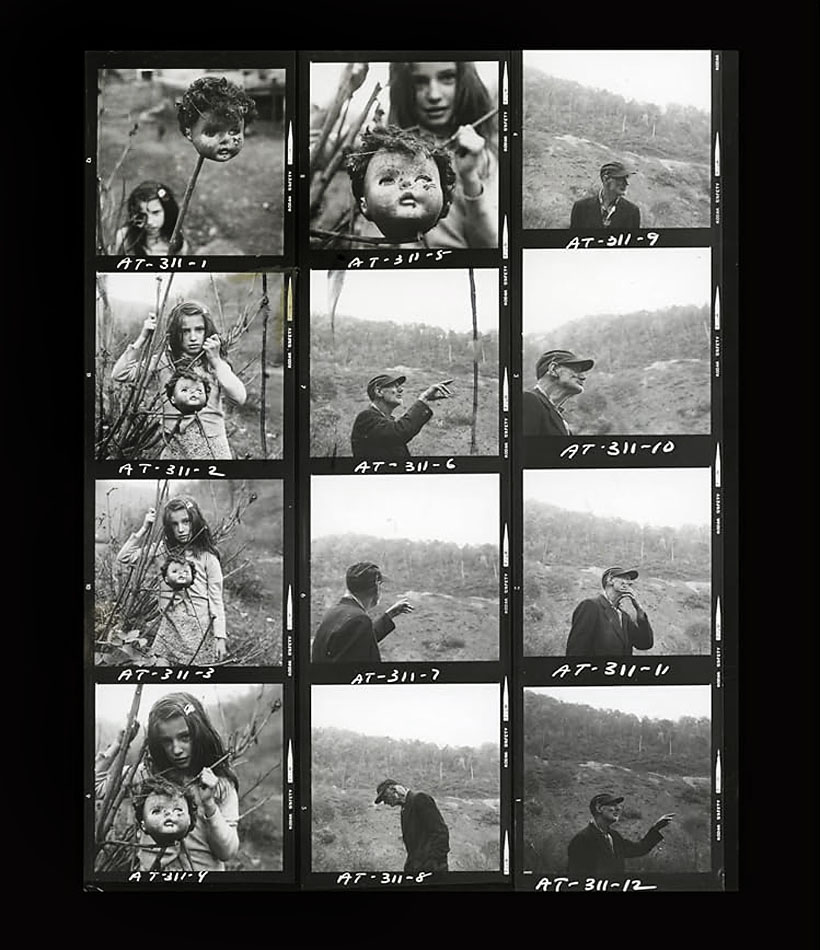
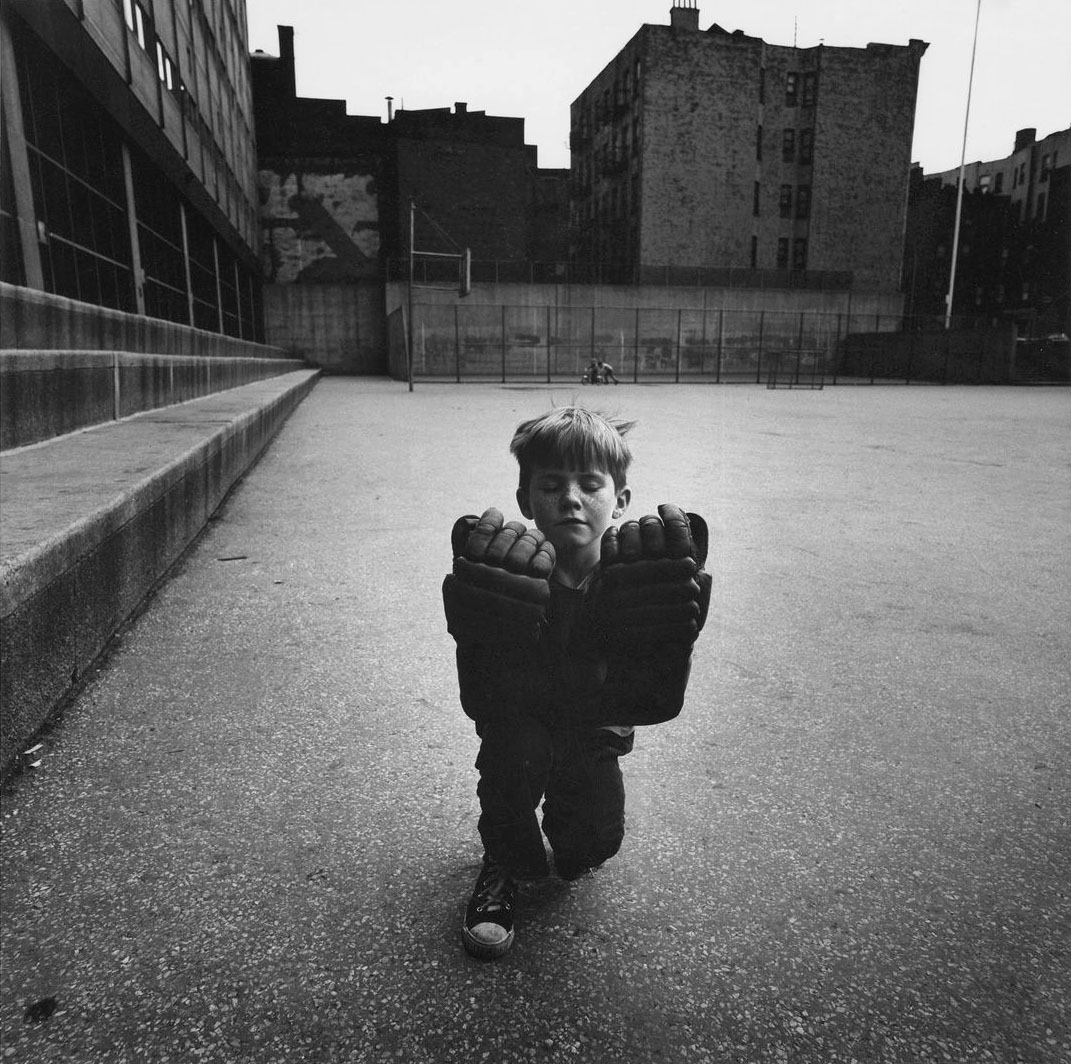


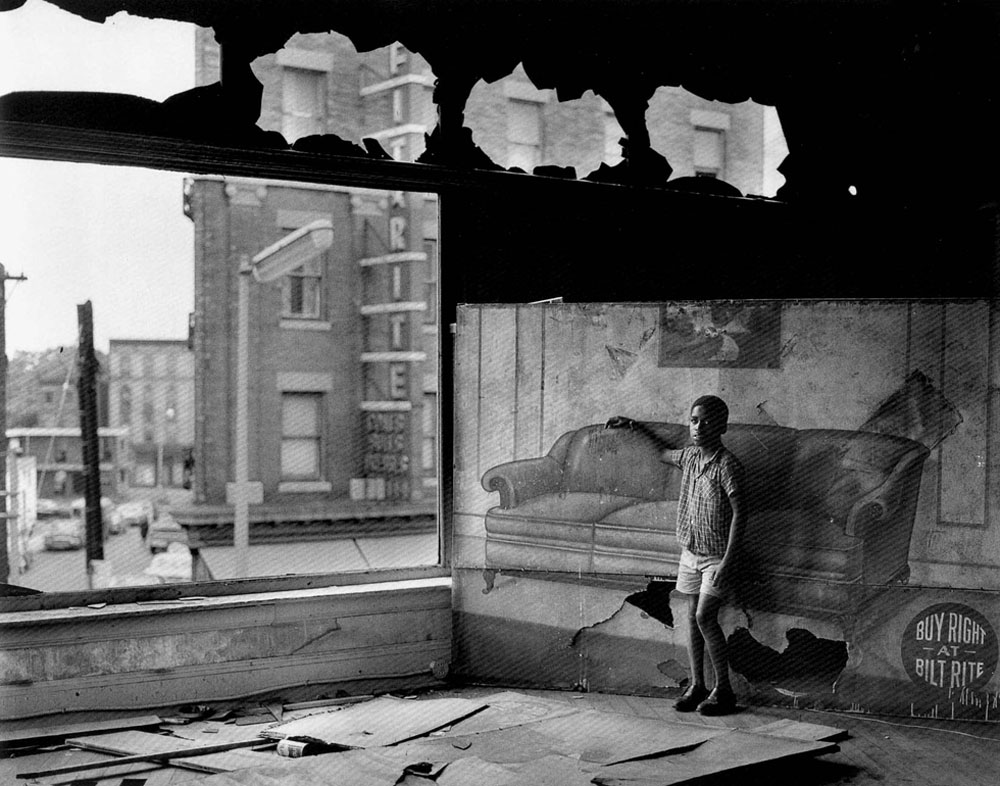


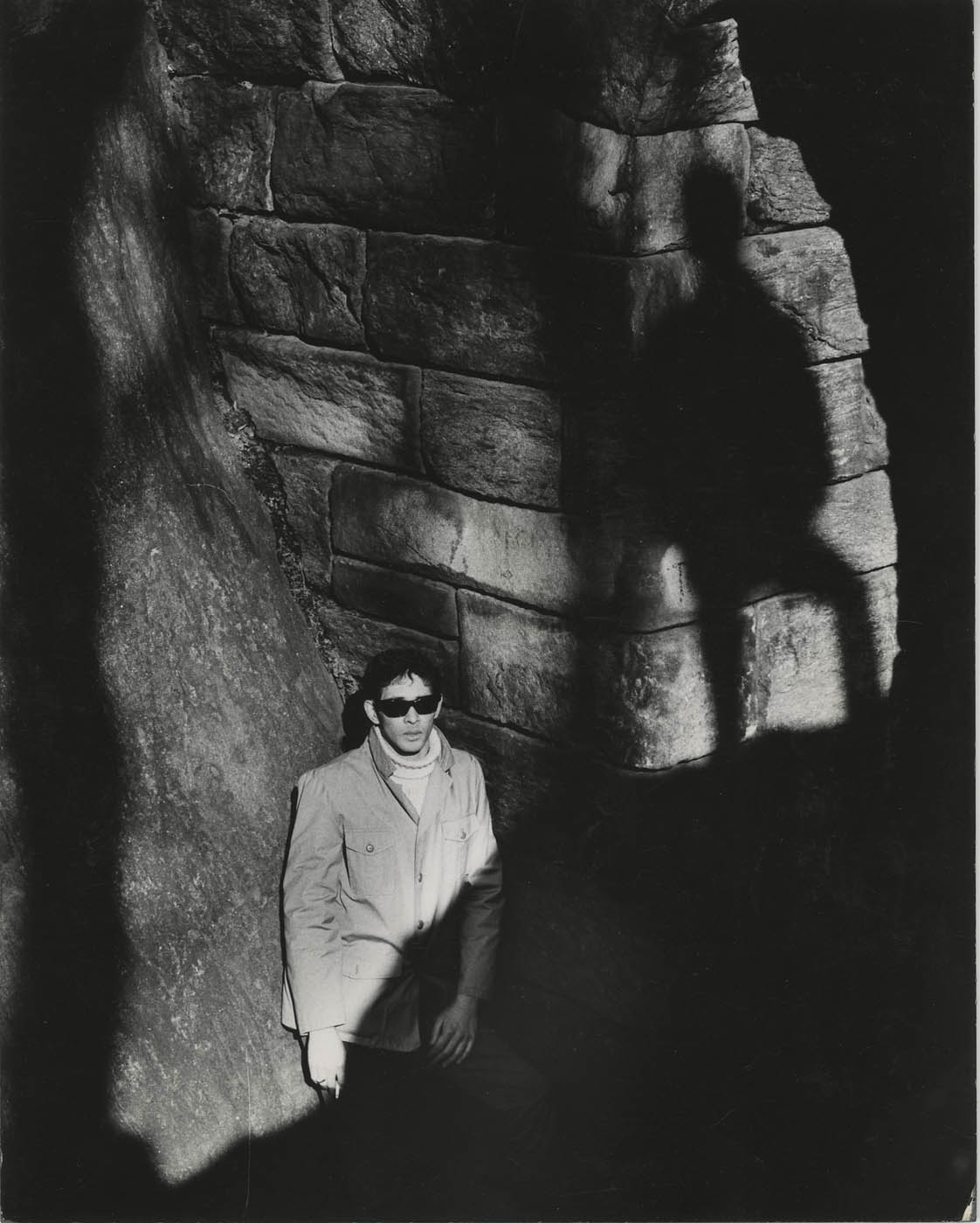




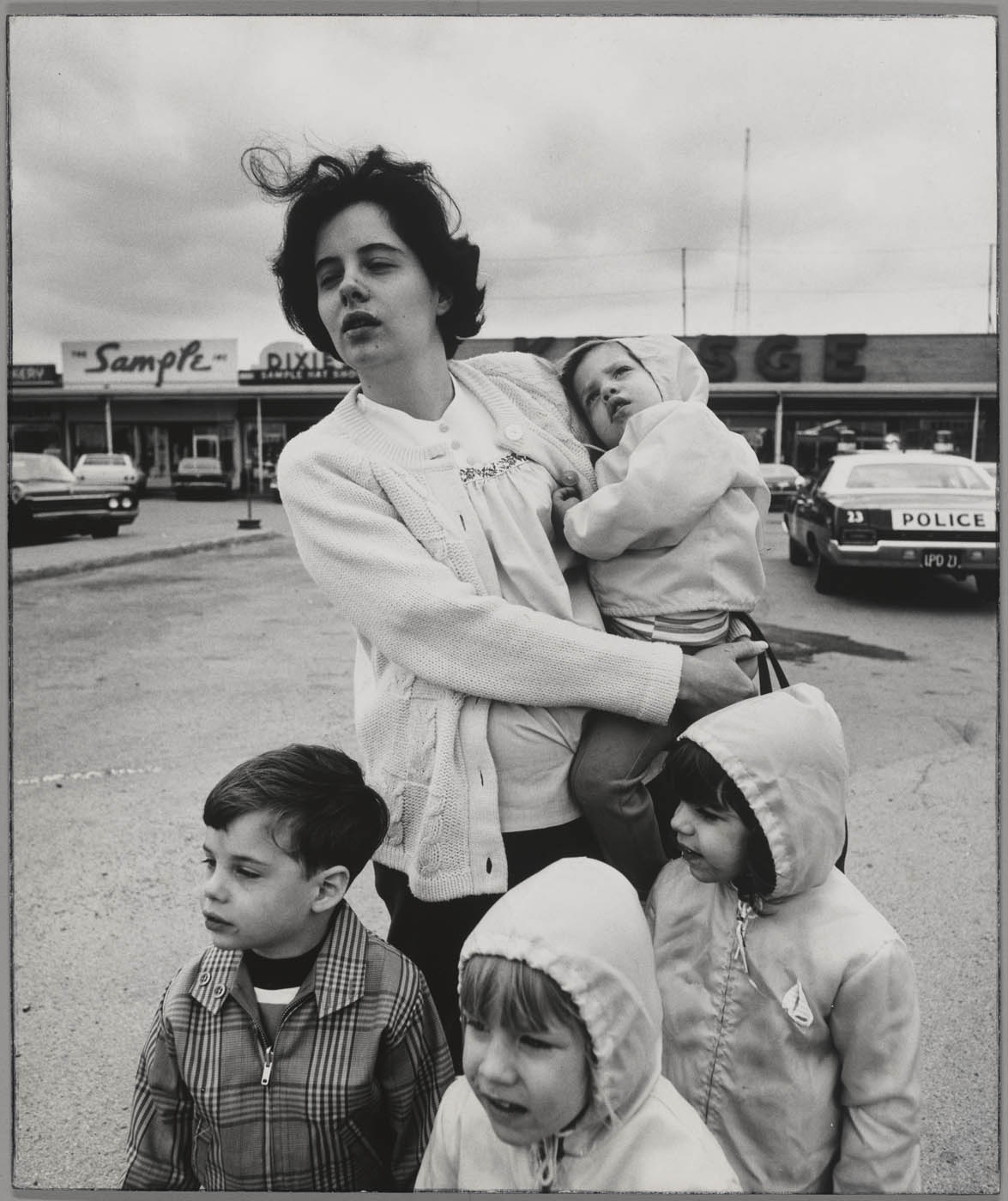
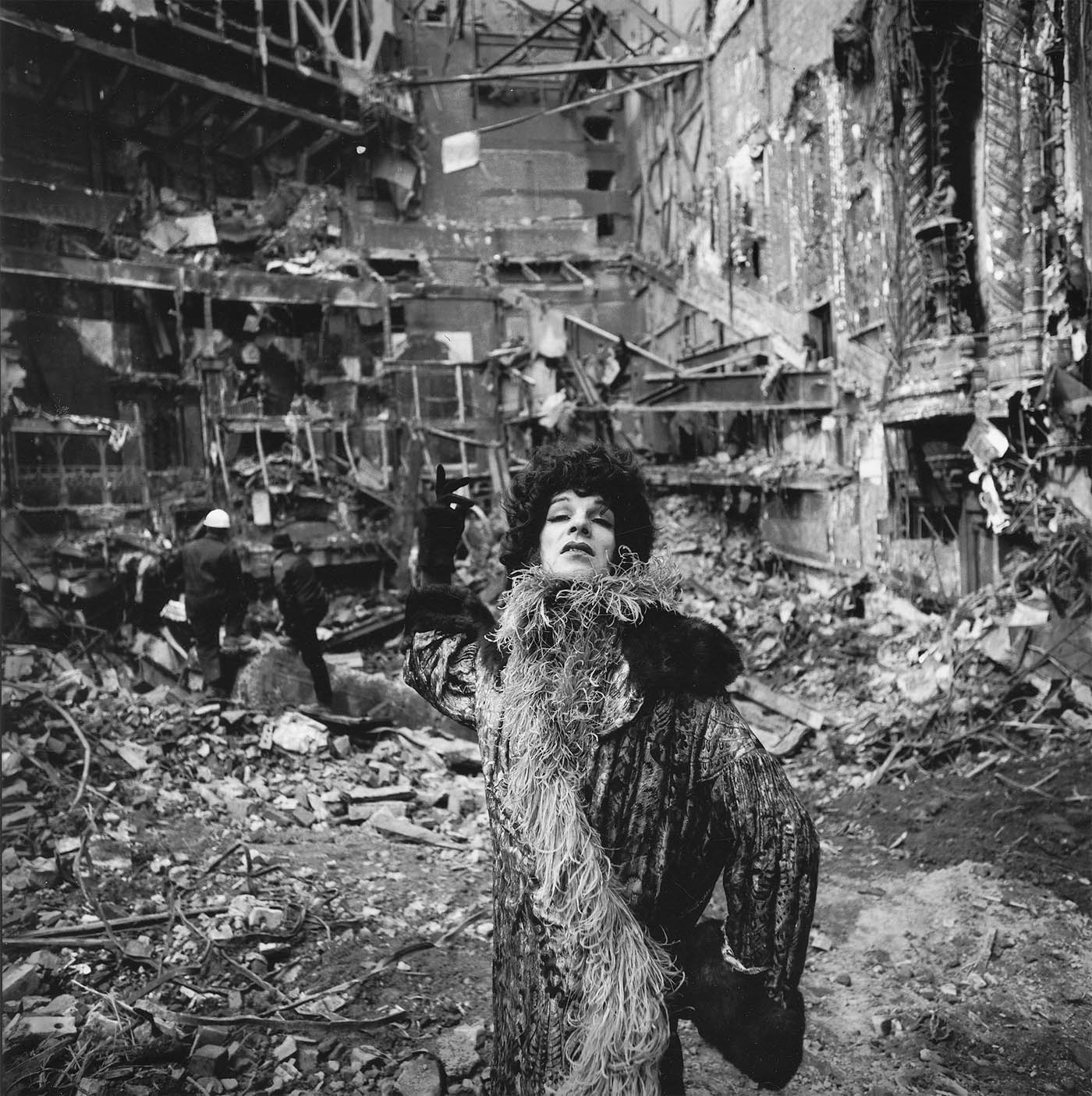

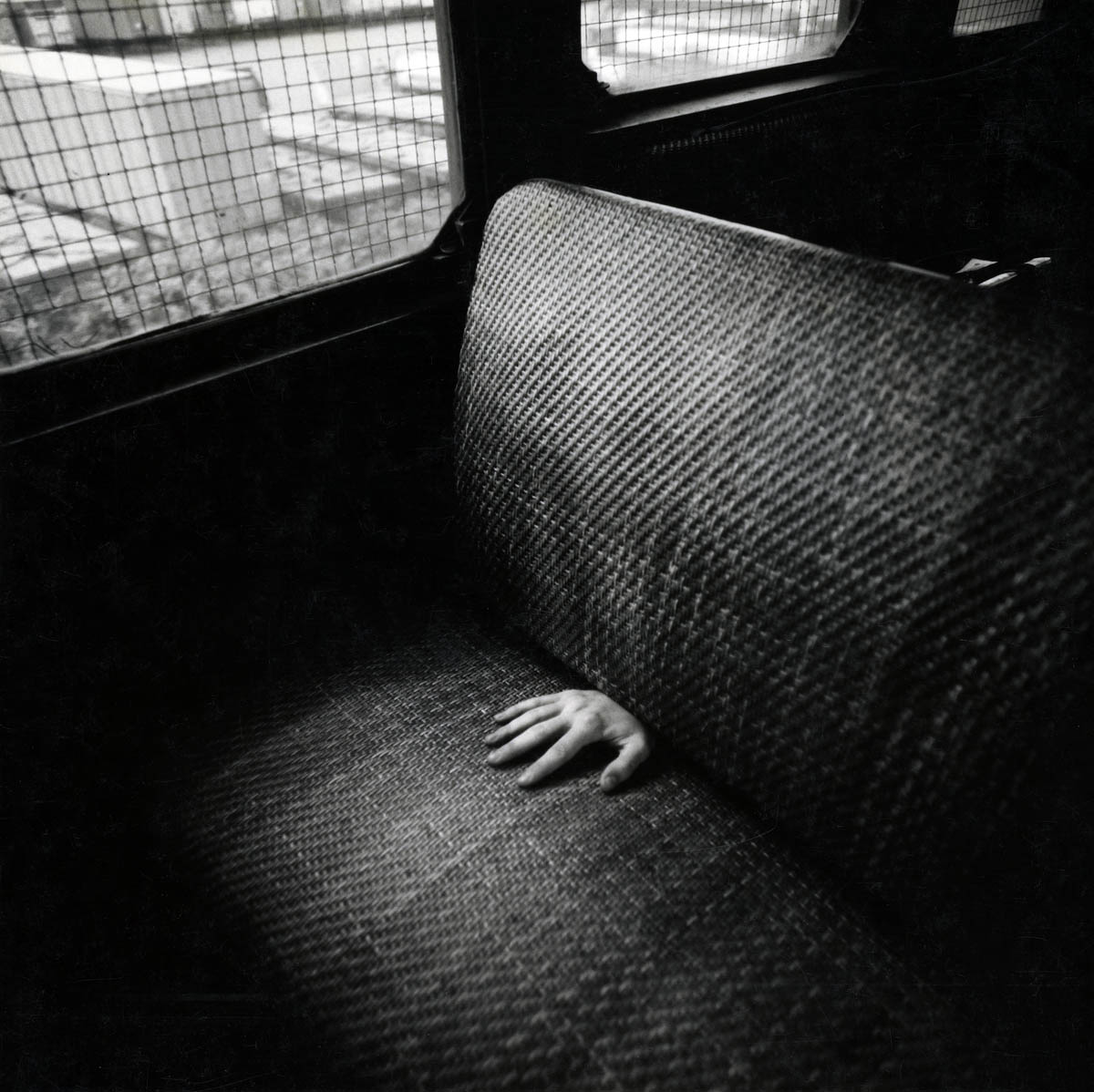
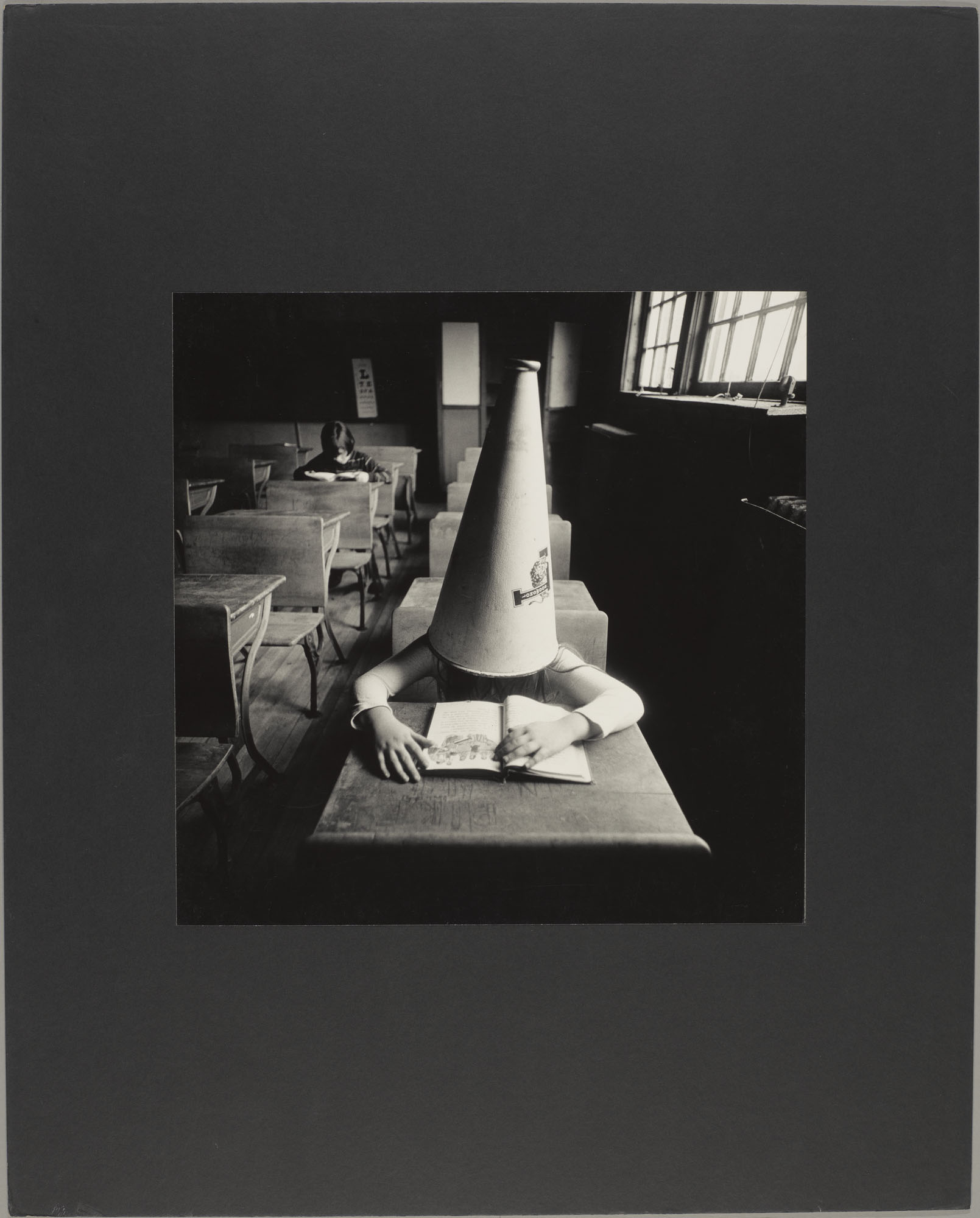









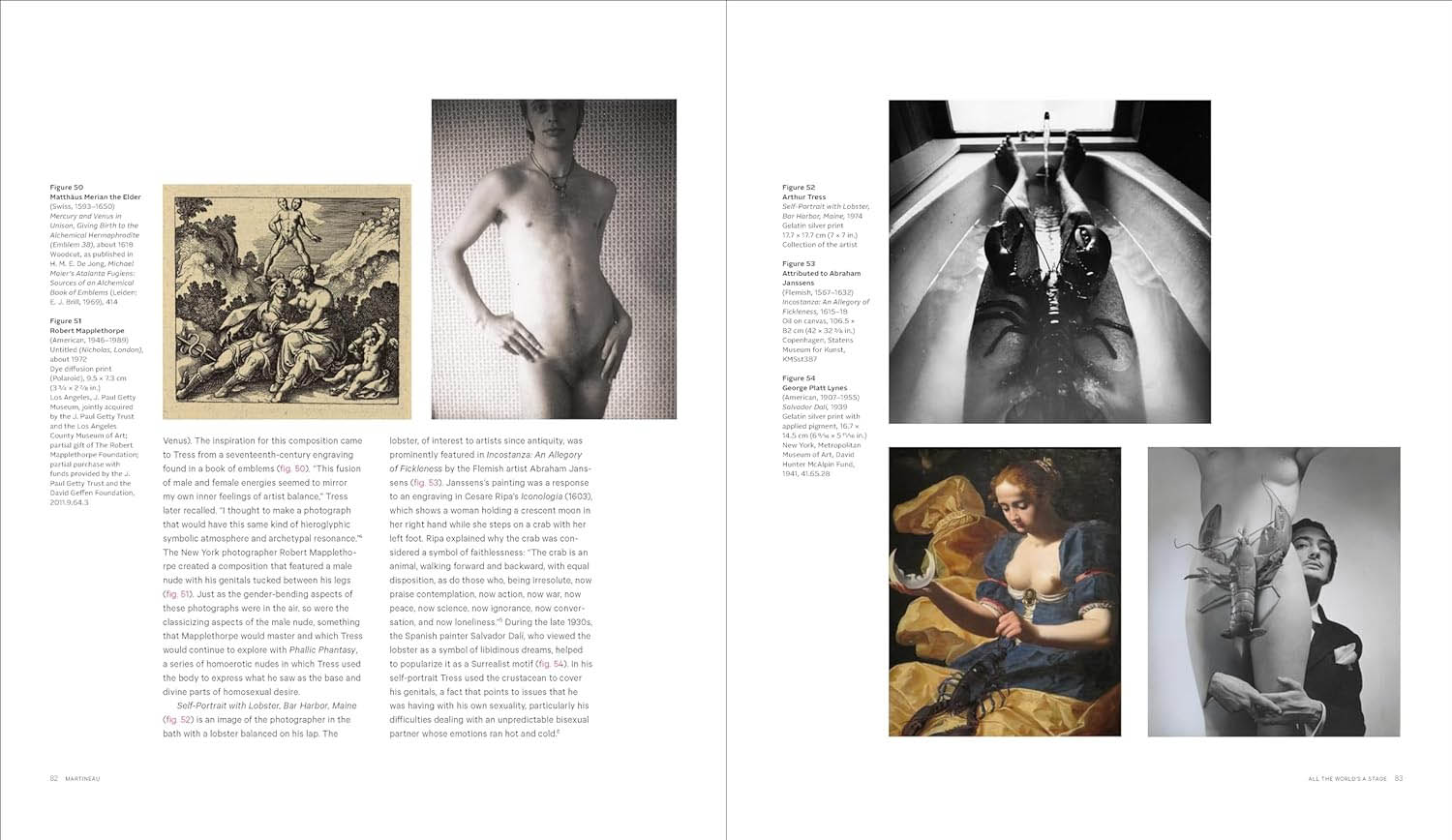


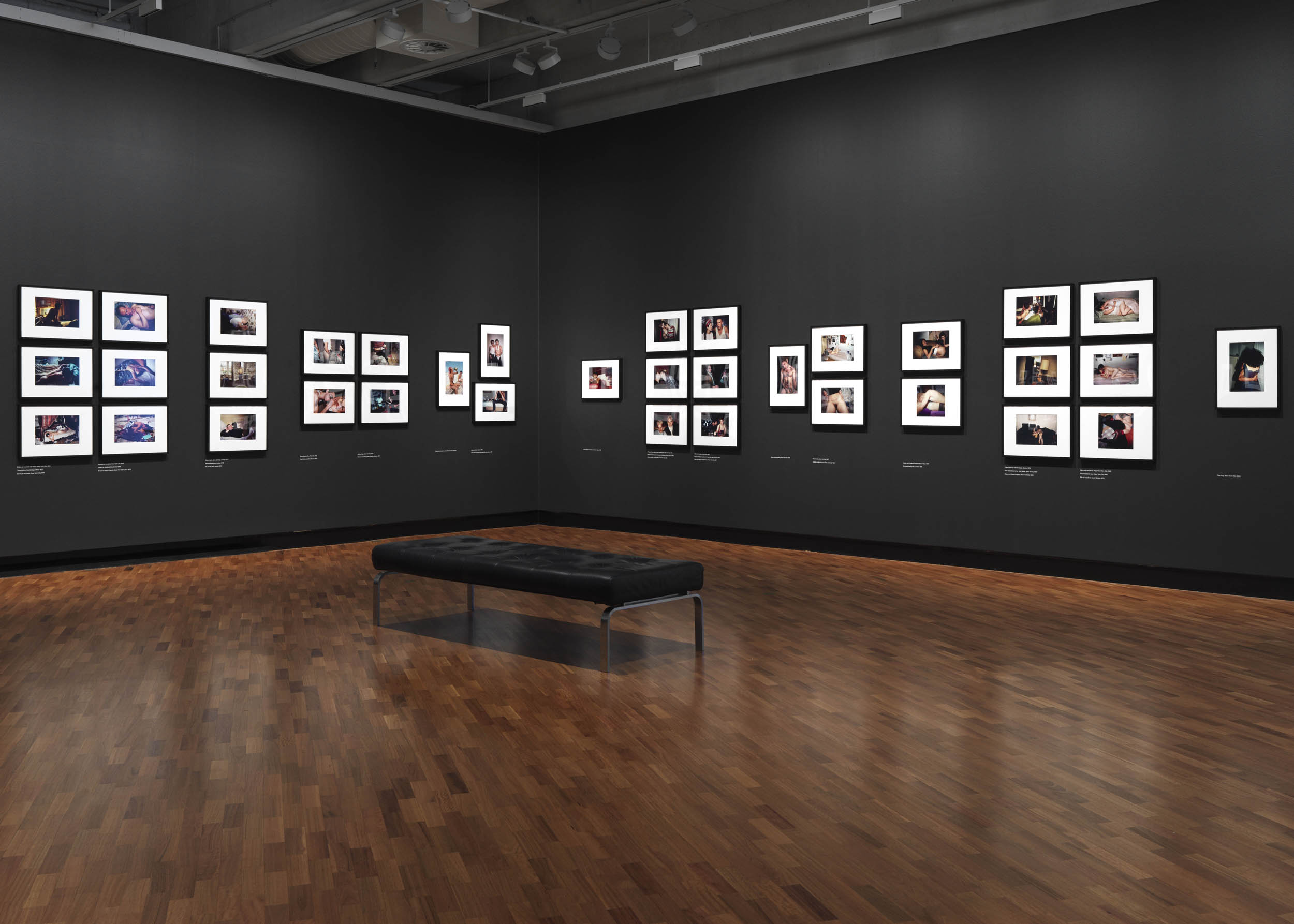


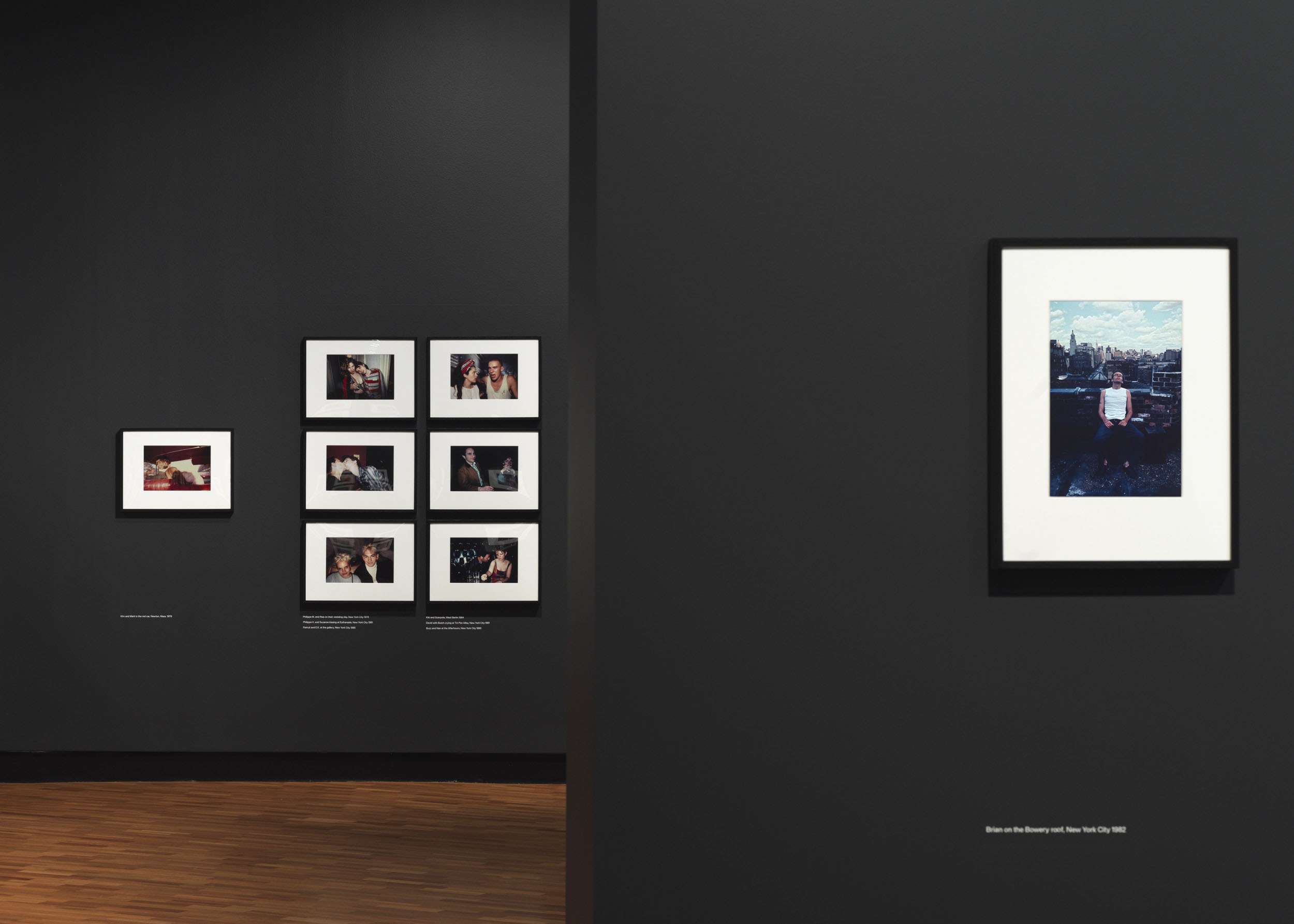
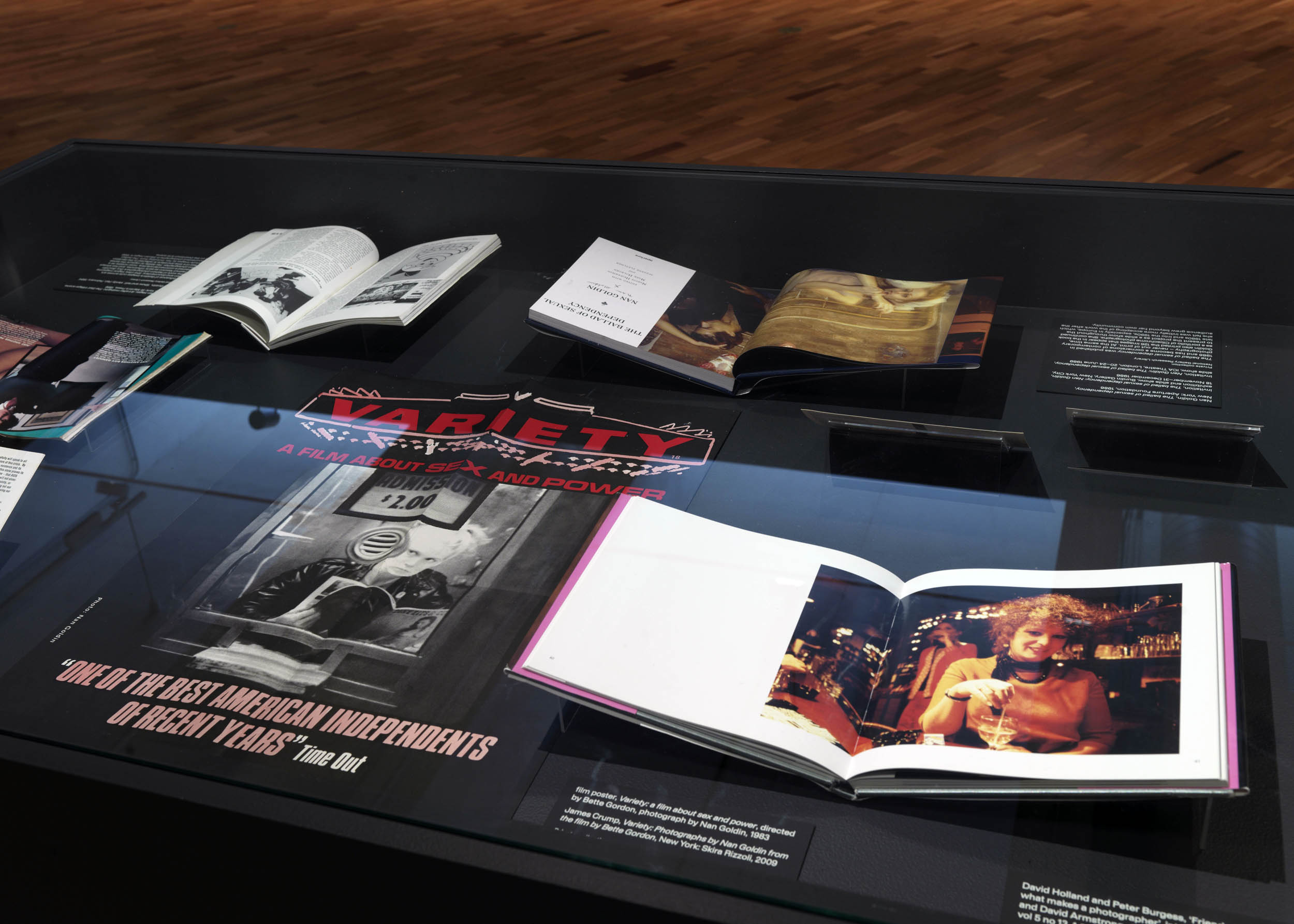


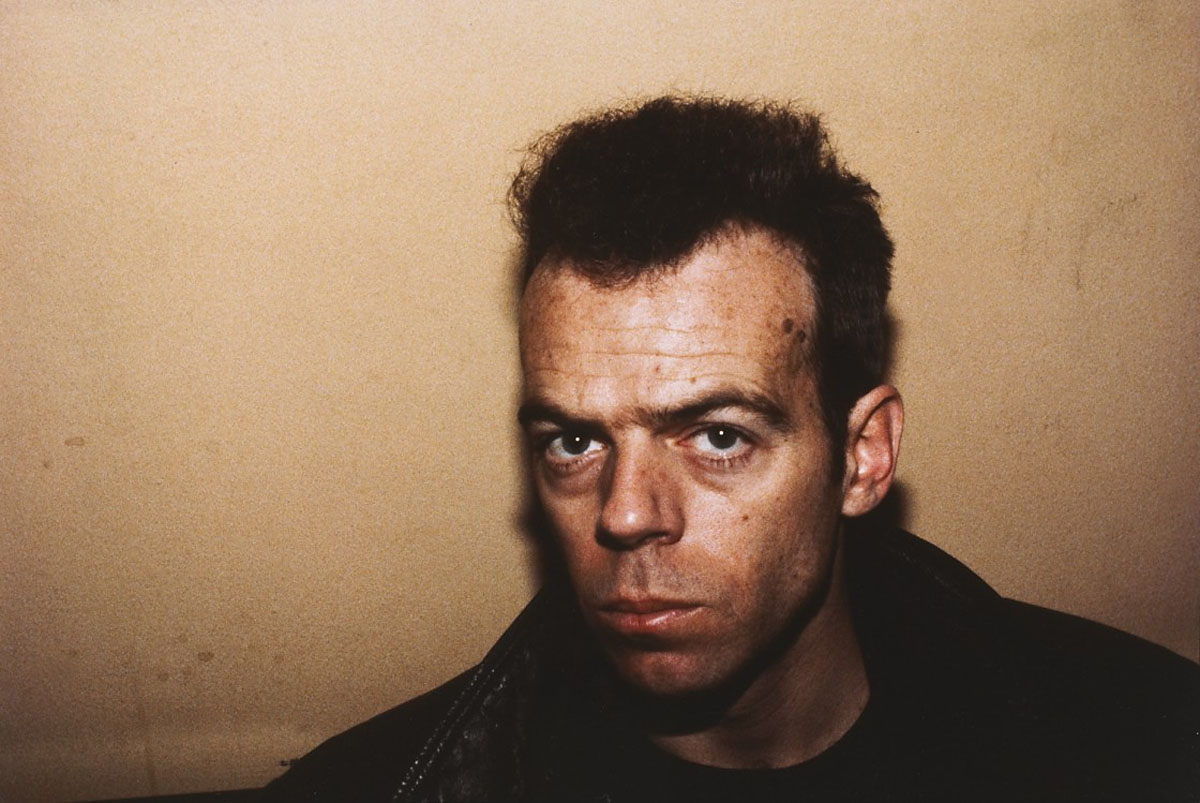


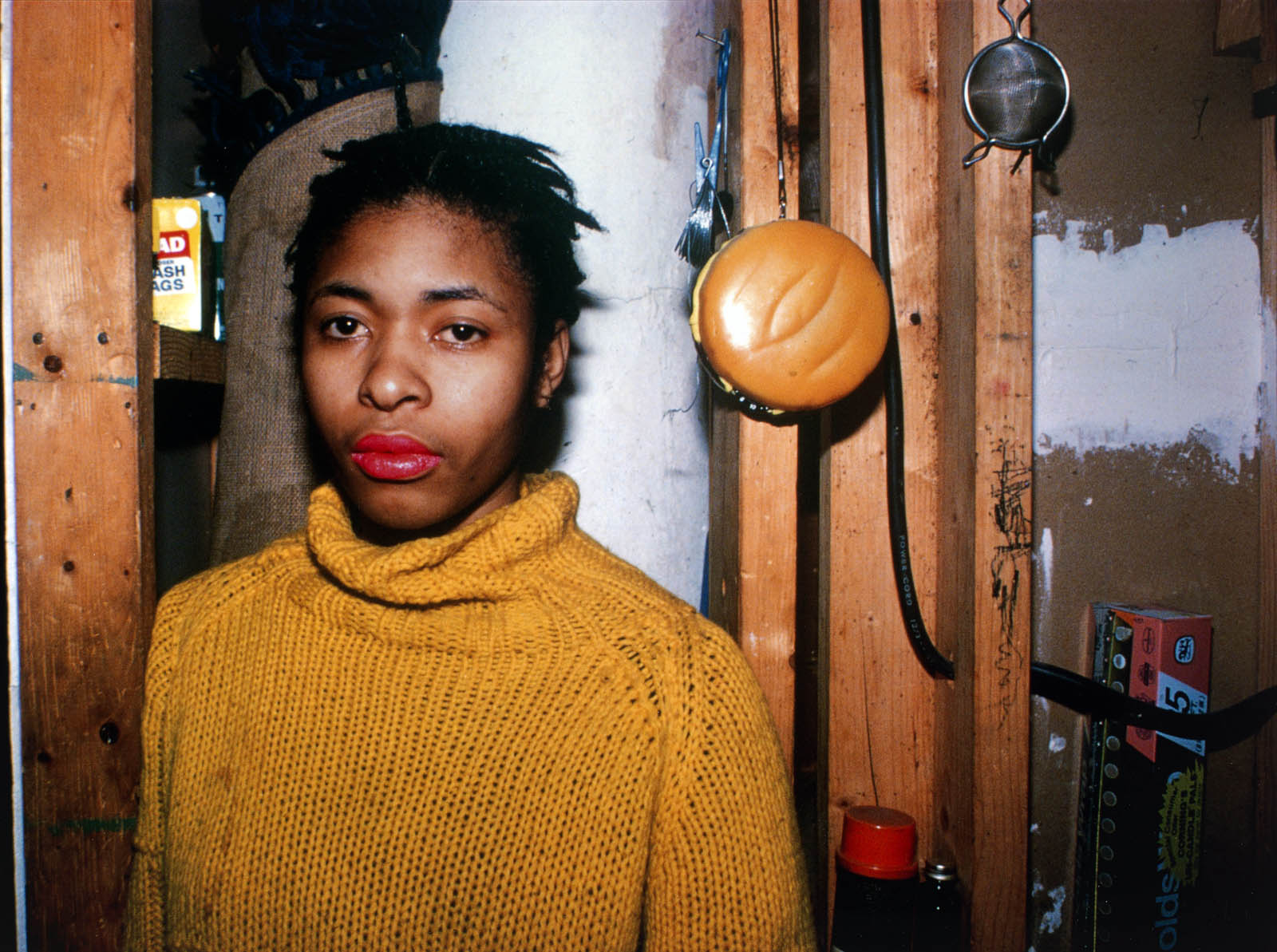

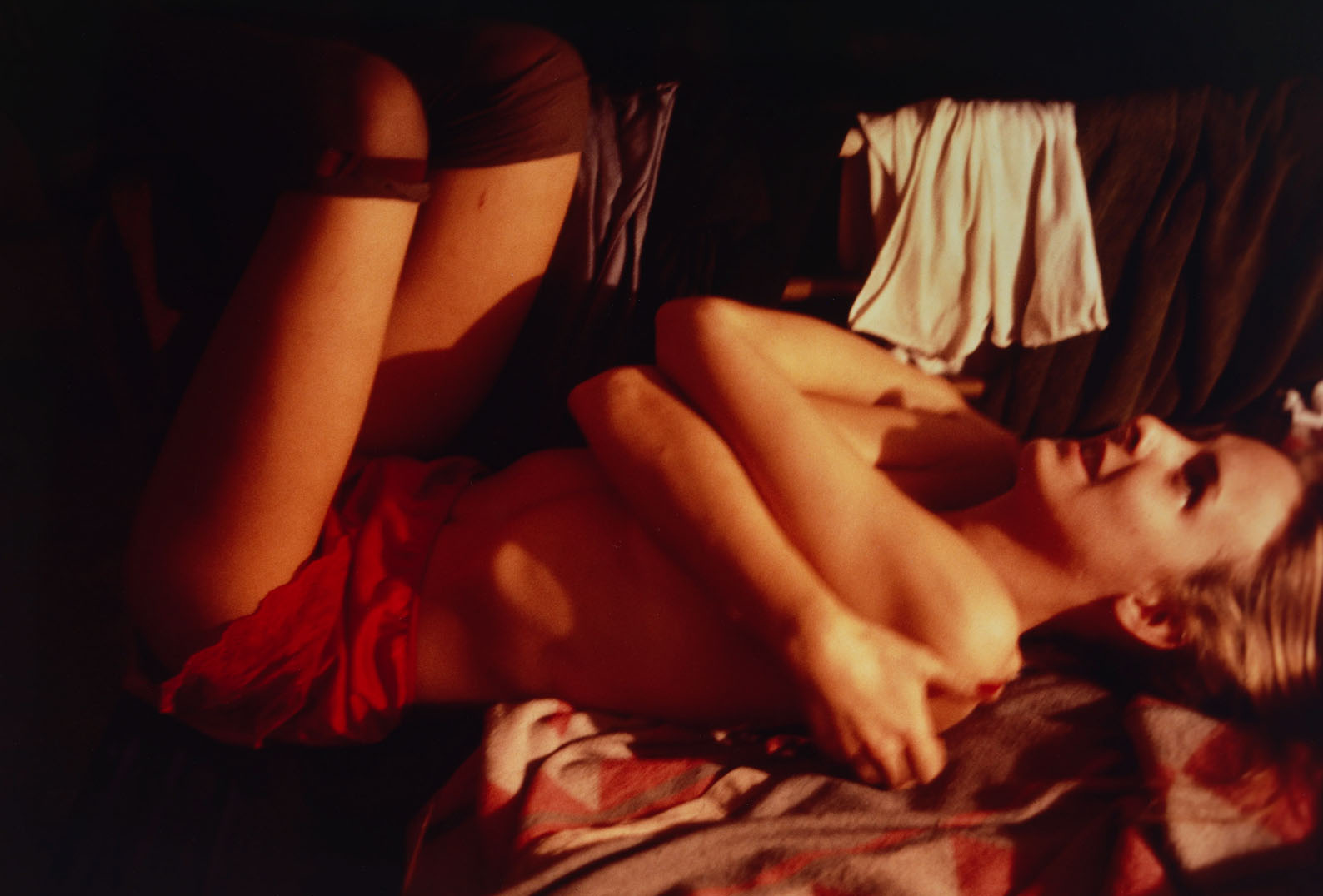


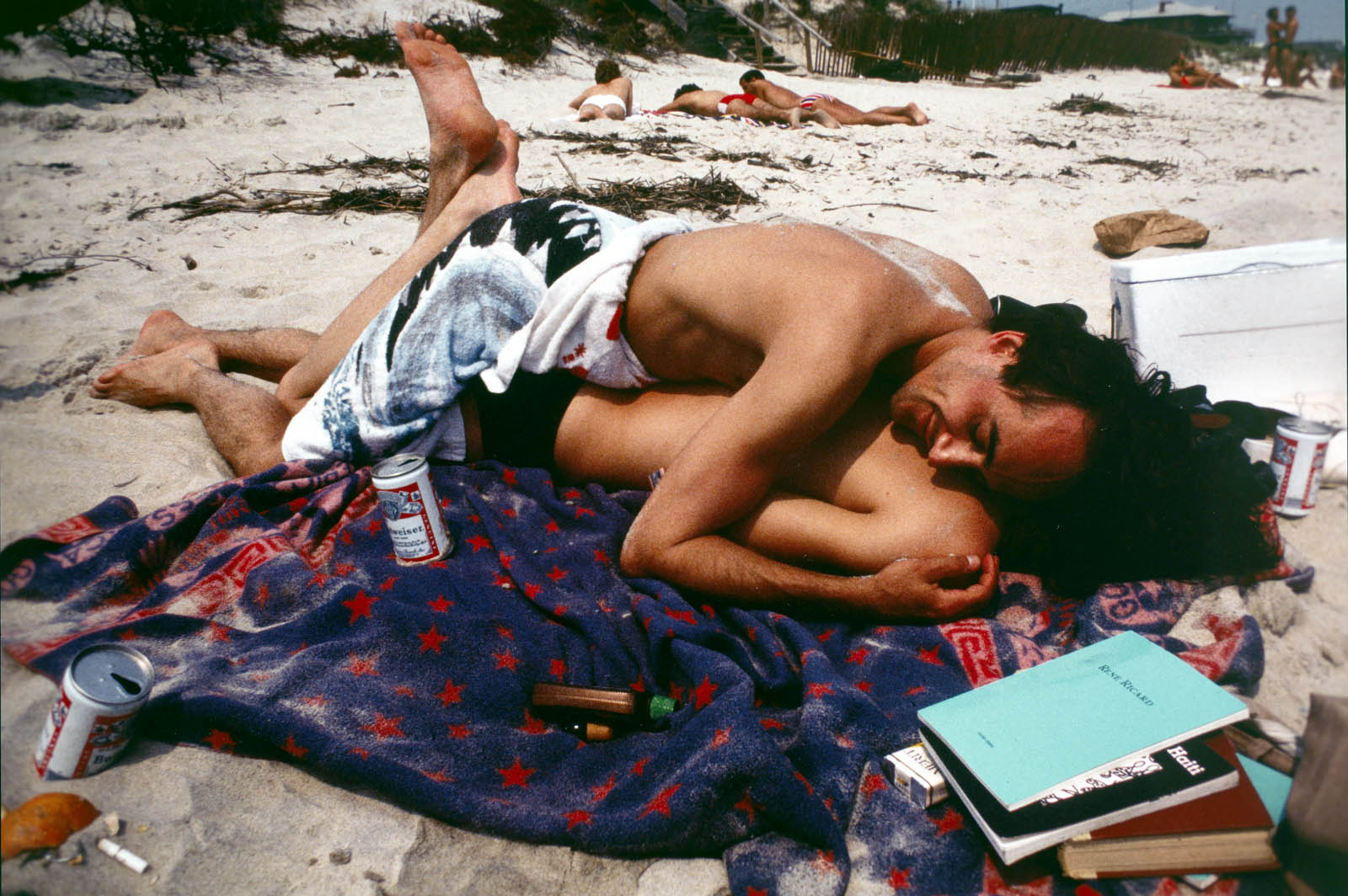



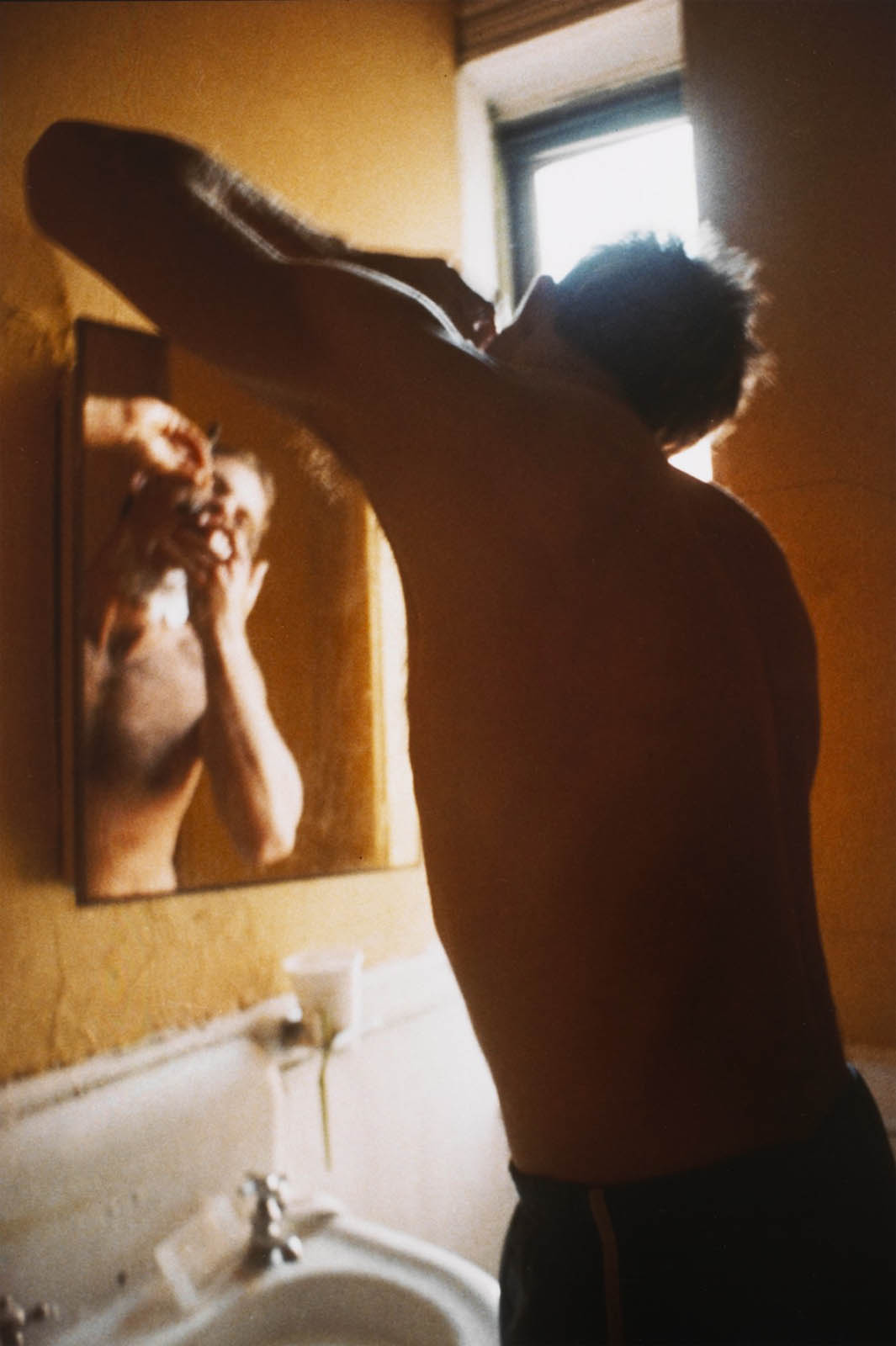


 Art Blart _ art and cultural memory archive
You must be logged in to post a comment.