The base images for this series of work come from a book on the history of St. James’s Gate Brewery in Dublin published in 1931. These images have then been reflected, distorted, overlapped and filters have been used to produce the desired feeling. Each image has a different number of variations depending on this feeling. The 75 images in the series are sequenced as in the book.
The influences on the work were the architecture in Fritz Lang’s 1937 film Metropolis; the surrealist photography of Dora Maar notably her image Le Simulateur (The Pretender) 1936; the modernist photographs of factory machines by artists such as Jakob Tuggener and Albert Renger-Patzsch; and the prisons of Piranesi’s etchings published in Carceri d’invenzione, often translated as Imaginary Prisons, c. 1745 to 1750.
Please click on the photographs to see a larger version of the image. Please view the work on a large computer screen if possible. Please see the whole series on my website. Many thankx to Elizabeth Gertsakis for her invaluable help.
Marcus Bunyan (Australian, b. 1958) No. 2 Brewery 2026 from the series Metropolis
Marcus Bunyan (Australian, b. 1958) Boiler House B 2026 from the series Metropolis
Marcus Bunyan (Australian, b. 1958) Old Engine A 2026 from the series Metropolis
Marcus Bunyan (Australian, b. 1958) Electric Power Station A-B 2026 from the series Metropolis
Marcus Bunyan (Australian, b. 1958) Compressor Machines A-B 2026 from the series Metropolis
Marcus Bunyan (Australian, b. 1958) Refrigerating Plant A 2026 from the series Metropolis
Marcus Bunyan (Australian, b. 1958) Robert St. Malt Store – Exterior A-B 2026 from the series Metropolis
Marcus Bunyan (Australian, b. 1958) Robert St. Malt Store – Interior A-B 2026 from the series Metropolis
Marcus Bunyan (Australian, b. 1958) Loading Malt Wagons B, D 2026 from the series Metropolis
Marcus Bunyan (Australian, b. 1958) Cooke’s Lane Malt House A-C 2026 from the series Metropolis
Marcus Bunyan (Australian, b. 1958) Barley in Process of Being Malted 2026 from the series Metropolis
Marcus Bunyan (Australian, b. 1958) Malt Train Outside No. 2 Brewery B 2026 from the series Metropolis
Marcus Bunyan (Australian, b. 1958) Hops in Store A-C 2026 from the series Metropolis
Marcus Bunyan (Australian, b. 1958) Loading Hop Wagons A-B 2026 from the series Metropolis
Marcus Bunyan (Australian, b. 1958) Regulating Mash Temperatures B 2026 from the series Metropolis
Marcus Bunyan (Australian, b. 1958) Copper Stage A-C 2026 from the series Metropolis
Marcus Bunyan (Australian, b. 1958) “Striking Off” a Copper 2026 from the series Metropolis
Marcus Bunyan (Australian, b. 1958) A Corner of No. 11 Vat House A 2026 from the series Metropolis
Marcus Bunyan (Australian, b. 1958) Vat House – Another View A-C 2026 from the series Metropolis
Marcus Bunyan (Australian, b. 1958) Cask Making Shop – Blazing A-C 2026 from the series Metropolis
Marcus Bunyan (Australian, b. 1958) Cask Magazine A-C 2026 from the series Metropolis
Marcus Bunyan (Australian, b. 1958) Cooperage Yard A-B 2026 from the series Metropolis
Marcus Bunyan (Australian, b. 1958) Cask Cleansing Shed A-D 2026 from the series Metropolis
Marcus Bunyan (Australian, b. 1958) Racking Room, Showing Casks being Filled 2026 from the series Metropolis
Marcus Bunyan (Australian, b. 1958) Loading Railway Wagons 2026 from the series Metropolis
Marcus Bunyan (Australian, b. 1958) Low Platform Vehicle A-B 2026 from the series Metropolis
Marcus Bunyan (Australian, b. 1958) Some of the Delivery Fleet About to Start 2026 from the series Metropolis
Marcus Bunyan (Australian, b. 1958) Loading Wharf on River Liffey C-D 2026 from the series Metropolis
Curators: Stephanie D’Alessandro, Leonard A. Lauder Curator of Modern Art and Senior Research Coordinator in Modern and Contemporary Art at The Met, and Stephen C. Pinson, Curator in the Department of Photographs at The Met, with the assistance of Micayla Bransfield, Research Associate, Modern and Contemporary Art.
“Like the undisturbed ashes of an object consumed by flames these images are oxidized residues fixed by light and chemical elements of an experience, an adventure, not an experiment. They are the result of curiosity, inspiration, and these words do not pretend to convey any information.”
Man Ray1
The rayographs
Although not the inventor of the photogram, a photograph made without the use of a camera by placing objects directly onto sensitised photographic paper and then exposing the paper to light, Man Ray’s rayographs have become the most recognisable and famous form that photograms have taken. This is because of their inventiveness, their subliminal connection to the psyche, and the use of “objects from the real world to make ambiguous dreamscapes.”7
It is interesting that Man Ray called his images rayographs, for a graph implies a topographical mapping, a laying out of statistics, whereas Lucia Moholy and László Moholy-Nagy’s photograms imply in the title of their technique the transmission of some form of message, like a telegram. The paradox is that, as the quotation above states, Man Ray always insisted that his rayographs imparted no information at all; perhaps they are only dreams made (un)stable. Contrary to this the other two artists believed that, “photographic images – cameraless and other – should not deal with conventional sentiments or personal feelings but should be concerned with light and form,”8 quite the reverse of the title of their technique.
After his arrival in Paris Man Ray started experimenting in his darkroom and discovered the technique for his rayographs by accident. With the help of his friend the Surrealist poet Tristan Tzara, he published a portfolio of twelve Rayographs in 1922 called Les champs délicieux (The delicious fields). “This title is a reference to ‘Les champs magnétiques’, a collection of writings by André Breton and Philippe Soupault composed from purportedly random thought fragments recorded by the two authors.”9 The rayographs are visual representations of random thought fragments, “photographic equivalents for the Surrealist sensibility that glorified randomness and disjunction.”10
Man Ray, “denied the camera its simplest joy: the ability to capture everything, all the distant details, all the ephemeral lights and shadows of the world”11 but, paradoxically, the rayographs are the most ephemeral of creatures, only being able to be created once, the result not being known until after the photographic paper has been developed. In fact, for Man Ray to create his portfolio Les champs délicieux (The delicious fields), he had to rephotograph the rayographs in order to make multiple copies.12
Man Ray “insisted in nearly every interview that the rayograph was not a photogram in the traditional sense. He did something that a photogram didn’t; he introduced depth into the images,”13 which denied the images their photographic objectivity by depicting an internal landscape rather than an external one.14 What the rayographs do not deny, however, is the subjectivity of the artist, his skill at placing the objects on the photographic paper, expressed in their dream-like nature, both a subjective ephemerality (because they could only be produced once) and an ephemeral subjectivity (because they were expressions of Man Ray’s fantasies, and therefore had little substance).
Through an alchemical process the latent images emerge from the photographic paper, representations of Man Ray’s fantasies as embodied in the ‘presence’ of the objects themselves, in the surface of the paper. Perhaps these objects offer, in Heidegger’s terms, ‘a releasement towards things’,15 “a coexistence between a conscious and unconscious way of perceiving which sustains the mystery of the object confusing the distinction between real time and sensual time, between inside and outside, input and output becoming neither here nor there.”16
Finally, within their depth of field the rayographs can be seen as both dangerous and delicious, for somehow they are both beautiful and unsettling at one and the same time. As Surrealism revels in randomness and chance these images enact the titles of other Man Ray photographs: Danger-Dancer, Anxiety, Dust Raising, Distorted House. The rayographs revel in chance and risk; Man Ray brings his fantasies to the surface, an interior landscape represented externally that can be (re)produced only once – those dangerous delicious fields.
1/ Man Ray quoted in Janus (trans. Murtha Baca). Man Ray: The Photographic Image. London: Gordon Fraser, 1980, p. 213
7/ Mark Greenberg (ed.,). In Focus: Man Ray: Photographs from the J. Paul Getty Museum. Los Angeles, The J. Paul Getty Museum, 1998, p. 38
8/ Naomi Rosenblum. A World History of Photography. New York: Abbeville Press, 1997, 394
9/ Greenberg, op. cit., p. 28
10/ Jed Perl (ed.,). Man Ray: Aperture Masters of Photography. New York: Aperture, 1997 pp. 11-12
11/ Perl, op. cit., pp. 5-6
12/ Greenberg, op. cit., p. 28
13/ Greenberg, op. cit., p. 112
14/ Greenberg, op. cit., p. 28
15/ “We stand at once within the realm of that which hides itself from us, and hides itself just in approaching us. That which shows itself and at the same time withdraws is the essential trait of what we call the mystery … Releasement towards things and openness to the mystery belong together. They grant us the possibility of dwelling in the world in a totally different way…”
Martin Heidegger. Discourse on Thinking. New York: Harper & Row, 1966, pp. 55-56 quoted in Mauro Baracco. “Completed Yet Unconcluded: The Poetic Resistance of Some Melbourne Architecture,” in Leon van Schaik (ed.,). Architectural Design Vol. 72. No. 2 (‘Poetics in Architecture’). London: John Wiley and Sons, 2002, 74, Footnote 6.
Many thankx to The Metropolitan Museum of Art for allowing me to publish the photographs in the posting. Please click on the photographs for a larger version of the image.
“Stepping into the exhibition Man Ray: When Objects Dream at The Metropolitan Museum of Art feels like entering the bellows of an old camera. Through a rectangular frame cut into the entry, the darkened walls unfold, accordion-like, to reveal a visual feast of the artist’s work, as Man Ray’s earliest film, “Retour à la raison (Return to Reason)” (1923), flickers across the screen opposite. Although the exhibition brings together approximately 160 works from an impressive array of lenders, it reveals itself gradually, taking the viewer through several turns before one can grasp its sheer enormity. When Objects Dream proves, thrillingly, that anyone left feeling jaded from the many, many recent exhibitions surrounding Surrealism’s centennial in 2024 can still see the movement’s key photographer with a fresh set of eyes.”
“Objects to touch, to eat, to crunch, to apply to the eye, to the skin, to press, to lick, to break, to grind, objects to lie, to flee from, to honor, things cold or hot, feminine or masculine, objects of day or night which absorb through your pores the greater part of our life. … These are the projections surprised in transparence, by the light of tenderness, of objects that dream and talk in their sleep.”
. Tristan Tzara, “When Objects Dream,” 1934
“One sheet of paper got into the developing tray – a sheet unexposed that had been mixed with those already exposed under the negatives. … Regretting the waste of paper, I mechanically placed a small glass funnel, the graduate, and the thermometer in the tray on the wetted paper. I turned on the light; before my eyes an image began to form, not quite a simple silhouette of the objects as in a straight photograph, but distorted and refracted by the glass more or less in contact with the paper and standing out against a black background. … I remembered when I was a boy, placing fern leaves in a printing frame with proof paper, exposing it to sunlight, and obtaining a white negative of the leaves. This was the same idea, but with an added three-dimensional quality and tone graduation. I made a few more prints … taking whatever came to hand; my hotel-room key, a handkerchief, some pencils, a brush, a candle, a piece of twine … excitedly, enjoying myself immensely. In the morning I examined the results. … They looked startlingly new and mysterious.”
American artist Man Ray (1890-1976) was a visionary known for his radical experiments that pushed the limits of photography, painting, sculpture, and film. In the winter of 1921, he pioneered the rayograph, a new twist on a technique used to make photographs without a camera. By placing objects on or near a sheet of light-sensitive paper, which he exposed to light and developed, Man Ray turned recognisable subjects into wonderfully mysterious compositions. Introduced in the period between Dada and Surrealism, the rayographs’ transformative, magical qualities led the poet Tristan Tzara to describe them as capturing the moments “when objects dream.”
The exhibition will be the first to situate this signature accomplishment in relation to Man Ray’s larger body of work of the 1910s and 1920s. Drawing from the collections of The Met and more than 50 U.S. and international lenders, the exhibition will feature approximately 60 rayographs and 100 paintings, objects, prints, drawings, films, and photographs – including some of the artist’s most iconic works – to highlight the central role of the rayograph in Man Ray’s boundary-breaking practice.
“Before my eyes an image began to form, not quite a simple silhouette of the objects as in a straight photograph, but distorted and refracted … In the morning I examined the results, pinning a couple of the rayographs – as I decided to call them – on the wall. They looked startlingly new and mysterious.” ~ Man Ray
Text from The Metropolitan Museum of Art website
Installation views of the exhibition Man Ray: When Objects Dream at The Metropolitan Museum of Art, New York, September 2025 – February 2026
In the 1923 silent short of the same title, Man Ray filmed barely discernible scenes of Paris at night along with his own enigmatic photograms and conglomerations of spiraling or gyrating objects. The resulting sequence of near-total abstractions seems devoid of sense or purpose. The “return to reason” in the film comes finally in the form of a woman’s torso – modelled by cabaret personality Kiki de Montparnasse – turning to and fro beside a rain-covered windowpane. Man Ray reproduced the seductive finale, as well as other moments from the film, as photographs, singly and in strips. A still from Man Ray’s film, this particular photograph appeared on its own in the first issue of the key avant-garde journal La Révolution surréaliste, in 1924.
Le retour à la raison (Return to Reason), Man Ray, 1923
Emak-Bakia (1926) – directed by Man Ray
Emak-Bakia (Basque for Leave me alone) is a 1926 film directed by Man Ray. Subtitled as a cinépoéme, it features many techniques Man Ray used in his still photography (for which he is better known), including rayographs, double exposure, soft focus and ambiguous features.
Emak-Bakia shows elements of fluid mechanical motion in parts, rotating artifacts showing his ideas of everyday objects being extended and rendered useless. Kiki of Montparnasse (Alice Prin) is shown driving a car in a scene through a town. Towards the middle of the film Jacques Rigaut appears dressed in female clothing and make-up. Later in the film a caption appears: “La raison de cette extravagance” (the reason for this extravagance). The film then cuts to a car arriving and a passenger leaving with briefcase entering a building, opening the case revealing men’s shirt collars which he proceeds to tear in half. The collars are then used as a focus for the film, rotating through double exposures.
The film features sculptures by Pablo Picasso, and some of Man Ray’s mathematical objects both still and animated using a stop motion technique.
Originally a silent film, recent copies have been dubbed using music taken from Man Ray’s personal record collection of the time. The musical reconstruction was by Jacques Guillot.
When the film was first exhibited, a man in the audience stood up to complain it was giving him a headache and hurting his eyes. Another man told him to shut up, and they both started to fight. The theatre turned into a frenzy, the fighting ended up out in the street, and the police were called in to stop the riot.
Emak bakia can also mean “give peace” (“emak” is the imperative form of the verb “eman”, which means “give”) in Basque.
The film was based on Robert Desnon’s surrealist poem L’Étoile de mer.
The Met Presents First Major Exhibition on Man Ray’s Radical Reinvention of Art through the rayograph
Featuring 160 rayographs, paintings, objects, prints, drawings, films, and photographs, Man Ray: When Objects Dream highlights the principal place of the rayograph – a type of cameraless photograph – within the context of many of the artist’s most important works
This exhibition includes thirty-five works by Man Ray which are part of the major promised gift of nearly 200 works of Dada and Surrealist art from Trustee John Pritkzer
Man Ray: When Objects Dream at The Metropolitan Museum of Art is the first major exhibition to examine the radical experimentation of American artist Man Ray (1890-1976) through one of his most significant bodies of work, the rayograph. Man Ray coined the term rayograph to name his version of the 19th-century technique of making photographs without a camera. He created them by placing objects on or near a sheet of light-sensitive paper, which he then exposed to light and developed. These photograms – as they are also called – appear as reversed silhouettes, or negative versions, of their subjects. They often feature recognisable items that become wonderfully mysterious in the artist’s hands. Their transformative nature led the Dada poet Tristan Tzara to describe rayographs as capturing the moments “when objects dream.” While Man Ray acknowledged the photographic origins of his new works, he did not think of them as strictly bound by medium. Taking Man Ray’s lead, this presentation is the first – more than a century since he introduced the rayograph – to situate this signature accomplishment in relation to his larger artistic output. The exhibition is on view September 14, 2025, through February 1, 2026.
“As one of the most fascinating and multi-faceted artists in the avant-garde movements of the early 20th century, Man Ray challenged traditional narratives of modernism through his daring experimentation with diverse artistic mediums,” said Max Hollein, The Met’s Marina Kellen French Director and Chief Executive Officer. “Anchored by Man Ray’s innovative and mesmerising rayographs along with new research and discoveries, this exhibition invites visitors to explore his ground-breaking manipulation of objects, light, and media, which profoundly reframed his artistic practice and impacted countless other artists. We’re so thrilled to include thirty-five works by Man Ray in this exhibition as part of John’s incredible promised gift.”
Drawing from the collections of The Met and more than 50 U.S. and international lenders, the presentation includes more than 60 rayographs, many of which were featured in important publications and exhibitions at the time of their making, and 100 paintings, objects, prints, drawings, collages, films, and photographs to highlight the central role of the rayograph in Man Ray’s boundary-breaking practice. The exhibition marks a collaboration with the recently closed Lens Media Lab, Yale University, under the direction of Paul Messier, and with photography conservators and curators at various lending institutions, to study more than fifty rayographs.
In the winter of 1921, while working late in his Paris darkroom, Man Ray inadvertently produced a photogram by placing some of his glass equipment on top of an unexposed sheet of photographic paper he found among the prints in his developing tray. As he wrote in his 1963 autobiography, “Before my eyes an image began to form, not quite a simple silhouette of the objects as in a straight photograph, but distorted and refracted … In the morning I examined the results, pinning a couple of the rayographs – as I decided to call them – on the wall. They looked startlingly new and mysterious.” This supposed accident, now the stuff of legend, has obscured the fact that rayographs might be seen as the culmination of Man Ray’s work up to 1921 as well as the frame through which he would redefine his work thereafter. They harnessed his interests in working between dimensions, media, and artistic traditions, fittingly at the moment between Dada and Surrealism, which writer Louis Aragon once called the mouvement flou (flou means “hazy, blurry, or out of focus” in French).
Unfolding in a series of spaces that intersect with a central, dramatic presentation of rayographs, the exhibition illuminates their connections with Man Ray’s work in other media, including assemblage, painting, photography, and film. In approaching the rayograph in this expansive way, the exhibition also offers a reappraisal of the most productive and creatively significant period of his long career, beginning in New York around 1915 with his ambitious paintings and concluding in Paris in 1929 with his fine-tuning of the solarization process with Lee Miller. A critical factor across the exhibition is the central role of objects for Man Ray’s career, both in the creation of many of the rayographs and in his work more generally.
At its core, Man Ray: When Objects Dream focuses new attention on some of the artist’s most recognised, but little-studied, works, most particularly the rayograph. The exhibition opens with Champs délicieux (Delicious Fields) (1922), a portfolio of 12 rayographs which marks the first time Man Ray presented his photograms to the public. Critics hailed them for putting photography on the same plane as original pictorial works. The presentation concludes with the working copy of Champs délicieux, which the artist canceled and dedicated to his friend, Dada artist Tristan Tzara, in 1959.
Between these two works, twelve thematic sections of the exhibition explore such concepts as the silhouette, the dream, the body, the object, and the game, which are inspired by Man Ray’s experimentation with the rayograph. Other groupings will focus on specific media and techniques, and the artist’s studio, as well as watershed moments in the artist’s production, such as the years of 1923 and 1929, when Man Ray unexpectedly returned to painting. Three of his newly restored films, Retour à la raison (Return to Reason) (1923), Emak Bakia (1926), and L’étoile de mer (The Starfish) (1928), will be screened within the exhibition.
Highlights include such iconic objects like Man Ray’s iron studded with tacks, known as Cadeau (Gift) (1921), and his metronome, Object to be Destroyed (1923), that keeps time with the swinging eye of his companion, the photographer Lee Miller. Celebrated photographs, including his landmark Le violon d’Ingres (1924), in which the torso of the artist and performer Kiki de Montparnasse (Alice Prin) is depicted as a musical instrument, are also featured. The exhibition brings together some of his boldest but most refined experimental works – compositions like Aerograph (1919), a painting made with an airbrush and pigment sprayed through and around items from his studio. For Man Ray, objects could function as metaphors for the body, as demonstrated in works such as Catherine Barometer (1920) and L’homme (Man). Rarely seen paintings in the exhibition, including Paysage suédois (Swedish Landscape) (1926) record the artist’s great experimentation, working paint without a brush and in an almost sculptural way, building up and scraping down the surface that reflects his experiments in the darkroom.
Man Ray: When Objects Dream is curated by Stephanie D’Alessandro, Leonard A. Lauder Curator of Modern Art and Senior Research Coordinator in Modern and Contemporary Art at The Met, and Stephen C. Pinson, Curator in the Department of Photographs at The Met, with the assistance of Micayla Bransfield, Research Associate, Modern and Contemporary Art.
Installation view of the exhibition Man Ray: When Objects Dream at The Metropolitan Museum of Art, New York, September 2025 – February 2026 showing at centre, Man Ray’s photograph Le violon d’Ingres 1924 (below)
American artist Man Ray (1890-1976) was a visionary known for his radical experimentation that pushed the limits of art. His most iconic works – an iron studded with sharp tacks, a woman’s back reimagined as a violin – combine this boundary-breaking attitude with a singular belief in the transformative potential of everyday things.
In the 1920s, the most significant of Man Ray’s investigations – and the thing that connected much of his work – was what he called the rayograph, a new twist on an old technique for making photographs without a camera. By placing objects on or near a sheet of sensitised paper, which he then exposed to light and developed, he turned recognisable subjects into wonderfully mysterious compositions. This radical art form, inextricably linked to the era’s Dada and Surrealist movements, grew out of his early work in New York and redefined his groundbreaking career in Paris.
Introduction
This exhibition’s subtitle, When Objects Dream, comes from a phrase by Tristan Tzara, a poet, artist, and early champion of Man Ray. Witness to some of the earliest rayographs, Tzara understood perhaps better than anyone else their physical and metaphorical link to objects reimagined through art. In a similar spirit, the current presentation reconsiders the role of the rayograph within Man Ray’s practice, especially its ability to extend his ideas across diverse media. The loosely chronological installation unfolds across a series of interconnected galleries organized around ideas that motivated the artist; to that end, visitors are invited to explore it in any number of ways.
All works in the exhibition are by Man Ray (American, 1890-1976).
Champs délicieux
In April 1922, readers of a French literary journal discovered a curious announcement for an album titled Champs délicieux (Delicious Fields). Its twelve “original photographs” by Man Ray feature objects from his studio – tongs, a comb, string, a hotel room key – composed in groupings. The images are ordered without clear logic or narrative. Instead, as advertised, they mark a “state of mind,” the artist’s free play, alone at night and without work obligations, in his studio darkroom.
Man Ray introduced Champs délicieux in the period between two revolutionary movements that arose in the wake of World War I: Dada and Surrealism. Both challenged conventional art and society by upending traditional subjects, techniques, and expectations. Inspired in part by a collection of unconsciously driven, automatic writings by poets André Breton and Philippe Soupault, Man Ray sought to render everyday objects unfamiliar. As early subscriptions attest, the album found an enthusiastic audience who appreciated the language of the rayograph and its ability to open up a new visual world.
A New Art
Before Man Ray first picked up a camera in 1915, he was focused on painting. He set out to stake his claim in the exhilarating avant-garde scene, his interest fueled by cutting-edge exhibitions at Alfred Stieglitz’s gallery, 291, and thrilling examples of Cubism, Expressionism, Fauvism, and Futurism at the modern art presentation known as The Armory Show in 1913. Unexpectedly, photography offered Man Ray a path forward. Noting the way a camera lens could compress and flatten space, he determined to endow art with a similar “concentration of life” while simultaneously freeing it from the burden of illusionism. “The creative force and the expressiveness of painting,” he wrote at the time, “reside materially in the colour and texture of pigment, in the possibilities of form invention and organisation, and in the flat plane on which these elements are brought to play.” He made paintings using palette knives and other tools instead of brushes and employed patterns, cutouts, and collage to create a self-proclaimed “new art of two dimensions.”
Objects At Hand
NOT RESPONSIBLE FOR GOODS LEFT OVER THIRTY DAYS. So reads a sign in a photo, displayed nearby, of Man Ray’s West Eighth Street studio in New York. It was one of several items the artist discovered in the trash heap at his apartment building and brought up to his top-floor space. He considered retooling the sign to read LEFT OVER GOODS NOT RESPONSIBLE FOR THIRTY DAYS but decided it was perfect as is. This act – of elevating junk to art – is a familiar one in histories of the avant-garde, especially for the Dada movement. Art did not have to be painted or modelled or made with traditional materials and tools; it could be found in the everyday world and appreciated for the idea that it introduced, not for its beauty.
As Man Ray developed his “new art,” he came to see the latent potential of all the objects within his studio. This spurred further investigations that likewise tested the limits of two and three dimensions and blurred the boundaries between media. At the same time, he continued to explore how the camera could be used not only to document his work but to open new perspectives onto ordinary objects and their creative possibilities.
Clichés-verre
While the rayograph is often described as Man Ray’s first experiment with cameraless photography, that moment occurred years earlier. Around 1917 he explored several photographically based techniques, including the cliché-verre, or “glass-plate” print. A nineteenth-century reproductive process that incorporates both photography and printmaking, a cliché-verre is traditionally made by covering a plate of glass with a darkened medium and drawing into it to produce clear lines. When set onto sensitised paper and exposed to a light source, the plate transmits the scratched away areas as dark lines. Man Ray chose to incise directly into the emulsion of an exposed photographic plate, which he then subjected to light again with paper below it to make a contact print.
Photography
Man Ray first picked up a camera in 1915, to document his art. Through this experience, he discovered that the works acquired new qualities when reproduced in black and white. He made photographic portraits, too, which in Paris would become a dependable source of income. Revelling in the camera’s transformative optical abilities, Man Ray soon used it as a tool to facilitate his self-appointed role as a “marvellous explorer of those aspects that our retinas will never record.” He sought to reveal the creative potential of objects in his studio and in 1918 began a series of photographs using specifically arranged everyday items.
Aerographs
Still grappling with how to paint without a brush, Man Ray found inspiration at his day job working for an advertising agency, where he was introduced to an airbrush. He later brought the equipment back to his attic studio and began to experiment. Using an air compressor, the artist directed pigment through stencils and around masked areas and objects, which he rested on the composition board and repositioned as he worked. “It was thrilling,” he would later recount, “to paint a picture, hardly touching the surface – a purely cerebral act.” These works, which he termed “aerographs” were made, in effect, before they hit the paper. Objects were carved, shaped, and modeled in the air. Voids register as substance, and what we see on the paper is residue fused to the surface. “I tried above all,” Man Ray explained, “to create three-dimensional paintings on two-dimensional surfaces.”
Flou
Man Ray introduced his rayographs during a transitional period between the Dada and Surrealism movements that the French writer Louis Aragon called the mouvement flou – flou translating to “blurry” or “out of focus.” The term also suits these works, which viewers initially deemed curious and captivating but difficult to pin down. Rayographs, as cameraless photographs, exist in an indistinct place between photography and painting, the mechanical and the handmade, documentation and dream.
During the 1920s Man Ray also explored blurriness in his camera images. Even as technical improvements facilitated increased focus and detail, and the preference for sharp photographs grew, he generally pursued a flattering, soft-focus technique in his growing business of portrait commissions. At other times, he sought more radical effects, which the director Claude Heymann described as “strange, troubling blurs” produced “through distortions, prolonged poses or special focusing techniques.” The anomalies in the resulting photographs are visible signs of the effort and time Man Ray spent to realise the images – even if he later called them unplanned or accidental.
A New Field of Gravity
In his preface introducing the album Champs délicieux (Delicious Fields), Tristan Tzara remarked that rayographs “present to space an image that exceeds it, and the air, with its clenched fists and superior intelligence, seizes it and holds it next to its heart.” Indeed, objects in Man Ray’s images beckon us in but keep us thrillingly at the edge – or put another way, they test our senses of proximity and location. His experiments in New York expanded the bounds of the photograph, object, painting, and installation, and he developed a novel relationship between object and viewer. These works demonstrate in their construction what the French writer Georges Ribemont-Dessaignes would identify in the artist’s rayographs as a “new field of gravity.”
The rayograph
The term rayograph designates Man Ray’s version of a technique for making photographs without a camera: by setting objects on or near sensitised paper and exposing it to light. In his autobiography, the artist described happening upon the process by chance, late one night, while developing prints in his makeshift darkroom. For subjects, he looked no further than the things in his studio. When exposed to a directed flash of light, they appear as reversed silhouettes – but in Man Ray’s hands they also gained new life. The nature of the image depended on the items’ translucency, reflectivity, density, placement, and distance from the sheet, as well as the source and location of the illumination and the number of exposures. Surfaces could cast unexpected reflections or eclipse elements in darkness. Forms might multiply or transform. Sometimes Man Ray’s objects and the space between them acquired an insistent, compressed volume that registered on the paper. The resulting works present what writer Pierre Migennes described as a “metamorphosis of the most vulgar utensils.” Everyday things became wonderfully unfamiliar as Man Ray wielded light in the darkroom like a brush in paint.
As he prepared to launch his rayographs in Champs délicieux, Man Ray also considered how to disseminate them for reproduction in magazines. On November 1, 1922, he wrote to Harold Loeb, editor of Broom: “Each print is an original, no plate or duplicate exists, as the process is manipulated directly on the paper, like a drawing. If you could assure me that the … originals would be safely handled and returned, I shall gladly send them on [to Berlin]. If, however, you cannot guarantee their safe return, I can re-photograph them … which, while not having the intensity and contrast of the originals, would nevertheless reproduce well.” Loeb offered to transport them personally and published these four in Broom the following March.
Man Ray transformed and energised ordinary objects in his rayographs by tapping their powers of translucency or reflectance. Bodies and their proxies, however, remain stubbornly recognisable. Hands reach out, hold things, and interact with objects; heads turn to kiss and drink, even if the action might be staged. The artist’s rayographs tie the body to a kind of specificity that his objects do not experience; this might explain why there are fewer of these works with bodies than without. As Tristan Tzara explained in his appreciation of the rayographs in 1934, Man Ray approached objects in a manner that allowed them to be free “to dream.”
Dangerous Games
Reactions to Man Ray’s cameraless photographs consistently identified them with the realm of play. The first to comment on the rayograph was French poet Jean Cocteau, who wrote in an open letter, “You, my dear Man Ray, will nourish our minds with those dangerous games it craves.” He was soon joined by Tristan Tzara, who likened the rayograph to a “game of chess with the sun.”
Man Ray had a strong sense of the game as a strategy for producing art. For him, play was a state of readiness to engage. This comes through in the provocative humour of his objects and collages and in the invitation to chance embedded in the rayograph process – the “discovery” of which, he recounted, entailed real amusement. Marcel Duchamp once playfully defined his friend as synonymous with the joy of the game: “MAN RAY, n.m. synon. de joie, jouer, jouir” (joy, to play, to enjoy).
Chemical Paintings
In April 1922, the same month that the Champs délicieux album was announced, Man Ray proudly reported to friends and patrons that he had freed himself “from the sticky medium of paint.” His rayographs claimed a rebellious position aimed at the traditional hierarchy of fine art – and particularly its apex, painting. Critics asserted they had equal status, and New York’s Little Review even called them “chemical paintings.”
Just a year later, however, while his rayograph production remained steady, Man Ray quietly returned to painting. The works here show how his practice had changed. Abstract and relatively small, they were made on commercially available boards, wood, sandpaper, or metal supports. With their overlapping pictorial elements and dramatic contrasts of luminosity and shadow, angled and geometric forms, the compositions emulate aspects of rayographs. Each is a thorough exploration of depth on a flat surface and a bid to make paint reflect its own material reality.
Objects and Bodies
Man Ray’s experience of making rayographs informed his consideration of the human body, which he handled, at times, like an object, devoid of personhood and open for manipulation. Writing about the artist’s portraits and rayographs, André Breton noted that Man Ray considered the bodies of women in his work no different from the objects at hand in his darkroom:
The very elegant, very beautiful women who expose their tresses night and day to the fierce lights in Man Ray’s studios are certainly not aware that they are taking part in any kind of demonstration. How astonished they would be if I told them that they are participating for exactly the same reasons as a quartz gun, a bunch of keys, hoar-frost or fern!
For Man Ray, a body could function as a kind of concentrated equivalence, like the essence represented by an object. This attitude is visible in some of the most iconic works of his career, in which his presentation of female models such as the artist and performer Kiki de Montparnasse (Alice Prin) also involved darkroom manipulation. While his approach to men’s bodies was notably less sexualised, they too were posed and set up like the objects in his rayographs.
Darkroom Manoeuvres
Like other pictures of Kiki de Montparnasse in this gallery, Le violon d’Ingres involved multiple darkroom campaigns. For the version published in Littérature, Man Ray worked on a print to sharpen the contours and smooth the forms; he added f-shaped sound holes directly onto it with dark ink.
The version here, larger than the first, is the result of further experimentation. Man Ray covered the entire print with a mask from which he hand cut two f-shaped forms. He then made a second exposure, which turned the exposed spaces black. Instead of ink shapes that disrupt the surface, these marks read as deep, dark space compressed within the flat surface of the photograph. Man Ray described this version as “a combination of a photo and a rayograph.” As such, the f-holes are eerily – seamlessly – part of the woman’s body. She appears as a kind of dreamlike human-instrument hybrid, a whole object to be visually taken in and possessed.
Dreams
Even before the Surrealist manifesto of 1924 claimed the fertile ground of the unconscious, many poets and artists in Man Ray’s circle focused on dreams. The same group, two years earlier, had followed André Breton’s experiments with hypnosis and trance states. They practiced séances and so‑called sleeping fits, writing down or drawing what came to them in order to reveal hidden desires. The poet Louis Aragon wrote of these slumberous escapades: “Dreams, dreams, dreams, the domain of dreams expands with every step.”
Apart from photographing the sleep sessions, Man Ray remained an independent supporter of the group, explaining, “It has never been my object to record my dreams, just the determination to realise them.” Even so, Aragon included him in his multipage inventory of dreamers, with a nod to the rayographs: “Man Ray … dreams in his own way with knife rests and salt cellars: he gives meaning to light, which now knows how to speak.” The artist found great support among the Surrealist circle in Paris, whose members acquired his work and included him in exhibitions and publications.
Dream Objects
Man Ray’s dreamlike rayographs have counterparts in the new kinds of hybrid objects he began to make at the same time. These mysterious works seize upon unexpected transformations: a fragile soap bubble rendered solid; the taut strings on a musical instrument’s neck turned loose and sensuous; or a budding plant metamorphosed into a pudgy hand.
The strange bundle wrapped with string has long been associated with the power of objects to stir the unconscious. In 1920 Man Ray assembled, photographed, and deconstructed the original object. The Untitled photograph appeared in the first issue of La revolution surréaliste, in 1924, with the text “Surrealism opens the door of the dream to all those for whom night is miserly.” Over the next decade, the image came to embody another phrase popular among the Paris Surrealist group, by the poet Isidore Ducasse: “as beautiful … as the chance encounter of a sewing machine and an umbrella on a dissecting table.”
“Objects to touch, to eat, to crunch, to apply to the eye, to the skin, to press, to lick, to break, to grind, objects to lie, to flee from, to honor, things cold or hot, feminine or masculine, objects of day or night which absorb through your pores the greater part of our life. … These are the projections surprised in transparence, by the light of tenderness, of objects that dream and talk in their sleep.” (Tristan Tzara, “When Objects Dream,” 1934)
Returns
In 1929 Man Ray found himself “longing to touch paint again.” By the fall, he had taken a second Paris studio, near the Luxembourg Gardens, where he painted in the mornings before returning home to oversee photographic portraits and magazine work. In his new compositions, he let paint drip across a canvas from a poured line and squeezed pigment directly from the tube onto a support in a loose, calligraphic manner. Trading on narratives of chance and automatism, he later called these paintings “unpremeditated.”
Another return accompanied the arrival in Paris of Lee Miller, who became Man Ray’s apprentice in photography and then his personal and professional partner. As a result, he again embraced the camera as his primary tool of photographic experimentation, after years of making rayographs without one. Together, Miller and Man Ray discovered a creative synergy that led to their joint development of the solarization process. The same year signalled the near culmination of Man Ray’s exploration of the rayograph: by some accounts, he made one hundred in 1922, but just one in 1929.
Solarization
Together with Lee Miller, Man Ray developed a darkroom technique that complemented his return to painting. Like the rayograph, solarization was not entirely new, and both he and Miller claimed that it similarly resulted from an accident. The process involves exposing a negative a second time during development, which causes a reversal of the expected tonalities. Honed by Miller and Man Ray and applied to their portraits and nudes beginning in fall 1929, the process often endowed subjects with subtly glowing black contours that Miller called “halos.” This feature became so well-known – largely through reproductions of the solarized portrait of Miller shown nearby – that a 1932 article called it both “the beacon and despair of experimenters.” Like the drips and skeins in Man Ray’s 1929 paintings, these lines create a friction between the subject and surface of the image – a noted departure from the artist’s earlier approach to the flat plane.
Revisiting Champs délicieux
Man Ray completed his Champs délicieux project nearly forty years after its debut. A handwritten inscription to Tristan Tzara in the final copy (number 41, displayed here) refers to the sparks set off by their initial exploration of the rayograph; he added an almost identical inscription in his 1922 working copy. This suggests a Dada game between the two artists: the announcement laid out the rules and the inscriptions signified its end.
As promised in the 1922 first announcement of the album, the last copy features the canceled proofs (a practice meant to show that no further prints can be made from the originals). A canceled print edition is not unusual. In this case, however, a purposeful ambiguity was in play from the beginning of the project – when it was presented as an album of “original photographs” copied from unique rayographs – to the end. Only the negatives used to produce the album were canceled, meaning that the primary rayographs might still exist. Ever the prankster, Man Ray ensured that the game continues.
Man Ray (American, 1890-1976) Catherine Barometer 1920 Glass, metal, felt, washboard, tube, wire, wood, steel wool, gouache on paper, and paper stamp 48 1/8 × 12 × 2 1/8 in. (122.2 × 30.5 × 5.4cm) The Metropolitan Museum of Art, New York, Bluff Collection, Promised Gift of John A. Pritzker Photo courtesy of The Bluff Collection, photo by Ian Reeves
There are some haunting photographs in this posting on the work of American photographer Deborah Turbeville but unfortunately I can make little comment on her work.
Despite trawling through numerous sites looking at her images – there is not much online – and more importantly having not seen the exhibition, I find that I have no real handle on the photographic series.
A couple of photographs from the Passport, Comme des Garçons, Block Island and Unseen Versailles series, plus a few photocollage which investigate the nature of photography and its fragility in this posting doesn’t allow me to understand the full sweep of her artistic work… which is a great pity.
The only way to really understand and feel Turbeville’s work is to visit The Photographers’ Gallery and immerse yourself in the artist’s world. Unfortunately I cannot do that.
Dr Marcus Bunyan
Many thankx to The Photographers’ Gallery for allowing me to publish the photographs in the posting. Please click on the photographs for a larger version of the image.
“When I’m making photographs, I think of films”
Deborah Turbeville, 1985
Deborah Turbeville: Photocollage – Exhibition Trailer – The Photographers’ Gallery
Deborah Turbeville: Photocollage highlights the work of a truly innovative, American fashion photographer, Deborah Turbeville (1932-2013) who transformed fashion imagery into avant-garde art. Her signature dreamlike and melancholic style became recognisable with her earliest works in the 1970s: enigmatic female figures, cloudy skies, wintry nature and abandoned, decaying surroundings. She deliberately distanced herself from the typical glamourous, polished aesthetic that dominated fashion at the time.
An interview on the exhibition Deborah Turbeville: Photocollage with Nathalie Herschdorfer, Exhibition Curator, and Karen McQuaid, Senior Curator, The Photographers’ Gallery.
Deborah Turbeville’s signature dreamlike and melancholic style became recognisable with her earliest works in the 1970s: enigmatic female figures, cloudy skies, wintry nature and abandoned, decaying surroundings. She deliberately distanced herself from the typical glamourous, polished aesthetic that dominated fashion at the time.
Deborah Turbeville: Photocollage presents Turbeville’s trailblazing photographic explorations, from fashion photos to her very personal work. Bringing together unique pieces, the exhibition reveals Turbeville’s highly personal artistic universe, which has been credited with transforming fashion imagery into avant-garde art.
She experimented with the developing process, from the darkroom to the studio table. She ripped, cut and tore her photographs; manipulated, pinned and glued them together to create unique hybrid objects. Deborah Turbeville: Photocollage is a new appreciation of Turbeville’s ground-breaking contribution to the history of photography.
Text from The Photographers’ Gallery website
Unseen Versailles
Jacqueline Onassis commissioned Turbeville to photograph the Palace of Versailles during her tenure as an editor at the American publishing house Doubleday. With help from Onassis she gained access to the labyrinth of hidden chambers and antechambers which were off limits to tourists. She photographed barren rooms, Baroque furniture covered with sheets, broken statues, and curtains thick with dust. The curator of the estate initially blocked the introduction of props, but Onassis eventually gained her permission to bring in models in period costumes. Unseen Versailles won the American Book Award in 1982 and enabled Turbeville to find a readership outside fashion magazines.
Wall text from the exhibition
Installation views of the exhibition Deborah Turbeville: Photocollage at The Photographers’ Gallery, London
Deborah Turbeville: Photocollage at The Photographers’ Gallery, London (until 23 February 2025), celebrates Turbeville’s trailblazing photographic explorations, from fashion photos to her very personal work. To coincide with the exhibition, we’re looking at some of her photographic series in more detail, starting with the Passport series!
Turbeville’s Passport series of collages, which accompanied a novella she wrote with the same name, demonstrates her very cinematic, narrative approach to photography.
Fixed to wrinkled brown paper with unusually large T-pins, the series heavily features portrait photographs. The gelatin silver prints all have slightly varying hues of black and white; their torn edges overlap, each revealing a different fragment. The torn sections of women’s faces stand out against grainy backgrounds, like a ghostly white sky. Turbeville selected images, largely from her archives, showing repeated shots positioned together, repurposing her work to create new experimental compositions that felt cinematic in style. Alongside the images, fragments of her unpublished novella are cut out and pasted, so that the series can be read narratively as well as visually.
Unlike many of her contemporaries, Turbeville considered photography to be more than just a means of pictorial representation. Curious about the materials and nature of photography, she was inescapably interested in its fragility. Her photocollages suggested new possibilities for photography, which had, until then, cleaved very closely to reality. Collage became a form of manual work which allowed her to create three-dimensional objects and a chance to gather up her own images and give them new depth. She embraced the visible imperfections in a handmade, narrative style that gives her work a unique stylistic voice.
Text from The Photographers’ Gallery Instagram page
For her second spread in Vogue Magazine, Deborah Turbeville photographed designers with their models and muses in a February 1975 editorial titled “European Fashion: The Movers”. Here, she captured the British doyenne of dressmaking, Jean Muir, with her friends modelling her designs.
Deborah Turbeville is remembered today as a pioneering figure in fashion photography, known for her melancholic, dreamlike imagery that diverged from conventional standards. Born in 1932 in Stoneham, Massachusetts, USA, she initially pursued acting before being discovered by fashion designer Claire McCardell, who employed her as an assistant and model. Through McCardell, Turbeville met Diana Vreeland, then editor of Harper’s Bazaar, which launched her editorial career. However, she soon lost interest in conventional editorial work, turning instead to photography as an outlet for artistic expression and experimentation.
In the 1960s, after buying her first camera, Turbeville began early experimentation in photography. Her creative direction was refined through a workshop with photographer Richard Avedon and art director Marvin Israel. Moving from fashion editing to photography, she worked for magazines like Vogue and Harper’s Bazaar, though she always insisted she was not a traditional fashion photographer. Rather, she used fashion within her work to tell emotionally charged stories, setting herself apart from the industry’s glamorous norms.
One of her most iconic works is the Bathhouse series for Vogue in 1975, featuring models posed in a dilapidated bathhouse. The images conveyed vulnerability, decay and isolation, starkly contrasting with the glossy fashion photography of the time. Although controversial, the series exemplified Turbeville’s atmospheric aesthetic – soft focus, grainy textures and muted tones. She often distressed her photographs to give them an aged appearance, blurring the lines between fashion photography and fine art.
Turbeville’s work rejected the conventions of fashion industry ideals, choosing instead to explore themes of memory, loss and feminine vulnerability. Her approach stood in contrast to contemporaries like Helmut Newton and Guy Bourdin, whose images typically celebrated female sensuality. In contrast, Turbeville’s subjects appeared introspective and distant, encouraging viewers to engage with them on a deeper, emotional level.
In 1981, Turbeville was commissioned by Jacqueline Kennedy Onassis to photograph the abandoned rooms of the Palace of Versailles, which resulted in the book Unseen Versailles. The images of faded grandeur reflected her fascination with decay and received critical acclaim, winning an American Book Award.
Her body of work extended beyond fashion to other notable publications, including Studio St. Petersburg, The Voyage of the Virgin Maria Candelaria, and Newport Remembered. Throughout her career, she consistently merged fashion with fine art, creating images defined more by atmosphere and emotion than style alone.
Her photocollages show her experimental approach to constructing compositions. Her photographs are just one element among several. She builds up mysterious narratives through overlapping layers of pinned, ripped, cut, creased and taped images, found objects and printed texts. These layers are built up on heavy brown paper – a complete departure from the glossy white pages of fashion magazines. Her Passport series of collages, which accompanied a novella she wrote with the same name, demonstrates her very cinematic, narrative approach to photography.
Turbeville’s influence on future generations of photographers is significant. She opened doors for more experimental, avant-garde approaches to fashion photography, transforming it from a commercial medium into a space for artistic exploration. Her rejection of industry norms allowed her to create a distinctive visual language that continues to inspire photographers and artists today.
Turbeville once remarked that she was more interested in creating “atmosphere and mood” than simply photographing clothes, a sentiment that underpinned her career. By embracing imperfection, decay and the passage of time, she redefined fashion photography as more than a vehicle for selling clothes.
Turbeville’s career represents a turning point in fashion photography. Her dreamlike, melancholic style and innovative approach broke industry conventions, transforming fashion photography into a medium for personal and artistic expression. Her legacy continues to inspire, and her influence remains enduring long after her death in 2013.
“Fashion takes itself more seriously than I do. I’m not really a fashion photographer.”
Deborah Turbeville in The New Yorker
Deborah Turbeville: Photocollage opens at The Photographers’ Gallery this Autumn, from 9 October 2024 – 23 February 2025. Presenting the work of the truly innovative American photographer, Deborah Turbeville (1932-2013), the exhibition will feature a selection of her personal vintage photocollages and editorial work.
Deborah Turbeville revolutionised the world of fashion photography, transforming it from its commercial clean standard into an art form. Turbeville deliberately distanced herself from the typical glamorous, polished aesthetic that dominated fashion at the time. Her signature dreamlike and melancholic style became recognisable with her earliest works in the 1970s: enigmatic female figures, cloudy skies, wintry nature and abandoned, decaying surroundings.
Turbeville’s work for the fashion industry launched her career, which lasted over four decades. Between 1975 and 2013, her photographs were published in Vogue, Harper’s Bazaar and New York Times Magazine. She also worked for fashion houses including Comme des Garçons, Guy Laroche, Charles Jourdan, Calvin Klein, Emanuel Ungaro and Valentino. At a time when fashion photography was dominated by men, Turbeville chose a path that ran counter to that of her male peers, like Richard Avedon, Irving Penn, Helmut Newton and Guy Bourdin.
Soft focus and overexposure brought a surreal and dusty tone to her black, white and sepia-toned work. Her models resemble ghostly apparitions as they wander through deserted buildings and landscapes. The exhibition includes her most controversial photograph, Bath House, New York City, 1975, part of a swimsuit photoshoot for Vogue, which featured five models, slouching and stretching in an abandoned bathhouse. The picture was so unlike the traditional fashion imagery of the time it prompted a public outcry.
Turbeville was undeterred and continued to produce images with an element of decay, saying “the idea of disintegration is really the core of my work.”
Other works on show include images from Turbeville’s 1981 American Book Award-winning series Unseen Versailles, and her first photocollage magazine, Maquillage (1975).
Turbeville’s experimentation extended from the darkroom to the studio table as she unpicked the developing process. She ripped, cut and tore her photographs; manipulated, pinned and glued them. Her handmade collages are hybrid objects – as much diaries as book maquettes, sketchbooks as photographic novels – all from a pre-digital age.
Describing her work, she said “I destroy the image after I’ve made it, obliterate it a little so you never have it completely there.”
Turbeville developed a highly personal artistic universe, which has been credited with transforming fashion imagery into avant-garde art. Although she did not achieve the same recognition as her male counterparts in her lifetime. Deborah Turbeville: Photocollage is a new opportunity to consider and celebrate Turbeville’s ground-breaking contribution to the history of photography.
Deborah Turbeville: Photocollage is organised by The Photographers’ Gallery, produced by Photo Elysée in collaboration with MUUS Collection. The exhibition is curated by Nathalie Herschdorfer, Director of Photo Elysée, and Karen McQuaid, Senior Curator at The Photographers’ Gallery.
The accompanying catalogue Deborah Turbeville: Photocollage is published by Thames & Hudson and available at The Photographers’ Gallery’s bookshop at £55.
Deborah Turbeville short biography
Deborah Turbeville was born in Stoneham, Massachusetts, USA in 1932. She moved to New York with ambitions to study drama when she was 19. Instead she was discovered by the fashion designer Claire McCardell, who hired Turbeville as an assistant and house model. While working for McCardell, she met Diana Vreeland, the famed editor of Harper’s Bazaar. Their introduction led to Turbeville being offered a job as an editor at the magazine.
Disinterested in her editorial work at Harper’s Bazaar and later at Mademoiselle, she began experimenting with photography in the 1960s. She took part in a workshop led by Richard Avedon and art director Marvin Israel in 1966. From there, she began her photographic career, mainly working for magazines like Vogue, Harper’s Bazaar and Mirabella.
In 1981, Turbeville was commissioned by Jaqueline Onassis, then an editor at Doubleday, to photograph disused rooms in the Palace of Versailles. The book, Unseen Versailles, won an American Book Award, for its rare look into the Palace’s off-limits decaying grandeur.
Turbeville published many books of her photography, including Studio St. Petersburg, The Voyage of the Virgin Maria Candelaria and Newport Remembered. Posthumous publications include Comme des Garçons 1981, a series of photographs she took during the 1980s in collaboration with the fashion house and its designer, Rei Kawakubo.
Turbeville died in 2013, having left an indelible mark on the world of photography. Her work is collected by major institutions worldwide, including the National Portrait Gallery, Metropolitan Museum of Art, the Museum of Modern Art, the Getty Museum, the Art Institute of Chicago, the Los Angeles County Museum of Art and the Whitney Museum of American Art.
Comment on this magnificent Austrian photographer unknown to me until now will be forthcoming in the future posting on the simultaneous exhibition The Poetry of the Everyday. Photographs by Elfriede Mejchar at Museum der Moderne Salzburg.
Marcus
Many thankx to the Wien Museum for allowing me to publish the photographs in the posting. Please click on the photographs for a larger version of the image.
“I am not an artist, I am a photographer.”
Elfriede Mejchar
Installation views of the exhibition On Her Own. The photographer Elfriede Mejchar at Wien Museum musa, Vienna
Elfriede Mejchar (1924-2020) was a major photographic artist, whose richly-varied oeuvre spans more than five decades, from the late 1940s well into the 21st century. The Viennese photographer, who only achieved recognition as an artist towards the end of her career, is now regarded as one of the most important representatives of the Austrian and the international photography scenes. May 10, 2024 marks the hundredth anniversary of her birth.
The exhibition at the Wien Museum presents a broad cross-section of the work of this artistic outsider, and demonstrates how the renewal of postwar Austrian photography was almost “all her own work.” Elfriede Mejchar consciously broke away from the photographic mainstream and the reportage style that was popular at the time. Rather than searching for the so-called “decisive moment,” she approached her subjects in a strongly conceptual and serial manner. She focused not on the extraordinary but on the unspectacular and the commonplace, the everyday and the banal, repeatedly addressing these in new ways in her photographic series.
In an Austria-wide cooperation between the Wien Museum, the State Gallery of Lower Austria, and the Museum der Moderne Salzburg, Elfriede Mejchar’s extensive oeuvre is being presented in 2024 for the first time, simultaneously, in three locations across the country. The exhibitions in Vienna, Krems, and Salzburg approach the work of Mejchar from different perspectives. And the three presentations are accompanied by a jointly conceived catalog published by Hirmer Verlag.
A cooperation between the State Gallery of Lower Austria, the Wien Museum and the Museum der Moderne Salzburg.
Installation view of the exhibition On Her Own. The photographer Elfriede Mejchar at Wien Museum musa, Vienna showing photographs from Mejchar’s series Simmering Heide and Erdberg Mais(1967-1976, below)
Elfriede Mejchar (1924-2020) was a major photographic artist, whose richly-varied oeuvre spans more than five decades, from the late 1940s well into the 21st century. The Viennese photographer, who only achieved recognition as an artist towards the end of her career, is now regarded as one of the most important representatives of the Austrian and the international photography scenes. May 10, 2024 marks the hundredth anniversary of her birth.
The exhibition in musa presents a broad cross-section of the work of this artistic outsider, and demonstrates how the renewal of postwar Austrian photography was almost “all her own work.” Elfriede Mejchar consciously broke away from the photographic mainstream and the reportage style that was popular at the time. Rather than searching for the so-called “decisive moment,” she approached her subjects in a strongly conceptual and serial manner. She focused not on the extraordinary but on the unspectacular and the commonplace, the everyday and the banal, repeatedly addressing these in new ways in her photographic series.
Elfriede Mejchar revealed her hometown Vienna from the periphery and had little interest in its iconic center, which was already the subject of countless thousands of photographs. As a photographer, she was at home where the city became rural, at the meeting point between urban development zones, derelict sites, green spaces, and post-industrial decay. In her long-term studies she documented the architectural and social textures of Vienna’s suburbs in a way that was both attentive and sober: new buildings advancing ever further onto green land, the monotony of endless arterial roads, derelict industrial complexes, market gardens and ageing gasometers, run-down housing and forgotten areas of landfill and decay. For Mejchar, however, the image of the urban periphery is not grey and the wasteland and its dereliction are repeatedly brightened by moments of unsuspected beauty.
Even if the urban and architectural photography of Vienna plays a major role in Elfriede Mejchar’s oeuvre, the range of subjects addressed in her work is far broader. Just as the photographer sheds a new photographic light on forgotten landscapes and buildings, she also approaches people and plants, places and things, in unexpected and surprising ways. In her incomparable series “Hotels,” she studies the interiors and typologies of Austrian accommodation in great detail, producing fascinating and often brightly coloured still lifes of plants and flowers as a means of aesthetically investigating the intermediate stages between blooming and withering. And in her bold collages and montages, a complex of work that continued to occupy her into her latter years, she created clever fantasy worlds, whose social criticism is only matched by their humour.
In an Austria-wide cooperation between the Wien Museum, the State Gallery of Lower Austria, and the Museum der Moderne Salzburg, Elfriede Mejchar’s extensive oeuvre is being presented in 2024 for the first time, simultaneously, in three locations across the country. The exhibitions in Vienna, Krems, and Salzburg approach the work of Mejchar from different perspectives:
Landesgalerie Niederösterreich. Elfriede Mejchar. Pushing the Boundaries of Photography April 13, 2024 to February 16, 2025 Tuesday – Sunday, 10am-6pm
musa. On her own. The photographer Elfriede Mejchar April 18 to September 1, 2024 Tuesday – Sunday, 10am-6pm
Museum der Moderne Salzburg. The Poetry of Everyday. Photographs by Elfriede Mejchar April 26 to September 15, 2024 Tuesday – Sunday, 10am-6pm
Biography of Elfriede Mejchar
Elfriede Mejchar (1924-2020) is undisputedly one of the most important personalities in Austrian photography. It was only at an advanced age that she received the public recognition she deserved, and in 2002 she was awarded the Federal Chancellery Prize for Artistic Photography and in 2004 the Lower Austrian Prize for Artistic Photography and the City of Vienna Prize for Fine Arts. In 2013, Elfriede Mejchar donated her entire oeuvre to the Province of Lower Austria. The Provincial Collections of Lower Austria have taken on the task of safeguarding this unique oeuvre for future generations and gradually making it accessible to the public. Her work is also prominently represented in the art collection of the Wien Museum, in the Federal Photography Collection and in the SpallArt Collection.
Installation view of the exhibition On Her Own. The photographer Elfriede Mejchar at Wien Museum musa, Vienna showing text and photographs from the section ‘Allure of the Everyday’
Exhibition texts
“I always marvelled at the wallpaper” (Prologue)
Elfriede Mejchar had two faces as a photographer: one in her day job, and one as an artist. Working for the Federal Monuments Office, she spent many years touring Austria, extensively documenting buildings and artworks in the provinces. On the side, she was a freelance photographic artist. When “at work,” she was bound by the strict criteria of art documentation. As an artist, she forged her own, very different paths.
While in her day job she photographed “great art,” in her free time she focused on the banality of everyday life, for example by taking interior shots of her accommodation over the years. The expenses covered by “the office,” she explained, “were not very generous, and I was always looking for lower-end lodgings. They could be very odd, anything was possible. In particular, I always marvelled at the wallpaper.”
1. Allure of the Everyday
A backlit trash can or advertising column, people waiting on the street, youths in the Bohemian Prater, the geometry of washing lines – even in her early series dating from the 1950s and 1960s, Mejchar’s fascination with scenes from everyday life is clear. She used her camera to record what she saw in the city in a matter-of-fact style, without judgment: the buildings and streets, cars and advertisements, traffic lights and posters. Only occasionally do people feature in her images. Often they seem a little lost. In contrast to many other photographers of her era, Mejchar was not looking for a quick snapshot or the “decisive moment.” “Speed doesn’t suit me,” she once said. Frequently she worked in series, often created over several years. Her focus was not on the extraordinary but on the unspectacular and the commonplace.
Working in Series
“I don’t like single photos very much,” said Elfriede Mejchar, thus describing one of the fundamental features of her photography. For almost 30 years, she explored Vienna’s peripheral zones on the southeast edge of the city. Again and again she returned to these uninviting places on the outskirts, where few people spent much time. In the main she photographed the landscapes, roads, and neighbourhoods in series, usually in parallel, but sometimes as a chronological sequence. For Mejchar as a photographer, the single image could not capture the complexity of this desolate and yet, in her eyes, beautiful landscape. It was the series that allowed her to show the different facets of a subject from ever new perspectives. Through her artistic and conceptual practice, Mejchar forged a completely new path in Austrian photography.
2. Evil Blooms
Throughout her working life, Mejchar photographed art, in other words, things created to last. Her images of flowers were a late counter-project. In these plant studies, some shot in luminous colour, the photographer brought transience and decay into focus, drawing out the fascinating transitions between blooming and withering. “I am not afraid of pathos, nor of kitsch,” Mejchar once said.
Elfriede Mejchar paid no heed to photographic conventions in her freelance work. Unabashed, she took delight in arranging and staging the plants and objects for her photographs in ways that opened up a range of associations. Some of her objects seem almost to come to life under her lens, while others wither away. Yet others invoke images of sexuality and desire.
Putting in a New Light
As a photographic subject, flowers are often dismissed as being romantic, kitsch, or unserious. Mejchar was not afraid of kitsch, but neither was she ever interested in the sweetness of the tulips or amaryllis she photographed. For her, flowers were like sculptures that needed to be shown in a proper light. Mejchar’s “merciless” gaze extended beneath the surface. It drilled into the very substance of the petals, laying bare the skeleton that emerged as the flower withered and capturing the bizarre forms of the dying plant. Yet the artist could not break free entirely of the strong metaphorical imagery of flowers. Sometimes, her shots of them in full bloom or with their inner parts exposed carried a sensual or sexual charge.
3. Measuring the Periphery
New builds encroaching ever further on the countryside, abandoned factories, fields of vegetables, ageing gasometers, the monotony of interminable highways, makeshift housing, wastelands – as a photographer, Elfriede Mejchar was especially keen on these forgotten landscapes on the margins of the Viennese metropolis. “It was the changes that I was concerned with.”
Starting in the 1960s, Mejchar roamed the city’s peripheral zones with her camera. “These were the sites that interested me the most. Where countryside and city collide.” Her long-term series “Simmeringer Heide and Erdberger Mais,” begun in the 1960s and first shown in 1976 in a solo exhibition at the Museum of the 20th Century, established Mejchar’s reputation as leading photo artist.
Constructing Space
Row upon row of plants, damp soil blanketed by the early morning mist, distant greenhouses, lettuces covering the ground, interspaced with sprinklers – Elfriede Mejchar documented every facet of Vienna’s market gardens at the edge of the city, from detached general views to shots that capture the smallest detail. Her images use a deep depth of field, making it seem almost as if the viewer could reach out and touch the clumps of soil or individual leaves in the foreground. But she also regularly translated landscapes, buildings, and spaces into abstract forms by setting up contrasting oppositions between individual motifs, or by reducing an image to monochrome surfaces.
4. Lips and Pistols
Faces ripped from fashion magazines and floral wallpaper, cogs and cigarettes, spools and dressmaking pins, small chains and cables – starting in the 1980s, Mejchar jumbled these found, everyday objects together to create small-scale, theatrical arrangements laced with acerbic wit. “I construct images,” the artist once said of her sarcastic and subversive collages and assemblages. In these composite scenes, Elfriede Mejchar gave free rein to an anarchic desire to assemble and disassemble. At the same time, she used humour and irony to lampoon society’s ideals of perfection, “adorning” beautiful faces with everyday objects, for example, or – with a knowing wink – targeting James Bond’s pistol on the eroticised lips of the beauty industry. Mejchar’s summary: “I like things colourful and crazy.”
Arranging Objects
After retiring from paid employment, Mejchar increasingly concentrated on her work in the studio, which now became a stage for herself and her camera. Here she created ironic, acerbic, and frequently bizarre object combinations, often as an exploration of gender stereotypes. In her collages, she dismantled and critiqued the fashion industry’s preformed ideals of beauty with zest and humour. She took pleasure in experimenting with a whole range of props, rearranging them into new scenes again and again. Fragmented faces from fashion magazines were combined with torn and cut wallpaper, then garnished with cogs, feathers, and cables. She literally nailed the beauty industry to the wall.
5. Remains and Ruins
The innards of a house scheduled for demolition, derelict industrial estates, overgrown railway lines and buildings, gouged landscapes, forgotten piles of bricks – over many years, Mejchar explored these remains of industrial culture. “My work only began,” she said, “when the people were gone.”
“I took myself off to the factories, going from one road to the next.” In her series “Wienerberger Brick Kilns,” which she photographed from 1979 to 1981 following the closure of the Wienerberger brick factory on Vienna’s southern edge, she made deliberate use of colour photography for the first time. Impregnated with brick dust, the ground and the remains of the industrial architecture glow red under an azure sky, assuming an air of unreality. Mejchar: “I am interested in what remains.”
Seeing in Color
During the first decades of her career as a photographer, Elfriede Mejchar worked in black and white because colour photography was too expensive. All the more astonishing, therefore, is the confidence and precision with which she employed colour as an aesthetic element in the photo series “Wienerberger Brick Kilns” in the late 1970s and early 1980s. Similar to the New Color Photography movement in the USA, Mejchar’s photographic explorations focused primarily on the borders between urban and rural spaces. Her main interest was in landscapes subjected to human interventions. She documented these run-down locations using vivid lighting and brilliant colours, producing unsentimental photographs of high aesthetic quality. In doing so, she opened up an entirely new approach to documentary photography in Austria.
Installation view of the exhibition On Her Own. The photographer Elfriede Mejchar at Wien Museum musa, Vienna showing at second right, Mejchar’s Aether and narcosim (1989-1991, below)
When I look at the work of Mario Giacomelli, his photographs remind me why I love the practice of photography.
They discombobulate and disorientate me; they challenge me to see the world in a different way; they reveal new things over time the more one looks at them… and they act as momento mori for both human and land. His conceptual photographs, for that is what they are, are refreshed time and time again – through their impressions, through their graphic nature, and their lack of grounding in a fixed reality.
Whether it be the abstract photographs from the series Death Will Come and It Will Have Your Eyes, the shimmering figures from the series Scanno (are they really one negative!), the groundlessness of the figures in Young Priests, the abstract figuration of The Good Earth, or the spatial levitation of Metamorphosis of the Land / Awareness of Nature, the viewer is forced to reassess their relationship with the physical object (the photograph) and its representation and interpretation of our passage on this earth. As has been said of Ovid’s Metamorphoses, “The ways that stories are linked by geography, themes, or contrasts creates interesting effects and constantly forces the reader to evaluate the connections.”
Giacomelli’s photographs are active in this way: they act on the perceptions of the viewer in order to challenge what we understand of the interaction between human beings (he continued to photograph in his hometown of Senigallia for almost 50 years), and the interaction between human beings and the land (where his photographs “function as commentary on the capacity of both natural occurrences and human interventions to change the character of the land.”) As with many artists, the concerns that were present when he started photography – his subject matter informed by the people and places closest to him – remained with him for the rest of his life. Except he turned personal stories into universal narratives.
All of Giacomelli’s sequences (he conceived many of his series as sequences) required periods of sustained observation, where the artist embedded himself with and in his subject matter. Only in this way could the artist understand the spirit of the land and its people, his people. He had an innate ability to describe people and the land in a specific time and place… which, on reflection, seem to be timeless, like a fairy-tale or a lament. Places and people steeped in the past but in the photographs hovering on the edge of his nowhere.
The text for the series Metamorphosis of the Land in this posting perfectly sums up how much time Giacomelli took over a series, how conceptual his series were, and the artistic techniques he used to manipulate reality:
The photographs gathered under the title Metamorphosis of the Land were created over roughly two decades in the countryside surrounding Senigallia. Without a horizon line to anchor them, they are disorienting, requiring the viewer to rely on a lone house or tree as a focal point. Perspectival ambiguity abounds: Did Giacomelli take the photographs from an elevated or lowered vantage point? Did he hold the camera parallel or perpendicular to the land? Is this confusion a result of the inherent “verticality” of the hilly Marche region, or did Giacomelli rely on darkroom manipulation (such as printing on diagonally tilted sheets of photo paper) to create right-angled configurations of shapes that should otherwise recede in the distance, following the tenets of one-point perspective?
These ambiguities are further intensified by Giacomelli’s intention for this body of work to address issues of ecological neglect and loss. Deeply attuned to the rural geography and agricultural practices of the Marche, he was wary of the consequences that accompanied the shift from centuries-old systems of subdivided fields and crop rotation to modern methods of mechanisation and fertilisation that overtax the land by keeping it in constant use. The series is one of lament.
In his later series of transformation tales Giacomelli once again disrupts the flow of temporal reality. As he reflects on the death of his mother, his own mortality and the changing nature of the landscape, his photographs “mark a noticeable shift from Giacomelli’s earlier position of critiquing the slow degradation of the land to one that sets the stage for a more metaphysical contemplation of the interconnectivity of space, time, and being.” Of course, this contemplation had always been there since the beginnings of his photography where, “metaphysically speaking, understanding time means understanding the shared world that man encounters and with which man interacts.”
Through art techniques (double exposures, variable perspectives, slow shutter speeds, moving his camera during exposure, abrupt cropping, slight overexposure to reverse tonal values, the development of the negative, painting or scratching of areas on the negative to introduce elements of the absurd or surreal, use of high-contrast paper and darkroom manipulations) and conceptual structures (inspired by poems to create parallel narratives, repurposing “an image made for one series in another series, reinforcing the sense of fluidity that connects all of his work”), Giacomelli seeks to confront the inevitability of his own mortality and thus his return to earth. As he observes, “Of course [photography] cannot create, nor express all we want to express. But it can be a witness of our passage on earth…”
In Giacomelli’s unique interpretation of figure | ground lies his elevation into the “pantheon” of photographic stars. A self-taught artist, he was not encumbered or impeded by traditional photographic practice but described his own visual photographic language, instantly recognisable as his (once seen, never forgotten) signature. A stamp on the verso of each print in the series Awareness of Nature describes the series as “the work of man and my intervention (the signs, the material, the randomness, etc.) recorded as a document before being lost in the relative folds of time.”
In my humble opinion there is no fear, only elation, that Giacomelli’s essential work will ever be lost to the folds of time.
Dr Marcus Bunyan
Many thanks to the J. Paul Getty Museum for allowing me to publish the photographs in the posting. Please click on the photographs for a larger version of the image.
In nova fert animus mutatas dicere formas / corpora; (I intend to speak of forms changed into new entities;)
Ovid. Metamorphoses, Book I, lines 1–2
Be ahead of all parting, as if it had already happened, like winter, which even now is passing. For beneath the winter is a winter so endless that to survive it at all is a triumph of the heart.
Be forever dead in Eurydice, and climb back singing. Climb praising as you return to connection. Here among the disappearing, in the realm of the transient, be a ringing glass that shatters as it rings.
Be. And know as well the need to not be: let that ground of all that changes bring you to completion now.
To all that has run its course, and to the vast unsayable numbers of beings abounding in Nature, add yourself gladly, and cancel the cost.
Rainer Maria Rilke. Sonnets to Orpheus II, 13
“Of course [photography] cannot create, nor express all we want to express. But it can be a witness of our passage on earth, like a notebook… … For me each photo represents a moment, like breathing. Who can say the breath before is more important than the one after? They are continuous and follow each other until everything stops. How many times did we breathe tonight? Could you say one breath is more beautiful than the rest? But their sum makes up an existence.”
Mario Giacomelli, 1987
Born into poverty and largely self-taught, Mario Giacomelli became one of Italy’s leading photographers. After purchasing his first camera in 1953, he began creating humanistic portrayals of people in their natural environments and dramatic abstractions of the landscapes. He continued to photograph in his hometown of Senigallia, on the Adriatic coast of Italy, for almost fifty years. Rendered in high-contrast black and white, his photographs are often gritty and raw, but always intensely personal.
This exhibition is dedicated to the memory of Daniel Greenberg (1941-2021) and is made possible through gifts made by him and Susan Steinhauser.
Known for his gritty, black-and-white images, Mario Giacomelli is recognised as one of the foremost Italian photographers of the 20th century. Drawn from the Getty Museum’s deep holdings, the exhibition Mario Giacomelli: Figure | Ground features 91 photographs that showcase the raw expressiveness of the artist’s style, which echoed many of the concerns of postwar Neorealist film and Existentialist literature.
The exhibition is dedicated to the memory of Daniel Greenberg (1941-2021) and was made possible through generous gifts from him and his wife, Susan Steinhauser. As photography collectors for more than two decades and founding members of the Getty Museum Photographs Council, Greenberg and Steinhauser have been generous donors to the Getty. All of the photographs in this exhibition were donated by Greenberg and Steinhauser or purchased in part with funds they provided.
“After the Museum’s yearlong closure, we are particularly pleased to be able to reopen the Center for Photographs at the Getty Center with two important exhibitions that highlight the Museum’s extensive collections,” says Timothy Potts, Maria Hummer-Tuttle and Robert Tuttle Director of the J. Paul Getty Museum. “We are especially pleased to honour the extraordinary contributions of Dan Greenberg and Susan Steinhauser, whose gifts of works by Giacomelli are the basis of the first monographic exhibition of the artist in a U.S. museum in 35 years. The exhibition and its catalogue are testament both to their passion as collectors and their generosity as benefactors to the Getty Museum over many years.”
Mario Giacomelli: Figure | Ground
Born into poverty, Mario Giacomelli (1925-2000) lived his entire life in Senigallia, a town on the Adriatic coast in Italy’s Marche region. He lost his father at an early age and took up poetry and painting before apprenticing as a printmaker, which became his livelihood. After purchasing his first camera in 1953, Giacomelli quickly gained recognition for his unique approach to photographing people, landscapes, and people in the landscape. Although photography was initially relegated to Sundays, when his printshop was closed, and to his immediate surroundings in the Marche, he became one of Italy’s most prominent practitioners.
Giacomelli’s use of flash, grainy film, and high-contrast paper resulted in bold, geometric compositions with deep blacks and glowing whites. He most frequently focused his camera on the people, landscapes, and seascapes of the Marche. He often spent several years exploring a photographic idea, expanding and reinterpreting it, or repurposing an image made for one series for inclusion in another. By applying titles derived from poetry, he transformed familiar subjects into meditations on the themes of time, memory, and existence.
Among Giacomelli’s earliest photographs are portraits of family and friends. His first, sustained body of work was Hospice, which he began in 1954 and later titled Death Will Come and It Will Have Your Eyes, after a poem by the writer Cesare Pavese. Depicting residents of the home for the elderly in Senigallia and made with flash, the images are characterised by their unflinching scrutiny of individuals living out their last days. Additional early series on view include Scanno (1957-59) and Young Priests (1961-1963), both of which further demonstrate Giacomelli’s ability to describe people in a specific time and place. In both series, figures clothed in black are set against stark white backgrounds. While there is an underlying sense of furtiveness or foreboding in the Scanno images, the Young Priests series, which Giacomelli later titled I Have No Hands That Caress My Face, is uncharacteristically light-hearted. Another series, The Good Earth, follows a farming family going about daily life, planting and harvesting crops and tending to livestock in the countryside surrounding Senigallia; the intermingling of generations suggests the cyclical nature of existence.
Landscapes feature prominently in Giacomelli’s engagement with photography from the beginning. The exhibition features several early works dating from the 1950s, as well as signature series, such as Metamorphosis of the Land (1958-1980) and Awareness of Nature (1976-1980). Both series portray fields and small farms in the Marche region, many of which he revisited as seasons changed and crops were rotated. Giacomelli wanted to show how modernised cultivation practices were overtaxing the land and changing the landscape. He often photographed from a low or an elevated vantage point – including from a plane – to eliminate the horizon and create disorienting patchworks of geometric shapes or pulsating configurations of plowed furrows.
In his later years, Giacomelli created several series that intersperse landscapes with figure studies. He often merged the two genres in double exposures or by experimenting with slow shutter speeds and moving his camera during exposure to blur the lines between figure and ground. Several of these series were inspired by poems, both as composed by himself or by others. Giacomelli reflects on the interconnectedness of space, time, and being, in these works, which have a metaphysical quality. I Would Like to Tell This Memory is one of his last bodies of work. Incorporating various props, such as a mannequin, a stuffed dog, and stuffed birds, the images in the series suggest that the artist is reflecting on the inevitability of his own mortality.
“It is exciting to present this collection of Mario Giacomelli photographs assembled by Dan Greenberg and Susan Steinhauser over a period of almost twenty years,” says Virginia Heckert, curator of photographs at the Museum and curator of both exhibitions. “Not only does the exhibition introduce a new audience to Giacomelli’s work, but it does so through the eyes of the collectors, who were drawn to his expressive portrayals of people and the land.”
Mario Giacomelli (1925-2000) is widely regarded as one of the foremost Italian photographers of the twentieth century. Born into poverty, he lived his entire life in Senigallia, a town on the Adriatic coast in Italy’s Marche region. After losing his father at age nine and completing elementary school at eleven, he apprenticed as a typesetter and printer, while also teaching himself to paint and write poetry. With money given to him by a resident of the ospizio (hospice) where his mother worked, he opened a printshop, a business that ensured lifelong financial stability. His engagement with photography began shortly thereafter, occurring primarily on Sundays, when the shop was closed.
After purchasing his first camera in 1953, Giacomelli quickly gained recognition for the raw expressiveness of his images, which echoed many of the concerns of postwar Neorealist film and Existentialist literature, with their interests in the conditions of everyday life and in ordinary people as thinking, feeling individuals. His preference for grainy film and high-contrast paper resulted in bold, geometric compositions with deep blacks and glowing whites. Most frequently focusing his camera on the people, landscapes, and seascapes of the Marche, Giacomelli often spent several years exploring a photographic idea, expanding and reinterpreting it, or repurposing an image made for one series for inclusion in another. By applying titles derived from poetry, he transformed familiar subjects into meditations on the themes of time, memory, and existence.
Forming Giacomelli
As a young man, Giacomelli served briefly in the Italian army during World War II. His photographic practice shows the influence of two approaches prevalent in postwar European photography: humanism, which is often associated with photojournalism; and artistic expression as a means of exploring the inner psyche, which derived from the theory of Subjective photography advanced by Otto Steinert (German, 1915-1978). In Italy, these approaches found their respective counterparts in the camera clubs La Gondola (The Gondola), established in Venice in 1948, and La Bussola (The Compass), begun in Milan in 1947. Giacomelli, who was self-taught as a photographer, exchanged ideas with and learned from members of both clubs. He was also a cofounder of Misa, a local chapter of La Bussola named after Senigallia’s principal river.
Senigallia’s people and places were recurring motifs in Giacomelli’s work. In addition to revealing his interest in the different communities of his hometown, these photographs of a Romani family and of children frolicking on the beach demonstrate his ability to combine humanist and expressive impulses. Giacomelli understood that graininess, movement, and high contrast could do more than simply provide a veneer of abstraction; they also heighten the emotive power of images.
In 1955 Giacomelli acquired the secondhand Kobell camera with a Voigtländer lens that he would employ for the rest of his career. He later described it as something that had been “cobbled up,” held together with tape and always losing parts. Made by the Milanese manufacturers Boniforti & Ballerio, the camera used 120 roll film to produce 6 x 9 cm negatives and accommodated interchangeable lenses and a synchronised flash. For Giacomelli, it was not a device to record reality but a means of personal expression. His early association with members of local and national camera clubs and his experimentation with natural and artificial lighting, multiple exposures, and other in-camera and darkroom techniques soon led to the refinement of a unique visual language.
Among Giacomelli’s earliest photographs are portraits of family and friends; the image of his mother holding a spade is one of his most notable. He also staged still lifes and figure studies in his home and garden; the nudes shown here depict the photographer and his wife, Anna. Relatively conventional in composition, these works give a sense of Giacomelli learning his craft, while also indicating the extent to which his subject matter was informed by the people and places closest to him.
Hospice | Death Will Come and It Will Have Your Eyes (1954-1983)
The first body of work that Giacomelli exhibited as a series was Hospice. It depicts residents of the home for the elderly in Senigallia where his mother was a laundress and which he visited for several years before he began photographing there. Made with flash, the resulting images are characterised by their unflinching scrutiny of individuals living out their last days. He later referred to these as his truest and most direct photographs because they reflected his own fear of growing old.
Giacomelli continued this series for almost three decades, renaming it Death Will Come and It Will Have Your Eyes in 1966 after the first few lines of a poem by the writer Cesare Pavese (Italian, 1908-1950). For a portfolio published in 1981 he heightened the unsettling qualities of mental and physical decline and isolation by tightly cropping his negatives and printing on paper that was curled rather than flat.
“Death will come and will have your eyes – this death that accompanies us from morning till evening, unsleeping.”
In contrast to Hospice / Death Will Come and It Will Have Your Eyes, the series Lourdes depicts people living with illness, injury, or disability who are in search of miraculous healing. Giacomelli received a commission to photograph at this Catholic pilgrimage site in southern France in 1957.
Tremendously pained by what he saw, he shot just a few rolls of film, returned the fee that had been advanced, and did not show anyone the images for some time. He travelled to Lourdes again in 1966, with his wife and second child. This time he, too, was in search of a cure, for their son, who had lost the ability to speak following an accident.
Lourdes is the only series that Giacomelli created outside Italy, although a group of photographs made in Ethiopia (1974) and another in India (1976) have been attributed to him. Giacomelli purchased cameras and film for two individuals who were planning travel to these countries, and both of them drew on previous discussions with him when they photographed at their respective locations. Giacomelli later made prints from the negatives and signed his name to several of them, acknowledging the collaboration.
Giacomelli operated his printshop, Tipografia Marchigiana, in the centre of Senigallia. The successful establishment became a gathering place for photographers, artists, and critics, and provided the address stamped on the verso of all his photographs. In its early years, the business occupied the majority of Giacomelli’s time, leaving only Sundays for photography excursions. While he most often explored his hometown, its beaches, and the surrounding countryside in the Marche region, he occasionally traveled farther afield.
For this series, made in Apulia, Italy’s most southeastern province (the “heel of the boot”), a journey of about 330 miles was required. There he focused his attention on the interaction of multiple generations of townspeople gathering leisurely against the simple, whitewashed architecture typical of hillside towns such as Rodi Garganico, Peschici, Vico del Gargano, and Monte Sant’Angelo. These images provide insight into Giacomelli’s ability to engage his subjects, while also underscoring a fundamental humanistic impulse in his work.
Following his sustained observation of hospice residents in Senigallia, the photographs that Giacomelli made during trips to Scanno in 1957 and 1959 further demonstrate his ability to describe people in a specific time and place. In this town located in the Apennine Mountains of central Italy, about 270 miles south of Senigallia, Giacomelli encountered men and women going about their daily chores or gathering in the square, draped in dark garments or cloaks, their heads covered with hats or scarves. Even when congregating, subjects seem to be isolated or lost in thought. Whether in sharp focus or blurred by movement, the occasional individual who looks directly into his camera suggests a sense of mystery or furtiveness. Giacomelli used a slow shutter speed and shallow depth of field to photograph these stark, black-clad figures against whitewashed architectural settings, introducing indistinct passages that amplify the fairy-tale mood of a town that appears to be irretrievably steeped in the past.
Young Priests | I Have No Hands That Caress My Face (1961-1963)
Among Giacomelli’s most memorable images are those of pretini (young priests) in the seminary of Senigallia, whom he captured playing in the snow or relaxing in the courtyard. Once again juxtaposing the distinctive shapes of black-clad figures (this time, seminarians in cassocks) against a white ground (snow-covered or sun-drenched settings), these photographs suggest a more lighthearted mood than is evident in other series. Although appearing to have been choreographed, they are the result of the priests’ unbridled joviality as they run, throw snowballs, or play ring-around-the-rosy, and of Giacomelli’s foresight to let the scenes unfold as he recorded them from the building’s rooftop.
After Giacomelli had won the trust of the seminarians, his interaction with them was brought to an abrupt end when he provided the young men with cigars for photographs he intended to submit to a competition on the theme of smoking. The rector denied him further access. Giacomelli later applied the title I Have No Hands That Caress My Face to this series, from the first two lines of a poem by Father David Maria Turoldo (Italian, 1916-1992) about young men who seek solitary religious life. This title lends poignancy to the moments of exuberance and camaraderie that accompanied study for such a calling.
Italy’s Marche region is characterised by rolling hills, small farms, and frazioni (hamlets), all of which were among the first motifs that Giacomelli photographed. As with his portraits and figure studies from this period, the compositions of his early landscapes were fairly conventional, with foreground, middle-ground, and background elements organised around a clearly discernible horizon line. As he refined his technique, however, Giacomelli often positioned himself at the top of a hill pointing his camera downward or at the base aiming it upward, thereby eliminating the horizon and creating a disorienting patchwork of geometric shapes. His development of the negative, use of high-contrast paper, and manipulations in the darkroom further enhanced the distinctively graphic qualities of his images. It was not uncommon for him to scratch forms into his negatives to add dramatic counterpoints.
Over the years, Giacomelli returned to certain sites multiple times, documenting them during different seasons and crop rotations. He would later incorporate photographs made for one purpose into a series that had other ambitions, most notably to function as commentary on the capacity of both natural occurrences and human interventions to change the character of the land.
For this series, Giacomelli followed a farming family off and on over several years as they went about their daily lives in the countryside surrounding Senigallia, planting and harvesting crops and tending livestock. Once he had gained their trust, he began to make photographs that underscored the cyclical nature of their existence, including both the intermingling of multiple generations and the interweaving of daily chores and responsibilities with moments of leisure and renewal. The Good Earth tells a story of resilience, self-sufficiency, and continuity. The last of these is symbolised by the recurring motif of towering haystacks that serve as the backdrop for work, play, and the celebration of a young couple’s wedding.
Periodically Giacomelli asked the family, with whom he maintained a friendship beyond this project, to use their tractor to plough patterns in fields that lay fallow. The resulting images, which form the basis of his series Awareness of Nature, address the issue of humankind’s interventions in the landscape. Examples are on display in the final gallery of the exhibition.
The photographs gathered under the title Metamorphosis of the Land were created over roughly two decades in the countryside surrounding Senigallia. Without a horizon line to anchor them, they are disorienting, requiring the viewer to rely on a lone house or tree as a focal point. Perspectival ambiguity abounds: Did Giacomelli take the photographs from an elevated or lowered vantage point? Did he hold the camera parallel or perpendicular to the land? Is this confusion a result of the inherent “verticality” of the hilly Marche region, or did Giacomelli rely on darkroom manipulation (such as printing on diagonally tilted sheets of photo paper) to create right-angled configurations of shapes that should otherwise recede in the distance, following the tenets of one-point perspective?
These ambiguities are further intensified by Giacomelli’s intention for this body of work to address issues of ecological neglect and loss. Deeply attuned to the rural geography and agricultural practices of the Marche, he was wary of the consequences that accompanied the shift from centuries-old systems of subdivided fields and crop rotation to modern methods of mechanisation and fertilisation that overtax the land by keeping it in constant use. The series is one of lament.
The photographs in this series are among Giacomelli’s most iconic, notable for their gritty, graphic abstraction, which he achieved with an aerial perspective and by using expired film to exaggerate the contrast between black and white. Finding a poetic reciprocity in portraying land that was undergoing “sad devastation” with film that was “dead,” Giacomelli perceived these images as a means of resuscitating his beloved Marche countryside and endowing it with a different kind of beauty. The ploughed fields pulsate with a rhythmic intensity that is absent from previous pictures, in part because he asked that some of these furrows be cut into the land (by the farming family he featured in The Good Earth). A stamp on the verso of each print describes the series further as “the work of man and my intervention (the signs, the material, the randomness, etc.) recorded as a document before being lost in the relative folds of time.” The images resonate conceptually with the Land Art, or Earth Art, movement of the late 1960s and 1970s, in which artists used the landscape to create site-specific sculptures and art forms. As was his custom, Giacomelli incorporated photographs from earlier series, which may have been made from a neighbouring hilltop or did not include his interventions.
Giacomelli conceived many of his series as sequences that tell the stories of individuals in a particular time and place. He interspersed portraits with landscapes, but he also merged these genres in double exposures or by experimenting with slow shutter speeds and moving his camera during exposure to blur the lines between figure and ground. And once again, he often repurposed an image made for one series in another series, reinforcing the sense of fluidity that connects all of his work. Several of these sequences were inspired by poems, not in an attempt to illustrate them, but to create parallel narratives.
Although the photographs in this section derive from several different series, they share a sense of setting the location or mood. Most easily categorised as landscapes, they mark a noticeable shift from Giacomelli’s earlier position of critiquing the slow degradation of the land to one that sets the stage for a more metaphysical contemplation of the interconnectivity of space, time, and being. The majority were made in the 1980s, when Giacomelli was reflecting on the loss of his mother (who died in 1986), his growing international reputation as a photographer, and his own mortality.
Giacomelli noted that the sea referred to in the title of this series was that of his childhood, the Adriatic, but in fact it was the sea of his entire lifetime. He made his first photographs along Senigallia’s shore after purchasing a camera in 1953. Some thirty years later, curiosity about how an aerial perspective might transform people’s appearance led him to hire a friend who owned an airplane to fly him above the region’s beaches. The resulting compositions create abstract patterns from the shapes and shadows of bathers, deck chairs, umbrellas, and boats against the sand.
The poetic title of this series reflects the increasingly pensive mood of Giacomelli’s late work. We occasionally glimpse the photographer himself as he engages with an odd assortment of props, including stuffed dogs and birds, a mannequin and mask. His abrupt cropping, slight overexposure to reverse tonal values, and painting or scratching of areas on the negative introduce elements of the absurd or surreal as means to confront the inevitability of his own mortality. The series, one of his last, is a meditation on melancholy, loss, and the passage of time.
Giacomelli died in November 2000 after a long illness. He had continued working on several photographic series until his final days, with the poignantly titled I Would Like to Tell This Memory attesting to his deeply introspective temperament. From his unpromising beginnings as an impoverished, poorly educated boy, Giacomelli redirected the course of his life, maintaining a successful printing business that provided financial security and dedicating himself to the arts as a means of self-expression. Though he was self-taught in poetry, painting, and photography, it was with this last medium that he created a sense of continuity and fluidity throughout his life. He gained international acclaim as one of Italy’s most prominent photographers despite having made the majority of his photographs in his hometown of Senigallia and the neighbouring Marche region.
Between 2016 and 2020, Los Angeles-based collectors Daniel Greenberg and Susan Steinhauser donated 109 photographs by Mario Giacomelli to the J. Paul Getty Museum. Their collection covers broad swaths of Giacomelli’s oeuvre, from some of his earliest images to those made in the final years of his life. Drawn from their donations, this exhibition is conceived not as a comprehensive retrospective but as an opportunity to consider the collectors’ vision in assembling these holdings over a period of twenty years, teasing out what they perceived to be key concerns of Giacomelli’s practice: people (la gente) and the landscape (paesaggio), as well as people in the landscape – the “figure/ground” relationship of the exhibition’s subtitle.
The Getty Museum also acknowledges the Mario Giacomelli Archive, based in Senigallia, Sassoferrato, and Latina, Italy, for assistance in confirming titles and dates. Throughout his career, Giacomelli returned to individual images, rethinking and reworking them for subsequent series, often complicating the task of assigning definitive titles or dates. Thanks as well to Stephan Brigidi of the Bristol Workshops in Photography for providing information about the artist’s 1981 portfolios, La gente and Paesaggio. The portfolio prints are interspersed throughout the four galleries of the exhibition, presented in shallower frames with a slightly wider face.
Mario Giacomelli (1925-2000) had a poet’s eye for the startlingly abstract order man can impose on nature and a poet’s understanding of the great disorder that is the human condition.
Giacomelli became an apprentice in typography when he was 13. As a young man, he worked as a typographer, painting on weekends and writing poetry. Inspired by the wartime movies of filmmakers like Fellini, Giacomelli taught himself still photography. He found his art in the generally impoverished countryside around Senigallia, a small town on the shores of the Adriatic Sea, where he lived all his life and whose farmlands and people were the subjects of his spare, often darkly expressionist work.
In 1954, Giacomelli began to photograph the home for the elderly where his mother had worked, completing the series in 1983. Empathetic but grittily unsentimental, the pictures show many women seemingly marooned in the sea of old age. In 1985-87, Mr. Giacomelli revisited the subject for his series Ninna Nanna, which means lullaby. This time, the deeply lined, gaunt faces of the aged are a bleak counterpoint to the bold lines and patterns found in the fields and on the sides of houses.
Giacomelli’s overhead views of mystifyingly abstract, horizonless landscapes, which he took from the time he snapped his first pictures, in late 1952, through the 1990’s, place him in the company of photographers like William Garnett and Minor White. Giacomelli’s 1970s images of geometric patterns in the fields of his hometown, Senigallia, bear striking parallels to Aaron Siskind’s contemporaneous photographs of wall abstractions.
Publisher: Ernst Wasmuth A.G. / Berlin With an Introduction by Charles F. G. Masterman
E. O. Hoppé (British born Germany, 1878-1972) Publisher Ernst Wasmuth A.G. / Berlin Picturesque Great Britain: Its Architecture and Landscape cover 1926 304 photoprints
E. O. Hoppé
Now there’s a name to conjure with!
I found this book in a charity shop, for $5. I couldn’t believe my luck. Here is a book, published in 1926, by one of the most underrated and oft forgotten of the great master photographers of the early twentieth century. It contains 304 photoprints of his journey around Great Britain – “picturesque” photographs – with all the implications that this name brings forth, with its link to Pictorialist photography.
Except, some of these photographs are far from “picturesque” ((of a place or building) visually attractive, especially in a quaint or charming way.) In fact, for the time, they can be seen as downright modern in their composition. Hoppé’s construction of the pictorial frame is exquisite. A wonderful sense of balance and proportion, use of chiaroscuro, low depth of field, geometric form, and a shear sense of space pervade these images. His use of near / far is a joy to behold, as he holds the foreground while drawing the viewers gaze into the distance, to an attendant bridge or dome of St Paul’s cathedral.
In this, the first of a four-part posting, what also strikes one is the rich tonality of these photogravure-like photoprints, with their dark, inky shadows and the sfumato blending of mid tones and highlights. Just look at Plate 33, Hoppé’s photograph of Stonehenge (below) and be swept away by this masters voice. In this photograph, as in many of the photographs, there is an almost abstract quality to them coupled with a wistful romanticism for time and place, for the history of the country he is photographing. Just imagine, hiring a car (or possibly a van) and travelling through a summer around Great Britain taking many many photographs, before whittling them down to the final 300 or so. Did he develop the film in the back of the van after each days shooting, before piling into bed at the local hotel? I don’t know, but I want to go on that road journey!
Being British, these photographs have a great pull and nostalgia for me. I love the British countryside and miss it dearly. What particularly strikes me about them is the absence of people and cars in the photographs, and how archaic and ancient this land seems. Despite being the head of the British Empire, despite being the leader of the Industrial Revolution (pictured throughout the book with pictures of Manchester and the Northern industrial cities), you cannot imagine that this country, a mere 14 years after these photographs were taken, would be on its knees after the withdrawal from Dunkirk, facing invasion from the Nazis… and yet, somehow, hold out, and eventually win the Second World War with the help of Russia and America.
These photographs portray Great Britain as an almost medieval country complete with castle and moat, cathedral and henge, fog descending over the Thames, horse and plough tilling the fields with nere a tractor in sight. People in one’s and two’s tramp the deserted streets, while thatched cottages silently await the rushing conflagration. How Great Britain, pictured here in all its beauty and serenity, survived the coming Armageddon – can perhaps be seen in these photographs very essence, their sense of history and place, of steadfastness and Britishness.
Dr Marcus Bunyan
Please click on the photographs for a larger version of the image. These photographs are published under fair use conditions for educational purposes only. See Part 2; Part 3; and Part 4 of the posting.
This magnificent set of pictures displays, with all the art of genius both in selection and technical skill, the beauty of the British Isles. I know of no similar collection which could give alike to the foreigner who wonders what England is like, to the Englishman who has wandered from his native land into all the great dominions of the world, and to the man who has remained behind, that particular sense of pleasure mingled with pain which all beauty excites, and excites especially a passionate love in the vision of home.
This is an introduction to pictures of the landscapes and the works of man; these latter ennobled by the associations of time, and in some cases by time’s decay. They open vistas through which one may gaze at the history of England for a thousand years.
Charles F. G. Masterman
E. O. Hoppé (British born Germany, 1878-1972) Publisher Ernst Wasmuth A.G. / Berlin Picturesque Great Britain: Its Architecture and Landscape title page 1926 304 photoprints
E. O. Hoppé (British born Germany, 1878-1972)
Emil Otto Hoppé (14 April 1878 – 9 December 1972) was a German-born British portrait, travel, and topographic photographer active between 1907 and 1945. Born to a wealthy family in Munich, he moved to London in 1900 to train as a financier, but took up photography and rapidly achieved great success.
He was the only son of a prominent banker, and was educated in the finest schools of Munich, Paris and Vienna. Upon leaving school he served apprenticeships in German banks for ten years, before accepting a position with the Shanghai Banking Corporation. He never arrived in China. The first leg of his journey took him to England where he met an old school friend. Hoppé married his old school friend’s sister, Marion Bliersbach, and stayed in London. While working for the Deutsche Bank, he became increasingly enamored with photography, and, in 1907, jettisoned his commercial career and opened a portrait studio. Within a few years, E.O. Hoppé was the undisputed leader of pictorial portraiture in Europe. To say that someone has a “household name” has become a cliché, yet in Hoppé’s case the phrase is apt. Rarely in the history of the medium has a photographer been so famous in his own lifetime among the general public. He was as famous as his sitters. It is difficult to think of a prominent name in the fields of politics, art, literature, and the theatre who did not pose for his camera.”
Although Hoppé was one of the most important photographic artists of his era and highly celebrated in his time, in 1954, at the age of 76, he sold his body of photographic work to a commercial London picture archive, the Mansell Collection. In the collection, the work was filed by subject in with millions of other stock pictures and no longer accessible by author. Almost all of Hoppé’s photographic work – that which gained him the reputation as Britain’s most influential international photographer between 1907 and 1939 – was accidentally obscured from photo-historians and from photo-history itself. It remained in the collection for over thirty years after Hoppé’s death, and was not fully accessible to the public until the collection closed down and was acquired by new owners in the United States.
In 1994 photographic art curator Graham Howe retrieved Hoppé’s photographic work from the picture library and rejoined it with the Hoppé family archive of photographs and biographical documents. This was the first time since 1954 that the complete E.O. Hoppé Collection was gathered together. Many years were spent in cataloguing, conservation, and research of the recovered work.
Alfred Stieglitz (American, 1864-1946) Georgia O’Keeffe: A Portrait 1918 Gelatin silver print Image: 11.4 × 8.6cm (4 1/2 × 3 3/8 in.) The J. Paul Getty Museum, Los Angeles
Some fabulous photographs in series in this posting, which document transformations in landscapes or intimate portraits of people at different times in their lives… and some challenging ones as well. My favourite photographs in series are not represented: Duane Michals narrative fairytales; Cindy Sherman’s Untitled Film Stills; and Nicholas Nixon’s The Brown Sisters.
Dr Marcus Bunyan
Many thanks to the J. Paul Getty Museum for allowing me to publish the photographs in the posting. Please click on the photographs for a larger version of the image.
Photographers often record change through images in series, registering transformations in the world around them. Artists featured in the exhibition photographed faces and places over minutes, months, or years. Historical and contemporary photographs prompt reflection on the ways the passage of time impacts how we see people and spaces.
Alfred Stieglitz (American, 1864-1946) Georgia O’Keeffe: A Portrait 1923 Gelatin silver print Image: 8.9 × 11.7cm (3 1/2 × 4 5/8 in.) The J. Paul Getty Museum, Los Angeles
Alfred Stieglitz (American, 1864-1946) Georgia O’Keeffe: A Portrait 1933 Gelatin silver print Image: 8.9 × 11.4cm (3 1/2 × 4 1/2 in.) The J. Paul Getty Museum, Los Angeles
Artists have long used cameras to record change, documenting transformations in landscapes or intimate portraits of people at different times in their lives. Once. Again. Photographs in Series, on view July 9 – November 10, 2019 at the J. Paul Getty Museum, Getty Center, features historical and contemporary artists who have revisited people and places to make extended photographic series, prompting reflection on the impact of the passage of time – on photographers as well as their subjects.
The exhibition, drawn primarily from the collection of the Getty Museum, takes its cue from artist Gordon Parks’ trips to Brazil over several decades to document the life of Flávio da Silva. Parks’ photographs are on view in Gordon Parks: The Flávio Story, installed in the adjacent galleries of the Center for Photographs.
Photographing friends and family is a familiar pastime for many, and the exhibition includes the work of several artists who made masterful portraits of loved ones over the course of many years. Alfred Stieglitz photographed artist Georgia O’Keeffe frequently during their tumultuous 30 year relationship, and the photographs on view expose shifts in their rapport as well as changes in Stieglitz’s photographic style over time. Series by Harry Callahan of his wife Eleanor, Paul Strand of his wife, artist Rebecca Salsbury, and Julia Margaret Cameron of her niece Julia Jackson similarly offer fascinating reflections on the changes in relationships over time.
The exhibition also includes compelling contemporary portraits, including photojournalist Seamus Murphy’s record of the physical and emotional toll inflicted upon a family living in Afghanistan under rule of the Taliban, and Donna Ferrato’s documentation of a woman who fled an abusive relationship. Both series register the struggles as well as triumphs.
A number of artists in the exhibition document seasonal and man-made changes in the landscape. In a 1953 series by William A. Garnett, aerial photography is used to capture a walnut grove before and after the trees were felled to make way for a housing development. The startling perspective of Garnett’s images came to play an important role in the burgeoning environmental movement. Richard Misrach used his move to a new home in the hills above Berkeley, California, as an opportunity to take hundreds of photographs of the astonishing range of colours and atmospheric conditions surrounding the Golden Gate Bridge at sunset each evening. Several of his richly saturated sunset images are featured in the exhibition. Works by Roni Horn, Jem Southam, and Josef Sudek also trace changes in the natural world, to both political and poetic effect.
Transformations in the built environment also reveal the profound effects of the passage of time. LaToya Ruby Frazier documented the painful process of clearing the rooms of her family home in a series of self-portraits in which she cloaked herself in the familiar belongings of her loved ones. In order to spotlight socioeconomic changes in American neighbourhoods, Camilo José Vergara photographed the dramatic transformation of a single Harlem storefront over 40 years, as it changed hands, changed facades, and split into two establishments. Other artists in the exhibition, including John Divola and William Christenberry, chronicle the disintegration of architecture over time, creating evocative meditations on deterioration.
“‘Once again’ is a phrase repeated in a poem by William Wordsworth,” says Mazie Harris, assistant curator of photographs at the Getty Museum and curator of the exhibition. “He was fascinated by the powerful feeling that arises when revisiting a familiar place. He’s experiencing his surroundings in real time and yet is constantly aware of his memories of being there before. The photographers in this exhibition conjure that same sensation. They offer us the opportunity to see people and places afresh, even as we track the powerful changes wrought by time.”
Once. Again. Photographs in Series, is on view July 9-November 10, 2019 at the J. Paul Getty Museum, Getty Center. The exhibition is curated by Mazie Harris, assistant curator of photographs at the Getty Museum.
Press release from the J. Paul Getty Museum website [Online] Cited 11/08/2019
Marcus Bunyan (Australian, b. 1958) Untitled 2019 From the series The Night Journey Digital photograph on cotton rag
The Night Journey
The only reason to make art is for yourself… but I hope you enjoy the images and the sequence as much as I enjoyed making it!
The images picture interstitial spaces, un/realities that hover at a median point, a tipping point between the real and the unreal. Which is which is open to question…
Please click on the photographs to see a larger version of the image. They are best viewed on a desktop computer to see the details of the image.
Photographs are available from this series for purchase. As a guide, a digital colour 16″ x 20″ costs $1000 plus tracked and insured shipping. For more information please see my Store web page.
Marcus Bunyan (Australian, b. 1958) Untitled 2019 From the series The Night Journey Digital photograph on cotton rag
Marcus Bunyan (Australian, b. 1958) Untitled 2019 From the series The Night Journey Digital photograph on cotton rag
Marcus Bunyan (Australian, b. 1958) Untitled 2019 From the series The Night Journey Digital photograph on cotton rag
Marcus Bunyan (Australian, b. 1958) Untitled 2019 From the series The Night Journey Digital photograph on cotton rag
Marcus Bunyan (Australian, b. 1958) Untitled 2019 From the series The Night Journey Digital photograph on cotton rag
Marcus Bunyan (Australian, b. 1958) Untitled 2019 From the series The Night Journey Digital photograph on cotton rag
Marcus Bunyan (Australian, b. 1958) Untitled 2019 From the series The Night Journey Digital photograph on cotton rag
Marcus Bunyan (Australian, b. 1958) Untitled 2019 From the series The Night Journey Digital photograph on cotton rag
Marcus Bunyan (Australian, b. 1958) Untitled 2019 From the series The Night Journey Digital photograph on cotton rag
Marcus Bunyan (Australian, b. 1958) Untitled 2019 From the series The Night Journey Digital photograph on cotton rag
Marcus Bunyan (Australian, b. 1958) Untitled 2019 From the series The Night Journey Digital photograph on cotton rag
Marcus Bunyan (Australian, b. 1958) Untitled 2019 From the series The Night Journey Digital photograph on cotton rag
Marcus Bunyan (Australian, b. 1958) Untitled 2019 From the series The Night Journey Digital photograph on cotton rag
Marcus Bunyan (Australian, b. 1958) Spire of der Dom, 1 – 52 2009 From the series The Shape of Dreams Gelatin silver print
The Shape of Dreams
I am pleased to announce a body of work, the second for 2009, is now online on my website.
The photographs are a sequence: one tone follows another (much like a piece of music) until the final coda. With this in mind please view the work sequentially. Below are a selection of photographs from the whole work.
Dr Marcus Bunyan
Please click on the photographs for a larger version of the image.
Photographs are available from this series for purchase. As a guide, a digital colour 16″ x 20″ costs $1000 plus tracked and insured shipping. For more information please see my Store web page.
Photographs from the series The Shape of Dreams 2009
“the form of formlessness the shape of dreams”
Marcus Bunyan (Australian, b. 1958) Untitled 2009 From the series The Shape of Dreams Gelatin silver print
Marcus Bunyan (Australian, b. 1958) Untitled 2009 From the series The Shape of Dreams Gelatin silver print
Marcus Bunyan (Australian, b. 1958) Untitled 2009 From the series The Shape of Dreams Gelatin silver print
Marcus Bunyan (Australian, b. 1958) 9/24/52 2009 From the series The Shape of Dreams Gelatin silver print
Marcus Bunyan (Australian, b. 1958) Untitled 2009 From the series The Shape of Dreams Gelatin silver print
Marcus Bunyan (Australian, b. 1958) Navy Base, Unidentified 2009 From the series The Shape of Dreams Gelatin silver print
Marcus Bunyan (Australian, b. 1958) Untitled 2009 From the series The Shape of Dreams Gelatin silver print
Marcus Bunyan (Australian, b. 1958) Part of the French Riviera taken while Whit held me at the door! 2009 From the series The Shape of Dreams Gelatin silver print
Marcus Bunyan (Australian, b. 1958) Untitled 2009 From the series The Shape of Dreams Gelatin silver print
Marcus Bunyan (Australian, b. 1958) Untitled 2009 From the series The Shape of Dreams Gelatin silver print
All the photographs from the series are now on my website.
Photographs are available from this series for purchase. As a guide, a digital colour 16″ x 20″ costs $1000 plus tracked and insured shipping. For more information please see my Store web page.
Marcus Bunyan (Australian, b. 1958) Untitled from the series Momentum 2009 Digital colour photograph
Marcus Bunyan (Australian, b. 1958) Untitled from the series Momentum 2009 Digital colour photograph
Marcus Bunyan (Australian, b. 1958) Untitled from the series Momentum 2009 Digital colour photograph
Marcus Bunyan (Australian, b. 1958) Untitled from the series Momentum 2009 Digital colour photograph
Marcus Bunyan (Australian, b. 1958) Untitled from the series Momentum 2009 Digital colour photograph
Marcus Bunyan (Australian, b. 1958) Untitled from the series Momentum 2009 Digital colour photograph

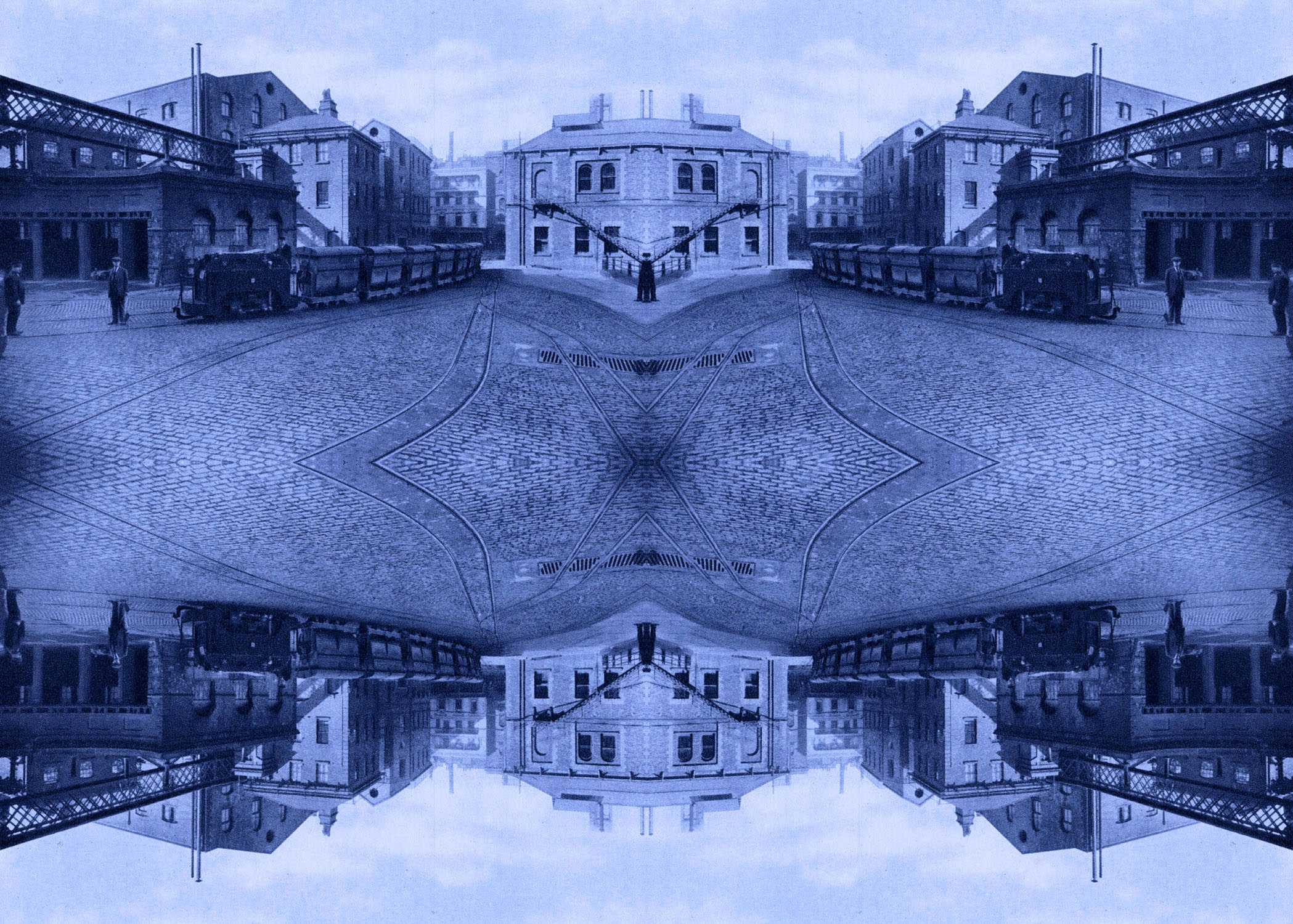
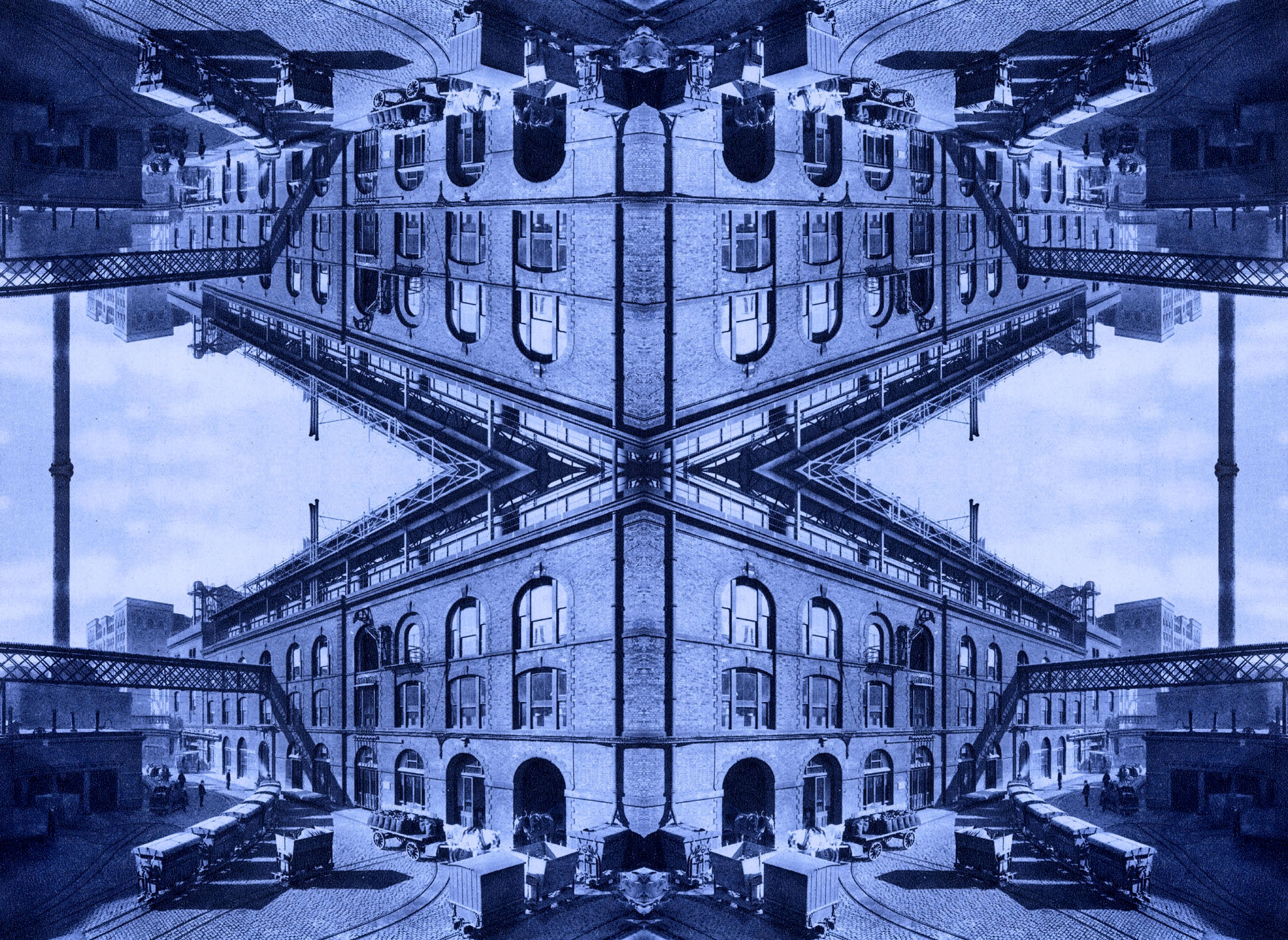
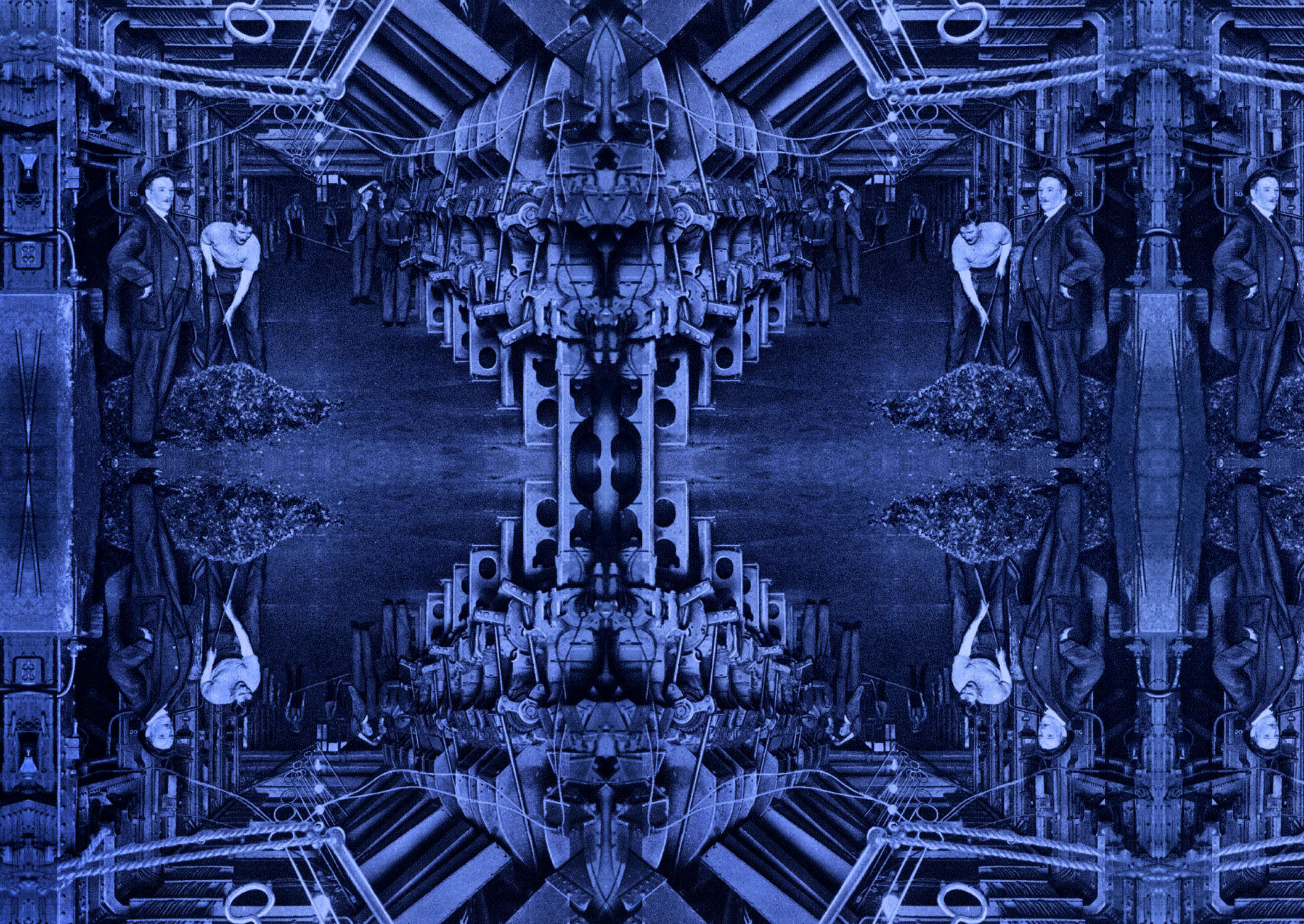
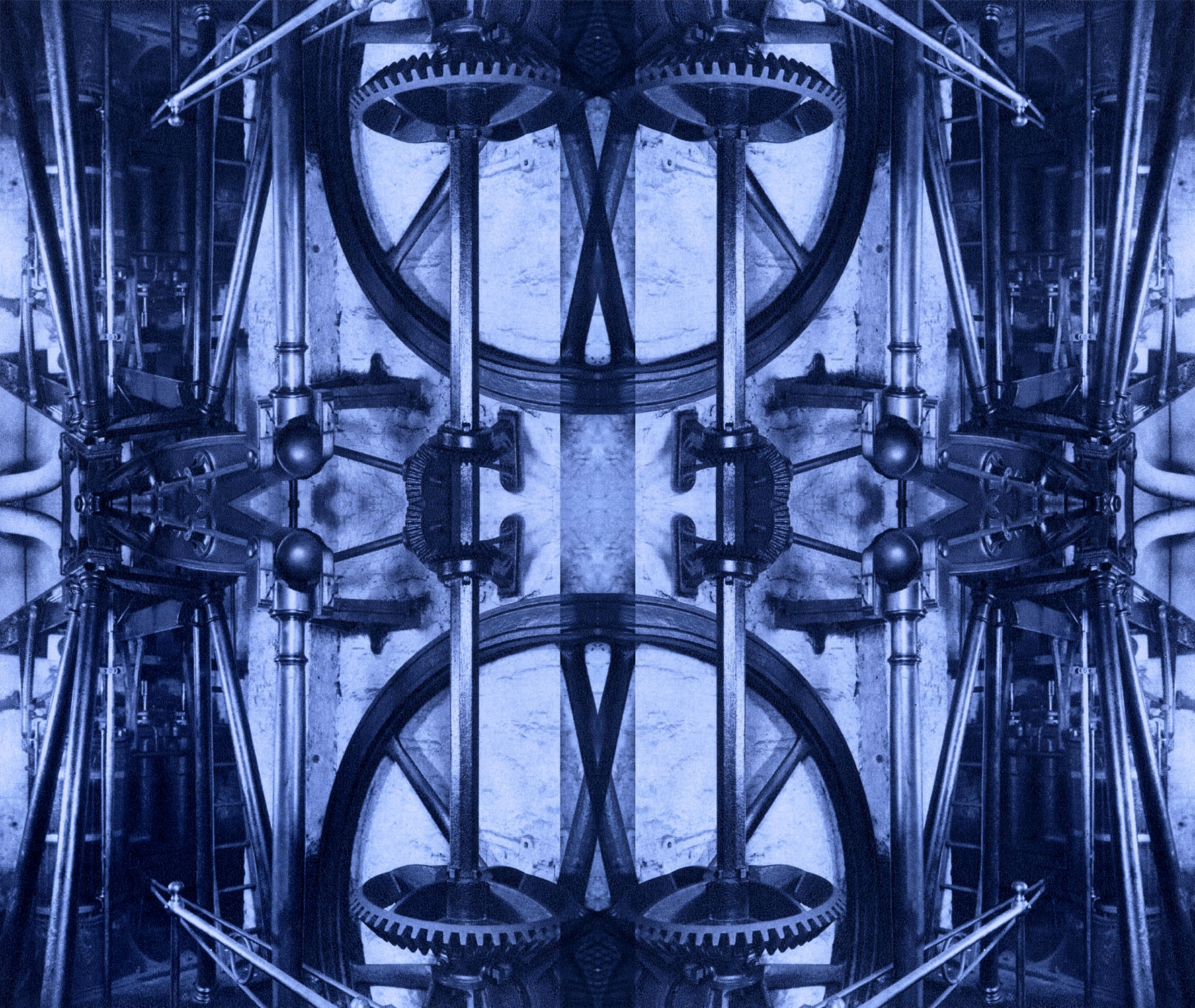
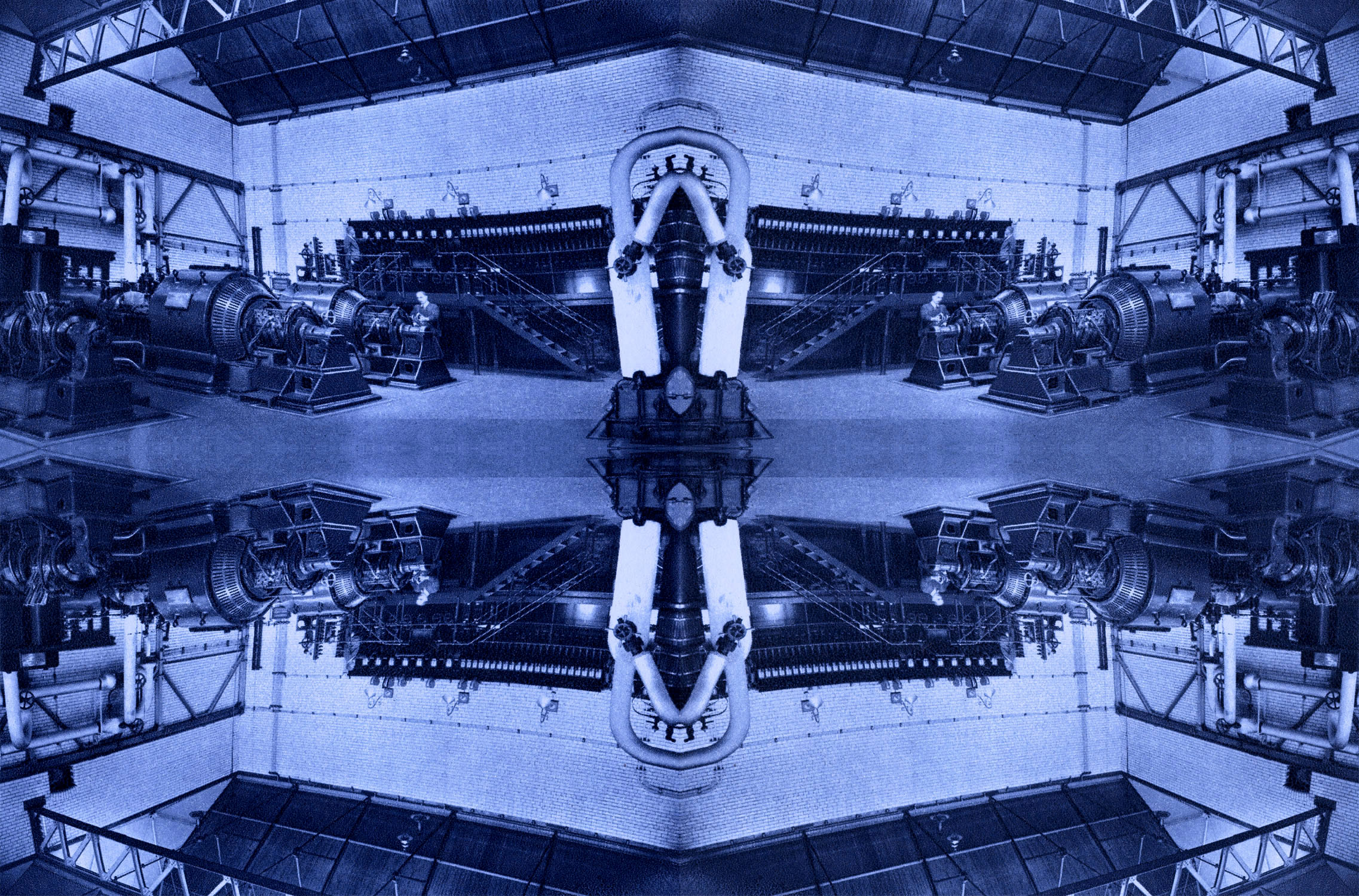
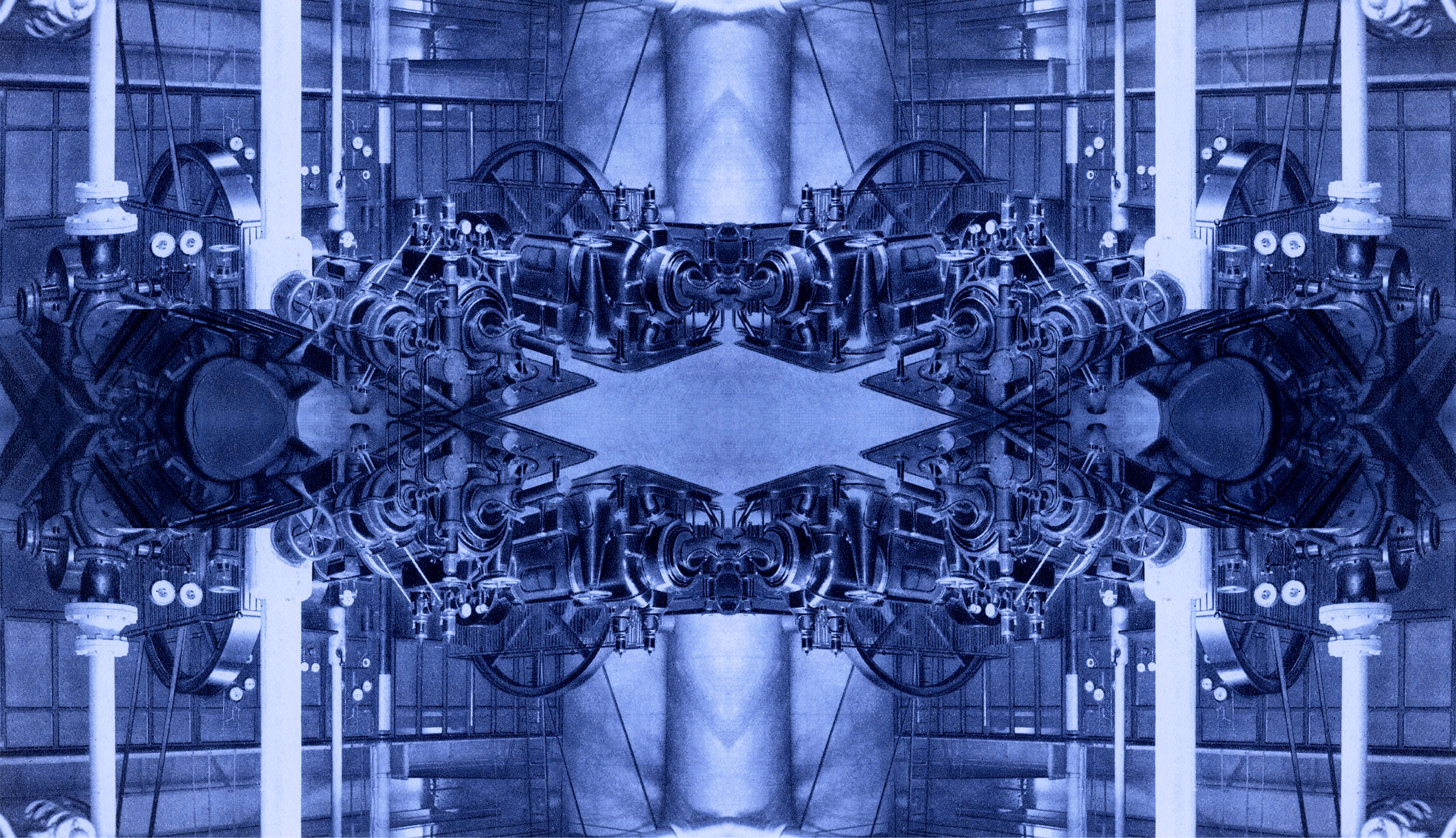
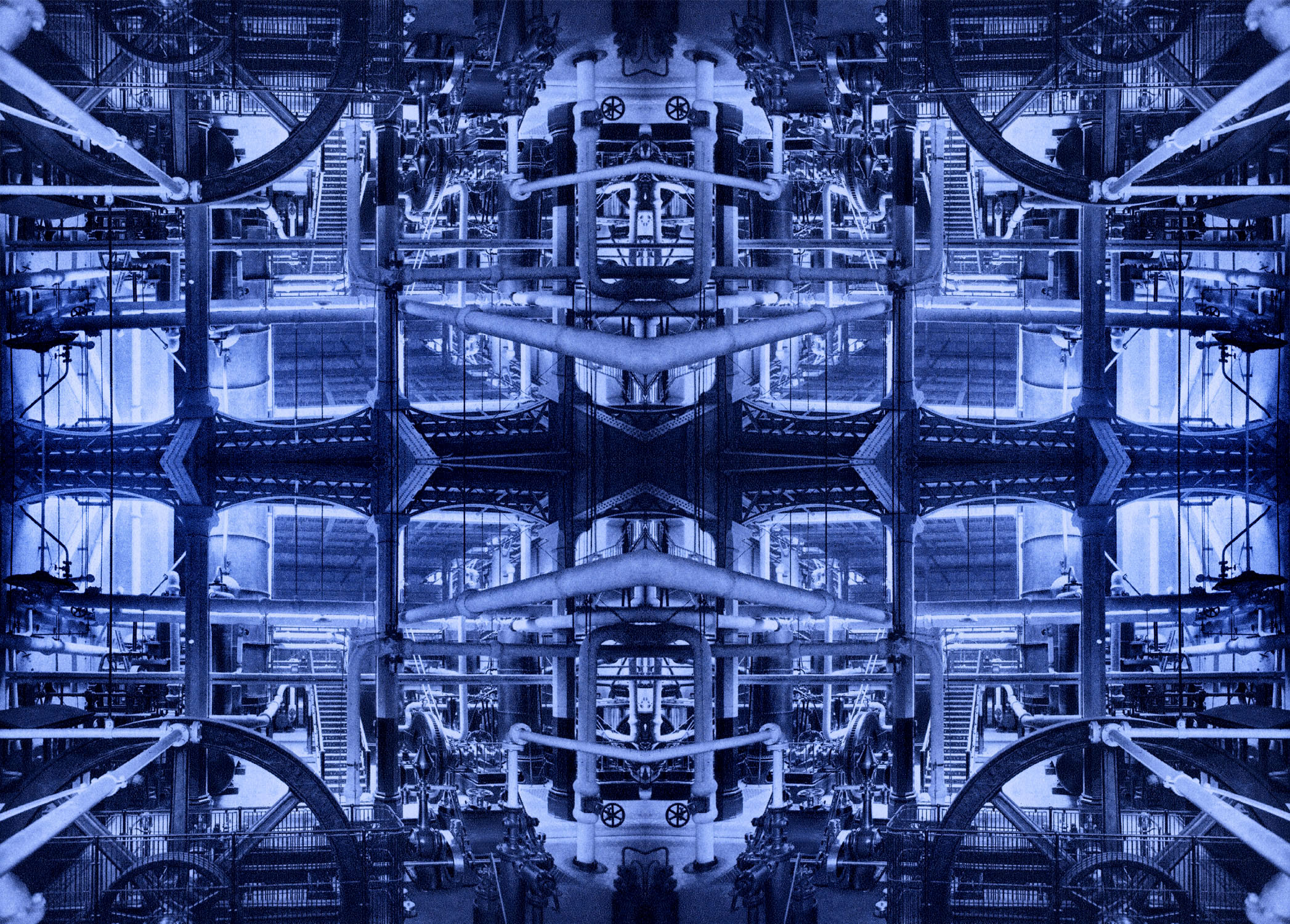
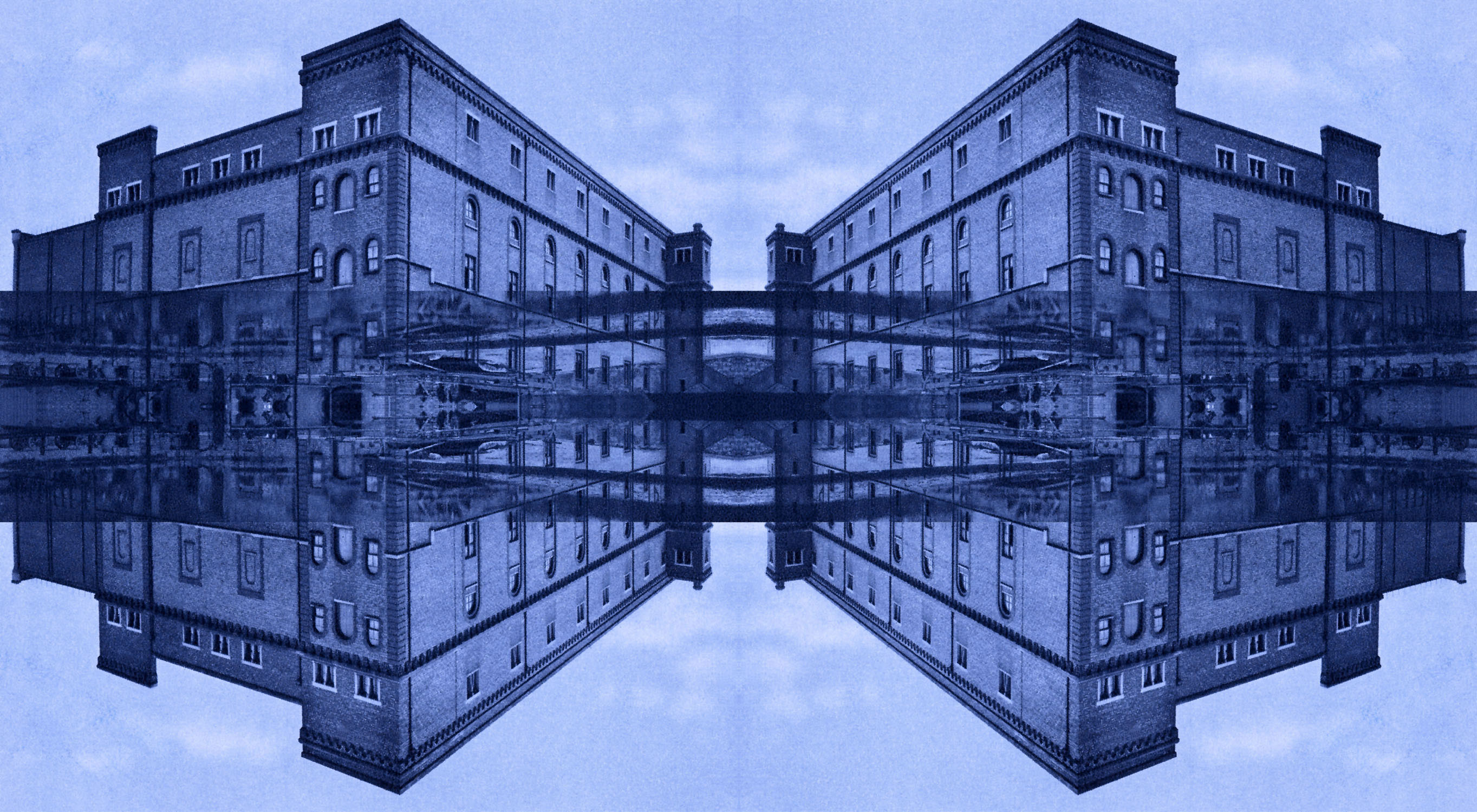
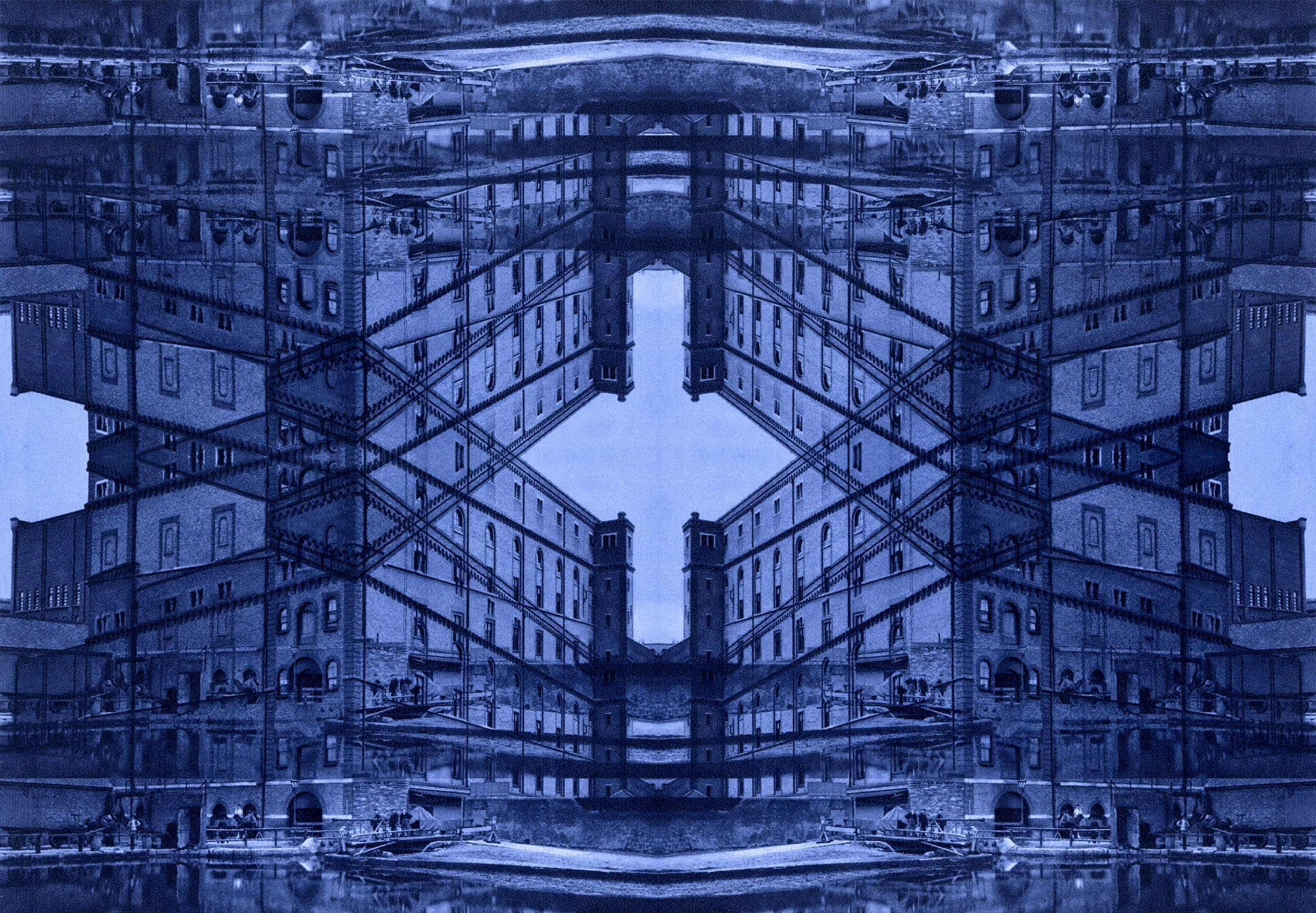
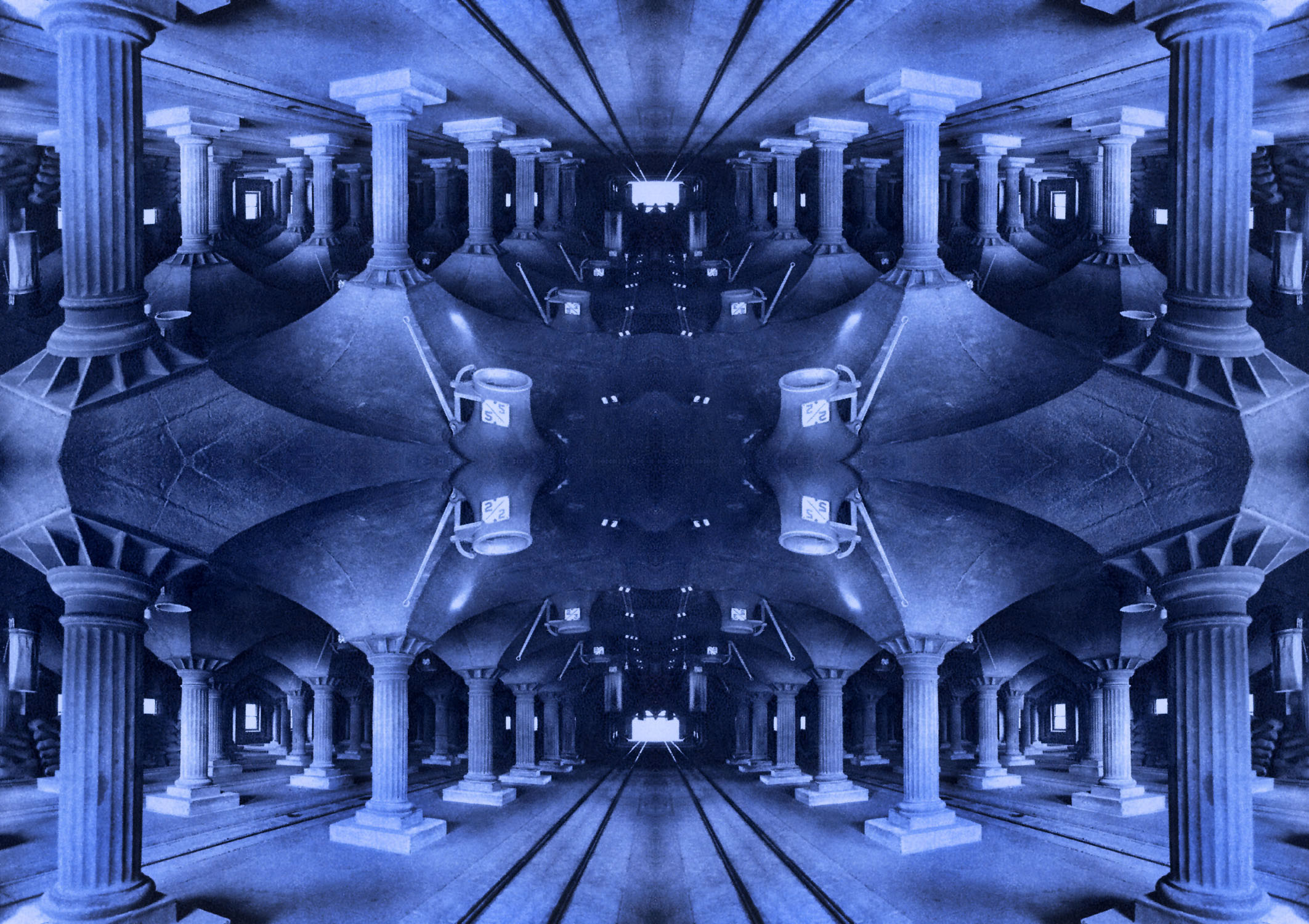
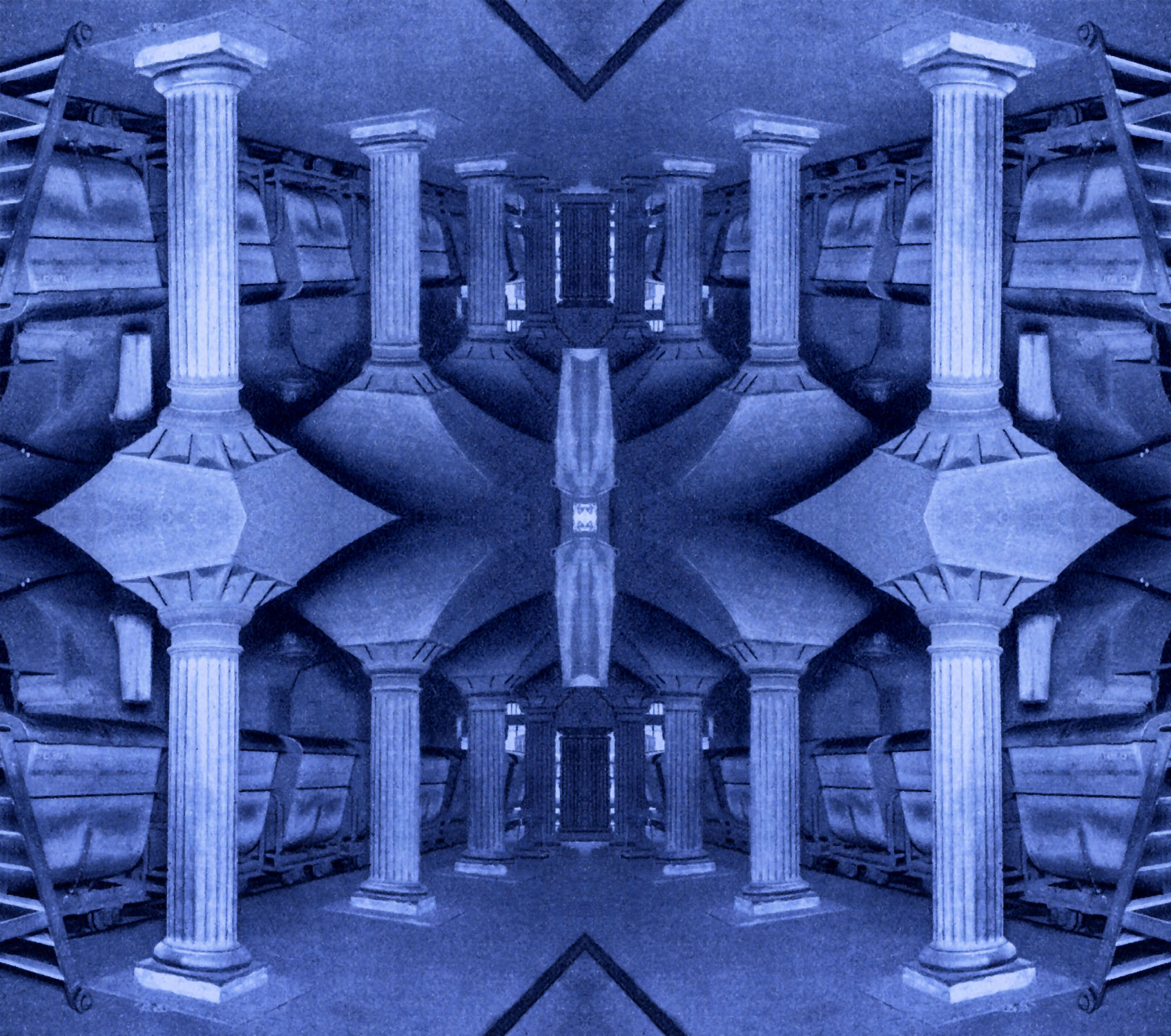
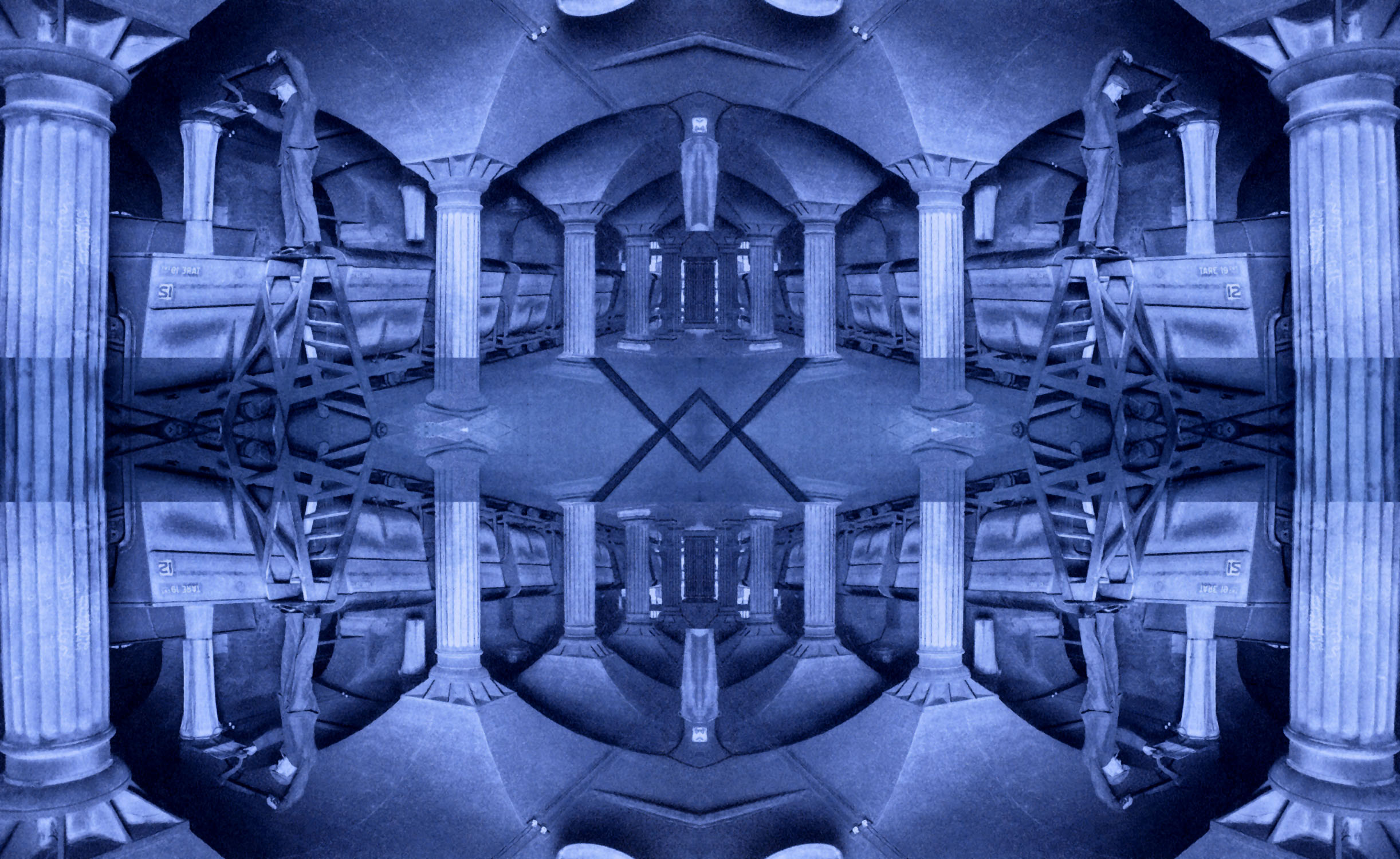
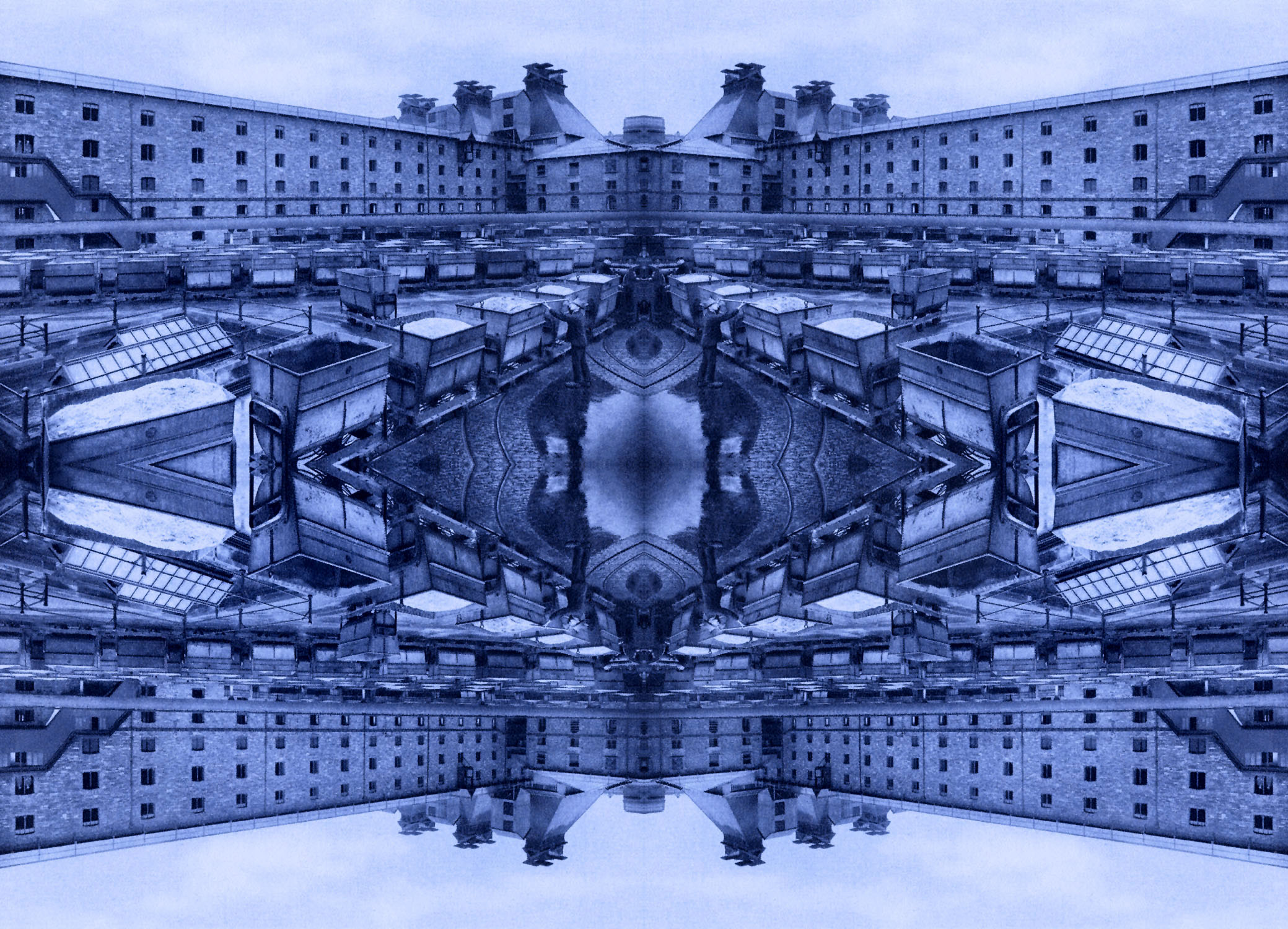
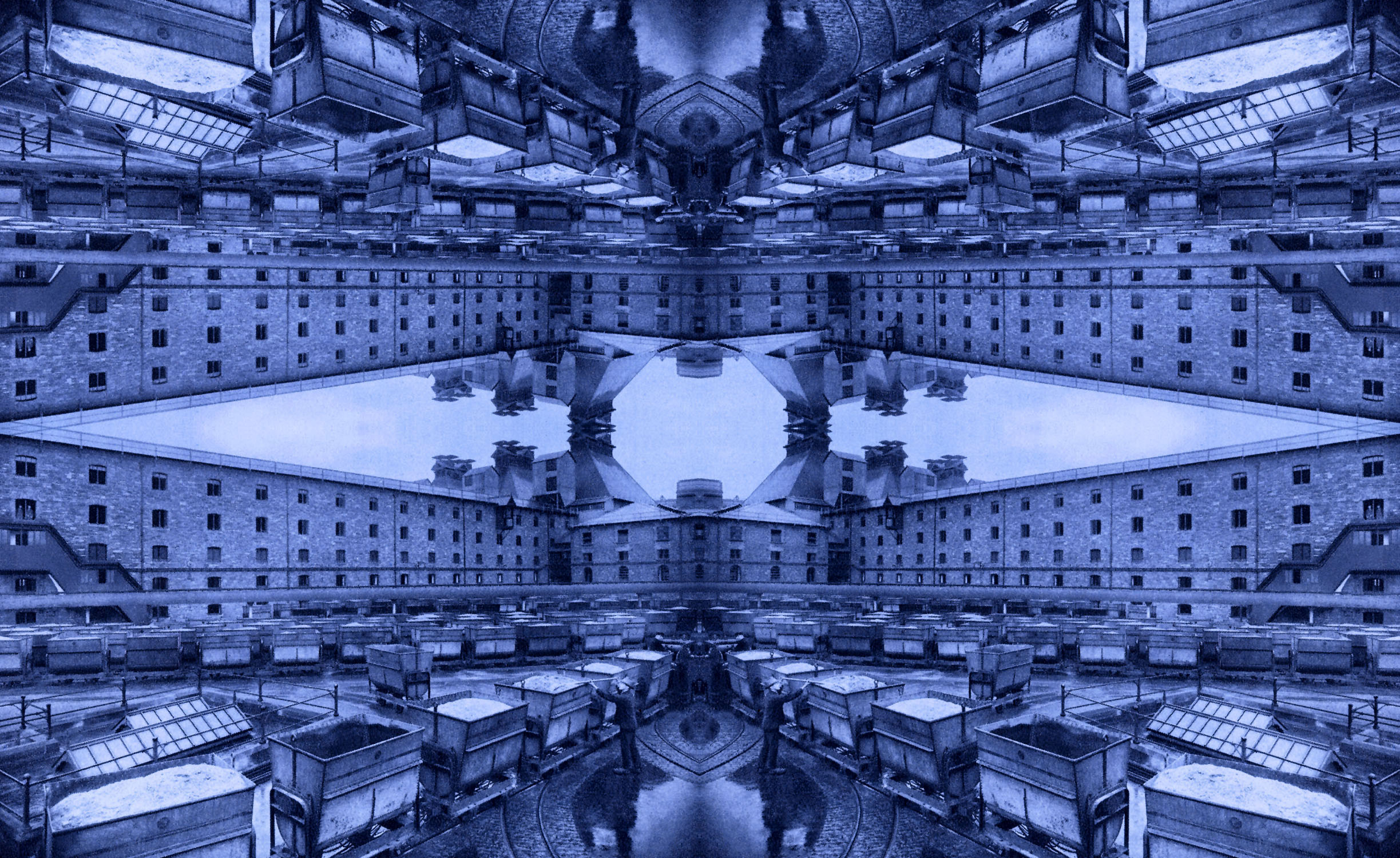
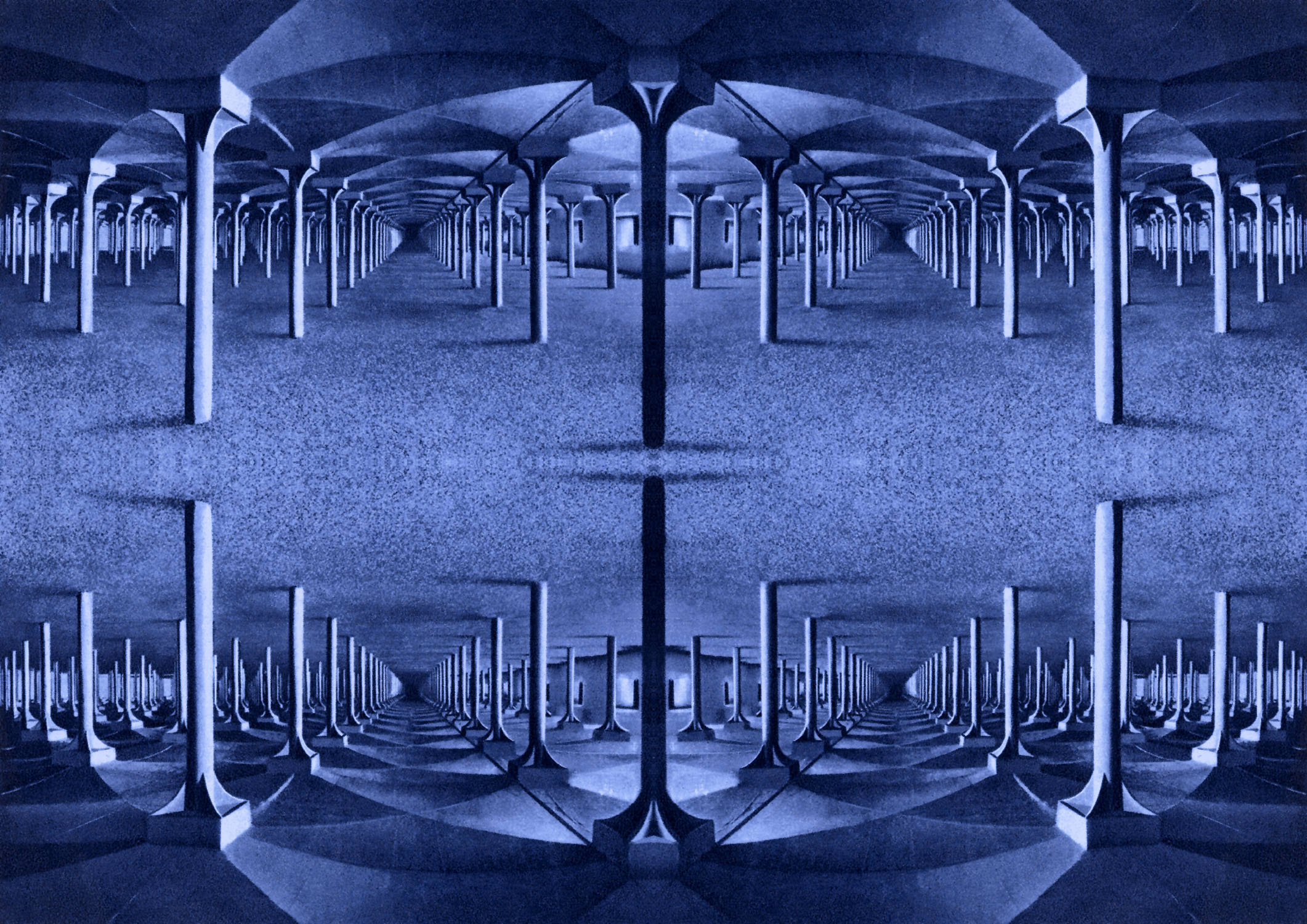
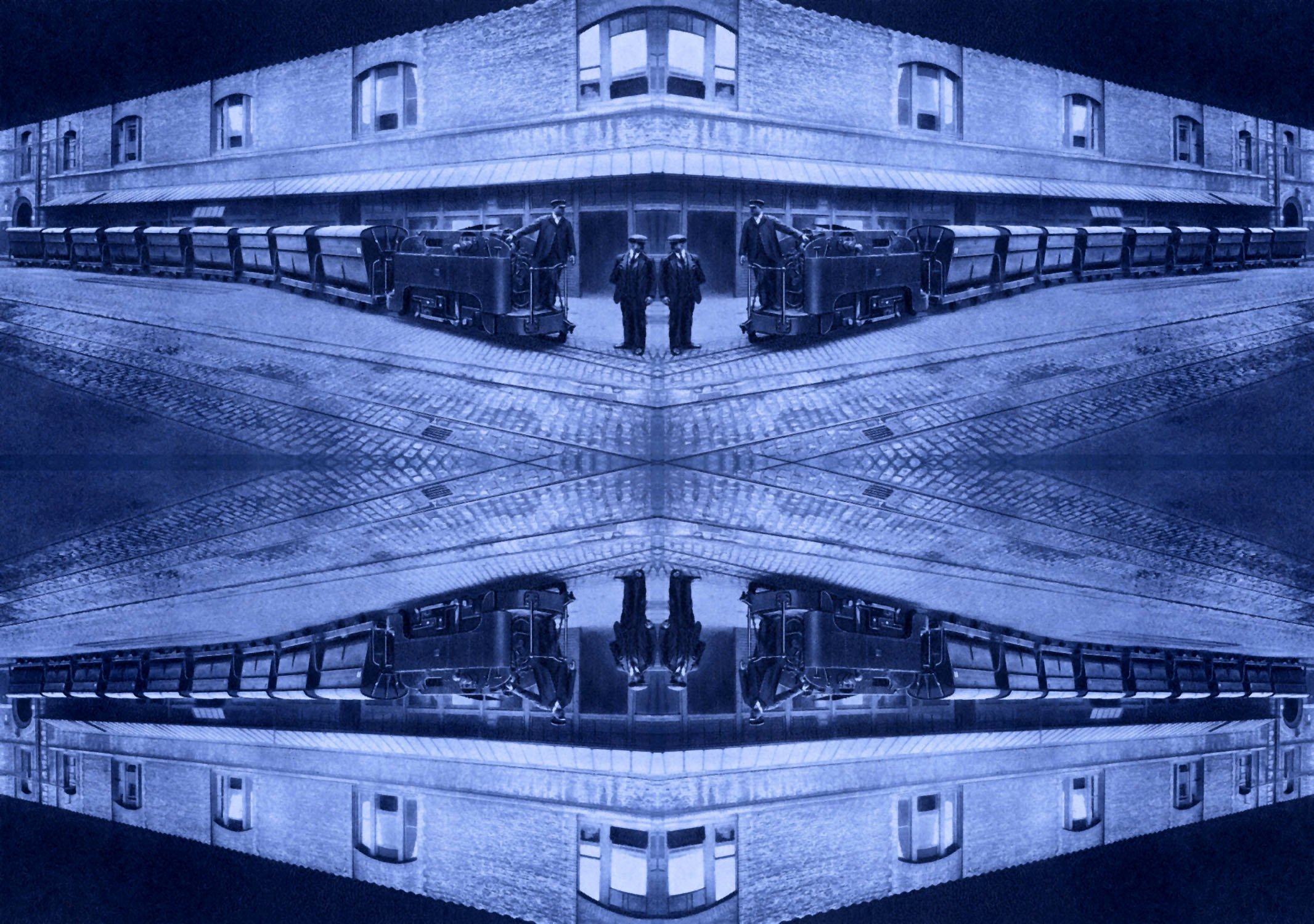
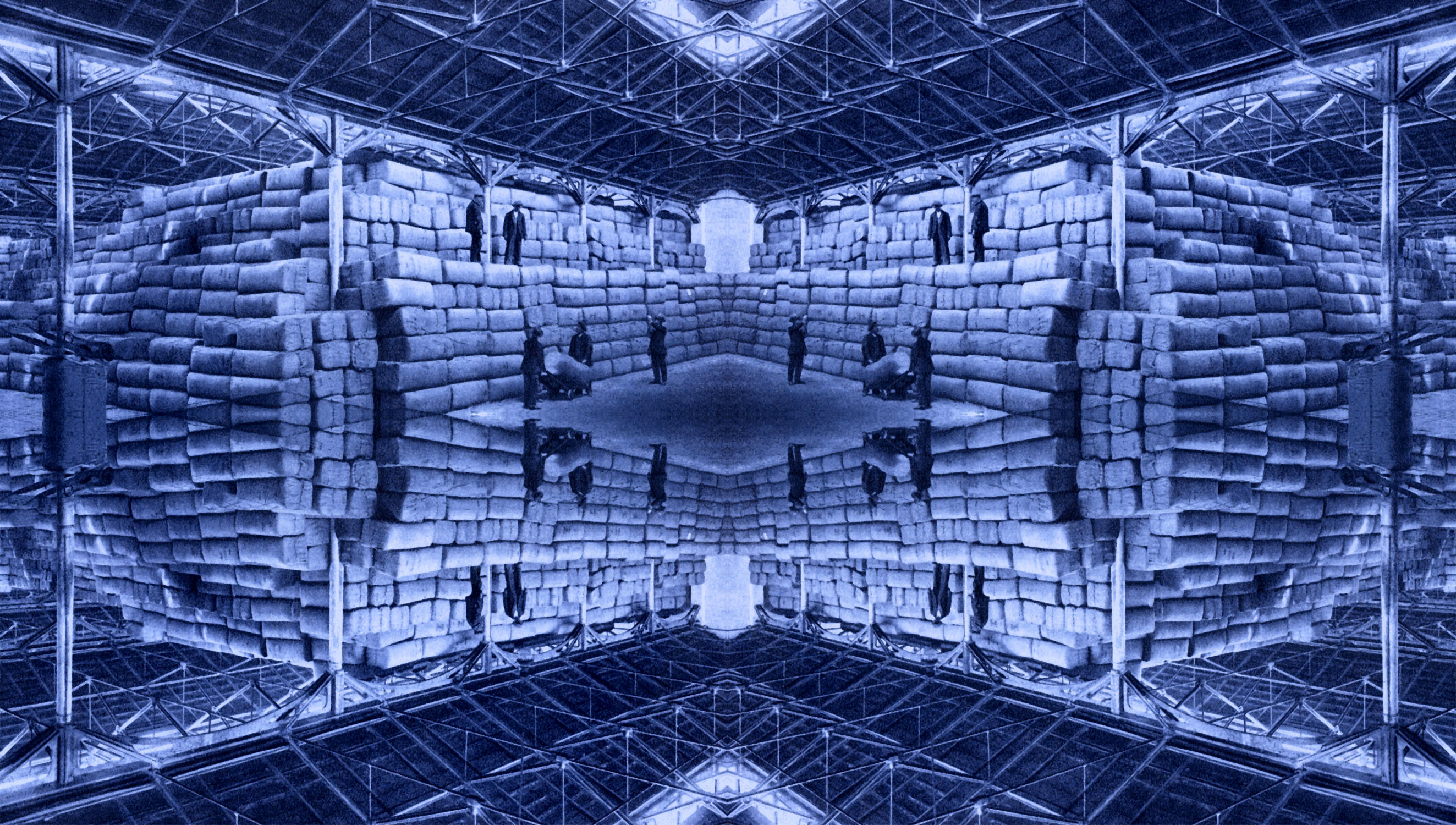
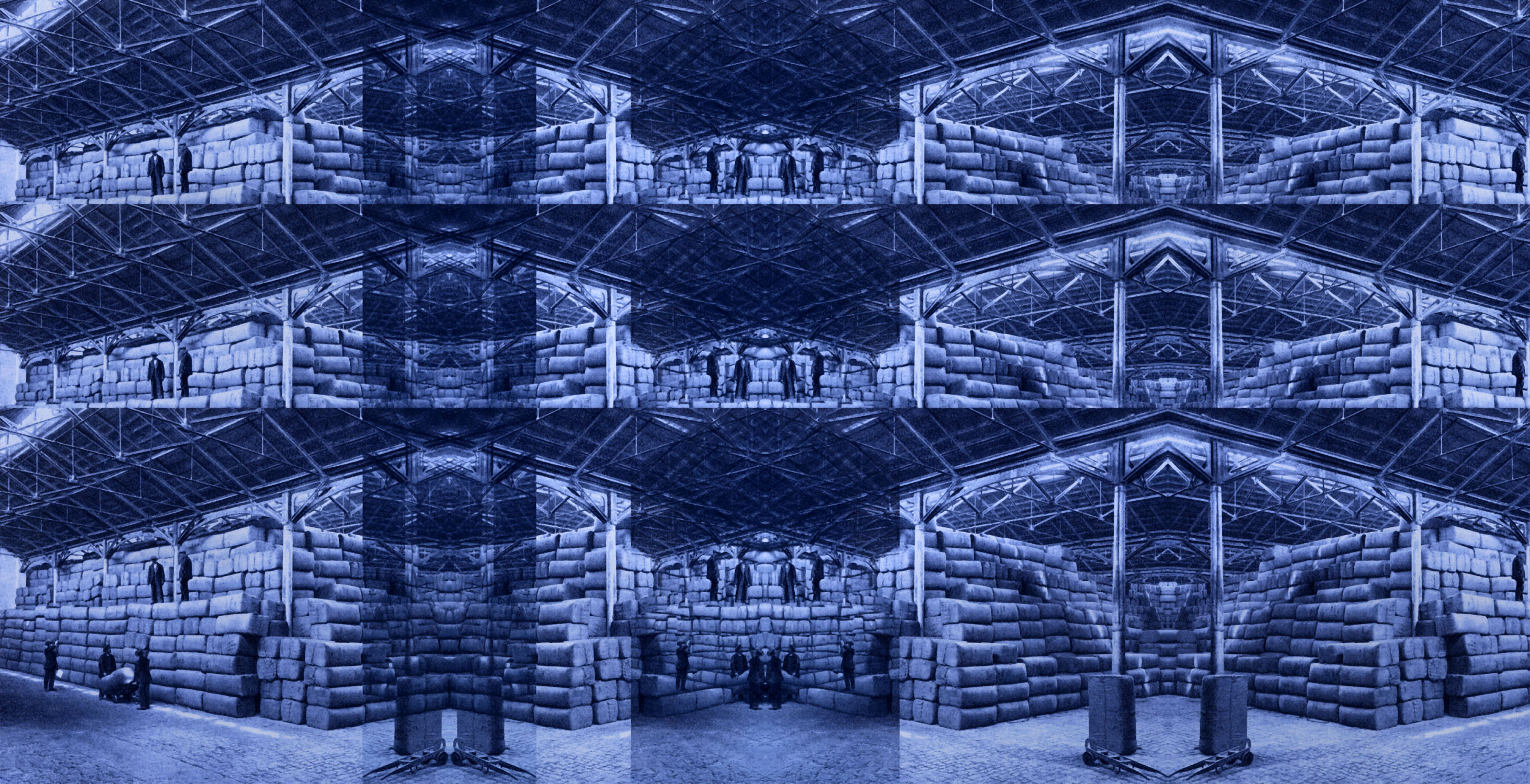
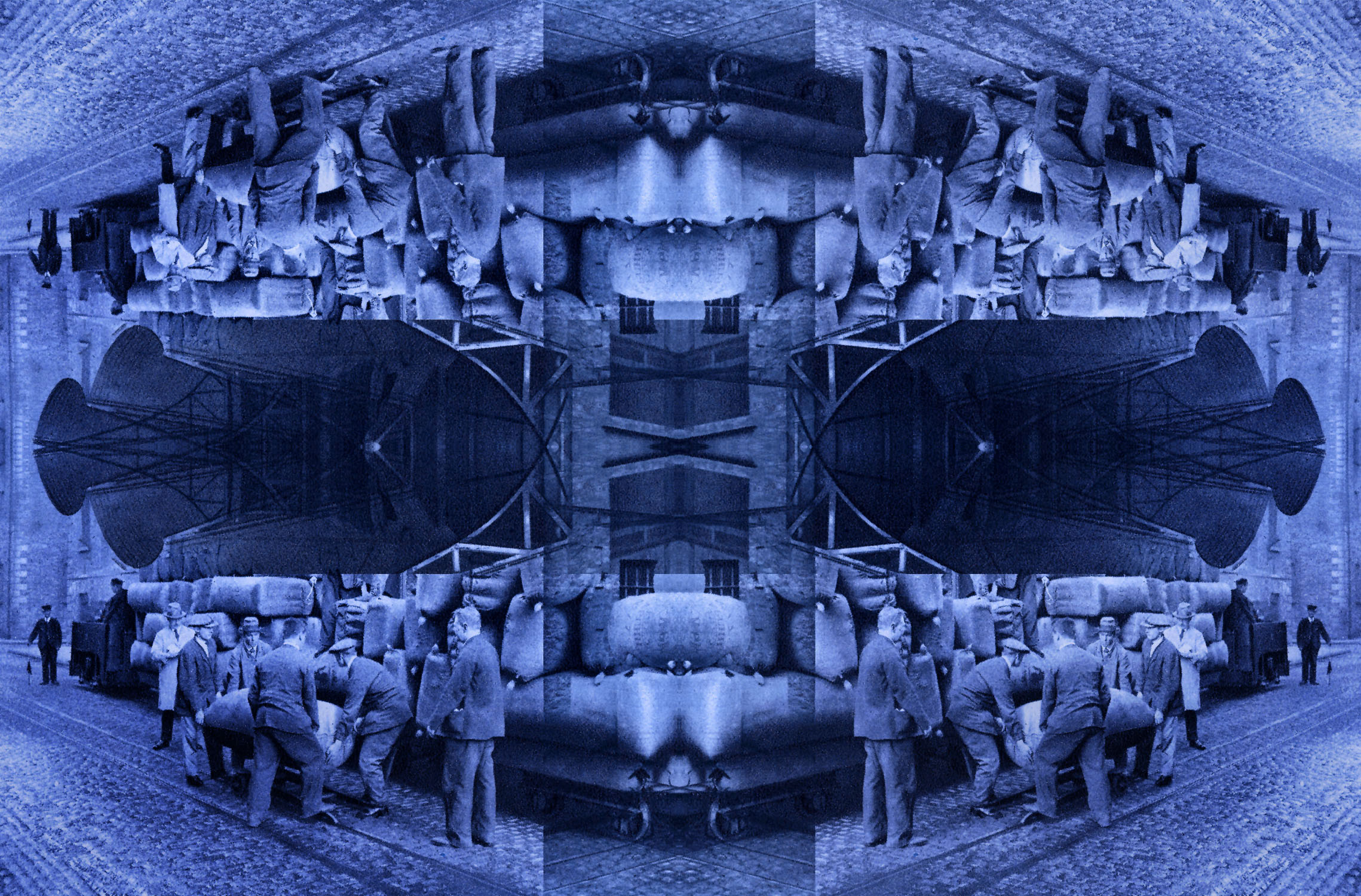
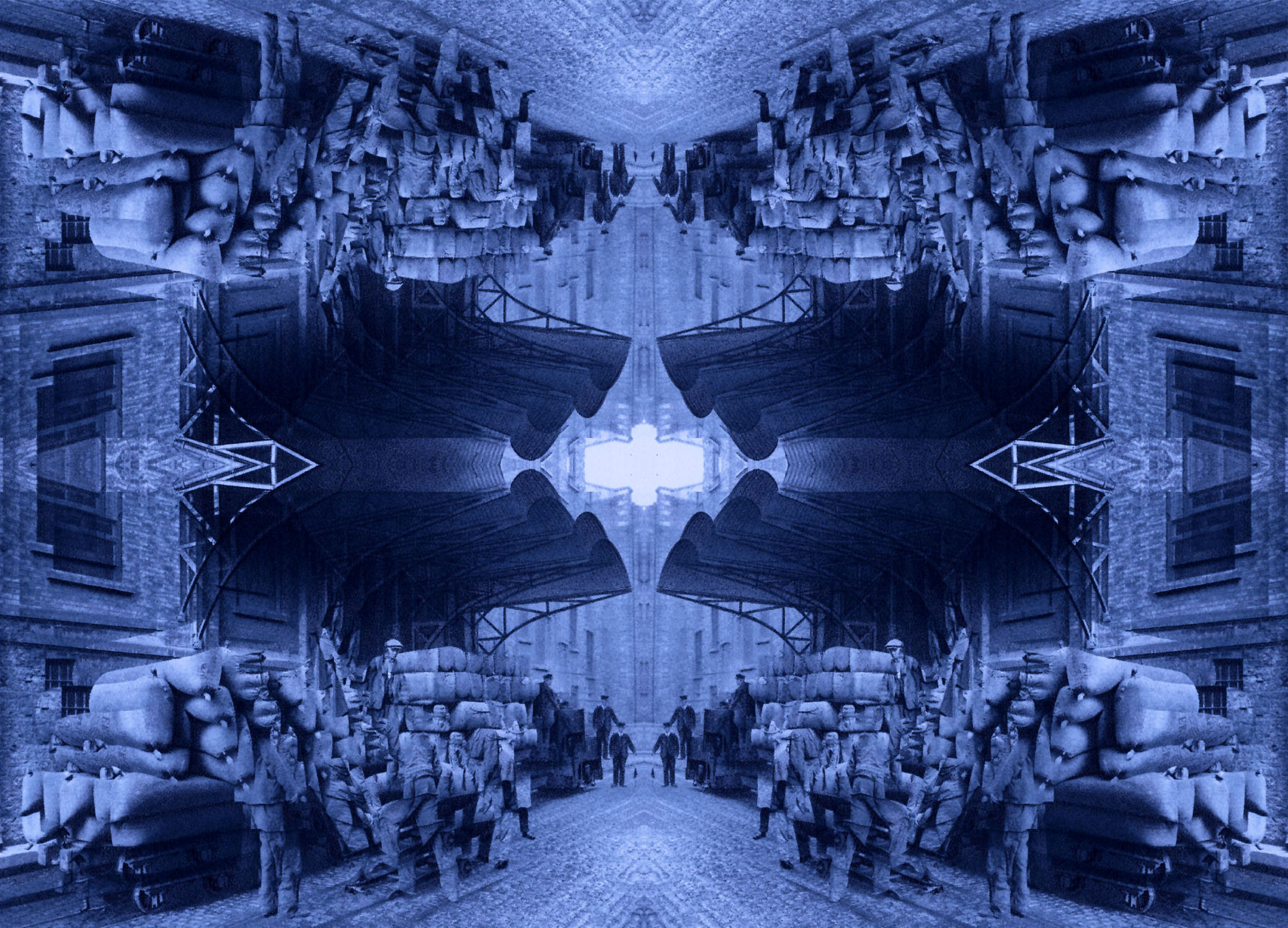
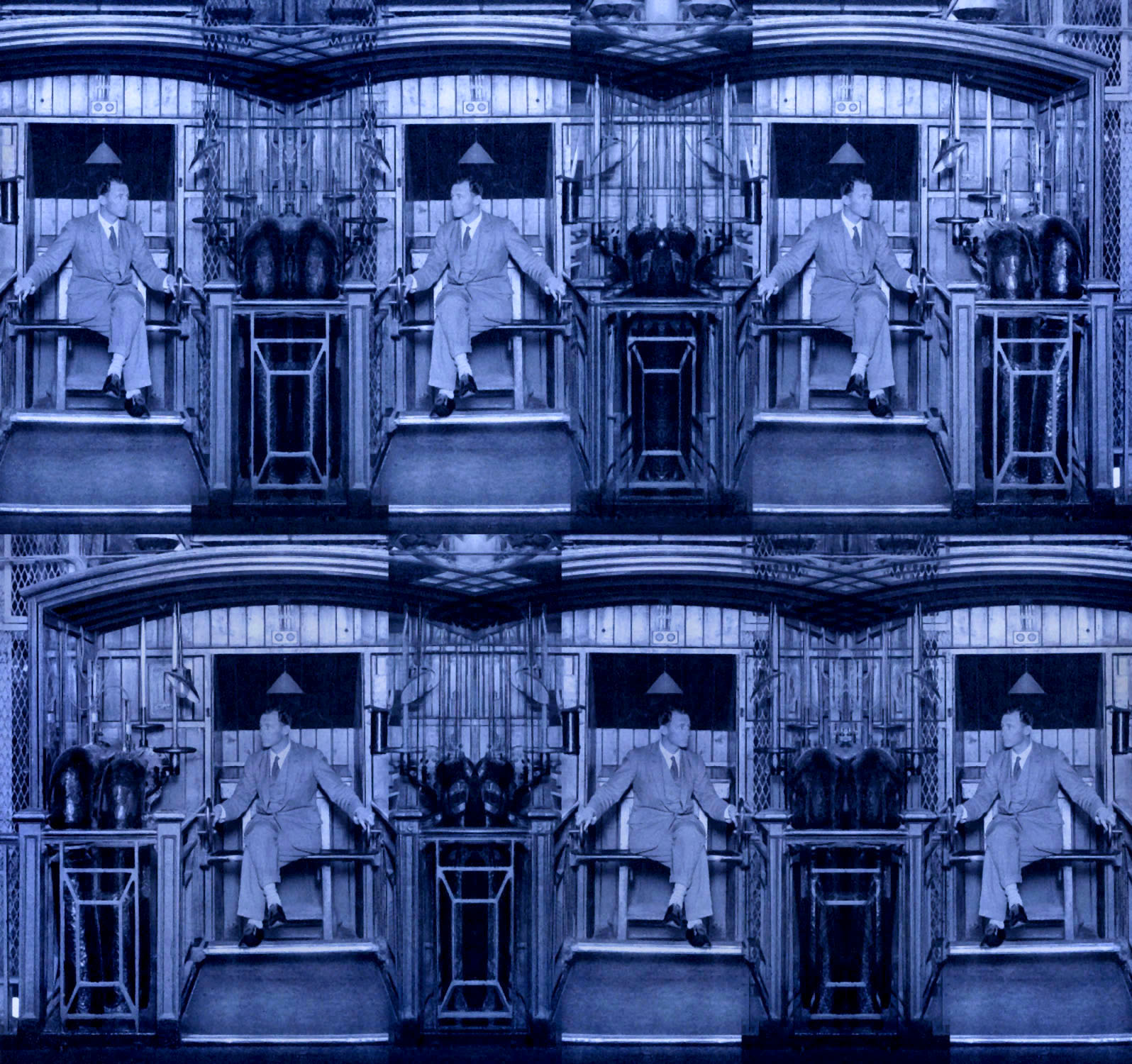
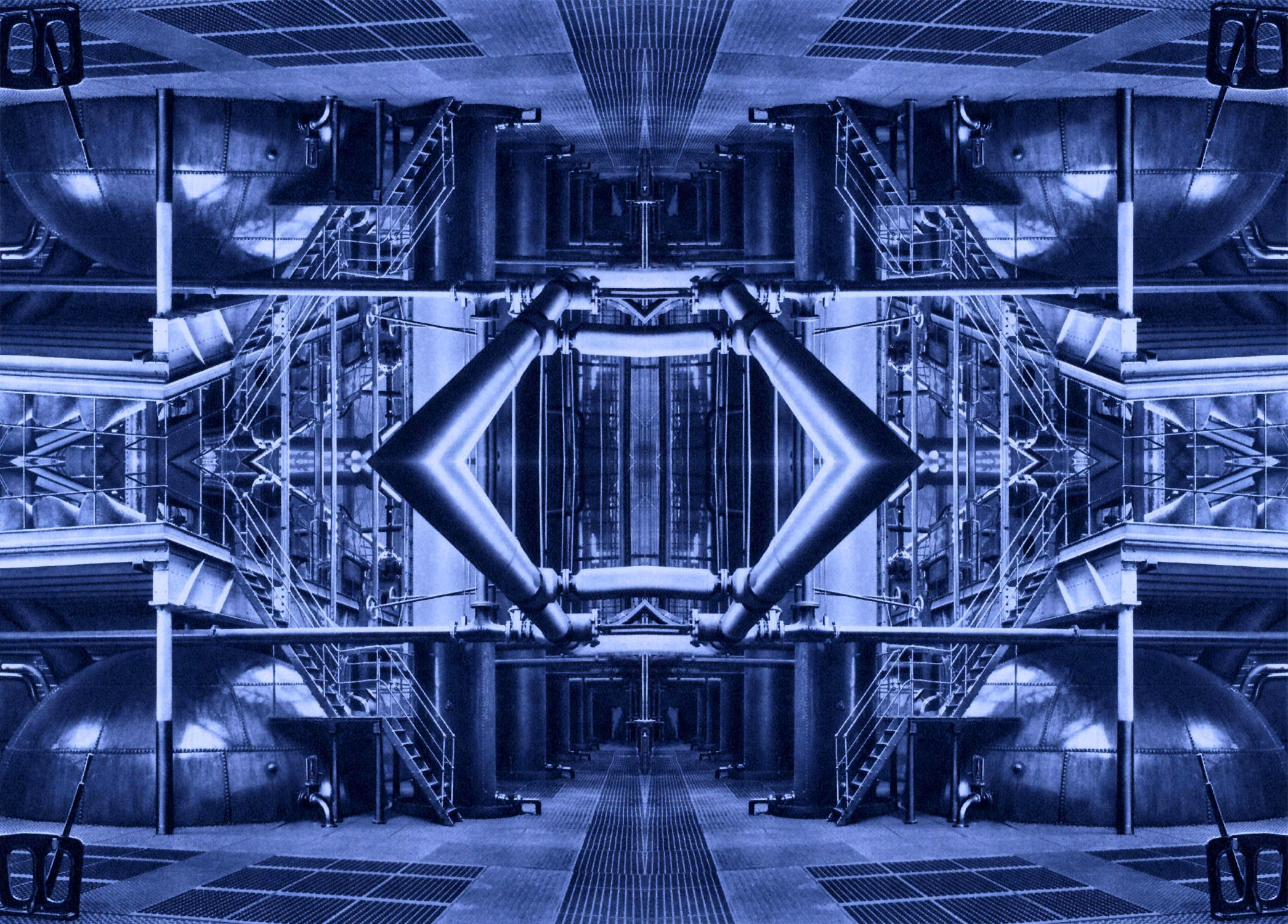
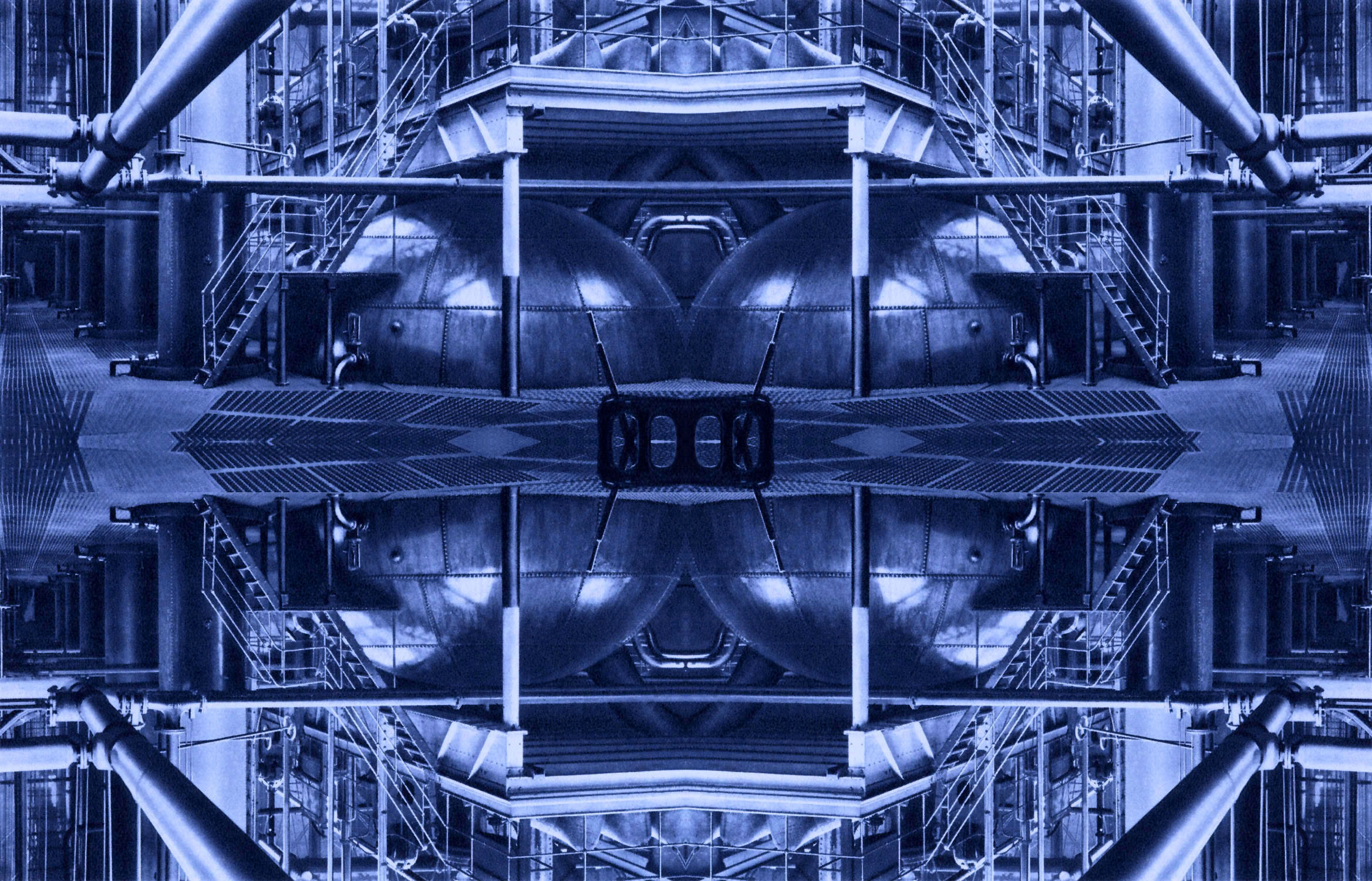
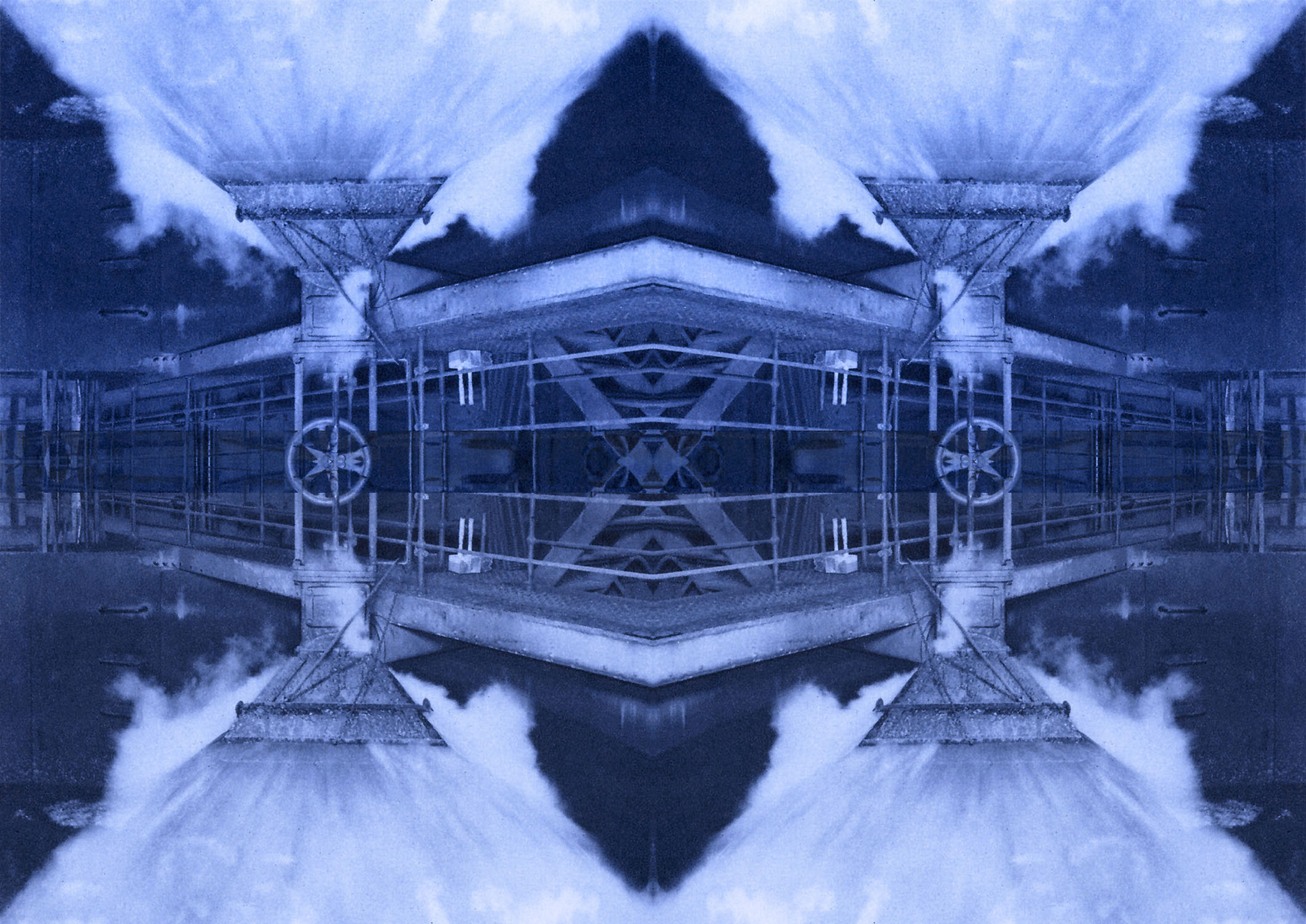
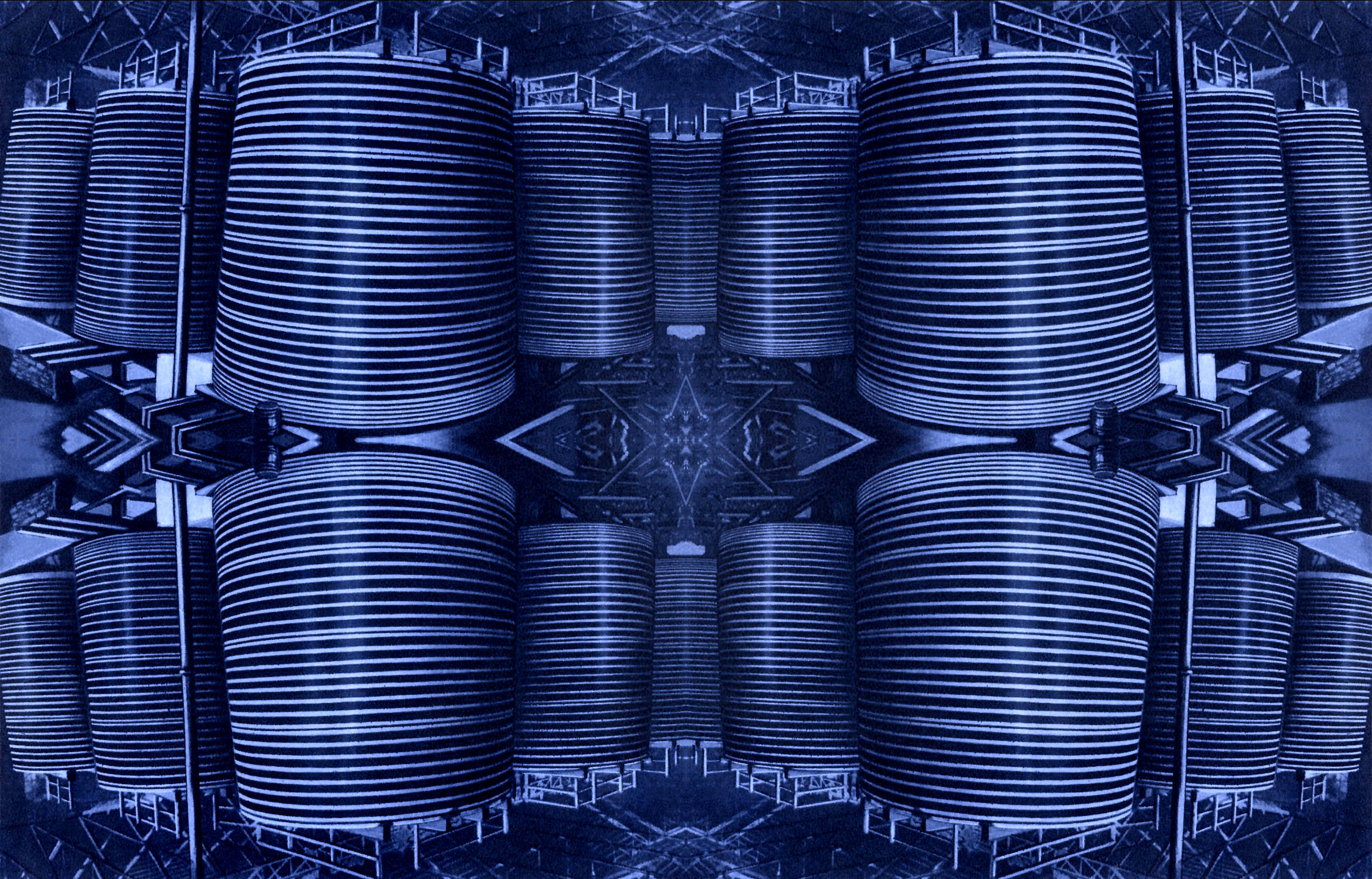
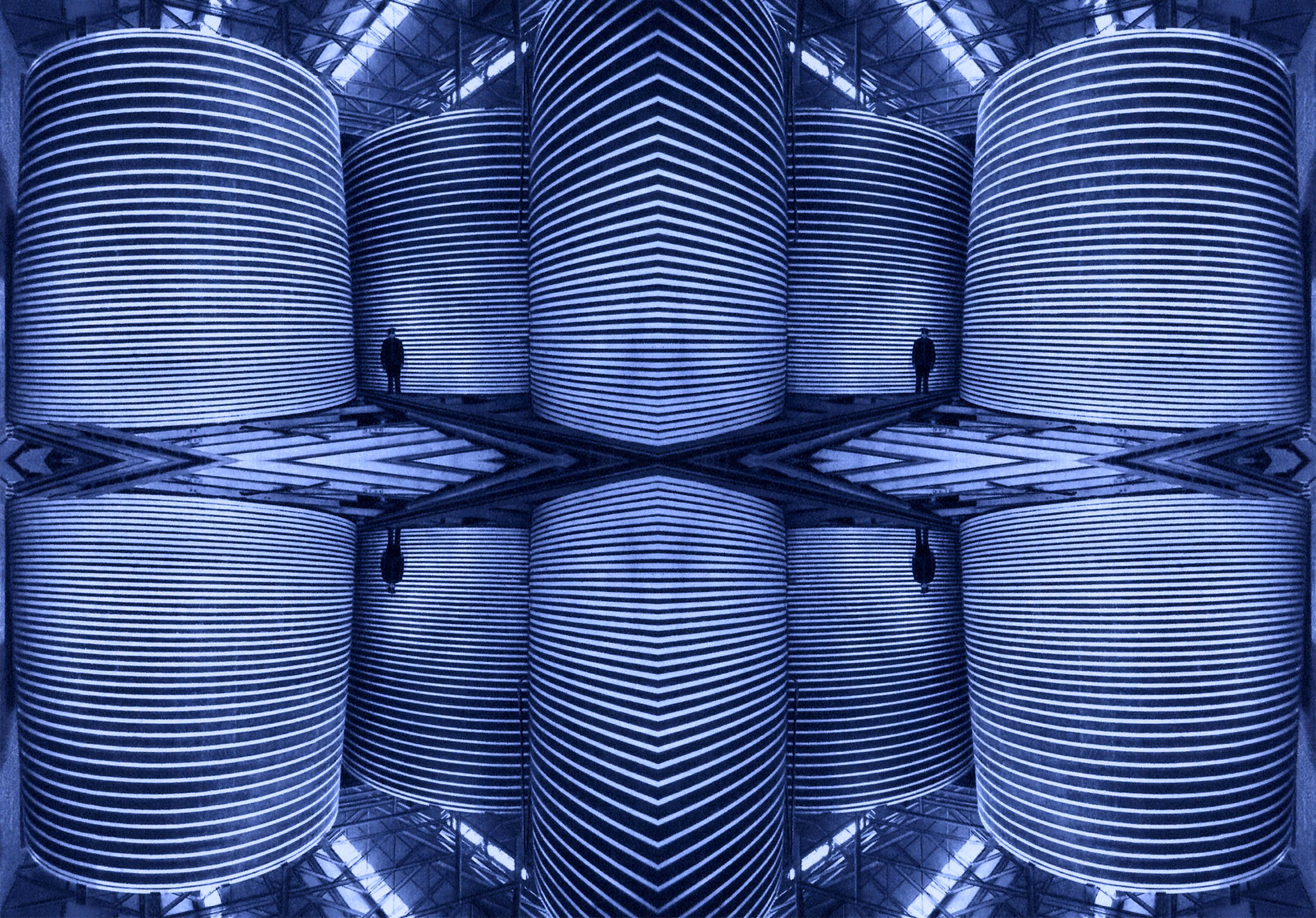
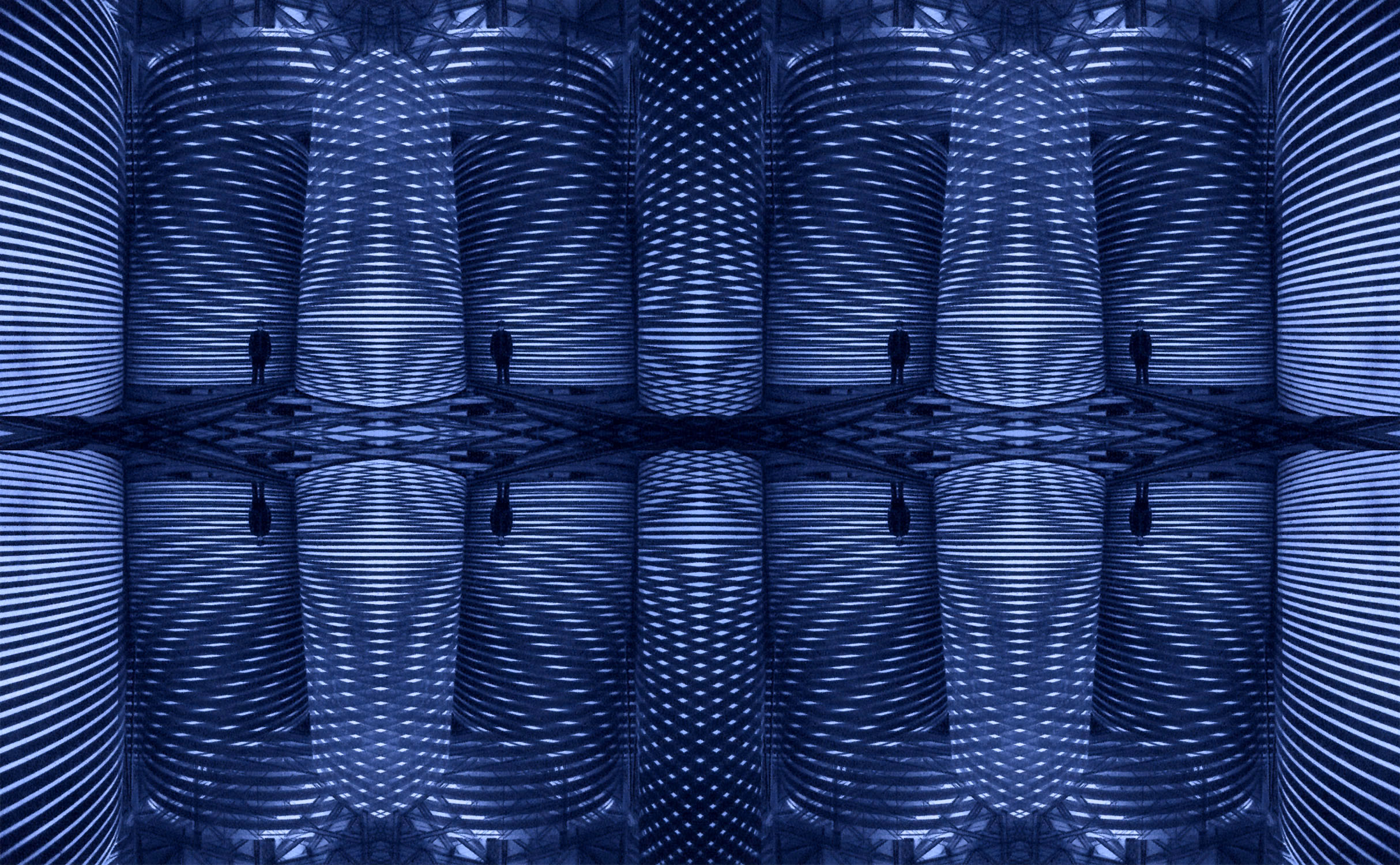
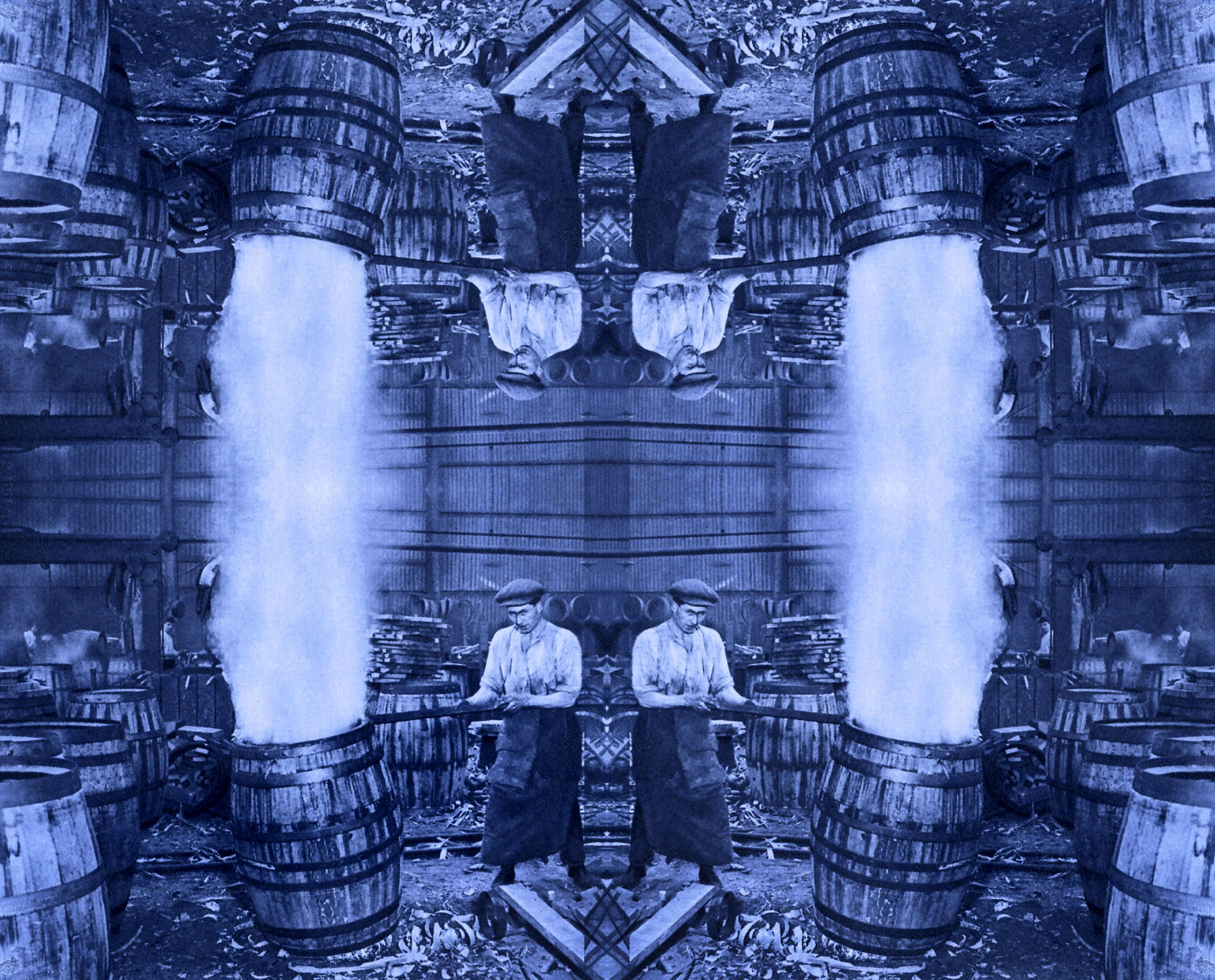
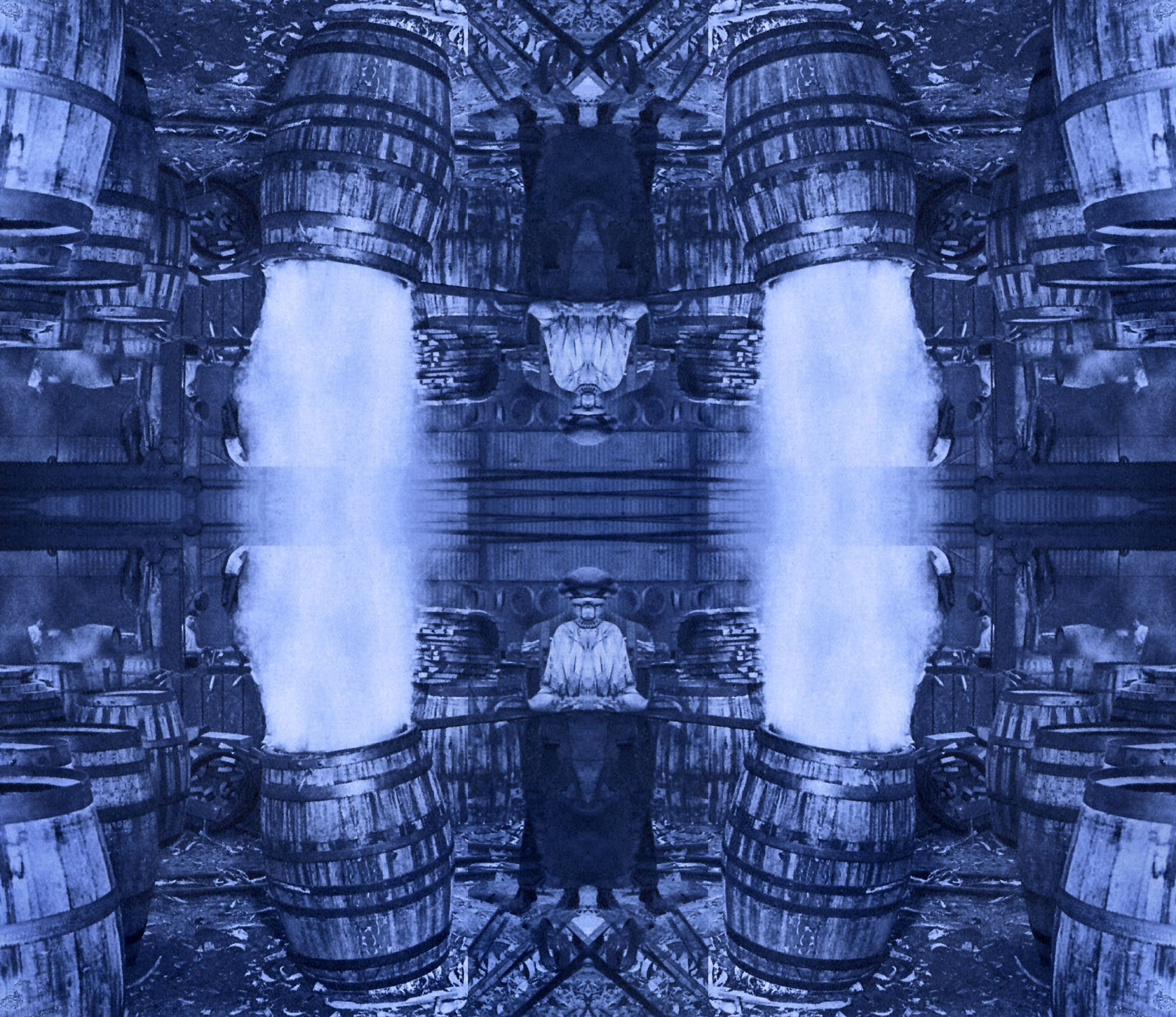
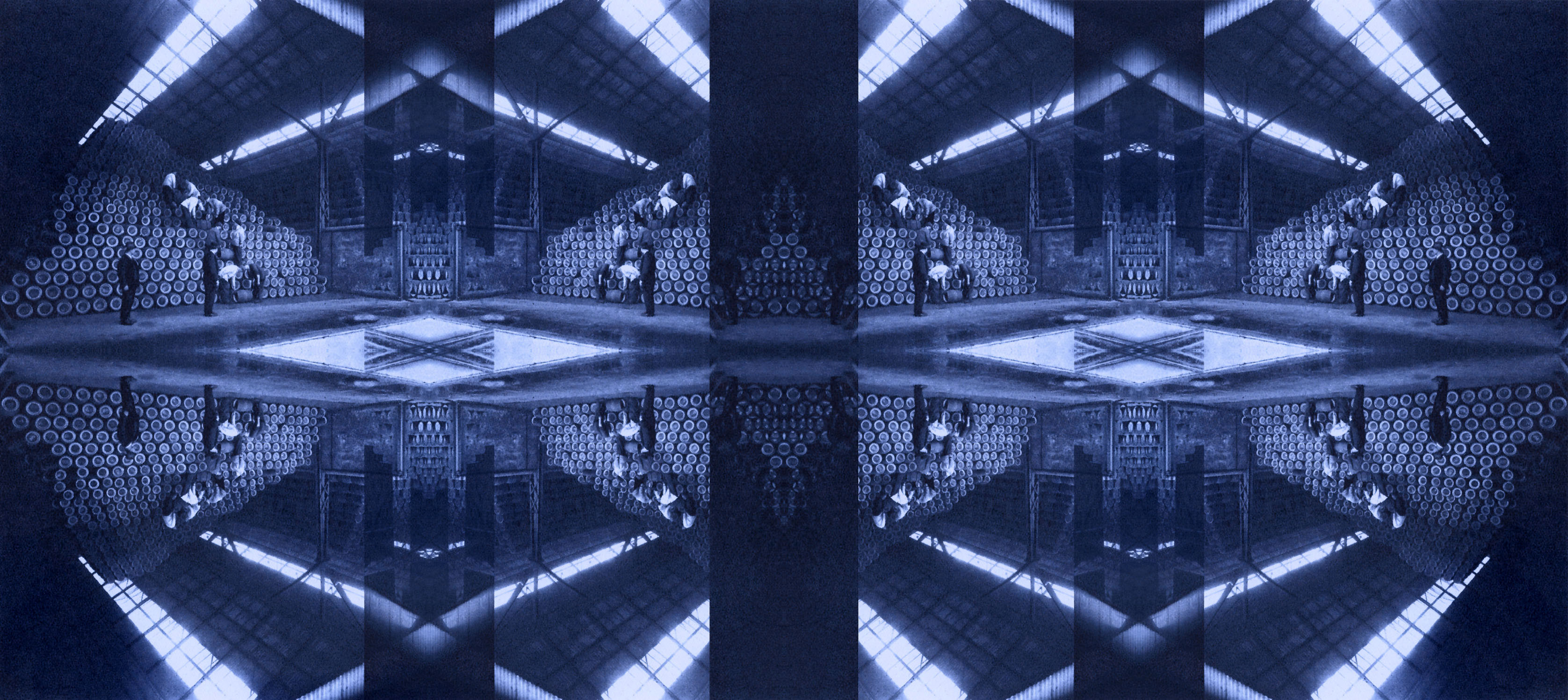
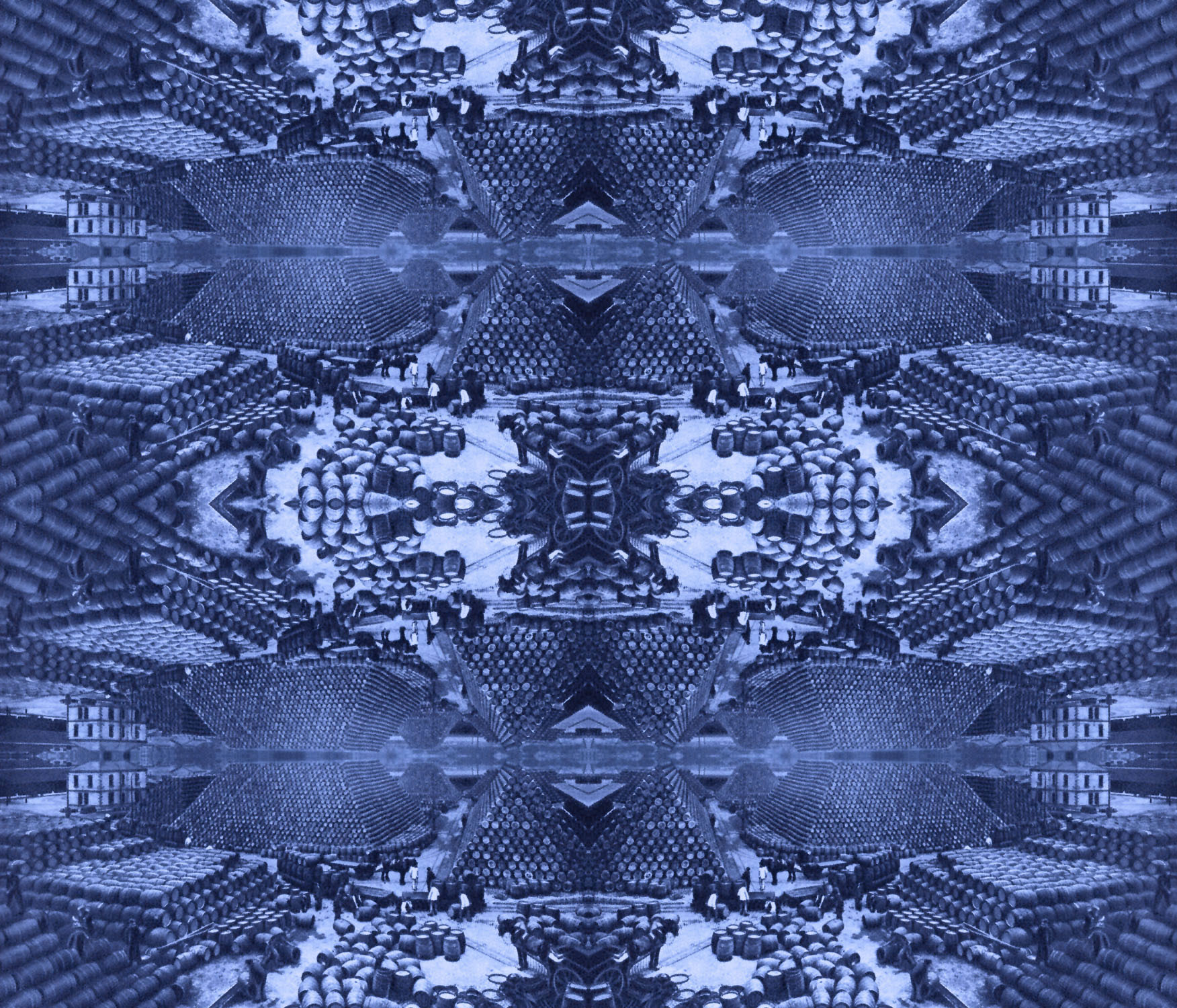
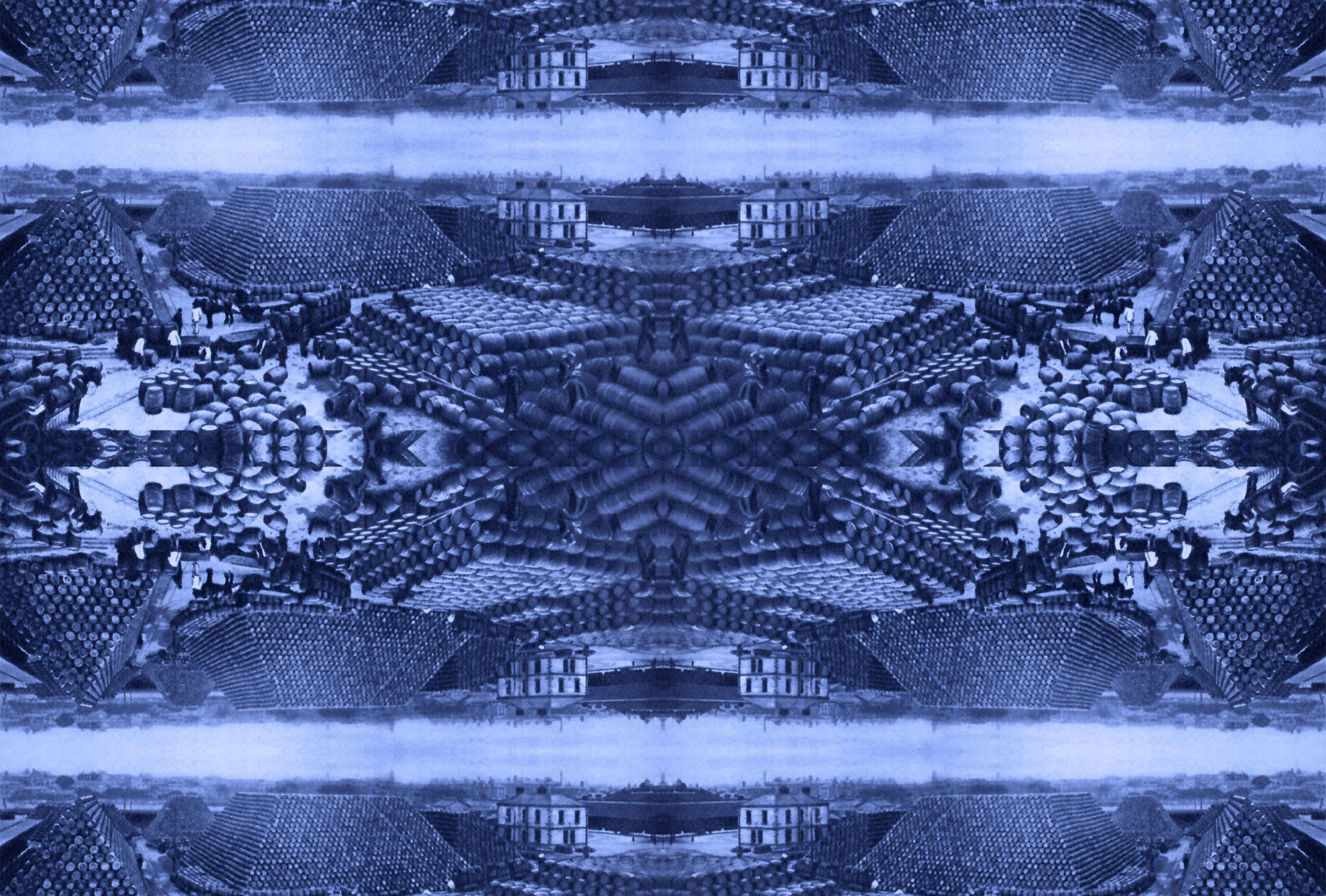
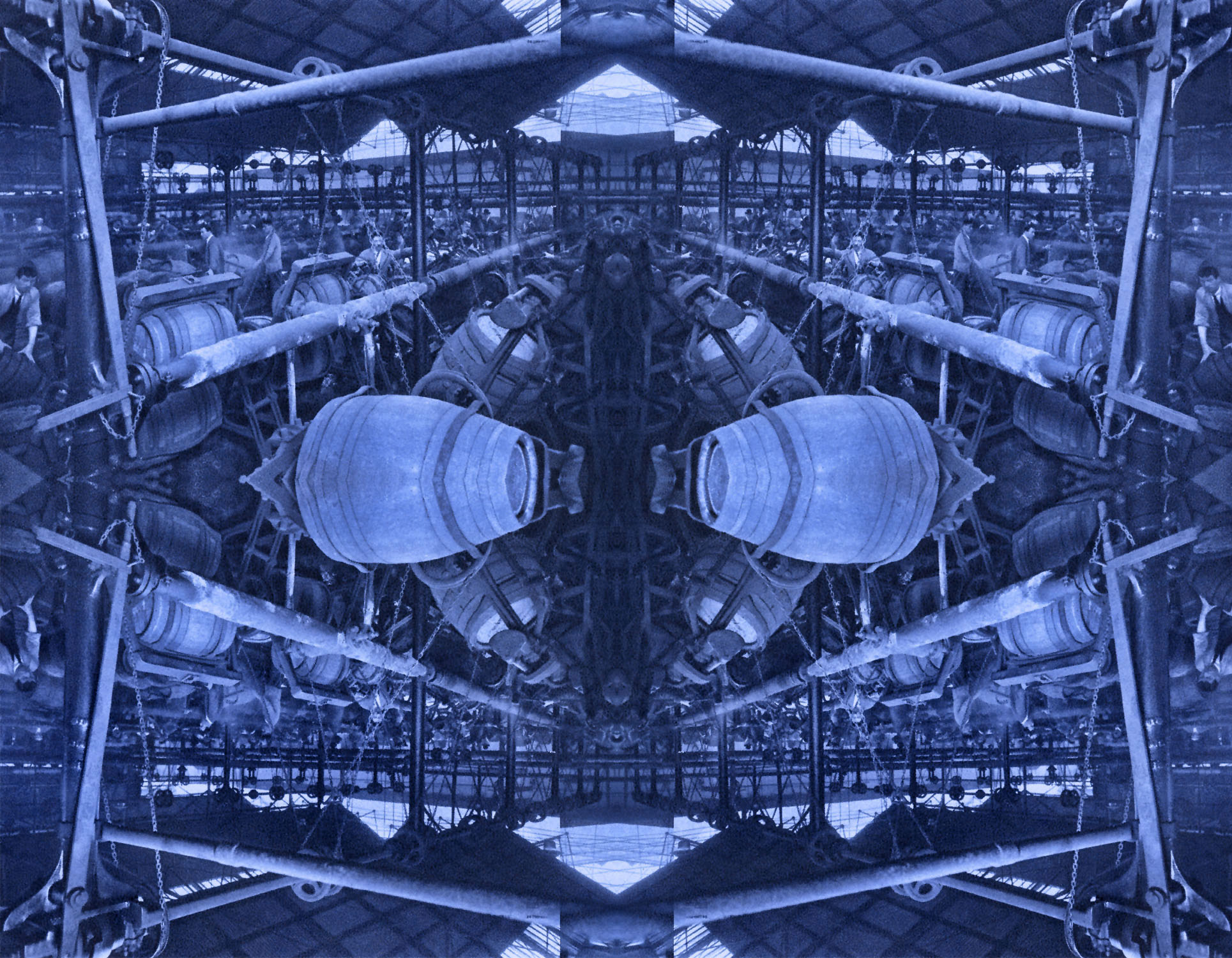
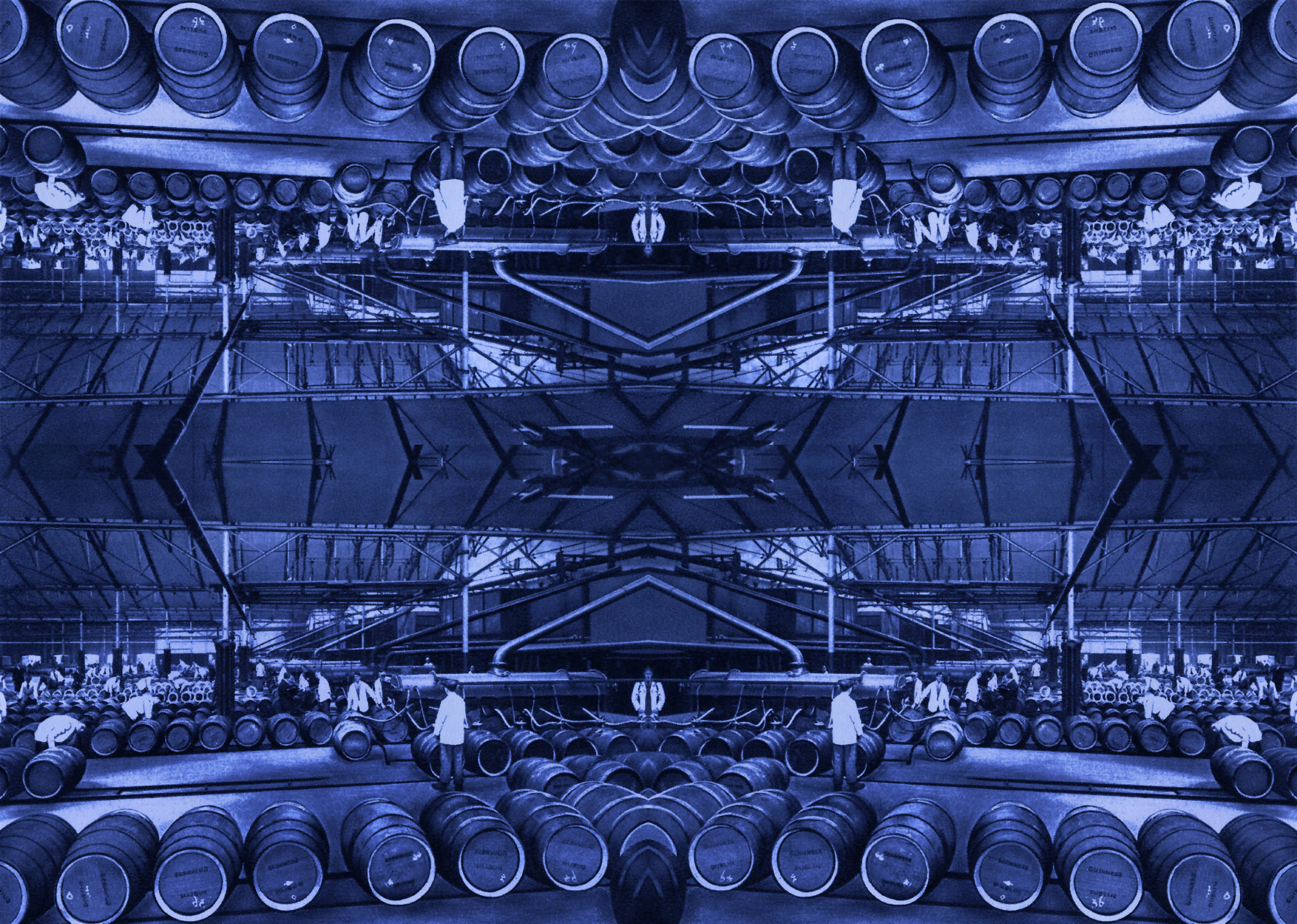
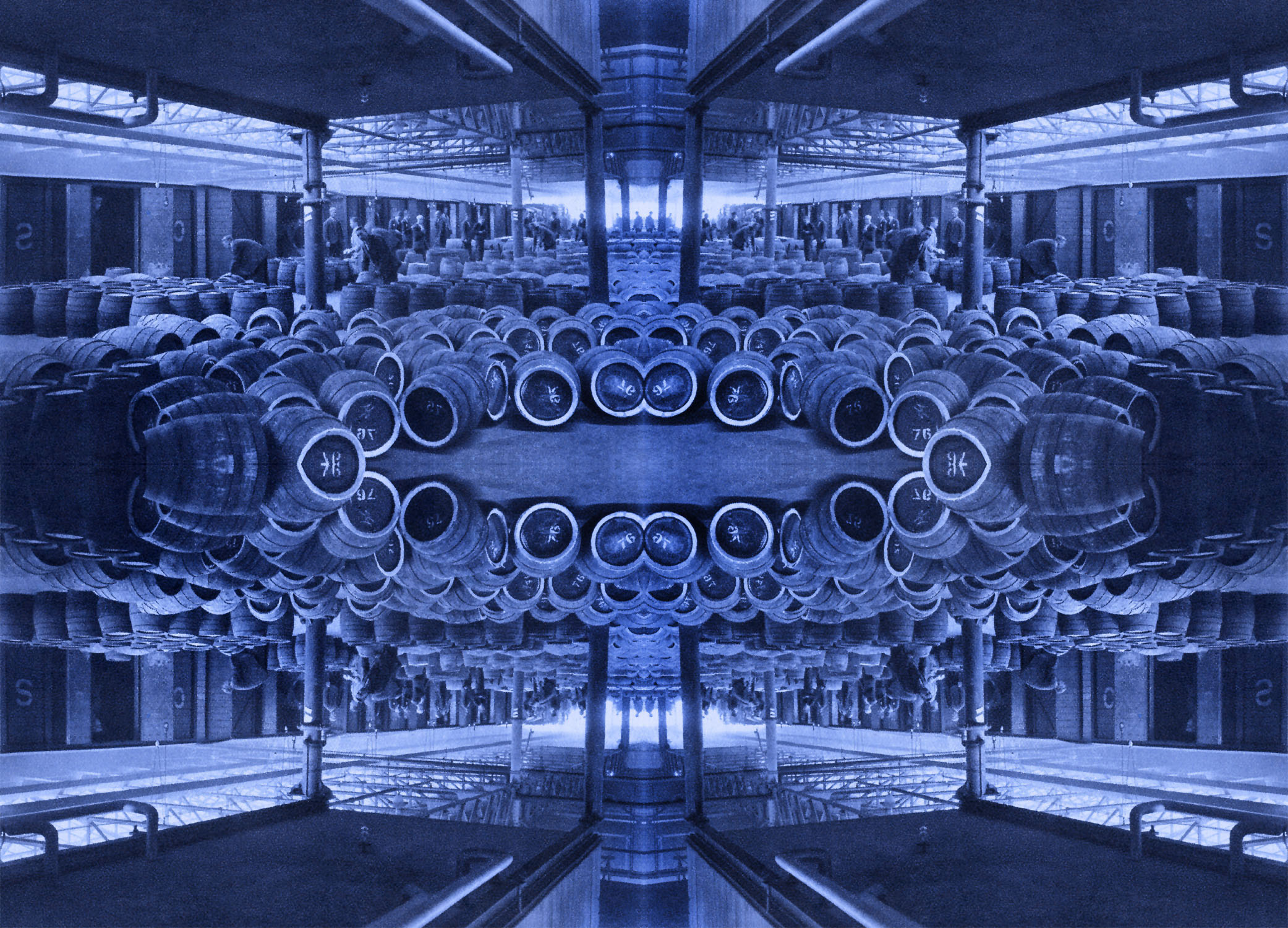
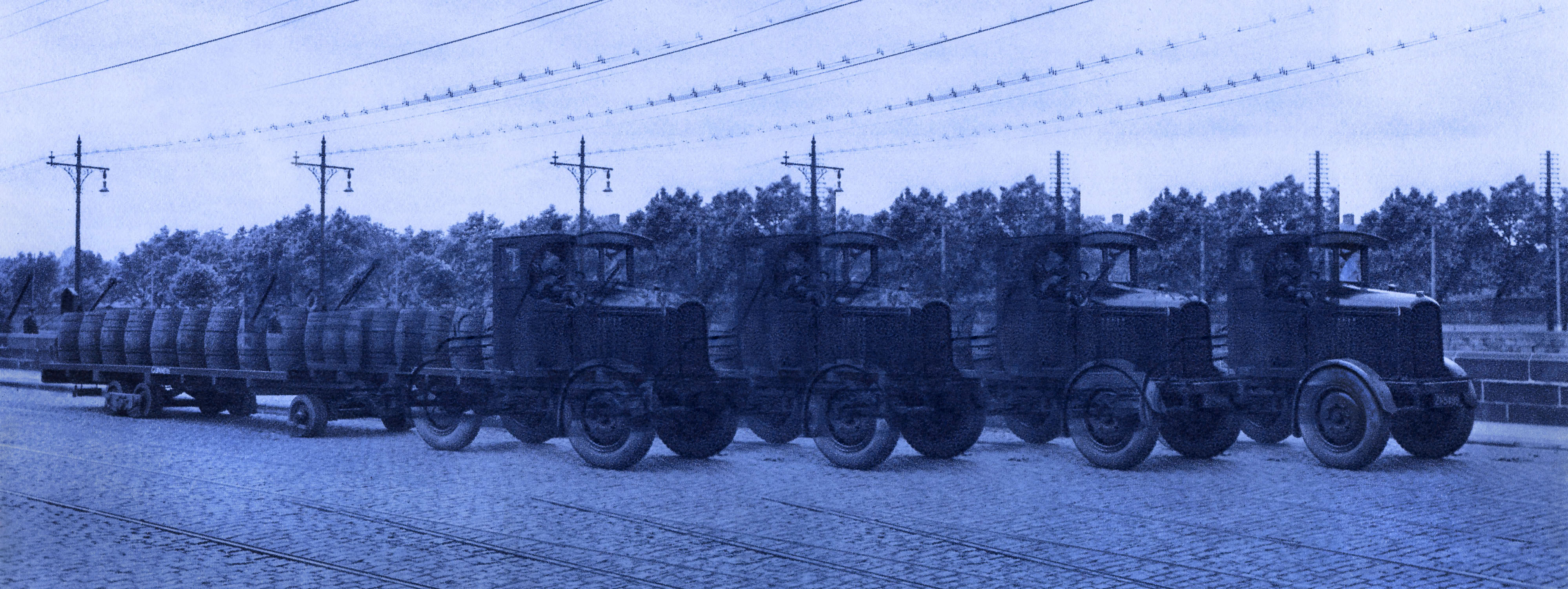
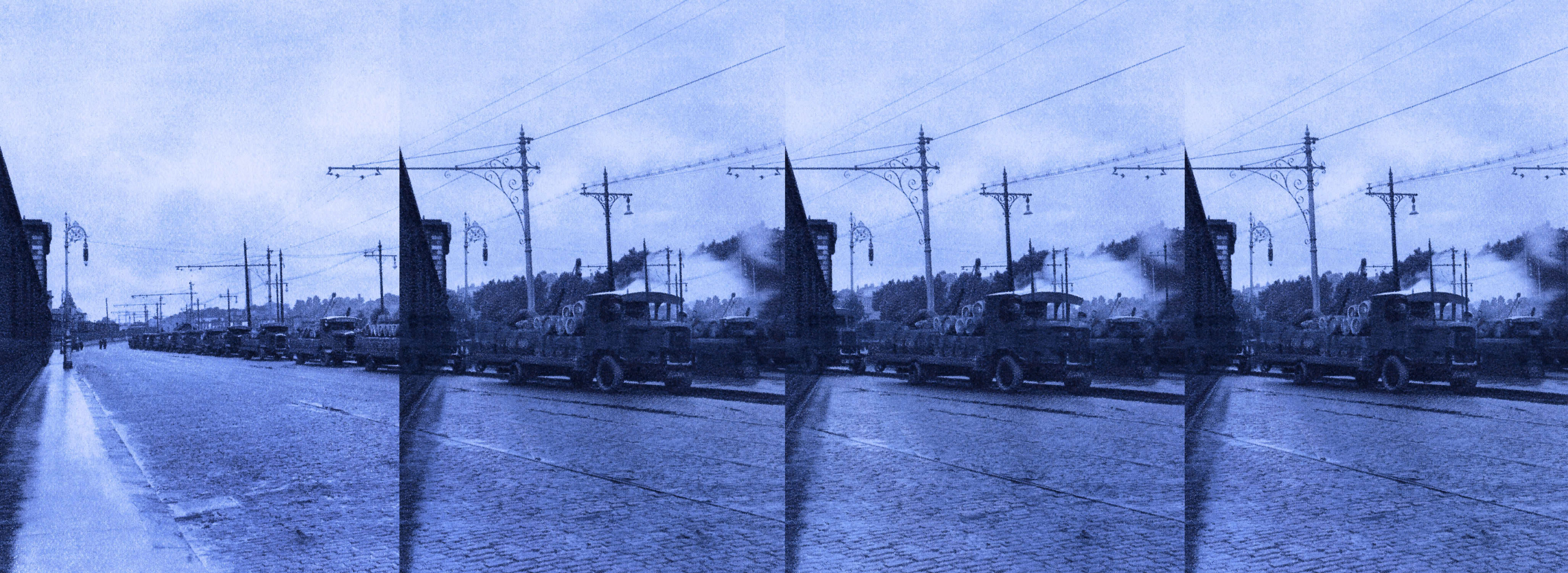
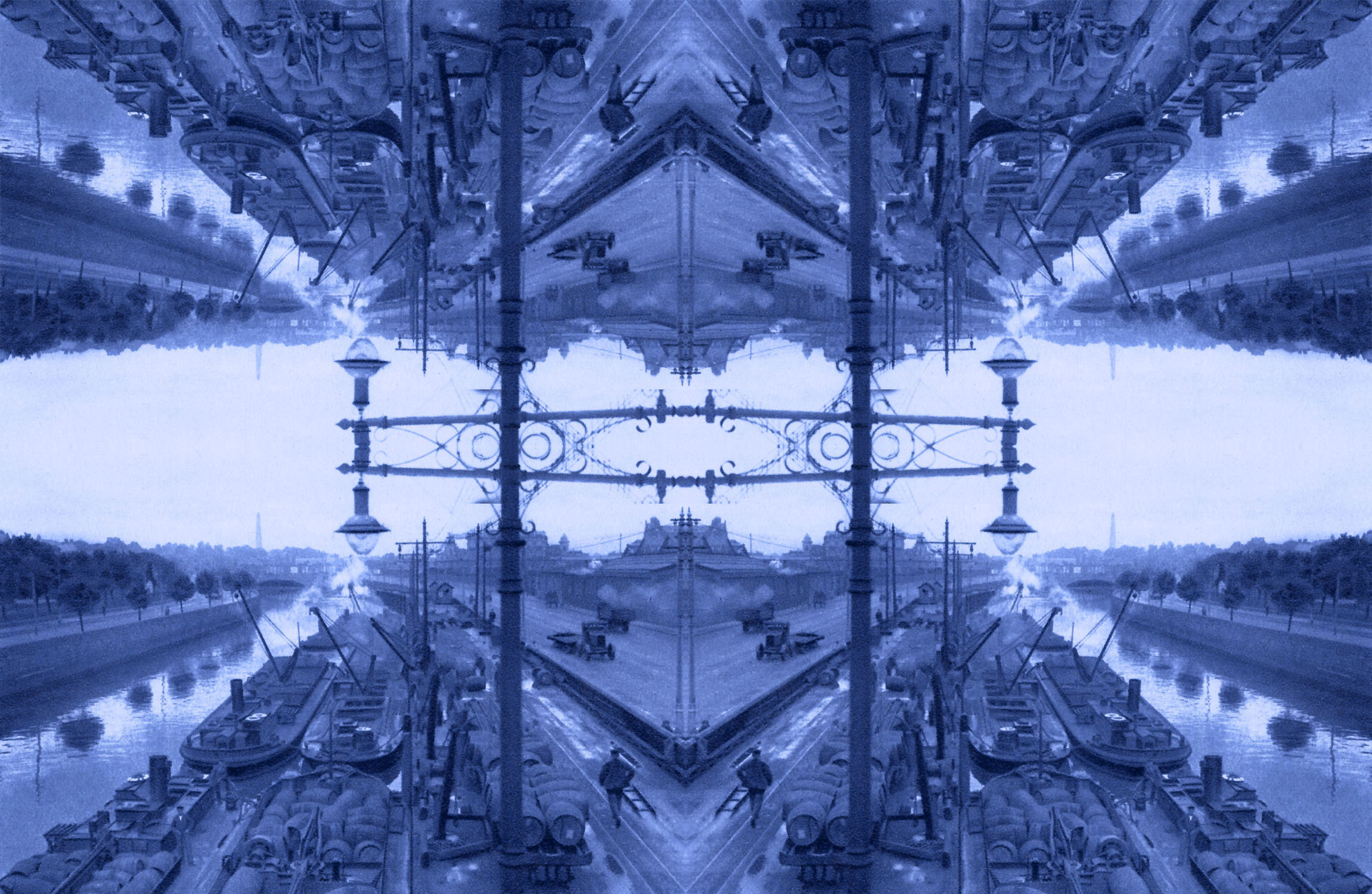
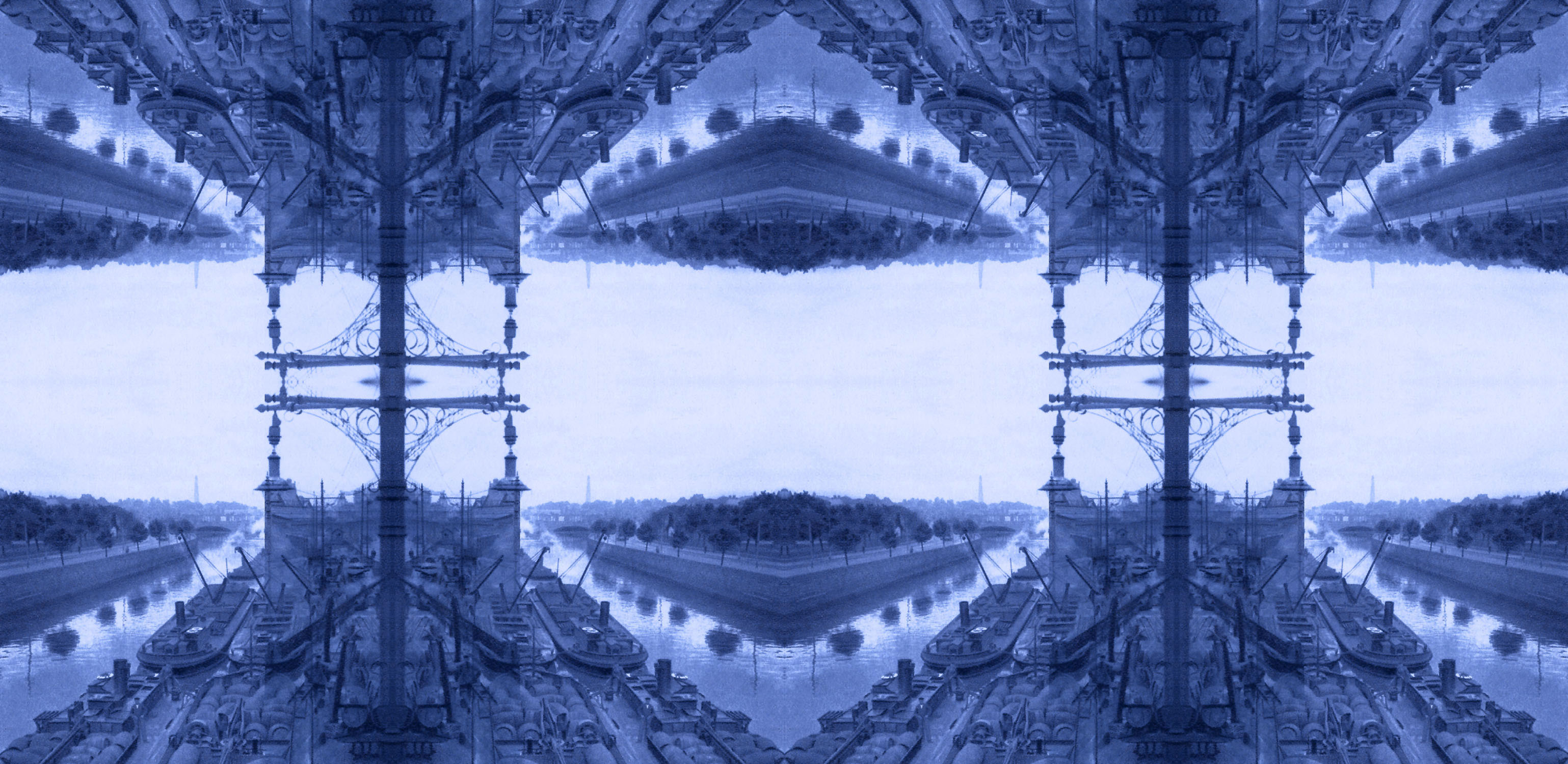
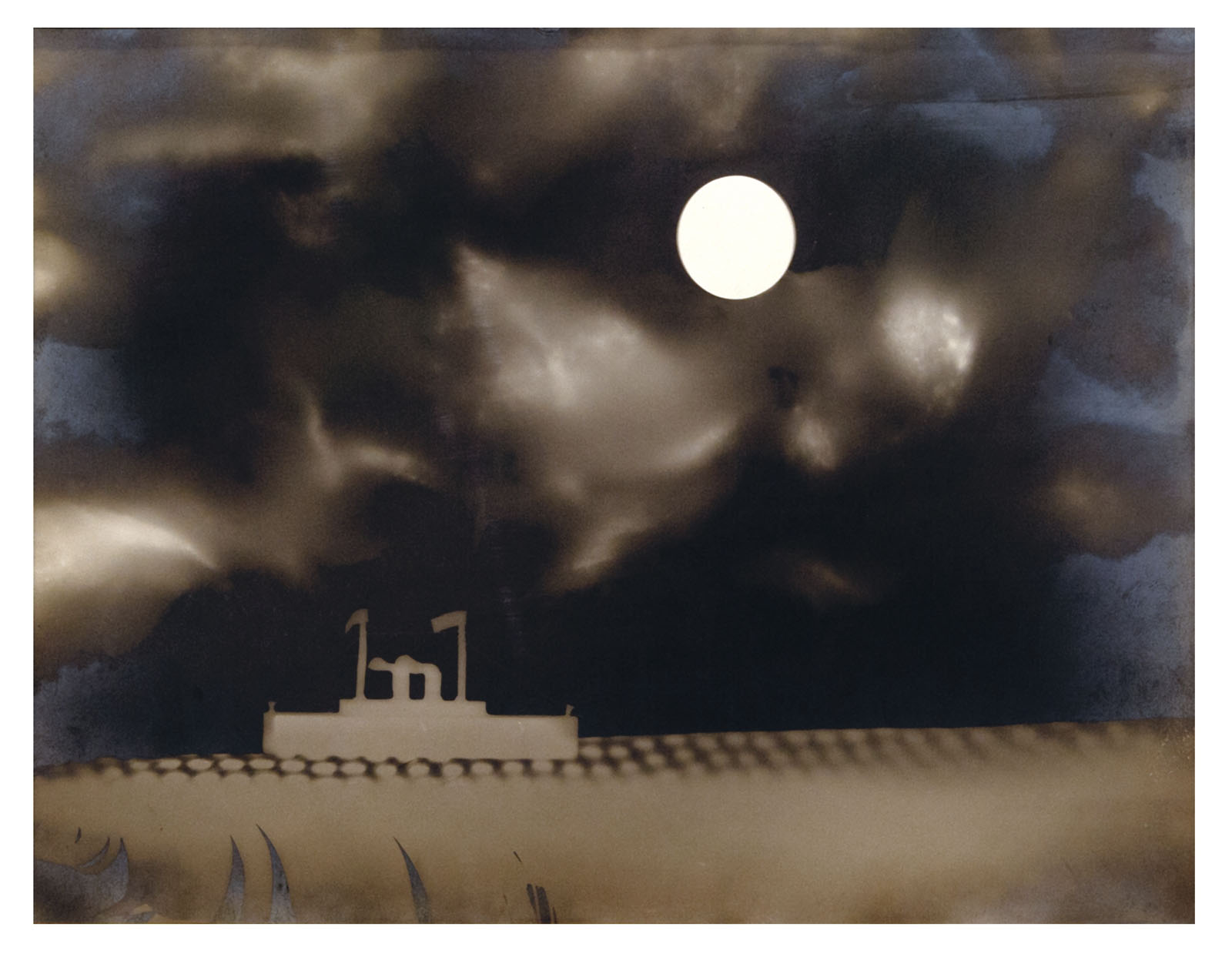
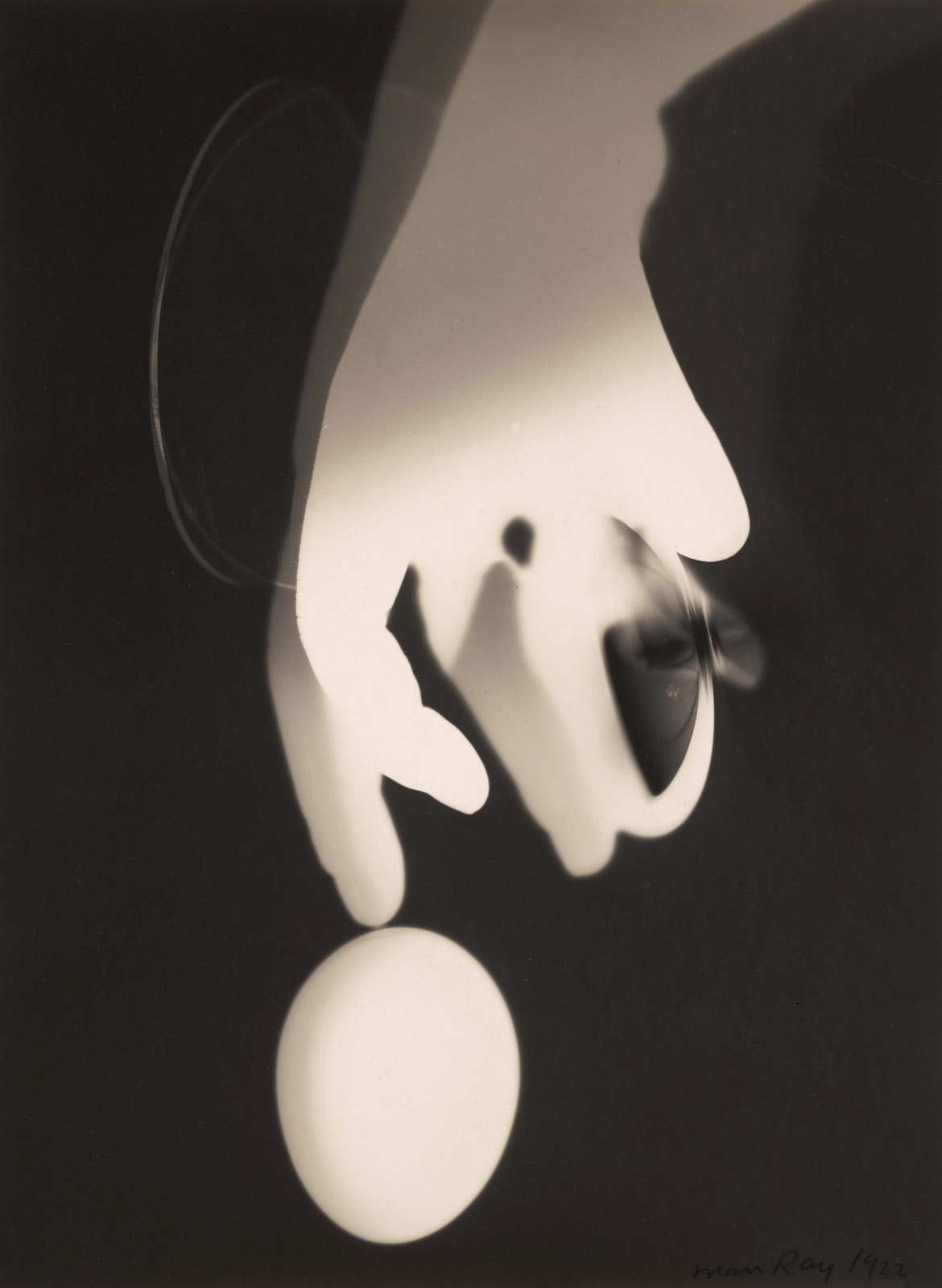
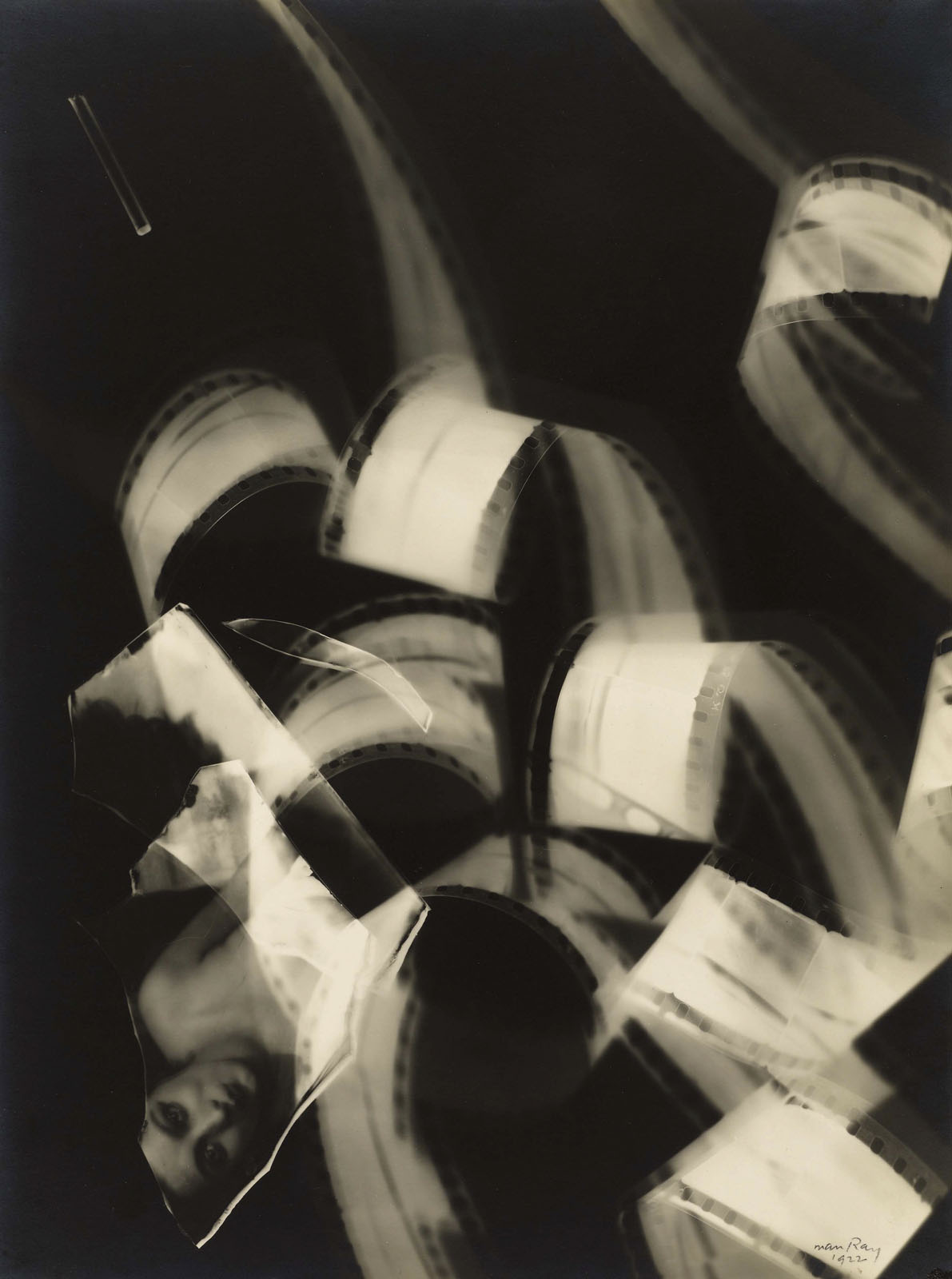

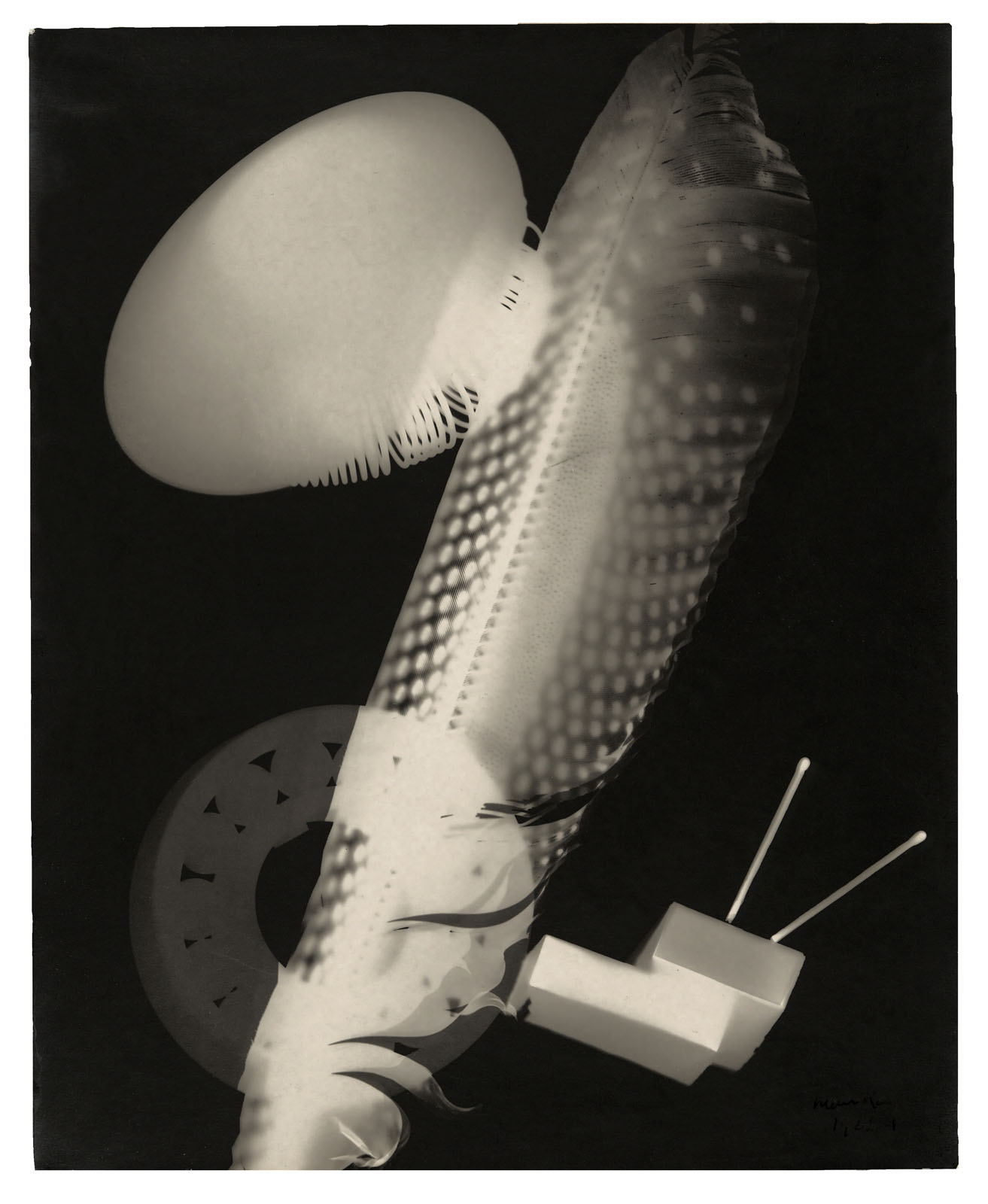
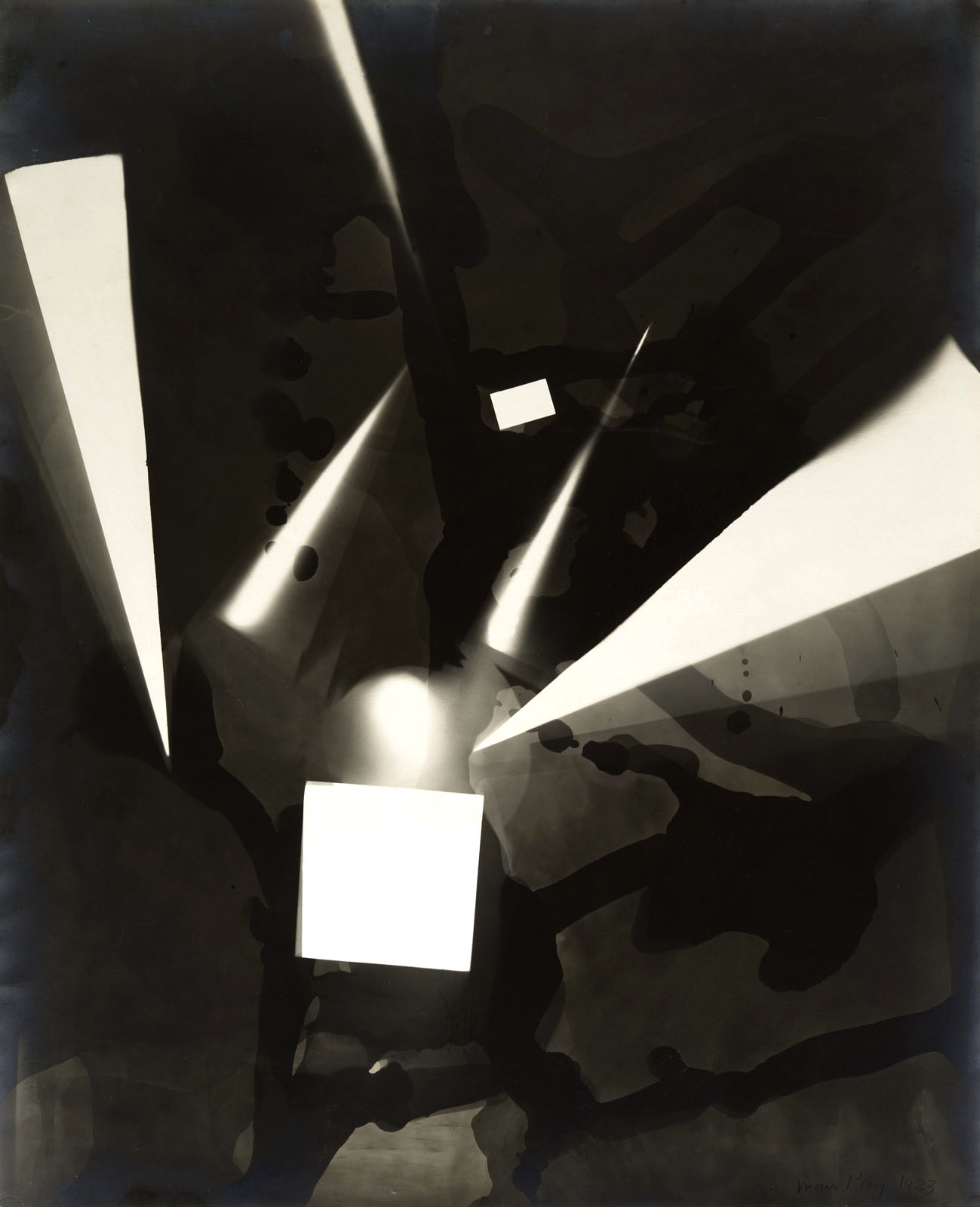
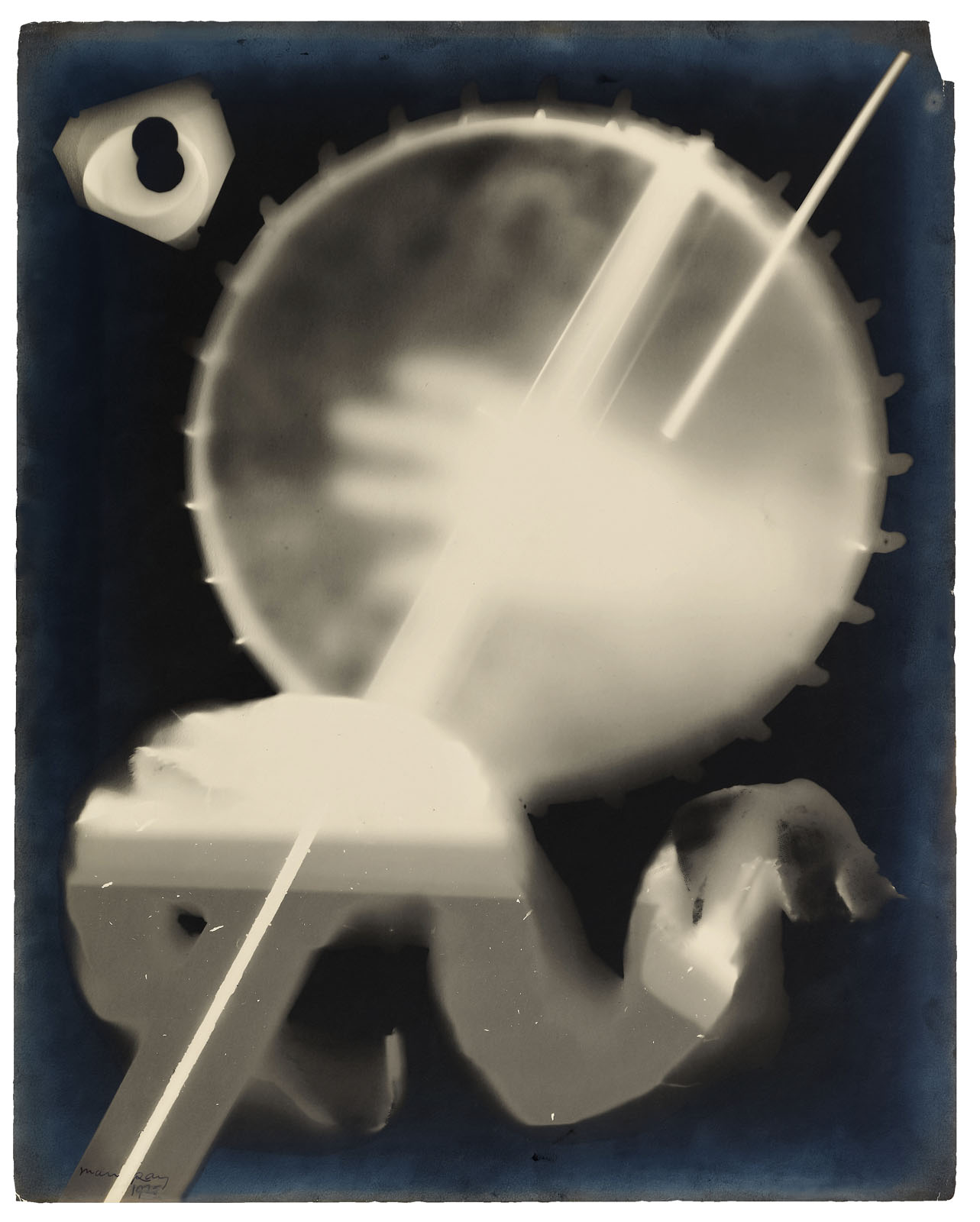
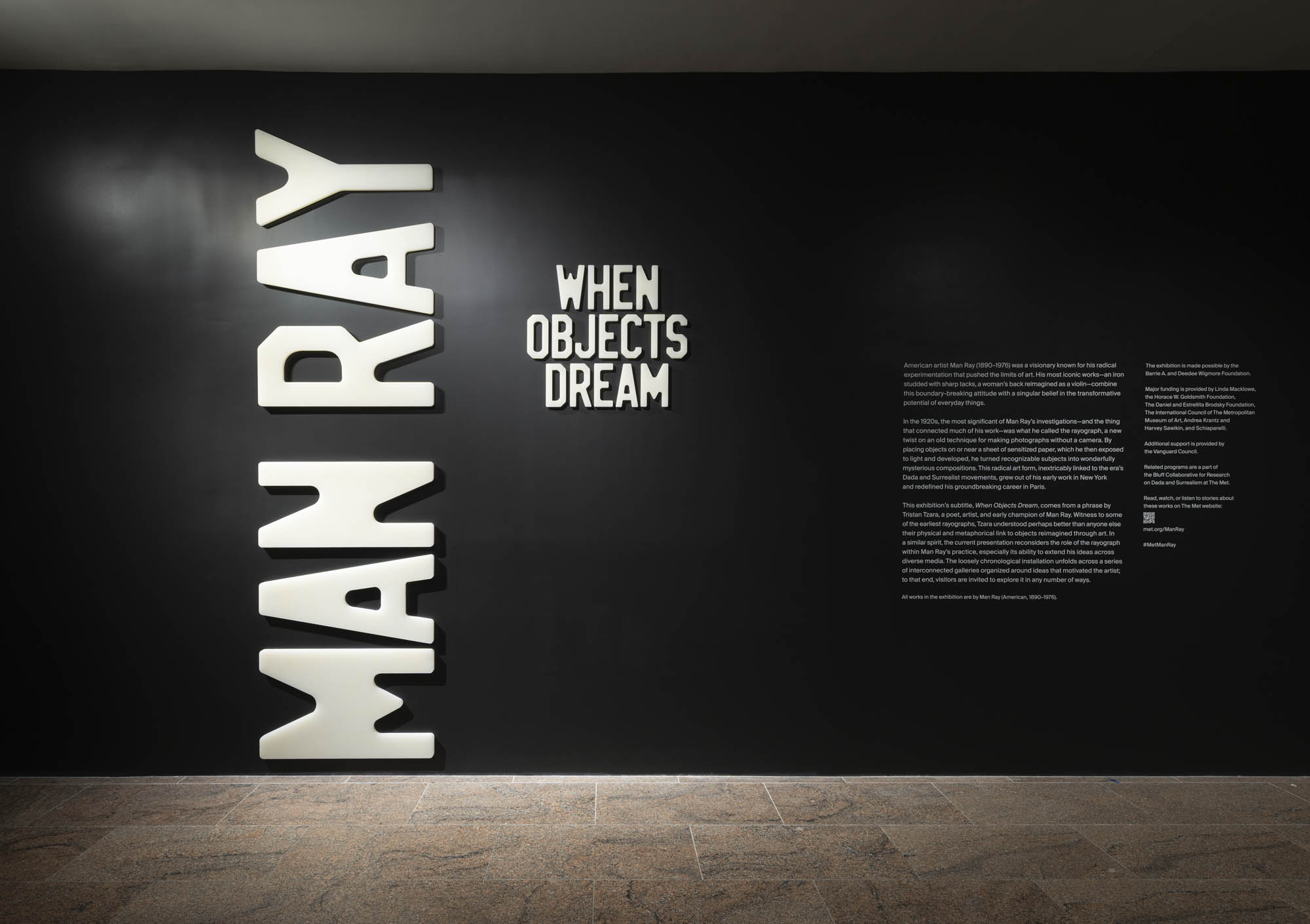

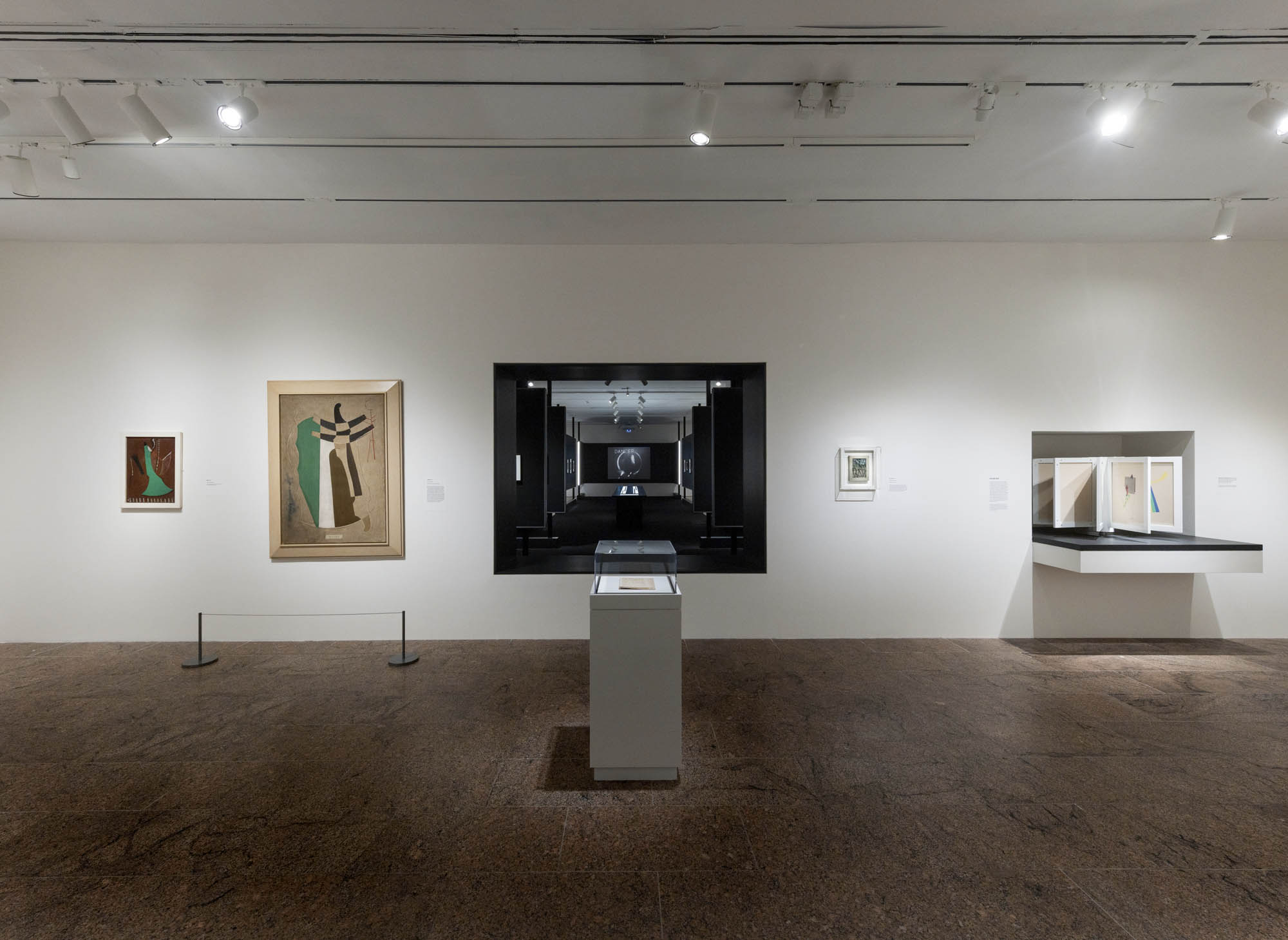
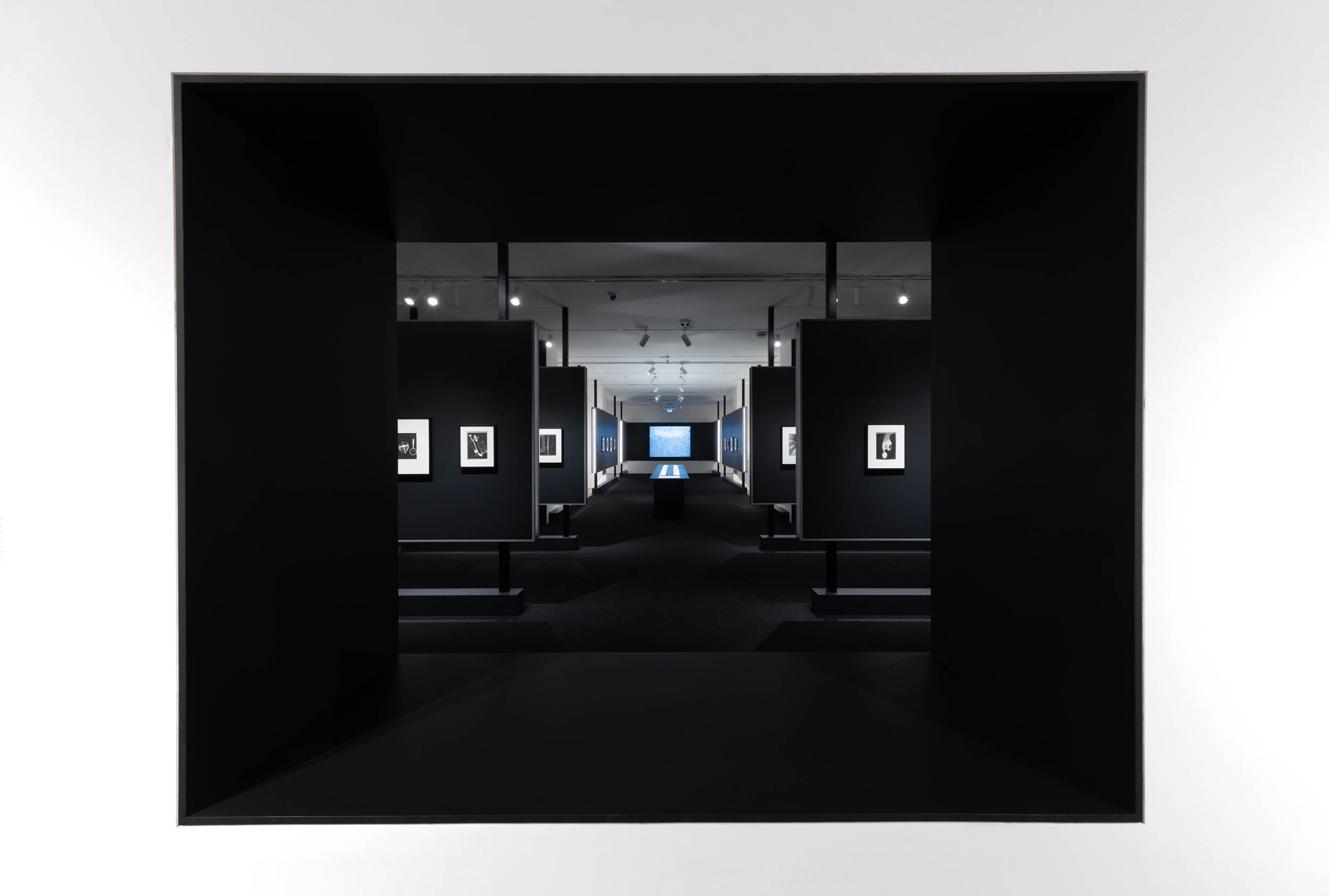

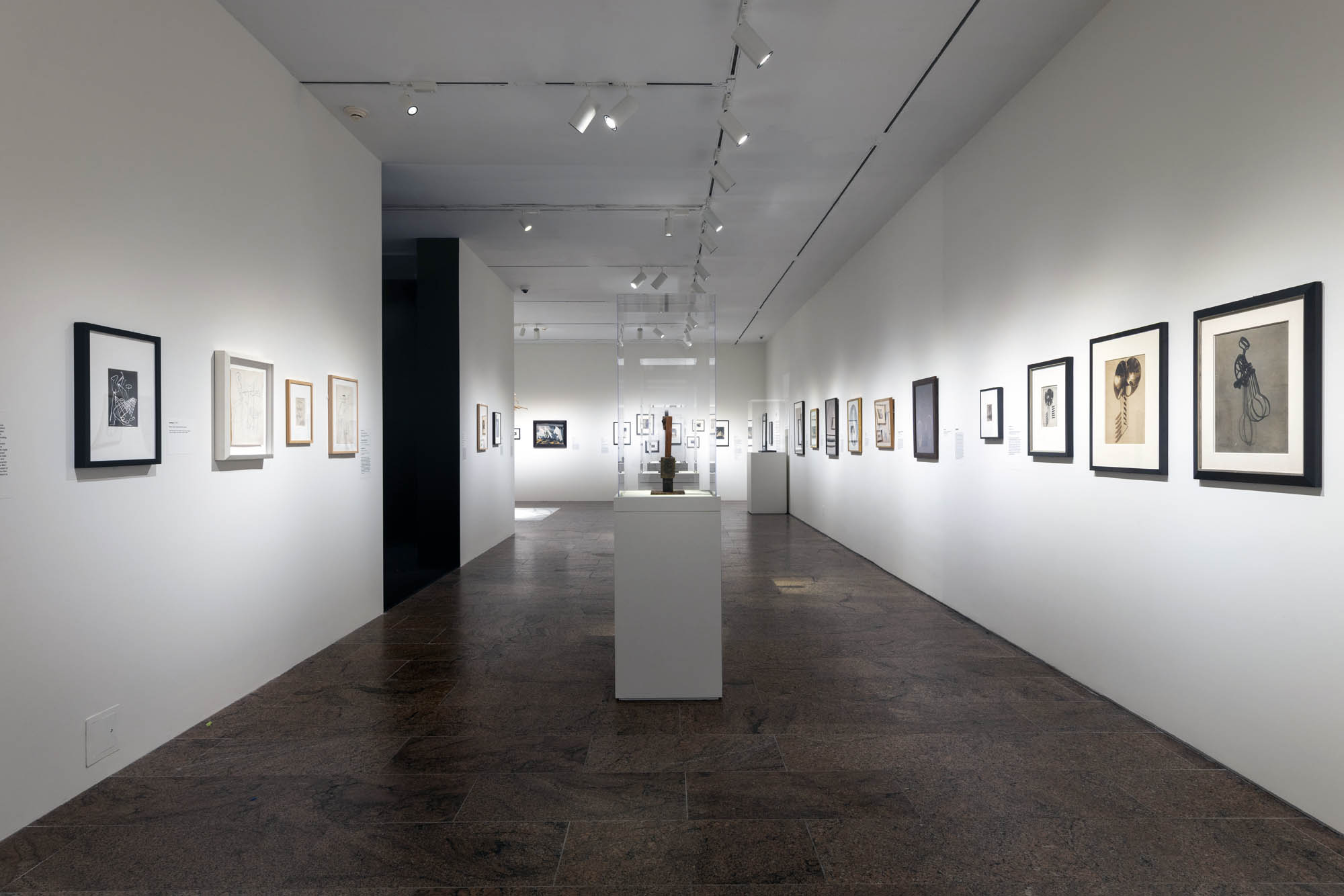
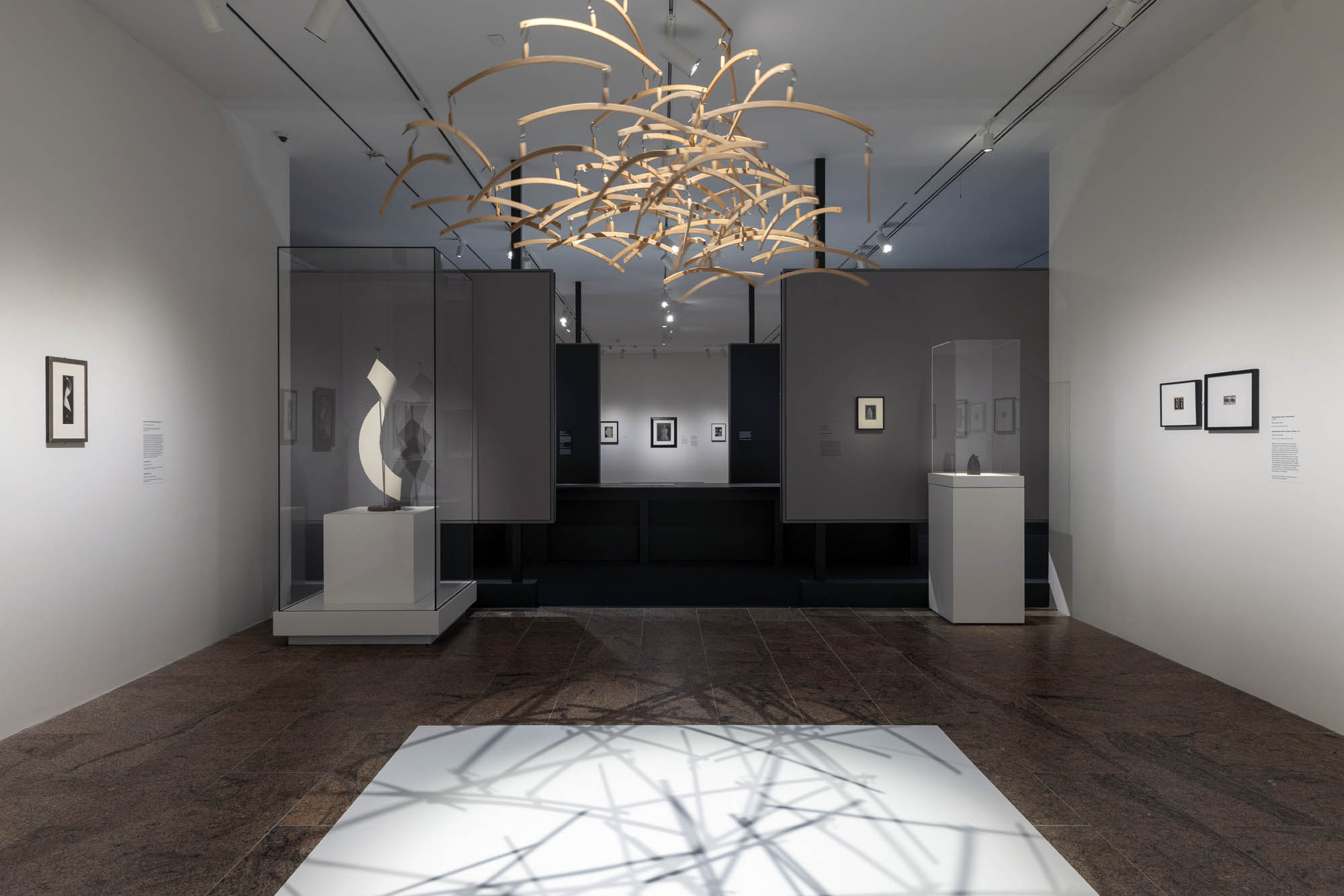
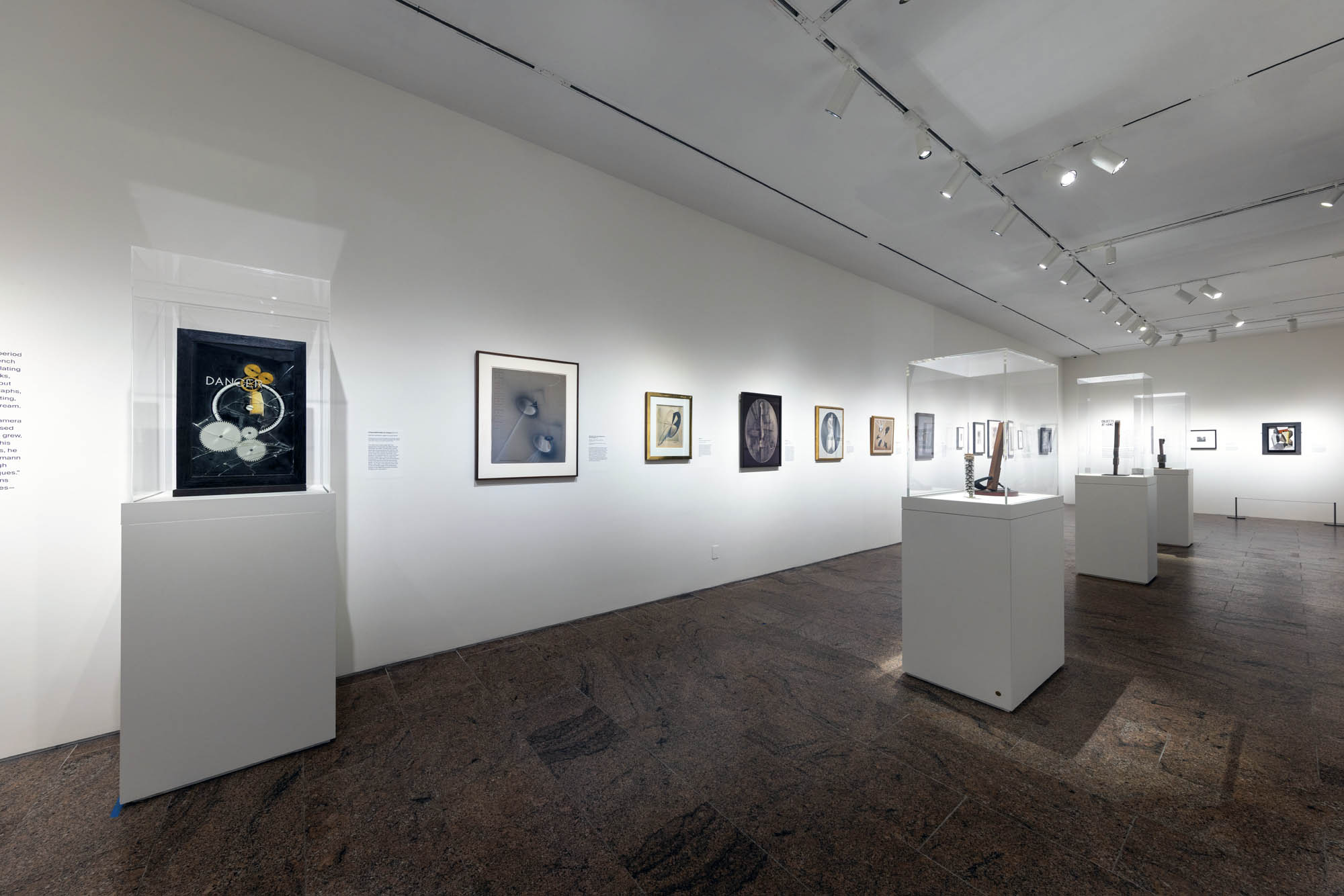


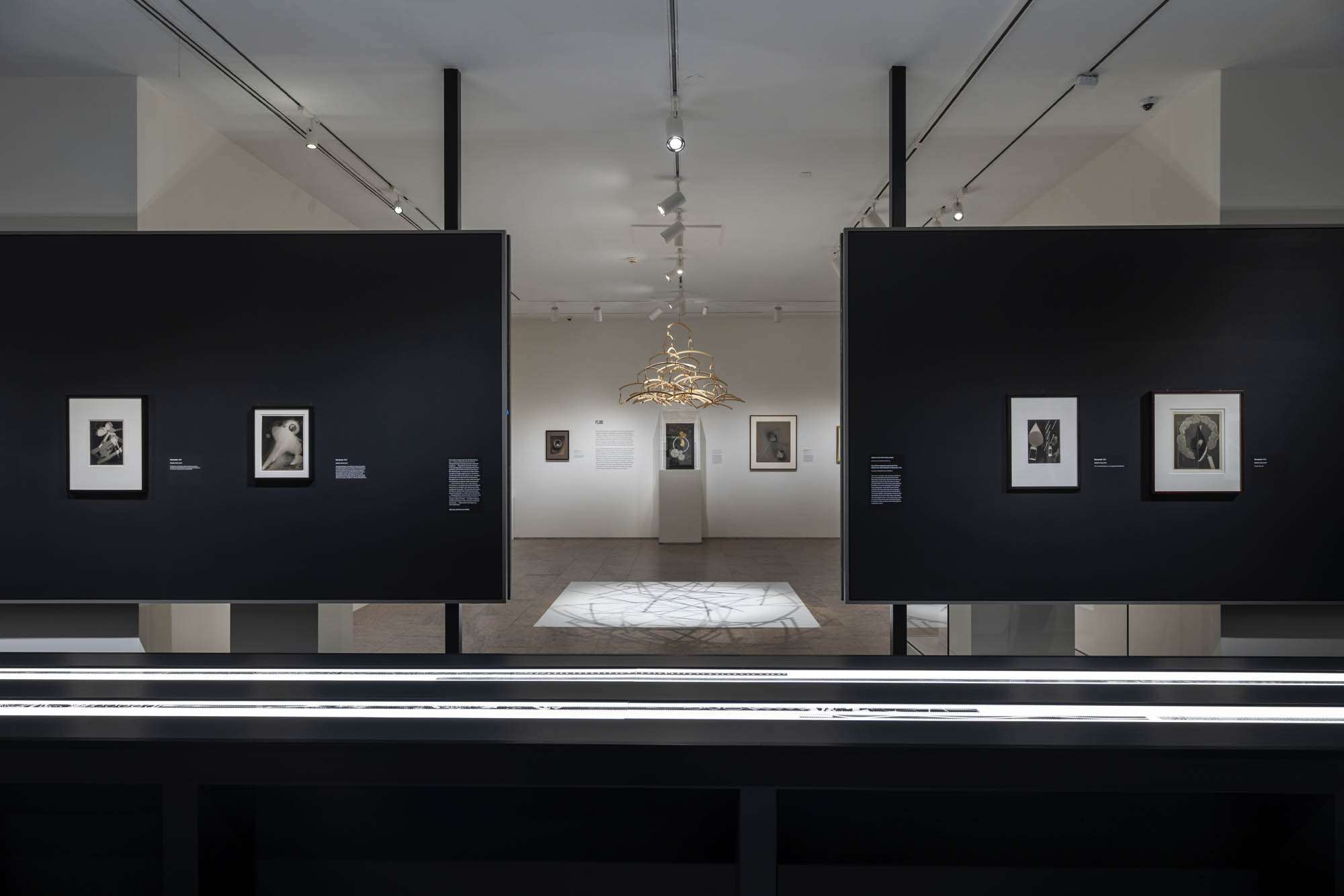
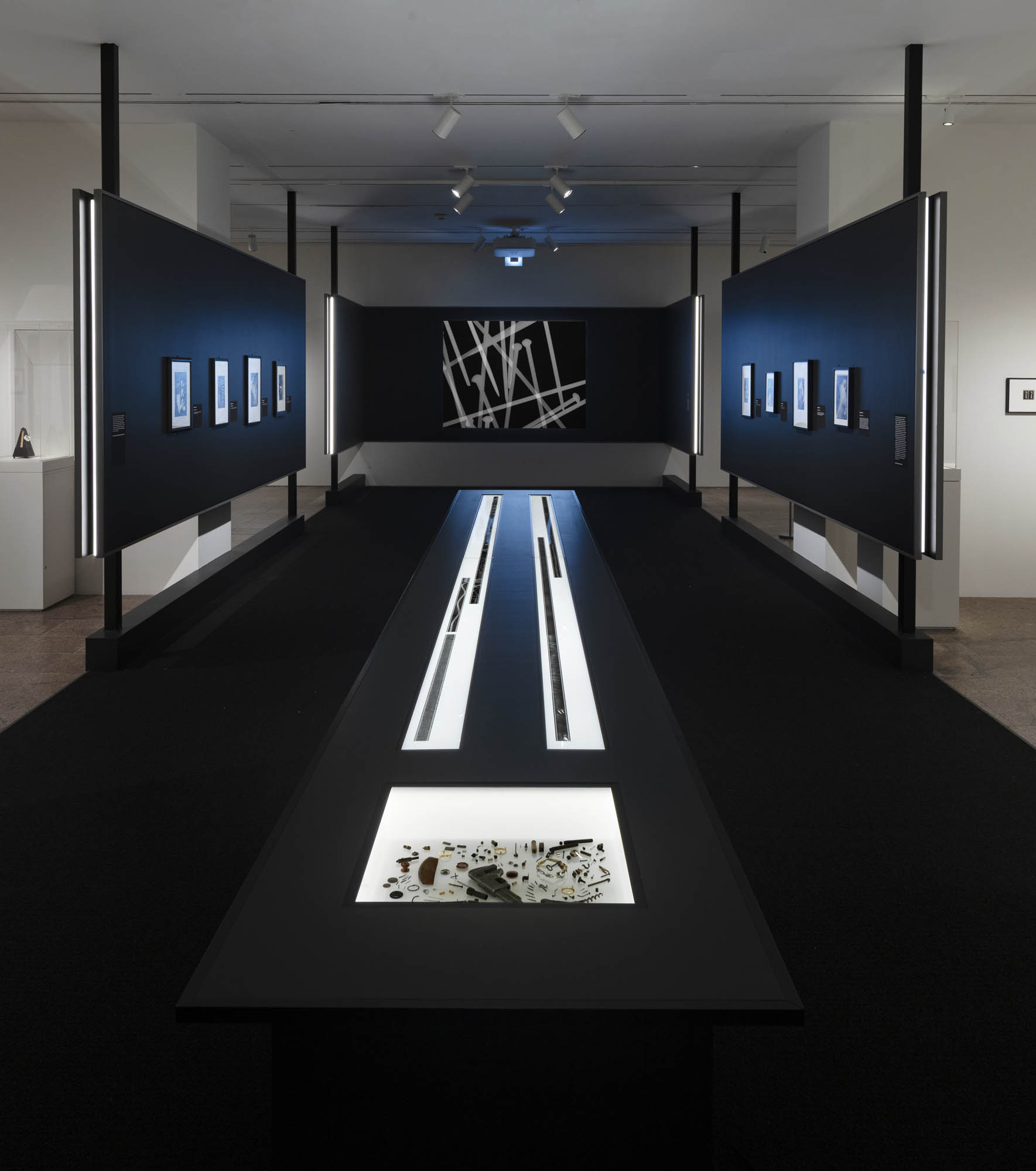
![Man Ray (American, 1890-1976)
'Torse (Retour à la raison)' (Torso [Return to Reason]) 1923, printed c. 1935](https://artblart.com/wp-content/uploads/2014/09/man-ray-retour-c3a0-la-raison-web.jpg "Man Ray (American, 1890-1976) 'Torse (Retour à la raison)' (Torso [Return to Reason]) 1923, printed c. 1935")
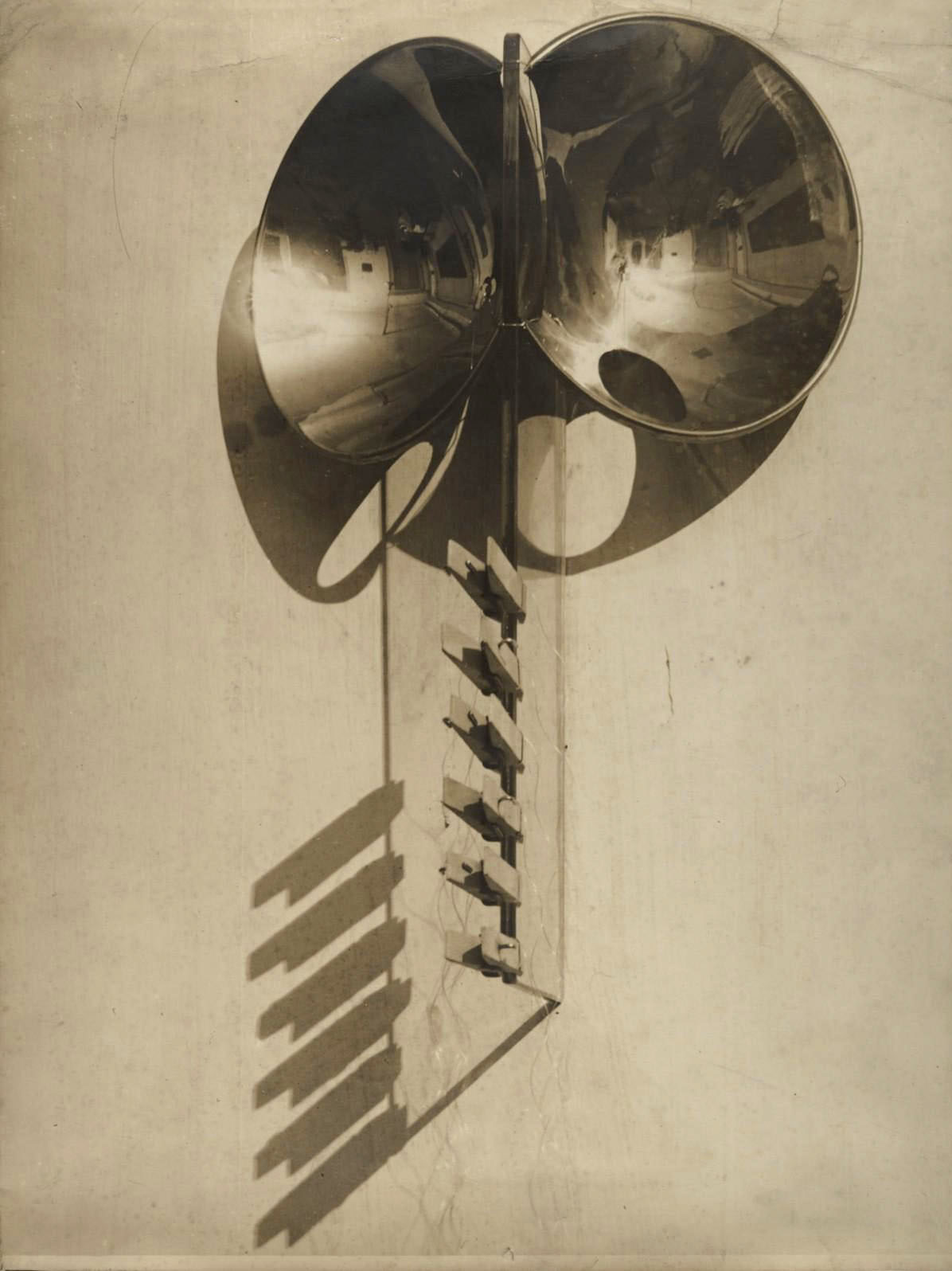
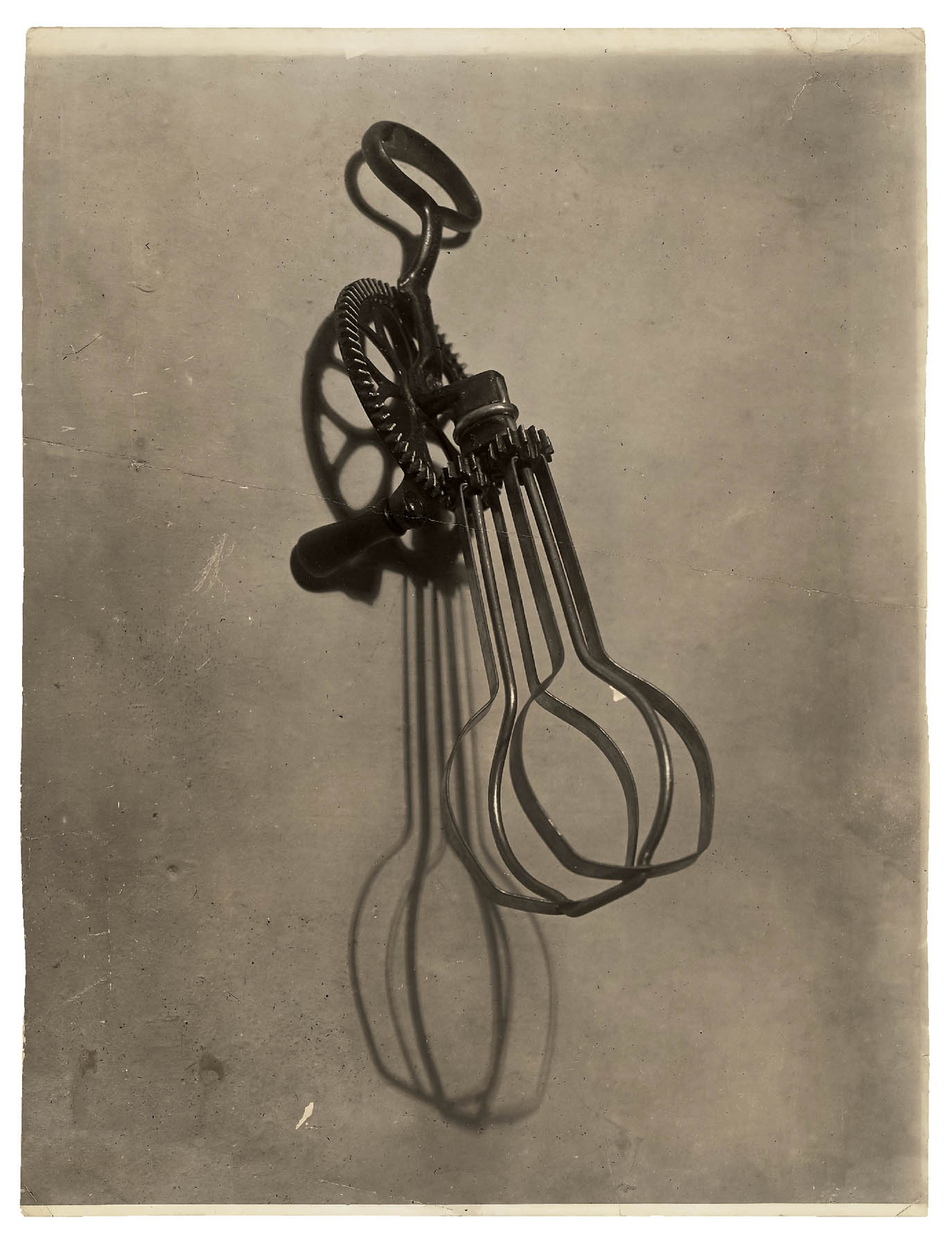

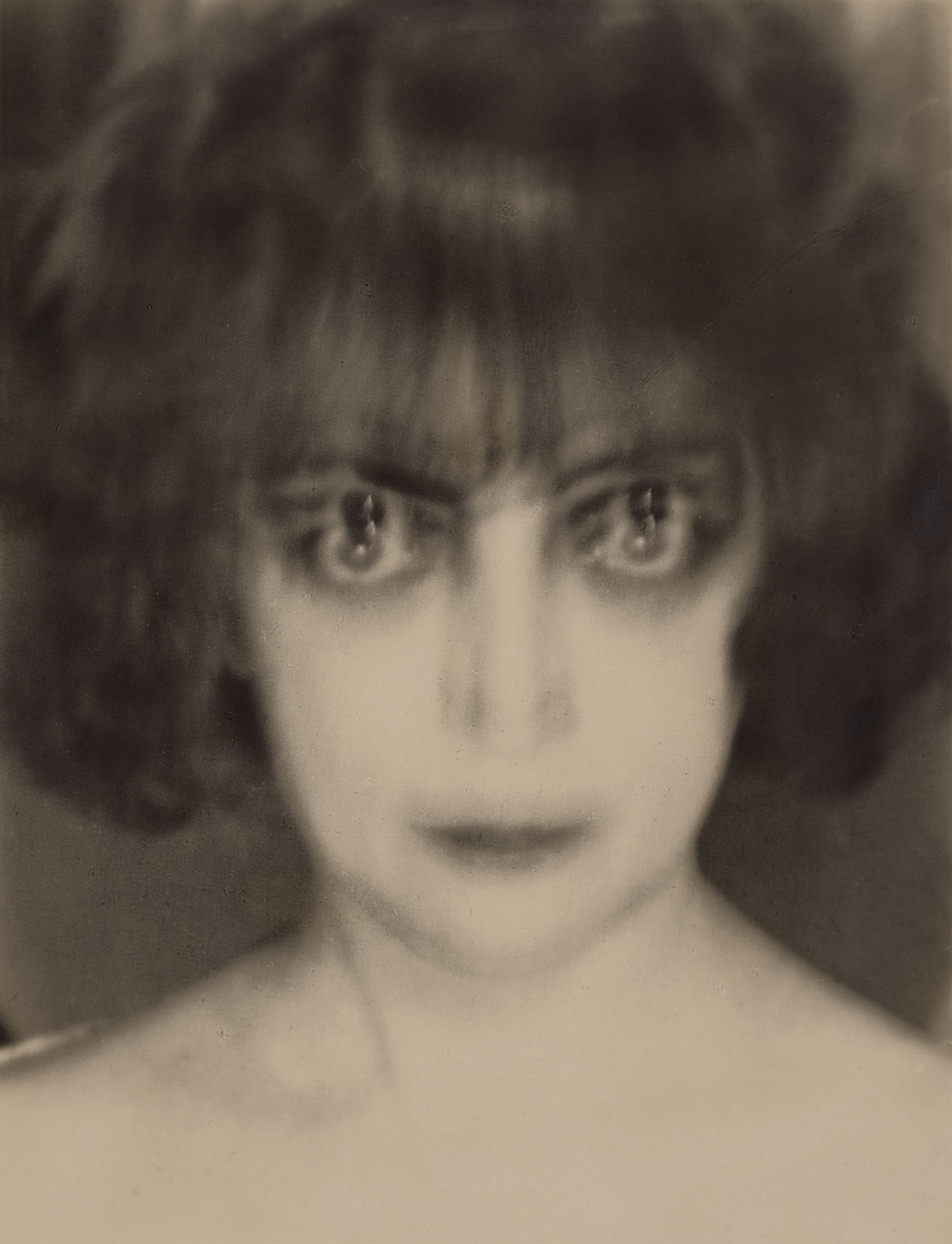
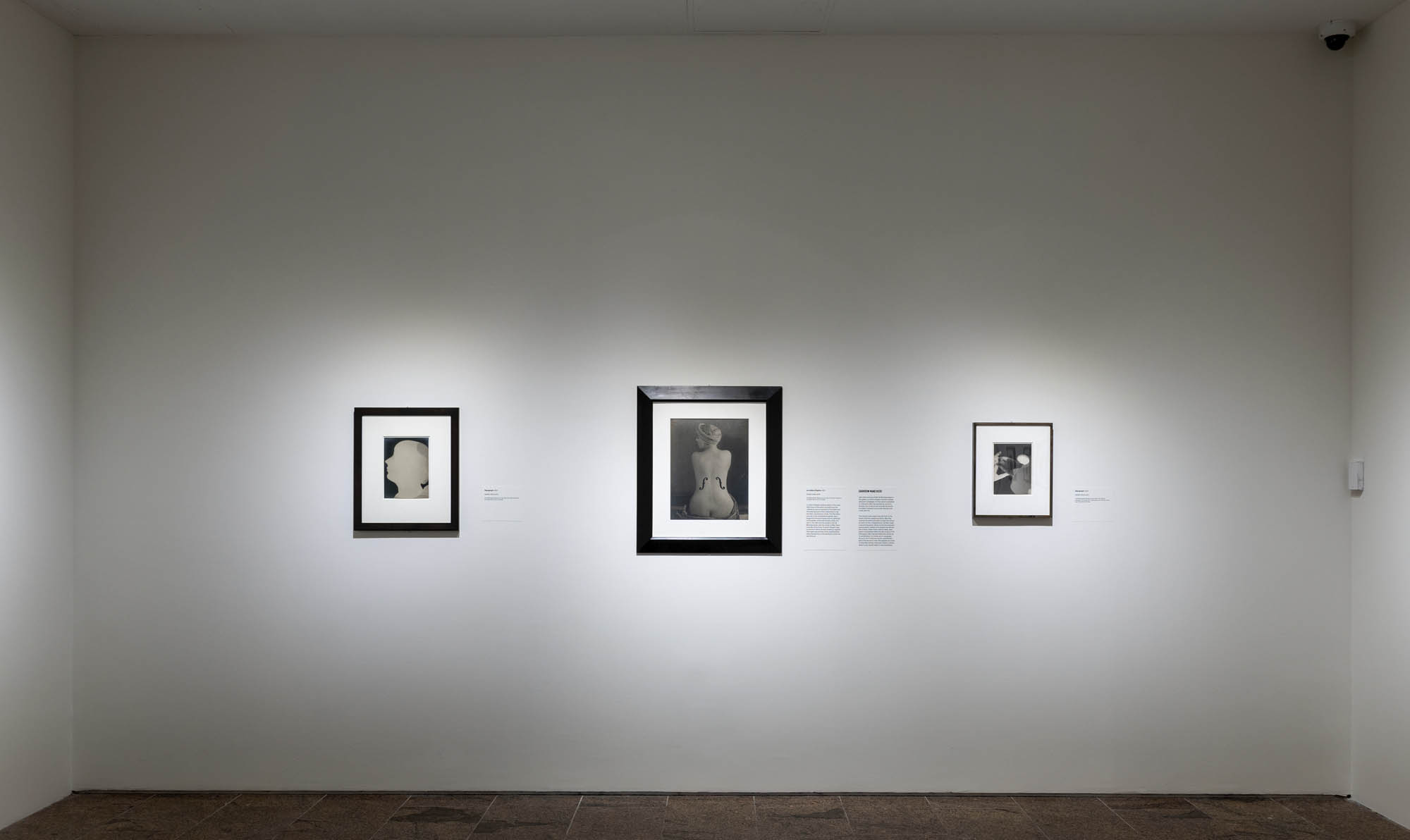
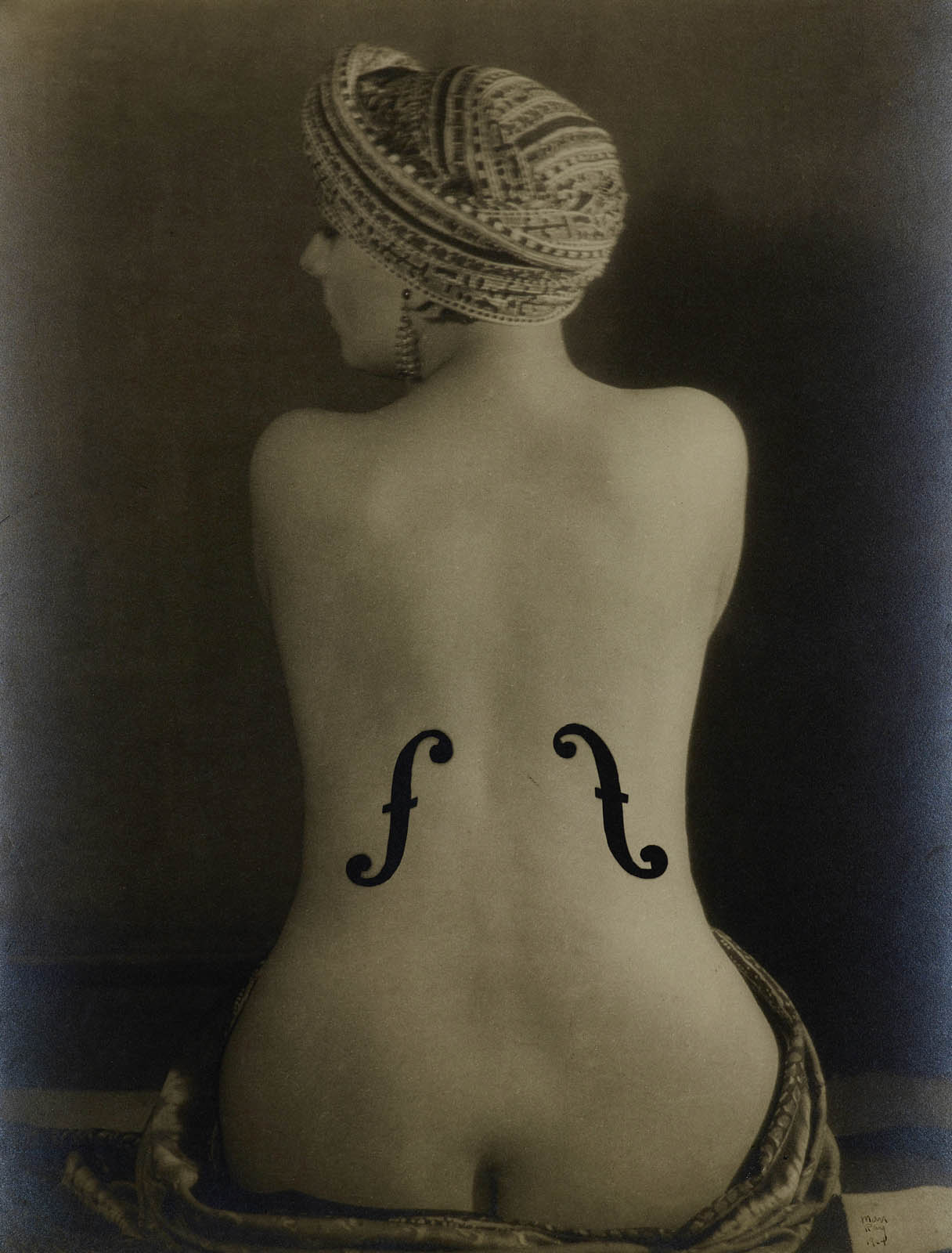
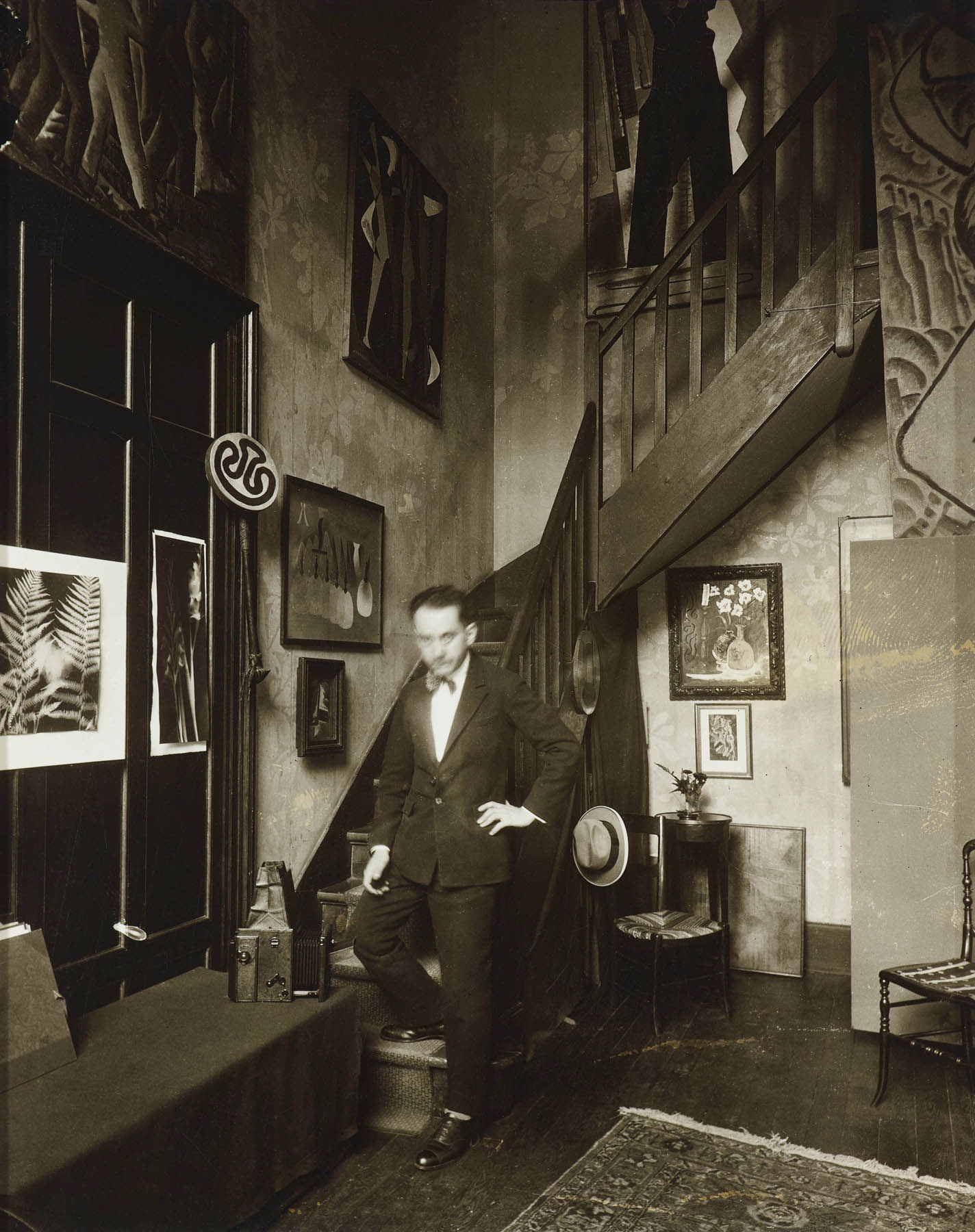

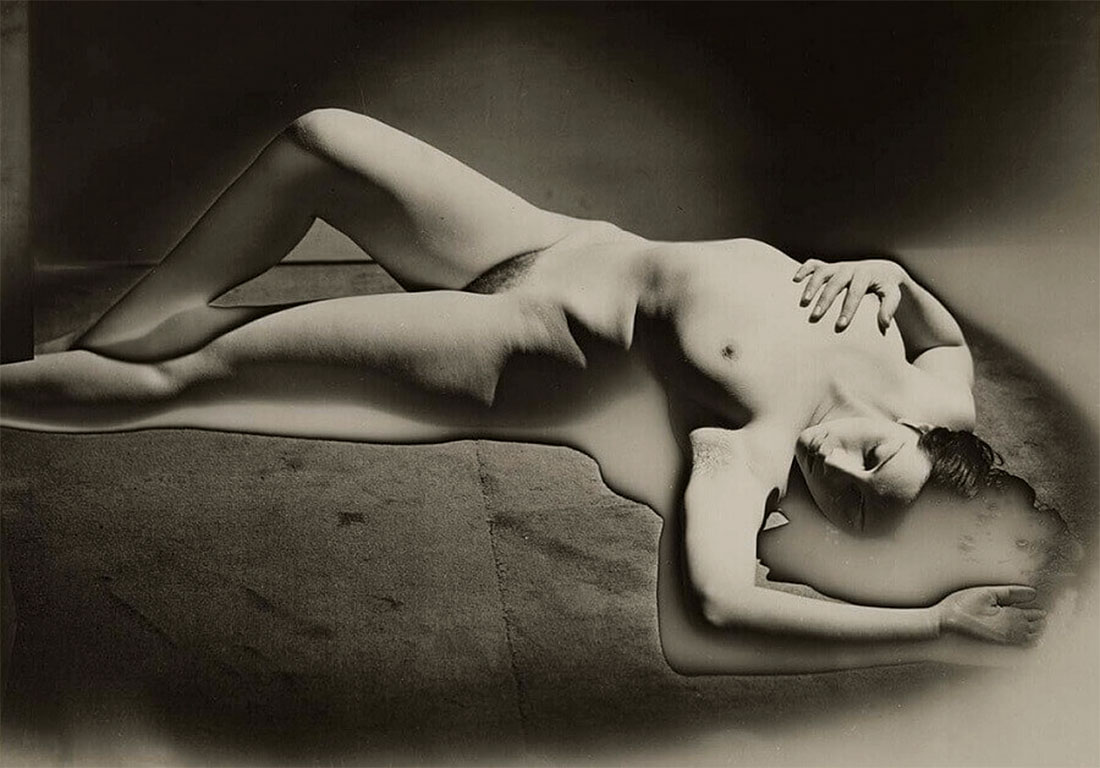
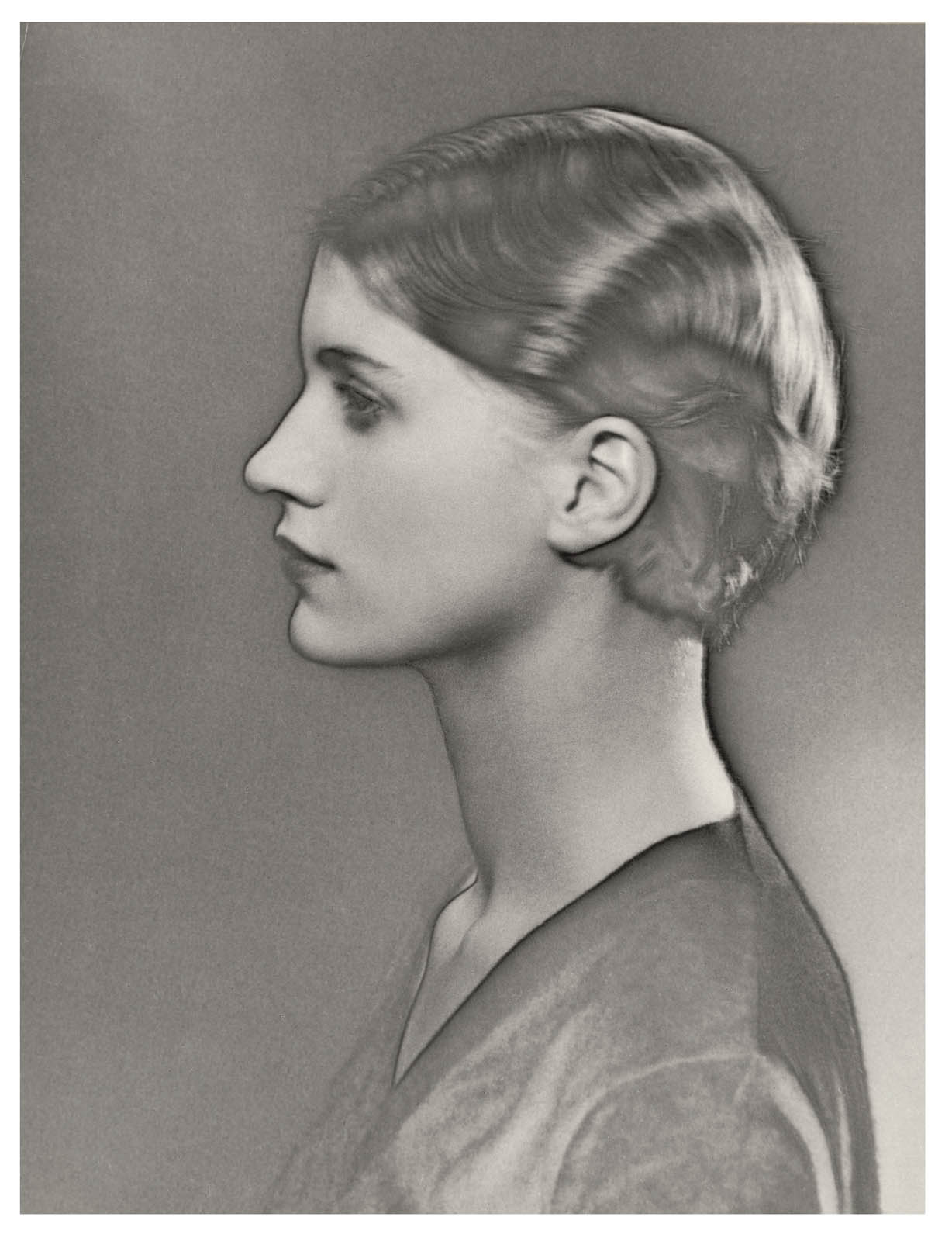

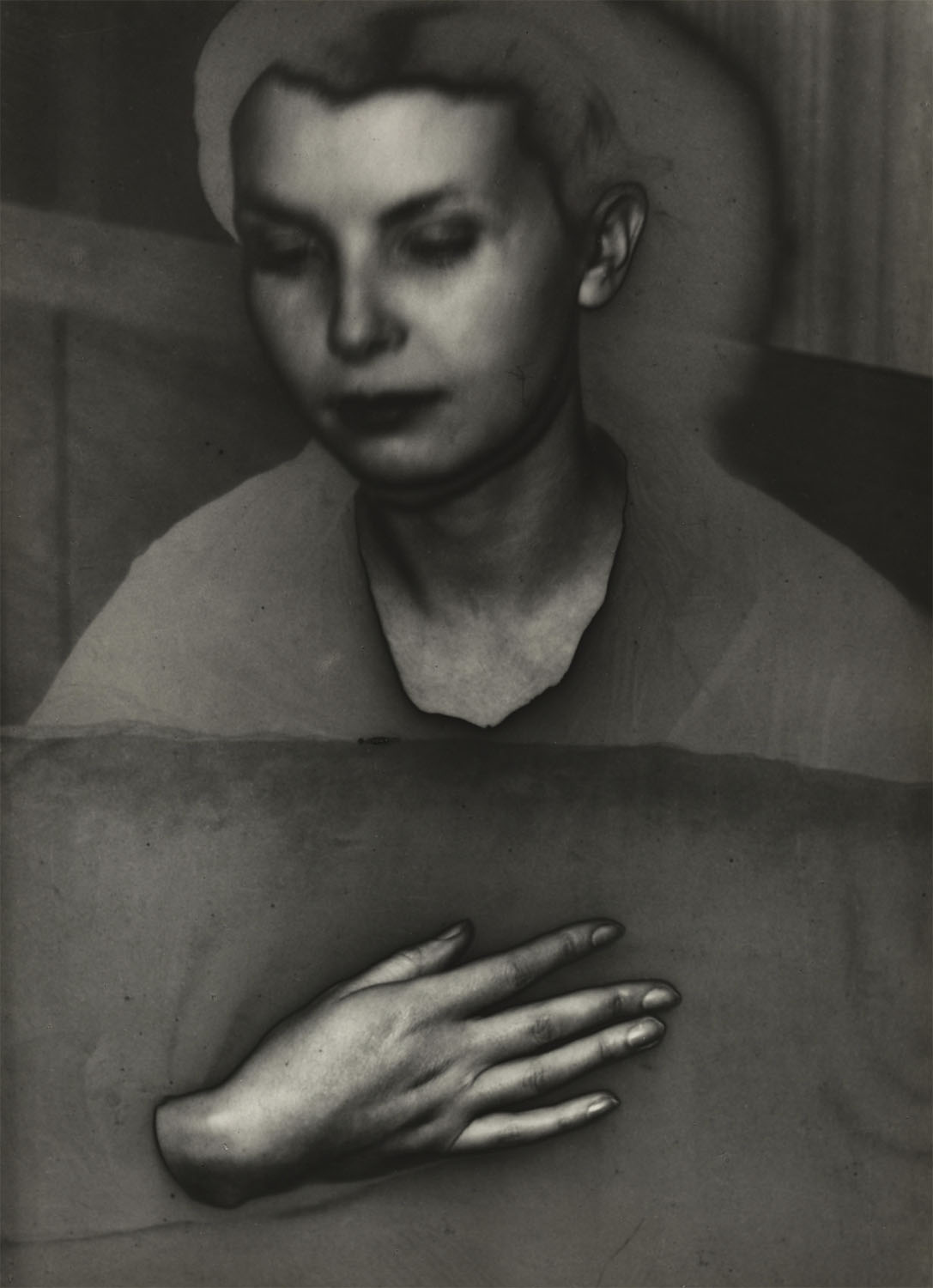

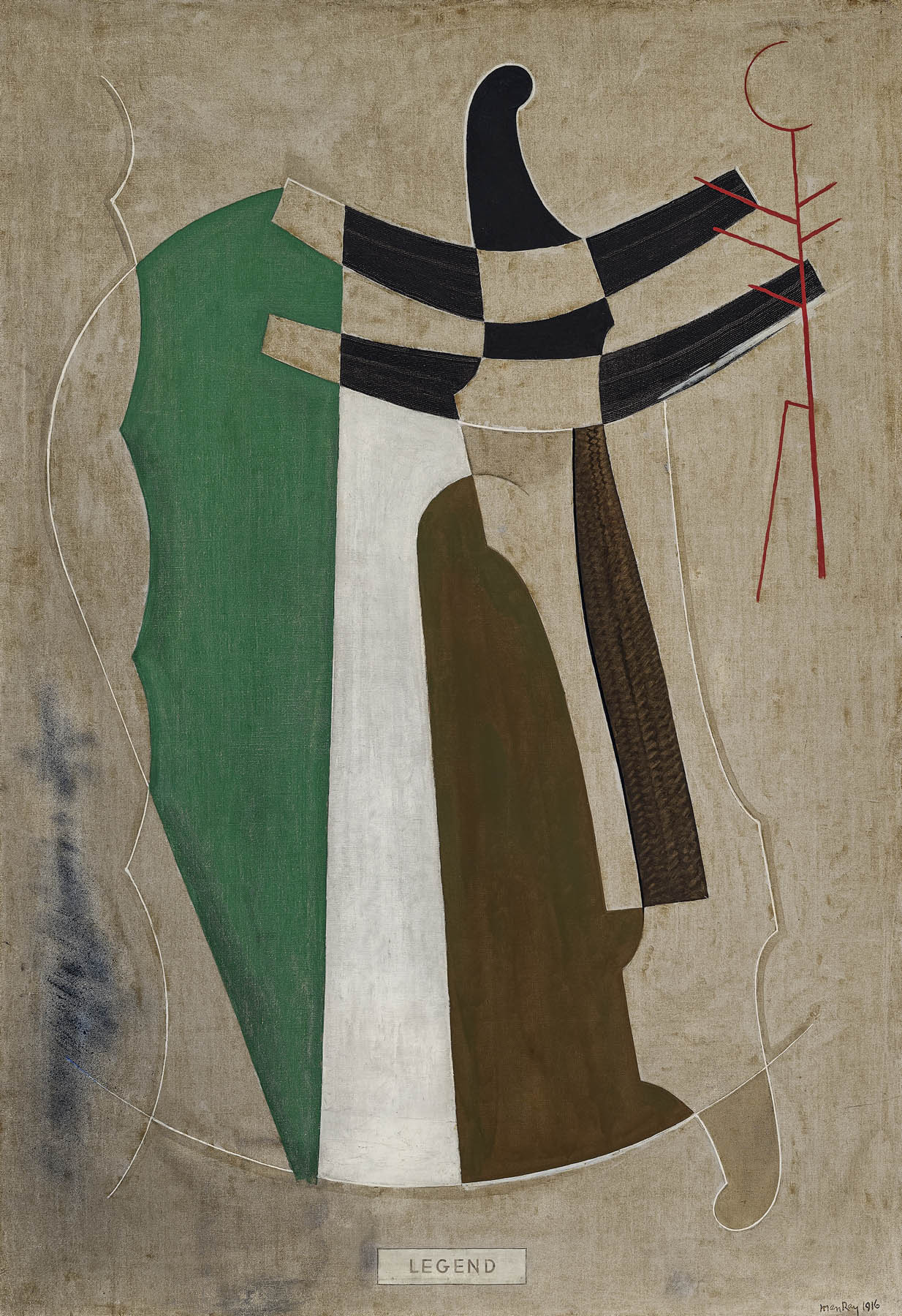
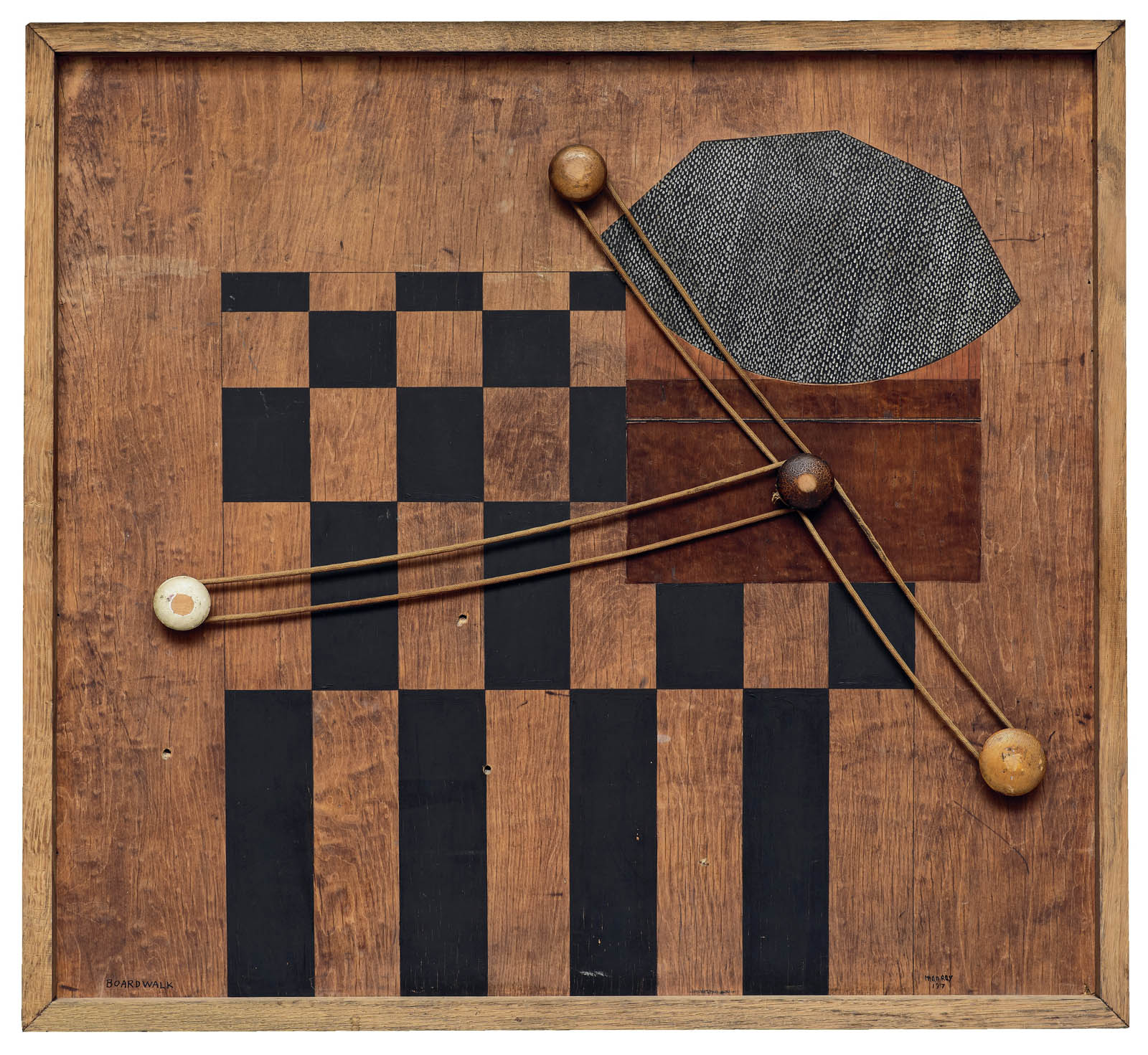
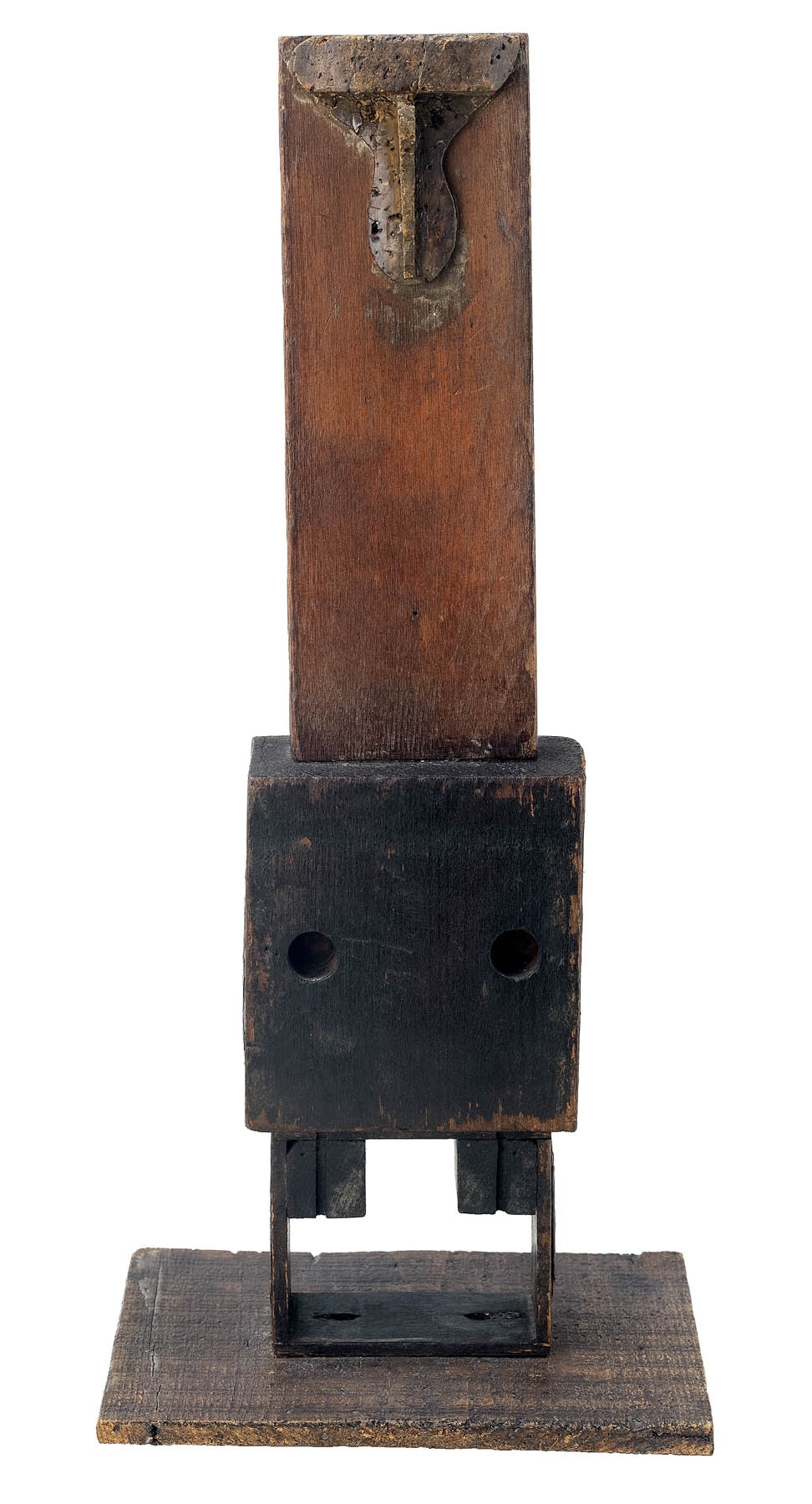
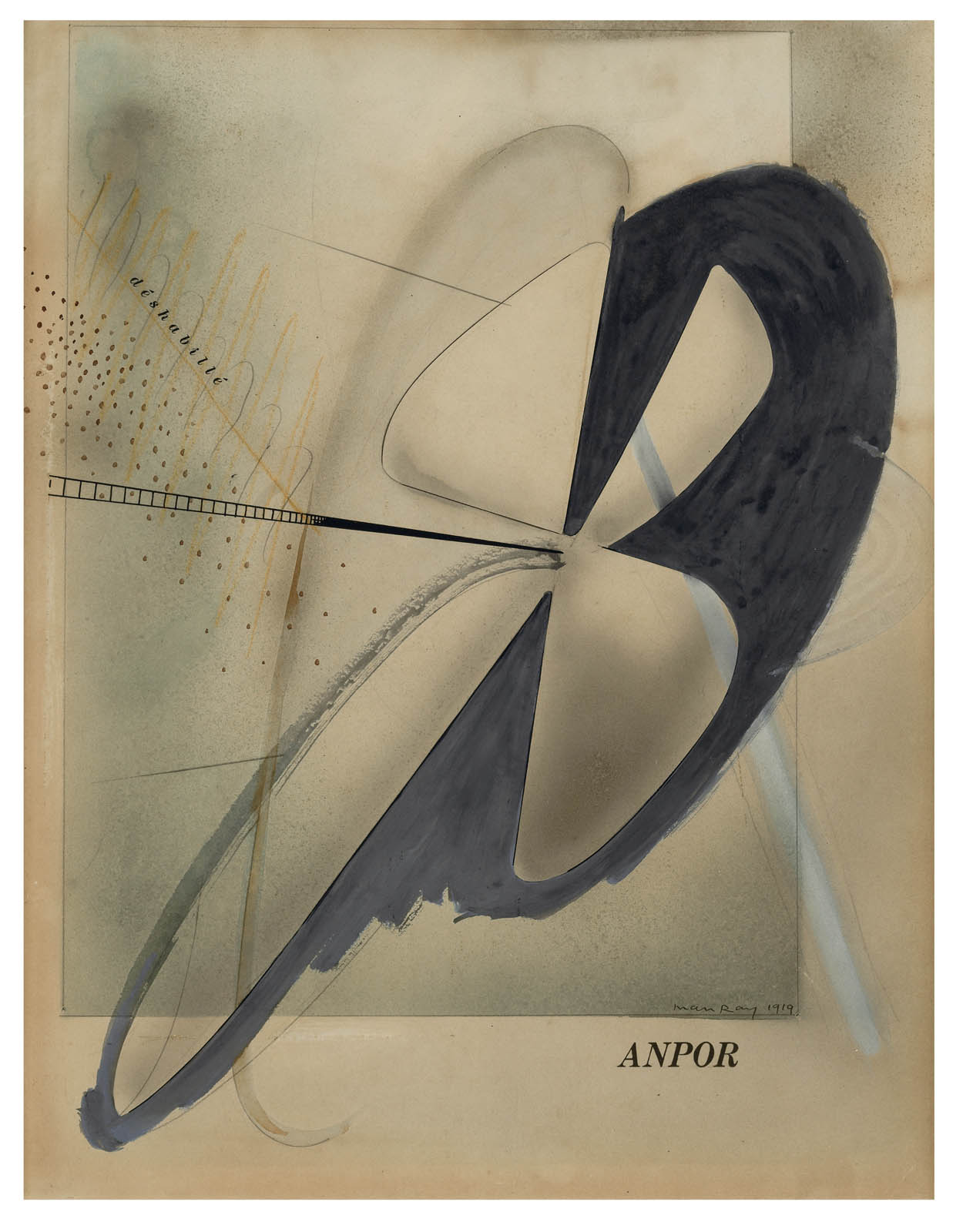
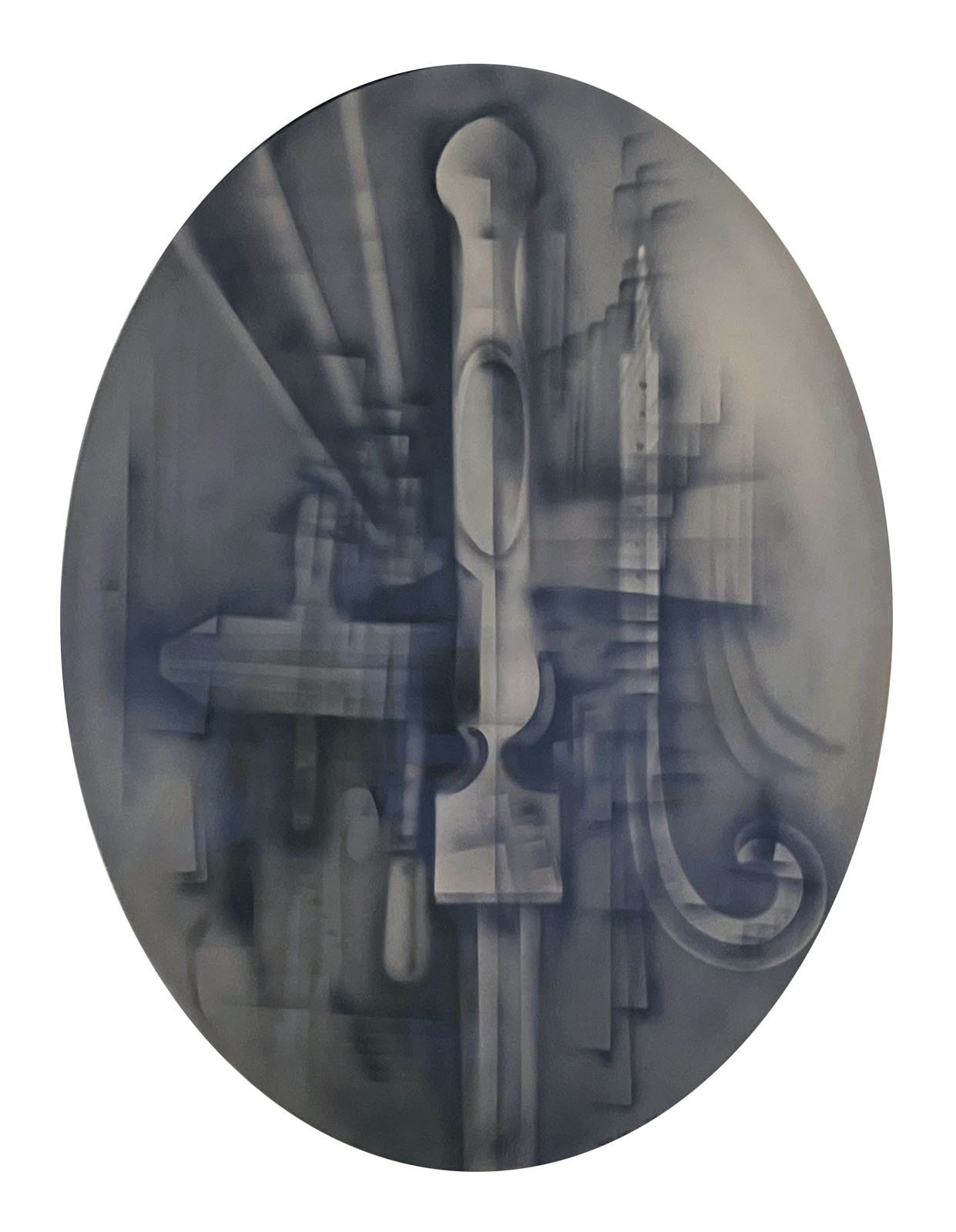
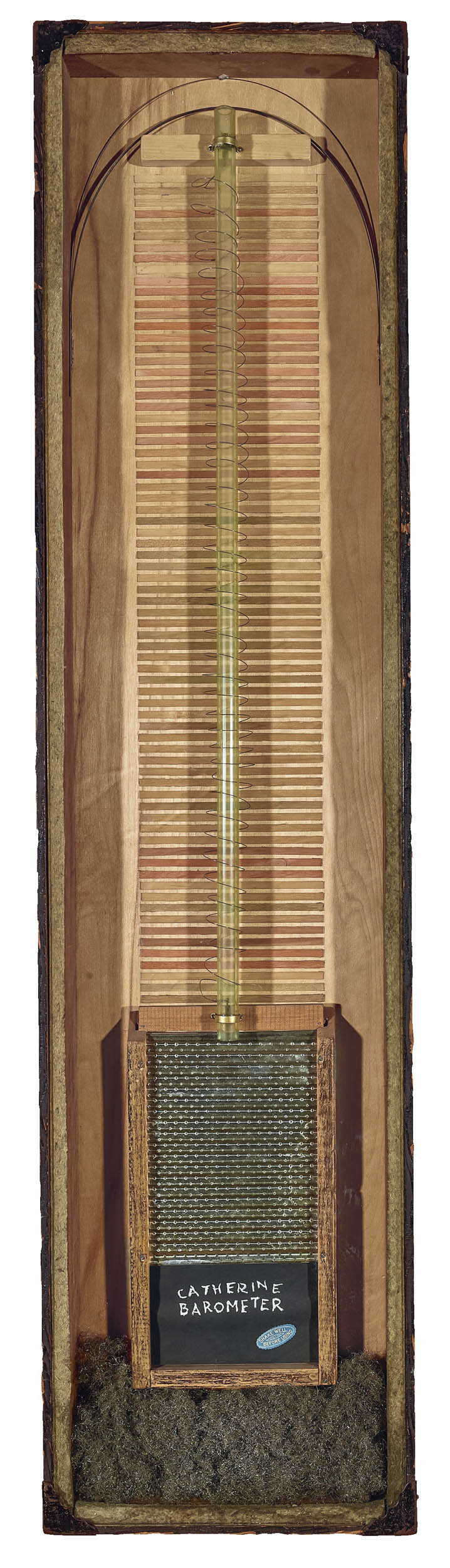

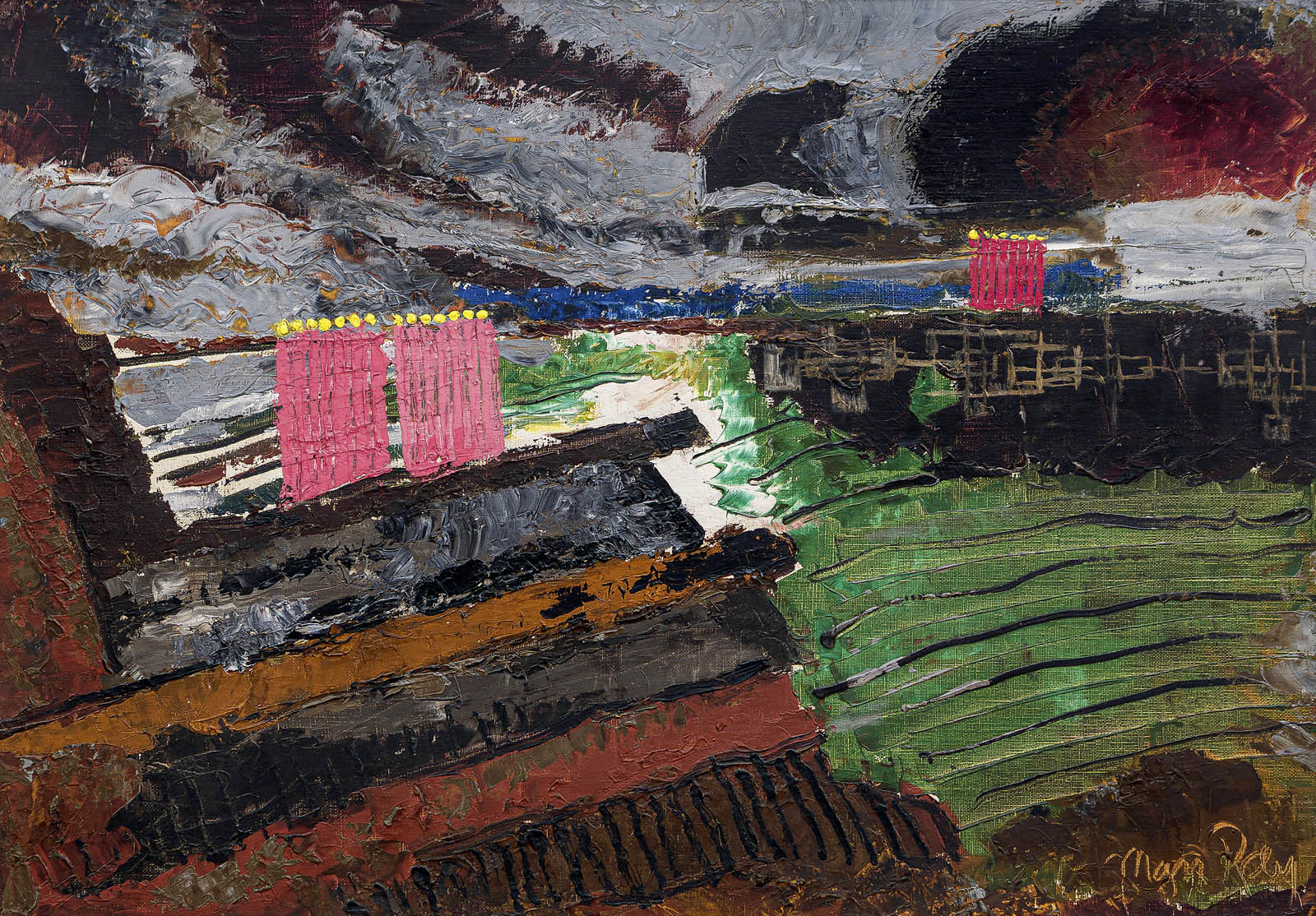
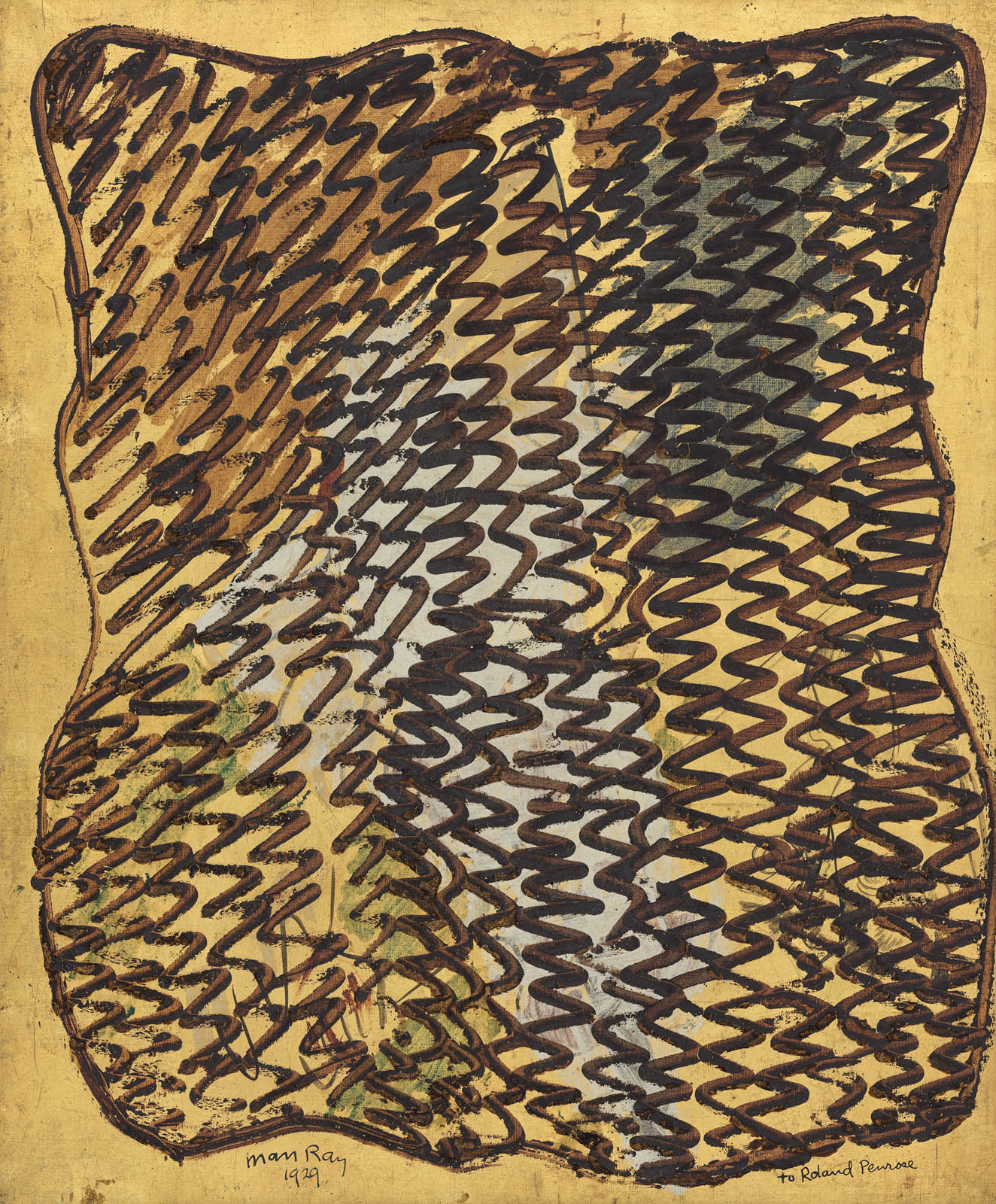


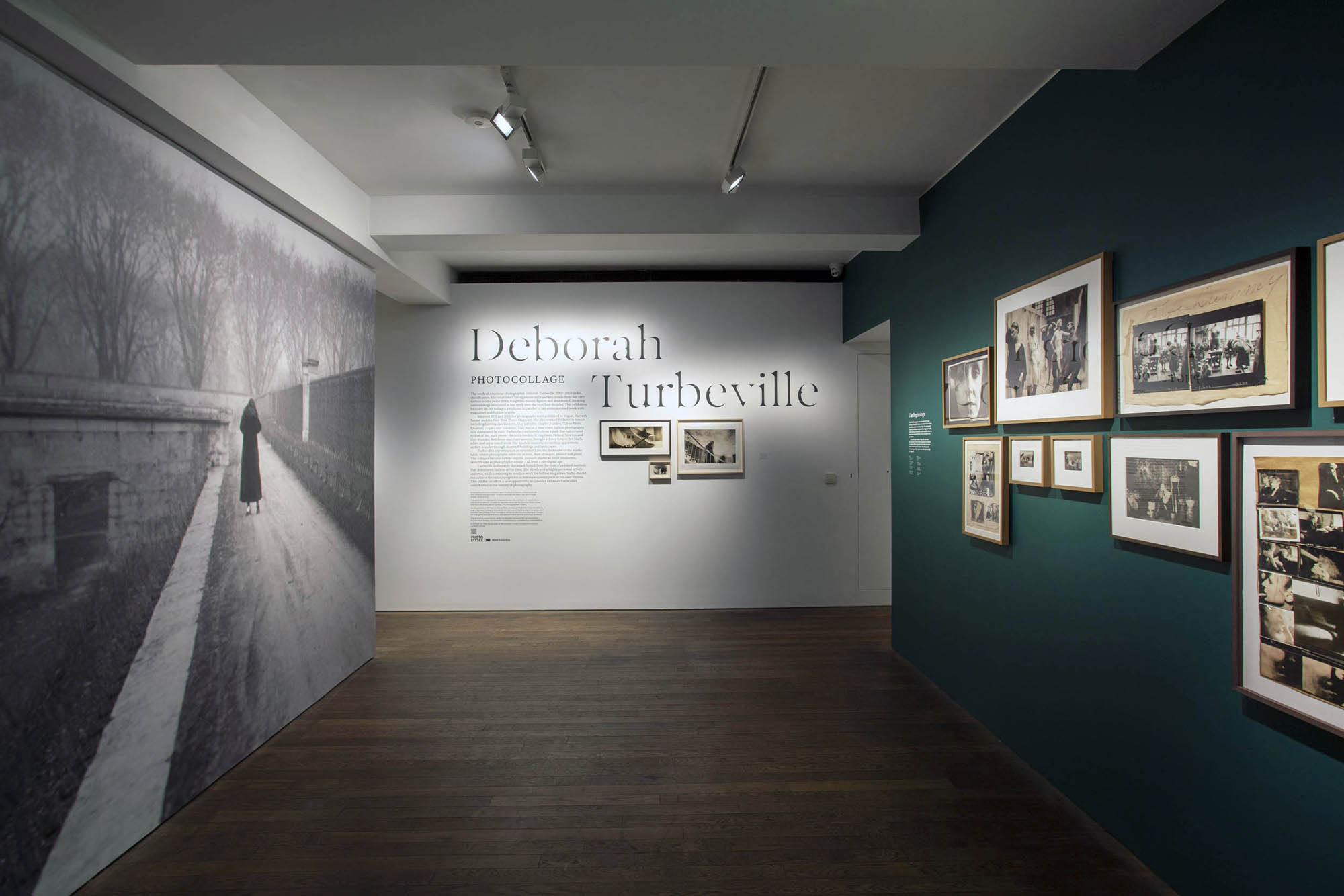
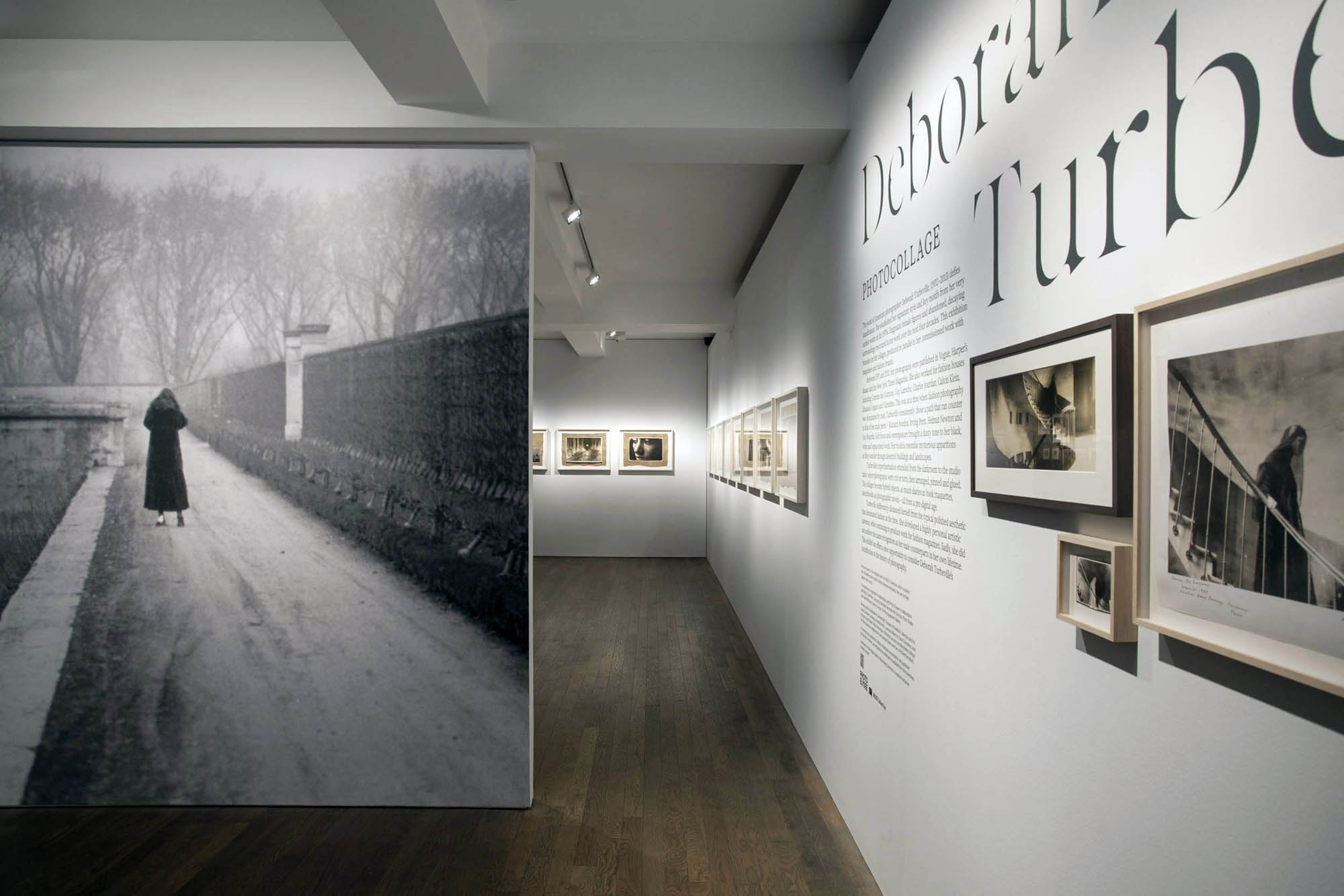


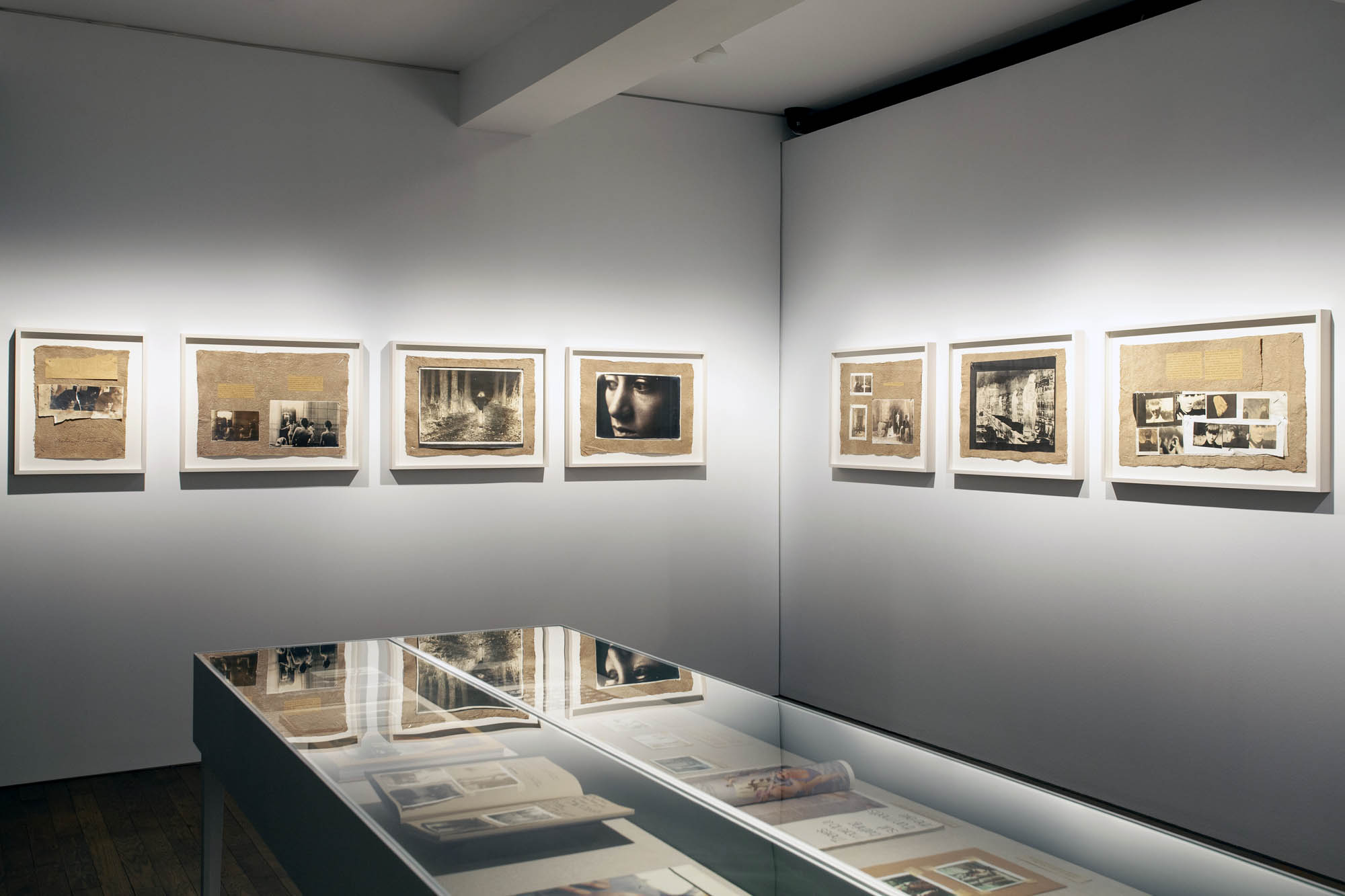
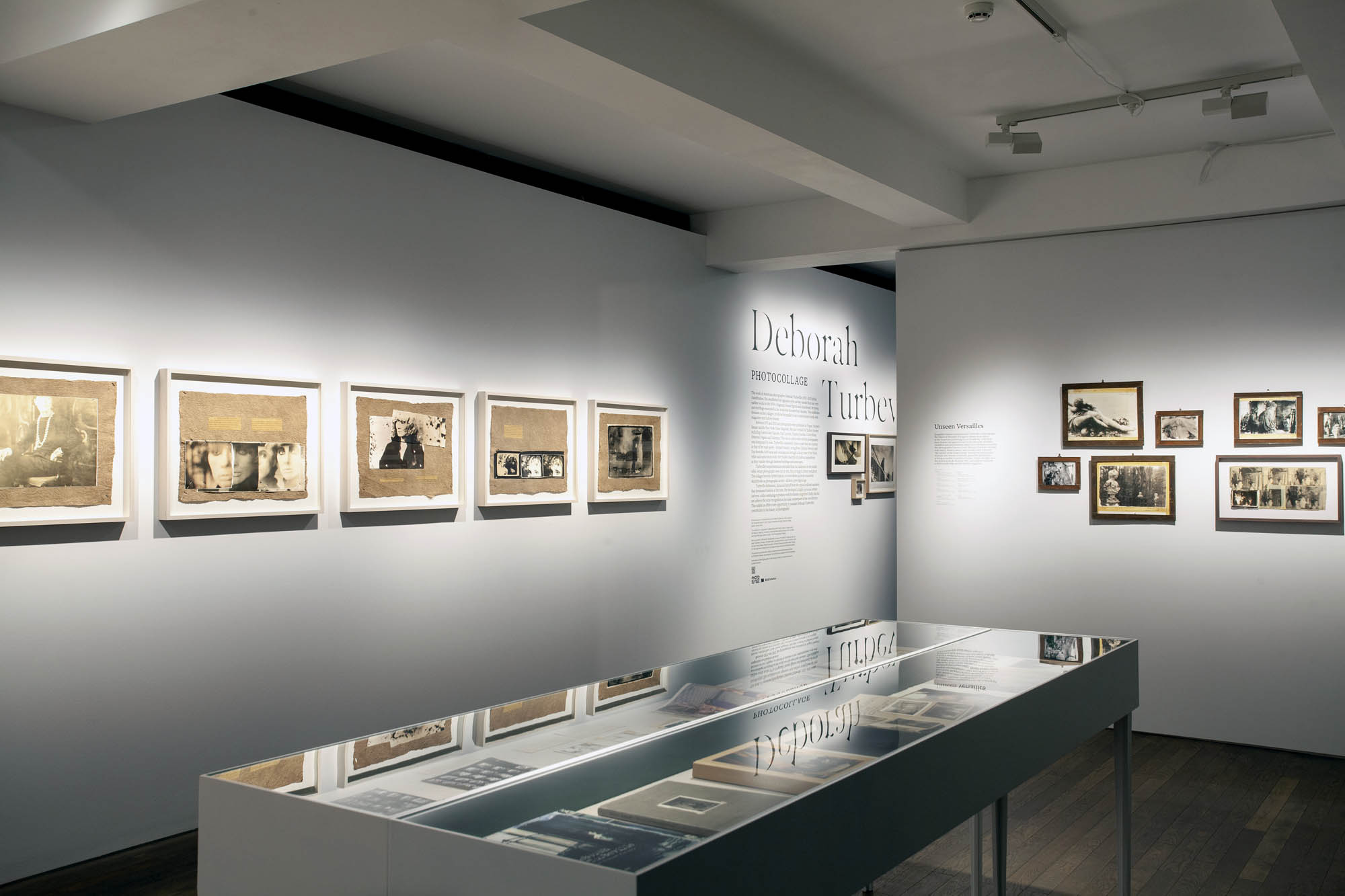

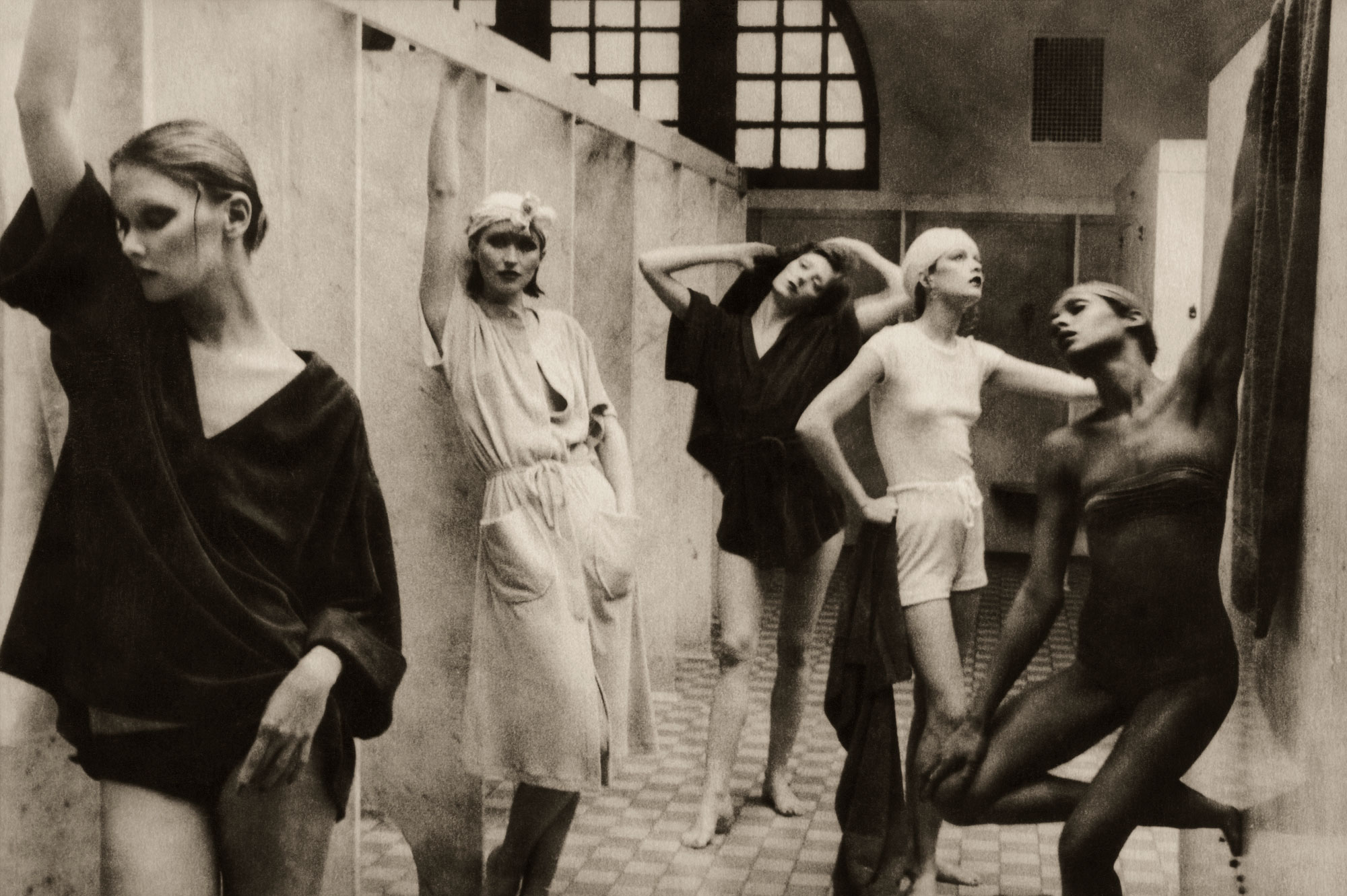
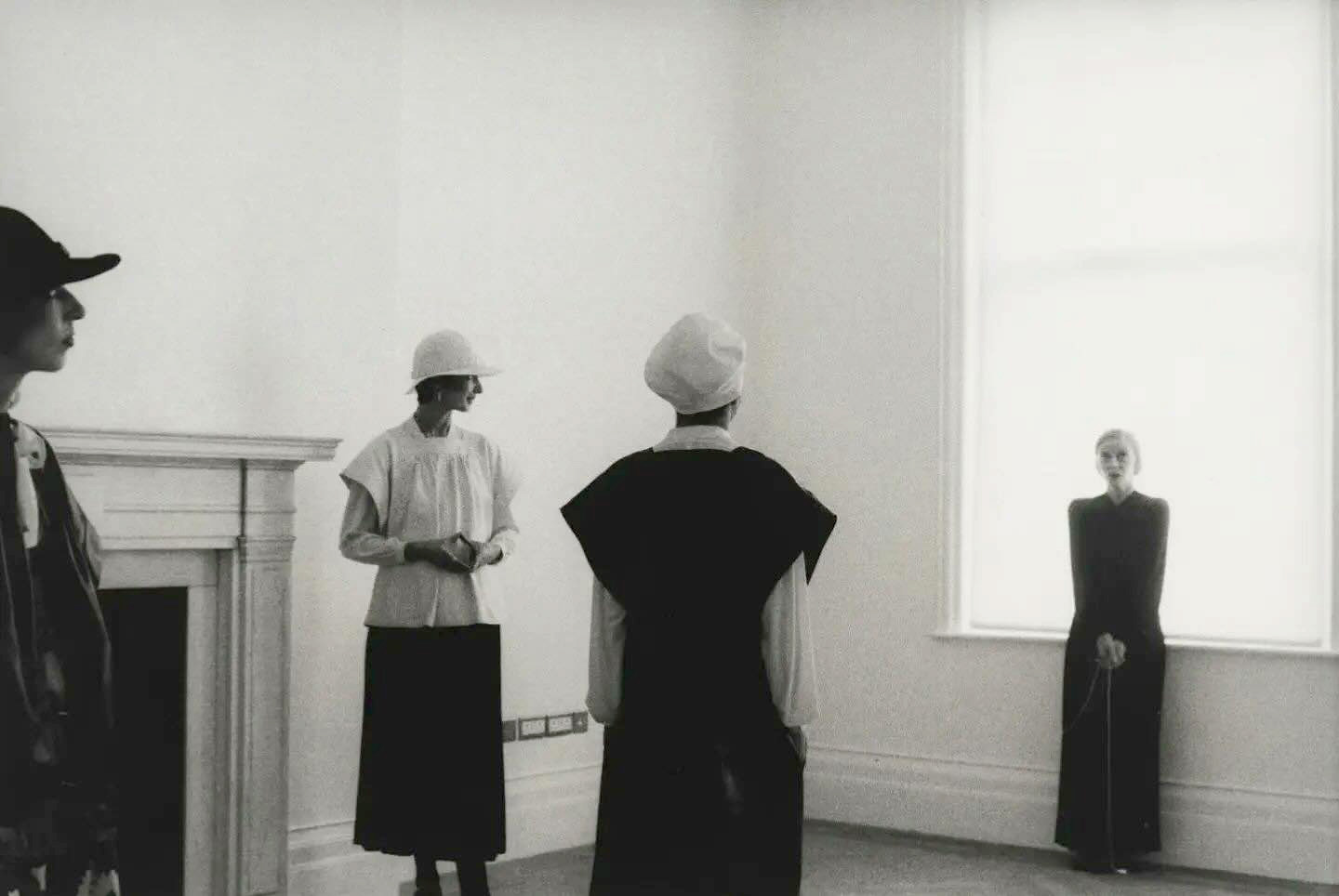

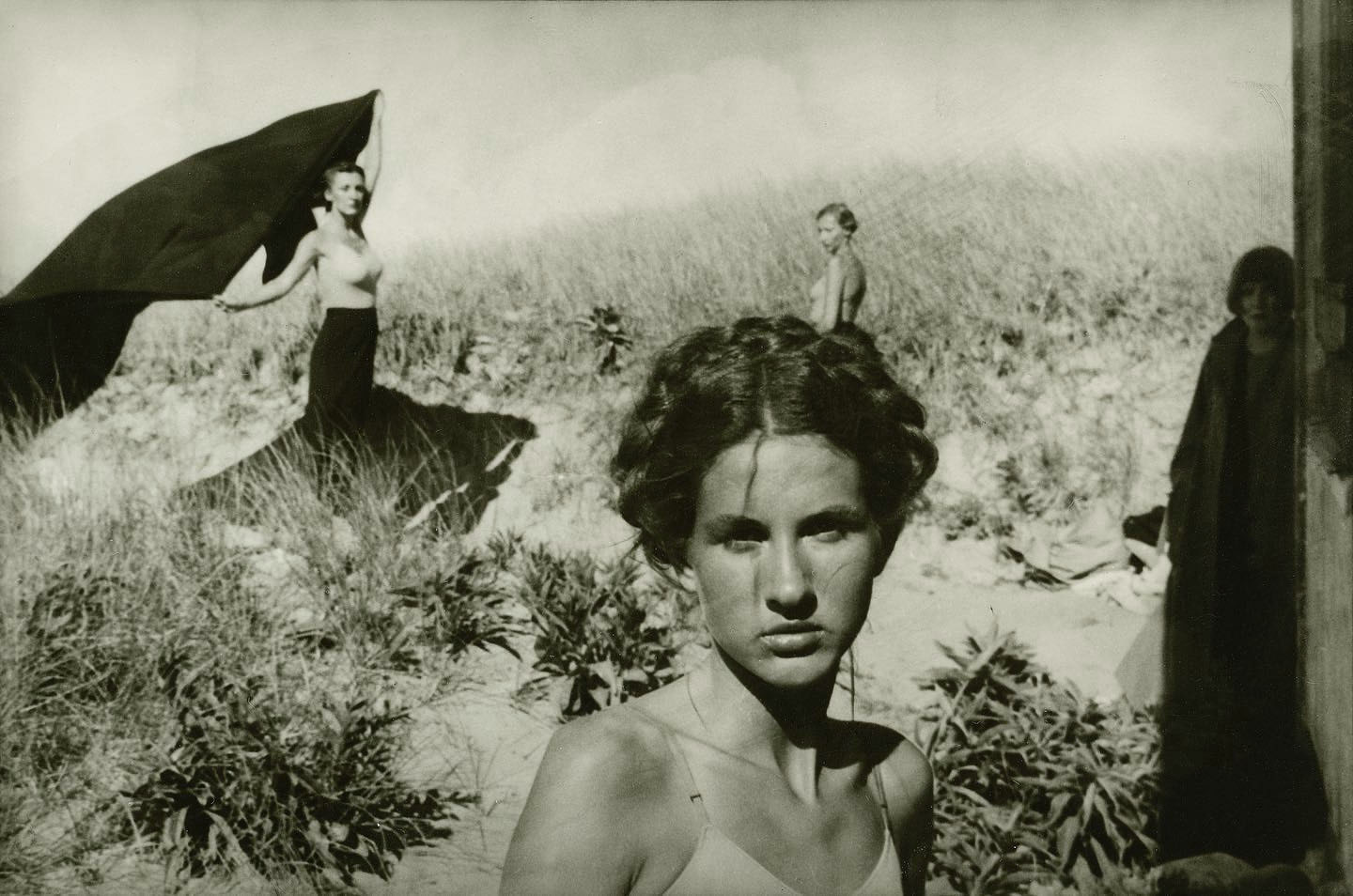
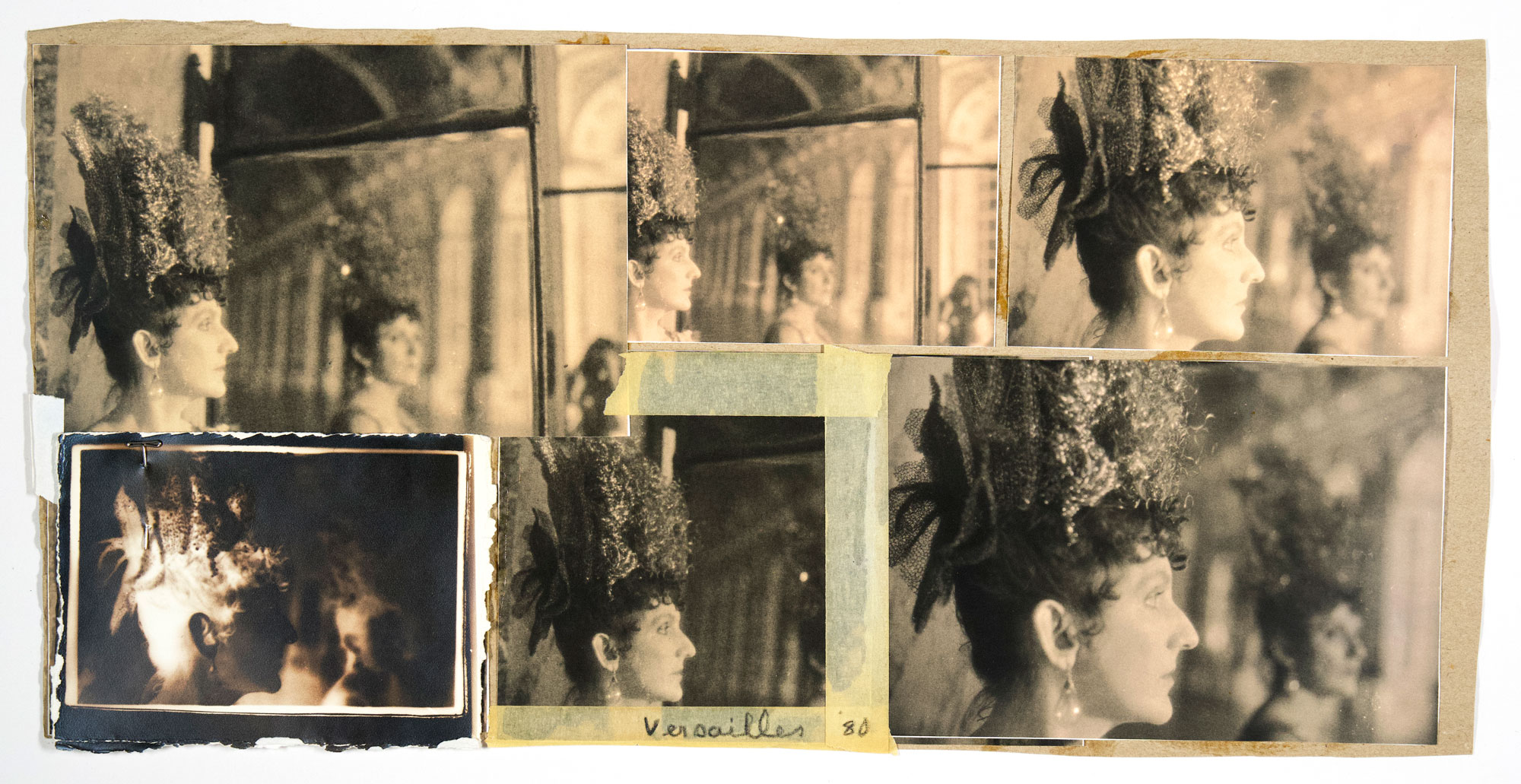
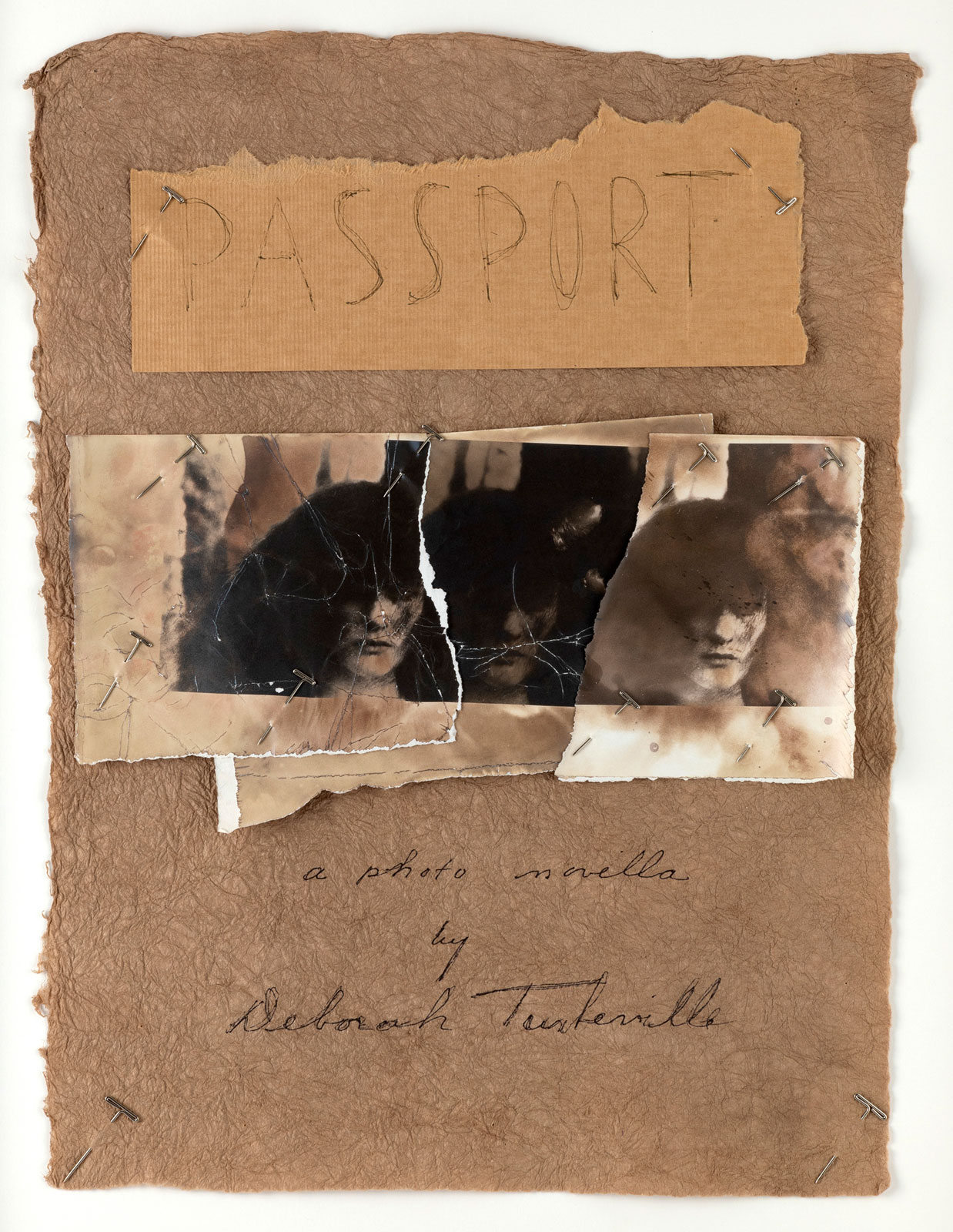
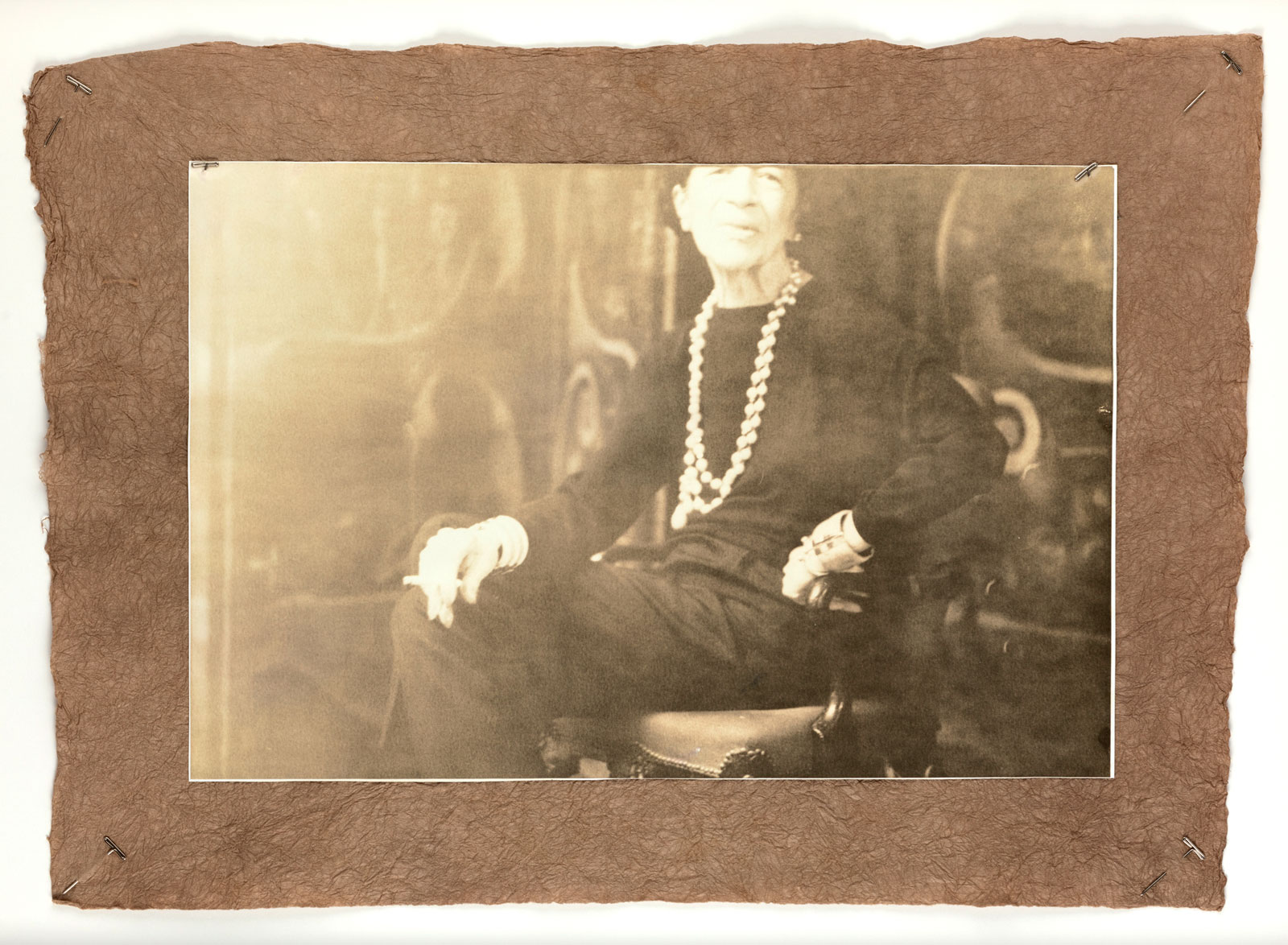
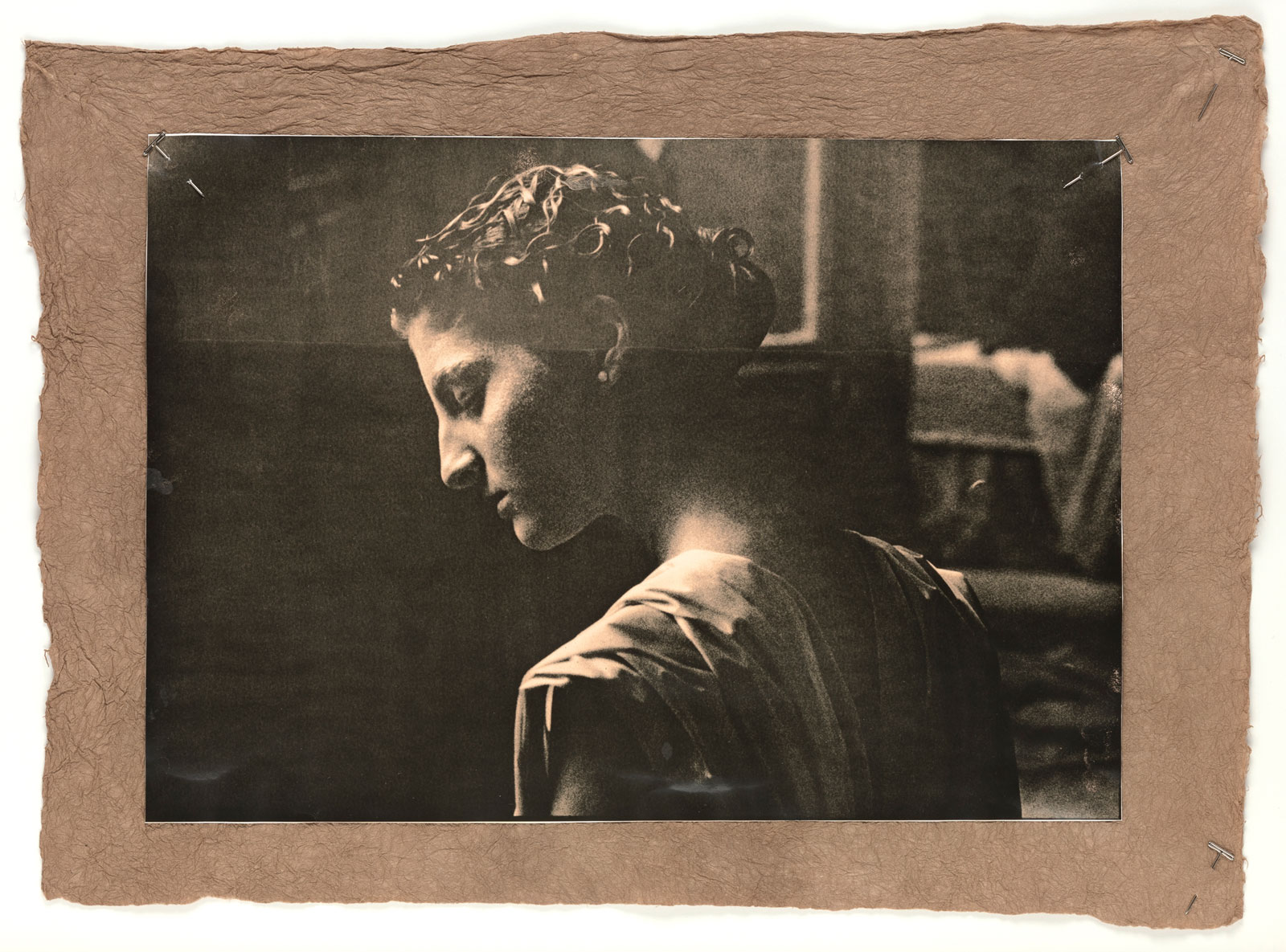


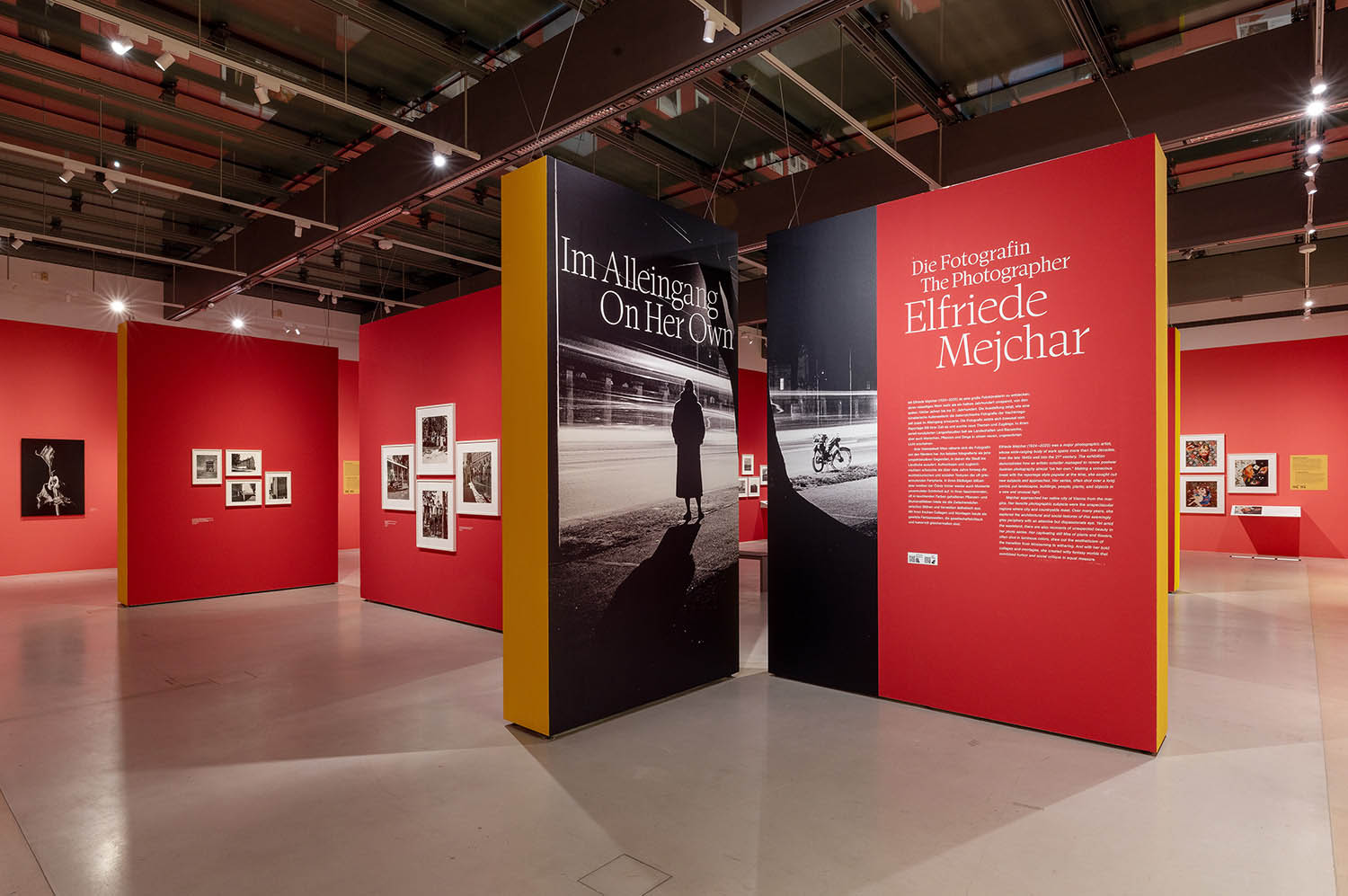

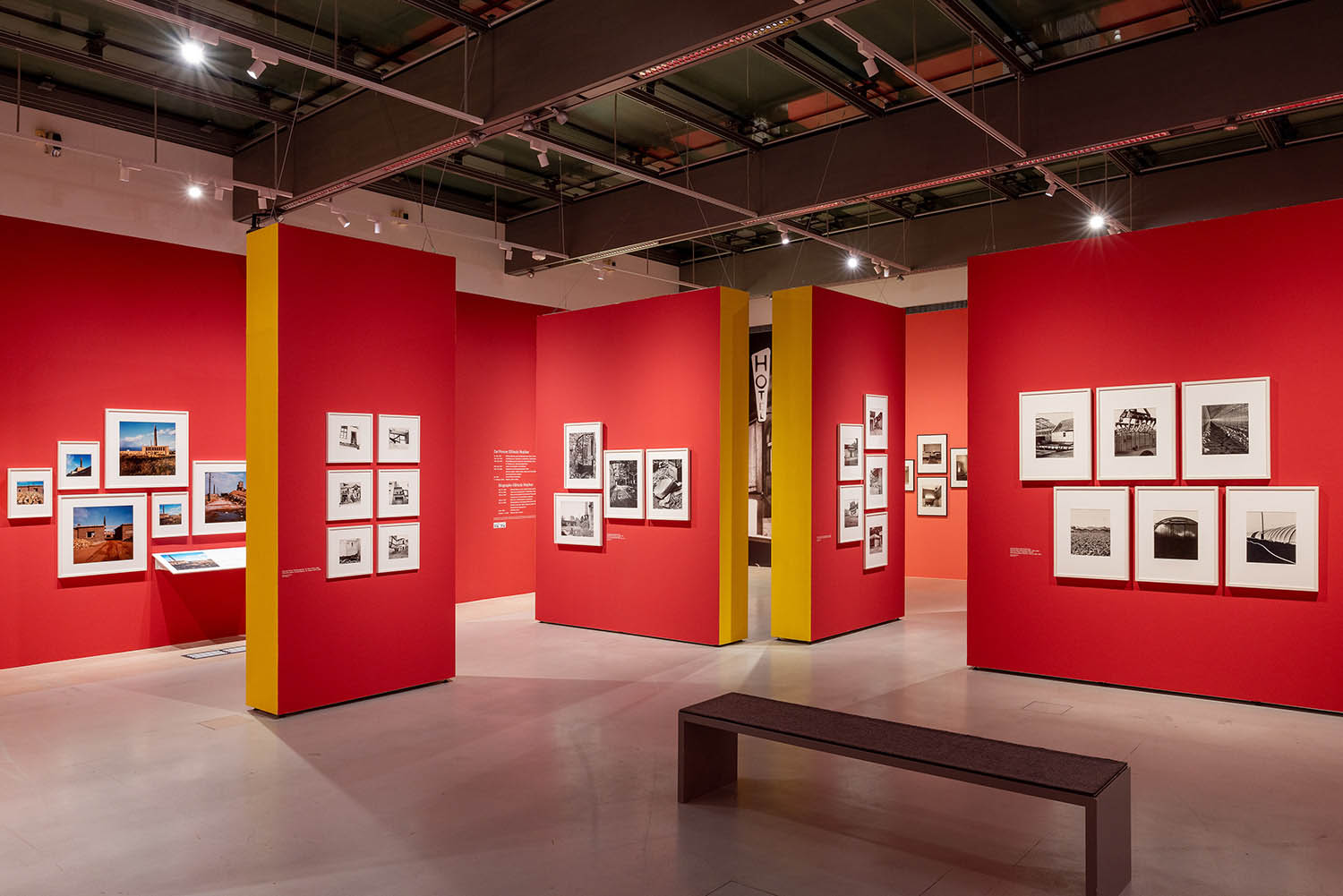

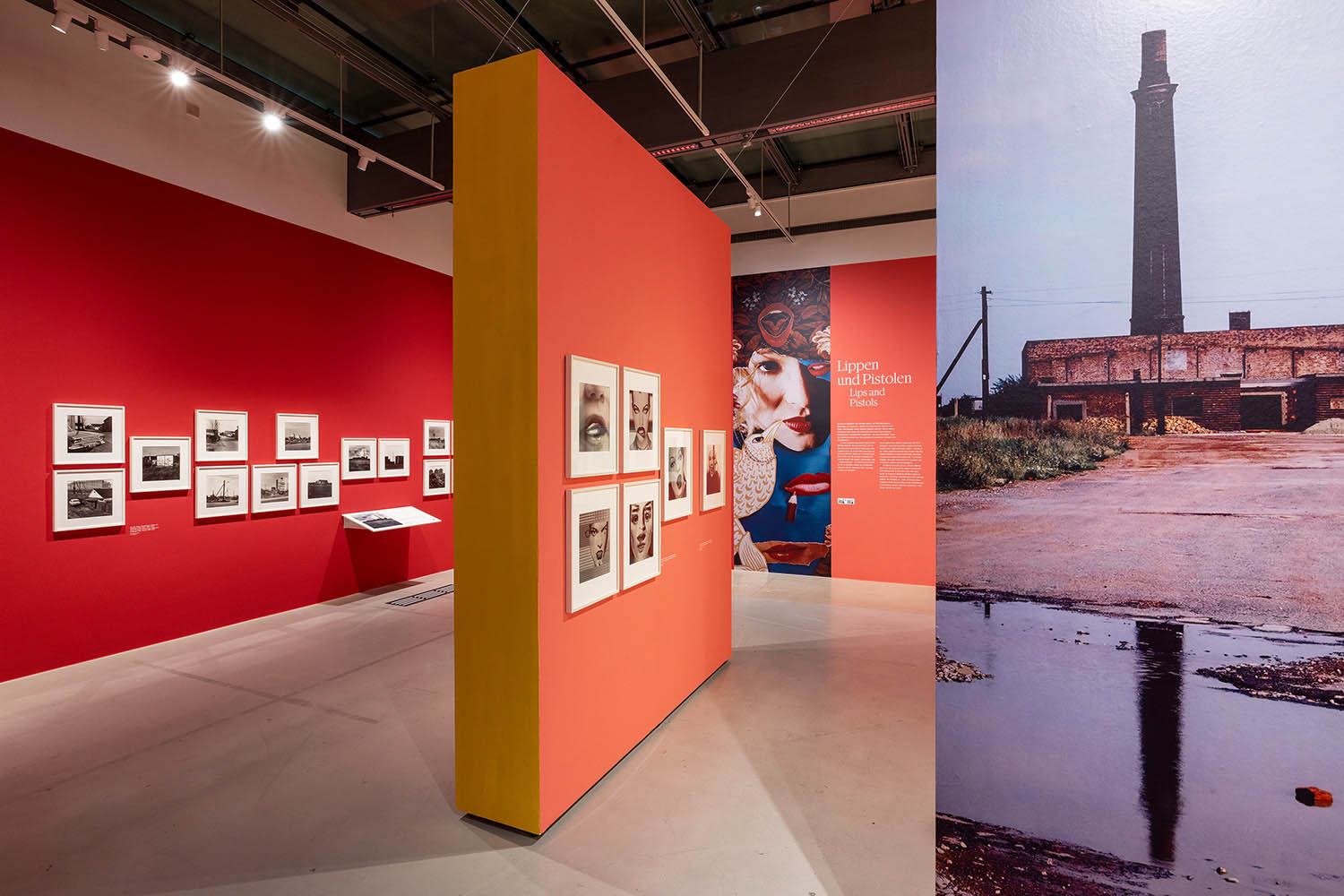
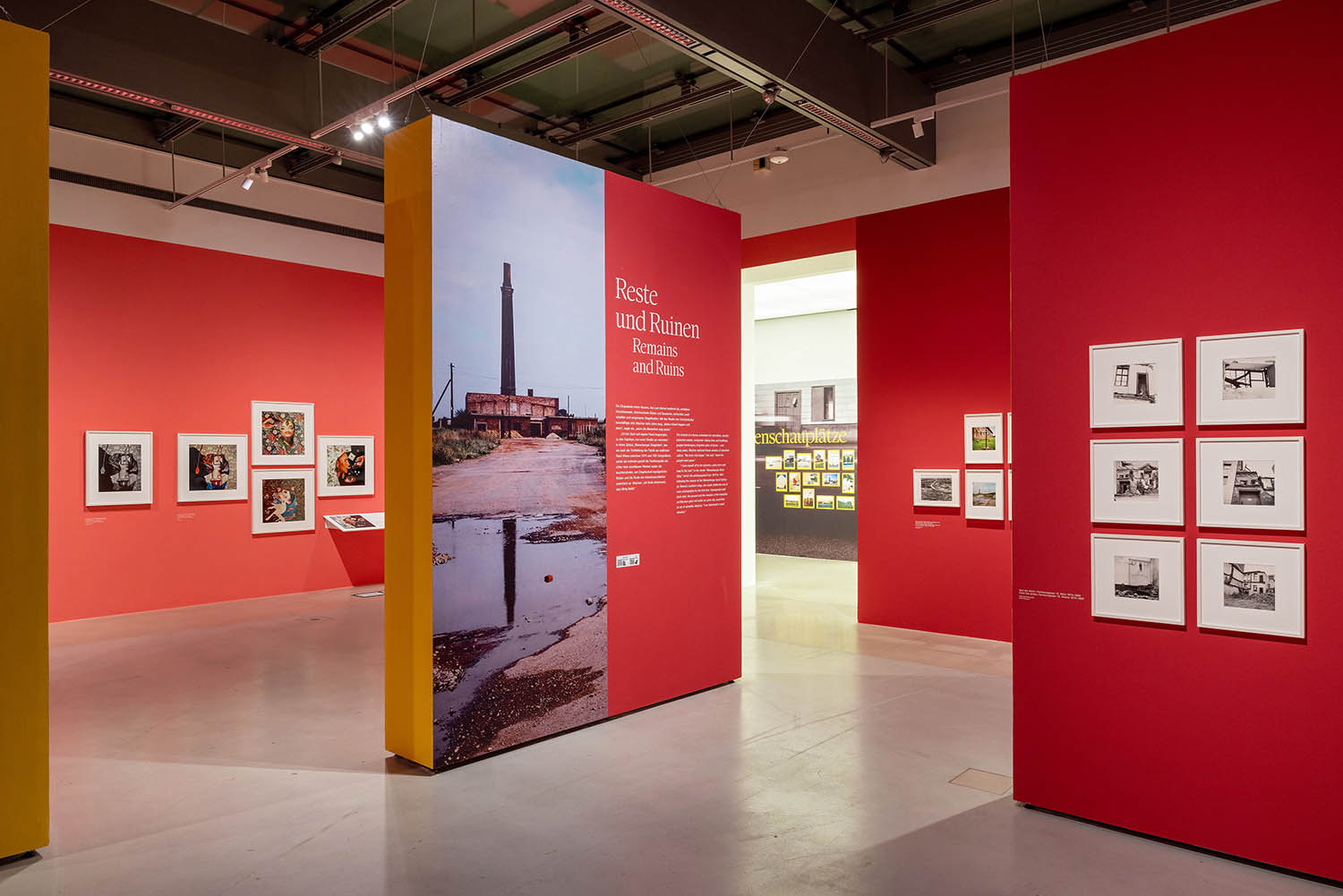
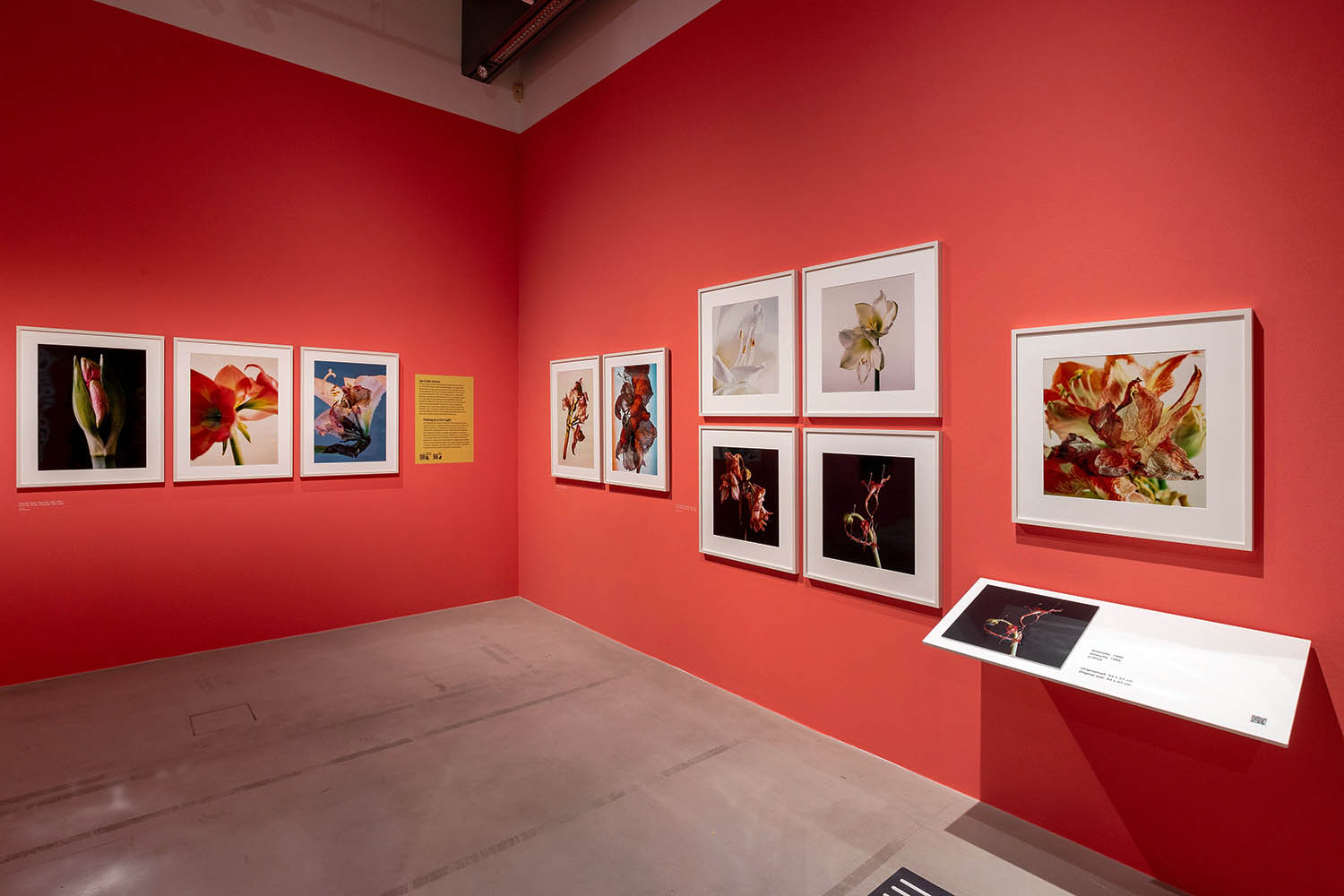
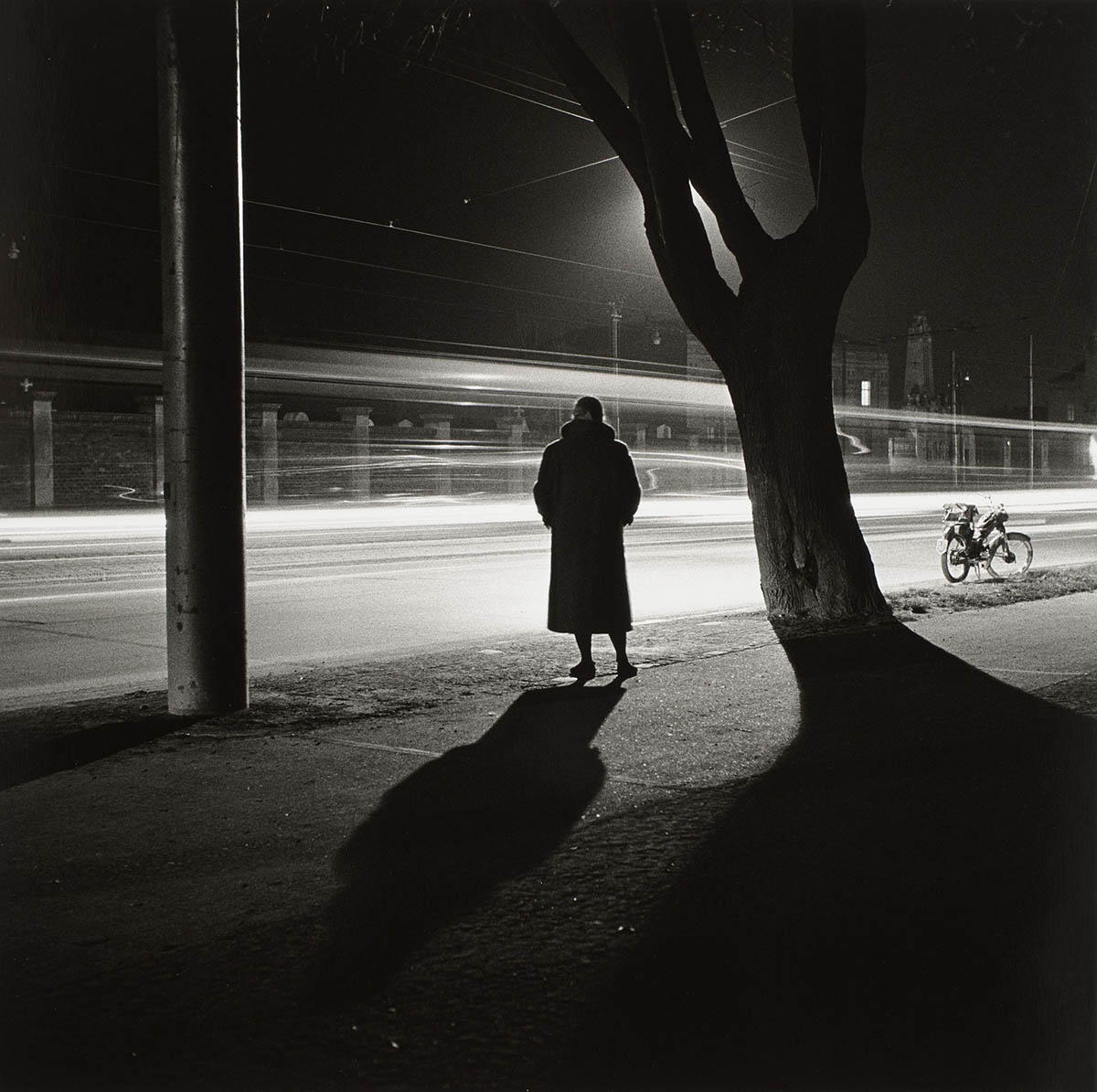
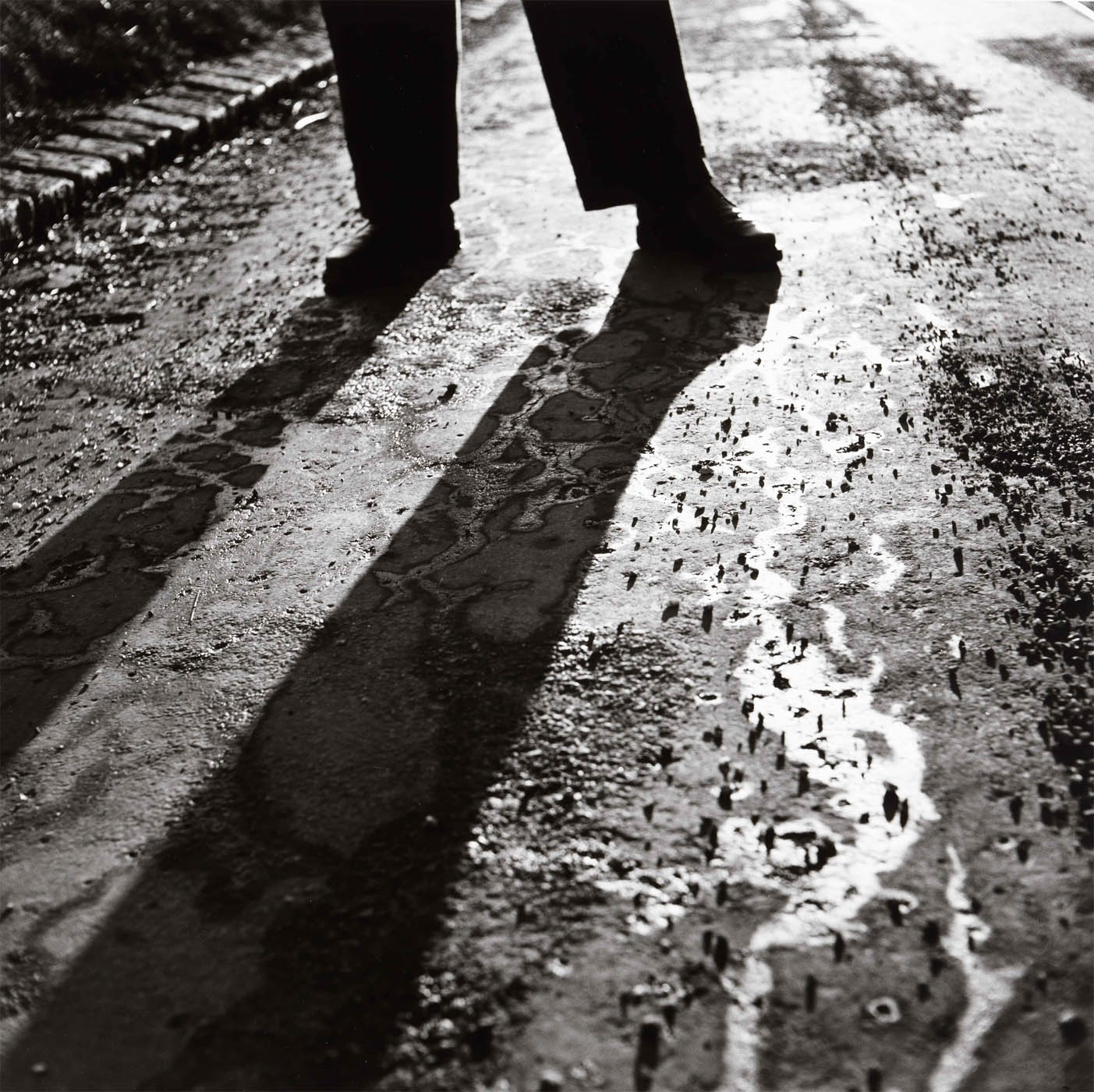


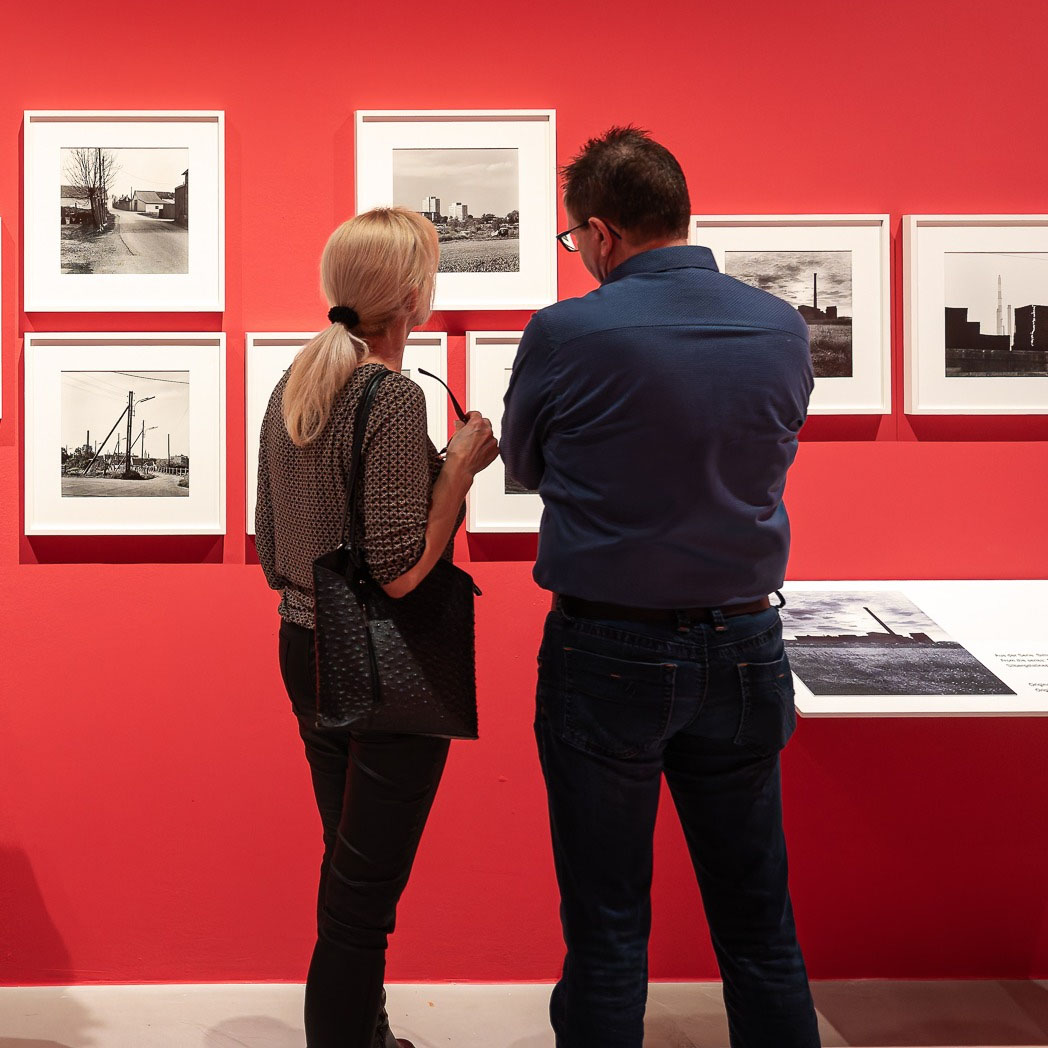
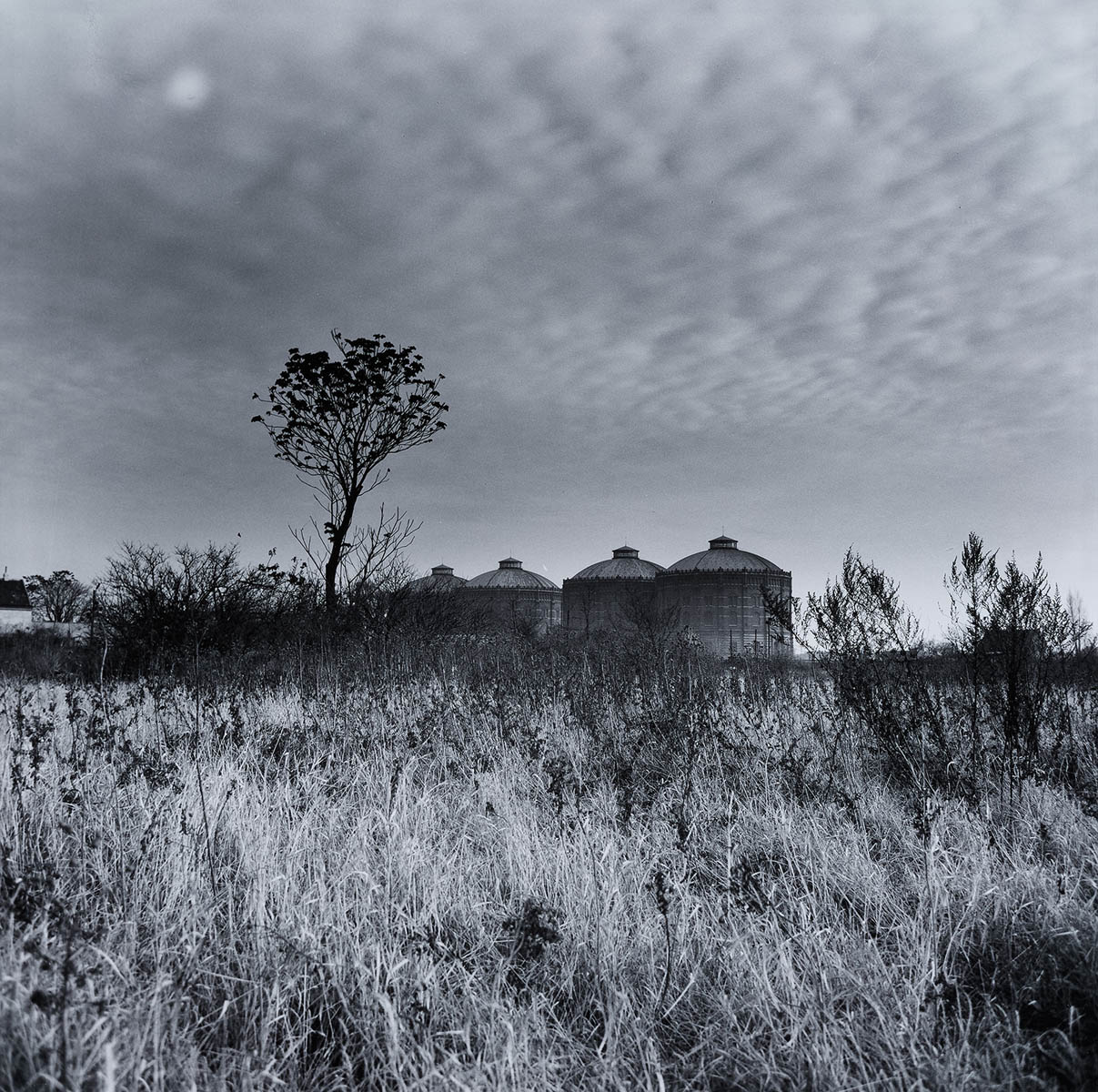
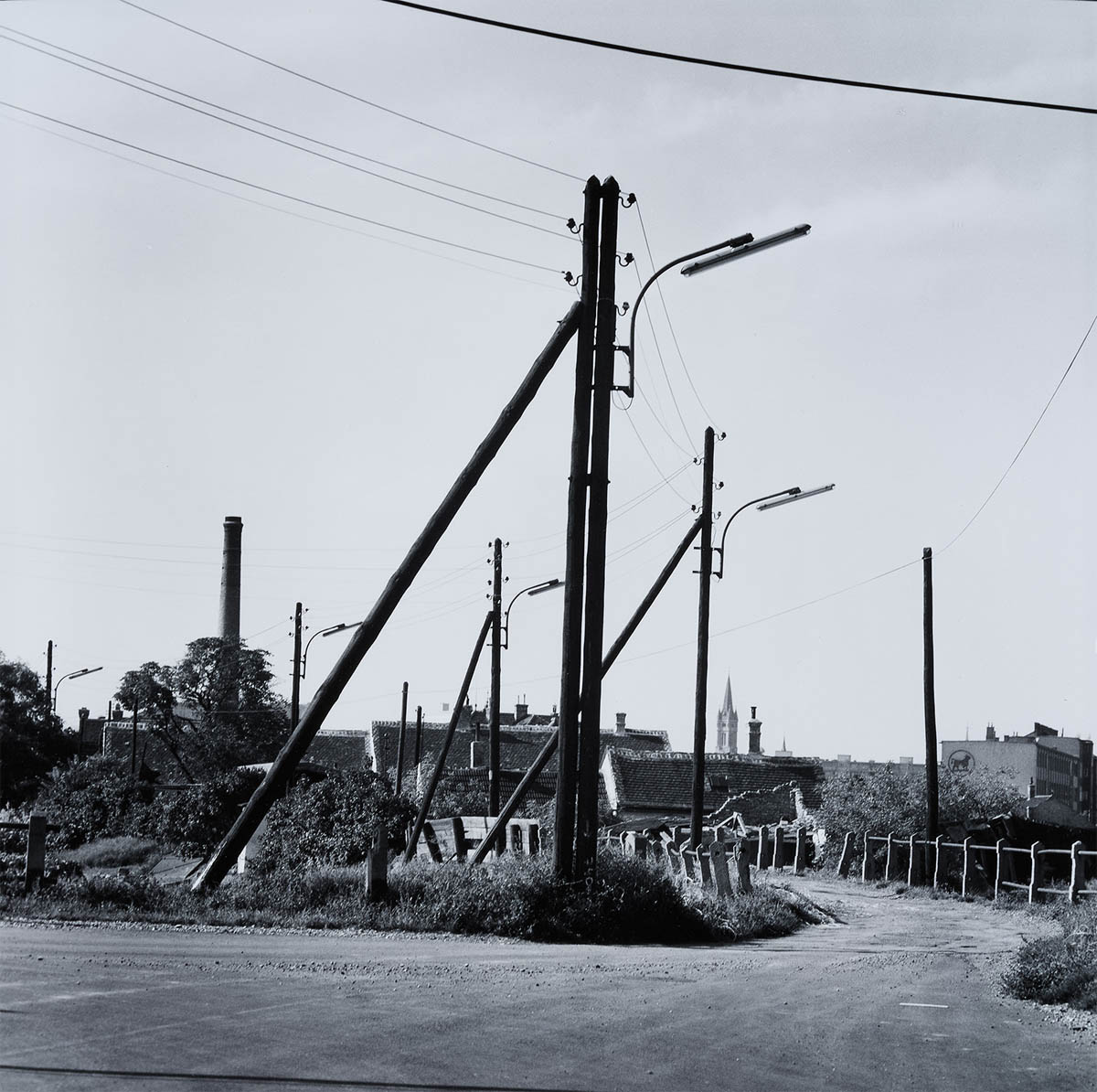
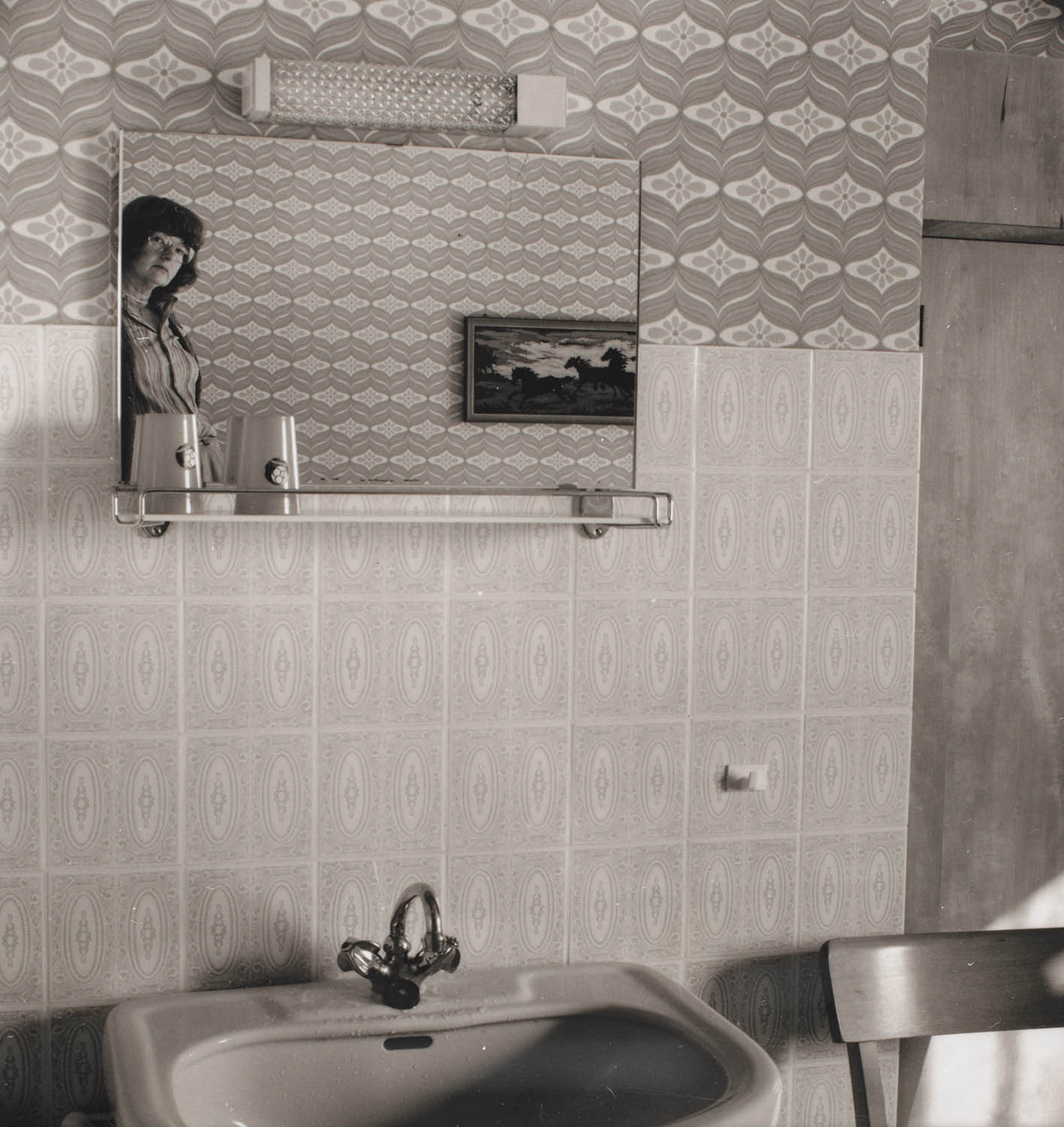
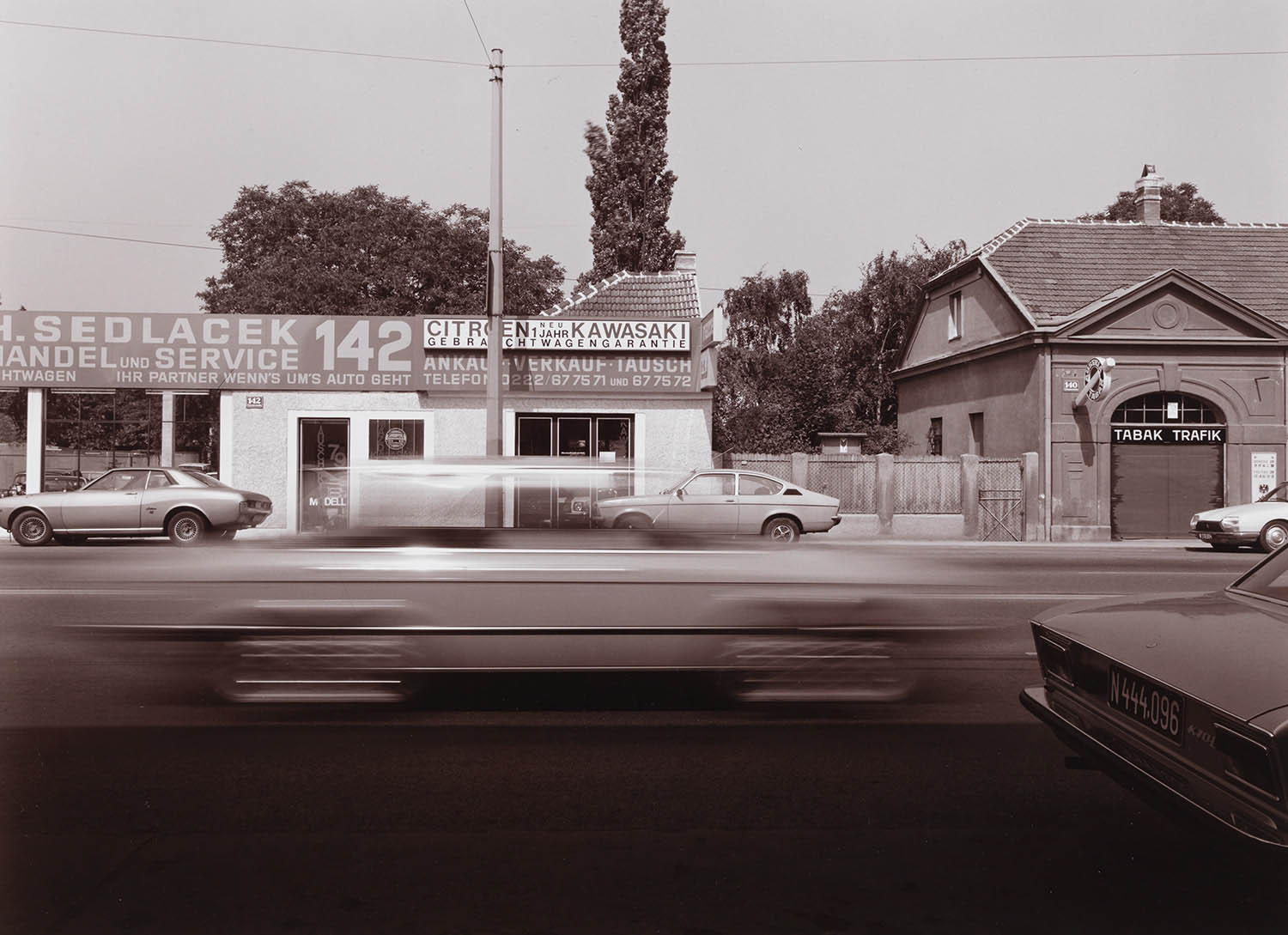

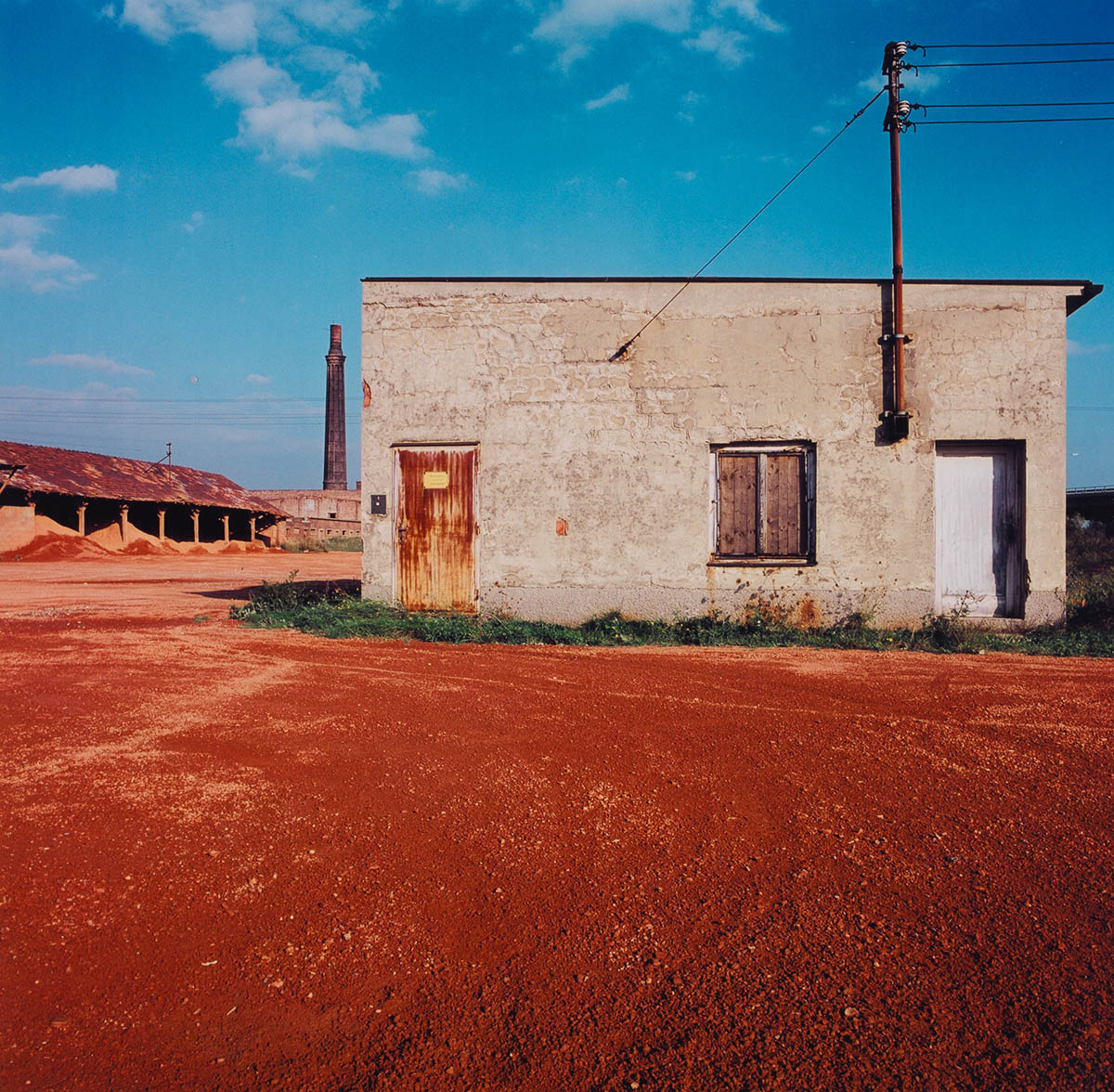

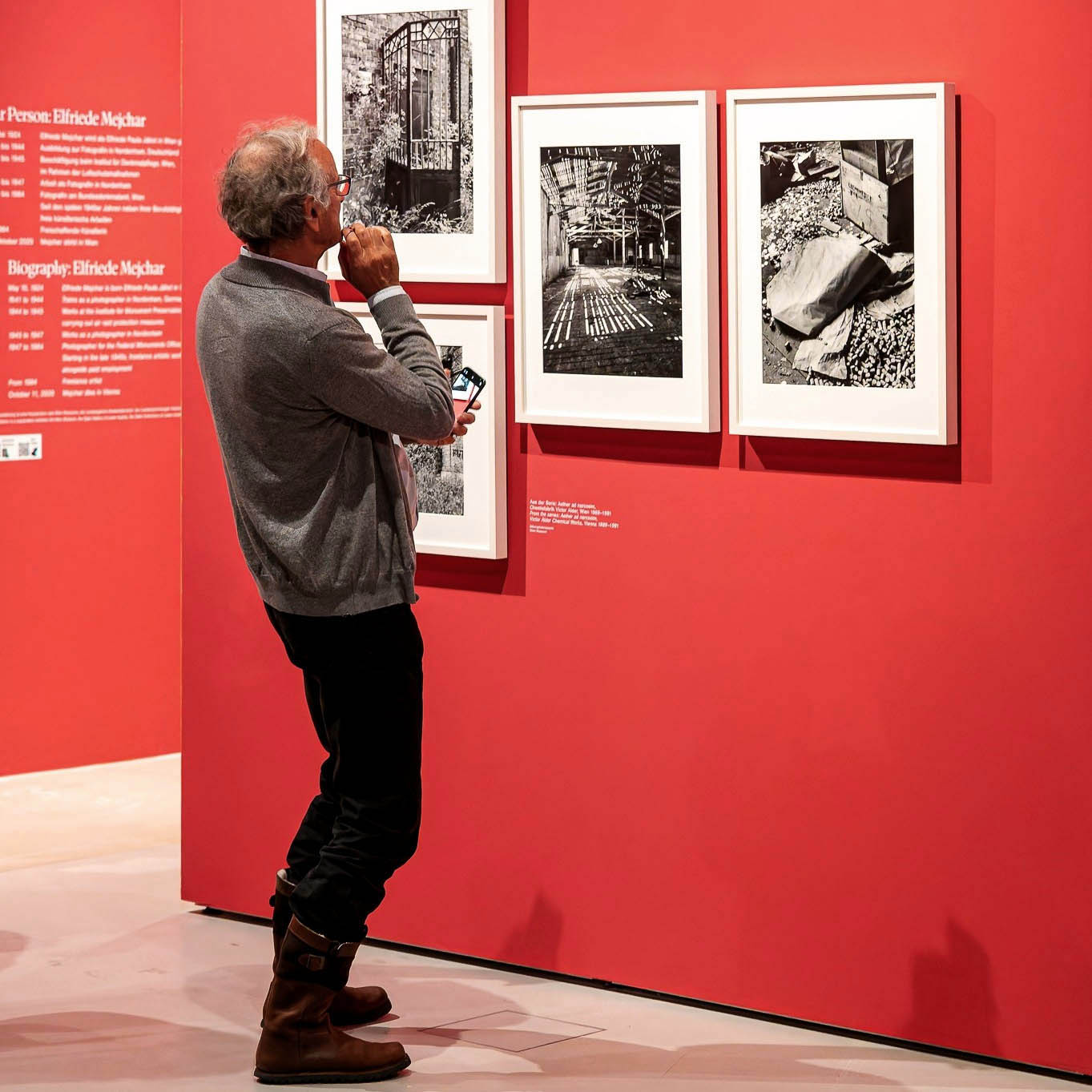
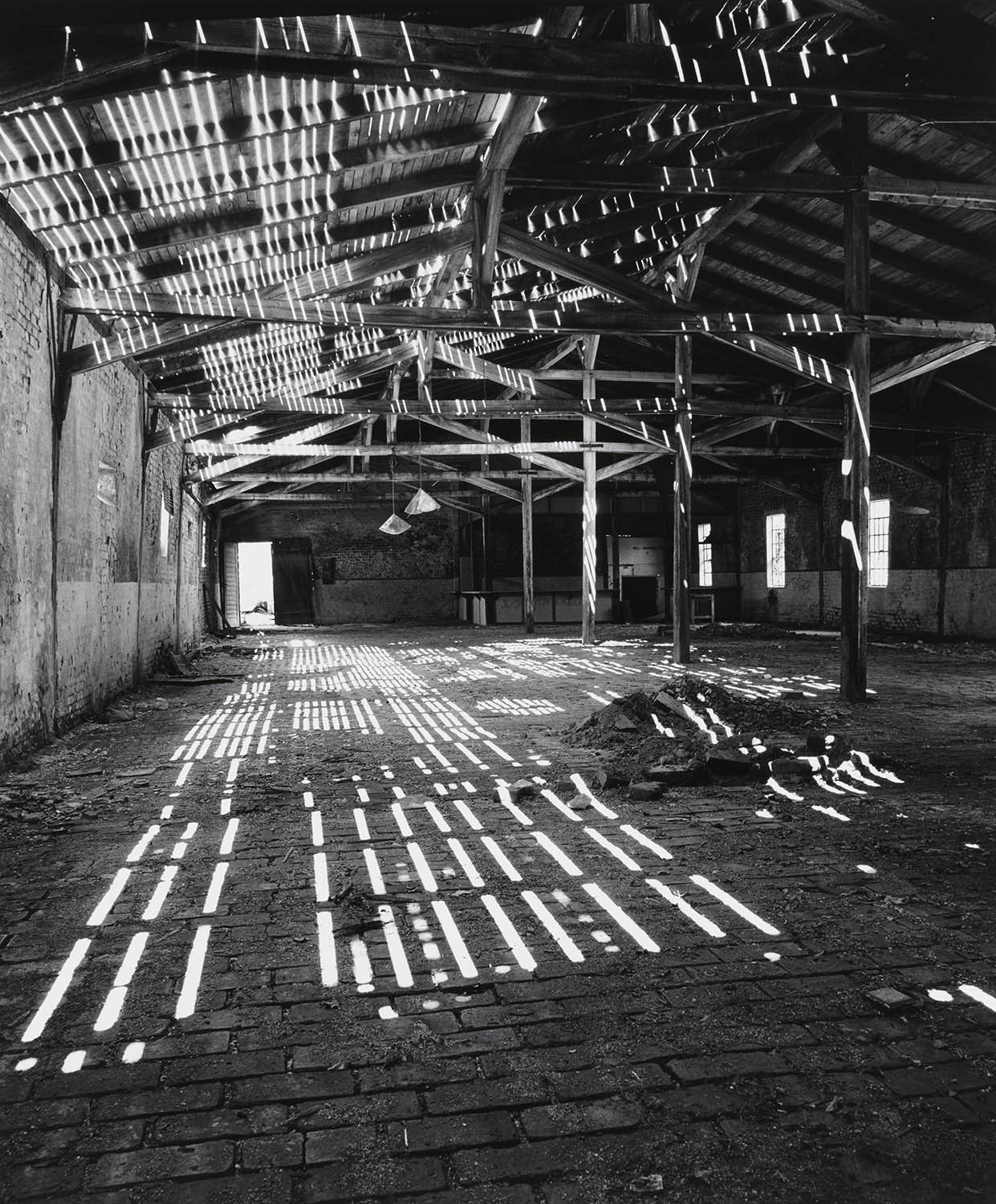
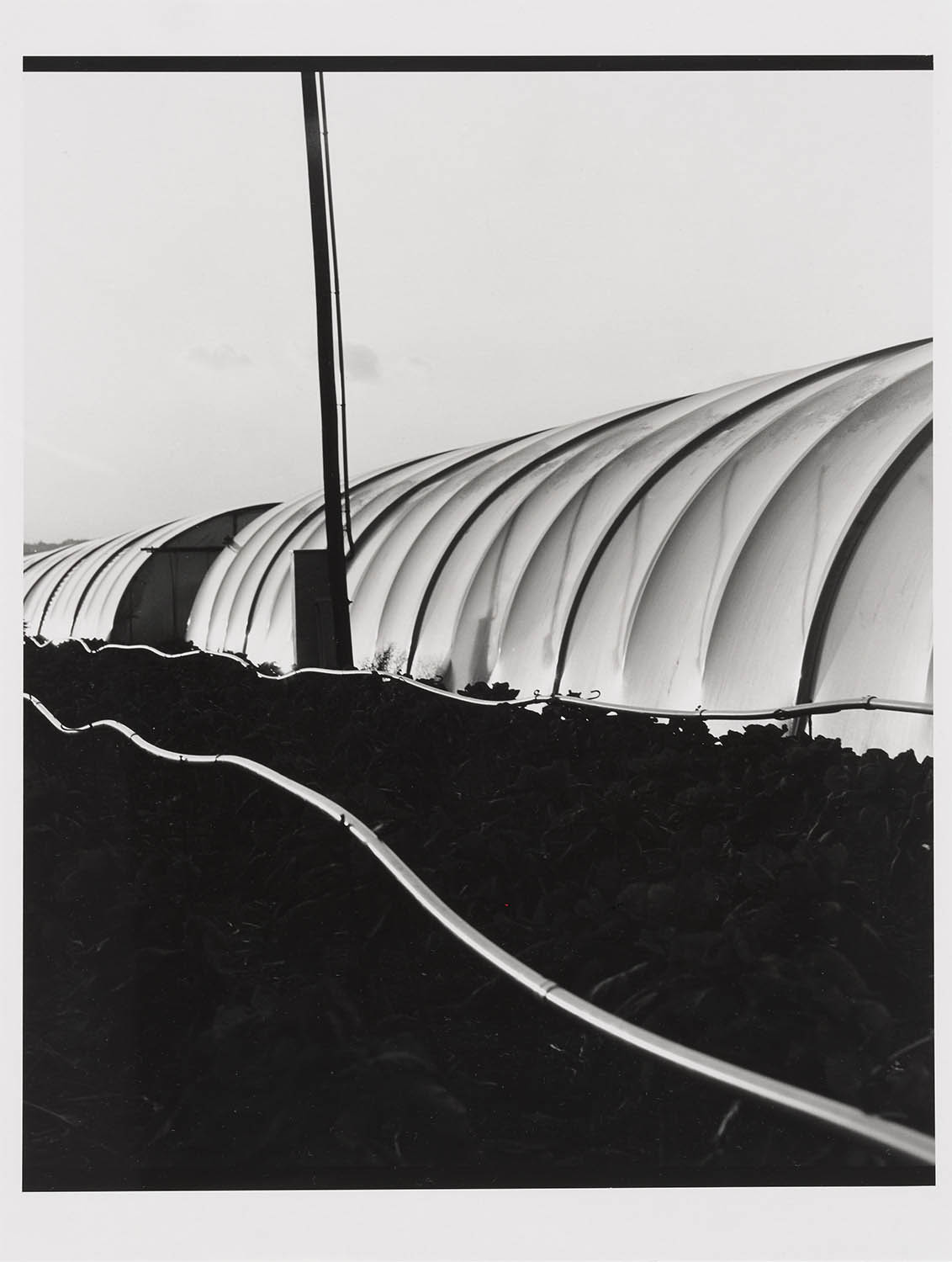
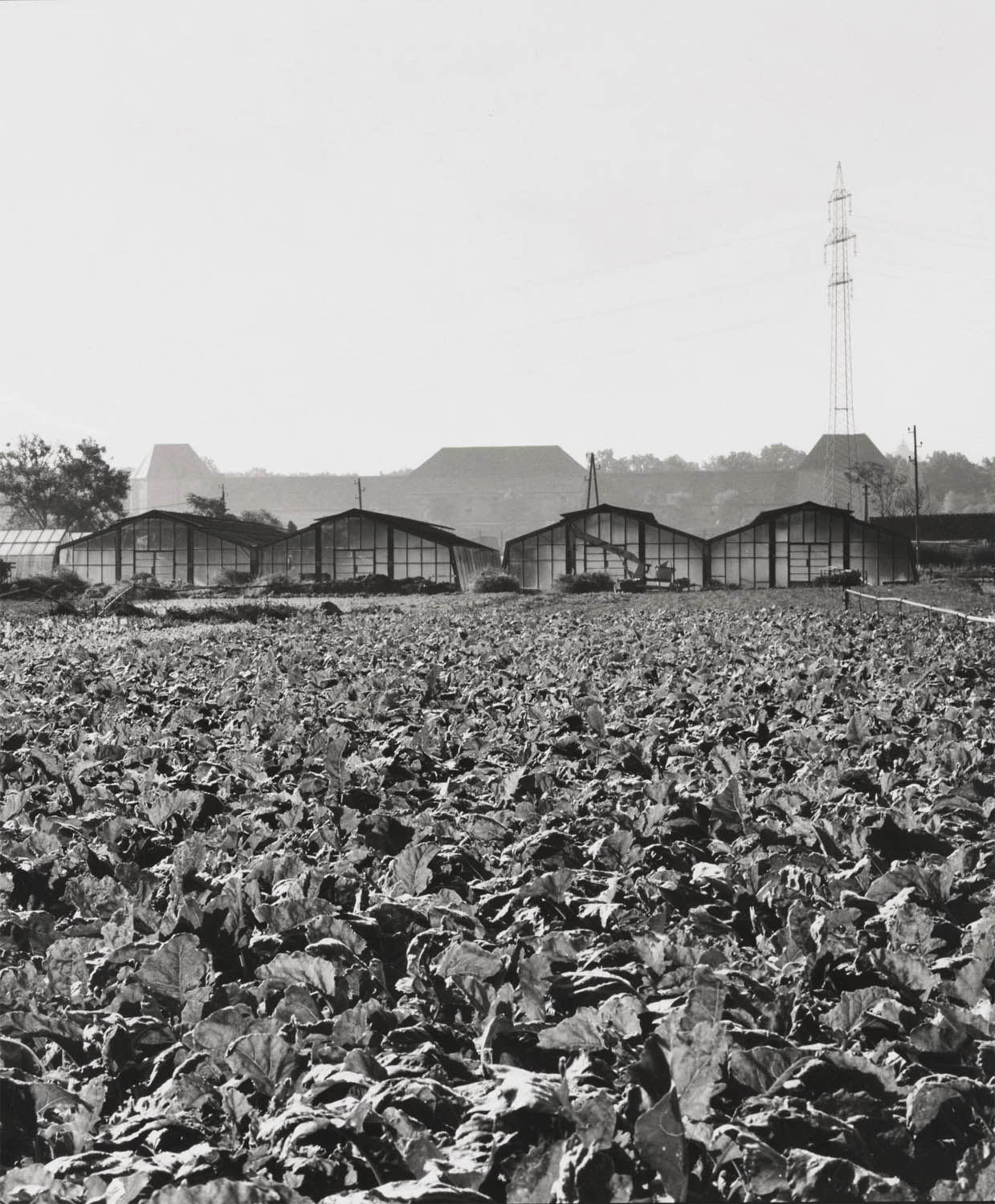

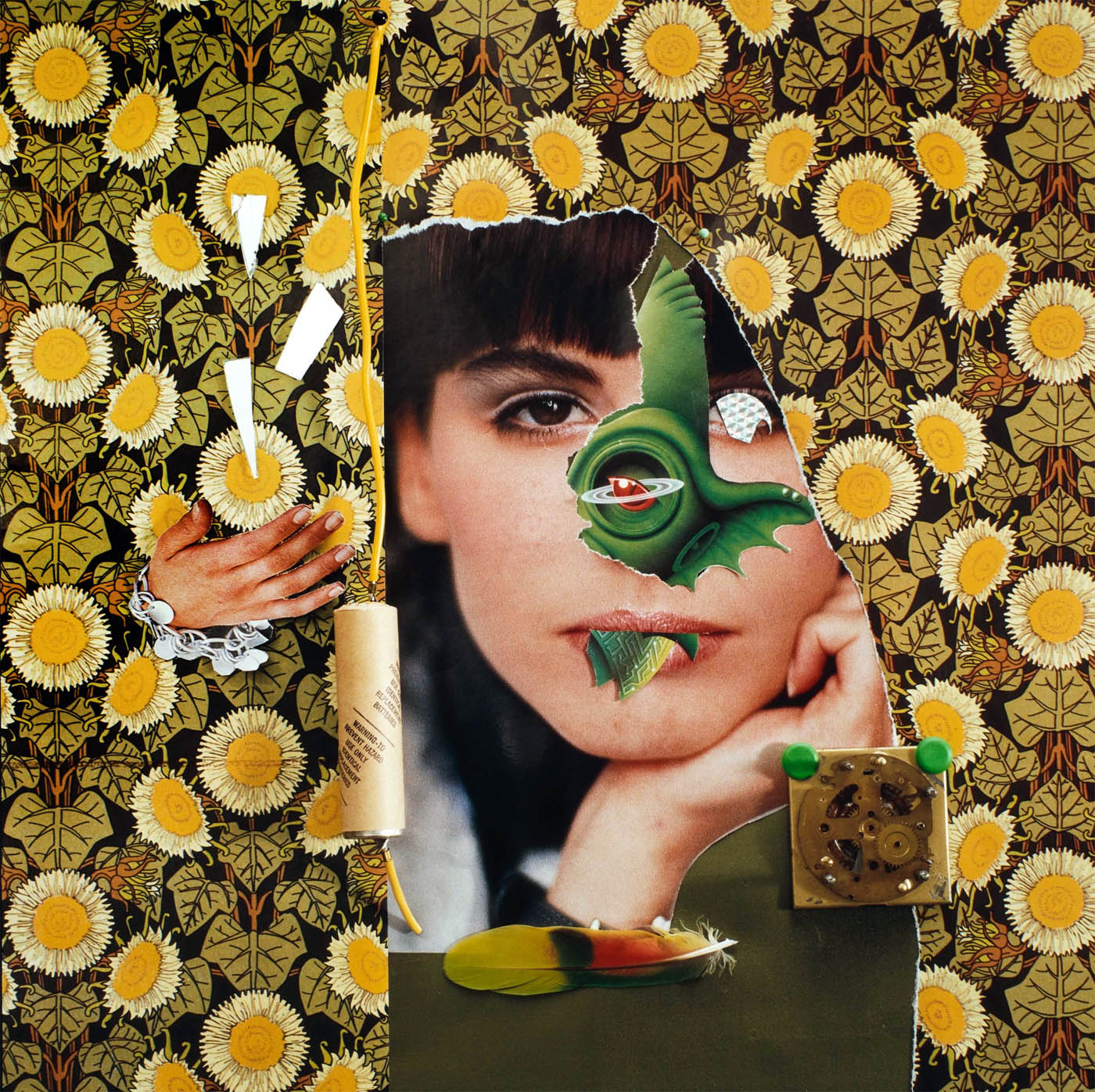
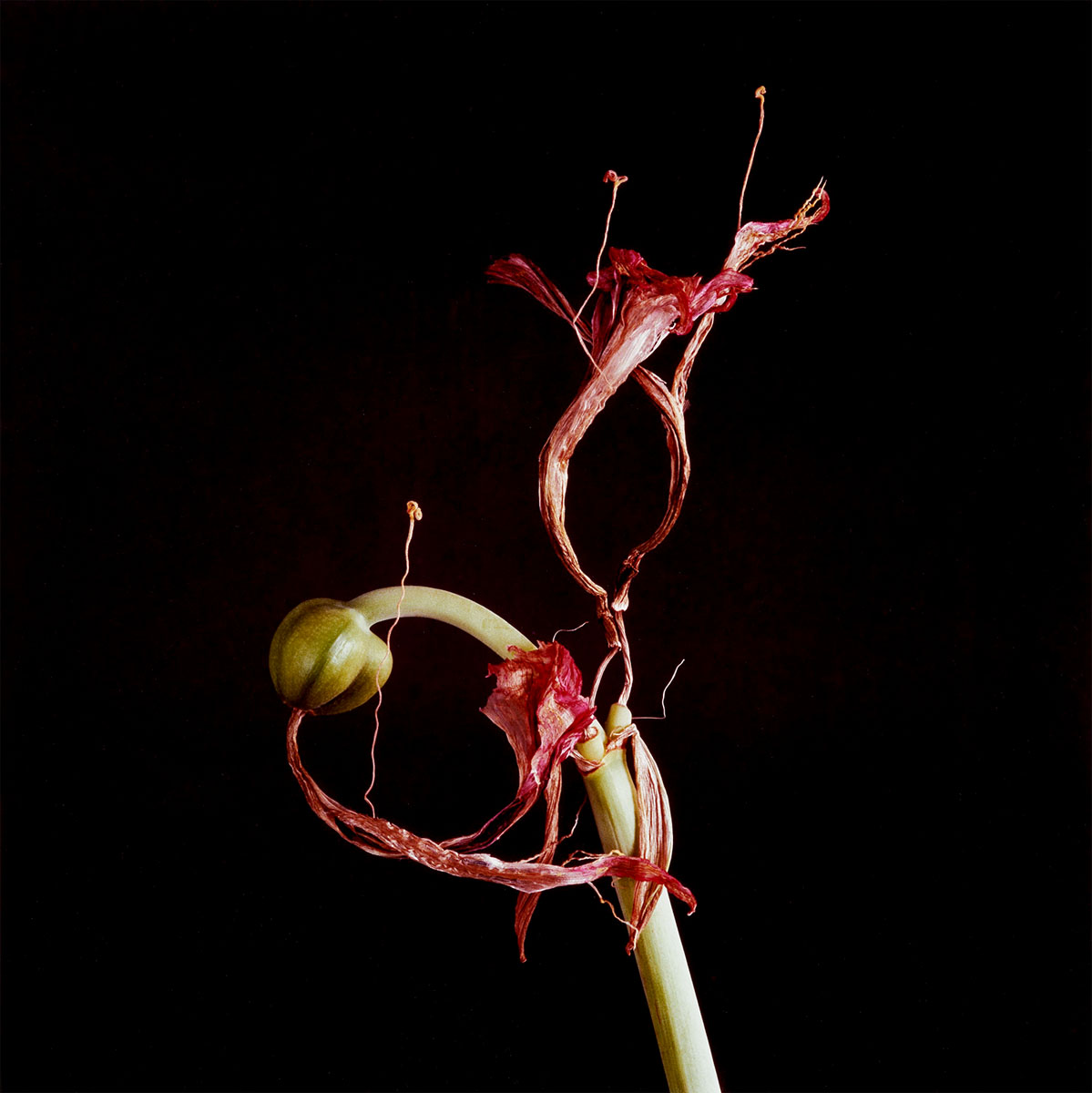
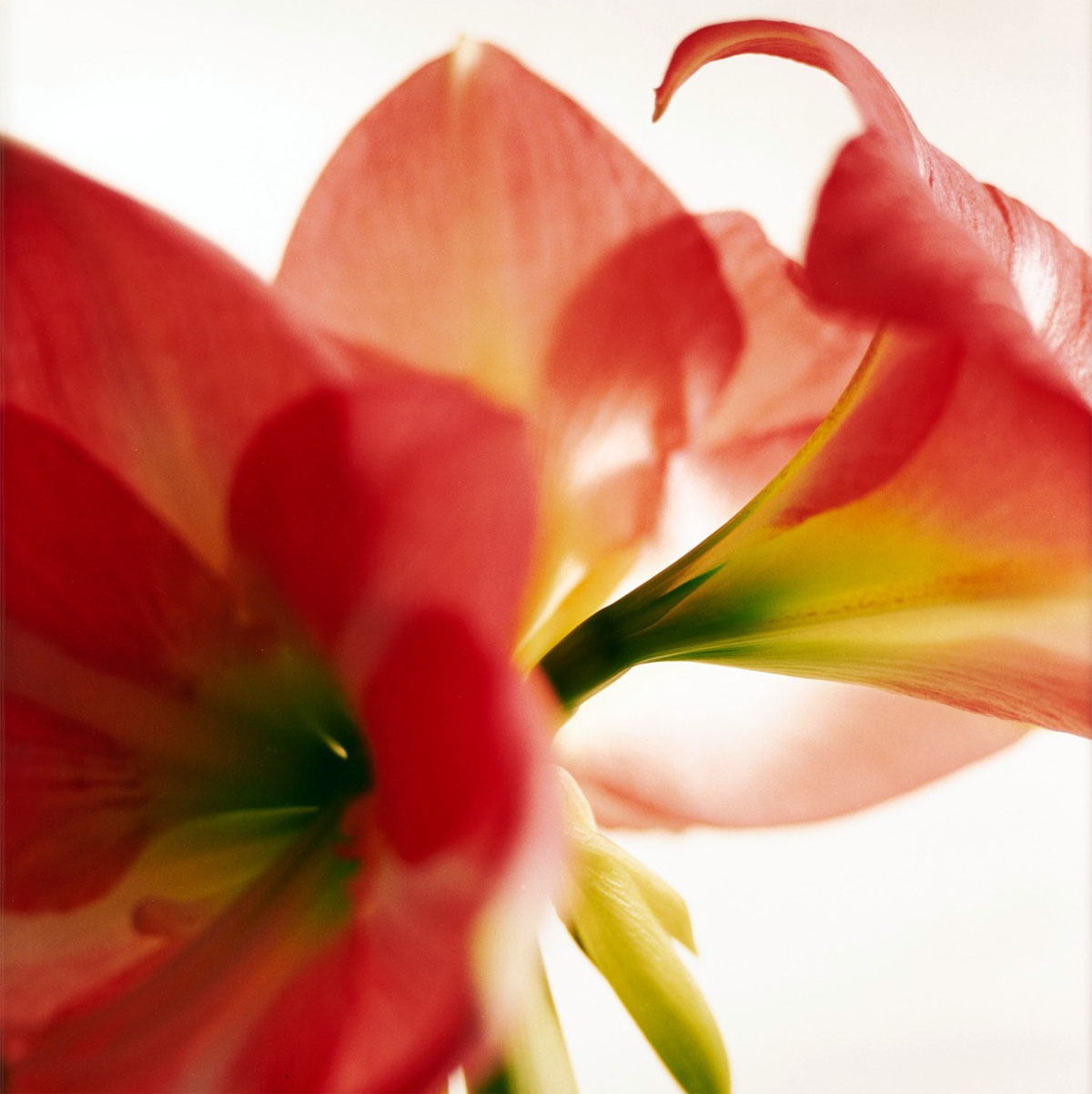
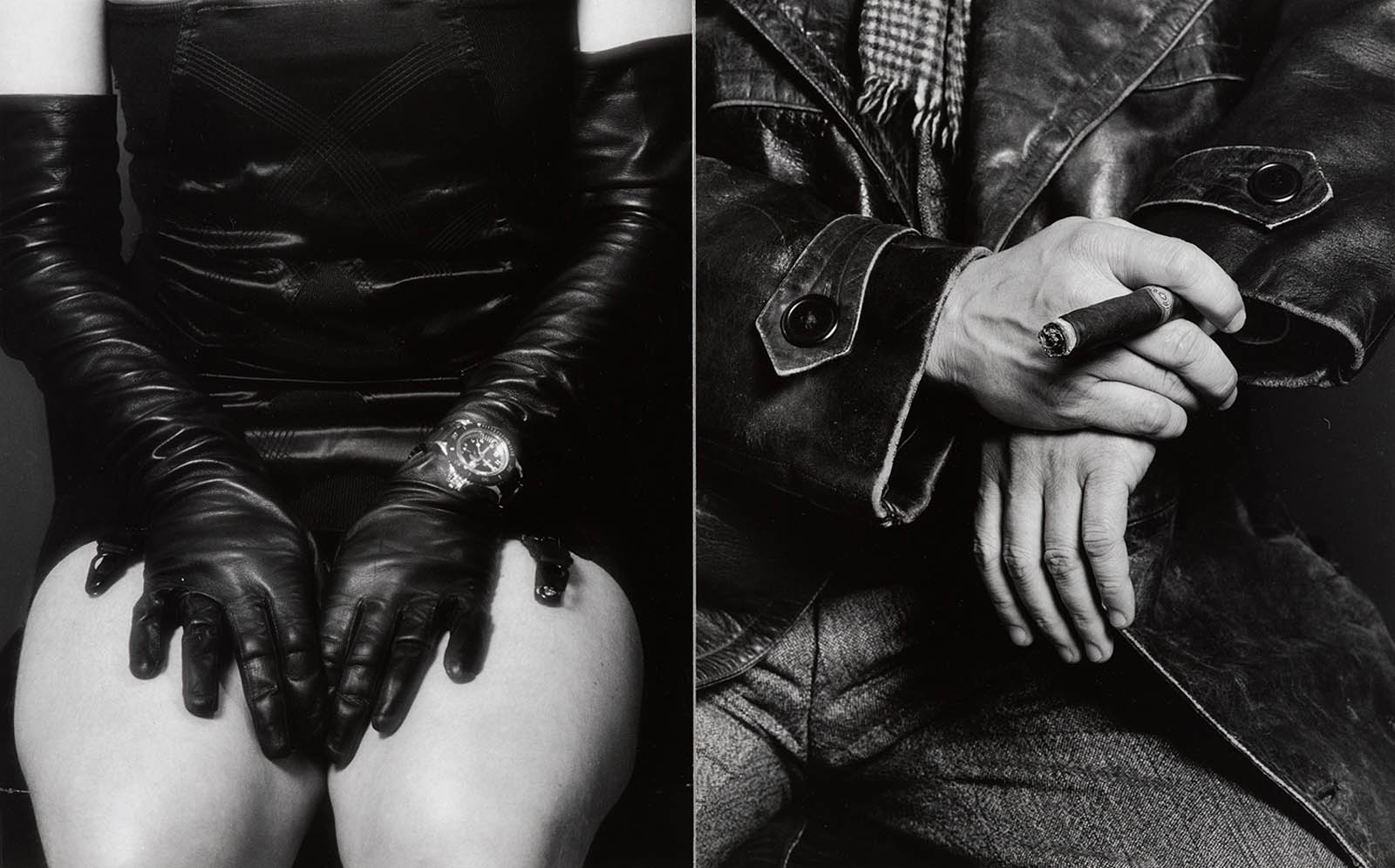
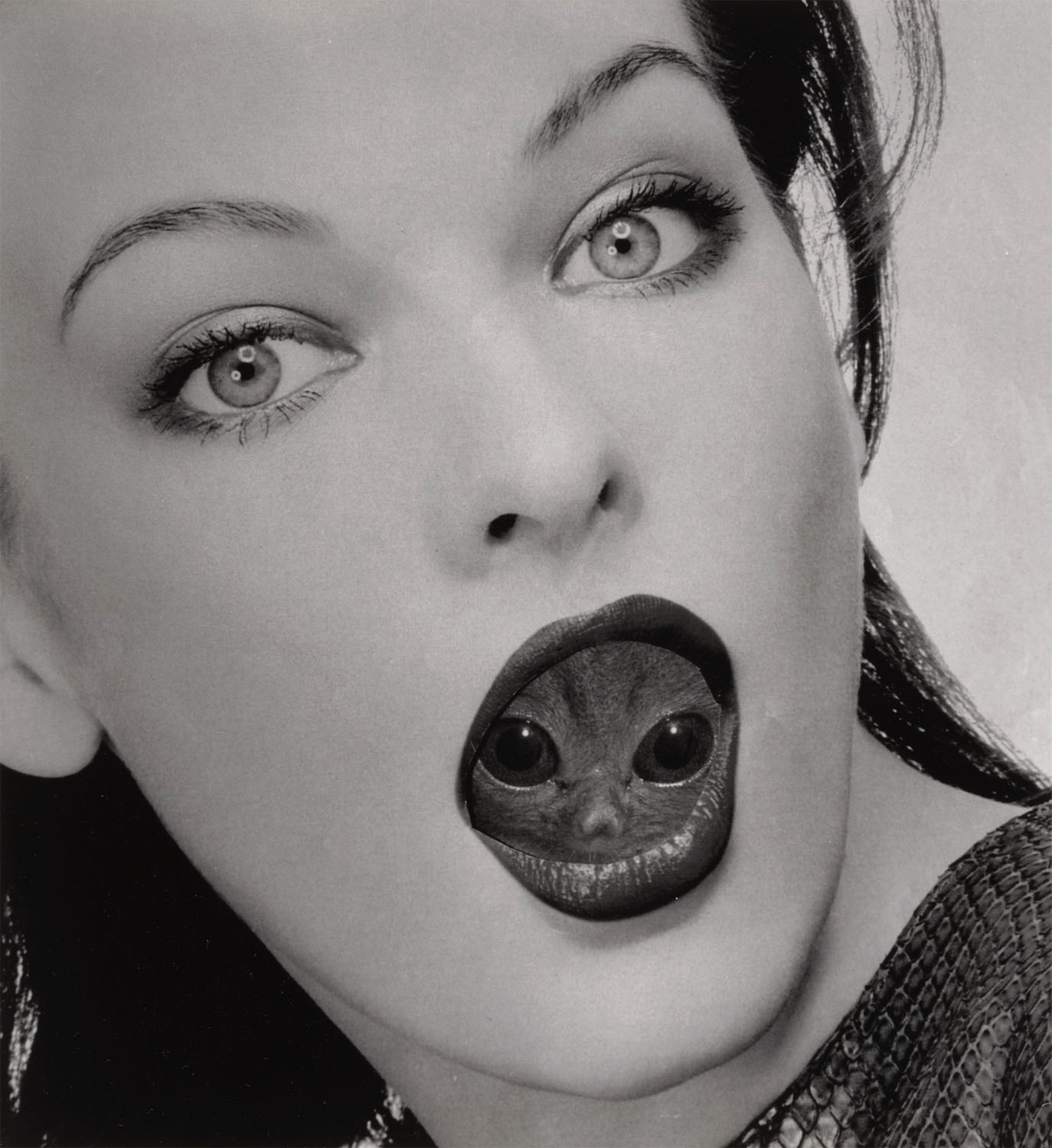
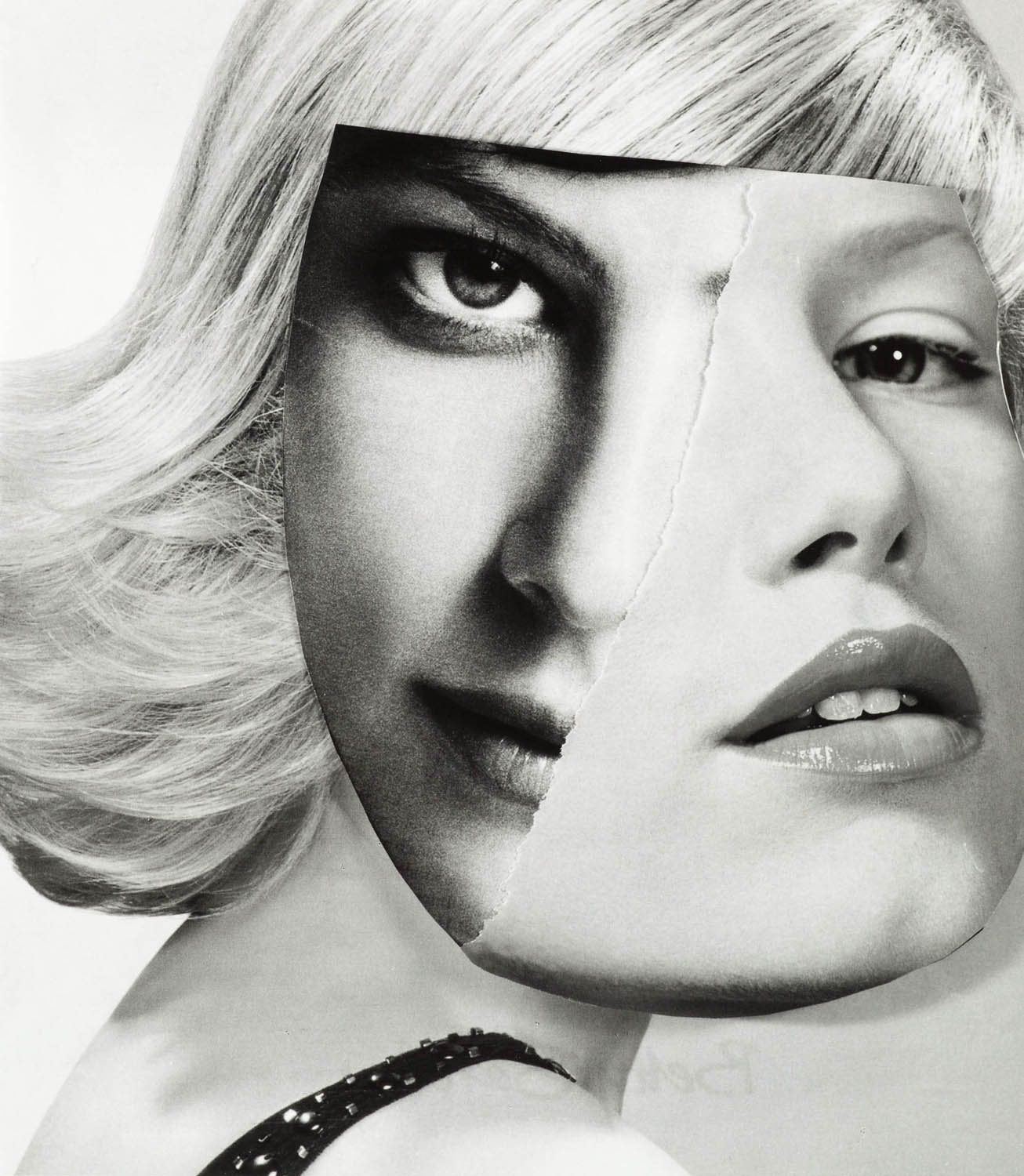
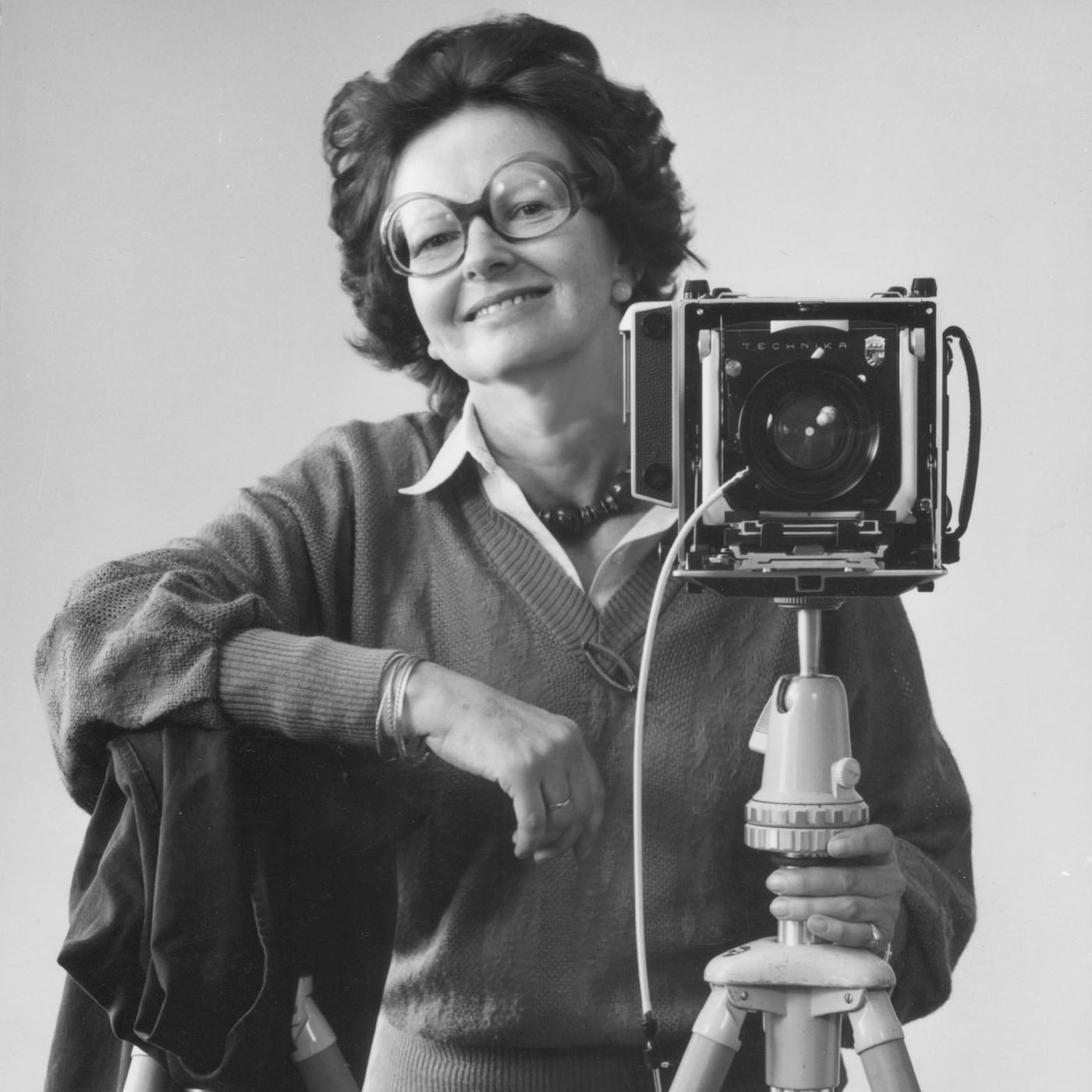
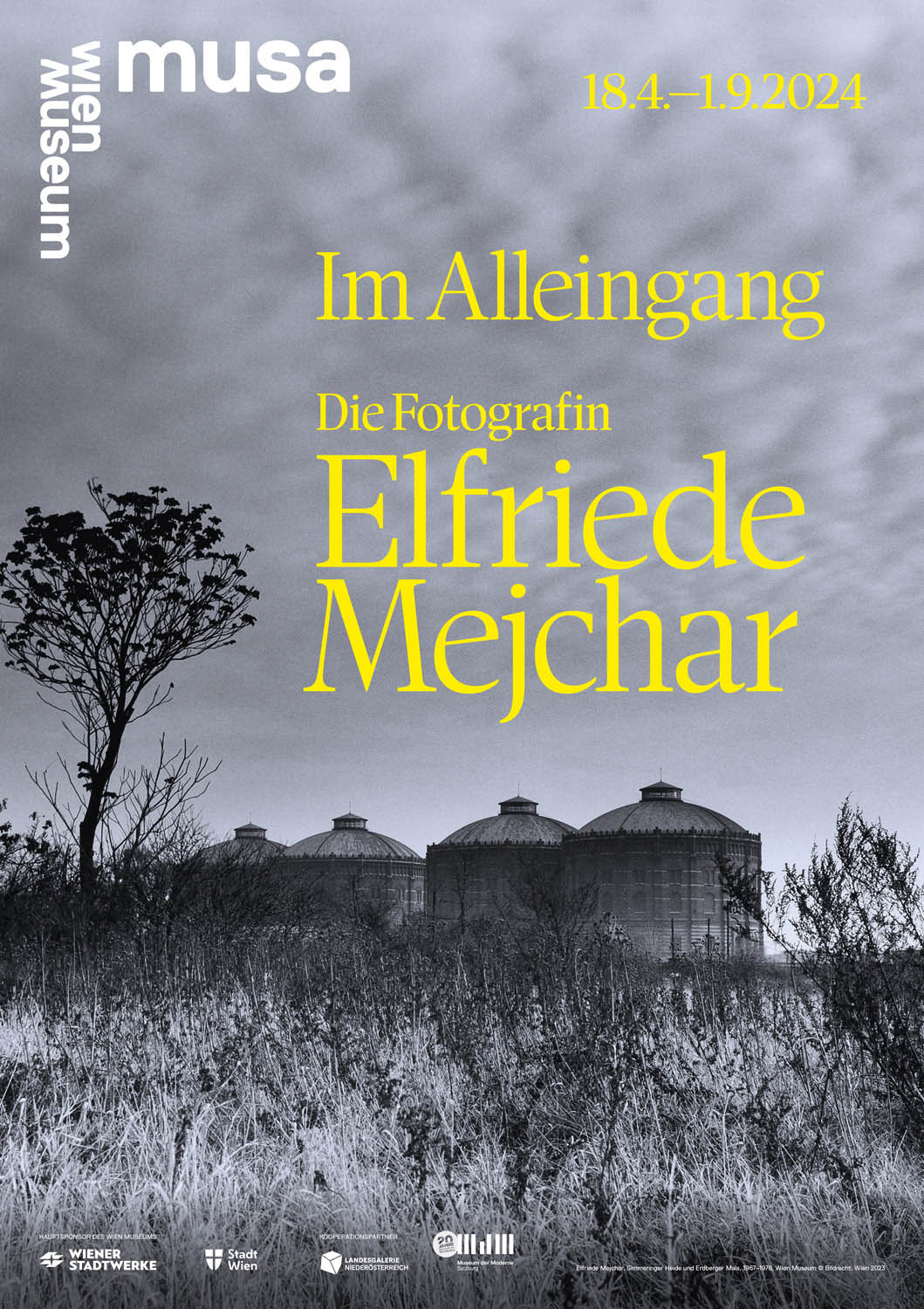
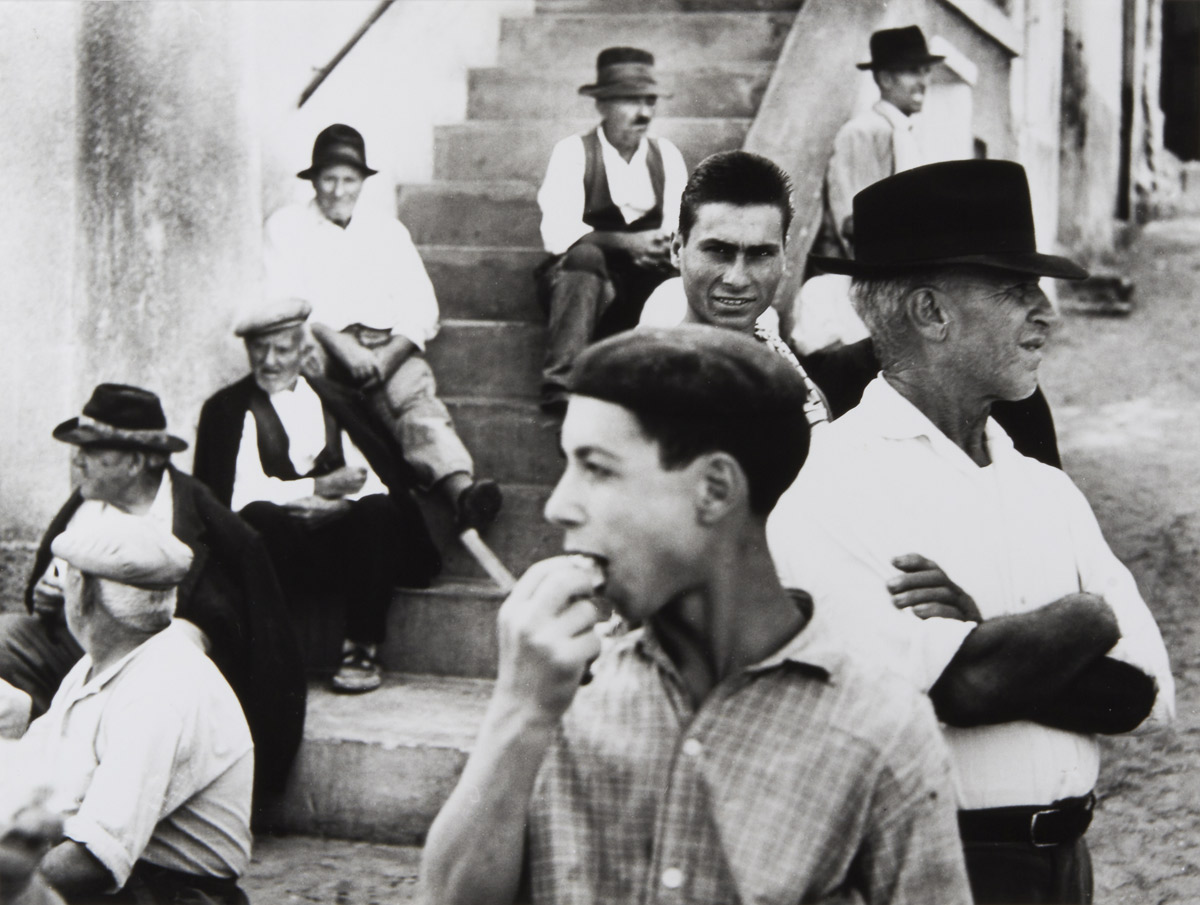
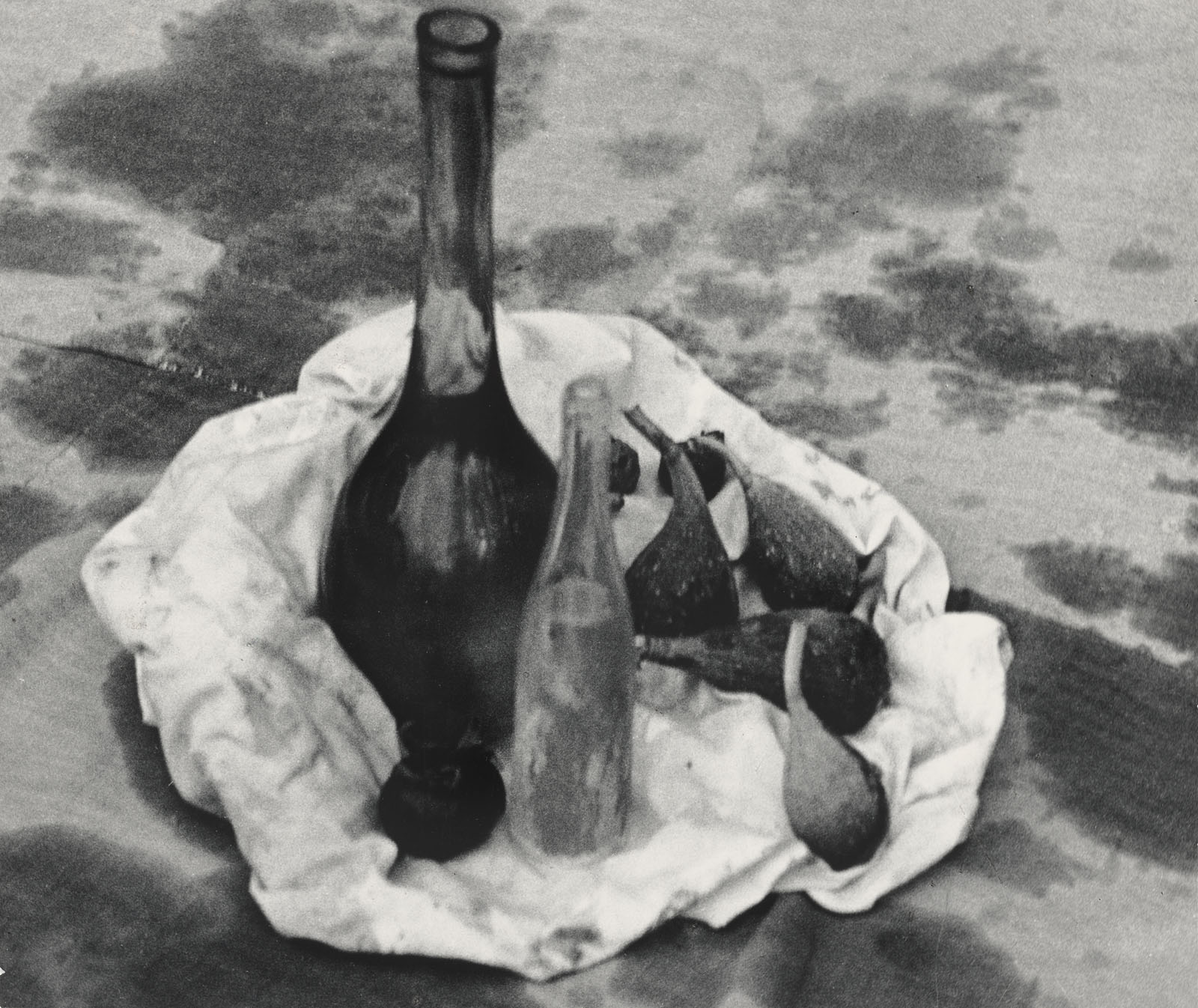
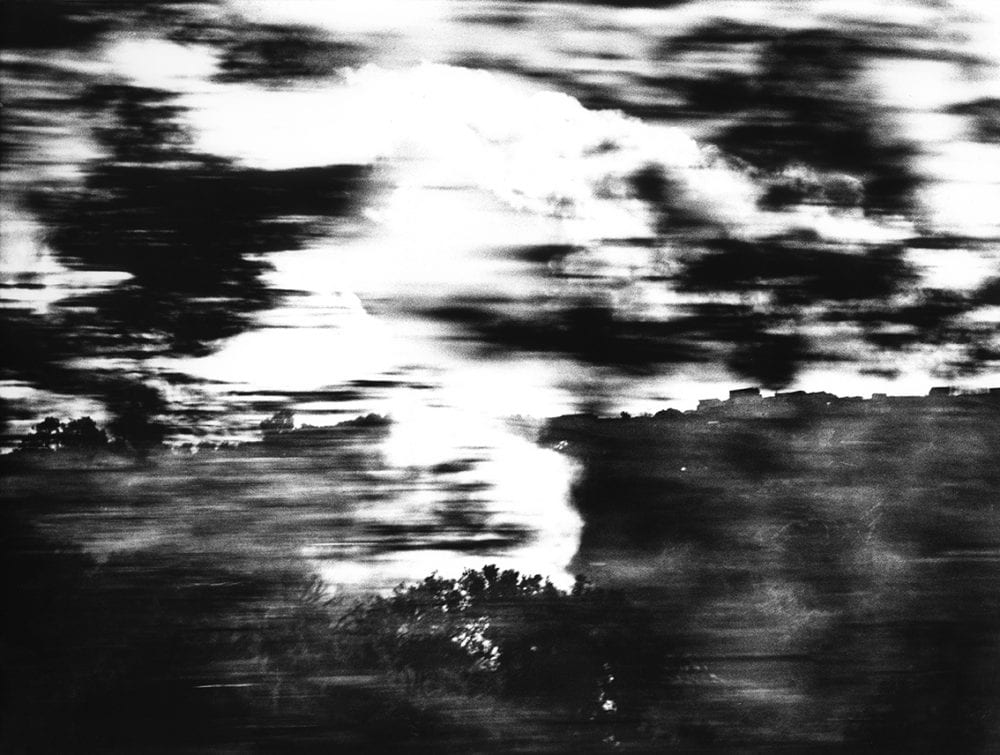
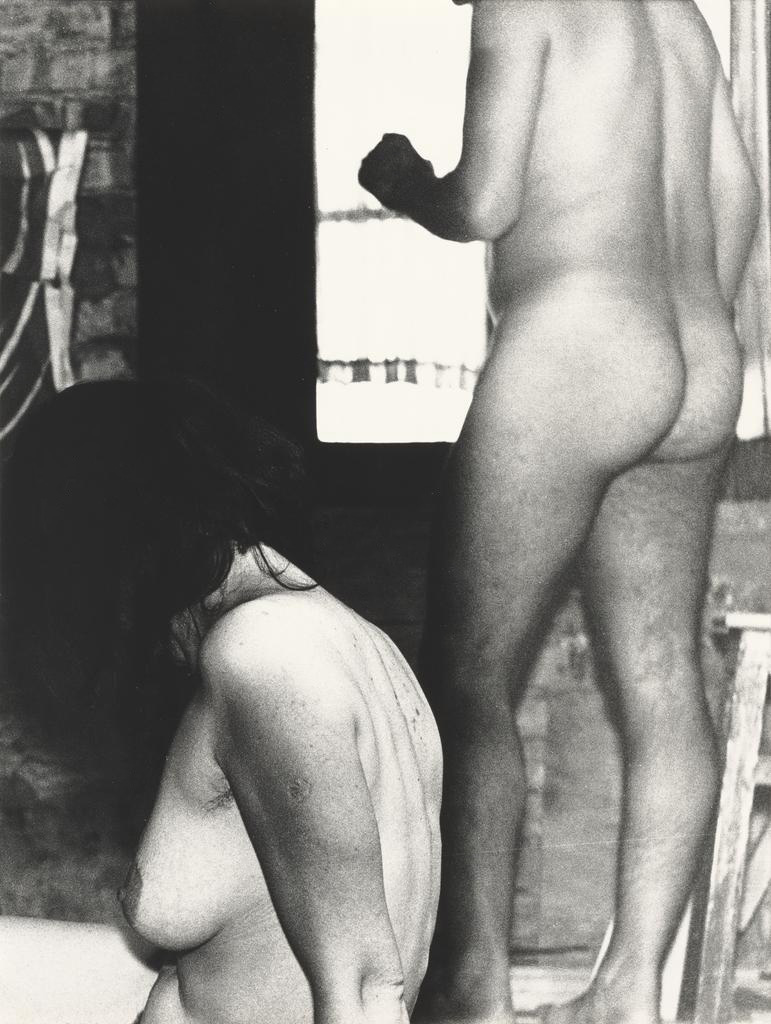
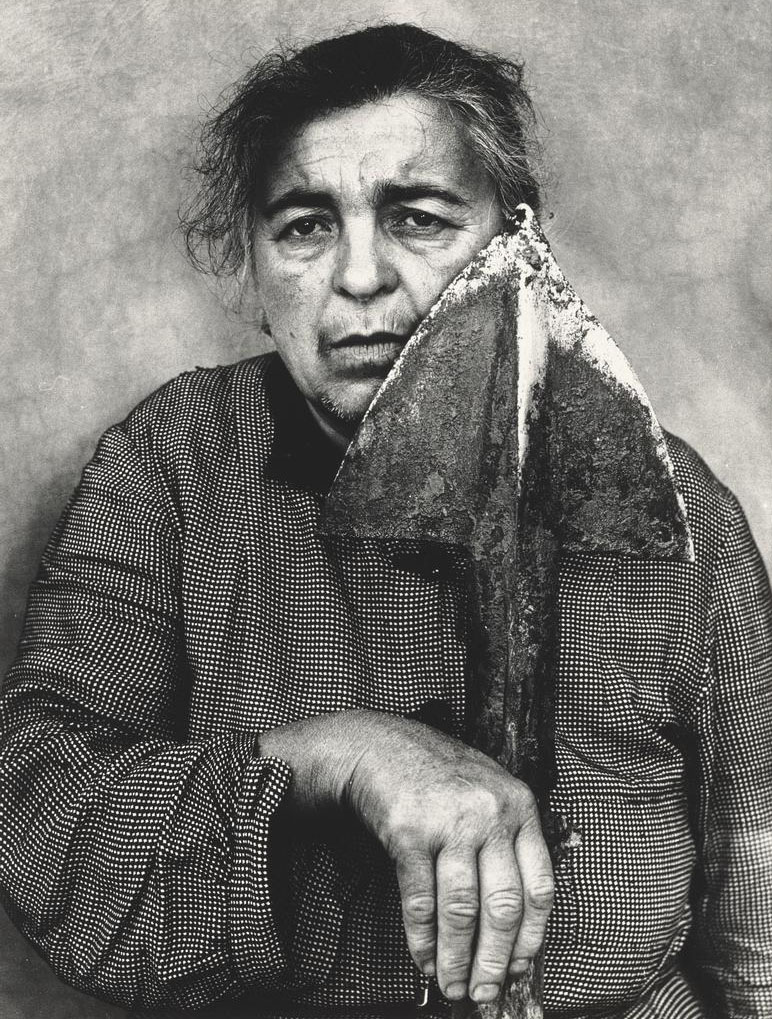
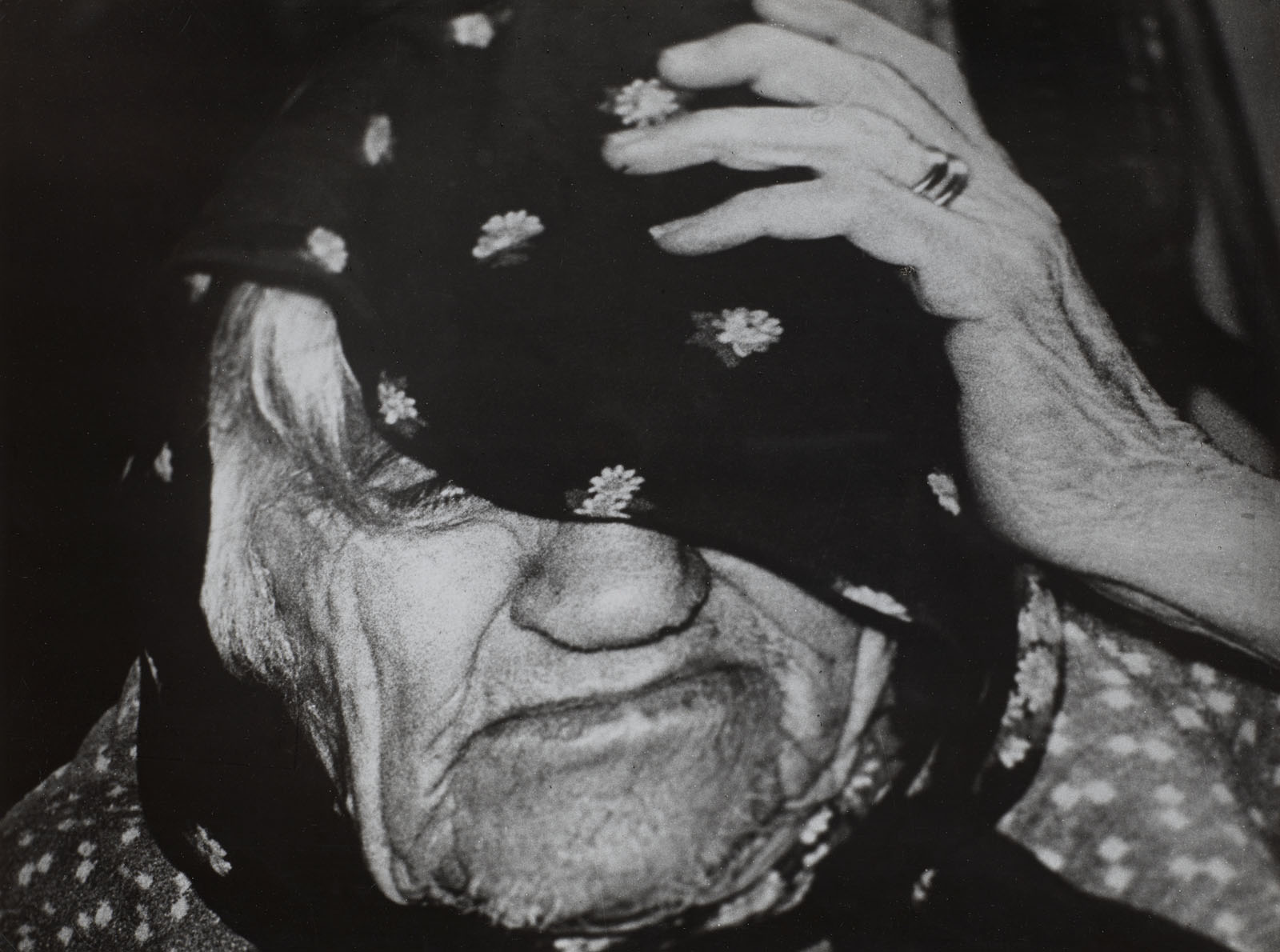
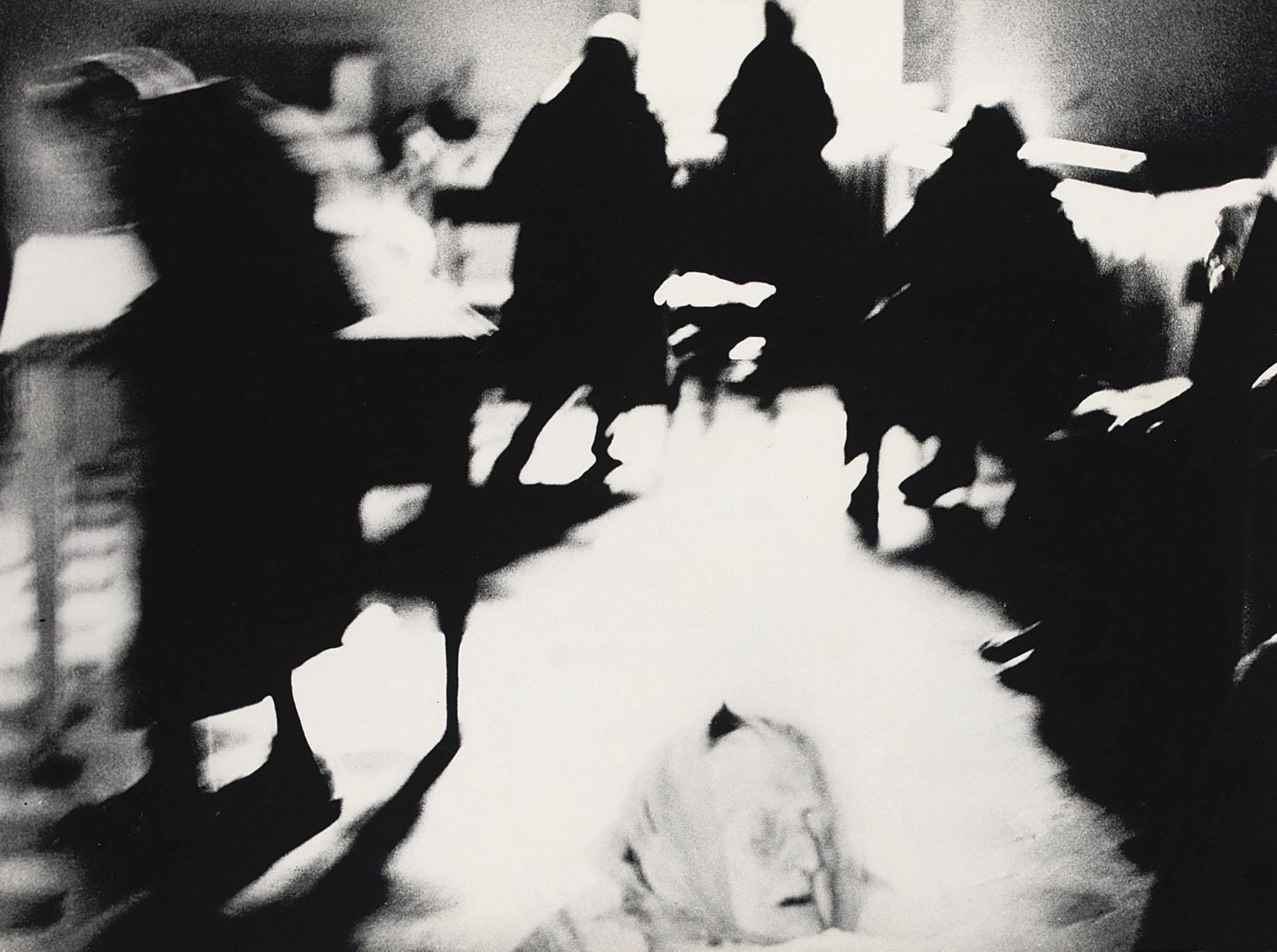
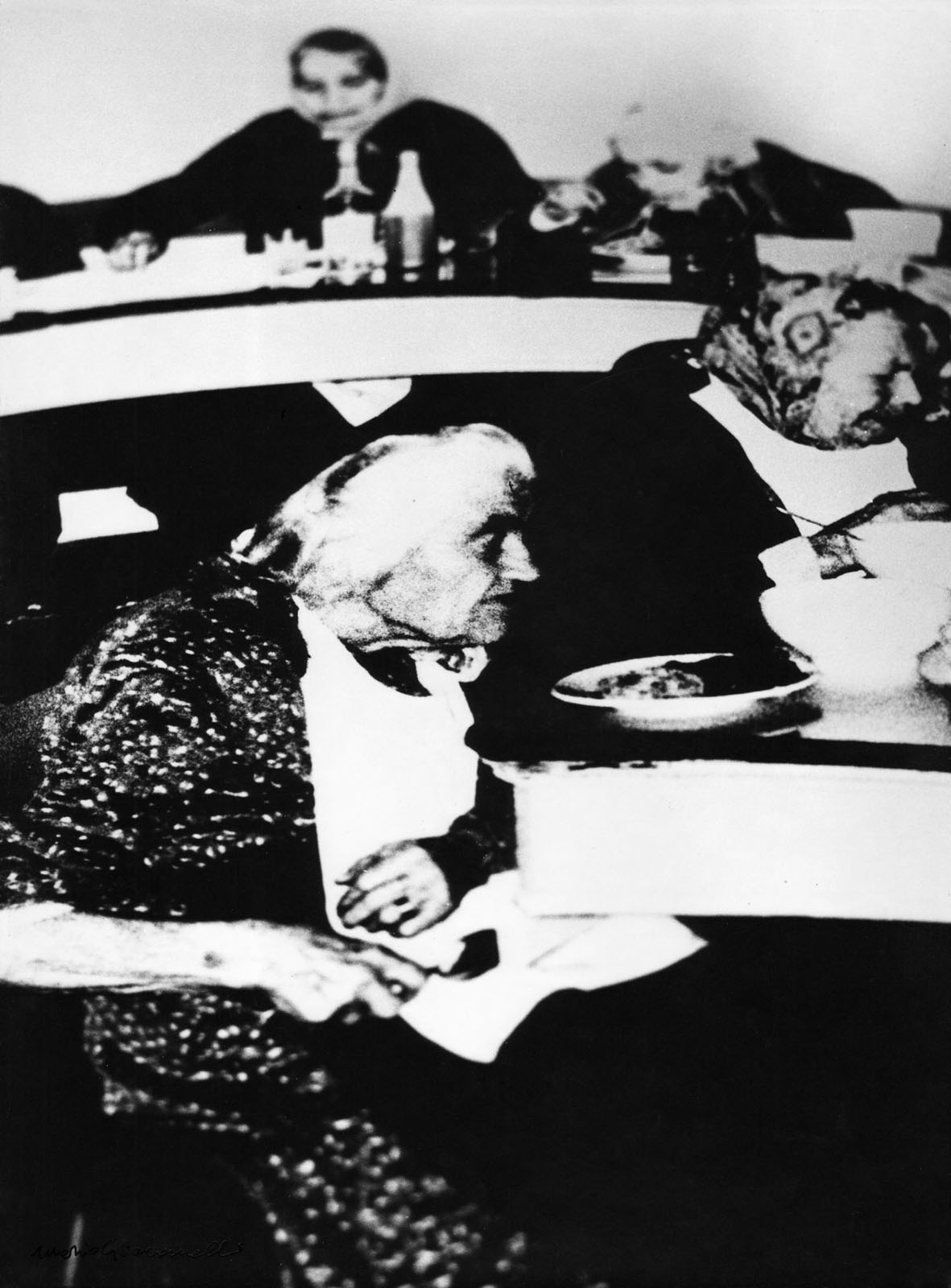
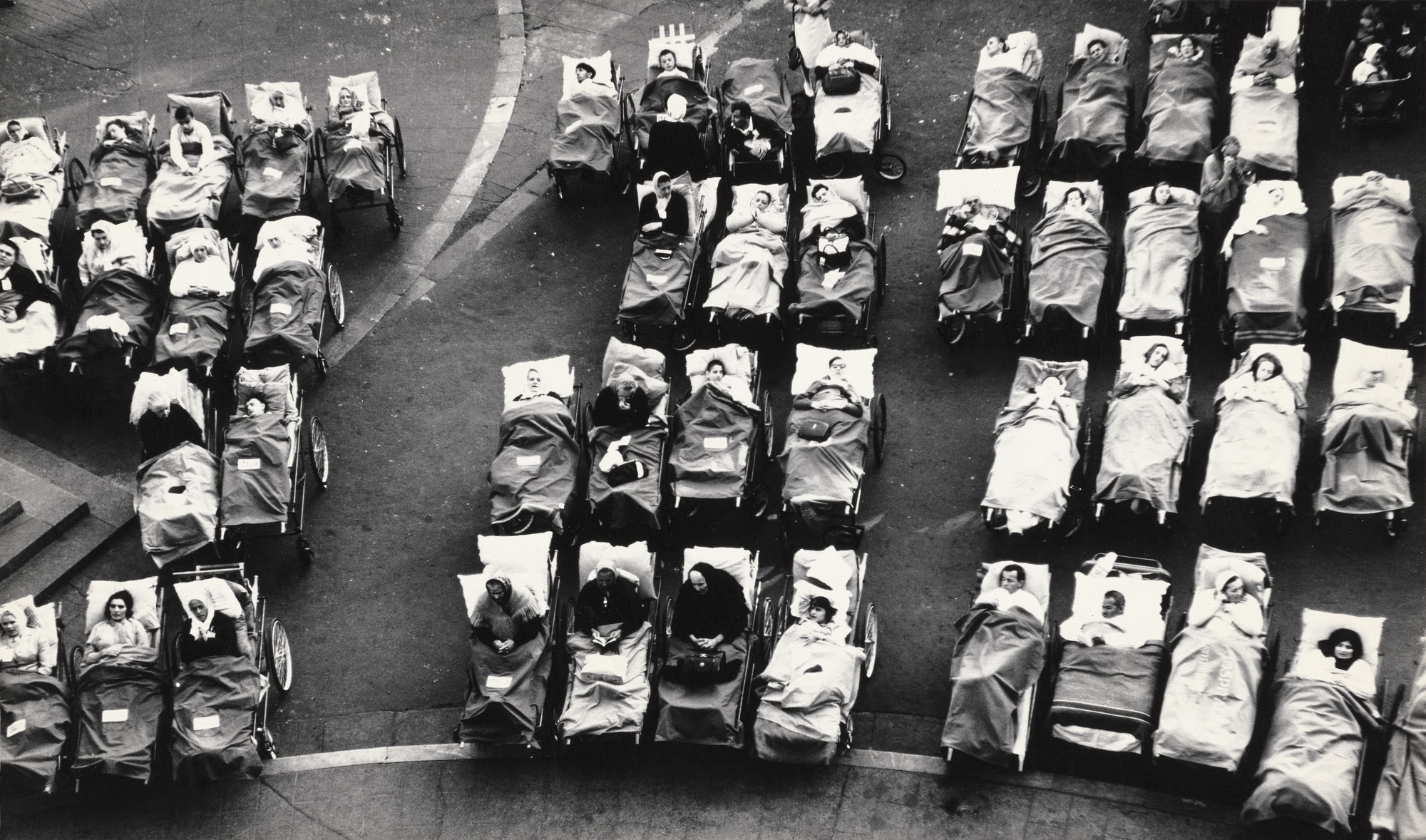
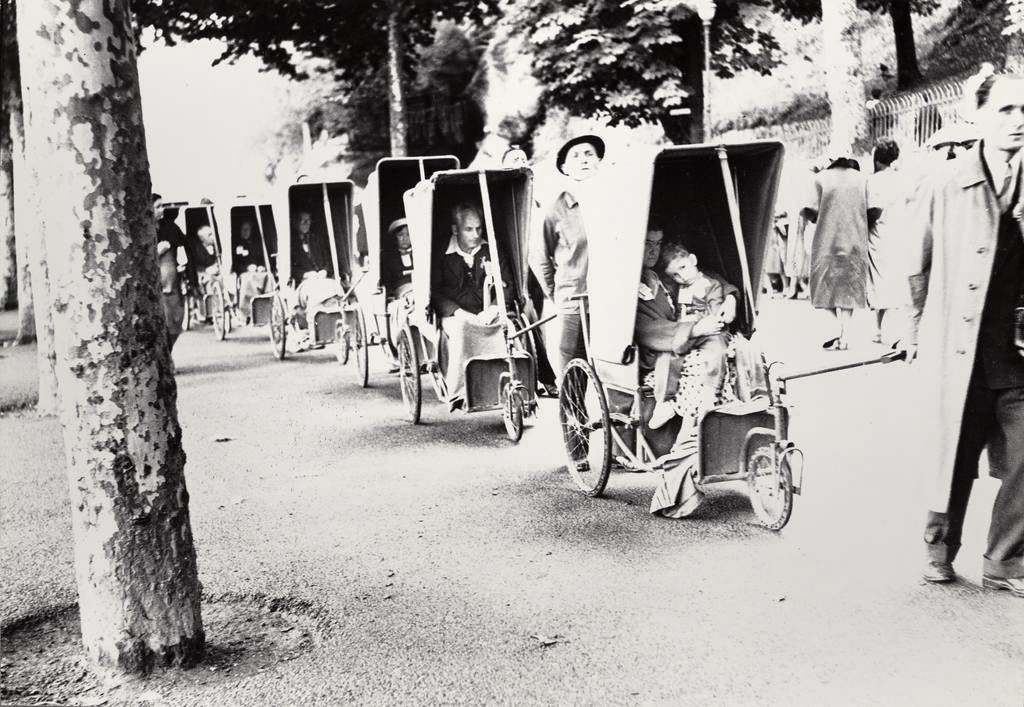
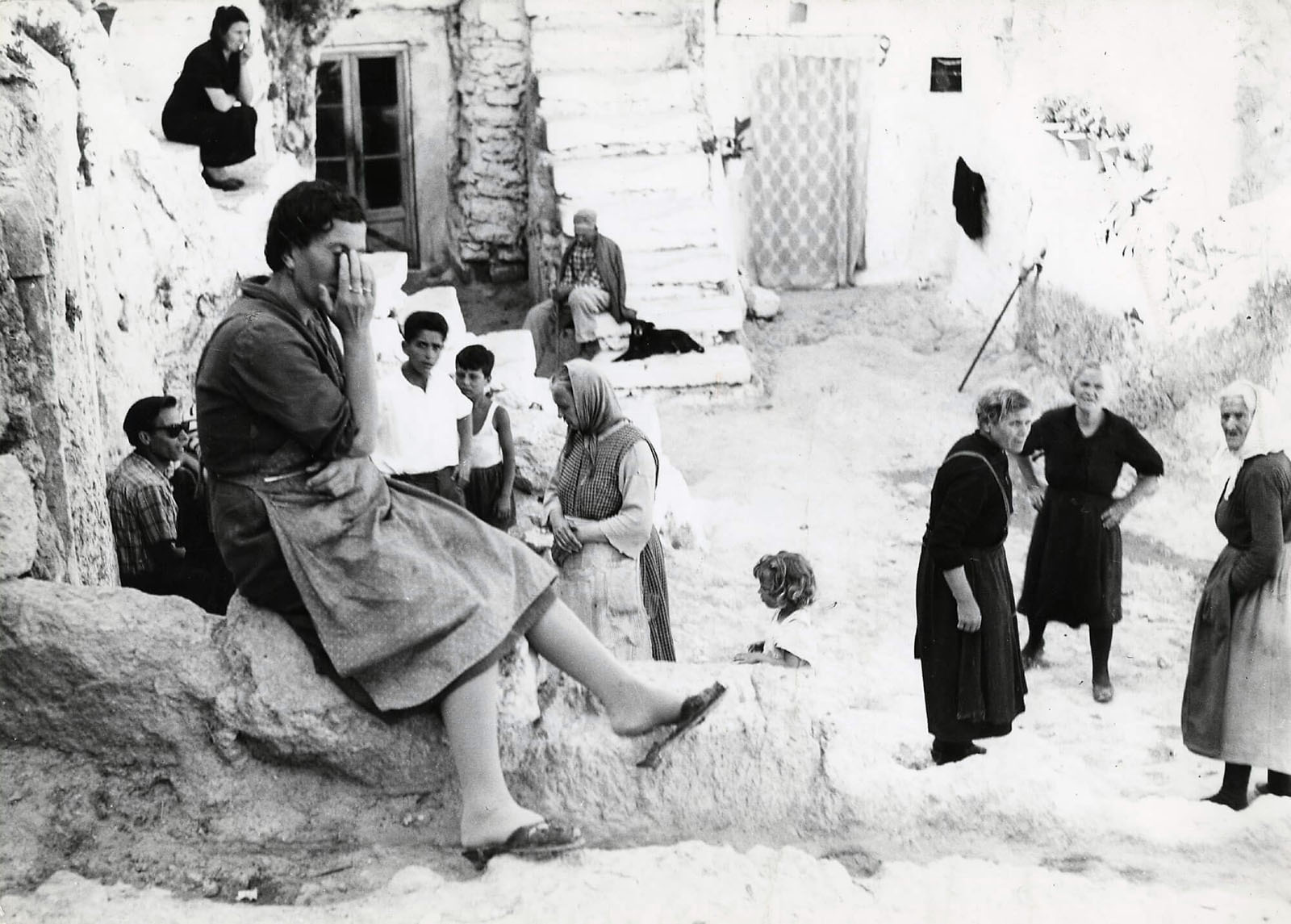
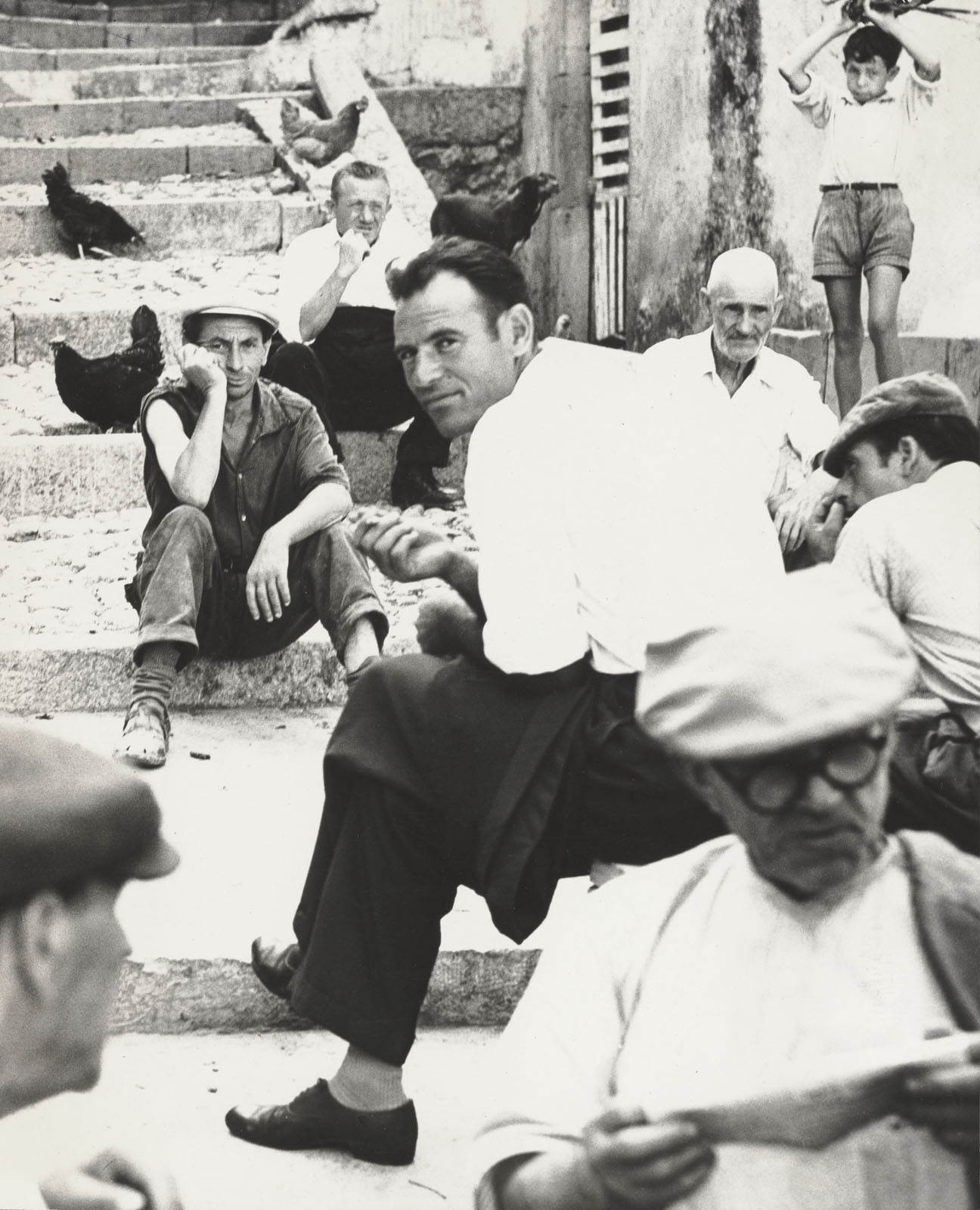
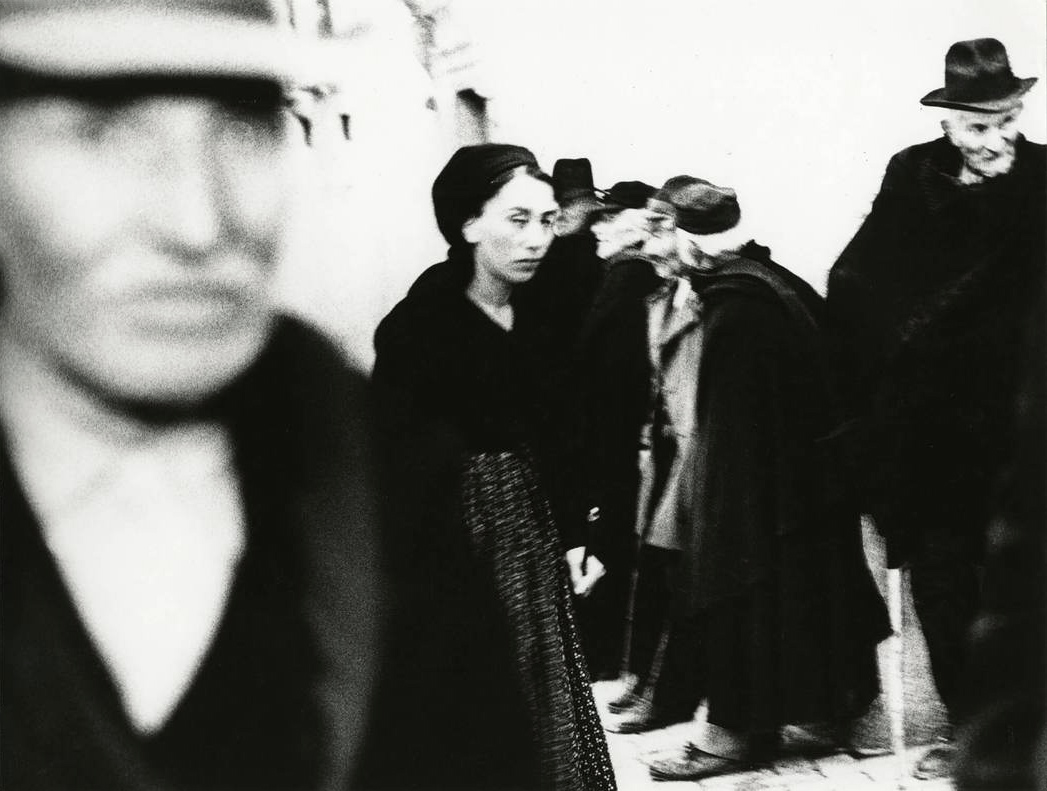
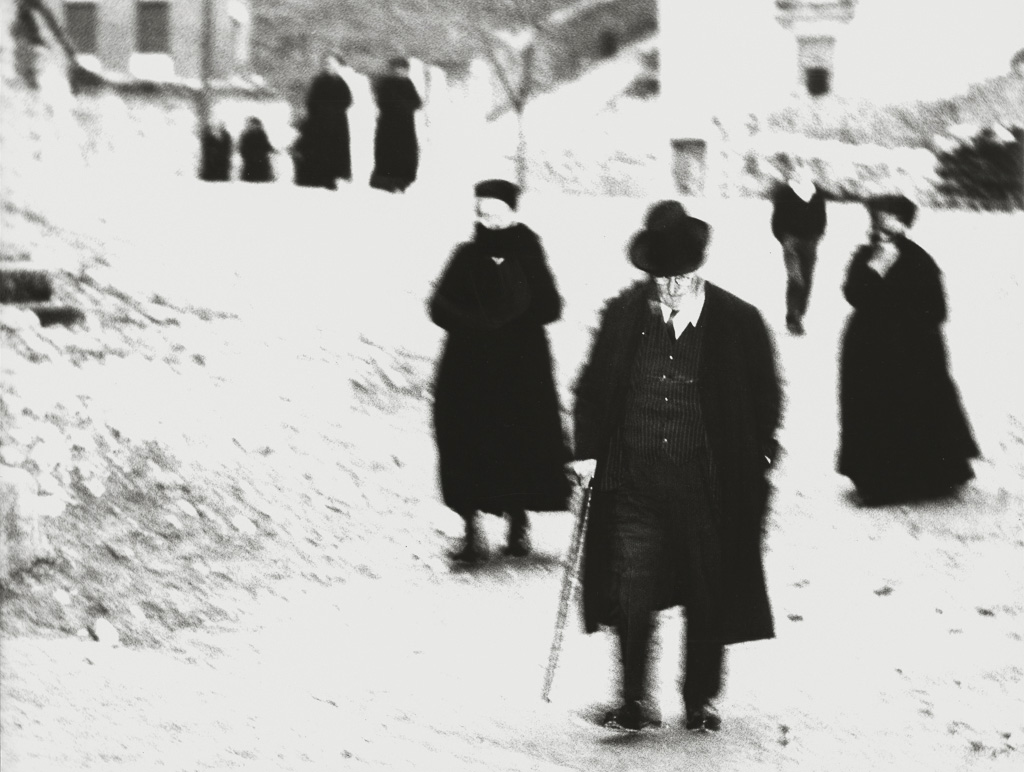
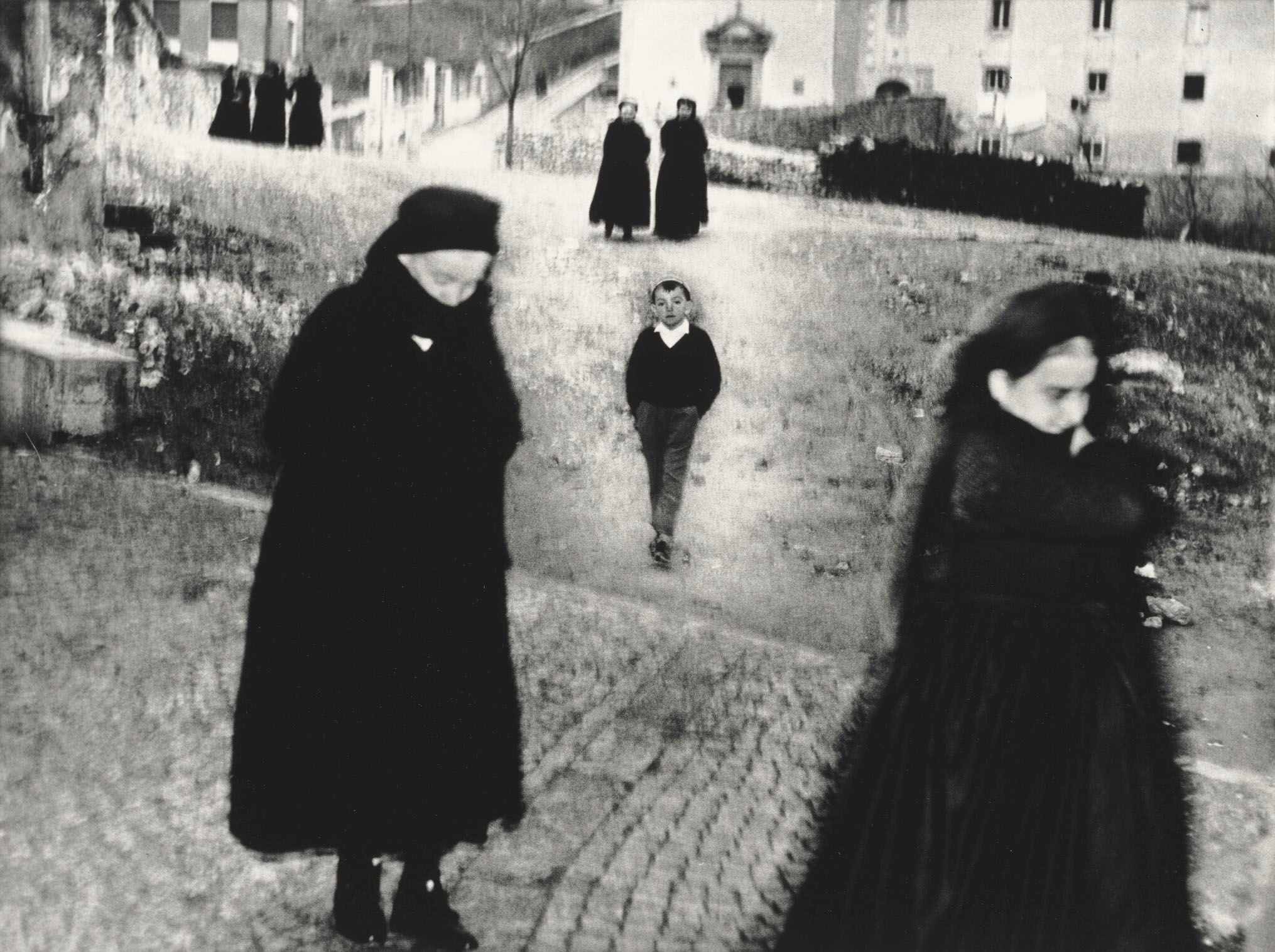
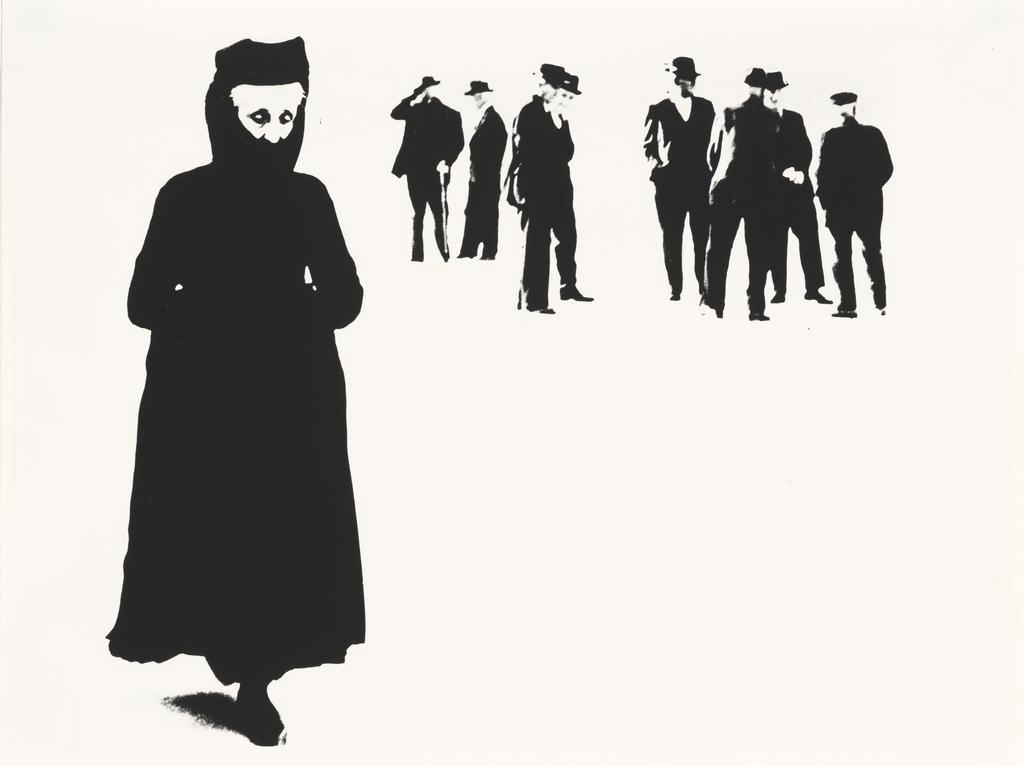
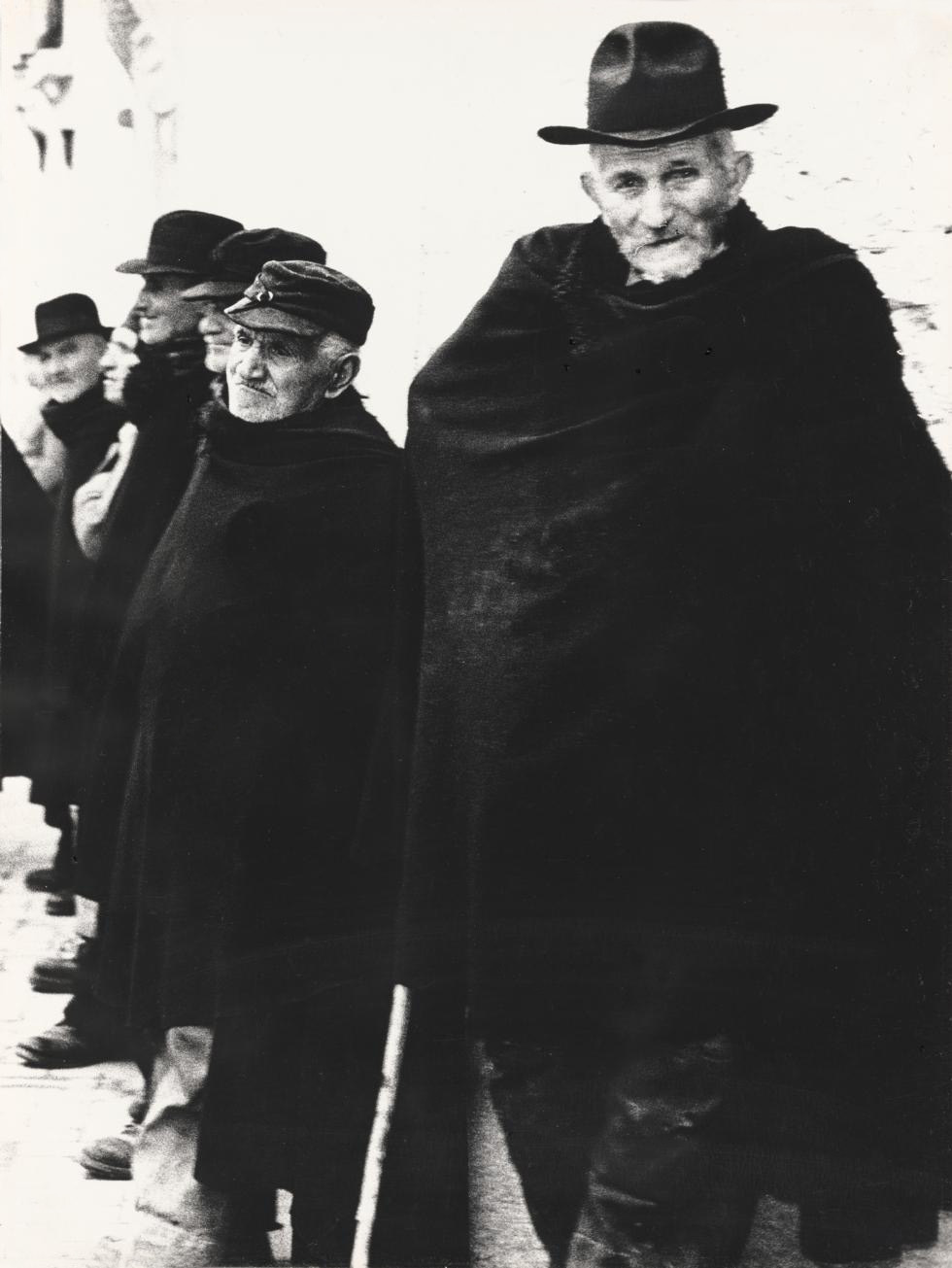
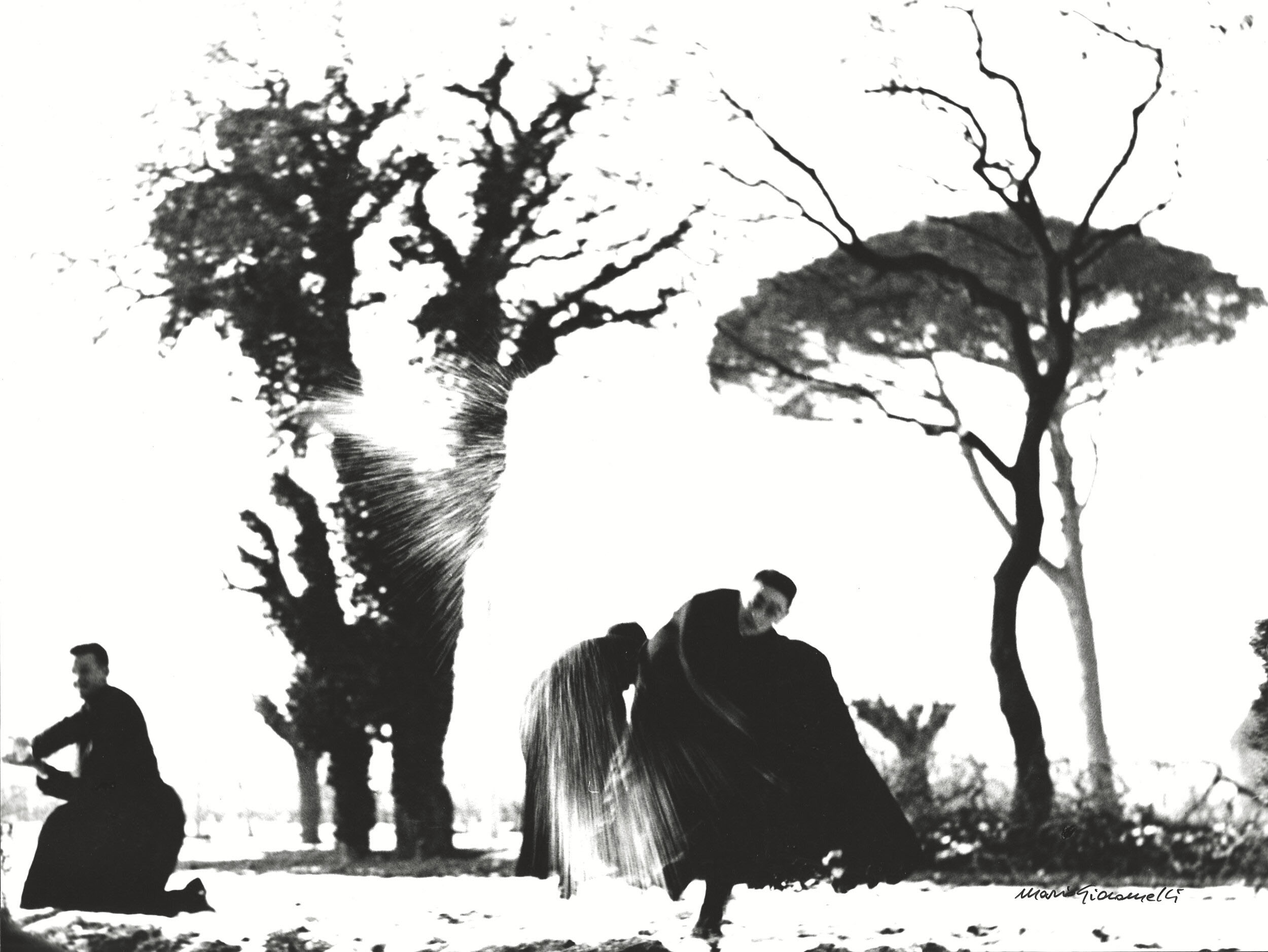
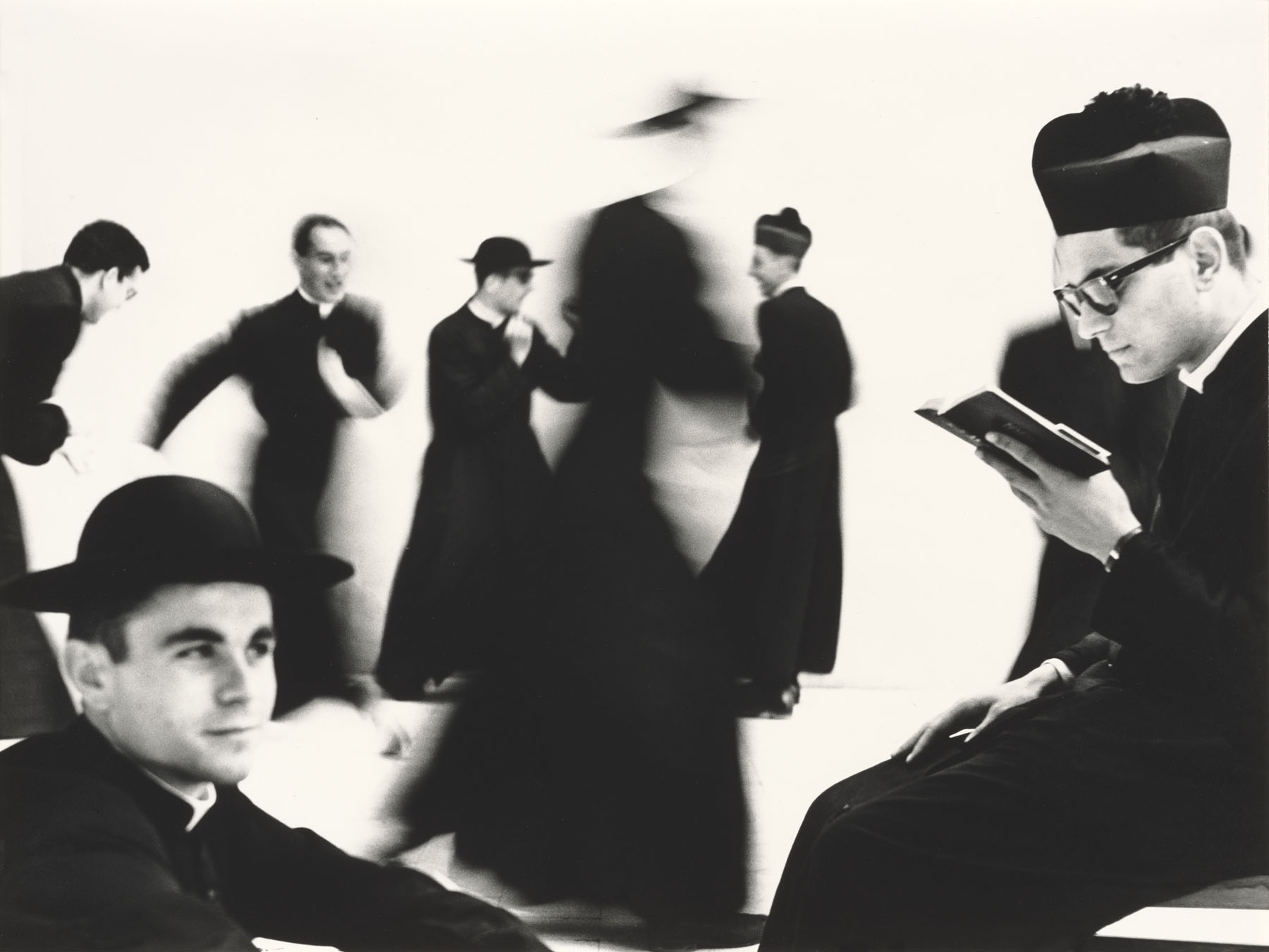
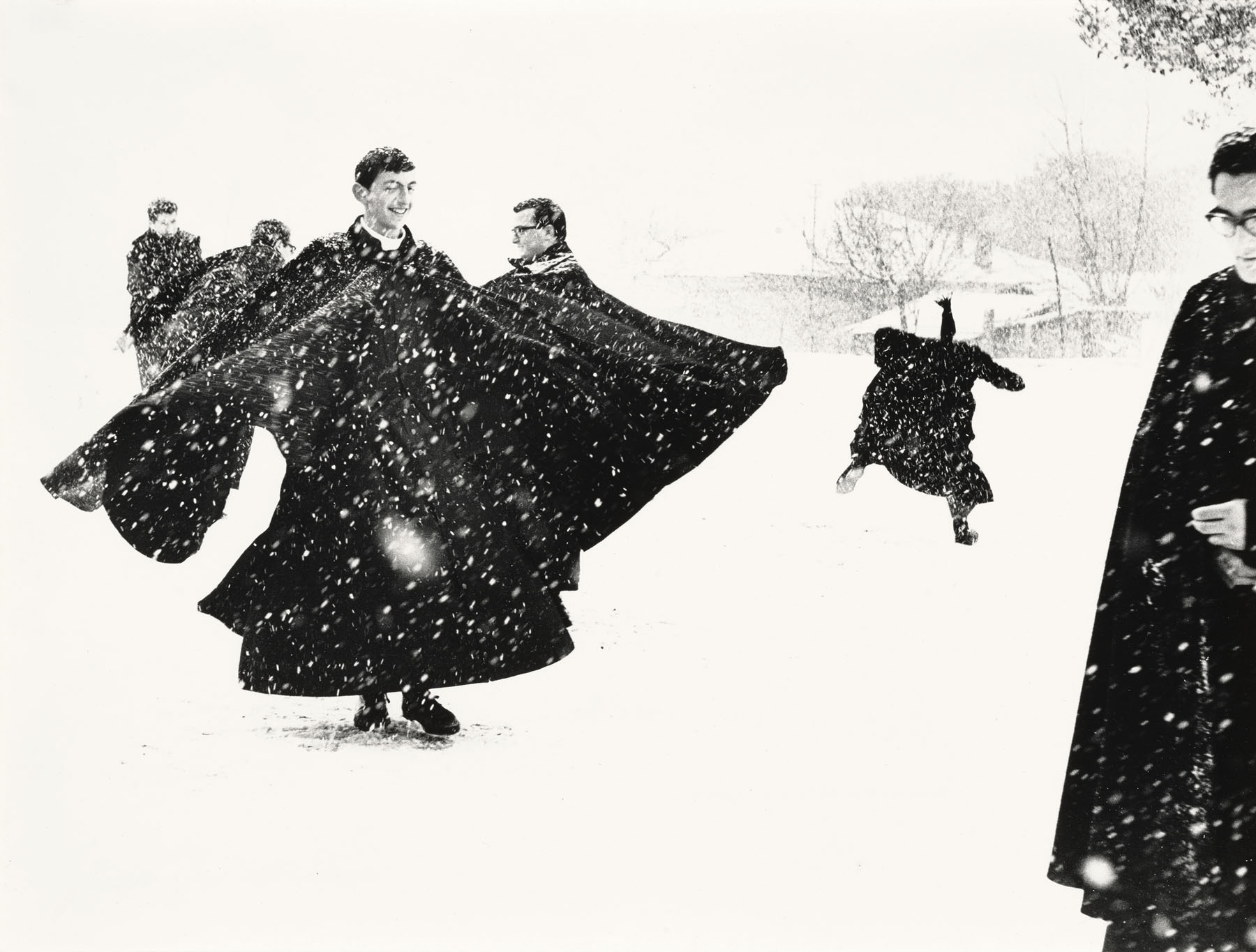
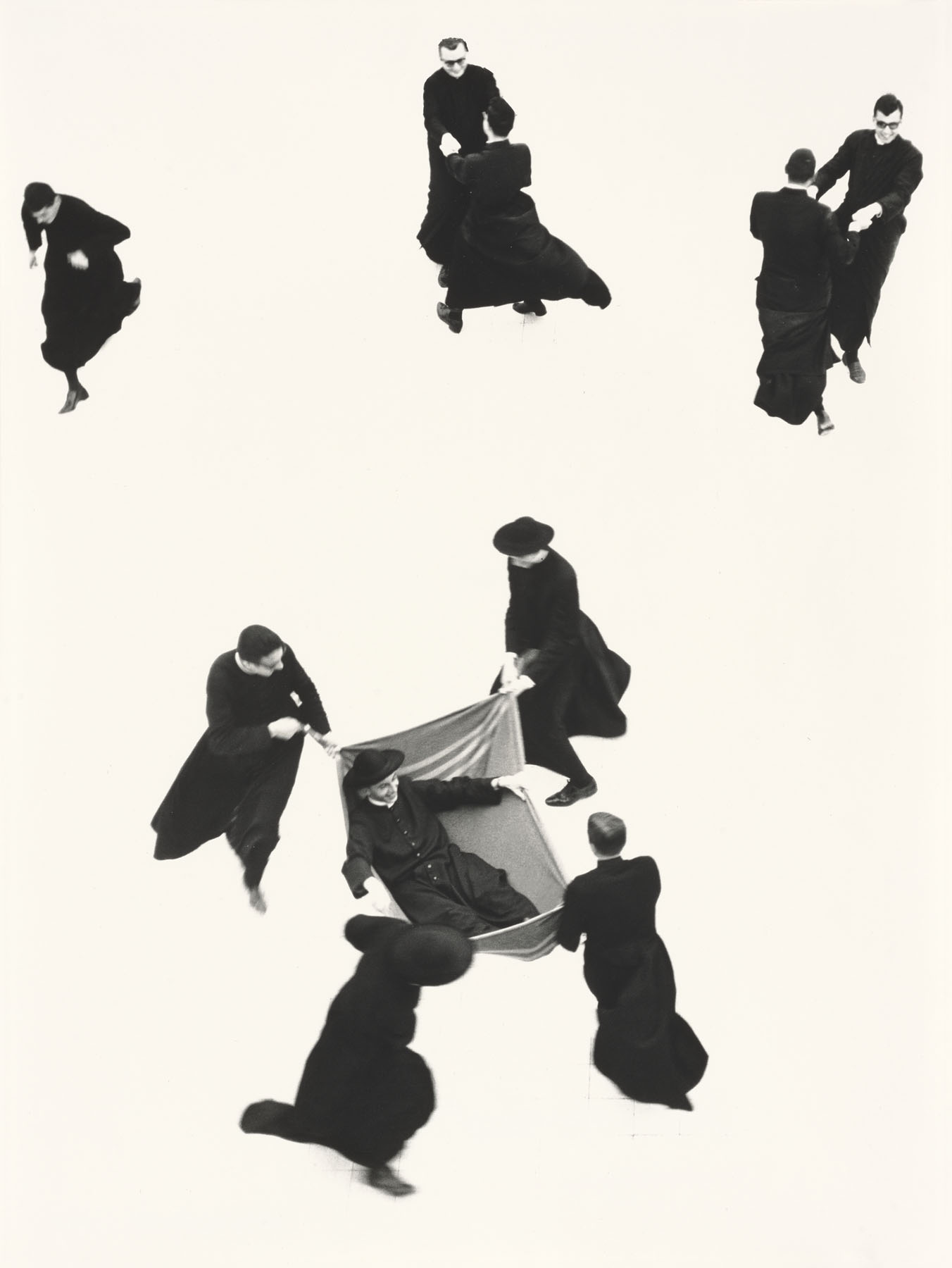
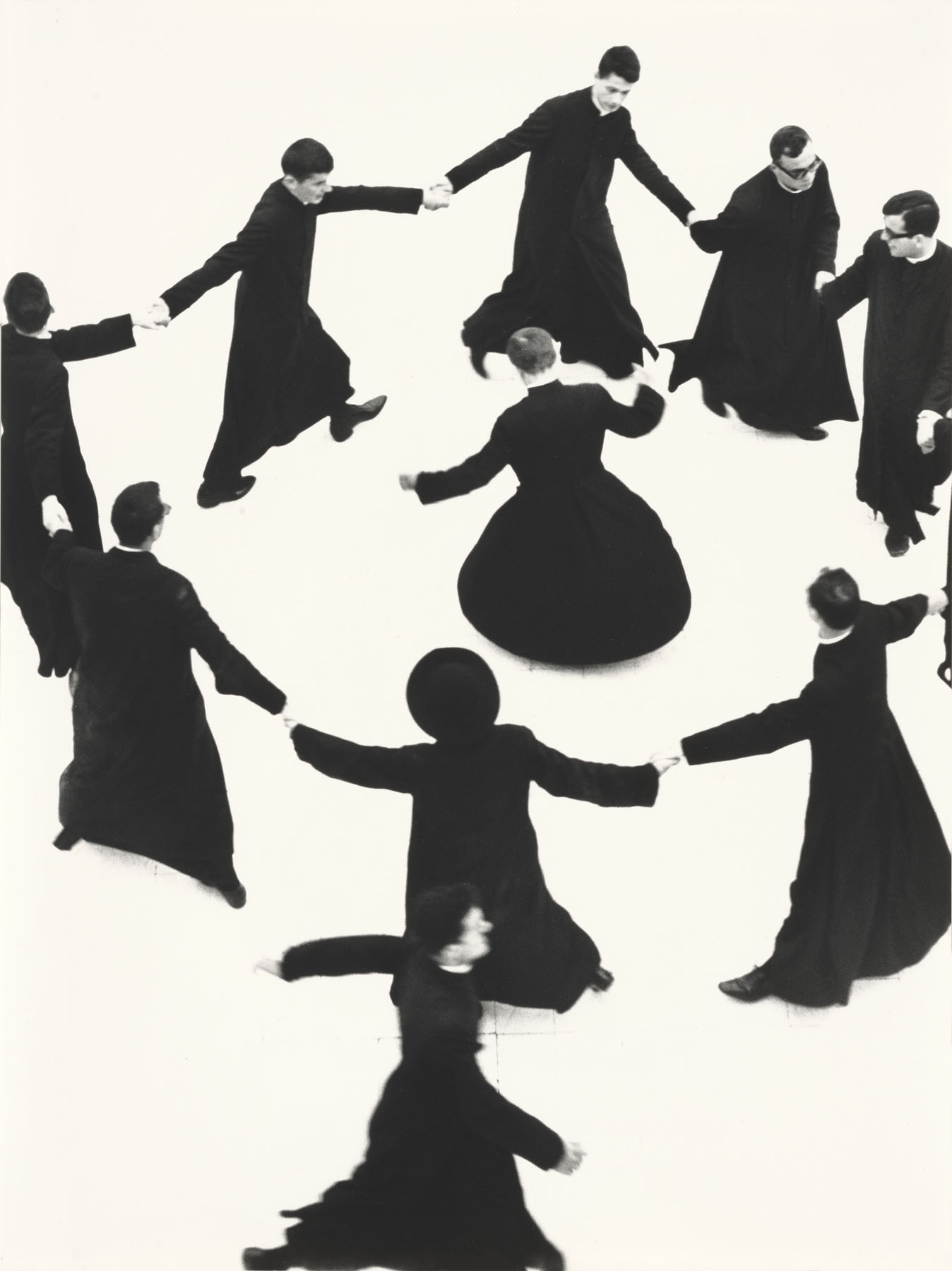
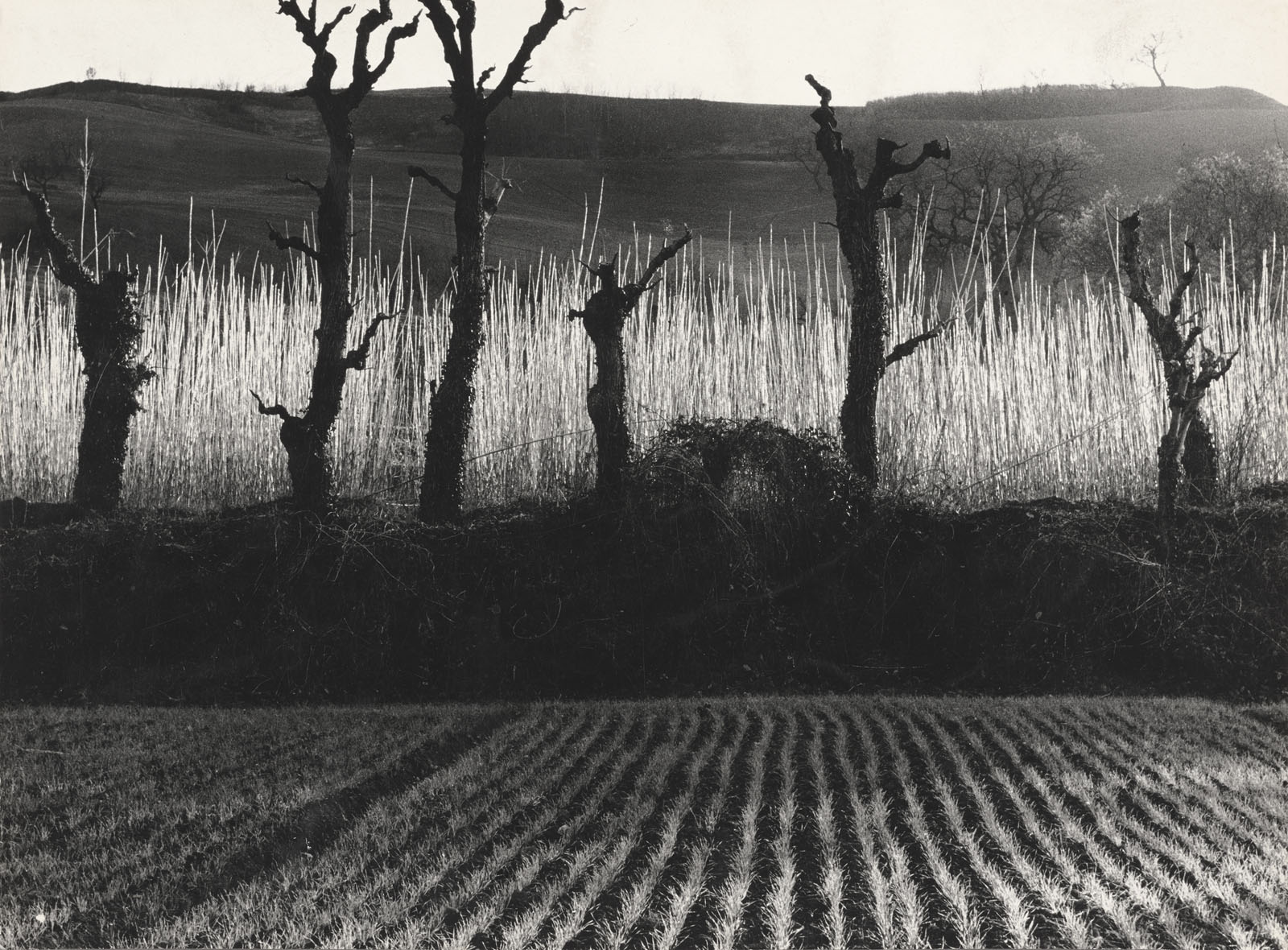
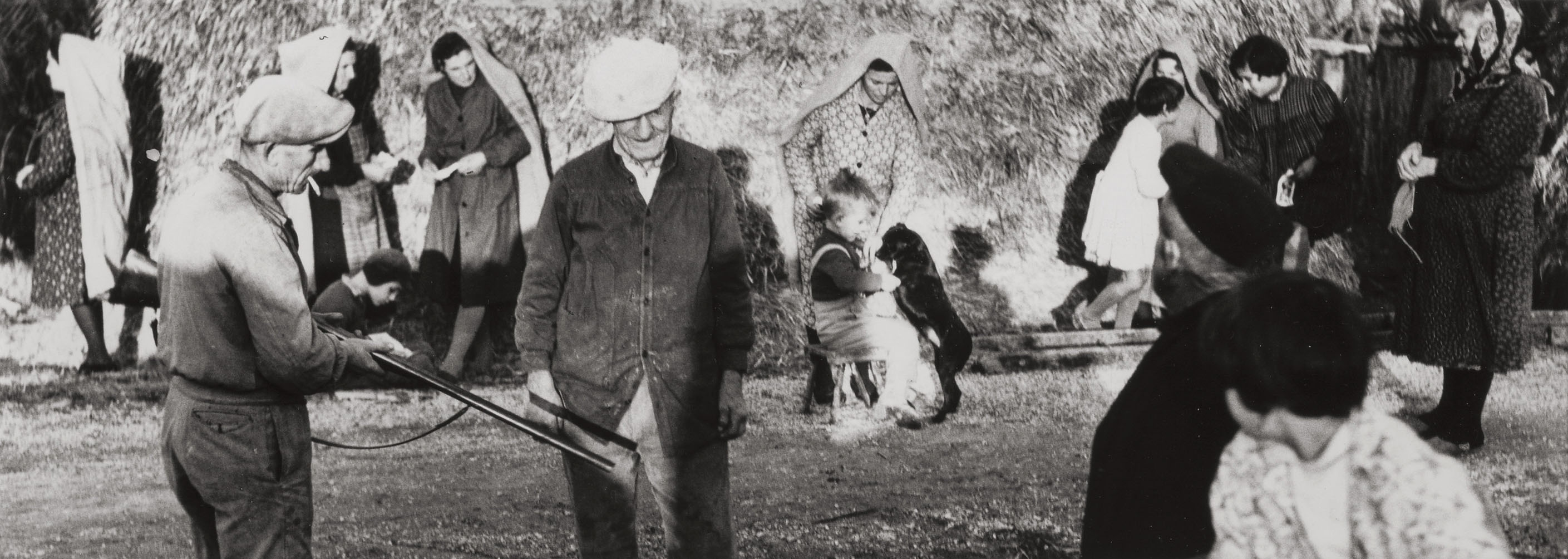
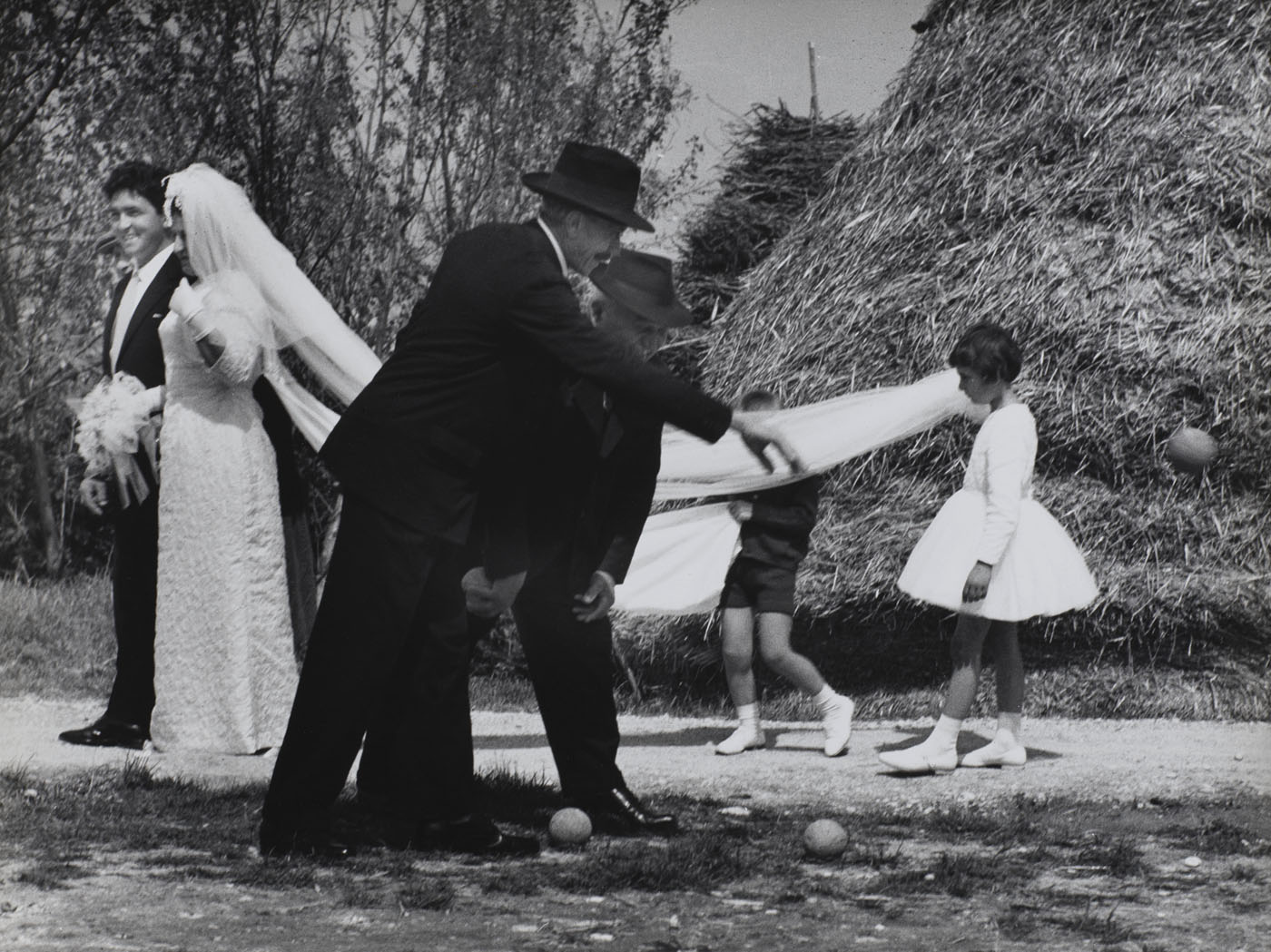
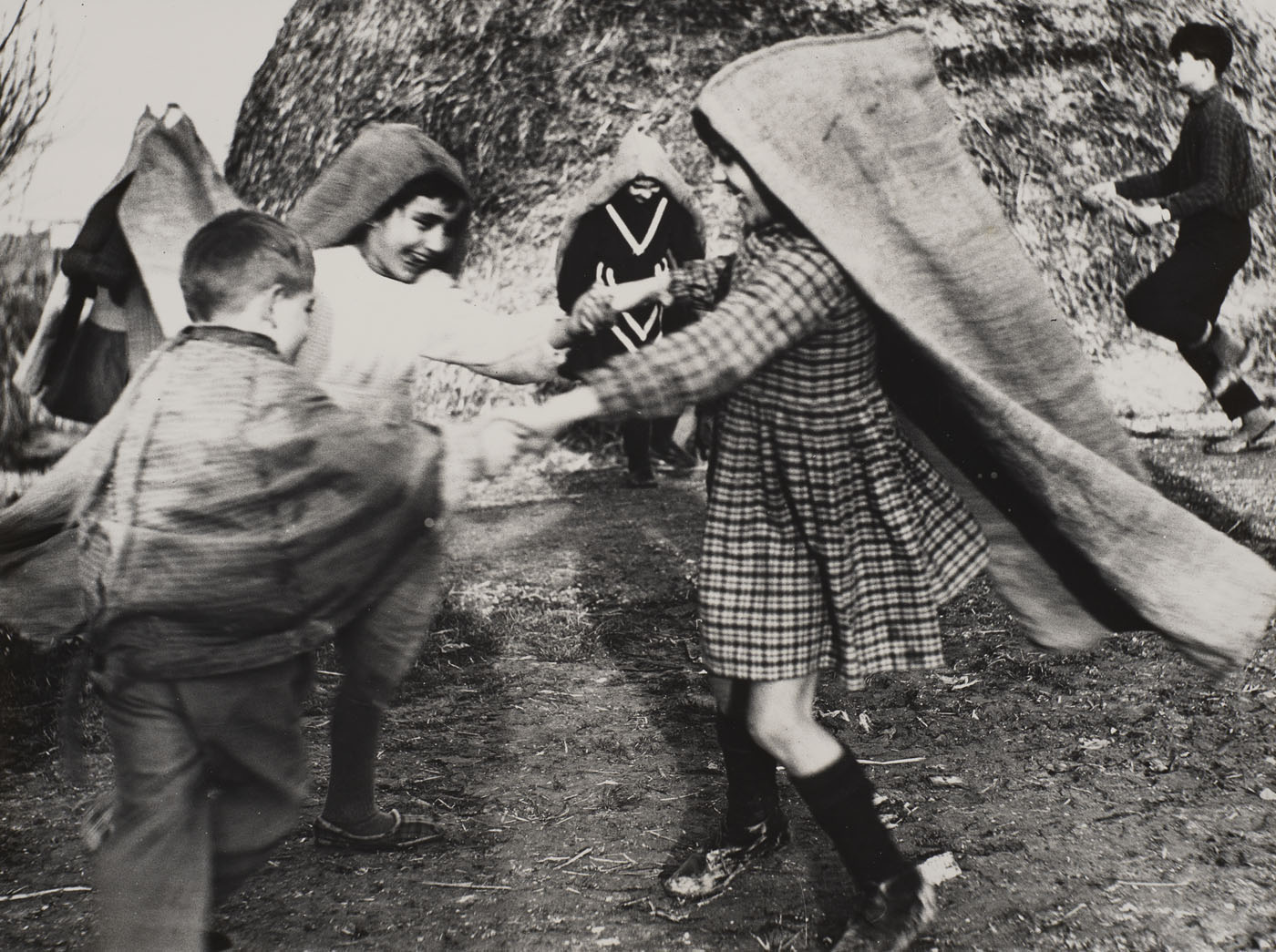
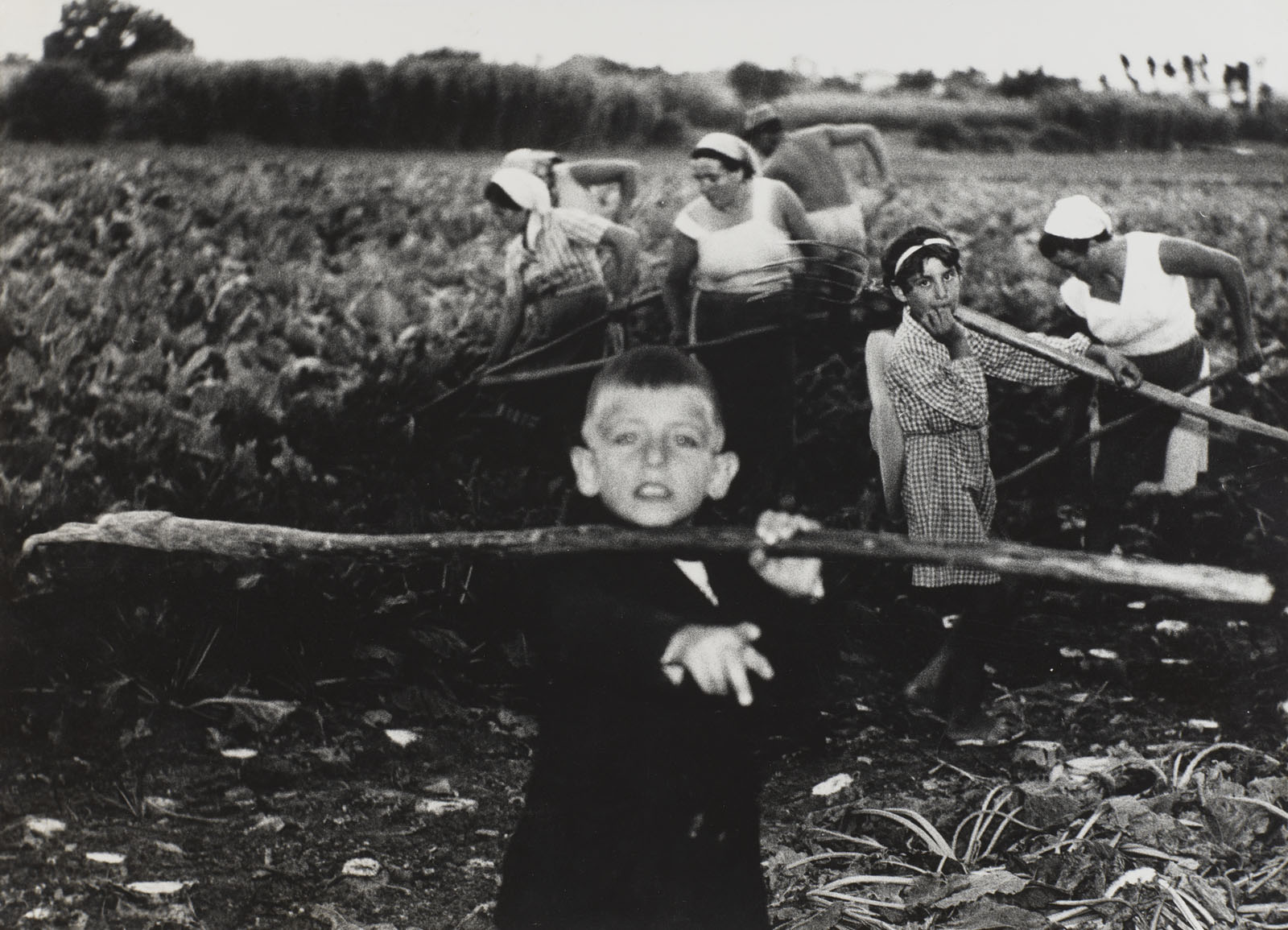
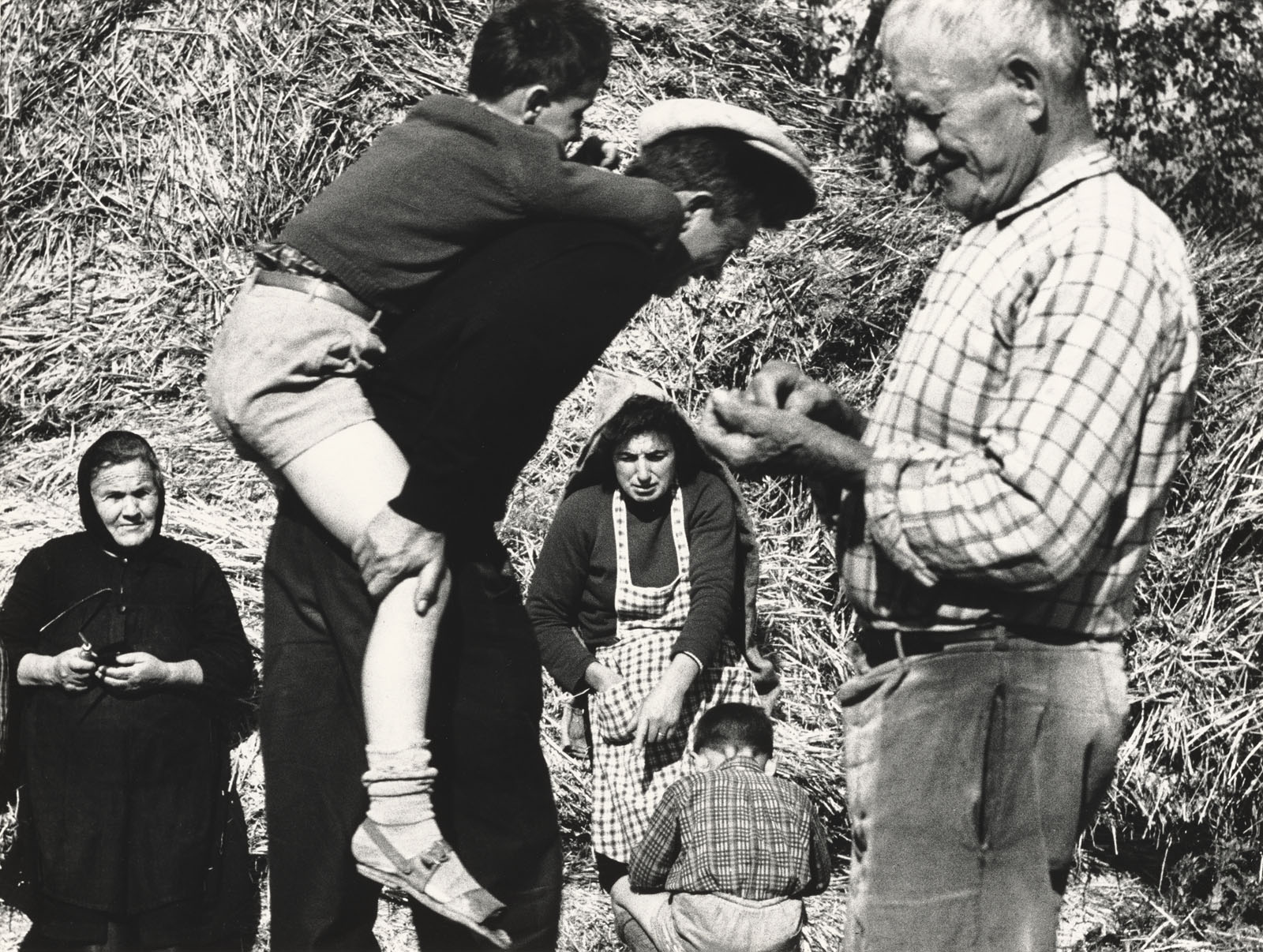
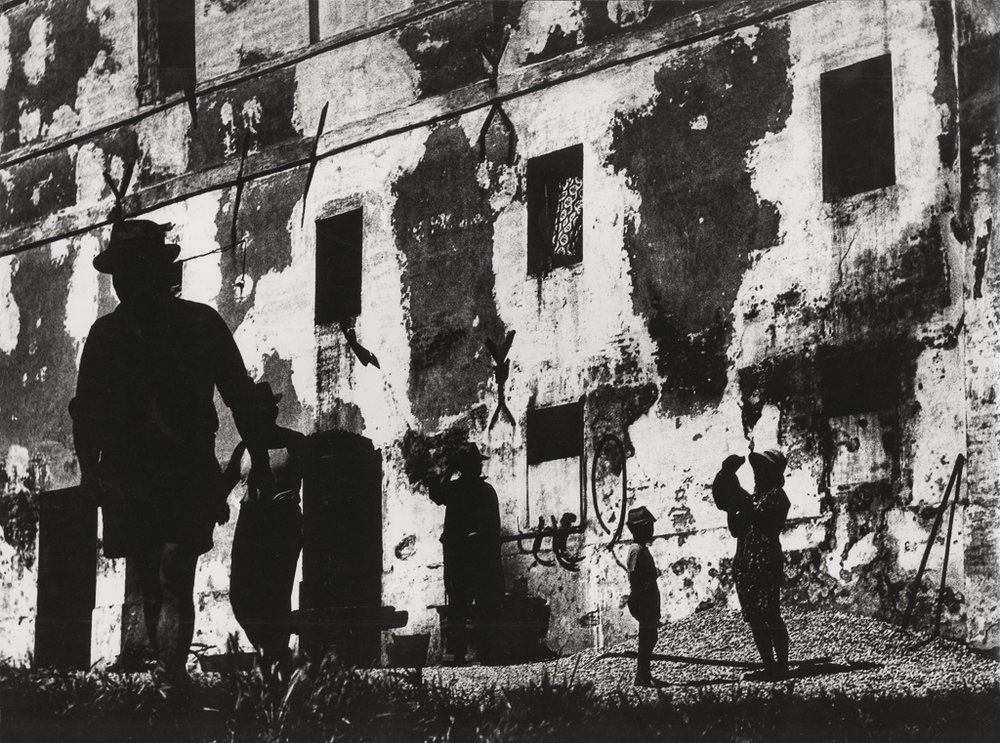
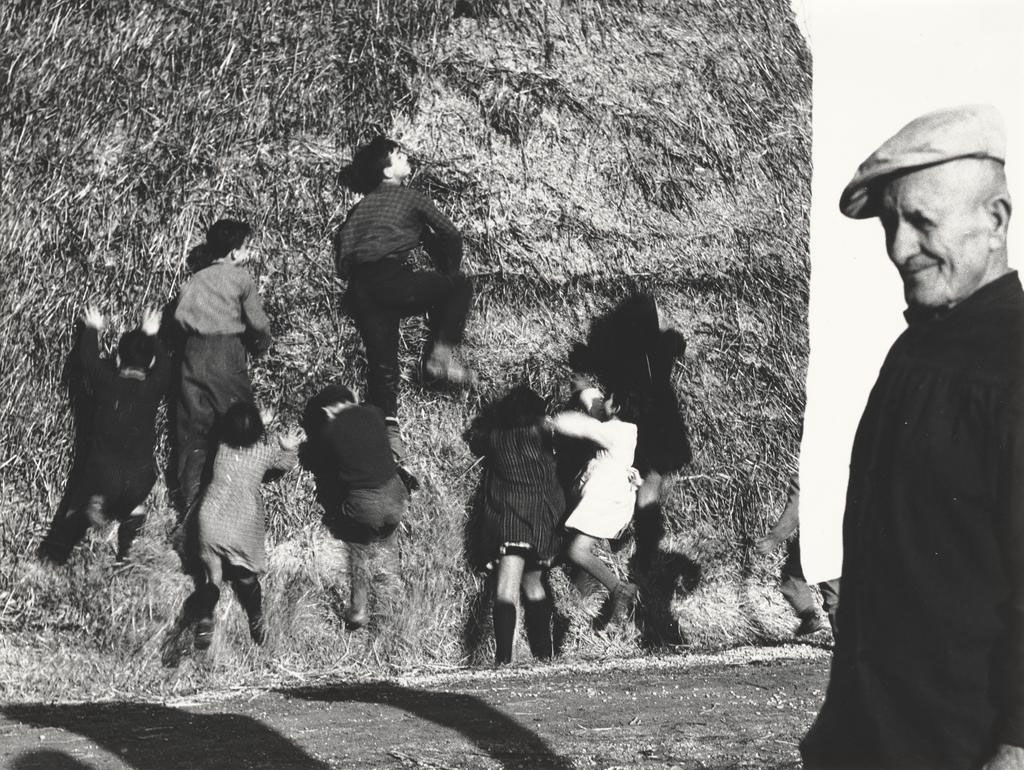
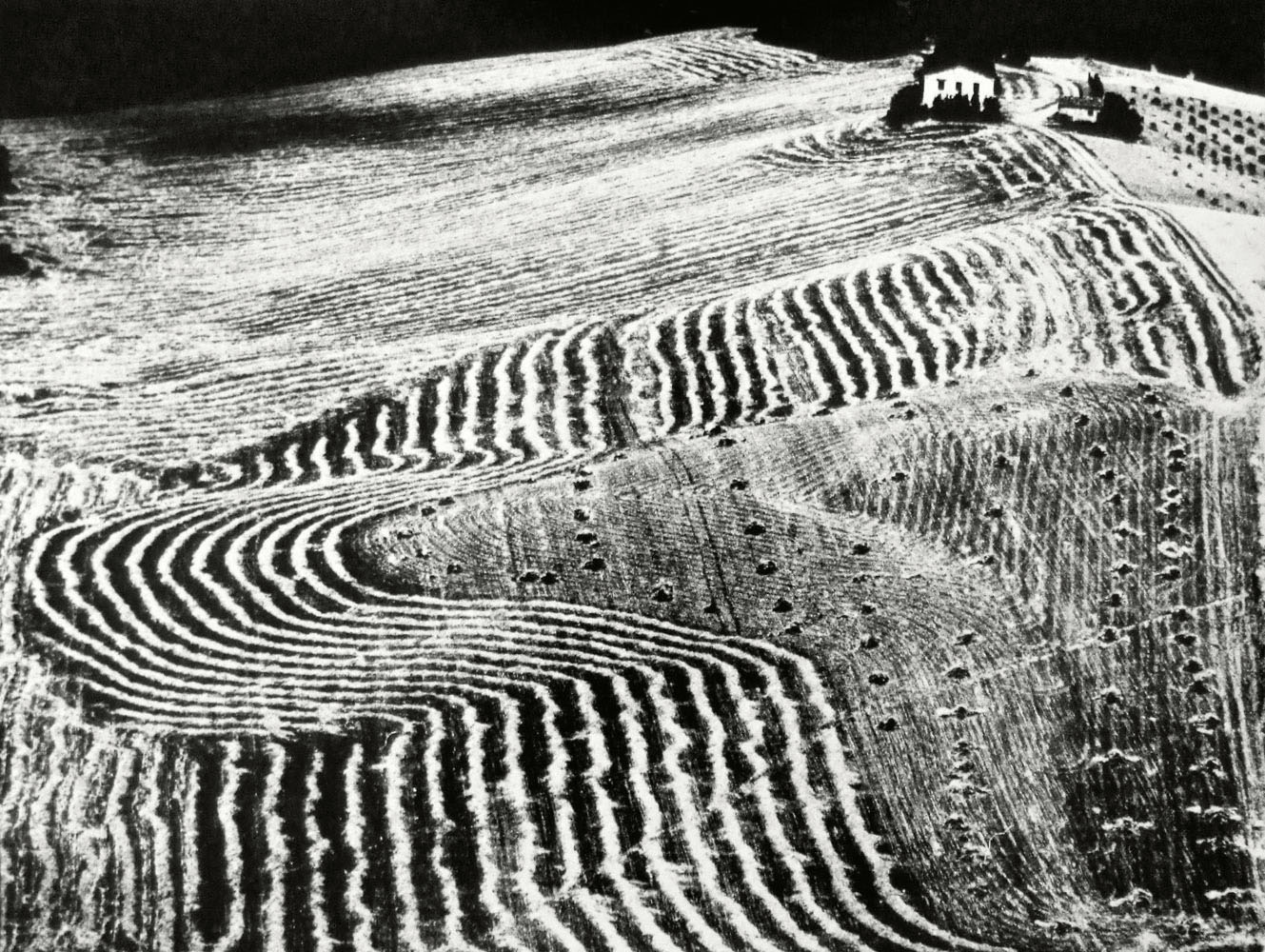
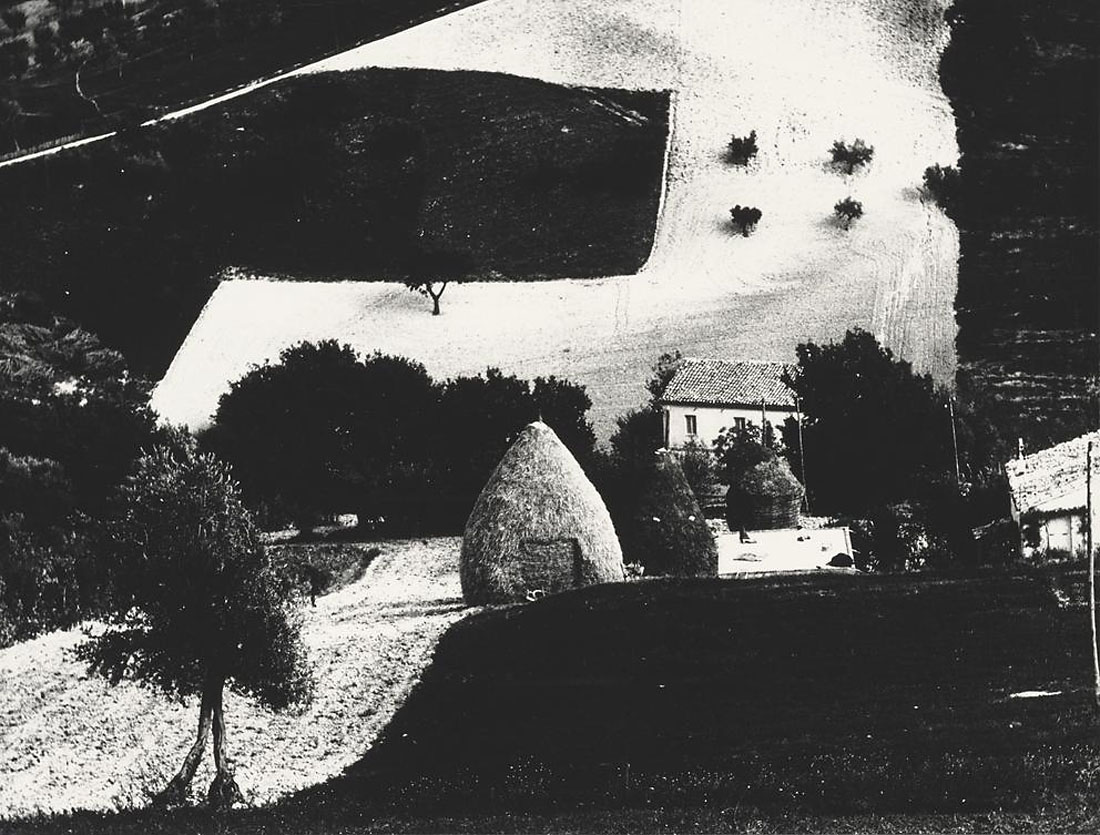
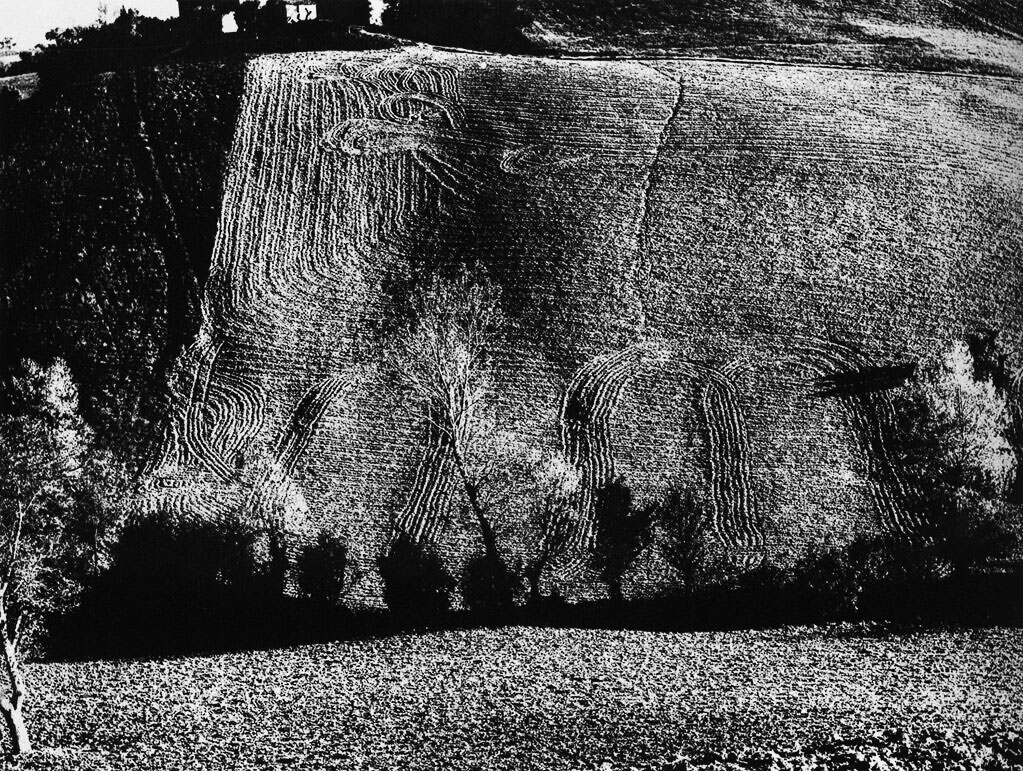
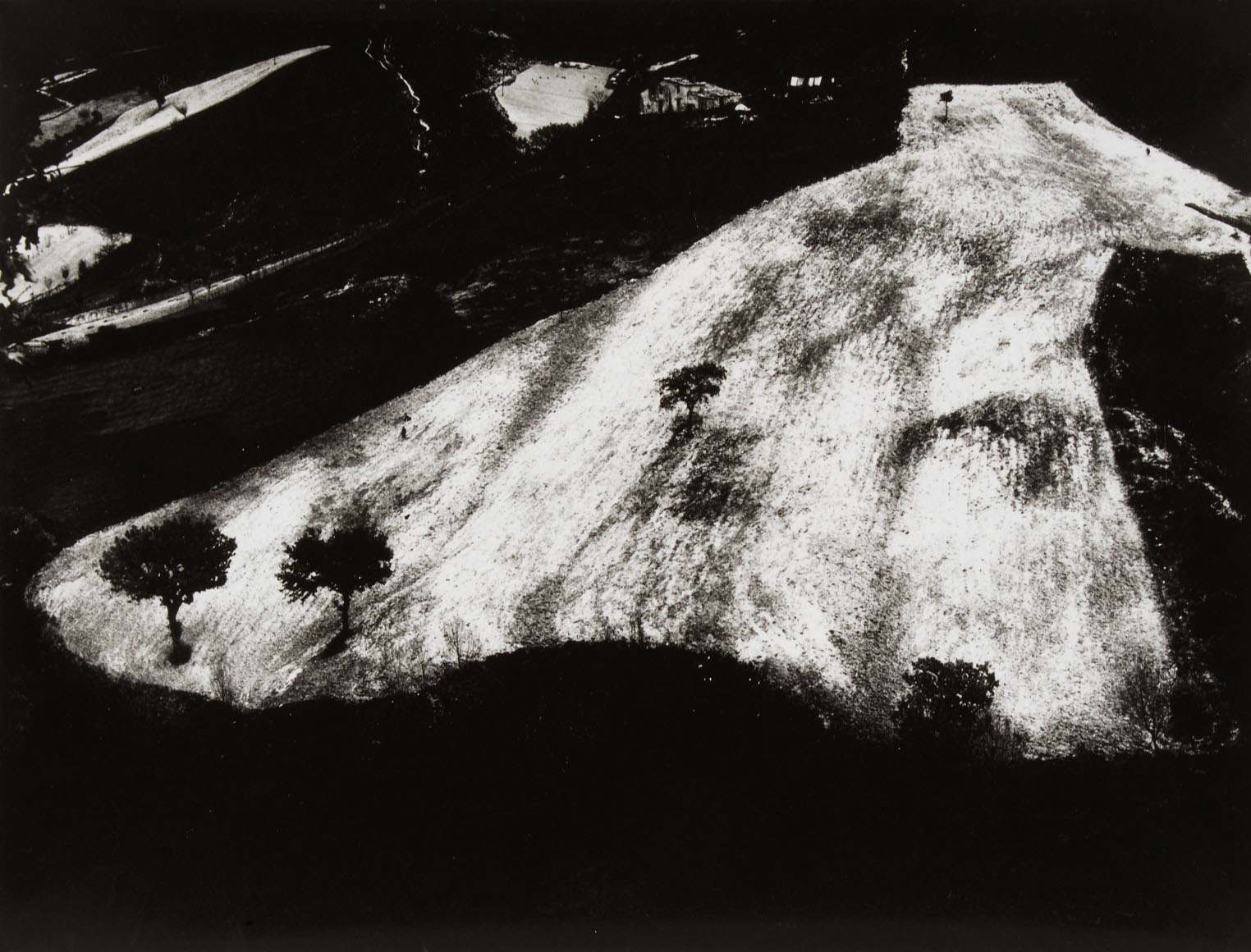
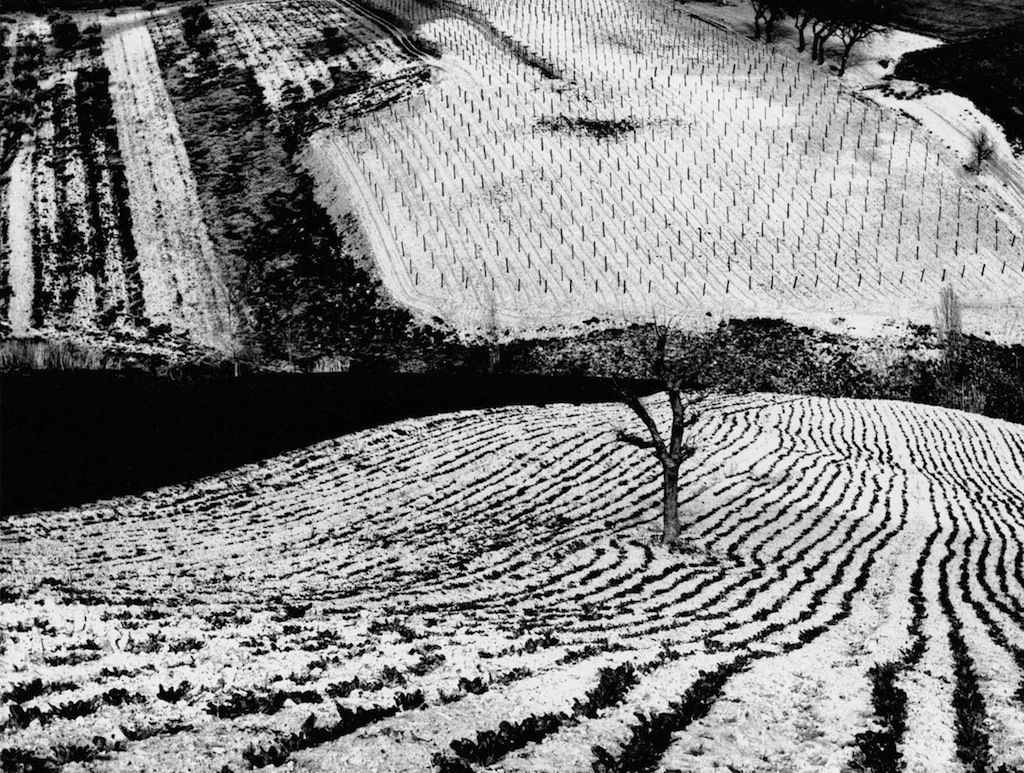
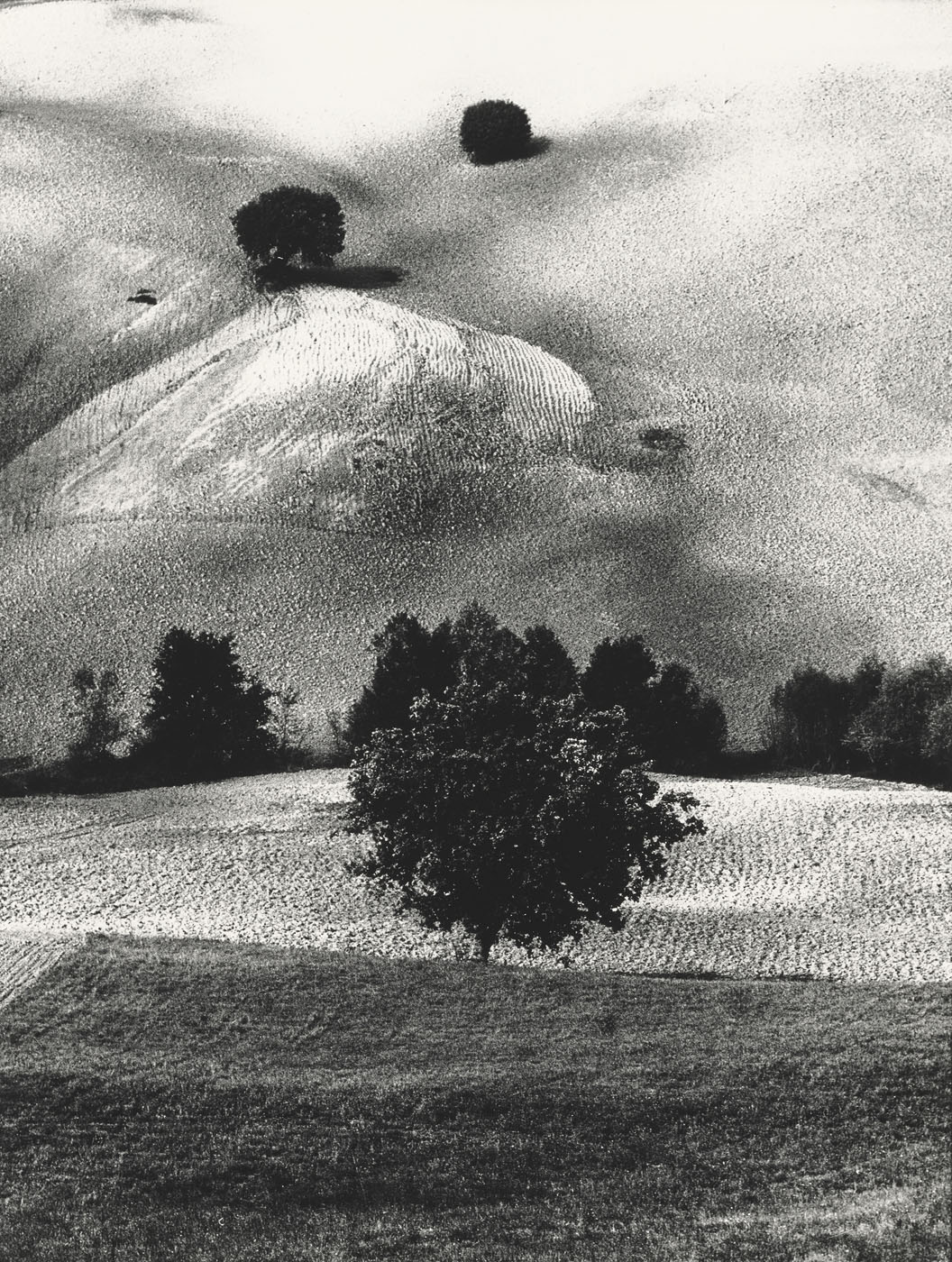
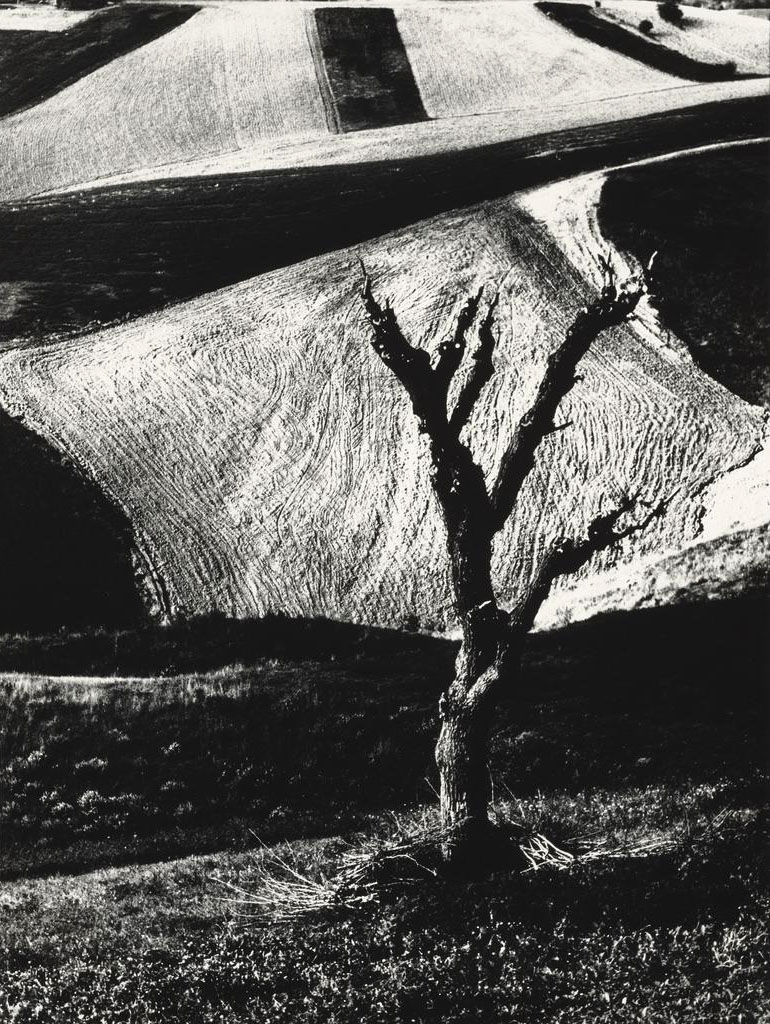
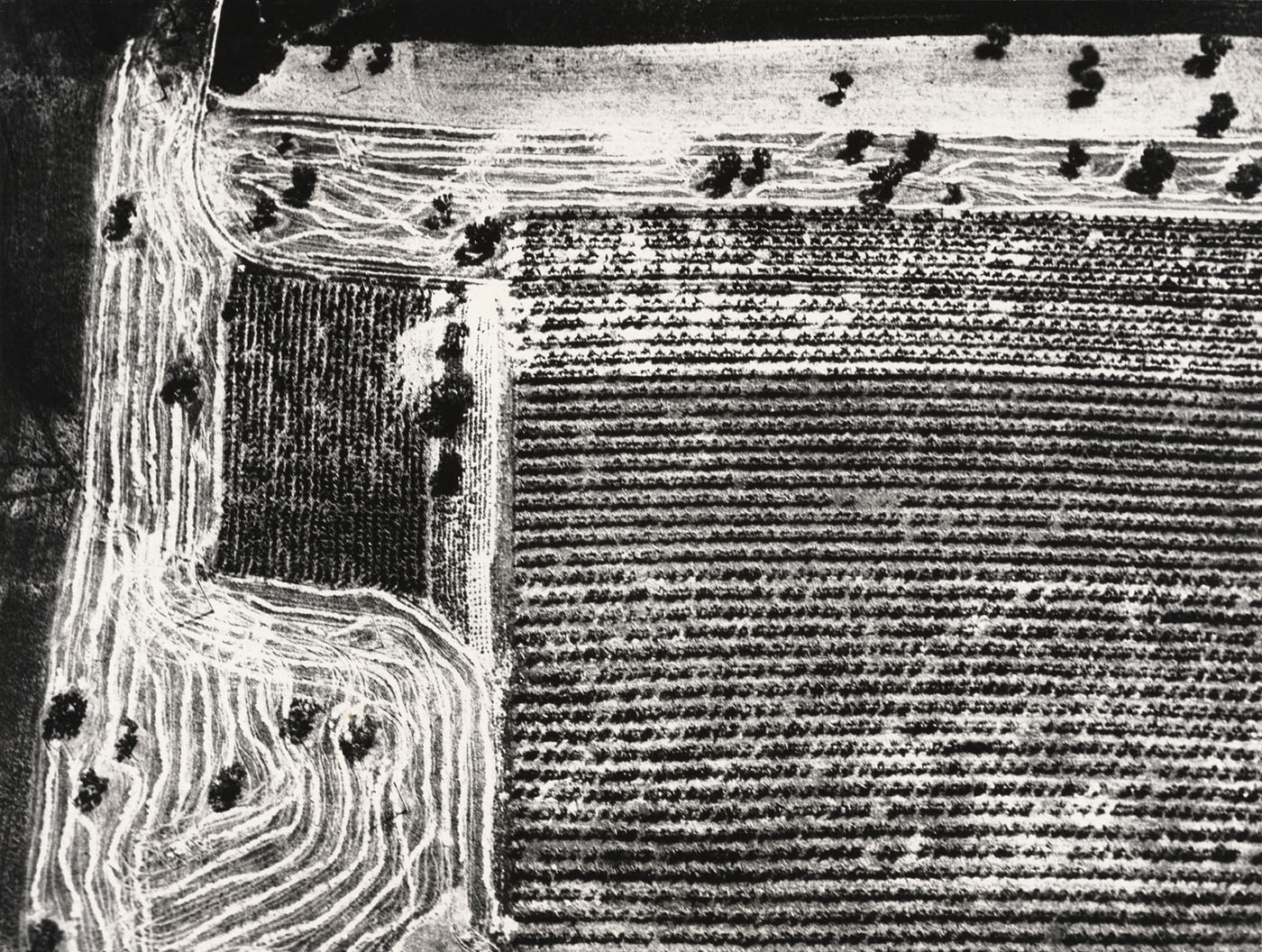
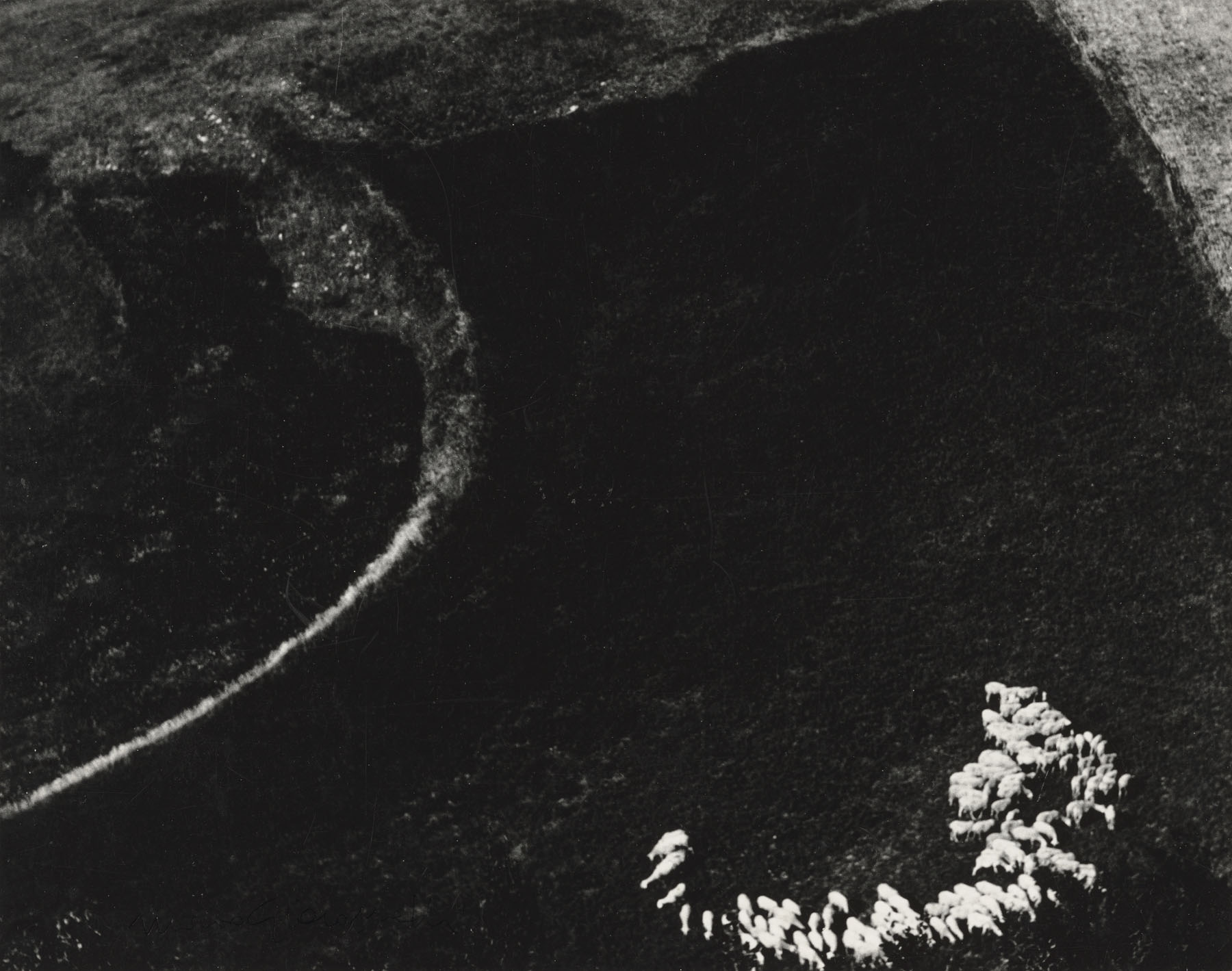
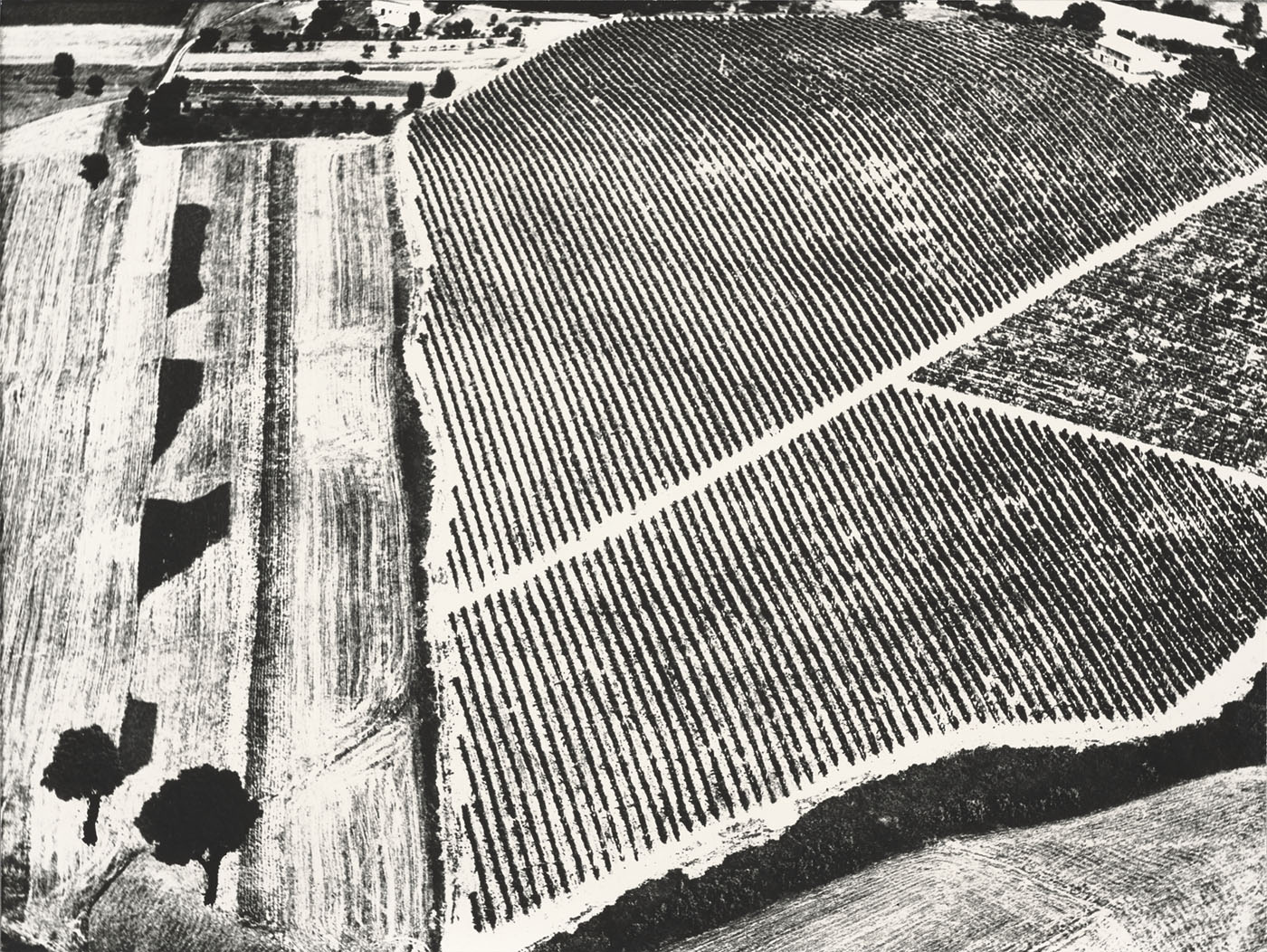
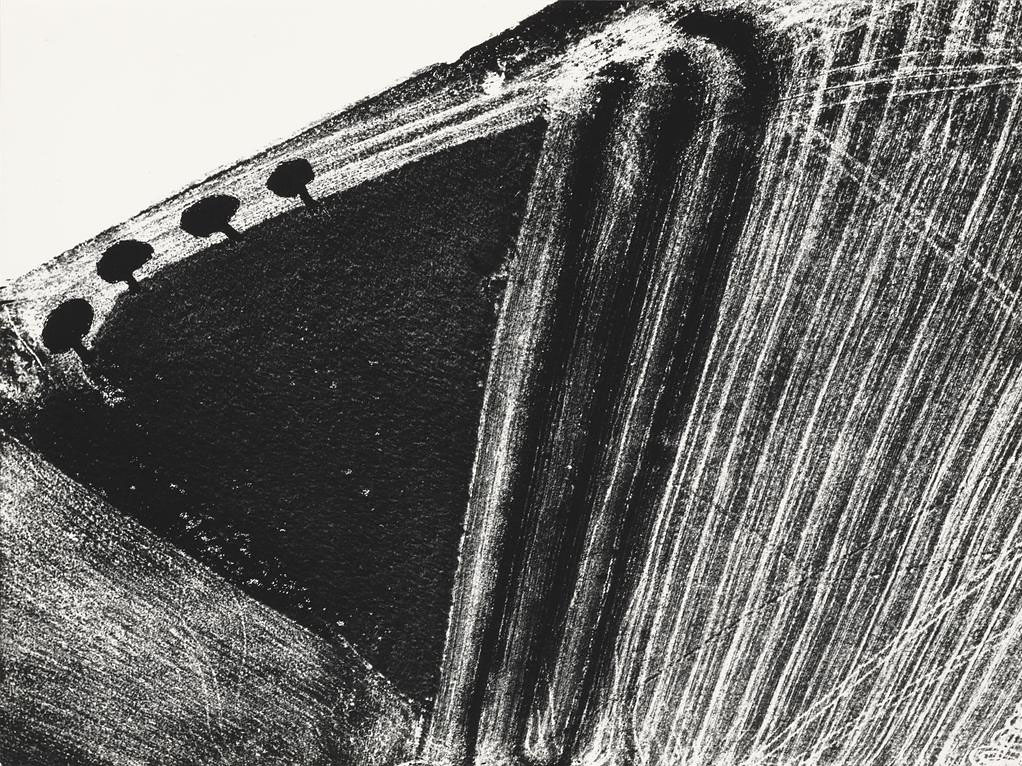
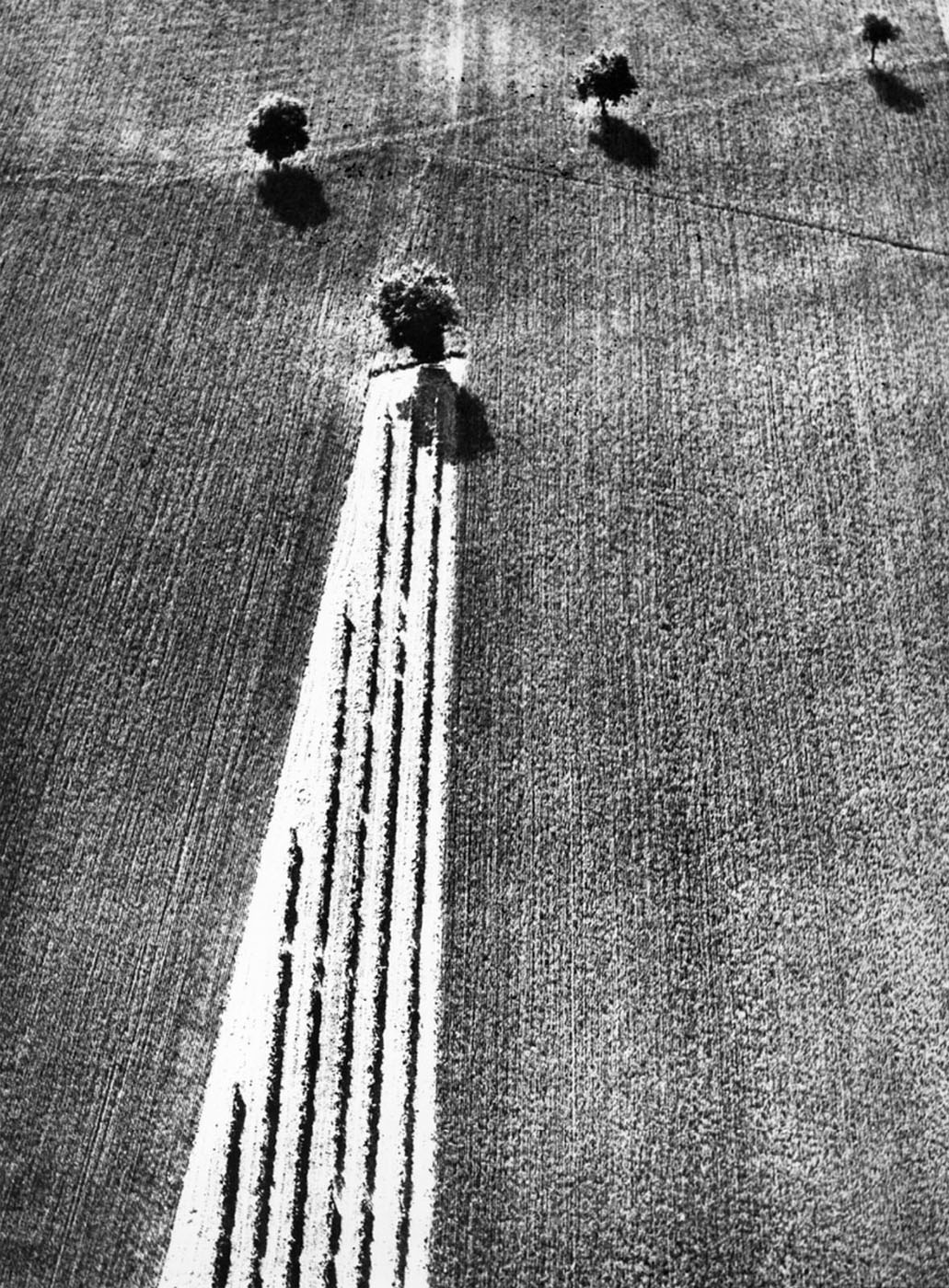
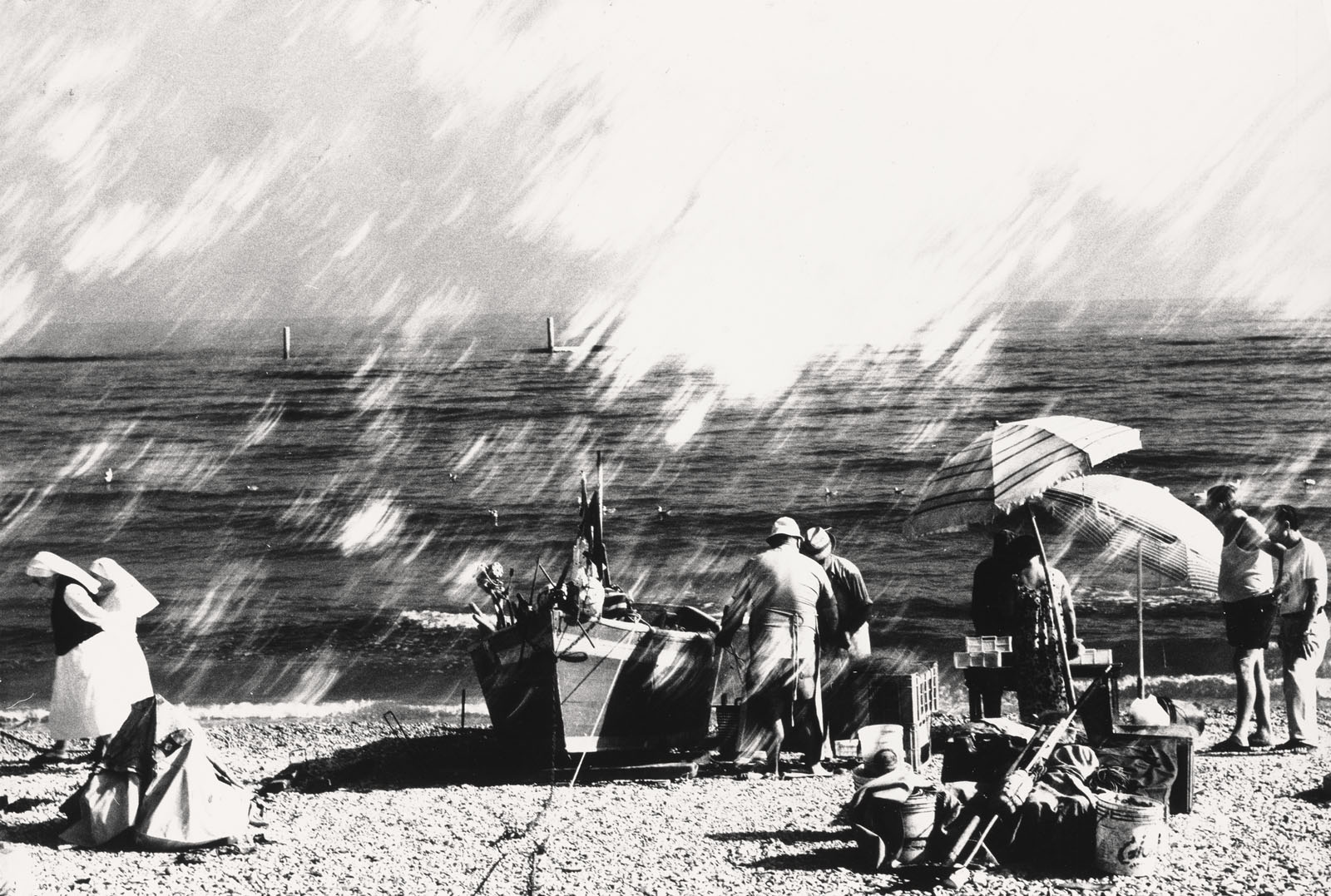
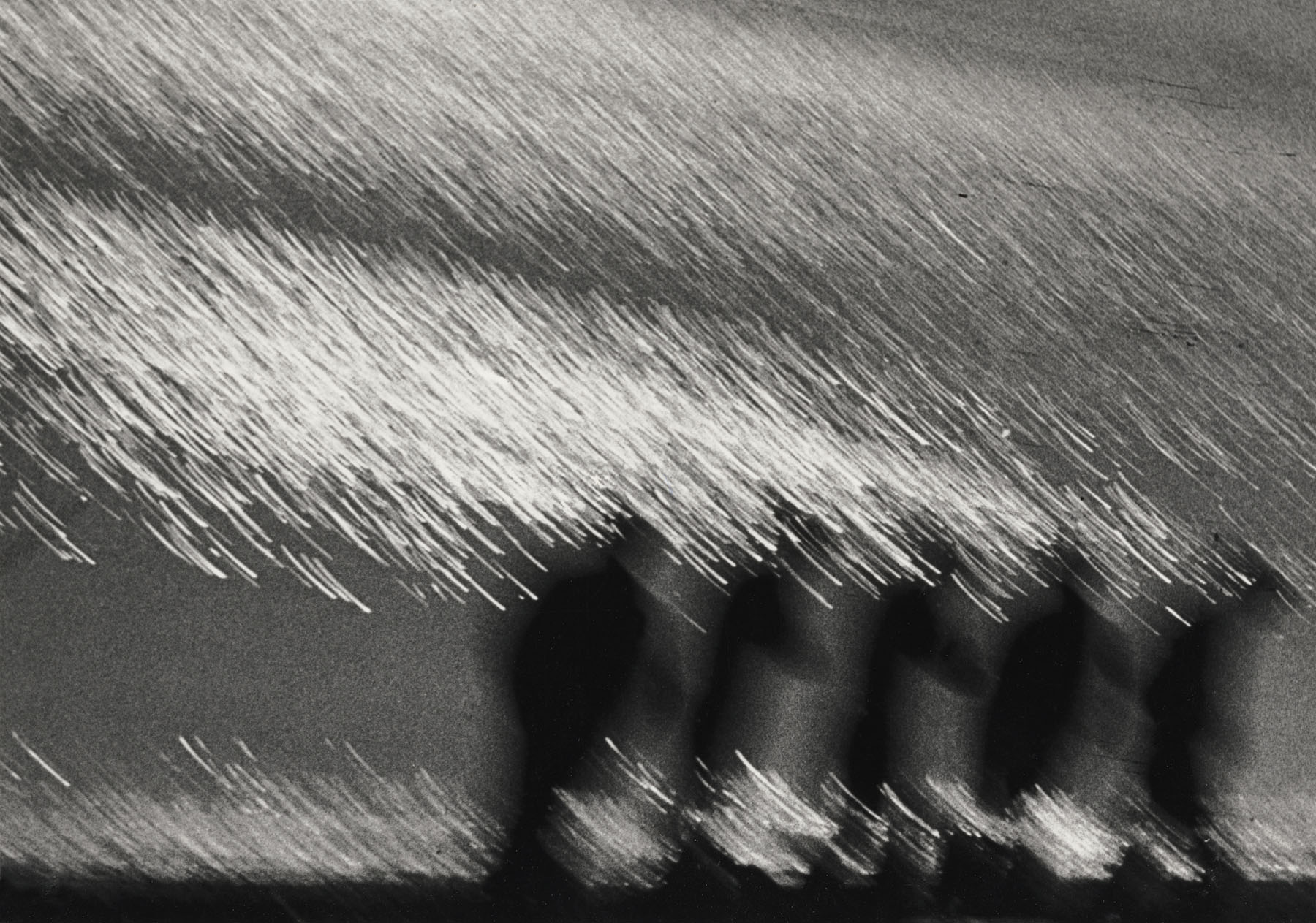
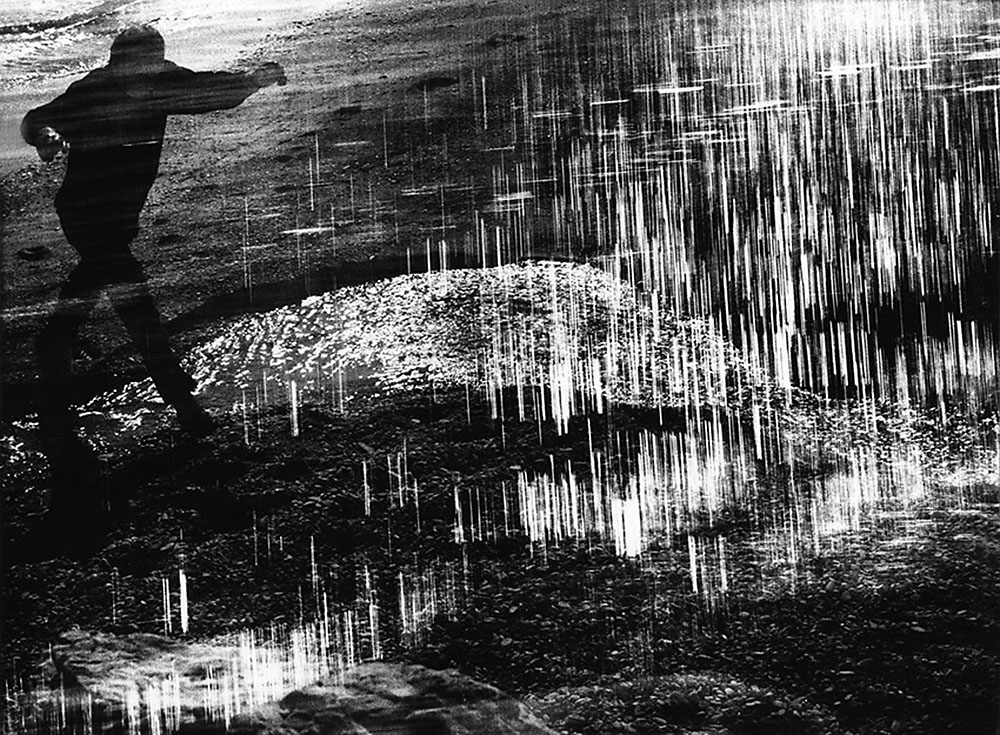
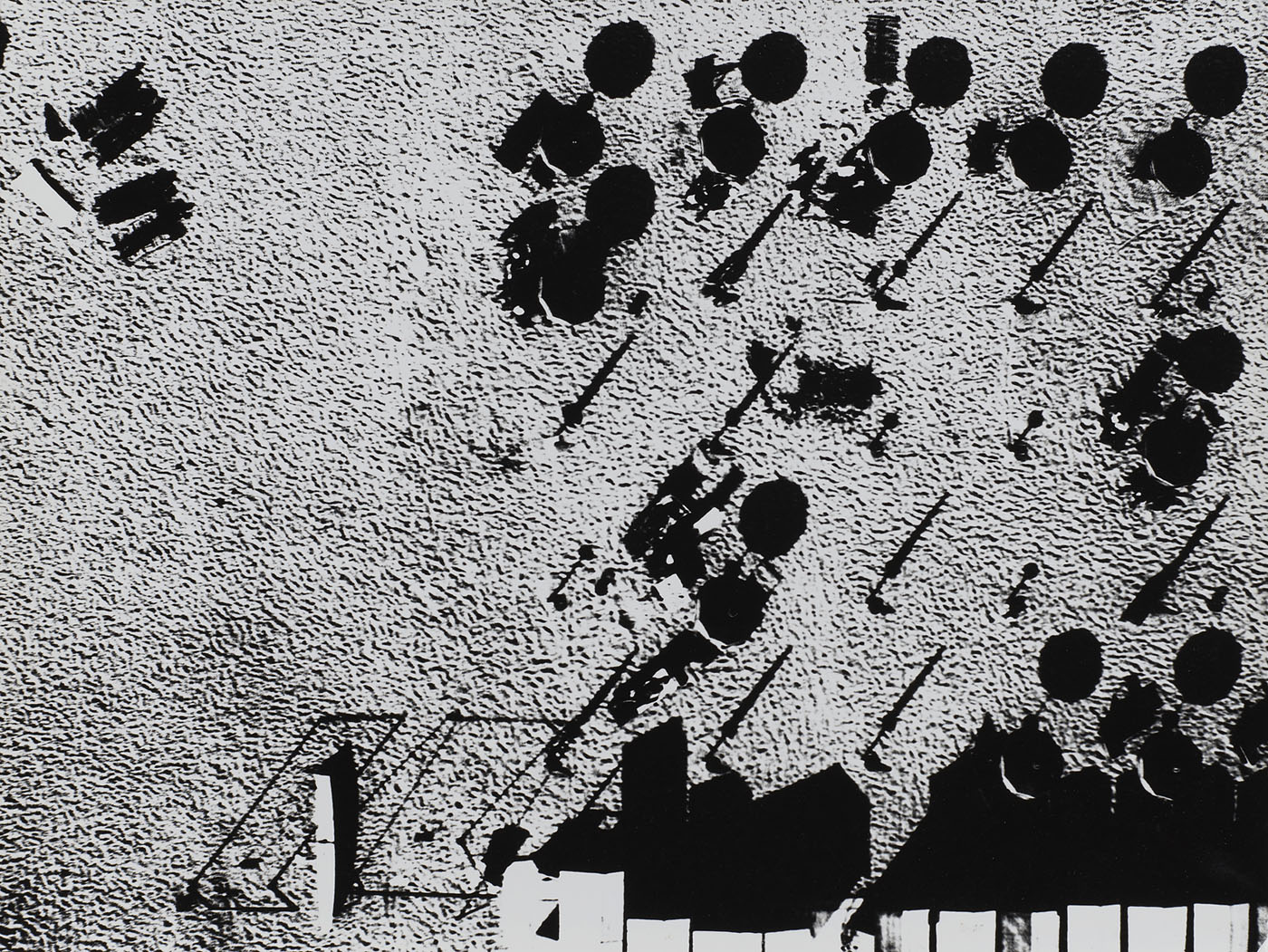
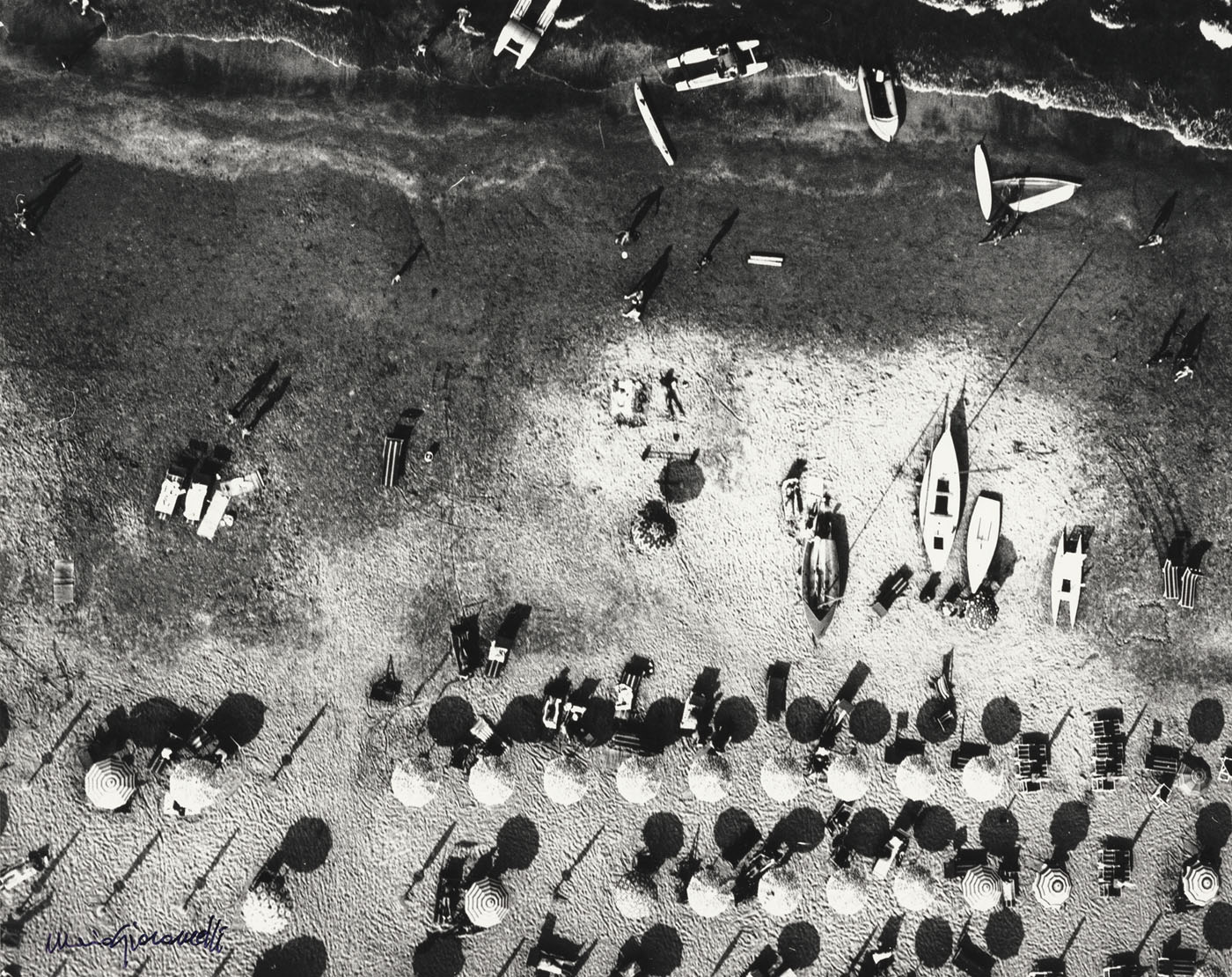
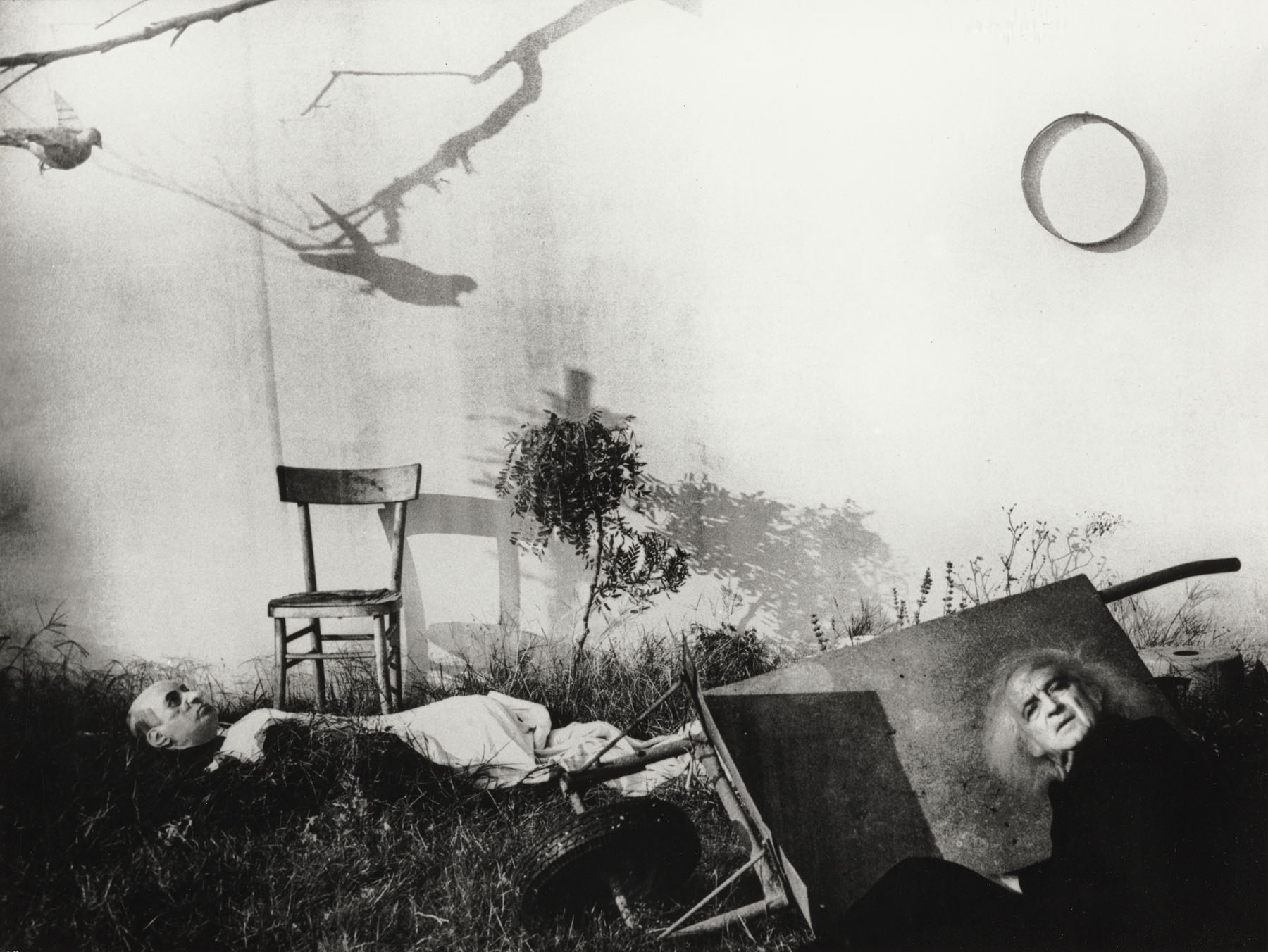
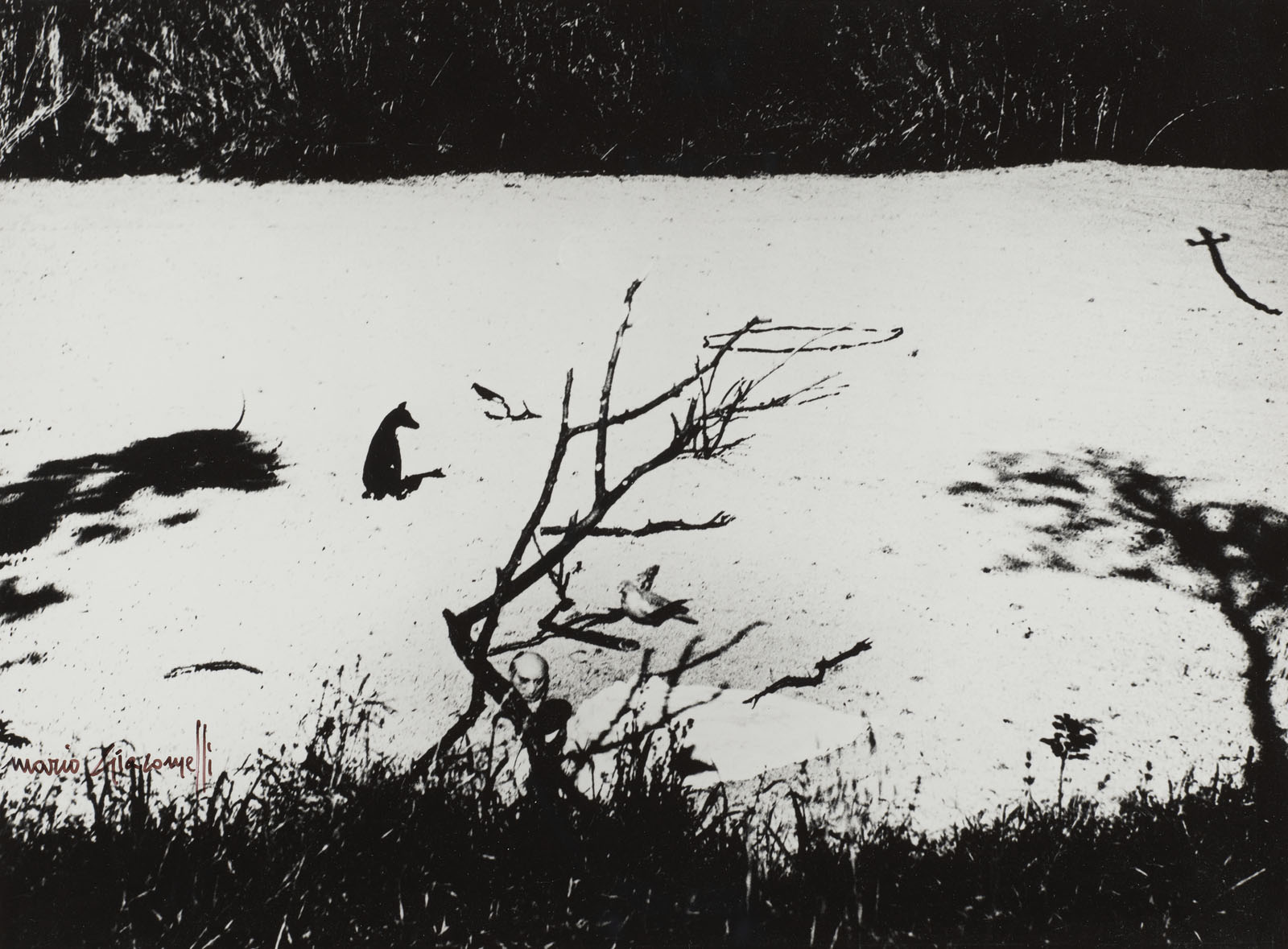
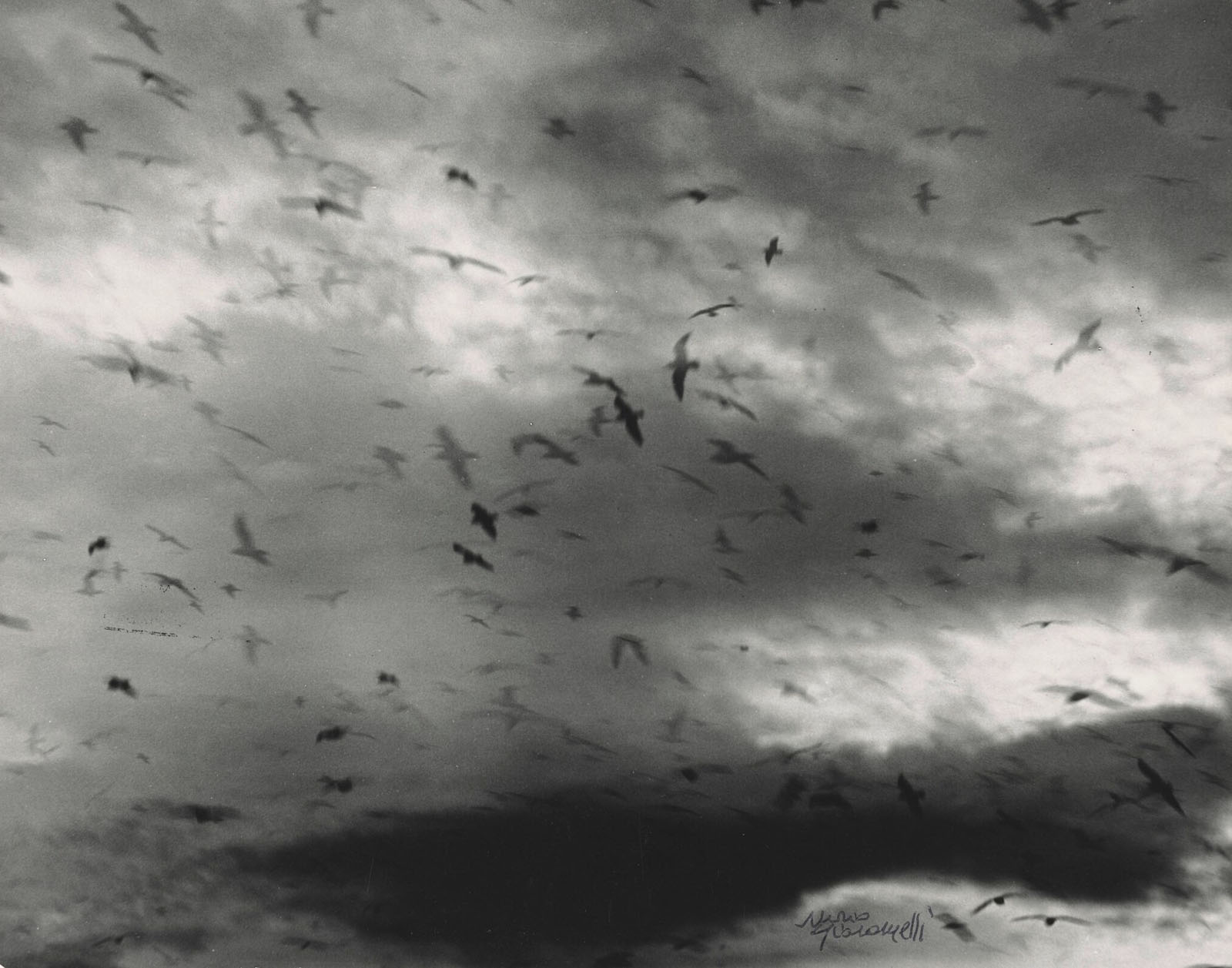
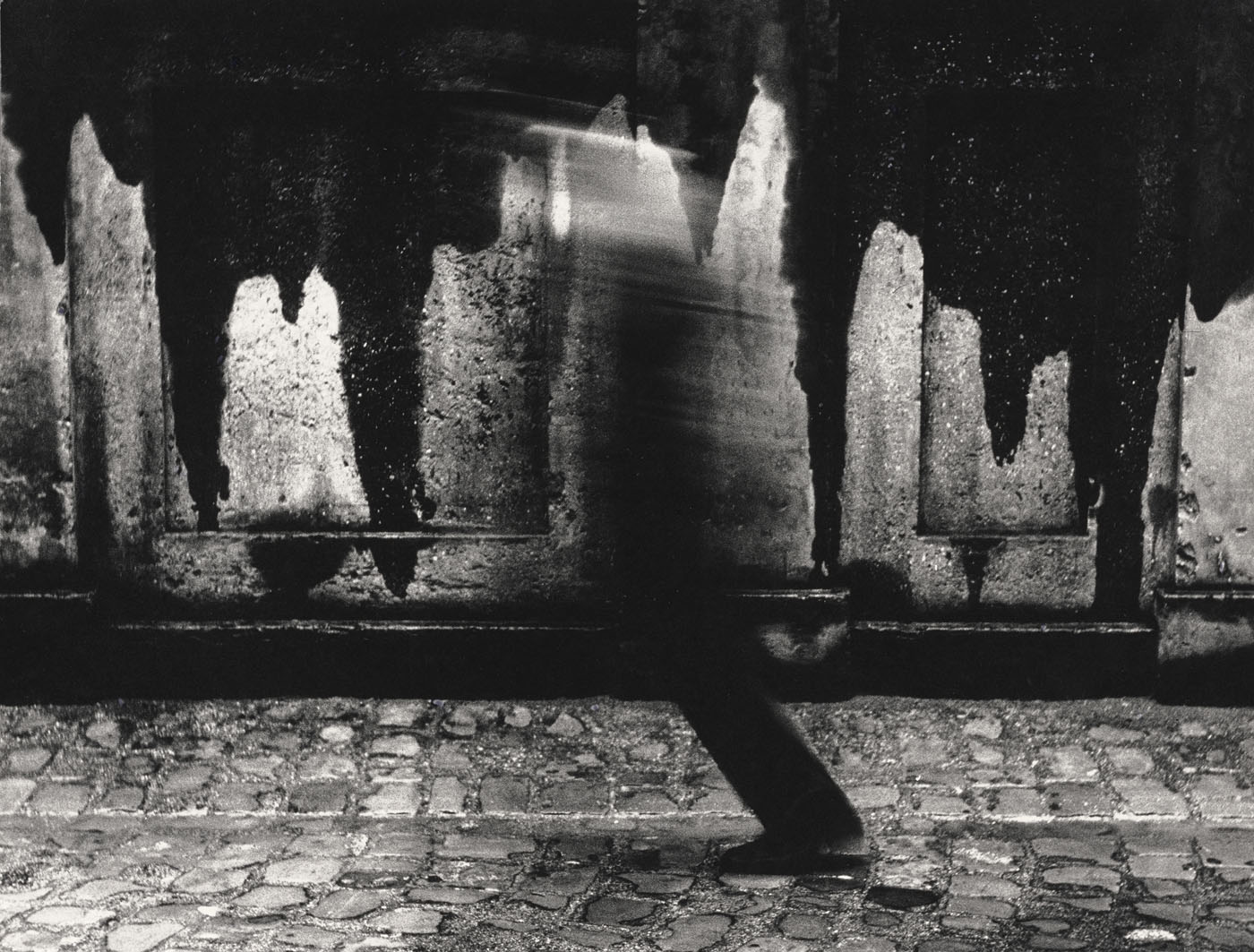
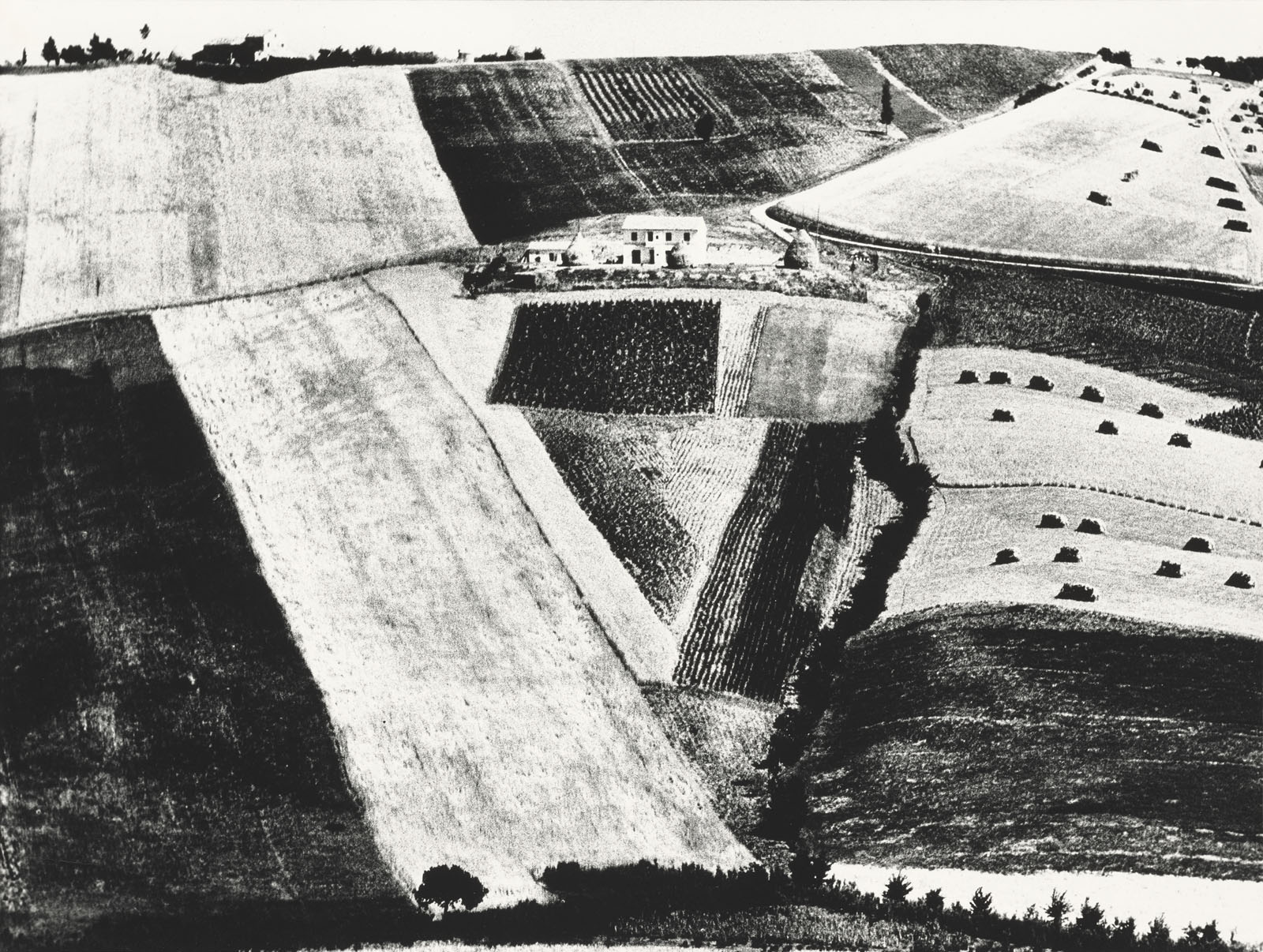
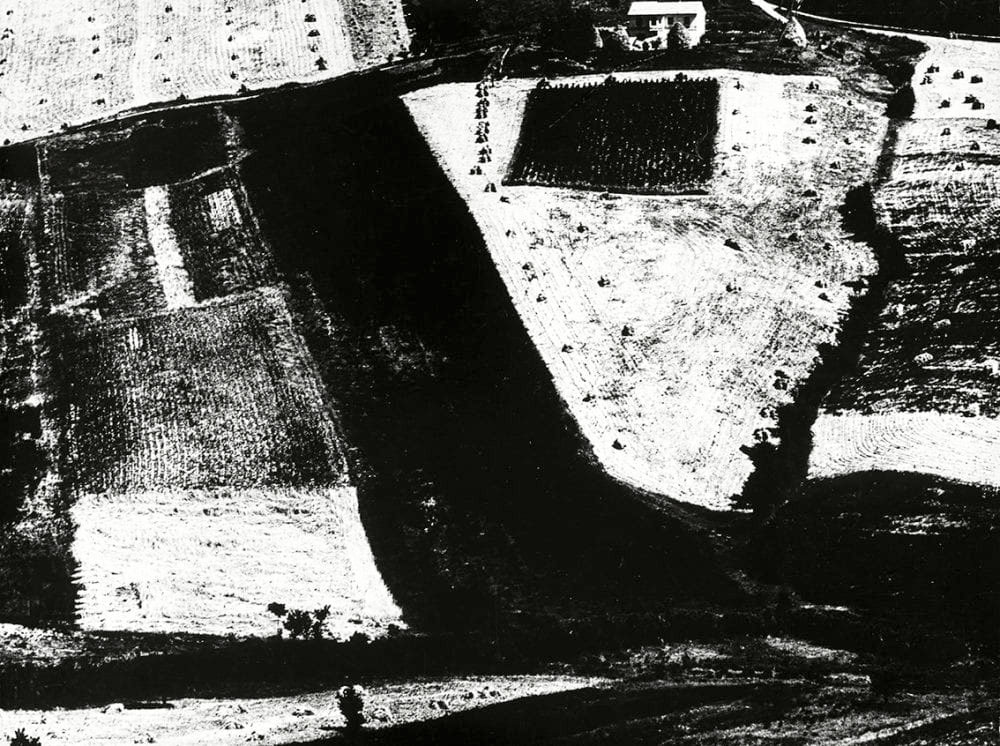
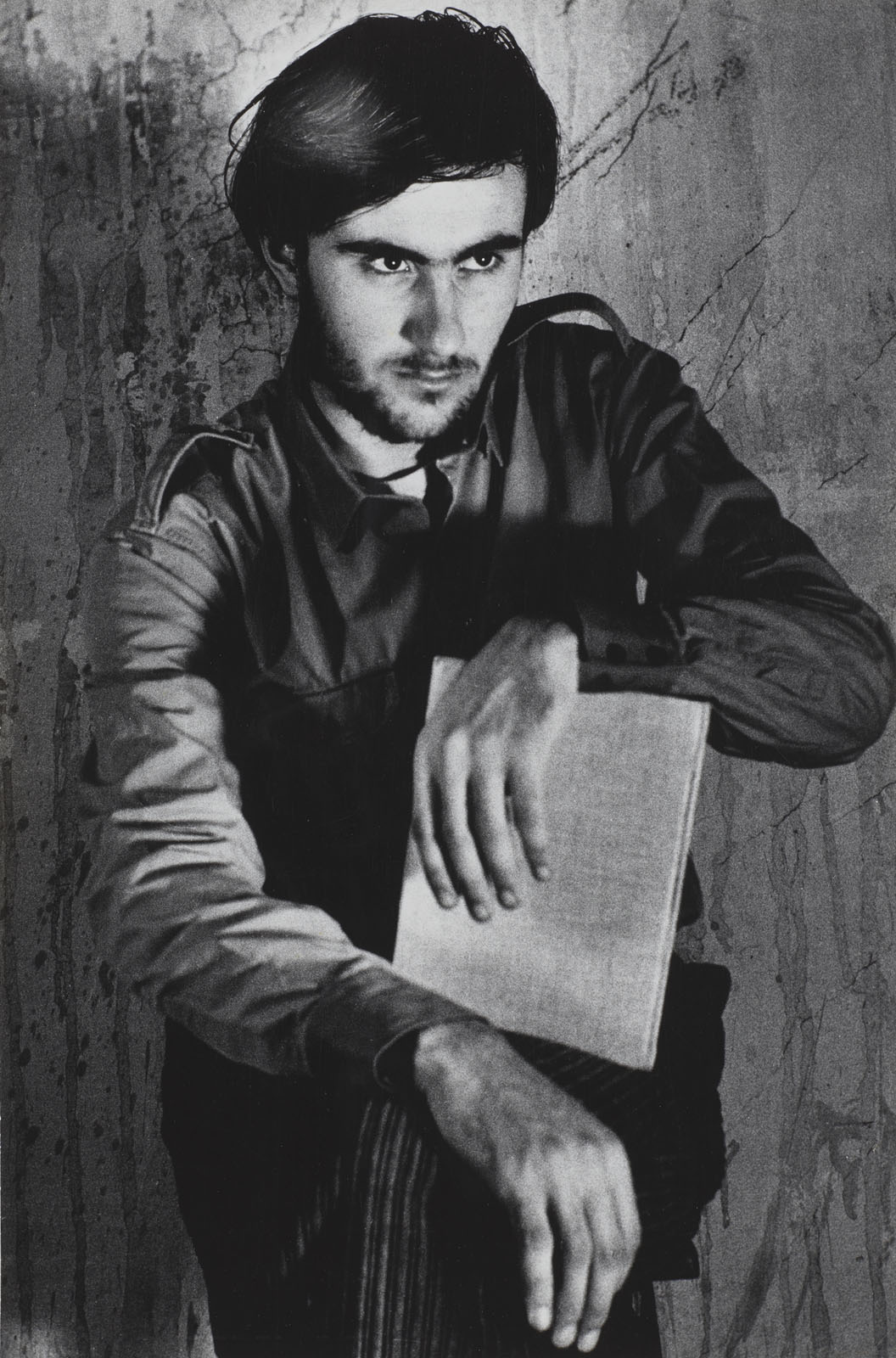
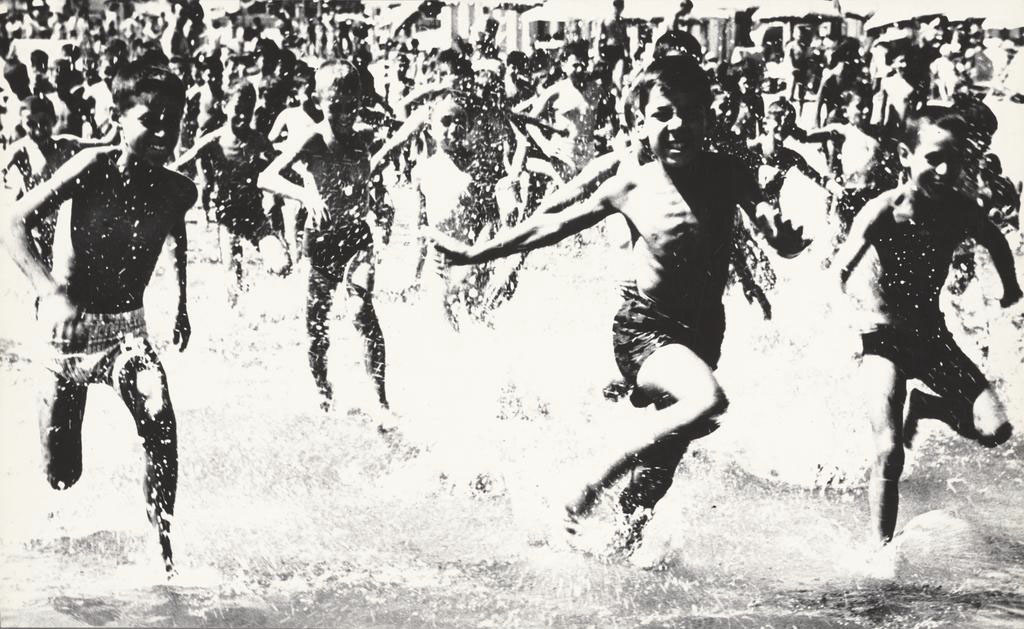
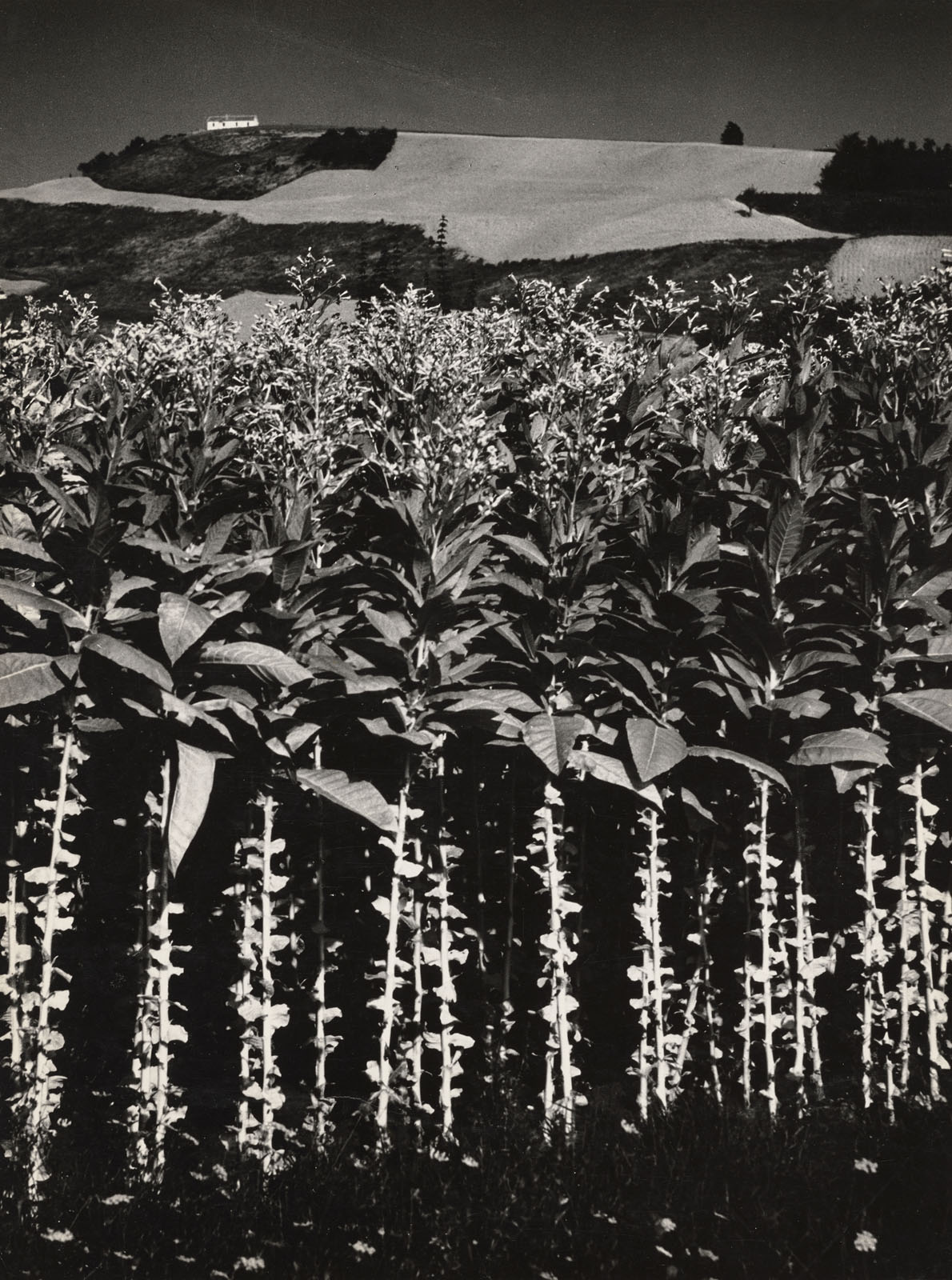
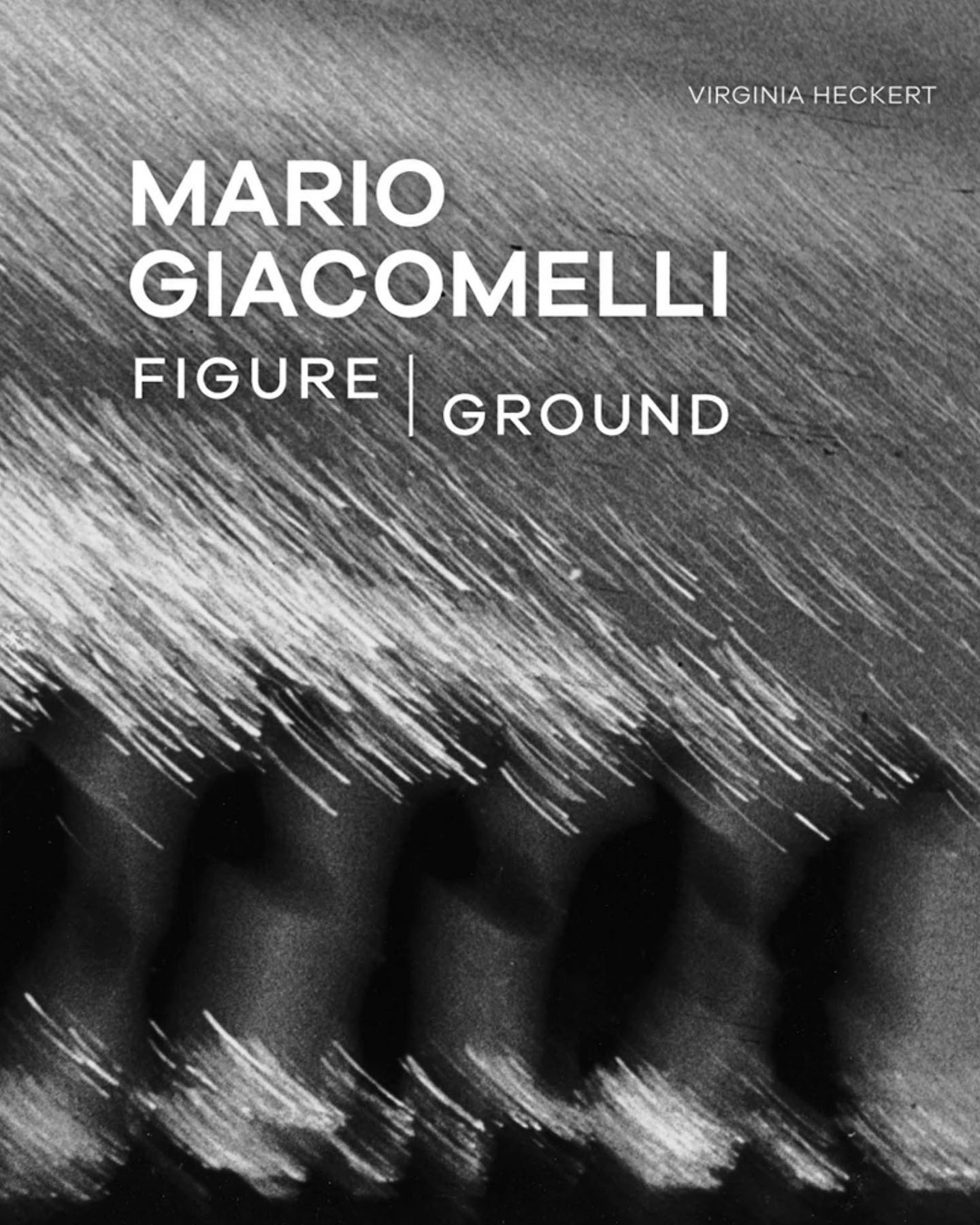
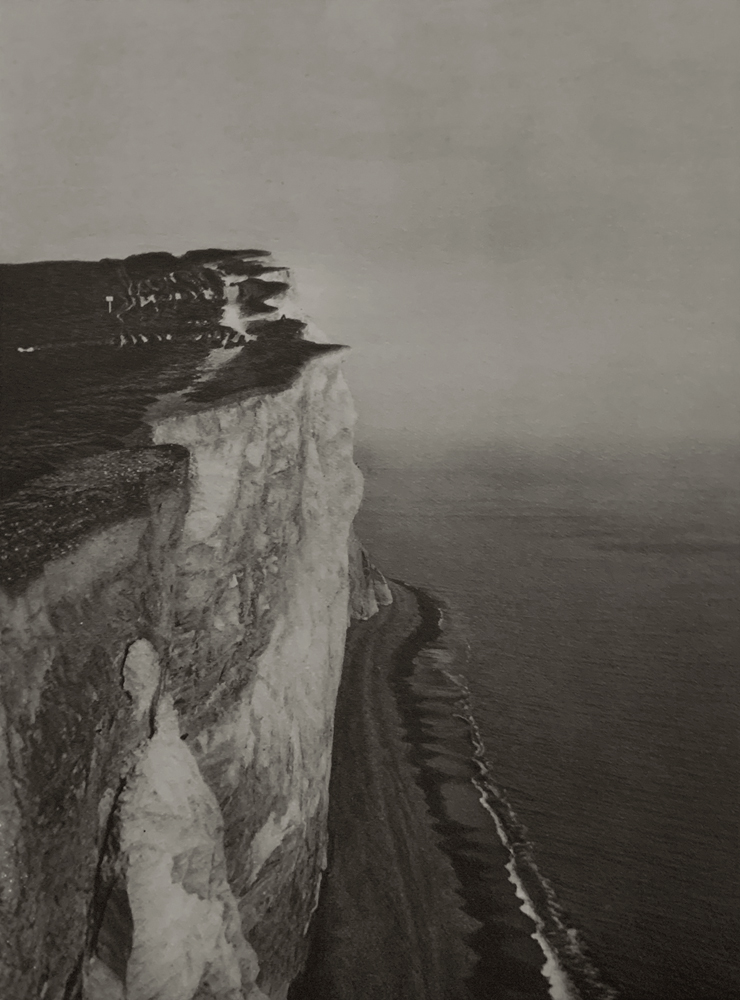
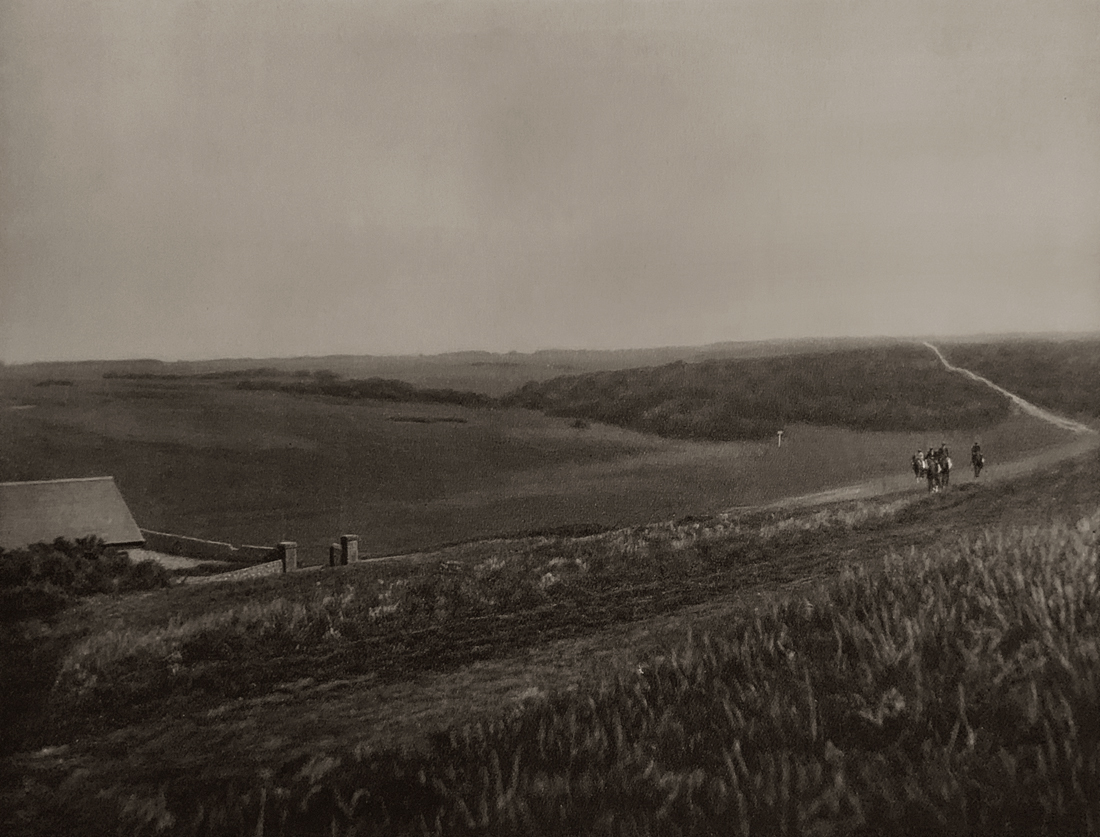
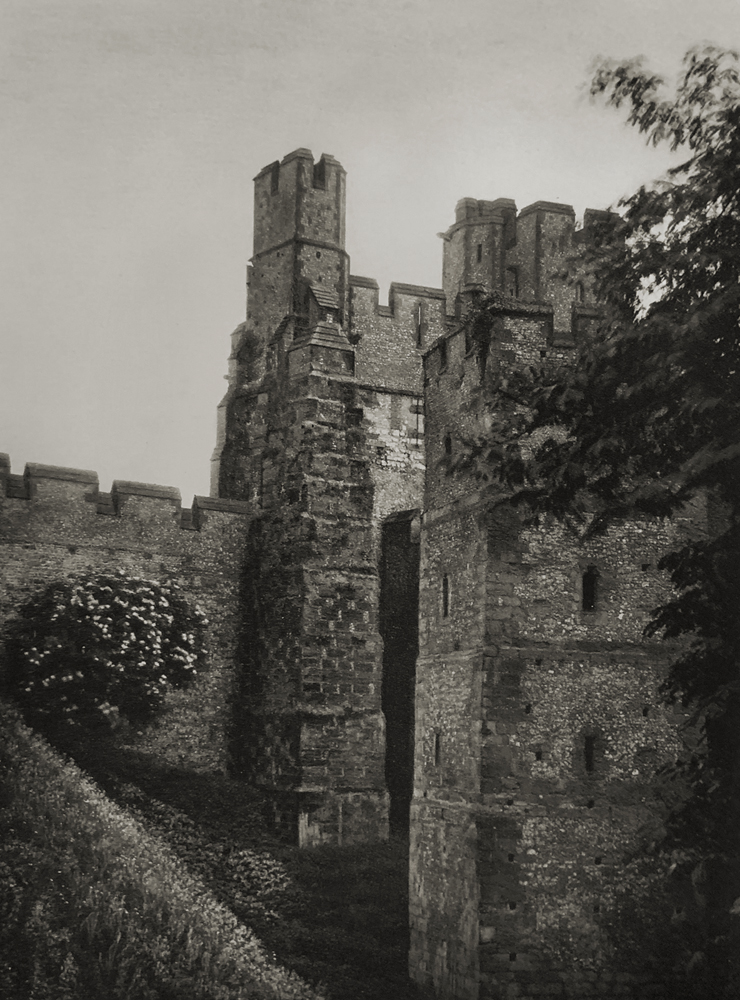
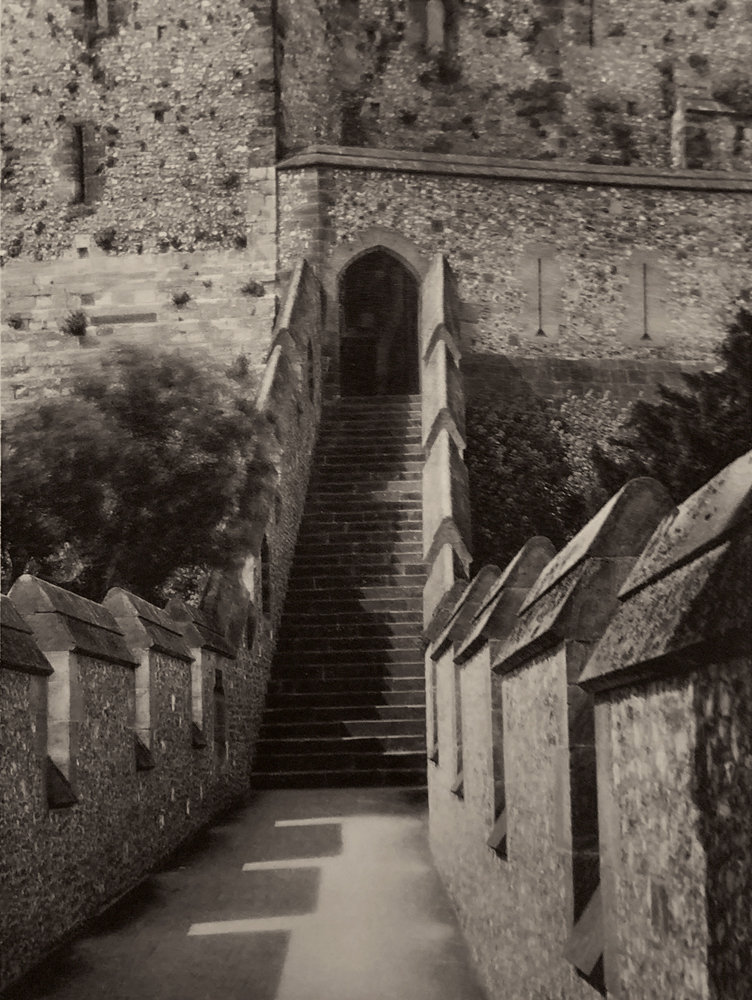



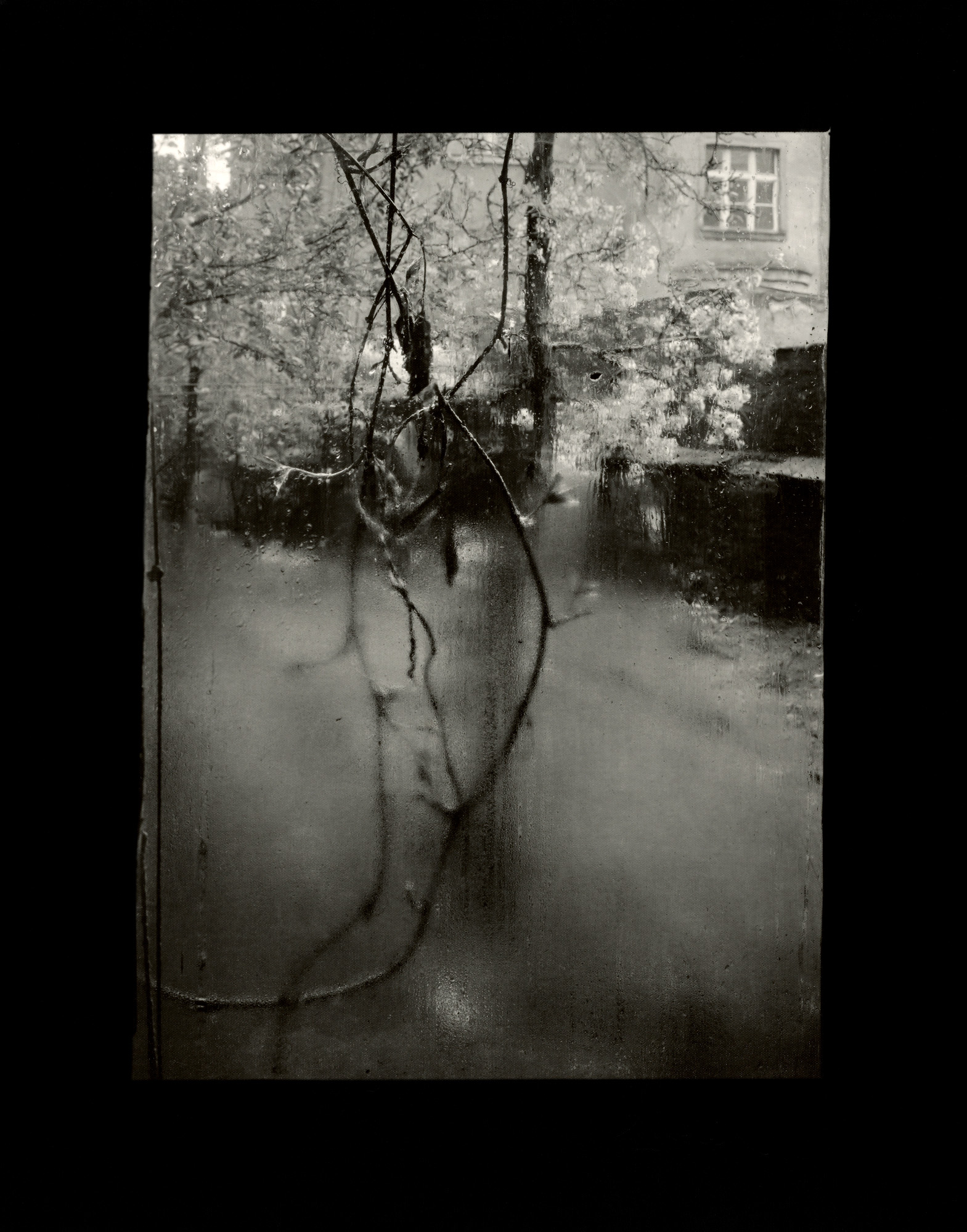


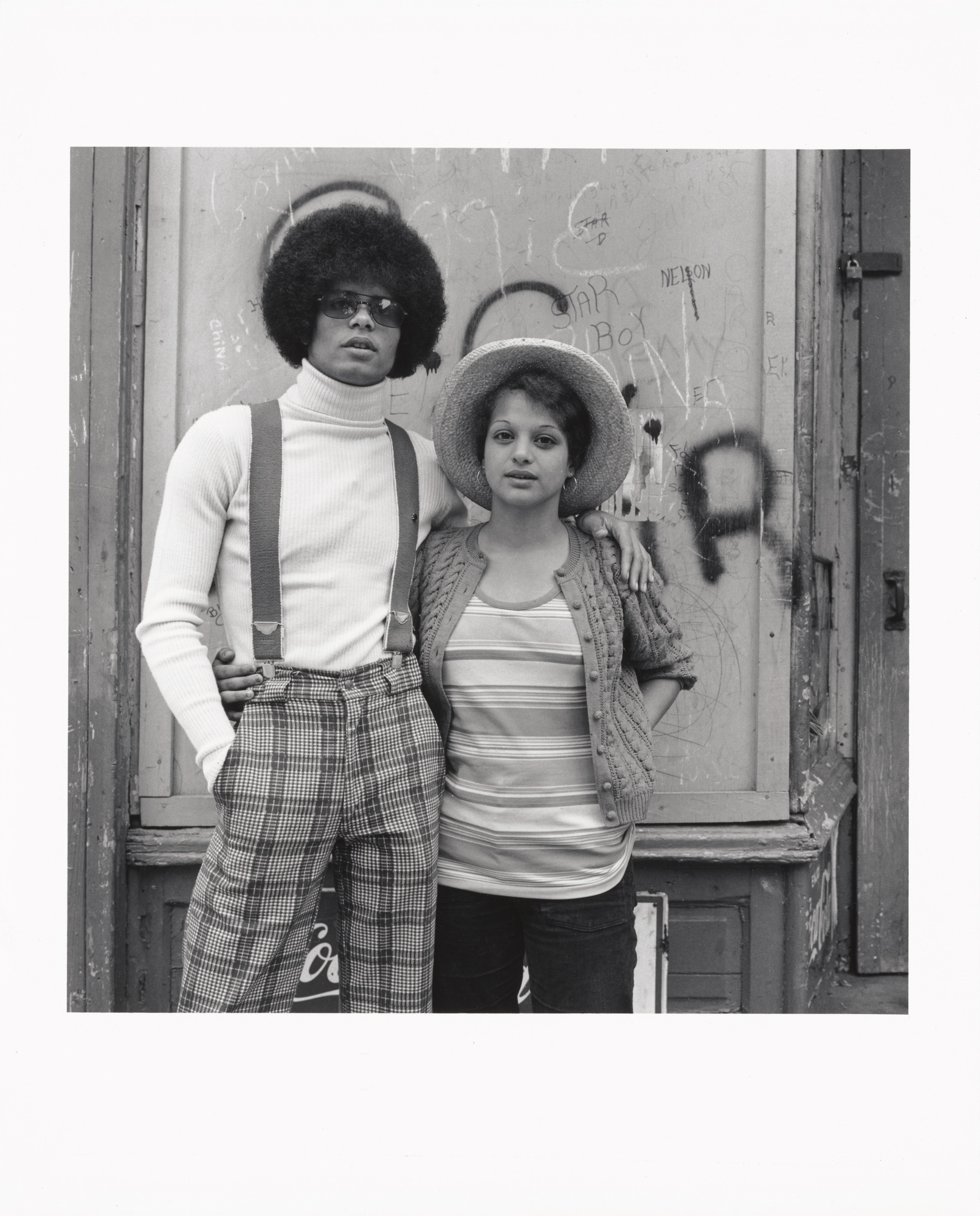

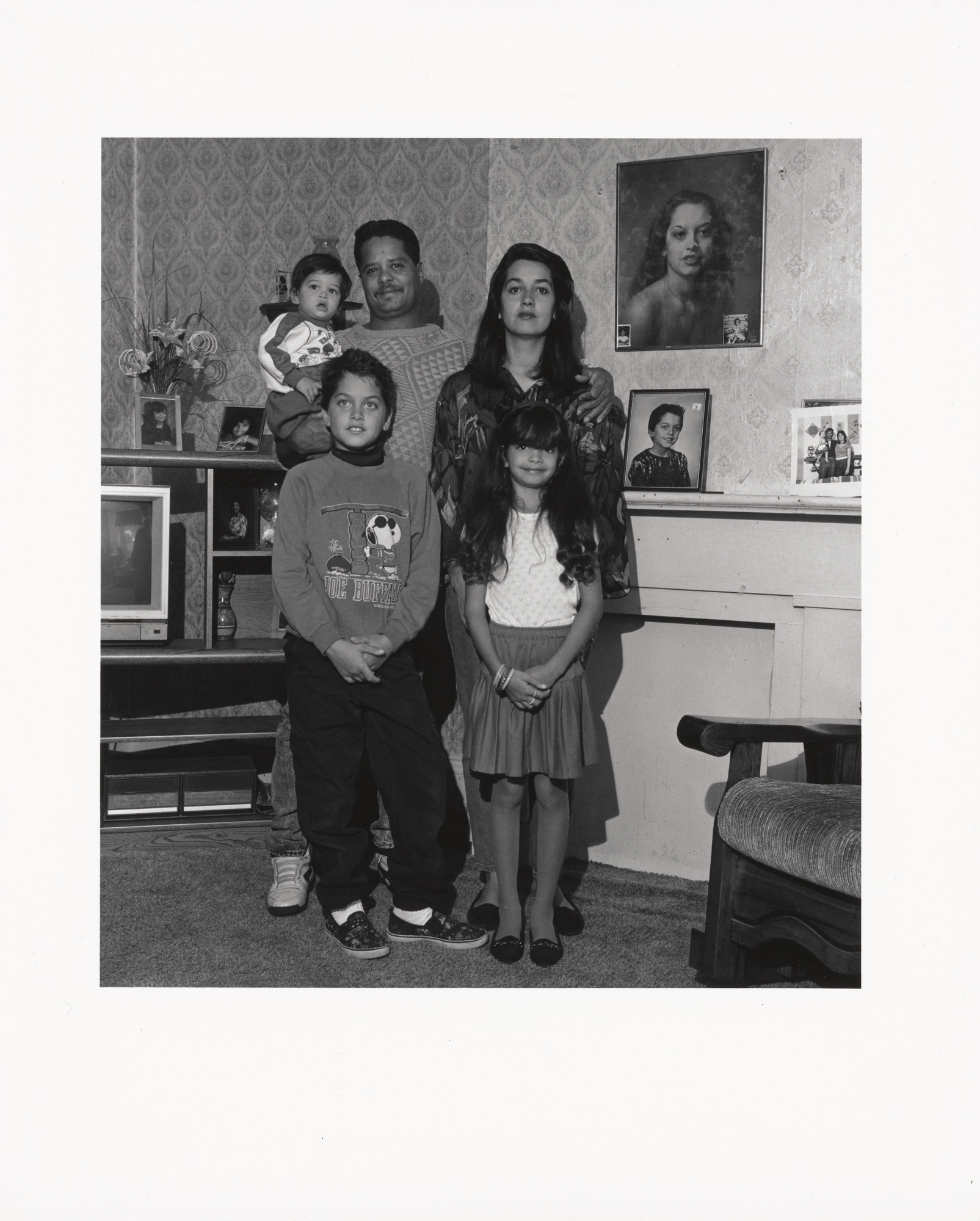


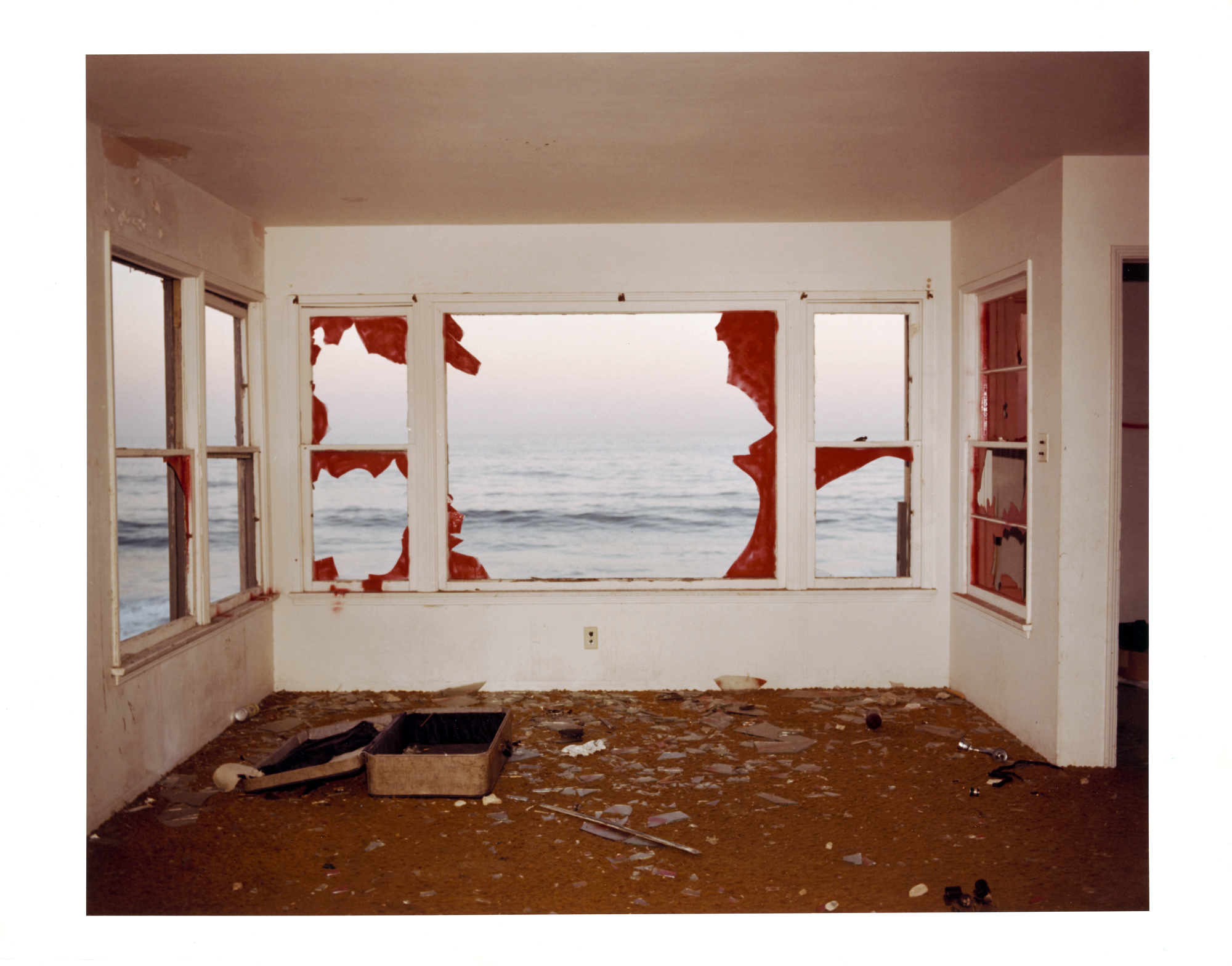





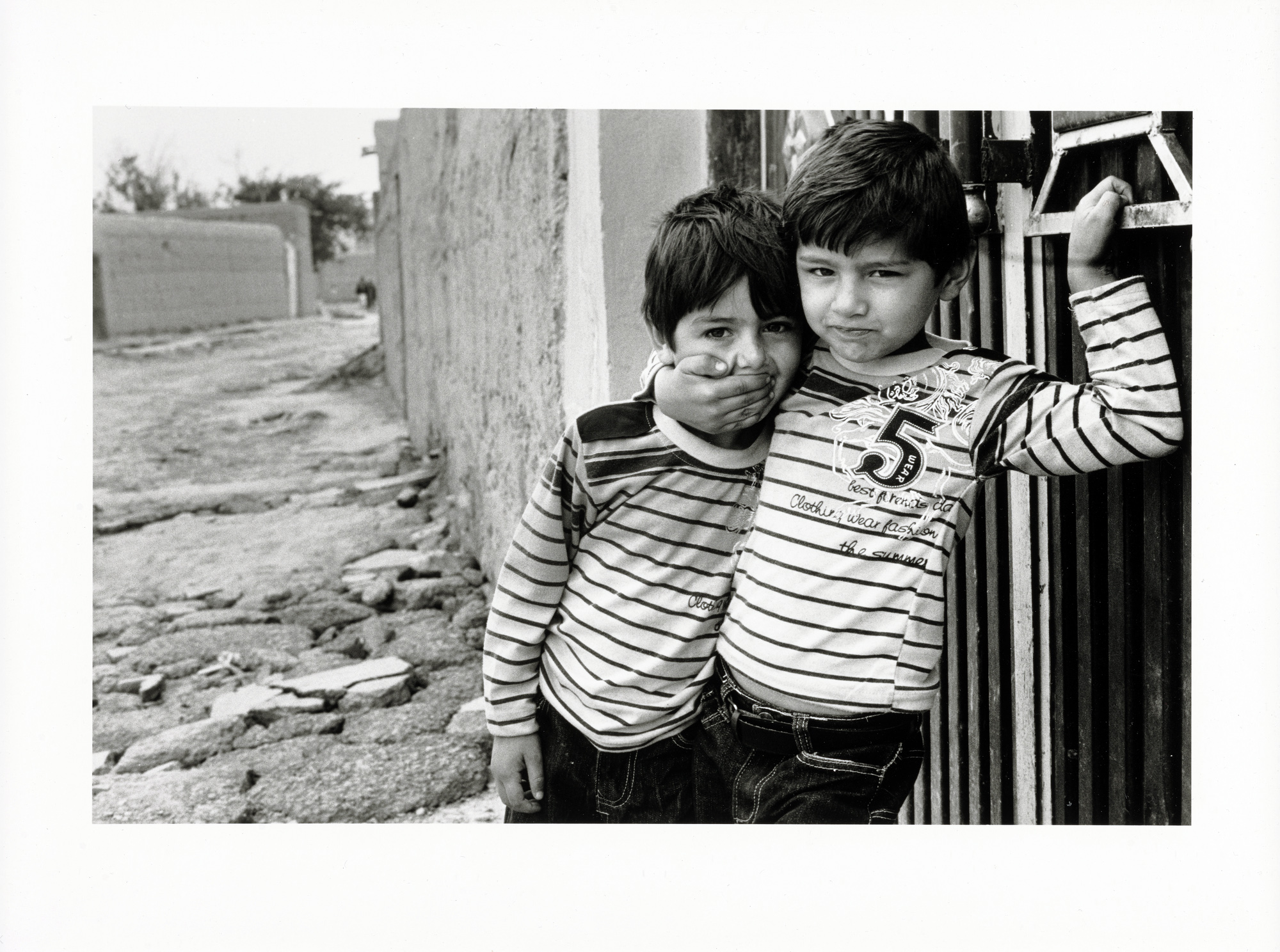
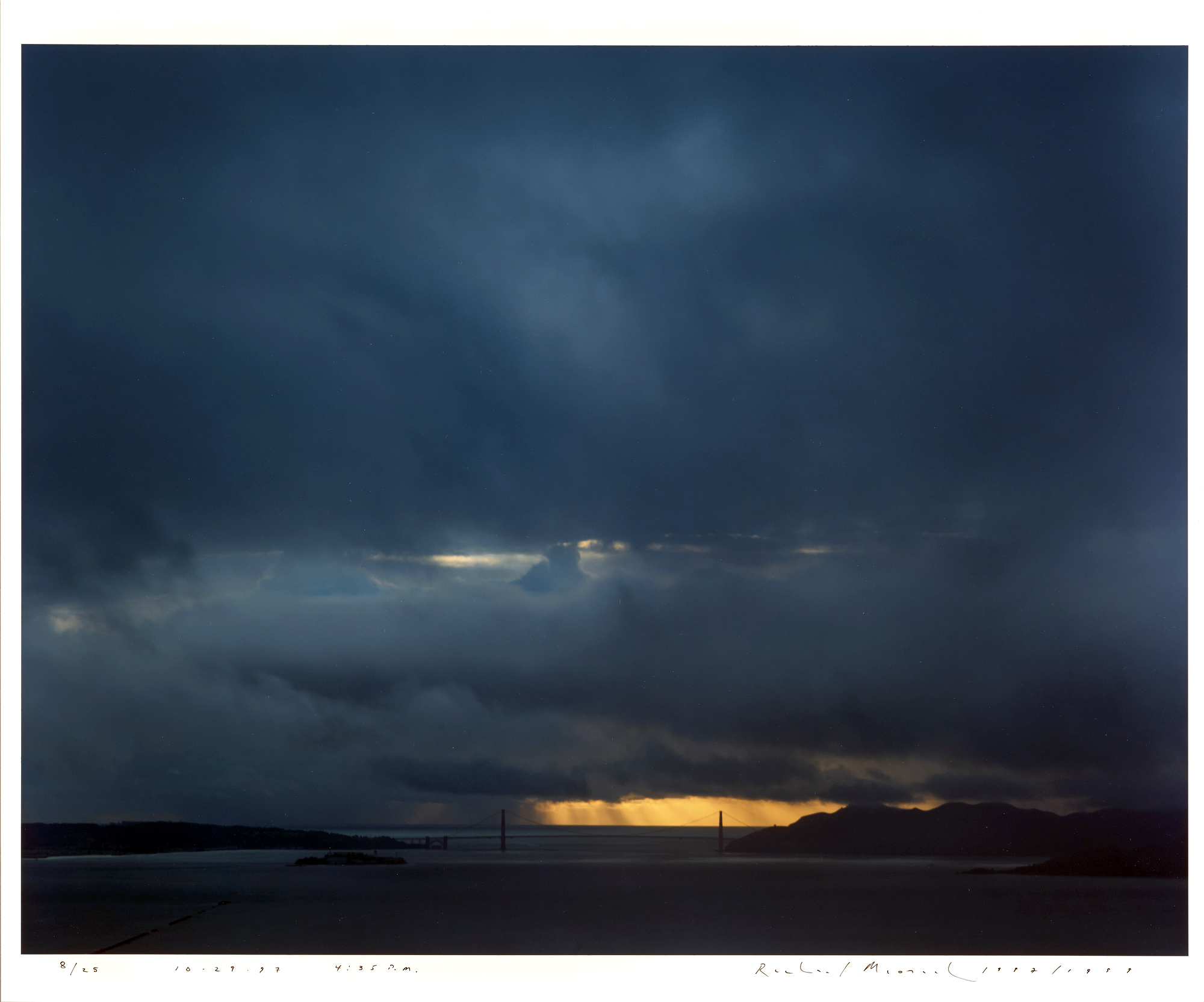

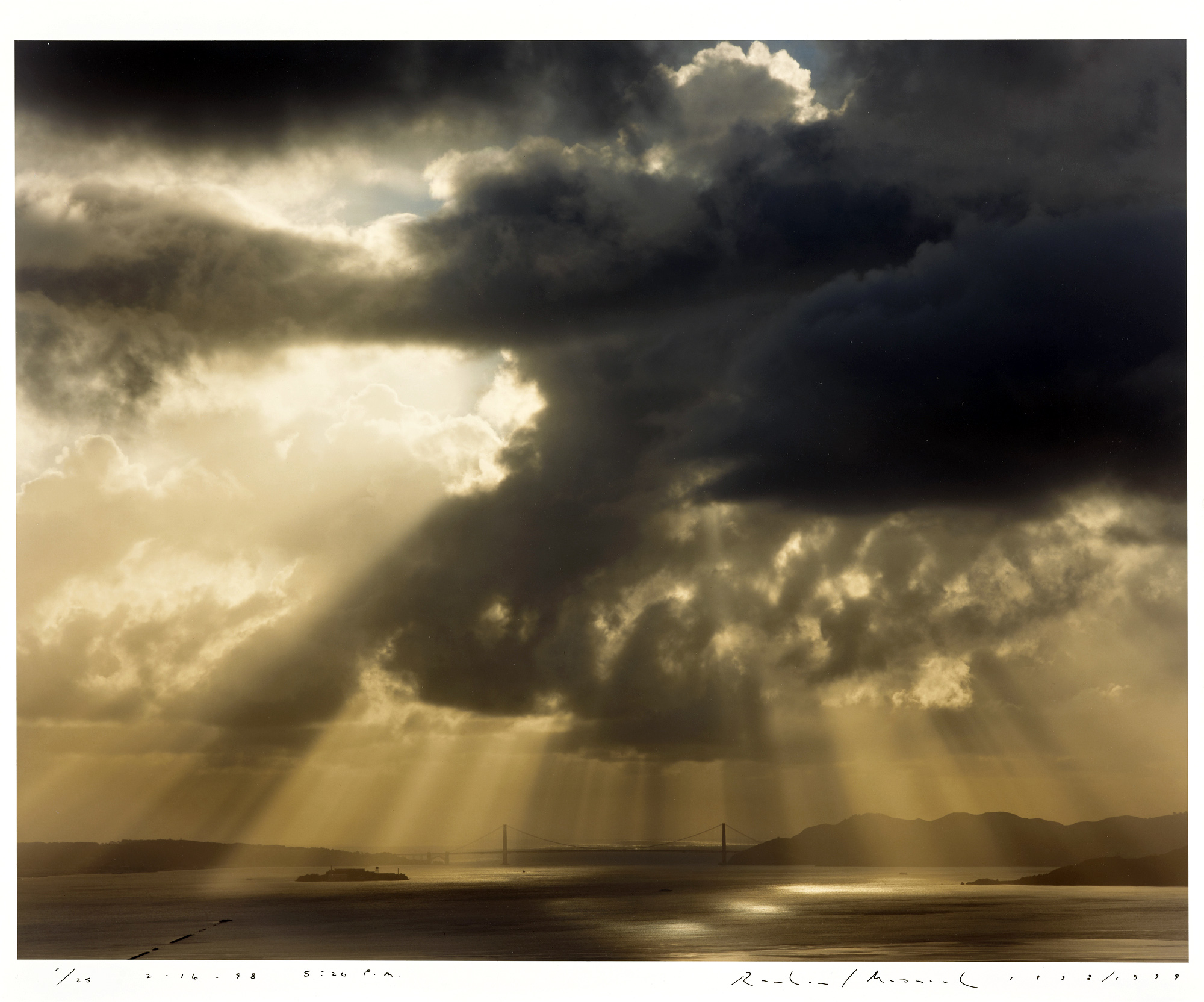
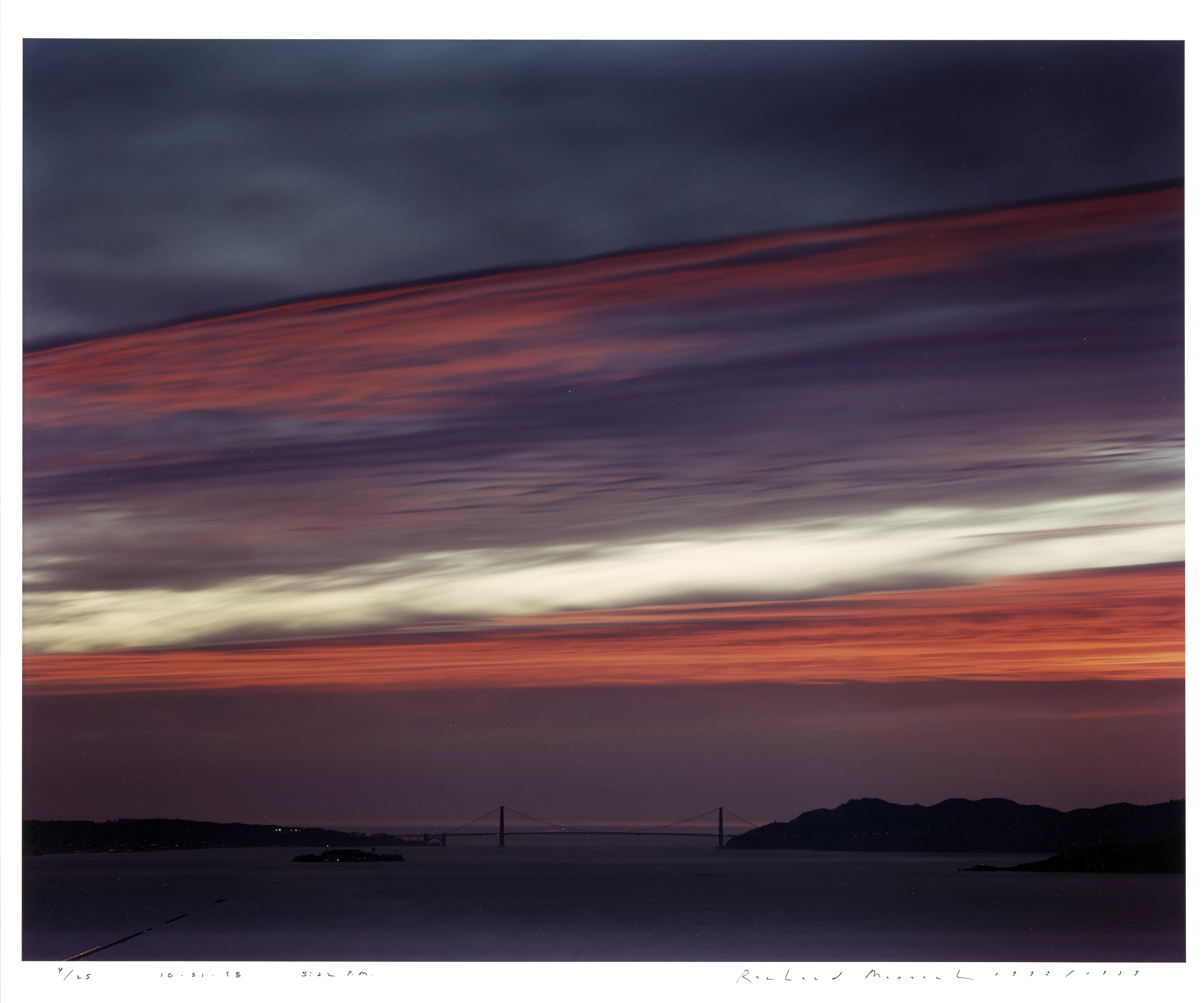







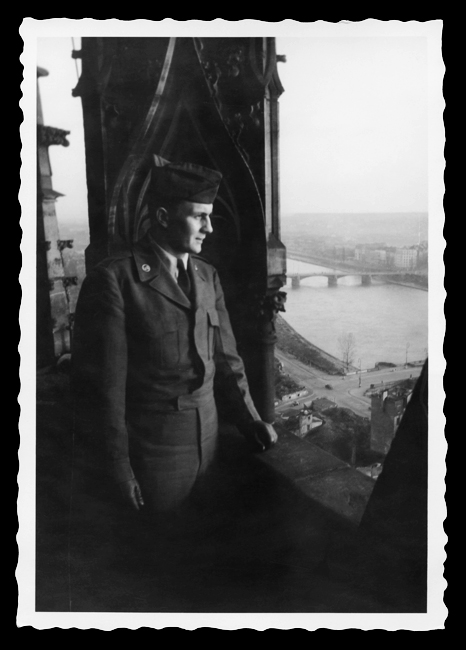
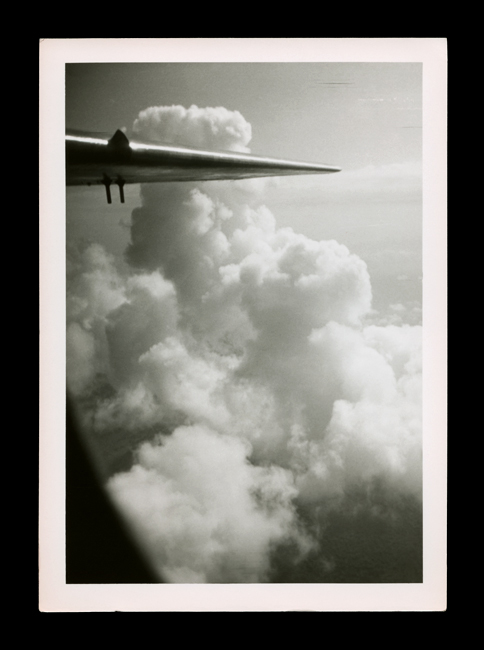
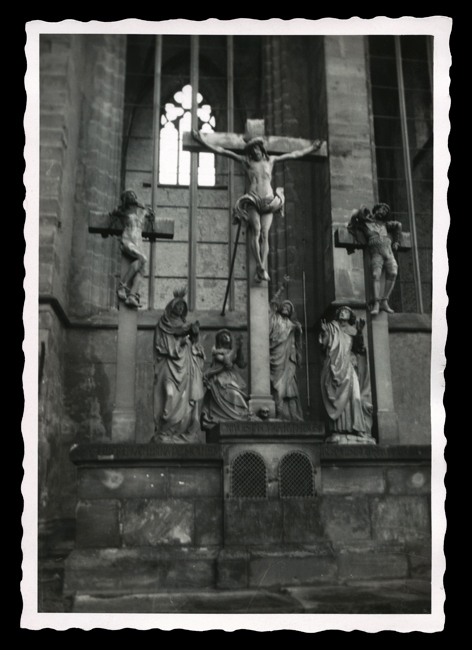
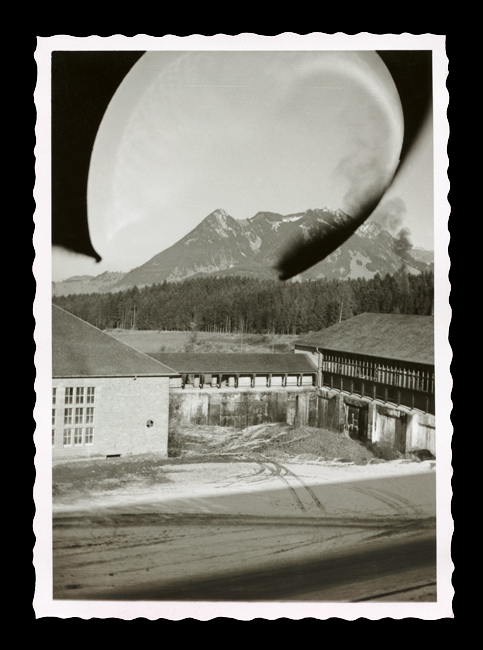
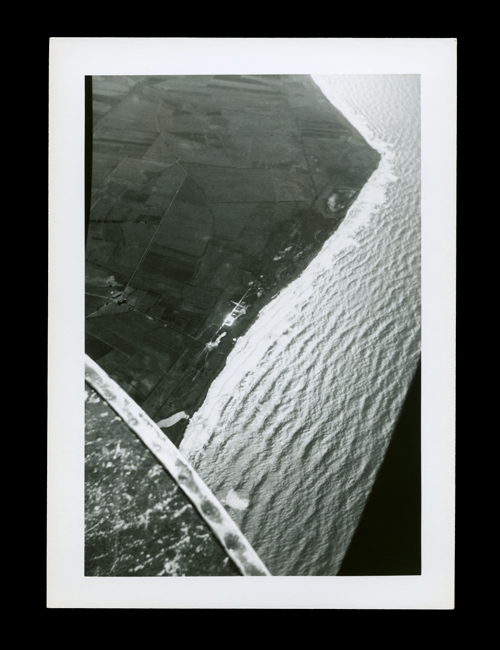
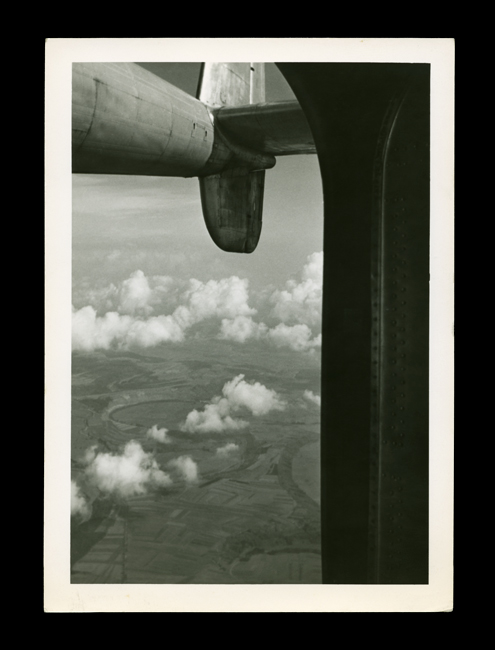
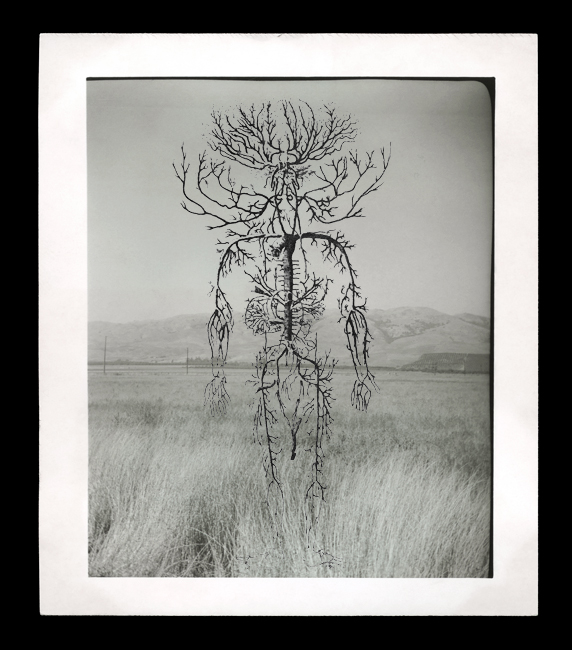
 Art Blart _ art and cultural memory archive
You must be logged in to post a comment.