Baldwin Lee (Chinese-American, b. 1951) Untitled 1983-1989 Vintage gelatin silver print 16 x 20 inches Collection of the artist, Courtesy of Howard Greenberg Gallery
“A good image is created by a state of grace. Grace expresses itself when it has been freed from conventions, free like a child in his early discovery of reality. The game is then to organise the rectangle.”
Chilean photographer Sergio Larraín Echeñique
figure ground
I have written previously on the excellent work of the Chinese-American photographer Baldwin Lee in his eponymously named exhibition at Joseph Bellows Gallery in 2022. Since then I have spent further time with his photographs, specifically during recent research for my posting on the exhibition A Long Arc: Photography and the American South since 1845 at the Virginia Museum of Fine Arts, Richmond (October 2024 – January 2025) and then again for this posting.
There are more photographs in this posting from Lee’s journey of discovery through the American South in the 1980s photographing Black communities with this 4 x 5 view camera, a journey that was as much a revelation for the people of those communities (literally, shining a light on their existence) as it was for the photographer himself (a self-reflective understanding of what was important to the photographer, discovering his subject).
“The process I adopted in successive road trips during my seven-year project involved splitting time between revisiting places I had previously photographed and seeking out new locations. The families who lived on this street in Rosedale, Mississippi, knew me from prior visits. Children were always thrilled at my arrival, and they delighted in taking turns shrouding their heads under my black focusing cloth that allowed them to peer at the dim image projected on the ground glass of my view camera.” (Text from the Guardian website)
This is what is so important about Baldwin Lee’s photographs. He grounds the figures in his photographs in the glass of his large format camera (standing proud) even as he grounds his figures in the history and culture of the American South, its Black history, its joy and impoverishment. As he himself says, his photographs are “personal stories about events that are momentous”, events in the lives of the participants inflected by how the photographer approaches his subject matter, how he interacts with what is in front of him, influenced by his own history of growing up a Chinese-American and by what he had already thought and felt about the subject, the American South.
Lee’s pictorial compositions, his “photographic seeing” (John Szarkowski’s phrase) is concerned with a felt response to a visual problem… how to conceive a cogent, empathetic picture structure both choreographically and visually. Adapting Szarkowski we could say that in Lee’s photographs the relationship of figure to figure is as centrally important as the relationship of figure to ground and frame.
Here is compassion, here is empathy, here is focus, stillness, culture, humanity. Here is a “state of grace” existing between the mind and feelings of the photographer and the organisation of the people and stories within the image… so much so that there is often a “revelation of spirit” in the subsequent prints by Lee (after Minor White, one of Baldwin Lee’s teachers).
Thus, Lee’s photographs show an impeccable “balance” in the image between figure and ground (touching the earth) – whether that be compositionally, emotionally or historically.
Dr Marcus Bunyan
Many thankx to the Ogden Museum of Southern Art for allowing me to publish the photographs in the posting. Please click on the photographs for a larger version of the image.
Baldwin Lee (Chinese-American, b. 1951) Natchez, Mississippi 1984 Vintage gelatin silver print 16 x 20 inches Collection of the artist Courtesy of Joseph Bellows Gallery
Is there an image of yours that stands out or is a favourite?
“As I rounded a corner several miles north of Natchez, Mississippi, a stunning sight – a brilliant pink stucco house framed by a blooming wisteria arbor caused me to pull over. I was compelled to knock on the door and found myself and Mr. and Mrs. Fulton, an elderly black couple standing in the cramped dimly lit kitchen whose illumination came from a bare-bulb hanging from the ceiling. Pushed up against a tattered refrigerator was a Formica table upon which provided a foundation for structure made of Kellog Cornflakes boxes. Each box bore a photograph of a beaming face. Boneheadedly I asked Mrs. Fulton if she liked cornflakes. With her gaze lowered she replied no. She then told me she disliked taking meals by herself now that her children had grown and gone.”
Anonymous. “Baldwin Lee,” on the PhotoWork Foundation website Nd [Online] Cited 06/01/2025
Curated Conversation with Baldwin Lee
On Saturday, October 5, Ogden Museum of Southern Art celebrated the opening of “Baldwin Lee” with a free Curated Conversation.
Taking place in the Museum’s historic Patrick F. Taylor Library, Prospect New Orleans’ Director of Curatorial Affairs, Andrew Rebatta, and photographer Baldwin Lee engaged in a lively conversation celebrating “Baldwin Lee,” a landmark solo exhibition at Ogden Museum of Southern Art highlighting Lee’s work.
Lee shared stories from his 5 decade career as a student, educator and practicing artist. Topics of discussion include Lee’s formal education with Minor White and Walker Evans (two of the 20th centuries’ most influential photographers) and his 1980s journey of self-discovery photographing the American South – which resulted in making nearly 10,000 photographs and producing one of the most important visual documents of and about the American South in the past half century.
Baldwin Lee (Chinese-American, b. 1951) Columbia, South Carolina 1984 Vintage gelatin silver print 16 x 20 inches Collection of the artist, Courtesy of Howard Greenberg Gallery
‘Dusty streets and bare feet coexist alongside the South Carolina Statehouse on Gervais Street. A short focal length lens emphasised the difference in scale between the foreground and background figures. An archaic flash bulb, a sealed glass orb containing spun magnesium and pure oxygen, ignited during the exposure illuminating the children closest to the camera. It was positioned higher than the camera and to its right’
Text from The Guardian website
Baldwin Lee (Chinese-American, b. 1951) Untitled 1983-1989 Gelatin silver print 16 x 20 inches Collection of the artist
Baldwin Lee (Chinese-American, b. 1951) Montgomery, Alabama 1984 Vintage gelatin silver print 16 x 20 inches Collection of the artist Courtesy of Joseph Bellows Gallery
Baldwin Lee (Chinese-American, b. 1951) Untitled 1983-1989 Gelatin silver print 16 x 20 inches Collection of the artist
Baldwin Lee (Chinese-American, b. 1951) Monroe, Louisiana 1984 Gelatin silver print 16 x 20 inches Collection of the artist
Baldwin Lee (Chinese-American, b. 1951) Monroe, Louisiana 1983 Gelatin silver print 16 x 20 inches Collection of the artist
Baldwin Lee (Chinese-American, b. 1951) Untitled 1983-1989 Gelatin silver print 16 x 20 inches Collection of the artist
Baldwin Lee (Chinese-American, b. 1951) Montgomery, Alabama 1984 Gelatin silver print 16 x 20 inches Collection of the artist
‘Southerners savour the sweetness and solace that comes at the end of searingly hot summer days at twilight. The quiet ushers in a deep peace. The other side of tranquility and beauty is ominousness and menace. The viewers of this photograph are invited to interpret its meaning. If there is an inclination toward wholeness this is a scene of contentment. Southerners approach this image with caution. Black southerners would probably not gather so publicly for fear of retributive reactions. White southerners probably have their own reasons to meet’
Text from The Guardian website
Baldwin Lee (Chinese-American, b. 1951) Untitled 1983-1989 Gelatin silver print 16 x 20 inches Collection of the artist
Baldwin Lee (Chinese-American, b. 1951) Vicksburg, Mississippi 1983 Gelatin silver print 20 x 16 inches Collection of the artist
Baldwin Lee was born in Brooklyn, New York and raised in Manhattan’s Chinatown. He studied photography at the Massachusetts Institute of Technology (M.I.T.) with photographer Minor White. Later, he would receive an MFA from Yale School of Art, where he studied with photographer Walker Evans. In 1982, Lee became the first Director of Photography within the Art department at the University of Tennessee. The following year, he set out from Knoxville with a 4 x 5 view camera on a journey of self-discovery photographing his adopted homeland – the American South.
Lee’s artistic goal was to partially re-trace and re-photograph the 1930s-40s routes made across the South by his mentor Walker Evans. Unlike Evans’ iconic depression-era photographs, Lee would eventually focus on documenting Black Americans, many of whom were living in poverty on the fringes of society. Over the next seven years, Lee traveled thousands of miles crisscrossing the South, making nearly 10,000 photographs – producing one of the most important visual documents of and about the American South in the past half century.
With this work, Lee had found his primary subject, and credits his many years of working within Black communities throughout the South as having a “political” effect on his life and art. The compassion Lee felt for those he photographed resonates within his work. Although, Lee’s 1980s photographs were known and respected by his fellow photographers and collectors, until recently this work has remained largely unknown and under-appreciated by a wider public.
In the fall of 2022, Hunter’s Point Press published “Baldwin Lee,” a book consisting of the artist’s 1980s Southern photographs. The book has since become an instant classic and was shortlisted as one of the best photo books of 2022 by “Aperture Magazine,” “TIME” and the International Center for Photography. The first edition of “Baldwin Lee” sold out in less than a month and is presently on its third edition of publication. The book’s success led to solo exhibitions at Howard Greenberg Gallery, New York City, Joseph Bellows Gallery, La Jolla, California and David Hill Gallery, London, England. After nearly 40 years, Baldwin Lee is finally being recognized for his groundbreaking work.
The exhibition Baldwin Lee will feature a selection of over 50 gelatin silver prints culled from thousands of images Lee made across the South in the 1980s. Many of these photographs will be exhibited for the first time. The exhibition will include compelling portraits of Black Americans, as well as a collection of landscape, cityscape and still-life images that visually encapsulate the Reagan-era American South.
Text from the Ogden Museum of Southern Art website
Baldwin Lee (Chinese-American, b. 1951) Lakeland, Florida 1984 Vintage gelatin silver print 16 x 20 inches Collection of the artist Courtesy of Howard Greenberg Gallery
Baldwin Lee (Chinese-American, b. 1951) Richmond, Virginia 1986 Gelatin silver print 16 x 20 inches Collection of the artist
Baldwin Lee (Chinese-American, b. 1951) Vicksburg, Mississippi 1984 Gelatin silver print 16 x 20 inches, Collection of the artist
Baldwin Lee (Chinese-American, b. 1951) Waterproof, LA 1986 Gelatin silver print 16 x 20 Collection of the artist
Baldwin Lee (Chinese-American, b. 1951) Lula, Mississippi 1984 Vintage gelatin silver print 16 x 20 inches Collection of the artist Courtesy of Joseph Bellows Gallery
Baldwin Lee (Chinese-American, b. 1951) Nashville, Tennessee 1983 Gelatin silver print 16 x 20 inches Collection of the artist
Baldwin Lee (Chinese-American, b. 1951) Untitled 1983-1989 Gelatin silver print 16 x 20 inches Collection of the artist
Baldwin Lee (Chinese-American, b. 1951) Plain Dealing, Louisiana 1984 Gelatin silver print 16 x 20 inches Collection of the artist
Baldwin Lee (Chinese-American, b. 1951) Mobile, Alabama 1985 Gelatin silver print 16 x 20 inches Collection of the artist
Baldwin Lee (Chinese-American, b. 1951) Defuniak Springs, Florida 1984 Gelatin Silver Print 16 x 20 inches Collection of the Artist
Baldwin Lee (Chinese-American, b. 1951) Untitled 1983-1989 Gelatin silver print 16 x 20 inches Collection of the artist
Baldwin Lee (Chinese-American, b. 1951) Rosedale, Mississippi 1984 Archival pigment print 40 x 50 inches Collection of the artist
‘The process I adopted in successive road trips during my seven-year project involved splitting time between revisiting places I had previously photographed and seeking out new locations. The families who lived on this street in Rosedale, Mississippi, knew me from prior visits. Children were always thrilled at my arrival, and they delighted in taking turns shrouding their heads under my black focusing cloth that allowed them to peer at the dim image projected on the ground glass of my view camera. They were more than eager to arrange themselves for this photograph’
Text from The Guardian website
Baldwin Lee (Chinese-American, b. 1951) Valdosta, Georgia 1985 Archival pigment print 40 x 50 inches Collection of the artist
Baldwin Lee (Chinese-American, b. 1951) Chattanooga, Tennessee 1983 Vintage gelatin silver print 16 x 20 inches Collection of the artist
Baldwin Lee (Chinese-American, b. 1951) Untitled 1983-1989 Gelatin silver print 16 x 20 inches Collection of the artist
Baldwin Lee (Chinese-American, b. 1951) Rosedale, Mississippi 1985 Gelatin silver print 16 x 20 inches Museum Purchase with Funds Provided by The Charles D. Urstadt Chairman Emeritus Acquisition Fund
Baldwin Lee (Chinese-American, b. 1951) Walls, Mississippi 1984 Gelatin silver print 16 x 20 inches
Ogden Museum of Southern Art 925 Camp Street, New Orleans, LA
Exhibition dates: 26th October, 2018 – 7th April, 2019
Curator: Keith F. Davis, Senior Curator, Photography
Ralston Crawford (American, 1906-1978) Unloading the Cargo c. 1942 Gelatin silver print 4 1/2 × 7 inches Gift of Neelon Crawford
Fascinated as he was “by the purified geometry of man-made things,” the best of these photographs from Ralston Crawford evidence a disciplined eye in the quest to portray a structured vision of the industrial world. While photographically there is nothing ground breaking here, these are strong images of abstract spaces – “precise and geometric, emphasising bold, simple forms.” What is of more interest is how “he applied a painter’s eye to the challenge of making interesting photographs.”
It is still amazing to me to think that anyone can just pick up a camera and call themselves a photographer, especially in today’s media saturated environment where everyone has a camera attached to their phone. You wouldn’t think of calling yourself a painter without years of experimentation and exploration of the medium and it’s abilities. And the same applies to being a photographic artist. To me, being an image maker takes years of looking, of understanding the medium, its history and its abilities, the construction of the picture plane, the light, the physicality of the print, the aura of the object.
Are these photographs well seen, framed and printed? Yes.
Are they memorable? Do they impinge on the consciousness like great photographs do and take you to a different plane of existence? No they don’t.
These are experiments, sketches, in light and form, static in their painting, immobile in their resilience.
Dr Marcus Bunyan
Many thankx to The Nelson-Atkins Museum of Art for allowing me to publish the photographs in the posting. Please click on the photographs for a larger version of the image.
Structured Vision: The Photographs of Ralston Crawford
Fascinated by the purified geometry of man-made things, Ralston Crawford (1906-1978) worked in a consistently formal, or abstract, manner across a variety of mediums. His photographs provide an essential look at a vital era of abstraction in American art, and at the cultural scenes and subjects from which that creative sensibility arose.
Crawford used the camera as a tool of both documentary and artistic expression. Some photographs served as studies for later paintings or prints. Most, however, were created and appreciated purely as photographs. His subjects ranged from urban and industrial themes to ships and sailing, jazz, the people and culture of New Orleans, bullfighting and religious processions in Spain, and the destructive power of the atomic bomb.
Ralston Crawford (American, 1906-1978) Dock Workers 1938 Gelatin silver print 6 1/2 × 8 15/16 inches Gift of Hallmark Cards, Inc.,
Ralston Crawford (American, 1906-1978) Grain Elevators, Buffalo c. 1942 Gelatin silver print 6 5/16 × 9 1/2 inches Gift of Neelon Crawford
Ralston Crawford (American, 1906-1978) Staging Area, Coulee Dam 1972 Gelatin silver print 13 × 19 1/8 inches Gift of Hallmark Cards, Inc.,
Ralston Crawford (American, 1906-1978) Grain Elevators with Shadows c. 1942 Gelatin silver print 9 1/8 × 7 3/16 inches Gift of the Hall Family Foundation
Ralston Crawford (American, 1906-1978) Flower Vases on Tomb, New Orleans c. 1959 Gelatin silver print 9 11/16 × 7 13/16 inches Gift of Neelon Crawford
Ralston Crawford (American, 1906-1978) Third Avenue Elevated 1948 Gelatin silver print 13 7/16 × 9 1/16 inches Gift of Hallmark Cards, Inc.,
Ralston Crawford (American, 1906-1978) Door with Striped Pole and Striped Wall, New Orleans 1967 Gelatin silver print 13 5/16 × 8 15/16 inches Gift of Neelon Crawford
Ralston Crawford, who celebrated the modern American industrial landscape in a precisionist style and captured the vitality of New Orleans jazz culture, is the subject of a photography exhibition opening at The Nelson-Atkins Museum of Art in Kansas City Oct. 26 through April 7, 2019. Structured Vision: The Photographs of Ralston Crawford, showcases the museum’s deep holdings of his work.
“Ralston Crawford’s photographs have a profound energy,” said Julián Zugazagoitia, Menefee D. and Mary Louise Blackwell CEO and Director of the Nelson-Atkins. “Throughout his career he juxtaposed creation and destruction, form and chaos. His body of work is wonderfully varied and reflects how complicated and rich one artistic sensibility can be.”
George Ralston Crawford (1906-1978) was born in Canada but grew up in Buffalo, New York, where his interest in docks, shipyards, bridges, and grain elevators blossomed. He was a sailor as a young adult and began studying art in the late 1920s, painting characteristically American subjects such as highways, bridges, and machines. His work was precise and geometric, emphasising bold, simple forms.
“Ralston Crawford is an important artist in the Nelson-Atkins collection because he applied a painter’s eye to the challenge of making interesting photographs,” said Keith F. Davis, Senior Curator, Photography. “There is enormous variety in his work, from industrial subjects to street life and cemeteries of New Orleans. Some of his pictures are about pure geometry; others celebrate the improvisational vitality of everyday life. Ultimately, all of Crawford’s work is about the interrelationship of structure and change.”
Crawford worked actively from the 1930s through the 1970s. He absorbed and expressed the basic energies of the mid-twentieth century, from the era’s industrial might to the destructive power of war and the atomic bomb. He celebrated the most basic of forces: creation, decay, time, and change. He travelled extensively throughout his life to paint, produce lithographs, take photographs, and teach. In addition to key gifts from the Hall Family Foundation, the artist’s son, Neelon Crawford, was instrumental in increasing the Nelson-Atkins’s holdings of his father’s photographs.
The exhibition is accompanied by a new book, The Photographs of Ralston Crawford, written by Davis, providing a fresh, comprehensive look at Crawford’s photographs from 1938 through the mid-1970s, including both well-known works and previously unpublished images. This volume, published by Yale University Press, is distributed for the Hall Family Foundation in association with the Nelson-Atkins.
Press release from The Nelson-Atkins Museum of Art
Ralston Crawford (American, 1906-1978) John “Papa” Joseph, Outside Barbershop, New Orleans 1958 Gelatin silver print 7 11/16 × 9 9/16 inches Gift of Neelon Crawford
Ralston Crawford (American, 1906-1978) Dancer and Meyer Kennedy at the Caravan Club, New Orleans 1953 Gelatin silver print, 9 1/2 × 7 9/16 inches Gift of Neelon Crawford
Ralston Crawford (American, 1906-1978) Tuxedo Brass Band, New Orleans 1959 Gelatin silver print 6 7/16 × 9 1/2 inches Gift of Neelon Crawford
Ralston Crawford (American, 1906-1978) Women in Sunday School Parade, New Orleans 1958 Gelatin silver print 6 3/16 × 9 9/16 inches Gift of Neelon Crawford
Ralston Crawford (American, 1906-1978) Bow and Rope 1972 Gelatin silver print 11 3/16 × 16 5/8 inches Gift of Neelon Crawford
I have posted on this exhibition before, when it was at the Centre Pompidou in Paris, but this iteration at SFMOMA is the exclusive United States venue for the Walker Evans retrospective exhibition – and the new posting contains fresh media images not available previously.
I can never get enough of Walker Evans. This perspicacious artist had a ready understanding of the contexts and conditions of the subject matter he was photographing. His photographs seem easy, unpretentious, and allow his sometimes “generally unaware” subjects (subway riders, labor workers) to speak for themselves. Does it matter that he was an outsider, rearranging furniture in workers homes while they were out in the fields: not at all. Photography has always falsified truth since the beginning of the medium and, in any case, there is never a singular truth but many truths told from many perspectives, many different points of view. For example, who is to say that the story of America proposed by Robert Frank in The Americans, from the point of view of an outsider, is any less valuable than that of Helen Levitt’s view of the streets of New York? For different reasons, both are as valuable as each other.
Evans’ photographs for the Farm Security Administration (FSA) documenting the effects of the Great Depression on American life are iconic because they are cracking good photographs, not because he was an insider or outsider. He was paid to document, to enquire, and that is what he did, by getting the best shot he could. It is fascinating to compare Floyd and Lucille Burroughs, Hale County, Alabama (1936, below) with Alabama Tenant Farmer Floyd Bourroughs (1936, below). In the first photograph the strong diagonal element of the composition is reinforced by the parallel placement of the three feet, the ‘Z’ shape of Lucille Burroughs leg then leading into her upright body, which is complemented by the two vertical door jams, Floyd’s head silhouetted by the darkness beyond. There is something pensive about the clasping of his hands, and something wistful and sad, an energy emanating from the eyes. If you look at the close up of his face, you can see that it is “soft” and out of focus, either because he moved and/or the low depth of field. Notice that the left door jam is also out of focus, that it is just the hands of both Floyd and Lucille and her face that are in focus. Does this low depth of field and lack of focus bother Evans? Not one bit, for he knows when he has captured something magical.
A few second later, he moves closer to Floyd Burroughs. You can almost hear him saying to Floyd, “Stop, don’t move a thing, I’m just going to move the camera closer.” And in the second photograph you notice the same wood grain to the right of Floyd as in the first photograph, but this time the head is tilted slightly more, the pensive look replaced by a steely gaze directed straight into the camera, the reflection of the photographer and the world beyond captured on the surface of the eye. Walker Evans is the master of recognising the extra/ordinary. “The street was an inexhaustible source of poetic finds,” describes Chéroux. In his creation of visual portfolios of everyday life, his “notions of realism, of the spectator’s role, and of the poetic resonance of ordinary subjects,” help Evans created a mythology of American life: a clear vision of the present as the past, walking into the future.
With the contemporary decline of small towns and blue collar communities across the globe Evans’ concerns, for the place of ordinary people and objects in the world, are all the more relevant today. As the text from the Metropolitan Museum observes, it is the individuals and social institutions that are the sites and relics that constitute the tangible expressions of American desires, despairs, and traditions. And not just of American people, of all people… for it is community that binds us together.
Dr Marcus Bunyan
Many thankx to the San Francisco Museum of Modern Art for allowing me to publish the text and photographs in the posting. Please click on the photographs for a larger version of the image.
Walker Evans is one of the most influential artists of the twentieth century. His elegant, crystal-clear photographs and articulate publications have inspired several generations of artists, from Helen Levitt and Robert Frank to Diane Arbus, Lee Friedlander, and Bernd and Hilla Becher. The progenitor of the documentary tradition in American photography, Evans had the extraordinary ability to see the present as if it were already the past, and to translate that knowledge and historically inflected vision into an enduring art. His principal subject was the vernacular – the indigenous expressions of a people found in roadside stands, cheap cafés, advertisements, simple bedrooms, and small-town main streets. For fifty years, from the late 1920s to the early 1970s, Evans recorded the American scene with the nuance of a poet and the precision of a surgeon, creating an encyclopaedic visual catalogue of modern America in the making. …
Most of Evans’ early photographs reveal the influence of European modernism, specifically its formalism and emphasis on dynamic graphic structures. But he gradually moved away from this highly aestheticised style to develop his own evocative but more reticent notions of realism, of the spectator’s role, and of the poetic resonance of ordinary subjects. …
In September 1938, the Museum of Modern Art opened American Photographs, a retrospective of Evans’ first decade of photography. The museum simultaneously published American Photographs – still for many artists the benchmark against which all photographic monographs are judged. The book begins with a portrait of American society through its individuals – cotton farmers, Appalachian miners, war veterans – and social institutions – fast food, barber shops, car culture. It closes with a survey of factory towns, hand-painted signs, country churches, and simple houses – the sites and relics that constitute the tangible expressions of American desires, despairs, and traditions.
Between 1938 and 1941, Evans produced a remarkable series of portraits in the New York City subway. They remained unpublished for twenty-five years, until 1966, when Houghton Mifflin released Many Are Called, a book of eighty-nine photographs, with an introduction by James Agee written in 1940. With a 35mm Contax camera strapped to his chest, its lens peeking out between two buttons of his winter coat, Evans was able to photograph his fellow passengers surreptitiously, and at close range. Although the setting was public, he found that his subjects, unposed and lost in their own thoughts, displayed a constantly shifting medley of moods and expressions – by turns curious, bored, amused, despondent, dreamy, and dyspeptic. “The guard is down and the mask is off,” he remarked. “Even more than in lone bedrooms (where there are mirrors), people’s faces are in naked repose down in the subway.”
Extract from Department of Photographs. “Walker Evans (1903-1975),” in Heilbrunn Timeline of Art History. New York: The Metropolitan Museum of Art, 2000 on the Metropolitan Museum of Art website October 2004 [Online] Cited 08/02/2022
“These are not photographs like those of Walker Evans who in James Agee’s account in Let Us Now Praise Famous Men tookhis pictures of the bare floors and iron bedsteads of the American mid-western sharecroppers while they were out tending their failing crops, and who even, as the evidence of his negatives proves, rearranged the furniture for a ‘better shot’. The best shot that Heilig could take was one that showed things as they were and as they should not be. …
To call these ‘socially-conscious documentary’ photographs is to acknowledge the class from which the photographer [Heilig] comes, not to see them as the result of a benign visit by a more privileged individual [Evans], however well-intentioned.”
Extract from James McCardle. “Weapon,” on the On This Day In Photography website [Online] Cited 29/01/2018
Exhibition Displays Over 400 Photographs, Paintings, Graphic Ephemera and Objects from the Artist’s Personal Collection
The San Francisco Museum of Modern Art (SFMOMA) will be the exclusive United States venue for the retrospective exhibition Walker Evans, on view September 30, 2017, through February 4, 2018. As one of the preeminent photographers of the 20th century, Walker Evans’ 50-year body of work documents and distills the essence of life in America, leaving a legacy that continues to influence generations of contemporary photographers and artists. The exhibition will encompass all galleries in the museum’s Pritzker Center for Photography, the largest space dedicated to the exhibition, study and interpretation of photography at any art museum in the United States.
“Conceived as a complete retrospective of Evans’ work, this exhibition highlights the photographer’s fascination with American popular culture, or vernacular,” explains Clément Chéroux, senior curator of photography at SFMOMA. “Evans was intrigued by the vernacular as both a subject and a method. By elevating it to the rank of art, he created a unique body of work celebrating the beauty of everyday life.”
Using examples from Evans’ most notable photographs – including iconic images from his work for the Farm Security Administration (FSA) documenting the effects of the Great Depression on American life; early visits to Cuba; street photography and portraits made on the New York City subway; layouts and portfolios from his more than 20-year collaboration with Fortune magazine and 1970s Polaroids – Walker Evans explores Evans’ passionate search for the fundamental characteristics of American vernacular culture: the familiar, quotidian street language and symbols through which a society tells its own story. Decidedly popular and more linked to the masses than the cultural elite, vernacular culture is perceived as the antithesis of fine art.
While many previous exhibitions of Evans’ work have drawn from single collections, Walker Evans will feature over 300 vintage prints from the 1920s to the 1970s on loan from the important collections at major museums including the Metropolitan Museum of Art, the Getty Museum, the Museum of Modern Art, the Art Institute of Chicago, the National Gallery of Art, Washington, D.C., the National Gallery of Canada, the Musée du Quai Branly and SFMOMA’s own collection, as well as prints from private collections from around the world. More than 100 additional objects and documents, including examples of the artist’s paintings; items providing visual inspiration sourced from Evans’ personal collections of postcards, graphic arts, enamelled plates, cut images and signage; as well as his personal scrapbooks and ephemera will be on display. The exhibition is curated by the museum’s new senior curator of photography, Clément Chéroux, who joined SFMOMA in 2017 from the Musée National d’Art Moderne of the Centre Pompidou, Paris, organiser of the exhibition.
While most exhibitions devoted to Walker Evans are presented chronologically, Walker Evans‘ presentation is thematic. The show begins with an introductory gallery displaying Evans’ early modernist work whose style he quickly rejected in favour of focusing on the visual portfolio of everyday life. The exhibition then examines Evans’ captivation with the vernacular in two thematic contexts. The first half of the exhibition will focus on many of the subjects that preoccupied Evans throughout his career, including text-based images such as signage, shop windows, roadside stands, billboards and other examples of typography. Iconic images of the Great Depression, workers and stevedores, street photography made surreptitiously on New York City’s subways and avenues and classic documentary images of life in America complete this section. By presenting this work thematically, the exhibition links work separated by time and place and highlights Evans’ preoccupation with certain subjects and recurrent themes. The objects that moved him were ordinary, mass-produced and intended for everyday use. The same applied to the people he photographed – the ordinary human faces of office workers, labourers and people on the street.
“The street was an inexhaustible source of poetic finds,” describes Chéroux.
The second half of the exhibition explores Evans’ fascination with the methodology of vernacular photography, or styles of applied photography that are considered useful, domestic and popular. Examples include architecture, catalog and postcard photography as well as studio portraiture, and the exhibition juxtaposes this work with key source materials from the artist’s personal collections of 10,000 postcards, hand-painted signage and graphic ephemera (tickets, flyers, logos and brochures). Here Evans elevates vernacular photography to art, despite his disinclination to create fine art photographs. Rounding out this section are three of Evans’ paintings using vernacular architecture as inspiration. The exhibition concludes with Evans’ look at photography itself, with a gallery of photographs that unite Evans’ use of the vernacular as both a subject and a method.
About Walker Evans
Born in St. Louis, Walker Evans (1903-1975) was educated at East Coast boarding schools, Williams College, the Sorbonne and College de France before landing in New York in the late 1920s. Surrounded by an influential circle of artists, poets and writers, it was there that he gradually redirected his passion for writing into a career as a photographer, publishing his first photograph in the short-lived avant-garde magazine Alhambra. The first significant exhibition of his work was in 1938, when the Museum of Modern Art, New York presented Walker Evans: American Photographs, the first major solo exhibition at the museum devoted to a photographer.
In the 50 years that followed, Evans produced some of the most iconic images of his time, contributing immensely to the visibility of American culture in the 20th century and the documentary tradition in American photography. Evans’ best known photographs arose from his work for the Farm Security Administration (FSA), in which he documented the hardships and poverty of Depression-era America using a large-format, 8 x 10-inch camera. These photographs, along with his photojournalism projects from the 1940s and 1950s, his iconic visual cataloguing of the common American and his definition of the “documentary style,” have served as a monumental influence to generations of photographers and artists.
This is a magnificent exhibition, well paced and beautifully hung in the gallery spaces. It is gratifying to see a “blockbuster” at the National Gallery of Victoria that does not rely on papered walls or patterned floors, that just allows the work to speak for itself. There is an excellent chronological trajectory to the work, showcasing the holistic development of the artist in one interweaving arc: from the early history paintings, where Degas is educating himself not only in the history of art but also in the practicalities of the history of painting (how actually to paint) … through to the late, bravura pastels.
Pastel is Degas’s strongest medium and it was incredible to observe close up how he could make pastel look like oil paint and vice versa. My favourite was Femme à la toilette [Woman at her toilette] (c. 1894, below) were the flattened perspectival image disintegrates before your eyes: “As well as reflecting the artist’s love of Japanese woodblock prints with their frequently intimate subject matter, in this late drawing Degas applied his vivid pigments with an almost sculptural intensity, building them up as though modelling form with his fingers.” Abstraction eat your heart out.
His “impressions” of reality rely on a keen eye, a wonderful understanding of space and the refractions of light, and the use of depth of field. The paintings I like best were not of the ballet, but rather the everyday “observational” paintings of the theatre box, a conversation and, particularly, The laundress ironing (c. 1882-86, below) with its simplified planar colour fields that run in different directions. These “punctures” of reality, or punctum to use a photographic term, elevate mundane everyday occurrences into a revelatory state – as though these encounters were taken from the flow of space and time, one frame out of a non-linear narrative.
The paintings of women at the toilettes are not voyeuristic but show a love and passion for an intimacy with women which he perhaps never achieved in real life, brought forth in observations of the female form “that challenged conventional notions of feminine beauty in their depiction of non-idealised jolie-laide (unconventionally beautiful) models”. Melbourne arts blogger Natalie Thomas observes that, “”Women and girls are everywhere in this show, but strangely absent too,” writes Thomas. Despite the fact the majority of Degas’ work explores femininity and the female body, the show, she says, fails to provide a female perspective.” (Natalie Thomas quoted in Shad D’Souza, “Gender and the NGV: ‘More white male artists than you can shake a stick at’,” on The Guardian website 15 September 2016 Cited 16/09/2016).
While I agree with Natalie Thomas that these paintings fail to provide a contemporaryfemale perspective, that is not all that these paintings are about. Of course, they are a privileged white male gaze looking upon the body of a female and we must accept and acknowledge that is what they are. But that is just one element of their narrative. It’s all very well critiquing the work from the present day and saying there is no female perspective, but in the era in which these “sensational” paintings emerged – it was an epoch where the privileged, powerful male gaze could look upon the female body. Yes, please look at the paintings from a contemporary perspective while understanding the conditions under which they were created, and then try to say something more interesting about them: the perspective, the colours, the form, the position of the painter, the framing of the scene, the possible disappearance of the artist to the sitter, as though the camera (his eyes) had disappeared: where someone is so used to the other being there, that they are natural (do not act or perform), unselfconscious in front of them. Then, and only then, do the paintings perhaps become something else – about women, their lives and habits / habitats. A different perspective from trotting out the usual “we are objectified / subjugated / defiled” trope.
The sculptures are the revelation of the exhibition. Again, the male gaze pushing and prodding at the female form… except, these sculptures seem to erupt from within – like bubbling hot mud that seems to emanate from deep within the artist, erupting into the glorious form of the female body. Dark and mysterious, I would have loved to have seen one of the wax models, just one, to see the colour and feel the fragility of that form, over the robustness of the bronze.
And finally to the last room, the late works. There is an essentialness to the late work, the form stripped bare, heavily applied pastel in layers, dark heavy outlines with the frame filled with an “orgy of colours” – he “developed an expressive use of colour and line that may have arisen due to his deteriorating vision.” But he could still feel what he was doing and we can feel it too: the working of the medium, the working of the theme to its final resolution.
While I didn’t know much about the work of Degas other than the ballet pictures before this exhibition – after three visits, perhaps I know just a little more.
Edgar Degas was born in 1834 into a wealthy banking family. Unlike many of his contemporaries, his family were supportive of his artistic talent and desire to become an artist.
Degas resisted being labelled an ‘Impressionist’ yet was at the core of the movement’s most important manifestations. Classically trained, Degas initially aspired to be a painter of historical narratives. As he matured, however, he made the depiction of daily life the central focus of his art. He was drawn primarily to the human figure engaged in movement and work, sketching on the spot then working up his finished compositions indoors in his studio. Degas’ obsession with the theatre and ballet in particular enabled him to explore his fascination with artificial light, which set him apart from the other Impressionists who preferred to work out-of-doors capturing the transient effects of natural daylight.
Degas absorbed many diverse influences, from Japanese prints to Italian Mannerism, and reinterpreted them in innovative ways. Degas obsessively revisited and experimented with his favourite themes which saw him fashion varied and unusual vantage points and asymmetrical framing. His depictions of ballet dancers alone number in the hundreds. Such endeavours helped him to achieve the innovative and distinctive style which is explored in Degas: A New Vision.
Degas served in the Franco-Prussian War of 1870-71 and began to experience eyesight deterioration by the late 1880s. He increasingly took up sculpture as his eyesight weakened. In his later years, he was preoccupied with the subject of women bathing unselfconsciously and developed an expressive use of colour and line that may have arisen due to his deteriorating vision.
Degas continued working to as late as 1912. He died five years later in 1917, at the age of eighty-three.
[Dancers (Fan, design)] belongs to a group of fans made in the late 1870s that reflect Degas’s fascination at this time with Japanese art. Highly aestheticised, these fans show how Degas took advantage of this unusual format to explore new compositional possibilities. Here, for example, the balletic action taking place on stage competes for the viewer’s attention with the theatre’s screening machinery, as well as with the group of black-clad abonnés (subscribers with back stage passes) gathered in the wings in the middle distance.
In contrast with his numerous ballet works, Degas produced relatively few studies of the spectators at the Opera and other theatrical venues. Theatre box is one of his most captivating studies of the magical effects created by artificial stage lighting. Its contrast between the shadowy reality of the viewer in her dimmer theatre box and the vividly illuminated fantasy being performed before her onstage is as compelling as it is radical.
When exhibited at the fifth ‘impressionist’ group exhibition in Paris in 1880, this pastel attracted the attention of the critic Charles Ephrussi, who wrote glowingly of how it shoed ‘a profound knowledge of the relations between tones, producing the most unexpected and curious effects: the wine-coloured draperies of the spectator’s box and the yellowish glow of the footlights are projected onto the face of a diminutive theatre-goer, who thus finds herself illuminated by violet and brilliant yellow; the impression is strange, but captured with perfect reality’.
Wall text from the exhibition
Edgar Degas (French, 1834-1917) Theatre box 1880 Pastel and oil on cardboard on canvas 66.0 x 53.0cm The Lewis Collection
The time that Degas spent overseas in New Orleans made him surprisingly nostalgic for everything he had left behind in Paris. The simple reason he gave was that ‘One loves and gives art only to the things to which one is accustomed’. Although delighted by the new sights and sensations he experienced in New Orleans, he felt that ‘ new things capture your face and bore you by turns’. With these words, Degas expressed what would become his credo for the rest of his career.
After this time, Degas refused invitations to travel to exotic locales and put aside the search for new subjects, focusing instead on the same themes: dancers, rockets, women in the bath. The novelty of what he had discovered in America also led him soon afterwards to retreat into himself. seeing inspiration in introspection. For Degas the exotic could be found perfectly well at home, especially in the new evening venues of 1870s Paris, the café-concerts. He delighted in exploring the tension and psychological preparation that lay behind the surface glamour of stage performances conducted within an artificial other-reality.
Wall text from the exhibition
All that gesture in theatre summon, or that the agile and mendacious tongue of ballet speaks to those who comprehend the silent eloquence of limbs in motion.
Edgar Degas (French, 1834-1917) The dance rehearsal c. 1870-1872 Oil on canvas 40.6 x 54.6cm The Phillips Collection, Washington D.C. Gift of anonymous donor, initiated 2001, completed 2006
While the friendships he established in the 1860s with musicians such as Désiré Dihau, a bassoon player with the Paris Opéra, brought Degas into the orbit of ballet performances in the French capital, the full extent of his access to this world prior to the mid-1880s remains unknown. This may explain why his many depictions of dancers practising backstage in rehearsal rooms in the 1870s were his own studio inventions rather than accurate depictions of the Opéra’s foyers de la danse.
Degas’ favourite theatrical venues – the Opéra in the rue le Peletier that was destroyed by fire in October 1873 and its replacement, the Palais Garnier, which opened in 1875 – were both located in the 9th arrondissement, close to his studio. Degas exhibited ballet compositions at the ‘impressionist’ group exhibitions from 1874 onwards, all the while resisting the label, arguing that his own art was Realist and meticulously crafted in the studio instead of spontaneously created before nature. When the Galeries Durand-Ruel began acquiring Degas’ paintings in 1872, the artist’s first sales at this time were of ballet subjects. Unlike the romantic perspective through which these scenes are viewed today, Degas’ contemporaries recognised in them a rejection of the surface glamour of ballet’s front of house in favour of a serious study of the gritty reality of life backstage. There, junior impoverished dancers jostled for attention from their trainers, all too frequently prostituting themselves on the side so they could afford to stay in competition for coveted stardom.
While The rehearsal and other similar depictions such as The dance class, c. 1873, are ostensibly based on direct observations of dance rehearsals at the Paris Opéra in the rue Le Peletier, their different treatments of architecture hint at the degree to which Degas constructed their compositions from memory. This painting shows a radical cropping of the spiral staircase at left connecting the stage level to the rehearsal room, down which the disembodied limbs of young ballerinas descend. In the background to the right the celebrated dance instructor Jules Perrot can be seen.
Edgar Degas (French, 1834-1917) Dancers on the stage (detail) c. 1899 Oil on canvas 76.0 x 82.0cm Musée des Beaux-Arts de Lyon Legs Jacqueline Delubac, 1997
Dancers on the stage looks back to the experiments with pictorial space and repoussoir compositional staging that had so characterised Degas’s ballet works of the 1870s and early 1880s. Repoussoir was a favourite technique for Degas, a technique in which an object place prominently in the foreground of a work serves to emphasise the recession of physical space in the rest of the composition. In an unusual choice for the artist, Degas shows here a dress rehearsal on stage. The attention of the dancers is focused upon the diminutive figure of the dave master in the far left background whose presence ignites a diagonal magnetism that animates the whole painting.
Edgar Degas (French, 1834-1917) Dancer with bouquets c. 1895-1900 Oil on canvas 180.3 x 152.4cm Chrysler Museum of Art, Norfolk, Virginia Gift of Walter P. Chrysler, Jr, in memory of Della Viola Forker Chrysler
Sculptures
Although Degas exhibited only one sculpture during his lifetime, The little fourteen-year old dancer, he worked in this medium in privacy in his studio from the 1860s until the 1910s. His primary subjects were thoroughbred racehorses, female dances and women at the toilette, and he modelled his sculptures in wax, over steel wire and cork armatures. Never satisfied, he made, destroyed and remade them repeatedly. As Degas’s eyesight deteriorated in his later years, making three-dimensional figures fulfilled a physical and emotional need that transcended any desire to perfect a finished object; he allegedly side that sculpture was ‘a blind man’s trade’.
After Degas’s death in 1917, some 150 wax sculptures were found in his studio, some broken but many intact. His heirs subsequently authorised the casting in bronze of seventy-four of the most intact of Degas’s sculptures. While many of Degas’s original wax sculptures still survive, they are too fragile to travel. These bronzes allow wider audiences today to engage with some of the most beautiful sculptures of the nineteenth century.
Edgar Degas (French, 1834-1917) The tub 1888-89, cast 1919-32 Bronze 22.5 x 45.0 x 42.0cm Czestochowski/Pingeot 26 (cast S) Museu de Arte de São Paulo, Assis Chateaubriand Donated by Alberto José Alves, Alberto Alves Filho and Alcino Ribeiro de Lima
Edgar Degas (French, 1834-1917) The masseuse c. 1896-1911, cast 1919-32 Bronze 43 x 38 x 30cm Czestochowski/Pingeot 55 (cast S) Museu de Arte de São Paulo, Assis Chateaubriand Donated by Alberto José Alves, Alberto Alves Filho and Alcino Ribeiro de Lima
Edgar Degas (French, 1834-1917) Seated woman wiping her left side c. 1901-11, cast 1919-32 Bronze 35 x 30.5 x 30.4cm Czestochowski/Pingeot 46 (cast S) Museu de Arte de São Paulo, Assis Chateaubriand Donated by Alberto José Alves, Alberto Alves Filho and Alcino Ribeiro de Lima
Edgar Degas (French, 1834-1917) Dancer adjusting the shoulder strap of her bodice 1882-95, cast 1919-32 Bronze 35.2 x 15.9 x 11.8cm Czestochowski/Pingeot 64 (cast S) Museu de Arte de São Paulo, Assis Chateaubriand Donated by Alberto José Alves, Alberto Alves Filho and Alcino Ribeiro de Lima
Edgar Degas (French, 1834-1917) Dancer looking at the sole of her right foot (Second study) c. 1900-1910, cast 1919-1937 or later Bronze 47.3 x 24.3 x 20.8cm Czestochowski/Pingeot 59 (cast T) National Gallery of Victoria, Melbourne Purchased with funds donated by Leigh Clifford AO and Sue Clifford, 2016
Walter Sickert recalled Degas speaking of his obsession with observing women at their most private moments. He wanted to look at their private activities through keyholes, according to Sickert: ‘He said that painters too much made of women formal portraits, whereas their hundred and one gestures, their chatteries, &c., should inspire an infinite variety of design’. The Conversation reflects the artist’s love of Japanese woodblock prints and their frequently intimate subject matter. The specifics of setting are only alluded to in this exquisite pastel, the emphasis being placed instead upon the close relationship between these two elegant Parisiennes.
In 1875 pastel became one of Degas’s favourite techniques. Gustave Moreau had introduced him to this medium during their time together in Italy during the late 1850s, and the increasing interest in pastel in artistic circles during the 1870s influenced Degas’s choice to explore its potential. At the eighth and last ‘impressionist’ group exhibition in 1886 Degas exhibited a suite of pastel studies of women bathing that challenged conventional notions of feminine beauty in their depiction of non-idealised jolie-laide (unconventionally beautiful) models. George Moore wrote tellingly of these nudes: ‘The effect is prodigious. Degas has done what Baudelaire did – he has invented un frisson nouveau (a new sensation)’.
Because intimate access to female ablutions was rarely experience by husbands in bourgeois married life at the time, it was assumed by critics and audiences that Degas’s female nudes were performing their toilettes in a brothel setting. The close observation of undressed women engaged in private acts of washing and drying themselves led Degas’s ongoing status as a bachelor to become a topic of speculation in both the art world and wider social circles.
The repetitive work involved in a woman’s daily maintenance of her hair appealed greatly to Degas. As early as 187 he asked whether he could observe Geneviève Halévy, a cousin of his old school friend Ludovic, performing this private tasks. Woman at her toilette is a fascinating study of a woman’s labour-intensive morning routine, drawn with a sense of pathos and human frailty. As well as reflecting the artist’s love of Japanese woodblock prints with their frequently intimate subject matter, in this late drawing Degas applied his vivid pigments with an almost sculptural intensity, building them up as though modelling form with his fingers.
Broken staccato heralds its approach, strong, steaming breath, as early as the dawn, kept to its straining pace by stable lad, the fine colt gallops throwing up the dew.
Edgar Degas
Racecourses: 1860s
Horse racing was Degas’s first recurrent modern subject, and preceded his dance classes and opera scenes. In 1861 Degas visited Ménil-Hubert in the Normandy countryside, the family estate of his old school friend Paul Valpinçon, situated near to the Haras-le-Pin stud and the Argentan racecourse. The recreational sports of horse racing and the steeplechase now offered him scope for exploring contemporary narrative painting. In pre-mechanised Europe, horses were as ubiquitous as the car is today. They were an essential part of life, whether for work or pleasure, and Degas was accordingly fascinated by these magnificent creatures. They feature in his earliest sketchbooks when he carefully copied equestrian subjects after the Parthenon frieze sculptures and the Italian Old Masters Paolo Uccello and Benozzo Gozzoli; and he continuously drew, painted and sculpted horses until his death.
Degas’s approach to depicting horses embodies his lifelong methodology. He studied and copied how they were represented by specialist animalier artists, as well as by the Old Masters, and he spent many hours observing and examining them. How he portrayed horses changed over time and his earliest works reveal a slightly tentative and clichéd manner as he struggled for perfection. As his art evolved, his images of horses became more innovative and remarkable: he attained great precision in their appearance yet the rendering remained tactile and lively. He also perfectly captured the physical relationship between rider and horse through all the different poses they struck, whether at rest or in full flight. Few artists have reproduced the grace, power and elegance of horses as well as Degas.
Wall text from the exhibition
Edgar Degas (French, 1834-1917) Out of the paddock (Racehorses) c. 1871-1872, reworked c. 1874-1878 Oil on wood panel 32.5 x 40.5cm Private collection
Edgar Degas (French, 1834-1917) Before the race c. 1883-1990 Pastel 49 x 62cm (sheet) Private collection
Photography
By the time he began making photographs in 1895, Degas was 61 years old and the eighth and final Impressionist exhibition was a decade behind him. Daniel Halévy, son of his old friends Ludovic and Louise Halévy, introduced Degas to photography, prompting the artist to acquire a camera that required glass plates and a tripod. In a burst of creative energy that lasted less than five years, he made a body of photographs of which fewer than 50 survive…
Exactly why Degas took up photography remains unknown. Clearly, photography provided a new pair of eyes during the period when his eyesight was failing. The illness and death of his sister, Marguerite, in 1895 and his brother Achille in 1893 may also have played a role. Photographs were for Degas a powerful tool of memory to recall his loved ones, and the activity of photographing bound him closely to an extended family-the Halévys-that embraced him in his time of grief…
Degas often illuminated his subjects with a single bright light source. The figures seem to emerge from darkness. In a series of individual portraits he made of Daniel and Louise Halévy in the autumn of 1895, each sitter is pictured in the same armchair in their home, under this Rembrandtesque light. They are seen in original contact prints (about 3 x 4 inches) and in enlargements. Altogether, these images show the artist’s picture-making process and reveal Degas’ manipulations of space, scale, focus, and emotional effect. In Louise Halévy Reading to Degas (J. Paul Getty Museum), another enlargement from a contact print done about the same time, Degas conveys unusual intimacy. It shows a vulnerable man’s dependence upon a friend in reading the newspaper at a time when his eyesight was failing.
Text from the J. Paul Getty Museum website. No longer available online
“These days, Degas abandons himself entirely to his new passion for photography,” wrote an artist friend in autumn 1895, the moment of the great Impressionist painter’s most intense exploration of photography. Degas’s major surviving photographs little known even among devotees of the artist’s paintings and pastels, are insightfully analysed and richly reproduced for the first time in this volume, which accompanies an exhibition at The Metropolitan Museum of Art, The J. Paul Getty Museum, and the Bibliothéque Nationale de France.
Degas’s photographic figure studies, portraits of friends and family, and self-portraits – especially those in which lamp-lit figures emerge from darkness – are imbued with a Symbolist spirit evocative of realms more psychological than physical. Most were made in the evenings, when Degas transformed dinner parties into photographic soirees, requisitioning the living rooms of his friends, arranging oil lamps, and directing the poses of dinner guests enlisted as models. “He went back and forth … running from one end of the room to the other with an expression of infinite happiness,” wrote Daniel Halévy, the son of Degas’s close friends Ludovic and Louise Halévy, describing one such evening. “At half-past eleven everybody left; Degas, surrounded by three laughing girls, carried his camera as proudly as a child carrying a rifle.”
Edgar Degas (French, 1834-1917) Self-portrait with Zoé Closier Probably Autumn 1895 Gelatin silver print 18.2 x 24.2cm (image and sheet) Bibliothèque Nationale de France
Pastel entitled Les Jupes Rouges, depicting three ballet dancers in red skirts – in posing practice.
Throughout his career Degas produced more than 700 works in pastel. In the 1870s he often worked ‘wet’, employing pastel à l’eau (crushing pastel sticks to powder which, mixed with water, could be applied with a brush) to create smooth, seamless textures. By the mid 1890s he worked increasingly with layers of pastel cement together over applications of fixative. This created shimmering optical effects that celebrated the crumbly texture of the pastel medium.
A magnificent exhibition of the work of Edgar Degas at NGV International. So nice to see a blockbuster without papered walls or patterned floors, an exhibition that just allows the work to speak for itself.
“Il y a quelque chose plus terrible encore que le bourgeois – c’est l’homme qui nous singe [There’s something even more awful than the bourgeois – it’s the man who apes us]”
Edgar Degas as noted down by Oscar Wilde when he met him in 1883.
At the start of the 1860s Degas’s family still acted as his primary models for portraiture. In early 1863 he painted this engagement portrait of his sister Thérèse. He shows her as a young woman all dressed up to go out; in fact, to go abroad. Timidly she show off her engagement ring before a view of Naples, her face serene, the sky blue with future happiness. She was to move to Naples after her marriage in Paris on 11 April 1863 to her first cousin Edmondo Morbilli, the son of Rose Morbilli, the sister of Degas’s father.
While studying in Rome as a young man degas became increasingly interested in printmaking and also in the portraits of Rembrandt, which he first saw in publication by the French art writer Charles Blanc. The effects of light and shadow in Rembrandt’s portraits inspired Degas to undertake a series of self-portraits including this, his only self-portrait etching, which he produced in four separate states. He experimented with altering the appearance of these etchings through leaving varying amounts of ink on the plate before printing. Degas was very pleased with this exercise, and gave away examples of these trials to his friends.
Traces of Ingres’s influence on the young Degas are clearly visible here in the clean, firm contours delineating the face of his hen fifteen-year-old sister Thérèse De Gas. Offsetting the crisp edge drawn along her cheek is a subtle modelling of the chin and cheeks produced with smudged pencil, recalling the sfumato (soft or blurred) effects of Leonardo da Vinci.
Degas’s family members were his principal models in the early years of his career. His first art lessons were undertaken with Louis Lamothe, a loyal follower of the Neoclassical master Jean-Auguste-Dominique Ingres. This portrait of his younger brother René, the family darling, betrays Degas’s resolve to follow in the footsteps of his mentor Ingres, whose work was exhibited at the Exposition Universelle in September 1854. Degas visited the elderly master of Neoclassical portraiture in 1855, the year the he undertook this portrait. Preparatory drawings show that degas radically simplified his composition, eliminating a complex interior setting in favour of a dramatic dark background reminiscent of the Mannerist Old Master, Angolo Bronzino.
This work is both a portrait and a genre scene, but it leans towards the former in that there is little trace of narrative, local colour or exotic reference. Degas details the marks of old age, fatigue and poverty – wrinkled skin, gnarled hands, the motley garments of a pauper – along with the faded colours that he recorded in a contemporary notebook: ‘figure of an old woman / very tanned skin, white veil / cloak thrown over / shoulder faded brown / faded free dress / a little like the back wall / of my room / yellow apron’
In 1858-1859, during an Italian sojourn, Degas stayed in Florence for nine months with his aunt Laure and her husband, Baron Gennaro Bellelli. There he embarked on the largest painting he would ever create – a monumental portrait of Laure, Gennaro and their daughters, Giovanna and Giulia. A study of marital discontent presented on the scale of a history painting, Family portrait, also called The Bellelli family, reflected Degas’ recent study of the dignified sitters in the Flemish master Anthony van Dyck’s early seventeenth-century portraits, which he had seen in Genoa. He worked on this painting continuously after his return to Paris, completing a final version of it for the Paris Salon of 1867. Alive to the unhappy marital dynamics between Laure and her husband, a political exile from Naples, Degas showed his morose relatives in their rented apartment, physically separated from one another by items of furniture and Giovanna (on the left) and Giulia. Although expecting her third child, Laure Bellelli (la Baronne) stands proud and aloof, in full mourning for her recently deceased father (Degas’ grandfather) Hilaire Degas, whose portrait hangs on the wall behind her. Meanwhile, her husband, conspicuously not in mourning, sits in comfort by the fire. Adults and children are compressed into a shallow plane, an airless, static vacuum. The uneasy ambience is accentuated by Giulia’s absent leg and the family dog, shown without its head, in the right foreground.
In this portrait of Monsieur Ruelle, Degas shows his father’s former bank cashier as a man of seriousness and restrained sophistication, dressed in a dinner suit and black bow tie as if preparing to go the opera. In its combination of informality and masculine severity the portrait conforms to a convention among nineteenth-century Realist artists of portraying each other and their friends as modern men of leisure and the metropolis.
On returning to Paris from Italy in 1860 Degas began work on scenes from the Bible and ancient history, including this preparatory oil sketch for a vignette from an ancient greek subject. In the foreground two groups of adolescents are seen confronting each other on the plains of Sparta, watched over by the white-haired law-giver Lycurgus and the teenagers’ mothers. The subject has conventionally been read as the exercises traditionally undertaken by Spartans in preparation for war, but it has also been suggested that it represents Spartan courtship rites. In the Life of Lycurgus it was noted that display of physical prowess by girls assisted young men in choosing strong mothers, who would produce strong children.
An exhibition of one of the world’s most beloved artists, Edgar Degas, opens to the public from tomorrow at NGV International showcasing significant works never-before-seen in Australia.
In its world premiere, Degas: A New Vision presents the largest display of Degas’ works to ever come to Australia, and forms the most comprehensive retrospective of the artist’s oeuvre in decades. Featuring more than 200 works, Degas: A New Vision reveals Degas’ talent in a new light; not only as a great master of painting, but also as a master of drawing, printmaking, sculpture and photography. The works travel to Melbourne from 65 lenders in more than 40 cities across the globe.
The Premier of Victoria, the Hon. Daniel Andrews MP, said, “Degas: A New Vision is a coup for the NGV and for Victoria. Local audiences will be the first in the world to experience this incredible exhibition – another example of how we are leading the way as the creative state. Part of the Melbourne Winter Masterpieces series, this exhibition continues the tradition of creating drawcard cultural events for locals and visitors and bringing must-see art to our city each year.”
Some of Degas’ most famous masterworks are presented including the bronze sculpture The little fourteen-year-old dancer, 1879-1881, and In a café (The Absinthe drinker), c. 1875-1876. World-renowned paintings, never-before-seen in Australia, are also exhibited such as the celebrated ballet paintings The rehearsal, c. 1874, and Finishing the arabesque, 1877, and Degas’ monumental portrait The Bellelli family, 1867.
Tony Ellwood, Director, NGV, said, “Presenting Edgar Degas’ magnificent oeuvre in a fresh and reinvigorated light showcases him as one of the defining artists of the nineteenth and twentieth centuries. Considered one of the world’s most celebrated and significant artists, his influence upon modern and contemporary art is undeniable. Degas: A New Vision provides audiences with a rare experience to truly be immersed in the creativity and originality of his art, giving visitors a deeper and richer understanding of his brilliance.”
Degas: A New Vision is presented thematically, grouping together the subjects which Degas continually returned to throughout his career, including not only his famous ballet scenes but also arresting portraits, the nude, horse-racing, the social world of Parisian nightlife, and women at work and leisure. The exhibition also explores the great technical, conceptual and expressive freedoms that Degas achieved in his later years, and reveals his experiments with a range of mediums including sculpture and photography. This approach emphasises Degas’ obsessive and highly creative working methods, and allows visitors to enjoy the development of Degas’ art from its beginnings.
Degas was fascinated by aspects of modern life – voraciously painting Paris’ dance halls and cabarets, cafés, racetracks, opera and ballet stages. He also studied the simple, everyday gestures of working women: milliners, dressmakers and laundresses. He was drawn to explore movement that was precise and disciplined, such as that of racehorses and ballet dancers, and absorbed a diverse range of influences from Japanese prints to Italian Mannerism.
The National Gallery of Victoria is pleased to be working with the world’s pre-eminent expert on Edgar Degas, Henri Loyrette, former Director of the Musée du Louvre (2001-2013) and Musée d’Orsay (1994-2001), who is principal curator of the exhibition. The National Gallery of Victoria and the Museum of Fine Arts, Houston, are both staging this major retrospective, which has been developed by both institutions in association with Art Exhibitions Australia. Degas: A New Vision travels to the Museum of Fine Arts, Houston, in October 2016.
Press release from the National Gallery of Victoria
Edgar Degas (French, 1834-1917) Portrait of Mademoiselle Eugénie Fiocre in the ballet The Spring 1867-1868 Oil on canvas 130.8 x 145.1cm Brooklyn Museum, New York Gift of James H. Post, A. Augustus Healy, and John T. Underwood, 1921
Among Degas’s circle of Realist painters were some outstanding practitioners of still life, a genre that enjoyed a resurgence of popularity following the revival of interest in the French eighteenth-century painter Jean-Baptiste Siméon Chardin. The identity of the man in this portrait is unknown, although he seems to be a still-life artist. He is depicted by Degas in his studio, informal seated with hands clasped, surrounded by the standard props of his trade: hunks of meat, white cloths, glassware and sketches of past still lives displayed on a wall as aides-mémoire – a masculine counterpart to the portrait of Victoria Dubourg that is also displayed here.
Wall text from the exhibition
Edgar Degas (French, 1834-1917) Victoria Dubourg c. 1868-1869 Oil on canvas 81.3 x 64.8cm Toledo Museum of Art, Toledo, Ohio Gift of Mr. and Mrs. William E. Levis
Berthe Marie Jeantaud was the wife of Charles Jeantaud, with whom Degas served in the artillery company under the command of Henri Rouart in 1870-1871, during the chaos of the Franco-Prussian War and Paris Commune. Following Berthe Marie’s marriage to Jeantaud in 1872, Degas produced this as well as a second portrait of her. Her cousin was Vicomte Ludovic Lepic, a landscape painter and etcher who taught degas methods of manipulating plate tones in his monotypes. In this remarkable candid and economical oil sketch, Degas depicts Madame Jeantaud at home with her two small dogs at 24 rue de Téhéran.
So cordial were Degas’s relations with Henri Rouart and his brother Alexis, who was also an art collector, that he dined with Alexis on Tuesdays and Henri on Fridays. In 1906 Degas wrote to his sister Thérèse that the Rouarts were his only remaining family in France. This portrait of Henri with his daughter Hélène was the first of many portraits. Henri is seen here as a paterfamilias, head of his household (a role that Degas esteemed) and in front of one of his landscapes, which degas also admired enough to invite Henri to exhibit with the ‘impressionists’.
While his colleagues exhibition plein-air landscapes as ‘Impressionists’, degas adhered to his position as a ‘Realist’ during the 1860s and 70s, with at times awkward results. Dead fox in the undergrowth displays the powerful sense of physical presence that can be achieved by studying a dead fox in the studio under artificial light, and by using a brush to render the fox’s luscious pelt. Less convincing is the forest setting, which is invited and only roughly blocked out. Here Degas applied thin slashes of green and brown paint to suggest trees and forest floor, emulating, some have suggested, the Realist technique of Gustave Courbet.
Edgar Degas (French, 1834-1917) The little fourteen-year-old dancer 1879-1881, cast 1922-1937 Bronze with cotton skirt and satin ribbon 99.0 x 35.2 x 24.5cm Czestochowski/Pingeot 73 (cast unlettered) Museu de Arte de São Paulo, Assis Chateaubriand Donated by Alberto José Alves, Alberto Alves Filho and Alcino Ribeiro de Lima
At the 1881 ‘impressionist’ group exhibition Degas unveiled a large wax sculpture of an immature ballerina (of which this is a bronze version), which he provocatively clad in real clothing. Critics were scandalised, accusing him of having dredged ‘the lower depths of dance’, choosing his dancer from among the ‘most hatefully ugly’. Degas’ model, ballet student Marie Van Goethem, the daughter of a tailor and a laundress and part-time prostitute, was later to abandon her dance studies and disappear into Paris’ underworld.
Degas produced sculptures in his studio from the 1860s until the 1910s. He modelled them in wax, over steel wire and cork armatures. Never satisfied, he made, destroyed and remade them repeatedly, his primary subjects being thoroughbred racehorses, female dancers and women at their toilette. As Degas’ eyesight deteriorated in his later years, making three-dimensional figures fulfilled a physical and emotional need that transcended any desire to perfect a finished object; he allegedly said that sculpture was ‘a blind man’s trade’.
After Degas’ death in 1917, some 150 wax sculptures were found in his studio, some broken but many intact. His heirs subsequently authorised the casting in bronze, by the Adrien-A. Hébrard Foundry, Paris, and their Milanese master craftsman Albino Palazzolo, of seventy four of the most intact of Degas’ sculptures. While many of Degas’ original wax sculptures still survive, they are too fragile to travel. These bronzes allow wider audiences today to engage with some of the most beautiful sculptures of the nineteenth century.
Wall text from the exhibition
Edgar Degas (French, 1834-1917) The song rehearsal c. 1872-1873 Oil on canvas 81.0 x 64.9cm House Collection, Dumbarton Oaks, Washington D.C.
In October 1872 Degas travelled to New Orleans in the United States, where he stayed for five months with his late mother’s brother Michel Musson and the extended Musson family. The artist’s younger brothers René and Achille had already relocated there, and had opened a wine import business financed by the Parisian Degas family bank. During his stay in Louisiana, Degas painted A cotton office in New Orleans, 1873, which reflected his observations of the industry that was central to that city. This now celebrated painting, which became the first work by Degas to enter a public collection when acquired by Pau’s Musée des Beaux-Arts in 1878, depicts Michel Musson in the foreground sampling cotton fibre in the office of his cotton export business.
René and Achille De Gas appear as relaxed visitors – René reading a newspaper and Achille casually observing the other men at work – in this complex group portrait of fourteen men, which has echoes of the artist’s love of seventeenth-century Dutch guild portraits. A cotton office in New Orleans was the prototype for many of Degas’ works of the 1870s and 1880s: framing that cuts to the heart of the subject and slices through men and objects alike; a de-centred composition viewed from slightly overhead, with a steep, diagonal perspective; a depth of field that creates close-ups while miniaturising anything farther off; and contrasts provided by light sources and, more particularly, by the frequently reproduced backlighting effect.
The partially finished state of Courtyard of a house (New Orleans, sketch) reflects Degas’s experiences in the city, as he struggled to fulfil social obligations with his American relatives. The view here looking out from a shaded interior also indicates that Degas was already experiencing problems with his eyesight, which was affected by the harsh Louisiana sunlight.
The young girl being attended to by a chiropodist in this painting is believed to be Joe Balfour, daughter of Degas’s widowed cousin Estelle Musson, whose husband had been killed in 1862 during the American Civil War. Degas here uses a technique he invented, peinture à l’essence (which entailed using oil pigments with most of the oil blotted away, thinned out with turpentine). Applied like watercolour, it dried with a soft matt finish that Degas preferred to the glossy sheen of traditional oil paintings.
Degas ironically referred to this painting as ‘my genre picture’, by which he understated the gravitas of this domestic scene. This drama of seeming violation perpetrated on a young working-class woman b a man displaying the clothing and posture of a young bourgeois acquired in Degas’s hands the breadth and intensity of history painting. The muted colours and dim light accentuate the unspoken violence, anguish and simmering tension between the two people. The open box on the round table at the centre of the painting is a telling symbol of lost virginity. The rosy interior of the gaping jewel-case is brutally expired by the lamp standing next to it.
Exhibition dates: 10th November 2013 – 19th January 2014
André Kertész (American born Hungary, 1894-1985) Leger’s Studio
1926-1927
Gelatin silver print Image: 3 1/8 x 4 1/4in. (8 x 10.8cm)
The New Orleans Museum of Art
Museum purchase, Women’s Volunteer Committee Fund
There are some rare and beautiful photographs in this posting. I have never seen the Kertész (Leger’s Studio 1926-1927) with its wonderful structure and tonality nor the unusual Mapplethorpe (Staircase, 1140 Royal 1982). I particularly like the Bellocq (Bedroom Mantel, Storyville c. 1911-1913) with its complex medley of shapes and images.
Marcus
Many thankx to The New Orleans Museum of Art for allowing me to publish the photographs in the posting. Please click on the photographs for a larger version of the image.
Lee Friedlander (American, b. 1934) Untitled (Self-Portrait Reflected in Window, New Orleans) c. 1965
Gelatin silver print Image: 7 x 10 3/4 in. (17.6 x 27.2cm) Mount: 11 x 14 in. (27.9 x 35.5cm)
The New Orleans Museum of Art
Museum purchase through the National Endowment for the Arts Grant
Robert Frank (American, 1924-2019) Canal Street, New Orleans
1955
Gelatin silver print Image: 11 x 13 4/5 in. (28 x 35.2cm)
The New Orleans Museum of Art
Museum purchase through the National Endowment for the Arts and Museum Purchase Funds
Henri Cartier-Bresson (French, 1908-2004) Louisiana 1947, printed c. 1975
Gelatin silver print Image: 9 5/8 x 14 3/16 in. (24.4 x 36cm) Paper: 12 x 16 in. (30.3 x 40.4cm)
The New Orleans Museum of Art
Museum purchase, General Acquisition Fund
Theodore Lilienthal (American, 1829-1894) Charles Hotel, New Orleans c. 1867
Albumen print Image: 10 3/4 x 13 13/16 in. (27.2 x 35.1cm) Mount: 17 x 22 1/4 in. (43.3 x 56.6cm)
The New Orleans Museum of Art
Museum Purchase
Featuring masterworks by photographers Edward Weston, William Henry Fox Talbot, André Kertész, Robert Mapplethorpe, and many more, the New Orleans Museum of Art’s upcoming exhibition, Photography at NOMA, explores the Museum’s rich permanent photography collection through a selection of some of its finest works from the early 1840s to the 1980s.
The first comprehensive presentation of works from NOMA’s collection since the 1970s, the exhibition includes over 130 of the most important photographs in the Museum’s collection and presents rare and unusual examples from throughout photography’s history. On view November 10, 2013 through January 19, 2014, the exhibition highlights the tremendous depth and breadth of the Museum’s collection and includes photographs made as works of art as well as advertising images, social documents, and more. The photographers featured in the exhibition range from some of the most recognisable names in the field, including Henri Cartier-Bresson, Robert Frank, and Lewis Hine, to unknown photographers – reflecting the vast spectrum of photographic activity since the medium’s inception in the 19th century.
“NOMA began collecting photographs seriously in the early 1970s when photography was not commonly found in American art museum collections. Today our holdings include nearly 10,000 works, representing a broad range of creative energy and achievement,” said Susan Taylor, NOMA’s Director. “Our collection has strong roots in New Orleans history. Our city has long been an epicentre for the work of established and emerging photographers and we are delighted to share this aspect of New Orleans history with our audiences.”
“Since its origins, photography has infiltrated every aspect of modern life, from art to war, and religion to politics and many of these applications are represented in NOMA’s extensive collection,” said Russell Lord, Freeman Family Curator of Photographs. “Despite the collection’s long history, it remains one of the best kept secrets in this country. Photography at NOMA is an opportunity to re-examine and bring to the fore the diverse range of works found in the collection.”
Since the 1970s, NOMA has built an extensive collection of photographs that represents a wide range of achievement in that medium from the 1840s to the present. Today the collection comprises nearly 10,000 works with images by some of the most significant photographic artists including Berenice Abbott, Ansel Adams, Diane Arbus, Ilse Bing, and Edward Steichen, among many others. The collection includes examples that reflect photography’s international scope, from an 1843 view from his hotel window in Paris by William Henry Fox Talbot to a view of Mount Fuji by Kusakabi Kimbei, but it is also strong in photographs made in and around New Orleans by regional and national photographers such as E. J. Bellocq, Walker Evans, Clarence John Laughlin, and Robert Polidori.
Photography at NOMA features works by Berenice Abbott, Ansel Adams, Diane Arbus, Henri Cartier-Bresson, Walker Evans, Robert Frank, Robert Mapplethorpe, William Henry Fox Talbot, and Edward Weston, among many others.
Press release from the NOMA website
Felix Moissenet (American, b. circa 1814) Freeman c. 1855
Sixth plate daguerreotype Image: 3 1/4 x 2 3/4 in. (8 x 6.8cm) Case (open): 3 5/8 x 6 3/8 in. (9.2 x 16.1cm)
The New Orleans Museum of Art
Museum purchase
Thomas Augustine Malone (British, 1823-1867) Demonstration of the Talbotype December 11, 1848
Calotype (Talbotype) negative
7 3/8 x 9 2/16 in. (18.8 x 23.3cm)
The New Orleans Museum of Art
Museum purchase
Robert Mapplethorpe (American, 1946-1989) Staircase, 1140 Royal 1982
Gelatin silver print Image: 15 1/5 x 15 1/5 in. (38.5 x 38.5cm) Paper: 20 x 16 in. (50.6 x 40.4cm)
The New Orleans Museum of Art
Promised gift from H. Russell Albright, MD
William Henry Fox Talbot (British, 1800-1877) View of the Paris Boulevards from the First Floor of the Hôtel de Louvais, Rue de la Paix 1843
Salted paper print from a paper negative Image: 6 3/8 x 6 3/4 in. (16.2 x 17.1cm) Paper: 7 1/2x 9 in. (19 x 23cm)
The New Orleans Museum of Art
Museum purchase, 1977 Acquisition Fund Drive
Morton Schamberg (American, 1881-1918) Cityscape 1916
Gelatin silver print Image: 9 1/2 x 7 1/2 in. (24 x 19cm) Mount: 15 3/4 x 13 in. (40 x 33cm)
The New Orleans Museum of Art
Museum purchase, Women’s Volunteer Committee Fund
Clarence John Laughlin (American, 1905-1985) A Mangled Staircase (No. 2) 1949
Gelatin silver print Image: 13 1/2 x 10 13/16 in. (34.2 x 27.5cm) Mount: 17 x 14 in. (43 x 35.5cm)
The New Orleans Museum of Art
Bequest of Clarence John Laughlin
E. J. Bellocq (American, 1873-1949) Bedroom Mantel, Storyville c. 1911-1913
Glass negative Plate: 10 x 8 in. (25.2 20.2cm)
Museum purchase
Lewis Hine (American, 1874-1940) [Mechanic and Steam Pump]
c. 1930
Gelatin silver print Image: 9 1/2 x 7 in. (24.3 x 17.6cm) Paper: 10 x 8 in. (25.2 x 20.3cm)
The New Orleans Museum of Art
Museum Purchase
The New Orleans Museum of Art
One Collins Diboll Circle, City Park
New Orleans, LA 70124 Phone: (504) 658-4100
I am so sick of museums and art galleries not allowing me to publish photographs that I collect freely available elsewhere on the web to illustrate their exhibitions.
1/ I am promoting the exhibition free for them to over 9,000 people over 3 days
2/ The images are freely available elsewhere on the web
3/ I am promoting artists so that the work is more widely known, and that can only be a positive for the artist (and the price of their art through greater recognition)
4/ The images are 72dpi jpg – what do they think, that people are going to rip them off. They are such low quality anyway who cares!
If artist’s are so precious about their work, even when someone is trying to promote it, then perhaps they should stop making art. Or perhaps it’s the archives and institutions, the patriarchies, that are just too protective of their precious mother-load.
This exhibition seems to have a finger in every gender pie without going hard core or in depth at anything. There seems to be no rhyme or reason, no catalogue to the exhibition (as far as I can ascertain), and no indication on how the exhibition is structured, even in the press release. How you would hope to cover such a broad topic in one exhibition is beyond me. That given, there are some fascinating photographs from the exhibition in this posting. My personal favourites in the posting are:
~ Donald York, Jr. standing beside his father’s wrecker, Millerton, New York by Mark Goodman (1974, below). Ah, the jouissance of youth (jouissance means enjoyment, in terms both of rights and property, and of sexual orgasm). Here “junior” is possessing the masculinity of his father’s truck while at the same time emphasising his youthful sexuality with short shorts, naked body, tilt of the hips, pose of the arm and slight cock of the head replete with hair falling over the eyes. There is a certain prepossession about this Donald York, a sexual knowing as he flirts with the camera. Beautiful image
~ Greta Garbo by Edward Steichen (1928, below). My god, how would you be as a photographer looking in the ground glass to see this visage staring back at you. Strength of character, vulnerability and eyes that seem to bore right through you. Face framed with black surmounted by pensive hands. A masterpiece
~ Ophelia Study No. 2 by Julia Margaret Cameron (1867, below). What an impression. Wistful, delicate, a ghostly slightly mad presence with hardly an existence but oh so memorable (Ophelia is a fictional character in the play Hamlet by William Shakespeare that suffers from “erotomania, a malady conceived in biological and emotional terms which is a type of delusion in which the affected person believes that another person, usually a stranger, high-status or famous person, is in love with him or her.”(Wikipedia)) Madness and sexuality. The divine Miss Julia does it again…
Dr Marcus Bunyan
Please click on the photographs for a larger version of the image.
Elias Goldensky (American born Russia, 1867-1943) Head and shoulders study
c. 1920
Gelatin silver print
Gift of 3M Company
Ex-collection of Louis Walton Sipley
Lewis W. Hine (American, 1874-1940) Greek Wrestling Club c. 1910
From the series Hull House, Chicago
Gelatin silver print
Transfer from Photo League Lewis Hine Memorial Committee; ex-collection of Corydon Hine
Victor Keppler (American, 1904-1987) First Hair Cut
1943
Gelatin silver print
Gift of the photographer
Unidentified Photographer Two women fencing
June 16, 1891
Tintype
Museum Collection
Lewis W. Hine (American, 1874-1940) The boys learn to cook c. 1935
From the series The Ethical Culture Schools NYC
Gelatin silver print
Transfer from Photo League Lewis Hine Memorial Committee
Ex-collection of Corydon Hine
In common use, the word gender may refer to biological sex, self-identity, perceived identity, or imposed identity. Gender can be both fluid and ambiguous. Many of the ways we express and identify gender are based on visual clues. George Eastman House is proud to present The Gender Show, an exhibition that explores ways gender has been presented in photographs, ranging from archetypal to non-traditional to subversive representations, with a special emphasis on the performances that photography can encourage or capture.
With a collection that spans over 170 years of photography, Eastman House is uniquely able to thoughtfully examine our changing cultural and social landscape, in which evolving ideas of gender are framed as photographic images. The Gender Show offers the opportunity to see important photographs from our collection in a new context. The Gender Show sets the stage for a lively discussion of both photographic and cultural conventions and can be enjoyed by a variety of audiences for both its subject matter and content. Those interested in material, visual, and popular culture; gender, identity, and equality; and photographic history will find this exhibition captivating.
George Eastman House’s exhibition The Gender Show will explore how photographs, from the mid-19th century to today, have portrayed gender – from archetypal to non-traditional to subversive representations – with a special emphasis on the performances that the act of photographing or being photographed can encourage or capture. The Gender Show, presenting over 200 works, draws primarily from the Eastman House collection, which spans more than 170 years, and also features contemporary art photographs and videos on loan from artists and private collectors. The exhibition will be on view from June 15 through October 13, 2013.
The Gender Show is the first major Eastman House exhibition organised under the direction of Dr. Bruce Barnes, who assumed the role of Ron and Donna Fielding Director last October. “This exhibition is an extraordinary survey of how photographers and their subjects have presented gender over the course of more than 150 years,” said Barnes. “George Eastman House is uniquely able to review the ever-changing cultural and social landscape through depictions of gender ranging from innocent assertion to elaborate masquerade.”
From the Eastman House collection are photographs by many of the biggest names in the history of the medium – including Julia Margaret Cameron, August Sander, Edward Steichen, Nickolas Muray, Brassaï, Robert Frank, Andy Warhol, Barbara Norfleet, Mary Ellen Mark, Cindy Sherman, and Chuck Samuels – as well as rarely seen vernacular photographs, in the form of cabinet cards depicting early vaudeville and music-hall stars. The exhibition will also present works by contemporary artists, including photographs by Janine Antoni, Rineke Dijkstra, Debbie Grossman, Catherine Opie, and Gillian Wearing, and videos by artists Jen DeNike, Kalup Linzy, and Martha Rosler.
“Since before Duchamp photographed Rrose Sélavy, his female alter-ego, artists have used photography to explore issues of identity, sex and gender,” said Barnes. “In recent decades, the artist’s identity and gender have been an increasingly prominent theme within photography. This exhibition offers a unique opportunity to see works by leading contemporary artists in the context of photographs from our world-class collection.”
Included in The Gender Show are tintypes and daguerreotypes by unknown artists; advertising images; self-portraits by artists, sometimes in disguise; and portraits of celebrities who in their time were a paragon of their own gender or of androgyny. Subjects include Sarah Bernhardt, Joan Crawford and Douglas Fairbanks Jr., Marlene Dietrich, Greta Garbo, Marilyn Monroe, Paul Newman, and Arnold Schwarzenegger. Additional famous subjects presented in the show include Frida Kahlo, Auguste Rodin, Franklin Roosevelt with Winston Churchill and Joseph Stalin, and Andy Warhol.
Press release from the George Eastman House website
B. J. Falk (American, 1853-1925) Verona Jarbeau
c. 1885
Albumen print
Museum Collection
Cabinet card of 19th century burlesque artist Verona Jarbeau. Comedienne Verona Jarbeau dressed in masculine costume, and carrying a big stick.
Lewis W. Hine (American, 1874-1940) Guiding a beam From the series Empire State building c. 1931
Gelatin silver print
Transfer from Photo League Lewis Hine Memorial Committee
Ex-collection of Corydon Hine
Debbie Grossman’s series My Pie Town reworks and re-imagines a body of images of Pie Town, New Mexico, originally photographed by Russell Lee for the United States Farm Security Administration in 1940. Using Photoshop to modify Lee’s pictures, Debbie Grossman has created an imaginary, parallel world – a Pie Town populated exclusively by women.
Exhibition dates: 21st April 2012 – 31st December 2012
Edward Weston (American, 1886-1958) Grand Canyon, Arizona 1941
Gelatin silver print
The Lane Collection
Courtesy, Museum of Fine Arts, Boston
“Not I, nor anyone else can travel that road for you,
You must travel it for yourself. It is not far, It is within reach,
Perhaps you have been on it since you were born, and did not know,
Perhaps it is every where on water and land.”
Walt Whitman. Part of Song of Myself from Leaves of Grass. 1855
Very little information about this exhibition on the website which is a pity because the photographs are exceptional, even if some do recall the style of other artists of the same era (Charles Sheeler, Berenice Abbott, Ansel Adams, Clarence John Laughlin, and Walker Evans for example).
In 1941, “Weston was commissioned to take photographs for a pricey two-volume edition of “Leaves of Grass.” So over the course of nearly 10 months, Weston and his wife, Charis, drove more than 24,000 miles, through 24 states. Of the nearly 700 photographs he developed, he sent 74 to the publisher. Forty-nine appeared in the book.” (Mark Feney) “Over the course of the project Weston managed to produce some of the most compelling images of his later career that took his photography in a new and important direction. Like Whitman’s epic poems, they draw us into the history of this nation, the beauty of its landscape and the forthrightness of its ordinary citizens.” (Encore)
“Leaves of Grass has its genesis in an essay called The Poet by Ralph Waldo Emerson, published in 1845, which expressed the need for the United States to have its own new and unique poet to write about the new country’s virtues and vices. Whitman, reading the essay, consciously set out to answer Emerson’s call as he began work on the first edition of Leaves of Grass. Whitman, however, downplayed Emerson’s influence, stating, “I was simmering, simmering, simmering; Emerson brought me to a boil.”
The first edition was published in Brooklyn at the Fulton Street printing shop of two Scottish immigrants, James and Andrew Rome, whom Whitman had known since the 1840s, on July 4, 1855. Whitman paid for and did much of the typesetting for the first edition himself. Sales on the book were few but Whitman was not discouraged. The first edition was very small, collecting only twelve unnamed poems in 95 pages. Whitman once said he intended the book to be small enough to be carried in a pocket. “That would tend to induce people to take me along with them and read me in the open air: I am nearly always successful with the reader in the open air.” About 800 were printed, though only 200 were bound in its trademark green cloth cover.
The title Leaves of Grass was a pun. “Grass” was a term given by publishers to works of minor value and “leaves” is another name for the pages on which they were printed. Whitman sent a copy of the first edition of Leaves of Grass to Emerson, the man who had inspired its creation. In a letter to Whitman, Emerson said “I find it the most extraordinary piece of wit and wisdom America has yet contributed.” He went on, “I am very happy in reading it, as great power makes us happy.”” (Amazon website)
Dr Marcus Bunyan
Many thankx to the Museum of Fine Arts, Boston for allowing me to publish the photographs in the posting. Please click on the photographs for a larger version of the image.
Edward Weston (American, 1886-1958) Boulder Dam 1941
Gelatin silver print
The Lane Collection
Courtesy, Museum of Fine Arts, Boston
Edward Weston (American, 1886-1958) The Brooklyn Bridge
1941
The Lane Collection
Courtesy, Museum of Fine Arts, Boston
Edward Weston (American, 1886-1958) From 515 Madison Avenue, New York 1941
Gelatin silver print
The Lane Collection
Courtesy, Museum of Fine Arts, Boston
Edward Weston (American, 1886-1958) Schooner, Kennebunkport, Maine
1941
Gelatin silver print
Courtesy of the Museum of Fine Arts, Boston
Edward Weston (American, 1886-1958) Wedding Cake House, Kennebunkport, Maine
1941
Gelatin silver print
Courtesy of the Museum of Fine Arts, Boston
Edward Weston (American, 1886-1958) Shenandoah Valley, Virginia
1941
Gelatin silver print
The Lane Collection
Courtesy, Museum of Fine Arts, Boston
Edward Weston (American, 1886-1958) Mammy’s Cupboard, Natchez, Mississippi
1941
Gelatin silver print
The Lane Collection
Courtesy, Museum of Fine Arts, Boston
Edward Weston (American, 1886-1958) Gulf Oil, Port Arthur, Texas
1941
Gelatin silver print
The Lane Collection
Courtesy, Museum of Fine Arts, Boston
Edward Weston (American, 1886-1958) White Sands, New Mexico
1941
Gelatin silver print
The Lane Collection
Courtesy, Museum of Fine Arts, Boston
Edward Weston (American, 1886-1958) Woodlawn Plantation House, Louisiana
1941
Photograph, gelatin silver print
The Lane Collection
Courtesy, Museum of Fine Arts, Boston
In 1941, the Limited Editions Club of New York invited photographer Edward Weston to illustrate its deluxe edition of Walt Whitman’s epic poem Leaves of Grass. The commission inspired Weston and his wife, Charis, to take a cross-country trip, throughout the South, the Mid-Atlantic states, New England, and back to California, in their trusty Ford, which they nicknamed “Walt.” Weston’s photographs from this project – mostly made with large, 8 x 10 camera – are exceptionally wide-ranging, with a particular focus on urban and man-altered landscapes. Although he never wanted his images to literally reflect Whitman’s text, Weston did relate to the poet’s plainspoken style and his emphasis on the broad spectrum of human experience. Weston wrote of the Whitman book: “I do believe… I can and will do the best work of my life. Of course I will never please everyone with my America – wouldn’t try to.
Text from the MFA Boston website
Edward Weston (American, 1886-1958) Girod Cemetery, New Orleans, Louisiana
1941
Gelatin silver print
The Lane Collection
Courtesy, Museum of Fine Arts, Boston
Edward Weston (American, 1886-1958) Meraux Plantation House, Louisiana
1941
Gelatin silver print
The Lane Collection
Courtesy, Museum of Fine Arts, Boston
Edward Weston (American, 1886-1958) Belle Grove Plantation House, Louisiana
1941
Gelatin silver print
The Lane Collection
Courtesy, Museum of Fine Arts, Boston
Edward Weston (American, 1886-1958) Bessie Jones. St. Simons Island, Georgia
1941
Gelatin silver print
The Lane Collection
Courtesy, Museum of Fine Arts, Boston
Edward Weston (American, 1886-1958) Mr. and Mrs. W. P. Fry, Burnet, Texas
1941
Gelatin silver print
The Lane Collection
Courtesy, Museum of Fine Arts, Boston
Walt Whitman (American, 1819-1892)
Part of Song of Myself from Leaves of Grass 1855
Edward Weston (American, 1886-1958) Mr. Brown Jones, Athens, Georgia
1941
Gelatin silver print
The Lane Collection
Courtesy, Museum of Fine Arts, Boston
Edward Weston (American, 1886-1958) Charis Wilson
1941
Photograph, gelatin silver print
The Lane Collection
Courtesy, Museum of Fine Arts, Boston
Museum of Fine Arts, Boston
Avenue of the Arts
465 Huntington Avenue
Boston, Massachusetts
Many thankx to The Museum of Fine Arts, Boston for allowing me to publish the photographs in the posting. Please click on the photographs for a larger version of the image.
Just after Hurricane Katrina devastated the city of New Orleans in 2005, photographer Richard Misrach used a 4-megapixel pocket camera to capture messages left behind by evacuees. Some are warnings; some are cries for help or encouragement; some are tallies of loss.
Misrach composed a visual narrative that reveals the wrenching anguish of dealing with the aftermath of this horrific storm. Commemorating the hurricane’s fifth anniversary, the exhibition Richard Misrach: After Katrina presents 69 photographs that Misrach has generously given to the MFAH.
Misrach (born 1949) is best known for his Desert Cantos series, initiated in 1979 and still ongoing. Each canto within the series investigates specific aspects of the American West, from issues of water, to tourism, to the presence of the U.S. military. While developing the Cantos, Misrach has also produced series on the Golden Gate Bridge and Hawaiian beaches. The MFAH collects Misrach’s work in depth and in 1996 organised the artist’s mid-career retrospective, Crimes and Splendors: The Desert Cantos of Richard Misrach.
Many thankx to Fenna Lampe and the Foam Fotografiemuseum Amsterdam for allowing me to publish the photographs in the post. Please click on the photographs for a larger version of the image.
a shimmer of possibility is the latest project by influential British photographer Paul Graham. This work was created during Graham’s many travels through the United States since 2002. a shimmer of possibility consists of twelve sequences varying in number: from just a few images to more than ten. Each sequence offers an informal look at the life of ordinary, individual Americans – from a woman eating to a man waiting for the bus. The sequences focus attention on very ordinary things, which Graham has photographed with affection and curiosity.
Each sequence is a short, casual encounter, where we consider for a moment something that attracts our attention. Then life goes on, full of new possibilities. The way Graham presents the diverse sequences in the exhibition is crucial. Instead of being shown in a linear fashion, a sequence fans out over the wall like a cloud. Due to the carefully considered and inventive structure, no viewing direction or predominant hierarchy is imposed on the individual images. The eye of the viewer wanders over the photos, offering the opportunity to make personal connections in an associative manner.
a shimmer of possibility can be seen as the ultimate antithesis of what Henri Cartier-Bresson called ‘the decisive moment’. This French master endeavoured to record exactly those moments where subject matter and formal aspects combined perfectly in a single image. Paul Graham, by contrast, defends how we normally look around us. We move through the world and look from left to right, see something that grabs our attention, move towards it, glance to the side while en route, pass that by and continue on our way. Observation is a never-ending series of ‘non-decisive moments’, full of potential for anyone who is open to see it.”
Text from the Foam website [Online] Cited 06/06/2010 no longer available online
Graham walked the streets of residential neighbourhoods in Massachusetts, Pennsylvania, and Louisiana, and the sidewalks of New Orleans, Las Vegas, and New York, and when he encountered someone who caught his eye, he photographed them: an older woman retrieving her mail; a young man and woman playing basketball at dusk; a couple returning from the supermarket. Graham followed people navigating their way through crowded city sidewalks, and tracked and photographed lone figures crossing a busy roadway, unaware of the camera.
Reviewing several trips’ worth of photographs on the large, flat screen of his computer, Graham realised that the more or less randomly gathered pictures could be united into multipart works. As in a poem, where language and rhythm organise words, lines, and stanzas into an imaginative interpretation of a subject, Graham’s imposed yet open-ended structures imply – through close-ups, crosscutting, and juxtapositions of people and nature-specific narratives and overarching ideas. Images of people placed in tandem with other people and with nature suggest the flow of life, pointing to the unknown and the possibility of change, with nature acting as a balm, whether as raindrops, trees silhouetted against a burning sunset, or the bright green grass on a highway meridian.
In his reconstruction of the world in pictures, Graham describes an America at odds with itself, filled with contradictions and inconsistencies. Yet, through the gloom, the small felicities of life peek through. Fluid, filled with desire, and marked by extremes, his view is what the late curator, critic, and photographer John Szarkowski called, in another context, a “just metaphor” for our times.
Inspired by Chekhov’s short stories – and by his own contagious joy in the book form – photographer Paul Graham has created A Shimmer of Possibility, comprised of 12 individual books, each a photographic short story of everyday life. Some are simple and linear – a man smokes a cigarette while he waits for a bus in Las Vegas, or the camera tracks an autumn walk in Boston. Some entwine two, three or four scenes – while a couple carry their shopping home in Texas, a small child dances with a plastic bag in a garden. Some watch a quiet narrative break unexpectedly into a sublime moment – as a man cuts the grass in Pittsburgh it begins to rain, until the low sun breaks through and illuminates each drop. Graham’s filmic haikus shun any forceful summation or tidy packaging. Instead, they create the impression of life flowing around and past us while we stand and stare, and make it hard not to share the artist’s quiet astonishment with its beauty and grace. The 12 books gathered here are identical in trim size, but vary in length from just a single photograph to 60 pages of images made at one street corner.
Text from the Mack website [Online] Cited 14/08/2019
a shimmer of possibility by Paul Graham 12 volumes 376 pages, 167 colour plates 24.2 cm x 31.8 cm 12 cloth covered hardbacks Limited edition of 1,000 sets MACK ISBN: 9783865214836 Publication date: October 2007


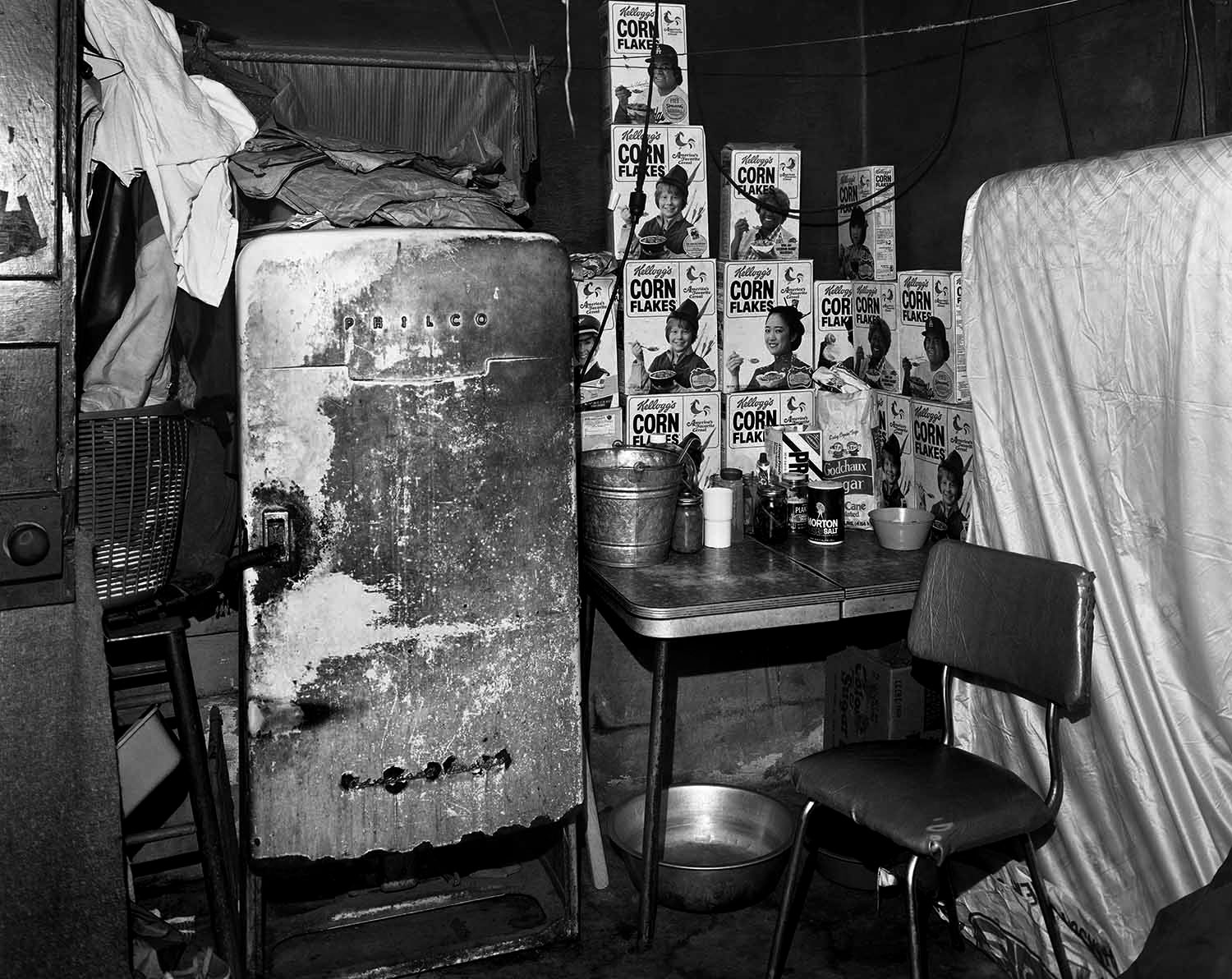
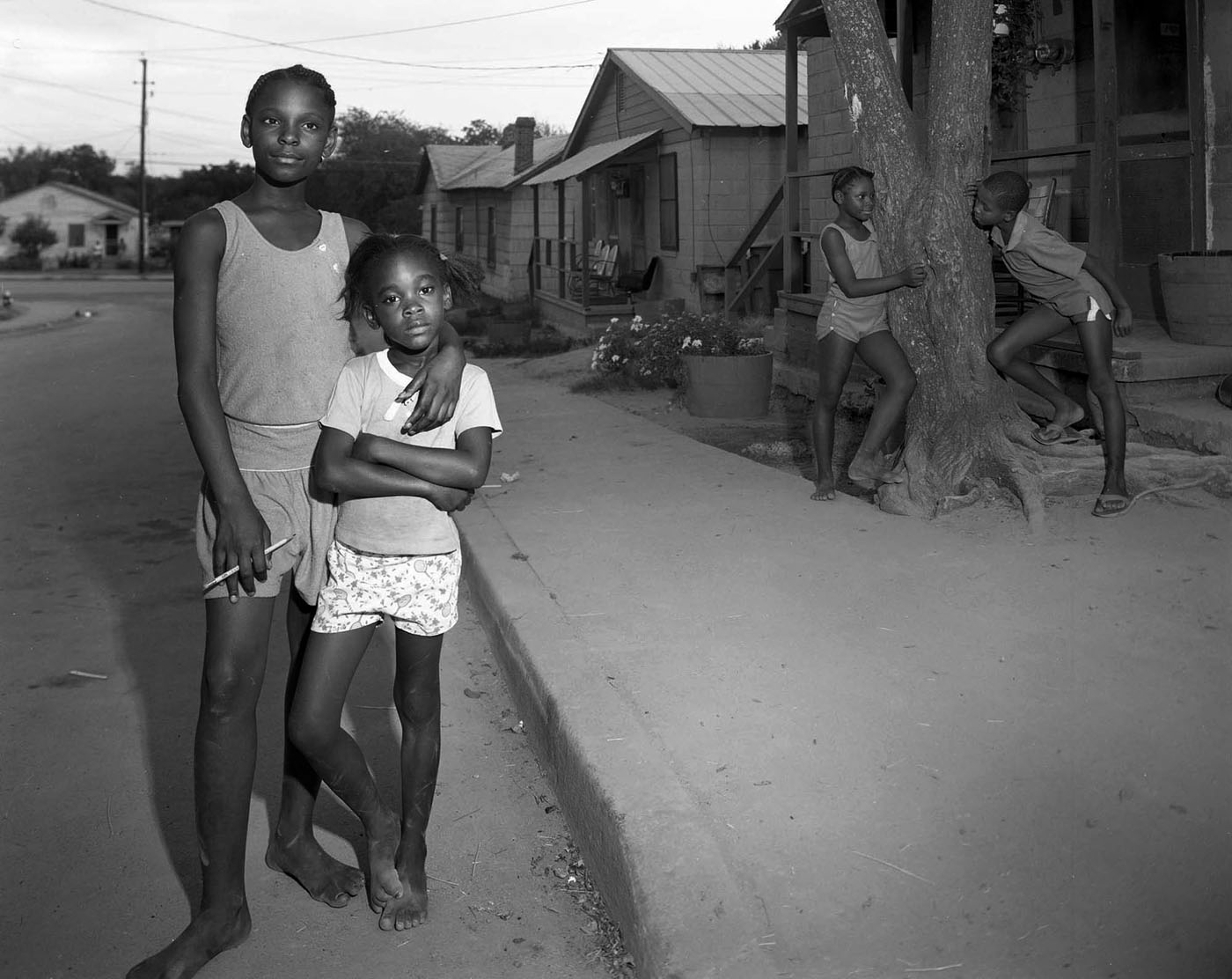
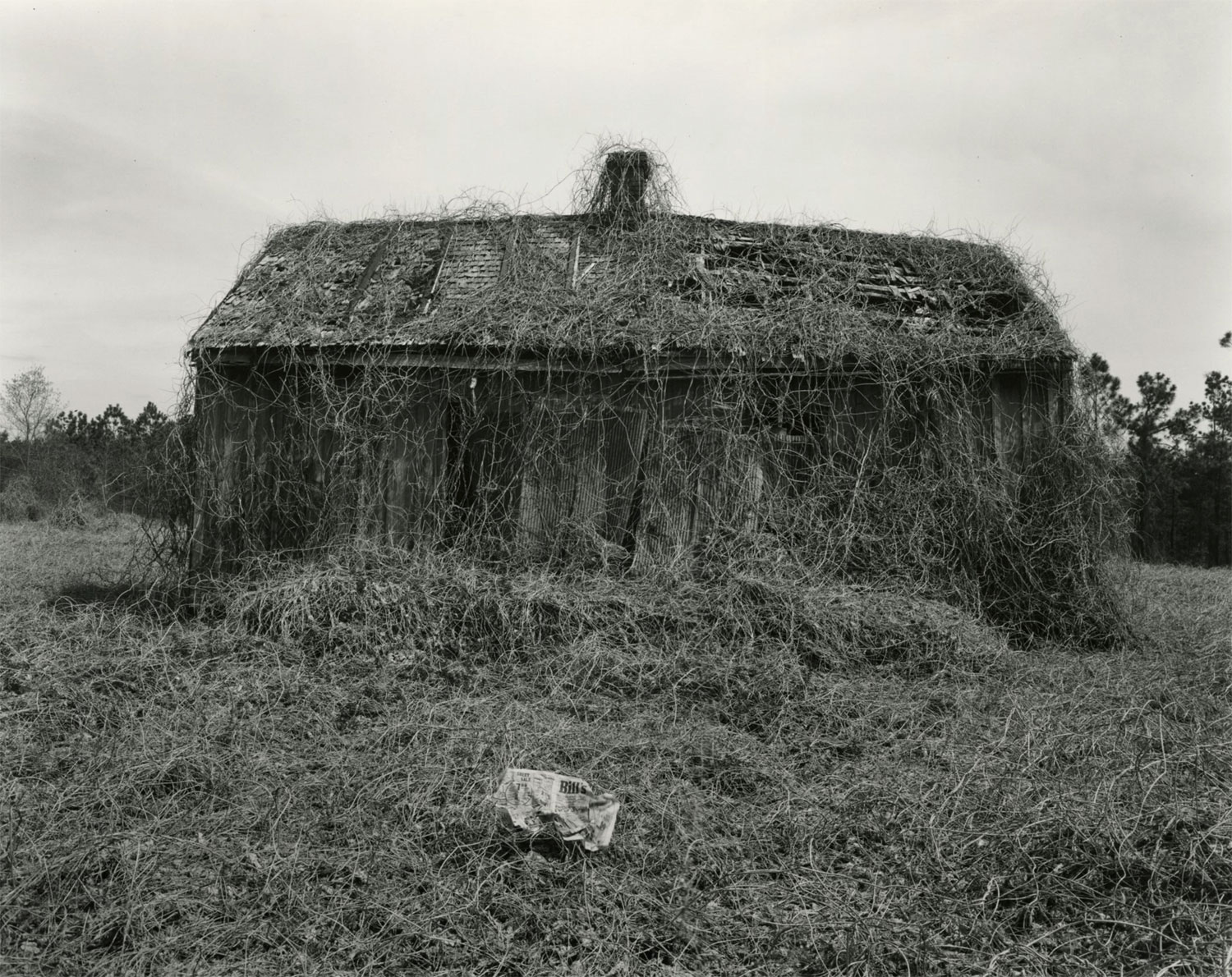
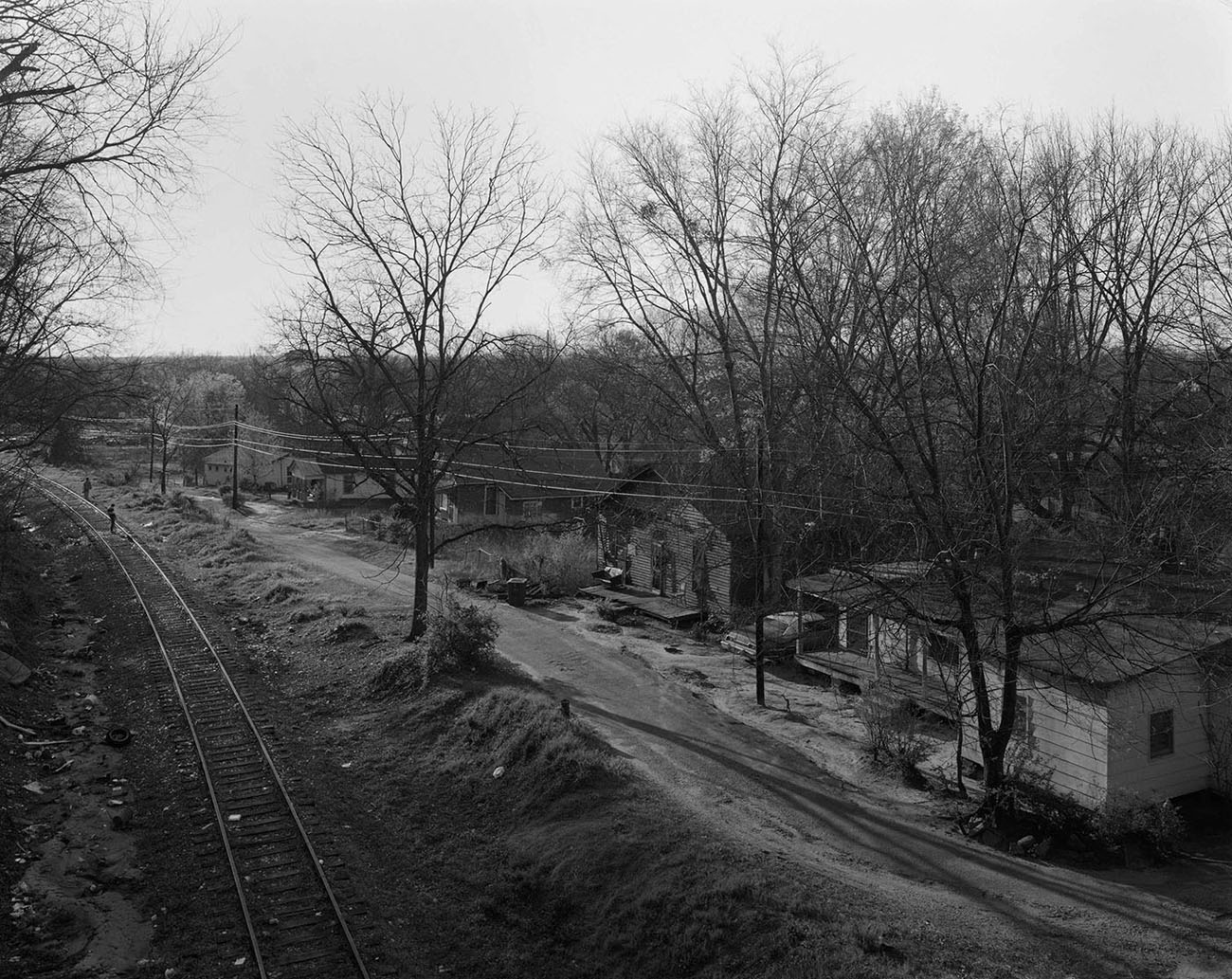

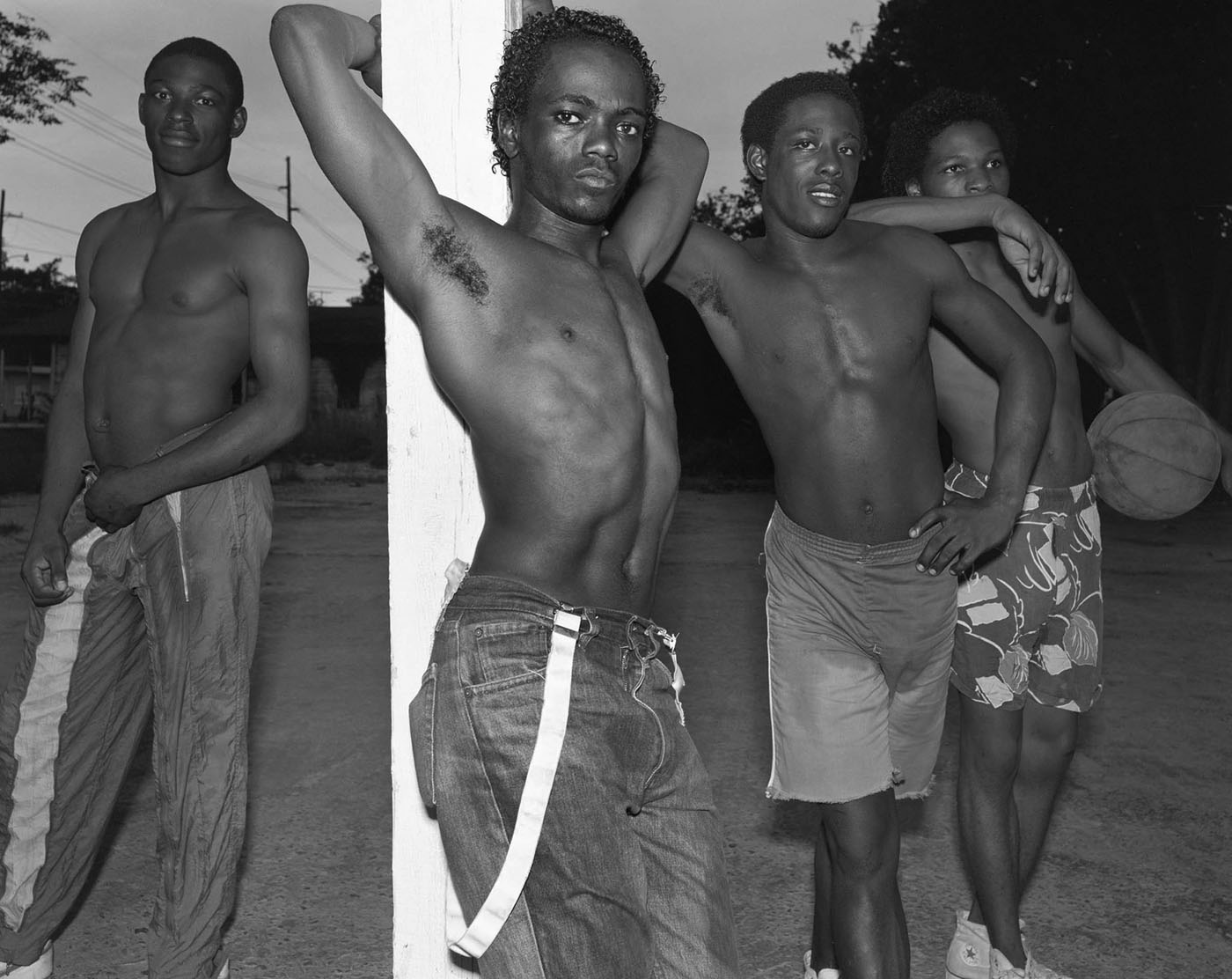
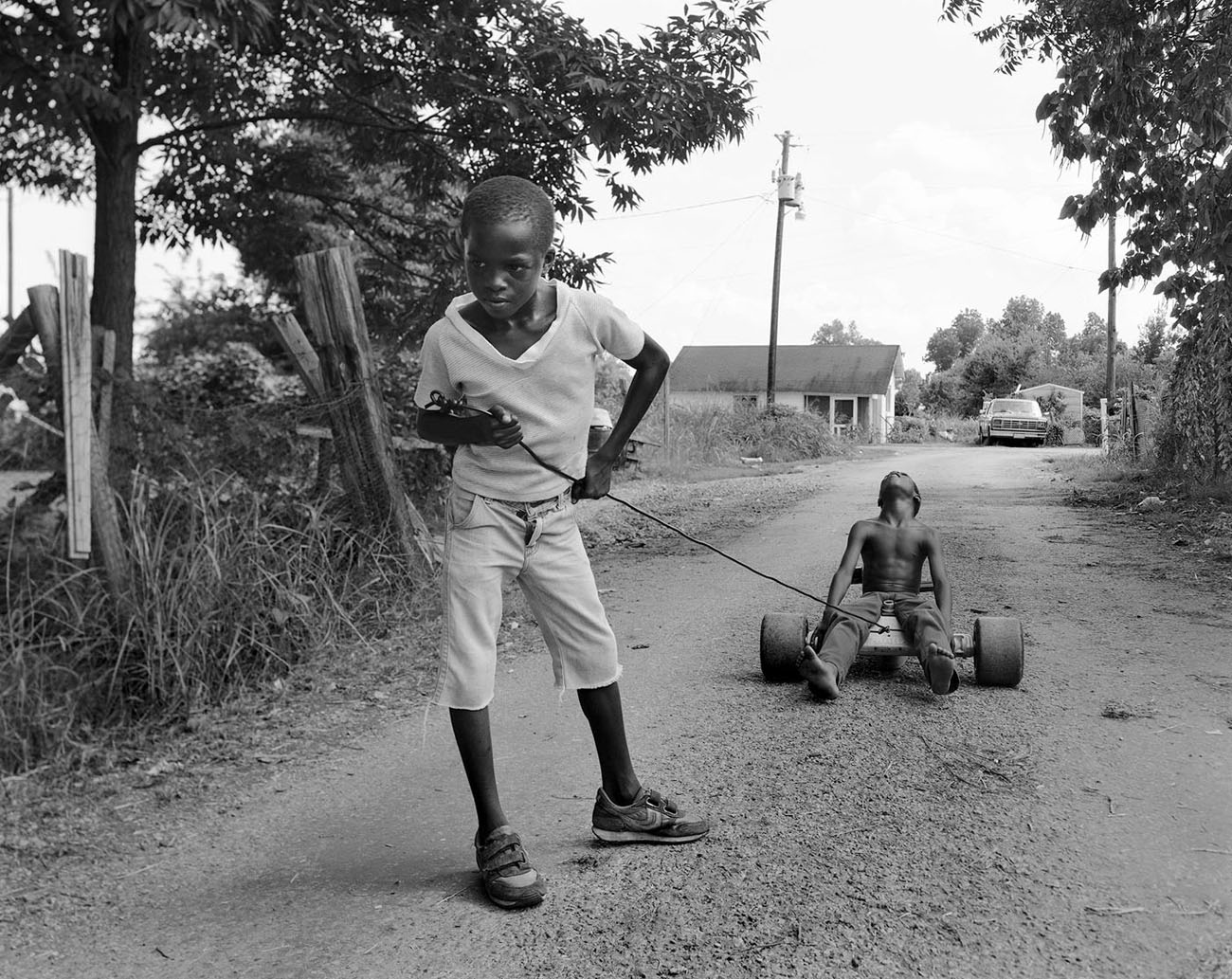
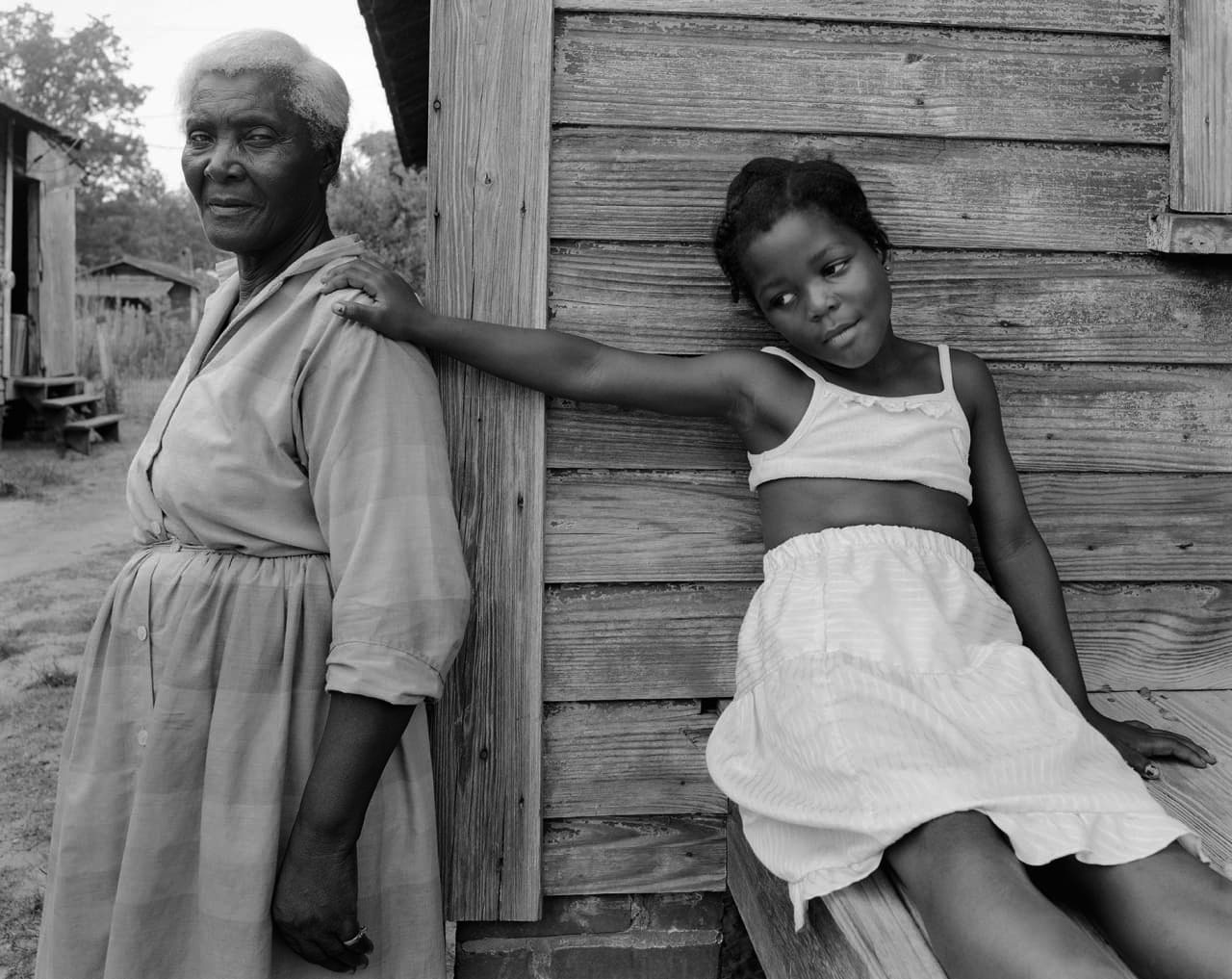
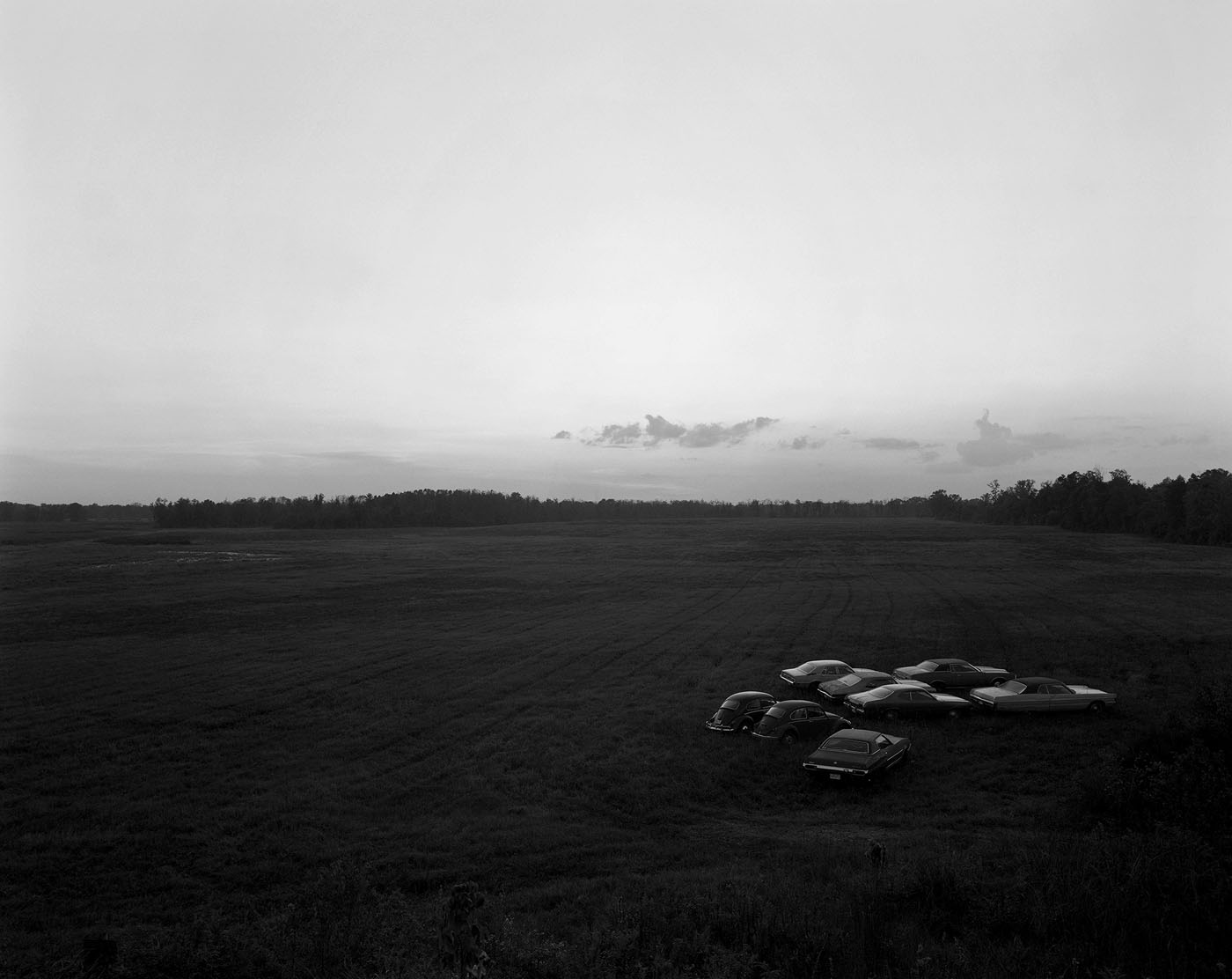
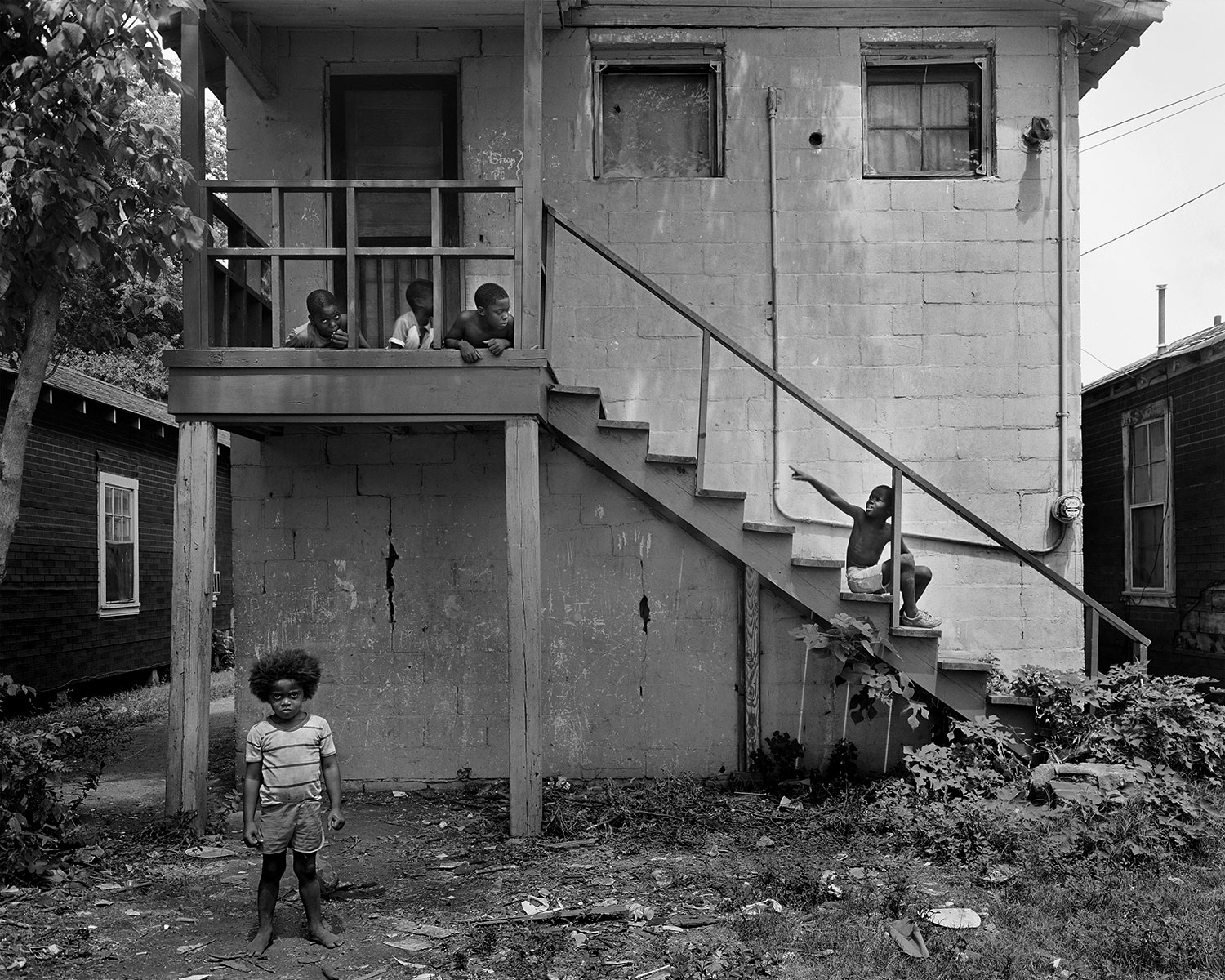
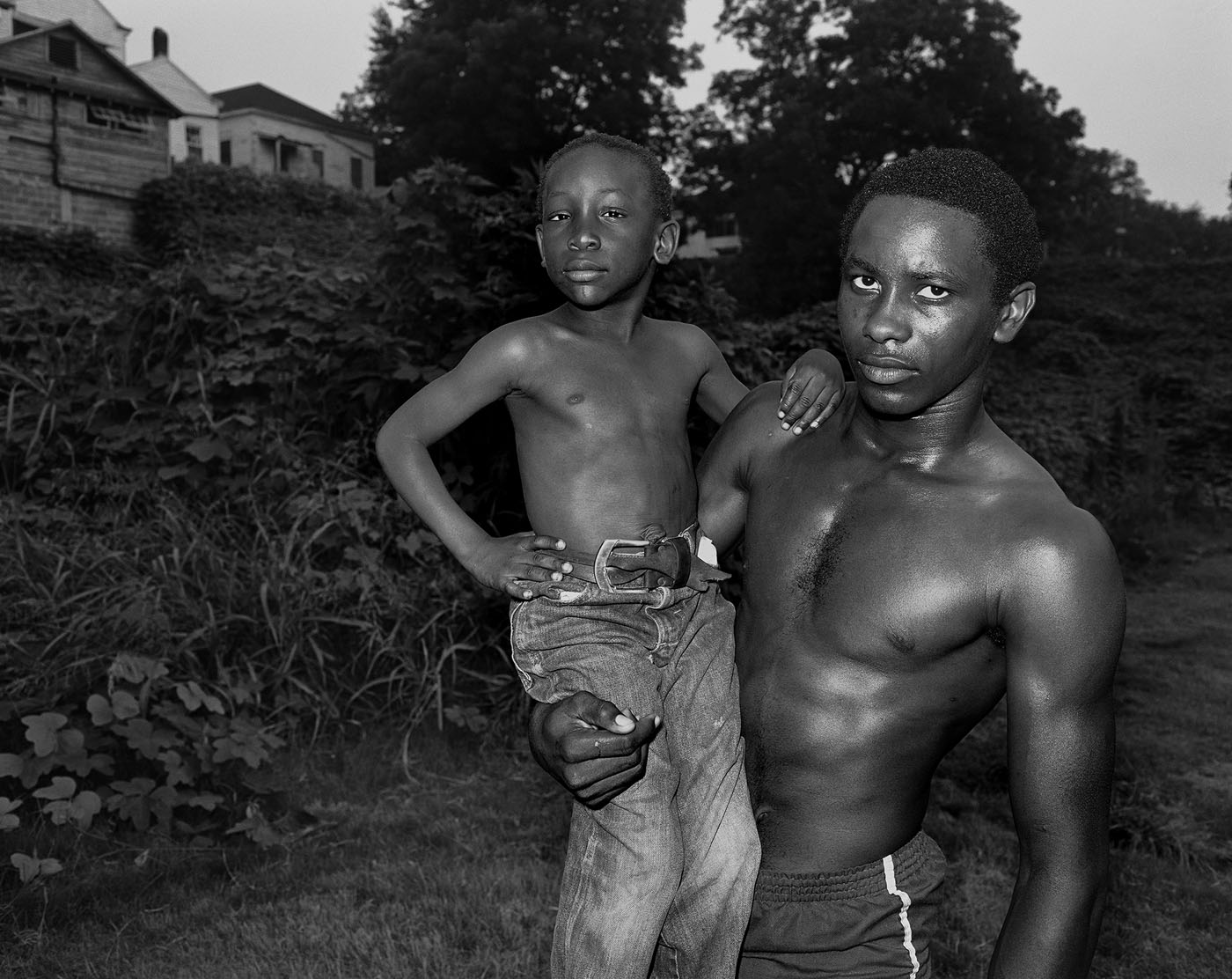
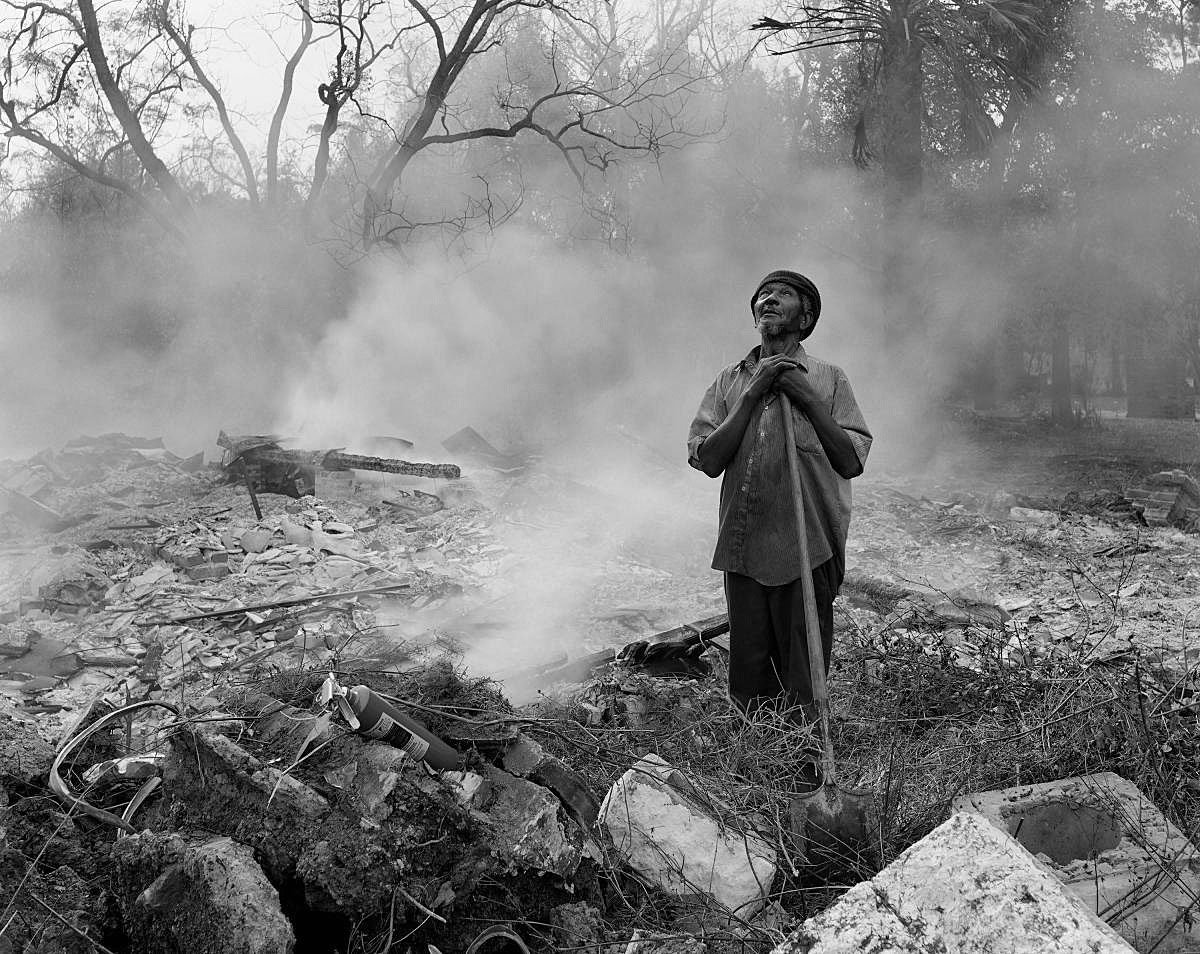

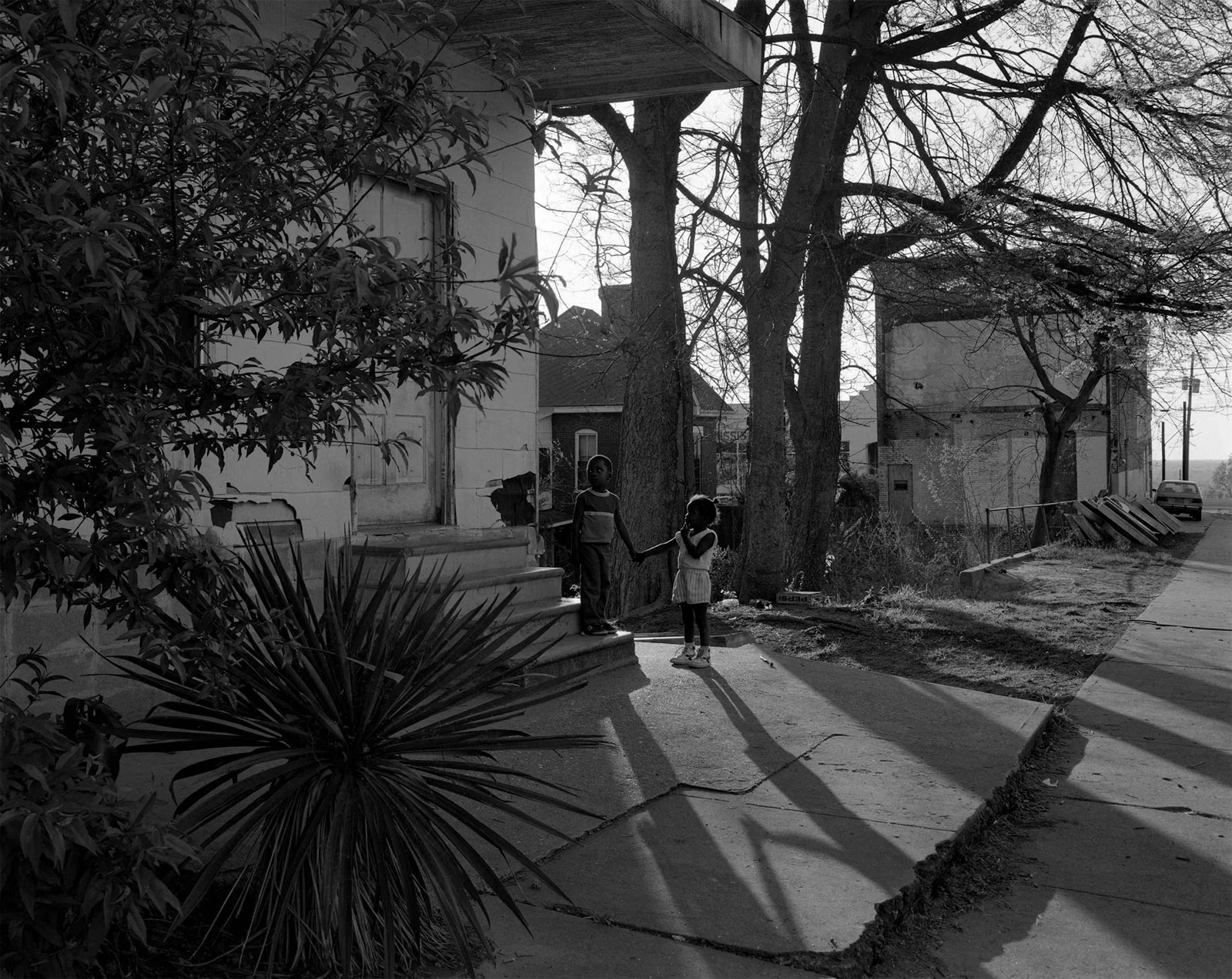
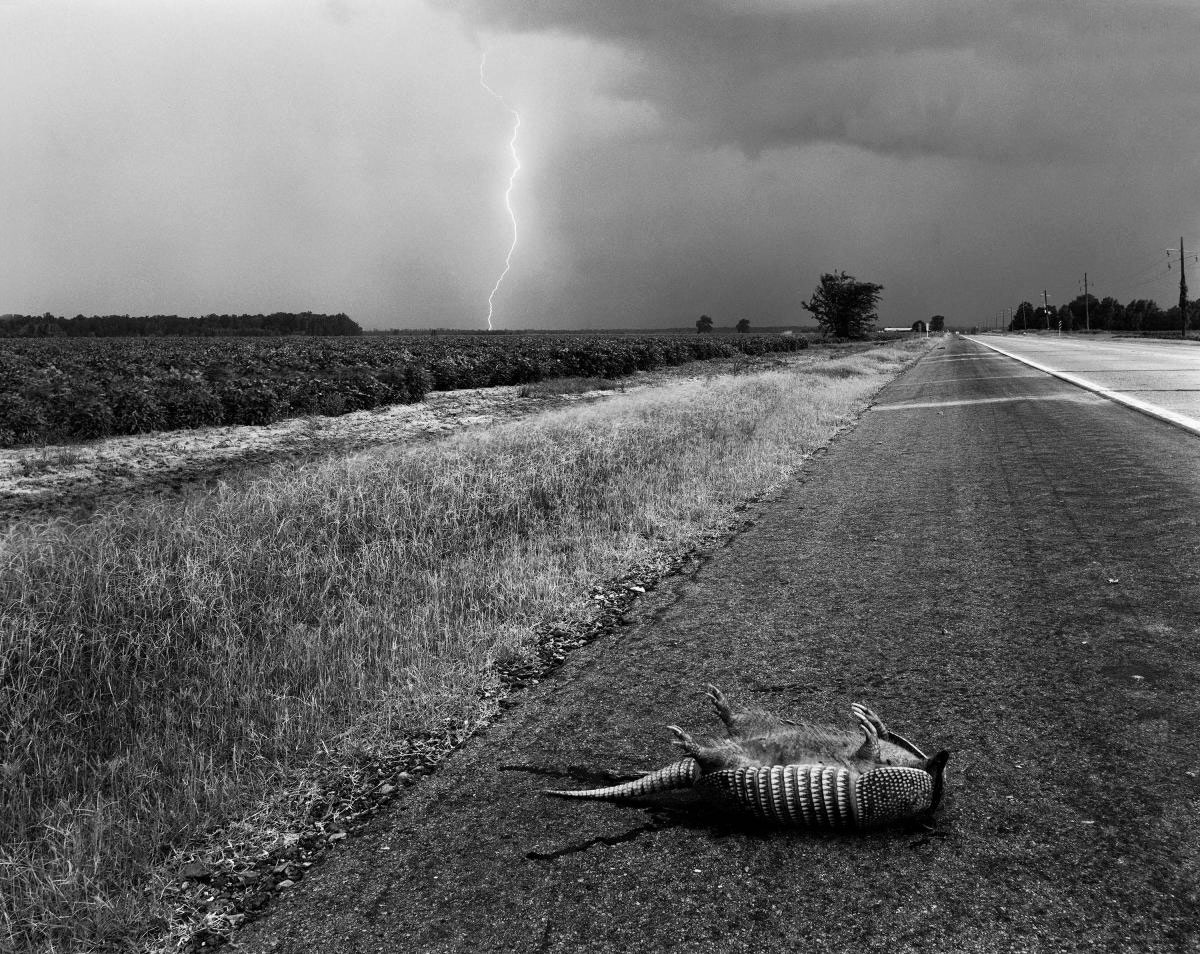
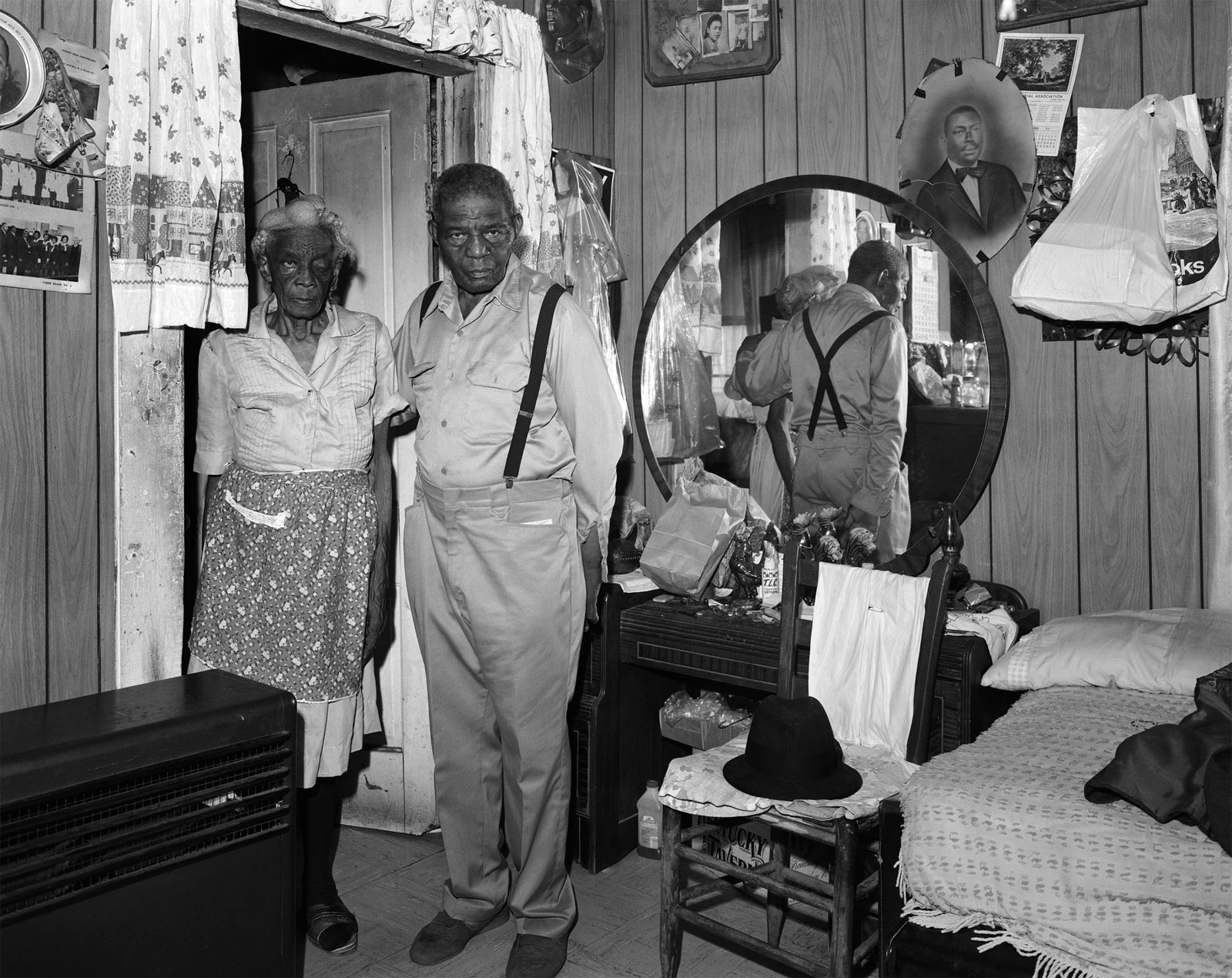
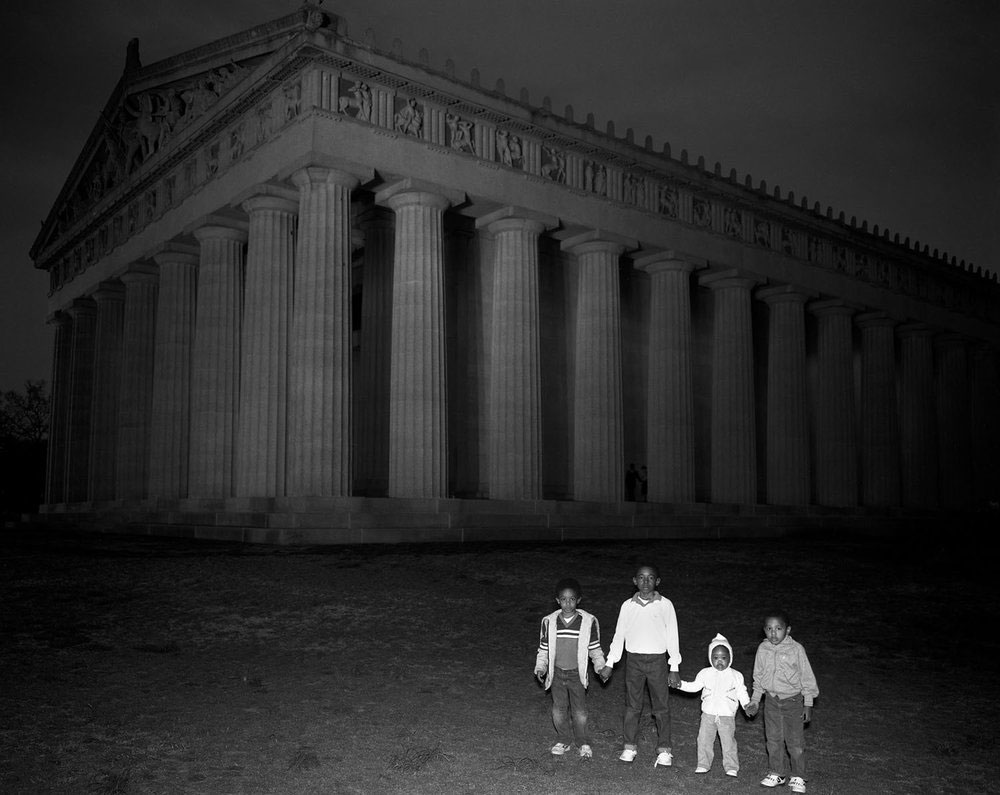
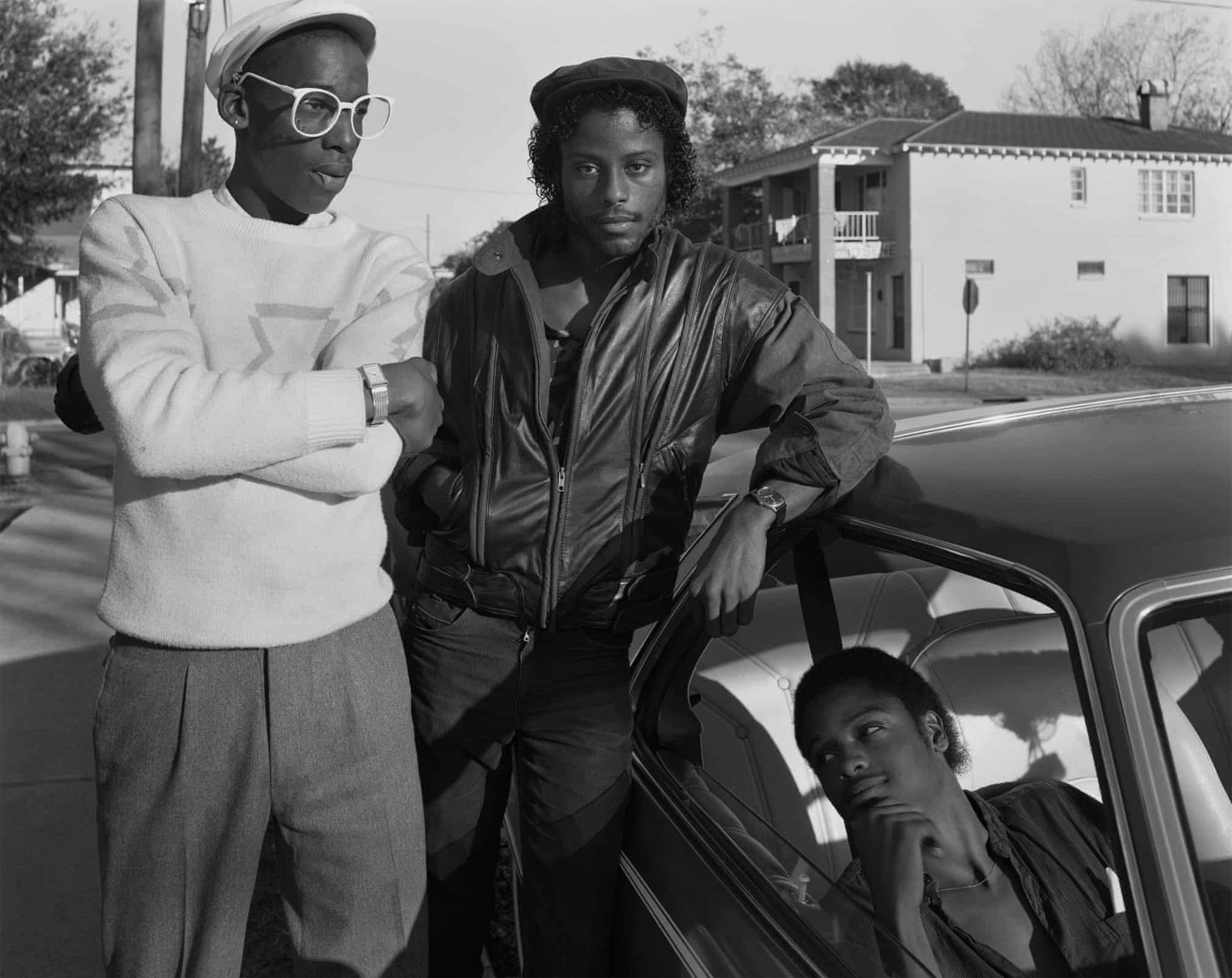
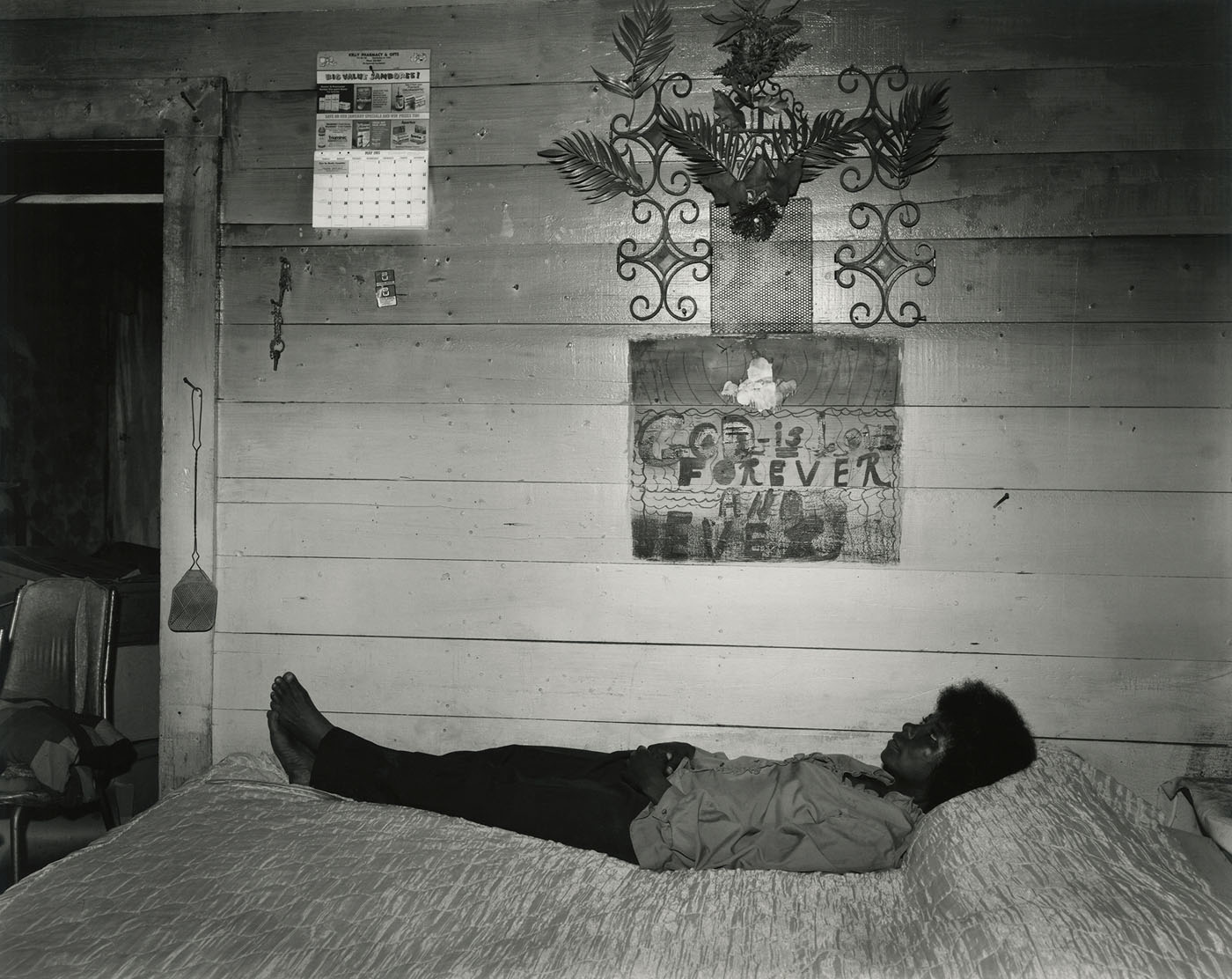
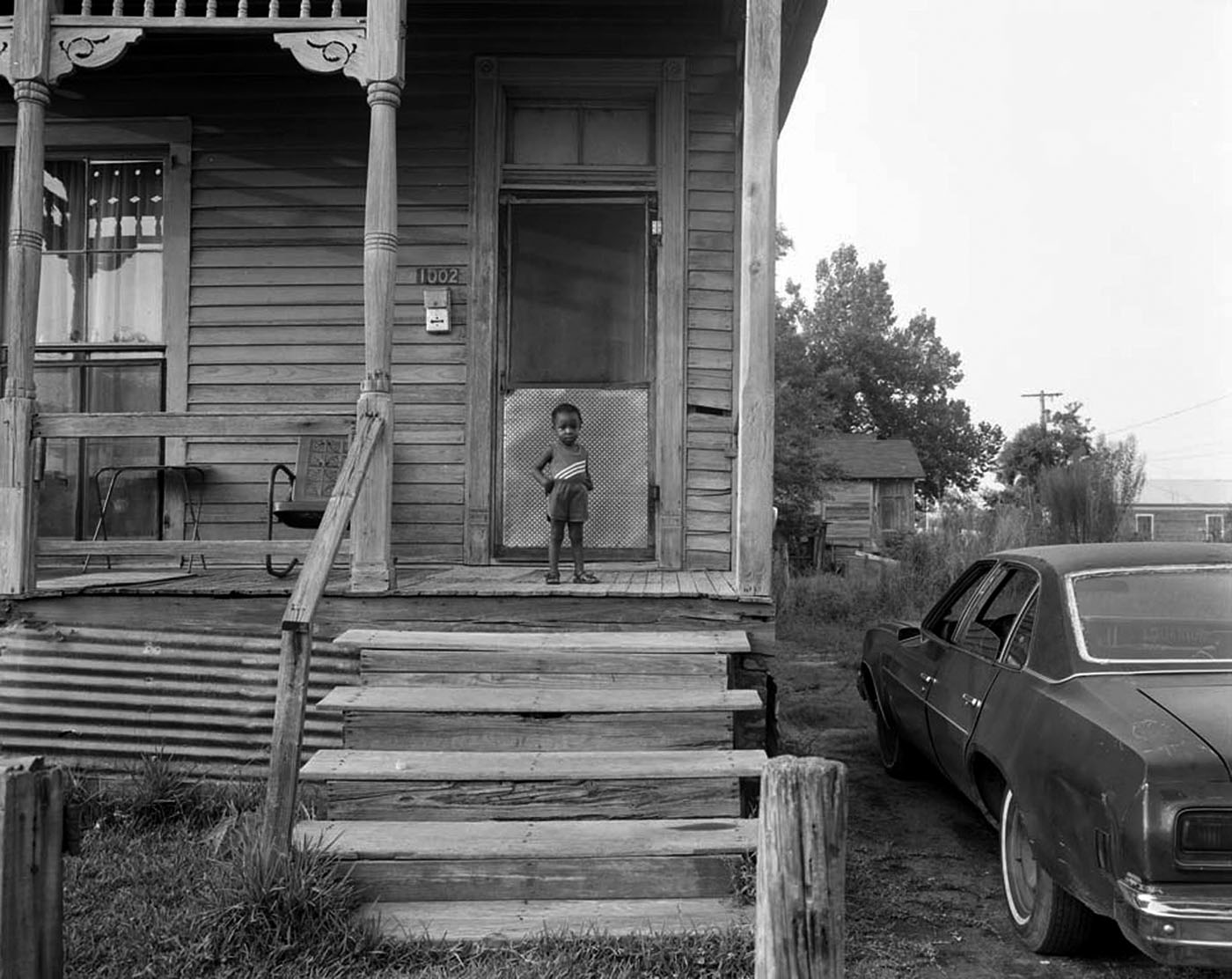
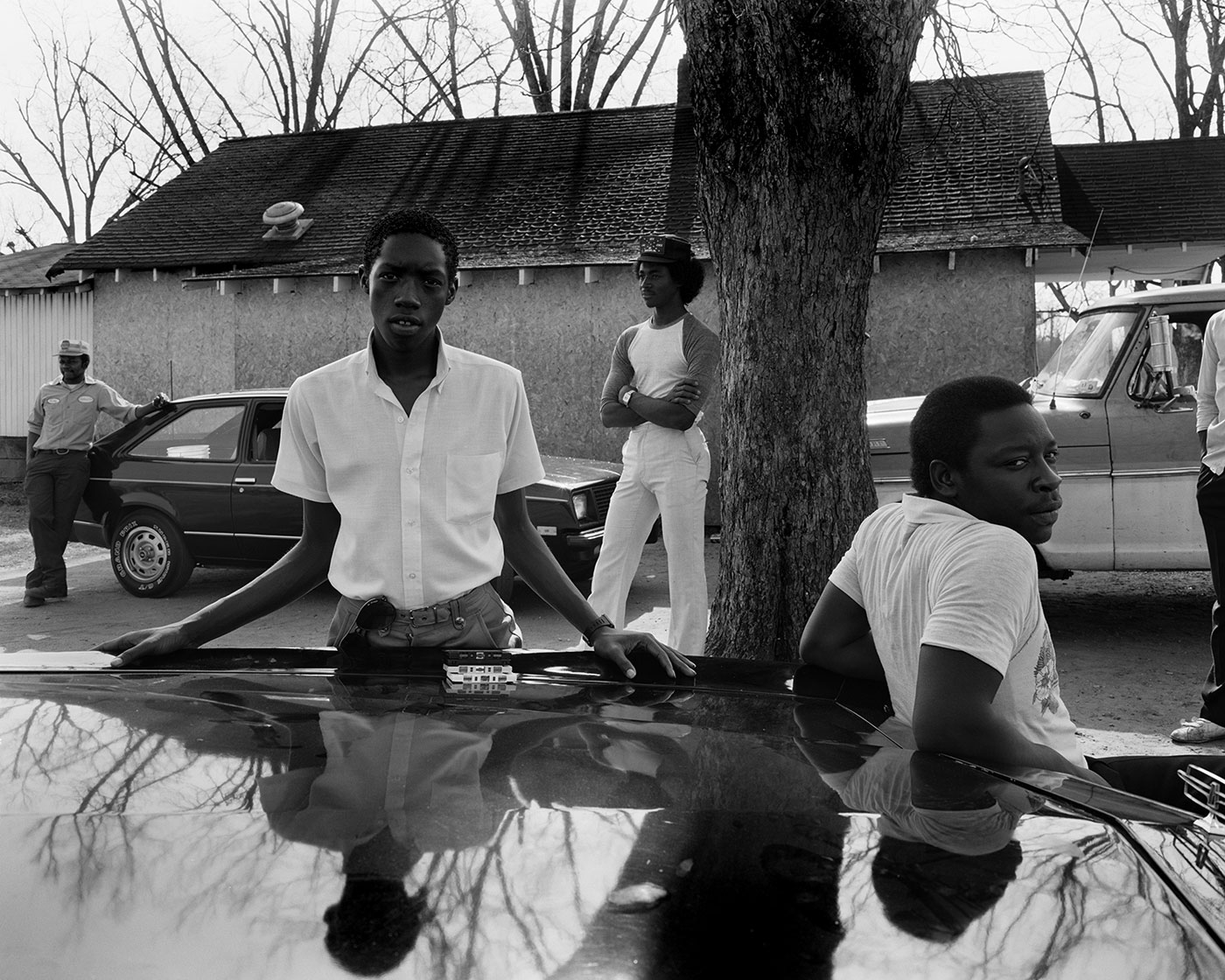

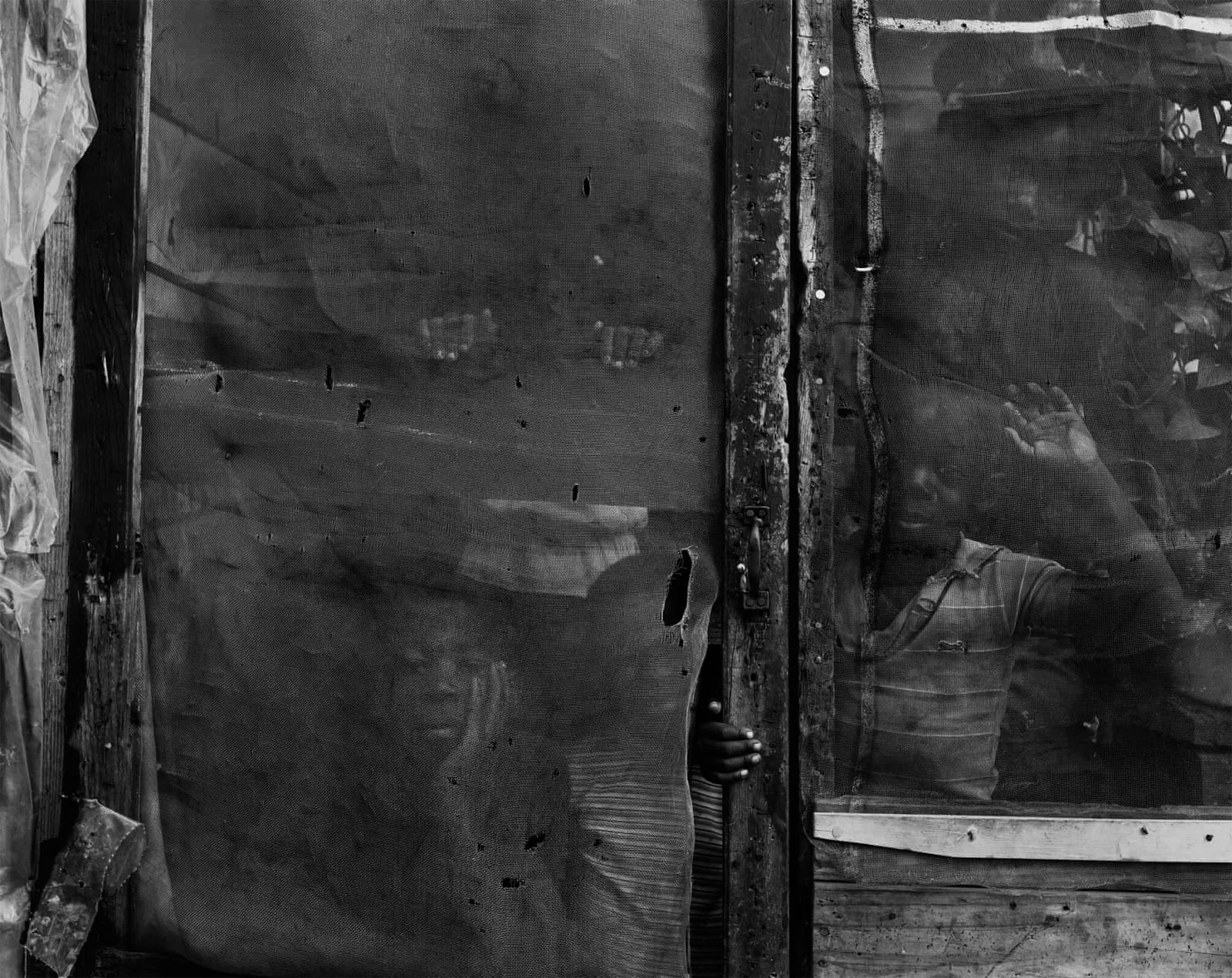
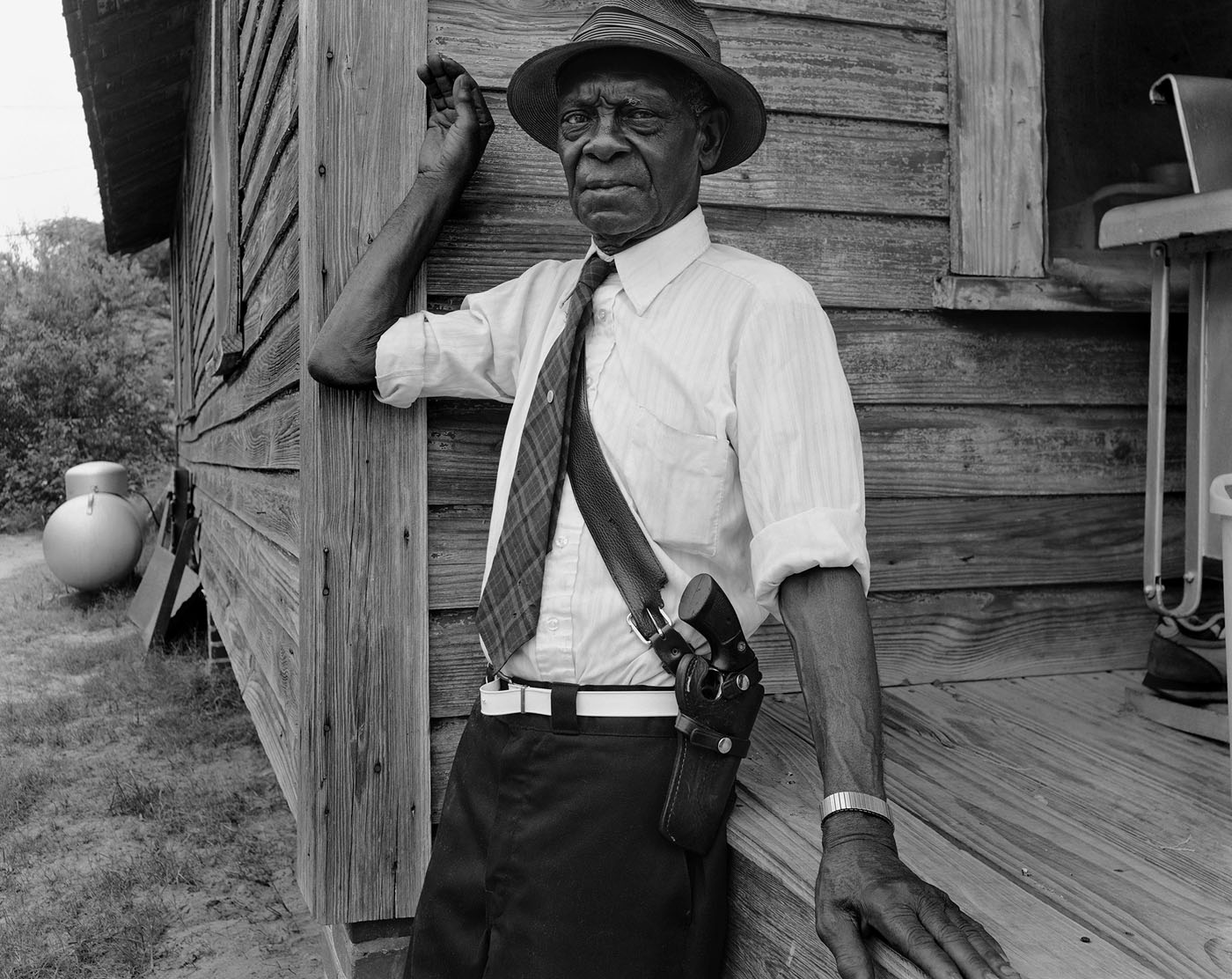
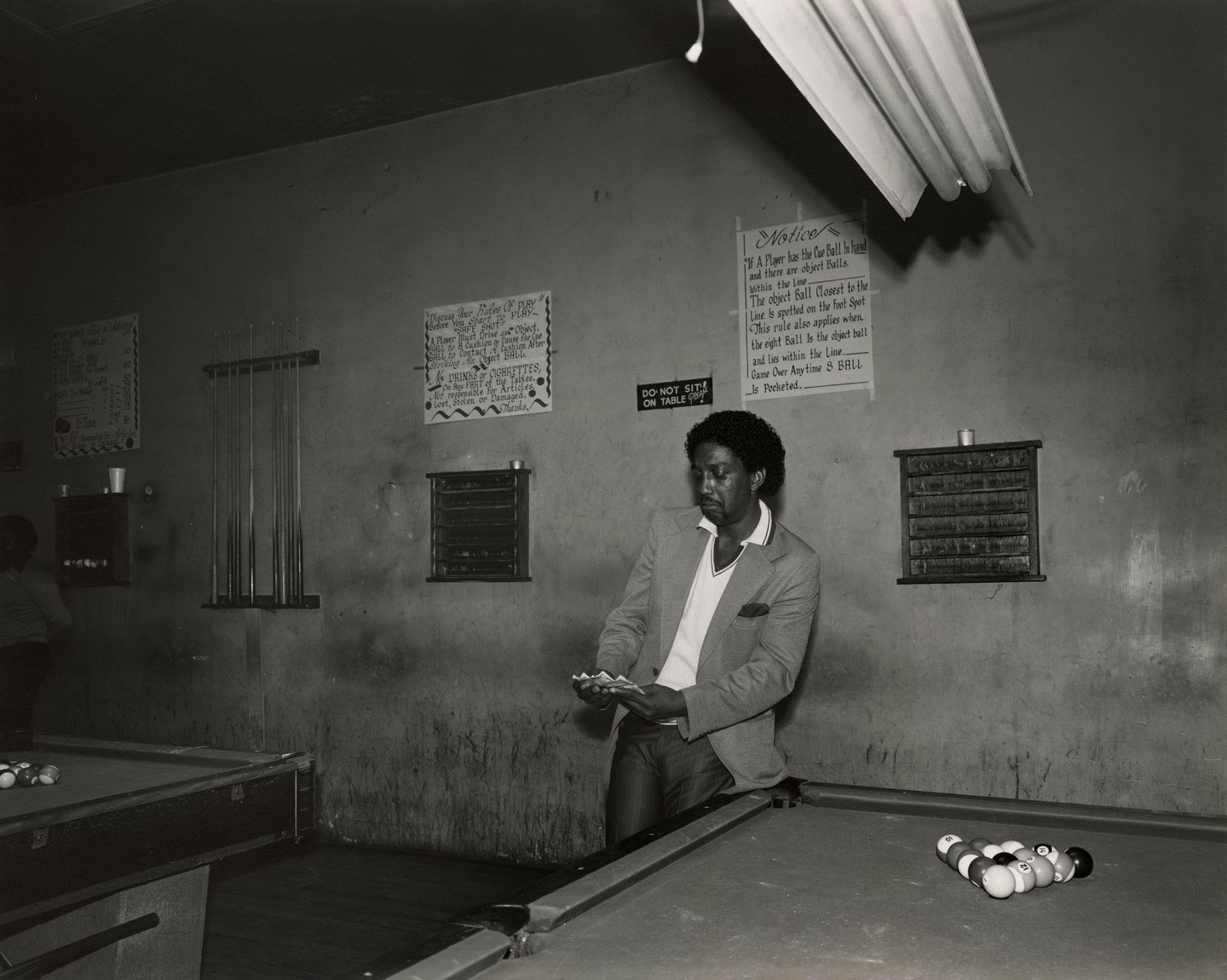
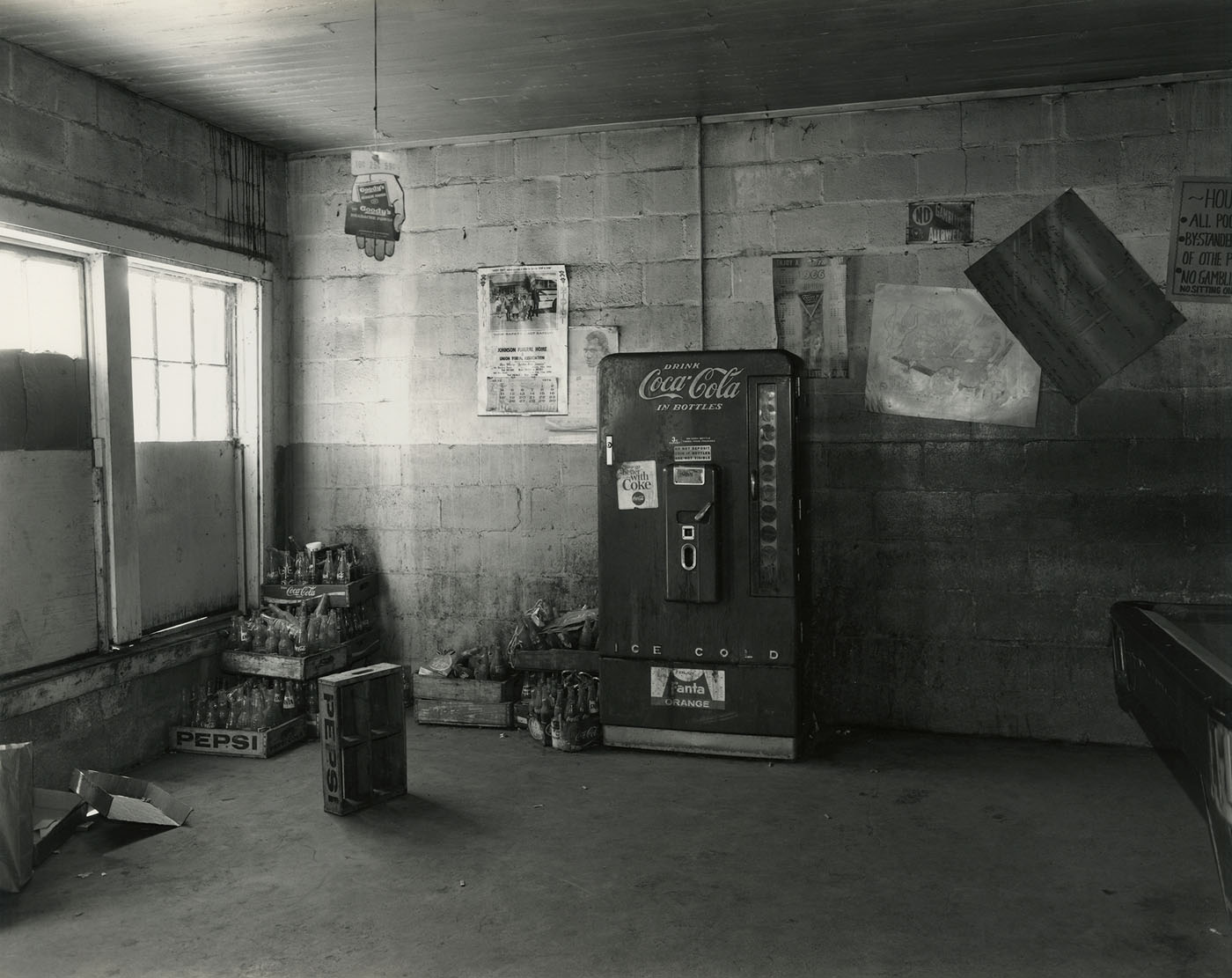
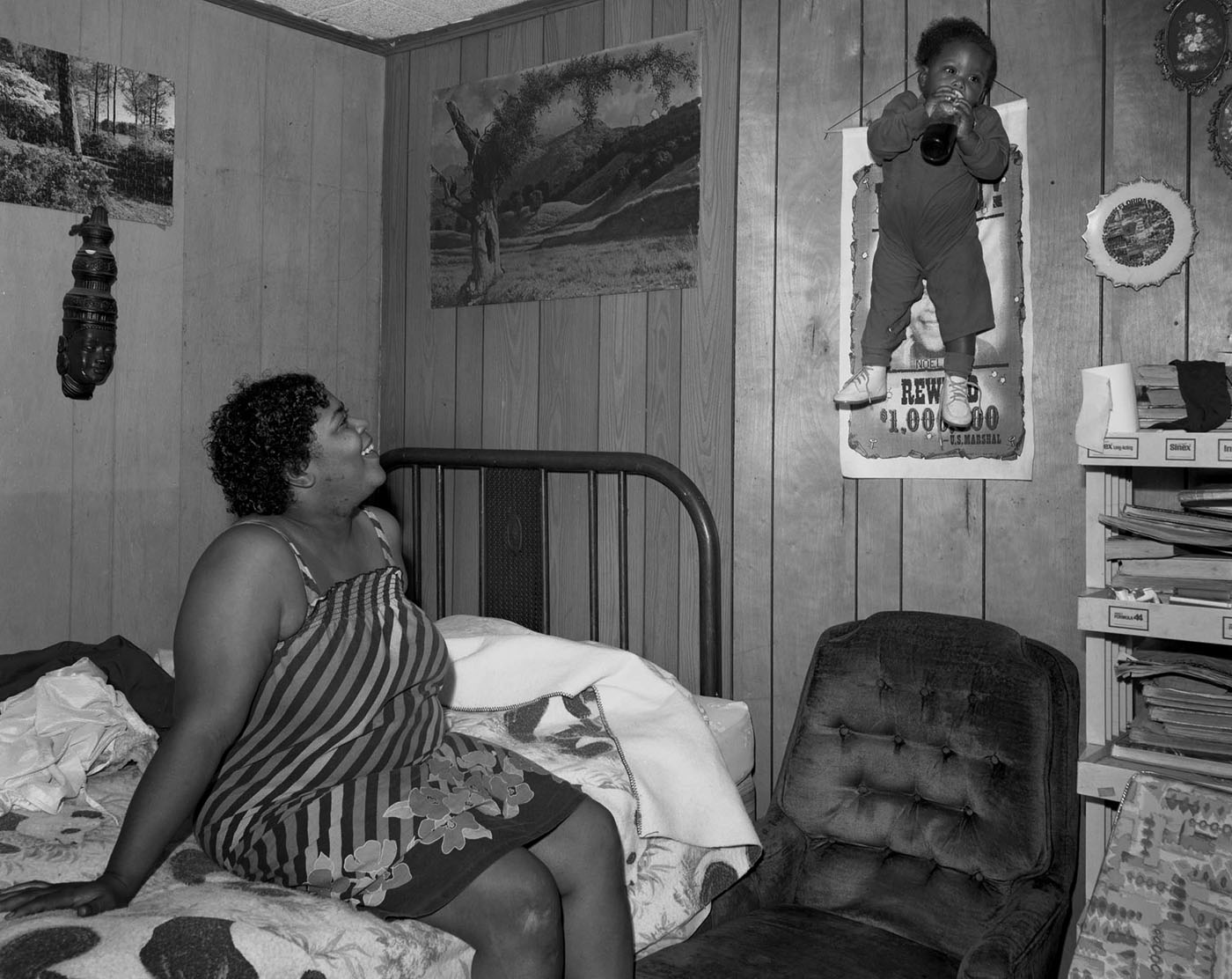
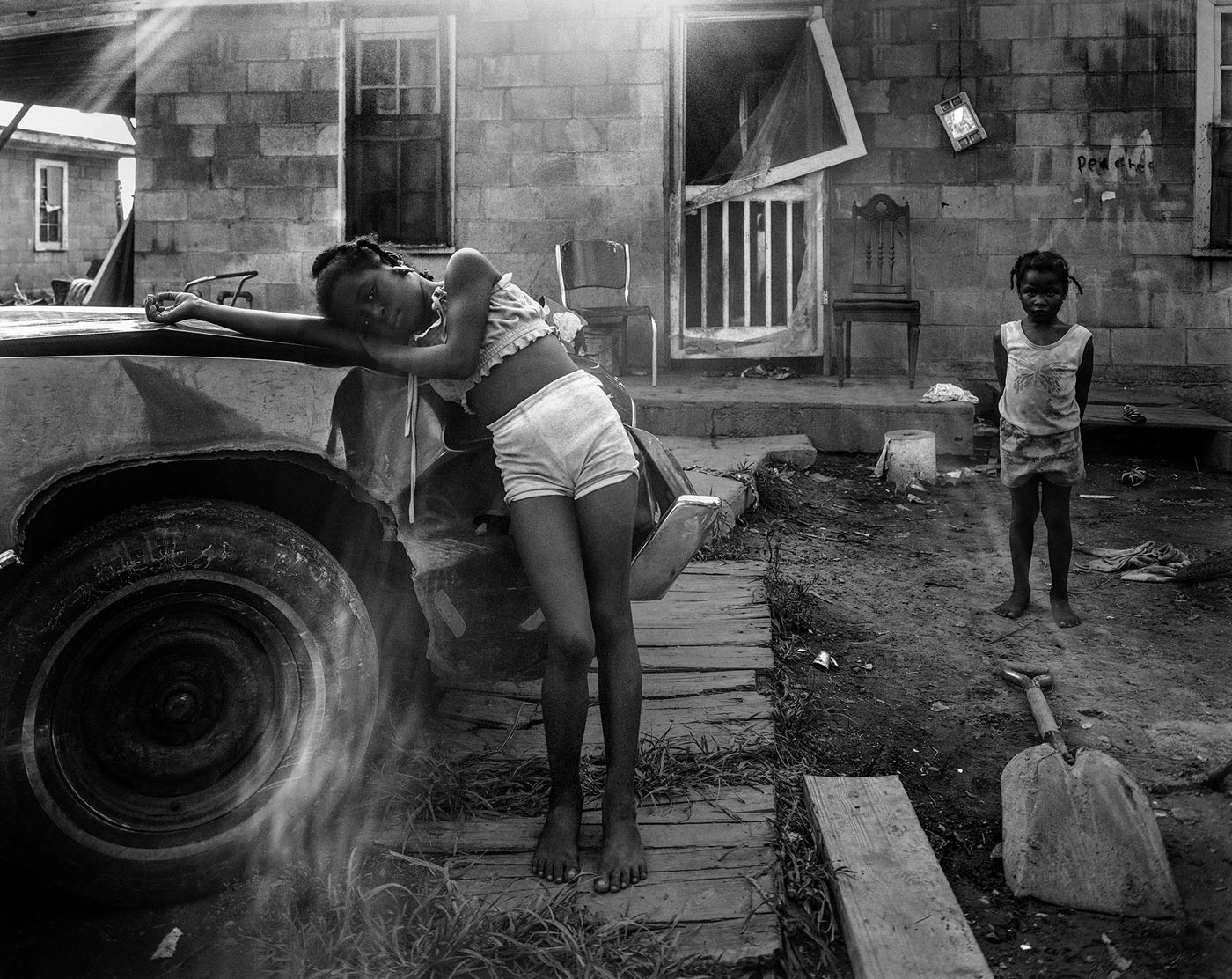


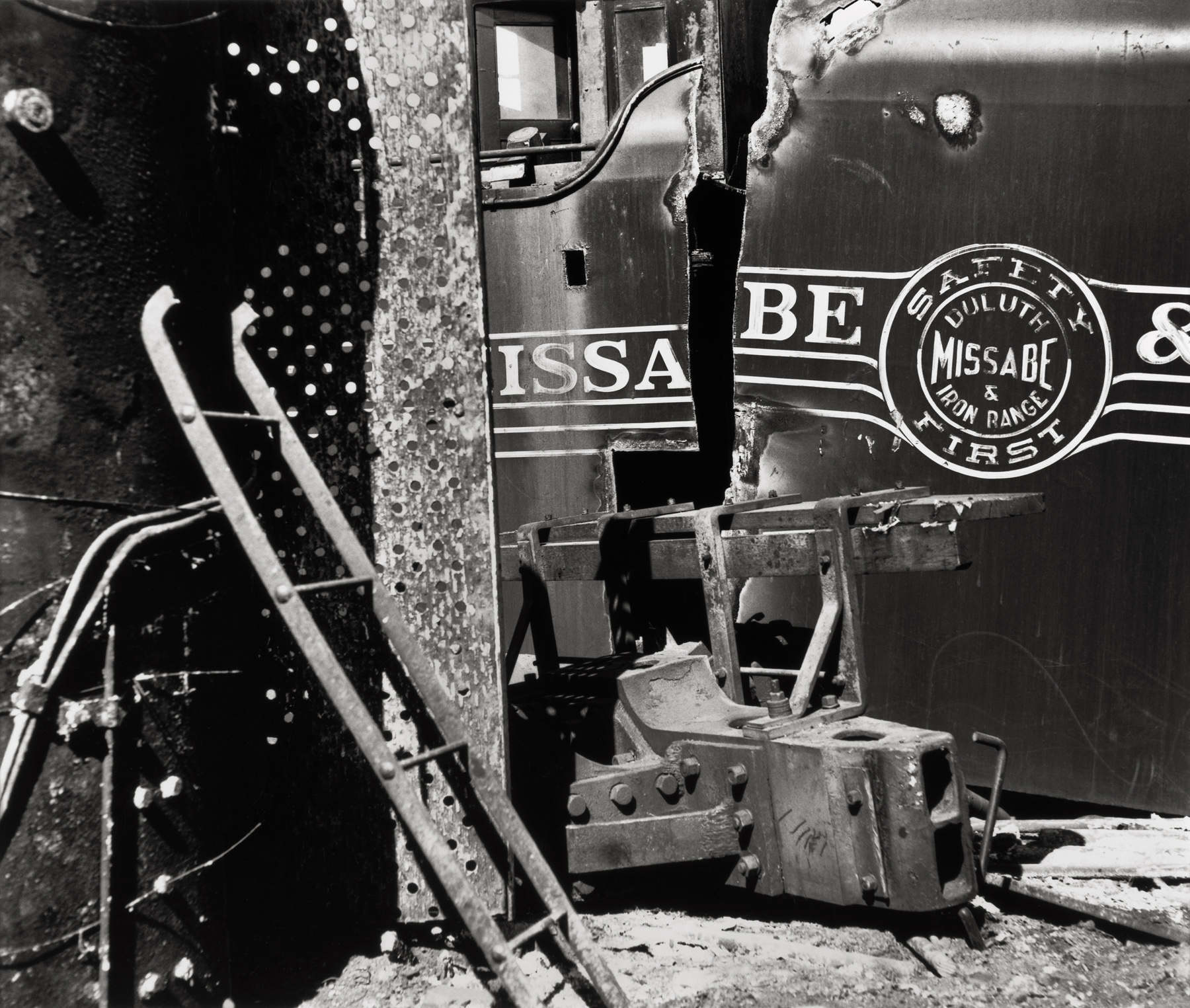


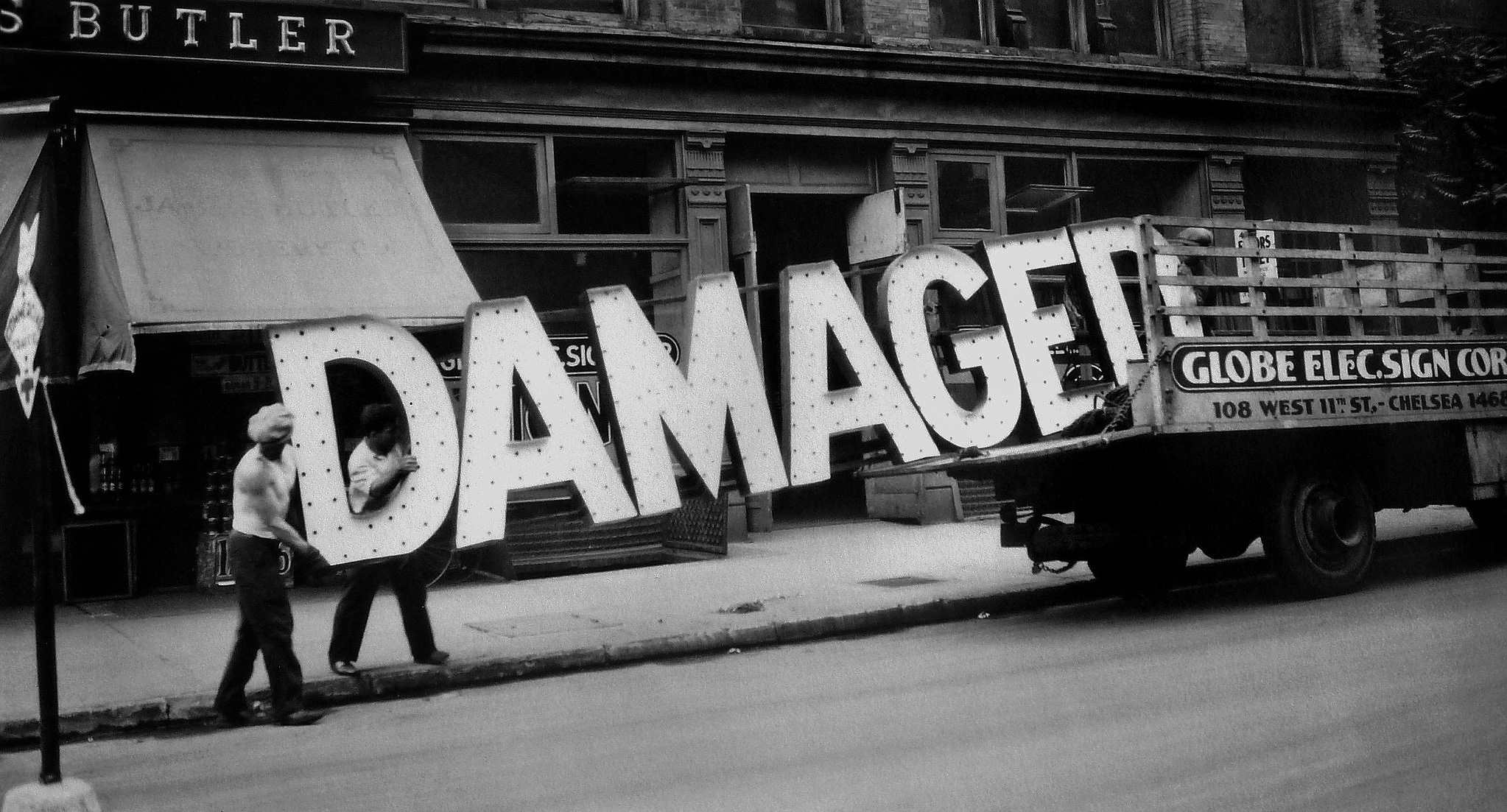


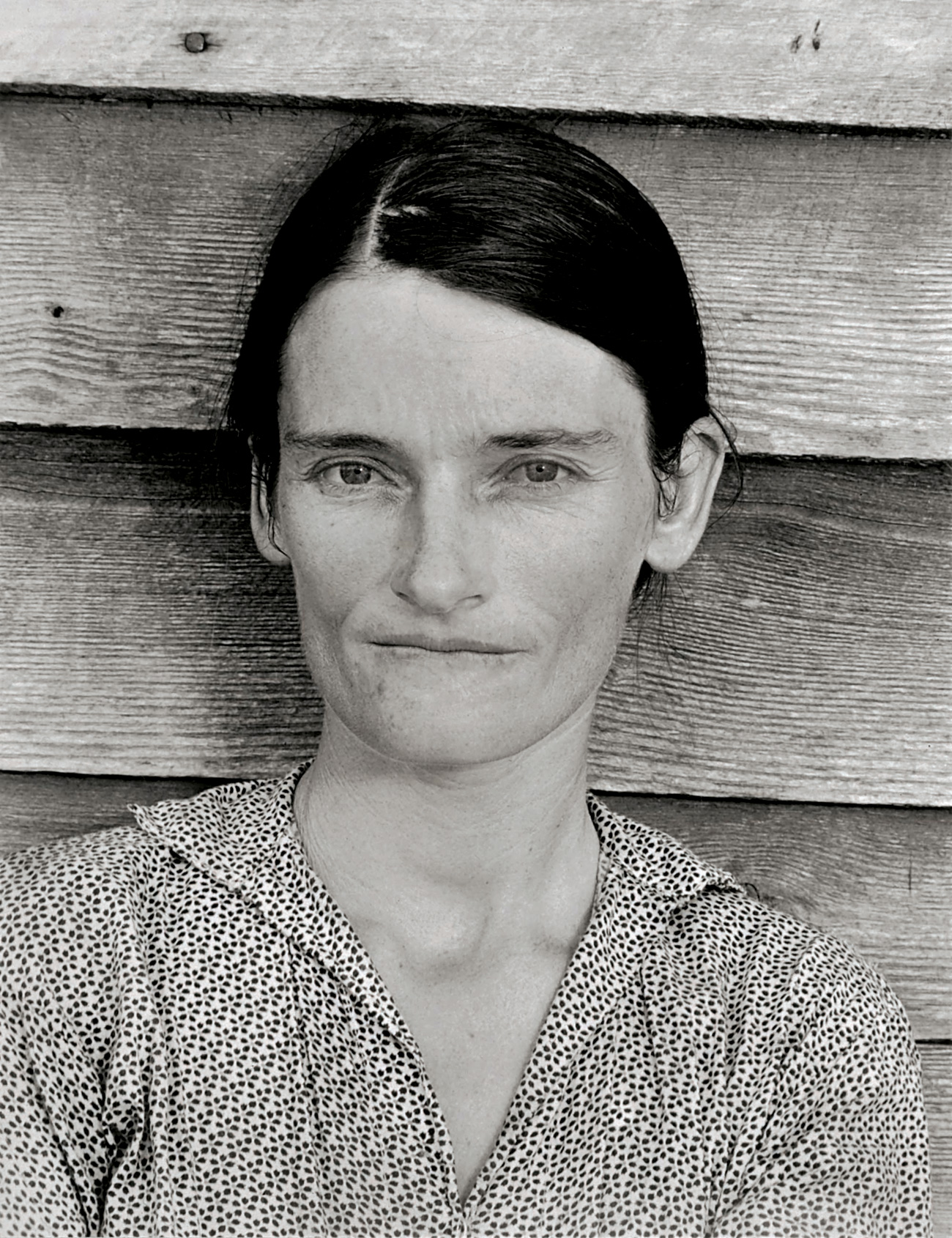


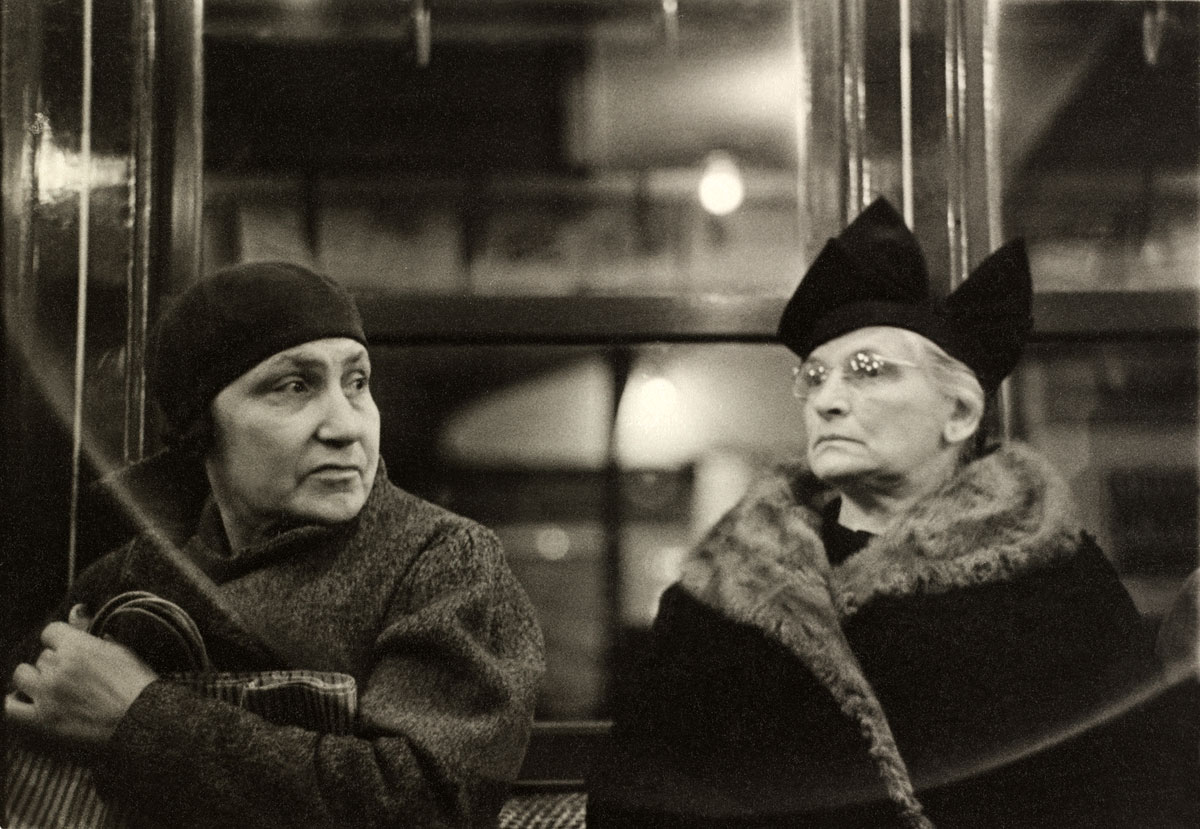

![Walker Evans (American, 1903-1975) '[Subway Passengers, New York City]' 1938](https://artblart.com/wp-content/uploads/2016/07/walker-evans-subway-passengers-new-york-city-web.jpg "Walker Evans (American, 1903-1975) '[Subway Passengers, New York City]' 1938")

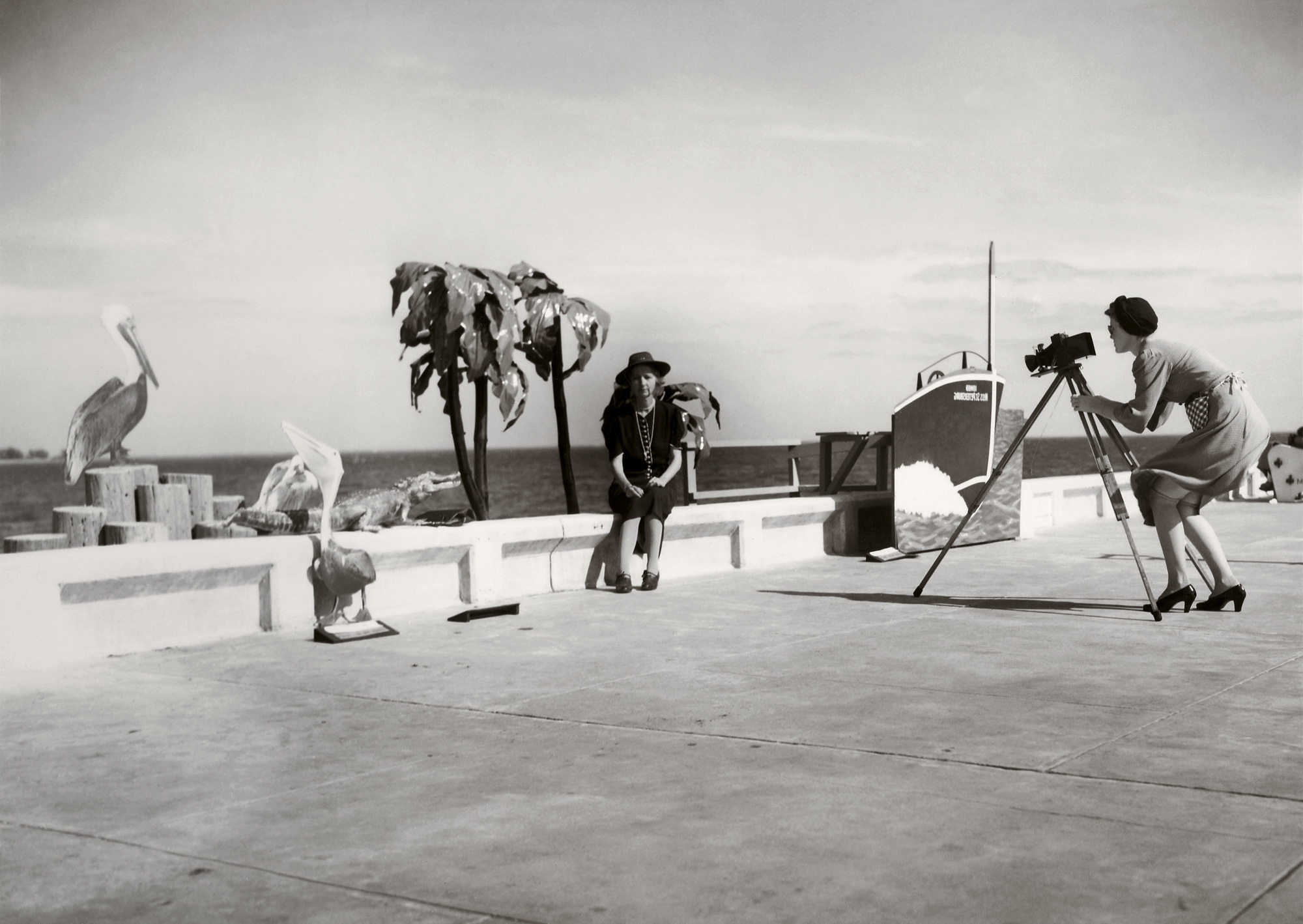
![Walker Evans (American, 1903-1975) 'Untitled [Street scene]' 1950s](https://artblart.com/wp-content/uploads/2018/01/walker-evans-untitled-web.jpg "Walker Evans (American, 1903-1975) 'Untitled [Street scene]' 1950s")

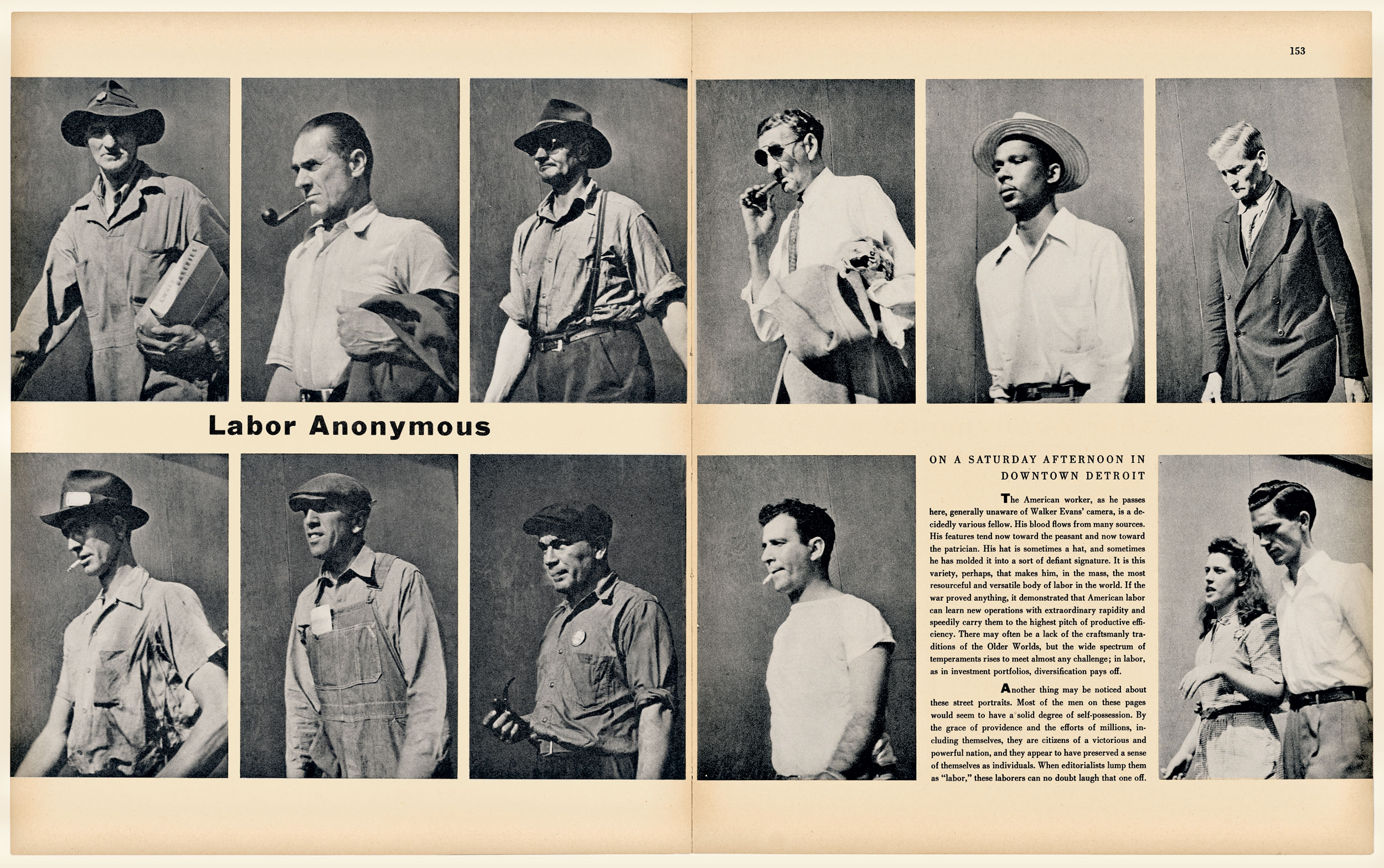


![Edgar Degas (French, 1834-1917) 'Danseuses, éventail [Dancers (Fan, design)]' 1879 (installation view)](https://artblart.com/wp-content/uploads/2016/08/installation-al.jpg "Edgar Degas (French, 1834-1917) 'Danseuses, éventail [Dancers (Fan, design)]' 1879 (installation view)")

![Edgar Degas (French, 1834-1917 'La Loge [Theatre box]' 1885 (installation view)](https://artblart.com/wp-content/uploads/2016/09/installation-am.jpg "Edgar Degas (French, 1834-1917 'La Loge [Theatre box]' 1885 (installation view)")
![Edgar Degas (French, 1834-1917) 'La Loge [Theatre box]' 1880 (installation view)](https://artblart.com/wp-content/uploads/2016/09/installation-an.jpg "Edgar Degas (French, 1834-1917) 'La Loge [Theatre box]' 1880 (installation view)")


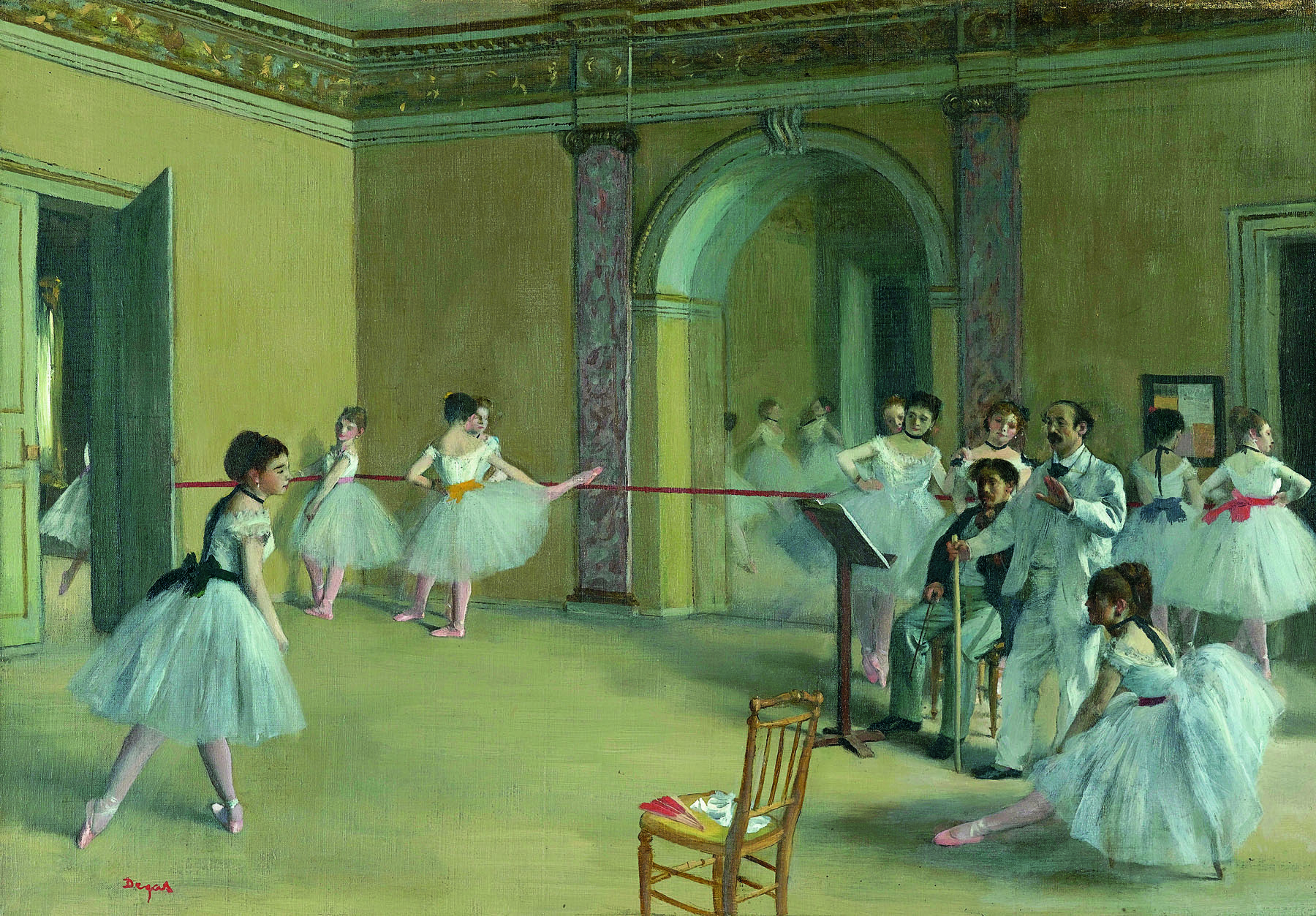

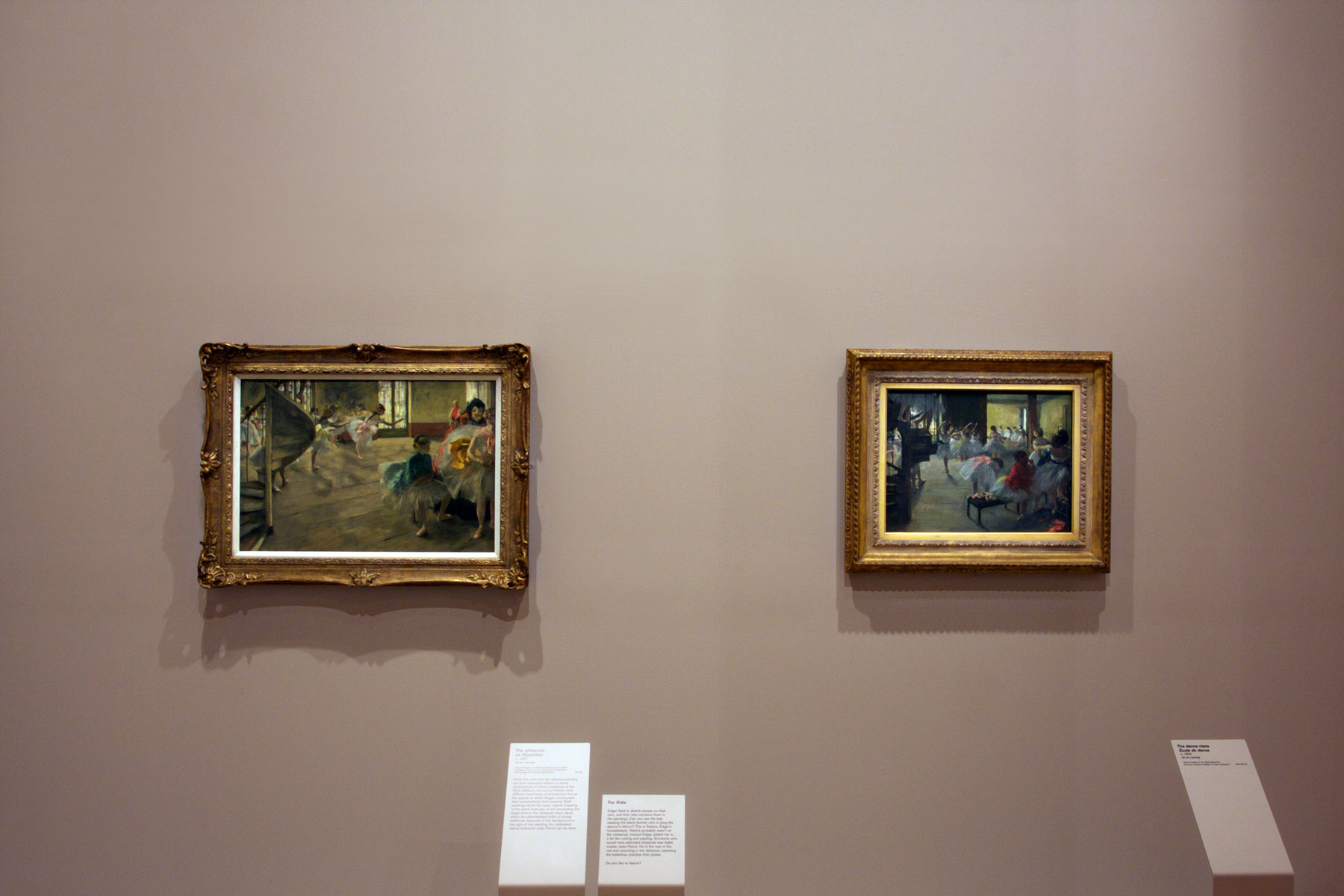


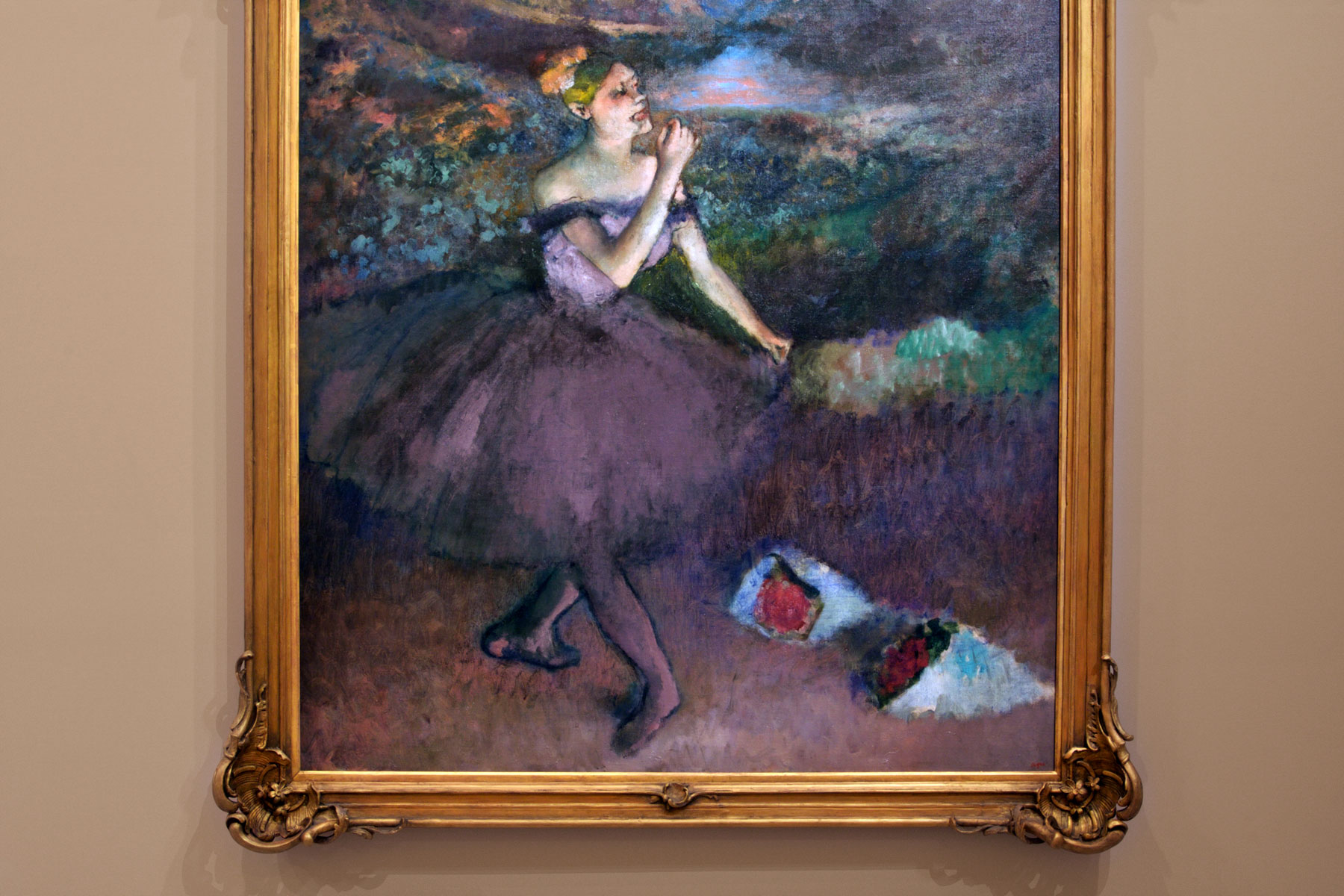
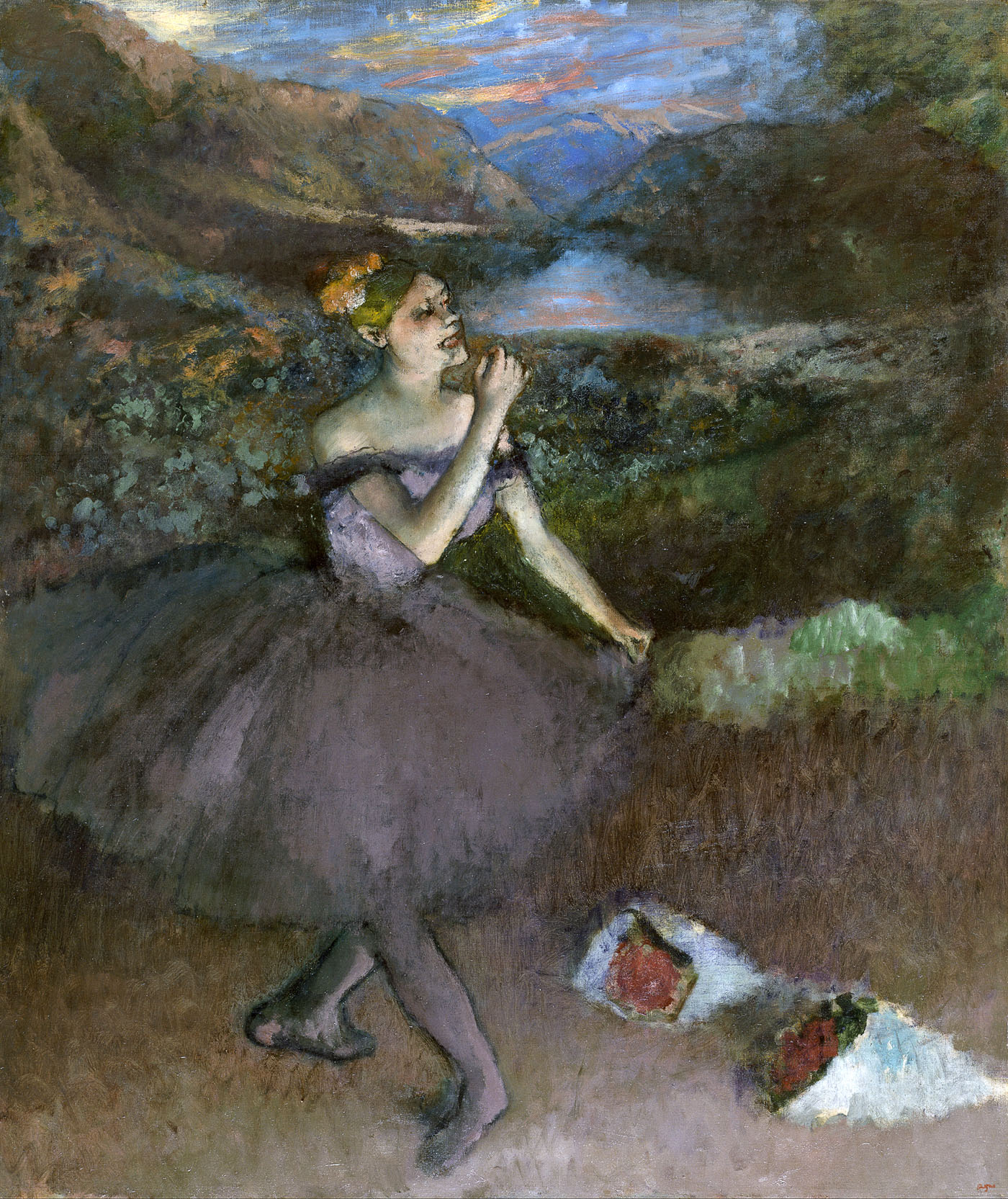

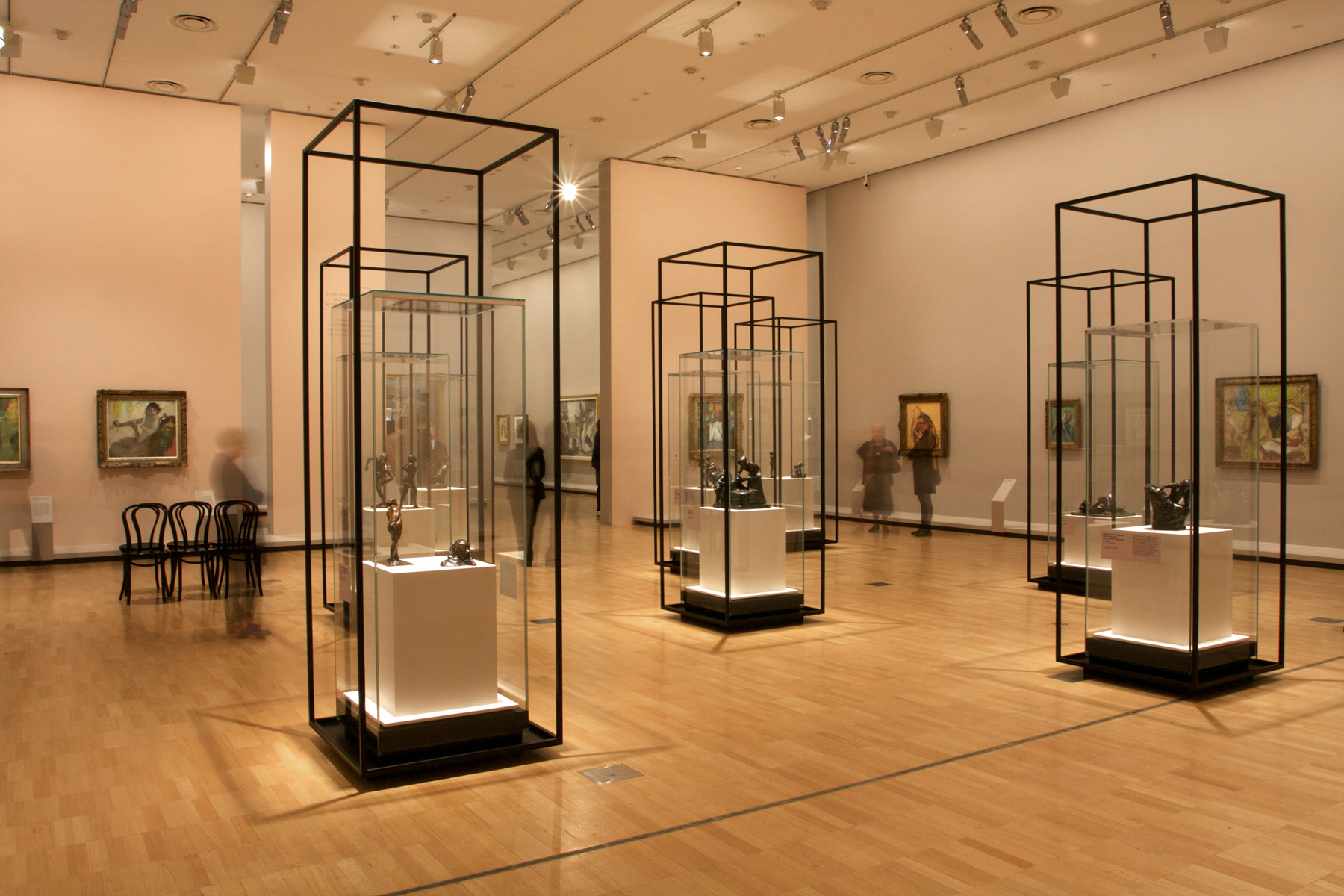


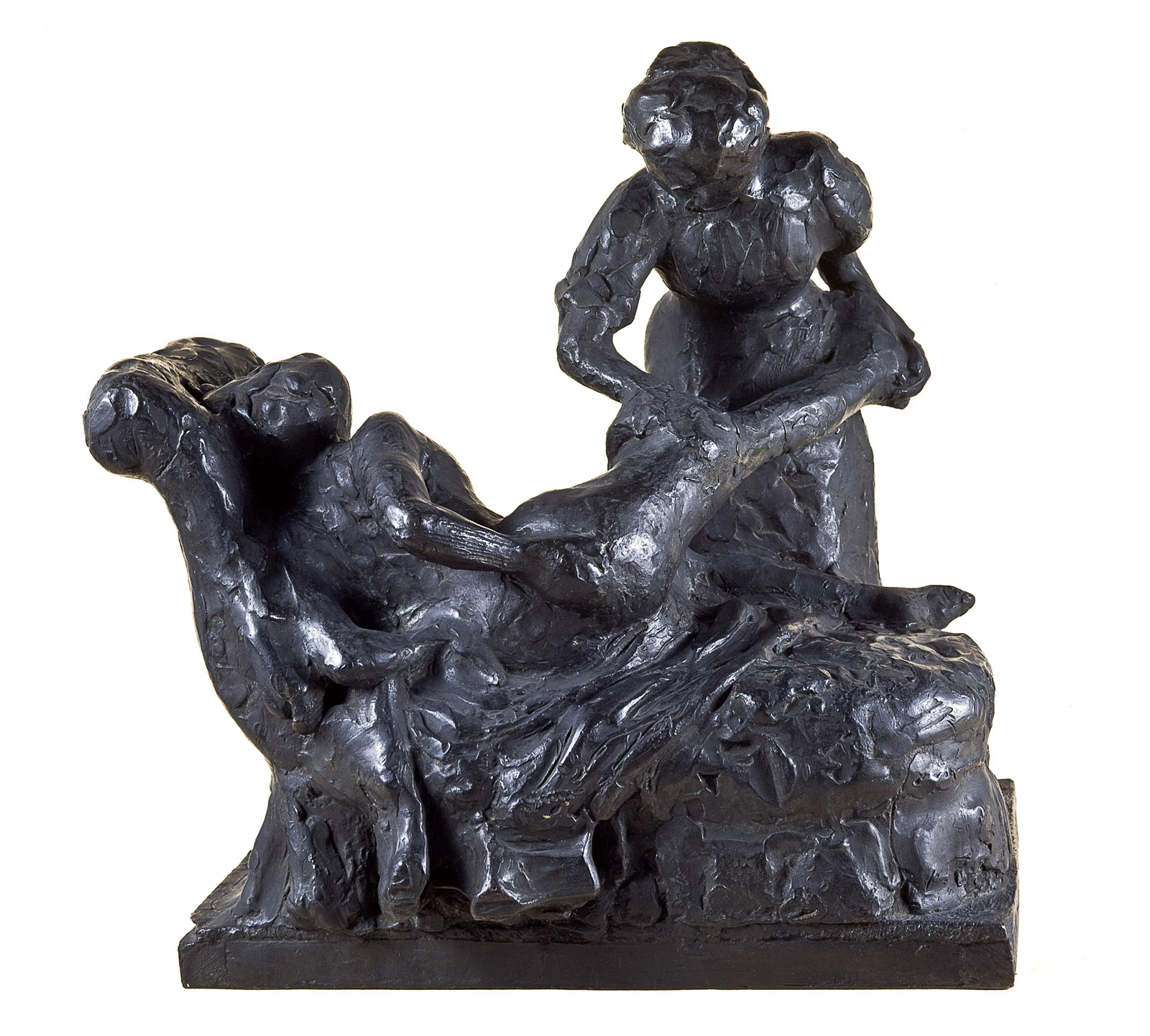


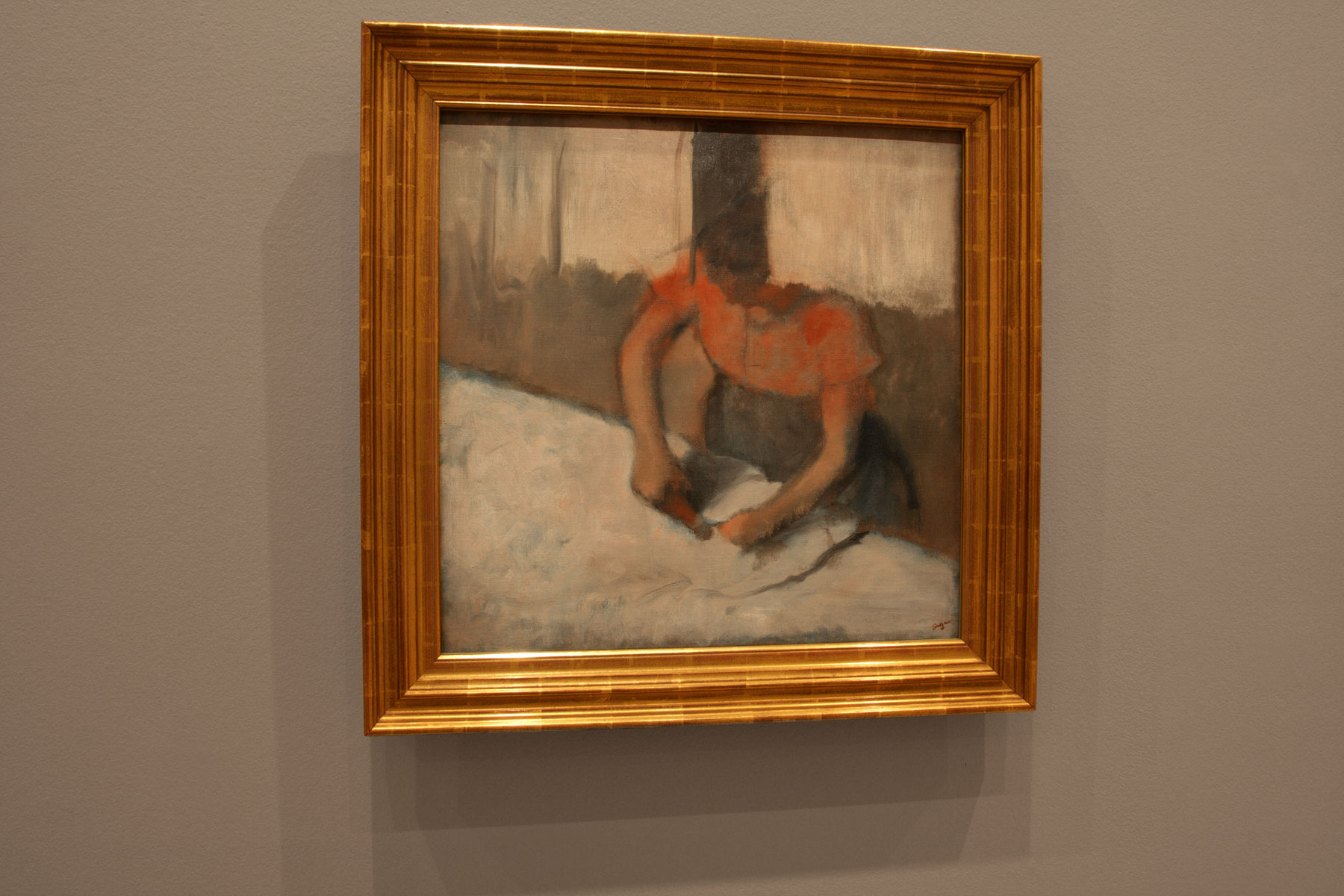
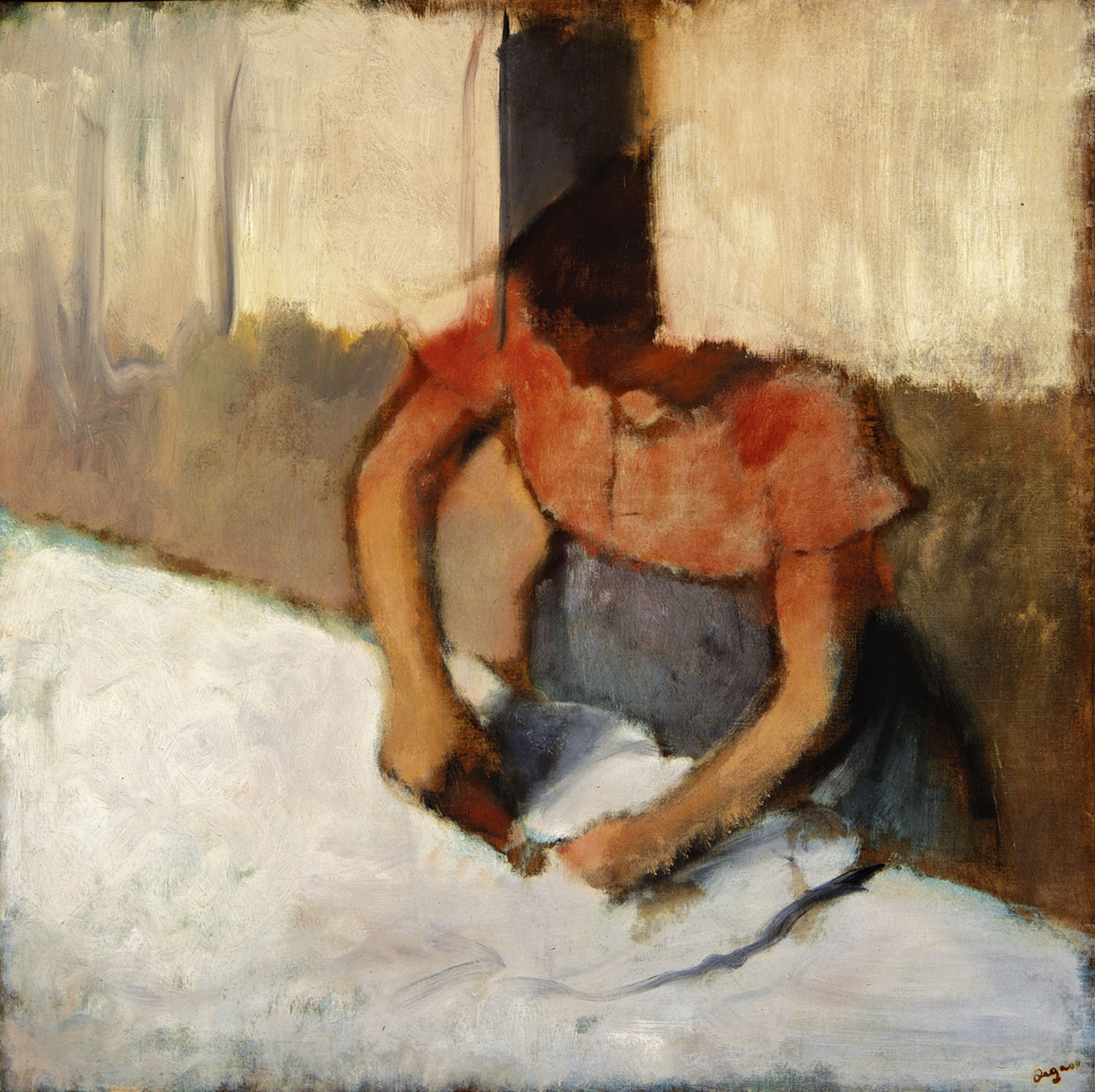

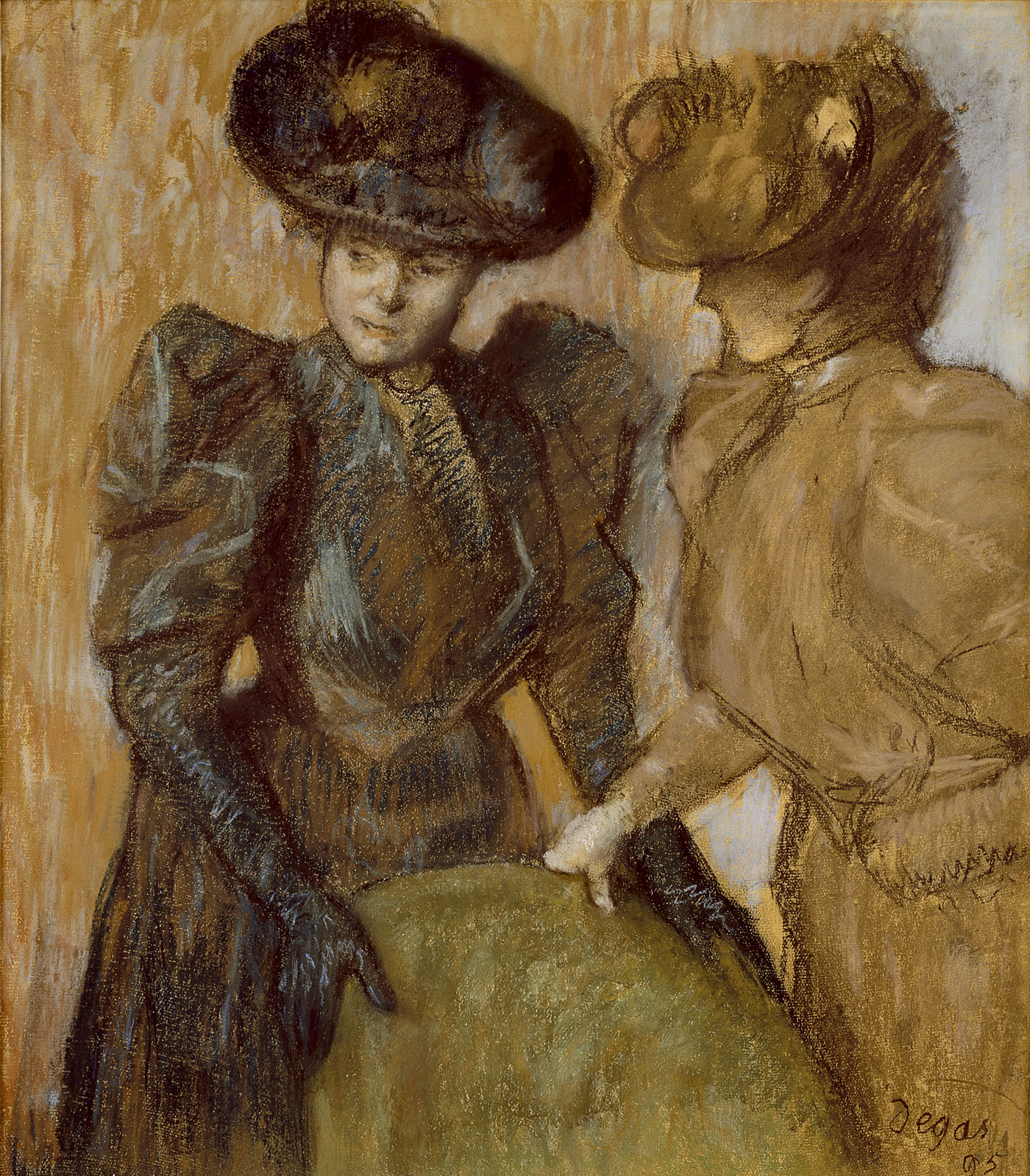
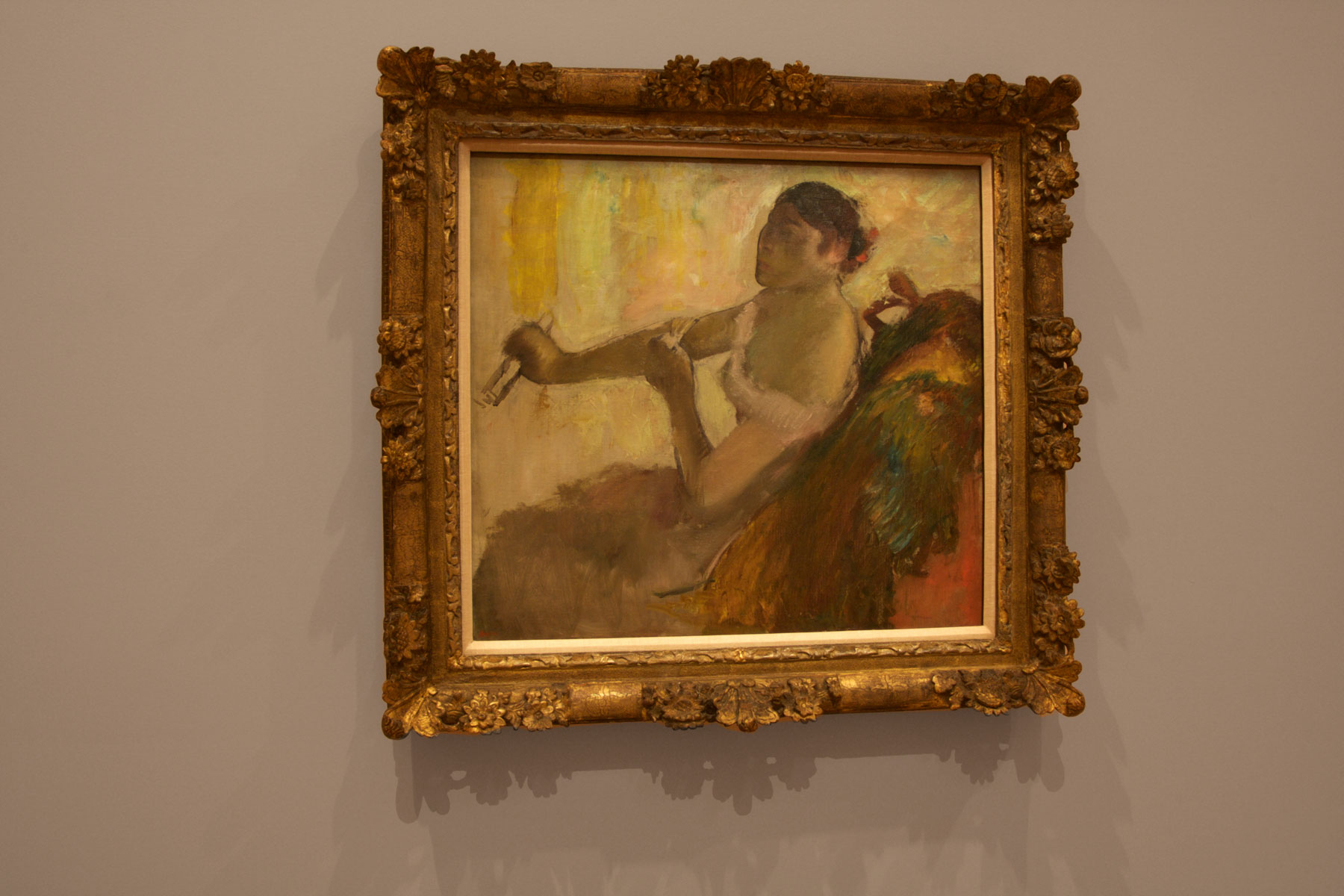
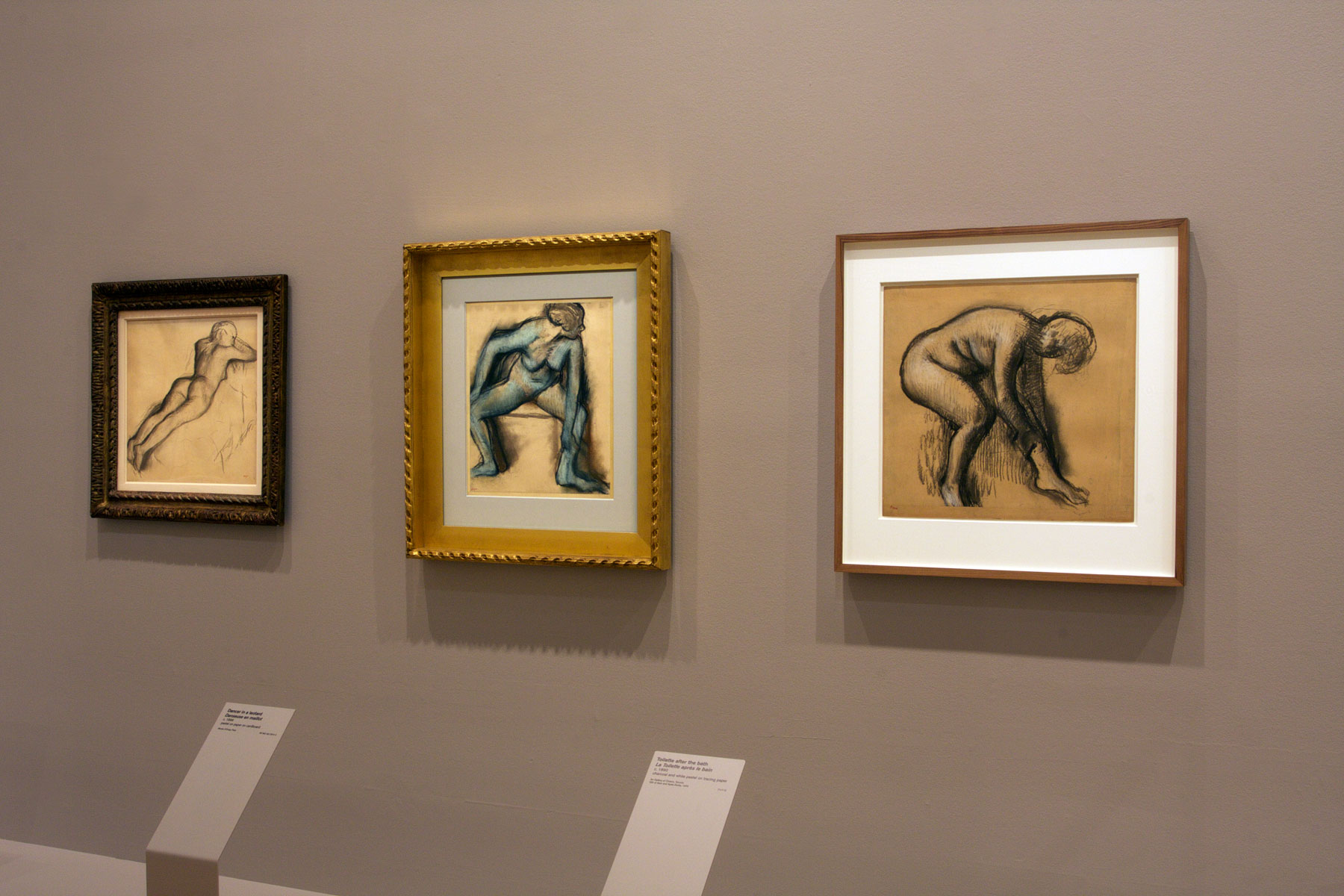
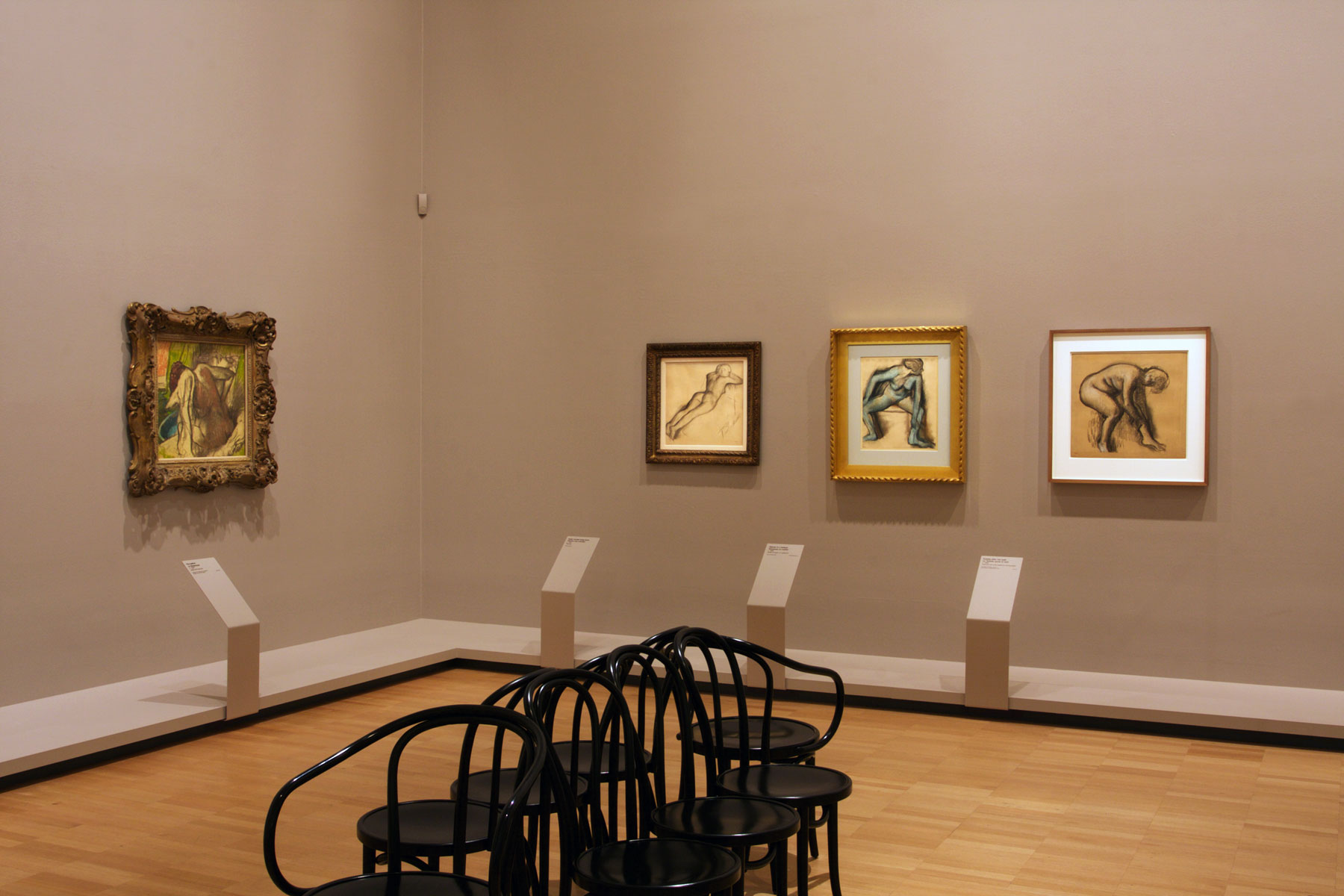

![Edgar Degas (French, 1834-1917) 'La Baigneuse [The bather]' c. 1895](https://artblart.com/wp-content/uploads/2016/09/installation-bp.jpg "Edgar Degas (French, 1834-1917) 'La Baigneuse [The bather]' c. 1895")
![Edgar Degas (French, 1834-1917) 'Femme a la toilette [Woman at he toilette] c. 1895-1900 (installation view)](https://artblart.com/wp-content/uploads/2016/09/installation-bd.jpg "Edgar Degas (French, 1834-1917) 'Femme a la toilette [Woman at he toilette] c. 1895-1900 (installation view)")
![Edgar Degas (French, 1834-1917) 'Femme a la toilette [Woman at her toilette] c. 1894 (installation view)](https://artblart.com/wp-content/uploads/2016/09/installation-be.jpg "Edgar Degas (French, 1834-1917) 'Femme a la toilette [Woman at her toilette] c. 1894 (installation view)")
![Edgar Degas (French, 1834-1917) 'Femme a la toilette [Woman at her toilette] c. 1894](https://artblart.com/wp-content/uploads/2016/08/exhi036044-web.jpg "Edgar Degas (French, 1834-1917) 'Femme a la toilette [Woman at her toilette] c. 1894")


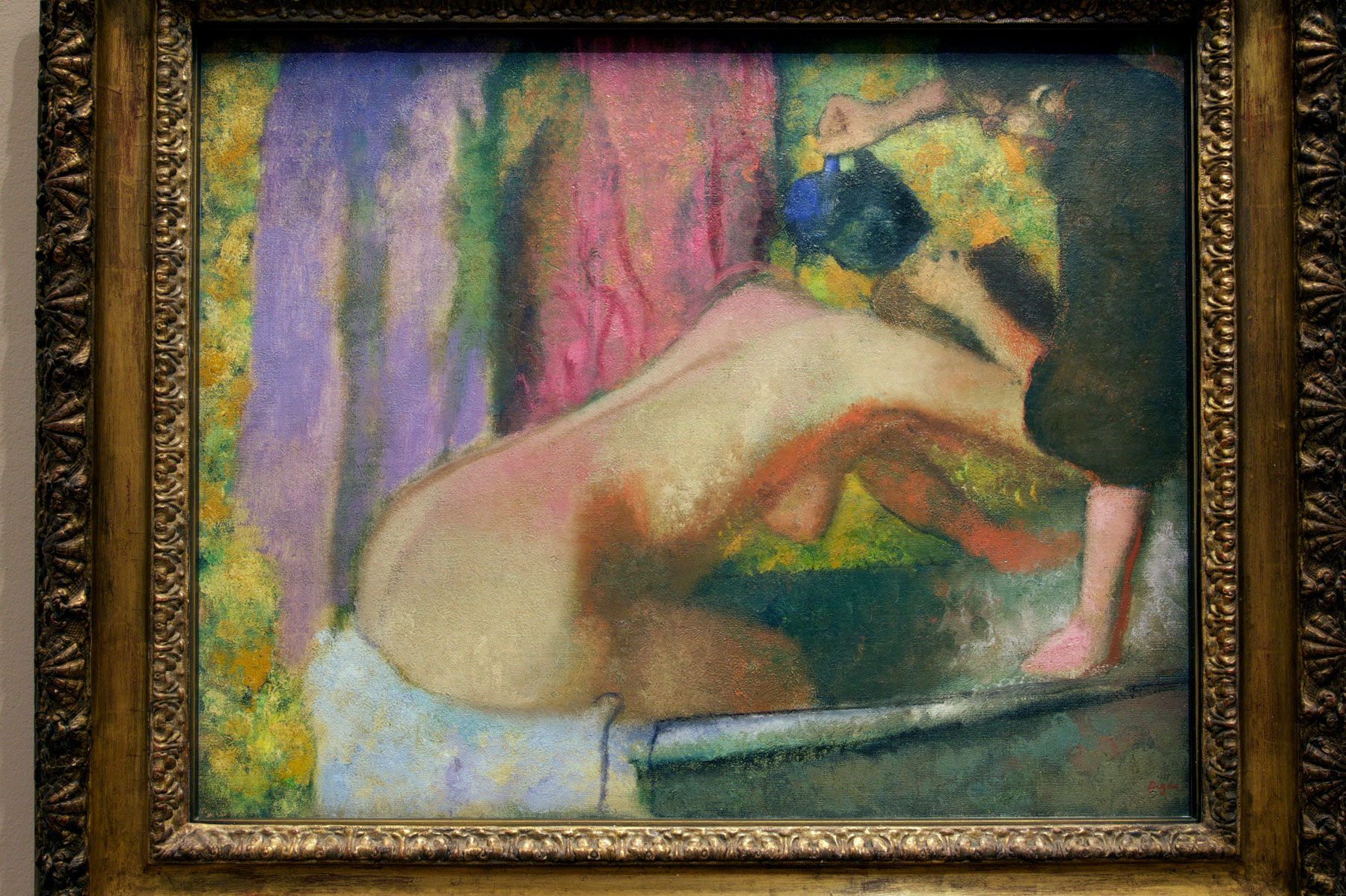
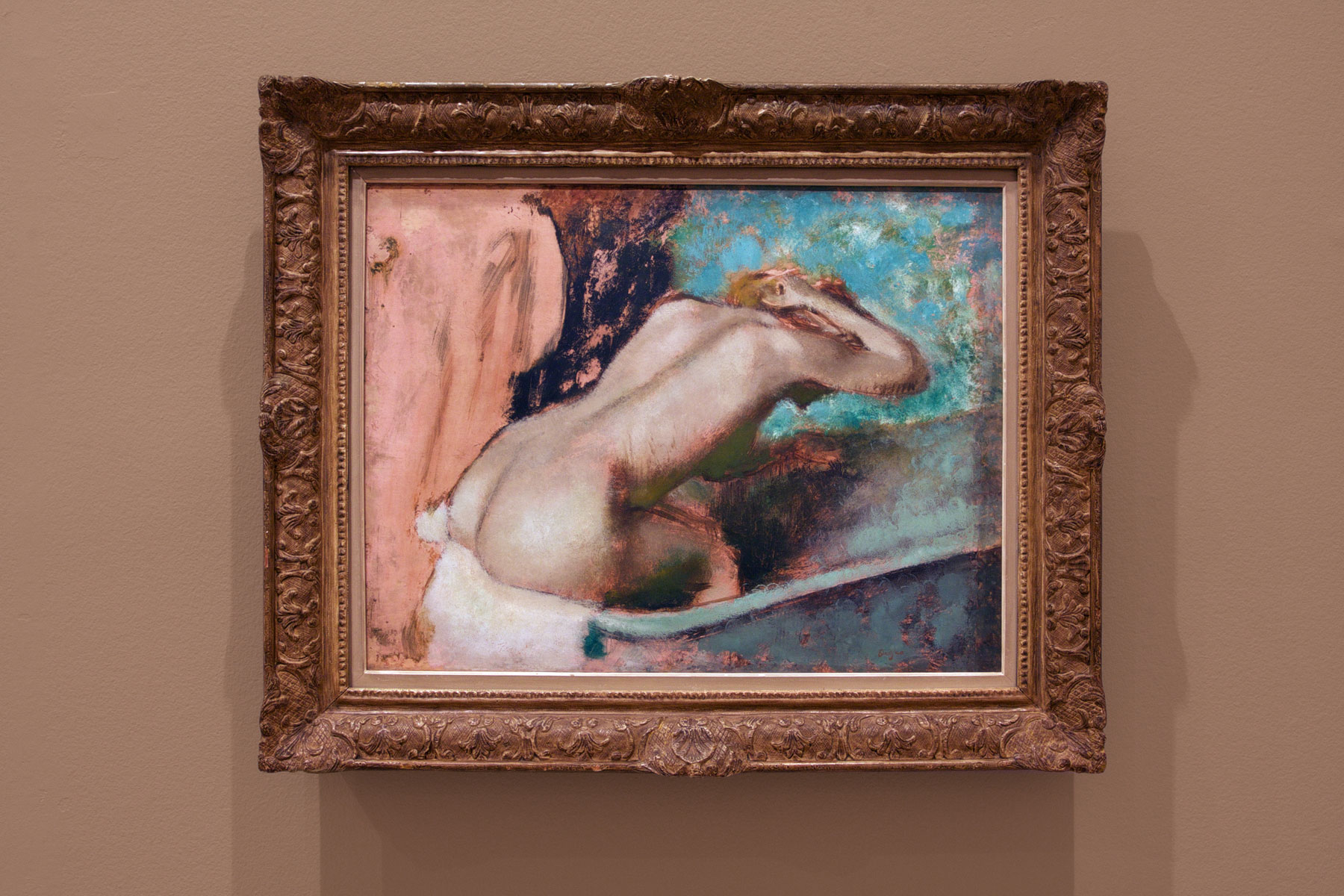

![Installation view of the exhibition 'Degas: A New Vision' at the National Gallery of Victoria International, Melbourne showing at right, 'Femme au Tub' [Nude woman drying herself] c. 1884-1886](https://artblart.com/wp-content/uploads/2016/09/installation-bh.jpg "Installation view of the exhibition 'Degas: A New Vision' at the National Gallery of Victoria International, Melbourne showing at right, 'Femme au Tub' [Nude woman drying herself] c. 1884-1886")
![Edgar Degas. 'Femme au Tub [Nude woman drying herself]' c. 1884-1886 (installation view)](https://artblart.com/wp-content/uploads/2016/09/installation-bi.jpg "Edgar Degas. 'Femme au Tub [Nude woman drying herself]' c. 1884-1886 (installation view)")

![Edgar Degas (French, 1834-1917) 'Chevaux de courses [Racehorses]' c. 1895-1899 (installation view)](https://artblart.com/wp-content/uploads/2016/09/installation-bf.jpg "Edgar Degas (French, 1834-1917) 'Chevaux de courses [Racehorses]' c. 1895-1899 (installation view)")
![Edgar Degas (French, 1834-1917) 'Chevaux de courses [Racehorses]' c. 1895-1899](https://artblart.com/wp-content/uploads/2016/08/exhi039831_web.jpg "Edgar Degas (French, 1834-1917) 'Chevaux de courses [Racehorses]' c. 1895-1899")
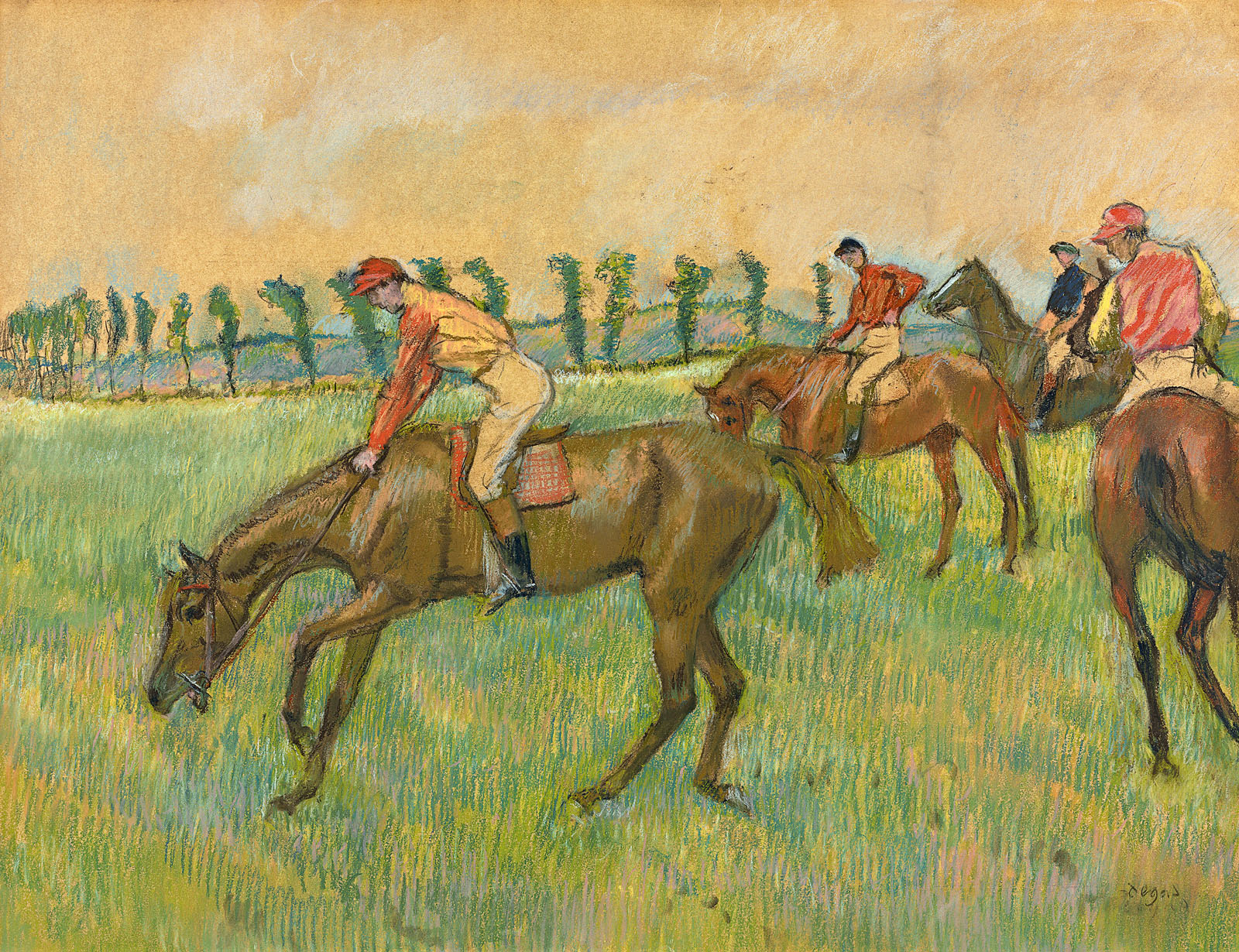


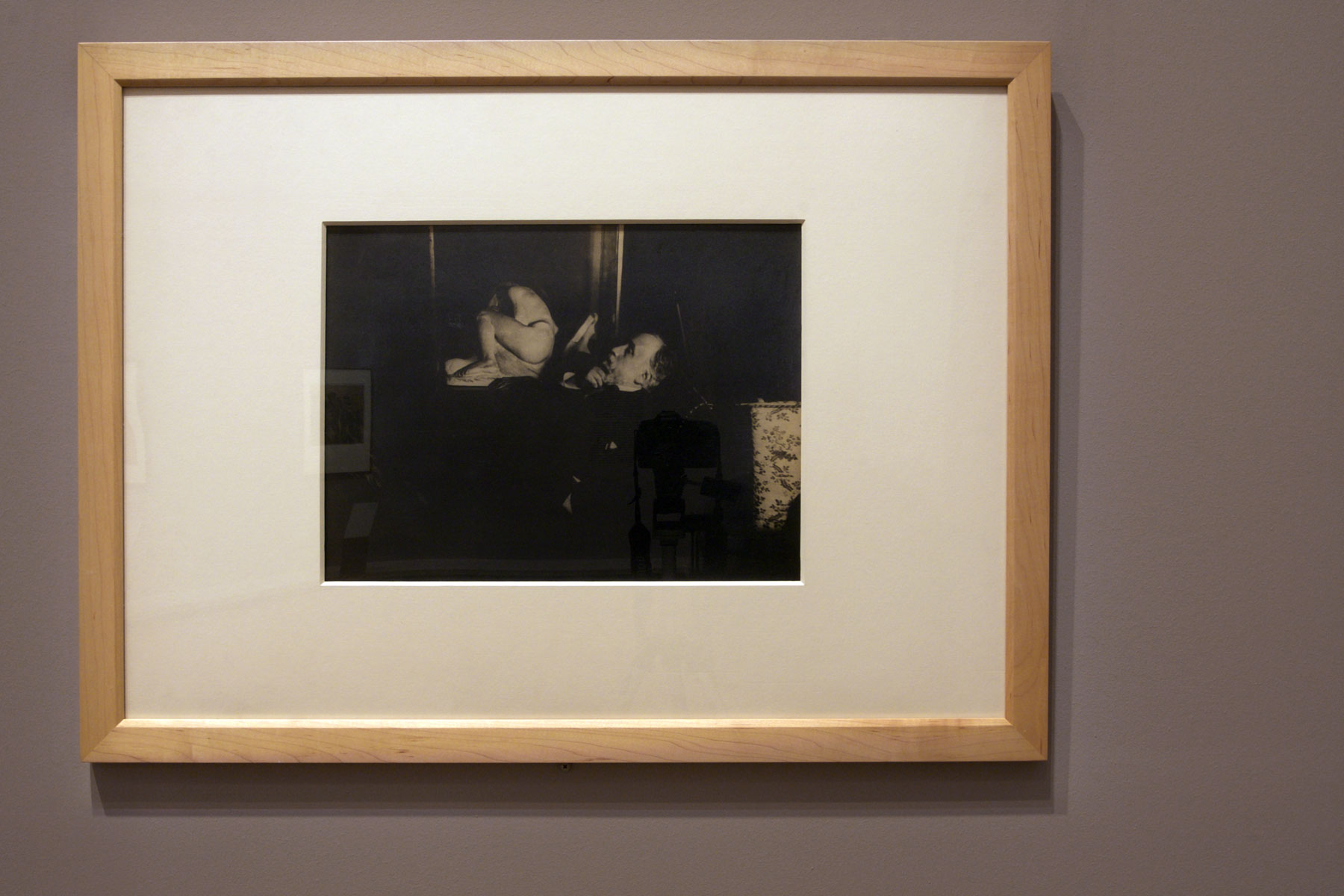

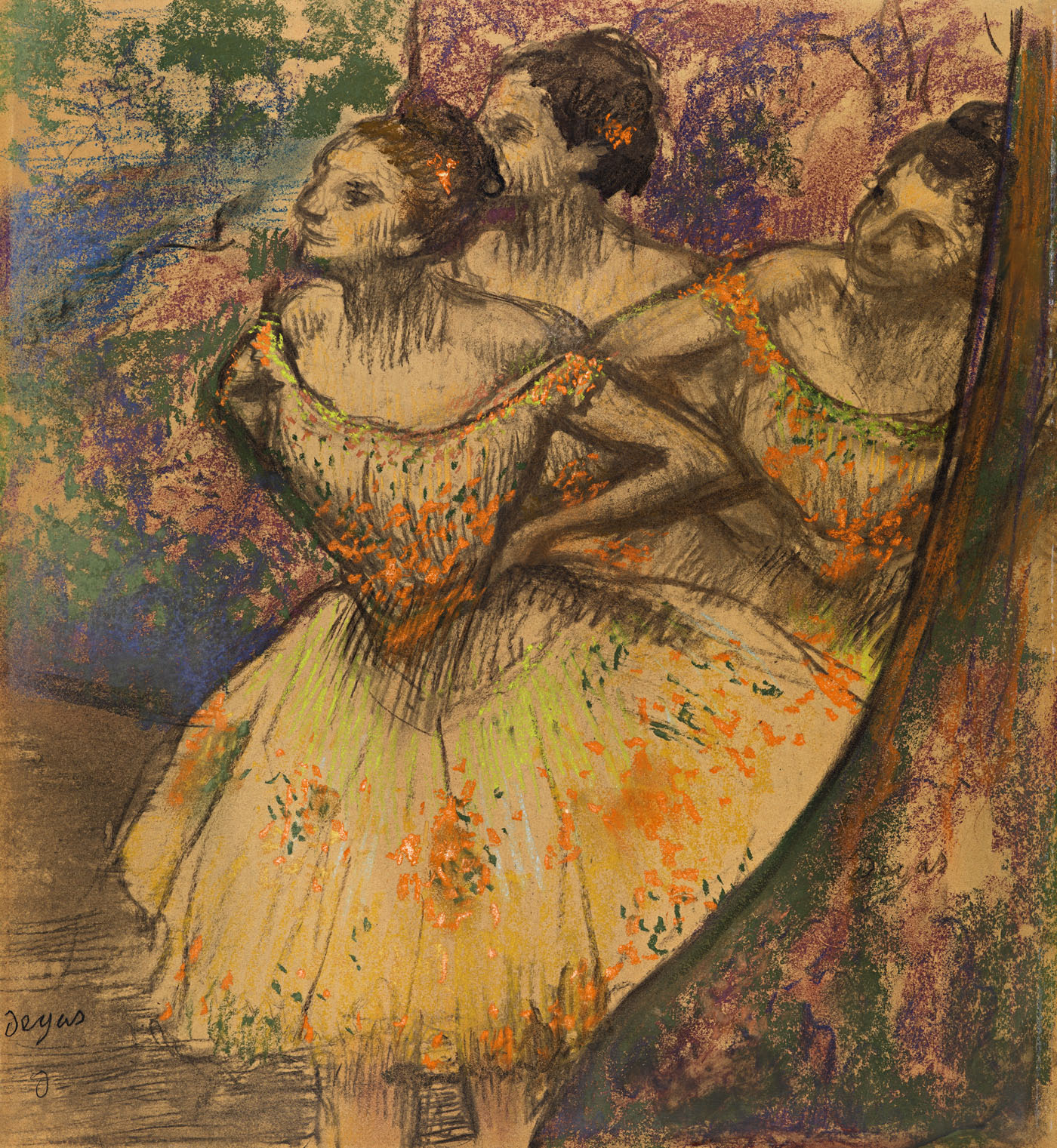
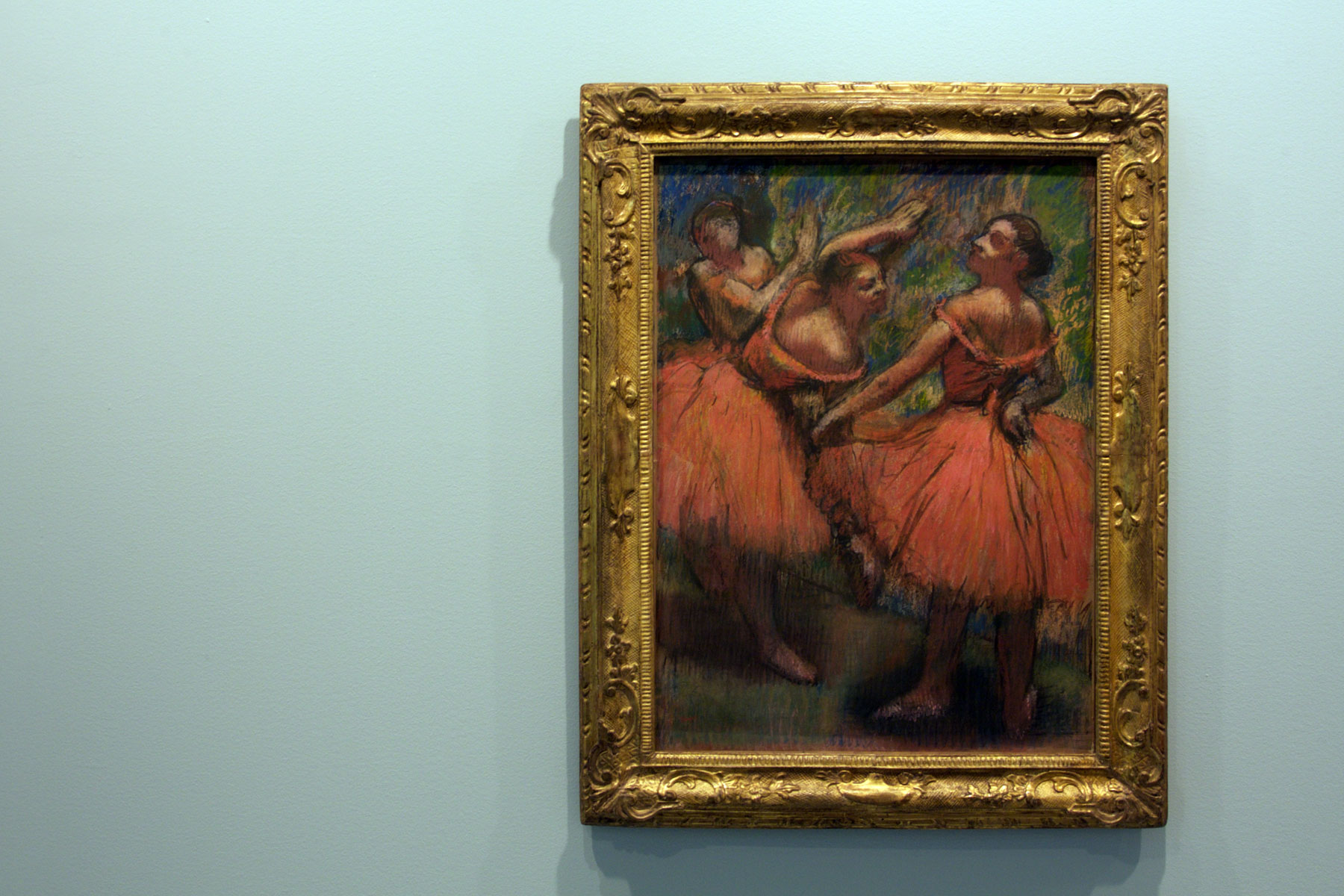
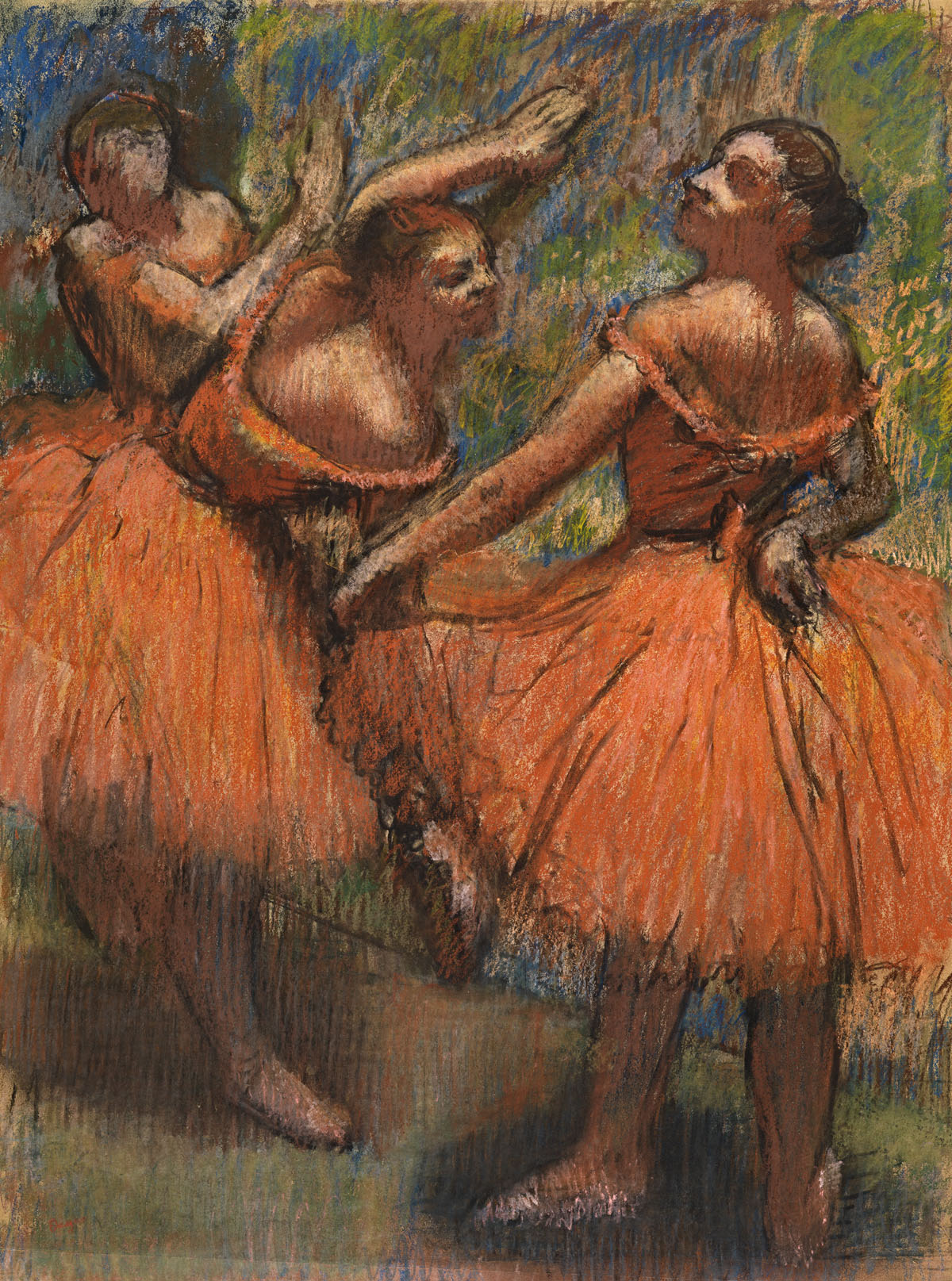


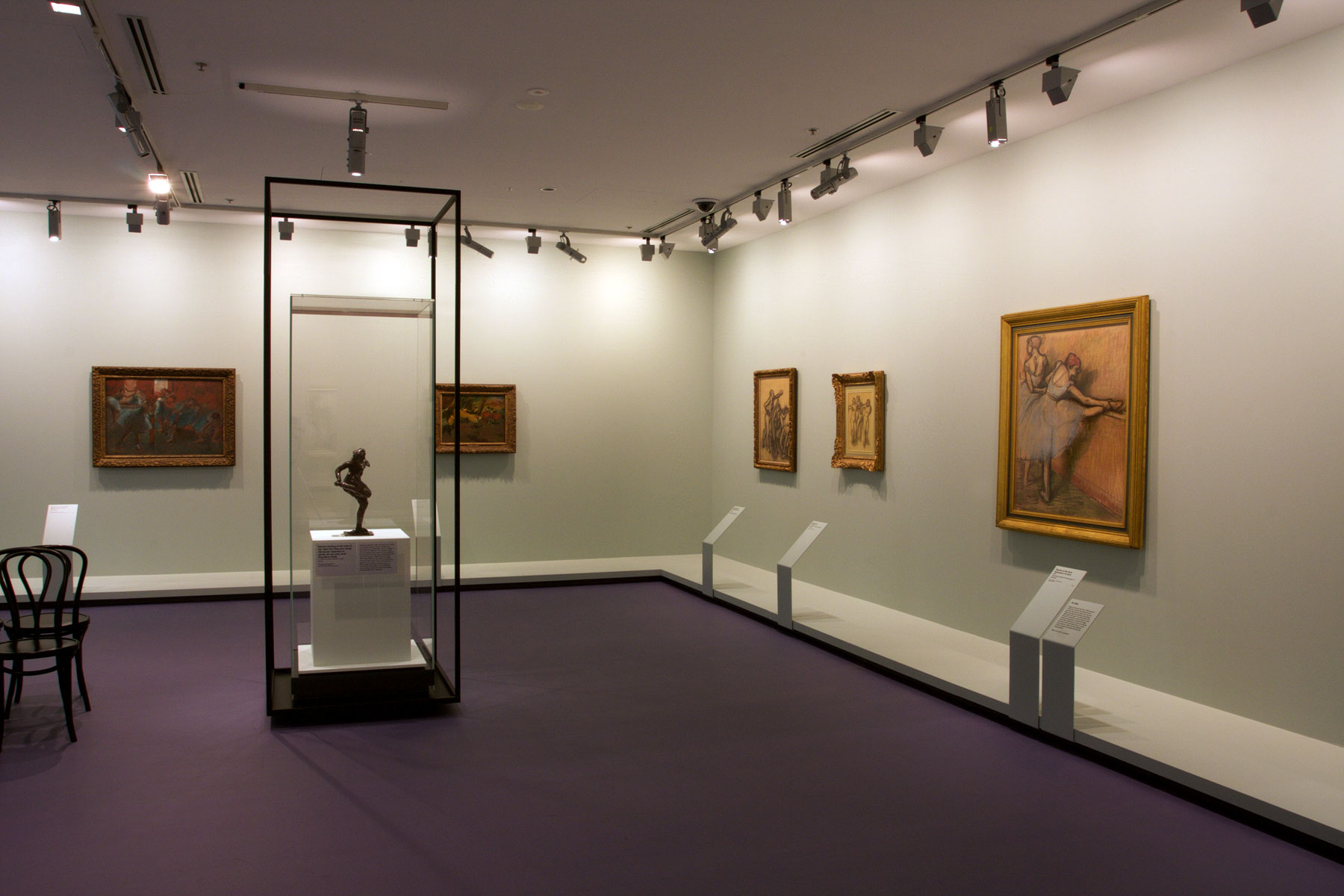
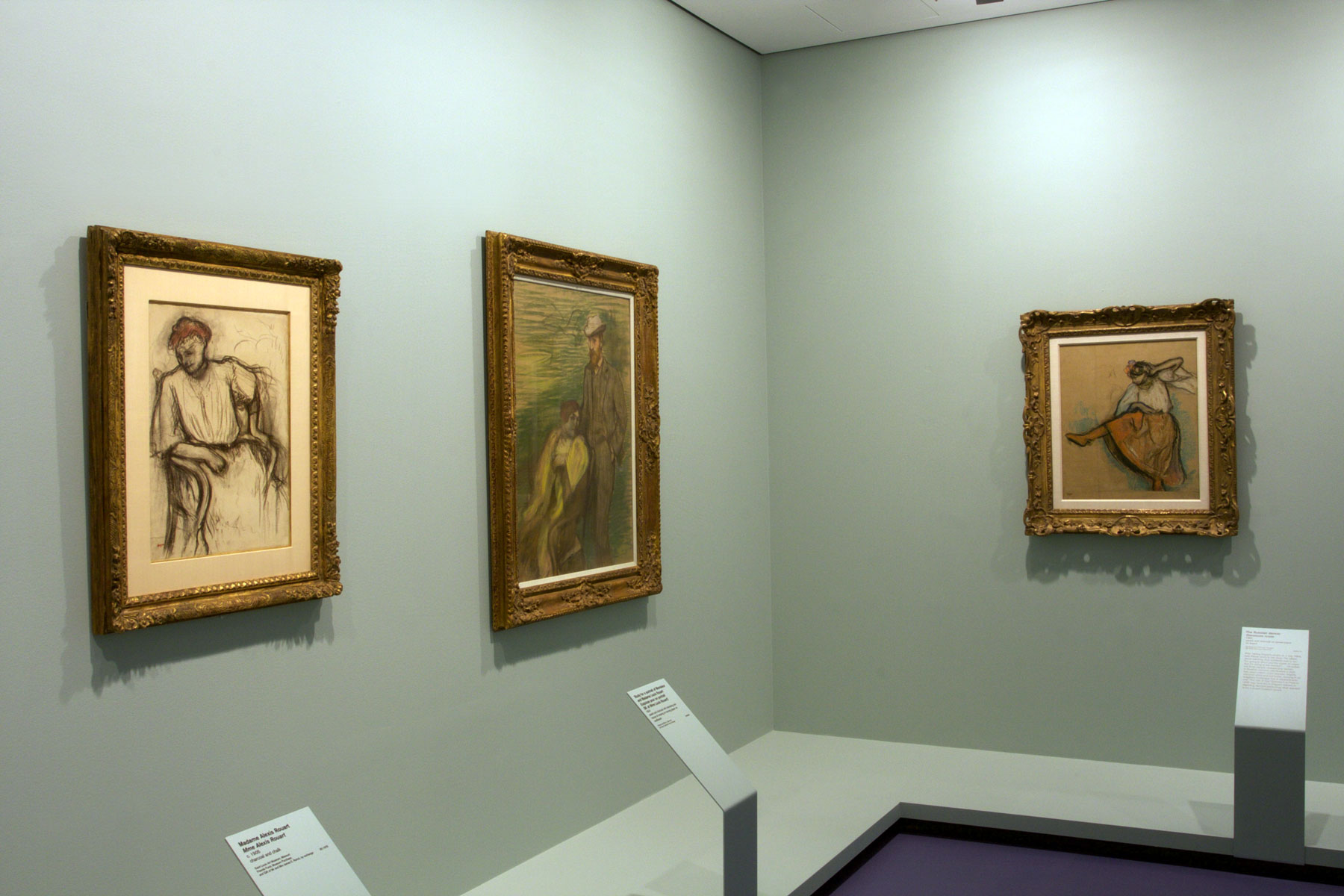

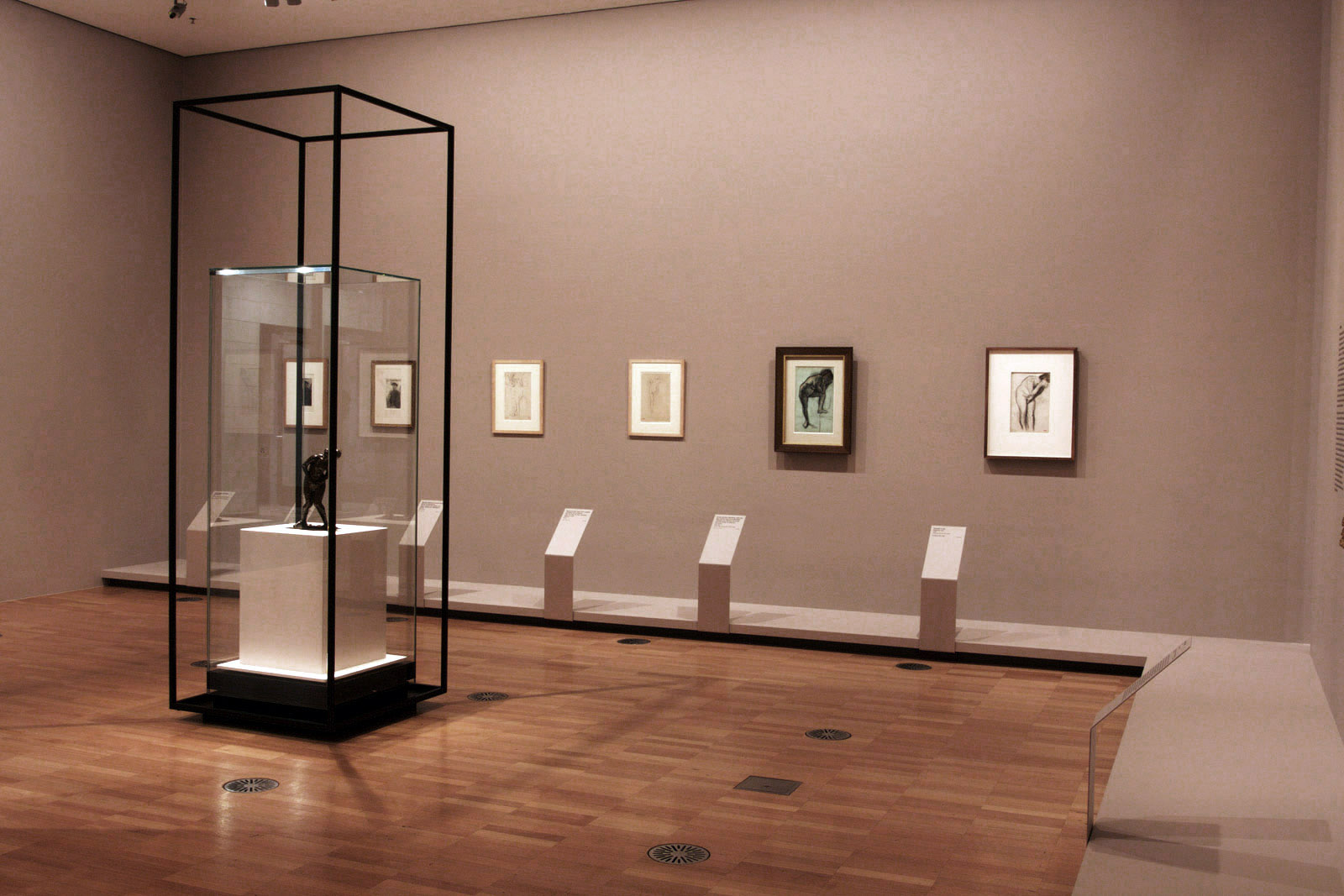


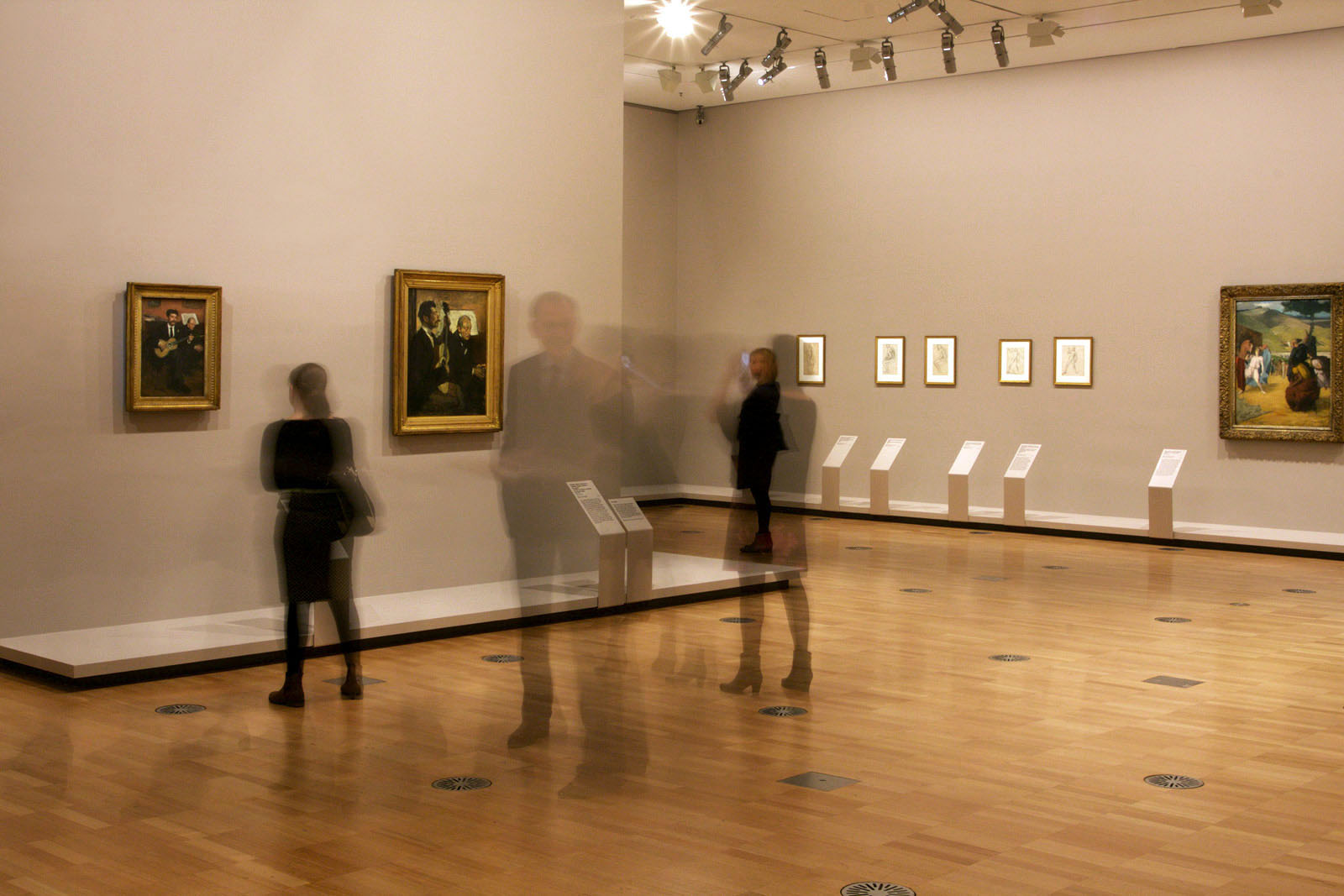


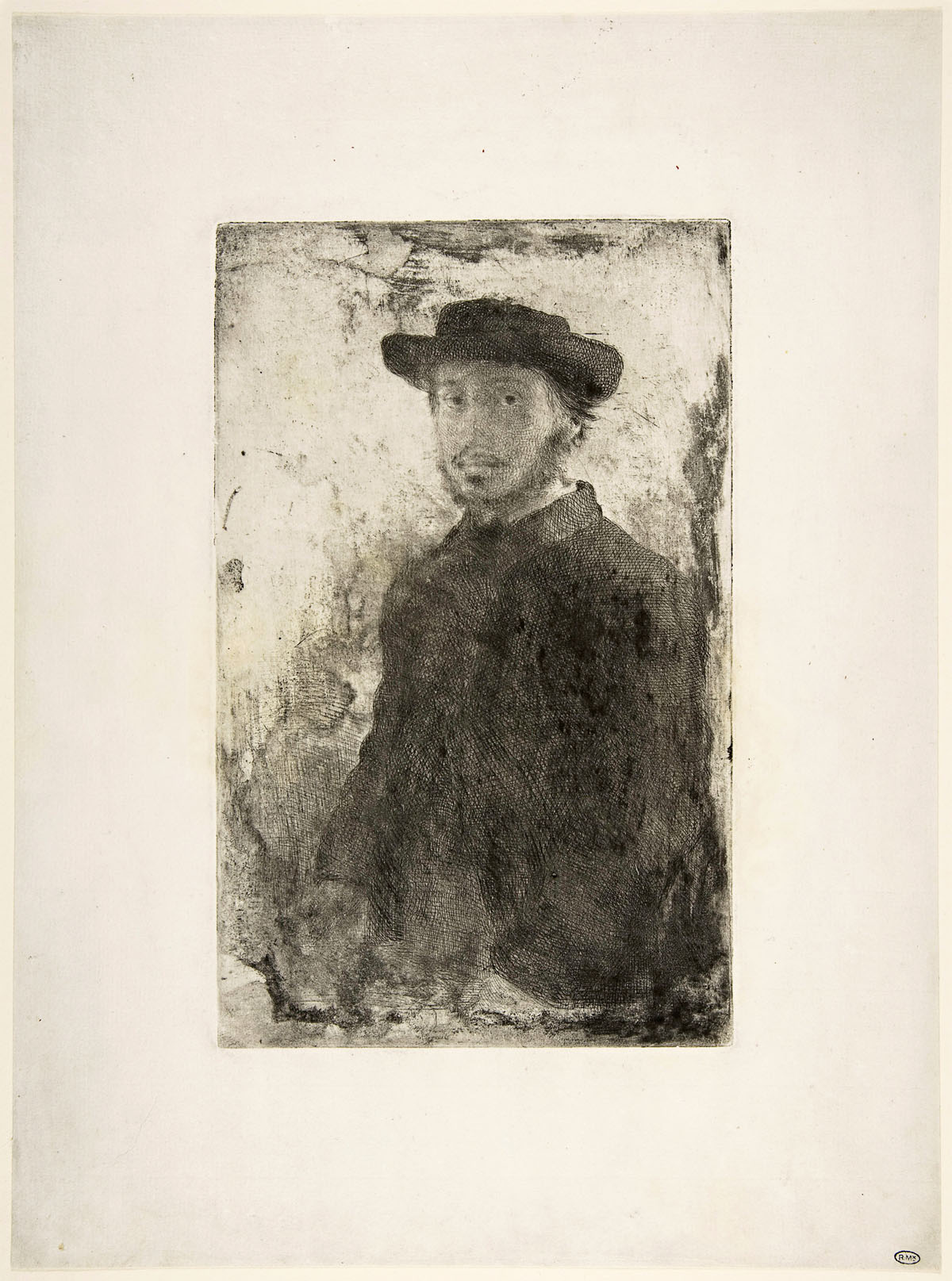

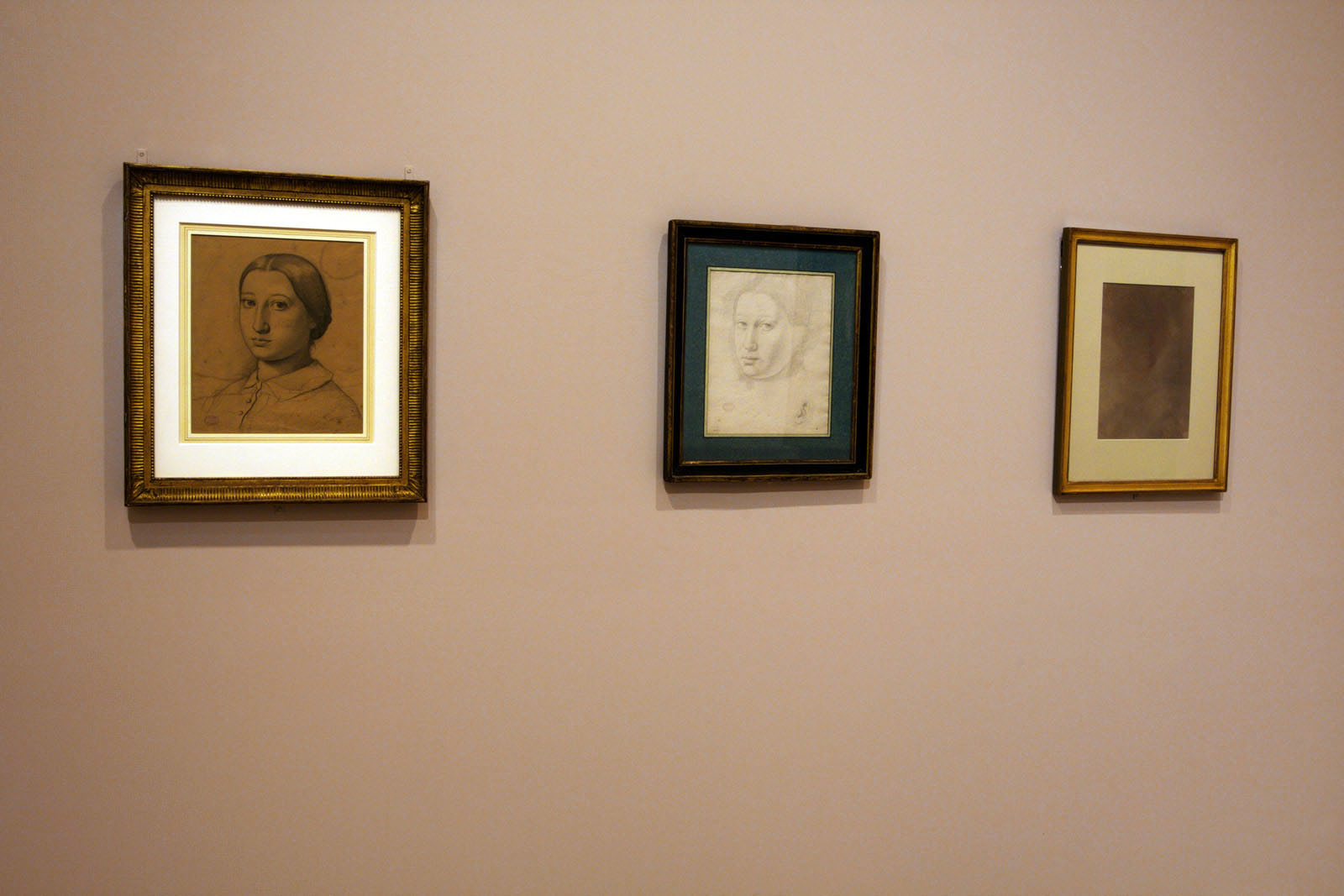
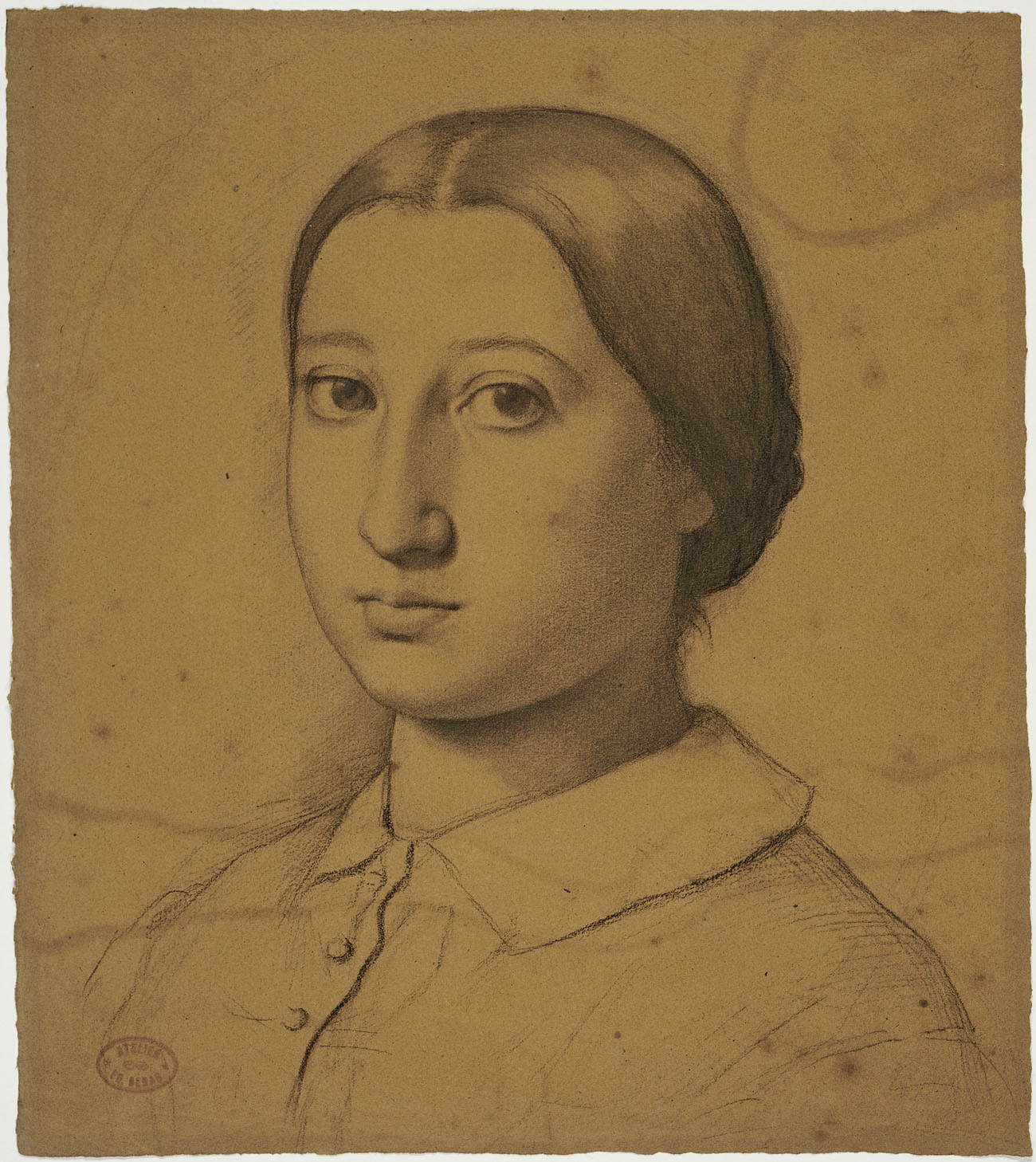


![Installation view of the exhibition 'Degas: A New Vision' at the National Gallery of Victoria International, Melbourne showing at left, 'Mendiante romaine' [Roman beggar women] (1857)](https://artblart.com/wp-content/uploads/2016/08/installation-l.jpg "Installation view of the exhibition 'Degas: A New Vision' at the National Gallery of Victoria International, Melbourne showing at left, 'Mendiante romaine' [Roman beggar women] (1857)")
![Edgar Degas (French, 1834-1917) 'Mendiante romaine' [Roman beggar women] 1857 (installation view)](https://artblart.com/wp-content/uploads/2016/08/installation-m.jpg "Edgar Degas (French, 1834-1917) 'Mendiante romaine' [Roman beggar women] 1857 (installation view)")

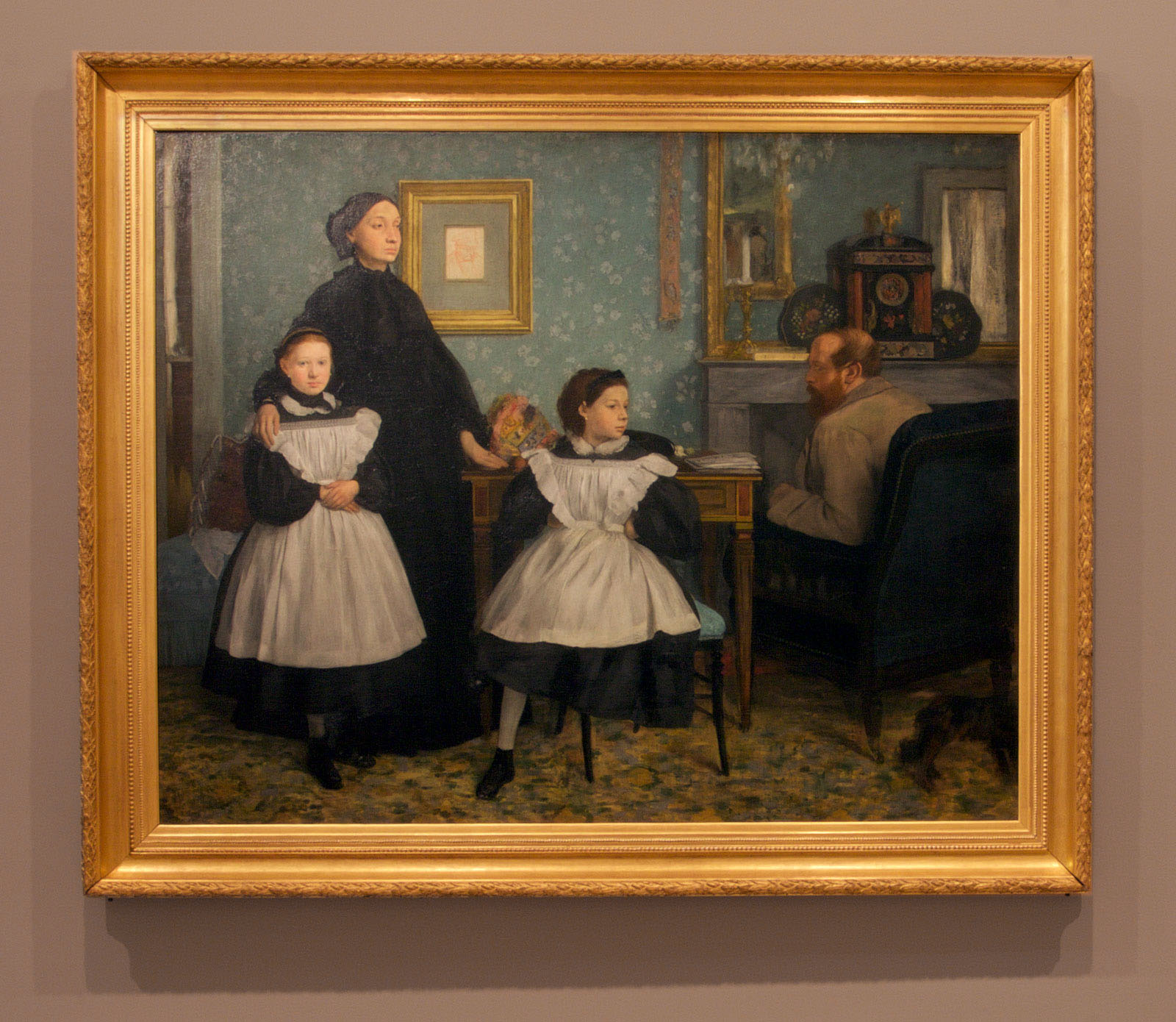
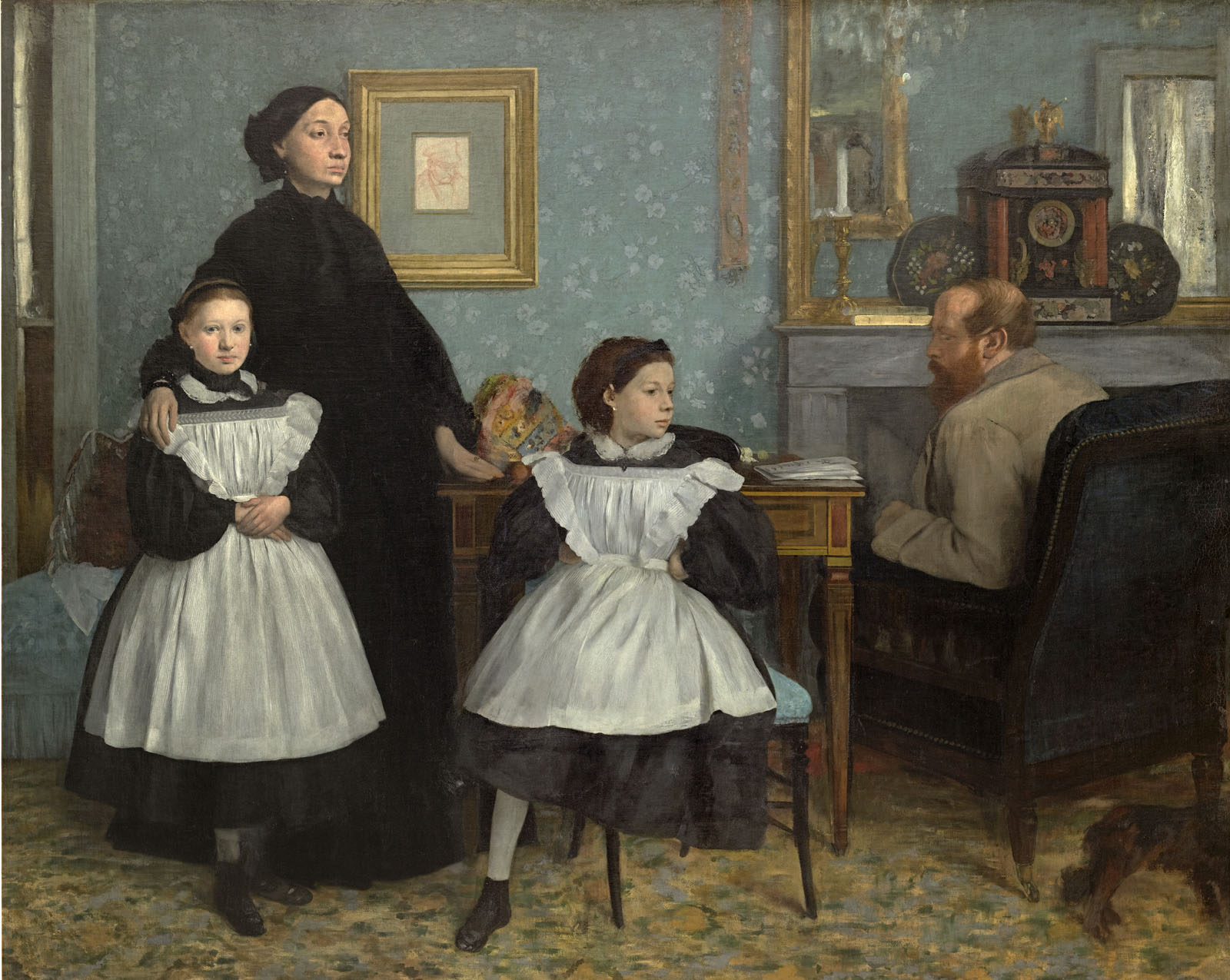
![Installation view of the exhibition 'Degas: A New Vision' at the National Gallery of Victoria International, Melbourne showing at left, 'Monsieur Reulle' (1861); and at right, 'Portrait de jeune femme' [Portrait of a young woman] (1867)](https://artblart.com/wp-content/uploads/2016/08/installation-q.jpg "Installation view of the exhibition 'Degas: A New Vision' at the National Gallery of Victoria International, Melbourne showing at left, 'Monsieur Reulle' (1861); and at right, 'Portrait de jeune femme' [Portrait of a young woman] (1867)")
![Edgar Degas (French, 1834-1917) 'Étude pour Jeunes Spartiates s'exerçant à la lutte' [Study for The young Spartans exercising] c. 1860-1861 (installation view)](https://artblart.com/wp-content/uploads/2016/08/installation-o.jpg "Edgar Degas (French, 1834-1917) 'Étude pour Jeunes Spartiates s'exerçant à la lutte' [Study for The young Spartans exercising] c. 1860-1861 (installation view)")
![Edgar Degas (French, 1834-1917) 'Petites filles spartiates provoquant des garçons' [Young Spartan girls challenging boys] c. 1860 (installation view)](https://artblart.com/wp-content/uploads/2016/08/installation-n.jpg "Edgar Degas (French, 1834-1917) 'Petites filles spartiates provoquant des garçons' [Young Spartan girls challenging boys] c. 1860 (installation view)")
![Edgar Degas (French, 1834-1917) 'Petites filles spartiates provoquant des garçons' [Young Spartan girls challenging boys] c. 1860 (installation view)](https://artblart.com/wp-content/uploads/2016/08/installation-p.jpg "Edgar Degas (French, 1834-1917) 'Petites filles spartiates provoquant des garçons' [Young Spartan girls challenging boys] c. 1860 (installation view)")
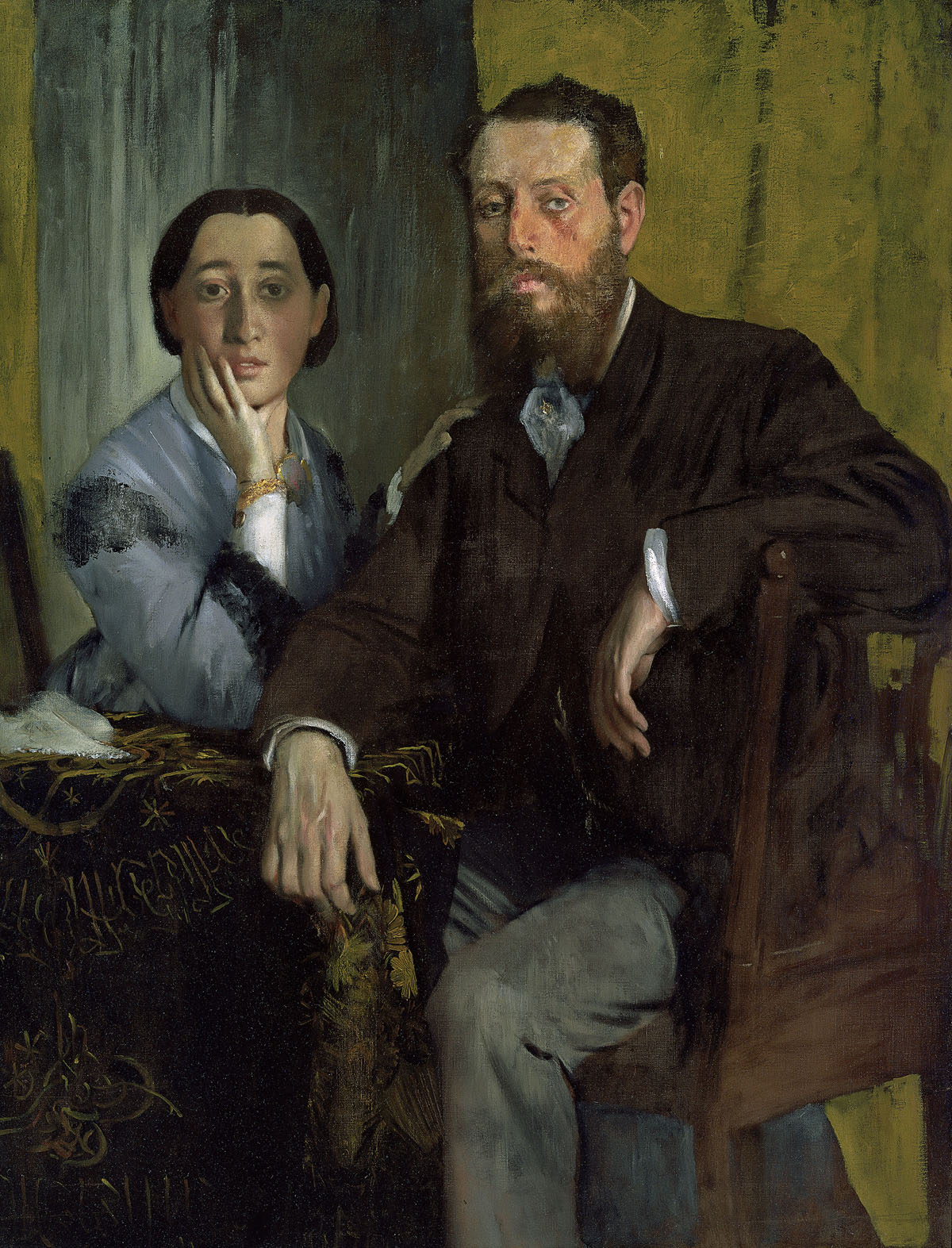


![Edgar Degas (French, 1834-1917) 'Etude de nus: Mlle Fiocre dans le ballet La Source' [Nude study: Mademoiselle Fiocre in the ballet 'The Spring'] 1867-1868 (installation view)](https://artblart.com/wp-content/uploads/2016/08/installation-aa.jpg "Edgar Degas (French, 1834-1917) 'Etude de nus: Mlle Fiocre dans le ballet La Source' [Nude study: Mademoiselle Fiocre in the ballet 'The Spring'] 1867-1868 (installation view)")
![Installation view of the exhibition 'Degas: A New Vision' at the National Gallery of Victoria International, Melbourne showing at left, 'Portrait d'homme' [Portrait of a man] (c. 1866) and at right, 'Victoria Dubourg' (1868-1869)](https://artblart.com/wp-content/uploads/2016/08/installation-z.jpg "Installation view of the exhibition 'Degas: A New Vision' at the National Gallery of Victoria International, Melbourne showing at left, 'Portrait d'homme' [Portrait of a man] (c. 1866) and at right, 'Victoria Dubourg' (1868-1869)")
![Installation view of the exhibition 'Degas: A New Vision' at the National Gallery of Victoria International, Melbourne Installation view of the exhibition 'Degas: A New Vision' at the National Gallery of Victoria International, Melbourne showing at left, 'Portrait d'homme' [Portrait of a man] (c. 1866) and at right, 'Victoria Dubourg' (1868-1869)](https://artblart.com/wp-content/uploads/2016/08/installation-v.jpg "Installation view of the exhibition 'Degas: A New Vision' at the National Gallery of Victoria International, Melbourne Installation view of the exhibition 'Degas: A New Vision' at the National Gallery of Victoria International, Melbourne showing at left, 'Portrait d'homme' [Portrait of a man] (c. 1866) and at right, 'Victoria Dubourg' (1868-1869)")

![Edgar Degas (French, 1834-1917) 'Mme Jeantaud sur sa chaise longue, avec deux chiens' [Madame Jeantaud on her chaise longue, with two dogs] 1877 (installation view)](https://artblart.com/wp-content/uploads/2016/08/installation-x.jpg "Edgar Degas (French, 1834-1917) 'Mme Jeantaud sur sa chaise longue, avec deux chiens' [Madame Jeantaud on her chaise longue, with two dogs] 1877 (installation view)")
![Edgar Degas (French, 1834-1917) 'Mme Jeantaud sur sa chaise longue, avec deux chiens' [Madame Jeantaud on her chaise longue, with two dogs] 1877 (installation view detail)](https://artblart.com/wp-content/uploads/2016/08/installation-x-detail.jpg "Edgar Degas (French, 1834-1917) 'Mme Jeantaud sur sa chaise longue, avec deux chiens' [Madame Jeantaud on her chaise longue, with two dogs] 1877 (installation view detail)")


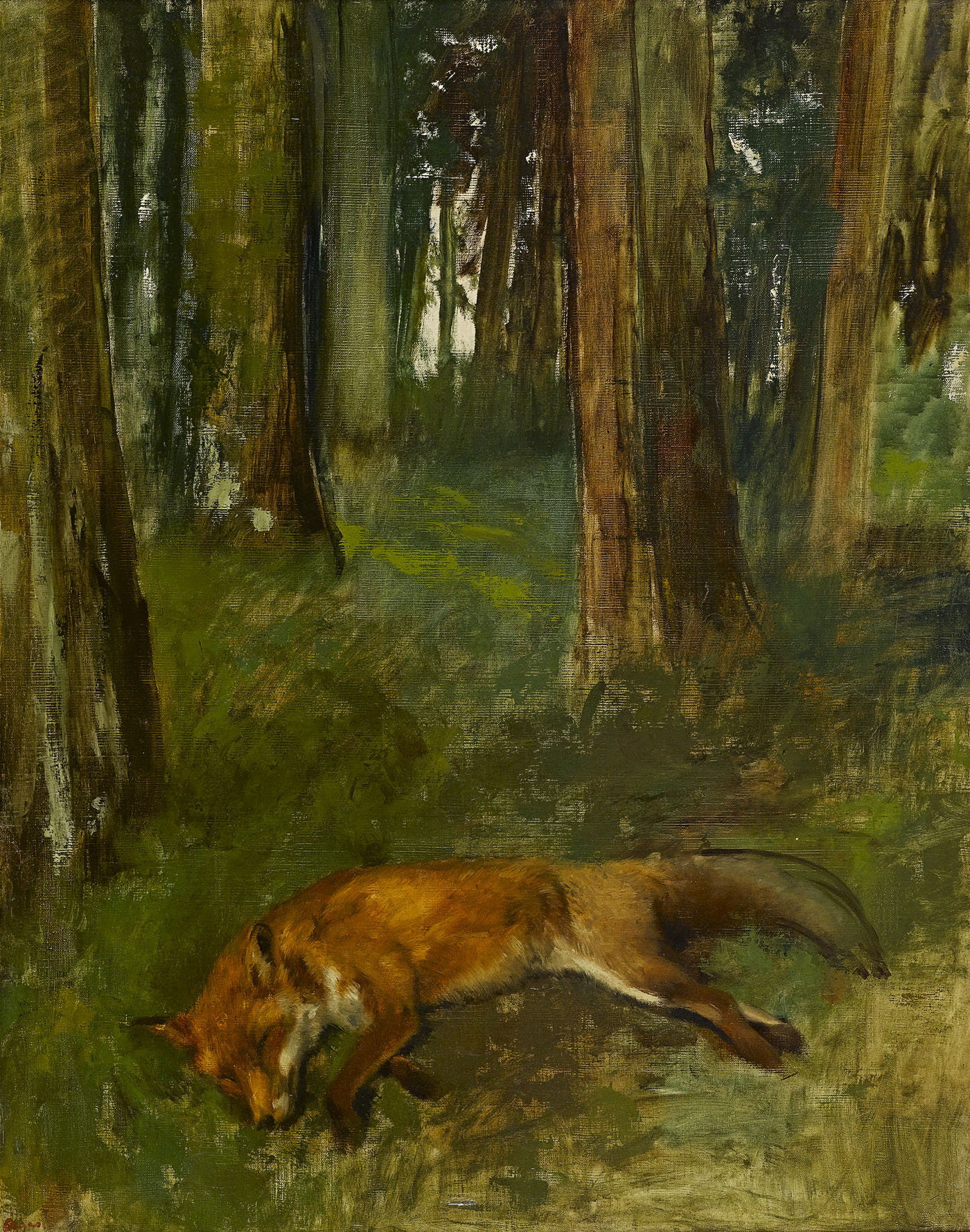
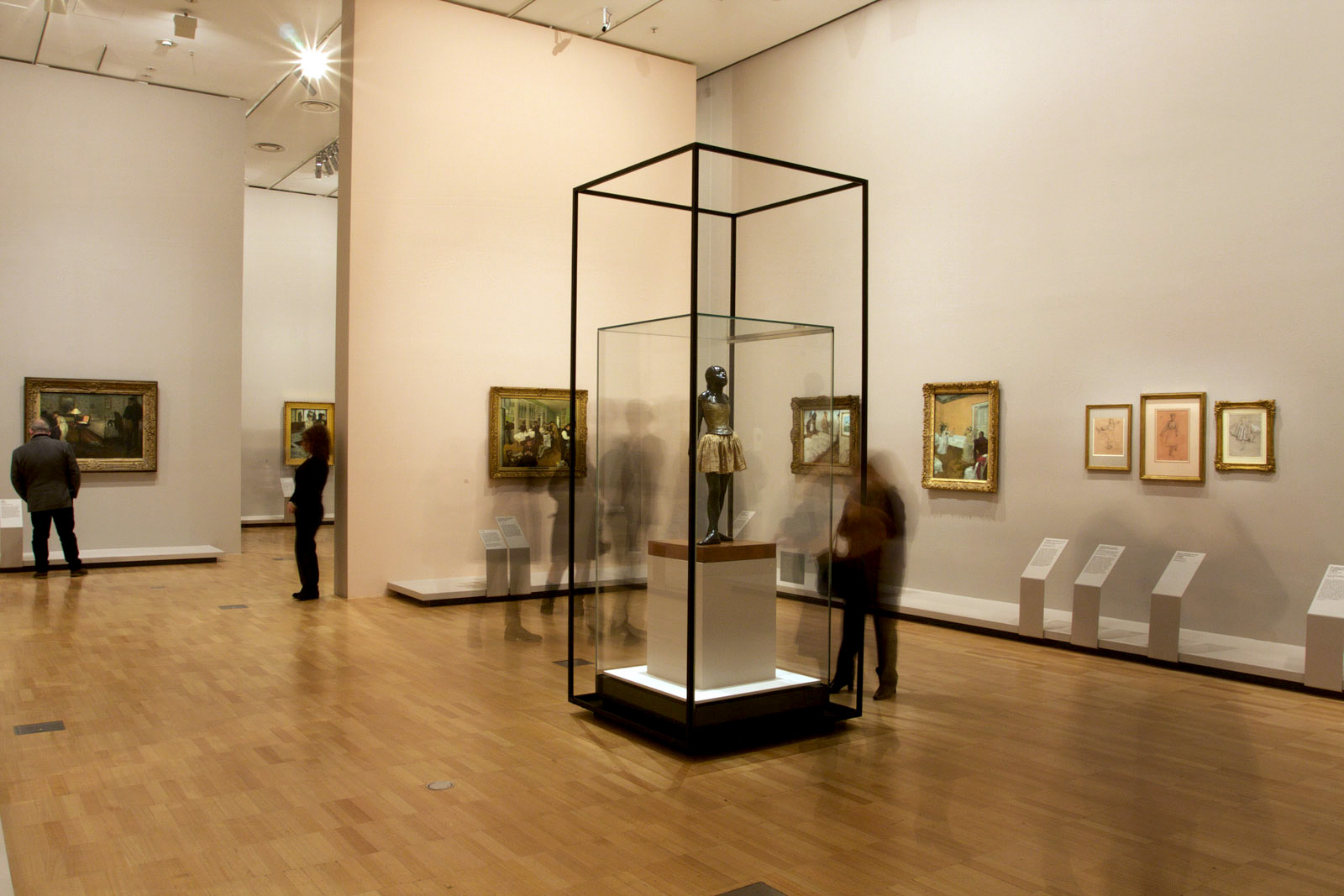


![Edgar Degas (French, 1834-1917) 'Un bureau de coton à la Nouvelle-Orléans' [A cotton office in New Orleans] 1873 (installation view)](https://artblart.com/wp-content/uploads/2016/08/installation-af.jpg "Edgar Degas (French, 1834-1917) 'Un bureau de coton à la Nouvelle-Orléans' [A cotton office in New Orleans] 1873 (installation view)")
![Edgar Degas (French, 1834-1917) 'Un bureau de coton à la Nouvelle-Orléans' [A cotton office in New Orleans] 1873 (installation view)](https://artblart.com/wp-content/uploads/2016/08/exhi040021_web.jpg "Edgar Degas (French, 1834-1917) 'Un bureau de coton à la Nouvelle-Orléans' [A cotton office in New Orleans] 1873 (installation view)")


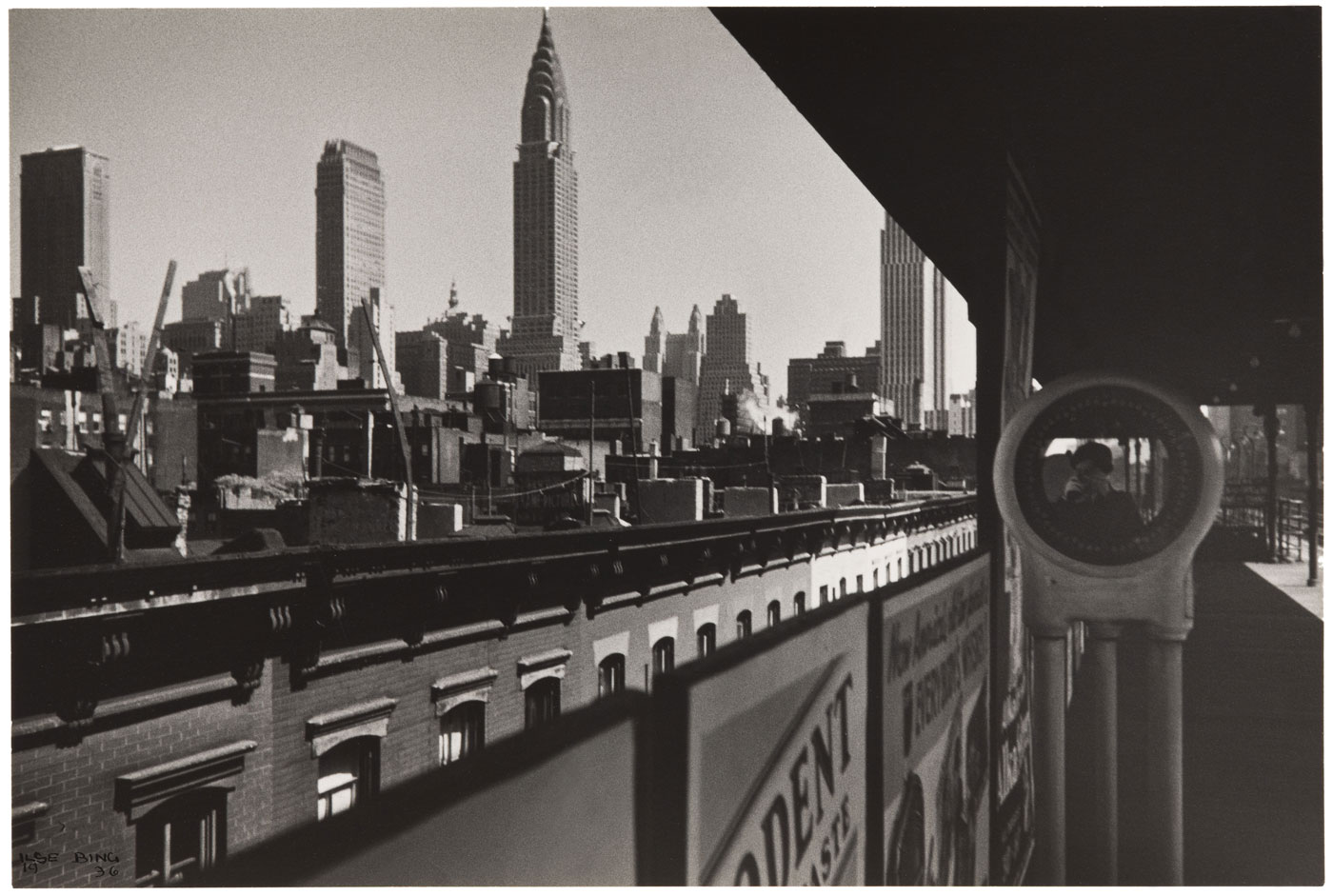

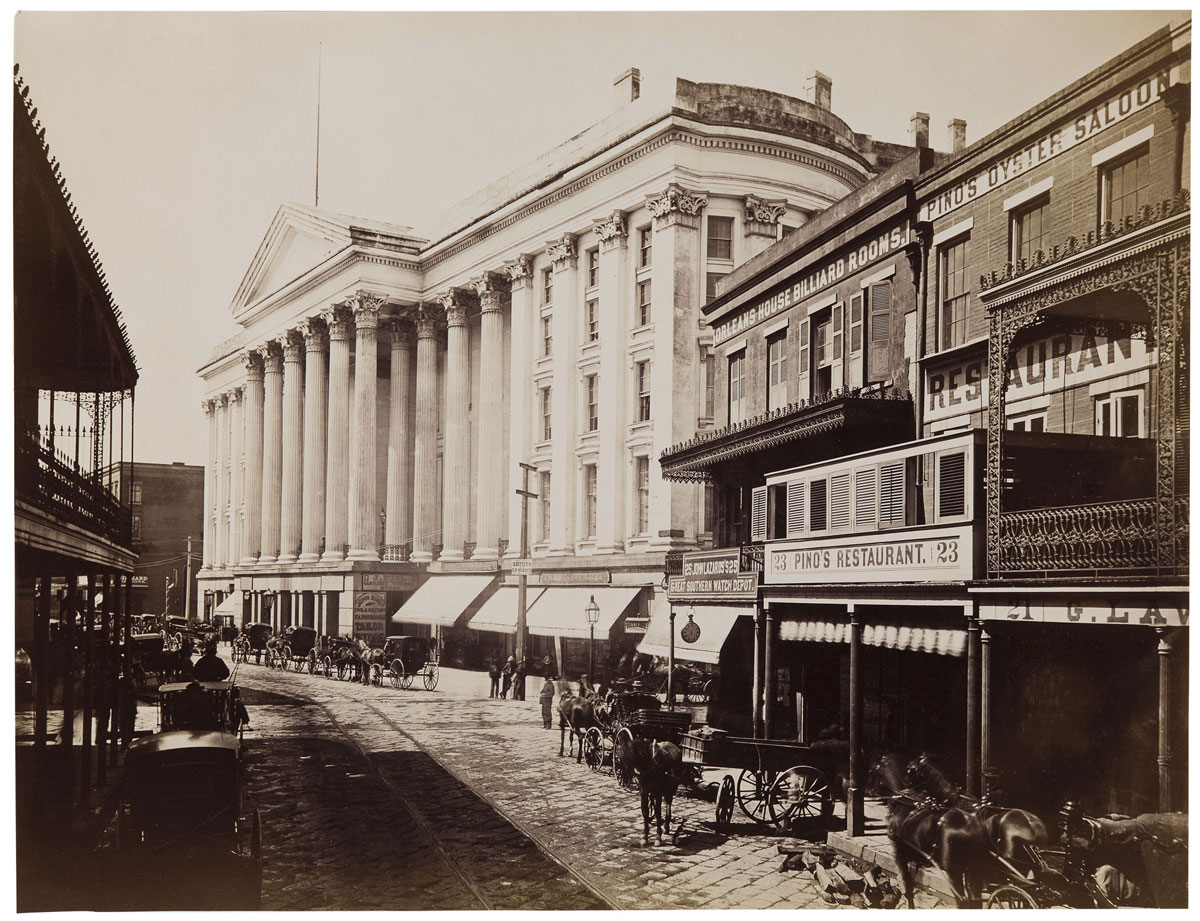
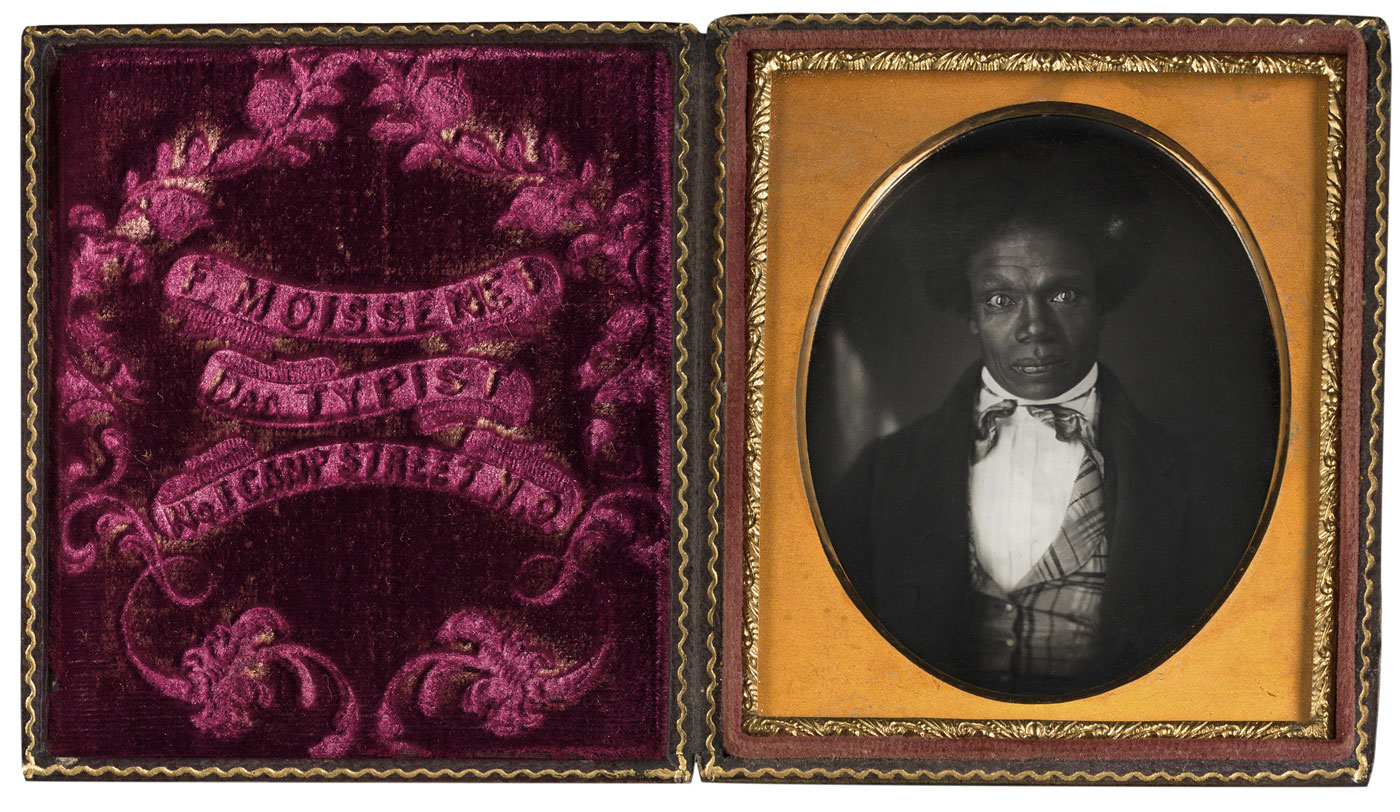
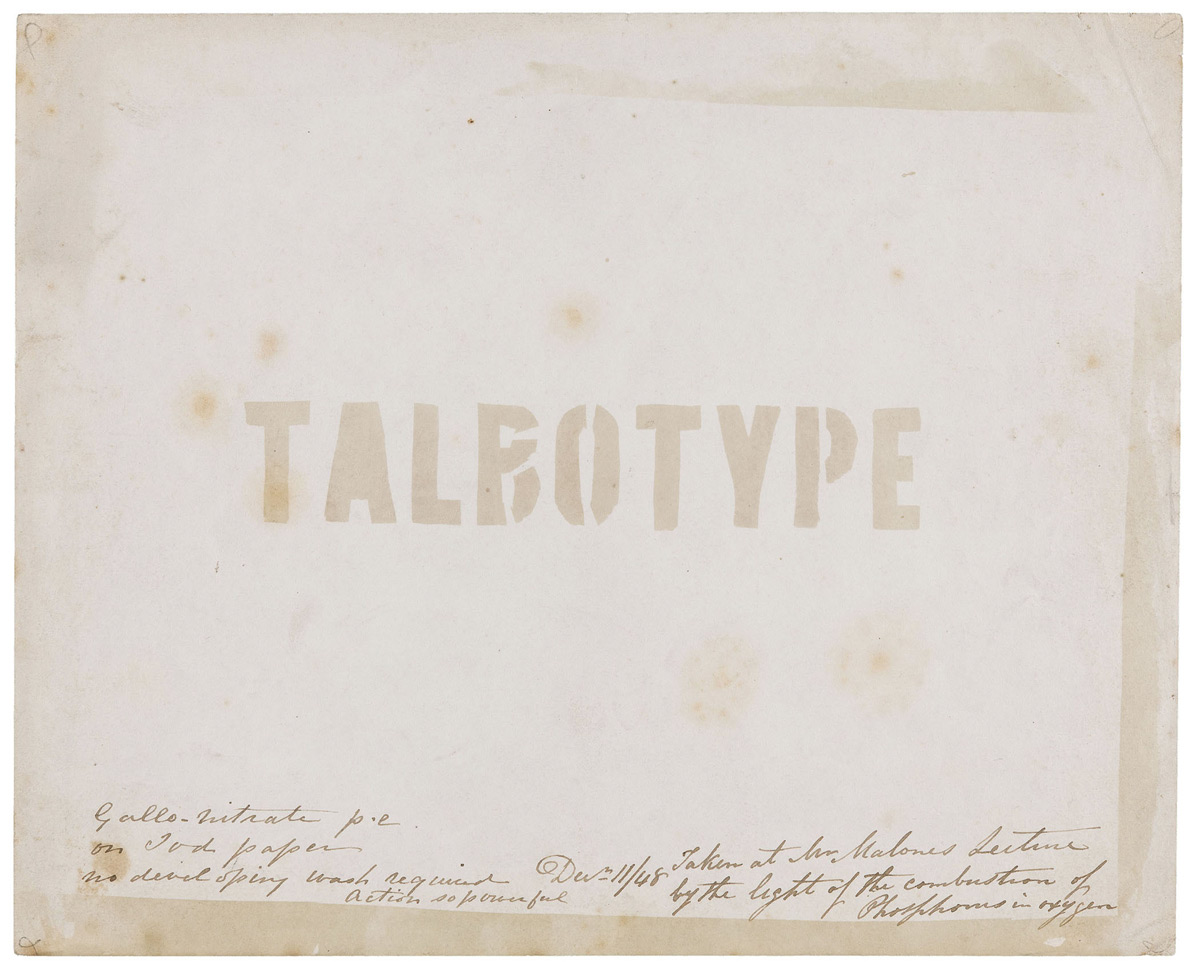
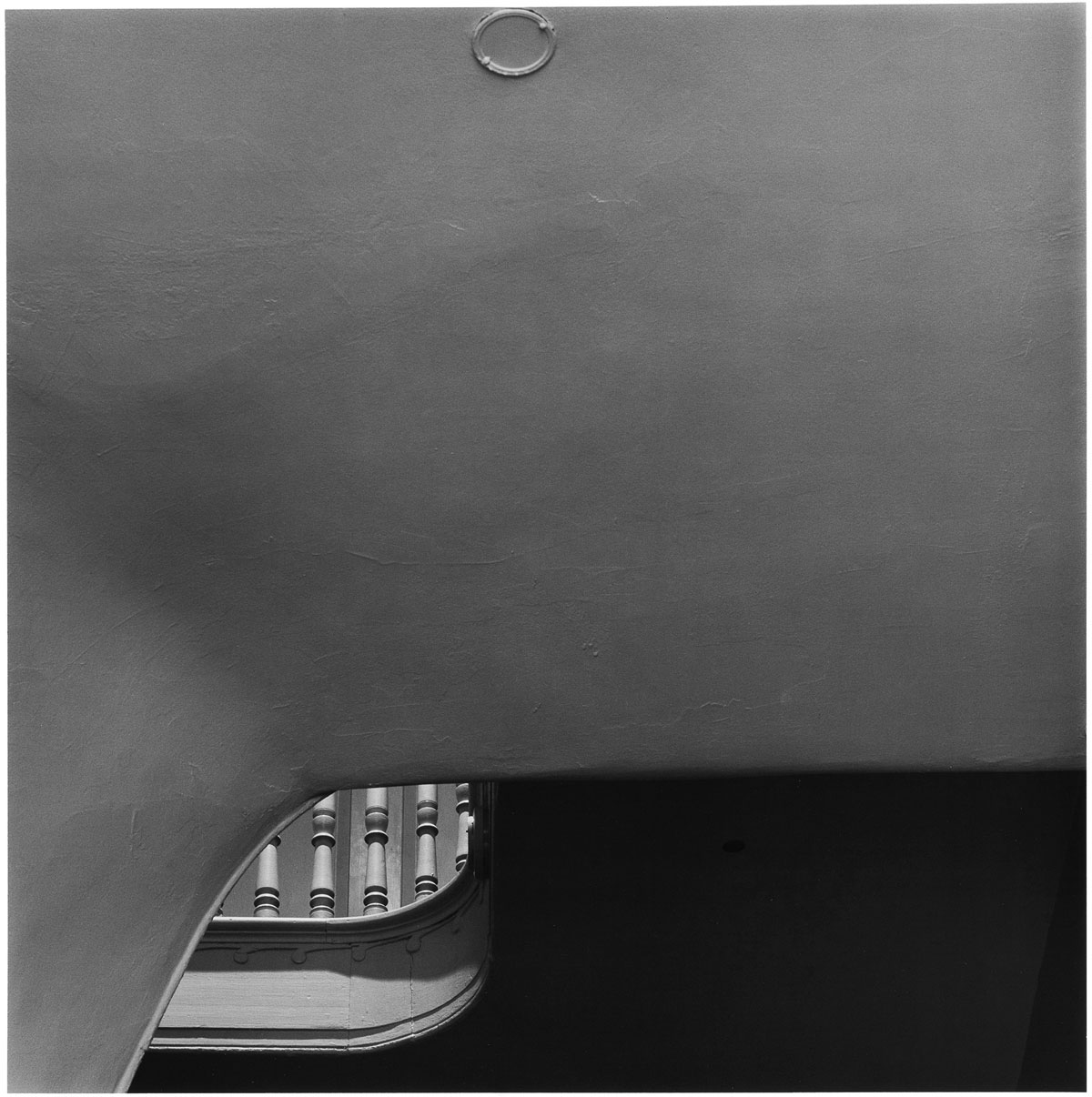
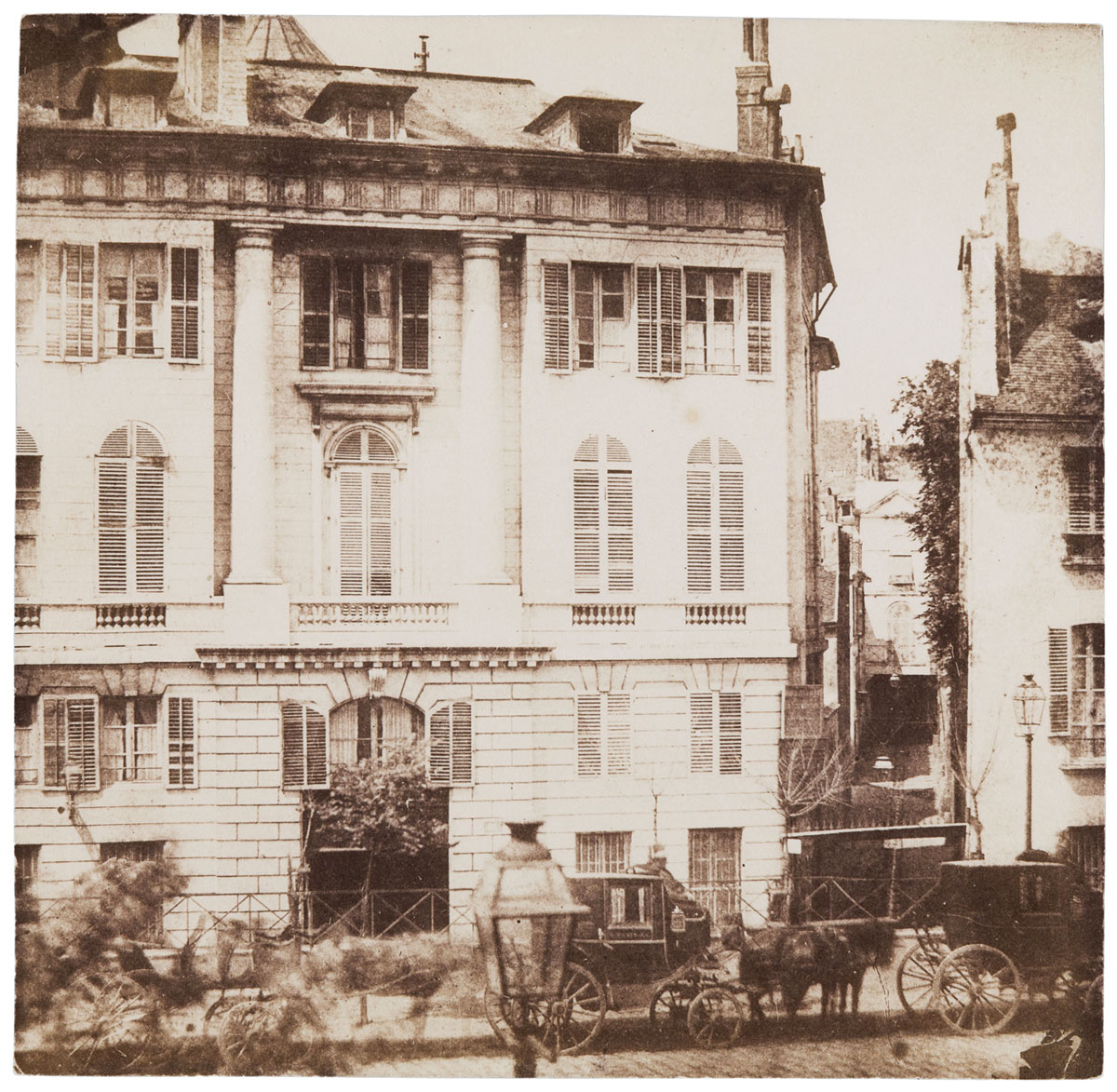
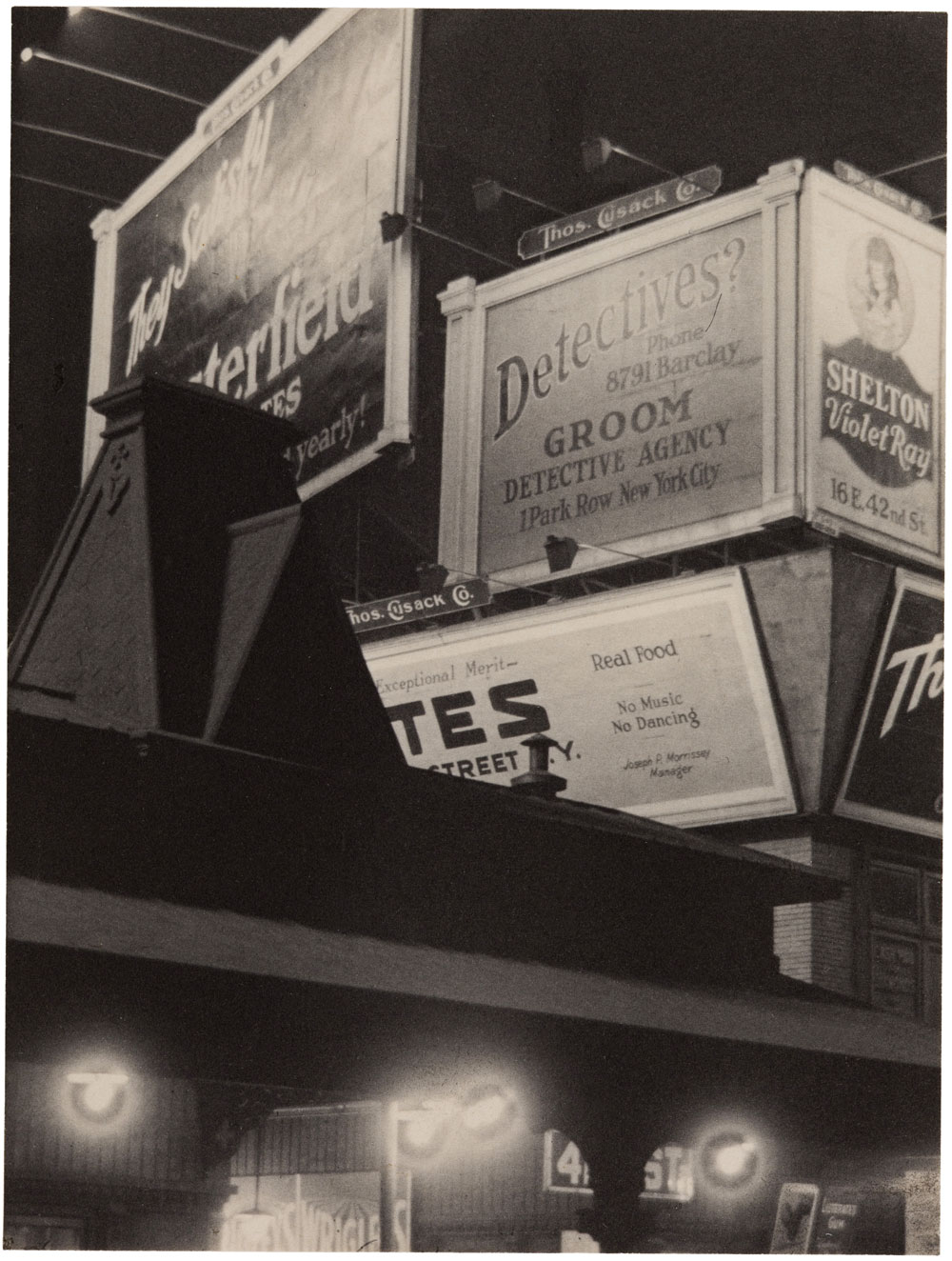
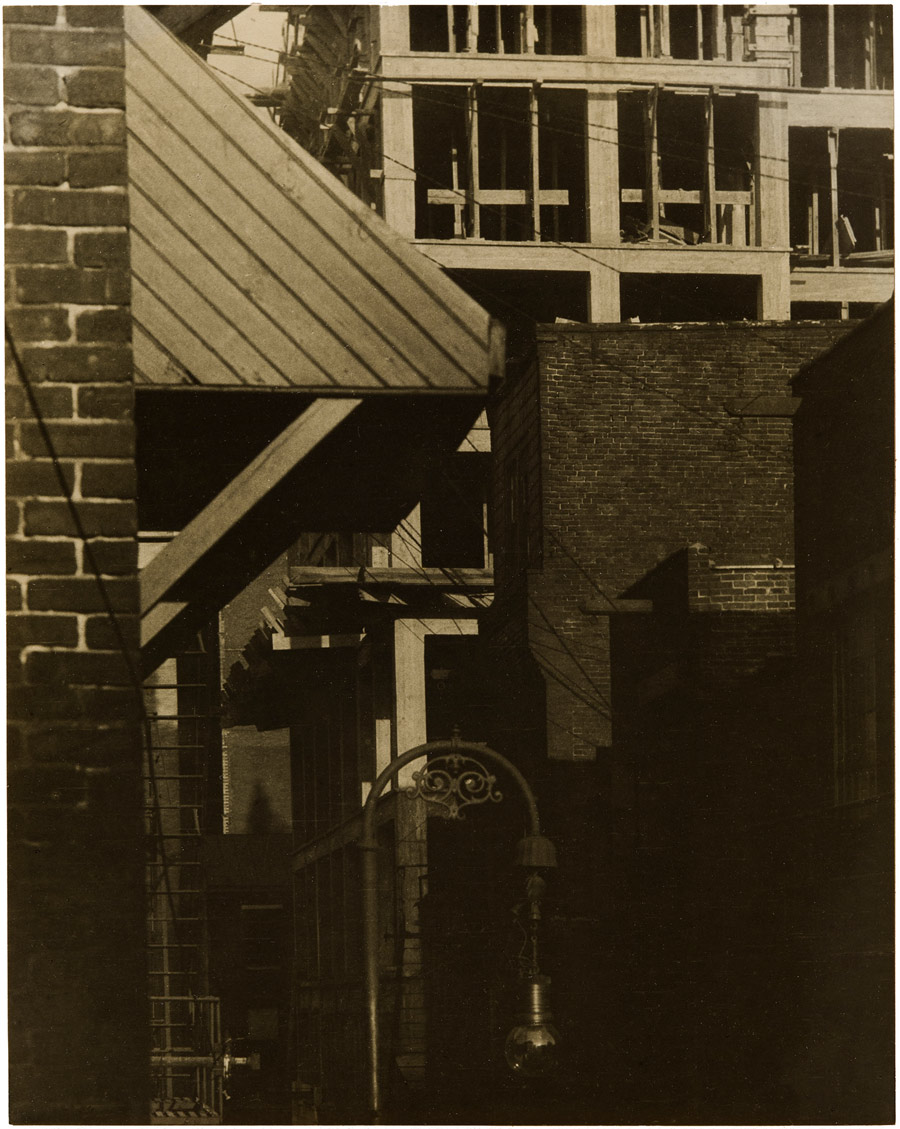
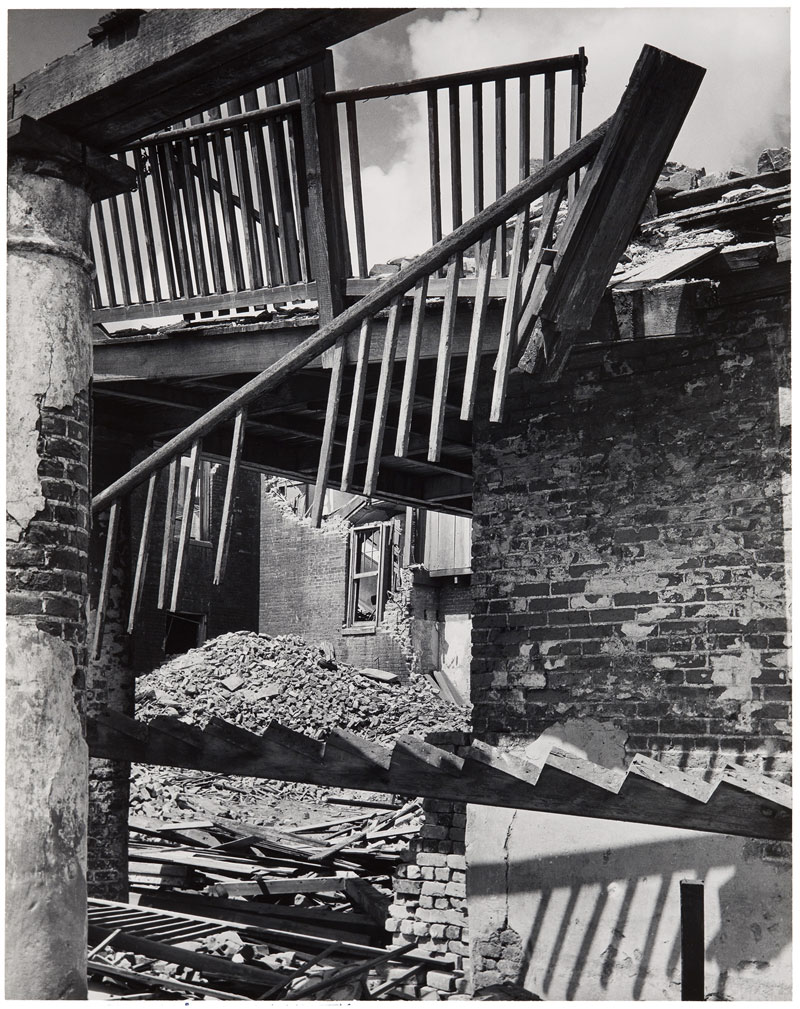

![Lewis Hine (American, 1874-1940) '[Mechanic and Steam Pump]' c. 1930](https://artblart.com/wp-content/uploads/2013/12/79-84-hine-web.jpg "Lewis Hine (American, 1874-1940) '[Mechanic and Steam Pump]' c. 1930")
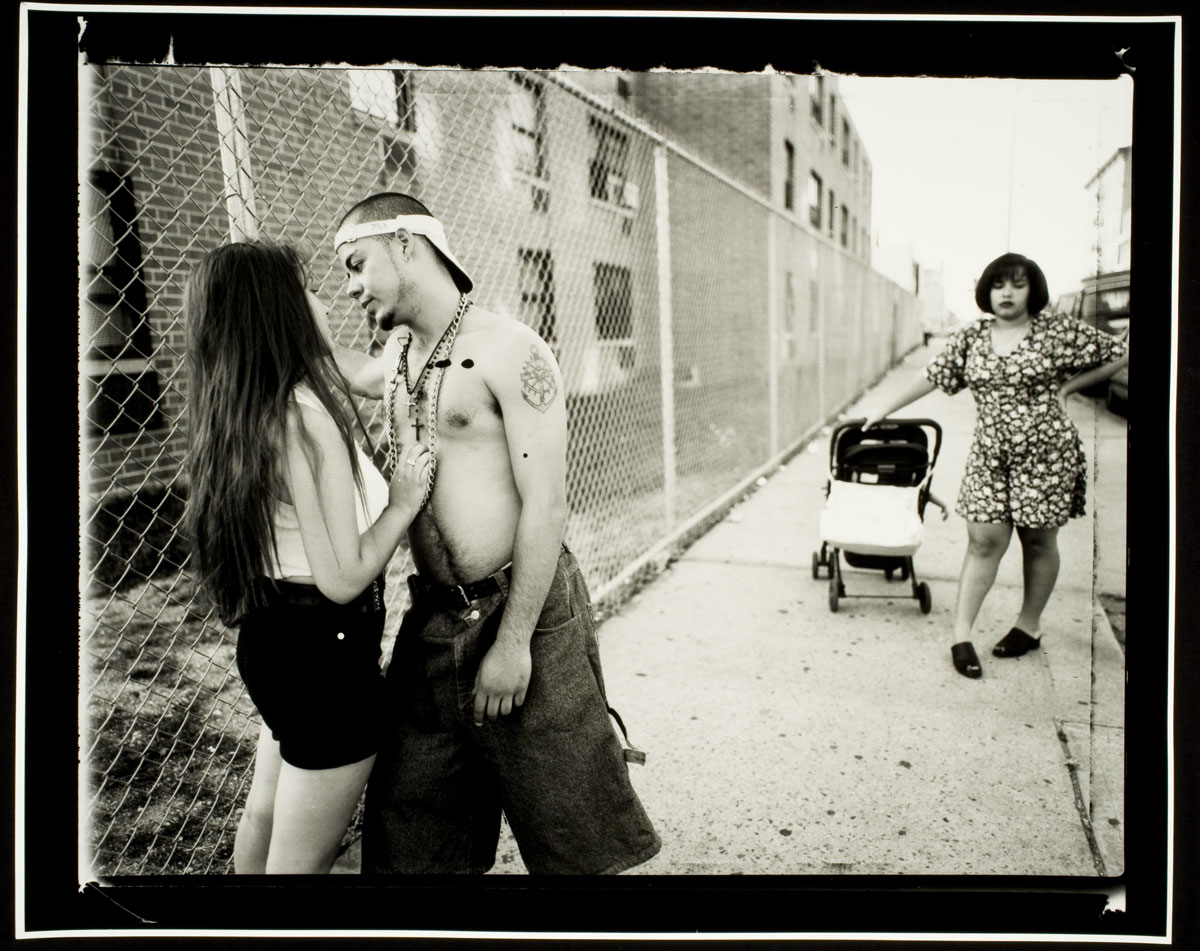











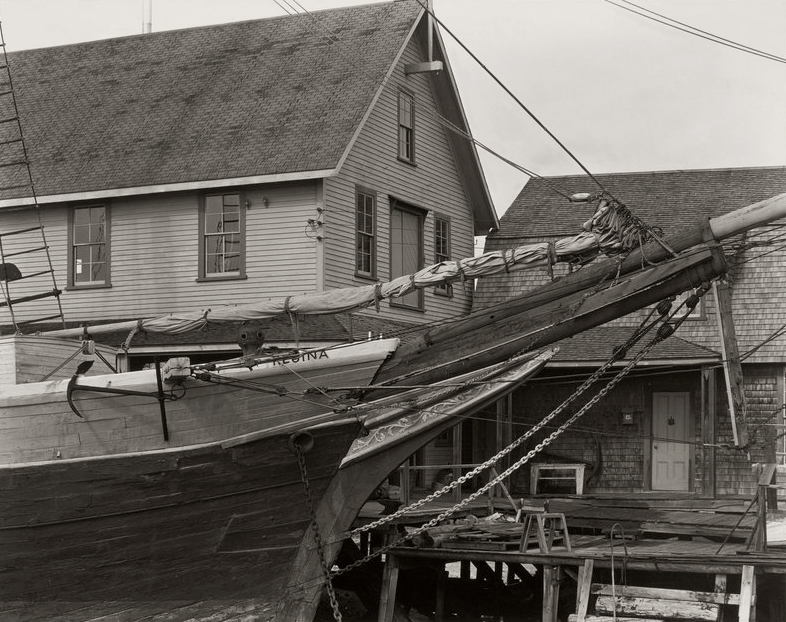
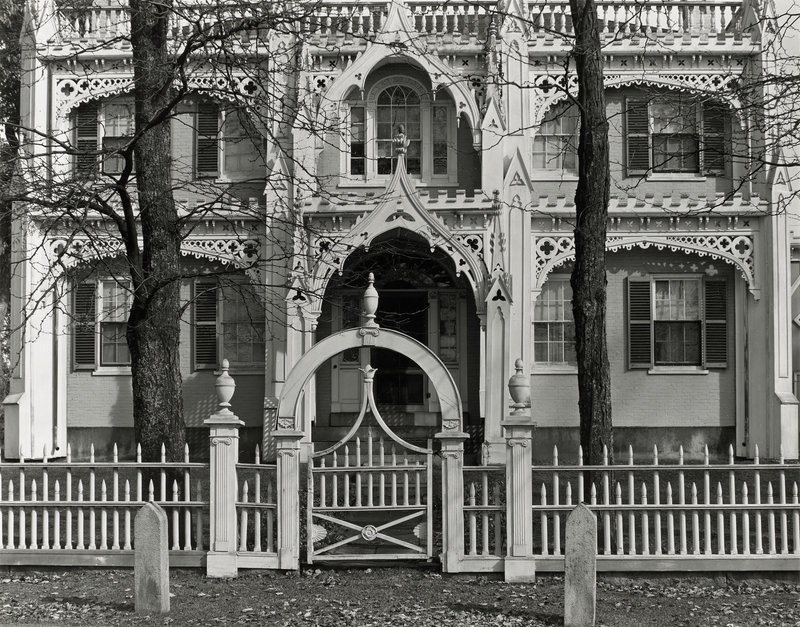
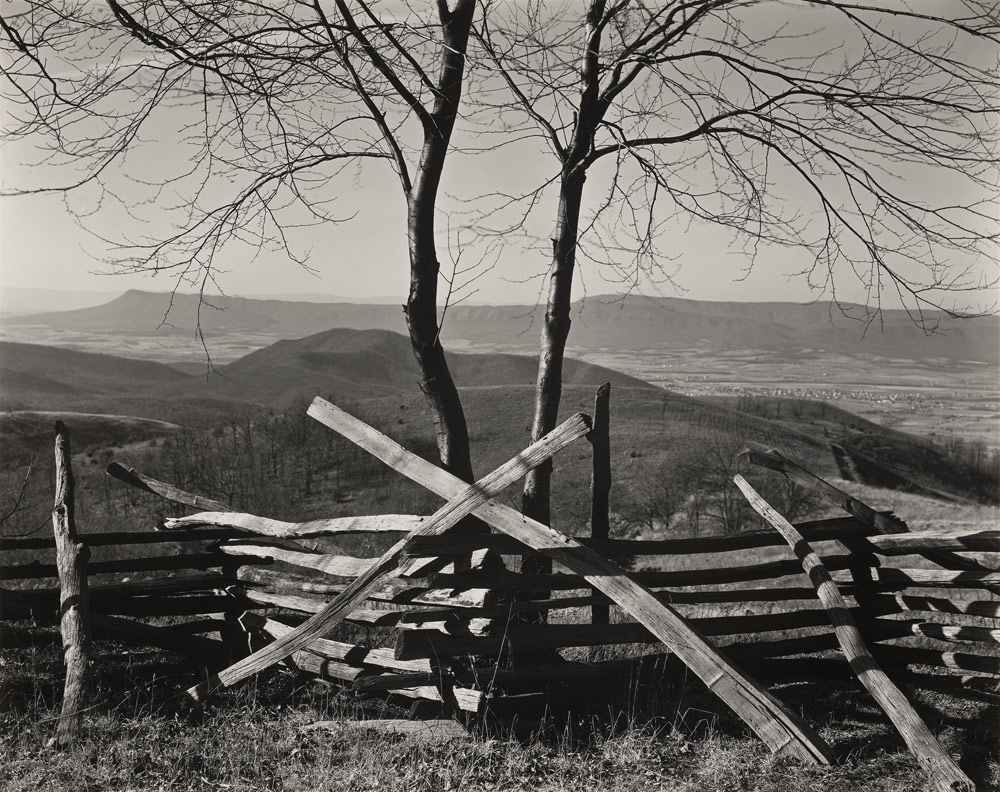
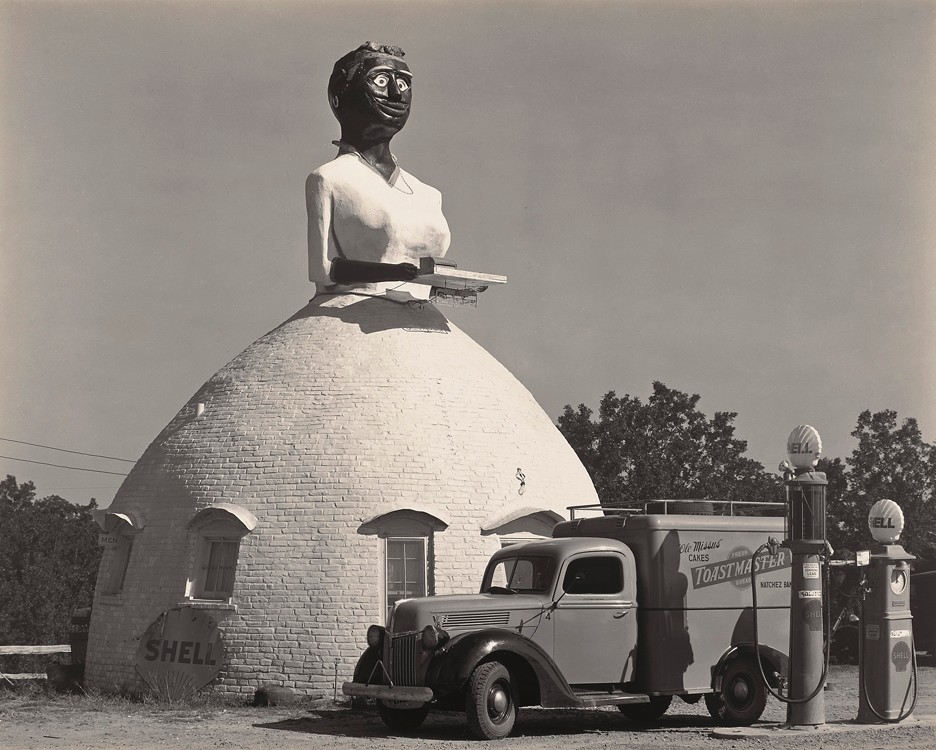
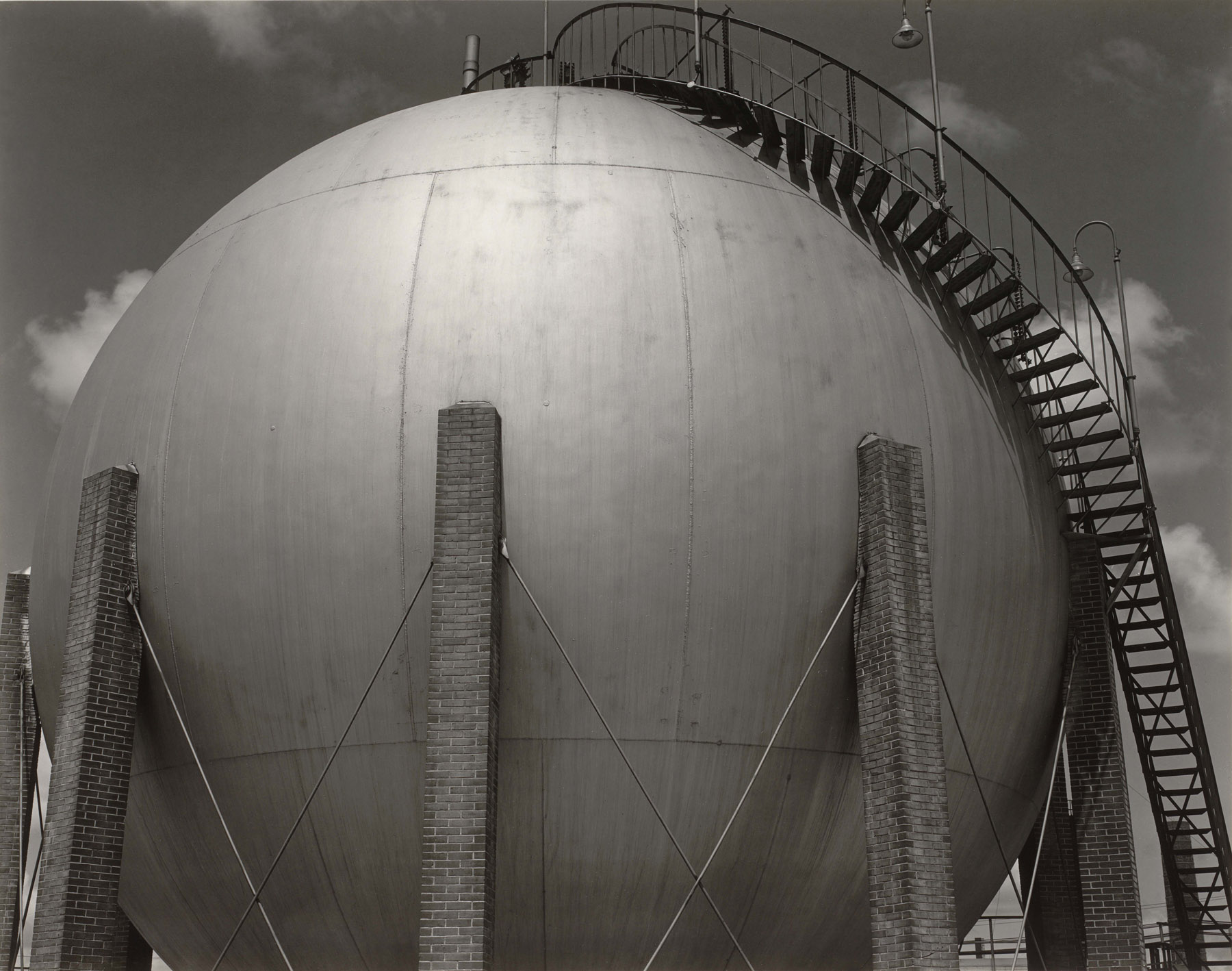


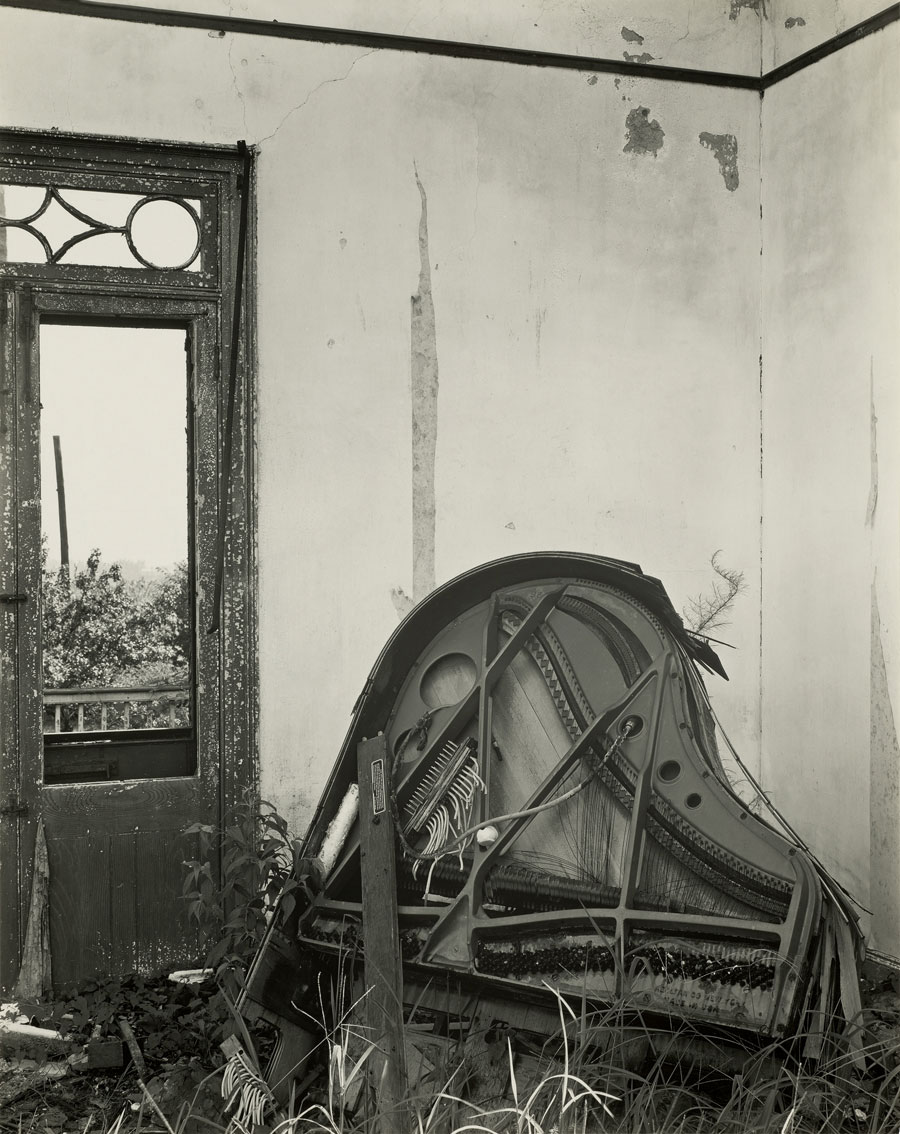

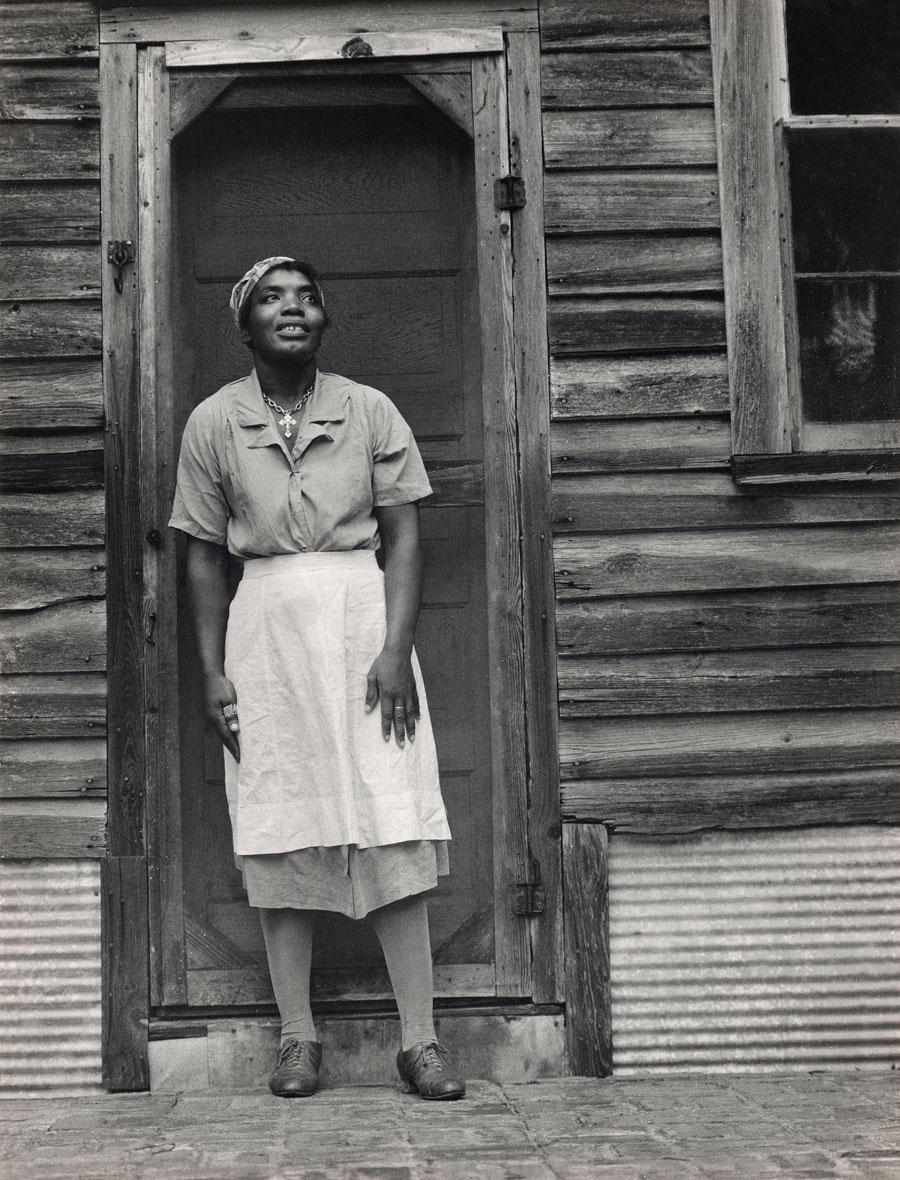
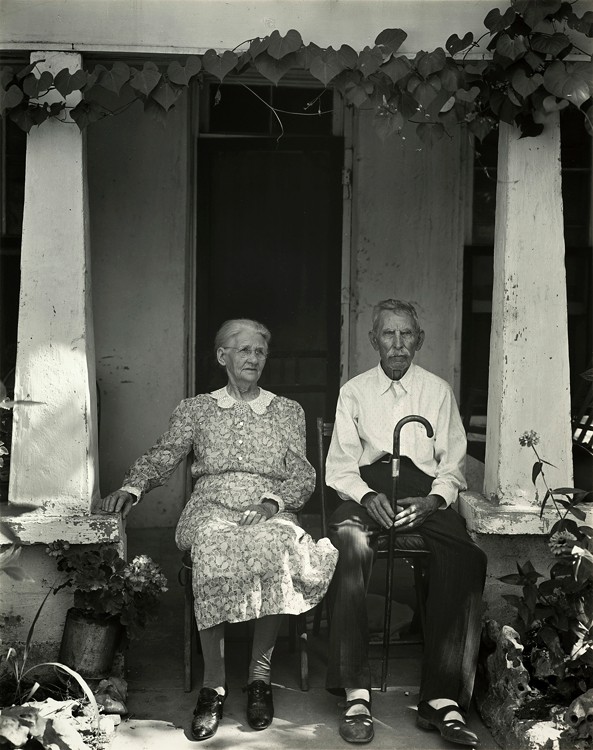

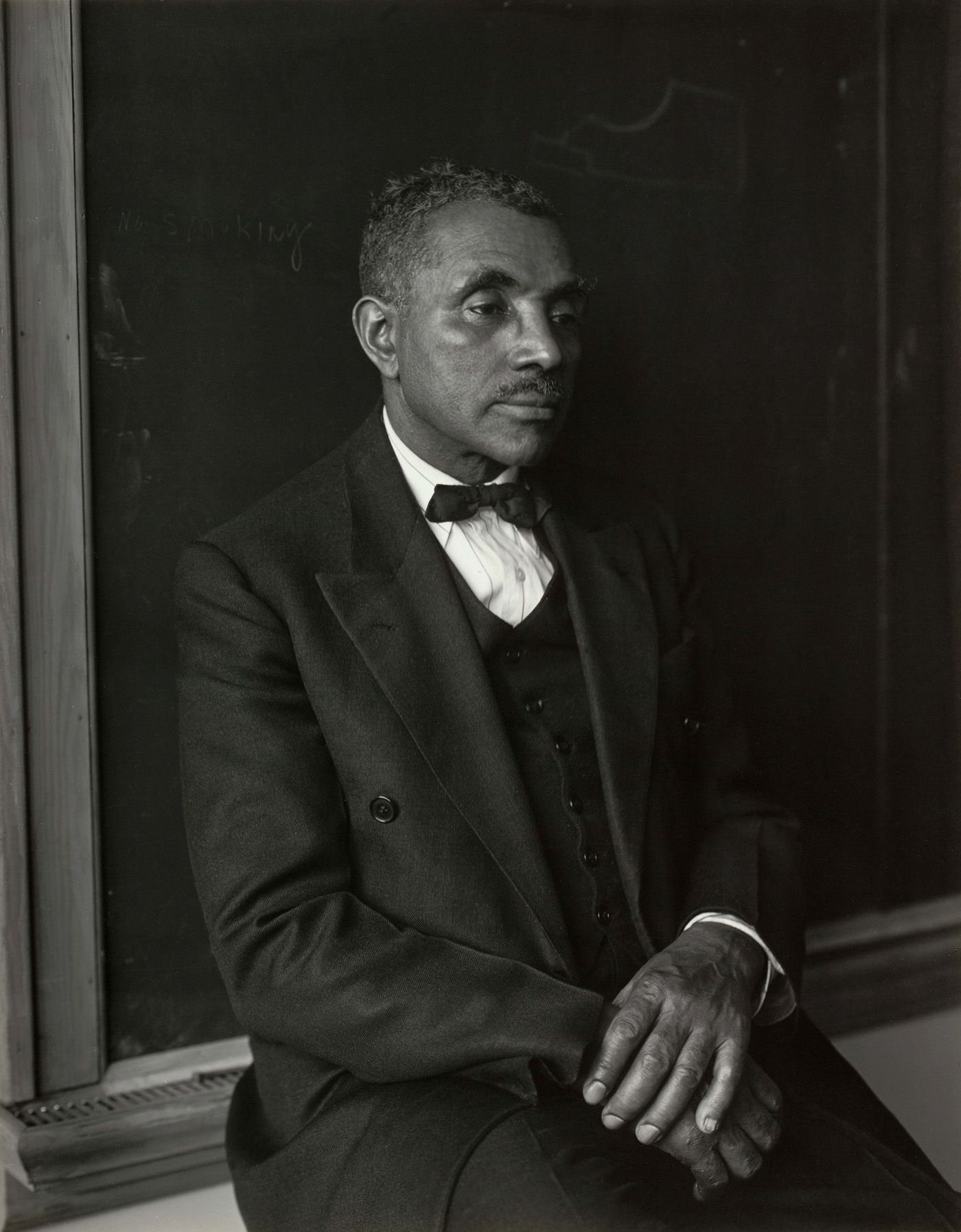


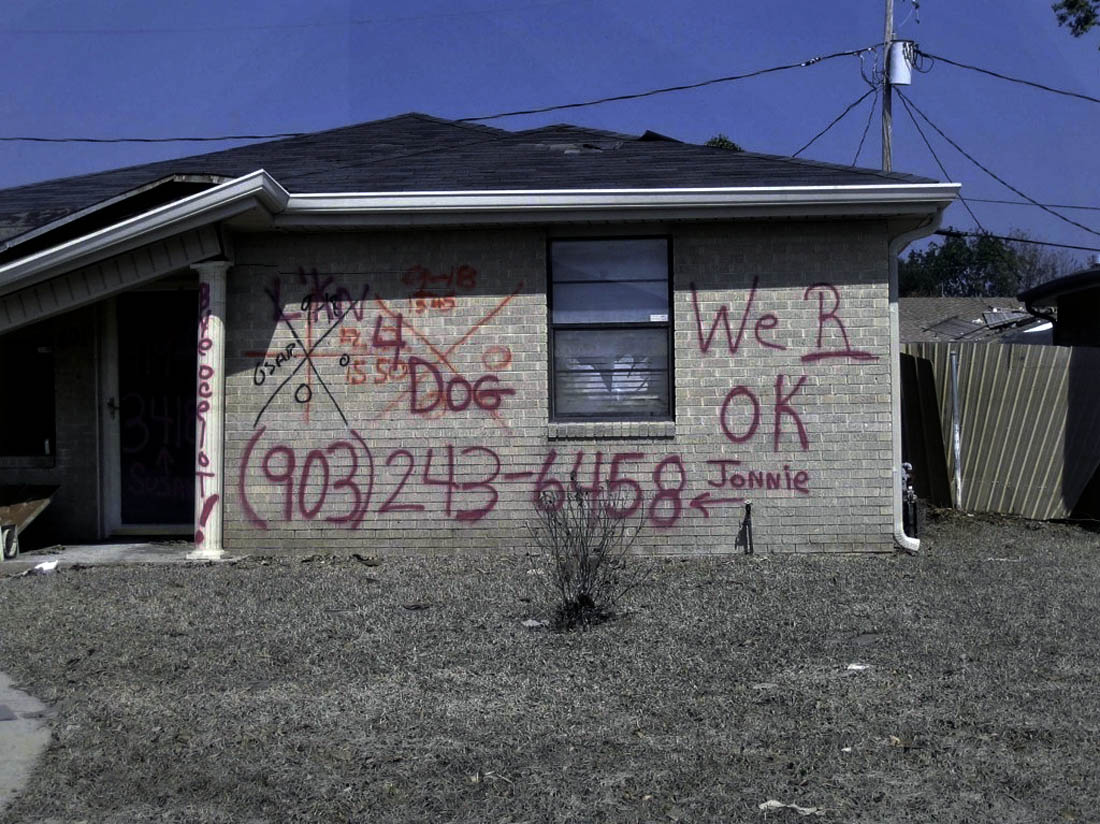



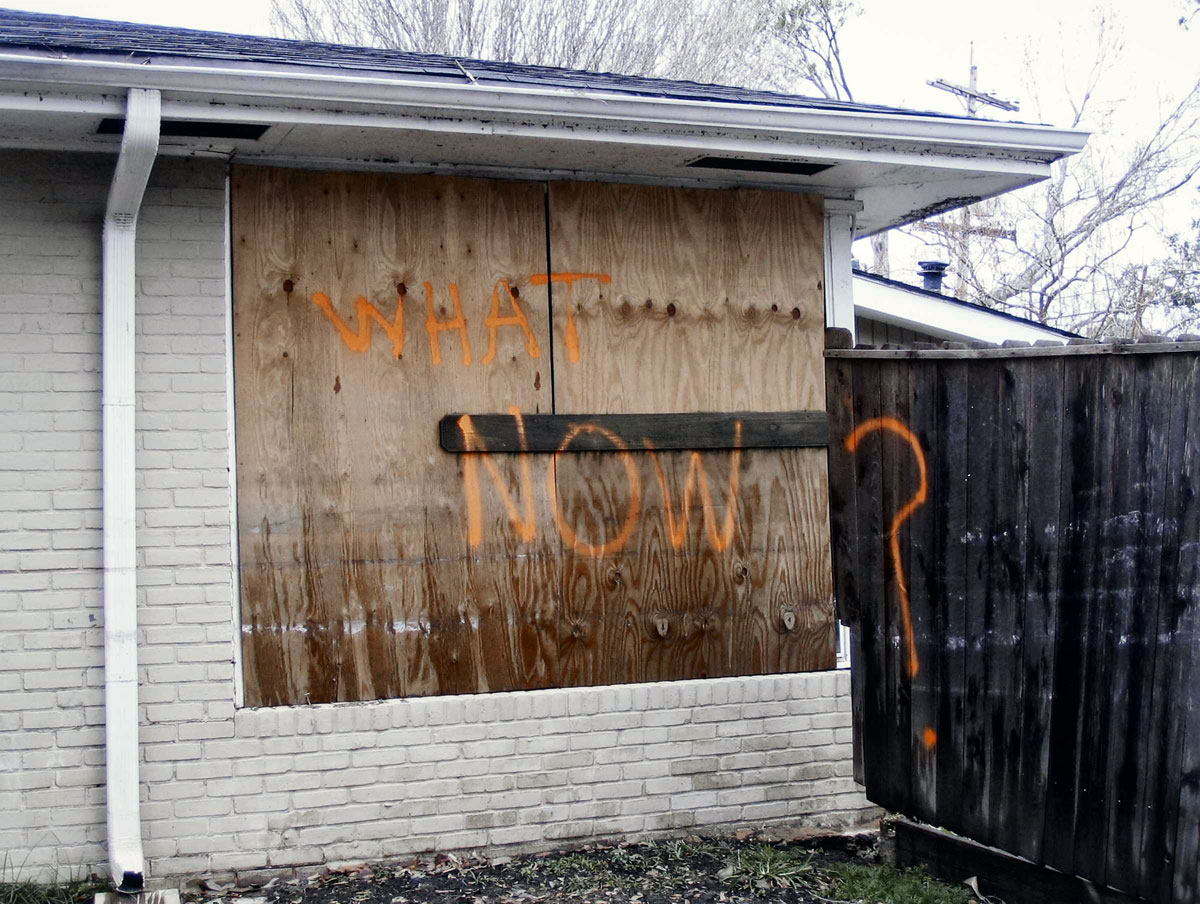
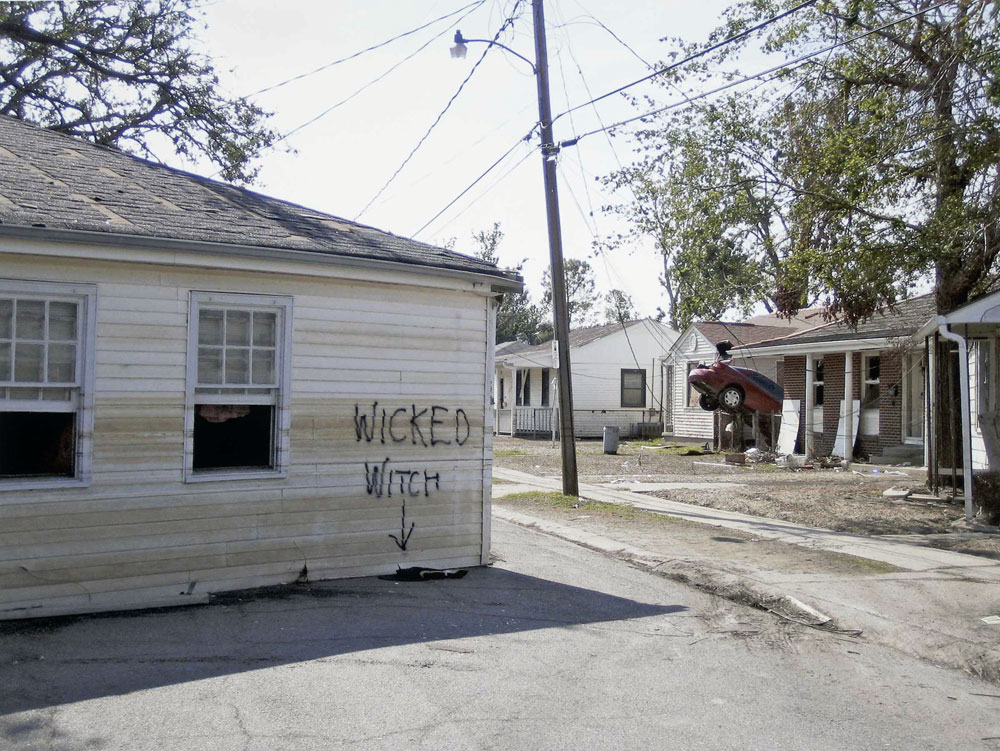

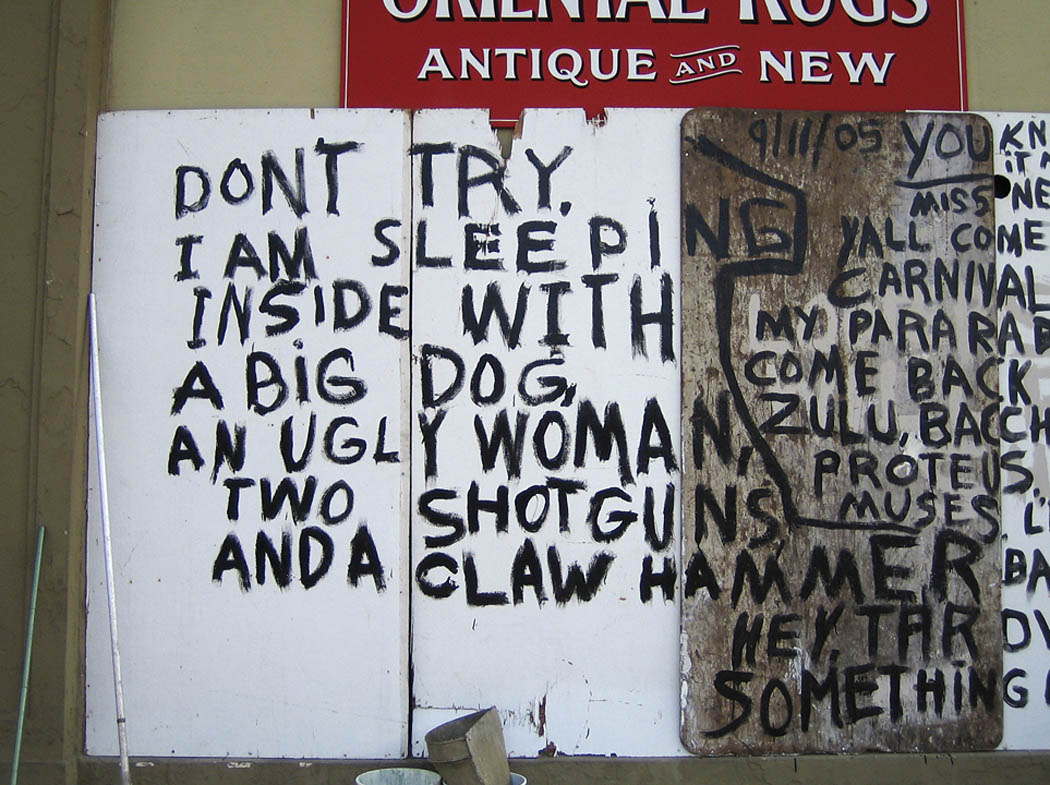

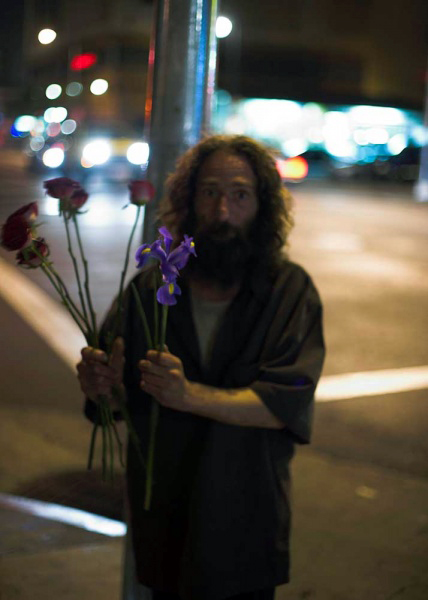
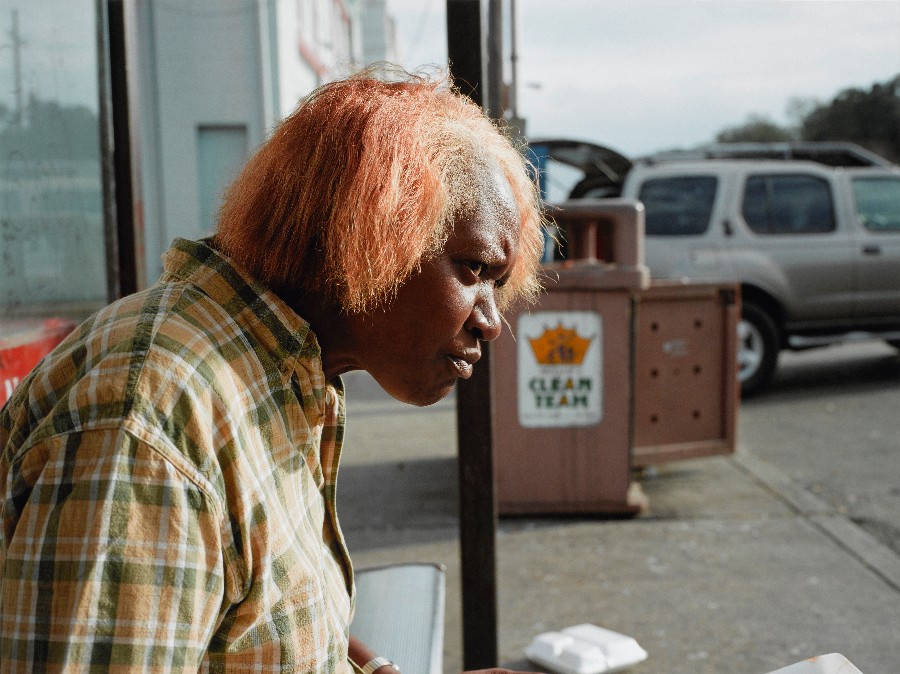
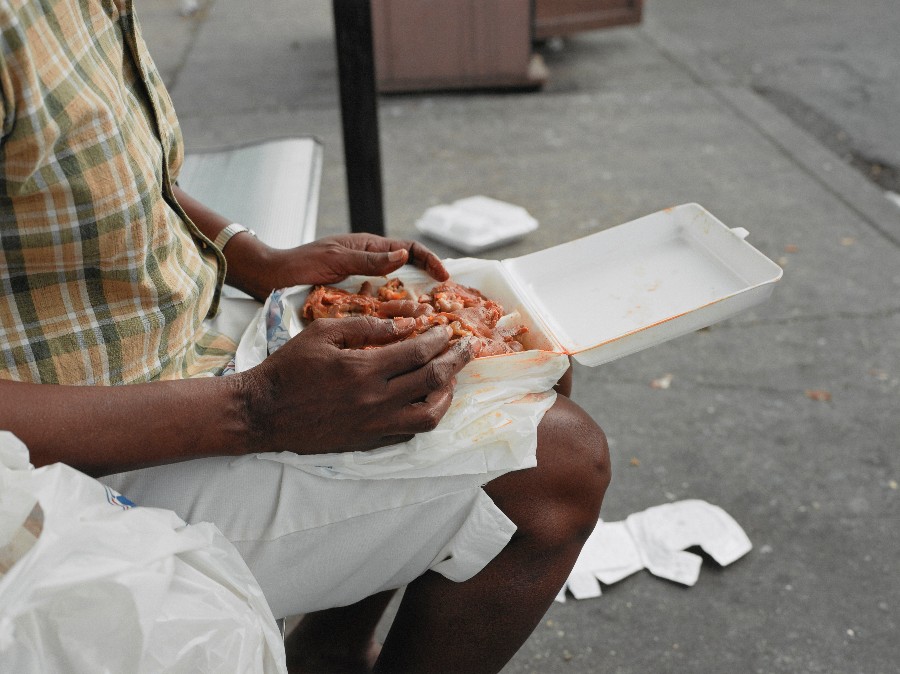
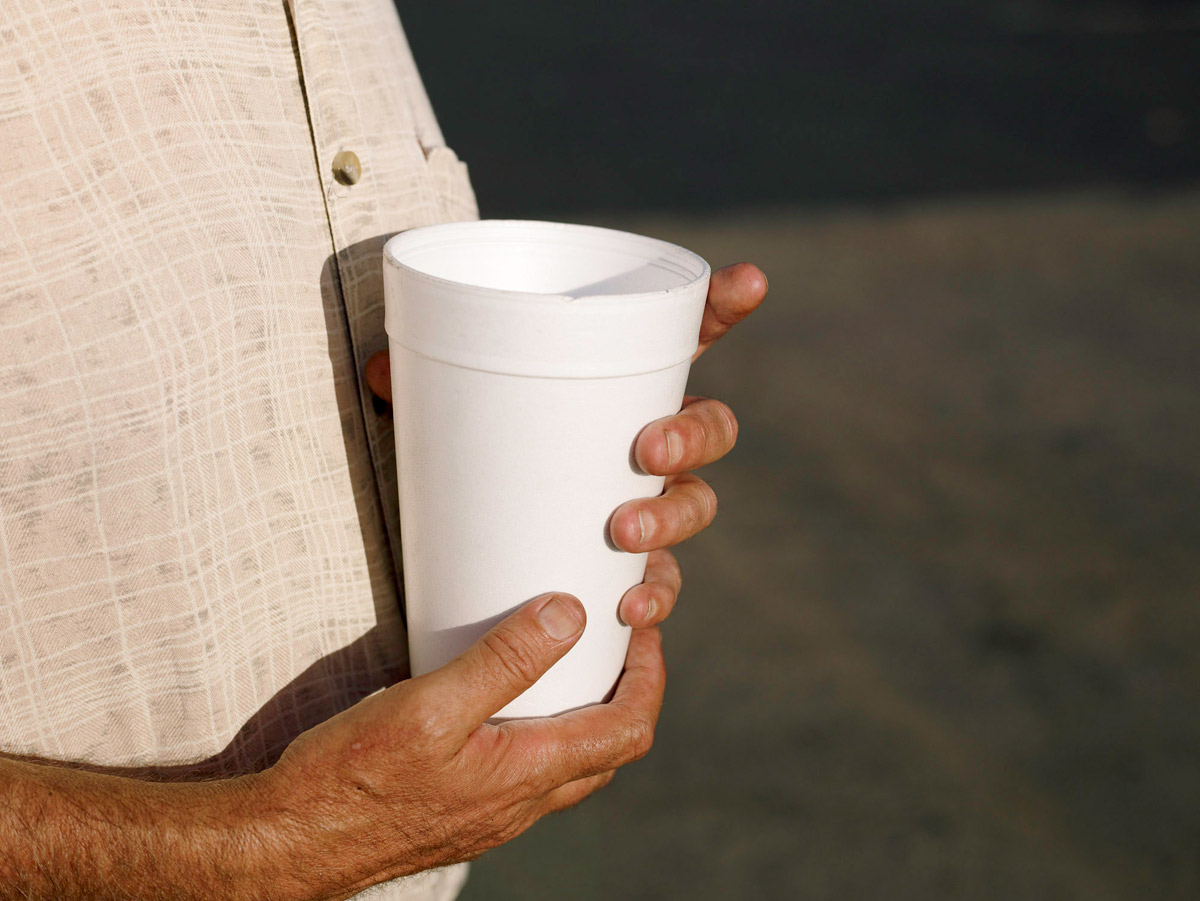
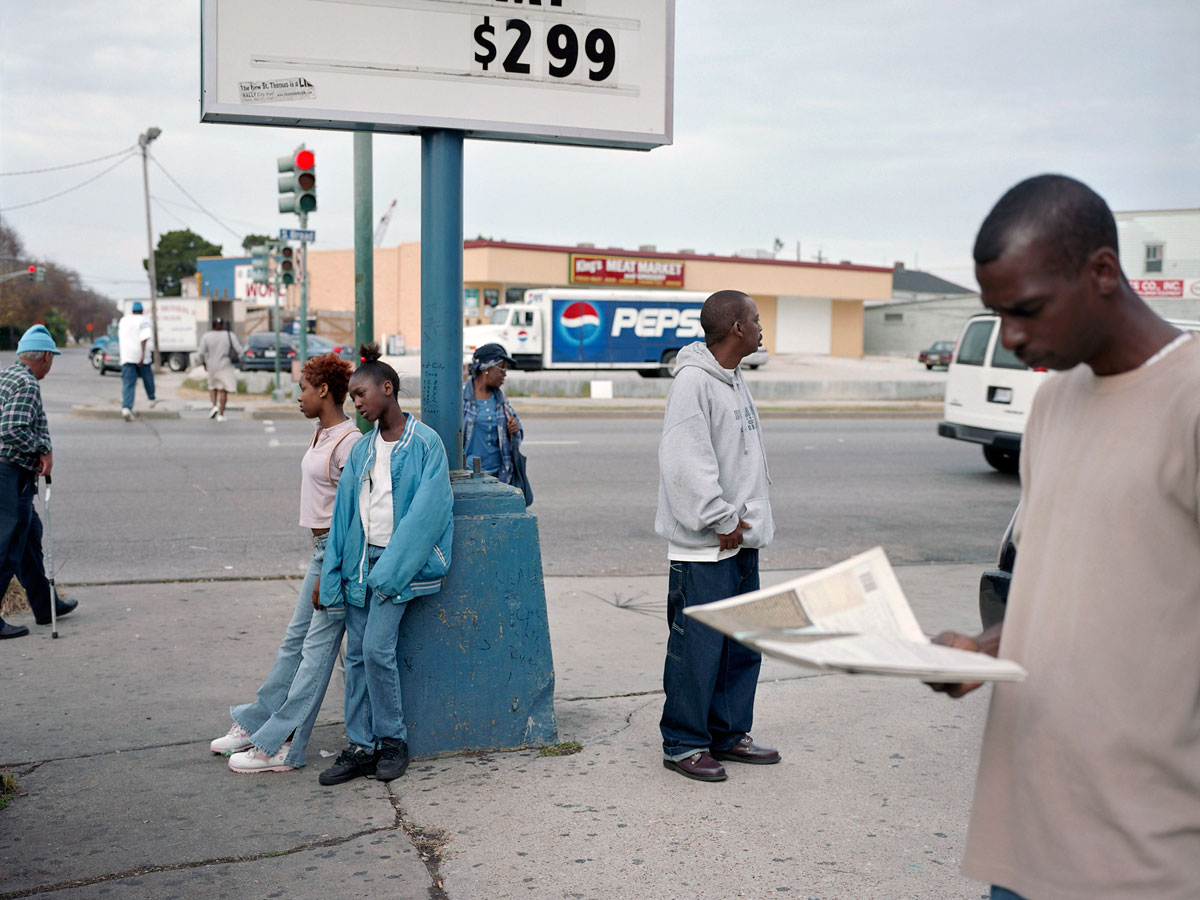
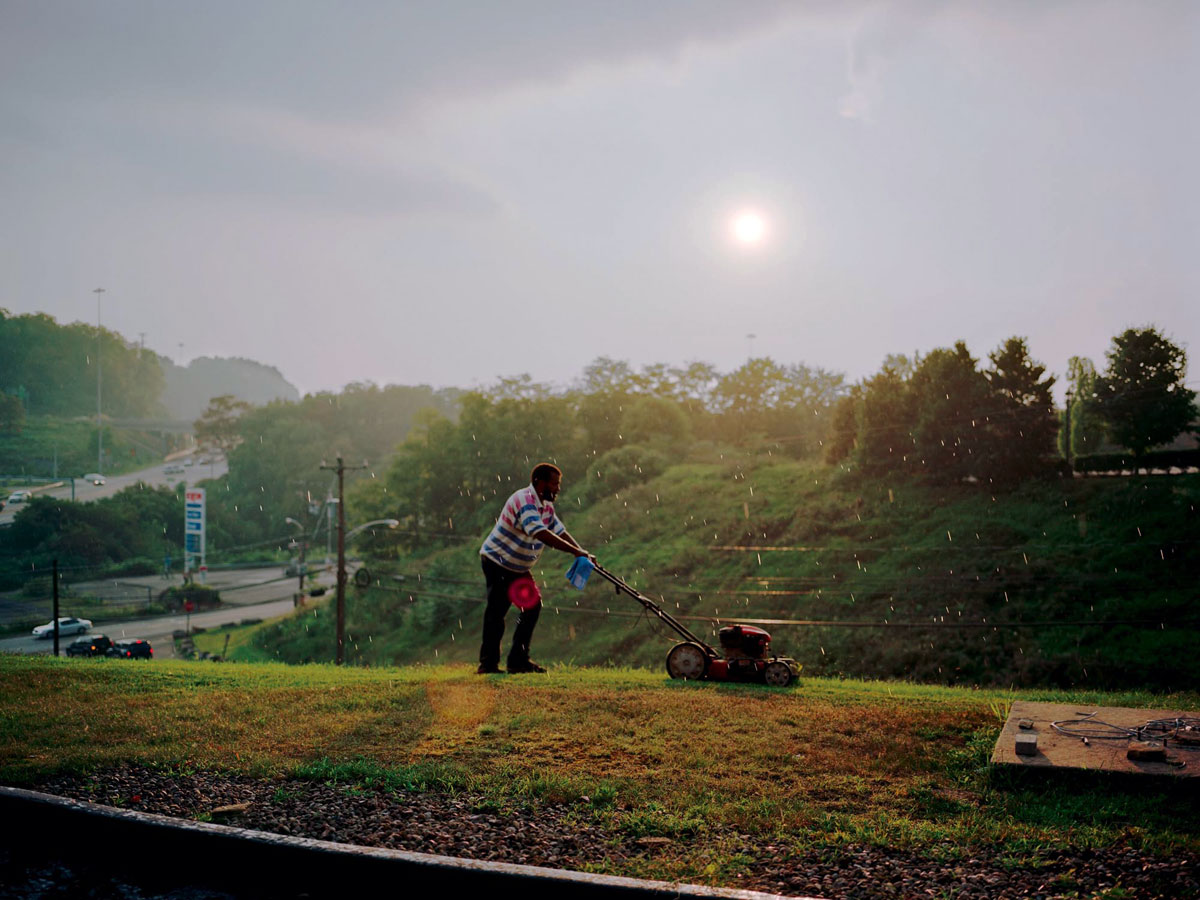
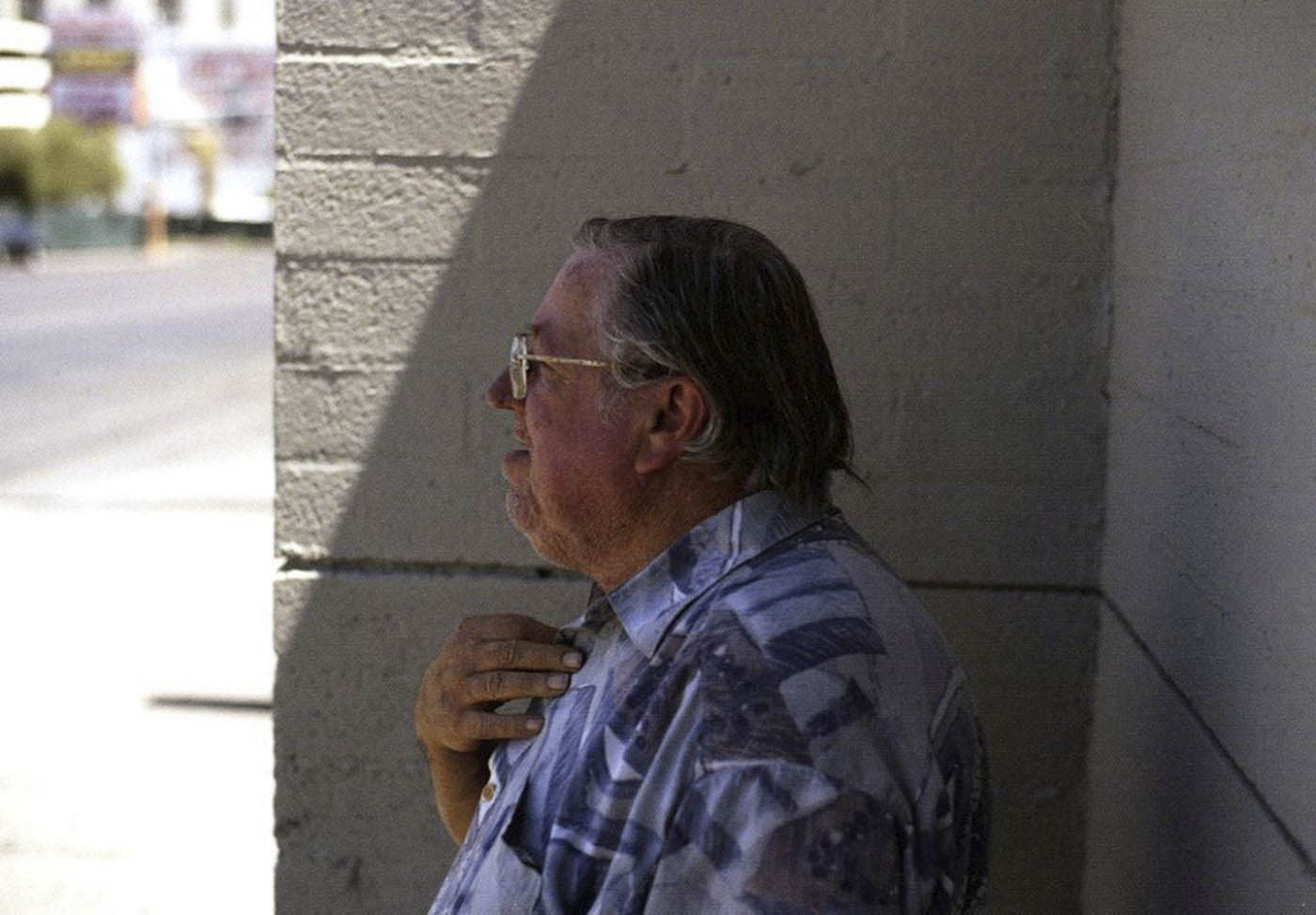
 Art Blart _ art and cultural memory archive
You must be logged in to post a comment.