Baldwin Lee (Chinese-American, b. 1951) Untitled 1983-1989 Vintage gelatin silver print 16 x 20 inches Collection of the artist, Courtesy of Howard Greenberg Gallery
“A good image is created by a state of grace. Grace expresses itself when it has been freed from conventions, free like a child in his early discovery of reality. The game is then to organise the rectangle.”
Chilean photographer Sergio Larraín Echeñique
figure ground
I have written previously on the excellent work of the Chinese-American photographer Baldwin Lee in his eponymously named exhibition at Joseph Bellows Gallery in 2022. Since then I have spent further time with his photographs, specifically during recent research for my posting on the exhibition A Long Arc: Photography and the American South since 1845 at the Virginia Museum of Fine Arts, Richmond (October 2024 – January 2025) and then again for this posting.
There are more photographs in this posting from Lee’s journey of discovery through the American South in the 1980s photographing Black communities with this 4 x 5 view camera, a journey that was as much a revelation for the people of those communities (literally, shining a light on their existence) as it was for the photographer himself (a self-reflective understanding of what was important to the photographer, discovering his subject).
“The process I adopted in successive road trips during my seven-year project involved splitting time between revisiting places I had previously photographed and seeking out new locations. The families who lived on this street in Rosedale, Mississippi, knew me from prior visits. Children were always thrilled at my arrival, and they delighted in taking turns shrouding their heads under my black focusing cloth that allowed them to peer at the dim image projected on the ground glass of my view camera.” (Text from the Guardian website)
This is what is so important about Baldwin Lee’s photographs. He grounds the figures in his photographs in the glass of his large format camera (standing proud) even as he grounds his figures in the history and culture of the American South, its Black history, its joy and impoverishment. As he himself says, his photographs are “personal stories about events that are momentous”, events in the lives of the participants inflected by how the photographer approaches his subject matter, how he interacts with what is in front of him, influenced by his own history of growing up a Chinese-American and by what he had already thought and felt about the subject, the American South.
Lee’s pictorial compositions, his “photographic seeing” (John Szarkowski’s phrase) is concerned with a felt response to a visual problem… how to conceive a cogent, empathetic picture structure both choreographically and visually. Adapting Szarkowski we could say that in Lee’s photographs the relationship of figure to figure is as centrally important as the relationship of figure to ground and frame.
Here is compassion, here is empathy, here is focus, stillness, culture, humanity. Here is a “state of grace” existing between the mind and feelings of the photographer and the organisation of the people and stories within the image… so much so that there is often a “revelation of spirit” in the subsequent prints by Lee (after Minor White, one of Baldwin Lee’s teachers).
Thus, Lee’s photographs show an impeccable “balance” in the image between figure and ground (touching the earth) – whether that be compositionally, emotionally or historically.
Dr Marcus Bunyan
Many thankx to the Ogden Museum of Southern Art for allowing me to publish the photographs in the posting. Please click on the photographs for a larger version of the image.
Baldwin Lee (Chinese-American, b. 1951) Natchez, Mississippi 1984 Vintage gelatin silver print 16 x 20 inches Collection of the artist Courtesy of Joseph Bellows Gallery
Is there an image of yours that stands out or is a favourite?
“As I rounded a corner several miles north of Natchez, Mississippi, a stunning sight – a brilliant pink stucco house framed by a blooming wisteria arbor caused me to pull over. I was compelled to knock on the door and found myself and Mr. and Mrs. Fulton, an elderly black couple standing in the cramped dimly lit kitchen whose illumination came from a bare-bulb hanging from the ceiling. Pushed up against a tattered refrigerator was a Formica table upon which provided a foundation for structure made of Kellog Cornflakes boxes. Each box bore a photograph of a beaming face. Boneheadedly I asked Mrs. Fulton if she liked cornflakes. With her gaze lowered she replied no. She then told me she disliked taking meals by herself now that her children had grown and gone.”
Anonymous. “Baldwin Lee,” on the PhotoWork Foundation website Nd [Online] Cited 06/01/2025
Curated Conversation with Baldwin Lee
On Saturday, October 5, Ogden Museum of Southern Art celebrated the opening of “Baldwin Lee” with a free Curated Conversation.
Taking place in the Museum’s historic Patrick F. Taylor Library, Prospect New Orleans’ Director of Curatorial Affairs, Andrew Rebatta, and photographer Baldwin Lee engaged in a lively conversation celebrating “Baldwin Lee,” a landmark solo exhibition at Ogden Museum of Southern Art highlighting Lee’s work.
Lee shared stories from his 5 decade career as a student, educator and practicing artist. Topics of discussion include Lee’s formal education with Minor White and Walker Evans (two of the 20th centuries’ most influential photographers) and his 1980s journey of self-discovery photographing the American South – which resulted in making nearly 10,000 photographs and producing one of the most important visual documents of and about the American South in the past half century.
Baldwin Lee (Chinese-American, b. 1951) Columbia, South Carolina 1984 Vintage gelatin silver print 16 x 20 inches Collection of the artist, Courtesy of Howard Greenberg Gallery
‘Dusty streets and bare feet coexist alongside the South Carolina Statehouse on Gervais Street. A short focal length lens emphasised the difference in scale between the foreground and background figures. An archaic flash bulb, a sealed glass orb containing spun magnesium and pure oxygen, ignited during the exposure illuminating the children closest to the camera. It was positioned higher than the camera and to its right’
Text from The Guardian website
Baldwin Lee (Chinese-American, b. 1951) Untitled 1983-1989 Gelatin silver print 16 x 20 inches Collection of the artist
Baldwin Lee (Chinese-American, b. 1951) Montgomery, Alabama 1984 Vintage gelatin silver print 16 x 20 inches Collection of the artist Courtesy of Joseph Bellows Gallery
Baldwin Lee (Chinese-American, b. 1951) Untitled 1983-1989 Gelatin silver print 16 x 20 inches Collection of the artist
Baldwin Lee (Chinese-American, b. 1951) Monroe, Louisiana 1984 Gelatin silver print 16 x 20 inches Collection of the artist
Baldwin Lee (Chinese-American, b. 1951) Monroe, Louisiana 1983 Gelatin silver print 16 x 20 inches Collection of the artist
Baldwin Lee (Chinese-American, b. 1951) Untitled 1983-1989 Gelatin silver print 16 x 20 inches Collection of the artist
Baldwin Lee (Chinese-American, b. 1951) Montgomery, Alabama 1984 Gelatin silver print 16 x 20 inches Collection of the artist
‘Southerners savour the sweetness and solace that comes at the end of searingly hot summer days at twilight. The quiet ushers in a deep peace. The other side of tranquility and beauty is ominousness and menace. The viewers of this photograph are invited to interpret its meaning. If there is an inclination toward wholeness this is a scene of contentment. Southerners approach this image with caution. Black southerners would probably not gather so publicly for fear of retributive reactions. White southerners probably have their own reasons to meet’
Text from The Guardian website
Baldwin Lee (Chinese-American, b. 1951) Untitled 1983-1989 Gelatin silver print 16 x 20 inches Collection of the artist
Baldwin Lee (Chinese-American, b. 1951) Vicksburg, Mississippi 1983 Gelatin silver print 20 x 16 inches Collection of the artist
Baldwin Lee was born in Brooklyn, New York and raised in Manhattan’s Chinatown. He studied photography at the Massachusetts Institute of Technology (M.I.T.) with photographer Minor White. Later, he would receive an MFA from Yale School of Art, where he studied with photographer Walker Evans. In 1982, Lee became the first Director of Photography within the Art department at the University of Tennessee. The following year, he set out from Knoxville with a 4 x 5 view camera on a journey of self-discovery photographing his adopted homeland – the American South.
Lee’s artistic goal was to partially re-trace and re-photograph the 1930s-40s routes made across the South by his mentor Walker Evans. Unlike Evans’ iconic depression-era photographs, Lee would eventually focus on documenting Black Americans, many of whom were living in poverty on the fringes of society. Over the next seven years, Lee traveled thousands of miles crisscrossing the South, making nearly 10,000 photographs – producing one of the most important visual documents of and about the American South in the past half century.
With this work, Lee had found his primary subject, and credits his many years of working within Black communities throughout the South as having a “political” effect on his life and art. The compassion Lee felt for those he photographed resonates within his work. Although, Lee’s 1980s photographs were known and respected by his fellow photographers and collectors, until recently this work has remained largely unknown and under-appreciated by a wider public.
In the fall of 2022, Hunter’s Point Press published “Baldwin Lee,” a book consisting of the artist’s 1980s Southern photographs. The book has since become an instant classic and was shortlisted as one of the best photo books of 2022 by “Aperture Magazine,” “TIME” and the International Center for Photography. The first edition of “Baldwin Lee” sold out in less than a month and is presently on its third edition of publication. The book’s success led to solo exhibitions at Howard Greenberg Gallery, New York City, Joseph Bellows Gallery, La Jolla, California and David Hill Gallery, London, England. After nearly 40 years, Baldwin Lee is finally being recognized for his groundbreaking work.
The exhibition Baldwin Lee will feature a selection of over 50 gelatin silver prints culled from thousands of images Lee made across the South in the 1980s. Many of these photographs will be exhibited for the first time. The exhibition will include compelling portraits of Black Americans, as well as a collection of landscape, cityscape and still-life images that visually encapsulate the Reagan-era American South.
Text from the Ogden Museum of Southern Art website
Baldwin Lee (Chinese-American, b. 1951) Lakeland, Florida 1984 Vintage gelatin silver print 16 x 20 inches Collection of the artist Courtesy of Howard Greenberg Gallery
Baldwin Lee (Chinese-American, b. 1951) Richmond, Virginia 1986 Gelatin silver print 16 x 20 inches Collection of the artist
Baldwin Lee (Chinese-American, b. 1951) Vicksburg, Mississippi 1984 Gelatin silver print 16 x 20 inches, Collection of the artist
Baldwin Lee (Chinese-American, b. 1951) Waterproof, LA 1986 Gelatin silver print 16 x 20 Collection of the artist
Baldwin Lee (Chinese-American, b. 1951) Lula, Mississippi 1984 Vintage gelatin silver print 16 x 20 inches Collection of the artist Courtesy of Joseph Bellows Gallery
Baldwin Lee (Chinese-American, b. 1951) Nashville, Tennessee 1983 Gelatin silver print 16 x 20 inches Collection of the artist
Baldwin Lee (Chinese-American, b. 1951) Untitled 1983-1989 Gelatin silver print 16 x 20 inches Collection of the artist
Baldwin Lee (Chinese-American, b. 1951) Plain Dealing, Louisiana 1984 Gelatin silver print 16 x 20 inches Collection of the artist
Baldwin Lee (Chinese-American, b. 1951) Mobile, Alabama 1985 Gelatin silver print 16 x 20 inches Collection of the artist
Baldwin Lee (Chinese-American, b. 1951) Defuniak Springs, Florida 1984 Gelatin Silver Print 16 x 20 inches Collection of the Artist
Baldwin Lee (Chinese-American, b. 1951) Untitled 1983-1989 Gelatin silver print 16 x 20 inches Collection of the artist
Baldwin Lee (Chinese-American, b. 1951) Rosedale, Mississippi 1984 Archival pigment print 40 x 50 inches Collection of the artist
‘The process I adopted in successive road trips during my seven-year project involved splitting time between revisiting places I had previously photographed and seeking out new locations. The families who lived on this street in Rosedale, Mississippi, knew me from prior visits. Children were always thrilled at my arrival, and they delighted in taking turns shrouding their heads under my black focusing cloth that allowed them to peer at the dim image projected on the ground glass of my view camera. They were more than eager to arrange themselves for this photograph’
Text from The Guardian website
Baldwin Lee (Chinese-American, b. 1951) Valdosta, Georgia 1985 Archival pigment print 40 x 50 inches Collection of the artist
Baldwin Lee (Chinese-American, b. 1951) Chattanooga, Tennessee 1983 Vintage gelatin silver print 16 x 20 inches Collection of the artist
Baldwin Lee (Chinese-American, b. 1951) Untitled 1983-1989 Gelatin silver print 16 x 20 inches Collection of the artist
Baldwin Lee (Chinese-American, b. 1951) Rosedale, Mississippi 1985 Gelatin silver print 16 x 20 inches Museum Purchase with Funds Provided by The Charles D. Urstadt Chairman Emeritus Acquisition Fund
Baldwin Lee (Chinese-American, b. 1951) Walls, Mississippi 1984 Gelatin silver print 16 x 20 inches
Ogden Museum of Southern Art 925 Camp Street, New Orleans, LA
I wonder whether you have seen those tv crime shows where the cops are grilling a suspect, and for fear of incriminating themselves they give a “no comment” interview…
What do you think of the composition of these photographs?
No comment
What do you think of the lighting in these photographs?
No comment
What do you think of the use of colour in these photographs?
No comment
What do you think of the people depicted in these photographs?
No comment
What do you think of the allegedly subtle critique of these patrician families, these far from “ordinary people”?
No comment
My mother said to me, if you can’t say anything constructive don’t say anything at all.
No comment
Dr Marcus Bunyan
Many thanks to Jeu de Paume for allowing me to publish the photographs in the posting. Please click on the photographs for a larger version of the image.
Jeu de Paume showcases the vibrant, singular work of influential American photographer Tina Barney, who is best known for exploring intergenerational familial rituals and the subtle nuances of human connection.
Spanning over 40 years of the artist’s career, the exhibition marks the artist’s first European retrospective. Born in 1945, Tina Barney began taking photographs of her relatives and friends in the late 1970s. A keen observer of family traditions, her work focuses on cultural habits within domestic settings. Her colourful and large-scale portraits may appear as family snapshots at first glance, however many have been carefully staged by the artist, creating intricate tableaux that establish a dialogue with classical painting. This exhibition will also include work from Barney’s editorial practice in which portraits of celebrities and models for fashion magazines and luxury brands share the same complexity, sensitivity, and humor found in her fine art practice.
Spanning the breadth of Barney’s career, the exhibition will include fifty-five large-scale works from Barney’s earliest through her most recent series, including those previously unseen in Europe.
In “Family Ties,” Tina Barney’s keenly observed portraits offer a window into a rarified world of privilege with a sense of spontaneity and intimacy that remind us of what we hold in common.
In the late 1970s, Barney began a decades-long exploration of the everyday, but often hidden, life of the New England upper class, of which she and her family belonged. Photographing close relatives and friends, she became an astute observer of the rituals common to the intergenerational summer gatherings held in picturesque homes along the East Coast.
These personal, often surreal, scenes present a secret world of the haute bourgeoisie – a landscape of hidden tension found in micro-expressions and in, what Barney calls, the subtle gestures of “disruption” that belie the dreamlike worlds of patrician tableaux.
Newly released, “Family Ties” brings together sixty large-format portraits from three decades that have defined Barney’s career, alongside an interview between the artist and Aperture’s executive director Sarah Meister, and texts by Quentin Bajac and James Welling.
This volume coincides with Barney’s first retrospective exhibition in Europe, on view at Jeu de Paume through January 2025.
In September 2024, Jeu de Paume, Paris, will showcase the vibrant, singular work of influential American photographer Tina Barney, who is best known for exploring intergenerational familial rituals and the subtle nuances of human connection. Spanning over 40 years of the artist’s career, Tina Barney. Family Ties marks the artist’s first European retrospective.
Born in 1945, Tina Barney began taking photographs of her relatives and friends in the late 1970s. A keen observer of family traditions, her work focuses on cultural habits within domestic settings. Her colourful and large-scale portraits may appear as family snapshots at first glance, however many have been carefully staged by the artist, creating intricate tableaux that establish a dialogue with classical painting. This exhibition will also include work from Barney’s editorial practice in which portraits of celebrities and models for fashion magazines and luxury brands share the same complexity, sensitivity, and humor found in her fine art practice.
Spanning the breadth of Barney’s career, the exhibition will include fifty-five large-scale works from Barney’s earliest through her most recent series, including those previously unseen in Europe.
Tina Barney’s experimental approach to photography emerged in the late 1970s. In 1981, she transitioned from working with a hand-held Pentax 35mm camera to a tripod-mounted Toyo 4 x 5 view camera. Through the 1980s, Barney’s early images revealed a world rarely seen in photography, offering the public an intimate look at the inner lives of the East Coast American upper class. At various vacation spots, birthday parties (The Children’s Party, 1986), weddings (Bridesmaids in Pink, 1995), backyard barbecues (Tim, Phil, and I, 1989) and family lunches in and around her house in Rhode Island, Barney probed the social habits of her subjects, exposing a fine line between intense concentration and idle restlessness. Her models pose like actors in a theater or film scene as the artist quickly replays micro-gestures and gives informal instructions. With the spontaneity of a snapshot, The Reception (1985), for example, sees Barney carefully direct the guests of her sister’s wedding.
Between 1996 and 2004, Barney traveled to Italy, the United Kingdom, Austria, France, Spain and Germany, turning her attention to social types and customs instead of individuals. In these works, traditional motifs are often combined with more contemporary features, as figures of the European aristocracy pose in a pictorial manner, reminiscent of British “conversation pieces” of the eighteenth century. Working in large format allows Barney to magnify the exquisite details found in the textures and colours of her subjects’ clothes, furniture, fabrics and decor, drawing particular focus to the visual and material cultures that inform their mannerisms.
The exhibition will explore the theatrical dimension of Barney’s mise-en-scènes, with special attention to her work with her subjects and the construction of space. Barney’s work underscores a certain narrative dimension or tendency. In the early 1990s, Barney began working for several magazines and newspapers, including The Daily Telegraph, W, Arena Homme Plus, Hommes Vogue International and Vogue US, fuelling her attention to the formal and compositional possibilities of photographs where the costumes, setting, and circumstances are already defined.
Departing from a strictly chronological approach, Tina Barney. Family Ties will present specific themes that have traversed Barney’s various bodies of work over four decades. For example, family – a key theme from the very beginning of Barney’s photographic practice in 1976 – may be found in Jill and Mom (1983), an intimate scene where the artist’s sister and mother address the camera in relaxed postures. Nearly twenty years later, The Daughters (2002) revisits the dynamic of a mother and daughter in a portrait of a French family whom Barney had not previously met.
Tina Barney was born in New York in 1945. Her mother, Lillian Fox, was a model turned interior designer. Her father, Philip Henry Isles, came from a long line of investment bankers and art collectors. Throughout her childhood, she was exposed to the practice of photography by her maternal grandfather. She began experimenting with photography when she and her family moved to Sun Valley, Idaho in 1973, where she lived until returning to New York City in 1983. Barney has exhibited her work at major venues across the globe, including the Museum of Modern Art in New York, and she participated in the Whitney Biennial in 1987. Today, her work is included in many prominent collections around the world. She lives and works between New York and Rhode Island.
Last exhibition posting until the New Year. I need a break!
On the edge of oblivion
Joel Sternfeld – along with artists like William Eggleston, Paul Outerbridge Jr., Stephen Shore and Saul Leiter among others – was a pioneer of colour photography, his large format photographs picturing American contemporary life and identity.
His elegant, luxurious, and slightly twisted if not surreal look at the American landscape and life can be seen as “a darkly funny, bleak, but not unromantic vision of America.” Sternfeld, “peels back layers of familiar landscapes to reveal the ironies, contradictions, and hidden stories that shape the American experience.”
Both utopian and dystopian at one and the same time, Sternfeld’s photographs have both a quiet eloquence and an unsettling kick in the pants within the same image, for example updating the historical lineage of Walker Evans (documentary) and Robert Frank (outsider) in colour photographs framing the uneasy nature of American life.
Sternfeld’s Pendleton, Oregon (1980, below) reformulates in colour the tract housing photographs of Bill Owens, William A. Garnett or Robert Adams. His Domestic Workers Waiting for the Bus, Atlanta, Georgia (April 1983, below) comments sublimely, subliminally, to the ongoing racism in the genteel South. “There’s no need for a “white’s only” sign, it’s implied… The picture speaks to America’s structural racism and its racial wealth gap with a whisper, not a scream. Doing so reveals how it’s not just the racist sheriffs and brutes who poured milkshakes over the head of sit-in protesters at the Woolworth’s counter back in the day who are complicit in those systems.”1
Sternfeld’s photographs are full of felt insecurities and idiosyncrasies.
The crumpled car indicative of the alienated landscape the barefoot youth is growing up in that is Kansas City, Kansas (May 1983, below); the family with their myriad possessions in a battered Ford pickup truck heading who knows where (riffing on the FSA photographs of the 1930s) in Interstate 79, Bridgeport, West Virginia (March 1983, below); the migrant family “existing” in their wooden shack in South Texas (January 1983, below); and the baby protected, isolated, left to its own devices in Glen Canyon Dam, Page, Arizona (August 1983, below) as the family peers over the precipice into the existential depths.
On and on and on we go… from exhausted renegade elephants to realtors in the desert to abandoned uranium mines to limousines and glaciers. The real and the absurd, ludicrous even, living cheek by jowl, on the edge of oblivion.
There is one particular image of Sternfeld’s that is my favourite and that I think sums up the art of this wonderful artist: After a Flash Flood, Rancho Mirage, California (1979, below). To me it perfectly pictures the dichotomy of American life. The have and have nots. The large expensive car and the beautiful, probably gated, community homes – and the desire for money that provides that lifestyle – dashed away by a force of nature, sweeping both the lifestyle, homes and car into the ravine, like Hieronymus Bosch’s Garden of Earthly Delights (c. 1490-1510), the ‘garden of lusts’ (and desires for money, home, possessions) descending into the hell of the chthonic earth. Be careful what you wish for.
Sternfeld’s work is worthy of our kind, calm meditation for in the stillness and cinematic quality of his photographs lies everlasting revelation into the human condition as we live and die on this, our one Earth.
Many thanks to the Bruce Museum for allowing me to publish the photographs in the posting. Please click on the photographs for a larger version of the image.
Joel Sternfeld doesn’t just capture America; he exposes it. With each photograph, he peels back layers of familiar landscapes to reveal the ironies, contradictions, and hidden stories that shape the American experience. A pioneer in colour photography, Sternfeld’s lens turns everyday scenes into striking narratives where beauty meets decay, and hope intersects with abandonment. His images, timeless, yet hauntingly relevant – a cross-country journey that invites us to look deeper and question what lies beneath the surface.
The Bruce Museum’s American Prospects offers a rare encounter with Joel Sternfeld’s profound exploration of the American Dream – its triumphs, fractures, and quiet absurdities. Since its first release in 1987, this series has stood as a seminal work in colour photography, redefining the medium and reshaping our perception of American landscapes. Like his contemporaries William Eggleston and Stephen Shore, Sternfeld used colour to move beyond documentation, crafting layered narratives that invite both reflection and critique. On view through January 5, 2025, Sternfeld’s lens frames America as it is – flawed, resilient, and enduringly hopeful.
In Abandoned Uranium Refinery, Near Tuba City, Arizona, Sternfeld confronts us with a haunting testament to industrial intrusion on sacred land. The muted pinks and warm ochres spread across the landscape, evoking the natural beauty of the Navajo Nation’s desert. Yet, at its heart, the photograph holds a darker, fractured reality – the scars of industry etched deeply into the land, an intrusion upon both the environment and the community’s heritage. Sternfeld’s light is gentle yet harsh, and his careful composition balances the serenity of nature against the unease of contamination. It’s a scene that commands attention, evoking reverence while quietly asking us to grapple with the unsettling impact of human intervention.
Coeburn, Virginia brings Sternfeld’s eye for subtle irony to life within the seemingly serene environment of a small town. Here, the frame captures the tension between the landscape’s lushness and signs of quiet disrepair houses sitting precariously against a verdant backdrop, hinting at lives lived in the margins. Through muted earthy tones and a sparing splash of green, Sternfeld avoids romanticising rural life, instead highlighting the fragile balance between nature’s persistence and the impermanence of human structures. The result is a scene that feels both intimate and detached, inviting us to see Coeburn not as a forgotten place but as a testament to resilience and transience.
In Canyon Country, California, Sternfeld turns his lens to the sublime – a canyon that feels at once vast and void, a sprawling testament to the untouched beauty of the American West. Here, the land stretches endlessly, exuding a calm that contrasts sharply with the bustling, culturally charged image of California we often imagine. Sternfeld’s framing, balanced with a quiet geometry, amplifies the canyon’s emptiness while subtly pointing to the tension between this natural expanse and the human inclination to intrude, consume, and commercialise. It’s a scene that invites introspection, leaving viewers to consider California as both escape and spectacle, a space layered with expectation yet stripped bare.
The Bruce Museum’s American Prospects invites us to traverse Sternfeld’s America – a land as haunting as it is beautiful. With a careful eye for color, geometry, and narrative tension, Sternfeld transforms these landscapes into timeless scenes, at once grounded and surreal. Each photograph holds a sense of melancholic grandeur, inviting viewers not just to observe but to confront the quiet dramas embedded in America’s vast, varied, and vulnerable terrain. In Sternfeld’s vision, America is an open road of paradoxes – where beauty meets desolation, and where each mile reveals a new truth we can’t ignore.
Giuliana Brida. “Oct 30 Joel Sternfeld: American Prospects | The Bruce Museum,” in Musee: Vanguard of Photography Culture on the Bruce Museum website Nd [Online] Cited 28/11/2024
Installation views of the exhibition Joel Sternfeld: American Prospects at the Bruce Museum showing at left, Sternfeld’s Kansas City, Kansas, May 1983 (below); at centre, Putney, Vermont, October 1978; and at right, Canyon Country, California June 1983 (above)
Installation view of the exhibition Joel Sternfeld: American Prospects at the Bruce Museum showing at centre, Sternfeld’s A Bus Stop in Tucson, Arizona (July 1979)
Installation view of the exhibition Joel Sternfeld: American Prospects at the Bruce Museum showing at right, Sternfeld’s The Space Shuttle Columbia Lands at Kelly Lackland Air Force Base, San Antonio, Texas (March 1979, below)
Installation view of the exhibition Joel Sternfeld: American Prospects at the Bruce Museum showing Sternfeld’s The Space Shuttle Columbia Lands at Kelly Lackland Air Force Base, San Antonio, Texas (March 1979, below)
Installation view of the exhibition Joel Sternfeld: American Prospects at the Bruce Museum showing at left, Sternfeld’s Bikini Contest, Fort Lauderdale, Florida (March 1983, below); and at right, The Space Shuttle Columbia Lands at Kelly Lackland Air Force Base, San Antonio, Texas (March 1979, above)
Installation view of the exhibition Joel Sternfeld: American Prospects at the Bruce Museum showing at left, Two punks sit together in Studio City, California (June 1982); and at right, Wet’n Wild Aquatic Theme Park, Orlando, Florida (September 1980, below)
Installation views of the exhibition Joel Sternfeld: American Prospects at the Bruce Museum showing in the bottom photograph at left, Sternfeld’s Interstate 79, Bridgeport, West Virginia (March 1983, below); and at right, Two punks sit together in Studio City, California (June 1982)
Installation view of the exhibition Joel Sternfeld: American Prospects at the Bruce Museum showing at left, Sternfeld’s South Texas (January 1983, below); at second left, Interstate 79, Bridgeport, West Virginia (March 1983, above); and at right, Wet’n Wild Aquatic Theme Park, Orlando, Florida (September 1980, above)
Installation view of the exhibition Joel Sternfeld: American Prospects at the Bruce Museum showing at left, Sternfeld’s McLean, Virginia (December 1978, below)
Installation view of the exhibition Joel Sternfeld: American Prospects at the Bruce Museum showing at right, Sternfeld’s McLean, Virginia (December 1978, below)
Installation view of the exhibition Joel Sternfeld: American Prospects at the Bruce Museum showing at left, Sternfeld’s McLean, Virginia (December 1978, above); at second right, Glen Canyon Dam, Page, Arizona (August 1983, below); and at right, After a Flash Flood, Rancho Mirage, California (1979, below)
Installation view of the exhibition Joel Sternfeld: American Prospects at the Bruce Museum showing in the bottom photograph at left centre, Sternfeld’s Glen Canyon Dam, Page, Arizona (August 1983, below); at centre, After a Flash Flood, Rancho Mirage, California (1979, below); and at right, Exhausted Renegade Elephant, Woodland, Washington (June 1979, below)
Widely acclaimed when it was published in 1987, Joel Sternfeld’s American Prospects has come to be regarded as one of the important early monuments of colour photography. Sternfeld (American, b. 1944) was one of a small cohort of pioneers, including William Eggleston, Helen Levitt, and Stephen Shore, who in the 1960s and 1970s began exploring the potential of colour photography as a fine art.
Sternfeld developed a unique aesthetic for the use of colour and a distinctive personal vision. Inspired by the photographers Walker Evans and Robert Frank, he embarked on an ambitious quest to document America, traversing the continent from 1978 to 1983 with the support of a Guggenheim Fellowship. American Prospects is the result.
Although Sternfeld saw deep fissures and contradictions in the country at the time, he also went on the road with a sense of optimism and discovery. His goal was not to document the failure of the American Dream, but to record what was great, vital, and regenerative about this nation. On one hand, Sternfeld’s imagery includes damaged landscapes and industry in decline. He delights in the curious, bizarre, and accidental in the everyday. Scenes of an elephant collapsed on the road or a firefighter buying a pumpkin while a fire rages in the background convey a sense of absurdity. And yet underlying the series is a vision of a beautiful land and the eternal cycle of the seasons, and of the variety and resiliency of the American people. Even today, Sternfeld is optimistic about the American prospect: “America has a tremendous capacity to right itself,” he noted recently. Sternfeld’s vision is as complicated as the nation. His images are deep, rich, and powerful specifically because they are complex and conflicted, at once both critical and affectionate.
Guest curated by Robert Wolterstorff, Joel Sternfeld: American Prospects will mount more than forty large scale colour prints, among them many of the most iconic images from the series, along with others that have never before been exhibited. It coincides with a new edition of American Prospects published by Steidl Press.
Text from the Bruce Museum website
Installation view of the exhibition Joel Sternfeld: American Prospects at the Bruce Museum showing at left, Sternfeld’s Earl Garvey Realtor, The Mojave Desert, California (July 1979, below); and at right, Wyoming (1994)
Installation views of the exhibition Joel Sternfeld: American Prospects at the Bruce Museum showing at left, Sternfeld’s Abandoned Freighter, Homer Alaska (July 1984, below); and at second right, Matanuska Glacier, Matanuska Valley, Alaska (July 1984)
Installation views of the exhibition Joel Sternfeld: American Prospects at the Bruce Museum showing in the bottom photograph at left, Sternfeld’s Matanuska Glacier, Matanuska Valley, Alaska (July 1984); and at right, Abandoned Uranium Refinery, Near Tuba City, Arizona, Navajo Nation (1982)
Beauty, sadness and humor are woven through complex portraits of America in “Joel Sternfeld: American Prospects.” On view at the Bruce Museum Oct. 3, 2024 – Jan. 5, 2025, the exhibition is an ode to the artist’s 1987 landmark photography book, “American Prospects,” and coincides with a new edition published by Steidl Press. The Bruce mounted more than 40 large-scale color prints, ranging from Sternfeld’s most iconic images to never-before-exhibited photographs.
Sternfeld (American, b. 1944) was an early adopter of color photography as fine art. He explored the medium’s potential in the 1960s and 70s with a small cohort of pioneers, including William Eggleston, Helen Levitt and Stephen Shore. Sternfeld initially focused on New York street photography and was awarded a Guggenheim Fellowship in 1978. Longing to explore beyond the confines of the urban grid, the award supported his purchase of a Volkswagen camper and a wooden 8 x 10 view camera, his tools as he embarked on a multi-year quest to capture scenes across the country.
The work of documentary photographers Walker Evans and Robert Frank inspired Sternfeld to observe people and places across the United States and record what was great, vital and regenerative about the nation. Despite sensing deep fissures and contradictions in the country at the time, he went on the road with a sense of optimism and discovery, delighting in the curious, bizarre and accidental moments in everyday life.
Sternfeld traversed the nation from 1978 to 1987, taking thousands of photographs. His large-format view camera accommodated 8 x 10-inch sheets of color negative film, with a small shutter opening that achieved great depth of field. Ansel Adams and Edward Weston used the same methods in their famous black-and-white photographs, producing razor-sharp detail and an infinite range of tones. Sternfeld’s pictures were composed carefully around color harmonies, often focusing on pastel hues of two or three dominant colors and were guided by a strong sense of geometry and order despite the visual chaos of life they portrayed.
The resulting images revealed beautiful land and the eternal cycle of the seasons, damaged landscapes and industry in decline and the variety and resiliency of the American people. The artist has referred to the underlying theme of his work as the utopian vision of America contrasted with the dystopian one. The first edition of “American Prospects” featured 55 images created from four-colour plates that capture both America’s beauty and its flaws. The book was published to wide acclaim and is regarded as an important early monument of color photography.
“Joel Sternfeld developed a unique aesthetic for the use of color and a distinctive personal vision,” said guest curator Robert Wolterstorff, the former Susan E. Lynch executive director of the Bruce Museum. “His powerful images are imbued with a sense of irony and depict a vision of Americans that is as complicated as the nation, inviting contemplation on ideas of paradise versus reality through modern conceptions of landscape.”
“American Prospects” includes a 1978 photograph of a farm market in McLean, Virginia that depicts a uniformed fireman shopping for pumpkins as a house fire rages in the background, the autumnal colours coordinating with the flames. Published in Life magazine, the absurd image is one of the most recognised scenes of Sternfeld’s career. Other subjects include an elephant collapsed on a road in Washington state, clouds approaching a busy waterpark in Florida and the landing of the space shuttle Columbia at Kelly Lackland Air Force Base in San Antonio, Texas.
Sternfeld’s work captures details of specific moments in time, serving as an archive for the future as well as a caution toward photography’s manipulative power. In a 2004 interview with The Guardian, Sternfeld said, “No individual photo explains anything. That’s what makes photography such a wonderful and problematic medium. It is the photographer’s job to get this medium to say what you need it to say.”
Sternfeld is based in New York and teaches at Sarah Lawrence College. He is the recipient of numerous awards, including two Guggenheim Fellowships and the Rome Prize. His work has been exhibited in institutions worldwide, including the Museum of Modern Art (New York), the Art Institute of Chicago (Chicago), the Albertina Museum (Vienna, Austria) and the San Francisco Museum of Modern Art (San Francisco).
Press release from the Bruce Museum
Joel Sternfeld short biography
Joel Sternfeld is an artist-photographer whose work is concerned with utopic and dystopic possibilities of the American experience.
Ever since the publication of his landmark study, American Prospects in 1987 his work has maintained conceptual and political aspects, while also being steeped in history, art history, landscape theory and attention to seasonal passage. It is a melancholic, spectacular, funny and profound portrait of America. The curator Kevin Moore has claimed that the work embodies the “synthetic culmination of so many photographic styles of the 1970s, incorporating the humor and social perspicacity of street photography with the detached restraint of New Topographics photographs and the pronounced formalism of works by so many late-decade colorists” (Kevin Moore, Starburst: Color Photography in America 1970-1980).
On This Site (1996) examines violence in America while simultaneously raising significant epistemological questions about photographs as objects of knowledge.
Sweet Earth: Experimental Utopias in America (2006) “can be seen as a generous respite from the traumatic history in On This Site… It is a survey of American human socialization, alternative ways of living, of hopeful being” (Elin O’Hara Slavik, 2018).
All his subsequent work has sought to expand the narrative possibilities of still photography primarily through an authored text. All of his books and bodies of work converse with each other and may be read as a collective whole.
His work represents a melding of time and place that serves to elucidate, honor, and warn. The images hold a certain urgency, as their histories survive solely through their photographic representation – they are an archive for the future.
Sternfeld is the recipient of two Guggenheim Fellowships and spent a year in Italy on a Rome Prize. He teaches at Sarah Lawrence College, where he holds the Noble Foundation Chair in Art and Cultural History.
Installation view of the exhibition Joel Sternfeld: American Prospects at the Bruce Museum showing at left, Sternfeld’s Brattleboro, Vermont (October 1978)
Installation views of the exhibition Joel Sternfeld: American Prospects at the Bruce Museum showing in the bottom photograph at left, Sternfeld’s Roadside Rest Area, White Sands, New Mexico (September 1980); and at right, The Eagles of Kayenta, Junior High School at Football Practice, Kayenta, Arizona, Navajo Nation (August 1986)
Installation view of the exhibition Joel Sternfeld: American Prospects at the Bruce Museum showing at left, Sternfeld’s Portage Glacier, Alaska (August 1984, below); and at right, Coeburn, Virginia (April 1981)
Installation view of the exhibition Joel Sternfeld: American Prospects at the Bruce Museum showing at left, Sternfeld’s Coeburn, Virginia (April 1981)
Installation views of the exhibition Joel Sternfeld: American Prospects at the Bruce Museum showing at right, Sternfeld’s After a Tornado, Grand Isle, Nebraska (June 1980, below)
Installation view of the exhibition Joel Sternfeld: American Prospects at the Bruce Museum showing at left, Sternfeld’s Grafton, West Virginia (February 1983); and at right, Prince Manufacturing, Bowmanstown, Pennsylvania (November 1982)
Installation view of the exhibition Joel Sternfeld: American Prospects at the Bruce Museum showing at left, Sternfeld’s Buckingham, Pennsylvania (August 1978); and at right, Pendleton, Oregon (1980)
Installation view of the exhibition Joel Sternfeld: American Prospects at the Bruce Museum showing at left, Sternfeld’s Pendleton, Oregon (1980); and at right, Lake Oswego, Oregon (June 1979)
Installation view of the exhibition Joel Sternfeld: American Prospects at the Bruce Museum showing in the bottom photograph at right, Sternfeld’s Near Interlochen, Michigan (February 1981)
Exhibition dates: 21st October 2023 – 14th April 2024
John Thomson (Scottish, 1837-1921) A Siamese monk holding a fan 1865 Photograph from a glass photonegative, wet collodion Public domain
A bridge between past and present
An Easter Monday posting.
Magnificent large format photographs of the landscape and people of Siam (now Thailand), just two decades after the invention of photography. The photographs give “us a glimpse into some characteristics of people and places of Siam in the 1860s.”
In the portrait photographs the engagement revealed by the photographer of the subject with the camera lens is masterful. To elicit this response from people unused to posing in front of a large, bulky camera shows how the photographer must have been empathetic to his subjects and put them at their ease with the process of having their photograph taken.
The subjects are not apprehensive of the camera. The images show them directly: composed, reserved, non-declamatory and possessing a powerful presence. The exchange between subject and photographer evidences a direct line of communication with the sitter.
The eyes of A Siamese boy (1865, below) drill into mine and I feel a profound engagement with his questioning gaze. I am pierced by his gaze … which forces me to confront my own identity, and mortality.
As a viewer of these human beings all these decades later (a bridge between past and present), it’s as if I could reach out and touch their humanity. Their soul.
Dr Marcus Bunyan
Many thankx to the Russell-Cotes Art Gallery and Museum for allowing me to publish the photographs in the posting. Please click on the photographs for a larger version of the image.
In the mid-19th century, John Thomson arrived in Siam with a fairly new invention of those days photography….
Step back in time and immerse yourself in the wonders of 19th-century Southeast Asia as seen through the lens of the intrepid adventurer and photographer, John Thomson. The Russell-Cotes Art Gallery & Museum is proud to present an enchanting new exhibition Siam: Through the Lens of John Thomson on display from 21 October 2023 to 14 April 2024, inviting visitors to embark on a captivating journey through time and space. This extraordinary showcase offers a unique glimpse into the captivating landscapes, diverse cultures, and fascinating history of Southeast Asia.
A British photographer with an exceptional eye for detail, Thomson embarked on a groundbreaking journey to Siam during the late Victorian era, with a fairly new invention in those days: photography, capturing scenes that had been scarcely witnessed before in the Western world. Throughout his remarkable career, Thomson ventured into uncharted territories and documented the exotic beauty and cultural richness of Thailand and Cambodia in stunning detail. Featuring dramatic images developed from negatives preserved in London’s Wellcome Collection, this exhibition introduces the sights and people of nineteenth-century Thailand and Cambodia as witnessed by Thomson first hand. In this new exhibition, visitors to the Russell-Cotes Art Gallery & Museum will have the privilege of witnessing many meticulously preserved photographs taken by Thomson during his travels, carefully curated to provide an insightful narrative of his exploration. Each image tells a story of its own, serving as a bridge between the past and the present, enabling visitors to forge a deeper connection with the cultures and history of Thailand and Cambodia.
Text from the Russell-Cotes Art Gallery and Museum website
Siam Through the Lens of John Thomson, 1865-66: In-Focus audio tour with Jo O’Rourke when the exhibition was at Chester Beatty
This exhibition gives us a glimpse into some characteristics of people and places of Siam in the 1860s. We are guided through a wonderful collection of images taken with great sensitivity by one of the pioneers of photojournalism John Thomson (1837-1921).
John Thomson (Scottish, 1837-1921) The Chao Phraya River and Rattanakosin Island from the Prang of Wat Arun 1865 Panorama of three photographs from a glass photonegatives, wet collodion Public domain
John Thomson (Scottish, 1837-1921) King Mongkut (King Rama IV) in the uniform of a French Field Marshall 1865 Photograph from a glass photonegative, wet collodion Public domain
“A shrill blast of horns heralded the approach of the King and caused us hastily to descend into the court,” Thomson wrote of the occasion. “His Majesty entered through a massive gateway, and I must confess that I felt much impressed by his appearance, as I had never been in the presence of an anointed sovereign before. He stood about five feet eight inches, and his figure was erect and commanding; but an expression of severe gravity was settled on his somewhat haggard face. His dress was a robe of spotless white, which reached right down to his feet; his head was bare.
“All was prepared beneath a space in the court when, just as I was about to take the photograph, His Majesty changed his mind, and without a word to anyone, passed suddenly out of sight. We patiently waited, and at length the King reappeared, dressed this time in a sort of French Field Marshal’s uniform. The portrait was a great success, and His Majesty afterwards sat in his court robes, requesting me to place him where and how I pleased.”
In the photo of the King in the field marshal’s regalia, he wears the sash of the Legion d’honneur and the Star First Class presented to him on behalf of Emperor Napoleon III by the admiral of the French fleet in Indochina. On a side able rests a small telescope, reflecting the king’s interest in astronomy and its Western means of study.
John Thomson (Scottish, 1837-1921) King Mongkut (King Rama IV) in state attire 1865 Photograph from a glass photonegative, wet collodion Public domain
John Thomson (Scottish, 1837-1921) Prince Chulalongkorn 1865 Photograph from a glass photonegative, wet collodion Public domain
Prince Chulalongkorn, subsequently King Chulalongkorn (1853-1910), aged 12 years, wearing a top-knot, fine traditional Thai clothes and jewellery. Standing in a courtyard of the Grand Palace, Bangkok, between an ornamental table and an urn.
John Thomson (Scottish, 1837-1921) Royal Barge Anantanakkharat / A Royal Barge Procession marks the Buddhist Kathin festival on Oct. 14, 1865 1865 Photograph from a glass photonegative, wet collodion Public domain
John Thomson (Scottish, 1837-1921) Offering lunch to Buddhist monks 1865-1866 Photograph from a glass photonegative, wet collodion Public domain
John Thomson (Scottish, 1837-1921) Khon and Lakhon troupe 1865-1866 Photograph from a glass photonegative, wet collodion Public domain
John Thomson (Scottish, 1837-1921) A white elephant belonging to King Mongkut 1865-1866 Photograph from a glass photonegative, wet collodion Public domain
John Thomson (Scottish, 1837-1921) Siam (Thailand) 1865 Photograph from a glass photonegative, wet collodion Public domain
John Thomson (Scottish, 1837-1921) A Siamese boy 1865 Photograph from a glass photonegative, wet collodion Public domain
John Thomson (Scottish, 1837-1921) Portrait of a princess with her maidservant (possibly a daughter of Prince Nilarat, Prince of Alongkot Kitpreecha) 1865 Photograph from a glass photonegative, wet collodion Public domain
Step back in time and immerse yourself in the wonders of 19th-century Southeast Asia as seen through the lens of the intrepid adventurer and photographer, John Thomson. The Russell-Cotes Art Gallery & Museum is proud to present an enchanting new exhibition Siam: Through the Lens of John Thomson on display from 21 October 2023 to 14 April 2024, inviting visitors to embark on a captivating journey through time and space. This extraordinary showcase offers a unique glimpse into the captivating landscapes, diverse cultures, and fascinating history of Southeast Asia, as captured by the illustrious Scottish Victorian photographer, John Thomson.
A Scottish photographer with an exceptional eye for detail, Thomson embarked on a groundbreaking journey to Siam during the late Victorian era, with a fairly new invention in those days: photography, capturing scenes that had been scarcely witnessed before in the Western world. Throughout his remarkable career, Thomson ventured into uncharted territories and documented the exotic beauty and cultural richness of Thailand and Cambodia in stunning detail. His evocative photographs offer an invaluable historical record and a testament to his artistic sensibility and his photographic vision marks him out as one of history’s most important travel photographers.
The founders of the Russell-Cotes Art Gallery and Museum, Merton and Annie Russell-Cotes travelled extensively in their lifetime, bringing back crates full of ‘objets d’art’,as Merton described them in his memoirs. These were to fill almost every room of the house alongside Merton’s vast art collection and, in some cases, inspired the Russell-Cotes to alter and adapt rooms to a particular theme. As they visited almost every continent during their grand worldwide tours, it is only fitting that this exhibition works in collaboration with the vast collections from around the world on display at the Russell-Cotes Art Gallery and Museum today. Annie and Merton witnessed similar scenes to John Thomson, but chose to collect objects, rather than images.
Featuring dramatic images developed from negatives preserved in London’s Wellcome Collection, this exhibition introduces the sights and people of nineteenth-century Thailand and Cambodia as witnessed by Thomson first hand. In this new exhibition, visitors to the Russell-Cotes Art Gallery & Museum will have the privilege of witnessing many meticulously preserved photographs taken by Thomson during his travels, carefully curated to provide an insightful narrative of his exploration. Each image tells a story of its own, serving as a bridge between the past and the present, enabling visitors to forge a deeper connection with the cultures and history of Thailand and Cambodia.
The photographs on display encompass a diverse range of subjects, including awe-inspiring temples, architectural marvels, picturesque landscapes, and enchanting portraits of everyday life, ceremonies royalty, tradition, and customs. Each photograph serves as a testament to Thomson’s skill as a storyteller, highlighting the allurement of these distant lands. Thomson also received special permission to visit Angkor Wat (then under Siam’s control), becoming the first to photograph its famous ruins.
He used the wet-collodion process as his method for taking photographs, so called because an exposure was made onto a glass negative. His process had to be carried out in complete darkness, requiring a portable darkroom tent and a large amount of equipment. He travelled around Siam with many crates of glass negatives and bottles of potentially harmful chemicals, which was remarkable considering the difficult terrain and unfamiliar regions he often visited. Despite these challenges, Thomson was able to capture the natural beauty of the land as well as the daily lives of the people he encountered. His style has been described as “photo-journalistic,” a term which acknowledges his ability to capture authentic and natural moments through his photography.
In addition to the captivating photographs, the exhibition will also feature informative panels, present day photographs and an exciting calendar of insightful talks and workshops. Visitors will have the opportunity to engage with historical context of the time and gain insights into Thomson’s wet collodion photography methods and techniques to understand the cultural significance of his work in Southeast Asia and the world of photography.
Press release from Russell-Cotes Art Gallery and Museum
John Thomson (Scottish, 1837-1921) Phra Chom Klao Bridge, Phetchaburi River 1865-1866
The Phra Chom Klao bridge over the Phetchaburi river.
John Thomson (Scottish, 1837-1921) The wife of the Prime Minister (Kralahom) of Siam 1865 Photograph from a glass photonegative, wet collodion Public domain
John Thomson (Scottish, 1837-1921) Siamese boatman 1865 Photograph from a glass photonegative, wet collodion Public domain
John Thomson (Scottish, 1837-1921) Face-towers of the Bayon temple, Angkor Wat 1866 Photograph from a glass photonegative, wet collodion Public domain
John Thomson (Scottish, 1837-1921) Elephants outside Angkor Wat 1866 Photograph from a glass photonegative, wet collodion Public domain
John Thomson (Scottish, 1837-1921) The western Gopura, Angkor Wat 1866 Photograph from a glass photonegative, wet collodion Public domain
Siam: Through the Lens of John Thomson (1865-66) poster
Russell-Cotes Art Gallery & Museum East Cliff Promenade, Bournemouth, BH1 3AA
Opening hours: Tuesdays – Sundays and Bank Holiday Mondays, 10am – 5pm
Richard Jenkins (British, 1890-1964) Untitled [Husband and wife] Nd Digital scan from a glass plate negative
Salt of the Earth
Little is known of the life of photographer Richard Jenkins but that matters little for the images the artist left behind captured on glass-plate negatives give clear insight into the nature of the man. His images are sensitive, full of feeling for the people he is photographing, direct and enigmatic at the same time.
An association can be made between Jenkins’ work and that of German photographer August Sander (1876-1964) as can be seen in the examples I have assembled in this posting. Both artists came from farming stock. Both artists took up photography to escape their proletarian roots. Both artists used an old-fashioned large-format camera with glass negatives. Shooting from a single (face-to-face) perspective both artists work possesses a frontality which places the subject front and centre in the pictorial plane with the background thrown out of focus by the use of low depth of field. Both artists planned compositions pictured their subjects within familiar surroundings and “considered the relationship between location and sitter to be the most essential ingredient for communicating both the status and essence of his or her personality.”1
But while Sander’s portraits tell of an uncertain cultural landscape during the Weimar Republic and the rise of the Nazis during the interwar years through a set of typologies – ‘The Farmer’, ‘The Skilled Tradesman’, ‘The Woman’, ‘Classes and Professions’, ‘The Artists’, ‘The City’ and ‘The Last People’ – based on the tenants of the Neue Sachlichkeit (New Objectivity) movement “which advocated a return to realism and social commentary in art with a respectful and unadorned neutrality, and always within their familiar surroundings”2 rejecting all forms of expressionism and romanticism, Jenkins’ portraits picture the stable cultural landscape of Britain’s farming working class, a class of people that had existed since feudal times in the Britain: in sure and certain hope that hard work will be their salvation.
I grew up belonging to this working class. We were very poor. My mother had to boil a large kettle on the stove and then bathe us boys in a cowper on the floor of the kitchen for we had no hot running water when I was a child, and we only existed on what my father could shoot on the farm… pheasant, pigeon, rabbit, hare, partridge. But what we lacked for in creature comforts we made up in spirit. The energy of the land and its people. The connection to nature, the trees and birds, the crops and earth. In some ways it was a magical childhood amongst the forest, cowslips, fields, granaries – in others, not good at all. This spirit is what you can feel in Jenkins’ photographs. The essentialness of being of the people he photographed. As curator Hilary Engel insightfully observes, “He took photographs of them working, and the beautiful, useful things they made. Although Richard was not interested in farm work himself, he admired the skills that it entailed… You can sense their strength, their resilience – the spirit that has enabled them to survive the hard work and challenges of life in this remote farming community. Richard simply presents them, honestly, as they are: and you sense that they trust him.”
Jenkins’ photographs are not mere facades. They reveal in intimate detail, through every hard earned line on a human face, the triumphs and travails of that person’s existence. Observe if you will Jenkins’ photograph Untitled [Family group] (Nd, below) and note the intimacy of the scene with the two children balanced on the knee of their parents, the daughter held by the mother and the son clasped firmly by one of the stocky, dirty, hardened hands of the father who stares straight at the camera with a slight smile and a twinkle in his eye. Notice his patterned waistcoat peeking out from beneath his thick woollen jacket, thick workman’s trousers surmounting his WWI era puttees and likely army boots with studs. Did he serve during the First World War and survive? Observe also Jenkins’ photograph Untitled [Family group probably at a wedding] (Nd, below) where the family group are all in their Sunday best. What fascinates here is the sitters attitude towards the camera: the aloofness and stiff upper lip of the old gentleman (for that is what he would have been called) at top left, the quizzical look of the man at top right, the contemptuous defiance of the girl at lower left, the inscrutability on the man’s face at bottom right and, dominating them all, the openness and straight forward stare towards the camera of the woman at centre, she clutching a bouquet of flowers, wearing a prominent cross and surmounted by an enormous hat bedecked with blooms. High collars, bowlers hats, stiff upper lips, flowers and finery. It would have been a grand day…
“Sander once said ‘The portrait is your mirror. It’s you’. He believed that, through photography, he could reveal the characteristic traits of people. He used these images to tell each person’s story…”3 Jenkins’ photographs also tell each person’s story but my feeling is that he does it with a more humanist approach than those qualities Sander brought to photographic portraiture. There is a warm and empathy in photographs such as Untitled [Group of men with Romford & Evershed Ltd Pershorf 1885 steam engine] (Nd, below), Untitled [Man and dog](Nd, below) and Untitled [Three women, sheep and dog] (Nd, below replete with sheep and dog) which Sander’s more Germanic portraits (with their rejection of all forms of expressionism and romanticism) shy away from. If as Sander believed, the portrait is your mirror, it’s you… it’s also a reflection of the soul of the photographer evinced through the portraits of his subjects.
Richard Jenkins must have been one hell of a human being to capture such revealing, intimate, celestial portraits of the people he loved.
Dr Marcus Bunyan
1/ Anonymous. “August Sander,” on The Art Story website Nd [Online] Cited 18/09/2023
Richard Jenkins (British, 1890-1964) Untitled [Family group] Nd Digital scan from a glass plate negative
Richard Jenkins was born in 1890 on a farm ten miles from Hay and he became a brilliant pioneering photographer. He longed to escape the drudgery of farming – to go away and study. Instead he had to console himself by learning to wield a cumbersome camera, taking and developing spontaneous and moving portraits of his friends and neighbours going about their everyday lives. He had a gift for capturing his subjects’ personalities, paying tribute to their fortitude and skills. Miraculously, nearly a thousand of his glass-plate images survived decades of neglect and since the publication of Golden Valley Faces in 2020, his work has begun to be recognised as a remarkable record of life in rural Herefordshire at the start of the twentieth century.
August Sander (German, 1876-1964) Bauernpaar – Zucht und Harmonie [Peasant couple – breeding and harmony] 1912 Gelatin silver print
August Sander (German, 1876-1964) Working-class Mother 1927 Gelatin silver print
Richard Jenkins (British, 1890-1964) Untitled Nd Digital scan from a glass plate negative
Richard Jenkins was born in 1890 in south west Herefordshire, close to the Black Mountains of Wales. He grew up to be a bright, curious young man: he longed to go to college to study engineering, to be part of the technological revolution that was going on in the outside world. But because he was the only son of a farmer it was not allowed: he had to stay on the farm. Even in this remote valley, new machinery was beginning to take over tasks that had always been done by hand, or with horses – like the mobile steam engine which travelled from farm to farm. Travel was being transformed, with the opening of railways. And country people were beginning to discover a new freedom with bicycles – or even motorbikes.
Communication was revolutionised during Richard’s childhood, with the invention of wireless and telephones. Electricity was reaching across the country. Any one of these burgeoning industries offered enticing prospects for a would-be engineer in the first decade of the twentieth century. But for Richard, it was not to be. As he grew up, Richard found a way to escape the prison of farming. He acquired a camera, and somehow mastered the art of composing telling images, as well as the science of developing and printing. It was his way of celebrating the world that he saw around him. He photographed every stage in the lives of his Golden Valley neighbours: their weddings, their babies, their graves.
He portrayed their children growing up, at school concerts and at chapel anniversaries. He took photographs of them working, and the beautiful, useful things they made. Although Richard was not interested in farm work himself, he admired the skills that it entailed. Richard’s subjects were not used to being photographed. Some of them look uncomfortable, apprehensive. But Richard was evidently charming, and had a knack for getting people to relax. They have various props to put them at their ease – dogs, cats, even sheep or horses. Or a favourite bicycle or motorbike. Richard saw that these additions helped to express his subjects’ personalities. Many of them stare resolutely into the camera. You can sense their strength, their resilience – the spirit that has enabled them to survive the hard work and challenges of life in this remote farming community. Richard simply presents them, honestly, as they are: and you sense that they trust him.
Richard’s portraits differ markedly from the conventional style of the time. A professional photographer might place his subjects in a studio against an elegant setting, and get them to take up a certain pose, gazing into the distance. Or they would be portrayed with objects representative of their status – splendid horses, or impressive houses. Instead, Richard’s subjects appear in their natural, often very modest, habitat. Richard adored his beautiful sister, Eva, and photographed her repeatedly. Her form lights up many of the pictures. She poses, elegantly composed, amongst the bracken at Quarrelly Farm.
Richard Jenkins died in 1964, having lived at Quarrelly Farm all his life. For decades his glass plate negatives were stored in shoeboxes and cupboards in the farmhouse – never catalogued or published. But in 2010 the Jenkins family generously decided to place the collection in the care of the Herefordshire Archive and Records Centre, where it has since been digitised. Since the publication of Golden Valley Faces in 2020, Richard Jenkins has begun to be recognised as a remarkable photographer. Many of his subjects remain unknown: but their faces speak with all the freshness and vigour they had a hundred years ago. His images of the life around him form a unique portrait of rural Herefordshire at the start of the twentieth century.
Text by Hilary Engel on the Golden Valley Faces website Nd [Online] Cited 02/08/2023
Richard Jenkins (British, 1890-1964) Untitled [Child and bull] Nd Digital scan from a glass plate negative
Richard Jenkins (British, 1890-1964) Untitled [Family group probably at a wedding] Nd Digital scan from a glass plate negative
Richard Jenkins (British, 1890-1964) Untitled [Family group probably at a wedding] (detail) Nd Digital scan from a glass plate negative
Richard Jenkins (British, 1890-1964) Untitled [Woman lying among the ferns] Nd Digital scan from a glass plate negative
Richard Jenkins (British, 1890-1964) Untitled [Woman lying among the ferns] (detail) Nd Digital scan from a glass plate negative
Richard Jenkins (British, 1890-1964) Untitled [Loading the hay] Nd Digital scan from a glass plate negative
Richard Jenkins (British, 1890-1964) Untitled [Group of men with Romford & Evershed Ltd Pershorf 1885 steam engine] Nd Digital scan from a glass plate negative
Richard Jenkins (British, 1890-1964) Untitled [Three men and a press] Nd Digital scan from a glass plate negative
Richard Jenkins (British, 1890-1964) Untitled [Man with buttonhole posy] Nd Digital scan from a glass plate negative
Richard Jenkins (British, 1890-1964) Untitled [Couple] Nd Digital scan from a glass plate negative
August Sander (German, 1876-1964) Mother and Daughter 1912 Gelatin silver print
Richard Jenkins (British, 1890-1964) Untitled [Nurse, group of children and candles] Nd Digital scan from a glass plate negative
Richard Jenkins (British, 1890-1964) Untitled [Man and dog] Nd Digital scan from a glass plate negative
Richard Jenkins (British, 1890-1964) Untitled [Three women, sheep and dog] Nd Digital scan from a glass plate negative
Richard Jenkins (British, 1890-1964) Untitled [Two heavy horses, two men and a plough] Nd Digital scan from a glass plate negative
Richard Jenkins (British, 1890-1964) Untitled [Two men with pipes, bicycles and dog] Nd Digital scan from a glass plate negative
The first published selection of Richard Jenkins’ work, telling the story of his life and his photography
Author: Hilary Engel 112 pages, 240 x 200 mm 140 black and white photographs ISBN 978-1-5272-6998-9 Available in bookshops, or order online Retail price £12 Postage and packing within the UK: £5
Profits from sales of the book will go to the Laurie Engel Fund for Teenage Cancer Trust
Hay Castle Oxford Road Hay-on-Wye HR3 5DG Phone: 01497 820079
Curator: Karen Haas, Lane Senior Curator of Photographs at the Museum of Fine Arts, Boston
Participating artists: Ansel Adams, 1902-1984; Matthew Brandt, b. 1982; Lois Conner, b. 1951; Binh Danh, b. 1977; Mitch Epstein, b. 1952; Lucas Foglia, b. 1983; Sharon Harper, b. 1966; Frank Jay Haynes, 1853-1921; CJ Heyliger, b. 1984; John K. Hillers, 1843-1925; Mark Klett, b. 1952; Chris McCaw, b. 1971; Laura McPhee, b. 1958; Arno Rafael Minkkinen, b. 1945; Richard Misrach, b. 1949; Abelardo Morell, b. 1948; Eadweard Muybridge, 1830-1904; Catherine Opie, b. 1961; Trevor Paglen, b. 1974; Meghann Riepenhoff, b. 1979; Mark Ruwedel, b. 1954; Victoria Sambunaris, b. 1964; Bryan Schutmaat, b. 1983; David Benjamin Sherry, b. 1981; John Payson Soule, 1827-1904; Stephen Tourlentes, b. 1959; Adam Clark Vroman, 1856-1916; Carleton E. Watkins, 1829-1916; Will Wilson, b. 1969; Byron Wolfe, b. 1967.
Please note: This posting may contain the names or images of people who are now deceased. Some Indigenous communities may be distressed by seeing the name or image of a community member who has passed away.
Ansel Adams made this remarkably abstract image of ancient salt beds during the first year of his national parks project. Barely visible in the distance is a delicate string of telephone poles and wires, a slightly jarring intervention into an otherwise empty space. Adams’ inclusion of the poles might be explained in part by the fact that Wendover was the meeting point for the first telephone line between New York and San Francisco. This achievement was celebrated at the 1915 Panama-Pacific International Exposition – a fair that the young Adams attended nearly every day, after his father gave him a season pass with instructions to visit daily, in place of formal schooling.
Exhibition label text
Man and imagination
Most could not fail to know the superb landscape work of Ansel Adams, that master of the large format camera used to produce stunning black and white silver gelatin photographs of great formal beauty and technical prowess, the rich detail and tonal range of his landscape photographs used “in service of what he called the “spiritual-emotional” aspects of parks and wilderness, conveying their restorative power to as wide an audience as possible.” His photographs are so well known that they became icons and he a legend in his own lifetime. But all is not as effortless in his beautiful modernist photographs as they seem.
Early landscape photographs from his 1927 portfolio Parmelian Prints of the High Sierras (below) show Adams’ indebtedness to pictorialist and modernist photography. Indeed these elemental and muscular photographs show a dramatic use of dark and light hues in the near / far construction of the picture frame, the warm toned prints adding to their chthonic, almost underground and dystopian nature. Dark and brooding, dystopian and abstract. Those dark tones have a warmth that is contradictory – a lack of light: yet warmth! So there is a fiction at their heart… and that is why their dark brooding never seems a threat for they were based on a dream-world that couldn’t exist. What a difference to the later straight-ahead aesthetic of the artist and Group f64 (“a group founded by Adams of seven 20th-century San Francisco Bay Area photographers who shared a common photographic style characterised by sharply focused and carefully framed images seen through a particularly Western viewpoint.” ~ Wikipedia).
Other mutations and obfuscations are hidden from view “in order” that the artist achieve his desired transcendence of the American landscape. Adams cropped out attendant carparks and people viewing the scene even as other artists such as Seema Weatherwax incorporated them into their work (in the 1940s) as “indelible reminders of a Yosemite modernised for tourism – reminders that Adams typically left out of his artistic work.” Adams even manipulated the negative where necessary, for example removing a road that inconveniently ran through the centre of a canyon that destroyed his imaginative (and Western) vision of the pristine Sierra Nevada. So much for his “absolute realism” and honest simplicity in service of a maximum emotional statement.
Adam’s photographs of Indigenous Americans are also pictures seen from a particularly Western viewpoint, that of the fetishistic valorisation of Indigenous culture. “In the 1920s, writers and artists including D. H. Lawrence, Mabel Dodge Luhan, John Sloan, and Marsden Hartley projected an “authenticity” onto Pueblo visual culture, which justified their appropriation of its subject matter and form to create a native modernist aesthetic. Many photographers did the same, including Ansel Adams and Wright Morris…”1
When Adams first visited the American Southwest in 1927 to publish a book about Taos Pueblo “that aimed to communicate the threat tourism in the region posed to the artistic and religious traditions of Indigenous people [he] made images for the book only after receiving permission from the Taos Pueblo council, to whom he paid a fee and gifted a copy of the finished publication. He also photographed some Indian cultural observances that had become popular attractions among tourists. Adams’s own images of Native dancers have a complex legacy: although he was one of the non-Native onlookers, he carefully framed his views to leave out evidence of the gathered crowds.” (Exhibition wall text) As Joseph Aguilar (San Ildefonso Pueblo) notes in a further exhibition label text, “At the time, Pueblo people and other Native Americans in the Southwest were trying to navigate the outsiders who were interested in their culture. Some of them did not quite understand the circumstances surrounding the curiosity, while others did understand the extractive nature, and they had to weigh that in terms of their other needs. I get questions from members of my community about why they did not chase the archaeologists and photographers out, and I often respond it is because of the uneven power relations between Indigenous and non-Native people at the time.” This influx of artists and photographers did lead to the racist exoticisation and flattening of Indigenous identity performed by the photograph. What is heartening to see in this exhibition is that the curators have placed Adams’ Indigenous American portraits and landscapes in both a historical and contemporary setting, proffering alternative points of view from within the communities being photographed.
An extractive, imaginative and emotional Western “nature” then, is at the heart of Adam’s work and his “marketing the view” – whether that be national parks, empty bays before the construction of the Golden Gate Bridge, or Native Americans. While he was a tireless champion of photography as a legitimate form of fine art and an unremitting activist for conservation and wilderness preservation, Adams’ photographs are a creation of a myth of his own of a pristine wilderness which had never co-existed with man. To our benefit, Adams had his ideals and he let them manifest themselves in his imagination.
Dr Marcus Bunyan
1/ Yechen Zhao. “Photographic Fluency (Its Pleasures and Pains): Kyo Koike and Chao-Chen Yang,” in Josie R. Johnson. Reality Makes Them Dream: American Photography, 1929-1941. Iris & B. Gerald Cantor Center for Visual Arts at Stanford University, 2023, p. 55.
Many thankx to the de Young museum for allowing me to publish the photographs in the posting. Please click on the photographs for a larger version of the image.
“Only pictures that look as if they had been made easily can convincingly suggest that beauty is commonplace.”
Robert Adams. Beauty in Photography. New York: Aperture, 1996, p. 28.
A self-described “California photographer,” Ansel Adams had his first museum exhibition at the de Young in 1932. In a San Francisco homecoming, more than 100 of his most iconic works are on view in Ansel Adams in Our Time alongside those of 23 contemporary artists who share his deep concern for the environment, Catherine Opie, Richard Misrach, Trevor Paglen, and Binh Danh among them. An unremitting activist for conservation and wilderness preservation in the spirit of his 19th-century predecessors, Adams is today beloved for his lush gelatin silver prints of the national parks. Organised by the Museum of Fine Arts, Boston, in partnership with the Fine Arts Museums of San Francisco, Ansel Adams in Our Time is enhanced at the de Young by the addition of works from the Museums’ permanent collection and new interpretive framing that explores Adams’ close connection to the Bay Area and the state of California more broadly.
Installation views of the exhibition Ansel Adams in Our Time at the de Young museum, San Francisco Images courtesy of the Fine Arts Museums of San Francisco Photos: Gary Sexton
Ansel Adams in Our Time brings iconic artist home to San Francisco
Beloved for his lush gelatin silver photographs of the national parks, Ansel Adams is a giant of 20th-century photography whose images have become icons of the American wilderness. Opening April 8 at the de Young, Ansel Adams in Our Time brings more than 100 works from this self-described “California photographer” to the site of his very first museum exhibition in 1932, placing him in dialogue with 23 contemporary artists who are engaging anew with the landscapes and environmental issues that inspired Adams. The exhibition is organised by the Museum of Fine Arts, Boston, in partnership with the Fine Arts Museums of San Francisco, and enhanced at the de Young by the addition of works from the permanent collection and new interpretive framing exploring Adams’ close connection to his hometown of San Francisco.
“Ansel Adams’ photography is renowned for its formal beauty and technical prowess, but his work is equally one of advocacy,” remarked Thomas P. Campbell, Director and CEO of the Fine Arts Museums of San Francisco. “Adams was a tireless conservationist and wilderness preservationist who fully understood the power of images to sway public opinion. Ansel Adams in Our Time is exceptional in underscoring his brilliant legacy and the critical role that his works and others’ before him have played in safeguarding our national parks and other public lands.”
Instrumental to Adams’ development as a photographer was Yosemite, one of the oldest national parks in the country, which he visited regularly from the age of 14 with his Eastman Kodak Brownie camera in tow. Ansel Adams in Our Time examines the critical role that photography has played in the history of the national parks, with Adams following in the footsteps of predecessors such as Carleton Watkins, whose efforts first secured Yosemite as protected land. A longtime member of the Sierra Club, Adams would go on to perfect the rich detail and tonal range of his landscapes in service of what he called the “spiritual-emotional” aspects of parks and wilderness, conveying their restorative power to as wide an audience as possible. Presenting President Gerald Ford with a print of Yosemite: Clearing Winter Storm (c. 1937) in 1975, Adams urged, “Now, Mr. President, every time you look at this picture, I want you to remember your obligation to the national parks.”
At the de Young, the exhibition delves further into the artist’s Bay Area connections with new interpretive framing and works from the Fine Arts Museums’ permanent collection. Adams became a truly modernist photographer in San Francisco in the 1920s and 1930s, experimenting with the large-format camera that would yield the maximum depth of field and razor-sharp detail that are today considered his signature. He was a tireless champion of photography as a legitimate form of fine art. From his pristine Parmelian Prints of the High Sierras (1927), a landmark work in 20th-century photography, to images of oil derricks, ghost towns, drought conditions, and the sand dunes of Death Valley, Ansel Adams in Our Time spans the scope of the artist’s nearly seven-decade career and efforts to establish both environmental stewardship as a pillar of civic life and the photographic medium as a widely accepted art form.
The works of 23 contemporary artists, including Catherine Opie, Abelardo Morell, Binh Danh, Trevor Paglen, Mitch Epstein, and Victoria Sambunaris, among others, provide a new lens for Adams, drawing on his legacy of art as environmental activism to confront issues such as drought and fire, mining and energy, economic booms and busts, protected places and urban sprawl. The exhibition’s five thematic sections – Capturing the View, Marketing the View, San Francisco: Becoming a Modernist, Adams in the American Southwest, and Picturing the National Parks – open up new conversations around Adams’s work, looking both forward and backward in time to present a richer picture of the relationship between photography, art, environmentalism, and conceptions of landscape.
“Ansel Adams had close ties to San Francisco, and the California landscape, and the de Young museum was among the first institutions to celebrate his work when he was a rising artist,” noted Lauren Palmor, Associate Curator of American Art, who organised Ansel Adams in Our Time at the Fine Arts Museums. “His reverence for our region’s natural beauty drew him to photograph the natural diversity that can be found throughout the Bay Area over the course of his lifetime. Adams was also a tireless advocate for the environment, and the Bay Area shares that spirit as a global center of innovation in conservation and wilderness preservation today.”
Exhibition organisation
Ansel Adams in Our Time was organised by the Museum of Fine Arts, Boston, in partnership with the Fine Arts Museums of San Francisco. The exhibition was curated by Karen Haas, Lane Senior Curator of Photographs at the Museum of Fine Arts, Boston. The Presenting Sponsor is the Clare C. and Jay D. McEvoy Endowment Fund. Lead Sponsors are The Lisa and Douglas Goldman Fund and the San Francisco Auxiliary of the Fine Arts Museums. Major Support is provided by the Byers Family and The Herbst Foundation, Inc. Significant Support is provided by The Ansel Adams Gallery. Generous Support is provided by David A. Wollenberg and Merrill Private Wealth Management.
About Ansel Adams
Ansel Easton Adams (1902-1984) made indelible images of the American landscape and successfully advocated for the environment and the preservation of natural resources. Adams was born in San Francisco in 1902, and he made his first trip to Yosemite when he was just 14 years old. Transfixed by the valley’s beauty, he took his first photographs of Yosemite’s waterfalls and rock formations. Adams went on to develop his photographic practice in parallel with his environmentalist outlook.
The de Young museum hosted several important early Adams exhibitions in the 1930s, celebrating the achievements of this local photographer whose star was rapidly rising nationally: Photographs by Ansel Easton Adams (1932); the landmark Group f.64 exhibition (1932-1933), which also featured the work of Imogen Cunningham, John Paul Edwards, Preston Holder, Consuelo Kanaga, Alma Lavenson, Sonya Noskowiak, Henry Swift, Willard Ames Van Dyke, Brett Weston, and Edward Weston; and Yosemite in Four Seasons: Photographs by Ansel Adams (1935).
Adams shaped the field for other practicing photographers on both coasts, and his impact is immeasurable. In addition to teaching, he authored a celebrated series of books on photographic techniques that distilled his expertise for generations of budding photographers. Parallel to his achievements in photography, Adams dedicated himself to environmental advocacy for over seven decades. In 1980, he was awarded the Presidential Medal of Freedom, the nation’s highest civilian honor, for his artistic and environmental efforts.
These photographs were issued together as a portfolio by San Francisco’s Grabhorn Press in 1927. Although photographic print portfolios would become common later in the century, Parmelian Prints of the High Sierras represents one of the first attempts to market photographs in this way. Looking back on this moment in his career, a time when he was struggling to make a living and gain recognition as an artist, Ansel Adams was embarrassed by the made-up term “Parmelian” in the title. His publisher thought it was necessary because photographs were not yet considered worthy of investment by fine art collectors. Later, Adams would use the same negative of Half Dome from this series to produce the larger version of Monolith – The Face of Half Dome [below] that appears at the start of this exhibition.
This majestic view of Half Dome is one of Ansel Adams’ most important and groundbreaking early photographs. Shot on a hike in the spring of 1927, it represents his first conscious “visualisation” – an image fully anticipated before he tripped the shutter, and one that for Adams captured the emotional impact of the scene. He made this enlarged print years later, but the dramatic sky and the sharp contrast between the brilliant white snow and dark ridges in the granite were recorded in 1927 when Adams took the photograph, using a deep red filter and a long exposure (made possible by the windless conditions that day).
Spending time in the wilderness was a spiritual experience that Ansel Adams marvelled at his entire life. Describing one such transcendent moment, he wrote: “It was one of those mornings when the sunlight is burnished with a keen wind and long feathers of clouds move in a lofty sky. … I was suddenly arrested … by an exceedingly pointed awareness of the light. The moment I paused, the full impact of the mood was upon me; I saw more clearly than I have ever seen before or since the minute detail of the grasses, the clusters of sand shifting in the wind, the small flotsam of the forest, the motion of the high clouds streaming above the peaks.”
Ansel Adams made this photograph near Fish Camp, south of Yosemite National Park, in an area where forest fires raged some years earlier. In his close-up view, he juxtaposes the tender shoots of new grass and the charred surface of a burned stump. This is an example of what Adams liked to call the “microscopic revelation of the lens,” which he saw as the ideal of his “straight,” sharp-focus approach to photography.
On a visit to Manzanar, a Japanese internment camp, in 1944, Ansel Adams drove to the field of boulders that extends to the base of Mount Williamson. “There was a glorious storm going on in the mountains,” he wrote. “I set up my camera on the rooftop platform of my car, [which] enabled me to get a good view over the boulders to the base of the range.” The resulting photograph captures a storm passing over the distant mountain range – an awe-inspiring image that confounds all sense of scale and perspective.
Exhibition label text
Ansel Adams (American, 1902-1984) Birds on Wire, Evening 1943, printed 1984 Gelatin silver print This print from the Library of Congress
A few months after Japan attacked Pearl Harbor in December 1941, people of Japanese ancestry living on the West Coast (two-thirds of whom were American citizens) were quickly rounded up, separated from homes, possessions, and businesses, and quietly relocated to remote incarceration camps.
A total of 11,070 Japanese Americans were processed through Manzanar War Relocation Center in Inyo County, California. Ansel Adams was invited to photograph Manzanar by Ralph Merritt, a Sierra Club friend who had recently been appointed director of the isolated detention center. Although he was not allowed to photograph the center’s barbed wire or guns, Adams did see himself as a kind of conscientious objector for his work documenting the site and the people forced to live there.
Adams was personally moved by the treatment of Japanese Americans in World War II when an older Japanese man who worked for his family for many years was transferred to a detention center. When Adams first went to Manzanar in 1943, he was “profoundly affected” by photographing the camp and meeting its incarcerated inhabitants. He later presented his Manzanar images in an exhibition and book entitled Born Free and Equal. Manzanar means “apple orchard” in Spanish, but agriculture in the area had suffered since the diversion of water to Los Angeles began in 1913. Nonetheless, the internees were responsible for raising much of their own food in the fields near the camp.
Exhibition label text
Ansel Adams (American, 1902-1984) Potato Field, North Farm, Manzanar 1943, printed 1984 Gelatin silver print This print from the Library of Congress
Ansel Adams shot this image of Mount McKinley in Denali National Park at 1:30 in the morning, just two hours after the setting of the midsummer sun. He described, “As the sun rose, the clouds lifted, and the mountain glowed an incredible shade of pink. Laid out in front of Mount McKinley, Wonder Lake was pearlescent against the dark embracing arms of the shoreline. I made what I visualised as an inevitable image. The scale of this great mountain is hard to believe – the camera and I were thirty miles from McKinley’s base.”
In 1919, at the age of seventeen, Ansel Adams joined the Sierra Club. The organisation’s original focus on environmental preservation, and its initial failure to acknowledge Indigenous people and their homelands, helped lay the groundwork for the twentieth-century environmentalism he would come to represent. Adams participated in the club’s annual High Trips, serving as photographer and assistant manager from 1930 through 1936. He produced albums of photographs from these treks, inviting members to order contact prints or, for a higher fee, enlargements in “plain or soft-focus.” His ingenuity ultimately lad to his 1927 portfolio, Parmesan Prints of the High Sierras, on view in this gallery – one of the earliest experiments in custom printing, sequencing, and distributing fine photographs.
Adams was not the first to market view of the American West. In the nineteenth century, images of western landscapes were mass-produced and widely distributed, catering to a burgeoning tourist market. Today, contemporary artists are using photography to highlight the dynamic nature of landscapes and to document humans’ impact on the environment. Sometimes these works take the form of extended series or grids, as though invoking earlier methods of mass-distributing western views.
Exhibition wall text
Carleton E. Watkins (American, 1829-1916) The Golden Gate from Telegraph Hill, San Francisco 1868 Albumen silver print from wet-collodion-on-glass negative Fine Arts Museums of San Francisco Museum purchase Prints and Drawings Art Trust Fund
Installation views of the exhibition Ansel Adams in Our Time at the de Young museum, San Francisco showing at centre Adams’ The Golden Gate Before the Bridge(1932, below) Images courtesy of the Fine Arts Museums of San Francisco Photos: Gary Sexton
San Francisco: Becoming a Modernist
San Francisco is where Ansel Adams became a modernist photographer. He grew up in present-day Sea Cliff, where his family home overlooked the Presidio to the Marin Headlands beyond. These views made a lasting impact on his photographs – he later described constantly returning to the elements of nature that surrounded him in his childhood. Adams’ first exhibition, featuring photographs he took on Sierra Club hikes, was held at the club’s headquarters on Montgomery Street in 1928. Convinced that he could make a living as a photographer, he acquired a large-format camera and became an advocate of “straight” (unmanipulated) photography, leaving behind the soft-focus aesthetic of his earlier work. He experimented with abstraction and extreme close-ups, capturing texture and clarity of detail. He recorded cloud-filled skies and depicted landscapes as seemingly infinite spaces devoid of people. During the Great Depression, Adams began photographing a wider range of subjects, including the challenging reality of urban life in San Francisco and the region’s changing landscape. The latter included the construction of the Golden Gate Bridge (1937), which radically transformed the views of San Francisco Bay that had captivated Adams in his youth.
Golden Gate Bridge
Ansel Adams made this photograph [below] near his family home the year before construction began on the Golden Gate Bridge. He later recalled, “One beautiful storm-clearing morning, I looked out the window of our San Francisco home and saw magnificent clouds rolling from the north over the Golden Gate. I grabbed the 8-by-10 equipment and drove to the end of 32nd Avenue, at the edge of Sea Cliff. I dashed along the old Cliff house railroad bed for a short distance, then down to the crest of a promontory. From there grand view of the Golden Gate commanded me to set up the heavy tripod, attach the camera and lens, and focus on the wonderful evolving landscape of clouds.”
Richard Misrach (American, b. 1949) Golden Gate Bridge, 10.31.98, 5:18 pm 1998, printed 2016 Pigment prints Courtesy of Fraenkel Gallery, San Francisco
In 1997, Richard Misrach began what would become a three-year project photographing the Golden Gate Bridge from his porch in the Berkeley Hills. Placing his large-format 8-by-10-inch camera in the same position on each occasion, Misrach recorded hundreds of views of the distant span, at various times of day and in every season, set off against the constantly changing sky. The series was reissued in 2012 to mark the occasion of the seventy-fifth anniversary of the bridge’s landmark opening.
Exhibition label text
Richard Misrach (American, b. 1949) Golden Gate Bridge, 12.19.99, 7:31 am 1999, printed 2020 Pigment prints Courtesy of Fraenkel Gallery, San Francisco
Picturing National Parks
Photography played a critical role in the establishment of the national parks. The dramatic views made by Carleton Watkins and other nineteenth-century photographers ultimately helped convince government officials to protect Yosemite and Yellowstone from private development. However, the formation of the national parks further dispossessed Indigenous people of their ancestral lands, overlooking their ongoing stewardship of the land and restricting their access to it.
Although Ansel Adams claimed he never intentionally made a creative photograph that related directly to an environmental issue, he was aware of an image’s power to sway opinions on conservation. Adams’ photographs of King’s River Canyon [below] helped the Sierra Club successfully campaign to establish the site as a national park. Over the following years, Adams photographed national parks from Alaska to Texas, Hawaii to Maine, creating images that conveyed the transformative power of the parks to a wide audience.
Many contemporary artists working in the national parks acknowledge, as Adams did, the efforts of the photographers who came before them. But the complicated legacies – and uncertain futures – of these protected lands have led some photographers to take more personal and political approaches to the work they are making in these places.
Ansel Adams made this photograph while on a Sierra Club outing in Kings River Canyon. Three years later, he represented the club at a congressional hearing in Washington, DC. Armed with photographs like this one, he argued successfully for the transfer of Kings River Canyon from the Forest Service to the National Park Service. When it became a national park in 1940, the director of the Park Service wrote to Adams, saying, “I realise that a silent but most effective voice in the campaign was your book Sierra Nevada – John Muir Trail. As long as that book is in existence, it will go on justifying the park.”
Exhibition label text
Installation view of the exhibition Ansel Adams in Our Time at the de Young museum, San Francisco showing at left, Clearing Winter Storm, Yosemite National Park (about 1937, below); at centre, Rain, Yosemite Valley, California (c. 1940, below); and at right, Moon and Half Dome, Yosemite National Park (1960, below) Images courtesy of the Fine Arts Museums of San Francisco Photos: Gary Sexton
Ansel Adams described photographs like Monolith and Clearing Winter Storm as his “Mona Lisas”: images so popular with the public that they were printed countless times over the course of his long career. He took this remarkable photograph from Yosemite’s Inspiration Point soon after a sudden rainstorm turned to snow and then, just as swiftly, began to clear. It records an expansive valley view that Adams had attempted on several previous occasions but never been successful in rendering in such shimmering detail. Trained as a pianist, Ansel Adams often compared the photographic negative to a musical score and described each print from a particular negative as an individual performance of that score.
Like Clearing Winter Storm [above], this photograph features what the nineteenth-century photographer Carleton E. Watkins described as “the best general view” of Yosemite Valley, with the massive granite outcropping of El Capitan on the left and the silvery stream of Bridalveil Fall visible on the right. Yet here Yosemite’s famous features are shrouded in mist, and the pine tree in the foreground, its needles glistening with rain, stands in place of the distant peaks.
Exhibition label text
Installation view of the exhibition Ansel Adams in Our Time at the de Young museum, San Francisco showing at left, Abelardo Morell’s Tent-Camera Image on Ground: View of Mount Moran and the Snake River from Oxbow Bend, Grand Teton National Park, Wyoming (2011, below); and at centre Adams’ The Tetons and Snake River, Grand Teton National Park, Wyoming(1942, below) Images courtesy of the Fine Arts Museums of San Francisco Photos: Gary Sexton
Ansel Adams began writing how-to books on photography in the mid-1930s, but he is best known for his series of technical books, including Camera and Lens, The Negative, The Print, and Natural Light Photography. In one of his later books, he uses an image of a Yellowstone geyser as an example of a particularly challenging subject that defies light-meter readings and tests a photographer’s ability to “visualise” in advance something so inherently fleeting and unpredictable. “It is difficult to conceive of a substance more impressively brilliant than the spurting plumes of white waters in sunlight against a deep blue sky,” he wrote.
Lyell Fork was one of Ansel Adams’ favourite locations from his earliest years as a photographer in Yosemite. It was a place he also loved introducing to others—he took Georgia O’Keeffe and photography collector David McAlpin there when they hiked into the backcountry in 1938. Reflected in the placid water are several distant peaks, the most prominent of which was named Mount Ansel Adams after the photographer’s death in 1984.
Exhibition label text
The Other Side of the Mountain
Ansel Adams made his reputation mainly through images of beautiful, seemingly unspoiled nature. Less well known are the images he produced in California’s Death Valley and Owens Valley [below], southeast of Yosemite. Yet he was drawn to these more forbidding landscapes multiple times – occasionally lured by a book or magazine project but often of his own volition.
Here, on the dry side of the Sierra Nevada, Adams and his work took a dramatic detour. The photographer Edward Weston introduced Adams to Death Valley, where he photographed sand dunes, salt flats, and sandstone canyons. Owens Valley was once farmland, but its residents struggled after their water supply was diverted to the growing city of Los Angeles. In 1943, Adams first traveled to nearby Manzanar, where he photographed Japanese Americans forcibly relocated to internment camps shortly after the US entered World War II. The resulting series explores the tension between the area’s open spaces and the physical restrictions imposed upon internees.
Contemporary photographers continue to find compelling subjects in these remote places. Their images explore the raw beauty of the terrain and the sometimes unsettling ways it is used today – including as the site of maximum-security prisons and clandestine military projects carried out under wide skies.
Installation view of the exhibition Ansel Adams in Our Time at the de Young museum, San Francisco showing at left, Salt Flats Near Wendover, Utah (1953, above); at second left, Self‑Portrait, Monument Valley, Utah (1958, below); at second left Trees Near Washburn Point, Illiloutte Ridge, Yosemite Valley (c. 1945, below); and at bottom right, Burned Trees, Owens Valley, California(1936, above) Image courtesy of the Fine Arts Museums of San Francisco Photo: Gary Sexton
This unusual self-portrait depicts Ansel Adams, light meter in hand, standing next to his large-format camera and tripod. He made this image of his shadow falling across a fissured rock face while in Monument Valley to shoot a Colorama for display in New York’s Grand Central Station. Sponsored by Eastman Kodak, Coloramas were panoramic, backlit transparencies, almost eighteen feet high and sixty feet long, whose sweeping scale and luminous colour were the antithesis of this intimate image that Adams shot while waiting for the weather to cooperate.
This stunning double portrait records a pair of massive tree trunks following a fire. The Illilouette Ridge is an area of Yosemite National Park that lies between Glacier Point and the valley floor. In recent decades, the Illilouette Creek basin has been the focus of an environmental study to measure the potential benefit of managing fires with minimal suppression and fewer controlled burns on the overall health and diversity of forests.
Ansel Adams made this spectacular image of two of his favourite subjects – Half Dome and the moon – on an autumn afternoon in 1960. He witnessed a brilliant gibbous moon rising to the left fo the vertical rock face and, using a long lens and orange filter, carefully framed what would become one of his most popular late works. “As soon as I saw the moon coming up by Half Dome, I had visualised the image,” Adams wrote.
In the 1950s and 1960s, Ansel Adams often recorded urban subjects like this view looking toward San Bruno Mountain, just south of San Francisco. Here Adams documents one of the many tract housing developments built during this period, as it snakes across the steep hillsides surrounding the rapidly growing city.
Exhibition label text
Carleton E. Watkins (American, 1829-1916) Mount Starr King and Glacier Point, Yosemite, No. 69 1865-1866 Mammoth albumen print from wet collodion negative Ernest Wadsworth Longfellow Fund Courtesy Museum of Fine Arts, Boston
Carleton E. Watkins took this photograph from the floor of Yosemite Valley while working for the California State Geological Survey in the mid-1860s. It is a more intimate and less sweeping view than the photograph Watkins self-described as the “best general view of Yosemite” (below), which presents the most recognisable features of the landscape.
Mount Starr King, the distant peak at centre, was named for Thomas Starr King, the Unitarian minister from Boston whose life and ministry were powerfully influenced by his experiences in the Yosemite wilderness. Ansel Adams later shared his “disregard for the naming of things and [his skepticism] of those non-professionals who go through the wilderness classifying and labelling everything in sight.”
Exhibition label text
Carleton E. Watkins (American, 1829-1916) Yosemite from the Best General View No. 2 1866
Installation view of the exhibition Ansel Adams in Our Time at the de Young museum, San Francisco showing at left, Adams’ The Golden Gate Before the Bridge (1932, above); and at second right, Eadweard J. Muybridge’s Valley of the Yosemite from Union Point, No. 33 (1872, below) Image courtesy of the Fine Arts Museums of San Francisco Photo: Gary Sexton
Eadweard J. Muybridge (American, 1830-1904) Valley of the Yosemite from Union Point, No. 33 1872 Albumen print Gift of Charles T. and Alma A. Isaacs Courtesy Museum of Fine Arts, Boston
Eadweard Muybridge first came to Yosemite in the 1860s. Capitalising on the growing popularity of wilderness landscape subjects, he stayed for six months, making large-format albumen prints and stereo views. Hoping to compete with Carleton E. Watkins’s earlier grand vistas, he returned in 1872 with a mammoth-plate camera. Often, Muybridge shot his atmospheric images from unusual perspectives, with sharp contrasts between foreground and background, light and shadow. This is evident in this photograph taken from Union Point, which provided a closer view of the valley and a greater sense of three-dimensional space than the better-known Glacier Point above.
Exhibition label text
Frank Jay Haynes (American, 1853–1921) Grand Canyon of Yellowstone and Falls About 1887 Albumen print Sophie M. Friedman Fund Courtesy Museum of Fine Arts, Boston
Frank Jay Haynes was one of the second generation of photographers to be employed by the railroads and government surveys in the American West in the late nineteenth century. In 1884, he was named official photographer and concessionaire of Yellowstone to serve the growing numbers of tourists coming to visit the first national park. Yellowstone is situated on top of a massive subterranean volcano, which produces its active hot springs and towering geysers, such as Old Faithful. For his photograph of the Grand Canyon of the Yellowstone River, Haynes used a mammoth-plate camera to produce a large glass negative, from which he made this highly detailed contact print.
These Nevada landscapes are from Grays the Mountain Sends, a series that depicts the landscapes, structures, and residents of former mining towns. Bryan Schutmaat seeks out these far-flung mountain communities, now mostly abandoned due to the loss of their mineral wealth.
Not unlike Ansel Adams’ fleeting view of Hernandez, New Mexico, first seen in his rearview mirror, Schutmaat’s vision is that of an extended road trip. And like Adams, he is drawn to the methodical way that his large-format camera forces him to work. He waits patiently for the changing light to activate a scene. For Schutmaat, each town’s deserted structures and lonely inhabitants stand as last “relics of hope” and proof of the tragic demise of the American dream. The fragile, hardscrabble beauty of these modern-day ghost towns is also a powerful reminder of the region’s uncertain future and its long history of economic booms and busts.
Exhibition label text
Installation view of the exhibition Ansel Adams in Our Time at the de Young museum, San Francisco showing at foreground left and right, works by Mark C. Klett (below) Image courtesy of the Fine Arts Museums of San Francisco Photo: Gary Sexton
“[Ansel Adams’] depopulated scenes suggest that the landscape does best without our presence, and that wilderness is an entity defined by our absence. However, anyone who has visited the site of one of Adams’ photographs knows that the romance of his landscapes is often best experienced in the photographs themselves. The reality of place is quite different. … The natural beauty of the land is still there to be seen, but you will not see it alone.” ~ Mark Klett
Mark Klett has photographed and rephotographed the western American landscape for more than thirty years. With his longtime collaborator, Byron Wolfe, Klett carefully studies prints by Carleton E. Watkins and other nineteenth-century wilderness photographers, as well as twentieth-century modernists like Ansel Adams. By studying the shadows, they determine the time of year and time of day that an image was made. Once on-site, Klett photographs the view with Polaroid film, and Wolfe measures that image against the original photograph, repeating the process until they locate exactly where the earlier photographer stood. By visually collapsing time and space in this composite panorama of Yosemite Valley, Klett and Wolfe document changes to the landscape over more than a century.
Exhibition label text
The Changing Landscape
In his own time, Ansel Adams was aware of the environmental concerns facing California and the nation. Although Adams continued to make symphonic and pristine wilderness landscapes, as his career progressed, he began to create images that showed a more nuanced vision – images that decidedly break with widely held ideas about his work. He photographed urban sprawl, freeways, graffiti, oil drilling, ghost towns, rural cemeteries, mining towns, and the sometimes-dispossessed inhabitants of those places, as well as less romantic views of nature, such as the aftermath of forest fires.
Appreciated for their imagery and formal qualities, Adams’ photo-graphs also carry a message of advocacy. Photographers working in the American West today confront a changed, and changing, landscape. Human activity – urbanisation, logging, mining, ranching, irrigated farming – and global warming continue to alter the terrain. Works by contemporary artists bear witness to these changes and their impacts, countering notions that our natural resources are limitless. Placed in conversation with Adams’ photographs, these images aid our understanding of his singular contribution to the ways we envision the landscape and the urgency with which we must protect it.
Several of the contemporary photographers in this exhibition call into question the archetypal images of empty wilderness spaces that have long held a central place in the popular imagination. Arno Rafael Minkkinen activates pristine, unpopulated landscapes by introducing his own naked body into them, without relying on digital manipulation. Here, the artist’s seemingly headless torso and the gentle curve of his outstretched arms perfectly echo the bowl-shaped Yosemite Valley as seen from Inspiration Point.
Exhibition label text
Installation view of the exhibition Ansel Adams in Our Time at the de Young museum, San Francisco showing at left in the light panel, Laura McPhee’s Early Spring (Peeling Bark in Rain) (2008, below); and at second right, Mitch Epstein’s Altamont Pass Wind Farm, California (2007, below) Image courtesy of the Fine Arts Museums of San Francisco Photo: Gary Sexton
Mitch Epstein (American, b. 1952) Altamont Pass Wind Farm, California 2007 Chromogenic print Courtesy of the artist and Yancey Richardson Gallery Courtesy Museum of Fine Arts, Boston Reproduced with permission
Mitch Epstein’s American Power series investigates energy in its many forms by exploring how we create and consume it, as well as its impact on our daily lives. Often employing a bird’s-eye view and printed on a very large scale, Epstein’s photographs – like these showing oil drilling, wind turbines, desert irrigation, and suburban sprawl – call into question the very definition of power and point to our shared accountability for the abuse of our natural resources. In a world in which we are constantly inundated with photographs, these densely detailed views are also meant to slow down our “reading” of the images and remind us that each may be interpreted in a variety of ways.
“[The] American Power [series] is an active response to the American dream gone haywire. My project focuses on the United States not only because I am American, but because the US has exported its model of unrestricted growth around the world in the form of mass consumerism, corporatism, and sprawl.
“We need to now export a revised model of growth, a revised American dream. I included pictures in American Power of renewable energy – wind, biotech, solar – to show that a healthier, more economical, and compassionate way of life is possible. American Power bears witness to the cost of growth; it asks viewers to consider the landscape they have created – and take responsibility for it.” ~ Mitch Epstein
Working with a large-format camera, Laura McPhee records the impact of human activity on the land, especially in Idaho, a state she loves and visits regularly. These photographs from her Guardians of Solitude series were made in the aftermath of a massive forest fire. Caused by human error, it devastated thousands of acres of woodland before it was finally extinguished. McPhee returned to the area three years later to find that it had burst into bloom. In the renewal of the charred landscape, she found a powerful metaphor for human resilience in the face of terrible personal loss.
Exhibition label text
Installation view of the exhibition Ansel Adams in Our Time at the de Young museum, San Francisco showing the work of Abelardo Morell including at left centre, Tent-Camera Image on Ground: View of the Yosemite Valley from Tunnel View (2012, below); at centre, Tent-Camera Image on Ground: View of Old Faithful Geyser, Yellowstone National Park, Wyoming (2011, below); and at right his Tent-Camera Image on Ground: View of Mount Moran and the Snake River from Oxbow Bend, Grand Teton National Park, Wyoming (2011, below) Image courtesy of the Fine Arts Museums of San Francisco Photo: Gary Sexton
Early in his career, Abelardo Morell began experimenting with the camera obscura (from the Latin for “dark room”), a setup that allowed him to photograph the view outside, projected through a small hole (or lens) and inverted on the opposite wall of an interior. More recently, Morell has adapted this technology, using a tent fitted with a periscope and angled mirror, with a digital camera pointed downward to capture the sweeping landscapes reflected on the ground. This process of combining the distant view with the grass, pebbles, pine needles, sand – even pavement – underfoot, allows Morell to turn the terrain into his “canvas” and transform familiar scenes into otherworldly, impressionistic images.
Like several of the contemporary artists in this gallery, Abelardo Morell is a foreign-born photographer for whom US national parks hold special meaning. While growing up in Cuba, he fell in love with the popular Hollywood Westerns playing at the local cinema. Once he immigrated to the United States, he was eager to discover the region for himself. Here he takes in the sweeping grandeur of snowcapped Mount Moran and the Snake River from a vantage point similar to the one employed by Ansel Adams seventy years earlier for his photograph of Grand Tetons National Park (on view nearby).
Abelardo Morell made this photograph along the Rio Grande River, which runs for more than one hundred miles through Big Bend National Park in southwest Texas, forming the border between the United States and Mexico. The tranquility of the scene belies the fact that this is contested space, sometimes violently so. Morell’s tent camera optically inverts the river’s northern and southern banks, and the mysteriously floating compass further compounds the sense of dislocation or disorientation.
Exhibition label text
John K. Hillers (American born Germany, 1843-1925) Zuni Pueblo, Looking Southeast c. 1879 Albumen print The Lane Collection Courtesy Museum of Fine Arts, Boston
Images such as this one, created in the 1870s and 1880s as ethnographic data for the US government, often ended up in popular magazines, perpetuating problematic stereotypes of Indigenous people. Beginning in 1871, John K. “Jack” Hillers worked on John Wesley Powell’s survey expeditions for such data. He continued to work under Powell’s leadership at the US Bureau of Ethnology for nearly thirty years. Hired by Powell to photograph Indigenous people living in agrarian communities in New Mexico, Arizona, and Utah, Hillers made his most extensive photographic record at Zuni Pueblo in the high plateau region of New Mexico. The photograph is taken at the middle place, or Halona I:diwanna in Zuni/A:shiwi.
Exhibition label text
Adam Clark Vroman (American, 1856-1916) An Isleta Water Carrier (Nine of Spades) c. 1894 Chara, Cacique at Pueblo (Jack of Clubs) c. 1894 Playing cards with halftone prints Lazarus and Melzer (Los Angeles), publishers Museum of Fine Arts, Boston, Gift of Lewis A. Shepard, 2006
An amateur archaeologist and committed preservationist, Adam Clark Vroman owned a bookstore in Pasadena, California, that also sold photography supplies. In the mid-1890s, he made the first of many photographic trips to Navajo, Pueblo, and Hopi communities in Arizona and New Mexico. Like Edward S. Curtis and other Anglo-American photographers, he approached Indigenous subjects with concern for what he saw as their threatened lifeways. Nevertheless, when he produced this set of playing cards in 1900, his sitters, each representing a different Southwestern tribe, were reduced to elaborately costumed “types” and often were not identified by name, relegating Indigenous people to a novelty. For instance, in one example shown here, a group of young Walpi women is simply captioned “Bashful,” illustrating the limits of Vroman’s ability to respectfully record the identities of his sitters.
“This photo of Cloud Dance (Po-Who-Geh-Owingeh) was taken at a time when there was an influx of tourists, archaeologists, anthropologists, artists, and photographers who were intrigued by Pueblo people. At the time, Pueblo people and other Native Americans in the Southwest were trying to navigate the outsiders who were interested in their culture. Some of them did not quite understand the circumstances surrounding the curiosity, while others did understand the extractive nature, and they had to weigh that in terms of their other needs. I get questions from members of my community about why they did not chase the archaeologists and photographers out, and I often respond it is because of the uneven power relations between Indigenous and non-Native people at the time.” ~ Joseph Aguilar (San Ildefonso Pueblo)
In 1937 Ansel Adams spent several weeks traveling in the Southwestern states with painter Georgia O’Keeffe and friends. Adams and O’Keeffe shared an interest in the region’s expansive skies and distinctive mesas, as well as the mix of Indigenous and Spanish cultures. The group first spent two weeks at Ghost Ranch, O’Keeffe’s home in the Chama River Valley of New Mexico. Adams made this picture in a nearby town, perhaps drawn by the way the foreground cross echoes a smaller one on the church steeple. Their road trip took them through Pueblo and Navajo lands in New Mexico and Hopi lands in Arizona; Monument Valley, Canyon de Chelly, and the Grand Canyon in Arizona; and Mesa Verde in Colorado.
When a Sierra Club friend gave him a copy of the Wheeler geographical survey album (1871-1874), Ansel Adams had the opportunity to study Timothy H. O’Sullivan’s photographic technique, as well as his subject matter. In 1941, as Adams set out to work in Canyon de Chelly as part of his national parks project, he decided to try to rephotograph O’Sullivan’s view of an Ancestral Pueblo site. Adams used a green filter to replicate the dramatic striations in the canyon walls that are so pronounced in the early print, as otherwise they would not appear in a “straight” print from his modern negative. Of the power of works like this one, Adams said, “O’Sullivan had that extra dimension of feeling. You sense it, you see it.”
Exhibition label text
Timothy H. O’Sullivan (American born Ireland, 1840-1882) Ancient Ruins in the Cañon de Chelle 1873 Albumen silver print
John K. Hillers (American b. Germany, 1843-1925) Hedipa, Diné (Navajo) Woman c. 1879 Albumen print Museum of Fine Arts, Boston Gift of Jessie H. Wilkinson – Jessie H. Wilkinson Fund
Between 1879 and 1881, Hillers extensively documented the pueblo at Zuni, photographing not only its people and distinctive multi-storied adobe architecture, but also its relationship to the surrounding land. He made panoramic views of the pueblo and recorded cultural observances including ceremonial dance and individual artisans at work.
The Paiutes of Utah gave John K. Hillers a name that meant “Myself in the Water,” a reference to his ability to record their likenesses using the wet-plate collodion process to produce glass negatives. Here, Hillers has photographed a Diné (Navajo) man and woman in front of boldly patterned blankets, which he used to create a backdrop for his outdoor portrait “studio.”
The Ahwahnechee (Miwok) of Yosemite prepared food and sharpened tools using semi-spherical holes ground into bedrock as mortars and smooth stones as grinding tools (or pestles). Acorns of the black oak trees were a diet staple once abundant in the region. Settler colonialism, logging in the nineteenth century, and modern-day fire suppression have led to the growth of mainly conifers in their place.
Ansel Adams made this aerial view of the famously tangled freeways of Los Angeles while photographing for Fiat Lux (1967), a publication commissioned by the University of California to celebrate its centennial. Intended to serve as a visual document of the entire University of California system, the project saw Adams travel to the nine UC campuses, along with the system’s various research stations, observatories, natural reserves, and agricultural extensions. The most extensive of all his commercial projects, Fiat Lux took Adams three years to complete and resulted in several thousand negatives.
Exhibition label text
Lois Conner (American, b. 1951) Organ Pipe Cactus National Monument, Arizona 1988 Platinum print Museum of Fine Arts, Boston, Otis Norcross Fund
Inspired by the stories told to her by her Cree maternal grandmother, Lois Conner regularly traveled throughout the Navajo Nation and Four Corners region with an old-fashioned banquet camera to document Indigenous people and their land. The elongated format and subtle tonal range of the platinum prints that resulted from these trips seem ideally suited to capturing subjects like the expansive desert landscape of Organ Pipe Cactus National Monument and the vertiginous rock face of Canyon de Chelly.
“The extended sweep of the panorama allows me to draw on multiple levels, much as cinema does, and to take something of the immediate present, and layer that with something from a few centuries before. The large-format camera can draw the particular in minute detail. Like adjectives in a sentence, they allow the viewer to look closer, engaging them in the little world contained by the frame.” ~ Lois Conner
This portrait of six-time world-champion hoop dancer Nakotah LaRance (1989-2020) is from an ongoing series that Will Wilson calls the Critical Indigenous Photographic Exchange (CIPX). Using a large-format camera and the wet-plate collodion process – the first photographic process used to image Native Americans – Wilson produces a portrait; he then gives his sitter the original tintype, while he retains a digital copy. Wilson is aware of the long history of inaccurate and romanticised representations of Indigenous people in the United States. His goal is to negotiate a more collaborative relationship between photographer and sitter in order to return personal agency to his subjects, like this young Hopi man with his traditional dance hoop and contemporary headphones, game console, and Japanese manga.
Exhibition label text
Nakotah Lomasohu Raymond LaRance (August 23, 1989 – July 12, 2020) was a Native American hoop dancer and actor. He was a citizen of the Hopi Tribe of Arizona. …
At four years old, LaRance began dancing as a fancy dancer and competed in the youth division of the World Championship Hoop Dance Contest in Phoenix, Arizona. He performed on the Tonight Show with Jay Leno in 2004. LaRance won three championships in the youth division and three in the teenage division of the World Championship Hoop Dance competition.
In 2009, LaRance joined the Cirque du Soleil troupe as a principal dancer. He worked as a traveling performer with the troupe for over three years. In 2015, he danced at the opening of the Pan American Games in Toronto with Cirque du Soleil. He won the title of World Champion at the Hoop Dance Contest three times, as part of the adult division in 2015, 2016 and 2018. LaRance taught hoop dancing to students at the Lightning Boy Foundation in New Mexico.
LaRance died at age 30 on July 12, 2020, after a fall from climbing a bridge in Rio Arriba County, New Mexico.
Installation view of the exhibition Ansel Adams in Our Time at the de Young museum, San Francisco showing at left in the light panel, Will Wilson’s Nakotah LaRance (2012, above); and at centre Will Wilson’s How the West is One (2014, below)
Adams in the American Southwest
Ansel Adams first visited the American Southwest in 1927. While there he collaborated with author Mary Austin on an illustrated book about Taos Pueblo that aimed to communicate the threat tourism in the region posed to the artistic and religious traditions of Indigenous people. Adams made images for the book only after receiving permission from the Taos Pueblo council, to whom he paid a fee and gifted a copy of the finished publication. He also photographed some Indian cultural observances that had become popular attractions among tourists. Adams’s own images of Native dancers have a complex legacy: although he was one of the non-Native onlookers, he carefully framed his views to leave out evidence of the gathered crowds.
In Diné photographer Will Wilson’s ongoing series Critical Indigenous Photographic Exchange, the artist responds to and confronts historical depictions of Native Americans by white artists. He focuses in particular on those who traveled west in the late nineteenth and early twentieth centuries to document the Indigenous people they viewed as a “vanishing race” due to US government-sanctioned genocide and settler colonialism.
Born in San Francisco, Diné photographer Will Wilson spent his childhood in the Navajo Nation. Today he lives and works in Santa Fe. Made from his original tintypes, Wilson’s double self-portrait shows him in profile, facing off against himself: on one side wearing an elaborate silver and turquoise necklace, and on the other dressed in a cowboy hat and work gloves. The title riffs on the 1962 John Ford movie How the West Was Won, an epic Western of the type that helped turn stereotypical cowboys and Indians into potent symbols for the American public. Wilson’s dual portrait illustrates the disparate ways that he – as a Native American artist – might be portrayed and perceived by others, whereas in his case, the reality lies somewhere between the two.
Exhibition label text
CJ Heyliger (American, b. 1984) Broken Glass 2015 Inkjet print William E. Nickerson Fund Courtesy Museum of Fine Arts, Boston Reproduced with permission
CJ Heyliger makes his desert landscapes in many different places, resulting in images that reveal the sites’ alien beauty and hallucinatory detail. His approach to mapping the terrain on film reduces it to the medium’s most basic elements – simply light and time. Here, he magically transforms a trail of broken glass into a constellation of stars in a night sky, and in North, East, South, West, his multiple exposures of a spiky yucca create a wildly spinning whirligig.
“My current work brings me to places that, for one reason or another, have become geographical outcasts,” says Heyliger. “These scraps of land are often hidden in plain view and are rife with artefacts and submerged histories of their own. Photography allows me to gather these shards of cultural debris and weave them into a new narrative constructed of diverse environments with varying relationships to reality.”
Based in Southern California, Catherine Opie is best known for her unflinching portraits – of herself and of members of the lesbian leather community to which she belongs. In 2015, she was commissioned to create a large-scale piece spanning the multi-story atrium of a new federal courthouse in Los Angeles, which inspired her to tackle a very different California subject: Yosemite National Park.
The opportunity to produce such a major work motivated Opie to take on the iconic views of the park’s natural wonders, examine her relationship with these Western landscapes, and try to “de-cliché” them. Her luminous colour images of Yosemite are often soft-focused yet still recognisable, thanks to the popularisation of such views by earlier photographers like Carleton E. Watkins and Ansel Adams. Depicting Yosemite through a feminist lens, Opie seeks to assert her equal rights to such wilderness subjects, previously considered the domain of photographers who are white men.
Hurricane Sandy was a turning point for Lucas Foglia, who witnessed its disastrous impact on his family’s Long Island farm in 2012. Convinced that human behaviour and the changing weather patterns that produce such destructive storms are connected, he decided to document the many ways in which human beings use science and technology to respond to climate change. Now living in California, Foglia photographed workers and machines performing the extremely demanding and futile task of shoring up the Pacific coastline in the face of El Niño wind and waves. His sharply angled viewpoint from the highway above consciously echoes the abstract composition of Ansel Adams’ Surf Sequence of 1940.
Exhibition label text
Binh Danh (Vietnamese-American, b. 1977) Lower Yosemite Fall, August 16, 2016 2016 Daguerreotype Mary S. and Edward J. Holmes Fund Copyright by Binh Danh Courtesy Museum of Fine Arts, Boston
Binh Danh and his family immigrated to California after the Vietnam War. For much of his early life, he felt little personal connection to this country’s national parks, several of which were located near his home. That sentiment changed once Danh reached adulthood, took up photography, and discovered a new found pride while documenting these wilderness areas using a mobile darkroom and the daguerreotype process developed in France by Louis-Jacques-Mandé Daguerre in 1839.
Made with a highly polished metal plate, the daguerreotype has a mirror-like surface that allows Danh to capture in stunning detail the same views that he admires in the photographs of Carleton E. Watkins and Ansel Adams. But it also makes it possible for him to create landscapes that reflect his own likeness back to him, literally situating him within those very American spaces.
Exhibition label text
de Young Golden Gate Park 50 Hagiwara Tea Garden Drive San Francisco, CA 94118
Exhibition dates: 22nd October – 10th December, 2022
Baldwin Lee (Chinese-American, b. 1951) Vicksburg, Mississippi 1983 Vintage gelatin silver print 16 x 20 inches
“The work of two contemporary photographers, Bill Brandt of England and the American, Walker Evans, have influenced me. When I first looked at Walker Evans’ photographs, I thought of something Malraux wrote: “To transform destiny into awareness.” One is embarrassed to want so much for oneself. But, how else are you going to justify your failure and your effort?”
Robert Frank, ‘U.S. Camera Annual’, 1958, p. 115
In terms of training as a photographer, Baldwin Lee couldn’t have done much better than study with those two photographic greats, Minor White and Walker Evans. His work is suffused with their glow, especially the influence of Walker Evans. Lee’s works continues that wonderful tradition of documenting with frankness, things that are placed before the lens. In his photographs of “Black Americans: at home, at work, and at play, in the street, and among nature”, Lee responds with understanding and a “a sensitive eye for both poverty and dignity” to the plight of the lower echelons of American society, in work that “exposes the violence of poverty inherited from the plantation-economy past.” And though his photographs he tries to transform the destiny (of a race) into awareness (of their plight).
“In 1983, Baldwin Lee (Chinese-American, b. 1951) left his home in Knoxville, Tennessee, with his 4 × 5 view camera and set out on the first of a series of road trips to photograph the American South.” Lee received a Guggenheim Fellowship in 1984, and a National Endowment for the Arts Fellowship in 1984 and 1987 to continue his project until the end of the decade. The resultant photographs show “attentiveness to the composure of his subjects that is echoed masterfully in the composition of his shots” … “Lee’s graceful pictures from this project perfectly balance the photographer’s presence and the subject’s will, honouring both through the resulting, beautifully printed 16 x 20-inch black-and-white photographs.”
At their best, Lee’s photographs (such as Vicksburg, Mississippi, 1983 above) have an incisive presence which illuminates the human condition through a revelation of spirit, the spirit of a people with the strength to survive and flourish against the forces of tyranny, discrimination and oppression. The proud stare of the child, the placement in of his hands, his large belt buckle, and the attitude of the father make this photograph a masterpiece of observation and composition. Other powerful photographs such as New Orleans, Louisiana (1984, below), Columbia, South Carolina (1984, below), Valdosta, Georgia (1984, below) and Valdosta, Georgia (1986, below) intimately capture the inter-generational strength that courses through generations of survivors – survivors of life, of hardship, of disenfranchisement. And then we must place those portraits in a historical context for their wider import to be understood: Vicksburg, Mississippi and its political and racial unrest after the Civil War; Montgomery, Alabama and the bus boycott that changed a nation; Mobile, Alabama and its race riots during the Second World War and the desegregation of the school system in 1964. And so it still goes…
Other photographs, such as Montgomery, Alabama (1984, below), Lula, Mississippi (1984, below), Natchez, Mississippi (1984, below) and Garnett, South Carolina (1985, below) are an extension of the work of Walker Evans. They really have no signature of the individual artist but continue the tradition, the story, of documentary photography in America. In the camera magazines of the mid- 60s to mid- 70s the photographer who was published would also have a small image check-list in the last pages of the magazine with technical information – aperture / developer / paper etc… Instead, for these pages, Minor White would say: “For technical information, the camera was faithfully used.” And one could imagine this artist saying the same thing, for there are no attempts at obfuscation or anything that would alter the intensity of his vision.
Of the remaining photographs in the posting… I have rather ambivalent feelings about them. All of the photographs possess a calmness and quietness to them, have balanced (perhaps too balanced) composition, but some leave me feeling rather cold. It’s almost as if I am looking at a “scene” from reality, rather than reality itself. Much like Edward S. Curtis and his storytelling of the First Nations peoples, that is, the myth that he wanted to tell of a “vanishing race” – some of Lee’s photographs are too staged, to constructed by the photographer that real life gets put in the deep freeze. A good example of this is the photograph Canton, Mississippi (1985, below). Imagine the time it would have taken Lee to set up his large format camera, to check the light, to focus the ground glass, and then to place the figures in such a deliberate arrangement. Did the subjects have a say in how they wanted to be portrayed? With this arrangement, especially the figure at left with her hand in the air, I suspect not… it’s all just so stilted and unmoving, particularly the spacing between the figures. Certainly, in this one particular photograph, the image does not balance photographer’s presence and the subject’s will. It’s a story that the photographer wants to tell in a particular way.
Other photographs teeter either side of this line, between seemingly spontaneous and obviously staged compositions. I don’t believe Vicksburg, Mississippi (1984, below) whereas I do feel Walls, Mississippi (1984, below), mainly because of the too stiff pose of the standing boy in the former and the languid pose and look of the girl in the latter. I believe in the direct stares of the children in Boyle, Mississippi (1985, below) and yet in the photograph below (Columbia, South Carolina 1984, below), that trust is dissolved. It is so difficult with a large format camera to stop the images becoming a facsimile of real life… something that appeals to the direction of the photographer but is a creation of their imagination, not a portrait of the real life of the subjects. In other words, the images do not go into that world with equal drama (usually the feeling is modified by Walker Evans directness), for there is a range of using this “drama” trope.
Here I am not appealing for something close to Cartier-Bresson’s “decisive moment” for that is almost impossible with a large format camera, but rather something more akin to the work of Minor White than that of Walker Evans – more a revelation of spirit rather than a humanist “family of man”. As with any portrait, whether it is in the objective but slightly surreal portraits by August Sander or the dynamic exposures by Diane Arbus, it is the ability of the photographer to reveal the Self behind the mask that creates memorable portraits.
This is why Lee’s photograph Vicksburg, Mississippi 1983 stands head and shoulders above all the other photographs in this posting. The portrait challenges our preconceptions of what is it to live this life, to be Black in America, and with fierce resolve that echoes down through the generations, it says, we will survive and flourish… for we are whole and free.
Dr Marcus Bunyan
PS. Sometimes we say something about an image which is “after the case” of its place in the world. Knowing the boundaries of when this stops and starts is the big challenge…
Many thankx to Joseph Bellows Gallery for allowing me to publish the photograph in the posting. Please click on the photographs for a larger version of the image.
Baldwin Lee (Chinese-American, b. 1951) Vicksburg, Mississippi 1983 Vintage gelatin silver print 16 x 20 inches
Baldwin Lee (Chinese-American, b. 1951) Vicksburg, Mississippi 1984 Gelatin silver print 16 x 20 inches
Baldwin Lee (Chinese-American, b. 1951) Vicksburg, Mississippi 1984 Vintage gelatin silver print 16 x 20 inches
Vicksburg, Mississippi
Civil War
During the American Civil War, the city finally surrendered during the Siege of Vicksburg, after which the Union Army gained control of the entire Mississippi River. The 47-day siege was intended to starve the city into submission. Its location atop a high bluff overlooking the Mississippi River proved otherwise impregnable to assault by federal troops. The surrender of Vicksburg by Confederate General John C. Pemberton on July 4, 1863, together with the defeat of General Robert E. Lee at Gettysburg the day before, has historically marked the turning point of the Civil War in the Union’s favour.
From the surrender of Vicksburg until the end of the war in 1865, the area was under Union military occupation. The Confederate president, Jefferson Davis, was based at his family plantation at Brierfield, just south of the city.
Political and racial unrest after Civil War
In the first few years after the Civil War, white Confederate veterans developed the Ku Klux Klan, beginning in Tennessee; it had chapters throughout the South and attacked freedmen and their supporters. It was suppressed about 1870. By the mid-1870s, new white paramilitary groups had arisen in the Deep South, including the Red Shirts [white supremacist paramilitary terrorist groups that were active in the late 19th century] in Mississippi, as whites struggled to regain political and social power over the black majority. Elections were marked by violence and fraud as white Democrats worked to suppress black Republican voting.
In August 1874, a black sheriff, Peter Crosby, was elected in Vicksburg. Letters by a white planter, Batchelor, detail the preparations of whites for what he described as a “race war,” including acquisition of the newest guns, Winchester 16 mm. On December 7, 1874, white men disrupted a black Republican meeting celebrating Crosby’s victory and held him in custody before running him out of town. He advised blacks from rural areas to return home; along the way, some were attacked by armed whites. During the next several days, armed white mobs swept through black areas, killing other men at home or out in the fields. Sources differ as to total fatalities, with 29-50 blacks and 2 whites reported dead at the time. Twenty-first-century historian Emilye Crosby estimates that 300 blacks were killed in the city and the surrounding area of Claiborne County, Mississippi. The Red Shirts were active in Vicksburg and other Mississippi areas, and black pleas to the federal government for protection were not met.
At the request of Republican Governor Adelbert Ames, who had left the state during the violence, President Ulysses S. Grant sent federal troops to Vicksburg in January 1875. In addition, a congressional committee investigated what was called the “Vicksburg Riot” at the time (and reported as the “Vicksburg Massacre” by northern newspapers.) They took testimony from both black and white residents, as reported by the New York Times, but no one was ever prosecuted for the deaths. The Red Shirts and other white insurgents suppressed Republican voting by both whites and blacks; smaller-scale riots were staged in the state up to the 1875 elections, at which time white Democrats regained control of a majority of seats in the state legislature.
Under new constitutions, amendments and laws passed between 1890 in Mississippi and 1908 in the remaining southern states, white Democrats disenfranchised most blacks and many poor whites by creating barriers to voter registration, such as poll taxes, literacy tests, and grandfather clauses. They passed laws imposing Jim Crow [laws enforcing racial segregation in the Southern United States] and racial segregation of public facilities.
20th century to present
The exclusion of most blacks from the political system lasted for decades until after Congressional passage of civil rights legislation in the mid-1960s. Lynchings of blacks and other forms of white racial terrorism against them continued to occur in Vicksburg after the start of the 20th century. In May 1903, for instance, two black men charged with murdering a planter were taken from jail by a mob of 200 farmers and lynched before they could go to trial. In May 1919, as many as a thousand white men broke down three sets of steel doors to abduct, hang, burn and shoot a black prisoner, Lloyd Clay, who was falsely accused of raping a white woman. From 1877 to 1950 in Warren County, 14 African Americans were lynched by whites, most in the decades near the turn of the century…
Particularly after World War II, in which many blacks served, returning veterans began to be active in the civil rights movement, wanting to have full citizenship after fighting in the war. In Mississippi, activists in the Vicksburg Movement became prominent during the 1960s.
Baldwin Lee (Chinese-American, b. 1951) Montgomery, Alabama 1984 Vintage gelatin silver print 16 x 20 inches
Montgomery, Alabama
In the post-World War II era, returning African-American veterans were among those who became active in pushing to regain their civil rights in the South: to be allowed to vote and participate in politics, to freely use public places, to end segregation. According to the historian David Beito of the University of Alabama, African Americans in Montgomery “nurtured the modern civil rights movement.” African Americans comprised most of the customers on the city buses, but were forced to give up seats and even stand in order to make room for whites. On December 1, 1955, Rosa Parks was arrested for refusing to give up her bus seat to a white man, sparking the Montgomery bus boycott. Martin Luther King Jr., then the pastor of Dexter Avenue Baptist Church, and E.D. Nixon, a local civil rights advocate, founded the Montgomery Improvement Association to organise the boycott. In June 1956, the US District Court Judge Frank M. Johnson ruled that Montgomery’s bus racial segregation was unconstitutional. After the US Supreme Court upheld the ruling in November, the city desegregated the bus system, and the boycott was ended.
In separate action, integrated teams of Freedom Riders rode South on interstate buses. In violation of federal law and the constitution, bus companies had for decades acceded to state laws and required passengers to occupy segregated seating in Southern states. Opponents of the push for integration organised mob violence at stops along the Freedom Ride. In Montgomery, there was police collaboration when a white mob attacked Freedom Riders at the Greyhound Bus Station in May 1961. Outraged national reaction resulted in the enforcement of desegregation of interstate public transportation.
Martin Luther King Jr. returned to Montgomery in 1965. Local civil rights leaders in Selma had been protesting Jim Crow laws and practices that raised barriers to blacks registering to vote. Following the shooting of a man after a civil rights rally, the leaders decided to march to Montgomery to petition Governor George Wallace to allow free voter registration. The violence they encountered from county and state highway police outraged the country. The federal government ordered National Guard and troops to protect the marchers. Thousands more joined the marchers on the way to Montgomery, and an estimated 25,000 marchers entered the capital to press for voting rights. These actions contributed to Congressional passage of the Voting Rights Act of 1965, to authorise federal supervision and enforcement of the rights of African Americans and other minorities to vote.
The Montgomery bus boycott was a political and social protest campaign against the policy of racial segregation on the public transit system of Montgomery, Alabama. It was a foundational event in the civil rights movement in the United States. The campaign lasted from December 5, 1955 – the Monday after Rosa Parks, an African-American woman, was arrested for her refusal to surrender her seat to a white person – to December 20, 1956, when the federal ruling Browder v. Gayle took effect, and led to a United States Supreme Court decision that declared the Alabama and Montgomery laws that segregated buses were unconstitutional. …
Background
Before the bus boycott, Jim Crow laws mandated the racial segregation of the Montgomery Bus Line. As a result of this segregation, African Americans were not hired as drivers, were forced to ride in the back of the bus, and were frequently ordered to surrender their seats to white people even though black passengers made up 75% of the bus system’s riders. Many bus drivers treated their black passengers poorly beyond the law: African-Americans were assaulted, shortchanged, and left stranded after paying their fares.
The year before the bus boycott began, the Supreme Court decided unanimously, in the case of Brown v. Board of Education, that racial segregation in schools was unconstitutional. The reaction by the white population of the Deep South was “noisy and stubborn”. Many white bus drivers joined the White Citizens’ Council as a result of the decision.
Although it is often framed as the start of the civil rights movement, the boycott occurred at the end of many black communities’ struggles in the South to protect black women, such as Recy Taylor, from racial violence. The boycott also took place within a larger statewide and national movement for civil rights, including court cases such as Morgan v. Virginia, the earlier Baton Rouge bus boycott, and the arrest of Claudette Colvin for refusing to give up her seat on a Montgomery bus. …
History
Under the system of segregation used on Montgomery buses, the ten front seats were reserved for white people at all times. The ten back seats were supposed to be reserved for black people at all times. The middle section of the bus consisted of sixteen unreserved seats for white and black people on a segregated basis.[22] White people filled the middle seats from the front to back, and black people filled seats from the back to front until the bus was full. If other black people boarded the bus, they were required to stand. If another white person boarded the bus, then everyone in the black row nearest the front had to get up and stand so that a new row for white people could be created; it was illegal for white and black people to sit next to each other. When Rosa Parks refused to give up her seat for a white person, she was sitting in the first row of the middle section.
Often when boarding the buses, black people were required to pay at the front, get off, and reenter the bus through a separate door at the back. Occasionally, bus drivers would drive away before black passengers were able to reboard. National City Lines owned the Montgomery Bus Line at the time of the Montgomery bus boycott. Under the leadership of Walter Reuther, the United Auto Workers donated almost $5,000 (equivalent to $51,000 in 2021) to the boycott’s organising committee.
White backlash against the court victory was quick, brutal, and, in the short term, effective. Two days after the inauguration of desegregated seating, someone fired a shotgun through the front door of Martin Luther King’s home. A day later, on Christmas Eve, white men attacked a black teenager as she exited a bus. Four days after that, two buses were fired upon by snipers. In one sniper incident, a pregnant woman was shot in both legs. On January 10, 1957, bombs destroyed five black churches and the home of Reverend Robert S. Graetz, one of the few white Montgomerians who had publicly sided with the MIA.
The City suspended bus service for several weeks on account of the violence. According to legal historian Randall Kennedy, “When the violence subsided and service was restored, many black Montgomerians enjoyed their newly recognised right only abstractly … In practically every other setting, Montgomery remained overwhelmingly segregated …” On January 23, a group of Klansmen (who would later be charged for the bombings) lynched a black man, Willie Edwards, on the pretext that he was dating a white woman.
The city’s elite moved to strengthen segregation in other areas, and in March 1957 passed an ordinance making it “unlawful for white and colored persons to play together, or, in company with each other … in any game of cards, dice, dominoes, checkers, pool, billiards, softball, basketball, baseball, football, golf, track, and at swimming pools, beaches, lakes or ponds or any other game or games or athletic contests, either indoors or outdoors.”
Later in the year, Montgomery police charged seven Klansmen with the bombings, but all of the defendants were acquitted. About the same time, the Alabama Supreme Court ruled against Martin Luther King’s appeal of his “illegal boycott” conviction. Rosa Parks left Montgomery due to death threats and employment blacklisting. According to Charles Silberman, “by 1963, most Negroes in Montgomery had returned to the old custom of riding in the back of the bus.”
Baldwin Lee (Chinese-American, b. 1951) Shreveport, Louisiana 1985 Vintage gelatin silver print 16 x 20 inches
Baldwin Lee (Chinese-American, b. 1951) Walls, Mississippi 1984 Gelatin silver print 16 x 20 inches
Baldwin Lee (Chinese-American, b. 1951) Lula, Mississippi 1984 Vintage gelatin silver print 16 x 20 inches
Baldwin Lee (Chinese-American, b. 1951) Lula, Mississippi 1984 Vintage gelatin silver print 16 x 20 inches
Baldwin Lee (Chinese-American, b. 1951) Helena, Arkansas 1986 Vintage gelatin silver print 16 x 20 inches
Baldwin Lee (Chinese-American, b. 1951) Natchez, Mississippi 1984 Vintage gelatin silver print 16 x 20 inches
Joseph Bellows Gallery is pleased to announce its upcoming exhibition, Baldwin Lee. The exhibition will open with a reception for the artist on Saturday, the 22nd of October, from 4 – 6pm, and continue through December 10th. This will be the second solo exhibition of the photographer’s work presented by Joseph Bellows Gallery. The gallery first showcased Lee’s epic project online, from April 18th – June 26, 2020.
The upcoming show will present a remarkable selection of vintage prints from this critically acclaimed and highly celebrated body of work taken within Black communities in the South, that began in 1983, and continued throughout that decade. The resulting collection of images from this seven-year period contains nearly ten thousand black-and-white negatives taken with a 4 x 5-inch view camera. Lee’s graceful pictures from this project perfectly balance the photographer’s presence and the subject’s will, honouring both through the resulting, beautifully printed 16 x 20-inch black-and-white photographs. The esteemed photography curator Joshua Chuang has noted that, “The pictures stand apart, not because they are depictions of Black subjects by a first-generation Chinese-American, but because they were made by a photographer of rare perception and instinct.”
Baldwin Lee studied photography with Minor White at the Massachusetts Institute of Technology, receiving a Bachelor of Science degree in 1972. Lee then continued his education at Yale University, where he studied with Walker Evans. He received a Master of Fine Arts in 1975. After school, Lee began teaching photography at the Massachusetts College of Art and then at Yale, while creating his own photographs, which at the time were rooted in the exploration of the contemporary built environment. Lee’s later work from the early to late-1980s entitled, Black Americans in the South (from which this exhibition is drawn), is a compelling and empathic portrait that represents its subjects within their rural environments, expressing the joys of childhood, the gravity of adult life, and the places in between. Images from Lee’s Southern work were featured in Aperture Magazine, Issue 115, ‘New Southern Photography: Between Myth and Reality’ (1989), and now form the newly published monograph, Baldwin Lee (Hunters Point Press, 2022).
Lee’s work has been exhibited at the Museum of Modern Art, New York, the Chrysler Museum of Art, the Knoxville Museum of Art, the Southeast Center for Contemporary Art, and the Museum of Contemporary Art of Georgia. His photographs are in the permanent collections of the Museum of Modern Art, the Virginia Museum of Fine Arts, the University of Michigan Museum of Art, the University of Kentucky Art Museum, the Yale University Art Gallery, The Morgan Library, and the Museum of the City of New York. He has been honoured with fellowships from the John Simon Guggenheim Foundation (1984) and the National Endowment for the Arts (1984 and 1990).
Text from the Joseph Bellows Gallery website [Online] Cited 28/10/2022
Baldwin Lee (Chinese-American, b. 1951) Boyle, Mississippi 1985 Vintage gelatin silver print 16 x 20 inches
Baldwin Lee (Chinese-American, b. 1951) Columbia, South Carolina 1984 Gelatin silver print 16 x 20 inches
Baldwin Lee (Chinese-American, b. 1951) Rosedale, Mississippi 1985 Vintage gelatin silver print 16 x 20 inches
Baldwin Lee (Chinese-American, b. 1951) Monroe, Louisiana 1985 Gelatin silver print 16 x 20 inches
Baldwin Lee (Chinese-American, b. 1951) Mobile, Alabama 1983 Vintage gelatin silver print 16 x 20 inches
Mobile, Alabama
20th century
The turn of the 20th century brought the Progressive Era to Mobile. The economic structure developed with new industries, generating new jobs and attracting a significant increase in population.[50] The population increased from around 40,000 in 1900 to 60,000 by 1920. During this time the city received $3 million in federal grants for harbour improvements to deepen the shipping channels. During and after World War I, manufacturing became increasingly vital to Mobile’s economic health, with shipbuilding and steel production being two of the most important industries.
During this time, social justice and race relations in Mobile worsened, however. The state passed a new constitution in 1901 that disenfranchised most blacks and many poor whites; and the white Democratic-dominated legislature passed other discriminatory legislation. In 1902, the city government passed Mobile’s first racial segregation ordinance, segregating the city streetcars. It legislated what had been informal practice, enforced by convention. Mobile’s African-American population responded to this with a two-month boycott, but the law was not repealed. After this, Mobile’s de facto segregation was increasingly replaced with legislated segregation as whites imposed Jim Crow laws to maintain supremacy.
In 1911 the city adopted a commission form of government, which had three members elected by at-large voting. Considered to be progressive, as it would reduce the power of ward bosses, this change resulted in the elite white majority strengthening its power, as only the majority could gain election of at-large candidates. In addition, poor whites and blacks had already been disenfranchised. Mobile was one of the last cities to retain this form of government, which prevented smaller groups from electing candidates of their choice. But Alabama’s white yeomanry had historically favoured single-member districts in order to elect candidates of their choice. …
A race riot broke out in May 1943 of whites against blacks. ADDSCO management had long maintained segregated conditions at the shipyards, although the Roosevelt administration had ordered defence contractors to integrate facilities. That year ADDSCO promoted 12 blacks to positions as welders, previously reserved for whites; and whites objected to the change by rioting on May 24. The mayor appealed to the governor to call in the National Guard to restore order, but it was weeks before officials allowed African Americans to return to work, keeping them away for their safety.
In the late 1940s, the transition to the postwar economy was hard for the city, as thousands of jobs were lost at the shipyards with the decline in the defence industry. Eventually the city’s social structure began to become more liberal. Replacing shipbuilding as a primary economic force, the paper and chemical industries began to expand. No longer needed for defence, most of the old military bases were converted to civilian uses. Following the war, in which many African Americans had served, veterans and their supporters stepped up activism to gain enforcement of their constitutional rights and social justice, especially in the Jim Crow South. During the 1950s the City of Mobile integrated its police force and Spring Hill College accepted students of all races. Unlike in the rest of the state, by the early 1960s the city buses and lunch counters voluntarily desegregated. …
In 1963, three African-American students brought a case against the Mobile County School Board for being denied admission to Murphy High School. This was nearly a decade after the United States Supreme Court had ruled in Brown v. Board of Education (1954) that segregation of public schools was unconstitutional. The federal district court ordered that the three students be admitted to Murphy for the 1964 school year, leading to the desegregation of Mobile County’s school system.
The civil rights movement gained congressional passage of the Civil Rights Act of 1964 and Voting Rights Act of 1965, eventually ending legal segregation and regaining effective suffrage for African Americans. But whites in the state had more than one way to reduce African Americans’ voting power. Maintaining the city commission form of government with at-large voting resulted in all positions being elected by the white majority, as African Americans could not command a majority for their candidates in the informally segregated city. …
Mobile’s city commission form of government was challenged and finally overturned in 1982 in City of Mobile v. Bolden, which was remanded by the United States Supreme Court to the district court. Finding that the city had adopted a commission form of government in 1911 and at-large positions with discriminatory intent, the court proposed that the three members of the city commission should be elected from single-member districts, likely ending their division of executive functions among them. Mobile’s state legislative delegation in 1985 finally enacted a mayor-council form of government, with seven members elected from single-member districts. This was approved by voters. As white conservatives increasingly entered the Republican Party in the late 20th century, African-American residents of the city have elected members of the Democratic Party as their candidates of choice. Since the change to single-member districts, more women and African Americans were elected to the council than under the at-large system.
Baldwin Lee (Chinese-American, b. 1951) New Orleans, Louisiana 1984 Vintage gelatin silver print 16 x 20 inches
Baldwin Lee (Chinese-American, b. 1951) Canton, Mississippi 1985 Vintage gelatin silver print 16 x 20 inches
Baldwin Lee (Chinese-American, b. 1951) Plain Dealing, Louisiana 1985 Vintage gelatin silver print 16 x 20 inches
Plain Dealing is a town in Bossier Parish, Louisiana, United States. The population was 893 in 2020.
Baldwin Lee (Chinese-American, b. 1951) Columbia, South Carolina 1984 Vintage gelatin silver print 16 x 20 inches
Baldwin Lee (Chinese-American, b. 1951) Quitman, Georgia 1984 Vintage gelatin silver print 16 x 20 inches
Quitman is a city in and the county seat of Brooks County, Georgia, United States. The population was 3,850 at the 2010 census.
Baldwin Lee (Chinese-American, b. 1951) Valdosta, Georgia 1984 Vintage gelatin silver print 16 x 20 inches
Valdosta, Georgia
Valdosta is a city in and the county seat of Lowndes County, Georgia, United States. As of 2019, Valdosta had an estimated population of 56,457.
On May 16, 1918, a white planter named Hampton Smith was shot and killed at his house near Morven, Georgia, by a black farm worker named Sidney Johnson who was routinely mistreated by Smith. Johnson also shot Smith’s wife but she later recovered. Johnson hid for several days in Valdosta without discovery. Lynch mobs formed in Valdosta ransacking Lowndes and Brooks counties for a week looking for Johnson and his alleged accomplices. These mobs lynched at least 13 African Americans, among them Mary Turner and her unborn eight-month-old baby who was cut from her body and murdered. Mary Turner’s husband Hazel Turner was also lynched the day before.
Sidney Johnson was turned in by an acquaintance, and on May 22 Police Chief Calvin Dampier led a shootout at the Valdosta house where he was hiding. Following his death, a crowd of more than 700 castrated Johnson’s body, then dragged it behind a vehicle down Patterson Street and all the way to Morven, Georgia, near the site of Smith’s murder. There the body of Johnson was hanged and burned on a tree. That afternoon, Governor Hugh Dorsey ordered the state militia to be dispatched to Valdosta to halt the lynch mobs, but they arrived too late for many victims. Dorsey later denounced the lynchings, but none of the participants were ever prosecuted.
Following the violence, more than 500 African Americans fled from Lowndes and Brooks counties to escape such oppressive conditions and violence. From 1880 to 1930, Brooks County had the highest number of lynchings in the state of Georgia. By 1922 local chapters of the Ku Klux Klan, which had been revived starting in 1915, were holding rallies openly in Valdosta.
Baldwin Lee (Chinese-American, b. 1951) Valdosta, Georgia 1986 Vintage gelatin silver print 20 x 16 inches
Baldwin Lee (Chinese-American, b. 1951) Garnett, South Carolina 1985 Vintage gelatin silver print 20 x 16 inches
In 1983, Baldwin Lee (Chinese-American, b. 1951) left his home in Knoxville, Tennessee, with his 4 × 5 view camera and set out on the first of a series of road trips to photograph the American South. The subject of his pictures were Black Americans: at home, at work, and at play, in the street, and among nature. This project would consume Lee – a first-generation Chinese American – for the remainder of that decade, and it would forever transform his perception of his country, its people, and himself. The resulting archive from this seven-year period contains nearly ten thousand black-and-white negatives. This monograph, Baldwin Lee, presents a selection of eighty-eight images edited by the photographer Barney Kulok, accompanied by an interview with Lee by the curator Jessica Bell Brown and an essay by the writer Casey Gerald. Arriving almost four decades after Lee began his journey, this publication reveals the artist’s unique commitment to picturing life in America and, in turn, one of the most piercing and poignant bodies of work of its time.
“A new book – the first-ever collection of [Baldwin] Lee’s work – and a solo exhibition in New York make the case that he is one of the great overlooked luminaries of American picture-making. It’s not often that a body of photography is hoisted up from obscurity and straight into the canon.”
~ Chris Wiley, The New Yorker
“The warmth and soulfulness of his work is not the result of intellectual effort; it’s grounded in understanding, a combination of intensity and restraint, and, surely, a shared sense of otherness.”
~ Vince Aletti, Photograph Magazine
“… Walker Evans was one of Lee’s teachers. Like Evans, Lee has a sensitive eye for both poverty and dignity. But Lee’s southern exposure wasn’t overwhelmingly white, as it was in Evans’s classic “Let Us Now Praise Famous Men.” Quite the contrary, Lee is a witness to those at the bottom of U.S. stratification, and their refusal to swallow that status. … The work is political, because it exposes the violence of poverty inherited from the plantation-economy past. But it is most of all attentiveness to the composure of his subjects that is echoed masterfully in the composition of his shots. …We are a motley assortment of people in the United States. Our relations are not tidy, not in their beauty, nor in their disastrous disaffection and cruelty. “
~ Imani Perry, The Atlantic
Baldwin Lee (Chinese-American, b. 1951) Untitled 1983-1989 Vintage gelatin silver print 16 x 20 inches
Baldwin Lee (Chinese-American, b. 1951) Untitled 1983-1989 Vintage gelatin silver print 16 x 20 inches
Baldwin Lee (Chinese-American, b. 1951) Untitled 1983-1989 Vintage gelatin silver print 16 x 20 inches
Baldwin Lee (Chinese-American, b. 1951) Untitled 1983-1989 Vintage gelatin silver print 16 x 20 inches
Baldwin Lee (Chinese-American, b. 1951) Untitled 1983-1989 Vintage gelatin silver print 16 x 20 inches
Baldwin Lee (Chinese-American, b. 1951) Untitled 1983-1989 Vintage gelatin silver print 16 x 20 inches
Baldwin Lee (Chinese-American, b. 1951) Untitled 1983-1989 Vintage gelatin silver print 16 x 20 inches
Baldwin Lee (Chinese-American, b. 1951) Untitled 1983-1989 Vintage gelatin silver print 16 x 20 inches
Baldwin Lee (Chinese-American, b. 1951) Untitled 1983-1989 Vintage gelatin silver print 16 x 20 inches
Baldwin Lee (Chinese-American, b. 1951) Untitled 1983-1989 Vintage gelatin silver print 20 x 16 inches
Baldwin Lee (Chinese-American, b. 1951) Untitled 1983-1989 Vintage gelatin silver print 20 x 16 inches
Joseph Bellows Gallery 7661 Girrard Avenue La Jolla, California Phone: 858 456 5620
Opening hours: Tuesday – Saturday 11am – 5pm and by appointment
Curators: Jeff L. Rosenheim, Joyce Frank Menschel Curator, Department of Photographs, assisted by Virginia McBride, Research Associate, Department of Photographs, Metropolitan Museum of Art, New York.
Bernd & Hiller Becher exhibition banner
Ghosts in the machine
In a way that Plato would recognise with his perfect forms (abstract yet perfect, unchanging concepts or ideals that transcend time and space and live on a spiritual plane behind the representation of a physical reality), I feel as though Neue Sachlichkeit (New Objectivity) has existed outside of time – a model of directness that was always there – in a timeless way, before the actual concept emerged into consciousness in the 1920s German art tradition.
German photographers Bernd & Hiller Becher (1931-2007; 1934-2015) were devoted to the ideals of Neue Sachlichkeit (New Objectivity) and their work evolved from these older traditions of objective photography as practiced by artists such as August Sander (German, 1876-1964) and Karl Blossfeldt (German, 1865-1932) during the 1920s. The typologies that the Bechers collected – their beautiful, multiple, conceptual, objective, documentary fine art ‘record photographs’ – made them among the most important figures in postwar German photography.
Their teaching at the Kunstakademie Dusseldorf in the mid 1970s lead to the formation of the Dusseldorf School of Photography which refers to a group of photographers who studied under the artist duo who also shared (and then modified) their aesthetic – a commitment to controlled objectivity and a documentary orientation. These important next generation artists included people such as Andreas Gursky, Candida Höfer, Axel Hütte, Thomas Ruff and Thomas Struth. The Bechers influence on contemporary documentary fine art photography continues today.
“The Bechers specialized in the photography of anonymous industrial sites and structures, methodically employing the same neutral perspective in each image, as in Water Towers. The nine nineteenth-century metal water towers are displayed in a grid as a single work, the black-and-white images revealing the differences between objects that had an identical function, and so bestowing an aesthetic value on them.”1
Here a definition of typology may be useful. ‘Typology’ is the study and interpretation of types and symbols, a classification according to a general type, especially in archaeology, psychology, or the social sciences. In this sense, the Becher’s photographs of industrial archetypes displayed in grids are excavations of historical types, representations of both pattern (type, grid) and randomness (interpretation, aesthetics). What does this mean? According to Katherine Hayles, pattern (in this case grids of photographs of the same archetype) cannot exist without its opposite, randomness, enacted through mutation of the code.
“Although mutation disrupts pattern, it also presupposes a morphological standard against which it can be measured and understood as mutation. We have seen that in electronic textuality, the possibility for mutation within the text are enhanced and heightened by long coding chains. We can now understand mutation in more fundamental terms. Mutation is critical because it names the bifurcation point at which the interplay between pattern and randomness causes the system to evolve in a new direction…
Mutation is the catastrophe in the pattern/randomness dialectic… It marks a rupture of pattern so extreme that the expectation of continuous replication can no longer be sustained… The randomness to which mutation testifies is implicit in the very idea of pattern, for only against the background of nonpattern can pattern emerge. Randomness is the contrasting term that allows pattern to be understood as such.”2
The pattern of the Bechers photographs are the grids, the randomness evidenced as we move in to observe individual images within the grid, for every water tower is different and its own form… and then we pull back to compare one image with another, one mutation with another. As we move closer the individual image becomes whole in its own right, but contains within the pictorial frame evidence of the subjects mutation through decay, evidence of an industrial revolution and means of production that is now archaic and arcane. It is as though we are looking at a fractal in which similar patterns recur at progressively smaller scales, but which in fact describe partly random or chaotic phenomena, the seeds of their own mutation. And the possibility for mutation within the text is enhanced and heightened by long coding chains, such as large typologies of objects and large grids of images.
As much as the Bechers objective photographs seek a cool sameness, they undermine their own project by their photographs inherent subversiveness. It’s as though the beauty of their object of desire is being played off against a rage against the machine, a critique of what industrialisation is doing to the divine landscape of the earth.
Of course images are always seen in context which, together with their formal characteristics and conditions, limits the meanings available from them at any one moment. As Annette Kuhn observes, “Meanings do not reside in images, then: they are circulated between representation, spectator and social function.”3 We understand the Bechers images then, through a representation of reality which always and necessarily entails, “the use of the codes and conventions of the available cultural forms of presentation. Such forms restrict and shape what can be said by and / or about any aspect of reality in a given place in a given society at a given time, but if that seems like a limitation on saying, it is also what makes saying possible at all.”4 Richard Dyer continues,
“I accept that one apprehends reality only through representations of reality, through texts, discourse, images; there is no such thing as unmediated access to reality. But because one can see reality only through representation, it does not follow that one does not see reality at all. Partial – selective, incomplete, from a point of view – vision of something is not no vision of it whatsoever.”4
Despite the Bechers attempt to catalogue vast typologies, there is no order without disorder. Their vision, and our vision, is only ever selective, incomplete and from a point of view. Much as they desire an enchantment of the subject so that the object of desire falls under their spell in order to validate its presence, so there is no single determinate meaning to any presentation of their work, for people make sense of images in different ways, according to the cultural codes available to them. “What is re-presented in representation is not directly reality itself but other representations. The analysis of images always needs to see how any given instance is embedded in a network of other instances…”4
The ghosts in the machine of the Bechers networks, those random bits of code that lurk behind a not so perfect representation, group together to form unexpected protocols seen from different points of view. “Unanticipated, these free radicals engender questions of free will, creativity, and even the nature of what we might call the soul.” (Asimov)
Dr Marcus Bunyan
Footnotes
1/ Anonymous. “A Movement in a Moment: The Düsseldorf School,” on the Phaidon website [Online] Cited 01/11/2022
2/ Katherine Hayles. How We Became Posthuman: Virtual Bodies in Cybernetics, Literature, and Informatics. Chicago: University of Chicago Press, 1999, p. 33.
3/ Annette Kuhn. The Power of the Image: Essays on Representation and Sexuality. London: Routledge and Kegan Paul, 1985, p. 6.
4/ Richard Dyer. The Matter of Images: Essays on Representations. London: Routledge, 1993, pp. 2-3.
Many thankx to the Metropolitan Museum of Art for allowing me to publish the photographs in the posting. Please click on the photographs for a larger version of the image.
“I think it’s best to imagine that they cast a doubting eye on earlier aspirations to scientific and technical order. After all, the Bechers hit their stride as artists in the 1960s and early ’70s, at just the moment when any aspiring intellectual was reading Thomas Kuhn’s “The Structure of Scientific Revolutions,” which pointed to how the sociology of science (who holds power in labs and who doesn’t) shapes what science tells us. The French philosopher Roland Barthes had killed off the all-powerful author and let the rest of us be the true makers of meaning, even if that left it unstable. European societies were in turmoil as they faced the terrors of the Red Brigades and Baader-Meinhof gang, so brilliantly captured in the streaks and smears of Gerhard Richter, that other German giant of postwar art. The Bechers were working in that world of unsettled and unsettling ideas. By parroting the grammar of technical imagery, without actually achieving any technical goals, their photos seem to loosen technology’s moorings. By collecting water towers the way someone else might collect cookie jars, they cut industry down to size… To get the full meaning and impact of the Bechers’ Machine Age black-and-whites, they should really be viewed through the windows of their Information Age orange van.”
Installation view of the exhibition Bernd & Hilla Becher at The Metropolitan Museum of Art showing at centre, Water Tower, Verviers, Belgium 1983, below Photo: Anna-Marie Kellen/The Met
00 Basic Forms 01 Framework Houses 02 Early Work 03 Industrial Landscapes 04 Zeche Concordia 05 Art and Evolution 06 Typologies
Bernd and Hilla Becher (German, active 1959-2007) Bernd Becher (German, 1931-2007) Hilla Becher (German, 1934-2015) Water Tower, Verviers, Belgium 1983 Gelatin silver print Image: 23 7/8 × 19 13/16 in. (60.6 × 50.4cm) Purchase, The Horace W. Goldsmith Foundation Gift, through Joyce and Robert Menschel, 1992
Both as artists and teachers, Bernhard and Hilla Becher are among the most important figures in postwar German photography. For the last thirty years, the artists have examined the dilapidated industrial architecture of Europe and North America, from water towers and blast furnaces to the surrounding workers’ houses. Photographing against a blank sky and without any pictorial tricks or effects, the artists treat these forgotten structures as the exotic specimens of a long-dead species.
The renowned German artists Bernd and Hilla Becher (1931-2007; 1934-2015) changed the course of late twentieth-century photography. Working as a rare artist couple, they focused on a single subject: the disappearing industrial architecture of Western Europe and North America that fuelled the modern era. Their seemingly objective style recalled nineteenth- and early twentieth-century precedents but also resonated with the serial approach of contemporary Minimalism and Conceptual art. Equally significant, it challenged the perceived gap between documentary and fine-art photography.
Using a large-format view camera, the Bechers methodically recorded blast furnaces, winding towers, grain silos, cooling towers, and gas tanks with precision, elegance, and passion. Their rigorous, standardised practice allowed for comparative analyses of structures that they exhibited in grids of between four and thirty photographs. They described these formal arrangements as “typologies” and the buildings themselves as “anonymous sculpture.”
This posthumous retrospective celebrates the Bechers’ remarkable achievement and is the first ever organised with full access to the artists’ personal collection of working materials and their comprehensive archive.
Text from the Metropolitan Museum of Art website
Bernd Becher (German, 1931-2007) Eisernhardter Tiefbau Mine, Eisern, Germany 1955-1956 Graphite and watercolour on paper 16 5/16 × 16 5/16 in. (41.5 × 41.5cm) Estate Bernd & Hilla Becher, represented by Max Becher, courtesy Die Photographische Sammlung/SK Stiftung Kultur – Bernd & Hilla Becher Archive, Cologne
The earliest surviving independent works by Bernd Becher are several rare drawings and photocollages of the Eisernhardter Tiefbau Mine, made before the formation of his artistic partnership with Hilla Wobeser in 1959. These include the works presented on this wall and directly opposite. They reveal the artist’s lifelong interest in the accurate description of mining and manufacturing structures familiar to him from his childhood. Here, Bernd takes special care to focus on the mine’s wooden framework features and its idiosyncratic winding tower, which rises above the buildings like an enormous windblown flag.
Bernd Becher (German, 1931-2007) Eisernhardter Tiefbau Mine, Eisern, Germany 1957 Collage of five gelatin silver prints Sheet: 15 3/4 × 11 3/4 in. (40 × 29.9cm) Estate Bernd & Hilla Becher, represented by Max Becher, courtesy Die Photographische Sammlung/SK Stiftung Kultur – Bernd & Hilla Becher Archive, Cologne
Bernd Becher (German, 1931-2007) [Assemblage of Pipes] 1964 or later Gelatin silver prints with graphite Sheet: 14 3/8 × 13 1/16 in. (36.5 × 33.2cm) Estate Bernd & Hilla Becher, represented by Max Becher, courtesy Die Photographische Sammlung/SK Stiftung Kultur – Bernd & Hilla Becher Archive, Cologne
This exceptional assemblage includes three razor-cut photographs of blast-furnace pipes braided together into a handsome knot. Part Giorgio de Chirico (one of the artist’s favourite painters), part pretzel, the metaphysical work shows Bernd Becher’s playful sense of humour and appreciation for the complexity and visual wonderment of industrial forms.
Hilla Becher (German, 1934-2015) [Mountain Elm Leaf] 1965 Gelatin silver print 9 5/16 × 6 15/16 in. (23.7 × 17.7cm) Estate Bernd & Hilla Becher, represented by Max Becher, courtesy Die Photographische Sammlung/SK Stiftung Kultur – Bernd & Hilla Becher Archive, Cologne
In these studies of tree leaves, Hilla Becher is operating in a long tradition of natural realism that connects her work to that of many earlier German artists, including the photographs of Karl Blossfeldt and the printed botanical and zoological studies of Ernst Haeckel (see display case). What was important to Blossfeldt, Haeckel, and the Bechers was not simple exactitude but a particular type of graphic description and presentation that could reveal the unique, often quirky, and at times humorous structure of any form.
Hilla Becher (German, 1934–2015) [Shell, for the German Industrial Exhibition, Khartoum, Sudan] 1961 Gelatin silver print 15 3/8 × 11 7/8 in. (39 × 30.1cm) Estate Bernd & Hilla Becher, represented by Max Becher, courtesy Die Photographische Sammlung/SK Stiftung Kultur – Bernd & Hilla Becher Archive, Cologne.
Even after the establishment of the Bechers’ professional partnership in 1959, Hilla continued to accept commission work. She produced this study of the inner architecture of a seashell as a graphic for a display of industrial design at a German trade fair in Khartoum. This vintage photograph was copied and used by the pavilion designer as oversize enlargements. Hilla also documented the interior and exterior of the innovative prefabricated shed pavilion with its lively metal banding.
Ernst Haeckel (German, 1834-1919) “Echinidea. – Igelsterne” Kunstformen der Natur (Leipzig and Vienna: Verlag des Bibliographischen Instituts, 1904) 1904 Lithograph Sheet: 13 5/8 × 10 1/4 in. (34.6 × 26cm) Joyce Frank Menschel Library, Department of Photographs, The Metropolitan Museum of Art
For both research purposes and aesthetic pleasure, Hilla Becher assembled a collection of illustrated books dedicated to scientific classification. None on the theme of biological order was more important to the artists’ development than Ernst Haeckel’s 1904 Kunstformen der Natur. The plate from a disbound volume presented here shows a typological comparison of sea urchins and sand dollars.
From July 15 to November 6, 2022, the renowned American museum is showing a retrospective of the important artist couple in cooperation with Studio Bernd & Hilla Becher, Dusseldorf, and Die Photographische Sammlung/SK Stiftung Kultur, Cologne.
Bernd and Hilla Becher (1931-2007, 1934-2015) are among the most important artists of the second half of the 20th century. Since the 1960s, their works have provided decisive impetus for photography, art and also generally for dealing with our culture, economy, science and society. For more than 50 years, the artist couple has devoted themselves to the subject of the industrial landscape, the functional buildings and constructions of the mining industry in Western Europe and North America. They created countless black-and-white photographs, which they took with their large-format cameras, of winding towers, blast furnaces, water and cooling towers, coal bunkers, gas tanks, half-timbered houses, entire industrial plants and landscapes. The photographs show precise, at the same time analytical views and individual forms, which Bernd and Hilla Becher subjected to a comparative analysis. So-called typologies, unfolding photographic sets or also large-format typologically conceived individual photographs were the results of their collaboration, which they exhibited internationally and published in monographs. Works that received a special appreciation under the term “Anonymous Sculptures” and attained top-class awards.
The method used by the Bechers can be regarded as style-defining. It transformed the descriptive, objective view of photography of the 19th and early 20th century, which the artist couple highly valued, into a new era, integrating it into clearly sequenced series of images and thus at the same time pointing to perspectives of minimal and conceptual art, which further underscores the innovative power of their work.
Between 1976 and 1996 Bernd Becher taught at the Art Academy in Dusseldorf. Numerous well-known photographers and artists emerged from his photography class. As of the 1960s Bernd and Hilla Becher had their studio in Dusseldorf. Today the studio is being continued as the Bernd & Hilla Becher Studio by their son, estate administrator and artist Max Becher. From 1995 until their death, the artist couple worked together with Die Photographische Sammlung / SK Stiftung Kultur in Cologne, from which the Bernd & Hilla Becher Archive emerged. The majority of the exhibition is furnished from this collection, including numerous previously little-shown and unknown materials by Bernd and Hilla Becher. Overall, the retrospective, which will be on view in a second venue at the SFMoMA between December 17, 2022 and April 2, 2023, introduces all of the artist couple’s areas of work.
The exhibition was curated by Jeff L. Rosenheim, Joyce Frank Menschel Curator, Department of Photographs, assisted by Virginia McBride, Research Associate, Department of Photographs, Metropolitan Museum of Art, New York.
Text from the Metropolitan Museum of Art website
Unknown photographer Bernd and Max Becher, Kintzel Coal Company, Big Lick Mountains, Schuylkill County, Pennsylvania 1978 Chromogenic print 4 3/8 × 3 7/16 in. (11.1 × 8.8cm) Estate Bernd & Hilla Becher, represented by Max Becher, courtesy Die Photographische Sammlung/SK Stiftung Kultur – Bernd & Hilla Becher Archive, Cologne
Unknown photographer Bernd and Hilla Becher, Ensdorf Mine, Saarland, Germany 1979 Gelatin silver print 4 3/4 × 5 9/16 in. (12 × 14.1cm) Estate Bernd & Hilla Becher, represented by Max Becher, courtesy Die Photographische Sammlung/SK Stiftung Kultur – Bernd & Hilla Becher Archive, Cologne
Their camera’s lens, facing Hilla, has been raised higher than the film plane that’s facing Bernd, a trick that lets them capture the tops of tall structures.
Unknown photographer Hilla Becher, Youngstown, Ohio, United States 1981 Instant diffusion transfer print (Polaroid) 2 7/8 × 3 3/4 in. (7.3 × 9.5cm) Estate Bernd & Hilla Becher, represented by Max Becher, courtesy Die Photographische Sammlung/SK Stiftung Kultur – Bernd & Hilla Becher Archive, Cologne
Bouwen voor de Industrie in de 19e en 20e eeuw, een fotografische dokumentatie door Bernd en Hilla Becher, Stedelijk van Abbemuseum, Eindhoven, The Netherlands 1968 Photomechanical reproduction Sheet: 34 5/8 × 24 3/16 in. (88 × 61.5cm) Frame: 36 15/16 × 26 7/16 in. (93.8 × 67.2cm) Estate Bernd & Hilla Becher, represented by Max Becher, courtesy Die Photographische Sammlung/SK Stiftung Kultur – Bernd & Hilla Becher Archive, Cologne
Bernd and Hilla Becher were notoriously exacting about how their photographs were constructed in the camera, printed in the darkroom, and sequenced and reproduced in their many publications. Interestingly, they were rather generous with how and where their photographs were used in other printed materials, such as promotional leaflets, invitations, and exhibition posters. The posters gathered in this exhibition display a variety of typographic treatments and arrangements.
Bernd och Hilla Becher, Form genom Funktion, Moderna Museet, Stockholm, Sweden 1970 Photomechanical reproduction Sheet: 39 5/16 × 27 1/2 in. (99.8 × 69.8cm) Frame: 41 9/16 × 29 3/4 in. (105.6 × 75.6cm) Estate Bernd & Hilla Becher, represented by Max Becher, courtesy Die Photographische Sammlung/SK Stiftung Kultur – Bernd & Hilla Becher Archive, Cologne
Bernd und Hilla Becher, Typologien industrieller Bauten, Museum für Fotografie im Hamburger Bahnhof, Museum für Gegenwart, Berlin, Germany 2005 Photomechanical reproduction Sheet: 46 7/8 × 33 1/16 in. (119 × 84cm) Frame: 49 1/16 × 35 5/16 in. (124.6 × 89.7cm) Estate Bernd & Hilla Becher, represented by Max Becher, courtesy Die Photographische Sammlung/SK Stiftung Kultur – Bernd & Hilla Becher Archive, Cologne
Bernd & Hilla Becher, First Posthumous Retrospective of the Highly Influential Photographers to Open at The Met July 15
Bernd and Hilla Becher (1931-2007; 1934-2015) are widely considered the most influential German photographers of the postwar period. Working as a rare artist couple, they developed a rigorous practice focused on a single subject: the disappearing industrial architecture of Western Europe and North America that fuelled the modern era. Opening at The Metropolitan Museum of Art on July 15, 2022, Bernd & Hilla Becher features some 200 works of art and is the artists’ first posthumous retrospective of their 50-year career. It is organised with full access to the Becher’s comprehensive archive and personal collection of working materials and is the first American retrospective since 1974 (when their mature style was still evolving).
The exhibition is made possible by Joyce Frank Menschel, the Barrie A. and Deedee Wigmore Foundation, the Edward John & Patricia Rosenwald Foundation, and Linda Macklowe. It is organised by The Metropolitan Museum of Art, in association with Studio Bernd & Hilla Becher and Die Photographische Sammlung / SK Stiftung Kultur.
“Bernd and Hilla Becher changed the course of late 20th-century photography, and their groundbreaking work continues to influence artists to this day,” said Max Hollein, Marina Kellen French Director of The Met. “It is a privilege to present this first posthumous retrospective and to celebrate their legacy and remarkable artistic achievement.”
Exhibition overview
The Bechers seemingly objective aesthetic looked back to 19th- and early 20th-century precedents but also resonated with the serial, premeditated progressions of contemporary Minimalism and Conceptual art. Equally significant, their aesthetic challenged the perceived gap between documentary and fine-art photography. The artists used a large-format view camera – similar to those used by 19th-century photographers such as the Bisson Frères in France and Carleton Watkins in the American West – and spurned the handheld, 35 mm roll-film cameras of the type preferred by journalists and pre- and postwar artists such as Henri Cartier-Bresson and Robert Frank. They worked exclusively with black-and-white photographic materials, intentionally avoiding the medium’s inevitable move to colour that took place during the 1960s and 1970s, and methodically recorded blast furnaces, winding towers, grain silos, cooling towers, and gas tanks with precision, elegance, and passion. Their standardised approach allowed for comparative analyses of structures that they exhibited in grids of between 4 and 30 photographs. They described these formal arrangements as “typologies” and the buildings themselves as “anonymous sculpture.”
The Bechers had a direct and profound influence on several generations of students at the renowned art academy Kunstakademie Düsseldorf, where Bernd was appointed the first professor of photography in 1976. Among the members of the so-called Becher School or Düsseldorf School of Photography are some of the most recognised German artists of the past 40 years, such as Thomas Struth, Andreas Gursky, Candida Höfer, and Thomas Ruff.
Featured in the exhibition alongside the individual and grids of photographs for which the Bechers are best known are extraordinary works in photography and other media executed by them before and after the formation of their creative partnership in 1959. These rarely seen lithographs, collages, photographs, ink and pencil sketches, Polaroids, and personal snapshots offer a deep understanding of the artists’ working methods and intellectual processes.
Following its debut at The Met, the exhibition will travel to the San Francisco Museum of Modern Art (SFMOMA), where it will be on view from December 17, 2022 through April 2, 2023. Bernd & Hilla Becher is curated by Jeff L. Rosenheim, Joyce Frank Menschel Curator in Charge of the Department of Photographs, with assistance from Virginia McBride, Research Assistant in the Department of Photographs, both at The Met. The Met developed the exhibition with Max Becher, the artists’ son, and with Gabriele Conrath-Scholl, director of the Photographische Sammlung / SK Stiftung Kultur in Cologne, where the artists’ vast photographic print archive is preserved.
The exhibition is accompanied by a scholarly publication, the first posthumous monograph published on the Bechers. It features essays by Gabriele Conrath-Scholl; Dr. Virginia Heckert, curator of photographs at the J. Paul Getty Museum and an expert on the Bechers; and Lucy Sante, arts critic, essayist, artist, and visiting professor of writing and photography at Bard College. The publication also includes an extensive interview with Max Becher that, together with the essays, introduces and surveys the Bechers’ photographs and the significance of their achievement over a remarkably productive half-century career. The catalogues is made possible by the Mary C. and James W. Fosburgh Publications Fund.
Press release from the Metropolitan Museum of Art
Bernd and Hilla Becher (German, active 1959-2007) Bernd Becher (German, 1931-2007) Hilla Becher (German, 1934-2015) Blast Furnaces (United States, Germany, Luxembourg, France, and Belgium) 1968-1993 Gelatin silver prints Estate Bernd & Hilla Becher, represented by Max Becher
Such series may have been less about the glories of heavy industry than its approaching demise in the West.
Bernd and Hilla Becher (German, active 1959-2007) Bernd Becher (German, 1931-2007) Hilla Becher (German, 1934-2015) Blast Furnace, Youngstown, Ohio, United States 1983 Gelatin silver print 23 1/8 × 18 1/4 in. (58.8 × 46.4cm) Estate Bernd & Hilla Becher, represented by Max Becher, courtesy Die Photographische Sammlung/SK Stiftung Kultur – Bernd & Hilla Becher Archive, Cologne
The buildings Bernd and Hilla Becher chose to photograph were meant to be altered or demolished when superseded technologically. Given the planned obsolescence of their subjects, the artists’ timing played an important role in the success of their practice. In one of their last books, Industrial Landscapes (2002), they commented: “Once we were in northern France, where we found a wonderful headgear [the top of a blast furnace] – a veritable Eiffel Tower. When we arrived the weather was hazy and not ideal for our work so we decided to postpone taking the photos for a day. When we arrived the next day, it had already been torn down, the dust was in the air.”
Bernd and Hilla Becher (German, active 1959-2007) Bernd Becher (German, 1931-2007) Hilla Becher (German, 1934-2015) Gravel Plants 1988-2001 Gelatin silver prints
Bernd and Hilla Becher (German, active 1959-2007) Bernd Becher (German, 1931-2007) Hilla Becher (German, 1934-2015) Gravel Plant, Günzburg, Germany 1989 Gelatin silver print 24 3/16 × 19 3/16 in. (61.4 × 48.7cm) Estate Bernd & Hilla Becher, represented by Max Becher, courtesy Die Photographische Sammlung/SK Stiftung Kultur – Bernd & Hilla Becher Archive, Cologne
In the late 1980s and early 1990s, Bernd and Hilla Becher completed a thorough documentation of the many gravel plants in and near Günzburg, a small city on the Danube River in Bavaria. This oddly shaped yet functional building was used as a stone breaker to produce gravel, the still-lucrative industrial material required for making roads and high-quality concrete. The asymmetrical facade delights the eye, recalling the Bechers’ frequently stated agenda: “We were fascinated above all by the shape of technical architecture, and hardly by its history.”
Bernd and Hilla Becher (German, active 1959-2007) Bernd Becher (German, 1931-2007) Hilla Becher (German, 1934-2015) Cooling Tower, Zeche Mont Cenis, Herne, Ruhr Region, Germany 1965 Gelatin silver print 23 5/8 x 18 1/4 in. (60.5 x 46.4cm) Collection of James Kieth Brown and Eric Diefenbach
Influenced by the formal rigour and conceptual methods of pre-World War II artists, such as August Sander and Walker Evans, Bernd and Hilla Becher were considered equals and fellow travellers by Minimalist sculptors, such as Carl Andre and Sol LeWitt. They treated their subject matter – the disappearing industrial architecture of the West – as “anonymous sculpture.” Here, a fabulous tower used to cool water at the Mont Cenis colliery rises from the ground like a modernist top hat made for a wooden giant. In 1978, just thirteen years after the Bechers visited the busy complex, it closed permanently, ending more than one hundred years of coal extraction on the site.
The Bechers photographed against a blank sky and without any pictorial tricks or effects, using an old-fashioned tripod-mounted view camera of the kind used by Eugène Atget and Walker Evans. They treated their subjects as “anonymous sculpture” (the name of their first monograph) that could only be fully rendered through either multiple views from different perspectives or more often, through the typological accumulation and serial presentation of multiple specimens. Although they were artists not scientists, the Bechers used an almost Linnean system of classification – another important 19th century precedent which they made resolutely modern.
Bernd and Hilla Becher (German, active 1959-2007) Bernd Becher (German, 1931-2007) Hilla Becher (German, 1934-2015) Cooling Tower, Caerphilly, South Wales, Great Britain 1966 Gelatin silver print Image: 14 5/8 × 11 3/4 in. (37.1 × 29.9cm) Gift of the LeWitt Family, in memory of Bernd and Hilla Becher, 2018
As both artists and professors at the Kunstakademie in Düsseldorf, the husband-and-wife team of Bernd and Hilla Becher have influenced an entire generation of German photographers with their typological approach to the medium, in which a single archetypal subject is described through an accumulation of diverse examples. For more than three decades, they have systematically examined the dilapidated industrial architecture of Europe and North America, from water towers and blast furnaces to the surrounding workers’ houses, all recorded against a blank sky and without expressive effects. As it developed in the 1960s, the Bechers’ project chimed with Conceptual Art in its emphasis on impersonal series as well as with older traditions of objective photography as practiced by such artists such as August Sander and Karl Blossfeldt.
Bernd and Hilla Becher (German, active 1959-2007) Bernd Becher (German, 1931-2007) Hilla Becher (German, 1934-2015) Cooling Towers (Wood) 1976 Gelatin silver prints 16 × 12 in. (40.6 × 30.5cm), each Fraenkel Gallery, San Francisco
Bernd and Hilla Becher (German, active 1959-2007) Bernd Becher (German, 1931-2007) Hilla Becher (German, 1934-2015) Cooling Towers (Wood) (detail) 1976 Gelatin silver prints 16 × 12 in. (40.6 × 30.5cm), each Fraenkel Gallery, San Francisco
Bernd and Hilla Becher (German, active 1959-2007) Bernd Becher (German, 1931-2007) Hilla Becher (German, 1934-2015) Cooling Towers (Wood) (detail) 1976 Gelatin silver prints 16 × 12 in. (40.6 × 30.5cm), each Fraenkel Gallery, San Francisco
The Bechers’ purpose has always been to make the clearest possible photographs of industrial structures. They are not interested in making euphemistic, socio-romantic pictures glorifying industry, nor doom-laden spectacles showing its costs and dangers. Equally, they have nothing in common with photographers who seek to make pleasing modernist abstractions, treating the structures as decorative shapes divorced from their function.
The Bechers’ goal is to create photographs that are concentrated on the structures themselves and not qualified by subjective interpretations. To them, these structures are the ‘architecture of engineers’ and their pictures should be seen as the photography of engineers – that is, record pictures. …
[Record photographers are the unsung heroes of the history of photography. They are the anonymous commercial photographers who were commissioned to record both great and everyday industrial and civic projects, from the construction of canals to the blooming of floral clocks.]
The Bechers are fascinated by the idiosyncratic appearance of each structure. The mass-produced, design-conscious assemblies devised by architects with an eye on appearance do not appeal as much as those with a mindfulness of function. What interests the Bechers are constructions made by engineers whose plans are pragmatic, where function dictates the form, rather than, as is increasingly the case, the other way round. In the words of Bernd: ‘There is a form of architecture that consists in essence of apparatus, that has nothing to do with design, and nothing to do with architecture either. They are engineering constructions with their own aesthetic.’
Their fascination is rooted in an understanding of the structures. The Bechers are the first to acknowledge the primarily functional role of the constructions, that their existence is justified solely by their industrial performance, and that once this has been superseded the structures will be modified or demolished. They liken the way a blast furnace develops over time, as furnaces and pipework are added, to the organic but apparently chaotic growth of a medieval city. This purpose-led rationale is what attracts them. They refer to some of the structures as ‘nomadic architecture’. Once they photographed a blast furnace that was being dismantled by Chinese workers in Luxembourg, who then had to reassemble it in China.
By placing photographs of similar subjects alongside each other, the individual differences emerge, making the fine details in each picture more noticeable, more distinct. Drawing on this, they began exhibiting the pictures as typologies; by the early 1960s they showed their work only in typological groups. Typically, a piece of work would comprise four small prints of, for example, water towers, adjacent to a larger print of one of the four. They would not supply prints of individual pictures; the typology was the work. Later, their typologies contained prints of equal size, measuring 30 cm by 40 cm. It could be three rows of five prints, a grid of nine or, in one case, 28 blast furnaces in three rows; a symphony of industrial structures.
The Bechers’ pictures do not have to be viewed in typologies in order to make sense, as they have validity as individual images. The typology has been developed for two reasons. First, by amassing such a detailed survey of industrial structures they are revealing sets and subsets, much like 19th-century zoologists did. With water towers, for example, there are round steel ones with conical tops, like hats, and semi-circular ones. Others are circular with sloping roofs, or without roofs, or on steel derricks, or brick towers, and so on. The more fine the differences, the better they are illustrated by the typology.
Second, the typology used by the Bechers emphasises the rewards of close scrutiny, and it is this that makes each and every one of their pictures fascinating. By presenting 15 water towers in a grid, the first effect is an imposing mass of industrial structures. You must stand back in order to take them all in as a group, but to look closer at an individual picture it is necessary to draw nearer.
Up close, only one tower is visible at a time. Isolated in pristine, black-and-white definition, this everyday object is revealed as an ‘anonymous sculpture’, an unostentatious but fabulous creation by mankind. To compare it with the others is to stand back again, and from here the impulse is to step up and examine another. Just as the beauty of the individual structure (for that is what they are) is there to see, so together as a typology they are a thrilling spectacle. …
There is a wisdom and honour in the Bechers’ work which frees them from imposing a conditional reading upon the viewer. The wisdom is the methodology they recognise in the ‘neutral’ depiction of record photography. The honour stems from a principle about not imposing their ideas on other people.
Hilla and Bernd both grew up under Adolf Hitler. They saw how he corrupted German art to promote his propaganda. This was particularly pertinent to photography, and it remained tainted after the war; witness the grim examples of Leni Riefensthal’s glorifying images of Nazis and the pseudo-scientific eugenic portrait studies that were published to defend anti-semitism and supremacism. This is why the legacy of August Sander (1876-1964), whose neutral approach to portraiture was damned by the Nazis, is so precious in Germany. It is also why the Bechers’ continuing example is extremely important. …
Because photography has, for so long, been used for commercial reasons, notably in advertising, people are accustomed to absorbing manipulative images, and have come to expect – or even rely on – a conditional presentation. Take away this interpretative control and the viewer is left free, which is unnerving if one is not used to it. This is why some regard the Bechers’ photographs as ‘cold’. There is no editorial, no soundtrack, no suggestions nor judgments. You are left to your own devices.
Of course, their motivations are not invisible, nor their presence unfelt. What does it mean when something ‘rings true’? How is it that one can sense the sincerity in another’s words? Perhaps this lies in the realm of intuition, not explanation. To analyse art is not necessarily to experience it. Sometimes, by focusing on a deliberation of it, one limits the engagement to a cerebral encounter. In the West particularly, we use explanations to try to control the unknown, to make uncertainties certain. Maybe there is a wisdom we have that is not learnt but is within us. Far better to look rather than puzzle, and to open one’s senses to what is there.
Here lies the wonder in the Bechers’ photographs. They are like rounding a hill and seeing a view spread out before you. In Cwmcynon Colliery, Mountain Ash, South Wales, 1966, a minehead stands above lines of terraced houses in the village. The giant pair of wheels on top of the single-tier steel headframe is an engineer’s structure. A device to do a job, not to win design awards. You could not dream up such structures, neither could you invent, say, your grandparents’ kitchen. These things arise from the conditions in which they are used.
They are the lines on the face of the world. The photographs are portraits of our history. And when the structures have been demolished and grassed over, as though they were never there, the pictures remain.
Michael Collins, “The long look,” Tate Research Publication, 2002 originally published in Tate Magazine issue 1 on the Tate website [Online] Cited 01/11/2022
Bernd and Hilla Becher (German, active 1959-2007) Bernd Becher (German, 1931-2007) Hilla Becher (German, 1934-2015) Winding Towers (Belgium and France) 1967-1988 Gelatin silver prints 15 15/16 × 12 3/8 in. (40.5 × 31.5cm), each The Doris and Donald Fisher Collection at the San Francisco Museum of Modern Art
Bernd and Hilla Becher (German, active 1959-2007) Bernd Becher (German, 1931-2007) Hilla Becher (German, 1934-2015) Winding Tower, Cwm Cynon Colliery, Mountain Ash, South Wales, Great Britain 1966 Gelatin silver print Image: 15 9/16 × 11 13/16 in. (39.6 × 30cm) Purchase, Vital Projects Fund Inc. Gift, through Joyce and Robert Menschel, Denise and Andrew Saul Fund, Louis V. Bell, Harris Brisbane Dick, Fletcher, and Rogers Funds and Joseph Pulitzer Bequest, and Jade Lau Gift, 2018
Bernd and Hilla Becher (German, active 1959-2007) Bernd Becher (German, 1931-2007) Hilla Becher (German, 1934-2015) Winding Tower, Zeche Neu-Iserlohn, Bochum, Germany 1963 Gelatin silver print Image: 15 9/16 × 11 1/4 in. (39.5 × 28.5cm) Purchase, Vital Projects Fund Inc. Gift, through Joyce and Robert Menschel, Denise and Andrew Saul Fund, Louis V. Bell, Harris Brisbane Dick, Fletcher, and Rogers Funds and Joseph Pulitzer Bequest, and Jade Lau Gift, 2018
Bernd and Hilla Becher (German, active 1959-2007) Bernd Becher (German, 1931-2007) Hilla Becher (German, 1934-2015) Water Towers (Germany, France, Belgium, United States, and Great Britain) 1963-1980 Gelatin silver prints Estate Bernd & Hilla Becher, represented by Max Becher
Is there some quiet comedy in revealing all the ways industry has managed the single job of storing water?
Bernd and Hilla Becher (German, active 1959-2007) Bernd Becher (German, 1931-2007) Hilla Becher (German, 1934-2015) Water Towers (New York, United States) 1978-1979 Gelatin silver prints 15 15/16 × 12 3/8 in. (40.5 × 31.5cm), each Estate Bernd & Hilla Becher, represented by Max Becher, courtesy Die Photographische Sammlung/SK Stiftung Kultur – Bernd & Hilla Becher Archive, Cologne
Bernd and Hilla Becher (German, active 1959-2007) Bernd Becher (German, 1931-2007) Hilla Becher (German, 1934-2015) Water Towers (New York, United States)(detail) 1978-1979 Gelatin silver prints 15 15/16 × 12 3/8 in. (40.5 × 31.5cm), each Estate Bernd & Hilla Becher, represented by Max Becher, courtesy Die Photographische Sammlung/SK Stiftung Kultur – Bernd & Hilla Becher Archive, Cologne
One wall is gridded up with photos of industrial cooling towers, portrayed in wildly detailed black-and-white.
Another gives us 30 different views of blast furnaces, at plants across Western Europe and the United States. You can just about make out each bolt in their twisting pipework.
An entire gallery surveys the vast Concordia coal plant in Oberhausen, Germany: Teeming photos present its gas-storage tanks, its “lean gas generator,” its “quenching tower,” its “coke pushers.”
These and something like another 450 images fill “Bernd & Hilla Becher,” a fascinating, frankly gorgeous show at the Metropolitan Museum of Art. The Met’s curator of photography, Jeff Rosenheim, has organized a thorough retrospective for the Bechers, a German couple who made some of the most influential art photos of the past half-century. Bernd (1931-2007) and Hilla (1934-2015) mentored generations of students at Düsseldorf’s great Kunstakademie, whose alumni include major photographic artists such as Andreas Gursky and Candida Höfer.
But for all the heft of the heavy industry on view in the Met show – it’s easy to imagine the stink and smoke and racket that pressed in on the Bechers as they worked – you come away with an overall impression of lightness, of delightful order, even sometimes of gentle comedy.
Wall after wall of gridded grays soothe the eye and calm the soul, like the orderly, light-filled abstractions of Agnes Martin or Sol LeWitt. The very fact of gathering 16 different water towers, from both sides of the Atlantic, onto a single museum wall helps to domesticate them, removing their industrial angst and original functions and turning them into something like curios, or collectibles. A catalog essay refers to the Bechers’ “rigorous documentation of thousands of industrial structures,” which is right – but it’s the rigour of a trainspotter, not an engineer. Despite their concrete grandeur, the assorted water towers come off as faintly ridiculous: Whether you’re collecting cookie jars or vintage wines – or shots of water towers – it’s as much about our human instinct to amass and organise as it is about the actual things you collect.
Consider the 32 Campbell’s Soup Cans (1962) that launched Andy Warhol’s pop career, which are a vital precedent for the Bechers’ ordered seriality. You can read the Soup Cans as a critical portrayal of American consumerism, but a catalog of canned soups also reads as a quiet joke, at least when it’s presented for the sake of art, not shopping. Ditto, I think, for the Bechers’ famous “typologies” of industrial buildings, presented without anything like an industrial goal.
Indeed, the one thing you don’t come away with from the Becher show is real knowledge of mechanical engineering, or coal processing, or steel making. In long-ago student days, I cut out and framed a wallful of images from the Bechers’ glorious book of blast-furnace photos. (Their art has always existed as much in their books as in exhibitions.) After living with my furnaces for a decade or so, I can’t say I could have passed a quiz from Smelting 101.
Early coverage referred to the Bechers as “photographer-archaeologists” and the Met’s catalog talks about how they revealed the “functional characteristics of industrial structures.” There are certainly parallels between the preternatural clarity and unmediated “objectivity” of their images and earlier, purely technical and scientific photos meant to teach about the constructions and processes of industry. The Bechers admired such pictures. But however systematic their own project might seem, its goal was art, which means it was always bound to let function and meaning float free.
I think it’s best to imagine that they cast a doubting eye on earlier aspirations to scientific and technical order. After all, the Bechers hit their stride as artists in the 1960s and early ’70s, at just the moment when any aspiring intellectual was reading Thomas Kuhn’s “The Structure of Scientific Revolutions,” which pointed to how the sociology of science (who holds power in labs and who doesn’t) shapes what science tells us. French philosopher Roland Barthes had killed off the all-powerful author and let the rest of us be the true makers of meaning, even if that left it unstable. European societies were in turmoil as they faced the terrors of the Red Brigades and Baader-Meinhof gang, so brilliantly captured in the streaks and smears of Gerhard Richter, that other German giant of postwar art. The Bechers were working in that world of unsettled and unsettling ideas. By parroting the grammar of technical imagery, without actually achieving any technical goals, their photos seem to loosen technology’s moorings. By collecting water towers the way someone else might collect cookie jars, they cut industry down to size.
The Bechers weren’t the only artists working that seam. Their era’s conceptualists also played games with science and industry. When John Baldessari had himself photographed throwing three balls into the air so they’d form a straight line, he was simulating experimentation, not aiming for any real experimental result: The repeated throwing and its failure was the point, not the straight line that could never get formed, anyway. When the Bechers’ friend Robert Smithson poured oceans of glue down a hillside or bulldozed dirt onto a shed until its roof cracked, he was mimicking the moves of heroic construction, not aiming to build anything.
What made the Bechers different from their peers is that they did their mimicking from the inside: They used the language of advanced photographic technology to inhabit the technophilic world they portrayed. Their photos are almost as constructed as any “lean gas generator” they might depict. The just-the-facts-ma’am objectivity of their images is only achieved through serious photographic artifice.
Take the Bechers’ four-square photos of four-square workers’ houses. Several houses are photographed from so close that, standing right in front of them, you’d never take in their entire facades at one glance, as the Bechers do in their images. It takes a wide-angle lens to allow that trick, and only if it’s installed on the kind of technical view camera whose bellows lets lens and film slide in opposite directions. That’s how the Bechers manage to line up our eyes with the top step on a stoop (we see it edge-on) while also catching the home’s gables, high above.
The preternatural level of detail on view and its glorious range of grays and blacks require negatives the size of a man’s hand, a tripod as big as a sapling, lens filters and an advanced darkroom technique. And the couple were relying on such labour-intensive technology at just the moment when most of their photographic peers, and millions of average people, had moved on to cameras and film that let them shoot on the fly, in lab-processed colour. With the Bechers, the “decisive moment” of 35 mm photography gets replaced by a gray-on-gray stasis that feels as though it could last forever – as though it’s as immovable as the steel girders it depicts.
But, in fact, those steel girders were more time-bound than the Bechers’ photos let on. “Just as Medieval thinking manifested itself in Gothic cathedrals, our era reveals itself in technological equipment and buildings,” the Bechers once declared, yet the era they revealed wasn’t really the one they were working in. In many cases, their factories and plants and mines were about to close when the Bechers shot them – a few had already been abandoned – as Western economies made the switch to services and design and computing. The outdatedness of the Bechers’ technique matches up with their subjects. Both represent a last-gasp moment in the “industrial” revolution, which is why there’s something almost poignant about this show.
One of its most revealing moments involves a film, not a photo, and it’s not even by the power couple. The Bechers’ young son, Max, who has since become a noted artist in his own right, once captured his parents in moving colour as they set out to document silos in the American Midwest. Max filmed Bernd and Hilla unloading their heavy-duty equipment, still much as it was in Victorian times, from a classic Volkswagen camper of the 1960s. It was an absurdly underpowered machine, but who could resist its colourful paint job or its mod lines and stylings?
To get the full meaning and impact of the Bechers’ Machine Age black-and-whites, they should really be viewed through the windows of their Information Age orange van.
Blake Gopnik. “Photography’s Delightful Obsessives,” on The New York Times website July 28, 2022 [Online] Cited 30/07/2022
Bernd and Hilla Becher (German, active 1959-2007) Bernd Becher (German, 1931-2007) Hilla Becher (German, 1934-2015) Lime Kiln, Brielle, Netherlands 1968 Gelatin silver print 24 in. × 19 1/2 in. (61 × 49.5cm) Estate Bernd & Hilla Becher, represented by Max Becher, courtesy Die Photographische Sammlung/SK Stiftung Kultur – Bernd & Hilla Becher Archive, Cologne
Lime, an important building material since ancient times, is used in the production of mortar and cement. Here, the Bechers focused their attention on six towering brick chimneys that look as much like sprouting asparagus as utilitarian structures. The artists chose a similar view of lime kilns for the cover image of Anonyme Skulpturen (1970), their ambitious first publication. The book presents comparative sequences of different industrial forms, from kilns and gasometers to cooling towers, blast furnaces, and winding towers.
Bernd and Hilla Becher (German, active 1959-2007) Bernd Becher (German, 1931-2007) Hilla Becher (German, 1934-2015) Gas Tank, Wesseling / Cologne, Germany 1983 24 in. × 19 13/16 in. (60.9 × 50.3cm) Estate Bernd & Hilla Becher, represented by Max Becher, courtesy Die Photographische Sammlung/SK Stiftung Kultur – Bernd & Hilla Becher Archive, Cologne
Bernd and Hilla Becher (German, active 1959-2007) Bernd Becher (German, 1931-2007) Hilla Becher (German, 1934-2015) Framework House, Schloßblick 17, Kaan-Marienborn, Siegen, Germany 1962 Gelatin silver print Image: 15 7/8 × 11 5/8 in. (40.3 × 29.6cm) Purchase, Vital Projects Fund Inc. Gift, through Joyce and Robert Menschel, Denise and Andrew Saul Fund, Louis V. Bell, Harris Brisbane Dick, Fletcher, and Rogers Funds and Joseph Pulitzer Bequest, and Jade Lau Gift, 2018
Both as artists and teachers, Bernd and Hilla Becher are the most important figures in European photography since 1950. Influenced by the formal rigour and typological method of prewar artists such as August Sander and Walker Evans, they were considered equals and fellow travellers by Minimalist sculptors such as Carl Andre and Sol LeWitt and paved the way for the medium’s integration into the broader arena of contemporary art. As professors at the Kunstakademie Düsseldorf, their influence was paramount on the celebrated generation of photographers known as the “Düsseldorf School” such as Thomas Struth, Andreas Gursky, Thomas Ruff, and Candida Höfer.
Bernd and Hilla Becher (German, active 1959-2007) Bernd Becher (German, 1931-2007) Hilla Becher (German, 1934-2015) High Tension Pylon near Düsseldorf, Germany 1969 Gelatin silver print Image: 15 13/16 × 11 11/16 in. (40.2 × 29.7cm) Purchase, Vital Projects Fund Inc. Gift, through Joyce and Robert Menschel, Denise and Andrew Saul Fund, Louis V. Bell, Harris Brisbane Dick, Fletcher, and Rogers Funds and Joseph Pulitzer Bequest, and Jade Lau Gift, 2018
Bernd and Hilla Becher (German, active 1959-2007) Bernd Becher (German, 1931-2007) Hilla Becher (German, 1934-2015) High Tension Pylon near Düsseldorf, Germany 1969 Gelatin silver print Image: 15 3/4 x 11 1/2 in. (40 x 29.2cm) Purchase, Vital Projects Fund Inc. Gift, through Joyce and Robert Menschel, Denise and Andrew Saul Fund, Louis V. Bell, Harris Brisbane Dick, Fletcher, and Rogers Funds and Joseph Pulitzer Bequest, and Jade Lau Gift, 2018
Bernd and Hilla Becher (German, active 1959-2007) Bernd Becher (German, 1931-2007) Hilla Becher (German, 1934-2015) Comparative Juxtaposition, Nine Objects, Each with a Different Function 1961-1972 Gelatin silver prints Estate Bernd & Hilla Becher, represented by Max Becher
These photographs show that the photographers Bernd and Hilla Becher were sometimes more interested in aesthetic form than in what industry actually does.
Bernd and Hilla Becher found artistic inspiration in the under appreciated beauty of the built environment, specifically, commonplace industrial and residential architecture. The Bechers’ use of typological ordering, as seen here in a grid of fifteen framework-house studies, can be traced to Hilla’s interest in the concepts of taxonomy and morphology, which are systems of biological classification based on shape and function. They called their assemblages “typologies” and used this effective graphic structure to compare similar and different forms, as would a researcher studying a collection of fossils or butterflies.
Bernd and Hilla Becher (German, active 1959-2007) Bernd Becher (German, 1931-2007) Hilla Becher (German, 1934-2015) Terre Rouge, Esch-sur-Alzette, Luxembourg 1979 Gelatin silver print 17 5/8 × 23 1/2 in. (44.8 × 59.7cm) Estate Bernd & Hilla Becher, represented by Max Becher, courtesy Die Photographische Sammlung/SK Stiftung Kultur – Bernd & Hilla Becher Archive, Cologne
Bernd and Hilla Becher (German, active 1959-2007) Bernd Becher (German, 1931-2007) Hilla Becher (German, 1934-2015) Charleroi-Montignies, Belgium 1971 Gelatin silver print 19 in. × 23 1/4 in. (48.2 × 59cm) Estate Bernd & Hilla Becher, represented by Max Becher, courtesy Die Photographische Sammlung/SK Stiftung Kultur – Bernd & Hilla Becher Archive, Cologne
Bernd and Hilla Becher (German, active 1959-2007) Bernd Becher (German, 1931-2007) Hilla Becher (German, 1934-2015) Duisburg-Bruckhausen, Ruhr Region, Germany 1999 19 3/8 × 23 7/8 in. (49.2 × 60.6cm) Estate Bernd & Hilla Becher, represented by Max Becher, courtesy Die Photographische Sammlung/SK Stiftung Kultur – Bernd & Hilla Becher Archive, Cologne
The Metropolitan Museum of Art 1000 Fifth Avenue at 82nd Street New York, New York 10028-0198 Phone: 212-535-7710
George Tice (American, b. 1938) Petit’s Mobil Station, Cherry Hill, New Jersey 1974 Gelatin silver print 8 x 10 inches
I have always loved the work of George Tice. I have one of his photographs in my collection. I think his work is very underrated.
Tice’s consumate control of the construction of the image plane never gets in the way of the elemental, eternal, and magical aspects of the photograph.
Photographers such as Tice, and Atget, have an innate ability to place the camera in such as position as to reveal the subject matter in a new light. More intuitive, more sensitive to other ways of seeing, these great photographers look at the world from a different point of view.
In this posting, the hovering spaceship that is Petit’s Mobil Station, Cherry Hill, New Jersey (1974, above) is a superb example of this … almost hallucinatory feeling in the image. Other mesmerising photographs include the Cubist Houses and Water Towers, Moorestown, New Jersey (1973, below) and Industrial Landscape, Kearny, New Jersey (1973, below) with its acknowledgment of Alfred Stieglitz’s The Hand of Man (1902, below). Notice how Tice lowers the level of his camera when compared to Stieglitz’s photograph, thus raising the horizon line, so we now follow the bare, ascending train tracks to the massed stacks of the barren industrial landscape instead of looking down on the scene as in The Hand of Man. Here is a master of previsualisation at work.
Other photographs have already been seen in postings on Art Blart, but it is always a pleasure to look at George Tice’s work – especially his dusk and night time photographs such as New International Cinema, New Brunswick, New Jersey (1974, below), Steve’s Diner, Route 130, North Brunswick, New Jersey (1974, below) and Ideal Diner, Perth Amboy, New Jersey (1980, below). There are hints of the intimacies of Walker Evans and the clinical observations of Bernd and Hiller Becker in Tice’s work, but somehow he always makes images which possess his own signature, his own creative writing.
Following on from last week’s posting where I was banging on about the “spiritual” in contemporary photography (and by “spiritual” I mean an energy and feeling for subject matter captured in the negative and then revealed in the image), the photographs I have presented by Tice in this posting are a perfect example of this alternate perspective. As he observes, “The great difficulty of what I attempt is seeing beyond the moment; the everydayness of life gets in the way of the eternal.”
Dr Marcus Bunyan
Many thankx to Joseph Bellows Gallery for allowing me to publish the photograph in the posting. Please click on the photographs for a larger version of the image.
“It takes the passage of time before an image of a commonplace subject can be assessed. The great difficulty of what I attempt is seeing beyond the moment; the everydayness of life gets in the way of the eternal.”
George Tice
George Tice (American, b. 1938) Houses and Water Towers, Moorestown, New Jersey 1973 Gelatin silver print 11 x 14 inches
George Tice (American, b. 1938) Industrial Landscape, Kearny, New Jersey 1973 Gelatin silver print 8 x 10 inches
Alfred Stieglitz (American, 1864-1946) The Hand of Man 1902 Photogravure 24.1 × 31.8cm (9 1/2 × 12 1/2 in.) The J. Paul Getty Museum, Los Angeles
A locomotive engine steams toward the camera on its barely visible tracks, wearing a billowing black cloud of smoke like a plumed hat. The criss-crossing lines of tracks beside it snake off toward the horizon, and the telephone poles at the left appear to be making the same march. Alfred Stieglitz’s composition is a treatise on the importance of the machine in the modern Industrial Age. The title of the photograph, The Hand of Man, sets up a comparison between the machine that is depicted and the human artistic impulse that created the image. Stieglitz reproduced this photograph in the January 1903 issue of Camera Work, a journal that he both founded and edited. In the early 1930s he returned to the image and printed additional photographs.
George Tice (American, b. 1938) Railroad Bridge, High Bridge, New Jersey 1974 Gelatin silver print 8 x 10 inches
George Tice (American, b. 1938) Rooftops, 21st and King Street, Paterson, New Jersey 1969 Vintage gelatin silver print 16 x 20 inches
George Tice (American, b. 1938) Tenement Rooftops, Hoboken, New Jersey 1974 Vintage gelatin silver print 8 x 10 inches
George Tice (American, b. 1938) Pulaski Skyway, Jersey City, New Jersey 1974 Vintage gelatin silver print 8 x 10 inches
George Tice (American, b. 1938) Drawbridge, Morgan, New Jersey 1973 Vintage gelatin silver print 8 x 10 inches
The gallery’s current exhibition is a tribute to the lifework of George Tice, including many vintage prints of both famous and lesser-known images. Signed copies of his new book, Lifework, 1953-2013, are also available.
Tice is drawn to vestiges of American culture on the verge of extinction – from people in rural or small-town communities to suburban buildings and neighbourhoods that are often in decline. Although he has photographed throughout the Northwestern United States, he is best known for pictures of his native New Jersey, and the impeccable quality of his black-and-white prints.
Tice was born and raised in Newark, New Jersey – the state in which his ancestors had settled generations earlier. At fourteen, he joined a camera club. A turning point in his self-training happened two years later when a professional photographer critiquing club members’ work praised his picture of an alleyway. Tice briefly studied commercial photography at Newark Vocational and Technical High School; he then joined the Navy. A published image he made of an explosion aboard an American ship caught the eye of photographer Edward Steichen, who purchased it for The Museum of Modern Art. For about a decade, Tice worked as a portrait photographer and helped establish a gallery. That success enabled him to concentrate on personal projects.
In the 1960s, Tice shifted from smaller camera formats to larger ones, which enabled him to craft carefully toned and detailed prints. He portrayed traditional Amish and Shaker communities, as well as the hard lives of fishermen in Maine. In the 1970s, Tice began exploring his home state. Those photographs formed the beginnings of his Urban Landscapes series, which he worked on until the year 2000.
Text from the Joseph Bellows Gallery website
George Tice (American, b. 1938) Strand Theater, Keyport, New Jersey 1973 Gelatin silver print 16 x 20 inches
George Tice (American, b. 1938) New International Cinema, New Brunswick, New Jersey 1974 Vintage gelatin silver print 8 x 10 inches
George Tice (American, b. 1938) Ideal Diner, Perth Amboy, New Jersey 1980 Gelatin silver print 11 x 14 inches
George Tice (American, b. 1938) Steve’s Diner, Route 130, North Brunswick, New Jersey 1974 Vintage gelatin silver print 16 x 20 inches
George Tice (American, b. 1938) Palace Funhouse, Ashbury Park, New Jersey 1995 Gelatin silver print 16 x 20 inches
George Tice (American, b. 1938) Lexington Avenue, Passaic, New Jersey 1973 Vintage gelatin silver print 8 x 10 inches
George Tice (American, b. 1938) Goldy Pharmacy, Mount Holly, New Jersey 1974 vintage gelatin silver print 8 x 10 inches
George Tice (American, b. 1938) Gar’s Bakery and Leisure Laundry, Newark, New Jersey 1974 Vintage gelatin silver print 8 x 10 inches
George Tice (American, b. 1938) Dari O’ Lite, Wood Avenue, Linden, New Jersey 1973 Vintage gelatin silver print 8 x 10 inches
George Tice (American, b. 1938) Jimmy’s Bar and Grill, Newark, New Jersey 1973 Gelatin silver print 8 x 10 inches
George Tice (American, b. 1938) Hudson’s Fish Market, Atlantic City, New Jersey 1973 Vintage gelatin silver print 8 x 10 inches
George Tice (American, b. 1938) Houses, Ocean Grove, New Jersey 1974 Vintage gelatin silver print 8 x 10 inches
George Tice (American, b. 1938) Dorn’s Photoshop, Red Bank, New Jersey 1999 Gelatin silver print 16 x 20 inches
Joseph Bellows Gallery 7661 Girrard Avenue La Jolla, California Phone: 858 456 5620
Opening hours: Tuesday – Saturday 11am – 5pm and by appointment
Welcome to the first posting on Art Blart for 2022 and a Happy New Year to you all.
We start with an exhibition by highly regarded photographic printer (including prints for Paul Strand and Walker Evans and books for Lee Friedlander and about Eugène Atget) and teacher Richard Benson. A master of the craft of photography, “Benson became devoted to the technical aspects of printing and reproducing photographs” … “thoroughly imbued with the tradition, science and artistry of photography.” Benson was also an artist and the exhibition includes prints from the late 1960s until shortly before Benson’s death in 2017, the exhibition tracing his quest for the perfect print.
And therein lies the rub. It feels to me as though Benson’s work is more about the aesthetic of the print than about a good photograph and here I am going to call it as I see it. It might be a little controversial or even sacrilegious to one held in so high esteem for his printing, but I don’t particularly like his photographic work. Why?
Benson’s subject matter (“ageing farm machinery, austerely utilitarian boats, derelict factories, and the frequent intersections of history, nature, and our built environments”) can be found throughout the history of American photography. In that sense he offers few new insights on the environment in which he operates. Further, his “unsentimental specificity” – “or what his friend and fellow photographer Garry Winogrand referred to as the mystery of “a fact clearly described” – leaves me feeling … well, nothing really. To me his photographs are emotionally dead photographic experiments become artefacts. What is the story that he is telling, what was his vision?
Benson went to extraordinary lengths to make the print look how the world looked, because he wanted things to look in a print the way things looked when he saw them. But, as Paul Turounet comments, “Craft and technical execution function to support the photographers’ vision and curiosity with visual engagement, and clarity of intention and purpose. It becomes a tremendous opportunity for the photographer to experience how all of photography’s materials and processes, analog, digital or an alternative / hybrid system, can be used to reveal a personal photographic vision and what pictures are going to be about.”1
A personal photographic vision! What was that for Benson, for he has no signature style, his photographs being a mishmash of influences. As Arthur Lubow has observed, “In some of Benson’s black-and-white photographs of building interiors, like “65 Kenyon Street, Hartford, Connecticut” (1974), I thought of Walker Evans. Edward Weston floated into my consciousness as I looked at the organic semi-abstraction of “Agave” (c. 1975-85). And it was hard to avoid recalling Eggleston in viewing the colour jolts of the vintage red truck in “Wyoming” (2008), or the lime-green rowboat in “Newfoundland” (2006-8).”2 Quite so.
So we are left with what exactly. Beautiful but emotionally stilted representations of the world that offer small insight into the condition of its becoming.
Benson’s two statements, “Go out into the world with the camera and photograph and find out that the world is smarter than you are” and “When I make the picture, I’m seeing how I could make the print” are instructive here. Firstly, the world is not smarter than you are, it’s just more confusing. Nothing is ever as neat and tidy, as perfect as Benson would have us believe in his perfect prints. This is when the mystery of the fact clearly described is just that – a description and not a feeling. Secondly, when he’s taking a photograph he thinking about the print! He’s not thinking about resonances, vibrations of energy, time and space in the place itself but only what he sees as its perfect outcome. But Richard, there are many ways to make a print! You can print a mid-grey Zone V and as near black Zone 2, or use digital manipulation to intensive the feeling of an image. There is no single way to print a photographic image that is “correct” for there are many interpretations of a constructed reality. In my humble opinion Benson has his equation arse about tit. As Minor White in one of his Three Canons (1955) would say,
When the image mirrors the man And the man mirrors the subject Something might take over
Minor White elaborates further,
“To get from the tangible to the intangible (which mature artists in any medium claim as part of their task) a paradox of some kind has frequently been helpful. For the photographer to free himself of the tyranny of the visual facts upon which he is utterly dependent, a paradox is the only possible tool. And the talisman paradox for unique photography is to work “the mirror with a memory” as if it were a mirage, and the camera as a metamorphosing machine, and the photograph as if it were a metaphor… Once freed of the tyranny of surfaces and textures, substance and form [the photographer] can use the same to pursue poetic truth.”3
The critical observation is that craft and technical execution function to support the photographers’ vision and curiosity with visual engagement.
My friend and mentor Ian Lobb keeps saying to me, “the really good stuff is there, I KNOW its there” – but you have to dig really deep to find it. Perhaps p. 25 in the preview of Benson’s book North South East West gets as close as I have felt (a sense of mystery and subtle spirit) … but I remain a skeptic with regard not to Benson’s craft but to his artistic vision, for he seems to have never freed himself of the tyranny of visual facts bound to their reproduction in the perfect print.
Dr Marcus Bunyan
Footnotes
1/ Paul Turounet. “Well-Executed, Poorly Conceived Photographs,” on A Photo Teacher website Nd [Online] Cited 18/12/2021. No longer available online
3/ Minor White quoted in Beaumont Newhall (ed.,). The History of Photography. Boston: Little, Brown, and Co., 1982, p. 281
Many thankx to the Philadelphia Museum of Art for allowing me to publish the photographs in the posting. Please click on the photographs for a larger version of the image.
The fundamental problem any artist faces in regard to craft is that it must be largely ignored. This seems to be an extreme statement, but it is surely true. Today we are experiencing a revival of sorts of non-silver, or alternative, systems for photographic printing, and the field is littered with well-executed, poorly conceived photographs. It seems to me that this has happened because all these photographers, or printers, are more interested in how they print their pictures than in what these pictures might be about.
Excerpt from the essay “Print Making” by Richard Benson in the book Paul Strand: Essays on His Life and Work. Aperture, 1991
“Isn’t that what we do as artists… don’t we try to create a surrogate that gives to the viewer something that was given to us when we saw the thing.
We get an inkling that there is something extraordinary there, we’ve stumbled on something extraordinary and the picture is our mechanism for understanding it.
When I make the picture, I’m seeing how I could make the print.”
Excerpts from a conversation with Richard Benson and Jay Maisel by George Jardine for Adobe Lightroom
“In black-and-white and color, in film and digital, in platinum prints, offset lithographs and inkjet prints, Benson mastered the procedures and, when he found them inadequate, invented his own. Like those sonically stunning LPs that were recorded to demonstrate the range of the first generation of stereos, Benson’s photographs often seem designed to mark the outer limits of what photography can practically achieve. …
Walking through the show, I saw the work of someone thoroughly imbued with the tradition, science and artistry of photography. But I was also reminded of a remark by Henry James, in a letter from 1888, about John Singer Sargent, who, similarly, could achieve with a brush anything he asked of it. “Yes, I have always thought Sargent a great painter,” James remarked. “He would be greater still if he had one or two little things he hasn’t – but he will do.””
Curator Peter Barberie and Sarah Meister of Aperture discuss the life and work of photographer Richard Benson.
Speakers
Peter Barberie is Brodsky Curator of Photographs, Alfred Stieglitz Center, at the Philadelphia Museum of Art. Sarah Meister is Executive Director of Aperture, a not-for-profit foundation, multi-platform publisher, and center for the photo community.
It’s worth mentioning that this was the late 1980s, when everywhere you looked it appeared as if “art photography” needed big ideas more than it needed great photographs. Benson would shoot down our art-speak while sympathising with our ambitions and the obstacles we faced in wanting to break new ground. He reminded us that “an artist is a person who tends to be really good at one thing but spends most of their time trying to do something else.” For him, the revelations and the ideas in photographs were in the details, in the unsentimental specificity, or what his friend and fellow photographer Garry Winogrand referred to as the mystery of “a fact clearly described.”
Many of the subjects Benson photographed across decades will be instantly familiar to anyone who’s ever crossed the US by car or run a few errands via bicycle in coastal New England: ageing farm machinery, austerely utilitarian boats, derelict factories, and the frequent intersections of history, nature, and our built environments. Benson’s encyclopaedic knowledge of the Industrial Revolution only partly accounts for the complete absence of nostalgia in photographs that regularly describe remnants and artefacts sharing present-tense place and time within a single frame.
At certain moments in his work, Benson chose black-and-white film and inkjet printers. In others he found it necessary – and appropriate – to hack a twenty-first-century desktop printer with nineteenth-century brass registration pins. Or, frustrated with pre-Photoshop colour gamut limitations, he needed to invent a technique combining multiple halftone separations and layers upon layers of hand-applied house paint. It was the only way to produce colour prints from his large-format colour negatives that finally met his exacting standards.
If asked why he had gone to such lengths while others remained content with the latest readymade printer options from Kodak or Epson, Richard would simply offer: “Because that’s the way the world looks … and I want things to look in a print the way things looked when I saw them.”
As fascinating and impressive as many of Benson’s technical innovations may have been, none were intended to be more interesting than the photographs they made possible.
The building blocks of the medium (optics, resolution, inherent qualities of various printing methods) often served as dowsing rods to suggest where, what, or whom to photograph. For example, many of Benson’s photographs of his family are produced with and informed by the unique properties of the 8 x 10-inch view camera and black-and-white negative film. Photographing this way requires a mixture of emphatic care and authoritarian control. But in the course of Benson’s work, photographs of family and other closest-to-home subjects are entirely natural extensions of a larger inquiry into our designs, arrangements, purpose-driven work, civic progress, and looming fragilities written across a landscape without end.
Although Richard Benson’s working life ranged across disciplines (hand-tooled mechanical clockworks, steam and combustion-engine design and restoration, hand-ground lenses, and custom-built telescopes), the exhibition at the museum limits its scope to Benson’s photographs. For Benson, neither capital-A “Art” nor rigorous craft were virtues unto themselves. Yet the world described in these photographs, with their “just-the-facts” titles – places and dates without backstory or anecdote – tell us all we need to know about Benson’s omnivorous curiosity and his belief in the nature and purpose of photographic seeing.
Extract from John Pilson. “Richard Benson’s All-Seeing Eye,” on the Philadelphia Museum of Art website November 15, 2021 [Online] Cited 18/12/2021
One of his early pictures, “John Bull’s Great Stone, Common Burying Ground, Newport, Rhode Island” (1973-78), was made with a large-format view camera and composed of two contact prints mounted side by side. It depicts a series of six headstones for babies in one family, each marker incised with the face of an angel. Benson descended from a family of Newport stone carvers that dated to Colonial times. This composition, framed with perfect symmetry and sharp as a scalpel, is almost palpable, an appreciative flourish across the centuries from one consummate craftsman to another.
“Go out into the world with the camera and photograph and find out that the world is smarter than you are.”
With this exhortation, Richard Benson encouraged his students to explore one of photography’s core functions: recording things and events in the world. He wanted them to step out of their own mindsets and grapple with the many challenges – material, physical, and conceptual – encountered when making anything. It is precisely how Benson approached his own art. This exhibition surveys nearly fifty years of his photography, a wide-ranging body of work that reflects his humility and boundless curiosity about the world.
Renowned in photography circles for his acumen and inventiveness at printing and his far-ranging impact as a teacher and dean at the Yale University School of Art, Benson is best known today for the remarkable photography books he helped produce and the prints he made of other artists’ work. This exhibition puts his photography at the centre of these other achievements. It follows his continuous investigation of photographic processes and technologies and explores the dialogue between his pictures and other projects.
Benson’s subjects
Benson viewed human knowledge – particularly technology – as a cumulative, almost organic process, more a matter of continual adaptation and adjustment than of individual genius. This outlook is reflected in his photographic subjects. He recorded products of human ingenuity from stone carvings to steam engines and complex constructions of every sort. He also made straightforward and sensitive portraits of people and things he loved. And his subjects include the diverse spaces people create for themselves, which Benson viewed as “living rooms” that help us recover from the continuous disruptions of our technological age.
For reproducing photographs in a 1985 book devoted to the extraordinary Gilman Paper Company Collection (later acquired by the Metropolitan Museum of Art), he amplified the duotone process, where ink is passed through a fine mesh screen to impart subtle shades of black, gray and even, for older photographs, purple and sepia. The technique also allowed him to enlarge a negative without sacrificing detail. “Fall River Boiler,” a black-and-white image that he photographed in 1978 and printed a decade or so later, is a nocturne of texture and tone: feathery asbestos, gloppy encrustations, circular black holes.
Steam engines were among Richard Benson’s many enthusiasms. He was particularly excited to come across this one in a field in Puerto Rico, recognising it as a version of the engine invented by Scottish engineer James Watt in 1776. Watt’s engine was one of the key developments of the Industrial Revolution. Benson surmised this example was a relic from one of the sugar plantations that existed on the island in the 1800s.
In October, the Philadelphia Museum of Art will present an exhibition dedicated to the late Richard Benson, who is most often celebrated as a virtuoso printer and gifted teacher and is perhaps best known for helping produce some of the most significant photography books of the past fifty years. The World Is Smarter Than You Are is the first in-depth survey of Benson’s own photography. This exhibition includes around 100 works that convey his pathfinding exploration of photographic processes, his embrace of technologies old and new, and his deep empathy for his human subjects and the objects and environments they have built. It celebrates an important promised gift of Benson’s art, assembled by the artist and offered to the museum by his close friends, collectors William H. and Elizabeth Ann Kahane. It is accompanied by a major publication of the same title.
Including prints from the late 1960s until shortly before Benson’s death in 2017, the exhibition traces his quest for the perfect print. This reflects both his abiding interest in improving traditional photo-making methods as well as his gradual embrace of digital photography and experiments in printing that yielded new directions for his artistic craft. It also explores his philosophical musings and writings, teaching materials and work as a printer, underscoring the deep connections between his intellectual, technical, and creative pursuits.
Benson’s interest in photography began with utilising this medium to document examples of fine craftsmanship and technological innovation, ranging from stone carving and antique buildings to machines such as steam engines or contemporary feats of engineering in steel and other modern materials. This breadth of interests can be seen in work from visits he made to France in the 1970s, when he recorded such sites as the Château de Maintenon and the recently completed Centre Pompidou. In another project of the 1970s, Benson photographed grave markers in the Common Burying Ground in his hometown of Newport, Rhode Island. He was the son and brother of celebrated stone carvers, and these pictures reflect his desire to document not only this antique art form, but also his developing ideas about the continual evolution of human technology which, in his thinking, comprised everything from language to microchips.
During this same decade Benson also made sensitive portraits of friends and family members – most notably his wife, Barbara Benson – and views of interiors and townscapes that often stand as indirect portraits of anonymous subjects. Numerous family portraits are presented throughout the exhibition and a concentrated grouping appears in the first galleries.
In the late ’70s and early ’80s, Benson made several trips to Puerto Rico. Included in the exhibition are his records of an antique steam engine he discovered on an old sugar plantation, Scottish Engine, Puerto Rico, c. 1980, and a variety of portraits and landscapes that represent the unique characteristics of the island. Luquillo Woman, Puerto Rico (c. 1980), is representative of the candid pictures he captured during these visits.
Benson embarked on his most ambitious book project in 1981, dedicated to the Gilman Paper Company Collection. It was considered to be one of the most important private photography collections ever assembled and included rare nineteenth-century prints in diverse processes as well as works by noted twentieth-century photographers such as Diane Arbus, Henri Cartier-Bresson, and Alfred Stieglitz, among others. Benson’s efforts to make the reproductions in this book by using offset lithography, printing each sheet up to six times in order to achieve specific print tonalities, remain unmatched. Spreads from the book, Photographs from the Collection of the Gilman Paper Company, will be on view in the exhibition. Displayed in cases are other notable books on which he worked including Lay This Laurel (Benson and Lincoln Kirstein); The American Monument (Lee Friedlander); The Face of Lincoln (James Mellon); O, Write My Name (a portfolio of Benson photogravures from Carl Van Vechten photographs); Paul Strand prints of Wall Street and Wild Iris, Maine; and three later Benson books, A Maritime Album, The Printed Picture, and North South East West.
As his reputation as an innovator in printing processes grew, so too did his influence. In 1986, following the success of the Gilman Paper Company Collection project, Benson was awarded both his second Guggenheim Fellowship and a MacArthur Fellowship. Seven years earlier, in 1979, Benson had begun teaching at Yale University, where he would become a professor and later Dean of the Art School. His idiosyncratic teaching style is described by the noted artist An-My Lê, who reflects in her essay: “His lectures were dazzling with information, but we were chided for taking notes. This was in line with this wanting us to think for ourselves and not passively absorb information that was thrown at us. As I have progressed in my work over the years, I have come to realise that one of Richard’s most important lessons was about humility.”
Another section of the exhibition will be devoted to his work in colour photography. Benson had avoided colour photography through much of his career, in part because of the unreliability of colour processes. But with the emergence of digital photography in the 1990s, he embraced working in colour, leading to the creation of an extraordinary body of pictures. Three works known as “photographs in paint” will be shown with two chromogenic prints from the 1990s to demonstrate his shift from offset lithography to inkjet printing. Moving into the early 2000s, Benson would fully deploy colour into his photographic practice. This shift can be seen in the examples of his pictures taken on the road in Georgia (2007), Texas (2008), Ohio (2009), and even Apples for John (2007).
The exhibition is organised by Peter Barberie, the Brodsky Curator of Photographs, Alfred Stieglitz Center, Philadelphia Museum of Art, who also edited the book that accompanies the exhibition. Barberie said: “In the photography world, Benson is highly regarded as a printer and teacher, but never before has there been an in-depth survey to explore his own photographs, which are challenging, difficult, and beautiful representations of everyday life. His free-thinking blend of traditional craftsmanship, cutting-edge technology, and human empathy resulted in a unique and powerful body of work, and I am gratified to bring his important contributions to photography to audiences in Philadelphia and beyond.”
Related publication
The first major survey of Benson’s photography, this volume features works from the gift complemented by important prints from other collections and comparative illustrations from several of the photography books Benson helped produce in his career. It includes a critical and historical essay about Benson’s photography by Peter Barberie. Artist An-My Lê has written an essay about her memories of her teacher and friend. Publication date: September 2021 (160 pages; $45.00).
About Richard Benson (1943-2017)
Richard Benson spent much of his life in Newport, Rhode Island, where he grew up. His father, John Howard Benson (1901-1956), was a noted stone carver and calligrapher who in 1927 acquired the John Stevens Shop, which had been in operation since 1705. It became under the elder Benson’s direction a nationally celebrated firm for monumental lettering. Known by his nickname “Chip,” Richard occupied a workshop at the back of their house, where he pursued his craft and tinkered with a variety of creative pursuits including antique vehicles.
In 1961 he enrolled at Brown University but left after one semester before serving for three years in the Navy, studying at its Optical Repair School. He also took courses at the Art Students League in New York City. In 1966, after marrying Barbara Murray, he obtained a job at Meriden Gravure, a printing company in Connecticut that would expose him to the highest levels of craft in printing and set the course for his career in books and photography.
Benson became devoted to the technical aspects of printing and reproducing photographs. He made fine prints for other artists, including Paul Strand and Walker Evans and helped produce many of the finest photography books of his generation, including Lee Friedlander’s American Monument (1976); The Work of Atget (4 vols., 1981-84); and Photographs from the Collection of the Gilman Paper Company (1985). During these years, he quietly pursued his own photography, working with a large camera and producing black-and-white prints in various processes.
In 1979 Benson began teaching at Yale University School of Art, where he eventually served as dean from 1996 to 2006. He mentored younger colleagues and a generation of art students, many of whom recall his teaching as a formative experience. The unique quality of his teaching is reflected in his book The Printed Picture (2008), a survey of the entire history of printing as seen in the teaching materials he assembled over forty years. …
In the 1990s Benson embraced digital photography and dove into colour. He experimented with inkjet printing and traveled broadly to make photographs, many of which were published in North South East West (2011), a collection of his pictures from the previous six years.
Benson’s work is represented in the collections of the Eakins Press Foundation, Los Angeles County Museum of Art, Metropolitan Museum of Art, San Francisco Museum of Art, Whitney Museum of American Art, and Yale University Art Gallery.
About the Promised Gift
In 2015, William H. and Elizabeth Ann Kahane, collectors and close friends of Richard Benson, pledged a promised gift of 180 of Benson’s works to the Philadelphia Museum of Art, which fulfilled a commitment they had made to the artist to keep a significant body of his work intact as a single collection. The exhibition and the publication have been six years in the making.
“Georgia” (2007), which portrays a vertical array of four signs – two red octagonal stop signs, two circular railroad crossings, in yellow and orange – makes a visual counterpoint to three storage silos in the background that are painted red, blue and yellow-embellished silver. But the most virtuosic turn is the rendition of the sky, which is bleached out to a pale blue-gray at the horizon and gradually darkens to a full-throated cerulean at the top. If, as Willem de Kooning once remarked, flesh was the reason oil paint was created, Benson in his many crepuscular photographs makes the case that twilight skies were the reason color film was invented.
A wide-ranging retrospective that reveals a master printer’s own photographs to be technically brilliant work of remarkable breadth and complexity.
This book presents the first in-depth survey of photographs by Richard Benson (1943-2017), who approached photography as a thrilling set of technical challenges and used the medium to craft profound depictions of people, the spaces of their lives and work, and the products of their labor. An essay by curator Peter Barberie interweaves examination of Benson’s photographic practices with the story of his ideas, writing, and reproductive printing, while photographer An-My Lê, Benson’s former student, offers her perspective on his teaching, family life, and art. The book begins with his stunning darkroom prints in silver and platinum and follows his trajectory toward extraordinary digital photography, culminating in later colour prints that are at once elegant and garish, representing the contemporary world in vivid detail. Benson’s democratic eye also extended to human subjects: he photographed loved ones and strangers with extraordinary attention, and directed the same gaze to the buildings and landscapes entwined with individual lives.
Author: Peter Barberie Hardcover Publisher: Philadelphia Museum of Art, October 2021 152 pages, 11 3/4 x 9 3/4 134 color illustrations ISBN: 9780876332016
Richard Benson: The World Is Smarter Than You Are publication
Philadelphia Museum of Art 26th Street and the Benjamin Franklin Parkway Philadelphia, PA 19130


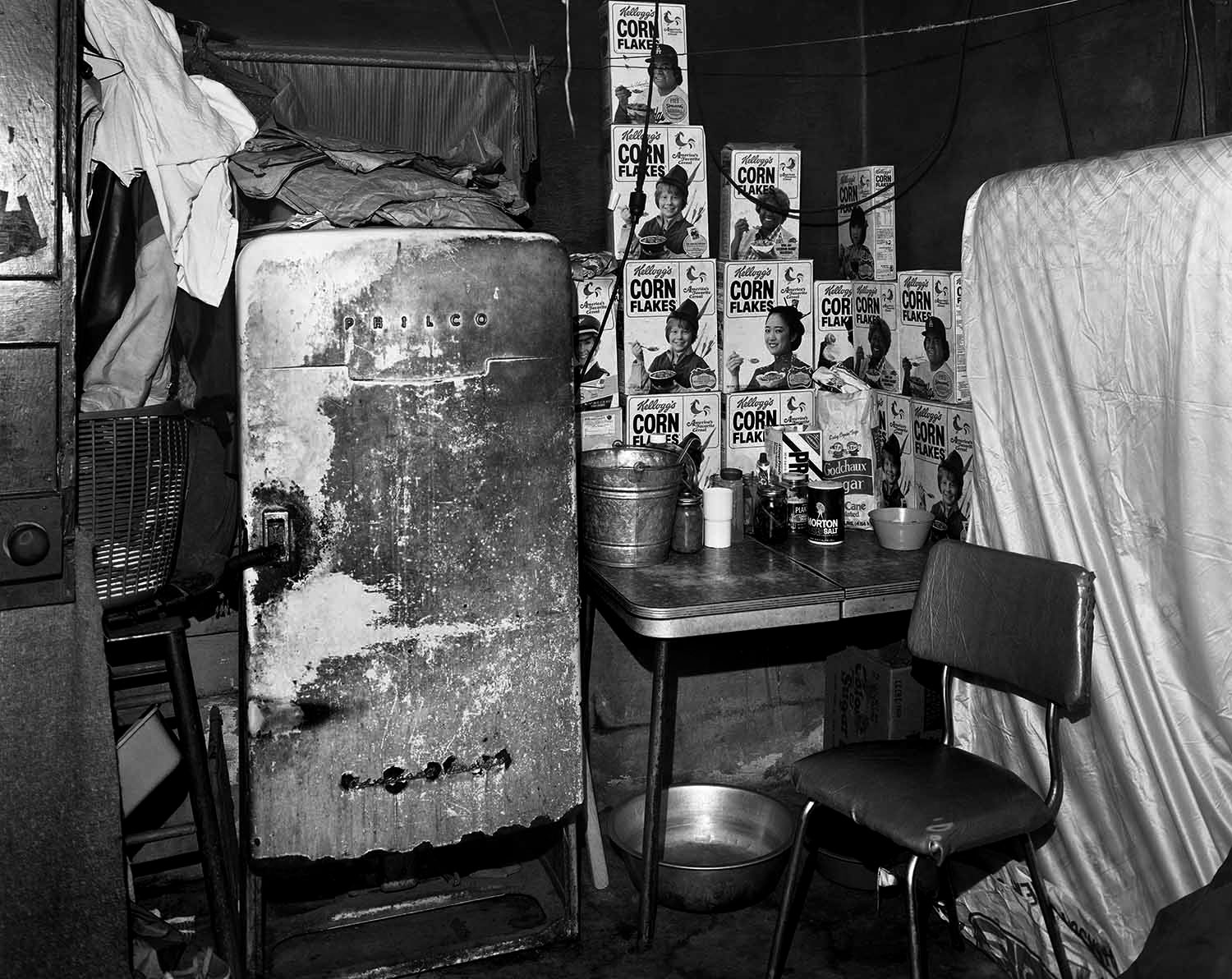
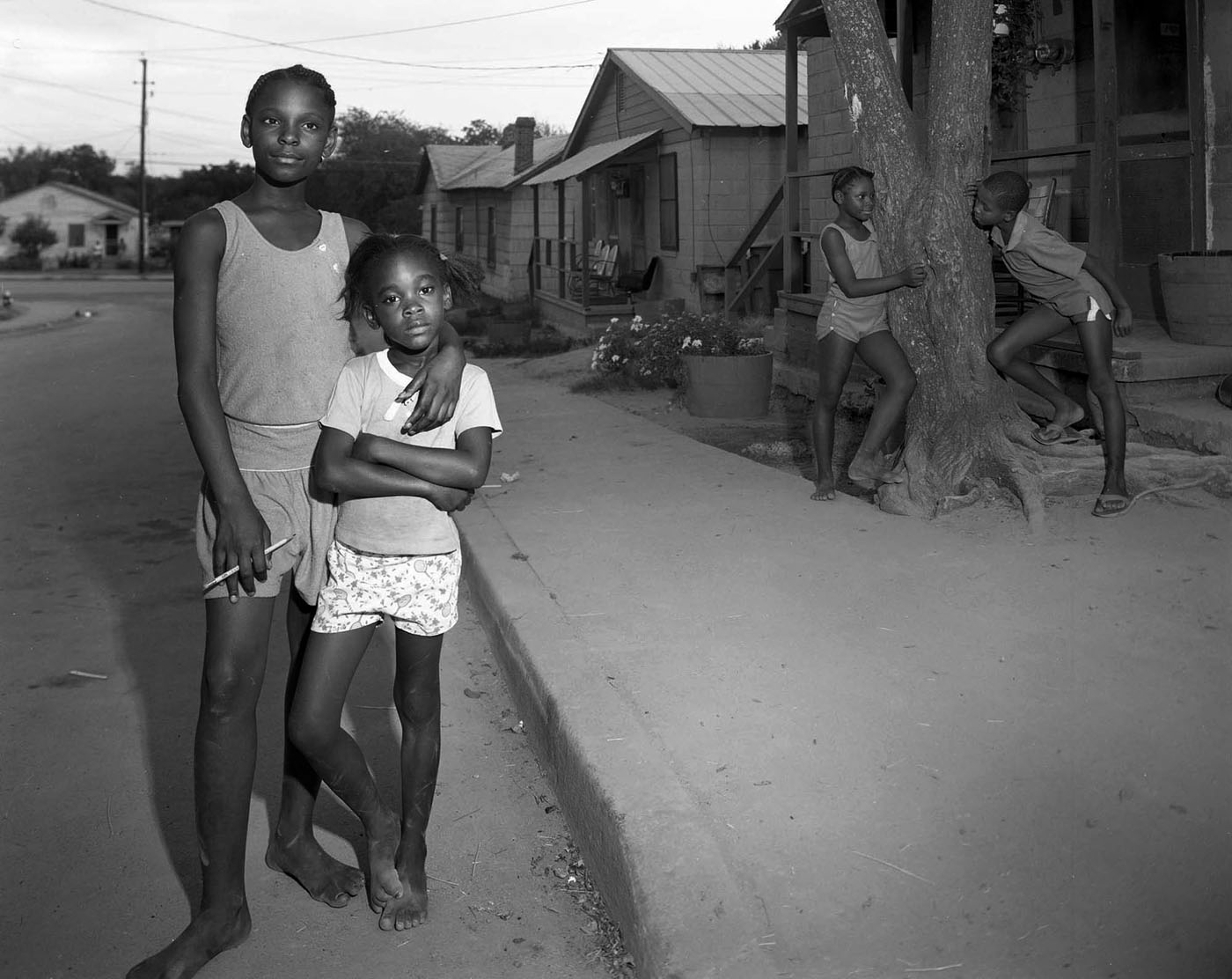
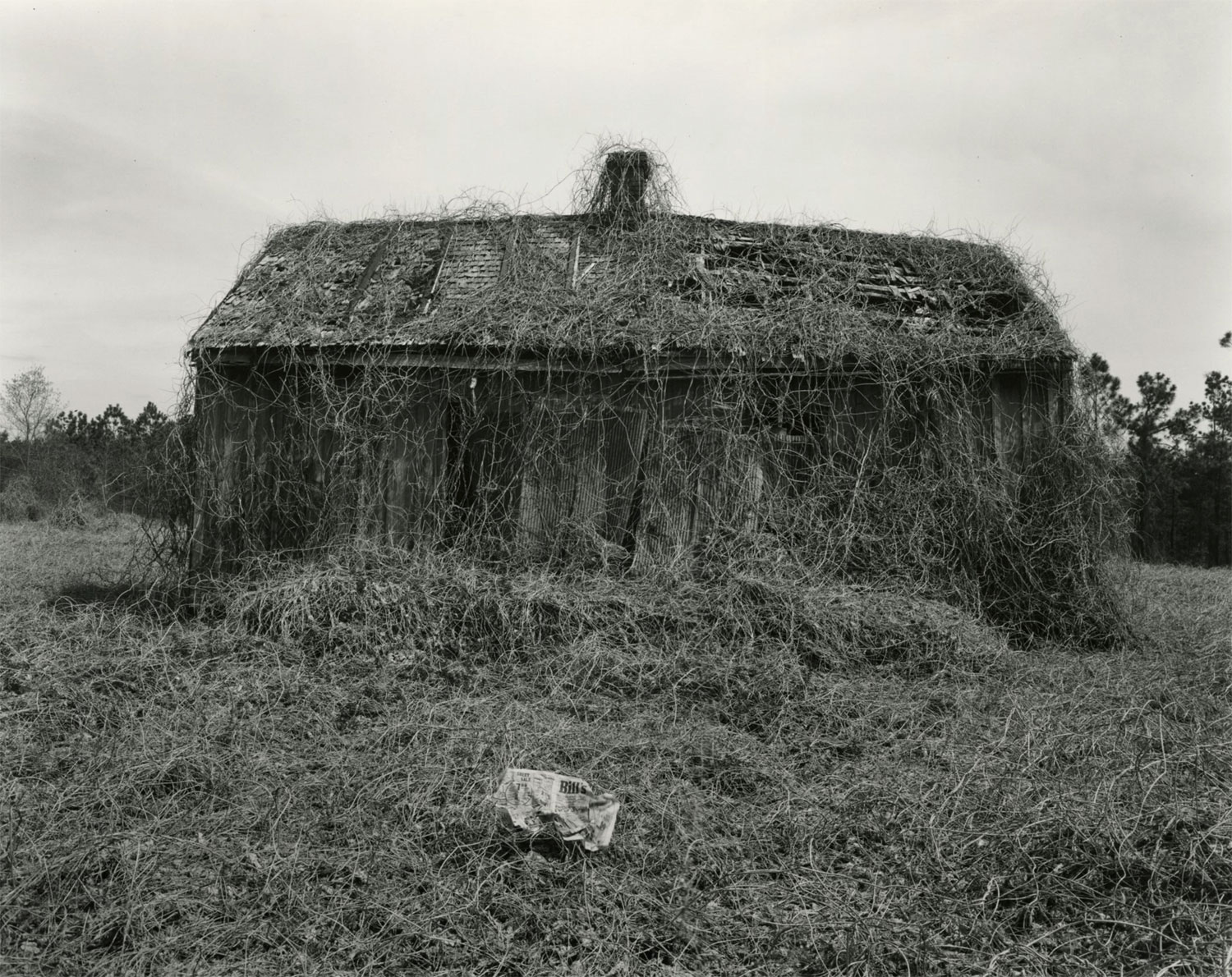
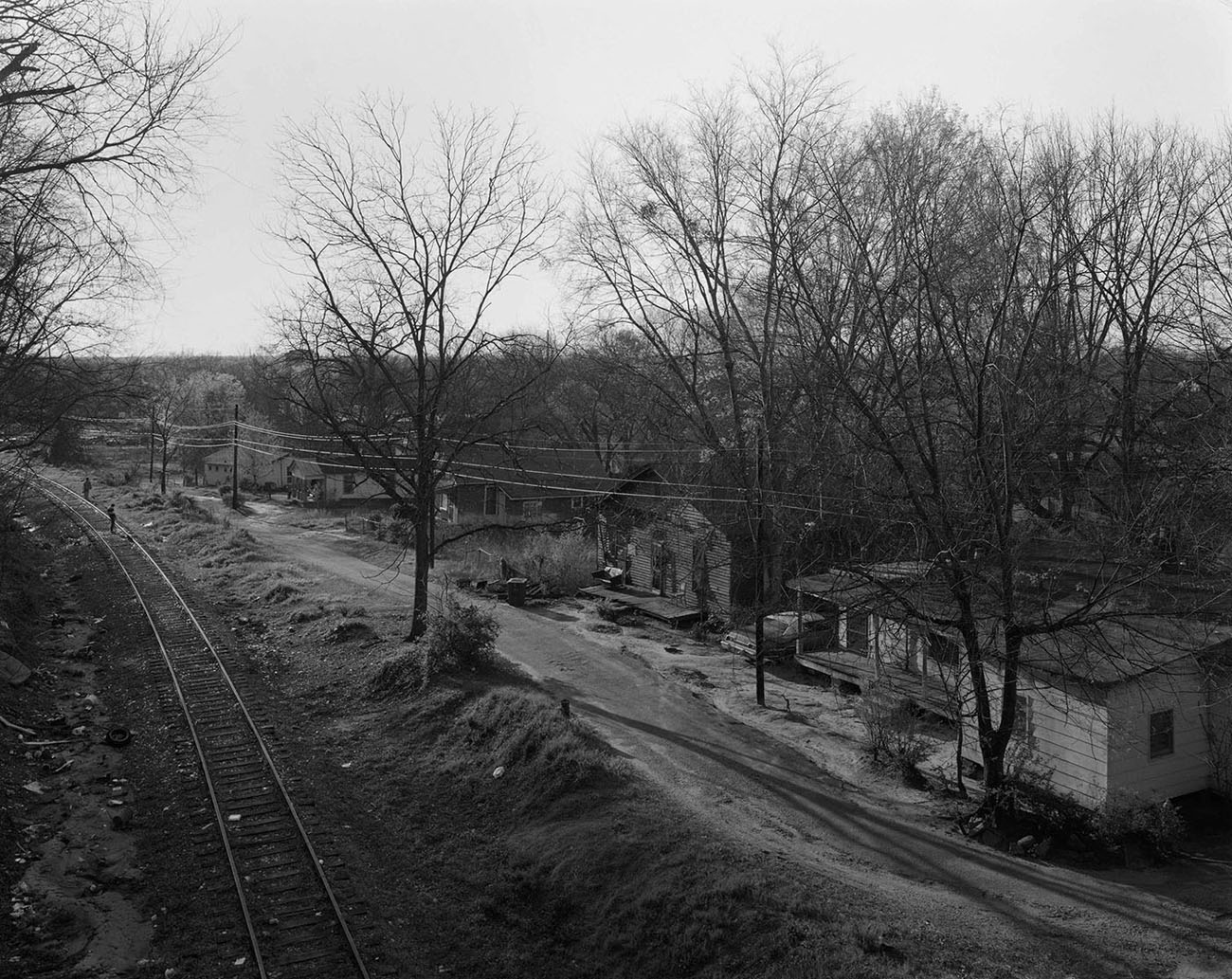

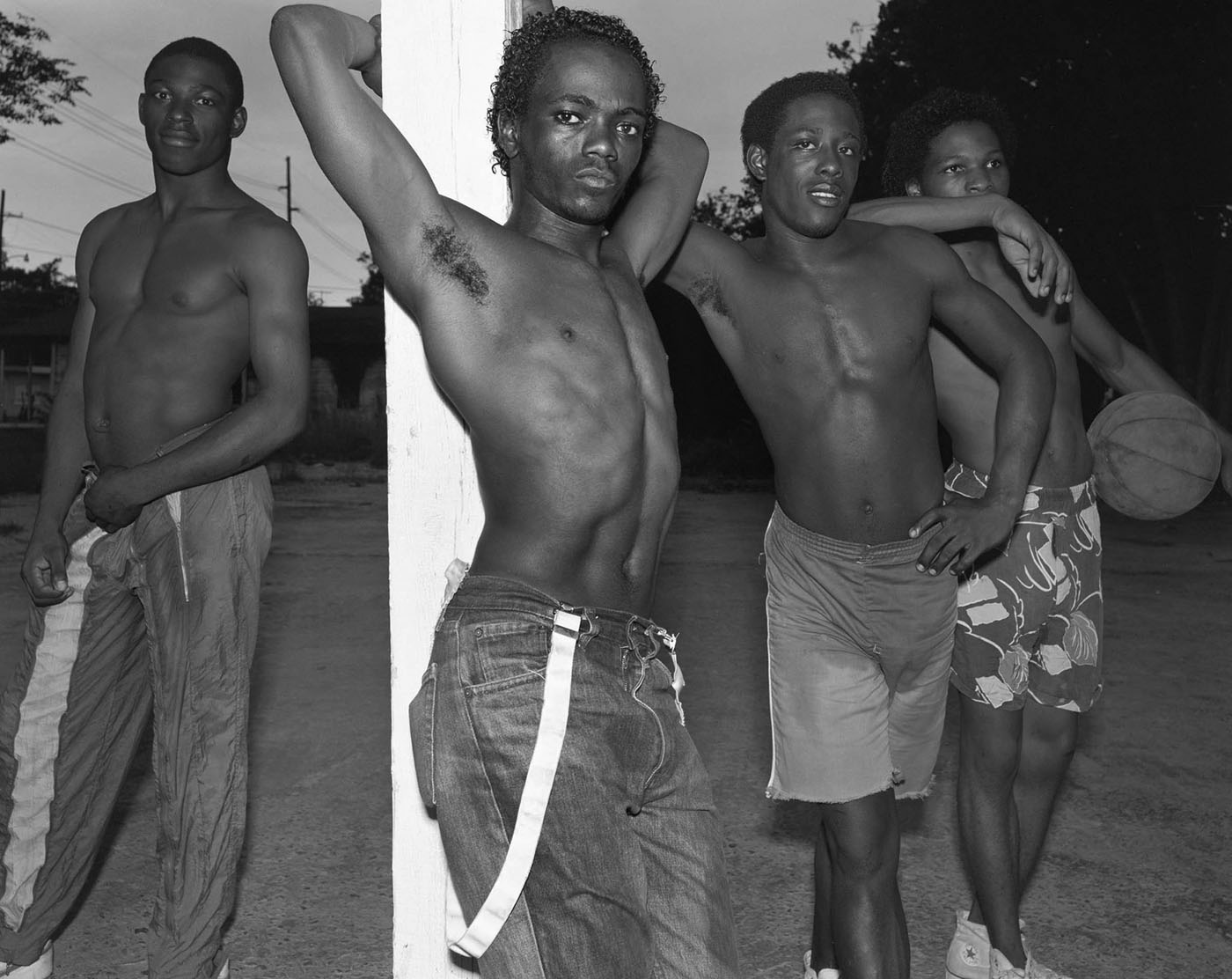
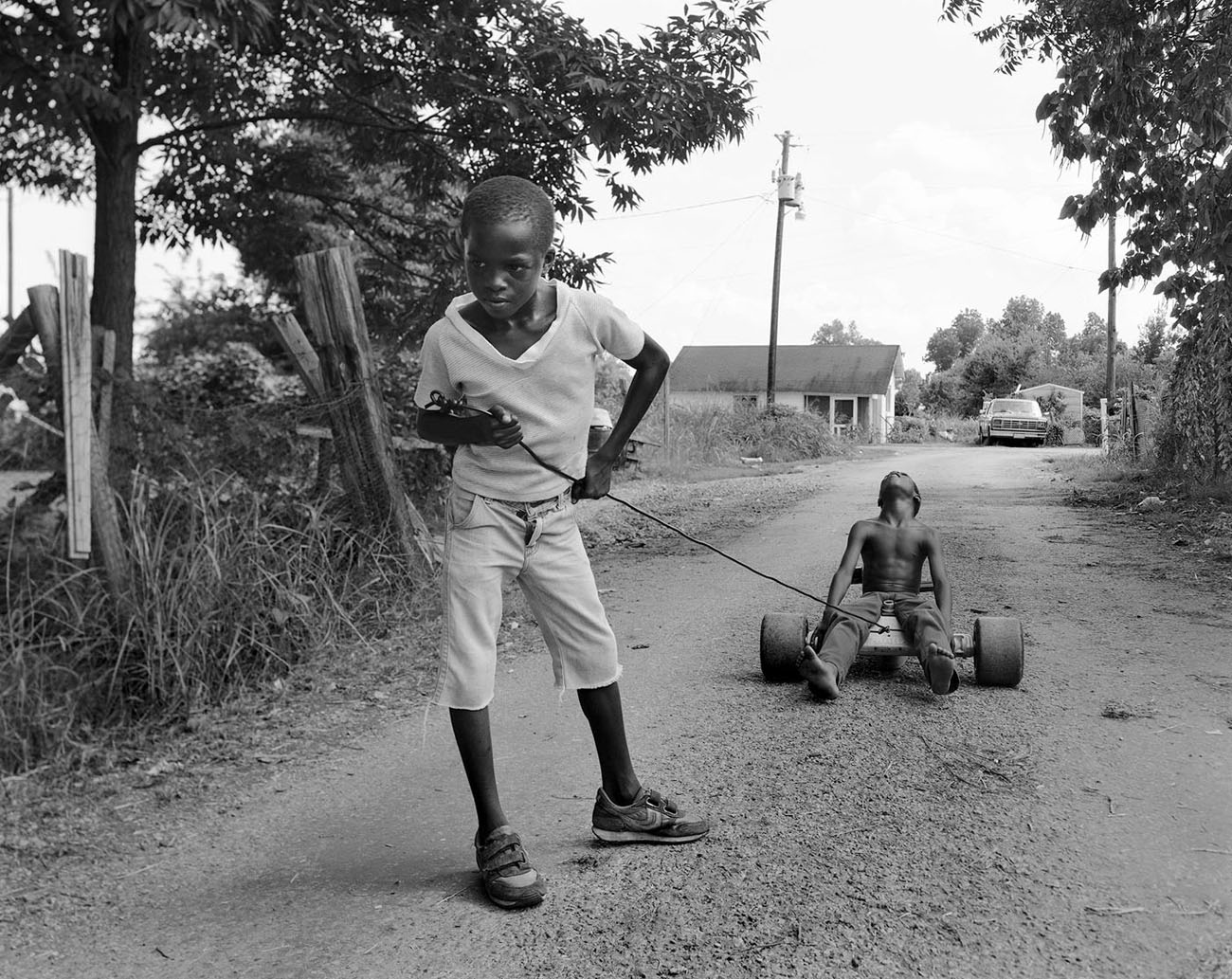
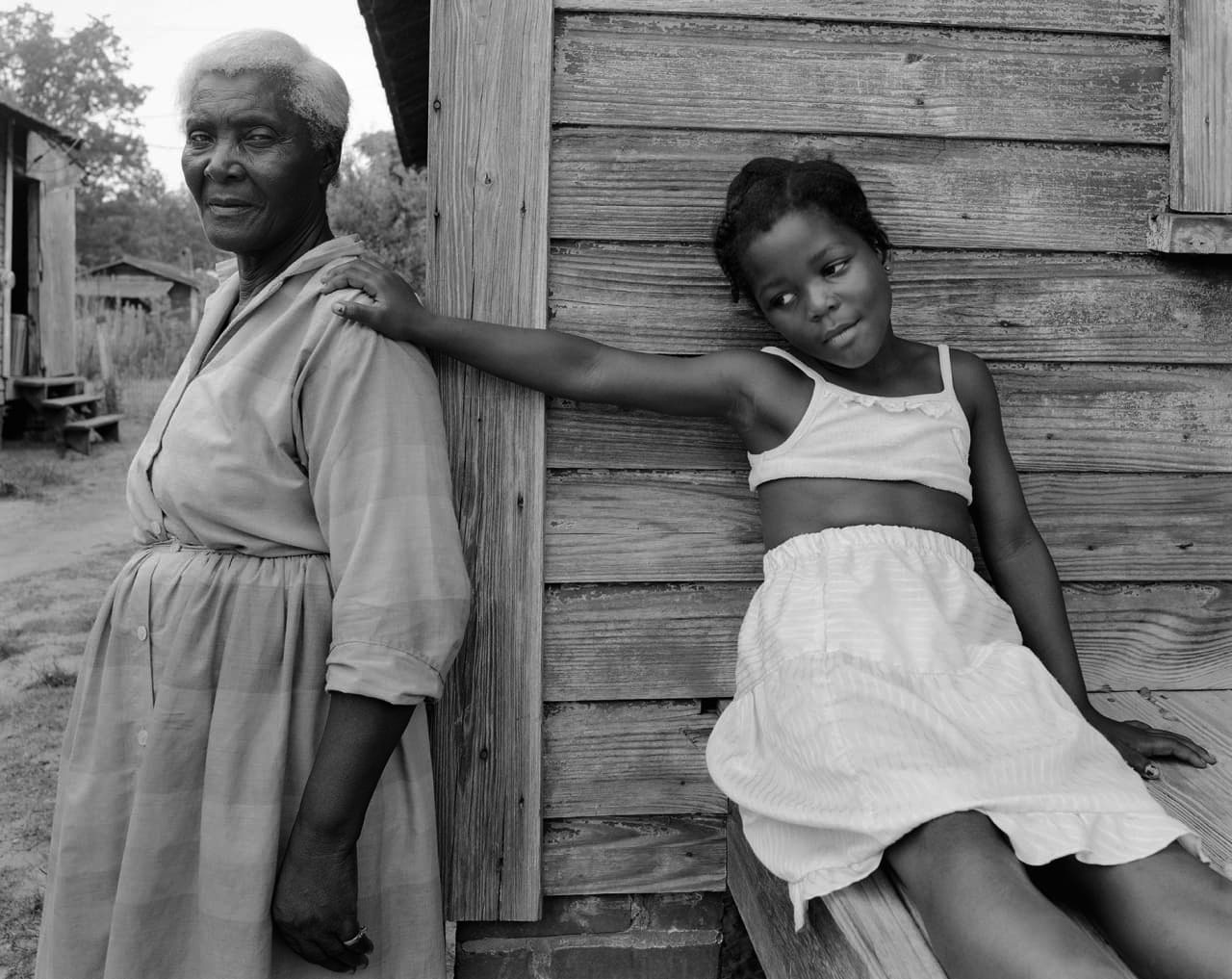
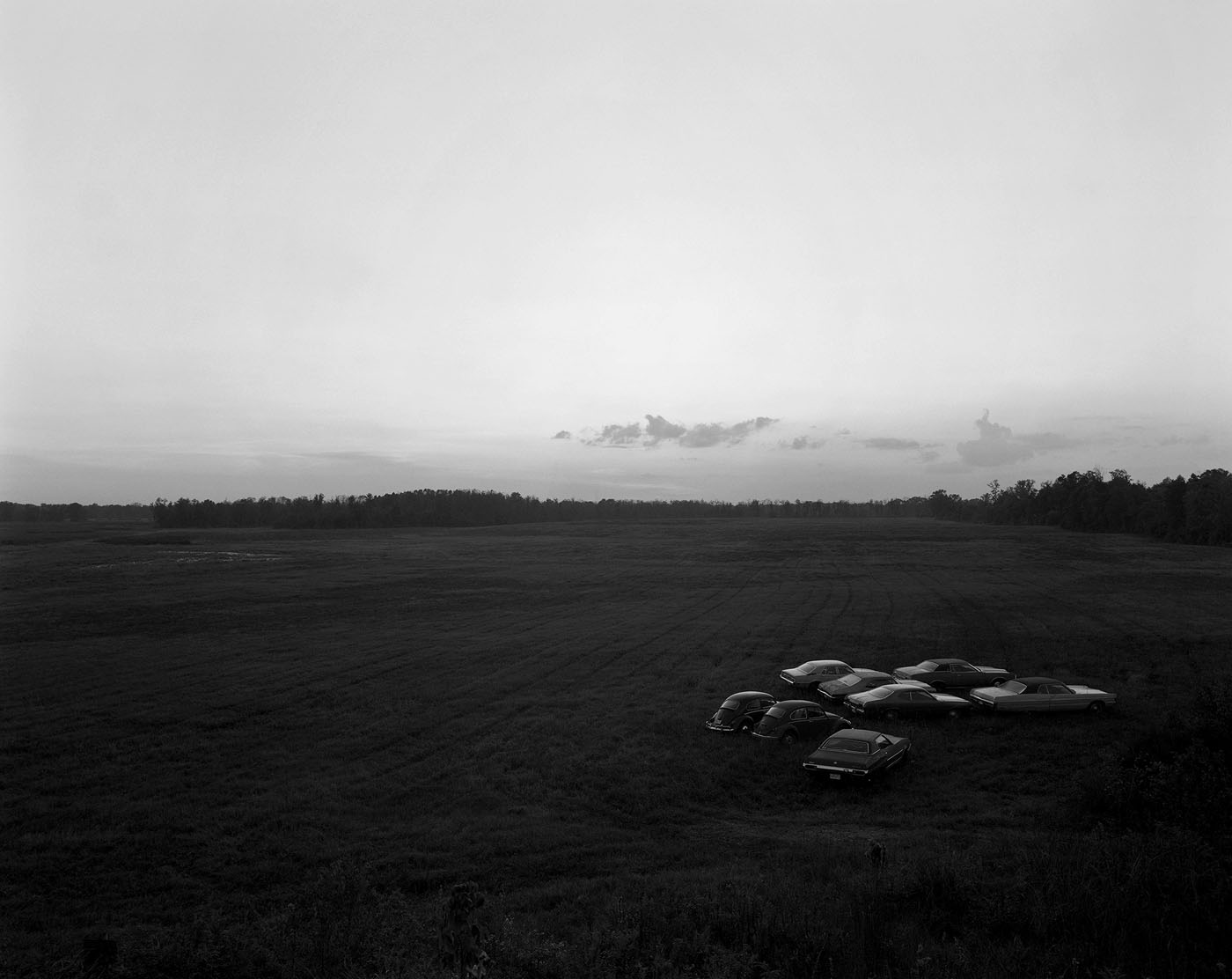
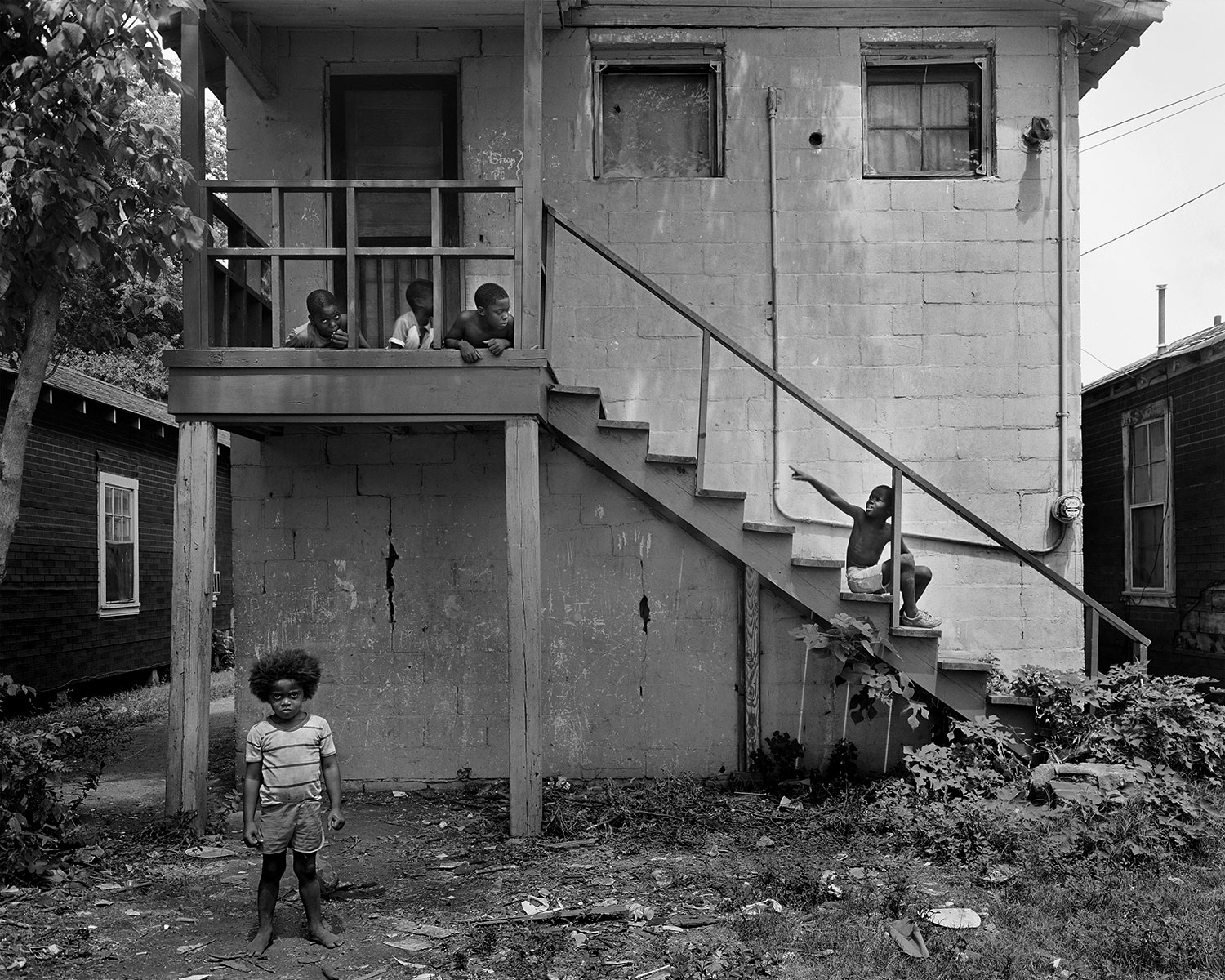
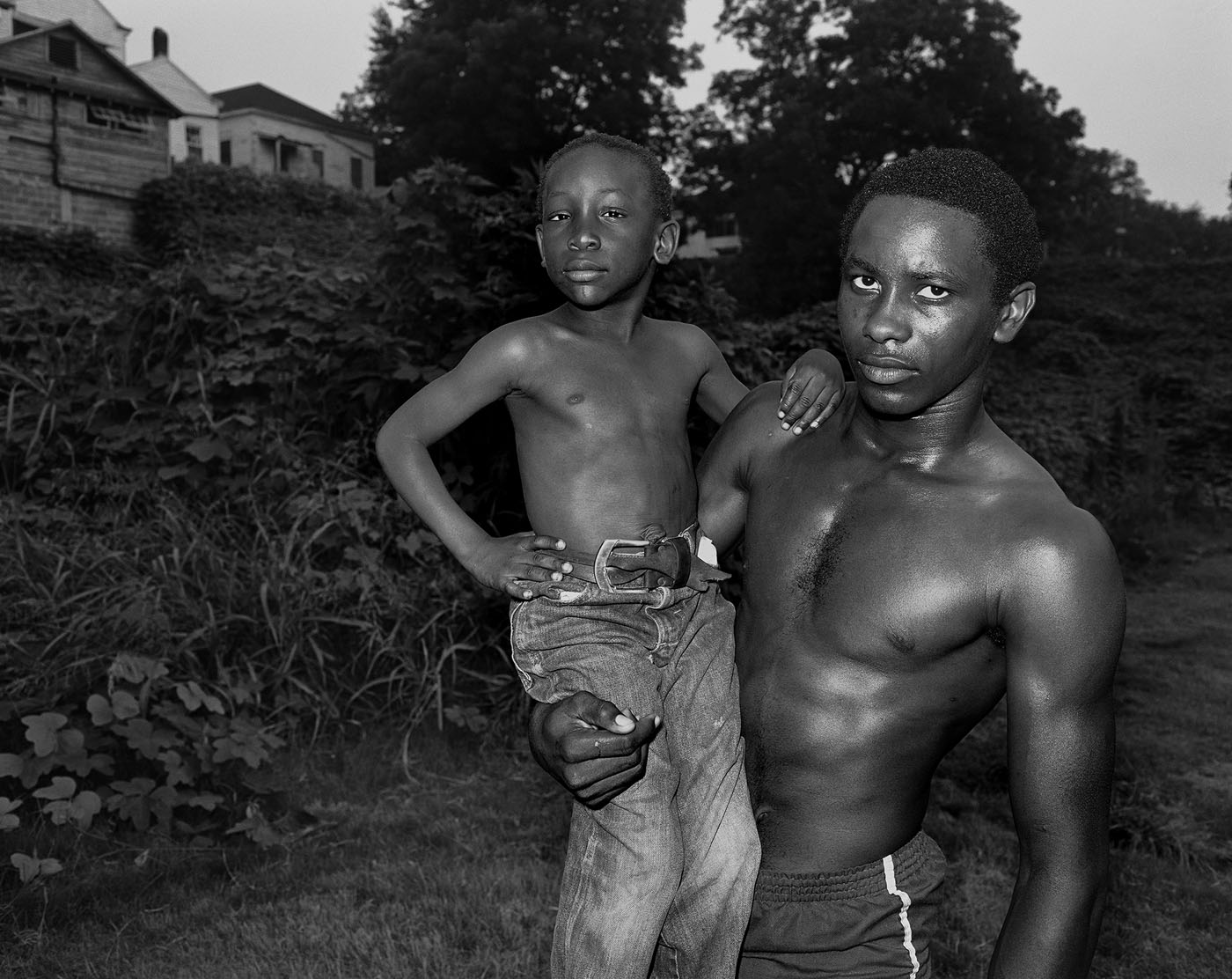
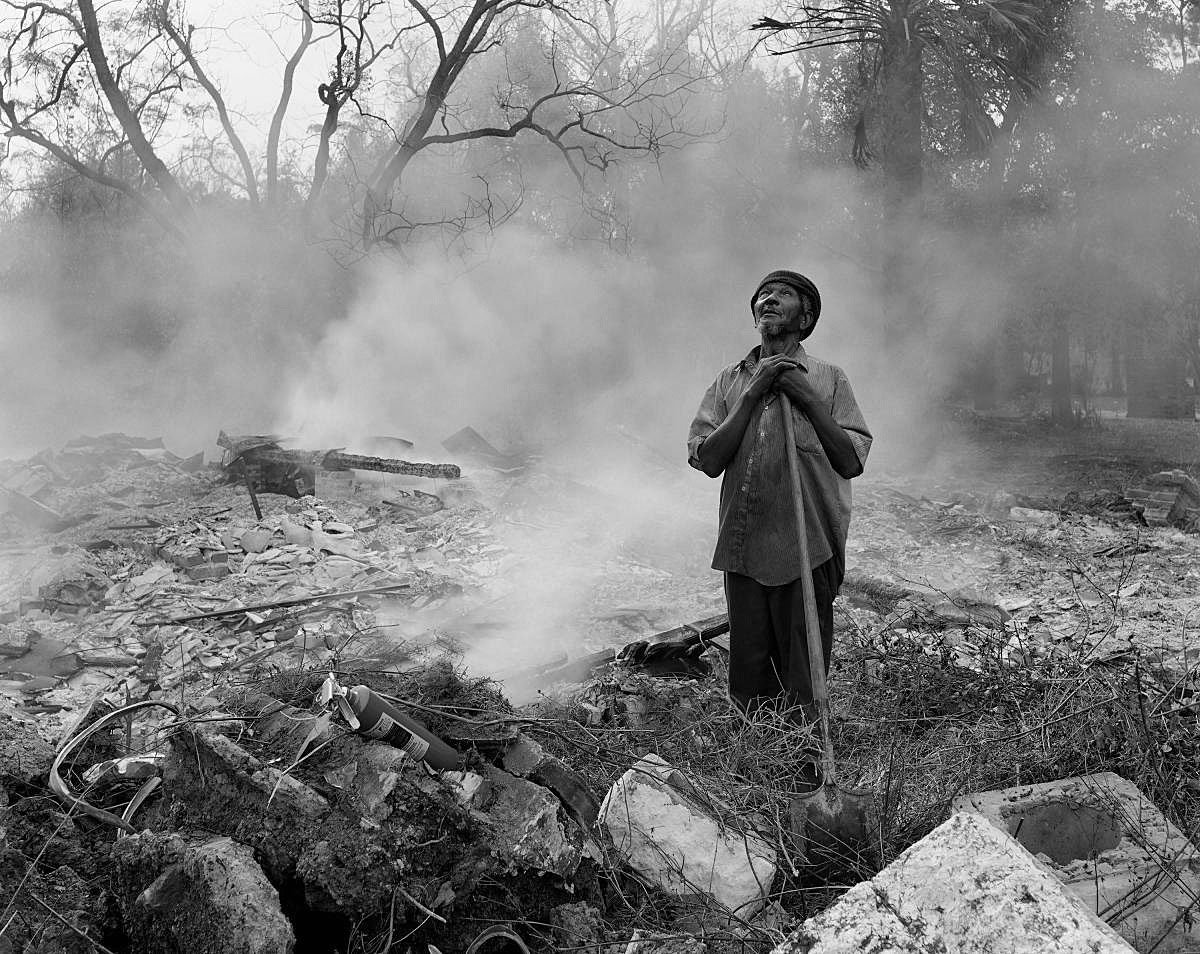

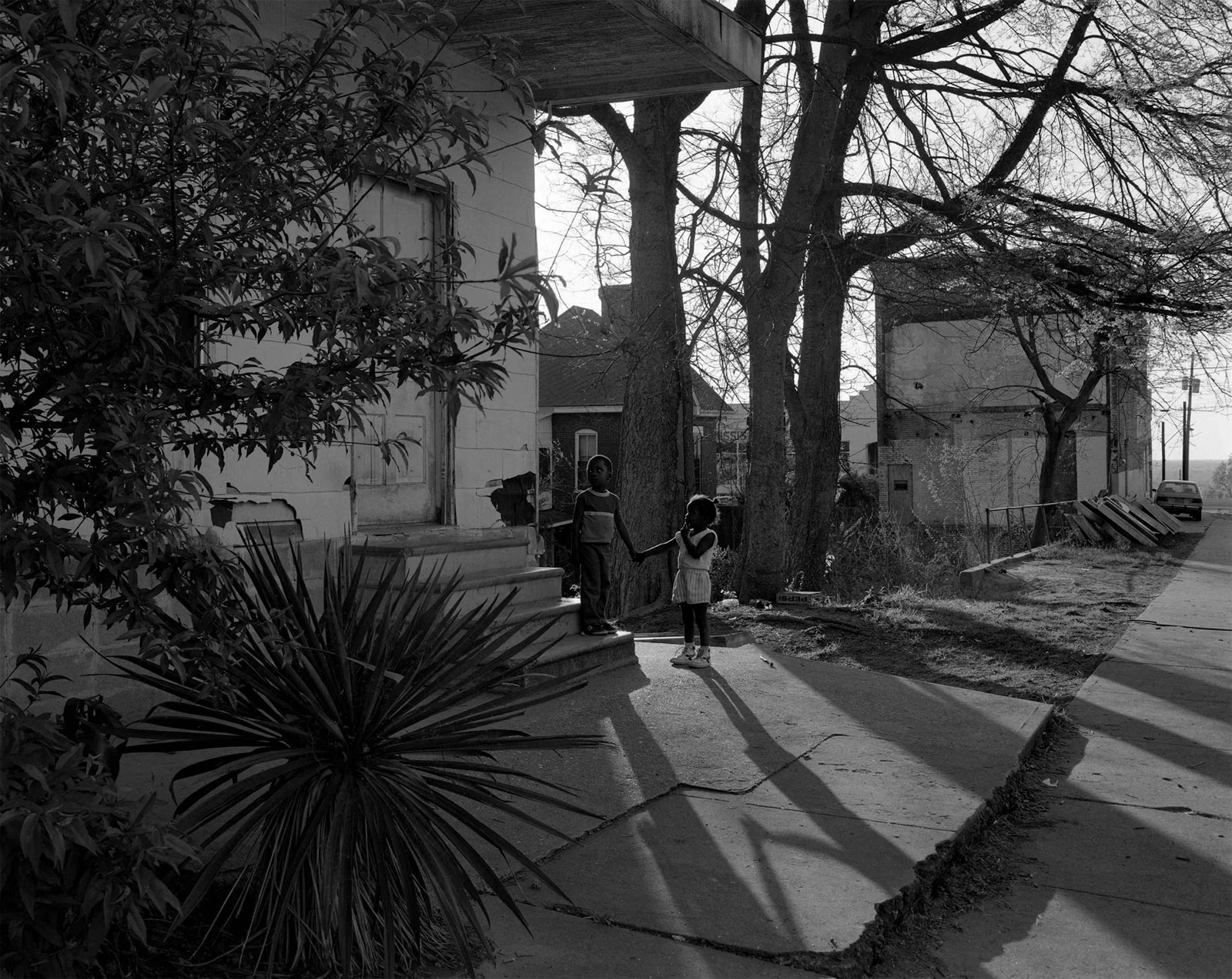
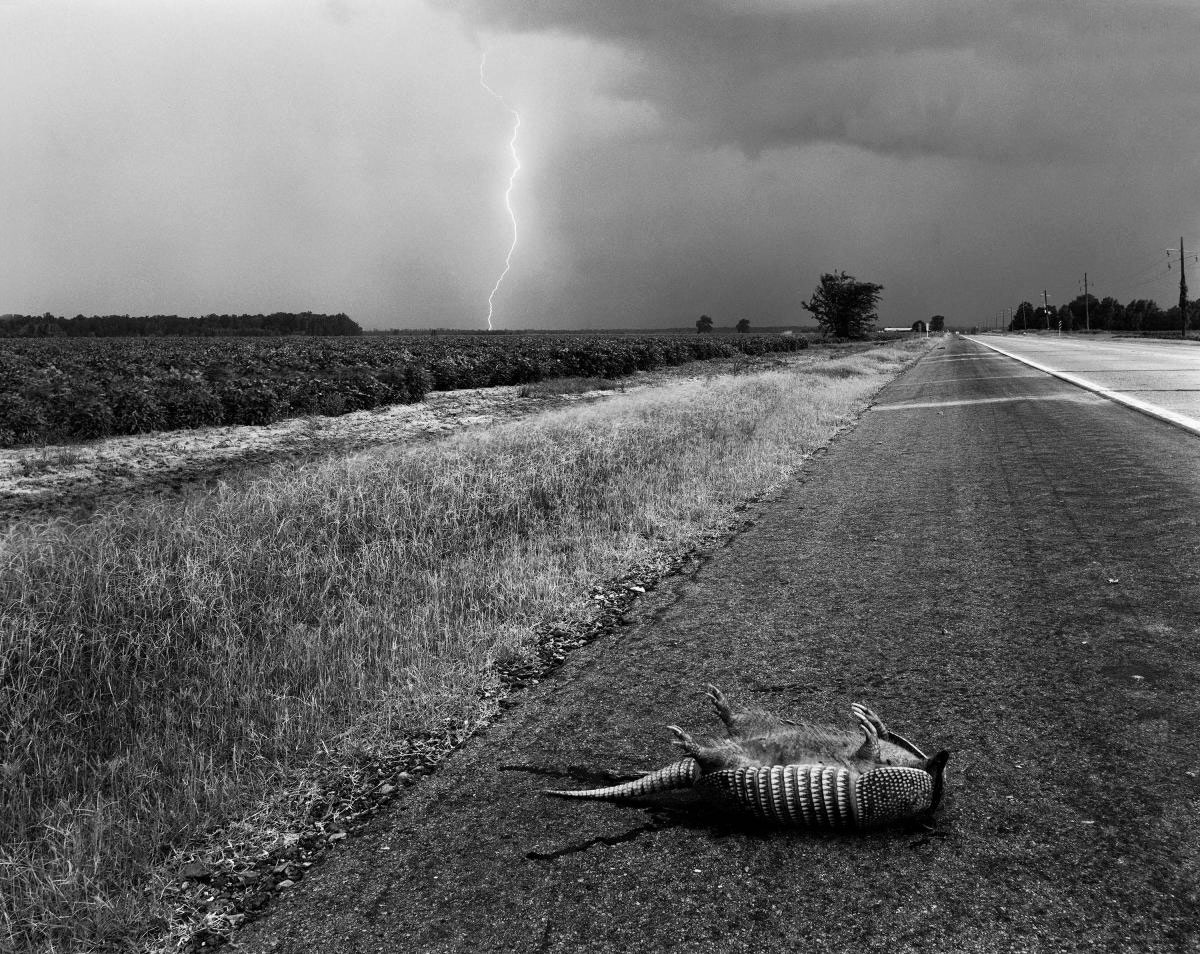
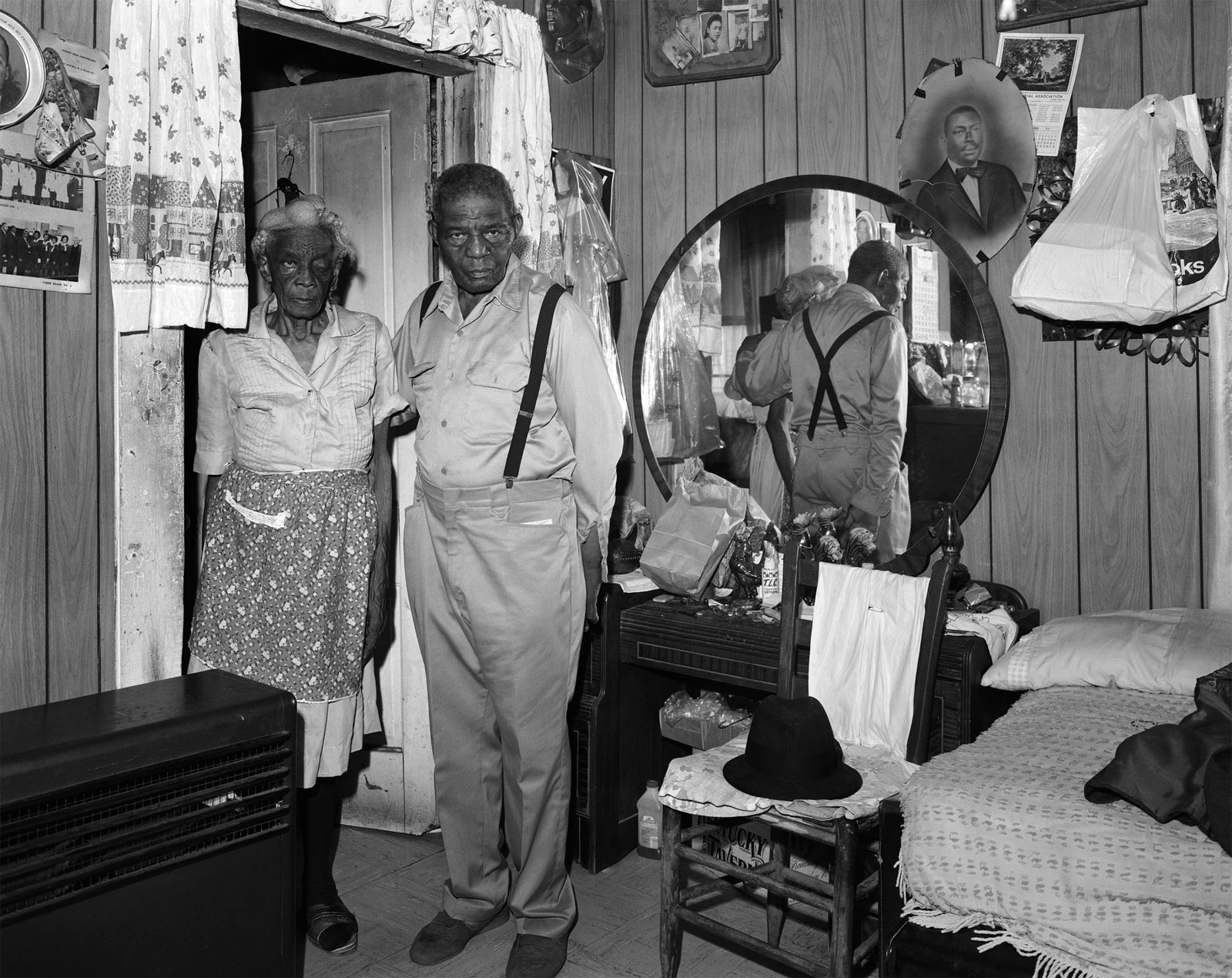
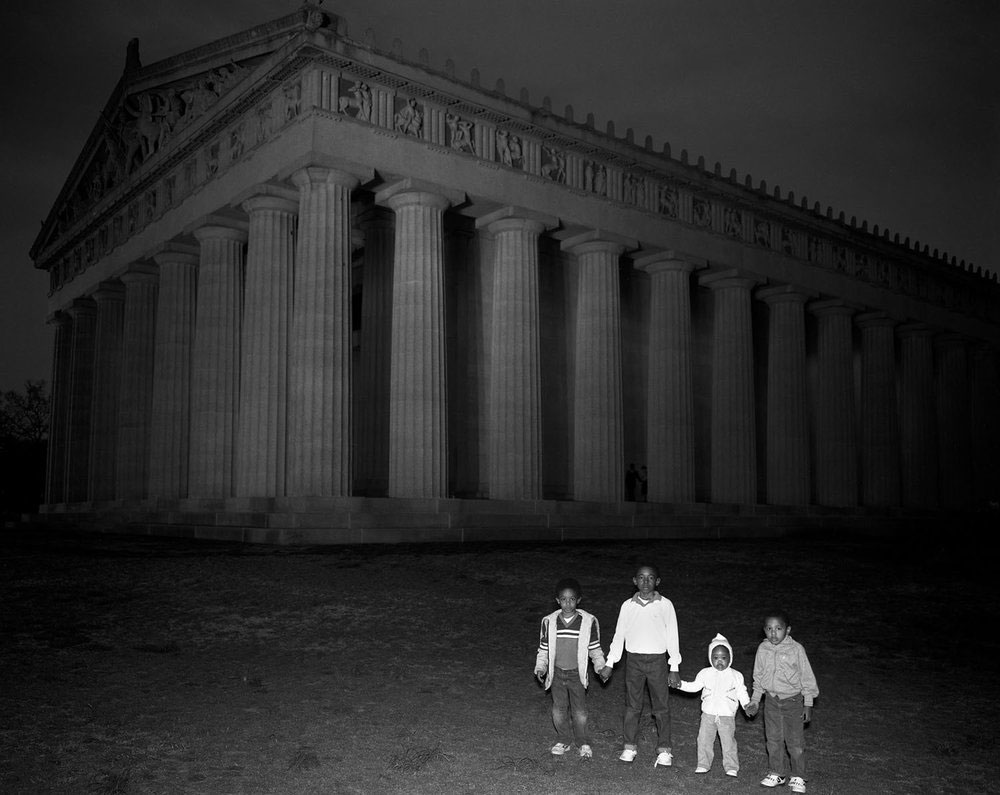
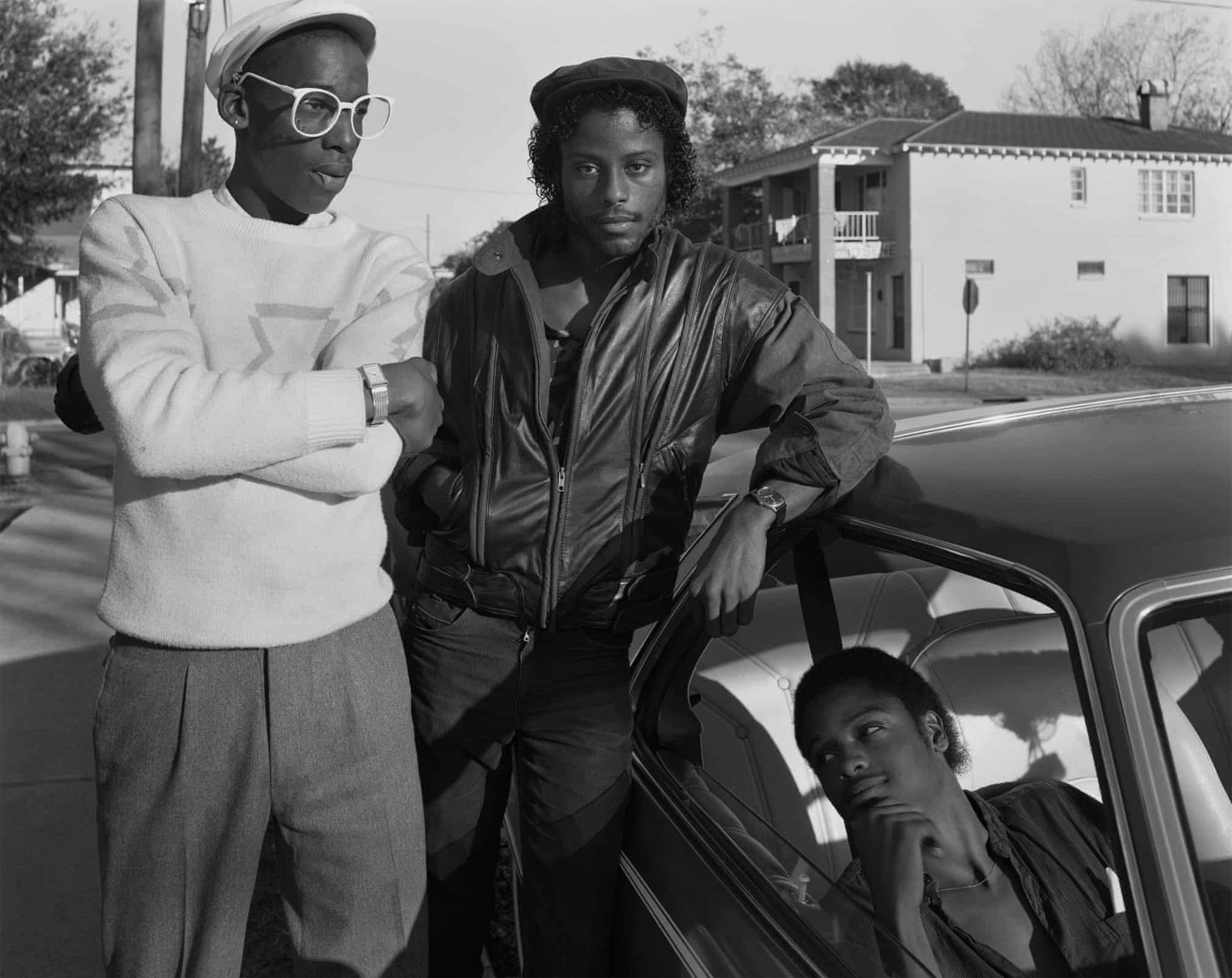
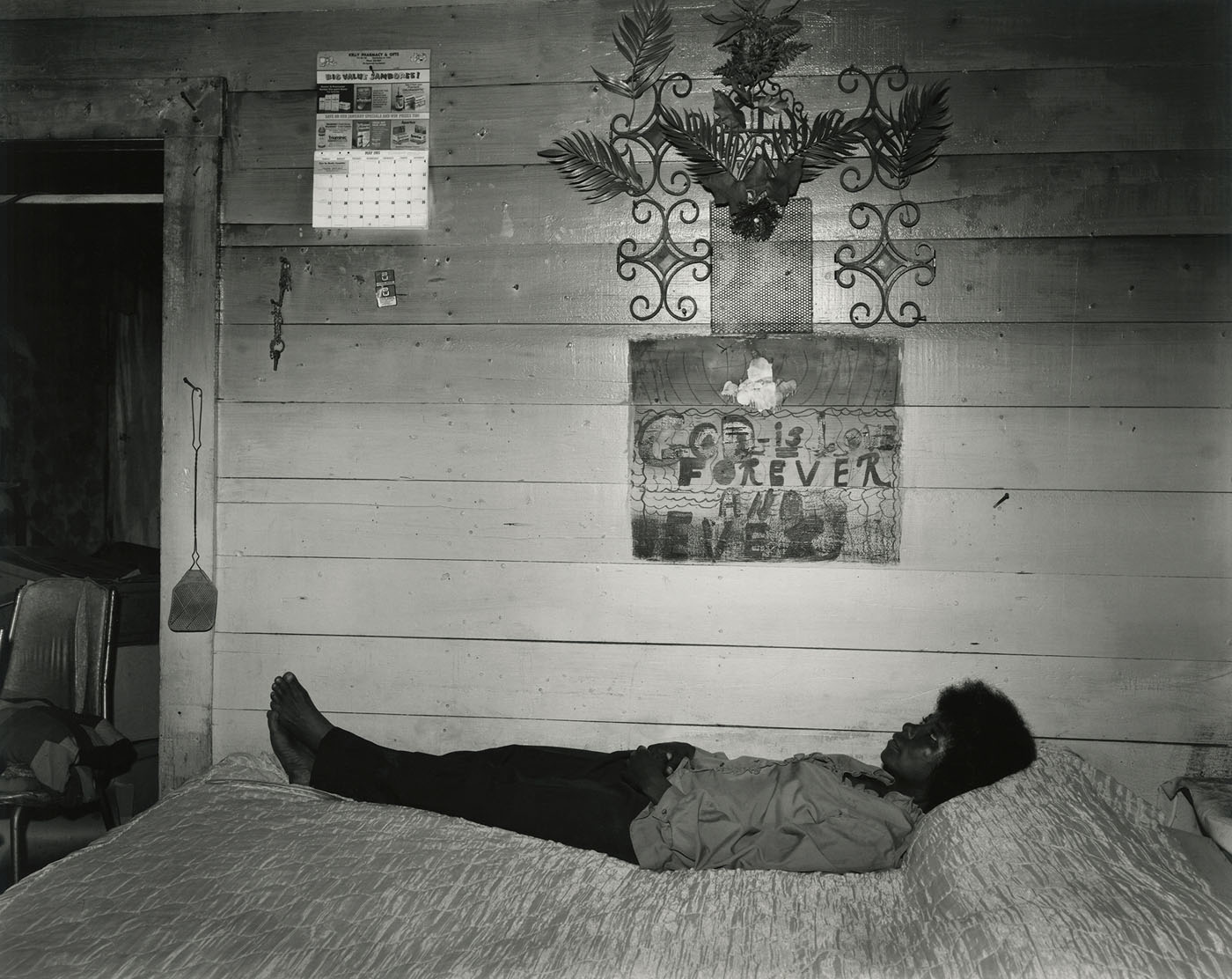
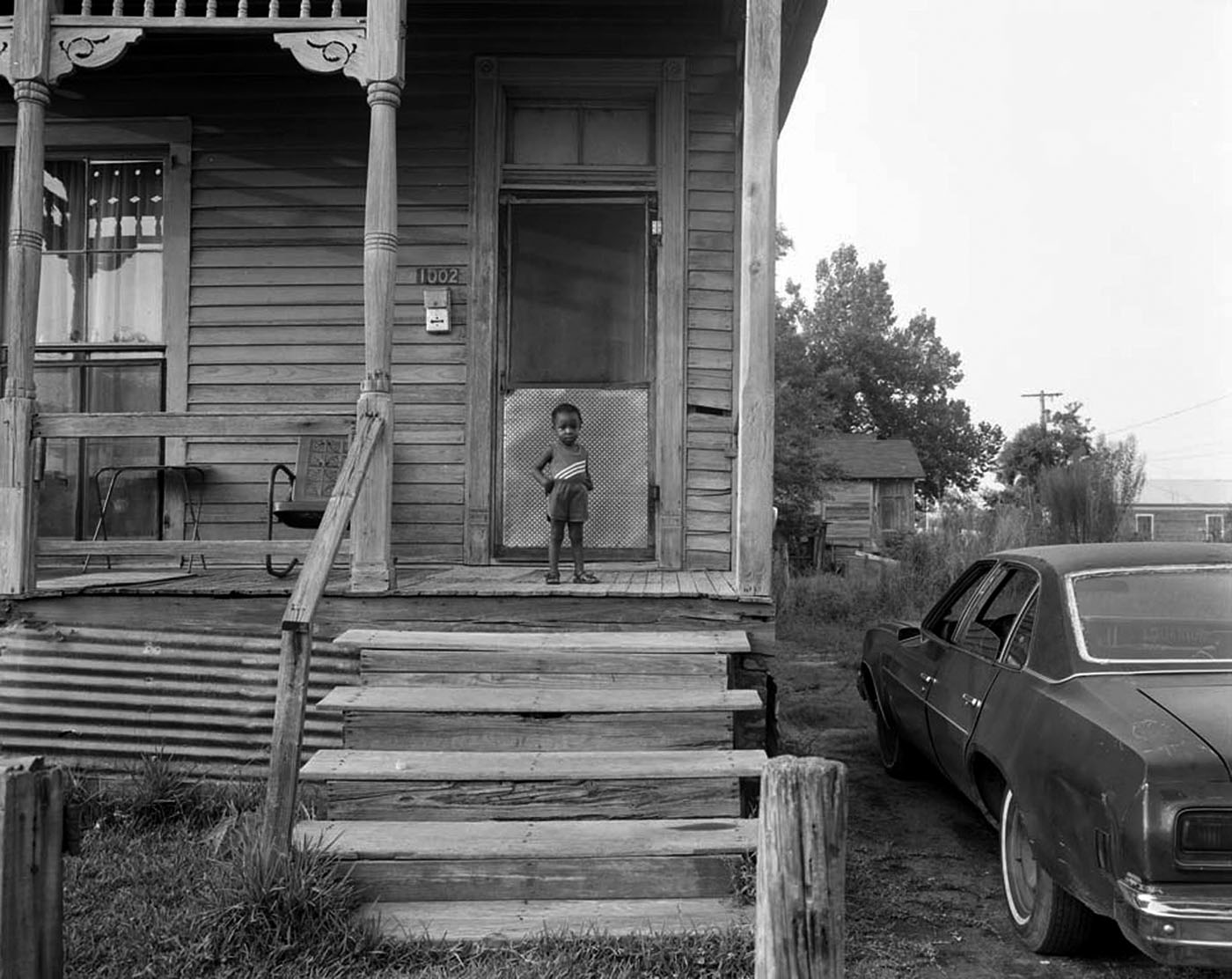
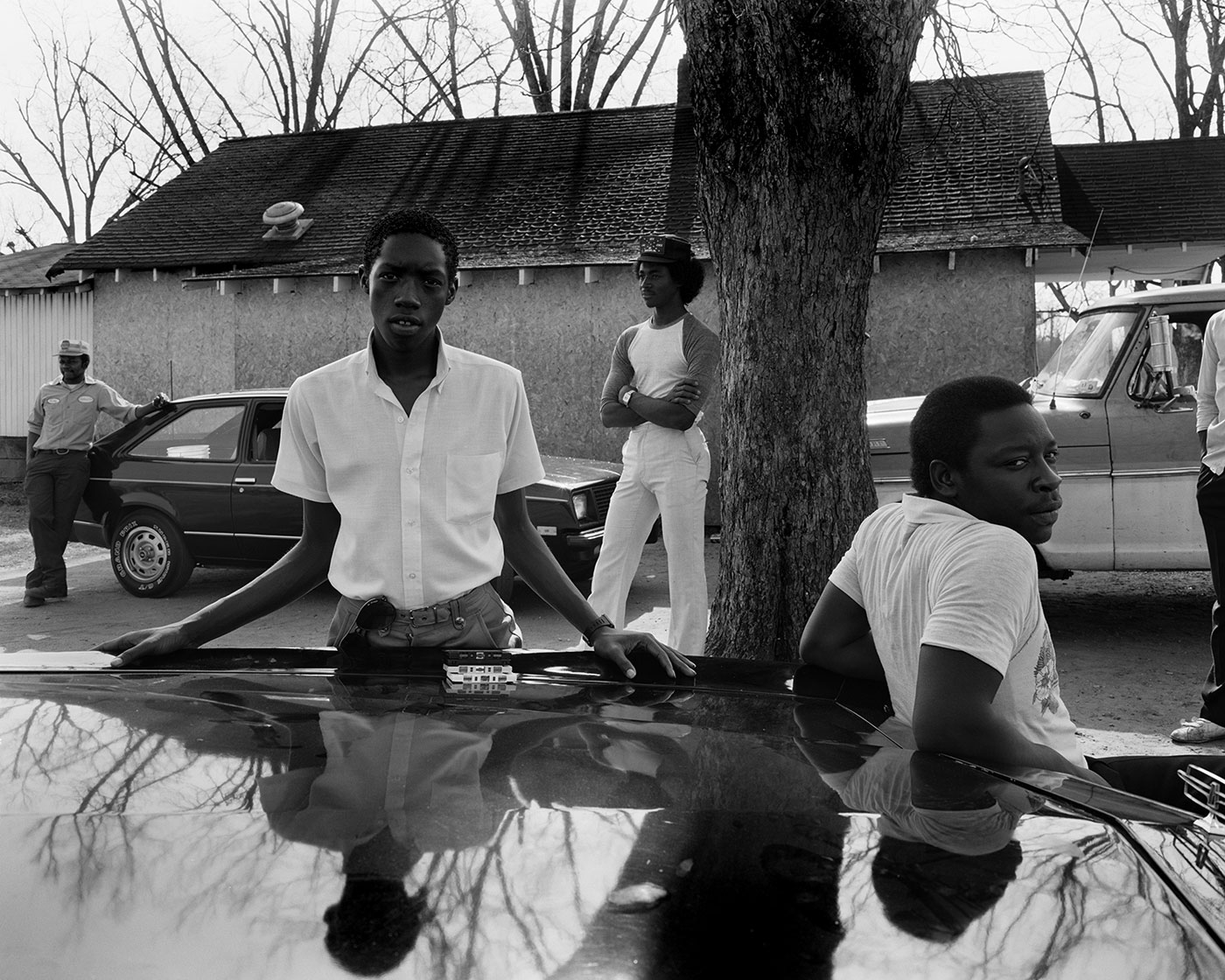

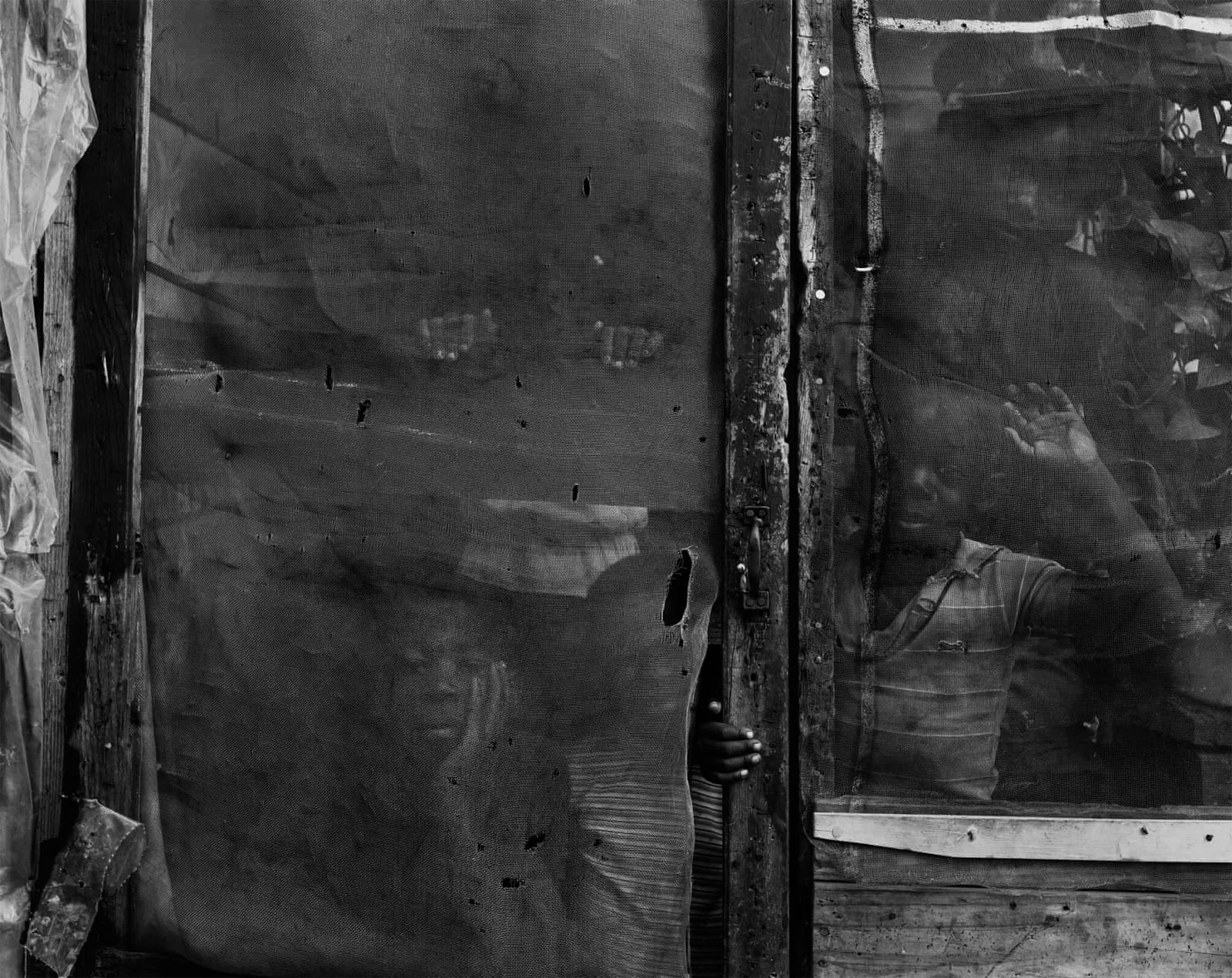
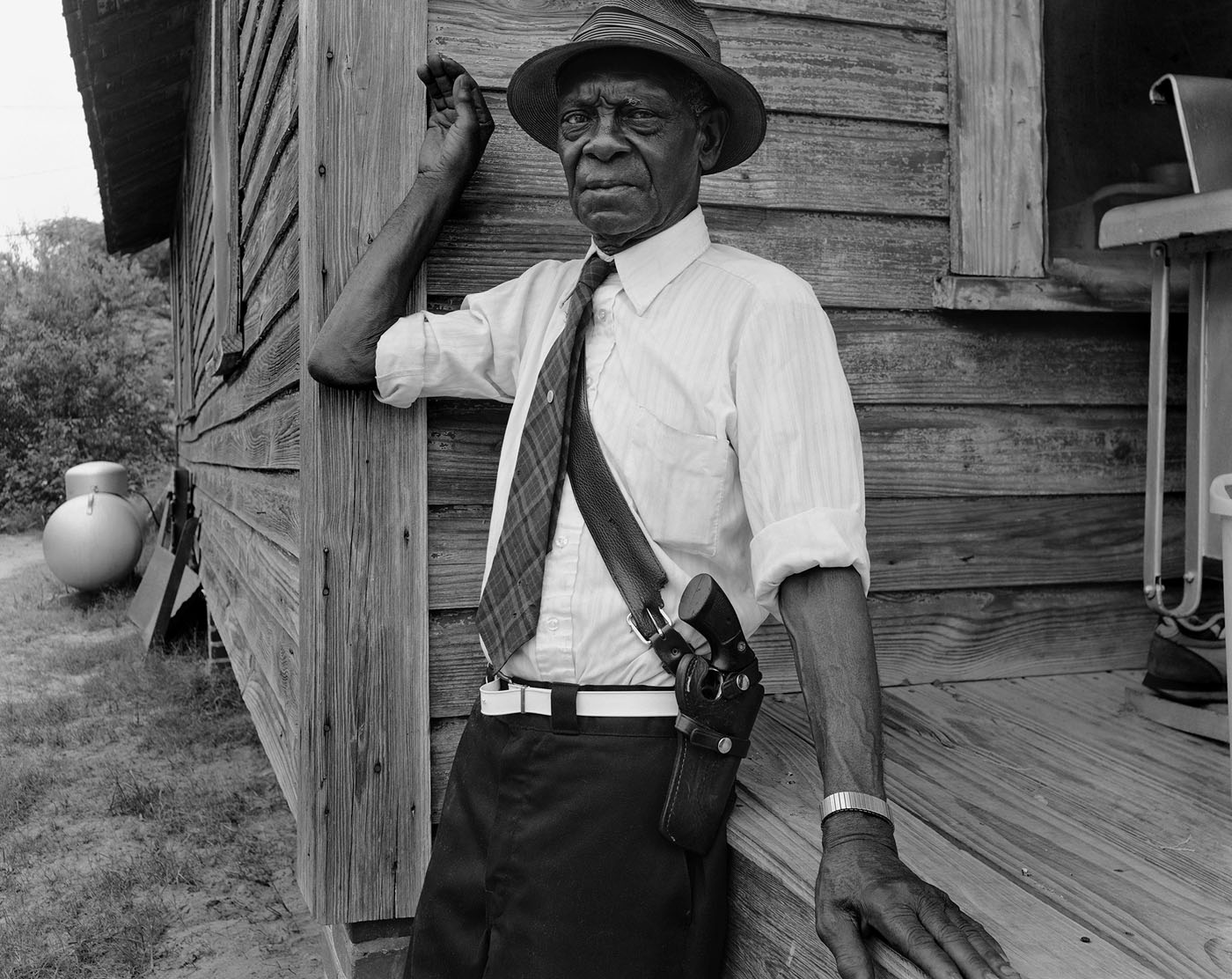
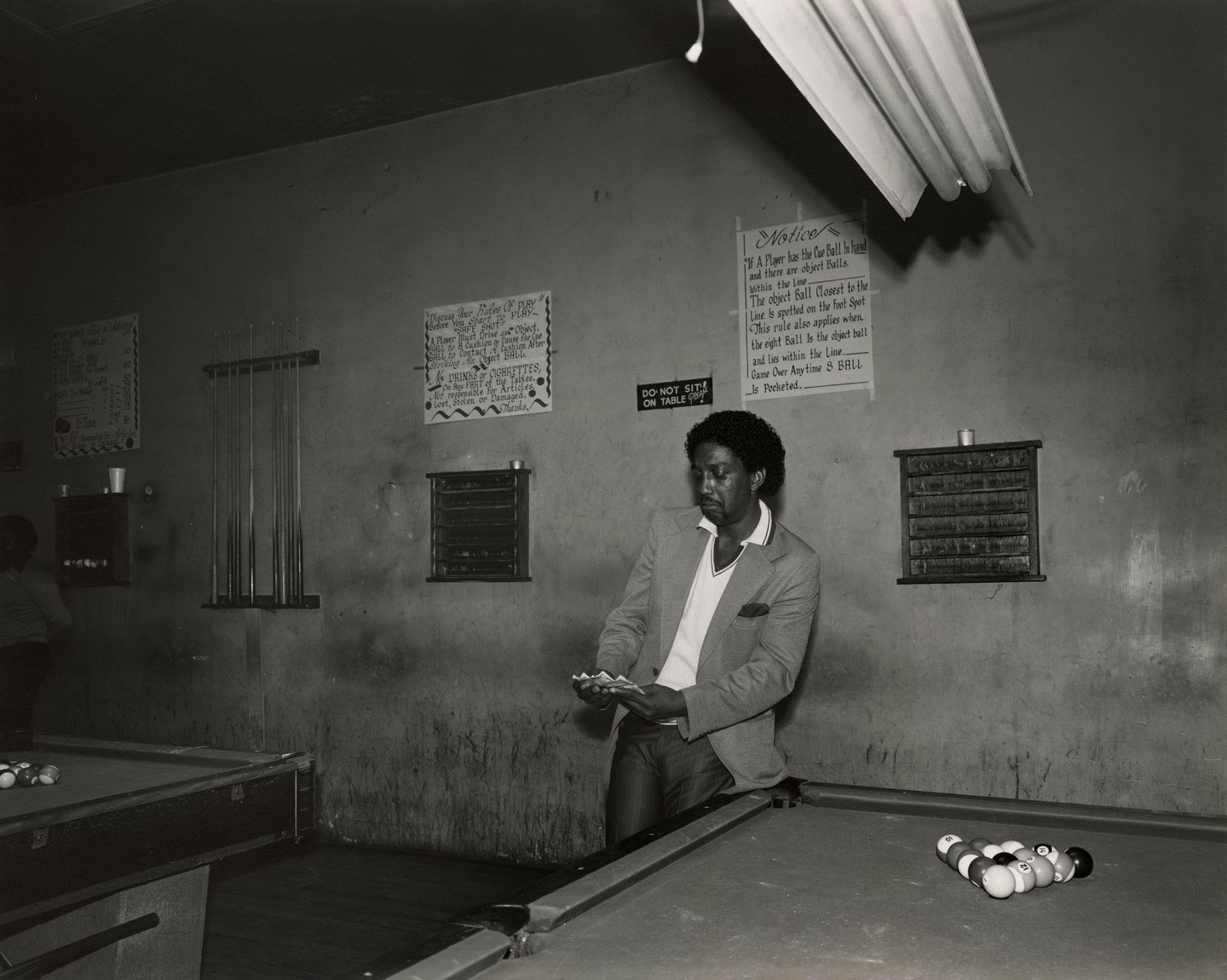
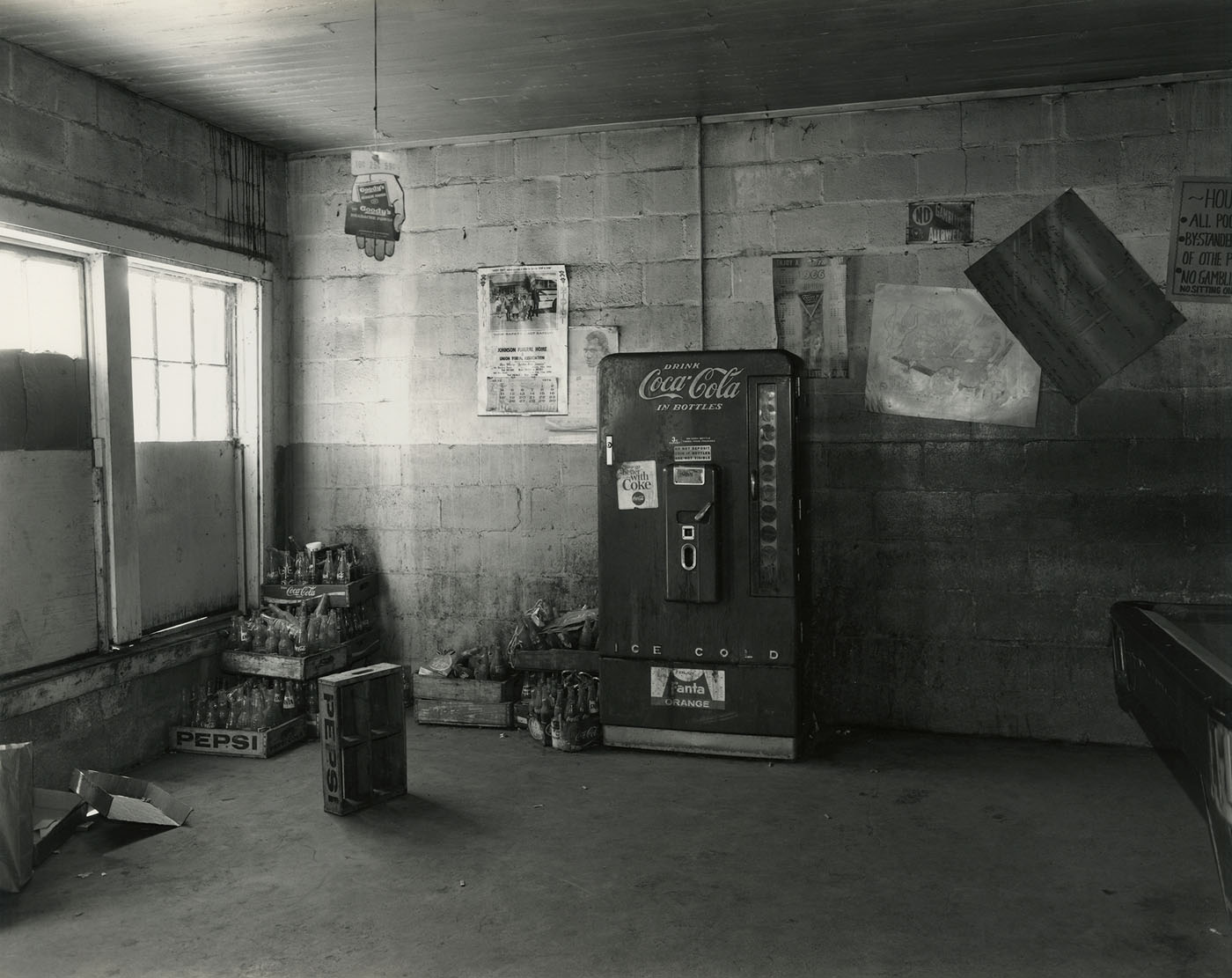
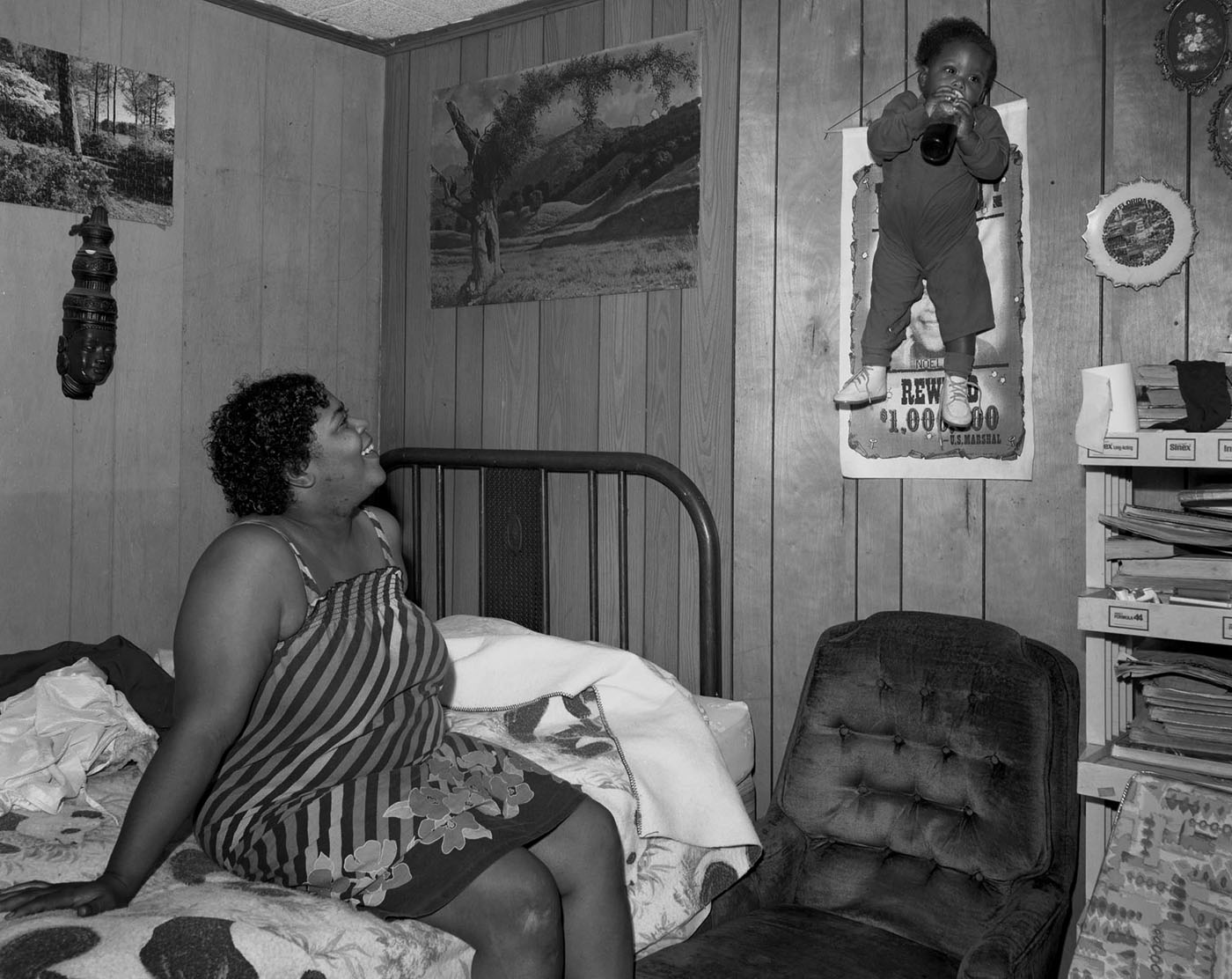
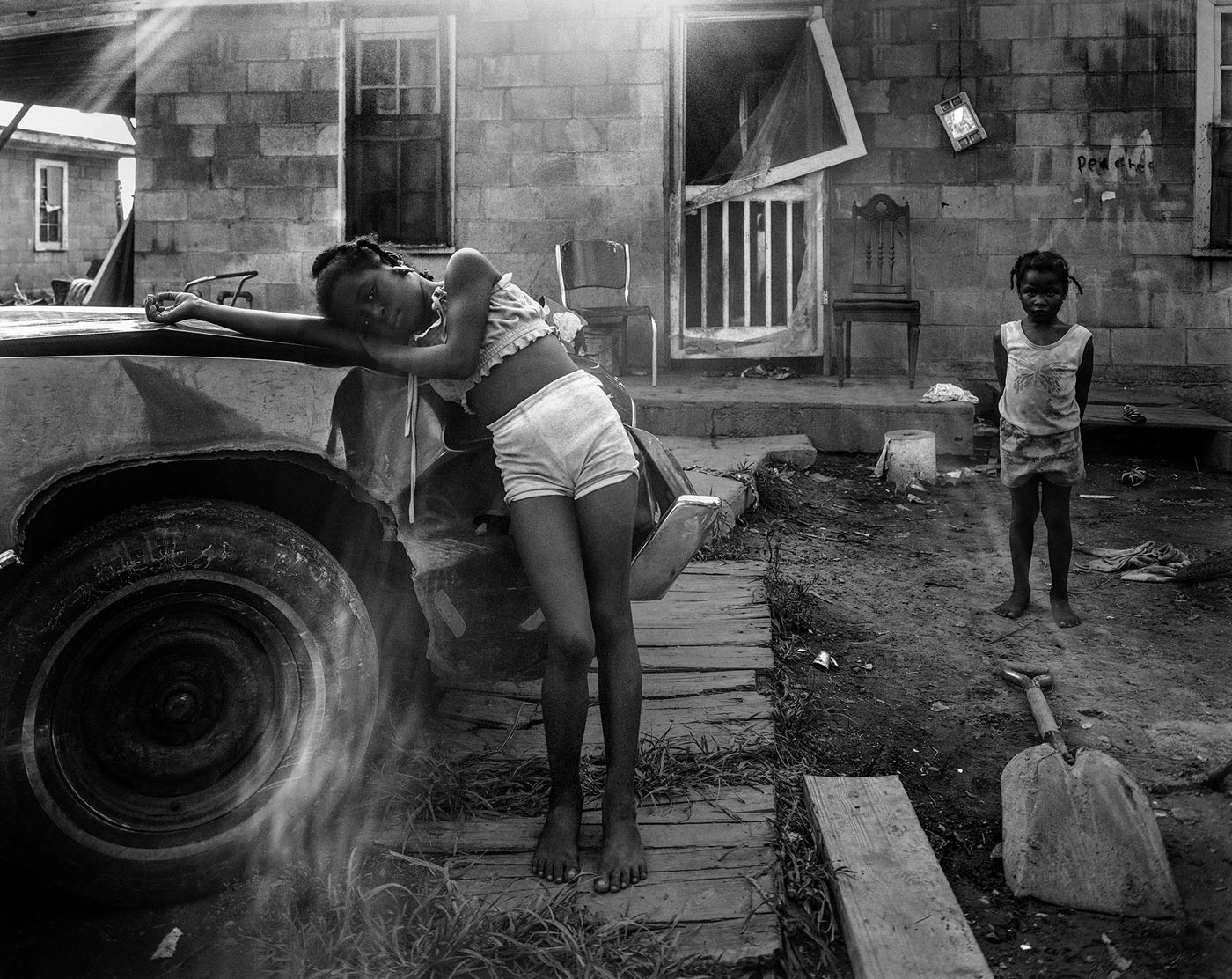

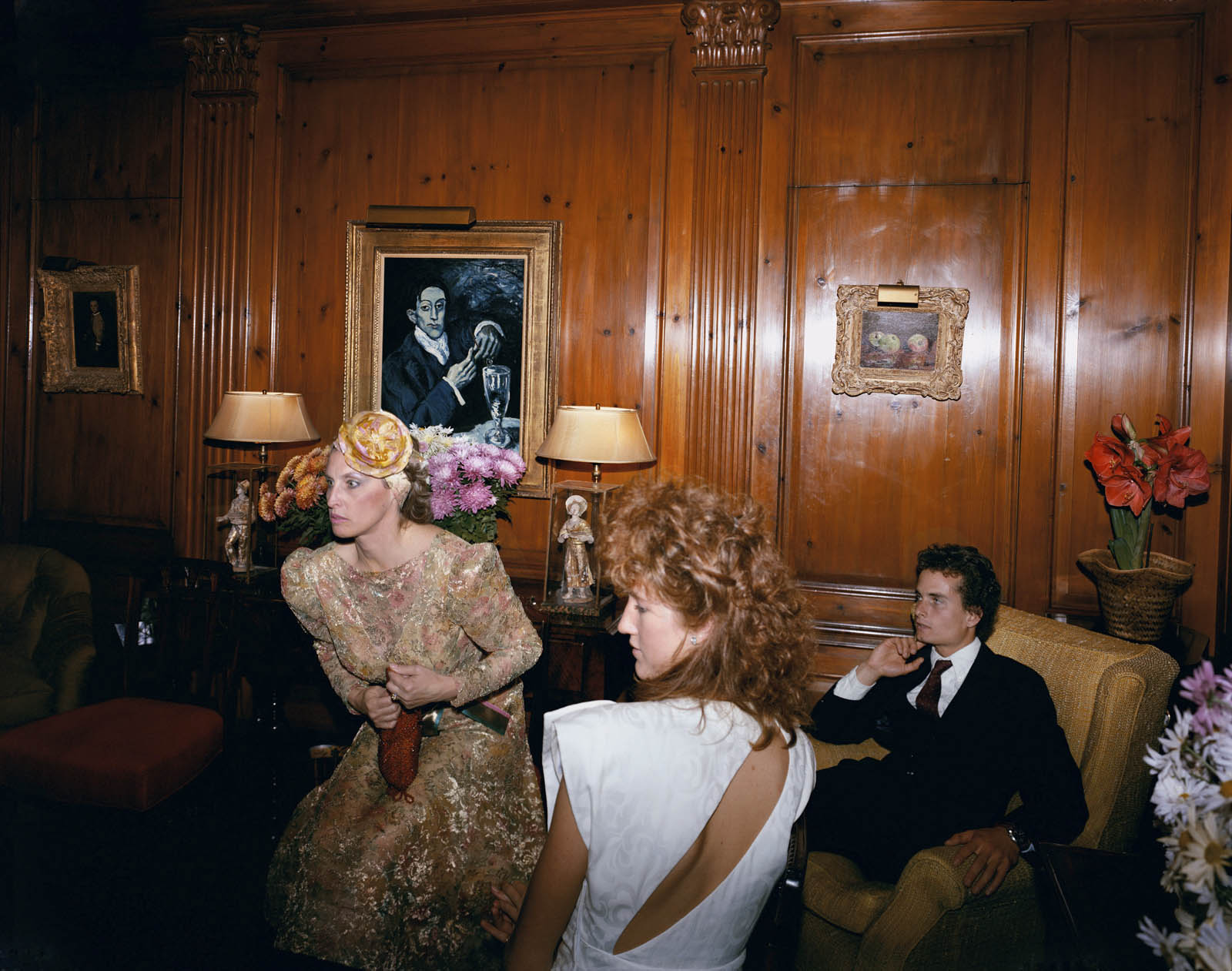
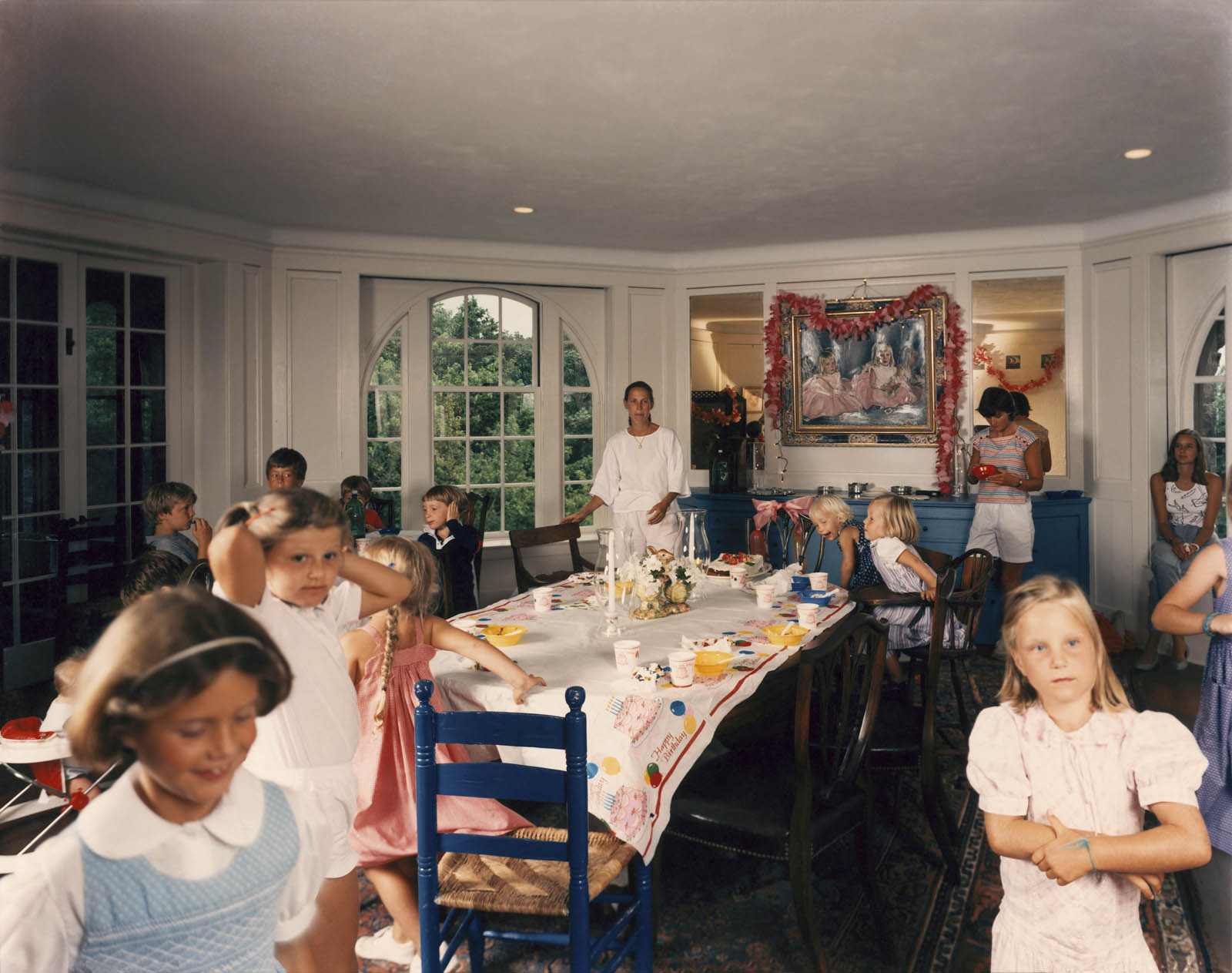
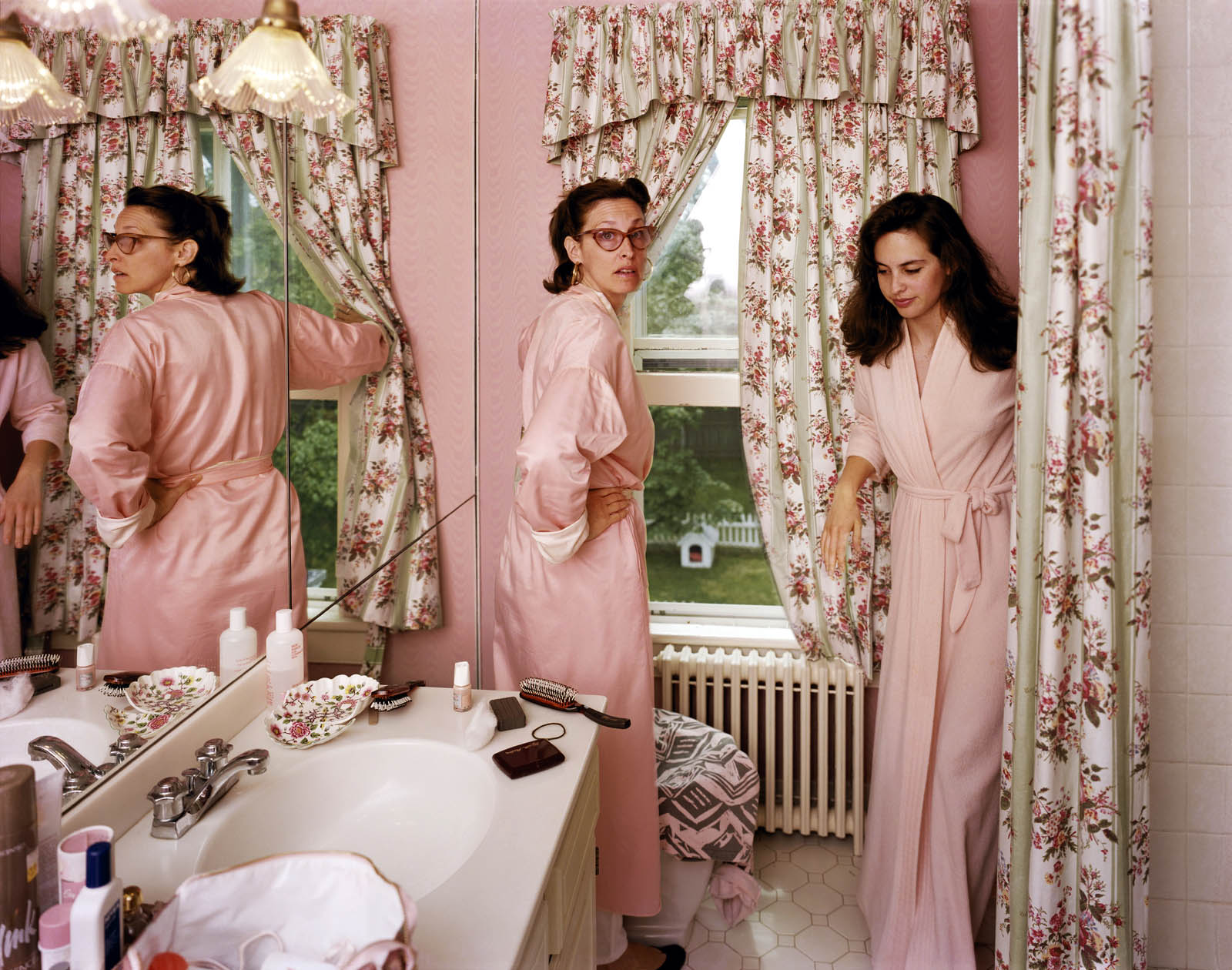
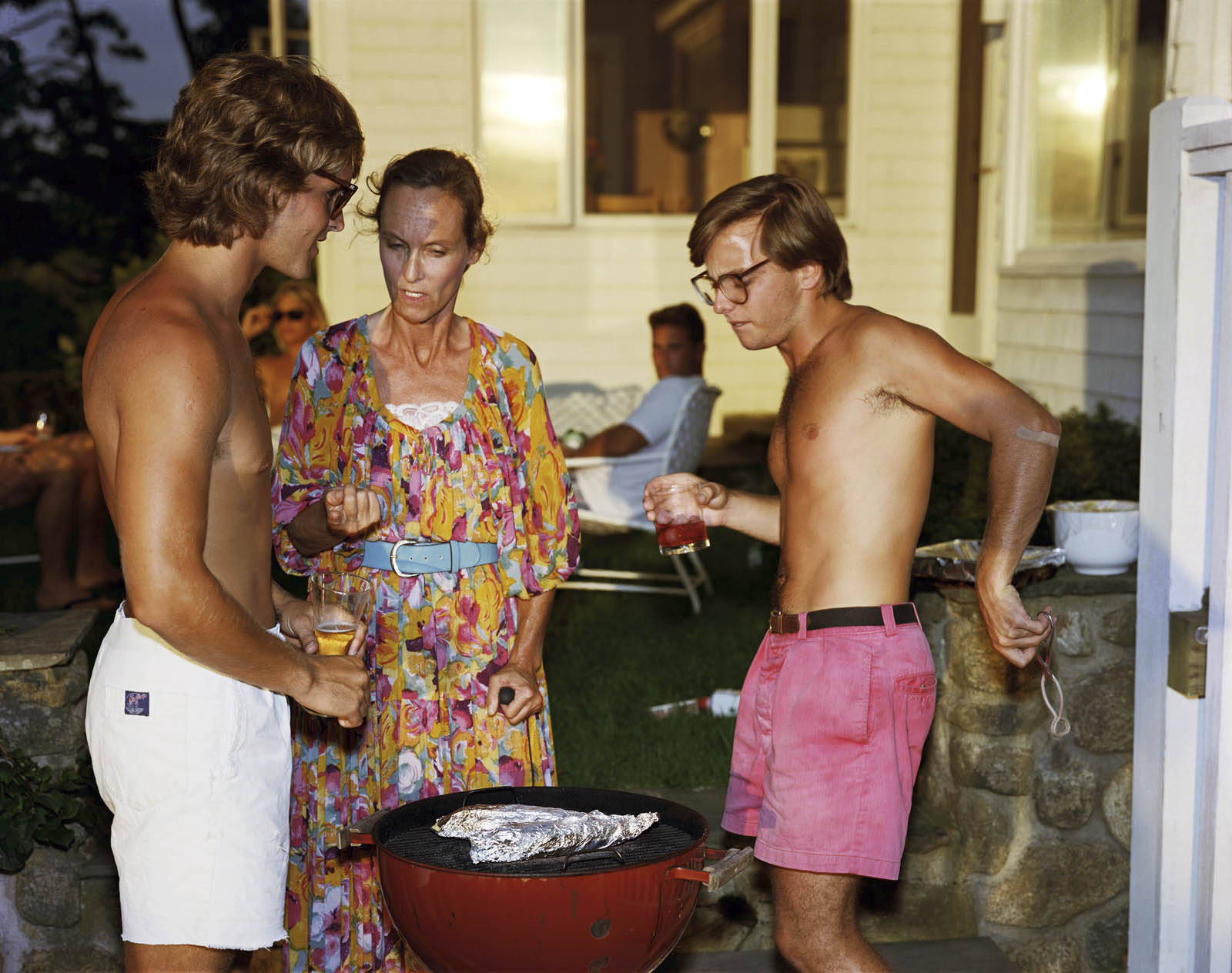

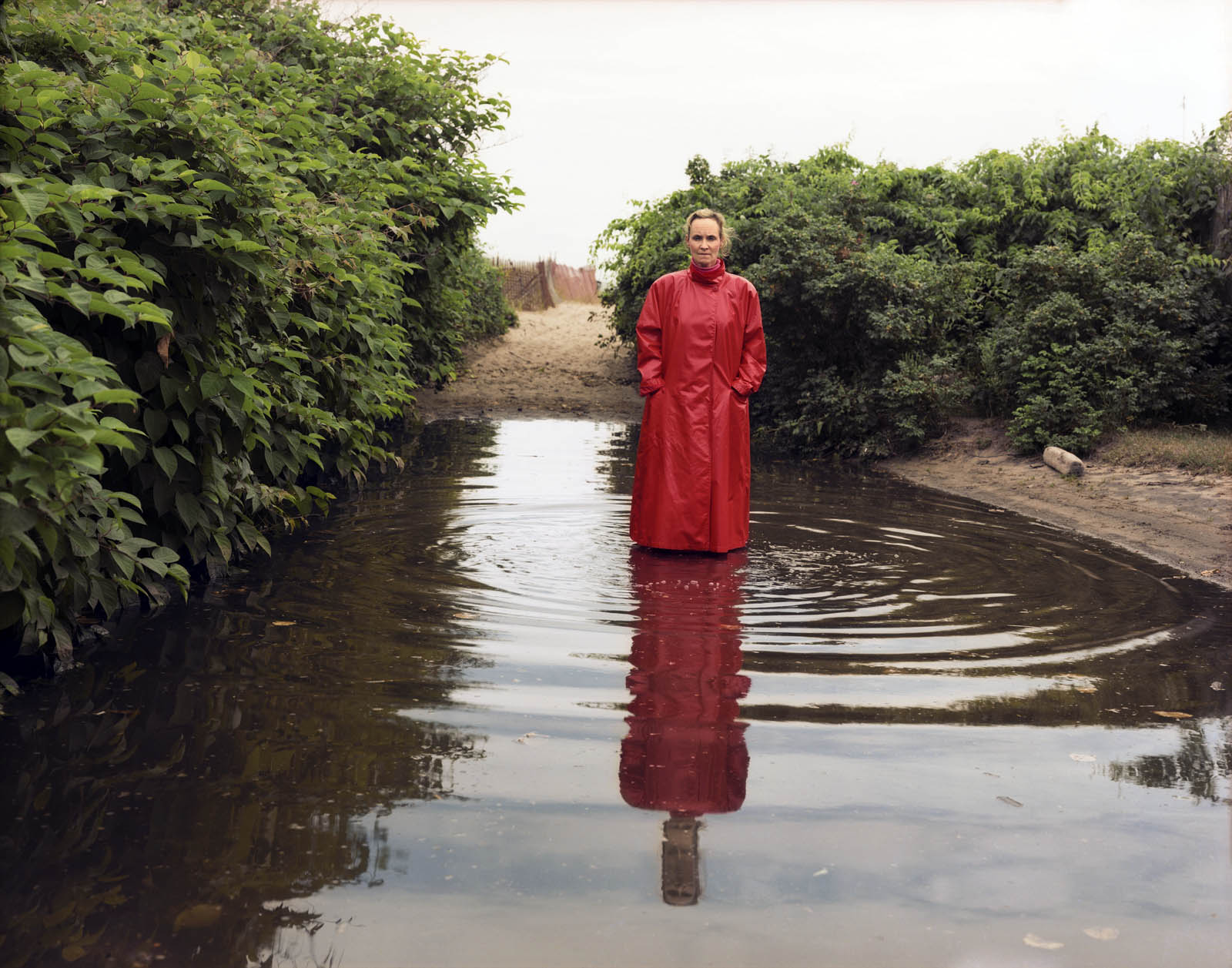
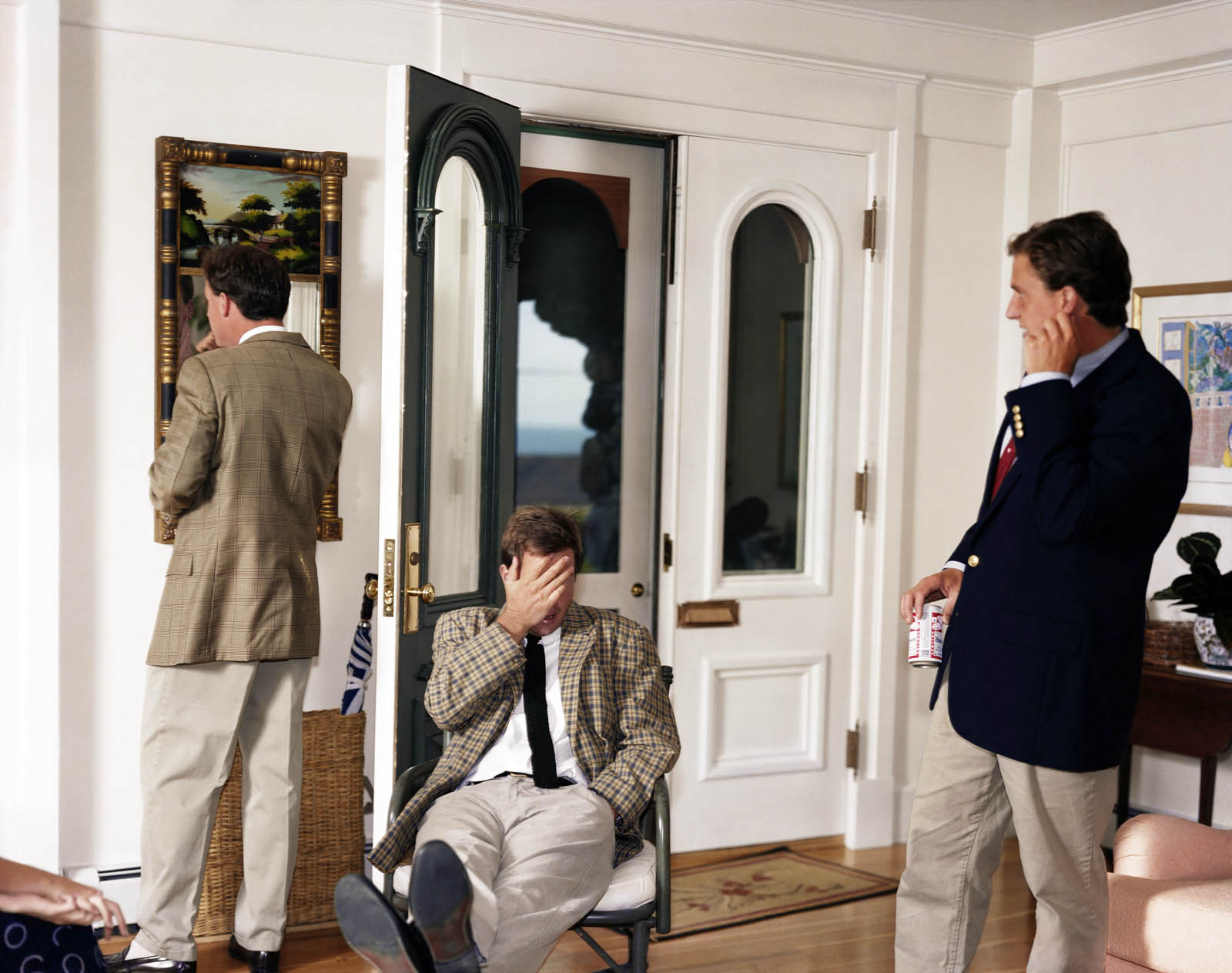

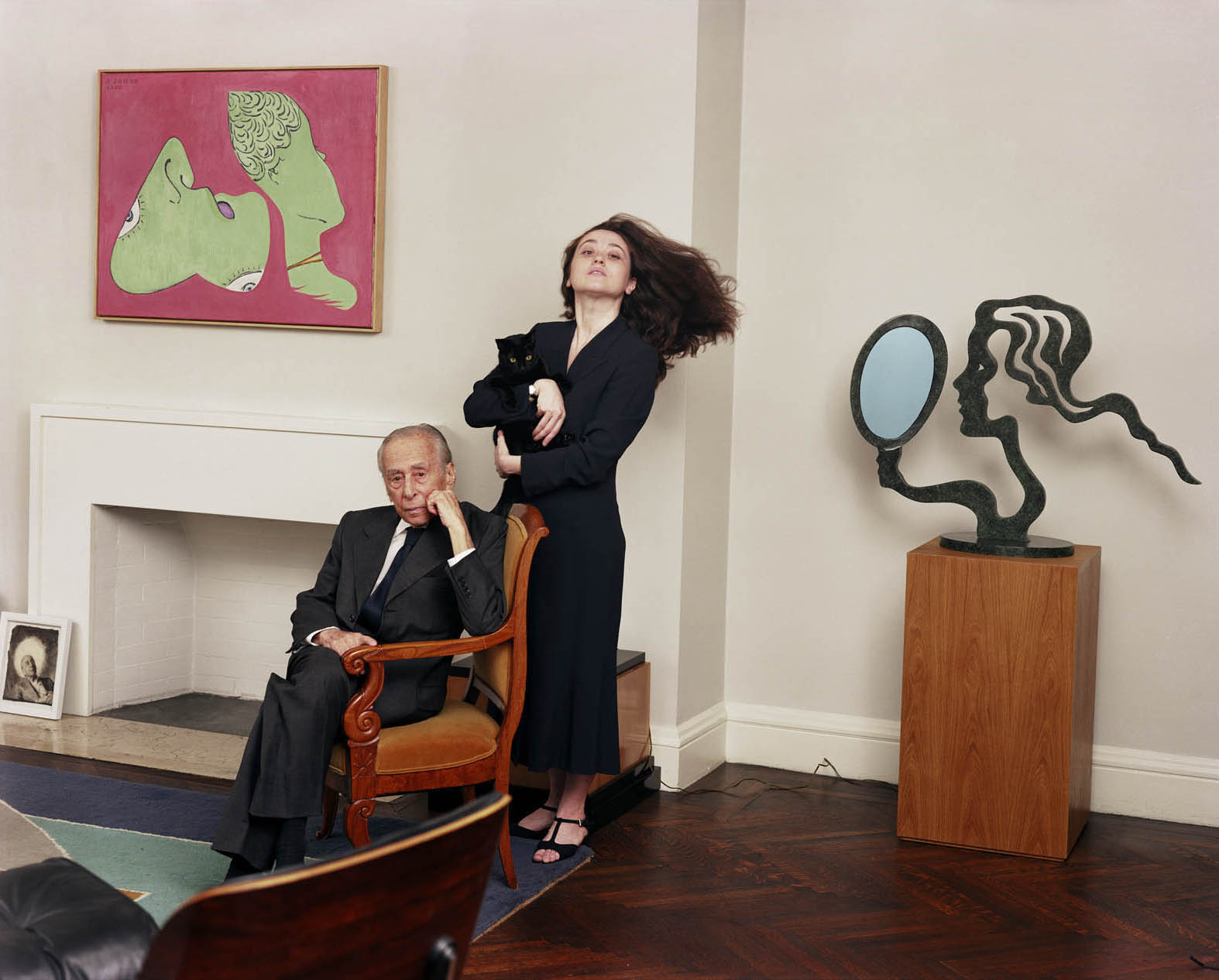

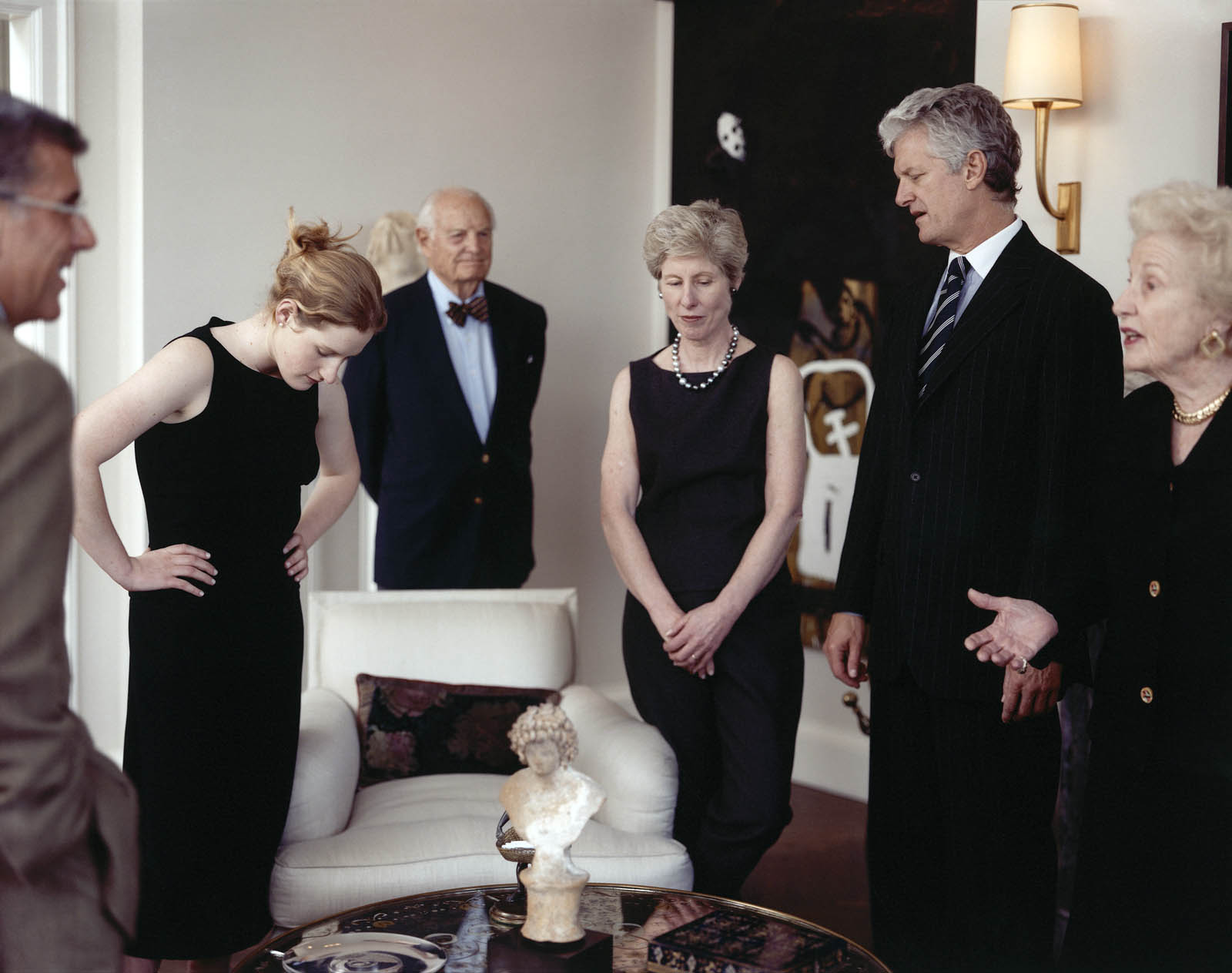
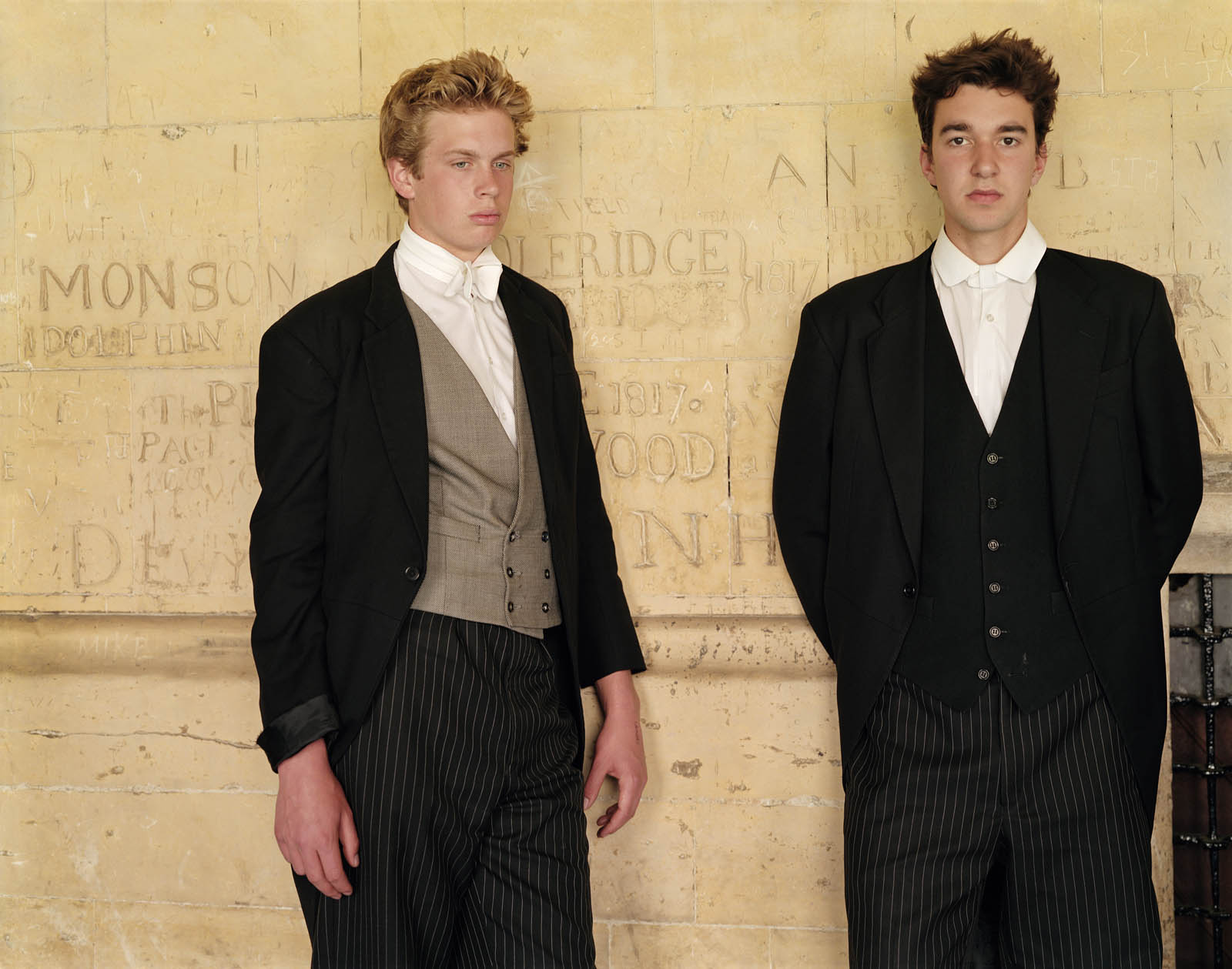

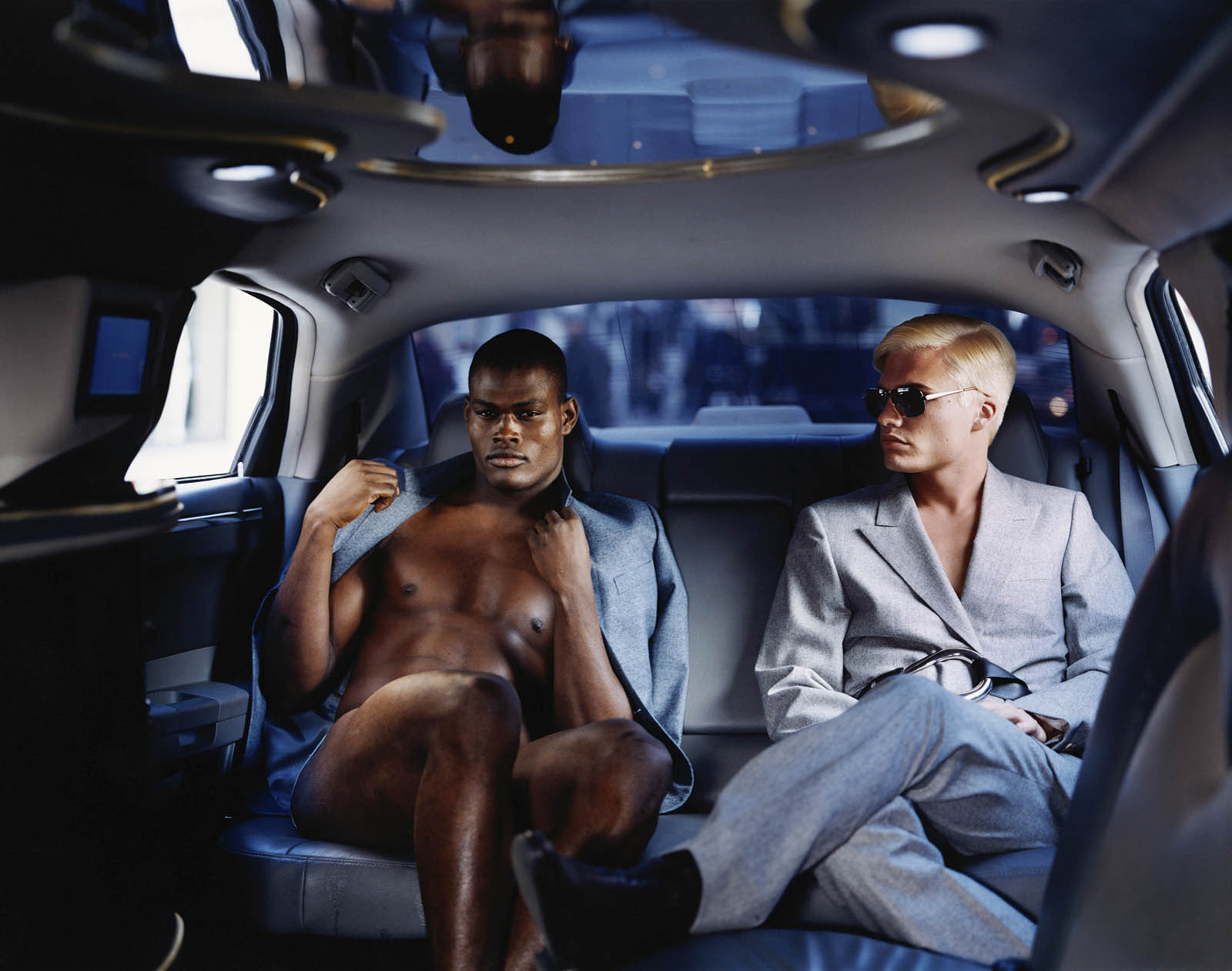
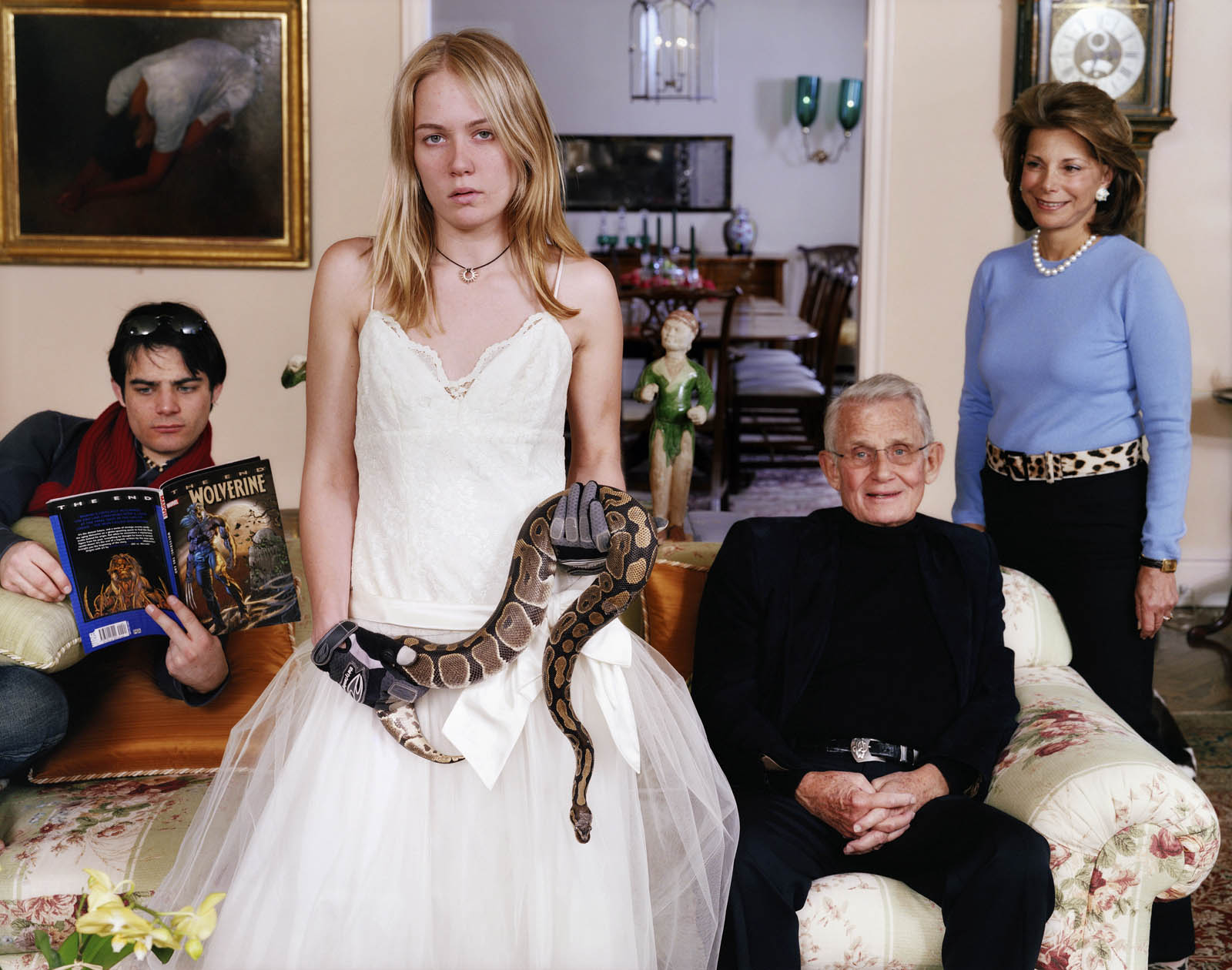
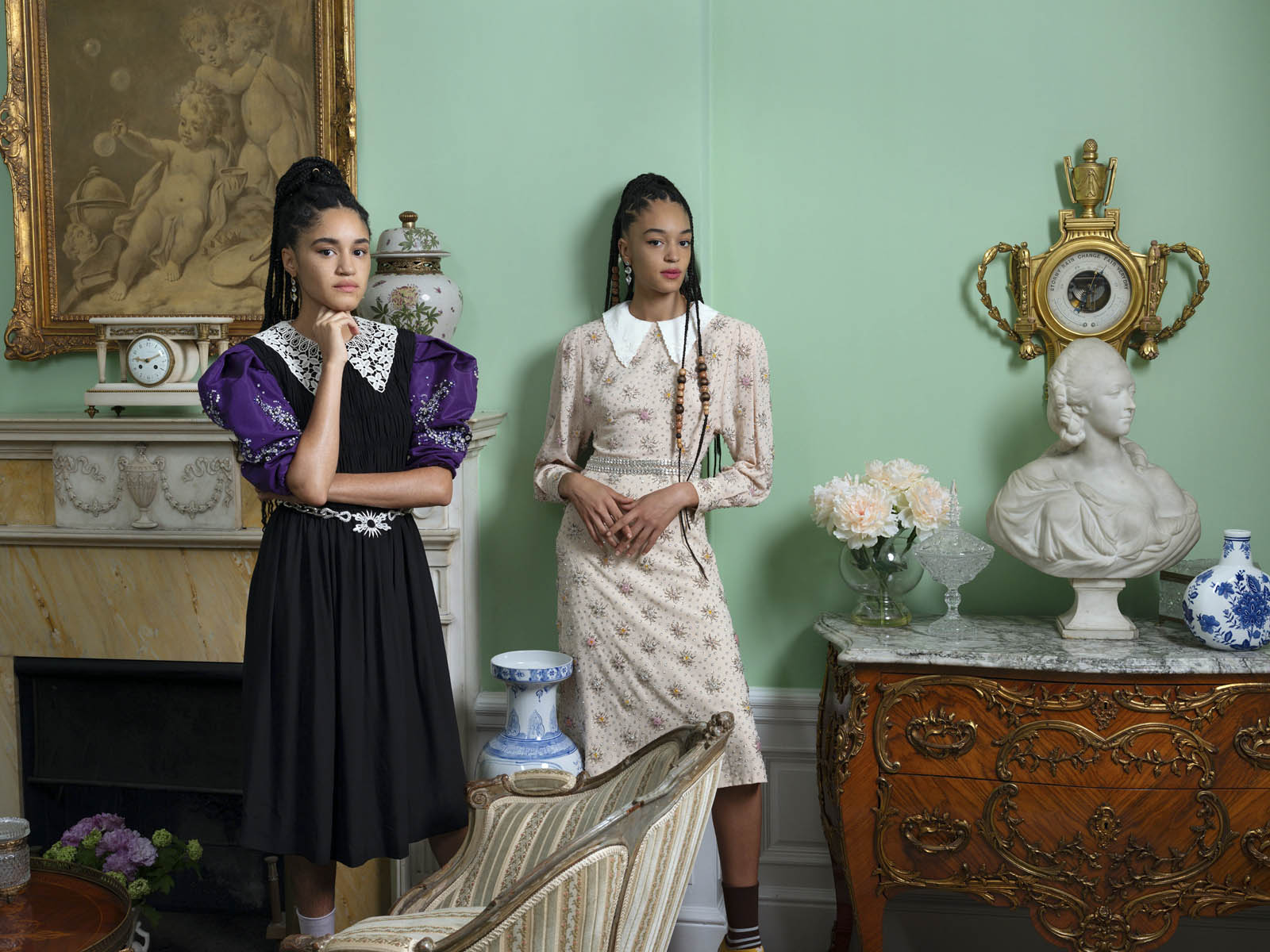


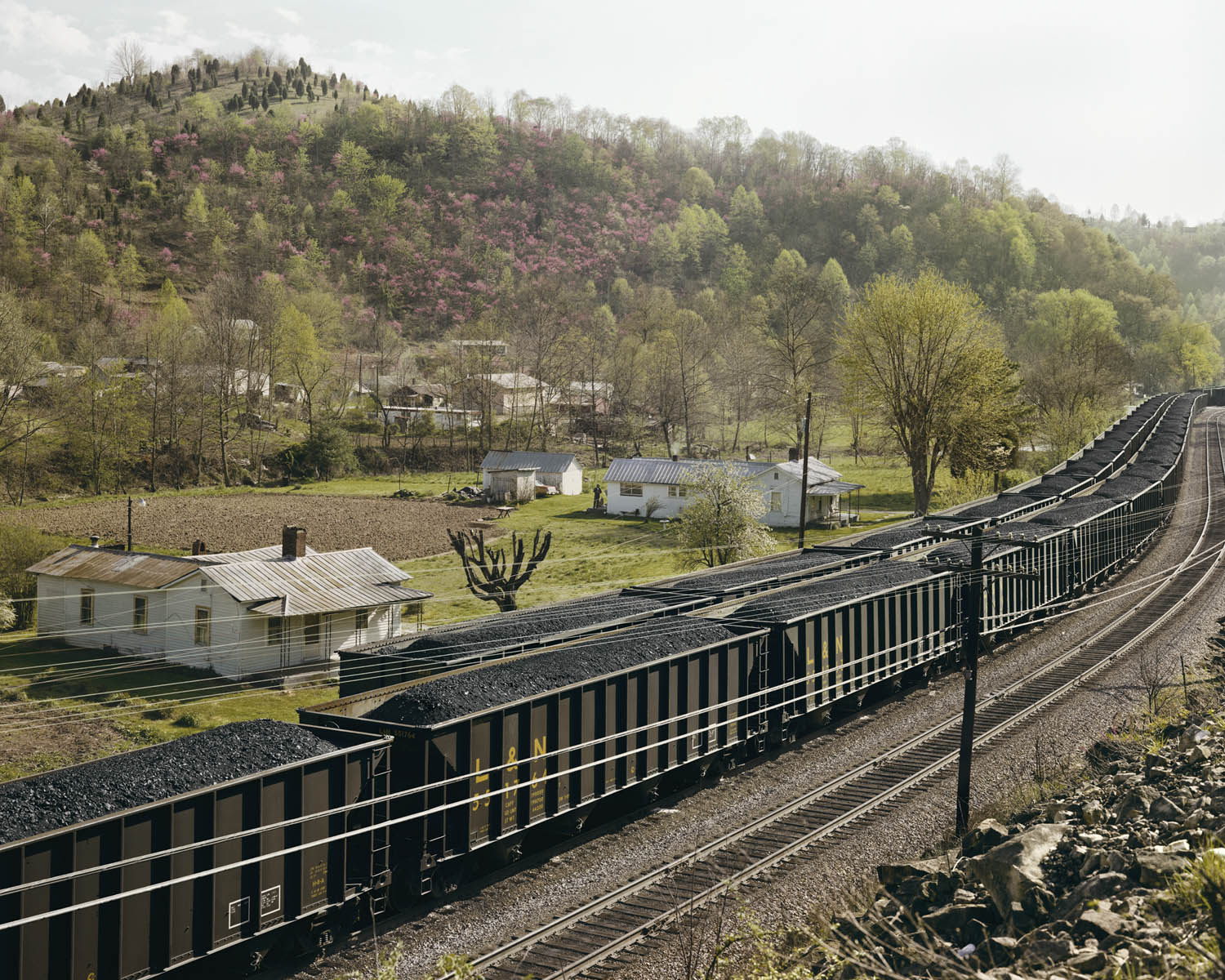
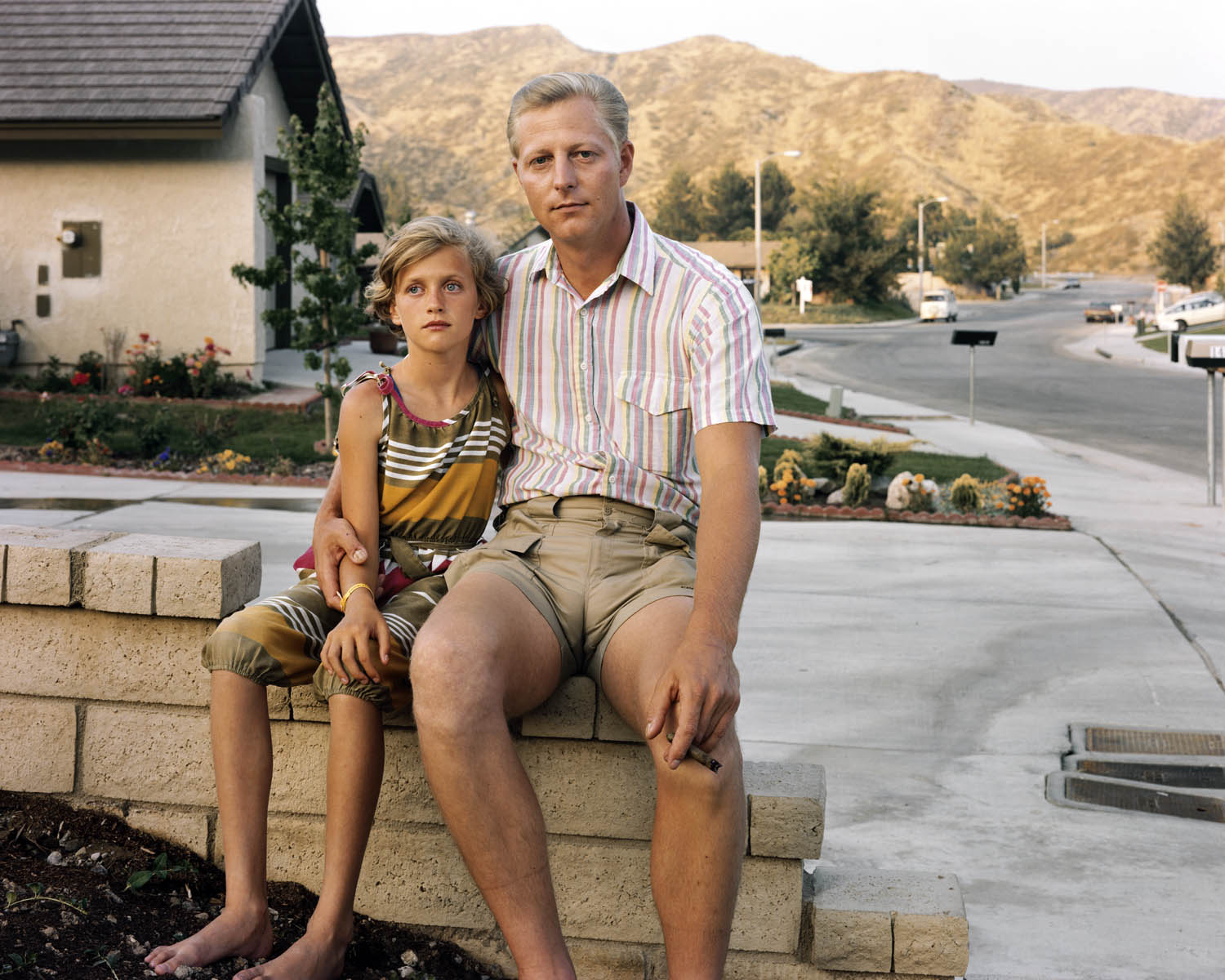
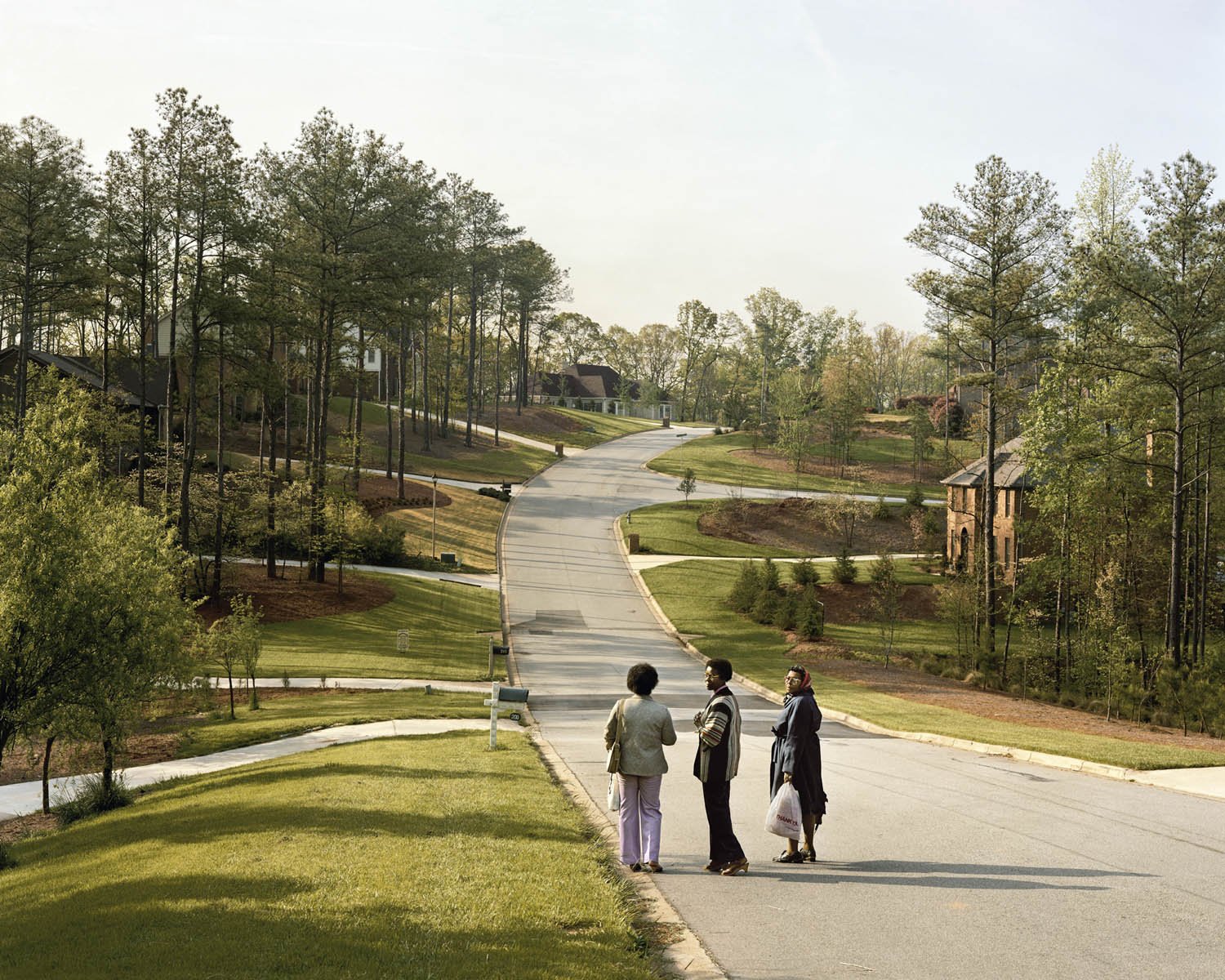
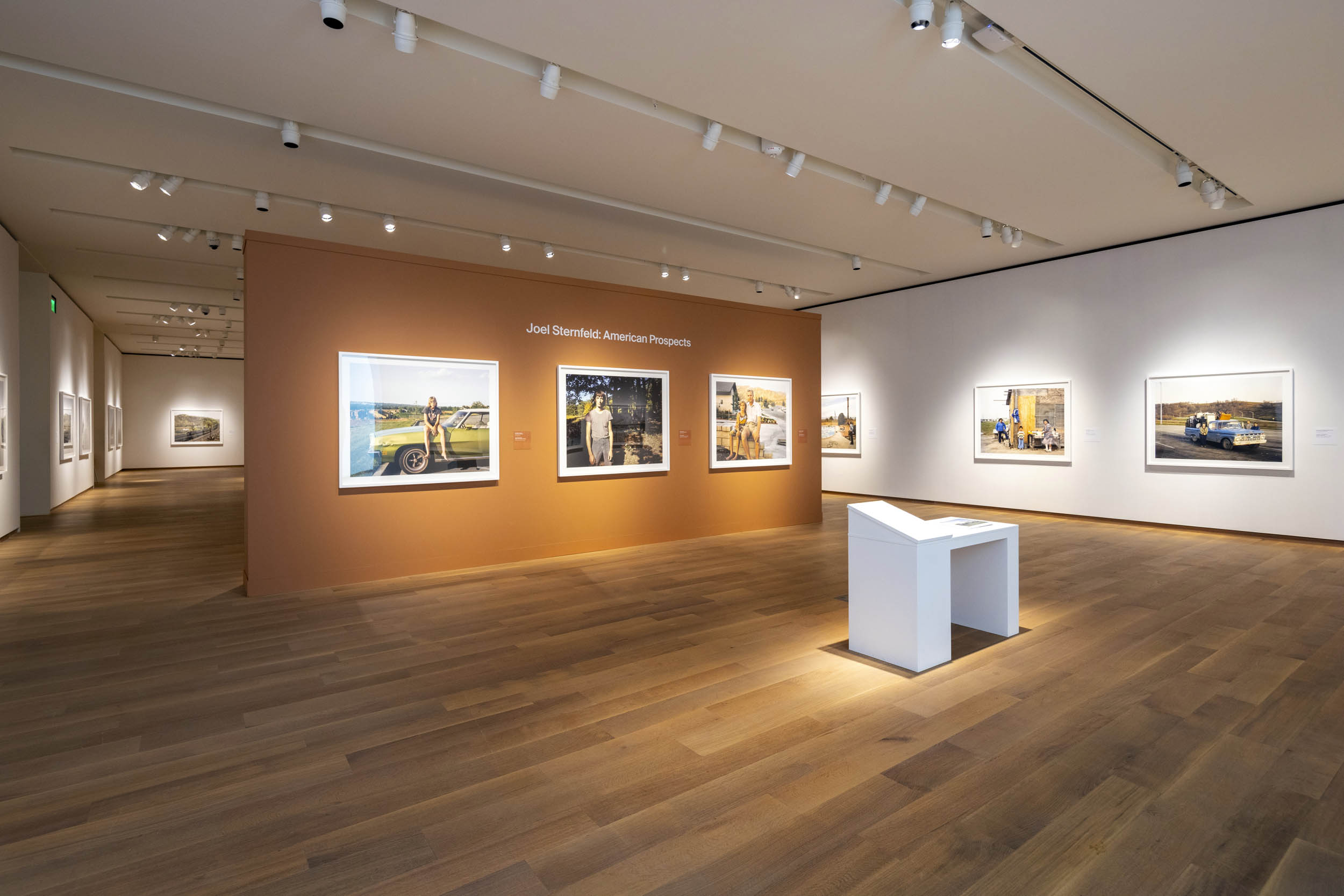
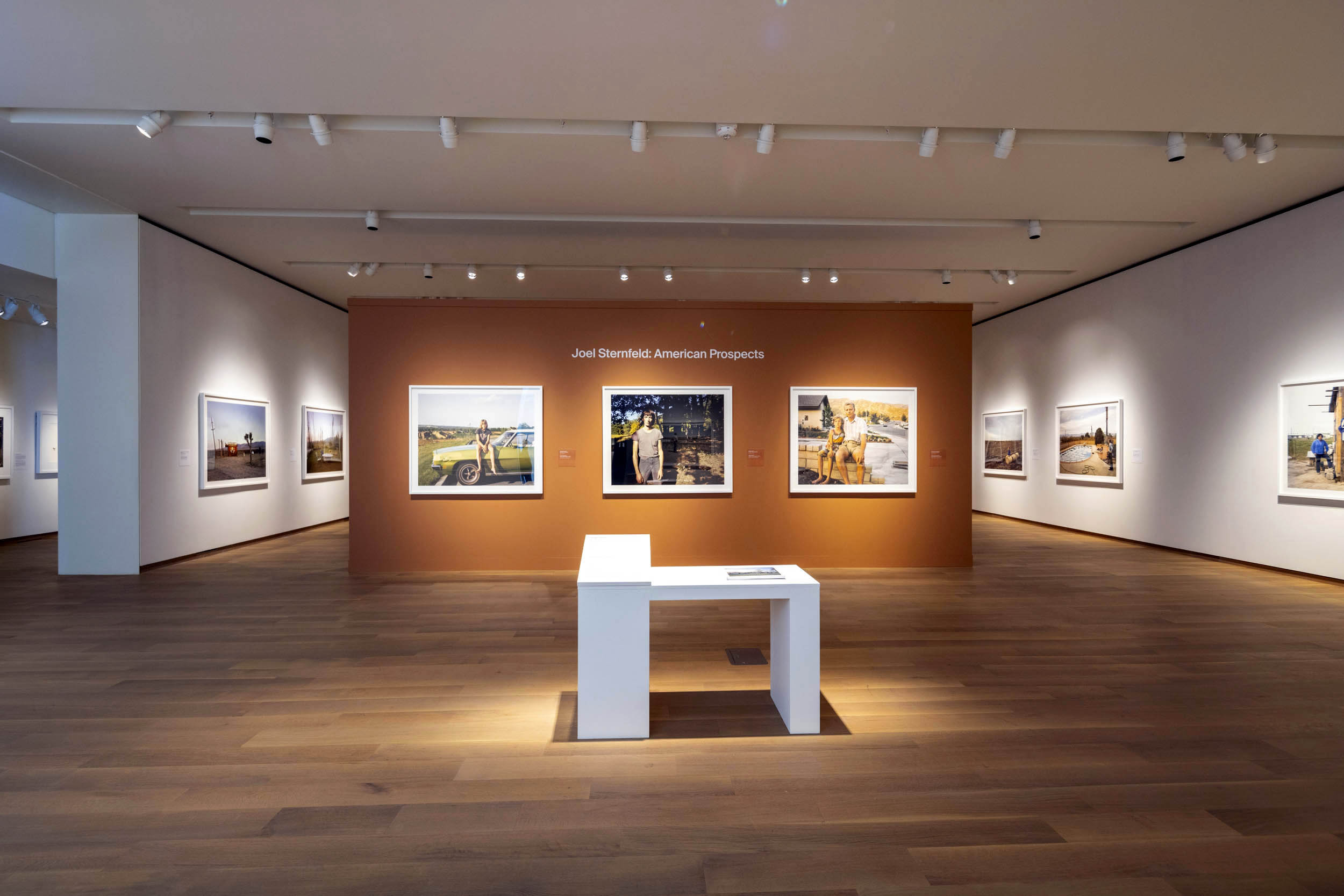

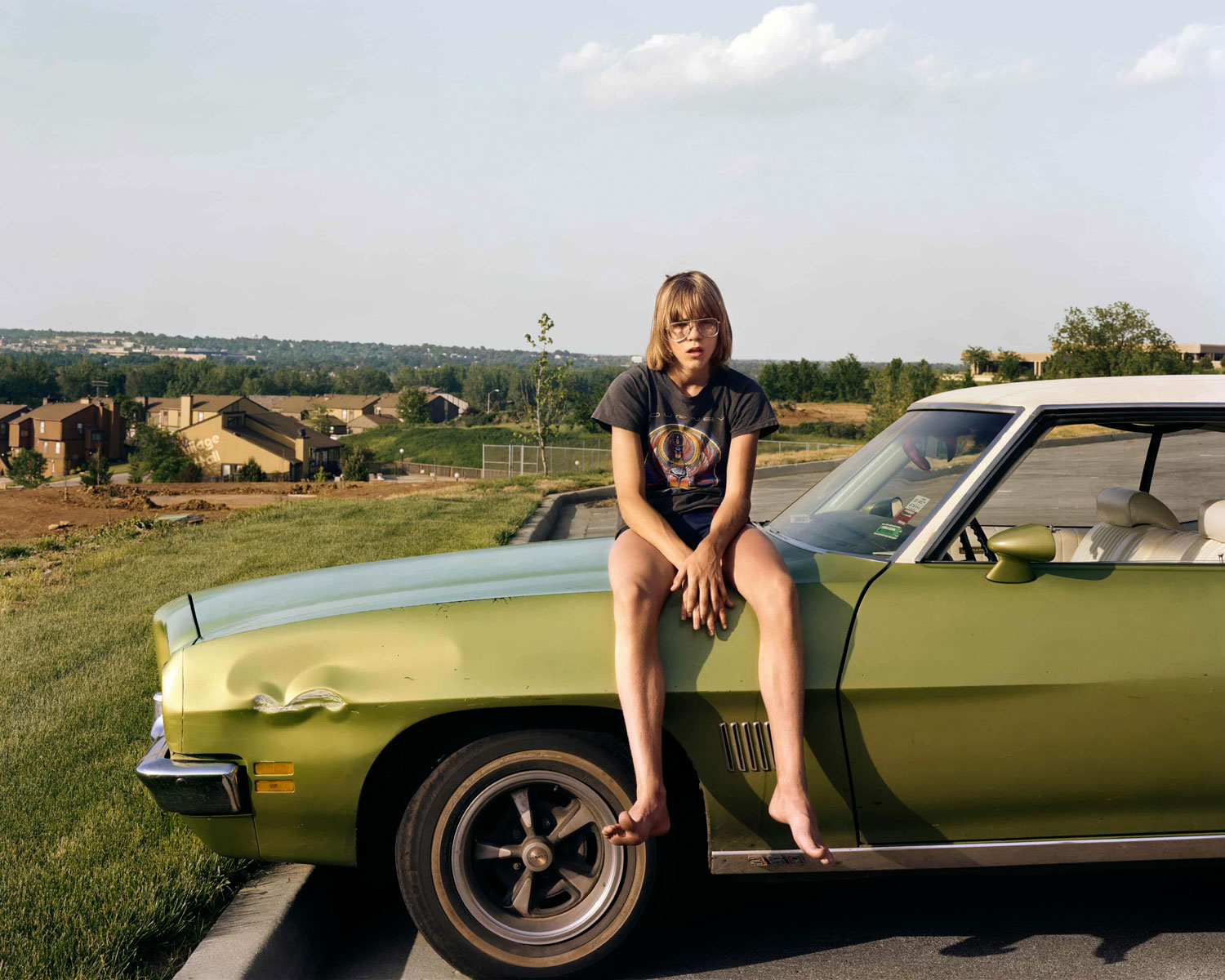

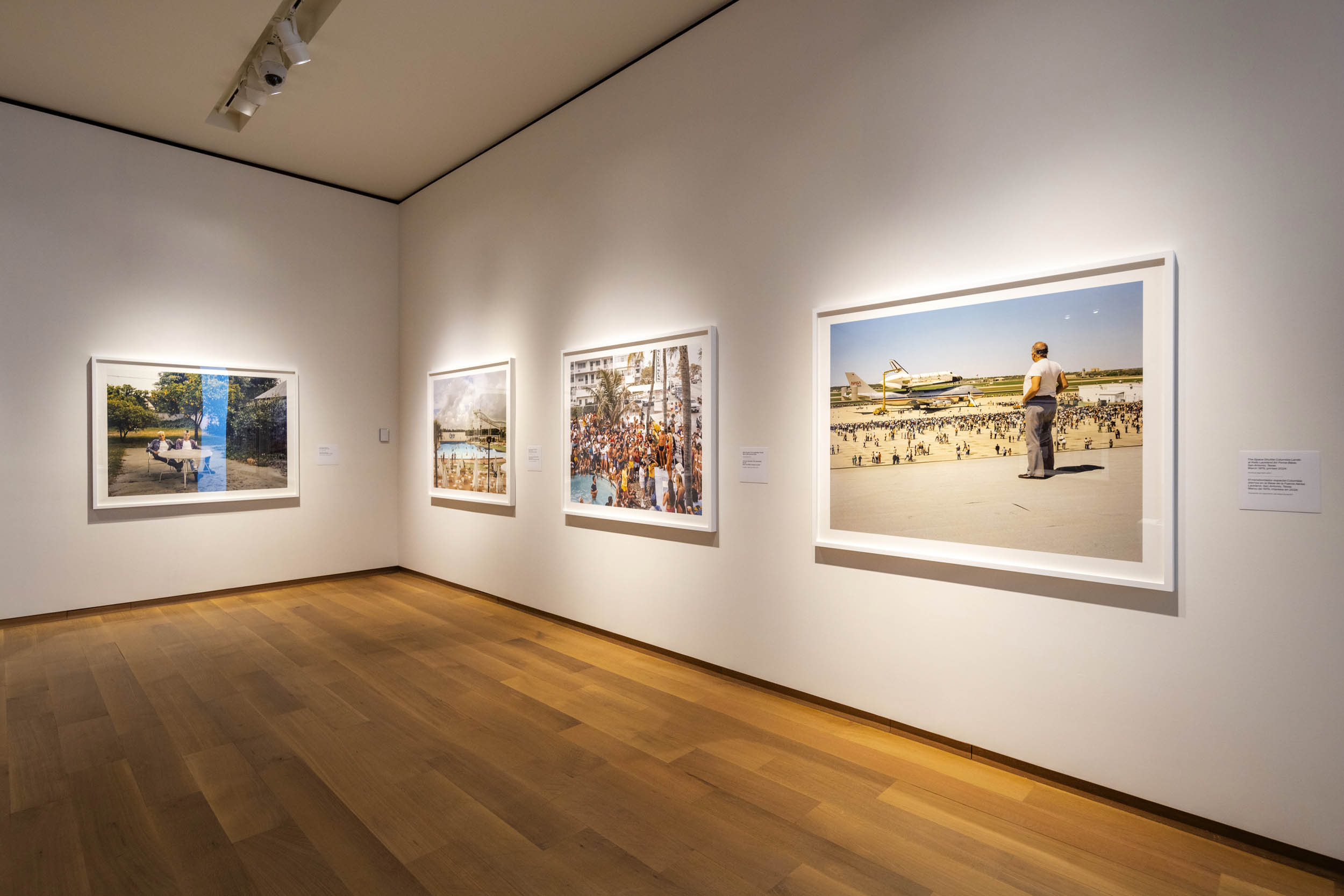


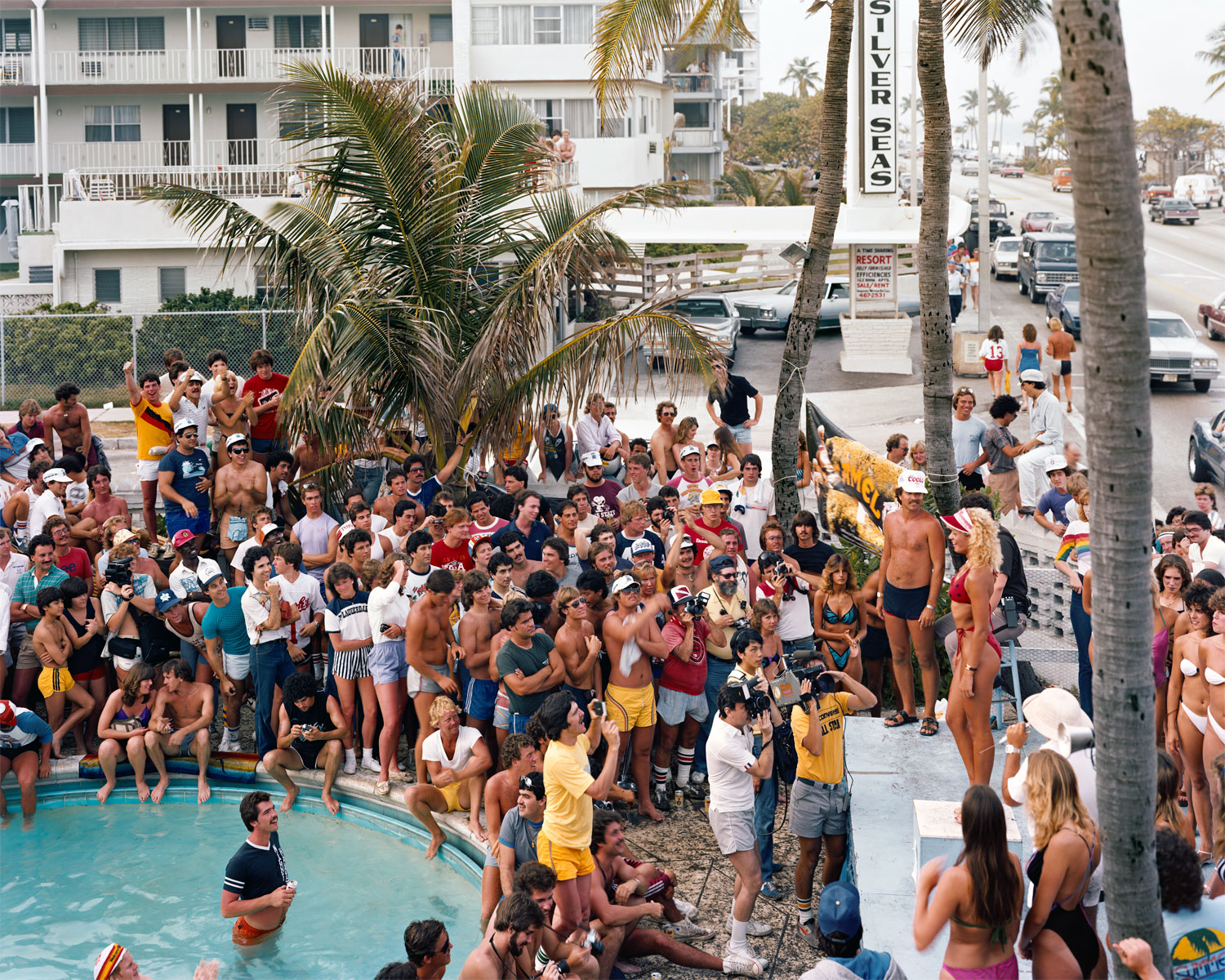

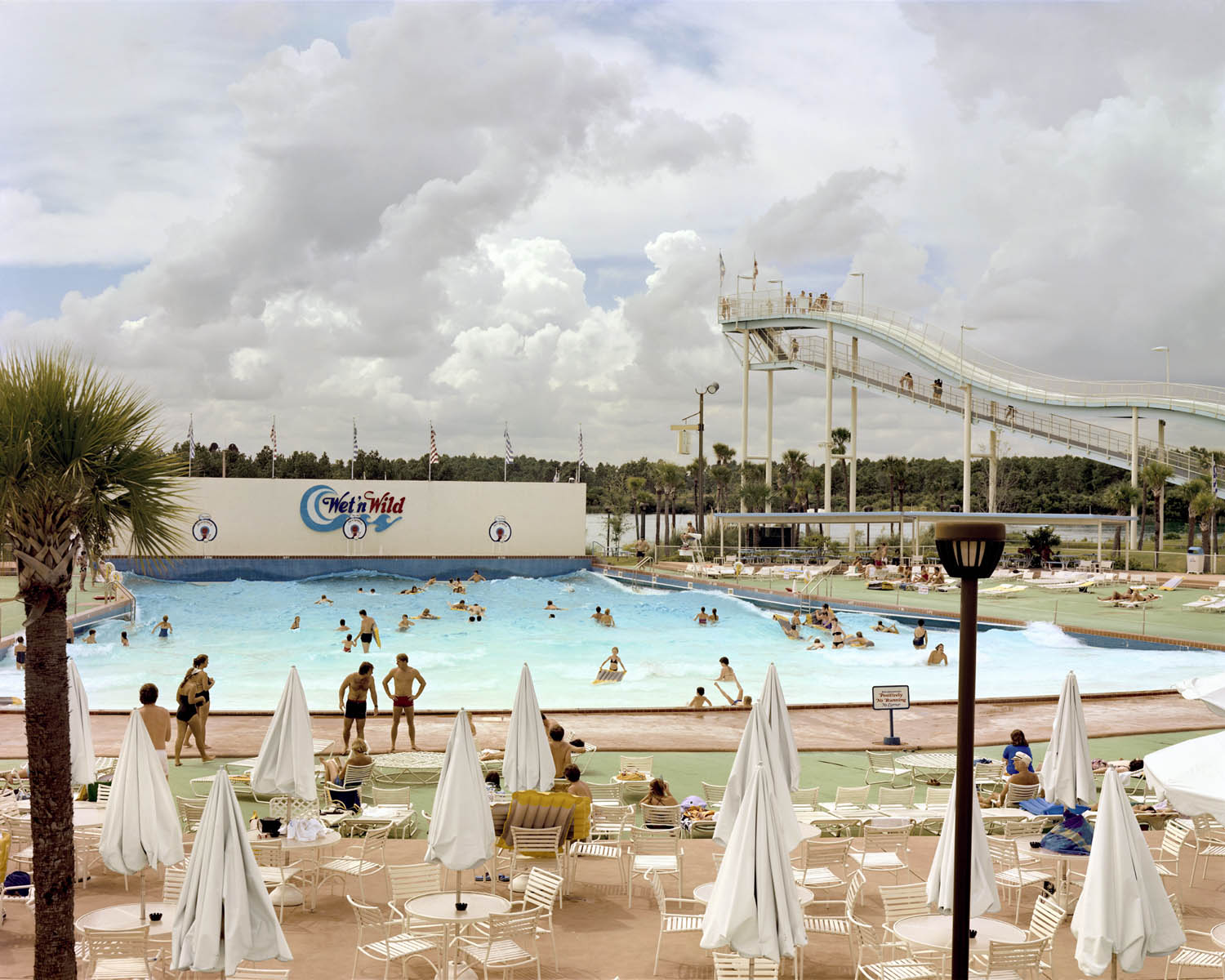
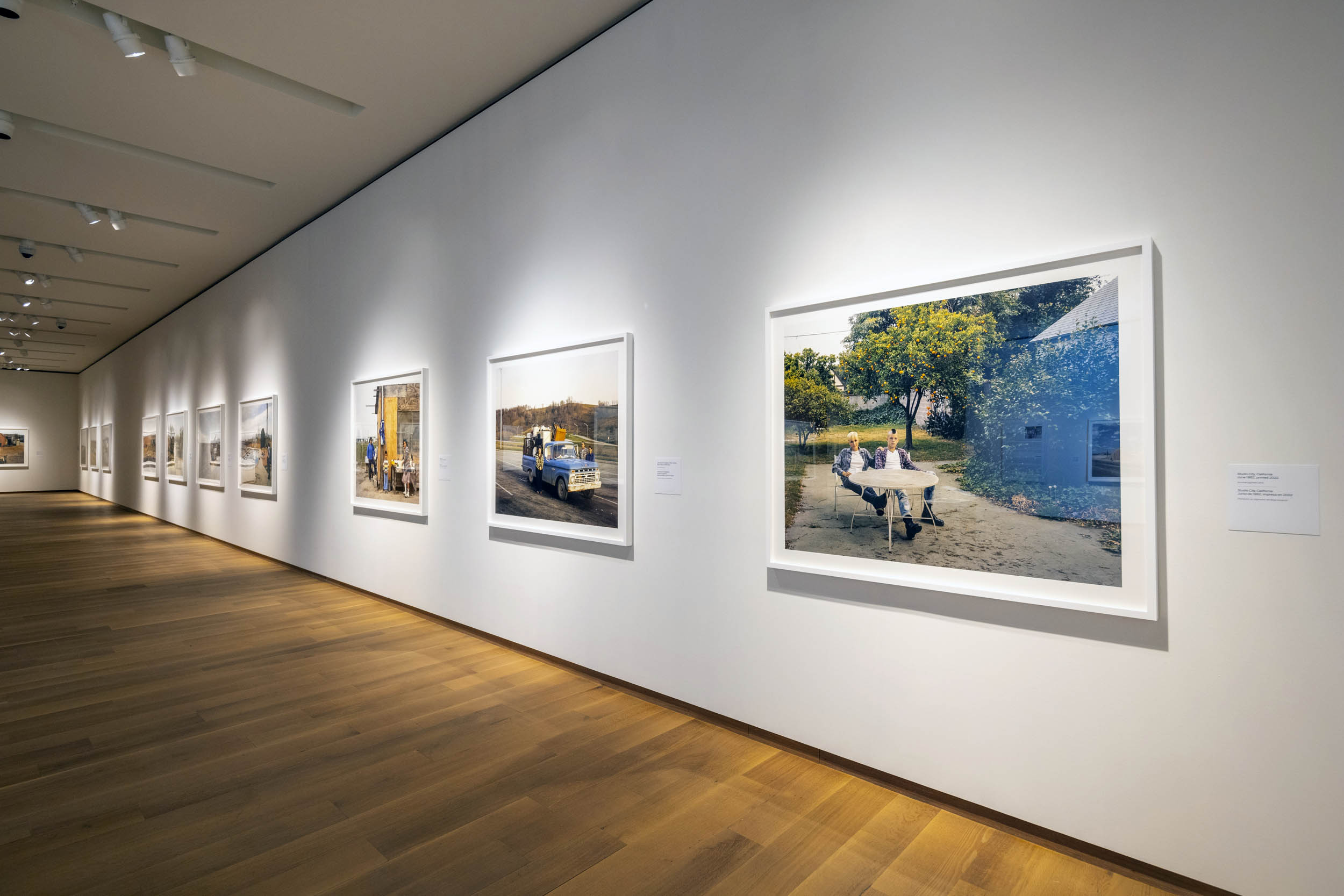
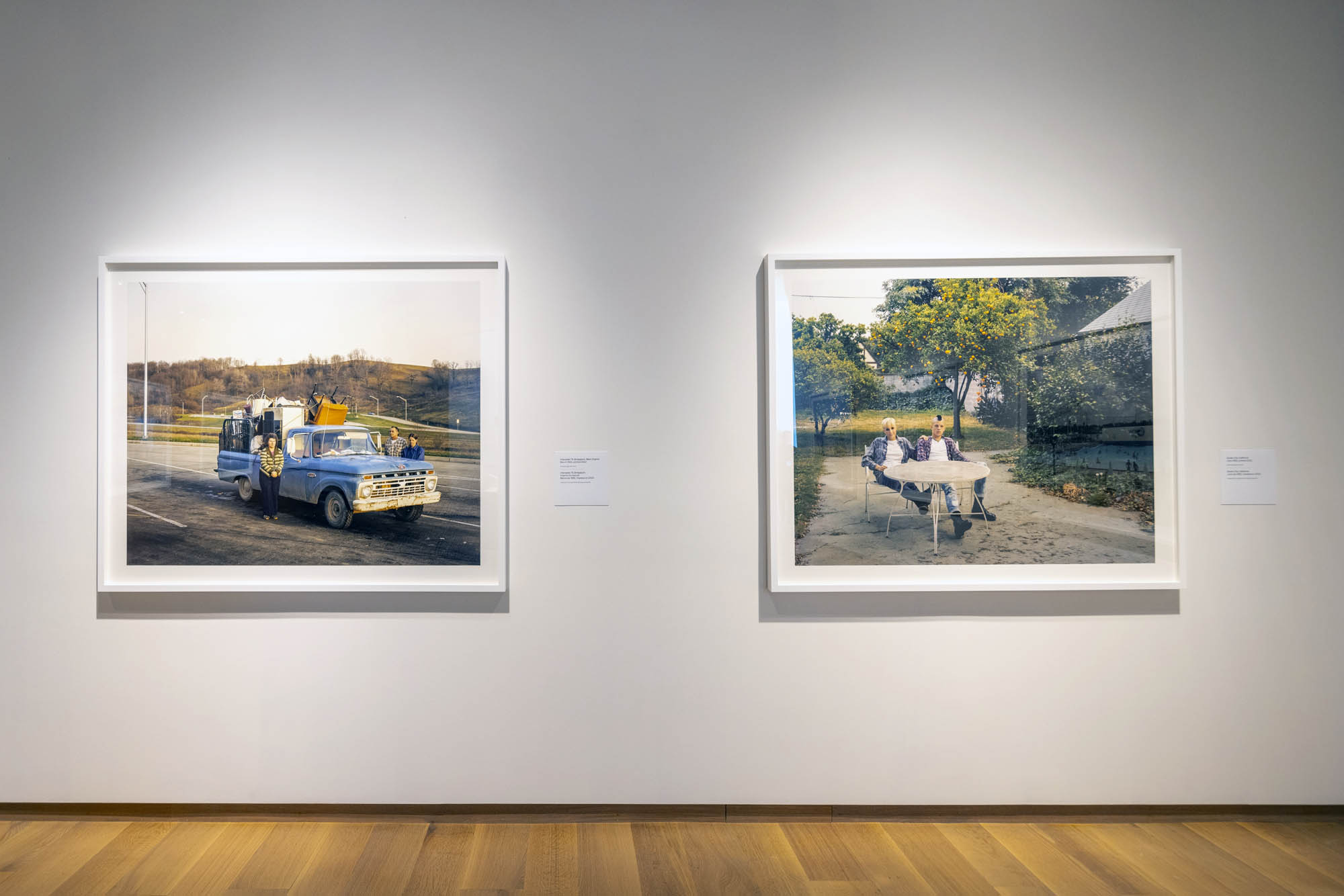
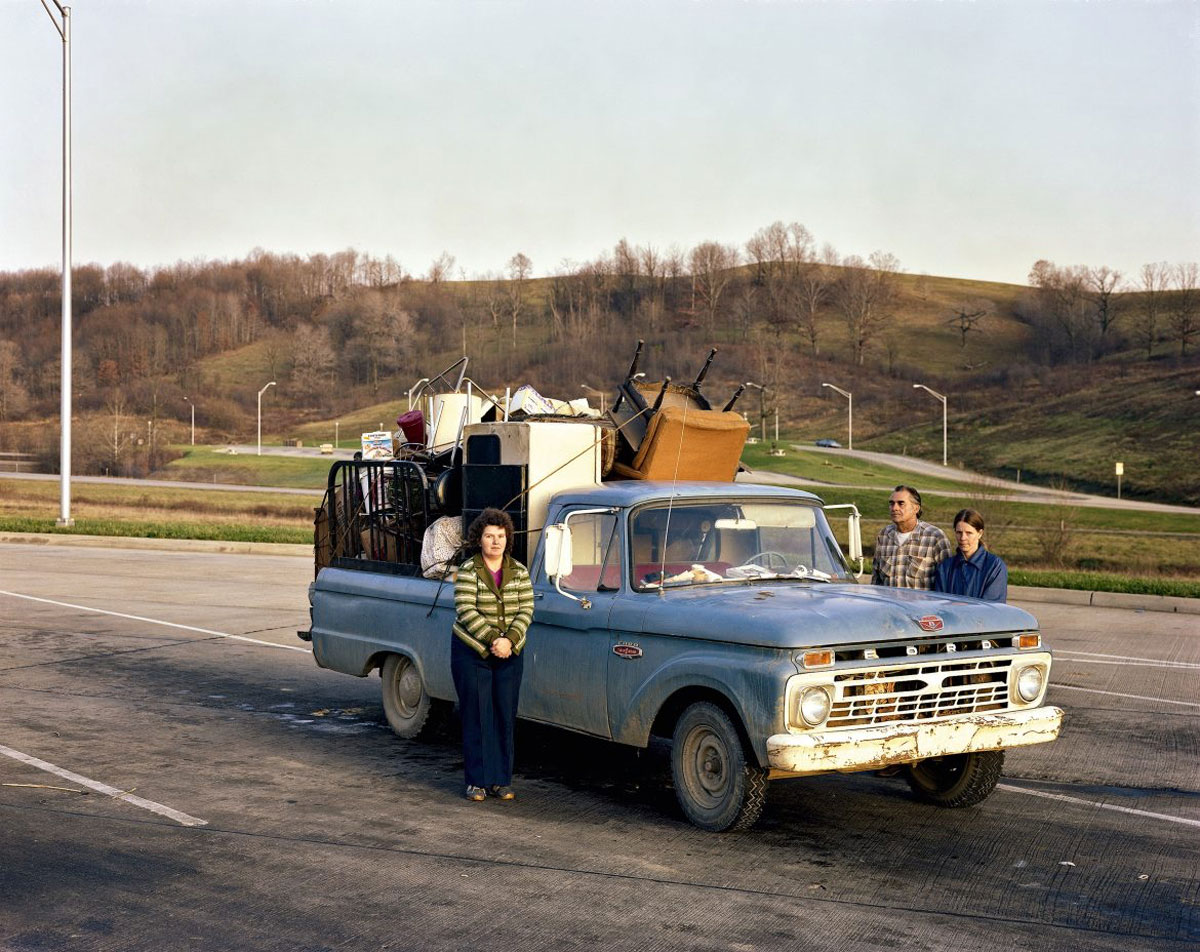
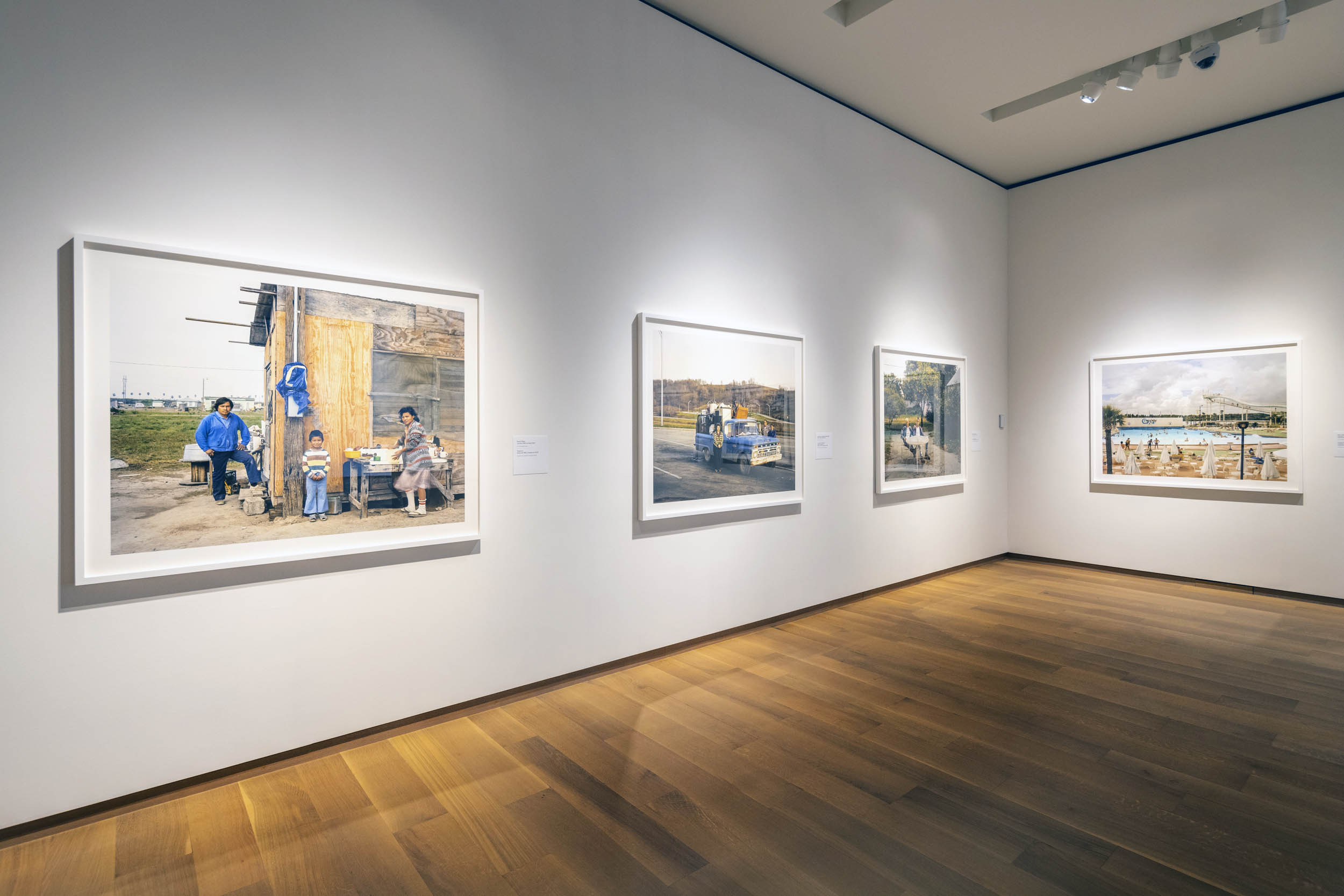
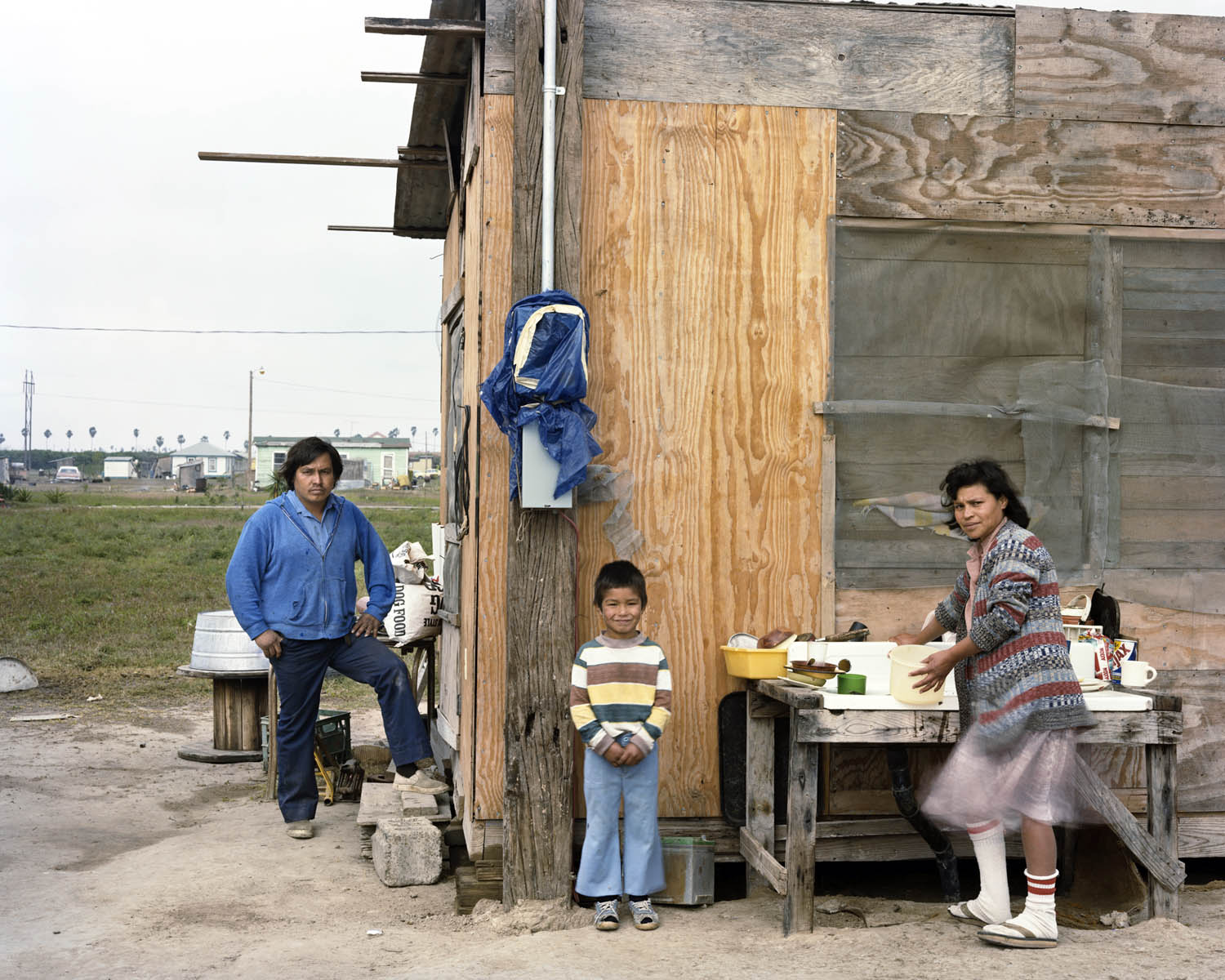
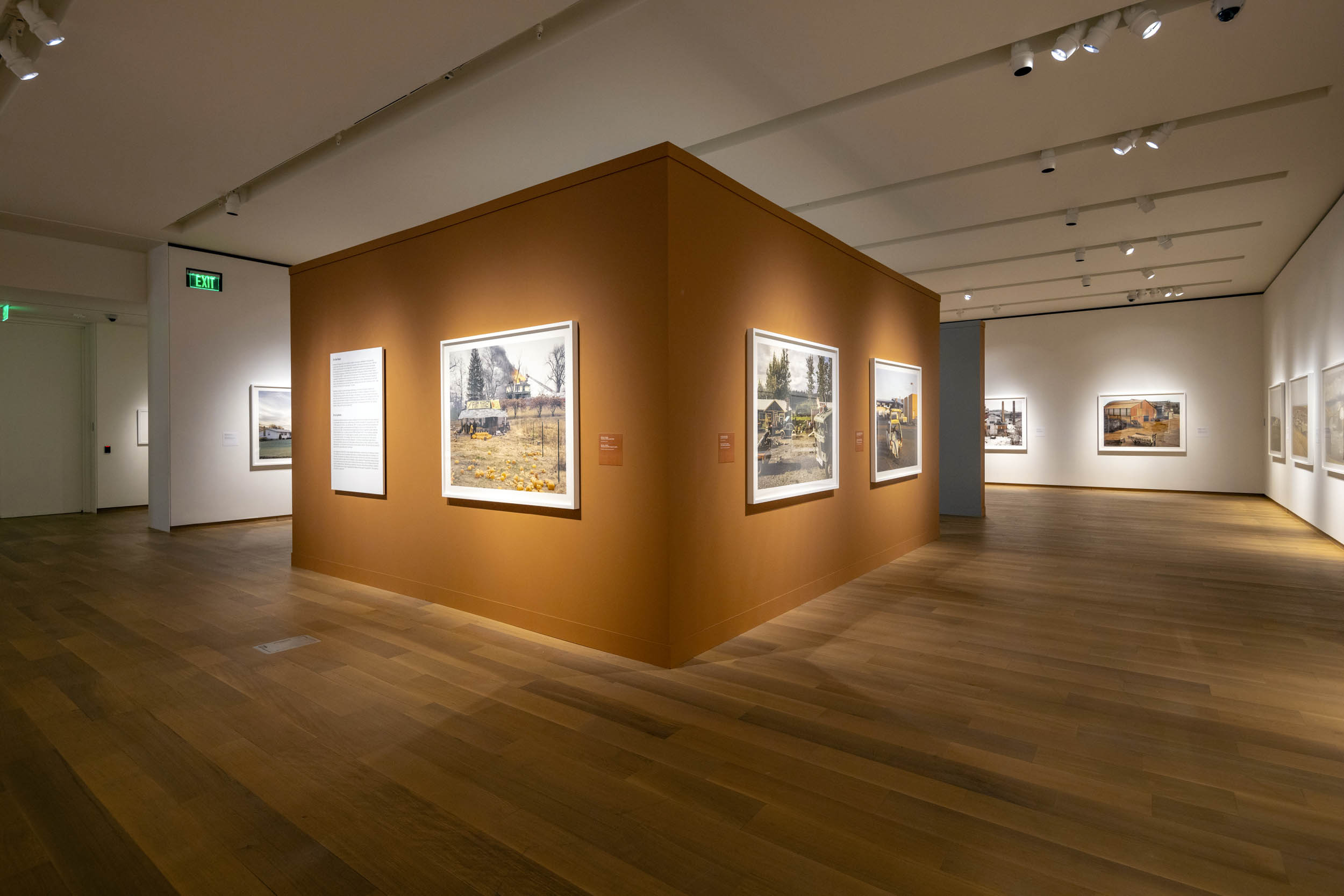


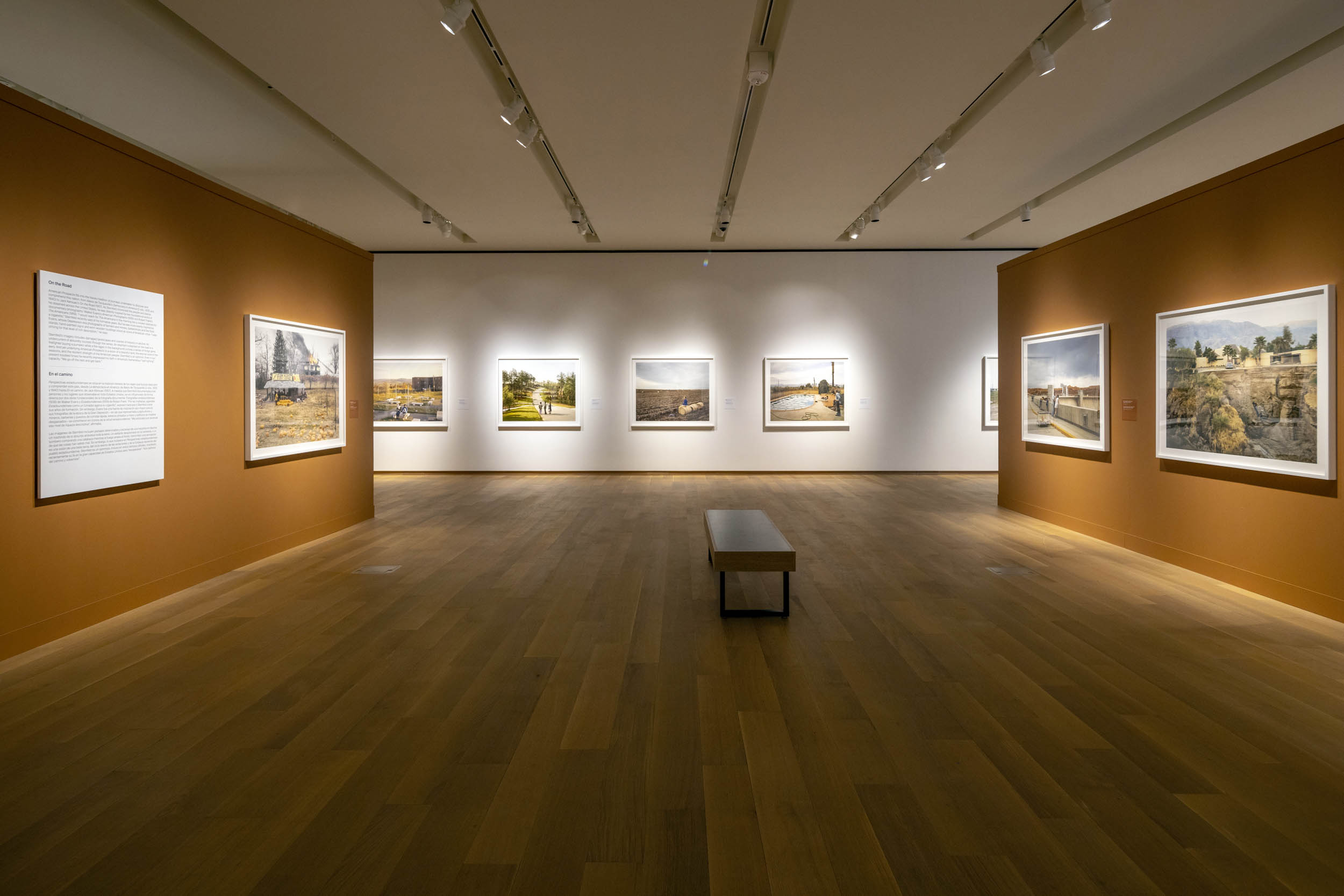

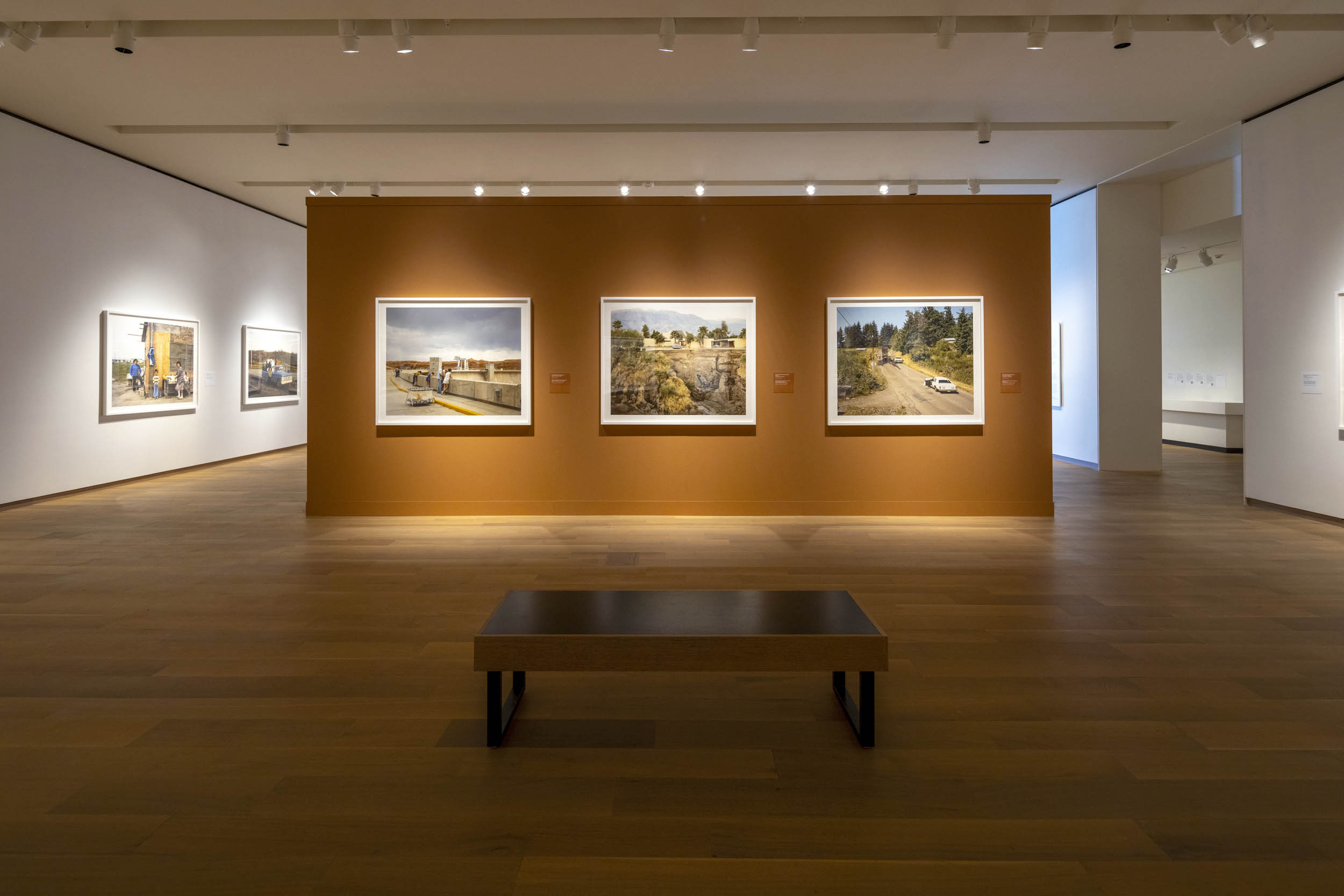
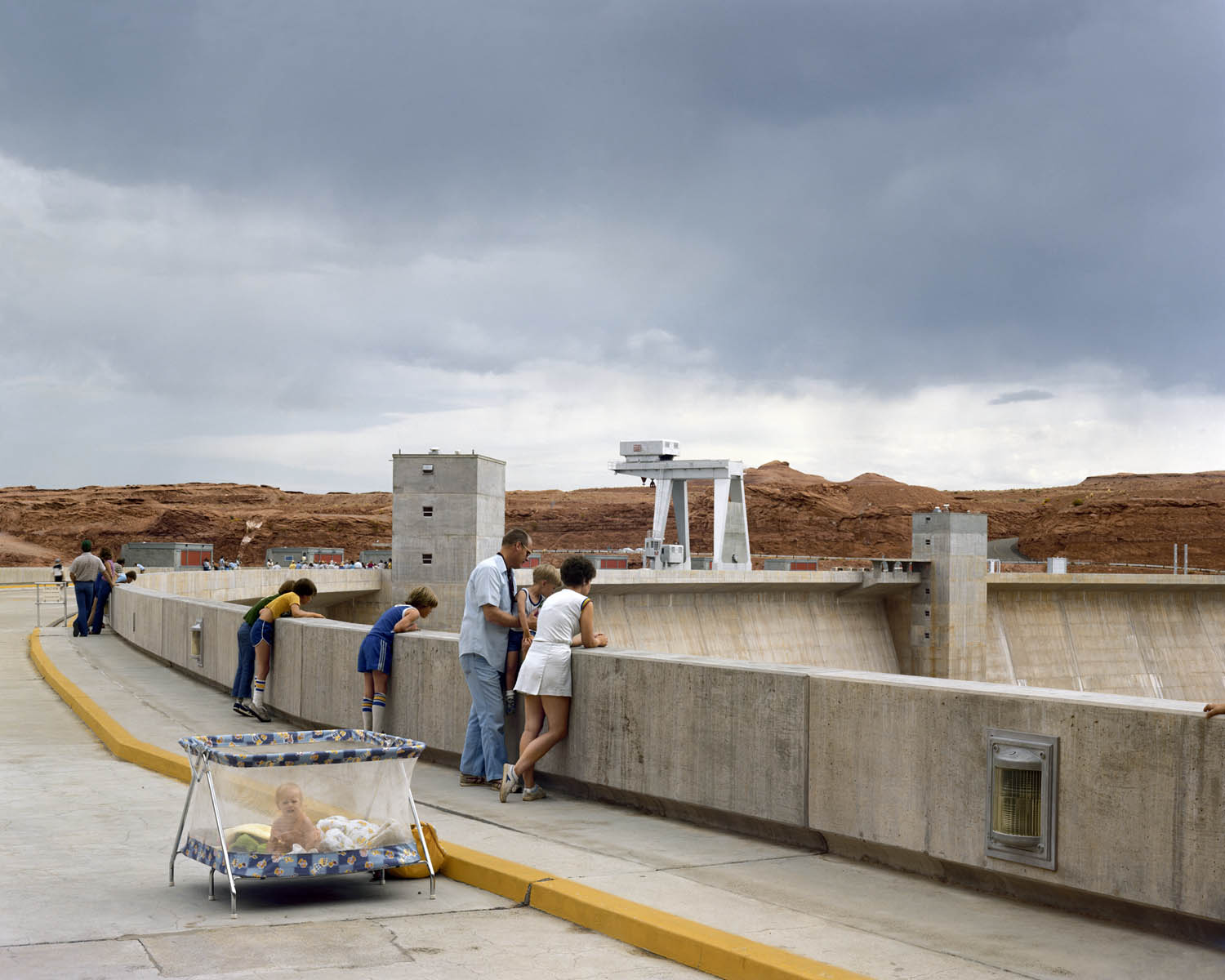

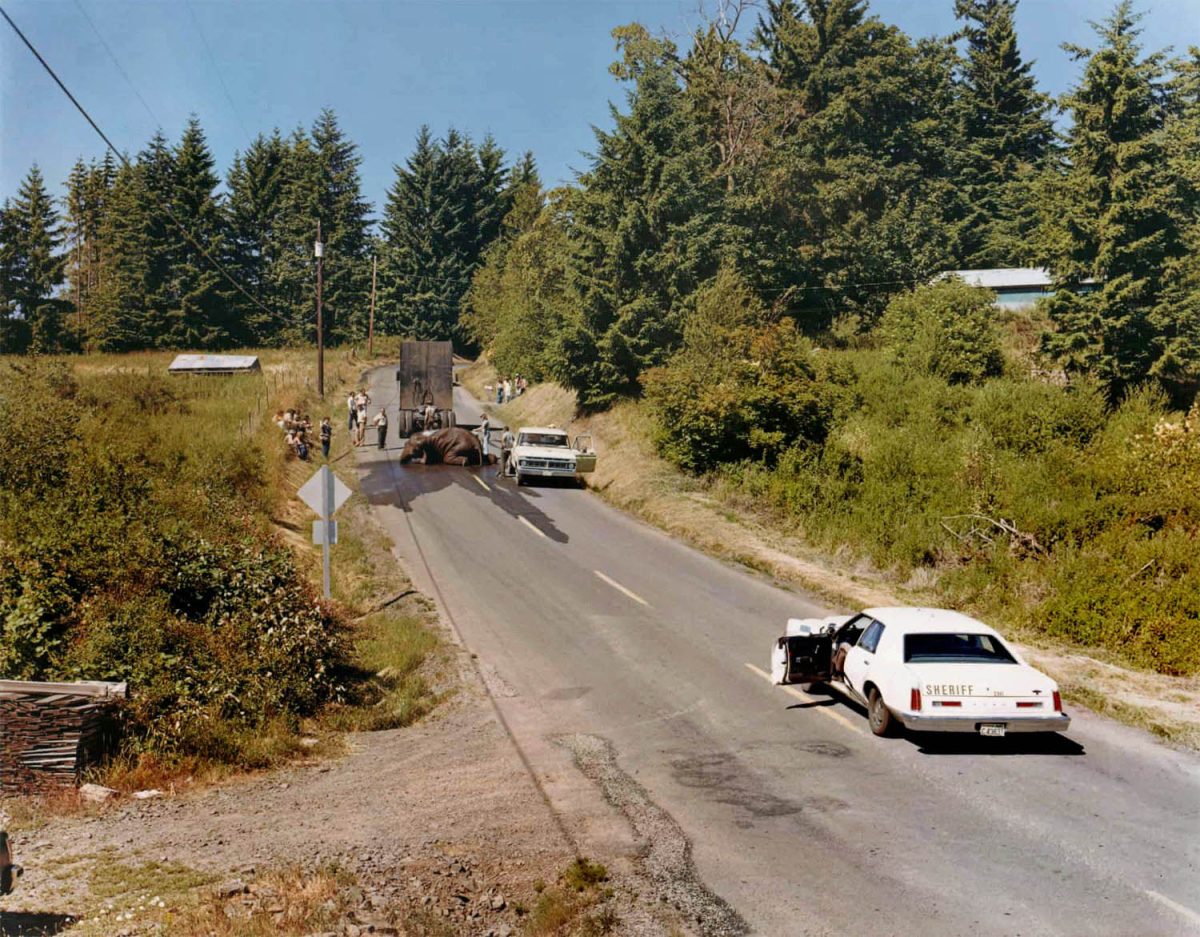

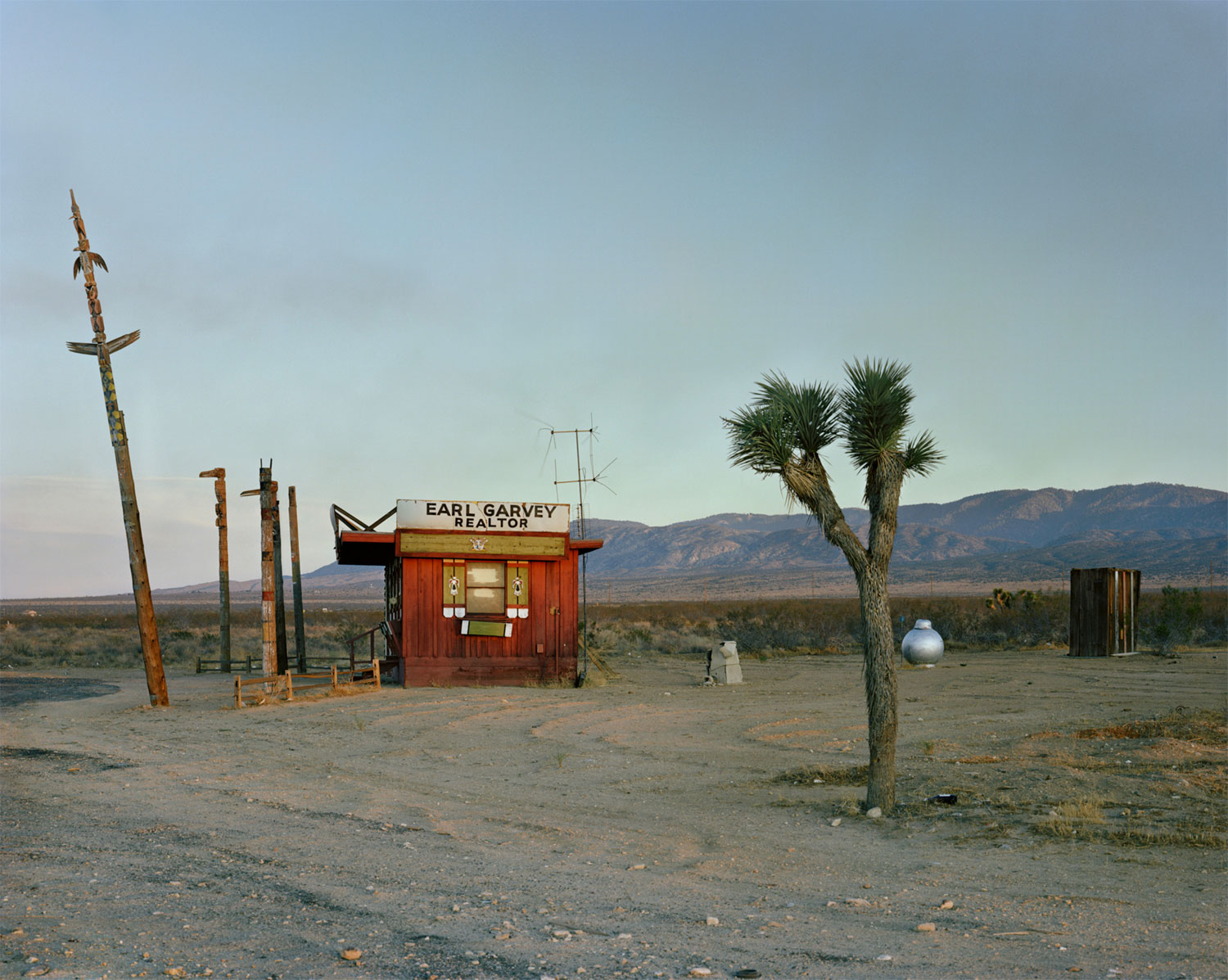
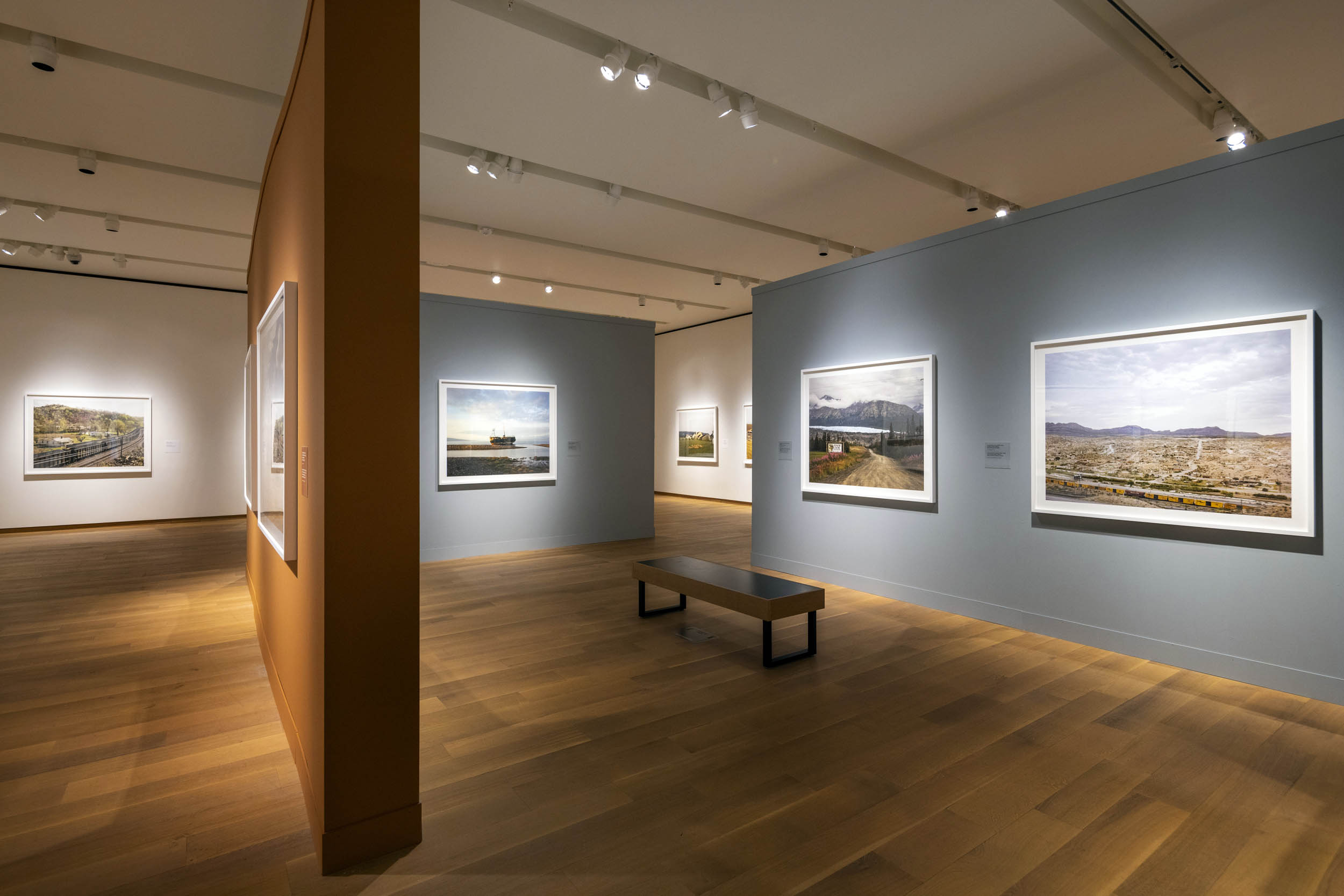

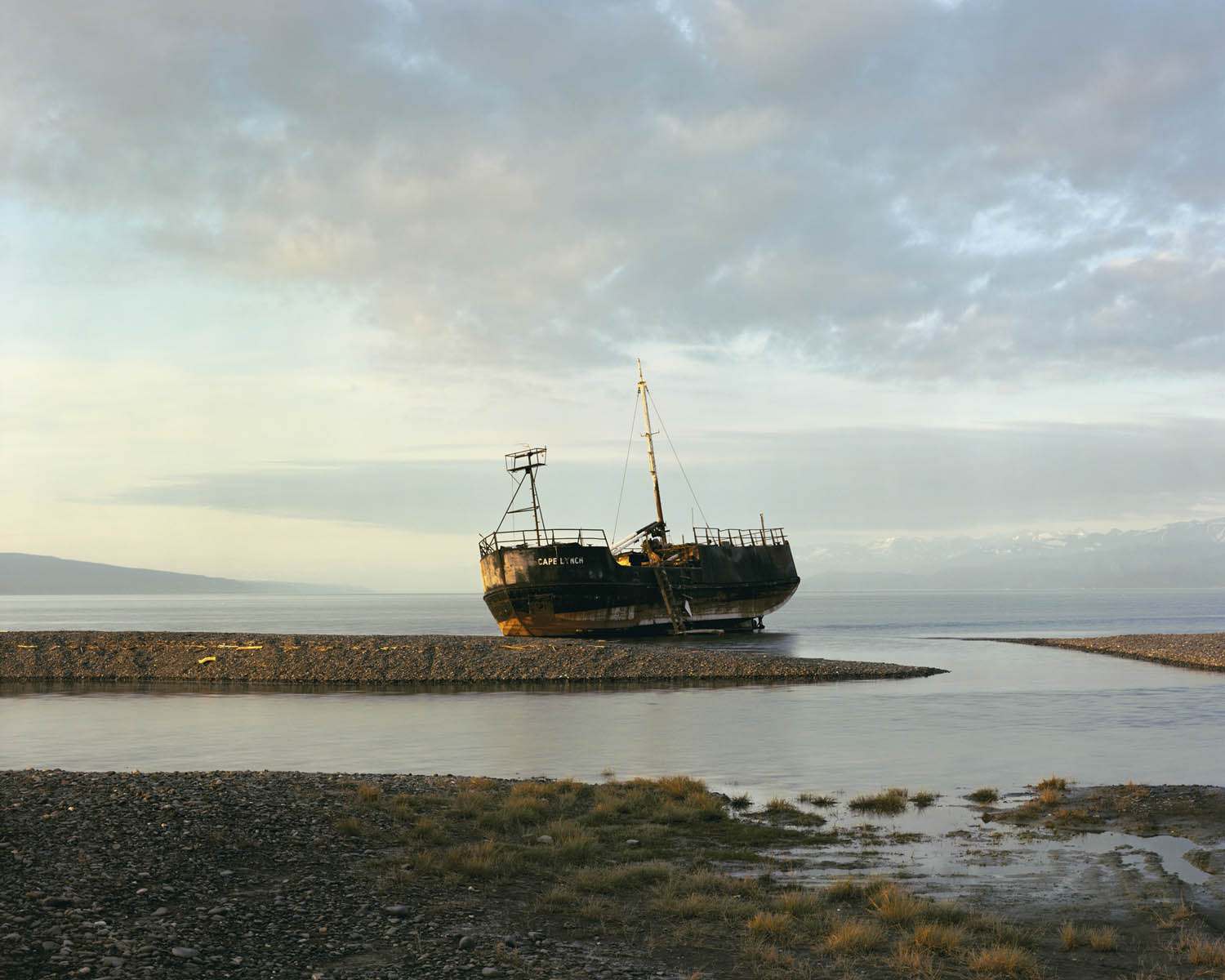

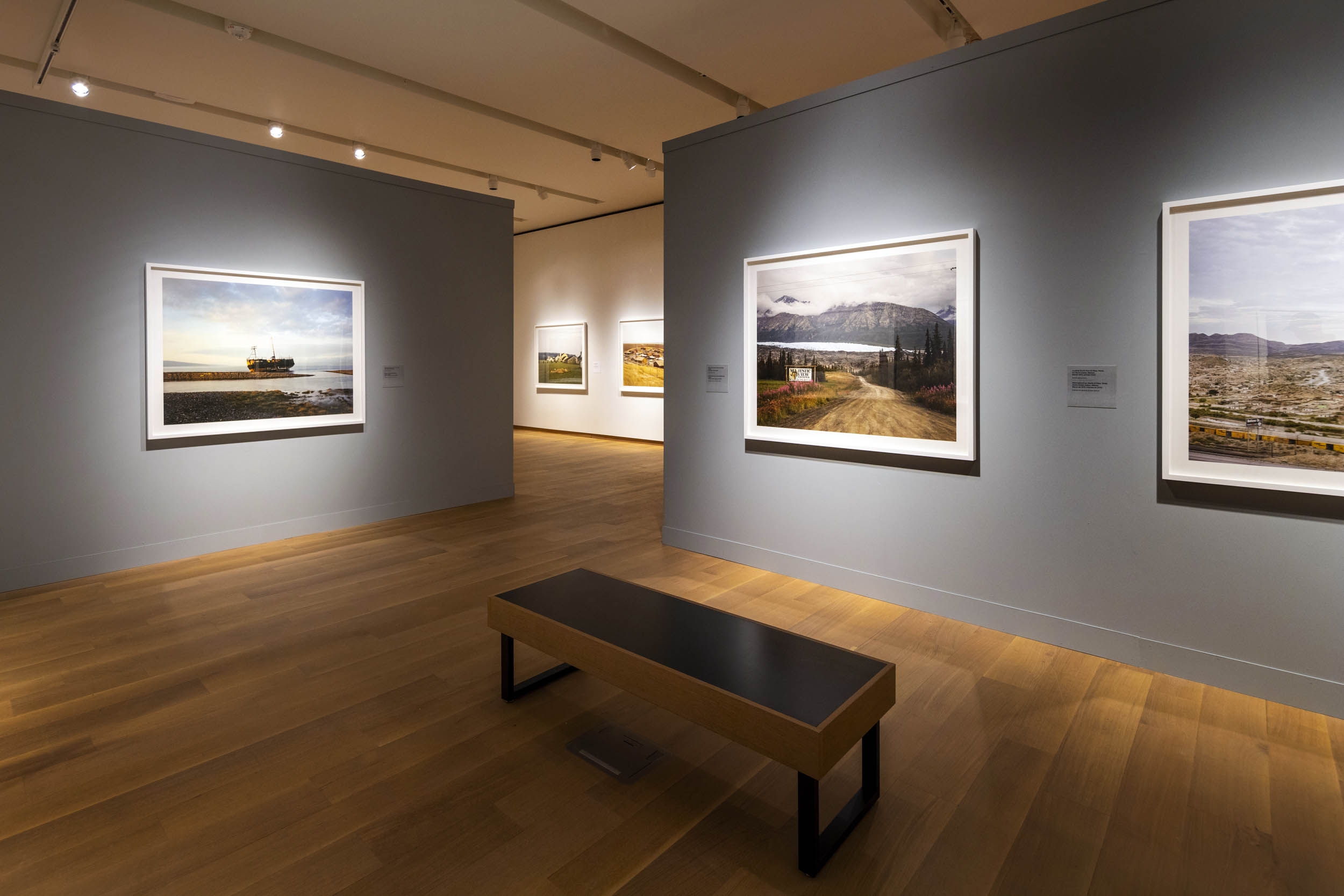
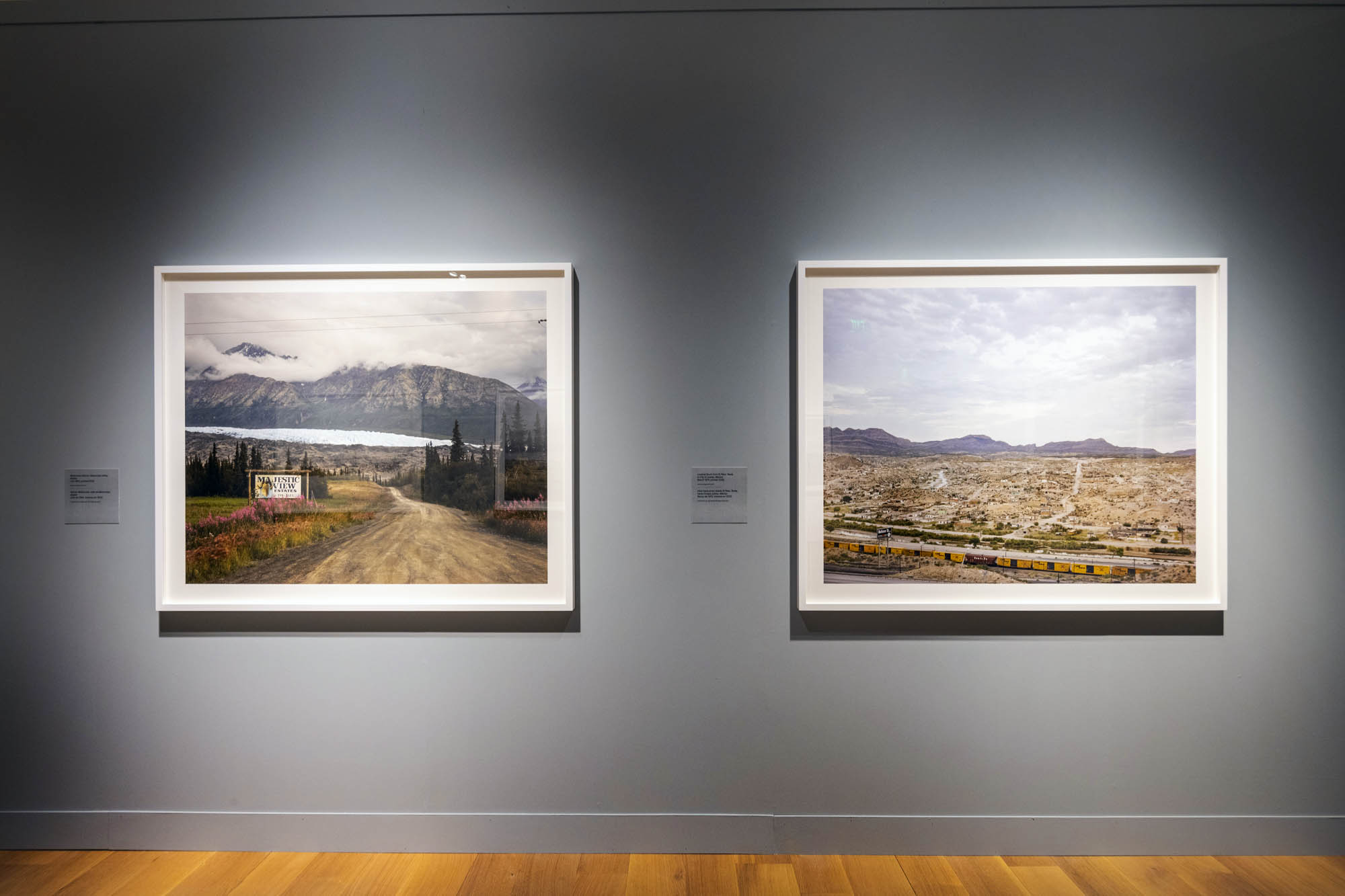


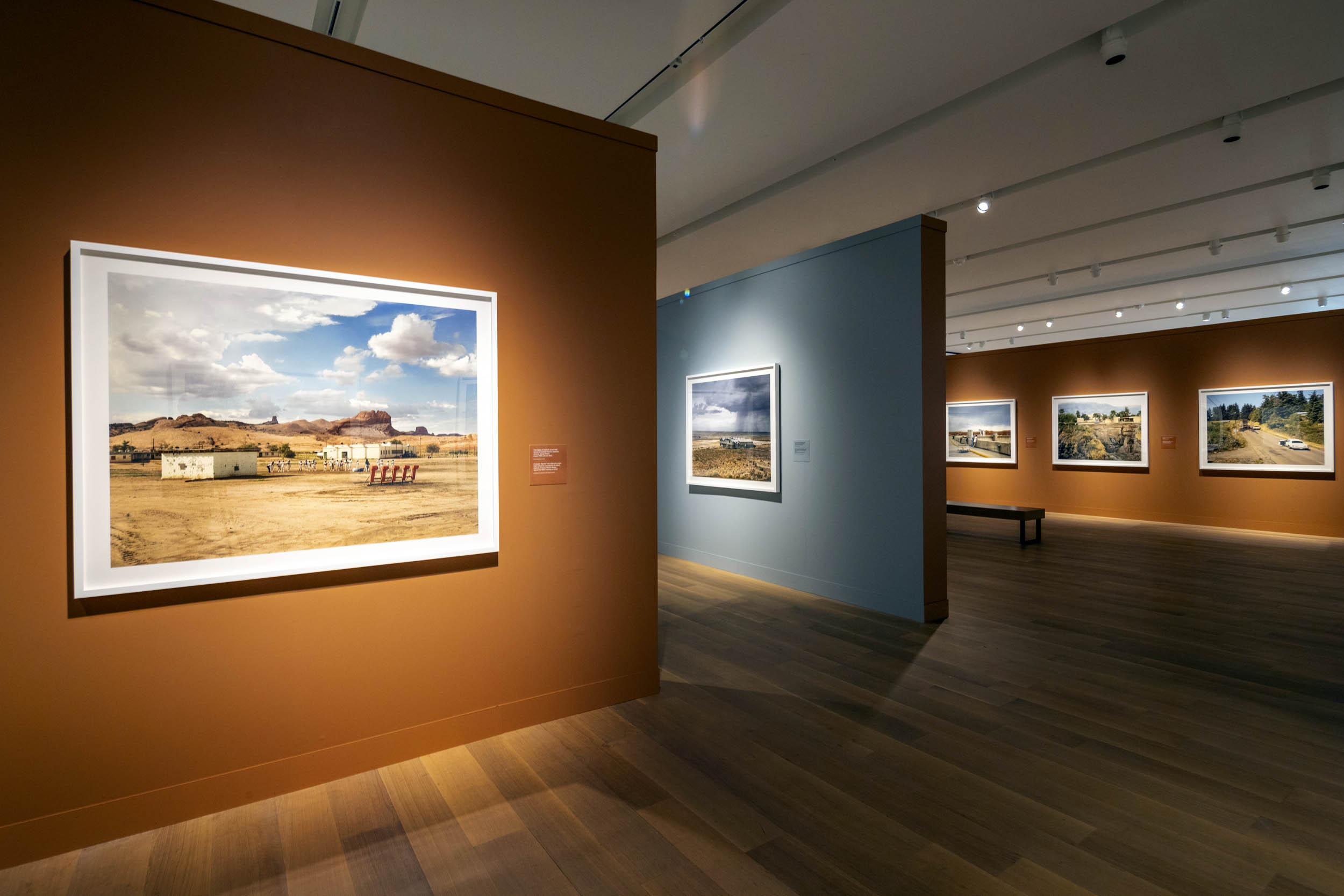
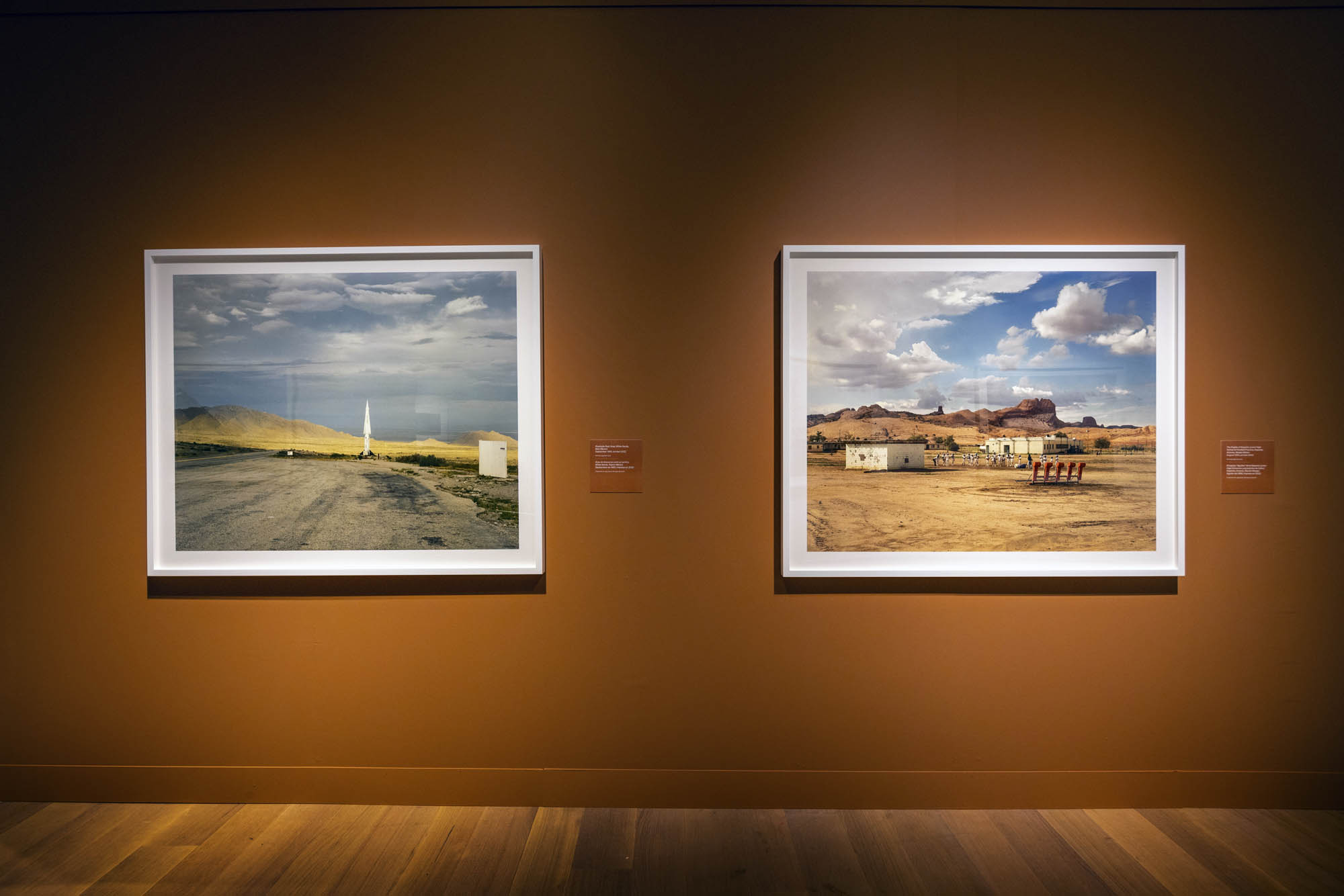

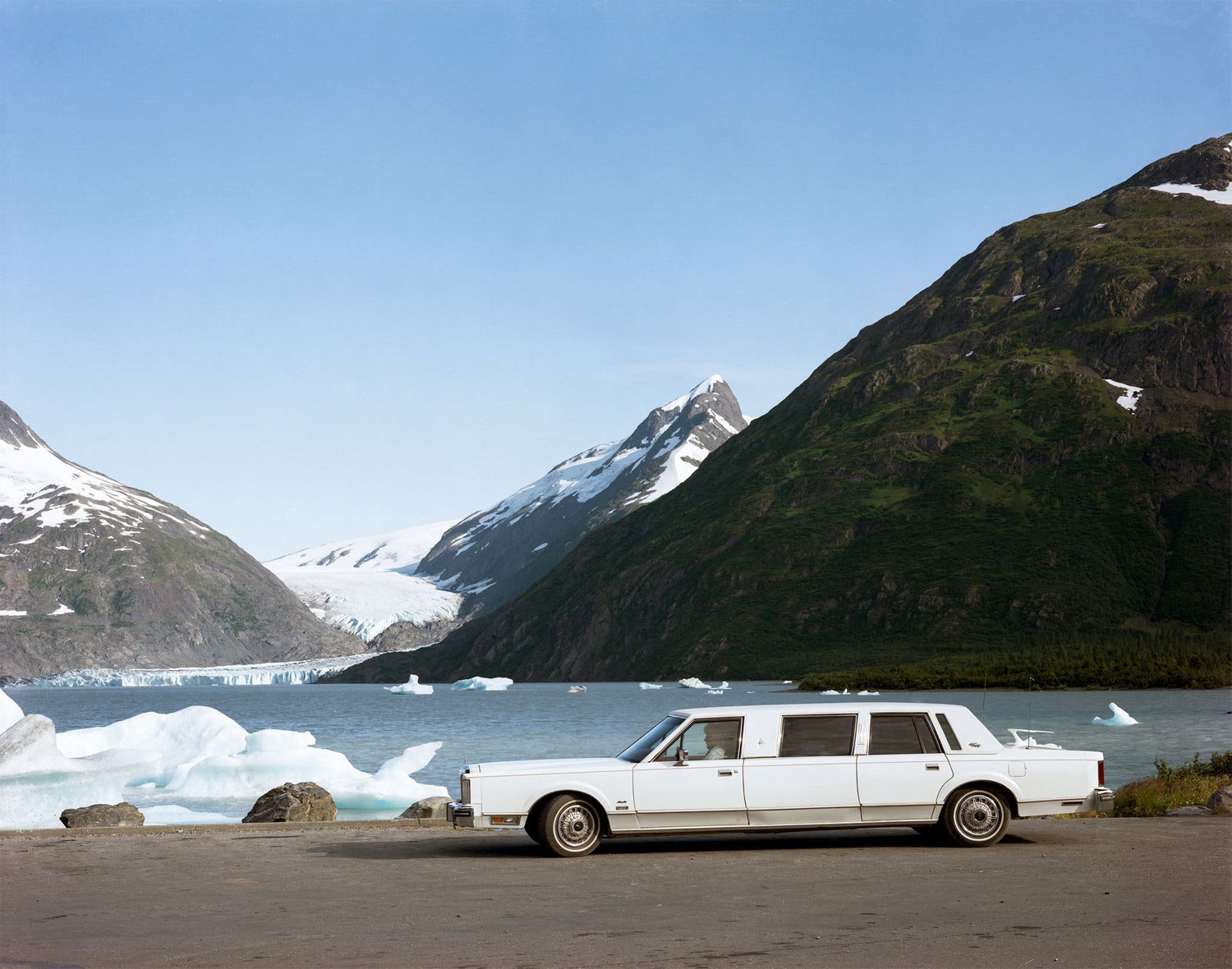

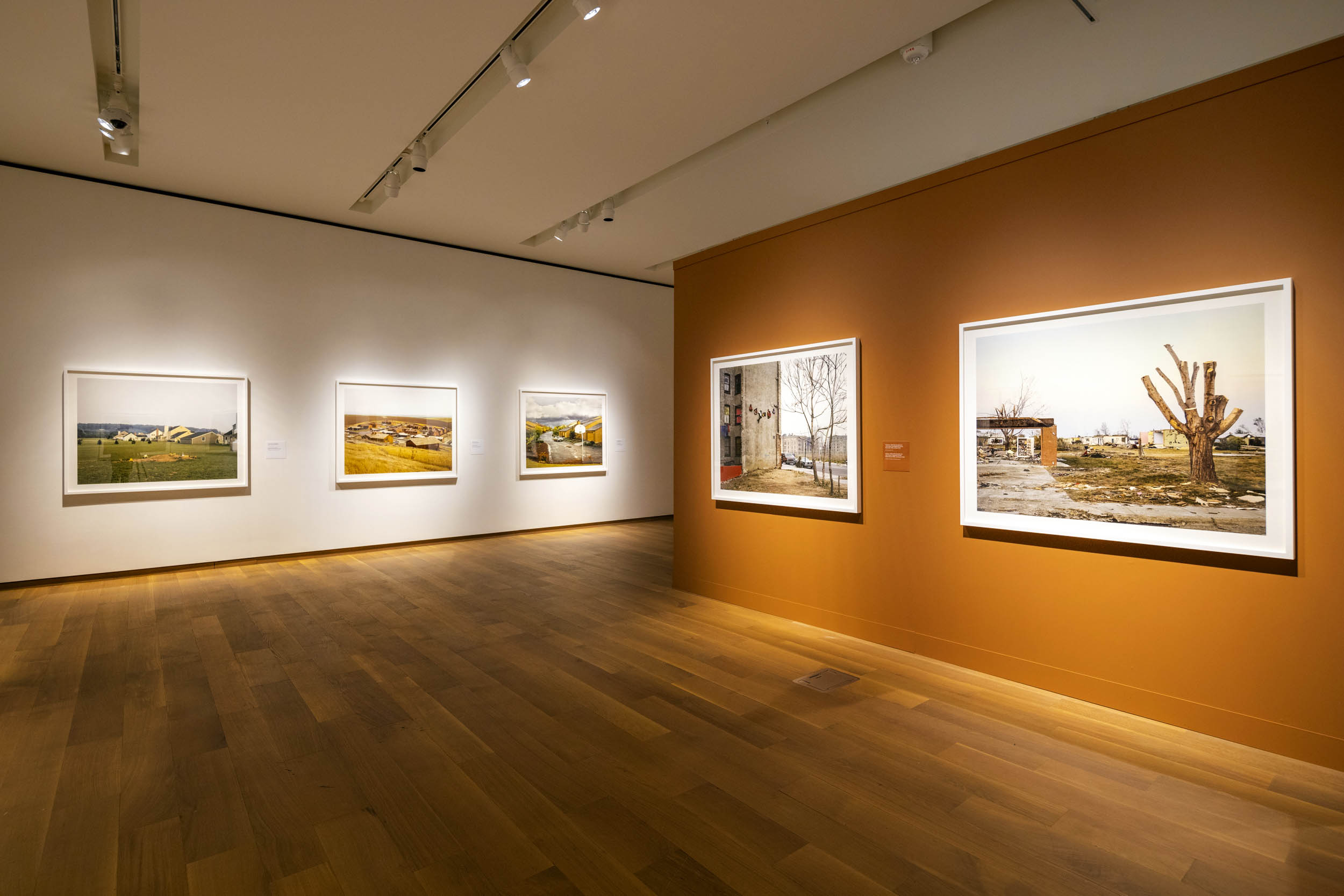


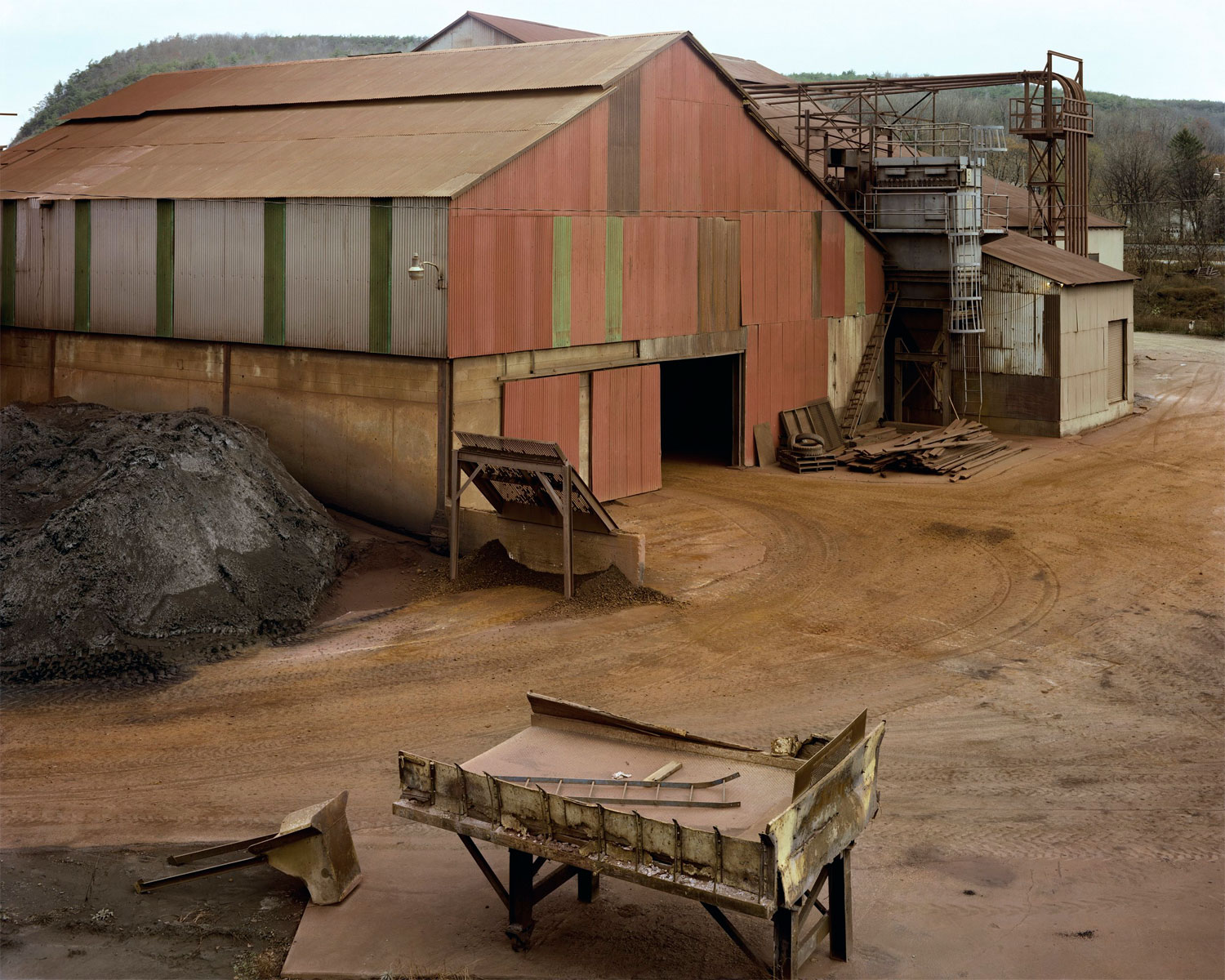
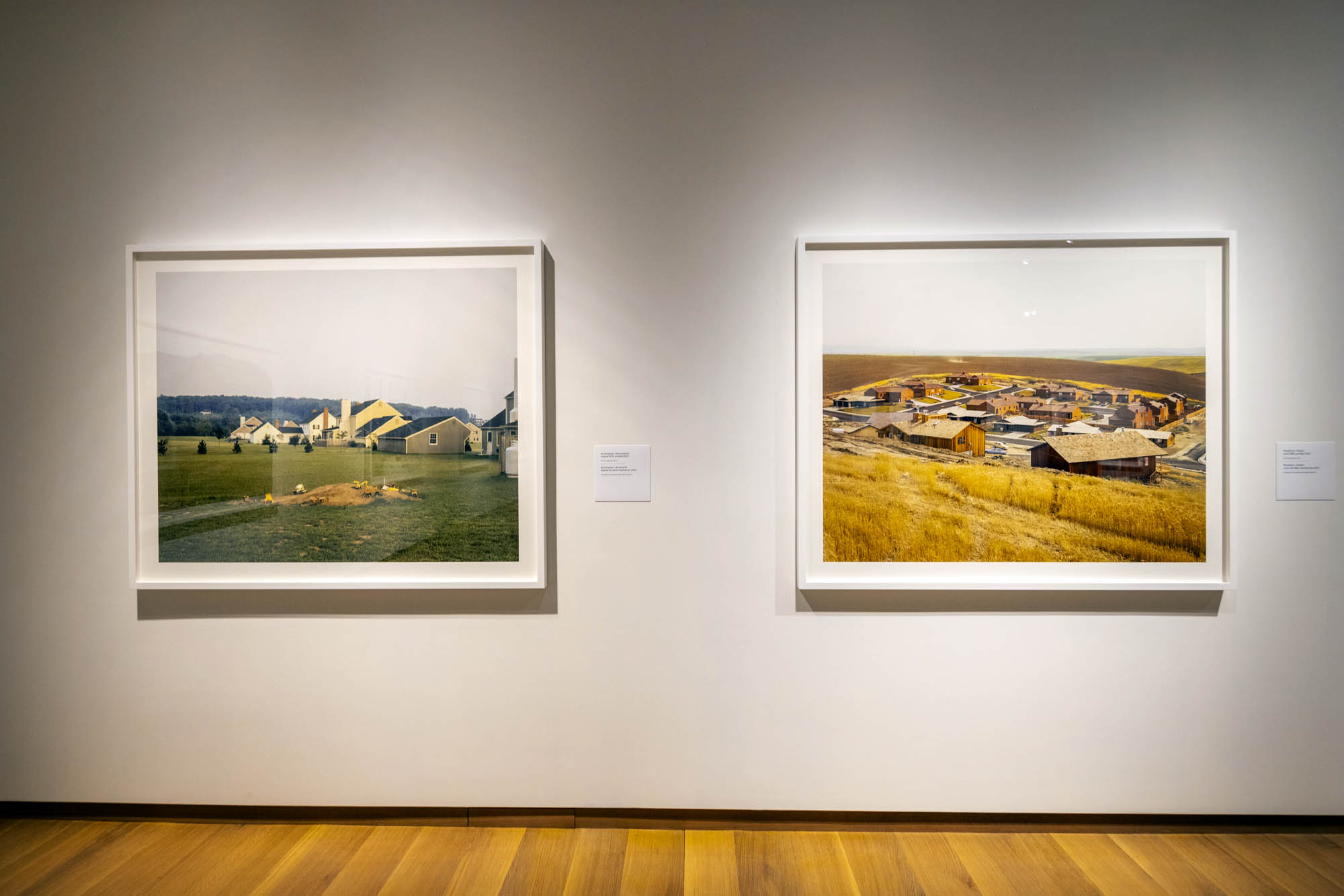

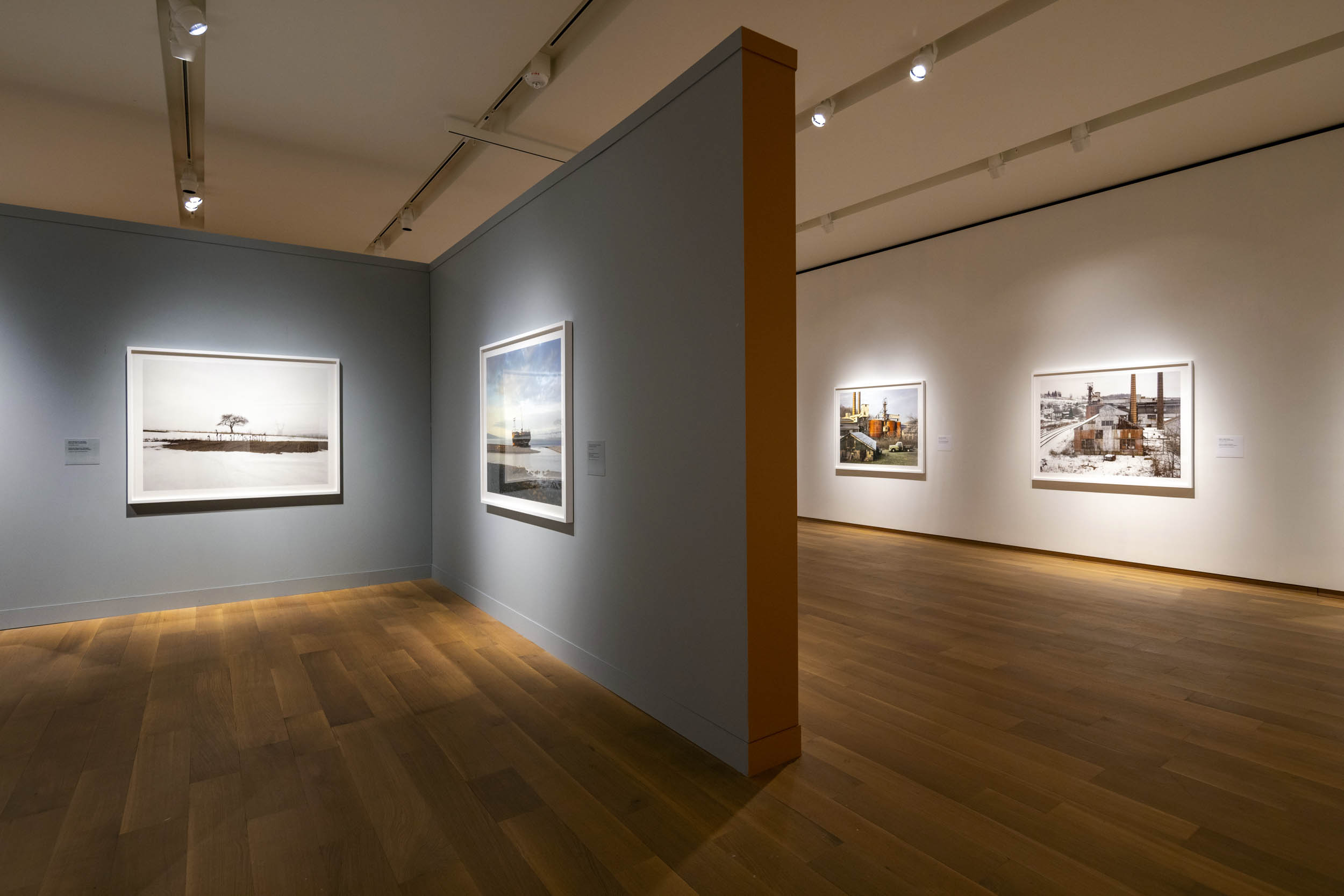
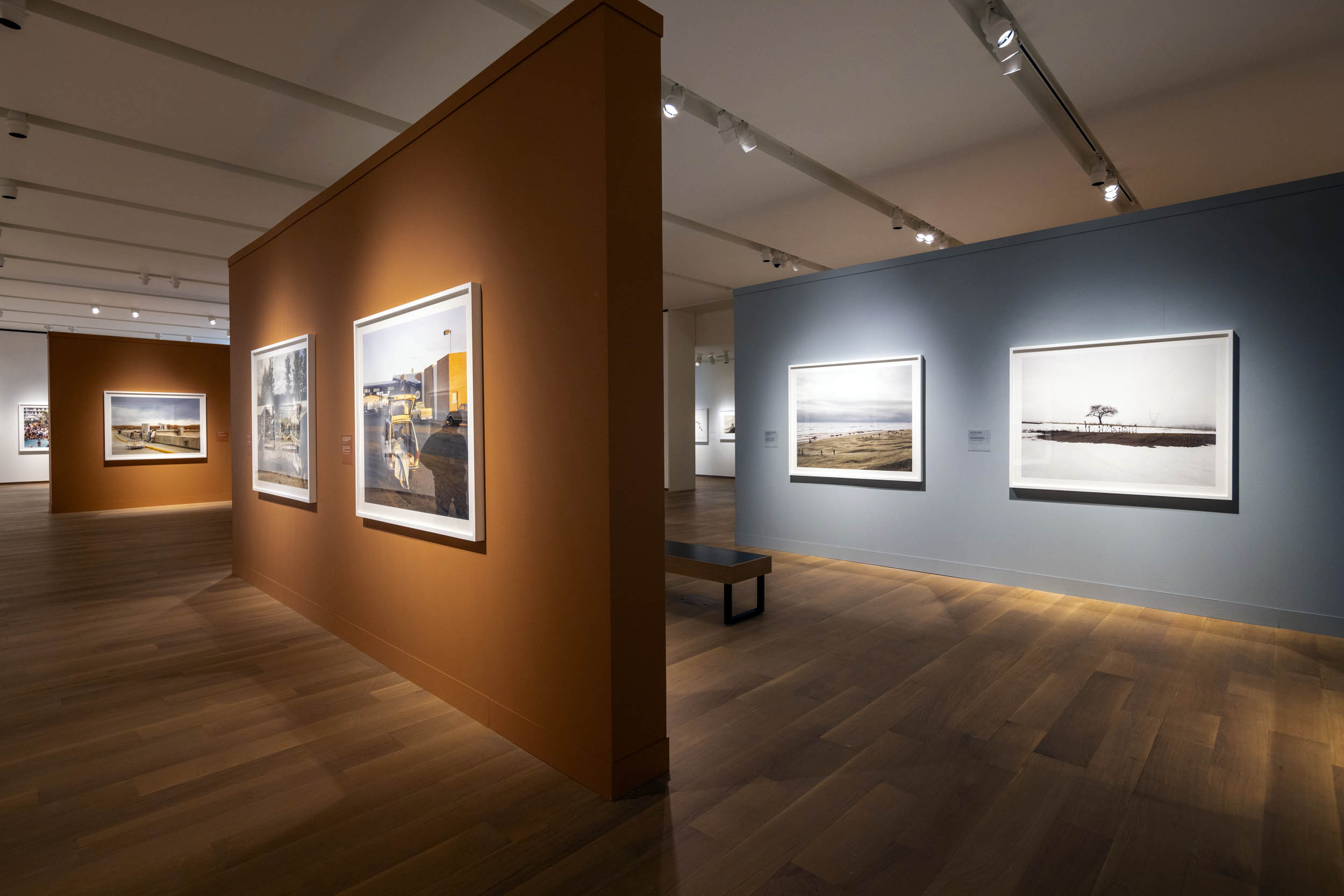
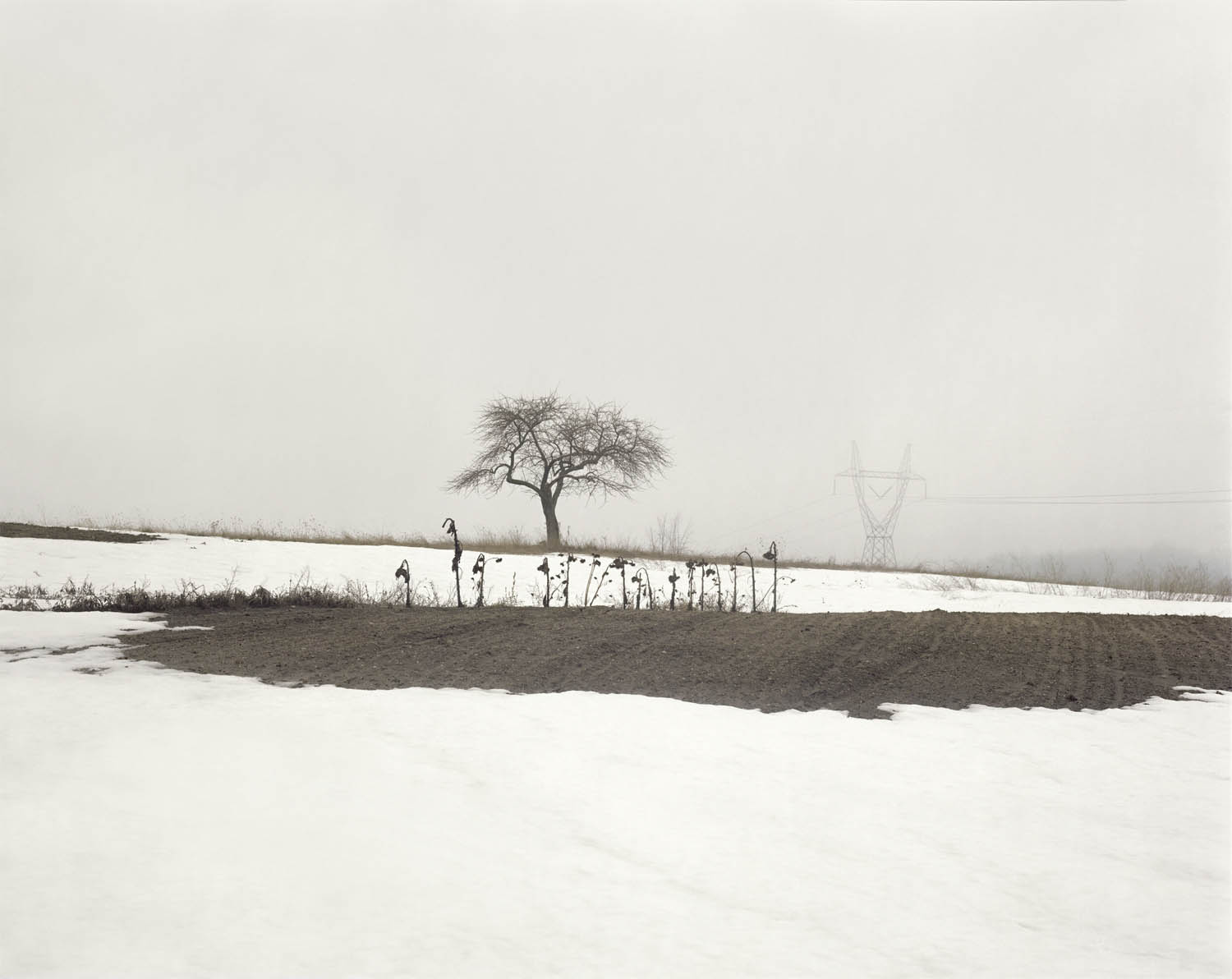
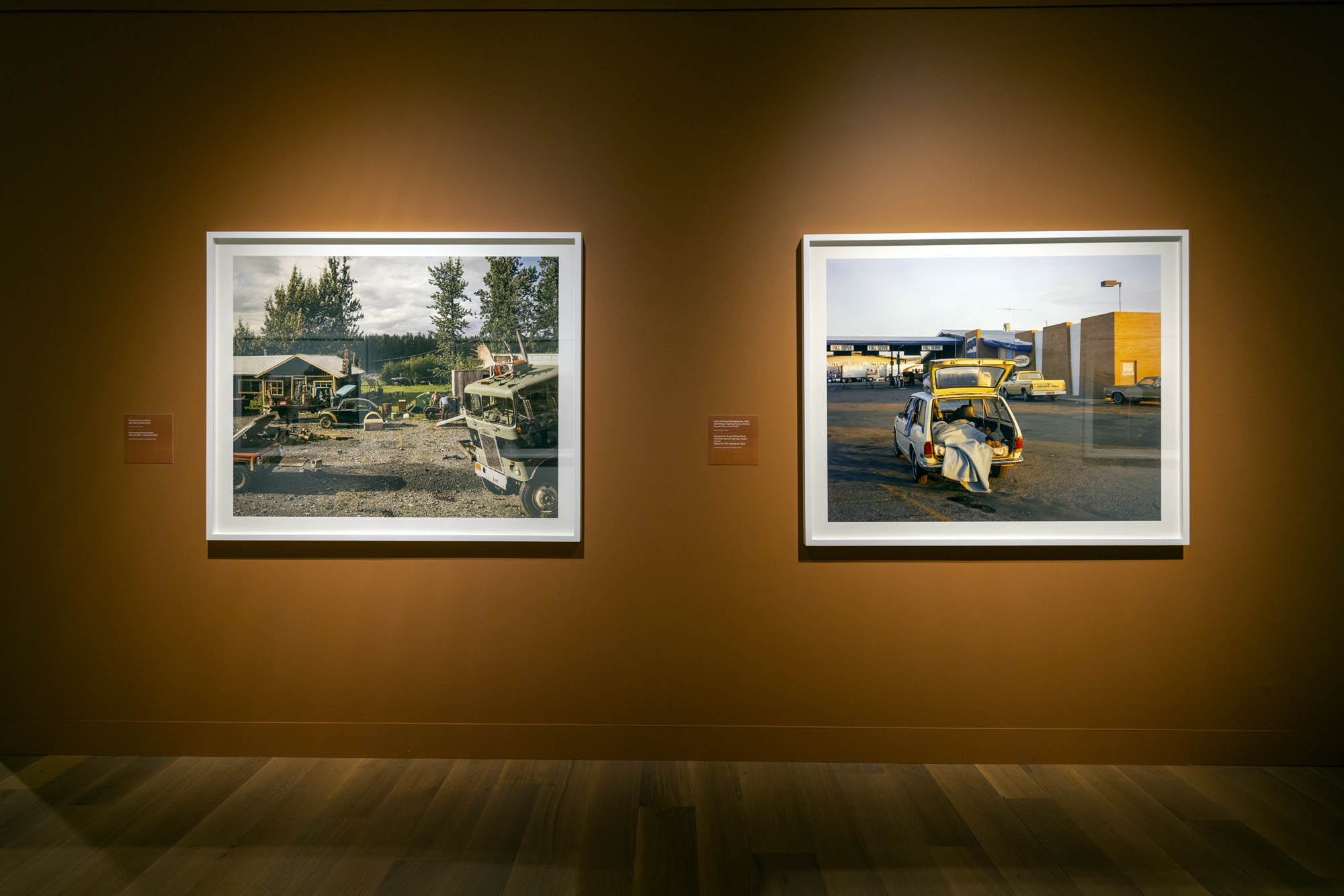
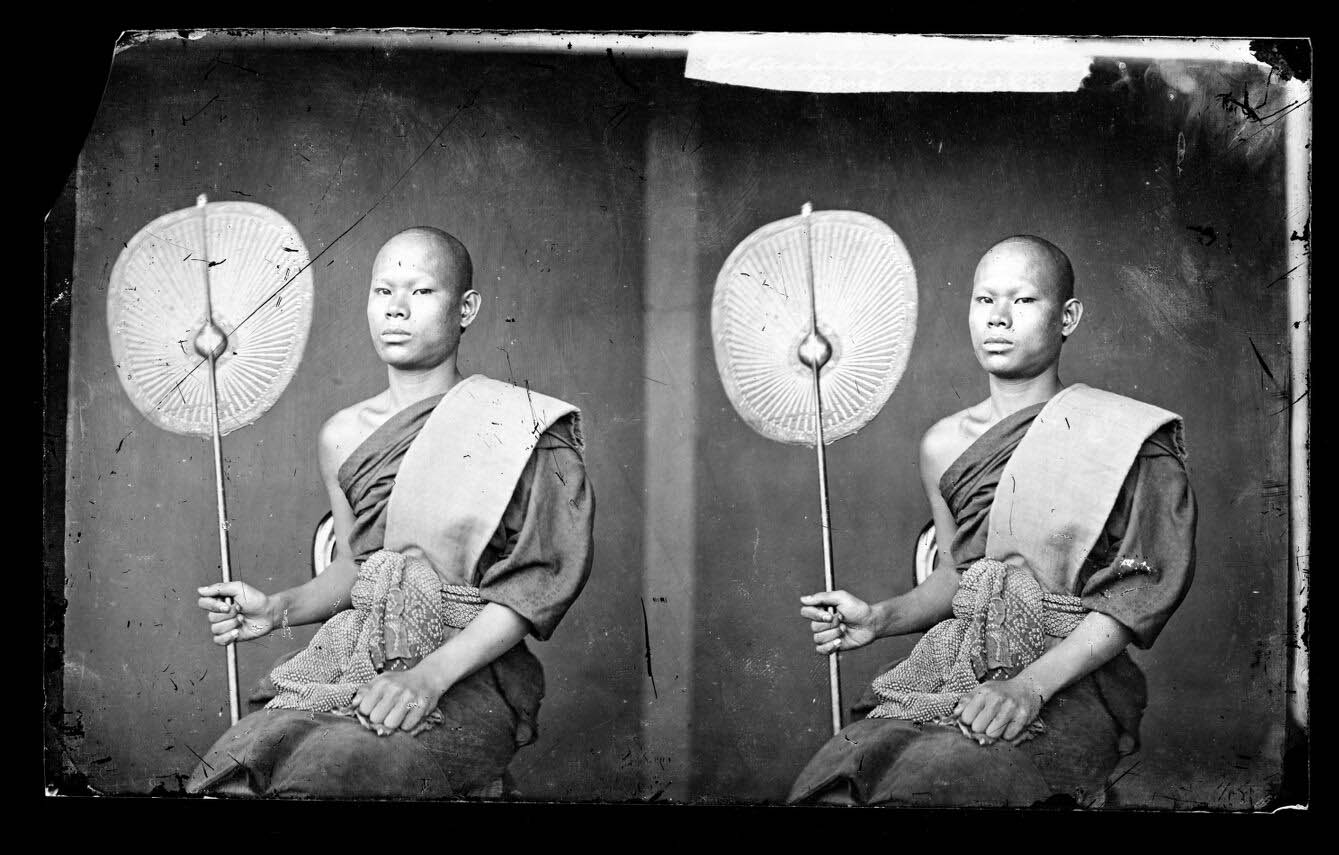

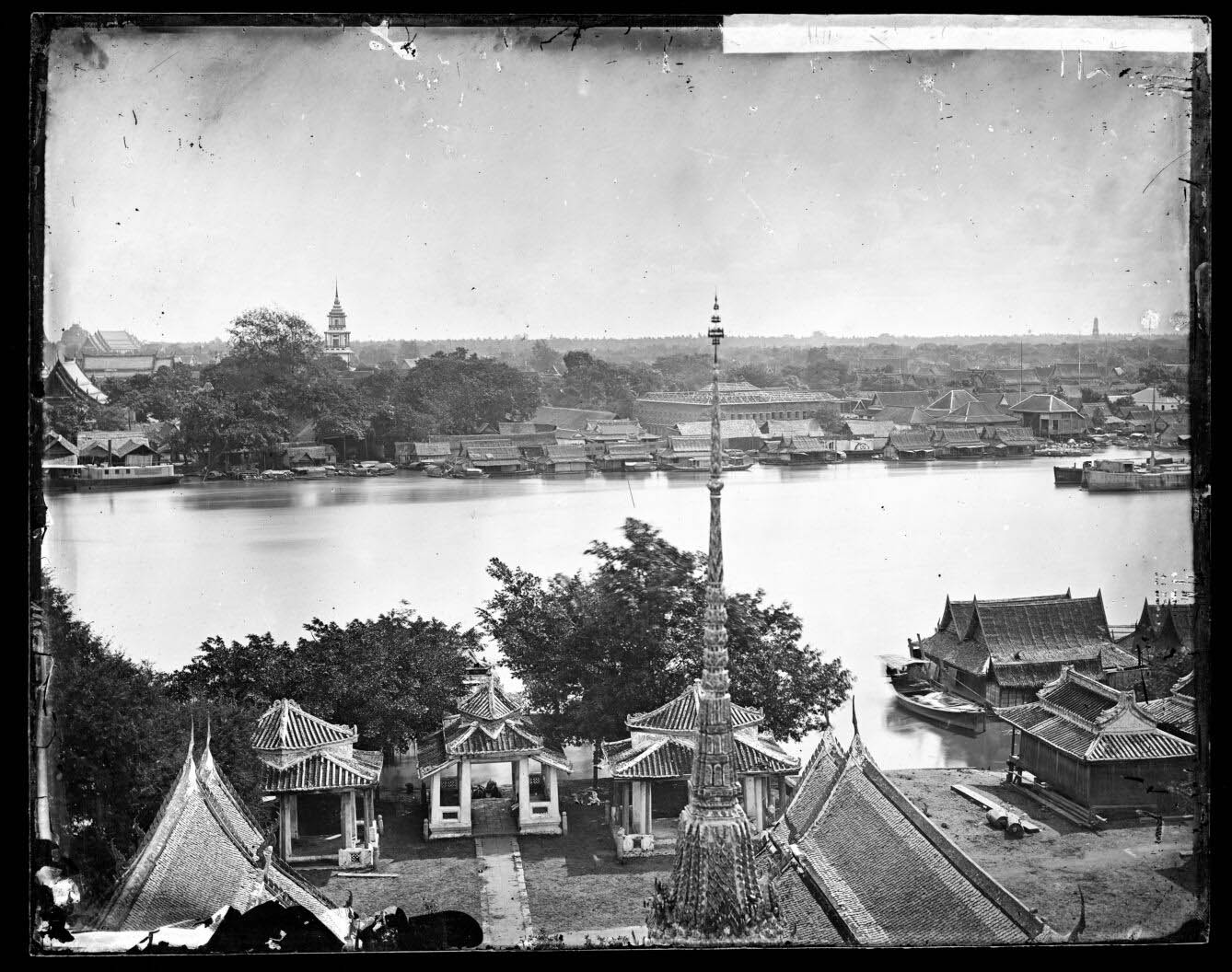


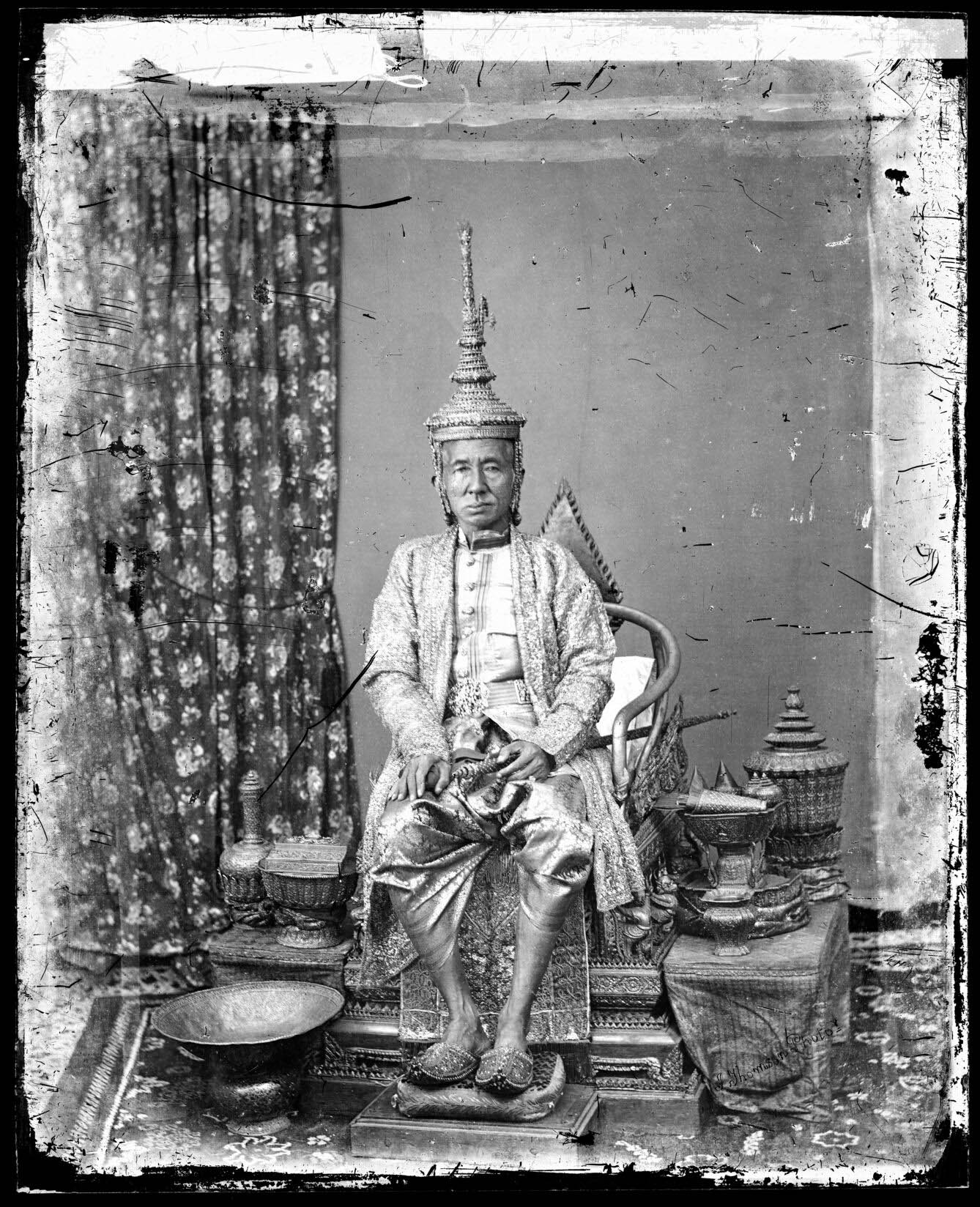
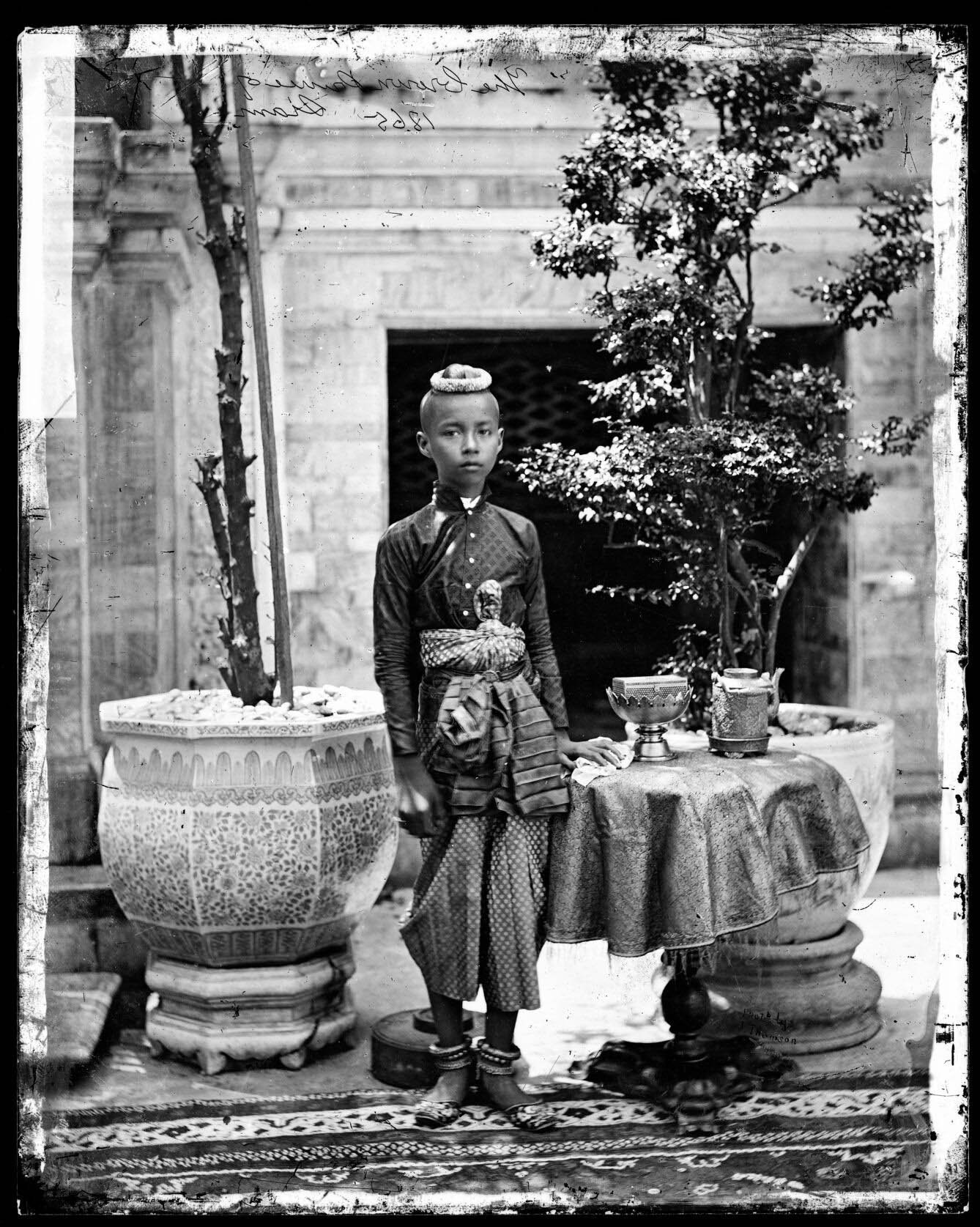


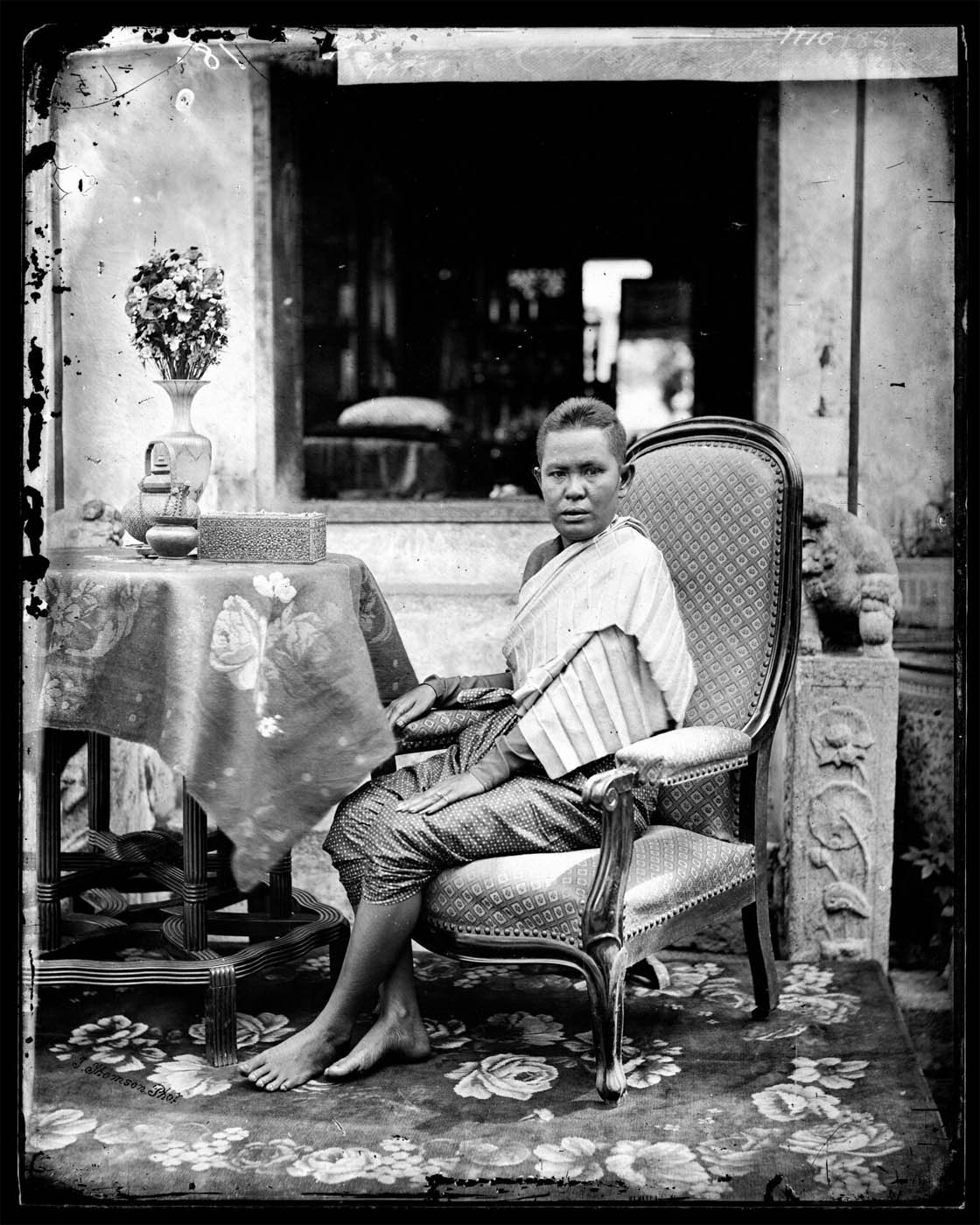

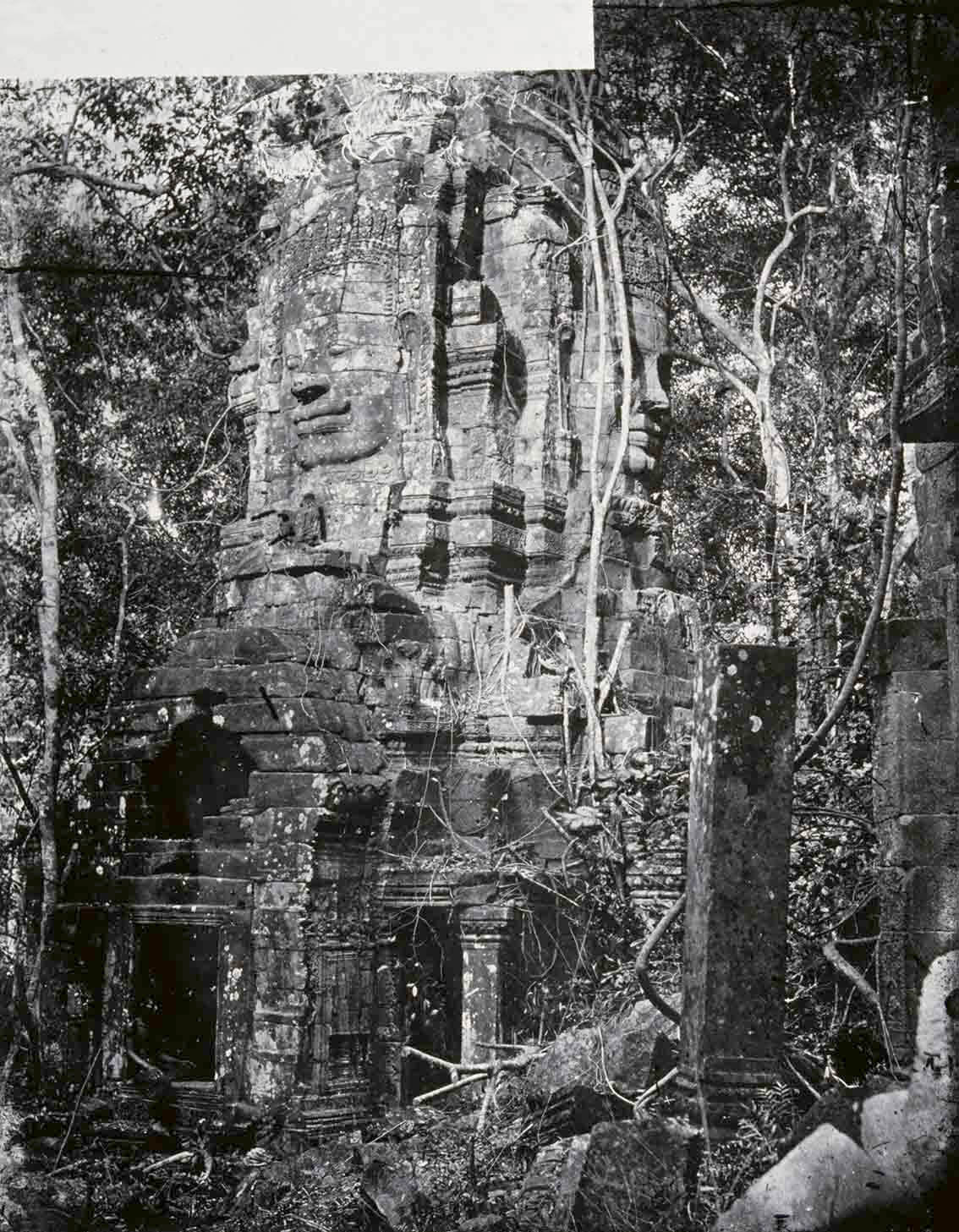
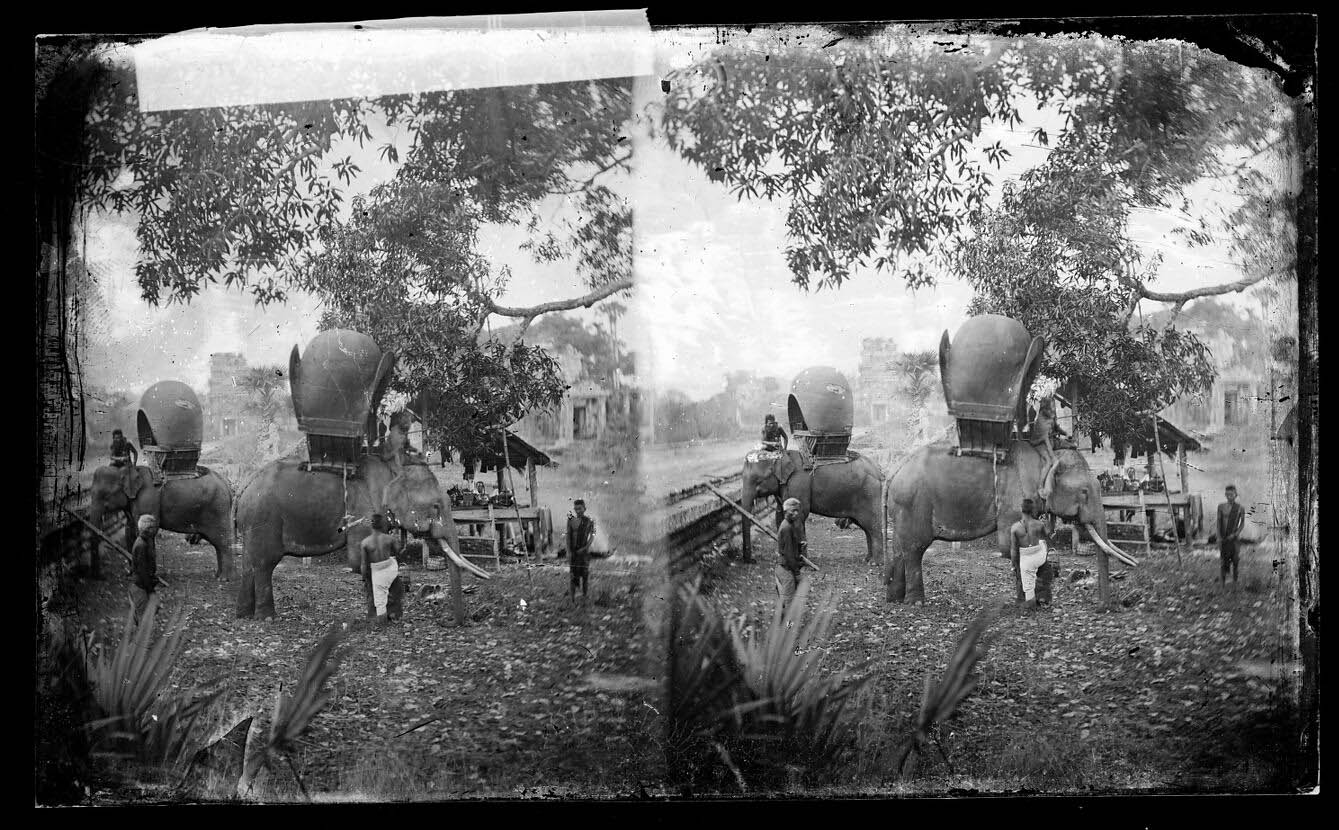


![Richard Jenkins (British, 1890-1964) 'Untitled [Husband and wife]' Nd from the exhibition 'Golden Valley Faces: The photographs of Richard Jenkins' at the Café Gallery, Hay Castle, Hay-on-Wye](https://artblart.com/wp-content/uploads/2023/09/ck18-475.jpg "Richard Jenkins (British, 1890-1964) 'Untitled [Husband and wife]' Nd from the exhibition 'Golden Valley Faces: The photographs of Richard Jenkins' at the Café Gallery, Hay Castle, Hay-on-Wye")
![Richard Jenkins (British, 1890-1964) Untitled [Family group] Nd from the exhibition 'Golden Valley Faces: The photographs of Richard Jenkins' at the Café Gallery, Hay Castle, Hay-on-Wye](https://artblart.com/wp-content/uploads/2023/09/ck18-641.jpg "Richard Jenkins (British, 1890-1964) Untitled [Family group] Nd from the exhibition 'Golden Valley Faces: The photographs of Richard Jenkins' at the Café Gallery, Hay Castle, Hay-on-Wye")
![August Sander (German, 1876-1964) 'Bauernpaar – Zucht und Harmonie [Peasant couple – breeding and harmony]' 1912](https://artblart.com/wp-content/uploads/2022/03/sander-bauernpaar-zucht-und-harmonie-1912.jpg "August Sander (German, 1876-1964) 'Bauernpaar – Zucht und Harmonie' 1912")
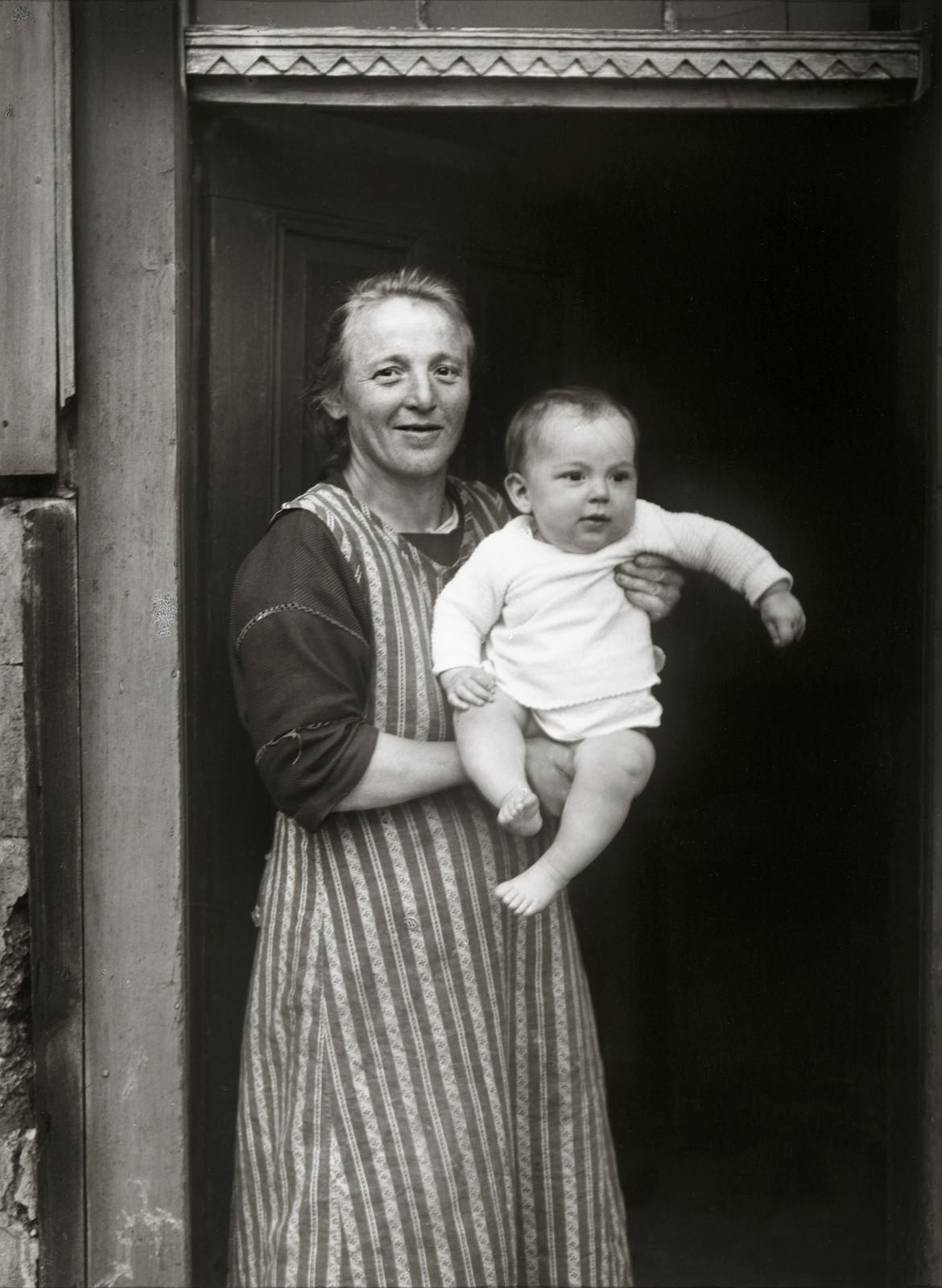

![Richard Jenkins (British, 1890-1964) 'Untitled [Child and bull]' Nd from the exhibition 'Golden Valley Faces: The photographs of Richard Jenkins' at the Café Gallery, Hay Castle, Hay-on-Wye](https://artblart.com/wp-content/uploads/2023/09/ck18-608.jpg "Richard Jenkins (British, 1890-1964) 'Untitled [Child and bull]' Nd from the exhibition 'Golden Valley Faces: The photographs of Richard Jenkins' at the Café Gallery, Hay Castle, Hay-on-Wye")
![Richard Jenkins (British, 1890-1964) 'Untitled [Family group probably at a wedding]' Nd](https://artblart.com/wp-content/uploads/2023/09/ck18-468.jpg "Richard Jenkins (British, 1890-1964) 'Untitled [Family group probably at a wedding]' Nd")
![Richard Jenkins (British, 1890-1964) 'Untitled [Family group probably at a wedding]' Nd (detail)](https://artblart.com/wp-content/uploads/2023/09/ck18-468-detail.jpg "Richard Jenkins (British, 1890-1964) 'Untitled [Family group probably at a wedding]' Nd (detail)")
![Richard Jenkins (British, 1890-1964) 'Untitled [Woman lying among the ferns]' Nd](https://artblart.com/wp-content/uploads/2023/09/ck18-437.jpg "Richard Jenkins (British, 1890-1964) 'Untitled [Woman lying among the ferns]' Nd")
![Richard Jenkins (British, 1890-1964) 'Untitled [Woman lying in the grass]' Nd (detail)](https://artblart.com/wp-content/uploads/2023/09/ck18-437-detail.jpg "Richard Jenkins (British, 1890-1964) 'Untitled [Woman lying in the grass]' Nd (detail)")
![Richard Jenkins (British, 1890-1964) 'Untitled [Loading the hay]' Nd](https://artblart.com/wp-content/uploads/2023/09/ck18-406.jpg "Richard Jenkins (British, 1890-1964) 'Untitled [Loading the hay]' Nd")
![Richard Jenkins (British, 1890-1964) 'Untitled [Group of men with Romford & Evershed Ltd Pershorf 1885 steam engine]' Nd](https://artblart.com/wp-content/uploads/2023/09/ck18-321.jpg "Richard Jenkins (British, 1890-1964) 'Untitled [Group of men with Romford & Evershed Ltd Pershorf 1885 steam engine]' Nd")
![Richard Jenkins (British, 1890-1964) 'Untitled [Three men and a press]' Nd](https://artblart.com/wp-content/uploads/2023/09/ck18-245.jpg "Richard Jenkins (British, 1890-1964) 'Untitled [Three men and a press]' Nd")
![Richard Jenkins (British, 1890-1964) 'Untitled [Man with buttonhole posy]' Nd](https://artblart.com/wp-content/uploads/2023/09/ck18-228.jpg "Richard Jenkins (British, 1890-1964) 'Untitled [Man with buttonhole posy]' Nd")
![August Sander (German, 1876-1964) [Farmer, Westerwald (Bauer, Westerwald)] 1910](https://artblart.com/wp-content/uploads/2011/06/sander-farmer.jpg "August Sander (German, 1876-1964) [Farmer, Westerwald (Bauer, Westerwald)] 1910")
![Richard Jenkins (British, 1890-1964) 'Untitled [Couple]' Nd](https://artblart.com/wp-content/uploads/2023/09/ck18-218.jpg "Richard Jenkins (British, 1890-1964) 'Untitled [Couple]' Nd")
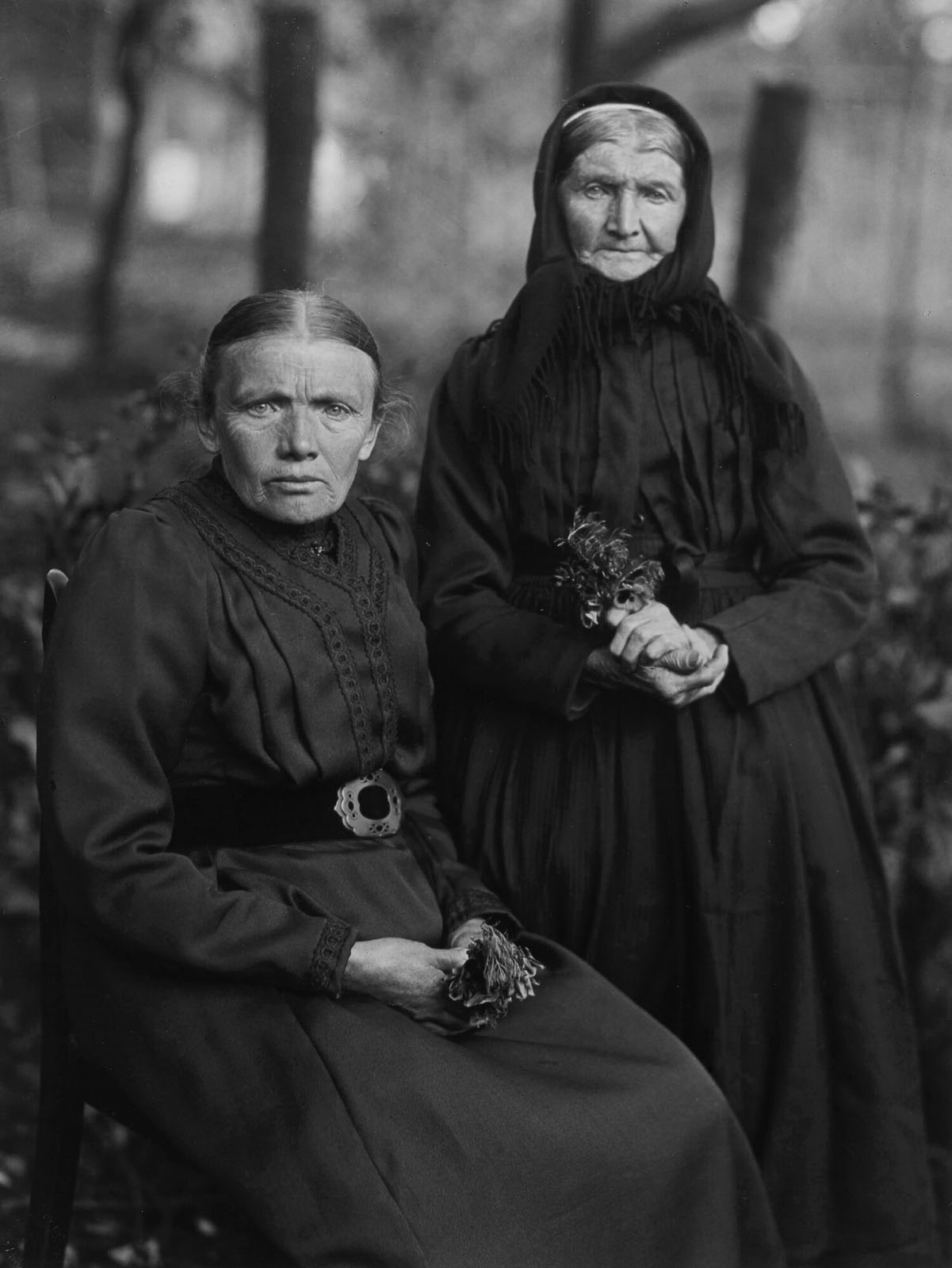
![Richard Jenkins (British, 1890-1964) 'Untitled [Nurse, group of children and candles]' Nd](https://artblart.com/wp-content/uploads/2023/09/ck18-180.jpg "Richard Jenkins (British, 1890-1964) 'Untitled [Nurse, group of children and candles]' Nd")
![Richard Jenkins (British, 1890-1964) 'Untitled [Man and dog]' Nd](https://artblart.com/wp-content/uploads/2023/09/ck18-142.jpg "Richard Jenkins (British, 1890-1964) 'Untitled [Man and dog]' Nd")
![Richard Jenkins (British, 1890-1964) 'Untitled [Three women, sheep and dog]' Nd](https://artblart.com/wp-content/uploads/2023/09/ck18-138.jpg "Richard Jenkins (British, 1890-1964) 'Untitled [Three women, sheep and dog]' Nd")
![Richard Jenkins (British, 1890-1964) 'Untitled [Two heavy horses, two men and a plough]' Nd](https://artblart.com/wp-content/uploads/2023/09/ck18-076.jpg "Richard Jenkins (British, 1890-1964) 'Untitled [Two heavy horses, two men and a plough]' Nd")
![Richard Jenkins (British, 1890-1964) 'Untitled [Two men with pipes, bicycles and dog]' Nd](https://artblart.com/wp-content/uploads/2023/09/ck18-070.jpg "Richard Jenkins (British, 1890-1964) 'Untitled [Two men with pipes, bicycles and dog]' Nd")
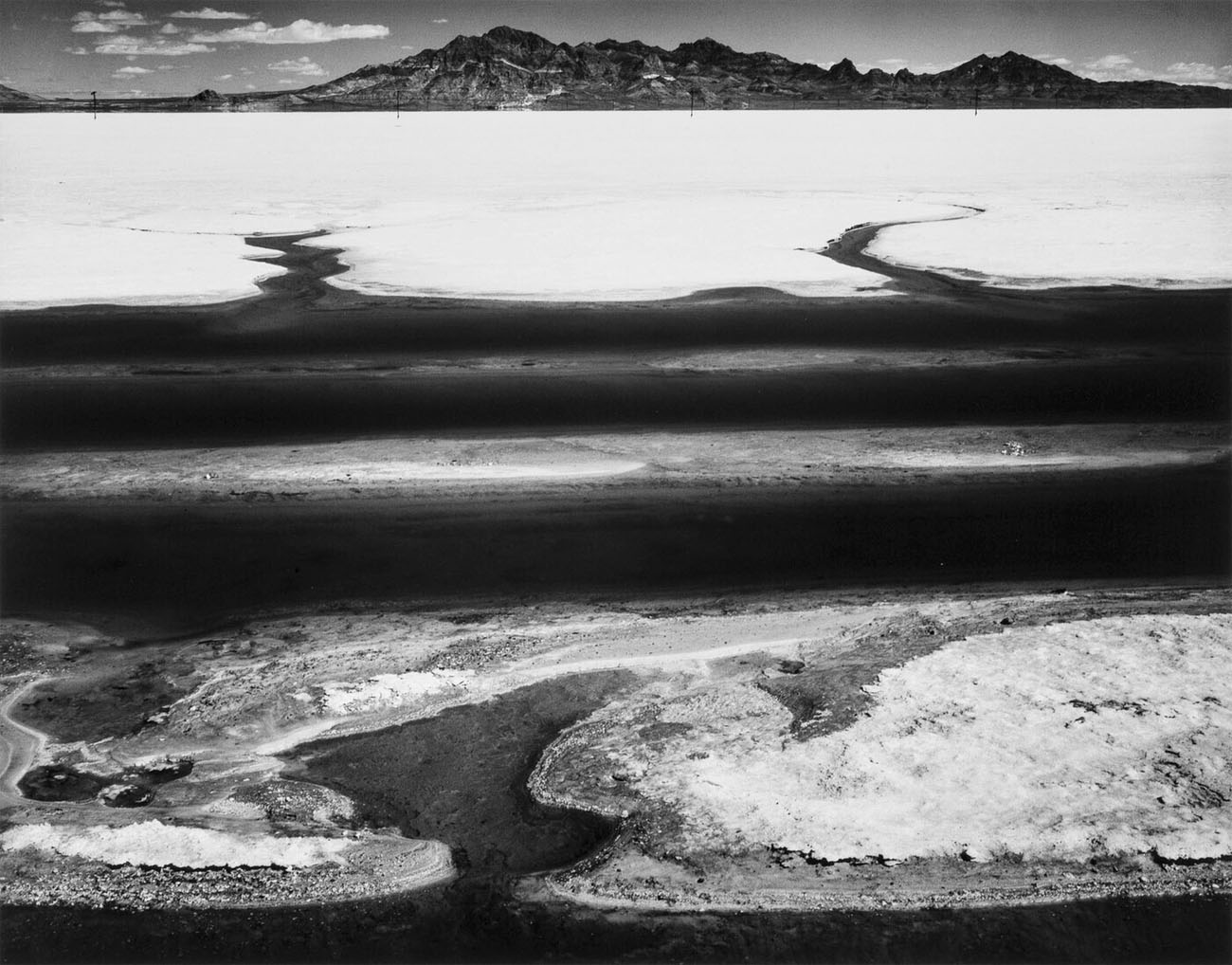
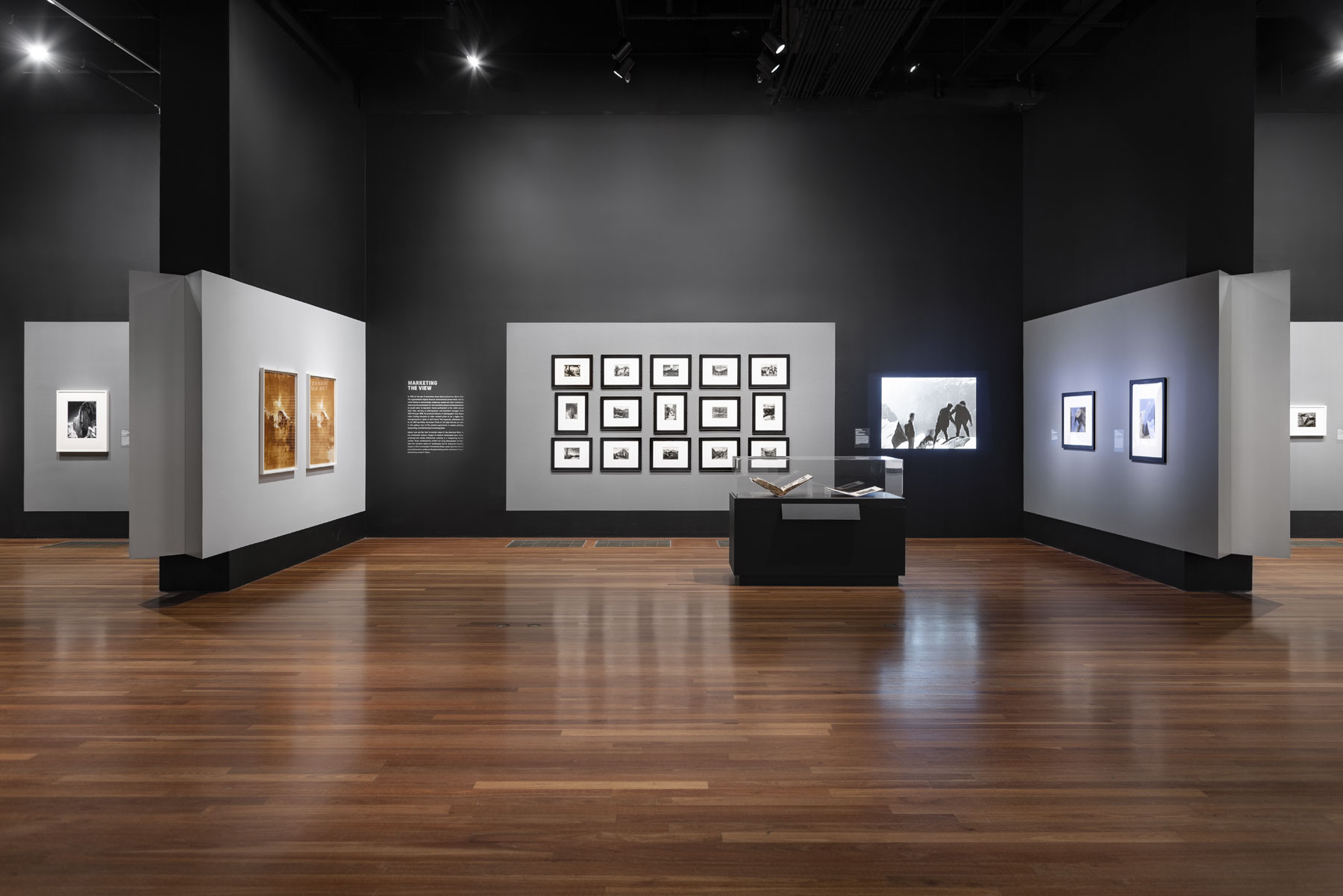
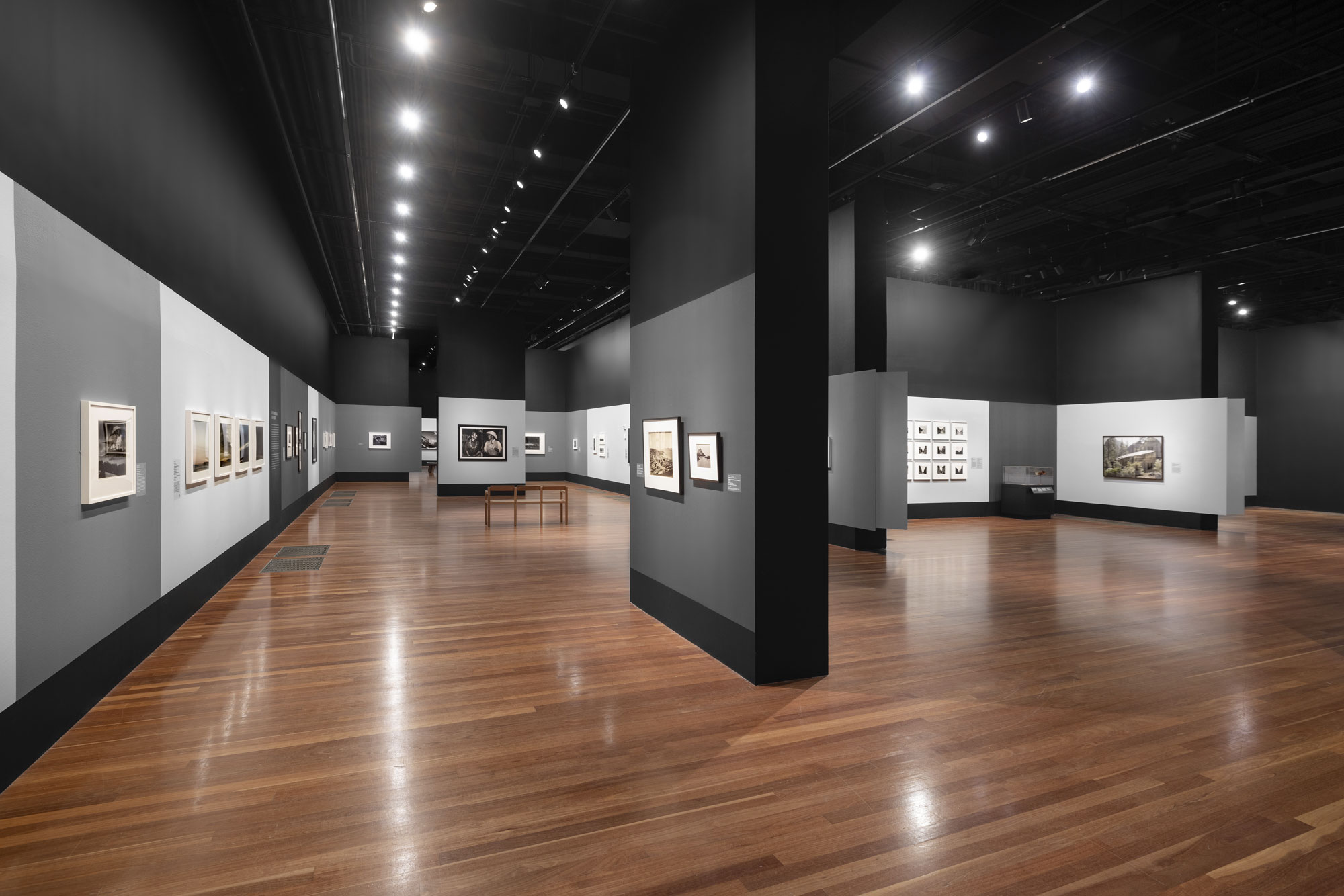
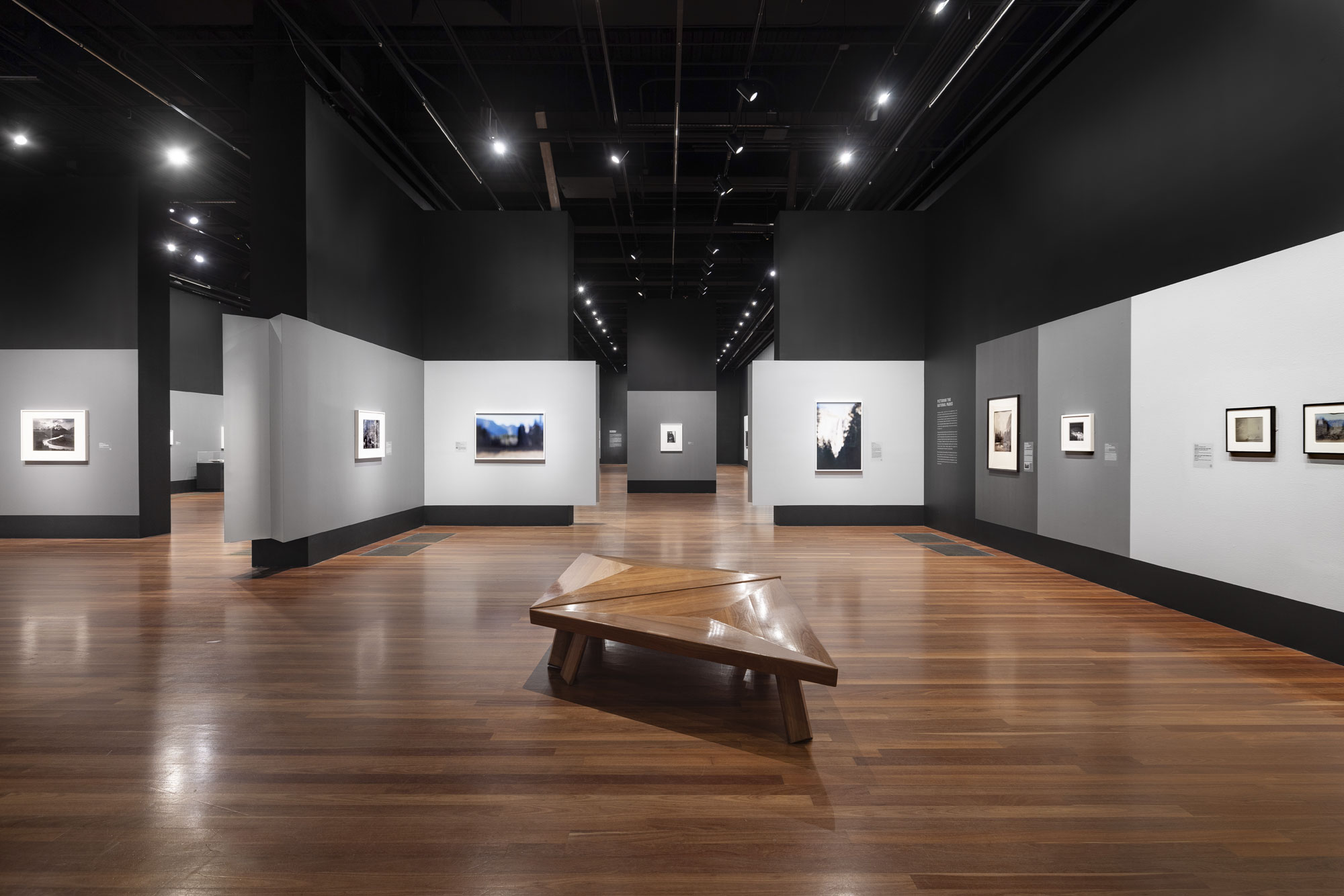
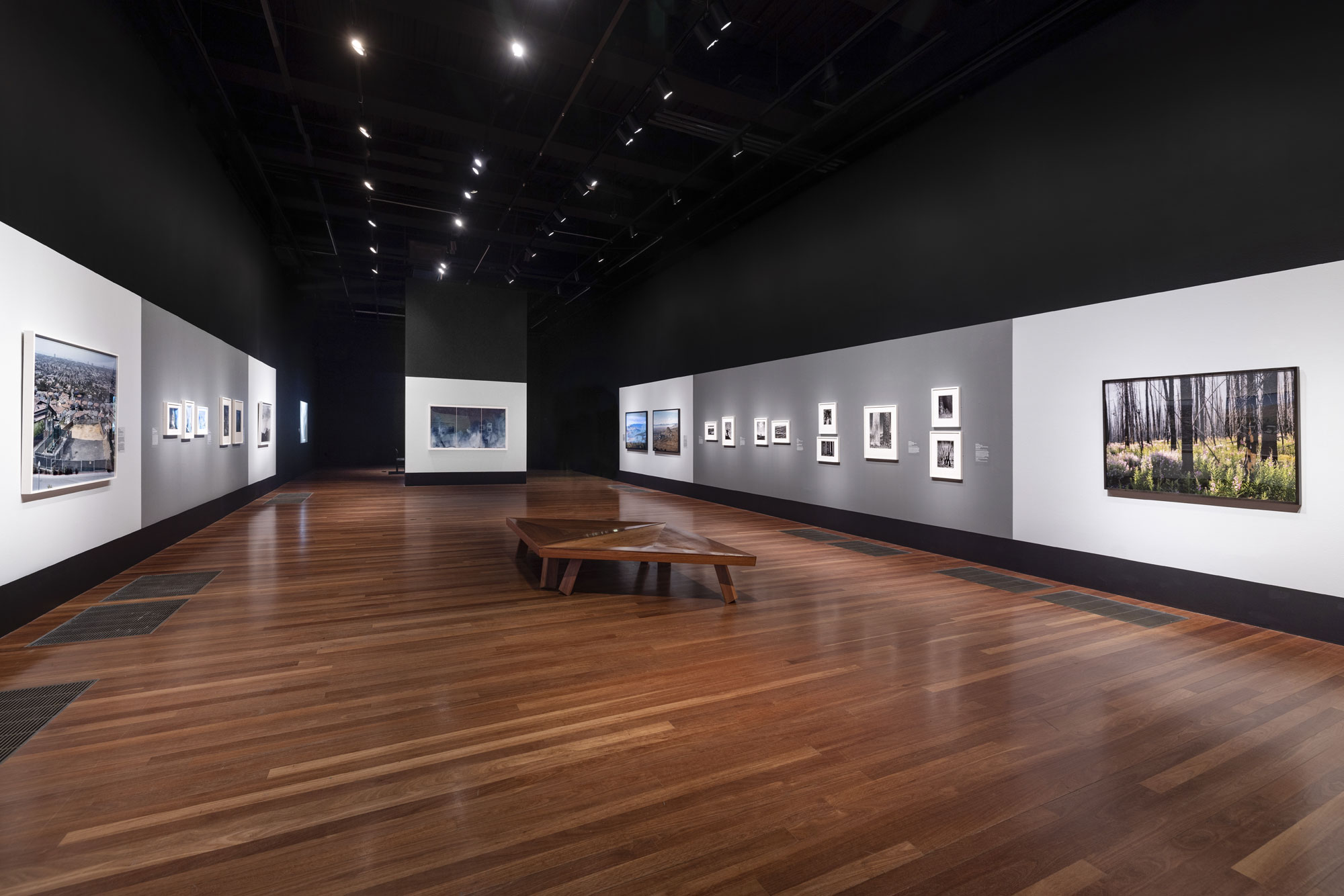
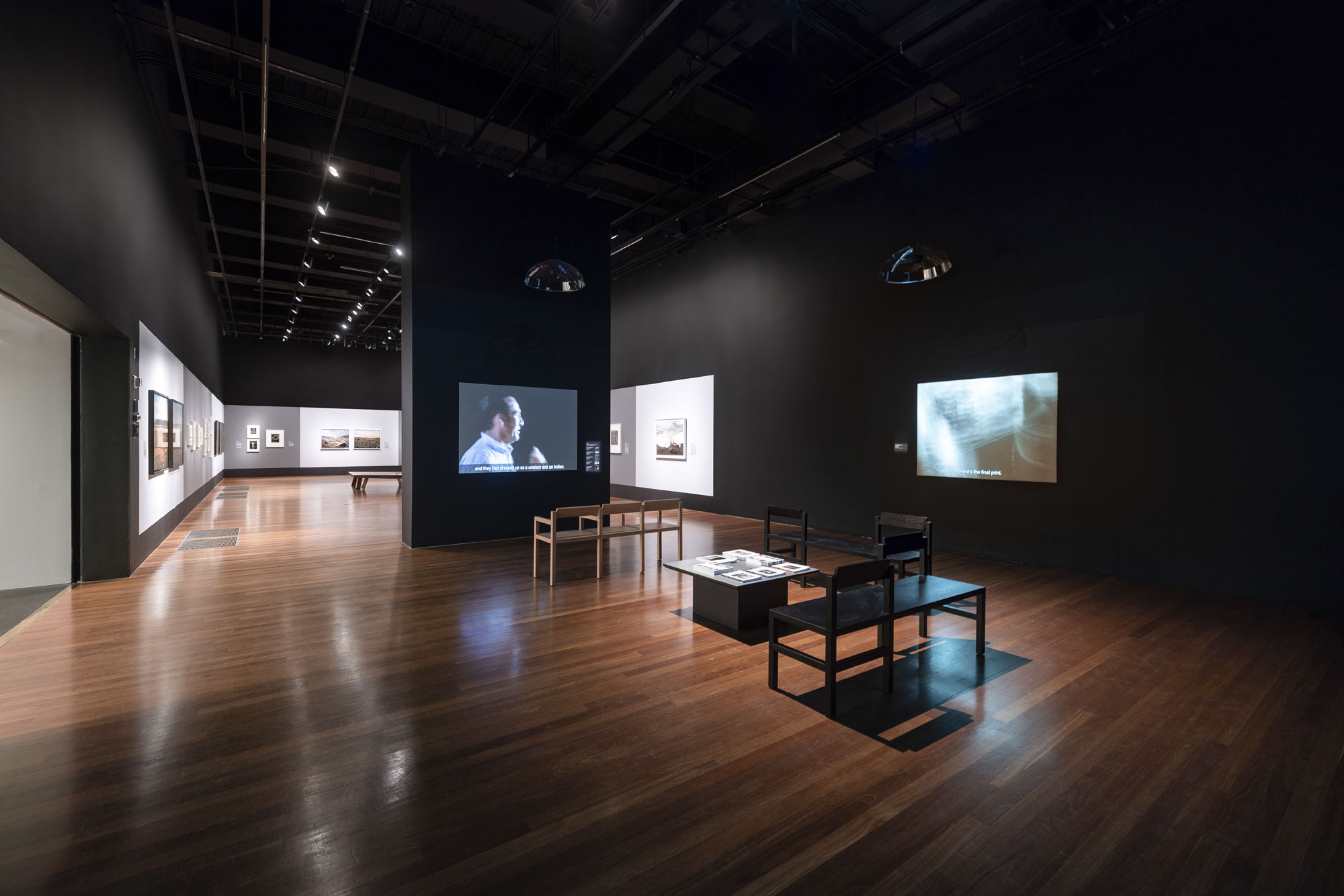
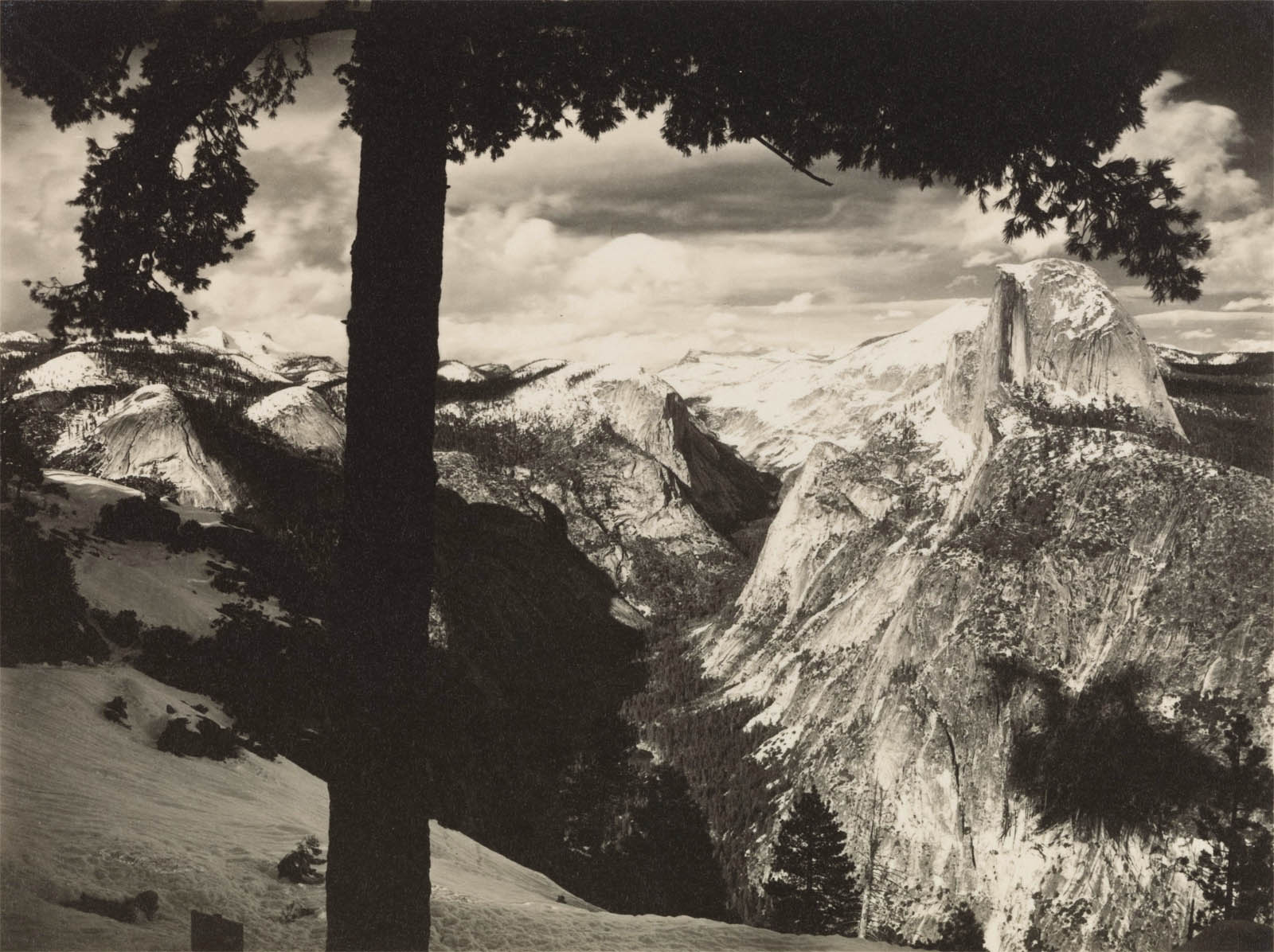
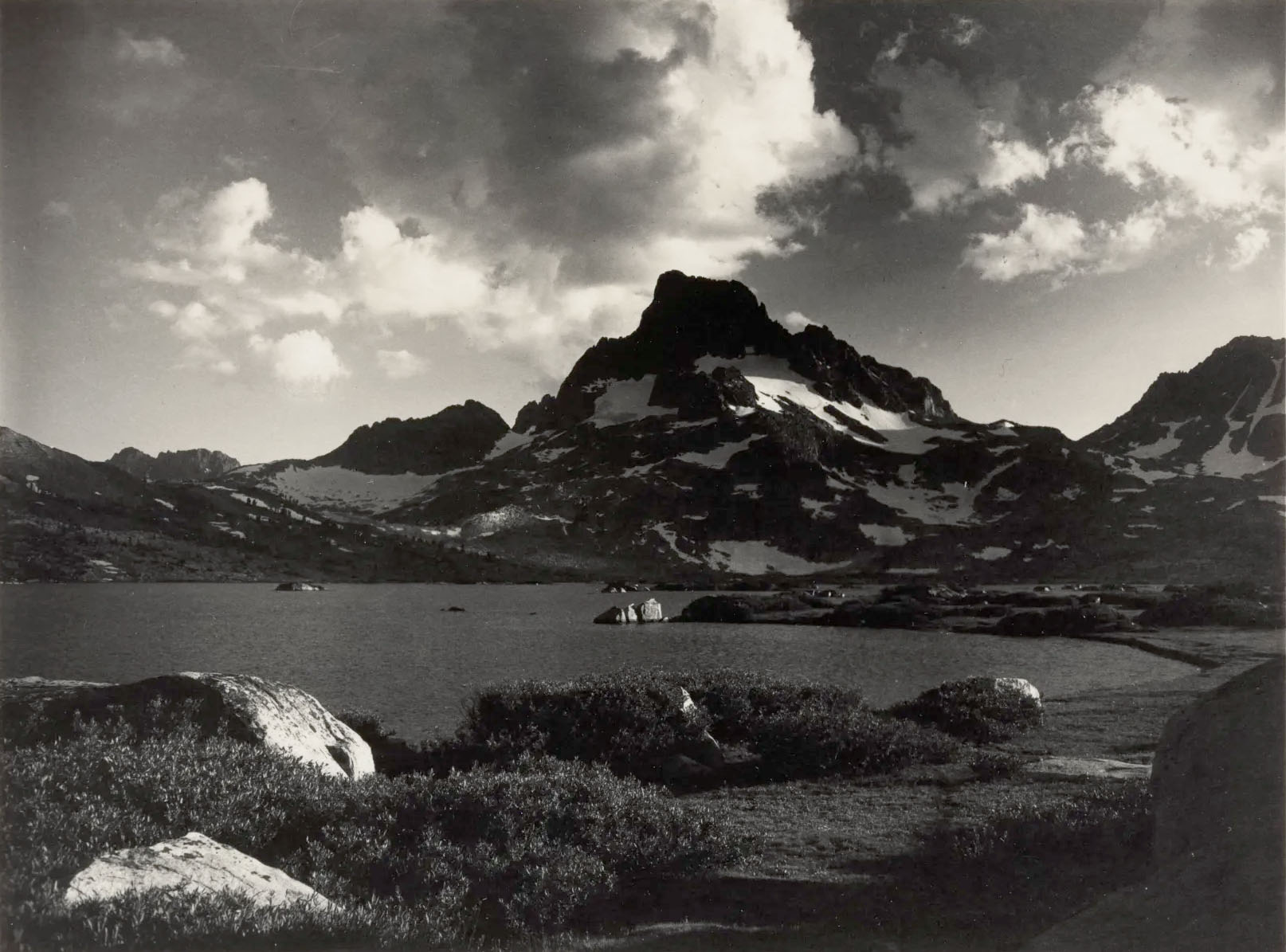
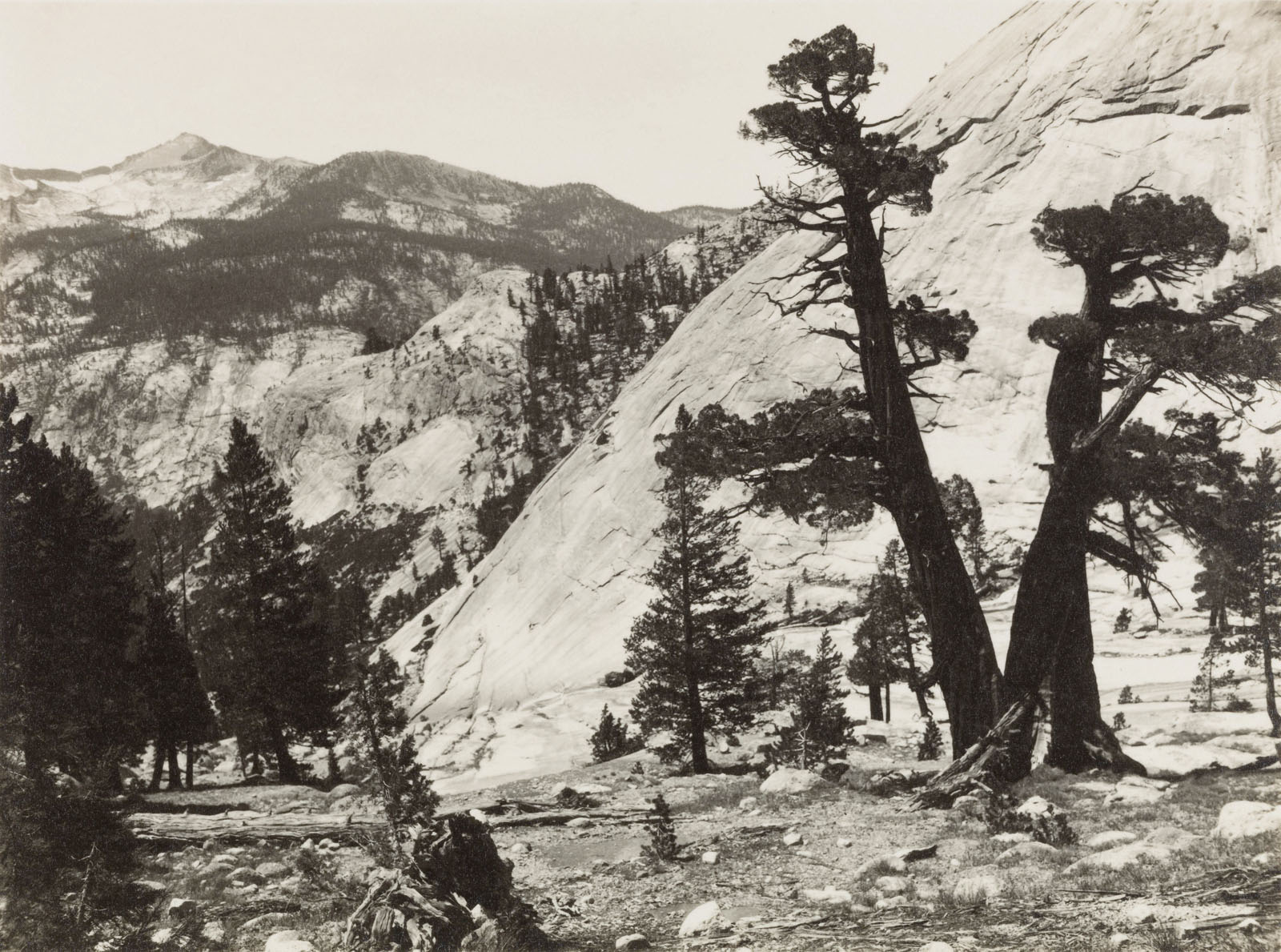
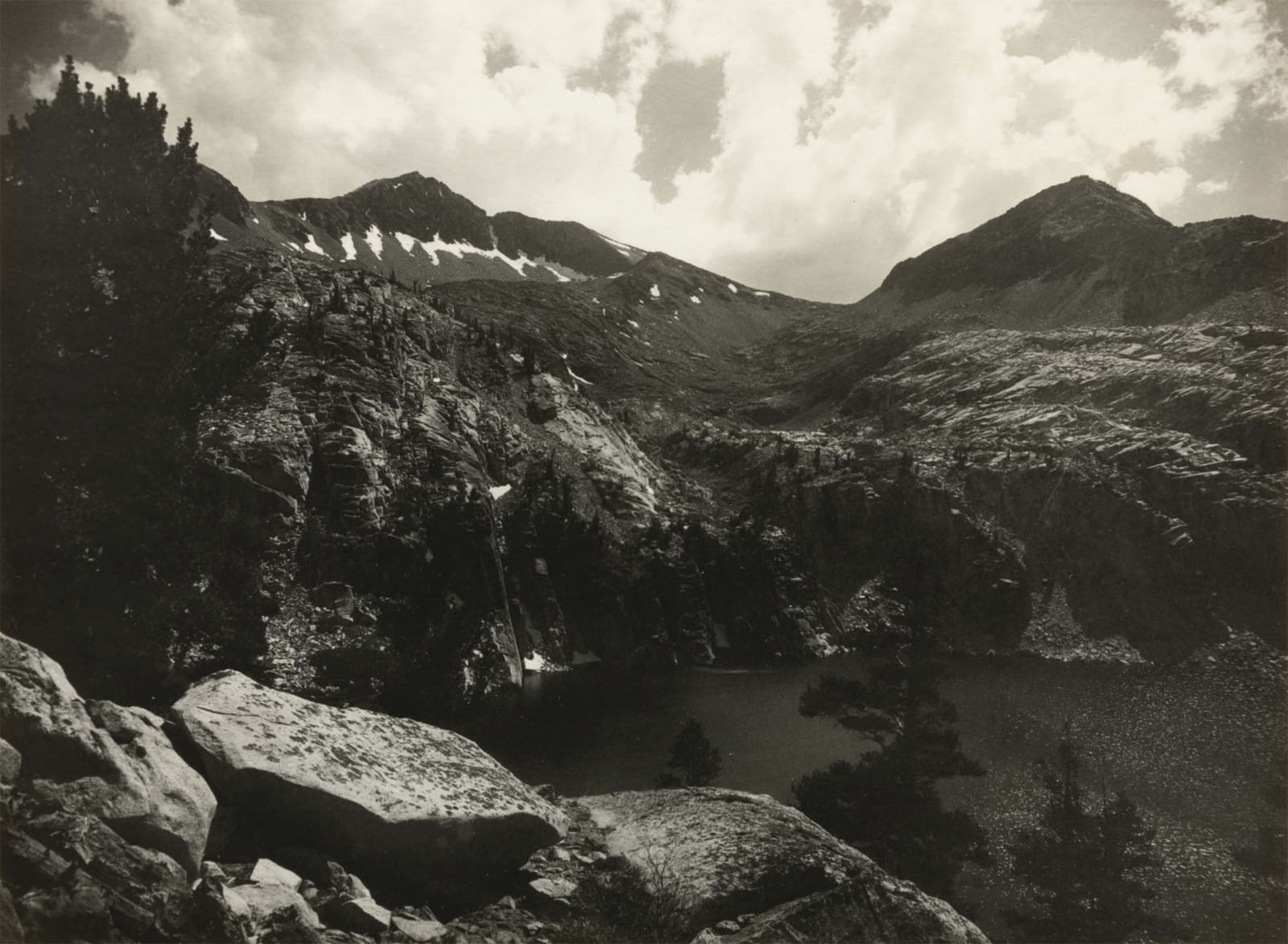

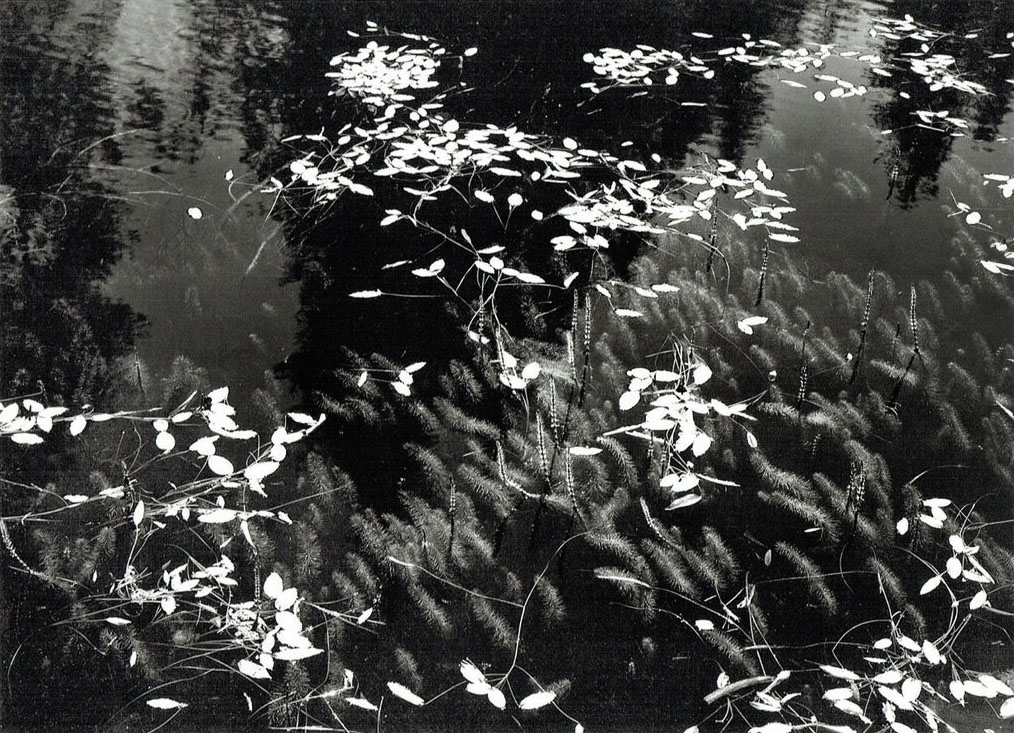
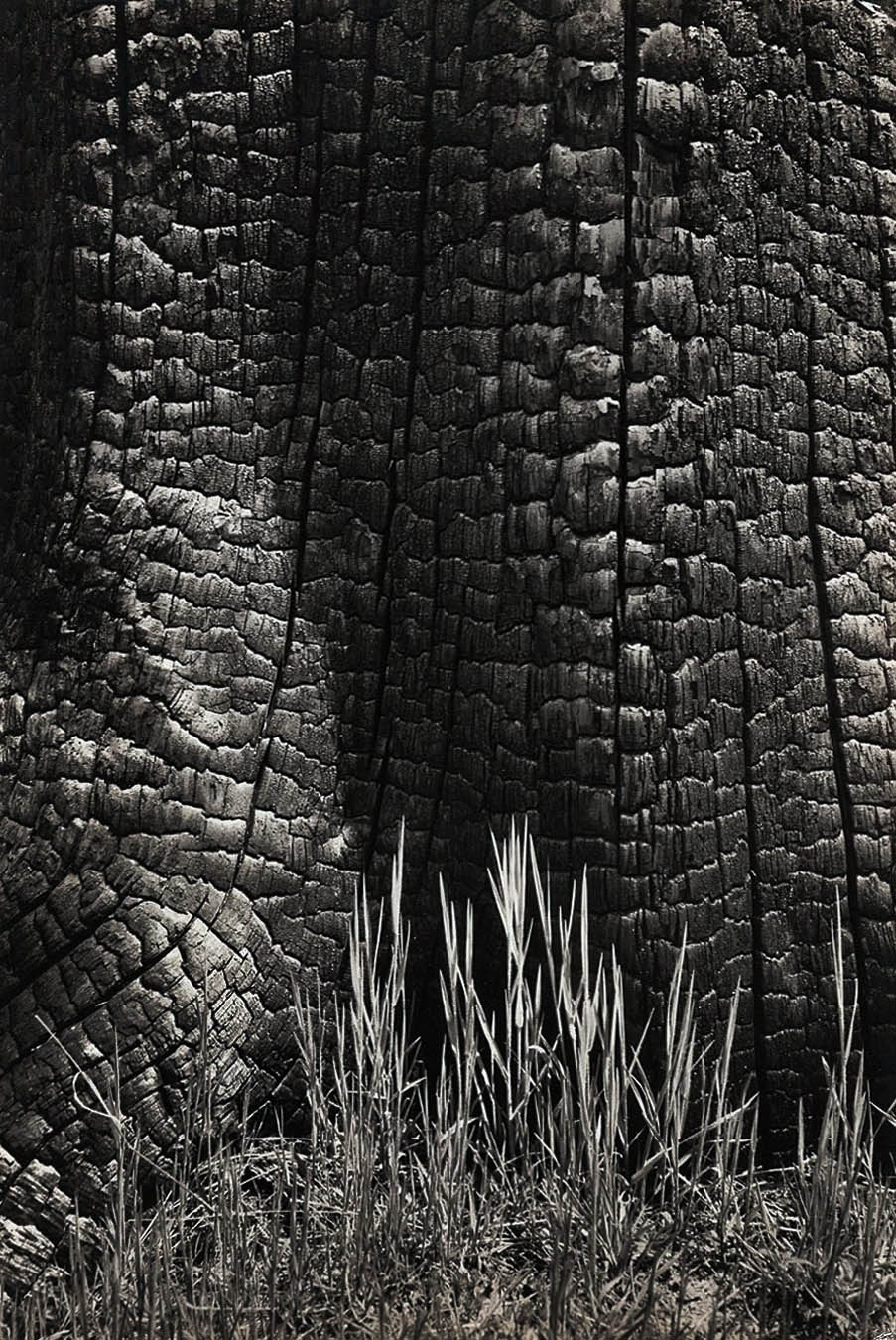
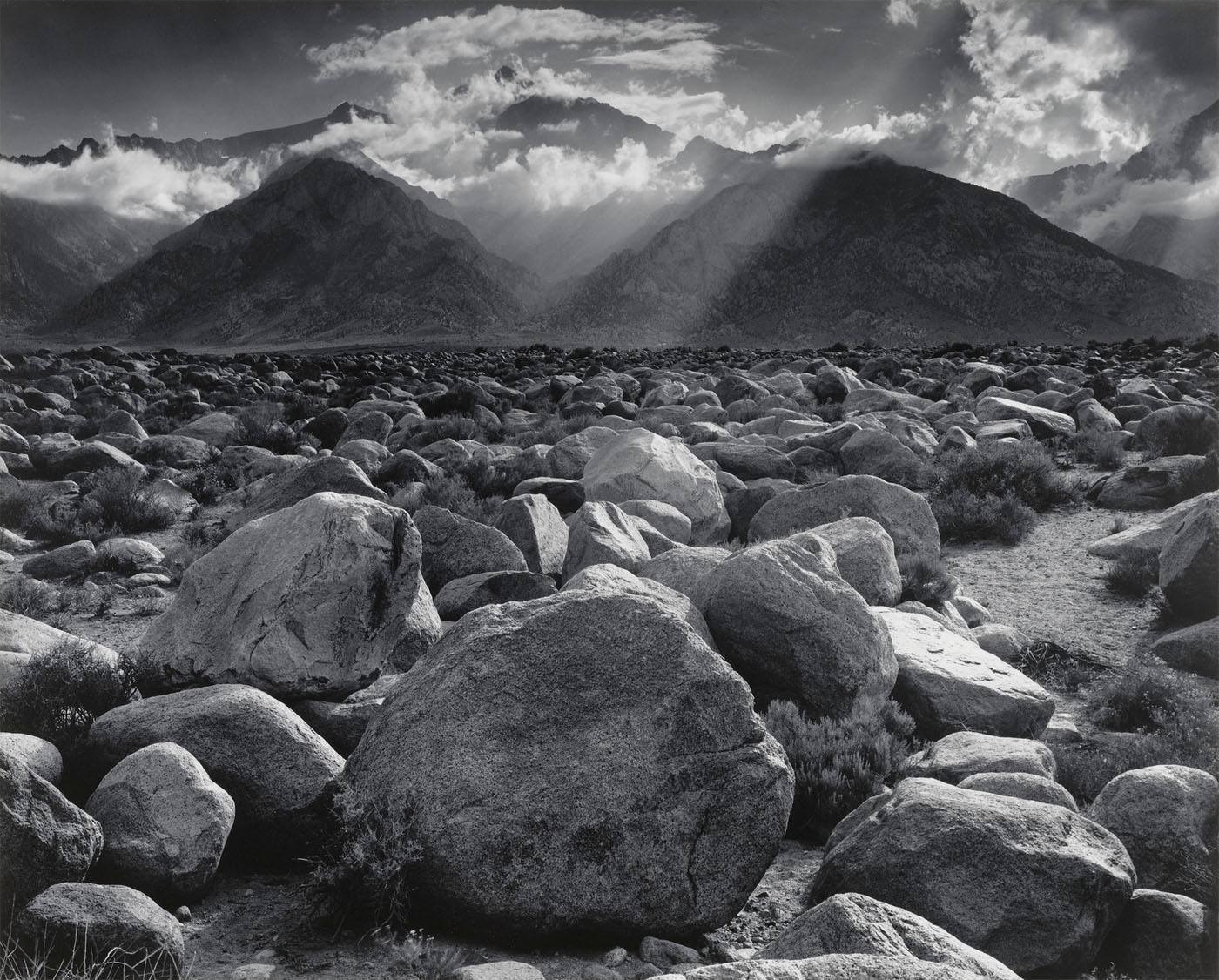

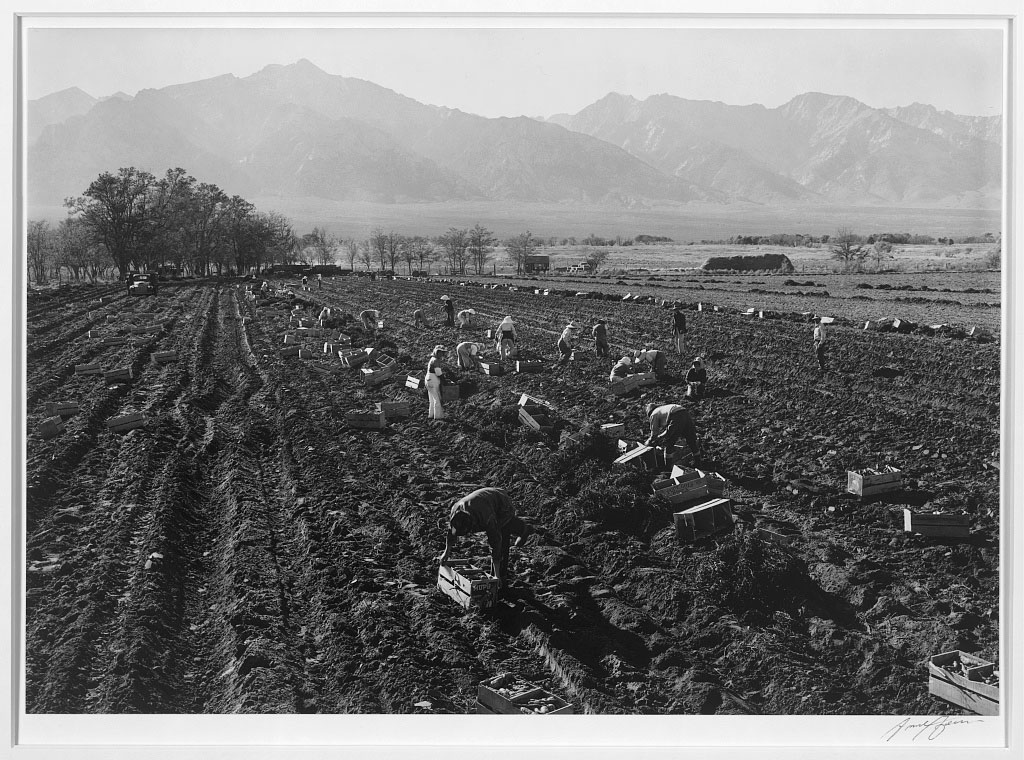
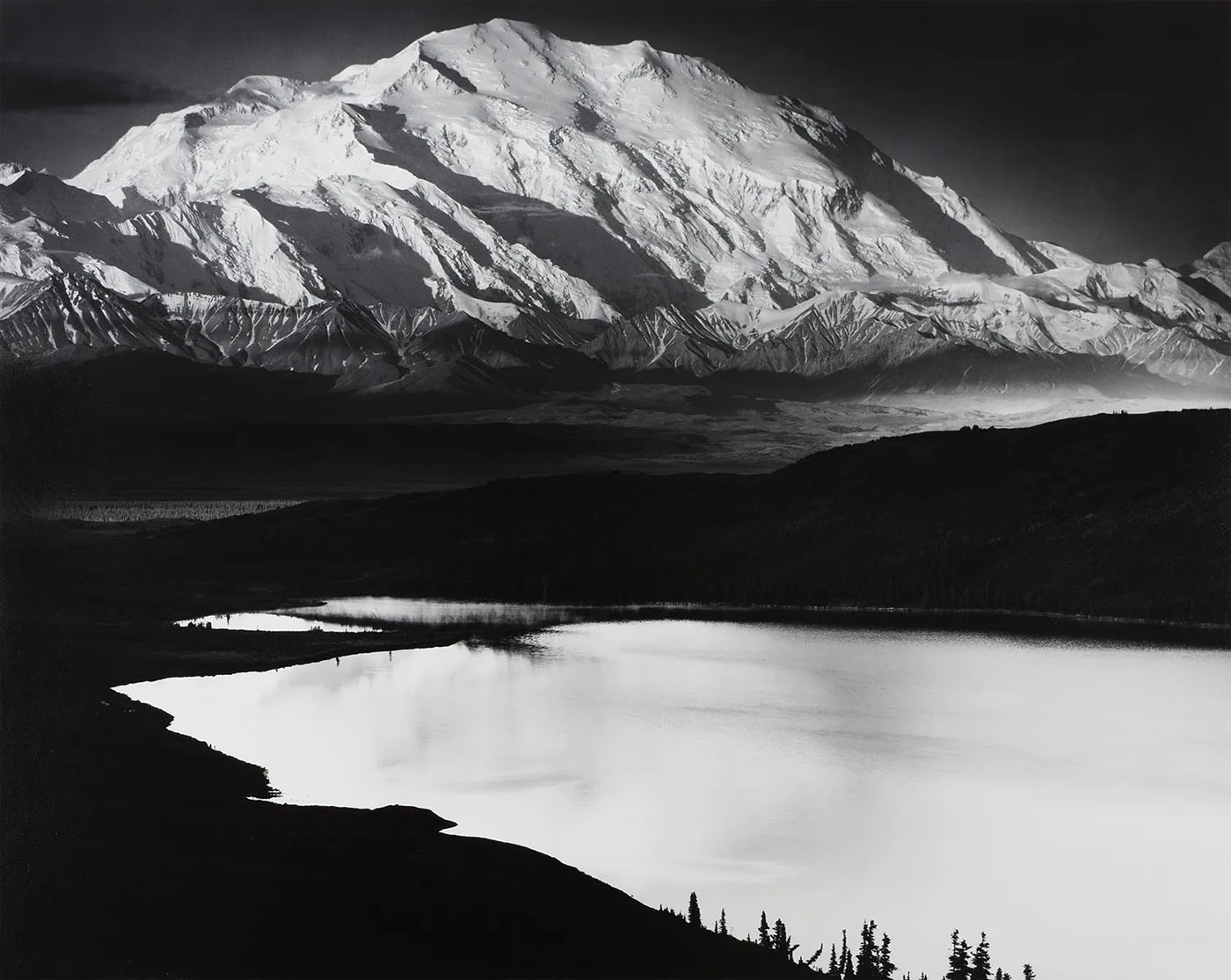
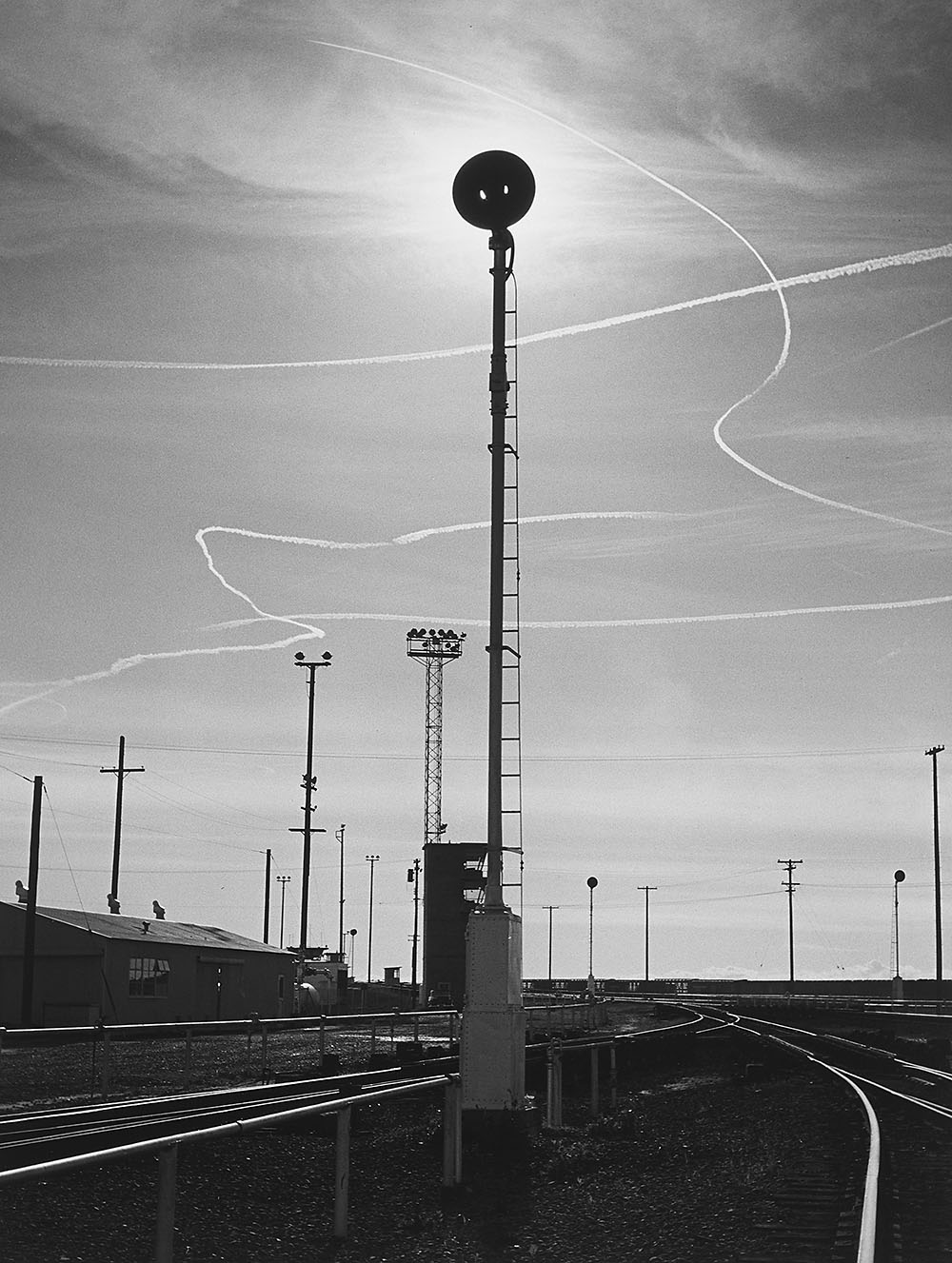
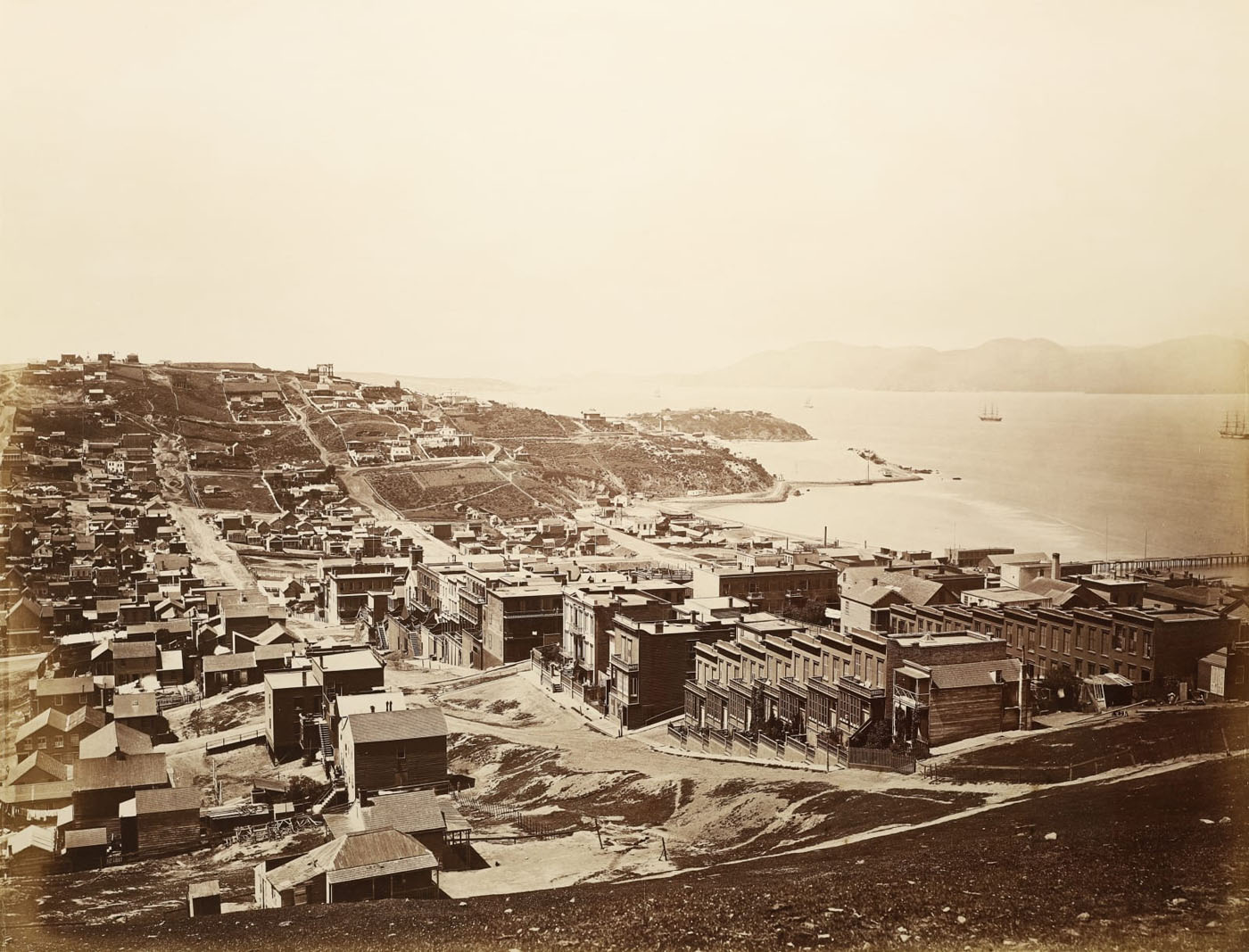
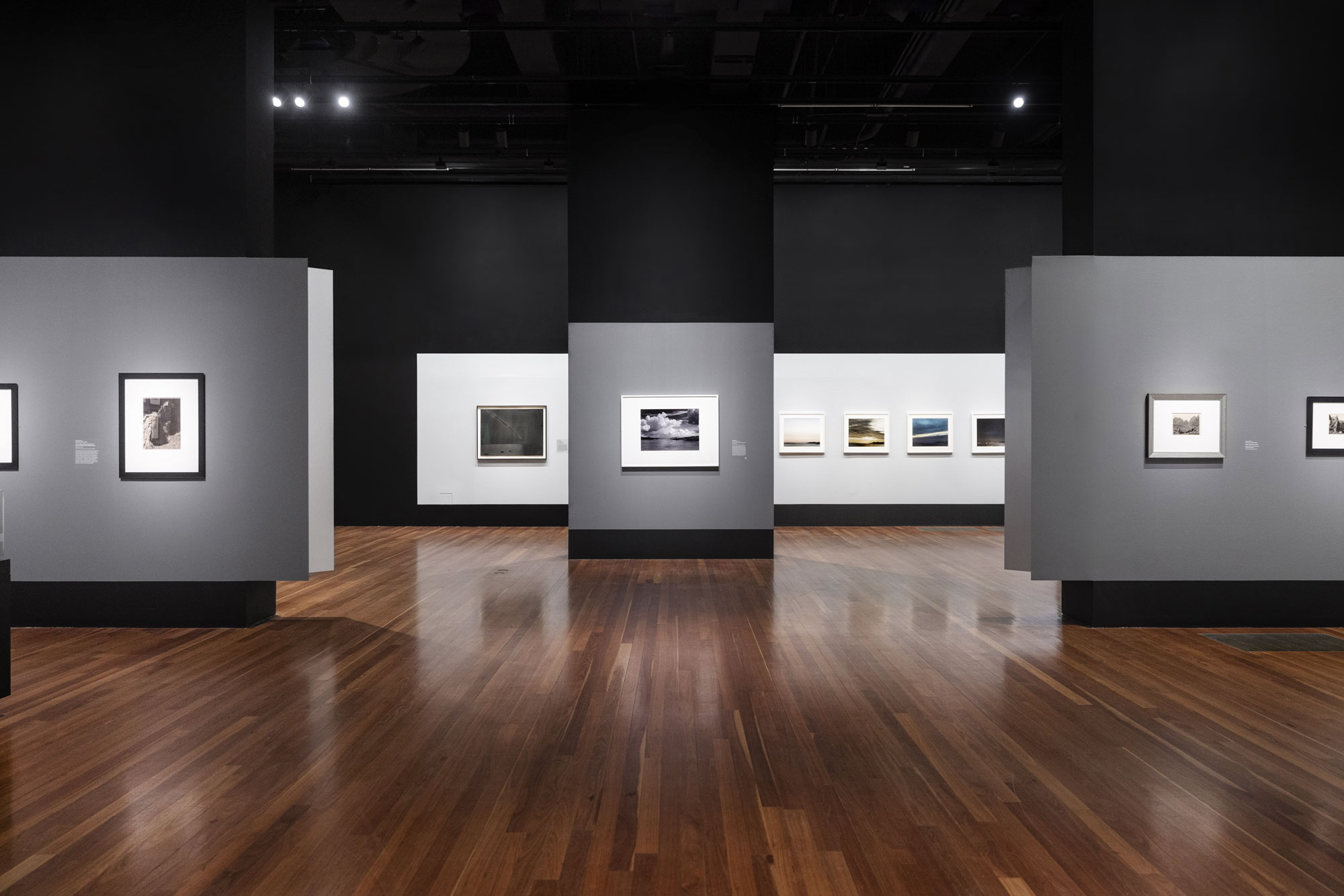
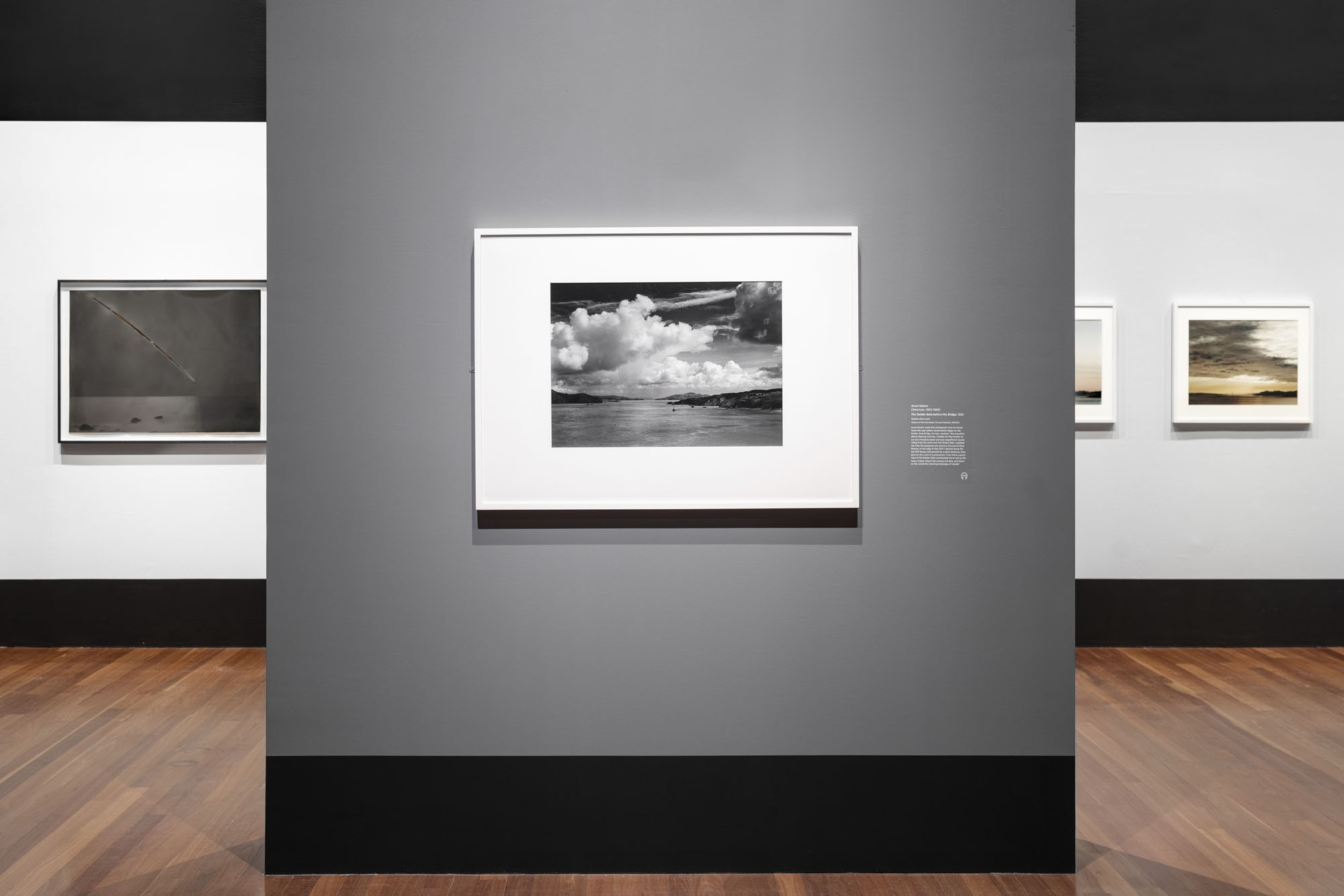
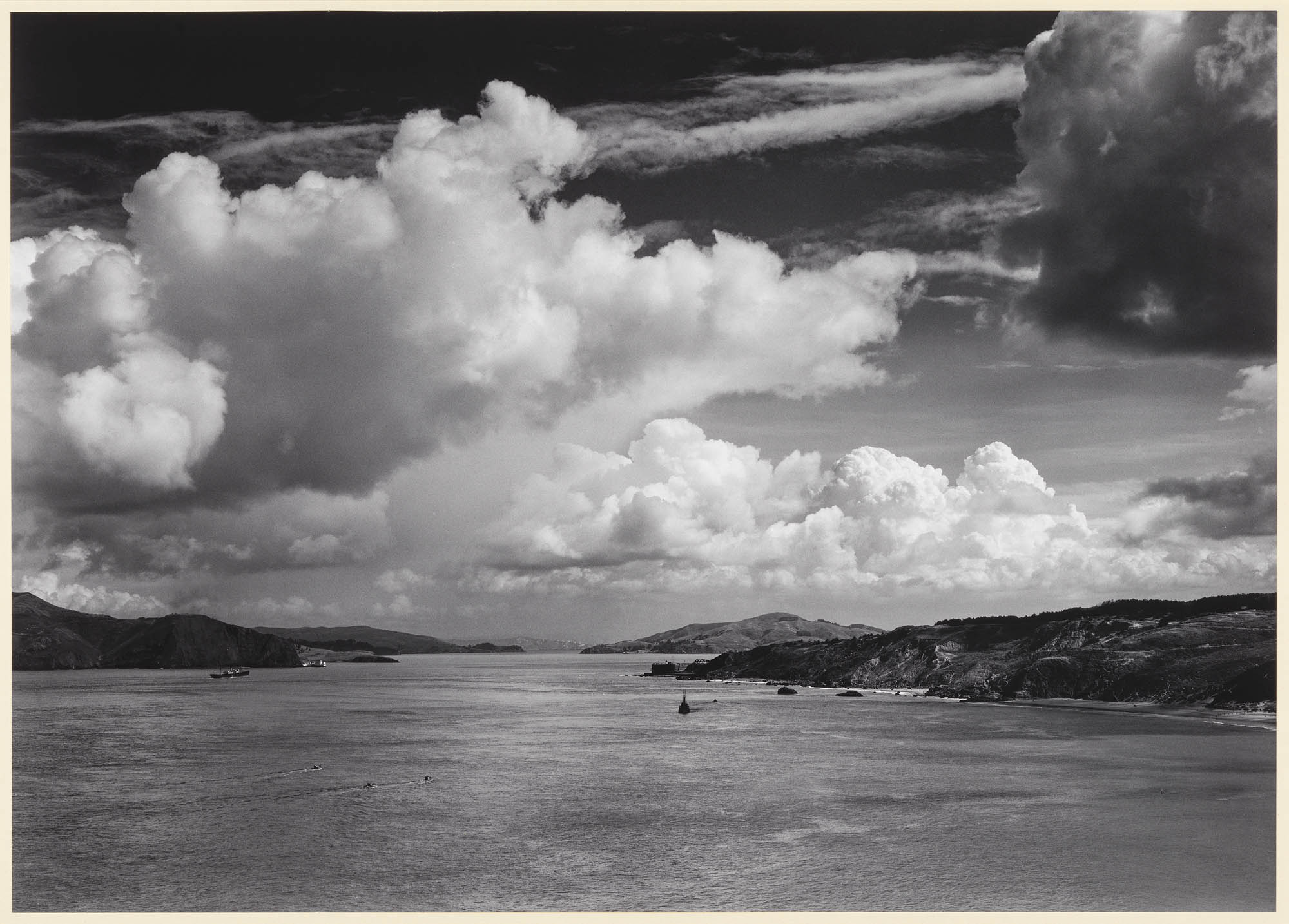
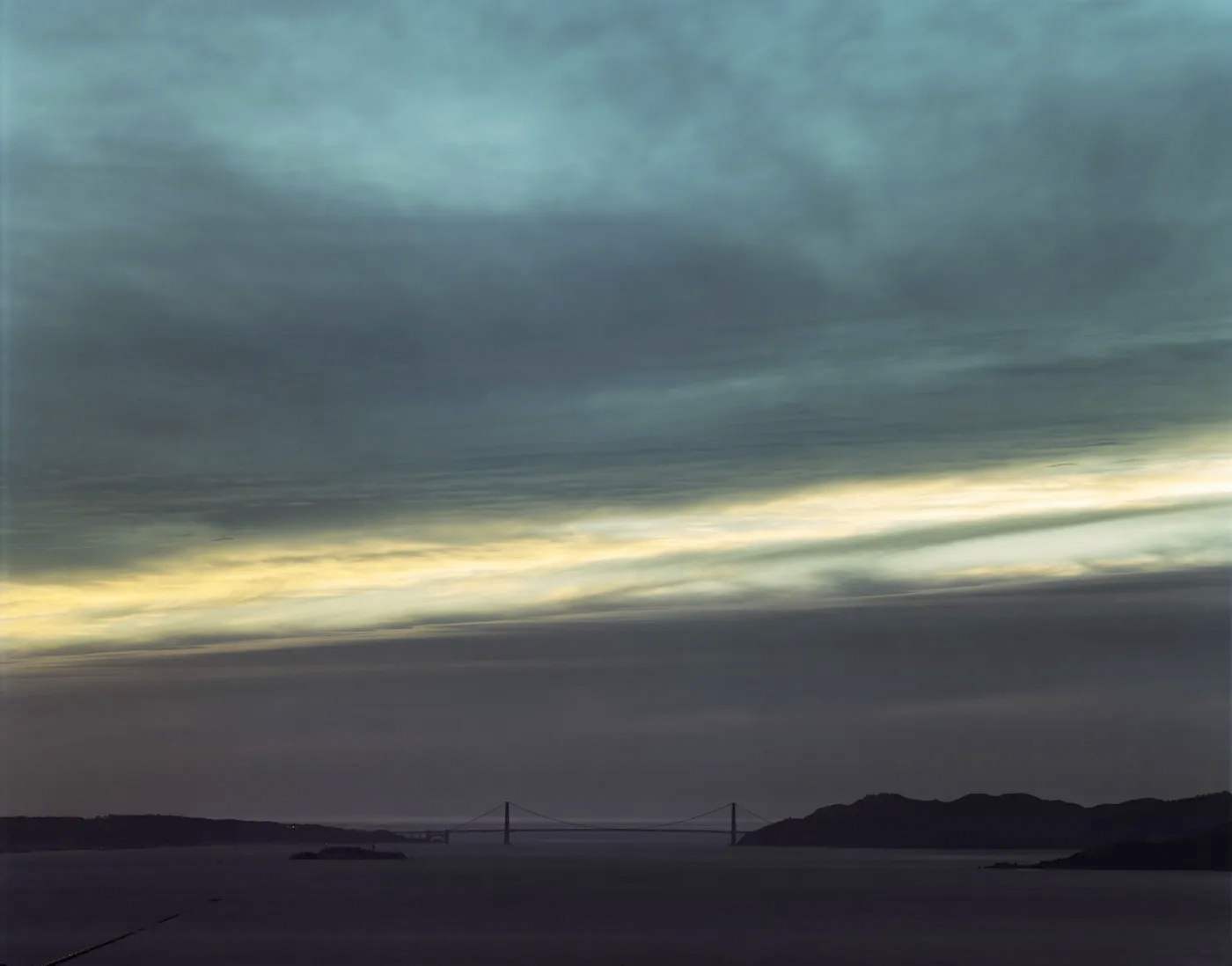
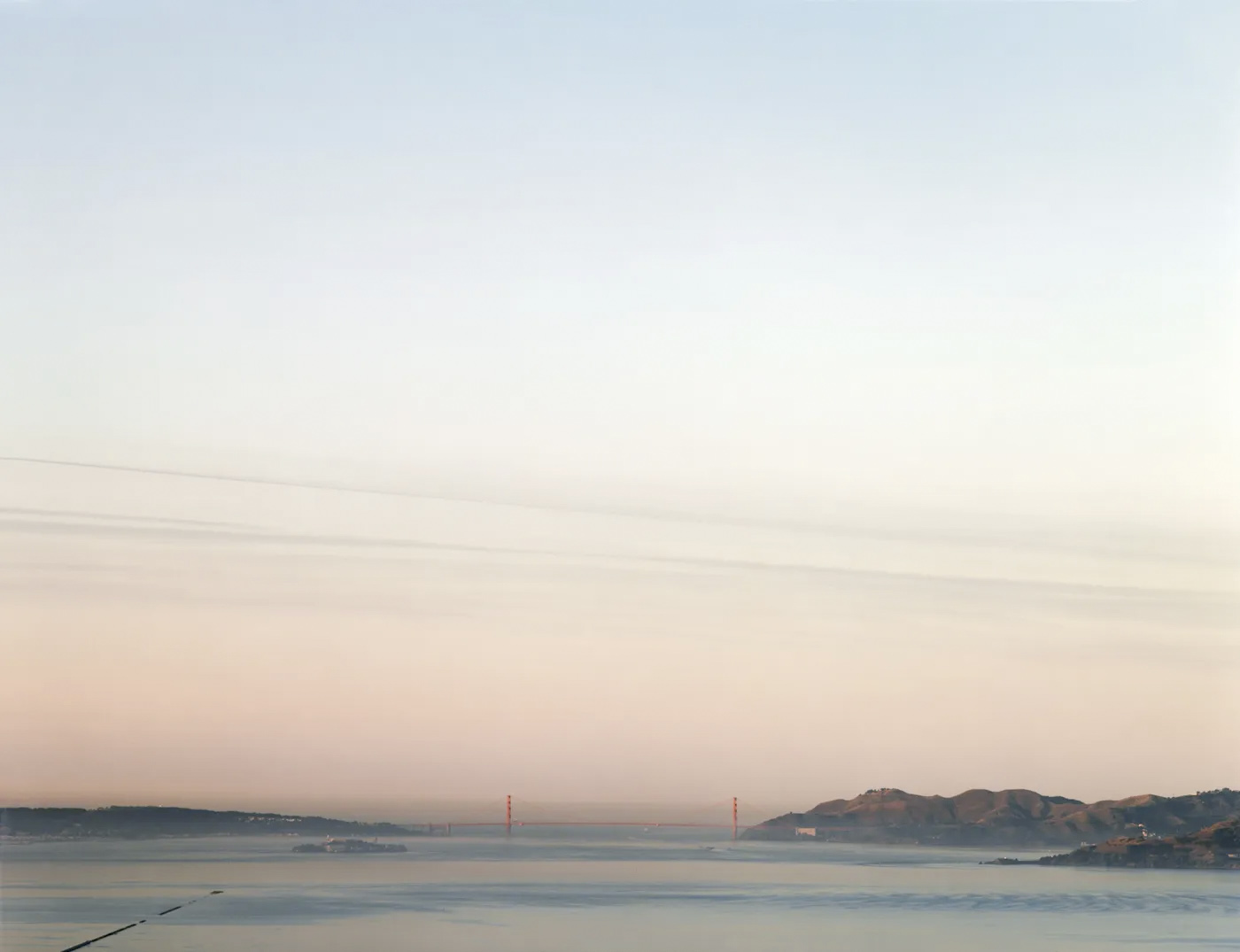
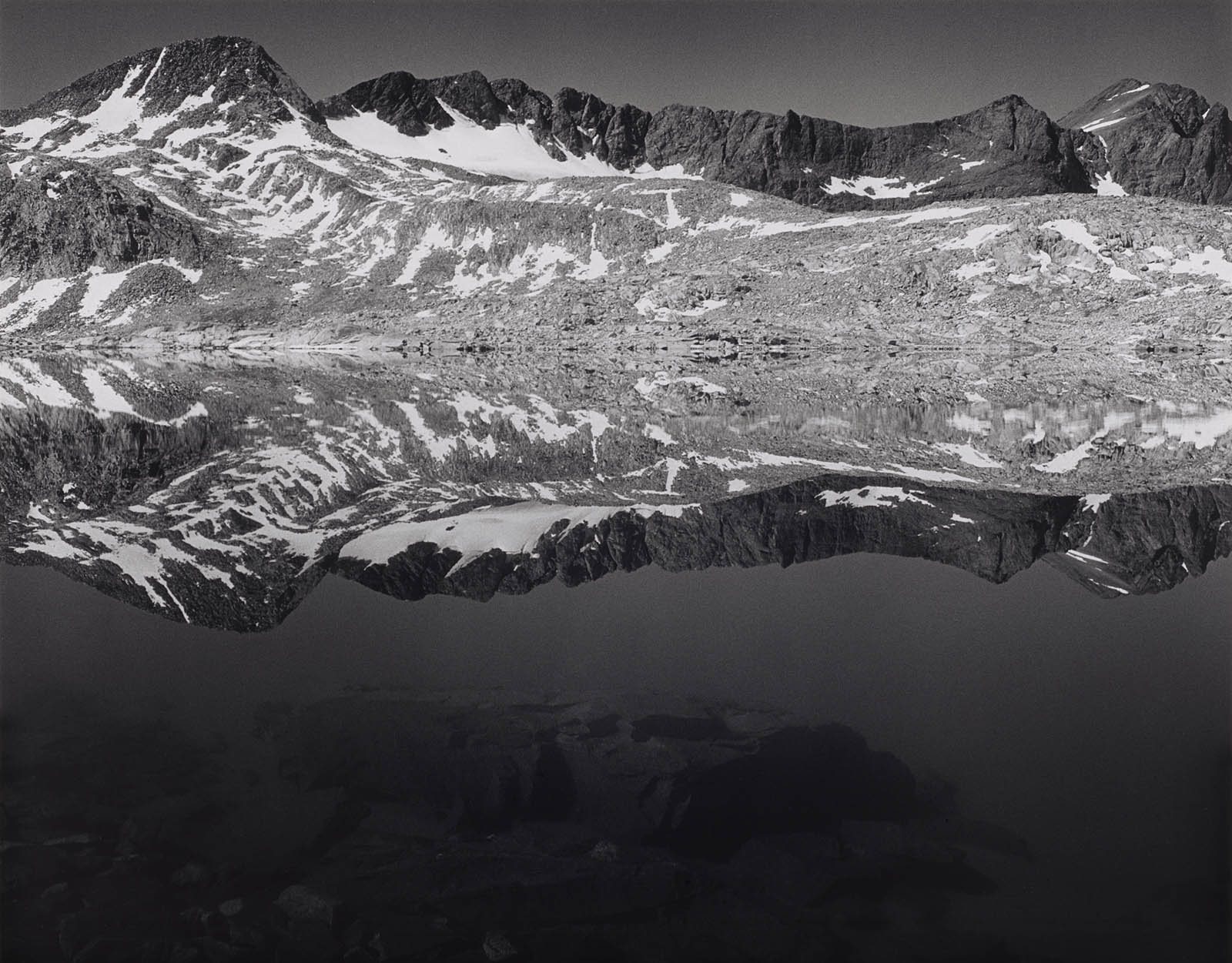
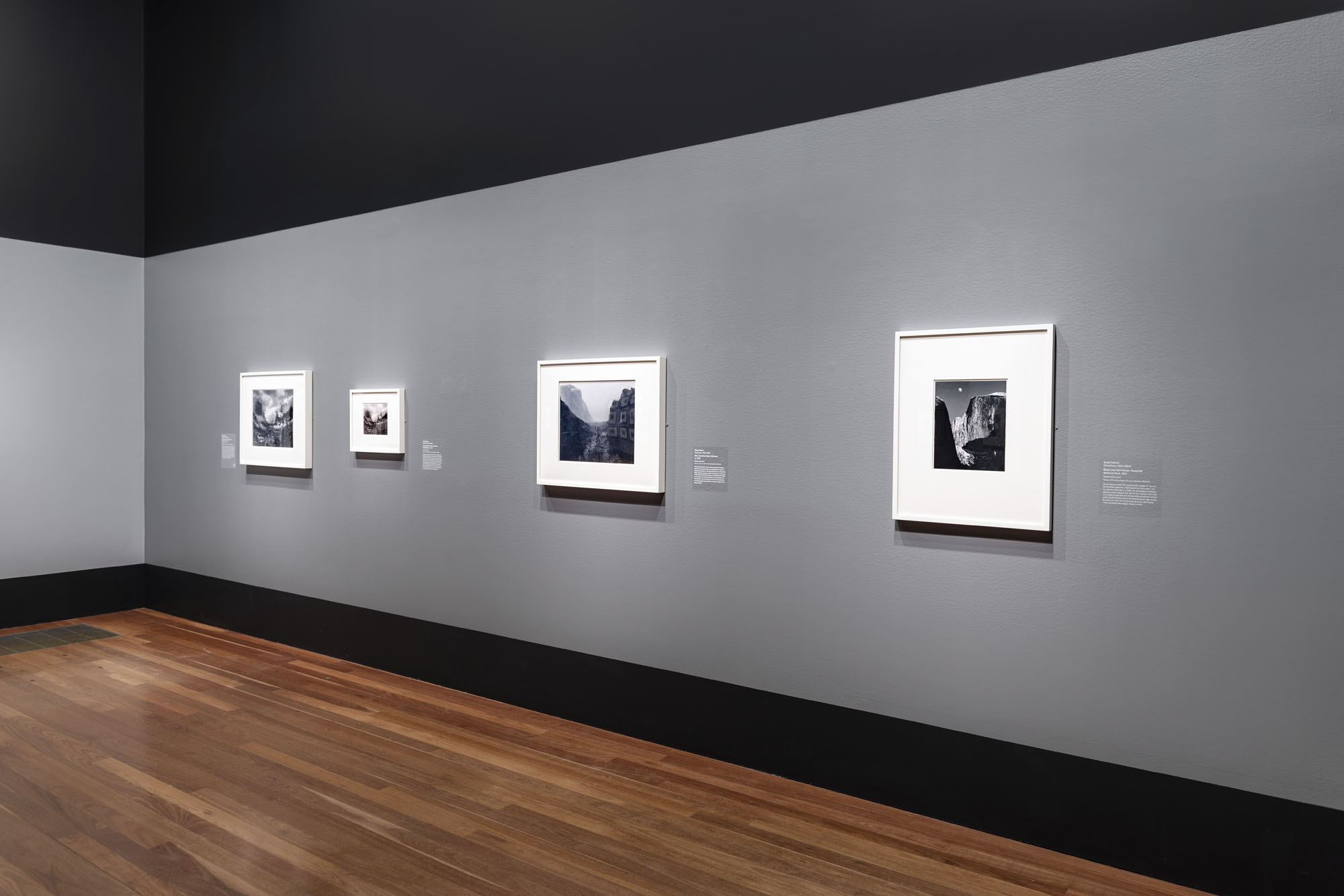
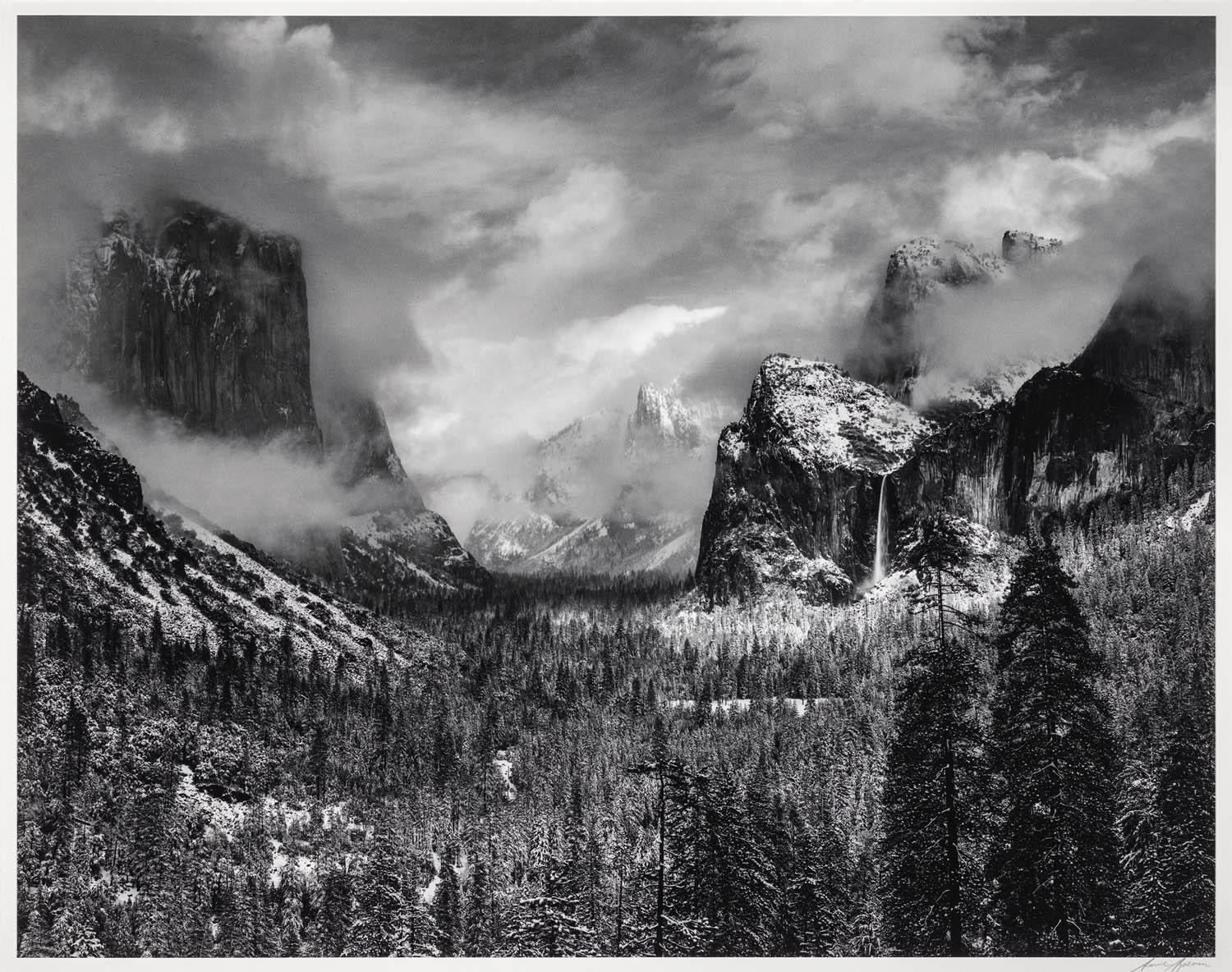
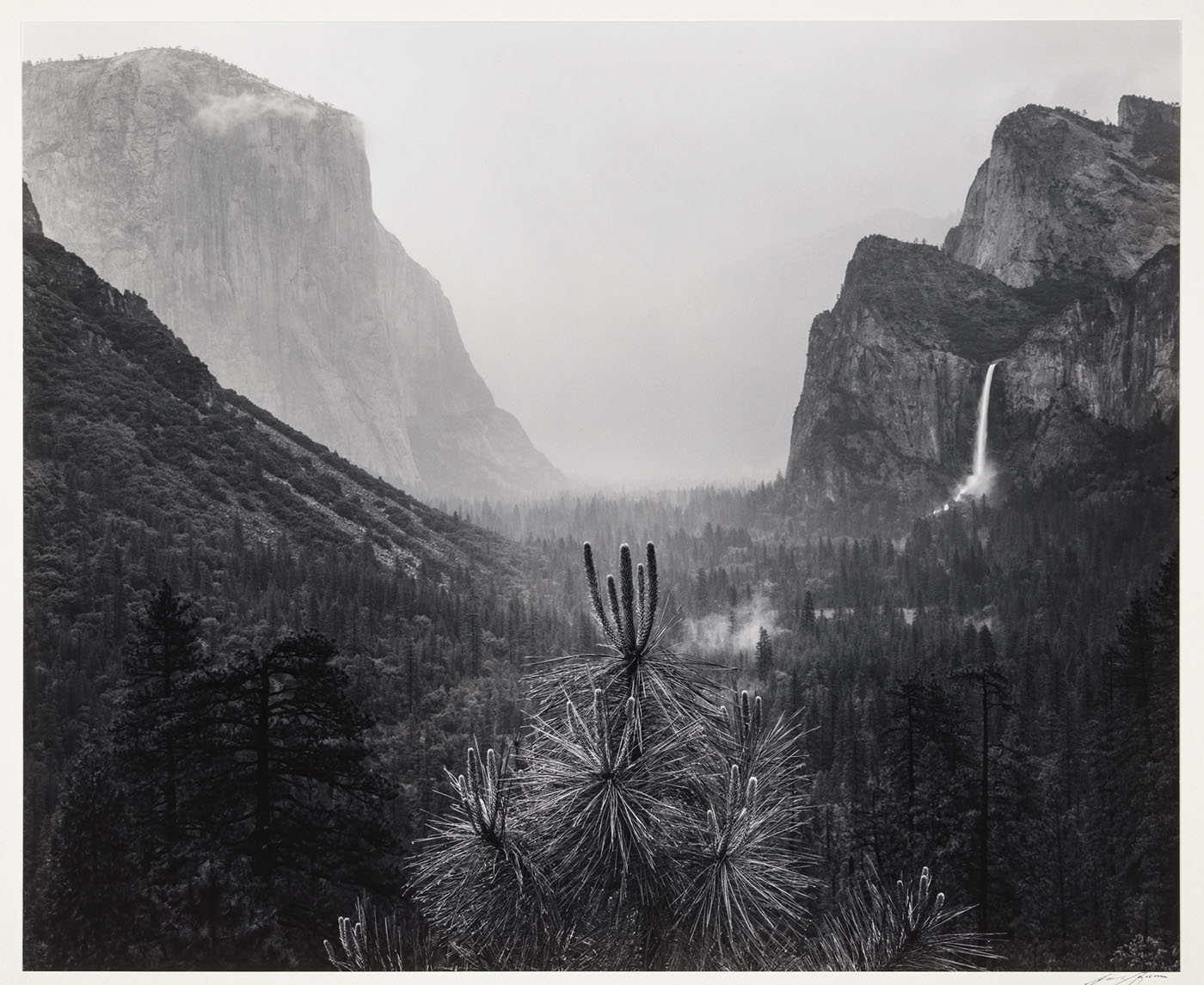
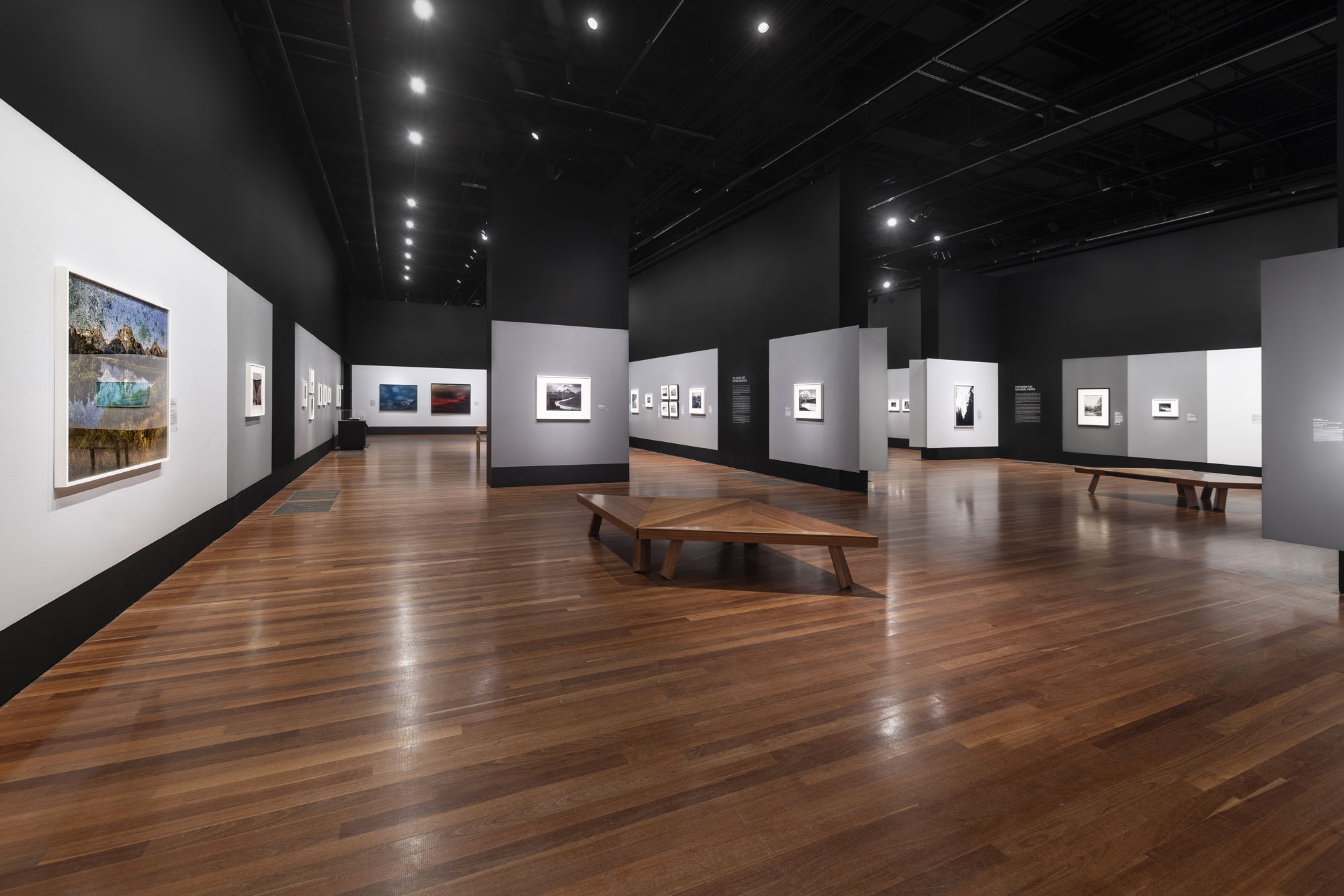
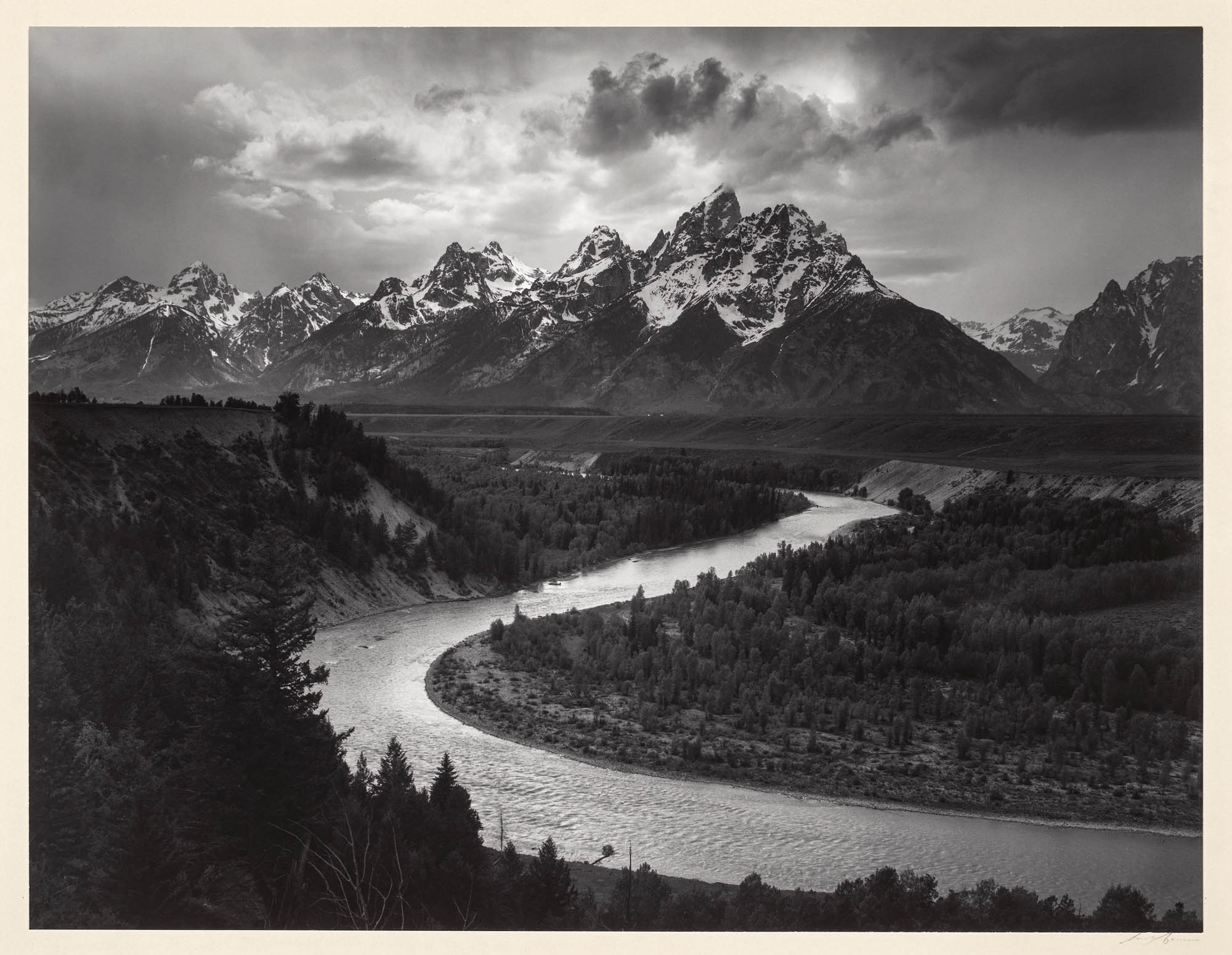
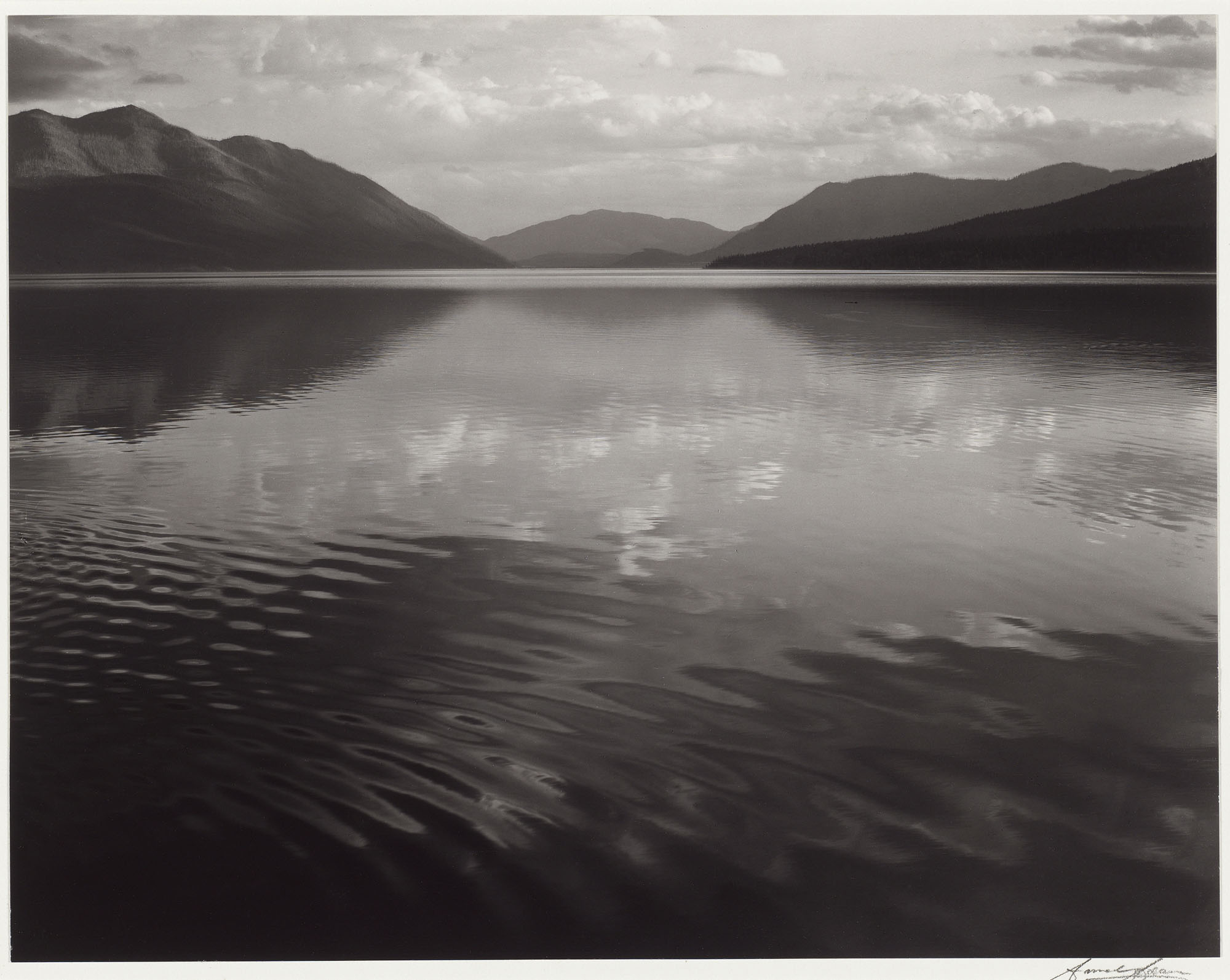
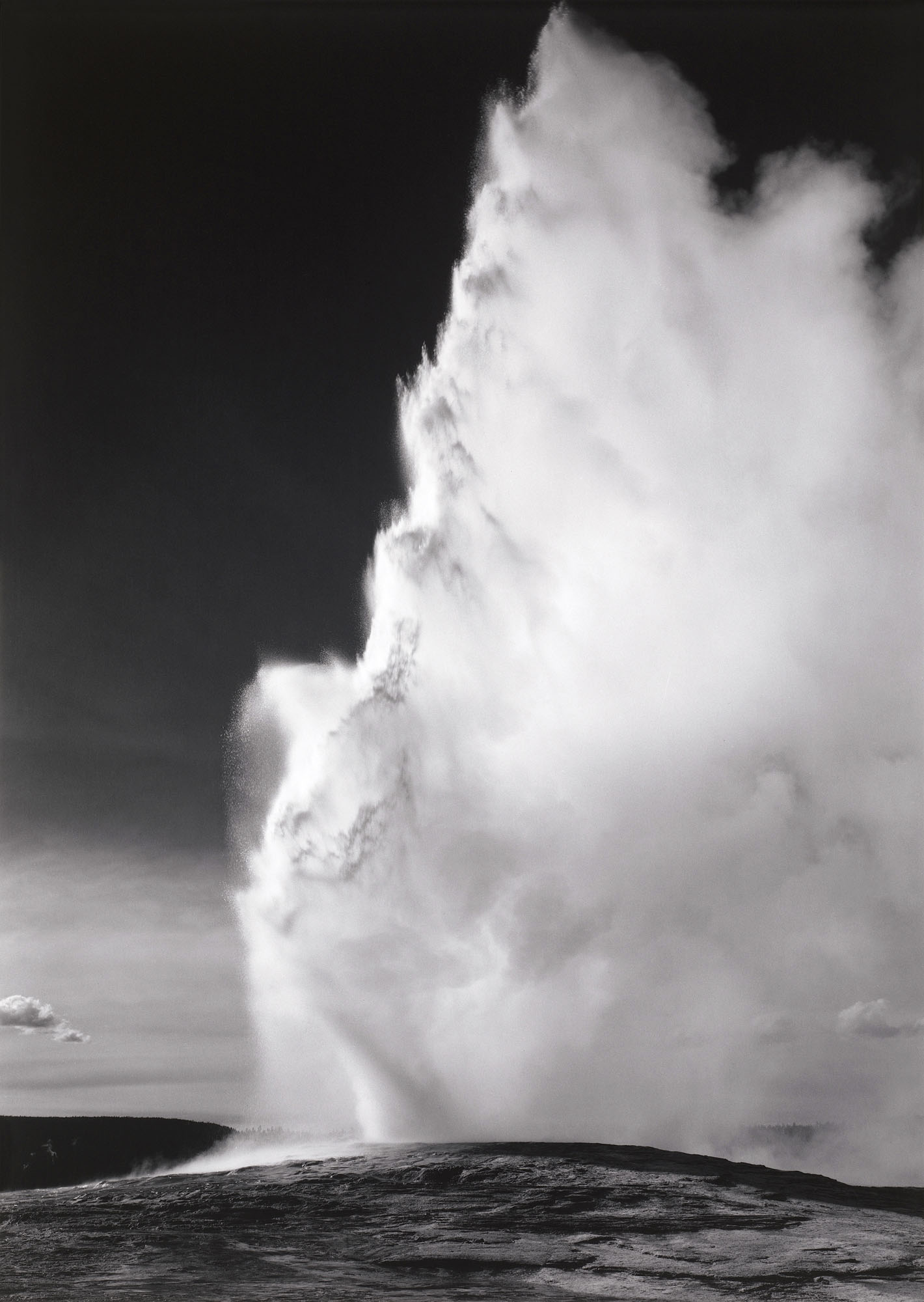
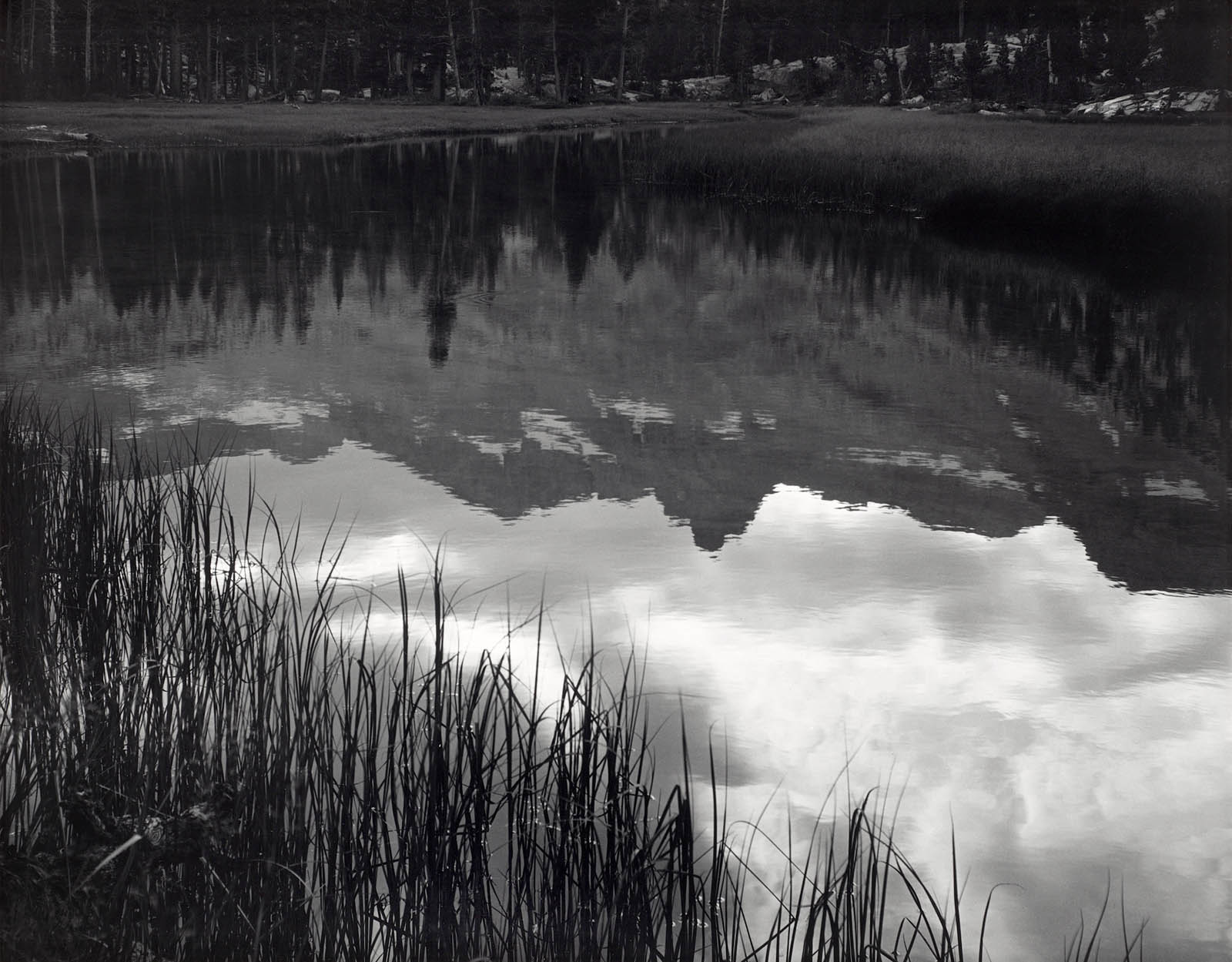
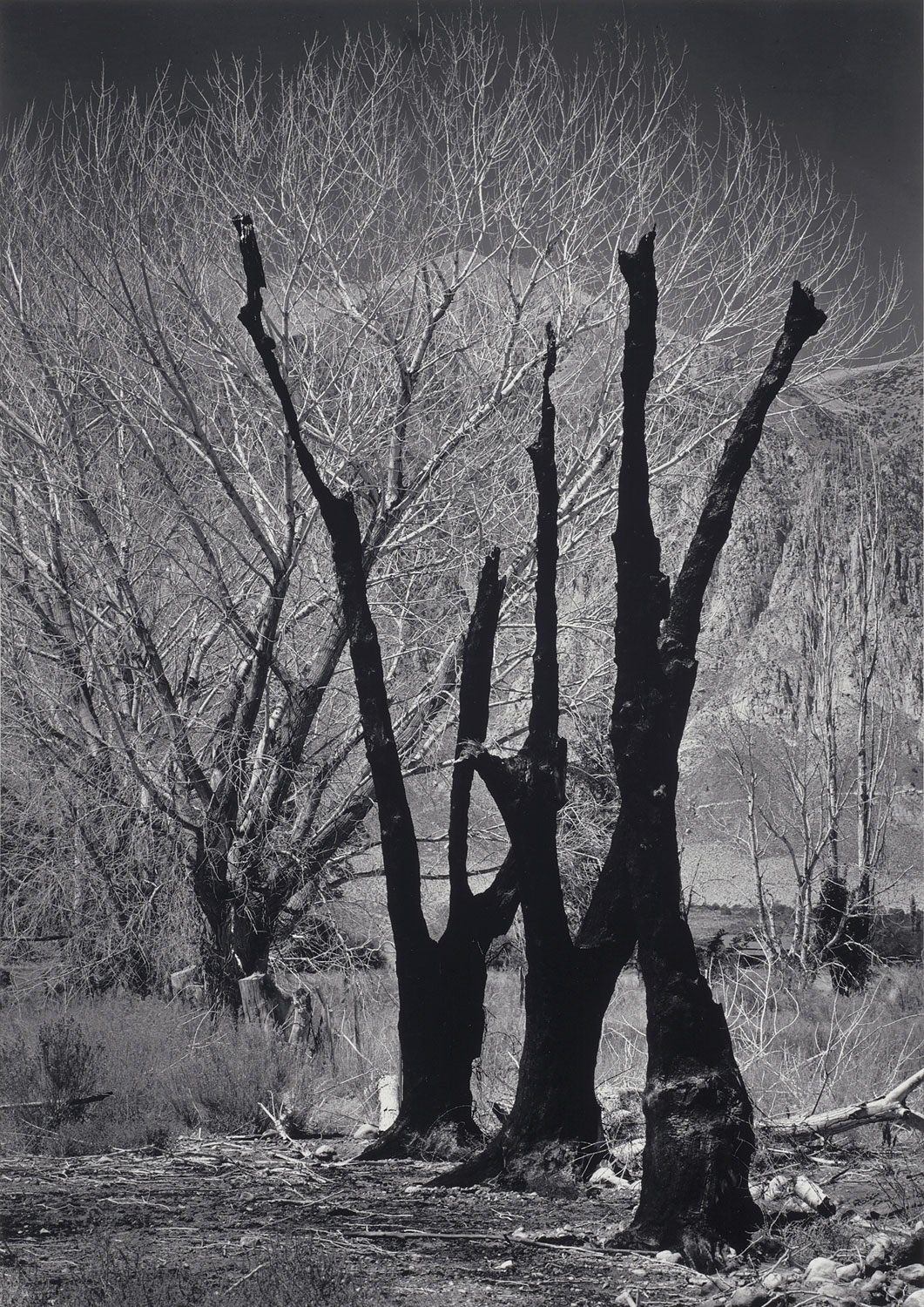
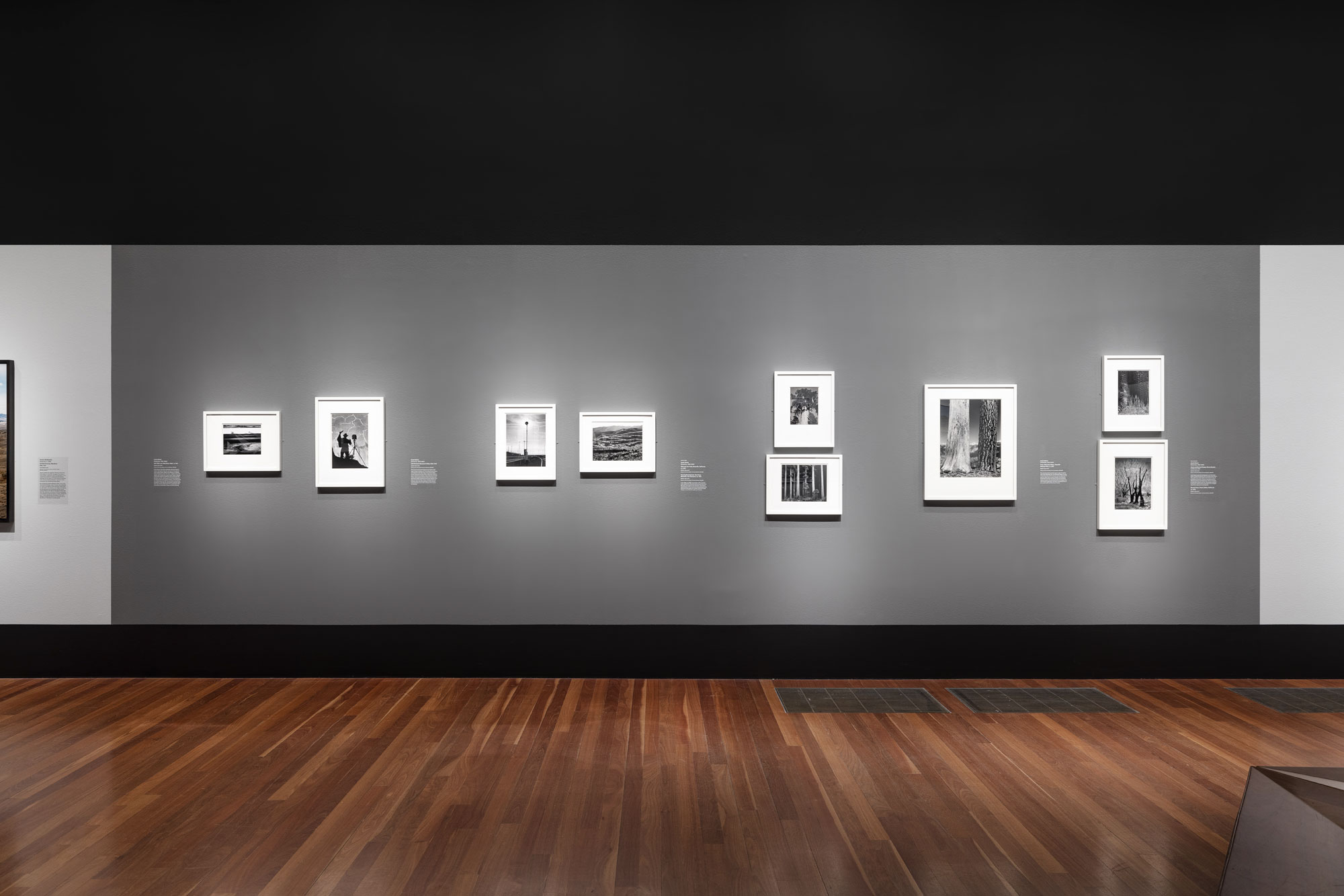
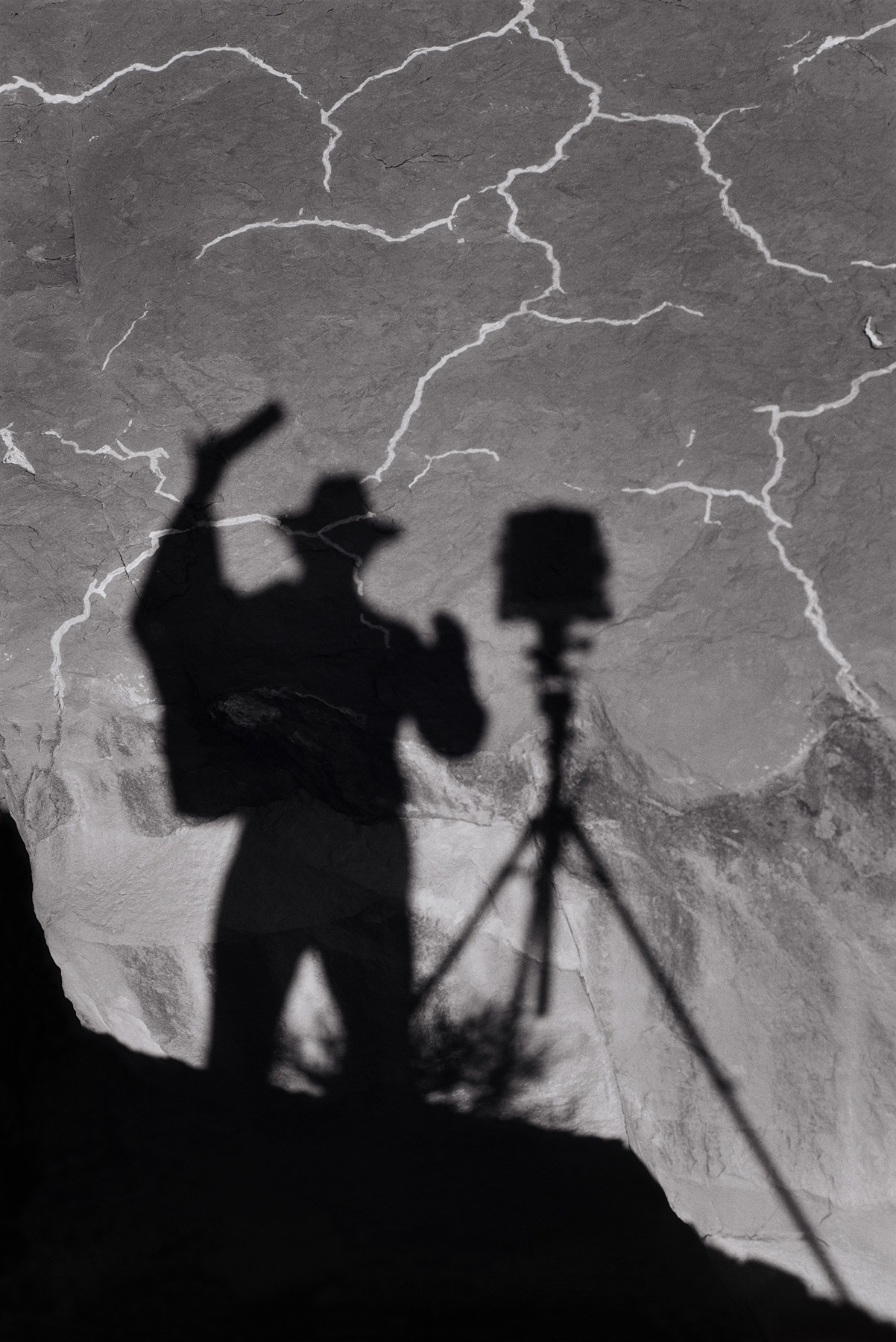
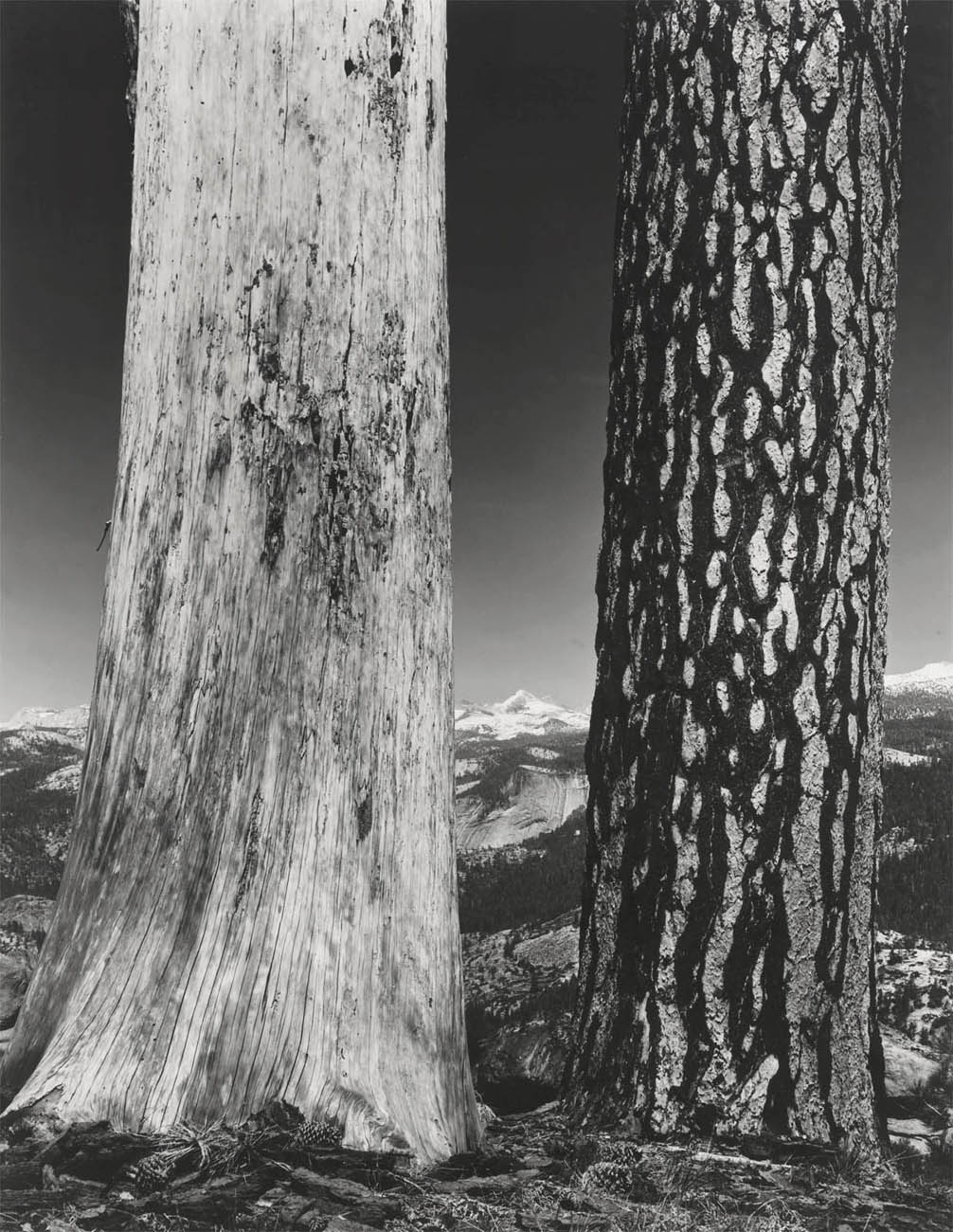
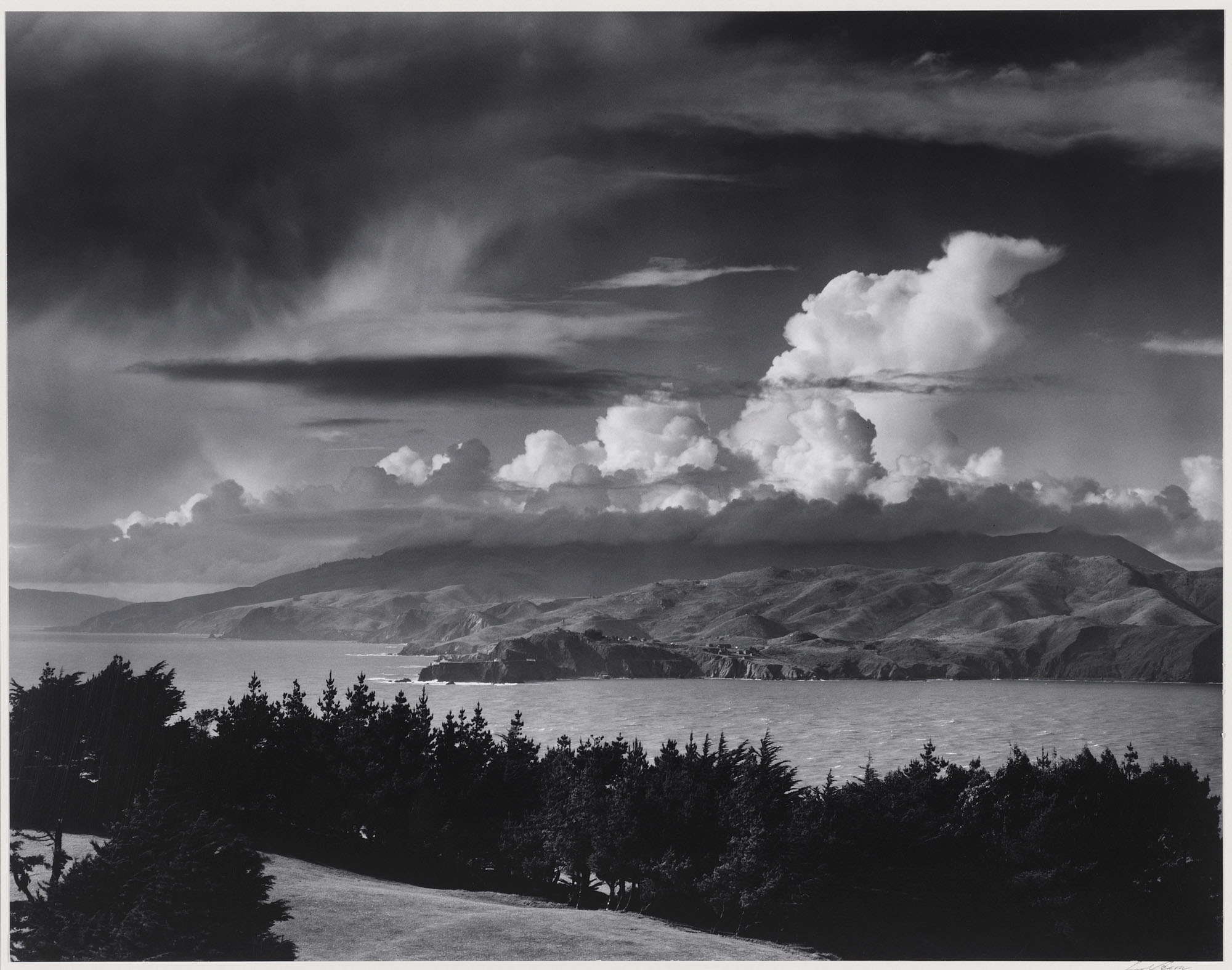
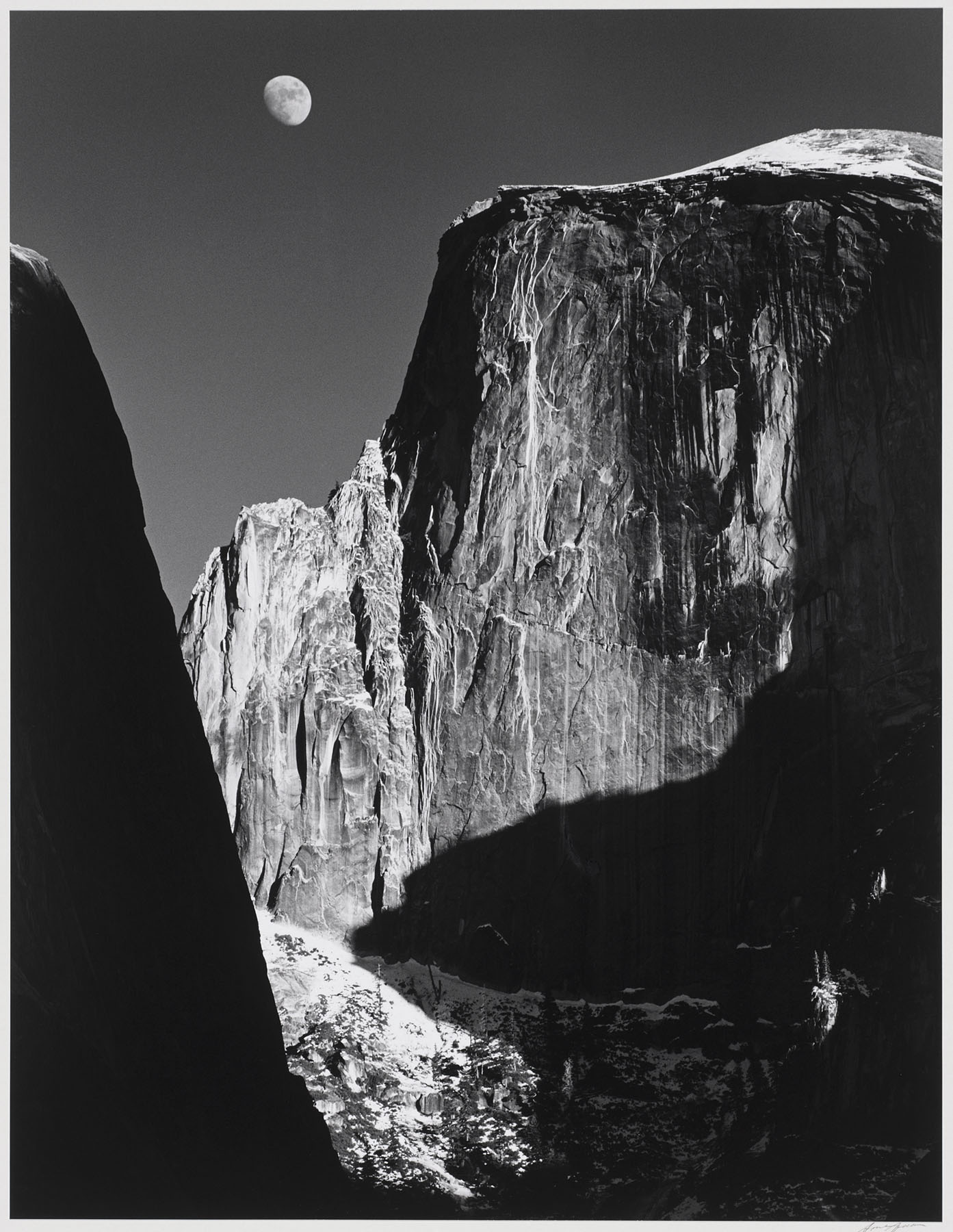
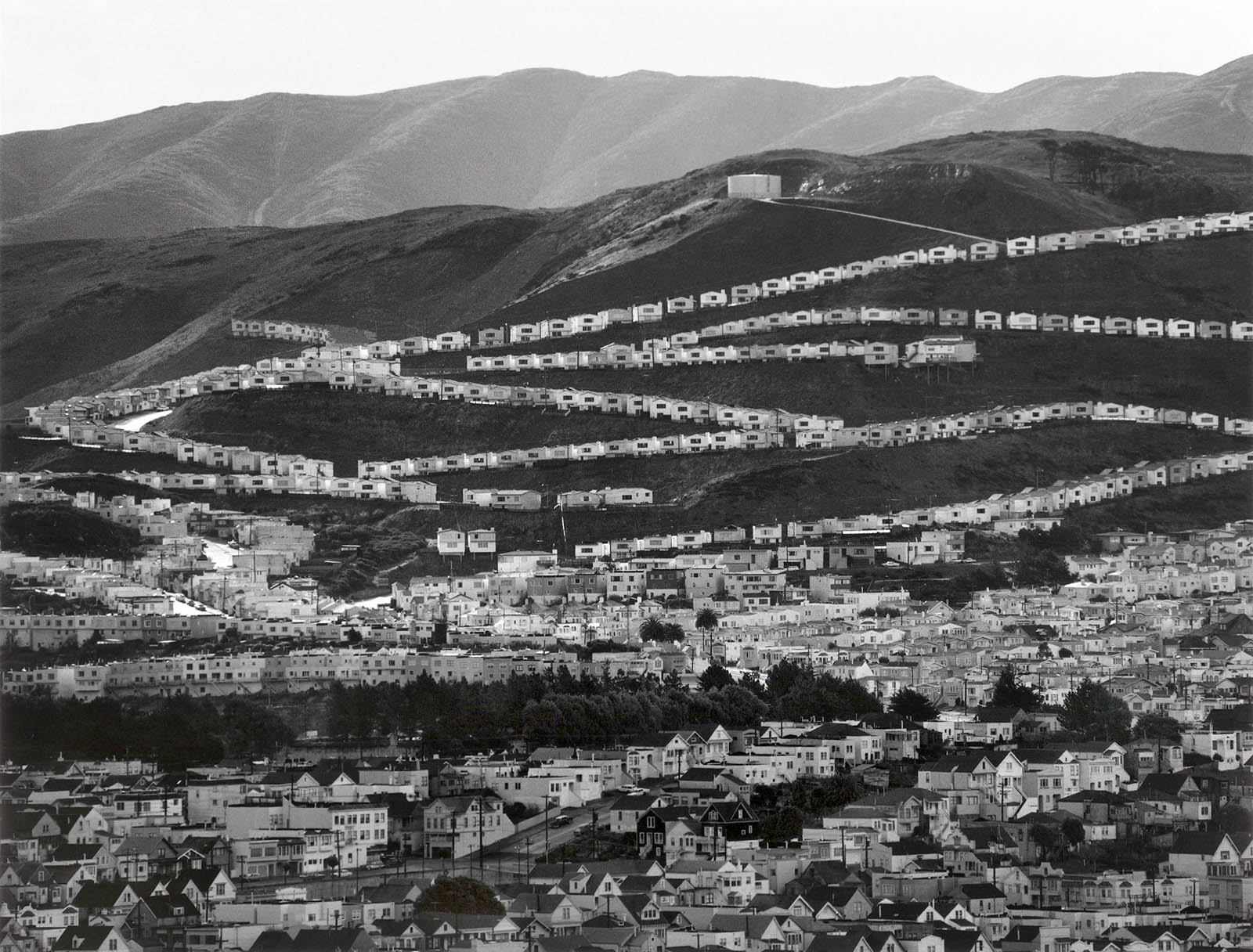
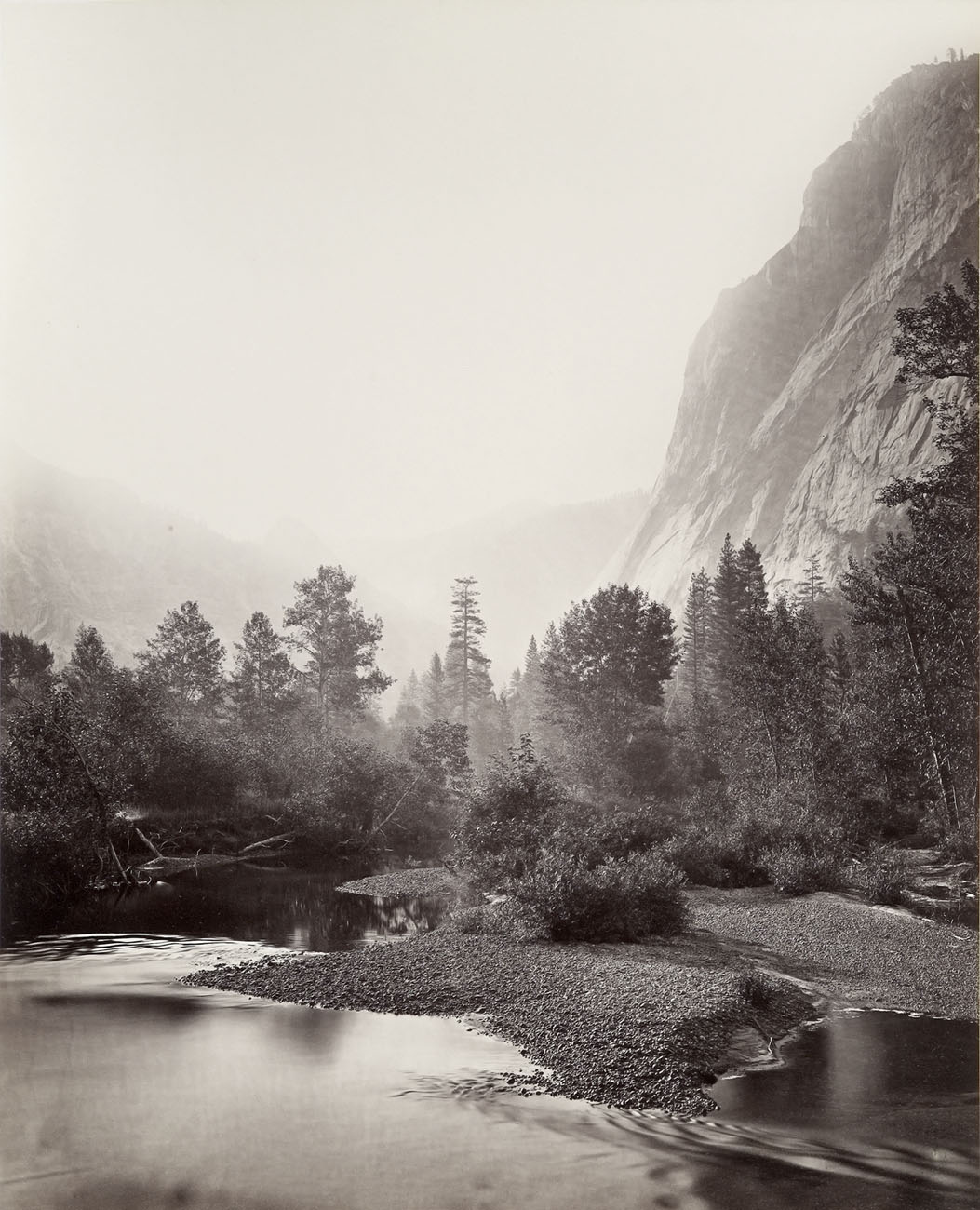
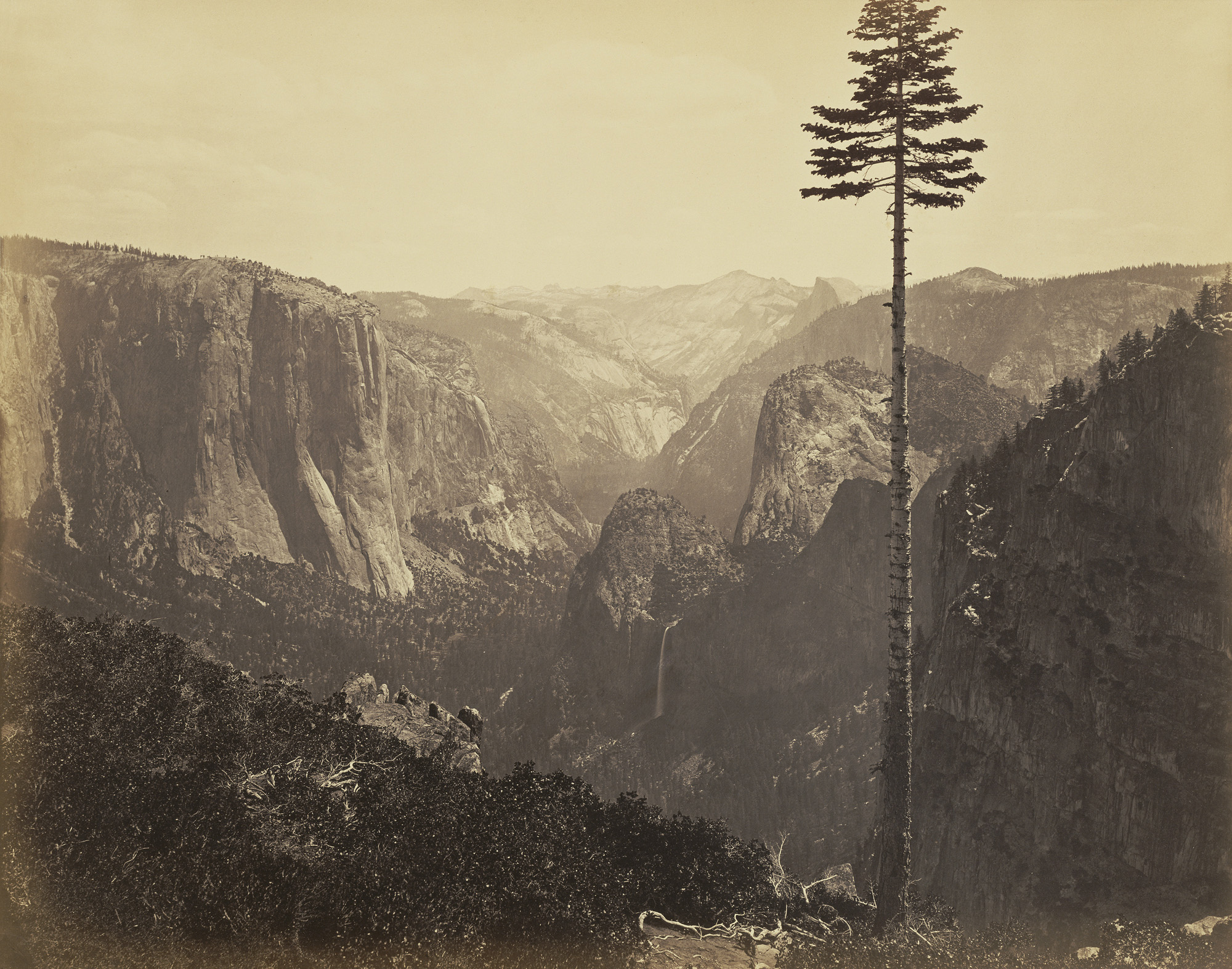
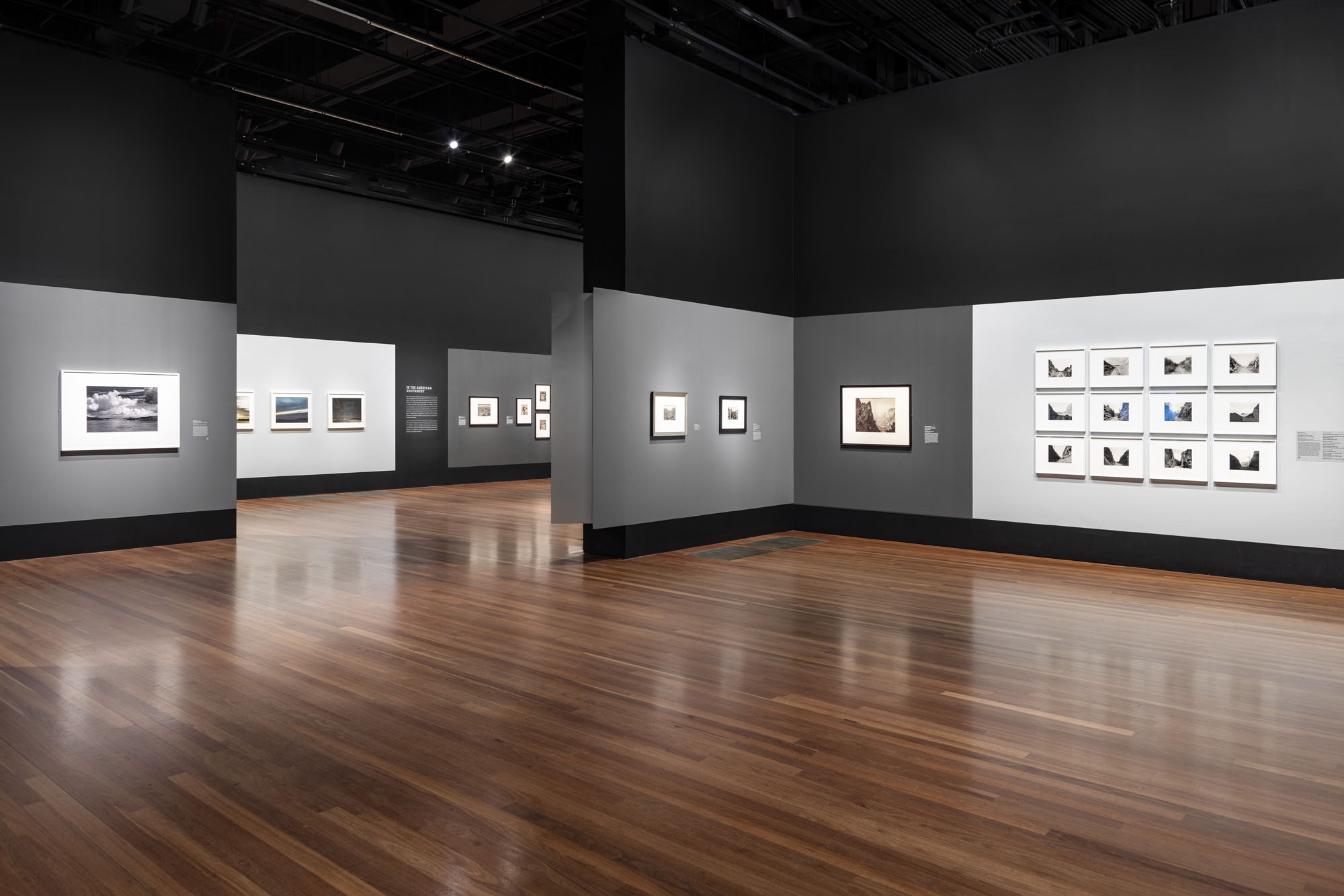
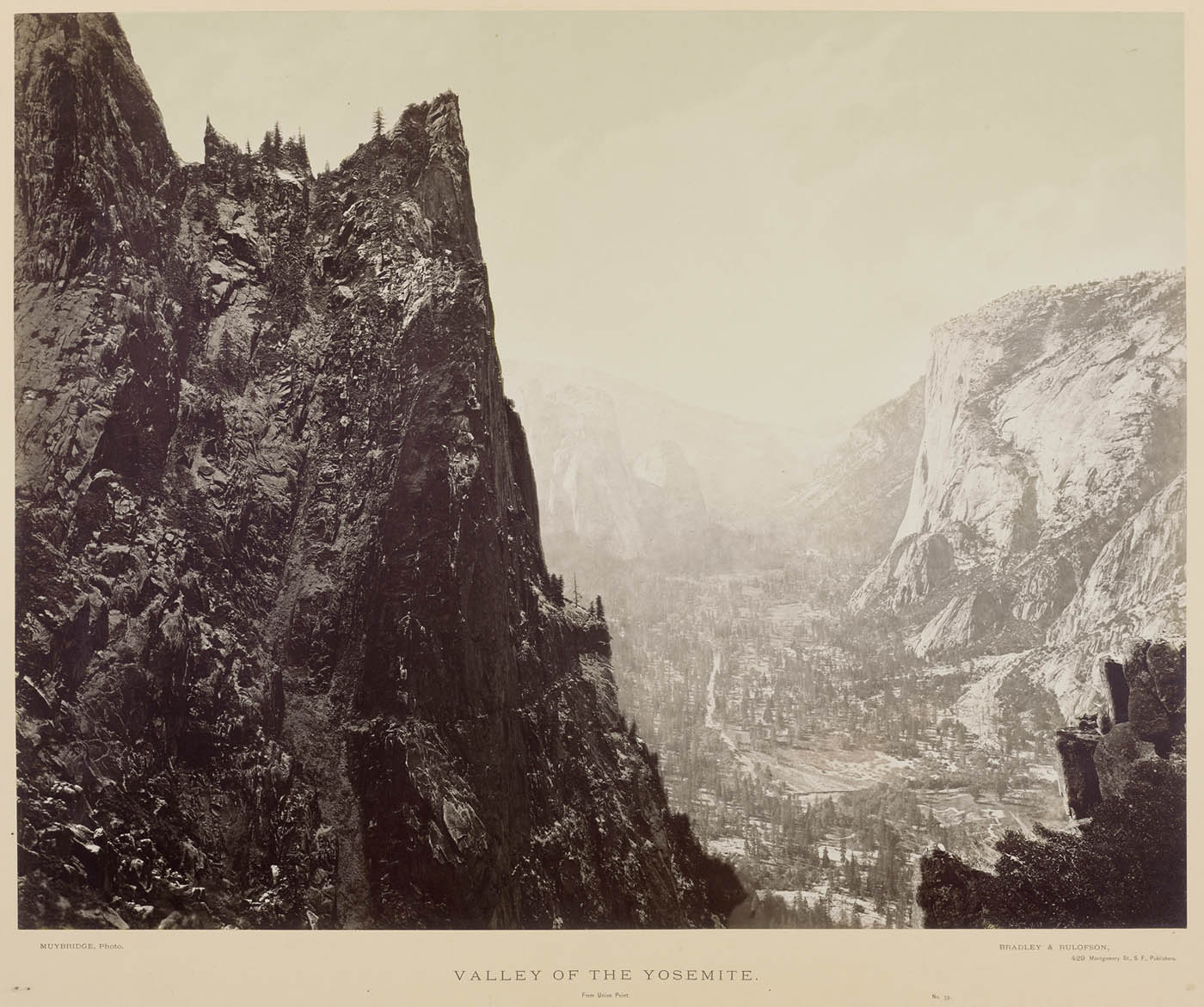
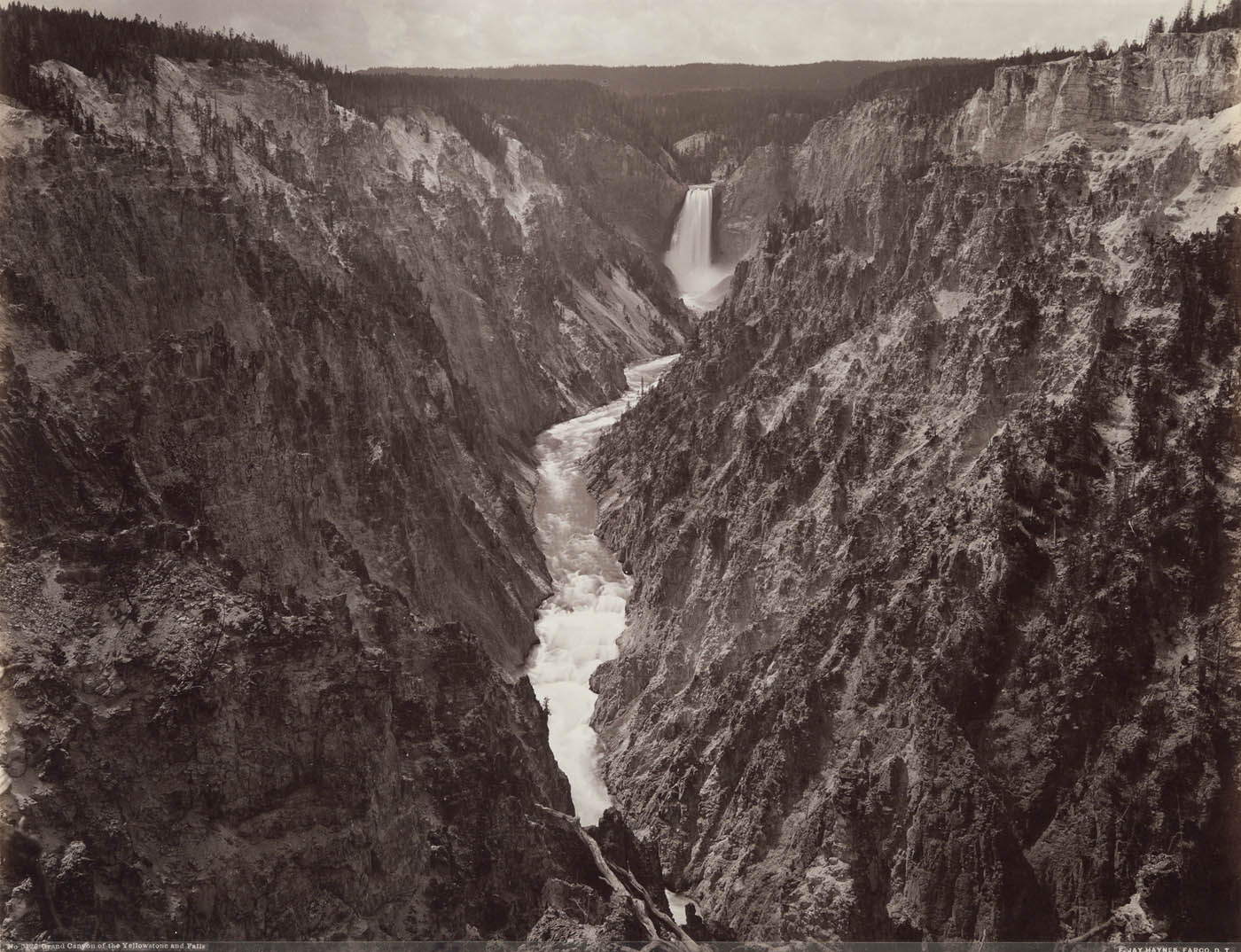
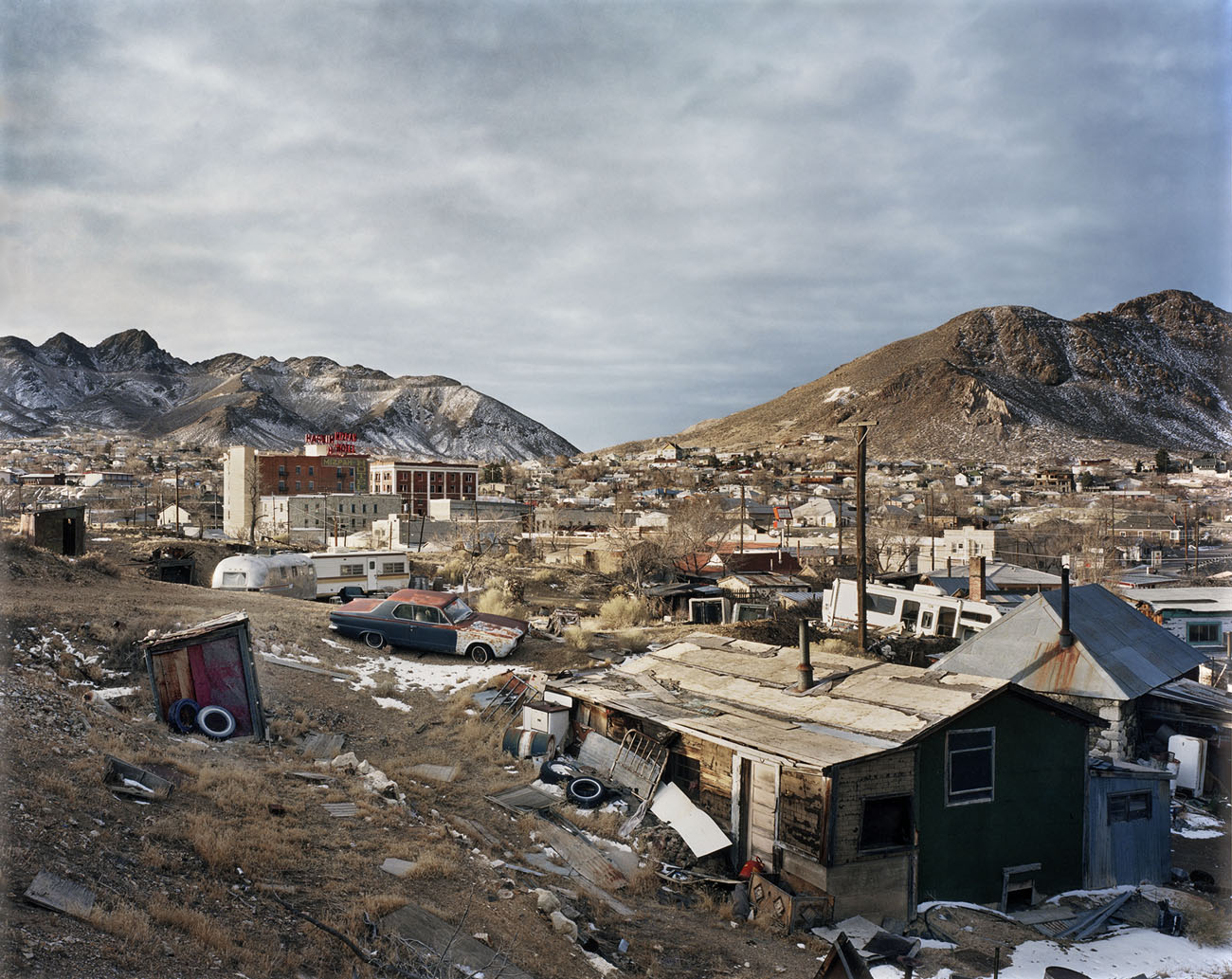
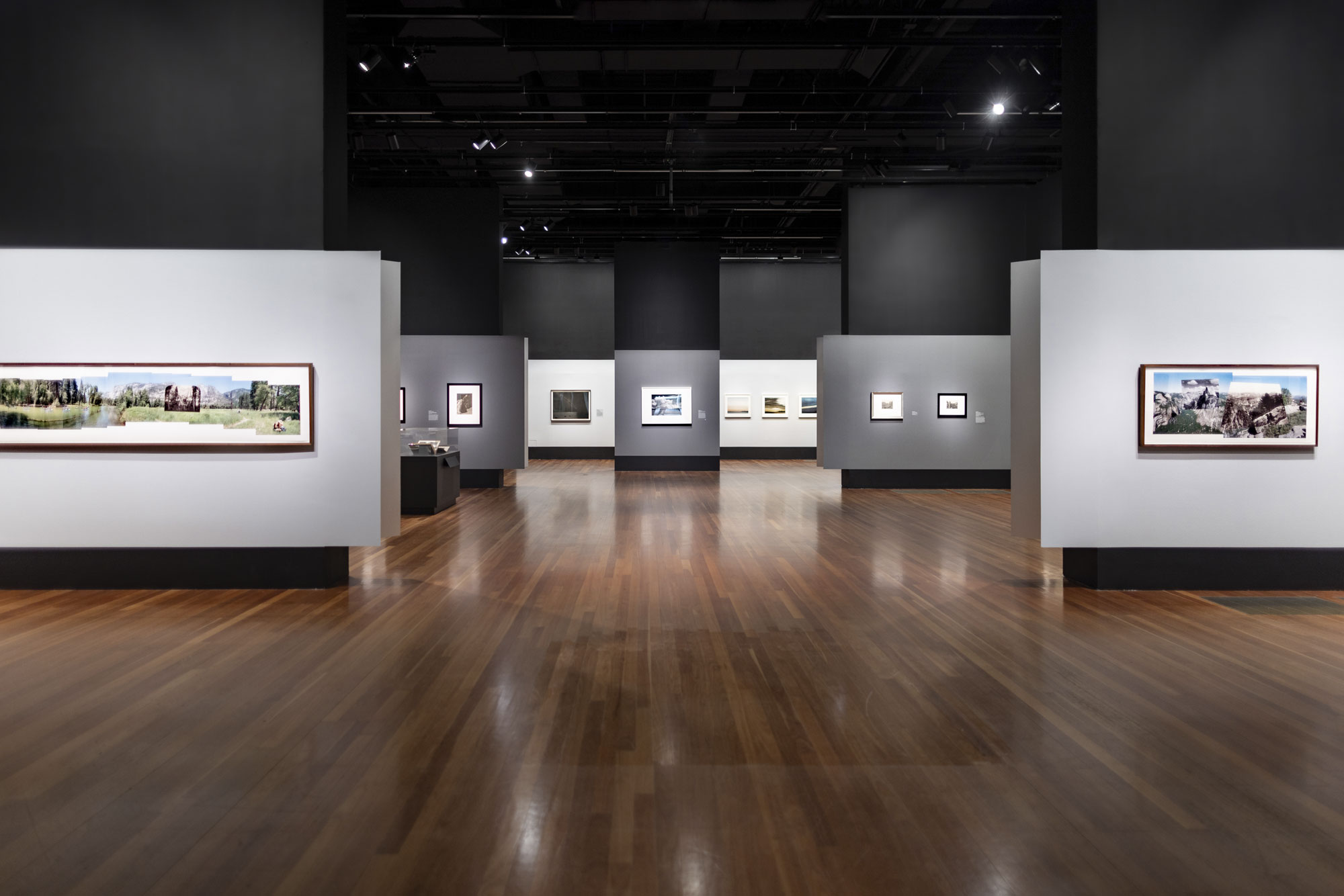
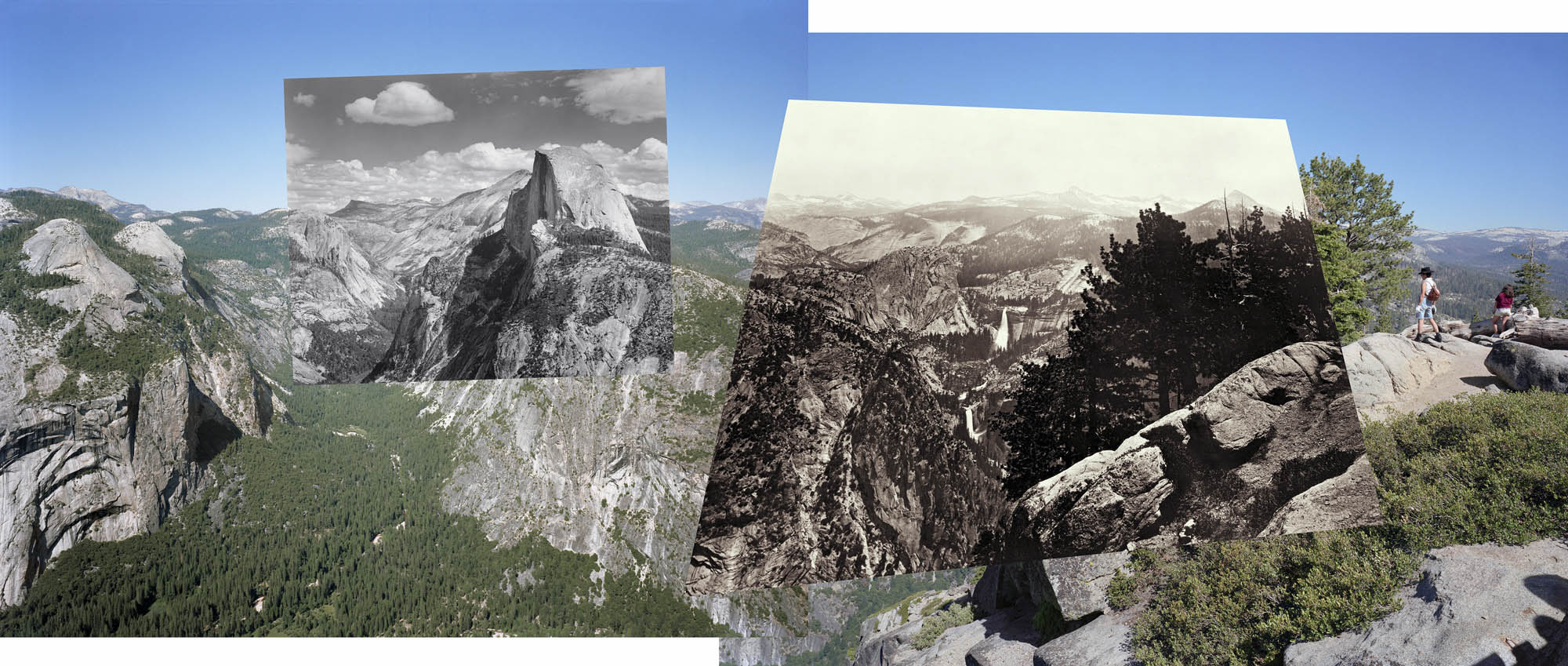
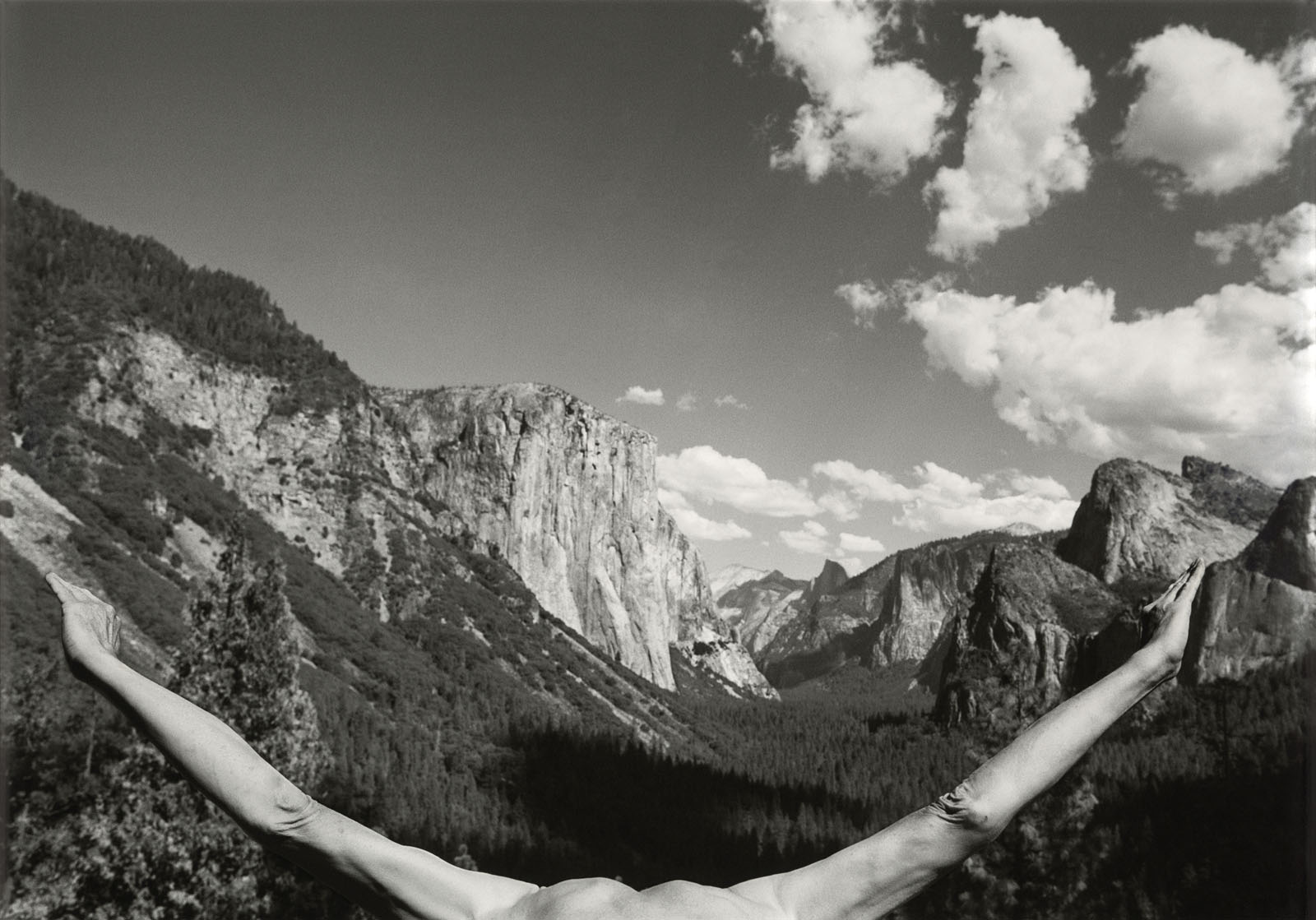
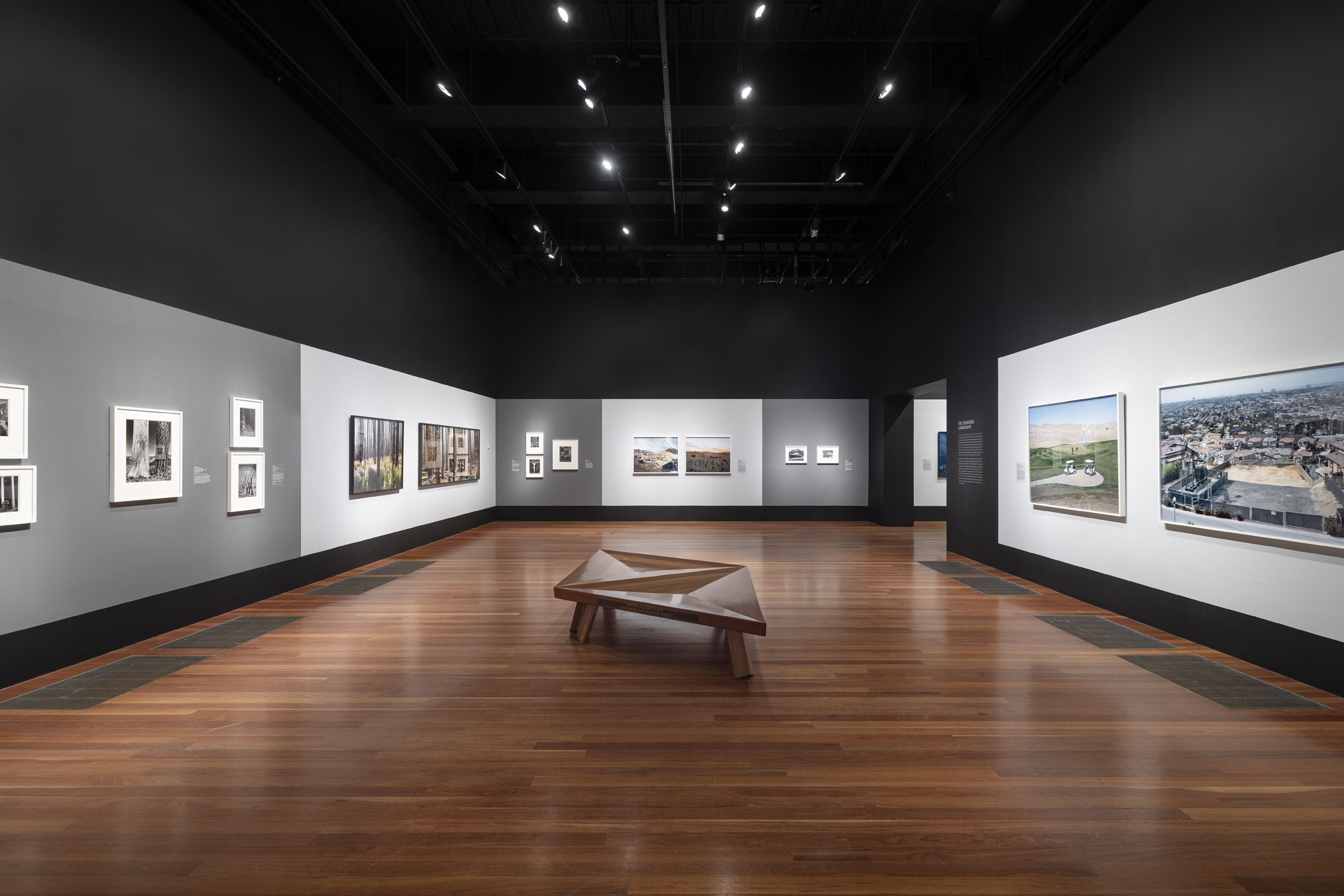
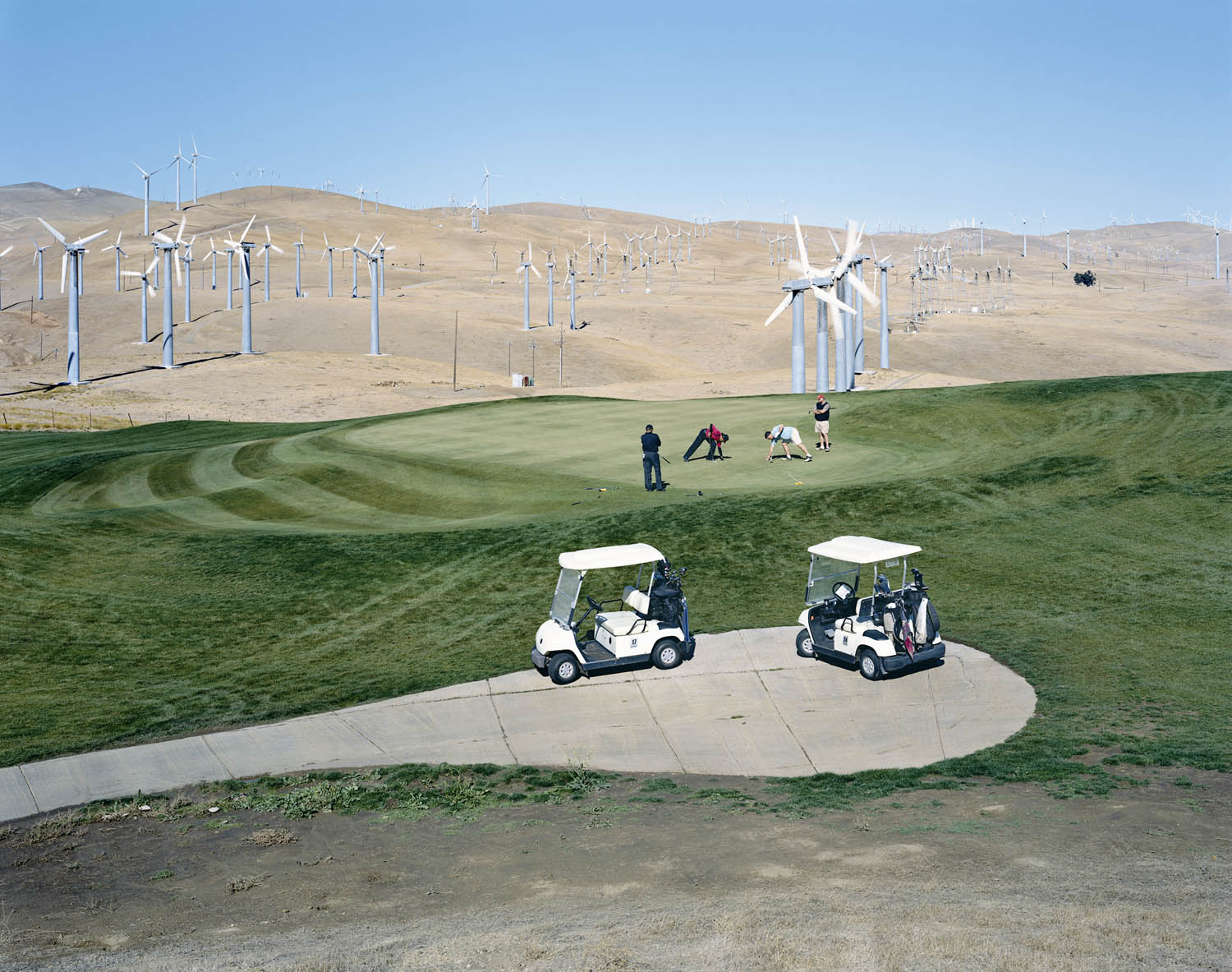
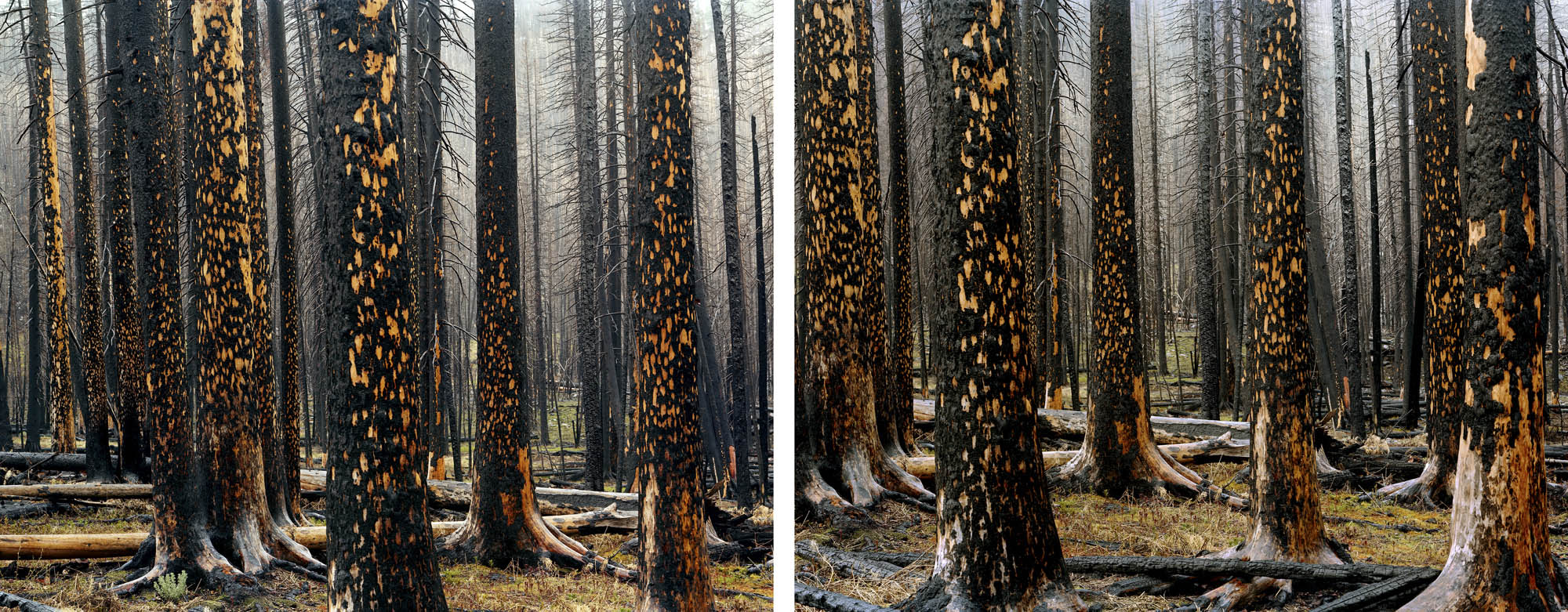
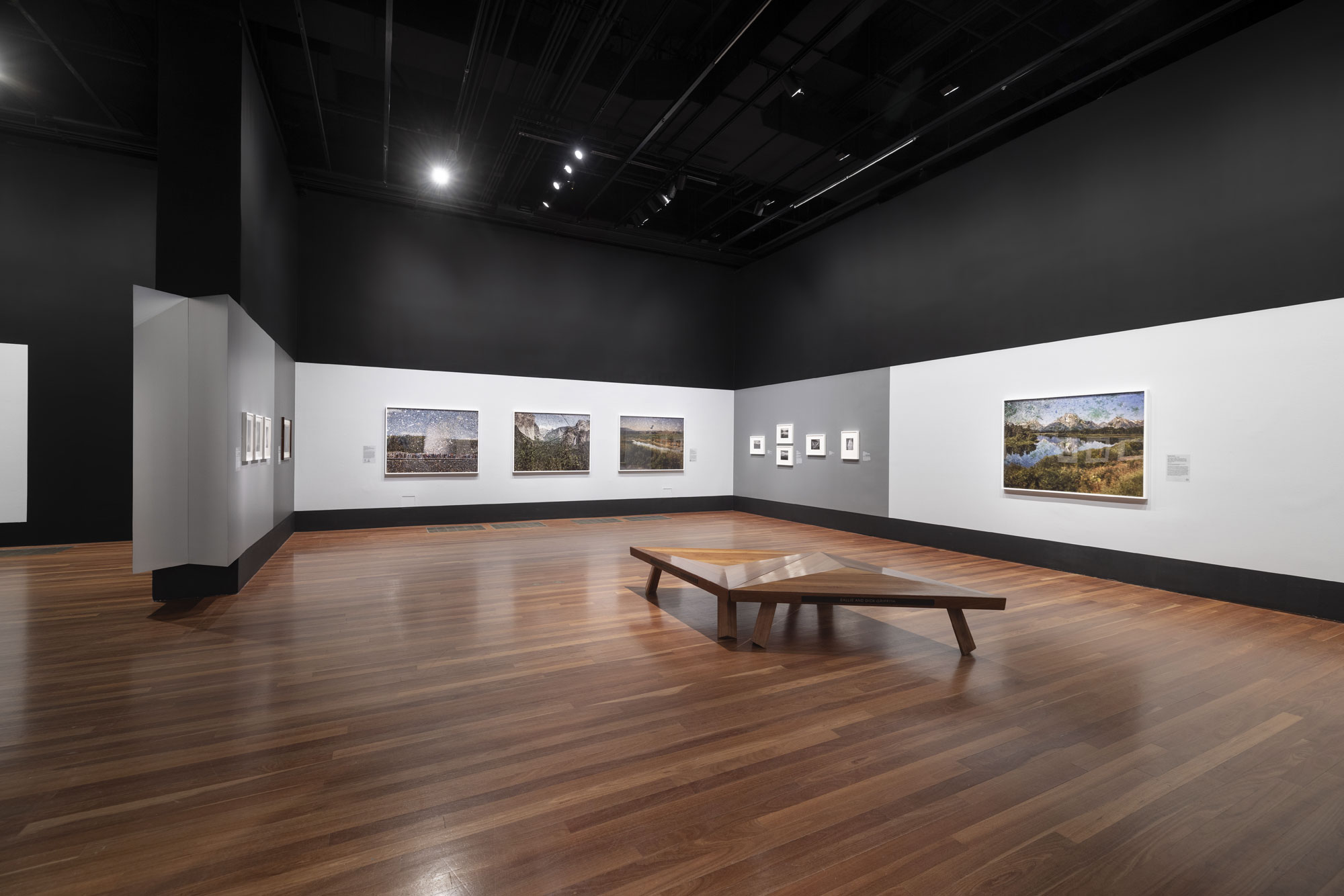
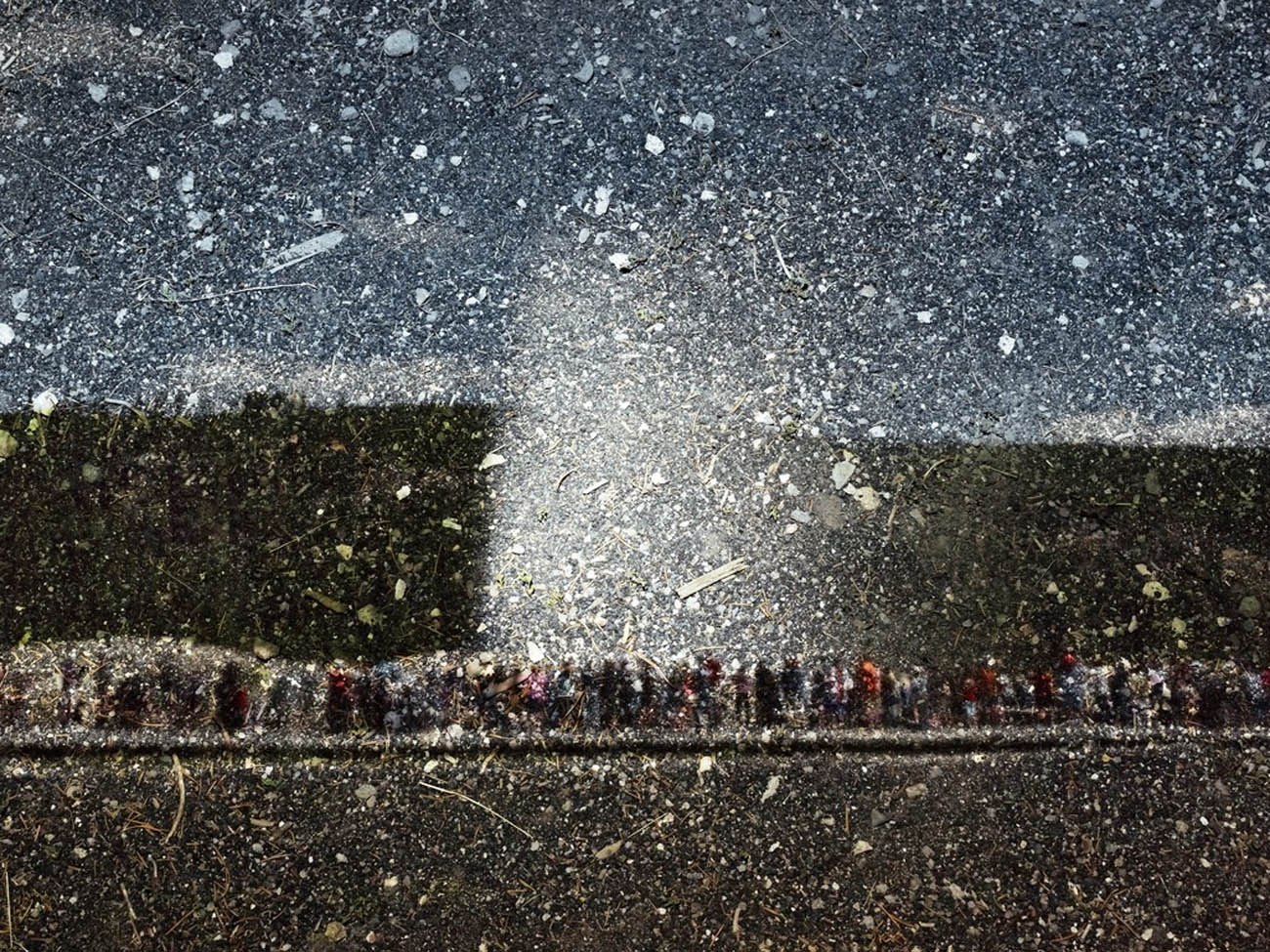
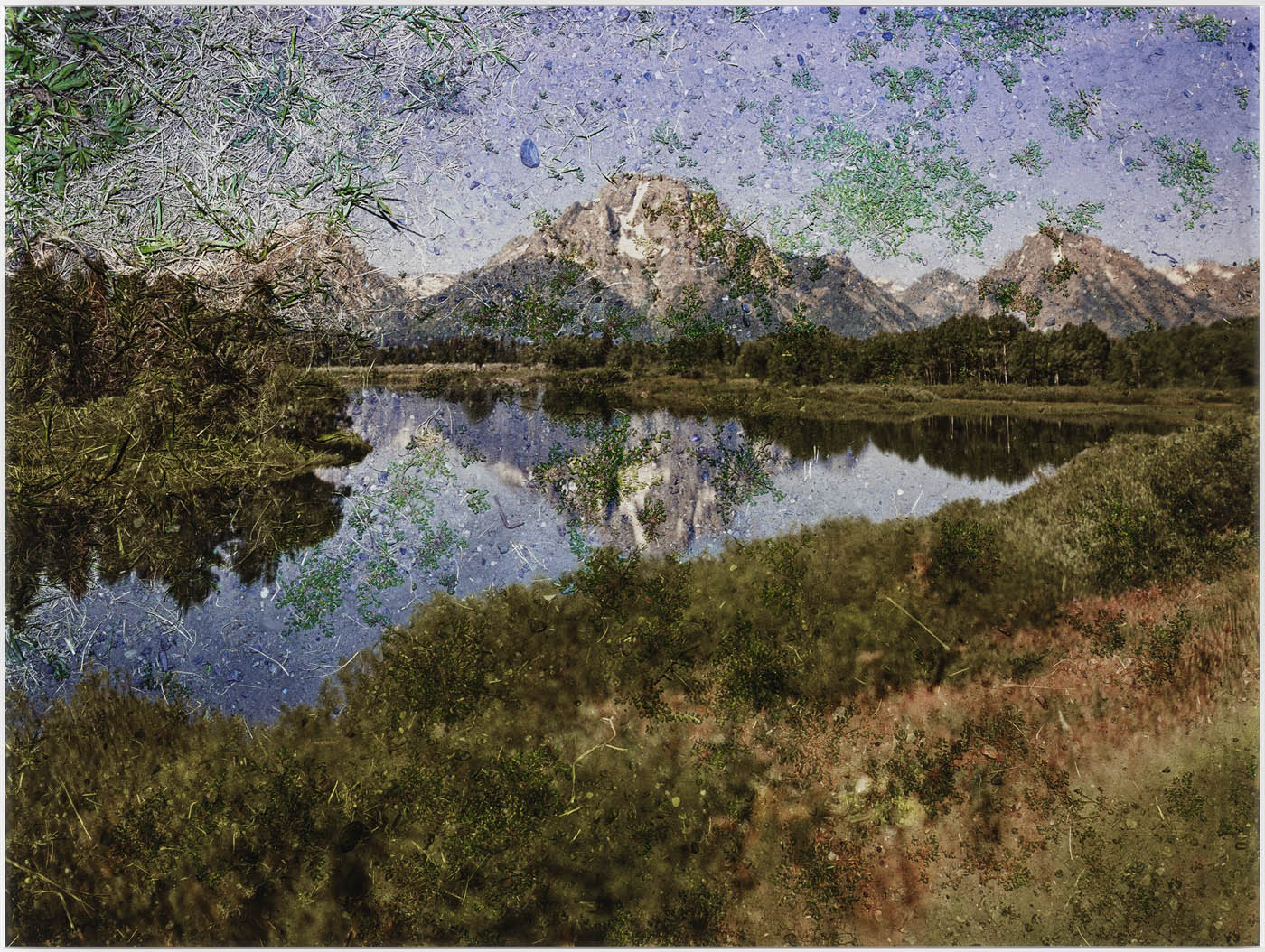

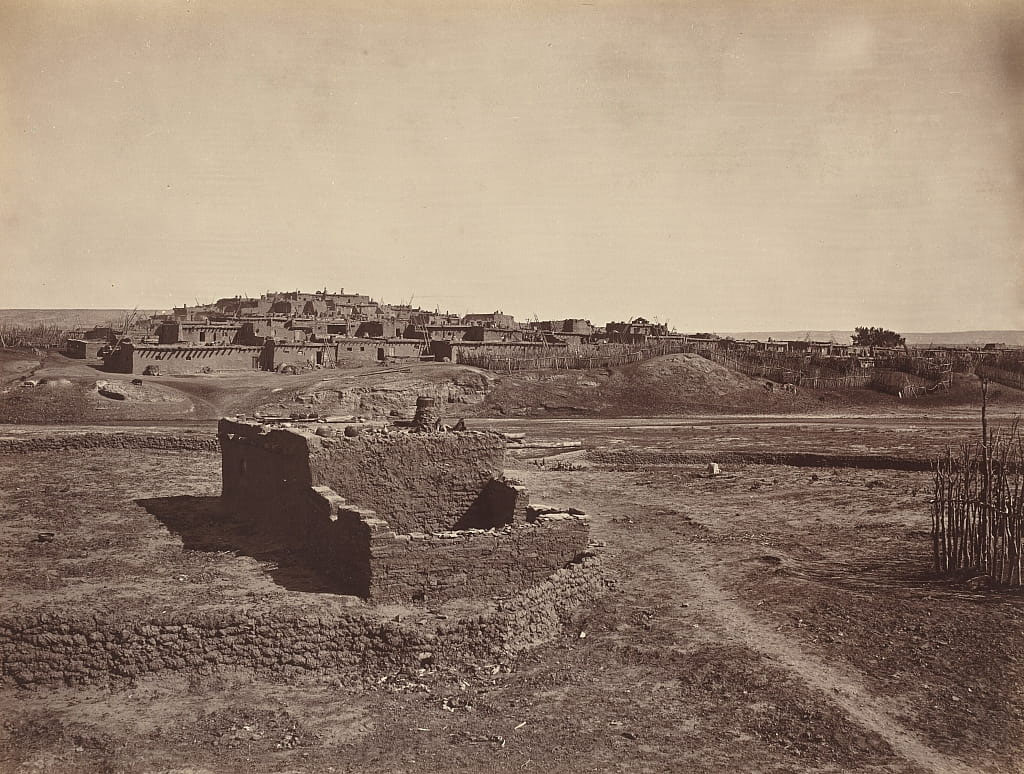
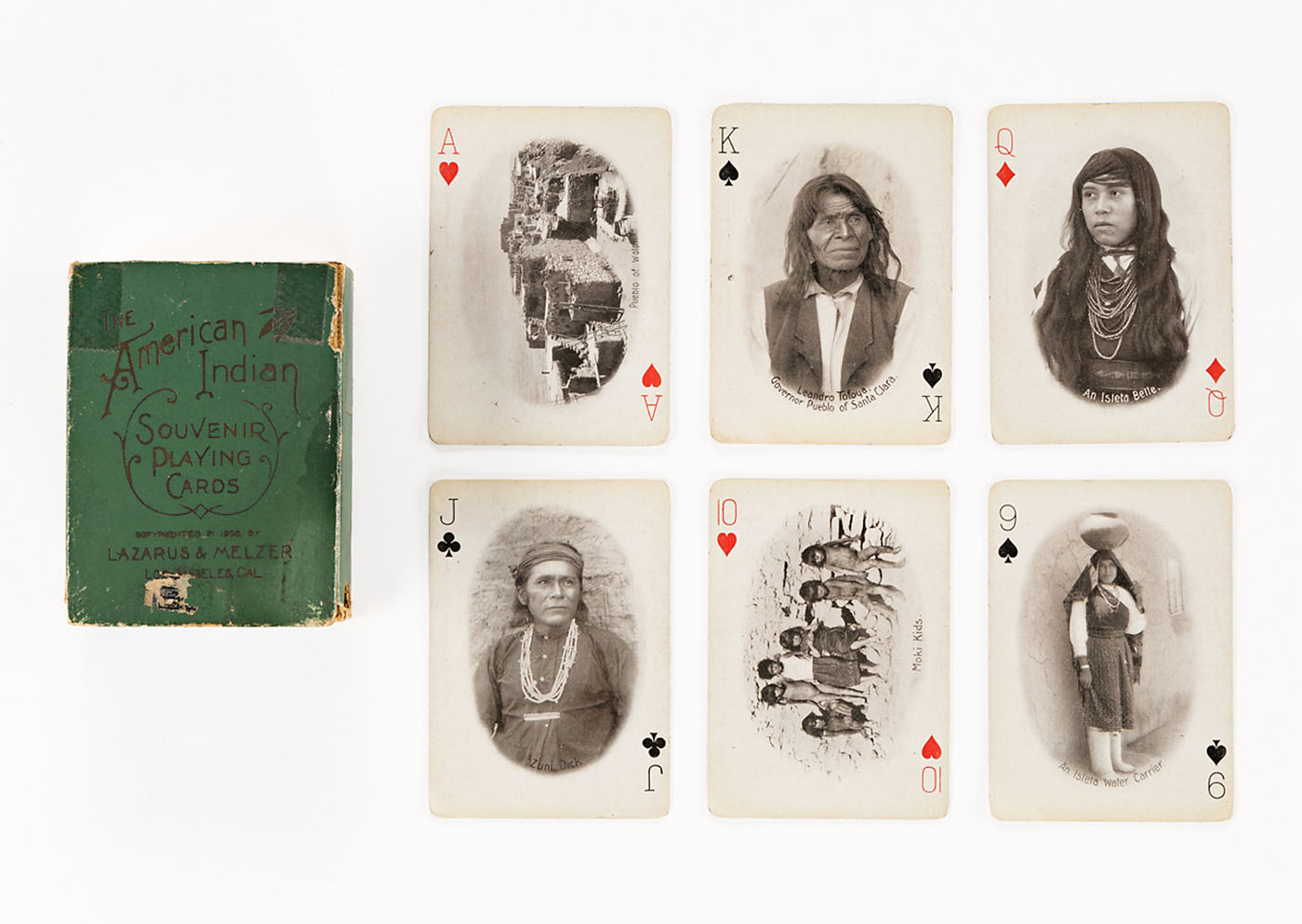
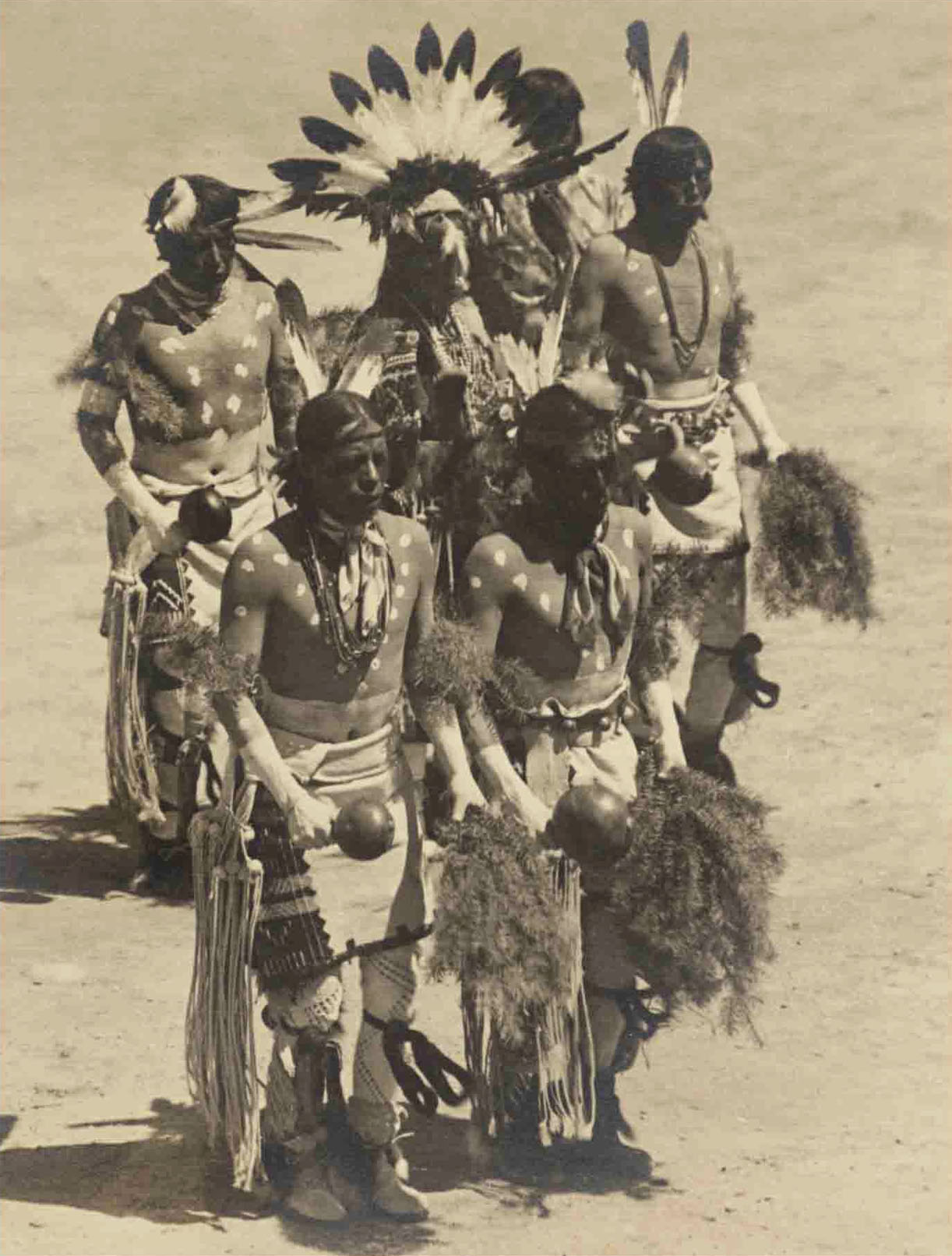
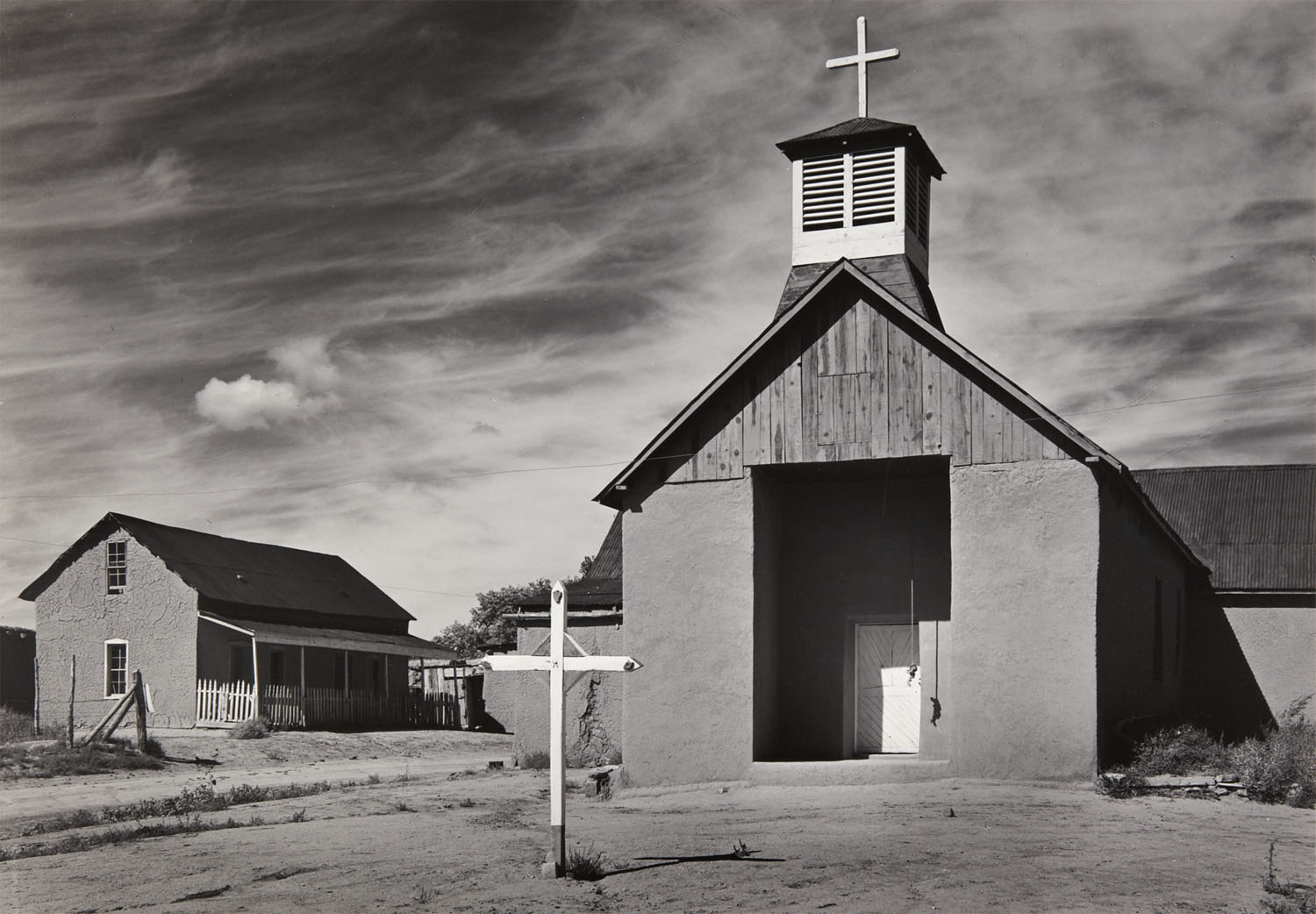
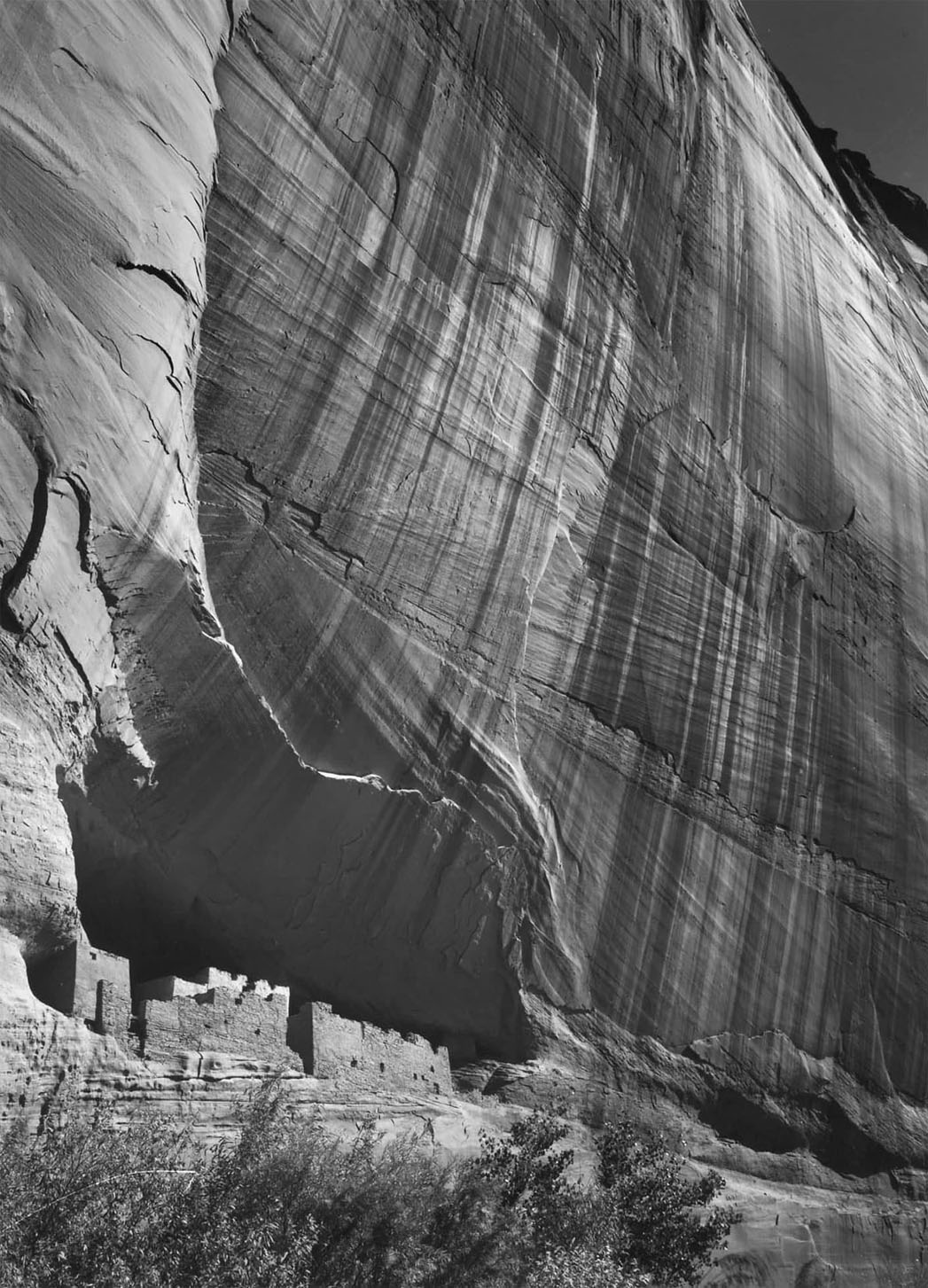
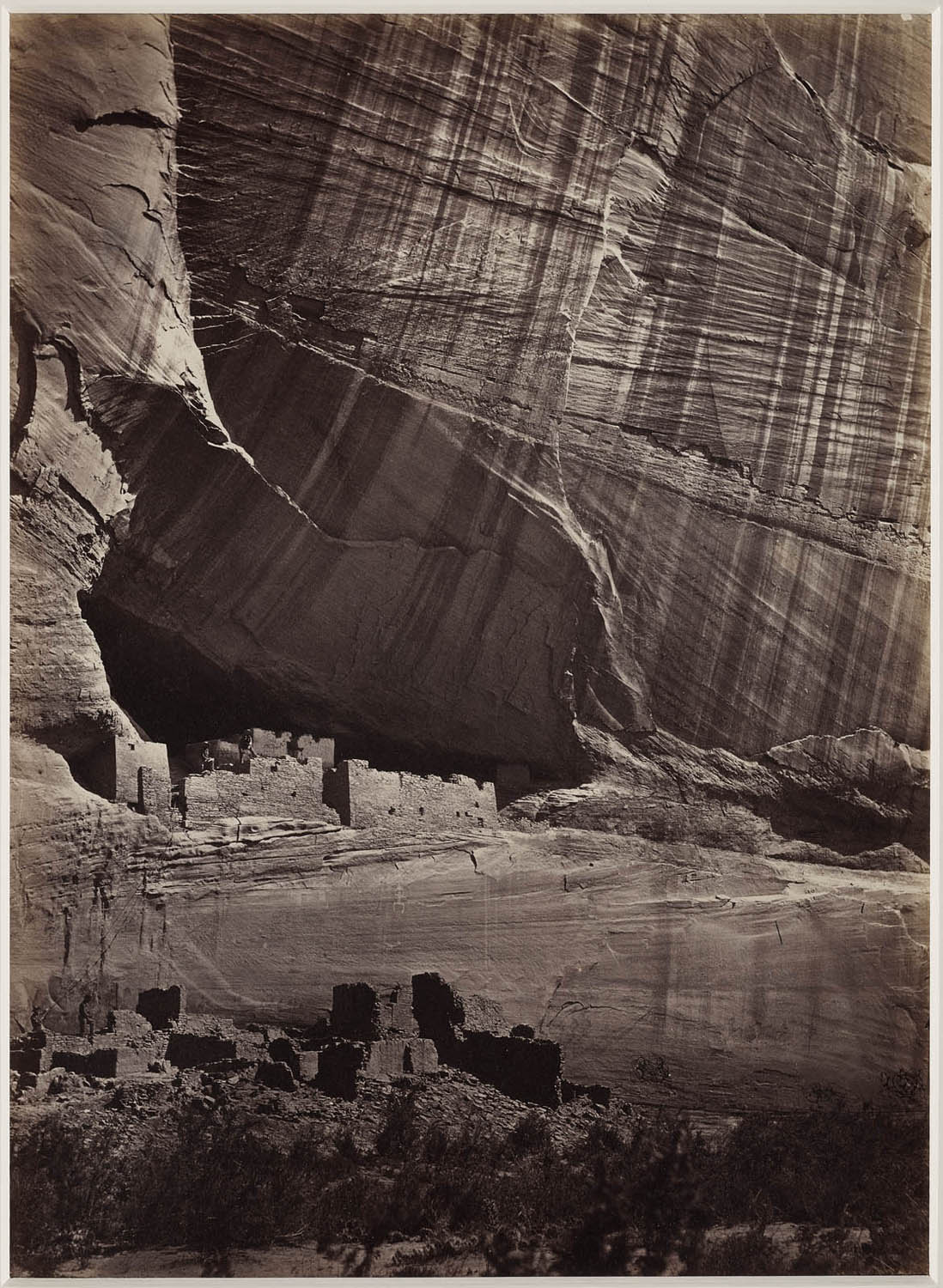
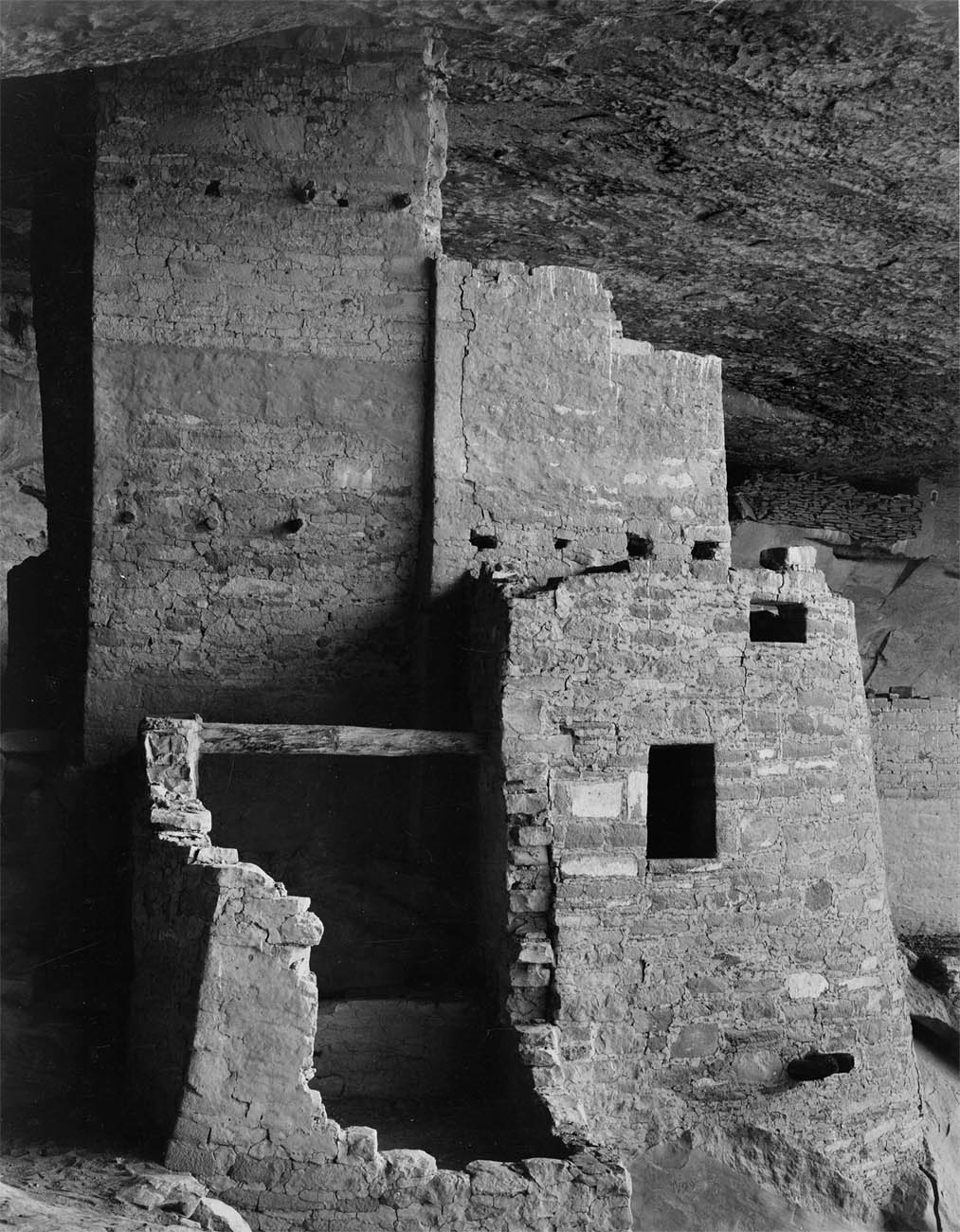
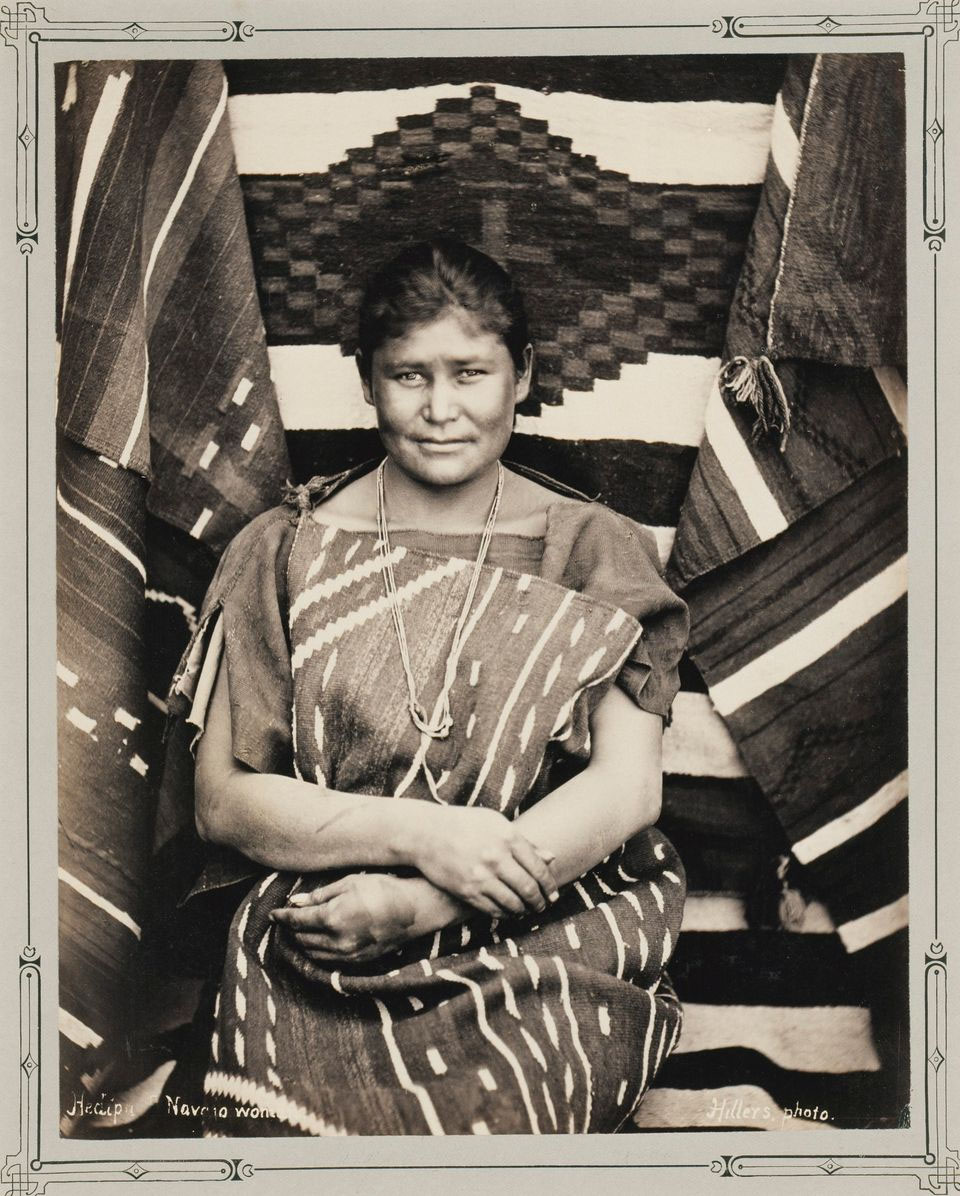
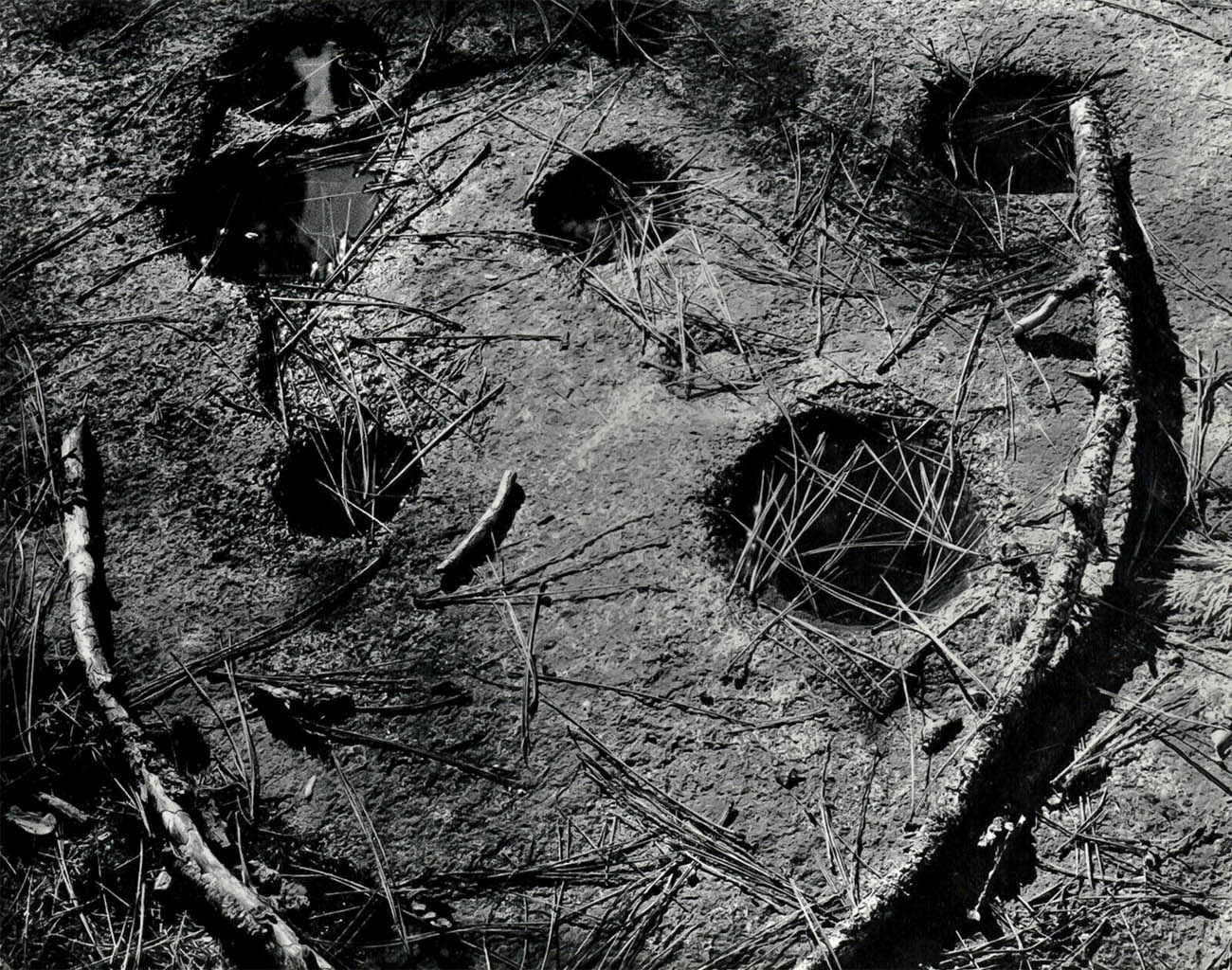

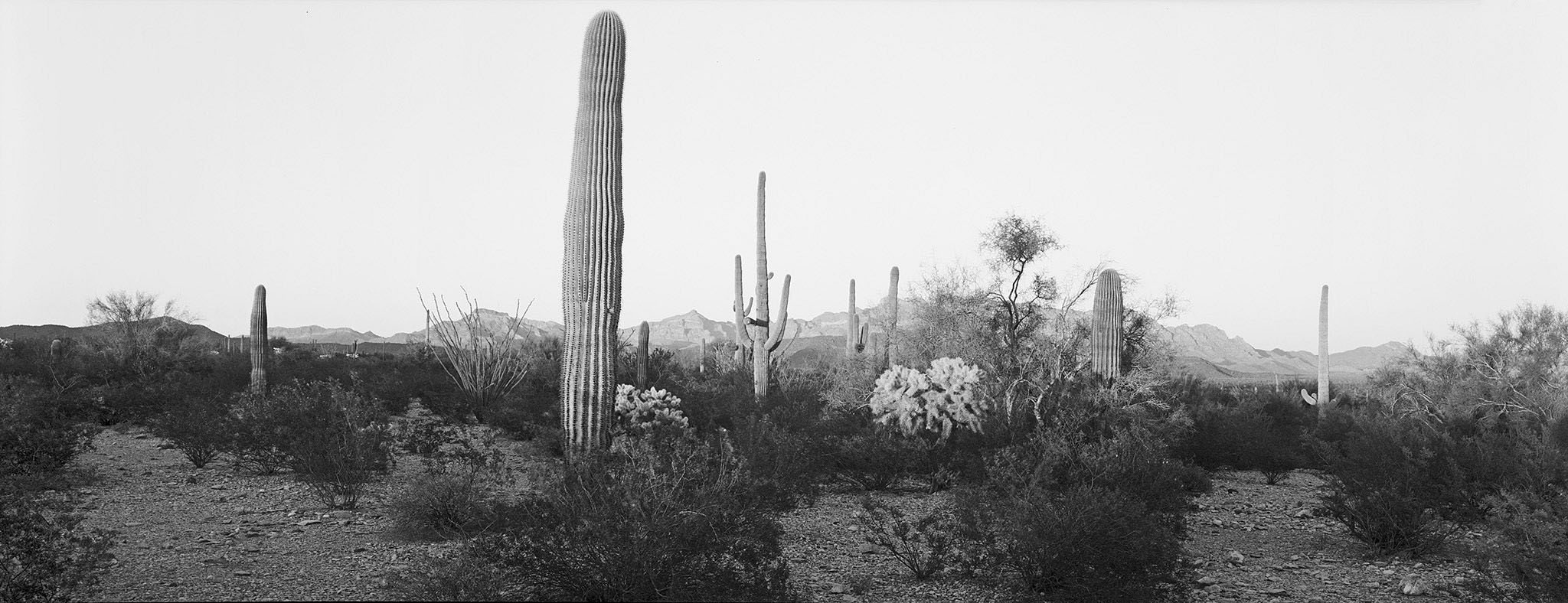
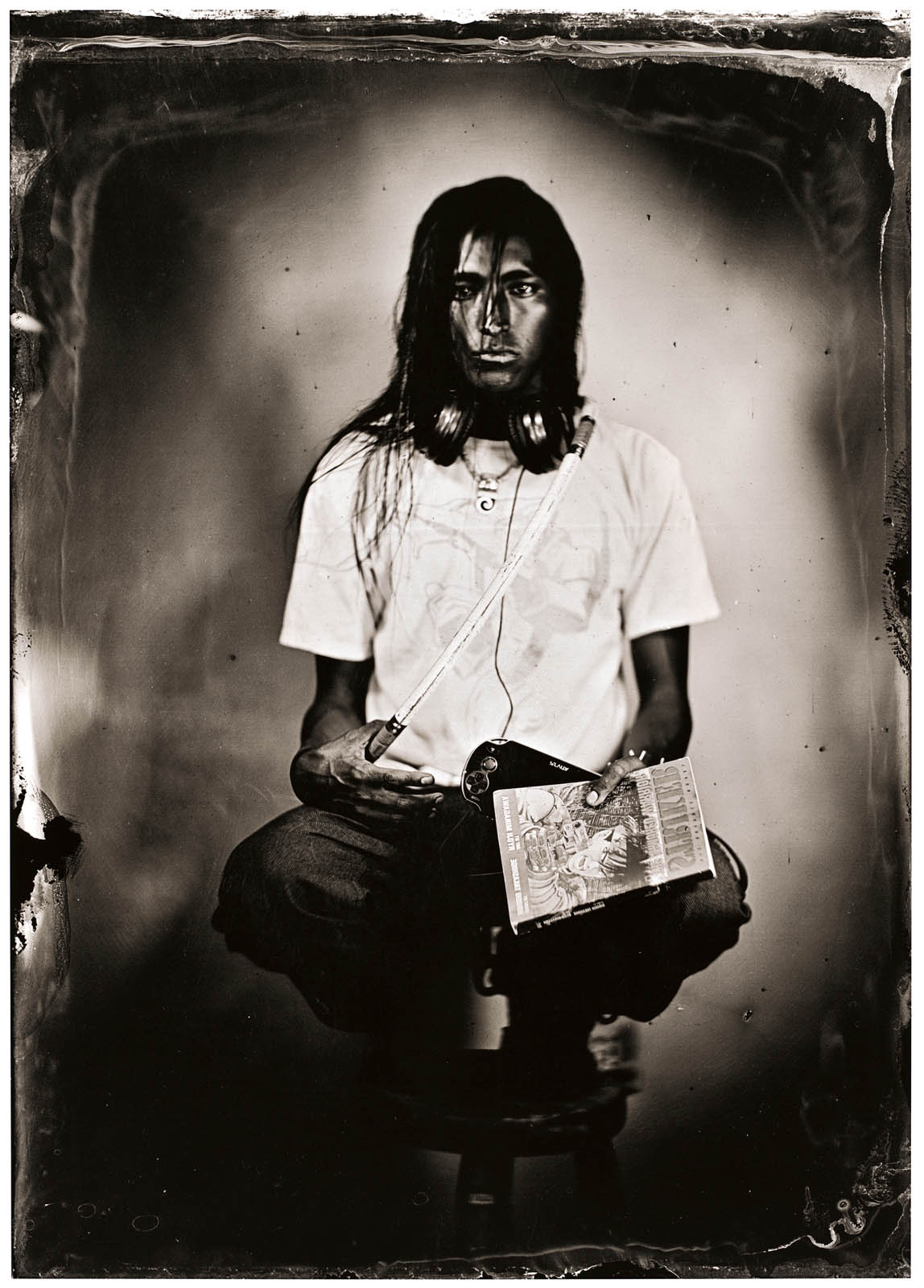
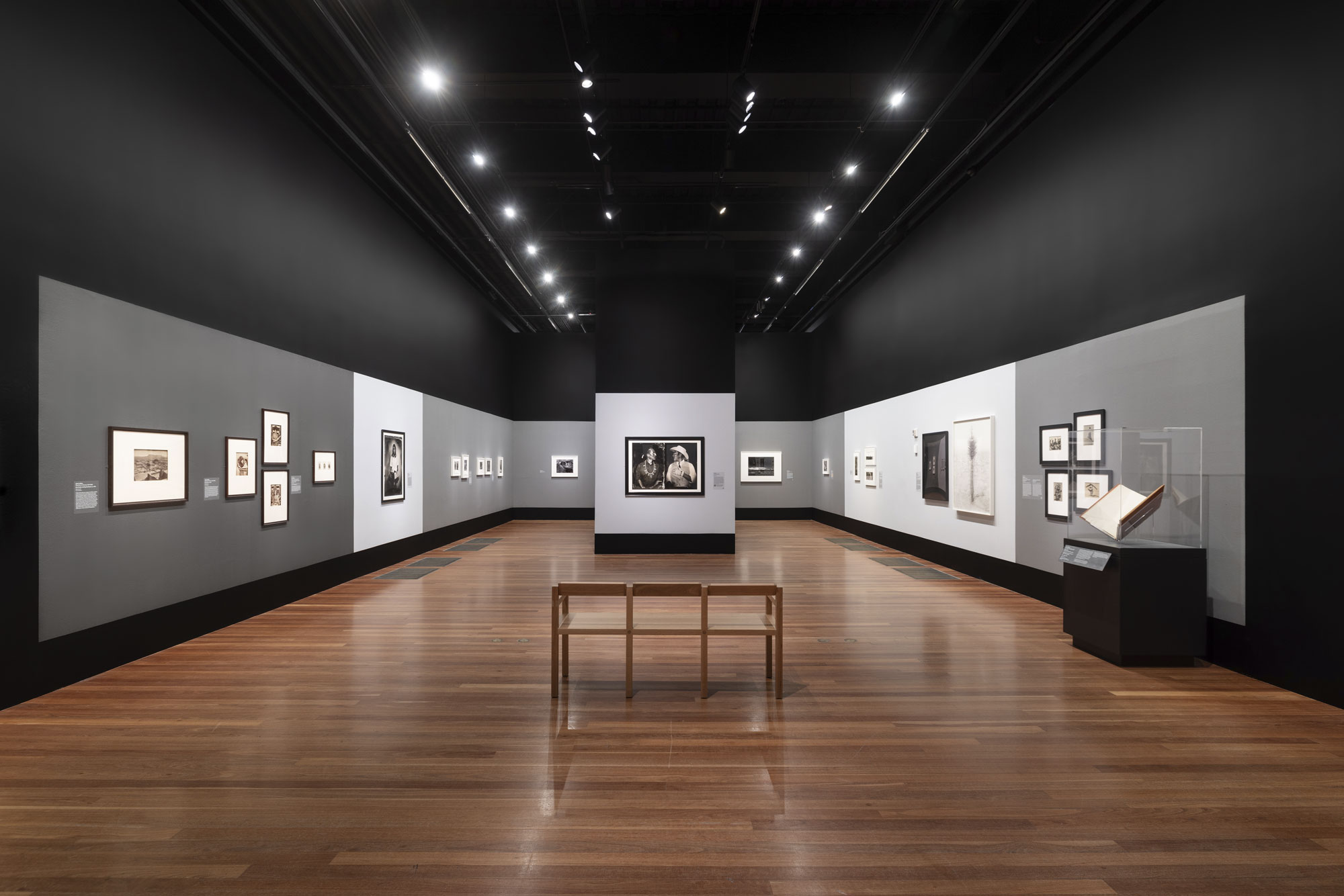

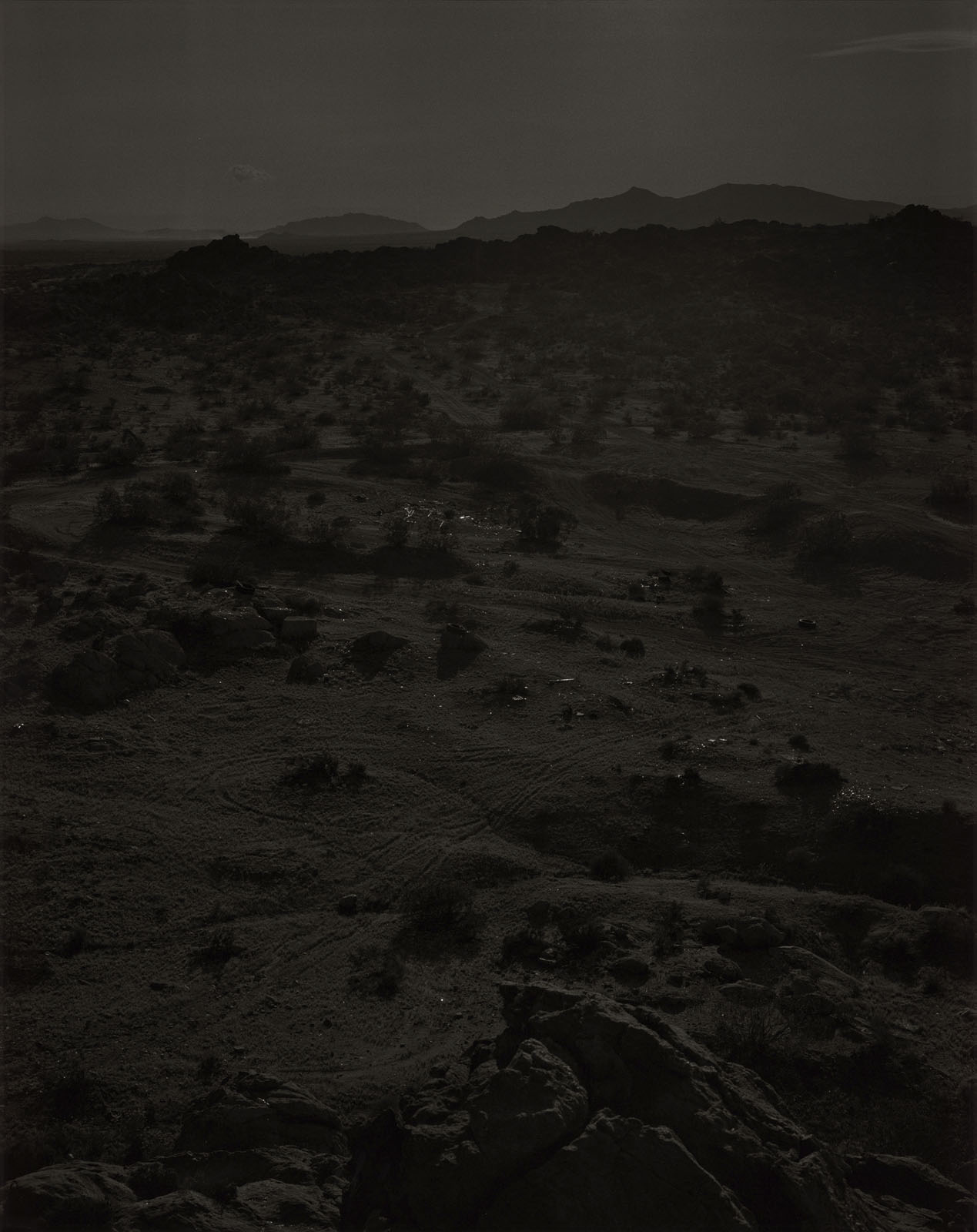
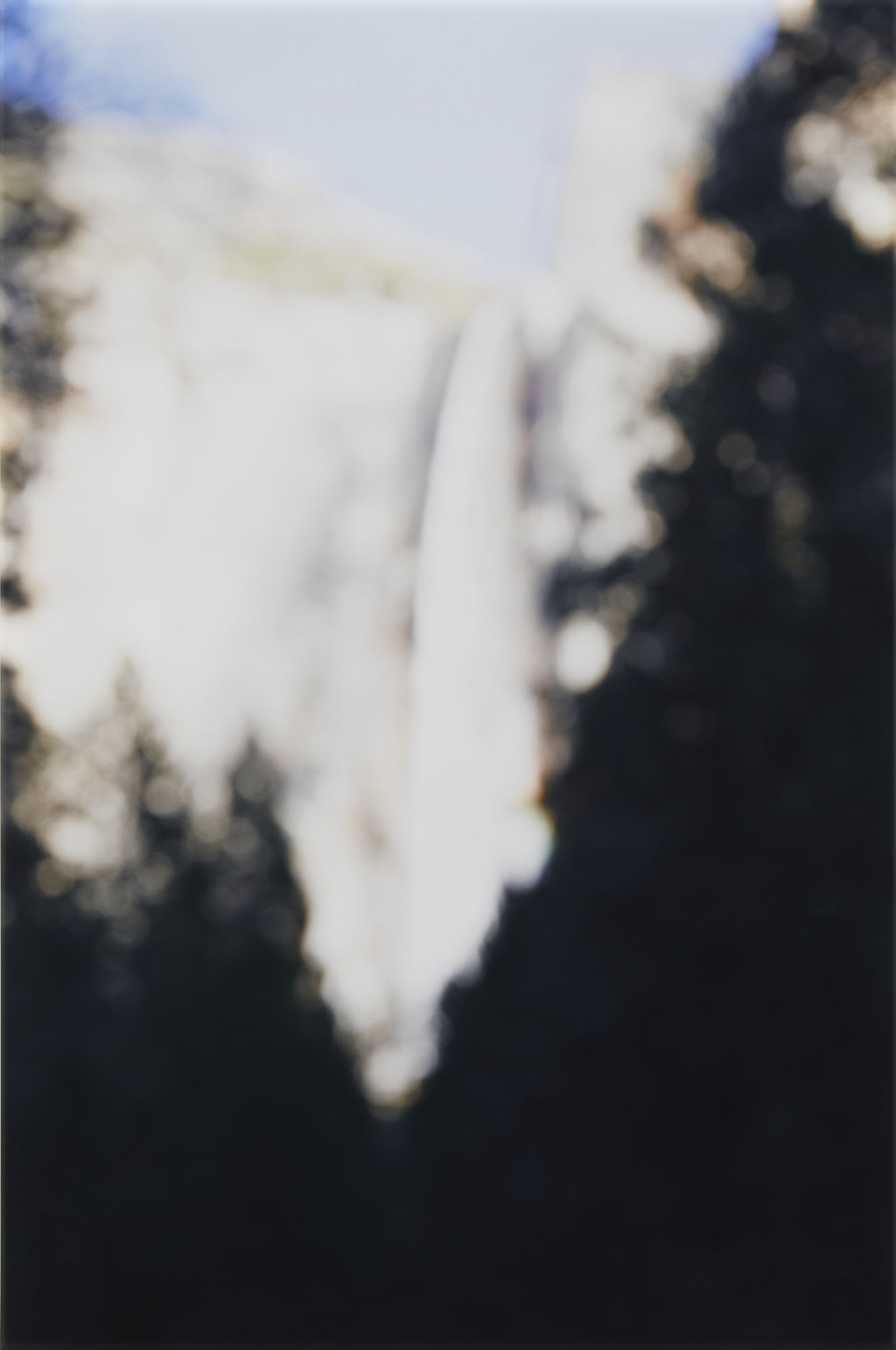
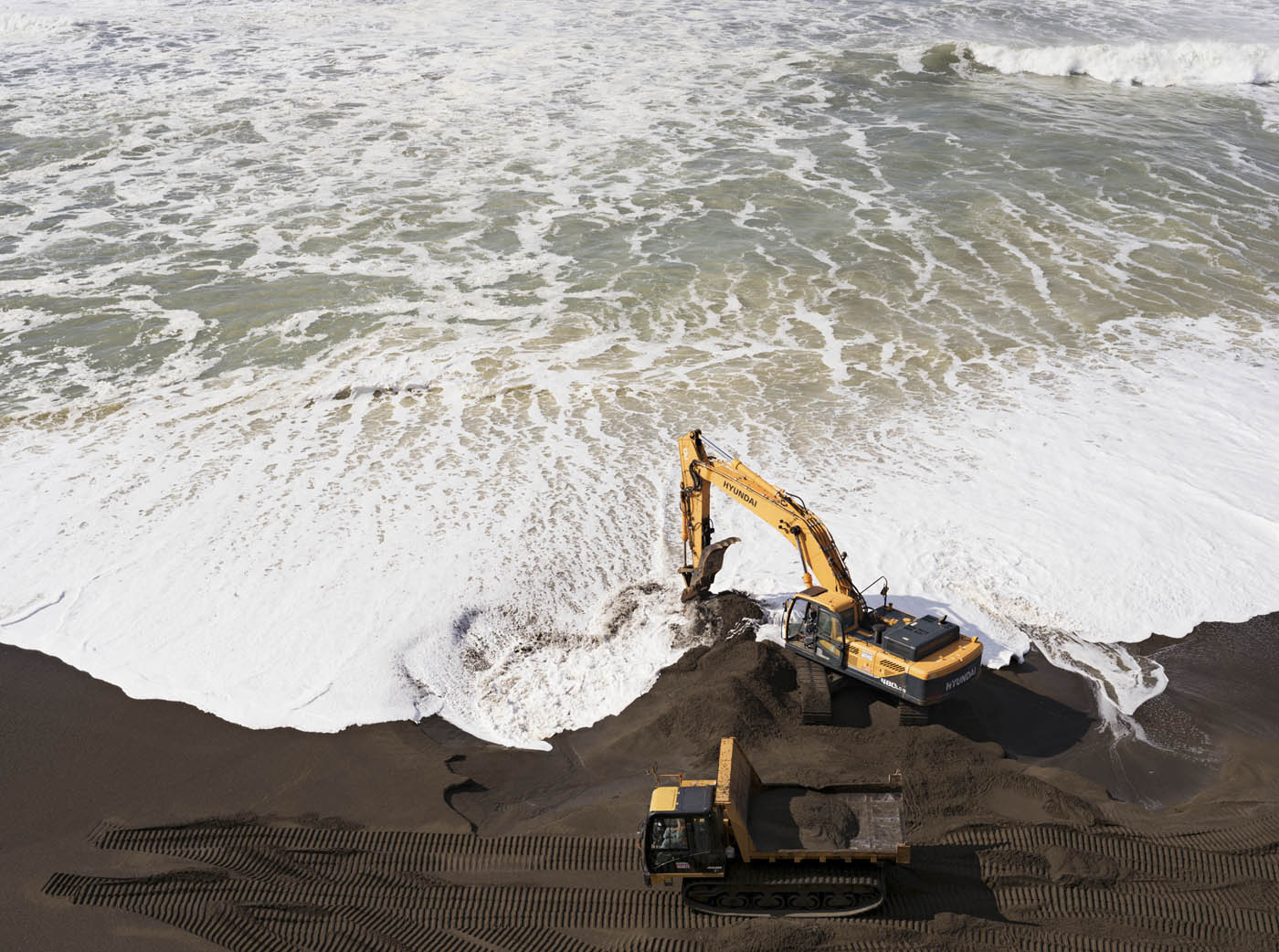
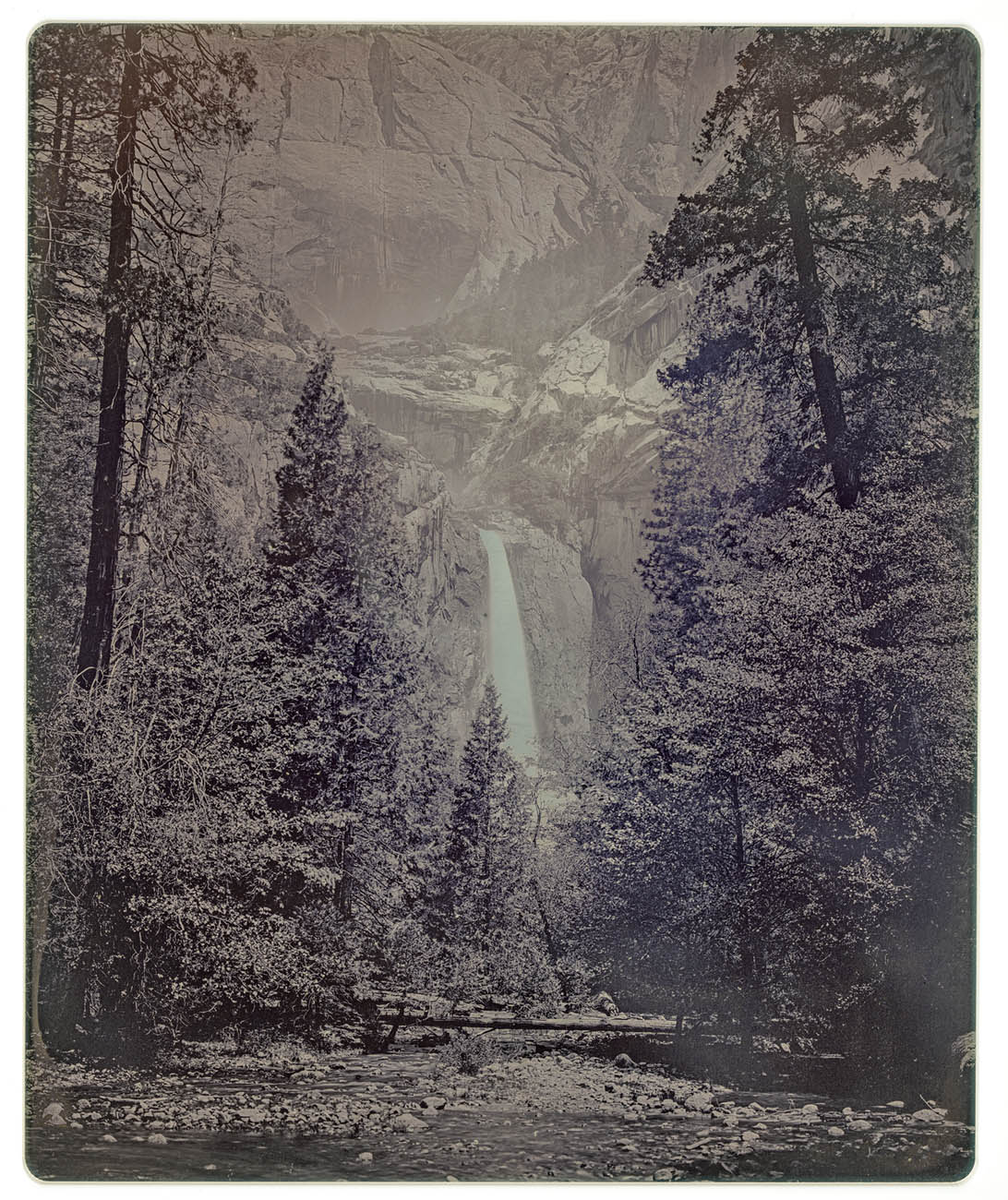
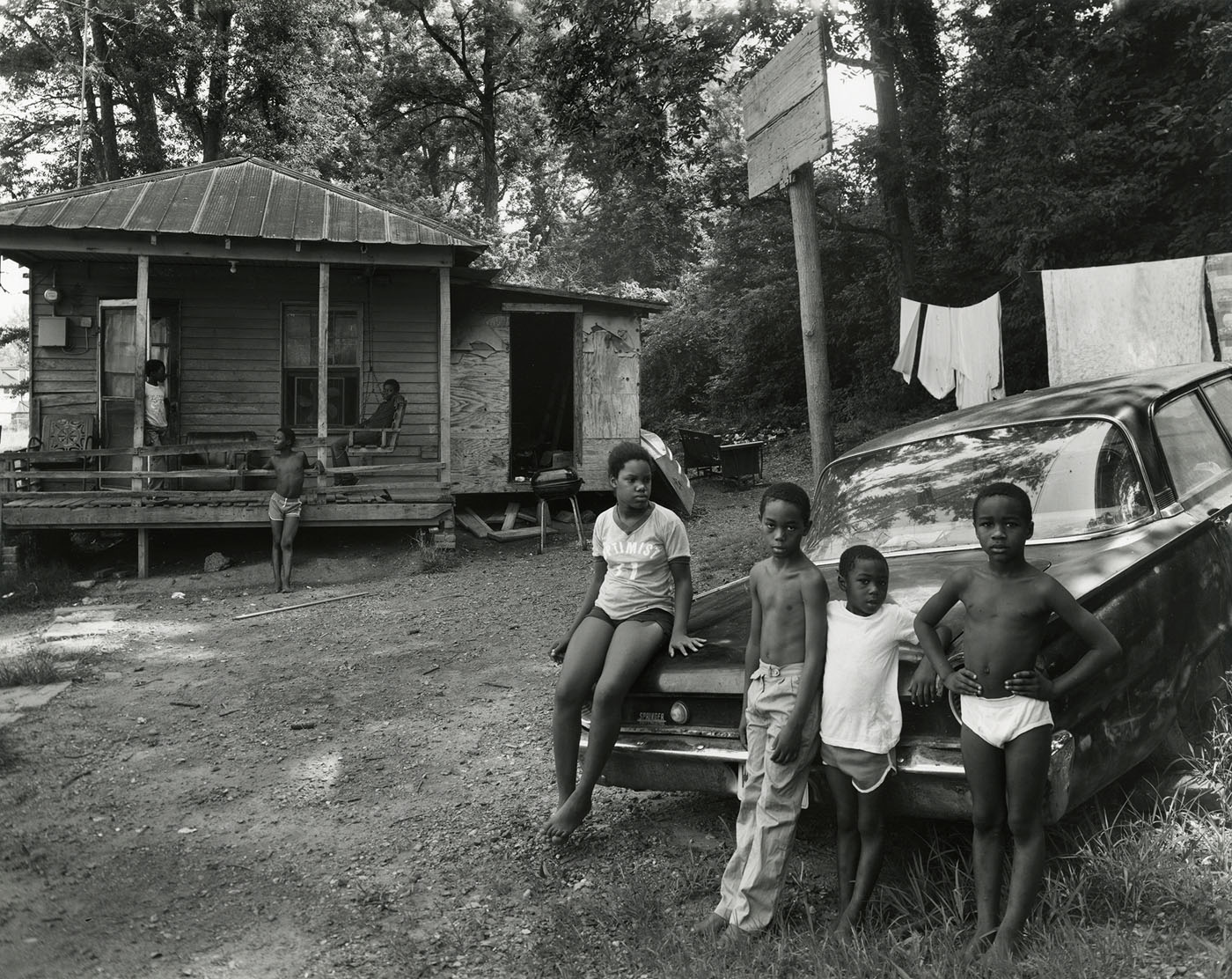
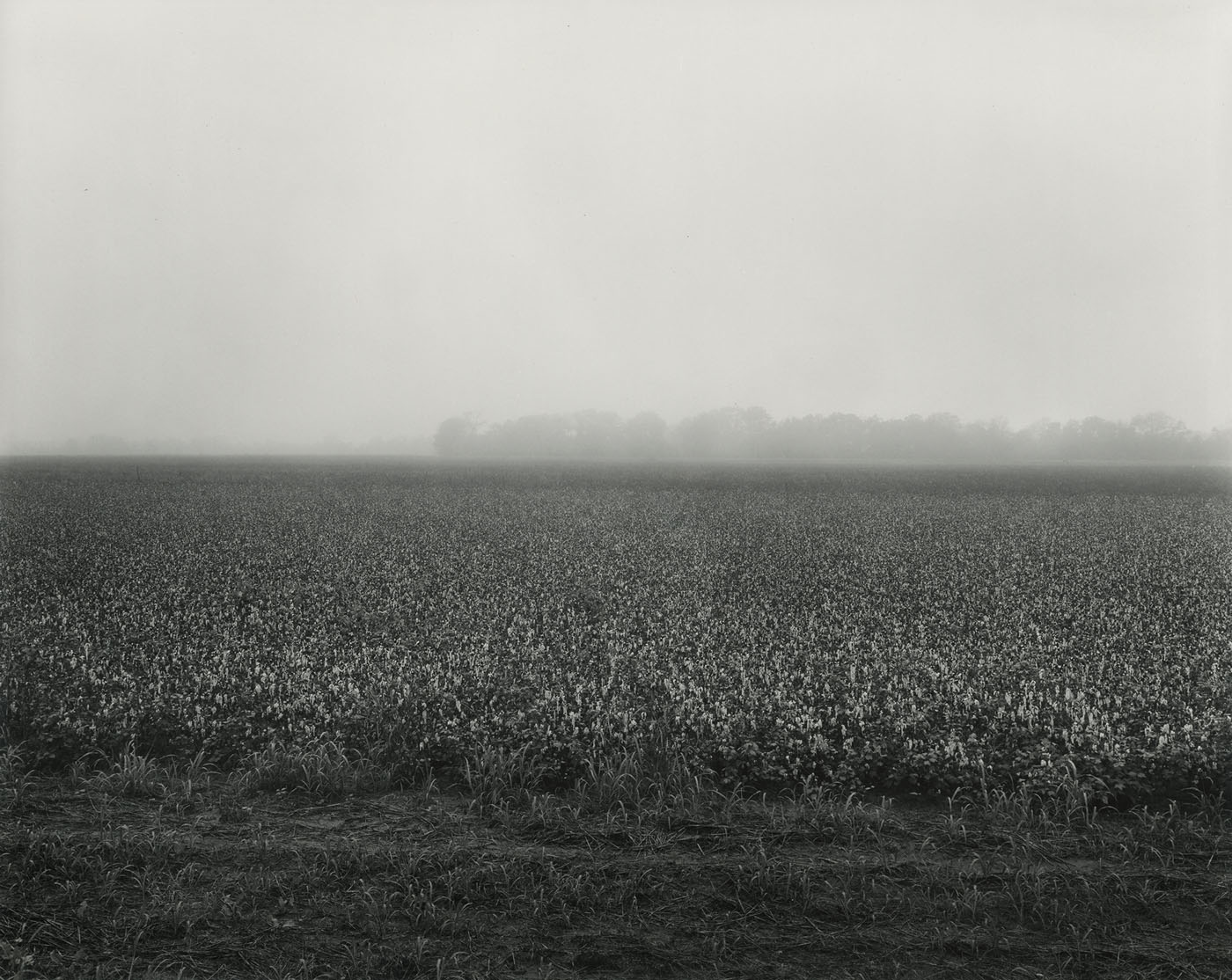
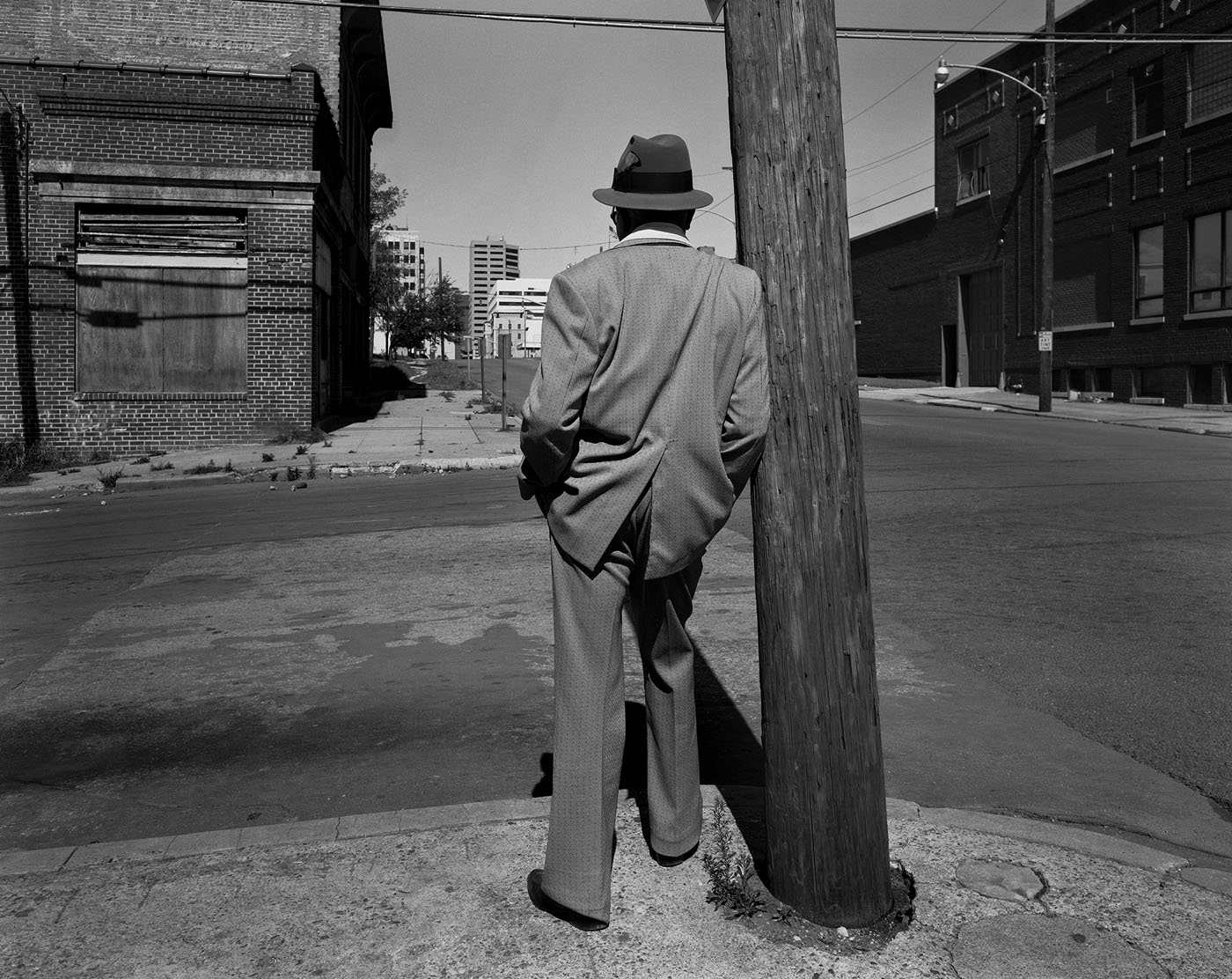
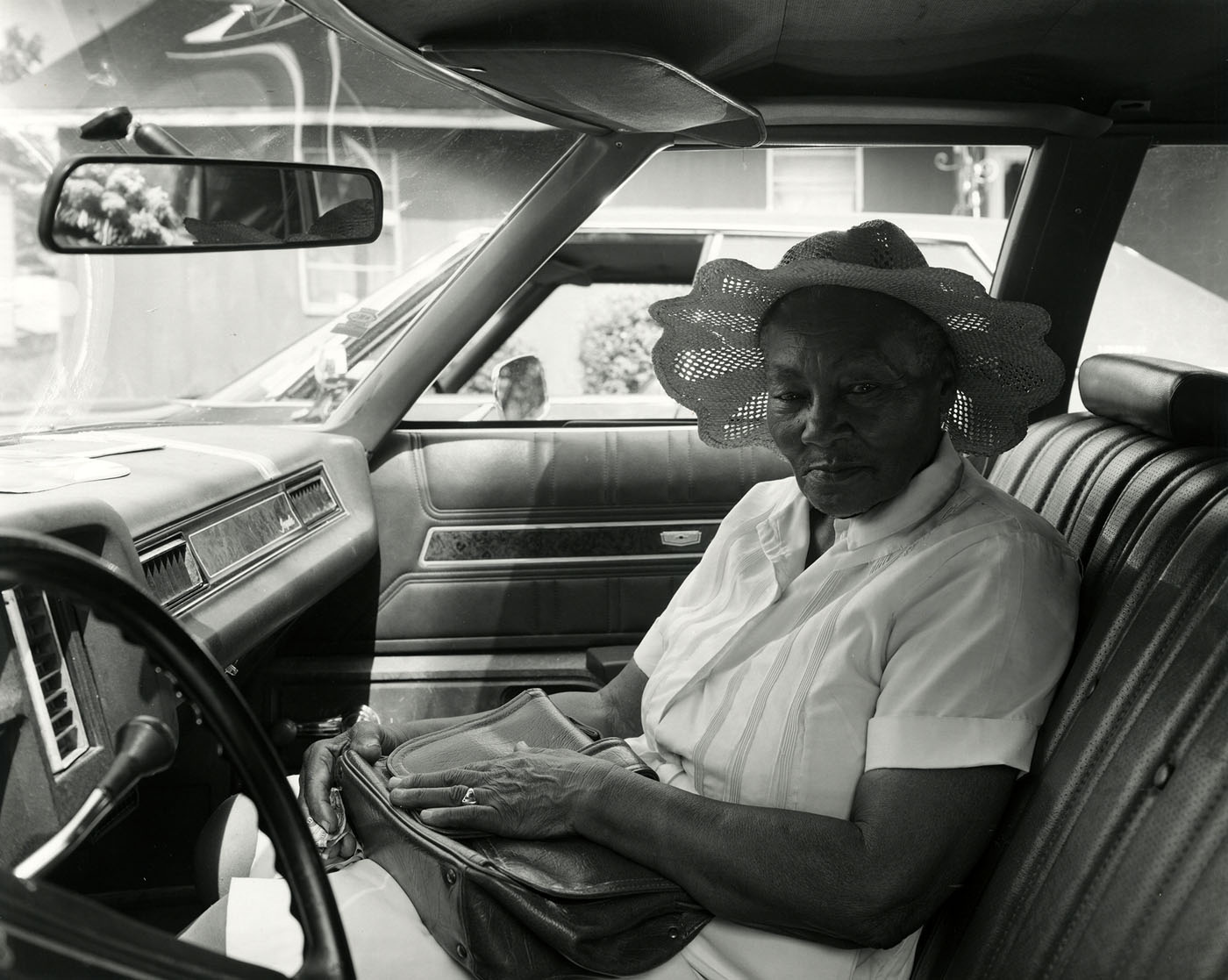
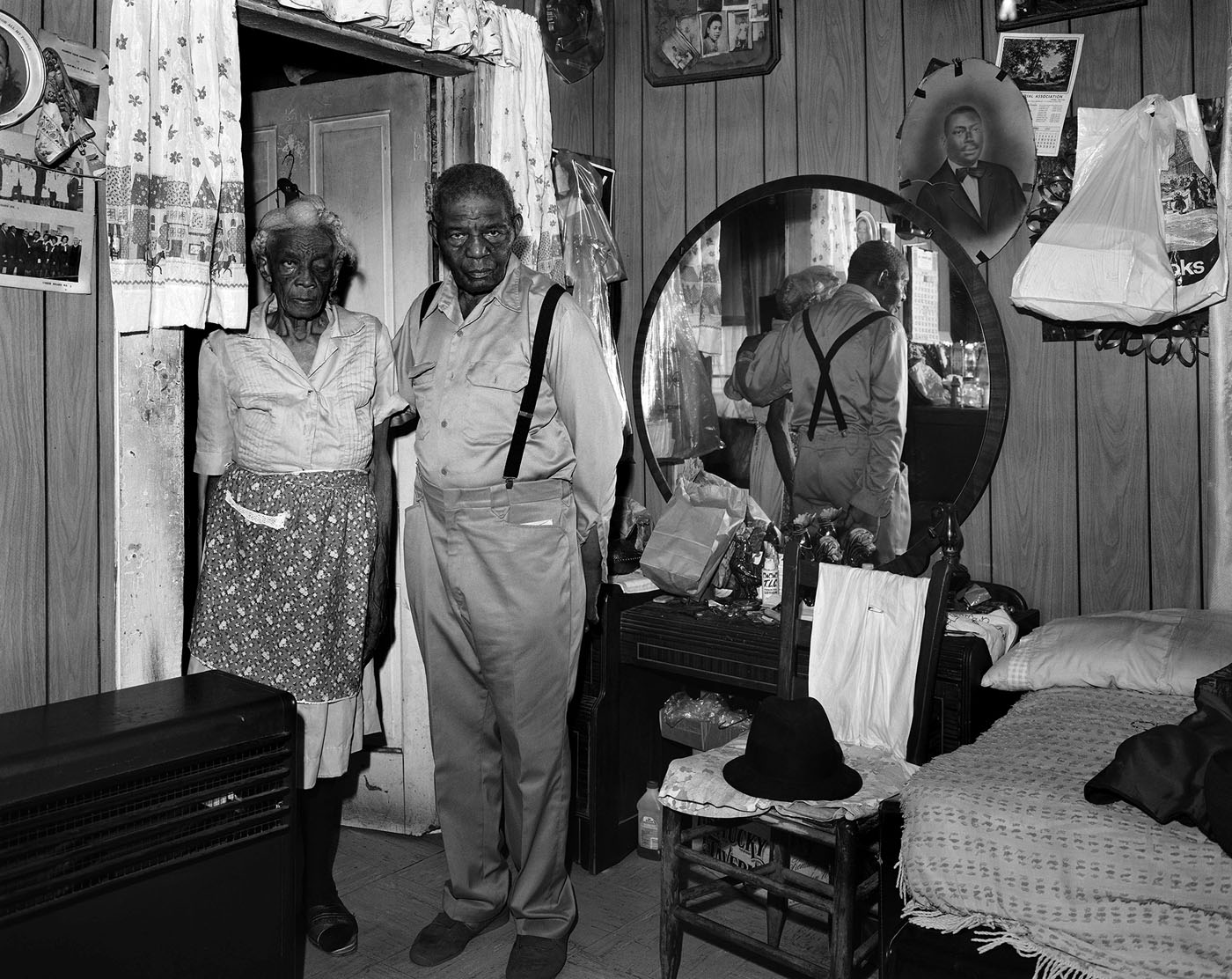
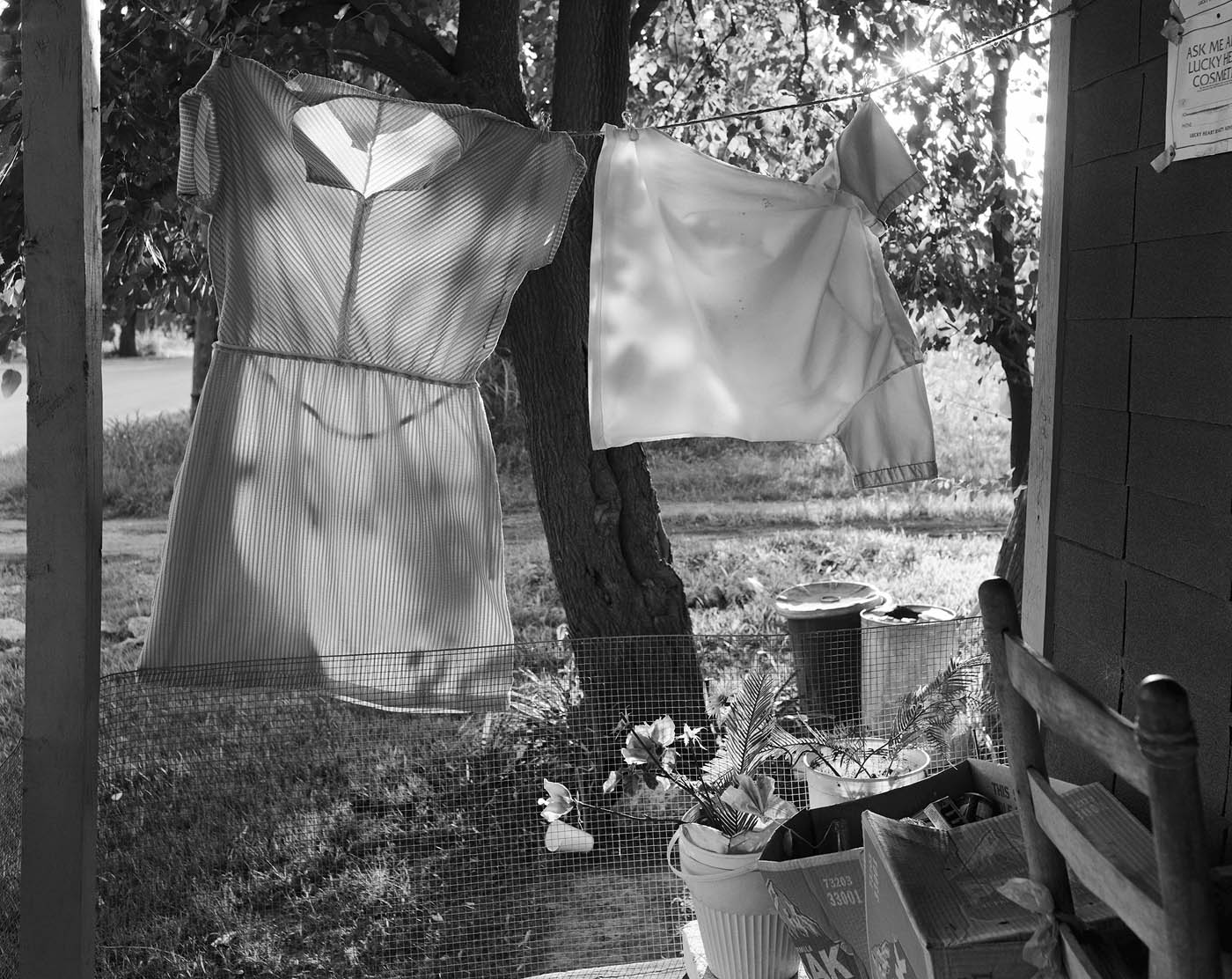
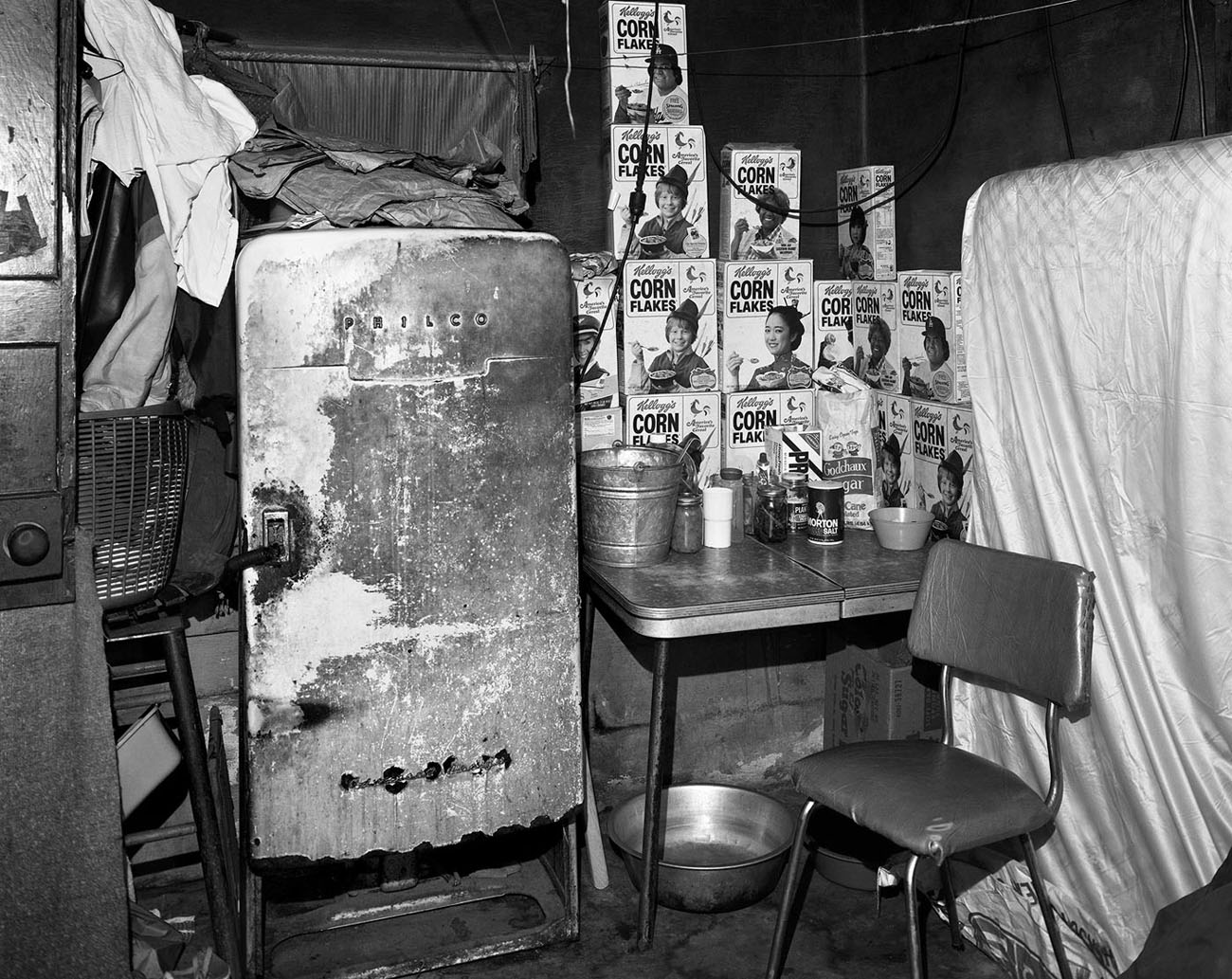
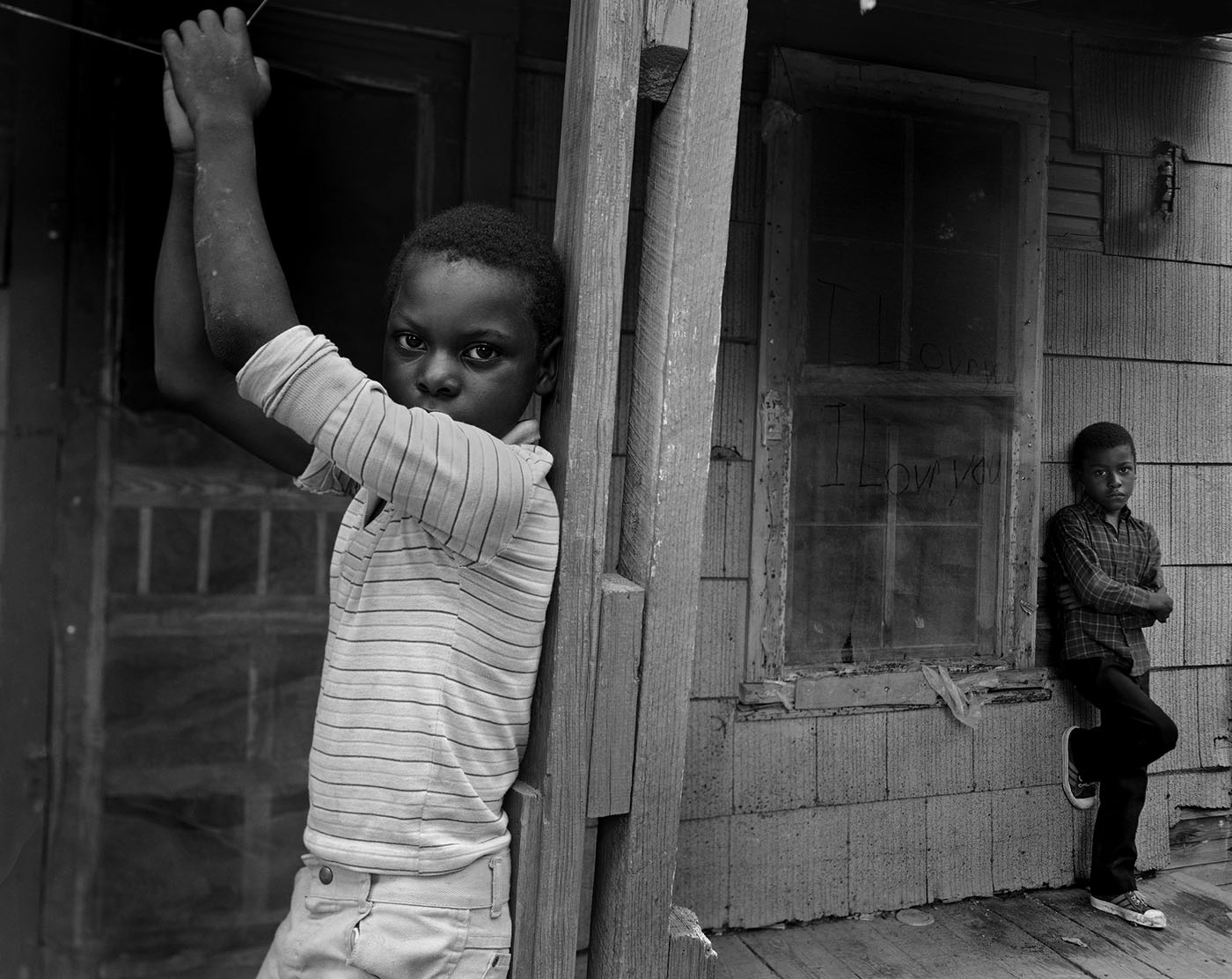
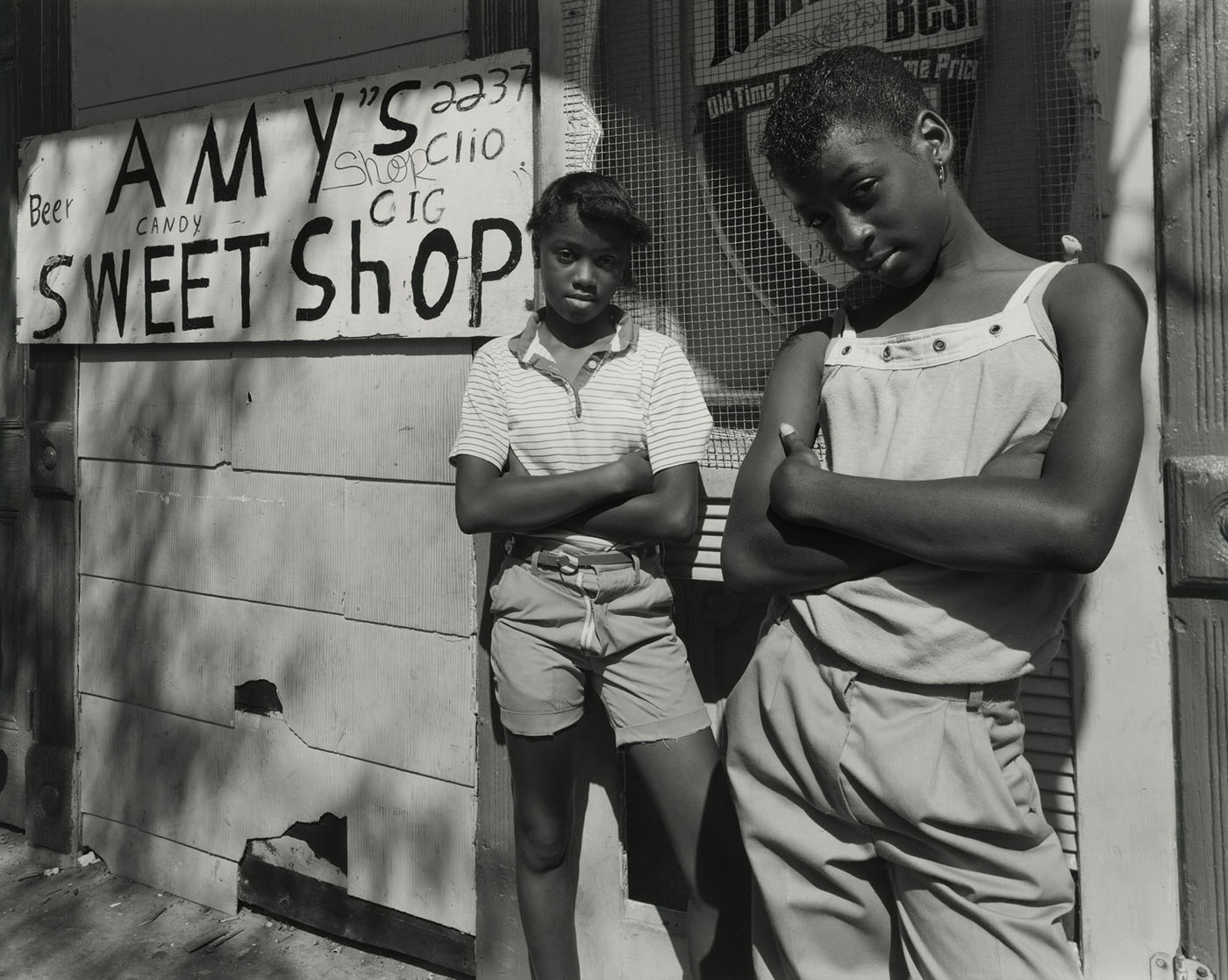
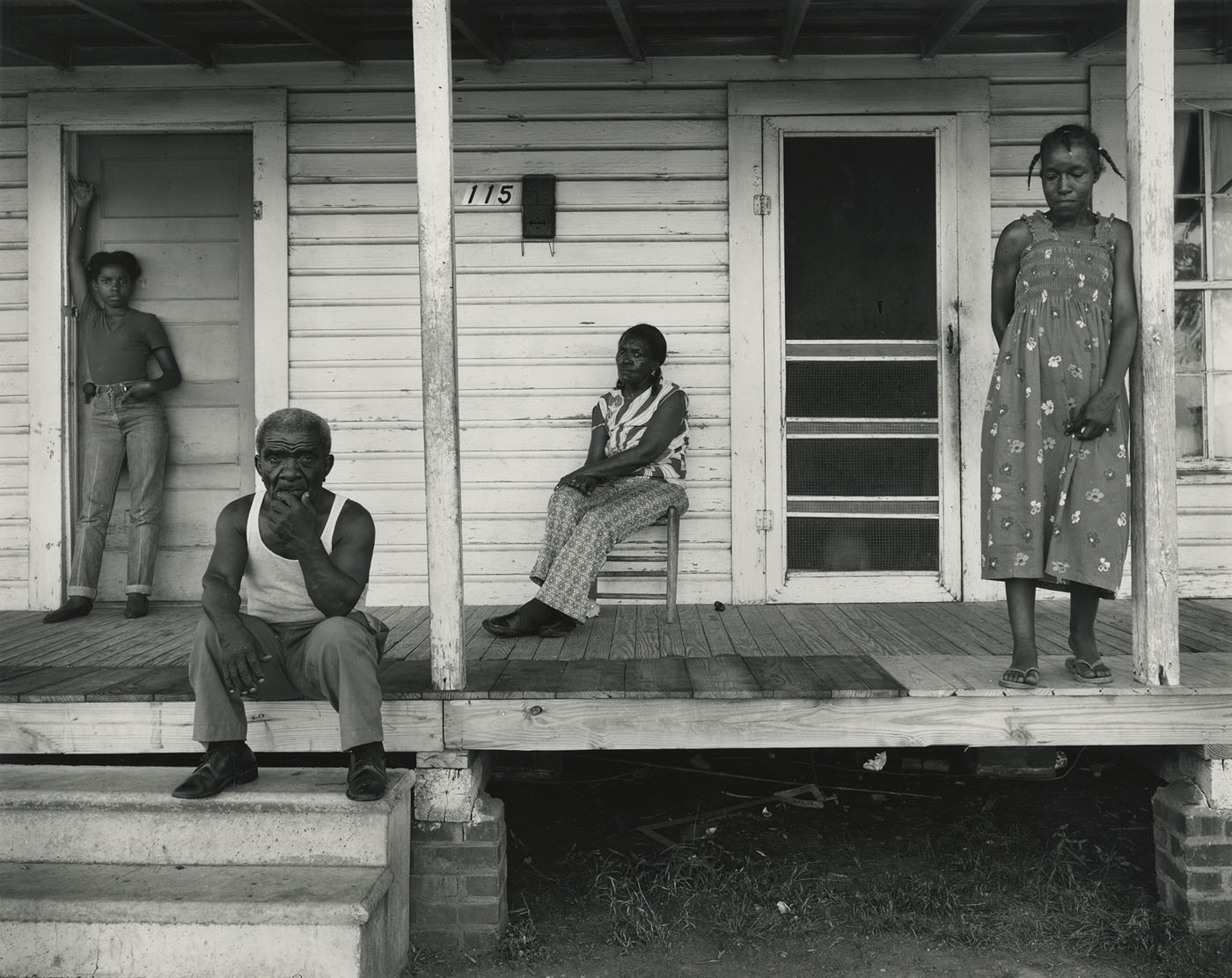
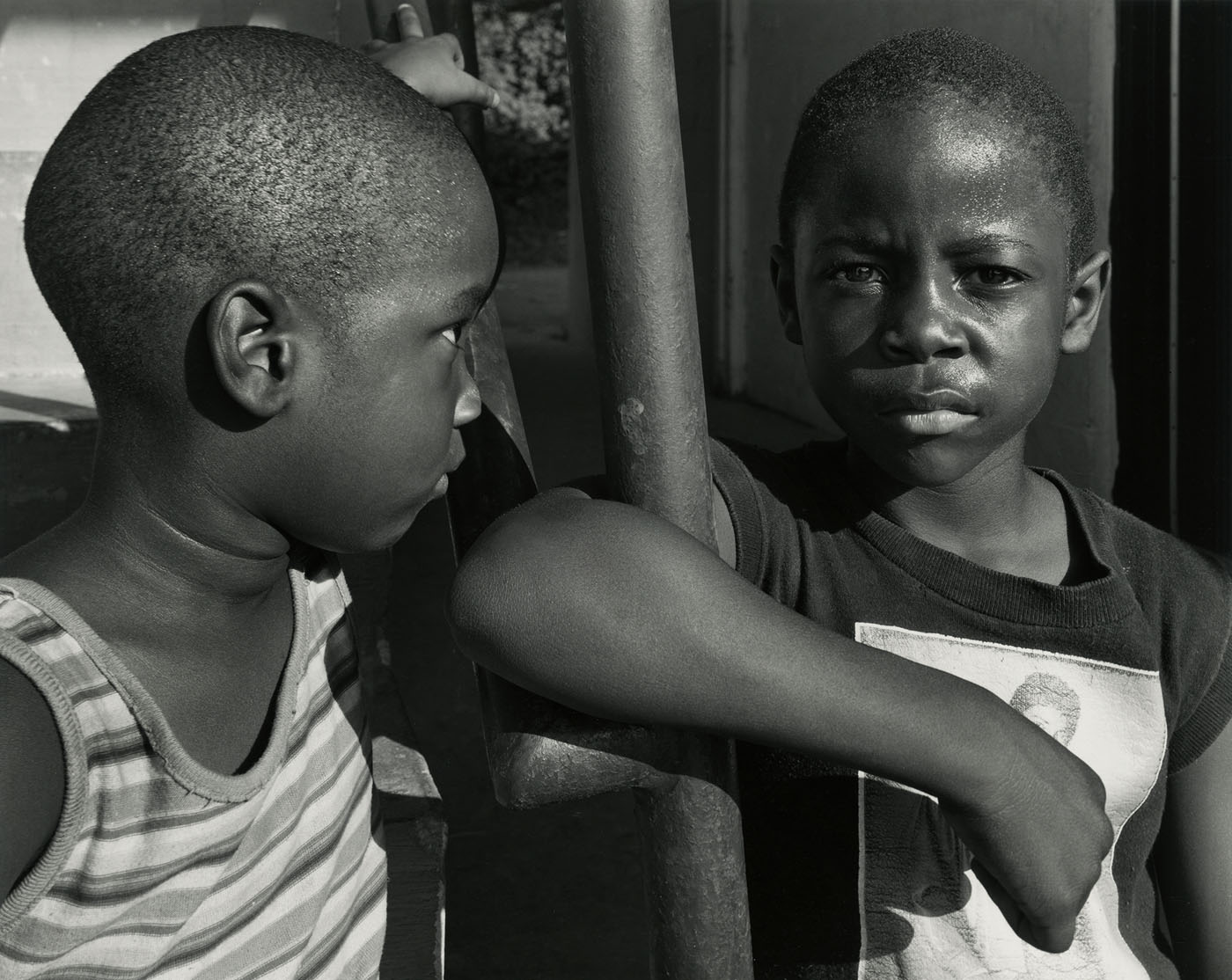
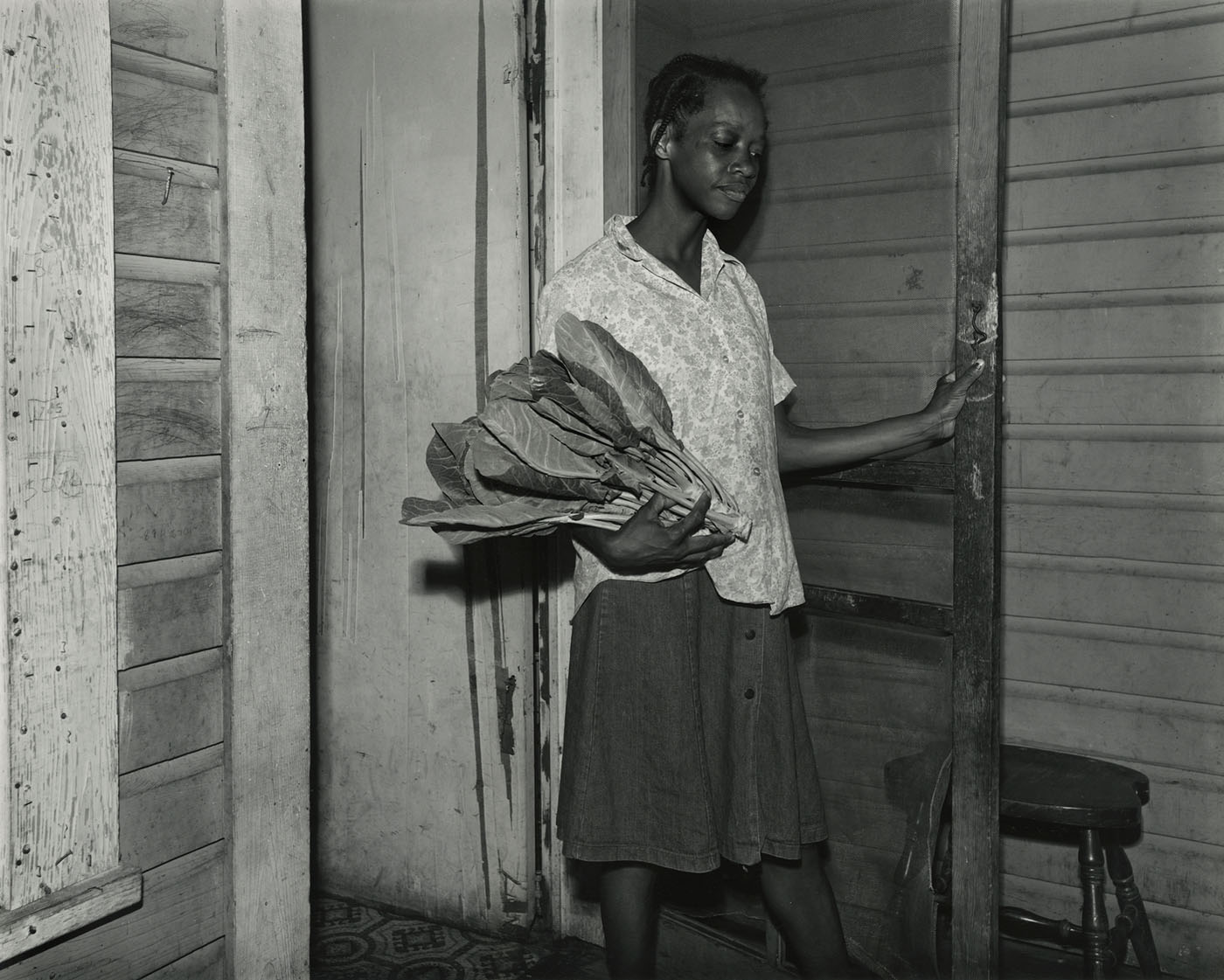
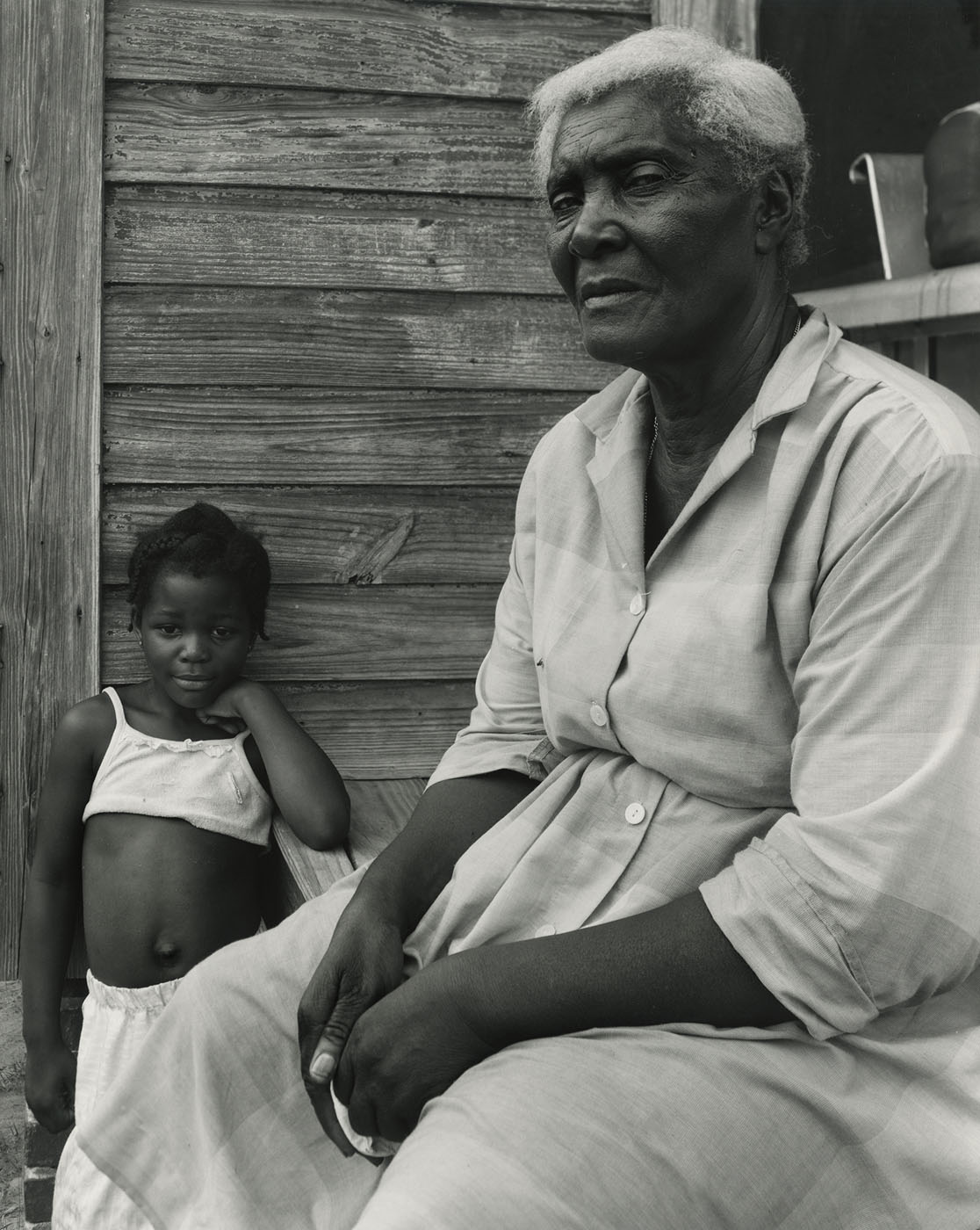
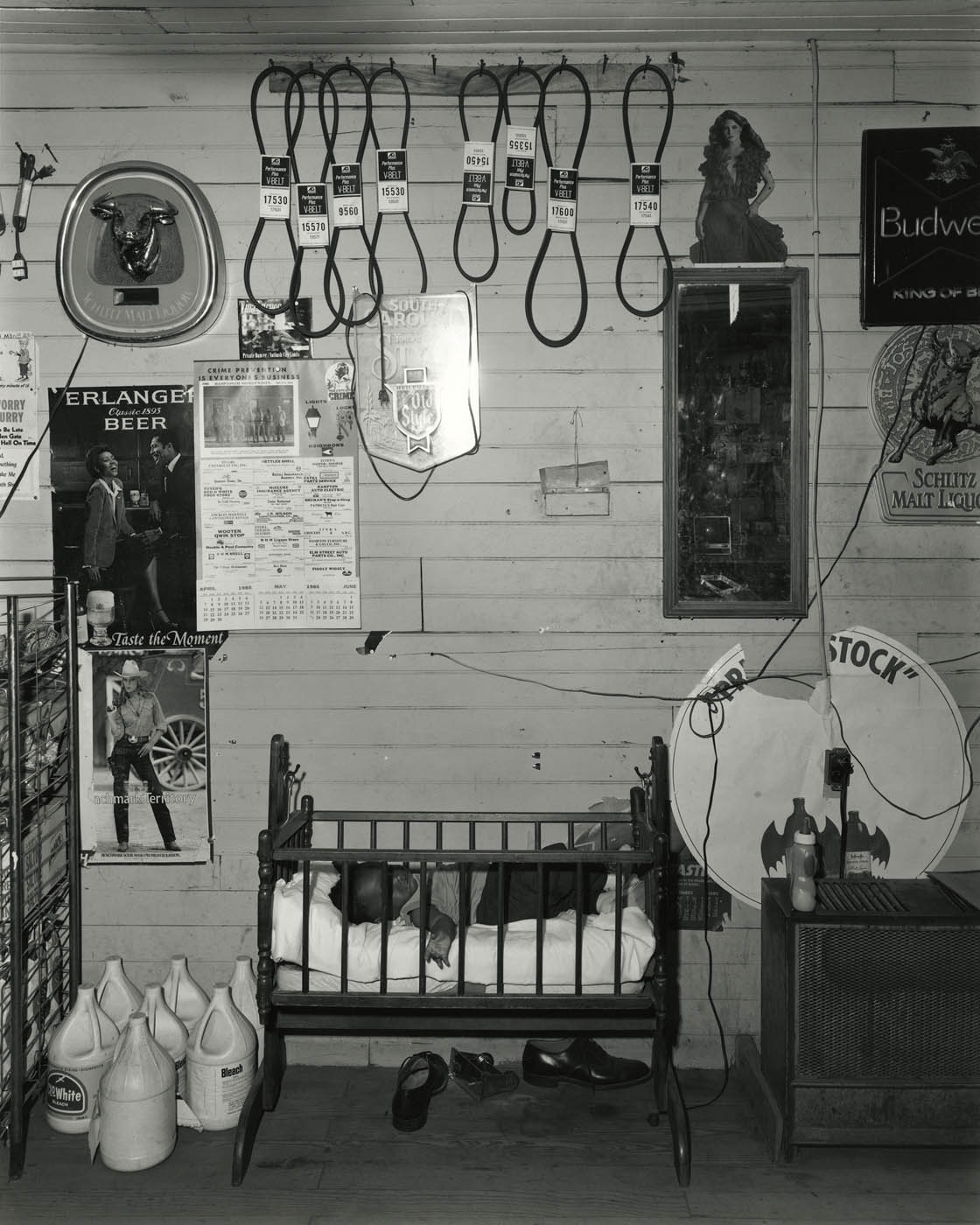
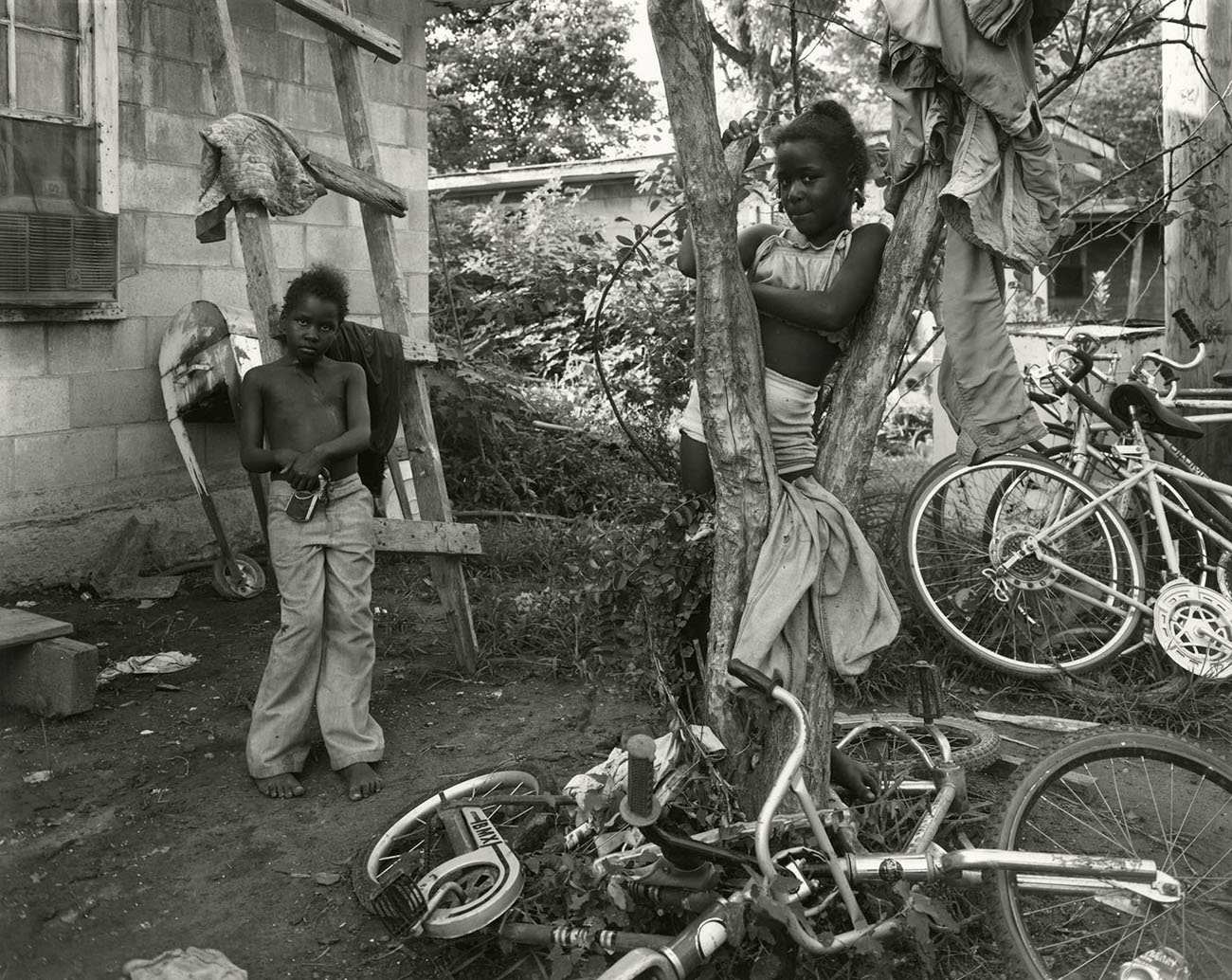
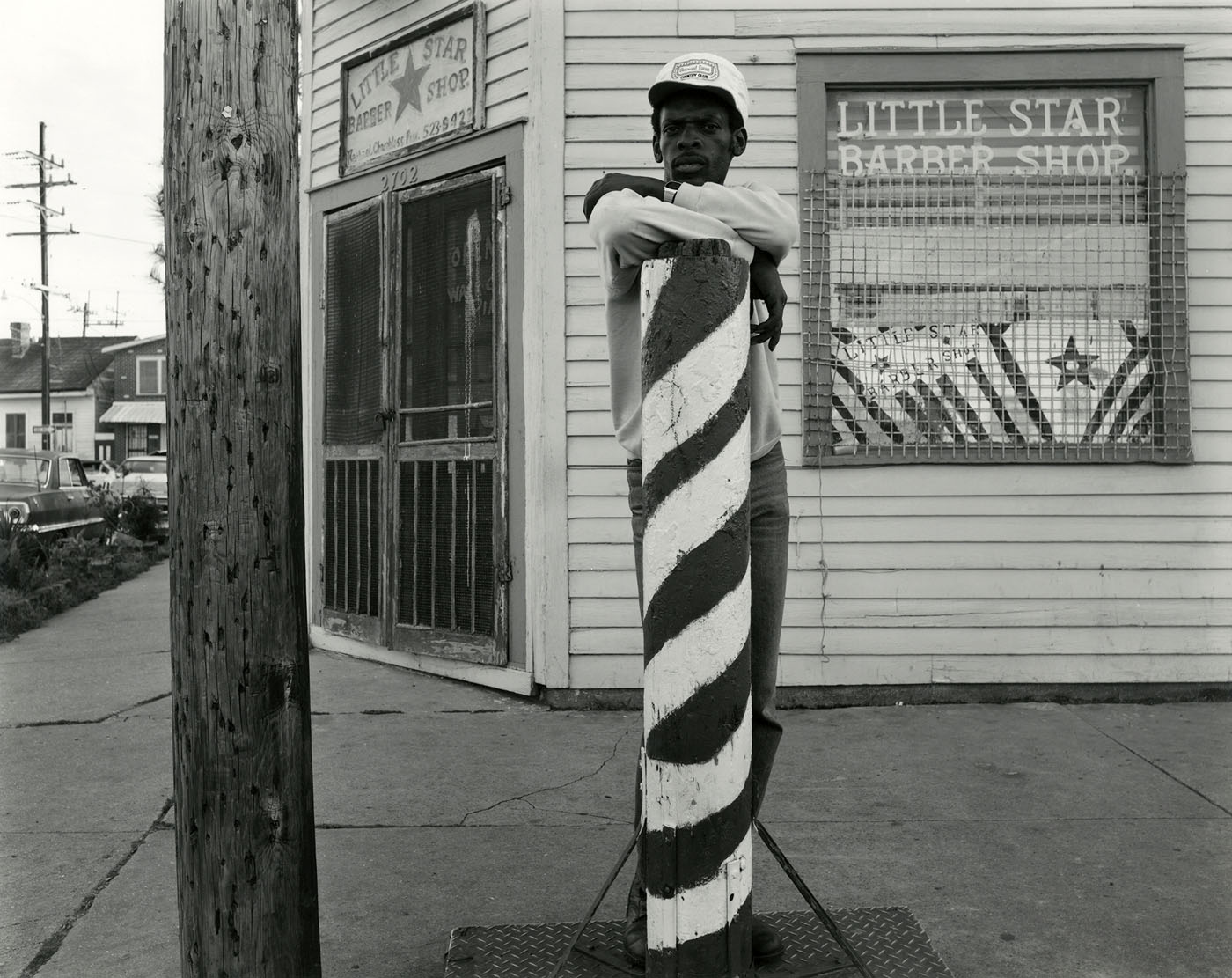
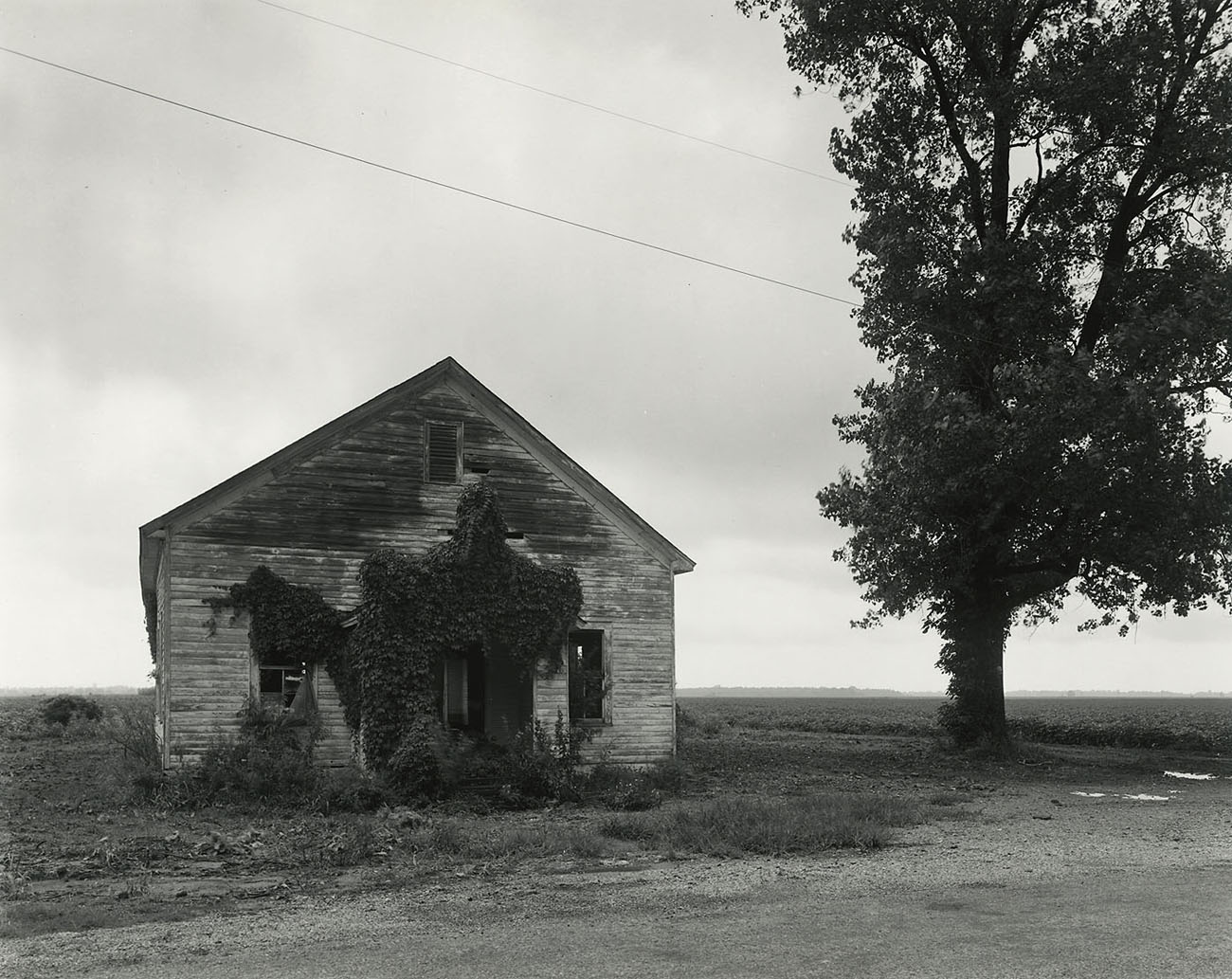
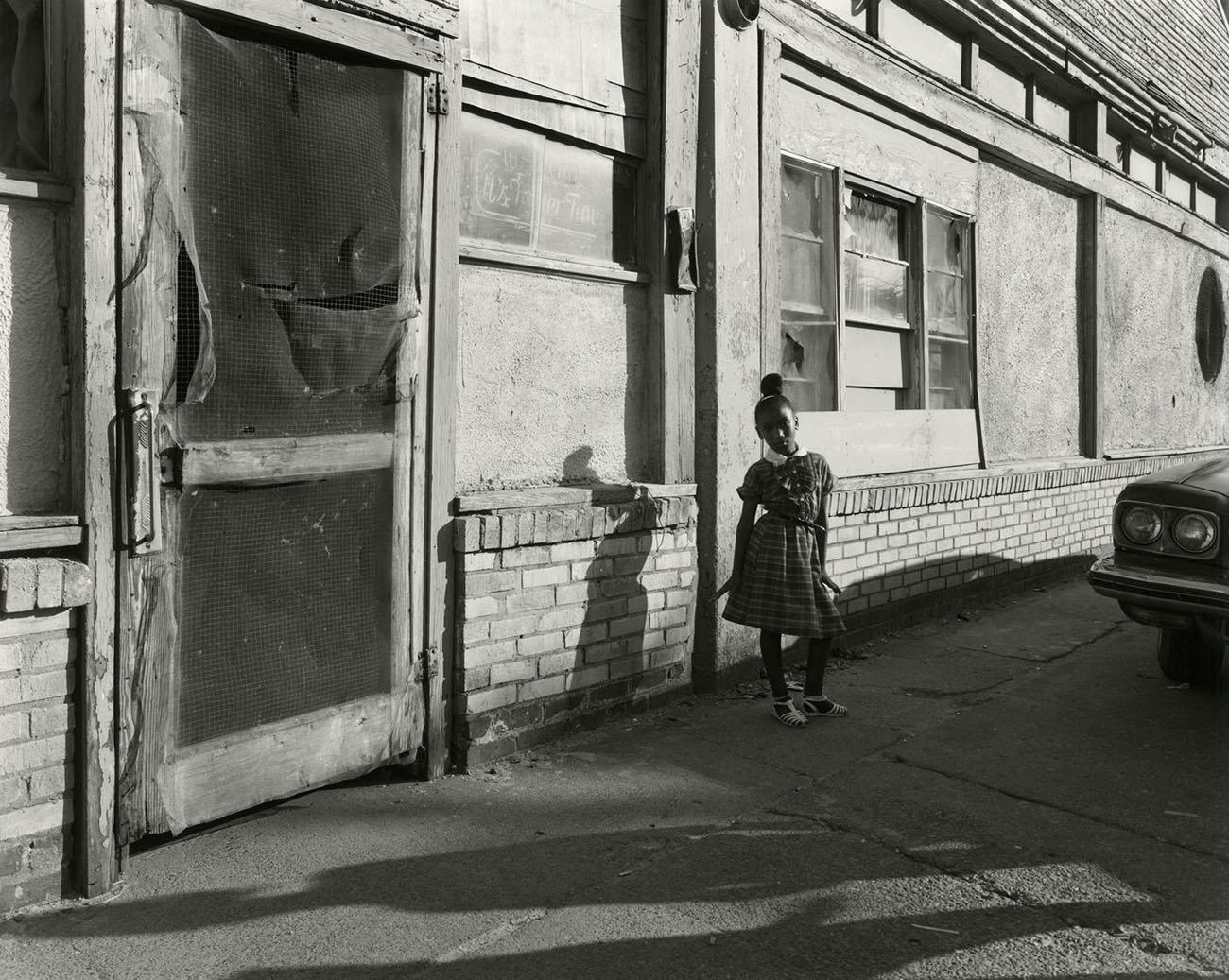
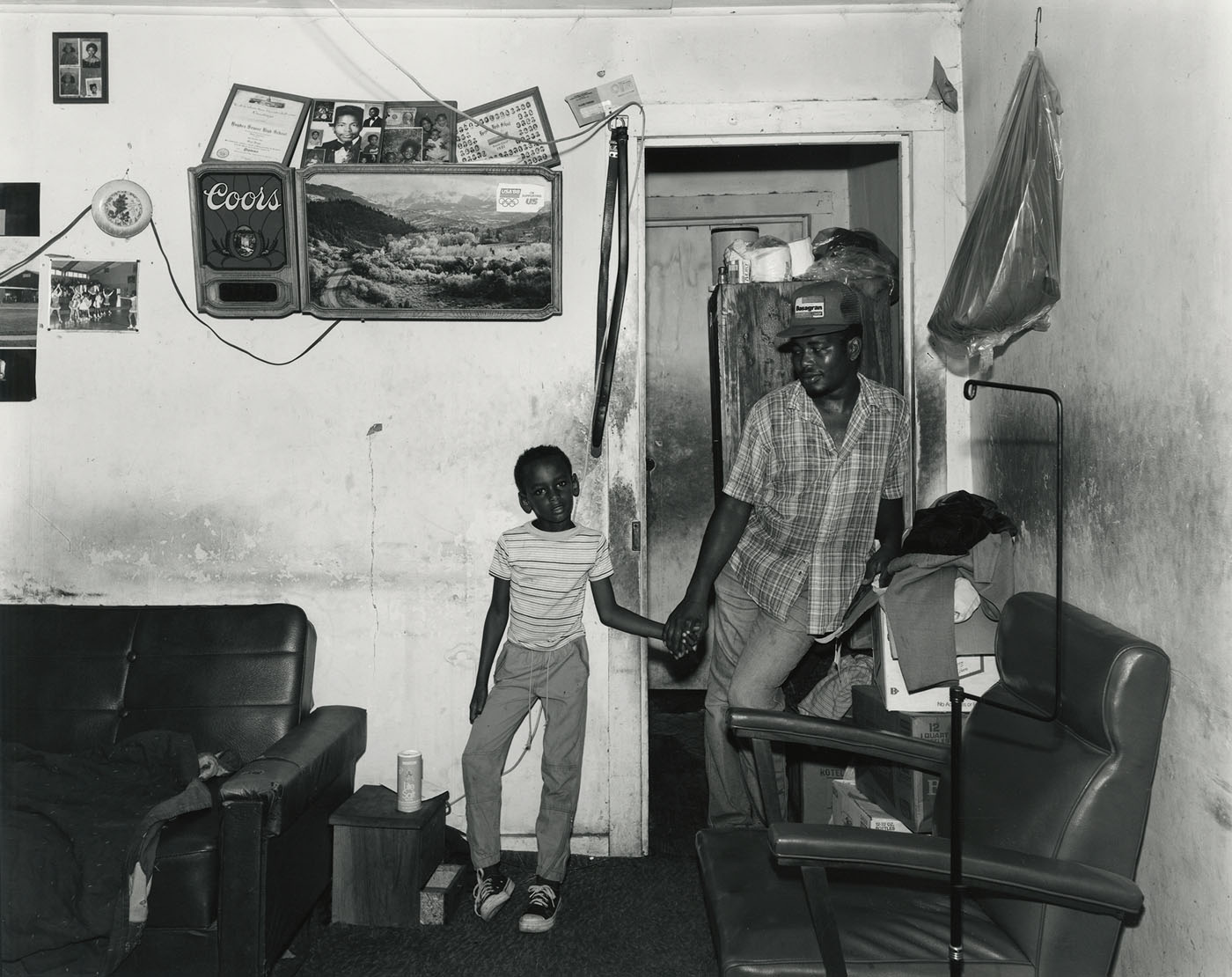
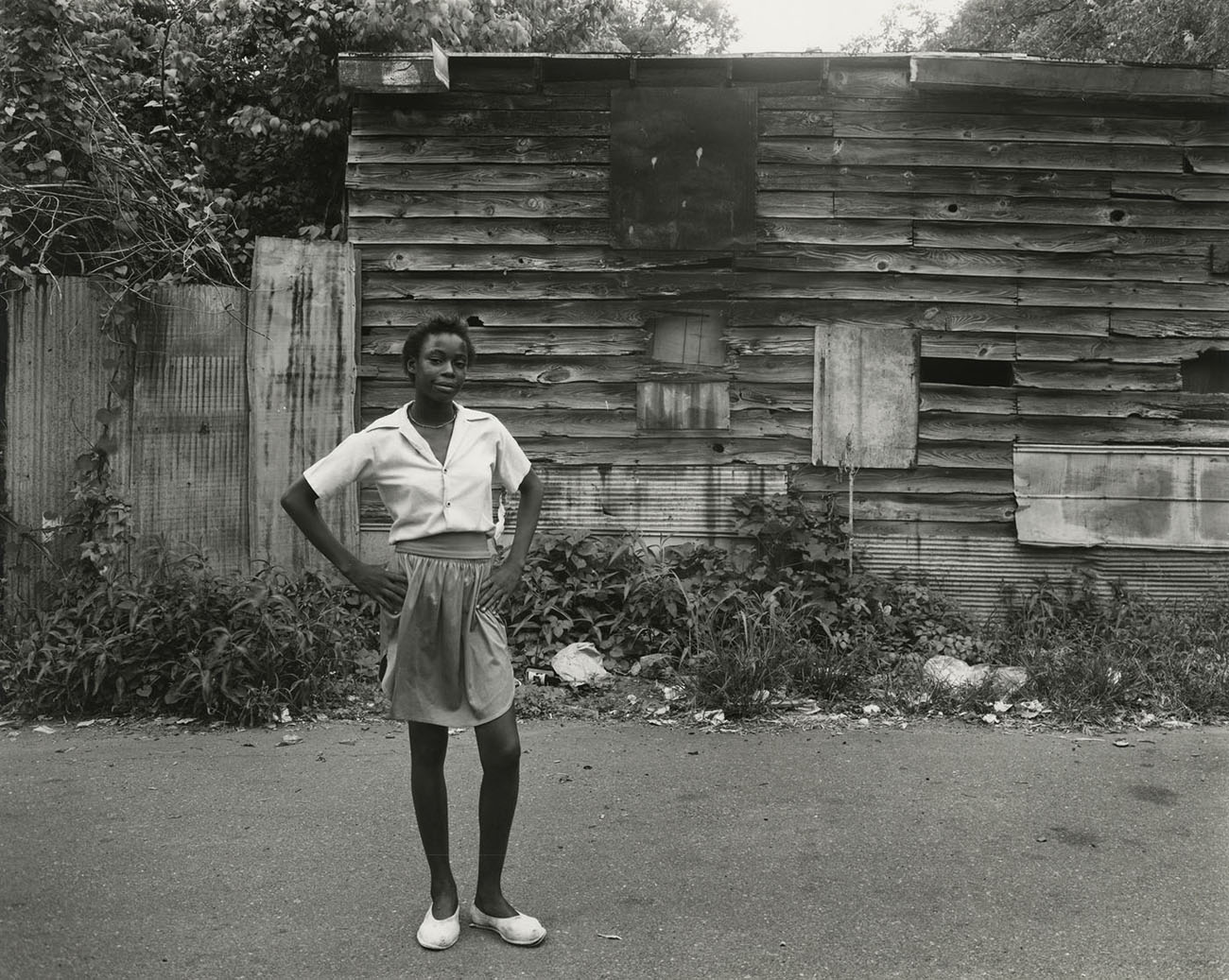
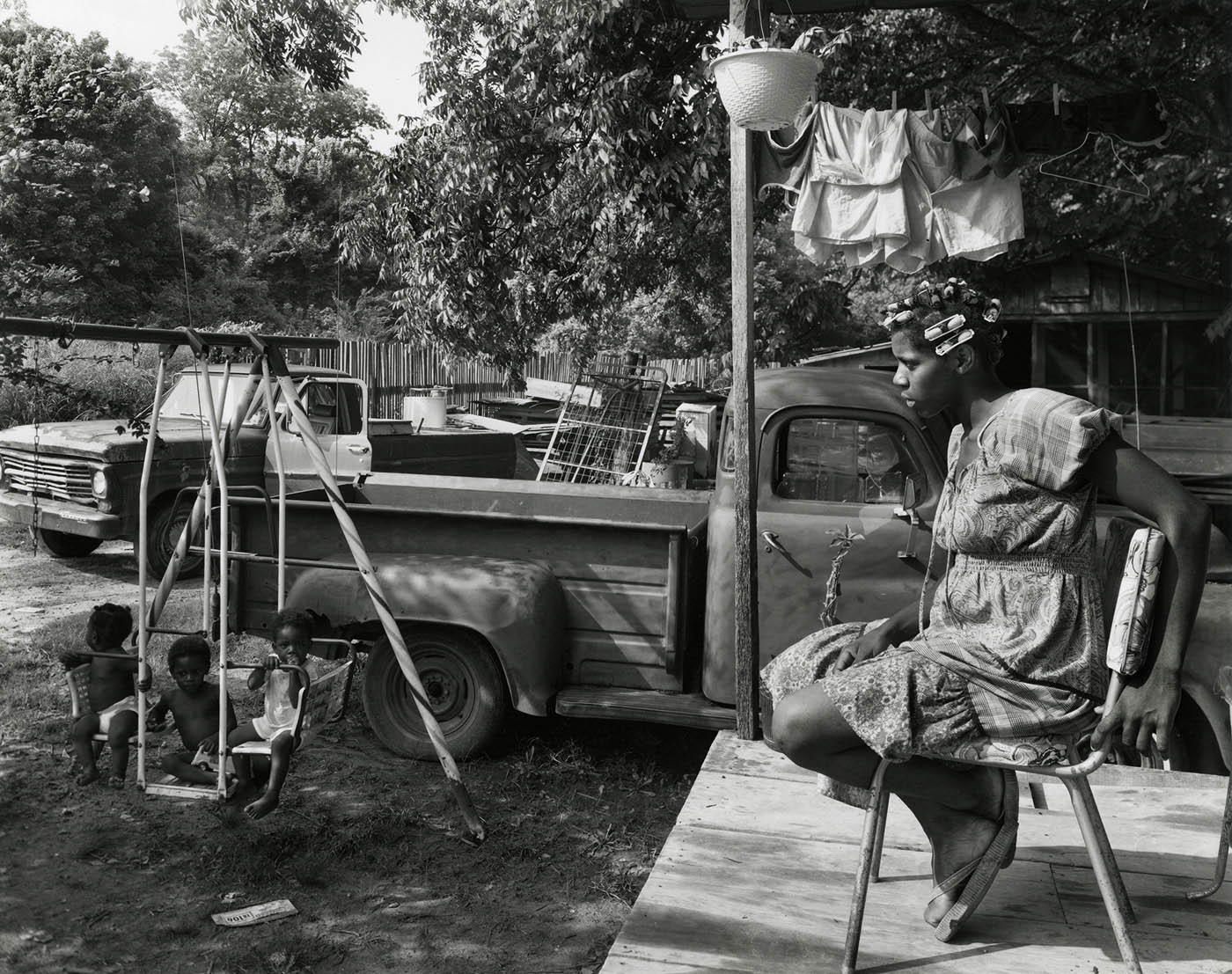
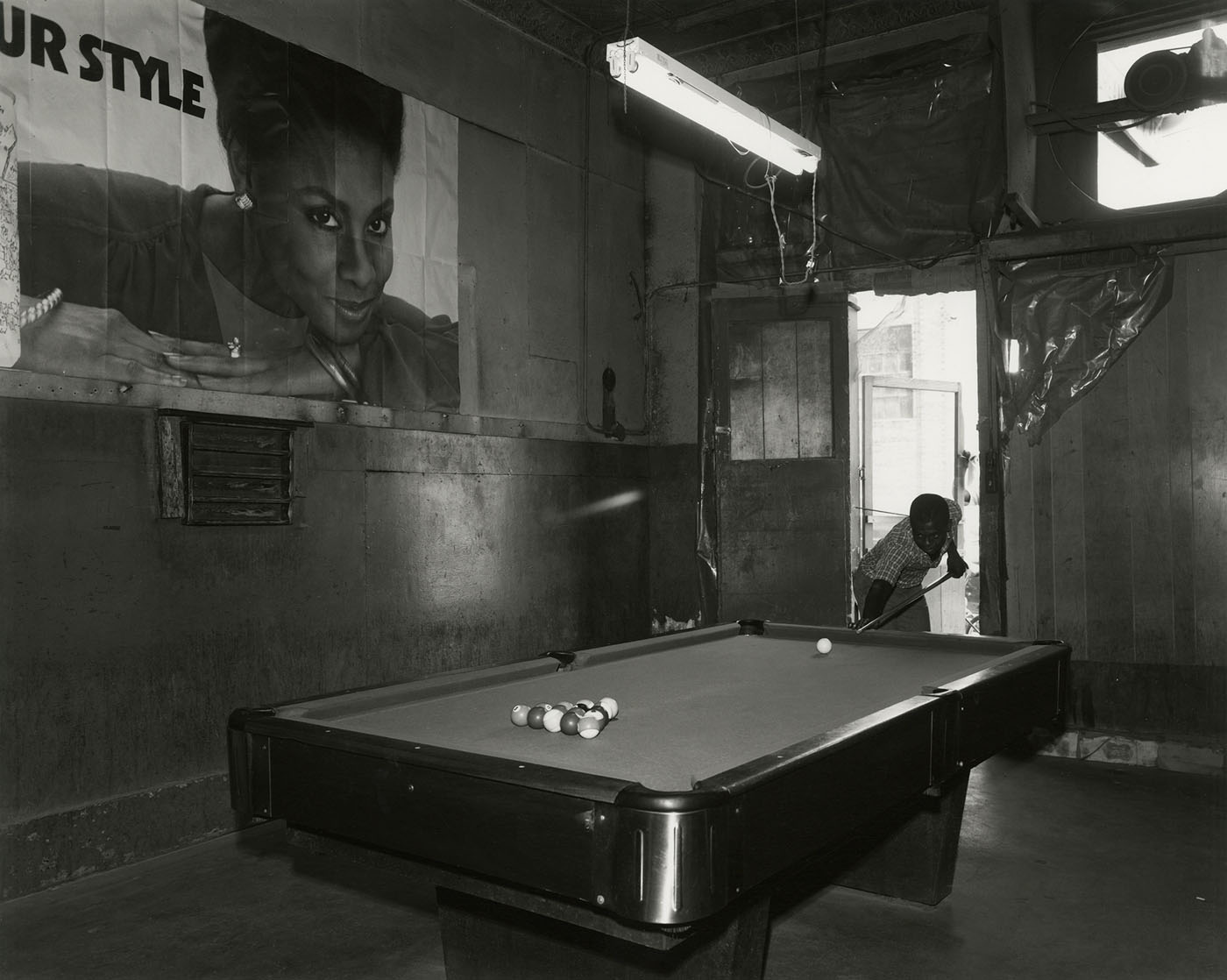
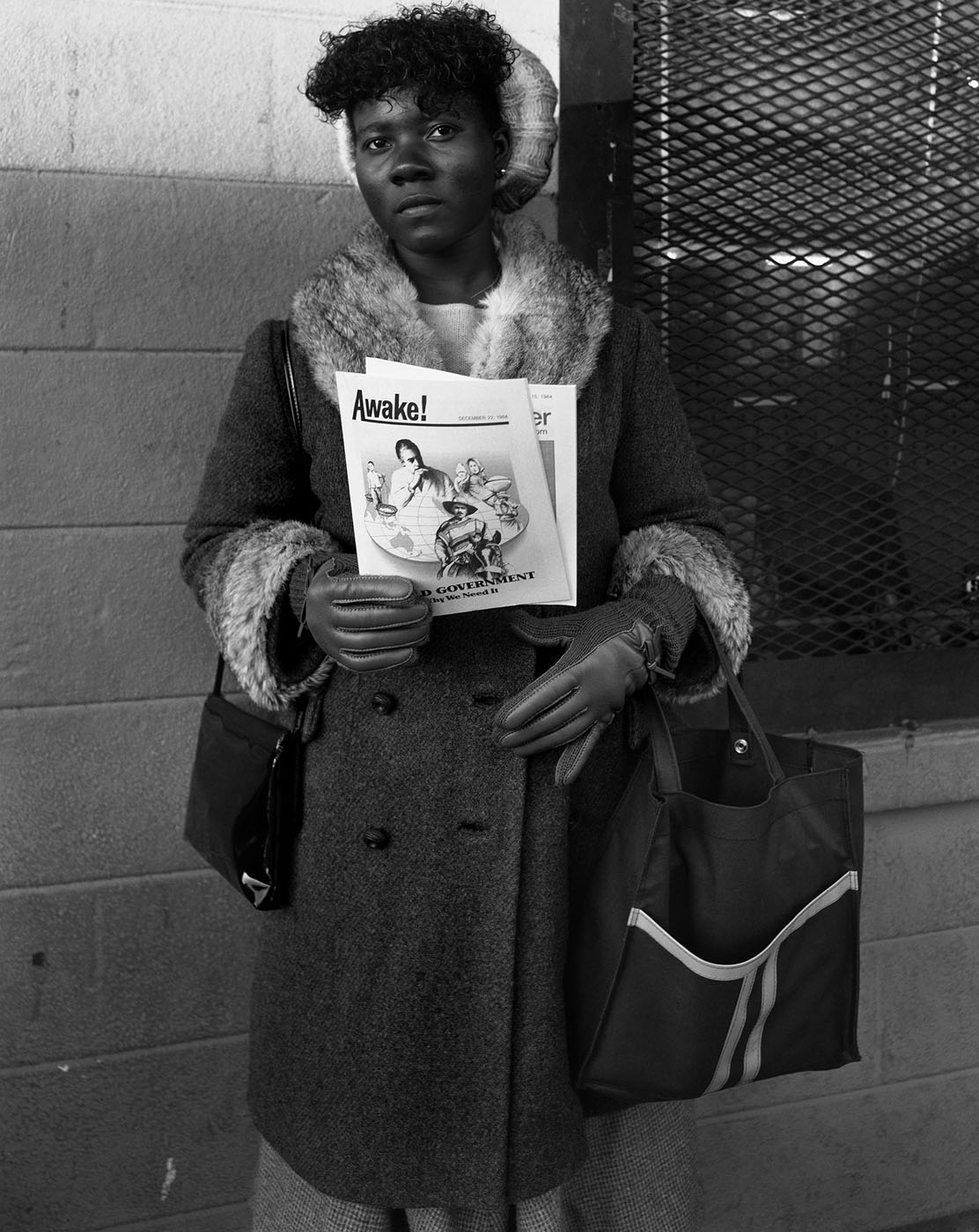
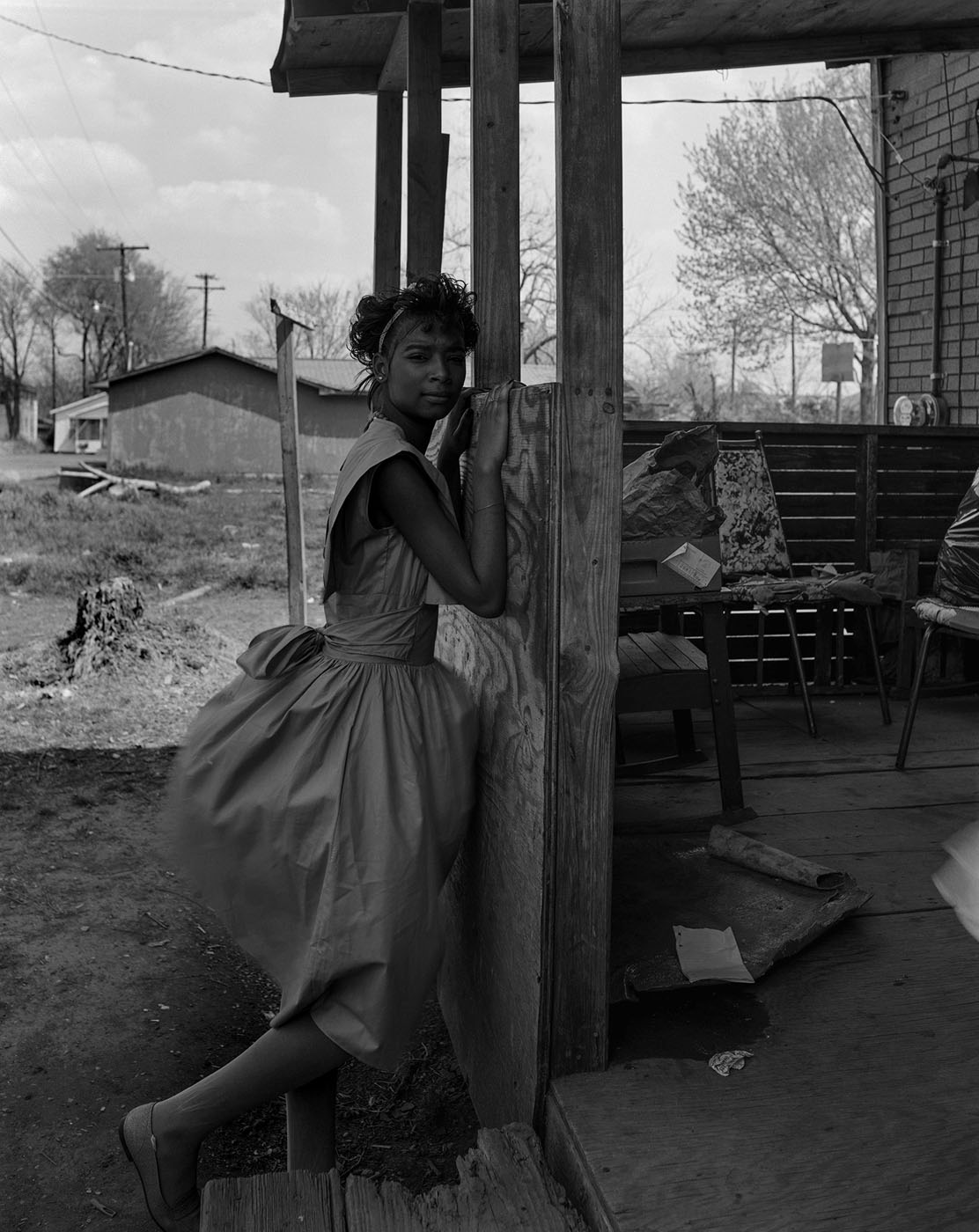


![Bernd Becher (German, 1931-2007) '[Assemblage of Pipes]' 1964 or later](https://artblart.com/wp-content/uploads/2022/10/bernd-becher-assemblage-of-pipes.jpg "Bernd Becher (German, 1931-2007) '[Assemblage of Pipes]' 1964 or later")
![Hilla Becher (German, 1934-2015) '[Mountain Elm Leaf]' 1965](https://artblart.com/wp-content/uploads/2022/10/hilla-becher-hilla-becher-mountain-elm-leaf.jpg "Hilla Becher (German, 1934-2015) '[Mountain Elm Leaf]' 1965")
![Hilla Becher (German, 1934-2015) '[Spruce Branch]' 1965](https://artblart.com/wp-content/uploads/2022/10/hilla-becher-spruce-branch.jpg "Hilla Becher (German, 1934-2015) '[Spruce Branch]' 1965")
![Hilla Becher (German, 1934-2015) '[Shell, for the German Industrial Exhibition, Khartoum, Sudan]' 1961](https://artblart.com/wp-content/uploads/2022/10/hilla-becher-shell-for-the-german-industrial-exhibition.jpg "Hilla Becher (German, 1934-2015) '[Shell, for the German Industrial Exhibition, Khartoum, Sudan]' 1961")











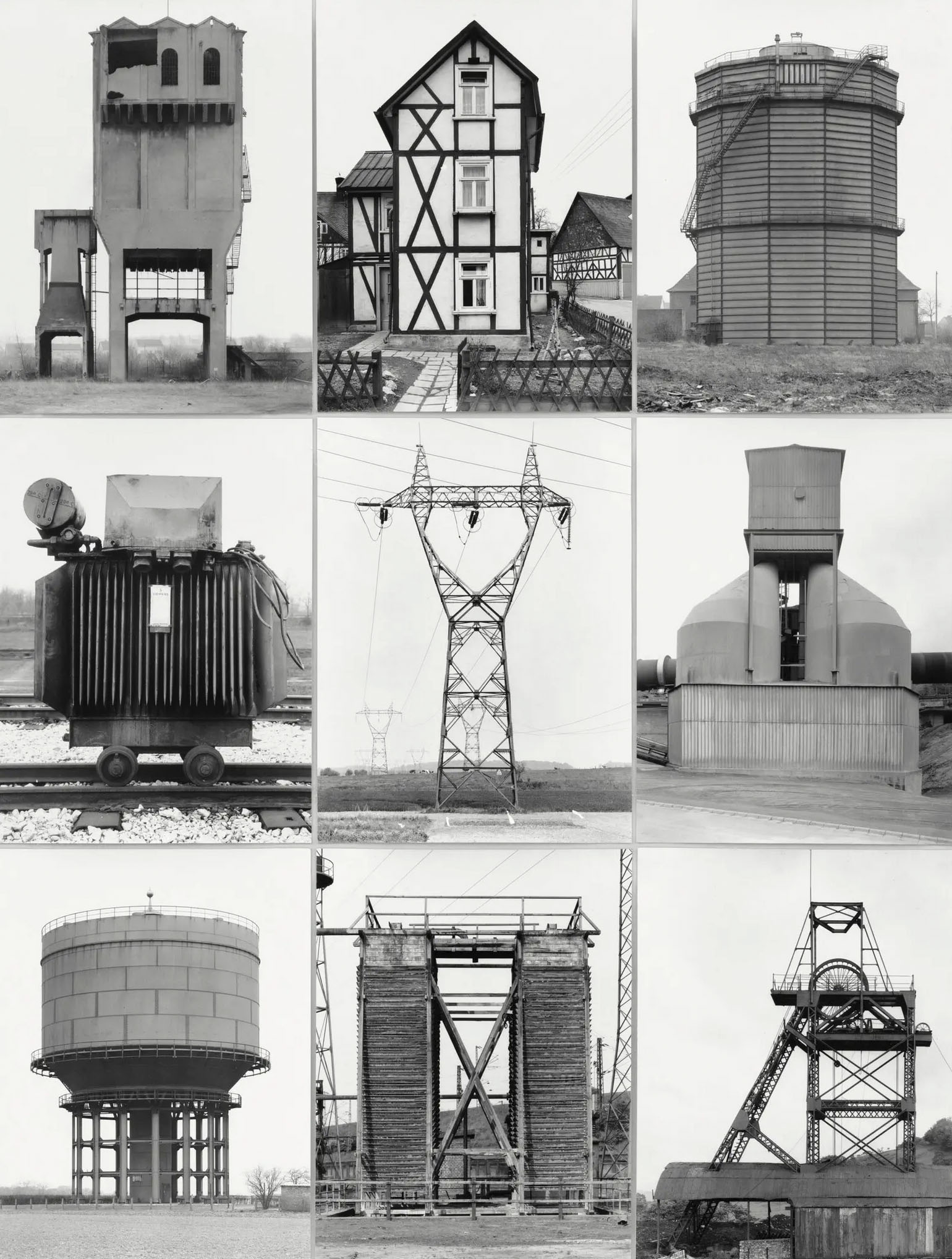


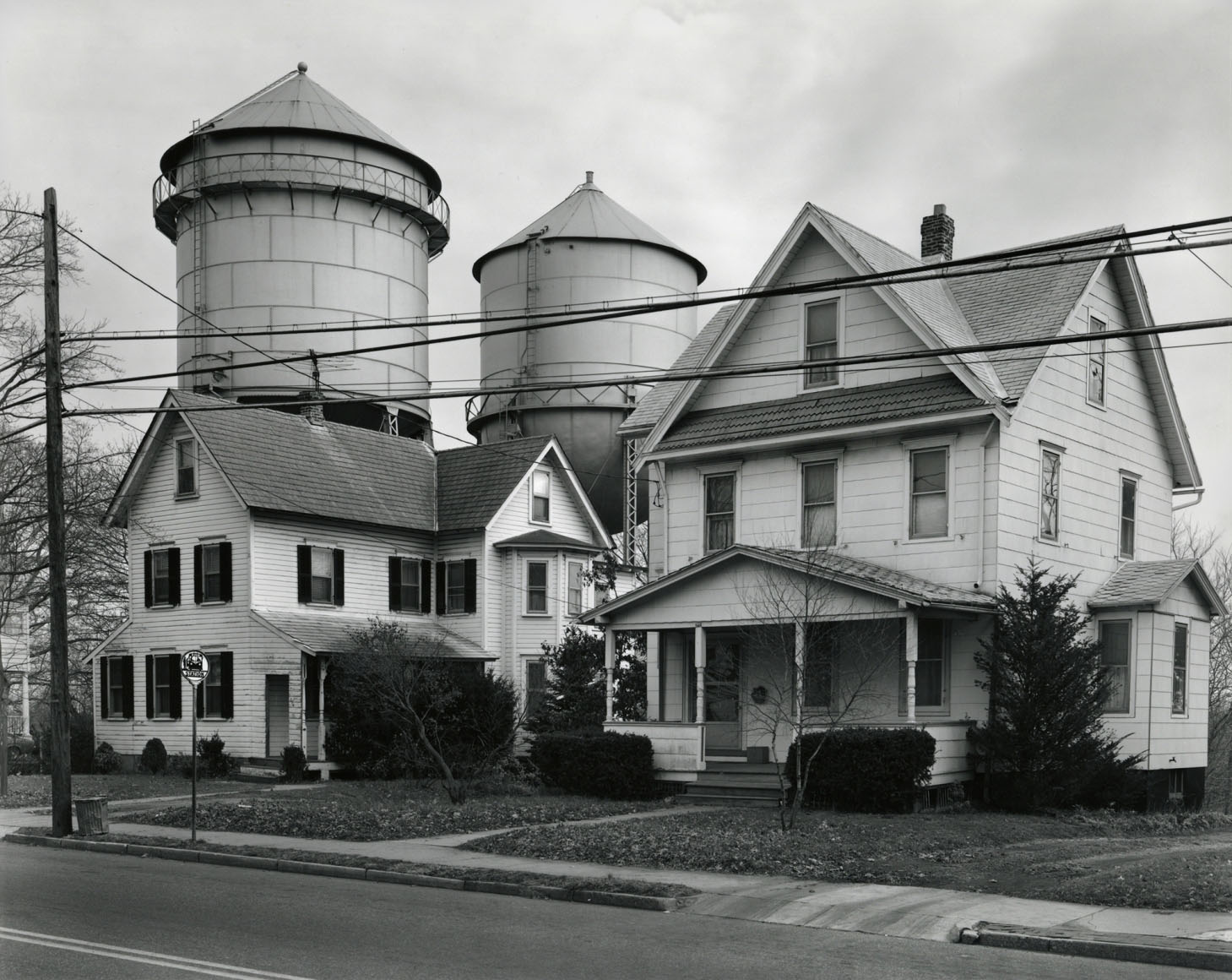


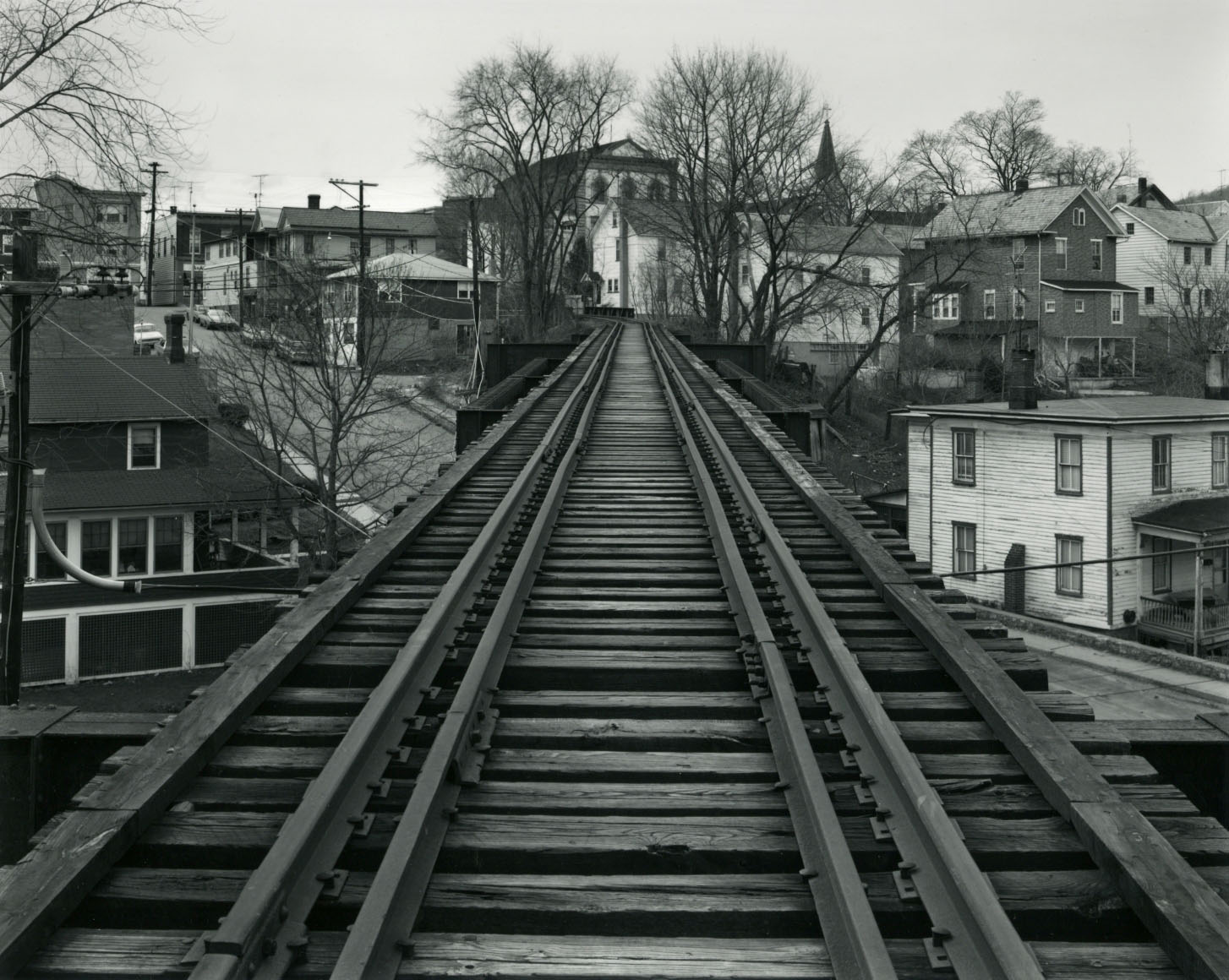


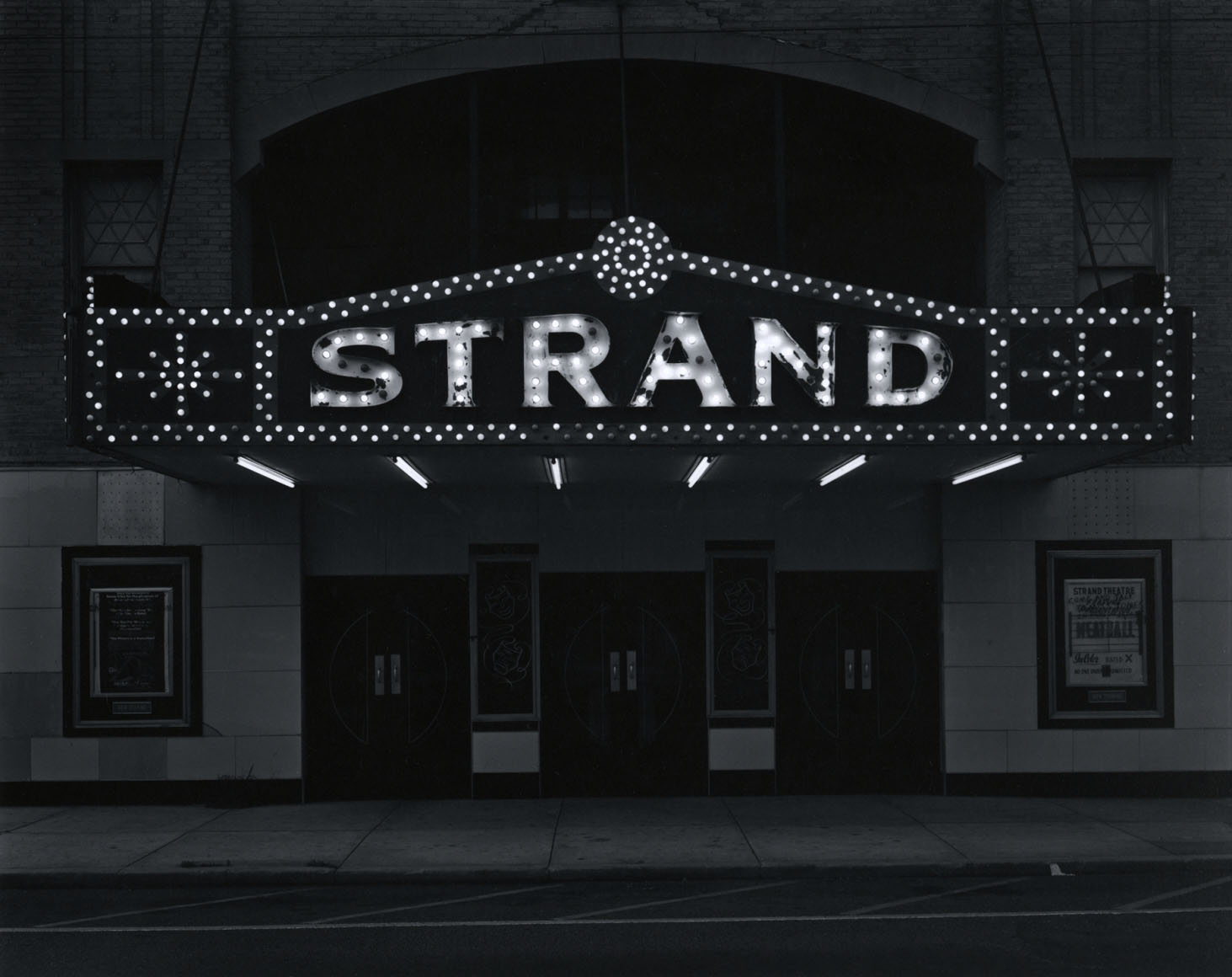


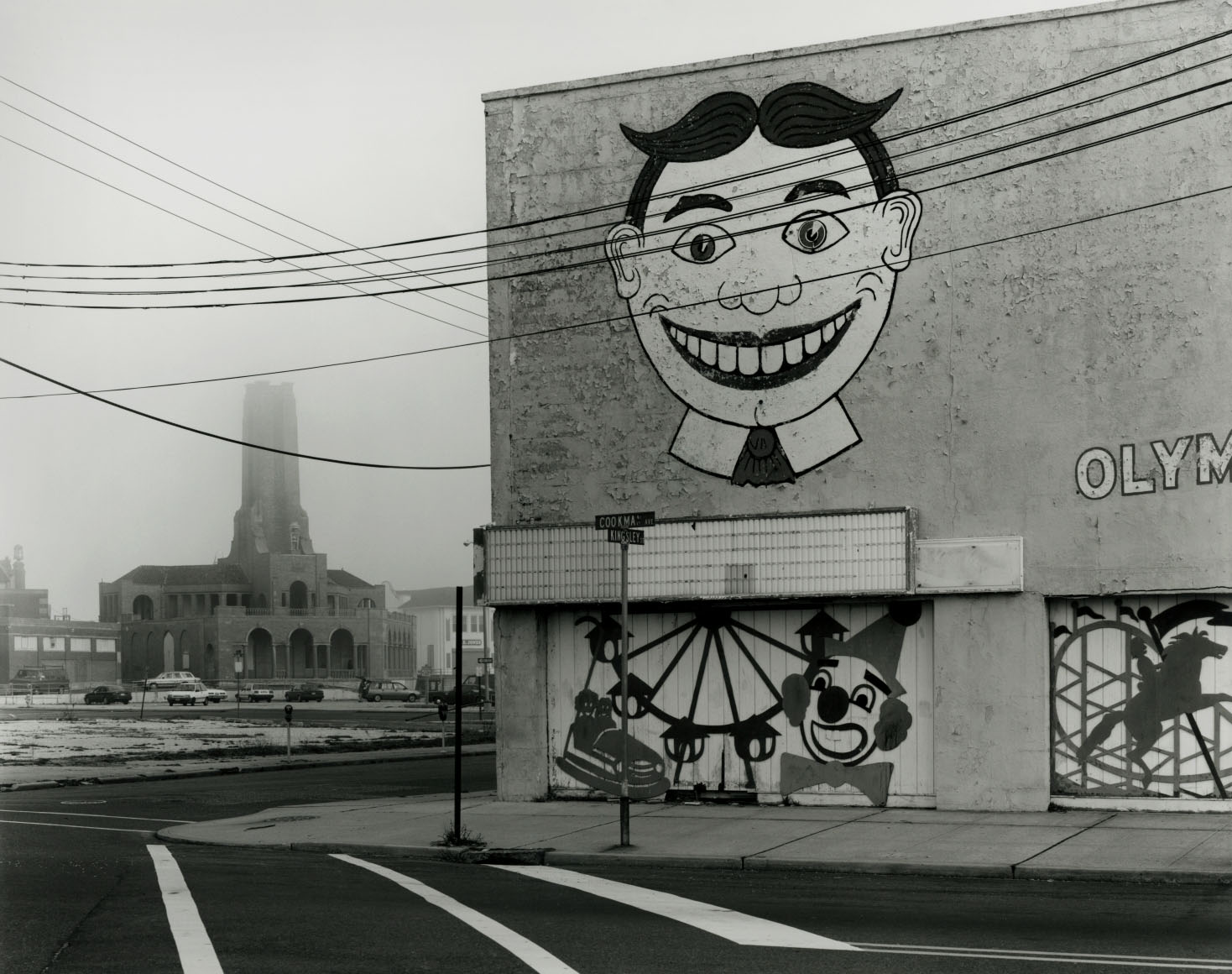
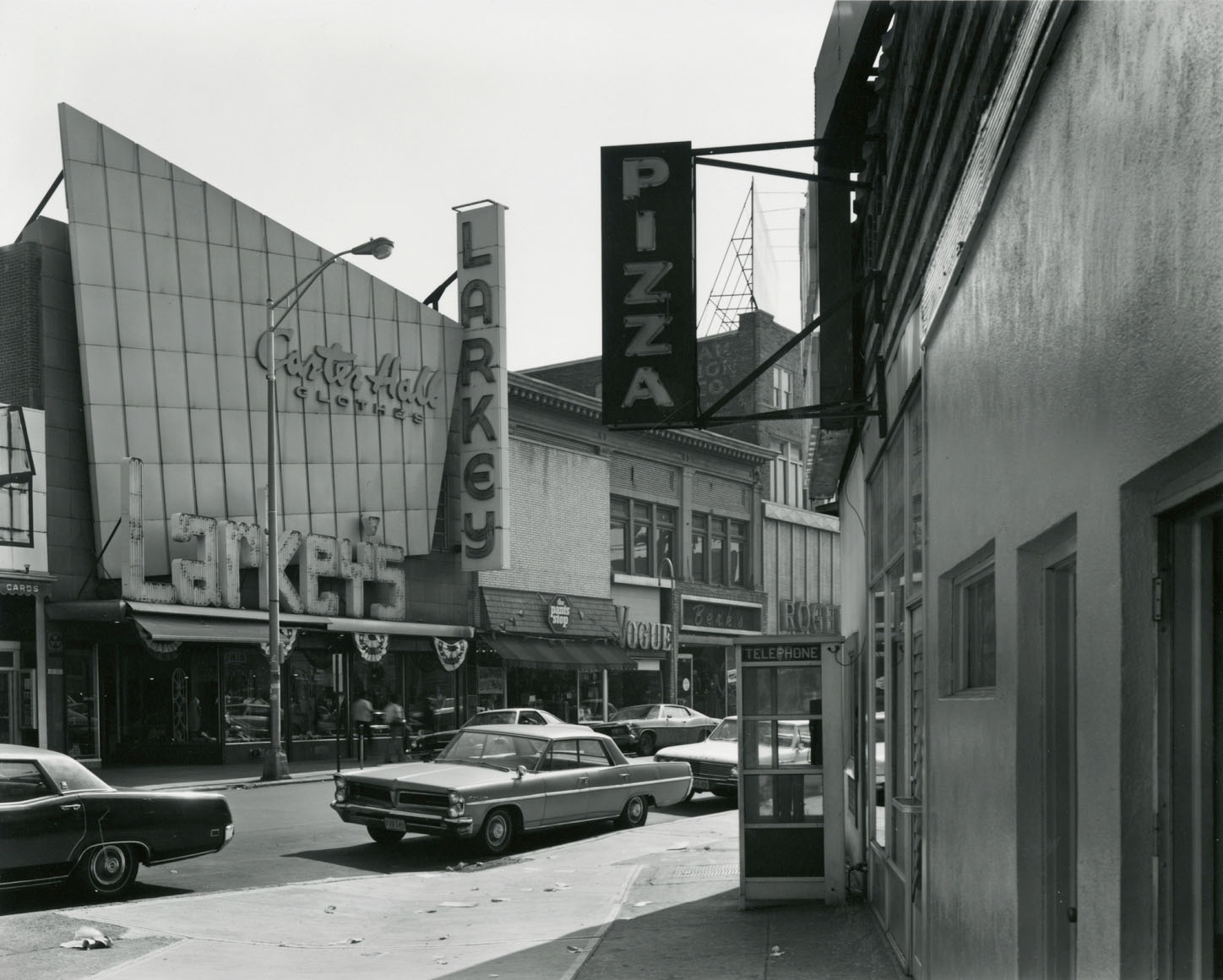

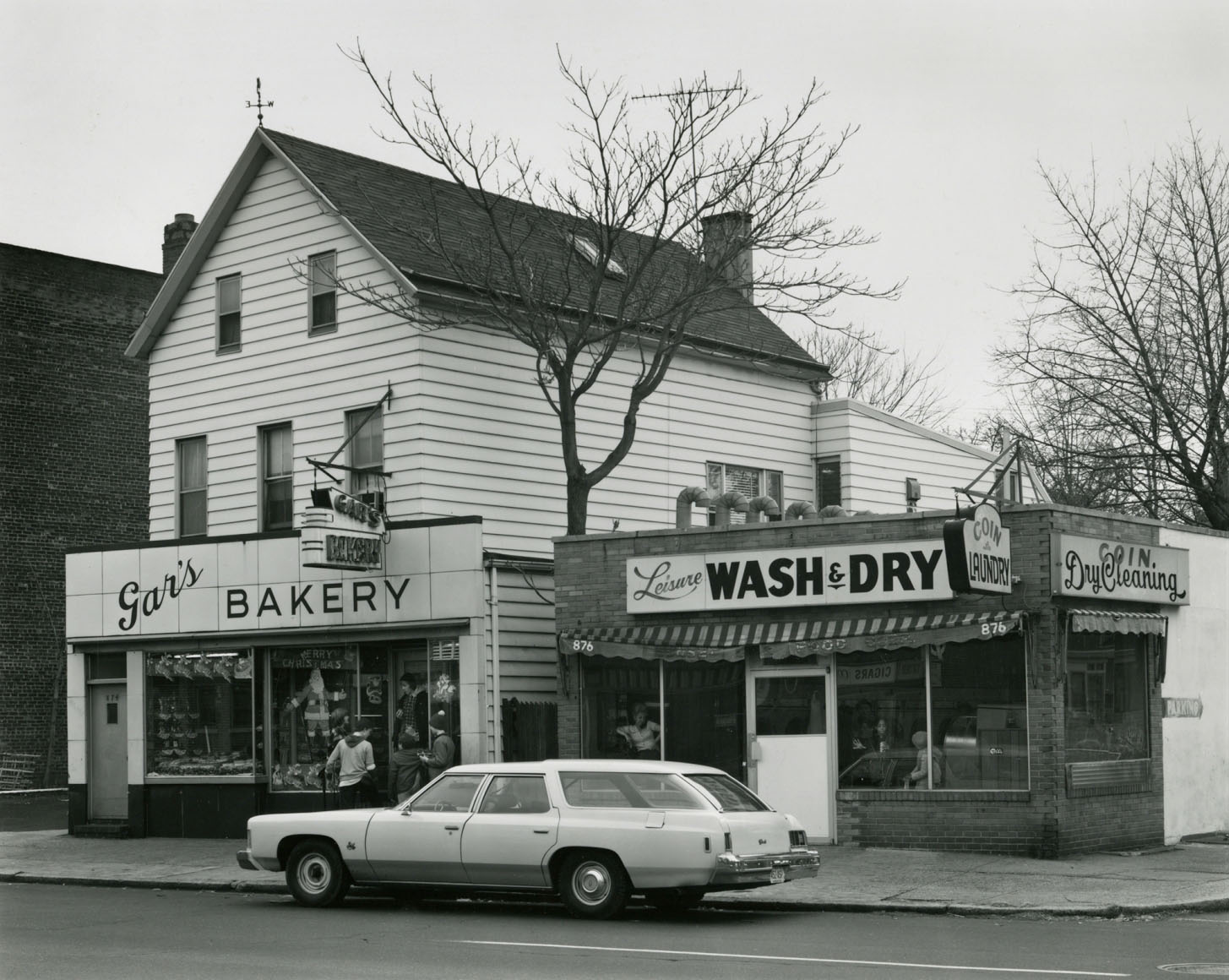
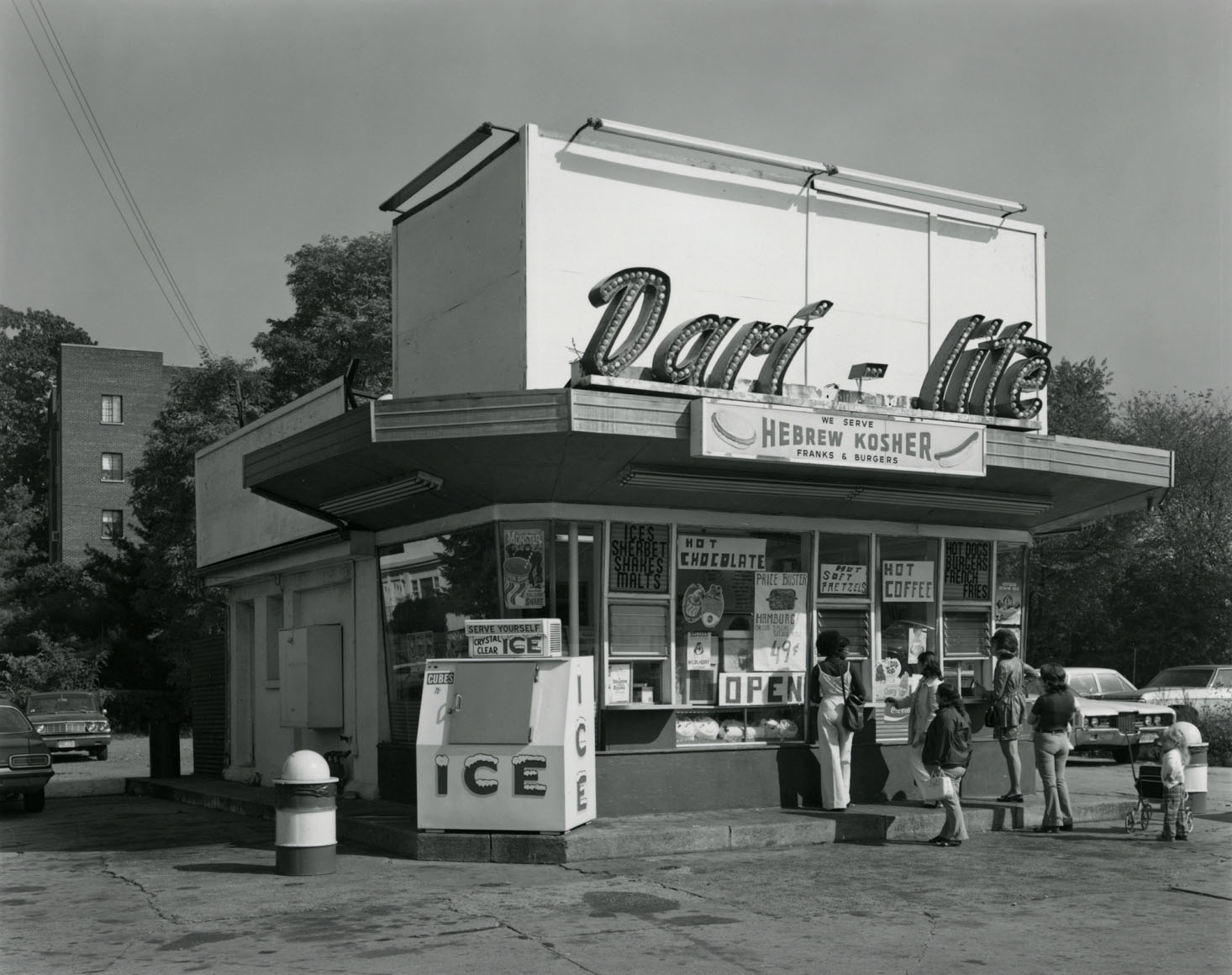

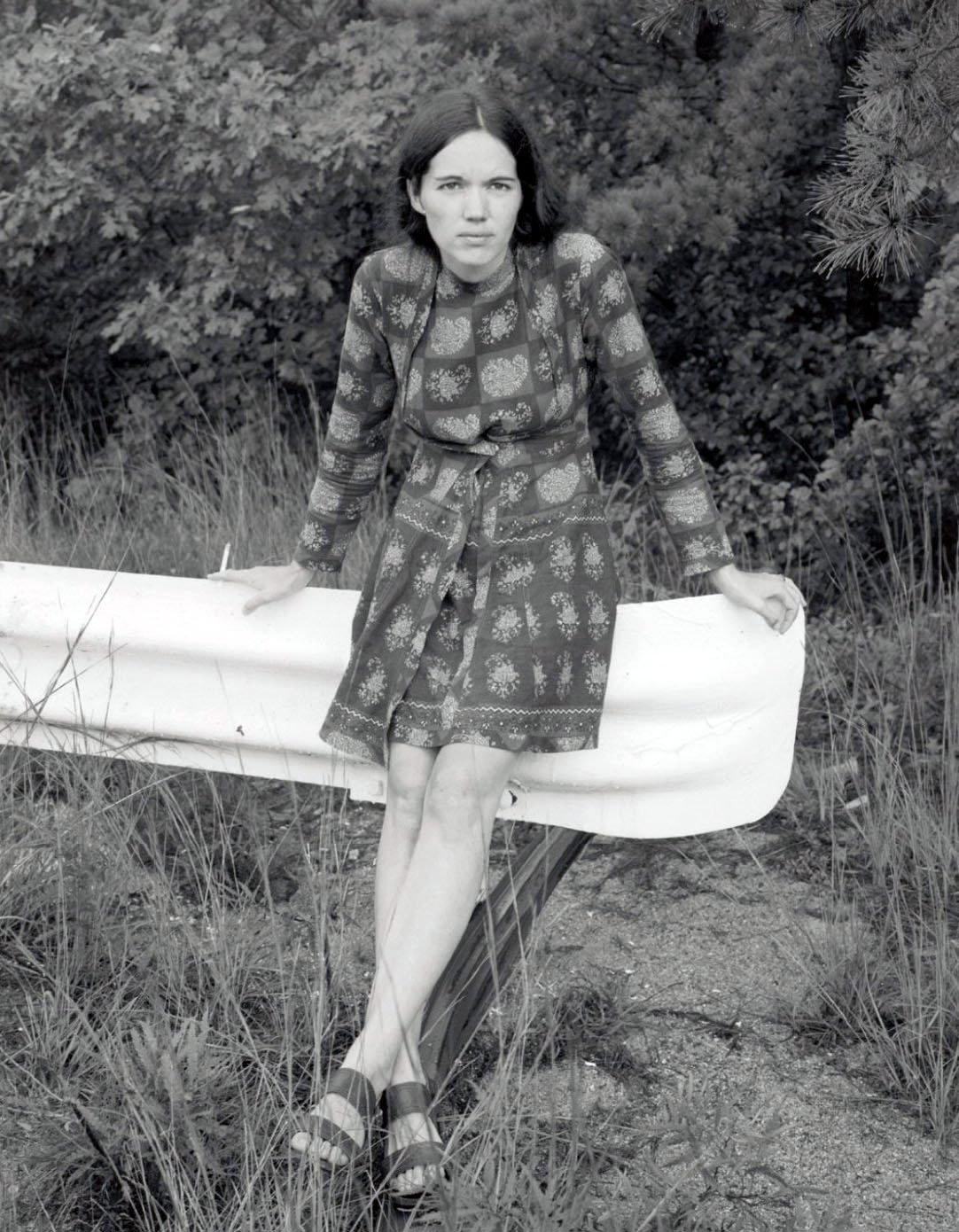
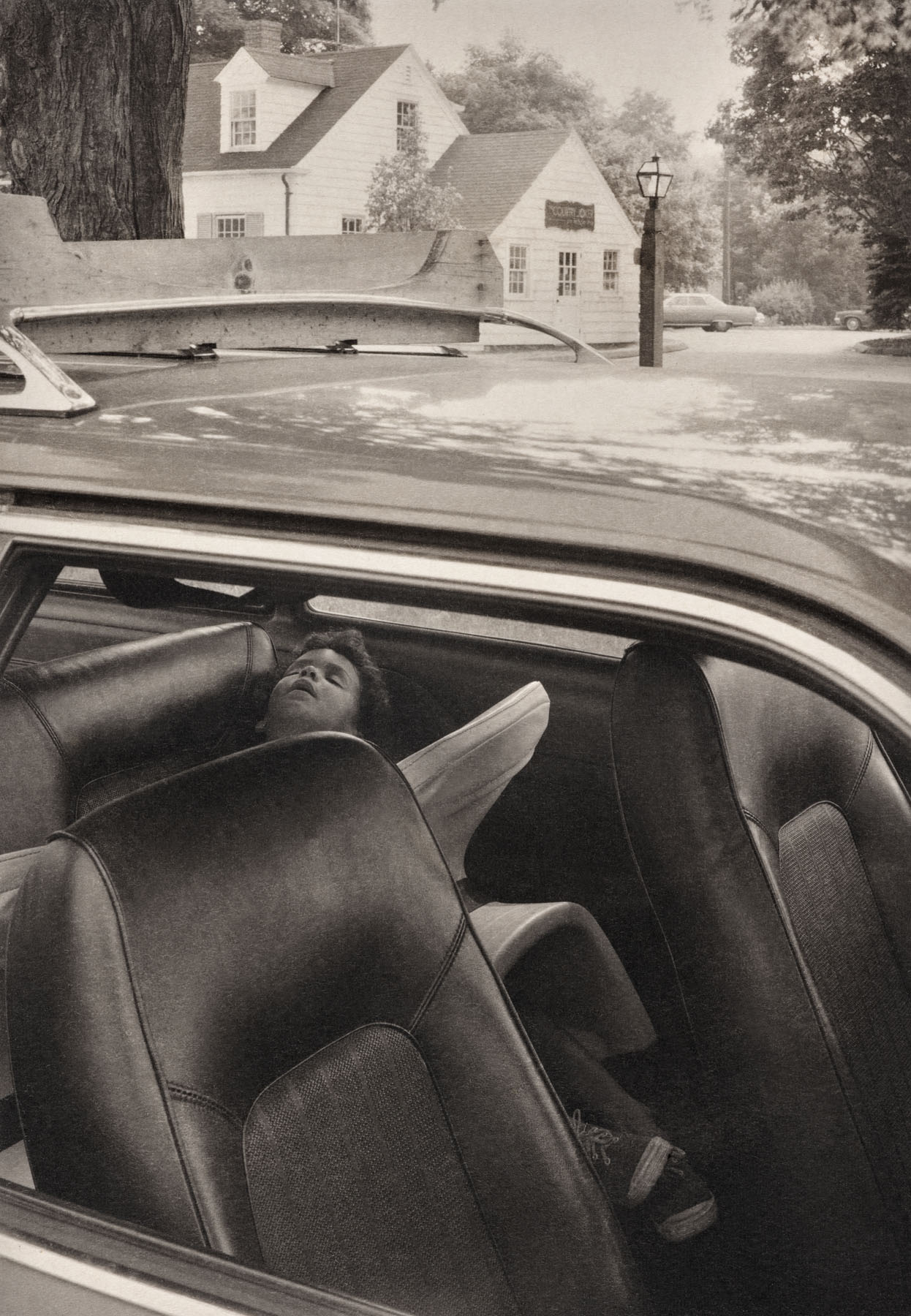


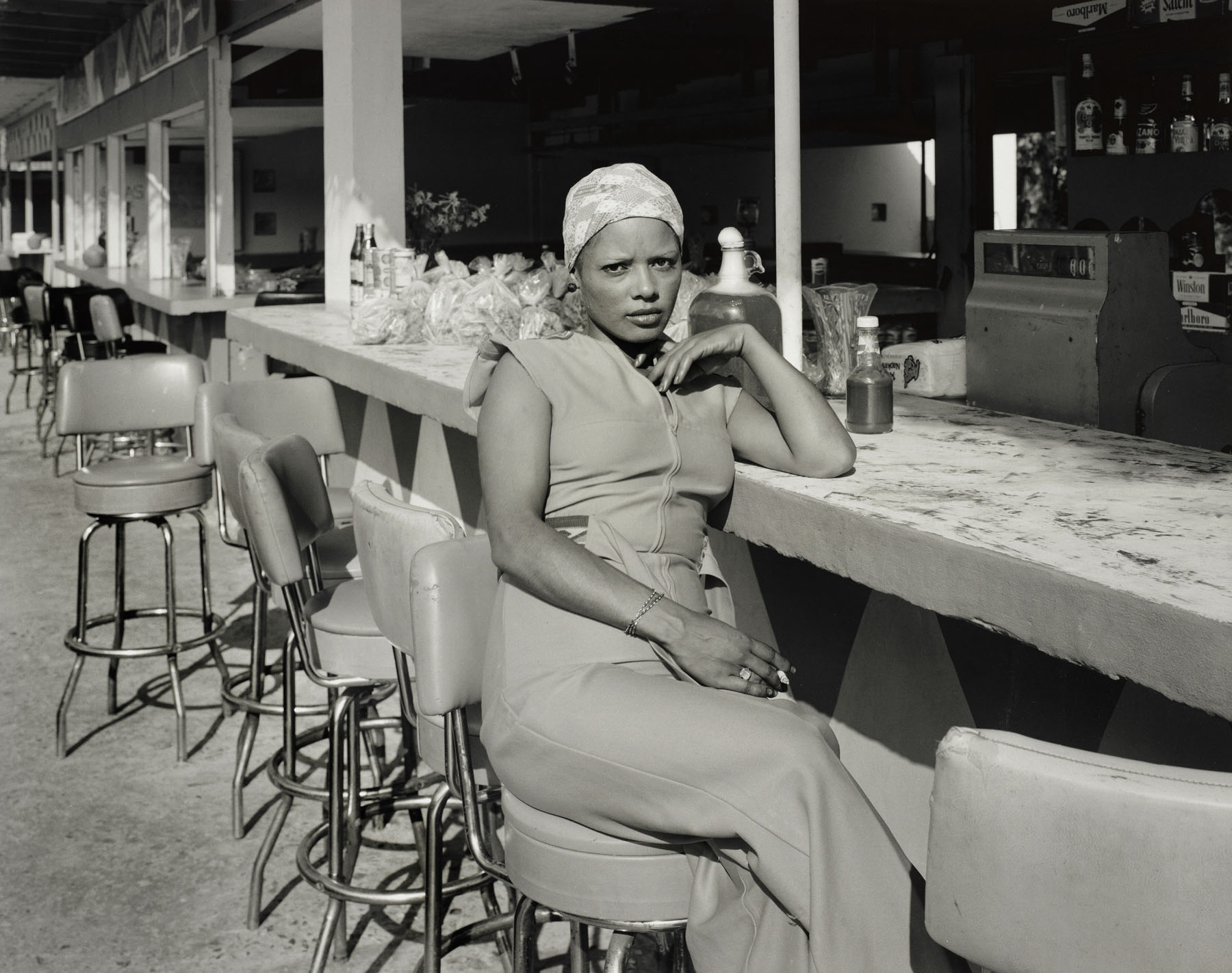
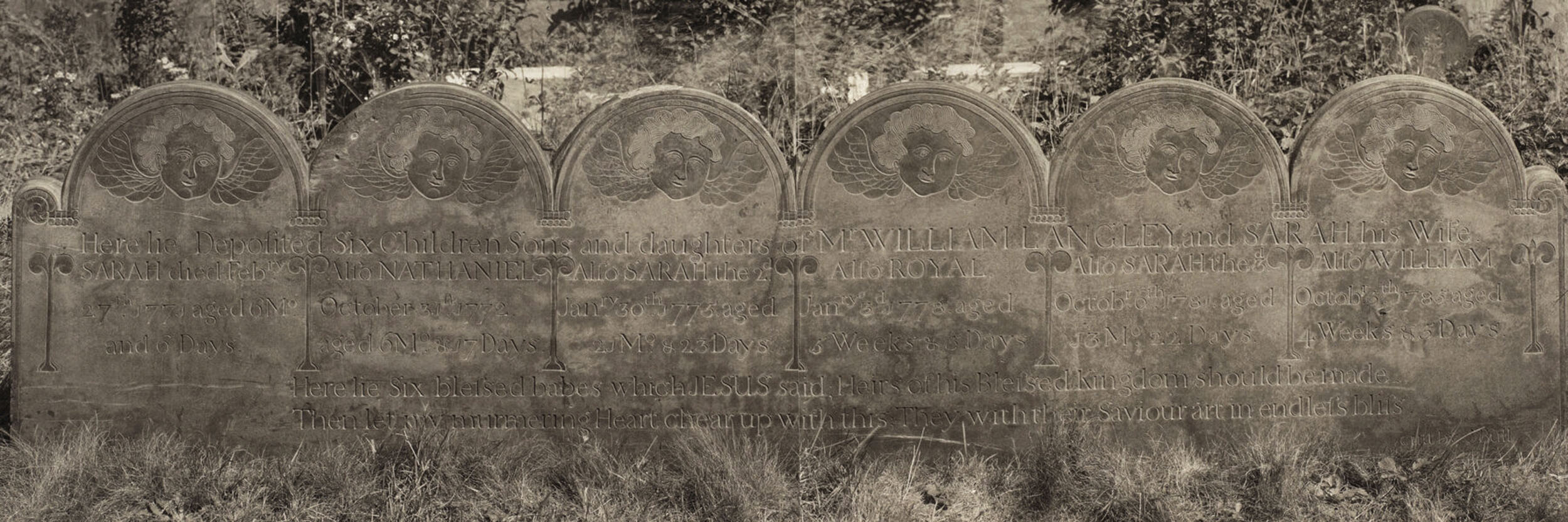

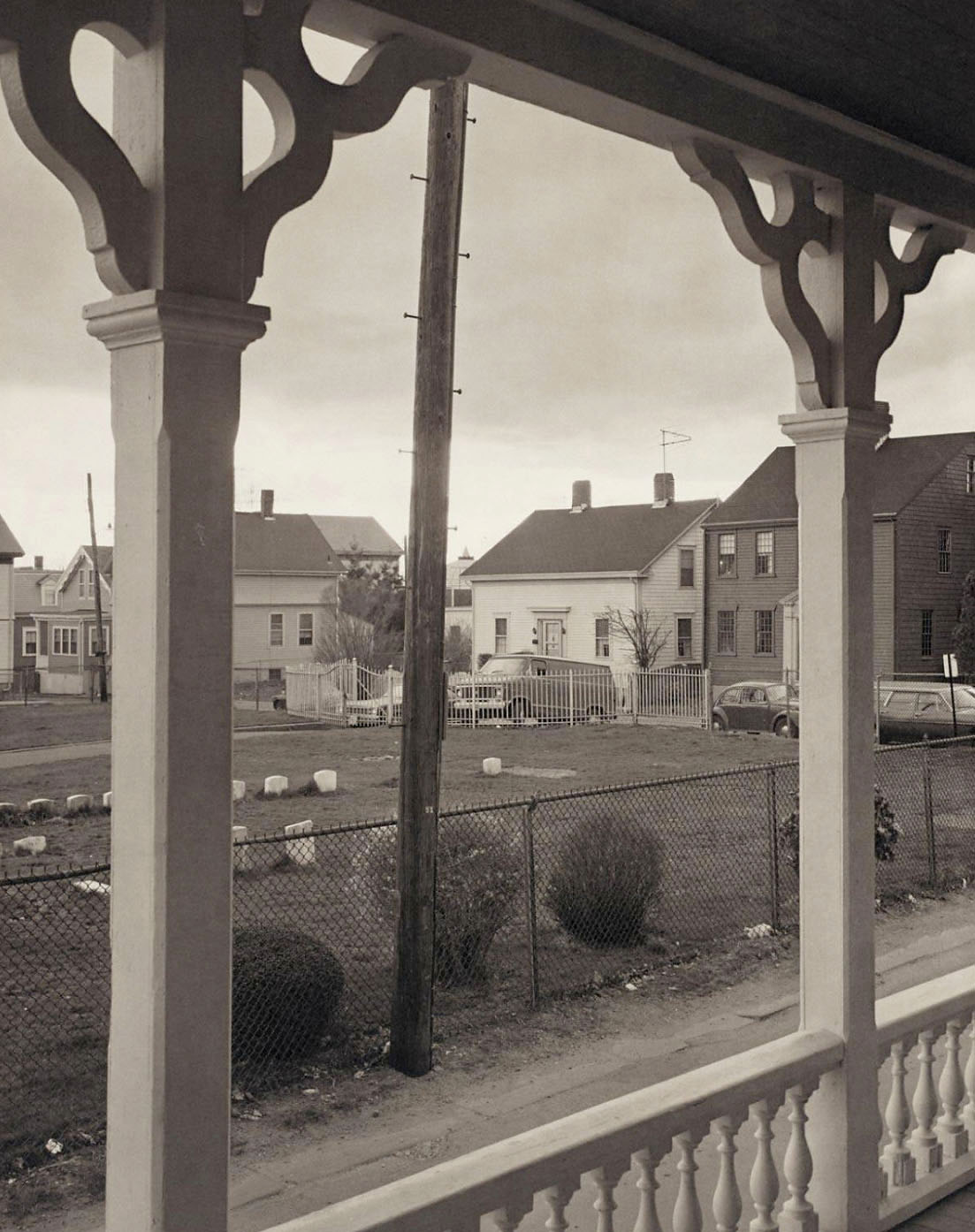
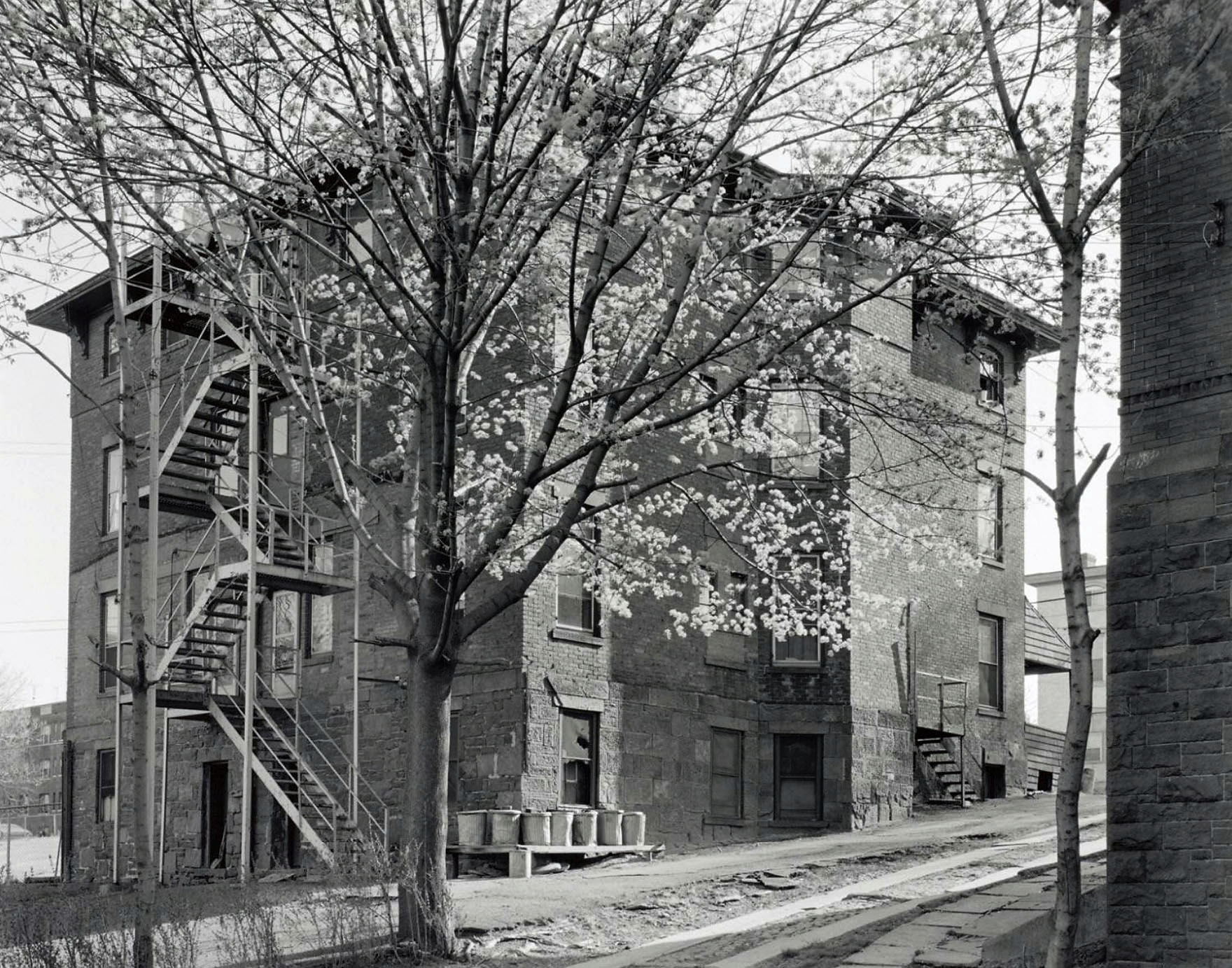
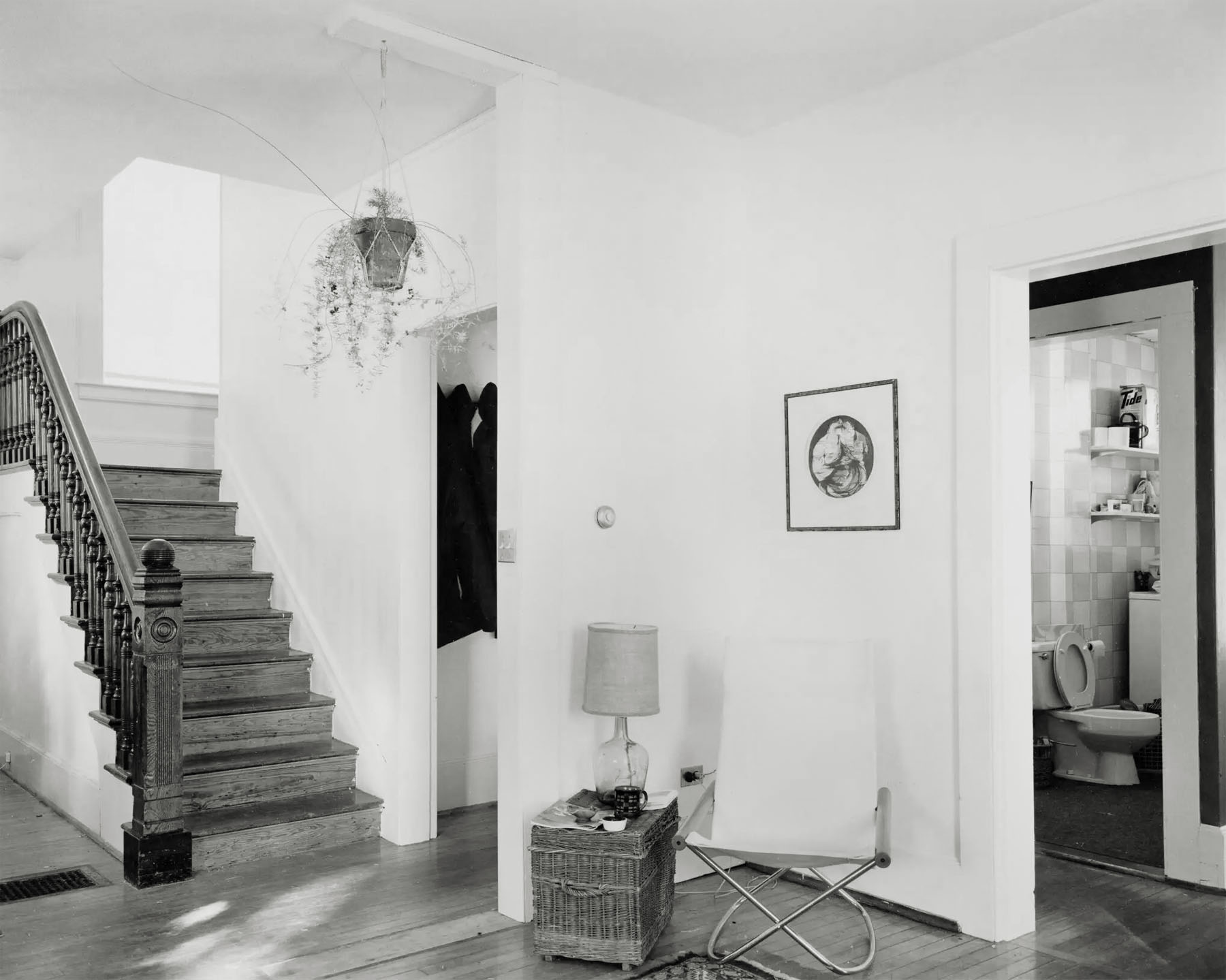
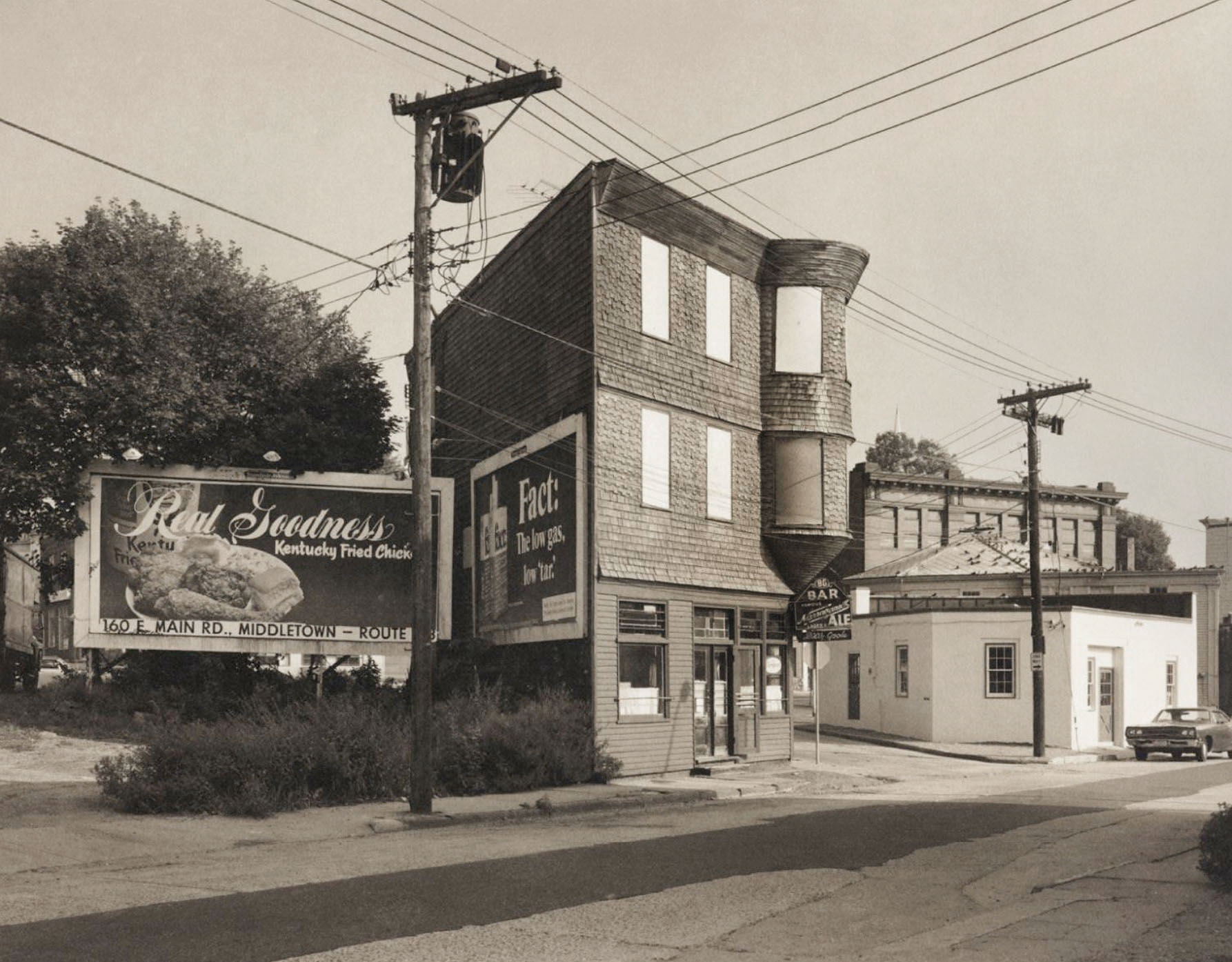
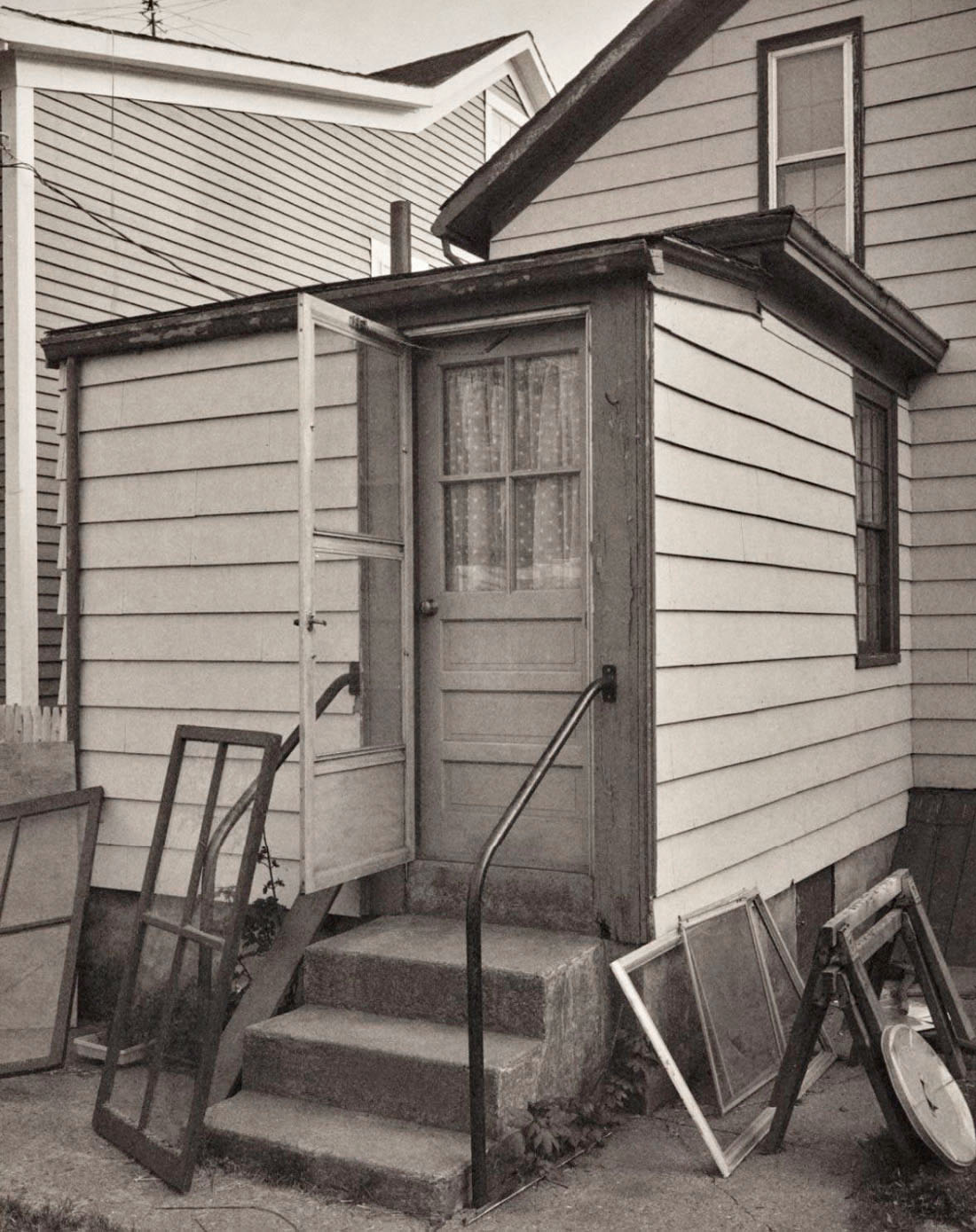
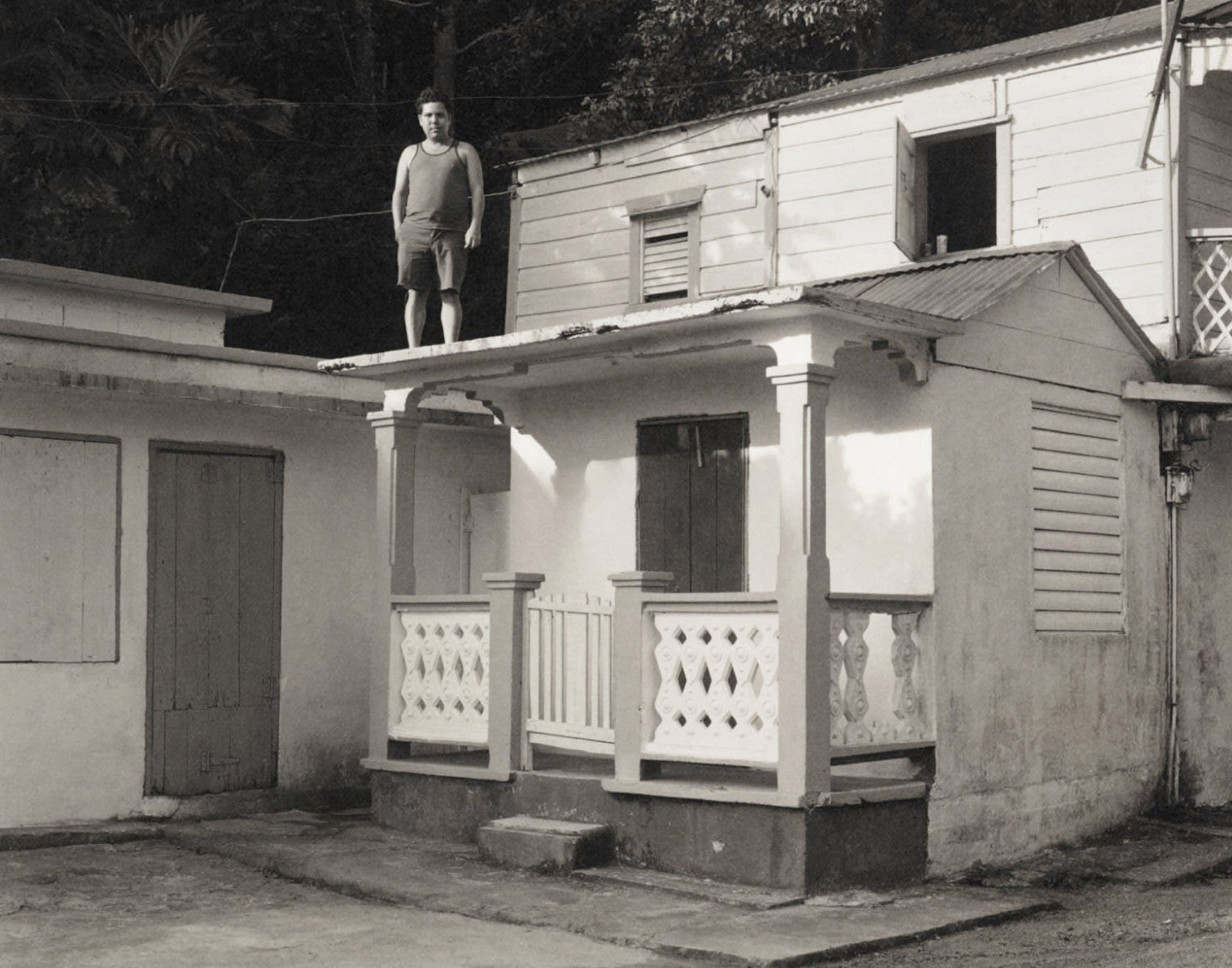
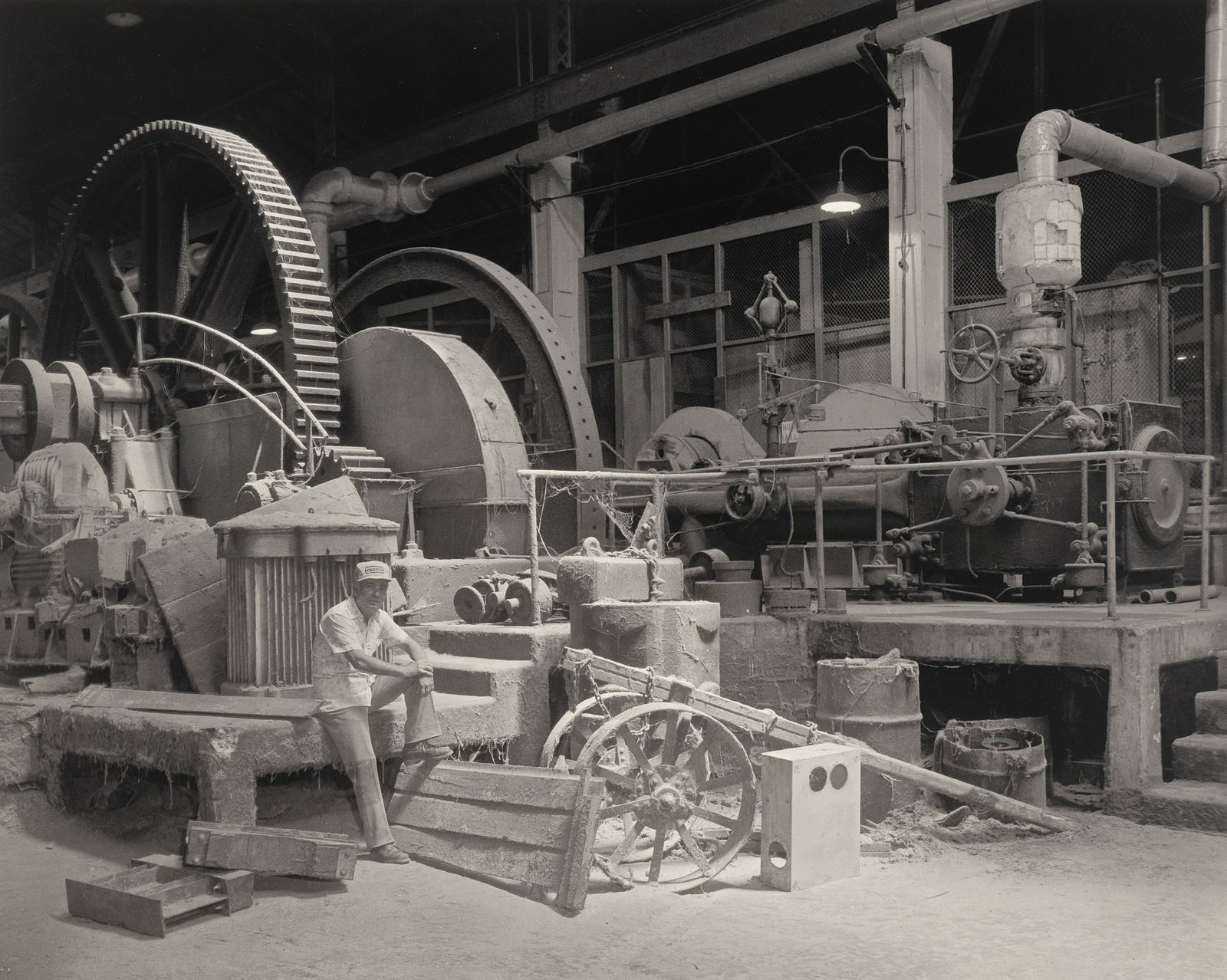
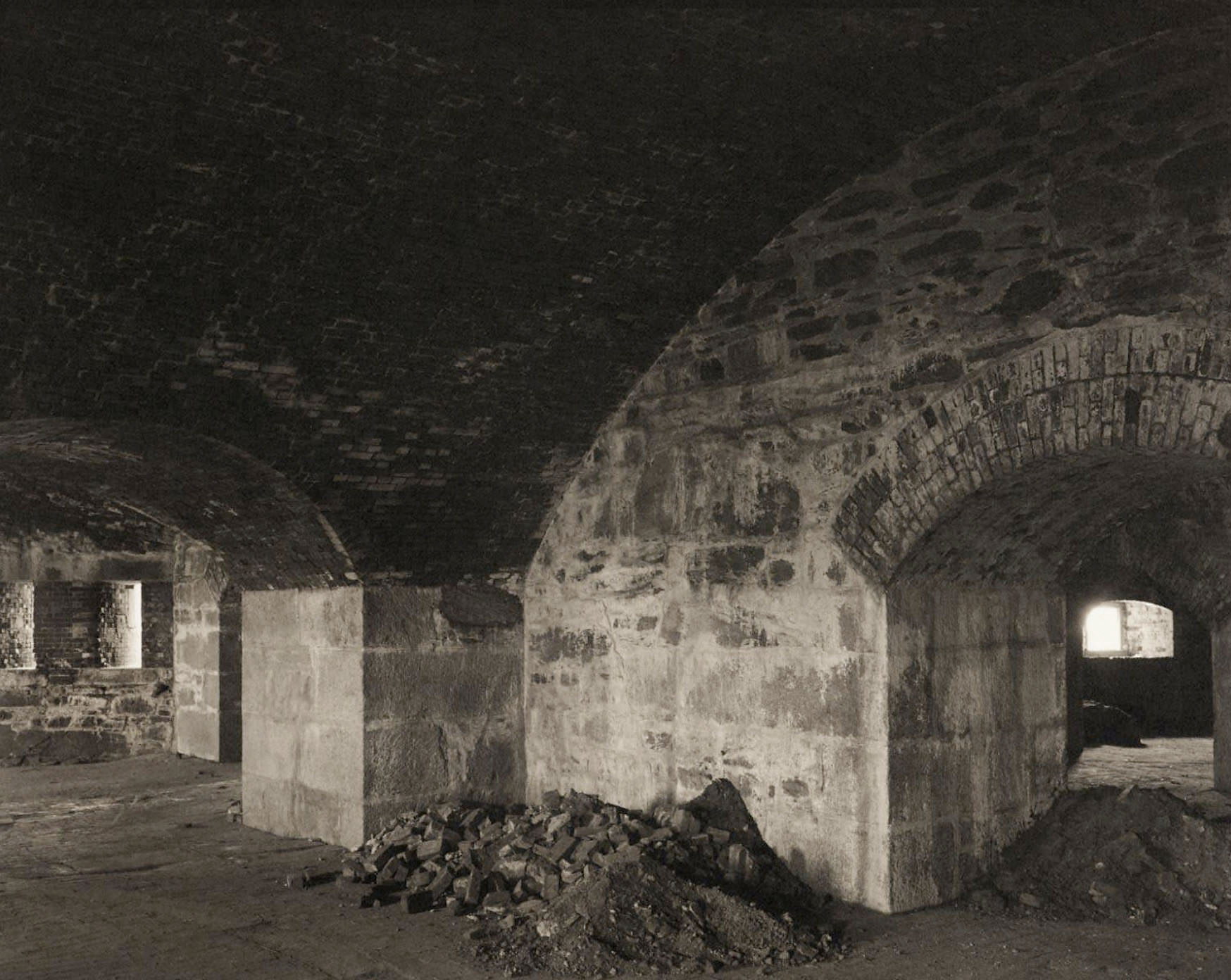
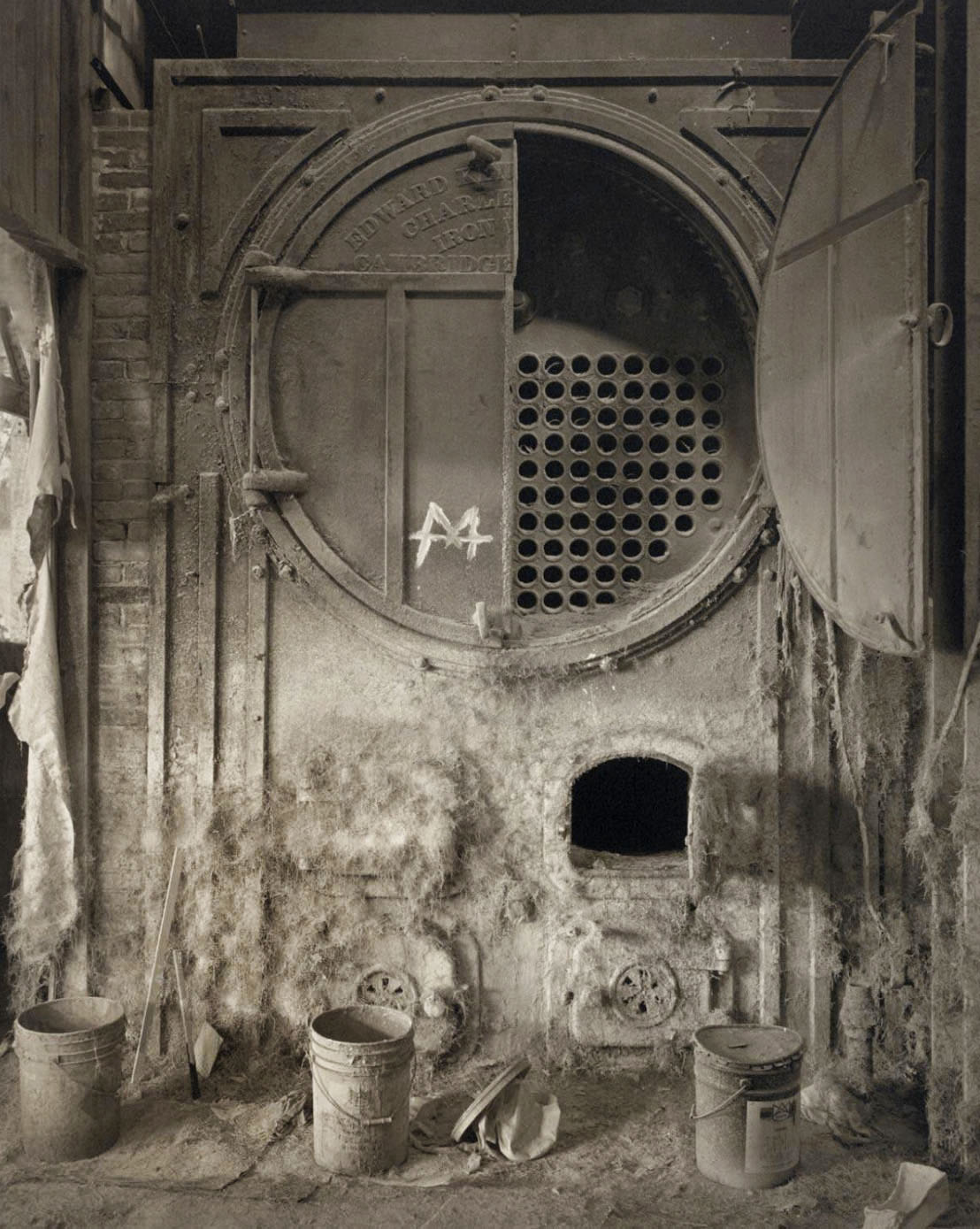
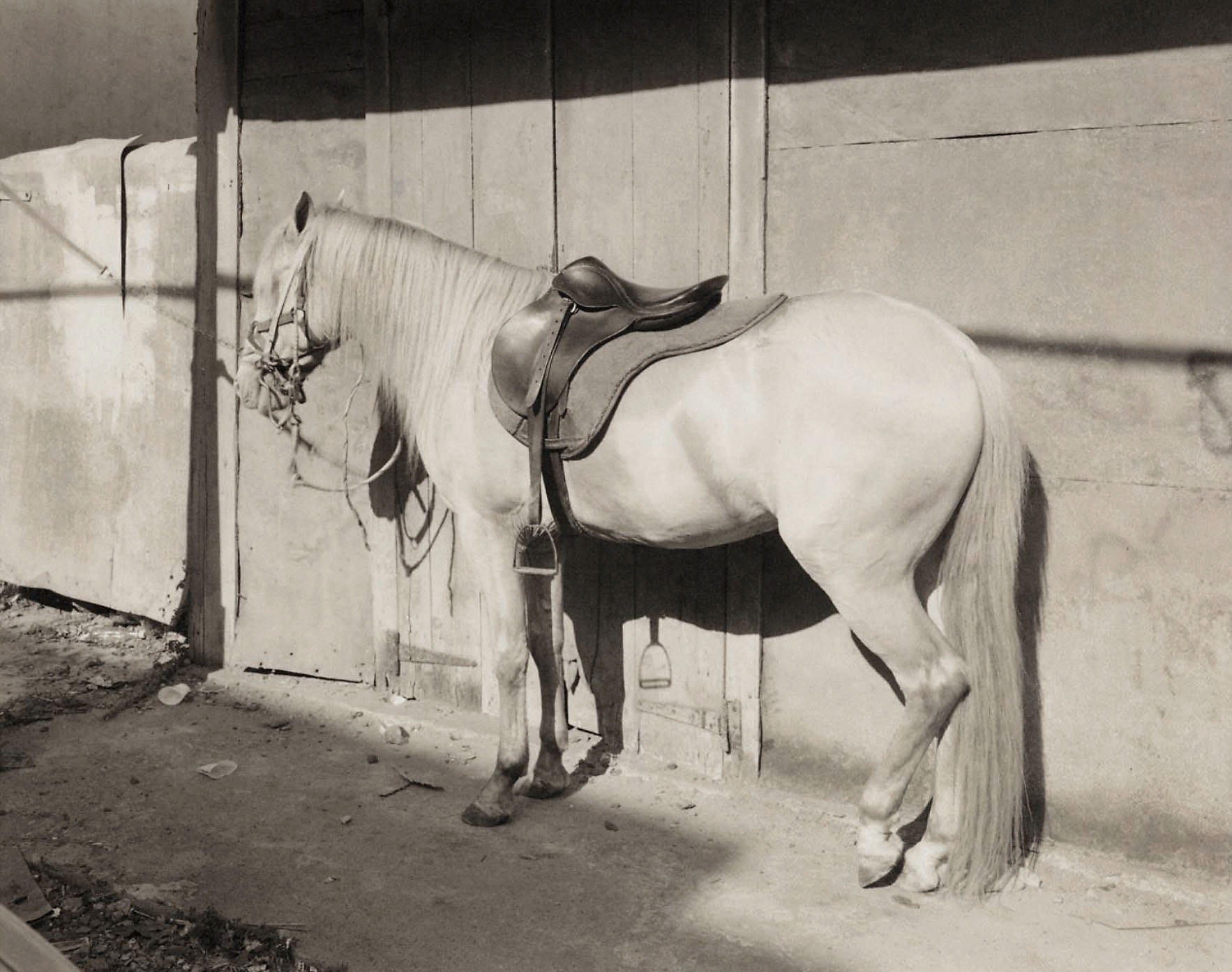
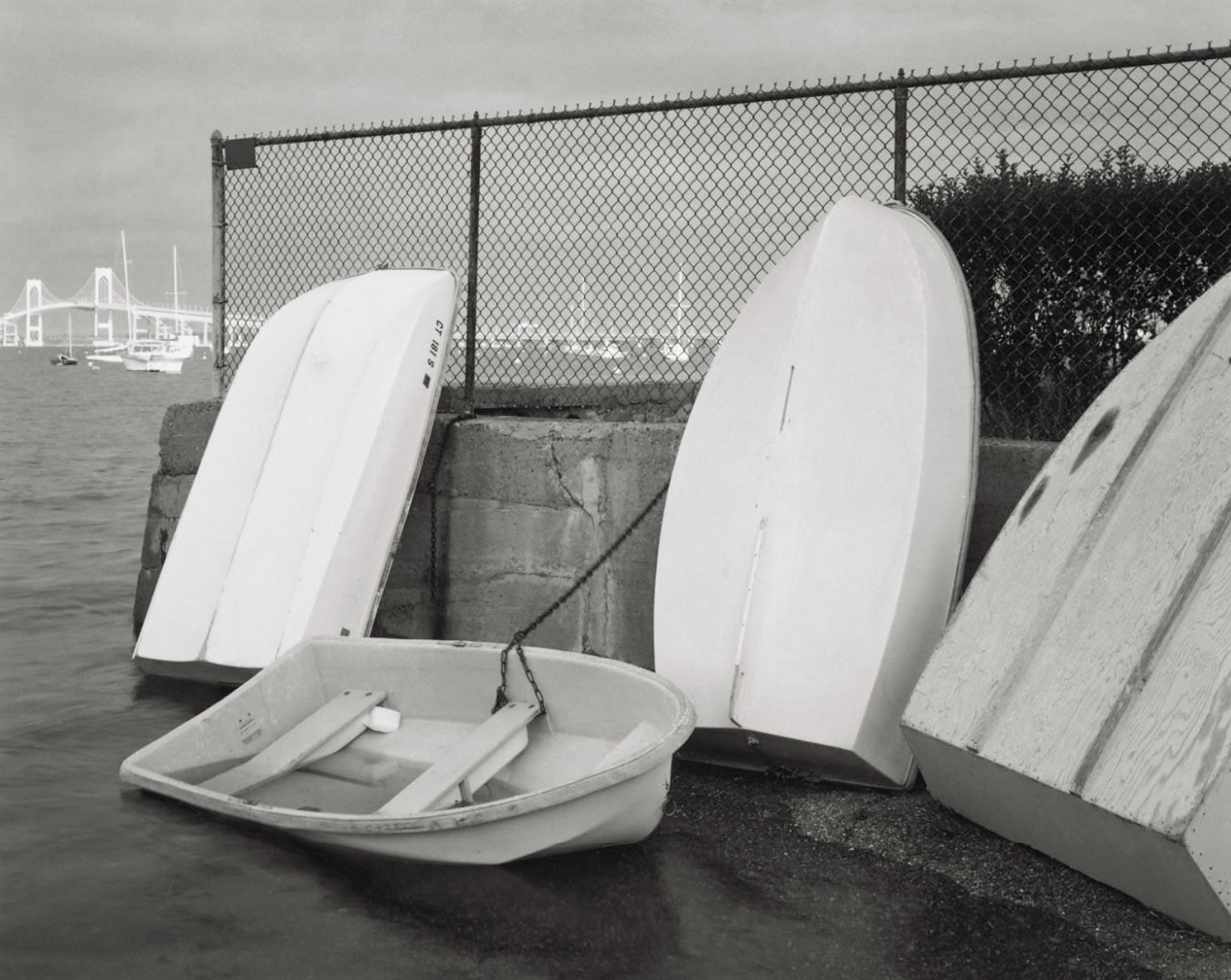
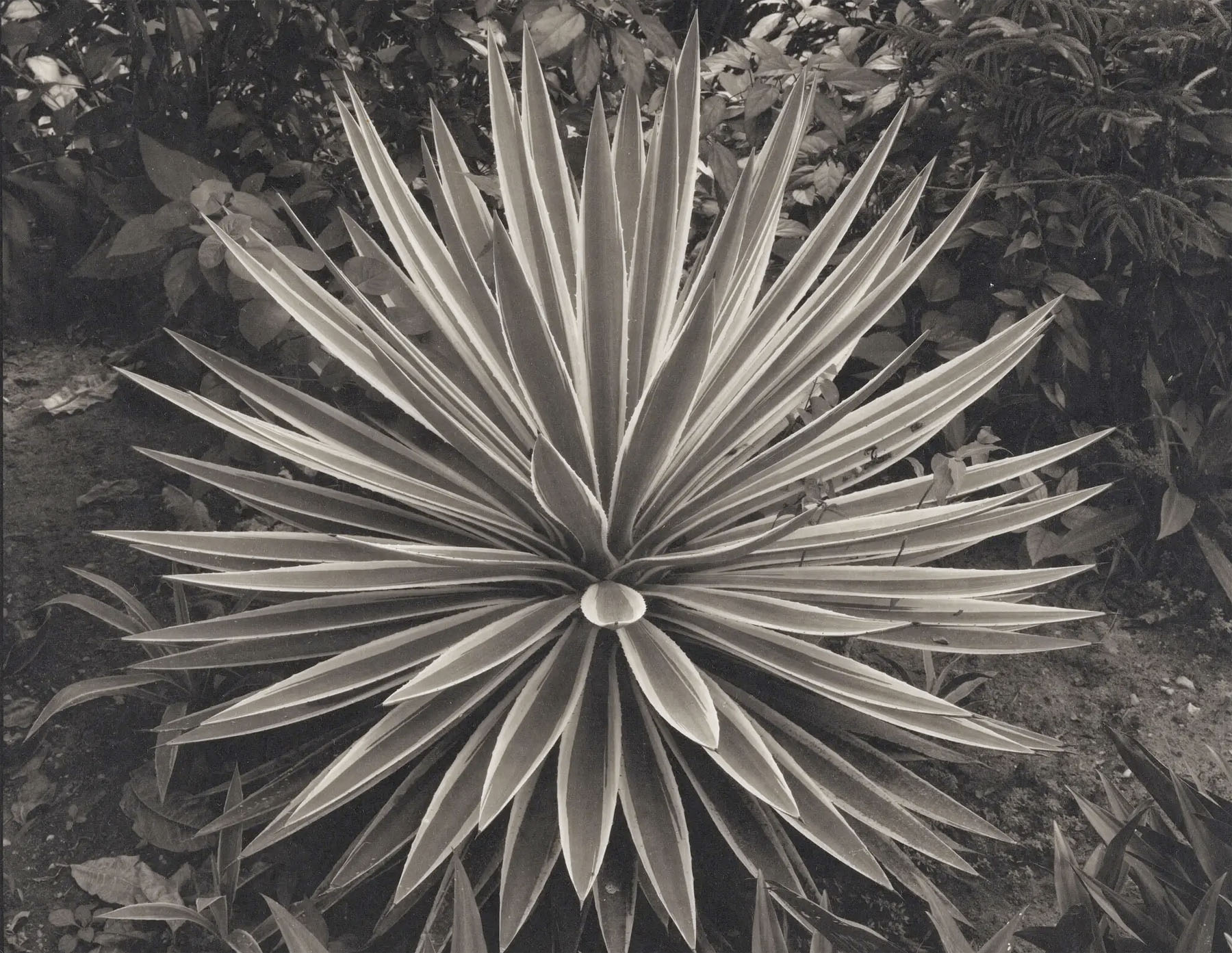
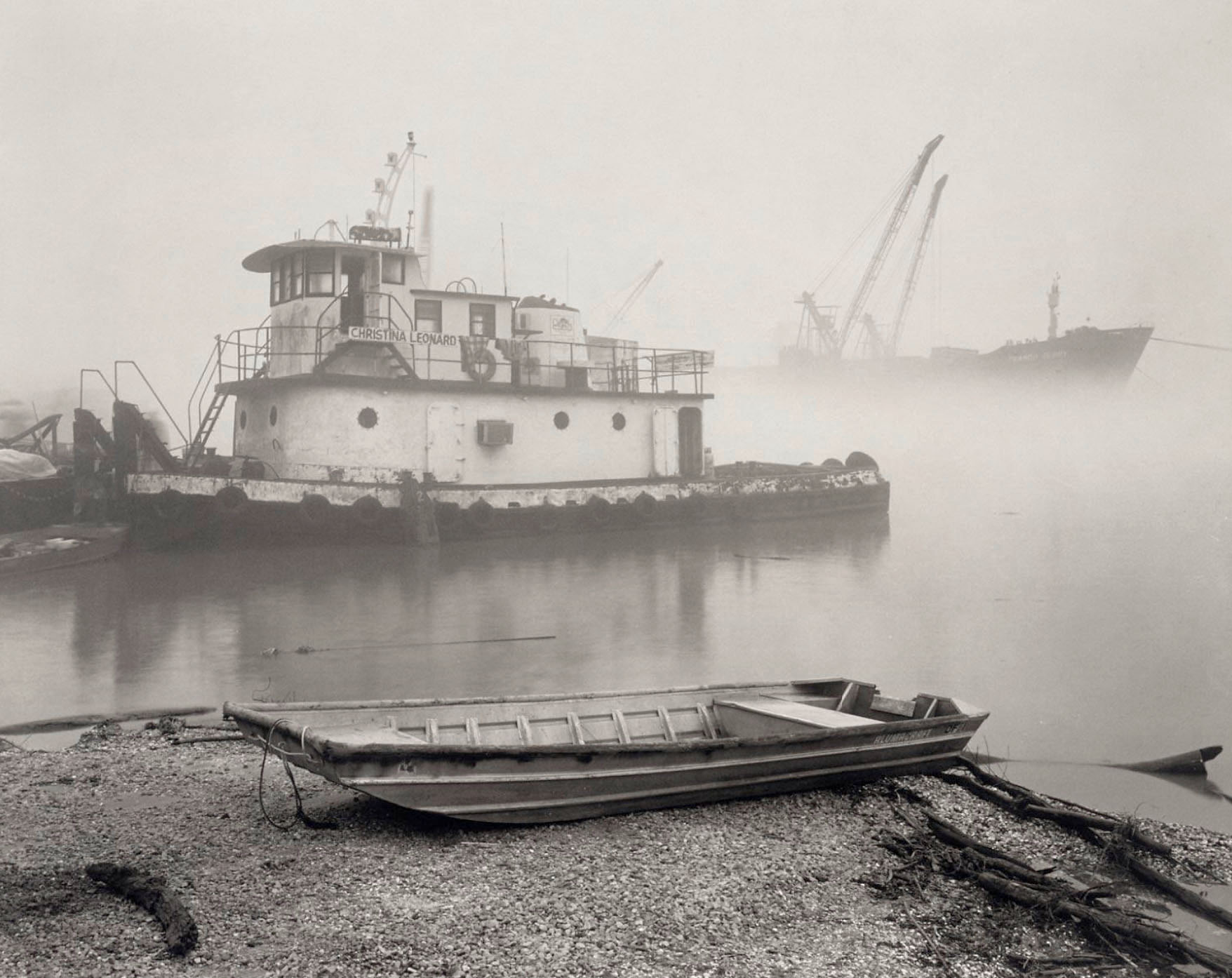
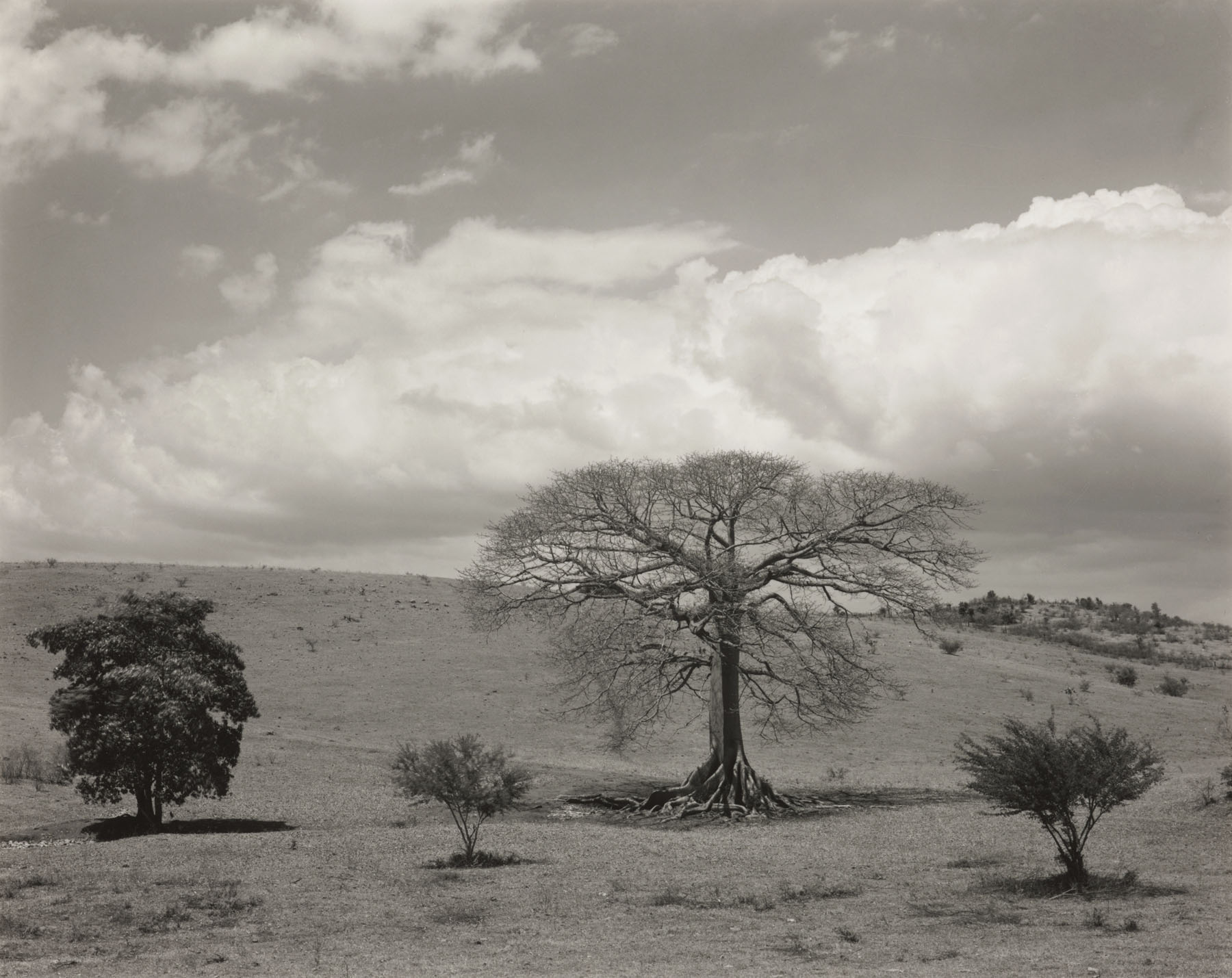
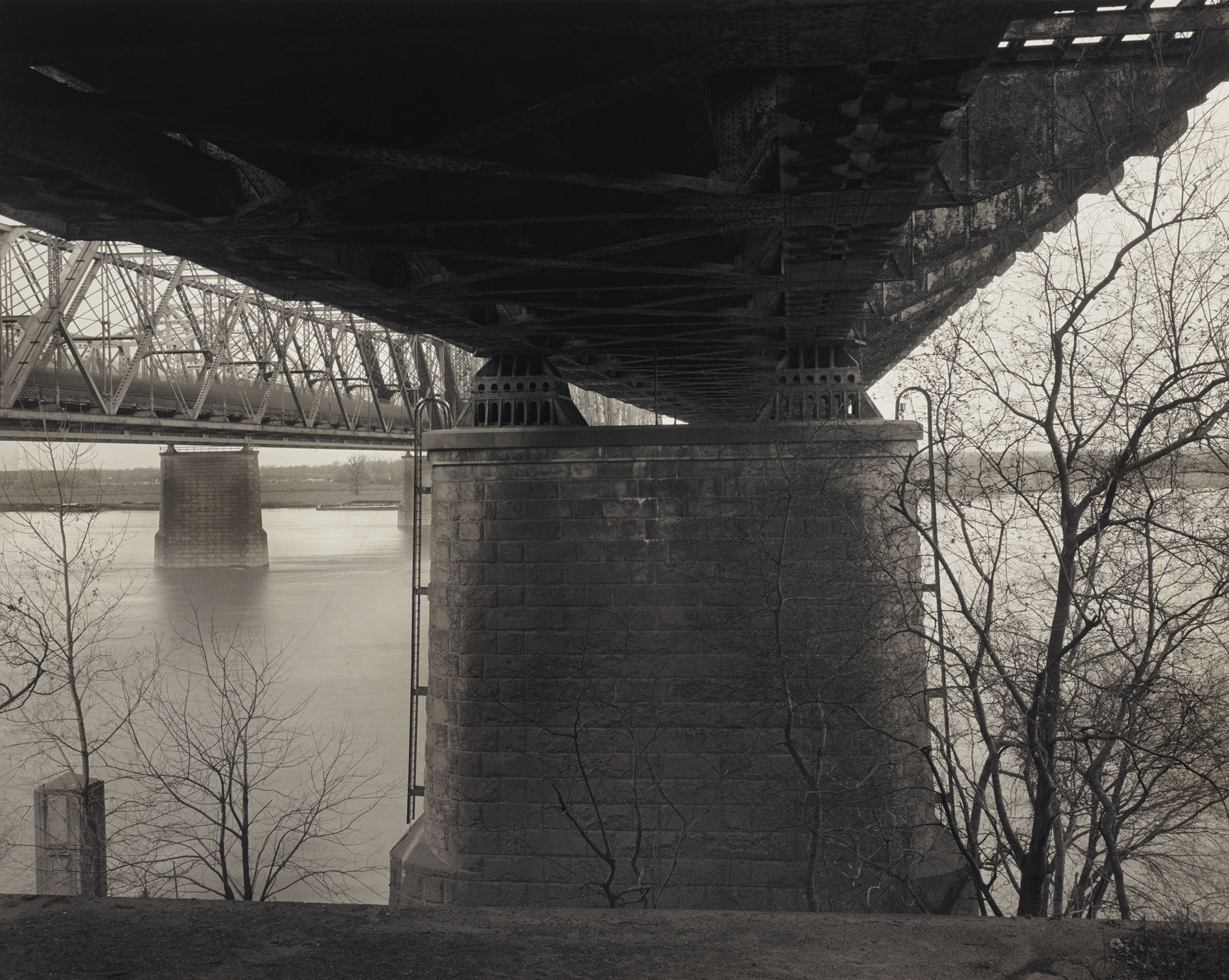
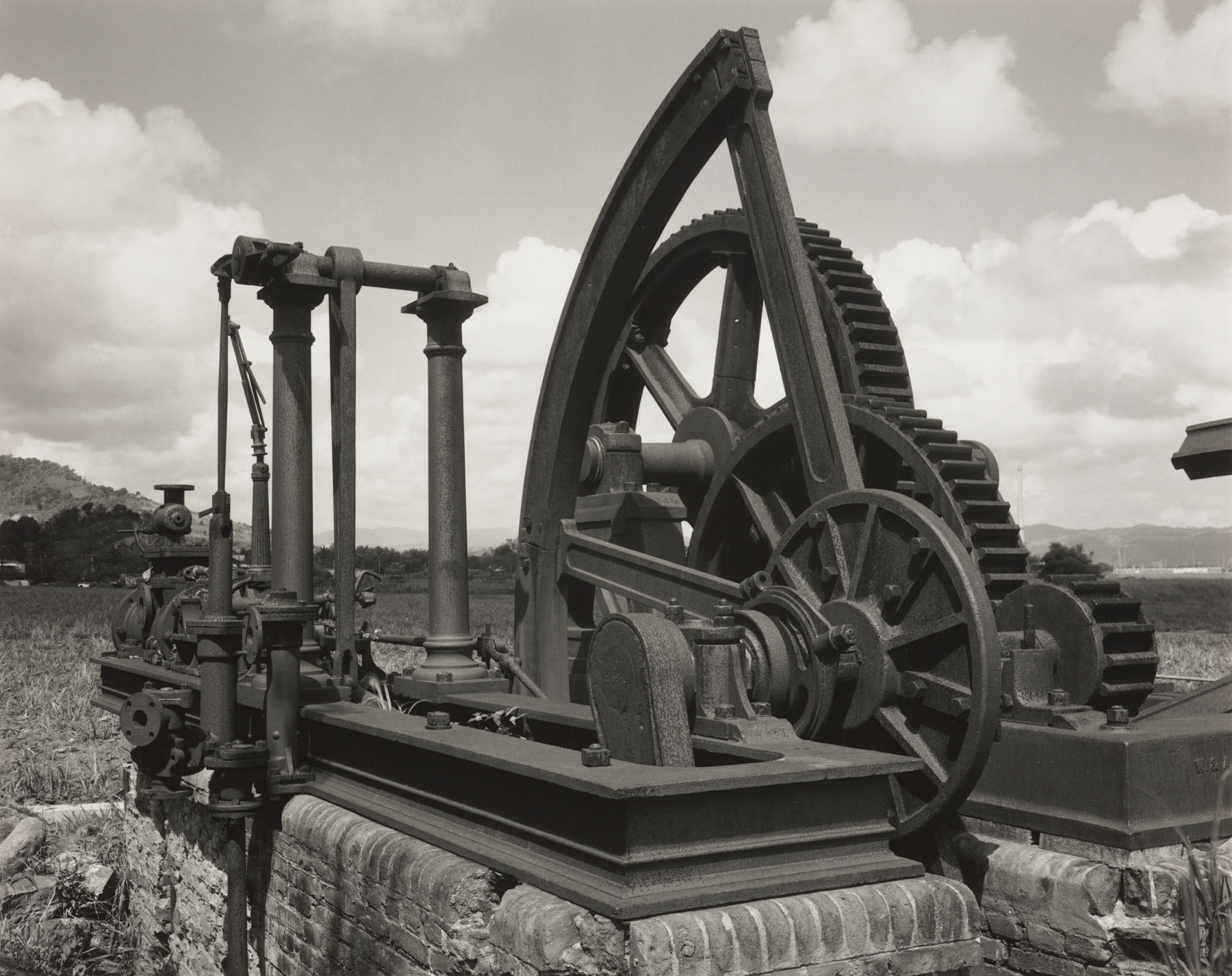
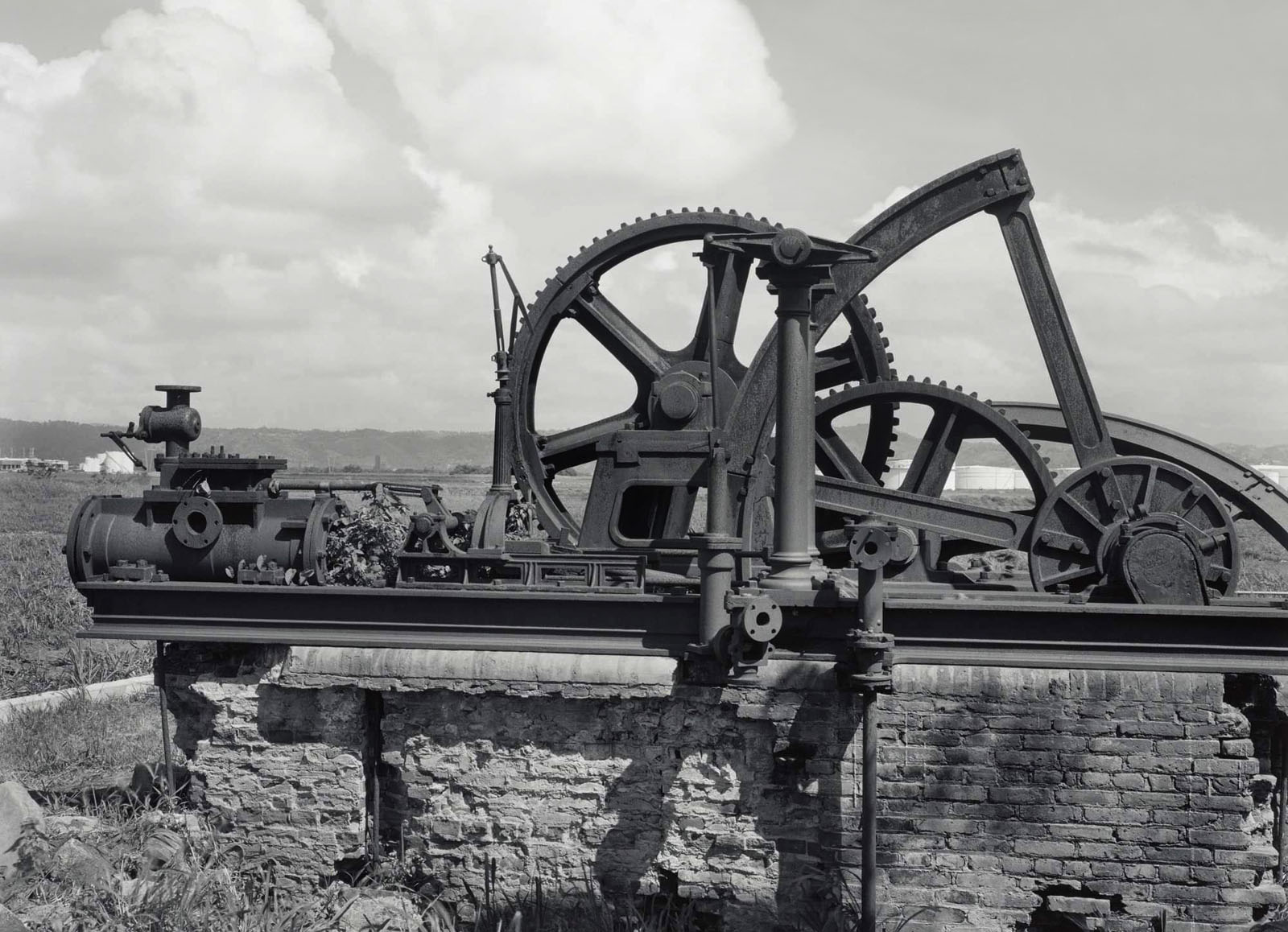
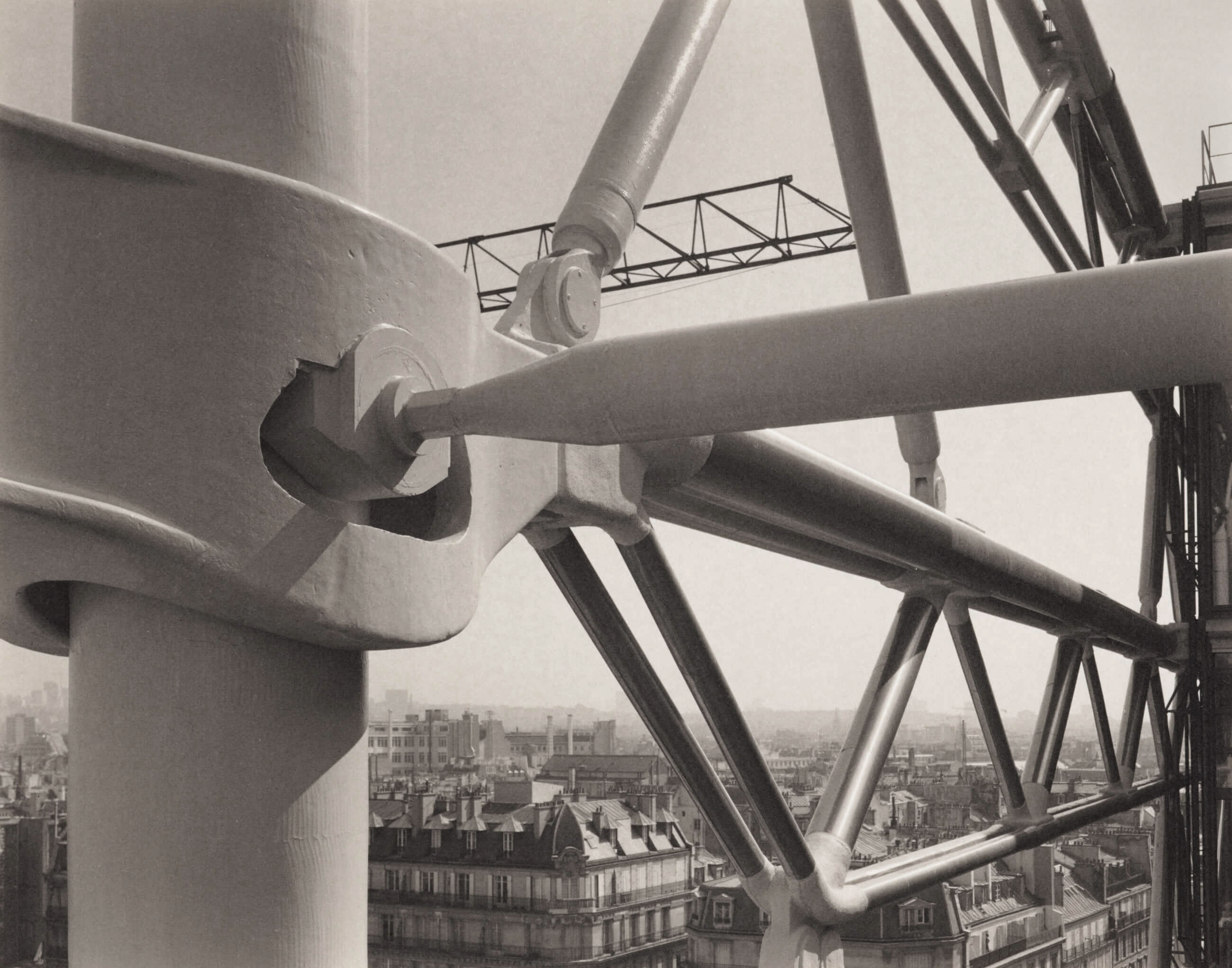
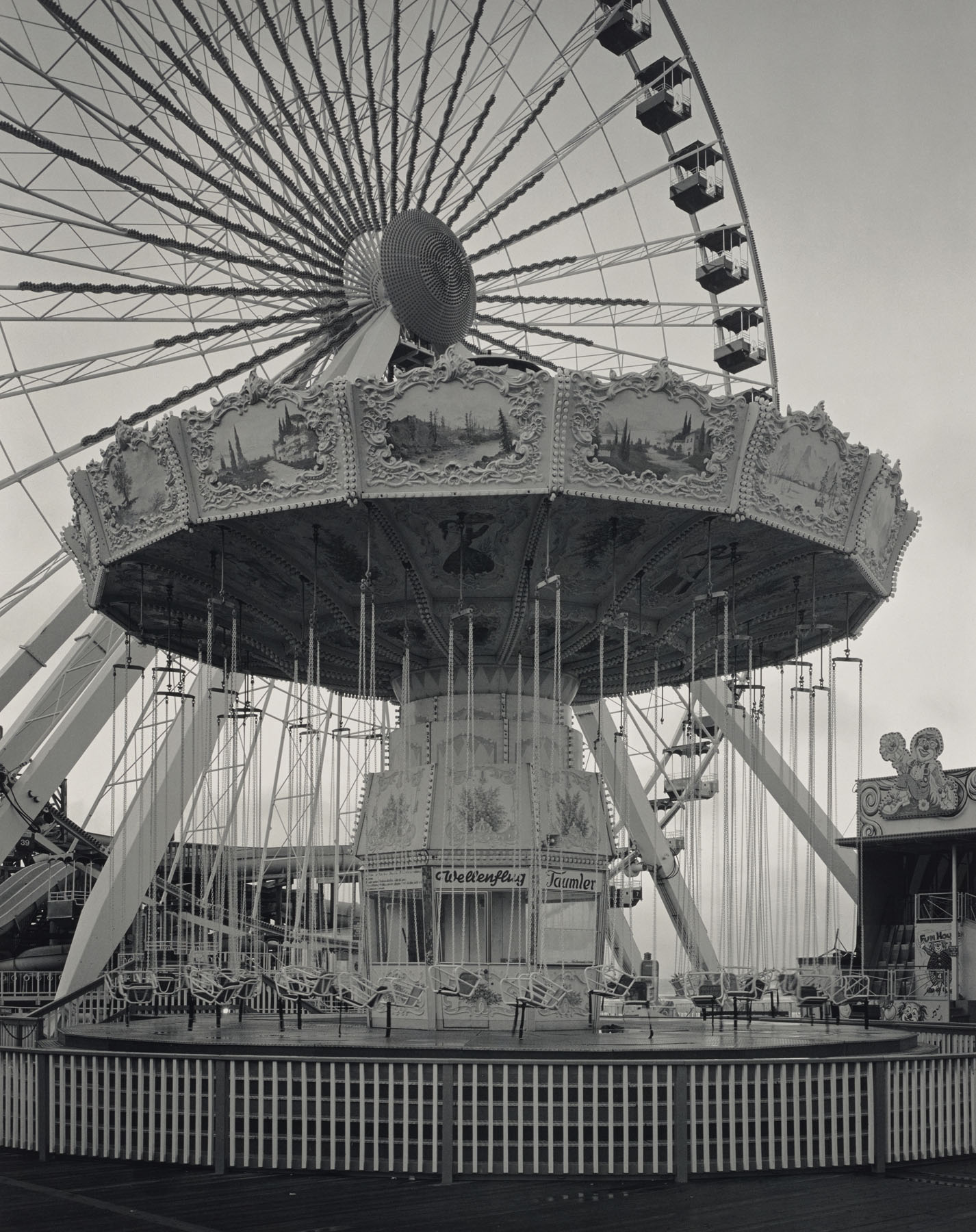
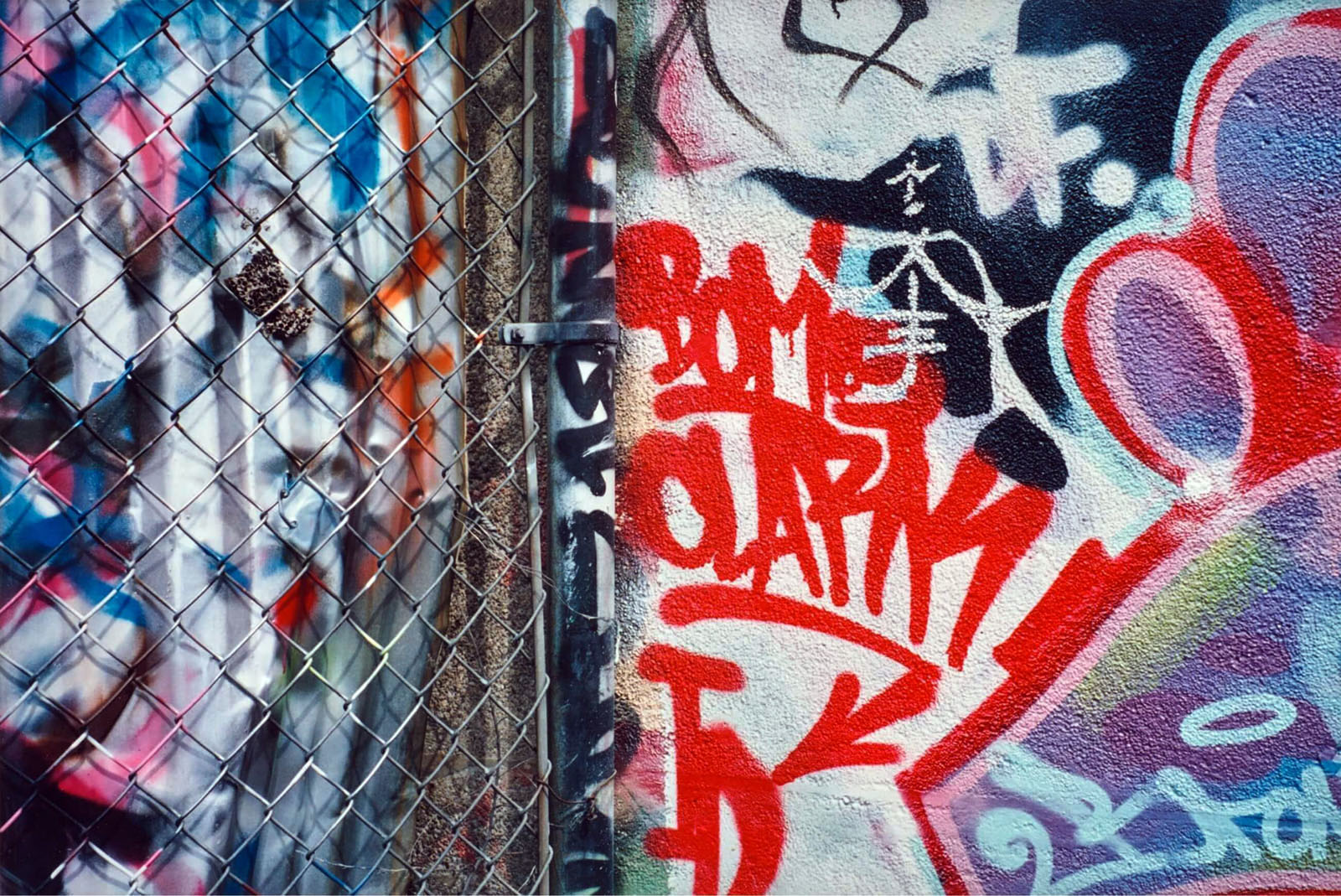

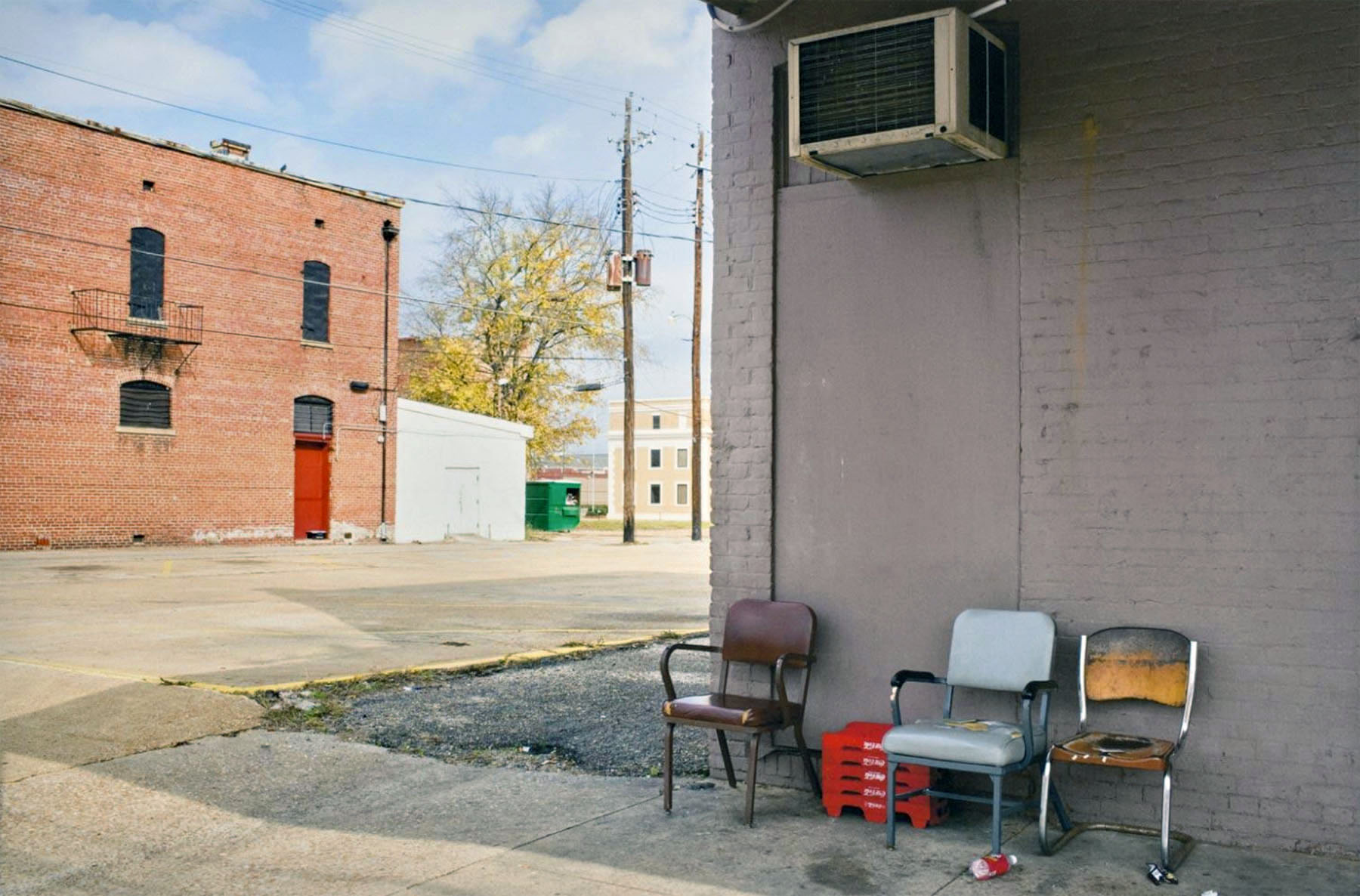
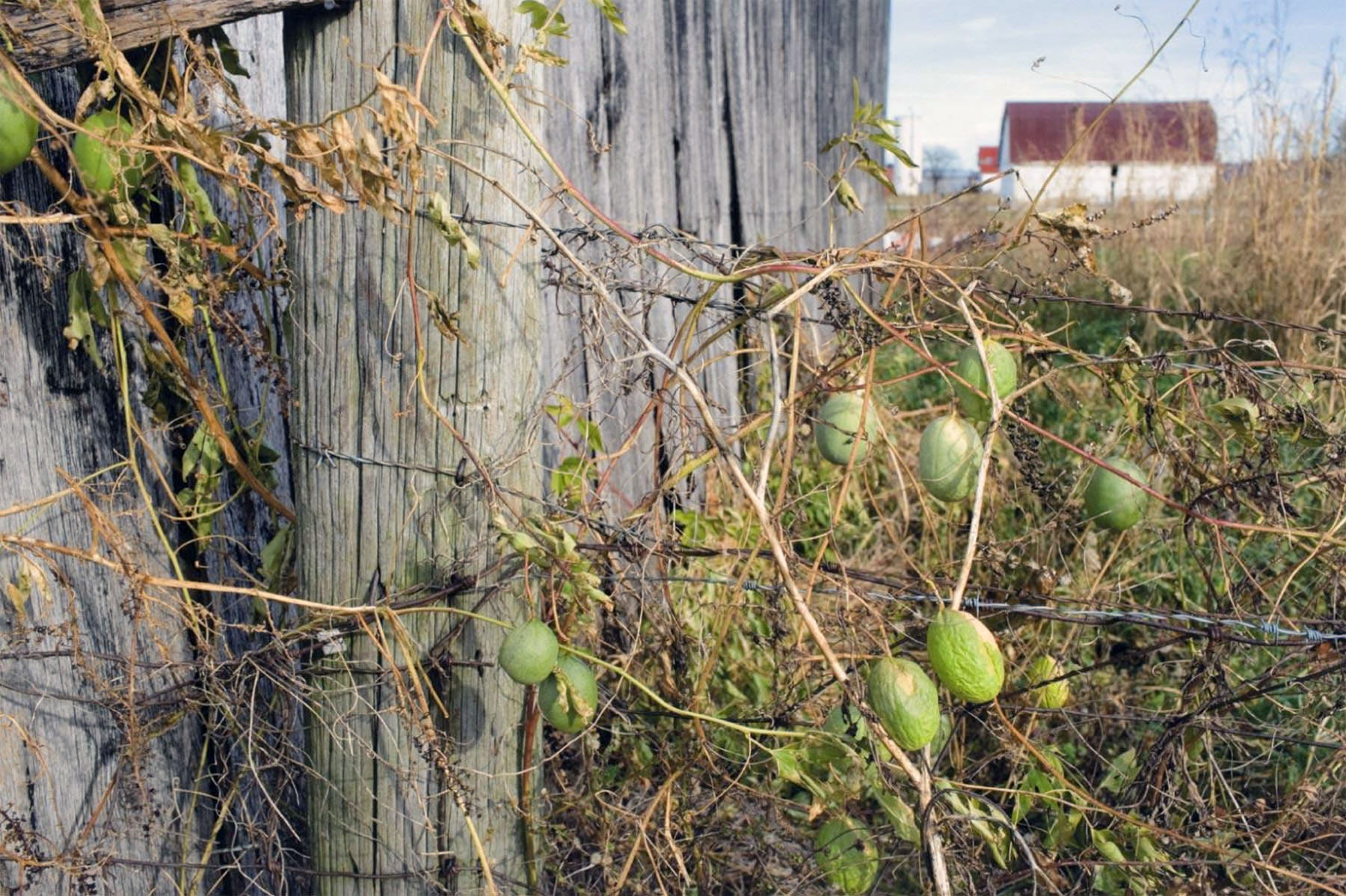


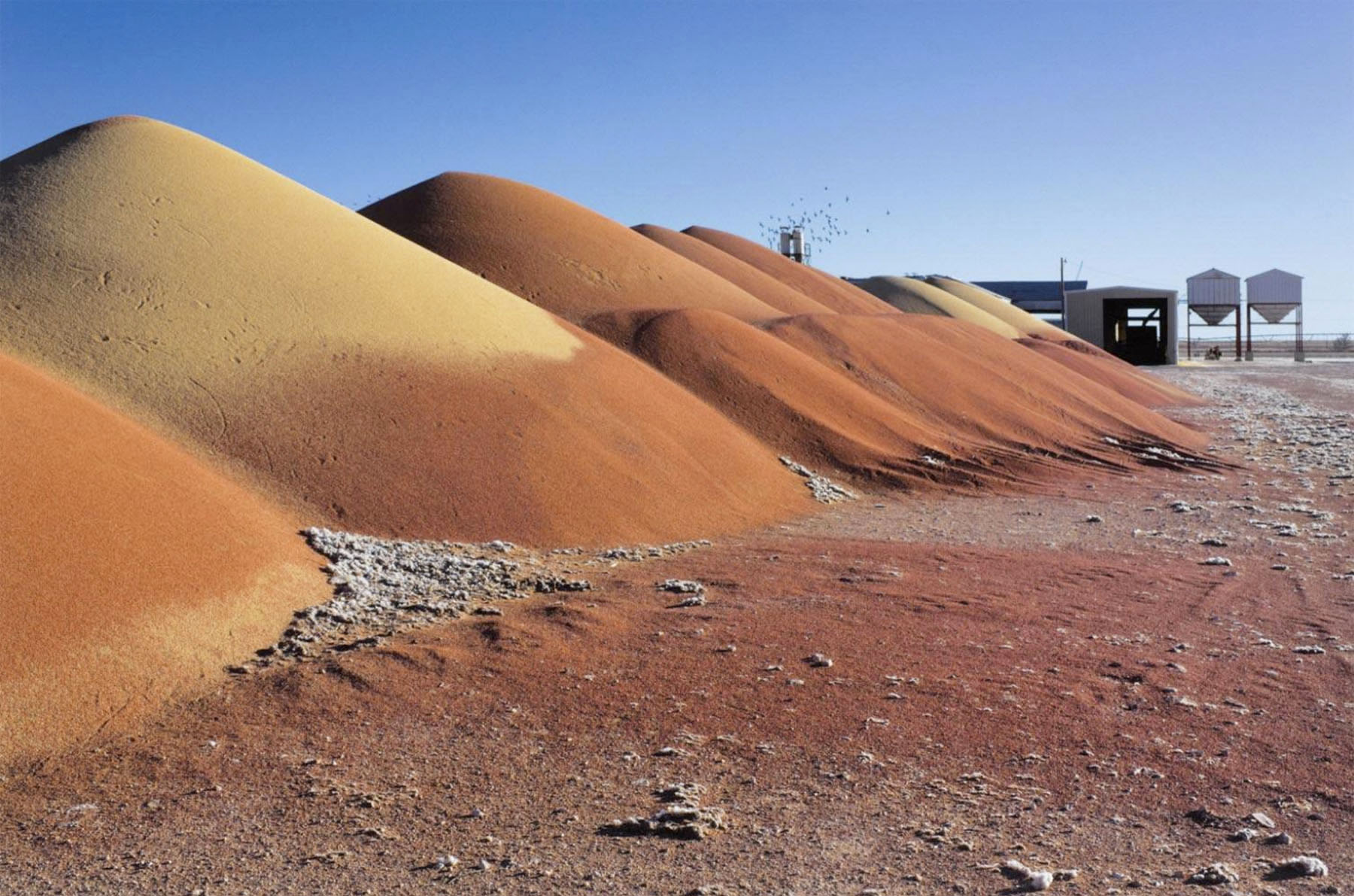

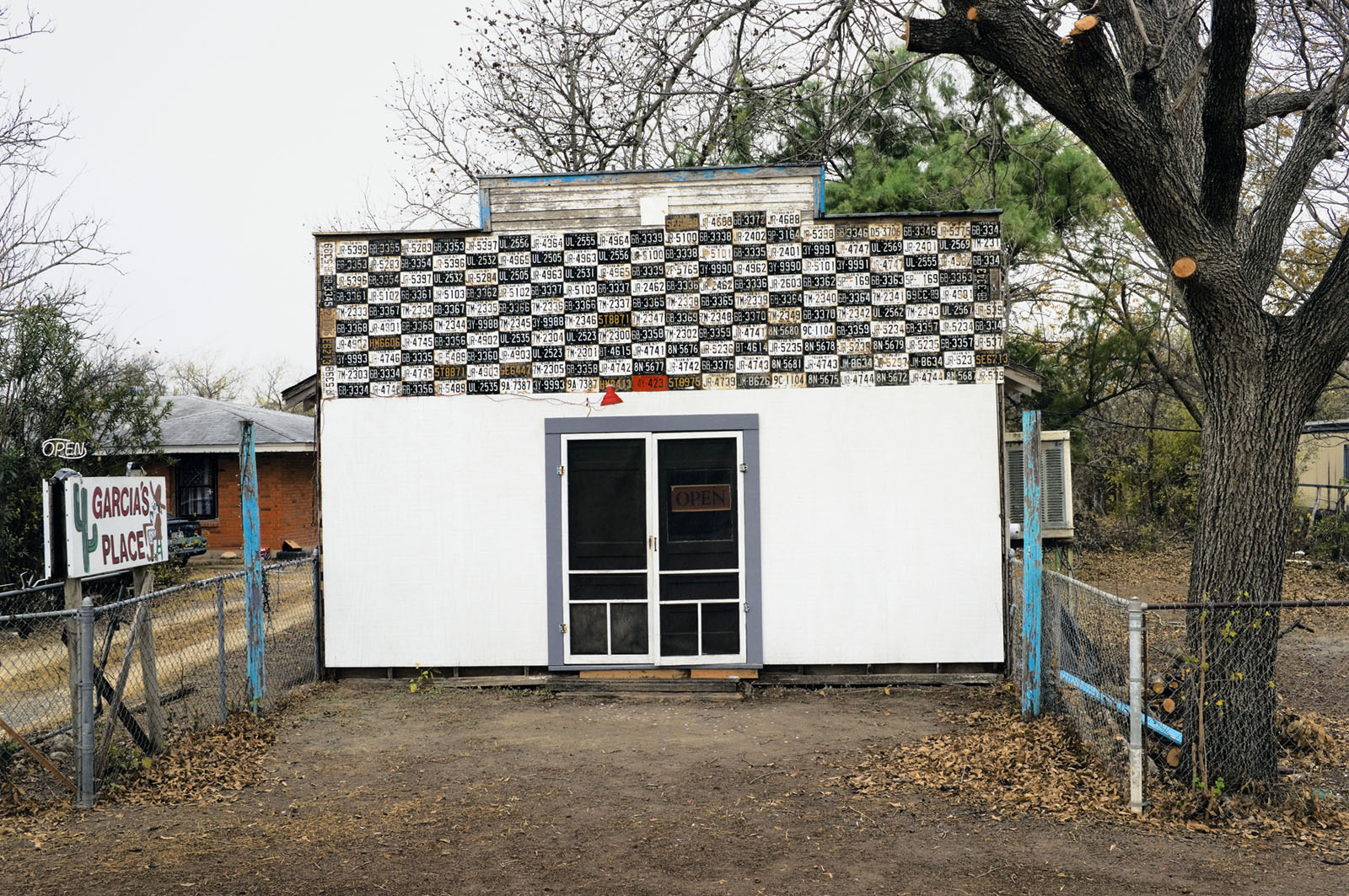


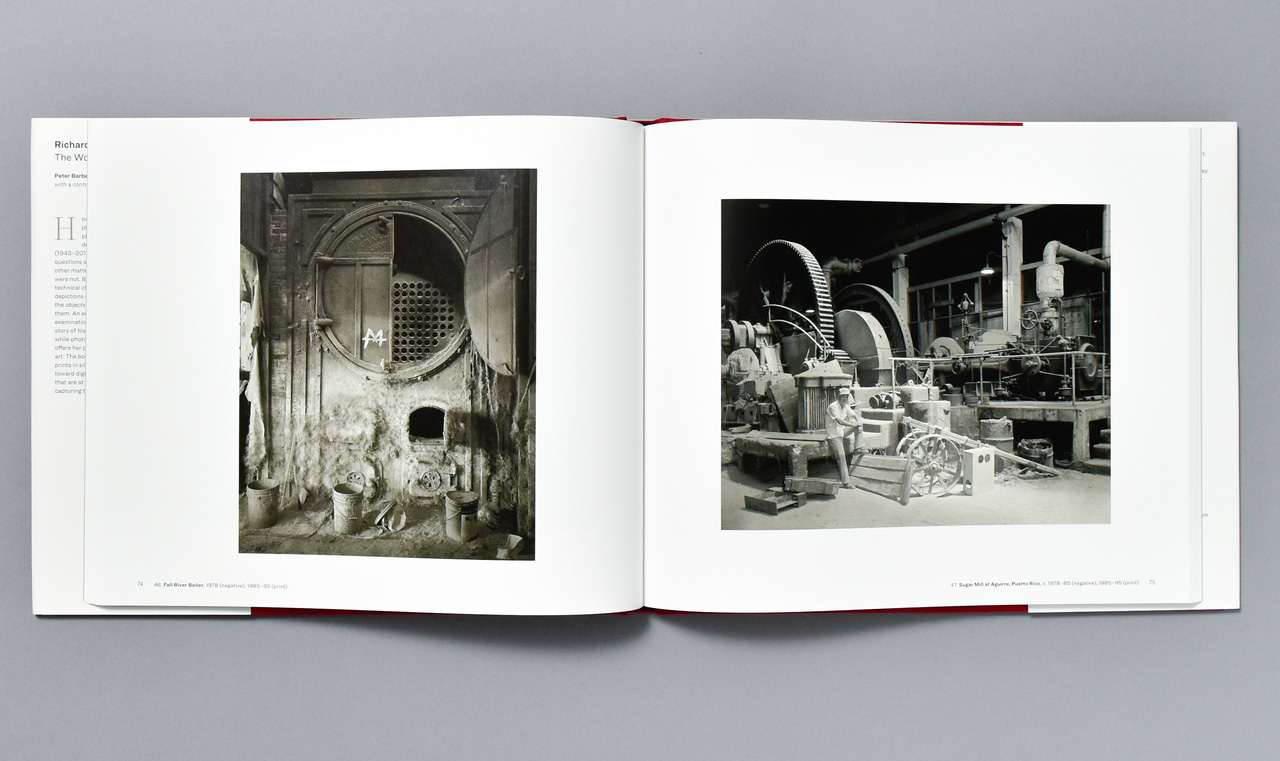

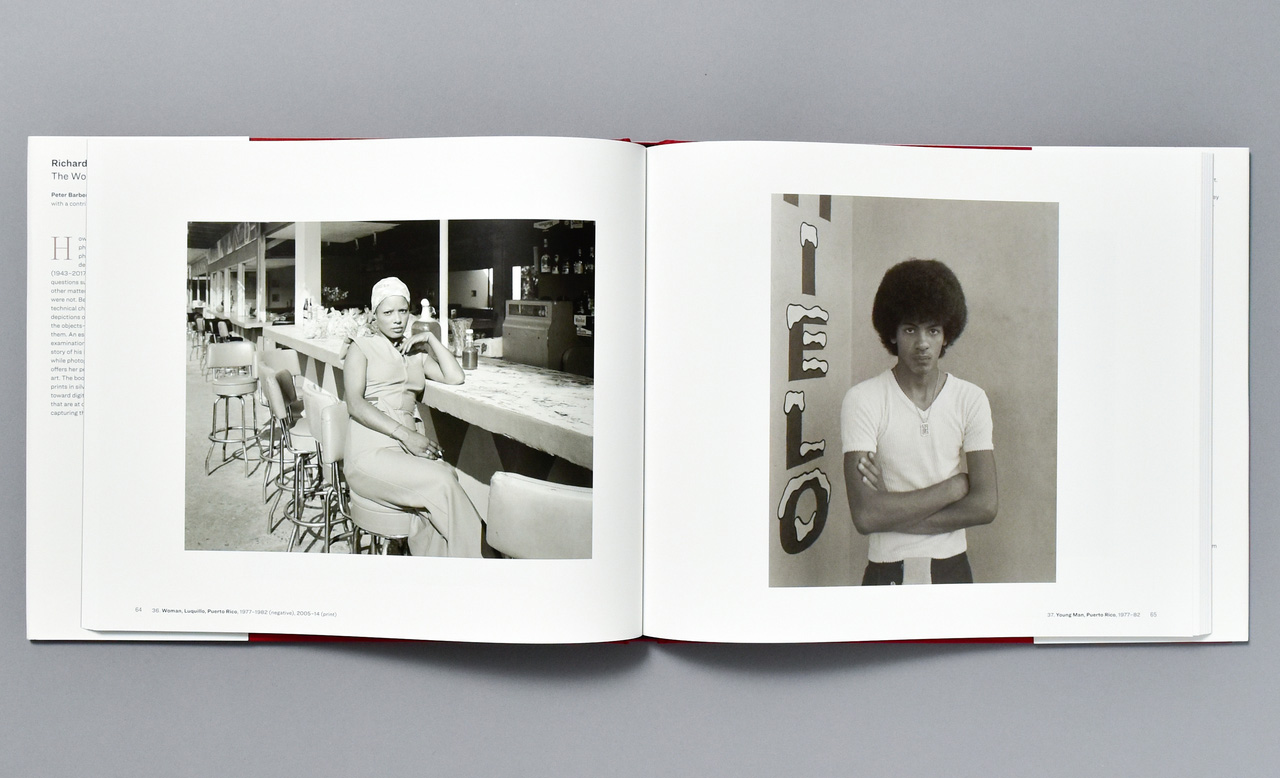
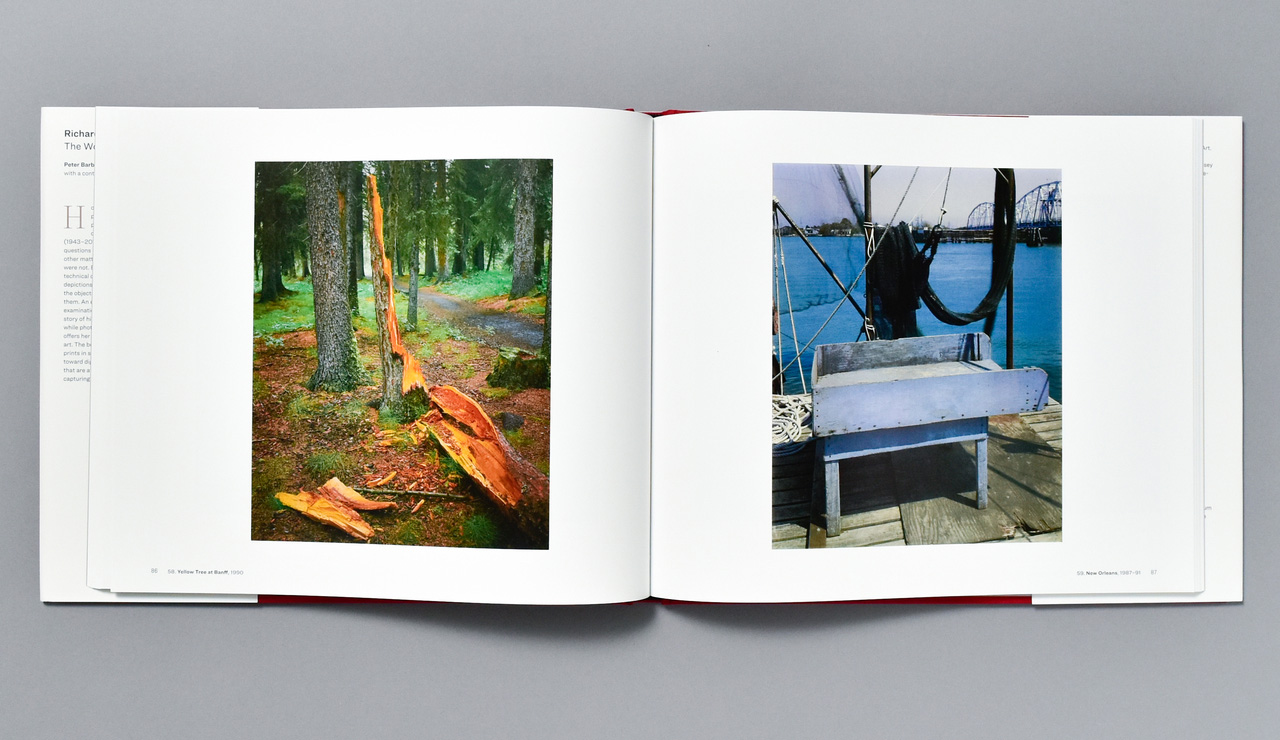
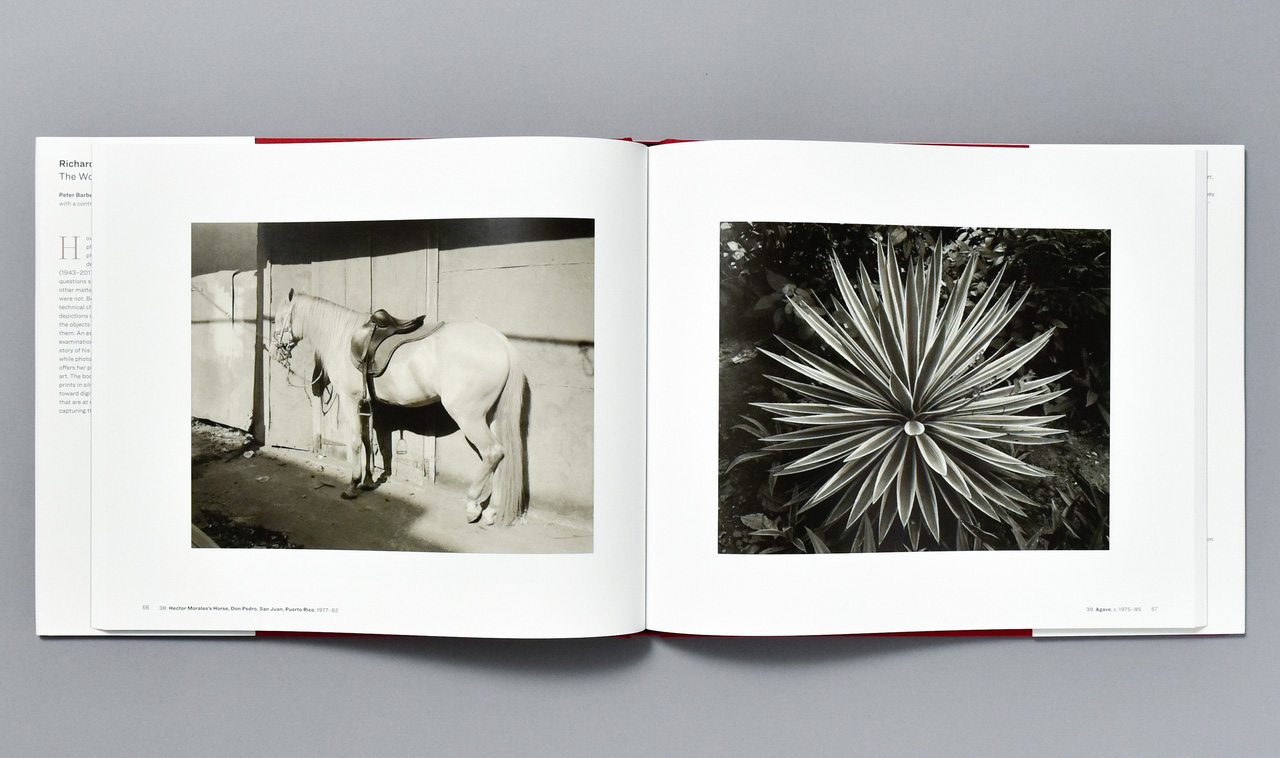
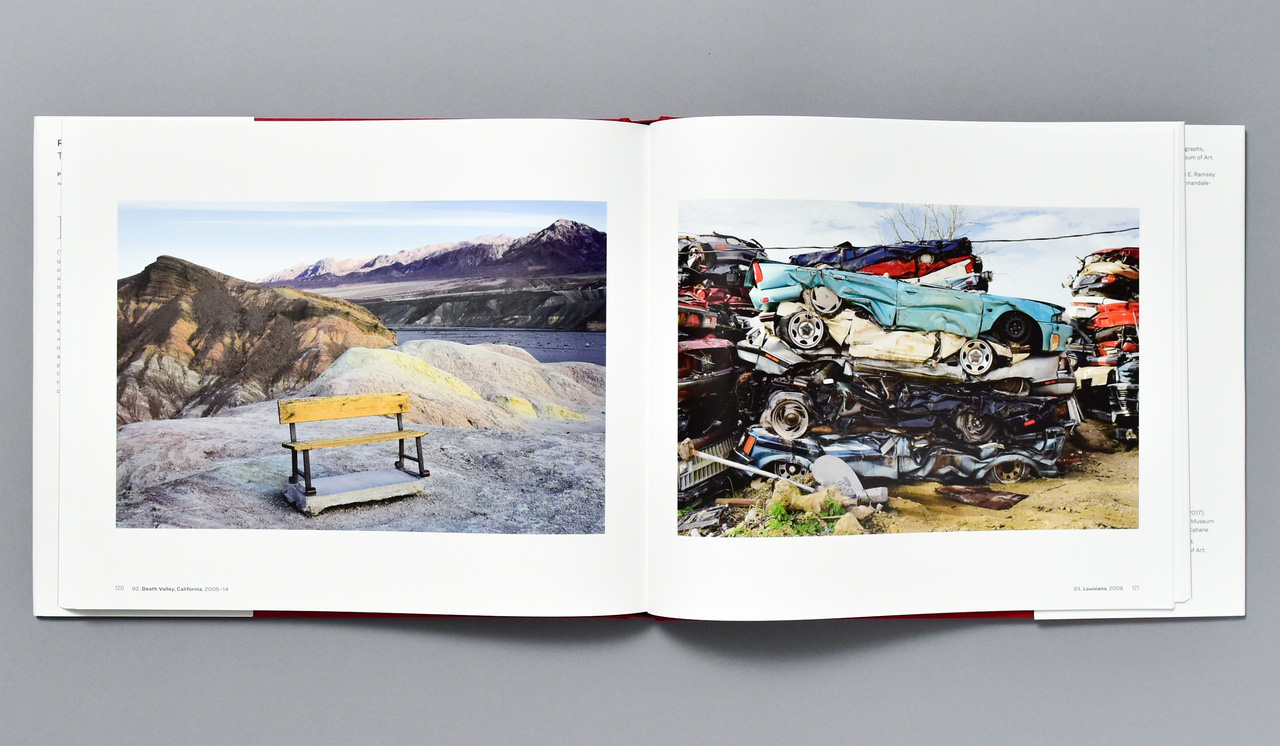
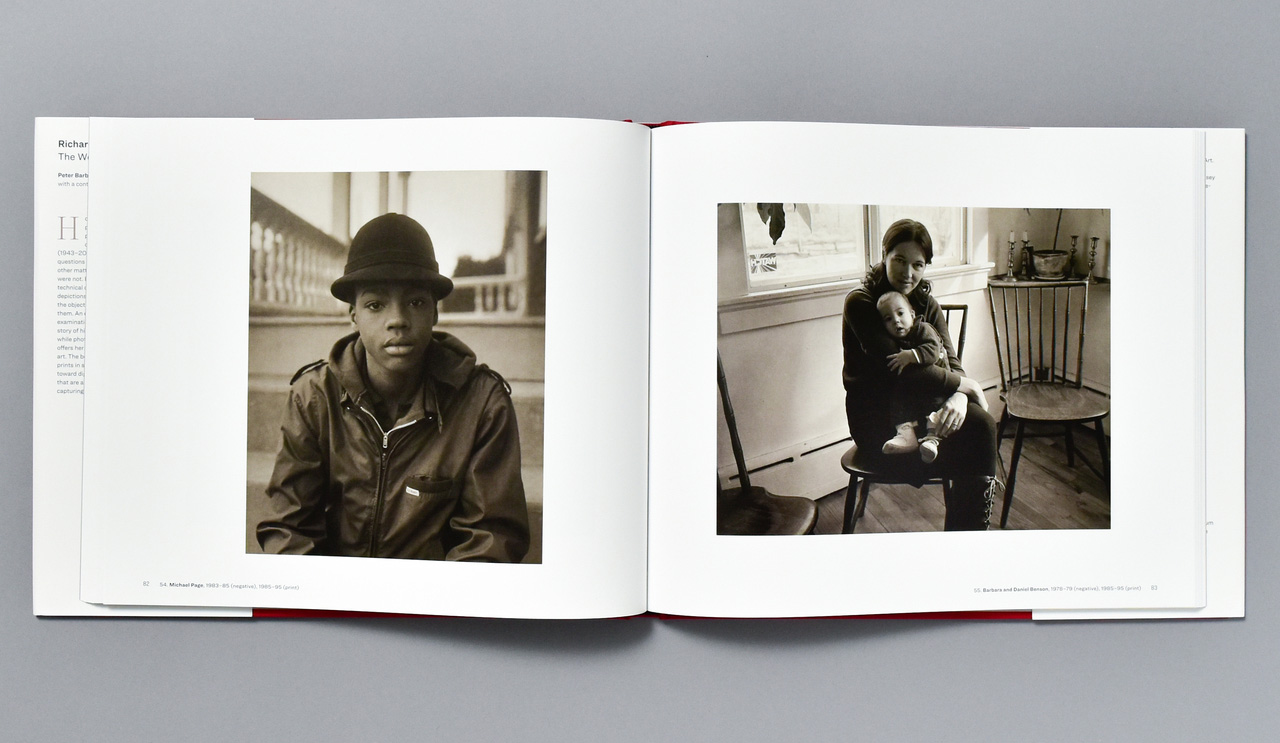
 Art Blart _ art and cultural memory archive
You must be logged in to post a comment.