Exhibition: ‘CLOUD STUDIES – The Scientific View of the Sky’ at Fotomuseum Winterthur, Zurich

Exhibition dates: 26th November 2011 – 12th February 2012


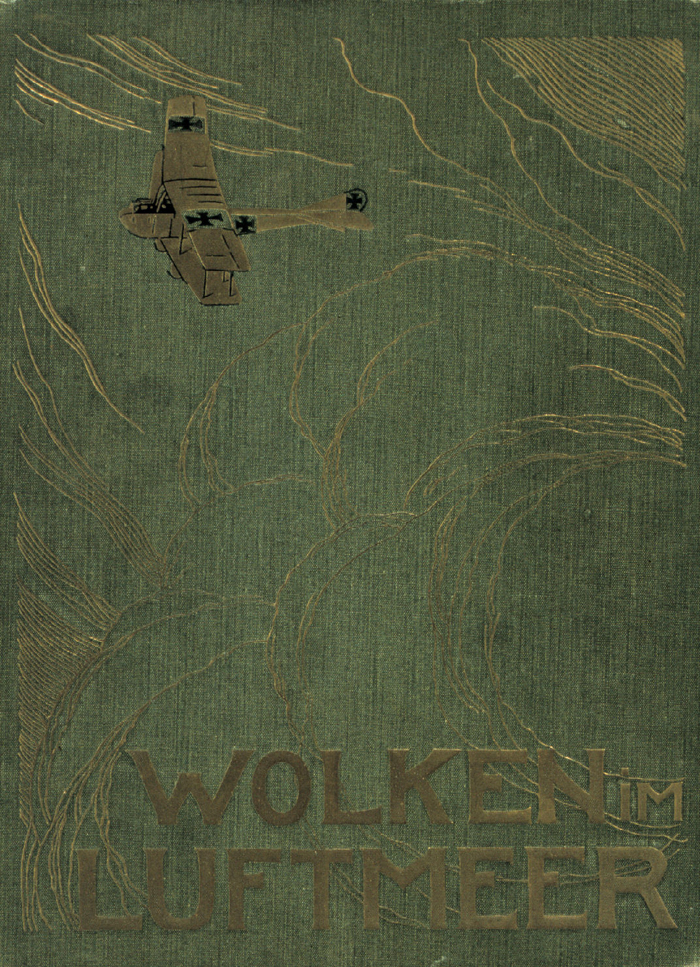
'Wolken im Luftmeer' book cover


Wolken im Luftmeer (Clouds in a sea of air) (cover)
1917


I desire (I feel that is the correct word) to own a copy of the above book. Has anyone got a one for sale?

Please let me know as I would love to own one!

Update: I now own a copy of Wolken im Luftmeer purchased from a lovely person in Germany 🙂

Dr Marcus Bunyan


Many thankx to the Fotomuseum Winterthur, Zurich for allowing me to publish the photographs in the posting. Please click on the photographs for a larger version of the image.


Unknown photographer.
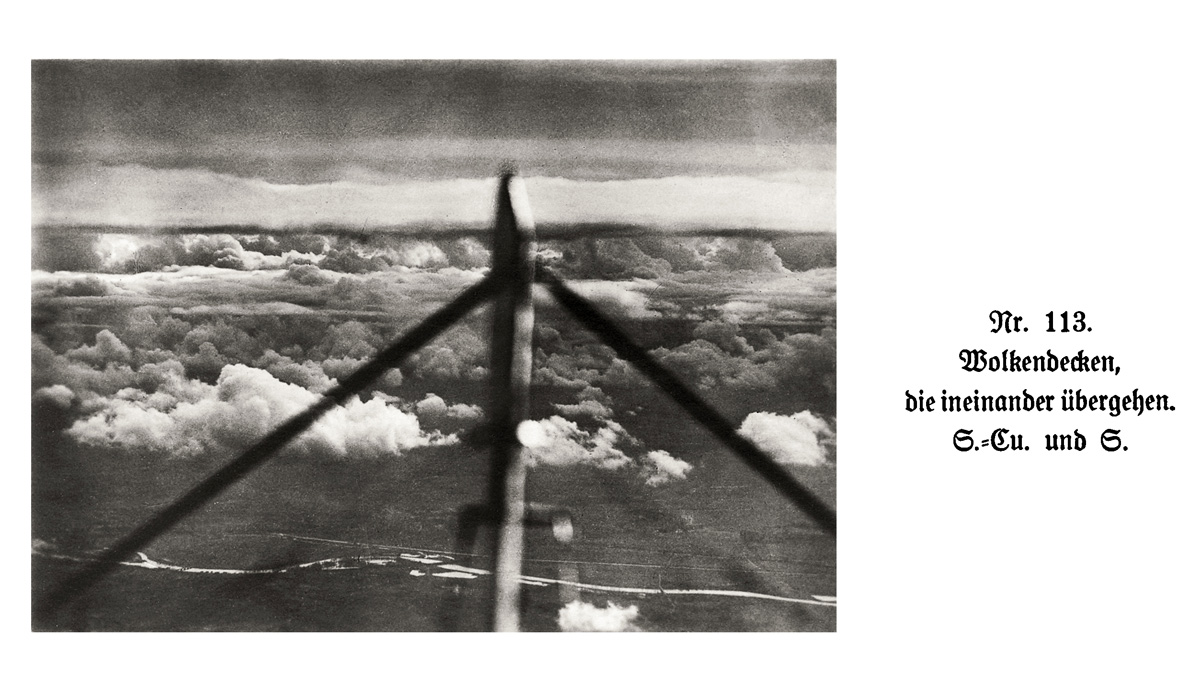
 'Wolkendecken, die ineinander übergehen. S.-Cu. und S., from: Wolken im Luftmeer' (Merging cloud covers. S.-Cu. and S., from: Clouds in a sea of air)
 Photographs taken by German fighter pilots during WW1, Berlin, 1917


Unknown photographer
Wolkendecken, die ineinander übergehen. S.-Cu. und S., from: Wolken im Luftmeer (Merging cloud covers. S.-Cu. and S., from: Clouds in a sea of air)
Photographs taken by German fighter pilots during WW1, Berlin, 1917


Unknown photographer.
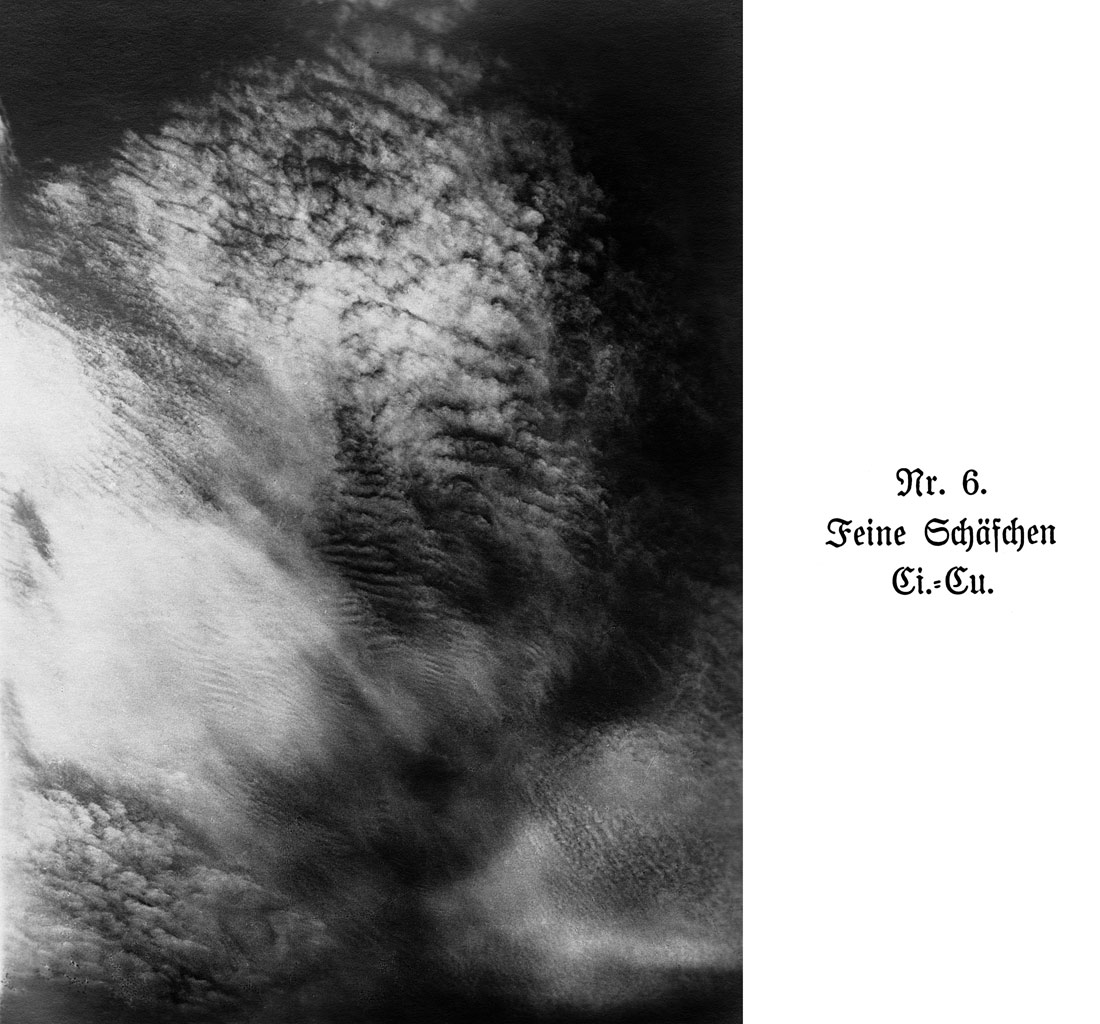
 'Feine Schäfchen. Ci.-Cu, from: Wolken im Luftmeer' (Delicate fluffy clouds. Ci.-Cu, from: Clouds in a sea of air)
 Photographs taken by German fighter pilots during WW1, Berlin, 1917


Unknown photographer
Feine Schäfchen. Ci.-Cu, from: Wolken im Luftmeer (Delicate fluffy clouds. Ci.-Cu, from: Clouds in a sea of air)
Photographs taken by German fighter pilots during WW1, Berlin, 1917


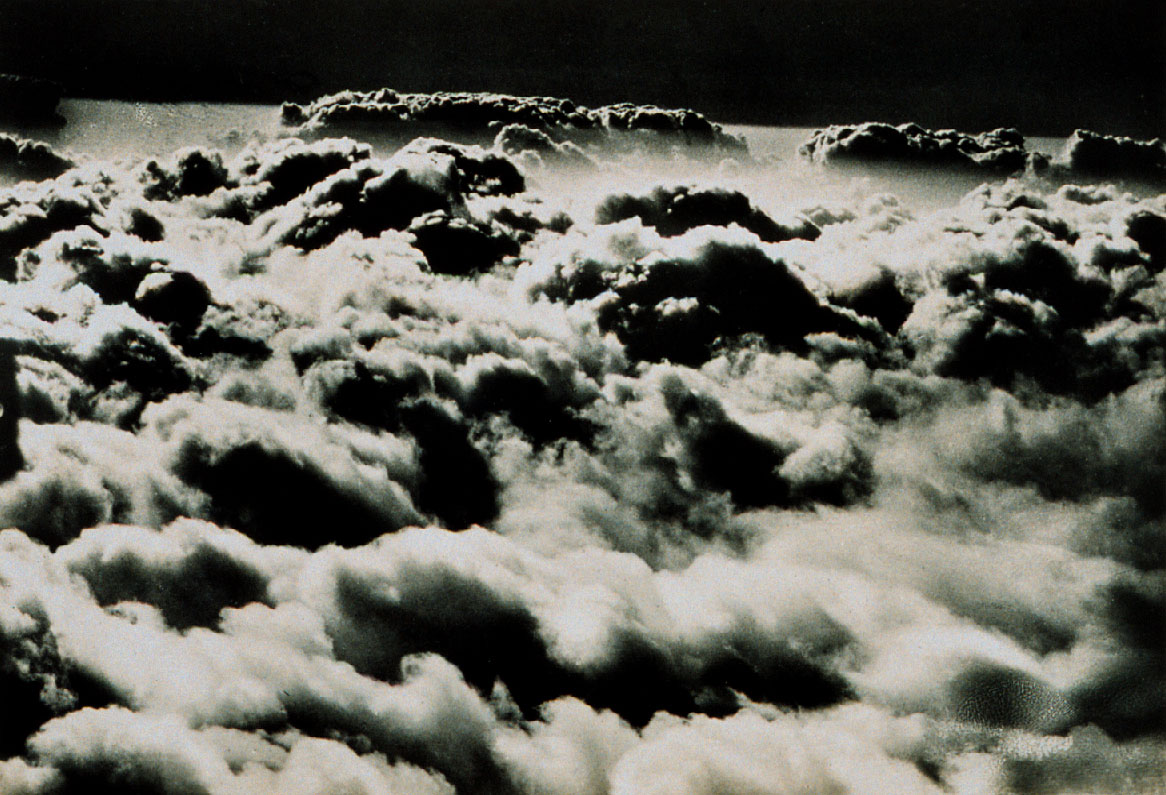
Unknown photographer Flying above a sea of clouds - altostratus from an aircraft (Plate Nr. 103 from: Wolken im Luftmeer / Clouds in a sea of air)


Unknown photographer
Flying above a sea of clouds – altostratus from an aircraft (Plate Nr. 103 from: Wolken im LuftmeerClouds in a sea of air)
Photographs taken by German fighter pilots during WW1, Berlin, 1917


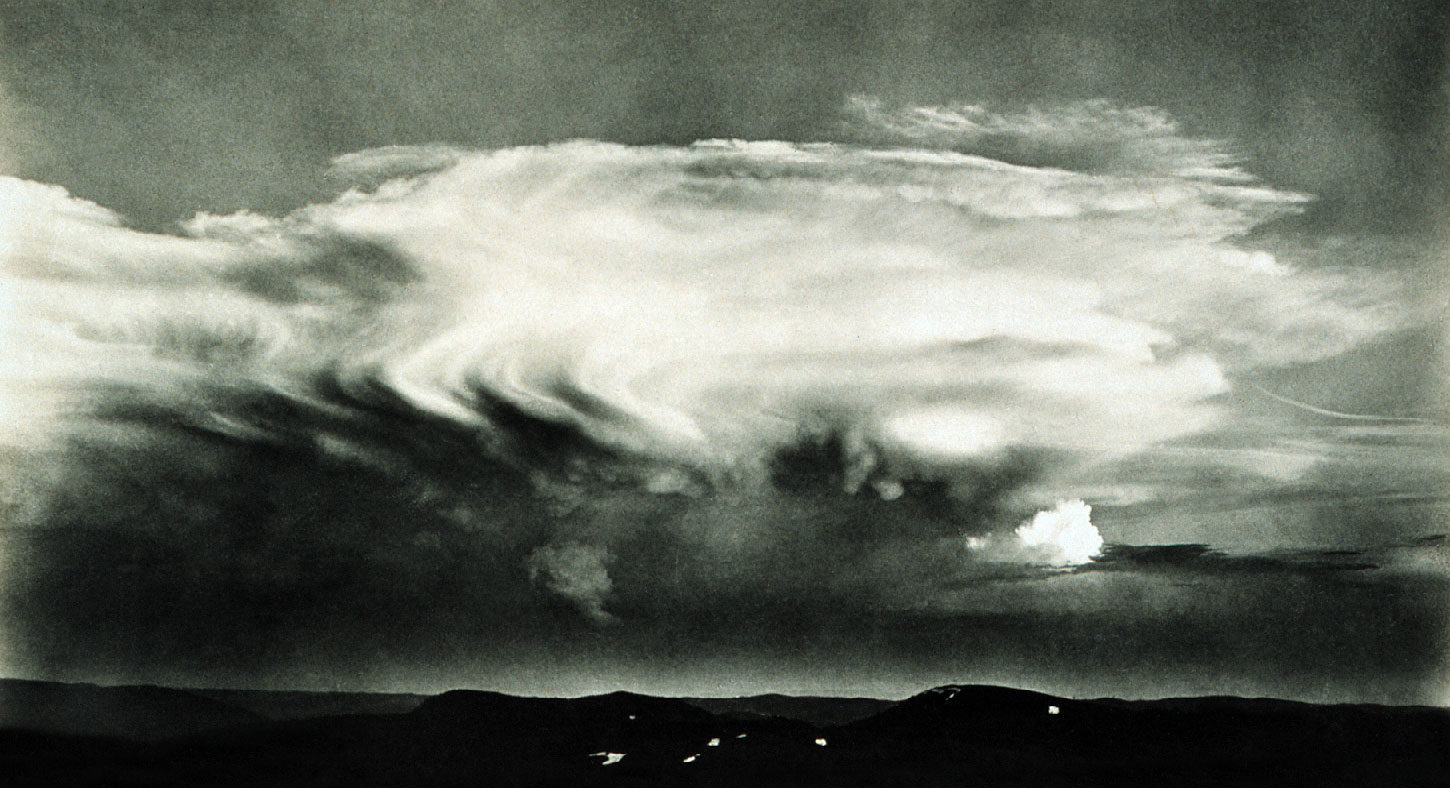
Unknown photographer (Plate Nr. 90 from: Wolken im Luftmeer / Clouds in a sea of air)


Unknown photographer
(Plate Nr. 90 from: Wolken im Luftmeer / Clouds in a sea of air)
Photographs taken by German fighter pilots during WW1, Berlin, 1917


The English pharmacist and meteorologist Luke Howard wrote in 1802 in the preface to his manuscript On the Modification of Clouds: “Clouds are subject to certain distinct modifications, produced by the general causes which affect all the variations of the atmosphere; they are commonly as good visible indicators of the operation of these causes, as is the countenance of the state of a person’s mind or body.” Eighty years later, meteorologists had still not reached a consensus on how to classify, label, and read the forms of clouds. It was during this time that scientists first began using photography to record and measure clouds. With its help, they attempted to gain precise and accurate images that would provide insight on the interplay between clouds and the atmosphere and which could be used to create and convey a classification of cloud forms.

The exhibition CLOUD STUDIES – The Scientific View of the Sky presents six stages of meteorological cloud photography, from its infancy in the 1880s – in Switzerland with the first images by Albert Riggenbach photographed from Mount Säntis – up to the newspaper images in the United States that were captured by the first weather satellites in the 1960s. At the beginning of the 20th century, cloud formations and cloud systems were investigated foremost by the military and led to fundamental insights into interrelated weather situations.

CLOUD STUDIES – The Scientific View of the Sky is a rich collection of photographs, notes, records and atlases from diverse research sources and depicts the origins of contemporary weather forecasting. Each of the six parts of the exhibition represents a different scientific and photographic view of clouds while reflecting on the “history of the gaze” as well as the history of the medium with its various photographic mechanisms and reproductive technologies.

An additional theme running throughout the exhibition is the development of science and its varying ideas about clouds. The protagonists and working methods change over time – from the ambitious, wealthy amateur Ralph Abercromby to the anonymous teams of weather satellite technicians. Whereas Riggenbach still wished to capture images of ideal cloud types, the view of the cloud constellations and their chaotic systems expands with the introduction of film, at the latest, and with the constant recording and measuring capacities of digital cameras, which transmit images to earth, where they are evaluated and publicised.

Conceived by curator Helmut Völter (Leipzig), the exhibition CLOUD STUDIES – The Scientific View of the Sky explores the question as to how all these changes influenced the intentions, concepts, and technical developments associated with images of the clouds. It shows how similar or dissimilar photographs of clouds can be, when photographed according to individual specifications. Ultimately it is left to the viewer to decide if and how scientific cloud photography differs from related and frequently published motifs from the history of art and photography.

Press release from the Fotomuseum Winterthur, Zurich website


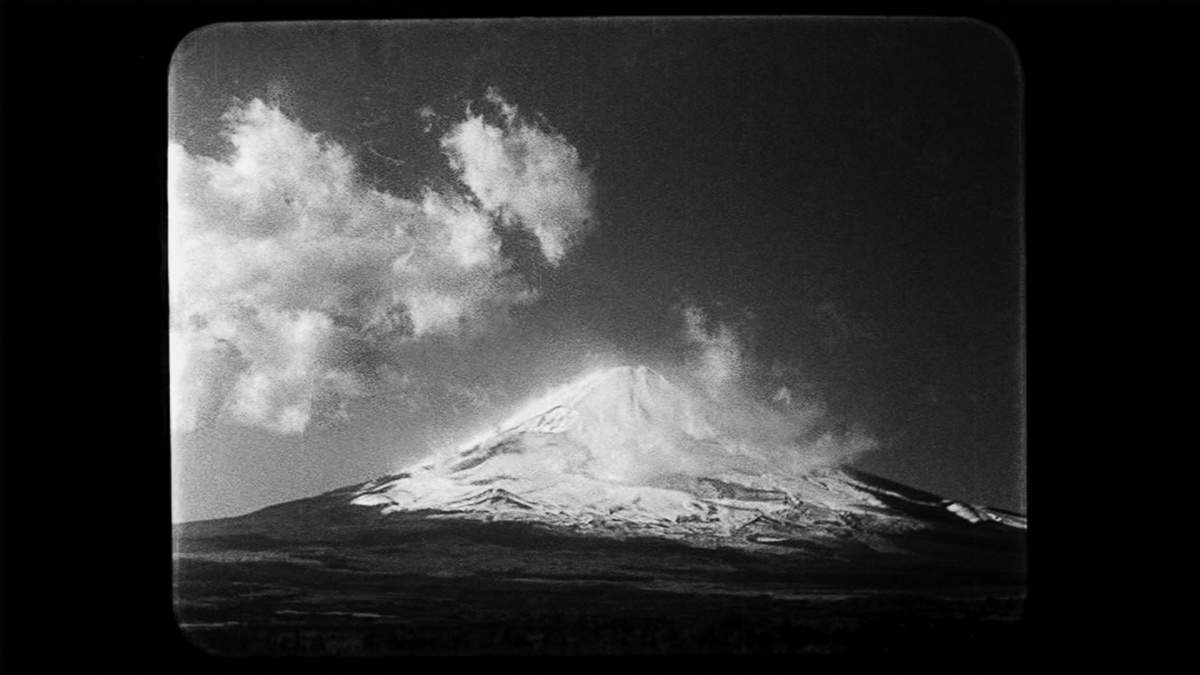
Masanao Abe (Japanese, 1891-1966)
 'Cloud Film No. 116 b' Gotemba, Japan, 1932


Masanao Abe (Japanese, 1891-1966)
Cloud Film No. 116 b
Gotemba, Japan, 1932
Filmstill
© Archive Masanao Abe


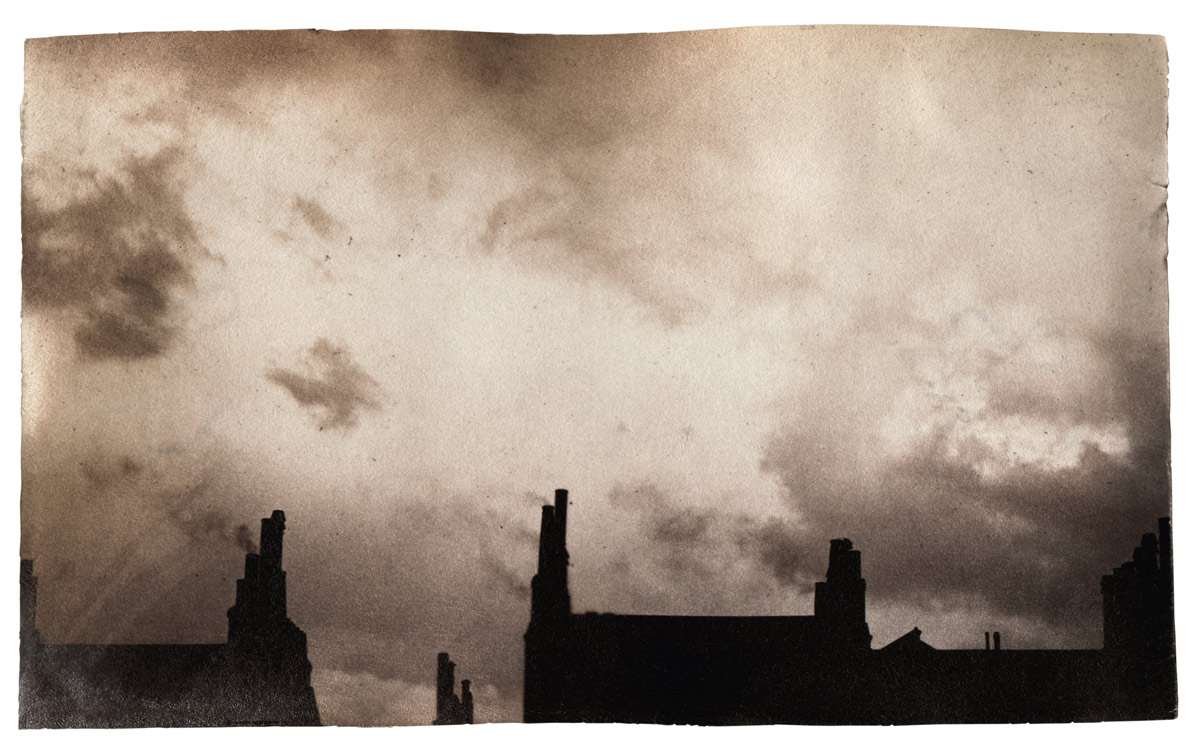
Ralph Abercromby (Scottish, 1842-1897) '
Raggy, Inky Cloud' London, 1884


Ralph Abercromby (Scottish, 1842-1897)
Raggy, Inky Cloud
London, 1884
Gelatin-silver print
© Met Office National Meteorological Archive


Albert Riggenbach (Swiss, 1854-1921) 'Cumulus, Basle' Around 1895


Albert Riggenbach (Swiss, 1854-1921)
Cumulus, Basle
Around 1895
Gelatin silver print
© Swiss National Museum, Zurich


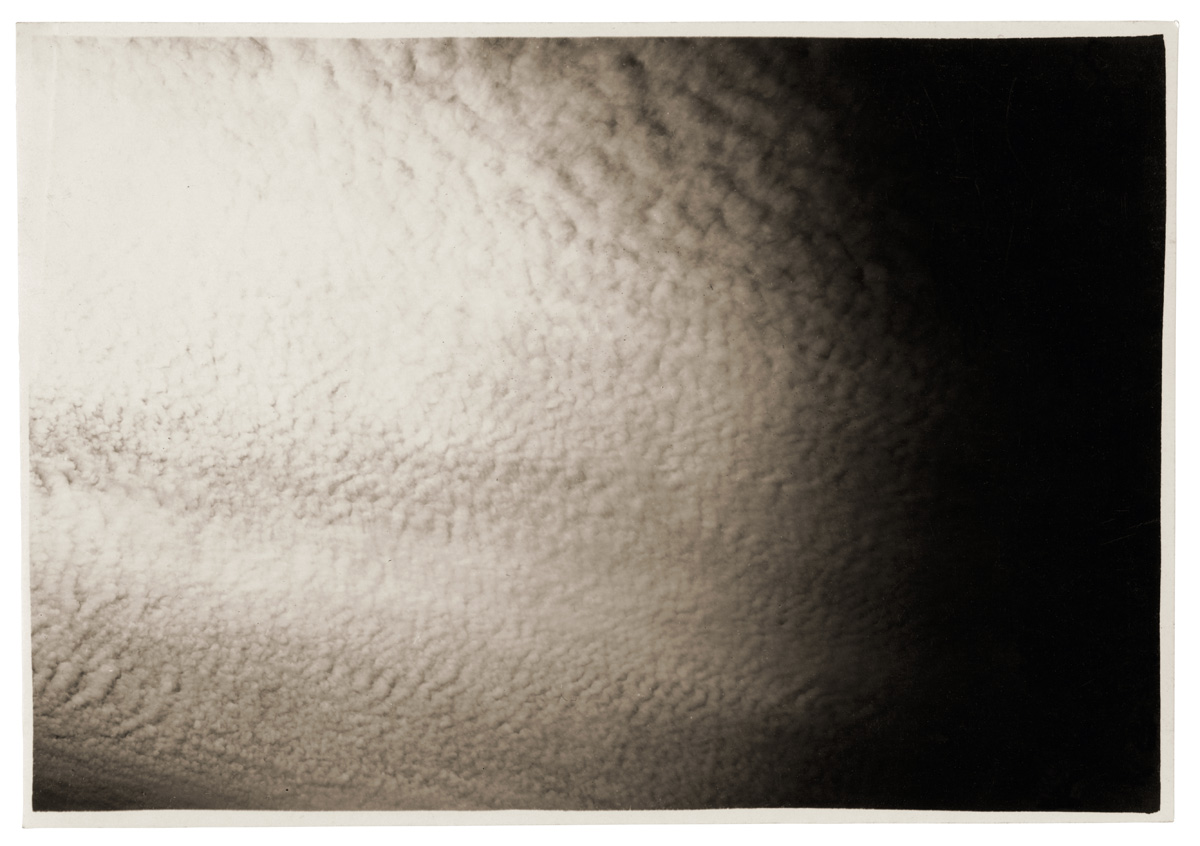
Ferdinand Quénisset (French, 1872-1951) 'Alto-Cumulus et Cirro-Cumulus' Dugny near Paris, 1916


Ferdinand Quénisset (French, 1872-1951)
Alto-Cumulus et Cirro-Cumulus
Dugny near Paris, 1916
Gelatin-silver print
© Société Astronomique de France


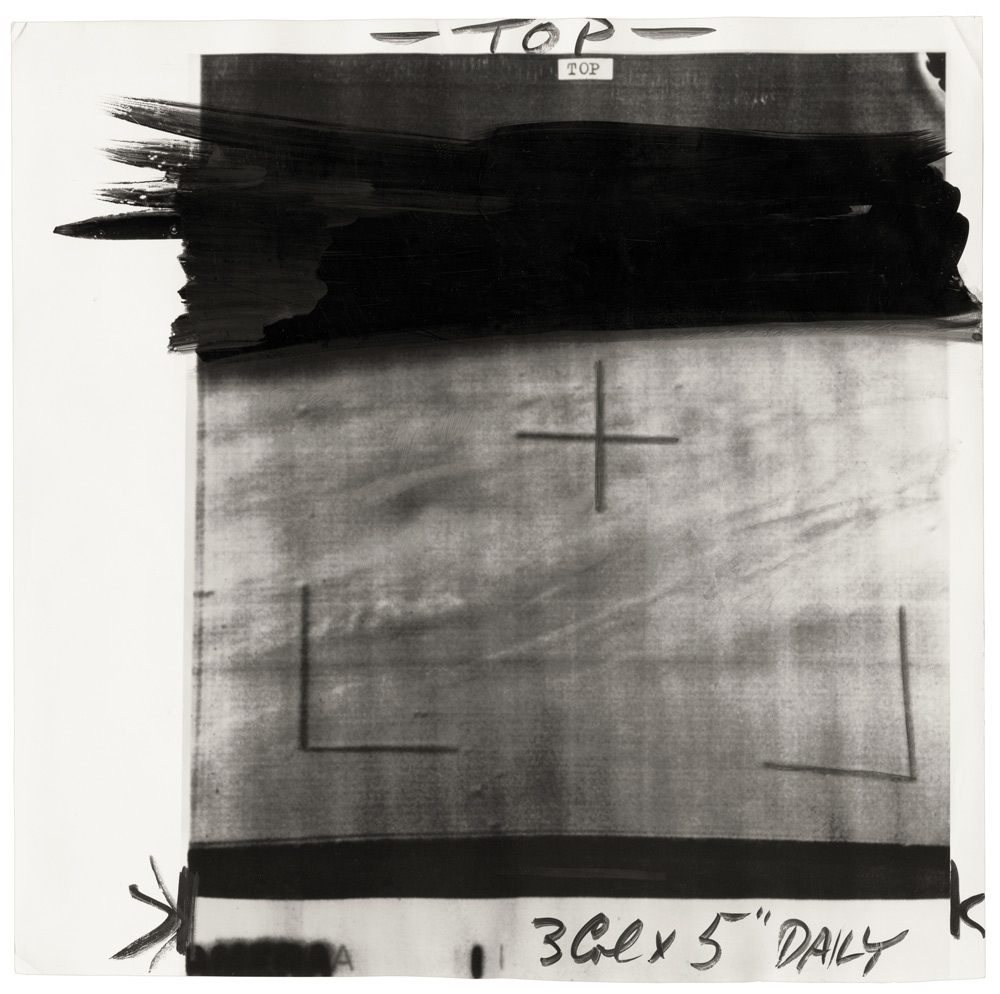
'Cloud photo over north midwest United States by Tiros II' 1960


Cloud photo over north midwest United States by Tiros II
1960
Gelatin-silver print
© Collection Günter Karl Bose


Fotomuseum Winterthur
Grüzenstrasse 44 + 45
CH-8400
Winterthur (Zürich)

Opening hours:
Tuesday to Sunday 11am – 6pm
Wednesday 11am – 8pm
Closed on Mondays

Fotomuseum Winterthur website

LIKE ART BLART ON FACEBOOK

Back to top

Exhibition: ‘In Focus: The Sky’ at the J. Paul Getty Museum, Getty Center, Los Angeles

Exhibition dates: 26th July – 4th December 2011


Col. Henry Stuart Wortley (British, 1832-1890) 'The Day is Done, and the Darkness Falls from the Wings of Night.' about 1862


Col. Henry Stuart Wortley (British, 1832-1890)
The Day is Done, and the Darkness Falls from the Wings of Night.,
about 1862
Albumen silver print
29.5 x 35.2cm (11 5/8 x 13 7/8 in.)
The J. Paul Getty Museum, Los Angeles


Many thankx to Melissa Abraham for her help and to the J. Paul Getty Museum for allowing me to publish the photographs in the posting. Please click on the photographs for a larger version of the image.


With its immensity, immateriality, and variability, the sky has been an enduring subject in art history, fascinating and challenging generations of artists. As soon as the medium of photography was introduced in 1839, photographers attempted to represent the sky and its natural phenomena.

Atmospheric light and its constant mutability have always been hard to capture, but by the 1850s the greater light sensitivity of collodion negatives (compared to the daguerreotype and calotype processes) allowed the spectacles of the sky to be more easily transposed to photography.

With further technical improvements such as the development of instantaneous processes in the 1880s and the advent of Kodachrome colour film around 1935, photographers have continued to explore this theme in diverse and imaginative ways.

Text from the J. Paul Getty Museum website


Gustave Le Gray (French, 1820-1884) 'Cloudy Sky – Mediterranean Sea' 1857


Gustave Le Gray (French, 1820-1884)
Cloudy Sky – Mediterranean Sea
1857
Albumen silver print
12 1/4 x 16 7/16 in.
The J. Paul Getty Museum, Los Angeles


Clouds

The collodion process (in which a syrupy, light-sensitive mixture was applied to glass-plate negatives) was advantageous for its short exposure time and sharpness, but its sensitivity to blue light could also pose a challenge. By the time the camera captured detail in the foreground, the sky was often overexposed and thus printed as blank space.

To create his sweeping seascape, Cloudy Sky – Mediterranean Sea, Gustave Le Gray combined two slightly overlapping negatives: one for the sky and one for the sea.

Text from the J. Paul Getty Museum website


Carleton Watkins (American, 1829-1916) '[Solar Eclipse]' January 1, 1889


Carleton Watkins (American, 1829-1916)
[Solar Eclipse]
January 1, 1889
Albumen silver print
16.5 × 21.6cm (6 1/2 × 8 1/2 in.)
The J. Paul Getty Museum, Los Angeles


Standing atop Mount Santa Lucia in northern California at approximately 3.50 p.m. on January 1, 1889, Carleton Watkins was able to make only one exposure during the instant of complete eclipse. Accompanied by professors from the newly created University of California and the United States Naval Observatory, Watkins waited slightly more than an hour for the moon to begin its movement and assume its temporary position directly in front of the sun. The radiating sun, its brilliance hidden by the black moon, lies suspended over a sea of clouds whose rippling waves dominate the sky. Only the inclusion of the treetops in the foreground serves to ground the image in a familiar reality.

Text from the J. Paul Getty Museum website


The J. Paul Getty Museum presents In Focus: The Sky, a thematically-installed exhibition of permanent collection photographs, on view at the Getty Center from July 26 – December 4, 2011.

“The sky has fascinated and challenged photographers since the invention of the medium,” said Anne Lyden, associate curator, Department of Photographs, the J. Paul Getty Museum, and curator of the exhibition. “This exhibition showcases a wide range of approaches to capturing the many moods and effects of the sky – things we usually take for granted.”

The selection of 22 artworks provides visitors with an opportunity to explore the Getty Museum’s world-renowned photographs collection through the pictorial subject of the sky, with the works loosely organised under four different themes: urban skies, clouds, dark skies, and colourful skies.

The exhibition features photographs by artists such as: Ansel Adams, John Divola, André Kertész, Joel Meyerowitz, Alfred Stieglitz, and Carleton Watkins, among others. The Getty’s collection includes exemplary objects that demonstrate both technological and aesthetic innovations in photography. Among the different processes highlighted are daguerreotypes, albumen silver prints, palladium prints, platinum prints, and more contemporary inkjet prints.

One of the most well-known works in the exhibition is Ansel Adams’ Moonrise, Hernandez, New Mexico, (negative made November 1, 1941; printed December 16, 1948). Traveling by car through New Mexico, Adams was inspired by light from the setting sun illuminating crosses in the graveyard at the side of the road. By carefully considering the composition, visualising the printed image before creating the photograph, understanding the required exposure needed in response to the available light, and exerting a certain degree of control in the printing process so that detail and shadows were retained, Adams succeeded in capturing the fleeting moment when the sun was setting and the bright moon appeared in the darkening sky.

The summer sky of Cape Cod features in Meyerowitz’s photograph Fence, Truro, negative 1976; printed 1992. Having recently acquired a large view camera, Meyerowitz spent two summers recording the structures and light of the coastal area that ultimately resulted in the 1978 book, Cape Light. Noting the shifting shadows as they played across the picket fence, his use of colour aptly describes the very subject of light itself.

Included in the exhibition is a selection from John Divola’s Zuma Beach series. In the fall of 1977, after discovering an abandoned lifeguard headquarters at Zuma Beach, California, Divola began visiting the site mornings and evenings to photograph. Bringing paints, using flash, and depending on the Pacific Ocean and the ever-changing sky for a dramatic backdrop, he created spontaneous scenes in this seaside theatre.

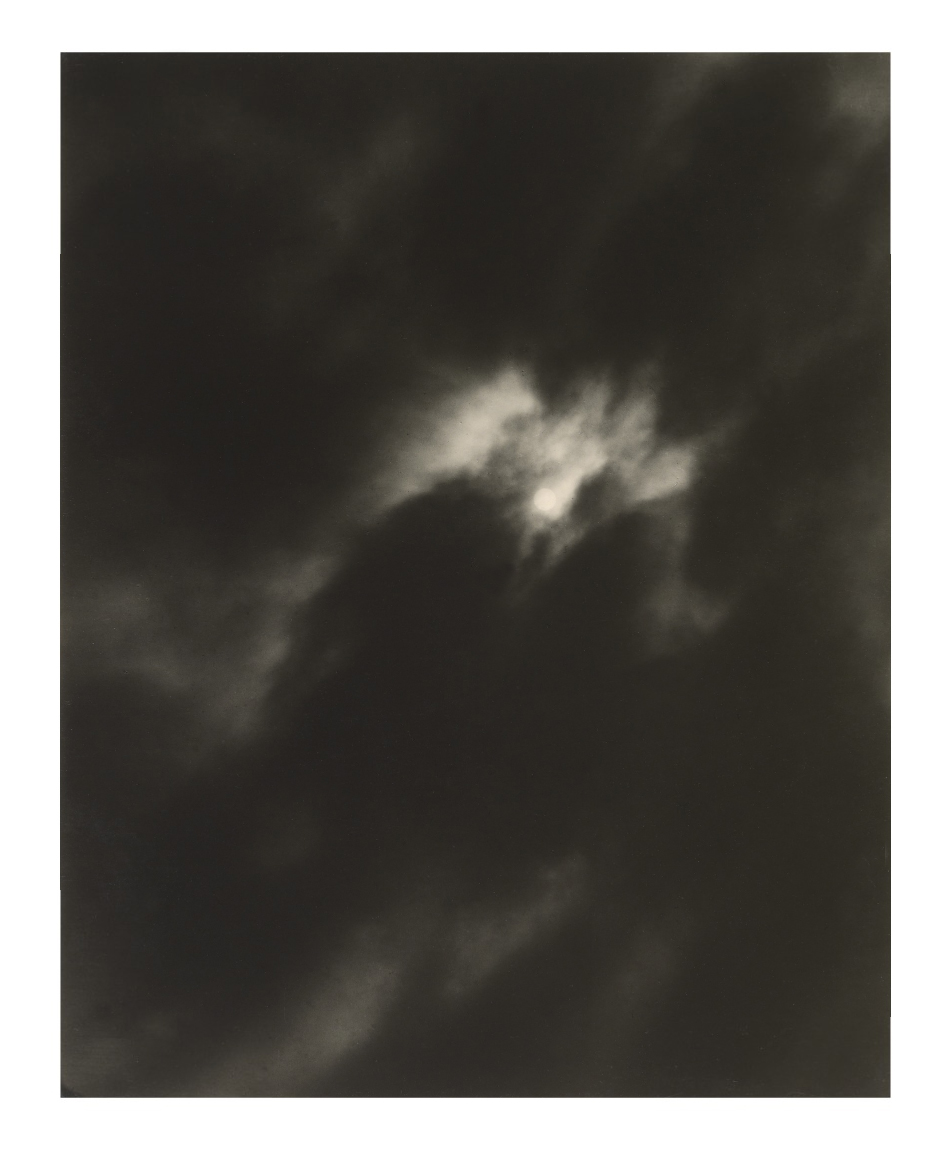
Also on view is a small group of three photographs by Alfred Stieglitz. From 1922 to 1934, Stieglitz photographed clouds and created a series of abstract configurations which reflected the fluctuation of his subjective state. By simply titling each piece Equivalent, he invited an open reading of the images and their content.

In Focus: The Sky is the ninth installation of the ongoing In Focus series of exhibitions, thematic presentations of photographs from the Getty’s permanent collection.

Press release from the J. Paul Getty Museum website
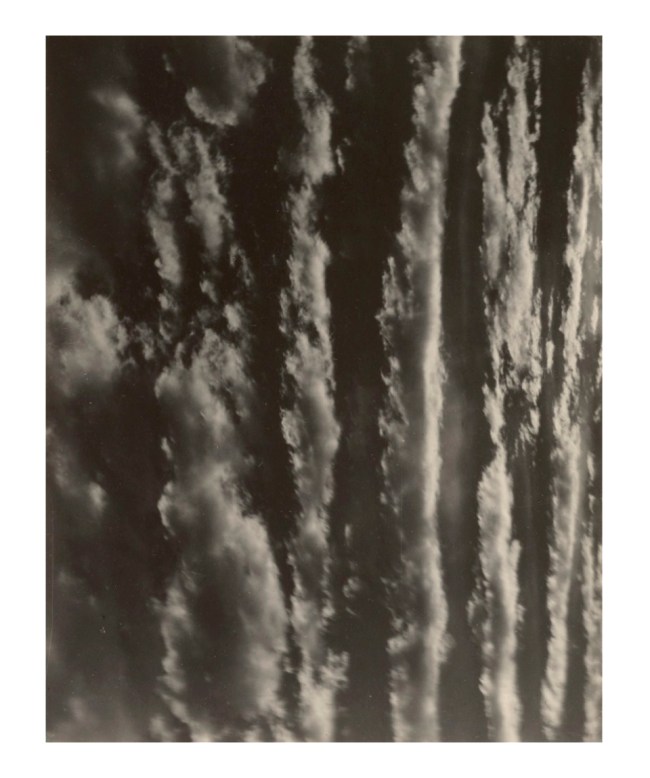
 

Alfred Stieglitz (American, 1864-1946) 'Songs of the Sky' 1924


Alfred Stieglitz (American, 1864-1946)
Songs of the Sky
1924
Gelatin silver print
11.7 x 9.2cm (4 5/8 x 3 5/8 in.)
The J. Paul Getty Museum, Los Angeles
© J. Paul Getty Trust


Edward Weston (American, 1886-1958) 'Cloud, Mexico' 1926


Edward Weston (American, 1886-1958)
Cloud, Mexico
1926
Palladium print
14.9 × 24cm (5 7/8 × 9 7/16 in.)
© 1981 Arizona Board of Regents, Center for Creative Photography


The first image with artistic intention that Edward Weston made in Mexico was of a cloud. Stopped in the port of Mazatlan on his way to Mexico City in 1923, Weston, for the first time in his career, was moved to photograph the sky, a theme that would occupy him intermittently throughout his entire sojourn in Mexico. Working with his Graflex, which allowed for greater flexibility than his tripod-mounted eight-by-ten-inch camera, he shot clouds spontaneously and maintained a personal collection of prints that he referred to as his “cloud series.” He noted in his daybook, “Next to the recording of a fugitive expression, or revealing the pathology of some human being, is there anything more elusive to capture than cloud forms! And the Mexican clouds are so swift and ephemeral, one can hardly allow the thought, ‘Is this worth doing?’ or, ‘ls this placed well?’ – for an instant of delay and what was, is not!”

The economy of form achieved in this 1926 image through the isolation of a single strip of stratus clouds oriented diagonally within the frame was not new to Weston’s aesthetic; his 1924 picture of Tina Modotti (1896-1942) nude on the roof of their home (see 86.XM.710.8) employs a remarkably similar composition. If Mexico provided Weston the inspiration to explore and expand the range of his oeuvre, adding clouds, still lifes, and landscapes to his repertoire of portraits and nudes, it simultaneously served as the place where his visual approach to the world was honed. His time in Mexico came to an end the same year he made this picture, but many of the principles he developed there would last him throughout his career.

Brett Abbott. Edward Weston, In Focus: Photographs from the J. Paul Getty Museum (Los Angeles: J. Paul Getty Museum, 2005), 48. ©2005, J. Paul Getty Trust


Alfred Stieglitz (American, 1864-1946) 'Equivalent' 1926


Alfred Stieglitz (American, 1864-1946)
Equivalent
1926
Gelatin silver print
11.6 × 9.1cm (4 9/16 × 3 9/16 in.)
The J. Paul Getty Museum, Los Angeles
© Georgia O’Keeffe Museum


Alfred Stieglitz (American, 1864-1946) 'Equivalent' 1926


Alfred Stieglitz (American, 1864-1946)
Equivalent
1926
Gelatin silver print
11.7 × 9.2cm (4 5/8 × 3 5/8 in.)
The J. Paul Getty Museum, Los Angeles


Paul Strand (American, 1890-1976) 'Sangre de Cristo, New Mexico' 1930


Paul Strand (American, 1890-1976)
Sangre de Cristo, New Mexico
1930
Platinum print
9.2 × 11.9cm (3 5/8 × 4 11/16 in.)
© Aperture Foundation
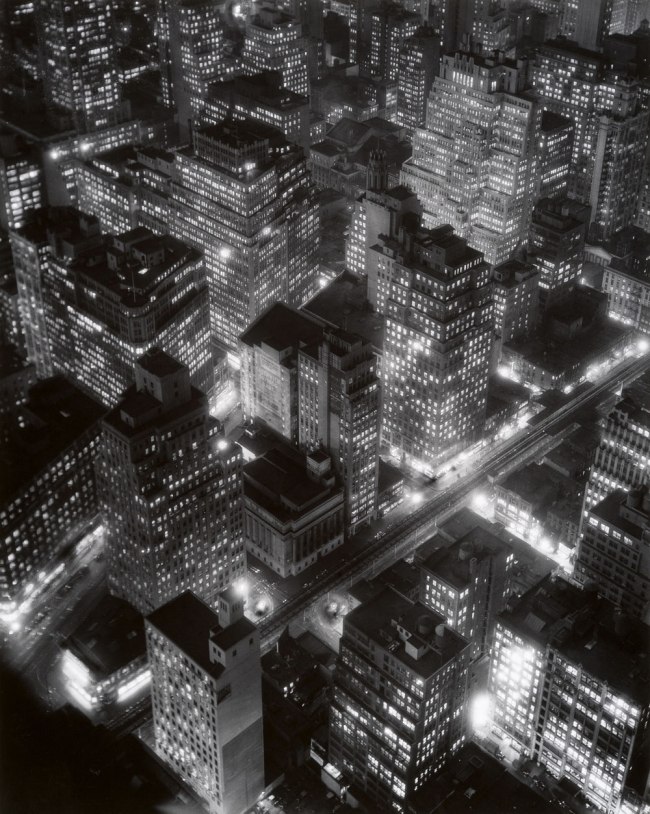
 

Berenice Abbott (American, 1898-1991) 'Night View, New York City' 1932


Berenice Abbott (American, 1898-1991)
[The West Side, Looking North from the Upper 30s / Nightview]
1932
Gelatin silver print
33.8 × 26.8cm (13 5/16 × 10 9/16 in.)
© Estate of Berenice Abbott


“If [photography] is to be utterly honest and direct, it should be related to the pulse of the times – the pulse of today.” ~ Berenice Abbott

Nowhere is Berenice Abbott’s statement better demonstrated than in this photograph of the pulsating vibrancy of New York City, alive at night with thousands of glittering lights. The flashes of illumination perforate the frame, reflecting the dynamism of the world’s fastest-changing city. Abbott set about documenting New York when she returned there in 1929 after nine years spent in Europe. Abbott made this photograph from a high vantage point in the Empire State Building on Fifth Avenue looking north.

Text from the J. Paul Getty Museum website


André Kertész (American born Hungary, 1894-1985) 'The Lost Cloud, New York' negative 1937; print 1970s


André Kertész (American born Hungary, 1894-1985)
The Lost Cloud, New York
Negative 1937; print 1970s
Gelatin silver print
24.8 x 16.5cm
The J. Paul Getty Museum, Los Angeles
© Estate of André Kertész


Urban Skies

Soon after arriving in New York in October 1936, André Kertész spent time searching the city streets for fresh material, just as he had done in Paris for a decade. One afternoon he observed a solitary white cloud in a vast blue sky, dwarfed by the monolithic presence of the Rockefeller Center. Kertész later recounted that he was “very touched when he saw the cloud, as it “didn’t know which way to go” (Bela Ugrin, Dialogues with Kertész, ” 1978-1985, the Getty Research Institute) – a sentiment he strongly identified with as a new immigrant.

From the lyrical to the abstract, photography has often been an apt medium with which to capture the fleeting nature of skies.

Text from the J. Paul Getty Museum website


The impenetrable façade of Rockefeller Center in New York dominates the frame of this photograph, filling the lower and right sides of the image with its cold, hard, modern lines. The other third of the composition belongs to the sky, in which a lone puff of white cloud hangs isolated like a cotton ball, holding sway against the force of the skyscraper. The brilliant white form is “lost” in this scene that is otherwise devoid of natural, spirited shapes. The cloud possesses an innate impermanence; it will be gone with the next gust of wind, blown along on its path to some other expanse of sky. Andre Kertész’s juxtaposition of the whimsical cloud and unforgiving architecture seems to emphasise his own sense of isolation; the photograph was made soon after he had emigrated from Europe.

Text from the J. Paul Getty Museum website


Ansel Adams (American, 1902-1984) 'Moonrise, Hernandez, New Mexico' 1941


Ansel Adams (American, 1902-1984)
Moonrise, Hernandez, New Mexico
Negative November 1, 1941; print December 16, 1948
Gelatin silver print
34.9 × 44cm (13 3/4 × 17 5/16 in.)
© The Ansel Adams Publishing Rights Trust


Arguably Ansel Adams’s most famous image, this photograph is titled Moonrise rather than Sunset, even though the moon technically does not rise in the sky. As a scholar noted: The factuality and, moreover, the meaning of the setting sun were rejected by him in favour of the expressive symbolism of the rising moon; of the shining luminescence ablaze with greatness in its primal mystery, dramatically isolated in the infinity of darkness.

Instead of making an unmanipulated print from the negative, Adams selectively printed the sky black and the foreground dark in order to achieve a particular illumination and spiritual transcendence. The photographer’s skill and vision transformed the tiny town of Hernandez, dotted with glowing white cemetery and church crosses, into a spectral landscape.

Text from the J. Paul Getty Museum website


William A. Garnett (American, 1916-2006) 'Smog, Los Angeles' 1949


William A. Garnett (American, 1916-2006)
Smog, Los Angeles
1949
Gelatin silver print
25.2 × 34cm (9 15/16 × 13 3/8 in.)
© Estate of William A. Garnett


An ardent conservationist, Garnett became concerned about land use and air pollution in the early 1940s. He made this photograph in an attempt to raise public awareness. Over the years Garnett came to believe that he was more likely to inspire positive change by pointing out nature’s enduring beauty than by showing the ugliness caused by poor choices.

Text from the J. Paul Getty Museum website


Dorothea Lange (American, 1895-1965) 'Full Moon, Southwestern Utah' 1953


Dorothea Lange (American, 1895-1965)
Full Moon, Southwestern Utah
1953
Gelatin silver print
15.6 x 15.3cm (6 1/8 x 6 in.)
The J. Paul Getty Museum, Los Angeles, Gift of the John Dixon Collection
© Oakland Museum of California, the City of Oakland


Dorothea Lange suffered health problems in the late 1940s, but she wanted to travel again and be part of the current documentary effort. Since the federal government was no longer funding such projects, this meant working for the thriving picture magazines. Lange proposed to Life that she and Ansel Adams do a project in Utah. They would travel with her son Daniel, who would write text for the article, and her husband, who had a continuing interest in the survival of utopian communities. Their purpose was to record the landscape, built environment and inhabitants of three towns in southwestern Utah settled in the mid-nineteenth century by Mormons. The grandchildren of some of these pioneers were Lange’s subjects during her visit to Gunlock, Toquerville, and St. George in 1953.

Adapted from Judith Keller, Dorothea Lange, In Focus: Photographs from the J. Paul Getty Museum (Los Angeles: J. Paul Getty Museum, 2002), p. 64. © 2002 J. Paul Getty Trust


Joel Meyerowitz (American, b. 1938) 'Fence, Truro' negative 1976; print 1992


Joel Meyerowitz (American, b. 1938)
Fence, Truro
negative 1976; print 1992
Chromogenic print
59.7 x 47.3cm (23 1/2 x 18 5/8 in.)
The J. Paul Getty Museum, Los Angeles, Gift of Nancy and Bruce Berman
© Joel Meyerowitz, courtesy Edwynn Houk Gallery, NY


John Divola (American, b. 1949) 'Untitled' 1977 From the 'Zuma Beach' series


John Divola (American, b. 1949)
Untitled
From the Zuma Beach series
1977
Chromogenic print
24.8 x 30.4cm (9 3/4 x 11 15/16 in.)
The J. Paul Getty Museum, Los Angeles, Gift of Michael and Jane Wilson
© John Divola


Skies in Color

In the fall of 1977, after discovering an abandoned lifeguard headquarters at Zuma Beach, California, John Divola began visiting the site to photograph. Painting the walls, incorporating props, using flash, and depending on the Pacific Ocean and the sky for a dramatic backdrop, he created a series of makeshift scenes.

Discussing his work in 1980, Divola said, “These photographs are the product of my involvement with an evolving situation. The house evolving in a primarily linear way toward its ultimate disintegration, the ocean and light evolving and changing in a cyclical and regenerative manner.”

Text from the J. Paul Getty Museum website


John Divola (American, b. 1949) 'Untitled' 1977 From the 'Zuma Beach' series


John Divola (American, b. 1949)
Untitled
1977
From the Zuma Series
Chromogenic print
24.6 × 30.5cm (9 11/16 × 12 in.)
The J. Paul Getty Museum, Los Angeles, Gift of Michael and Jane Wilson
© John Divola
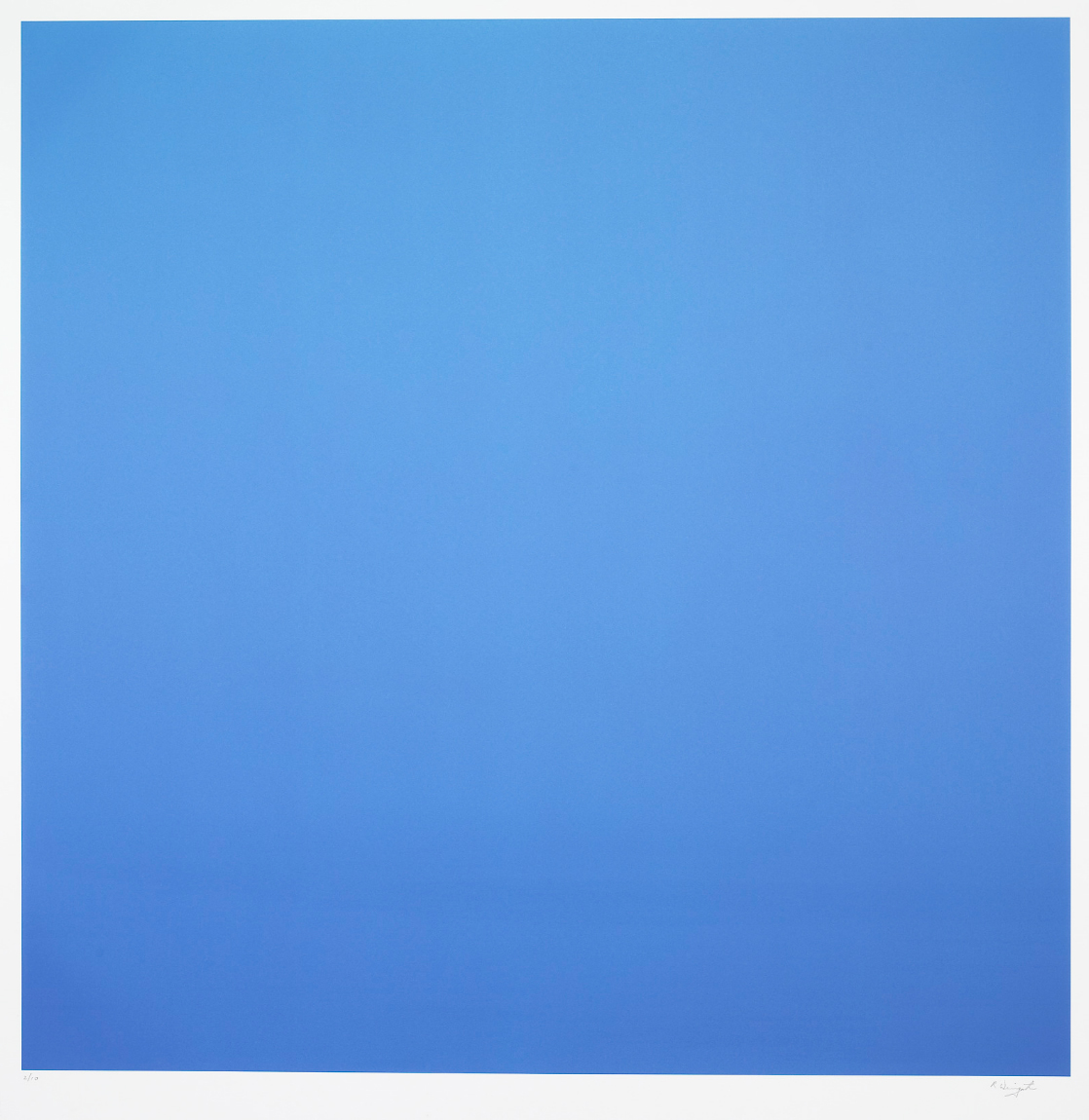
 

Robert Weingarten (American, b. 1941) '6:30 A.M. 10/06/03, #98, Malibu, CA' 2003


Robert Weingarten (American, b. 1941)
6:30 A.M. 10/06/03, #98, Malibu, CA
2003
Inkjet print
76.4 × 76.4cm (30 1/16 × 30 1/16 in.)
© Robert Weingarten
Gift of Alvin and Heidi Toffler


The horizon at dawn, looking southeast over Santa Monica Bay, from the artist’s home in Malibu.


The J. Paul Getty Museum
1200 Getty Center Drive
Los Angeles, California 90049

Opening hours:
Tuesday – Friday, Sunday 10am – 5.30pm
Saturday 10am – 8pm
Monday Closed

The J. Paul Getty Museum website

LIKE ART BLART ON FACEBOOK

Back to top

Exhibition: ‘W. Eugene Smith – Photographs A retrospective’ at Martin-Gropius-Bau, Berlin

Exhibition dates: 27th August – 27th November 2011


W. Eugene Smith (American, 1918-1978) 'Dance of the Flaming Coke' 1955


W. Eugene Smith (American, 1918-1978)
Dance of the Flaming Coke
1955
Gelatin silver print
20.6 x 33cm
Center for Creative Photography, University of Arizona: W. Eugene Smith Archive / Gift of the artist
© The Heirs of W. Eugene Smith, courtesy Black Star, Inc., New York


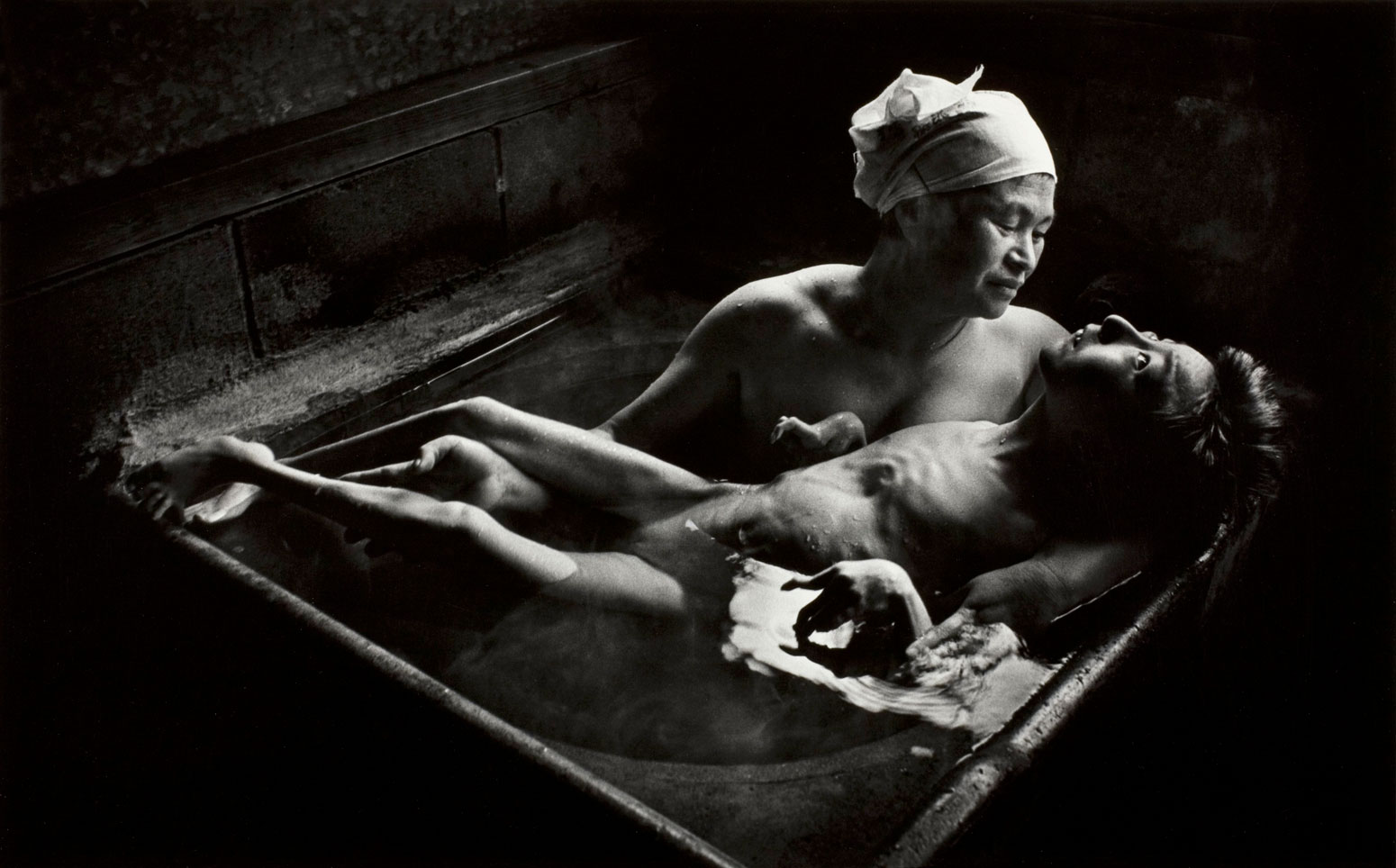
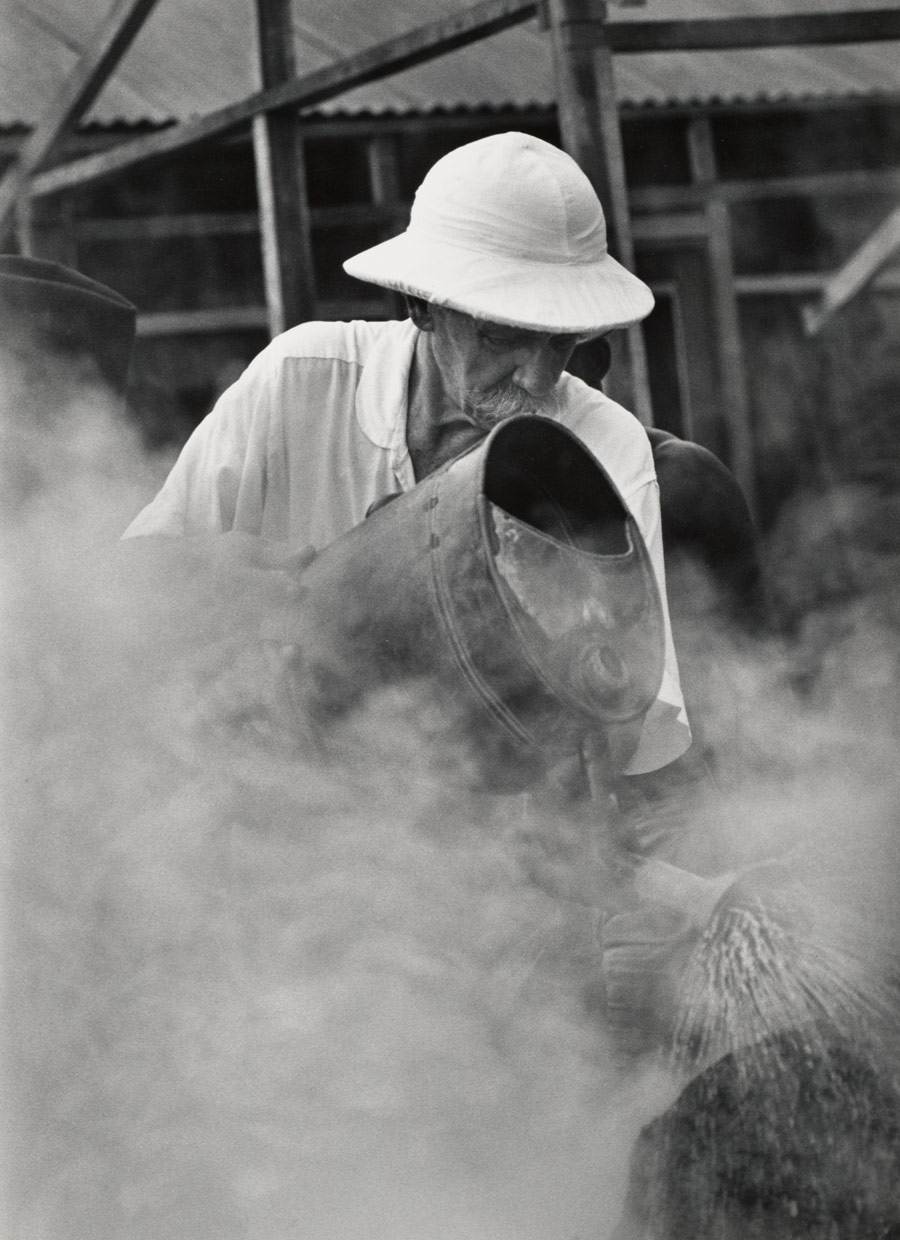
This man is legend. He created some of the most memorable and moving photographs in the history of the medium. Once seen, for example his seminal photograph Tomoko Uemura in Her Bath (1972, below), they are never forgotten. Look at the photographs, really look deeply at them. The compositions are flawless, peerless. Smith’s use of chiaroscuro makes his images sing and flow, like a Bach fugue. In spite of everything, “in spite of all the wars and all I had gone through that day, I wanted to sing a sonnet to life and to the courage to go on living it.”

Through that courage he left us a body of work that will live forever as masterpieces of the art of photography. Applause.

Dr Marcus Bunyan


Many thankx to the Martin-Gropius-Bau for allowing me to publish the photographs in the posting. Please click on the photographs for a larger version of the image.


W. Eugene Smith (American, 1918-1978) 'Albert Schweitzer, Aspen, Colorado' 1949


W. Eugene Smith (American, 1918-1978)
Albert Schweitzer, Aspen, Colorado
1949
Gelatin silver print
24.7 x 33.2cm
Center for Creative Photography, University of Arizona: W. Eugene Smith Archive / Gift of the artist
© The Heirs of W. Eugene Smith, courtesy Black Star, Inc., New York


W. Eugene Smith (American, 1918-1978) 'Guardia Civil, Spain' 1950


W. Eugene Smith (American, 1918-1978)
Guardia Civil, Spain
1950
Gelatin silver print
25.1 x 32.1cm
Center for Creative Photography, University of Arizona: W. Eugene Smith Archive / Gift of the artist
© The Heirs of W. Eugene Smith, courtesy Black Star, Inc., New York


W. Eugene Smith (American, 1918-1978) 'The Wake' 1950


W. Eugene Smith (American, 1918-1978)
The Wake
1950
Gelatin silver print
22.2 x 33.1cm
Center for Creative Photography, University of Arizona: W. Eugene Smith Archive / Gift of the artist
© The Heirs of W. Eugene Smith, courtesy Black Star, Inc., New York


W. Eugene Smith (American, 1918-1978) 'Steel Mill Worker, Pittsburgh' 1955


W. Eugene Smith (American, 1918-1978)
Steel Mill Worker, Pittsburgh
1955
Gelatin silver print
15.1 x 21.5cm
Center for Creative Photography, University of Arizona: W. Eugene Smith Archive / Gift of the artist
© The Heirs of W. Eugene Smith, courtesy Black Star, Inc., New York


W. Eugene Smith (American, 1918-1978) 'Untitled' 1954


W. Eugene Smith (American, 1918-1978)
Untitled
1955
Gelatin silver print
22.2 x 34cm
Center for Creative Photography, University of Arizona: W. Eugene Smith Archive / Gift of the artist
© The Heirs of W. Eugene Smith, courtesy Black Star, Inc., New York


W. Eugene Smith (American, 1918-1978) 'Tomoko Uemura in Her Bath' 1972


W. Eugene Smith (American, 1918-1978)
Tomoko Uemura in Her Bath Minamata, Japan
1972
Gelatin silver print
Center for Creative Photography, University of Arizona: W. Eugene Smith Archive / Gift of the artist
© The Heirs of W. Eugene Smith, courtesy Black Star, Inc., New York


One of the most well-known photojournalists in the 20th century, Eugene Smith, with his wife at that time Aileen, took this photograph of Tomoko Uemura bathed by her mother, Ryoko. Tomoko was severally disabled, as a result of mercury poisoning, through her mother who ate fish caught in the nearby bay, contaminated by industrial wastewater from a chemical factory. The Smiths lived in a small fishng village in Southern Japan for four years, and documented the human victims and the natural environments destroyed by industrial pollution.

This photograph was carefully posed and lit by the photographers to create a composition similar to that of Michelangelo’s Pietà, a sculpture in which Mary holds the dead body of her son Jesus. The Smiths created the photograph as a tool to raise the public’s awareness of mercury poisoning and to help the victims’ fight against the polluting corporation and ultimately the Japanese government.

Text from the Minneapolis Institute of Art Collection website


W. Eugene Smith, who was born in 1918 in Wichita, Kansas, and died in 1978 in Tucson, Arizona, first made a name for himself as a politically and socially committed photojournalist in the USA in the 1940s. Many of his photographic reports appeared in Life, the leading picture magazine that had been launched in New York in 1936. Smith saw in photography more than just an illustration to a text and had often asked editors for a greater say in the composition of a photo-essay. His painstakingly researched and emotionally moving features set new standards of photojournalism in the 1940s and 1950s.

Smith had begun to take photographs as a fifteen-year-old, having been inspired by his mother, a keen amateur photographer. In 1936, following the suicide of his father as a result of the Great Crash, Smith initially enrolled at the University of Notre Dame, Indiana. But he dreamed of becoming a photographer and moved to New York, where he attended the New York Institute of Photography. He embarked on his professional career in 1937 as a photo reporter for Newsweek.

A year later he began to work as a freelance for the Black Star Agency, and his pictures appeared in Harper’s Bazaar, Collier’s, Time and Life. With Life he was to have a close association that went on for years.

When the USA found itself at war at the end of 1941 Smith initially took propaganda shots for the magazine Parade to support the American troops. Then, as a correspondent for Flying magazine, he took part in reconnaissance flights, taking photos from the air. In 1944 he was back on the staff of Life – this time as a war correspondent – documenting the battle of Saipan and the American landings on the islands of Iwo Jima and Okinawa. In the course of the fighting the style of his photos changed. Instead of being gung ho they tended to focus on the terrible sufferings of the civilian population and were shot in a way that involved the viewer emotionally. On 22 May 1945 Smith himself was seriously injured, forcing him to submit to a series of operations that went on until 1947.

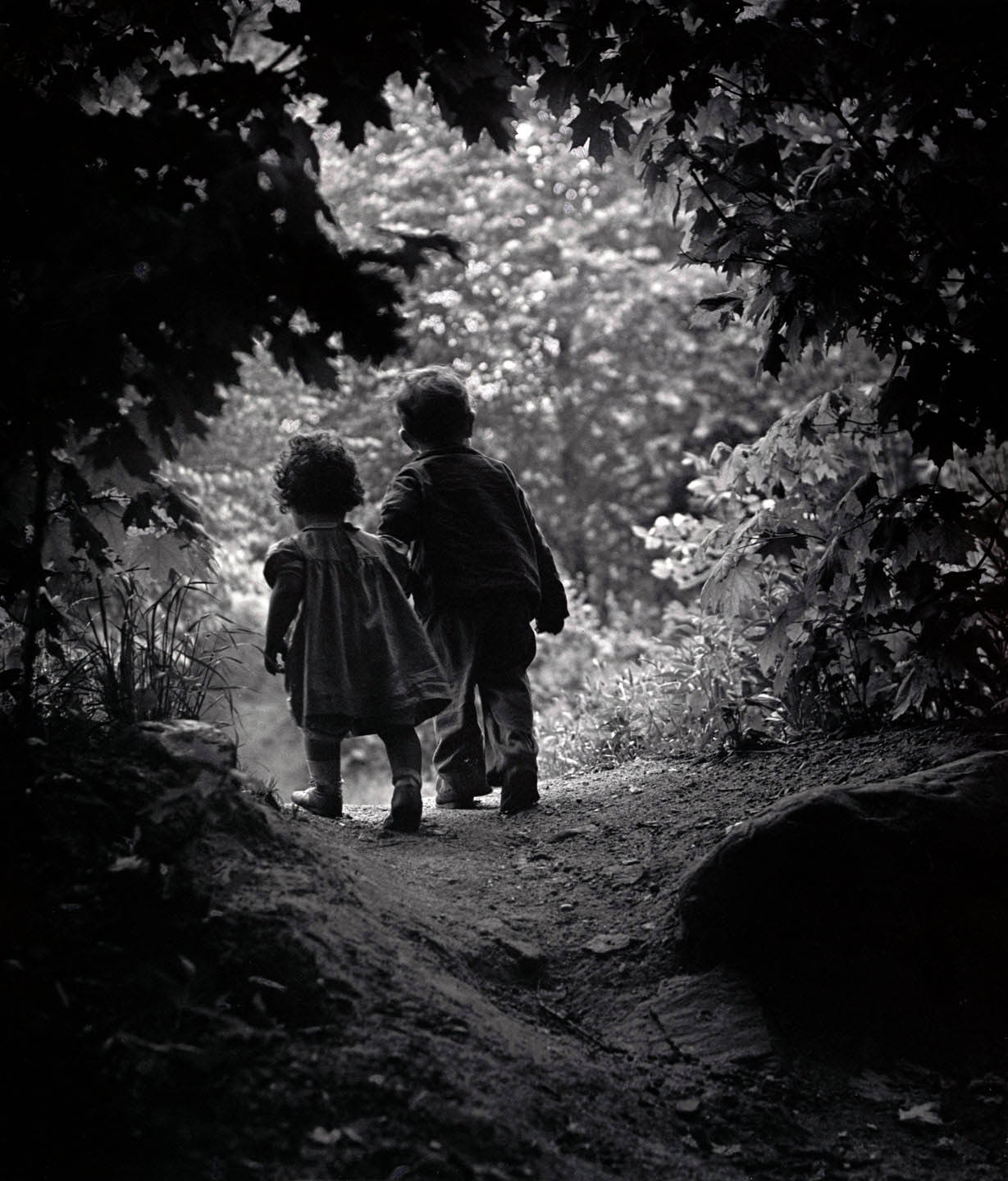
His new lease of life was symbolised by the first photograph he took after his wound. A Walk to Paradise Garden depicts his two youngest children walking towards a sun-bathed clearing. “While I followed my children into the undergrowth and the group of taller trees – how they were delighted at every little discovery! – and observed them, I suddenly realized that at this moment, in spite of everything, in spite of all the wars and all I had gone through that day, I wanted to sing a sonnet to life and to the courage to go on living it.” (1954)

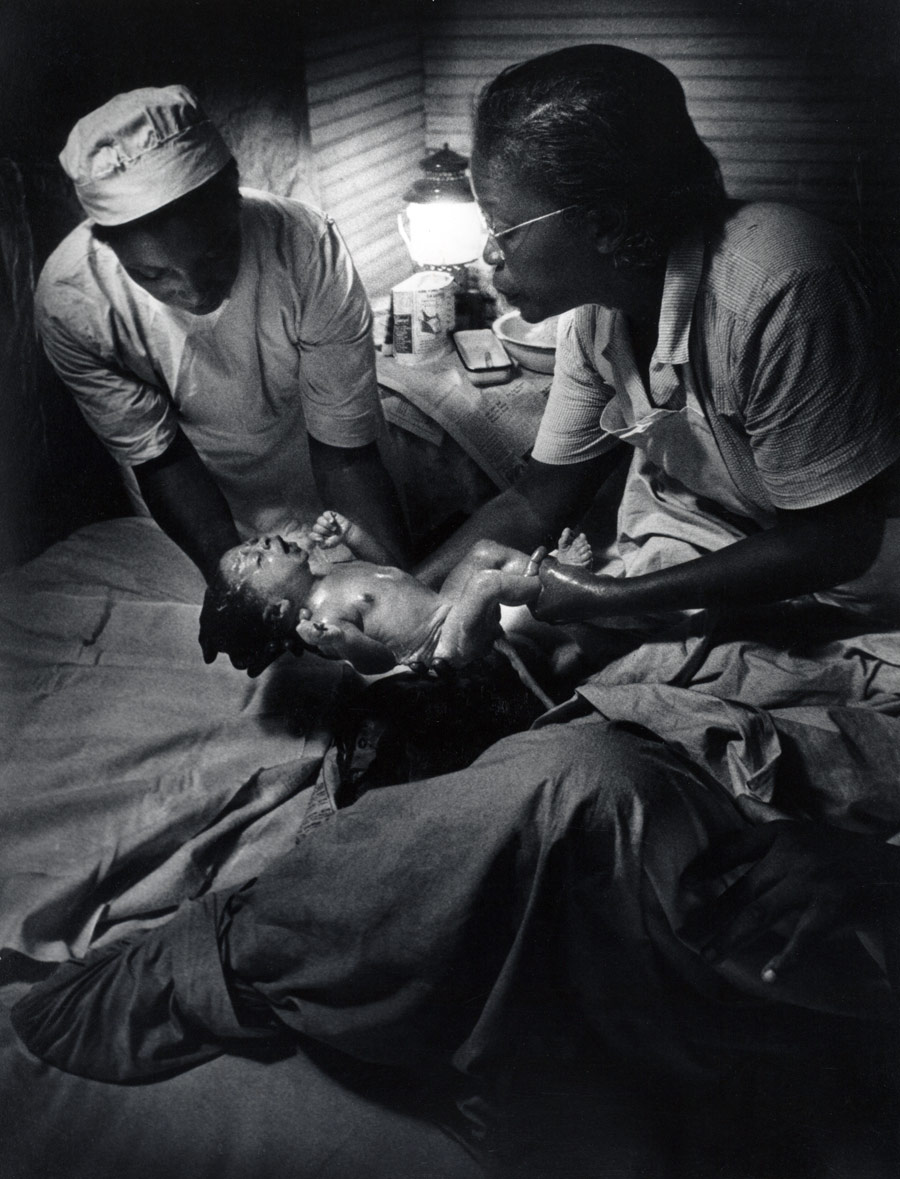
After his recovery he went back to work for Life again. Documentary features showing the dedicated work of ordinary people were particularly popular with readers. In The Country Doctor (1948) he accompanied a young country doctor from the Denver area on his rounds for several weeks. His report Nurse Midwife (1951) on the black midwife Maud Callen was produced against a background of racial discrimination and the brazen activities of the Ku Klux Klan in the Deep South. In developing the prints Smith adjusted the lighting so as to enhance the emotional atmosphere – during a birth, for example – and so arouse sympathy for the selfless efforts of the midwife. His social commitment, however, did not always meet with approval, as in the case of the unpublished report (1950) on the re-election campaign of Clement Attlee, the candidate of the British Labour Party.

Life intended the report to strengthen indirectly the position of the Conservatives by presenting the results of Attlee’s nationalisation policies in a critical light. Smith’s coverage, however, aroused sympathy for Attlee’s programme and the candidate himself. Smith had more success with his Spanish Village feature (1951). He wanted to convey an impression of living conditions under a fascist regime. After obtaining the necessary shooting permission, he spent two months studying the Spanish countryside before finally selecting a remote village in the Estremadura as his subject. Not a few of the photographs, with their chiaroscuro and clearly structured composition, are reminiscent of classical paintings and convey by means of this stylistic device a sense of the hardships but also the beauty of life there.

Smith’s feature on the work of Albert Schweitzer in Lambaréné was to be his last for Life whose refusal to give him a say in the selection and layout of pictures had become unacceptable, and he left the periodical after the appearance of his photo essay Albert Schweitzer – Man of Mercy in November 1955.

A career alternative offered itself in the shape of membership of Magnum, the photographers’ agency founded in 1947. Stefan Lorant commissioned Smith to do an extensive feature on the city of Pittsburgh and its iron foundries, which occupied him for the next few years and nearly exhausted his financial and personal resources. Instead of the 100 prints agreed with Lorant, there arose 13,000 shots out of which he wanted to compose an essay which would be entirely in line with his convictions. In 1958 88 photographs were published in Popular Photography’s Annual Guide, although the essay never appeared in its entirety.

In 1957 Smith, who was known for his excessive devotion to his work, had left his family and moved to 821 Sixth Avenue in New York. The house was visited and used for rehearsals by many well-known jazz musicians, and Smith, who was a passionate music lover, photographed and documented this creative milieu over the next few years, while also keeping an audio record on 1,740 tapes, which were only discovered among his posthumous effects in 1998. At the same time he photographed street scenes from his window while also working on the construction of a psychiatric clinic in Haiti.

In 1961 a commission from the Cosmos PR Agency to photograph the company Hitachi Ltd. took Smith to Japan for a year. This was followed in 1963 by a book which contrasted modern Japan with its deeply rooted traditions. A decade later he again turned to the forced modernisation of Japan and its grave consequences with a shocking series about the Minamata epidemic which had been triggered by the environmental pollution caused by the chemical concern Chisso, which had discharged mercurial waste into the sea near the town of Minamata. The Committee for the Defence of the Victims hired Smith to document the human and ecological dimensions of the catastrophe, and the photographer, who threw himself heart and soul into the project, moved with his second wife, Aileen Mioko Smith, to Minamata. In the course of his researches he was beaten up by company security guards and severely injured. The pictures he took, which appeared in Life and his book Minamata: A Warning to the World largely contributed to publicising the scandal.

By the early 1970s Smith’s photographic work was attracting the attention of museums. His photo A Walk to Paradise Garden had already been selected by Edward Steichen as a symbolic climax to the exhibition The Family of Man (1955), but it was not until 1971 that the first retrospective Let Truth Be the Prejudice was held in the Jewish Museum in New York. In 1977 Smith, by this time seriously ill, moved to Tucson, Arizona, to take up a teaching post at the university there in what was to be the last year of his life.

Text from the Martin-Gropius-Bau website


W. Eugene Smith (American, 1918-1978) 'A Walk to Paradise Garden' 1946


W. Eugene Smith (American, 1918-1978)
A Walk to Paradise Garden
1946
Gelatin silver print
Center for Creative Photography, University of Arizona: W. Eugene Smith Archive / Gift of the artist
© The Heirs of W. Eugene Smith, courtesy Black Star, Inc., New York


W. Eugene Smith (American, 1918-1978) 'Dr. Ernest Ceriani Following the Loss of a Mother and Child During Childbirth' 1948


W. Eugene Smith (American, 1918-1978)
Dr. Ernest Ceriani Following the Loss of a Mother and Child During Childbirth
1948
Gelatin silver print
28 x 20.2cm
Center for Creative Photography, University of Arizona: W. Eugene Smith Archive / Gift of the artist
© The Heirs of W. Eugene Smith, courtesy Black Star, Inc., New York


W. Eugene Smith (American, 1918-1978) 'Untitled' 1954


W. Eugene Smith (American, 1918-1978)
Untitled
1954
Gelatin silver print
33.5 x 23.6cm
Center for Creative Photography, University of Arizona: W. Eugene Smith Archive / Gift of the artist
© The Heirs of W. Eugene Smith, courtesy Black Star, Inc., New York


W. Eugene Smith (American, 1918-1978) 'The Spinner' 1950


W. Eugene Smith (American, 1918-1978)
The Spinner
1950
Gelatin silver print
32.4 x 23cm
Center for Creative Photography, University of Arizona: W. Eugene Smith Archive / Gift of the artist
© The Heirs of W. Eugene Smith, courtesy Black Star, Inc., New York


W. Eugene Smith (American, 1918-1978) 'Maude – Delivery' 1951


W. Eugene Smith (American, 1918-1978)
Maude – Delivery
1951
32.7 x 25cm
Gelatin silver print
Center for Creative Photography, University of Arizona: W. Eugene Smith Archive / Gift of the artist
© The Heirs of W. Eugene Smith, courtesy Black Star, Inc., New York


W. Eugene Smith (American, 1918-1978) 'Untitled' 1954


W. Eugene Smith (American, 1918-1978)
Untitled
1954
Gelatin silver print
34.6 x 25.2cm
Center for Creative Photography, University of Arizona: W. Eugene Smith Archive / Gift of the artist
© The Heirs of W. Eugene Smith, courtesy Black Star, Inc., New York


Martin-Gropius-Bau Berlin
Niederkirchnerstraße 7
Corner Stresemannstr. 110
10963 Berlin
Phone: +49 (0)30 254 86-0

Opening hours:
Wednesday to Monday 10 – 19 hrs
Tuesday closed

Martin-Gropius-Bau website

LIKE ART BLART ON FACEBOOK

Back to top
Exhibition: ‘Bare Witness: Photographs by Gordon Parks’ at the Phoenix Art Museum

Exhibition dates: 20th August – 6th November 2011


Many thankx to the Phoenix Art Museum for allowing me to publish the photographs in the posting. Please click on the photographs for a larger version of the image.


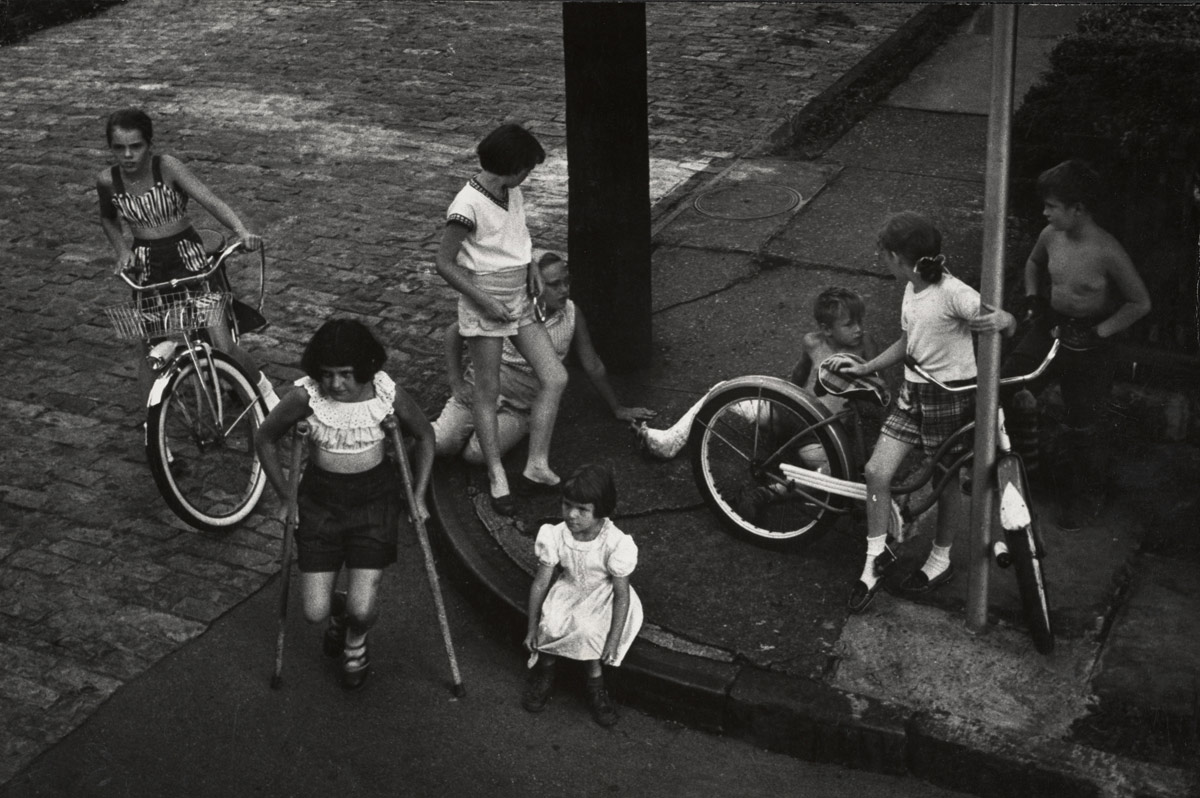
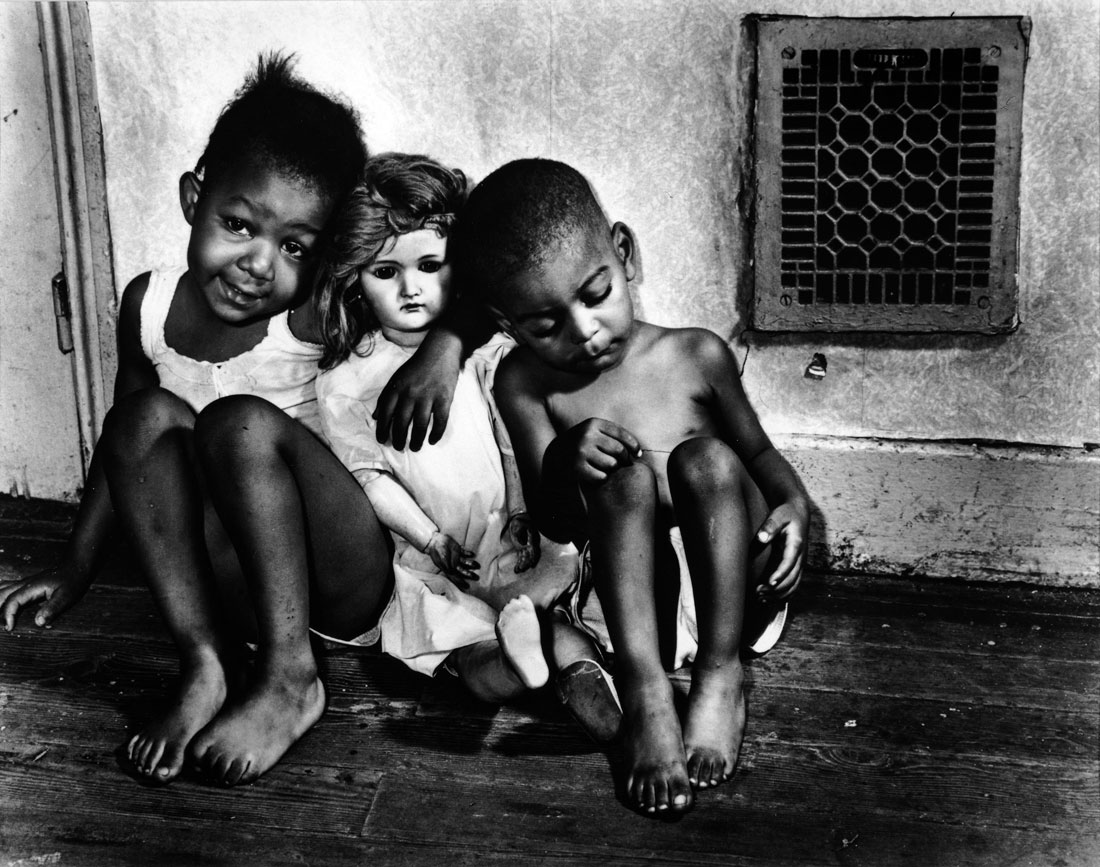
Gordon Parks (American, 1912-2006) 'Children with Doll (Ella Watson’s Grandchildren)' 1942


Gordon Parks (American, 1912-2006)
Children with Doll (Ella Watson’s Grandchildren)
1942
Gelatin silver print
11 x 14 inches
Lent by The Capitol Group Foundation
© 2006 The Gordon Parks Foundation


Gordon Parks (American, 1912-2006) 'Ingrid Bergman at Stromboli' 1949


Gordon Parks (American, 1912-2006)
Ingrid Bergman at Stromboli
1949
Gelatin silver print
16 x 20 inches
Lent by The Capitol Group Foundation
© 2006 The Gordon Parks Foundation


Gordon Parks (American, 1912-2006) 'Black Muslim Rally' New York, 1963


Gordon Parks (American, 1912-2006)
Black Muslim Rally
New York, 1963
Gelatin silver print
16 x 20 inches
Lent by The Capitol Group Foundation
© 2006 The Gordon Parks Foundation


Gordon Parks (American, 1912-2006) 'Alberto Giacometti, Paris' 1951


Gordon Parks (American, 1912-2006)
Alberto Giacometti, Paris
1951
Gelatin silver print
16 x 20 inches
Lent by The Capitol Group Foundation
© 2006 The Gordon Parks Foundation


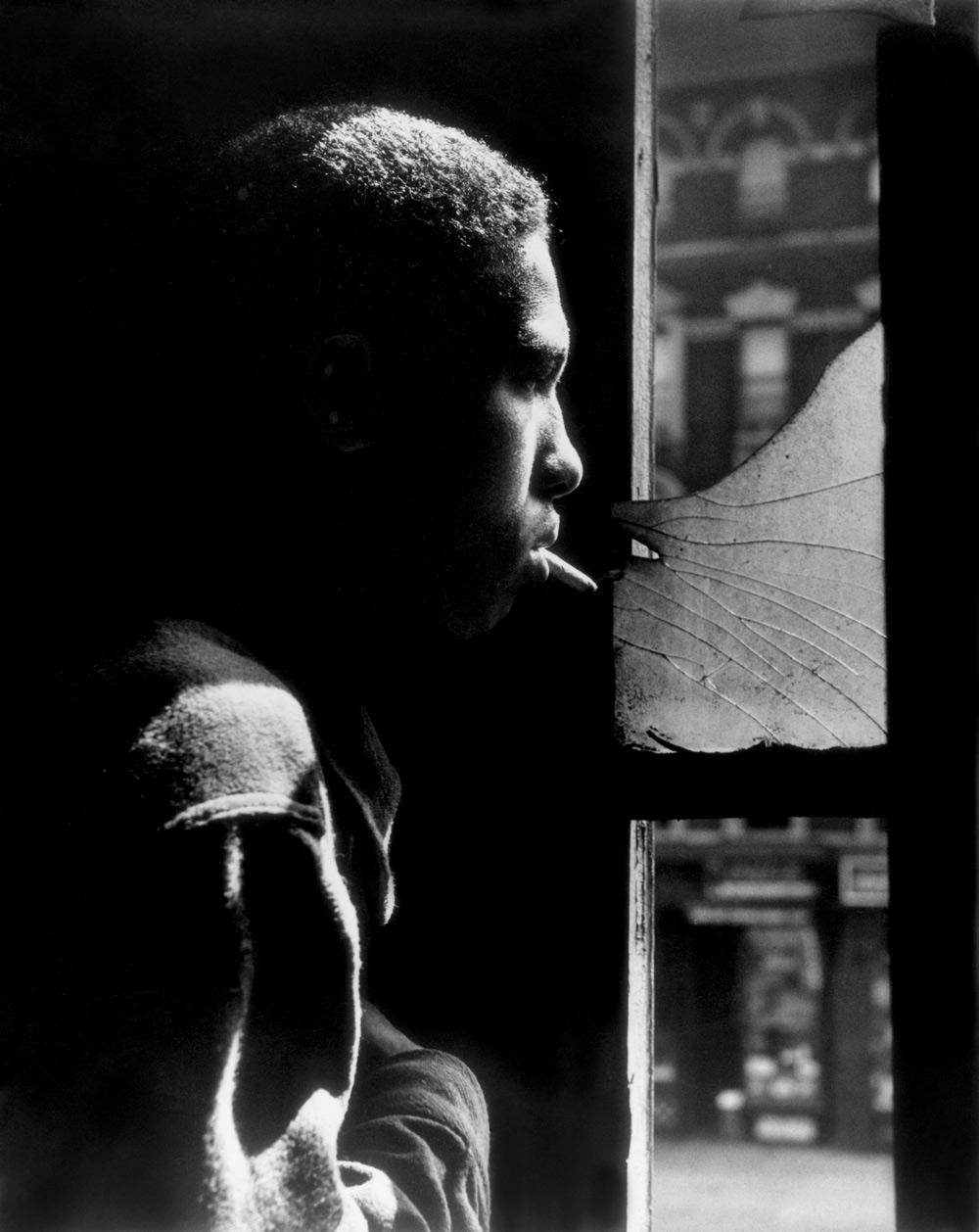
Gordon Parks spent the majority of his professional career at the crossroads of the glamorous and the ghetto – two extremes the noted photographer knew well.  Perhaps best recognised for his works chronicling the African-American experience, Parks was also an accomplished fashion photographer. Bare Witness: Photographs by Gordon Parks provides a revealing look at the diversity and breadth of Parks’s most potent imagery. Featuring 73 works specifically selected by Parks for the photographic collection of the Los Angeles-based Capital Group, Bare Witness divulges heart wrenching images, iconic moments, celebrities and slices of everyday life.

Born in 1912 in Fort Scott, Kansas, Parks, who died in 2006 at age 93, was an African American photographer who began working professionally in the 1930’s. Parks tackled the harsh truth and dignity of the black urban and rural poor in the United States. He photographed aspects of the Civil Rights movements and individuals associated with the Black Panthers and Black Muslims. For nearly 25 years, from 1948 to 1972, he served as staff photographer for Life magazine. He also established himself as a foremost fashion photographer, providing spreads for respected magazines such as Vogue.

Bare Witness features many of Parks’s most memorable images such as “American Gothic.” Taken during Parks’s brief time with the Farm Security Agency, the photograph depicts a black cleaning woman named Ella Watson standing stiffly in front of an American flag, a mop in one hand and a broom in the other. Also included in the exhibition is a series of photos from Parks’s most famous Life magazine essay about Flavio da Silva, a malnourished and asthmatic boy living in a Rio de Janerio slum. Portraits of Muhammad Ali, Duke Ellington, Alexander Calder, Ingrid Bergman, Langston Hughes and Malcolm X among others will also be on view.

“Whether photographing celebrities or common folk, children or the elderly, Harlem gang leaders or fellow artists, Parks brought his straightforward, sympathetic ear and mind to bear witness to late 20th century civilisation,” commented Hilarie Faberman, the Robert M. and Ruth L. Halperin Curator of Modern and Contemporary Art at Cantor Arts Center and organiser of the exhibition. “His photographs balance the dichotomies of black and white, rich and poor, revealing his strengths and struggles as an artist and a man.”

In addition to his documentary and fashion photography, Parks was a filmmaker, author, musician and publisher. He was the first black artist to produce and direct a major Hollywood film, “The Learning Tree” in 1969, which was based on his early life experiences. He subsequently directed the popular action films “Shaft” and “Shaft’s Big Score.” He was a founder and editorial director of Essence magazine and wrote several autobiographies, novels and poems. In 1988, he received the National Medal of Arts award and throughout his lifetime was the recipient of 40 honorary doctorates from colleges and universities in the United States and England.

“Parks was a renaissance man whose career embodied the American ideal of equality and whose art was deeply personal. This exhibition is an exciting opportunity for Museum visitors to experience the poignant images he made over five decades,” commented Rebecca Senf, Norton Curator of Photography, Phoenix Art Museum.

The exhibition includes an illustrated catalogue with an essay by photography scholar Maren Stange who writes frequently on modern American culture. This exhibition has already enjoyed a five-venue tour, where the photographs were received with great excitement. The exhibition has been revived for a final showing at the Phoenix Art Museum. Bare Witness: Photographs by Gordon Parks was organised by the Iris & B. Gerald Cantor Center for Visual Arts at Stanford University. The exhibition and its accompanying catalogue are made possible by generous support from The Capital Group Foundation, the Cantor Arts Center’s Hohbach Family Fund, and Cantor Arts Center’s Members.

Press release from the Phoenix Museum of Art website


Gordon Parks (American, 1912-2006) 'American Gothic' 1942


Gordon Parks (American, 1912-2006)
American Gothic
1942
Gelatin silver print
24 x 20 inches
Lent by The Capitol Group Foundation
© 2006 The Gordon Parks Foundation


Gordon Parks (American, 1912-2006) 'Red Jackson, Harlem' 1948


Gordon Parks (American, 1912-2006)
Red Jackson, Harlem
1948
Gelatin silver print
Lent by The Capitol Group Foundation
© 2006 The Gordon Parks Foundation


Gordon Parks (American, 1912-2006) 'Mrs. Jefferson, Fort Scott' 1949


Gordon Parks (American, 1912-2006)
Mrs. Jefferson, Fort Scott
1949
Gelatin silver print
20 x 16 inches
Lent by The Capitol Group Foundation
© 2006 The Gordon Parks Foundation


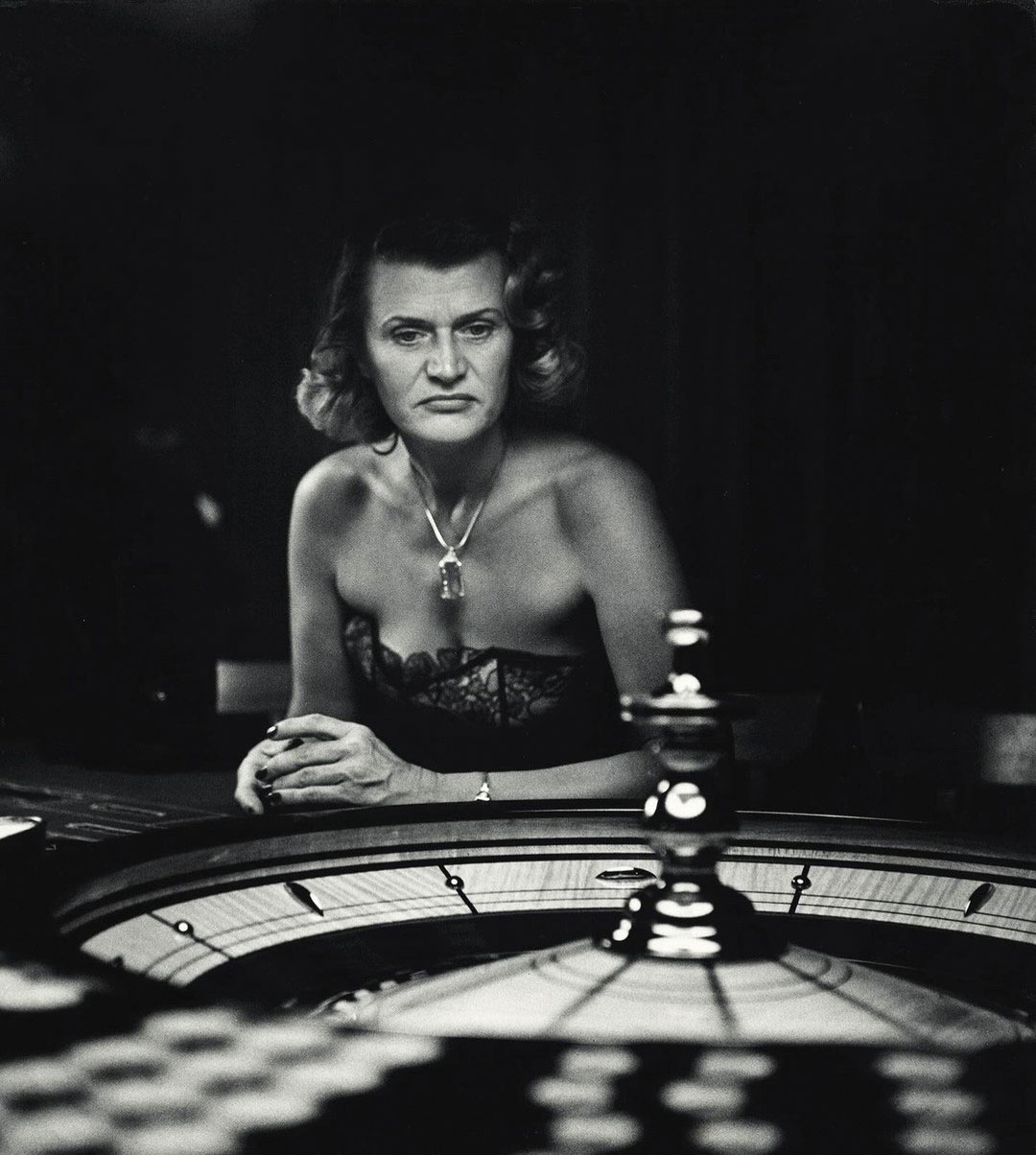
Gordon Parks (American, 1912-2006) 'A Gambling Woman, Caribe Hilton Hotel, San Juan, Puerto Rico' December 1949


Gordon Parks (American, 1912-2006)
A Gambling Woman, Caribe Hilton Hotel, San Juan, Puerto Rico
December 1949
Gelatin silver print
20 x 16 inches
Lent by The Capitol Group Foundation
© 2006 The Gordon Parks Foundation


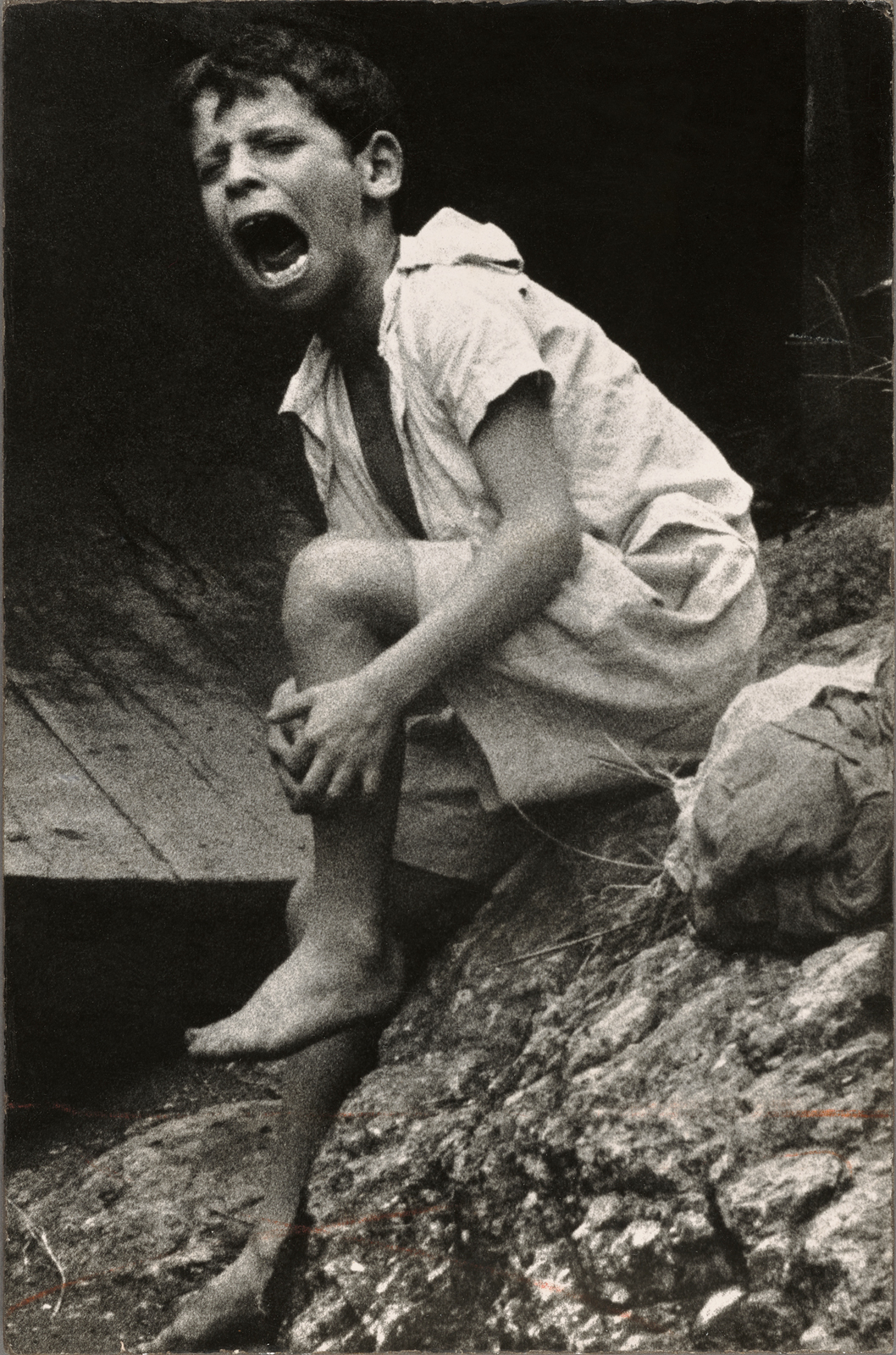
Gordon Parks (American, 1912-2006) 'Mário da Silva, Crying after Being Bitten by Dog, Rio de Janeiro, Brazil' 1961


Gordon Parks (American, 1912-2006)
Mário da Silva, Crying after Being Bitten by Dog, Rio de Janeiro, Brazil
1961
Gelatin silver print
14 x 11 inches
Lent by The Capitol Group Foundation
© 2006 The Gordon Parks Foundation


Gordon Parks (American, 1912-2006) 'Malcolm X at Rally, Chicago, Illinois' 1963


Gordon Parks (American, 1912-2006)
Malcolm X at Rally, Chicago, Illinois
1963
From the series Chicago Muslim Story (1963)
Gelatin silver print
Lent by The Capitol Group Foundation
© 2006 The Gordon Parks Foundation


Gordon Parks relocated from Minnesota to Chicago’s South Side in 1940, immersing himself in the local art community while operating a portrait studio out of the South Side Community Art Center. In 1941 he was awarded a Rosenwald Fellowship for a portfolio of photographs he created on the South Side; the award gave him the means to move east to Washington, DC. By 1948 Life magazine hired him as its first African American staff photographer.

In 1963 Parks returned to Chicago on assignment for Life to report on the Nation of Islam, newly headquartered in the city. Parks gained unprecedented access to this radical civil rights movement through his friendship with Malcolm X, who arranged a meeting with Elijah Muhammad, the group’s leader, so that Parks could obtain permission to proceed with the story. Parks spent weeks with the Black Muslim community, documenting a range of its activities – from self-defense training to religious services led by Malcolm X.

Parks’s photo-essay ran in the May 31, 1963, issue of Life, along with an essay by Parks that reflects on his dual status as insider and outsider. The text begins with his return to Chicago after nearly a decade and his memories of “the hopelessness that seeped into the black souls of that jungle.” Parks goes on to describe his current position: “I was a Black Man in White Man’s clothing, sent by the very ‘devils’ [Elijah Muhammad] criticized so much… . I wondered whether or not my achievements in the white world had cost me a certain objectivity.” He concludes, “I sympathize with much of what they say, but I also disagree with much of what they say… . Nevertheless, I acknowledge that the circumstance of common struggle has willed us brothers.”

Text from the Art Institute of Chicago website 


Gordon Parks (American, 1912-2006) 'Muhammad Ali' c. 1970


Gordon Parks (American, 1912-2006)
Muhammad Ali
c. 1970
Gelatin silver print
24 x 20 inches
Lent by The Capitol Group Foundation
© 2006 The Gordon Parks Foundation


Gordon Parks (American, 1912-2006) 'Muhammad Ali' 1970


Gordon Parks (American, 1912-2006)
Muhammad Ali
1970
Cibachrome
20 x 16 inches
Lent by The Capitol Group Foundation
© 2006 The Gordon Parks Foundation


Phoenix Art Museum
McDowell Road & Central Avenue
1625 N. Central Avenue
Phoenix, AZ 85004

Opening hours:
Monday Closed
Tuesday Closed
Wednesday 10am – 9pm
Thursday – Sunday 10am – 5pm

Phoenix Art Museum website

LIKE ART BLART ON FACEBOOK

Back to top
Exhibition: ‘Hiroshi Sugimoto’ at The Scottish National Gallery of Modern Art, Edinburgh

Presented by the Scottish National Gallery of Modern Art and the Edinburgh International Festival
Exhibition dates: 4th August – 25th September 2011


Many thankx to the Scottish National Gallery of Modern Art for allowing me to publish the photographs in the posting. Please click on the photographs for a larger version of the image.


Hiroshi Sugimoto (Japanese, b. 1948) 'A Stem of Delicate Leaves of an Umbrellifer, circa 1843-1846' 2009


Hiroshi Sugimoto (Japanese, b. 1948)
A Stem of Delicate Leaves of an Umbrellifer, circa 1843-1846
2009
Toned gelatin silver print
93.7 x 74.9cm
© Hiroshi Sugimoto


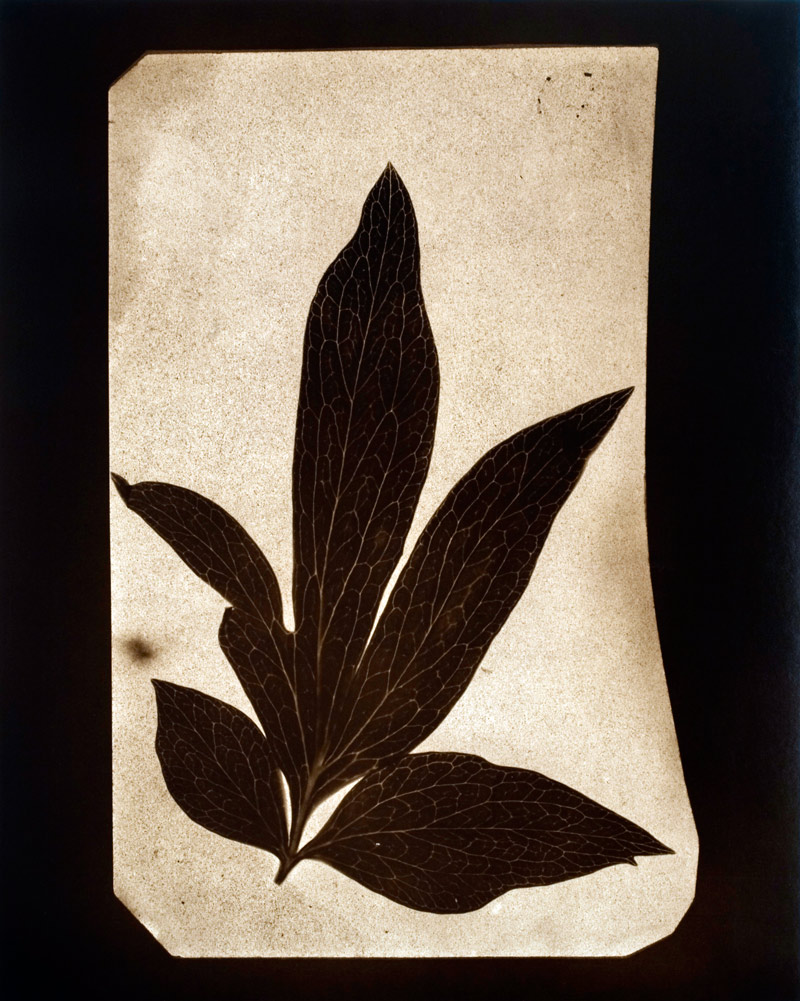
Hiroshi Sugimoto (Japanese, b. 1948) 'Leaves of Paeony, June 1839' 2009


Hiroshi Sugimoto (Japanese, b. 1948)
Leaves of Paeony, June 1839
2009
Toned gelatin silver print
93.7 x 74.9cm
© Hiroshi Sugimoto


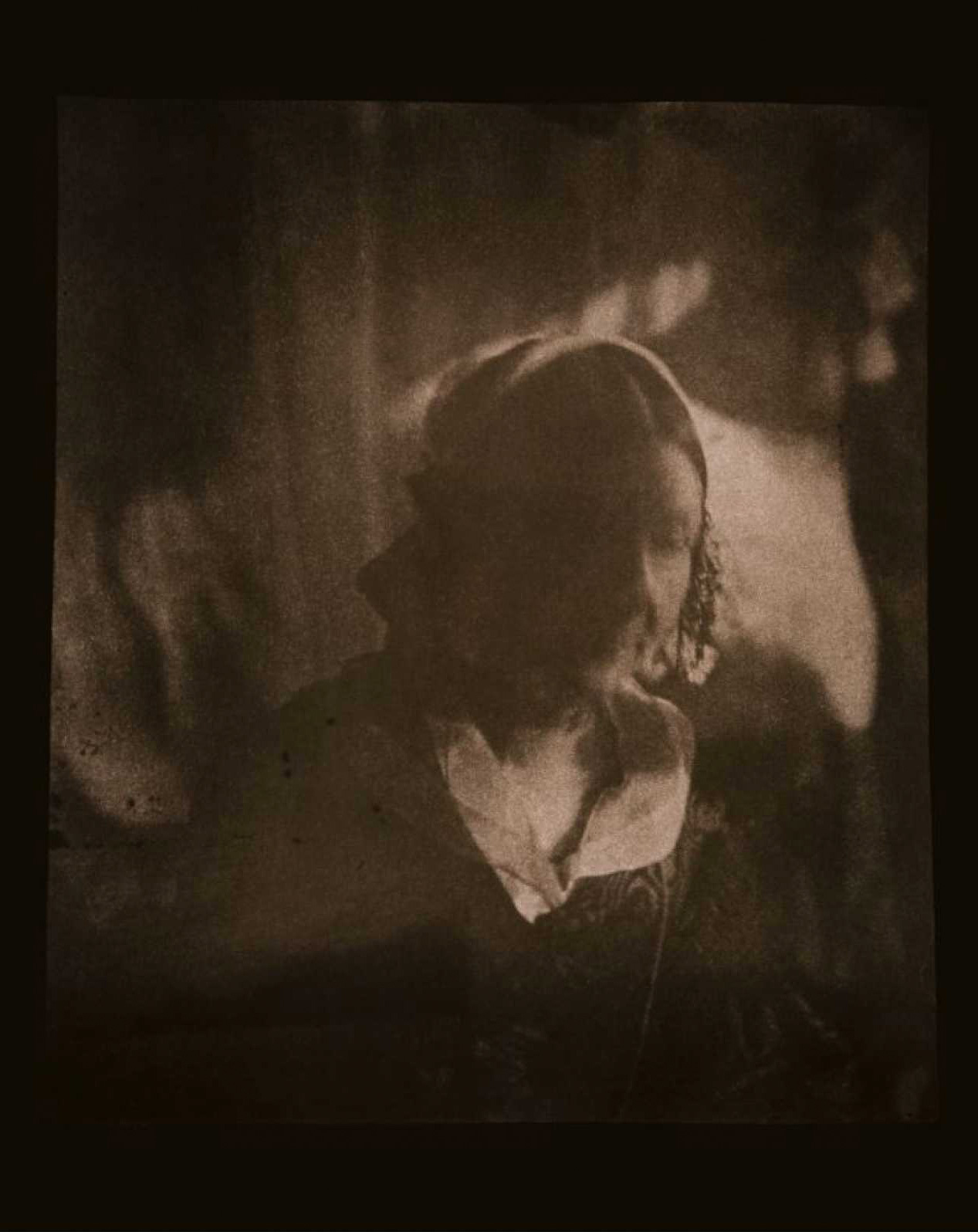
Hiroshi Sugimoto (Japanese, b. 1948) 'Louisa Gallwey and Horatia Feilding, at Lacock Abbey, August 29, 1842' 2009


Hiroshi Sugimoto (Japanese, b. 1948)
Louisa Gallwey and Horatia Feilding, at Lacock Abbey, August 29, 1842
2009
Toned gelatin silver print
93.7 x 74.9cm
© Hiroshi Sugimoto


Hiroshi Sugimoto (Japanese, b. 1948) 'Wild Fennel, circa 1841-1842' 2009


Hiroshi Sugimoto (Japanese, b. 1948)
Wild Fennel, circa 1841-1842
2009
Toned gelatin silver print
93.7 x 74.9cm
© Hiroshi Sugimoto


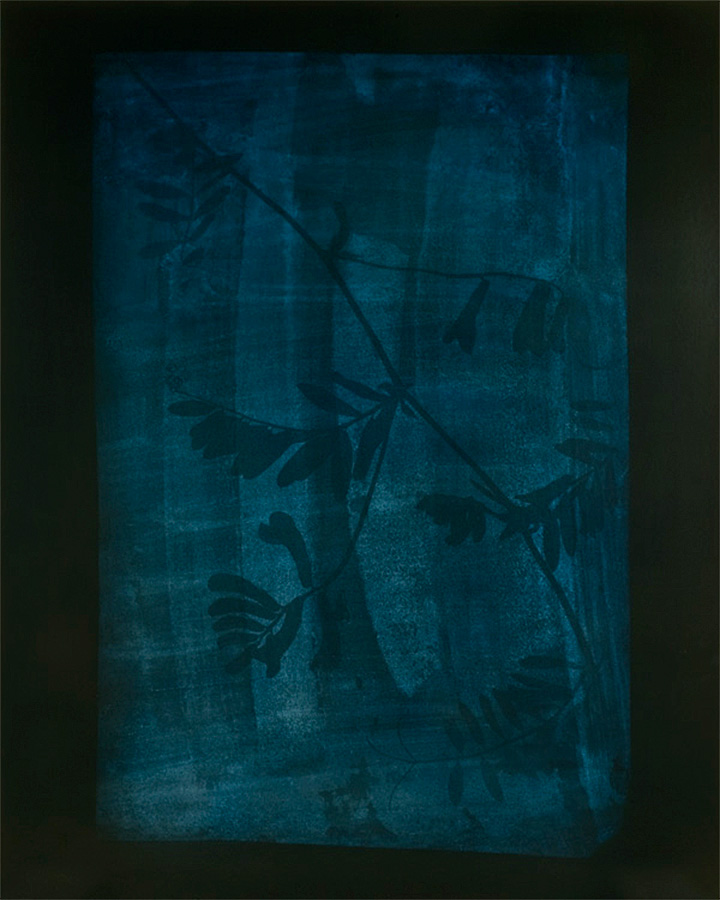
Hiroshi Sugimoto (Japanese, b. 1948) 'Stem of Leaves and Flowers, circa 1834-1839' 2008


Hiroshi Sugimoto (Japanese, b. 1948)
Stem of Leaves and Flowers, circa 1834-1839
2008
Toned gelatin silver print
93.7 x 74.9cm
© Hiroshi Sugimoto


Hiroshi Sugimoto (Japanese, b. 1948) 'Believed to be Mlle. Amélina Petit, Talbot Family Governess circa 1840-1841' 2008


Hiroshi Sugimoto (Japanese, b. 1948)
Believed to be Mlle. Amélina Petit, Talbot Family Governess circa 1840-1841
2008
Toned gelatin silver print
93.7 x 74.9cm
© Hiroshi Sugimoto


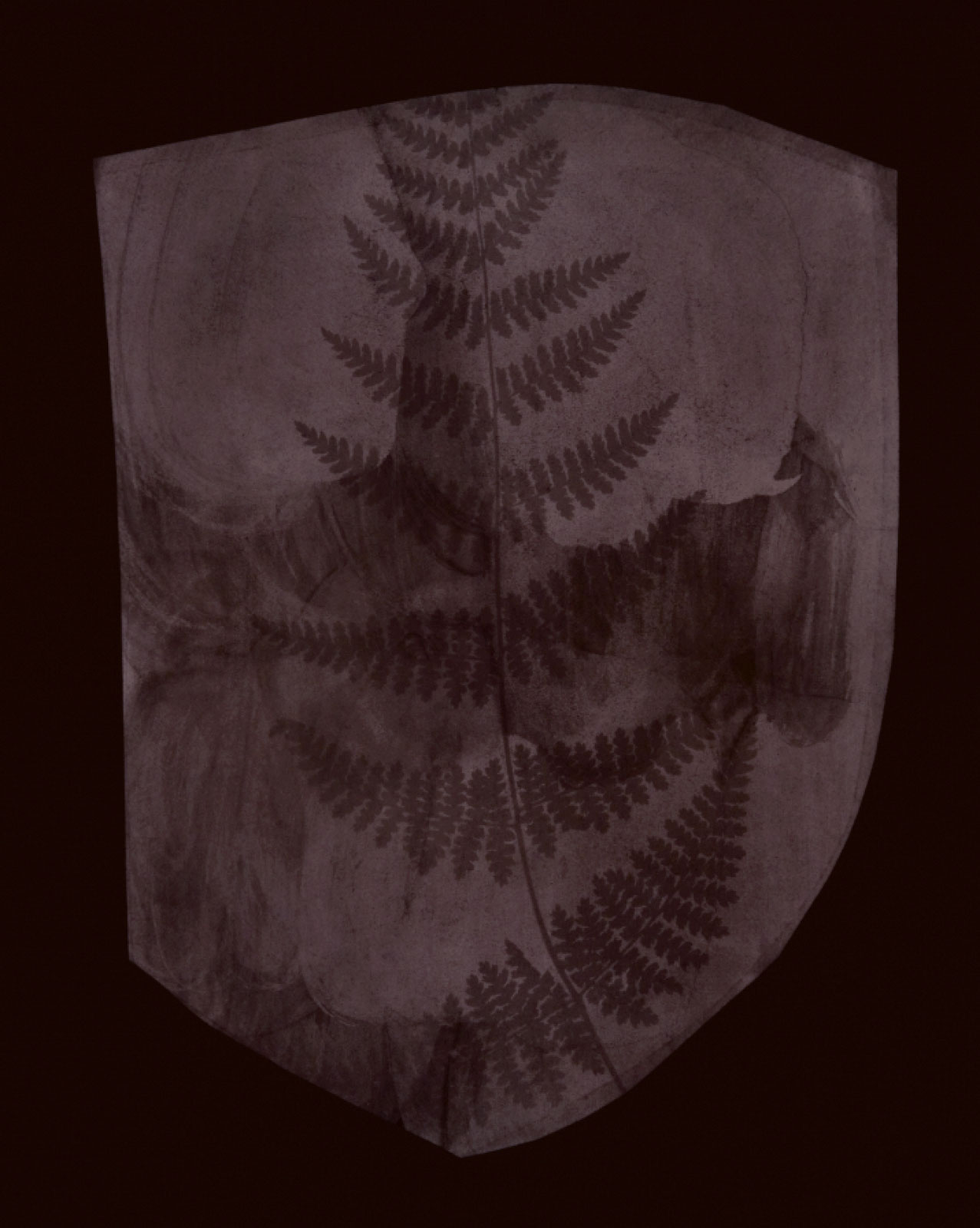
Hiroshi Sugimoto (Japanese, b. 1948) 'Buckler Fern 1839 or earlier' 2008


Hiroshi Sugimoto (Japanese, b. 1948)
Buckler Fern 1839 or earlier
2008
Toned gelatin silver print
93.7 x 74.9cm
© Hiroshi Sugimoto


The Scottish National Gallery of Modern Art and the Edinburgh International Festival are delighted to announce a major new exhibition of one of the world’s leading artists, the renowned Japanese photographer Hiroshi Sugimoto. Consisting entirely of works which are being shown in Europe for the first time, this exhibition will feature 26 large-scale works from two of Sugimoto’s most recent, and visually poetic series, Lightning Fields and Photogenic Drawings. This revelatory exhibition will allow audiences to experience first hand Sugimoto’s exploration of the very nature of photography. The show has been extended by one week and will now run until 25 September instead of the 18 September as previously published.

Simon Groom, Director of Modern and Contemporary Art, National Galleries of Scotland said: “Sugimoto has developed an international reputation for the sheer beauty of his images, which are as thought-provoking as they are technically stunning. We are thrilled to be premiering work from his newest series in Europe, which demonstrates a master at the very top of his game, and are delighted to be working again in partnership with Edinburgh International Festival to bring the very best of contemporary visual art to Scotland.”

Jonathan Mills, Edinburgh International Festival Director added: “Hiroshi Sugimoto’s extraordinary work presented at the Scottish National Gallery of Modern Art is an exciting part of Festival 2011’s exploration of contemporary and classical Asian artists and their long influence on artists in the West. These are stunning images created in fascinating ways and I urge people to engage with this exhibition as part of their Festival experience.”

Hiroshi Sugimoto was born in Tokyo in 1948 and now divides his time between Japan and his studio in New York. He has exhibited extensively in major museums and galleries throughout the world, including the Museum of Contemporary Art in Los Angeles; the Museum of Modern Art and the Metropolitan Museum of Art, New York; Deutsche Guggenheim, Berlin; the Serpentine Gallery, London; and the Fondation Cartier pour l’Art Contemporain, Paris. In 2009 he was awarded the Praemium Imperiale, an arts prize awarded by the imperial family of Japan on behalf of the Japan Art Association. His image, Boden Sea, Uttwil (1993) featured on the cover of No Line on the Horizon, the 2009 album by Irish rock band U2.

The Photogenic Drawings series was inspired by the innovative techniques of the 19th century photographer, Henry Fox Talbot. This pioneering artist invented ‘photogenic drawings’ by using light-sensitive paper to produce a negative in the early experimental days of photography. This process was especially influential in Scotland shaping the careers of Robert Adamson and David Octavius Hill, who went on to become one of the most famous collaborations in photographic history. Sugimoto has spent several years locating and acquiring Fox Talbot’s rare and vulnerable negatives from which to make his own photographs. The small scale of Fox Talbot’s work has been greatly enlarged by Sugimoto to reveal images that are haunting, almost painterly in their evocative power.

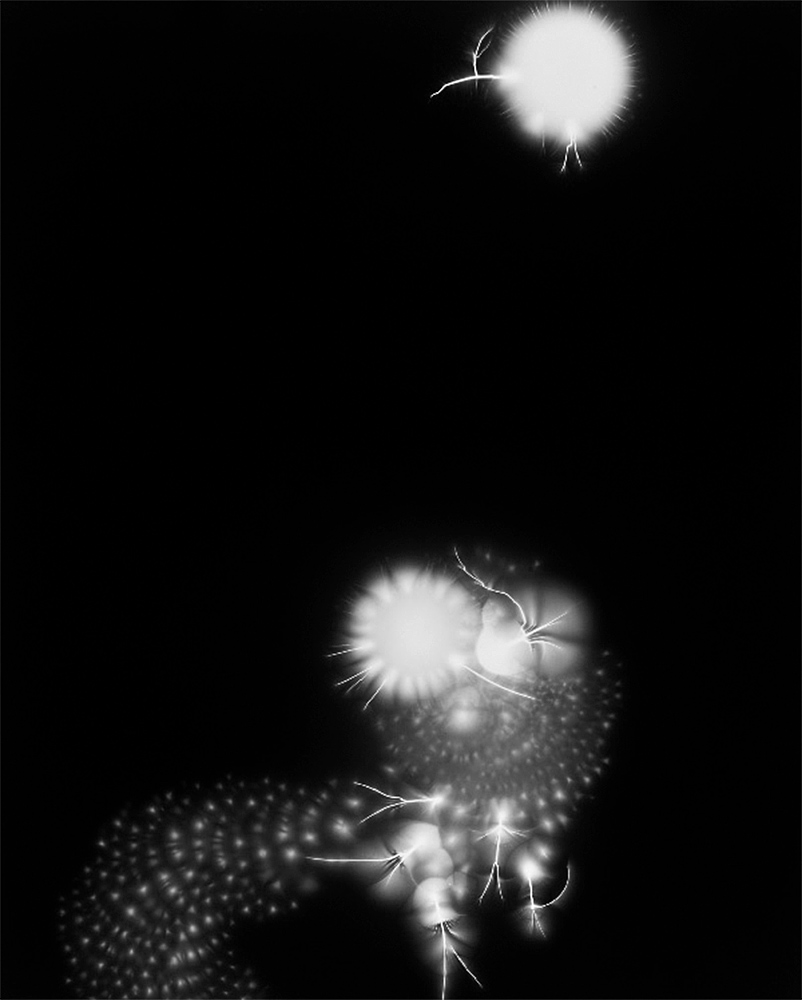
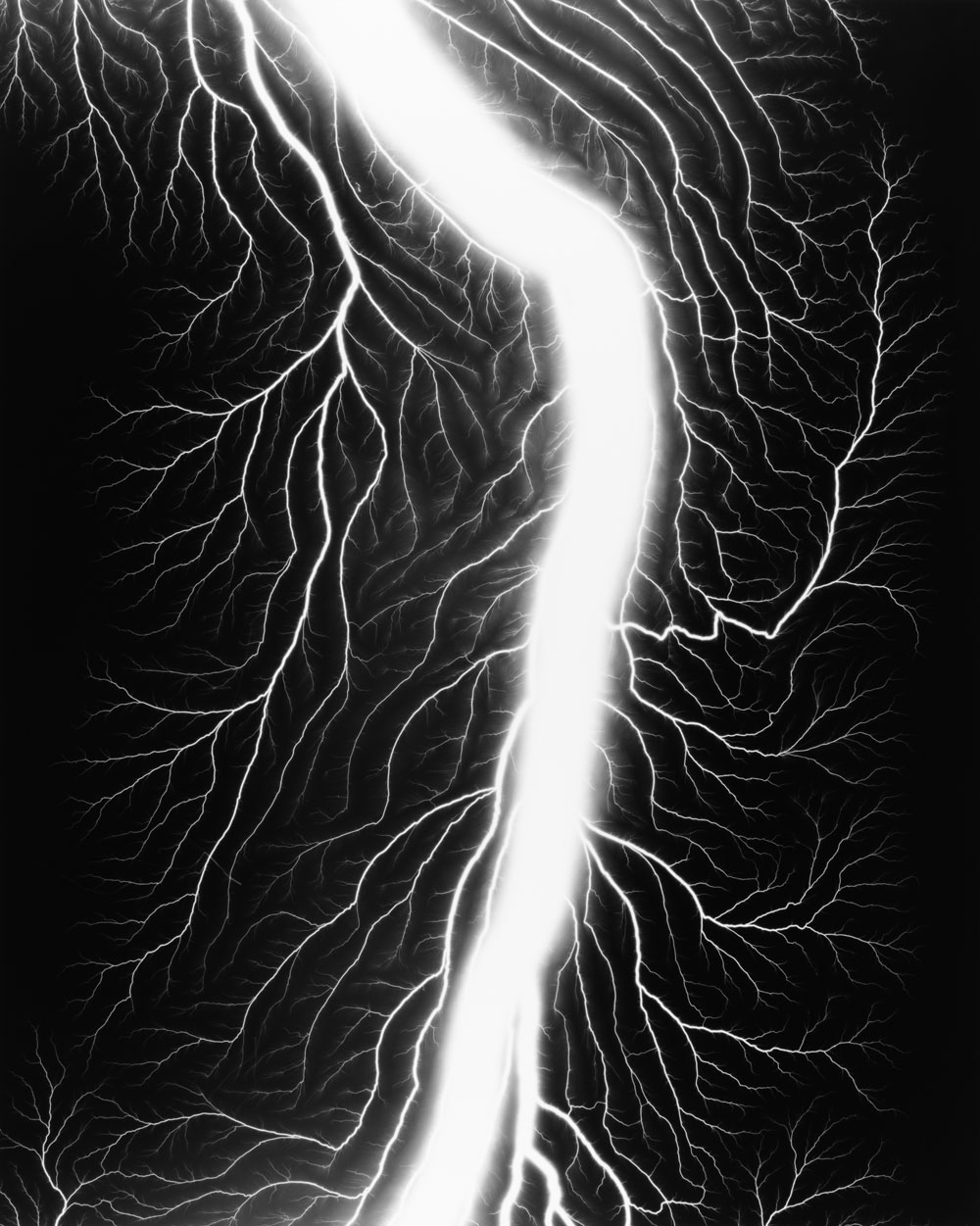
Lightning Fields is a series of dramatic and spectacular photographs produced through the play of violent electrical discharges on photographic film. Sugimoto moved his studio six times in an attempt to overcome a problem of static electricity which would often ruin his photographs with their tell-tale white flashes on the finished image. He decided to investigate further the phenomenon and to make ‘an ally of my nemesis’. Eventually, rather than try to suppress the random acts of nature, Sugimoto found ways to generate them by using a Van de Graaf Generator to induce electrical charges on the film. His large photographs expose in minute detail the remarkable effects of light particles not visible to the human eye. The results offer a fascinating range of interpretations, from powerful lightning strikes to images of weird and wonderful life forms.

This exhibition will be complemented by Towards the Light, a free display of prints from the National Galleries of Scotland collection that will examine the influence of 19th century Japanese colour woodcuts on artists working in Britain and Japan during the first decades of the 20th century. 19th century Japanese prints will feature as well as prints by artists using traditional colour woodcut techniques in the 1920s and 30s.

Press release from the Scottish National Gallery of Modern Art website


Hiroshi Sugimoto (Japanese, b. 1948) 'Lightning Fields 168' 2009


Hiroshi Sugimoto (Japanese, b. 1948)
Lightning Fields 168
2009
Gelatin silver print
149 x 119.4cm
© Hiroshi Sugimoto


Hiroshi Sugimoto (Japanese, b. 1948) 'Lightning Fields 138' 2009


Hiroshi Sugimoto (Japanese, b. 1948)
Lightning Fields 138
2009
Gelatin silver print
149 x 119.4cm
© Hiroshi Sugimoto


Hiroshi Sugimoto (Japanese, b. 1948) 'Lightning Fields 190' 2009


Hiroshi Sugimoto (Japanese, b. 1948)
Lightning Fields 190
2009
Gelatin silver print
149 x 119.4cm
© Hiroshi Sugimoto


Hiroshi Sugimoto (Japanese, b. 1948) 'Lightning Fields 226' 2009


Hiroshi Sugimoto (Japanese, b. 1948)
Lightning Fields 226
2009
Gelatin silver print
149 x 119.4cm
© Hiroshi Sugimoto


Hiroshi Sugimoto (Japanese, b. 1948) 'Lightning Fields 236' 2009


Hiroshi Sugimoto (Japanese, b. 1948)
Lightning Fields 236
2009
Gelatin silver print
149 x 119.4cm
© Hiroshi Sugimoto


Scottish National Gallery of Modern Art
75 Belford Road, Edinburgh, EH4 3DR
Phone: 0131 6246 6200

Opening hours:
Open Daily 10am – 5pm

Scottish National Gallery of Modern Art website

LIKE ART BLART ON FACEBOOK

Back to top
Exhibition: ‘The Photographs of Ray K. Metzker’ at The Nelson-Atkins Museum of Art, Kansas City, Missouri

Exhibition dates: 15th January – 5th June, 2011


Many thankx to The Nelson-Atkins Museum of Art for allowing me to publish the photographs in the posting. Please click on the photograph for a larger version of the image.


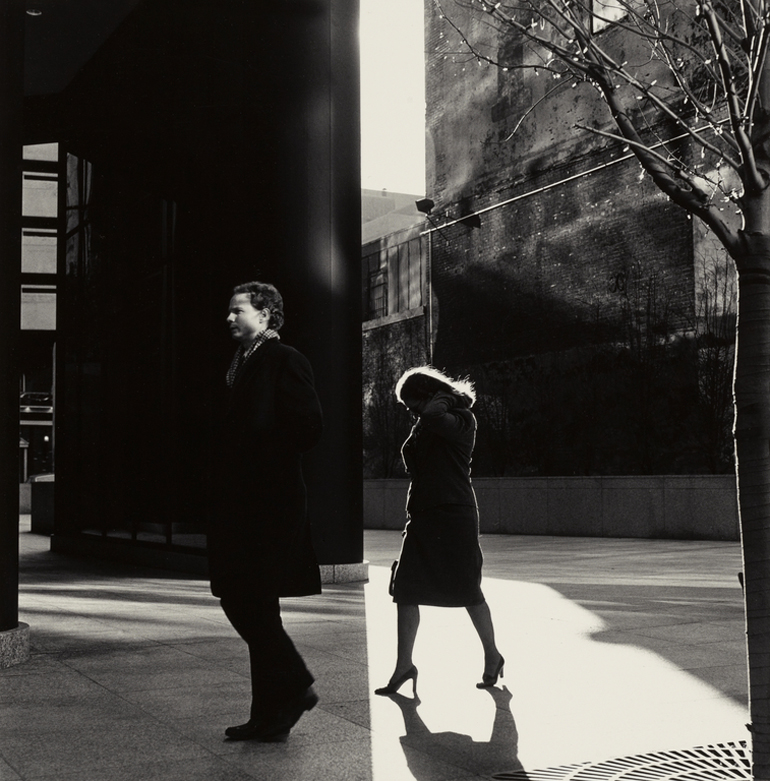
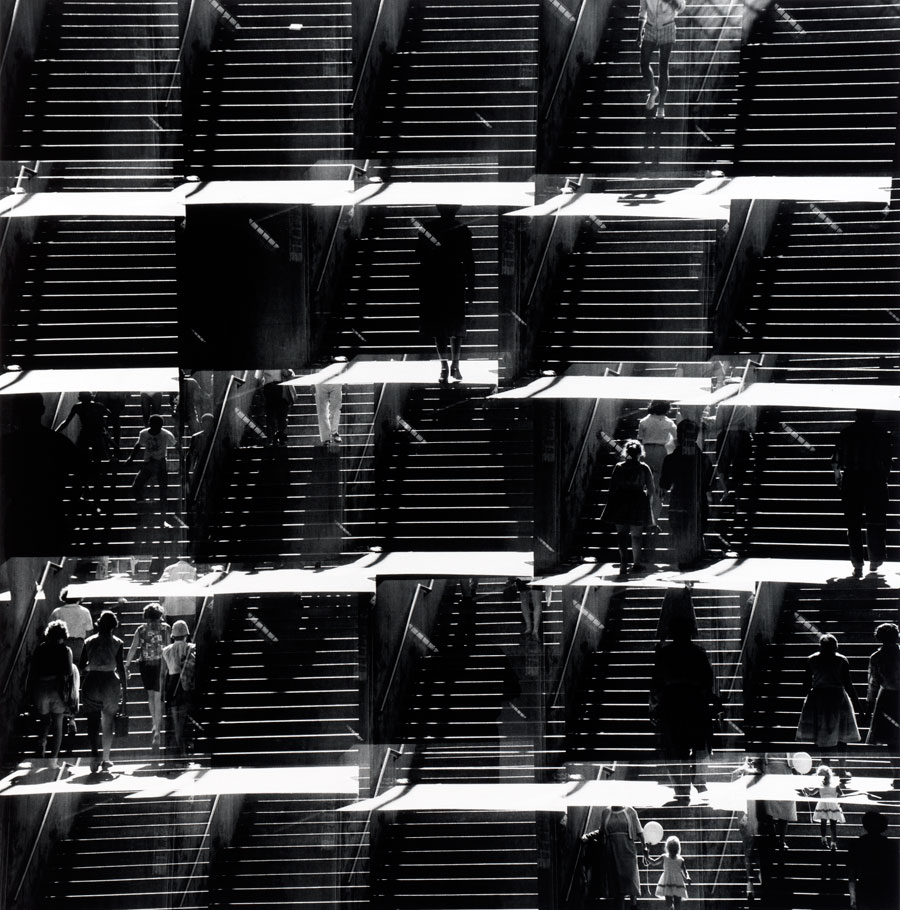
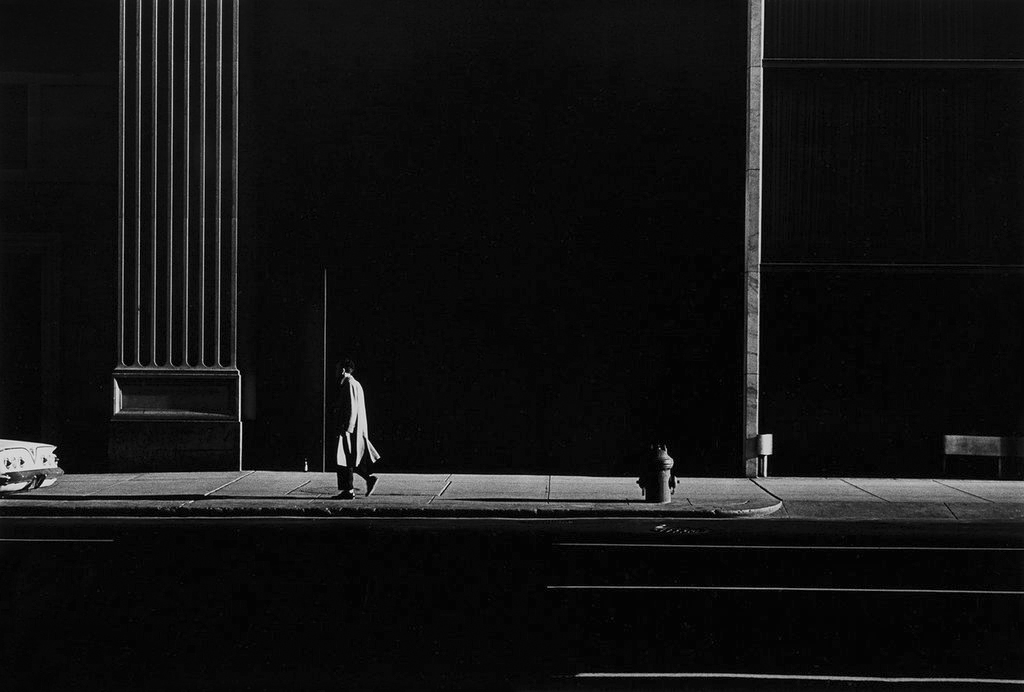
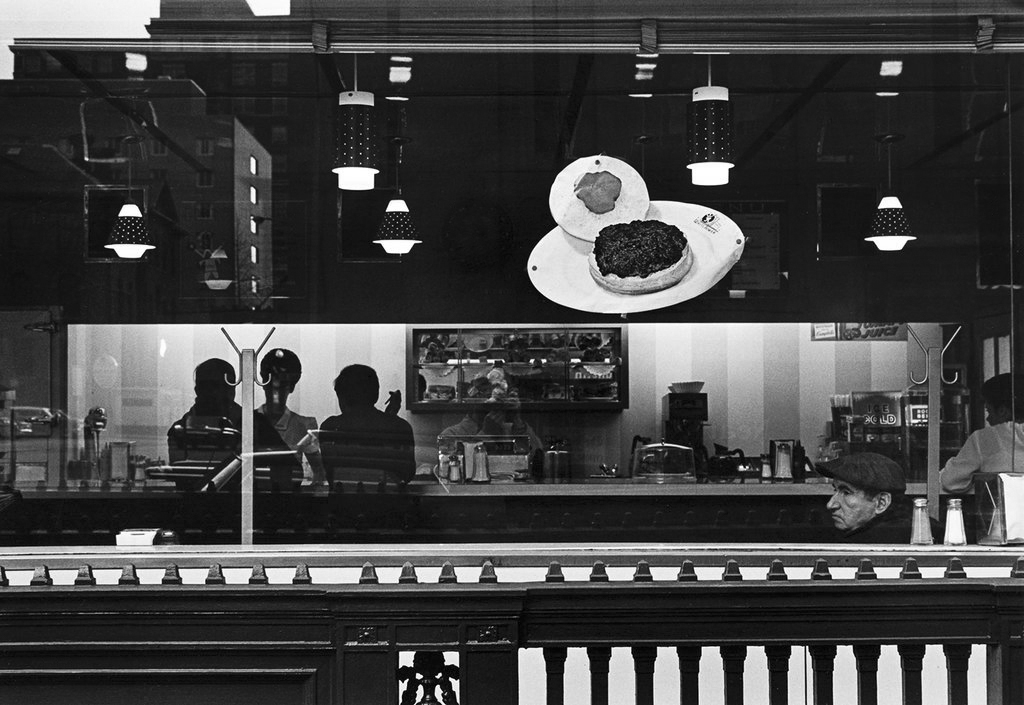
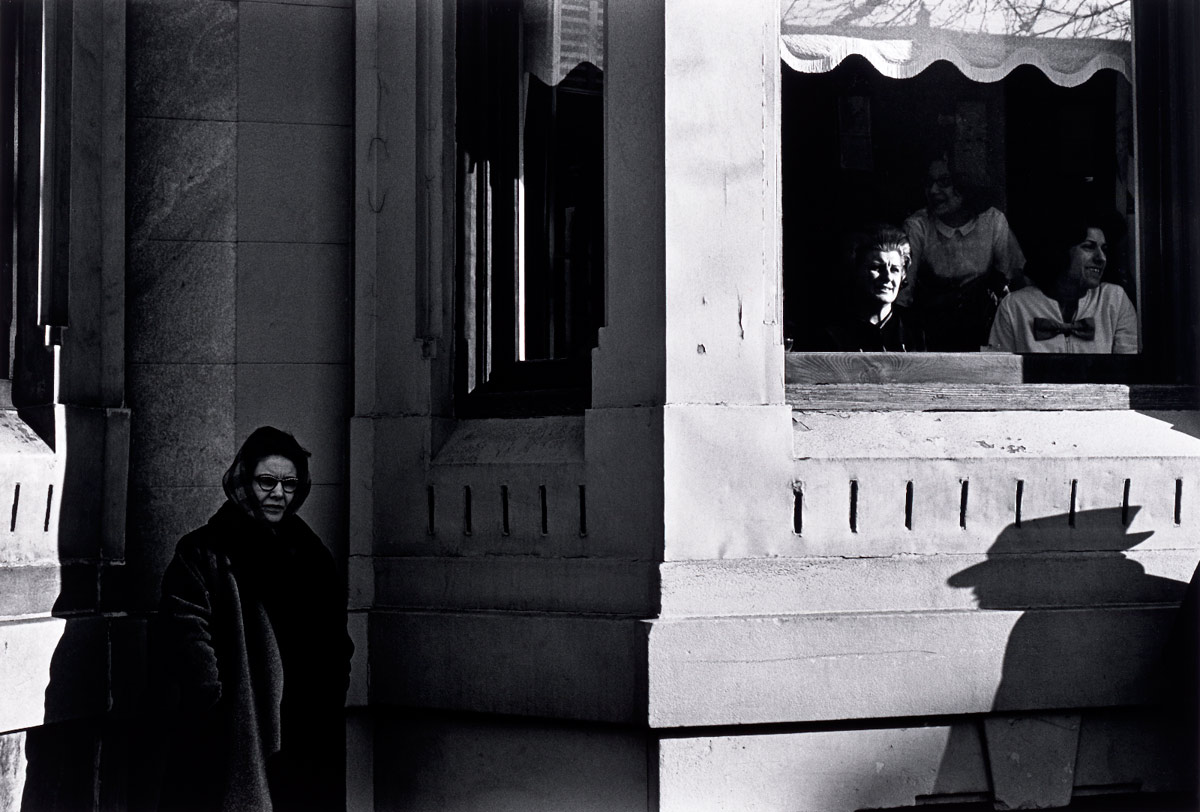
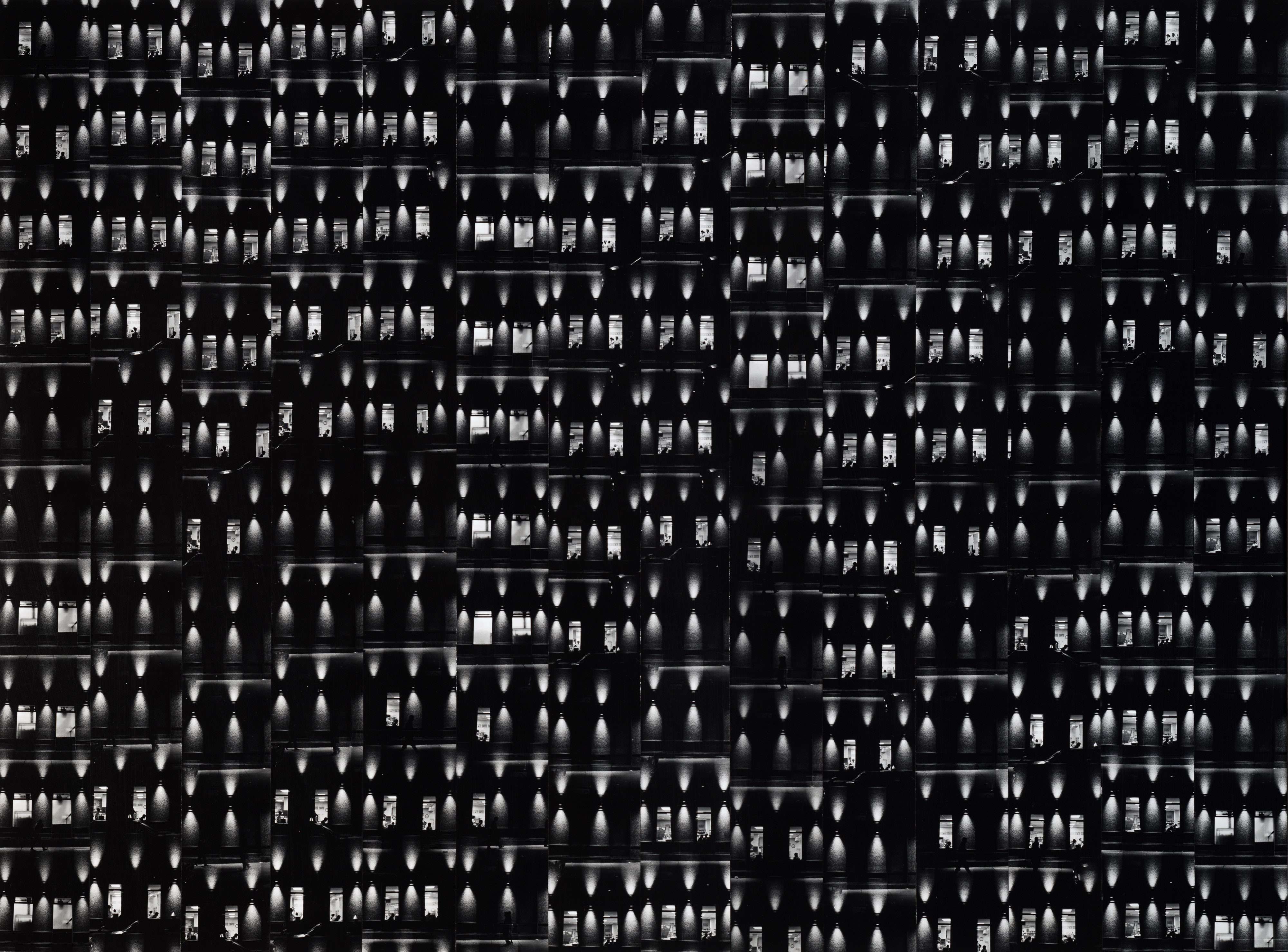
Ray K. Metzker (American, 1931-2014) 'City Whispers, Philadelphia' 1983


Ray K. Metzker (American, 1931-2014)
City Whispers, Philadelphia
1983
Gelatin silver print
The Nelson-Atkins Museum of Art, Kansas City, Missouri
© Ray K. Metzker, courtesy of the Laurence Miller Gallery


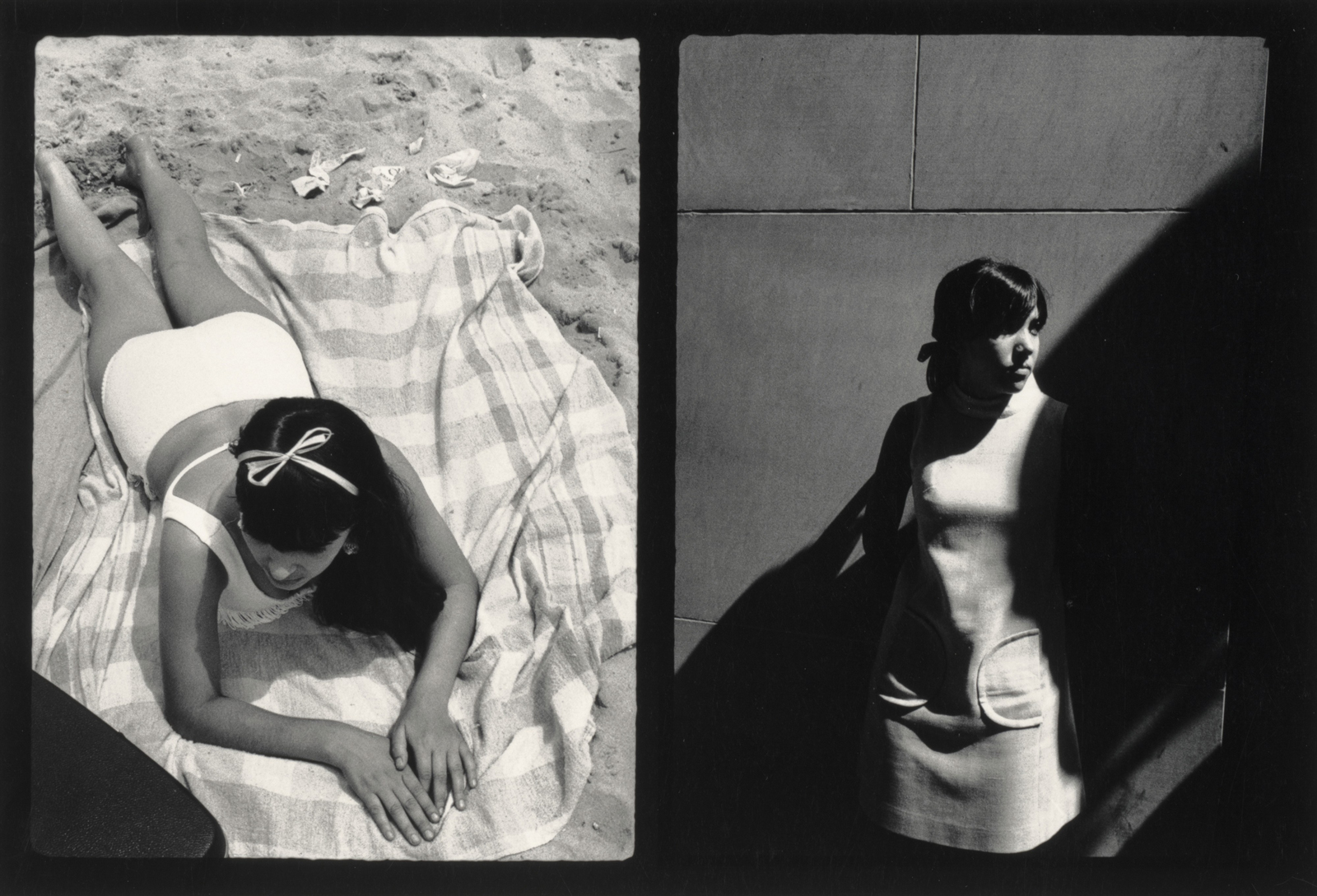
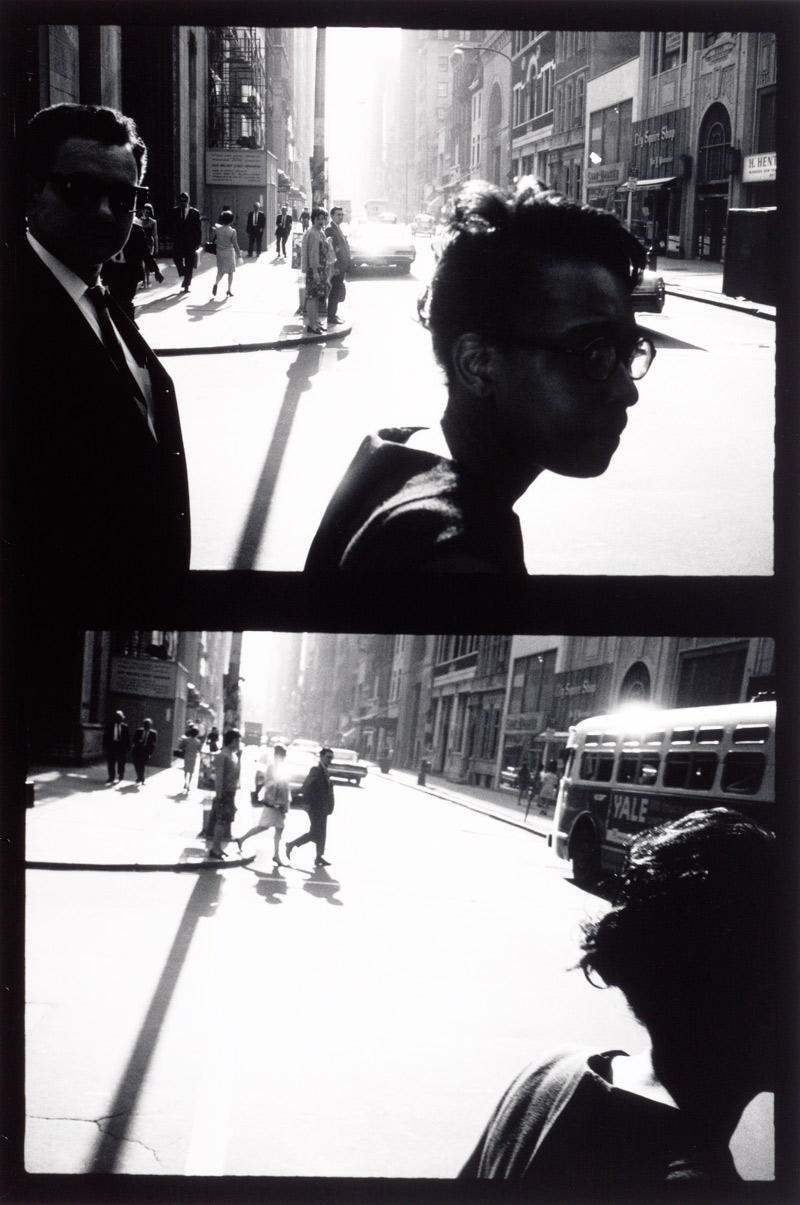
Ray K. Metzker (American, 1931-2014) 'Couplets: Atlantic City/New York City' 1969/1968


Ray K. Metzker (American, 1931-2014)
Couplets: Atlantic City/New York City
1969/1968
Gelatin silver print
The Nelson-Atkins Museum of Art, Kansas City, Missouri
© Ray K. Metzker, courtesy of the Laurence Miller Gallery


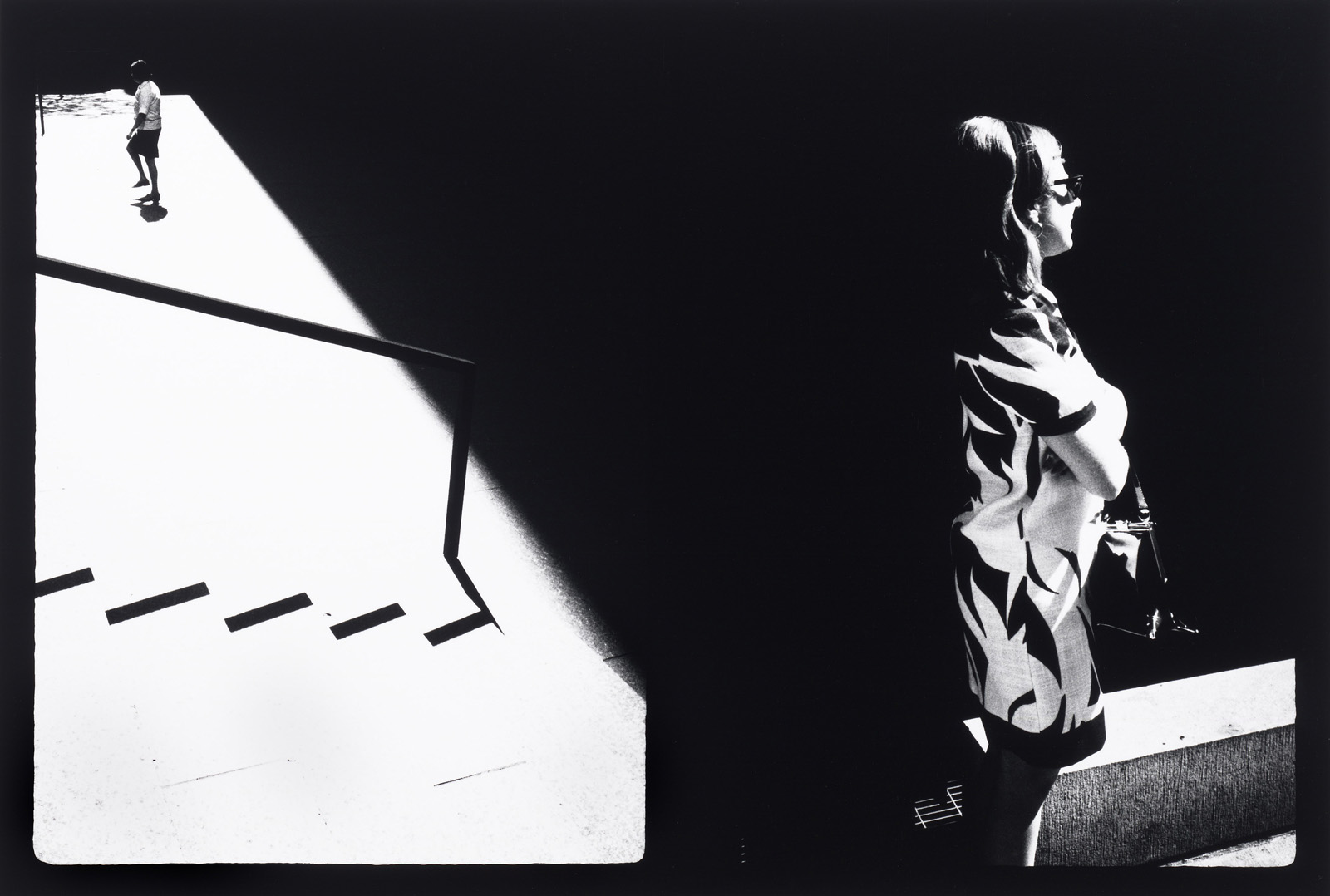
Ray K. Metzker (American, 1931-2014) 'Couplets: New York City' 1968


Ray K. Metzker (American, 1931-2014)
Couplets: New York City
1968
Gelatin silver print
The Nelson-Atkins Museum of Art, Kansas City, Missouri
Gift of the Hall Family Foundation
© Ray K. Metzker, courtesy of the Laurence Miller Gallery


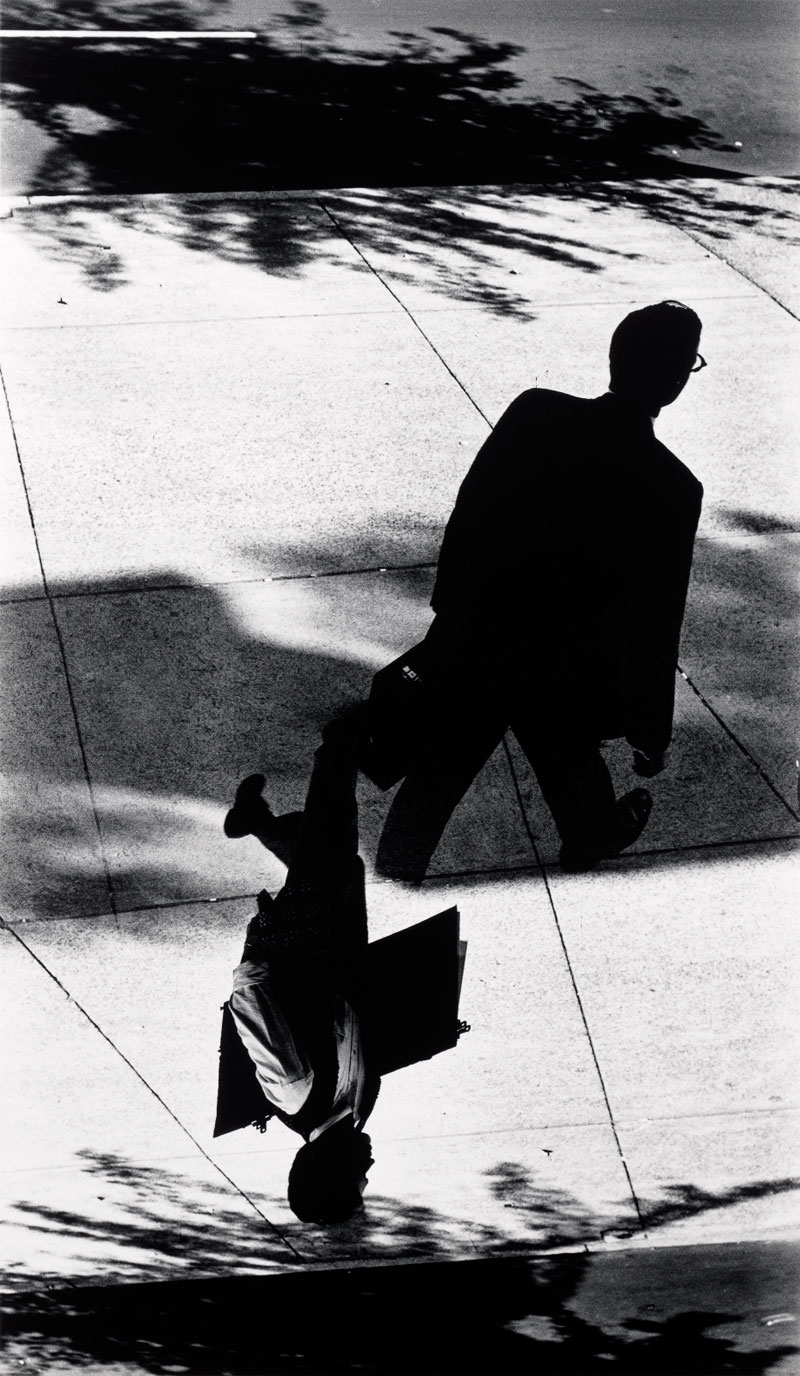
Ray K. Metzker (American, 1931-2014) 'Double Frames: Philadelphia' 1965


Ray K. Metzker (American, 1931-2014)
Double Frames: Philadelphia
1965, printed 1984
Gelatin silver print
Gift of the Hall Family Foundation
© Ray K. Metzker, Courtesy of the Laurence Miller Gallery


Ray K. Metzker (American, 1931-2014) 'Double Frames: Philadelphia' 1965, printed 1972


Ray K. Metzker (American, 1931-2014)
Double Frames: Philadelphia
1965, printed 1972
Gelatin silver print
Gift of the Hall Family Foundation
The Nelson-Atkins Museum of Art
© Ray K. Metzker, Courtesy of the Laurence Miller Gallery


Ray K. Metzker (American, 1931-2014) 'Couplets: Philadelphia' 1968


Ray K. Metzker (American, 1931-2014)
Couplets: Philadelphia
1968, printed 2002
Gelatin silver print
Gift of the Hall Family Foundation
© Ray K. Metzker, Courtesy of the Laurence Miller Gallery


Ray K. Metzker (American, 1931-2014) 'Pictus Interruptus: Philadelphia' 1977


Ray K. Metzker (American, 1931-2014)
Pictus Interruptus: Philadelphia
1977
Gelatin silver print
Gift of the Hall Family Foundation
© Ray K. Metzker, Courtesy of the Laurence Miller Gallery


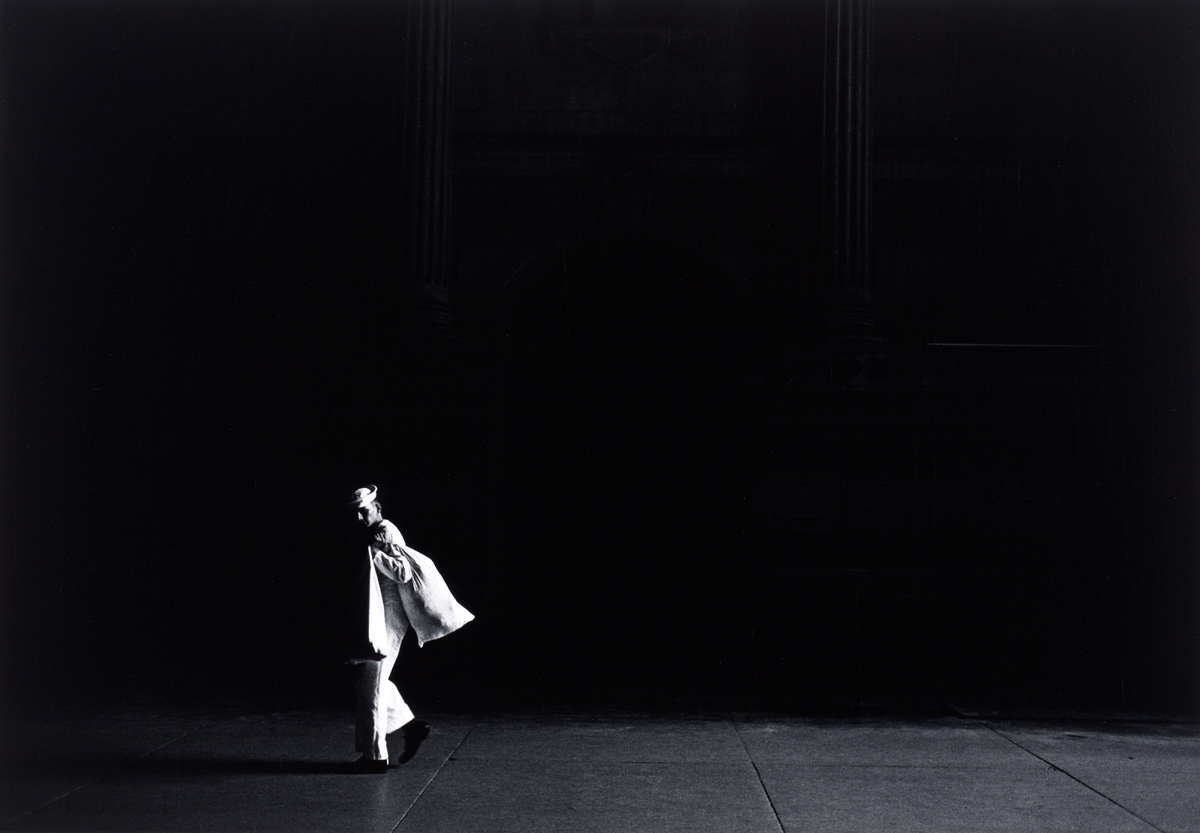
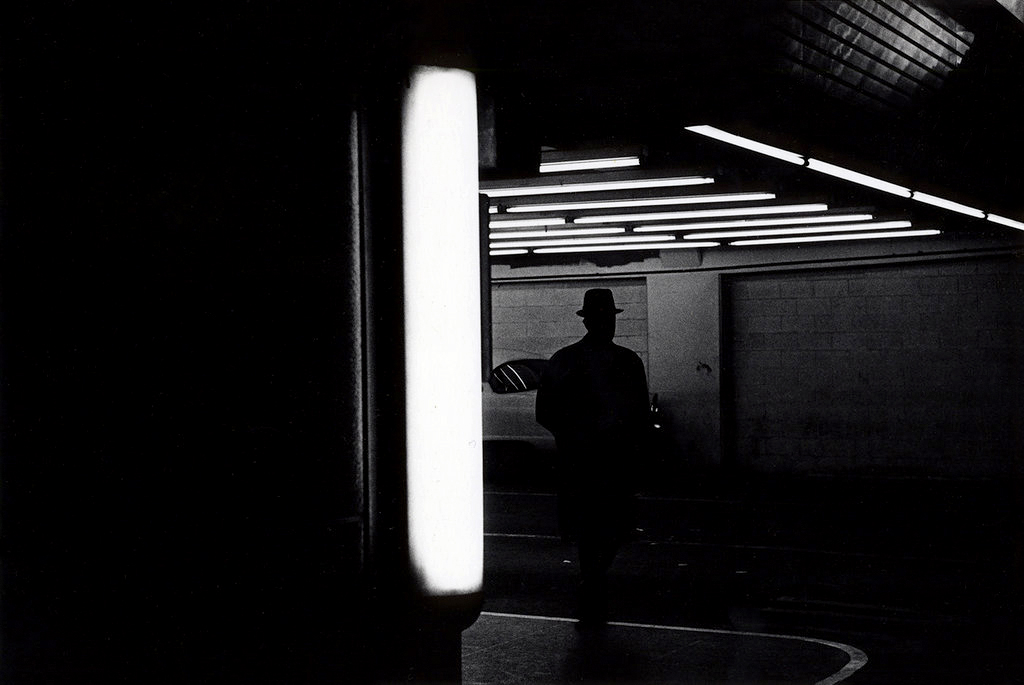
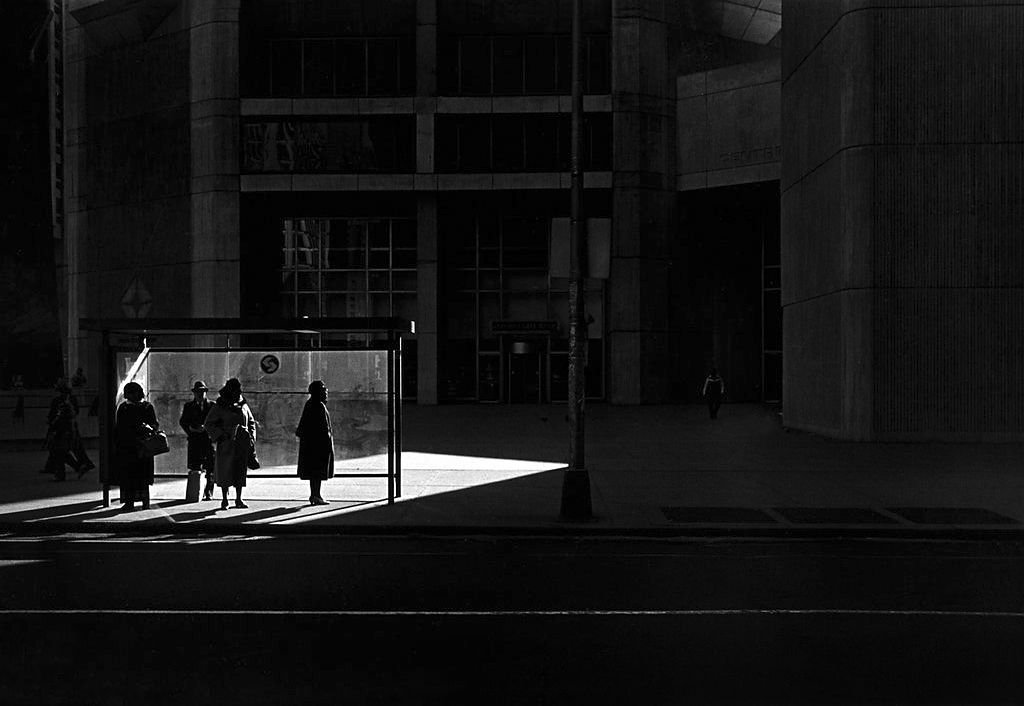
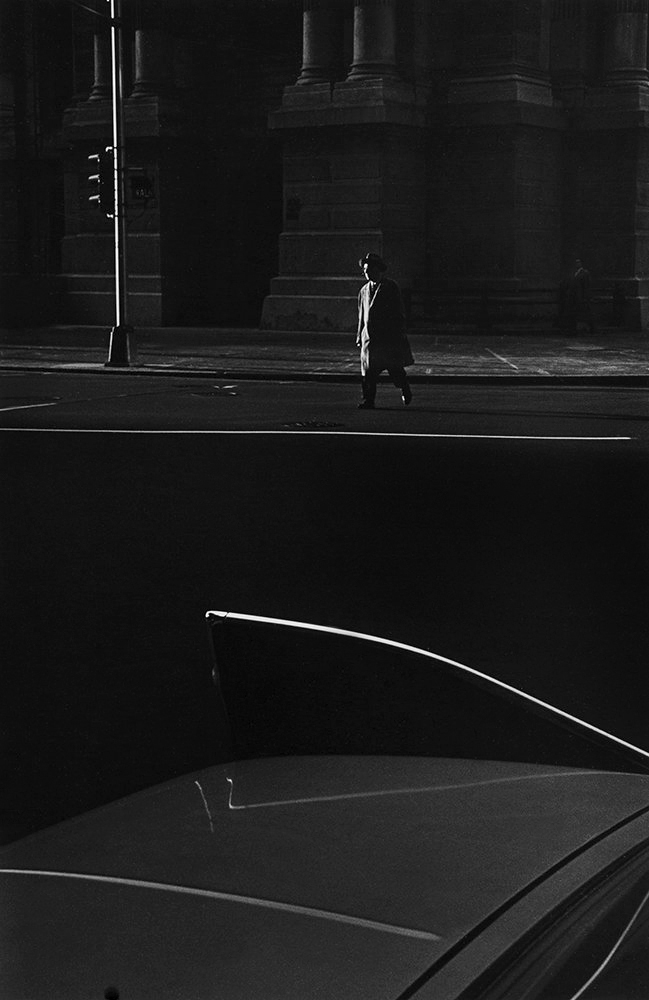
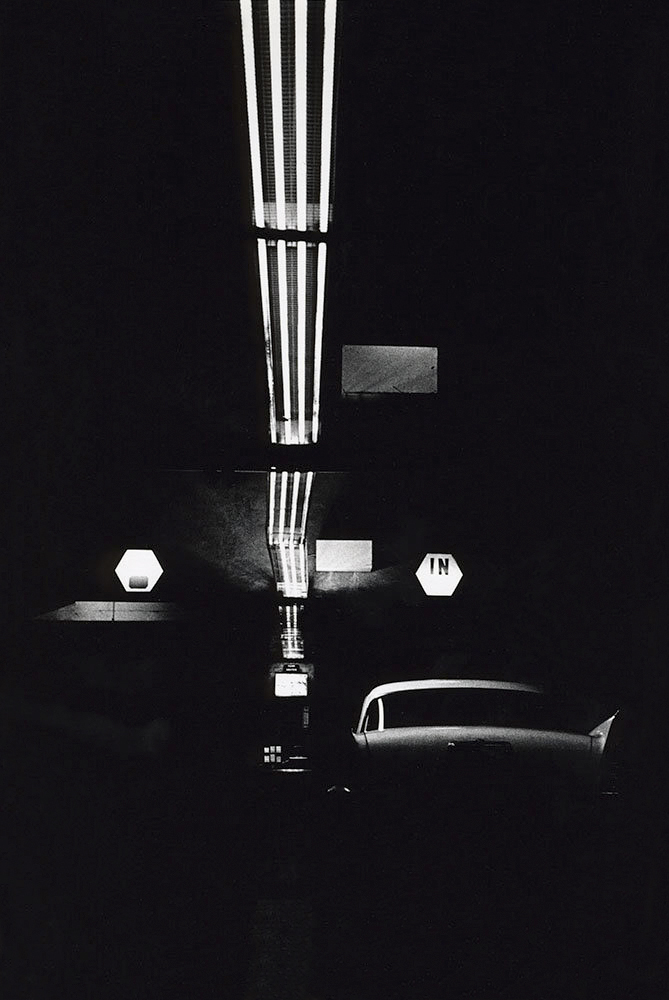
Works by Ray K. Metzker, one of the most original and influential photographers of the last half century, will be on view from Jan. 15 to June 5, 2011, at The Nelson-Atkins Museum of Art. The Photographs of Ray K. Metzker will reveal Metzker’s ability to turn ordinary subjects, including the urban experience and nature, into the visual poetry of the finely crafted black-and-white print.

At the age of nearly 80, Metzker is greatly admired for his passionate engagement with both photography and the world. He has explored the use of high contrast and selective focus, the potentials of multiple and composite images, and the infinite gradations of daylight, from dazzling white to inky shadow.

This is great and lasting work – the very best of a classic form of American modernism, said Keith F. Davis, senior curator of photography at the Nelson-Atkins. Metzker has led a life of deep devotion to understanding the potential, challenge and pleasure of photographic seeing. In so doing, he has transcended any simple notion of technical experimentation or formalism to illuminate a vastly larger human realm – one of uncertainty, isolation and vulnerability, as well as of unexpected beauty, grace and transcendence.

Thanks to a major gift from the Hall Family Foundation, the Nelson-Atkins now has the largest holding of Metzker’s work (92 prints) in the United States.

Born in Milwaukee, Wis., in 1931, Metzker first took up photography as a teenager. After two years in the army, he entered the graduate program at the Institute of Design, Chicago, in the fall of 1956. His professors, Aaron Siskind and Harry Callahan, were acclaimed artists and inspiring teachers, and they emphasised the medium’s remarkable range and visual potential. Metzker’s artistic vision grew from a union of ideas: the realities of modern life, the medium’s myriad technical possibilities, and the quest for a distinctly individual vision.

Metzker has lived and worked in Philadelphia since 1962, and as he approaches the age of 80, he continues to make new pictures there.

The photographs in the exhibition feature examples from all his major series, including his earliest mature work from Chicago (1957-1959); photographs from an extended visit to Europe (1960-1961); the street activity, people, and structures of Philadelphia (from 1962 to the present); beachgoers at the New Jersey shore, Sand Creatures (1968-1977); the starkness of the Southwestern light and landscape, New Mexico (1971-1972); and the lush mysteries of the natural realm, in his Landscapes (1985-1996) from Italy, France and the United States.

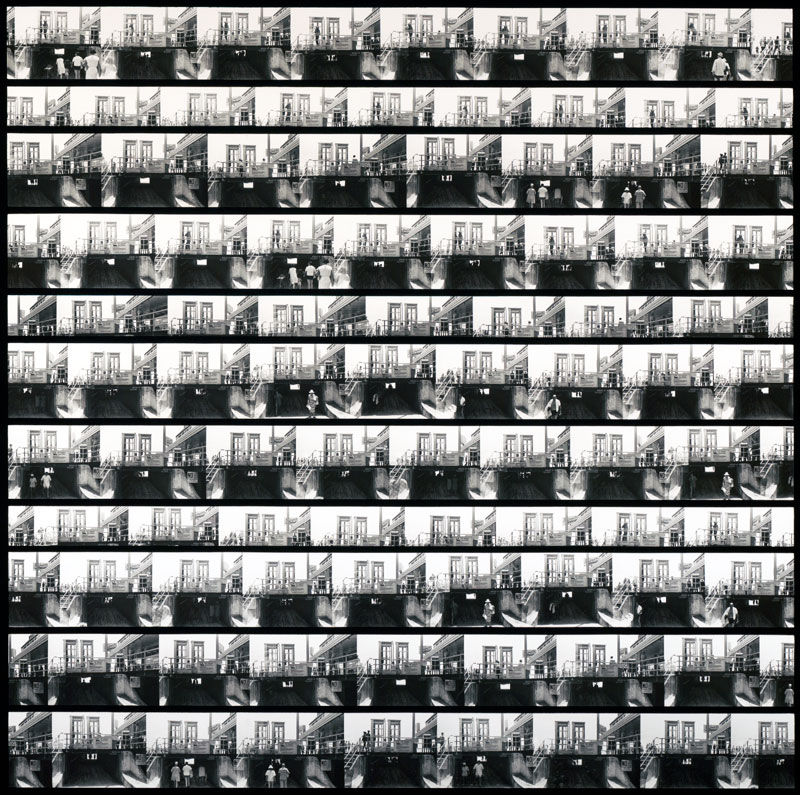
The exhibition features a host of innovative and ingenious approaches to photography, including the use of the double image, Double Frame (1964-1966) and Couplets (1968-1969); single works created from an entire roll of film, Composites (1964-1966); and the creative control of focus in both Pictus Interruptus (1976-1980) and Landscapes (1985-1996).

Press release from The Nelson-Atkins Museum of Art website


Ray K. Metzker (American, 1931-2014) 'Chicago' 1957


Ray K. Metzker (American, 1931-2014)
Chicago
1957
Gelatin silver print
Gift of Hallmark Cards, Inc.,
© Ray K. Metzker, Courtesy of the Laurence Miller Gallery


Ray K. Metzker (American, 1931-2014) 'Chicago' 1959


Ray K. Metzker (American, 1931-2014)
Chicago
1959, printed 1989
Gelatin silver print
Gift of Hallmark Cards, Inc.,
© Ray K. Metzker, Courtesy of the Laurence Miller Gallery


Ray K. Metzker (American, 1931-2014) 'Philadelphia' 1963


Ray K. Metzker (American, 1931-2014)
Philadelphia
1963, printed 1986
Gelatin silver print
Gift of the Hall Family Foundation
© Ray K. Metzker, Courtesy of the Laurence Miller Gallery


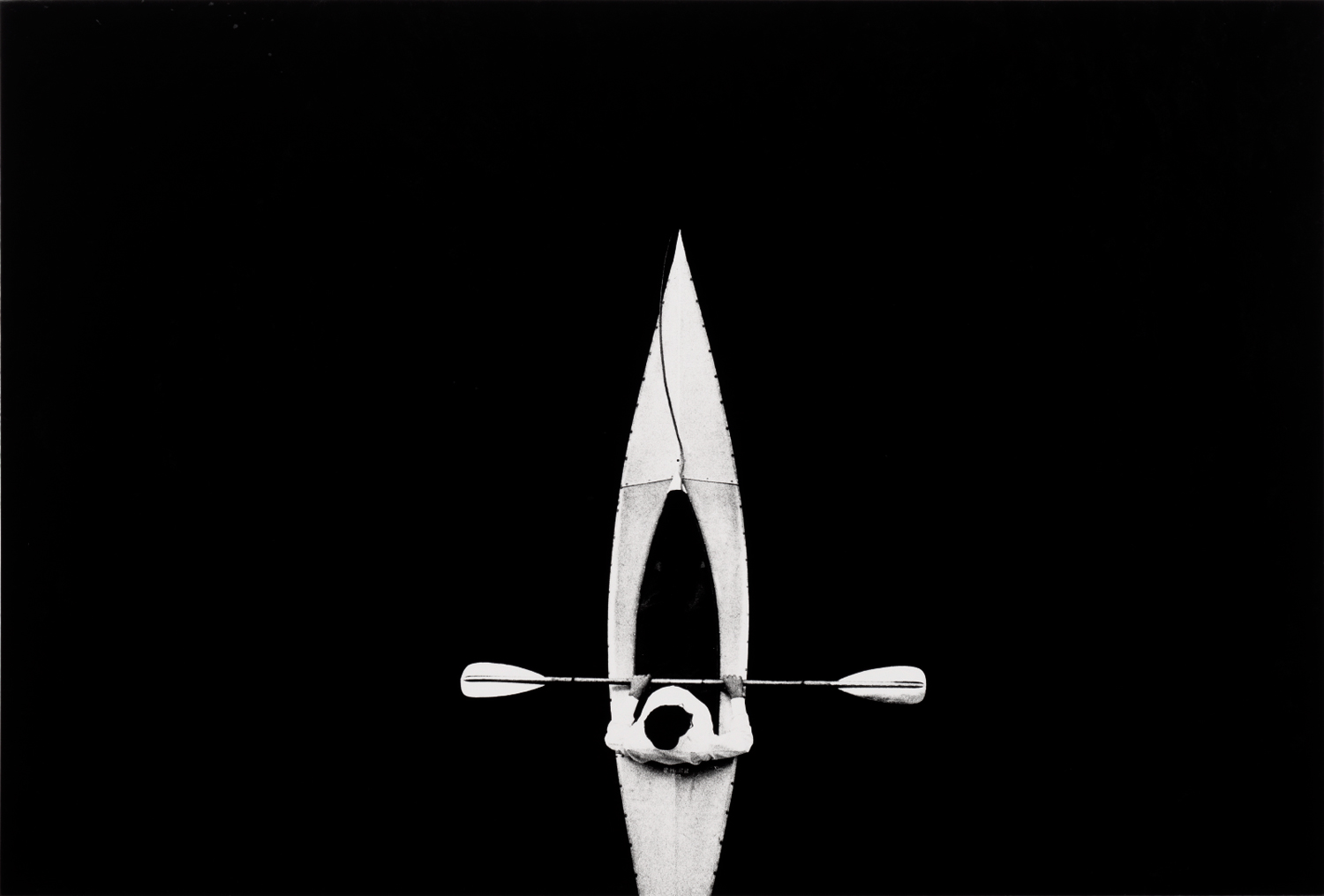
Ray K. Metzker (American, 1931-2014) 'Man in Canoe' 1961


Ray K. Metzker (American, 1931-2014)
Man in Canoe
1961
Gelatin silver print
Gift of Hallmark Cards, Inc.,
© Ray K. Metzker, Courtesy of the Laurence Miller Gallery


Ray K. Metzker (American 1931-2014) 'Philadelphia, 1963' 1963


Ray K. Metzker (American 1931-2014)
Philadelphia, 1963
1963
Gelatin silver print
Gift of Hallmark Cards, Inc.,
© Ray K. Metzker, Courtesy of the Laurence Miller Gallery


Ray K. Metzker (American 1931-2014) 'Philadelphia, 1963' 1963


Ray K. Metzker (American 1931-2014)
Philadelphia, 1963
1963
Gelatin silver print
Gift of Hallmark Cards, Inc.,
© Ray K. Metzker, Courtesy of the Laurence Miller Gallery


Ray K. Metzker (American 1931-2014) 'Philadelphia' 1963


Ray K. Metzker (American 1931-2014)
Philadelphia, 1963
1963
Gelatin silver print
Gift of Hallmark Cards, Inc.,
© Ray K. Metzker, Courtesy of the Laurence Miller Gallery


Ray K. Metzker (American 1931-2014) 'Philadelphia' 1964


Ray K. Metzker (American, 1931-2014)
Philadelphia
1964, printed 1989
Gelatin silver print
Gift of Hallmark Cards, Inc.,
© Ray K. Metzker, Courtesy of the Laurence Miller Gallery


Ray K. Metzker (American, 1931-2014) 'Philadelphia' 1964


Ray K. Metzker (American, 1931-2014)
Philadelphia
1964, printed 1989
Gelatin silver print
Gift of Hallmark Cards, Inc.,
© Ray K. Metzker, Courtesy of the Laurence Miller Gallery


Ray K. Metzker (American, 1931-2014) 'Composite: Atlantic City' 1966


Ray K. Metzker (American, 1931-2014)
Composite: Atlantic City
1966
Gelatin silver print
Gift of Hallmark Cards, Inc.,
© Ray K. Metzker, Courtesy of the Laurence Miller Gallery


Ray K. Metzker (American, 1931-2014) 'Composites: Night at the Terminal' about 1966


Ray K. Metzker (American, 1931-2014)
Composites: Night at the Terminal
about 1966
Gelatin silver print
The Nelson-Atkins Museum of Art
© Ray K. Metzker, courtesy of Lawrence Miller Gallery


Ray K. Metzker (American 1931-2014) 'Philadelphia' 1981


Ray K. Metzker (American 1931-2014)
Philadelphia
1981
Gelatin silver print
Gift of Hallmark Cards, Inc.,
© Ray K. Metzker, Courtesy of the Laurence Miller Gallery


Ray K. Metzker (American 1931-2014) 'Philadelphia' 1964


Ray K. Metzker (American 1931-2014)
Philadelphia, 1964
1963
Gelatin silver print
Gift of Hallmark Cards, Inc.,
© Ray K. Metzker, Courtesy of the Laurence Miller Gallery


Ray K. Metzker (American 1931-2014) 'Philadelphia' 1963


Ray K. Metzker (American 1931-2014)
Philadelphia, 1963
1963
Gelatin silver print
Gift of Hallmark Cards, Inc.,
© Ray K. Metzker, Courtesy of the Laurence Miller Gallery


The Nelson-Atkins Museum of Art
4525 Oak Street
Kansas City, MO 64111

Opening hours:
Thursday – Monday 10am – 5pm
Closed Tuesdays and Wednesdays

The Nelson-Atkins Museum of Art website

LIKE ART BLART ON FACEBOOK

Back to top
Exhibition: ‘André Kertész – Retrospective’ at Fotomuseum Winterthur, Zurich

Exhibition dates: 26th February – 15th May 2011


Many thankx to the Fotomuseum Winterthur, Zurich for allowing me to publish the photographs in the posting. Please click on the photographs for a larger version of the image.


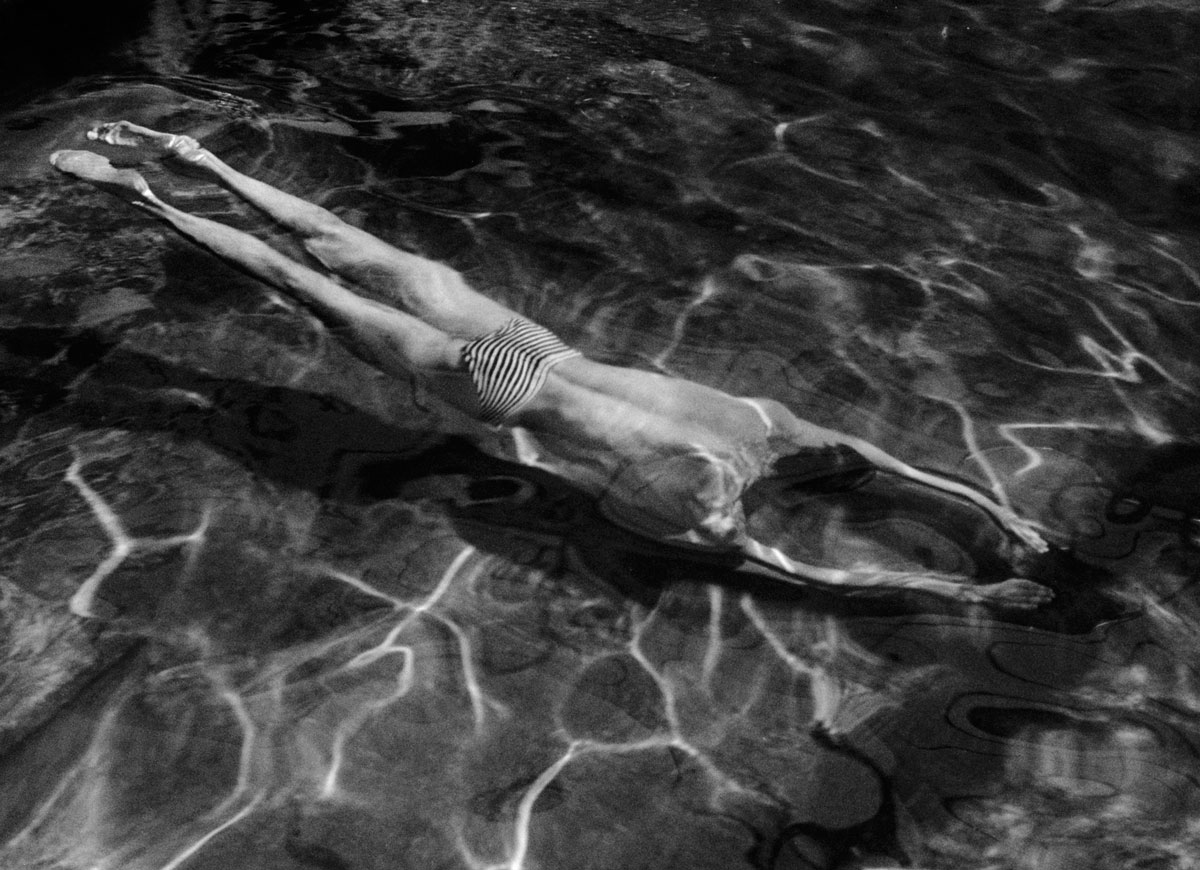
André Kertész (Hungarian, 1894-1985) 'Underwater Swimmer, Esztergom' 1917


André Kertész (Hungarian, 1894-1985)
Underwater Swimmer, Esztergom
1917
Gelatin silver print


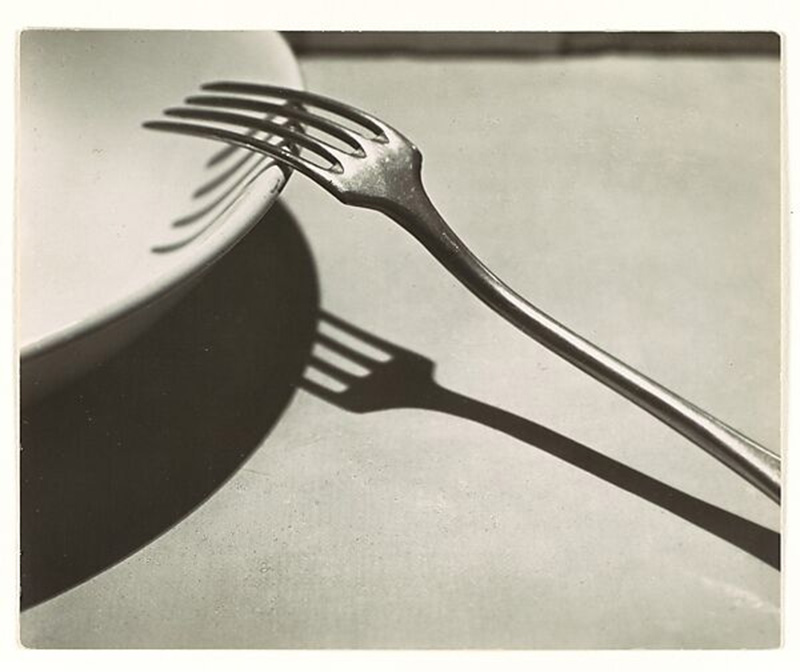
André Kertész (American born Hungary, 1894-1985) 'Fork' 1928


André Kertész (Hungarian, 1894-1985)
Fork
1928
Gelatin silver print


André Kertész. 
'Elizabeth and I' 1933


André Kertész (Hungarian, 1894-1985)

Elizabeth and I
1933, printed in the 1960s
Gelatin silver print
25.3 x 17.5cm
Collection of Sarah Morthland, New York


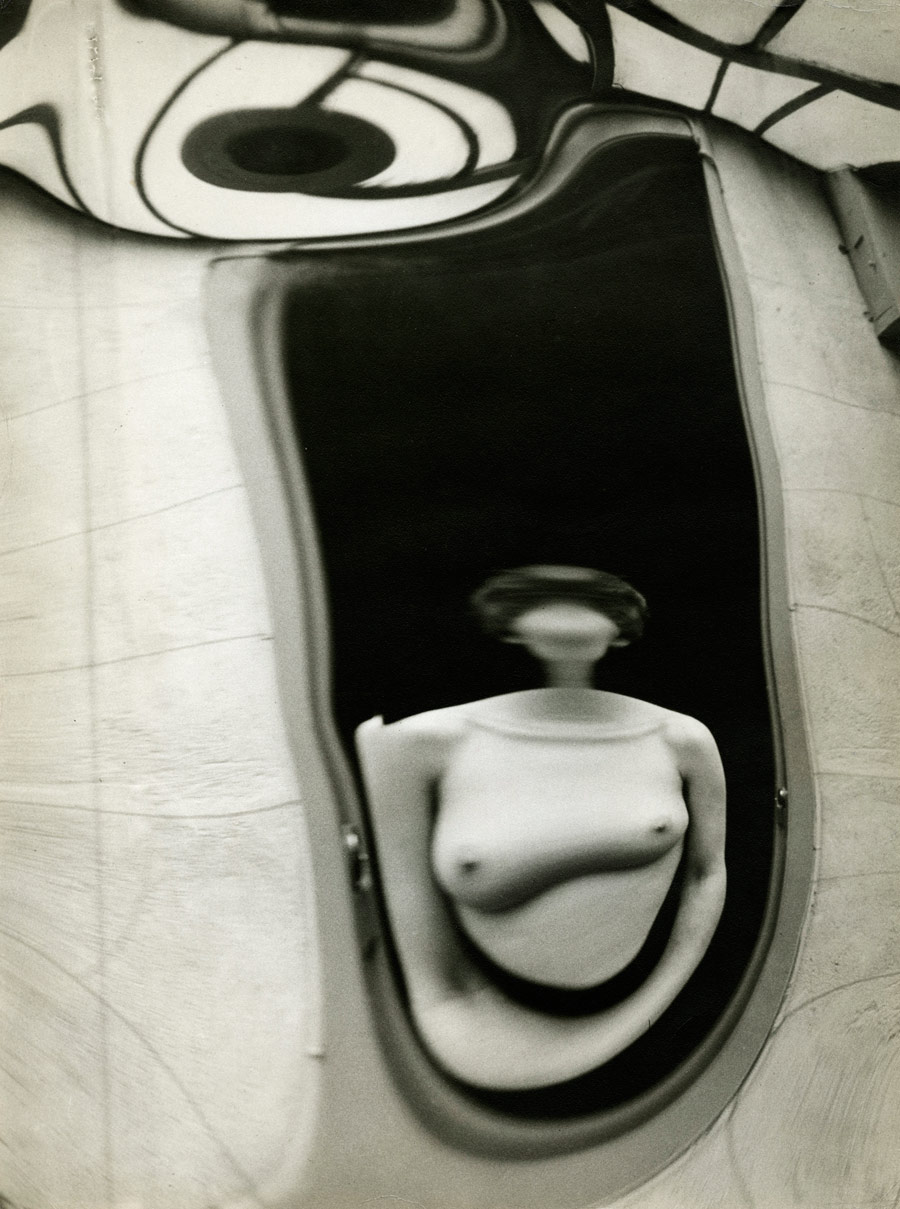
André Kertész.
 'Distortion No. 200' 1933


André Kertész (Hungarian, 1894-1985)
Distortion No. 200
1933, printed c. 1938/1939
Gelatin silver print
34.4 x 25.7cm
Courtesy of Klever Holdings


André Kertész is possibly the most photographic of all photographers: he sought out the play of light and shadow; he liked the concentration and overlapping of forms, of moments; and in the everyday, in banality, he recognised poetry, beauty, and even, for all his innate modesty, the “sublime.” Kertész is a photographic poet and seer, for whom it was long difficult to break into the market precisely because of his rich, chiseled iconography.

André Kertész (Budapest 1894 – 1985 New York) supported Brassaï, inspired Henri Cartier-Bresson, is considered one of the founders of photojournalism, and introduced stylistic elements into photography that can still be found in works by contemporary photographers. At heart, he was a photographer and artist in equal measure, poetic, probing, vital, independent in thought and actions. In a word, he was a master of photography, whose long period of production was very influential. Nevertheless, it took a remarkably long time for his special abilities, his poetic experimental version of photography, to find recognition in the history of photography. The three locations where he lived (Budapest, Paris, New York), his freedom, his form of “contemplative photography,” as Roland Barthes characterised it, made quick reception and categorisation of his work impossible. Today, more than twenty-five years after his death, he is recognised and considered to be a central photographer of the twentieth century who crucially enriched the language of photography.

With around 250 photographs and countless magazine contributions, the retrospective at Fotomuseum Winterthur on view until May 15, 2011, allows a comprehensive view of his work. The chronological order and the major themes show what it is that makes up his photographic practice: his unique methods (in photographic postcards, in distortions), his editorial engagement (for example, in the volume Paris vu par Kertész, 1934), his passion for experimentation (with light and shadow), and the evocation of emotions, above all of melancholy and loneliness. Periods that have remained neglected or unexplored until today (his life as a soldier from 1914-1918, for example) are reassessed, and juxtaposed with the development of photojournalism in Paris and the distribution of his pictures in the media, with which he earned his living.

André Kertész liked to characterise himself as an “eternal amateur.” But what a virtuosic “amateur” he was; what virtuosic visual language he employed his entire life to capture the poetry of the everyday! His photographic production was closely connected to his life and psyche. Even when he seemed to be documenting something, he let himself be guided almost exclusively by feeling, by instinct, from his soul. This resulted in a body of work that he liked to compare to a “visual journal”, and about which he said, “I have never just ‘made photos’. I express myself photographically.”

Text from the Fotomuseum Winterthur website


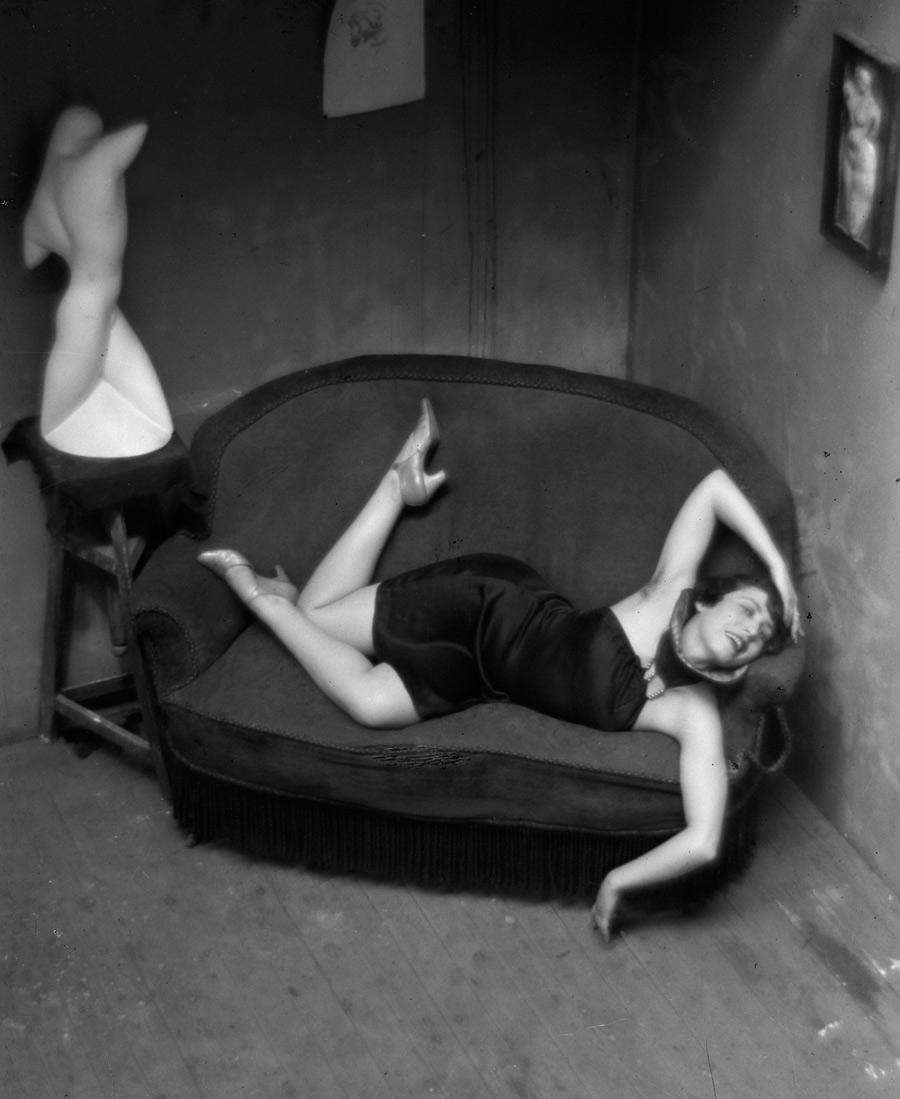
André Kertész. 'Satiric Dancer' 1926


André Kertész (Hungarian, 1894-1985)
Satiric Dancer
1926
Gelatin silver print


André Kertész (Hungarian, 1894-1985) 'Peintre d'ombre, Paris' (Shadow painter, Paris) 1926


André Kertész (Hungarian, 1894-1985)
Peintre d’ombre, Paris (Shadow painter, Paris)
1926
Gelatin silver print
© ministère de la Culture / Médiathèque de l’architecture et du patrimoine / Donation André Kertész


André Kertész (Hungarian, 1894-1985) 'Bastille, Rue de Lappe, Paris' 1926


André Kertész (Hungarian, 1894-1985)
Bastille, Rue de Lappe, Paris
1926
Gelatin silver print
© ministère de la Culture / Médiathèque de l’architecture et du patrimoine / Donation André Kertész


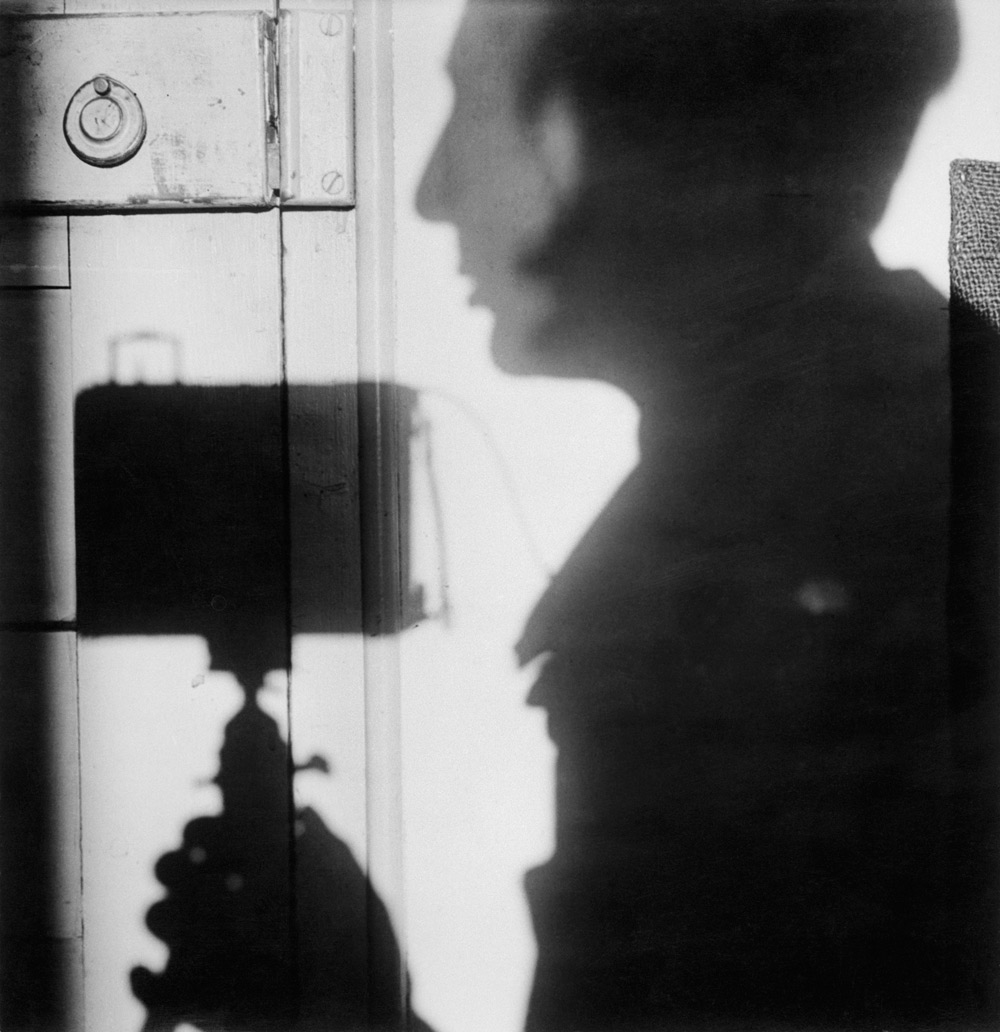
André Kertész. '
Self-Portrait' Paris, 1927


André Kertész (Hungarian, 1894-1985)

Self-Portrait
Paris, 1927, printed in the 1970s
Gelatin silver print
25.4 x 20.3cm
Courtesy of Estate of André Kertész, New York


André Kertész. 
'Arm and Ventilator' 1937


André Kertész (Hungarian, 1894-1985)

Arm and Ventilator
1937, printed in the 1940s-1950s
Gelatin silver print
30.5 x 26.7cm
Collection of Eric Cepotis and David Williams


André Kertész.
 'Washington Square' New York, January 9, 1954


André Kertész (Hungarian, 1894-1985)
Washington Square
New York, January 9, 1954
Vintage gelatin silver print
12.7 x 9.2cm
Collection of Leslie, Judith and Gabrielle Schreyer


André Kertész.
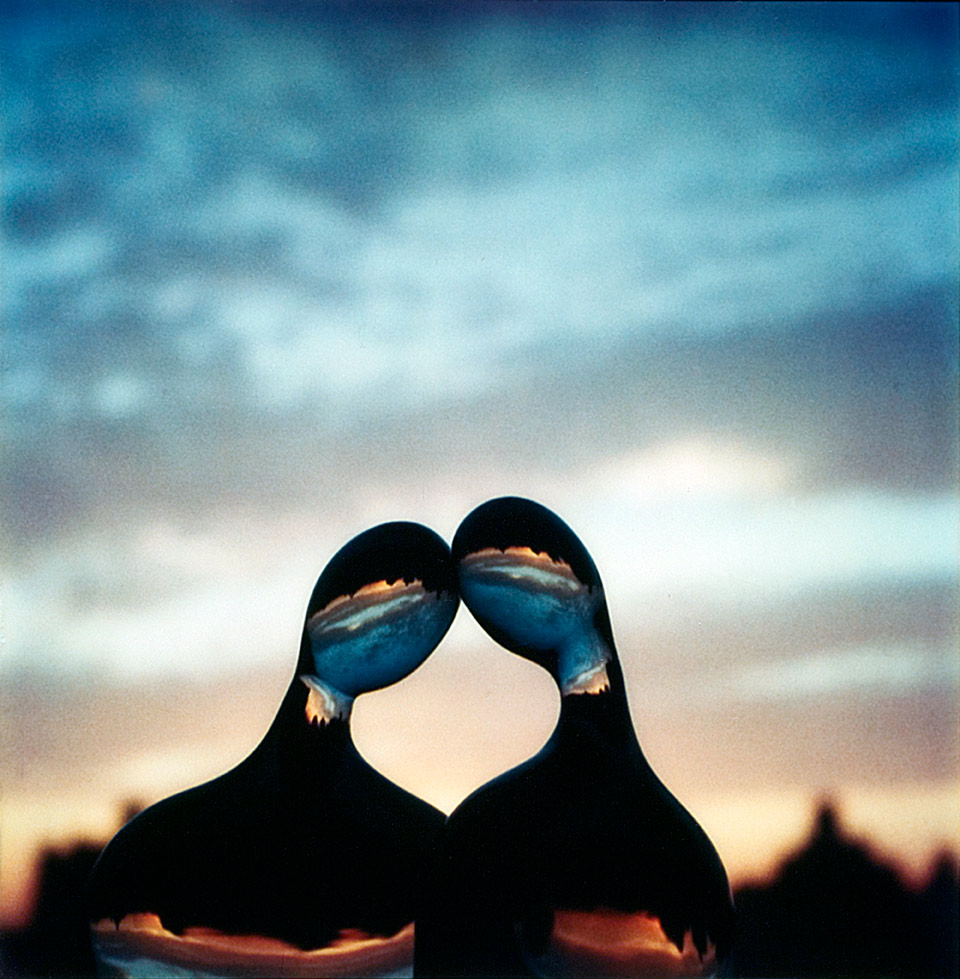
 'July 3, 1979'
 1979


André Kertész (Hungarian, 1894-1985)
July 3, 1979

1979
Polaroid SX-70 original
7.9 x 7.9cm
Courtesy of Stephen Bulger Gallery


Fotomuseum Winterthur
Grüzenstrasse 44 + 45
CH-8400
Winterthur (Zürich)

Opening hours:
Tues – Sun 11am – 6pm
Wed 11am – 8pm
Monday closed

Fotomuseum Winterthur website

LIKE ART BLART ON FACEBOOK

Back to top
Exhibition: ‘In the Darkroom: Photographic Processes before the Digital Age’ at the National Gallery of Art, Washington, D.C.

Exhibition dates: 25th October, 2009 – 14th March, 2010


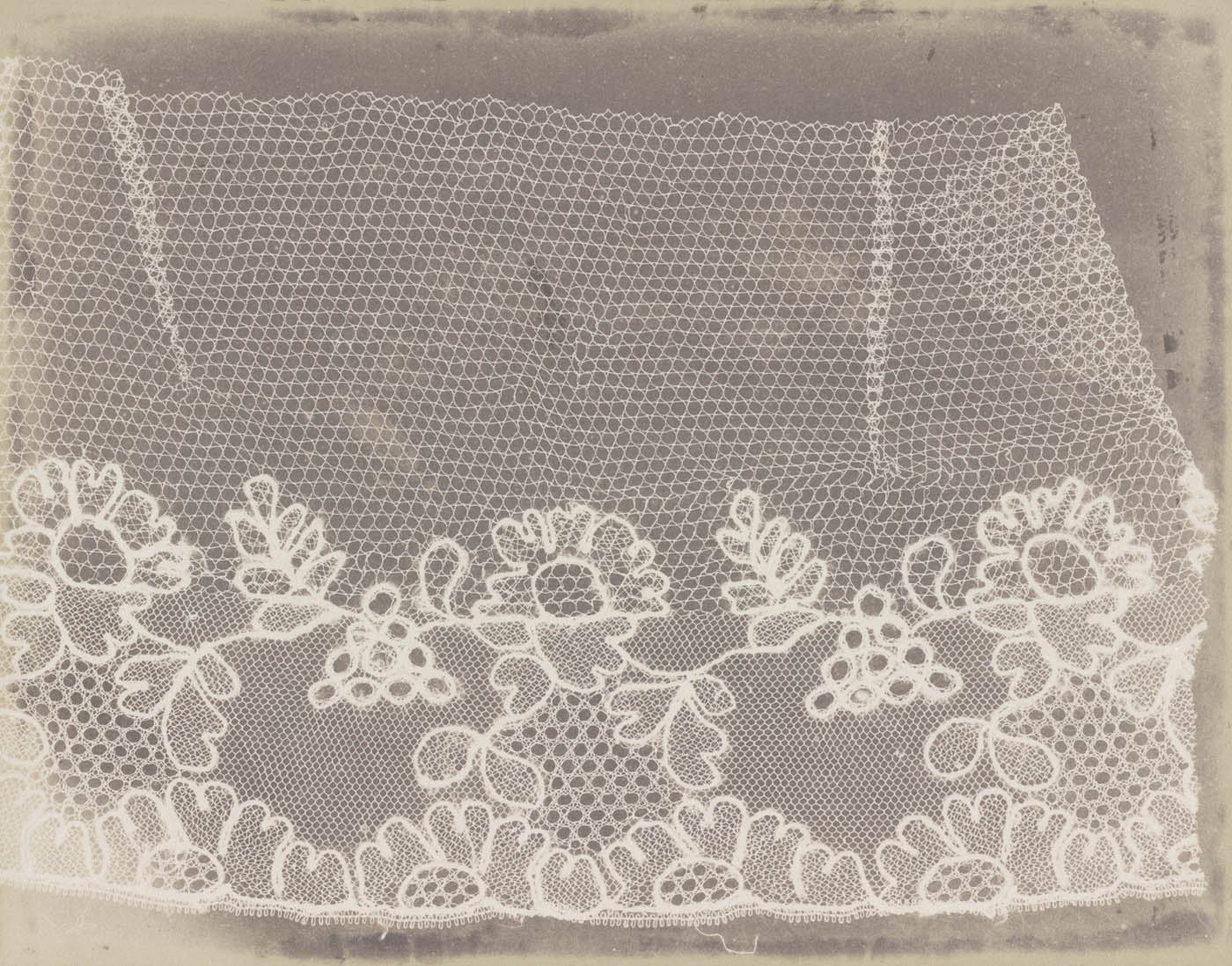
William Henry Fox Talbot (British, 1800-1877) 'Lace' 1839-1844 from the exhibition 'In the Darkroom: Photographic Processes before the Digital Age' at the National Gallery of Art, Washington, D.C., October 2009 - March, 2010


William Henry Fox Talbot (British, 1800-1877)
Lace
1839-1844
Photogenic drawing (salted paper print)
Sheet (trimmed to image): 17.1 x 22cm (6 3/4 x 8 11/16 in.)
Support: 24.8 x 31.1cm (9 3/4 x 12 1/4 in.)
National Gallery of Art, Washington
Patrons’ Permanent Fund
Public domain


Many thankx to Kate Afanasyeva and the National Gallery of Art for allowing me to reproduce the photographs from the exhibition below. Please click on the photographs for a larger version of the image.

Dr Marcus Bunyan


Anna Atkins (British, 1799-1871) 'Ferns, Specimen of Cyanotype' 1840s from the exhibition 'In the Darkroom: Photographic Processes before the Digital Age' at the National Gallery of Art, Washington, D.C., October 2009 - March, 2010


Anna Atkins (British, 1799-1871)
Ferns, Specimen of Cyanotype
1840s
cyanotype
National Gallery of Art, Washington
R.K. Mellon Family Foundation Fund


Albert Sands Southworth and Josiah Johnson Hawes. 'The Letter' c. 1850  from the exhibition 'In the Darkroom: Photographic Processes before the Digital Age' at the National Gallery of Art, Washington, D.C., October 2009 - March, 2010


Albert Sands Southworth and Josiah Johnson Hawes
The Letter
c. 1850
daguerreotype
National Gallery of Art, Washington
Patrons’ Permanent Fund


Southworth and Hawes’ aspirations for their portraits went far beyond those of the average photographer of their day. Whereas most daguerreotypists, simply concerned with rendering a likeness, used stock poses, painted backdrops, and even head restraints to firmly fix their subjects, Southworth and Hawes were celebrated not just for their technical expertise, but also for their penetrating studies, innovative style, and creative use of natural light. They sought to elevate their subjects “far beyond common nature” and embody their “genius and spirit of poetry,” as Southworth wrote in 1871. “What is to be done is obliged to be done quickly. The whole character of the sitter is to be read at first sight; the whole likeness, as it shall appear when finished, is to be seen at first, in each and all its details, and in their unity and combination.”2

Among Southworth and Hawes’ most accomplished studies, The Letter is exceptional in its composition and mood. Most American daguerreotype portraits made in the 1840s and 1850s were frontal, bust-length studies of single figures who rarely show any kind of facial expression because of the often long exposure times. The Letter, however, is a highly evocative study. With its carefully constructed composition and tight pyramidal structure, it presents two thoughtful young women contemplating a letter. Through their posture and expression, these women seem to gain not only physical support from each other, but also emotional strength. Although the identity of the women is unknown, as is the content of the letter, this large and distinguished daguerreotype reflects Southworth and Hawes’ aspiration to capture “the life, the feeling, the mind, and the soul” of their subjects.3

(Text by Sarah Greenough, published in the National Gallery of Art exhibition catalogue, Art for the Nation, 2000)

Text from the National Gallery of Art website


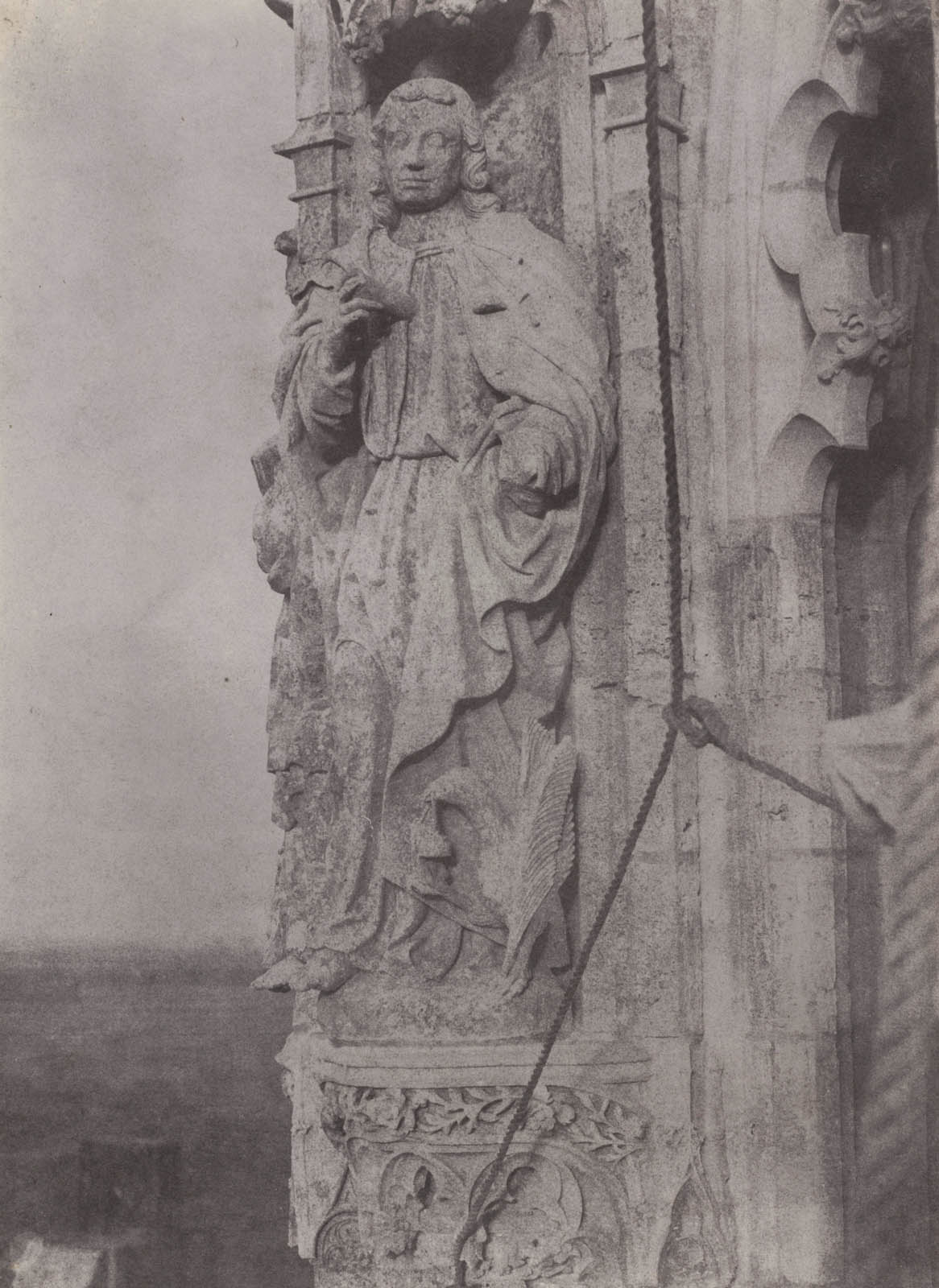
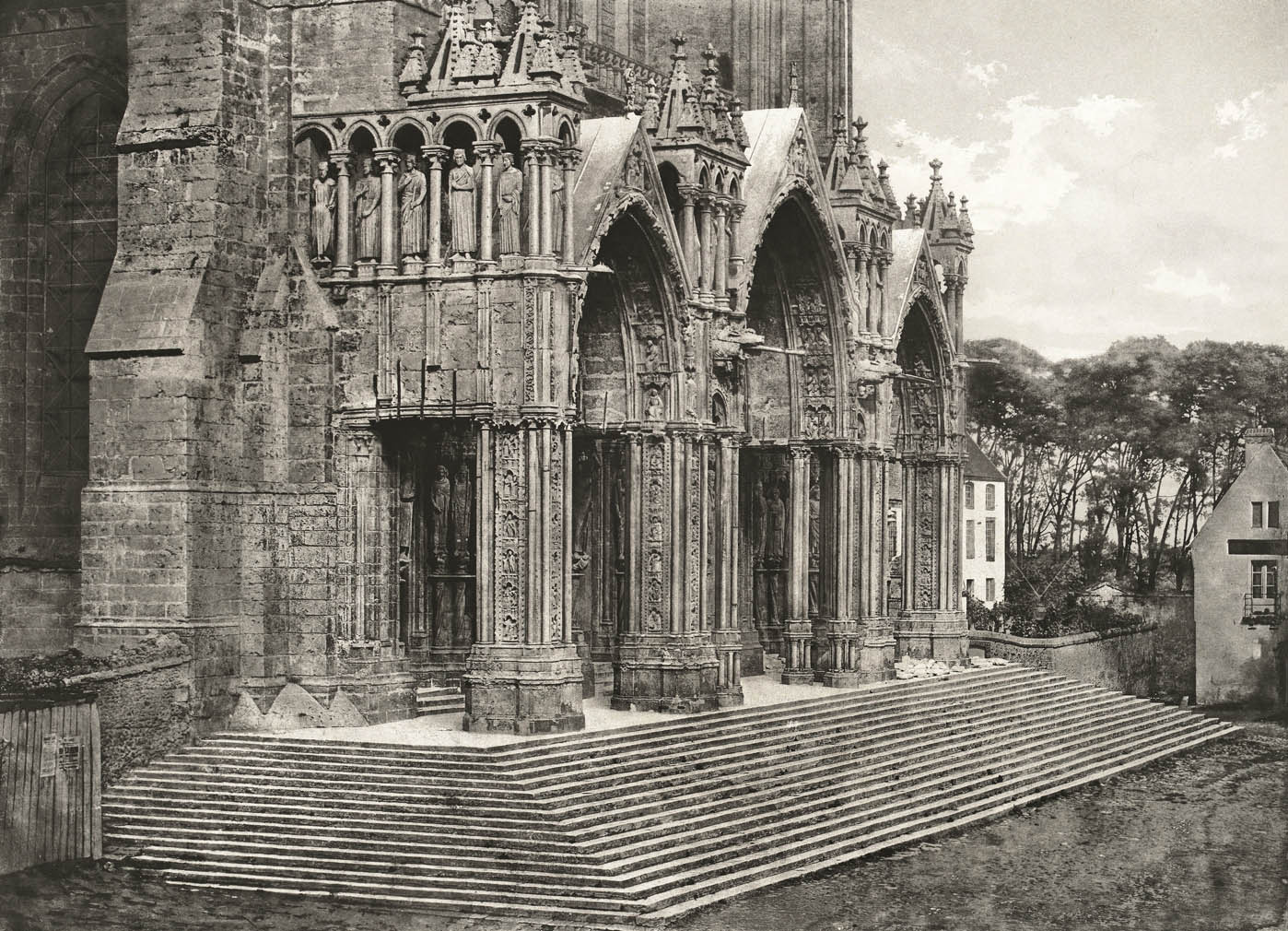
Charles Nègre (French, 1820-1880)
'Saint John the Evangelist, Chartres Cathedral' c. 1854


Charles Nègre (French, 1820-1880)
Saint John the Evangelist, Chartres Cathedral
c. 1854
Salted paper print from a paper negative
National Gallery of Art, Washington
Eugene L. and Marie-Louise Garbaty Fund, Pepita Milmore Memorial Fund and New Century Fund
Public domain


In 1851 the French government’s Commission des Monuments Historiques selected five photographers to document architectural treasures throughout the country. Nègre was not included, perhaps because he was a member of the opposition party, but he took it upon himself to photograph extensively in Marseilles, Arles, Avignon, and Aix-en-Provence in the early 1850s, and in 1854 he made many photographs of Chartres Cathedral.

Nègre applied his growing understanding of light, shadow, line, and form in Saint John the Evangelist, Chartres Cathedral, and the photograph beautifully illustrates his willingness to sacrifice “a few details,” as he wrote, to capture “an imposing effect.” In addition, unlike photographers associated with the Commission des Monuments Historiques, who were asked to provide general studies of a building’s façade, Nègre was free to explore more unusual views. The statue of Saint John the Evangelist is situated high in the north spire of Chartres, several feet above a nearby balcony. Although difficult to see and even harder for Nègre to record (he most likely perched his camera on a platform), the view in his photograph succinctly captured what he called the cathedral’s “real character” and “preserved the poetic charm that surrounded it.”

Text from the National Gallery of Art website


Unknown photographer (American 19th Century) 'George E. Lane, Jr.' c. 1855


Unknown photographer (American 19th Century)
George E. Lane, Jr.
c. 1855
Ambrotype
National Gallery of Art, Washington
Gift of Kathleen, Melissa, and Pamela Stegeman
Public domain


Étienne Carjat (French, 1828-1906)
'Charles Baudelaire' 1861, printed 1877


Étienne Carjat (French, 1828-1906)
Charles Baudelaire
1861, printed 1877
Woodburytype
National Gallery of Art, Washington
Gift of Jacob Kainen
Public domain


William James Stillman (American, 1828-1901) 'The Acropolis of Athens'
1869/1870


William James Stillman (American, 1828-1901)
The Acropolis of Athens
1869/1870
Carbon print
National Gallery of Art, Washington
Horace W. Goldsmith Foundation through Robert and Joyce Menschel


J.G. Ellinwood (American, 1844-1924) 'Portrait of a Woman' c. 1870


J.G. Ellinwood (American, 1844-1924)
Portrait of a Woman
c. 1870
Tintype, hand-coloured
National Gallery of Art, Washington
Mary and Dan Solomon Fund


Clarence White (American, 1871-1925) 'Mrs. White - In the Studio' 1907


Clarence White (American, 1871-1925)
Mrs. White – In the Studio
1907
platinum print
National Gallery of Art, Washington
Horace W. Goldsmith Foundation through Robert and Joyce Menschel and R.K. Mellon Family Foundation Fund


Karl Struss (American, 1886-1981) 'Columbia University, Night' 1910


Karl Struss (American, 1886-1981)
Columbia University, Night
1910
Gum dichromate over platinum print
Image: 24.1 × 19.9cm (9 1/2 × 7 13/16 in.)
National Gallery of Art, Washington
Horace W. Goldsmith Foundation through Robert and Joyce Menschel


Laura Gilpin (American, 1891-1979) 'Ghost Rock, Colorado Springs' 1919


Laura Gilpin (American, 1891-1979)
Ghost Rock, Colorado Springs
1919
Platinum print
24.2 x 19.1cm (9 1/2 x 7 1/2 in.)
National Gallery of Art, Washington
Marvin Breckinridge Patterson Fund
© 1979 Amon Carter Museum, Fort Worth, Texas


László Moholy-Nagy (Hungarian, 1895-1946) 'Untitled (Positive)' c. 1922-1924


László Moholy-Nagy (Hungarian, 1895-1946)
Untitled (Positive)
c. 1922-1924
gelatin silver print
National Gallery of Art, Washington
Gift of The Circle of the National Gallery of Art


László Moholy-Nagy (Hungarian, 1895-1946) 'Untitled' c. 1922-1924


László Moholy-Nagy (Hungarian, 1895-1946)
Untitled
c. 1922-1924
gelatin silver print
National Gallery of Art, Washington
New Century Fund


Eugène Atget (French, 1857-1927)
'Magasin, Avenue des Gobelins' 1925


Eugène Atget (French, 1857-1927)
Magasin, Avenue des Gobelins
1925
gelatin silver print, printed-out
National Gallery of Art, Washington
Patrons’ Permanent Fund
Public domain


Aleksandr Rodchenko (Russian, 1891-1956) 'Pioneer with a Bugle' 1930


Aleksandr Rodchenko (Russian, 1891-1956)
Pioneer with a Bugle
1930
Gelatin silver print
National Gallery of Art, Washington
Patrons’ Permanent Fund


Sid Grossman (American, 1913-1955) 'San Gennaro Festival, New York City' 1948


Sid Grossman (American, 1913-1955)
San Gennaro Festival, New York City
1948
gelatin silver print
National Gallery of Art, Washington
Anonymous Gift


Saul Leiter (American, 1923-2013) 'Snow' 1960


Saul Leiter (American, 1923-2013)
Snow
1960, printed 2005
Chromogenic colour print
National Gallery of Art, Washington
Gift of Saul Leiter


Diane Arbus (American, 1923-1971) 'A young man in curlers at home on West 20th Street, N.Y.C. 1966' 1966


Diane Arbus (American, 1923-1971)
A Young Man in Curlers at Home on West 20th Street, N.Y.C., 1966
1966
Gelatin silver print
National Gallery of Art, Washington
Gift of the Collectors Committee


The extraordinary range and complexity of the photographic process is explored, from the origins of the medium in the 1840s up to the advent of digital photography at the end of the 20th century, in a comprehensive exhibition and its accompanying guidebook at the National Gallery of Art, Washington. On view in the West Building, from October 25, 2009 through March 14, 2010, In the Darkroom: Photographic Processes Before the Digital Age chronicles the major technological developments in the 170-year history of photography and presents the virtuosity of the medium’s practitioners. Drawn from the Gallery’s permanent collection are some 90 photographs – ranging from William Henry Fox Talbot’s images of the 1840s to Andy Warhol’s Polaroid prints of the 1980s.

“In the Darkroom and the accompanying guidebook provide a valuable overview of the medium as well as an introduction to the most commonly used photographic processes from its earliest days,” said Earl A. Powell III, director, National Gallery of Art.

In the Darkroom

Organised chronologically, the exhibition opens with Lace (1839-1844), a photogenic drawing by William Henry Fox Talbot. Made without the aid of a camera, the image was produced by placing a swath of lace onto a sheet of sensitised paper and then exposing it to light to yield a tonally reversed image.

Talbot’s greatest achievement – the invention of the first negative-positive photographic process – is also celebrated in this section with paper negatives by Charles Nègre and Baron Louis-Adolphe Humbert de Molard as well as salted paper prints made from paper negatives by Nègre, partners David Octavius Hill and Robert Adamson, and others.

The daguerreotype, the first publicly introduced photographic process and the most popular form of photography during the medium’s first decade, is represented by a selection of British and American works, including an exquisite large-plate work by the American photographers Albert Sands Southworth and Josiah Johnson Hawes (see photograph above). By the mid-1850s, the daguerreotype’s popularity was eclipsed by two new processes, the ambrotype and the tintype. These portable photographs on glass or metal were relatively inexpensive to produce and were especially popular for portraiture.

The year 1851 marked a turning point in photographic history with the introduction of the collodion negative on glass and the albumen print process. Most often paired together, this negative-print combination yielded lustrous prints with a subtle gradation of tones from dark to light and became the most common form of photography in the 19th century, seen here in works by Julia Margaret Cameron, Roger Fenton, and Gustave Le Gray.

Near the turn of the 20th century, a number of new, complex print processes emerged, such as platinum and palladium, gum dichromate, and bromoil. Often requiring significant manipulation by the hand of the artist, these processes were favoured by photographers such as Gertrude Käsebier, Alfred Stieglitz, and Edward Weston.

One of the most significant developments of the late 19th century was the introduction of gelatin into photographic processes, which led to the invention of the film negative and the gelatin silver print. These became the standard for 20th-century black-and-white photography. A chronological selection of gelatin silver prints, including a contact print made by André Kertész in 1912; a grainy, blurred image of Little Italy’s San Gennaro festival at night by Sid Grossman from 1948 (see photograph above); and a coolly precise industrial landscape by Frank Gohlke from 1975, reveals how the introduction of the film negative and changes in the gelatin silver print process profoundly shaped the direction of modern photography. This section also explores the development of ink-based, photomechanical processes such as photogravure, Woodburytype, and halftone that enabled the large-scale, high-quality reproduction of photographs in books and magazines.

The final section of the exhibition explores the rise of colour photography in the 20th century. Although the introduction of chromogenic colour processes made colour photography commercially viable by the 1930s, it was not widely employed by artists until the 1970s. The exhibition celebrates the pioneers of colour photography, including Harry Callahan and William Eggleston, who made exceptional work using the complicated dye transfer process. The exhibition also explores the range of processes developed by the Polaroid Corporation that provided instant gratification to the user, from Andy Warhol’s small SX-70 prints to the large-scale Polaroid prints represented by the work of contemporary photographer David Levinthal.

Press release from the National Gallery of Art website [Online] Cited 15/02/2010 no longer available online


Roger Fenton (British, 1819-1869) 'The Cloisters, Tintern Abbey' 1854  from the exhibition 'In the Darkroom: Photographic Processes before the Digital Age' at the National Gallery of Art, Washington, D.C., October 2009 - March, 2010


Roger Fenton (British, 1819-1869)
The Cloisters, Tintern Abbey
1854
Salted paper print from a collodion negative
18.3 x 22.1cm (7 3/16 x 8 11/16 in.)
National Gallery of Art, Washington
Horace W. Goldsmith Foundation through Robert and Joyce Menschel
Public domain


Although Roger Fenton’s photographic career lasted for only 11 years, he exerted a profound influence on the medium. Trained as a lawyer, he began to paint in the early 1840s, studying in Paris with Michel-Martin Drölling and later in London with Charles Lucy. But in 1851 he took up photography and produced a distinguished and varied body of work. He was a pivotal figure in the formation of the Photographic Society (later known as the Royal Photographic Society), garnering support from Queen Victoria and Prince Albert. He is best known for his 1855 photographs made during the Crimean War, among the first to document war. But he also made ambitious studies of English cathedrals, country houses, and landscapes as well as portraits of the royal family, a series of still lifes, and studies of figures in Asian costume.

When Fenton first began to make photographs, he generally posed figures in a fairly stiff, even anecdotal manner. But in 1854 he began to use figures to create a sense of tension at once intriguing and compelling. The Cloisters, Tintern Abbey shows this more dynamic approach. Fenton placed people in three groups, not interacting with one another but engaging in silent and solitary dialogue with their decaying surroundings. Tintern Abbey had, of course, inspired many artists and poets to reflect on both “the life of things” – as William Wordsworth wrote in his 1798 poem, “Lines Composed a Few Miles above Tintern Abbey” – and on the transitory nature of life itself.

Text from the National Gallery of Art website


Charles Nègre (French, 1820-1880)
'Cathédrale de Chartres - Portique du Midi XIIe Siècle (Chartres Cathedral, South Portal, 12th Century)' c. 1854, printed c. 1857


Charles Nègre (French, 1820-1880)
Cathédrale de Chartres – Portique du Midi XIIe Siècle (Chartres Cathedral, South Portal, 12th Century)
c. 1854, printed c. 1857
photogravure
National Gallery of Art, Washington
William and Sarah Walton Fund


Roger Fenton (British, 1819-1869)
'Fruit and Flowers' 1860


Roger Fenton (British, 1819-1869)
Fruit and Flowers
1860
Albumen print from a collodion negative
National Gallery of Art, Washington
Paul Mellon Fund
public domain


In the summer of 1860 Fenton made his most deliberate and exacting photographs to date: a series of still lifes. Although the subject obviously had its roots in painting, his densely packed compositions are far removed from the renditions of everyday life by the Dutch masters. Instead, Fenton extravagantly piled luscious fruits and intricately patterned flowers on top of one another and pushed them to the front of his composition so that they seem almost ready to tumble out of the photograph into the viewer’s space. It is that very immediacy – the precarious composition, the lush sensuousness of the objects, and our knowledge of their imminent decay – that makes these photographs so striking.
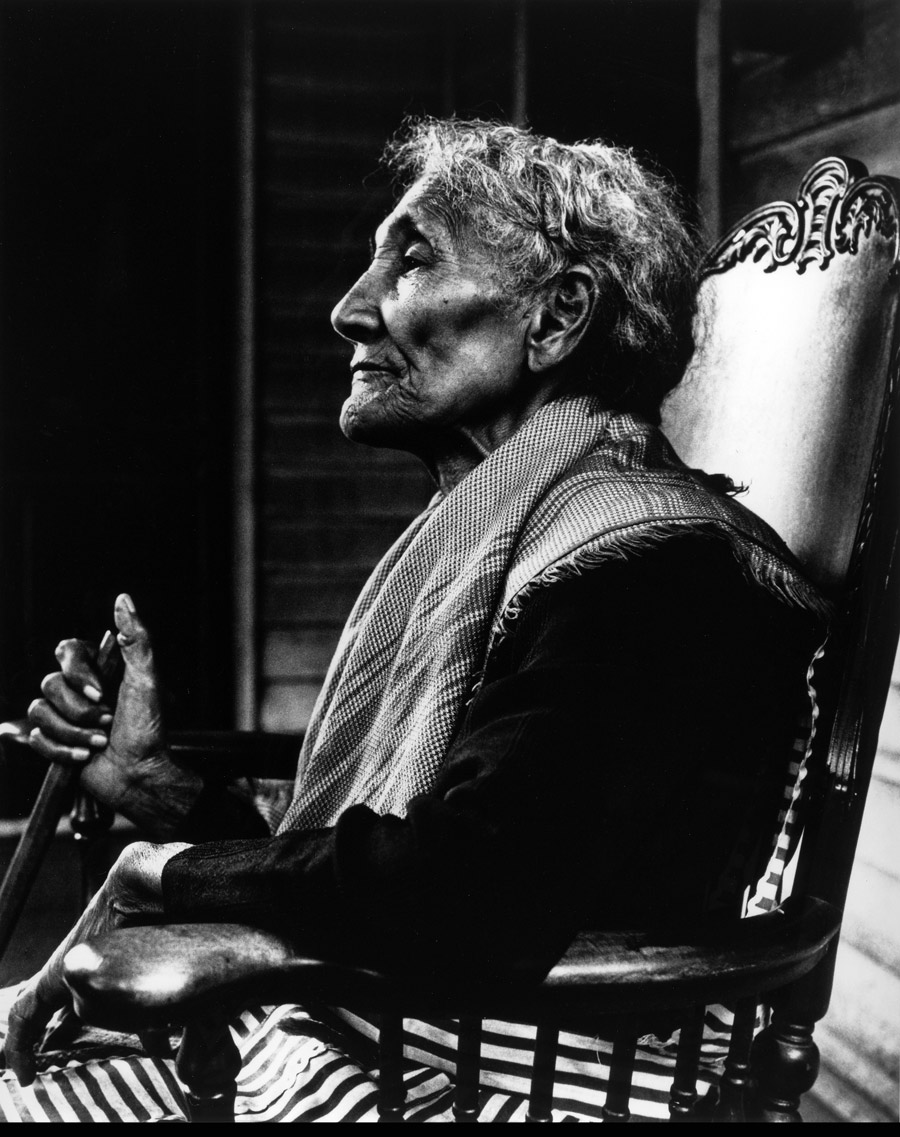
Text from the National Gallery of Art website


Gustave Le Gray (French, 1820-1884) 'Cavalry Maneuvers behind barrier, Camp de Châlons' 1857
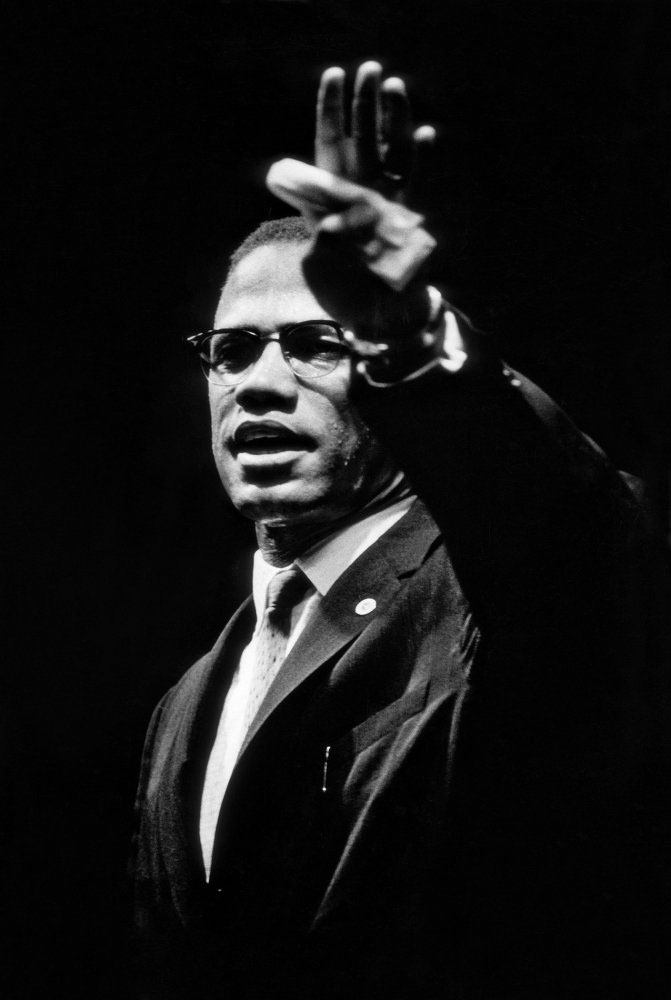
 

Gustave Le Gray (French, 1820-1884)
Cavalry Maneuvers behind barrier, Camp de Châlons
1857
Albumen silver print from glass negative
National Gallery of Art, Washington


Platt D. Babbitt (American, 1822-1879) 'Niagara Falls' c. 1860


Platt D. Babbitt (American, 1822-1879)
Niagara Falls
c. 1860
Ambrotype
National Gallery of Art, Washington
Vital Projects Fund


Alfred Stieglitz (American, 1864-1946) 'The Terminal' 1893


Alfred Stieglitz (American, 1864-1946)
The Terminal
1893, printed 1920s/1930s
Gelatin silver print
National Gallery of Art, Washington
Alfred Stieglitz Collection


Aaron Siskind (American, 1903-1991) 'Martha's Vineyard 108' 1954


Aaron Siskind (American, 1903-1991)
Martha’s Vineyard 108
1954
Gelatin silver print
National Gallery of Art, Washington
Diana and Mallory Walker Fund


Dave Heath (Canadian, born United States, 1931-2016) 'Hastings-on-Hudson, New York' 1963


Dave Heath (Canadian, born United States, 1931-2016)
Hastings-on-Hudson, New York
1963
Gelatin silver print
National Gallery of Art, Washington
Gift of Howard Greenberg


William Eggleston (American, b. 1939) 'Untitled (Car in Parking Lot)' 1973


William Eggleston (American, b. 1939)
Untitled (Car in Parking Lot)
1973
Dye imbibition print
National Gallery of Art, Washington
Anonymous Gift


Harry Callahan (American, 1912-1999) 'Providence' 1977


Harry Callahan (American, 1912-1999)
Providence
1977
Dye transfer print


Robert Adams (American, b. 1937) 'Summer Nights #2 (Longmont, Colorado)' 1979


Robert Adams (American, b. 1937)
Summer Nights #2 (Longmont, Colorado)
1979
Gelatin silver print
National Gallery of Art, Washington
Gift of Mary and David Robinson


Richard Misrach (American, b. 1949)
'Dead Fish, Salton Sea, California' 1983, printed 1997


Richard Misrach (American, b. 1949)
Dead Fish, Salton Sea, California
1983, printed 1997
Chromogenic colour print
National Gallery of Art, Washington
Anonymous Gift


Mark Klett (American, b. 1952) 'Under the Dark Cloth, Monument Valley, May 27' 1989


Mark Klett (American, b. 1952)
Under the Dark Cloth, Monument Valley, May 27
1989
Gelatin silver print from Polaroid instant film negative
National Gallery of Art, Washington
Gift of the Collectors Committee


Edward Burtynsky (Canadian, b. 1955) 'Shipbreaking #10, Chittagong, Bangladesh' 2000, printed 2001


Edward Burtynsky (Canadian, b. 1955)
Shipbreaking #10, Chittagong, Bangladesh
2000, printed 2001
Chromogenic colour print
National Gallery of Art, Washington
Fund for Living Photographers


The National Gallery of Art, Washington, DC

The National Gallery of Art, located on the National Mall between 3rd and 7th Streets at Constitution Avenue NW.

Opening hours:
Daily 10.00am – 5.00pm

National Gallery of Art website

LIKE ART BLART ON FACEBOOK

Back to top