I wonder whether you have seen those tv crime shows where the cops are grilling a suspect, and for fear of incriminating themselves they give a “no comment” interview…
What do you think of the composition of these photographs?
No comment
What do you think of the lighting in these photographs?
No comment
What do you think of the use of colour in these photographs?
No comment
What do you think of the people depicted in these photographs?
No comment
What do you think of the allegedly subtle critique of these patrician families, these far from “ordinary people”?
No comment
My mother said to me, if you can’t say anything constructive don’t say anything at all.
No comment
Dr Marcus Bunyan
Many thanks to Jeu de Paume for allowing me to publish the photographs in the posting. Please click on the photographs for a larger version of the image.
Jeu de Paume showcases the vibrant, singular work of influential American photographer Tina Barney, who is best known for exploring intergenerational familial rituals and the subtle nuances of human connection.
Spanning over 40 years of the artist’s career, the exhibition marks the artist’s first European retrospective. Born in 1945, Tina Barney began taking photographs of her relatives and friends in the late 1970s. A keen observer of family traditions, her work focuses on cultural habits within domestic settings. Her colourful and large-scale portraits may appear as family snapshots at first glance, however many have been carefully staged by the artist, creating intricate tableaux that establish a dialogue with classical painting. This exhibition will also include work from Barney’s editorial practice in which portraits of celebrities and models for fashion magazines and luxury brands share the same complexity, sensitivity, and humor found in her fine art practice.
Spanning the breadth of Barney’s career, the exhibition will include fifty-five large-scale works from Barney’s earliest through her most recent series, including those previously unseen in Europe.
In “Family Ties,” Tina Barney’s keenly observed portraits offer a window into a rarified world of privilege with a sense of spontaneity and intimacy that remind us of what we hold in common.
In the late 1970s, Barney began a decades-long exploration of the everyday, but often hidden, life of the New England upper class, of which she and her family belonged. Photographing close relatives and friends, she became an astute observer of the rituals common to the intergenerational summer gatherings held in picturesque homes along the East Coast.
These personal, often surreal, scenes present a secret world of the haute bourgeoisie – a landscape of hidden tension found in micro-expressions and in, what Barney calls, the subtle gestures of “disruption” that belie the dreamlike worlds of patrician tableaux.
Newly released, “Family Ties” brings together sixty large-format portraits from three decades that have defined Barney’s career, alongside an interview between the artist and Aperture’s executive director Sarah Meister, and texts by Quentin Bajac and James Welling.
This volume coincides with Barney’s first retrospective exhibition in Europe, on view at Jeu de Paume through January 2025.
In September 2024, Jeu de Paume, Paris, will showcase the vibrant, singular work of influential American photographer Tina Barney, who is best known for exploring intergenerational familial rituals and the subtle nuances of human connection. Spanning over 40 years of the artist’s career, Tina Barney. Family Ties marks the artist’s first European retrospective.
Born in 1945, Tina Barney began taking photographs of her relatives and friends in the late 1970s. A keen observer of family traditions, her work focuses on cultural habits within domestic settings. Her colourful and large-scale portraits may appear as family snapshots at first glance, however many have been carefully staged by the artist, creating intricate tableaux that establish a dialogue with classical painting. This exhibition will also include work from Barney’s editorial practice in which portraits of celebrities and models for fashion magazines and luxury brands share the same complexity, sensitivity, and humor found in her fine art practice.
Spanning the breadth of Barney’s career, the exhibition will include fifty-five large-scale works from Barney’s earliest through her most recent series, including those previously unseen in Europe.
Tina Barney’s experimental approach to photography emerged in the late 1970s. In 1981, she transitioned from working with a hand-held Pentax 35mm camera to a tripod-mounted Toyo 4 x 5 view camera. Through the 1980s, Barney’s early images revealed a world rarely seen in photography, offering the public an intimate look at the inner lives of the East Coast American upper class. At various vacation spots, birthday parties (The Children’s Party, 1986), weddings (Bridesmaids in Pink, 1995), backyard barbecues (Tim, Phil, and I, 1989) and family lunches in and around her house in Rhode Island, Barney probed the social habits of her subjects, exposing a fine line between intense concentration and idle restlessness. Her models pose like actors in a theater or film scene as the artist quickly replays micro-gestures and gives informal instructions. With the spontaneity of a snapshot, The Reception (1985), for example, sees Barney carefully direct the guests of her sister’s wedding.
Between 1996 and 2004, Barney traveled to Italy, the United Kingdom, Austria, France, Spain and Germany, turning her attention to social types and customs instead of individuals. In these works, traditional motifs are often combined with more contemporary features, as figures of the European aristocracy pose in a pictorial manner, reminiscent of British “conversation pieces” of the eighteenth century. Working in large format allows Barney to magnify the exquisite details found in the textures and colours of her subjects’ clothes, furniture, fabrics and decor, drawing particular focus to the visual and material cultures that inform their mannerisms.
The exhibition will explore the theatrical dimension of Barney’s mise-en-scènes, with special attention to her work with her subjects and the construction of space. Barney’s work underscores a certain narrative dimension or tendency. In the early 1990s, Barney began working for several magazines and newspapers, including The Daily Telegraph, W, Arena Homme Plus, Hommes Vogue International and Vogue US, fuelling her attention to the formal and compositional possibilities of photographs where the costumes, setting, and circumstances are already defined.
Departing from a strictly chronological approach, Tina Barney. Family Ties will present specific themes that have traversed Barney’s various bodies of work over four decades. For example, family – a key theme from the very beginning of Barney’s photographic practice in 1976 – may be found in Jill and Mom (1983), an intimate scene where the artist’s sister and mother address the camera in relaxed postures. Nearly twenty years later, The Daughters (2002) revisits the dynamic of a mother and daughter in a portrait of a French family whom Barney had not previously met.
Tina Barney was born in New York in 1945. Her mother, Lillian Fox, was a model turned interior designer. Her father, Philip Henry Isles, came from a long line of investment bankers and art collectors. Throughout her childhood, she was exposed to the practice of photography by her maternal grandfather. She began experimenting with photography when she and her family moved to Sun Valley, Idaho in 1973, where she lived until returning to New York City in 1983. Barney has exhibited her work at major venues across the globe, including the Museum of Modern Art in New York, and she participated in the Whitney Biennial in 1987. Today, her work is included in many prominent collections around the world. She lives and works between New York and Rhode Island.
Curator of the exhibition: István Virágvölgyi Co-curator: Miklós Tamási Curatorial assistant: Mária Madár
The catalog is a richly illustrated catalog in Hungarian and English.
Unknown photographer Untitled 1948 Fortepan / Capital of Budapest Archives
In seeking to understand the past, present and future of a people and a country, the importance of analysing the pictures stored within a historical photographic archive cannot be underestimated. The photographs in an archive such as the Hungarian Fortepan digital photo archive are a form of cultural memory, a collective consciousness, in pictures, of the numerous lifelines of the people of that country, its history, it triumphs, its trials and tribulations. Jean-Paul Sartre observes, “Time … is everywhere a self-transcendence and a referring of the before to the after and of the after to the before…” Photographs do this very well, as the future beyond the click of the shutter, becomes past time; that very time is then transcended back into present time, the past into the present embracing the future, when someone looks at an “old” photograph. The old is young again.
The Fortepan digital photo archive usually de/pics anonymous people taken by unknown photographers in sometimes known, sometimes unknown settings. It represents “Hungary’s 20th century history, the images focusing on the lives of ordinary people and their experiences, as conveyed by private photographers.” These vernacular photographs act as a tabula rasa,1 a touchstone for hidden stories and histories. The prima materia, the base material of chaos, forms a clean slate (tabula rasa) on which is written the order of the image. Out of light emerges darkness, the inversion that is the negative, which is then made positive again during printing. The etching of light onto the negative builds up a story first seen in the mind’s eye – that knowledge then decoded (or not) through experience and perception: how do you interpret a photograph? What language does it speak? Do you understand what it is saying? The before to the after and the after to the before…
And then we see. Images of happy human beings hanging from a crossbar; a young boy with amputation looking quizzically at the camera while a doctor and nurses pose stiffly, sullenly; and the horrors of war and an uprising that failed. The bits and pieces of lives and people and places and things and events and wars and death and youth and happiness and fun. A palimpsest. The past presently emerging, the present being constantly overwritten, the future embedded in the past. We are but a speck, an infinitesimal speck in the cosmos, not even a micron of a grain of sand in the fluidity of space/time.
“Even our experience of time and space, argues Jameson, has been transformed under postmodernism. Time has collapsed into a perpetual present, in which everything from the past has been severed from its historical context in order to circulate anew in the present, devoid of its original meanings but contributing to the cluttered texture of our commodified surroundings. The result, he writes, is historical amnesia, a lack of knowledge about the past that, in its pathological form, resembles the schizophrenic’s inability to remember anything and consequent inability to sustain a coherent identity.”2
What the photographs of the Fortepan archive let us achieve is to compile an incomplete, an in/coherent but valid identity from a certain perspective (and that is very important). As with any system of classification, it all depends who is looking and from what point of view. They also let us meditate on our brief existence in order to say, we were/are/will be here. And it mattered.
I look forward to hopefully meeting my friends Tamás Németh and Miklós Tamási when I am in Budapest soon.
Dr Marcus Bunyan
1/ Tabula rasa is the theory that individuals are born without built-in mental content and that therefore all knowledge comes from experience or perception.
2/ Jameson, Frederic. Postmodernism, or, The Cultural Logic of Late Capitalism. Duke University Press, Durham, N.C., 1991, p. 419 quoted in Springer, Claudia. Electronic Eros: Bodies and Desire in the Postindustrial Age. Austin: University of Texas Press, 1996, p. 40
Many thankx to the Hungarian National Gallery, Tamás Németh, Ákos Szepessy and the Fortepan digital photo archives for allowing me to publish the photographs in the posting. Please click on the photographs for a larger version of the image.
“Time … is everywhere a self-transcendence and a referring of the before to the after and of the after to the before … If time is considered by itself, it immediately dissolves into an absolute multiplicity of instants which considered separately lose all temporal nature and are reduced pure and simply to the total a-temporality of the this.”
Satre, Jean-Paul. Being and Nothingness. (trans. Hazel Barnes). London: Methuen, 1966, p. 215.
“Fortepan is a collective effort at “codebreaking” the assembled scanned negatives, to decipher what is there before us in the image. Fortepan has become a public resource of the Hungarian audio-visual culture.”
“In a word, Fortepan perhaps helps to make the 20th century, with all its turns and twists, a little more understandable, bearable and emotionally fathomable.”
Miklós Tamási, Founder of Fortepan
“The archive is one that is free, high resolution, and operates based on Creative Commons 3. This means that it can be used free of charge even for commercial purposes. Even in such cases, people don’t owe us anything.”
András Török, Cultural Manager of Fortepan
FORTEPAN ADOMANYOZÓK, FELHASZNÁLÓK
Unknown photographer Untitled (amputation) 1916 Fortepan / Capital of Budapest Archives
Unknown photographer Hungary, Slovakia, Esztergom the Castle Hill and the Basilica from the Maria-Valeria Bridge 1900 Fortepan / Capital of Budapest Archives
Unknown photographer Hungary, Balaton, Siofok 1920 Fortepan / Capital of Budapest Archives
Unknown photographer Hungary, Rácalmás opposite the Catholic Church (demolished in 1969) 1920 Fortepan / Capital of Budapest Archives
Unknown photographer Hungary, Budapest III., Óbuda Óbuda Shipyard, Danube branch next to Hajógyári Island, BL floating crane and two DDSG barge 1920 Fortepan / Capital of Budapest Archives
From the material of the popular Fortepan digital photo archive, a selection of more than three hundred pieces at the Hungarian National Gallery is presented. The exhibited pictures are closely related to Hungary’s 20th century history. The age in which they were made is manifested in many different ways in these images, but the emphasis is on the view and life events of the average person through the private photographs that provide the backbone of the collection.
Representing Hungary’s 20th century history, the images focus on the lives of ordinary people and their experiences, as conveyed by private photographers.
The founders of the collection, two high school classmates Miklós Tamási and Ákos Szepessy, began to collect the photographs in the digital Fortepan archives back in the 1980s. They launched an online site with 5,000 digitised images in 2010. Today the collection numbers 110,000 photos.
Each photograph in the exhibition tells a story. In some cases these stories can be reconstructed, but in most others the people in the pictures are no longer known, and neither are the circumstances in which the photo was taken, allowing visitors to use their imagination and invent their own stories linked to the images.
Unknown photographer Untitled (woman and boy) 1935 Fortepan / Capital of Budapest Archives
Unknown photographer Romania, Transylvania, Strait of Békés 1935 Fortepan / Capital of Budapest Archives
Unknown photographer Slovakia, Three Revuca highway between Veľký Šturec pass and village, opposite Čierny Kameň 1935 Fortepan / Capital of Budapest Archives
Unknown photographer Hungary, Szentes St. Imre street, opposite number 5 1936 Fortepan / Capital of Budapest Archives
Unknown photographer Hungary, Budapest VIII. Tavaszmező utca 1, Gartner Károly, writer of sipotei Golgotha 1942 Fortepan / Capital of Budapest Archives
Gartner Károly (author) Gyula Komjáti (graphics). A Sipotei Golgotha: Romániai Rabmagyarok Története (A Sipotei Golgotha: The history of the Romanian prisoners of Hungarians). G. Z. Hartrampf I, 1932
The name of Șipotele, even for those interested in history, is mostly unknown. One of the most inhumane prisoners of war prisons in the First World War was established near this Romanian settlement, and most of the prisoners were Hungarian. Șipotele was located near the Romanian-Russian border at the time, eight kilometres from the Prut River and 40 kilometers south of lași.
Gartner Károly (Hungarian born Transylvania, 1908-1972) (author) Gyula Komjáti (Hungarian, 1894-1958) (graphics) G. Z. Hartrampf I (publisher) A Sipotei Golgotha: Romániai Rabmagyarok Története Golgotha Sipotei: The history of the Romanian prisoners of Hungarians 1932 Book cover
Gartner Károly (1908-1972) was born in Transylvania and married Irén Weigand, an officer of the Waterworks in Székesfehérvár, in 1936. Károly Gartner was mentioned in his thirties and forties as a result of his reminiscences of Golgotha, which depicts the death of fourteen thousand Hungarian prisoners of war from the experiences of the First World War. Together with his wife he also wrote a Hungarian song titled Cherry Blossom, was former director of the Phoenix Chocolate Shop, was the national director of the Bethlen István National Unity Party, and from 1938 he was the head of the Municipal Food Plant in Budapest.
Gyula Komjáti (1894-1958) was a Hungarian graphic artist, painter and teacher. He studied at Olgyai Viktors at the College of Fine Arts in Budapest. He was captured in World War I; it has become known through the graphics and etchings of the Sipotei prison camp. In 1926 he won the Ernst Prize and the Zichy Prize. Between 1927 and 1929 he spent a longer time in London with a state scholarship. He also captured World War II in drawings. From 1953 he was a teacher at the Budapest School of Fine Arts and Applied Arts.
Gyula Komjáti (Hungarian, 1894-1958) Csendélet Sipotén 1917 Drawing for the book Golgotha Sipotei
Unknown photographer Untitled 1942 Fortepan / Capital of Budapest Archives
Unknown photographer Hungary, Budapest XIV., City Park, Budapest International Fair showing captured Soviet I-15 Csajka fighter wreck 1942 Fortepan / Capital of Budapest Archives
Polikarpov I-15
The Polikarpov I-15 (Russian: И-15) was a Soviet biplane fighter aircraft of the 1930s. Nicknamed Chaika (Russian: Чайка, “Seagull”) because of its gulled upper wings, it was operated in large numbers by the Soviet Air Force, and together with the Polikarpov I-16 monoplane, was one of the standard fighters of the Spanish Republicans during the Spanish Civil War, where it was called Chato (snub-nose).
More than 1,000 I-15bis fighters were still in Soviet use during the German invasion when the biplane was employed in the ground attack role. By late 1942, all I-15s and I-15bis’ were relegated to second line duties.
Kogo Polikarpov I-15bis ‘Bort 19’ (Aviarestoration) 2005 CC 2.0
Unknown photographer Untitled 1943 Fortepan / Capital of Budapest Archives
More than 110,000 photographs of Fortepan’s digital collection were collected by two high school classmates, Miklós Tamási and Ákos Szepessy in the 1980s. After the regular, but possibly collecting, amateur photos and negatives appearing on the out of stock markets, they launched their Internet site in 2010 with the publication of 5,000 digitised photos. Soon, many private individuals and public institutions have joined the donating circle of 600 people, whose images are expanding monthly with the archive.
The two most important features of Fortepan’s archive (named after the most popular amateur film by amateur photographers of the former Vác Forte) are free and common. Shared because it is made up of our pictures and is about our world. Shared because it is based on volunteers. Shared because anyone can help identify individual locations and people. Free because it is freely available to anyone without any restrictions, and images can be used without royalty.
It belongs to all the photos in the exhibition, it was a story. In the fortunate case, this story can be recalled, but in most cases it is no longer known what the individuals in the photos are, the history of the individual images – so the visitor’s imagination is left to see the story behind the photo. Today’s background stories provide an insight into the misery of the world champion, who is modelled on the figure on the back of the old twenty-pound banknote, or the rescue of a burnt photo archive. In addition to this, the exhibition is strongly summoned by the ruined Budapest destroyed during World War II; visitors can walk through an imaginary capital street with pictures taken over decades and in different places, placed in the position of Fortepan editors and picking pictures of a legacy; or read into the many readers’ letters written to Fortepan.
In the exhibition, as well as in a large, common family photo album, along the paths of human life, photographs taken before the 1990s are followed by a total of about 200 pieces. For the first time in this exhibition, the main characters are children, then young people, adults and finally the elderly. In addition, we present more than 150 photos, of which sixteen well-described stories are drawn. Including the 2 World War II fronts – as a war correspondent saw; the idyll of rural life with the eyes of a photographic painter; barely photographed history of the Hungarian Holocaust; life in Transylvania during the dictatorship of the 1980s or everyday life of a First World War Prisoner in Siberia. The pictures of Budapest, destroyed by war, or youth sports with the defence content of the Cold War years form a separate story. But there is more unity in the last years of the Austro-Hungarian Monarchy, pictures of the Stalin statue in 1956, photographs of the rebellious youth of the 1970s and 1980s, or banned photos of commuters from 1964. The sixteen stories, with their associated photos and their complementary items, appear in a separate installation at the exhibition.
In our centuries-old common history, the exhibition updates our memory of the memories that are directly and directly linked to us, just as Zsuzsa Rakovszky puts it in his poem Fortepan: “Every past is my past”.
Text from the Hungarian National Gallery website [Online] Cited 29/06/2019
Installation views of the exhibition Every Past Is My Past at the Hungarian National Gallery (MNG), Budapest
About Fortepan
Fortepan is a copyright-free and community-based photo archive with over 100,000 photographs available for anyone to browse and download in high-resolution, free of charge. The images are free to share with the appropriate credit given as FORTEPAN / NAME OF DONOR. Please do provide the full credit at all times as it is a tribute to the selfless contribution of the donor.
This website was launched in 2010 by Ákos Szepessy and Miklós Tamási and it initially contained photographs found randomly in the streets of Budapest. The archive has expanded since then through donations from families, amateur and professional photographers, along with public collections. The images on the website are selected by editors. The descriptions attached to the images are compiled and edited by volunteers, utilising information contributed at the Fortepan Forum. We gladly offer to process your photographs and negatives as well, you can contact us at fortepan@gmail.com.
Fortepan’s collaborators are: László Gál, Luca Jávor, László Lajtai, Pál Négyesi, Tamás Németh, András Pálfi, Zsolt Pálinkás, Gábor Péter, Dávid Sándor, Gyula Simon, Miklós Tamási, András Török, János Varga, János F. Varga. Fortepan’s work is supported by Arcanum, Blinken OSA Archivum, Archive of Modern Conflict and Forum Hungaricum Nonprofit Kft. Administrative management is provided by Summa Artium Nonprofit Kft.
Unknown photographer Hungary, Uzsa (at that time part of the Lesenceistvánd settlement), Liget utca 1950 Fortepan / Capital of Budapest Archives
Unknown photographer Hungary on 8126 from Söréd and Csákberény towards Csákberény. To the right is the Bodajk-Gánt railway 1950s Fortepan / Capital of Budapest Archives
Unknown photographer Hungary, Budapest VII. Elizabeth (Lenin) road from New York Palace to Blaha Lujza Square 1956 Fortepan / Capital of Budapest Archives
Unknown photographer Hungary, Budapest V. South of Kossuth Lajos Square, underground construction area 1956 Fortepan / Capital of Budapest Archives
Unknown photographer Hungary, Budapest VIII. II. Pope John Paul (Republic) Square, main entrance of the Erkel Theater 1956 Fortepan / Capital of Budapest Archives
Unknown photographer Untitled 1957 Fortepan / Capital of Budapest Archives
Unknown photographer Untitled 1957 Fortepan / Capital of Budapest Archives
Unknown photographer Untitled 1957 Fortepan / Capital of Budapest Archives
Unknown photographer Untitled 1969 Fortepan / Capital of Budapest Archives
Unknown photographer Untitled 1969 Fortepan / Capital of Budapest Archives
Installation views of the exhibition Every Past Is My Past at the Hungarian National Gallery (MNG), Budapest
Hungarian National Gallery 1014 Budapest, Szent György Square 2 Central Telephone: +361 201 9082
Opening hours Tuesday to Sunday 10.00 to 18.00 Monday closed
It’s hard to get a sense of this exhibition from the media images, therefore difficult to make any constructive comment on the strength of the exhibition.
Apparently,
“The exhibition’s gallery feels very domestic. Groups of photos hang on the walls – different sizes, colours, formats and frames – like you’d see in a living room or hallway. MFA curator Karen Haas confirms that evocation is absolutely intentional.
“Photographers from the very beginning have been fascinated by the way that the camera could capture images of loved ones, freeze them in time,” she says. “They form sort of reliquaries of memory, and these sorts of relationships to the objects – that idea of the photograph as a talisman-like object I think has been somewhat forgotten in our contemporary world.” …
Haas’ goal in creating this show is to illustrate how broad and diverse family configurations can be – without defining them. “The families that we’re born into, generational families,” she describes, “but also romantic unions, couples and chosen families – families we have chosen for ourselves.” And that includes the military and the church, Haas says. “I think the family is such a basic social construct – so basic to so many of our lives – that I hope that these kinds of images will really resonate with people.”1
Outsider family, insider family, single parent family, nuclear family, extended family, reconstituted family, childless family, gay family, step family, “family has always taken diverse forms: affluent and destitute, cohesive and fractured, expected and unexpected. Taken together, the photographs challenge visitors to consider what family means to them.”
But what is most important is this:
“There is no right or wrong answer when it comes to what is the best type of family structure. As long as a family is filled with love and support for one another, it tends to be successful and thrive. Families need to do what is best for each other and themselves, and that can be achieved in almost any unit.”2
Families all have secrets, no matter how perfect they may seem to the outside world. Whether it be domestic violence behind closed doors or skeletons in the closet there is always more than meets the eye. And that’s where these photographs of families fail in their representation of the family. That, and the title of the exhibition – (un)expected families – because in the 21st century, nothing should be unexpected.
By adding emphasis to the (un), the title merely propagates a form of discrimination, of outsider as different and therefore worthy of abuse because of that very difference.
Expected families: we are all human beings and therefore anything is to be expected.
Many thankx to the Museum of Fine Arts Boston for allowing me to publish the photographs in the posting. Please click on the photographs for a larger version of the image.
Lewis W. Hine (American, 1874-1940) Home Workers, New York 1915 Lewis W. Hine/Museum of Fine Arts, Boston
Bringing together more than 80 pictures taken by American photographers from the 19th century to today, (un)expected families explores the definition of the American family – from the families we are born into to the ones we have chosen for ourselves. The works on view depict a wide range of relationships, including multiple generations, romantic unions, and alternative family structures.
Using archival, vernacular, and fine art photographs, (un)expected families offers a variety of perspectives on the American family, from Dorothea Lange’s depiction of a migrant family at the time of the Dust Bowl to Louie Palu’s portraits of US Marines fighting in Afghanistan. The exhibition illustrates that the family has always taken diverse forms: affluent and destitute, cohesive and fractured, expected and unexpected. Taken together, the photographs challenge visitors to consider what family means to them.
(un)expected families features celebrated practitioners like Nan Goldin, Carrie Mae Weems, LaToya Ruby Frazier, and Harry Callahan, as well as a number of renowned Boston-area artists, such as David Hilliard, Nicholas Nixon, Abe Morell, and Sage Sohier.
Text from the Museum of Fine Arts, Boston website
Louis Faurer (American, 1916-2001) Ritz Bar, New York 1947-1948 Estate of Louis Faurer/Museum of Fine Arts, Boston
Duane Michals (American, b. 1932) When he was young, he could not imagine being old. And now that he is old, he cannot imagine ever having been young 1979 Gelatin silver print Duane Michals, courtesy of the DC Moore Gallery, New York, and Osmos, New York
Sage Sohier (American, b. 1954) Mum in her bathtub, Washington, D.C. 2002 Inkjet print Living New England Artists Purchase Fund, created by the Stephen and Sybil Stone Foundation Courtesy Museum of Fine Arts, Boston
David Hilliard (America, b. 1964) Rock Bottom 2008 Panorama Construction
Rock Bottom features, in the left panel, a close up sharp focus portrait of Hilliard’s father standing in a lake, with a severe and harsh facial expression, yet vulnerably placing his hands on his chest between his two sailor swallow’s tattoos. In the right panel, Hilliard himself appears somewhat further from the camera. With a gentler facial expression, the photographer contrasts with his tense patriarchal figure, but features a similar hairy chest and matching tattoos – giving the viewer a hint on the subject’s father-son relationship. The middle panel is exclusive for environmental portraiture and the creation of meaning in the composition: a sunny day at the lake, where the blue skies and soft clouds perfectly reflect on the water and separate the subject matters. The real meaning of the juxtaposition relies on the knowledge of Hilliard’s personal life and the presence of the middle panel: although the father accept his son’s homosexuality, the issue has clearly been a source of tension between them, creating both emotional and physical distance between the subject matters. Represented by the central panel, a stunning view divides the two generations both visually and metaphorically, symbolising the idea of emotional distance in an atypical form.
Like most of Hilliard’s photographs, Rock Bottom exposes how physical distance is often manipulated to represent emotional distance. The presence of the middle panel, exclusively dedicated to environmental portraiture and the emphasis on the importance of our surroundings, also suggests the emotional distance between the subjects. The lack of elements and presence of great depth of field of the center panel insinuates that, regardless of the level of intimacy between the subject matters – distance is always palpable.
Marina Pedrosa. “David Hilliard: Building Meaning Through Composition,” on the medium website [Online] Cited 22/08/2018. No longer available online
Caleb Cole (American, b. 1981) The Big Sister 2012 From the series Odd One Out (2010-Present) Archival pigment print 49 × 68cm (19 5/16 × 26 3/4 in.) Museum purchase with funds donated by James N. Krebs
Bringing together more than 80 pictures taken by photographers from the 19th century to today, (un)expected families at the Museum of Fine Arts, Boston (MFA), explores the definition of the American family – from the families we’re born into to the ones we’ve chosen. The photographs in the exhibition, on view from December 9, 2017 through June 17, 2018, depict a wide range of relationships – multiple generations, romantic unions and alternative family structures – whether connected by DNA, shared life experiences, common interests or even a social media network. Encompassing both carefully staged portraits and serendipitous snapshots, the selection of vernacular, documentary and fine art photographs in (un)expected families illustrates that the concept of family has long taken many forms – a subject that has fascinated photographers since the invention of the camera – and challenges visitors to consider what family means to them. Drawn primarily from the MFA’s holdings, the exhibition includes photographs by celebrated artists such as Nan Goldin, Gordon Parks, Nicholas Nixon, Sally Mann, Diane Arbus, Tina Barney, Emmet Gowin and Bruce Davidson. Loans from private collections include Victorian-era “hidden mother” photographs of children and turn-of-the-century portraits of women in intimate relationships sometimes referred to as “Boston marriages.” Additionally, (un)expected families highlights many New England photographers whose work centers on familial relationships, debuting eight photographs – acquired specifically for the exhibition – by Zoe Perry-Wood, Arno Rafael Minkkinen, Amber Tourlentes, Caleb Cole, Tanja Hollander, David Hilliard and Jeannie Simms. An interactive component of (un)expected families invites visitors to share thoughts about their own families on response cards. A selection will be displayed in the gallery on a rotating basis, and all will be archived as part of the permanent exhibition record. Additionally, a free family guide engages children with close looking and drawing activities. The exhibition is generously supported by an anonymous donor.
“Almost as soon as exposure times became short enough to make portraiture feasible, photographers have been drawn to capture likenesses of loved ones. Perhaps that power to freeze a moment in time is what explains why family photographs are so often described as the first thing one would save from a burning building,” said Karen Haas, Lane Curator of Photographs. “I find it particularly fascinating that there seems to be a growing interest among contemporary photographers to focus on families in their work – even as with the rise of smartphones and social media, our own personal pictures are increasingly relegated to the ether, rarely experienced as tangible objects.”
The images presented in (un)expected families span 150 years. Among the oldest pictures are photographs of “hidden mothers” (1860s-1870s), depicting infants in the laps of concealed adults – a trick to keep the children still during long sittings or exposures. The mothers or nursemaids were draped with scarves or blankets, or hidden behind furniture or painted backdrops. Similarly, the contemporary photograph Nayla, Ted, Alexandra, Nick, March 30, 1995 (1995) by Cambridge-based Elsa Dorfman (born 1937) focuses solely on the children. While names of the parents are among those handwritten on the bottom of the large-scale Polaroid, only their legs are visible in the composition. Another contemporary photograph juxtaposed with the Victorian-era “hidden mothers,” which were made during a period of high infant mortality rates, is Tammy Hindle (2006) by Nicholas Nixon (born 1947). Part of Nixon’s series documenting a family’s heartbreaking loss of a child, the image shows the mother, Tammy, carrying a portrait of the baby, Claire, to the funeral service, their bodies appearing to magically merge in the reflection within the picture frame.
Father-and-son relationships are explored in images by Dawoud Bey (born 1953), Duane Michals (born 1932) and Jim Goldberg (born 1953), all of which incorporate texts that amplify the moving and often painful stories behind the images, as well as recently acquired photographs by David Hilliard (born 1964) and Arno Rafael Minkkinen (born 1945). Hilliard’s triptych Rock Bottom (2008) is one of an extended series of panoramic photographs that trace the shifting narrative of the gay artist’s complicated relationship with his father. The beautifully choreographed self-portrait visually links the two men, unmistakably related to each other and sporting identical swallow tattoos, across a serene expanse of lake. Minkkinen’s 31-12-86, Self-Portrait with Daniel, Andover (1986), recently gifted to the MFA by the artist, is one of a little-known series of portraits that he took of his son Daniel as the boy grew and matured from infancy to adolescence. The photograph shows Daniel sitting on a bed, bathed in raking light and looking directly at his father’s large-format camera. With his head hidden from view, Minkkinen’s outstretched arms perfectly echo the curve of the headboard and create a haunting embrace that speaks to a parent’s deep-seated desire to encircle and protect a child.
Seventeen photographs representing multiple generations of a family are arranged in a salon-style hang, ranging from intimate depictions of parents with children, such as Baby Toss (2009) by Julie Blackmon (born 1966); to pairs of siblings, such as Twins at WDIA, Memphis (about 1948) by Ernest C. Withers (1922–2007); to a 1925 panorama capturing an extended family reunion encompassing about 200 people. The display also features recently acquired photographs by Sage Sohier (born 1954) and Jeannie Simms (born 1967). Sohier’s Mum in her bathtub, D.C. (2002) is from an extended series devoted to her mother, a former fashion model who had posed for Richard Avedon and Irving Penn in the 1940s. Simms’ Arnie, Susan & Elijah, Jamaica Plain, MA (2015) is from a series documenting the lives of couples married in Cambridge after Massachusetts became the first U.S. state to issue same-sex marriage licenses on May 17, 2004.
Recently acquired works by Amber Tourlentes (born 1970), Zoe Perry-Wood (born 1959) and Jess Dugan (born 1986) also document the experience of LGBTQ couples, families and individuals. Tourlentes has regularly made LGBTQ family portraits on the Town Hall stage in Provincetown, Massachusetts, during its annual Family Week, sometimes revisiting the same subjects over the course of several years. Perry-Wood has spent the last decade photographing another annual event, the Boston Alliance of Gay and Lesbian Youth (BAGLY) Prom, which offers a safe and celebratory occasion for young couples – an alternative to more traditional high-school proms. Allowing her subjects to pose in front of the camera in a studio-like setting, as seen in José and Luis (2015), Perry-Wood helps to give them a sense of personal agency and collective pride at a pivotal moment in their lives. Unlike Tourlentes and Perry-Wood, Dugan photographs her subjects – friends within the LGBTQ community – in natural light and the privacy of their own living spaces, exploring issues of gender, identity and social connection through large-format portraits such as Devotion, from the series Every Breath We Drew (2012).
With the invention of the small and affordable Kodak camera in the late 19th century, followed by the instant camera in the 1940s, many Americans no longer felt the need to visit formal portrait studios in order to record their personal lives. Among the casual snapshots featured in (un)expected families are Polaroids of Caroline Kennedy and her cousin Tina Radziwill, taken by Andy Warhol (1928-1987) in the summer of 1972 and exhibited at the MFA for the first time. The artist – along with filmmaker Jonas Mekas and photographer Peter Beard – was hired by Jacqueline Kennedy Onassis to teach the children filmmaking and photography. Also on view are an album of photographs commemorating a fraternity at Baker University in Kansas (1910s) and six snapshots depicting “Boston marriages” (1920s-1930s) – a turn-of-the-century term used to describe two women living together without the support of a man – romantic relationships in some cases and simply platonic partnerships in others.
Several groupings in the exhibition are centered on places of family life. Working roughly 50 years apart, one on New York’s Lower East Side and the other in Harlem, Lewis Hine (1874-1940) and Bruce Davidson (born 1933) both found the kitchen table an ideal site for their documentary photographs of tenement families in New York City. The groundbreaking Kitchen Table series (1990) by Carrie Mae Weems (born 1953) – featuring the photographer herself as the central figure, alongside lovers, children and friends – speaks to all those who have loved, quarrelled and come together around a communal table. Similarly, Tina Barney (born 1945) often acts as both guide and participant in her photographs – including Thanksgiving (1992) – which portray complex family moments in the wealthy East Coast social scene that she grew up in. In another selection of photographs by Julie Mack (born 1982), Mary Ellen Mark (1940-2015) and Dorothea Lange (1895-1965), the car is shown as a setting for a contemporary family self-portrait, a shelter for a homeless family in Los Angeles, and a vehicle for escape for migrant farm workers and their families during the Dust Bowl.
Alongside biologically related families and romantic unions, the exhibition highlights bonds among close-knit communities – “chosen families” – often documented by photographers embedded within the groups. Louie Palu (born 1968) spent several years covering the conflict in Afghanistan, producing portraits of U.S. Marines that capture the terrible toll of war etched on their faces and reflected in their eyes. Danny Lyon (born 1942) was a student at the University of Chicago when he first befriended members of the Chicago Outlaws, a notorious motorcycle club. For a number of years, he documented the individual gang members, their families and friends, as well as races, meetings, social gatherings, rides throughout the Midwest and even their funerals. Nan Goldin (born 1953) uses her camera as a form of diary to record the lives of friends, whom she considers a surrogate family. In Jimmy Paulette and Tabboo! in the bathroom, NYC (1991), Goldin represents two drag queens in New York City’s East Village, working in her characteristically direct, snapshot-like style. For the artist, who has lost many in her circle to HIV-AIDS, such images form tangible records of powerful human connections in fragile times.
Ethel Shariff in Chicago (1963) by Gordon Parks (1912-2006) and Hutterite Classroom, Gilford, MT (2005) by Christopher Churchill (born 1977) are among the photographs depicting religious communities. Ethel Shariff, the eldest daughter of longtime Nation of Islam head Elijah Mohammed, stands at the apex of Parks’ group portrait, surrounded by fellow members of the organisation’s women’s corps. Churchill’s photograph is from a series of pictures on the theme of American faith – a project he undertook in the years just after 9/11. Traveling across the country, he visited various sacred landscapes, places of worship and religious communities including the Hutterites, a branch of the Anabaptists who trace their beginnings back to the Protestant Reformation. For Churchill, the series became an exploration into the very basic human need to be connected to something greater than ourselves. Similarly, Tanja Hollander (born 1972) traveled all over the world – across the U.S. and Europe, but also as far away as Kuala Lumpur and New Zealand – for five years, tracking down all of her hundreds of Facebook friends and making portraits of them set in their own homes. Shot with an iPhone or a simple point-and-shoot camera, these intimate pictures – two of which were acquired for the exhibition – present a fascinating commentary on the role of social media and interpersonal relationships in the 21st century.
Additional highlights of (un)expected families include photographs in a variety of formats. Caleb Cole (born 1981) is a local photographer particularly fascinated by the dynamics of family photographs found at estate sales and flea markets in which one of the subjects – in contrast to the rest of the smiling faces – appears especially sad or downcast. Cole digitally alters these vernacular images to isolate the single, lonely figure, all the while maintaining the shapes of the remaining sitters so that the “odd one out” is set off against the blank, white expanse of the group. In The Big Sister (2012), a recent acquisition, a young girl whose parents have just introduced her to a new baby looks dejectedly off into space as if desperately wishing she could return to her former status as an only child. Digital projections from the series To Majority Minority (2014-2015) by Annu Palakunnathu Matthew (born 1964) are also based on found snapshots, sourced from photo albums of immigrant families that have come to the U.S. from all over the world. Working with the owners of these albums, Matthew digitises the images and then recreates the figures and their poses using contemporary family members in place of the original sitters. By presenting them as projections that seamlessly flow from one generation into another, the artist measures the passage of time through the faces of subsequent generations, and the accompanying texts tell stories inspired by the treasured photographs of their ancestors.
And then there’s Louie Palu’s black and white portraits of Marines. These are some of the few single-person portraits among images of families or groups. Paired with a group photo, there is an initial sense of loneliness. But isolate the image and it’s a different story.
“In the military, you arrive alone and leave the military alone but live on a battlefield as part of a close group of people who will do everything to support you and are willing to risk their life to save yours,” he said. “When you are a soldier, your comrades can define a life-changing experience not a single member of your biological family will ever understand. When you come home, your mother, father, wife, brothers, sisters and children can never connect to that experience like your comrades can. When you are in a group, you are strong, and when you are alone, you are not.”
Elsa Dorfman (April 26, 1937 – May 30, 2020) was an American portrait photographer. She worked in Cambridge, Massachusetts, and was known for her use of a large-format instant Polaroid camera. …
Dorfman’s principal published work, originally published in 1974, was Elsa’s Housebook – A Woman’s Photojournal, a photographic record of family and friends who visited her in Cambridge when she lived there during the late 1960s and early 1970s. Many well known people, especially literary figures associated with the Beat generation, are prominent in the book, including Lawrence Ferlinghetti, Allen Ginsberg, Peter Orlovsky, Gary Snyder, Gregory Corso, and Robert Creeley, in addition to people who would become notable in other fields, such as radical feminist Andrea Dworkin, and civil rights lawyer Harvey Silverglate (who would become Dorfman’s husband). She also photographed staples of the Boston rock scene such as Jonathan Richman, frontman of The Modern Lovers, and Steven Tyler of Aerosmith.
In 1995, she collaborated with graphic artist Marc A. Sawyer to illustrate the booklet 40 Ways to Fight the Fight Against AIDS. She photographed people, both with and without AIDS, each engaged in one of forty activities that might help AIDS victims in their daily life. The photographs were exhibited 1995 at the Lotus Development Corporation in Cambridge, in Provincetown and New York City. The artist donated the costs of producing the photographs for this project.
Dorfman co-starred in the documentary No Hair Day (1999).
She was known for her use of the Polaroid 20 by 24 inch camera (one of only six in existence), from which she created large prints. She photographed famous writers, poets, and musicians including Bob Dylan and Allen Ginsberg. Due to bankruptcy, the Polaroid Corporation entirely ceased production of its unique instant film products in 2008. Dorfman stocked up with a year’s supply of her camera’s last available 20 by 24 instant film.
Dawoud Bey (b. 1953) is a photographer known for his colour portraits of various subjects, perhaps most notably teenagers. This 2005 photograph is of a teen named Kevin and is from Bey’s series Class Pictures, which is a study of high school students across the country
Annu Palakunnathu Matthew (British, b. 1964) To Majority Minority – Thuan 2014-2015
The word immigrant conjures up families passing through Ellis Island or young men climbing across the southwest border fence. The United States of America of yesterday, filled with immigrants of European descent is giving way to a new multi-coloured and multicultural America. By 2050 “minority” populations in the U.S. will become the majority of the population. In this new multi-coloured America, we need to reframe our understanding of our newest immigrants in terms of their cultures, religions and stories.
In this project, I explore the generational transition from immigrant to native within families, starting with portrait photographs from these immigrant’s albums. These old photographs reflect where they have come from, revealing family histories and shared stories of immigration. The final portrait animation helps us empathise with these new Americans beyond the stereotype of the family at Ellis Island or the presumed terrorist.
Museum of Fine Arts, Boston Avenue of the Arts 465 Huntington Avenue Boston, Massachusetts
This is a profound exhibition of photographs that have been lost then found. Too damaged to be returned to the families of their missing owners after the 3.11 East Japan Tsunami they have been cleaned, dried, digitally catalogued and put on display. As remnants of disaster they have taken on an ethereal, abstract expressionist beauty.
Like Atget’s photographs (his “documents for artists”) they were never meant to be “art”, but through morphogenesis (‘beginning of the shape’) these snapshots of places, family and friends reveal their inherent form. This beginning of form has been exposed through displacement, washing and erasure. Through this process of erasure these anonymous images reveal their underlying structure with its link to alchemy, as the image dis/appears from view; they have become unfixed (as in the fixer that stabilises the image in the analogue darkroom) from reality. In this process they have become art.
The images are incredibly beautiful.
They hid secrets (of ownership, names, families and places, of time and space).
Something (energy, spirit?) emerges when you least expect it.
Photographs are coded, but usually so as to appear uncoded but here the link to the indexicality of the image – the idea of the visible as evidence of truth – has been broken. These photographs, taken out of their original context, have lost their specific use value in the particular time and place of their consumption. The fragmentation of this use value, together with the dissolution of their formal characteristics, means that they are freed of the conditions that limit and determine their meaning.1 As Annette Kuhn has written in The Power of the Image, “Meanings do not reside in images, then: they are circulated between representation, spectator and social function.”2 And in these images all three things have changed.
Further, the link between the image and its referent, the photograph and the thing being photographed has been irreversibly broken. As the French critic Maurice Blanchot has written, “The image has nothing to do with signification, meaning, as implied by the existence of the world, the effort of truth, the law and the brightness of the day. Not only is the image of an object not the meaning of that object and of no help in comprehending it, but it tends to withdraw it from its meaning by maintaining it in the immobility of a resemblance that it has nothing to resemble.”3 In other words (and especially in these photographs) it is this severance of meaning and its object, this resemblance of nothing.
But think about this idea:
THINK ABOUT THE IDEA OF RE(AS)SEMBLANCE!
DOES THE PHOTOGRAPH REASSEMBLE A SIGNIFICATION, A MEANING WHOLLY ITS OWN, OR IS THAT RE(AS)SEMBLANCE PART OF THE ORIGINAL MEANING OF THE OBJECT PHOTOGRAPHED?
In these photographs there is an obfuscation of reality in which the usually coded photographs now appear to be uncoded in some visceral sense. In fact there is a double obfuscation, a double effacement, as the images are displayed on the wall like a series of bathroom tiles in plastic sleeves, here not at one remove but at two (the clouding of the image and the clouding through the plastic). What emerges from this alchemical miasma is the ghost of the meaning of the object, where we acknowledge that the essence of these people did really exist. The recognition of their presence, this partial reassemblance of the context and meaning of the object originally photographed, is the strength of these images: our acknowledgment of some form of existence in the trace of the photograph, where seeing is subconsciously believing.
What we are left with in these images are vestiges of presence, remnants or traces of people that have passed on. In a kind of divine intervention, these photographs ask the viewer questions about the one fact that we cannot avoid in our lives, our own mortality, and what remains after we pass on. We can never know these people and places, just as we can never know the place and time of our death – when our “time” is up – but these photographs awaken in us a subconscious remembering: that we may be found (in life), then lost (through death), then found again in the gaze of the viewer looking at the photographs in the future present. We are (dis)continuous beings.
There is no one single reading of these photographs for “there are only competing narratives and interpretations of a world that cannot be wholly, accurately described.”4 These indescribable photographs impinge on our consciousness calling on us to remember even as the speed of contemporary life asks us to forget. This ethical act of looking, of mourning and remembering, of paying homage to presence acknowledges that we choose not to let pass into the dark night of the soul these traces of our forebears, for each emanation is deeply embedded within individual and cultural memory.
These photographs are a contemporary form of Western ‘dreaming’ in which we feel a link to the collective human experience. In this reification, we bear witness to the (re)assemblance of life, the abstract made (subconsciously) concrete, as material thing. These images of absent presence certainly reached out and touched my soul.
Vividly, I choose to remember rather than to forget.
Dr Marcus Bunyan
Footnotes
1/ Kuhn, Annette. The Power of the Image: Essays on Representation and Sexuality. London: Routledge and Kegan Paul, 1985, p. 6
2/ Ibid.,
3/ Blanchot, Maurice. The Gaze of Orpheus. New York: Barrytown, 1981, p. 85
4/ Townsend, Chris. Vile Bodies: Photography and the Crisis of Looking. Munich: Prestel, 1998, p. 10
Many thankx to Munemasa Takahashi, Kristian Haggblom and Karra Rees for their help and the CCP for allowing me to publish the photographs in the posting. Please click on the photographs to view a larger version of the image.
Opening of the Lost & Found exhibition at the Centre for Contemporary Photography, Melbourne
Lost & Found is a profoundly moving exhibition of collected photographs recovered from the devastation following the earthquake and tsunami and subsequent nuclear catastrophe that took place in the Tohoku region in 2011. The tsunami not only swept the harbour away, but also houses, cars, trains; and many people lost their lives. Although no longer in the media, people in this region are still in great need. These photographs remind us of their presence and make us aware of their silent voices. The exhibition also gives us an opportunity to think about the relationship people have with their photographs.
The Lost & Found project is attempting to return pictures from the collection to their owners by cleaning, cataloguing and creating a digital database of the photographs. Many images were too badly damaged and can not be returned; rather than discard them, the project team decided to exhibit the imagery and give people the opportunity to see these photographs in the belief that they carry powerful messages. This project was initiated by Munemasa Takahashi and Hiroshi Hatate in Japan and Kristian Haggblom from Wallflower Photomedia Gallery in Australia. Funds raised will go directly to the people of Yamamoto-cho.
Text from the CCP website
All photographs are from the exhibition Lost & Found
Many thankx to the Metropolitan Museum of Art for allowing me to publish the images in this posting. Please click on the photographs for more information about the images from the Metropolitan Museum of Art.
Dr Marcus Bunyan
Kate Edith Gough (English, 1856-1948) Untitled page from the Gough Album Late 1870s Collage of watercolour and albumen silver prints 14 5/8 x 11 5/8 in. (37 x 29.5cm) V&A Images / Victoria and Albert Museum, London
Kate Gough was one of fourteen children born to the wealthy businessman Thomas Rolls Hoare and his wife, Emma. Although the Hoares possessed neither title nor land, their vast accumulated fortune allowed them to emulate the aristocratic lifestyle, renting a Sussex estate and dividing their time between the country and the city, where they enjoyed a variety of cultural amusements. Kate read widely, from Charles Dickens to Punch magazine, while also learning such feminine accomplishments as sketching and china painting. In 1878 she met Hugh Gough, a lieutenant in the Royal Navy. The couple married in January 1879 and lived the peripatetic life that Lieutenant Gough’s service and their lack of children enabled. Gough probably assembled her album during her courtship and early years of marriage.
A remarkable number of images found in photocollage albums combine humans and animals in fantastical ways; the temptation to cut out a photographed head and place it atop a painted animal seems to have been irresistible. This composition of ducks bearing ladies’ faces – one of them Kate herself, or her identical twin sister, Grace – may have been inspired by Charles Darwin’s new theories of evolution or by political cartoons from magazines such as Punch. On other pages of the Gough Album as well, an irreverent humor, disorienting scale shifts, mischievous visual puns, and whimsical fantasies reveal a sophisticated mind and very accomplished hand.
Text from The Metropolitan Museum of Art website
Frances Elizabeth, Viscountess Jocelyn (English, 1820-1880) Diamond Shape with Nine Studio Portraits of the Palmerston Family and a Painted Cherry Blossom Surround from the Jocelyn Album 1860s Collage of watercolour and albumen silver prints 11 x 9 1/8 in. (28 x 23.2cm) National Gallery of Australia, Canberra
The daughter of the exceedingly wealthy Peter Clovering-Cowper, Earl Cowper, and the legendary society hostess Emily Lamb, Countess Cowper, Viscountess Jocelyn was born into a life of privilege and social connections. When her mother remarried after her father died, Frances (known as Fanny) became the stepdaughter of Henry Temple, Viscount Palmerston, who would become the prime minister in 1855. Fanny also garnered the favor of Queen Victoria, serving as a bridesmaid at her wedding to Prince Albert and later as a Lady of the Bedchamber. In 1841 she wed Robert, Viscount Jocelyn, and bore six children over the next decade. Her husband died in 1854, and she lost each of her children to illness before her own death in 1880.
Unlike the other album makers in this exhibition, Jocelyn practiced amateur photography, using the wet-collodion process, a cumbersome technique that required time, money, education, and skill. A separate section of this album, entitled The Bygone Hours of the Viscountess Jocelyn, features nine photographs that she made of herself and her children in the garden of their estate. Most of the pages in the album, however, are photocollages employing amateur photographs and commercial cartes de visite in highly skilled watercolour designs that honour her aristocratic lifestyle, depicting family and friends, the estates they owned or visited, the jewellery and finery they wore, and the various pastimes they enjoyed.
Text from The Metropolitan Museum of Art website
The Johnstone Album represents the appropriation by the commercial printing press of an activity that was originally aristocratic and handmade. Here the grids are commercially printed and the collage maker need only paste within the shapes, offering the opportunity for those with less leisure time to create similar family albums.
Maria Harriet Elizabeth Cator (English, d. 1881) Untitled page from the Cator Album Late 1860s/1870s Collage of watercolour and albumen silver prints 10 7/8 x 8 1/2 in. (27.7 x 21.7cm) Hans P. Kraus, Jr., New York
Maria Harriet Elizabeth Cator, the likely maker of this album, filled its pages in the 1860s and 1870s with scenes of her childhood home, portraits of family members, and commemorative collages memorializing her father, who died in 1864, and a young niece who died as a child in 1866. Family mottoes and photographs of country seats belonging to relatives appear throughout the album, suggesting that it was intended more for family than for society. Set among all this seriousness, this image of a playful jester carelessly strewing photographs on the ground is surprising. Instead of serving as mementos of a loved one or records of an ancestral home, the jester’s photographs are stripped of symbolic meaning and used in the service of a lighthearted composition.
Text from The Metropolitan Museum of Art website
Viscount Jocelyn (Great Britain, 1820-1880) attributed to Circular design containing five male studio portraits and two ships c. 1860 Leaf 3 from an Untitled Album Collage (albumen silver photographs, water colour, pencil) Printed image 28.0 h x 23.2 w cm Purchased 1985 National Gallery of Canberra
Eva Macdonald (English, 1846/1850-?) “What Are Trumps?,” from the Westmorland Album 1869 Collage of watercolour and albumen prints The J. Paul Getty Museum, Los Angeles
A common leisure pastime in Victorian high society, card playing provided opportunities for socializing and flirting. Compositions involving cards are commonly found in photocollage albums, as if to emphasise the playfulness of the process of making such images. In many of these collages, photographic portraits replace the heads of kings and queens, elevating the subjects in rank and giving new meaning to the term “face cards.”
Text from The Metropolitan Museum of Art website
Elizabeth Pleydell-Bouverie (English, d. 1889) and Jane Pleydell-Bouverie (English, d. 1903) or Ellen Pleydell-Bouverie (English, 1849-?) and Janet Pleydell-Bouverie (English, 1850-1906) Untitledpage from the Bouverie Album 1872/1877 Collage of watercolour and albumen prints Courtesy of George Eastman House, International Museum of Photography and Film
Popular children’s tales by the Brothers Grimm, Hans Christian Anderson, and Lewis Carroll became fertile material for photocollages, including this one, which appears to relate the story of Thumbelina. Although the identity of the maker of this collection remains a mystery, the initials E.P.B. and J.P.B and the name Bouverie on various pieces suggest that it belonged to the Pleydell-Bouverie family.
Text from The Metropolitan Museum of Art website
In the 1860s and 1870s, long before the embrace of collage techniques by avant-garde artists of the early 20th century, aristocratic Victorian women were experimenting with photocollage. Playing with Pictures: The Art of Victorian Photocollage, on view at The Metropolitan Museum of Art February 2 – May 9, 2010, is the first exhibition to comprehensively examine this little-known phenomenon. Whimsical and fantastical Victorian photocollages, created using a combination of watercolour drawings and cut-and-pasted photographs, reveal the educated minds as well as accomplished hands of their makers. With subjects as varied as new theories of evolution, the changing role of photography, and the strict conventions of aristocratic society, the photocollages frequently debunked stuffy Victorian clichés with surreal, subversive, and funny images. Featuring 48 works from public and private collections – including many that have rarely or never been exhibited before – Playing with Pictures will provide a fascinating window into the creative possibilities of photography in the 19th century.
“In other recent exhibitions at the Metropolitan, we’ve shown masterpieces of 19th-century British photography by the period’s most prominent professionals and serious amateurs (almost always men), whose works were often displayed at the annual salons of the photographic societies and sold by printsellers throughout England and Europe,” commented Malcolm Daniel, Curator in Charge of the Department of Photographs. “What is so exciting about this exhibition is that we see a different type of artist – almost exclusively aristocratic women – using photography in highly imaginative ways, and creating pictures meant for private pleasure rather than public consumption. It is an aspect of photography’s history that has rarely been seen or written about.”
In England in the 1850s and 1860s, photography became remarkably popular and accessible as people posed for studio portraits and exchanged these pictures on a vast scale. The craze for cartes de visite – photographic portraits the size of a visiting card – led to the widespread hobby of collecting small photographs of family, friends, acquaintances, and celebrities in scrapbooks. Rather than simply gathering such portraits in the standard albums manufactured to hold cartes de visite, the amateur women artists who made the photocollages displayed in Playing with Pictures cut up these photographic portraits and placed them in elaborate watercolour designs in their personal albums.
With sharp wit and dramatic shifts of scale akin to those Alice experienced in Wonderland, Victorian photocollages stand the rather serious conventions of early photography on their heads. Often, the combination of photographs with painted settings inspired dreamlike and even bizarre results: placing human heads on animal bodies; situating people in imaginary landscapes; and morphing faces into common household objects and fashionable accessories. Such albums advertised the artistic accomplishments of the aristocratic women who made them, while also serving as a form of parlour entertainment and an opportunity for conversation and flirtation with the opposite sex.
Playing with Pictures showcases the best Victorian photocollage albums and loose pages of the 1860s and 1870s, on loan from collections across the United States, Europe, and Australia, including the Princess Alexandra Album lent by Her Majesty Queen Elizabeth II. Thirty-four photocollage album pages will be shown in frames on the wall and 11 separate albums will be displayed in cases, open to a single page. These works will be accompanied by “virtual albums” on computer monitors that allow visitors to see the full contents of the albums displayed nearby. As an introduction, the exhibition also includes two carte-de-visite albums of the period and a rare uncut sheet of carte-de-visite portraits from 1859.
Playing with Pictures: The Art of Victorian Photocollage is curated by Elizabeth Siegel, Associate Curator of Photography at The Art Institute of Chicago. The exhibition is organised at the Metropolitan Museum by Malcolm Daniel.
Ann Bermingham, professor, Department of the History of Art and Architecture, University of California, Santa Barbara
Sixty years before the embrace of collage techniques by avant-garde artists of the early twentieth century, aristocratic Victorian women were already experimenting with photocollage. The compositions they made with photographs and watercolours are whimsical and fantastical, combining human heads and animal bodies, placing people into imaginary landscapes, and morphing faces into common household objects. Such images, often made for albums, reveal the educated minds as well as the accomplished hands of their makers. With sharp wit and dramatic shifts of scale akin to those Alice experienced in Wonderland, these images stand the rather serious conventions of early photography on their heads. The exhibition features forty-eight works from the 1860s and 1870s, from public and private collections.
Text from the YouTube website
Society Cut-ups: Victorians and the Art of Photocollage
Elizabeth Siegel, Associate Curator of Photography, The Art Institute of Chicago
Sixty years before the embrace of collage techniques by avant-garde artists of the early twentieth century, aristocratic Victorian women were already experimenting with photocollage. The compositions they made with photographs and watercolors are whimsical and fantastical, combining human heads and animal bodies, placing people into imaginary landscapes, and morphing faces into common household objects. Such images, often made for albums, reveal the educated minds as well as the accomplished hands of their makers. With sharp wit and dramatic shifts of scale akin to those Alice experienced in Wonderland, these images stand the rather serious conventions of early photography on their heads. The exhibition features forty-eight works from the 1860s and 1870s, from public and private collections.
Text from the YouTube website
Marie-Blanche-Hennelle Fournier (French, 1831-1906) Untitled page from the Madame B Album 1870s Collage of watercolour, ink, and albumen silver prints 11 1/2 x 16 1/2 in. (29.2 x 41.9cm) The Art Institute of Chicago, Mary and Leigh Block Endowment
Marie-Blanche-Hennelle Fournier probably made the album from which this page was taken. Known as Blanche, she was the second wife of the career diplomat Hugues-Marie-Henri Fournier, who was posted in Stockholm and then in Rome during the years the album was made. Among the clues to the maker’s identity are the large painted B that graces the opening page, the many diplomats and Swedish figures and sites that fill the album, and the frequent depictions of the Fourniers and their daughter, Pauline (born 1855).
Because photocollage albums were almost exclusively made by upper-class English women, this album, with its French maker, is a rare exception. Fournier, however, likely was exposed to English diplomats in the international circles in which she traveled, and she may have been inspired to create her own album after seeing other examples or learning of the practice from her English acquaintances. As the second wife of a diplomat, Fournier may have used her album to help establish herself and her family within a specific social set or to demonstrate her role as a new wife. The album may also have functioned as a sort of travelogue, depicting places she visited or was stationed with her husband. The painted elements reveal that the maker of the album was knowledgeable about the artistic styles of various cultures and skilled in botanical and zoological drawing. Together, the photographs and watercolors often combine to create daring and fantastic compositions, transcending the simple recording of friends, family, and sites.
In the accomplished depiction of a peacock butterfly seen here, the “eye” spots on the wings have been replaced with portraits. Such a composition allowed Fournier to exhibit her artistic talents and her knowledge of natural history.
Text from The Metropolitan Museum of Art website
Georgina Berkeley (English, 1831-1919) Untitled page from the Berkeley Album 1867/71 Collage of watercolour and albumen silver prints 10 x 12 5/8 in. (25.5 x 32cm) Musée d’Orsay, Paris Photo credit: Réunion des Musées Nationaux / Art Resource, NY
Despite her lack of title or inheritance, Georgina Berkeley maintained the sophisticated lifestyle that her ancestry provided. Her collages reveal her fascination with London’s urban pastimes as well as her cutting social commentary.
Text from The Metropolitan Museum of Art website
Georgina Berkeley (English, 1831-1919) Untitled page from the Berkeley Album 1867/71 Collage of watercolour and albumen silver prints 10 x 12 5/8 in. (25.5 x 32cm) Musée d’Orsay, Paris Photo credit: Réunion des Musées Nationaux / Art Resource, NY
As the great-granddaughter of the 4th Earl of Berkeley, Georgina Louisa Berkeley occupied the lower echelon of aristocratic society. Despite her lack of title or inheritance, she maintained the sophisticated lifestyle that her ancestry provided. Georgina and her older sister, Alice, participated in the country-house party circuit, enjoying the hospitality of their many landed and titled relatives. Their home in London’s prestigious Belgravia district also offered them access to the city’s cultural amenities. At age forty-six, Berkeley married a man seven years her junior, Sydney Kerr Buller Atherley, the grandson of the 5th Marquess of Lothian. Sadly, Atherley died just ten months after the wedding. Rather than move back to the home of her father and sister, Georgina upheld her independence, keeping her own household and traveling with or visiting her relatives until her death in 1919.
Berkeley began to assemble the album from which this page is drawn about a decade before her marriage, when she was in her mid-thirties. In her designs, Berkeley constructed a vision of modern life far removed from the secluded domesticity of women that was idealised by middle-class Victorian culture. Many of the pages convey a fascination with London’s cosmopolitan pastimes, depicting bustling streets, theatrical entertainments, and various modes of travel. Berkeley’s photocollages reveal how this particularly modern medium enabled upper-class album makers to represent themselves as independent, urban women.
Text from The Metropolitan Museum of Art website
Mary Georgiana Caroline, Lady Filmer (English, 1838-1903) Untitled loose page from the Filmer Album mid-1860s Collage of watercolour and albumen silver prints 8 3/4 x 11 1/4 in. (22.2 x 28.6cm) Paul F. Walter
Constance Sackville-West (English, 1846-1929) or Amy Augusta Frederica Annabella Cochrane Baillie (English, 1853-1913) Untitled page from the Sackville-West Album 1867/73 Collage of watercolour and albumen silver prints 9 5/8 x 11 13/16 in. (24.5 x 30cm) Courtesy of George Eastman House, International Museum of Photography and Film
This album’s scenes of country-house life and London cosmopolitanism provide tongue-in-cheek commentary regarding the aristocratic society in which the Cochrane-Baille sisters grew up. The album contains a variety of styles suggesting more than one artist. Constance Sackville-West or Amy Augusta Frederica Annabella Cochrane-Baillie.
Text from The Metropolitan Museum of Art website
Metropolitan Museum of Art 1000 Fifth Avenue at 82nd Street New York, New York 10028-0198 Information: 212-535-7710
Opening hours: Sunday – Tuesday and Thursday: 10am – 5pm Friday and Saturday: 10am – 9pm Closed Wednesday
Artists: Bindi Cole, Tamara Dean, Lee Grant, June Indrefjord, Bronek Kozka, Ka-Yin Kwok, Tracey Moffatt, Fiona Morris, Aaron Seeto, Martin Smith and Toni Wilkinson
Many thankx to the ACP for allowing me to publish the photographs in the posting. Please click on some of the photographs for a larger version of the image.
June Indrefjord Piano 2005 From the series Landaas
Aaron Seeto (Australian) Oblivion 2006 From the series Oblivion Daguerreotype
Aaron Seeto makes alternate historical positions and experiences visible through an exploration of archives, family photo albums and photographic records. In recent bodies of work Fortress and Oblivion, Seeto has utilised the daguerreotype, one of the earliest and most primitive photographic techniques, to highlight the malleability of narratives within archive records. Not only is the chemical process itself highly toxic and temperamental but the daguerreotype’s mirrored surface means the image appears as both positive and negative, depending on the angle of view. For Seeto, this mutability captures the essence of our experience of history and memory, reflecting how images degrade, how stories are formed and privileged, how knowledge and history are written. …
For his ongoing series Oblivion Seeto sourced details from images of the Cronulla riots – beachside riots around race and territory – of 2005 found on the internet. In reproducing these as daguerrotypes he seeks less to represent the incident than to look at how it was reported, understood and remembered. The instability of the virtual information found online is echoed in the photographic process.
Text from the Stills Gallery website [Online] Cited 14/02/2019
Tracey Moffatt (Australian, b. 1960) Useless 1974 1994 From the series Scarred for Life
Useless, 1974 is a photo-lithograph by the Australian artist Tracey Moffatt. The work shows a girl stooping down to wash a car, with one hand wiping a headlight with a sponge and the other resting on the bonnet. She looks towards the camera rather than at the car, her face bearing a serious and potentially hurt or angry expression. The caption accompanying the photograph explains that ‘Her father’s nickname for her was “useless”‘. Despite this, it seems that in this picture she is being put to use, and perhaps the car she washes is her father’s. The caption, her expression and the direction of her gaze may suggest that the viewer occupies the position of the girl’s father looking down on and supervising his daughter while she carries out her chore. …
The work’s title is a reference to the cruel nickname given to the girl in the photograph, and the date in the title, 1974, suggests the year according to which the photograph has been styled by Moffatt, who employs actors and constructed scenes to create her photographs. Curator Filippo Maggia has compared Moffatt’s photographic method to that of a film director, stating that she ‘often does not take the photographs herself but directs a sort of bona fide movie set that she organises and controls after having pictured it in her mind again and again, meticulously decomposing and recomposing it’ (Maggia 2006, p.12). As the artist has stated, ‘I often use technicians when I make my pictures. I more or less direct them. I stand back and call the shots.’ (Quoted in Maggia 2006, p.12.)
Moffatt’s photographic series often deal with themes such as race, gender and the politics of identity. Drawing on memories from the artist’s childhood, the Scarred for Life series mimics photo spreads from the American magazine Life, with their explanatory captions and focus on the family environment. The captions’ terse descriptions hint at the traumatic stories behind the images. Moffatt has commented: ‘a person can make a passing comment to you when you are young and this can change you forever. You can be “scarred for life” but it isn’t necessarily a bad thing. The photographs can be read as both tragic and comic – there is a thin line between both.’ (Quoted in display caption, Tracey Moffatt, Birth Certificate 1994, Tate P78101, accessed 28 August 2015.) Furthermore, Maggia has argued that the Scarred for Life series ‘gives us life as it is, the harshness and aridity of human relations, adolescence with its fears of not being accepted’ (Maggia 2006, p.13).
Louise Hughes August 2015
Filippo Maggia, Tracey Moffatt: Between Dreams and Reality, exhibition catalogue, Spazio Oberdan, Milan 2006, p. 13, reproduced p. 117.
Extract from Louise Hughes. “Useless, 1974,” on the Tate website [Online] Cited 14/02/2019
Lee Grant (Korean-Australian, b. 1973) The Day Meg Wore a Dress from the series Brothers and Sisters 2007
“You can choose your friends, but you can’t choose your family.”
From the tight nuclear unit to the multi-generational extended family, from refuges for the homeless to middle class suburbia, Inheritance examines the way our families shape the person we become; for better or for worse.
Taking Tracey Moffatt’s acclaimed series Scarred for Life as a starting point, the exhibition includes the work of eleven Australian artists who explore the modern family through a range of photographic disciplines, including documentary, portraiture and video. Sometimes serious and sometimes satirical, Inheritance is a family album that celebrates the skeletons and the psychodramas alongside the newborns and the nuptials.
Text from the Australian Centre for Photography website [Online] Cited 20/05/2009. No longer available online
Lee Grant (Australian, b. 1973) Nathan & Mac, BMX bros 2009 Archival pigment print 60 x 60cm Edition of 8 + 2 AP
Bindi Cole Chocka (Australian / Wathaurung, b. 1975) Wathaurung Mob 2008 From the series Not really Aboriginal Pigment print on rag paper 1035 x 1235cm
Our Past Is Our Strength – Culture and Identity
I’ve always been told that l was Aboriginal. I never questioned it because of the colour of my skin or where I lived. My Nan, one of the Stolen Generation, was staunchly proud and strong. She made me feel the same way. My traditional land takes in Ballarat, Geelong and Werribee and extends west past Cressy to Derrinallum. I’m from Victoria and I’ve always known this. All the descendants of traditional Victorian Aboriginal people are now of mixed heritage. I’m not black. I’m not from a remote community. Does that mean I’m not really Aboriginal? Or do Aboriginal people come in all shapes, sizes and colours and live in all areas of Australia, remote and urban?
Bindi Cole Chocka, Wathaurung text from the Culture Victoria website [Online] Cited 14/02/2019
Wathaurung Mob is a group portrait depicting members of Cole’s family sitting in their lounge room, their faces blackened with minstrel paint, and wearing red headbands traditionally worn by indigenous elders. The controversial practice of “blackfacing” refers to the populist minstrel shows of the 19th and 20th centuries in which a white actor put on blackface, then performed a racist caricature.
As we stand before the work, Alessi says he finds it confronting and uncomfortable. “Wathaurung Mob is quite powerful because what stands out are the eyes of each sitter; they look directly at the viewer, so you can’t help but feel challenged by that,” he says.
“There is also something quite uncomfortable about the work because, in some ways, you are being implicated in Andrew Bolt’s view, as white Australians having to own up to the broader history of the relationship between white and indigenous Australia.
“And more broadly it is about coming to grips with what is still a major issue in Australia around reconciliation and the way that we treat indigenous people. In one single frame this photograph captures 200 years of history, and I think it is an area that people like Bindi Cole are really courageous to navigate through because they have been open to criticism by people like Andrew Bolt, which is completely unfounded.”
Extract from Bronwyn Watson. “Facing up to the stereotypes,” on The Australian website November 16, 2013 [Online] Cited 14/02/2019
Fiona Morris (Australian) Sean and Jade, Wesley Mission 2006
Sean with his daughter Jade outside their tempoary accomodation provided by Wesley Mission. They can only stay their for a maximum of two months. Leah and Sean became homeless with their children after increasing rent rises in Sydney and the cost of living.
Tamara Dean (Australian, b. 1976) Alex and Maeve 2006

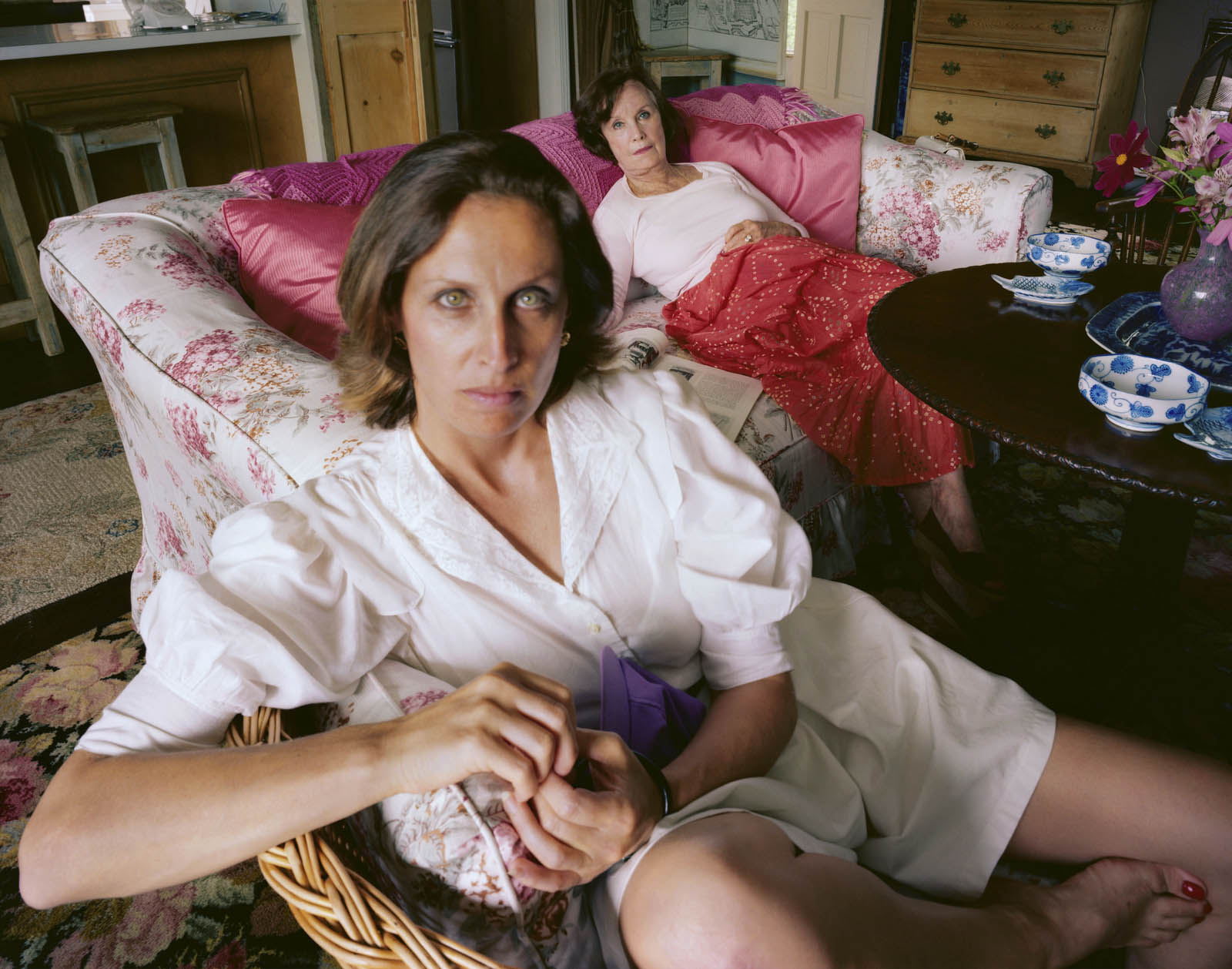
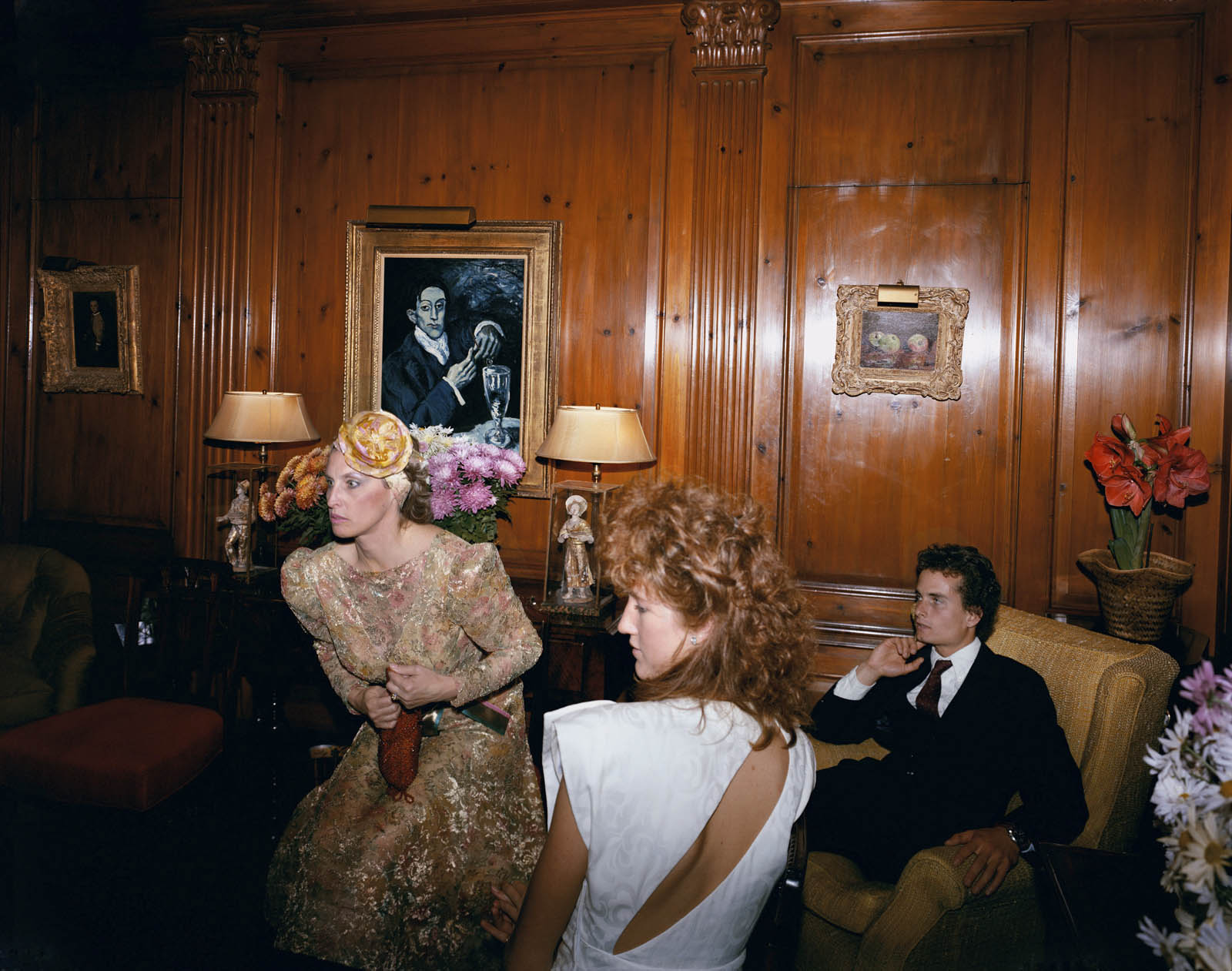
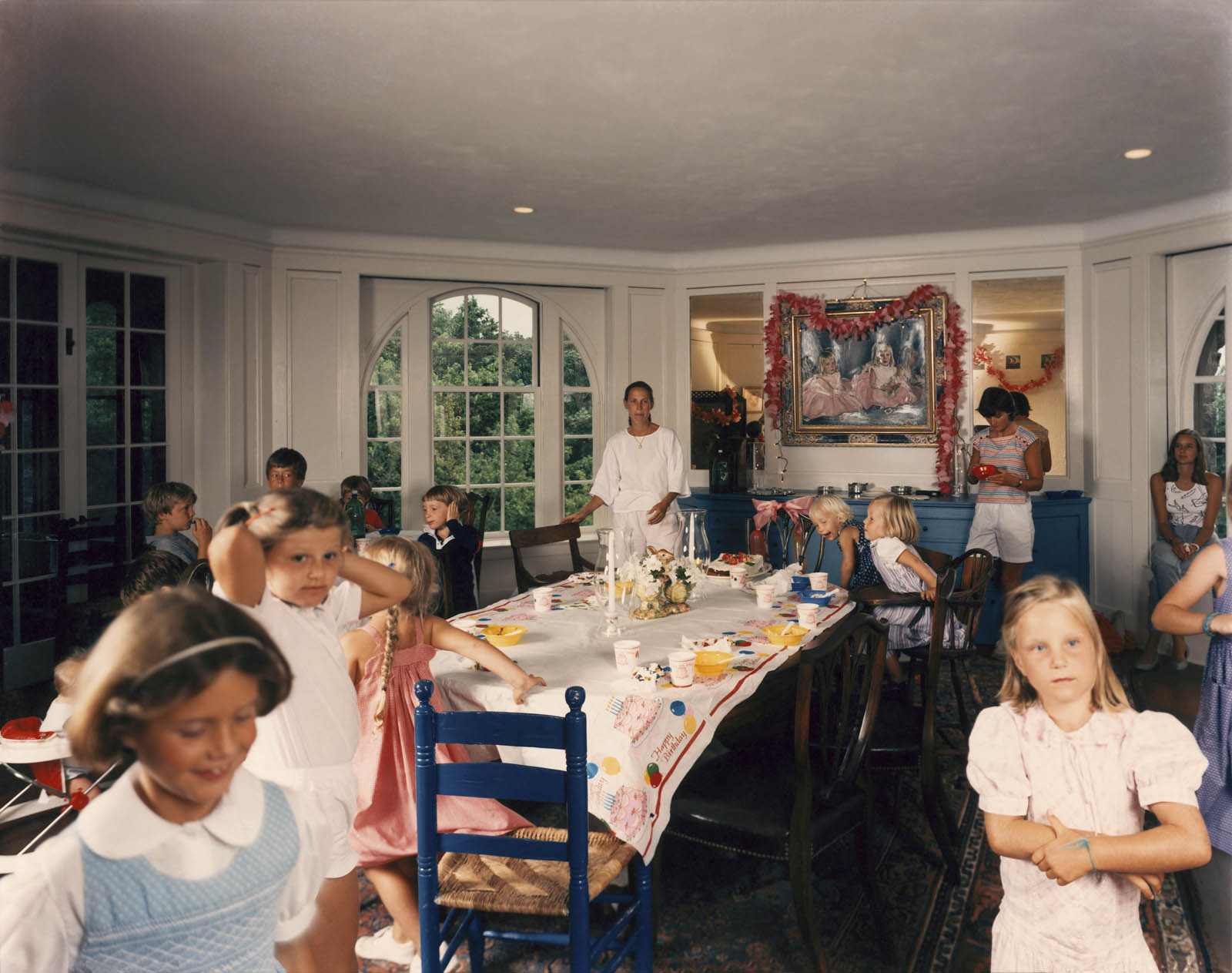
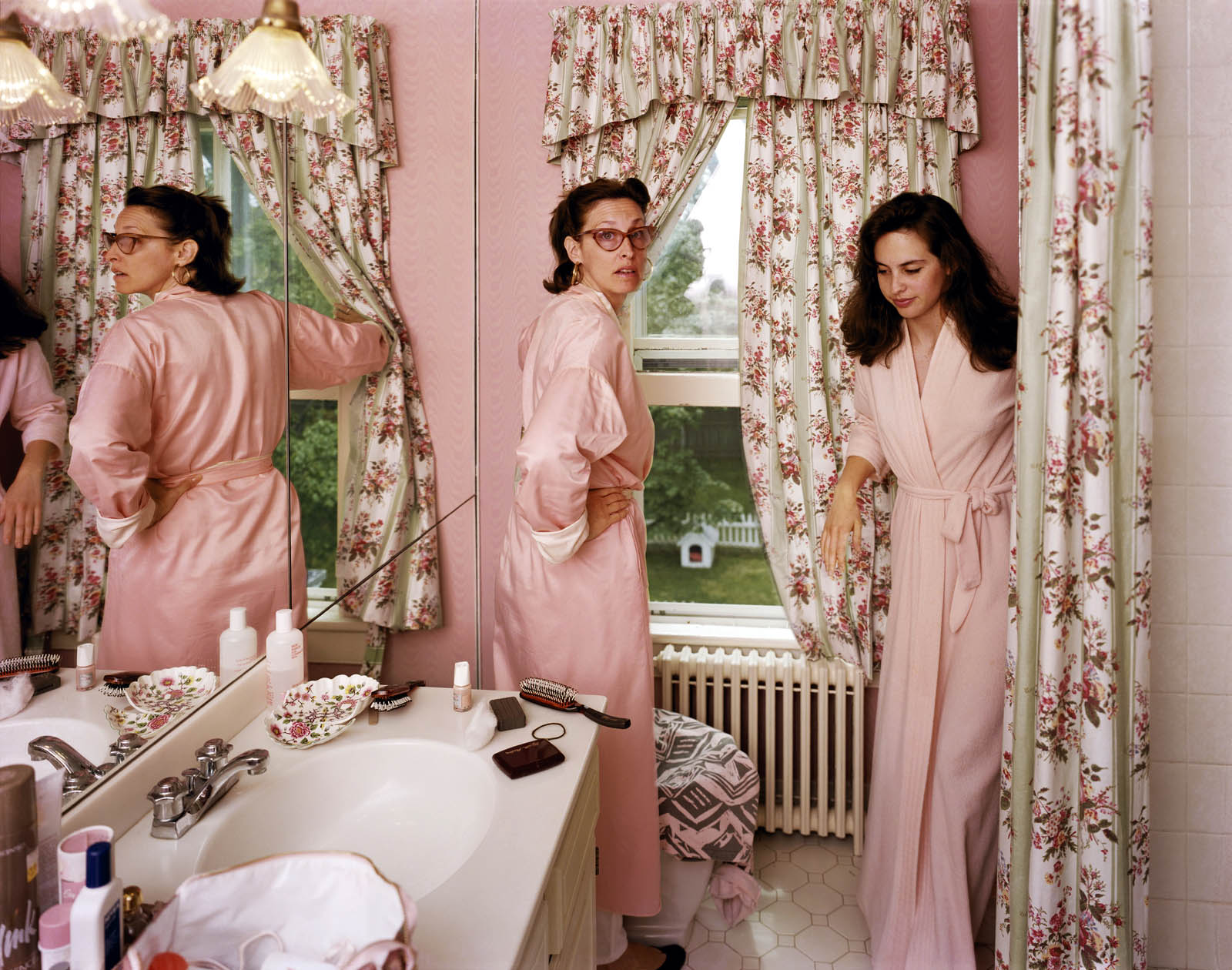
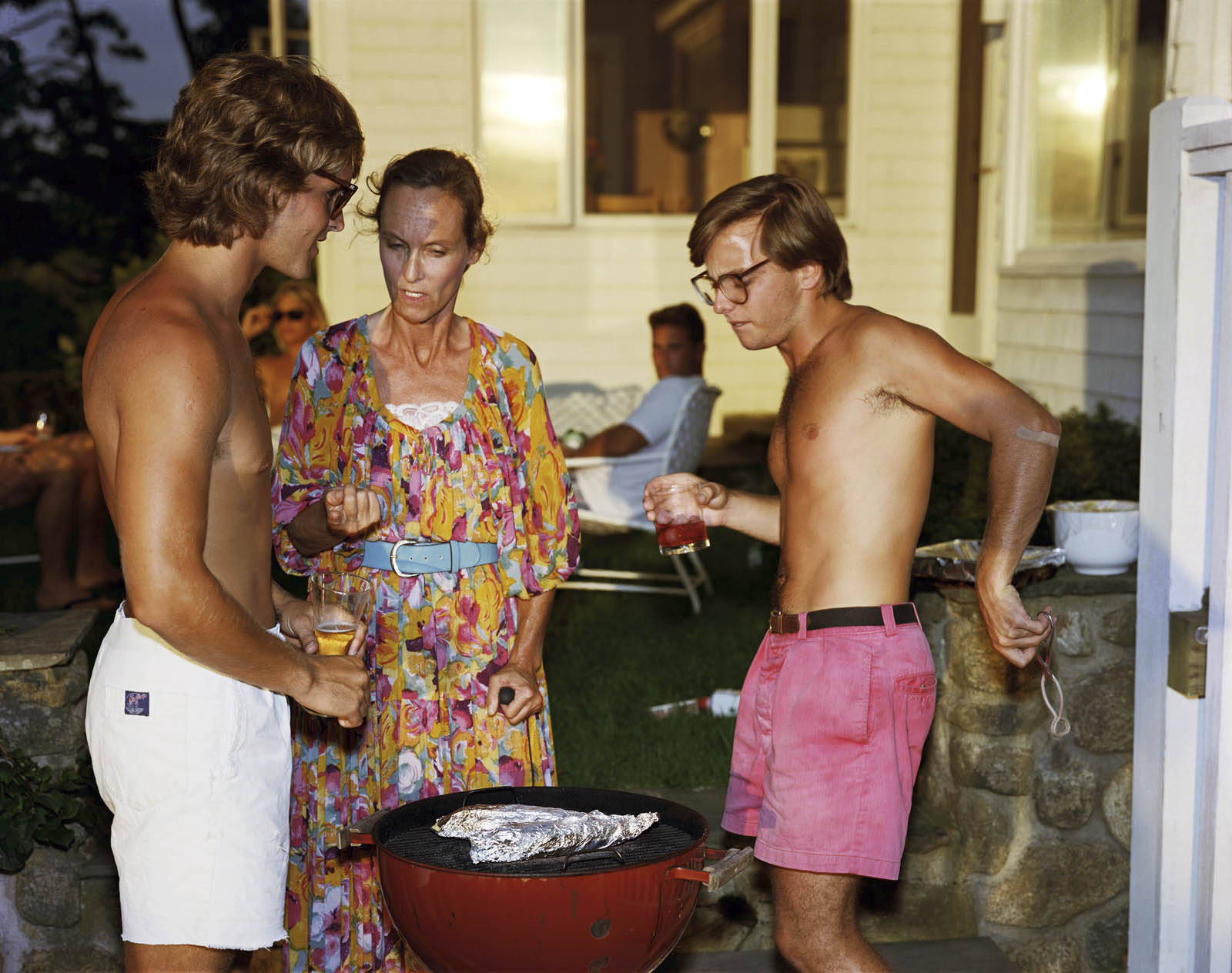
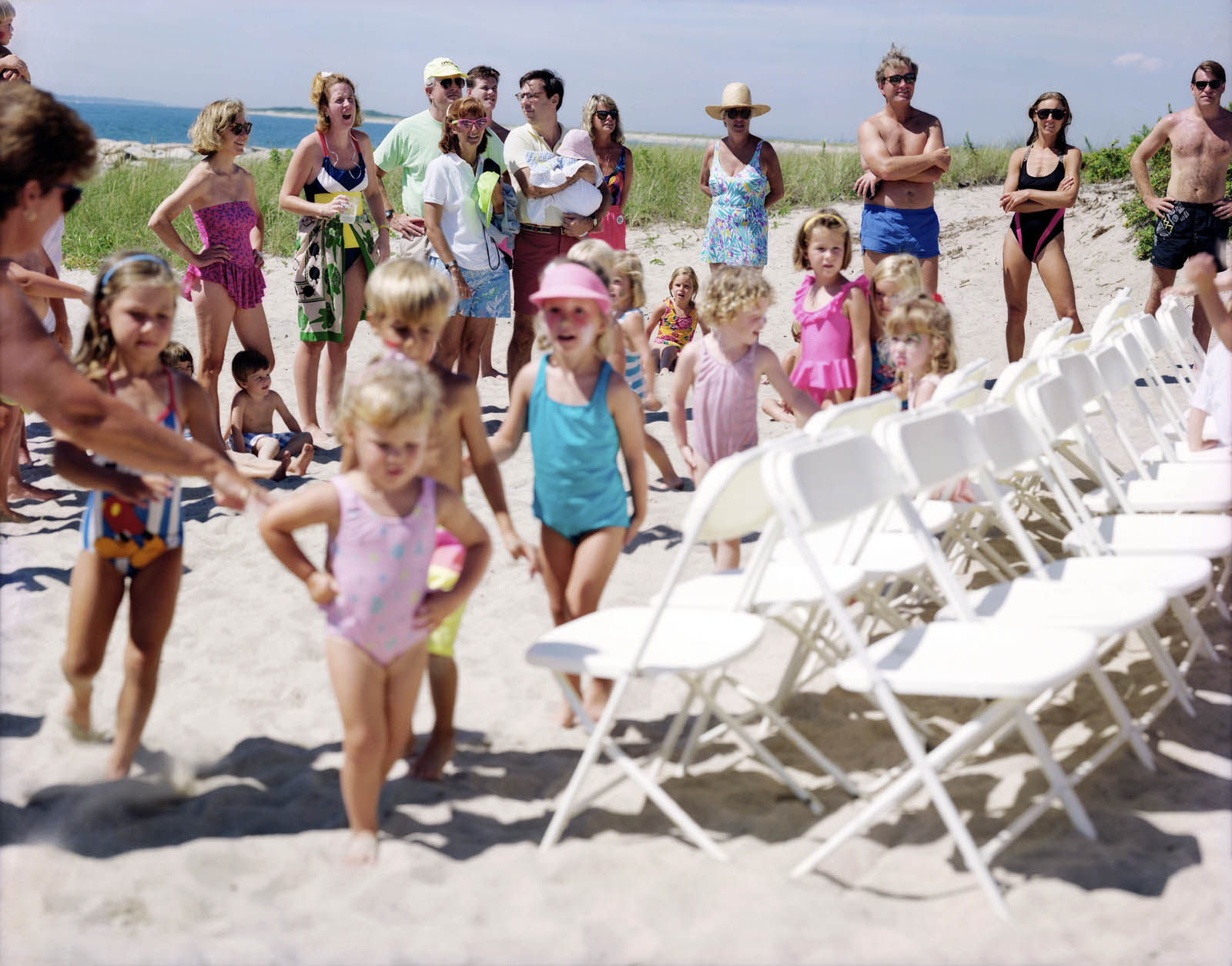
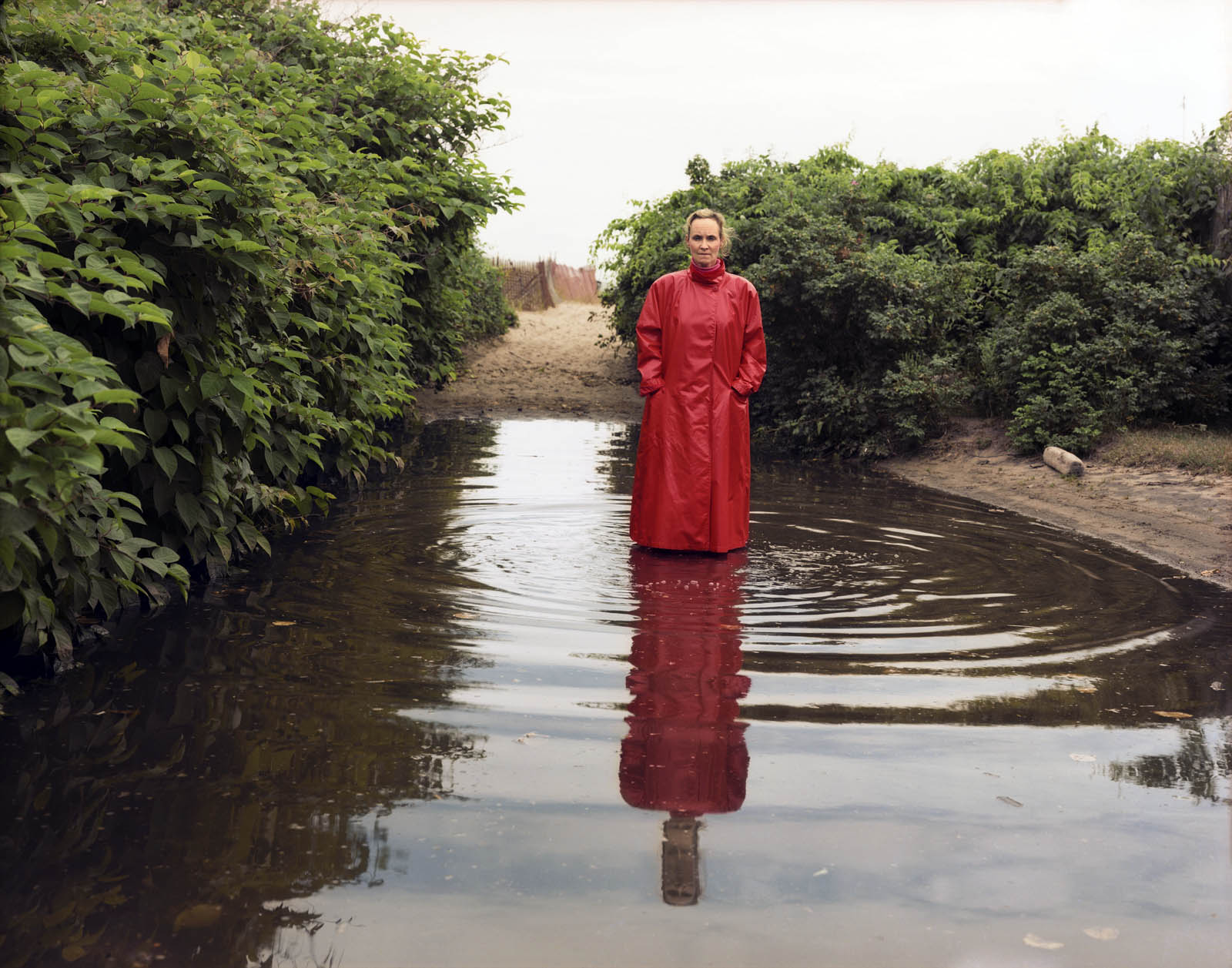
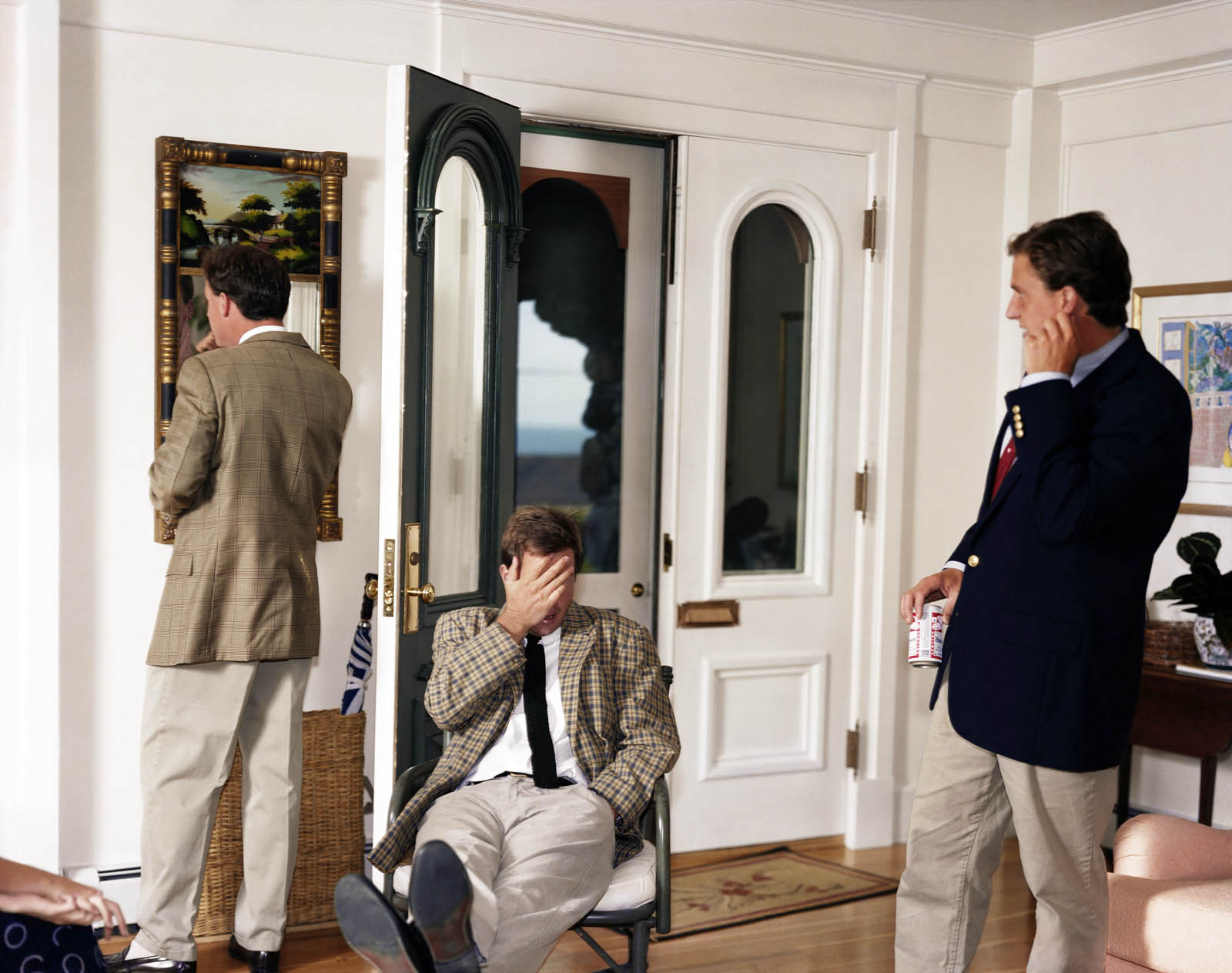

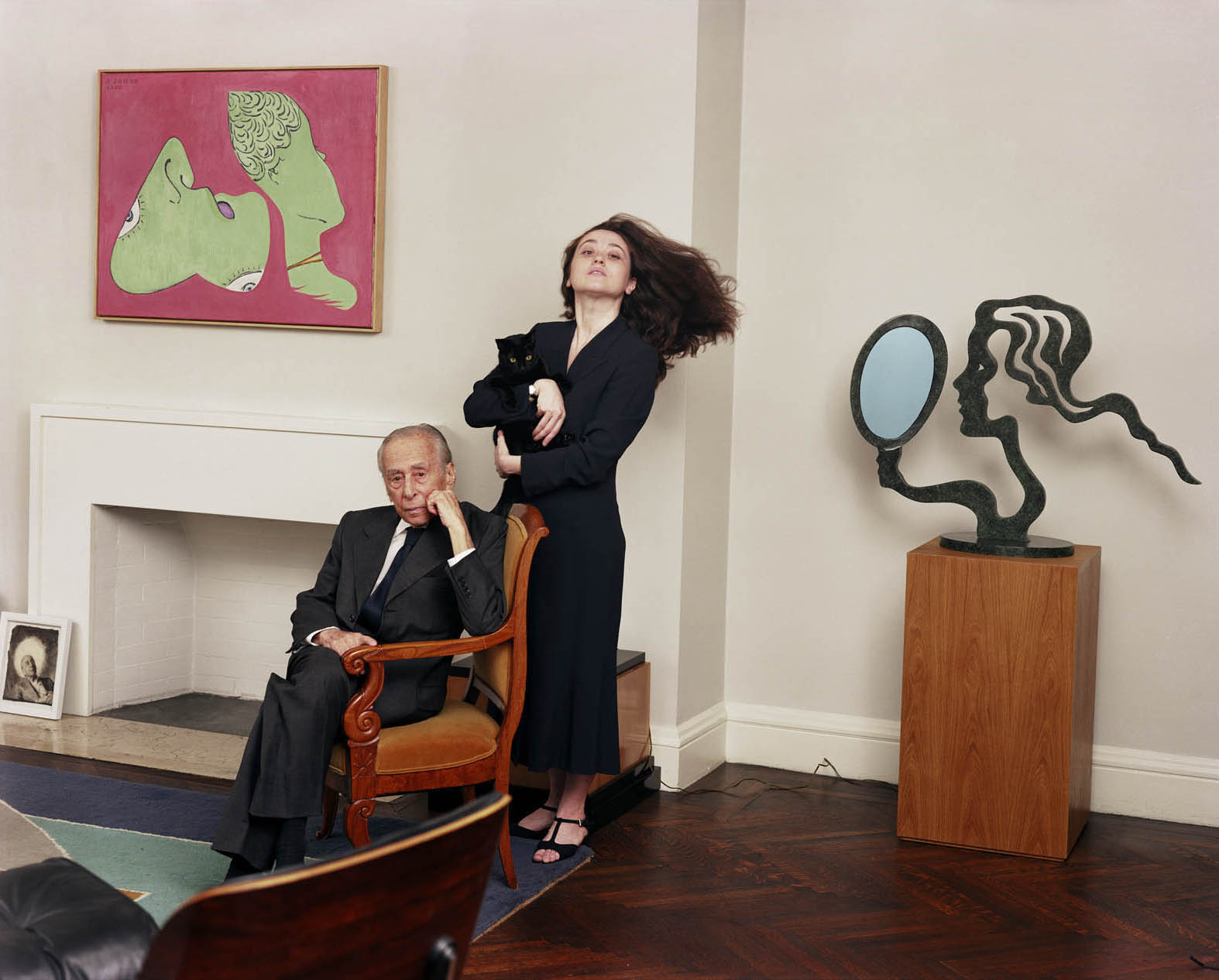

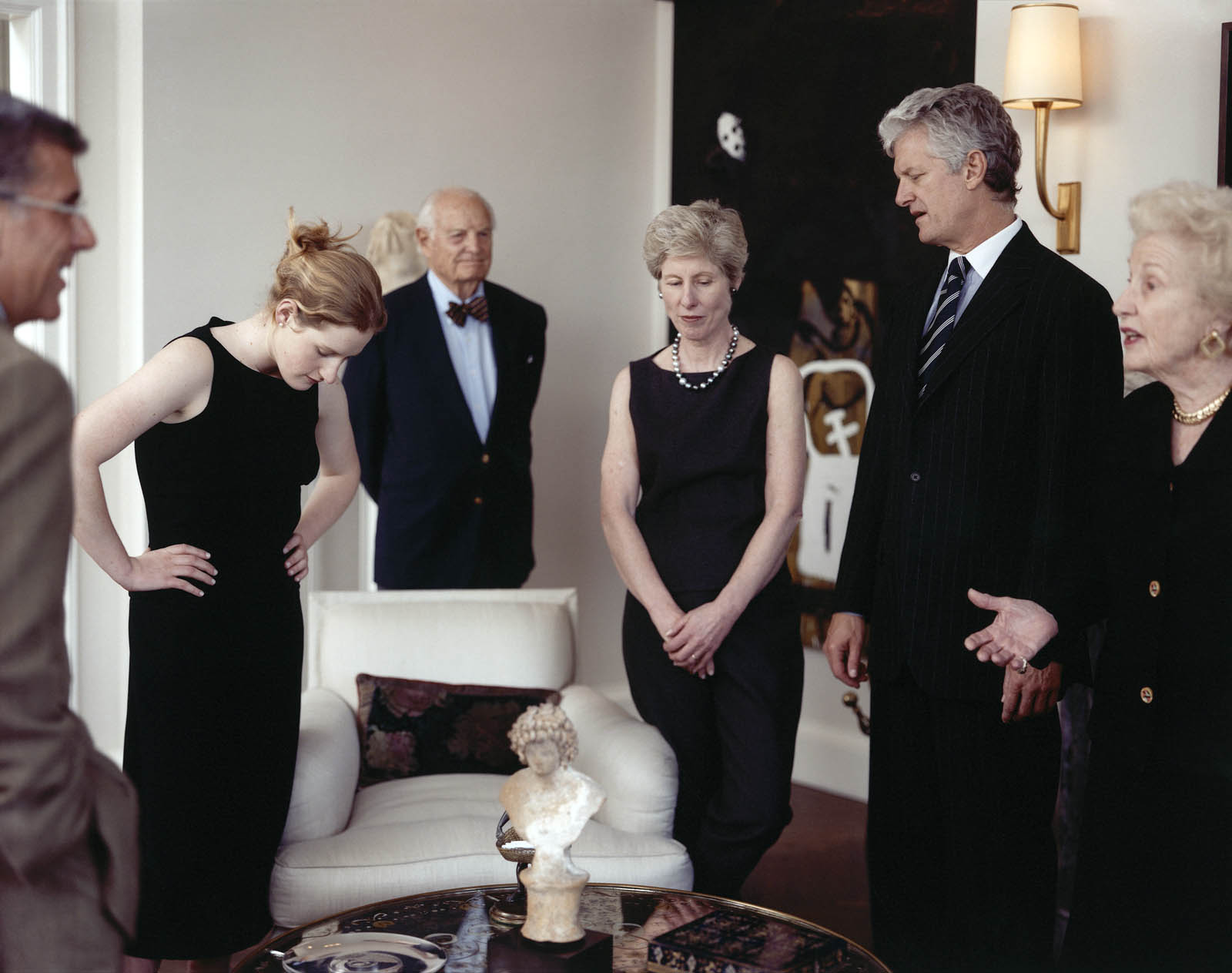
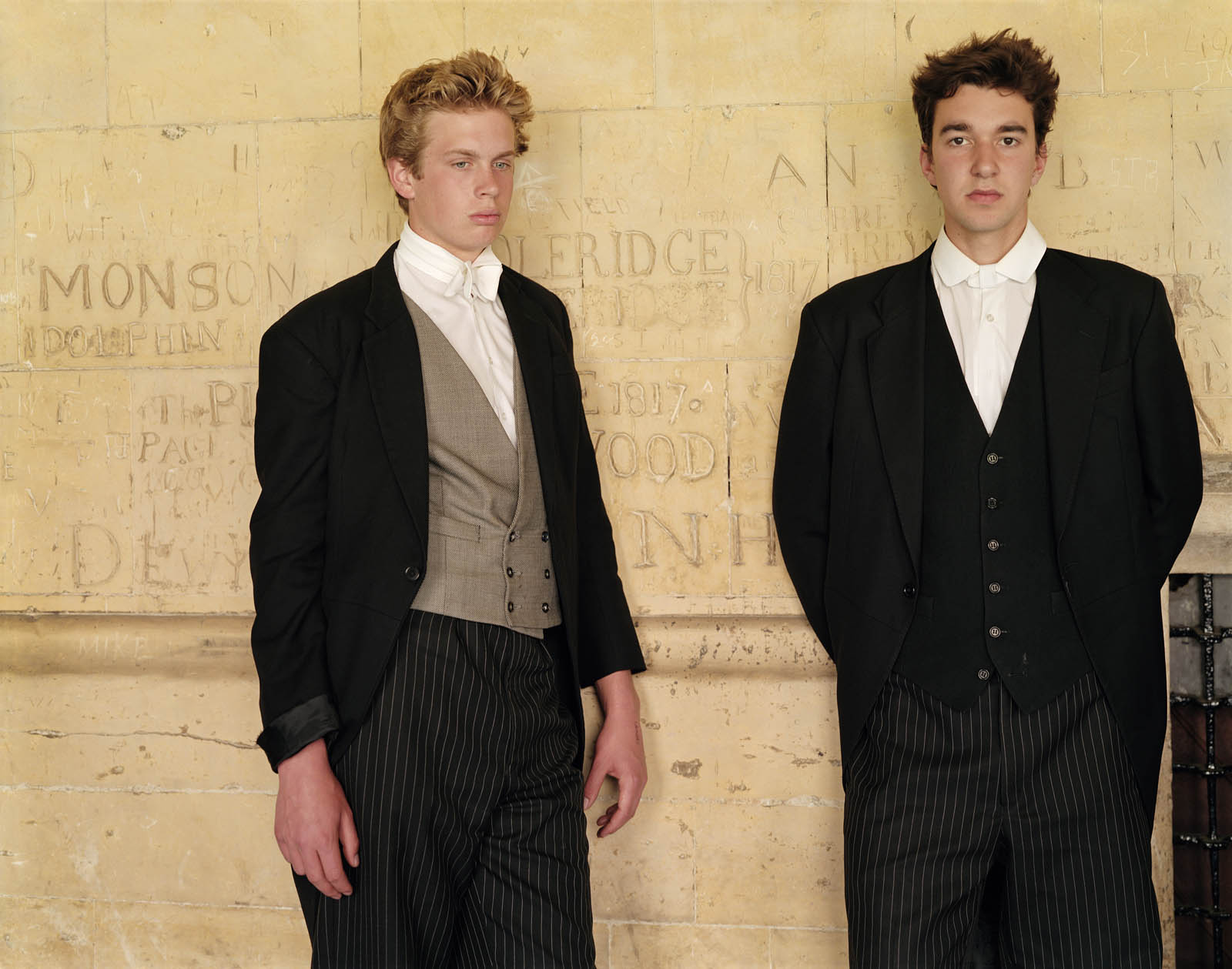

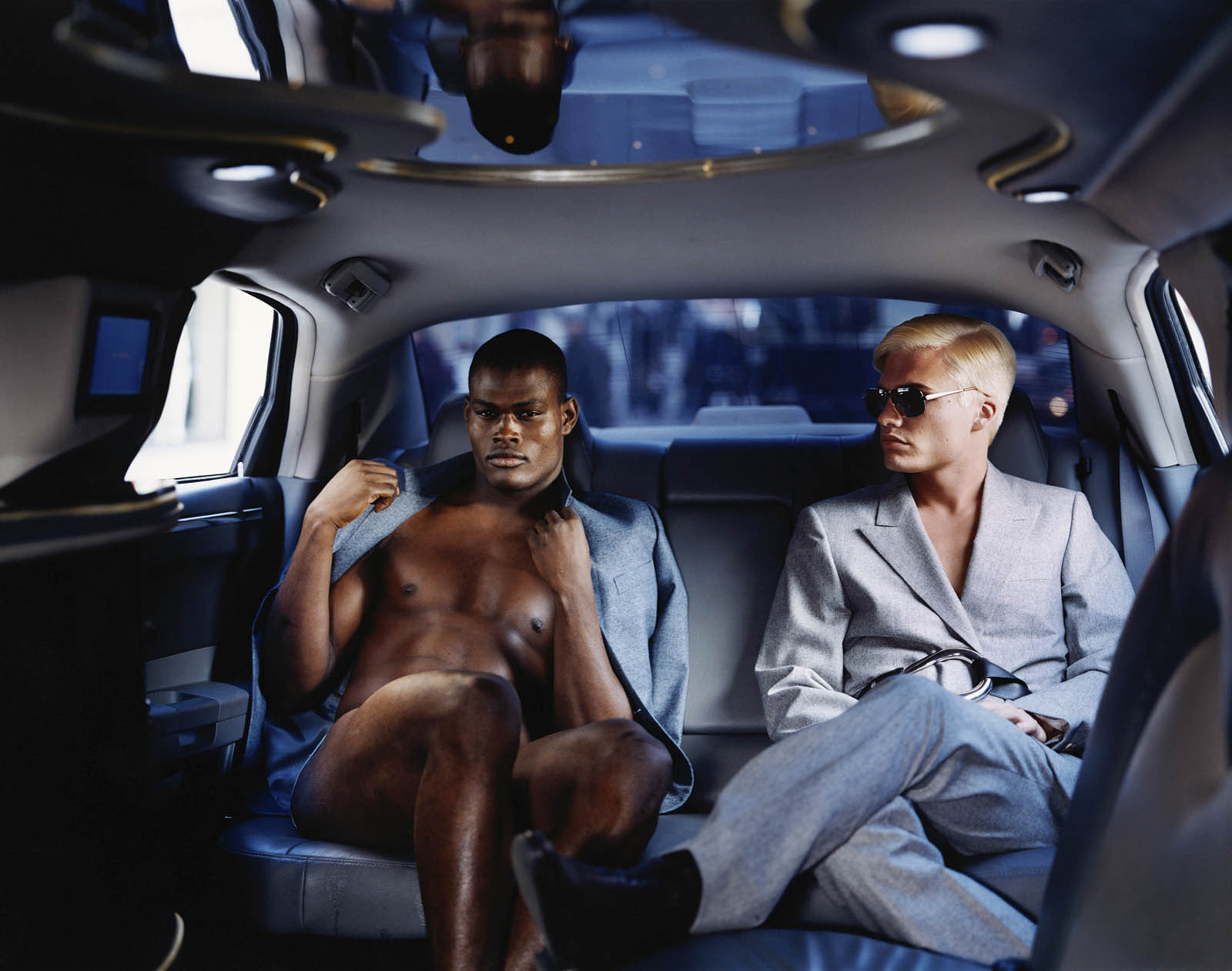
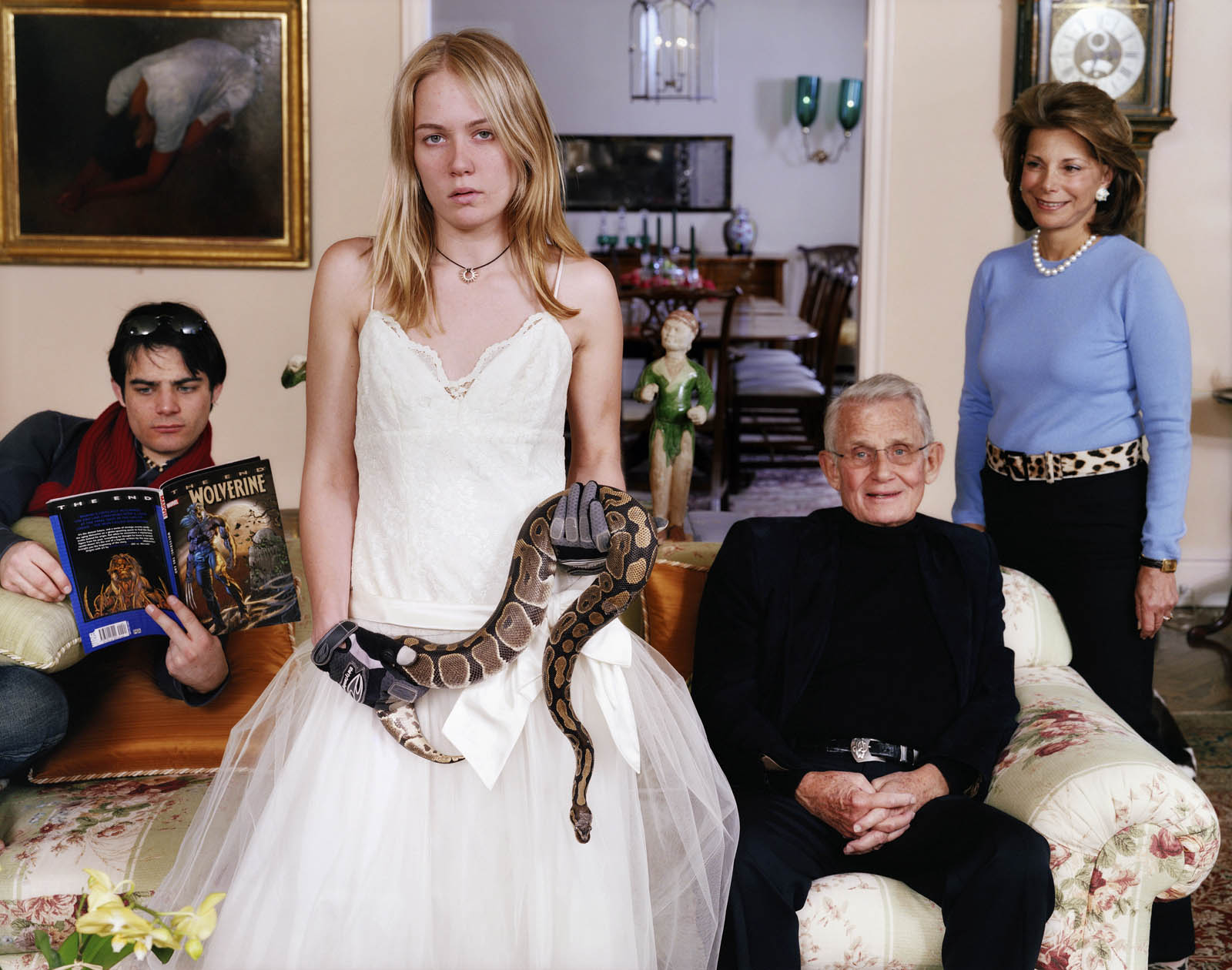
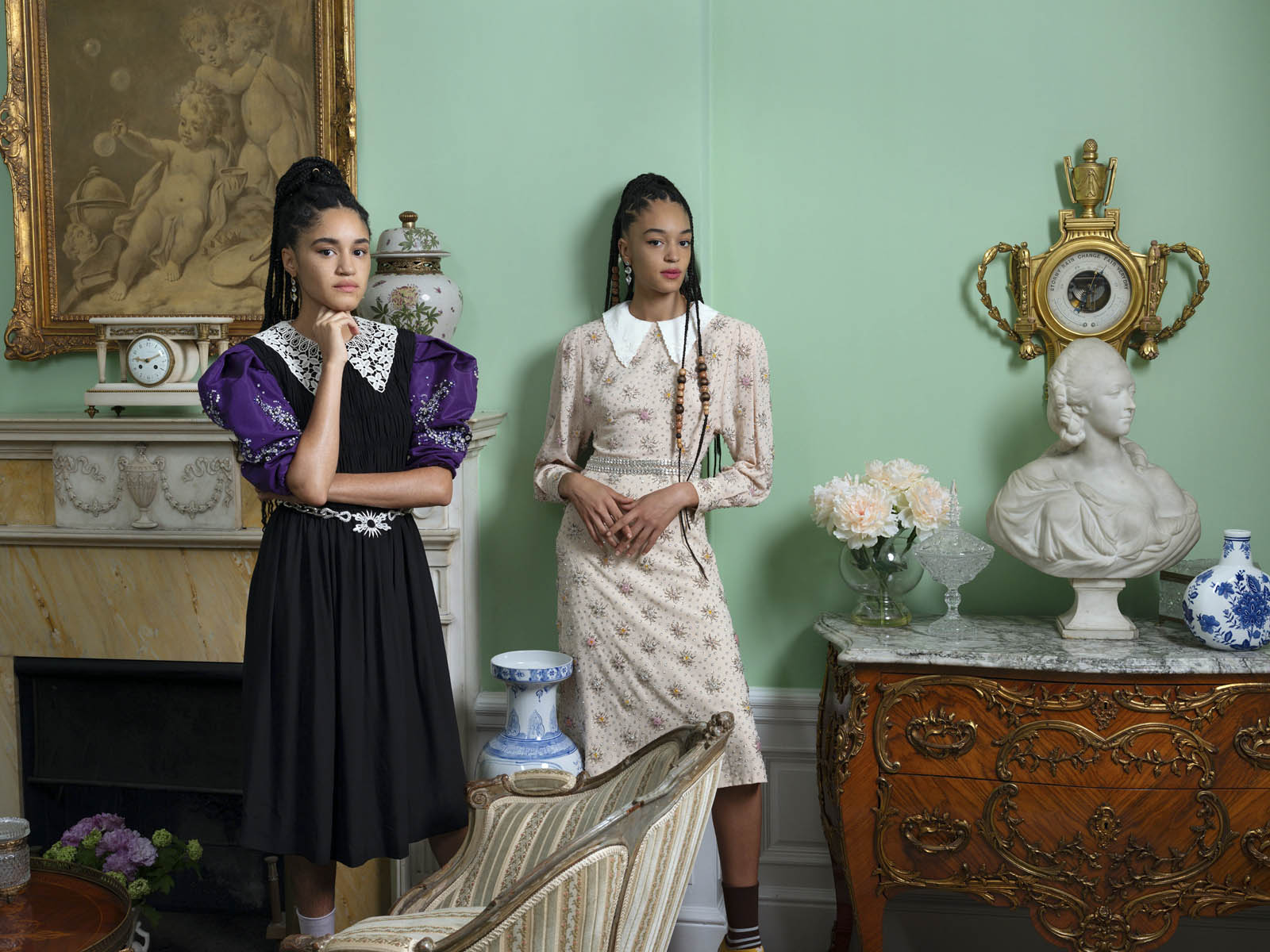


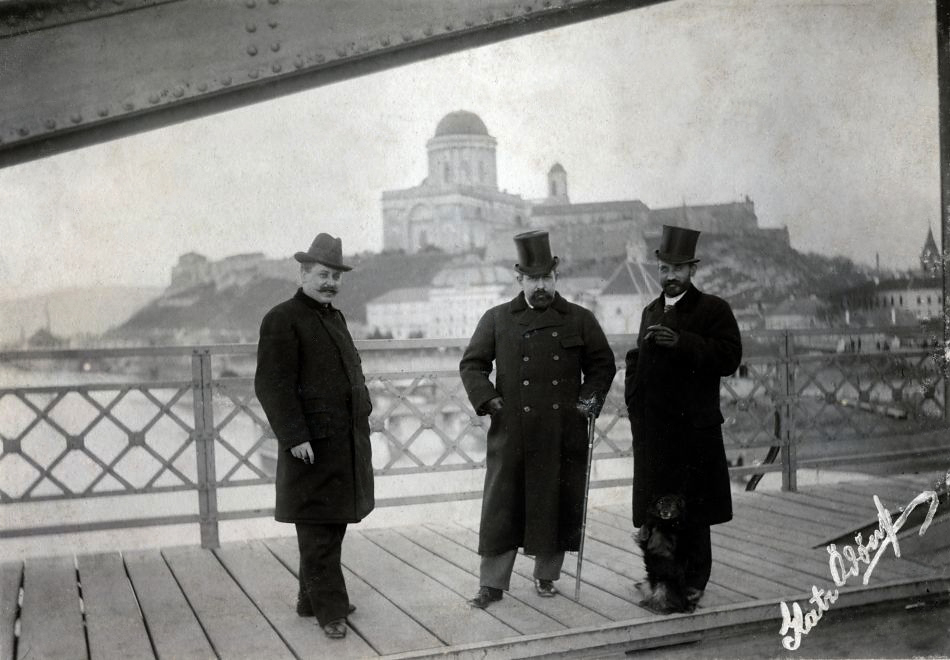


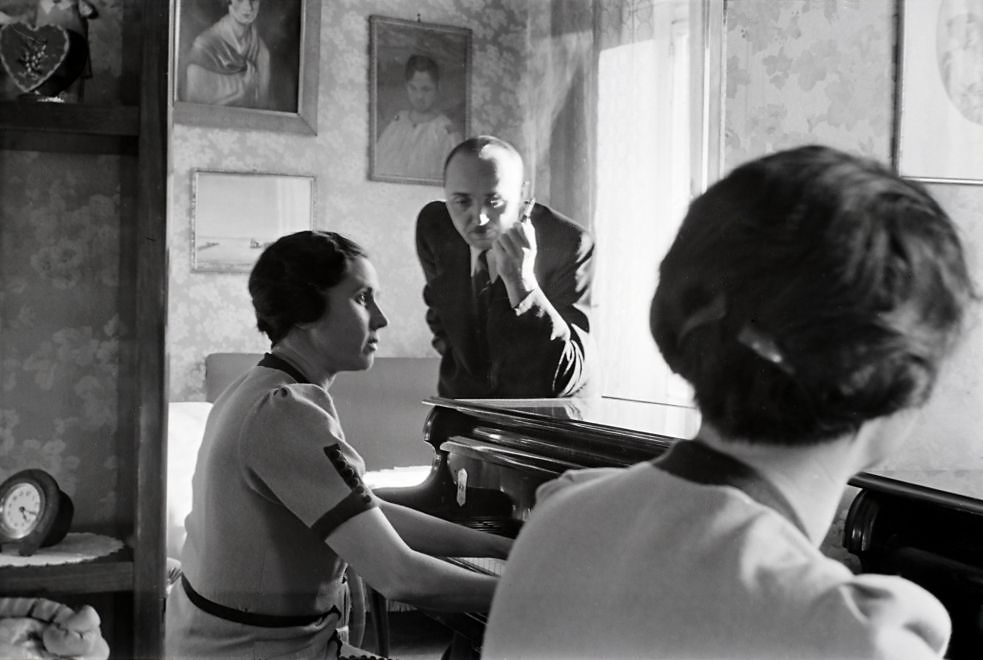


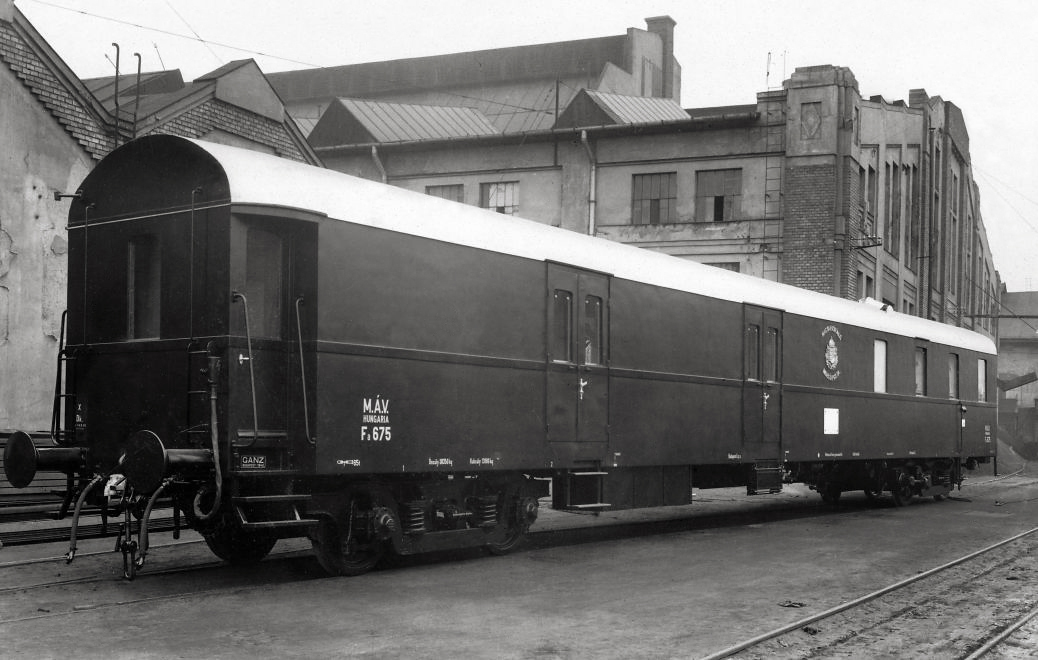


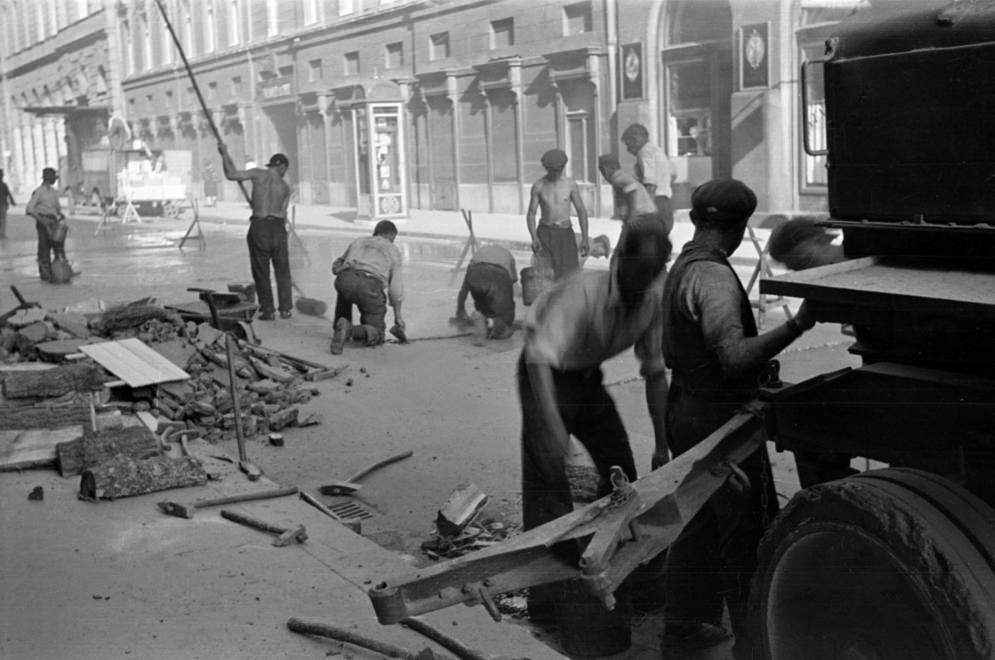


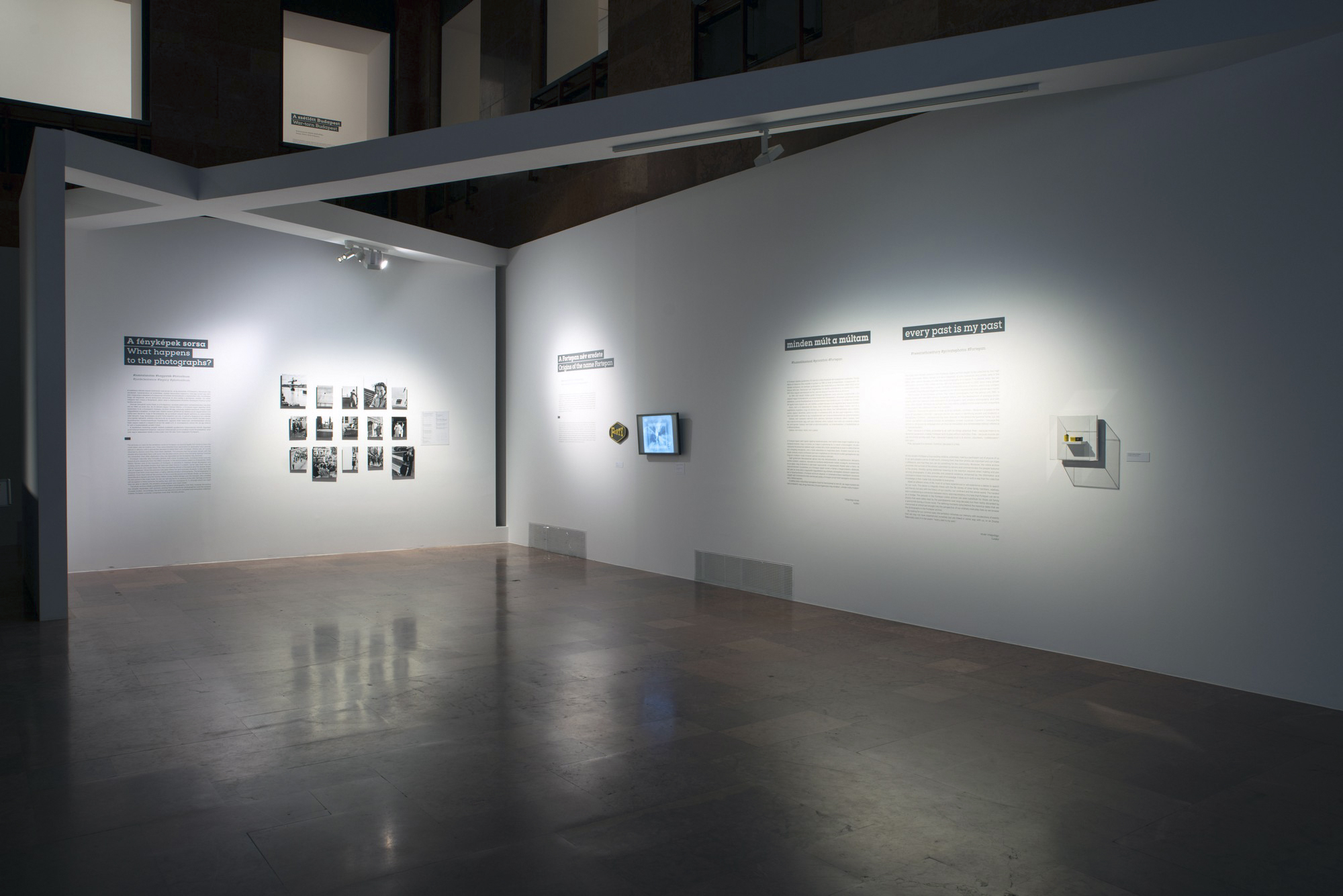
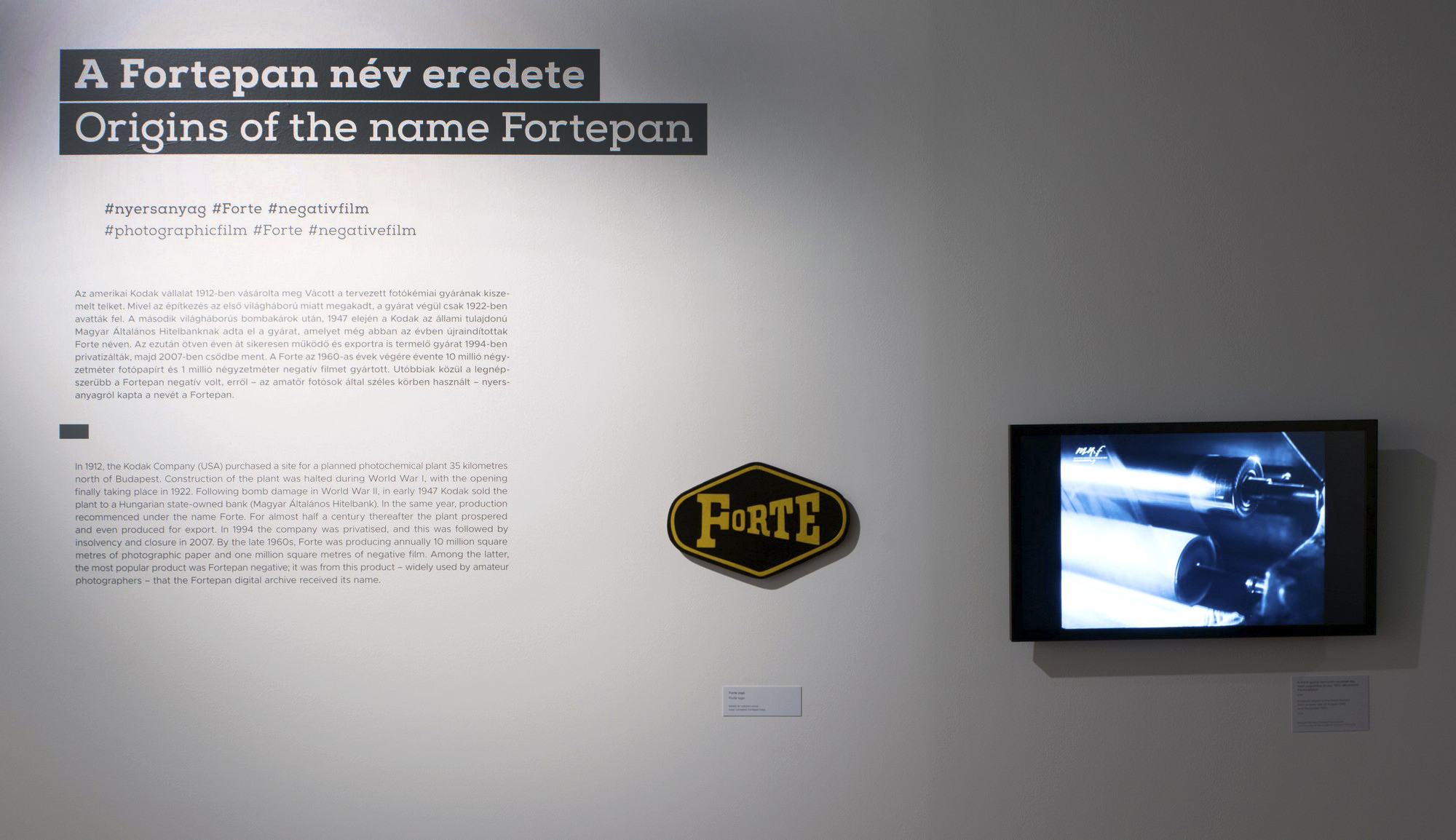


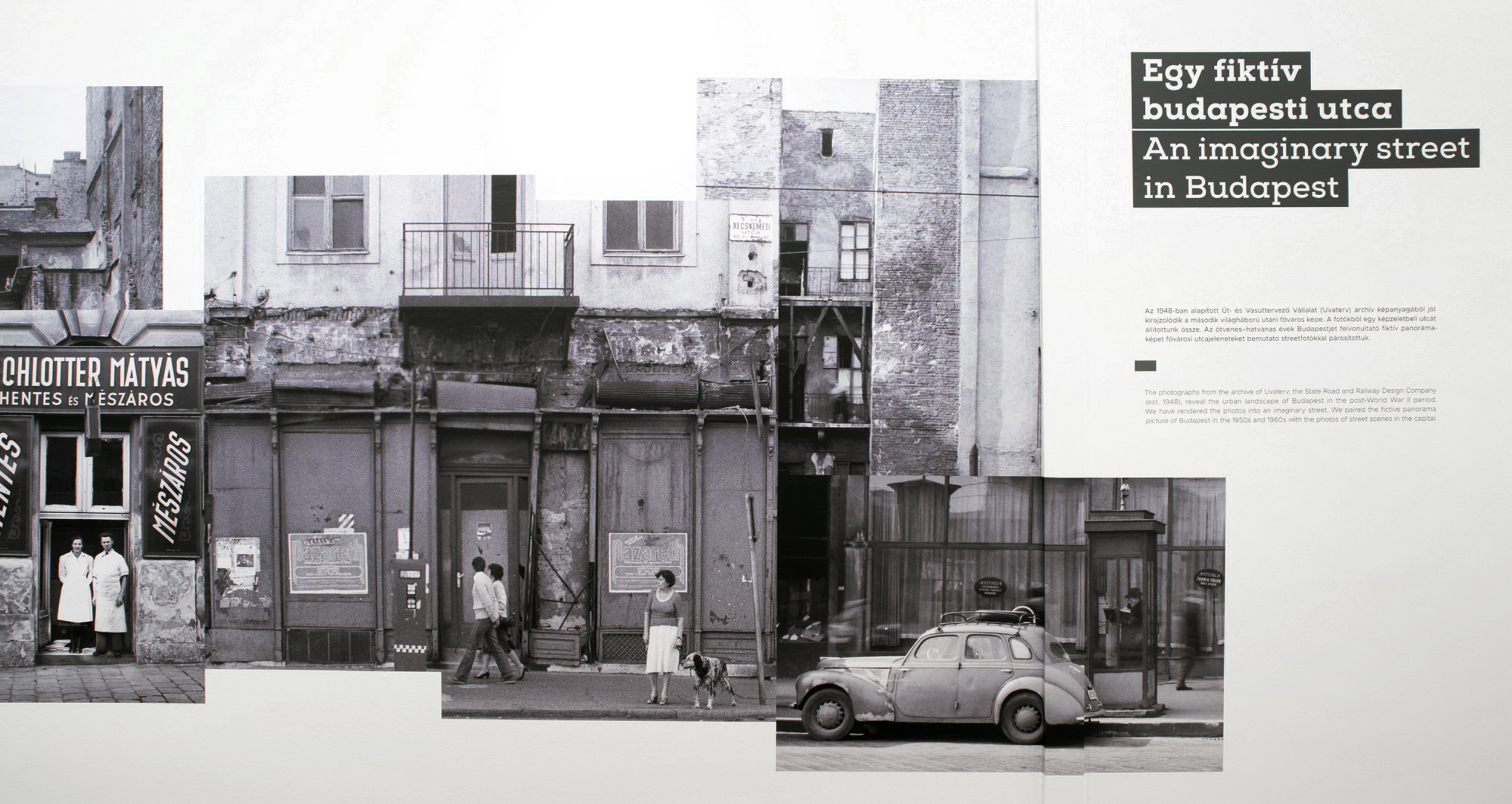
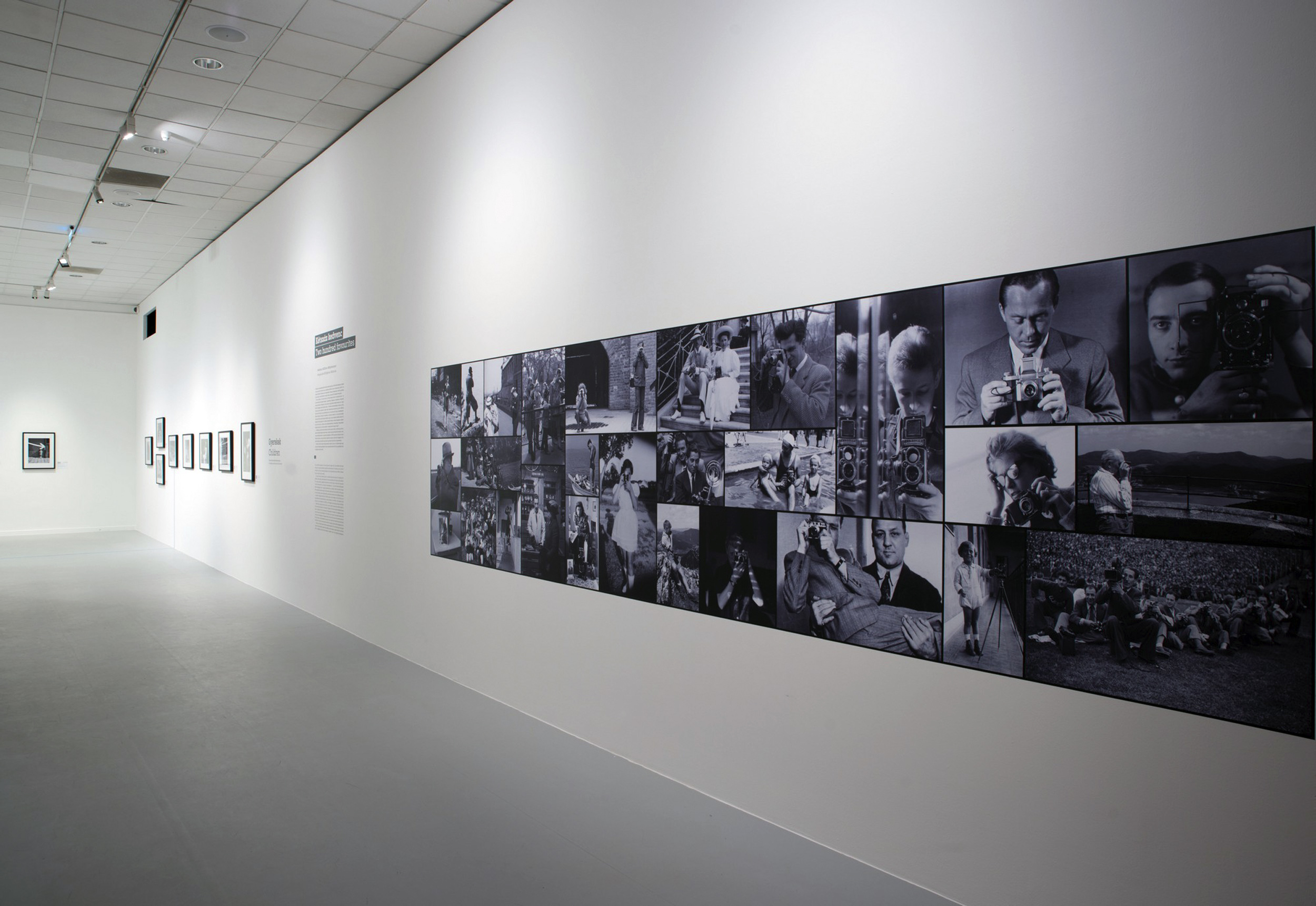
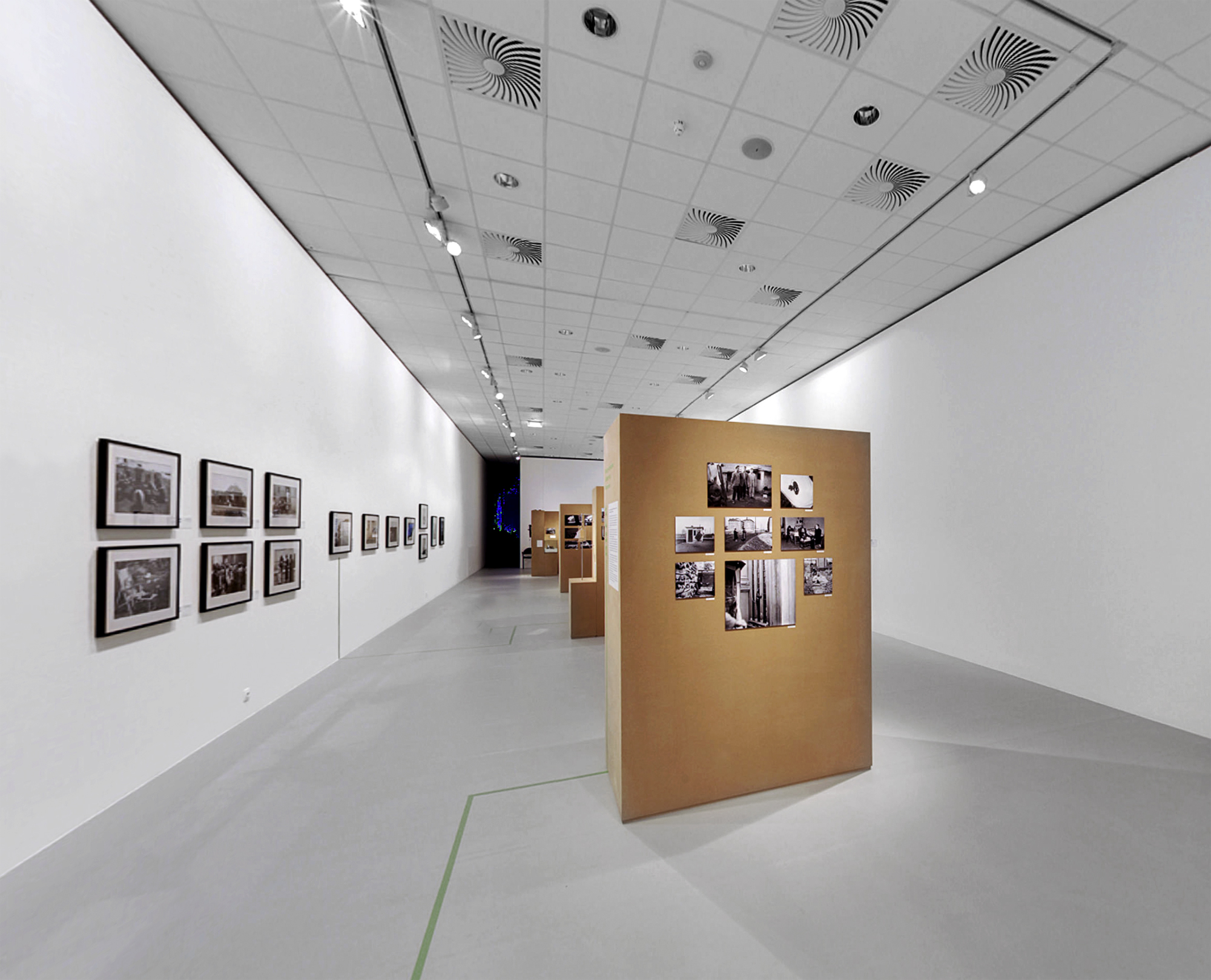


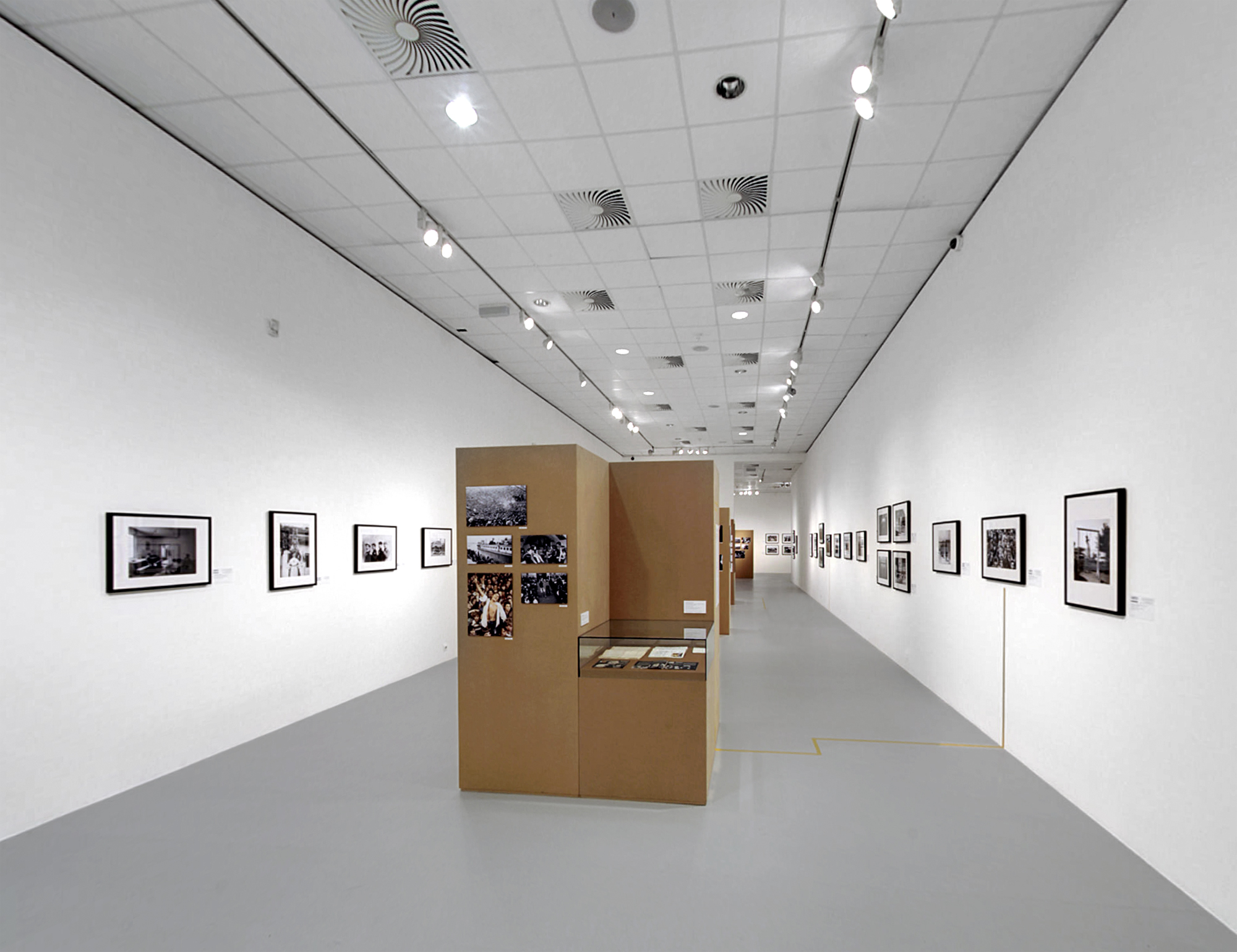
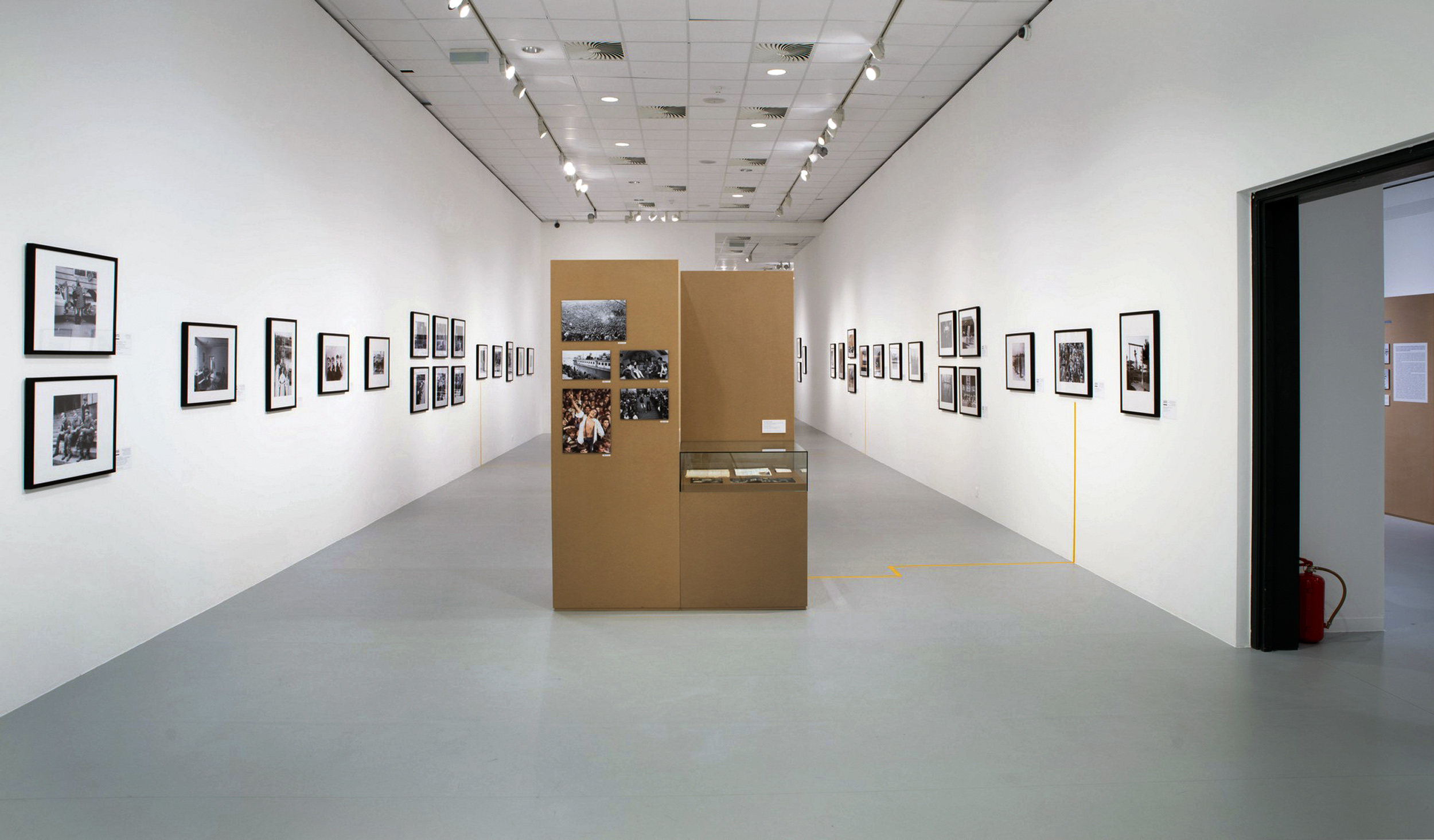

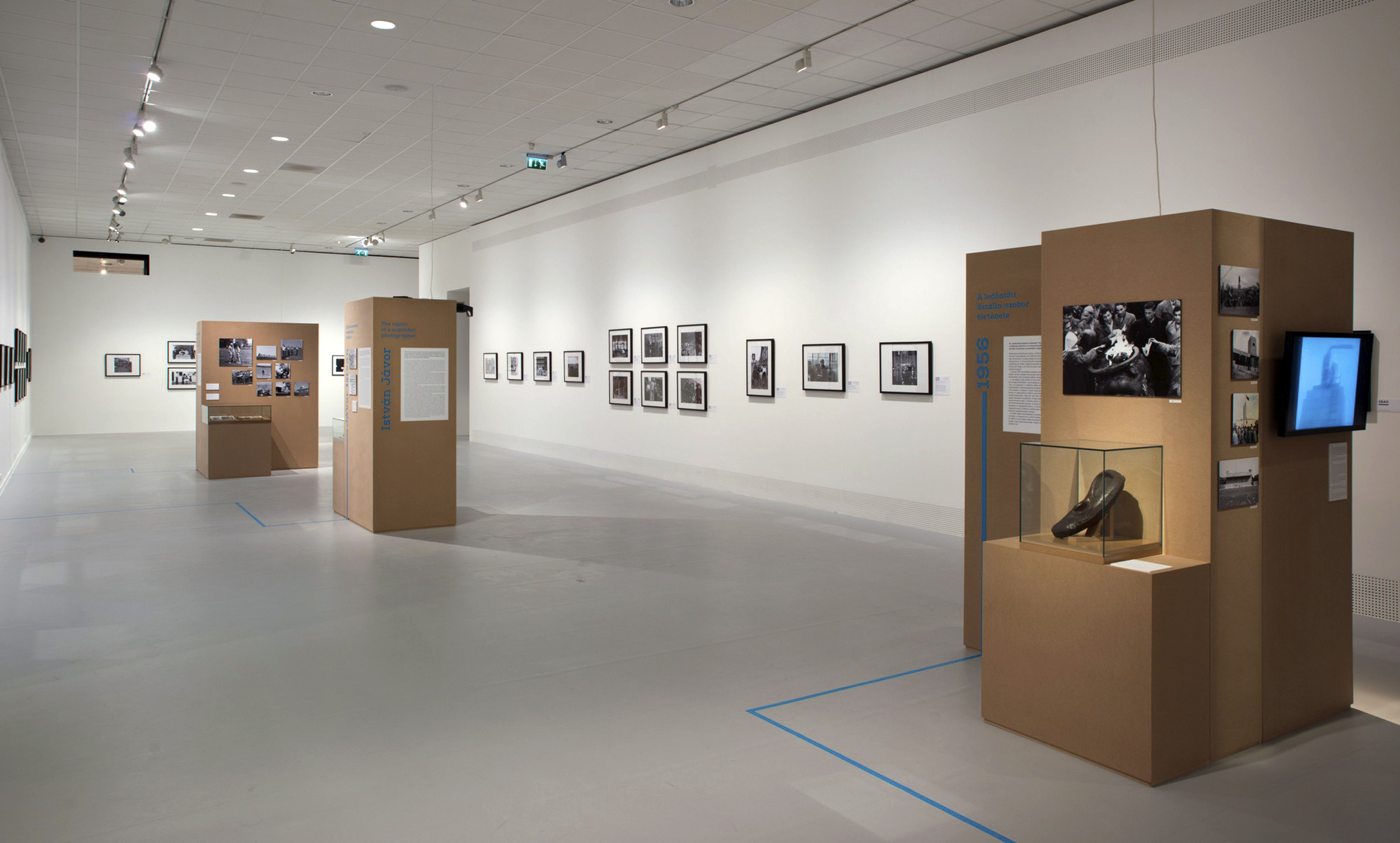

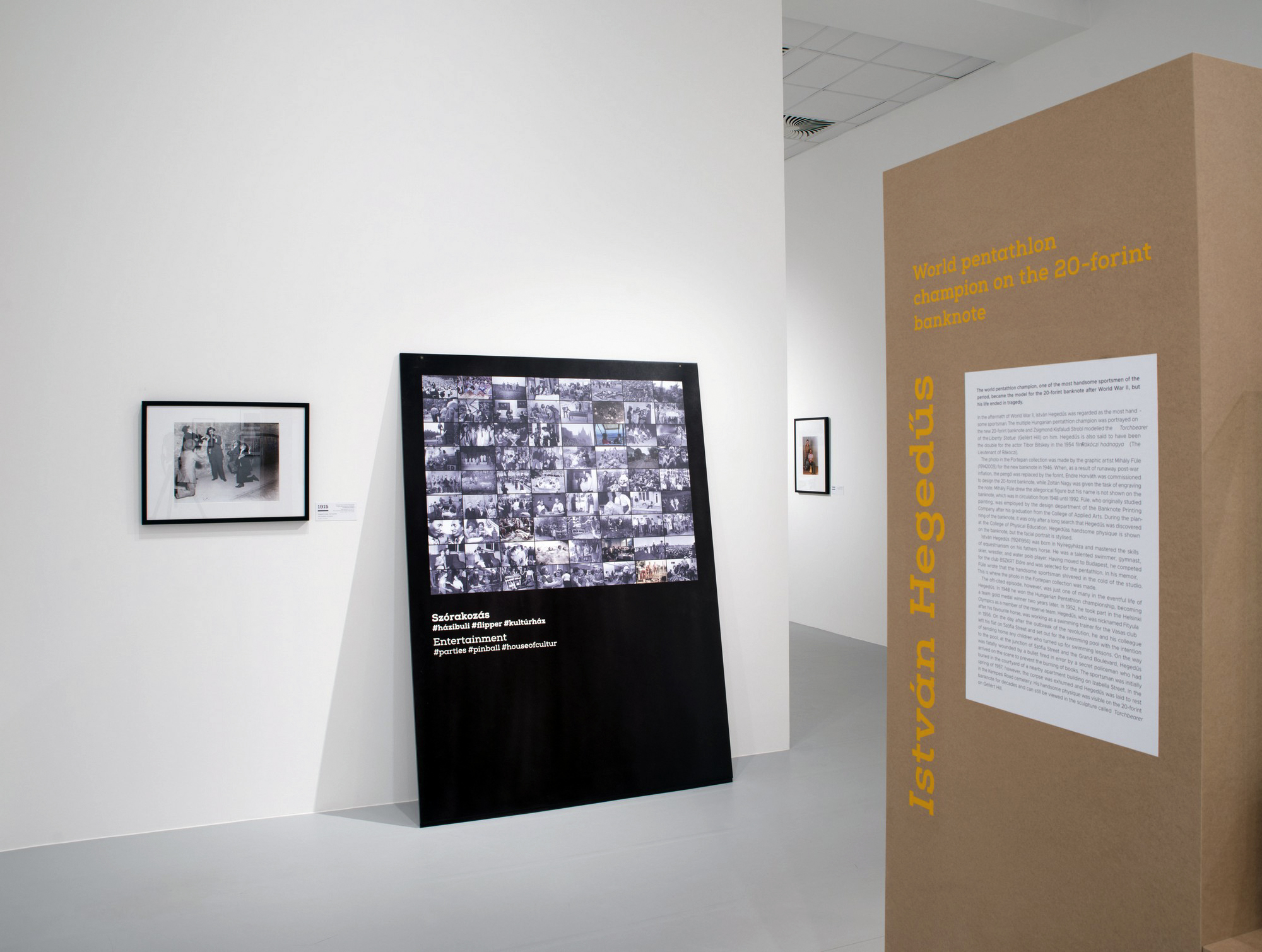

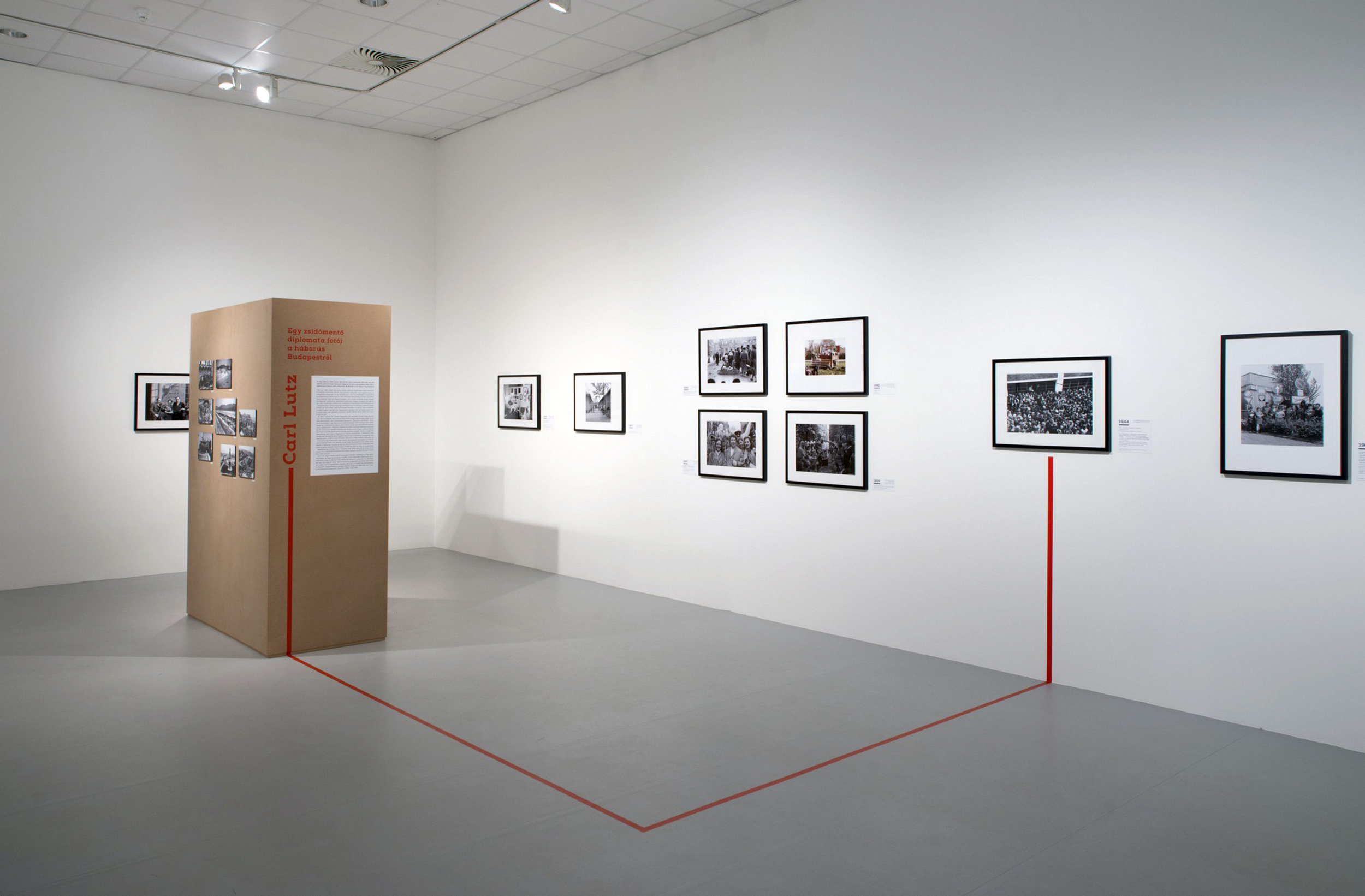


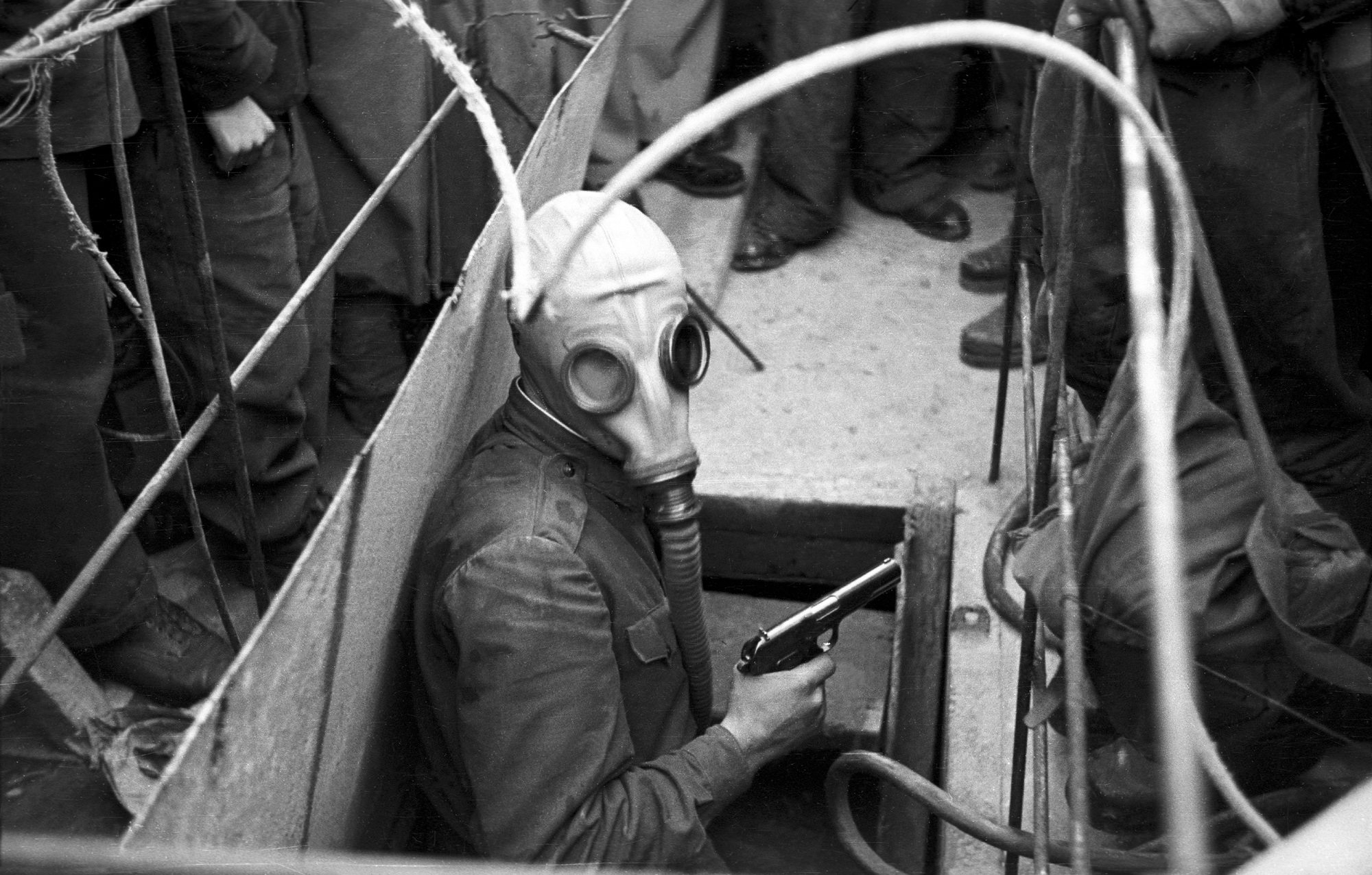
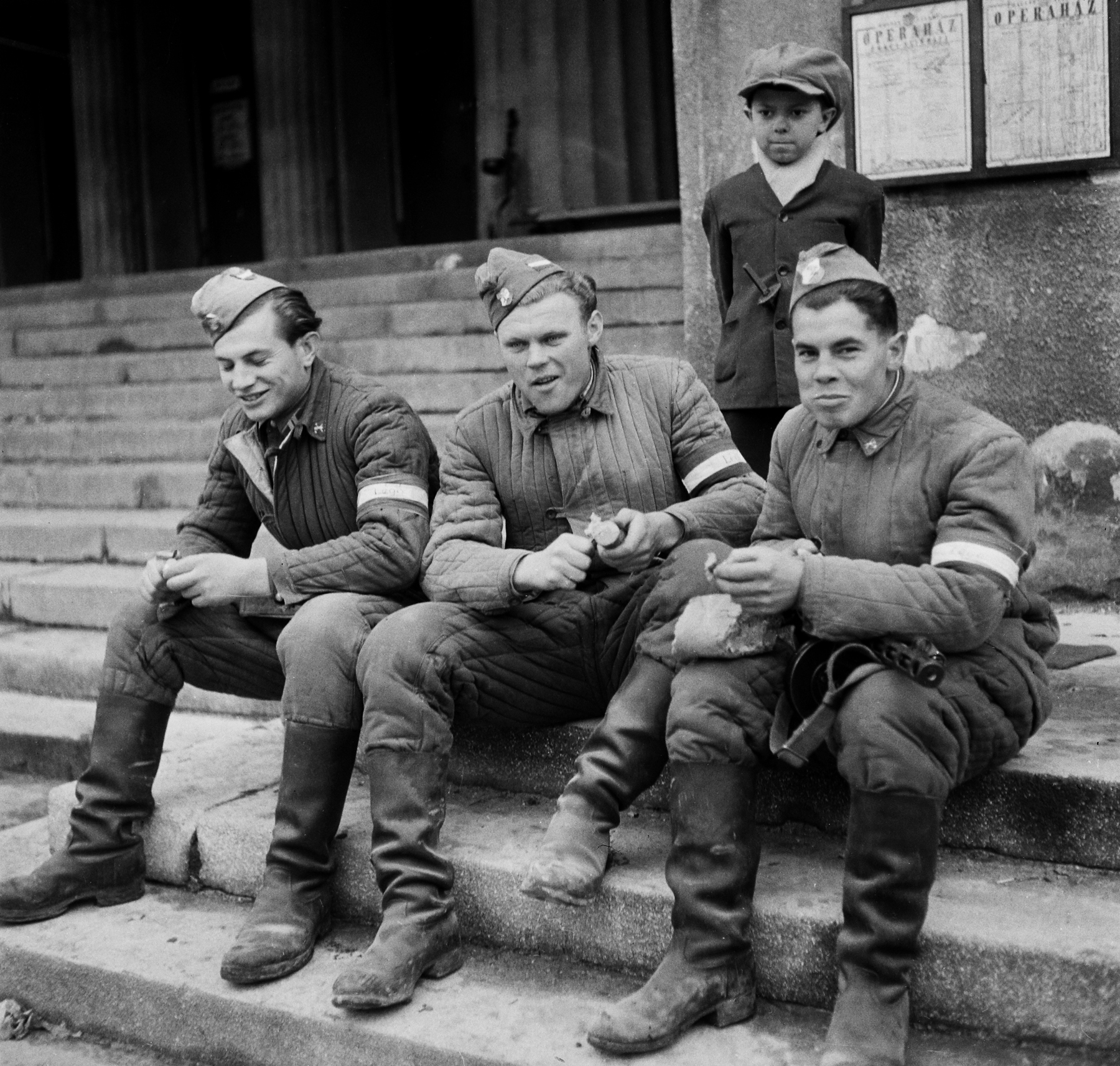
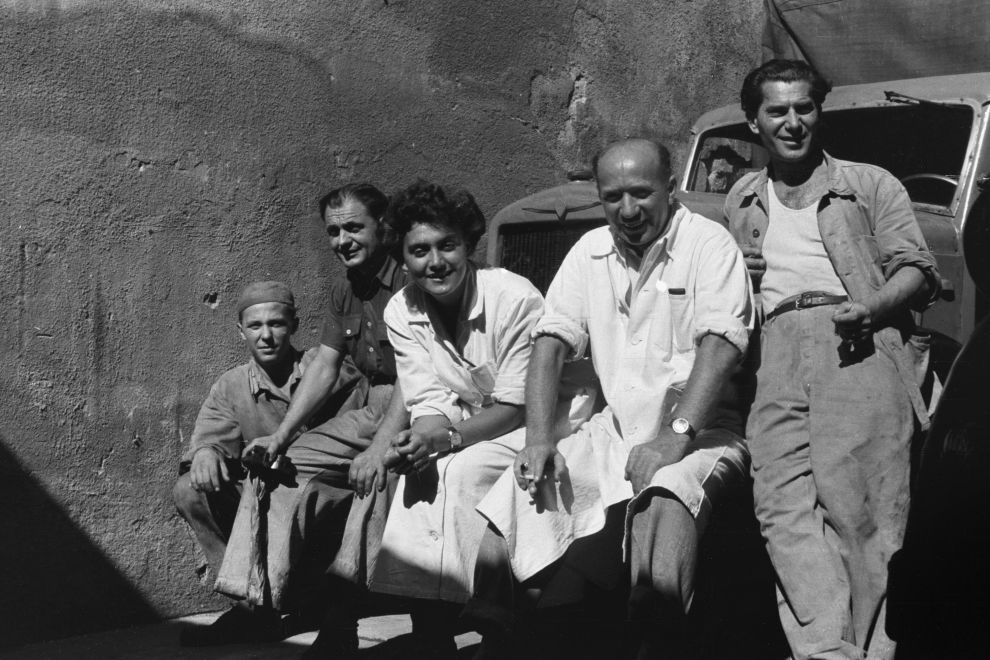
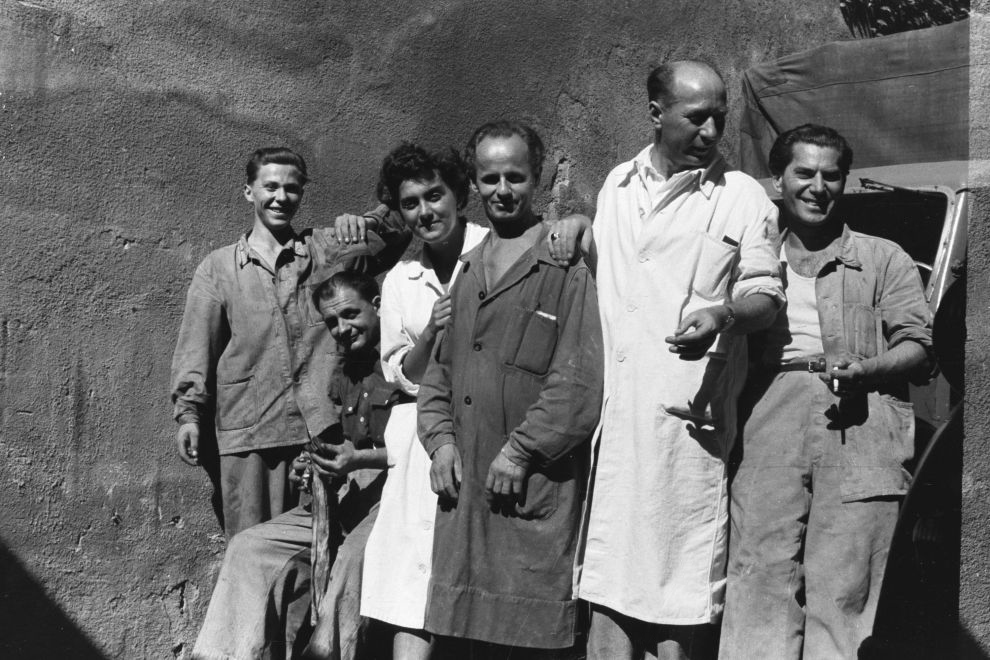
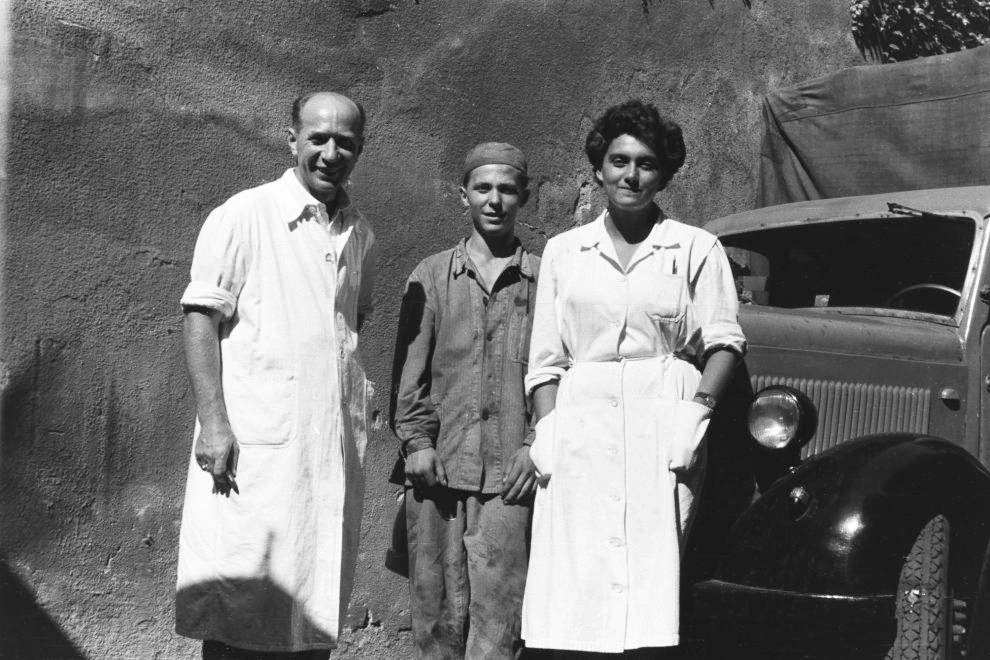


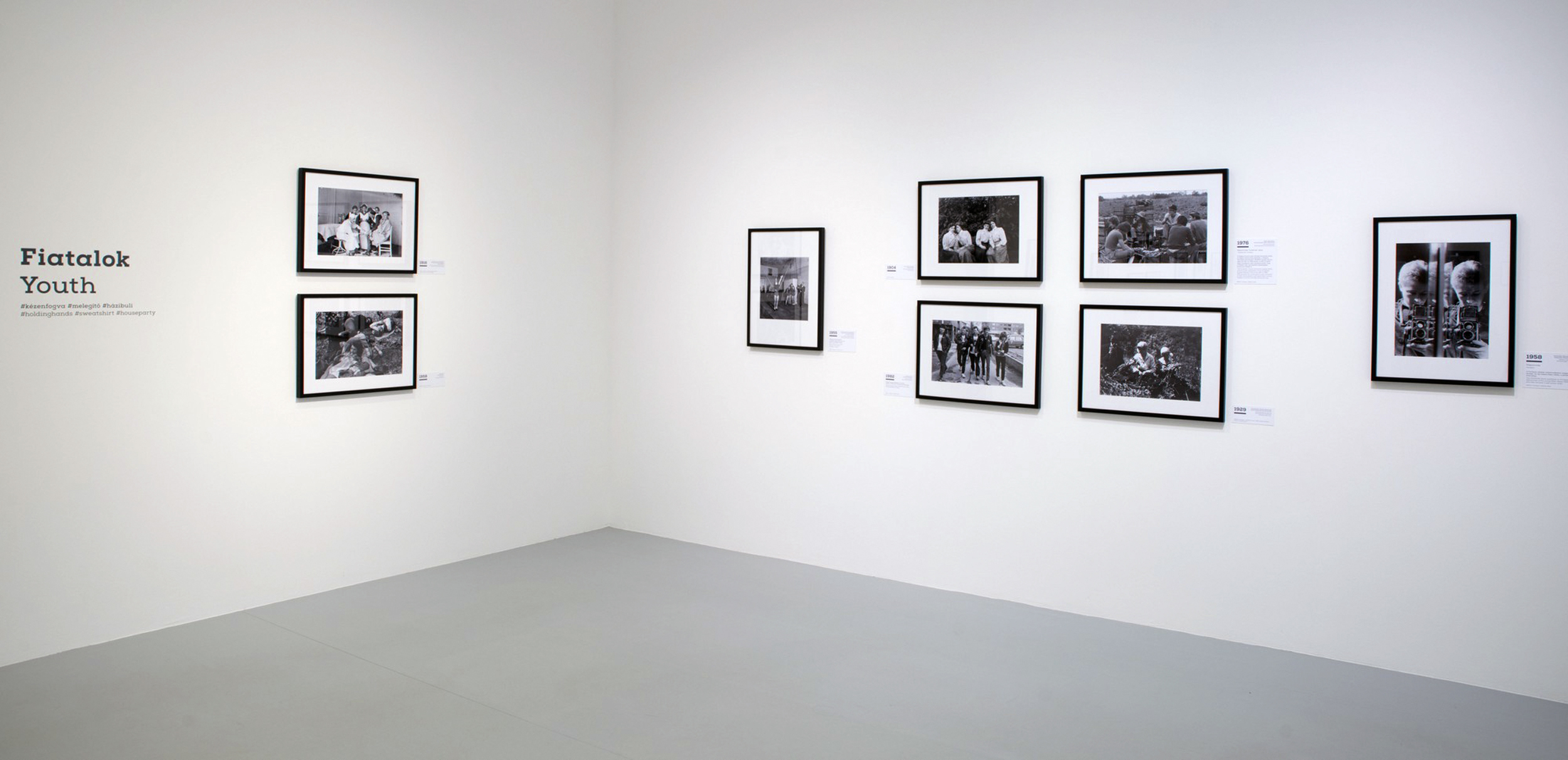

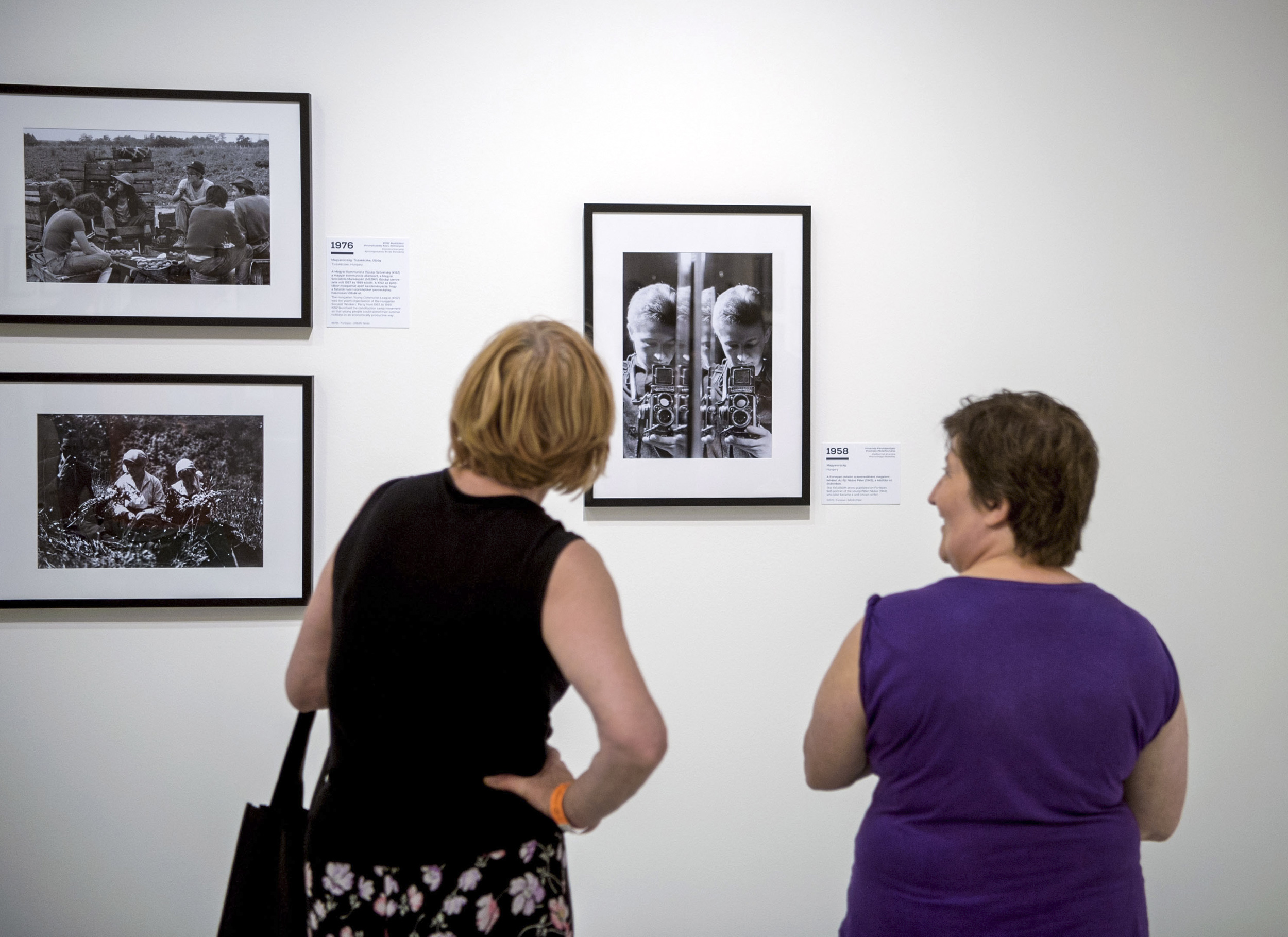
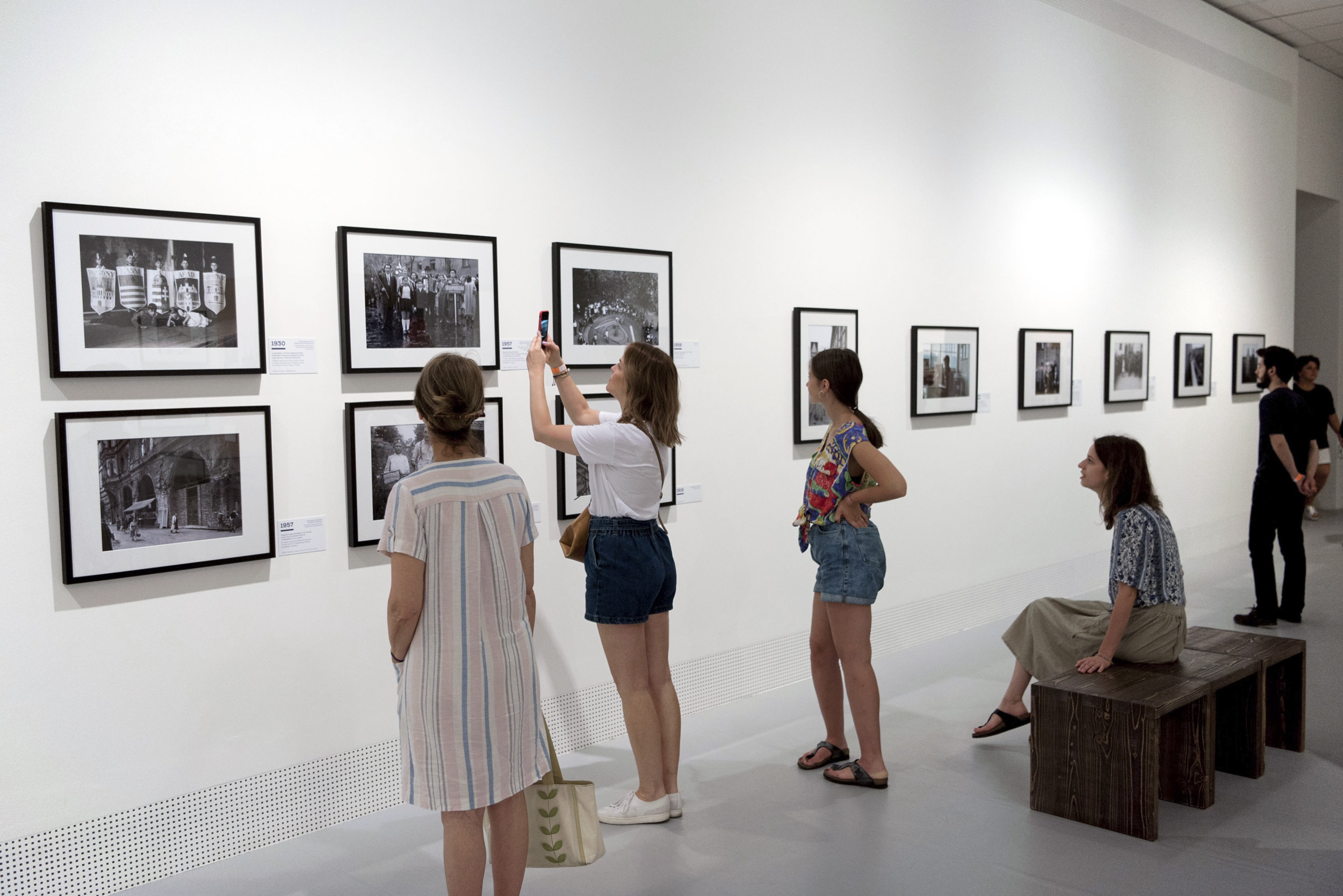


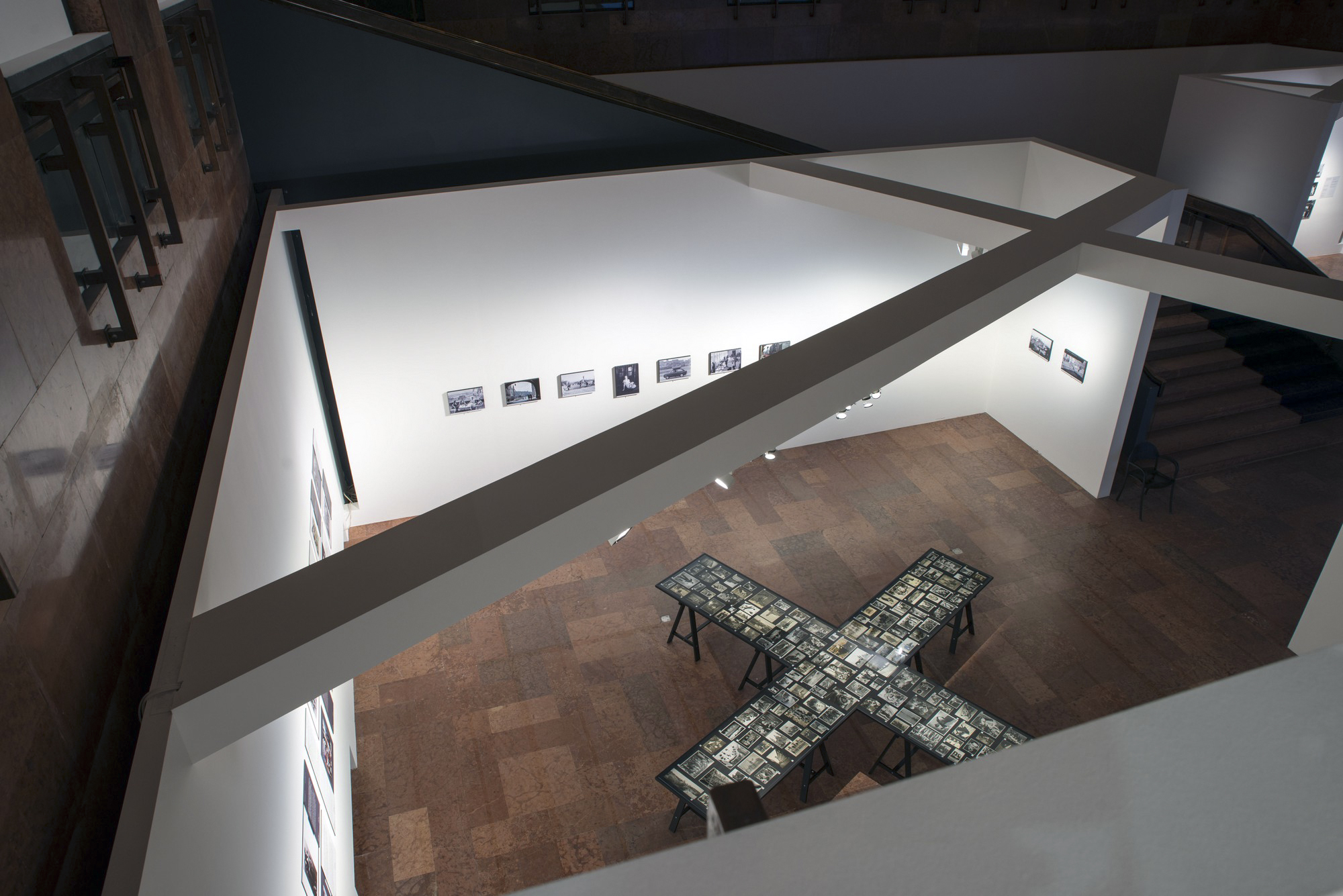
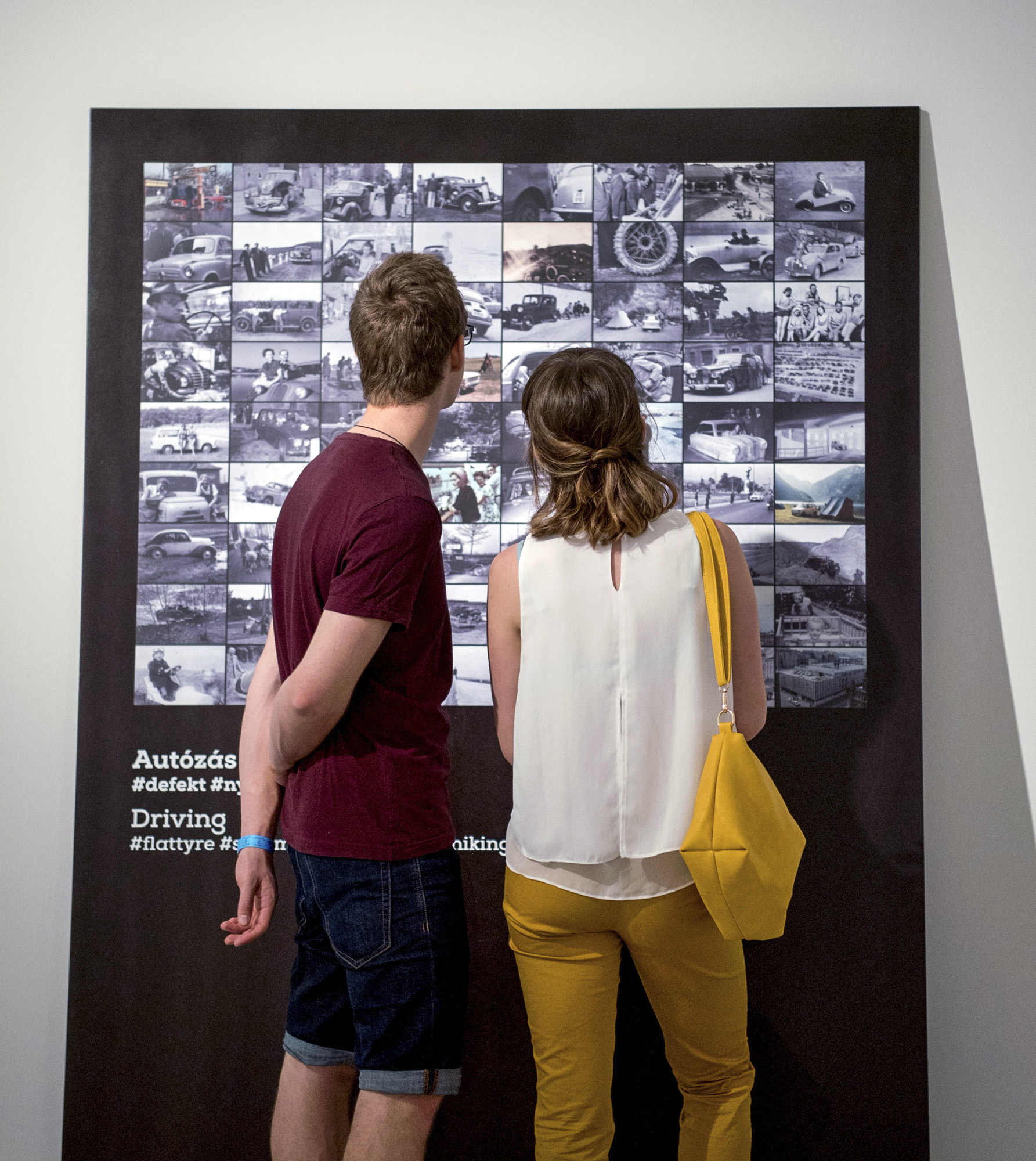


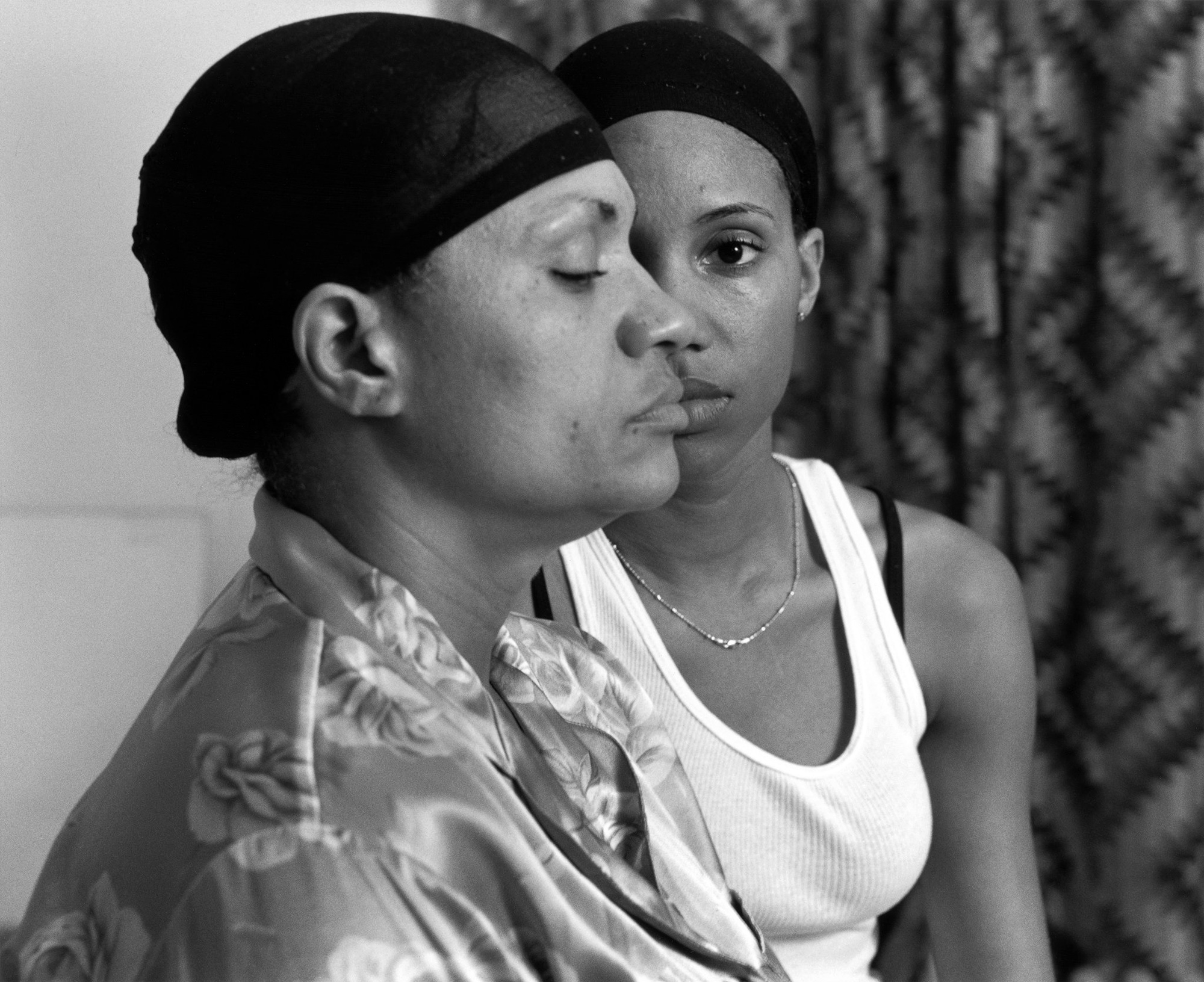

![Photographer unknown (American) 'Untitled [Hidden Mother]' c. 1860s-1870s](https://artblart.com/wp-content/uploads/2018/05/13_hidden-mother_artist-unidentified-web.jpg "Photographer unknown (American) 'Untitled [Hidden Mother]' c. 1860s-1870s")


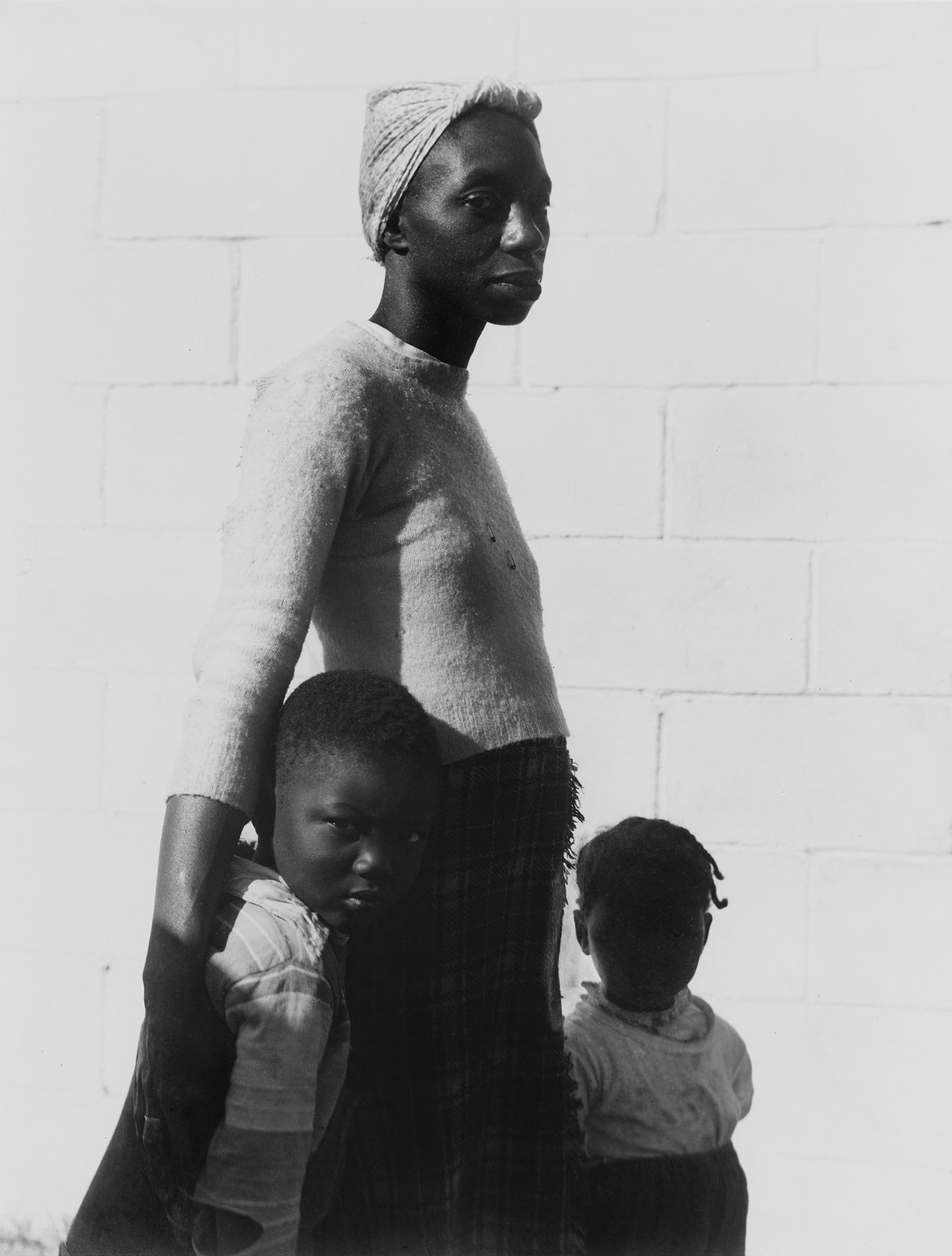
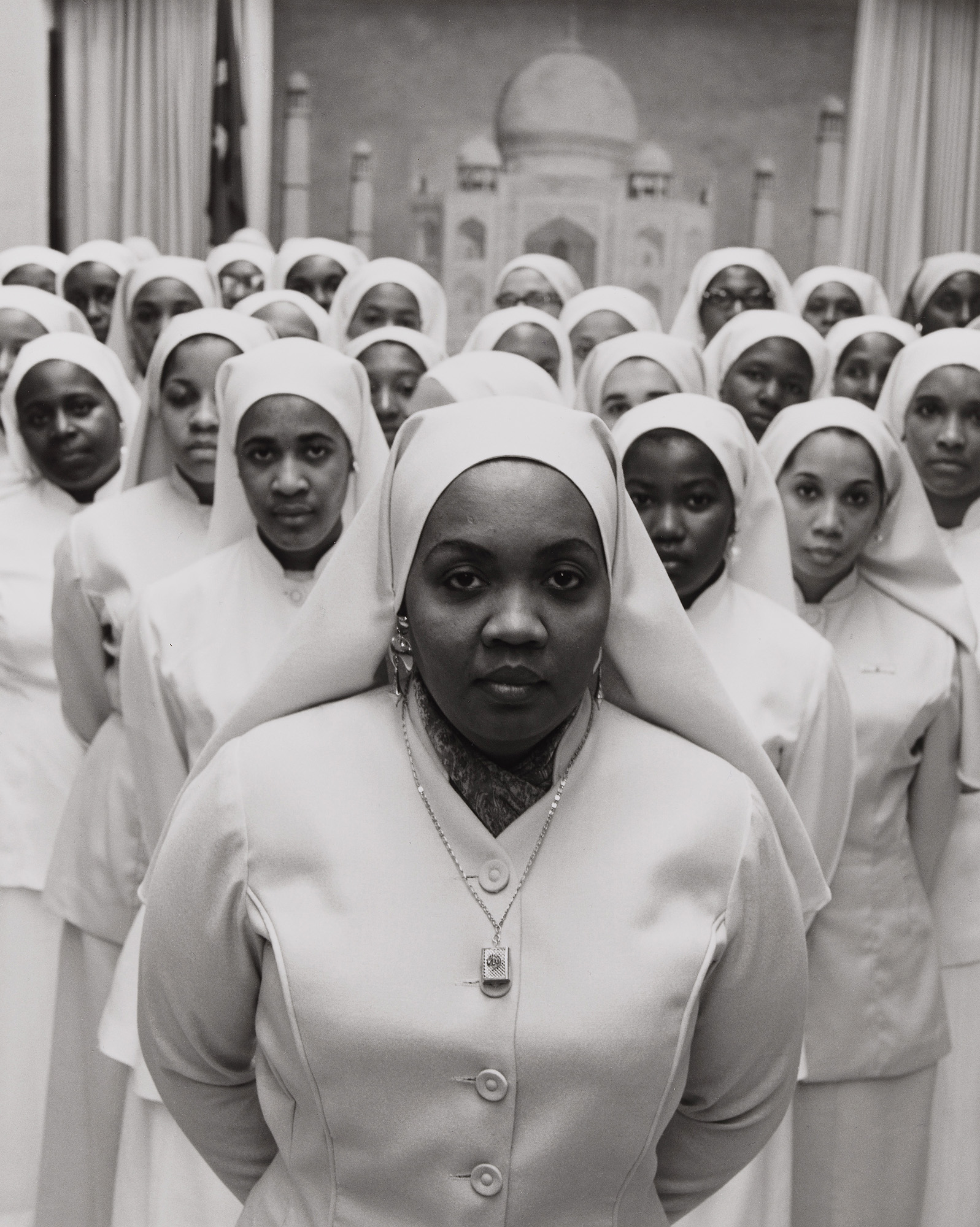


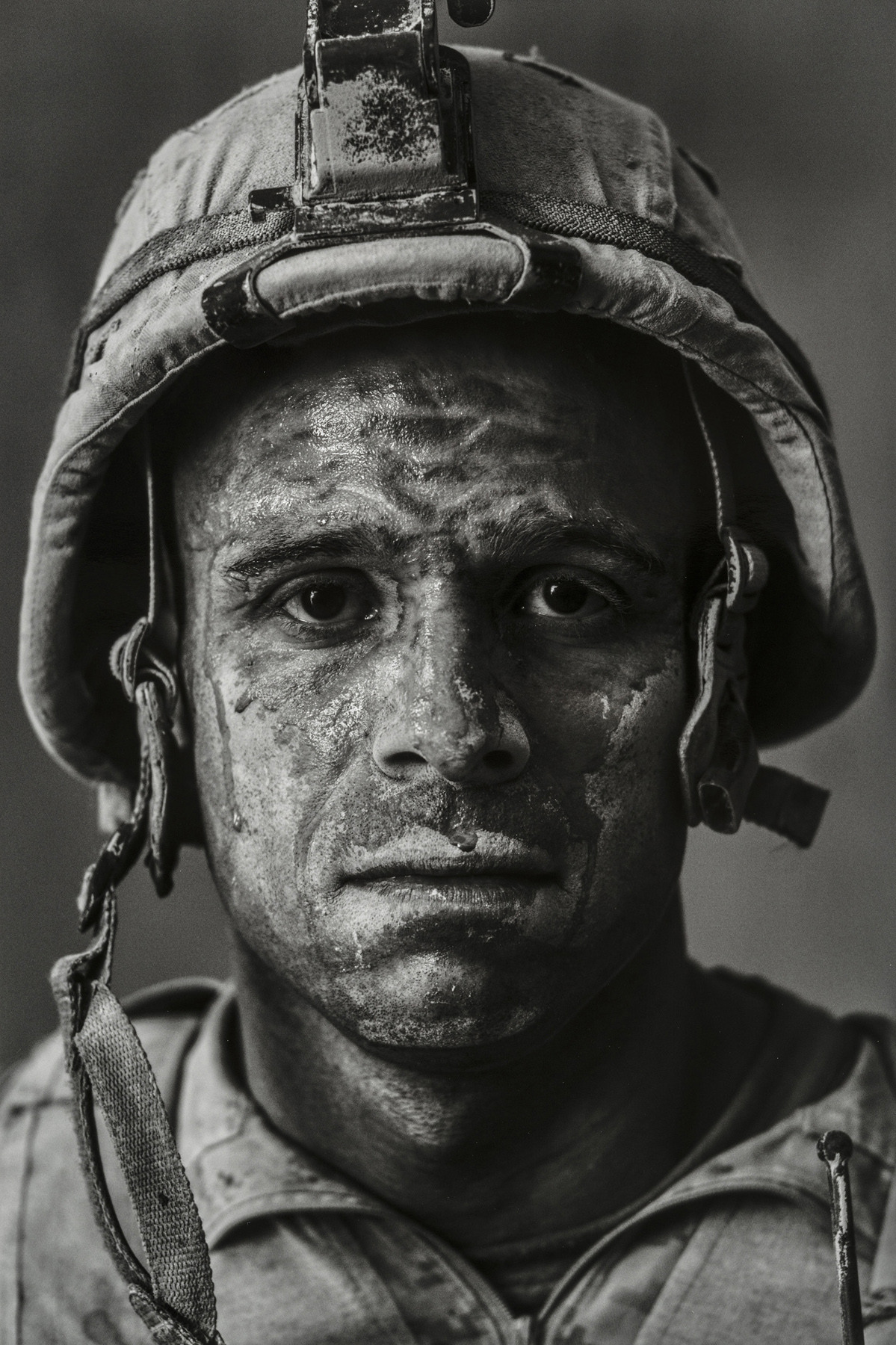


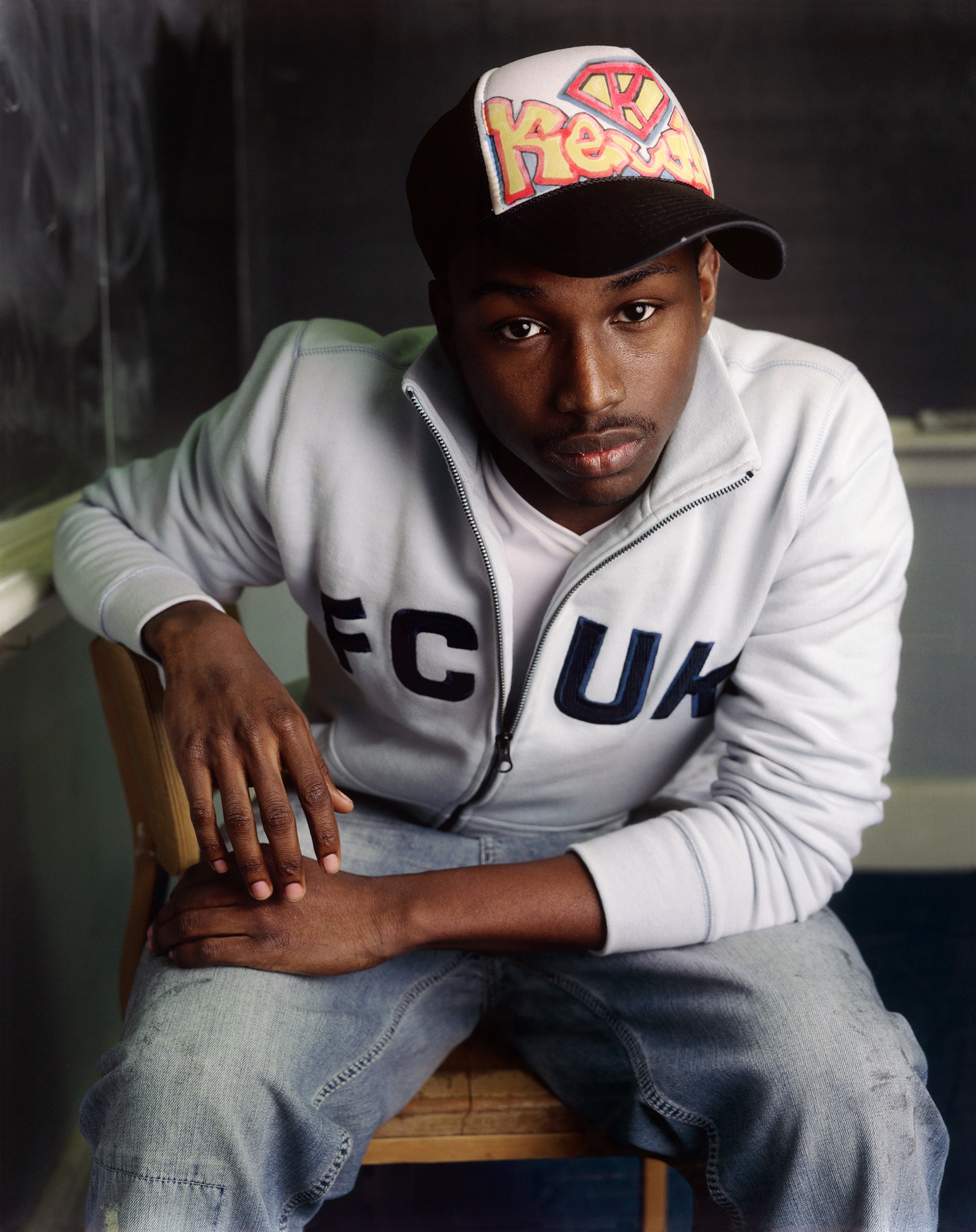


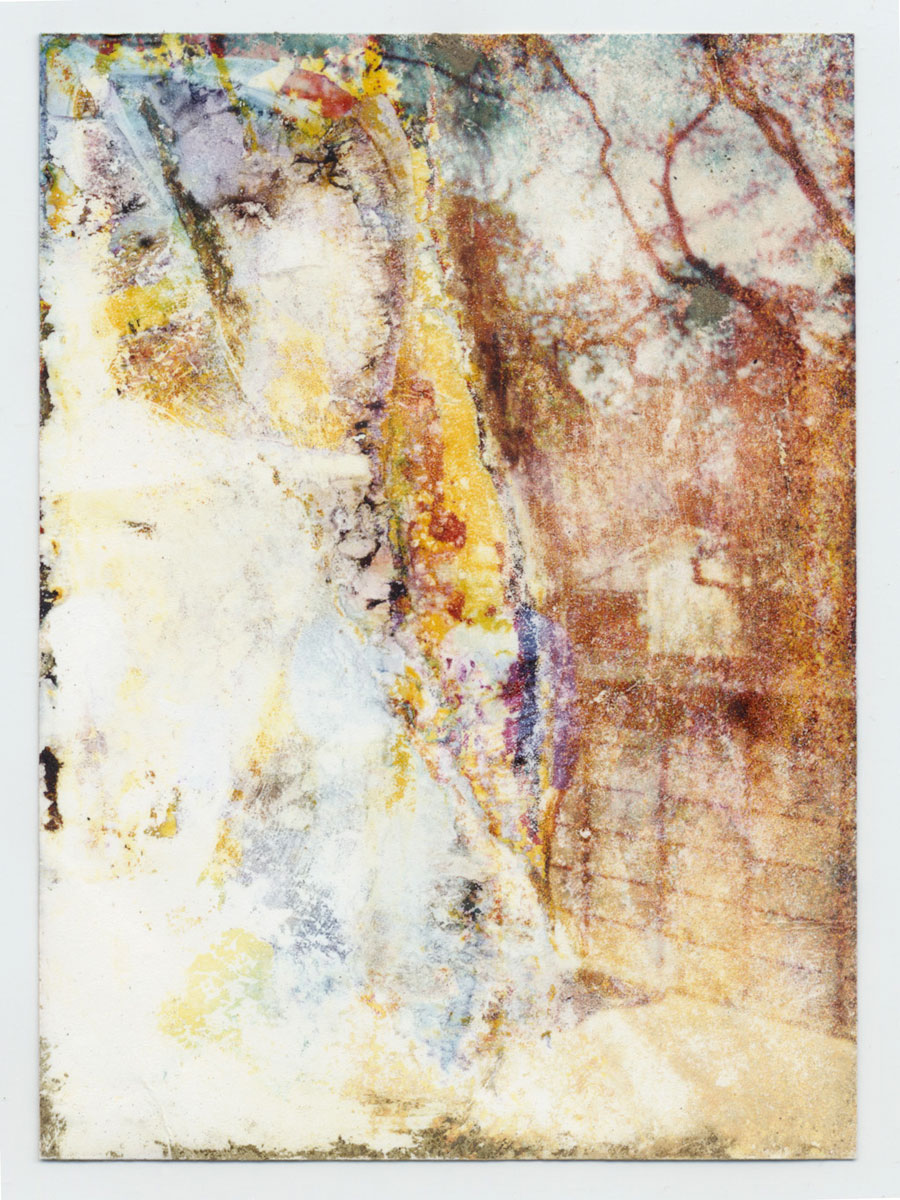


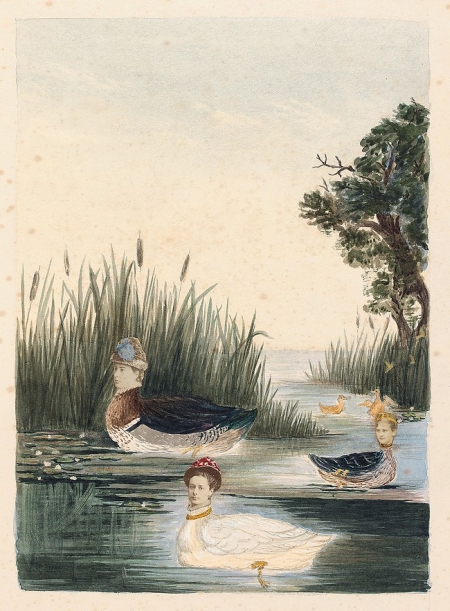
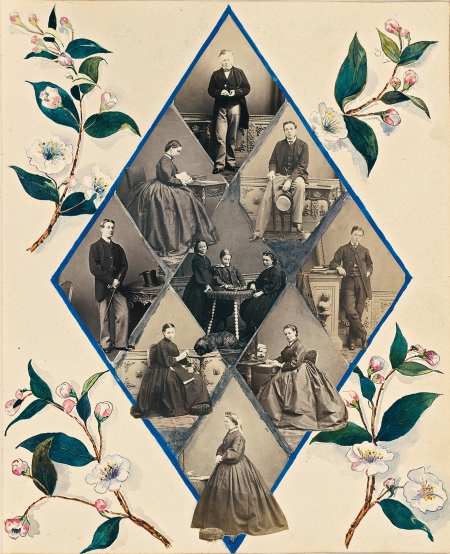
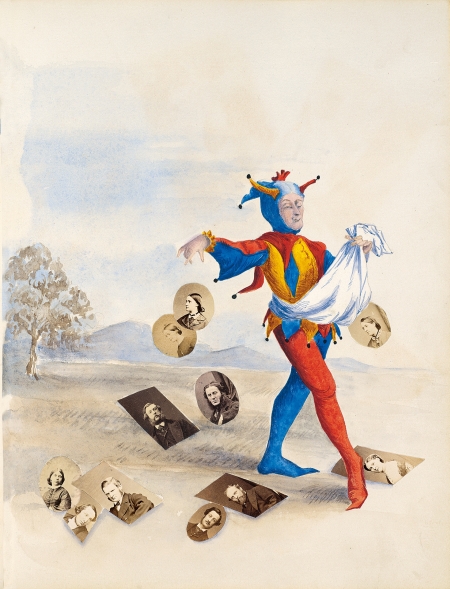
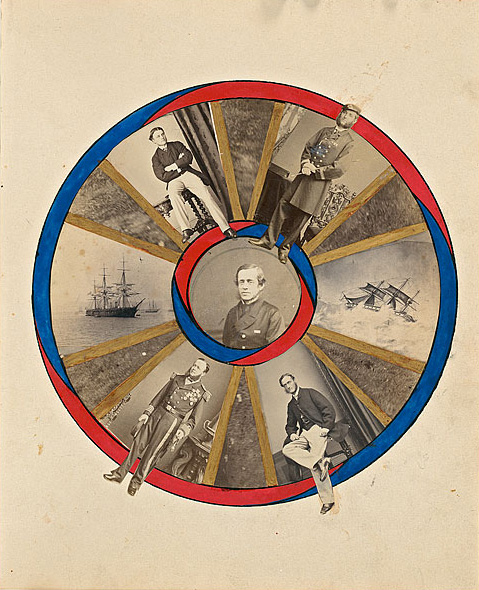
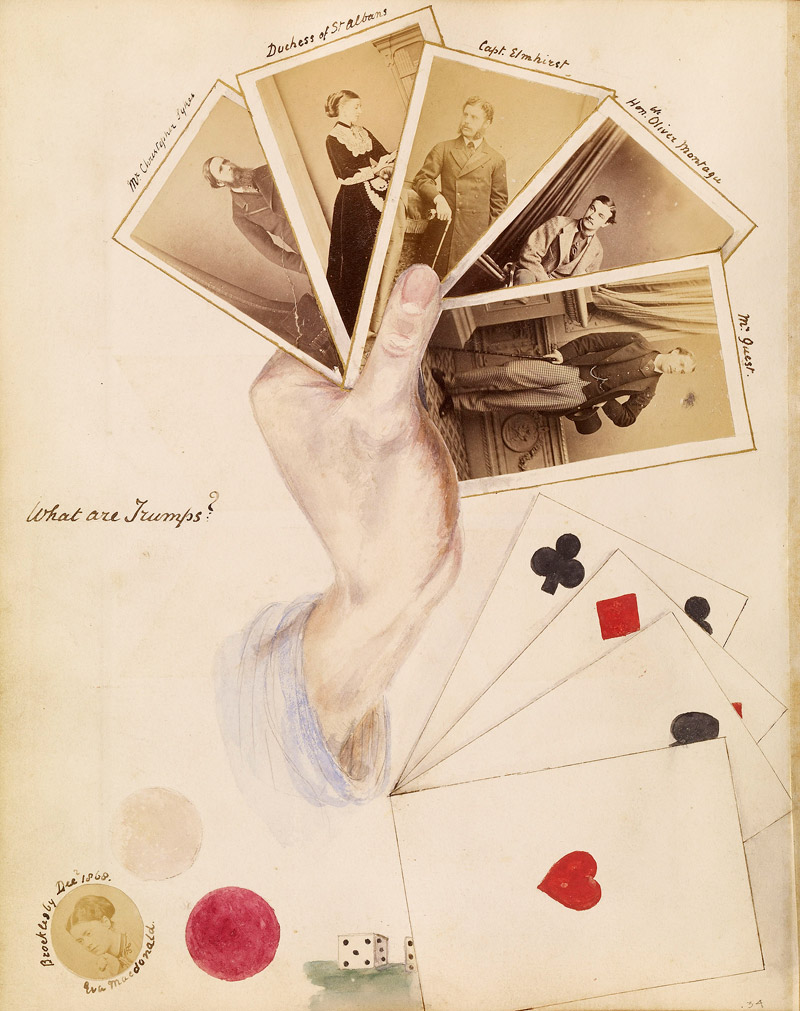
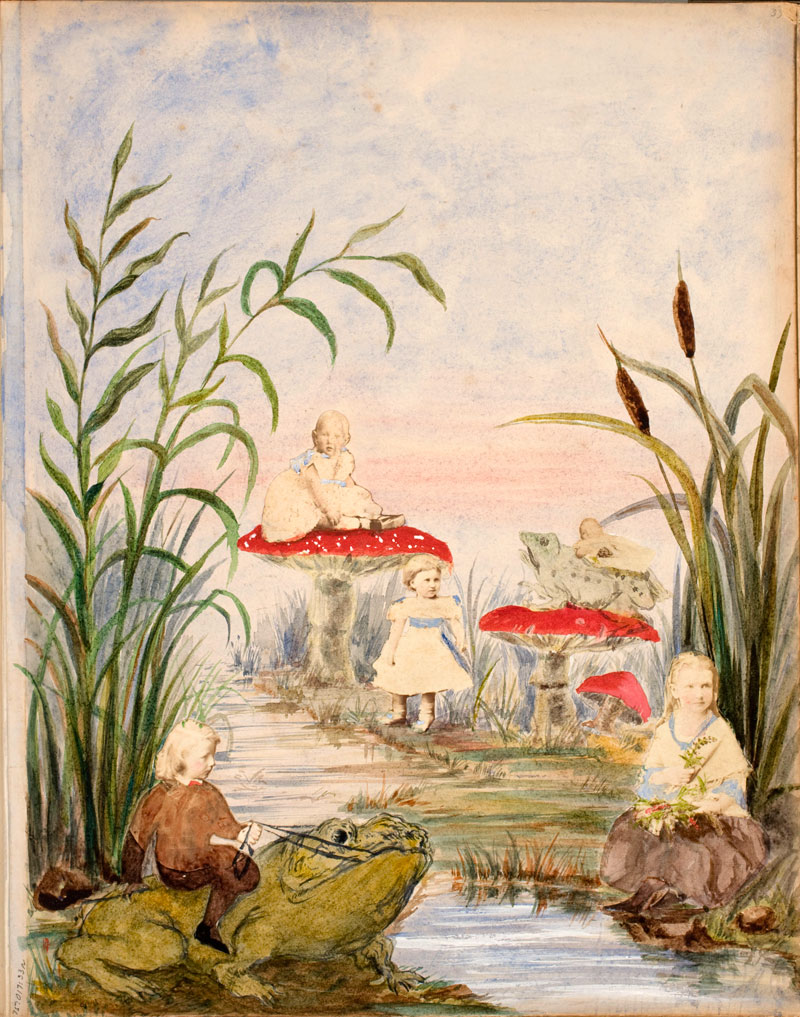
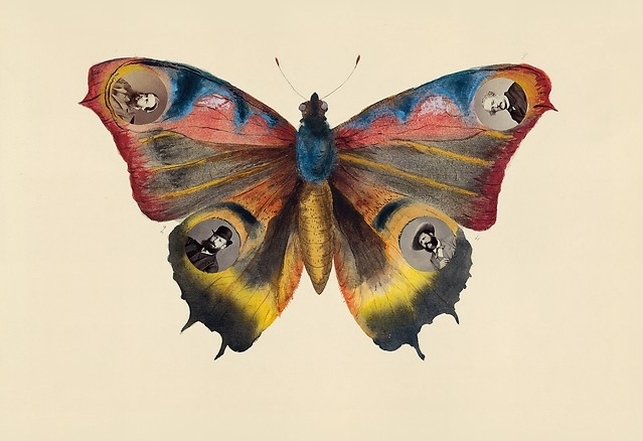
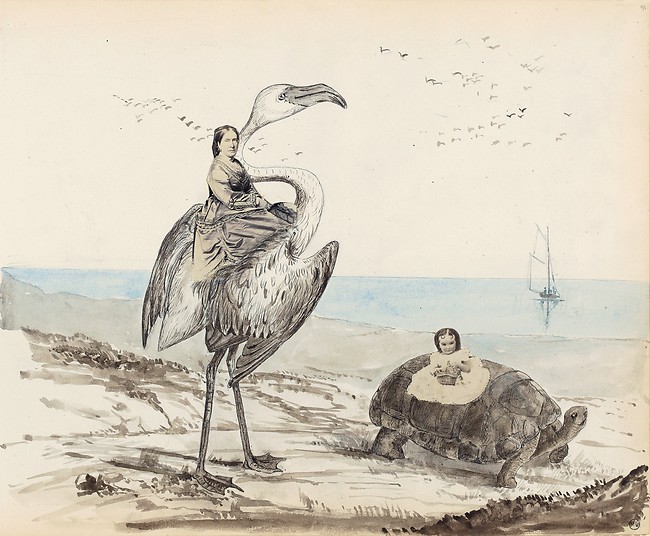
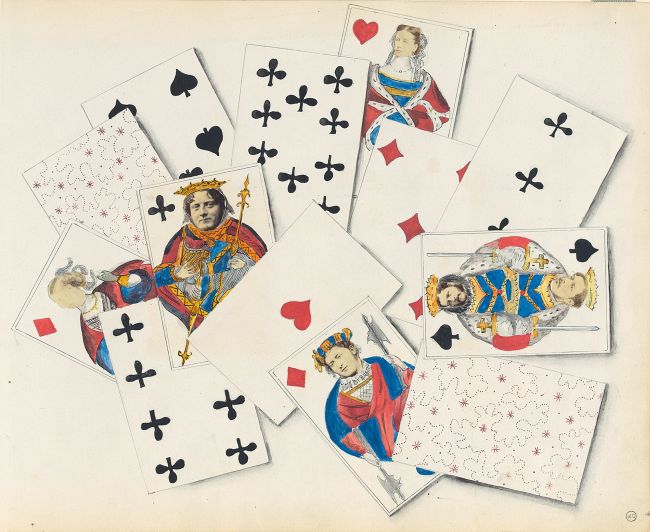
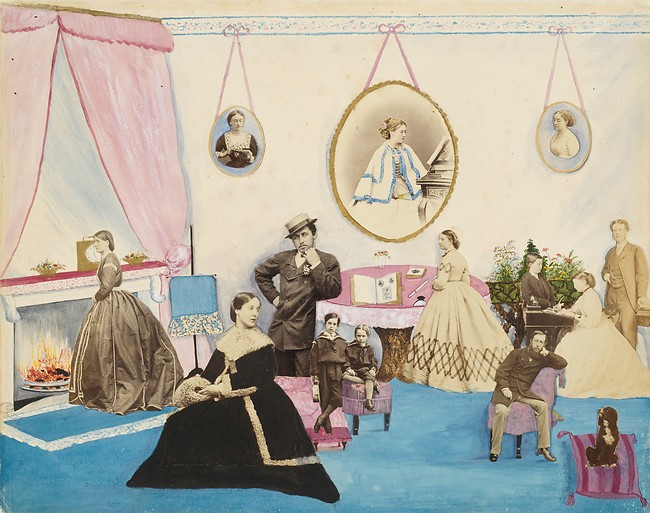
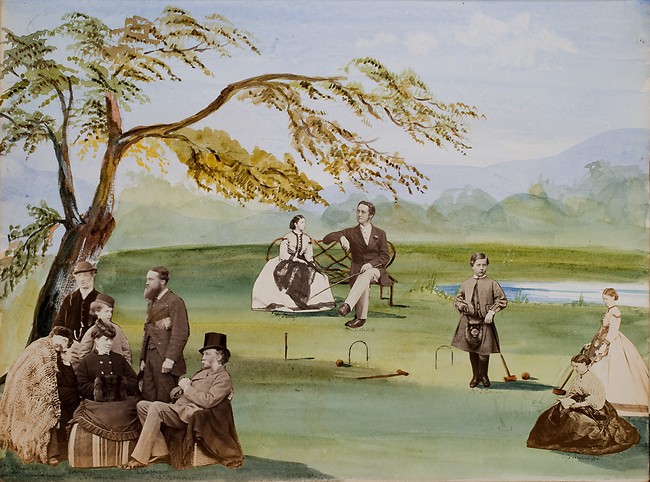


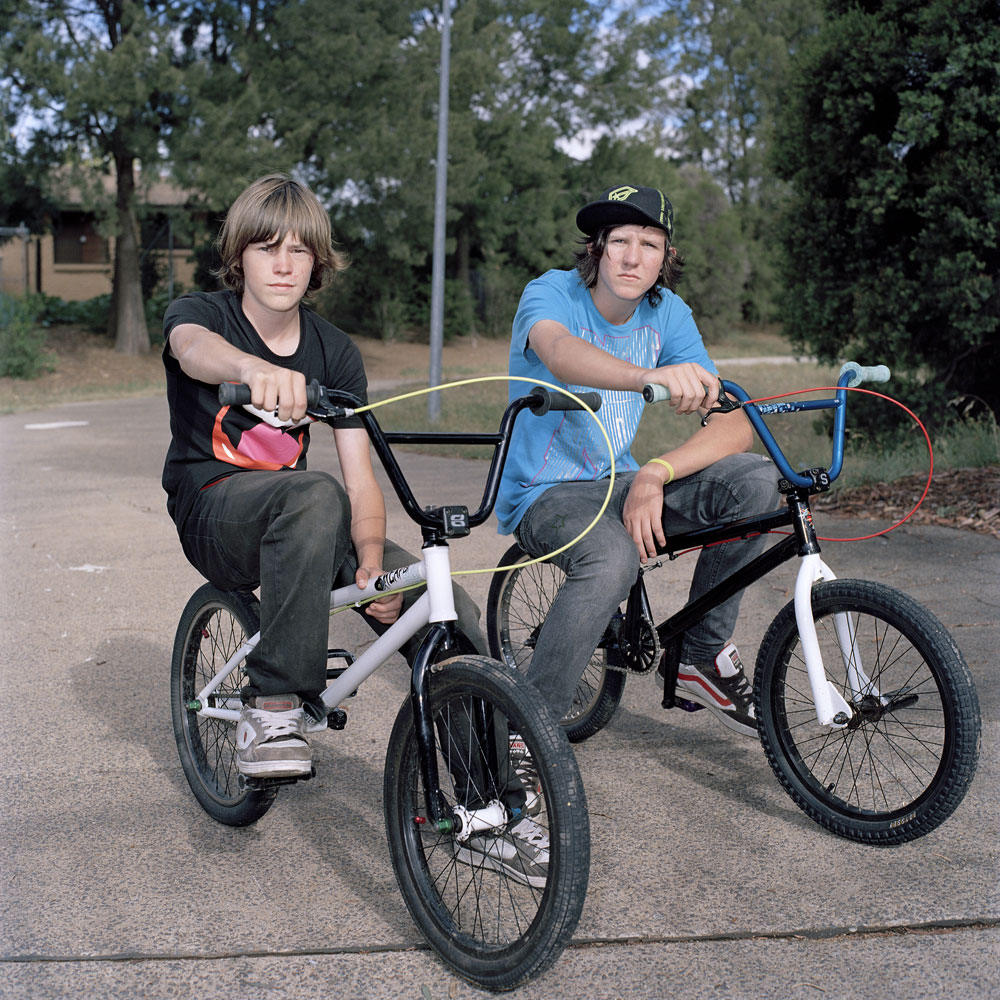
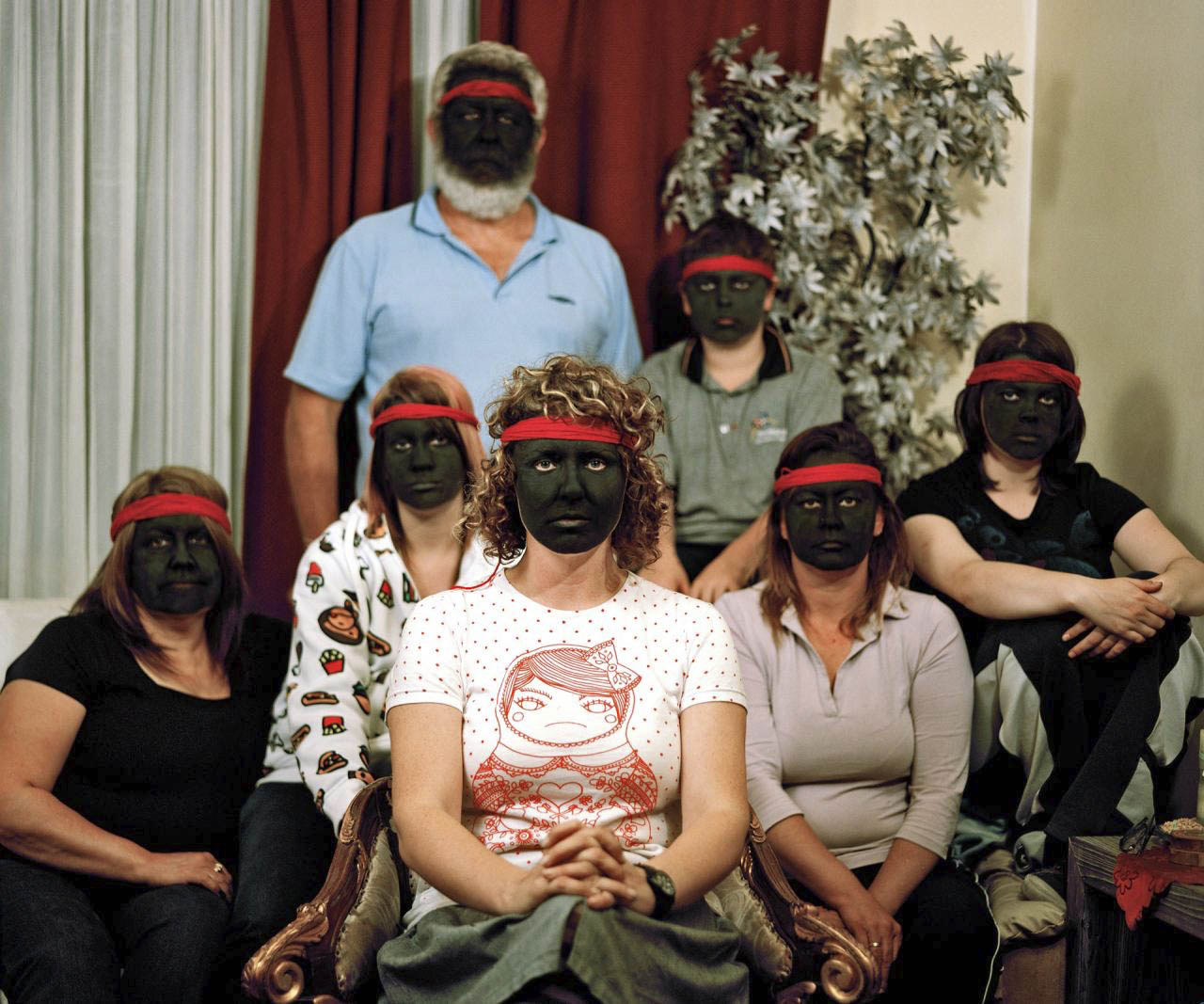
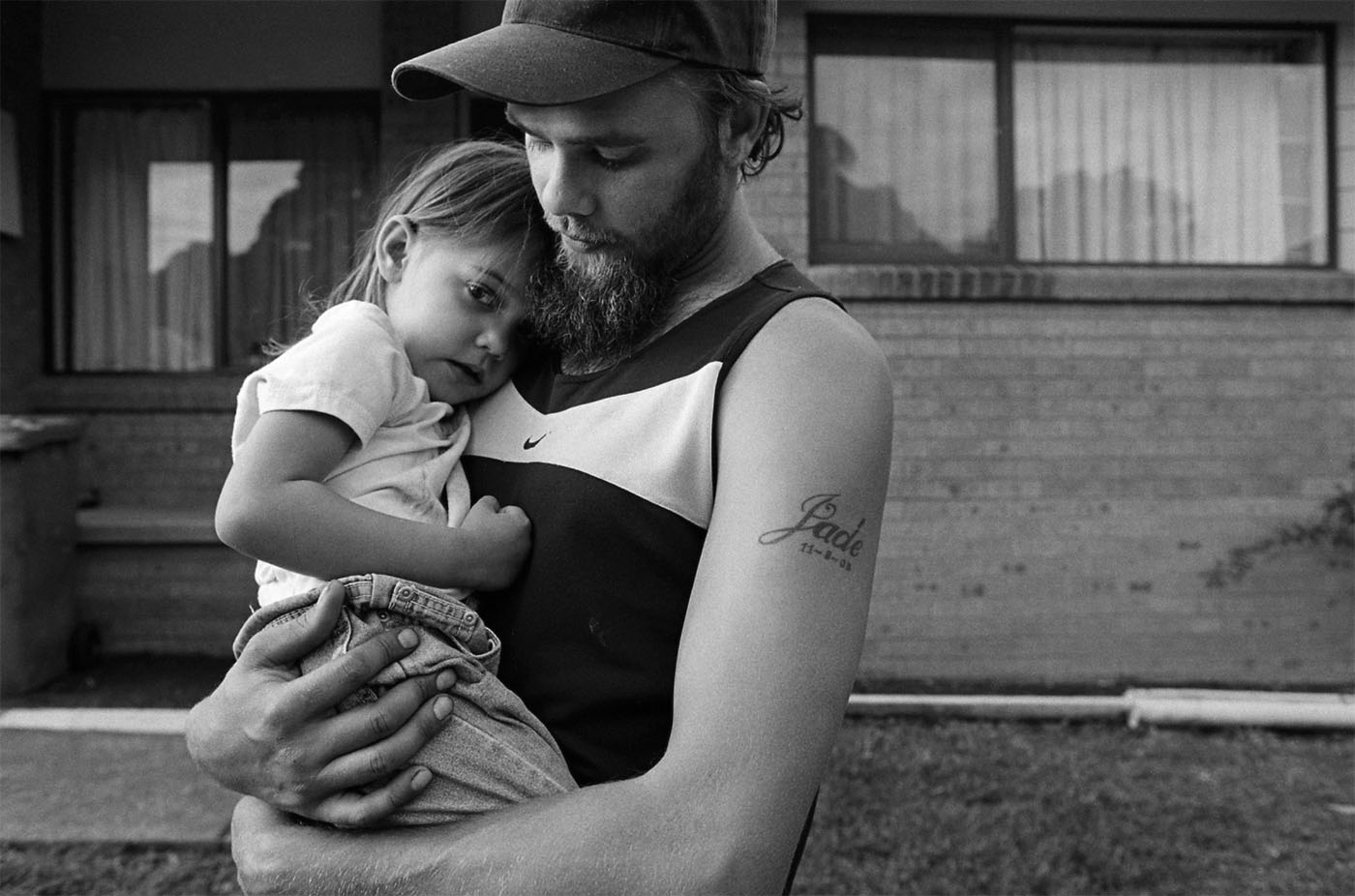
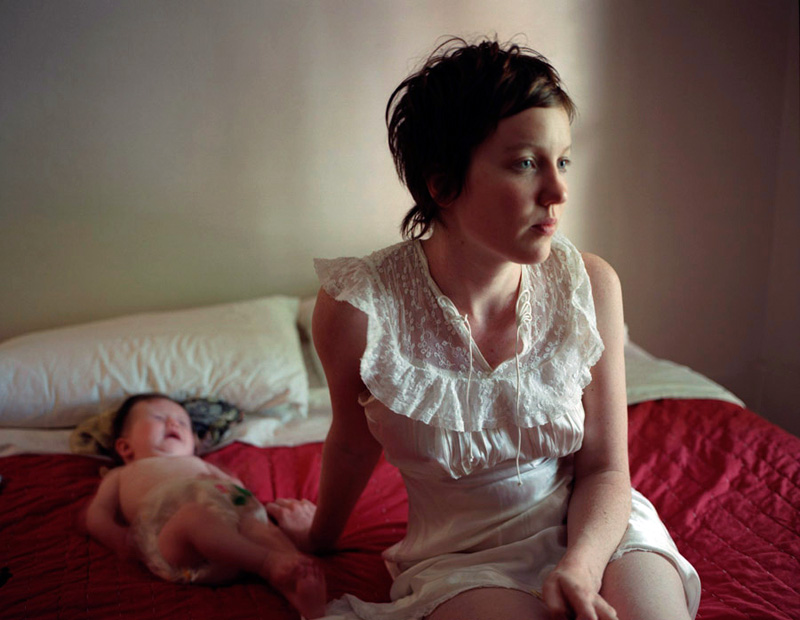
 Art Blart _ art and cultural memory archive
You must be logged in to post a comment.