Exhibition dates: 5th February – 27th February, 2021
Photography & Curation/Art Direction – Tom Goldner Moving Image – Angus Scott Sound – Sean Kenihan Poetry – Dr Judith Crispin (publication) Colourist – CJ Dobson (moving image) Audio Visual – Toto Creative Cover Art – Katherina Rodrigues (publication)
Tom Goldner (Australian, b. 1984) Untitled from the series Do Brumbies Dream In Red? 2020
Strange Beauty
Bloated prostrate tentacles
wither into our idea of dying
overlapping human, shit
feeding foulest vegetables,
regenerating sourly
Kingdoms of foulest water
regorging sourly
Bloated brumbies, winged coal
rejigs
Strange Beauty
Floating in our mind
In grey greasy horror water
Full of surprises –
like a holocaust holding pond
At your peril
Skull twisted,
Served on corrugated soot
Land, once precious
disguised, drained
black, gold – split
burnt to reburn
charred brumbies, flying coal
rem/embers,
Millions of worst worst
Strange Beauty
lost as sources
Boiling, bubbling – like a holocaust
At your peril
Belching wishes to reassemble
Hexing new forms
Bottom of our nightmare
Bottom of our innings
Animals worst worst
Plants unredeemable
Satan not lucifer
Sky a trap
Wings a trap
Escape a trap
Strange Beauty
beside the dead and ugly
like a holocaust
Do you want to …
(At your peril)
… Remember ?
Marcus Bunyan and Ian Lobb, May 2021
Contested Ground
I saw this darkly mysterious, immersive exhibition by the artist Tom Goldner just after Melbourne suffered its mini-five day COVID lock down in February 2021, but I have been awaiting the installation photographs and video of the event to publish this posting.
This stimulating exhibition, with its wonderfully atmospheric sound track, was an overlapping animation of conceptual, documentary photographs that appear in Goldner’s book Do Brumbies Dream in Red? – and placed “the audience within the Snowy Mountains and Victorian Alpine regions during the period of 2019-2020 referred to as the Black Summer“, the project (both multimedia exhibition and book) considering “the systems which position the Snowy Mountain brumby and the catastrophic 2019-2020 Australian bushfires within a time of ecological uncertainty.” The starting point into Goldner’s investigation was that of the Snowy Mountain brumby, an Australian feral wild-roaming horse, an invasive, non-native species introduced during colonisation. The brumbies cannot see in red, and the artist wondered how the world must have appeared to them illuminated by the strange light of the raging bushfires. He uses this idea as a metonym throughout the project which acts as an entry point into both the human and nonhuman world, to begin to understand the human perception of this catastrophic event and the anthropogenic changes that are happening in the Australian landscape.
The research which underpins Goldner’s project is guided “by the work of English professor Timothy Morton and his theories on ‘ecological awareness’ in Dark Ecology (2016), which examine the intersection of places, scales and nonhuman interrelations. Running parallel to these ideas are those of American professor Donna Haraway’s most recent book, Staying with the Trouble (2016). Particularly her concept of the ‘Chthulucene’ that strives to capture a future in which all things in the world are connected, coexist and, in many cases, ‘collaborate’, and through this, we learn to ‘live and die well together’ and achieve a kind of ‘ongoingness’.” The artist seeks to flatten the hierarchy between human and nonhuman life by allowing us to recognise ourselves within the violence we inflict on the natural world during this human-assisted ecological disaster.
While the project professes to challenge the notion of clear and tidy boundaries in a time of ecological uncertainty, in reality it offers a particularly one-eyed perspective on the subject of anthropogenic changes to the landscape. I don’t mind this perspective at all, in fact I applaud it, for the ultimate goal of the photographs is to open our eyes to the destruction that human actions are inflicting on our environment. Through beautifully modulated photographs of great sensitivity Goldner pictures these spaces of destruction and re/generation. But is there ever an “original” landscape to which we must return?
In humans, a reduced sensitivity to red light due to missing or defective L-cones (or long wave cones) is known as protanopia or protanomaly. The derivation of the word protanopia is from the early 20th century: from proto- ‘original’ (red being regarded as the first component of colour vision) + an- ‘lacking’ + ‘opia’- (denoting a visual disorder). Protanomaly makes red look more green and less bright while protanopia makes you unable to tell the difference between red and green at all. People with protanopia are more likely to confuse black with many shades of red; dark brown with dark green, dark orange and dark red; some blues with some reds, purples and dark pinks; and mid-greens with some oranges (see image below).
When the first component of colour vision (red) is lacking we have a visual disorder. How, then, can we see the intersection of the human and non-human world clearly if we have a visual disorder? To what are we to return, to an untouched paradisiacal landscape pre-colonisation, pre-human inhabitation – to an “original” we can no longer see – or do we acknowledge the paradoxical “nature” of our contemporary existence on this earth in a more balanced way. Nothing is ever black and white, or in this case colour(–).1
For many generations humans have lived in the Snowy Mountains and Victorian Alpine regions, singing pastorals to the gods, seeking guidance to live on the land: the mountain ranges are thought to have had Aboriginal occupation for 20,000 years and after the areas were first explored by Europeans from the 1830s-1850s, high country stockmen followed using the mountains for grazing during the summer months (Wikipedia). Over the last few years, people of Victoria’s high country and animal lovers have rallied against the proposed culling of feral brumbies in the state’s national parks. They cite that brumbies hold “heritage value, they are part of our cultural and social history. Brumbies have lived in our Heritage National Parks for two centuries; are descendants of remounts that were sent to War with our soldiers… Brumbies were immortalised by Banjo Patterson, feature in paintings by Sydney Nolan and written about in the Silvery Brumby novels by Ellyne Mitchell. Brumbies are part of the fabric of our Australian society. It is undeniable that extremist elements must not be allowed to dictate on cultural and social values.”2 Goldner states that, “Brumbies are a symbol of national consciousness. While they may be labelled as a ‘feral species’ and a threat to native ecosystems by environmentalists, they are also valued as an important part of Australia’s history as a symbol of national spirit.”
Contested ground indeed, and perhaps one that needed to be more fully investigated in Goldner’s project.
While the second sentence in the above paragraph is true I would argue that the opposite of the first sentence is at least possible – that brumbies are an anti-symbol of national consciousness, for the animals hardly ever impinge on the collective consciousness of most Australians when they think about the Australian landscape. How often would the vast bulk of the city-dwelling Australian population think about the brumby as a symbol of national consciousness? Hardly ever would be my answer. It is not an original thought about the landscape that they would have.
Walking through the darkened spaces of the exhibition, I let the phenomena of superb images and sounds wash over me. The experience was particularly moving given the strange beauty of the limited colour palette images and the atmospheric vibrations of the music. For me, the key image of the exhibition was not that of the bloated brumby lying prostrate on the blackened earth, but that of an isolated grave standing erect in the scorched landscape. With no context to allow the viewer to anchor this grave to a historical past, all we are left with are questions and metaphors. What is this grave doing seemingly in the middle of nowhere? Who is the person buried there? The metaphors are rich indeed: the erect whiteness of the white man’s grave stone isolated against the black ness of the landscape, a landscape not their own, and perhaps not of their own making. The anonymous writing on the grave stone standing as a metaphor for any human who has ever lived. The iron fence that segregates the human from the land even as they buried in it… as though they are a part of this earth but apart from it. A masterful image if ever I saw one.
In the overlapping, interstitial, spatio-temporal dimensions of the gallery I placed myself into the existence of these works, into their networks of existence. As the artist wanted, I recognised “the violence we inflict on the natural world during this human-assisted ecological disaster” but not, I insist, through the flattening of the hierarchy between human and nonhuman life but through it’s very opposite – through an acknowledgement of the multiple, fragmented, lexias of existence,2 networks that live in multiple levels of intersectionality, like a spiders web created in the dimensions of extended space. Into this geometry of space, into the spatio-temporal ‘nature’ of photography – death, power, transcendence, timelines, delay, exposure, territorialisations, assemblage, bricolage, rhizomic structures and the author – “seeing is no longer framed or presupposed through relations of distance or perspective. Rather, the eye and the visible are embodied as they struggle with positionality, in the physical, mental, and emotional conflicts that result when you have to take responsibility for what you see, instead of conferring that responsibility on an-other.”4
Goldner’s vision embodies this ongoing thickness, this ongoing responsibility.
Dr Marcus Bunyan
Footnotes
1/ “Conceptually, wholes are divided up or taken apart, dis-integrated into component pieces. They may be reintegrated, but in a way that reflects the understanding of those pieces at the time of their disassembly; the way the functions of individual parts of a whole are seen depends on the way the whole is divided into parts. Different visions result in different views of the whole.” Wolf, Mark. Abstracting Reality: Art, Communication, and Cognition in the Digital Age. Lanham: University Press of America, 2000, p. 196.
2/ Anonymous author. “Melbourne rally “Stop the bullets”,” media release on the Australian Brumby Alliance website May 1, 2021 [Online] Cited 09/05/2021.
3/ Lexia is perhaps the most widely applicable term for describing the linked pieces of information within a hypertext, referred to in various contexts as nodes, pages, frames and workspaces.
4/ Burnett, Ron. Cultures of Vision: Images, Media, & the Imaginary. Bloomington: Indiana University Press, 1995, pp. 137-138.
Many thankx to Tom Goldner for allowing me to publish the photographs and video in the posting. Please click on the photographs for a larger version of the image. The Do Brumbies Dream in Red? – Photo Book is available from Tom Goldner’s website.
Protanopia vision
Photography & Curation/Art Direction – Tom Goldner Moving Image – Angus Scott
Photography & Curation/Art Direction – Tom Goldner Moving Image – Angus Scott
“A large portion of the project was made in the Snowy Mountain region of New South Wales.
During the first tip to the fire grounds in early January 2020 we came across a wild horse… It had died of a lung bleed while trying to escape the bushfires. I used the brumby as an entry point into Australia’s colonial history, proposing that the brumby is a manifestation of our collective actions.
I later learn that horses only see in blues and greens, and I wondered how the world must have appeared to them illuminated by that strange red light.
The project asks, can we too see the world differently?”
Tom Goldner on the Blackriver website [Online] Cited 05/04/2021
Do Brumbies Dream in Red? is a research-driven project which explores anthropogenic changes in the Australian landscape through the use of conceptual documentary photography. Presented as an immersive experience this collaborative project utilises large-scale projection to place the audience within the Snowy Mountains and Victorian Alpine regions during the period of 2019-2020 referred to as the Black Summer.
Do Brumbies Dream in Red? negotiates the human perception of this catastrophic event. This exhibition and publication reveals the bushfires and resulting damage through the eyes of another human-assisted ecological disaster, one of an invasive species: the Snowy Mountain Brumby.
The project considers the systems which position the Snowy Mountain brumby and the catastrophic 2019-2020 Australian bushfires within a time of ecological uncertainty. The Snowy Mountain brumby, an Australian feral wild-roaming horse, appears as a metonym throughout the project and acts as an entry point into both the human and nonhuman world.
Installation views of the exhibition Do Brumbies Dream In Red? – Tom Goldner 2021 at the Meat Market Stables, Melbourne
“Mixed-up times are overflowing with both pain and joy – with vastly unjust patterns of pain and joy, with unnecessary killing of ongoingness but also with necessary resurgence. The task is to make kin in lines of inventive connection as a practice of learning to live and die well with each other in a thick present. Our task is to make trouble, to stir up potent response to devastating events, as well as to settle troubled waters and rebuild quiet places.”
Donna Haraway, 2016
Do Brumbies Dream in Red? is a project driven by research which explores anthropogenic changes in the Australian landscape through the use of conceptual documentary photography, video and audio recordings.
The project considers the systems which position the Snowy Mountain brumby and the catastrophic 2019-2020 Australian bushfires within a time of ecological uncertainty. The Snowy Mountain brumby, an Australian feral wild-roaming horse, appears as a metonym throughout the project and acts as an entry point into both the human and nonhuman world.
Brumbies are a symbol of national consciousness. While they may be labelled as a ‘feral species’ and a threat to native ecosystems by environmentalists, they are also valued as an important part of Australia’s history as a symbol of national spirit. Brumbies represent wildness and the way we relate to, and attempt to control, nature.
The project challenges the notion of clear and tidy boundaries in a time of ecological uncertainty. The research is underpinned by the work of English professor Timothy Morton and his theories on ‘ecological awareness’ in Dark Ecology (2016), which examine the intersection of places, scales and nonhuman interrelations. Running parallel to these ideas are those of American professor Donna Haraway’s most recent book, Staying with the Trouble (2016). Particularly her concept of the ‘Chthulucene’ that strives to capture a future in which all things in the world are connected, coexist and, in many cases, ‘collaborate’, and through this, we learn to ‘live and die well together’ and achieve a kind of ‘ongoingness’.
Do Brumbies Dream in Red? seeks to flatten the hierarchy between human and nonhuman life by allowing us to recognise ourselves within the violence we inflict on the natural world. The visual outcomes that navigate these ideas are intertwined and are driven by a series of photographs, moving images and audio recordings. The project culminates in a photobook with an accompanying poem by Australian artist and academic Dr Judith Nangala Crispin. The publication was produced to be presented alongside a mixed-media exhibition, comprising of large-format projected still and moving imagery and a soundscape.
Text from the Tom Goldner website [Online] Cited 05/04/2021
Tom Goldner (Australian, b. 1984) Untitled from the series Do Brumbies Dream In Red? 2020
Tom Goldner (Australian, b. 1984) Untitled from the series Do Brumbies Dream In Red? 2020
Tom Goldner (Australian, b. 1984) Untitled from the series Do Brumbies Dream In Red? 2020
Tom Goldner (Australian, b. 1984) Untitled from the series Do Brumbies Dream In Red? 2020
Tom Goldner (Australian, b. 1984) Untitled from the series Do Brumbies Dream In Red? 2020
Tom Goldner (Australian, b. 1984) Untitled from the series Do Brumbies Dream In Red? 2020
Tom Goldner (Australian, b. 1984) Untitled from the series Do Brumbies Dream In Red? 2020
Tom Goldner (Australian, b. 1984) Untitled from the series Do Brumbies Dream In Red? 2020
Tom Goldner (Australian, b. 1984) Untitled from the series Do Brumbies Dream In Red? 2020
Tom Goldner (Australian, b. 1984) Untitled from the series Do Brumbies Dream In Red? 2020
Tom Goldner (Australian, b. 1984) Untitled from the series Do Brumbies Dream In Red? 2020
Tom Goldner (Australian, b. 1984) Untitled from the series Do Brumbies Dream In Red? 2020
Tom Goldner (Australian, b. 1984) Untitled from the series Do Brumbies Dream In Red? 2020
Tom Goldner (Australian, b. 1984) Untitled from the series Do Brumbies Dream In Red? 2020
Tom Goldner (Australian, b. 1984) Untitled from the series Do Brumbies Dream In Red? 2020
Tom Goldner (Australian, b. 1984) Untitled from the series Do Brumbies Dream In Red? 2020
Tom Goldner (Australian, b. 1984) Untitled from the series Do Brumbies Dream In Red? 2020
Early in his career, Bey realised the importance of collaborating with his subjects to make a picture that would also serve as a dialogue between artist and subject: “I wanted to photograph this man in the bowler hat who was talking to a group of three friends and I had no idea how to interrupt their conversation in order to do so. This is when I first realised that it wasn’t just about the photograph; it was also about establishing a relationship out of which comes the photograph.”
I have always admired artists who have a social conscience, who investigate their subject matter with intelligence, empathy and insight.
I have always admired artist who examine their subject matter from different perspectives, turning the diamond of the world in light, to probe the moral and existential questions of existence.
I have always admired artists who develop their practice, never repeating for the sake of it the same constructs over and over – from a lack of imagination, to be successful, or to follow the money trail.
One such artist is Dawoud Bey.
From formal to informal portraiture, through conceptual “bodies”, Bey’s work visualises Black American history in the present moment, not by using the trope of reusing colonial photographs or memorabilia, but by presenting afresh the history of injustice enacted on a people and a culture, picturing their ongoing pain and disenfranchisement – in the here and now – through powerful and deeply political photographs. As the press release observes, Bey “has used his camera to create poignant meditations on visibility, race, place, and American history.”
“His art is grounded in the concept of citizenship, community and belonging, and especially in centring the experiences and histories of Black Americans at the forefront of our culture. His photographs actively work to provide space, voice and visibility for communities who have long been excluded from dominant narratives, especially in institutions like museums.”
From his early street photographs through the later large format Polaroid work and on to the conceptual series, Bey’s photographs have an engaging directness and candour to them. There are no photographic or subjective histrionics here, just immensely rich social documentary photographs that speak truth to subject. The subjects stare directly at the camera and reveal themselves with a poignant honesty.
The series that affected me most deeply was The Birmingham Project.
“On September 15, 1963, the Ku Klux Klan dynamited the 16th Street Baptist Church in Birmingham, Alabama, murdering four African American girls inside. Two Black boys were also killed later that same day in the violence that ensued. Bey’s series The Birmingham Project commemorated the fiftieth anniversary of this horrific event, rendering it painfully immediate. Bey made formal portraits of Birmingham children the same ages as the victims and adults fifty years older – the ages the victims would have been had they lived. He then paired the photographs in diptychs that both honour the community’s unthinkable loss and make tangible the continued impact of racism, violence, and trauma in the present.”
All the suffering, all the ongoing pain and misery of an unfair world was, to me, wrapped up in these unforgettable images. The violence against other human beings, against people of difference 50 years ago brought into the present. Thinking about what these people could have achieved in the world, what life they would have led, what they would have looked like. Photography transcending time and space, Bey intelligently bringing past into present future. As Bey says, “I wanted to give those young people a more tangible, less-mythic, palpable presence… I wanted to figure out how to show the passage of time and the tragic loss of possibility.”
In my imagination I try to construct this tragic loss of possibility through the agency of Bey’s photographs. They produce sadness, anger, and empathy in me. They bring the possibility of change to the forefront of my mind, and an acknowledgment that we can all do better, that the world must do better. And that experience is a powerful thing.
Dr Marcus Bunyan.
Many thankx to the High Museum of Art for allowing me to publish the photographs in the posting. Please click on the photographs for a larger version of the image.
“I’ve come to believe that the best works tend to result not from the imposition of an idea on a situation, but to be responsive to what’s going on once you get there.”
“How can one visualise African American history and make that history resonate in the contemporary moment?”
Dawoud Bey
“Dreams are spaces that do not yet exist, except by escape through an unknown night.”
Anna Mirzayan
“I Never Had White Folks That Was Good To Me, EVER… We all worked jest like dogs and had about half enough to eat and got whupped for everything. Our days was a constant misery to us… My old Master was Dave Giles, the meanest man that ever lived. He didn’t have many slaves, my mammy, and me, and my sister, Uncle Bill, and Truman. He had owned my grandma but he give her a bad whupping and she never did git over it and died. We all done as much work as a dozen niggers – we knowed we had to. I seen old Master git mad at Truman and he buckled him down across a barrel and whupped him till he cut the blood out of him and then he rubbed salt and pepper in the raw places. It looked like Truman would die it hurt so bad. I know that don’t sound reasonable that a white man in a Christian community would do such a thing but you can’t realise how heartless he was. People didn’t know about it and we dassent tell for we knowed he’d kill us if we did. You must remember he owned us body and soul and they wasn’t anything we could do about it. Old Mistress and her three girls was mean to us too. One time me and my sister was spinning and old Mistress went to the well-house and she found a chicken snake and killed it. She brought it back and she throwed it around my sister’s neck. She jest laughed and laughed about it. She thought it was a big joke. Old Master stayed drunk all the time. I reckon that is the reason he was so fetched mean. My, how we hated him! He finally killed hisself drinking and I remember Old Mistress called us in to look at him in his coffin. We all marched by him slow like and I jest happened to look up and caught my sister’s eye and we both jest natchelly laughed – Why shouldn’t we? We was glad he was dead. It’s a good thing we had our laugh fer old Mistress took us out and whupped us with a broomstick. She didn’t make us sorry though.”
Annie Hawkins, formerly enslaved Afrikan who was sold from Georgia to Texas. This interview was done in Colbert, Oklahoma where her and her family moved after emancipation. Interview, conducted Spring, 1937 with a date stamp of August 16, 1937. Ms. Hawkins was 90 years old at the time of the interview and what she relates occurred in Texas. Source: Library of Congress
Since the beginning of his career in the 1970s, Dawoud Bey (American, b. 1953) has used his camera to create poignant meditations on visibility, race, place, and American history. From early street portraits made in Harlem to a recent series imagining an escape from slavery on the Underground Railroad, Bey explores photography’s potential to reveal communities and stories that have been underrepresented or even unseen. Both a form of personal expression and an act of political responsibility, Bey’s art insists on the power of photography to transform stereotypes, convene communities, and create dialogue.
Dawoud Bey: An American Project traces these through lines across the forty-five years of Bey’s career and his profound engagement with the young Black subject and African American history. The title intentionally inserts his photographs into a long-running conversation about what it means to represent America with a camera. The questions of who is considered an American photographer, or simply an American, and whose story is an American story are particularly urgent today. Bey’s work offers a potent corrective to the gaps in our picture of American society and history – and an emphatic reminder of the ongoing impact of those omissions.
Dawoud Bey on visualising history
Photographer Dawoud Bey’s work grapples with history. The artist asks, “How can one visualise African American history and make that history resonate in the contemporary moment?” Here he discusses several series, sited from Harlem to Birmingham to the Underground Railroad routes of northeastern Ohio, each of which works to make histories visible.
Bey’s landmark black-and-white 1975-78 series “Harlem, USA” documents portraits and street scenes with locals of the historic neighbourhood in New York. As a young man growing up in Queens, Bey was intrigued by his family’s history in Harlem, where his parents met and where he visited family and friends throughout childhood. The series premiered at the Studio Museum in Harlem in 1979, when Bey was just 26.
“His art is grounded in the concept of citizenship, community and belonging, and especially in centring the experiences and histories of Black Americans at the forefront of our culture. His photographs actively work to provide space, voice and visibility for communities who have long been excluded from dominant narratives, especially in institutions like museums.”
Throughout the 1980s, Bey continued to use a handheld 35 mm camera. This lightweight apparatus allowed him to respond intuitively and quickly to whatever captivated his eye, and his photographs during this time reflect his knowledge of contemporary street photography and his growing interest in capturing flux, movement, and the play of light and shadow. Although he continued to photograph people, he moved away from formal portraiture, instead endeavouring to capture individuals in more spontaneous ways.
In 1985, during a residency at Light Work, a photography nonprofit affiliated with Syracuse University, New York, Bey photographed the city’s African American community. For him, it was both a political and aesthetic choice: “By then I felt that was part of my agenda: to make the African American subject a visible and resonant presence through my photographs […] it was as much about making a certain kind of photograph, and operating within a certain tradition, as it was a deliberate choice to foreground the black subject […] giving them a place … on the wall of galleries and museums.”
By the end of the 1980s, Bey had thoroughly digested the lessons of working spontaneously with a small camera and desired to work in a way that would allow him to engage more directly with his subjects. He began to make formal “street portraits” with a large-format (4 × 5-inch) camera and Polaroid Type 55 film, which produced both instant pictures that he gave to the sitters and negatives that he used to make large-scale, highly detailed prints that could be enlarged to create monumental portraits. Bey was increasingly ambivalent about the ethics of traditional documentary photography and sought more equitable, reciprocal relationships with his sitters. He began to approach the strangers he wished to portray openly and deliberately, giving, as he writes, “the black subjects [a space] to assert themselves and their presence in the world, with their gaze meeting the viewer’s on equal footing.”
Few images of tenderness have such resounding power as this lush portrait of a young, stylish couple embracing in Brooklyn’s Prospect Park. Note how perfectly their bodies fit together as he relaxes his shoulders, allowing her to easily wrap her arms around him protectively, declaring with the upward tilt of her chin and her direct gaze at us that they are together, united in love. Pictures as openly intimate as this one emerged from Bey’s deep and abiding interest in “wanting to describe the Black subject in a way that’s as complex as the experiences of anyone else.”
For more than four decades, renowned photographer Dawoud Bey has created powerful and tender photographs that portray underrepresented communities and explore African American history. From portraits in Harlem and classic street photography to nocturnal landscapes and large-scale studio portraits, his works combine an ethical imperative with an unparalleled mastery of his medium. The High Museum of Art celebrates his important contributions to photography as the exclusive Southeast venue for Dawoud Bey: An American Project, the artist’s first full career retrospective in 25 years.
Co-organised by the San Francisco Museum of Modern Art (SFMOMA) and the Whitney Museum of American Art, New York, the exhibition features approximately 80 works that span the breadth of Bey’s career, from his earliest street portraits made in Harlem in the 1970s to his most recent series reimagining sites of the Underground Railroad (2017).
The High has enjoyed a long and fruitful relationship with Bey, who was commissioned in 1996 for the Museum’s inaugural “Picturing the South” series, which asks noted photographers to turn their lens toward the American South. For his project, Bey collaborated with Atlanta high school students to create empathetic, larger-than-life portraits. Made with the monumental 20-by-24-inch Polaroid camera, these photographs explore the complexity of adolescence as a time of critical identity formation and expand the concept of portraiture. The High now holds more than 50 photographs by Bey, one of the most significant museum collections of his work.
“Bey’s portraits are remarkable for their keen sensitivity and for how they elicit and honour their subjects’ sense of self, which is partly an outcome of the artist’s collaborative practice,” remarked Sarah Kennel, the High’s Donald and Marilyn Keough Family curator of photography. “Given the museum’s long relationship with Bey and the strength of our holdings, we are thrilled to present this important retrospective. We look forward to sharing the artist’s photographs and his powerful and moving reflections on African American history and identity in their country with our visitors.”
Bey, born in 1953 in Queens, New York, began to develop an interest in photography as a teenager. He received his first camera as a gift from his godmother in 1968, and the next year, he saw the exhibition “Harlem on My Mind” at The Metropolitan Museum of Art. Widely criticised for its failure to include significant numbers of artworks by African Americans, the exhibition’s representation of Black subjects nonetheless made an impression on Bey and inspired him to develop his own documentary project about Harlem in 1975. Since that time, he has worked primarily in portraiture, making tender, psychologically rich and direct portrayals, often in collaboration with his subjects. More recently, he has explored seminal moments in African American history through both portraiture and landscape.
Dawoud Bey: An American Project includes work from the artist’s eight major series and is organised to reflect the development of Bey’s vision throughout his career and to highlight his enduring engagement with portraiture, place and history.
Press release from The High Museum of Art
Installation views of the exhibition Dawoud Bey: An American Project at the High Museum of Art, Atlanta. Images courtesy of the artist and High Museum. Photos by Mike Jensen.
Dawoud Bey Photo: Sean Kelly Gallery
About Dawoud Bey
Dawoud Bey was born in Queens, New York, and began his career as a photographer in 1975 with a series of photographs, Harlem, USA, that were later exhibited in his first solo exhibition at the Studio Museum in Harlem in 1979.
Since then his work has been featured in exhibitions at numerous institutions worldwide, including the Addison Gallery of American Art, Andover, Massachusetts; the Art Institute of Chicago; the Brooklyn Museum; the Detroit Institute of Arts; the Fogg Museum, Harvard University; the High Museum of Art, Atlanta; the Museum of Contemporary Art, Chicago; the Museum of Contemporary Photography (MoCP), Chicago; the National Gallery of Art, Washington, D.C.; and the Walker Art Center, Minneapolis, among many others.
His photographs are represented in collections worldwide, and his critical writings on photography have appeared in numerous publications and exhibition catalogues. Bey received the prestigious MacArthur “Genius” fellowship in 2017 and is also the recipient of fellowships from the Guggenheim Foundation and the National Endowment for the Arts. He holds a Master of Fine Arts degree from Yale University and is currently Professor of Art and a Distinguished College Artist at Columbia College Chicago, where he has taught since 1998.
“It was a sort of snapshot of America through its young people at that particular moment. I started working in Chicago, then to New York, California and Florida. I wanted it to be geographically representative of the country. I’ve always been acutely aware that photographs tell you a lot less than what they do tell you. There’s certain things you would never know just from looking at them. You wouldn’t know from a portrait if someone is an only child, whether they have siblings, who their parents are. There’s a lot of information outside of a photograph. For Class Pictures, I thought that was important to bring that information into the construct of work and to create a space of self-representation. The young people who I photographed could give a sense of who they were.”
Summer Evans. “Photographer Dawoud Bey Shines A Light On America’s Underrepresented Communities,” on the WABE website Nov 18, 2020 [Online] Cited 01/03/2021
Bey has long understood that the act of representation – as well as the corollary act of being seen – is both powerful and deeply political. In this series, he once again turned his attention to teenagers, a population he felt was underrepresented and misjudged, seen either as “socially problematic or as engines for a certain consumerism.” Class Pictures (2001-2006) originated during a residency at the Smart Museum of Art in Chicago, where Bey began working with local high school students. He later expanded it to capture a geographically and socioeconomically diverse slice of American adolescence.
Working in empty classrooms between class periods, Bey made formal colour portraits of teens that attend, carefully and tenderly, to their gestures and expressions. He also invited them to write brief autobiographical statements, giving his subjects visibility as well as voice. Class Pictures can also be understood as a play on words, for in several cases, Bey chose to photograph students at elite private schools as well as teens from nearby, poorer neighbourhoods, bringing together these subjects in a single space.
On September 15, 1963, the Ku Klux Klan dynamited the 16th Street Baptist Church in Birmingham, Alabama, murdering four African American girls inside. Two Black boys were also killed later that same day in the violence that ensued. Bey’s series The Birmingham Project commemorated the fiftieth anniversary of this horrific event, rendering it painfully immediate. Bey made formal portraits of Birmingham children the same ages as the victims and adults fifty years older – the ages the victims would have been had they lived. He then paired the photographs in diptychs that both honour the community’s unthinkable loss and make tangible the continued impact of racism, violence, and trauma in the present.
“Together the sitters for The Birmingham Project are simultaneously surrogates, mourners, witnesses, community, and agents of their own narratives. These subjects, then are not symbols but flesh and bone.”
In 2012, the project was created as a commission from the Birmingham Museum of Art. It memorialises the victims of the 1963 bombing of the 16th Street Baptist Church in Birmingham. Four African-American girls were killed in the bombing, and two boys were later killed in riots that followed.
“I decided to make portraits of young African-Americans in Birmingham who were the exact same ages as those six young people who had been killed that day. I wanted to give those young people a more tangible, less-mythic, palpable presence.” Bey continues, “It still felt somewhat complete. I wanted to figure out how to show the passage of time and the tragic loss of possibility. Then, I started thinking about making portraits of African-Americans in Birmingham who were the ages of the six young people would have been their age today. I begun pairing those portraits with those young people, which embodied 50 years.”
Summer Evans. “Photographer Dawoud Bey Shines A Light On America’s Underrepresented Communities,” on the WABE website Nov 18, 2020 [Online] Cited 01/03/2021
Night Coming Tenderly, Black
Dawoud Bey’s large-scale photographs dive into art and literary history while trying to re-create the experience of slaves fleeing on the Underground Railroad.
“I consider myself to be making photographs both in conversation with the history of photography and also the history of Black representation within photography. I wanted to use what I learned early on from looking at photographs by Irving Penn, Richard Avedon, Walker Evans and Mike Disfarmer – along with what I learned from Roy DeCarava, who was African American – and apply all of that to my own African American subjects as I began to build my vocabulary of picture-making. Because I’m African American myself, and because so few representations of African Americans are made from inside that experience, I set out to make that my space, to make work that operated at the level of those other photographs but with Black subjects, since those were the people I knew best. I also wanted to add something to the history of Black expressive culture. …
Night Coming Tenderly, Black continues my interest in visualising African American history by visualising the past in the contemporary moment. It takes as its conceptual touchstones the photographs of DeCarava, which are about the Black subject and often printed very darkly, some almost black. The blackness of his prints is a very beautiful and materially lush blackness. And the Black subjects inhabit this wonderful material darkness in a way that is not foreboding but is beautiful.” ~ Dawoud Bey
The photographs in this series are some of the most sensual and layered. These are sights that are at first confining then liberating when you understand them through the lens of history.
In their grandeur and mystery, they transform houses masked in darkness, bodies of water, and fields into an emblematic hope. A pristine fencepost and a homestead visible through the haze of the darkness; a wetland glistening in nightfall; a jungle thick with small trees; an image of Lake Erie, with the expansive sky and horizon forewarning the freedom that lies beyond.
The Underground Railroad
Night Coming Tenderly, Black contains 25 large-scale images of homesteads with wooded or grassy grounds that are believed to have formed the part of the said Underground Railroad. The Underground Railroad is an actual invisible web of routes and safe houses believed to have made the final way station for more than 100,000 fugitive slaves escaping to Canada. But according to the artist himself, some of the images may be of actual Underground Railroad.
The meaning of the title
This series is also a tribute to poet Langston Hughes (1901-1967) and photographer Roy DeCarava (1919-2009), who each played significant roles in addressing the experience of African Americans by representing what DeCarava described as a world shaped by blackness. Bey was inspired by DeCarava’s incredible ability to print a spectrum of dark hues, making him picture landscapes of twilight uncertainty.
On the other hand, Hughes Langston wrote a poem titled Dream Variations in 1926, in which he yearned for a time when the black American worker, extremely tired by the daily hustle of hard labor and prejudice, might be truly free. However, this freedom, he imagined, would not be obtained in the glare of daylight, but instead under the ominous, protective cover of the night.
Upending a dominant literary conceit, blackness, rather than whiteness, functioned as an allegory for hope and transcendence. A night coming tenderly, black like me, (Hughes poem), helped the fight for racial equality and justice. The metaphor in the poem is central to Dawoud Bey’s series Night Coming Tenderly, Black.
Influenced by Roy DeCarava
Bey has never stopped waxing lyrical on the influence of the two figures that inspired his artistic career, especially Roy DeCarava, who was one of the most prominent photographers of his generation. The images he took were visually rich and redolent, and they pushed the aesthetic limits of photography…
Dawoud Bey noted that DeCarava’s images were characteristically printed in dark and rich colour range. In this context, the dark prints served as a symbol for black subjects and experience. Bey says:
“DeCarava used blackness as an affirmative value, as a kind of beautiful blackness through which his subjects both moved and emerged. His work was formative to my own thinking early on, and these dark landscapes are a kind of material conversation with his work, using the darkness of the landscape and the photographic print as an evocative space of blackness through which the unseen and imaginary black fugitive subject is moving.” …
The artist printed these images in a large size to encase the viewer and deliberately dark to reveal his subject matter: He took the photos of the sites in and near Cleveland associated with the Underground Railroad that guided the slaves to liberation.
Anonymous. “Dawoud Bey’s somber ‘Night Coming Tenderly, Black’ project,” on the Public Delivery website January 30, 2021 website [Online] Cited 02/03/2021
“I ranged far and wideout there since there were expansive rural landscapes that looked as they might have in the 18th and 19th centuries. The landscape and the history there have not been built over…
Some of the photographs, to the extent that we know, are actual Underground Railroad sites, and the majority of them are placed in the landscape that I identified in proximity to some of those locations, where I could make work that suggested the movement of fugitive slaves through the landscape…
I wanted the photographs to almost involuntarily pull you back to the experience of the landscape through which those fugitive black bodies were moving in the 19th century to escape slavery. So I had to learn, for the first time, how to make photographs in the kind of space…
It is a tender one, through which one moves. That is the space I imagined the fugitive black subjects moving through as they sought their self-liberation, moving through the dark landscape of America and Ohio toward freedom under cover of a munificent and blessed blackness.” ~ Dawoud Bey
Bey’s most recent work imagines the flight of enslaved Black Americans along the leg of the Underground Railroad that operated in Ohio – the last fifty or so miles before they reached the vast expanse of Lake Erie, on the other side of which lay Canada, and freedom.
“The photographs are meant to imagine or reimagine the path of self-liberation in Northeastern Ohio along what is called the ‘Underground Railroad’. Formerly slaved Africans, and then African-Americans moved towards freedom by way of Lake Eerie in Ohio. I began to think about the fugitive moving through this tender space of blackness.”
Anonymous. “Dawoud Bey’s somber ‘Night Coming Tenderly, Black’ project,” on the Public Delivery website January 30, 2021 website [Online] Cited 02/03/2021
The gelatin silver prints in Night Coming Tenderly, Black are moody and dim, overlaid with a sheen that is almost gritty in texture thanks to the coated paper they are printed on. The trees, fences, lakes, and buildings in the photos are initially obscured, purposefully made more difficult to see through Bey’s printing methods (which take advantage of the light sensitivity of silver particles as well as their ability to be chemically “toned” through the introduction of other substances). These images resist both reproduction and easy interpretation. That one also has to wait for one’s eyes to adjust to the darkness, before slowly traveling over the terrain of each picture, reminds the viewer that the formerly enslaved people who traversed these sites often did so under cover of darkness. Darkness here is multivalent: its obscuring power, which prevents viewers from immediately processing the whole of Bey’s photographs, aided formerly enslaved people in their escape. The Underground Railroad, as the artist has noted, occupies a semi-mythological place in American history, and some of the places Bey photographs are only cannot be confirmed to have been stops on the Railroad. Like the experience of slavery, these places are unrepresentable. They are half-shrouded locales that evade being captured on a map or in a photo.
Though these photographs are dark, they are shot in the daylight and processed in such a way as to make them initially appear to be taken at night. They bring to mind Hiroshi Sugimoto’s eerily beautiful “Seascapes” series (1980 – ongoing), which are shot at night, the film exposed for different lengths of time in order to reveal how light plays even after dark. Yet there is no analogous method for bringing night to the day. Bey may make his photos dark, but this is achieved through processing and glazing the finish image, which occurs after the initial act of taking the photograph. How can we account for Bey’s artificial night?
The philosopher François Laruelle’s 2011 book The Concept of Non-Photography suggests one answer to this question. In essence, Laruelle starts with the premise that works of art cannot and do not represent anything, be it objects, thoughts, concepts, or movements. He posits art as an entirely self-sufficient engagement with the world (which he calls the Real), independent even of viewer and creator. Art is a machine; the medium, processes, and even the artist are its materials. What art “shows,” Laurelle argues, is only the world according to itself – which he terms the world-in-painting, the world-in-photo, and so on. He turns to photography in part because of its connection to modern scientific advancement and its attempts literally to illuminate the world “objectively.” Non-photography aims to re-conceptualise the photographic flash, which Laruelle associates with the flash of logos or reason, as a form of potential insurrection against its traditional association with illumination, and against photography’s constant reproduction of the asymmetrical dichotomy between light and dark.
Anna Mirzayan. “”Artificial night”: on Dawoud Bey’s America,” on the Art Agenda website December 15 2020 [Online] Cited 01/03/2021
“I was thinking about this narrative of the Black subject — the unseen Black subject, in this case — a fugitive slave moving through the darkness of night,” Bey explains. “And that darkness of night being the kind of Black space that would lead to liberation.”
As a covert network of safe houses and churches, the sites of the Underground Railroad were by necessity secret, and Bey’s landscapes suggest, rather than document, the experience. Photographed by day but printed in shades of grey and black so deep they resemble nocturnes, the sensuous prints conjure a darkness at once ominous and lush. The series title, which is drawn from the last couplet of Langston Hughes’s poem “Dream Variations” (1926), suggests a black night that envelops the fugitives in a darkness that serves as a protective embrace: “Night coming tenderly / Black like me.”
The High Museum of Art 1280 Peachtree St NE Atlanta, GA 30309
Max Dupain (Australian, 1911-1992) (Seven Yachts in the Bay) Nd Gelatin silver print 29 x 37cm (11.4 x 14.6 in.)
A second tranche of photographs from the Australian photographer Max Dupain. This means that Art Blart has one of the largest groups of his work online with larger images.
In this posting I have grouped the images through ships and boats; surf and beach; nudes / montage / surrealism; city and Harbour Bridge; dance and abstraction; portraits and Pictorialism – finishing with two stunning bromoil landscapes.
All images are used under fair use conditions for the purpose of educational research. Please click on the photographs for a larger version of the image.
Max Dupain (Australian, 1911-1992) Hero Towing Pamir to Sydney Heads c. 1940s Gelatin silver print 41 x 39.5cm
Pamir was a four-masted barque built for the German shipping company F. Laeisz. One of their famous Flying P-Liners, she was the last commercial sailing ship to round Cape Horn, in 1949. By 1957, she had been outmoded by modern bulk carriers and could not operate at a profit. Her shipping consortium’s inability to finance much-needed repairs or to recruit sufficient sail-trained officers caused severe technical difficulties. On 21 September 1957, she was caught in Hurricane Carrie and sank off the Azores, with only six survivors rescued after an extensive search.
Text from the Wikipedia website
A model of Pamir, a four-masted barque that was one of the famous Flying P-Liner sailing ships of the German shipping company F. Laeisz
Max Dupain (Australian, 1911-1992) Rigging Sails Nd Gelatin silver print 25.5 x 25cm
Max Dupain (Australian, 1911-1992) Life at the Spit Nd Gelatin silver print 23.5 x 22cm
Max Dupain (Australian, 1911-1992) (Aerial of Waters Edge) 1930s Gelatin silver print 26 x 24cm
Max Dupain (Australian, 1911-1992) (Aerial View of Manly Beach) 1938 Gelatin silver print 23 x 31cm
Max Dupain (Australian, 1911-1992) (Life Guards Marching with Reel) Nd Gelatin silver print 34.5 x 30cm
Max Dupain (Australian, 1911-1992) (Sunbaking by the Wall) Nd Gelatin silver print 30.5 x 32cm
Max Dupain (Australian, 1911-1992) (Surfboard, Umbrella and Crowds) Nd Gelatin silver print 29 x 25.5cm
Max Dupain (Australian, 1911-1992) Stiff Nor’Easter 1940s Gelatin silver print 38 x 40.5cm
Max Dupain (Australian, 1911-1992) Beach Watchers, Bondi 1940s Gelatin silver print 28.5 x 25.5cm
Max Dupain (Australian, 1911-1992) Surf Race Start 1947 Gelatin silver print 36 x 37cm
Max Dupain (Australian, 1911-1992) Picnicker Leaving the Beach Nd Gelatin silver print 30 x 34.5cm
Max Dupain (Australian, 1911-1992) Beach Play 1937 Gelatin silver print 30.5 x 36cm
Max Dupain (Australian, 1911-1992) (Nude Figures) 1930s Gelatin silver print 24 x 20cm
Max Dupain (Australian, 1911-1992) (Nude in Shadow on the Sand) 1937 Gelatin silver print 35.5 x 30cm
Max Dupain (Australian, 1911-1992) (Nude Montage) 1930s Gelatin silver print 34.5 x 33cm
Max Dupain (Australian, 1911-1992) (Standing Nude on Sand) 1930s Gelatin silver print 39 x 33.5cm
Max Dupain (Australian, 1911-1992) (Nude Sunbaker) 1939 Gelatin silver print 35 x 46.5cm
Max Dupain (Australian, 1911-1992) (Rhythmic Form) 1935 Gelatin silver print
Max Dupain (Australian, 1911-1992) Debussy Quartet in G 1937 Gelatin silver print 30.5 x 23.5cm
Max Dupain (Australian, 1911-1992) (Solarised Nude and Rays of Light) 1935 Gelatin silver print 12.5 x 9.5cm
Max Dupain (Australian, 1911-1992) (Nude and Pole) 1934 Gelatin silver print 45.5 x 36cm
Max Dupain (Australian, 1911-1992) Little Nude 1938 Gelatin silver print 41 x 31cm
Max Dupain (Australian, 1911-1992) Spontaneous Composition 1935 Gelatin silver print 38 x 41cm
Max Dupain (Australian, 1911-1992) (Moira in the Mirror) 1931 Gelatin silver print 25.5 x 28cm
Max Dupain (Australian, 1911-1992) (Elizabeth Street, Melbourne) Nd Gelatin silver print 40.5 x 39cm
Max Dupain (Australian, 1911-1992) (Angel Statue, 392 Bus and Terraces) Nd Gelatin silver print 28 x 38cm
Max Dupain (Australian, 1911-1992) (Australian Hotel, The Rocks) Nd Gelatin silver print 31 x 38cm
Max Dupain (Australian, 1911-1992) (Hickson Road) Nd Gelatin silver print 39 x 50.5cm
Max Dupain (Australian, 1911-1992) Darling Harbour from Studio Window 1940s Gelatin silver print 32 x 45cm
Max Dupain (Australian, 1911-1992) Brooms for Sale 1950 Gelatin silver print 31.5 x 44.5cm
Max Dupain (Australian, 1911-1992) George Street Silhouette 1940 Gelatin silver print 30.5 x 29.5cm
Max Dupain (Australian, 1911-1992) Central Station, Sydney 1939 Gelatin silver print 40 x 39cm
Max Dupain (Australian, 1911-1992) Collins Street, Melbourne 1946 Gelatin silver print 42 x 39.5cm
Max Dupain (Australian, 1911-1992) Morning, Kings Cross Ice Wagon Nd Gelatin silver print 45 x 40.5cm
Max Dupain (Australian, 1911-1992) Parking, Macquarie Street 1930s Gelatin silver print 39 x 48.5cm
Max Dupain (Australian, 1911-1992) Suburban Terraces Nd Gelatin silver print 28 x 38cm
Max Dupain (Australian, 1911-1992) Hobart Siesta 1947 Gelatin silver print 38.5 x 38cm
Max Dupain (Australian, 1911-1992) Diver, Northbridge Baths Nd Gelatin silver print 23 x 18.5cm
Max Dupain (Australian, 1911-1992) (Milson’s Point) Nd Gelatin silver print 30.5 x 32.5cm
Max Dupain (Australian, 1911-1992) (Harbour Bridge at Dusk) Nd Gelatin silver print 31 x 28.5cm
Max Dupain (Australian, 1911-1992) Sydney from South Pylon 1938 Gelatin silver print 38 x 50.5cm
Max Dupain (Australian, 1911-1992) (Harbour Bridge Closed at Night) 1946 Gelatin silver print 18 x 24cm
Max Dupain (Australian, 1911-1992) (Harbour Bridge with Traffic, Buses and Policeman) 1940-1950s Gelatin silver print 17.5 x 24cm
Max Dupain (Australian, 1911-1992) Observatory Hill, Looking North to the Sydney Harbour Bridge 1940 Gelatin silver print 40.5 x 40cm
Max Dupain (Australian, 1911-1992) (Four Graces) Nd Gelatin silver print 37 x 48cm
Max Dupain (Australian, 1911-1992) (Four Graces) Nd Gelatin silver print 24 x 30.5cm
Max Dupain (Australian, 1911-1992) Design – Suburbia 1933 Gelatin silver print 29.5 x 23cm
Max Dupain (Australian, 1911-1992) Design in Barred Light Nd Gelatin silver print 25 x 18.5cm
Max Dupain (Australian, 1911-1992) (Timelapse Nude Figure) Nd Gelatin silver print 23.5 x 29.5cm
Max Dupain (Australian, 1911-1992) (Nude Figure and Light) 1930s Gelatin silver print 30.5 x 36cm
Max Dupain (Australian, 1911-1992) (Portrait and Shadows) Nd Gelatin silver print 50 x 40cm
Max Dupain (Australian, 1911-1992) Domestic Poem, Douglas Stewart Nd Gelatin silver print 27 x 26cm
Max Dupain (Australian, 1911-1992) Jean 1936-1937 Gelatin silver print 37 x 31cm
Max Dupain (Australian, 1911-1992) Tired Soldier in Queensland Train 1943 Gelatin silver print 45 x 40.5cm
Max Dupain (Australian, 1911-1992) Hostel Breakfast Nd Gelatin silver print 31 x 41cm
Max Dupain (Australian, 1911-1992) (Three Men at Work) 1940s Gelatin silver print 52 x 49cm
Max Dupain (Australian, 1911-1992) Waiting for the Queen 1954 Gelatin silver print 38.5 x 39.5cm
Max Dupain (Australian, 1911-1992) (Waiting for the Queen) Nd Gelatin silver print 24.5 x 24cm
Max Dupain (Australian, 1911-1992) Enter The Queen 1954 Gelatin silver print 50 x 50cm
Max Dupain (Australian, 1911-1992) Gloucester Landscape 1951 Gelatin silver print 40.5 x 50.5cm
Max Dupain (Australian, 1911-1992) Sundown, Mona Vale Marshes 1932 18.5 x 24cm
Max Dupain (Australian, 1911-1992) The Flight of the Spectres 1932 Bromoil 27.5 x 29cm
Exhibition dates: 26th June – 27th October, 2019 Visited September 2019 posted September 2020
Curators: Matthieu Rivallin and Pia Viewing
André Kertész (Hungarian, 1894-1985) Nageur sous l’eau, Esztergom Underwater swimmer, Esztergom 1918 Contact original
“”… especially haptic qualities are demanded of the deconstructionist performer, spectator, and reader; not to follow optically the ‘line of ideas’ in the text or in a picture and see only the representation proper, the surface, but to probe with the eyes the pictorial texture and even to enter the texture.”69 Such “touching” with the eye did not lead to a secure tactile experience of being firmly planted on the ground, for all grounds, all foundations, were suspect, however construed. We are, as Nietzsche knew, swimming in an endless sea, rather than standing on dry land. To “touch” a trace, groping blindly in the dark, is no more the guarantee of certainty than to see its residues.”
Gandelman, Claude. ‘Reading Pictures, Viewing Texts’. Bloomington, Indiana, 1991, p. 140 quoted in Martin Jay. ‘Downcast Eyes: The Denigration of Vision in Twentieth-Century French Thought’. Berkley: University of California Press, 1993, p. 512.
Touching with the eye
Part 2 of a large posting on the exhibition L’equilibriste, André Kertész at Jeu de Paume, Château de Tours, which I saw in Tours in September 2019.
This posting contains photographs from his famous series “Distortions” (fascinating to see the original plates for the book of the same name, complete with cropping marks and red lead pencil annotations); American works from 1936 onwards, when Kertész moved to the United States to avoid the persecution of the Jews and the threat of World War II; and the late work colour Polaroids.
I admit that Kertész is not my favourite photographer. While I admire some of his photographs, I feel emotionally distant from most of them. Edward Clay observes in the quotation below that Kertész was “one of the most lyrical and formally inventive photographers of the twentieth-century… [His photographs] often convey a quiet mood of melancholy … He remains revered for his clarity of style and ability to blend simplicity with emotion, prizing impact over technical precision, seeking metaphors and geometry in everyday objects and scenarios, to turn the mundane into the surreal.”
Personally, I don’t find his photographs emotional nor lyrical, only a few poetic. Not melancholic, but geometric. In later works, he simplifies, simplifies, simplifies much like his friend Mondrian did. For me, the balance between sacred / geometry, the sacred geometry of the mystery of things, is often unbalanced in these images (particularly relevant, given the title of this exhibition). Is it enough just to turn the mundane into the surreal? Where does that lead the viewer? Is it enough to just observe, represent, without digging deeper.
At his best, in images such as Underwater swimmer, Esztergom (1918, above), Arm and Fan, New York (1937, below) and Washington Square, New York (1954, below) there is a structured, avant-garde mystery about the reality of the world, as re/presented through the object of the photograph, it’s physical presence. In Underwater swimmer, the body is stretched and distorted by an element, water, not a man-made mirror. His photographs from Hungary, Italy and early Paris possess a sensitivity of spirit that seems to have been excised from his life, the older he got. Far too often in later images, there is a “brittleness” to his photography, in which the object of reflection sits at the surface of the image, all sparkling in unflinching light. The single cloud oh so lonely in the sterile city; the man looking at the broken bench; the “buy, buy, buy” of consumer culture. You consumer Kertész’s later images, you do not reflect on them.
“André Kertész, one of the most lyrical and formally inventive photographers of the twentieth-century, whose work advocated for spontaneity over technical precision, has left a distinctive legacy of poetic images which form a bridge between the avant-garde and geometrical precision. A roamer for much of his life, his feelings of rootlessness manifest in his work and often convey a quiet mood of melancholy. …
Claiming “I am an amateur and I intend to stay that way for the rest of my life”, Kertesz was a great source of inspiration to photographic legends such as Cartier-Bresson.
He remains revered for his clarity of style and ability to blend simplicity with emotion, prizing impact over technical precision, seeking metaphors and geometry in everyday objects and scenarios, to turn the mundane into the surreal. Nothing was too plain or ordinary for his eye, since he had a special ability to breathe life into even the most ‘unremarkable’ subjects.”
Edward Clay. “André Kertész: between poetry and geometry,” on ‘The Independent Photographer’ website, May 19th 2020 [Online] Cited 26/08/2020
André Kertész (Hungarian, 1894-1985) Distortion #34 1933 Gelatin silver print
André Kertész (Hungarian, 1894-1985) Distortion #40 1933 Gelatin silver print
Installation views of the exhibition L’equilibriste, André Kertész at Jeu de Paume, Château de Tours showing photographs from the series Distortions, the bottom image showing at left, the photograph Underwater swimmer, Esztergom 1918 Photos: Marcus Bunyan
André Kertész (Hungarian, 1894-1985) Planches originales de la maquette du livre ‘Distortions’ (installation view) Original plates of the model of the book ‘Distortions’ 1975-1976 Collection Médiathèque de l’architecture et du patrimoine Photos: Marcus Bunyan
Installation view of the exhibition L’equilibriste, André Kertész at Jeu de Paume, Château de Tours showing photographs from the series Distortions Photo: Marcus Bunyan
André Kertész (Hungarian, 1894-1985) Distortion #60 (installation view) 1933 Contact original Photo: Marcus Bunyan
André Kertész (Hungarian, 1894-1985) Distortion #86 (installation view) 1933 Contact original Photo: Marcus Bunyan
André Kertész (Hungarian, 1894-1985) Distortion #86 (installation view) 1933 Contact original Photo: Marcus Bunyan
André Kertész (Hungarian, 1894-1985) Distortion #109 (installation view) 1933 Contact original Photo: Marcus Bunyan
André Kertész (Hungarian, 1894-1985) Distortion #6 (installation view) 1933 Contact original Photo: Marcus Bunyan
André Kertész (Hungarian, 1894-1985) Distortion #159 (installation view) 1933 Contact original Photo: Marcus Bunyan
André Kertész (Hungarian, 1894-1985) Distortion #128 (installation view) 1933 Contact original Photo: Marcus Bunyan
André Kertész (Hungarian, 1894-1985) Distortion #70 (installation view) 1933 Contact original Photo: Marcus Bunyan
André Kertész (Hungarian, 1894-1985) Distortion #70 (installation view) 1933 Contact original Photo: Marcus Bunyan
André Kertész (Hungarian, 1894-1985) Distortion #80 (installation view) 1933 Contact original Photo: Marcus Bunyan
André Kertész (Hungarian, 1894-1985) Distortion (installation view) 1933 Contact original Photo: Marcus Bunyan
André Kertész (Hungarian, 1894-1985) Portrait déformé (Visage de femme), Paris (installation view) Distorted Portrait (Face of a Woman), Paris 1927 Gelatin silver print Photo: Marcus Bunyan
One of the twentieth century’s great photographers, André Kertész (Budapest, 1894 – New York, 1985) left a prolific body of work spanning more than seventy years (1912-1984), a blend of the poetic and the intimate with its wellspring in his Hungarian culture. The Art of Poise: André Kertész traces this singular career, showcasing compositions that bear the stamp of Europe’s avant-garde art movements, from the artist’s earliest Hungarian photographs to the blossoming of his talent in France, and from his New York years to ultimate international recognition.
Kertész arrived in Paris in October 1925. Moving in avant-garde literary and artistic circles, he photographed his Hungarian friends, artists’ studios, street life and the city’s parks and gardens. In 1933 he embarked on his famous Distortions series of nudes deformed by funhouse mirrors, producing anamorphic images similar in spirit to the work of Pablo Picasso, Jean Arp and Henry Moore.
In addition to this profusion of activity, he explored the possibility of disseminating his work in publications. Between 1933 and the end of his life he had designed and published a total of nineteen books.
In 1936 Kertész and his wife Elizabeth left for New York, where he began with a brief assignment for Keystone, the world’s biggest photographic agency. He struggled, though, to carve out a place for himself in a context whose demands were very different from those of his Paris years.
Inspired by the rediscovery of his Hungarian and French negatives, from 1963 onwards he devoted himself solely to personal projects, and was offered retrospectives by the French National Library in Paris and MoMA in New York. This fresh recognition sparked a flurry of books in which he harked back to the high points of his oeuvre. In his last years, armed with a Polaroid, he returned to his earlier practice of everyday photography.
Text from the Jeu de Paume website for the earlier exhibition The Art of Poise: André Kertész
Text from the exhibition L’equilibriste, André Kertész at Jeu de Paume, Château de Tours
André Kertész (Hungarian, 1894-1985) La Tulipe mélancolique, New York Melancholic Tulip, New York 1939 Gelatin silver print
André Kertész (Hungarian, 1894-1985) Paris (installation view) 1984 Gelatin silver print Photo: Marcus Bunyan
André Kertész (Hungarian, 1894-1985) Paris 1984 Gelatin silver print
Installation views of the exhibition L’equilibriste, André Kertész at Jeu de Paume, Château de Tours showing at top left, Ballet, New York 1938; and at bottom left, Lake Placid 1954 Photos: Marcus Bunyan
André Kertész (Hungarian, 1894-1985) Ballet, New York (installation view) 1938 Gelatin silver print Photo: Marcus Bunyan
André Kertész (Hungarian, 1894-1985) Ballet, New York 1938 Gelatin silver print
André Kertész (Hungarian, 1894-1985) Lake Placid (installation view) 1954 Gelatin silver print Photo: Marcus Bunyan
André Kertész (Hungarian, 1894-1985) New York (installation view) 1937 Gelatin silver print Photo: Marcus Bunyan
André Kertész (Hungarian, 1894-1985) New York (installation view) 1939 Gelatin silver print Photo: Marcus Bunyan
André Kertész (Hungarian, 1894-1985) New York 1939 Gelatin silver print
André Kertész (Hungarian, 1894-1985) New York (installation view) 1954 Gelatin silver print Photo: Marcus Bunyan
André Kertész (Hungarian, 1894-1985) Escalier, rampe, ombres et femme, New York (installation view) Staircase, banister, shadows and woman, New York 1951 Gelatin silver print Photo: Marcus Bunyan
André Kertész (Hungarian, 1894-1985) Escalier, rampe, ombres et femme, New York (installation view) Staircase, banister, shadows and woman, New York 1951 Gelatin silver print Photo: Marcus Bunyan
André Kertész (Hungarian, 1894-1985) “Buy”, Long Island 1963 Gelatin silver print
André Kertész (Hungarian, 1894-1985) 6th Avenue, New York 1973 Gelatin silver print
André Kertész (Hungarian, 1894-1985) Nuage égaré Lost cloud 1937 Photo: Marcus Bunyan
André Kertész (Hungarian, 1894-1985) Nuage égaré Lost cloud 1937 Gelatin silver print
André Kertész (Hungarian, 1894-1985) Poughkeepsie, New York (installation view) 1937 Gelatin silver print Photo: Marcus Bunyan
André Kertész (Hungarian, 1894-1985) Poughkeepsie, New York 1937 Gelatin silver print
André Kertész (Hungarian, 1894-1985) Of New York… (installation view) New York, Alfred A. Knopf, 1976 Photo: Marcus Bunyan
André Kertész (Hungarian, 1894-1985) New York (installation view) 1951 Gelatin silver print Photo: Marcus Bunyan
André Kertész (Hungarian, 1894-1985) Of New York… (installation view) New York, Alfred A. Knopf, 1976 Photo: Marcus Bunyan
André Kertész (Hungarian, 1894-1985) “Buy”, New York (installation view) 1966 Gelatin silver print Photo: Marcus Bunyan
André Kertész (Hungarian, 1894-1985) Of New York… (installation view) New York, Alfred A. Knopf, 1976 Photo: Marcus Bunyan
André Kertész (Hungarian, 1894-1985) Double page de la maquette originale du livre ‘Of New York…’ (installation view) Double page of the original model of the book ‘Of New York…’ 1975-76 Photo: Marcus Bunyan
Installation view of the exhibition L’equilibriste, André Kertész at Jeu de Paume, Château de Tours showing at second left, New York 1939; and at third left, New York 1936 Photo: Marcus Bunyan
André Kertész (Hungarian, 1894-1985) New York (installation view) 1939 Gelatin silver print Photo: Marcus Bunyan
André Kertész (Hungarian, 1894-1985) New York (installation view) 1936 Gelatin silver print Photo: Marcus Bunyan
André Kertész (Hungarian, 1894-1985) New York 1936 Gelatin silver print
Installation view of the exhibition L’equilibriste, André Kertész at Jeu de Paume, Château de Tours showing at second right, Arm and Fan, New York 1937 Photo: Marcus Bunyan
André Kertész (Hungarian, 1894-1985) Bras et ventilateur, New York (installation view) Arm and Fan, New York 1937 Gelatin silver print Photo: Marcus Bunyan
André Kertész (Hungarian, 1894-1985) Bras et ventilateur, New York Arm and Fan, New York 1937 Gelatin silver print
André Kertész (Hungarian, 1894-1985) Of New York… (installation view) New York, Alfred A. Knopf, 1976 Photo: Marcus Bunyan
André Kertész (Hungarian, 1894-1985) New York (installation view) 1947 Gelatin silver print Photo: Marcus Bunyan
André Kertész (Hungarian, 1894-1985) Le retour au port, New York (installation view) Return to port, New York 1944 Gelatin silver print Photo: Marcus Bunyan
Installation view of the exhibition L’equilibriste, André Kertész at Jeu de Paume, Château de Tours showing at left, Disappearance, New York 1955 Photo: Marcus Bunyan
André Kertész (Hungarian, 1894-1985) La Disparition, New York (installation view) Disappearance, New York 1955 Gelatin silver print Photo: Marcus Bunyan
André Kertész (Hungarian, 1894-1985) La Disparition, New York (installation view) Disappearance, New York 1955 Gelatin silver print Photo: Marcus Bunyan
André Kertész (Hungarian, 1894-1985) Disappearance, New York 1955 Gelatin silver print
André Kertész (Hungarian, 1894-1985) New York (installation view) 1969 Gelatin silver print Photo: Marcus Bunyan
Text from the exhibition L’equilibriste, André Kertész at Jeu de Paume, Château de Tours
Installation views of the exhibition L’equilibriste, André Kertész at Jeu de Paume, Château de Tours showing at left in the bottom image, Broken Bench, New York 1962 Photos: Marcus Bunyan
André Kertész (Hungarian, 1894-1985) Le Banc cassé, New York Broken Bench, New York 1962 Gelatin silver print
André Kertész (Hungarian, 1894-1985) Of New York… (installation view) New York, Alfred A. Knopf, 1976 Photo: Marcus Bunyan
André Kertész (Hungarian, 1894-1985) Soixante ans de photographie (installation view) Sixty years of photography 1912-1972 Paris, éditions du Chêne, 1972 Photo: Marcus Bunyan
André Kertész (Hungarian, 1894-1985) Jour pluvieux, Tokyo (installation view) Rainy day, Tokyo 1968 Gelatin silver print Photo: Marcus Bunyan
André Kertész (Hungarian, 1894-1985) McDougall Alley, New York (installation view) 1965 Gelatin silver print Photo: Marcus Bunyan
André Kertész (Hungarian, 1894-1985) Washington Square, New York 1954 Gelatin silver print
André Kertész (Hungarian, 1894-1985) Washington Square, New York (installation view) 1954 Gelatin silver print Photo: Marcus Bunyan
André Kertész (Hungarian, 1894-1985) Washington Square, New York 1954 Gelatin silver print
André Kertész (Hungarian, 1894-1985) Jardin d’hiver, New York (installation view) Winter Garden, New York 1970 Gelatin silver print Photo: Marcus Bunyan
André Kertész (Hungarian, 1894-1985) Martinique 1972 Gelatin silver print
André Kertész (Hungarian, 1894-1985) Soixante ans de photographie (installation view) Sixty years of photography 1912-1972 Paris, éditions du Chêne, 1972 Photo: Marcus Bunyan
André Kertész (Hungarian, 1894-1985) Dans la cave, Williamsburg (installation view) In the cellar, Williamsburg 1951 Gelatin silver print Photo: Marcus Bunyan
André Kertész (Hungarian, 1894-1985) Nara, Japan 1968 Gelatin silver print
Text from the exhibition L’equilibriste, André Kertész at Jeu de Paume, Château de Tours
Harold Riley André Kertész (installation view) Manchester, The Manchester Collection, 1984 Collection Médiathèque de l’architecture et du patrimoine Photo: Marcus Bunyan
Installation views of the exhibition L’equilibriste, André Kertész at Jeu de Paume, Château de Tours showing his late Polaroid work Photos: Marcus Bunyan
André Kertész (Hungarian, 1894-1985) 12 December 1979 (installation view) 1979 Tirage jet d’encre d’après la reproduction d’un polaroid, 2019 Inkjet print from a reproduction of a polaroid, 2019 Photo: Marcus Bunyan
André Kertész (Hungarian, 1894-1985) Untitled (installation view) 1979-1981 Tirage jet d’encre d’après la reproduction d’un polaroid, 2019 Inkjet print from a reproduction of a polaroid, 2019 Photo: Marcus Bunyan
André Kertész (Hungarian, 1894-1985) June 1979 (installation view) 1979 Tirage jet d’encre d’après la reproduction d’un polaroid, 2019 Inkjet print from a reproduction of a polaroid, 2019 Photo: Marcus Bunyan
André Kertész (Hungarian, 1894-1985) 21 June 1979 (installation view) 1979 Tirage jet d’encre d’après la reproduction d’un polaroid, 2019 Inkjet print from a reproduction of a polaroid, 2019 Photo: Marcus Bunyan
André Kertész (Hungarian, 1894-1985) Untitled (installation view) 1979-1981 Tirage jet d’encre d’après la reproduction d’un polaroid, 2019 Inkjet print from a reproduction of a polaroid, 2019 Photo: Marcus Bunyan
André Kertész (Hungarian, 1894-1985) 13 August 1979 (installation view) 1979 Tirage jet d’encre d’après la reproduction d’un polaroid, 2019 Inkjet print from a reproduction of a polaroid, 2019 Photo: Marcus Bunyan
André Kertész (Hungarian, 1894-1985) July 3, 1979 1979 Tirage jet d’encre d’après la reproduction d’un polaroid, 2019 Inkjet print from a reproduction of a polaroid, 2019
André Kertész (Hungarian, 1894-1985) Untitled 1979-1981 Tirage jet d’encre d’après la reproduction d’un polaroid, 2019 Inkjet print from a reproduction of a polaroid, 2019
André Kertész (Hungarian, 1894-1985) 13 August 1983 Tirage jet d’encre d’après la reproduction d’un polaroid, 2019
Jeu de Paume at the Château de Tours 25 avenue André Malraux, 37000 Tours Phone: 02 47 70 88 46
Marcus Bunyan (Australian, b. 1958) Untitled 2019-2020 From the series A day in the Tiergarten Digital photograph
A day in the Tiergarten
I hope people like this series.
In late 2019, I took a photographic research trip through Europe by train, visiting nine countries and seeing many exhibitions and photographs by master photographers (Güler, Capa, Lartigue, Katz, Frank, Sudek, Sander, Brassaï, Abbott, Kertesz). I also took over 8,000 photographs on three digital cameras. This series, this stream of consciousness – the images shown in the exact order that I took them, no sequencing – reflects my state of mind during the trip. It was a kind of an ascetic experience for me, embedded as I was in the spaces and architectures of the cities and landscapes of Europe, hardly talking to anyone for the duration of the journey.
A day in the Tiergarten reflects this focus and clear seeing. Using camera and tripod the series, like a piece of music, moves from classical into surreal (the reflections of trees and water displacing the image plane), back to classical and on through Abstract Expressionism, ending in a peaceful coda of 4, 3, 2.
The series is an engagement with spirit – of wandering through a space of intimate desire and love. Love of trees, of being alone, of engaging with the self and nature. It was a magical day.
Please view the images on a larger screen. The whole series can be see with larger images on the A day in the Tiergarten web page or you can enlarge the images below by clicking on them.
Photographs are available from this series for purchase. As a guide, a digital colour 16″ x 20″ costs $1000 plus tracked and insured shipping. For more information please see my Store web page.
Marcus Bunyan (Australian, b. 1958) A Day in the Tiergarten 2019-2020 Digital photographs
Publisher: Ernst Wasmuth A.G. / Berlin With an Introduction by Charles F. G. Masterman
E. O. Hoppé (British born Germany, 1878-1972) 225: York Minster 1926
The last in my four part series on photographs which appear in E. O. Hoppé’s Picturesque Great Britain: Its Architecture and Landscape (1926).
This posting features photographs of the Lake District, Scotland and Ireland.
Today, it seems incredibly strange that Hoppé would include Dublin and all parts Ireland in the catch all “Great Britain”, especially as most of Ireland gained independence from Great Britain in 1922, after the bloody Irish War of Independence.
Dr Marcus Bunyan
Please click on the photographs for a larger version of the image. These photographs are published under fair use conditions for educational purposes only. See Part 1; Part 2; Part 3 of the posting.
This magnificent set of pictures displays, with all the art of genius both in selection and technical skill, the beauty of the British Isles. I know of no similar collection which could give alike to the foreigner who wonders what England is like, to the Englishman who has wandered from his native land into all the great dominions of the world, and to the man who has remained behind, that particular sense of pleasure mingled with pain which all beauty excites, and excites especially a passionate love in the vision of home.
This is an introduction to pictures of the landscapes and the works of man; these latter ennobled by the associations of time, and in some cases by time’s decay. They open vistas through which one may gaze at the history of England for a thousand years.
Charles F. G. Masterman
E. O. Hoppé (British born Germany, 1878-1972) 234: Roman Wall 1926
E. O. Hoppé (British born Germany, 1878-1972) 235: In Westmorland Country 1926
E. O. Hoppé (British born Germany, 1878-1972) 236: Kendal, Westmorland 1926
E. O. Hoppé (British born Germany, 1878-1972) 237: Windemere, Westmorland 1926
E. O. Hoppé (British born Germany, 1878-1972) 238: Newcastle, Northumberland 1926
E. O. Hoppé (British born Germany, 1878-1972) 239: Carter Bar, Northumberland 1926
E. O. Hoppé (British born Germany, 1878-1972) 240: Dunbar, Scotland 1926
E. O. Hoppé (British born Germany, 1878-1972) 241: Dunbar, Scotland 1926
E. O. Hoppé (British born Germany, 1878-1972) 242: Edinburgh Castle, Scotland 1926
E. O. Hoppé (British born Germany, 1878-1972) 243: The Castle, Edinburgh, Scotland 1926
E. O. Hoppé (British born Germany, 1878-1972) 244: Canongate with Tolbooth, Edinburgh, Scotland 1926
E. O. Hoppé (British born Germany, 1878-1972) 248: The Advocates Walk, Edingburgh, Scotland 1926
E. O. Hoppé (British born Germany, 1878-1972) 249: Forth Bridge, Edingburgh, Scotland 1926
E. O. Hoppé (British born Germany, 1878-1972) 255: The Viaduct, Montrose, Scotland 1926
E. O. Hoppé (British born Germany, 1878-1972) 257: Near Peebles, Scotland 1926
E. O. Hoppé (British born Germany, 1878-1972) 259: The Harbour, Aberdeen, Scotland 1926
E. O. Hoppé (British born Germany, 1878-1972) 261: Deeside, Aberdeen, Scotland 1926
E. O. Hoppé (British born Germany, 1878-1972) 262: Braemar Castle, Scotland 1926
E. O. Hoppé (British born Germany, 1878-1972) 264: Devil’s Elbow, Scotland 1926
E. O. Hoppé (British born Germany, 1878-1972) 265: On the Road to Balmoral, Scotland 1926
E. O. Hoppé (British born Germany, 1878-1972) 267: Highland Cattle, Scotland 1926
E. O. Hoppé (British born Germany, 1878-1972) 268: Loch Lomond, Scotland 1926
E. O. Hoppé (British born Germany, 1878-1972) 269: A Scottish Sunset 1926
E. O. Hoppé (British born Germany, 1878-1972) 272: The Scottish Highlands 1926
E. O. Hoppé (British born Germany, 1878-1972) 273: The College Green, Dublin, Ireland 1926
E. O. Hoppé (British born Germany, 1878-1972) 274: Loch Tulla, Argyllshire, Scotland 1926
E. O. Hoppé (British born Germany, 1878-1972) 275: Dumbarton, Scotland 1926
E. O. Hoppé (British born Germany, 1878-1972) 276: Glasgow, Lanarkshire, Scotland 1926
E. O. Hoppé (British born Germany, 1878-1972) 277: Christchurch, Dublin, Ireland 1926
E. O. Hoppé (British born Germany, 1878-1972) 278: Christchurch, Dublin, Ireland 1926
E. O. Hoppé (British born Germany, 1878-1972) 279: The Custom’s House, Dublin, Ireland 1926
E. O. Hoppé (British born Germany, 1878-1972) 280: Spittal of Glenshee, Scotland 1926
E. O. Hoppé (British born Germany, 1878-1972) 281: Powerscourt, Enniskerry, Ireland 1926
E. O. Hoppé (British born Germany, 1878-1972) 283: Lambay Castle, Ireland 1926
E. O. Hoppé (British born Germany, 1878-1972) 284: Luccan, Ireland 1926
E. O. Hoppé (British born Germany, 1878-1972) 287: Glendalough Lake, Ireland 1926
E. O. Hoppé (British born Germany, 1878-1972) 289: Glendalough, Ireland 1926
E. O. Hoppé (British born Germany, 1878-1972) 291: Carrick-on-Suir, Ireland 1926
E. O. Hoppé (British born Germany, 1878-1972) 292: Carrick-on-Suir, Ireland 1926
E. O. Hoppé (British born Germany, 1878-1972) 293: The Middle Lake, Killarney, Ireland 1926
E. O. Hoppé (British born Germany, 1878-1972) 296: The Cathedral, Cork, Ireland 1926
E. O. Hoppé (British born Germany, 1878-1972) 297: The Memorial Church, Cork, Ireland 1926
E. O. Hoppé (British born Germany, 1878-1972) 299: The Lower Lake, Killarney, Ireland 1926
E. O. Hoppé (British born Germany, 1878-1972) 301: The River Shannon, Limerick, Ireland 1926
E. O. Hoppé (British born Germany, 1878-1972) 302: Limerick, Ireland 1926
E. O. Hoppé (British born Germany, 1878-1972) 303: The Cathedral, Limerick, Ireland 1926
E. O. Hoppé (British born Germany, 1878-1972) 304: The Scalp Mountains, Ireland 1926
Publisher: Ernst Wasmuth A.G. / Berlin With an Introduction by Charles F. G. Masterman
E. O. Hoppé (British born Germany, 1878-1972) 145: Market Cross, Castlecoombe, Wiltshire 1926
Part 3 of my humungous posting on photographs from E.O. Hoppé’s book Picturesque Great Britain: Its Architecture and Landscape 1926.
I found a little more information about Hoppé’s process:
“He travelled across many countries including Great Britain, Germany, Czechoslovakia, the United States, India, Africa, Australia and New Zealand for projects such as the Orbis Terrarum book series for the Berlin-based publishing company Ernst Wasmuth Verlag, and devoted months, often a year or more, of his careful, meticulous attention to each of these countries in order to, as he himself once wrote, eventually select from 5000 negatives 300 images that could together with a text for the respective country, represent the selected topic and be published.”
Over a year in time, taken from 5000 negatives, to select 300 images. This means that Hoppé was working on a ratio of using about 6% of all the photographs of a subject that he took. From my personal experience I always work on 10% of what I take being “good” images, with about 5% actually being usable in a series, sequence or body of work.
As in the earlier postings, we can again see many of his compositional devices at work: double vanishing points (189: Norwich Cathedral, Norfolk), occlusion of foreground looking at subject in distance (186: Castle Rising, Norfolk; 199: Hop Poles & Oast Houses, Kent), superb use of “near far” (185: The Harbour, Kings Lynn, Norfolk; 190: The Broads at Wrexham, Norfolk), modernity and the geometric construction of the image plane (169: Caius Cambridge, Cambridge), strong elements holding up one side of the image and leading the eye into the subject (156: Pangbourne, Berkshire; 183: Walberswick, Suffolk); and wonderful use of light and chiaroscuro to picture atmosphere and emotion in the archaic and modern (218: The Canal, Manchester, Lancashire; 219: Warehouses, Manchester, Lancashire; 221: Steelworks, Sheffield, Yorkshire; 227: Evening, York).
Boy, would I like to see the ones he rejected!
Dr Marcus Bunyan
Please click on the photographs for a larger version of the image. These photographs are published under fair use conditions for educational purposes only. See Part 1; Part 2; and Part 4 of the posting.
This magnificent set of pictures displays, with all the art of genius both in selection and technical skill, the beauty of the British Isles. I know of no similar collection which could give alike to the foreigner who wonders what England is like, to the Englishman who has wandered from his native land into all the great dominions of the world, and to the man who has remained behind, that particular sense of pleasure mingled with pain which all beauty excites, and excites especially a passionate love in the vision of home.
This is an introduction to pictures of the landscapes and the works of man; these latter ennobled by the associations of time, and in some cases by time’s decay. They open vistas through which one may gaze at the history of England for a thousand years.
Charles F. G. Masterman
E. O. Hoppé (British born Germany, 1878-1972) 147: At Hatfield, Hertfordshire 1926
Emil Otto Hoppé (born 1878 in Munich, died 1972 in England) was an exciting and mysterious phenomenon. During his lifetime, especially in the 1910s, 20s, 30s and 40s, he was one of the most famous photographers in the world and a highly-respected portrait photographer in London, with a large house and studio in South Kensington (Millais House, which had 27 rooms on four floors and had previously been inhabited by the renowned Victorian painter John Everett Millais) as well as a clientele comprising the most important politicians, businessmen, artists, dancers, poets, writers, philosophers and of course the English nobility, including Queen Mary and King George V. For many years he was a dedicated travel photographer. He travelled across many countries including Great Britain, Germany, Czechoslovakia, the United States, India, Africa, Australia and New Zealand for projects such as the Orbis Terrarum book series for the Berlin-based publishing company Ernst Wasmuth Verlag, and devoted months, often a year or more, of his careful, meticulous attention to each of these countries in order to, as he himself once wrote, eventually select from 5000 negatives 300 images that could together with a text for the respective country, represent the selected topic and be published. “Romantic America”, “Picturesque Great Britain: The Architecture and the Landscape”, “Romantik der Kleinstadt”, “The Fifth Continent” [Australia] and “Deutsche Arbeit” are the titles of just some of the 20 books he published in his lifetime. …
The first task in the development of the history of photography was to build as simple a framework as possible and to gain a recognisable, nameable overview of the key movements. The work of Emil Otto Hoppé perhaps simply did not to fit in; instead his diversity and attitude must have been unsettling. On the one hand, he threw quite a modern look on the people, villages, landscapes and especially industries. At the same time he was for long periods wont to print his pictures in more tonal and soft-focus ways. His black-and-white pictures are often characterised by a particularly dense and colourful tonality, while his portraits (and other genres) are often soft and almost a little out-of-focus. He himself describes printing his portraits as follows in his autobiography “Hundred Thousand Exposures: The Success of a Photographer” from 1945: “I use a soft-focus lens in the enlarger. I begin the exposure with the smallest stop considered advisable. During the exposure the iris diaphragm is slowly opened and closed. The effect is calculated by dividing the estimated exposure by the smallest stop used in the process and closing the iris diaphragm for fractions of the period which are approximately 1/5, 1/20, 3/4 (…) The final effect is a roundness which I have not found it possible to obtain by another method.” …
In a speech delivered by E.O. Hoppé to the Royal Photography Society in 1946, he addressed some of these issues himself. For example: “The function of the camera here would be to make a simple, straightforward picture, which probably would not be accepted by any Salon of Photography. No tricks of exposure, angle or printing would have a place.” […] “The search for the most effective angle is the prime task of the photographer, and his success will largely be judged by his success in that search. The harm comes when he does not look for the most effective angle but for the most bizarre and peculiar.” […] “I see no reason to think a man a better artist because he ignores public taste, despises supply and demand and has dirty finger-nails.” […] “Similarly, I cannot agree with the intellectual snobbishness which declares that a man who wears a clean shirt and has a bank account is necessarily a tradesman and cannot be an artist.” His line of argument seems to address some reasons why his work was for a long time forgotten vis-à-vis a romantic image of the artist and the search for an approach that could be precisely isolated and named.
Anonymous. “Emil Otto Hoppé: Unveiling a Secret Industrial Photographs, 1912-1937,” on the Urs Stahel website January 2015 [Online] Cited 18 May 2020
E. O. Hoppé (British born Germany, 1878-1972) 148: The Spires of Oxford, Oxfordshire 1926
E. O. Hoppé (British born Germany, 1878-1972) 150: The Cloisters, New College, Oxford 1926
E. O. Hoppé (British born Germany, 1878-1972) 156: Pangbourne, Berkshire 1926
E. O. Hoppé (British born Germany, 1878-1972) 157: West Hagbourne, Berkshire 1926
E. O. Hoppé (British born Germany, 1878-1972) 164: Trinity Gates, Cambridge 1926
E. O. Hoppé (British born Germany, 1878-1972) 169: Caius Cambridge, Cambridge 1926
E. O. Hoppé (British born Germany, 1878-1972) 171: Old Inn & Hostelry, Cambridge 1926
E. O. Hoppé (British born Germany, 1878-1972) 172: Haddenham, Cambridgeshire 1926
E. O. Hoppé (British born Germany, 1878-1972) 175: Housetops, Cathedral Close, Ely, Cambridgeshire 1926
E. O. Hoppé (British born Germany, 1878-1972) 177: Ely Cathedral, Cambridgeshire 1926
E. O. Hoppé (British born Germany, 1878-1972) 178: Ely Cathedral, Cambridgeshire 1926
E. O. Hoppé (British born Germany, 1878-1972) 181: Fine Specimens of Ancient Domestic Architecture, Plastered Houses at Ipswich, Suffolk 1926
E. O. Hoppé (British born Germany, 1878-1972) 182: Near Walberswick, Suffolk 1926
E. O. Hoppé (British born Germany, 1878-1972) 183: Walberswick, Suffolk 1926
E. O. Hoppé (British born Germany, 1878-1972) 184: Market House, Wymondham, Norfolk 1926
E. O. Hoppé (British born Germany, 1878-1972) 185: The Harbour, Kings Lynn, Norfolk 1926
E. O. Hoppé (British born Germany, 1878-1972) 186: Castle Rising, Norfolk 1926
E. O. Hoppé (British born Germany, 1878-1972) 187: Cottage at Southery, Norfolk 1926
E. O. Hoppé (British born Germany, 1878-1972) 189: Norwich Cathedral, Norfolk 1926
E. O. Hoppé (British born Germany, 1878-1972) 190: The Broads at Wrexham, Norfolk 1926
E. O. Hoppé (British born Germany, 1878-1972) 193: An Essex Landscape 1926
E. O. Hoppé (British born Germany, 1878-1972) 195: Beeleigh Abbey, Essex 1926
E. O. Hoppé (British born Germany, 1878-1972) 196: Plastered House, Safron Walden, Essex 1926
E. O. Hoppé (British born Germany, 1878-1972) 198: The Friars, Aylesford, Kent 1926
E. O. Hoppé (British born Germany, 1878-1972) 199: Hop Poles & Oast Houses, Kent 1926
E. O. Hoppé (British born Germany, 1878-1972) 200: Staplehurst, Kent 1926
E. O. Hoppé (British born Germany, 1878-1972) 201: Allington Castle, Kent 1926
E. O. Hoppé (British born Germany, 1878-1972) 202: Allington Castle, Maidstone, Kent 1926
E. O. Hoppé (British born Germany, 1878-1972) 203: Allington Castle, Maidstone, Kent 1926
E. O. Hoppé (British born Germany, 1878-1972) 205: The Old Smithy, Penhurst, Kent 1926
E. O. Hoppé (British born Germany, 1878-1972) 207: Penhurst, Kent 1926
E. O. Hoppé (British born Germany, 1878-1972) 208: Cobham Hall, Gravesend, Kent 1926
E. O. Hoppé (British born Germany, 1878-1972) 211: Canterbury Cathedral, Kent 1926
E. O. Hoppé (British born Germany, 1878-1972) 213: The Weavers, Cantebury, Kent 1926
E. O. Hoppé (British born Germany, 1878-1972) 215: Tideswell Cathedral, Derbyshire 1926
E. O. Hoppé (British born Germany, 1878-1972) 218: The Canal, Manchester, Lancashire 1926
E. O. Hoppé (British born Germany, 1878-1972) 219: Warehouses, Manchester, Lancashire 1926
E. O. Hoppé (British born Germany, 1878-1972) 221: Steelworks, Sheffield, Yorkshire 1926
E. O. Hoppé (British born Germany, 1878-1972) 222: Steelworks, Sheffield, Yorkshire 1926
E. O. Hoppé (British born Germany, 1878-1972) 224: Bolton Abbey, Yorkshire 1926
E. O. Hoppé (British born Germany, 1878-1972) 227: Evening, York 1926
E. O. Hoppé (British born Germany, 1878-1972) 228: Galilee Chapel, Durham Cathedral 1926
E. O. Hoppé (British born Germany, 1878-1972) 229: Durham Cathedral, Durham 1926
E. O. Hoppé (British born Germany, 1878-1972) 231: In Durham Cathedral 1926
E. O. Hoppé (British born Germany, 1878-1972) 232: The Cloisters, Durham Cathedral 1926
Views taken during Cleansing Operations, Quarantine Area, Sydney, 1900, under the supervision of Mr George McCredie, F.I.A., N.S.W. photographed by John Degotardi Jr. also known as The Plague Albums.
6 albums containing 379 photoprints
John Degotardi Jr. (Australian, 1860-1937) NSW Department of Public Works photographer 264. Professional Ratcatchers 1900 From Vol. IV of Views taken during cleansing operations. Quarantine areas, Sydney, 1900 Gelatin silver print New South Wales State Archives & Records NRS-12487 Photographs taken during cleansing operations in quarantine areas, Sydney Public domain
Abstract
This text examines the photographs of John Degotardi Jr., photographer for the New South Wales Department of Public Works, who produced 6 photographic albums containing 379 photoprints of the plague in The Rocks, Sydney, 1900, also known as The Plague Albums.
It proposes alternate interpretations of the photographs, readings that both confirm the original purpose for their existence on the one hand, and subvert that purpose, and their formal legacy, on the other. In so doing we can begin to understand what an incredibly sophisticated photographer John Degotardi Jr. was, and how he deserves much more recognition than has been accorded him at present in the history of Australian photography.
Keywords
John Degotardi Jr., The Plague Albums, Sydney, Australia, bubonic plague, plague in Sydney, photography, art, urban landscape, the Prospect, prospectus, infection, rats, disease, plague, resumption, slum, community, The Rocks, Millers Point, Sydney Harbour Bridge.
Prospect/us, protect us: plague and resumption in fin de siècle Sydney
On John Degotardi Jr.’s The Plague Albums, Sydney, 1900
During this time of pestilence, I came across several online articles about the outbreak of bubonic plague that occurred in Sydney in 1900 (in particular “Purging Pestilence – Plague!”1), the infection more virulent – don’t you love that word – in the harbour side slums around Darling Harbour, Millers Point and The Rocks but covering “the whole of the quarantine area, which stretched from Millers Point east to George Street, along Argyle, Upper Fort, and Essex Streets thence south to Chippendale, covering the area between Darling Harbour and Kent Streets, west to Cowper Street, Glebe, along City Road to the area bounded by Abercrombie, Ivy, Cleveland Streets, and the railway. The area east from George Street enclosed by Riley, Liverpool, Elizabeth and Goulburn Streets; Gipps, Campbell and George Streets were also quarantined, as were certain areas in Woolloomooloo, Paddington, Redfern and Manly.”2
Under the supervision of architect and consulting engineer Mr George McCredie, who was appointed by the Government to take charge of all quarantine activities in the Sydney area, work began on March 23, 1900 to cleanse the infected areas, and through compulsory purchase, or resumption (Australian law: the action, on the part of the Crown or other authority, of reassuming possession of lands, rights, etc., previously granted to another), to demolish slum properties. The buildings selected for demolition because of the health risks they supposedly raised, were recorded by photography,3 through the auspices of John Degotardi Jr., photographer for the New South Wales Department of Public Works, who produced 6 photographic albums containing 379 photoprints of the plague in The Rocks, Sydney, 1900, also known as The Plague Albums.
Degotardi Jr.’s photographs, commissioned as result of the outbreak, “are largely of buildings requiring to be demolished, and include the interior and exterior of houses, stores, warehouses and wharves, and surrounding streets, lanes and yards, thus providing a fairly clear indication of the state of the city during and immediately after the plague.” They document property and living conditions before, during and after the outbreak of plague. “George McCredie noted in a letter to Sir William Lyne that ‘Where it was found necessary to pull down premises or destroy outbuildings photographs were taken of them before their demolition, and in order to prepare in case of future litigation, each inspector was instructed to take careful notes of any property that might be destroyed.'”4
Probably taken on a large format glass plate camera (although no details are given), the resultant album photographs, now scanned, are available at high resolution (600dpi) and 130Mb file size images on the New South Wales State Archives and Records website copyright free, in the public domain. While it is admirable to have these photographs online, the scans have been left in their original condition, as is an archives want, in order to protect the presumed integrity of the original artefact. In other words, over 100 years after the taking of the photograph, this is the current physical state of the object and this is how the images should be seen today. You can see a couple of iterations of the original scans below, replete with their sickly yellow hue, which does not allow the viewer to really appreciate the scene, the photograph as a complete composition, or the skill of the photographer when observing and capturing the urban terrain. This is not how these photographs would have appeared when originally produced and their deterioration is akin to a layer of yellowing varnish that obscures the colours and details of some Old Master painting, which has discoloured with age. Conservators do not leave this layer of yellow in place, they remove it. The same can be said of discoloured photographs.
In this case, I spent many hours restoring these photographs to their pristine condition, removing colour and dust spots, so that I may study the scene intimately, zooming into the image (because of their high quality) to observe everyday nuances of Sydney life in 1900. In so doing we can begin to understand what an incredibly sophisticated photographer John Degotardi Jr. was, and how he deserves much more recognition than has been accorded him at present in the history of Australian photography. Let us set the stage, then, for the taking of these photographs.
We note that for the photographer this was a job, working as he did for the New South Wales Department of Public Works. He was to document the quarantine area to provide a clear indication of the state of the city during and immediately after the plague, those photographs of interiors and exteriors, of buildings and boundaries (streets) – things that “exist to insure order and security and continuity and to give citizens a visible status”5 – also needed in case of future litigation (presumably by aggrieved landowners) after they were compulsorily purchased. Here we begin to understand that the aesthetic of urban landscape photography is always contextual and political. In his photographs Degotardi Jr. maps out the boundaries of his, the governments, and the camera’s authority – one’s position (and that of his all seeing, ambivalent ‘mechanical eye’), “not just a matter of where one stands, but that it is more comprehensively spatial, social and economic.”6
Often in these photographs (not necessarily in this posting, but more generally in the images found online), Degotardi Jr.’s camera occupies and draws on “the seventeenth century device of the ‘prospect’, an oblique landscape viewpoint located between ground and aerial perspectives… The viewpoint of the prospect hovers in mid air between the aerial image and the landscape view, oblique to the terrain it is depicting. It provides an order that would otherwise be illegible to the grounded eye.”7 In other words, Degotardi Jr. positions his camera to best bring order to the urban chaos, picturing through the ritual of taking photographs, a surveyed and regulated order (both economic and legislative) that determines the urban grid – in this case, of the quarantine areas / remediated areas, dis-ease areas / proposed redevelopment, business areas – in some of the oldest suburbs of Sydney. Following Goldswain’s commentary on the photographs of John Joseph Dwyer and his mapping of the gold mining city of Kalgoorlie in Western Australia, we might concur that, “It is not unreasonable to suggest that Dwyer’s [Degotardi Jr.’s] camera is literally prospecting, combining both senses of the word, mapping the city and its suburbs to find an economic potential in its ordered state…”8
In his “views”, Degotardi Jr.’s camera often portrays people (in)congruously in doorways or on streets, used to document scale or to bare witness to their surroundings. People, mainly men, go about their work often demolishing buildings or cleaning rubbish in the streets, stopping as the photograph is taken, or deliberately posed by the photographer. In some images the photographer sets up a scene that has no logic at all. For example, the photograph of Nos. 223, 225 Sussex Street (below) evidence a shoeless lad, a group of young men, a painter, and two firemen who hold a deflated fire hose which leads out of shot in one direction and terminates under the eves of a row of shops in the other direction, seemingly connected to nothing. Their surroundings are declamatory and, for today’s reader, insightful. In a building erected by P.R. Larkin in 1866, the row of shops includes a “Johnny All Sorts” – a business that bought and sold all sorts of things. To the right of the group are pasted billboards, much as today, two of which advertise a plague remedy and disinfectant soap (sound familiar in 2020?):
Avoid the PLAGUE! Purchase at Once!! Prof. VON ELSEBERG’S ‘KALTHA’ Just Arrived
Notice to householders BLACK DEATH or Bubonic Plague SANITOL Disinfectant soap 3d Double tablets 3d
In other photographs, men stand in doorways, hidden in the shadows (No. 20 Upton Street). Many are images of workers, homeowners, citizens and families who live a hand to mouth existence. The intimacy of these photographs portrays, betrays, the place where societies rejects are housed, the setting (the place or type of surroundings where something is positioned or where an event takes place) of human lives; the “setting”, or settling, of human lives, as in the solidification of space and place, the environment of existence. As a group of photographs the series is an extraordinary social document of poverty and squalor, of the desperation of people just getting by.
To the photographer, and to the people and buildings he was photographing, the familiar serves as a point of departure. Firstly, Degotardi Jr. documents what was there – this diseased land, a landscape not only as a composition of spaces but also a composition of a web of boundaries. Secondly, he photographs to map out what was to be “resumed” through the Resumption Act 1900, the city “fathers” using the outbreak of bubonic plague as a convenient excuse to compulsorily purchase land in the loosely defined quarantine area, offering the residents compensation “estimated without reference to any alteration in the value of such land arising from any purchase or any appropriation or resumption for any purpose mentioned in this Act or the establishing of any public works on any land the subject of any such purchase, appropriation, or resumption.” These albums, then, become a prospectus, a prospect/us, an authentic record of the terms, the conditions and the contexts for the reformist attitude in the minds of these city fathers: not to protect us (the populace) but to prospect us, using land resumption as the tool to get rid of the old and bring in the new. The plan was to demolish the existing structures and rebuild to a grand design.
Factored into the design of the Resumption Plans was the need to keep Dawes Point free for the construction of a possible bridge across the harbour. “While public health was a convenient excuse for resumptions, the need for a harbour bridge may also have motivated the authorities.”9
“Plans were underway even at these early stages and a good 23 years before construction of the bridge commenced. Even at the turn of the nineteenth century, it was clear that there would need to be a widened thoroughfare to accommodate traffic entering and exiting the bridge, and many buildings would need to be sacrificed to achieve this. The bubonic plague outbreak offered the ideal opportunity to highlight the inadequacies in a lot of buildings, and the chance to condemn the area as slum, whose only chance of redemption was through mass demolition.”10
But as an article by Gillian McNally in The Daily Telegraph insightfully observes, “The reshaping of the city … provided a convenient “public health” excuse for resumption of private property. The NSW Government took back ownership of virtually the entire headland from Circular Quay to Darling Harbour and demolished hundreds of slum houses and businesses in what are now prime real estate precincts such as George St, Sussex St, Kent St and Martin Place. There was little attempt to define a slum area and there was no recognition of the rights of tenants as resumptions took out a house here, a street there and great swathes of properties in some suburbs to improve crooked roads and thoroughfares.”11
If we define a landscape as an environment modified by the permanent presence of a group of people,12 then what these photographs do, in one sense, is document the death throes of the communities that created this urban landscape. As J.B. Jackson notes, “No group sets out to create a landscape, of course. What it sets out to do is to create a community, and the landscape as its visible manifestation is simply the by-product of people working and living, sometimes coming together, sometimes staying apart, but always recognising their interdependence.”13
But, as Denis Cosgrove observes, the concept of landscape (and thus of community) is always powerful and political.
“Landscape was a ‘way of seeing’ that was bourgeois, individualist and related to the exercise of power over space. The basic theory and technique of the landscape way of seeing was linear perspective … and is closely related by [Alberti] to social class and spatial hierarchy. It employs the same geometry as merchant trading and accounting, navigation, land survey, mapping and artillery. Perspective is first applied in the city and then to a country subjugated to urban control and viewed as landscape. … The visual power given by the landscape way of seeing complements the real power humans exert over land as property.”14
The photographs in these albums, then, evidence the real power of the city fathers over land as property, their property and not that of the citizens or the communities that had grown up in these unregulated buildings and shantytowns. They, the city fathers, ordered these pictures into existence. The landscape thus portrayed, is “a way of seeing, a composition and structuring of the world so that it may be appropriated by a detached, individual spectator to whom an illusion of order and control is offered through the composition of space according to the certainties of geometry.”15 Residents, armed with lime, carbolic acid and sulfuric acid, were then enlisted to cleanse, disinfect and even burn and demolish their own houses in infected areas.16
But in another and far more important sense, what these photographs document are the lives of ordinary people, people who form a community of souls, for whom a sense of community was of vital, life giving importance. The photographs record their existence as traces and energies from the past that impinge on our consciousness in the present. Here are the ratcatchers, modest men with their traps and cages, bowties and pipes, all adorned bar one in the obligatory hat; here are two Chinese gentlemen surrounded by squalor and chopped wood, one sitting on a pile of rocks, both portrayed with a touching dignity; here in a rubble strewn Wexford street men resignedly sit on the ground or stare pensively at the camera, pondering we know not what, while on the other side of the street children stare inquisitively at the camera; and there smoke arises from amongst the demolished Exeter Place as labourers, persons doing unskilled manual work for wages, dance a ballet of destruction amongst the rubble. Children on a veranda, pails in a dirt back yard, chickens, and children, roaming free… and a rock tied on a piece of string guards the entrance to a door.
Pails and tins and rocks and wood and chickens and children and rats and butchers and dirt and sugar… and a rock tied on a piece of string, like the great pendulum of time, marking all their existences. And yet… and yet, what that most excellent photographer John Degotardi Jr. does (in this second sense), is not just to record as instructed, their quarantine, their dispossession – but through his photographs, he empathises with the people, with their community of existence. While his photographs are not sentimental about humankind, traces of humanity are ever-present in his pictures. Unlike the Parisian Eugène Atget, who established a beneficial “distance between man and his environment” here, Degotardi Jr. engages in a conversation with the people and the city. And in so doing, in so immersing himself in (t)his project, he lifts his photographs out of the ordinary, out of (t)his world.
As Jon Kabat-Zinn has so eloquently observed,
“Effortless activity happens at moments in dance and in sports at the highest levels of performance; when it does, it takes everybody’s breath away. But it also happens in every area of human activity, from painting to car repair to parenting. Years of practice and experience combine on some occasions, giving rise to a new capacity to let execution unfold beyond technique, beyond exertion, beyond thinking. Action then becomes a pure expression of art, of being, of letting go of all doing – a merging of mind and body in motion.”17
It would seem to me that this is the great achievement of a Department of Public Works photographer who was hired to do a job: that he transcended his subject matter by letting execution unfold beyond technique, by immersing himself in the derivation of composition, perspective, light and form, place and context, feeling and emotion. So while these photographs in the obvious obey the command of the city fathers, of the planners, of patriarchy and the capital of industry, in the immersive and subversive they undermine the prospectus that first proposed them. Unable to protect the people, to protect us, from the demolition of community (to the benefit of commerce hidden under the “public health” excuse), John Degotardi Jr. leaves, through his photographs, a lasting legacy of lives that matter, not bureaucracy that doesn’t. He imagines streets and buildings and lives, pictured for eternity through the psychogeography of the city. And if we think of the long queues of unemployed in our current pandemic, here are also lives that matter – the lives of the dead and the destitute, each one a valuable, sentient, human being.
Dr Marcus Bunyan
Word count: 2,809
Please click on the photographs for a larger version of the image. Many thanks to the brains trust on the Lost Sydney Facebook web page for helping in my research in locating exact positions of some of the photographs and the location of the resumption maps online. Apologies if I have got anything incorrect. All photographs are in the public domain. More photographs can be found on the State Library of New South Wales website, New South Wales State Archives and Records website and the John Degotardi Flickr stream.
Footnotes
1/ Anonymous. “Purging Pestilence – Plague!” on the New South Wales State Archives and Records website [Online] Cited 25 May 2020, now located on the Museums of History New South Wales website cited 12/09/2025
2/ NRS-12487 | Photographs taken during cleansing operations in quarantine areas, Sydney. Text from the State Archives of New South Wales website [Online] Cited 11/04/2020.
3/ Alan Davies. “Photography in Australia,” in Celebrating 100 years of the Mitchell Library. Sydney: State Library of NSW, 2000. p. 86.
4/ Footnote 1. NSW Parliamentary Debates, 1900, vol. CIII, p. 111 quoted in Max Kelly. Plague Sydney. Marrickville, NSW: Doak Press, 1981 in NRS-12487 | Photographs taken during cleansing operations in quarantine areas, Sydney. Text from the State Archives of New South Wales website [Online] Cited 11/04/2020.
5/ J.B. Jackson. Discovering the Vernacular Landscape. New Haven: Yale University Press, 1984, p. 12.
6/ Philip Goldswain. “Surveying the Field, Picturing the Grid: John Joseph Dwyer’s Urban and Industrial Landscapes,” in Phillip Goldswain and William Taylor (eds.,). An Everyday Transience: The Urban Imaginary of Goldfields Photographer John Joseph Dwyer. UWA Publishing, 2010, p. 65-66.
7/ Ibid., p. 63.
8/ Ibid., p. 66.
8/ Anonymous. “Purging Pestilence – Plague!” on the State Archives of New South Wales website (archived) [Online] Cited 10 April 2020.
10/ Anonymous. “Bubonic Plague outbreak in Sydney in the 1900s helps Politicians to clear the way for transport progress & landmark,” on The Digger website 13th August 2016 [Online] Cited 10/40/2020.
11/ Gillian McNally. “Bubonic plague Sydney: How a city survived the black death in 1900,” in The Daily Telegraph September 3, 2015 [Online] Cited 16 May 2020.
12/ J.B. Jackson. Discovering the Vernacular Landscape. New Haven: Yale University Press, 1984, p. 12.
13/ Ibid.,
14/ Abstract in Denis Cosgrove. “Prospect, Perspective and the Evolution of the Landscape Idea,” in Transactions of the Institute of British Geographers, Vol. 10, No. 1, 1985, pp. 45-62.
15/ Ibid., p. 55.
16/ McNally, op.cit.,
17/ Jon Kabat-Zinn. Wherever You Go There You Are. New York: Hachette Books, 1994, p. 44.
The political landscape
“I am enumerating some of the simplest and most visible elements in what can be called the political landscape: the landscape which evolved partly out of experience, partly from design, to meet some of the needs of men and women in their political [ie. social] guise. The political elements I have in mind are such things as walls and boundaries and highways and monuments and public places; these have a definite role to play in the landscape. They exist to insure order and security and continuity and to give citizens a visible status. They serve to remind us of our rights and obligations and of our history.”
J.B. Jackson. ‘Discovering the Vernacular Landscape’. Yale University Press, New Haven, 1984, p. 12.
Boundaries
“The most basic political element in any landscape is the boundary. Politically speaking what matters first is the formation of a community of responsible citizens, a well-defined territory composed of small holdings and a number of public spaces; so the first step toward organizing space is the defining of that territory, after which we divide it for the individual members. Boundaries, therefore, unmistakable, permanent, inviolate boundaries, are essential.”
J.B. Jackson. ‘Discovering the Vernacular Landscape’. Yale University Press, New Haven, 1984, p. 13.
“If we return to the notion that photography is an extension of pre-existing pictorial conventions, then it could be argued that the common feature of all the preceding images is the photographer’s reliance on the ‘prospect’ as the compositional device. The viewpoint of the prospect hovers in mid air between the aerial image and the landscape view, oblique to the terrain it is depicting. It provides an order that would otherwise be illegible to the grounded eye. John Macarthur suggests that the difference between the grounded landscape views and the prospect was not simply that different kinds of views required different kinds of representations. For theorists of the picturesque, a prospect was kind of view that could not be a picture.16 Macarthur distinguishes between the prospect and the landscape view as the difference between the cadastral [(of a map or survey) showing the extent, value, and ownership of land, especially for taxation] and the pictorial. Geographer Denis Cosgrove argues that the prospect was first used to ‘denote a view outward, a looking forward in time as well as space’ and that by the end of the sixteenth century it carried the ‘sense of an extensive or commanding sight or view, a view of the landscape as affected by one’s position.’17. The inference is that ‘one’s position’ is not just a matter of where one stands, but that it is more comprehensively spatial, social and economic. Cosgrove’s analysis of the prospect suggests an economic imperative behind its use and he cites its importance in Tudor England, where in combination with the ‘Malicious craft’ of surveying, it reflected a command over developed and commercially run farming estates of Tudor enclosures and the new landowners of monastic estates.18 Cosgrove notes the emergence of the verb ‘to prospect’ in the nineteenth century as a result of the speculative activities of gold mining.19.
It is not unreasonable to suggest that Dwyer’s camera is literally prospecting, combining both senses of the word, mapping the city and its suburbs to find an economic potential in its ordered state… Dwyer produces what could be considered Cosgrove’s spatial, chronological and commercial narrative compressed into the frame of the photograph…”
Philip Goldswain. “Surveying the Field, Picturing the Grid: John Joseph Dwyer’s Urban and Industrial Landscapes,” in Phillip Goldswain and William Taylor (eds.,). ‘An Everyday Transience: The Urban Imaginary of Goldfields Photographer John Joseph Dwyer’. UWA Publishing, 2010, p. 65-66.
16. J. Macarthur. ‘The Picturesque: Architecture, Disgust and Other Irregularities’. Routledge, London, 2007, p. 190. 17. ‘Oxford English Dictionary’ as cited by D. Cosgrove, “Prospect, Perspective and the Evolution of the landscape Idea”, in ‘Transactions of the Institute of British Geographers’, New Series, Vol. 10, No. 1, 1985, p. 55. 18. Cosgrove, “Prospect,” p. 55. 19. Ibid., p. 61, note 64.
The Bubonic Plague hit Sydney in January 1900. Spreading from the waterfront, the rats carried the plague throughout the city. Within eight months 303 cases were reported and 103 people were dead.
When bubonic plague struck Sydney in 1900, George McCredie (1859-1903) was appointed by the Government to take charge of all quarantine activities in the Sydney area, beginning work on March 23, 1900. At the time of his appointment, McCredie was an architect and consulting engineer with offices in the Mutual Life of New York Building in Martin Place. McCredie’s appointment was much criticised in Parliament, though it was agreed later that his work was successful.
The infected areas, and buildings selected for demolition because of the health risks they supposedly raised, were recorded by photography. Most of the buildings demolished were considered slum buildings. John Degotardi Junior (1860-1937) worked at the NSW Government Printing Office and was photographer with the NSW Department of Public Works from 6 January 1897-1919.
John Degotardi Junior (Australian, 1860-1937)
MR. JOHN DEGOTARDI.
The death occurred yesterday at Lewisham private hospital of Mr John Degotardi formerly Government photographer. He was bom at Peacock’s Point Balmain on February 21 1860 and was a son of Mr John Degotardi one of the first professional photographers in New South Wales. Mr Degotardi, junior, was well known as an interstate oarsman. In recent years he was associated with Judge Backhouse as judge and starter at regattas. He has left a widow three sons (Messrs John, Albert, and Frederick) and three daughters Mrs. Delves, Mrs. Allen, of Nana Glen, and Mrs H R Brown.
Anonymous. “Mr. John Degotardi,” in The Sydney Morning Herald, Mon 15 Feb 1937 on the Trove website [Online] Cited 10/03/2020
Grateful thanks to Associate Professor James McArdle for this information.
Darling Harbour Wharves Resumption Act 1900 No 10
Mode of estimating compensation
The amount of compensation in respect of any land resumed, as mentioned in sections two and three of this Act, shall be estimated without reference to any alteration in the value of such land arising from any purchase or any appropriation or resumption for any purpose mentioned in this Act or the establishing of any public works on any land the subject of any such purchase, appropriation, or resumption.
Provided also that the amount of compensation in respect of any land so resumed shall be estimated without reference to any alteration in the value of such land arising from any proclamation declaring any place comprising such land to be a station for the performance of quarantine within the meaning of the Quarantine Act 1897, or arising from any things done in pursuance of any such proclamation.
Cover of from Vol. IV of Views taken during Cleansing Operations, Quarantine Area, Sydney, 1900, Vol. IV / under the supervision of Mr George McCredie, F.I.A., N.S.W. 1900 66 silver gelatin photoprints 28 x 49cm 6 albums containing 379 photoprints also known as The Plague Albums Mitchell Library, State Library of New South Wales 413017 Public domain
Index from Vol. IV of Views taken during Cleansing Operations, Quarantine Area, Sydney, 1900, Vol. IV / under the supervision of Mr George McCredie, F.I.A., N.S.W.including number 264 Professional Ratcatchers (above) 1900 66 silver gelatin photoprints 28 x 49cm 6 albums containing 379 photoprints also known as The Plague Albums Mitchell Library, State Library of New South Wales 413017 Public domain
John Degotardi Jr. (Australian, 1860-1937) NSW Department of Public Works photographer 8. Sussex Street, looking South from Margaret Street (cleaned and colour corrected) 1900 From Vol. I of Views taken during cleansing operations. Quarantine areas, Sydney, 1900 Gelatin silver print New South Wales State Archives & Records NRS-12487 Photographs taken during cleansing operations in quarantine areas, Sydney Public domain
Intersection of Margaret Street and Sussex Street looking south, with the Edinburgh Arms Hotel at the end of the first block on the left
John Degotardi Jr. (Australian, 1860-1937) NSW Department of Public Works photographer 8. Sussex Street, looking South from Margaret Street (original scan) 1900 From Vol. I of Views taken during cleansing operations. Quarantine areas, Sydney, 1900 Gelatin silver print New South Wales State Archives & Records NRS-12487 Photographs taken during cleansing operations in quarantine areas, Sydney Public domain
Intersection of Margaret Street and Sussex Street looking south, with the Edinburgh Arms Hotel at the end of the first block on the left
John Degotardi Jr. (Australian, 1860-1937) NSW Department of Public Works photographer 8. Sussex Street, looking South from Margaret Street (details) 1900 From Vol. I of Views taken during cleansing operations. Quarantine areas, Sydney, 1900 Gelatin silver print New South Wales State Archives & Records NRS-12487 Photographs taken during cleansing operations in quarantine areas, Sydney Public domain
John Degotardi Jr. (Australian, 1860-1937) NSW Department of Public Works photographer 15. No. 27 Sussex Street, Barangaroo (rear of) 1900 From Vol. I of Views taken during cleansing operations. Quarantine areas, Sydney, 1900 Gelatin silver print New South Wales State Archives & Records NRS-12487 Photographs taken during cleansing operations in quarantine areas, Sydney Public domain
John Degotardi Jr. (Australian, 1860-1937) NSW Department of Public Works photographer 16. No. 11 Margaret Street, Barangaroo 1900 From Vol. I of Views taken during cleansing operations. Quarantine areas, Sydney, 1900 Gelatin silver print New South Wales State Archives & Records NRS-12487 Photographs taken during cleansing operations in quarantine areas, Sydney Public domain
Views 28 and 29 are diametrically opposite views of the same scene on Kent Street, Sydney
John Degotardi Jr. (Australian, 1860-1937) NSW Department of Public Works photographer 28. Cleansing the streets (Kent St. looking south across Margaret St. Union Hotel at 206 Kent St., Lazarus Rosenfeld at 208 Kent Street and Imperial Manufacturing Co. at 210-212 Kent St.) (original scan) 1900 From Vol. I of Views taken during cleansing operations. Quarantine areas, Sydney, 1900 Gelatin silver print New South Wales State Archives & Records NRS-12487 Photographs taken during cleansing operations in quarantine areas, Sydney Public domain
John Degotardi Jr. (Australian, 1860-1937) NSW Department of Public Works photographer 28. Cleansing the streets (Kent St. looking north across Margaret St., Sydney to 202 & 204 Kent Street) 1900 From Vol. IV of Views taken during cleansing operations. Quarantine areas, Sydney, 1900 Gelatin silver print New South Wales State Archives & Records NRS-12487 Photographs taken during cleansing operations in quarantine areas, Sydney Public domain
This view is of St Phillip’s Anglican church in the distance, standing on Kent St. looking north across Margaret St., Sydney
John Degotardi Jr. (Australian, 1860-1937) NSW Department of Public Works photographer 28. Cleansing the streets (Kent St. looking north across Margaret St., Sydney to 202 & 204 Kent Street) (detail) 1900 From Vol. I of Views taken during cleansing operations. Quarantine areas, Sydney, 1900 Gelatin silver print New South Wales State Archives & Records NRS-12487 Photographs taken during cleansing operations in quarantine areas, Sydney Public domain
John Degotardi Jr. (Australian, 1860-1937) NSW Department of Public Works photographer 29. Cleansing the streets (Kent St. looking south across Margaret St. Union Hotel at 206 Kent St., Lazarus Rosenfeld at 208 Kent Street and Imperial Manufacturing Co. at 210-212 Kent St.) 1900 From Vol. I of Views taken during cleansing operations. Quarantine areas, Sydney, 1900 Gelatin silver print New South Wales State Archives & Records NRS-12487 Photographs taken during cleansing operations in quarantine areas, Sydney Public domain
Views 28 and 29 are diametrically opposite views of the same scene on Kent Street, Sydney. Notice the angle of the fire appliance wheels in both photographs. The fire appliance is a 1891 Shand Mason Steamer. The Union Hotel is at 206 Kent St., Lazarus Rosenfeld is at 208 Kent Street and the Imperial Manufacturing Co. is at 210-212 Kent St.
Kent Street, Sydney map showing the position from which both of the above photographs were taken (in red), and the position of the Union Hotel on the corner of Kent Street and Margaret Street, with St Phillip’s Anglican church in the distance.
John Degotardi Jr. (Australian, 1860-1937) NSW Department of Public Works photographer 69. Nos. 223, 225 Sussex Street 1900 From Vol. II of Views taken during cleansing operations. Quarantine areas, Sydney, 1900 Gelatin silver print New South Wales State Archives & Records NRS-12487 Photographs taken during cleansing operations in quarantine areas, Sydney Public domain
John Degotardi Jr. (Australian, 1860-1937) NSW Department of Public Works photographer 69. Nos. 223, 225 Sussex Street, Sydney (details) 1900 From Vol. II of Views taken during cleansing operations. Quarantine areas, Sydney, 1900 Gelatin silver print New South Wales State Archives & Records NRS-12487 Photographs taken during cleansing operations in quarantine areas, Sydney Public domain
The details of Nos. 223, 225 Sussex Street show a shoeless lad, a group of young men, a painter, and two firemen holding a firehouse… that leads nowhere. Behind, in a building erected by P.R. Larkin in 1866, is a row of shops which includes a “Johnny All Sorts” – a business that bought and sold all sorts of things. To the right of the group are pasted billboards, much as today, two of which advertise a plague remedy and disinfectant soap (sound familiar in 2020?):
Avoid the PLAGUE! Purchase at Once!! Prof. VON ELSEBERG’S ‘KALTHA’ Just Arrived
Notice to householders BLACK DEATH or Bubonic Plague SANITOL Disinfectant soap 3d Double tablets 3d
“The Destruction of Rats,” in The Sydney Morning Herald (NSW: 1842-1954) Mon 24 Feb 1902 Page 8 from the Trove website mentioning the steamer Octopus (see below) and Sussex Street (above)
John Degotardi Jr. (Australian, 1860-1937) NSW Department of Public Works photographer 70. [Octopus] Cleansing the Wharves 1900 From Vol. II of Views taken during cleansing operations. Quarantine areas, Sydney, 1900 Gelatin silver print New South Wales State Archives & Records NRS-12487 Photographs taken during cleansing operations in quarantine areas, Sydney Public domain
Housing and other buildings
The photos were taken by Mr. John Degotardi, Jr., photographer from the Department of Public Works and depict the state of the houses, ‘slum’ buildings and streets at the time of the outbreak – interior and exterior of houses, stores, warehouses and wharves, and lanes and yards – and the cleansing and disinfecting operations which followed.
The photos provide a fairly clear indication of the state of the city during and immediately after the plague.
Streetscapes
Quarantine areas were established. These stretched from Millers Point east to George Street, along Argyle, Upper Fort, and Essex Streets then south to Chippendale, covering the area between Darling Harbour and Kent Streets, west to Cowper Street, Glebe, along City Road to the area bounded by Abercrombie, Ivy, Cleveland Streets, and the railway. The area east from George Street enclosed by Riley, Liverpool, Elizabeth and Goulburn Streets, Gipps, Campbell and George Streets were also quarantined, as were certain areas in Woolloomooloo, Paddington, Redfern and Manly.
Cleansing
Cleansing and disinfecting operations in the quarantine areas lasted from 24 March – 17 July and included the demolition of ‘slum’ buildings. Local residents were employed to undertake the cleansing, disinfecting, burning and demolition of the infected areas, including their own homes. Shovels, brooms, mattocks, hoses, buckets, and watering cans, were tools used to clear, clean, lime wash and disinfect. Not only buildings and dwellings were subjected to the cleansing operations but also wharves and docks were cleared of silt and sewerage.
Cleansing agents used during the cleansing operations included: solid disinfectant (chloride of lime); liquid disinfectant (carbolic water: miscible carbolic, 3/4 pint water, 1 gallon); sulphuric acid water (sulphuric acid, 1/2 pint water, 1 gallon); carbolic lime white (miscible carbolic 1/2 pint to the gallon).
Rat catchers were employed and the rats burned in a special rat incinerator. Over 44,000 rats were officially killed in the cleansing operations.
Sydney Harbour Trust
In 1901 the Sydney Harbour Trust resumed hundreds of properties in The Rocks and Millers Point. While public health was a convenient excuse for resumptions,1 the need for a harbour bridge may also have motivated the authorities. Green Bans in the 1970s on the redevelopment of The Rocks helped preserve this historic area which is now a major tourist attraction. The Rocks area has been under the control of the Sydney Cove Redevelopment Authority since 1970 and the Sydney Harbour Foreshore Authority since 1999.
Anonymous. “Purging Pestilence – Plague!” on the State Archives of New South Wales website (archived) [Online] Cited 10 April 2020
1/ The dawn of a new century combined with the Federation of the Australian states to form the Commonwealth of Australia brought a new sense of expectancy, hope and vision for the future to the towns, cites and rural areas of Australia. The outbreak of the Bubonic plague in The Rocks area of Sydney in 1900 was just the catalyst needed to engender a reformist attitude in the minds of the city fathers. Land resumption was the tool used by the city council to get rid of the old and bring in the new. Large sections of The Rocks and Surry Hills were razed and rebuilt. The commercial waterfront areas of Darling Harbour were resumed en masse and redeveloped to better handle the vast amount of goods now passing through the port of Sydney, the existing facilities having become totally inadequate.
Anonymous. “The History of Sydney: Federation Sydney 1902-1917,” on the Visit Sydney Australia website [Online] Cited 10/04/2020
John Degotardi Jr. (Australian, 1860-1937) NSW Department of Public Works photographer 80. No. 50 Wexford Street (rear), Chinese bedroom 1900 From Vol. II of Views taken during cleansing operations. Quarantine areas, Sydney, 1900 Gelatin silver print New South Wales State Archives & Records NRS-12487 Photographs taken during cleansing operations in quarantine areas, Sydney Public domain
Wexford Street crops up repeatedly in the Cleansing photos … it was roughly where Wentworth Avenue now is. The whole area was demolished in slum clearance schemes and rebuilt. (Thank you beachcomber australia for the information)
John Degotardi Jr. (Australian, 1860-1937) NSW Department of Public Works photographer 82. Wexford Street 1900 From Vol. II of Views taken during cleansing operations. Quarantine areas, Sydney, 1900 Gelatin silver print New South Wales State Archives & Records NRS-12487 Photographs taken during cleansing operations in quarantine areas, Sydney Public domain
Wexford Street, before it was cleared for the construction of Wentworth Avenue.
John Degotardi Jr. (Australian, 1860-1937) NSW Department of Public Works photographer 95. Rear of No. 16 Exeter Place 1900 From Vol. II of Views taken during cleansing operations. Quarantine areas, Sydney, 1900 Gelatin silver print New South Wales State Archives & Records NRS-12487 Photographs taken during cleansing operations in quarantine areas, Sydney Public domain
John Degotardi Jr. (Australian, 1860-1937) NSW Department of Public Works photographer 97. Rubbish tip in Campbell Street 1900 From Vol. II of Views taken during cleansing operations. Quarantine areas, Sydney, 1900 Gelatin silver print New South Wales State Archives & Records NRS-12487 Photographs taken during cleansing operations in quarantine areas, Sydney Public domain
John Degotardi Jr. (Australian, 1860-1937) NSW Department of Public Works photographer 97. Rubbish tip in Campbell Street (detail) 1900 From Vol. II of Views taken during cleansing operations. Quarantine areas, Sydney, 1900 Gelatin silver print New South Wales State Archives & Records NRS-12487 Photographs taken during cleansing operations in quarantine areas, Sydney Public domain
John Degotardi Jr. (Australian, 1860-1937) NSW Department of Public Works photographer 105. Exeter Place demolished 1900 From Vol. II of Views taken during cleansing operations. Quarantine areas, Sydney, 1900 Gelatin silver print New South Wales State Archives & Records NRS-12487 Photographs taken during cleansing operations in quarantine areas, Sydney Public domain
John Degotardi Jr. (Australian, 1860-1937) NSW Department of Public Works photographer 105. Exeter Place demolished (details) 1900 From Vol. II of Views taken during cleansing operations. Quarantine areas, Sydney, 1900 Gelatin silver print New South Wales State Archives & Records NRS-12487 Photographs taken during cleansing operations in quarantine areas, Sydney Public domain
NRS-12487 | Photographs taken during cleansing operations in quarantine areas, Sydney
These are photographs of quarantine areas in Sydney, following the outbreak of bubonic plague in 1900. The photographs were commissioned as result of the outbreak. Mr. George McCredie was in charge of cleansing and disinfecting operations in the quarantine areas. He commenced work on 23 March 1900. He was one of 28 temporary sanitary inspectors appointed by the Board of Health in conjunction with the Department of Public Works which was made responsible for the cleansing operations.
George McCredie noted in a letter to Sir William Lyne that ‘Where it was found necessary to pull down premises or destroy outbuildings photographs were taken of them before their demolition, and in order to prepare in case of future litigation, each inspector was instructed to take careful notes of any property that might be destroyed.'(1)
The photographs were taken by Mr. John Degotardi, Jr., photographer from the Department of Public Works. The photographs are largely of buildings requiring to be demolished, and include the interior and exterior of houses, stores, warehouses and wharves, and surrounding streets, lanes and yards, thus providing a fairly clear indication of the state of the city during and immediately after the plague.
The views cover the whole of the quarantine area, which stretched from Millers Point east to George Street, along Argyle, Upper Fort, and Essex Streets thence south to Chippendale, covering the area between Darling Harbour and Kent Streets, west to Cowper Street, Glebe, along City Road to the area bounded by Abercrombie, Ivy, Cleveland Streets, and the railway. The area east from George Street enclosed by Riley, Liverpool, Elizabeth and Goulburn Streets; Gipps, Campbell and George Streets were also quarantined, as were certain areas in Woolloomooloo, Paddington, Redfern and Manly.
They provide a visual report of the conditions in the area at the turn of the century. The bubonic plague was epidemic from 19 January to 9 August 1900. 303 people were stricken and 103 people died.
The President of the Board of Health and Chief Medical Advisor, Dr. John Ashburton Thompson, investigated the spread of the disease. In the 1890s it was recognised that there was a connection between rats and the plague. In 1900 the Department of Health believed the first defence against the disease was the extermination of rats. They employed 3000 men at the height of the epidemic to catch and kill rats.
The Government cleansed large areas of the city. Contacts with the disease were isolated, actual cases hospitalised and people living in the infected areas were inoculated. By carefully plotting reported cases on large scale maps the course of the plague was traced and it became evident that rats preceded outbreaks of the disease.
Each volume is labelled: ‘Views taken during cleansing operations, quarantine areas, Sydney, 1900, under supervision of Mr. George McCredie, F.I.A., N.S.W.’ There is a numerical list of photographs [labelled as ‘index’] inside the front cover of each volume. The volumes are incomplete, volume VI lacking almost half the views listed in the ‘index’, the great majority of which are of the Manly area. Sundry pages are also missing from all but volume IV.
Text from the State Archives of New South Wales website [Online] Cited 11/04/2020
Endnote
(1) NSW Parliamentary Debates, 1900, vol. CIII, p.111 quoted in Max Kelly, Plague Sydney, Marrickville, NSW, Doak Press, 1981.
John Degotardi Jr. (Australian, 1860-1937) NSW Department of Public Works photographer 154. No. 1 Victoria Place 1900 From Vol. III of Views taken during cleansing operations. Quarantine areas, Sydney, 1900 Gelatin silver print New South Wales State Archives & Records NRS-12487 Photographs taken during cleansing operations in quarantine areas, Sydney Public domain
John Degotardi Jr. (Australian, 1860-1937) NSW Department of Public Works photographer 154. No. 1 Victoria Place (detail) 1900 From Vol. III of Views taken during cleansing operations. Quarantine areas, Sydney, 1900 Gelatin silver print New South Wales State Archives & Records NRS-12487 Photographs taken during cleansing operations in quarantine areas, Sydney Public domain
John Degotardi Jr. (Australian, 1860-1937) NSW Department of Public Works photographer 177. Nos. 1, 3, 5 Blackburn Street 1900 From Vol. III of Views taken during cleansing operations. Quarantine areas, Sydney, 1900 Gelatin silver print New South Wales State Archives & Records NRS-12487 Photographs taken during cleansing operations in quarantine areas, Sydney Public domain
Amazed to find that this terrace (1, 3, and 5 Blackburn Street) survived the slum clearance and road widening in this area of Surry Hills. The houses are STILL THERE albeit much altered. See Google Maps Street View – goo.gl/maps/nLFbY – (Thank you beachcomber australia for the information)
John Degotardi Jr. (Australian, 1860-1937) NSW Department of Public Works photographer 179. Clearing the rubbish at Smith’s Wharf 1900 From Vol. III of Views taken during cleansing operations. Quarantine areas, Sydney, 1900 Gelatin silver print New South Wales State Archives & Records NRS-12487 Photographs taken during cleansing operations in quarantine areas, Sydney Public domain
“Smith’s Wharf” was on the western edge of Millers Point – we are looking south up Darling Harbour. The wharf was redeveloped shortly after and was then known as “Dalgety’s Wharf”. The amazing thing is that John Degotardi Jnr the photographer managed to make a routine photo of a barge clearing rubbish from a wharf into an interesting study in composition, perspectives, light and shapes. (Thank you beachcomber australia for the information)
I couldn’t have put it better about the photographer – he certainly knew his stuff!
Plan E of the Darling Harbour Resumptions noting the position of Smith’s Wharf
John Degotardi Jr. (Australian, 1860-1937) NSW Department of Public Works photographer 179. Clearing the rubbish at Smith’s Wharf (details) 1900 From Vol. III of Views taken during cleansing operations. Quarantine areas, Sydney, 1900 Gelatin silver print New South Wales State Archives & Records NRS-12487 Photographs taken during cleansing operations in quarantine areas, Sydney Public domain
John Degotardi Jr. (Australian, 1860-1937) NSW Department of Public Works photographer 211. No. 20 Upton Street 1900 From Vol. IV of Views taken during cleansing operations. Quarantine areas, Sydney, 1900 Gelatin silver print New South Wales State Archives & Records NRS-12487 Photographs taken during cleansing operations in quarantine areas, Sydney Public domain
John Degotardi Jr. (Australian, 1860-1937) NSW Department of Public Works photographer 211. No. 20 Upton Street (details) 1900 From Vol. IV of Views taken during cleansing operations. Quarantine areas, Sydney, 1900 Gelatin silver print New South Wales State Archives & Records NRS-12487 Photographs taken during cleansing operations in quarantine areas, Sydney Public domain
La Peste (The Plague)
Albert Camus
What does plague mean for humanity – in his philosophy… we are all, unbeknownst to us, already living through a plague. That is, a widespread, silent invisible disease that may kill any of us at any time and destroy the lives we assumed were solid [death].
The actual historical incidents we call plagues are merely concentrations of a universal precondition, they are dramatic instances of a perpetual rule: that we are vulnerable to being randomly exterminated, by a bacillus, an accident or the actions of our fellow humans. Our exposure to plague is at the heart of Camus’s view that our lives are fundamentally on the edge of what he termed ‘the absurd’.
For Camus, when it comes to dying, there is no progress in history, there is no escape from our frailty; being alive always was and will always remain an emergency, as one might put it, truly an inescapable ‘underlying condition’.
Plague or no plague, there is always – as it were – the plague, if what we mean by this is a susceptibility to sudden death, an event that can render our lives instantaneously meaningless.
Life is a hospice, never a hospital.
Camus writes: ‘Pestilence is so common, there have been as many plagues in the world as there have been wars, yet plagues and wars always find people equally unprepared.’
In one of the most central lines of the book, Camus writes: ‘This whole thing is not about heroism. It’s about decency. It may seem a ridiculous idea, but the only way to fight the plague is with decency.’
In the words of one of his characters, Camus knew, as we do not, that ‘everyone has inside it himself this plague, because no one in the world, no one, can ever be immune.’
Anonymous. “Camus and The Plague,” on the School of Life website [Online] Cited 16/05/2020
Albert Camus – The Plague
There is no more important book to understand our times than Albert Camus’s The Plague, a novel about a virus that spreads uncontrollably from animals to humans and ends up destroying half the population of a representative modern town. Camus speaks to us now not because he was a magical seer, but because he correctly sized up human nature. As he wrote: ‘Everyone has inside it himself this plague, because no one in the world, no one, can ever be immune.’
John Degotardi Jr. (Australian, 1860-1937) NSW Department of Public Works photographer 224. No. 841 George Street (kitchen) 1900 From Vol. IV of Views taken during cleansing operations. Quarantine areas, Sydney, 1900 Gelatin silver print New South Wales State Archives & Records NRS-12487 Photographs taken during cleansing operations in quarantine areas, Sydney Public domain
841 George Street was on the site of the TAFE Marcus Clarke Building (1910).
John Degotardi Jr. (Australian, 1860-1937) NSW Department of Public Works photographer 224. No. 841 George Street (kitchen) (detail) 1900 From Vol. IV of Views taken during cleansing operations. Quarantine areas, Sydney, 1900 Gelatin silver print New South Wales State Archives & Records NRS-12487 Photographs taken during cleansing operations in quarantine areas, Sydney Public domain
John Degotardi Jr. (Australian, 1860-1937) NSW Department of Public Works photographer 227. Newtown Garbage Tip and Punt, Blackwattle Bay 1900 From Vol. IV of Views taken during cleansing operations. Quarantine areas, Sydney, 1900 Gelatin silver print New South Wales State Archives & Records NRS-12487 Photographs taken during cleansing operations in quarantine areas, Sydney Public domain
John Degotardi Jr. (Australian, 1860-1937) NSW Department of Public Works photographer 236. Johnstone’s Lane 1900 From Vol. IV of Views taken during cleansing operations. Quarantine areas, Sydney, 1900 Gelatin silver print New South Wales State Archives & Records NRS-12487 Photographs taken during cleansing operations in quarantine areas, Sydney Public domain
John Degotardi Jr. (Australian, 1860-1937) NSW Department of Public Works photographer 239. No. 36 Owen Street (rear) 1900 From Vol. IV of Views taken during cleansing operations. Quarantine areas, Sydney, 1900 Gelatin silver print New South Wales State Archives & Records NRS-12487 Photographs taken during cleansing operations in quarantine areas, Sydney Public domain
John Degotardi Jr. (Australian, 1860-1937) NSW Department of Public Works photographer 239. No. 36 Owen Street (rear) (detail) 1900 From Vol. IV of Views taken during cleansing operations. Quarantine areas, Sydney, 1900 Gelatin silver print New South Wales State Archives & Records NRS-12487 Photographs taken during cleansing operations in quarantine areas, Sydney Public domain
John Degotardi Jr. (Australian, 1860-1937) NSW Department of Public Works photographer 244. Sutton Forest Butchery, No. 761 George Street 1900 From Vol. IV of Views taken during cleansing operations. Quarantine areas, Sydney, 1900 Gelatin silver print New South Wales State Archives & Records NRS-12487 Photographs taken during cleansing operations in quarantine areas, Sydney Public domain
A Sydney butcher’s, 1900. Taken by Mr. John Degotardi, Jr., photographer from the Department of Public Works, the images depict the state of the houses and ‘slum’ buildings at the time of the outbreak and the cleansing and disinfecting operations which followed. Sutton Forest Butchery, No.761 George Street, Sydney Dated: c. 17/07/1900
Bubonic Plague outbreak in Sydney in the 1900s helps Politicians to clear the way for transport progress & landmark
By the end of August 1900, the outbreak had concluded, and whilst there was only a reported 103 deaths (significantly low when compared to mortality rates from other infectious diseases of the time), the effect that it had on the reputation of The Rocks and Millers Point, as well as its inhabitants, was damaging. The state resumption and its demolition programs left behind a series of questions regarding the motives behind the government’s orchestration of this movement.
The geographical structure of The Rocks, as well as Sydney’s unique historical beginnings as a penal colony credited the often rugged housing conditions. Eleven decades of unregulated building development, as well as uneven and irregular land surfaces meant that often housing was unstructured and haphazardly built. Dwellings sprouted from rocks and other buildings in an “oyster-like” fashion, and the practice of “land sweating” (the construction of multiple structures on one piece of land) was commonplace. The City of Sydney Improvement Act of 1879 highlighted these issues and encouraged demolition of any existing substandard housing.
This set the precedent for the destruction programs that were to follow after the bubonic plague outbreak.
Health Board Acts
On the afternoon of 20th January 1900, van-driver Arthur Payne, a resident of 10 Ferry Lane, The Rocks, became Sydney’s first reported victim of bubonic plague. This was somewhat unremarkably in itself, the arrival of the plague had been duly anticipated by authorities for months prior as it raced through Hong Kong and New Caledonia. What was notably, however, was the wave of public panic that the outbreak prompted, and how it was responsible for community disruption and mass demolition of one of Sydney’s oldest precincts, The Rocks and Millers Point. The outbreak bred panic and brought emphasised authoritative attention to the living conditions of the area, and much time and effort was devoted to surveying conditions and proposing subsequent remedies of improvement. State resumption of the precinct followed swiftly after the outbreak, coming into effect on 3rd May 1900, and forced quarantining of the site swiftly followed, with areas surrounding the wharves being sectioned off, and mass disinfection and demolition processes commencing soon thereafter.
Over the next decade, more than 3,800 properties were inspected, hundreds were pulled down, and hundreds of families and individuals were dispossessed.
Land Resumption
Another motivating factor for the resumption of the area was to lay the groundwork of the proposed bridge link between Sydney city and the North Shore. Plans were underway even at these early stages and a good 23 years before construction of the bridge commenced. Even at the turn of the nineteenth century, it was clear that there would need to be a widened thoroughfare to accommodate traffic entering and exiting the bridge, and many buildings would need to be sacrificed to achieve this. The bubonic plague outbreak offered the ideal opportunity to highlight the inadequacies in a lot of buildings, and the chance to condemn the area as slum, whose only chance of redemption was through mass demolition.
The middle class mentality and its effect on The Rocks inhabitants
From the 1860s to the early 1900s the middle and upper classes began deserting the area and relocating to the suburbs, divorcing themselves physically from the working and lower classes, who tended to remain in the city and close to the waterfront areas and their place of employment.
Naturally as a point of import and export, and a site that saw a high exchange of people, livestock and products on a global level, the harbour foreshore was more susceptible to the outbreak of disease.
When bubonic plague erupted along the waterfront precinct, the area became heavily associated with disease and unsanitary conditions, and consequently its inhabitants were assumed to be unwashed and living in a state of constant filth. This has helped to create an historical consensus that waterside housing and urban living conditions were universally appalling.
The middle and upper classes were able to dissociate themselves with the presence of the plague, given their geographical distance from the harbour foreshore and the point of outbreak.
The resulting effect was a longstanding assumption that The Rocks was in such dire state that there was no alternative option but for mass slum clearance. Whilst there is no doubt that many properties were definitely substandard, and many families lived in abject poverty and poor conditions, not all the buildings that were demolished were of such a shocking standard, and many were in fact still of a solid and serviceable condition.
…
Following the plague outbreak the NSW Government carried out cleansing and disinfecting operations on the waterfront, and quarantined the residential suburbs of The Rocks and Millers Point. Under the Darling Harbour Resumption Act 1900, the newly created Sydney Harbour Trust oversaw the compulsory resumption of wharves, houses, shops, laneways and pubs in these harbour-side suburbs. The plan was to demolish the existing structures and rebuild to a grand design. The need to keep Dawes Point free for the construction of a possible bridge across the harbour was factored into the design.
Between 1900 and 1910, wharfage was acquired and demolished, along with buildings associated with the Dawes Point Battery. The c. 1870 public bathhouse on the west of Dawes Point was demolished in c. 1910. Works by the Public Works Department and Sydney Harbour Trust, under the presidency of R R P Hickson, included Pier 1 on the bathhouse site (1910-1914), Hickson Road and the widening of Lower Fort Street (1906-1922), and the four Walsh Bay finger wharves (1912-1921).
Works by the Housing Board in The Rocks were also part of the resumption and rebuilding program, and included the realignment of George and Cumberland Streets and the construction of an associated retaining wall between 1913 and 1916. A fountain and garden, and public toilet facilities completed the structure, built in 1916-1920.
These works also anticipated the construction of the approaches for the Sydney Harbour Bridge.
Anonymous. “Bubonic Plague outbreak in Sydney in the 1900s helps Politicians to clear the way for transport progress & landmark,” on The Digger website 13th August 2016 [Online] Cited 10/40/2020
John Degotardi Jr. (Australian, 1860-1937) NSW Department of Public Works photographer 266. Rat Incinerator 1900 From Vol. V of Views taken during cleansing operations. Quarantine areas, Sydney, 1900 Gelatin silver print New South Wales State Archives & Records NRS-12487 Photographs taken during cleansing operations in quarantine areas, Sydney Public domain
John Degotardi Jr. (Australian, 1860-1937) NSW Department of Public Works photographer 266. Rat Incinerator (detail) 1900 From Vol. V of Views taken during cleansing operations. Quarantine areas, Sydney, 1900 Gelatin silver print New South Wales State Archives & Records NRS-12487 Photographs taken during cleansing operations in quarantine areas, Sydney Public domain
Lewis Hine (American, 1874-1940) Powerhouse mechanic working on steam pump 1920 Gelatin silver print
John Degotardi Jr. (Australian, 1860-1937) NSW Department of Public Works photographer 275. Rear of 129 Gloucester Street 1900 From Vol. V of Views taken during cleansing operations. Quarantine areas, Sydney, 1900 Gelatin silver print New South Wales State Archives & Records NRS-12487 Photographs taken during cleansing operations in quarantine areas, Sydney Public domain
John Degotardi Jr. (Australian, 1860-1937) NSW Department of Public Works photographer 275. Rear of 129 Gloucester Street (detail) 1900 From Vol. V of Views taken during cleansing operations. Quarantine areas, Sydney, 1900 Gelatin silver print New South Wales State Archives & Records NRS-12487 Photographs taken during cleansing operations in quarantine areas, Sydney Public domain
115 Gloucester Street looking down towards 129 Gloucester Street
John Degotardi Jr. (Australian, 1860-1937) NSW Department of Public Works photographer 289. From 207 Elizabeth Street 1900 From Vol. V of Views taken during cleansing operations. Quarantine areas, Sydney, 1900 Gelatin silver print New South Wales State Archives & Records NRS-12487 Photographs taken during cleansing operations in quarantine areas, Sydney Public domain
St George’s Presbyterian church steeple, Castlereagh Street on the far right.
John Degotardi Jr. (Australian, 1860-1937) NSW Department of Public Works photographer 289. From 207 Elizabeth Street (detail) 1900 From Vol. V of Views taken during cleansing operations. Quarantine areas, Sydney, 1900 Gelatin silver print New South Wales State Archives & Records NRS-12487 Photographs taken during cleansing operations in quarantine areas, Sydney Public domain
John Degotardi Jr. (Australian, 1860-1937) NSW Department of Public Works photographer 290. No. 7 West Street off Oxford Street (rear) 1900 From Vol. V of Views taken during cleansing operations. Quarantine areas, Sydney, 1900 Gelatin silver print New South Wales State Archives & Records NRS-12487 Photographs taken during cleansing operations in quarantine areas, Sydney Public domain
John Degotardi Jr. (Australian, 1860-1937) NSW Department of Public Works photographer 290. No. 7 West Street off Oxford Street (rear) (details) 1900 From Vol. V of Views taken during cleansing operations. Quarantine areas, Sydney, 1900 Gelatin silver print New South Wales State Archives & Records NRS-12487 Photographs taken during cleansing operations in quarantine areas, Sydney Public domain
No. 7 West Street (on the left) looking up towards Oxford Street, Surry Hills
John Degotardi Jr. (Australian, 1860-1937) NSW Department of Public Works photographer 309. Rear of No. 12 Robinson Lane 1900 From Vol. V of Views taken during cleansing operations. Quarantine areas, Sydney, 1900 Gelatin silver print New South Wales State Archives & Records NRS-12487 Photographs taken during cleansing operations in quarantine areas, Sydney Public domain
John Degotardi Jr. (Australian, 1860-1937) NSW Department of Public Works photographer 309. Rear of no. 12 Robinson Lane (details) 1900 From Vol. V of Views taken during cleansing operations. Quarantine areas, Sydney, 1900 Gelatin silver print New South Wales State Archives & Records NRS-12487 Photographs taken during cleansing operations in quarantine areas, Sydney Public domain
9 – 7-11491 John Degotardi jr PWD card 001 NRS 12535 Staff record cards, c. 1890-1953 [Department of (Secretary of) Public Works]; [7/11491]
What strikes me about this card is the pay drop he took to become a photographer for Public Works and the fact that it took him 10 years to get back to where he was on the salary scale. A dedicated craftsman. (Thank you to ArchivesOutside for the information)
9 – 7-11491 John Degotardi jr PWD card 002 NRS 12535 Staff record cards, c. 1890-1953 [Department of (Secretary of) Public Works]; [7/11491]
James Cantlie How To Recognise, Prevent and Treat Plague (Title page, p. 5, p. 8) 1900 Cassell and Company, Limited
Publisher: Ernst Wasmuth A.G. / Berlin With an Introduction by Charles F. G. Masterman
E. O. Hoppé (British born Germany, 1878-1972) Publisher Ernst Wasmuth A.G. / Berlin Picturesque Great Britain: Its Architecture and Landscape cover 1926 304 photoprints
E. O. Hoppé
Now there’s a name to conjure with!
I found this book in a charity shop, for $5. I couldn’t believe my luck. Here is a book, published in 1926, by one of the most underrated and oft forgotten of the great master photographers of the early twentieth century. It contains 304 photoprints of his journey around Great Britain – “picturesque” photographs – with all the implications that this name brings forth, with its link to Pictorialist photography.
Except, some of these photographs are far from “picturesque” ((of a place or building) visually attractive, especially in a quaint or charming way.) In fact, for the time, they can be seen as downright modern in their composition. Hoppé’s construction of the pictorial frame is exquisite. A wonderful sense of balance and proportion, use of chiaroscuro, low depth of field, geometric form, and a shear sense of space pervade these images. His use of near / far is a joy to behold, as he holds the foreground while drawing the viewers gaze into the distance, to an attendant bridge or dome of St Paul’s cathedral.
In this, the first of a four-part posting, what also strikes one is the rich tonality of these photogravure-like photoprints, with their dark, inky shadows and the sfumato blending of mid tones and highlights. Just look at Plate 33, Hoppé’s photograph of Stonehenge (below) and be swept away by this masters voice. In this photograph, as in many of the photographs, there is an almost abstract quality to them coupled with a wistful romanticism for time and place, for the history of the country he is photographing. Just imagine, hiring a car (or possibly a van) and travelling through a summer around Great Britain taking many many photographs, before whittling them down to the final 300 or so. Did he develop the film in the back of the van after each days shooting, before piling into bed at the local hotel? I don’t know, but I want to go on that road journey!
Being British, these photographs have a great pull and nostalgia for me. I love the British countryside and miss it dearly. What particularly strikes me about them is the absence of people and cars in the photographs, and how archaic and ancient this land seems. Despite being the head of the British Empire, despite being the leader of the Industrial Revolution (pictured throughout the book with pictures of Manchester and the Northern industrial cities), you cannot imagine that this country, a mere 14 years after these photographs were taken, would be on its knees after the withdrawal from Dunkirk, facing invasion from the Nazis… and yet, somehow, hold out, and eventually win the Second World War with the help of Russia and America.
These photographs portray Great Britain as an almost medieval country complete with castle and moat, cathedral and henge, fog descending over the Thames, horse and plough tilling the fields with nere a tractor in sight. People in one’s and two’s tramp the deserted streets, while thatched cottages silently await the rushing conflagration. How Great Britain, pictured here in all its beauty and serenity, survived the coming Armageddon – can perhaps be seen in these photographs very essence, their sense of history and place, of steadfastness and Britishness.
Dr Marcus Bunyan
Please click on the photographs for a larger version of the image. These photographs are published under fair use conditions for educational purposes only. See Part 2; Part 3; and Part 4 of the posting.
This magnificent set of pictures displays, with all the art of genius both in selection and technical skill, the beauty of the British Isles. I know of no similar collection which could give alike to the foreigner who wonders what England is like, to the Englishman who has wandered from his native land into all the great dominions of the world, and to the man who has remained behind, that particular sense of pleasure mingled with pain which all beauty excites, and excites especially a passionate love in the vision of home.
This is an introduction to pictures of the landscapes and the works of man; these latter ennobled by the associations of time, and in some cases by time’s decay. They open vistas through which one may gaze at the history of England for a thousand years.
Charles F. G. Masterman
E. O. Hoppé (British born Germany, 1878-1972) Publisher Ernst Wasmuth A.G. / Berlin Picturesque Great Britain: Its Architecture and Landscape title page 1926 304 photoprints
E. O. Hoppé (British born Germany, 1878-1972)
Emil Otto Hoppé (14 April 1878 – 9 December 1972) was a German-born British portrait, travel, and topographic photographer active between 1907 and 1945. Born to a wealthy family in Munich, he moved to London in 1900 to train as a financier, but took up photography and rapidly achieved great success.
He was the only son of a prominent banker, and was educated in the finest schools of Munich, Paris and Vienna. Upon leaving school he served apprenticeships in German banks for ten years, before accepting a position with the Shanghai Banking Corporation. He never arrived in China. The first leg of his journey took him to England where he met an old school friend. Hoppé married his old school friend’s sister, Marion Bliersbach, and stayed in London. While working for the Deutsche Bank, he became increasingly enamored with photography, and, in 1907, jettisoned his commercial career and opened a portrait studio. Within a few years, E.O. Hoppé was the undisputed leader of pictorial portraiture in Europe. To say that someone has a “household name” has become a cliché, yet in Hoppé’s case the phrase is apt. Rarely in the history of the medium has a photographer been so famous in his own lifetime among the general public. He was as famous as his sitters. It is difficult to think of a prominent name in the fields of politics, art, literature, and the theatre who did not pose for his camera.”
Although Hoppé was one of the most important photographic artists of his era and highly celebrated in his time, in 1954, at the age of 76, he sold his body of photographic work to a commercial London picture archive, the Mansell Collection. In the collection, the work was filed by subject in with millions of other stock pictures and no longer accessible by author. Almost all of Hoppé’s photographic work – that which gained him the reputation as Britain’s most influential international photographer between 1907 and 1939 – was accidentally obscured from photo-historians and from photo-history itself. It remained in the collection for over thirty years after Hoppé’s death, and was not fully accessible to the public until the collection closed down and was acquired by new owners in the United States.
In 1994 photographic art curator Graham Howe retrieved Hoppé’s photographic work from the picture library and rejoined it with the Hoppé family archive of photographs and biographical documents. This was the first time since 1954 that the complete E.O. Hoppé Collection was gathered together. Many years were spent in cataloguing, conservation, and research of the recovered work.
T. Schneider & Sons (German, 1847-1921) Untitled (interiors of Bavarian and Russian Palaces) c. 1860 Hand tinted Stereo Daguerrotype
How rare, how exquisite.
Just look at the light and especially the perspective of these photographs. Probably due to the focal length of the lens which compacts space (like a zoom lens today), it seems as though we can see forever, to infinity, in these images.
The scale of relationship between things in the foreground and background is absolutely pleasing.
Just imagine looking at them as stereoscopes, and visualise the 3D effect in your minds eye, and how that would affect your senses.
They sold today at auction. How I wish I’d had £21000 to buy them!
Dr Marcus Bunyan
Please click on the photographs for a larger version of the image.
T. SCHNEIDER & SONS (1847-1921) A Portfolio of hand tinted Stereo Daguerrotypes c. 1860, 10 examples, plate size, 88mm x 116mm, Mounted under a gilt brass mat, embossed in the lower margin ‘STEREOSCOP VON T. SCHNEIDER UND SOEHNE’, the portfolio housed in contemporary maker’s fitted wooden Daguerreotype box, illustrating the interiors of Bavarian and Russian Palaces. (88mm x 116mm)
Sold on the Invaluable website for £21000 April 30th 2020
T. Schneider & Sons (German, 1847-1921) Untitled (interiors of Bavarian and Russian Palaces) c. 1860 Hand tinted Stereo Daguerrotype
T. Schneider & Sons (German, 1847-1921) Untitled (interiors of Bavarian and Russian Palaces) c. 1860 Hand tinted Stereo Daguerrotype
T. Schneider & Sons (German, 1847-1921) Untitled (interiors of Bavarian and Russian Palaces) c. 1860 Hand tinted Stereo Daguerrotype
T. Schneider & Sons (German, 1847-1921) Untitled (interiors of Bavarian and Russian Palaces) c. 1860 Hand tinted Stereo Daguerrotype
T. Schneider & Sons (German, 1847-1921) Untitled (interiors of Bavarian and Russian Palaces) c. 1860 Hand tinted Stereo Daguerrotype
T. Schneider & Sons (German, 1847-1921) Untitled (interiors of Bavarian and Russian Palaces) c. 1860 Hand tinted Stereo Daguerrotype
T. Schneider & Sons (German, 1847-1921) Untitled (interiors of Bavarian and Russian Palaces) c. 1860 Hand tinted Stereo Daguerrotype
T. Schneider & Sons (German, 1847-1921) Untitled (interiors of Bavarian and Russian Palaces) c. 1860 Hand tinted Stereo Daguerrotype
T. Schneider & Sons (German, 1847-1921) Untitled (interiors of Bavarian and Russian Palaces) c. 1860 Hand tinted Stereo Daguerrotype

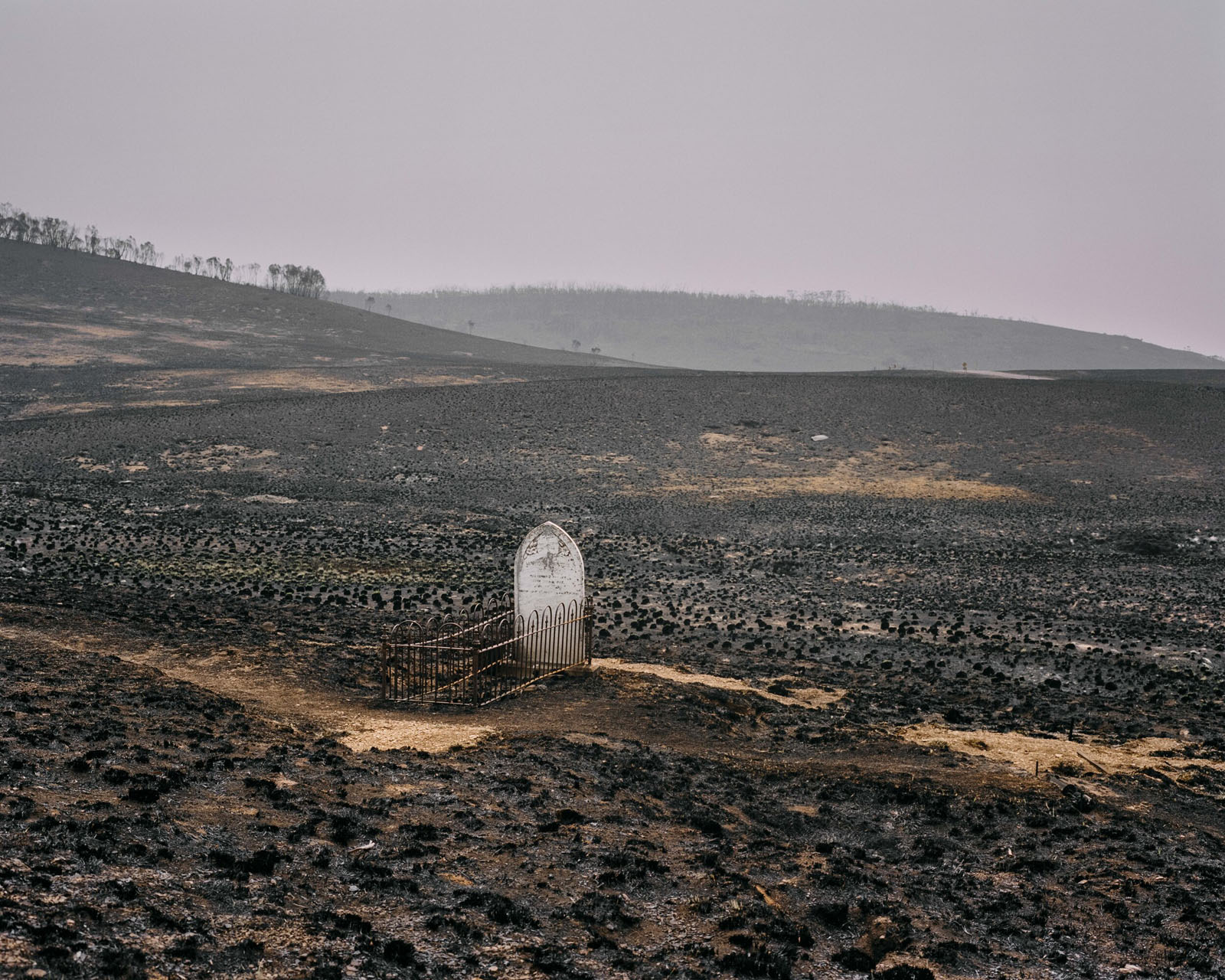
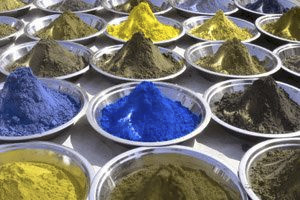
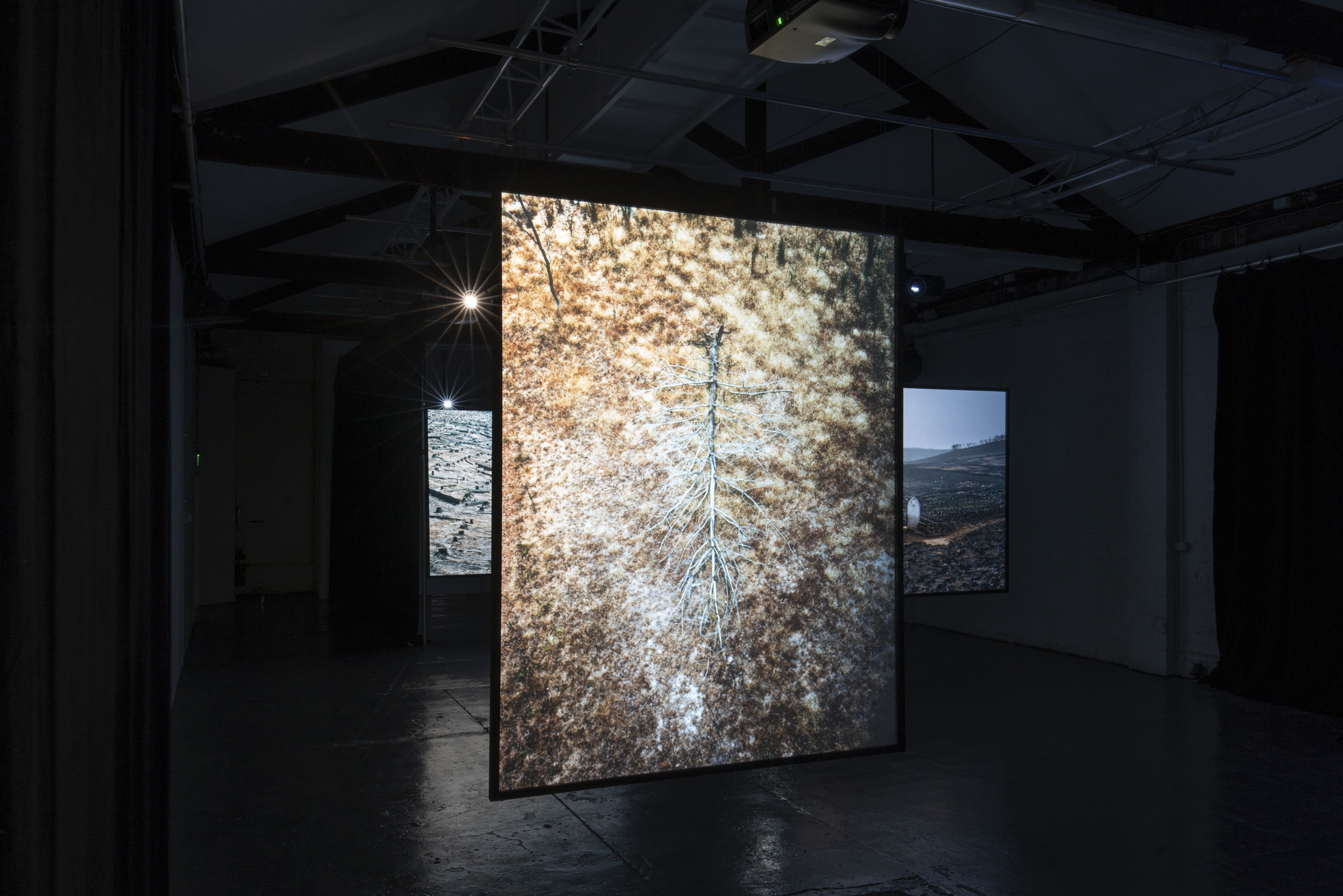
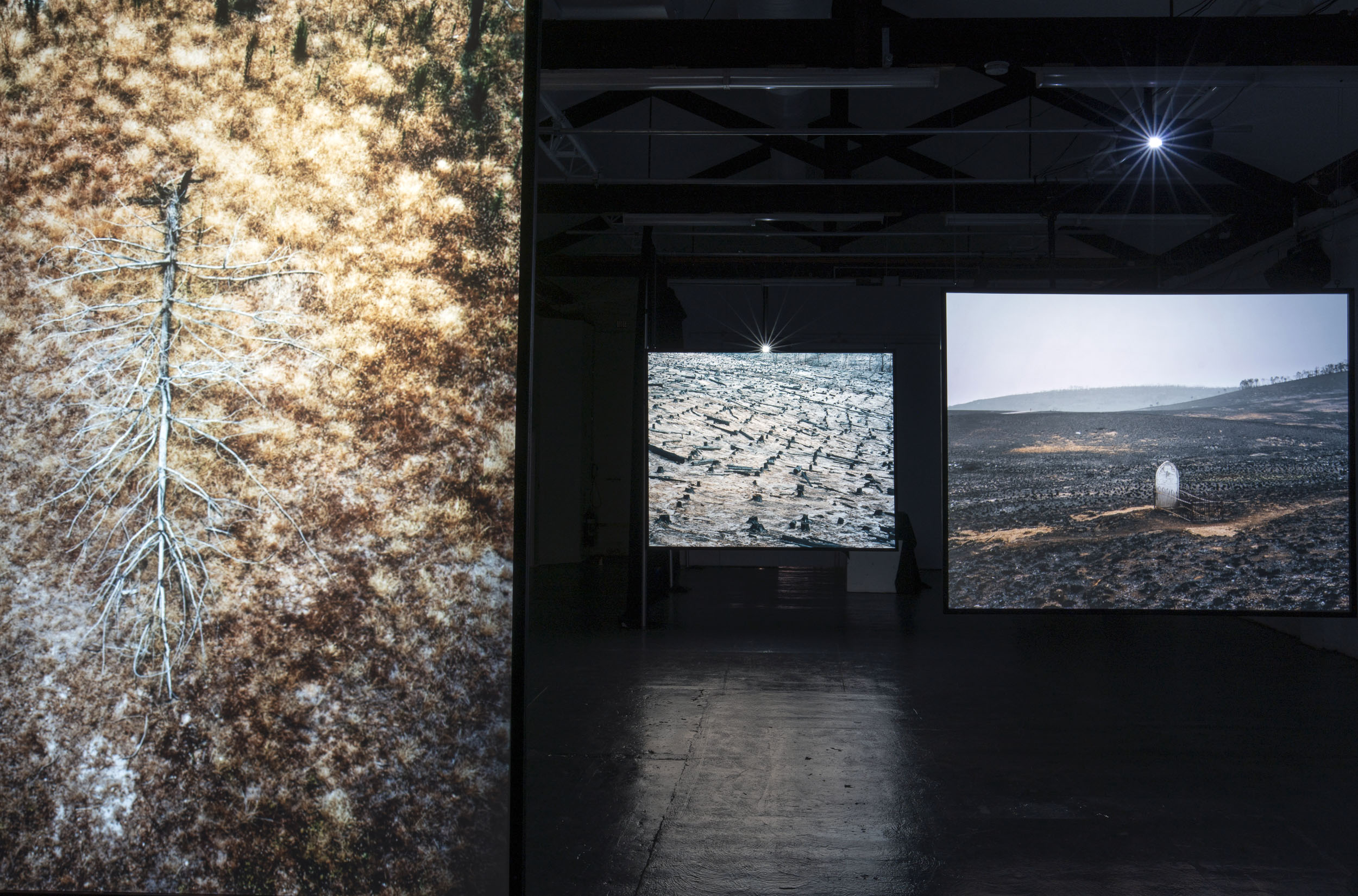
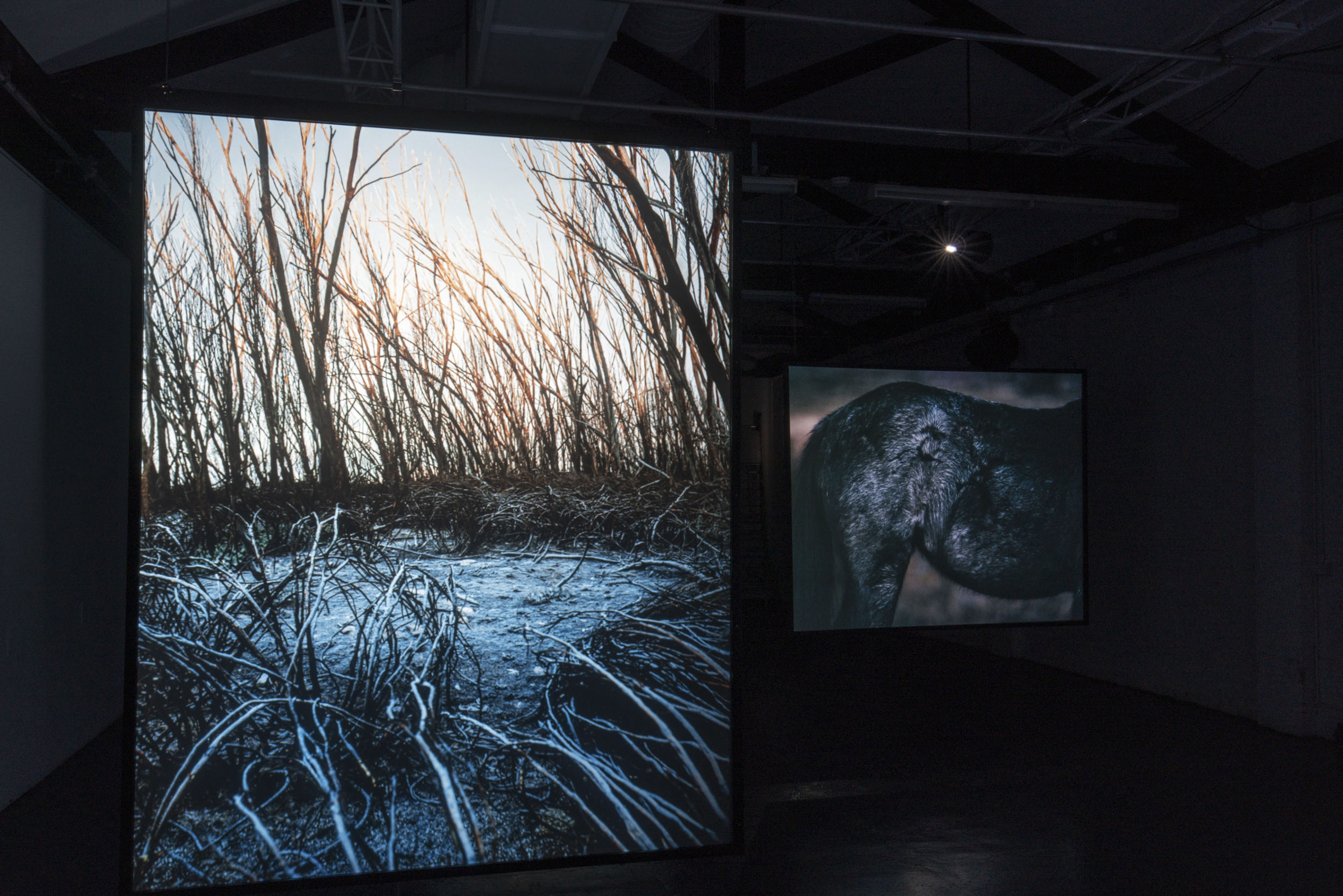
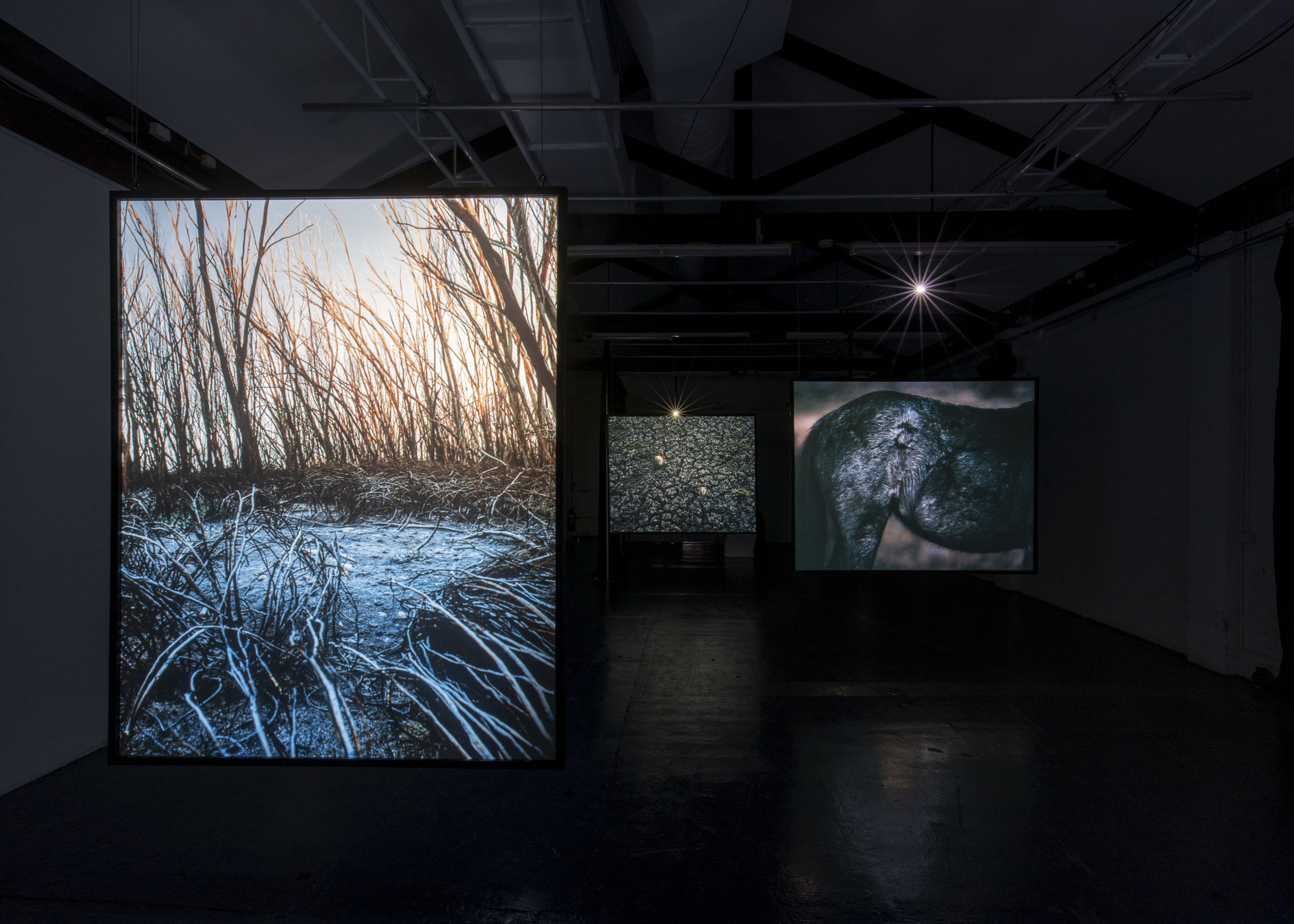
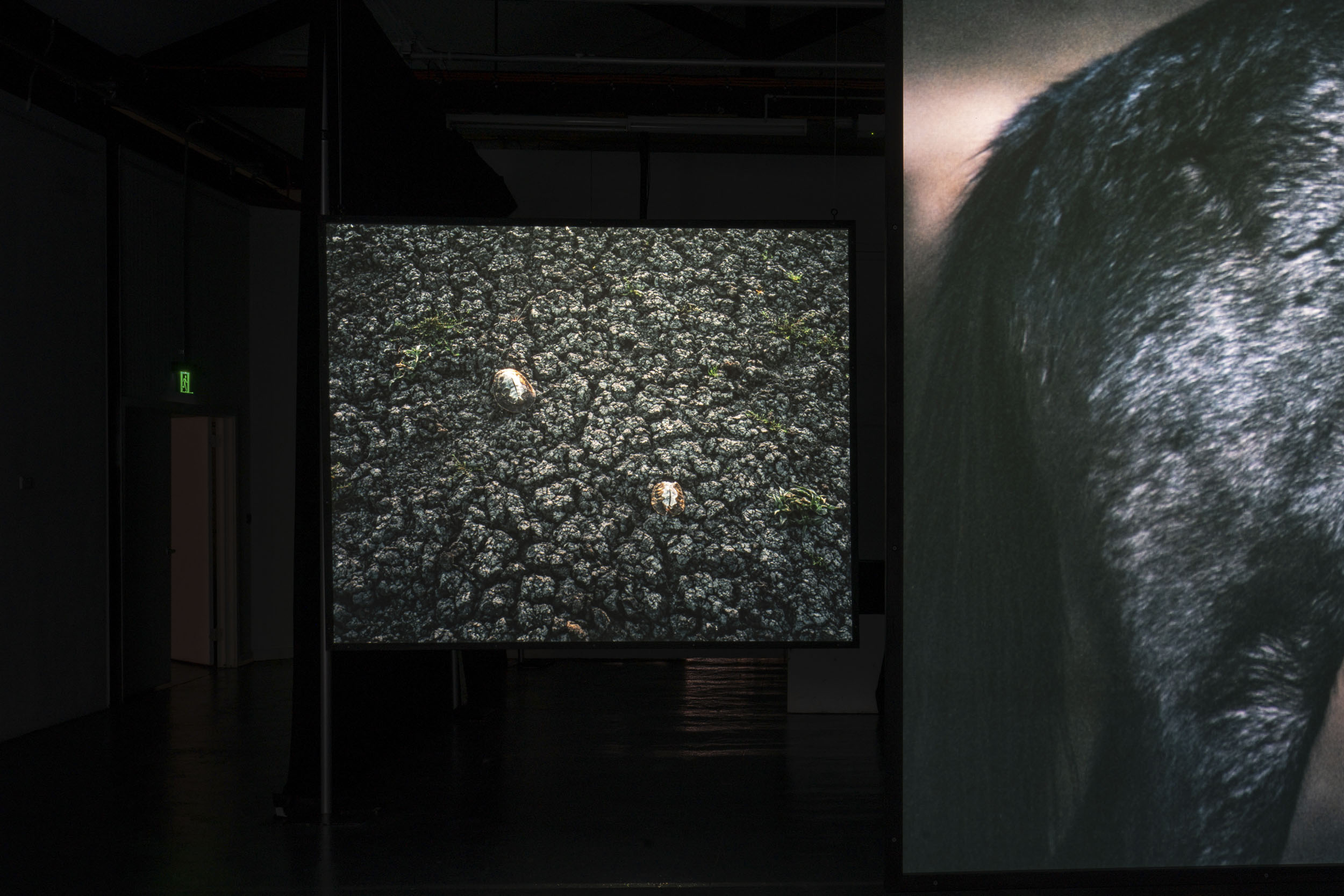
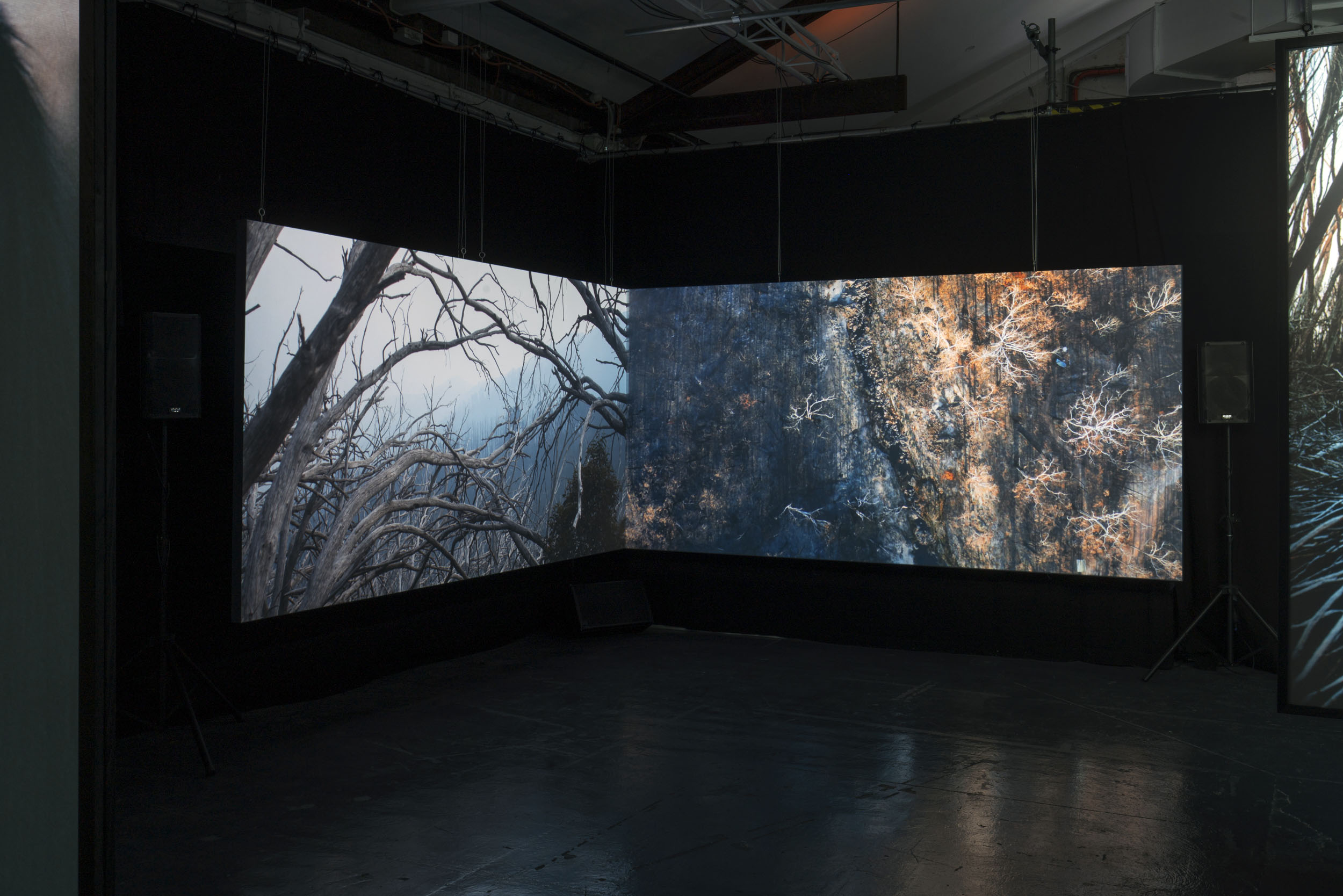
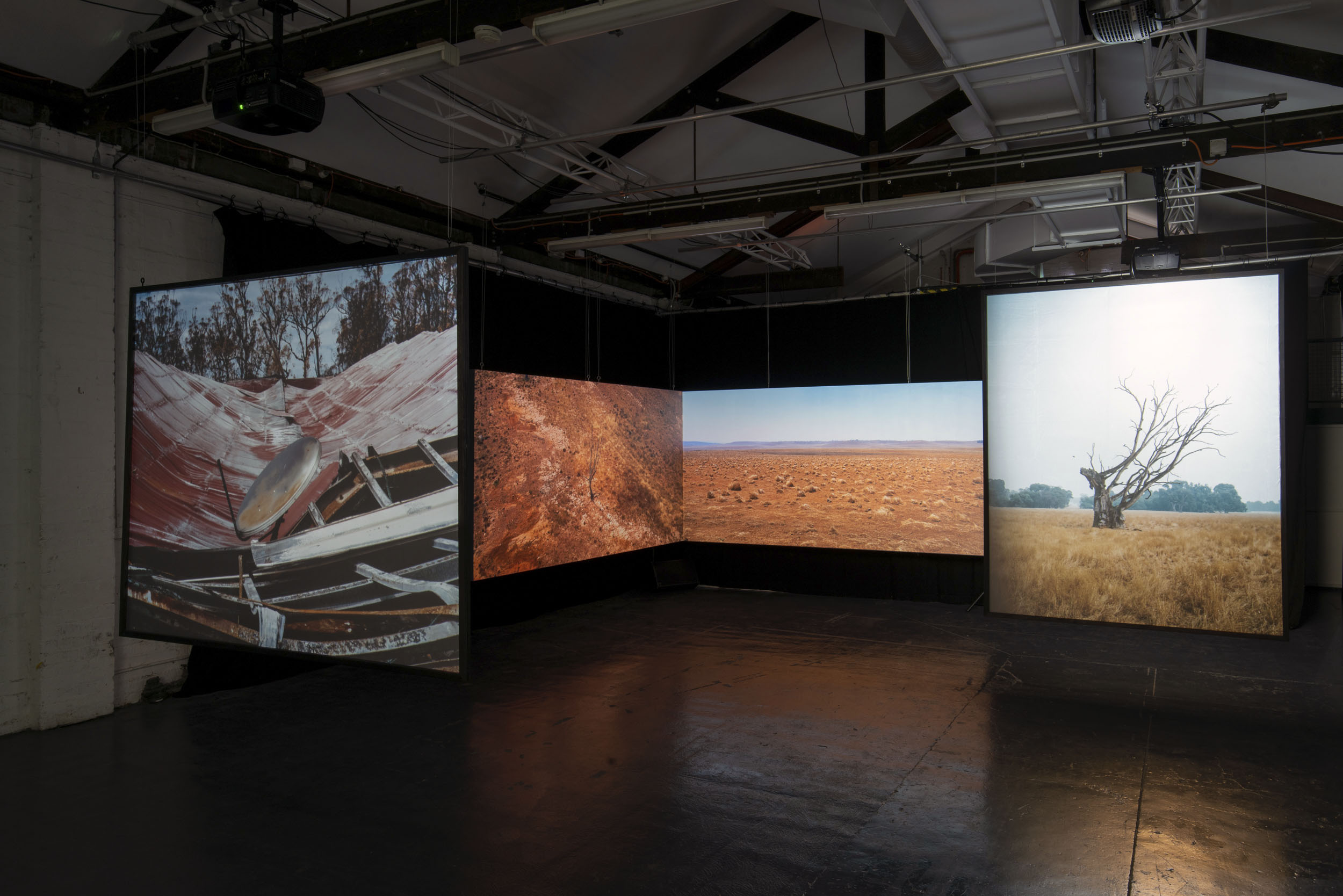
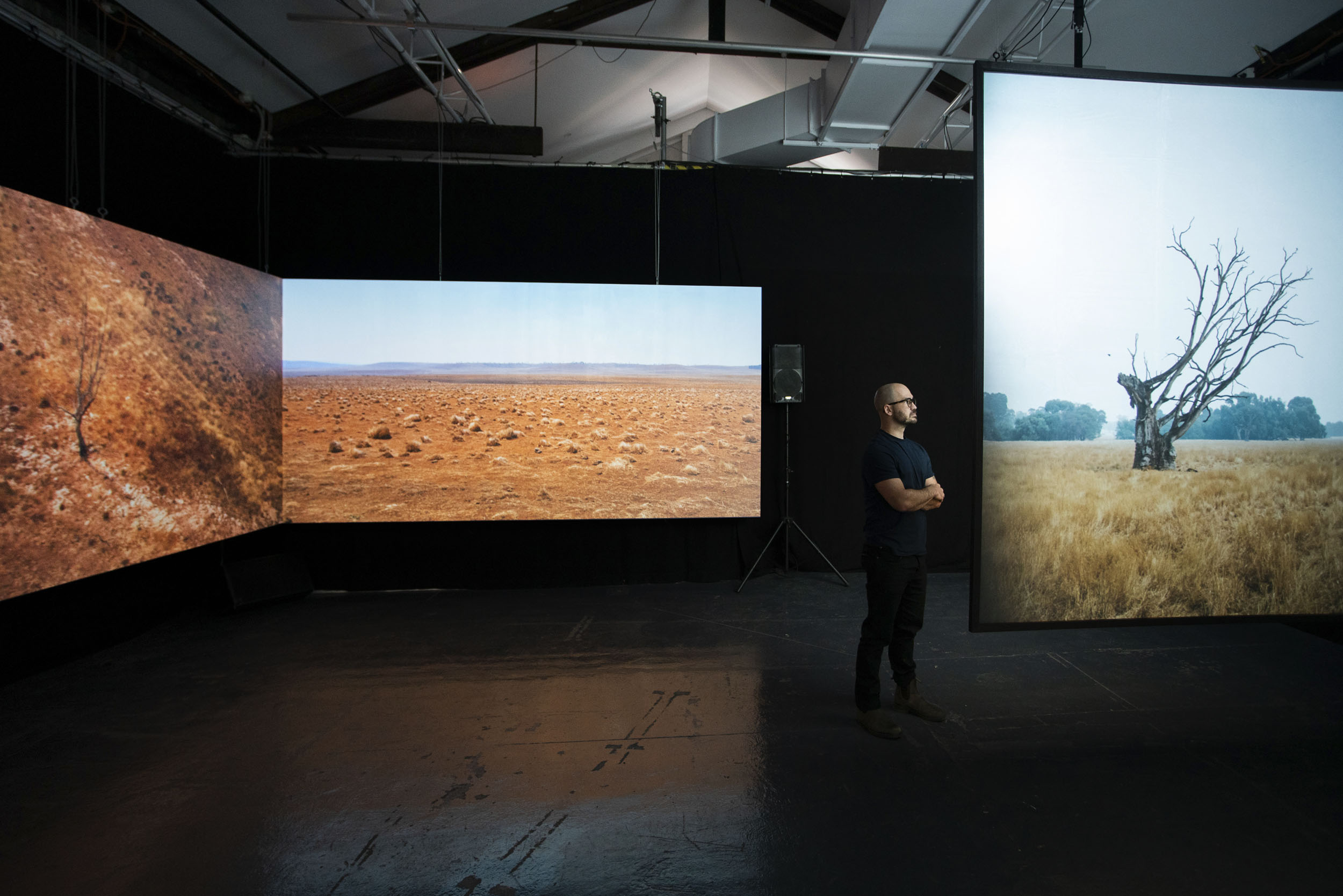
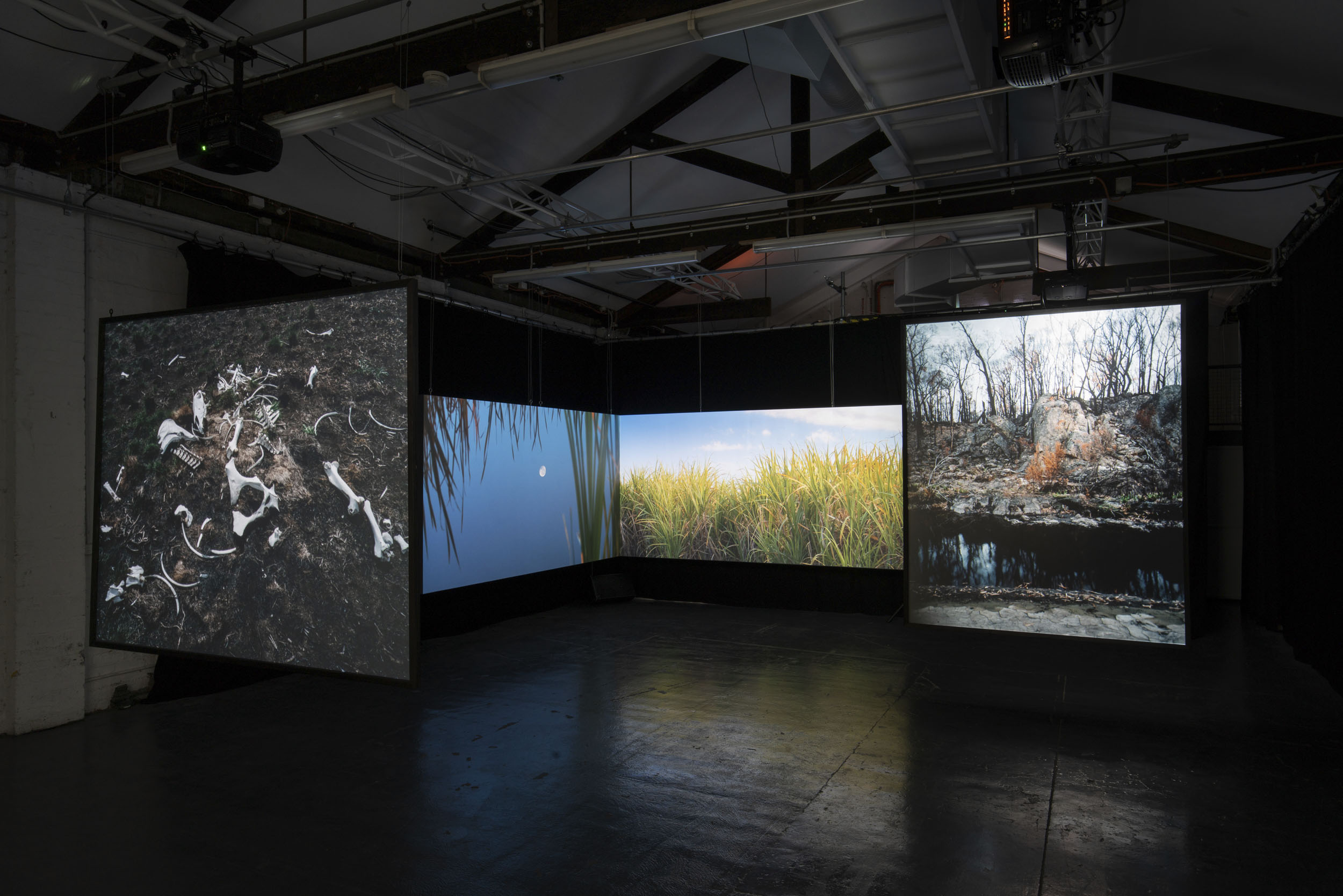
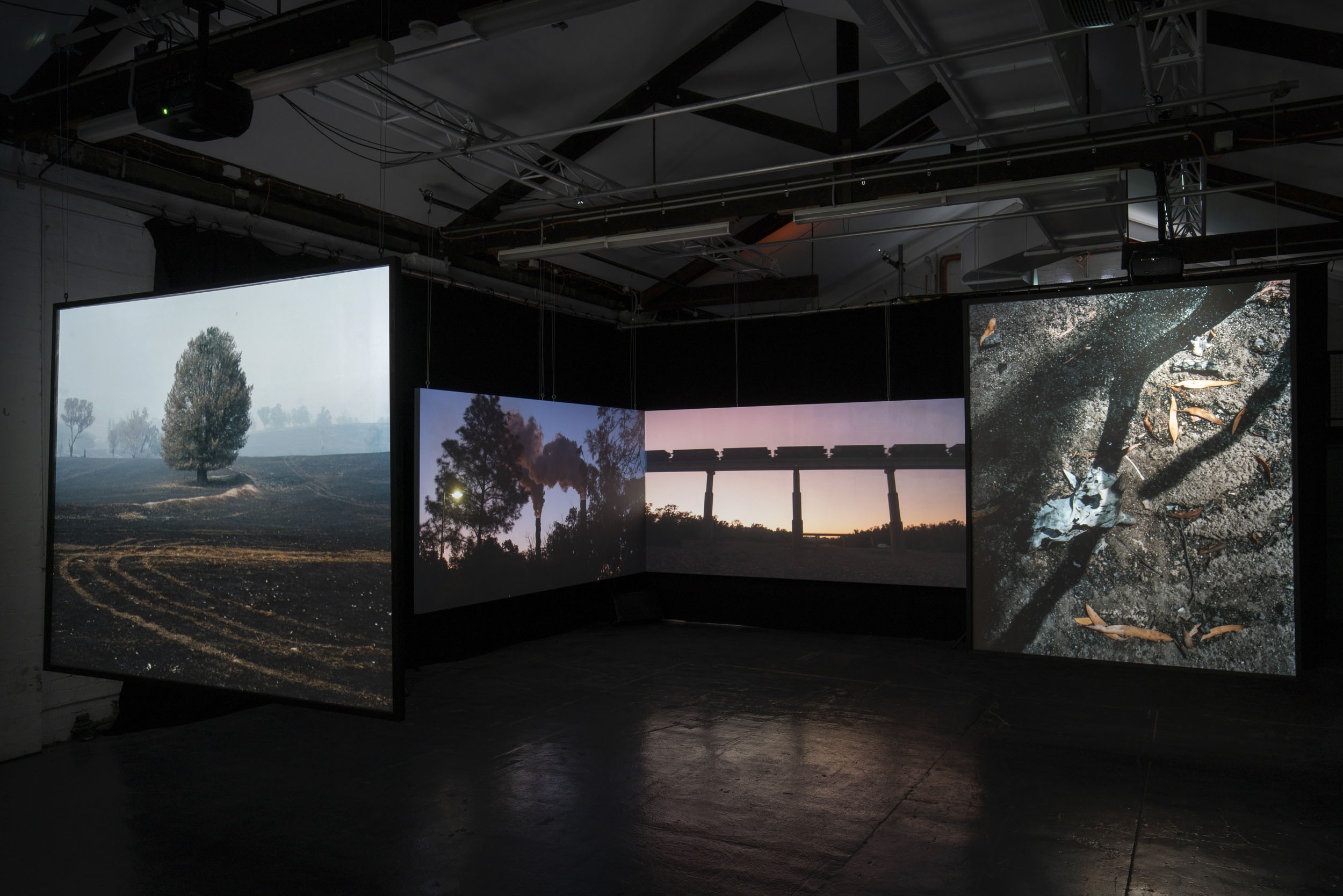
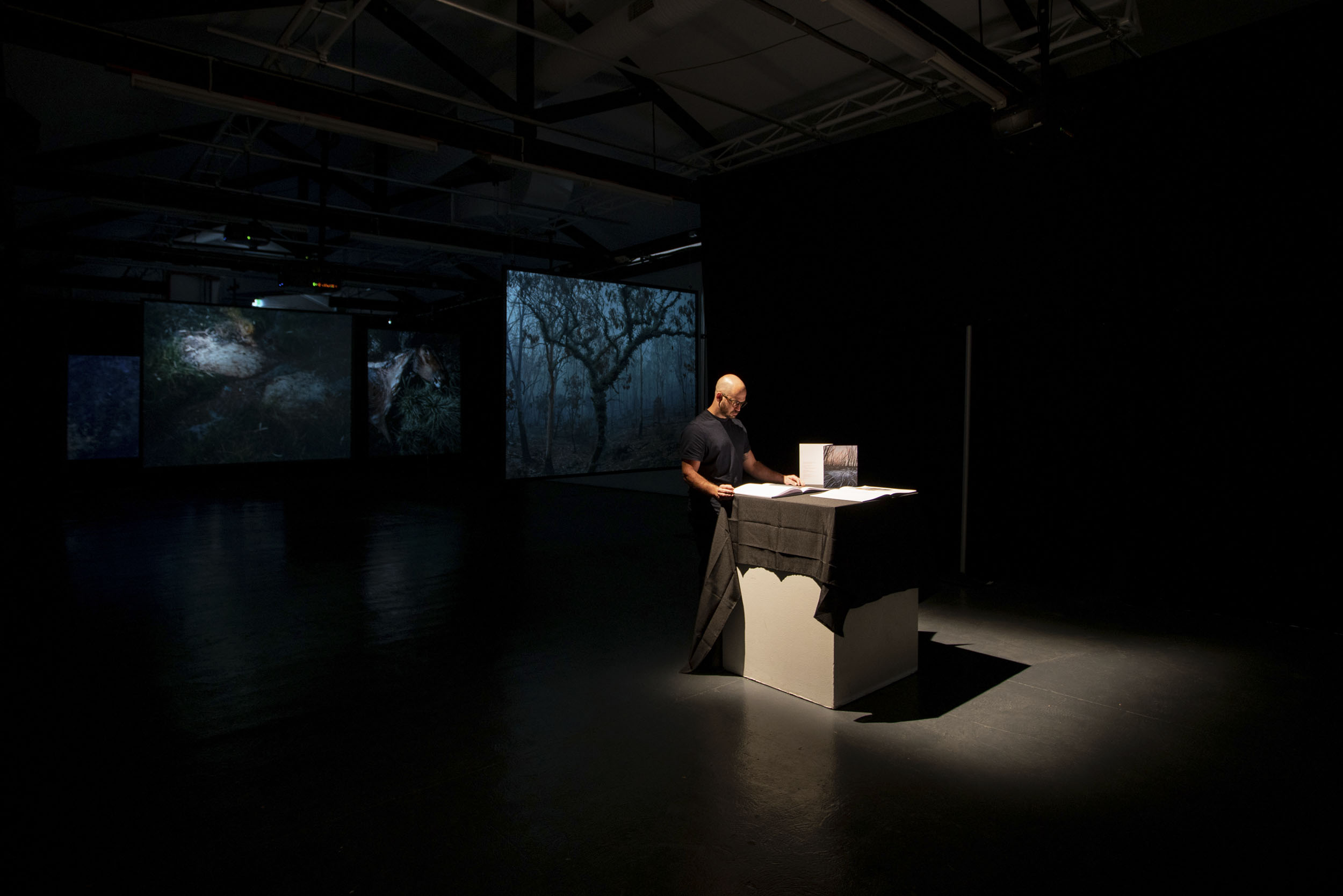
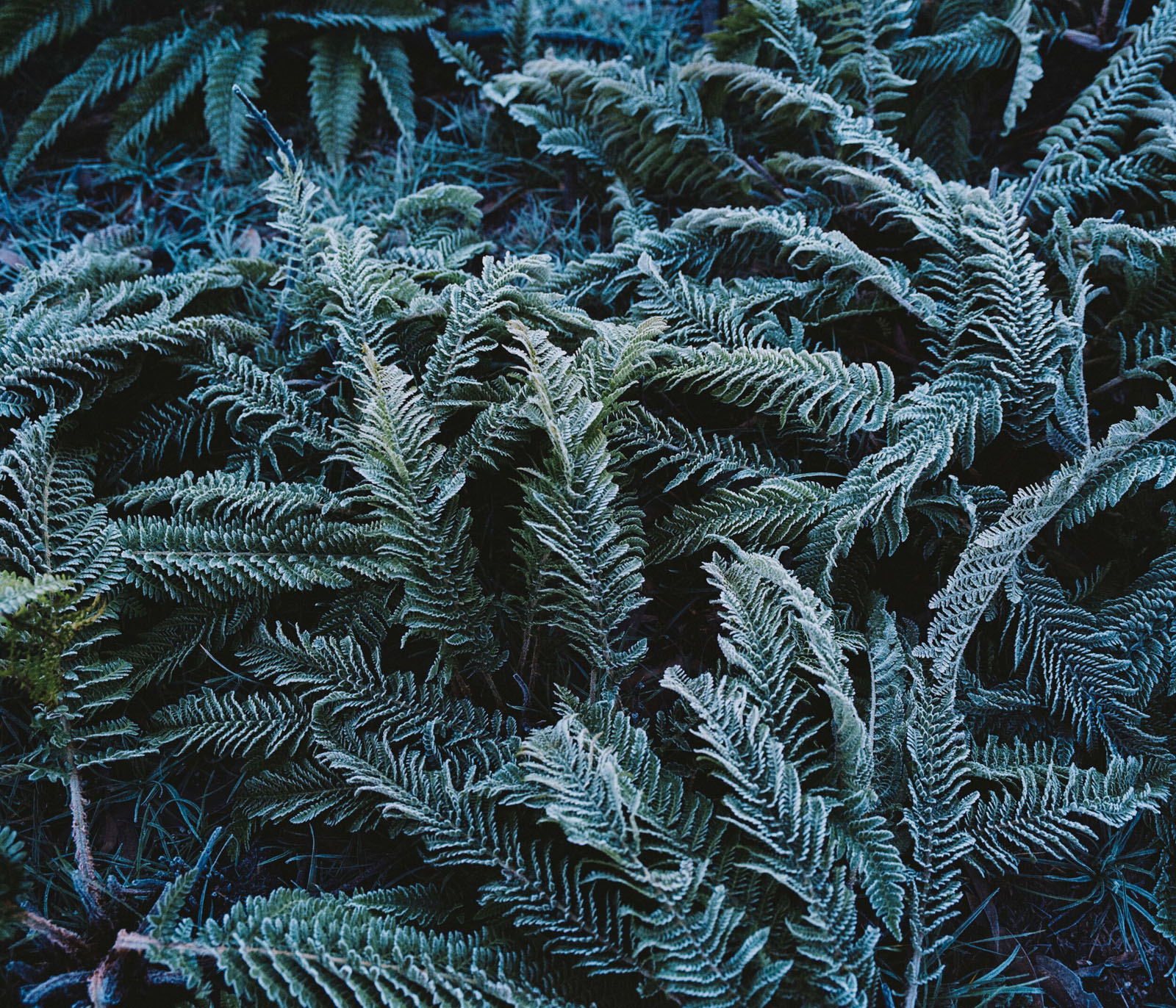
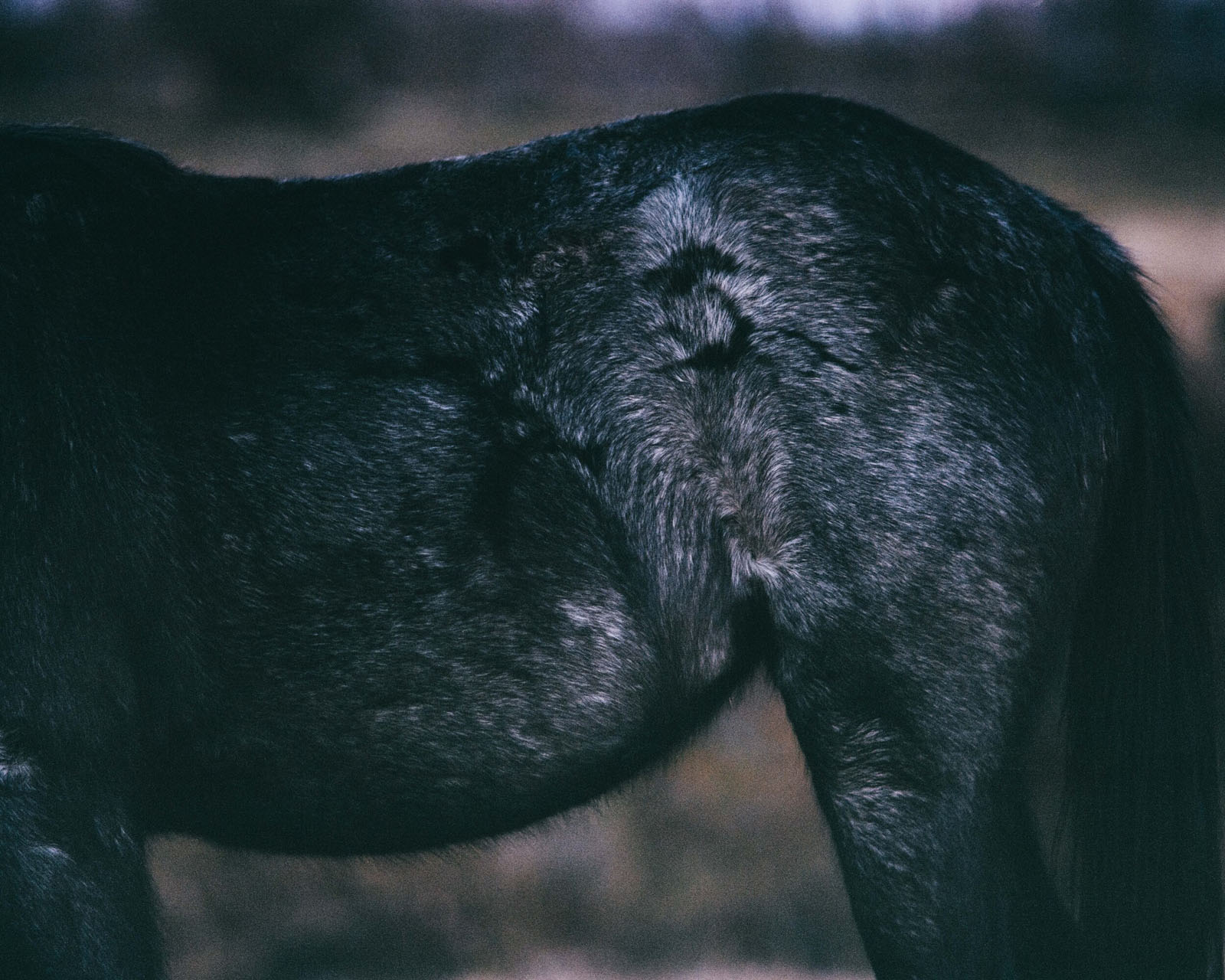
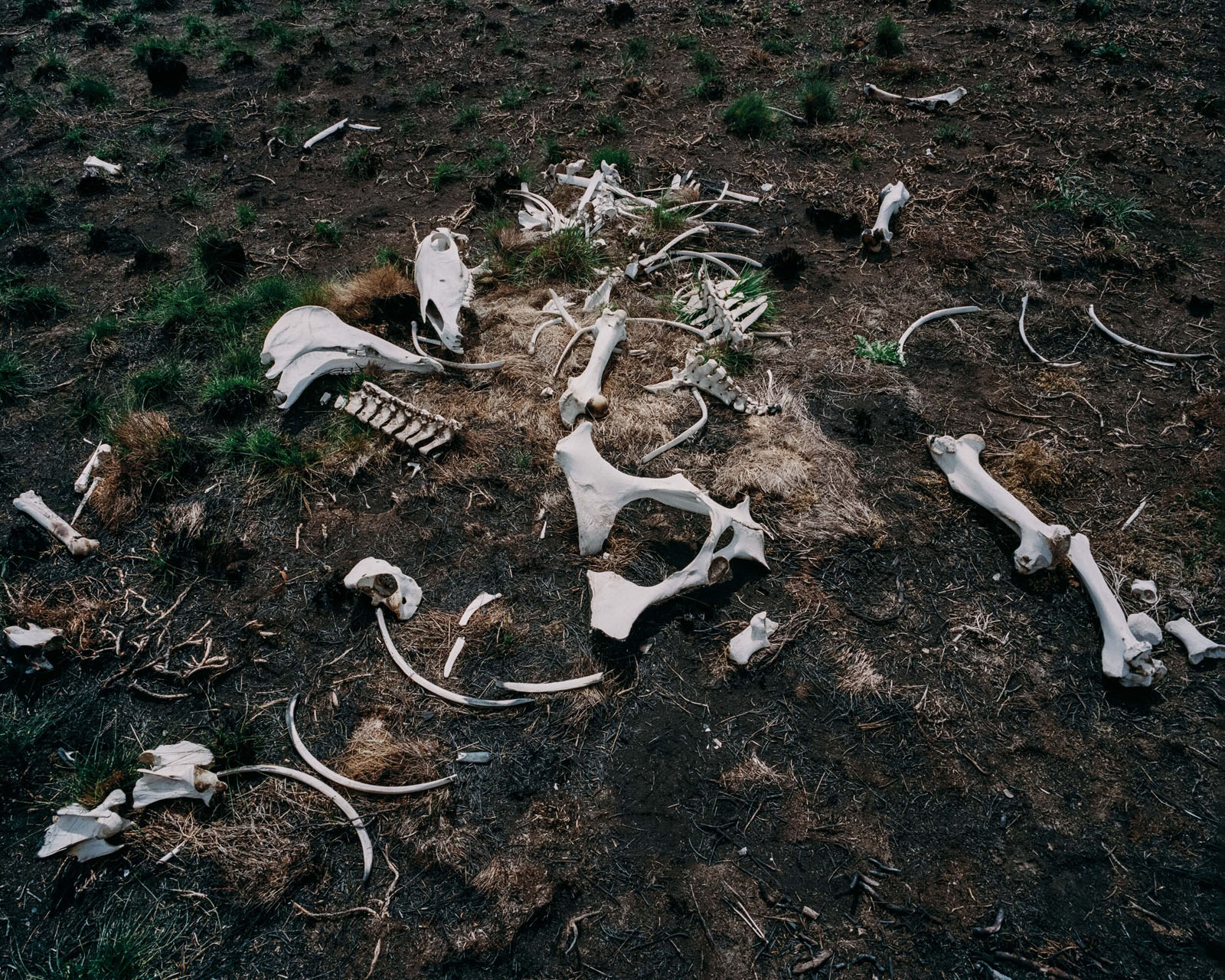
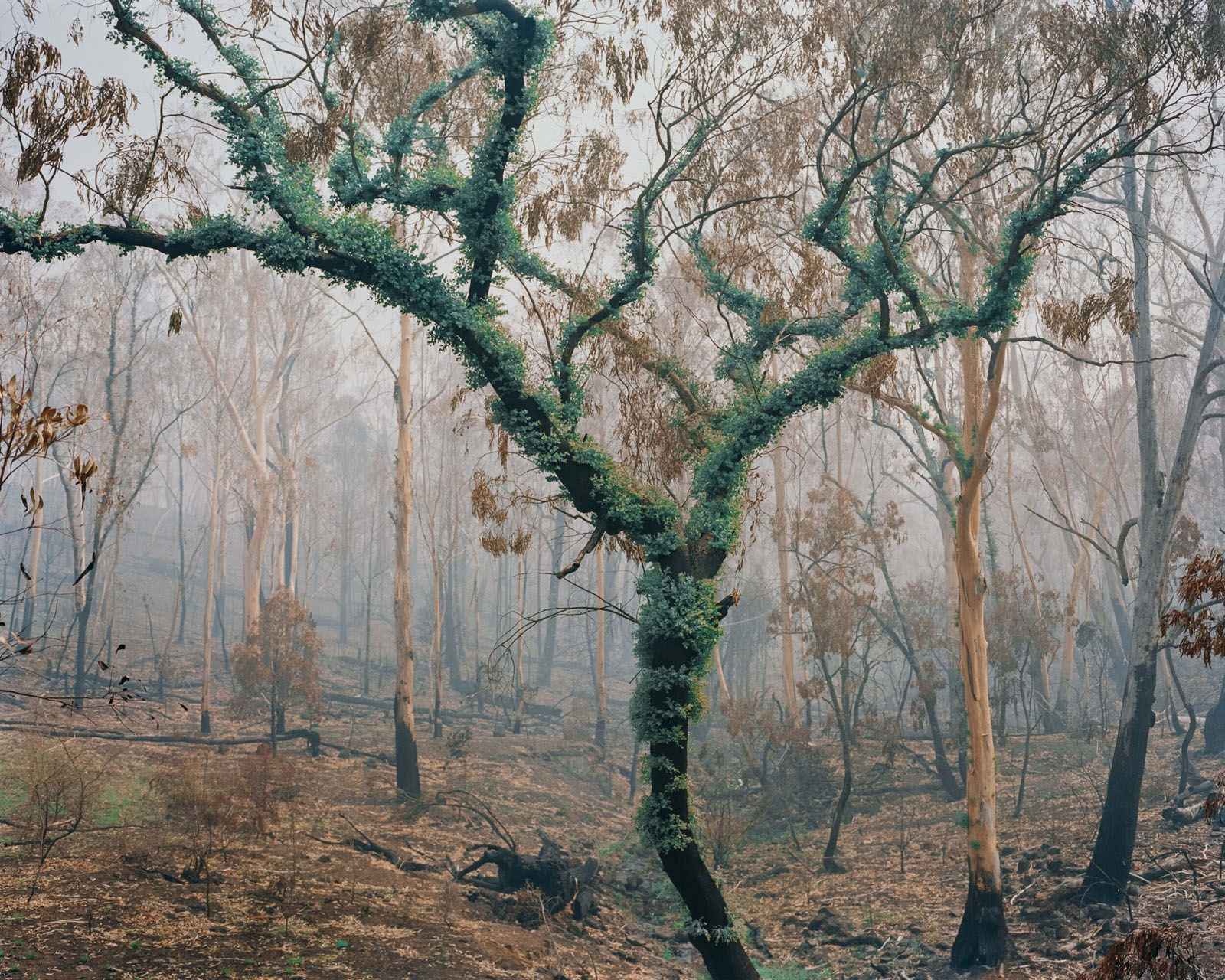
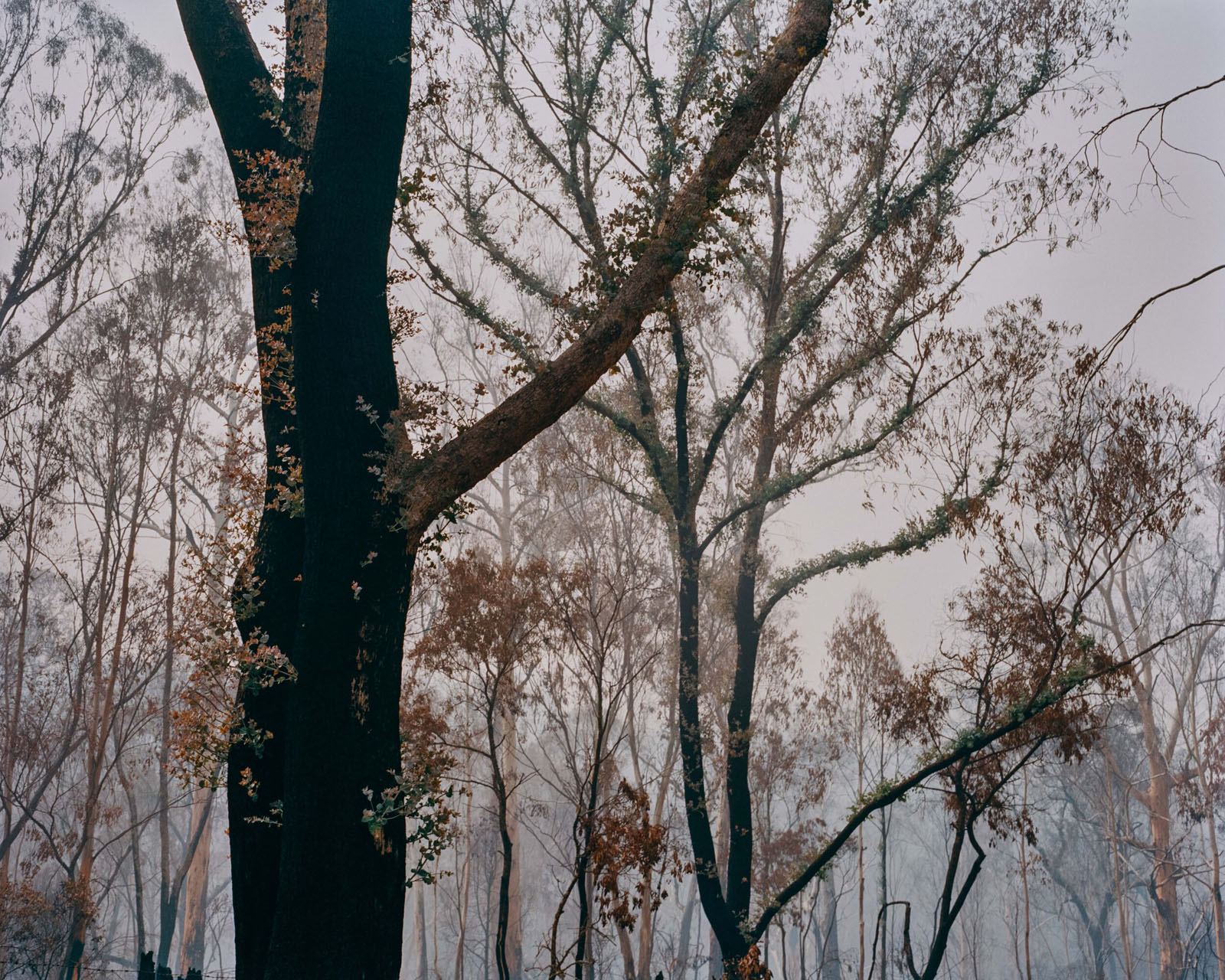
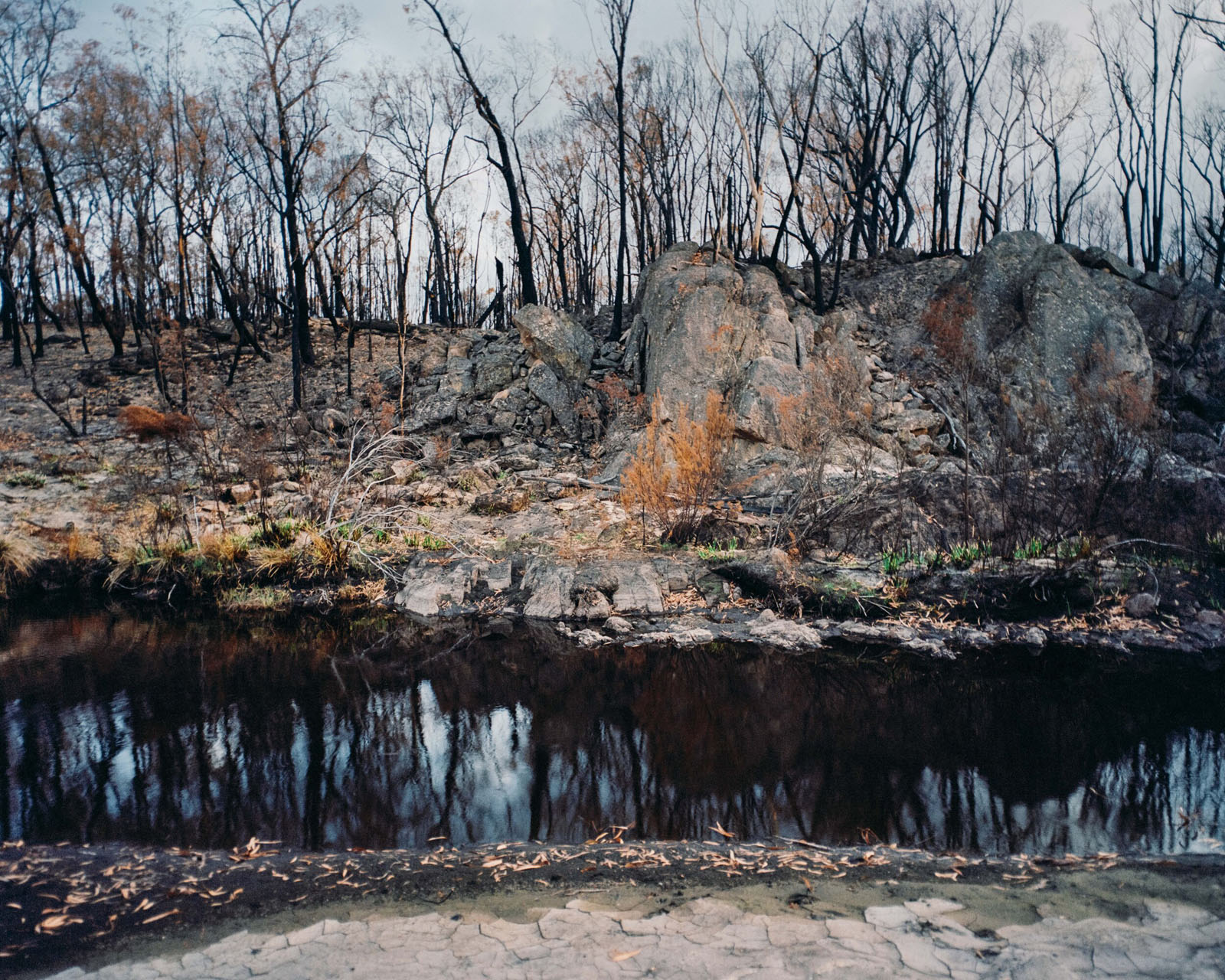
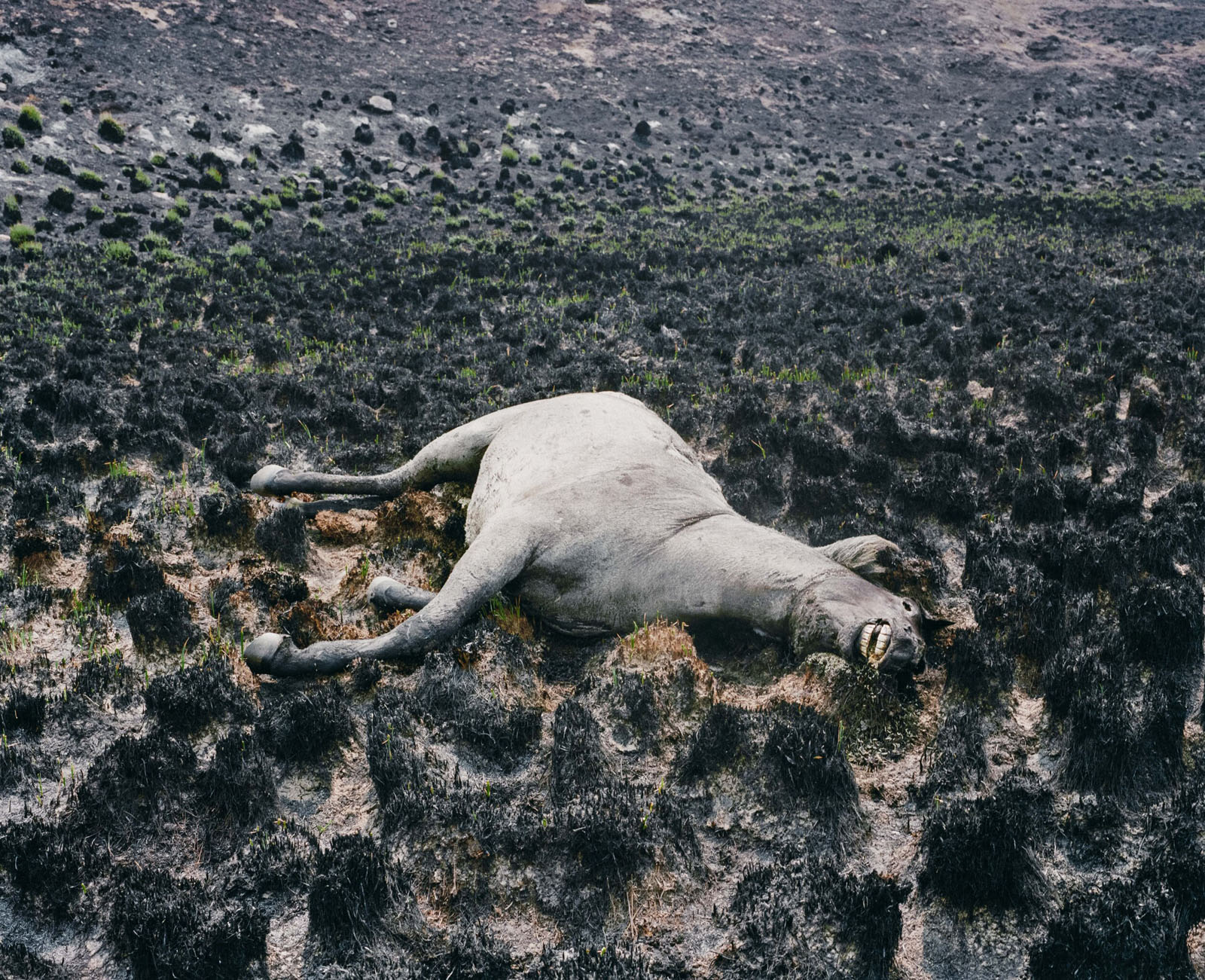
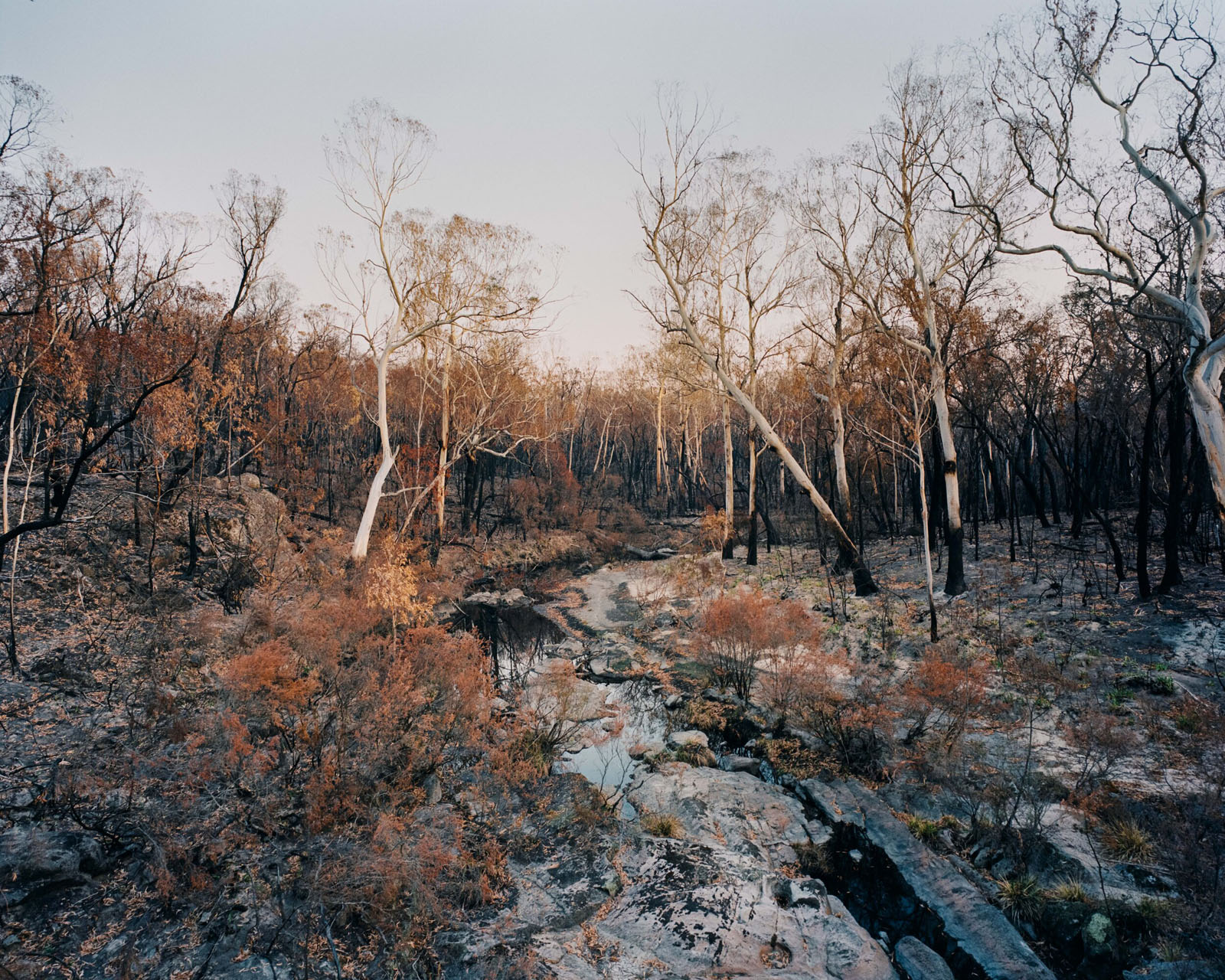
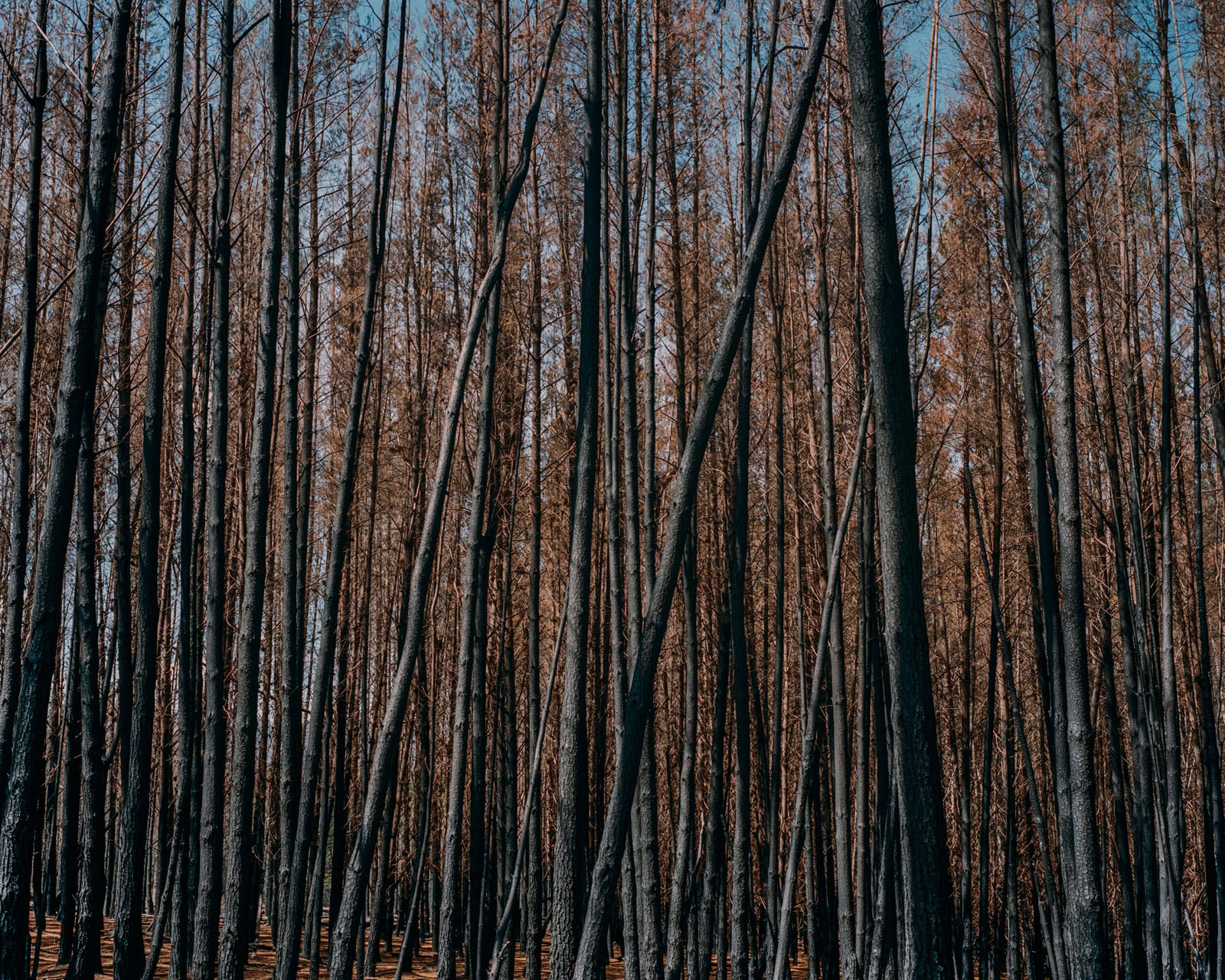
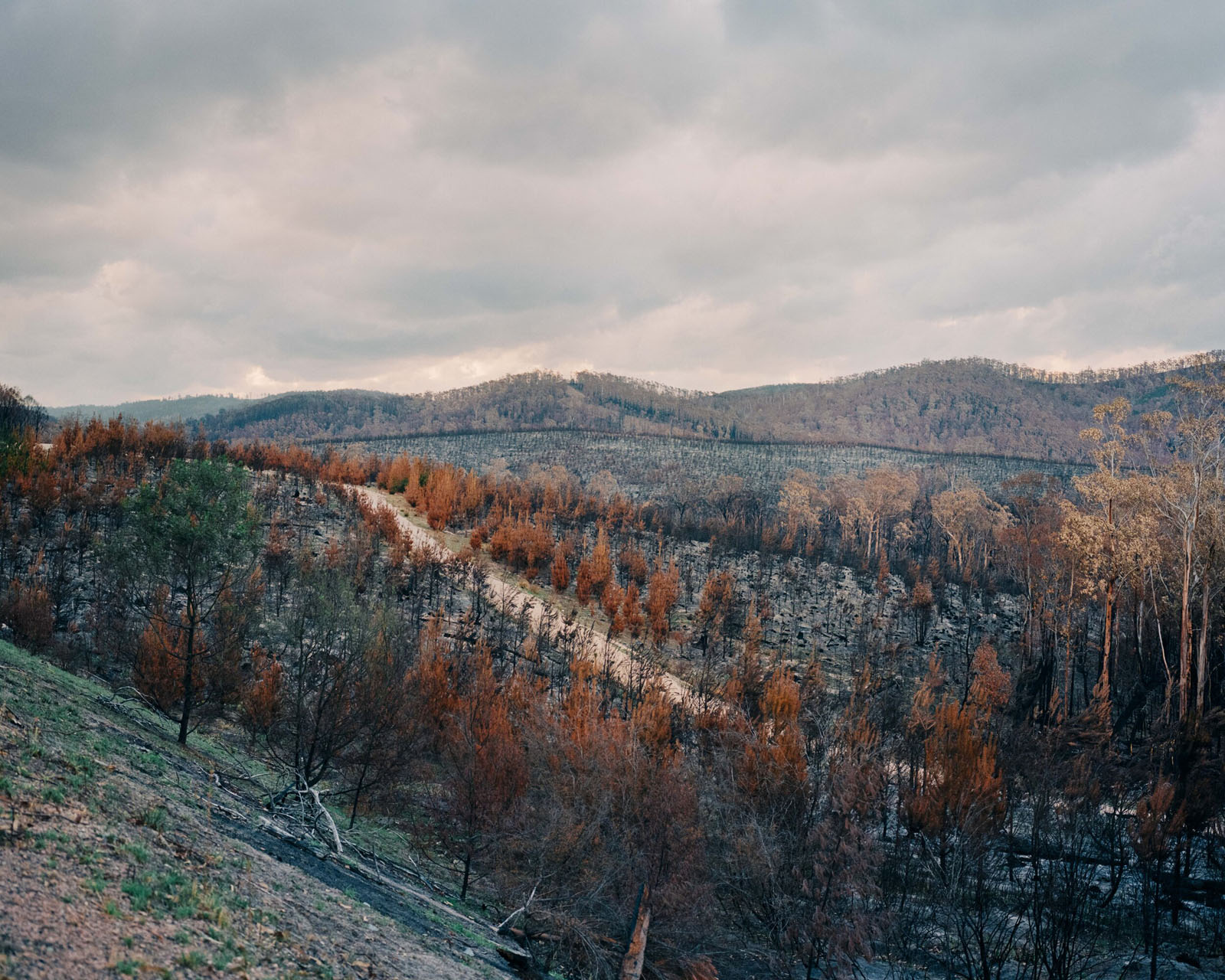
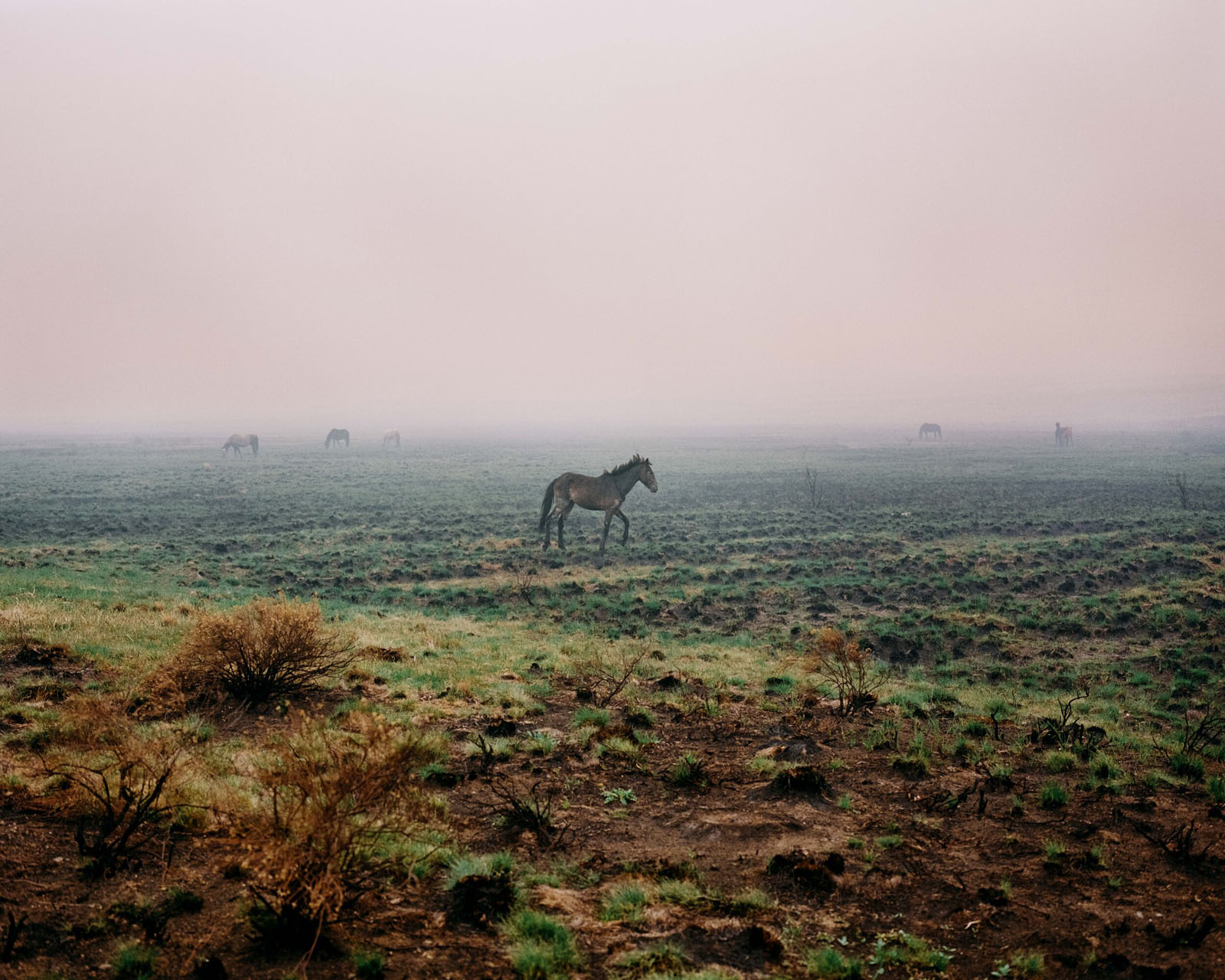
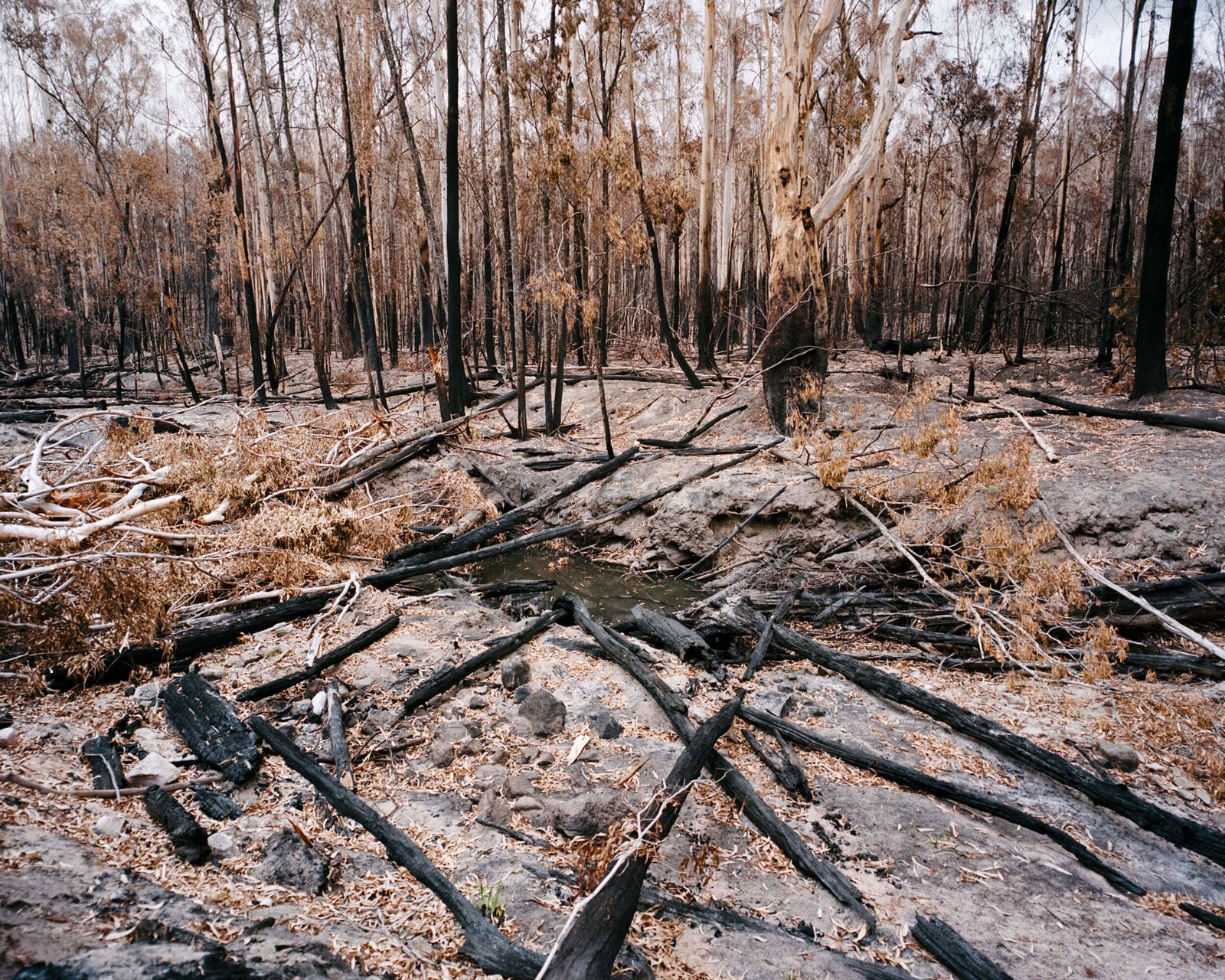
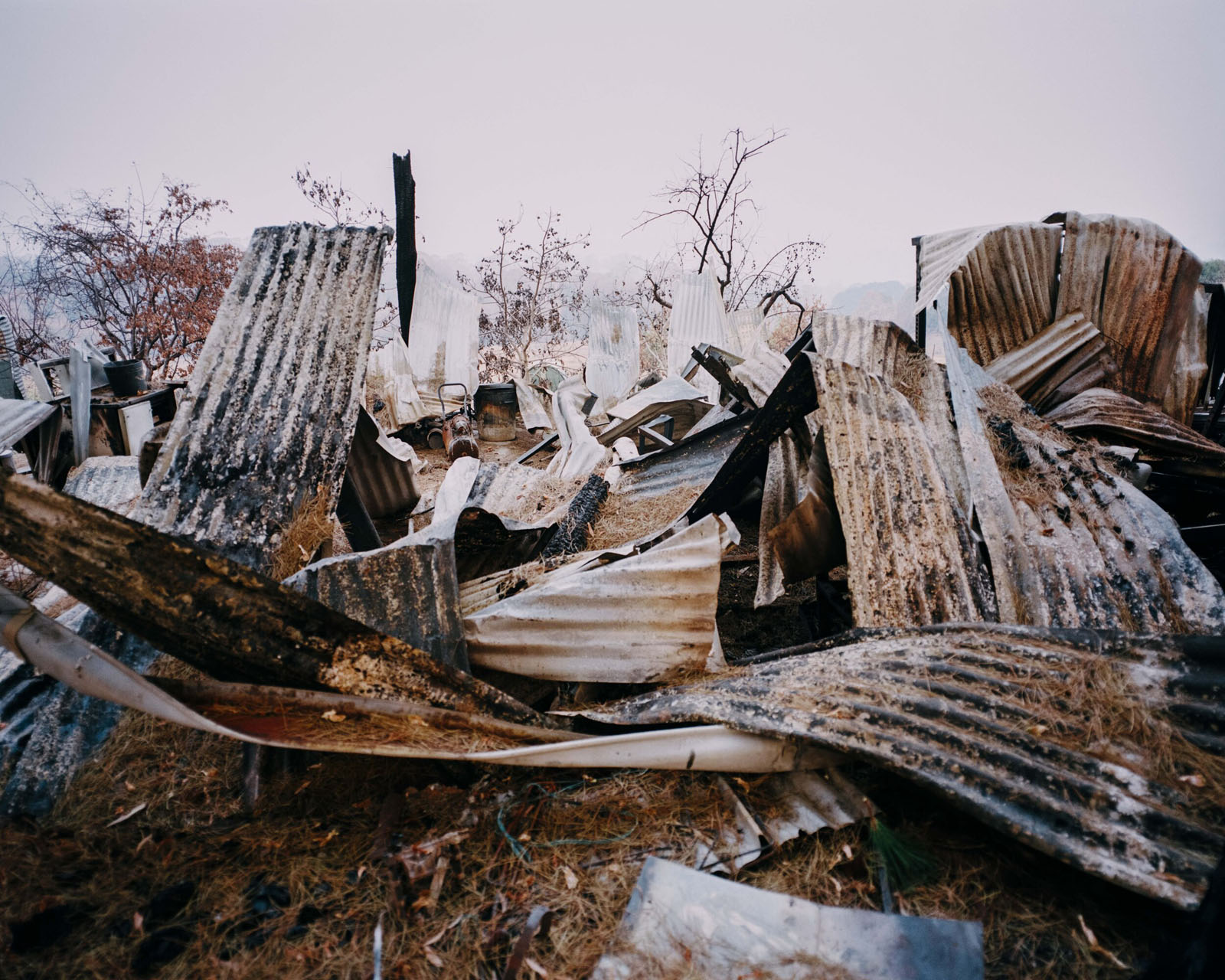
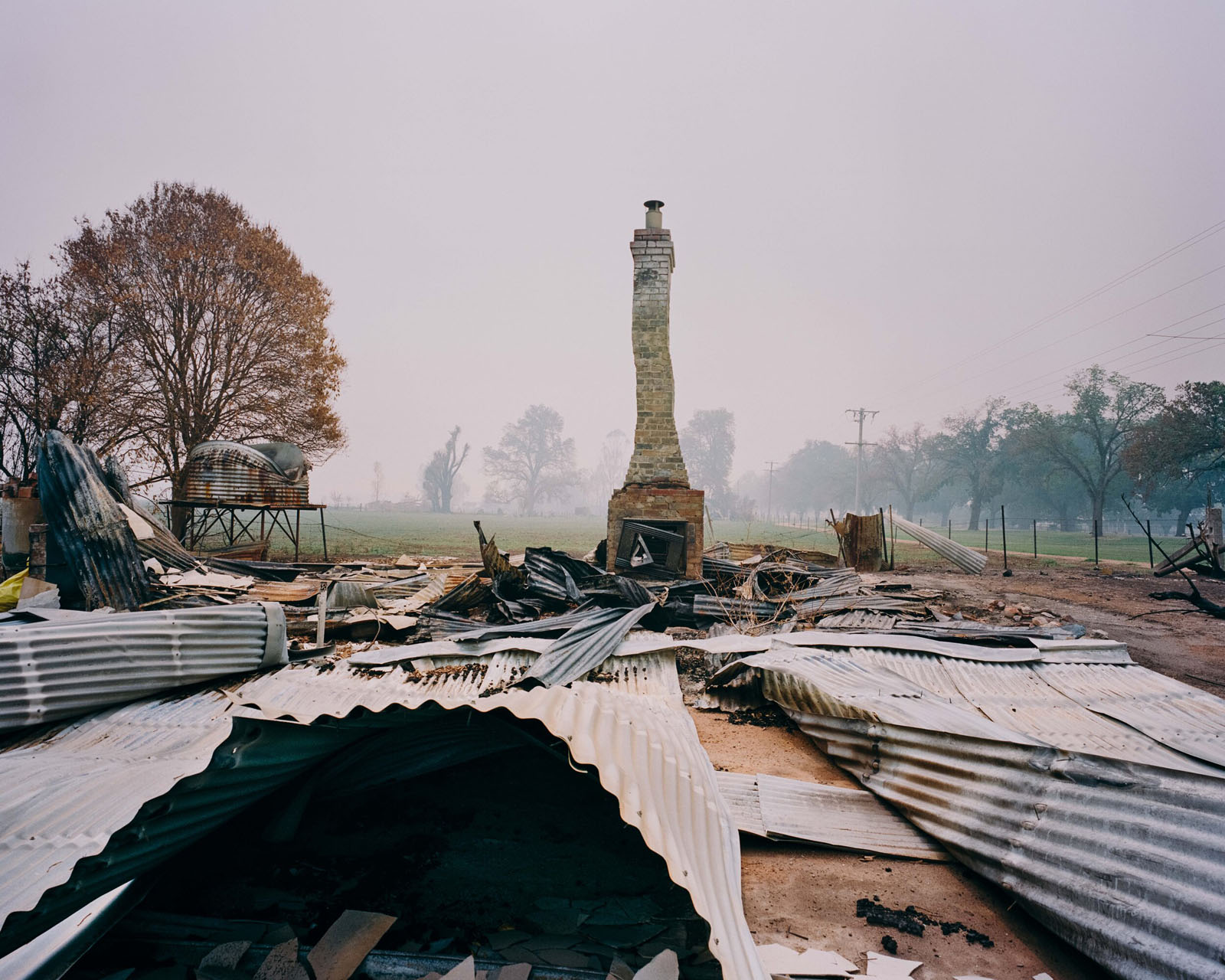
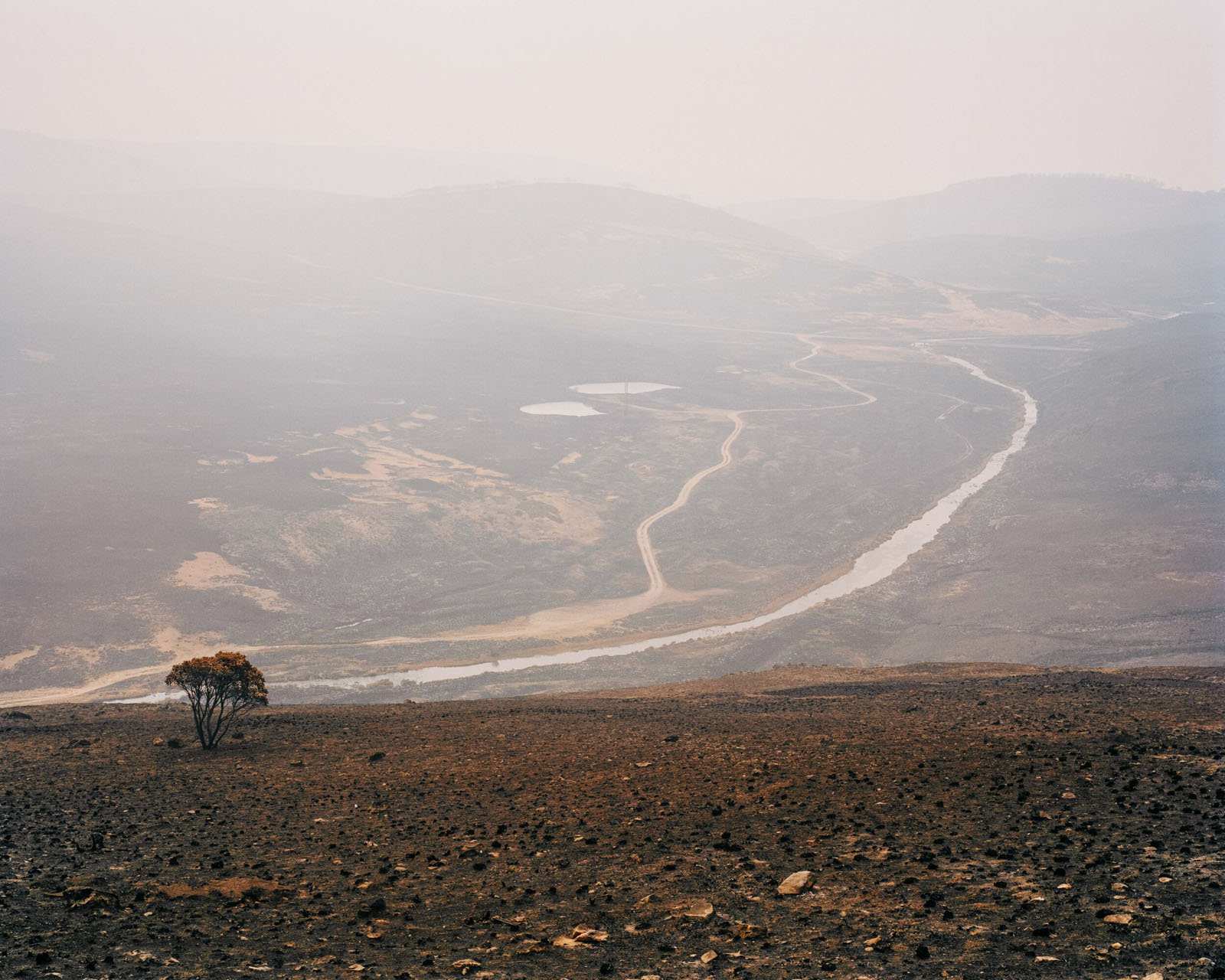
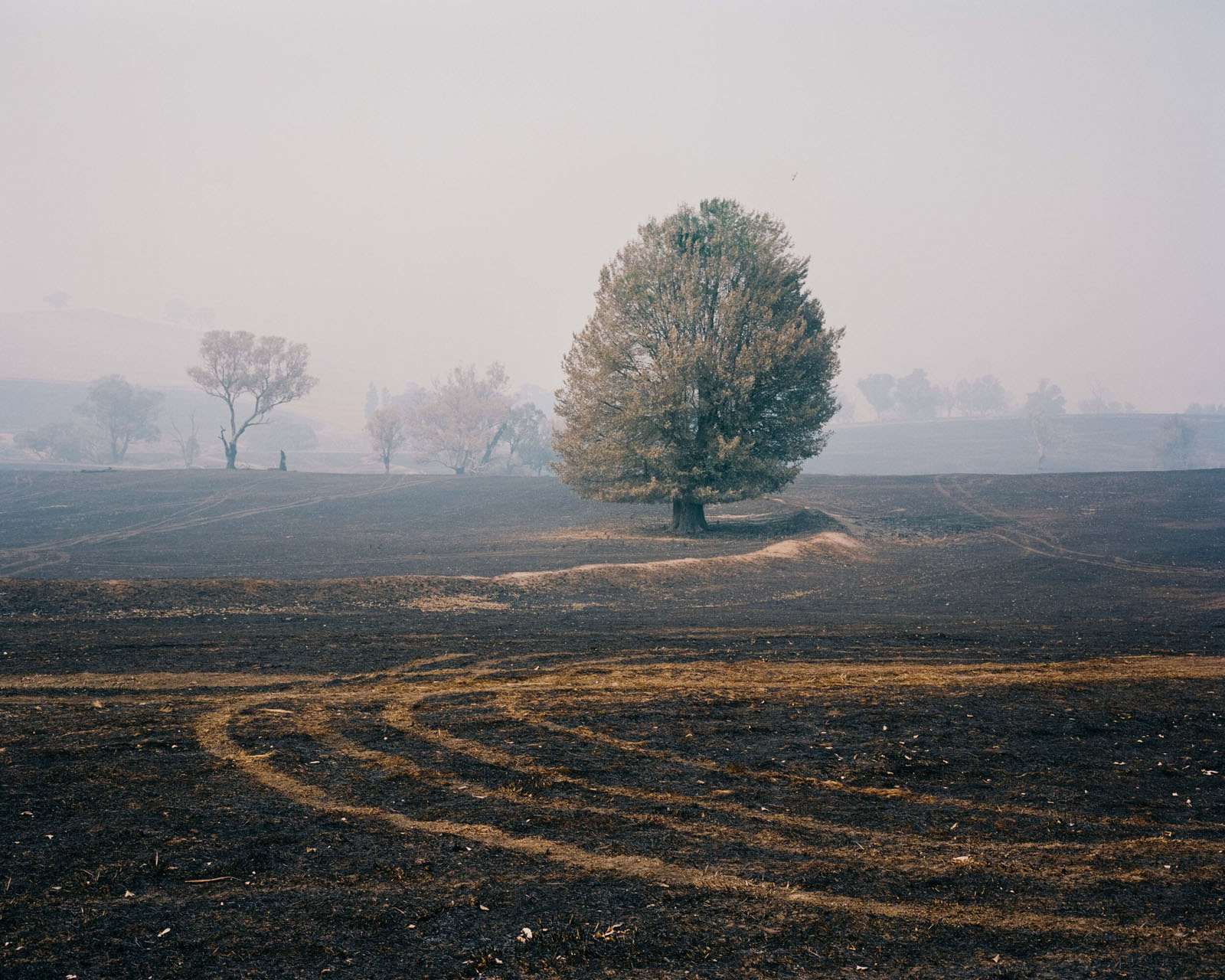
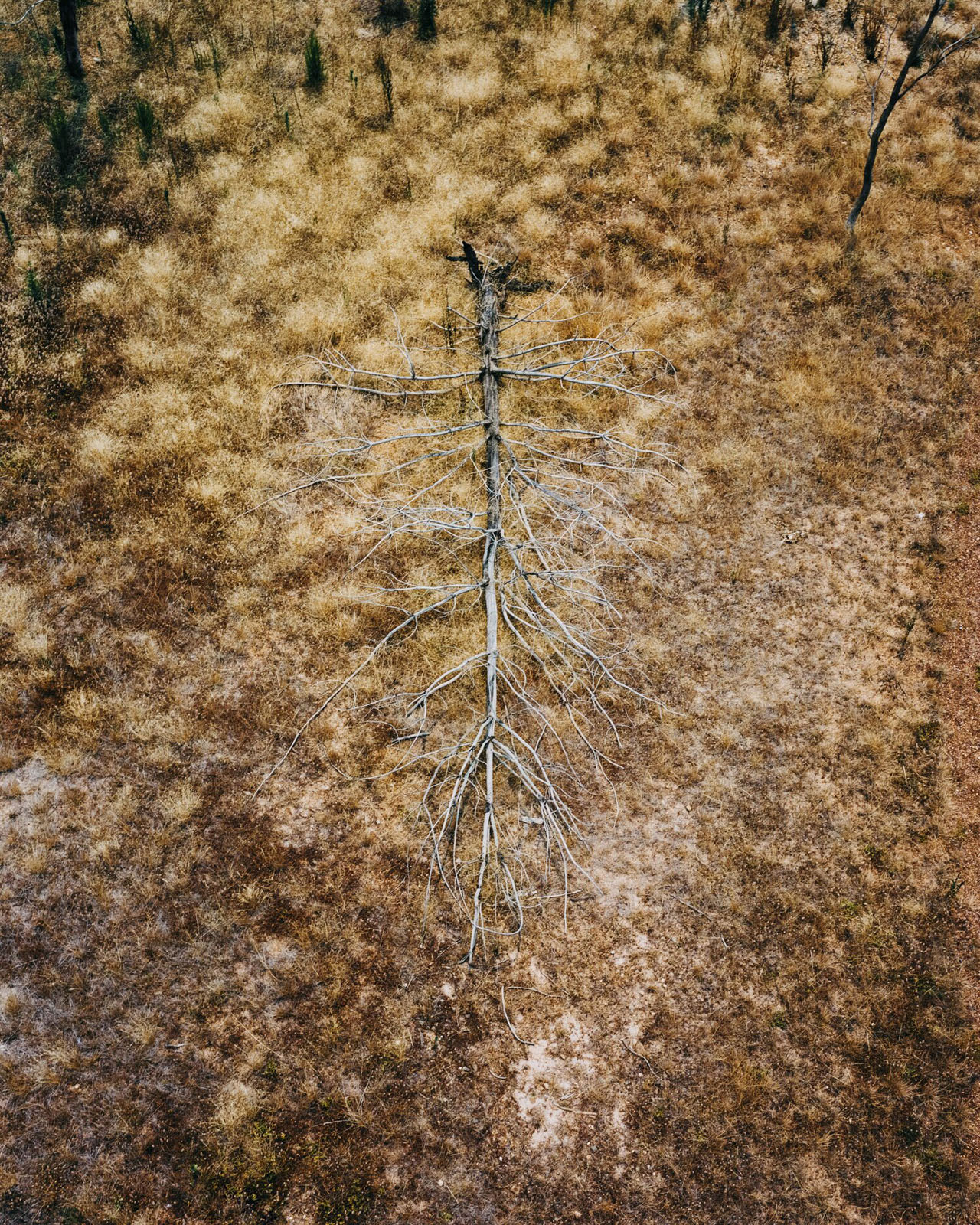
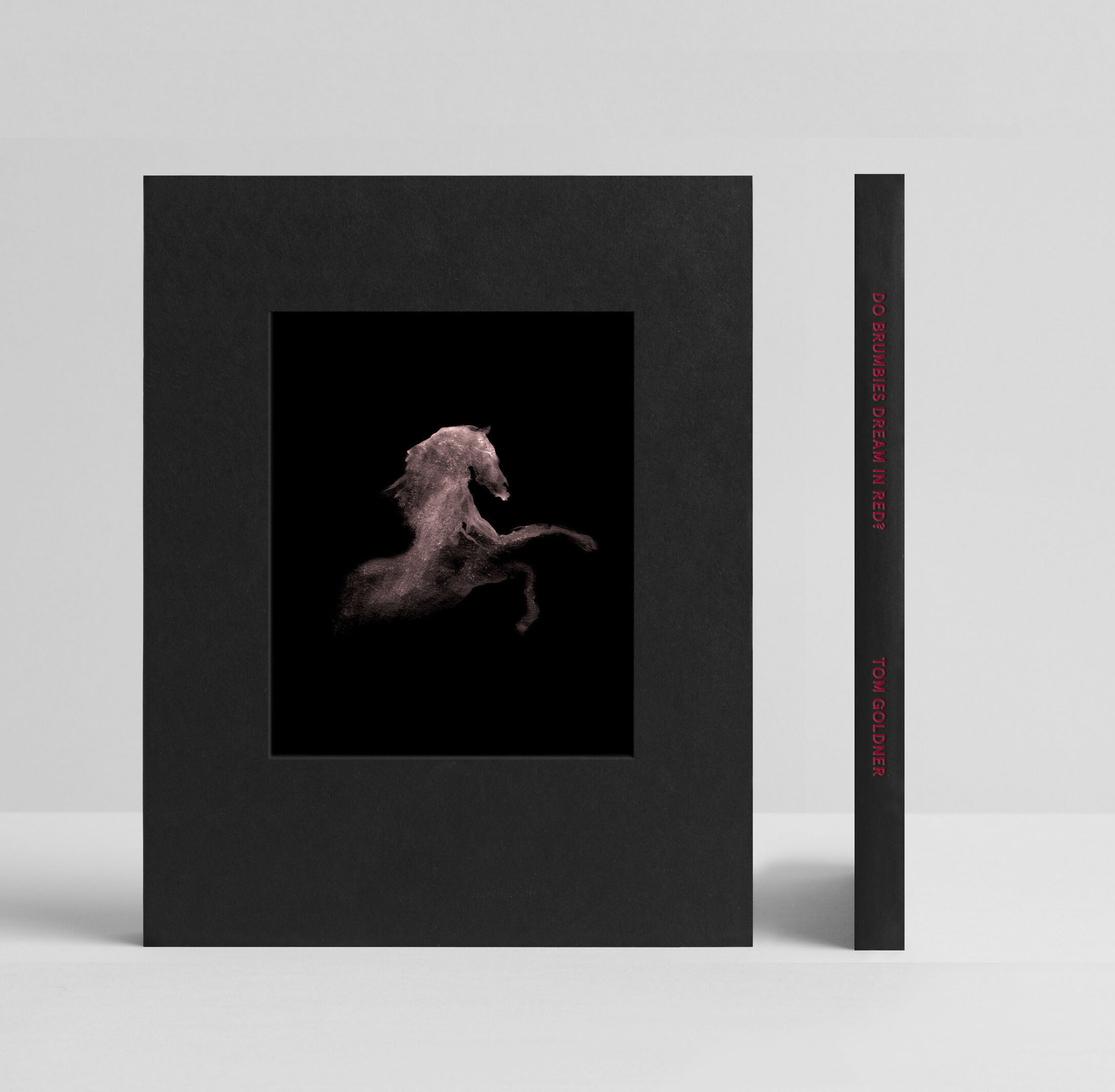

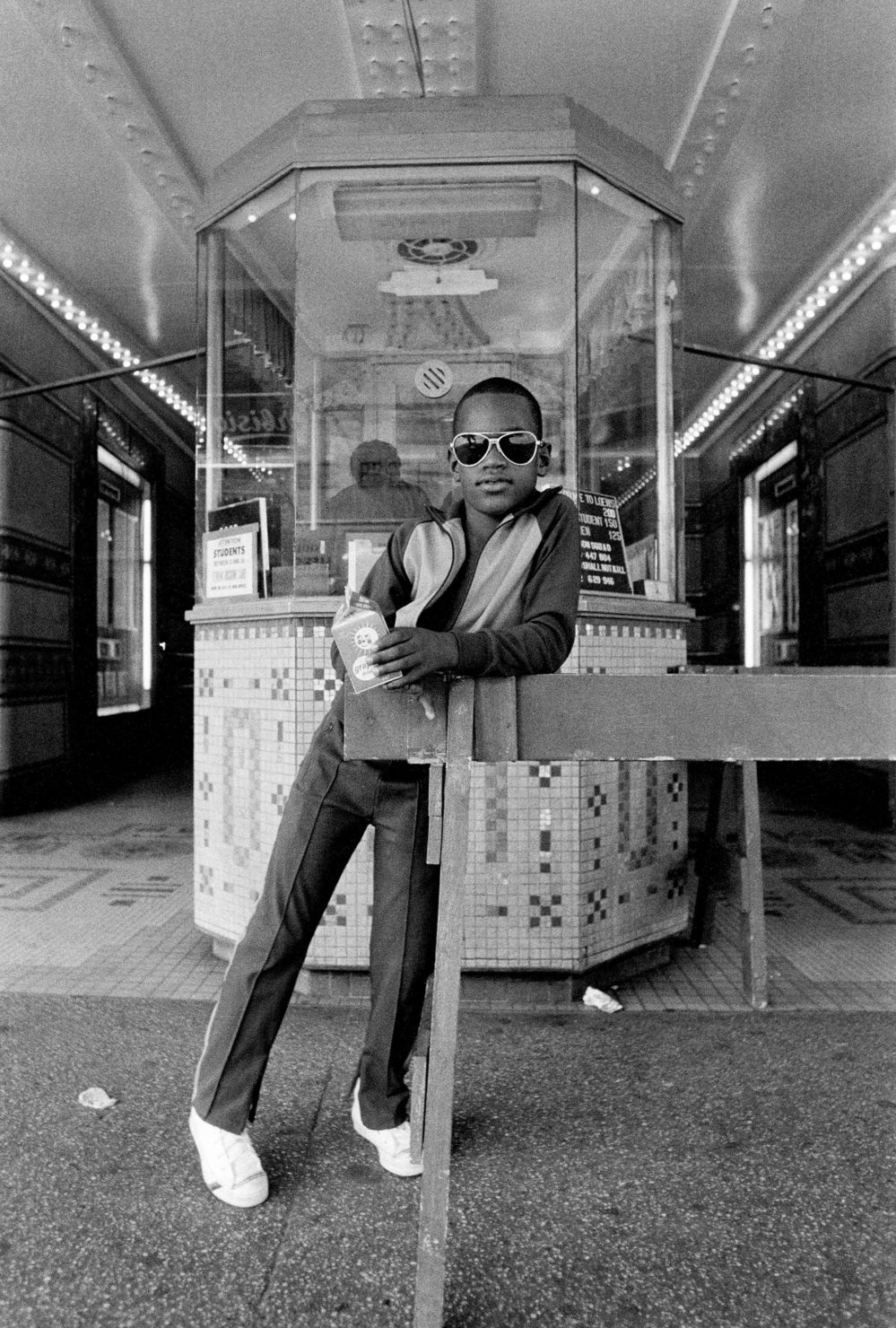


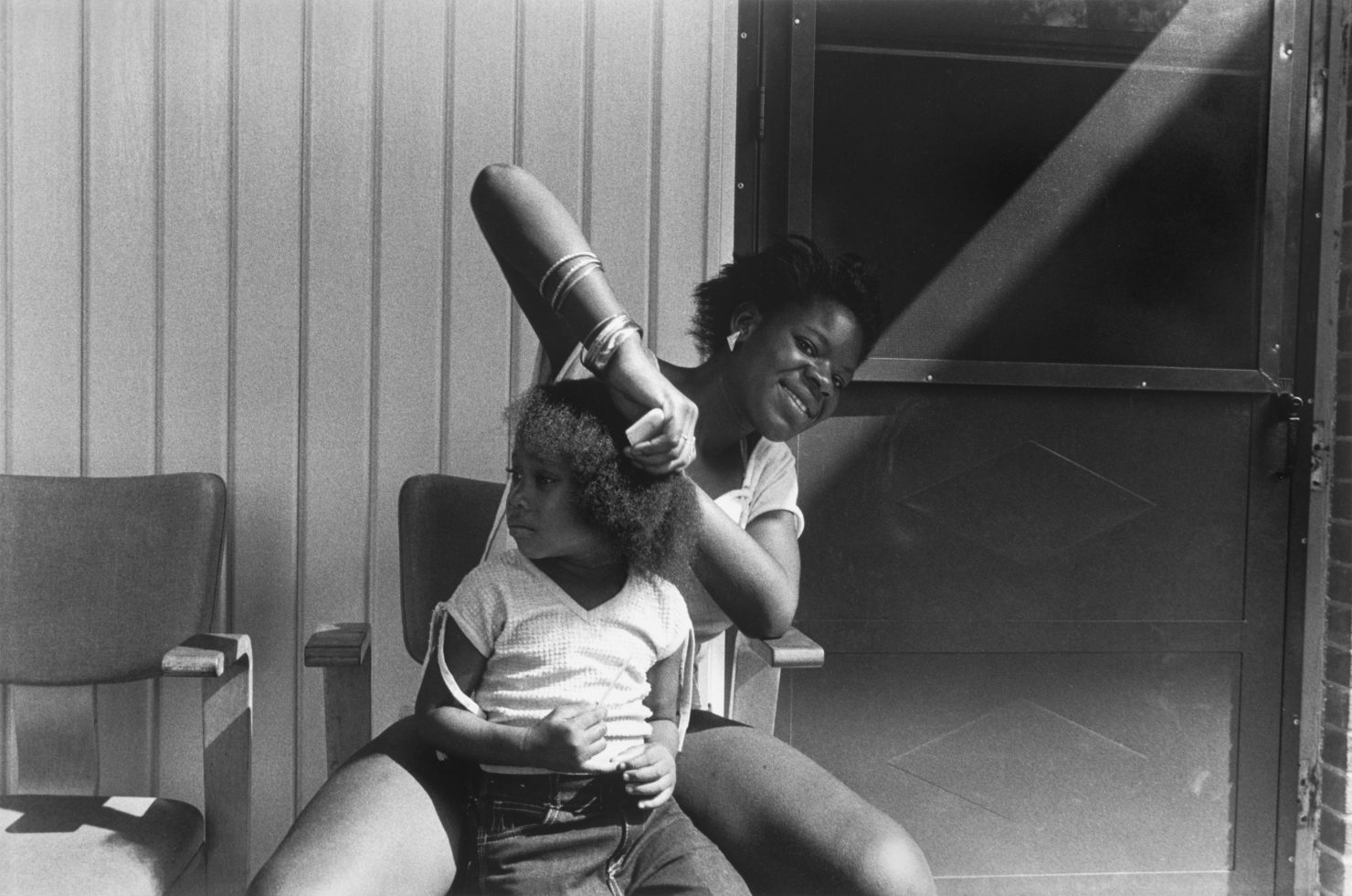


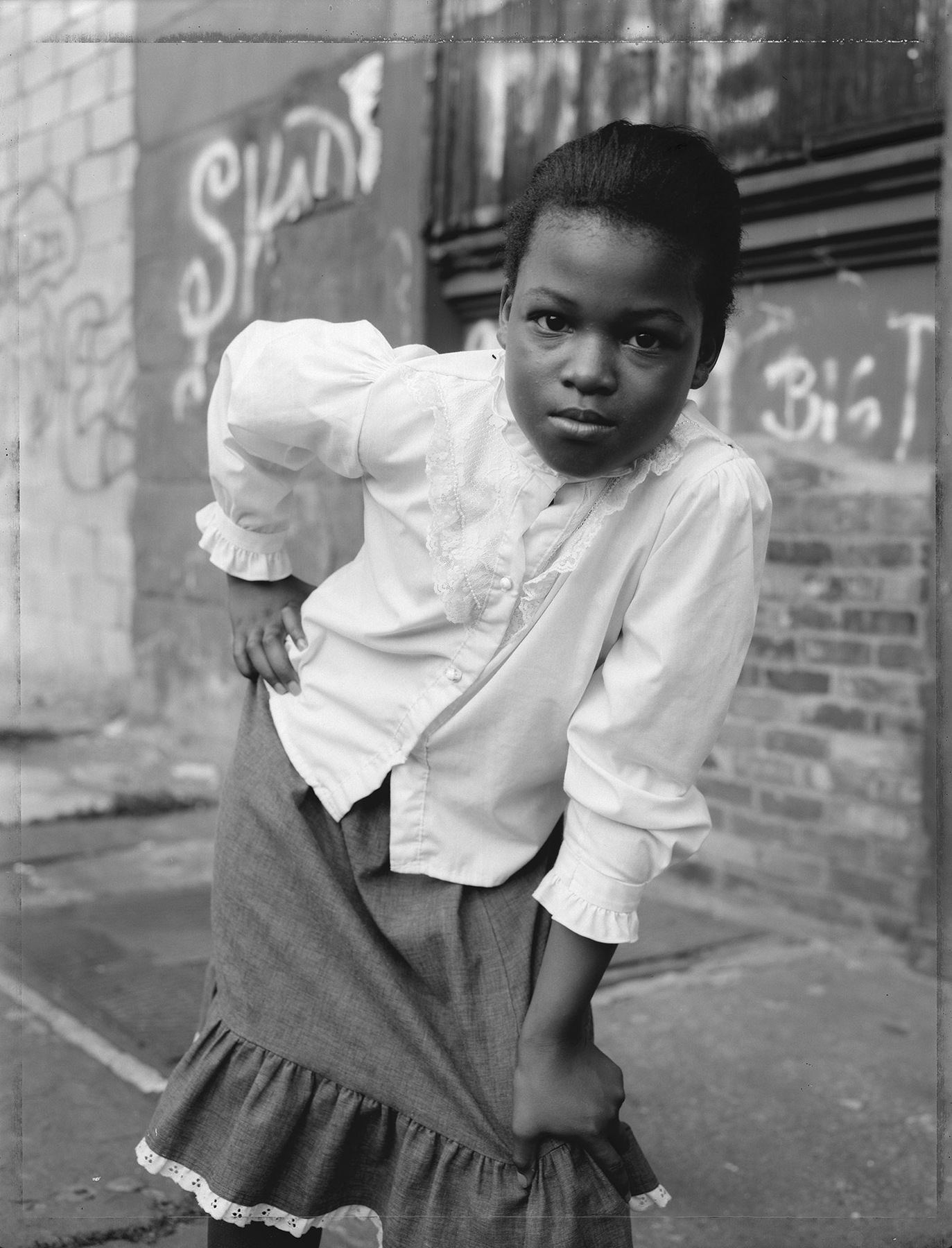


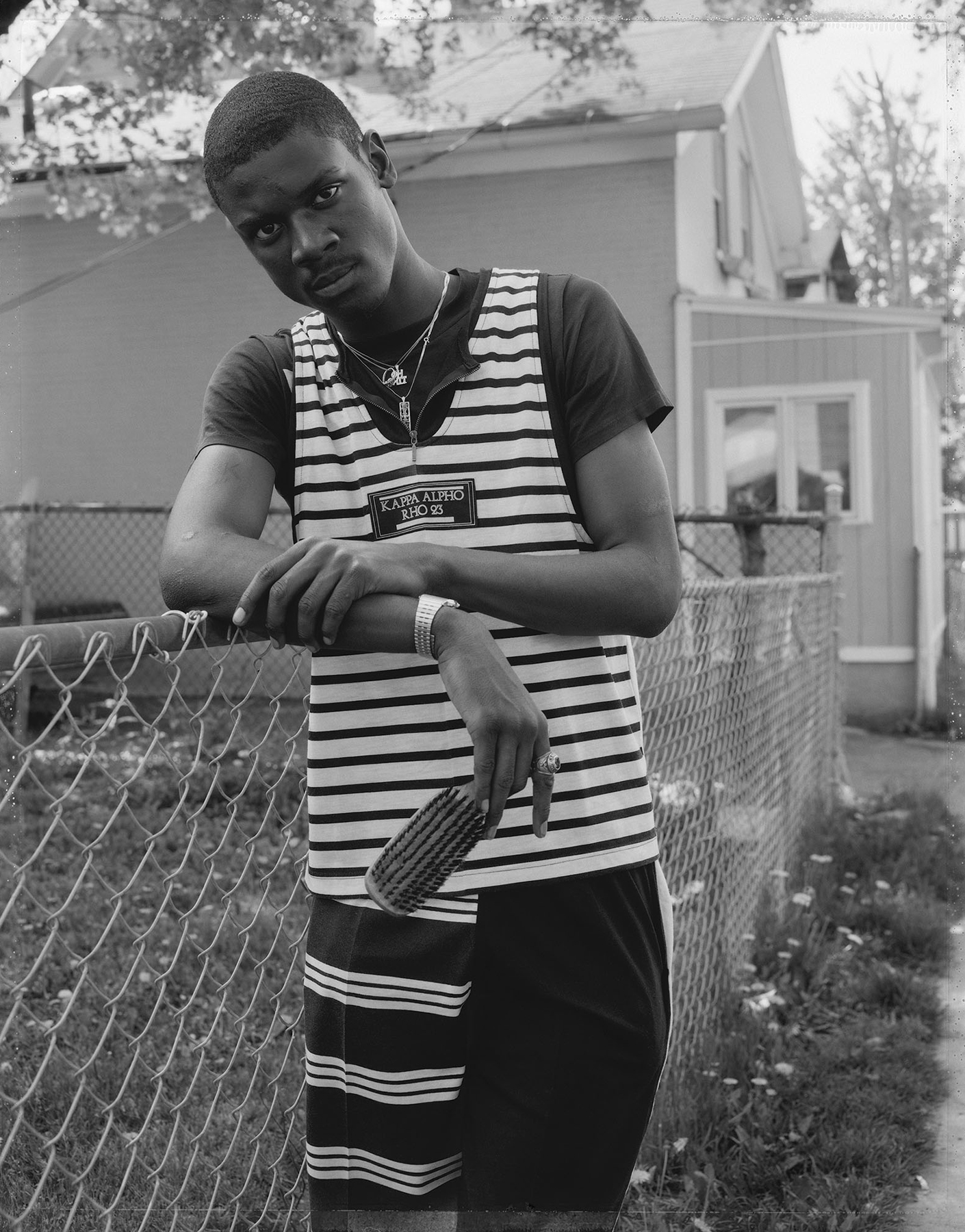


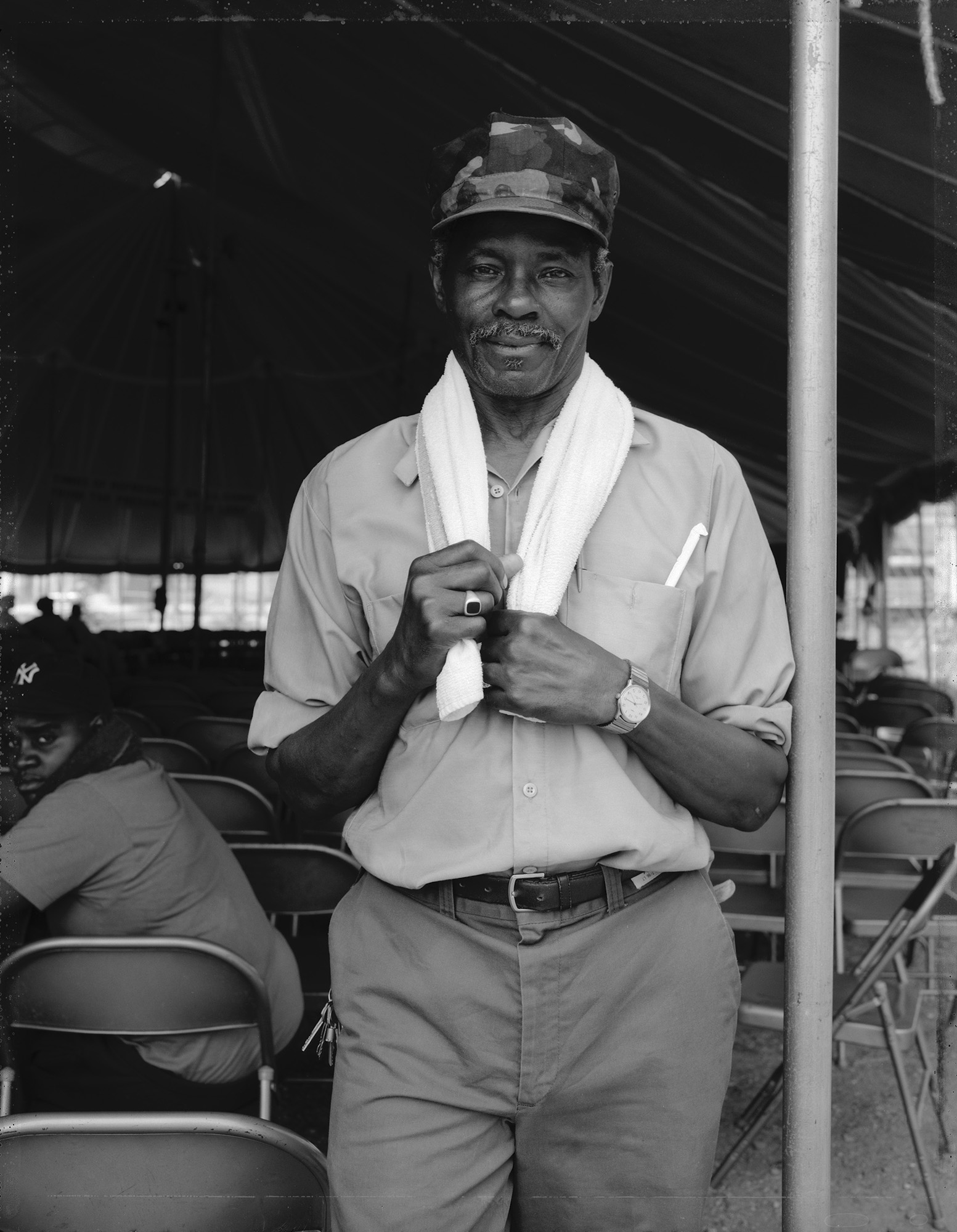


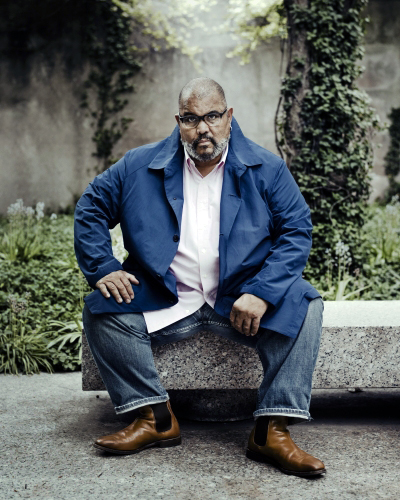


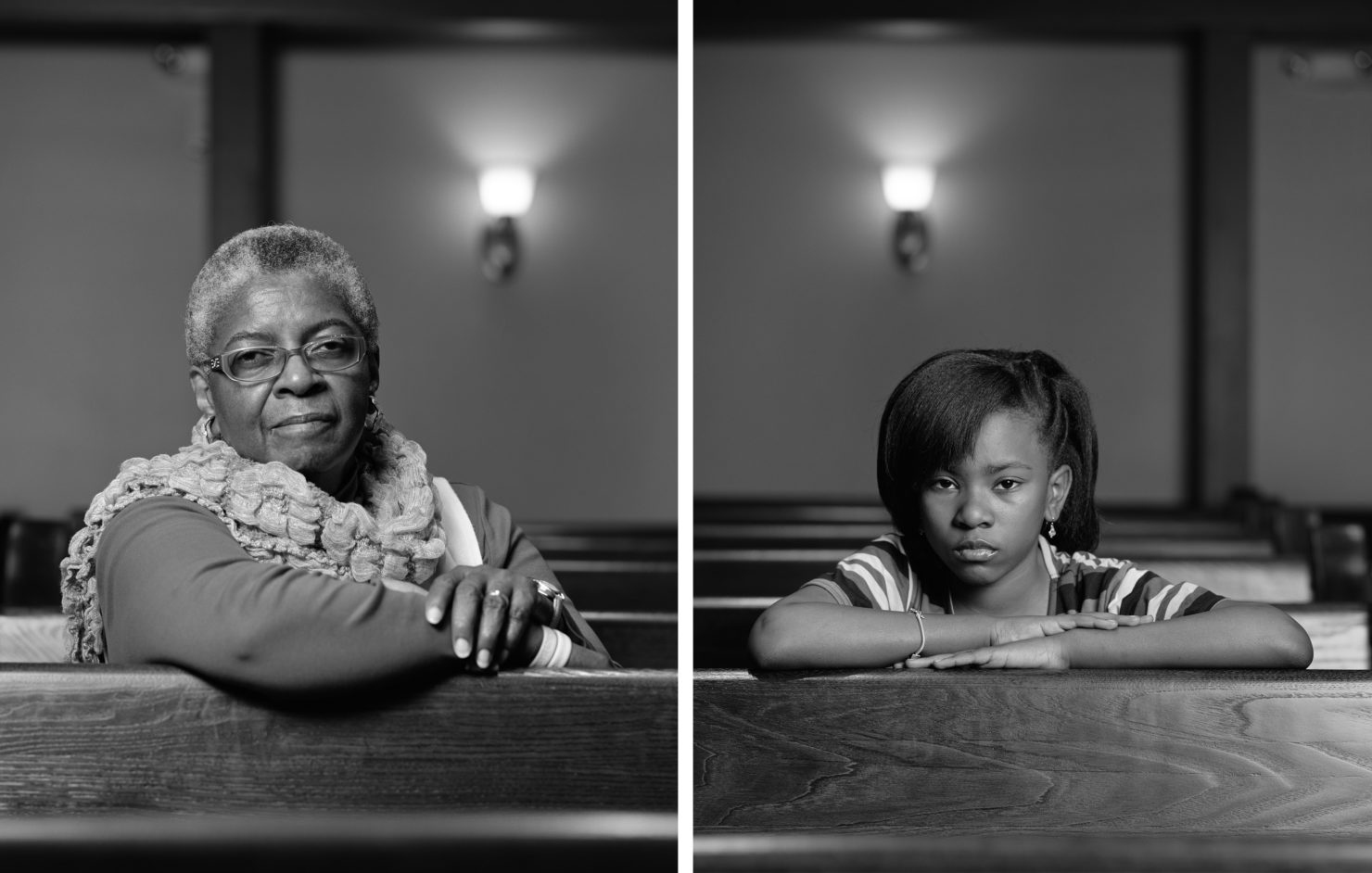

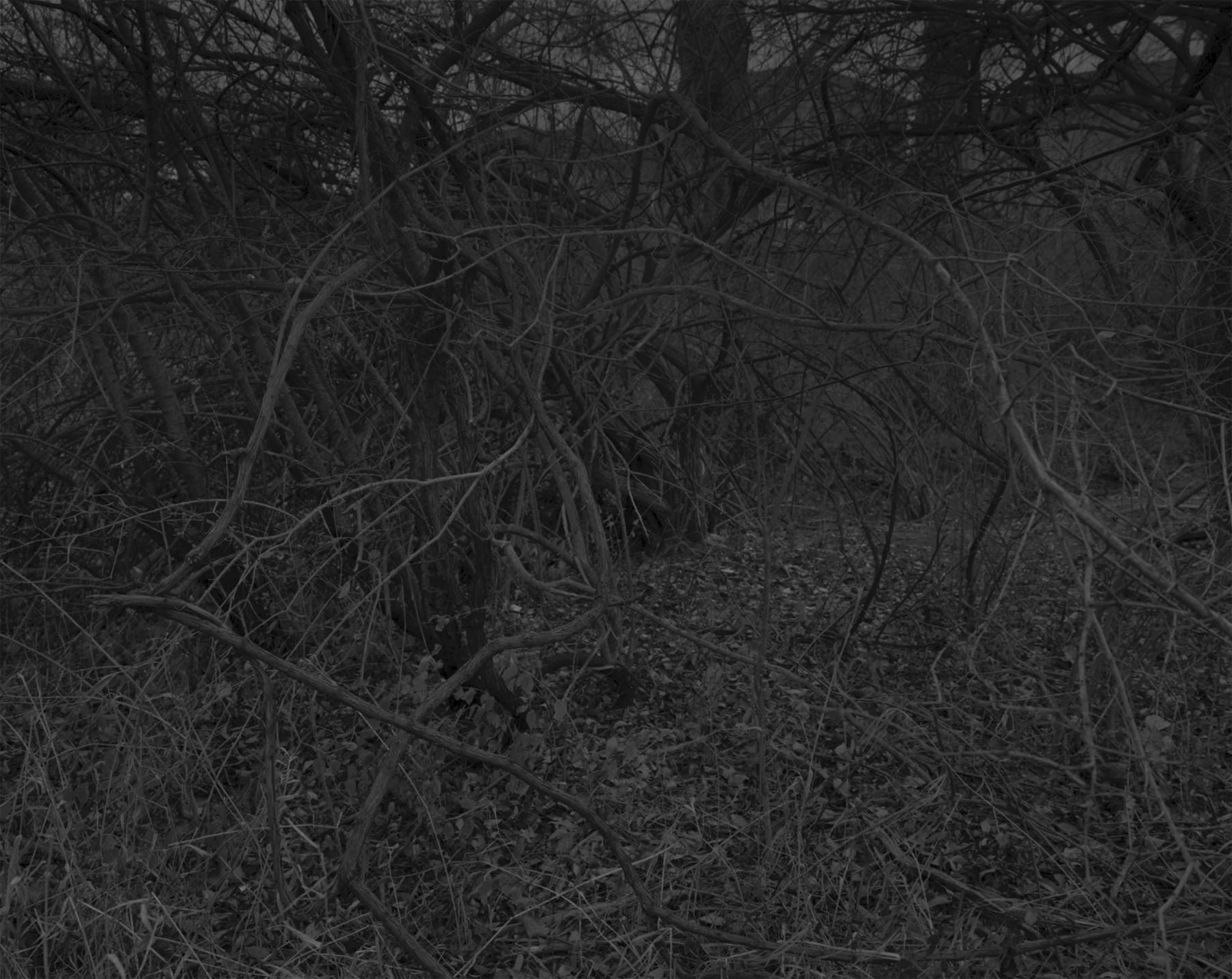


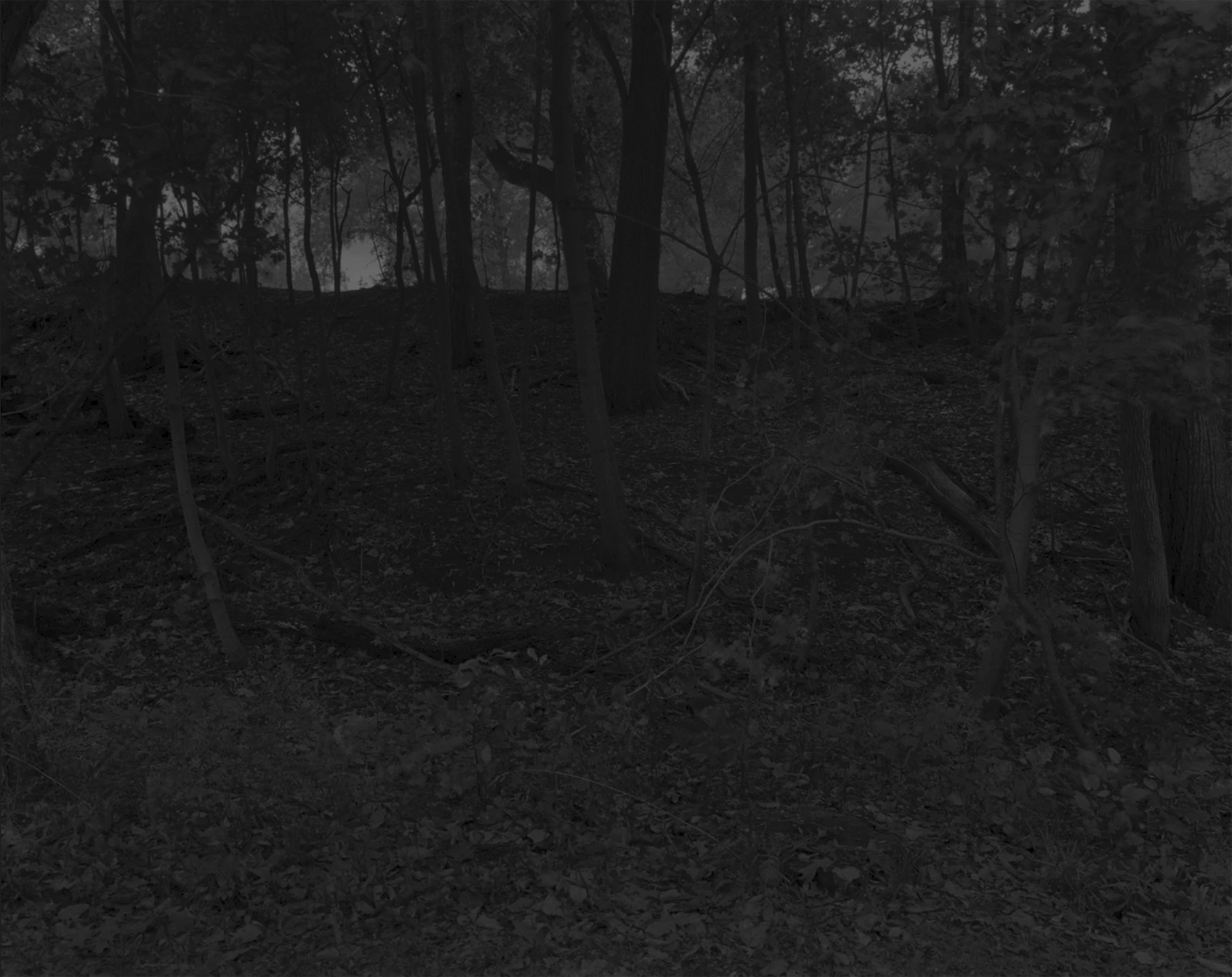

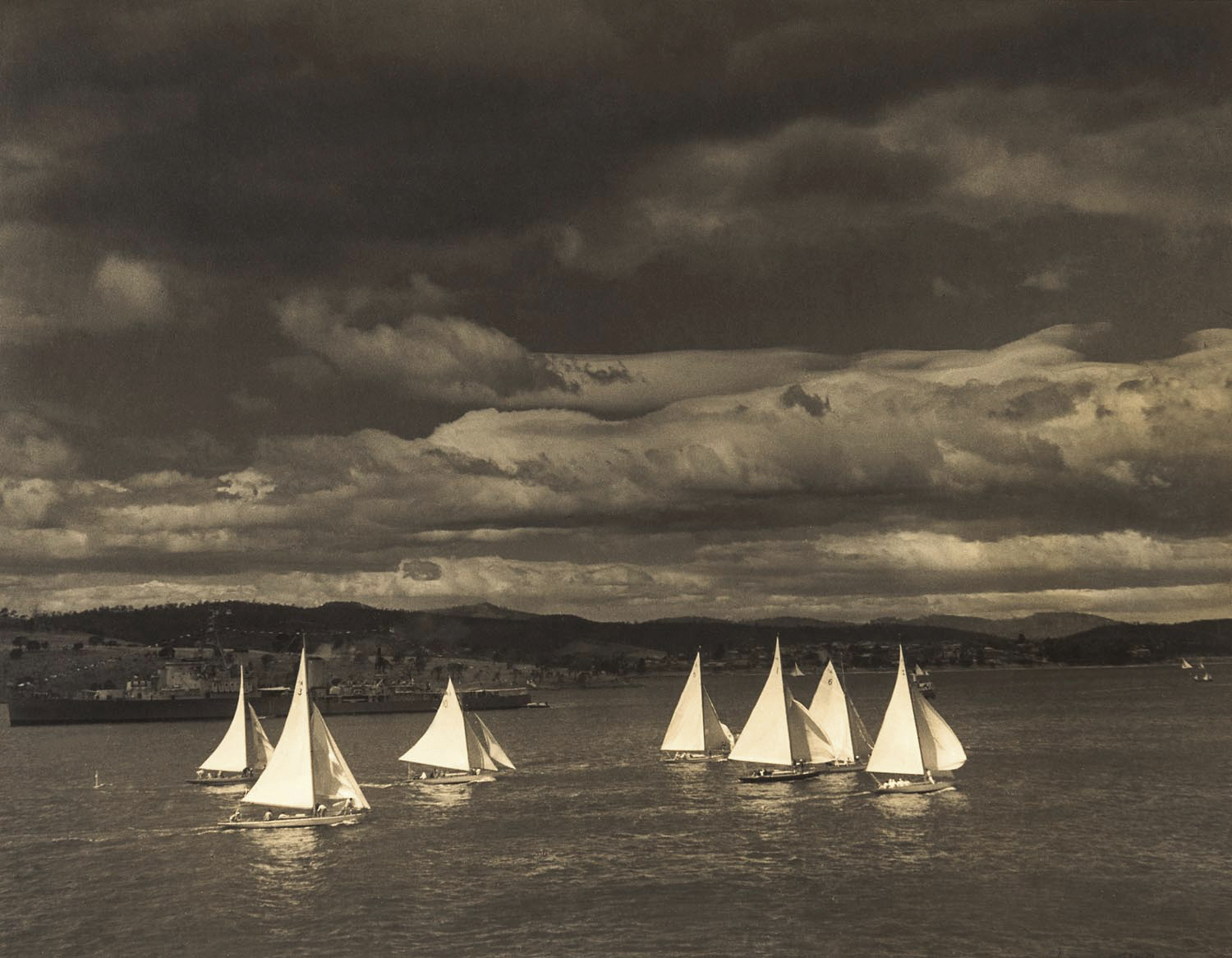
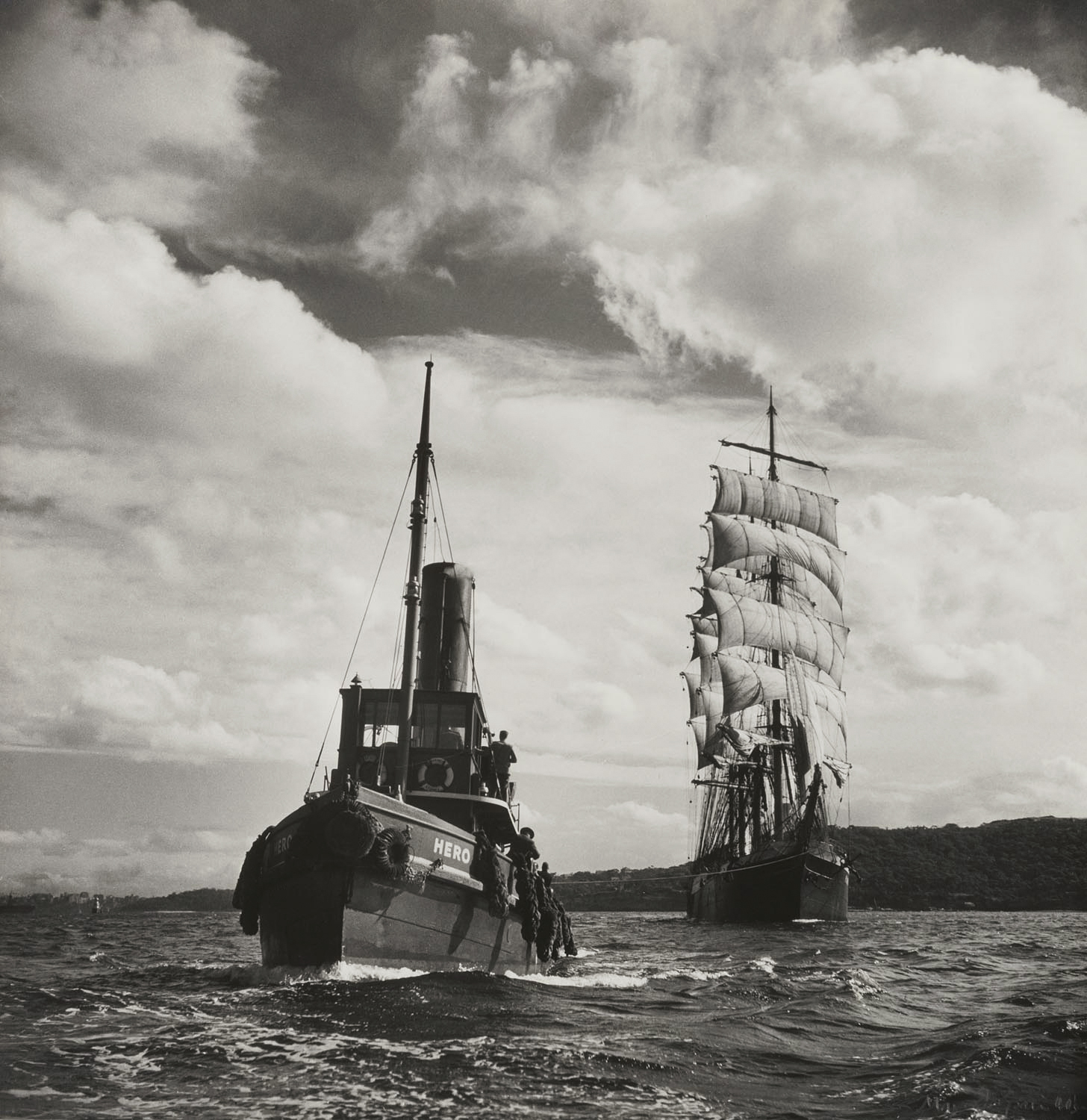
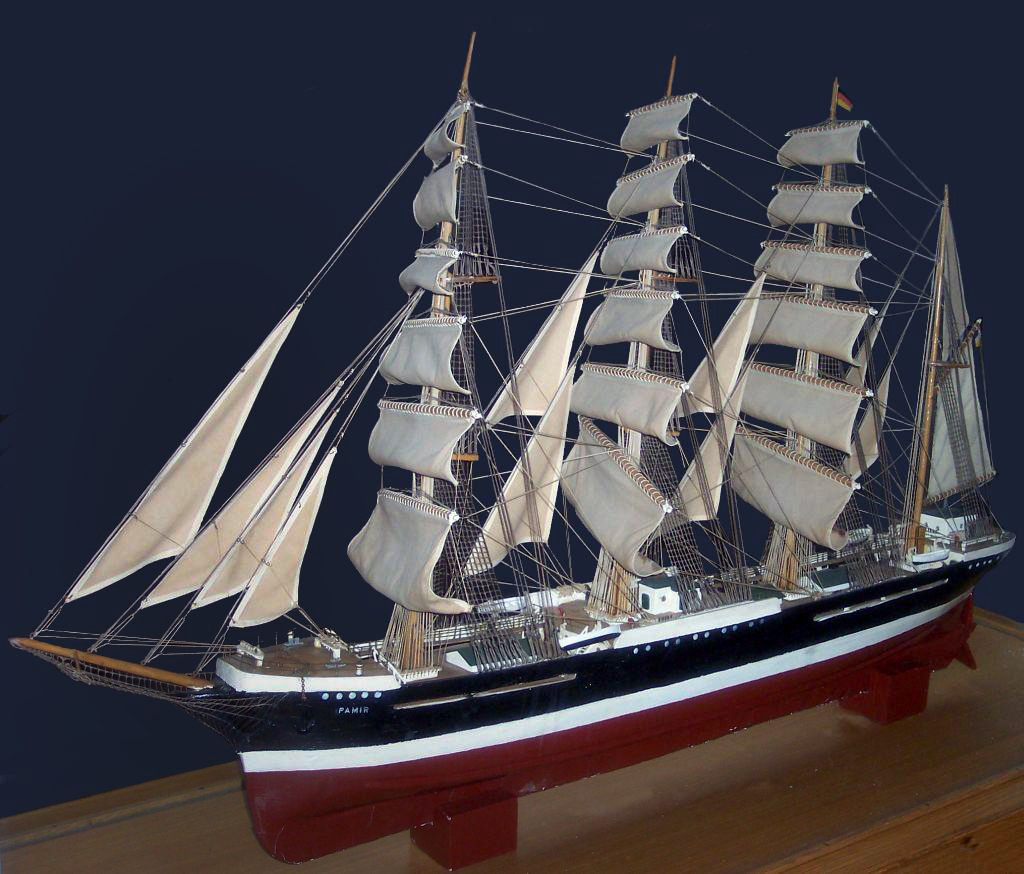
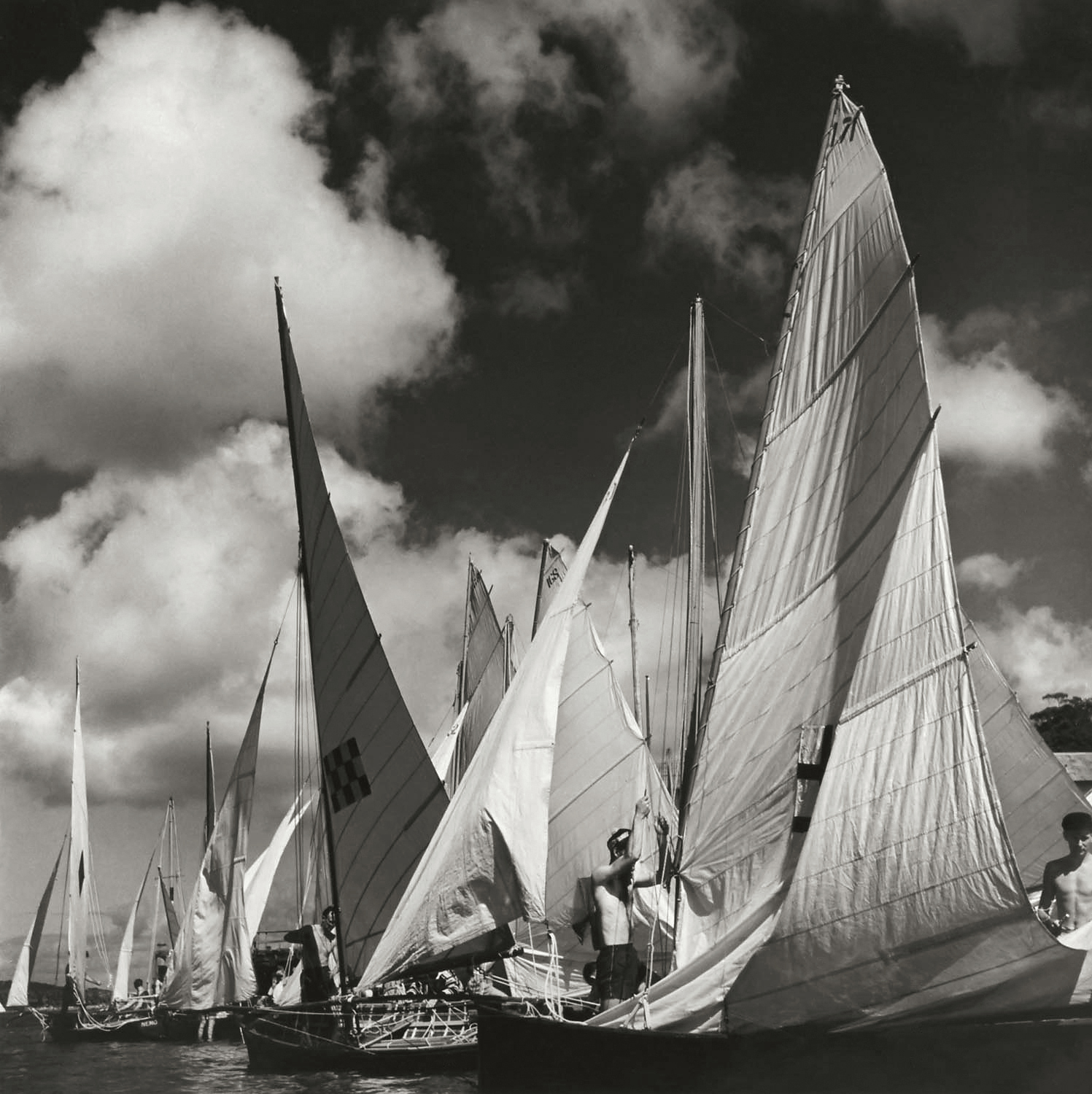
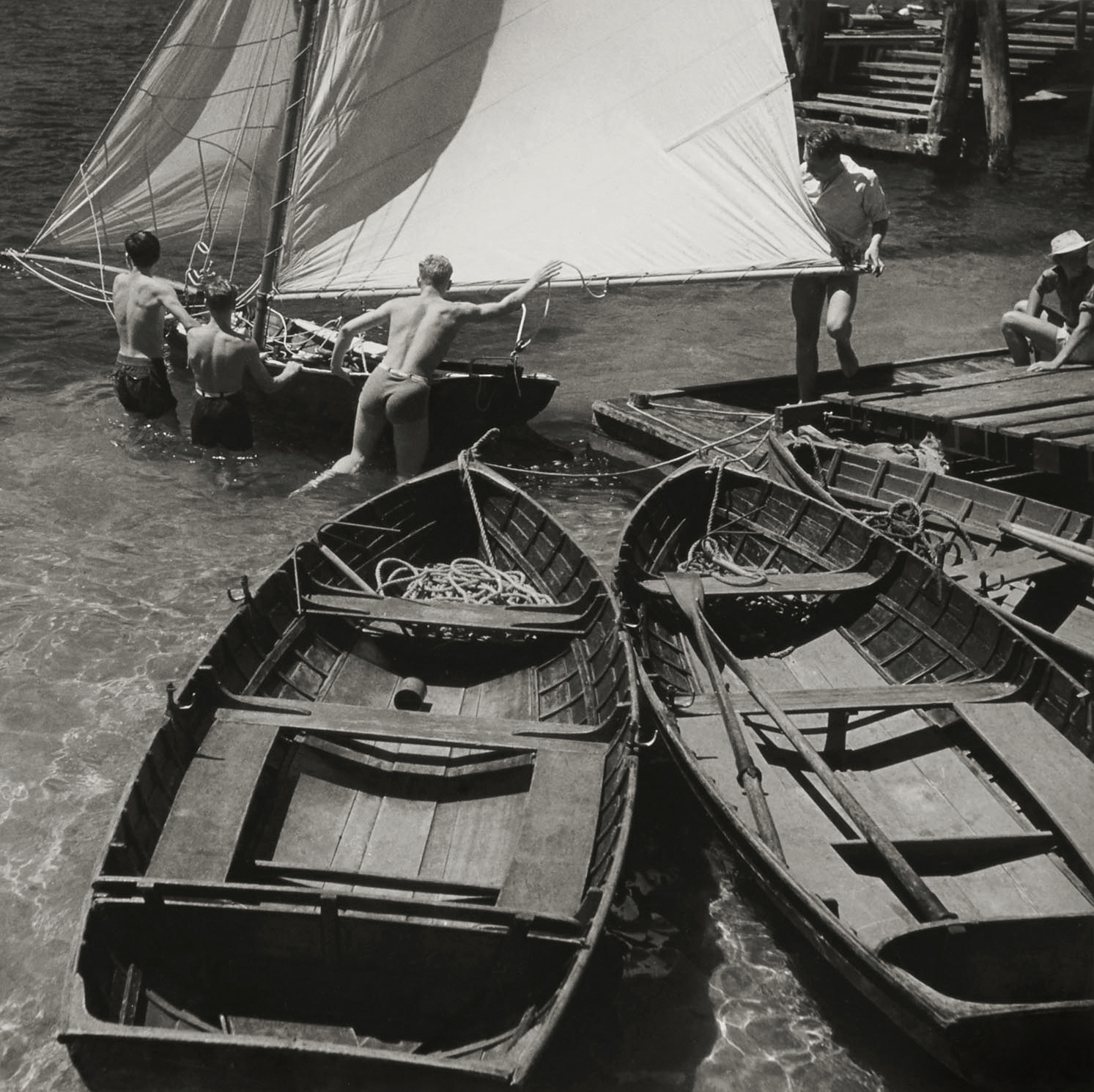
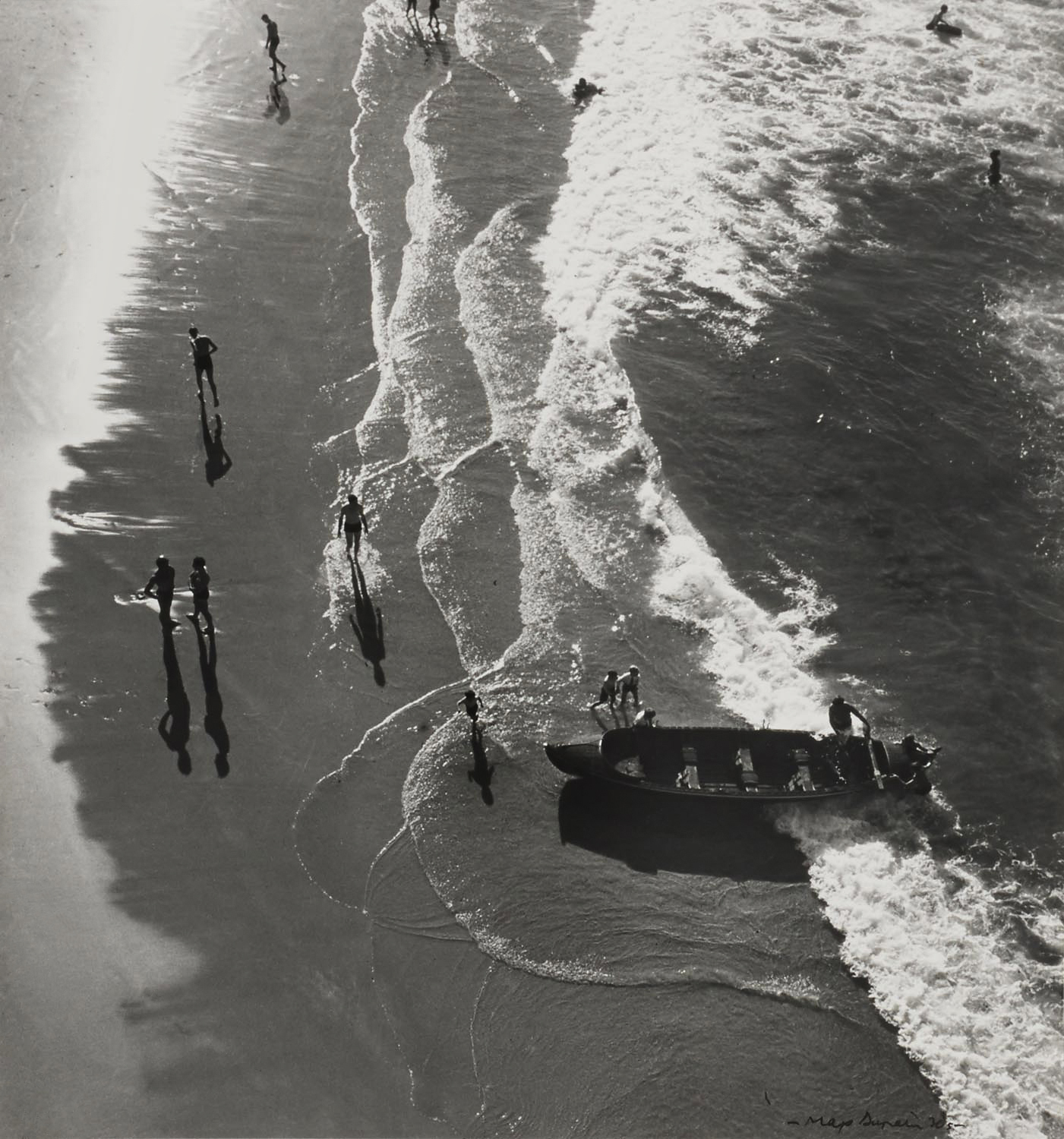
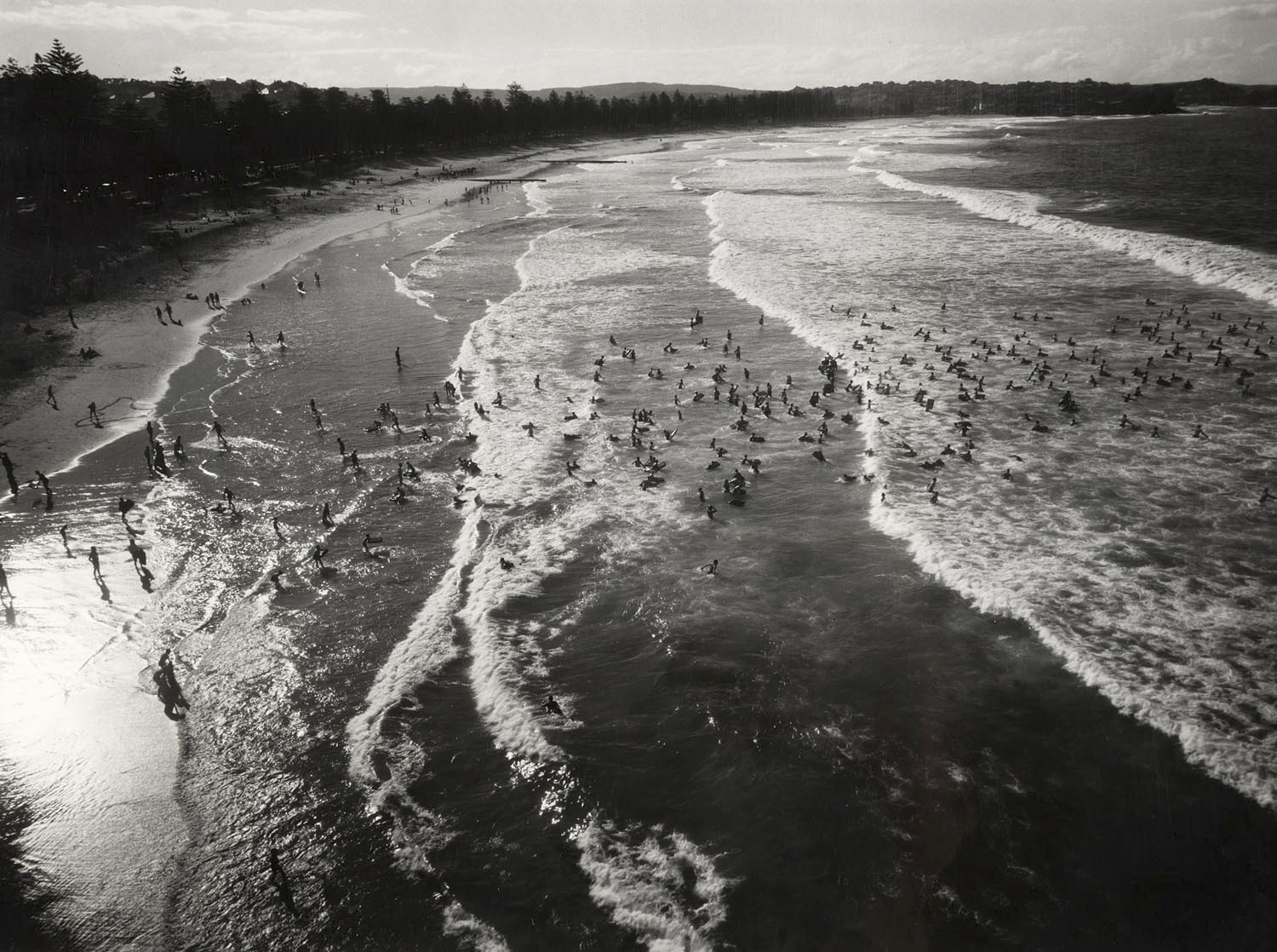
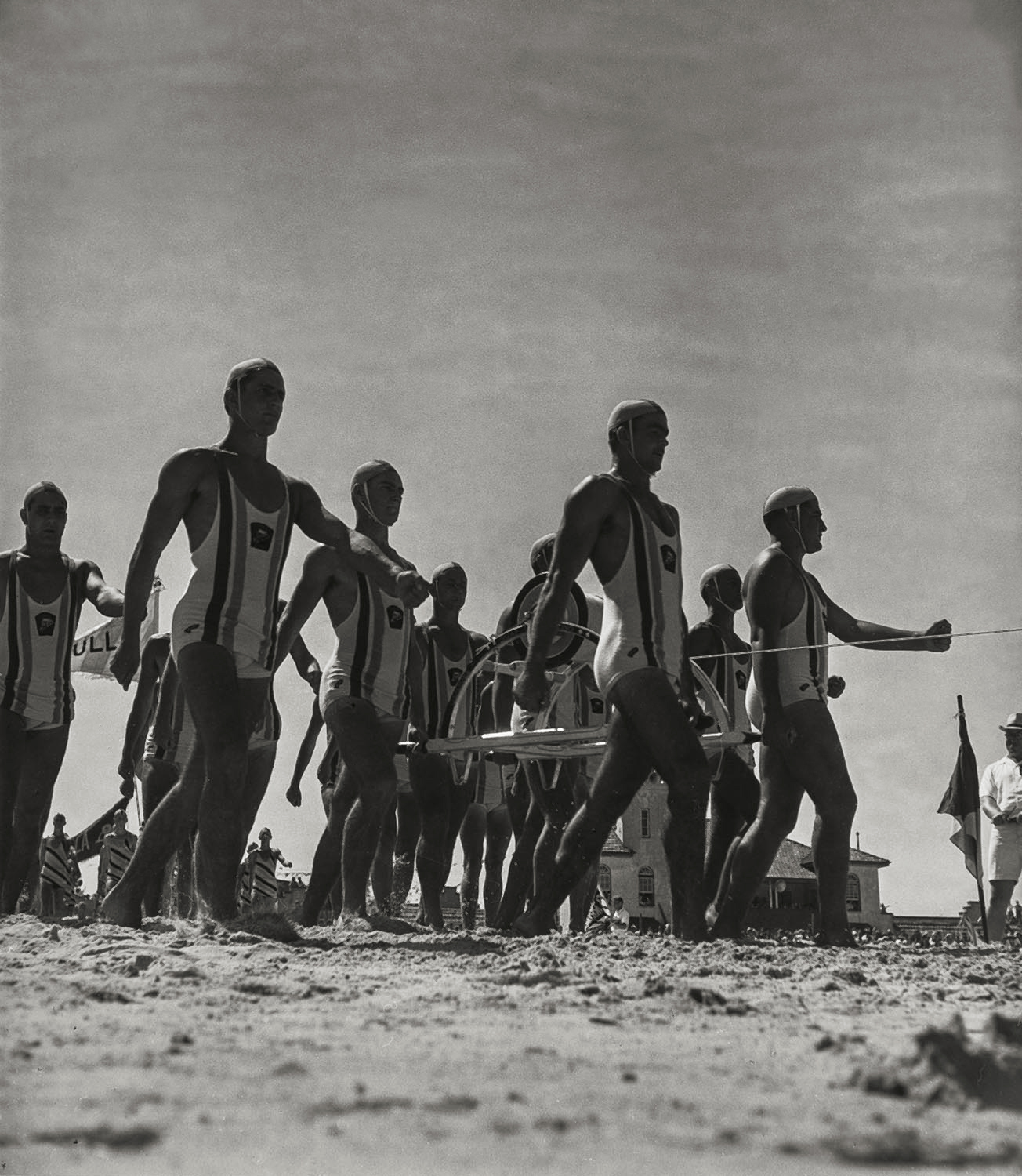
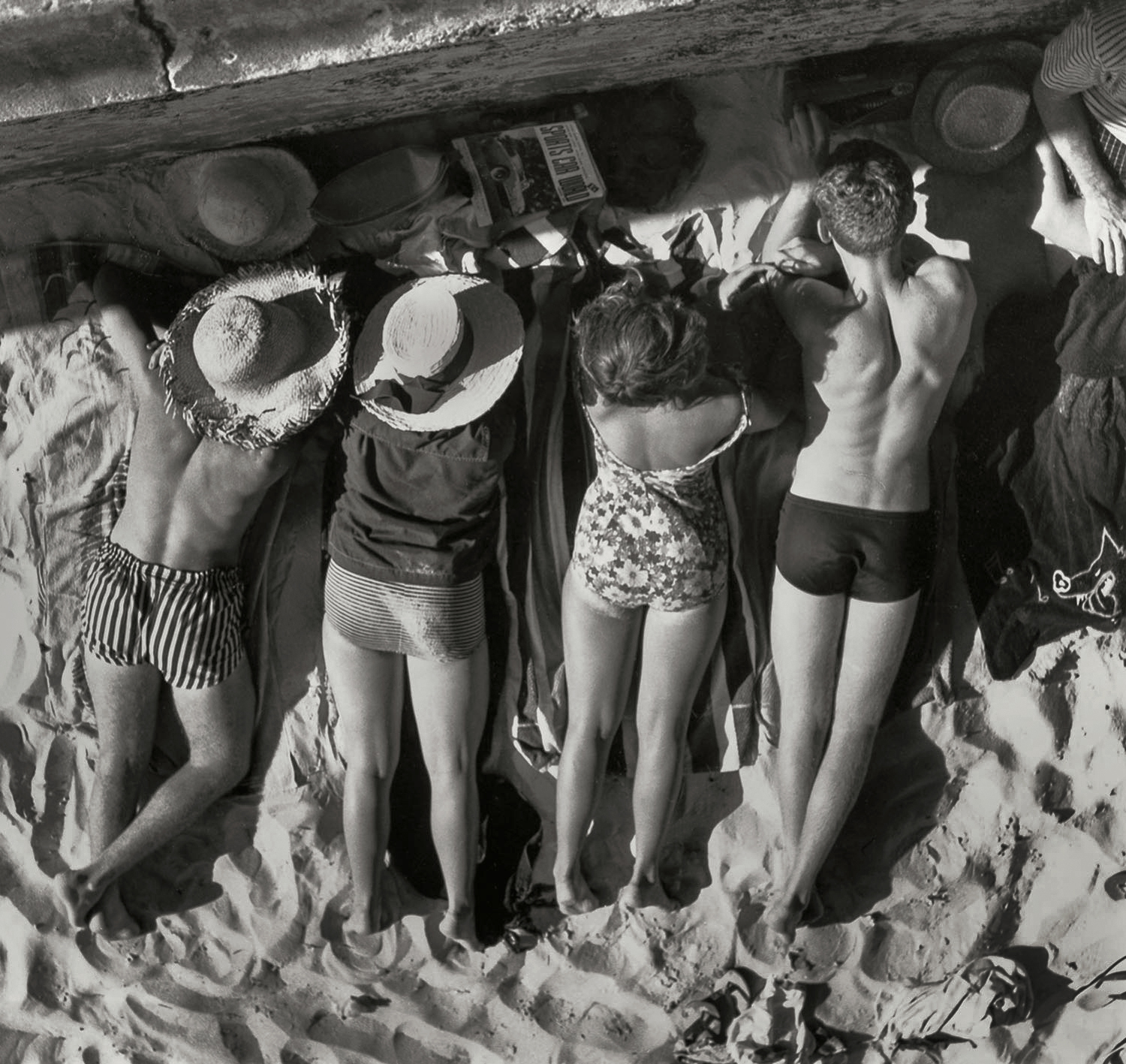
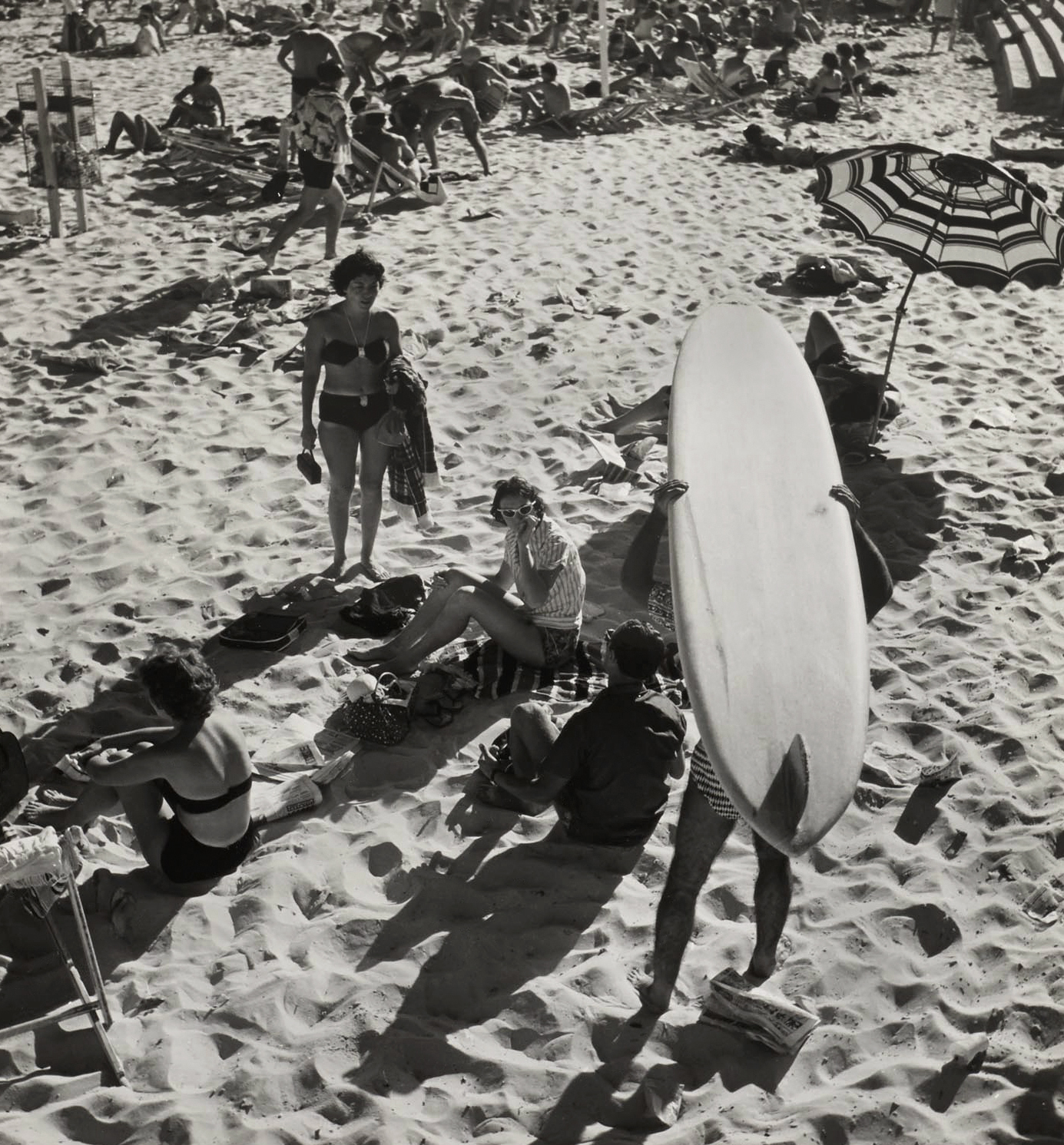
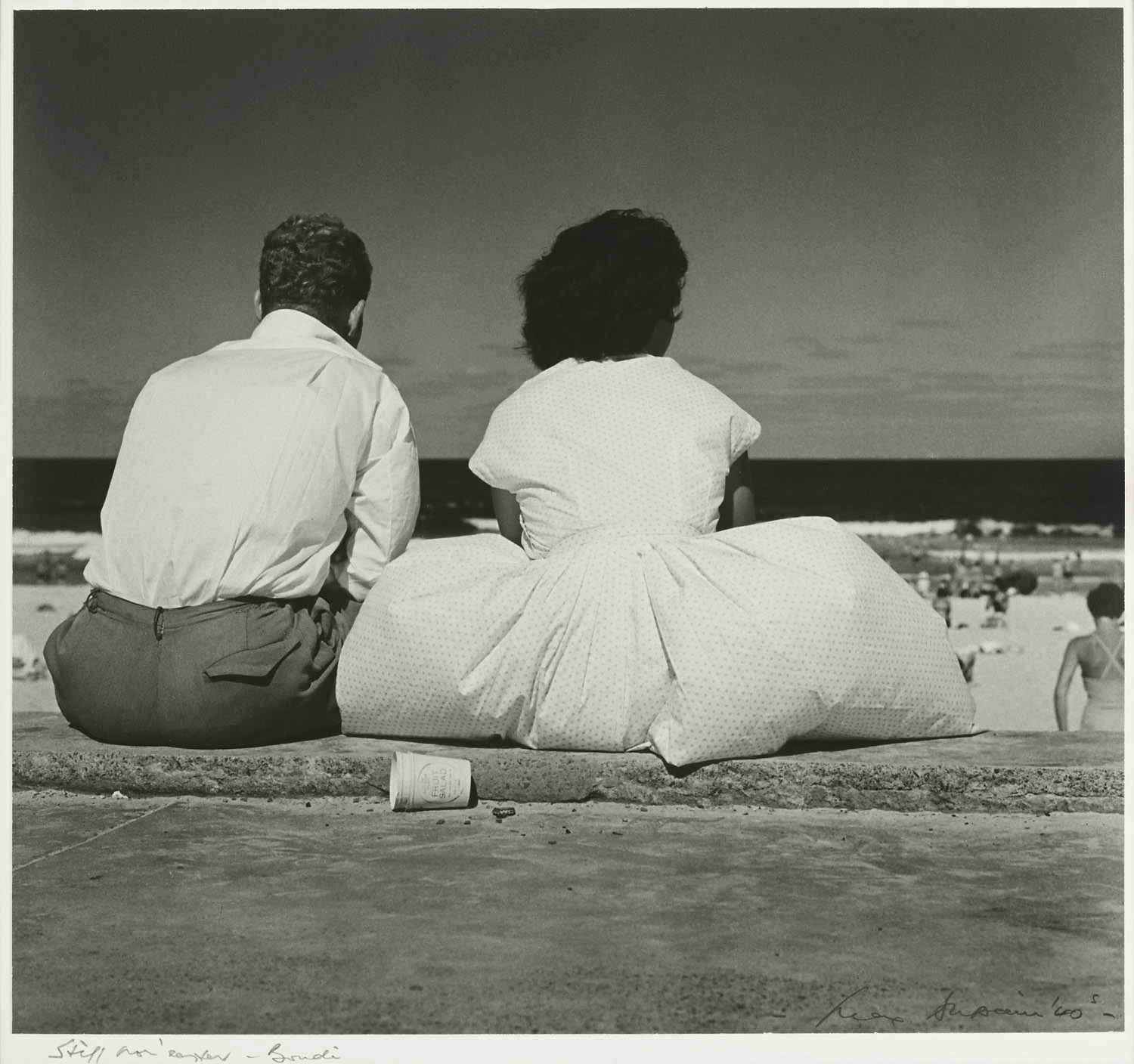
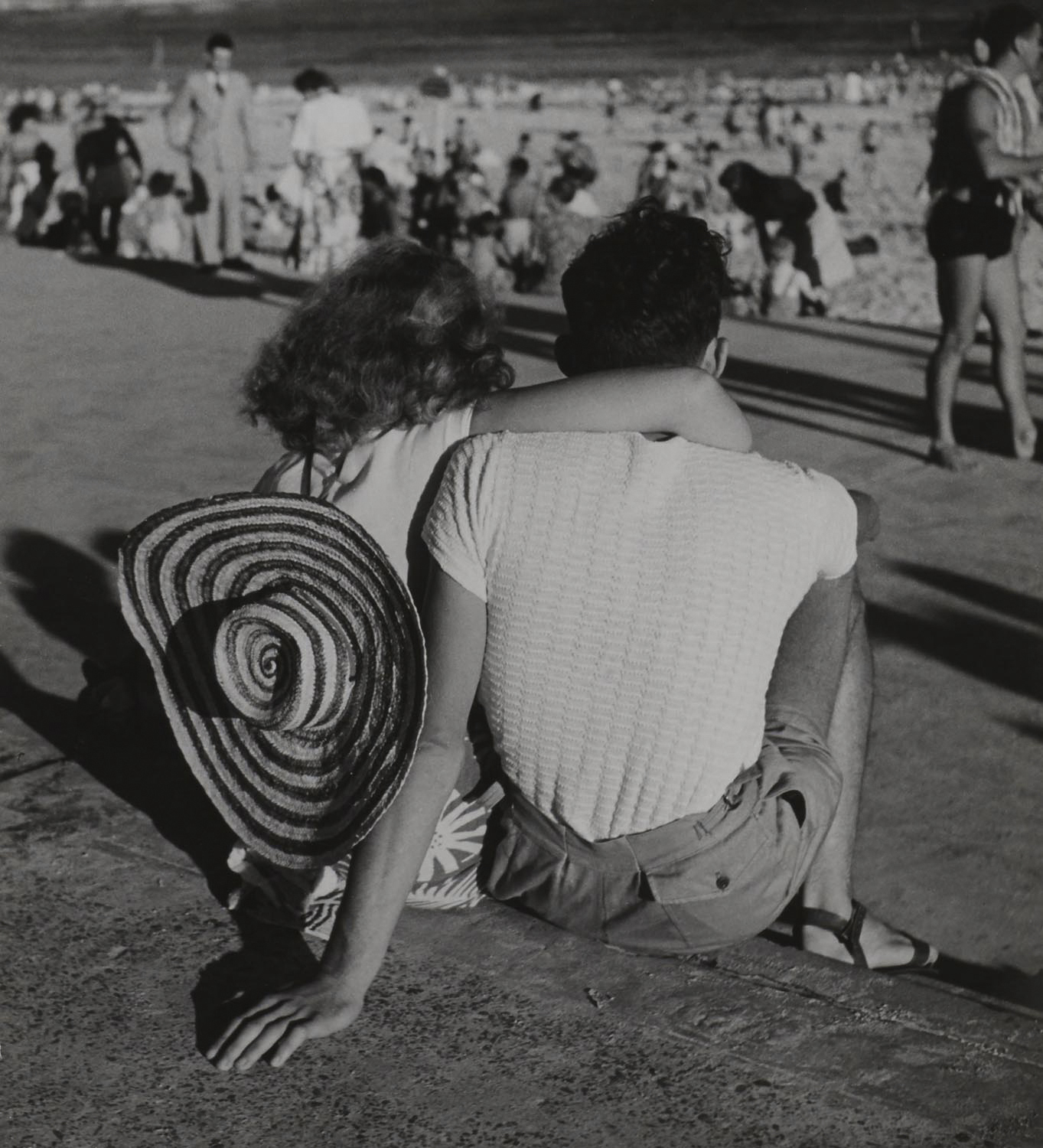
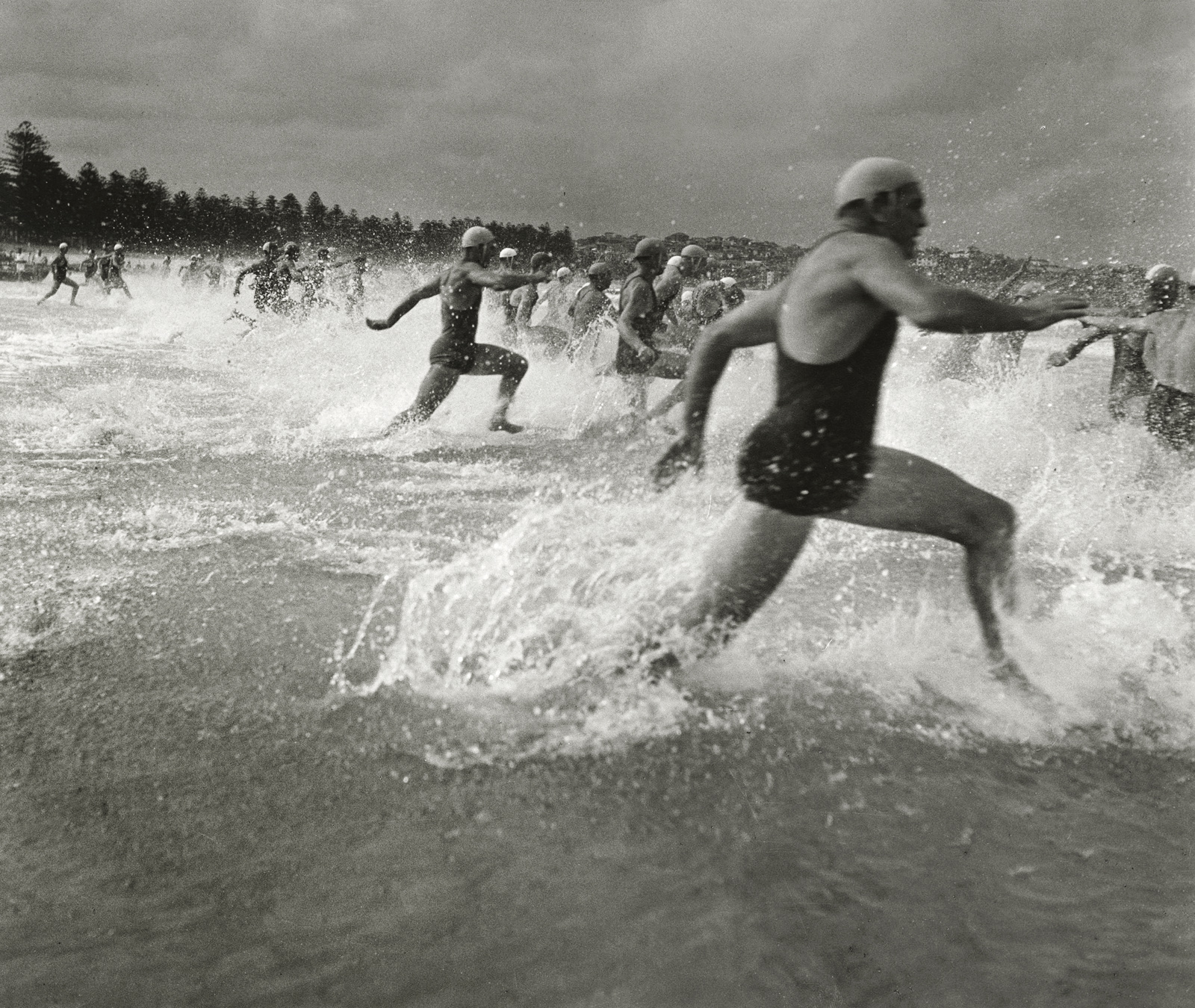
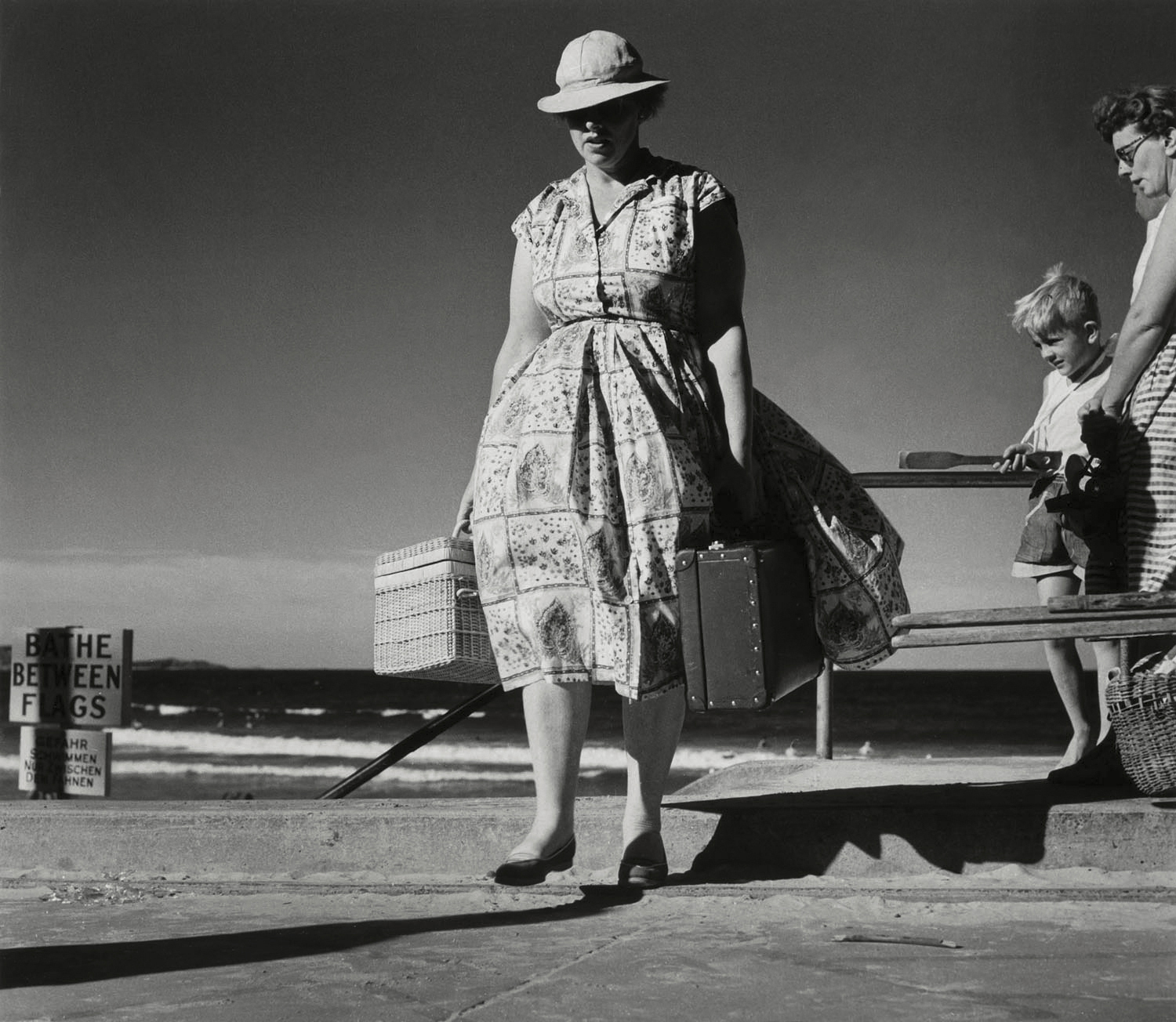
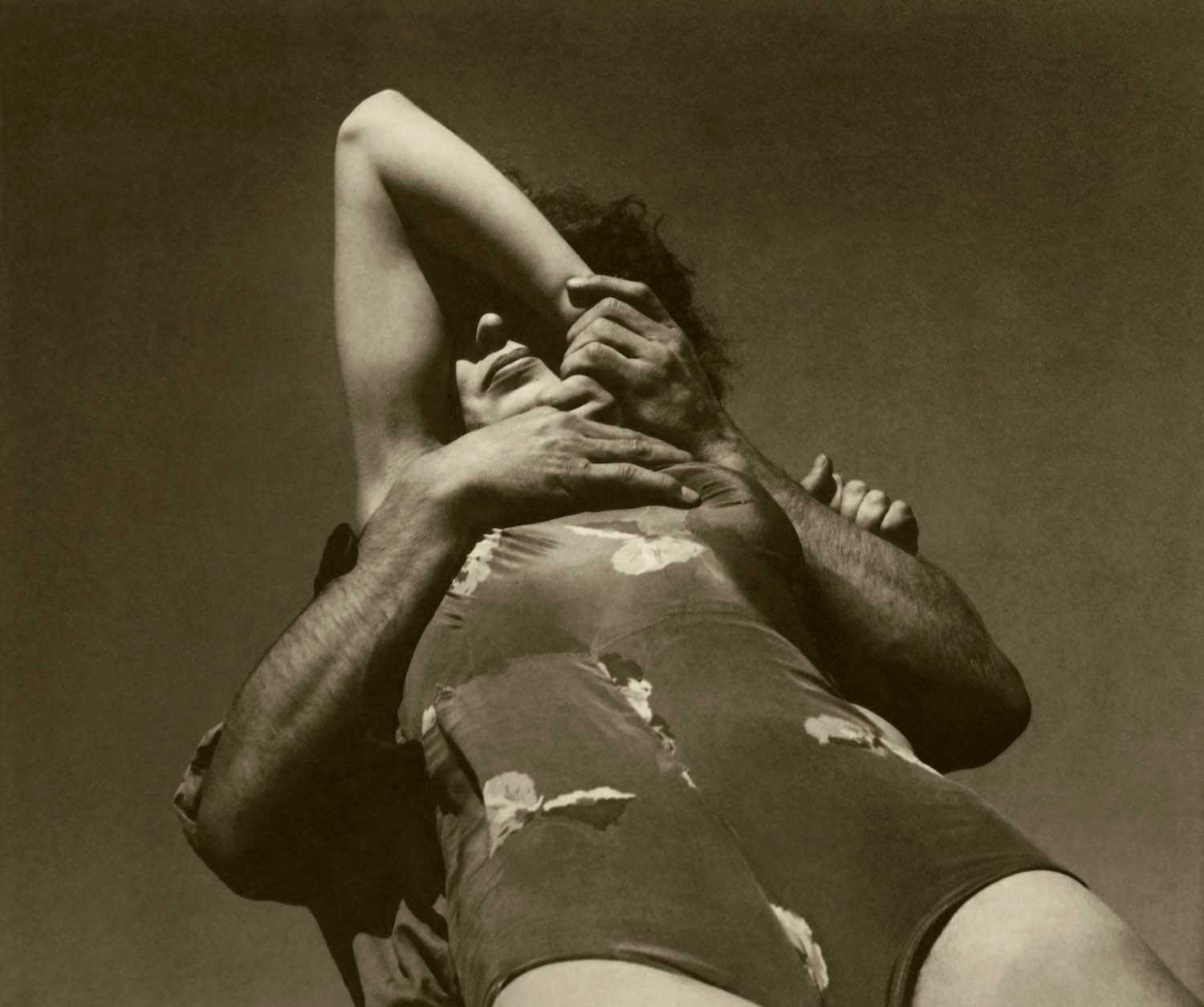
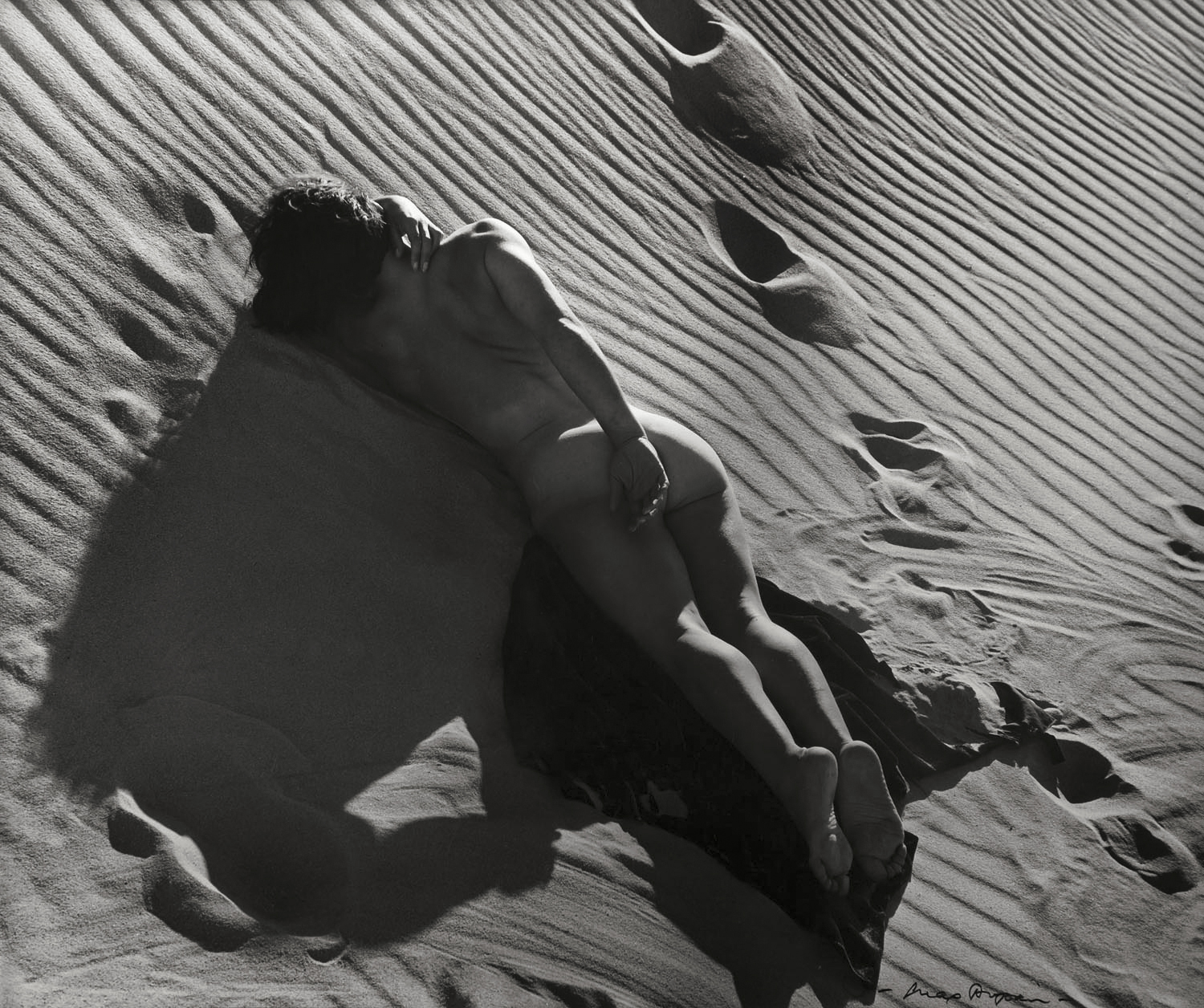
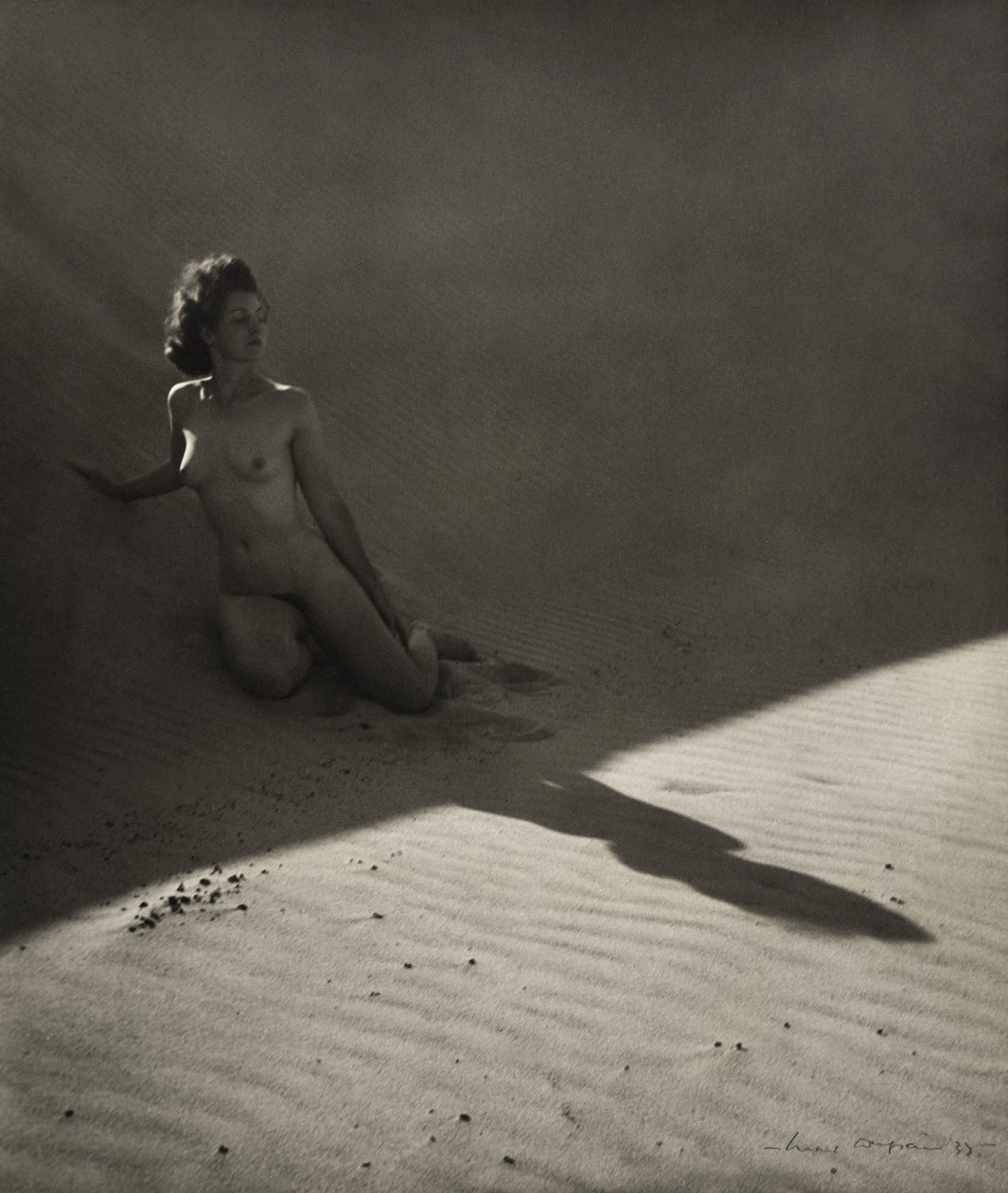
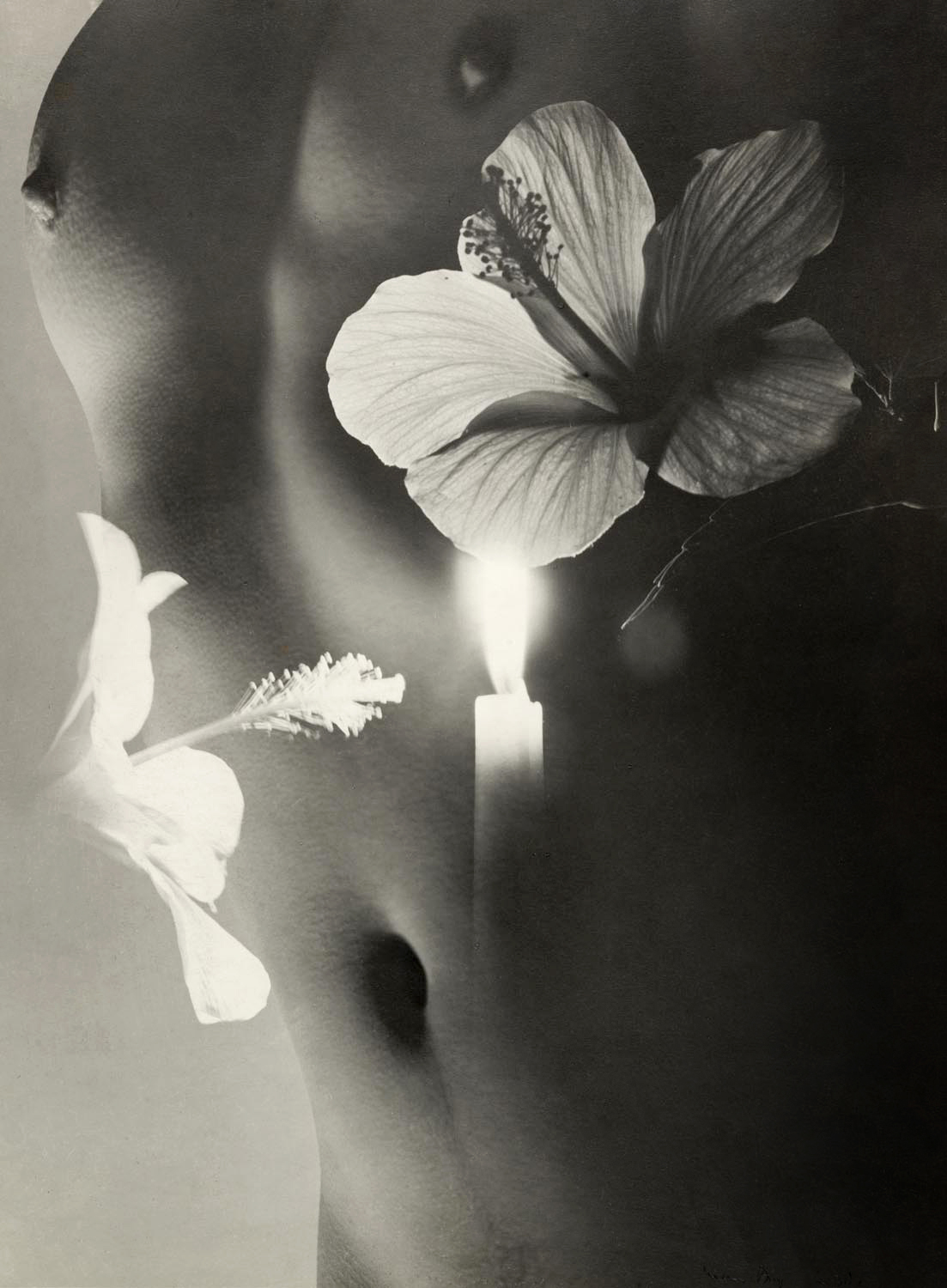
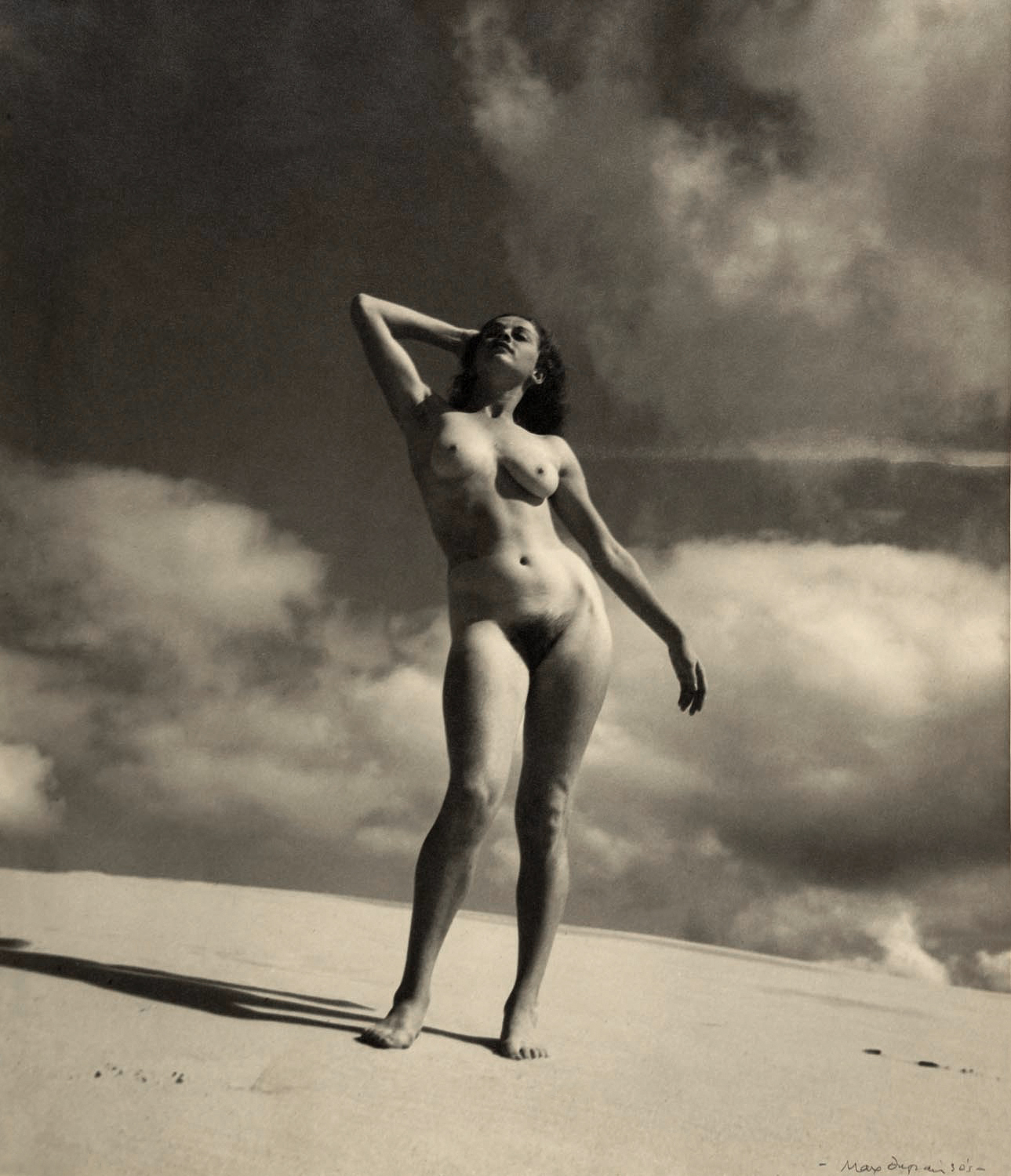
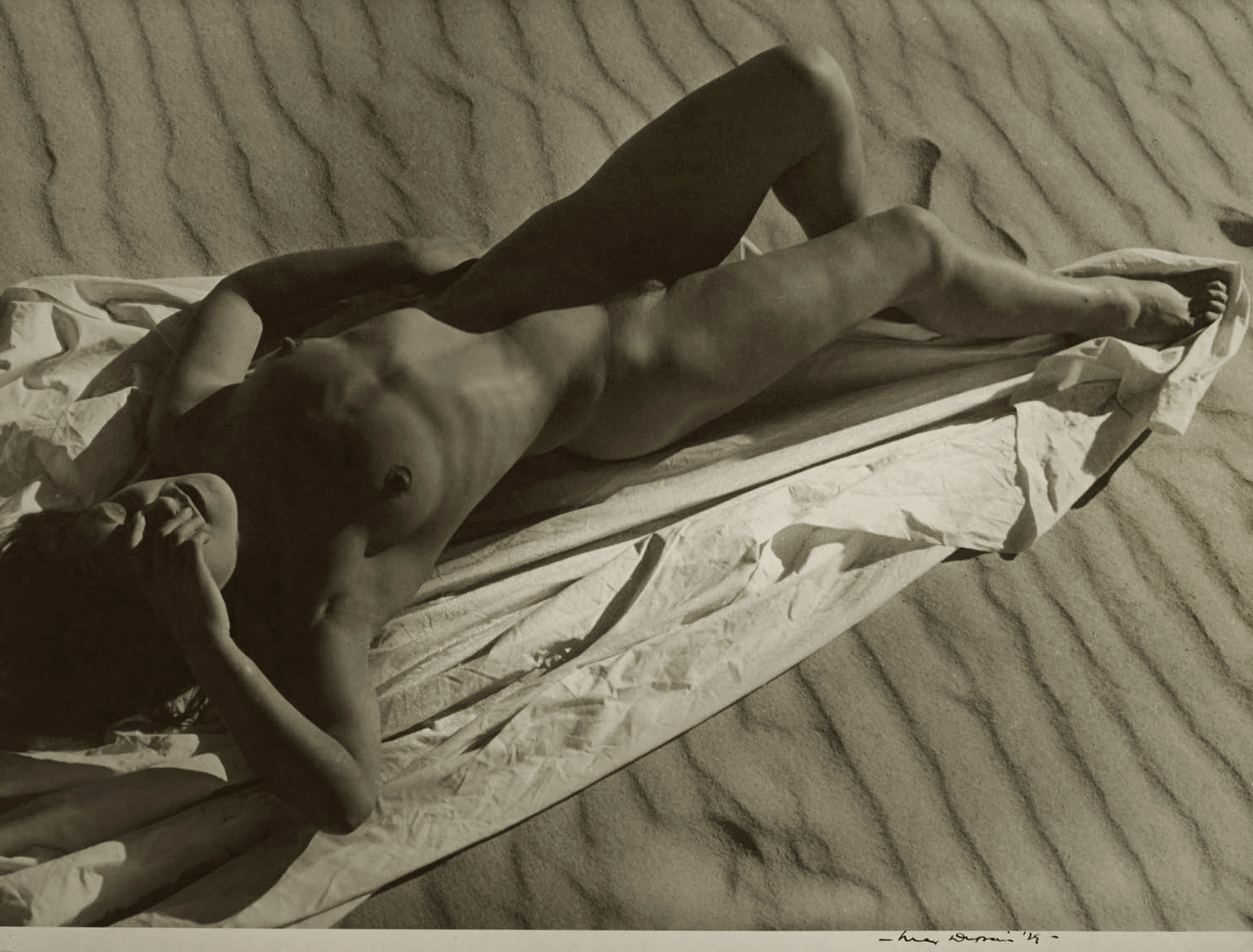
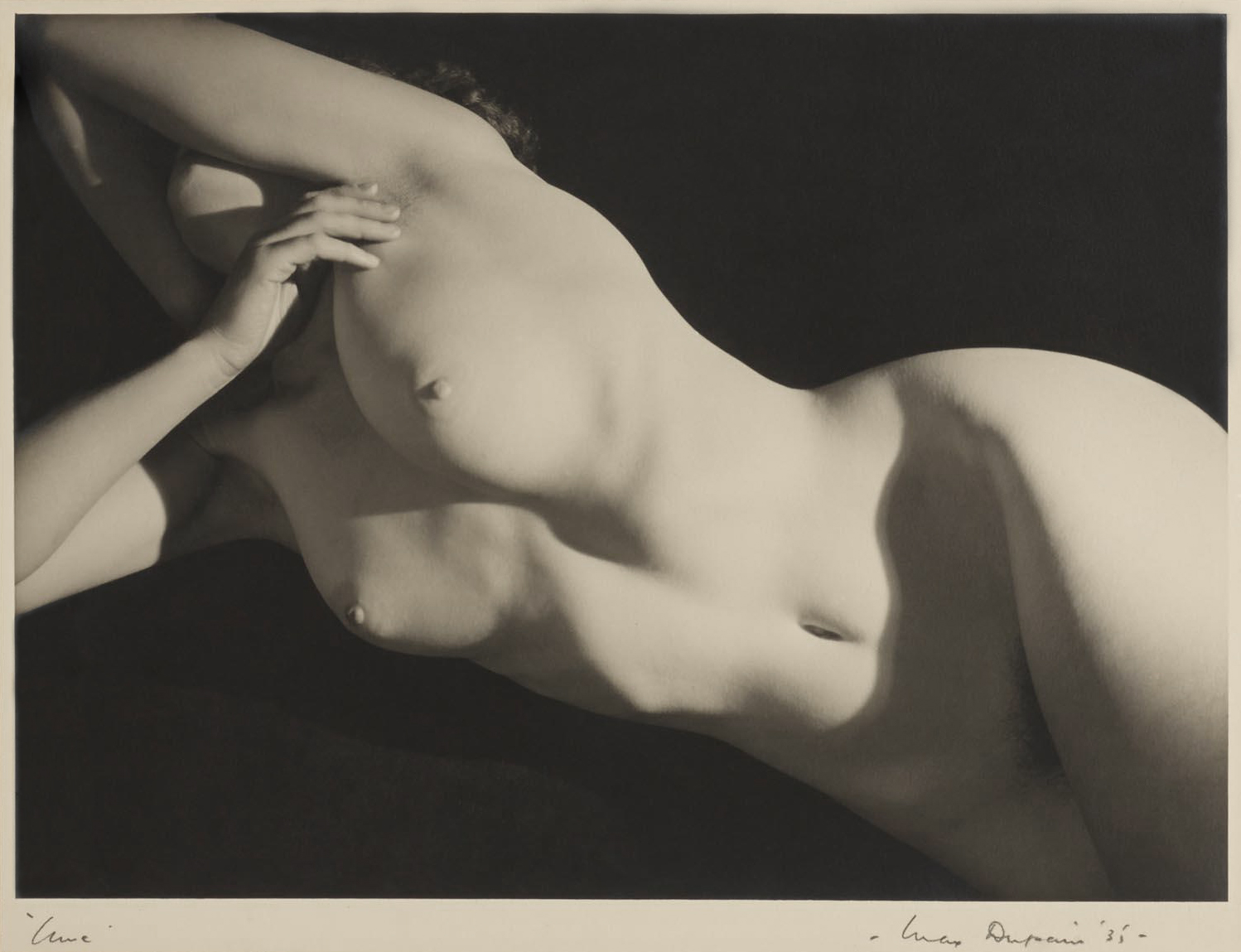
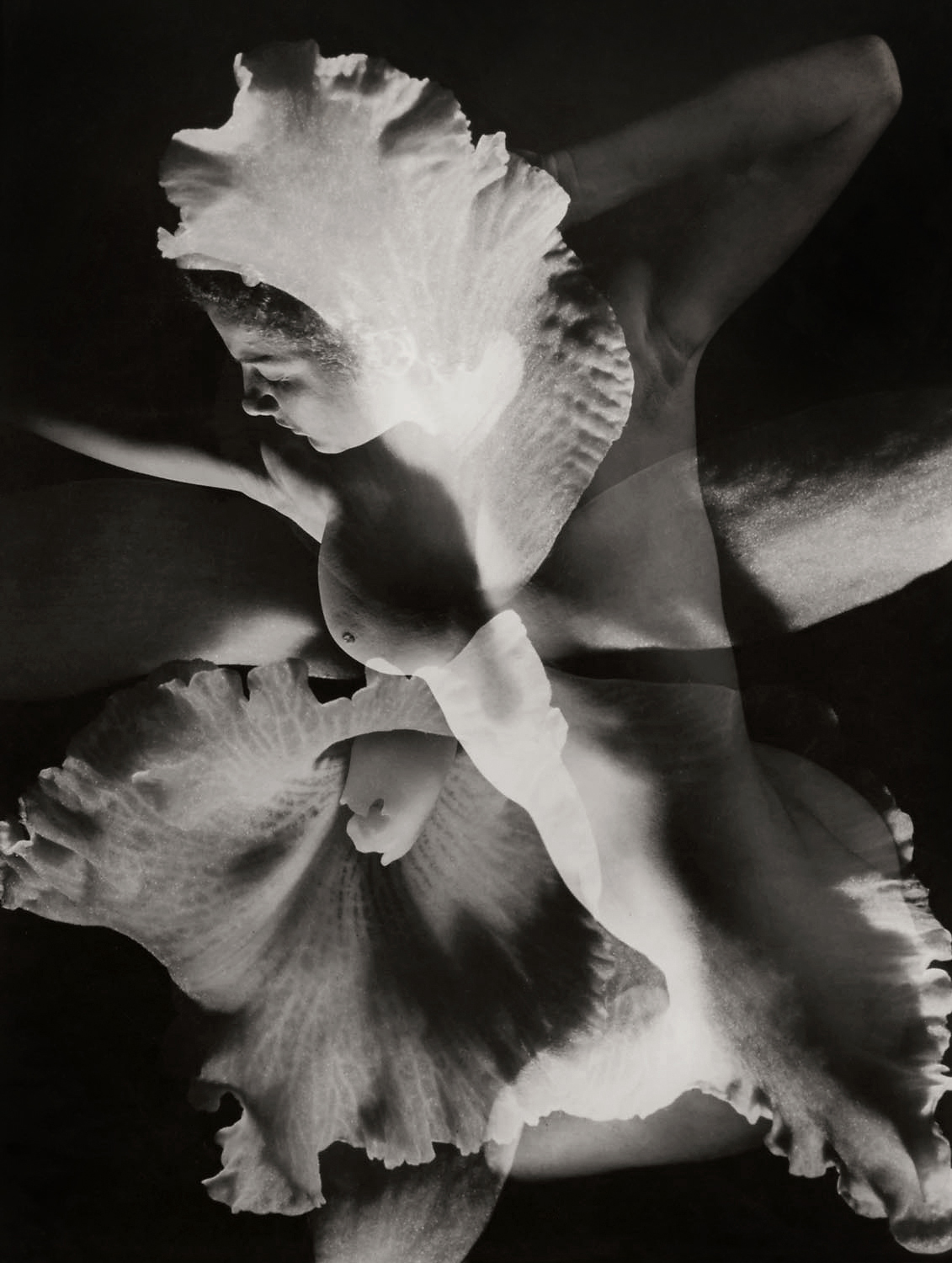
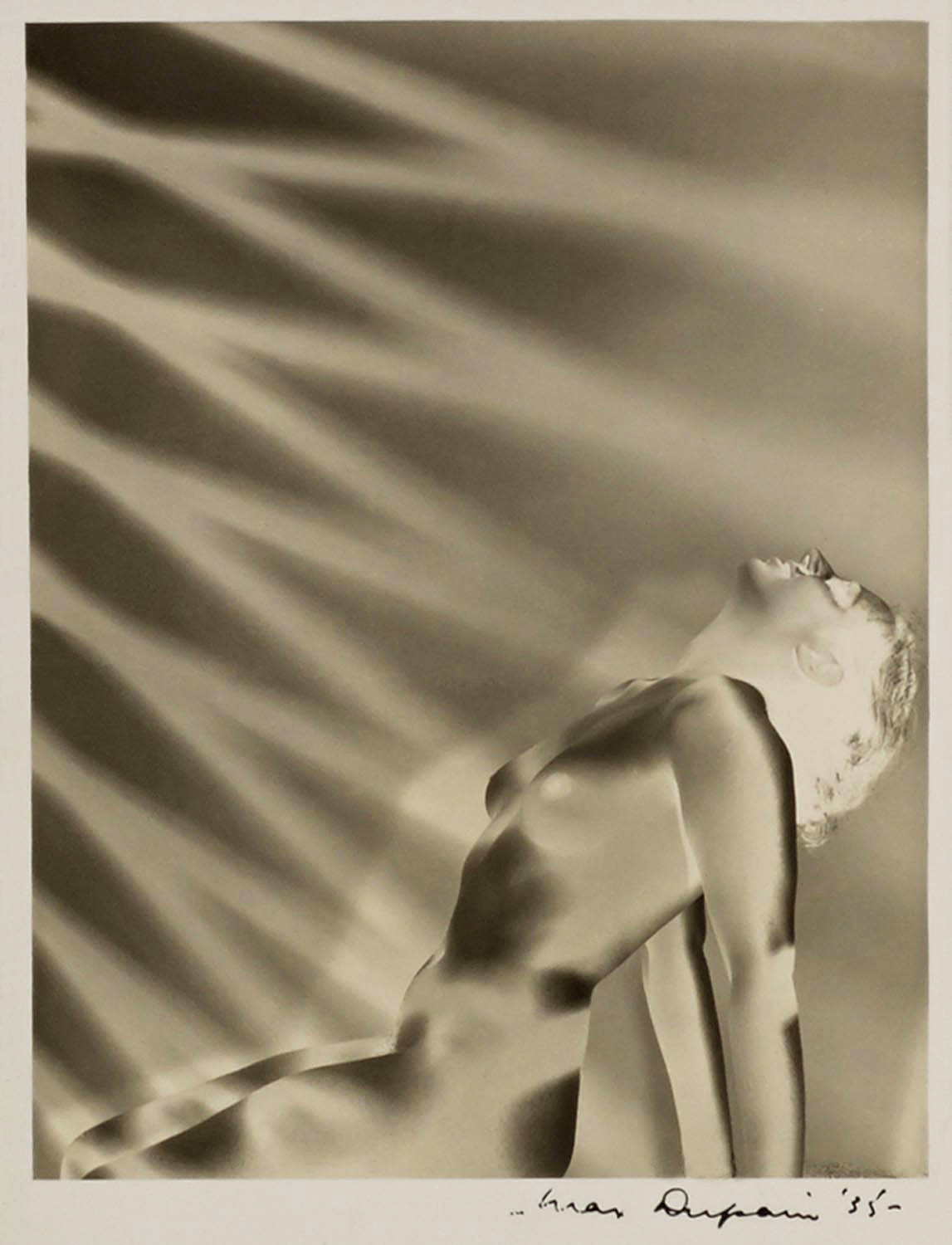
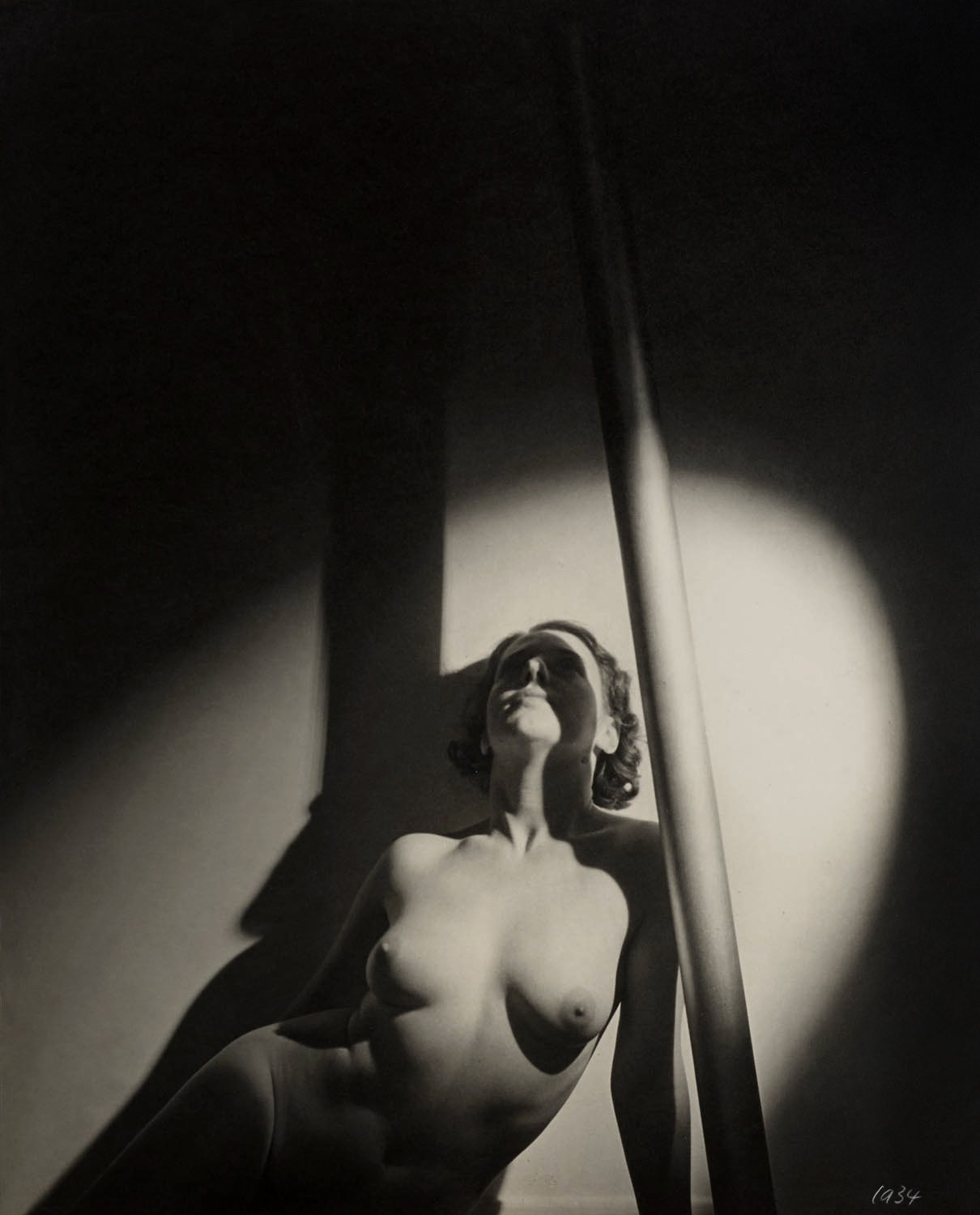
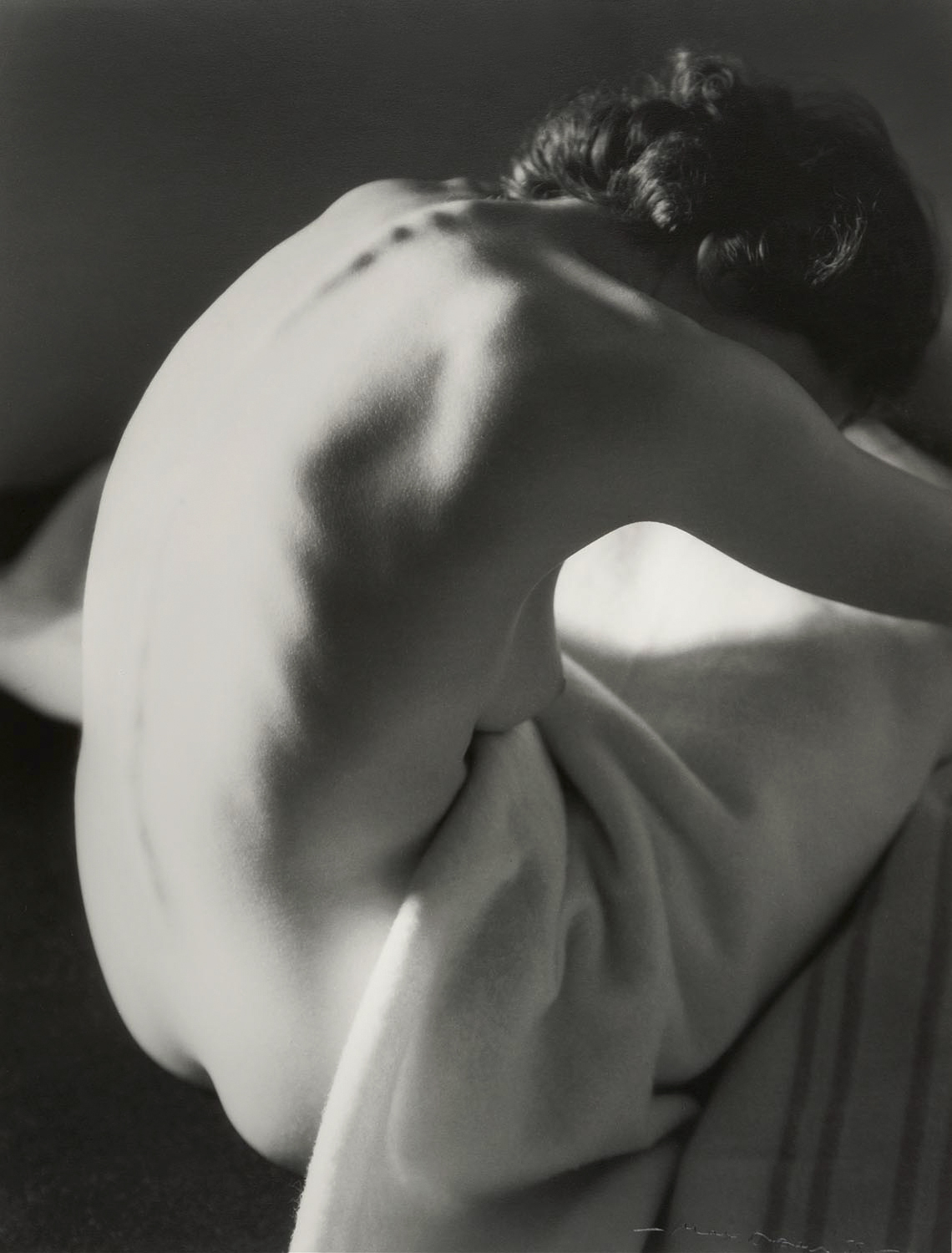
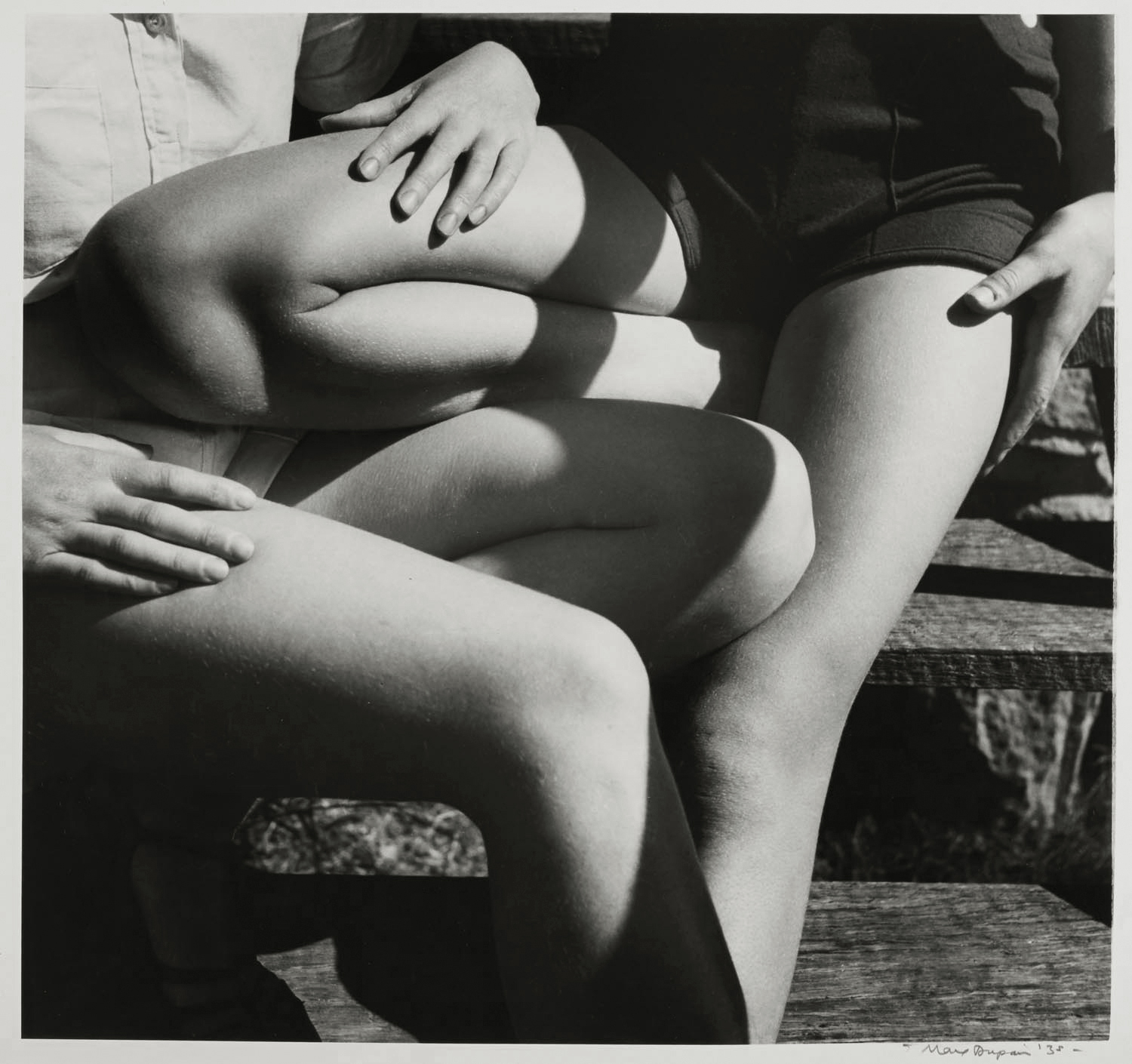
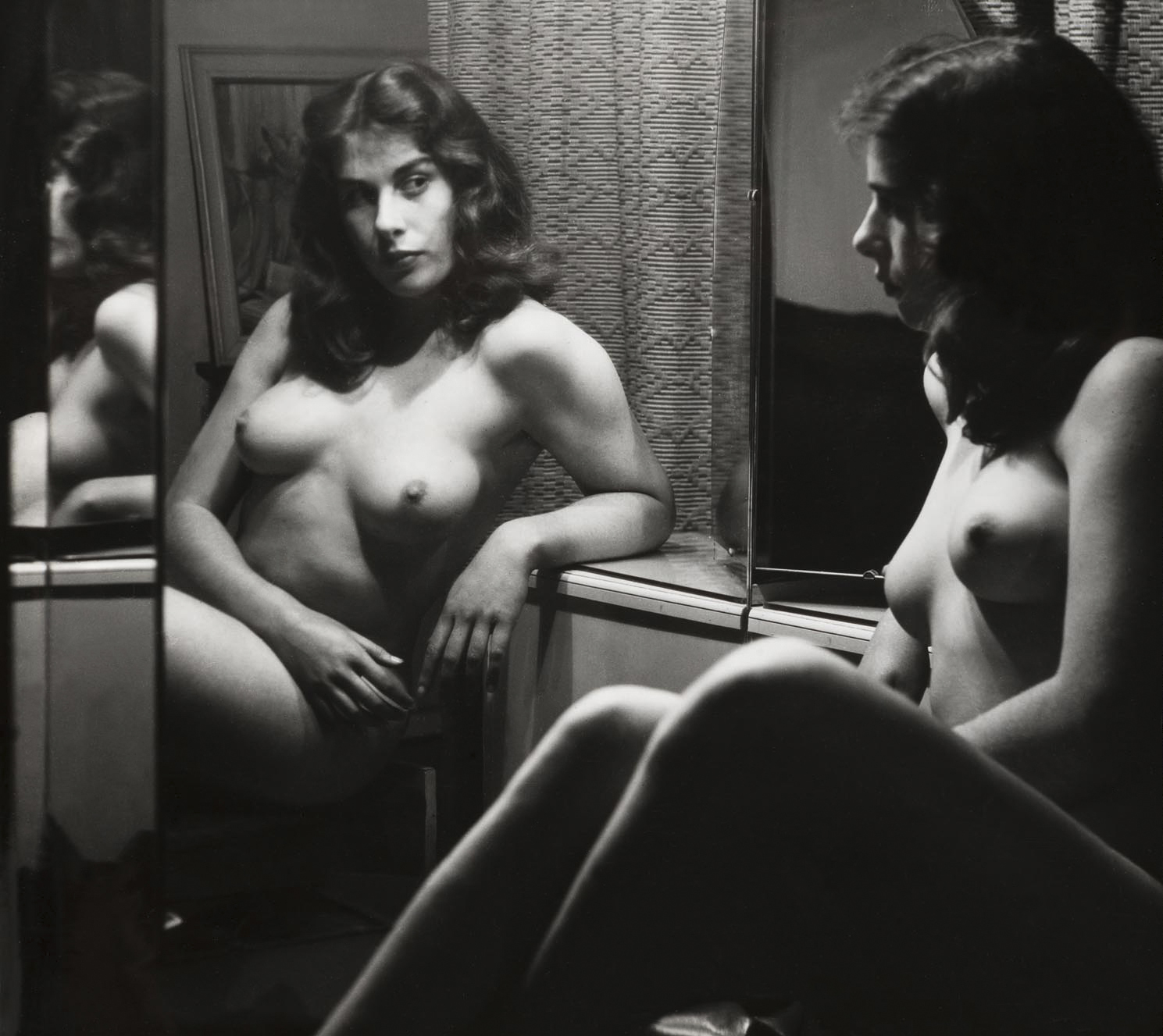
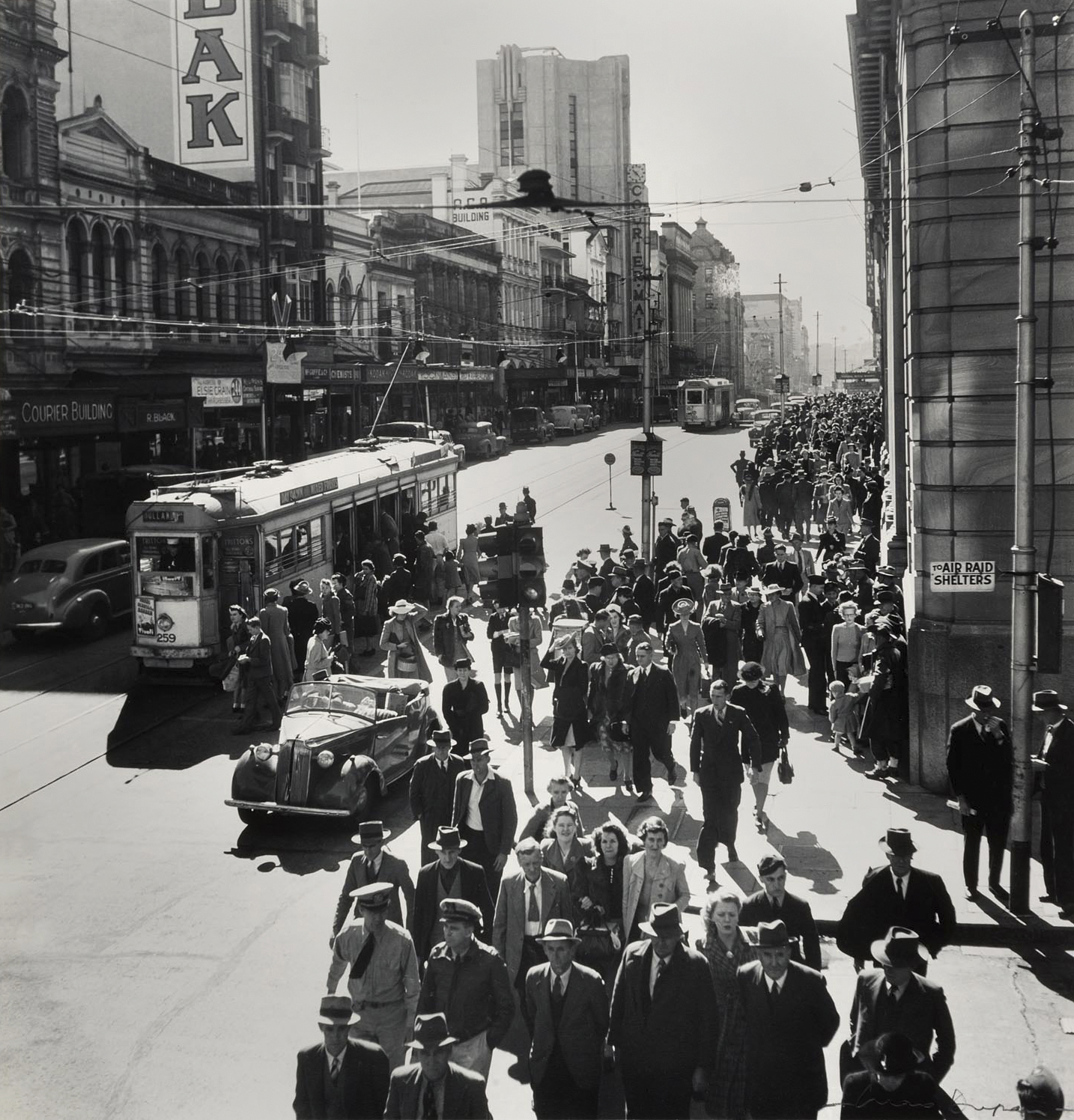
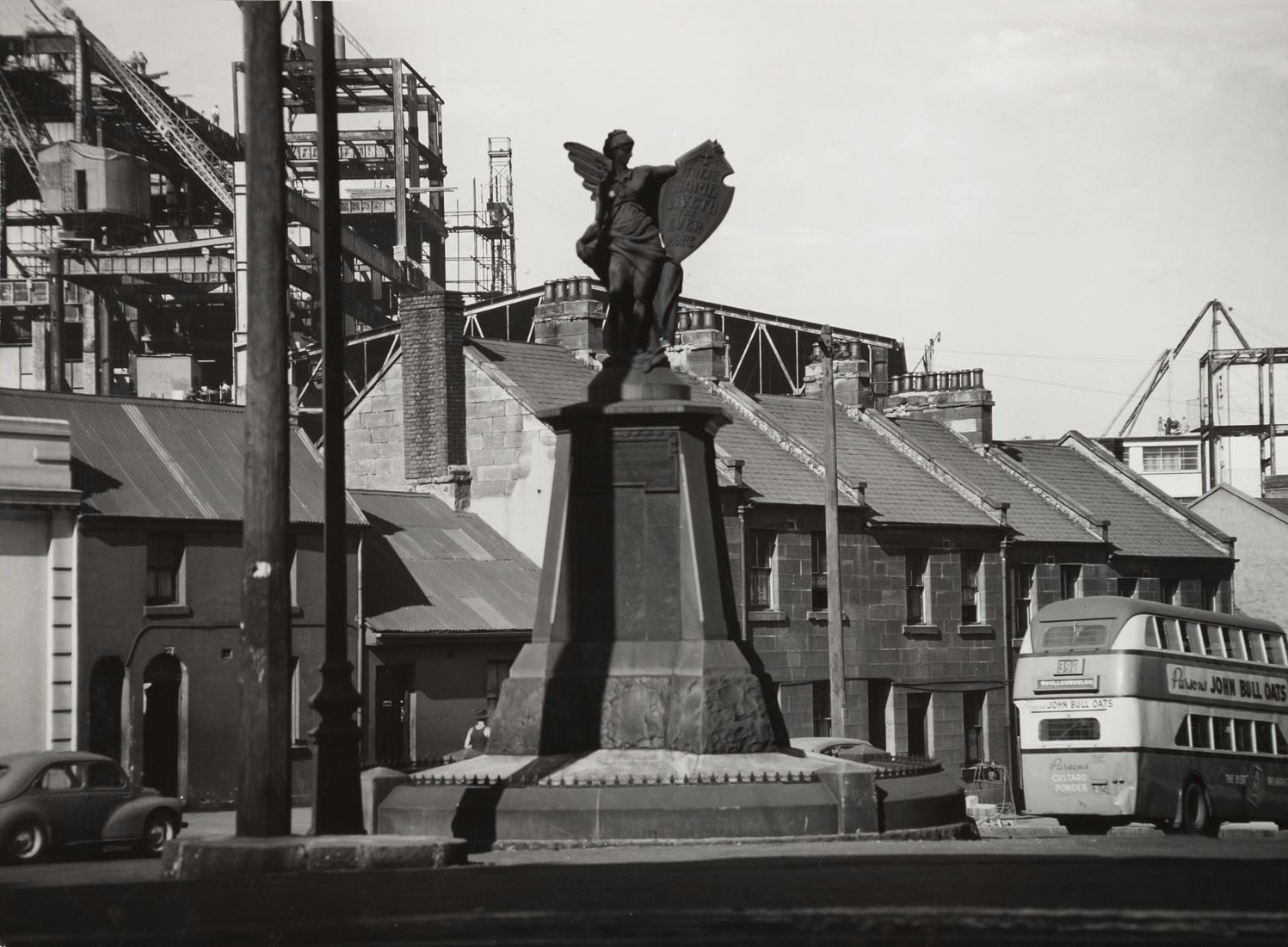
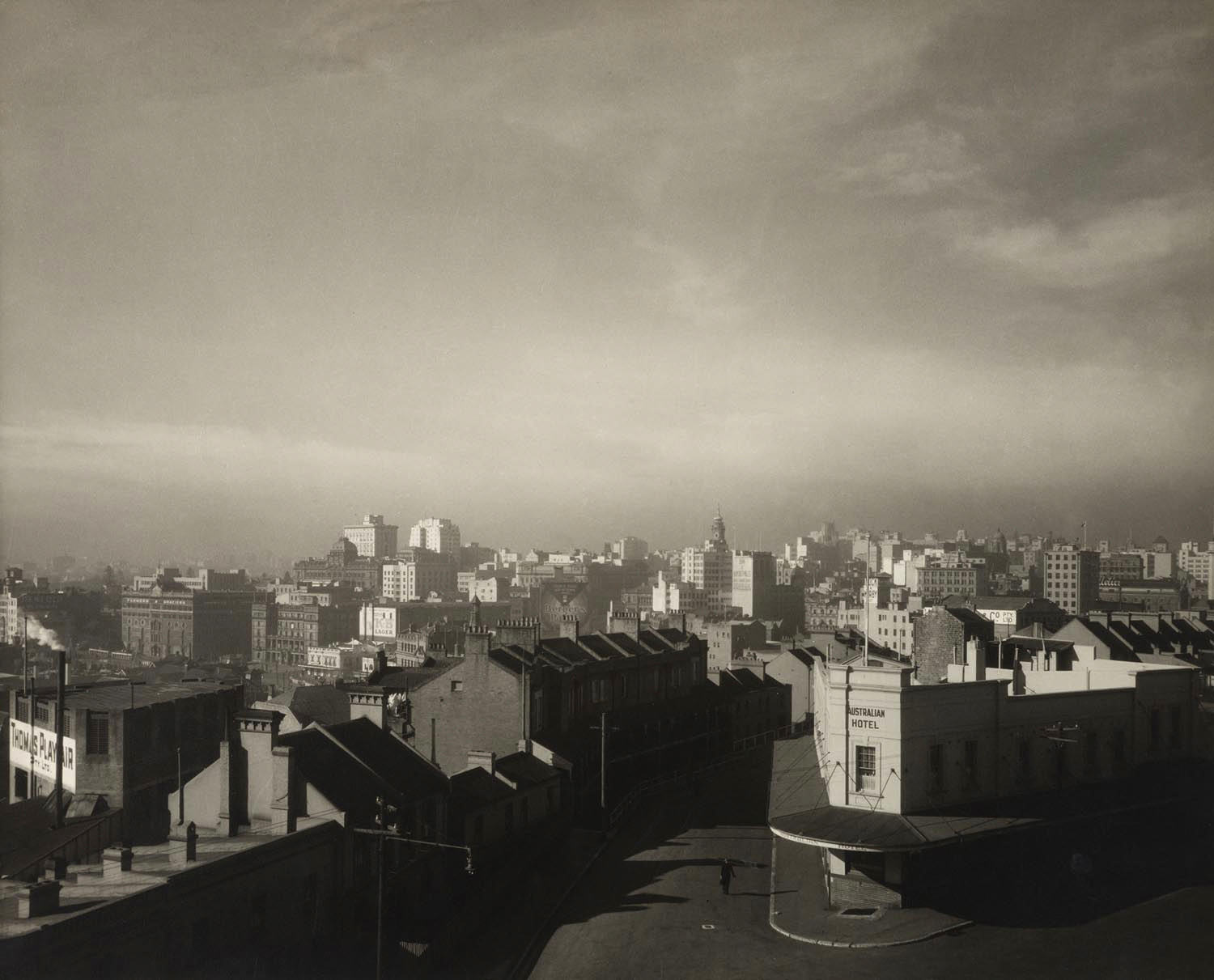
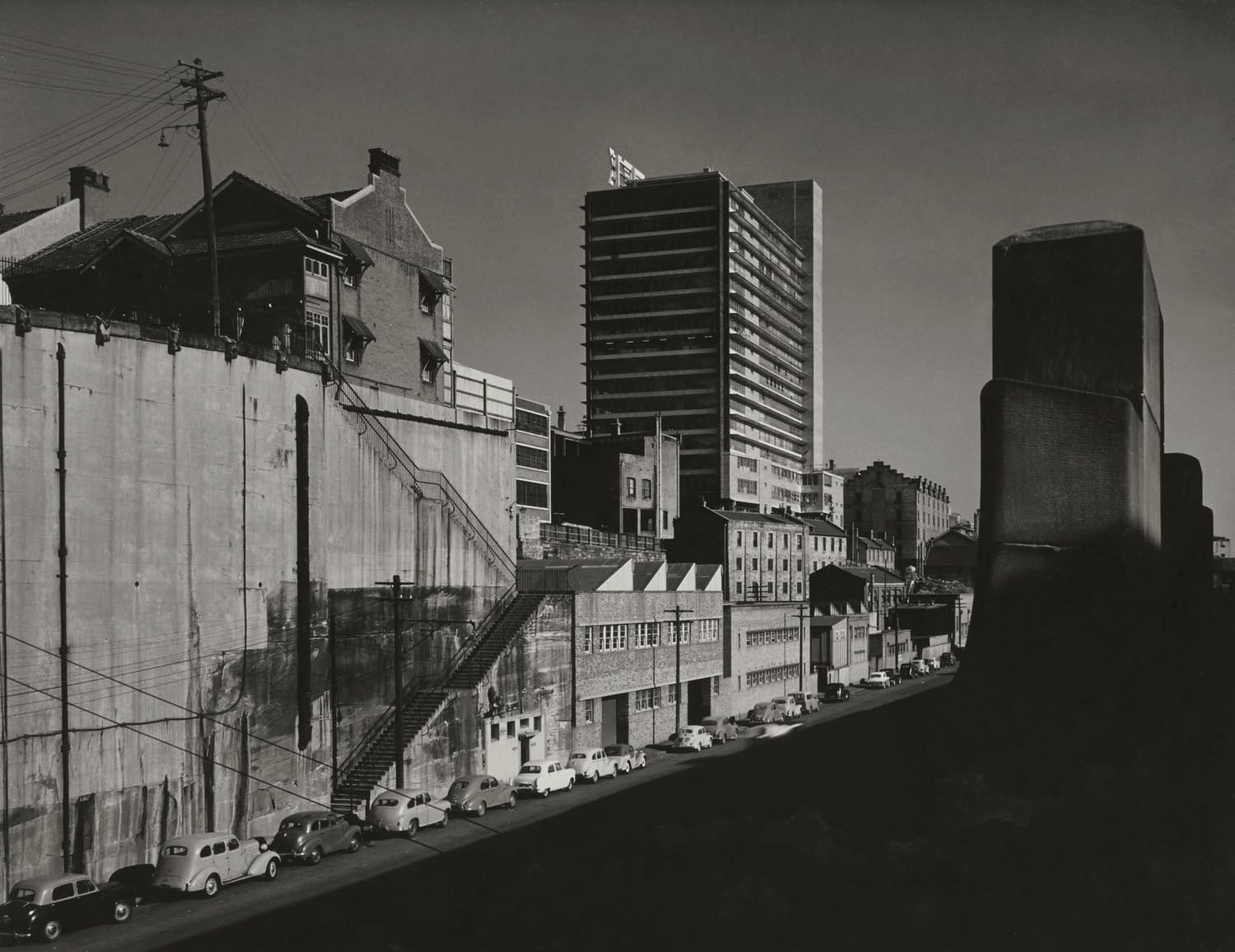
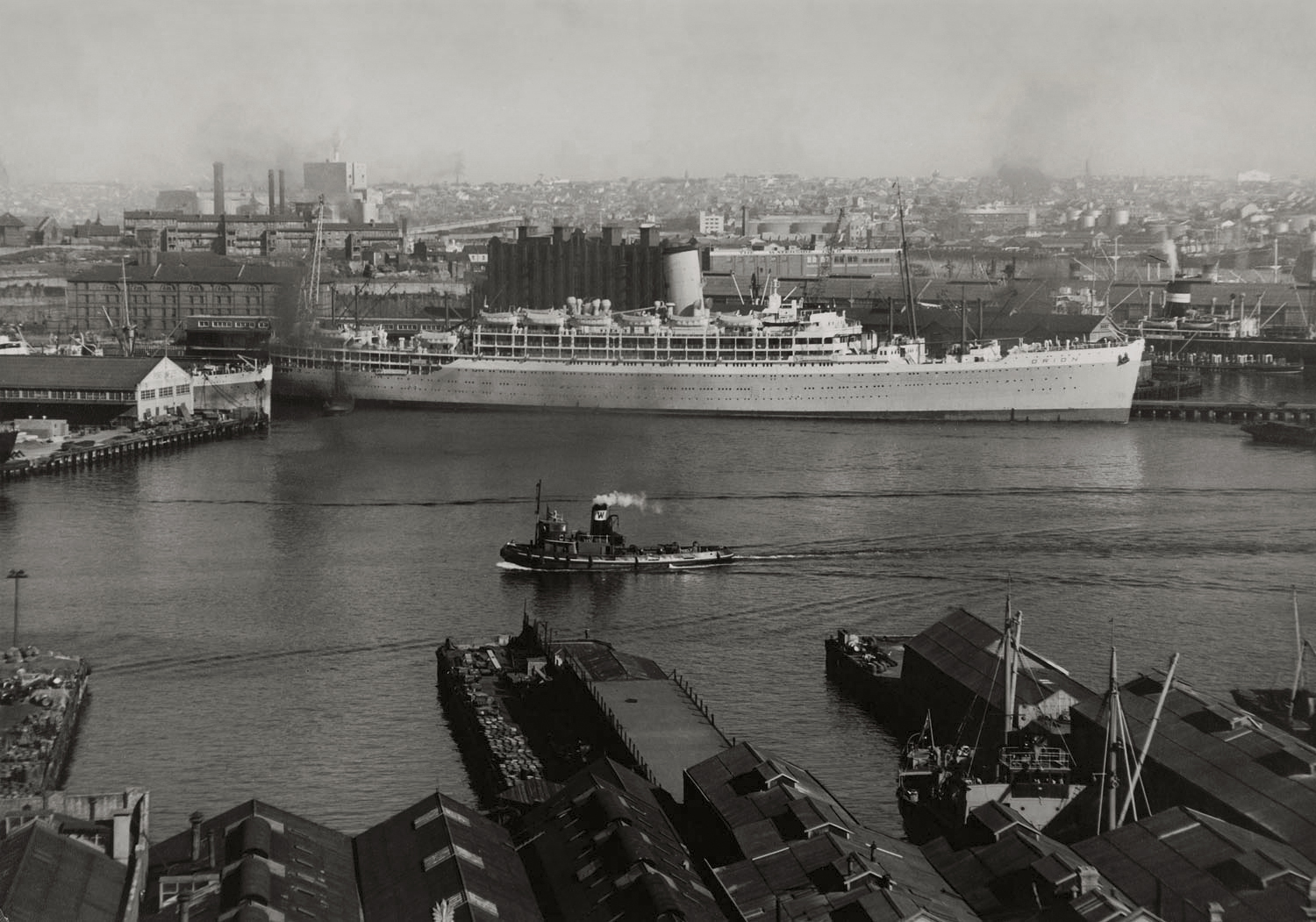
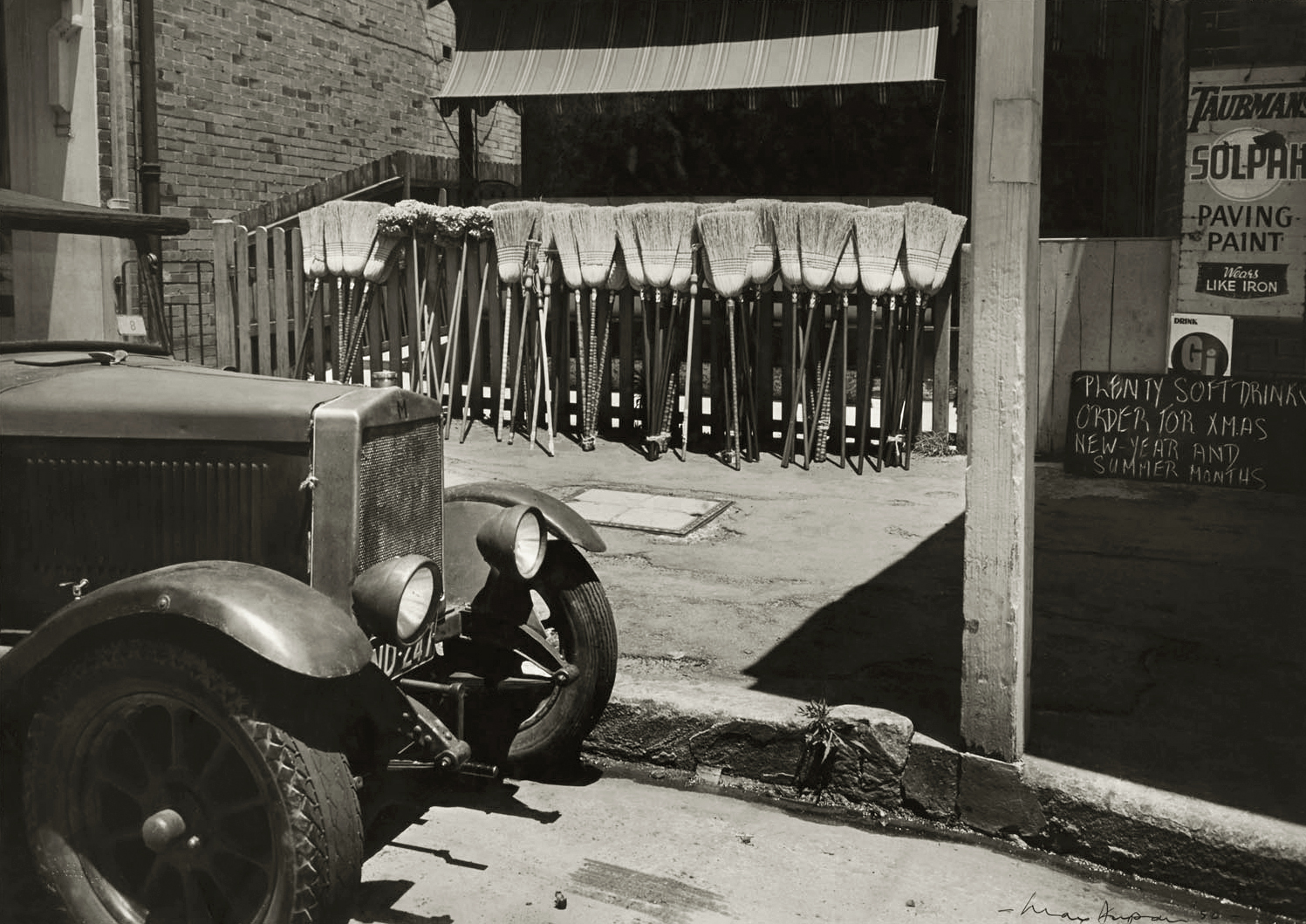
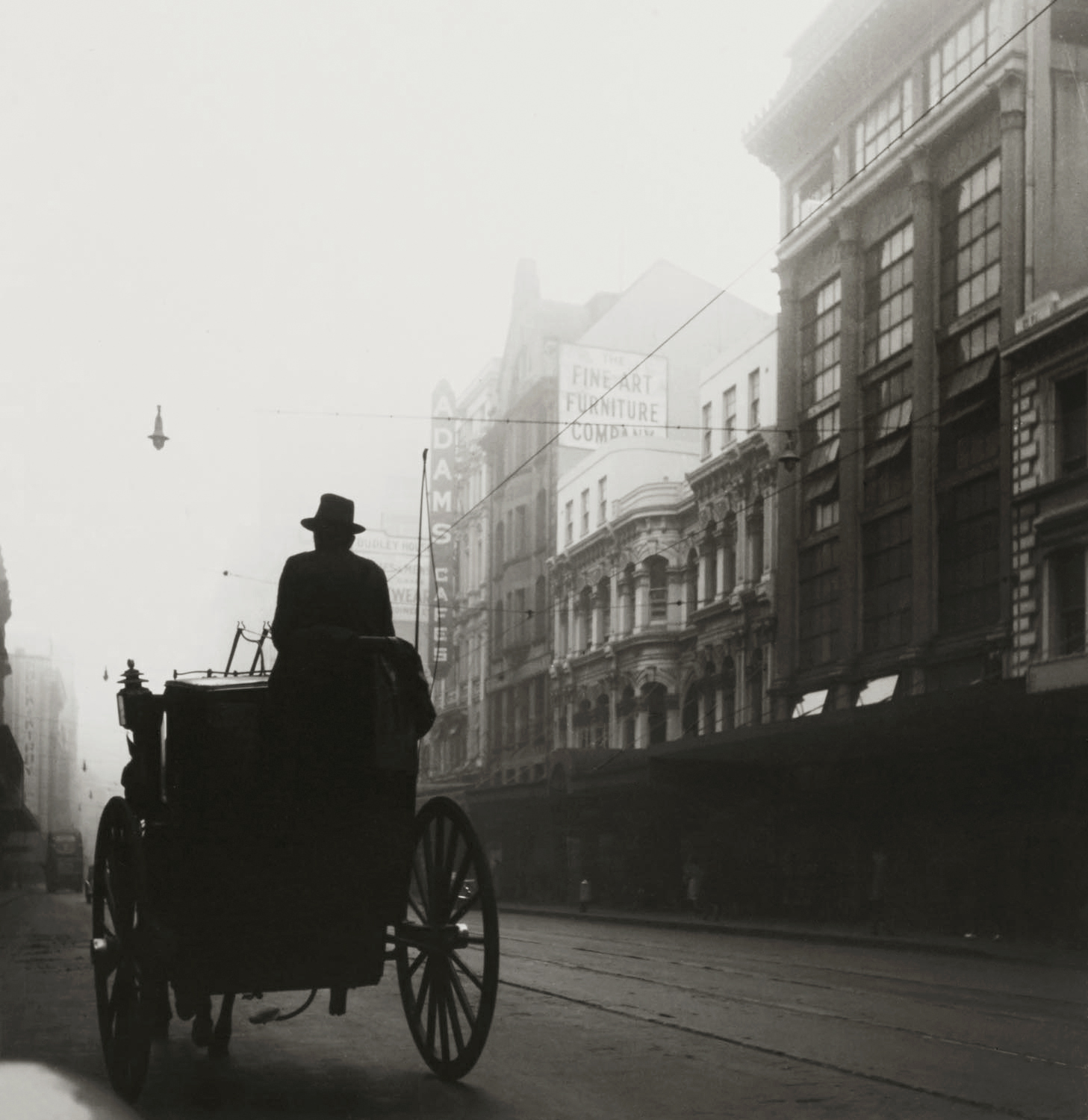
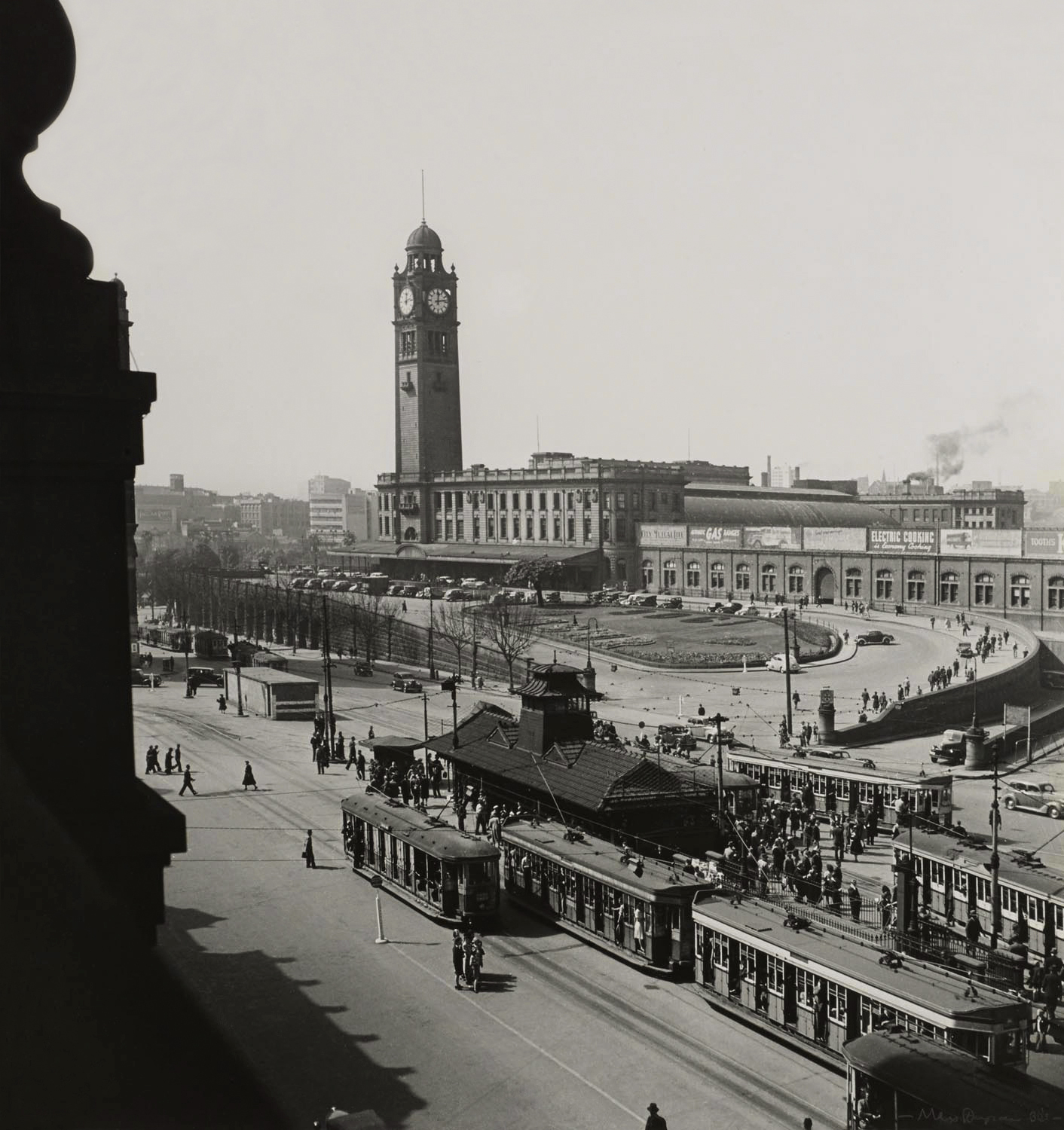
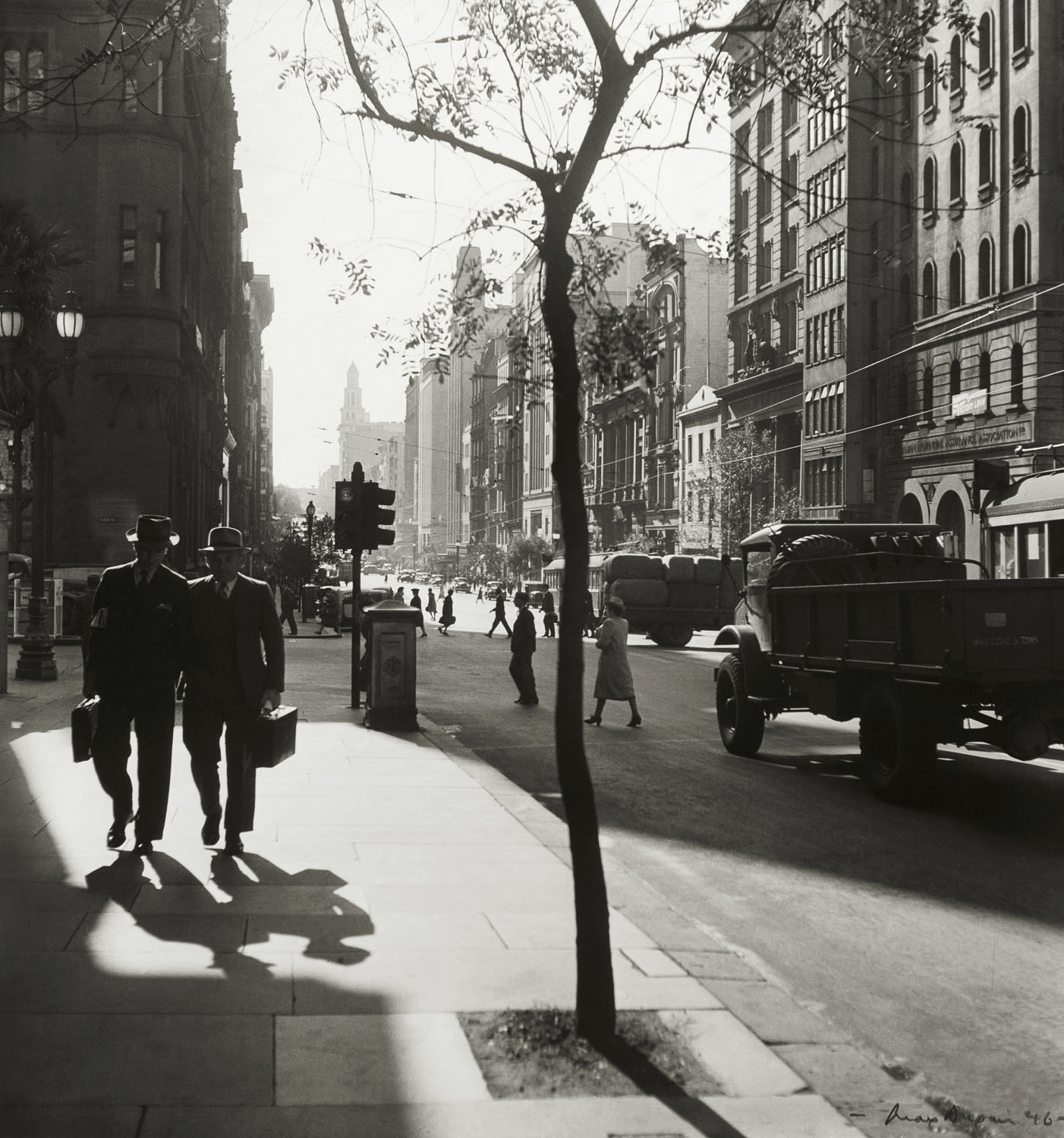
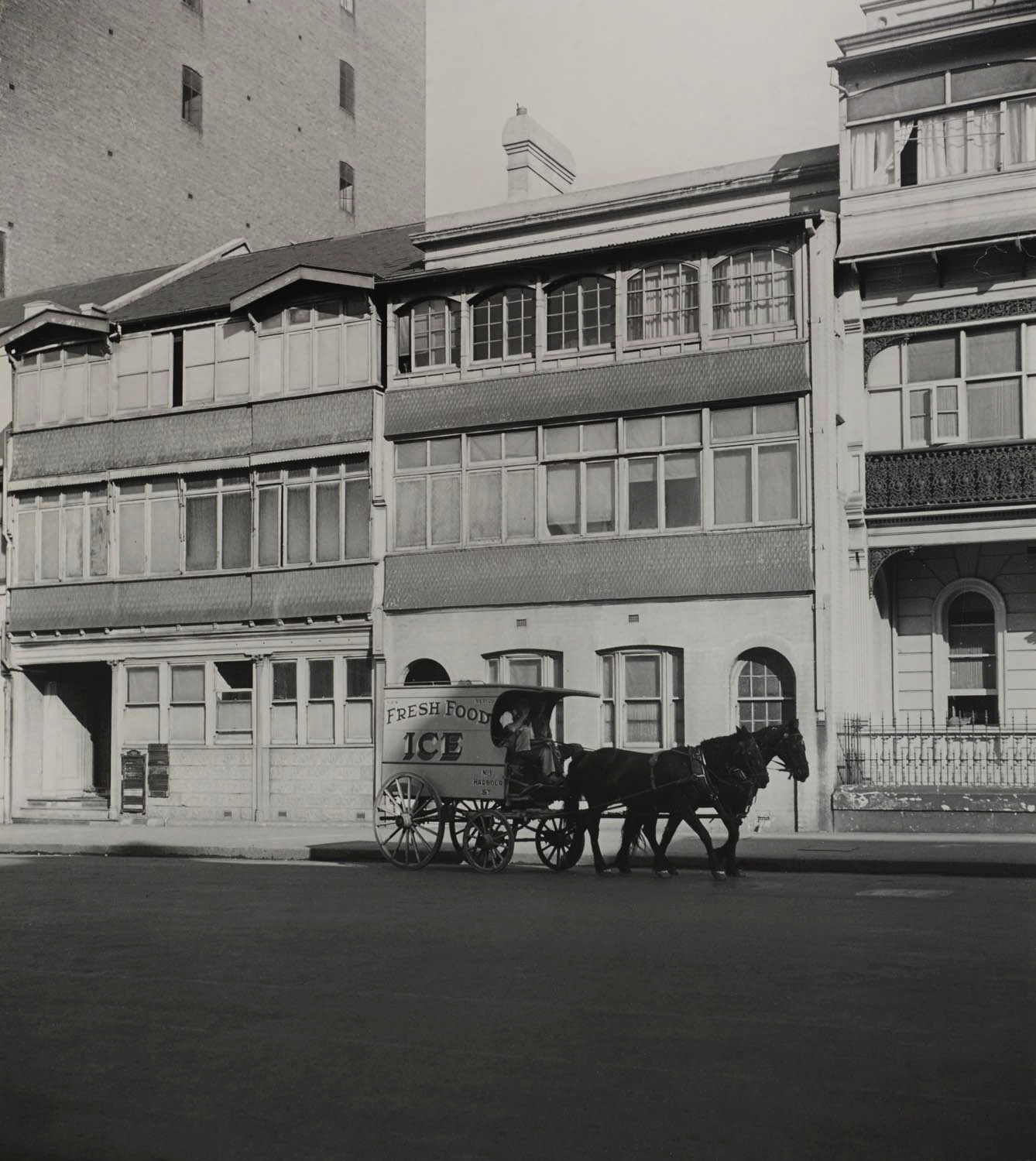
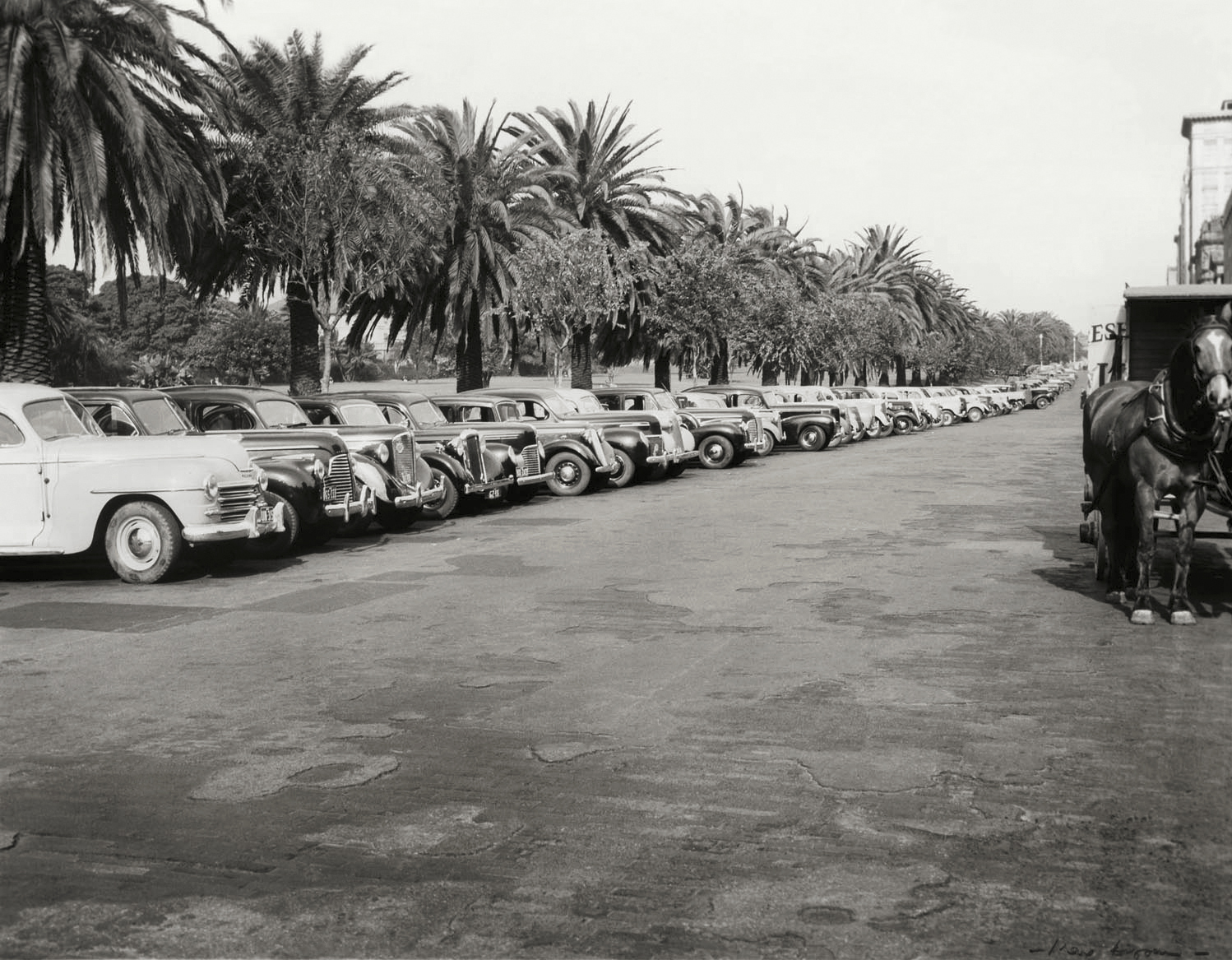
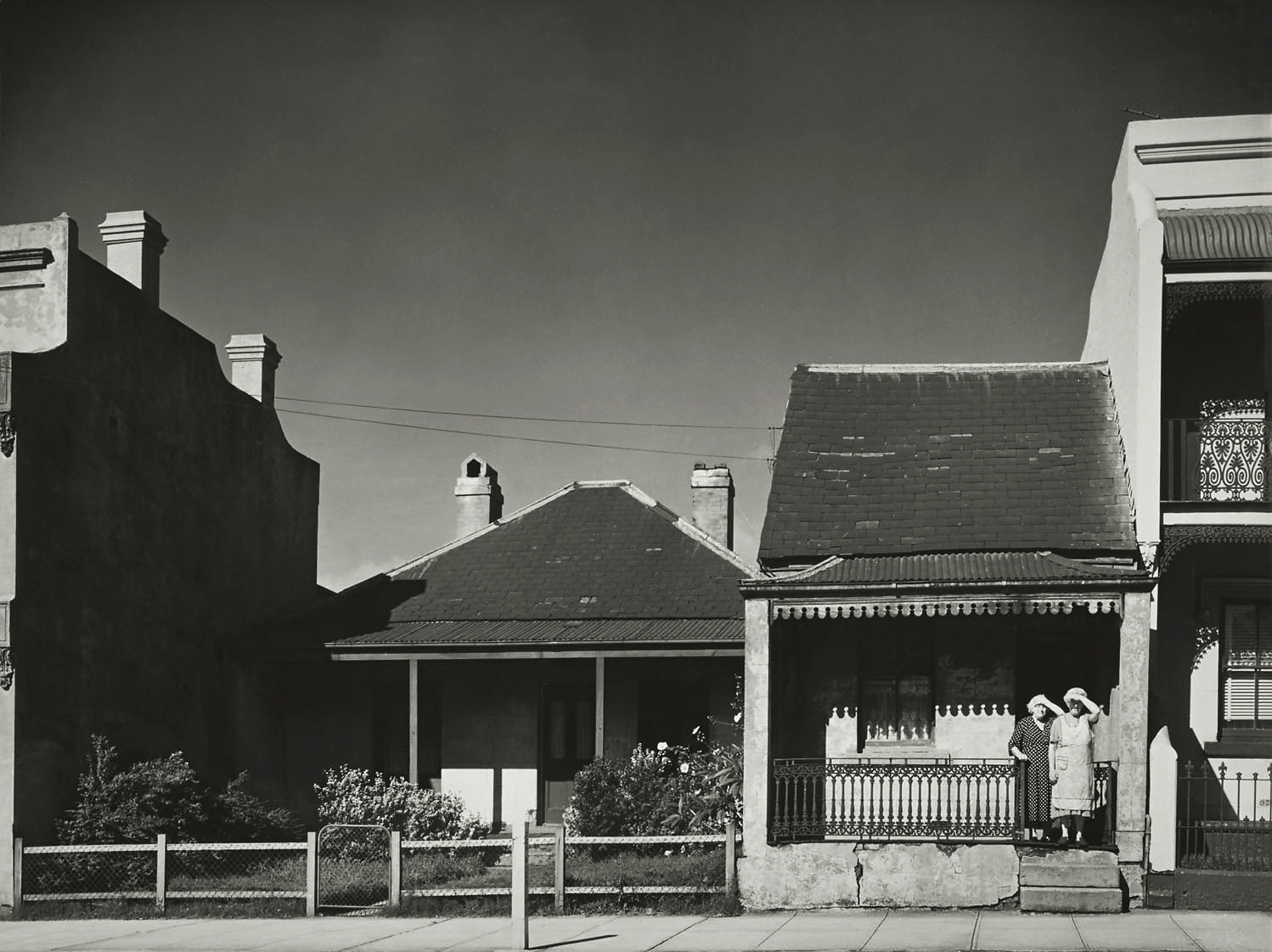
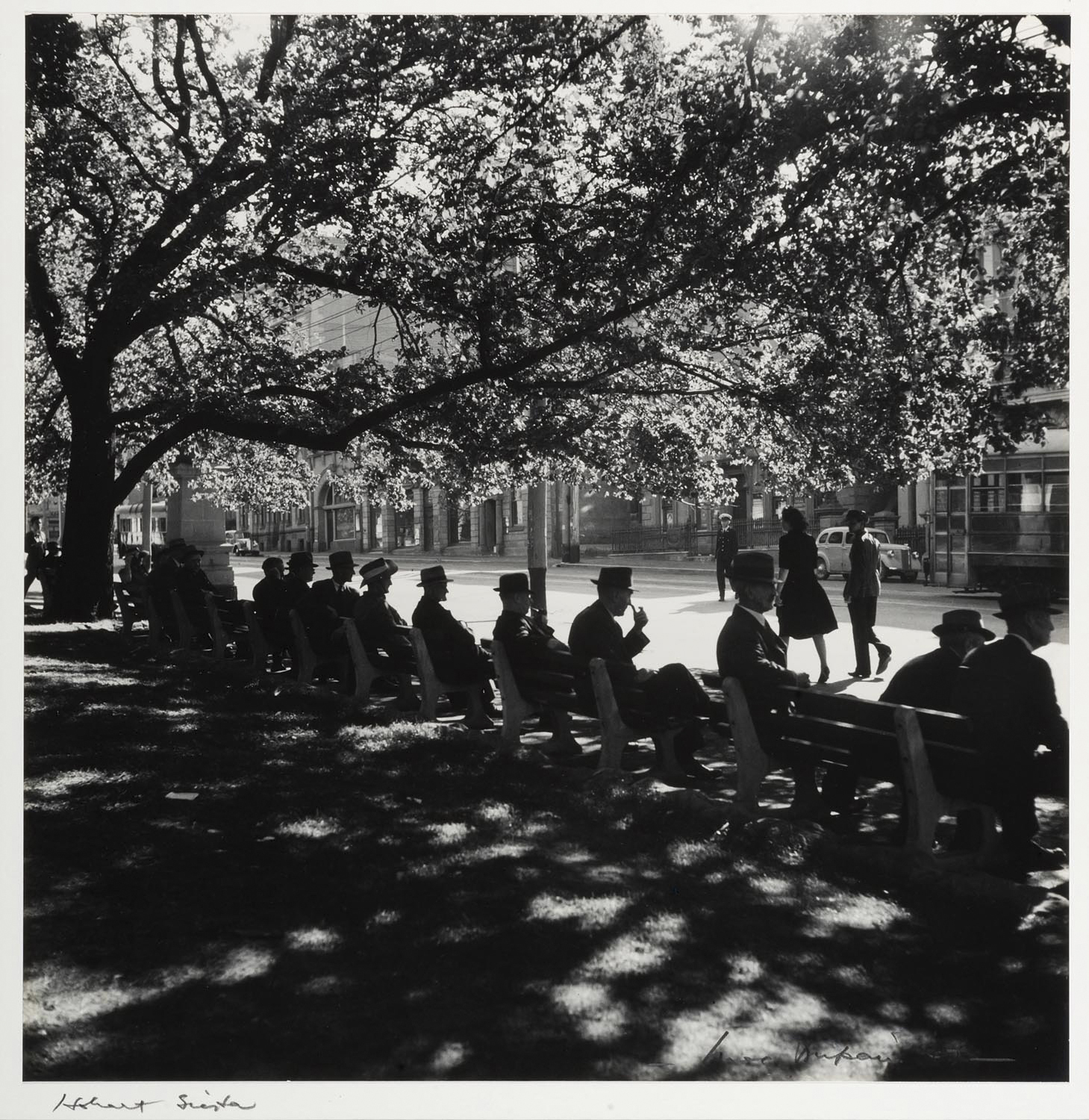
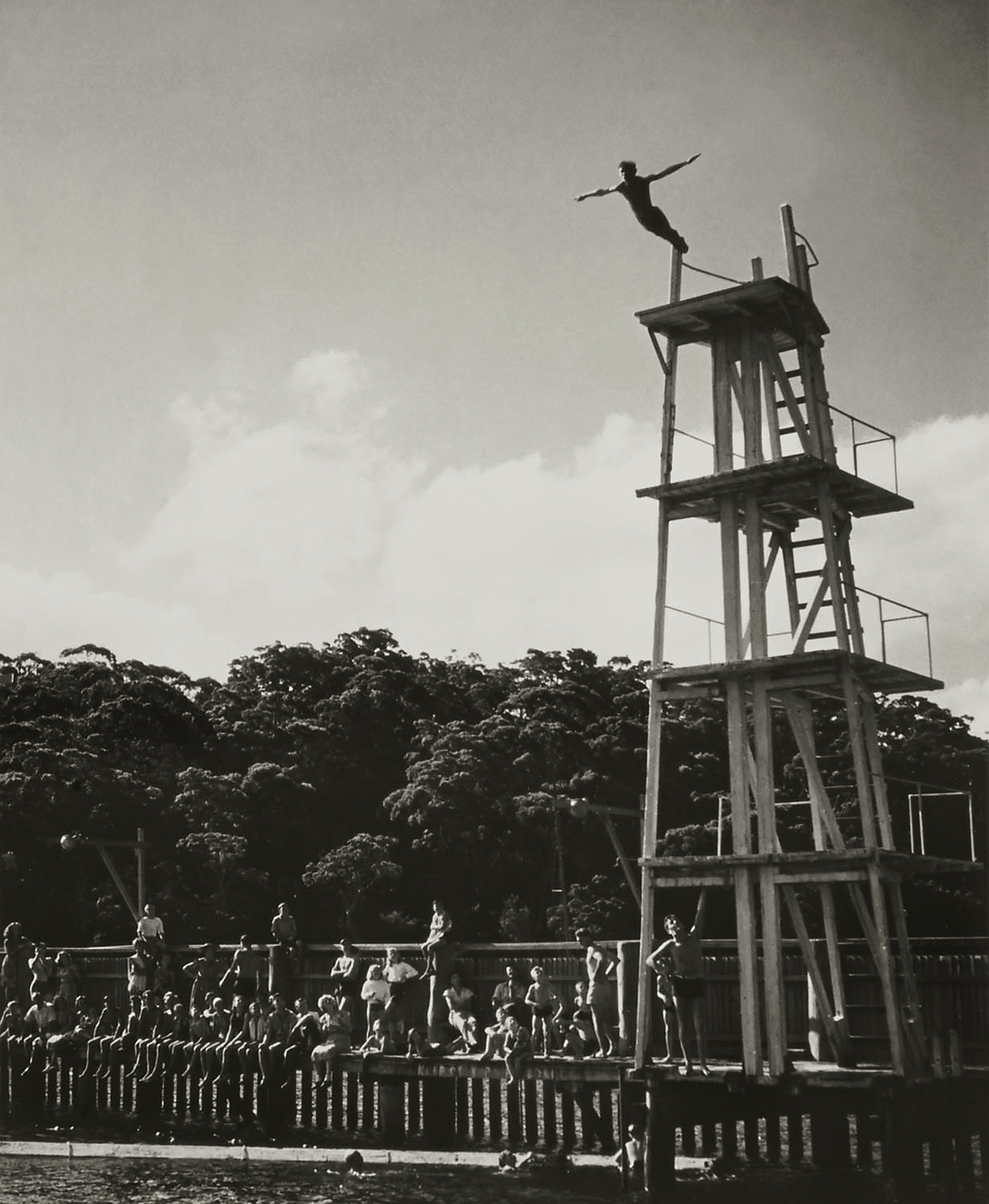
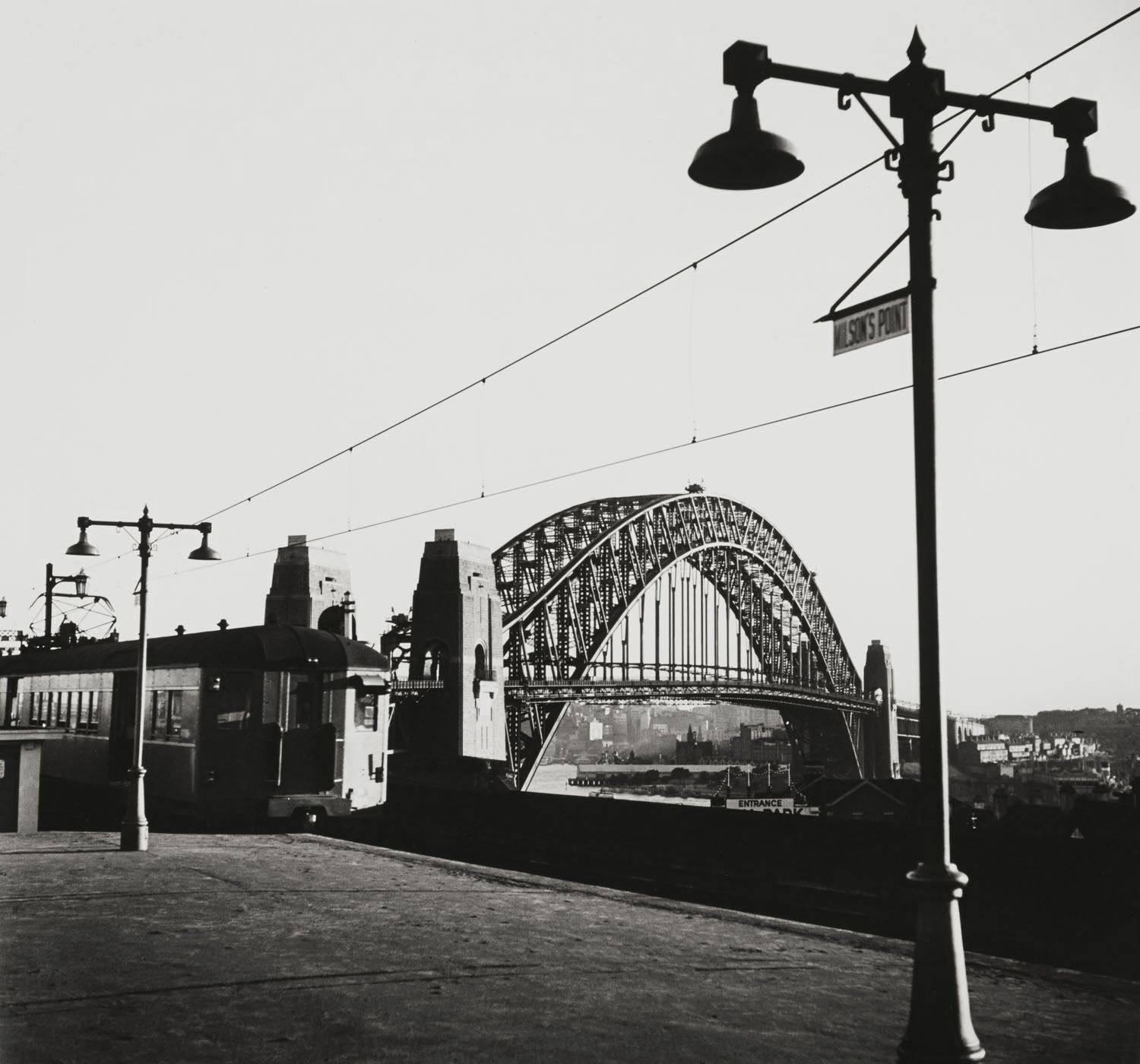
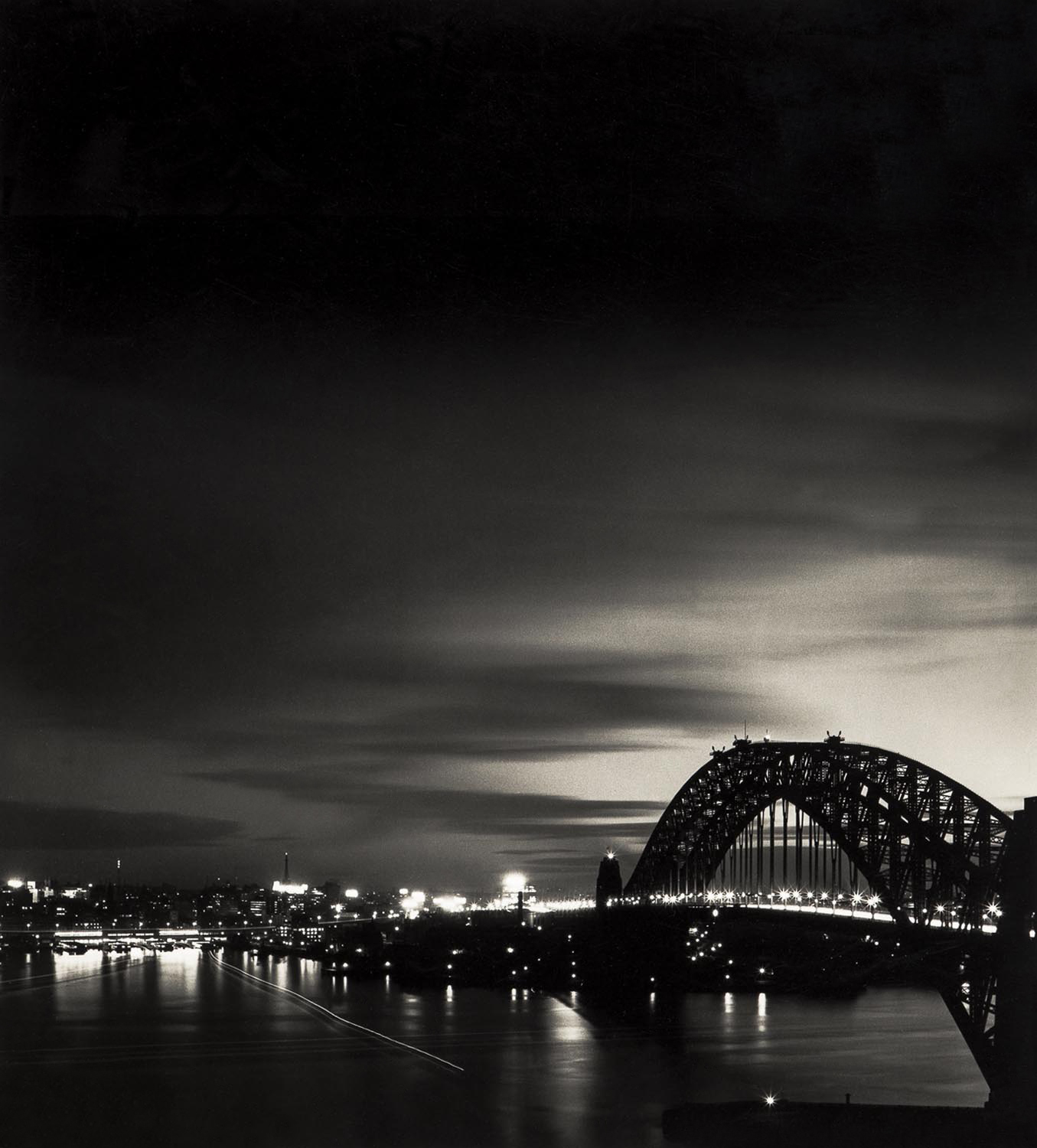
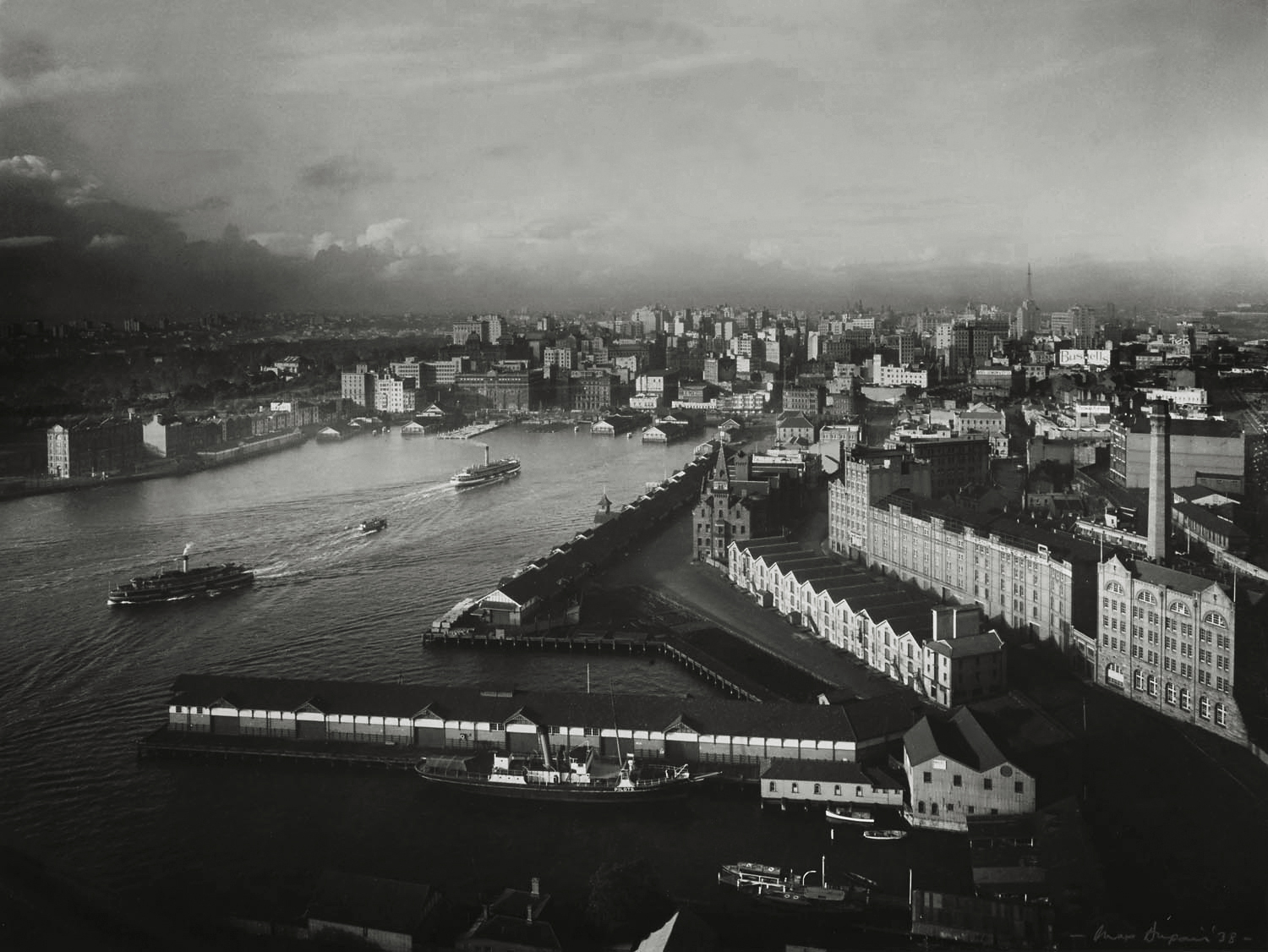
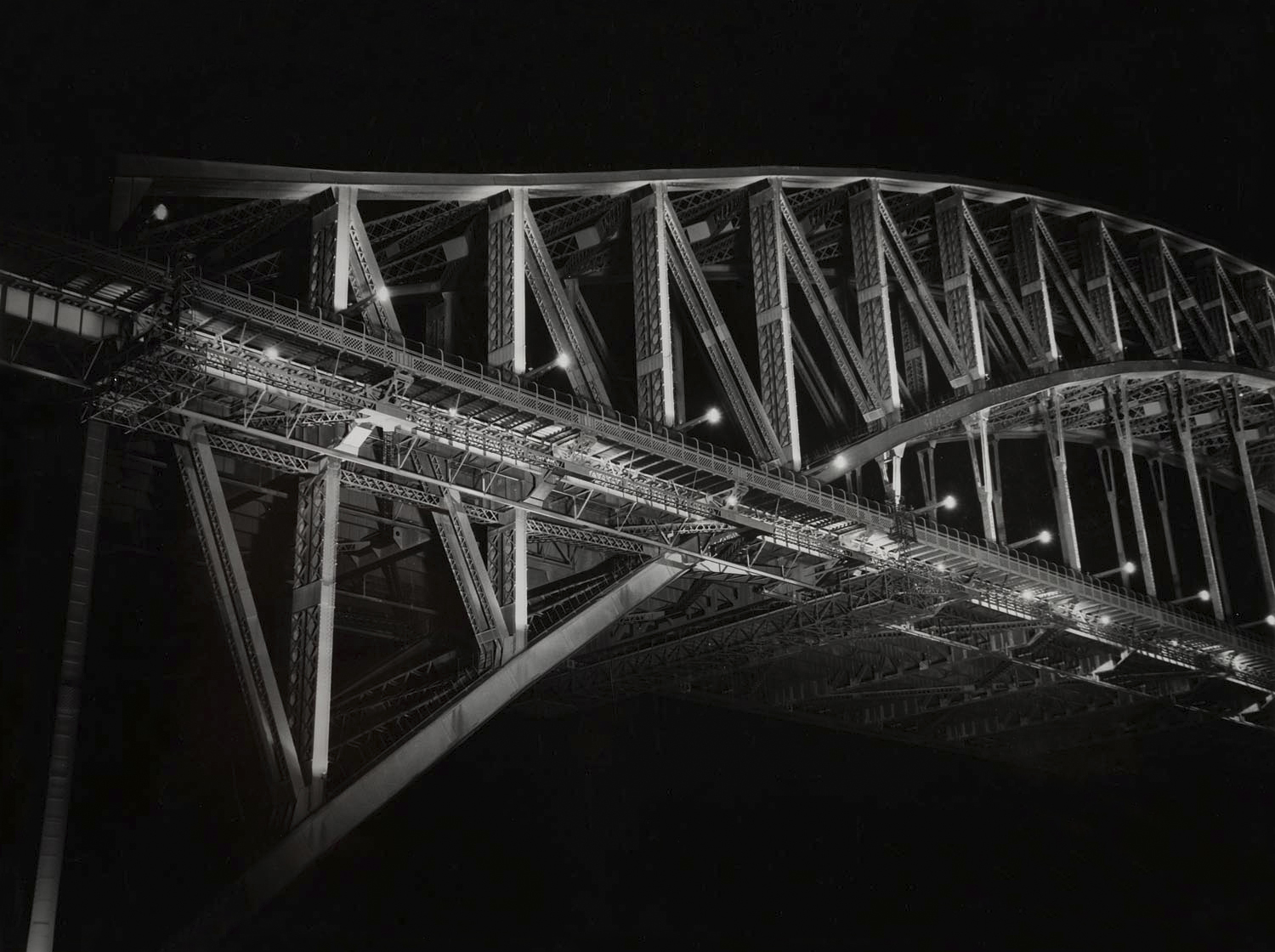
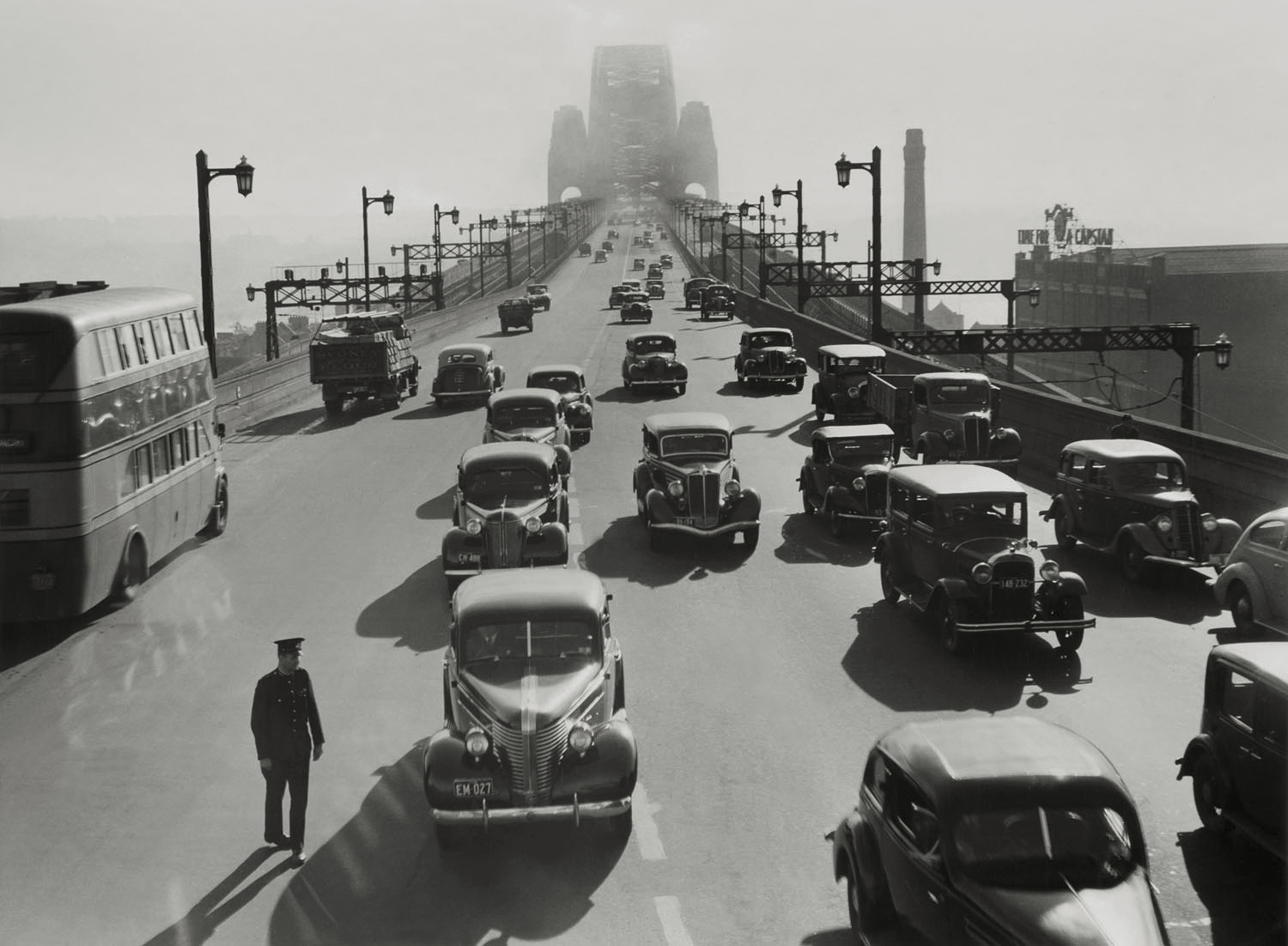
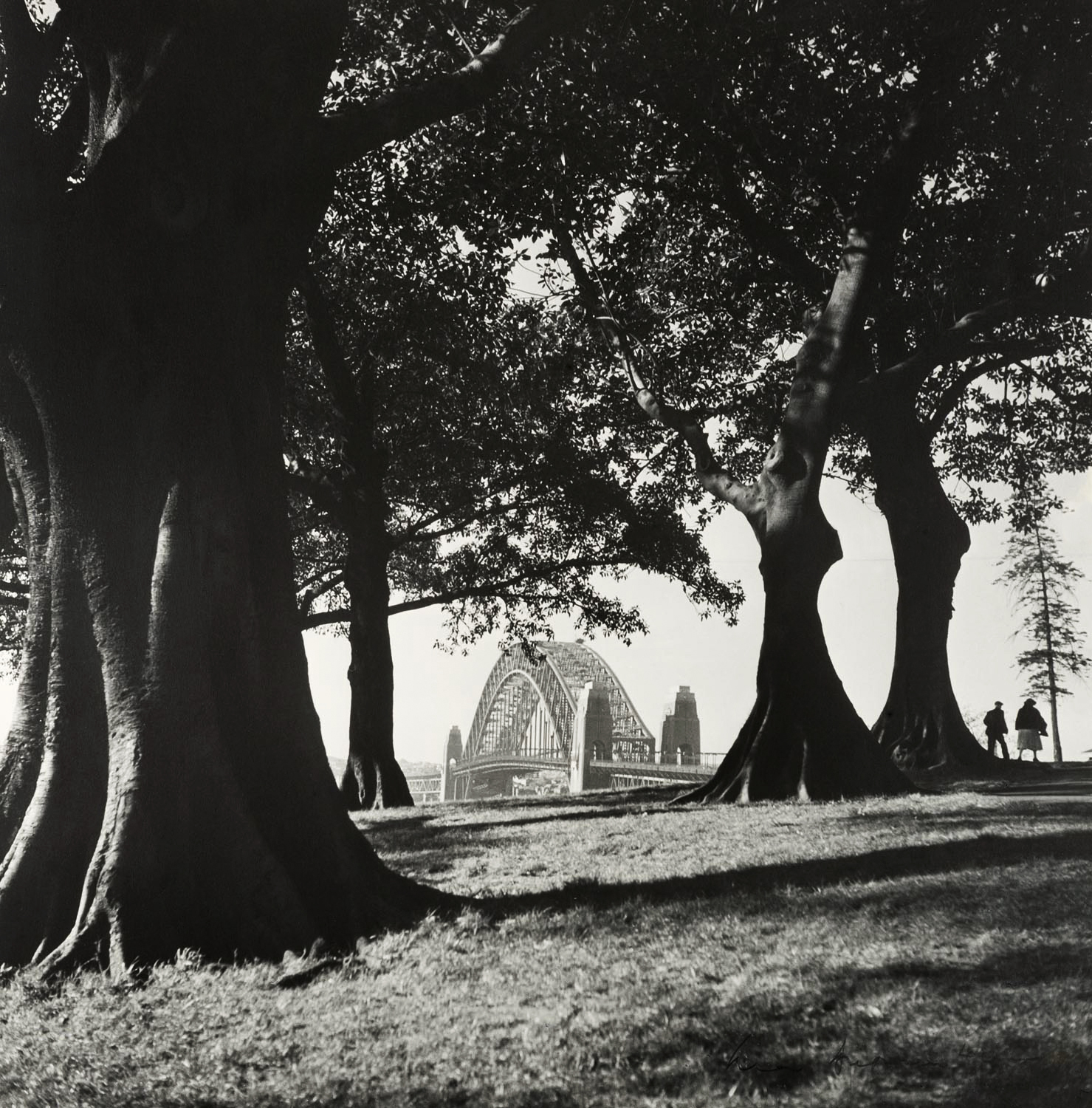
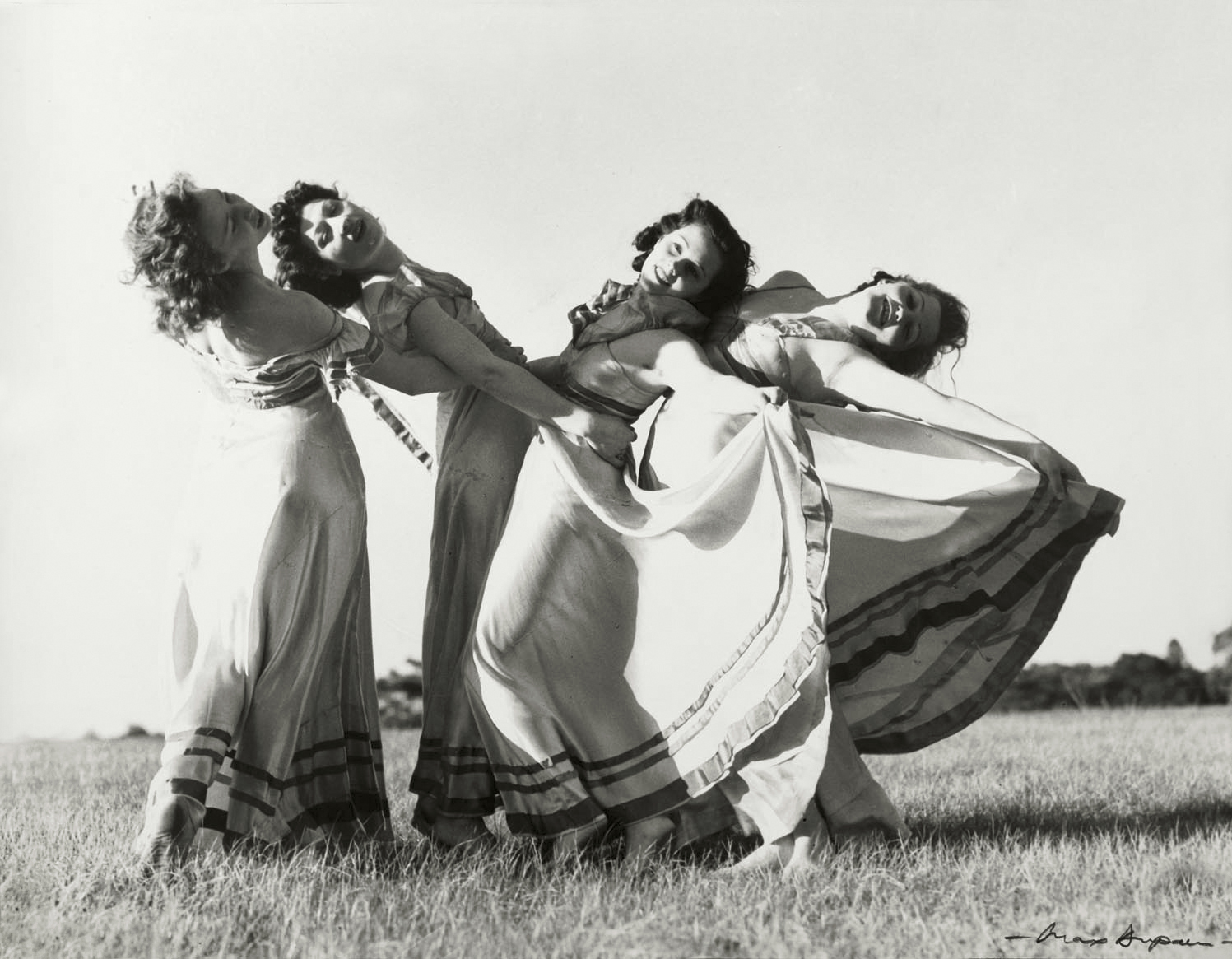
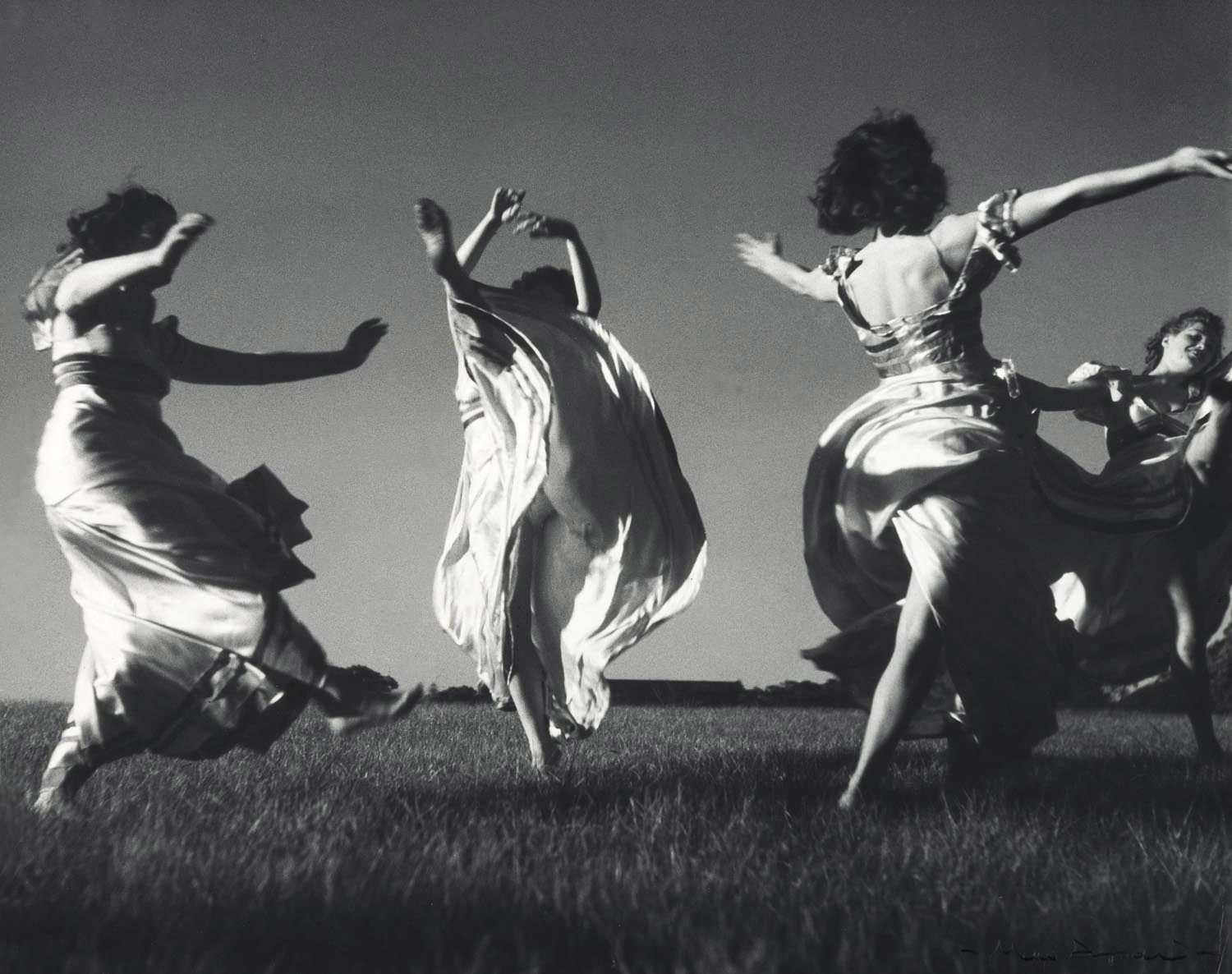
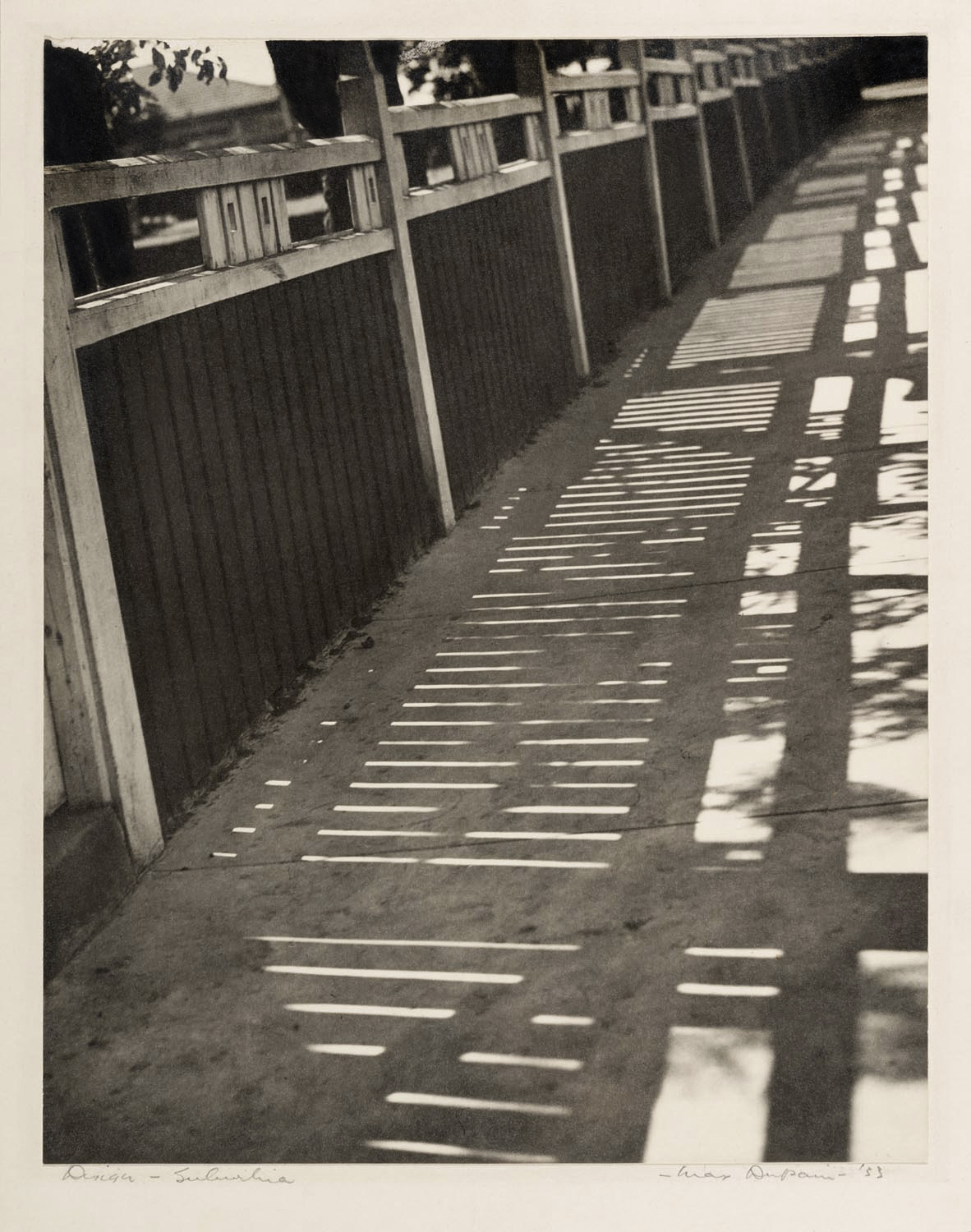
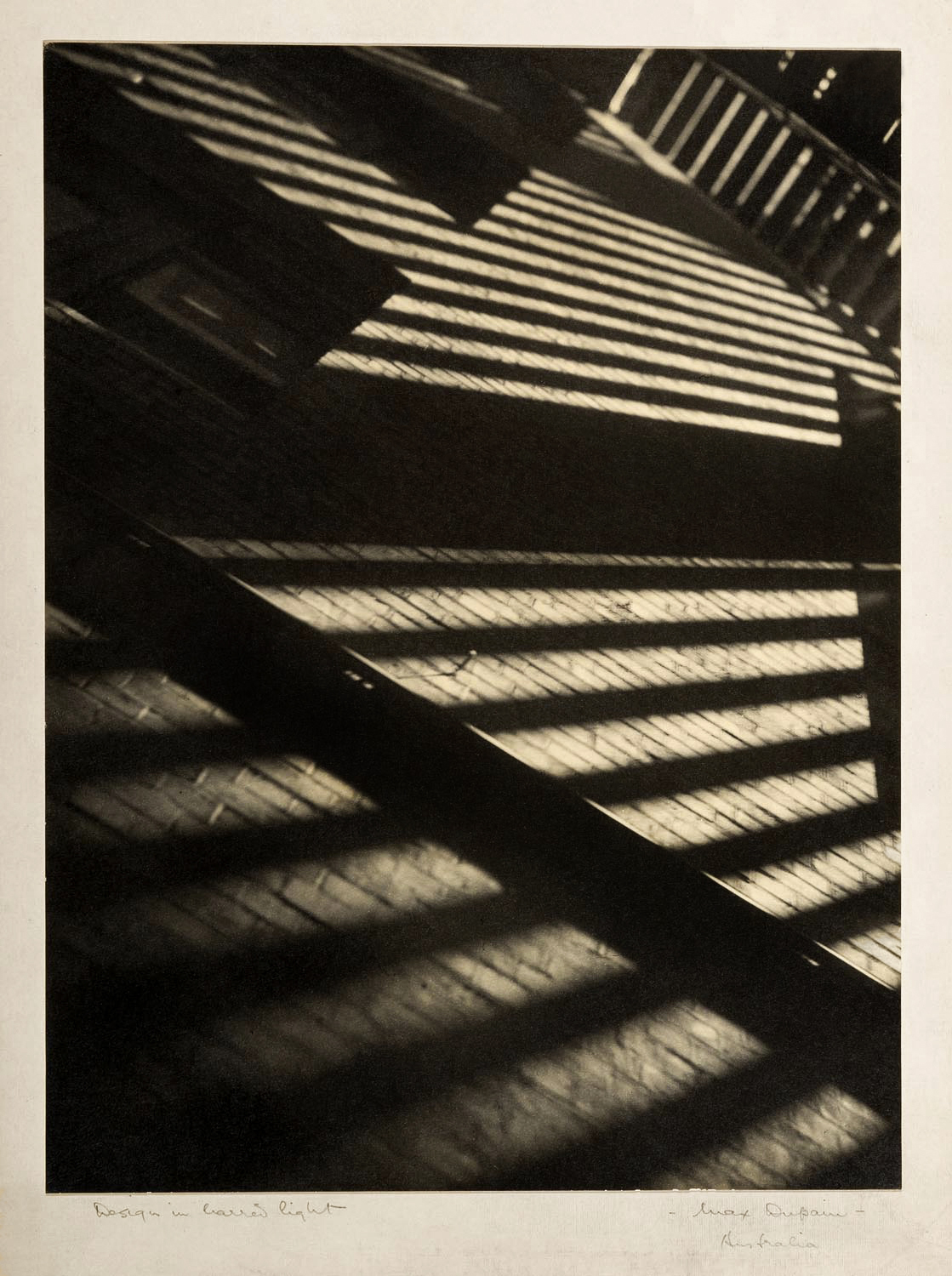
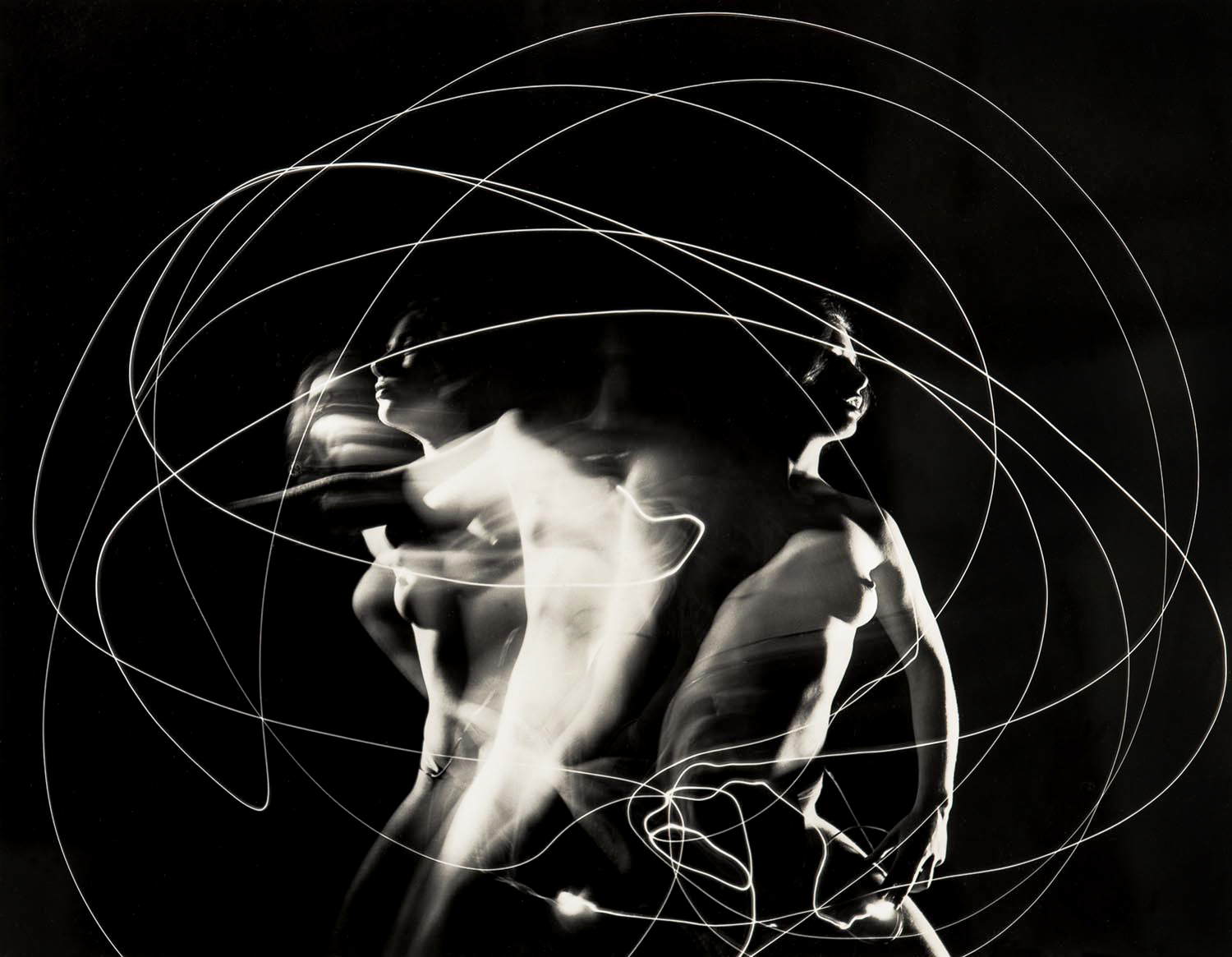
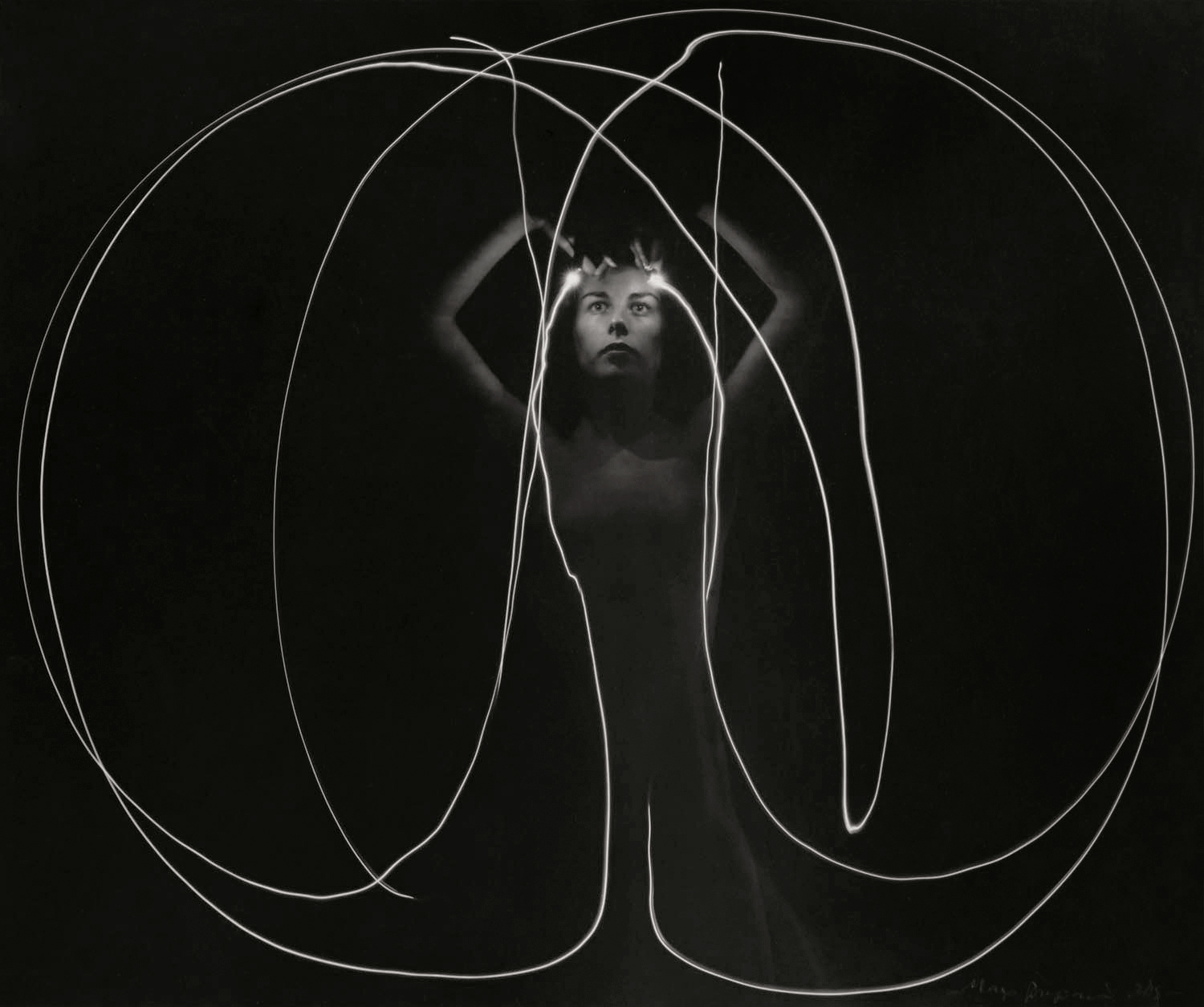
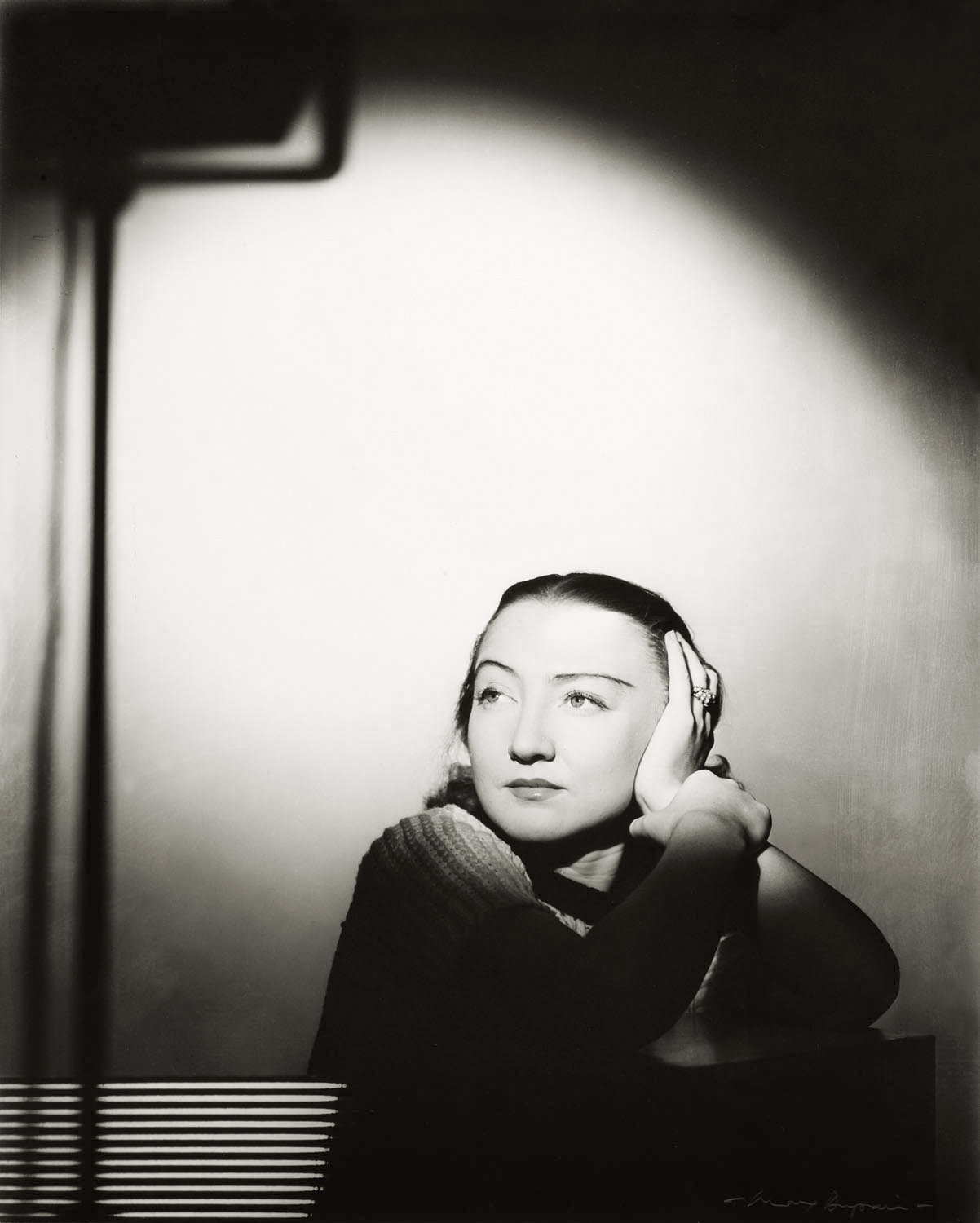
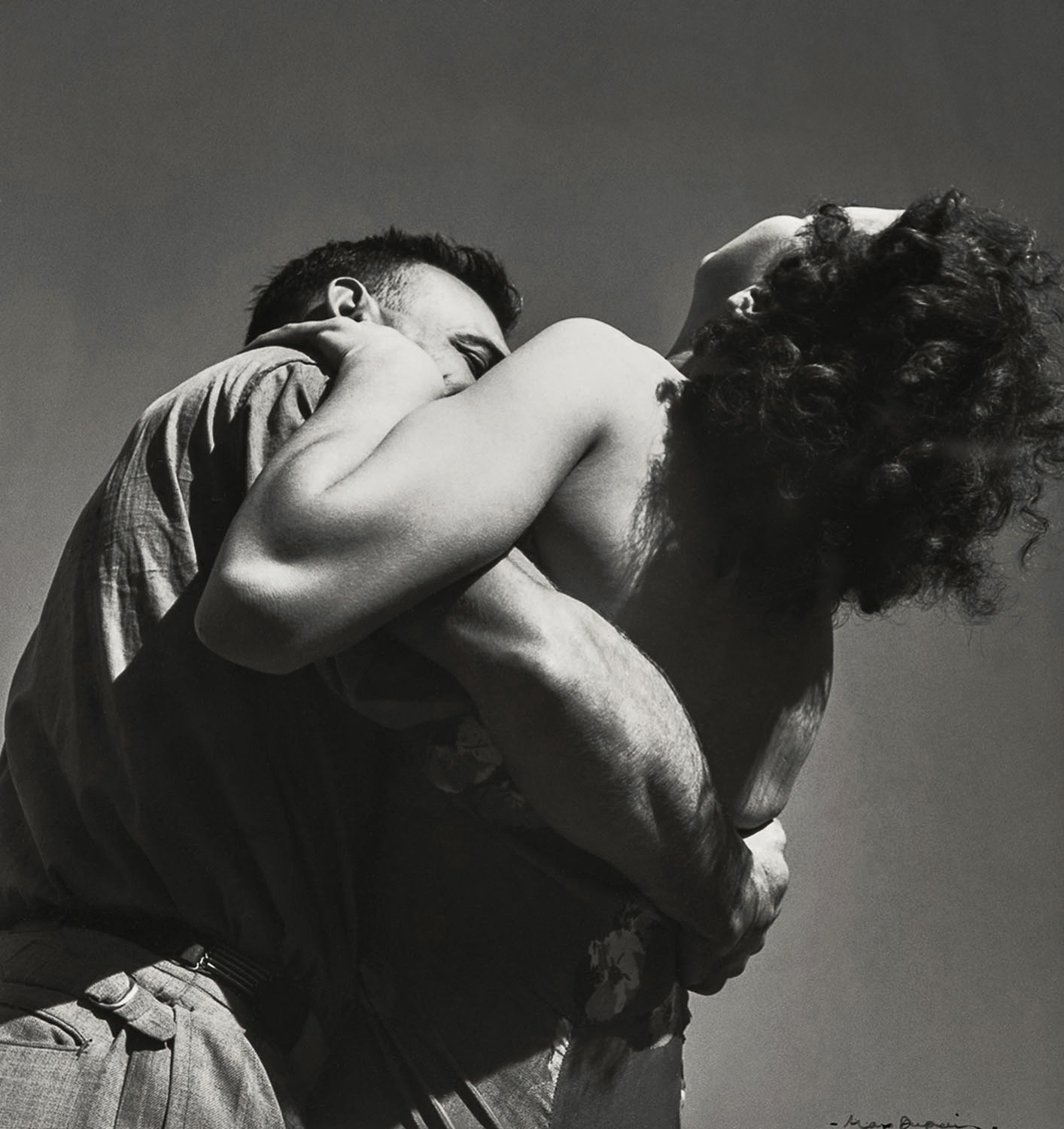
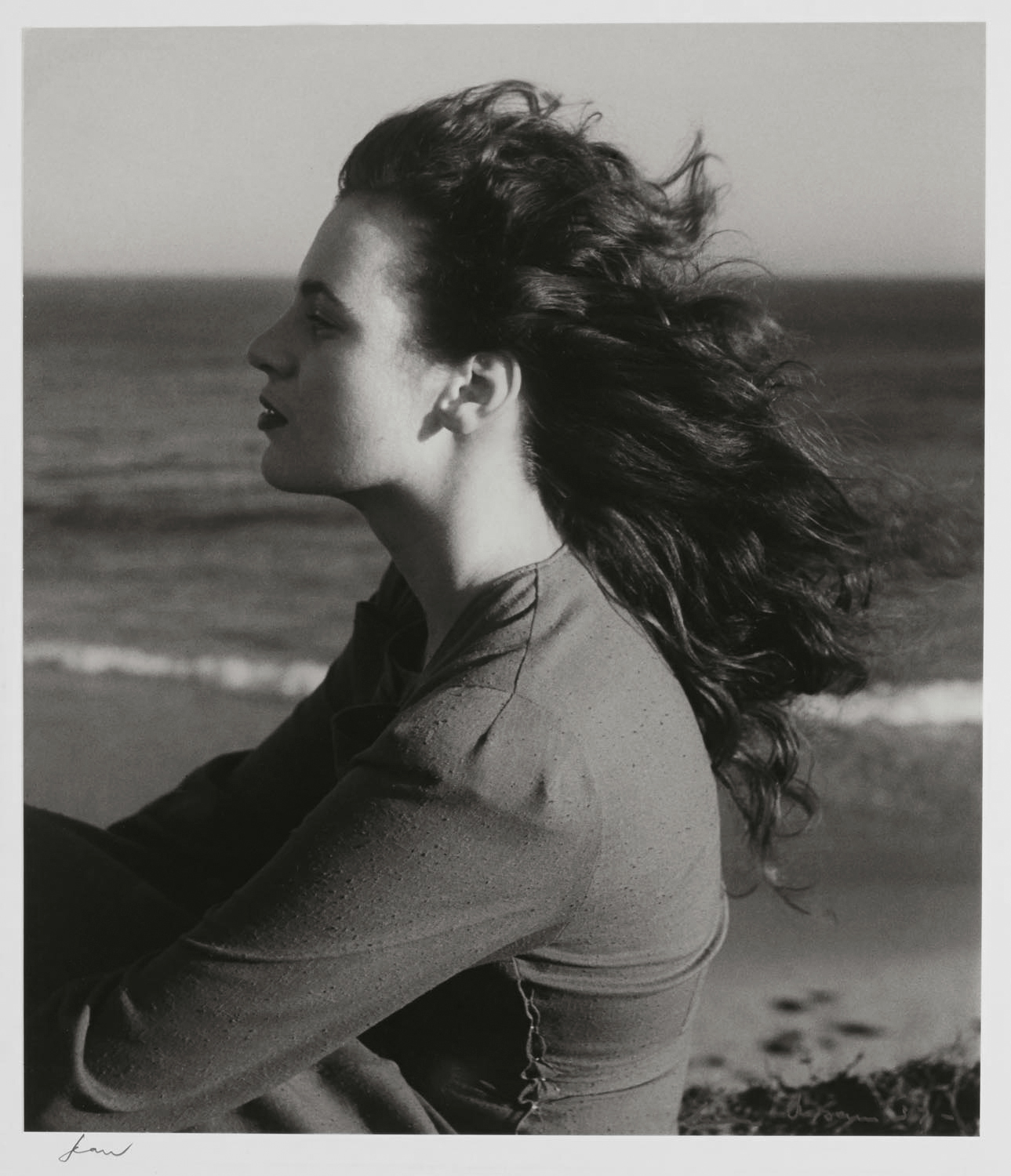
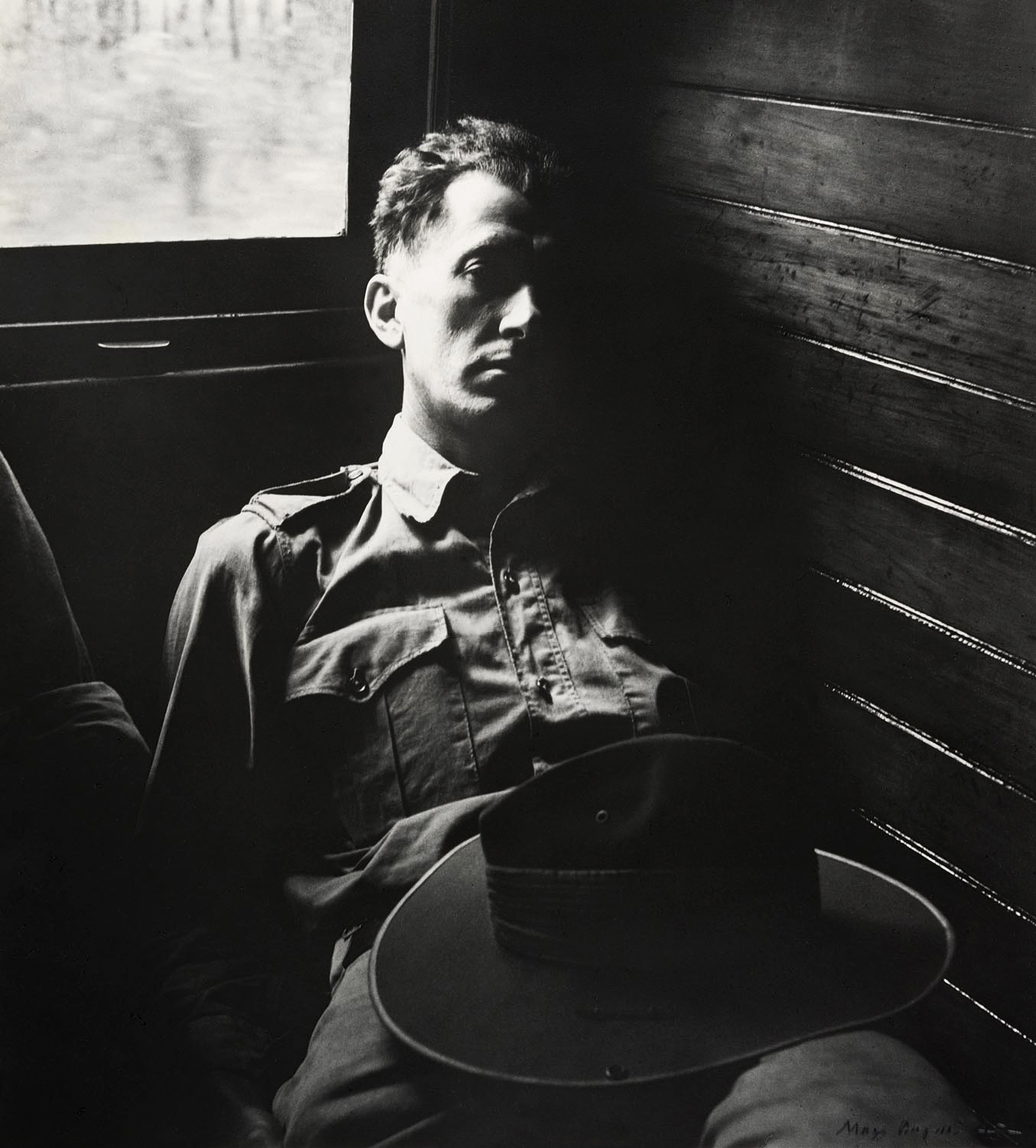
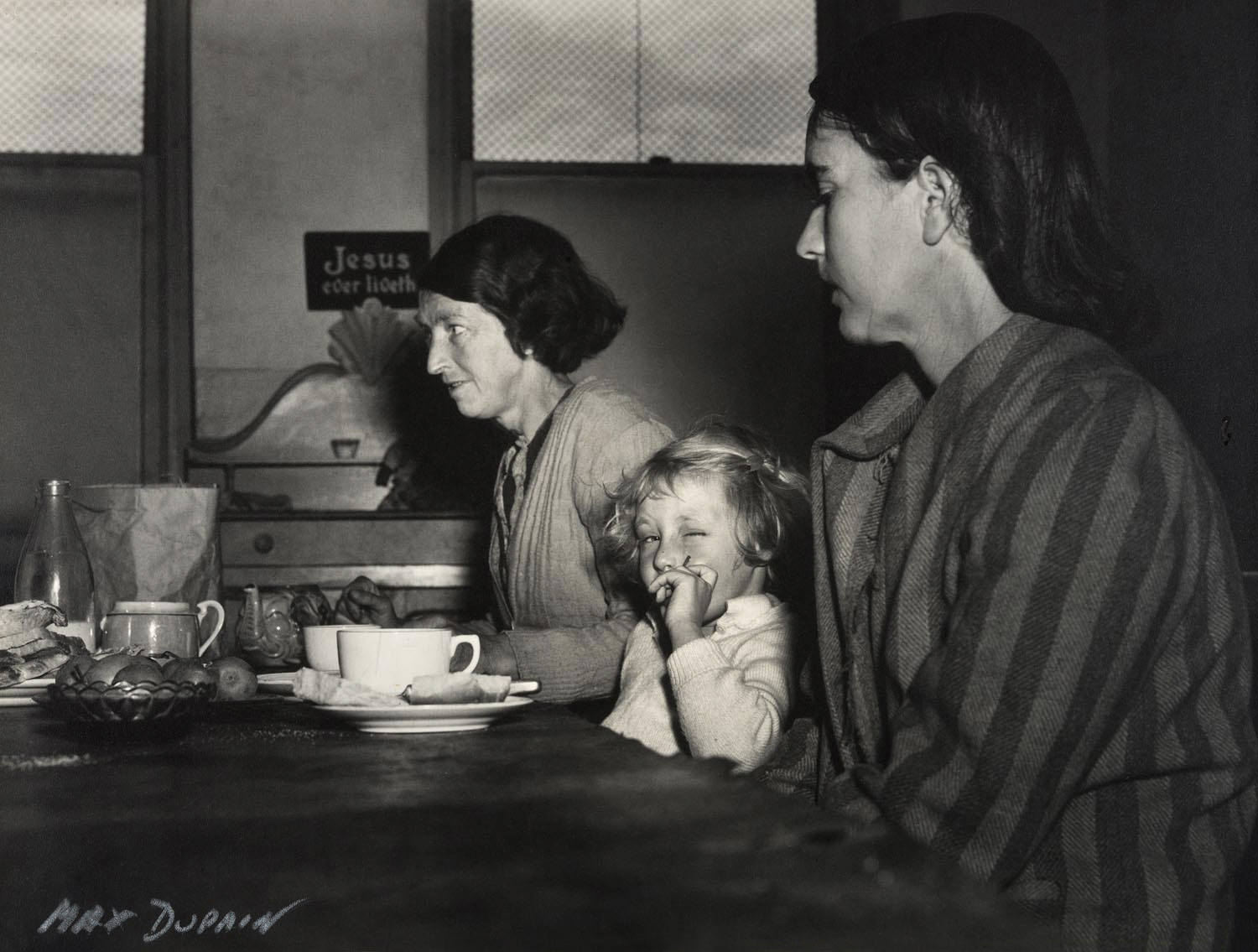
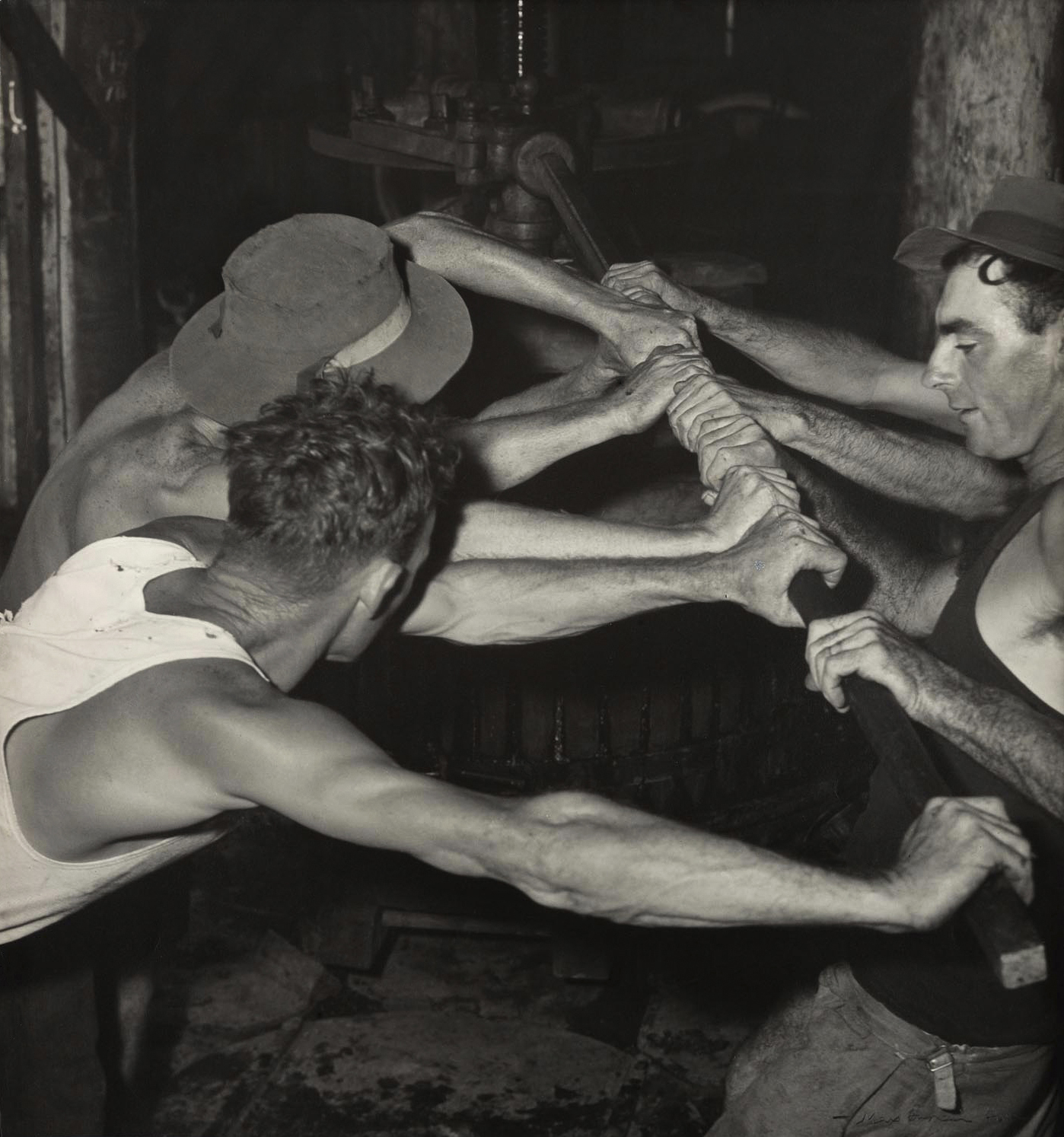
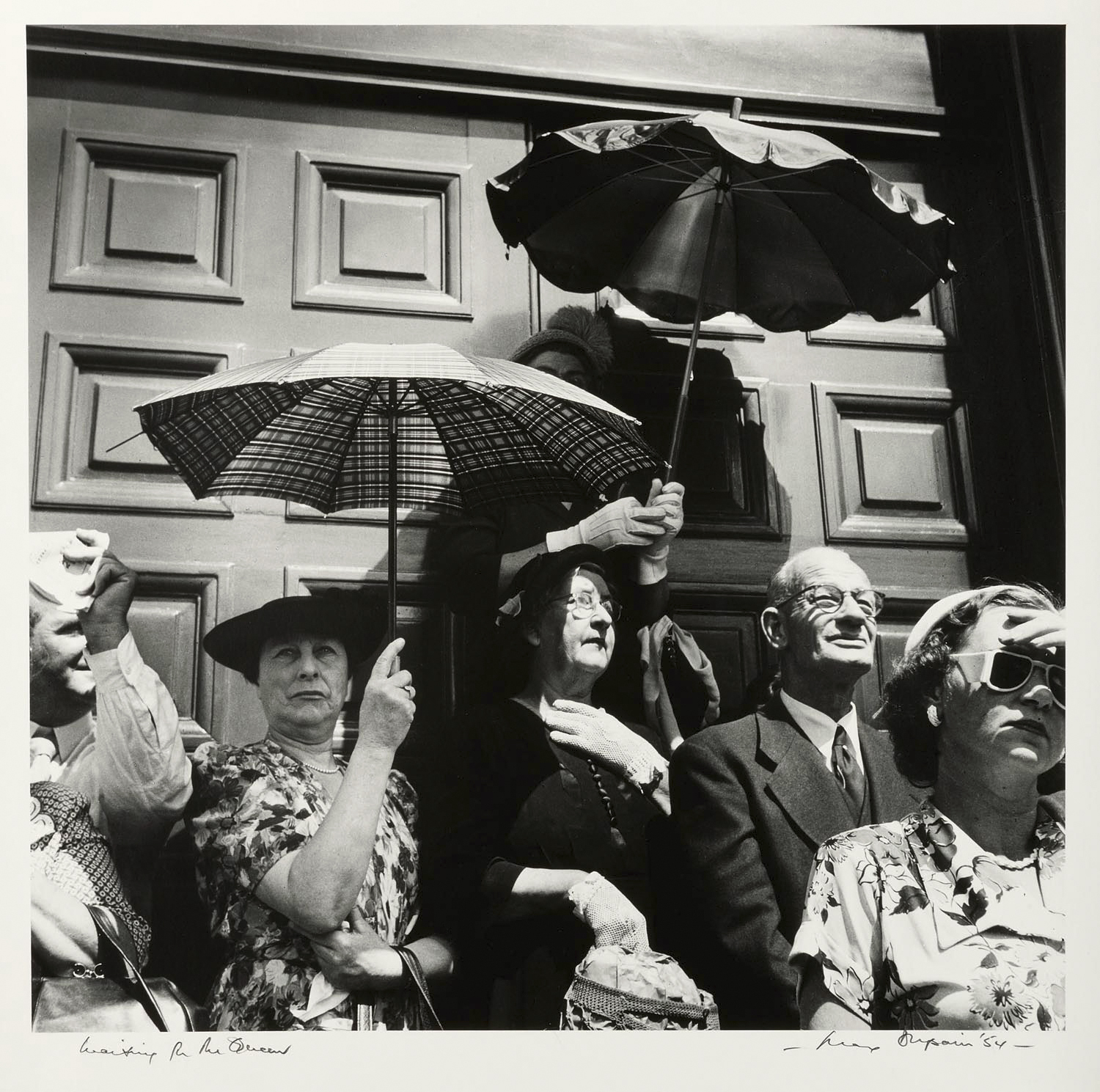
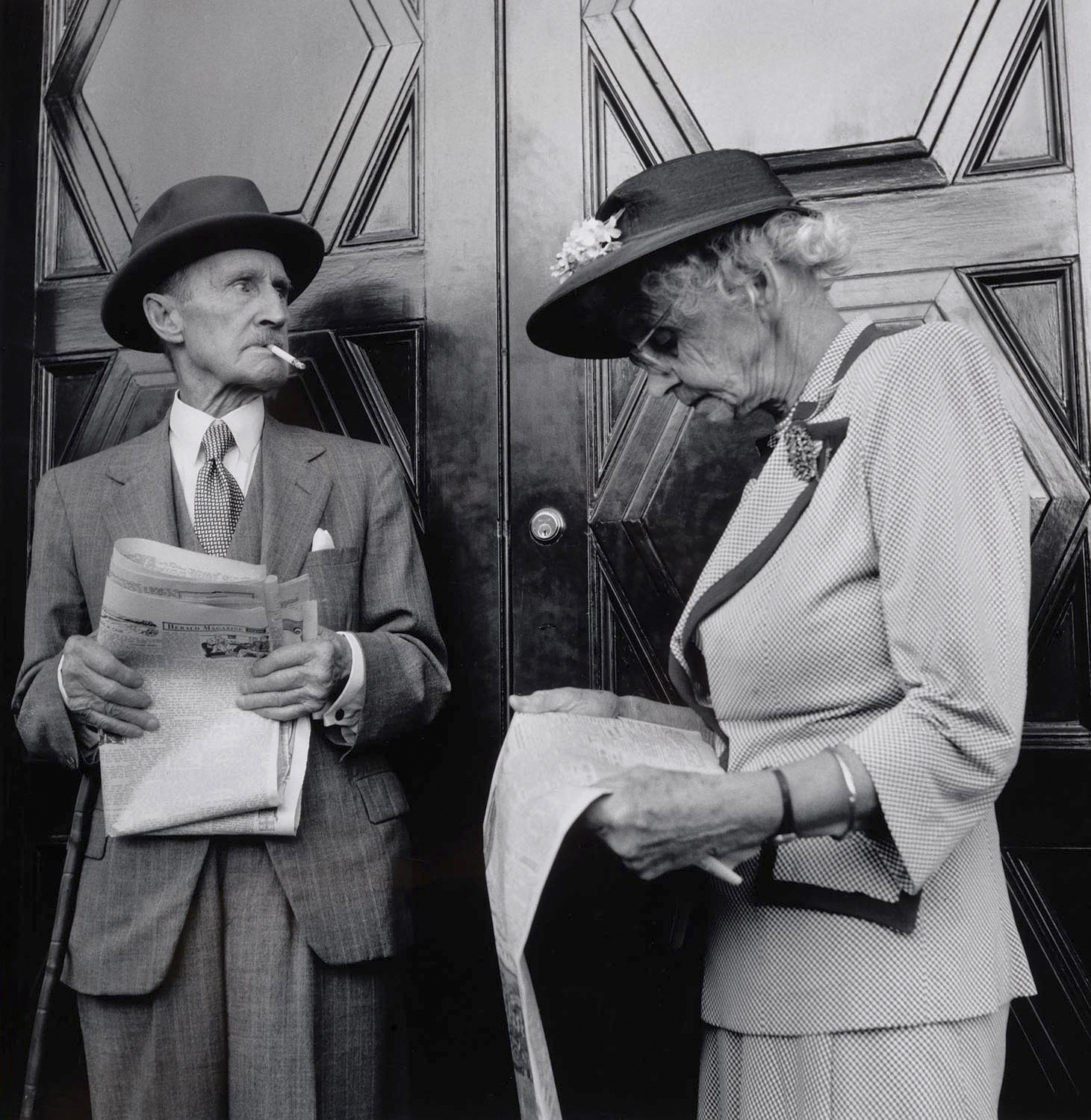
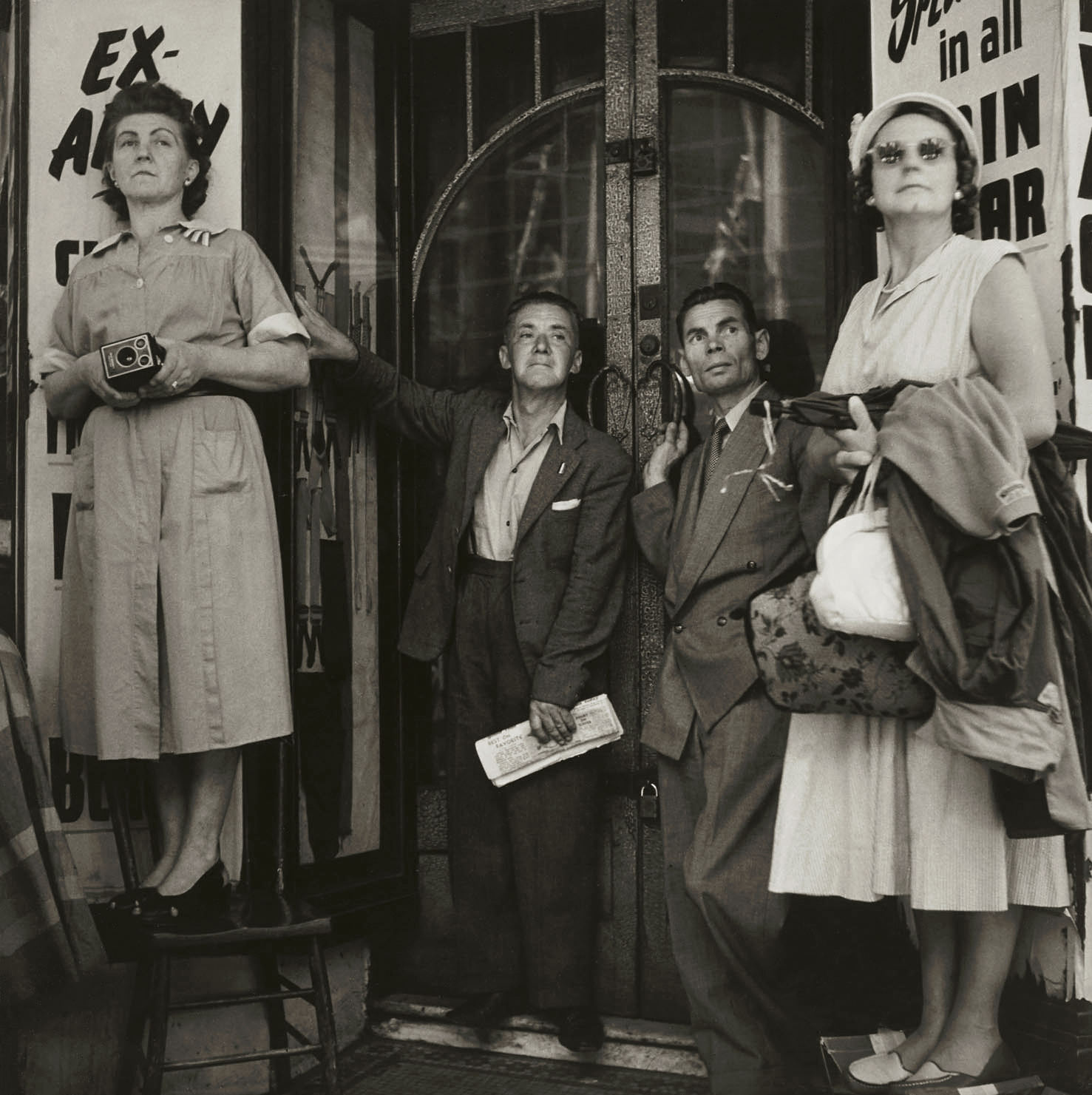
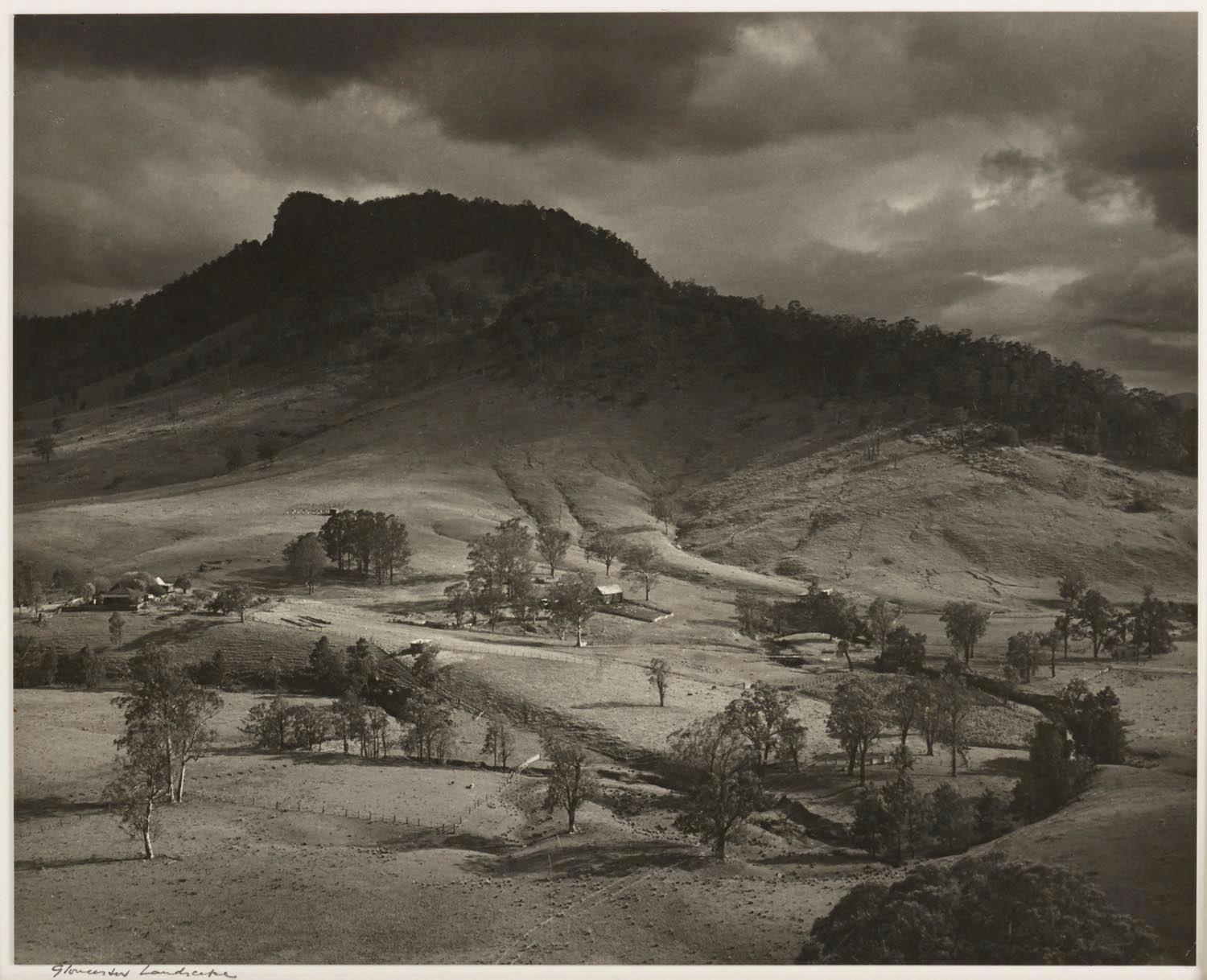
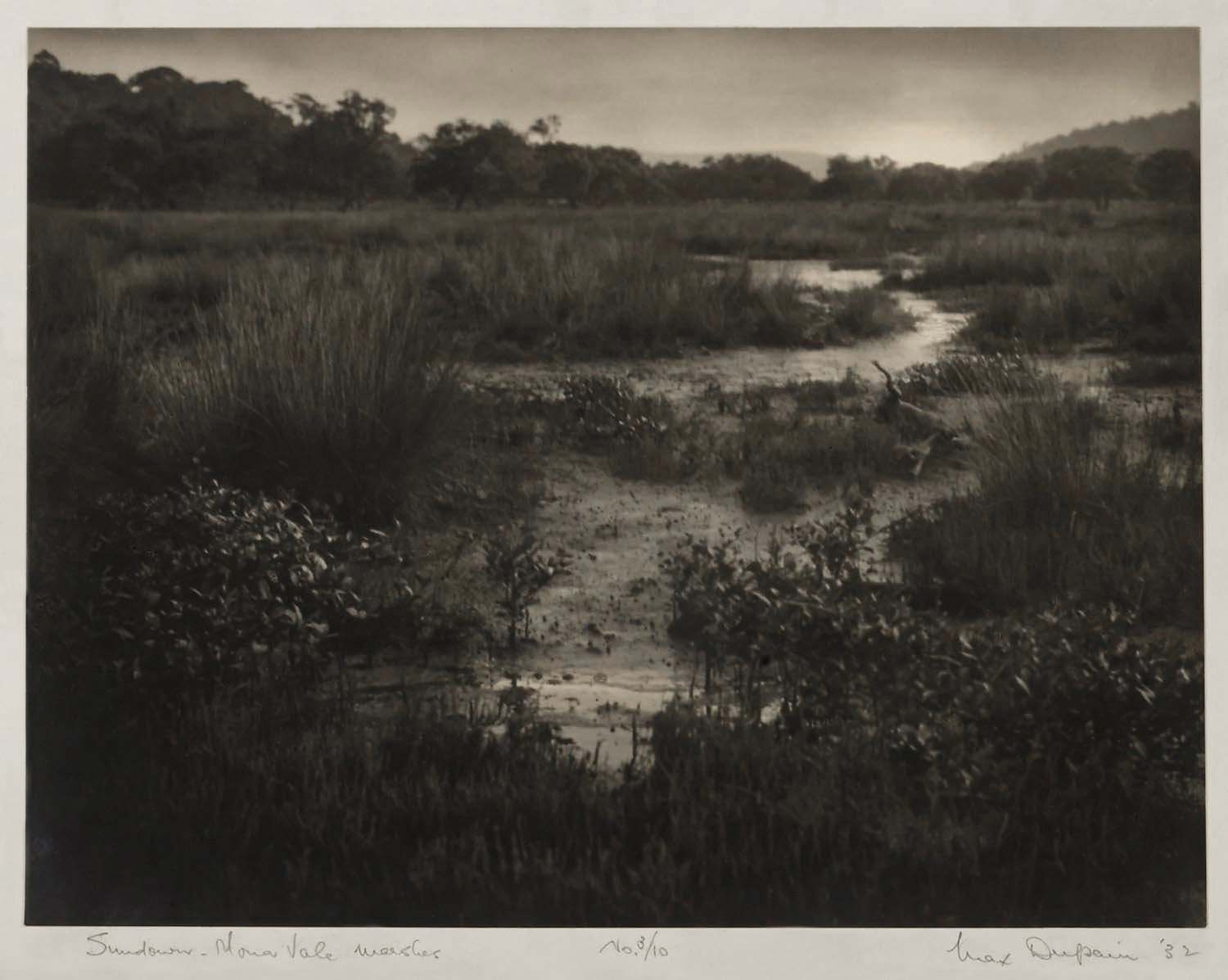
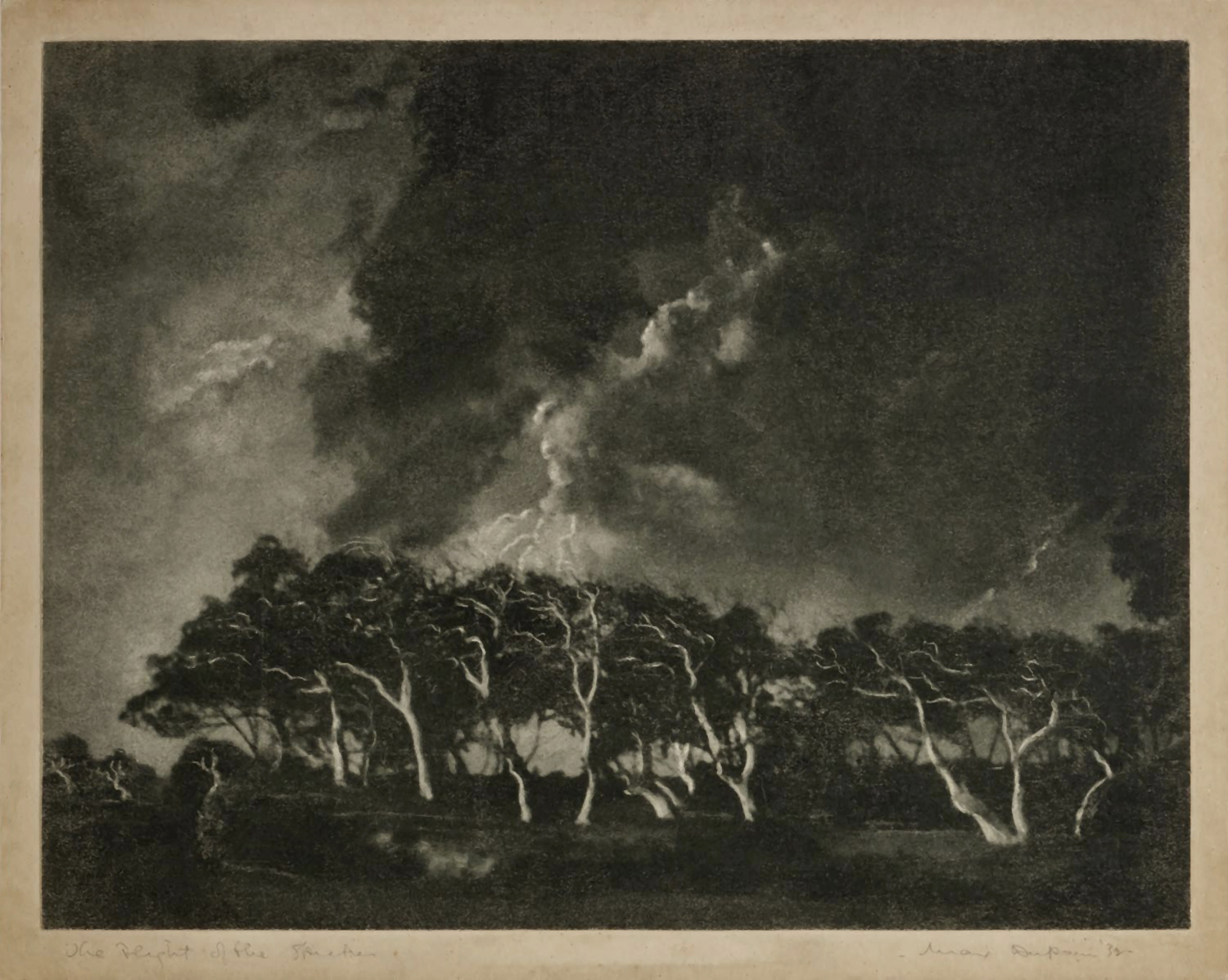
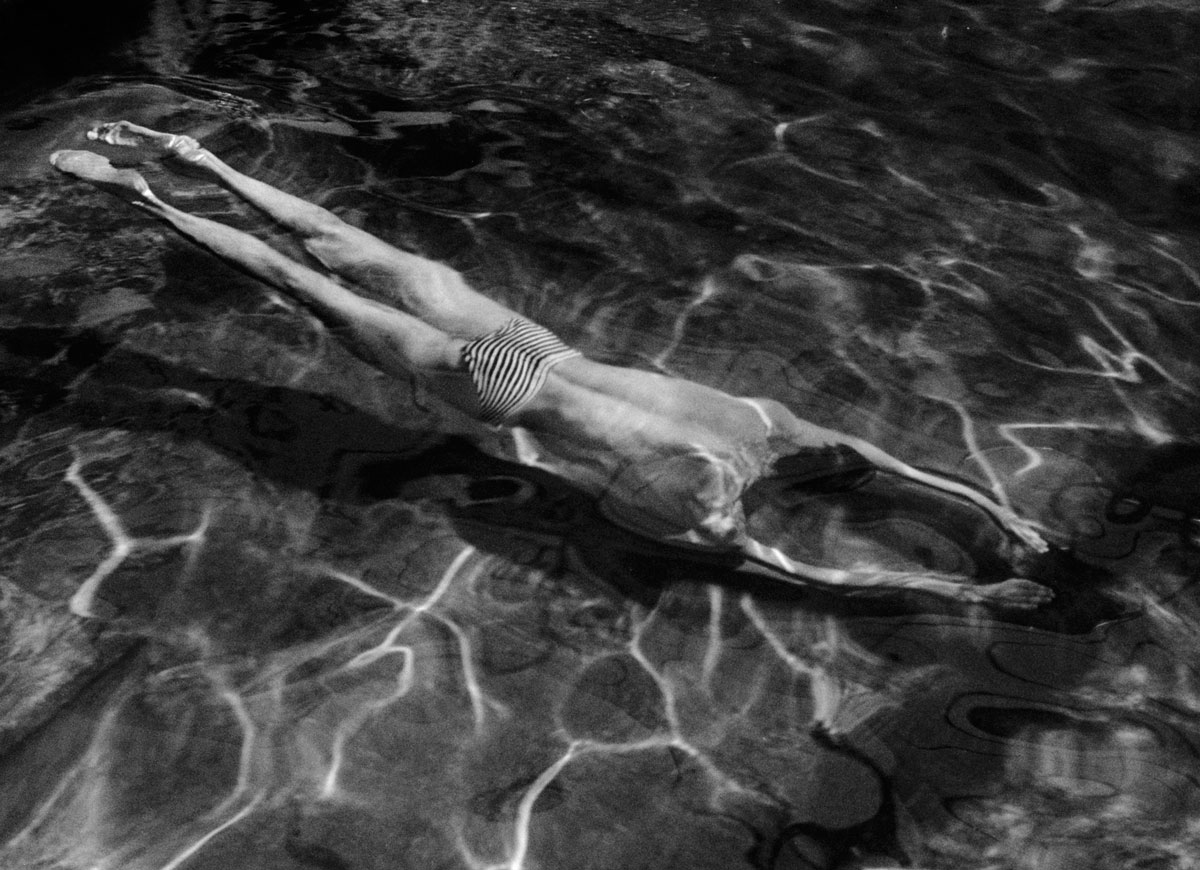
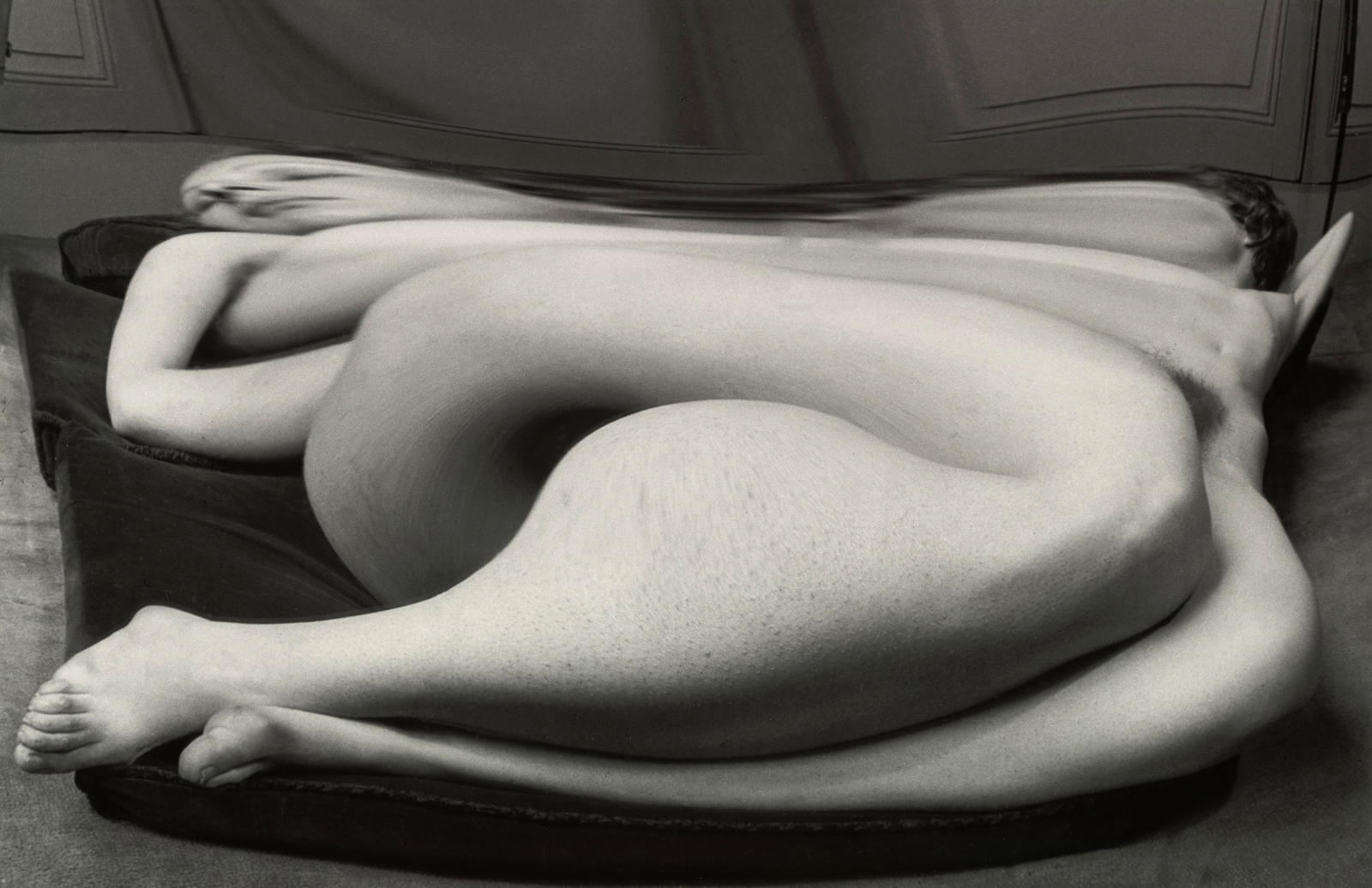
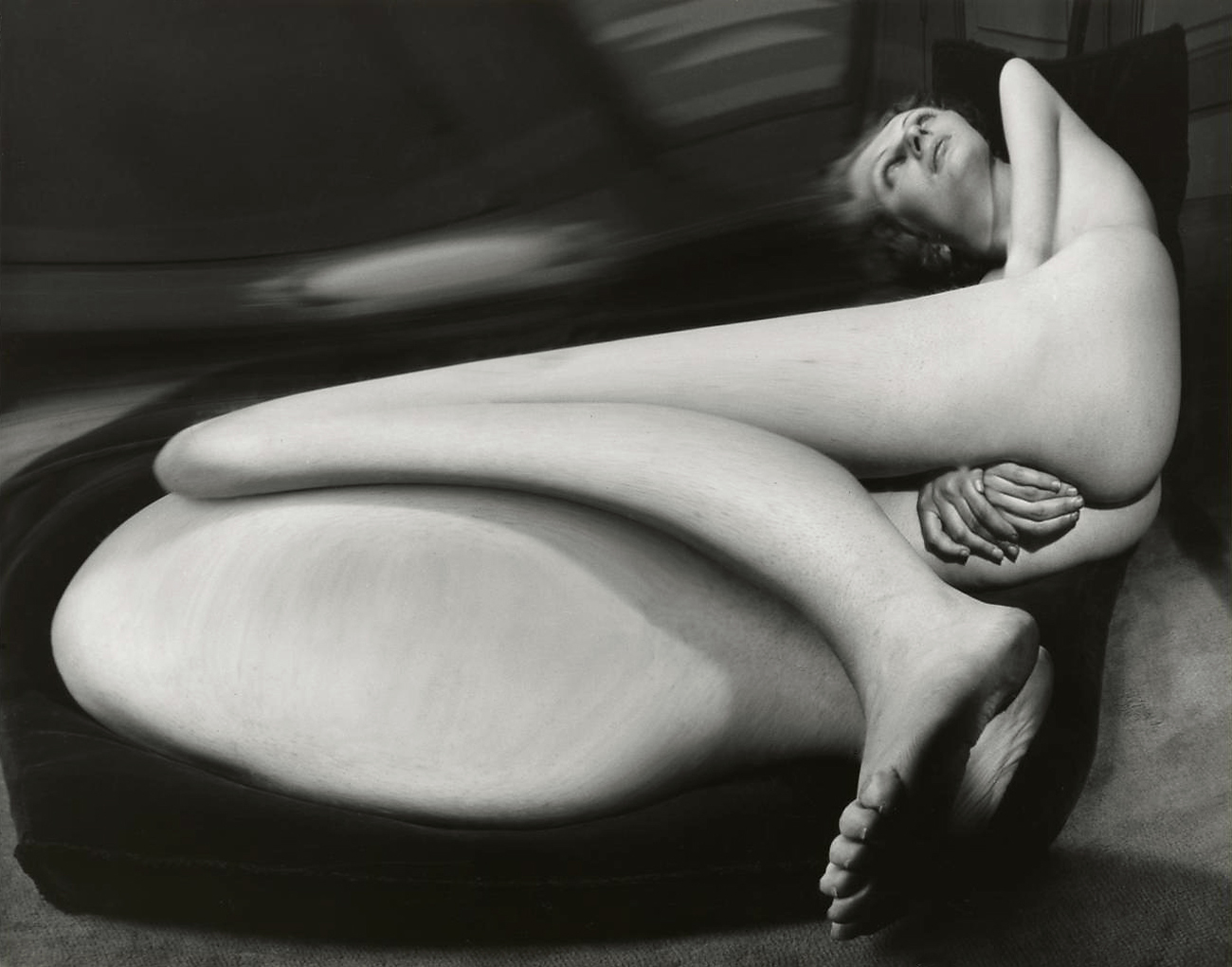

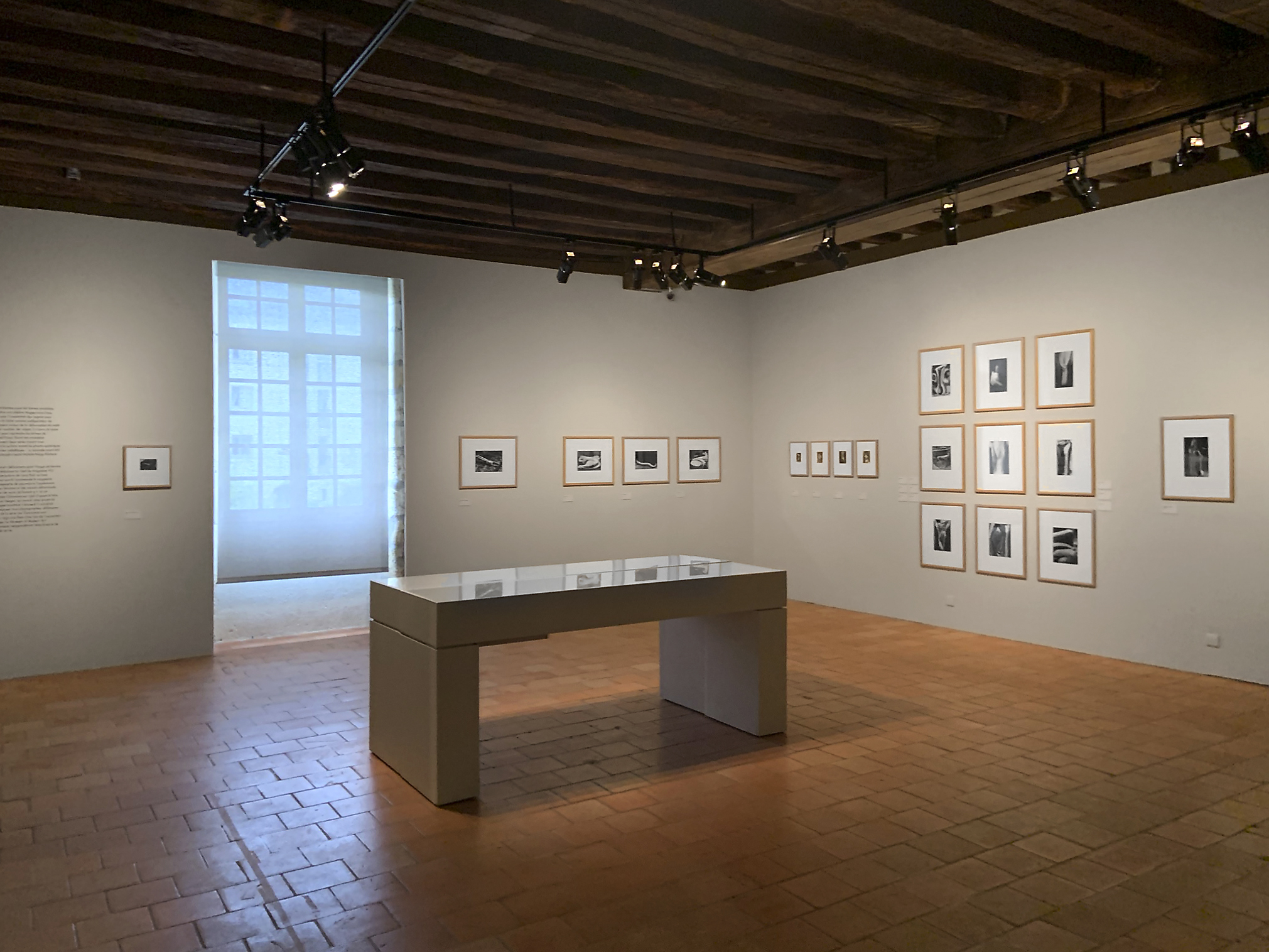
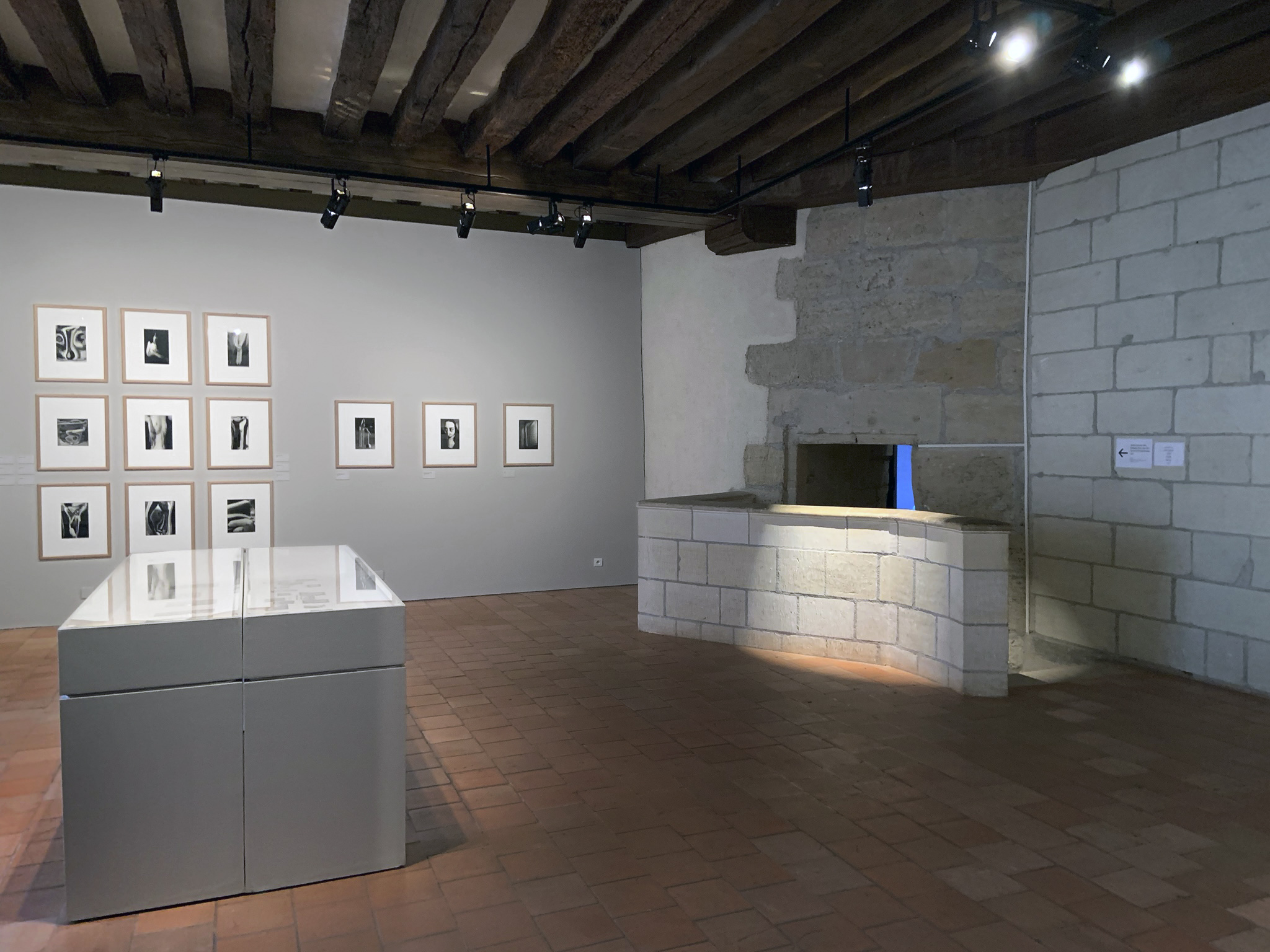

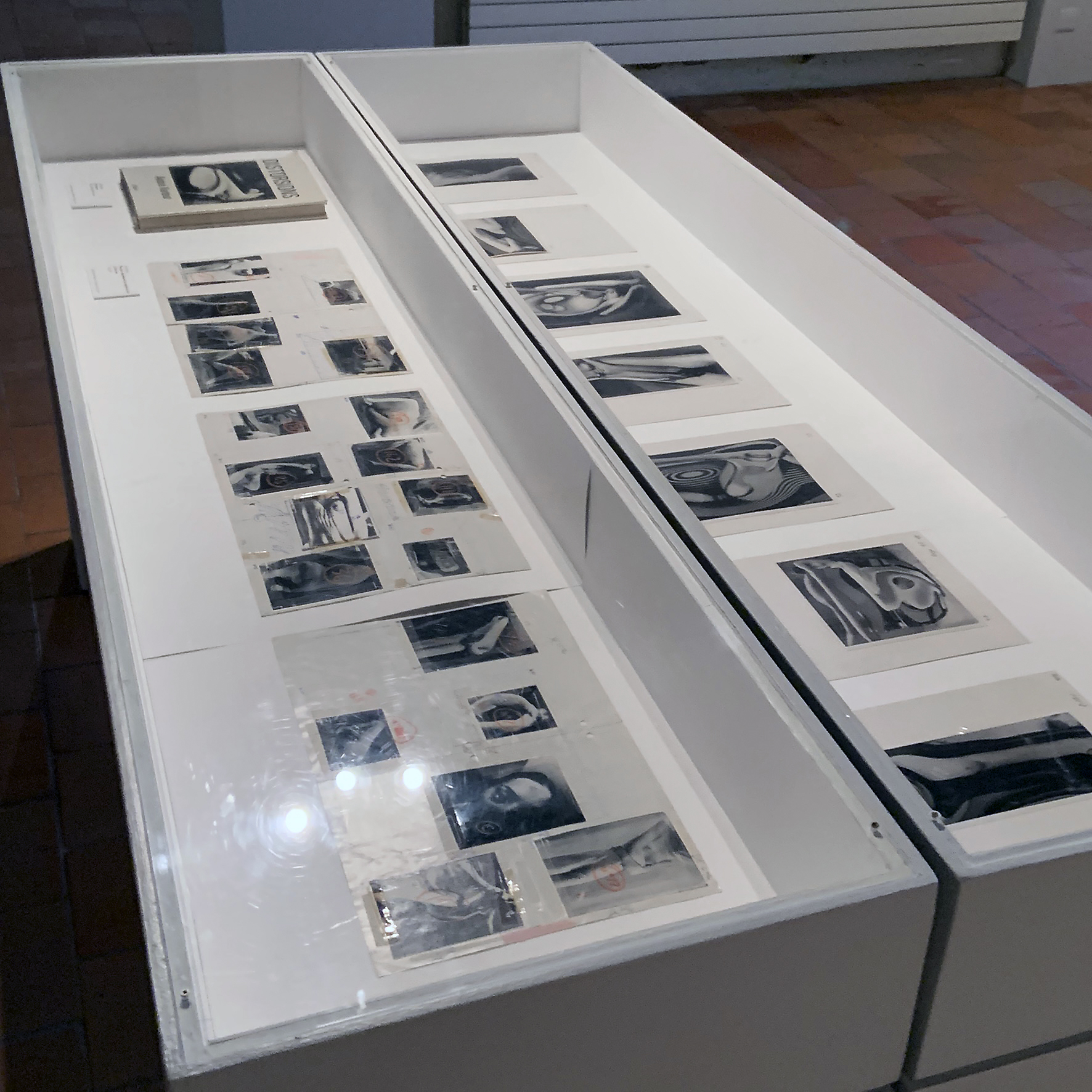
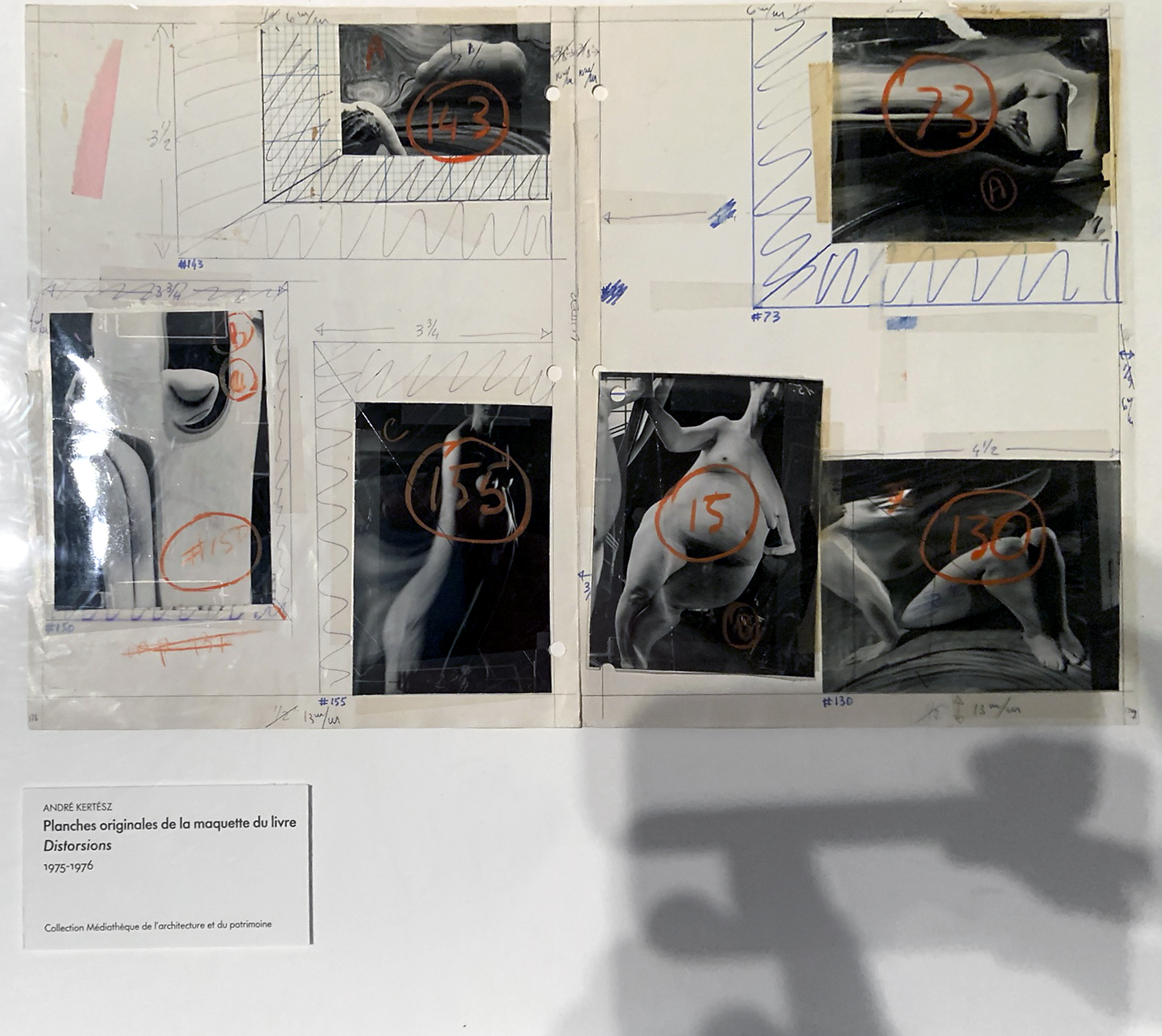

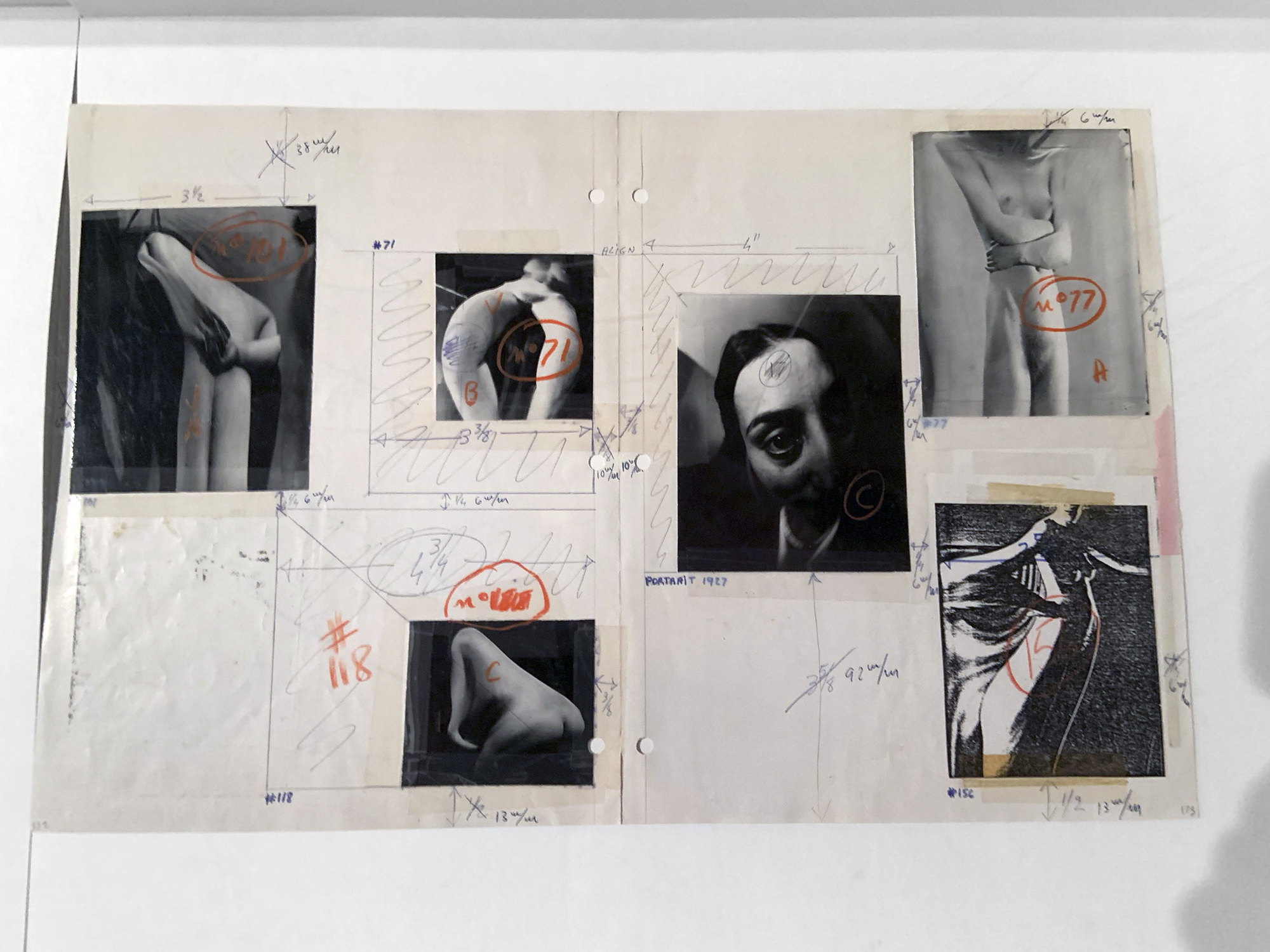
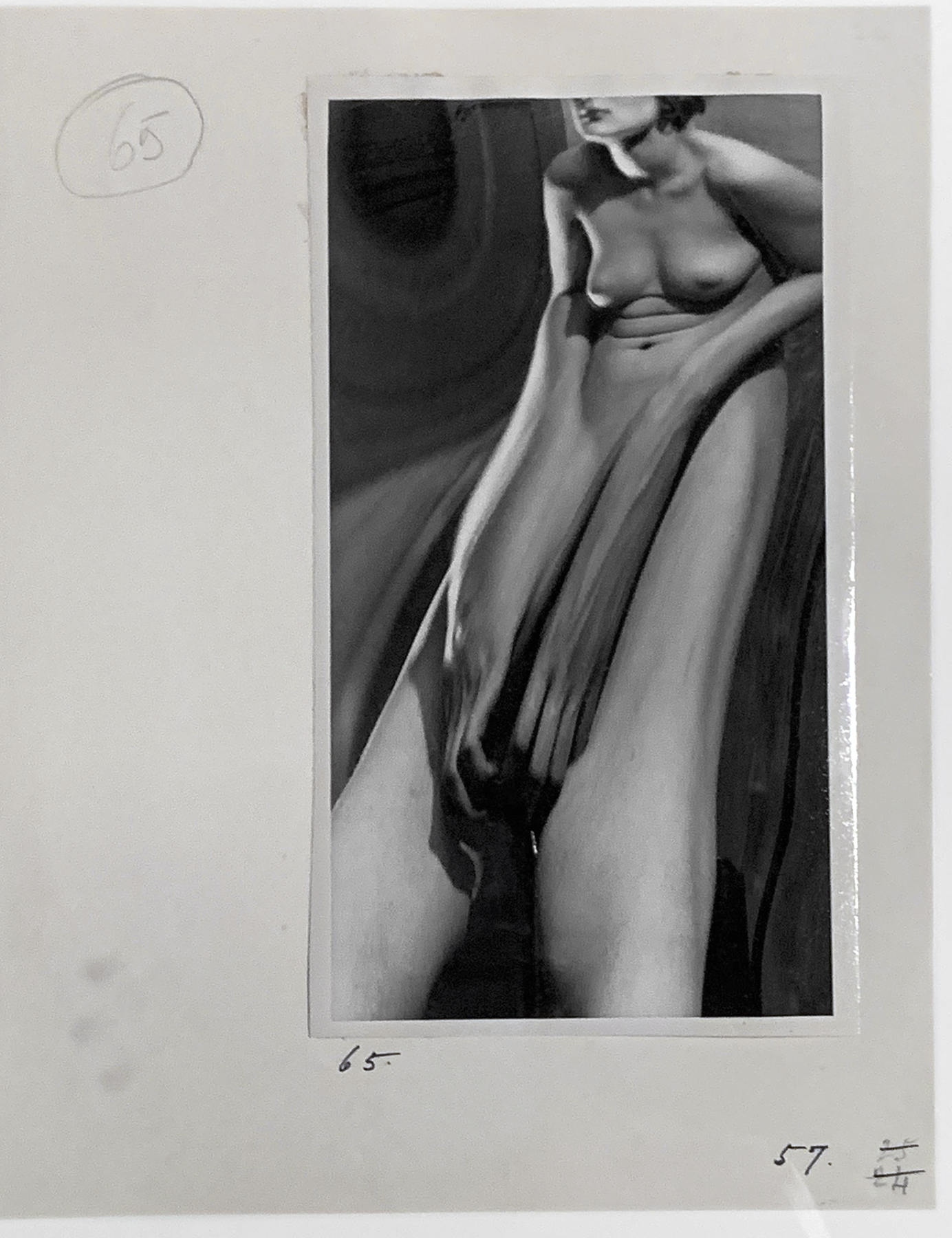

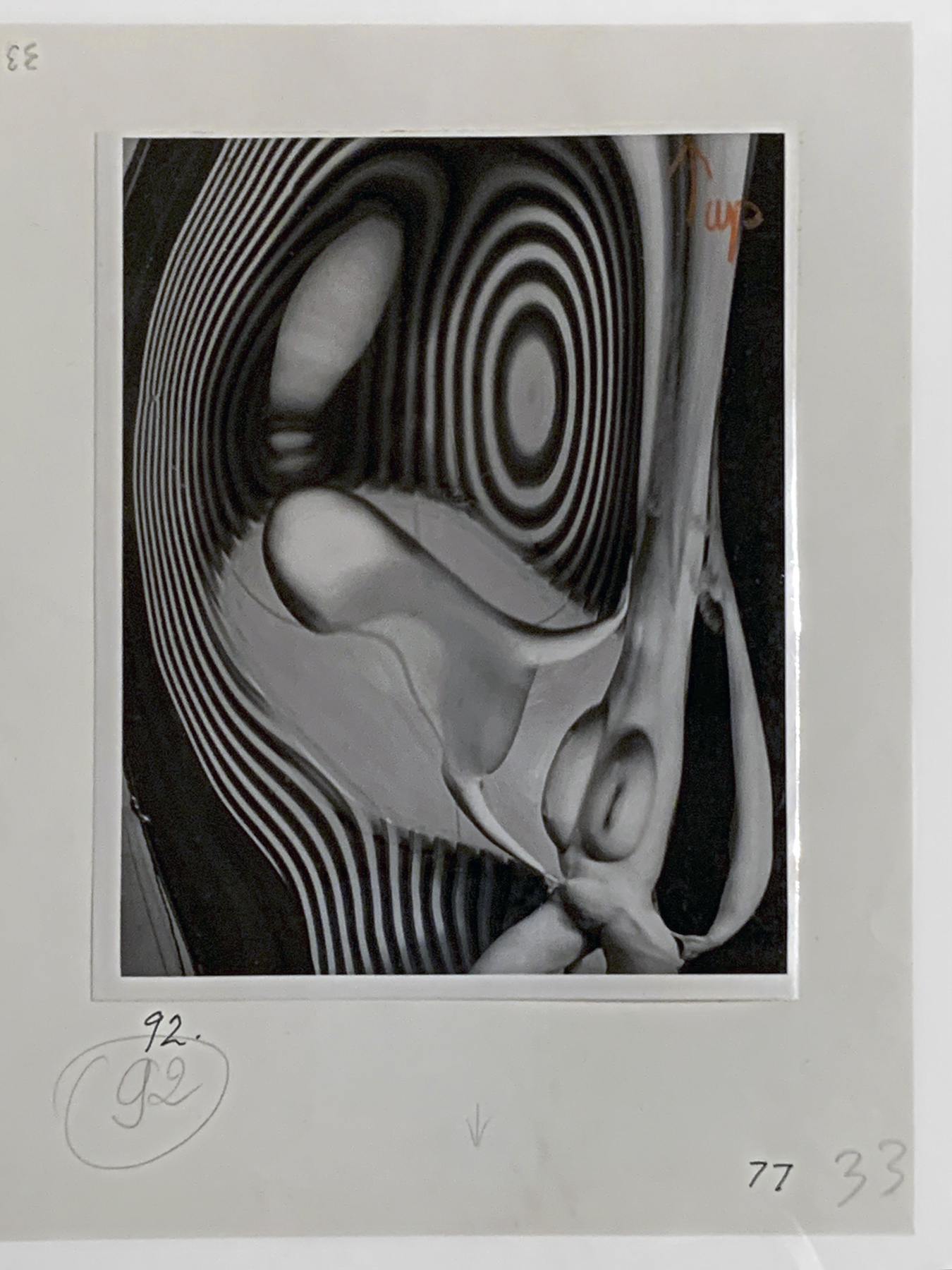
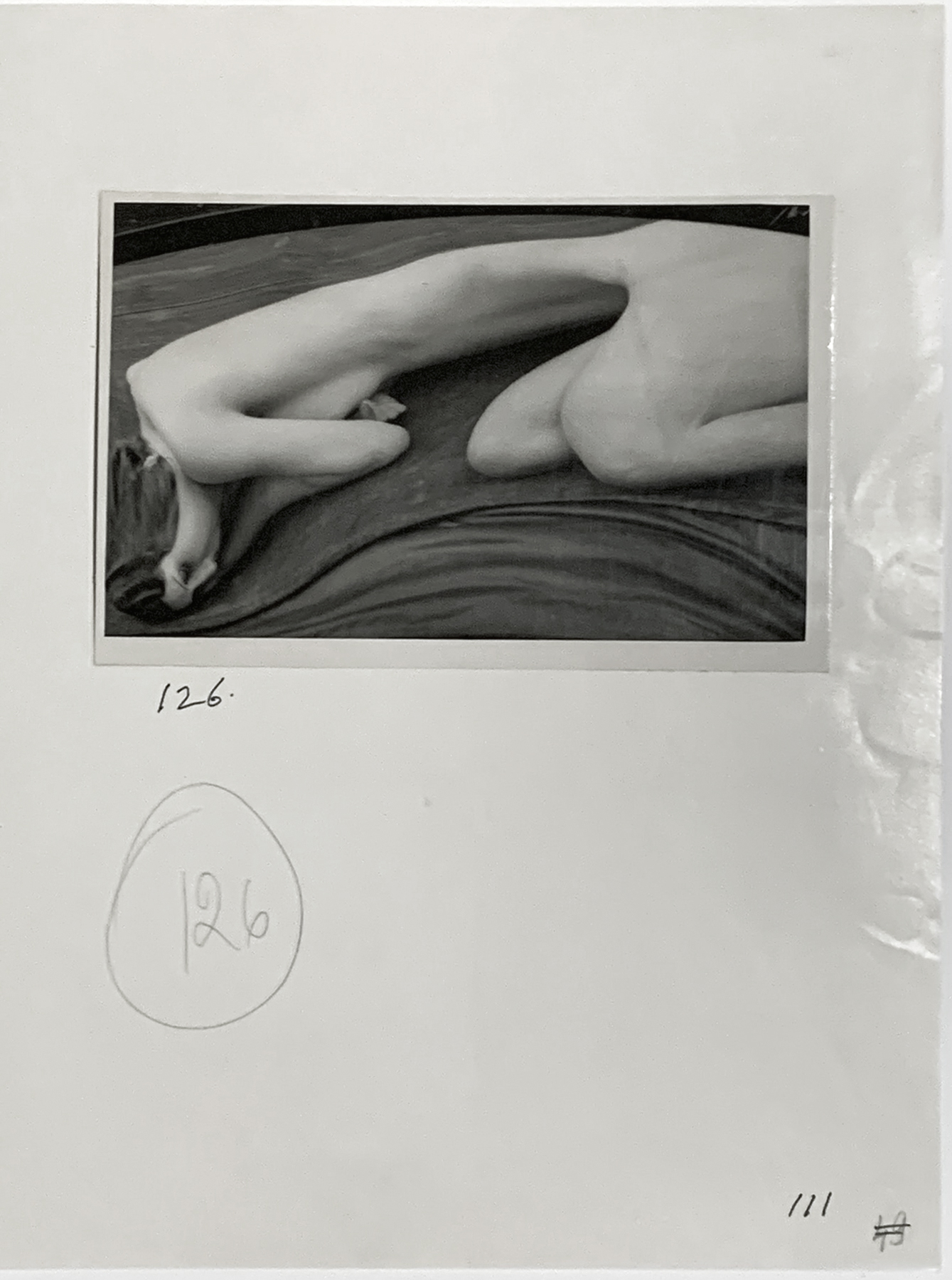
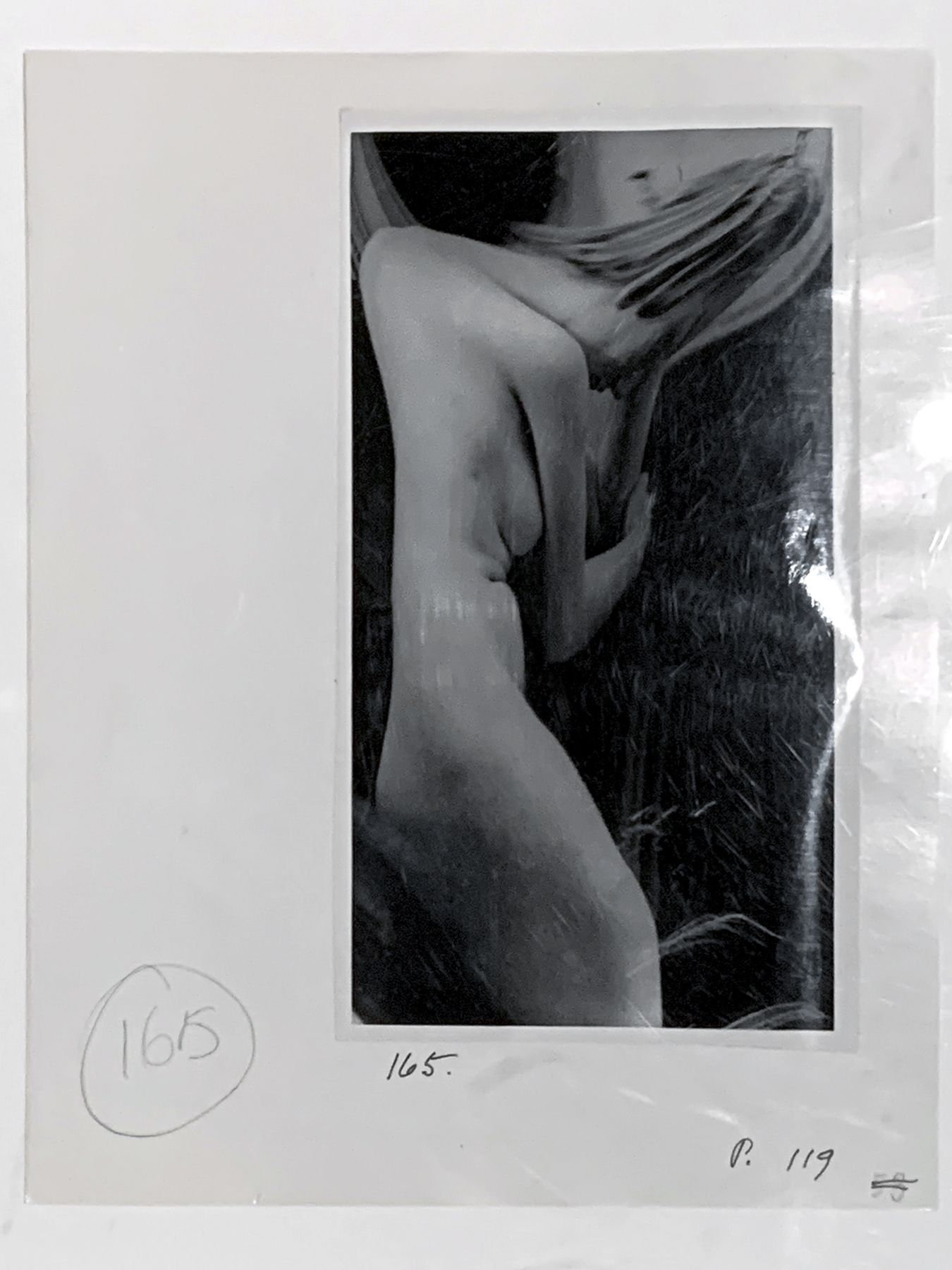
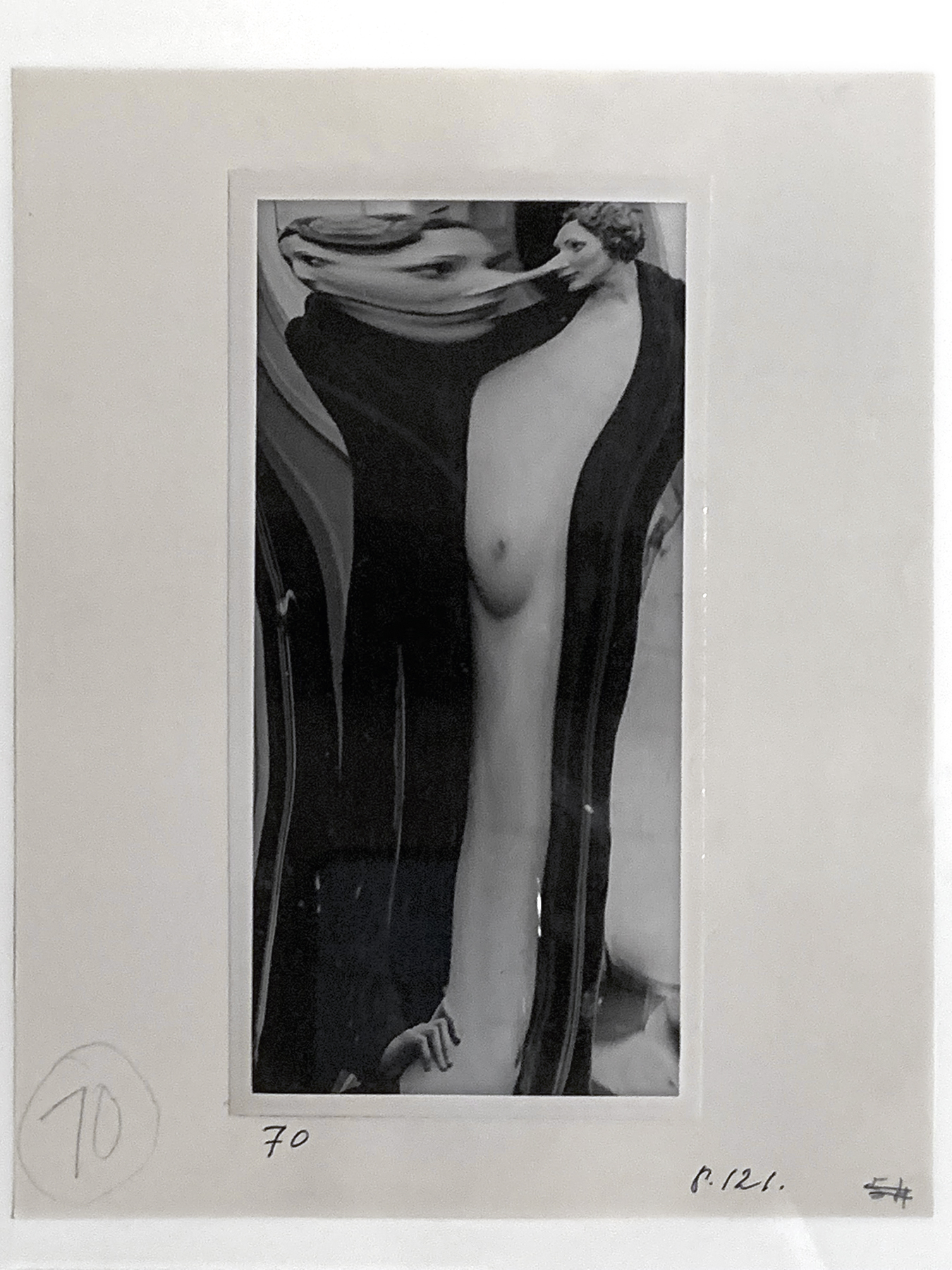
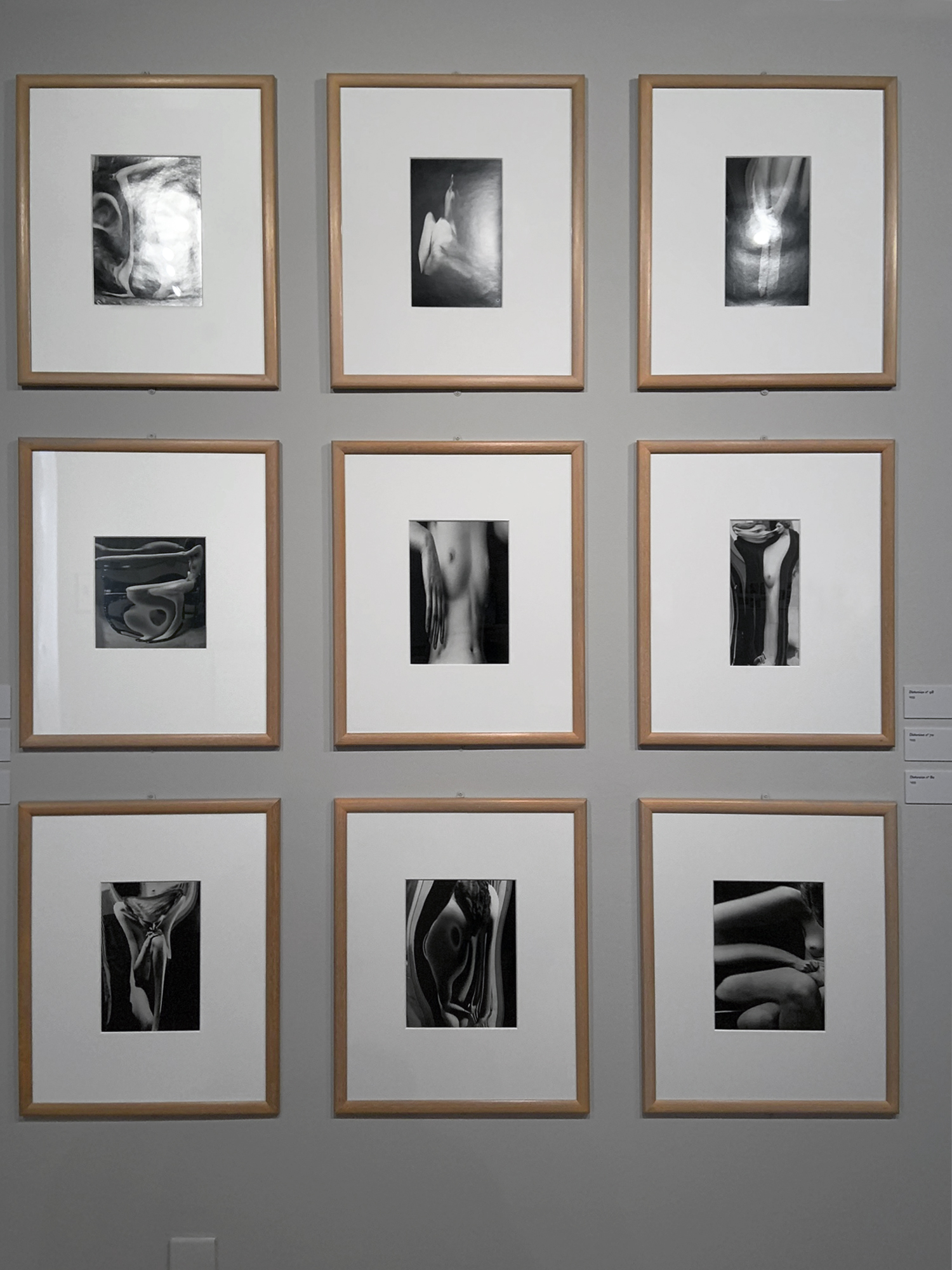
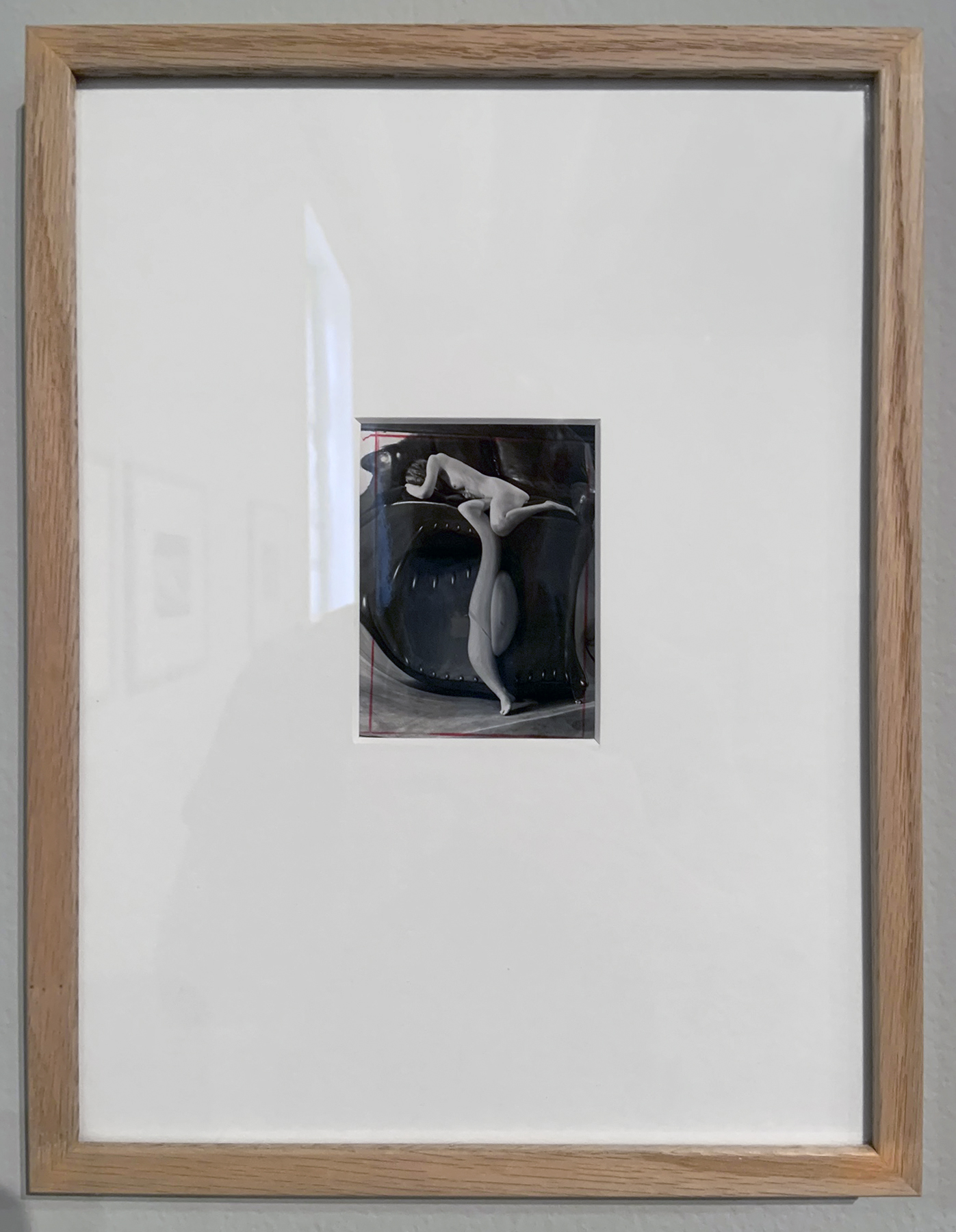
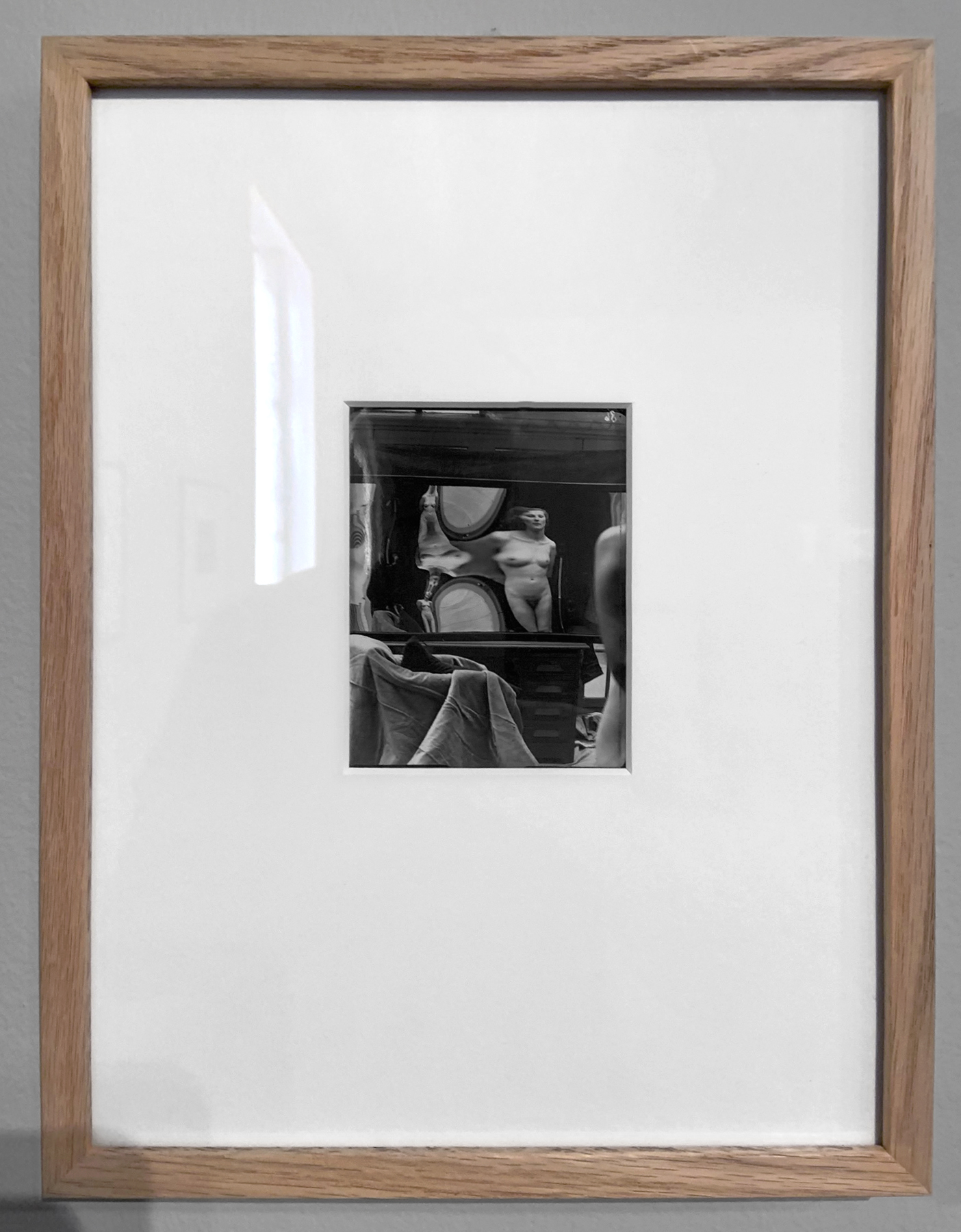
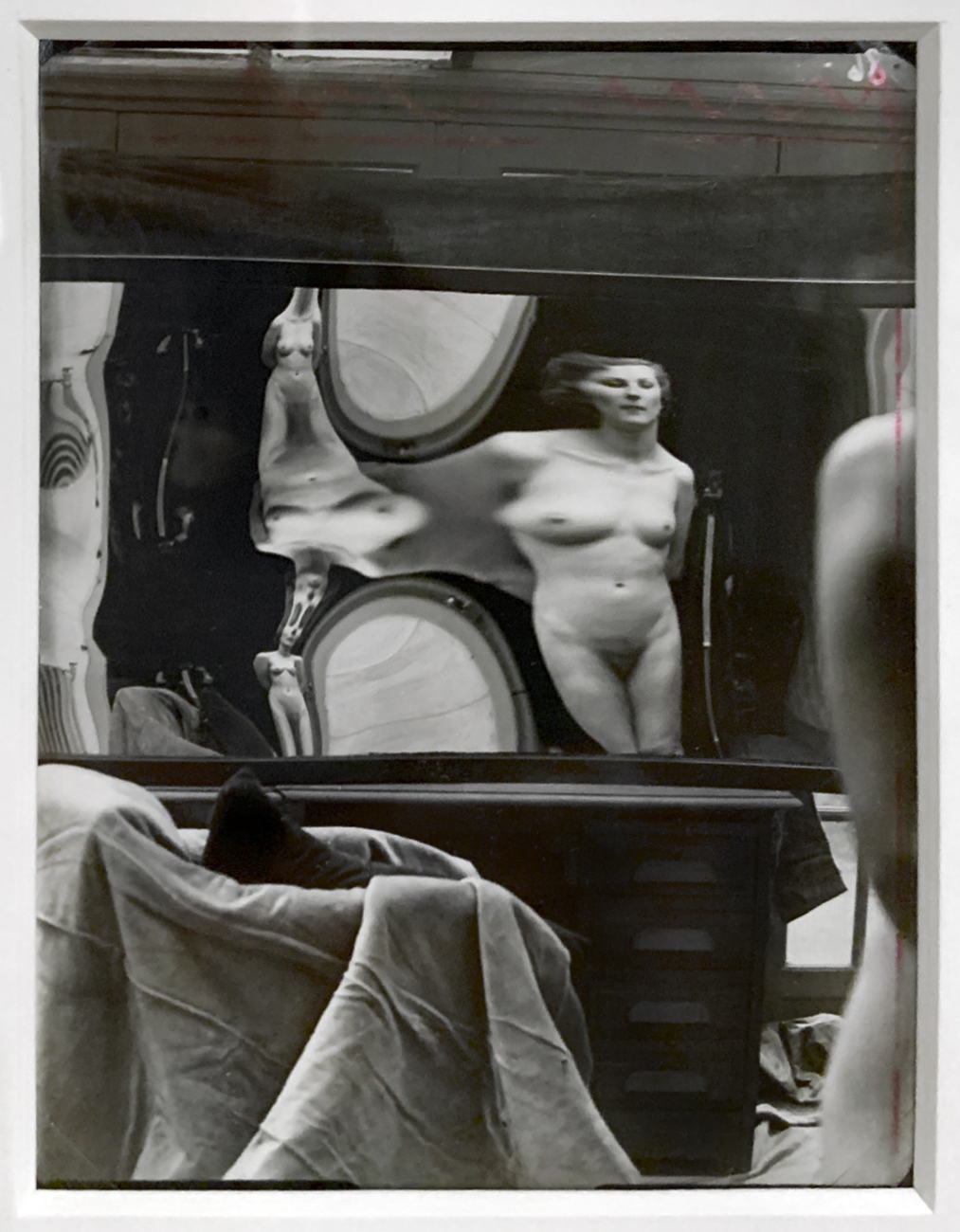
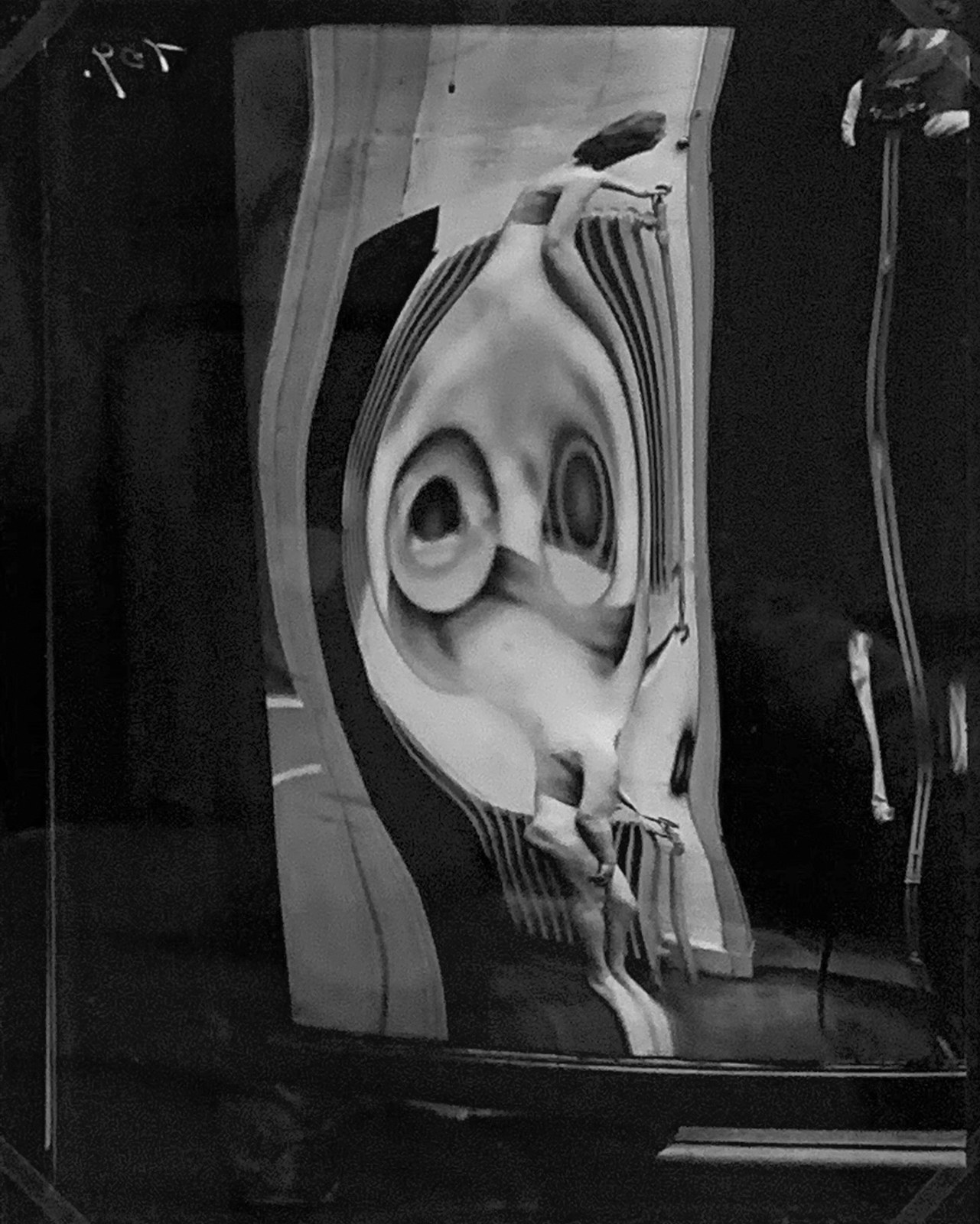
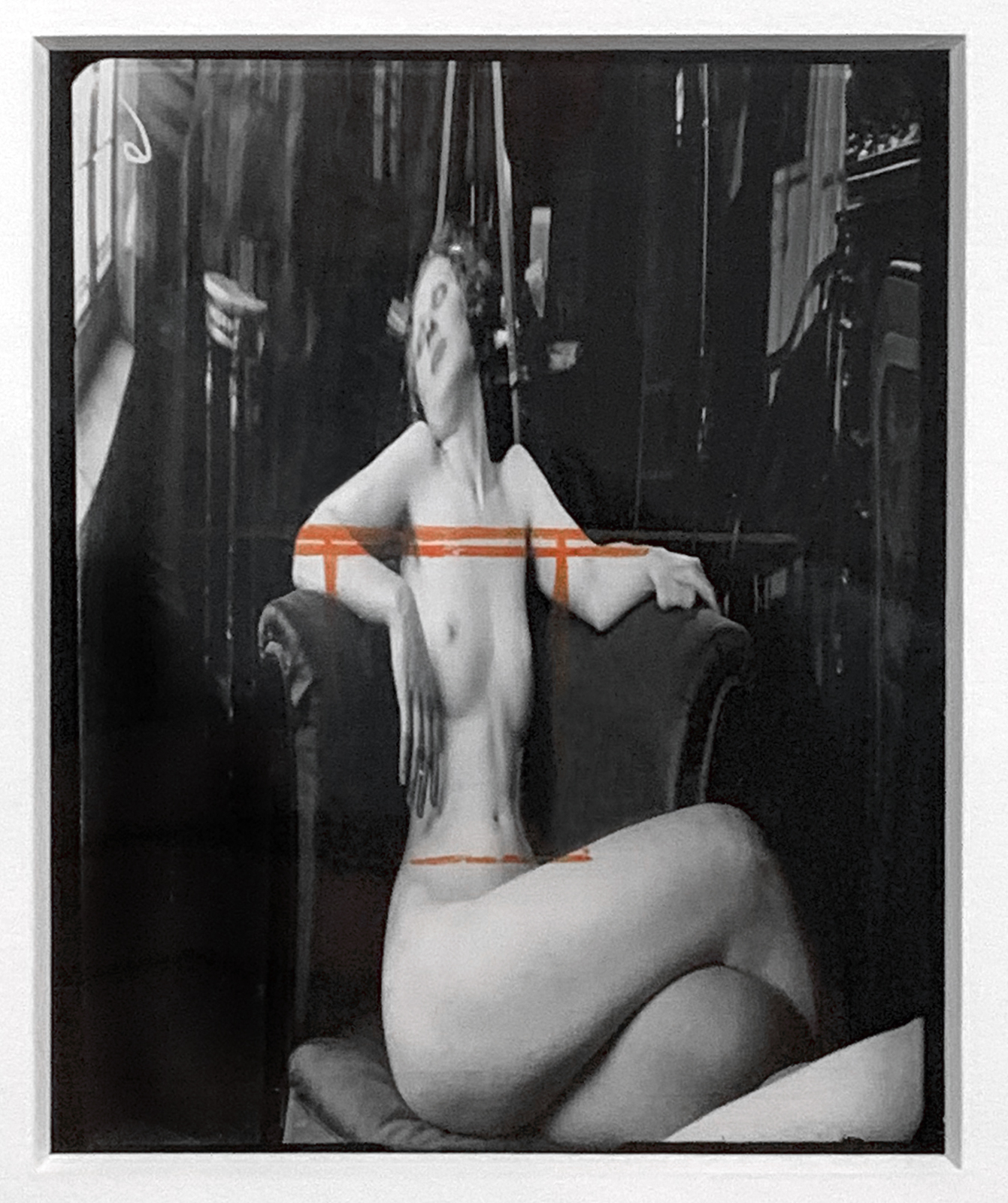
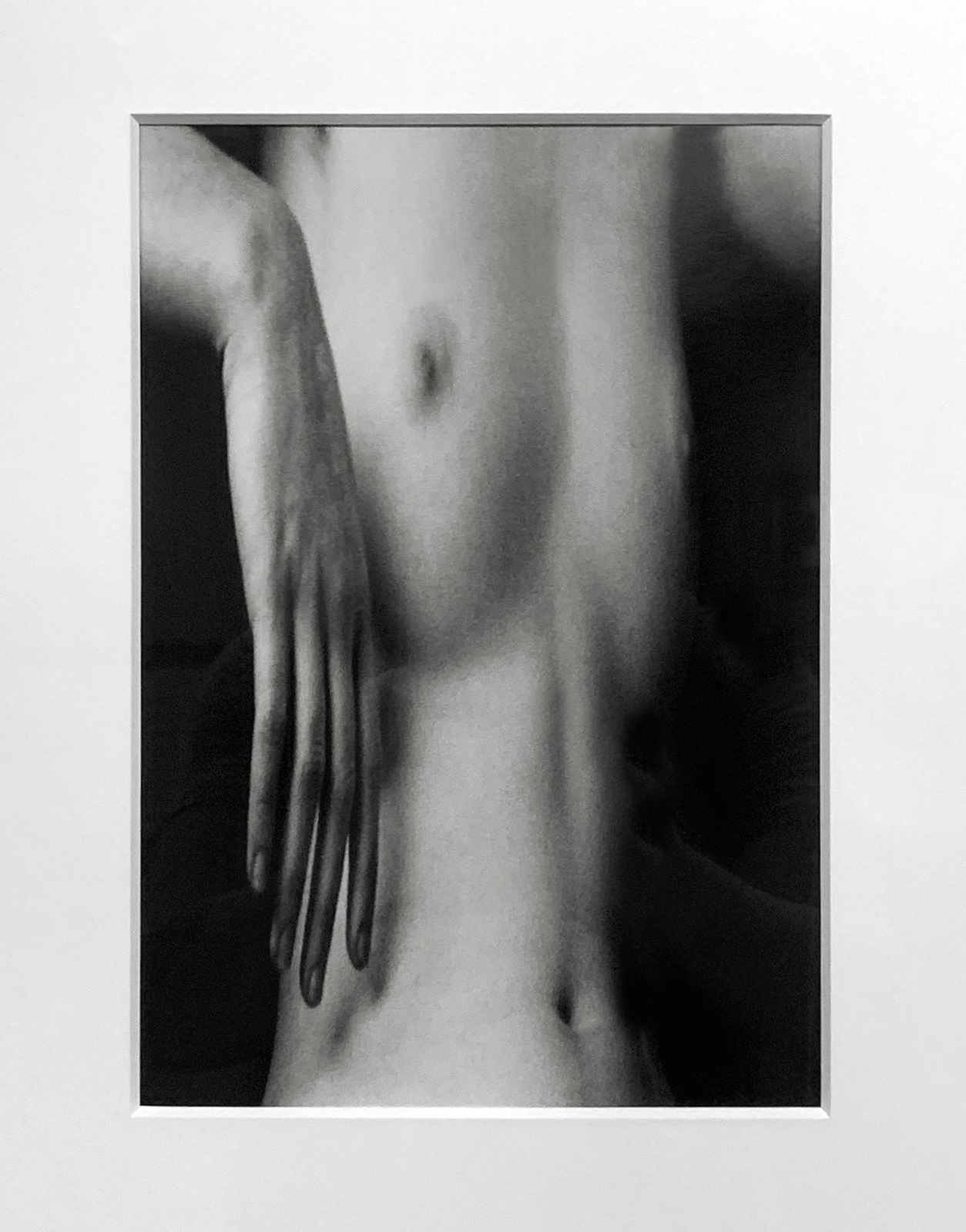
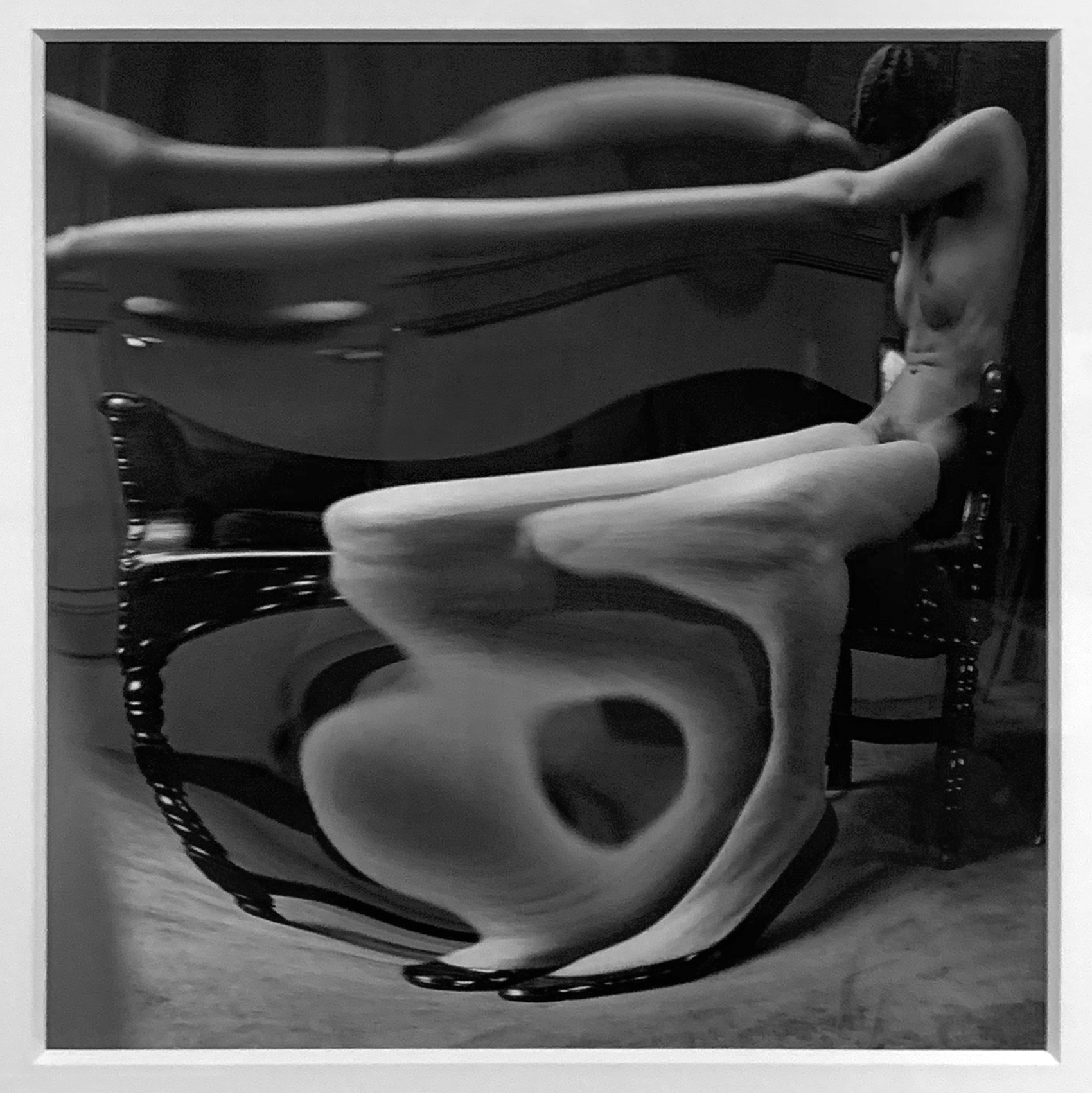
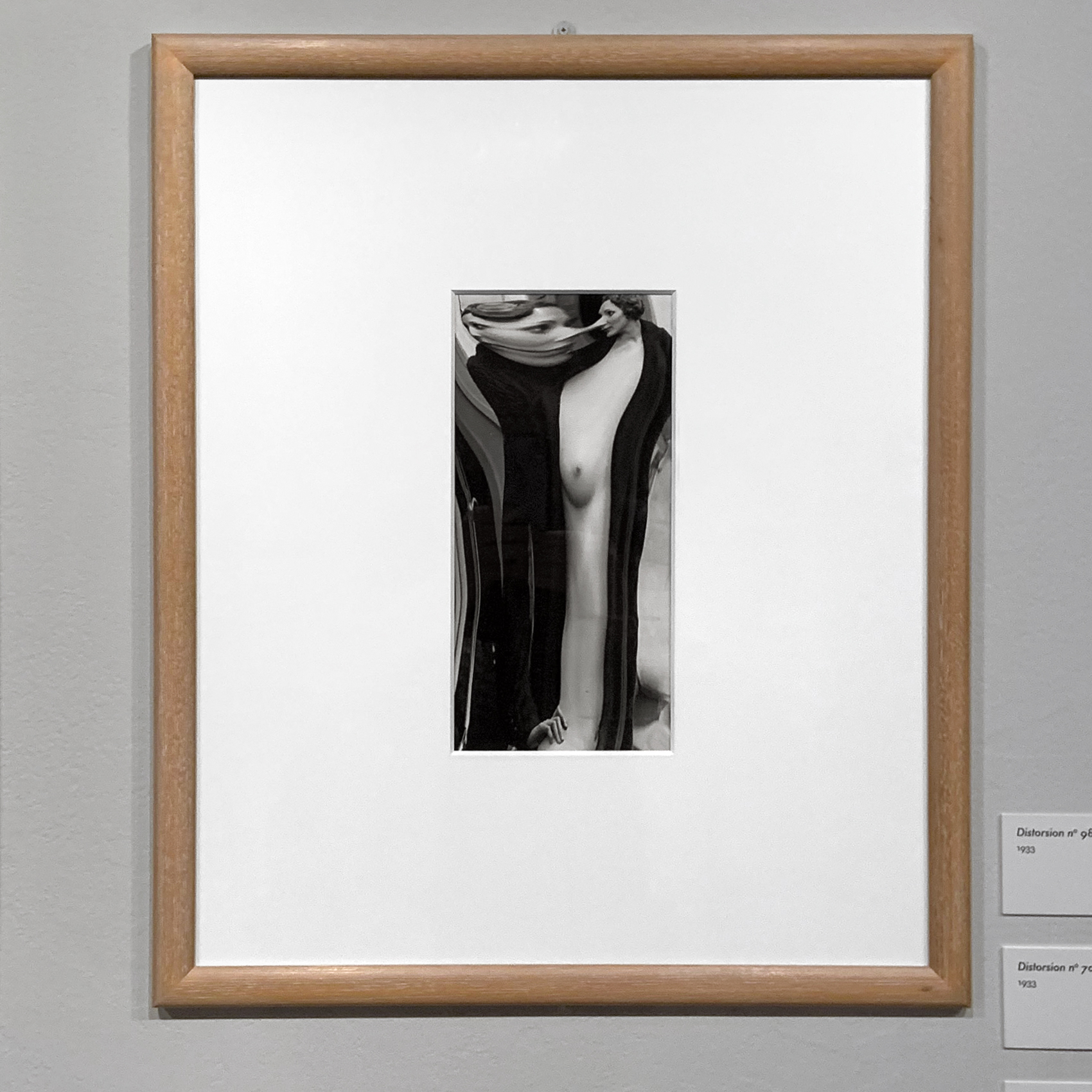
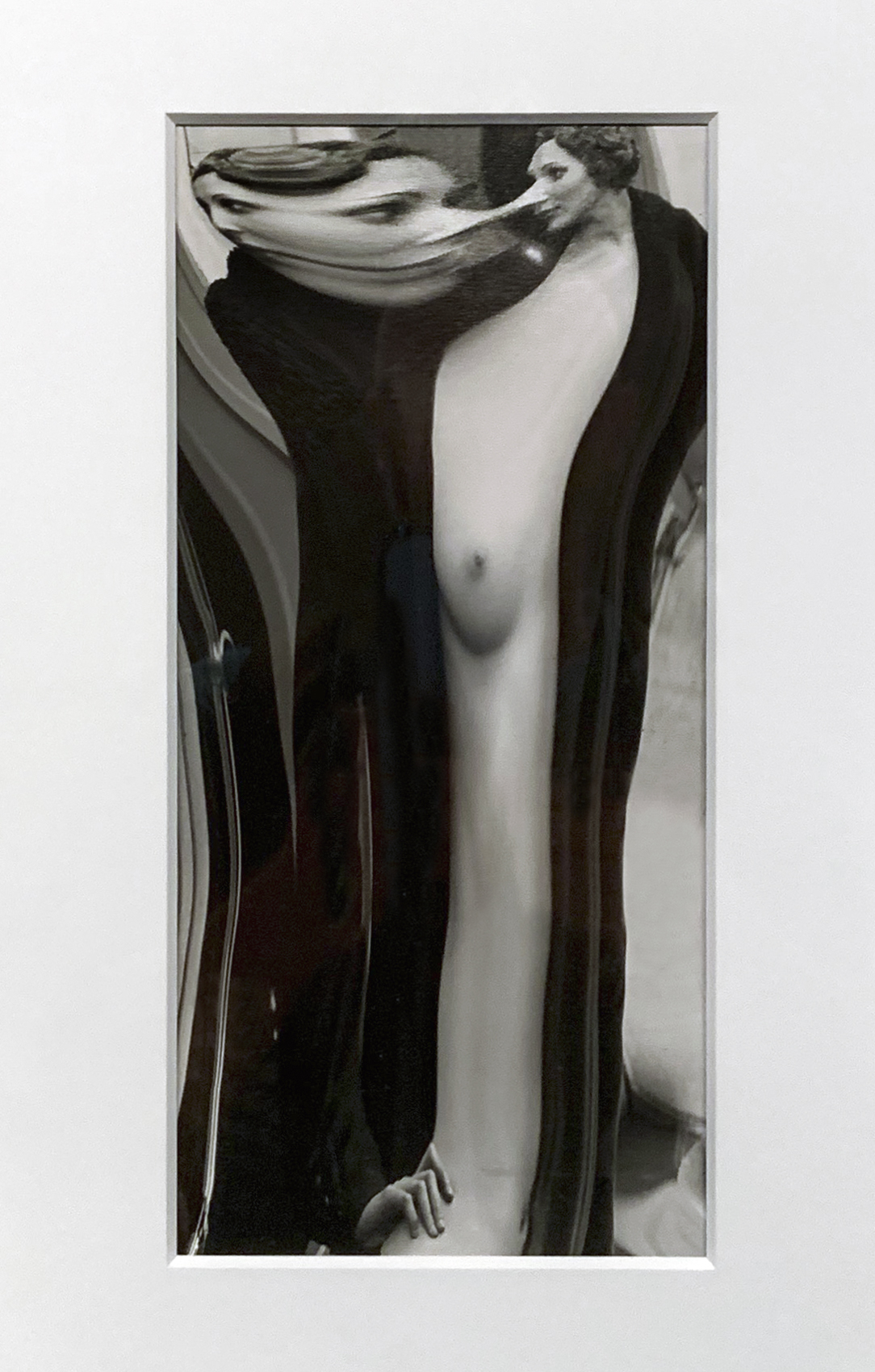
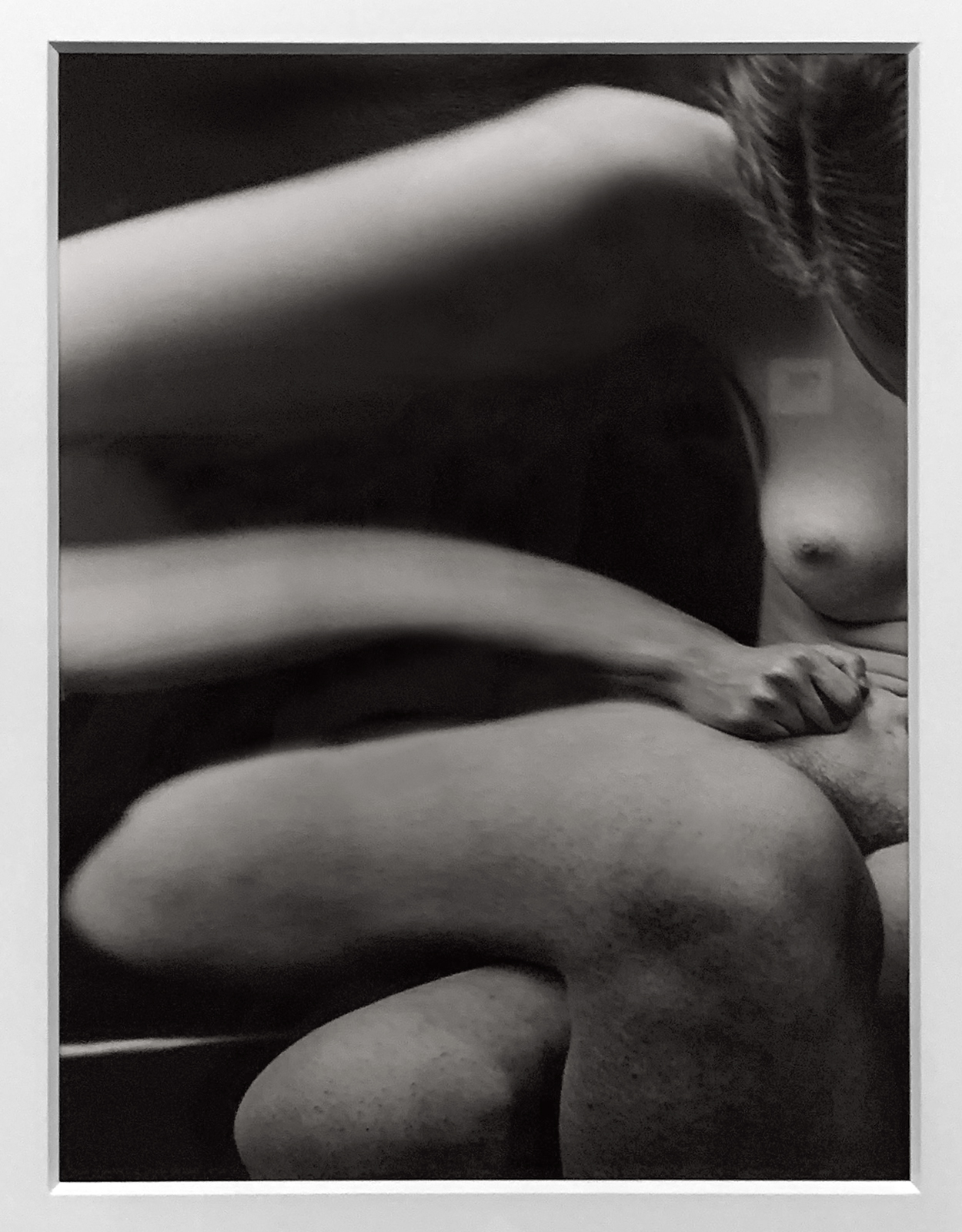

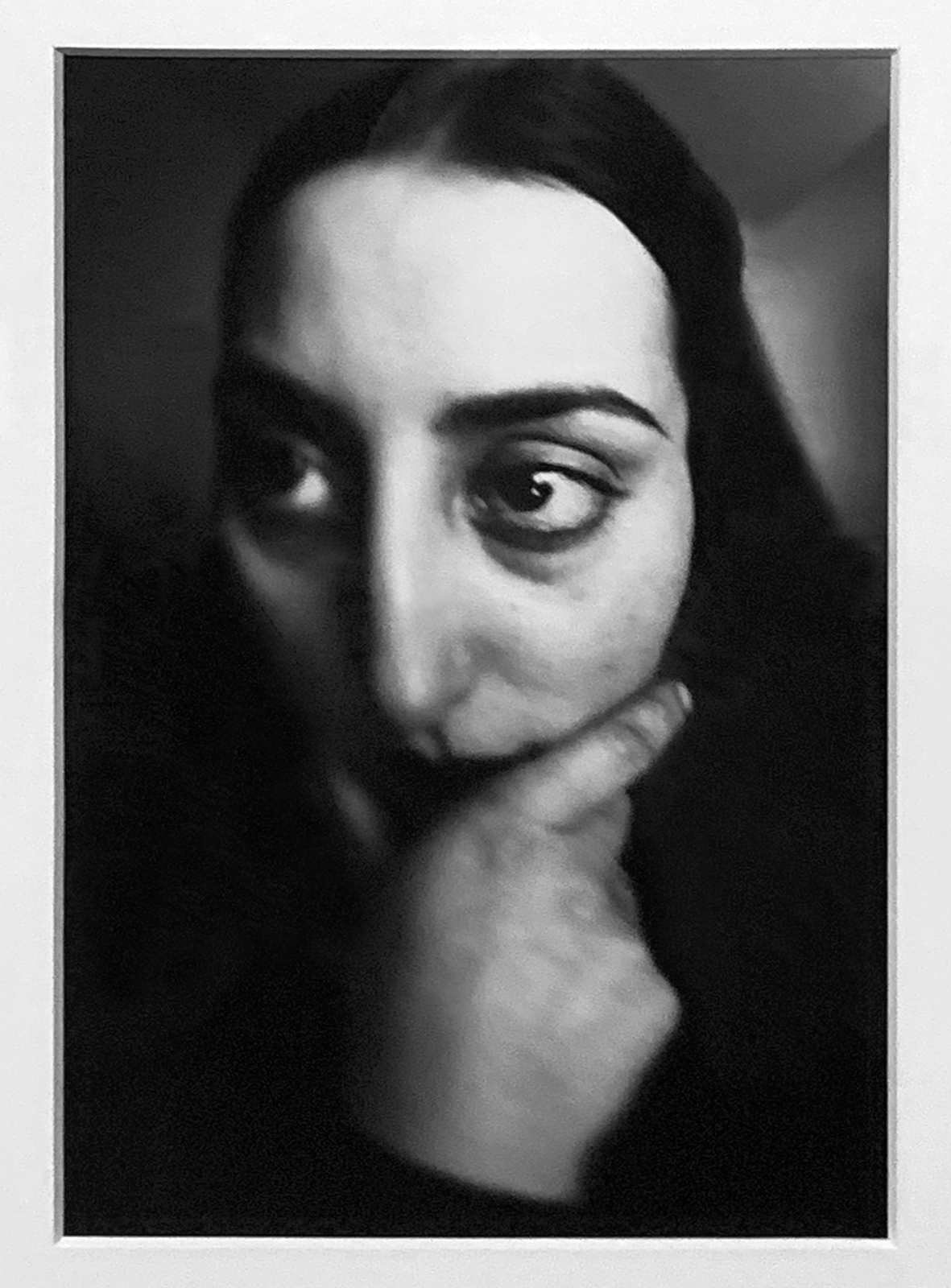

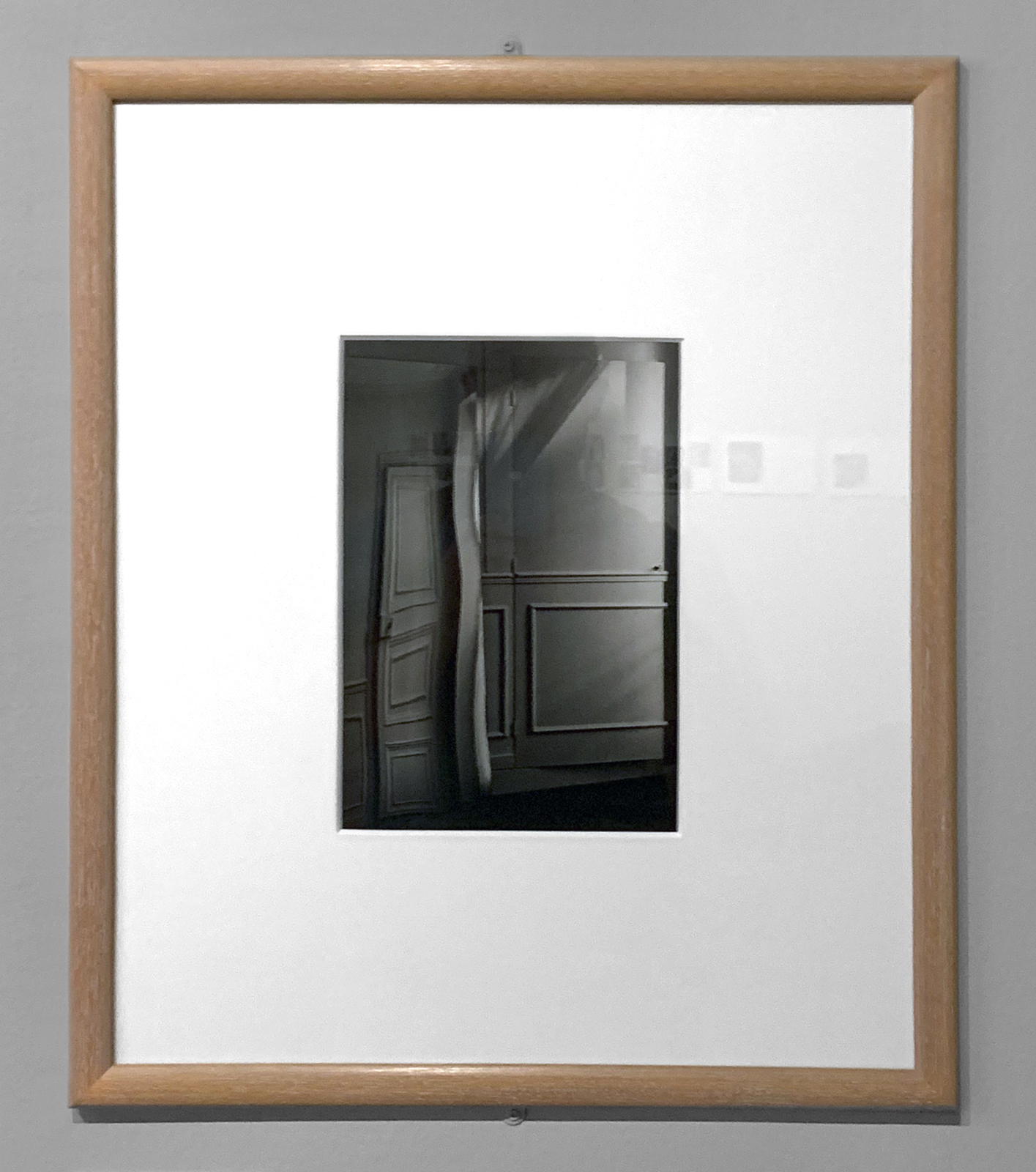
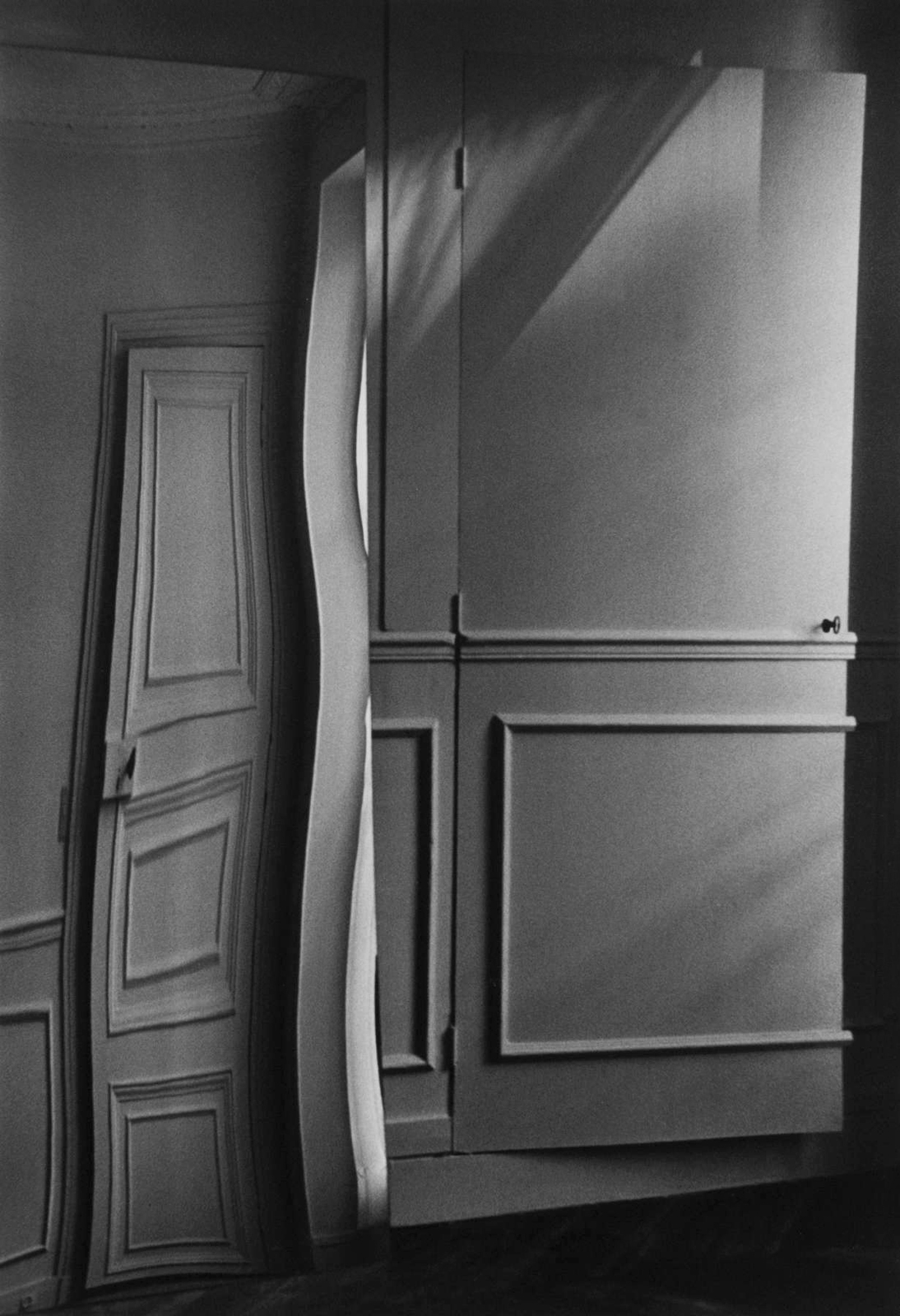
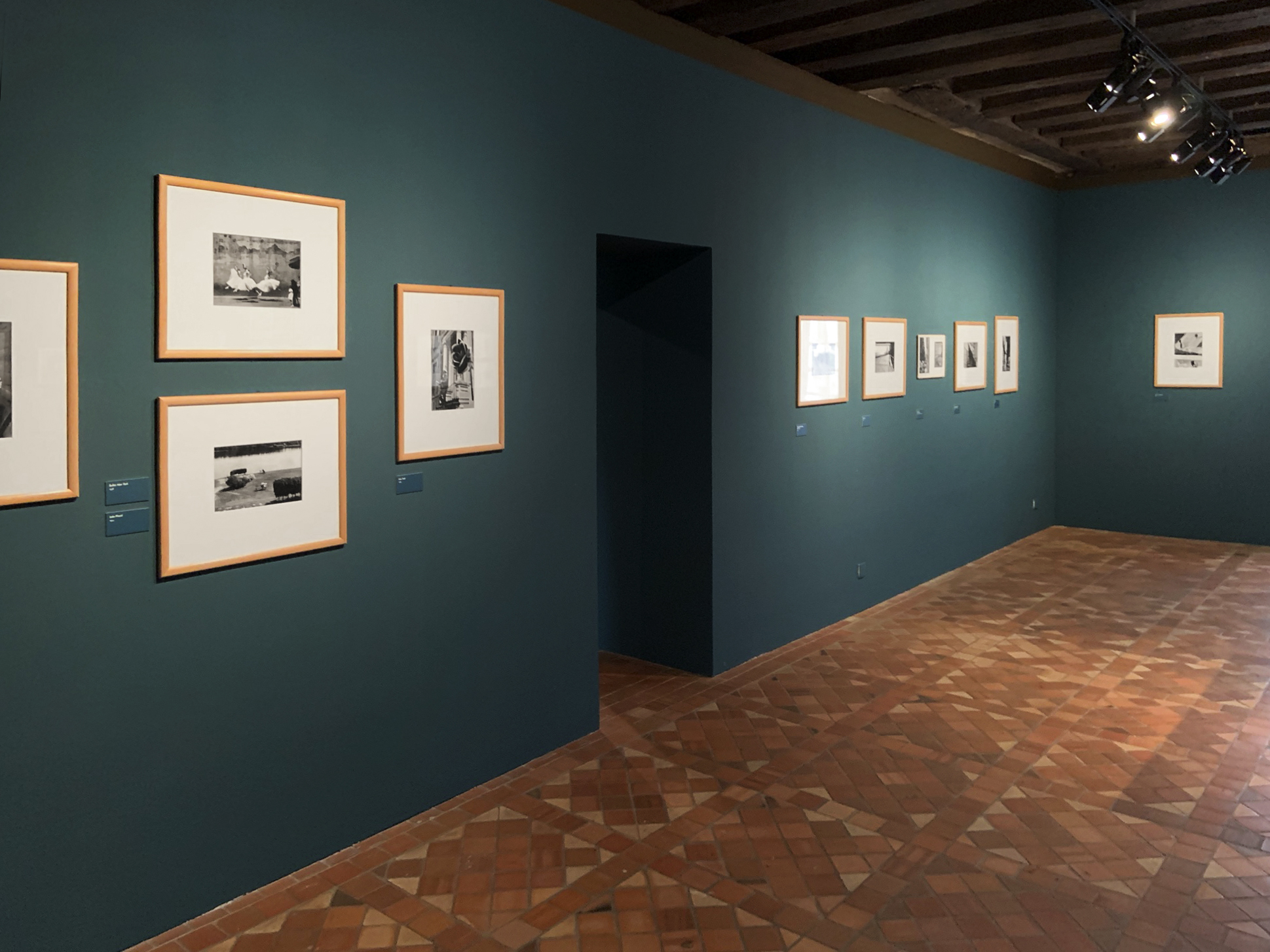
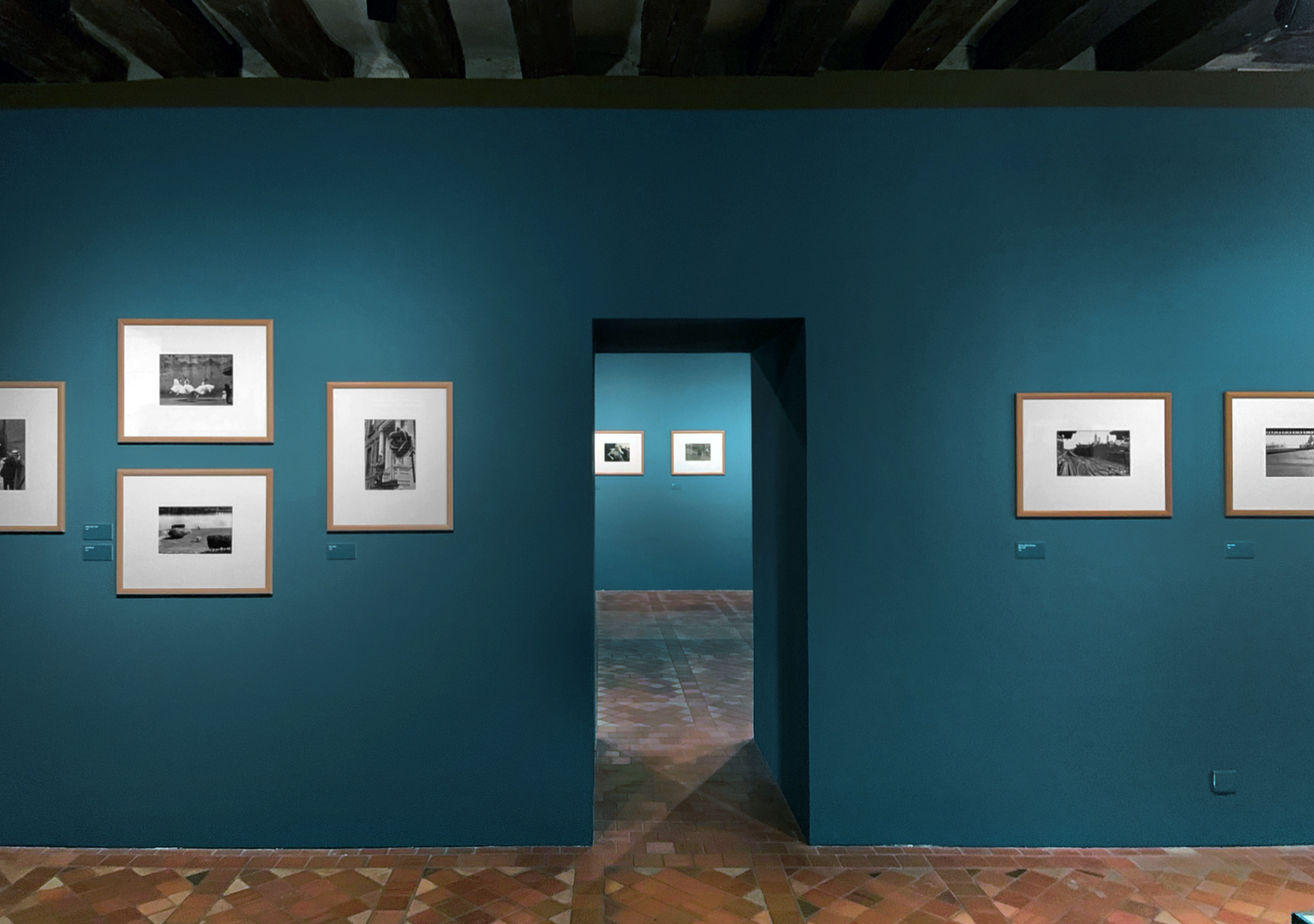
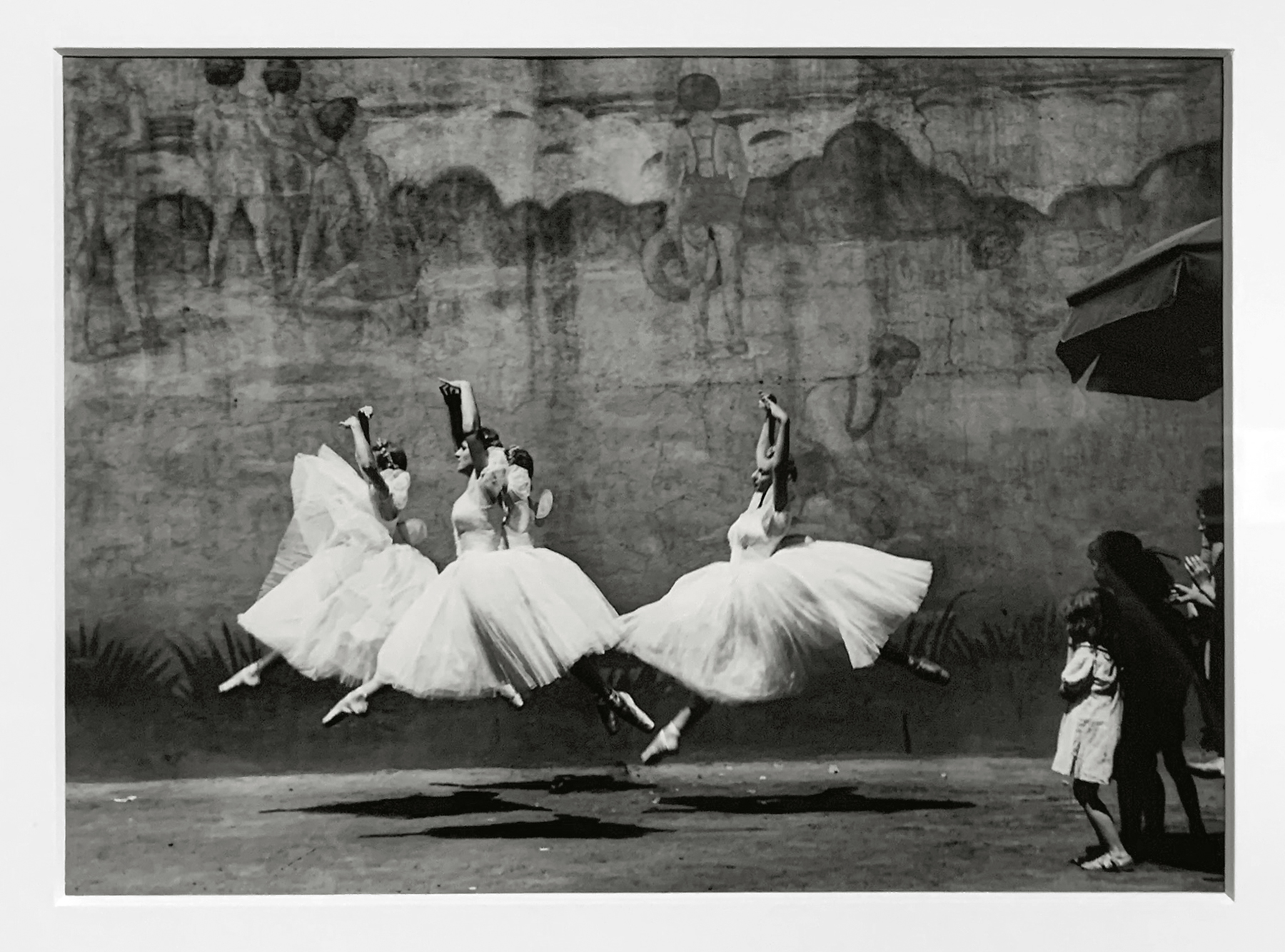
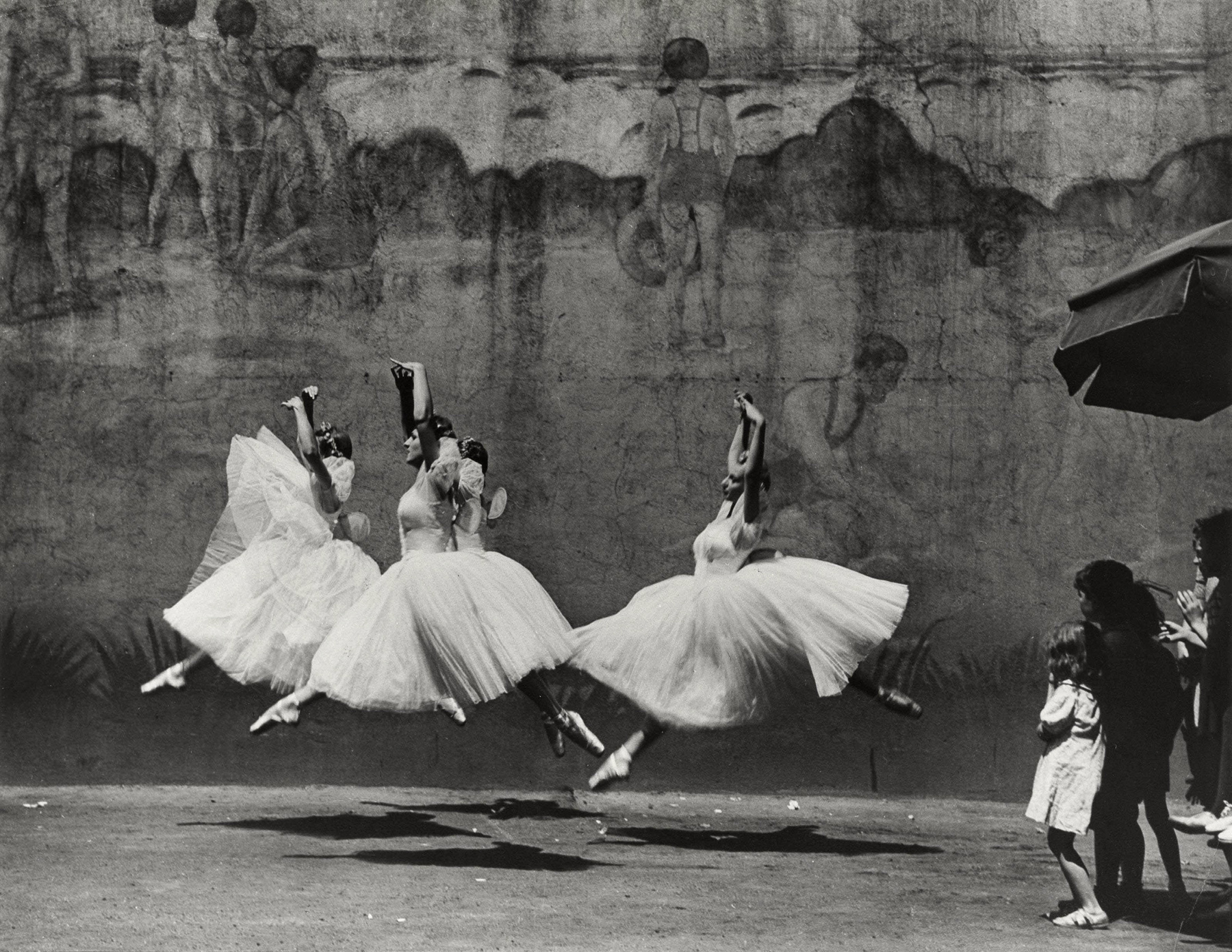


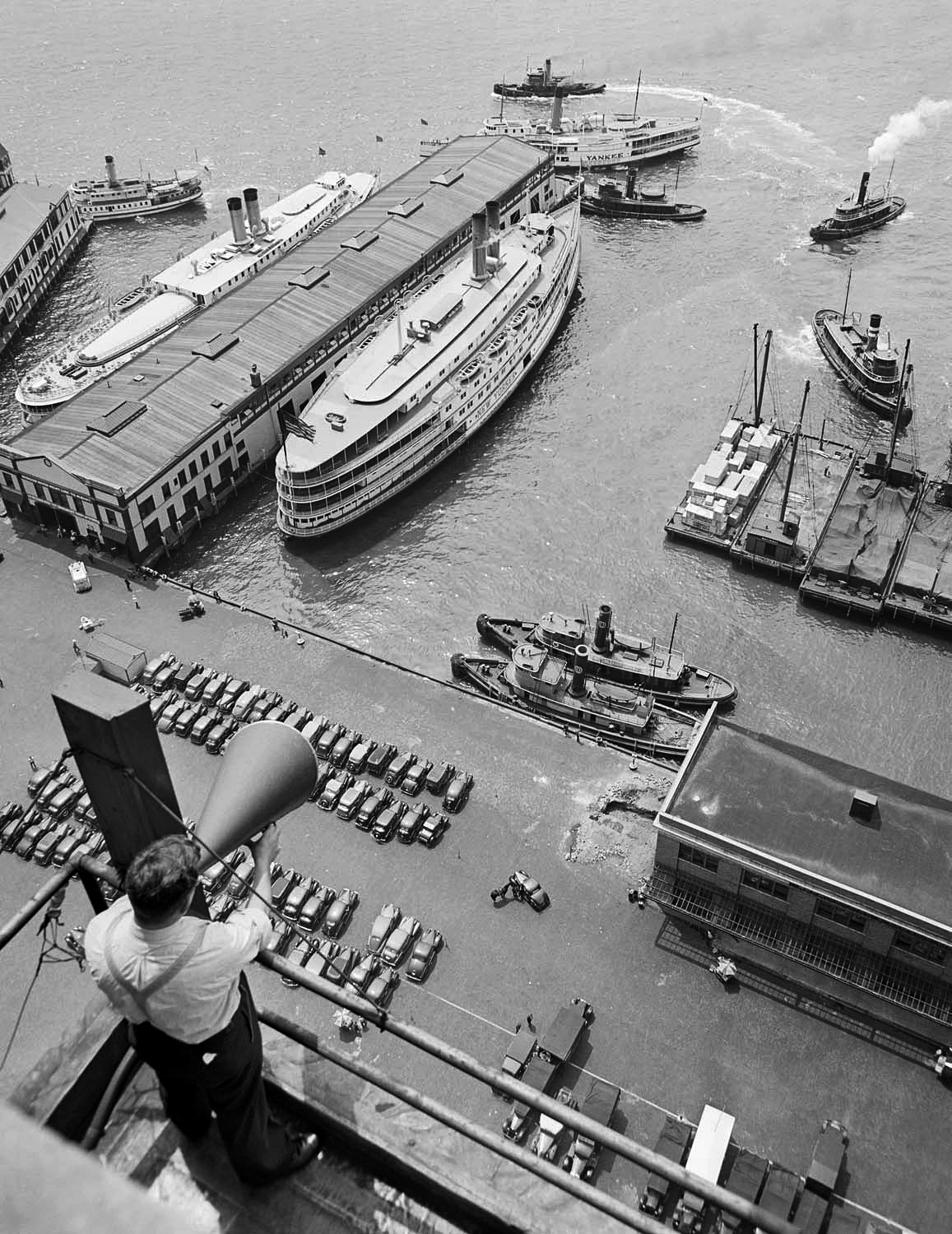
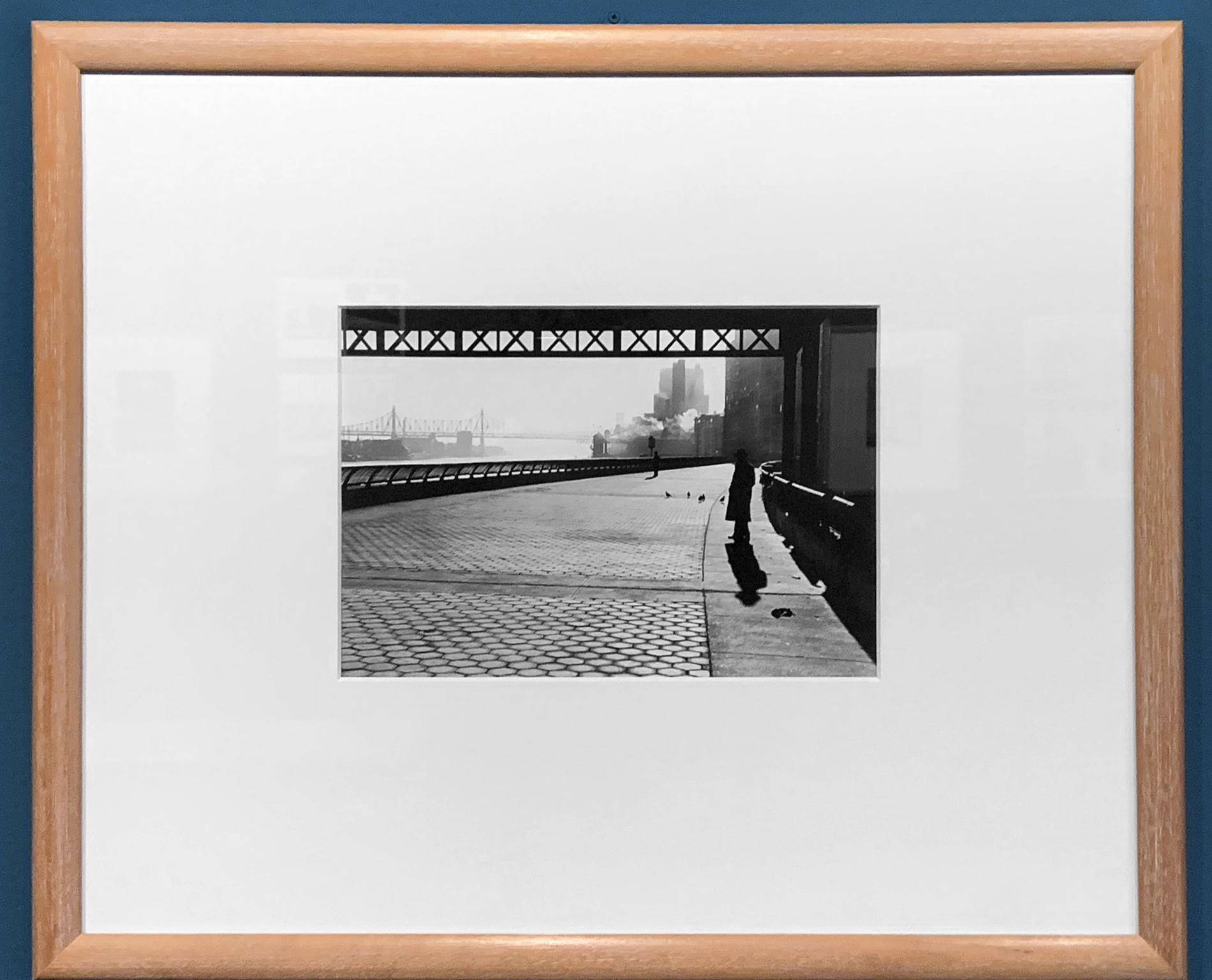


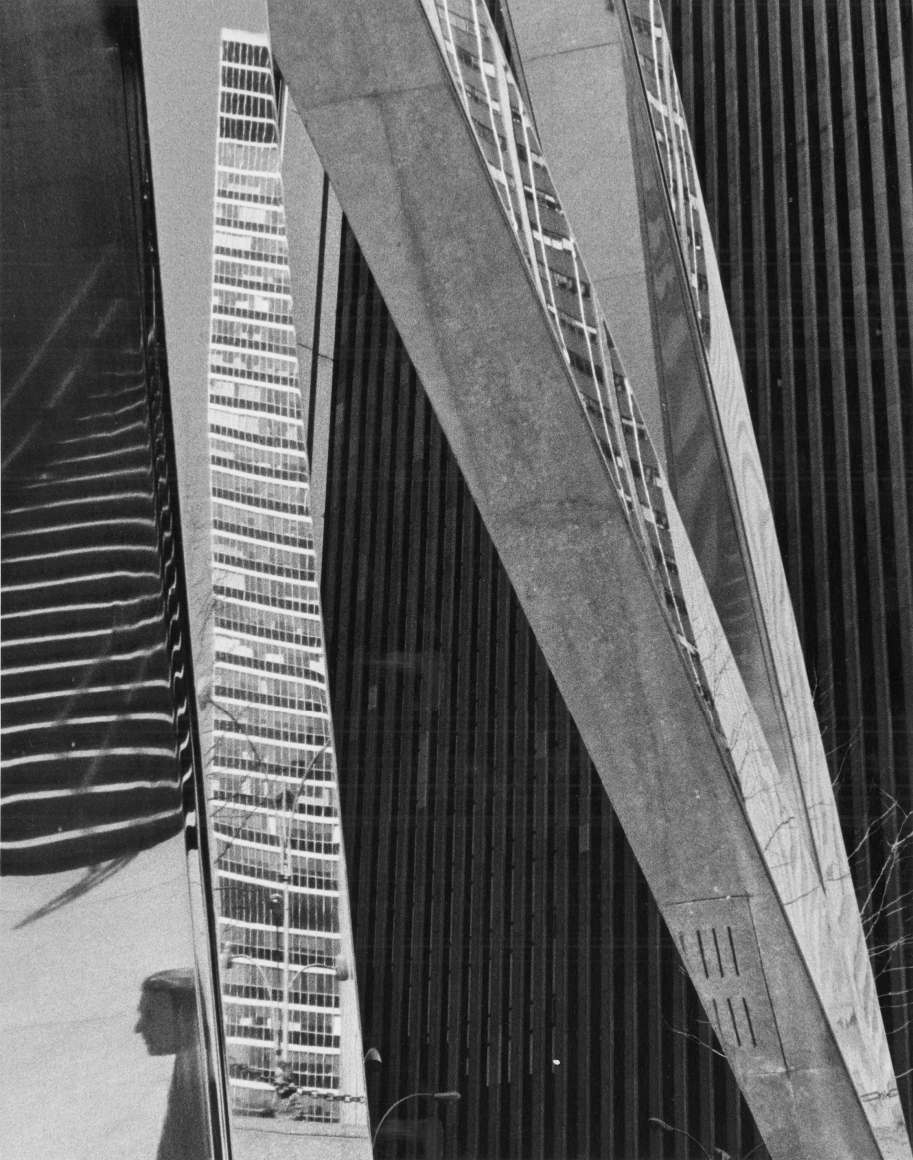
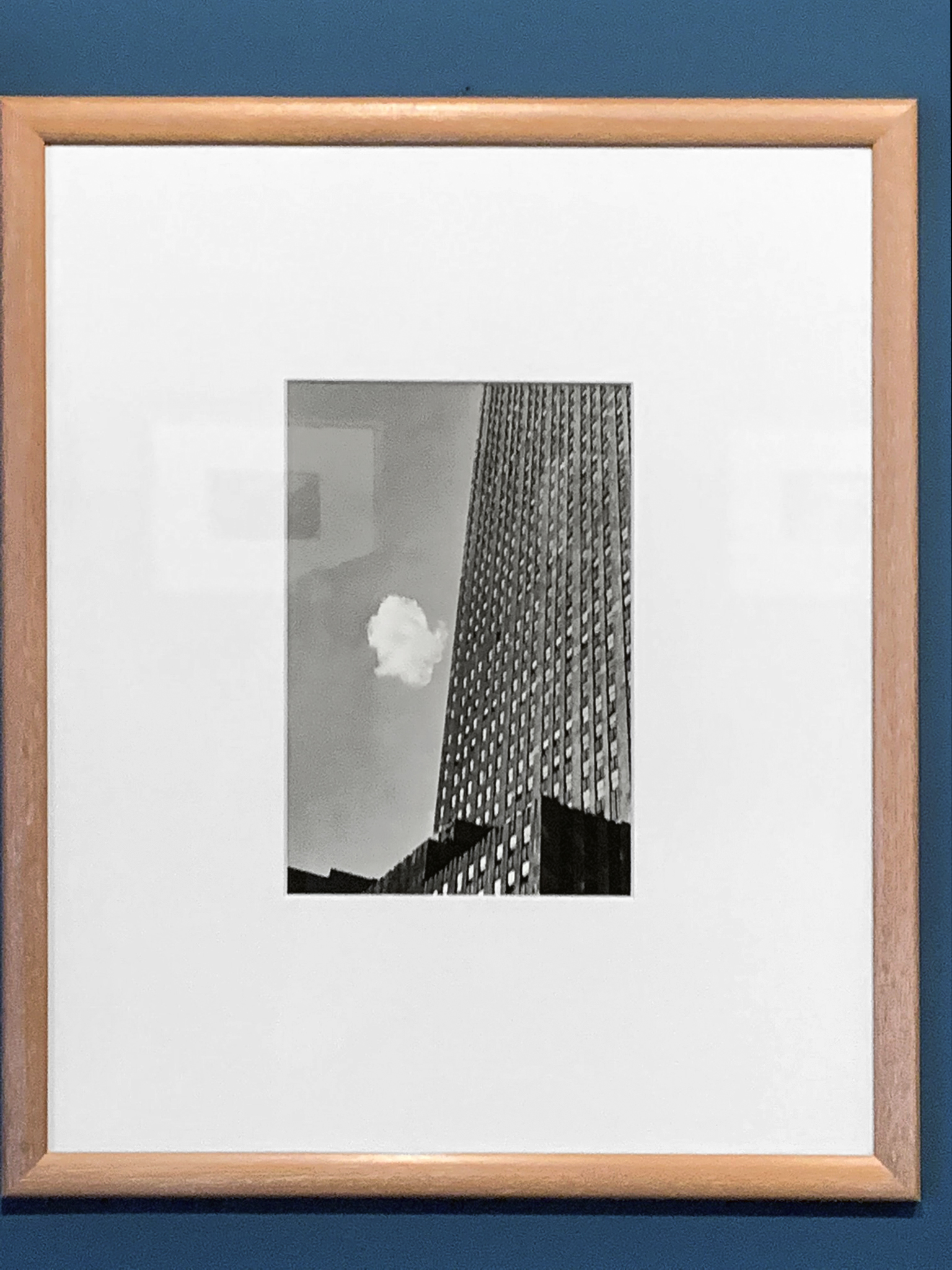
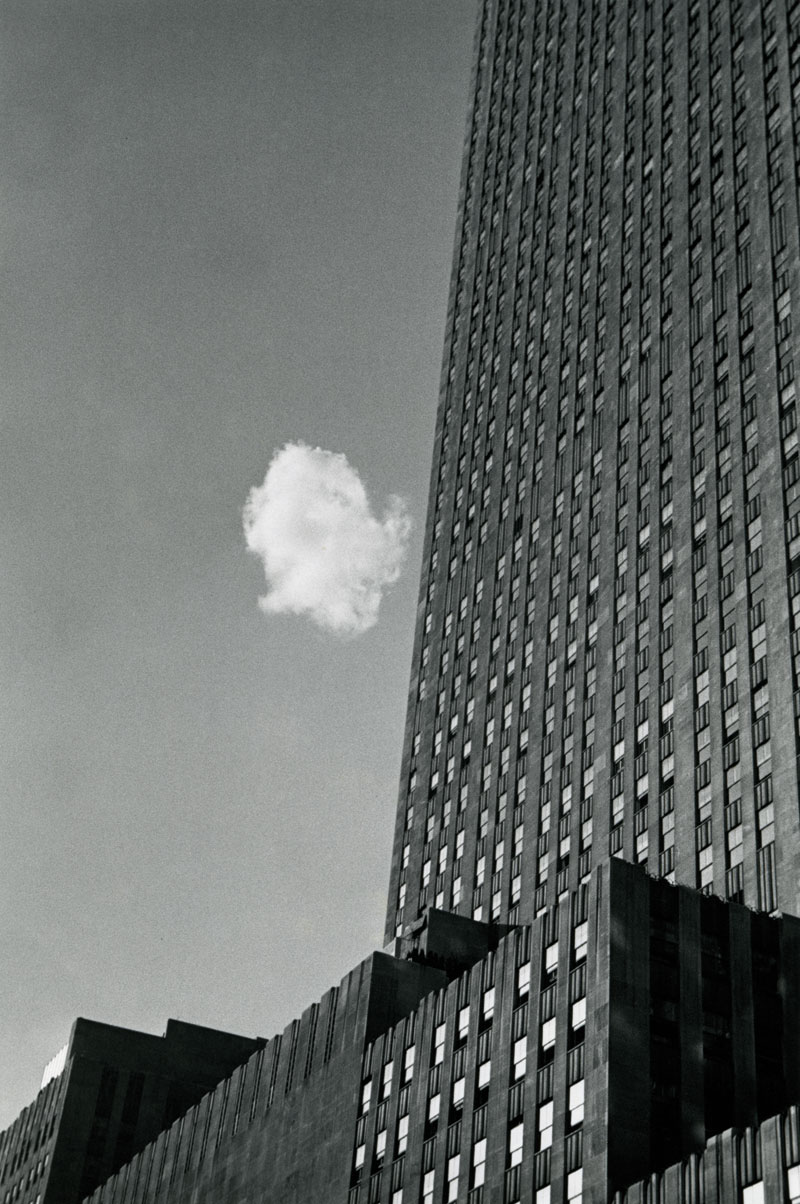

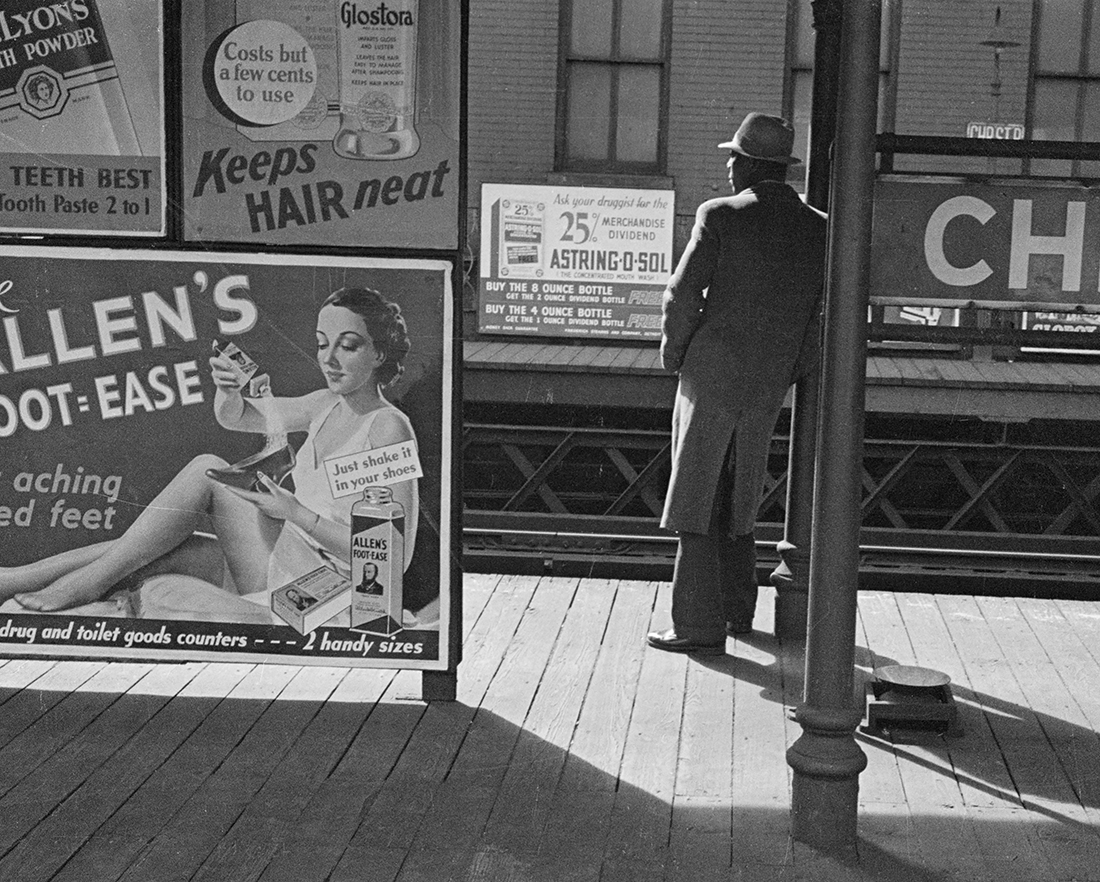
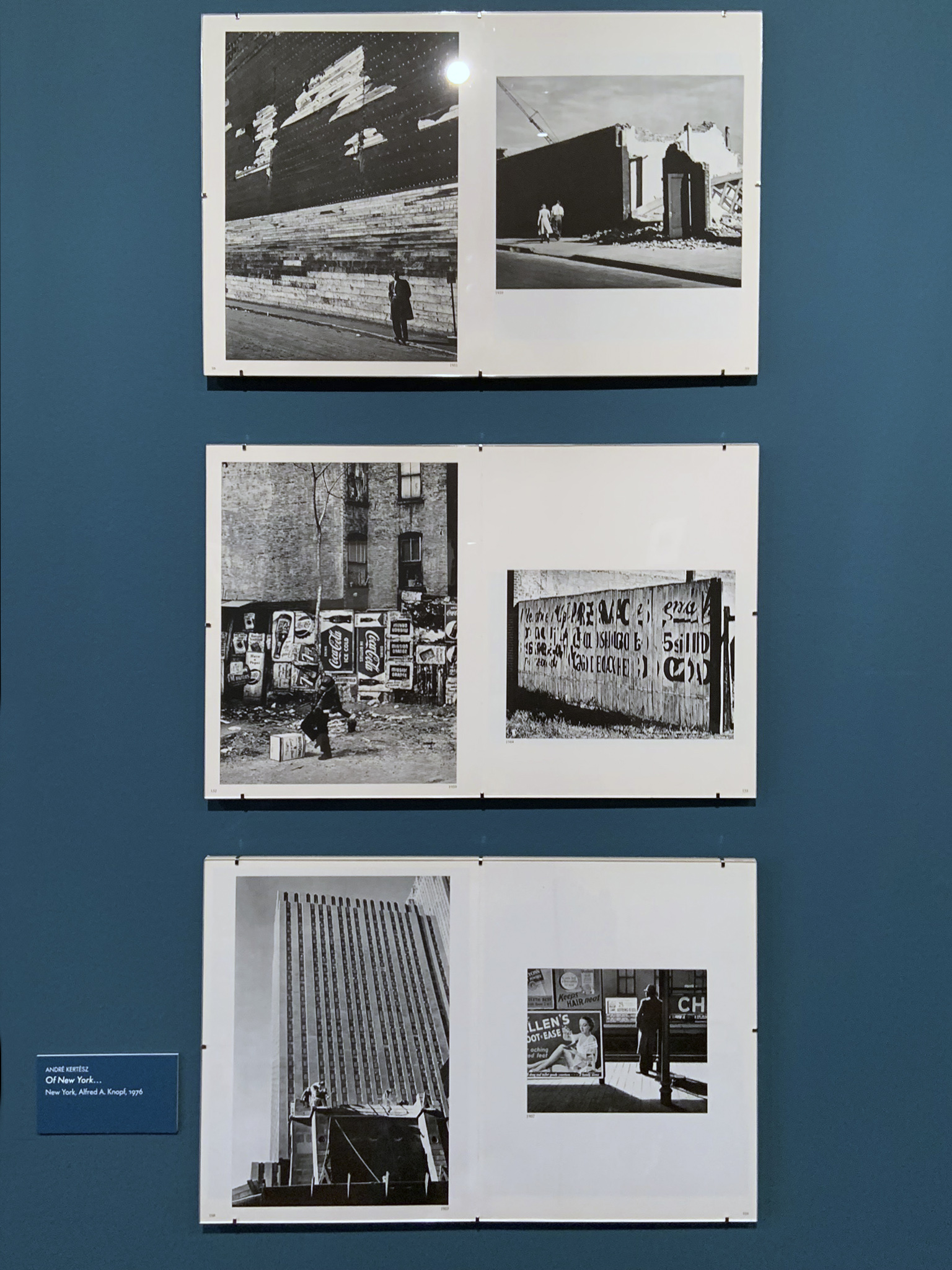

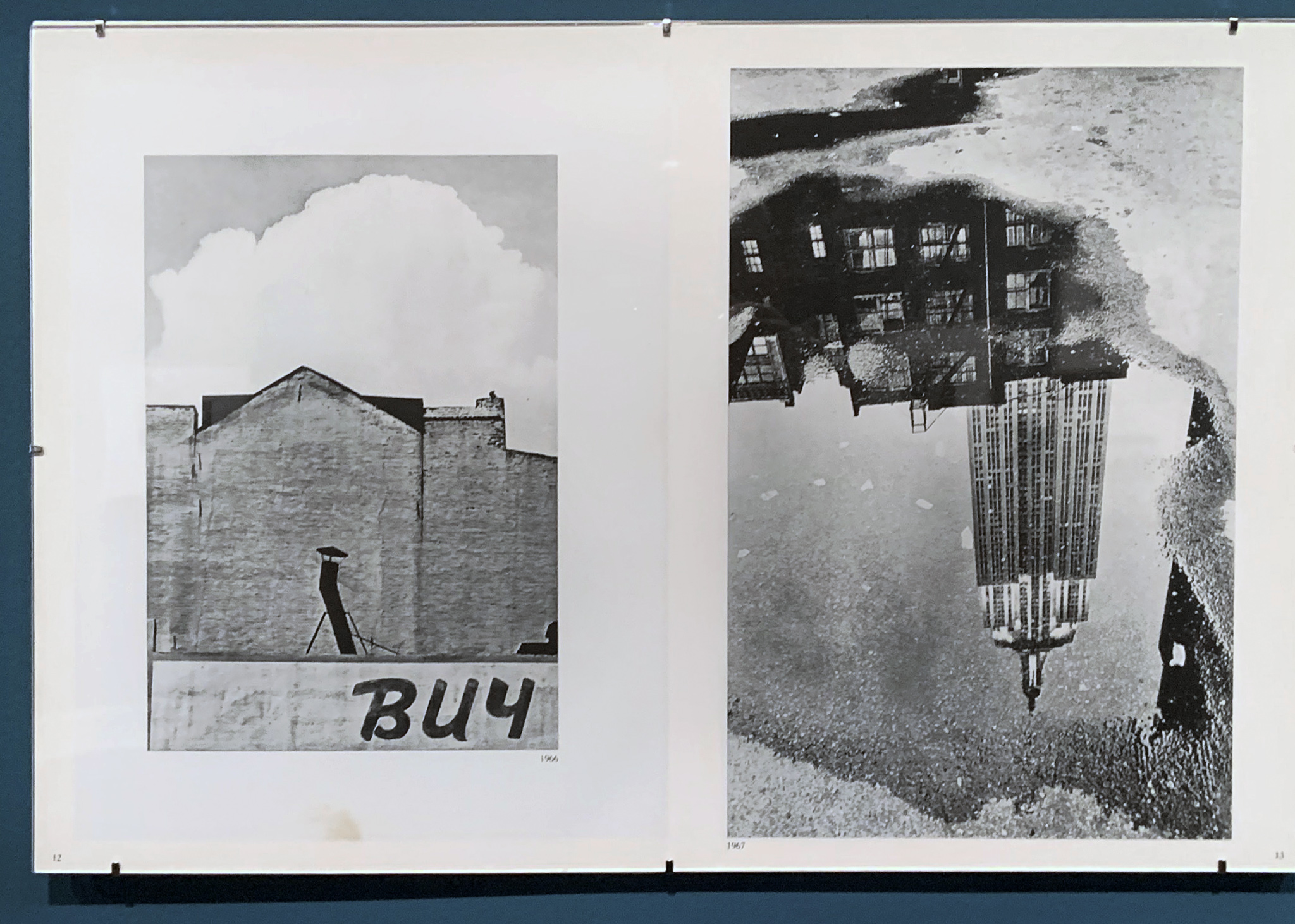

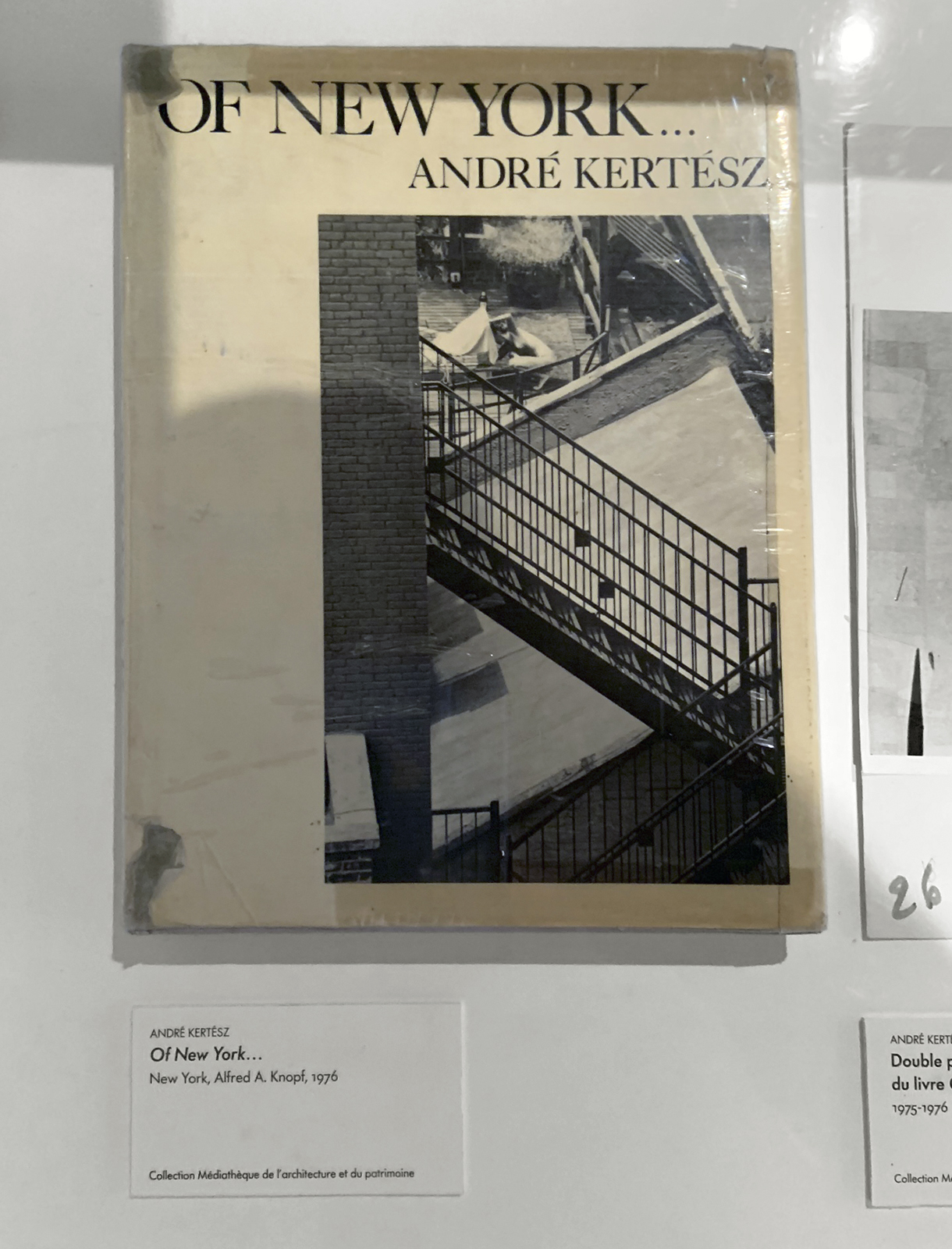
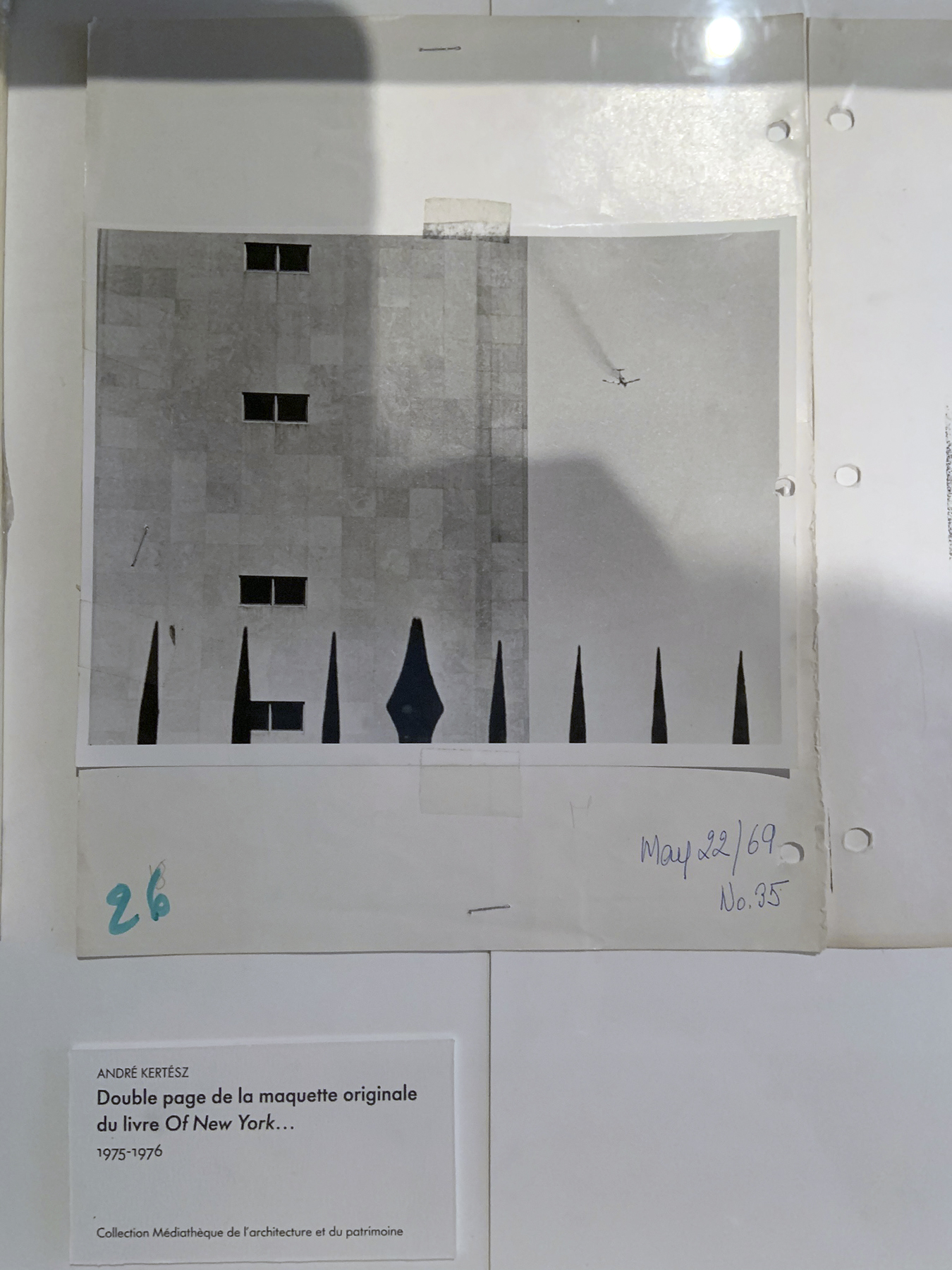


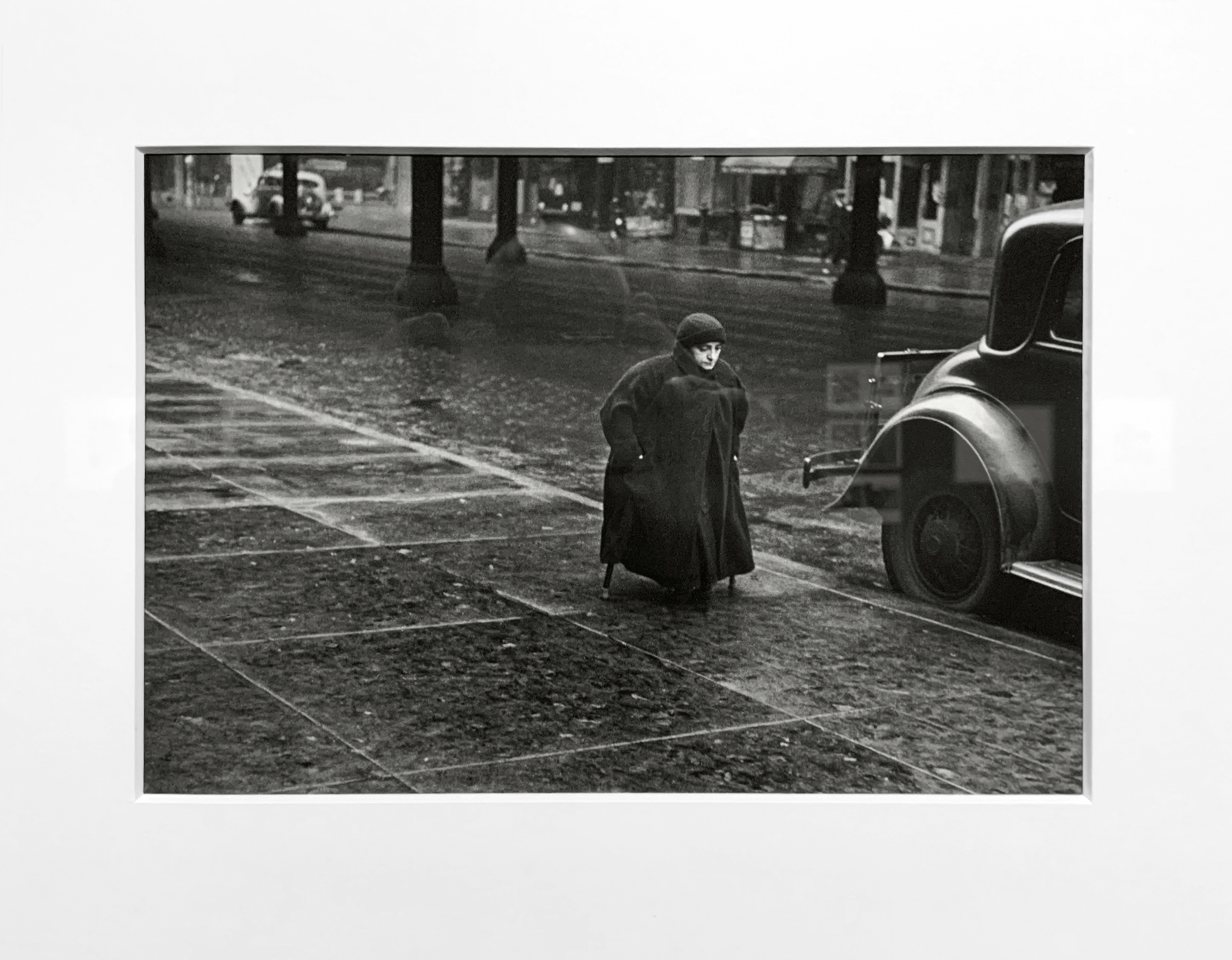
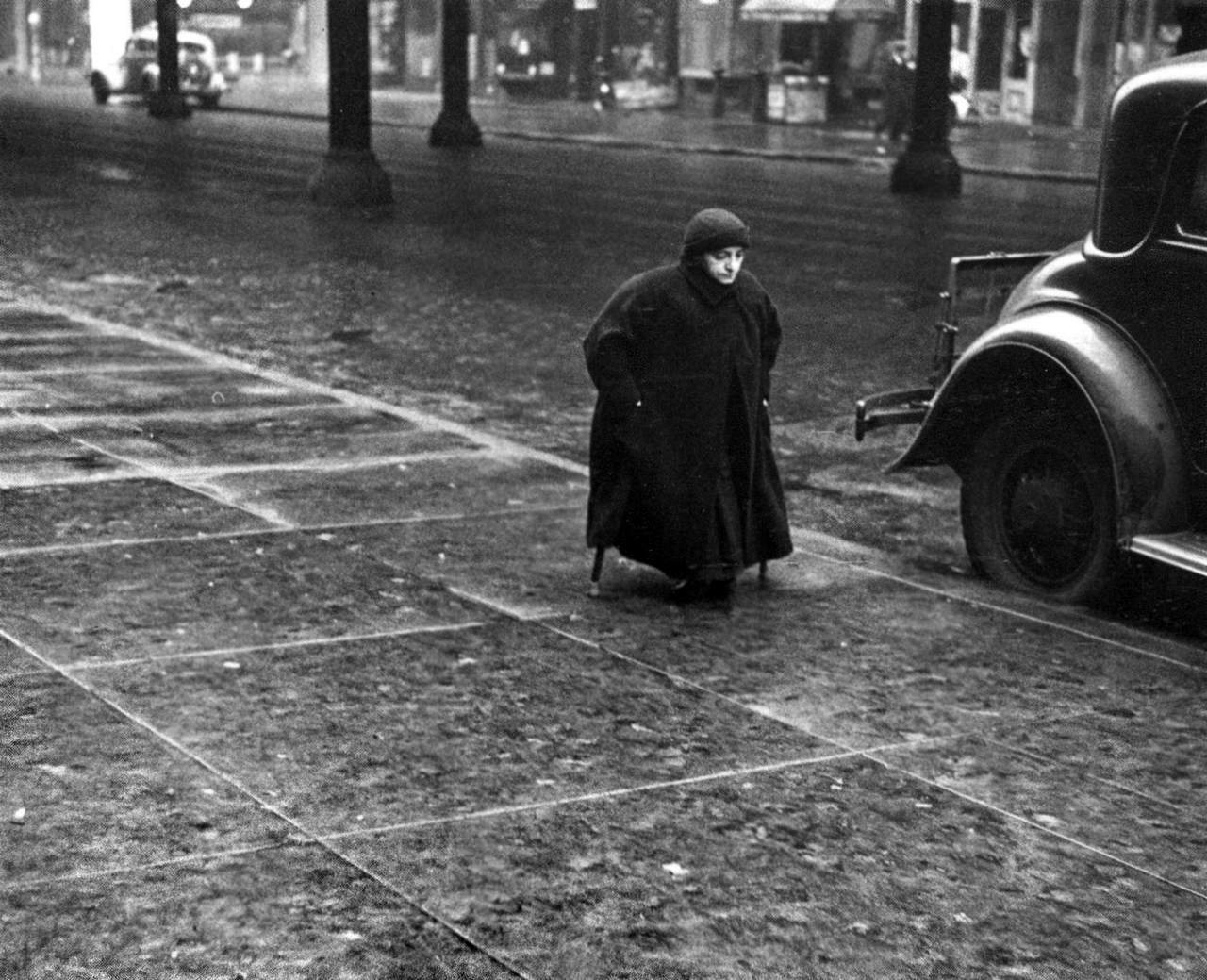
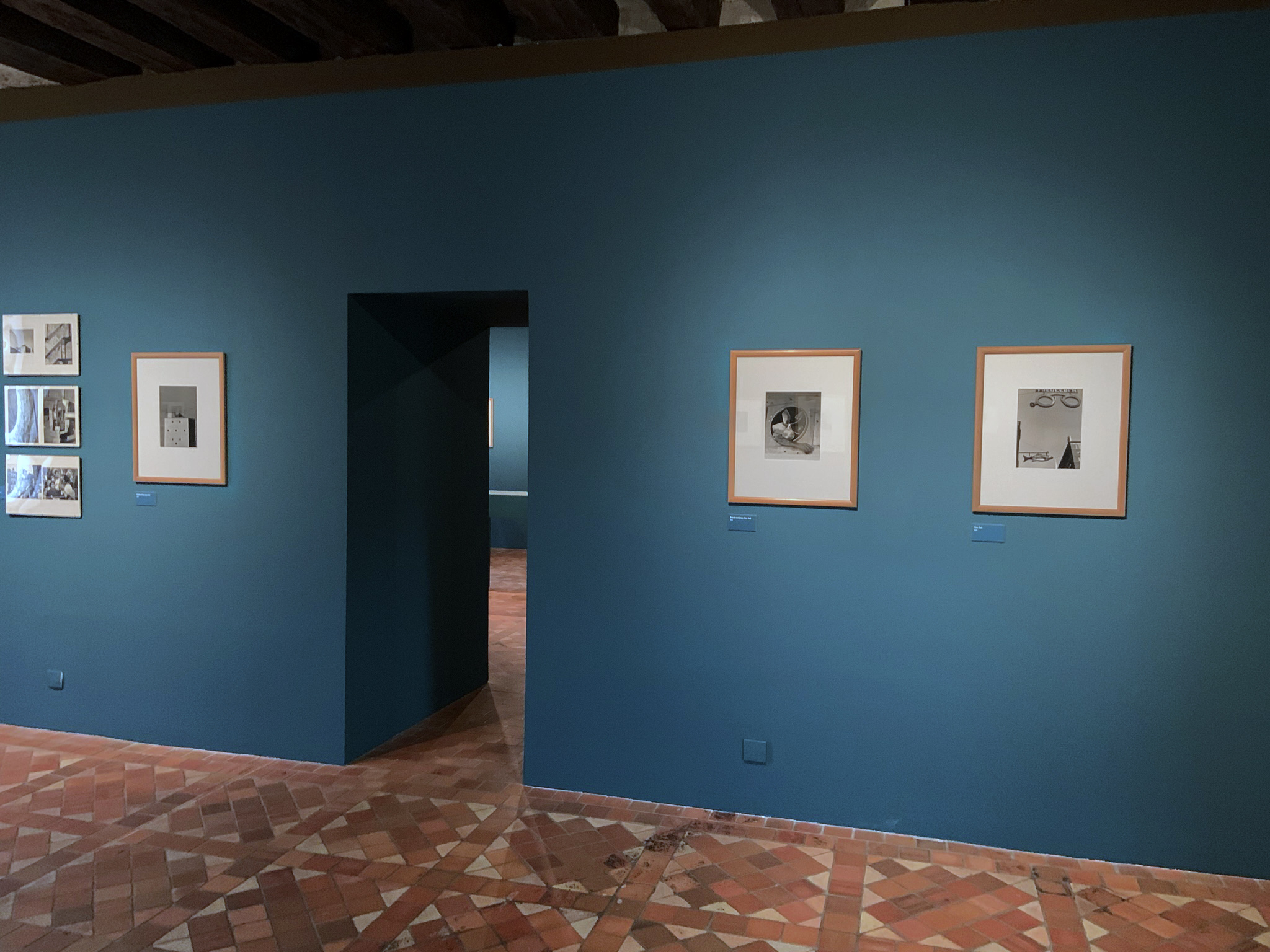
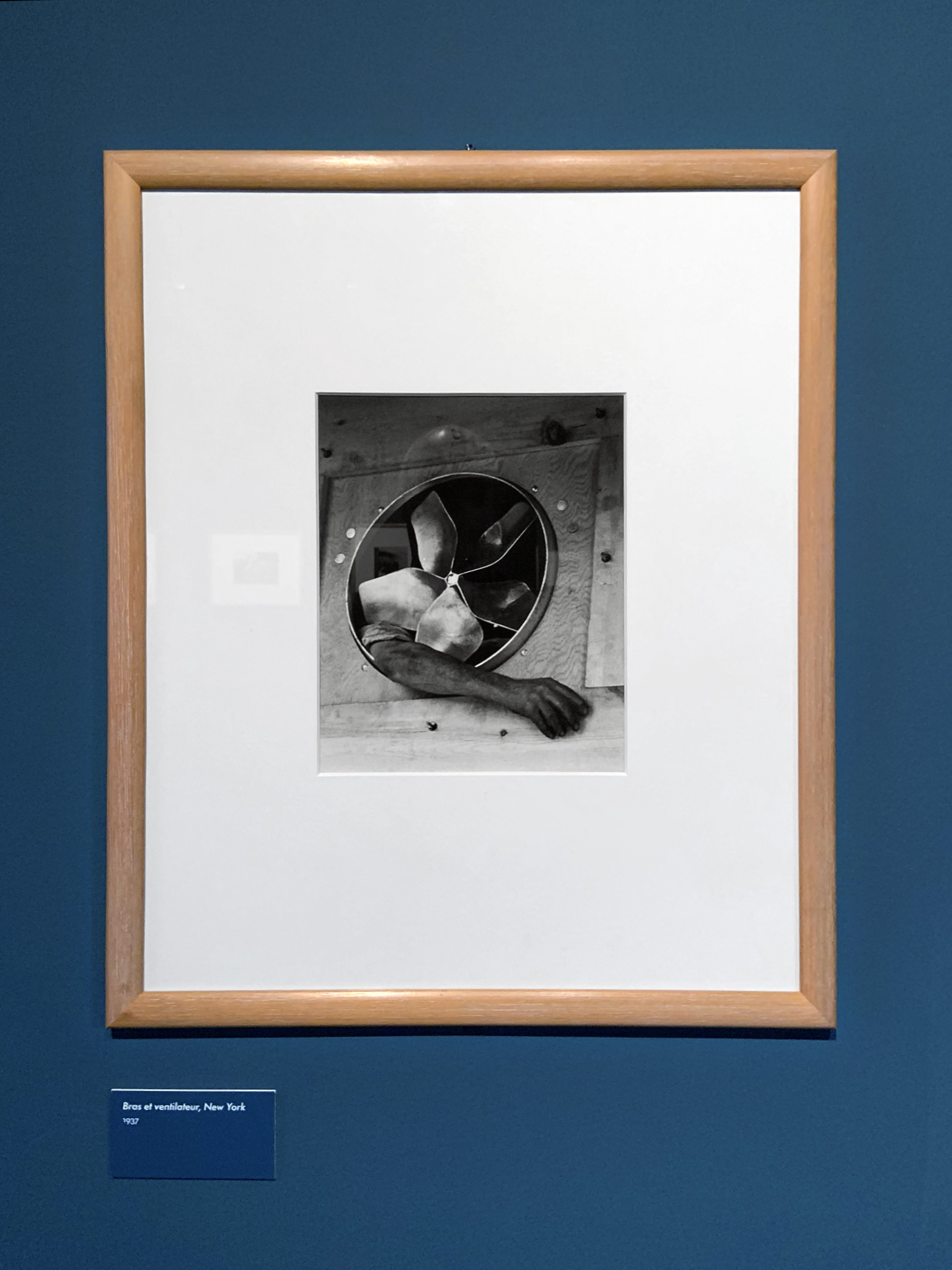

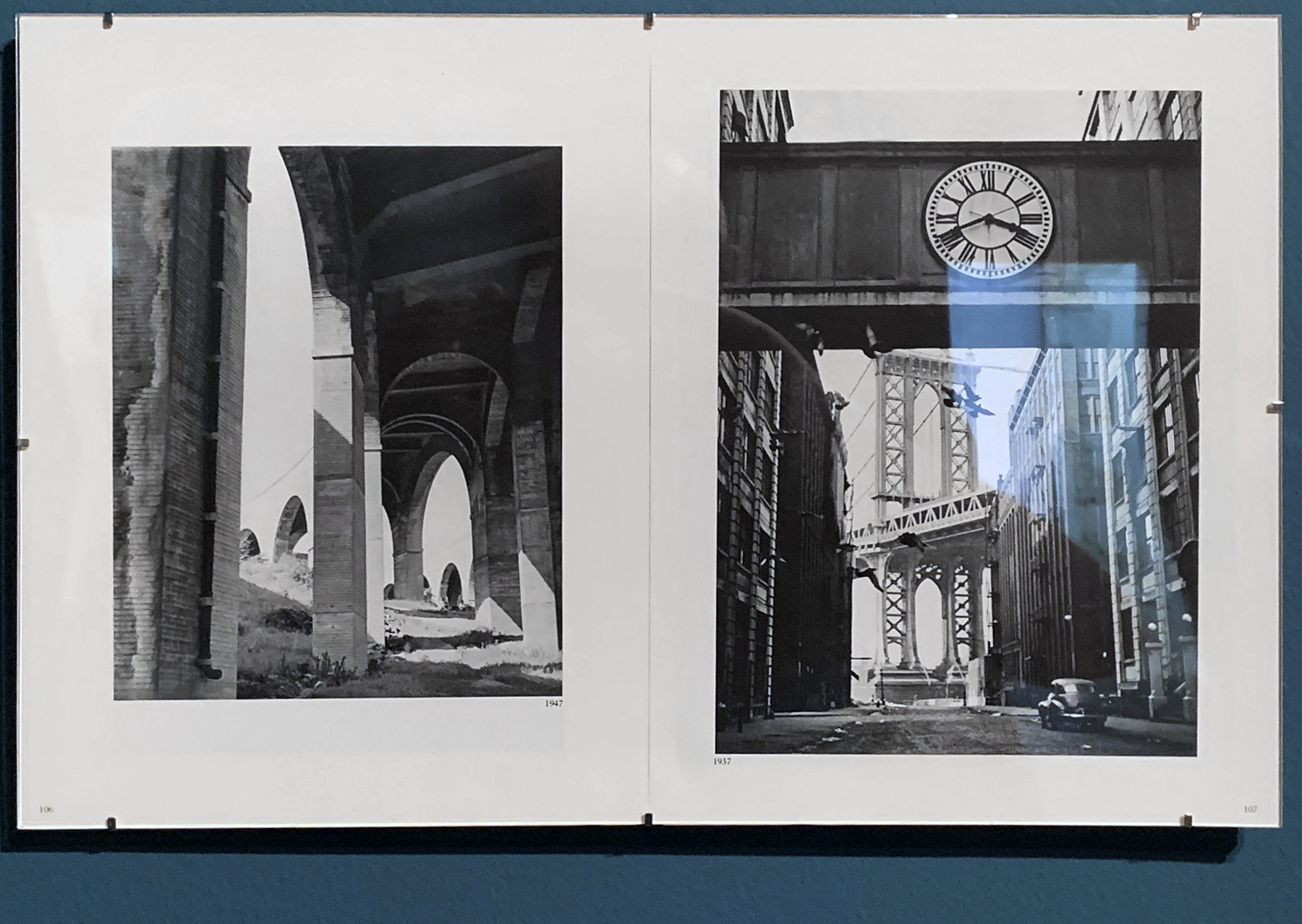

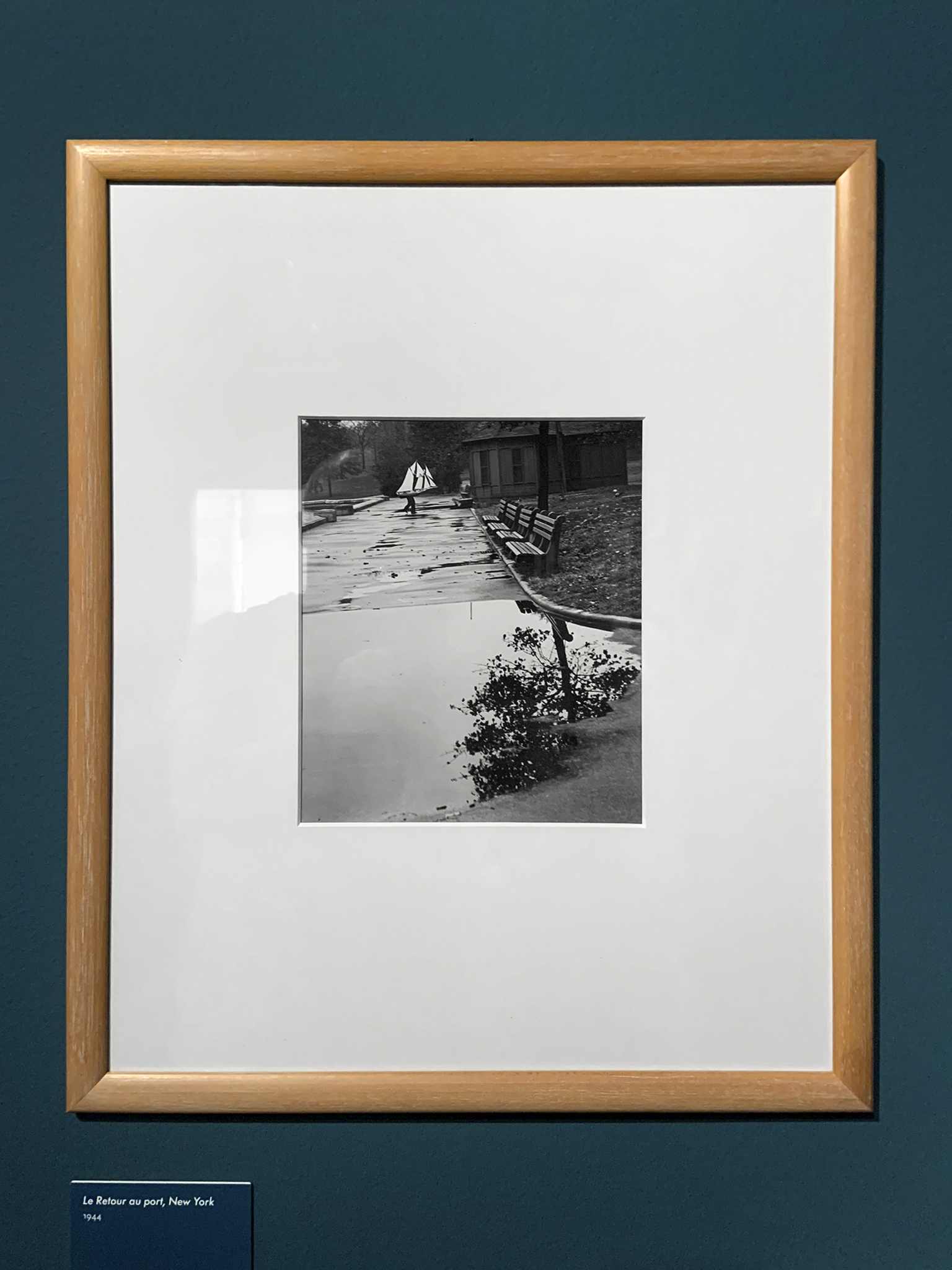

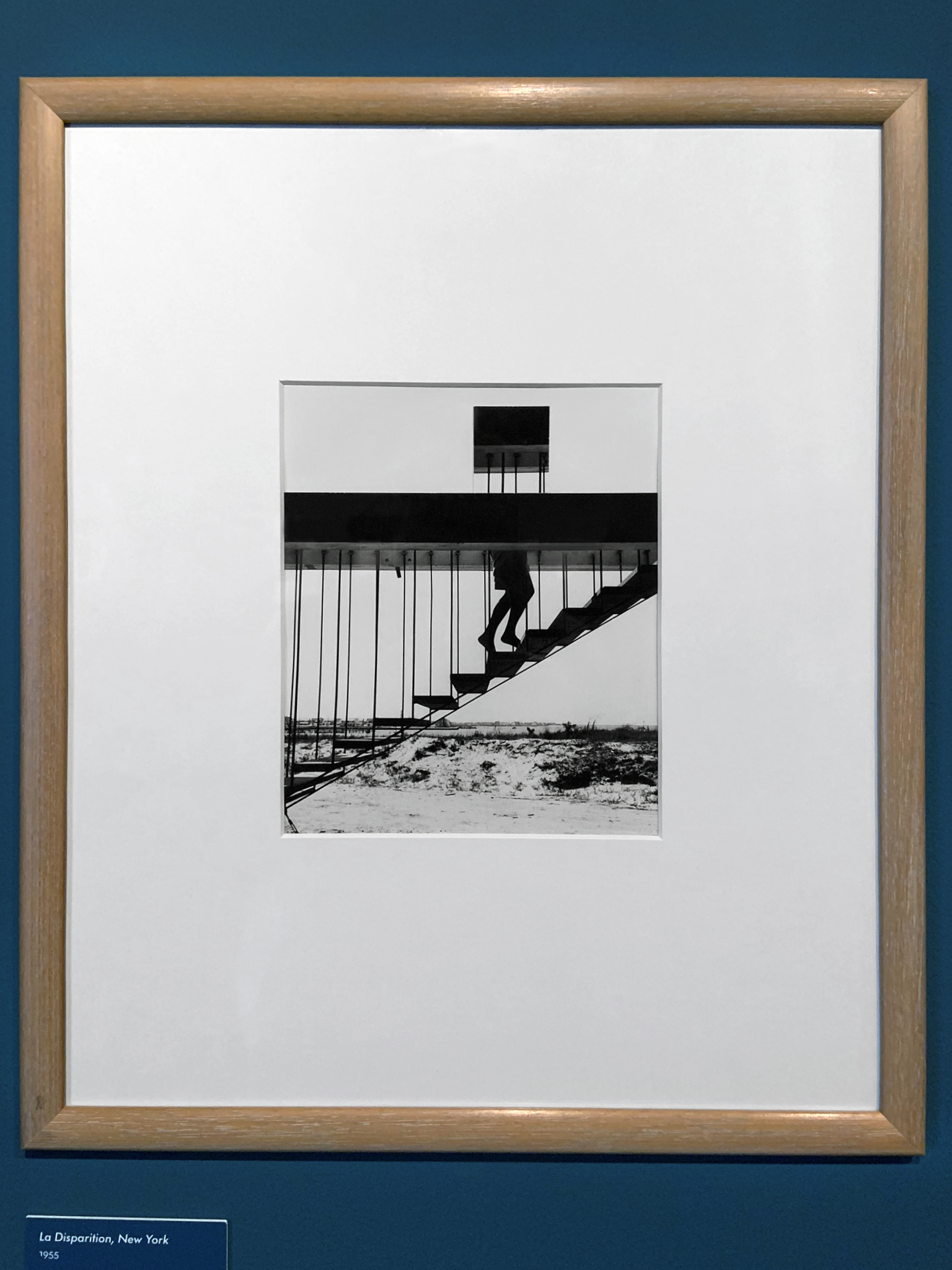
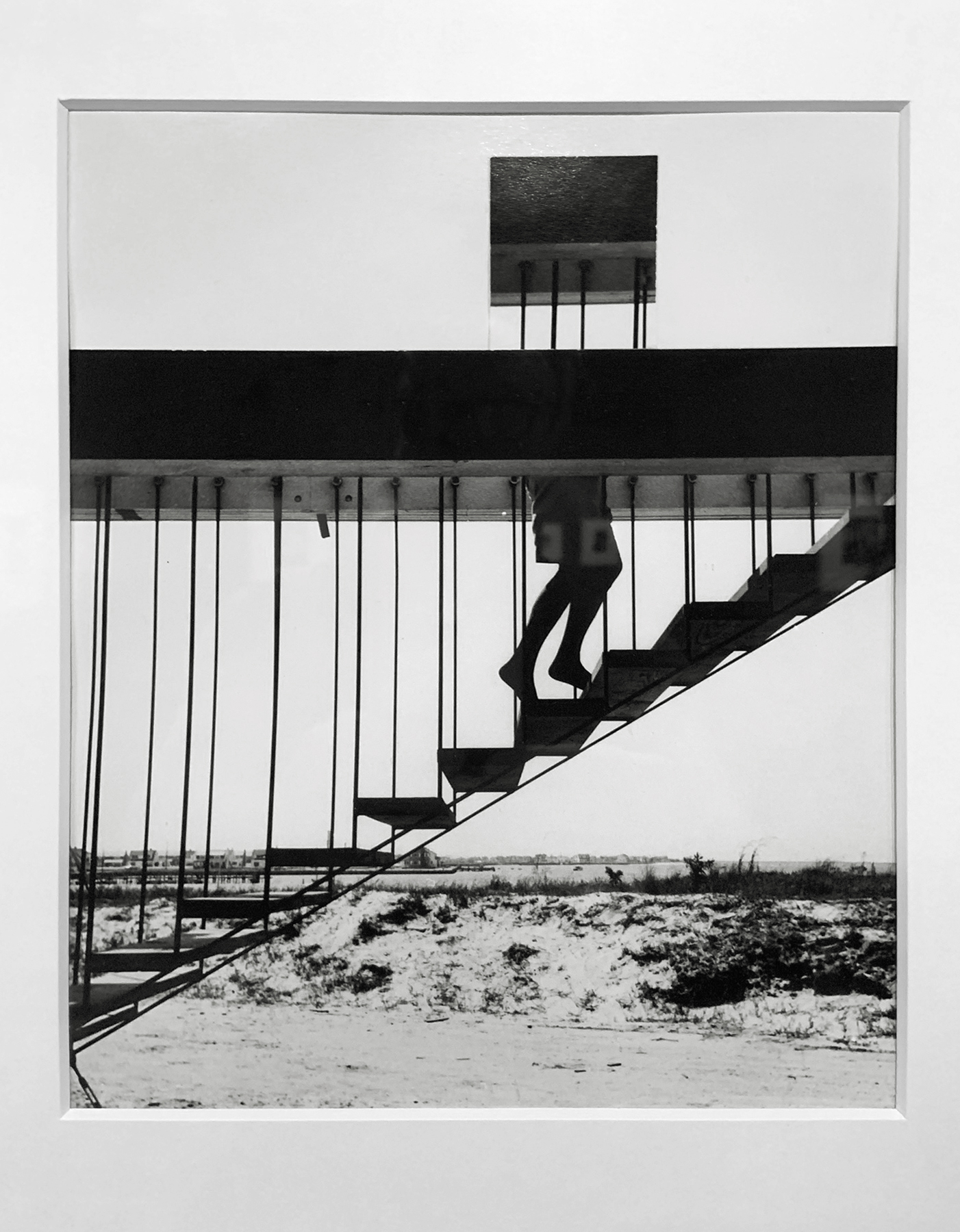
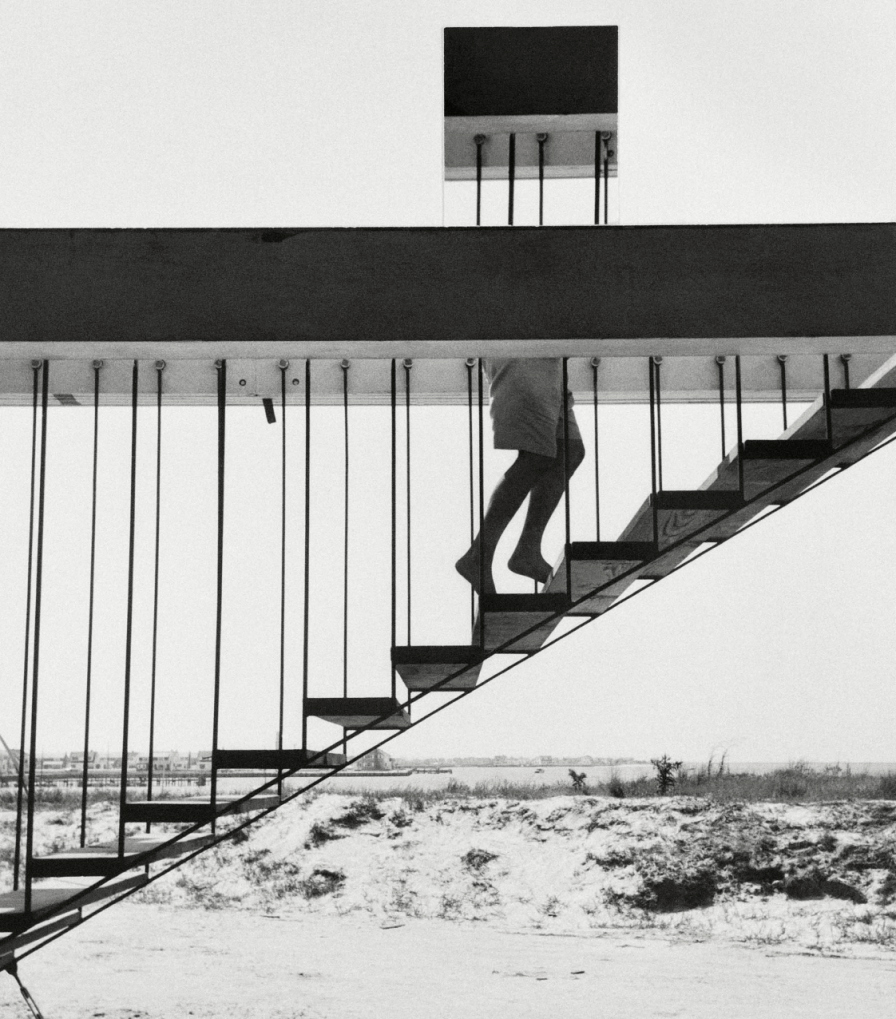
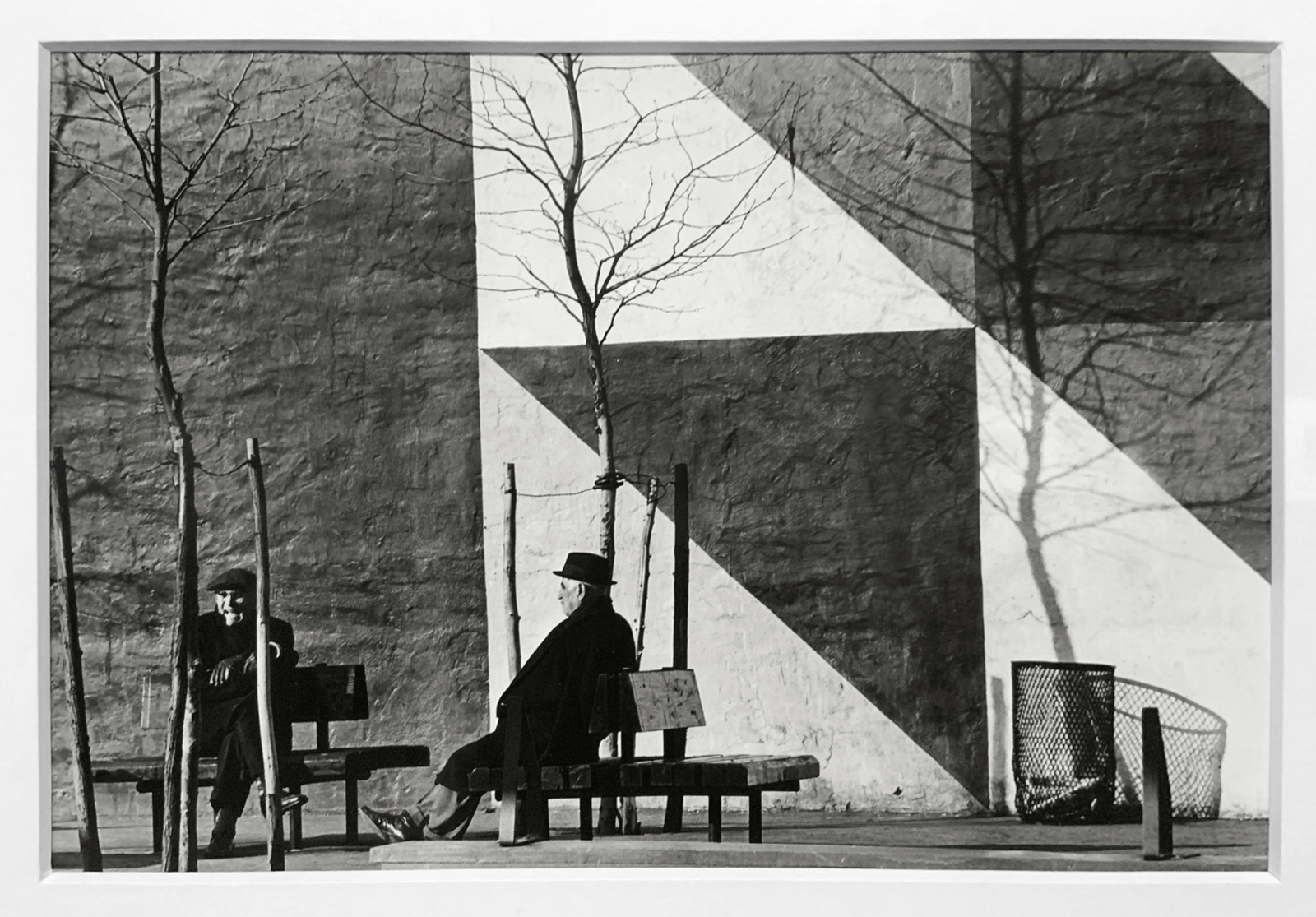

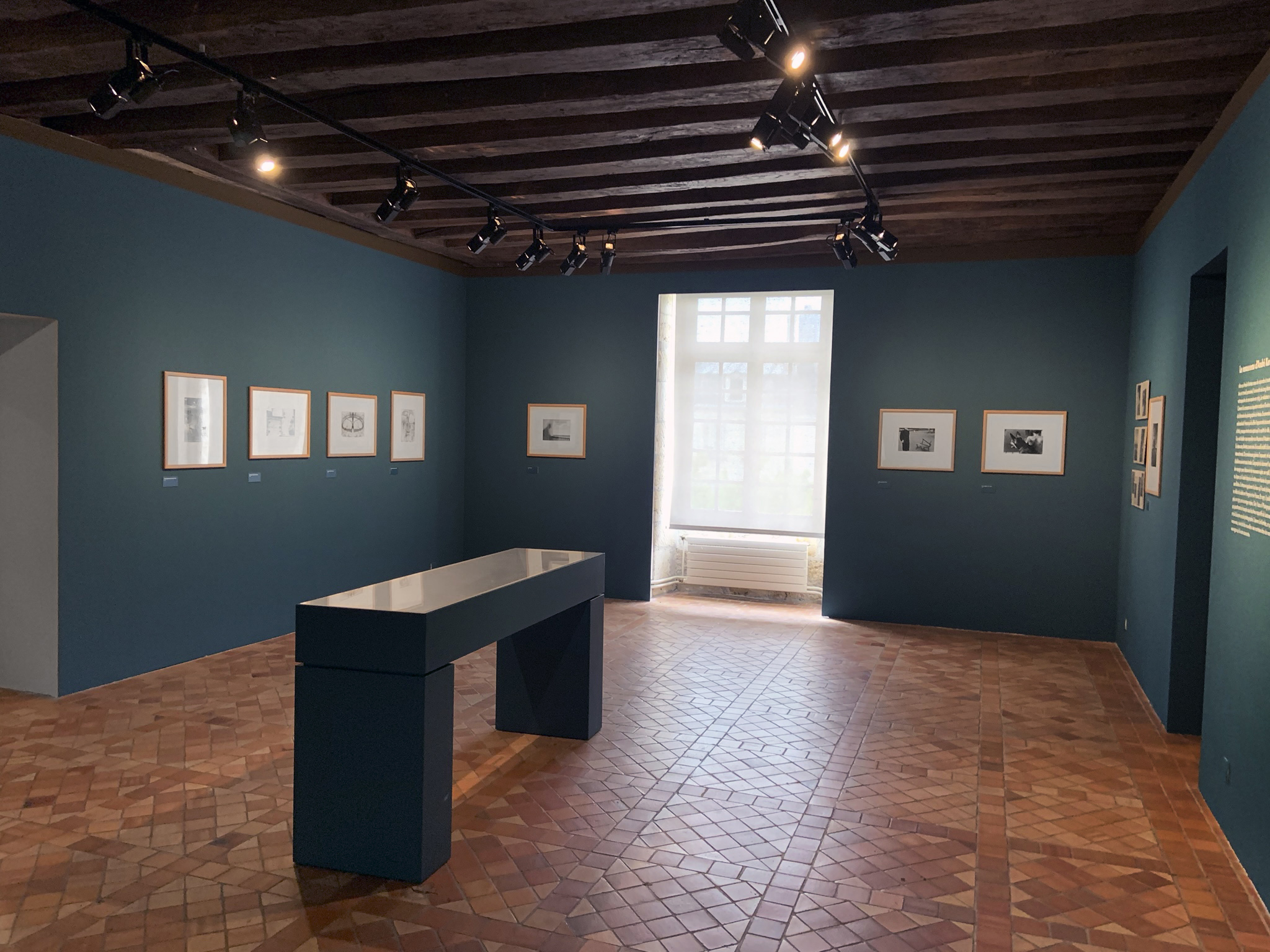
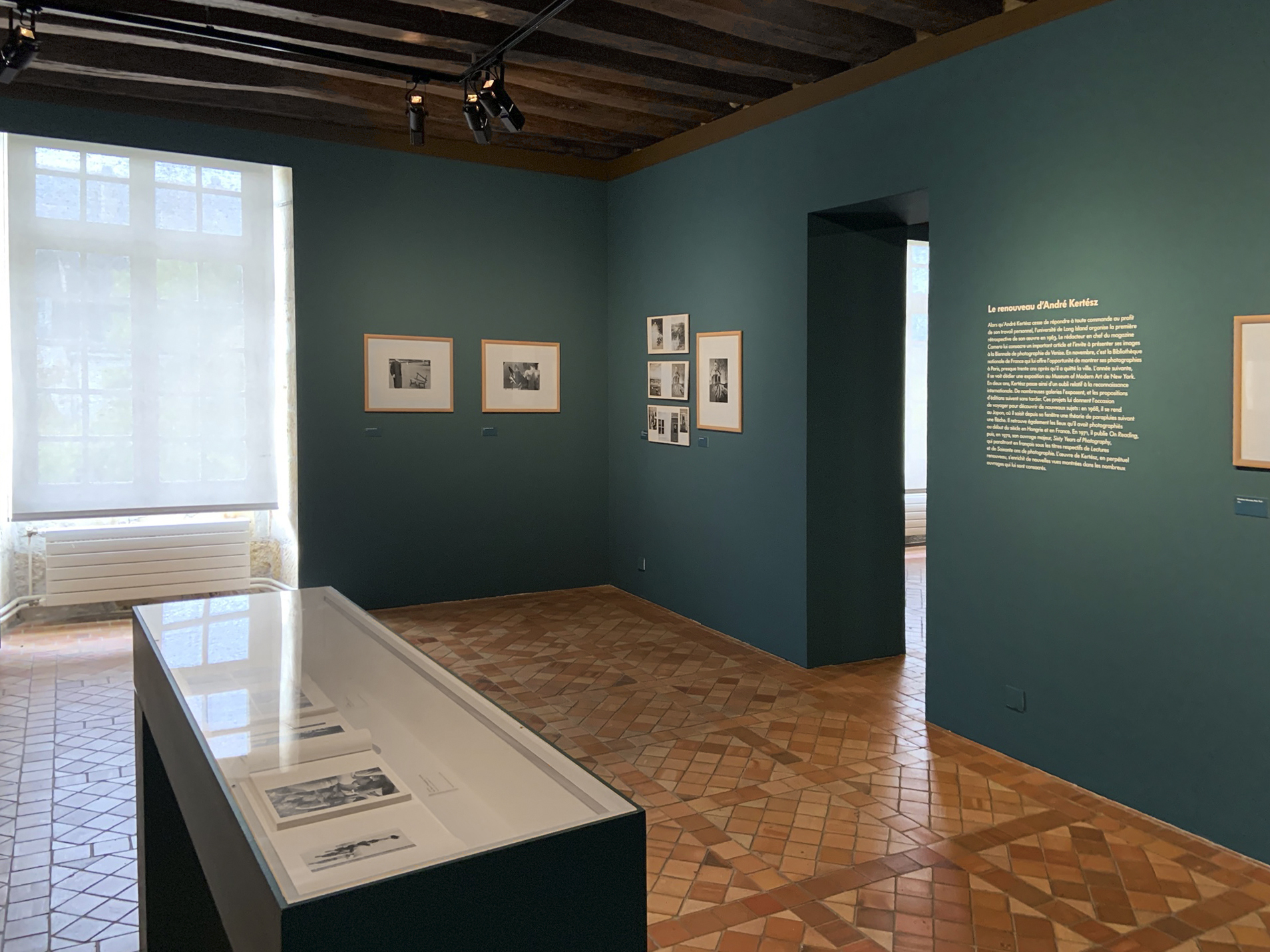

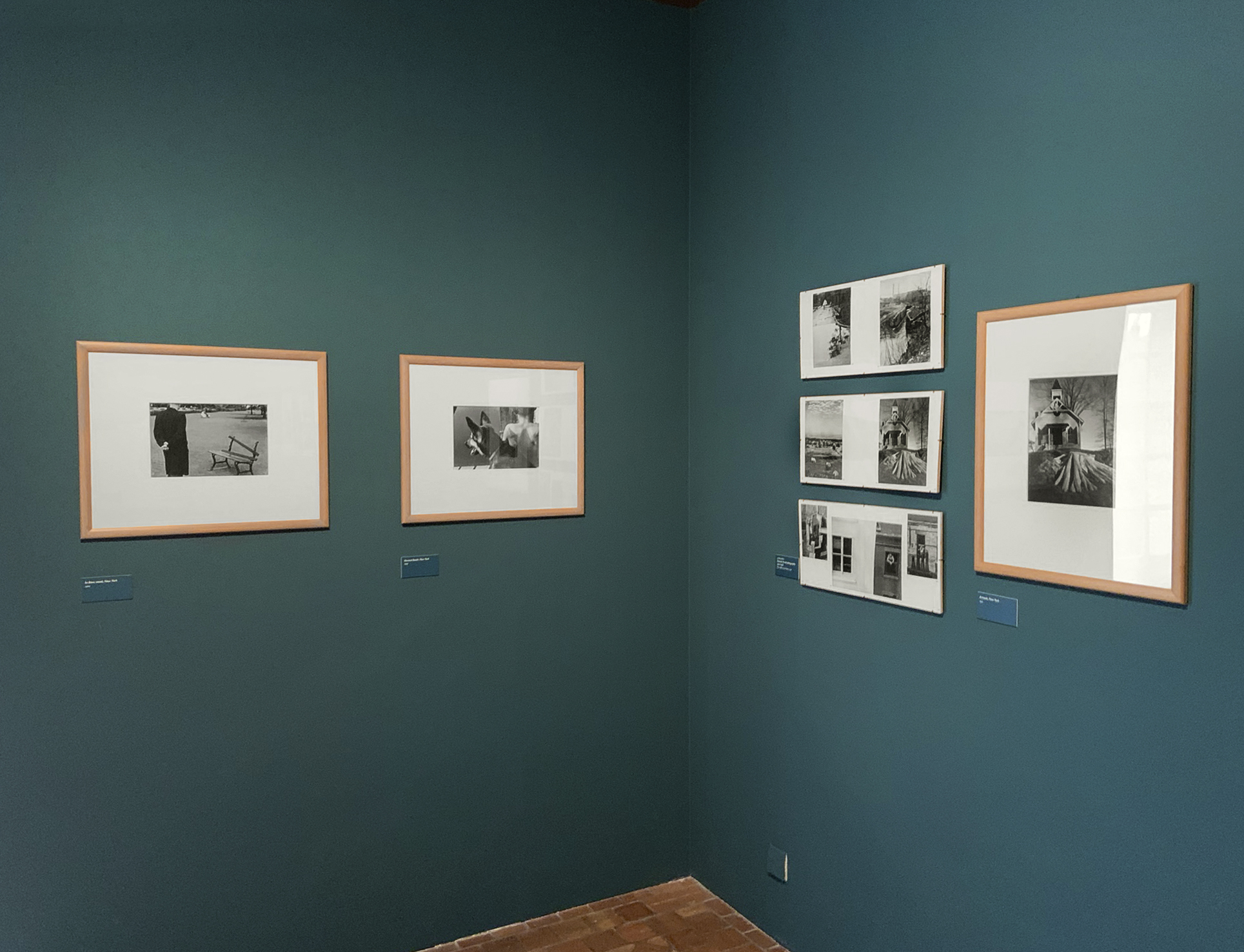
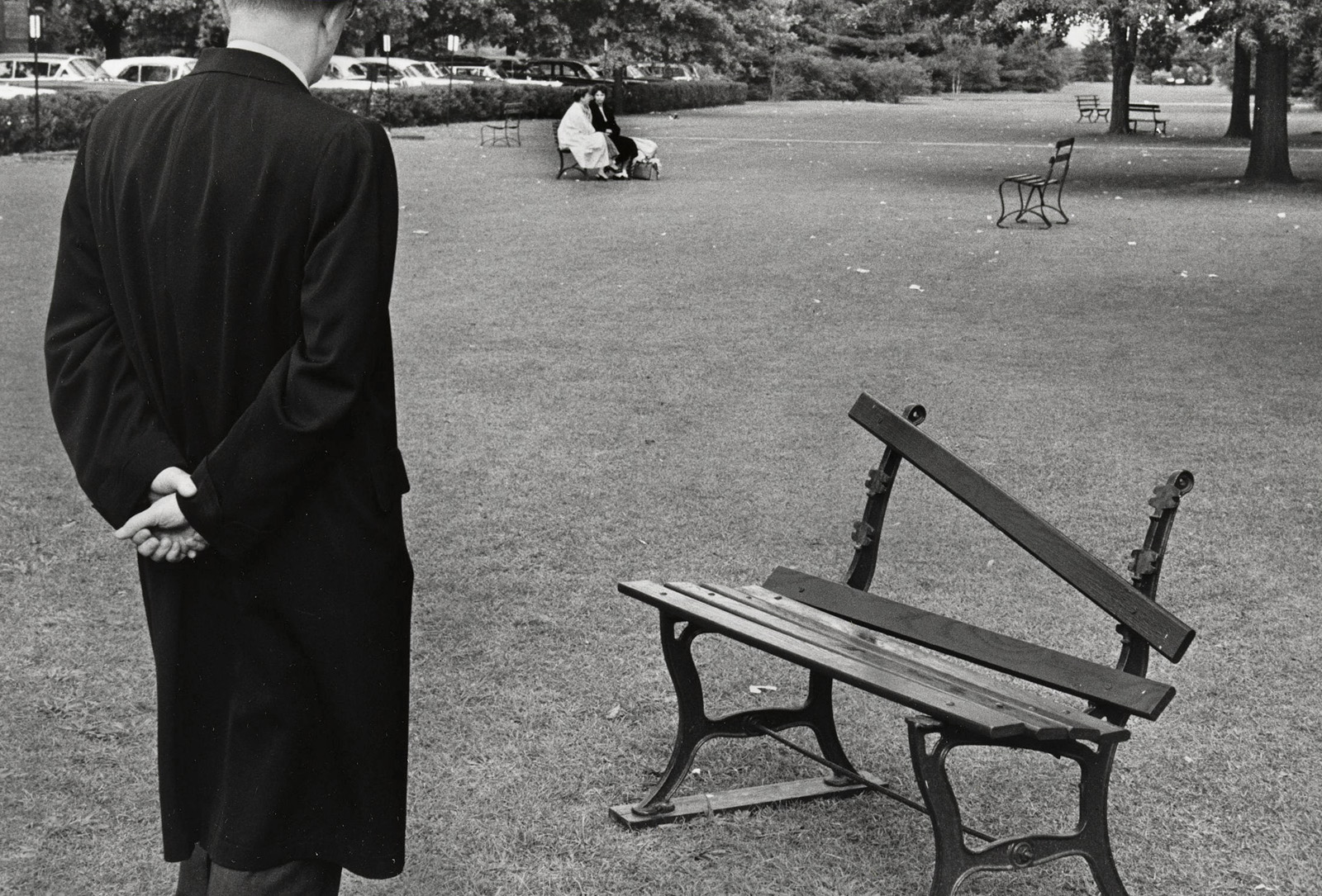
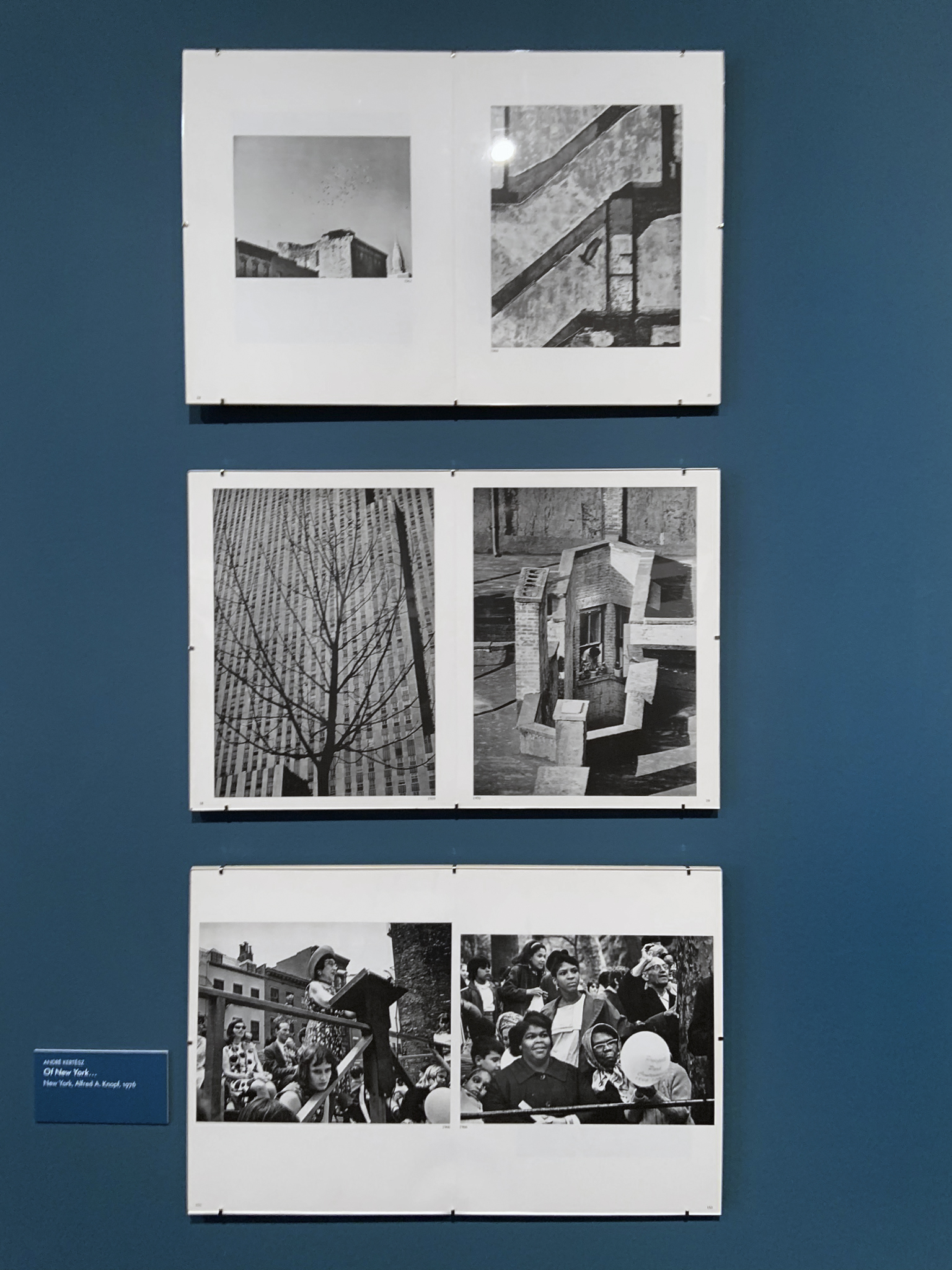
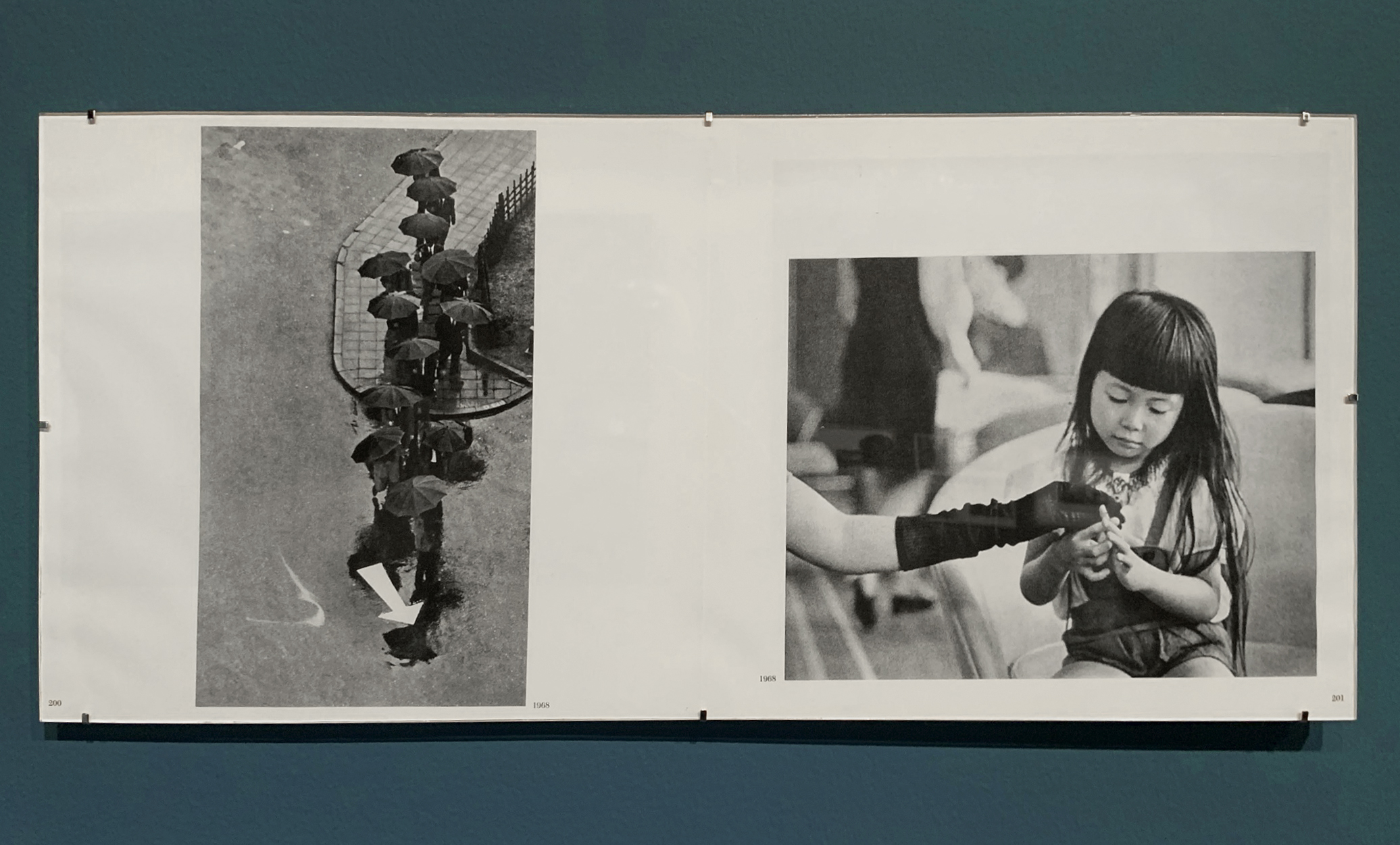
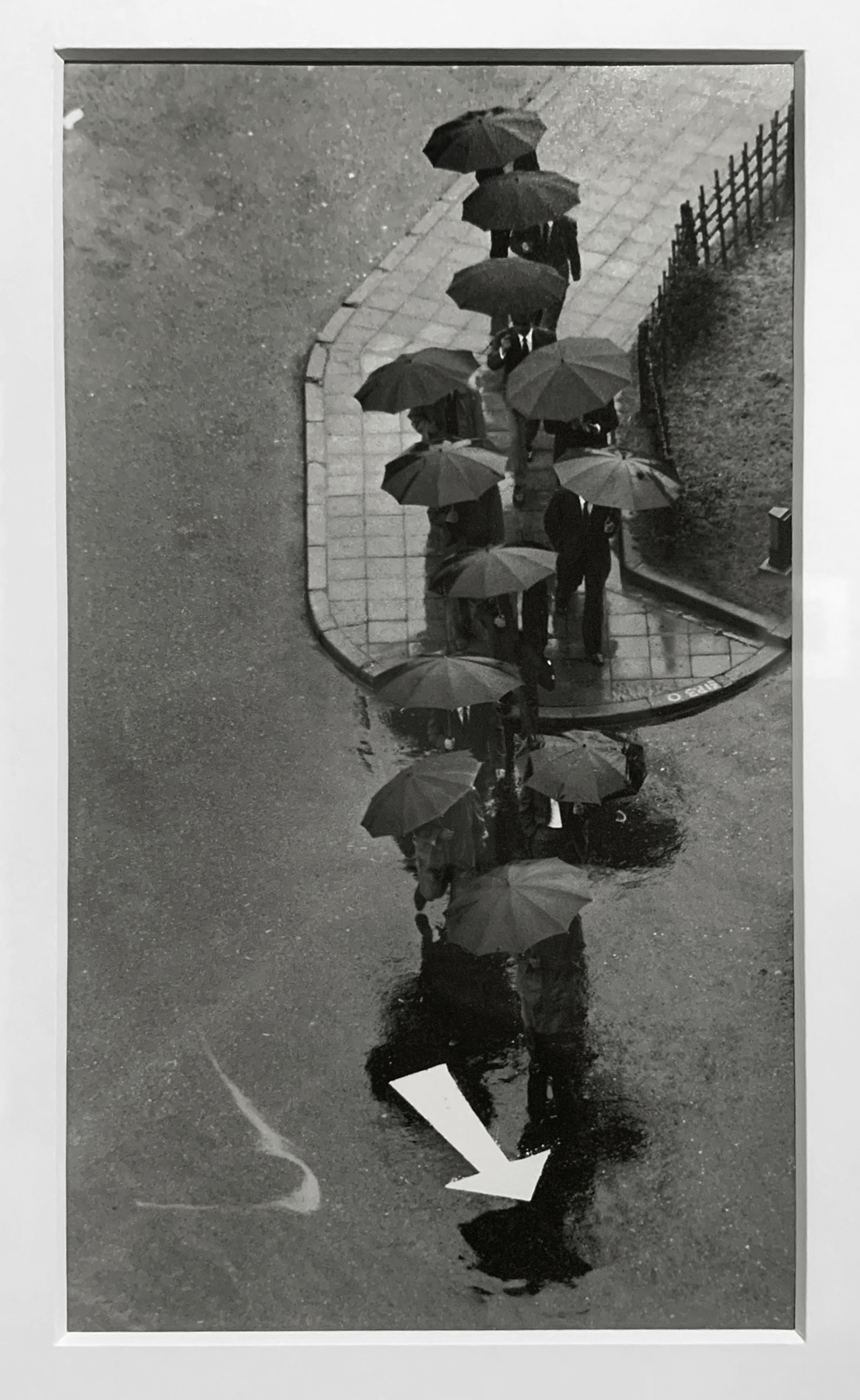

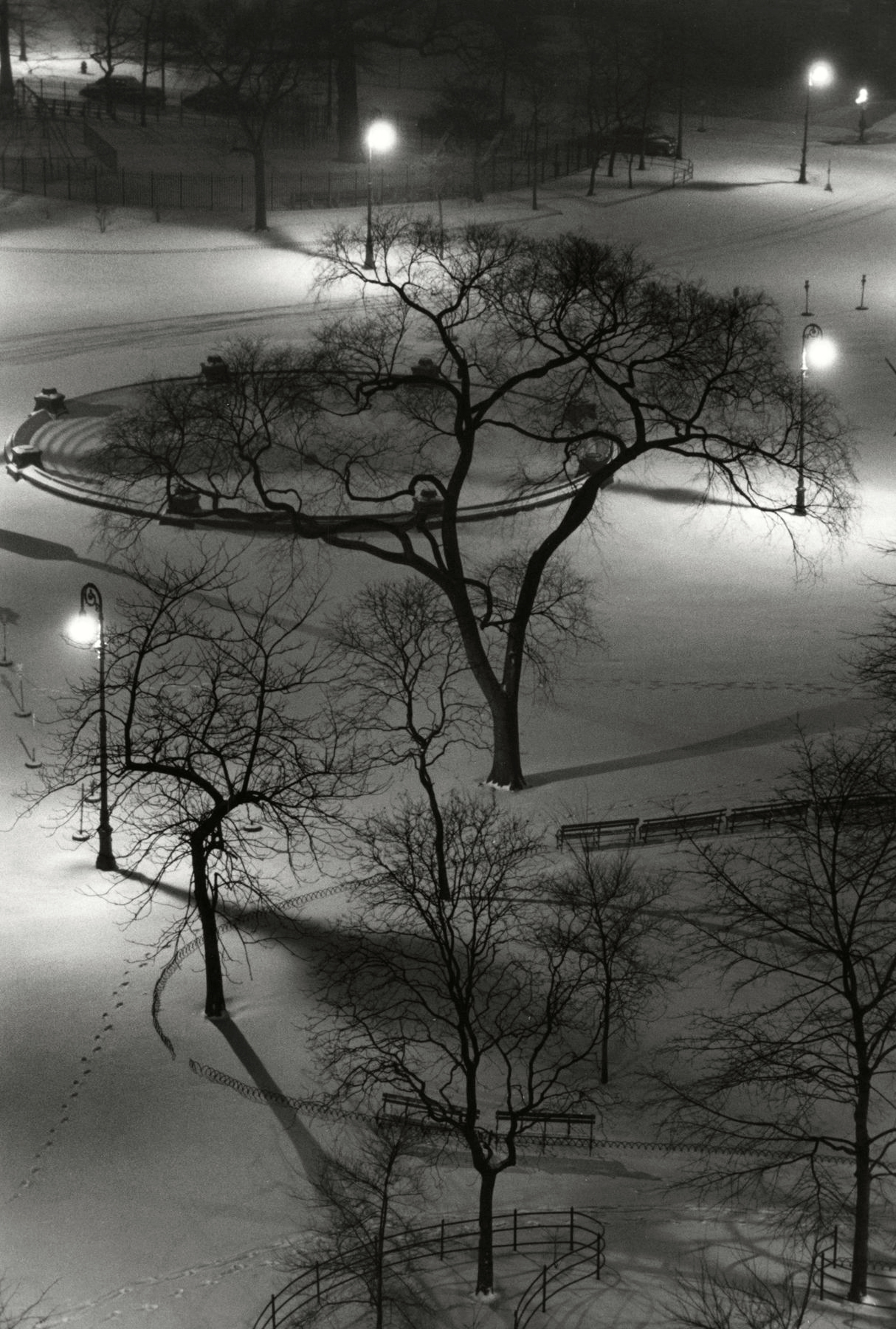

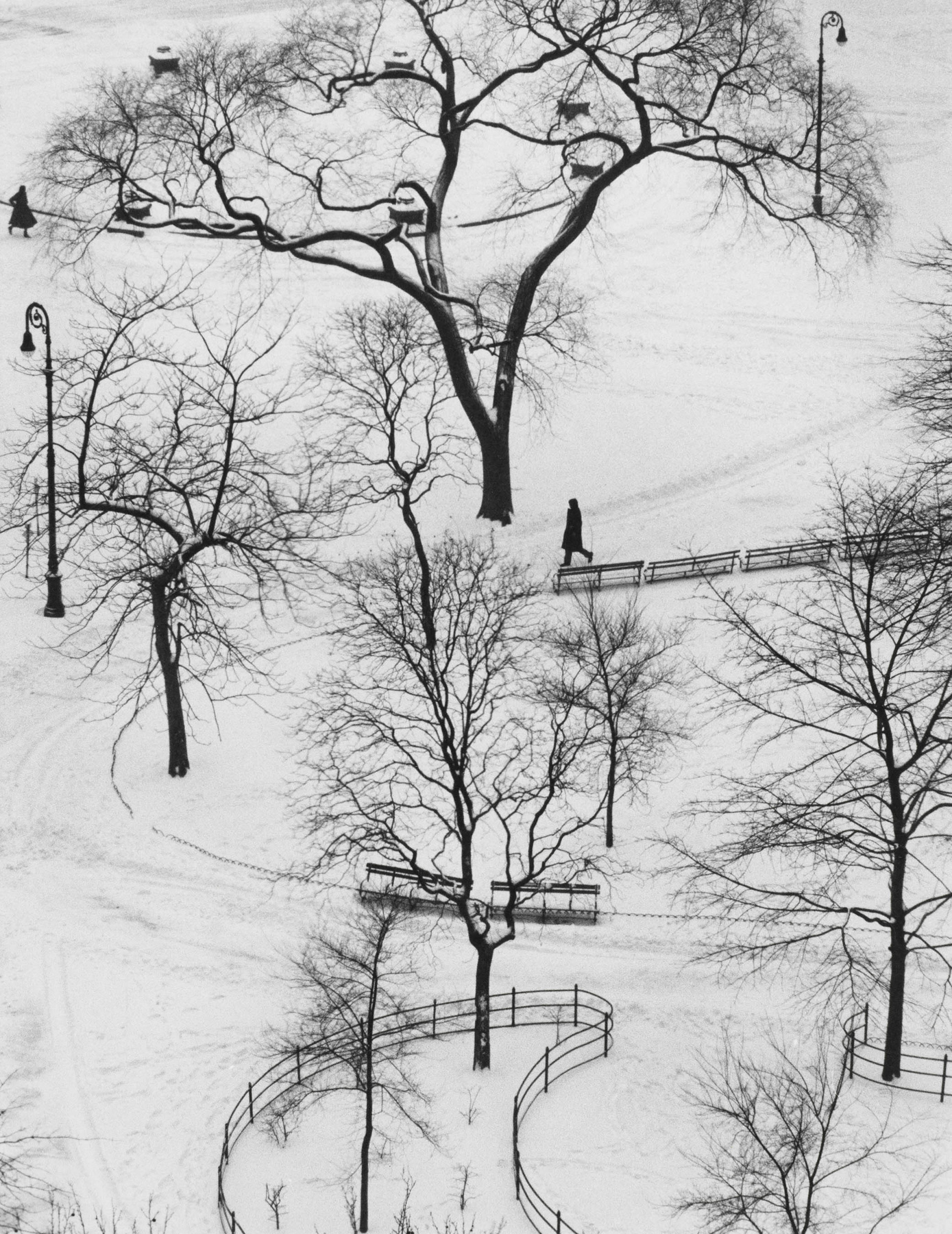
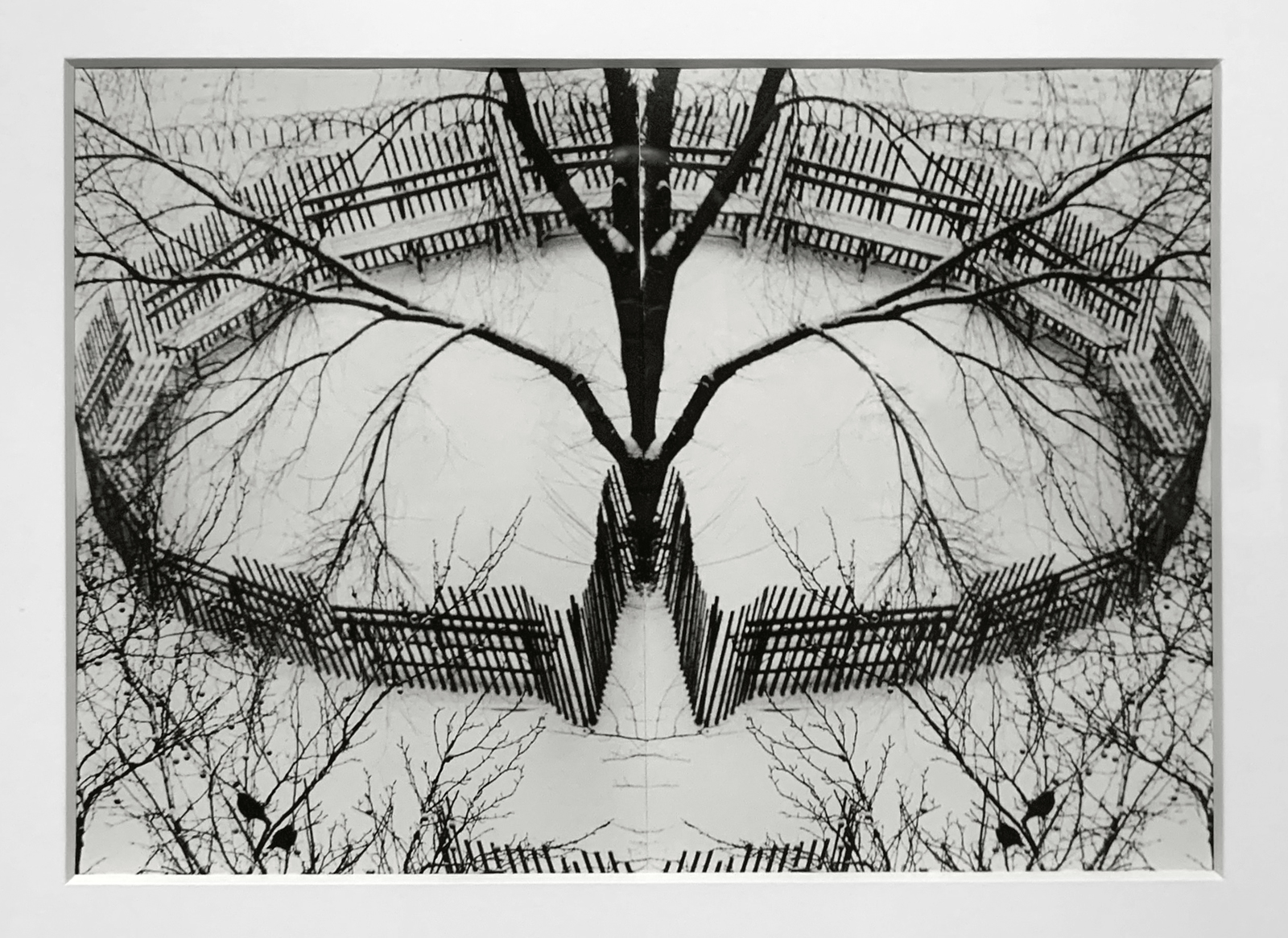


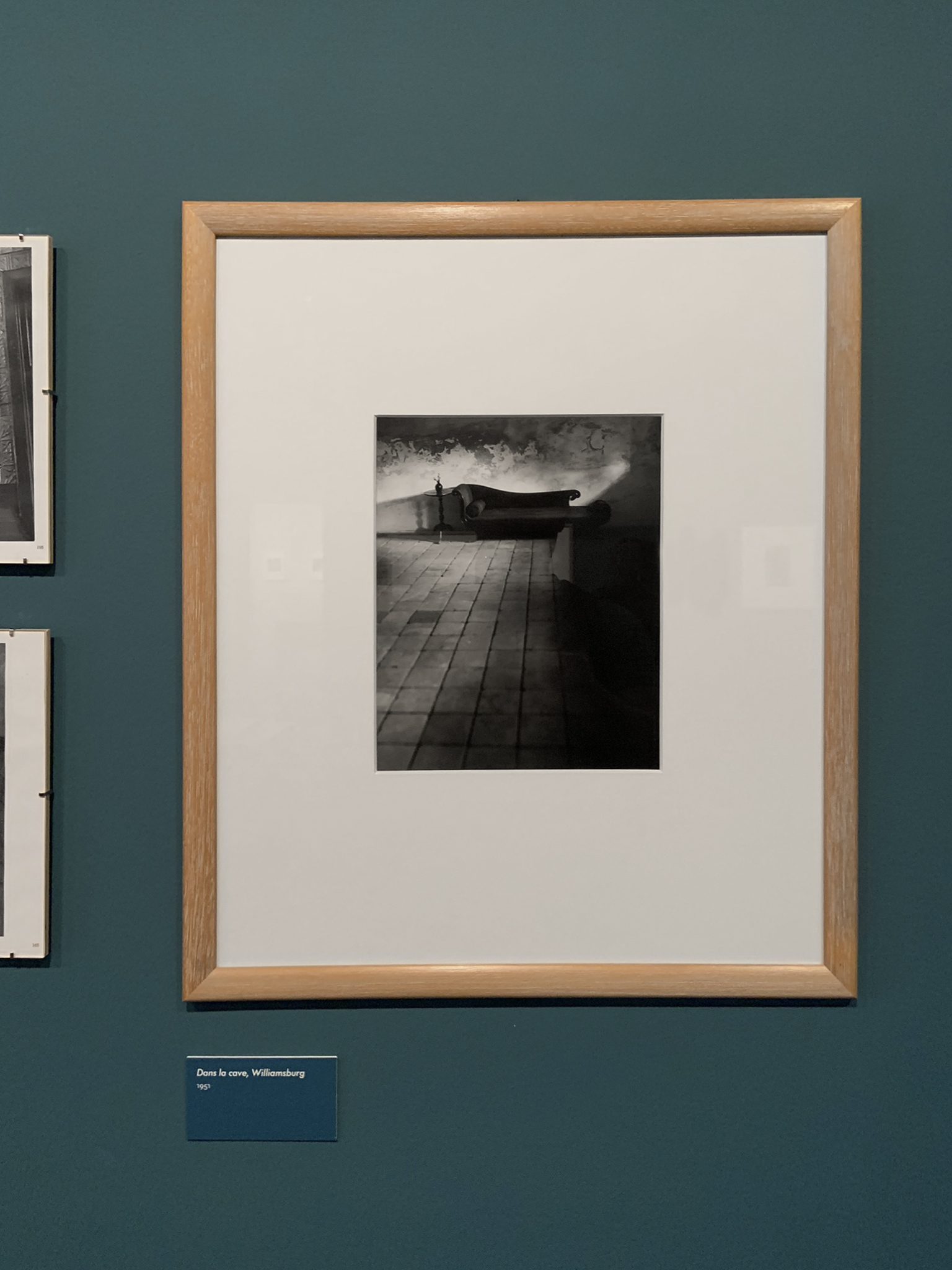
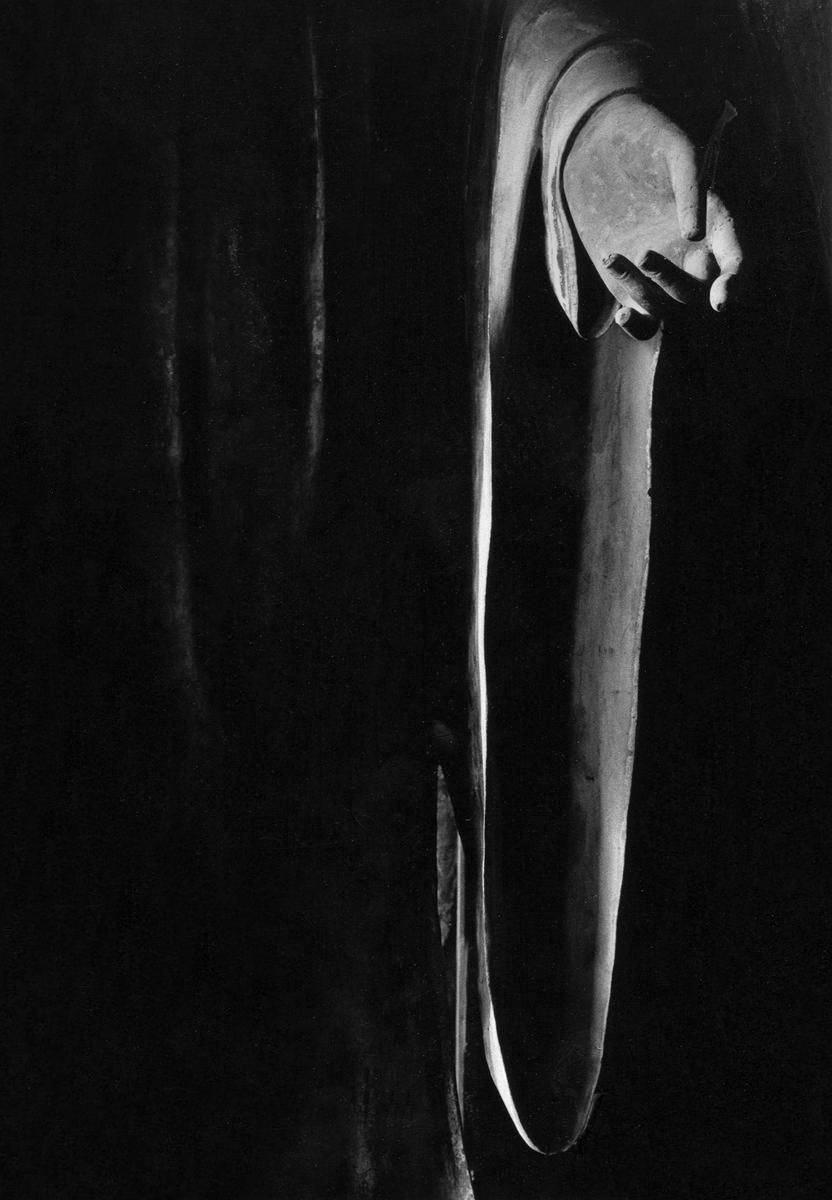
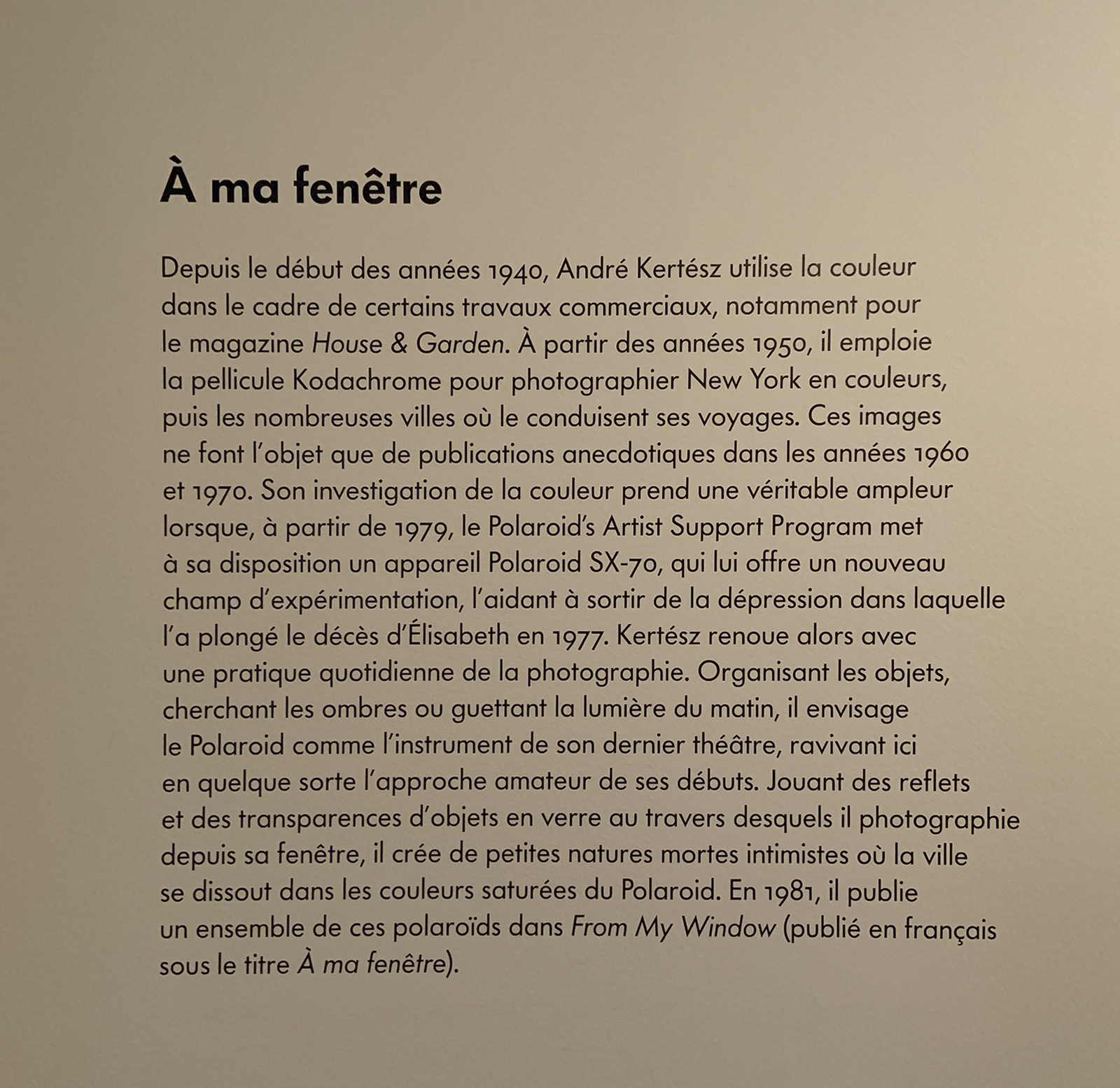
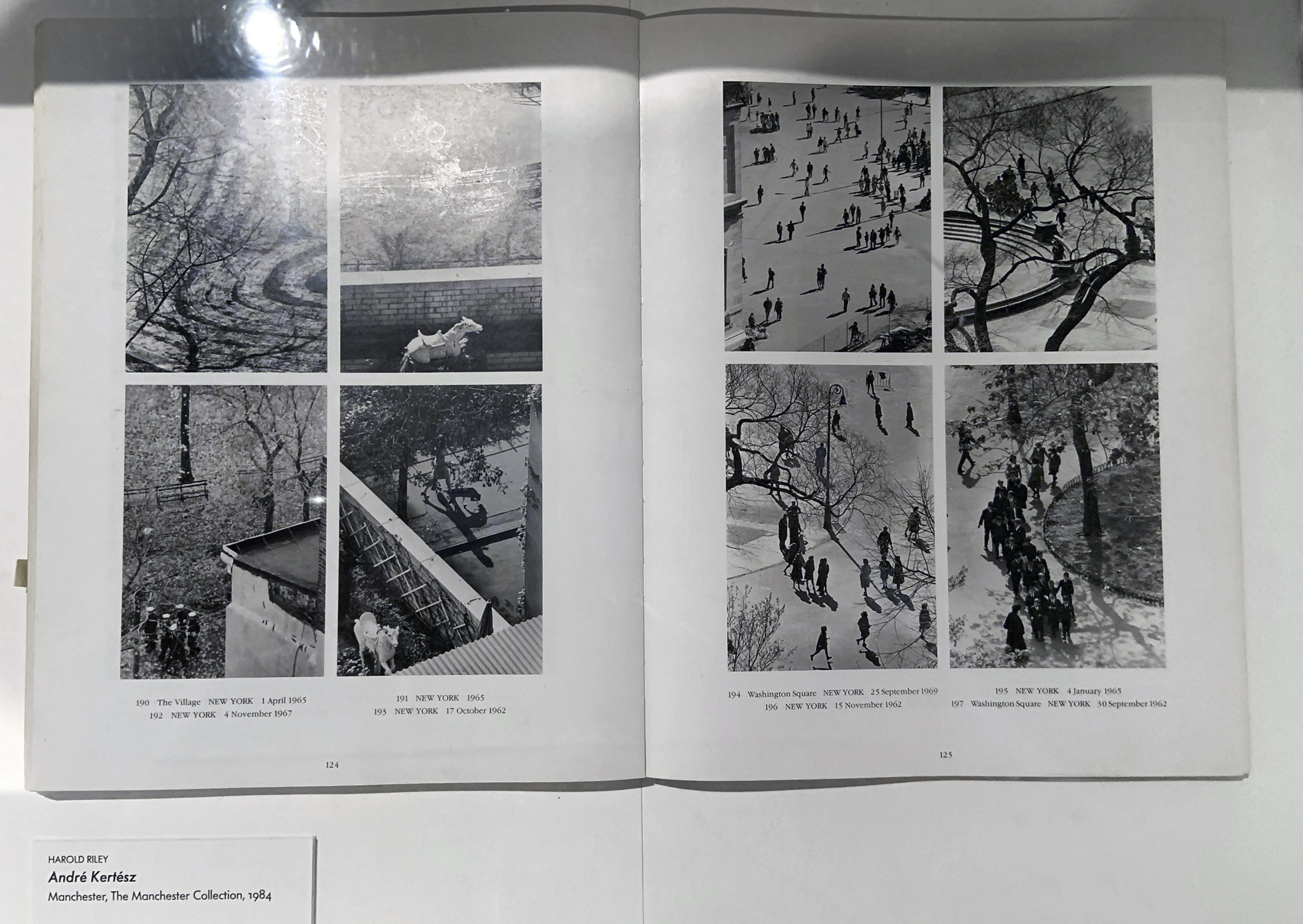
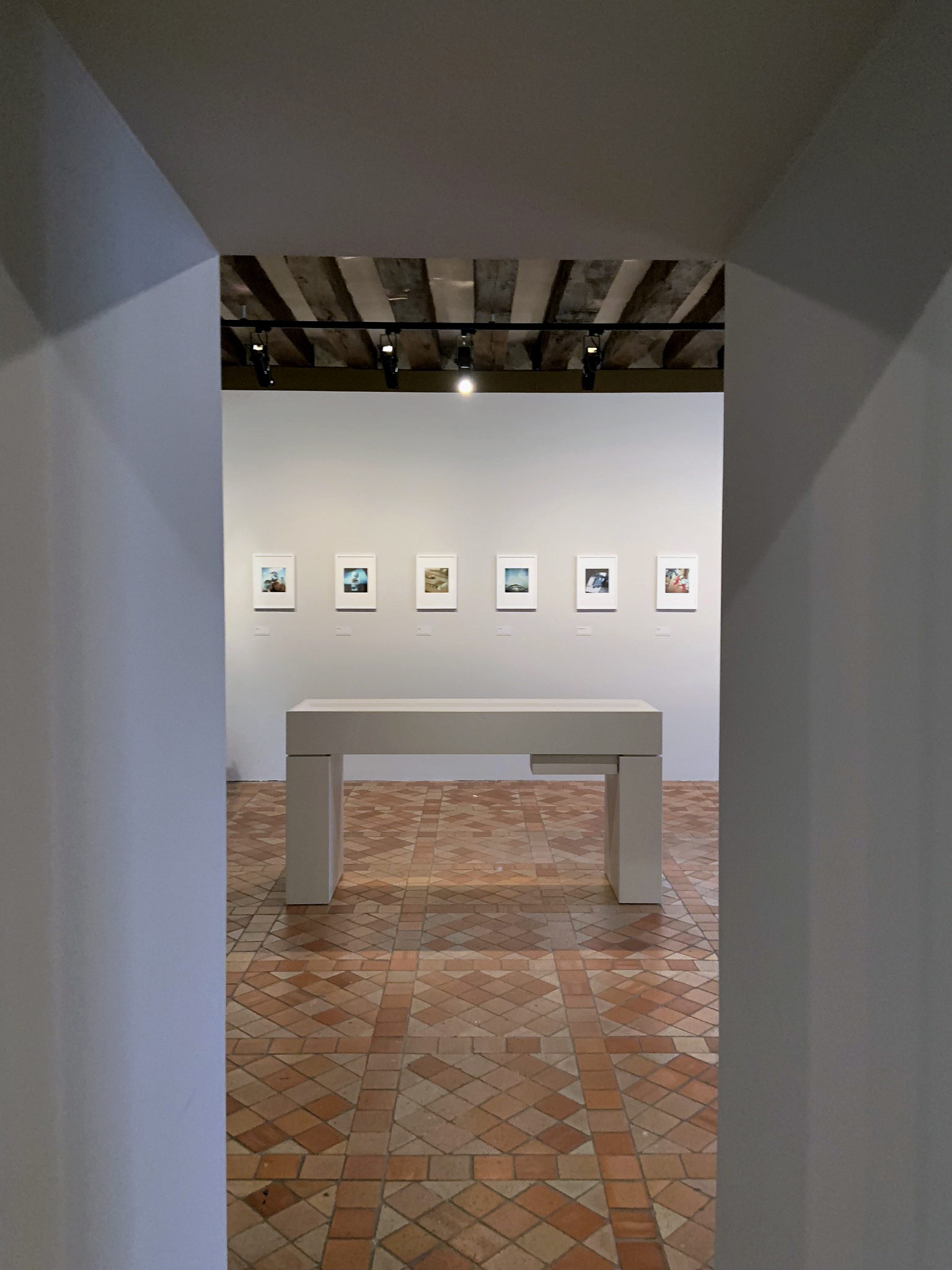
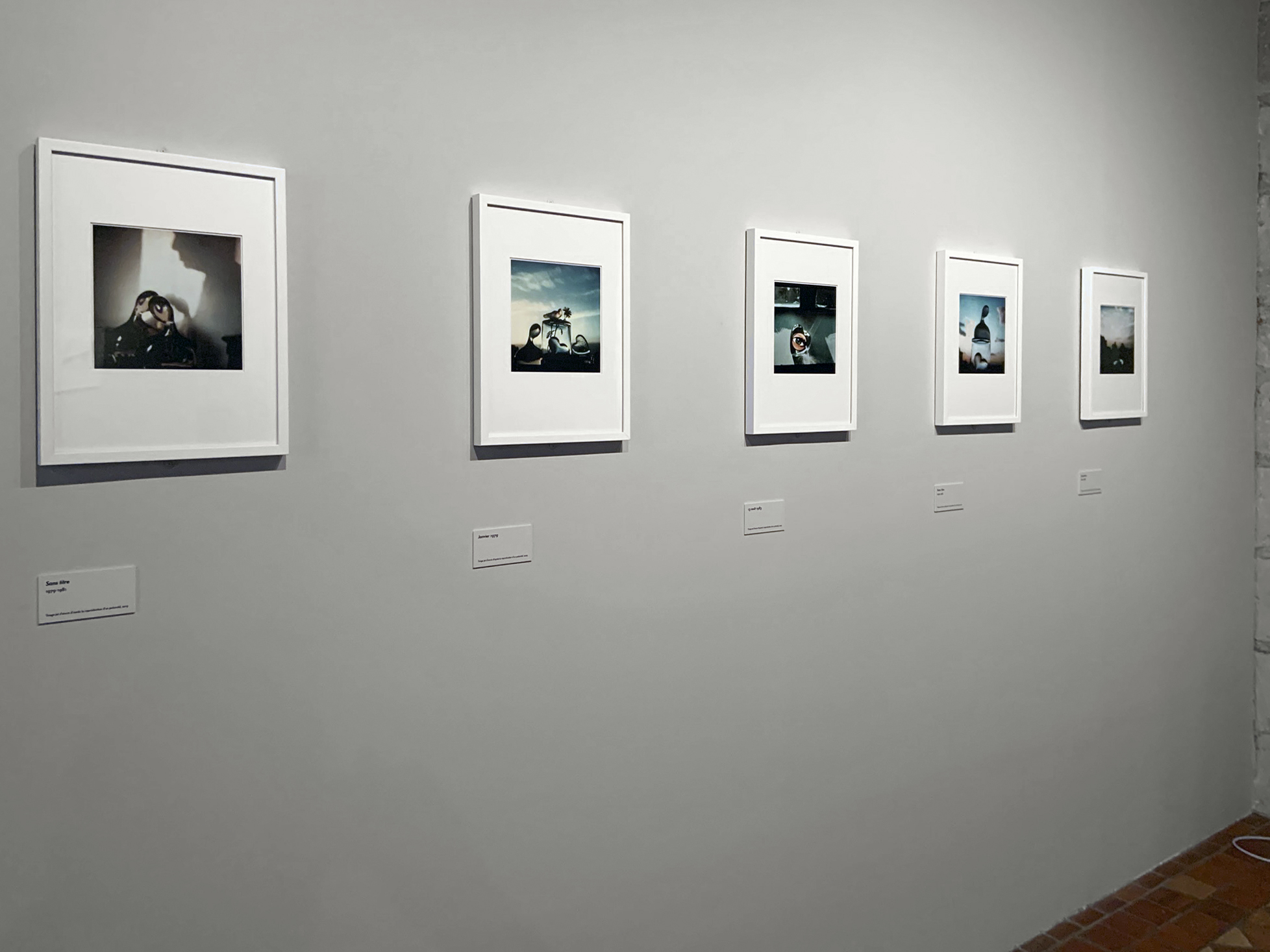

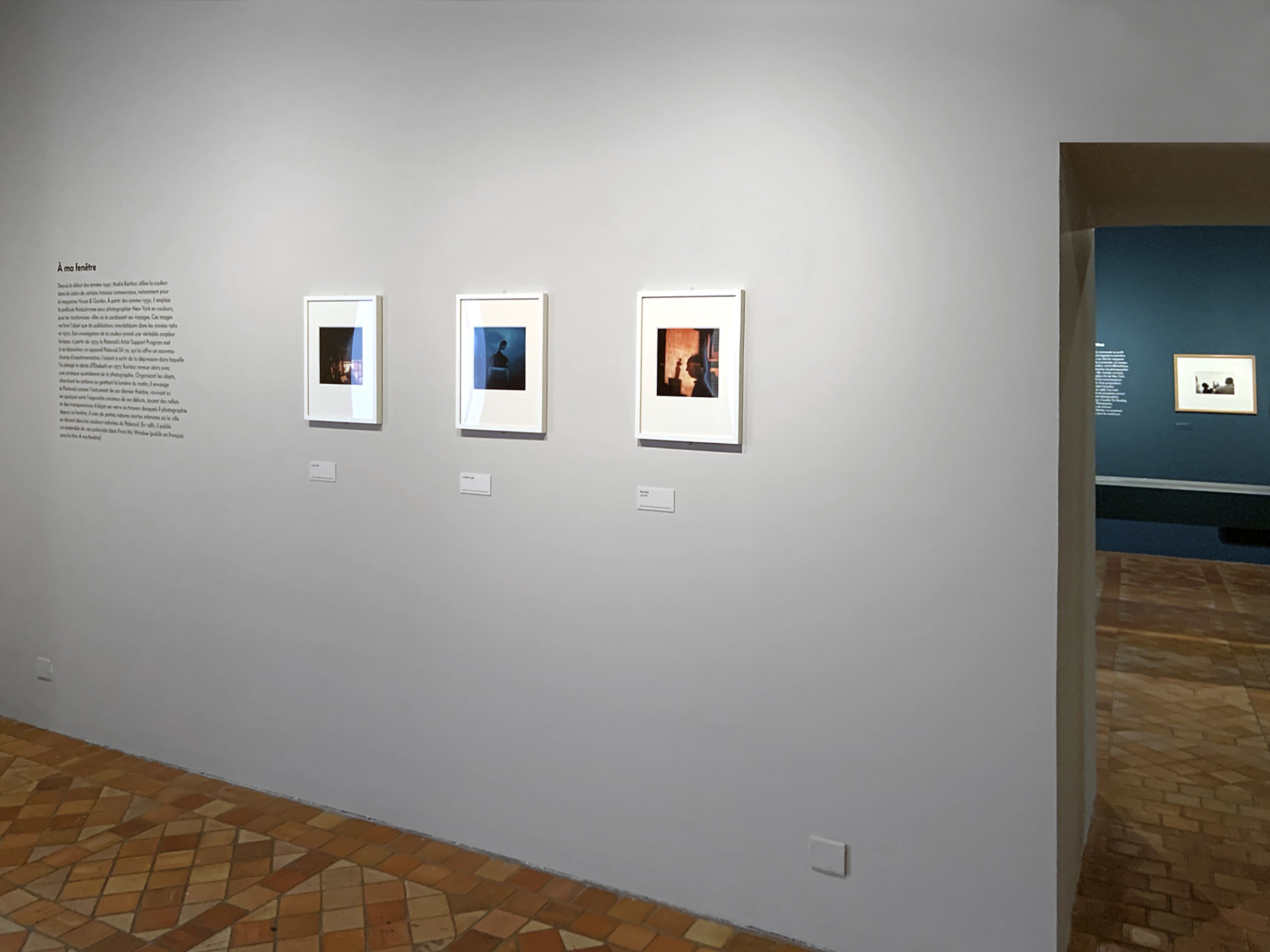
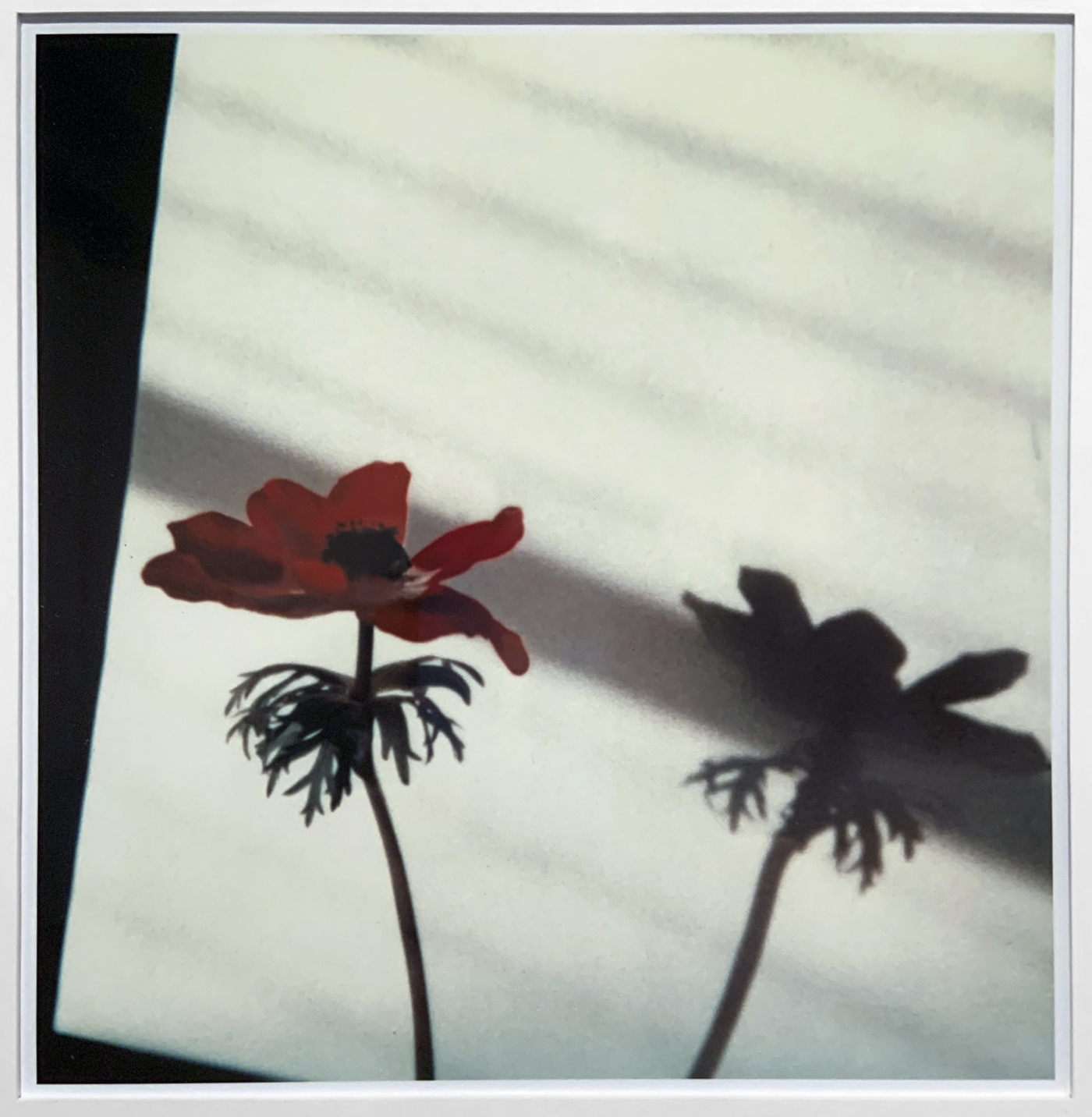
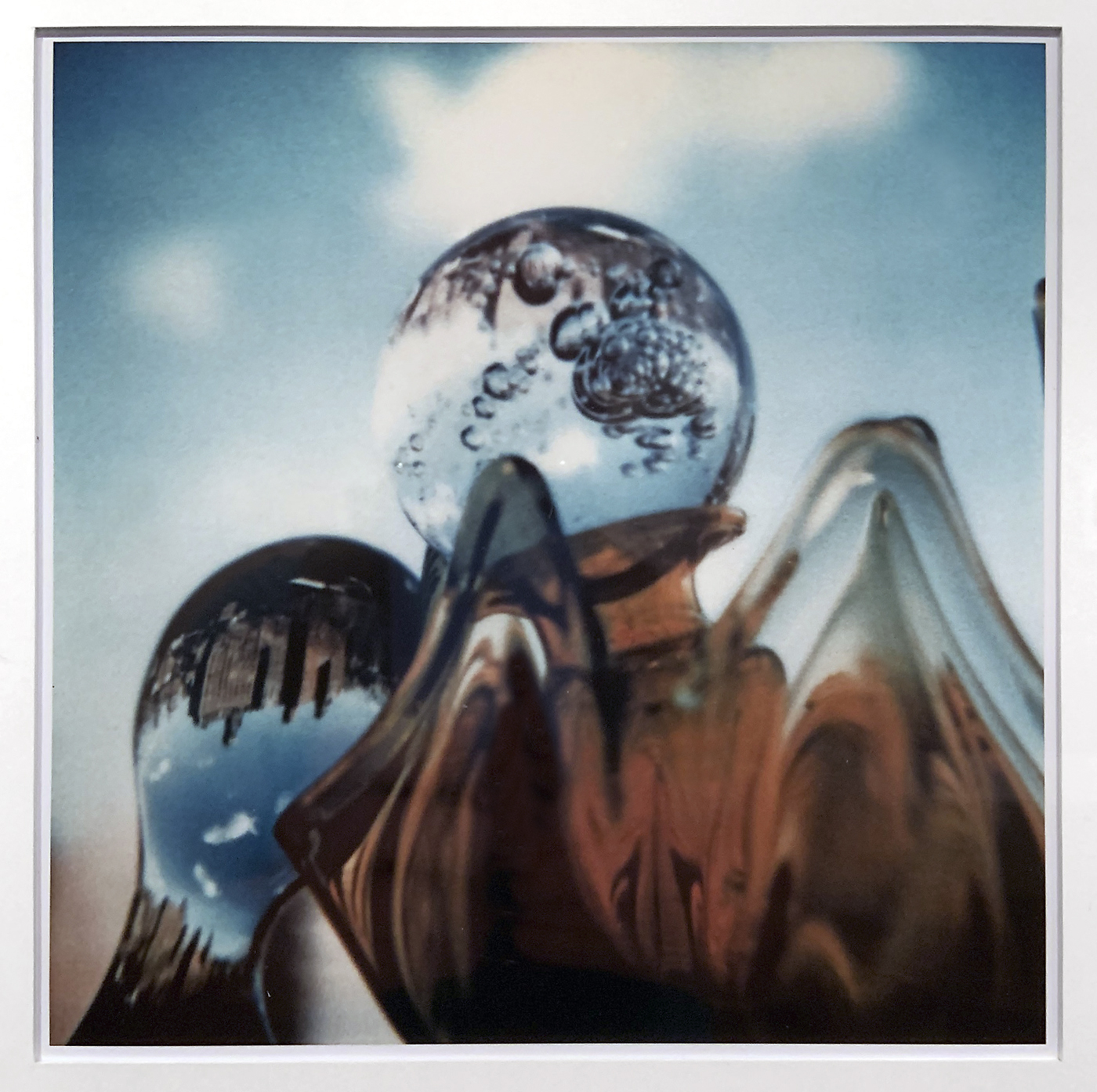
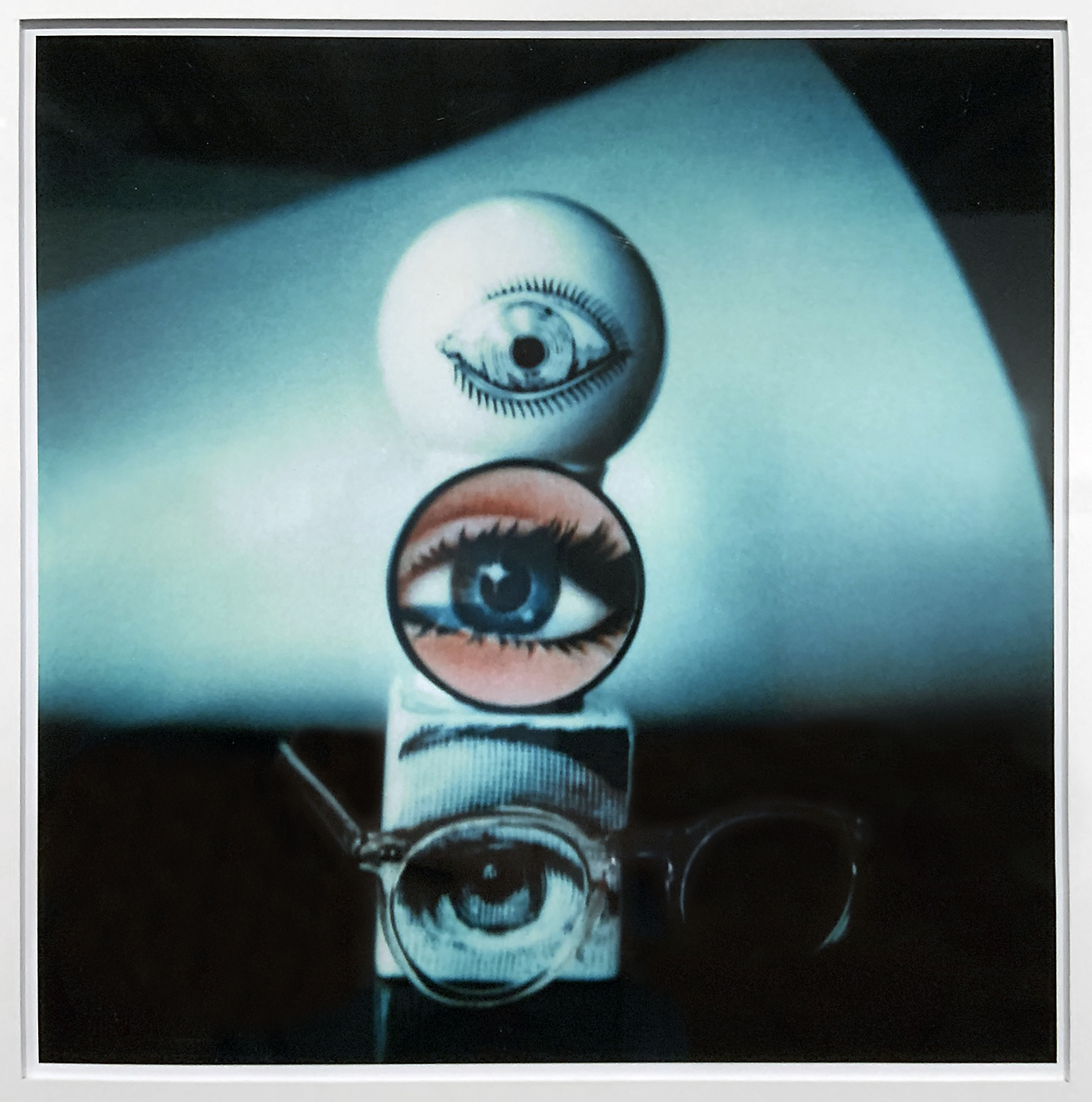


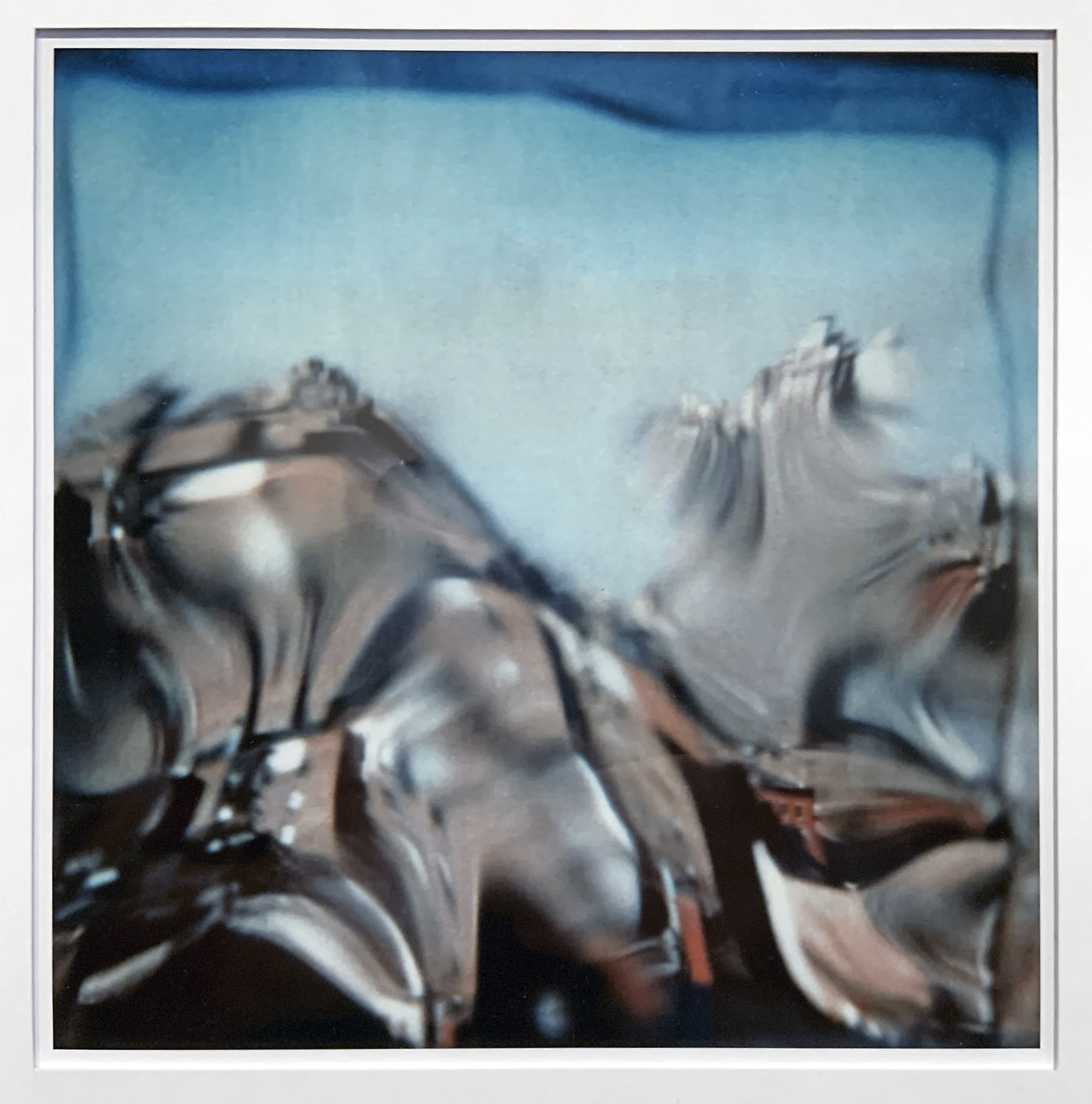
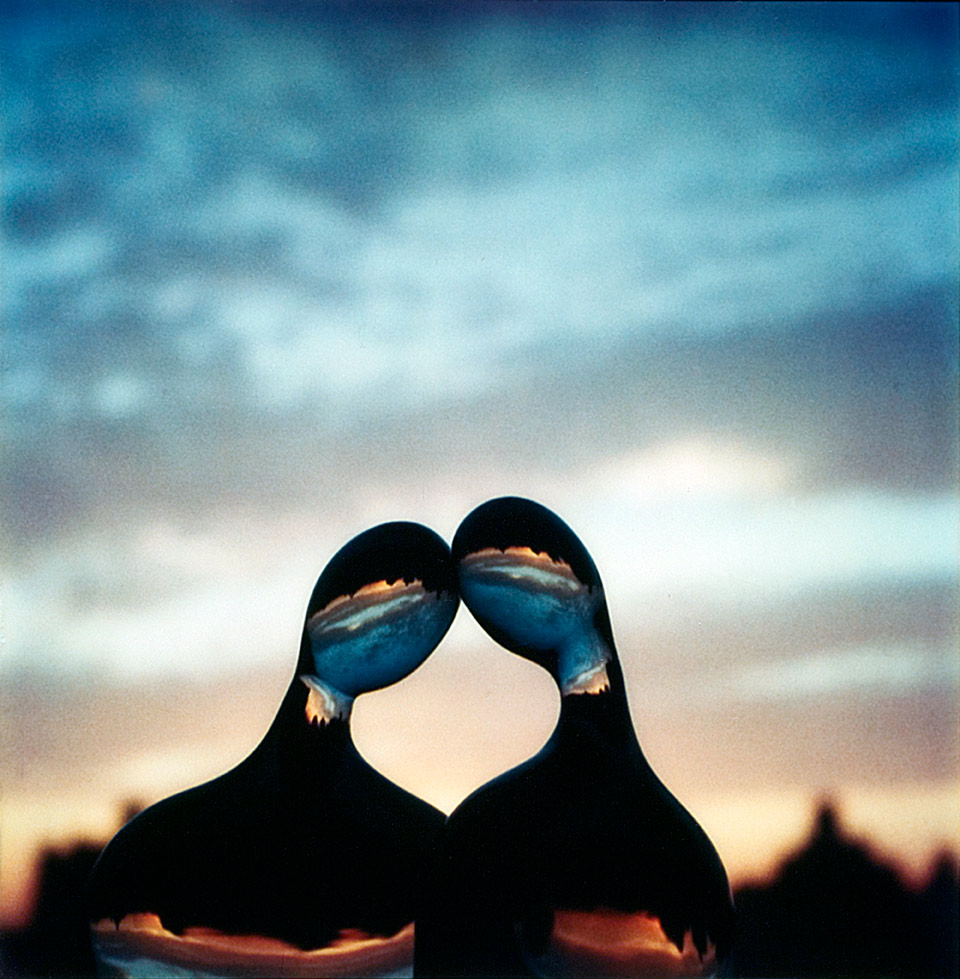
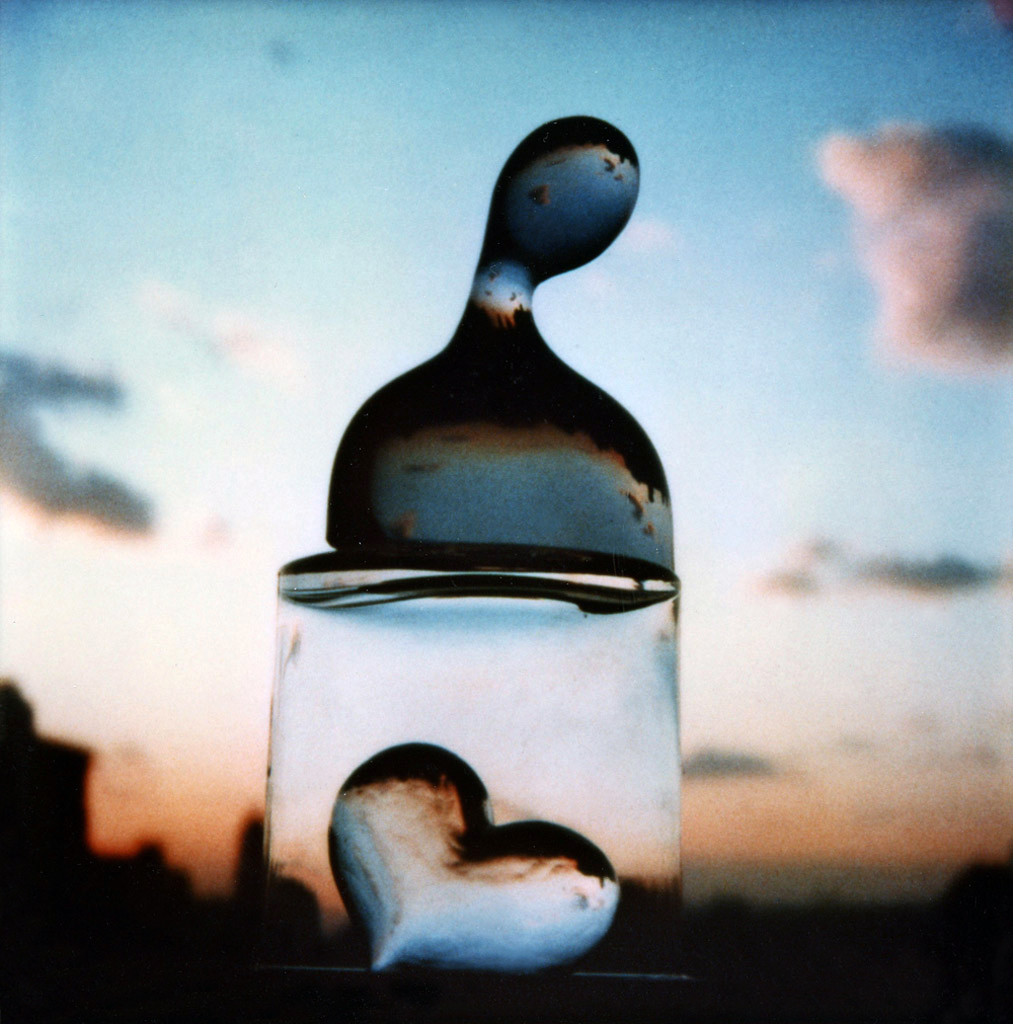

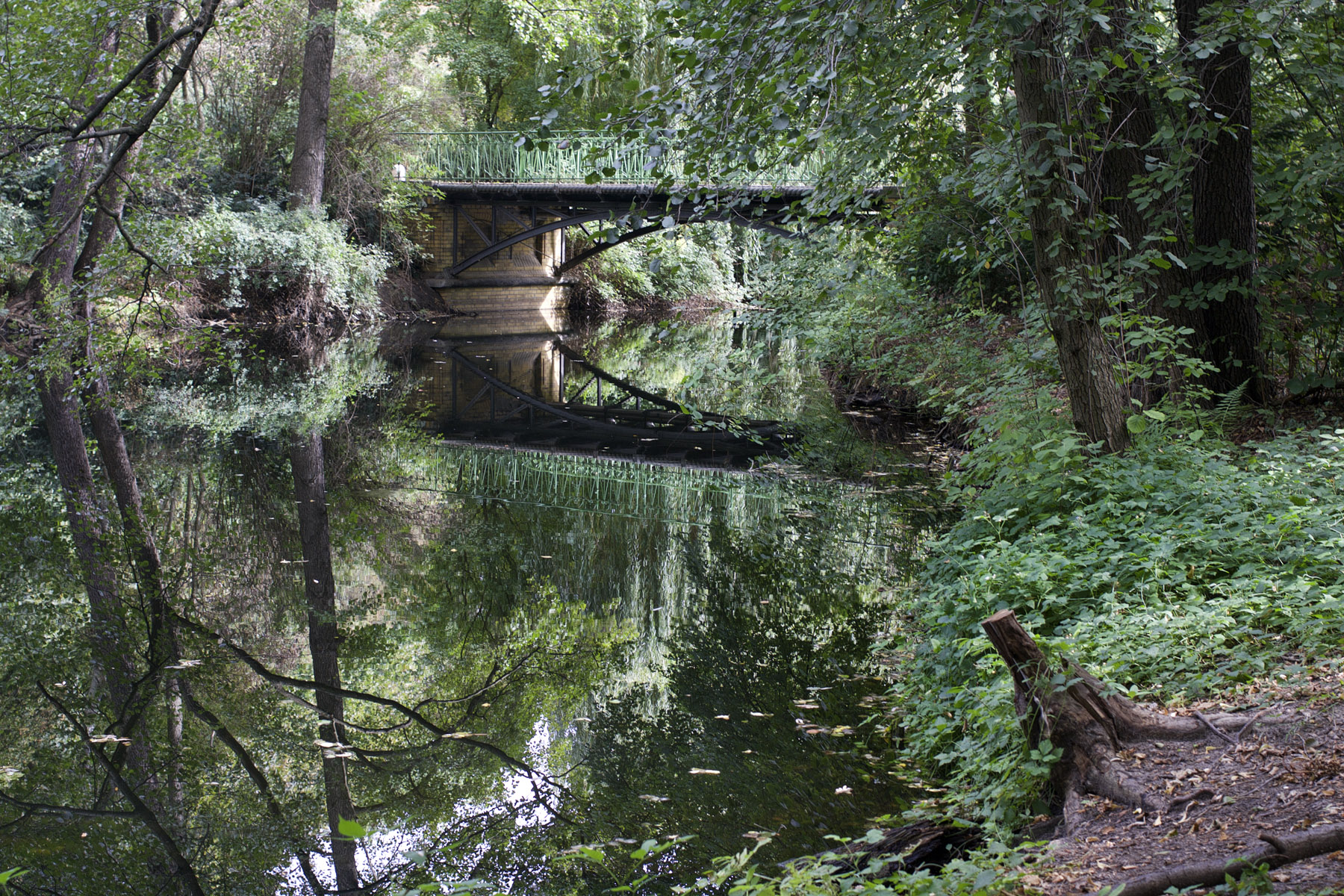
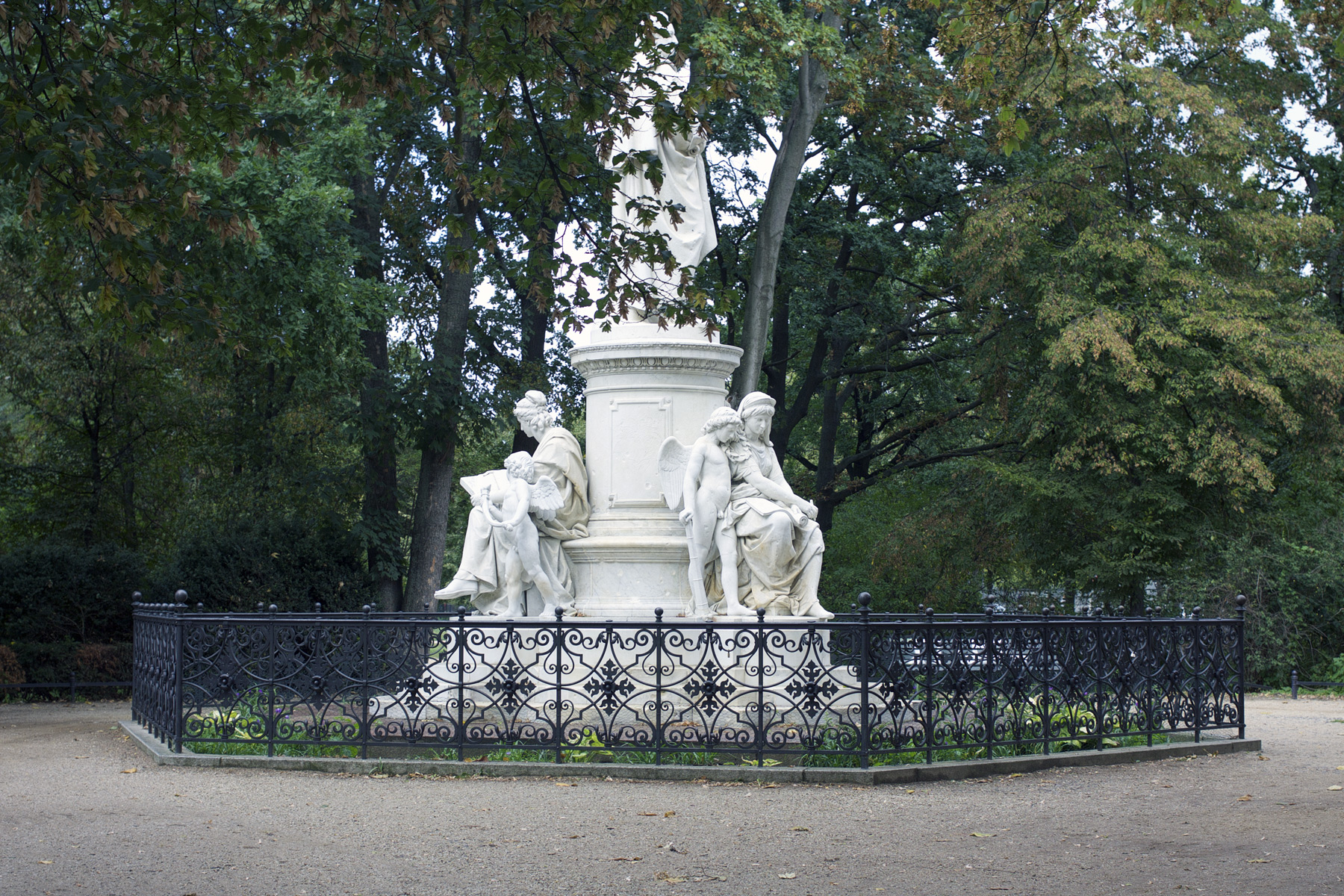
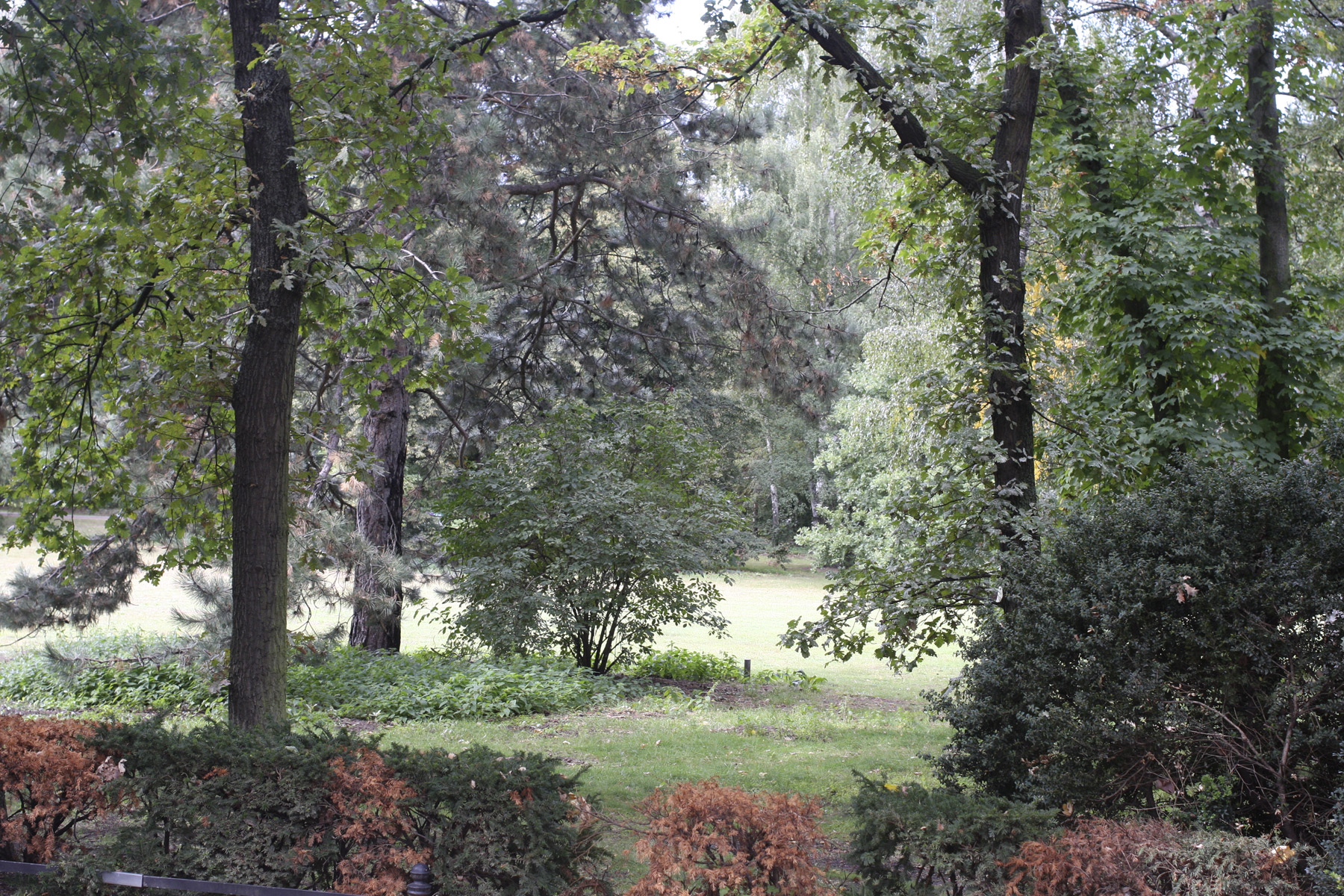
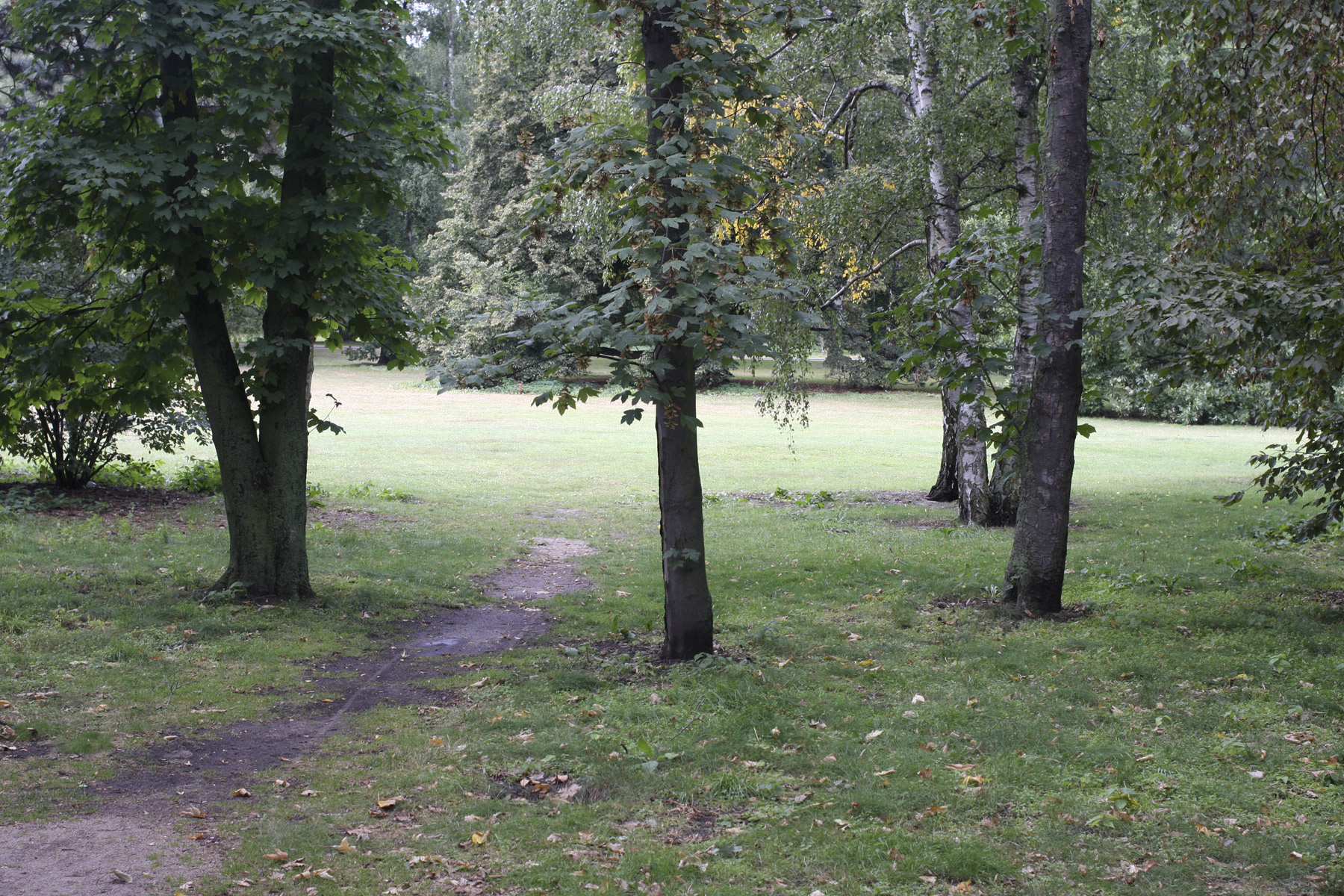
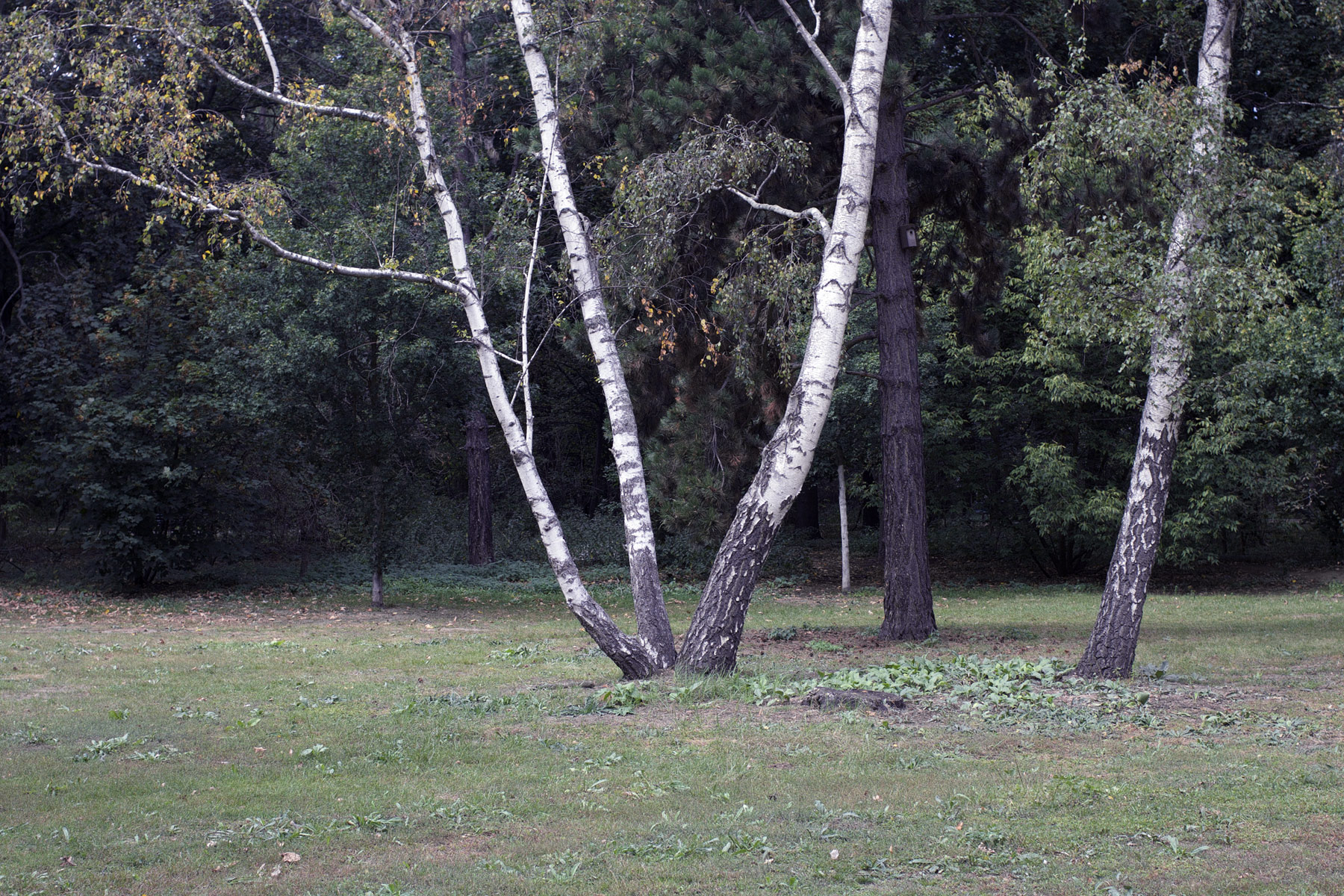
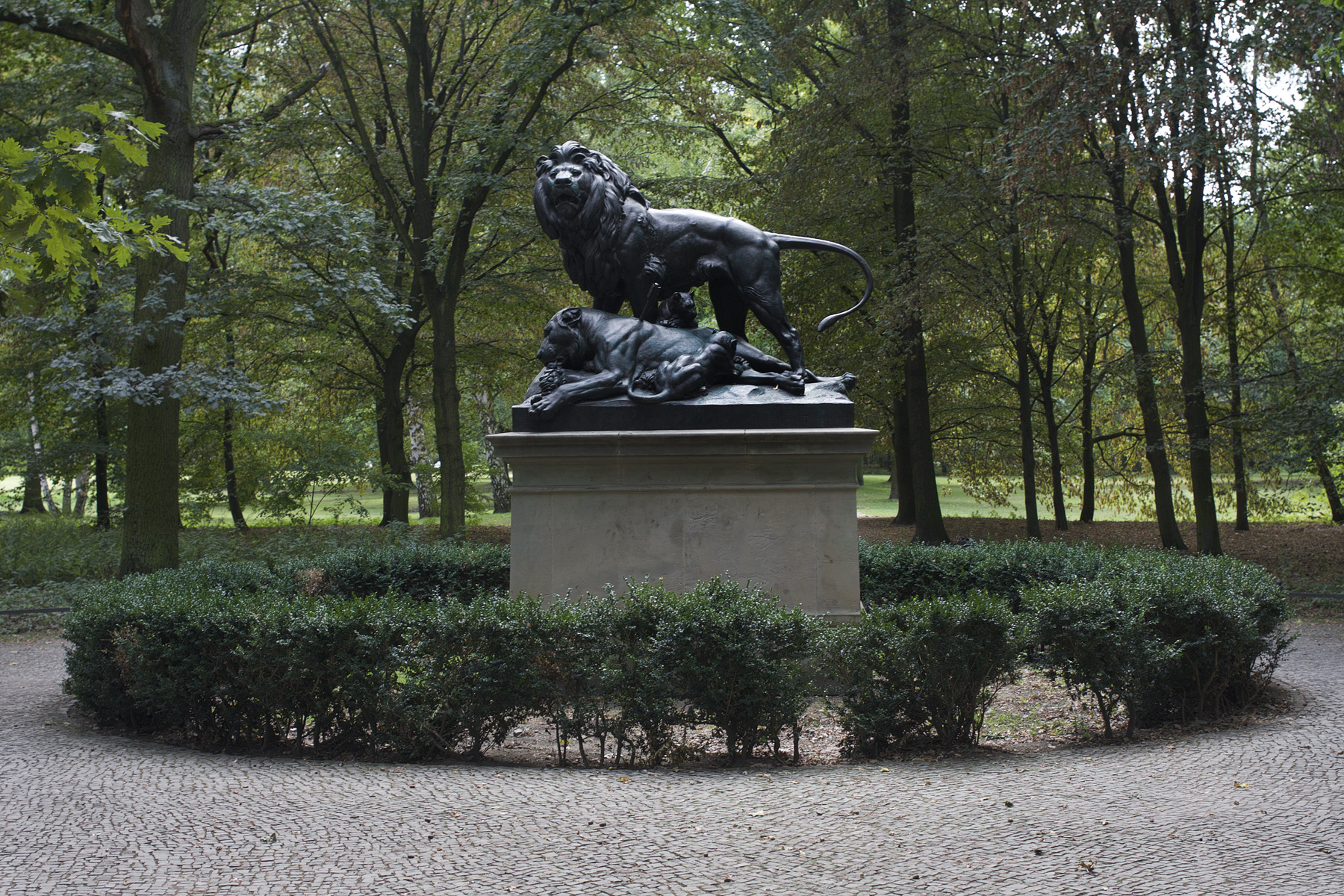
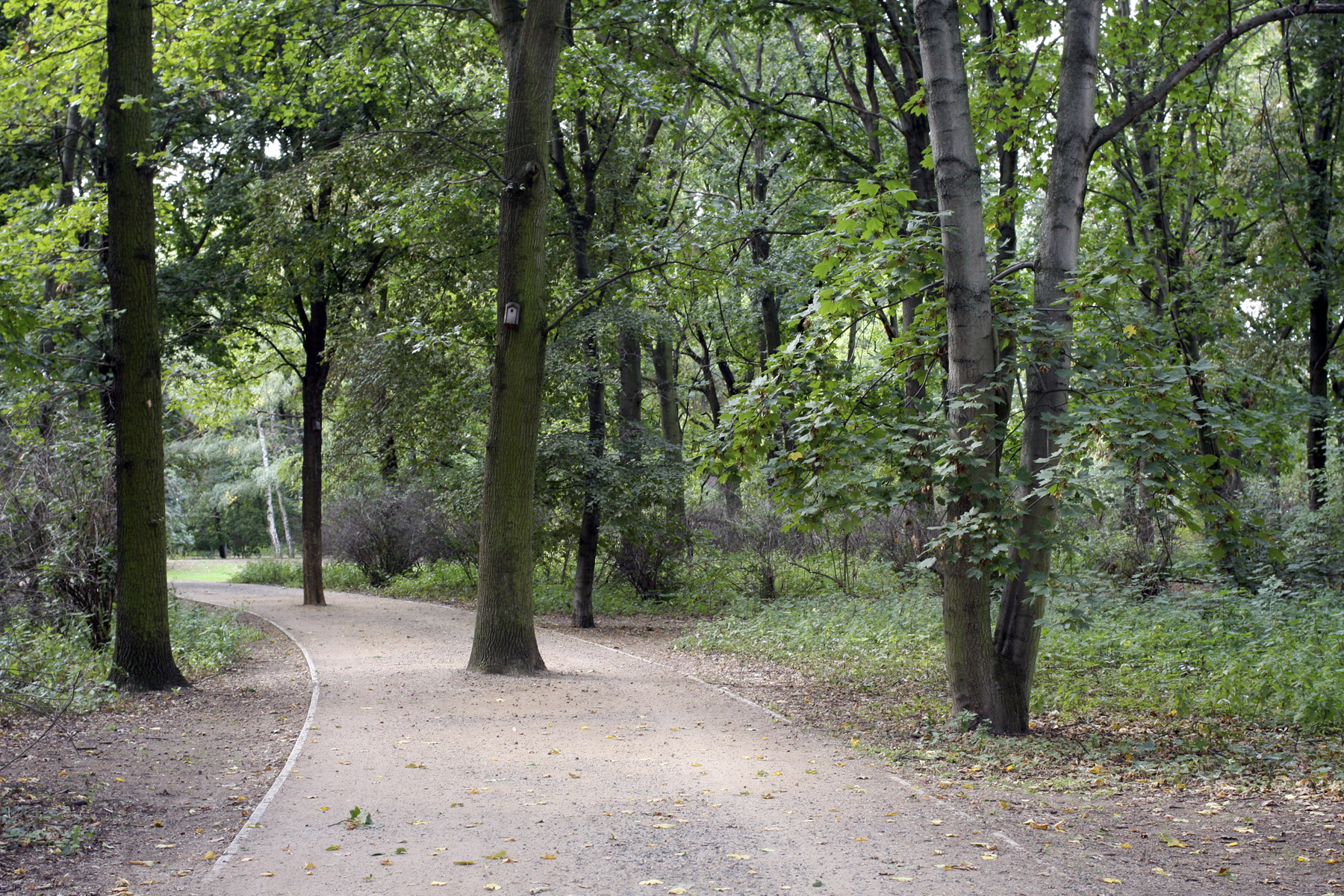
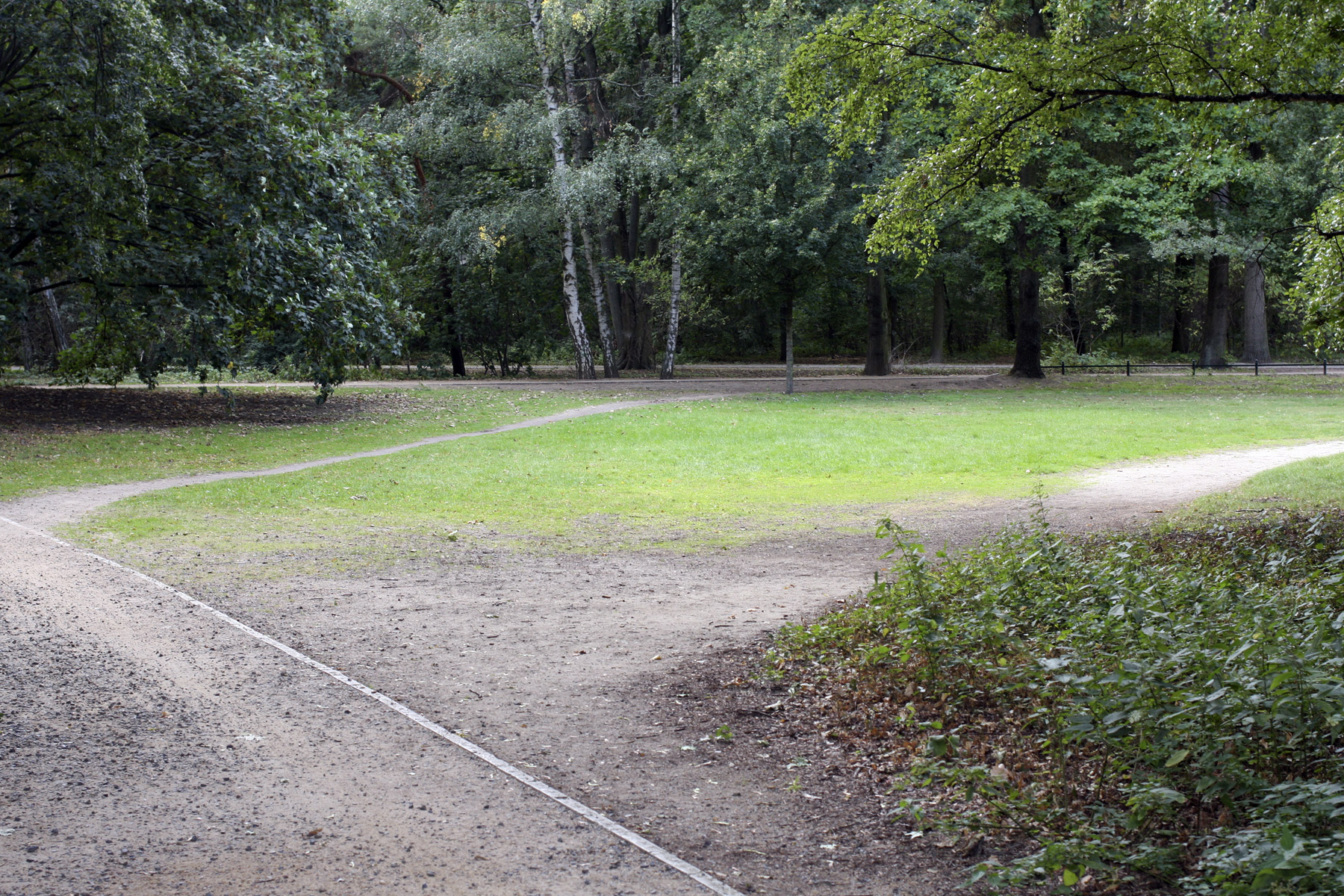
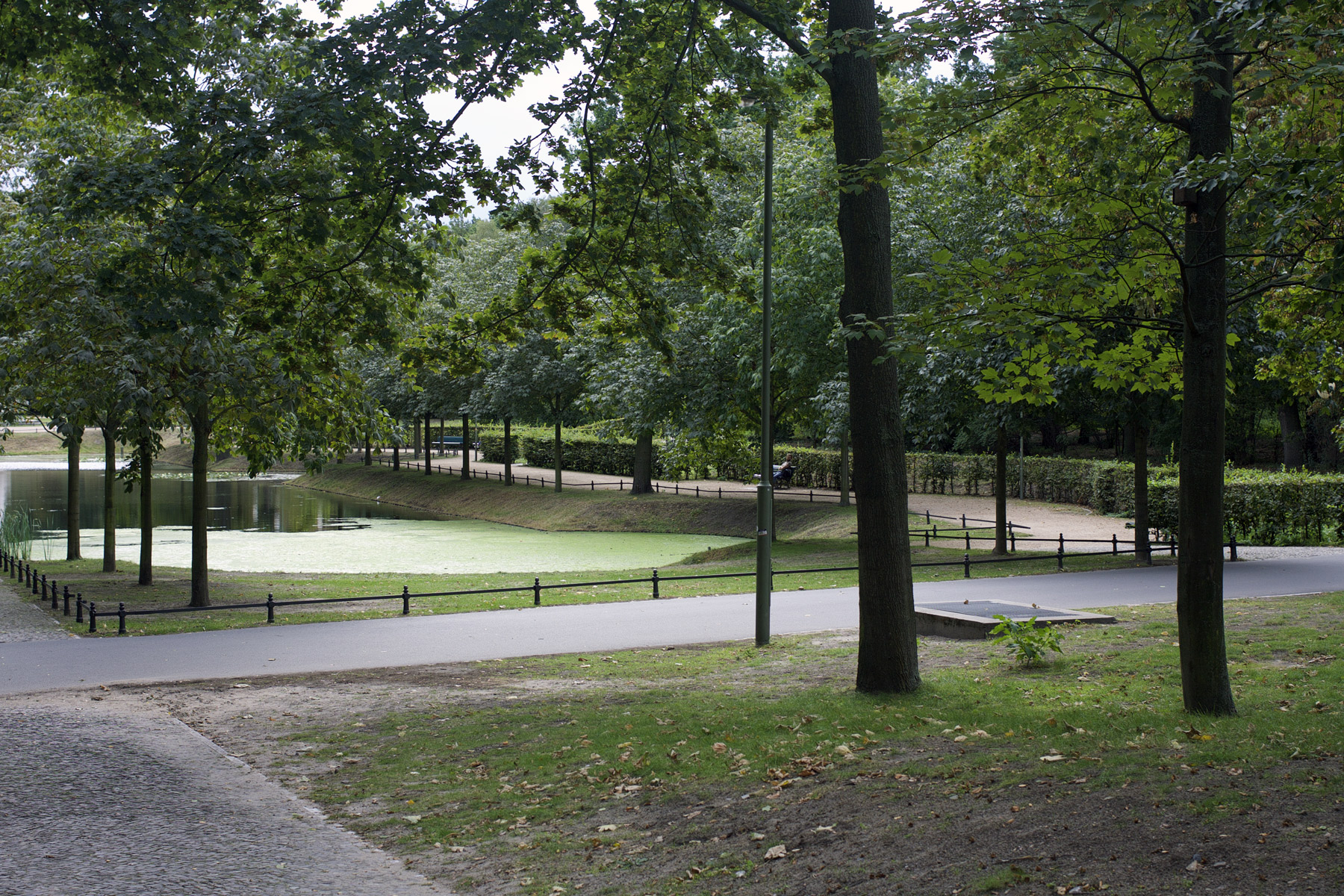
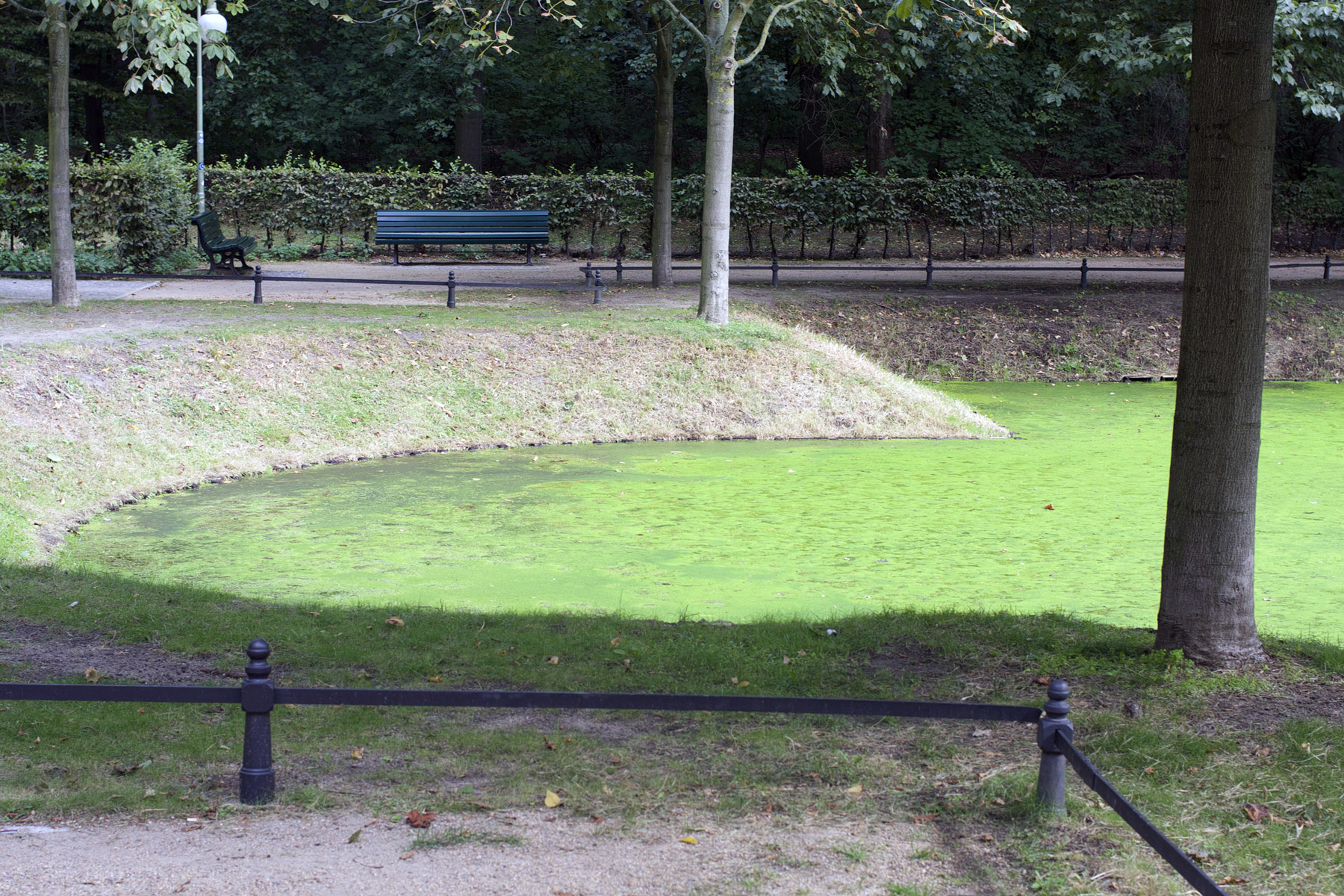
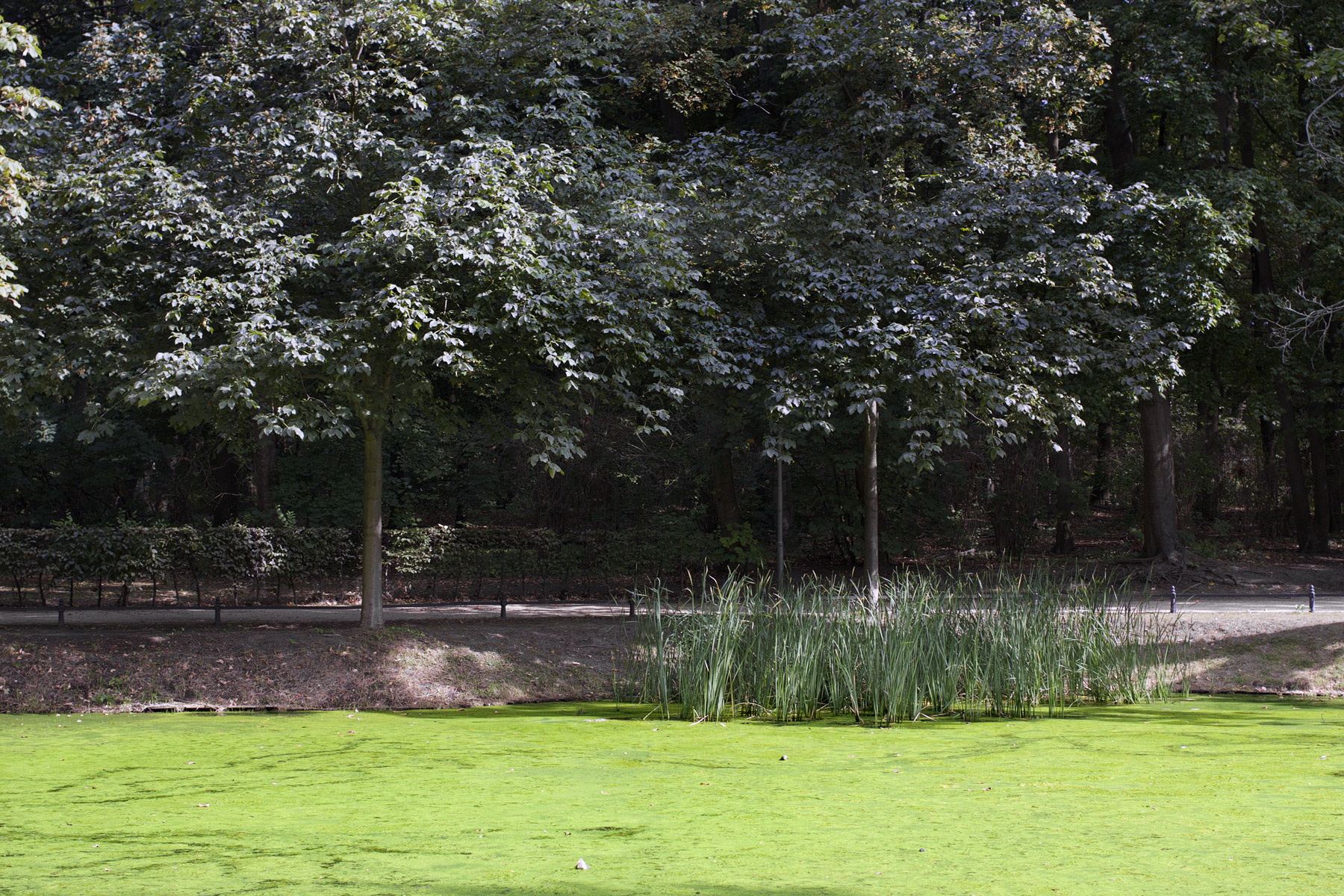
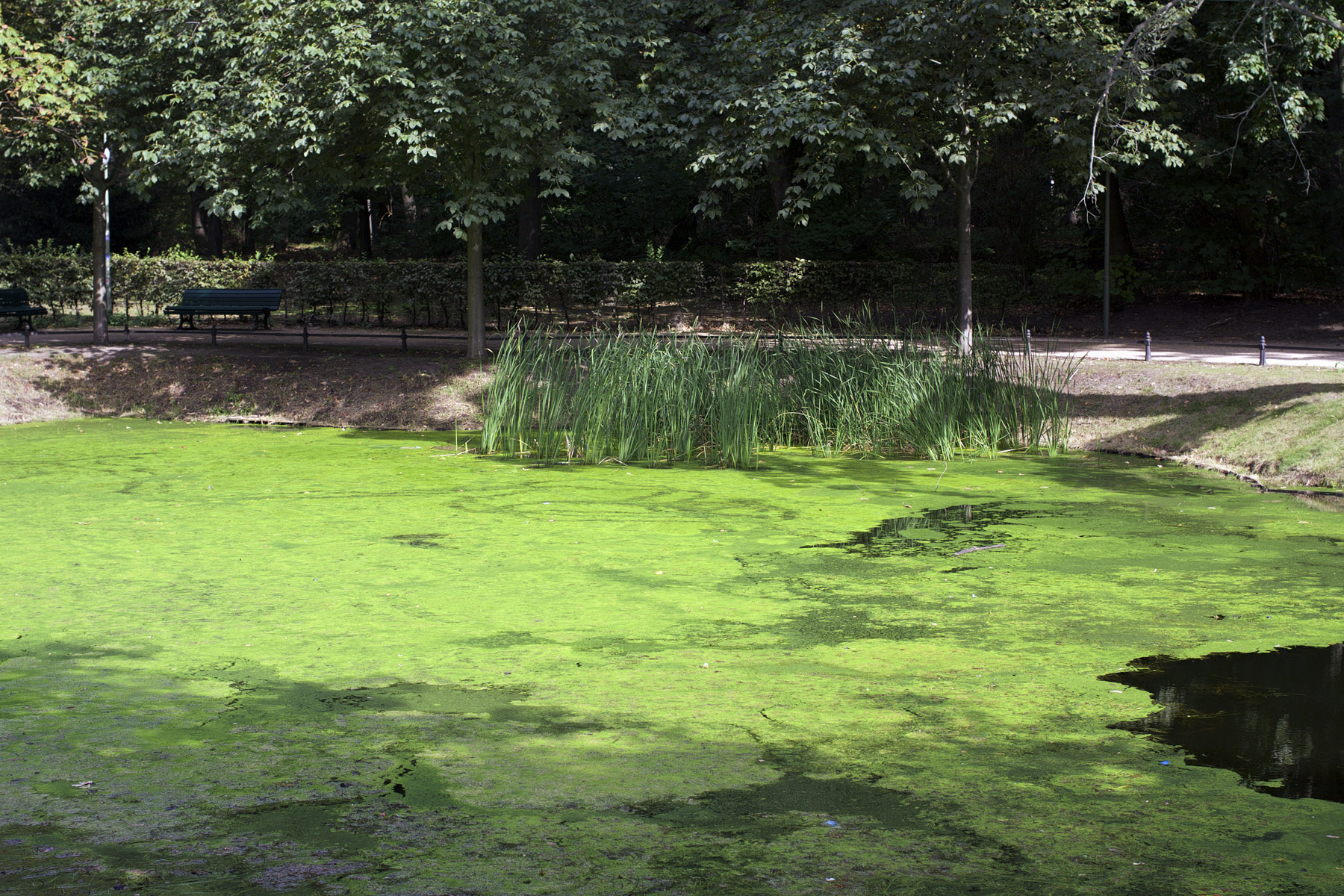
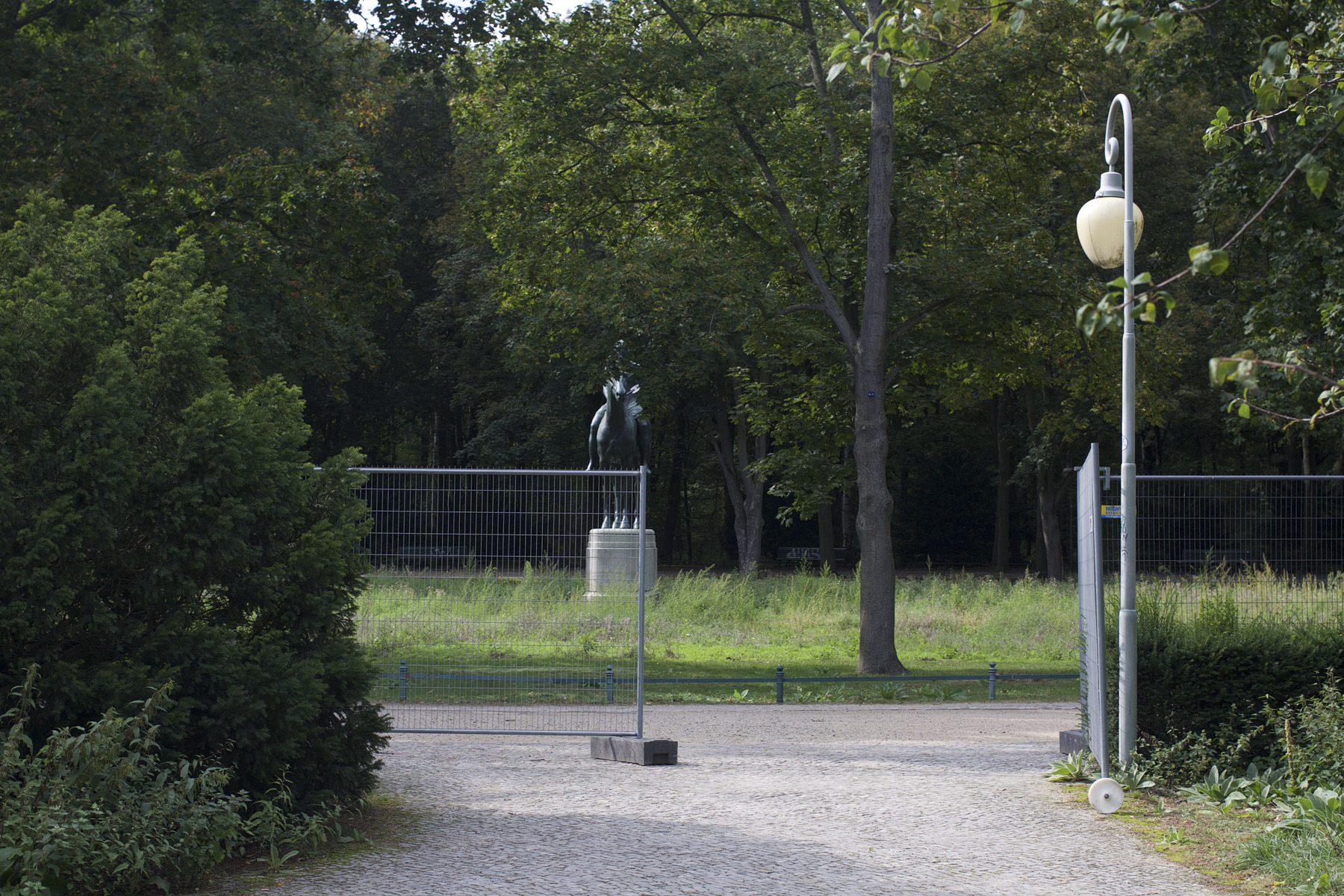
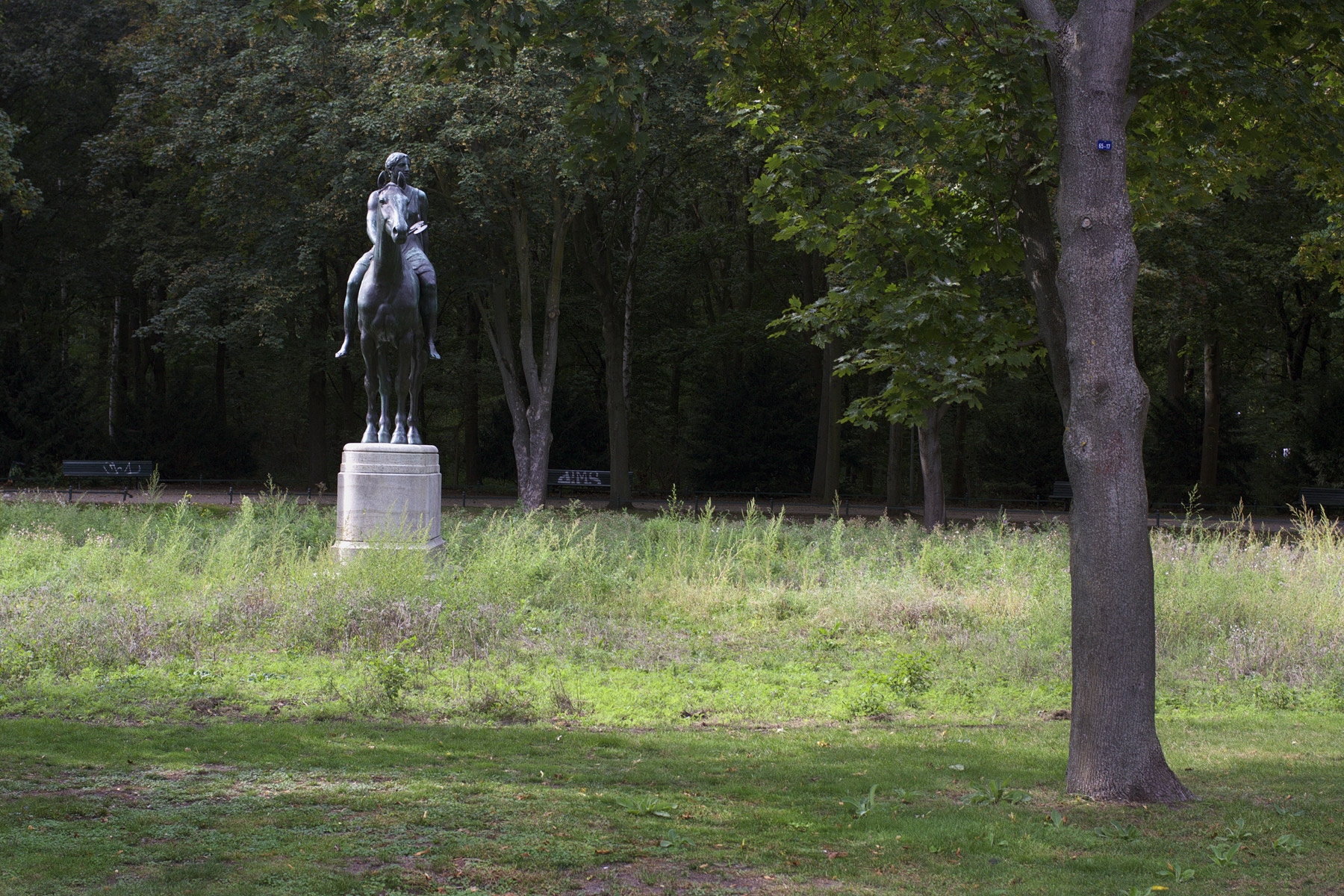
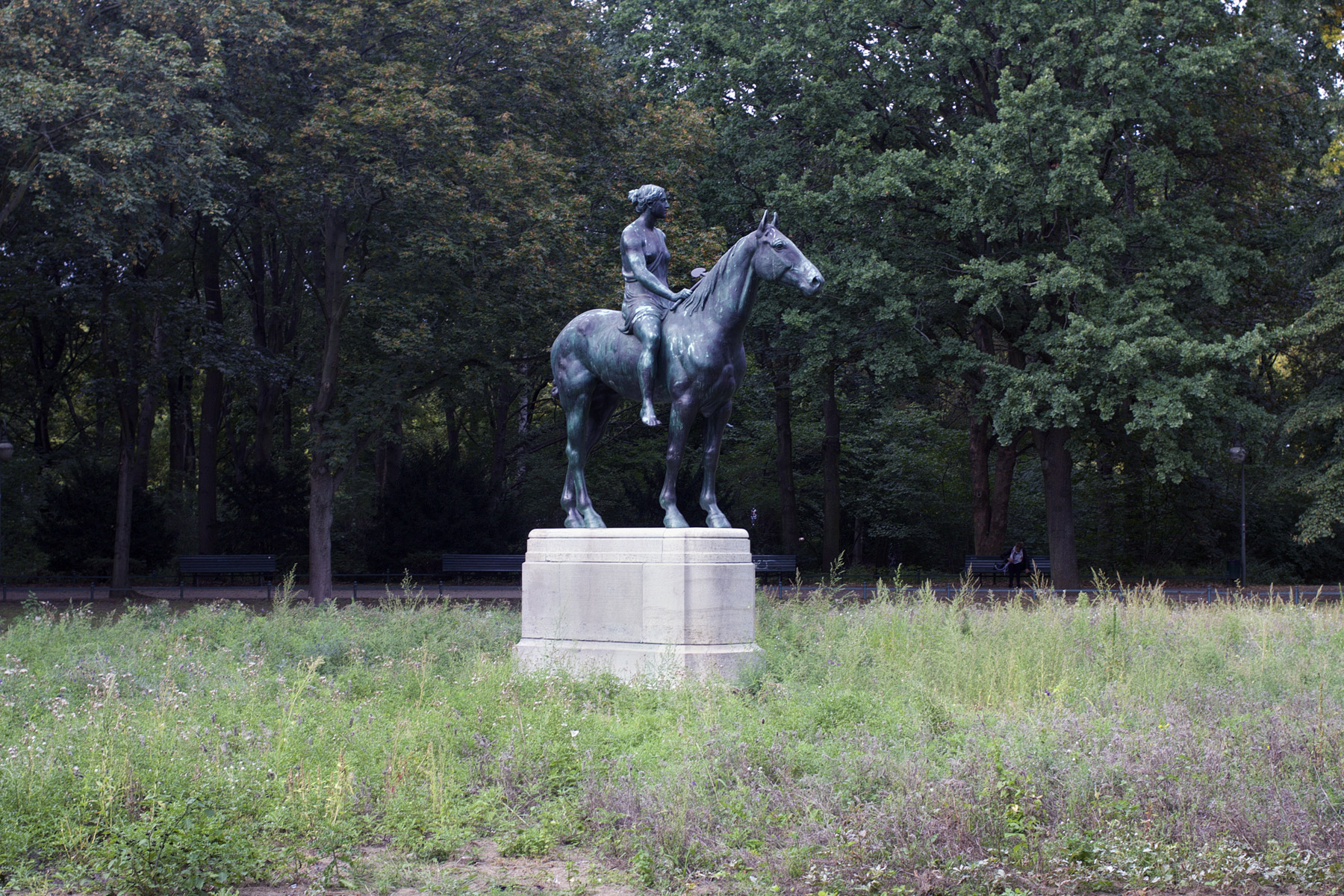
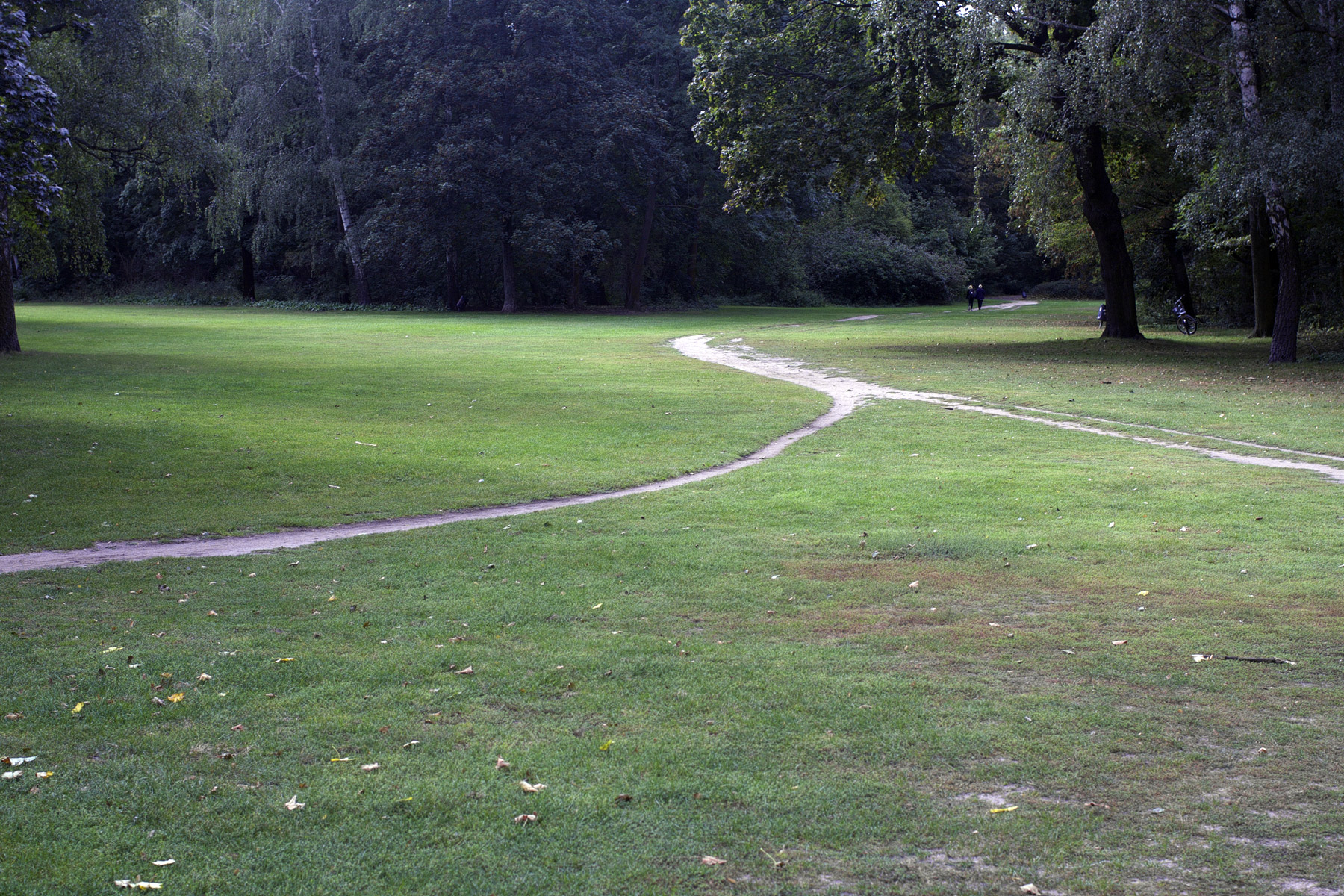
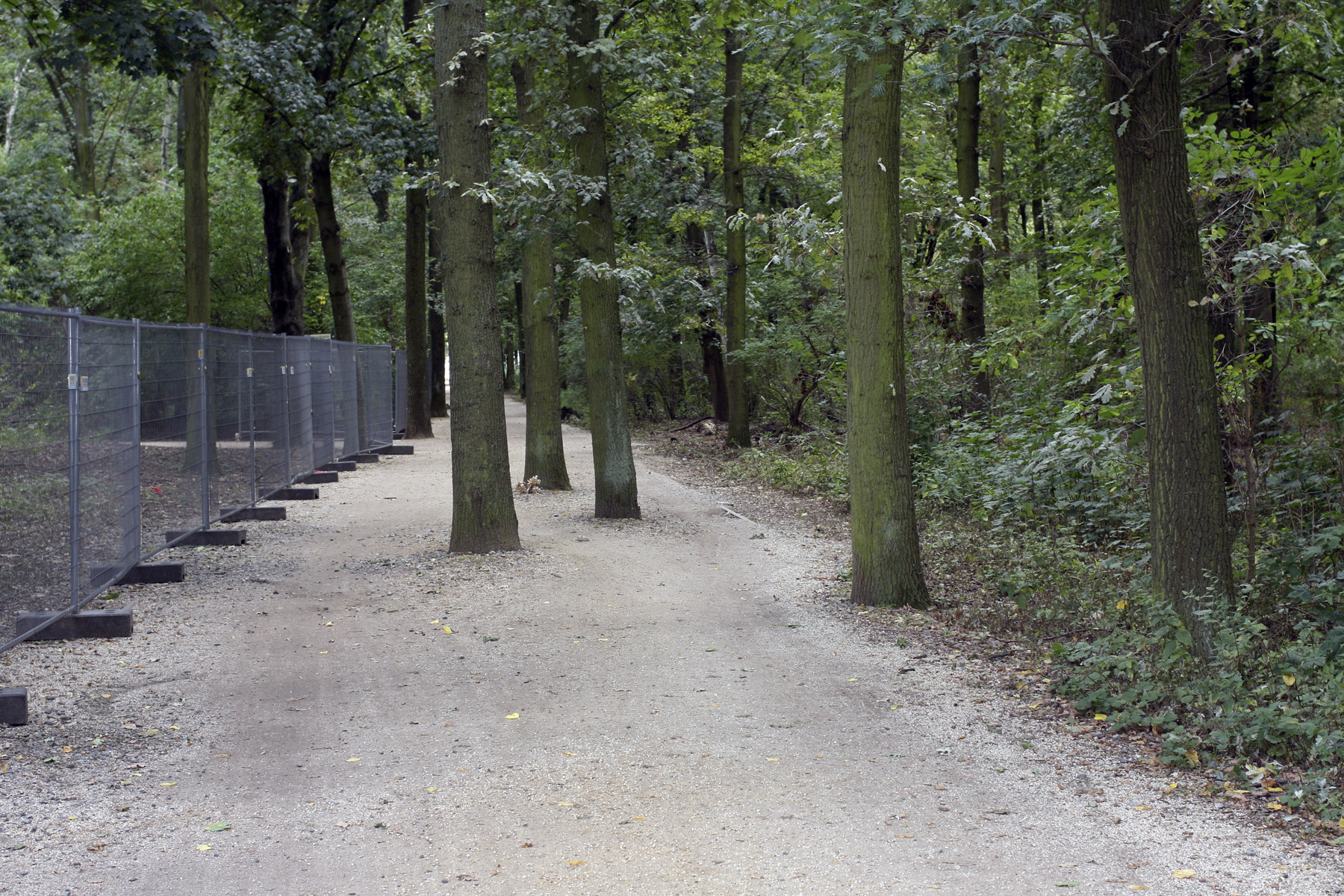
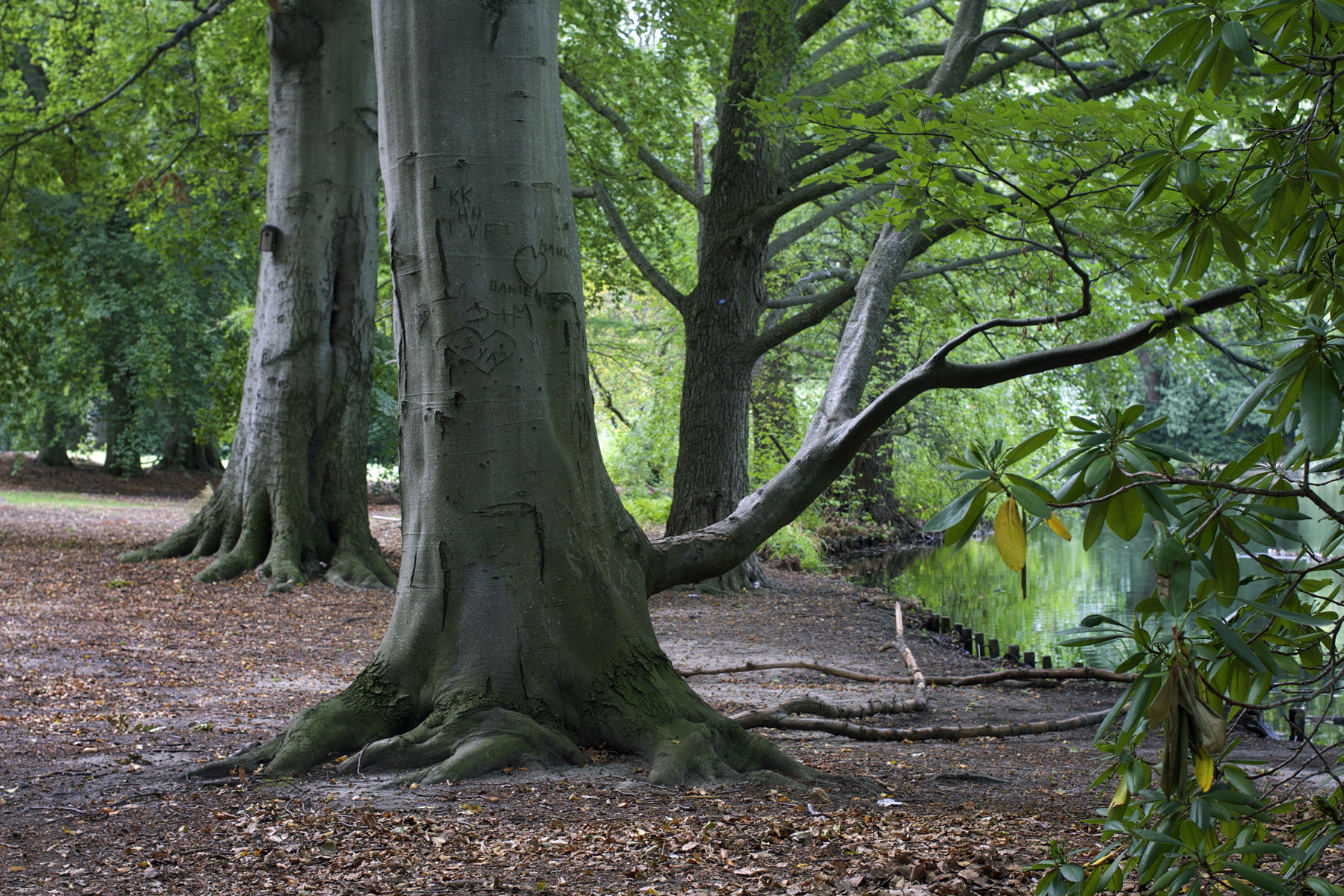
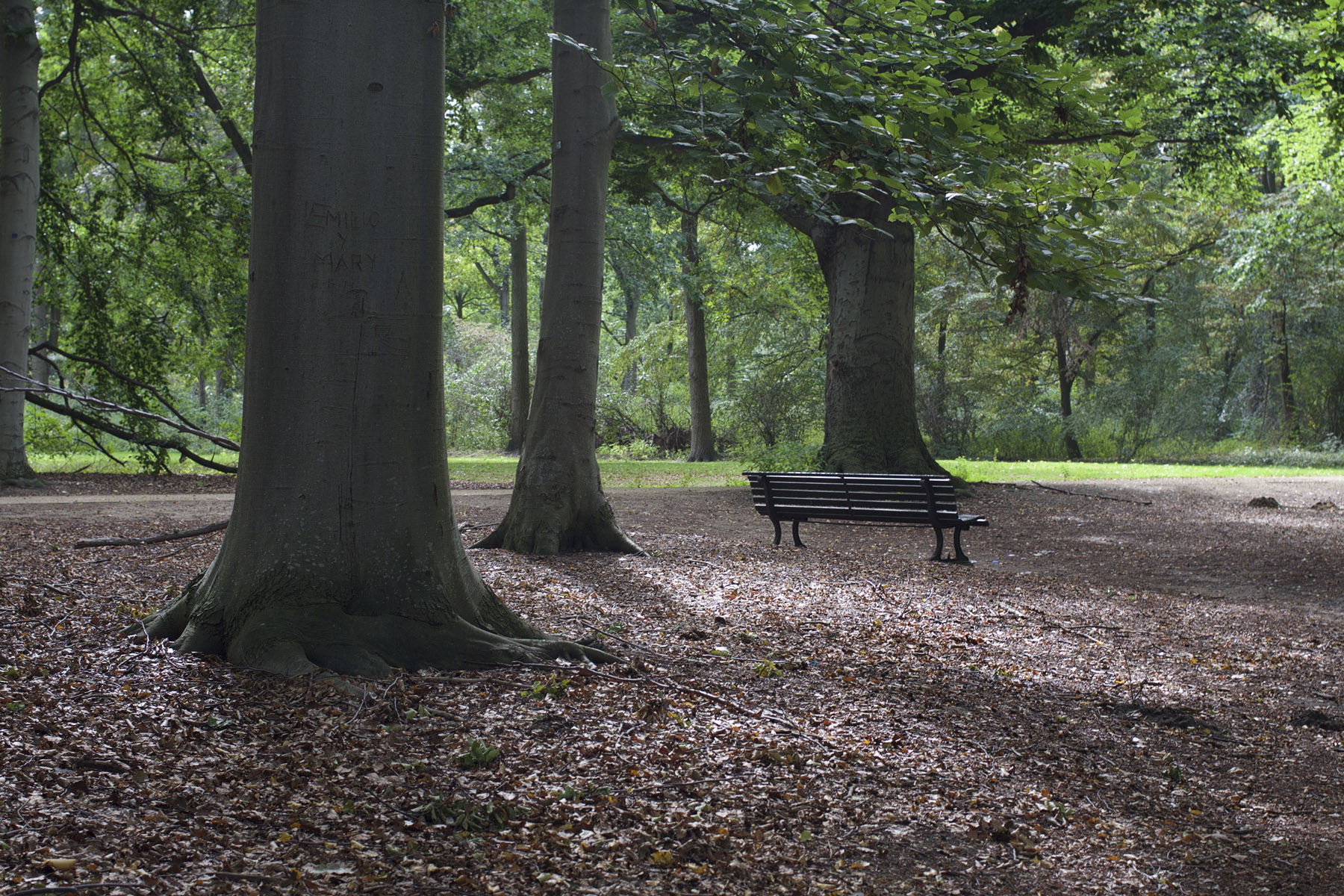
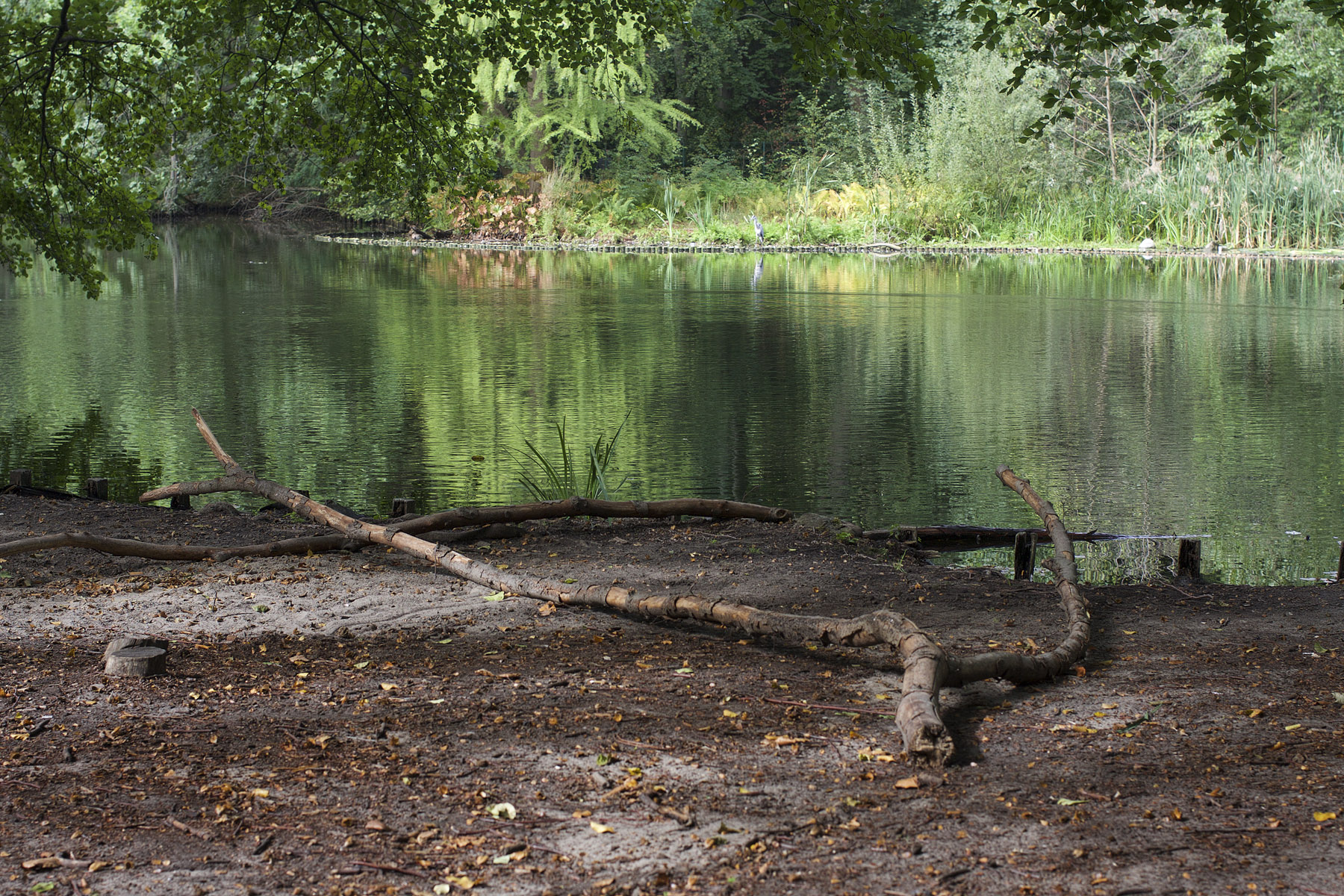
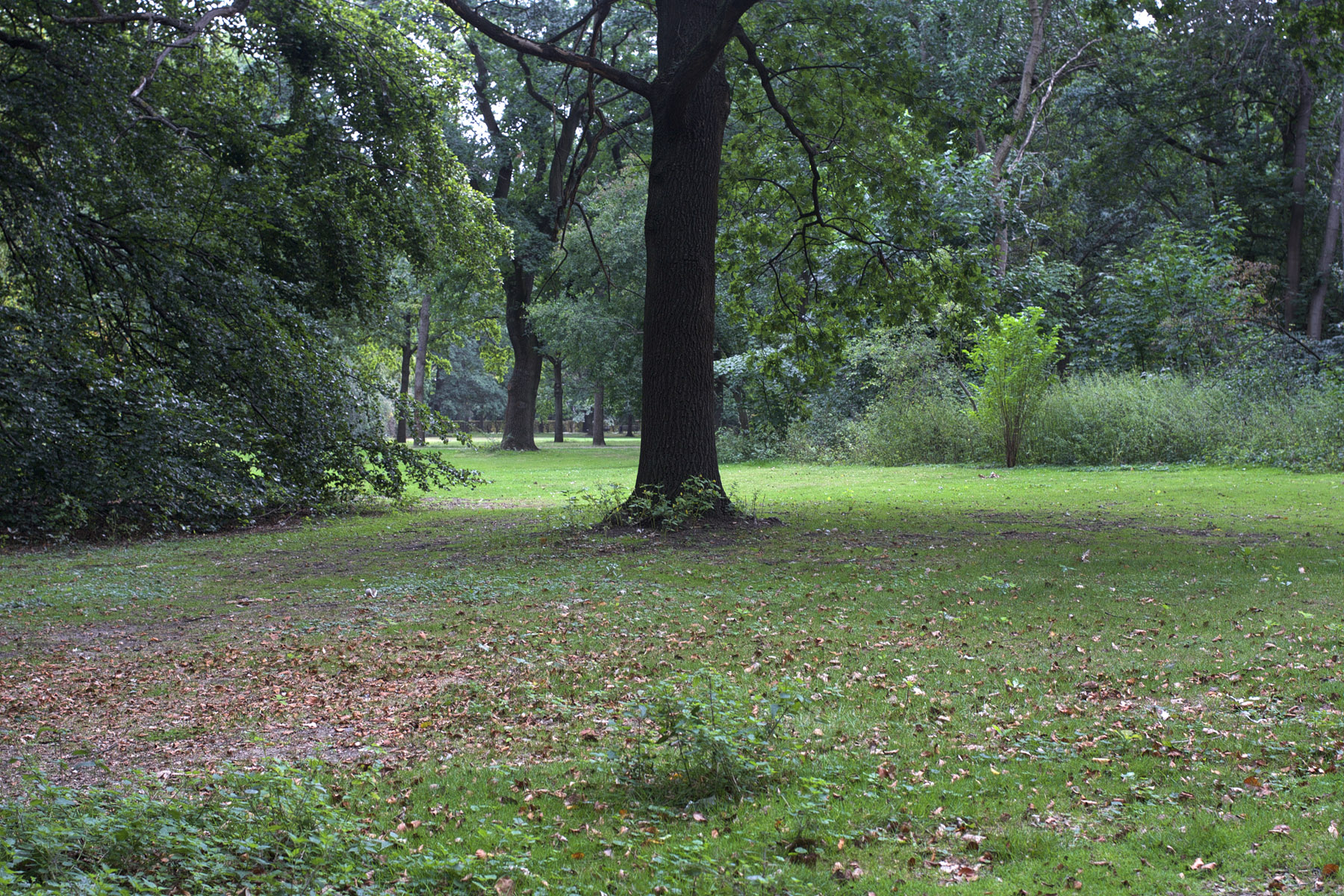
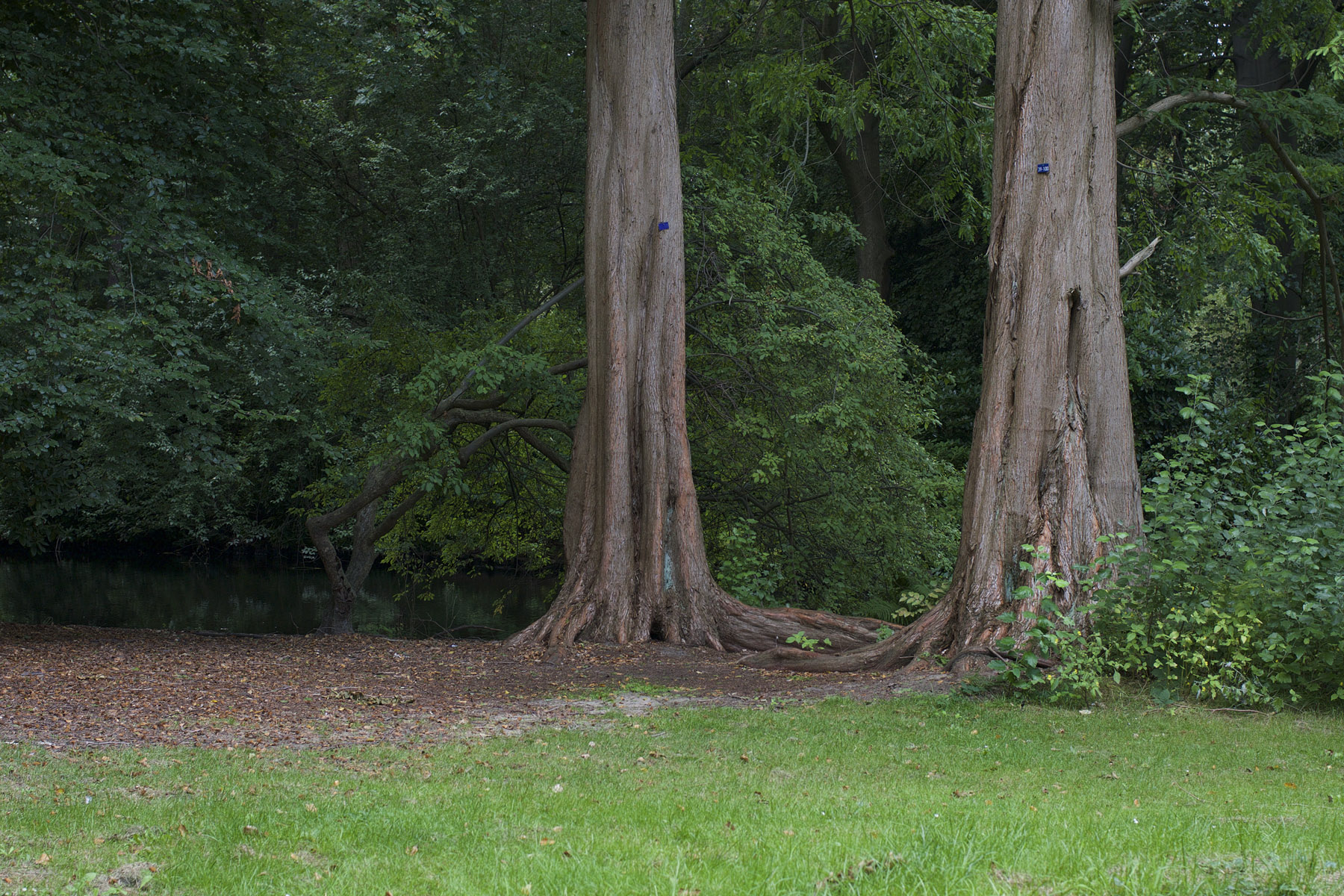
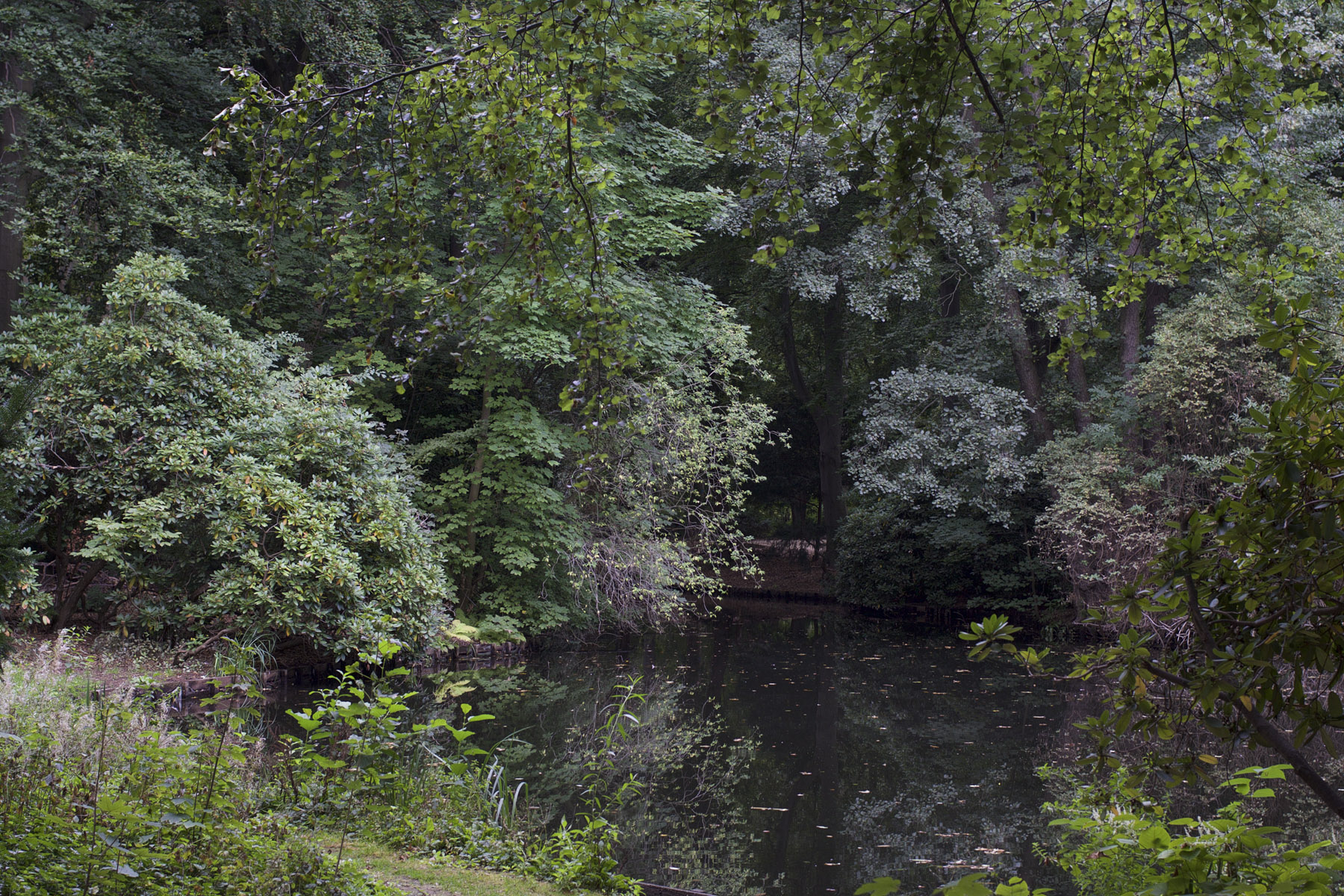
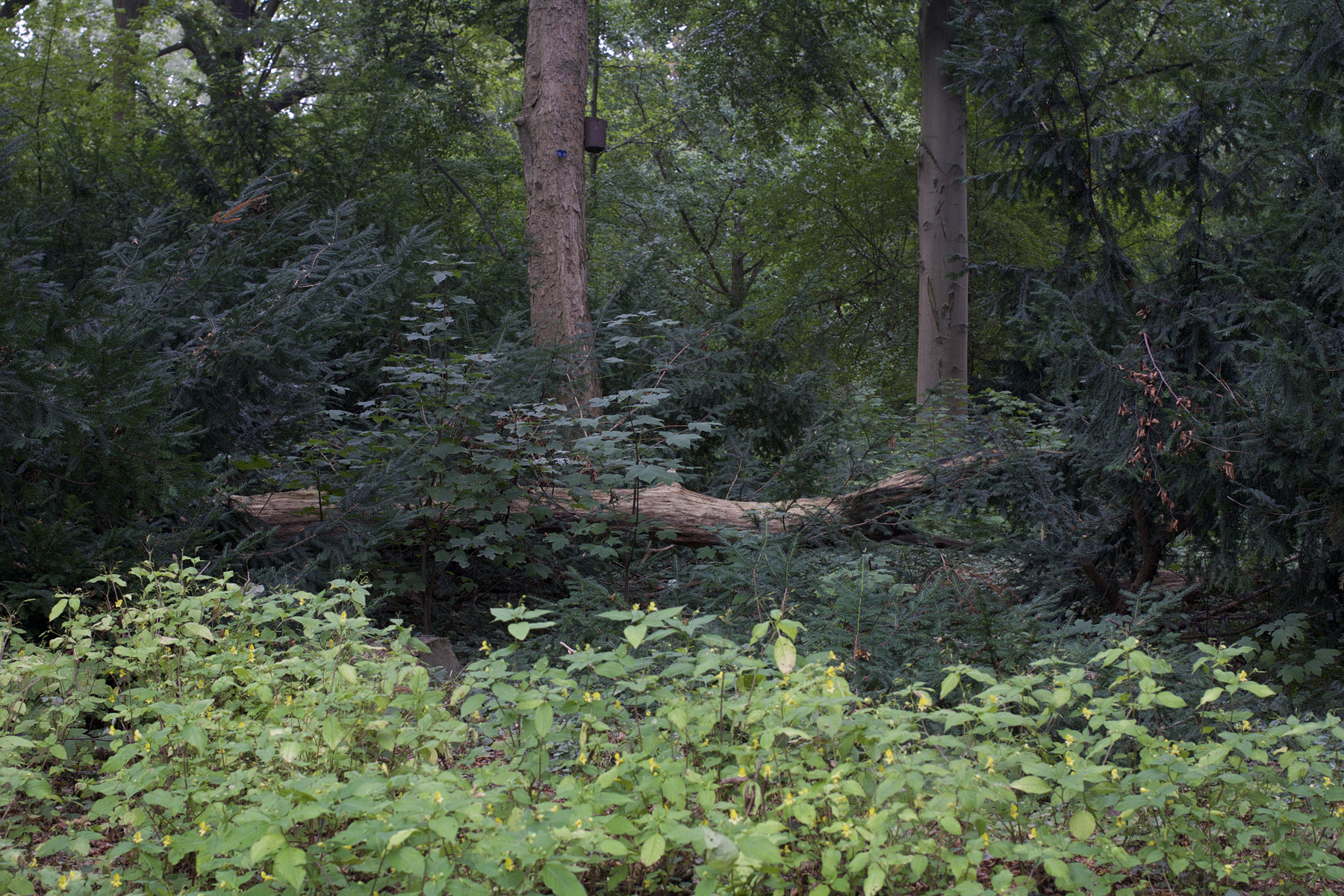
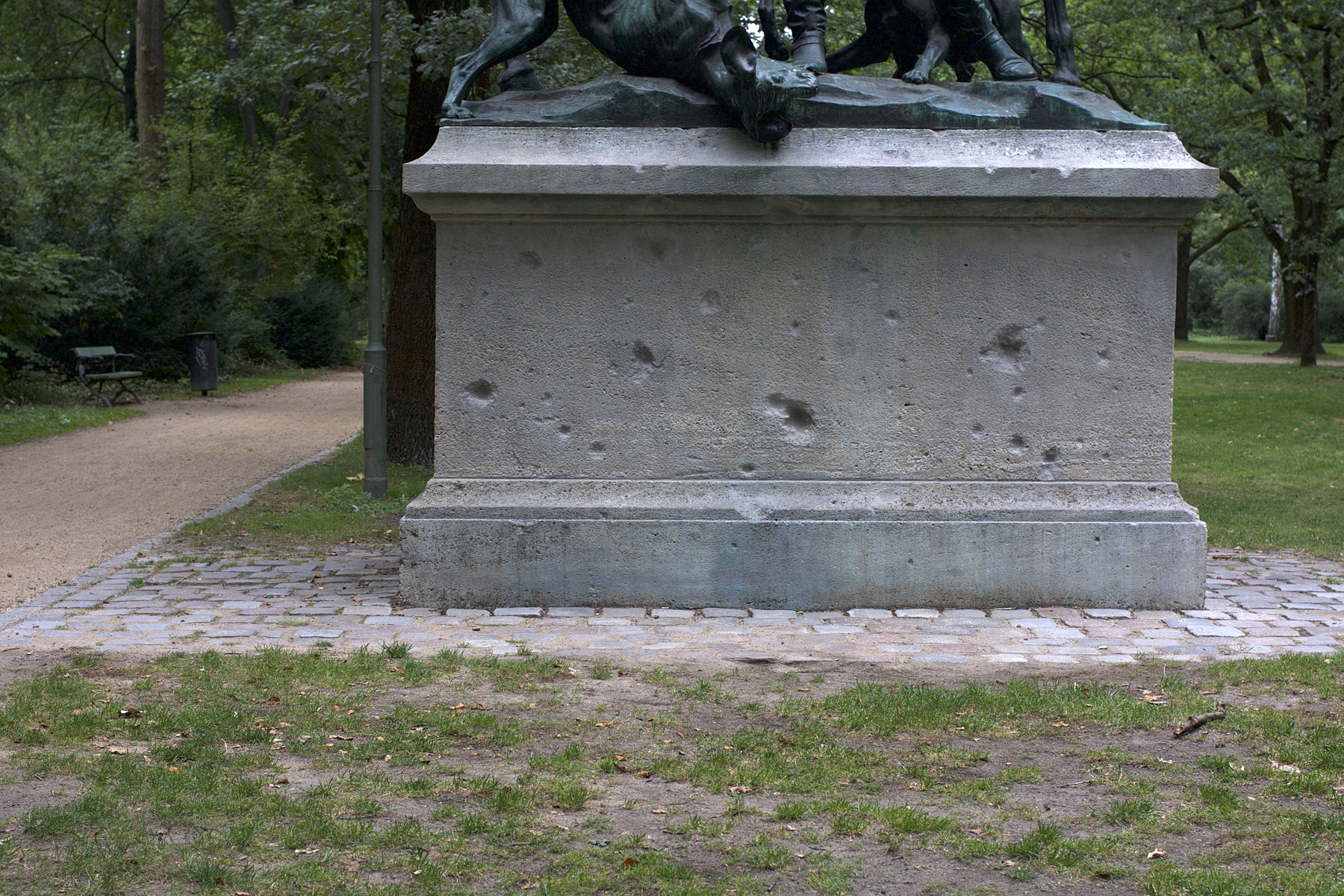
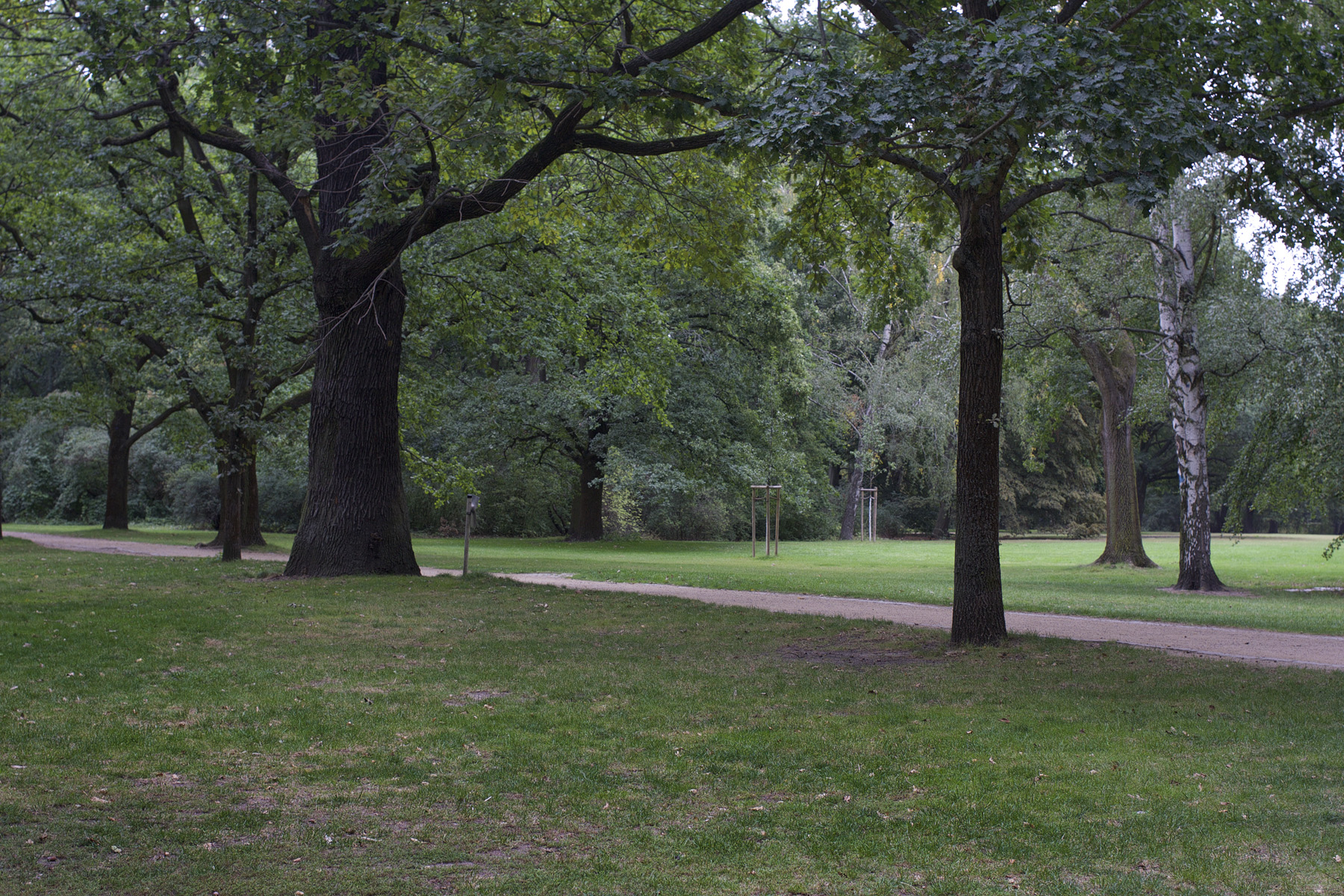
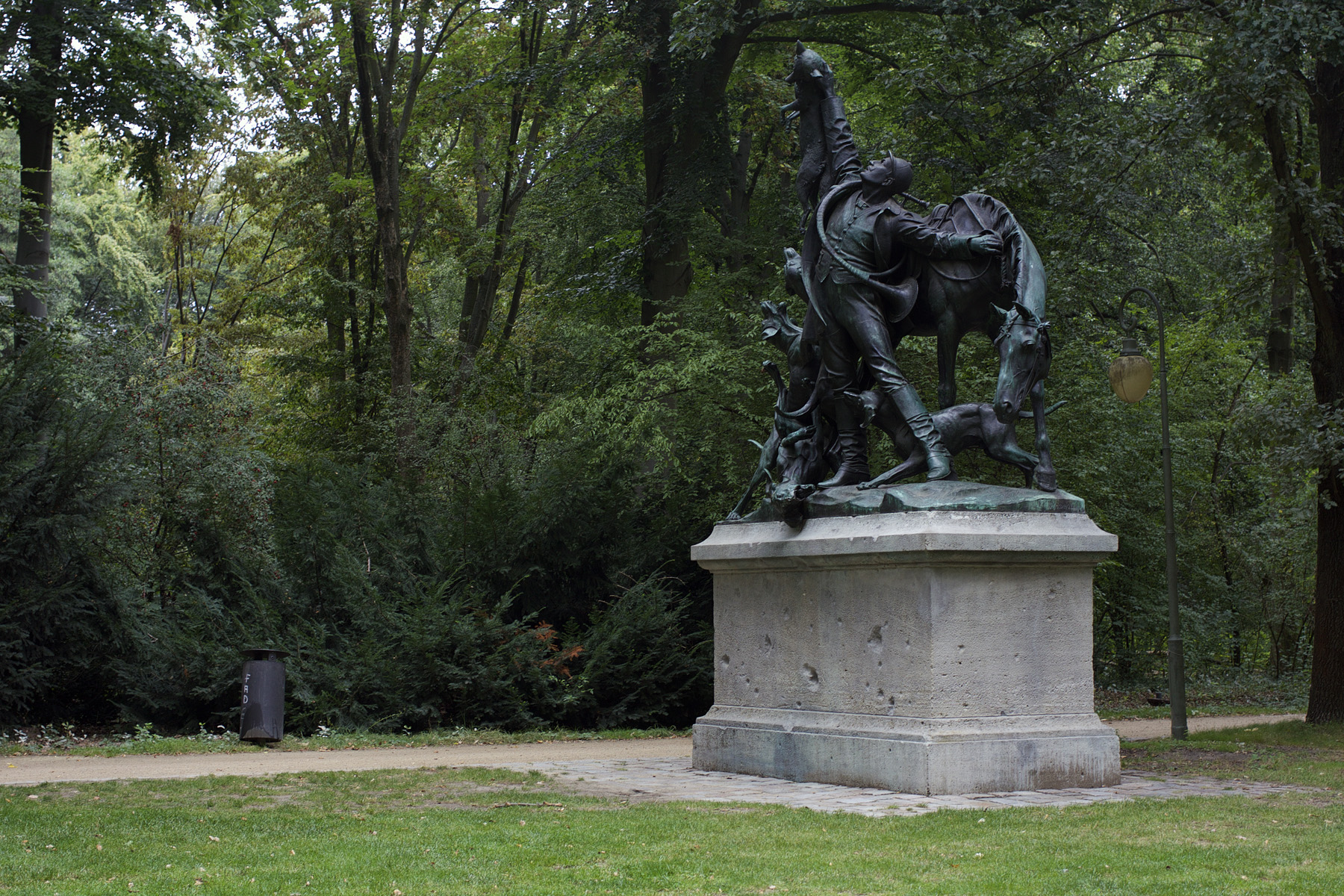
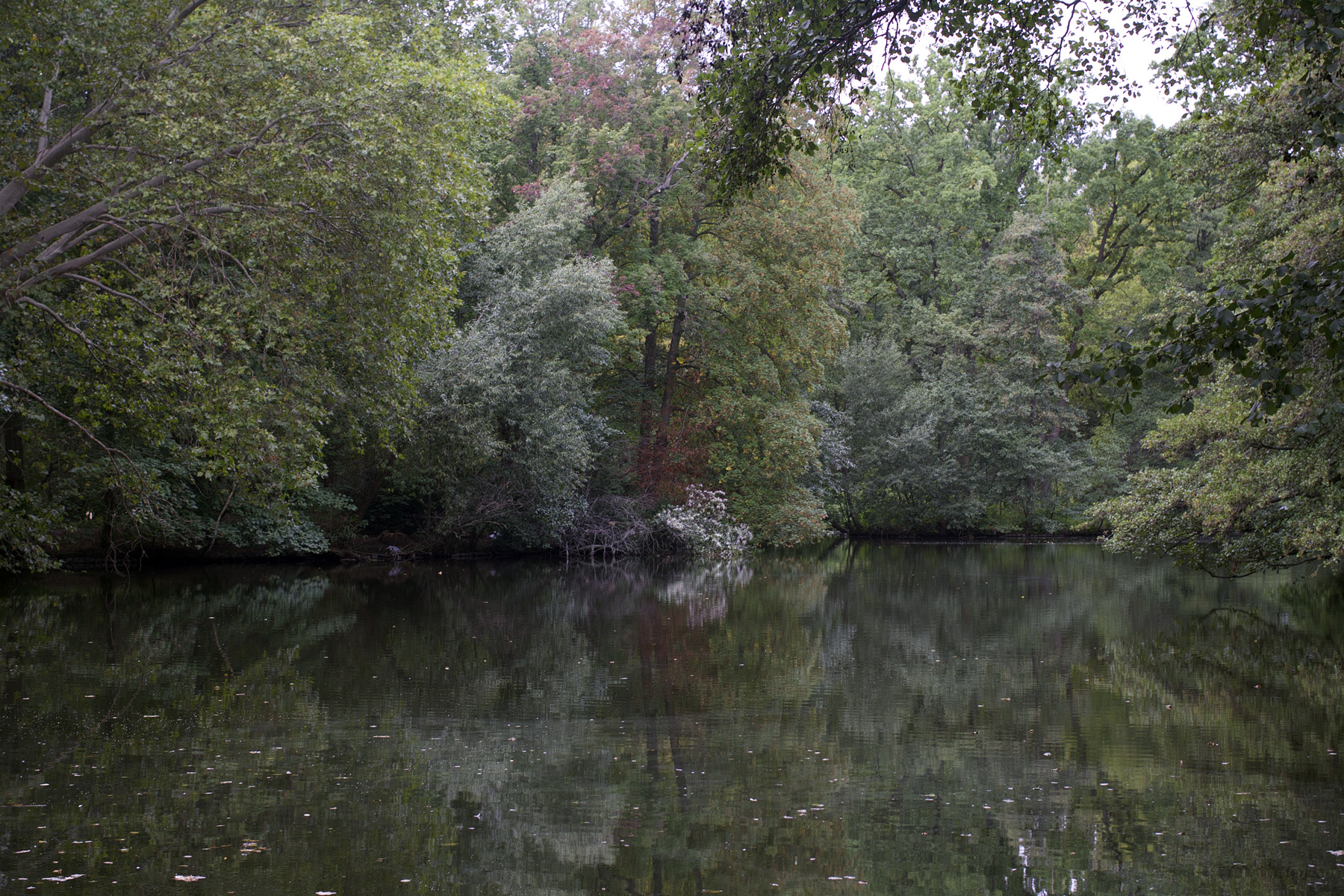
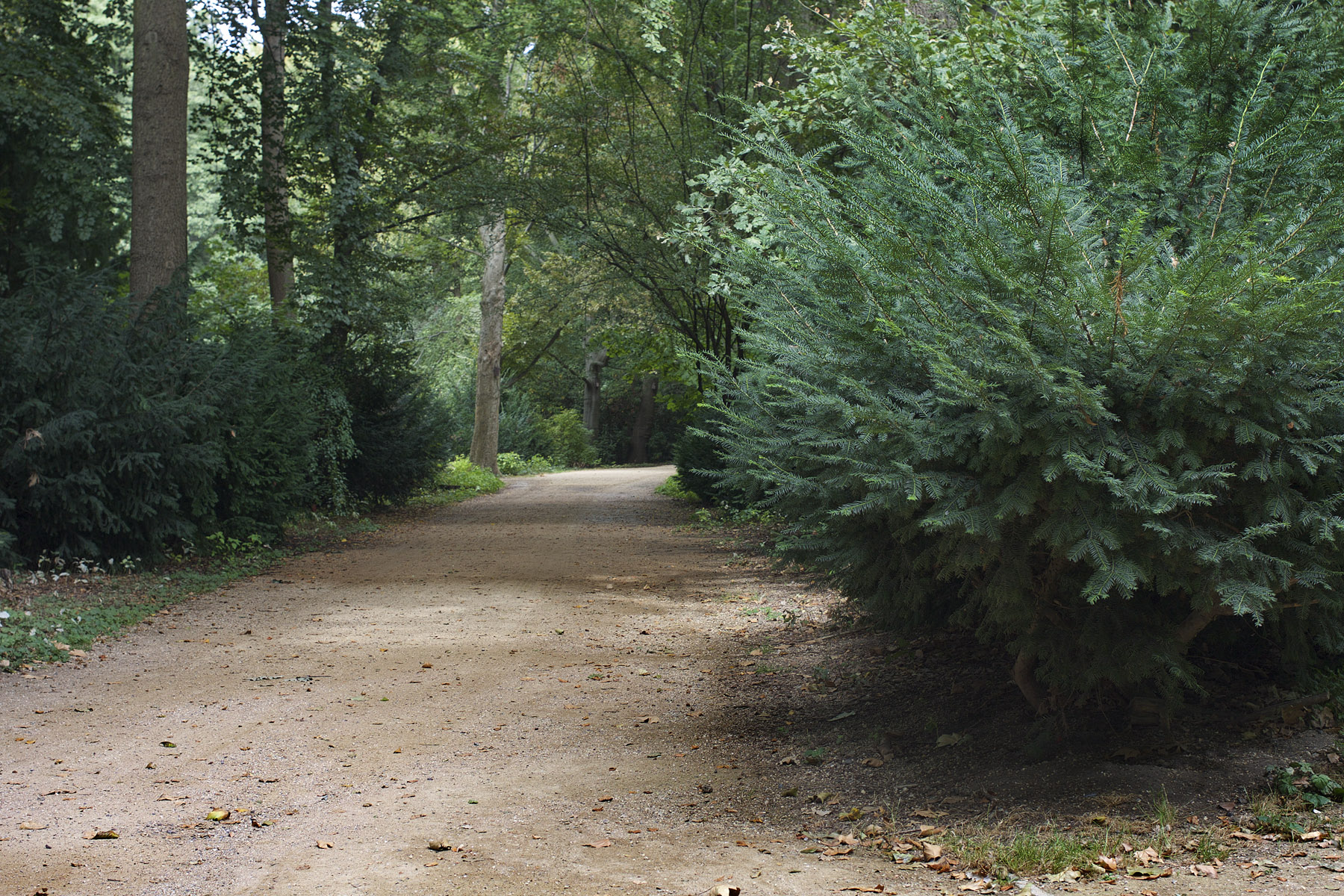
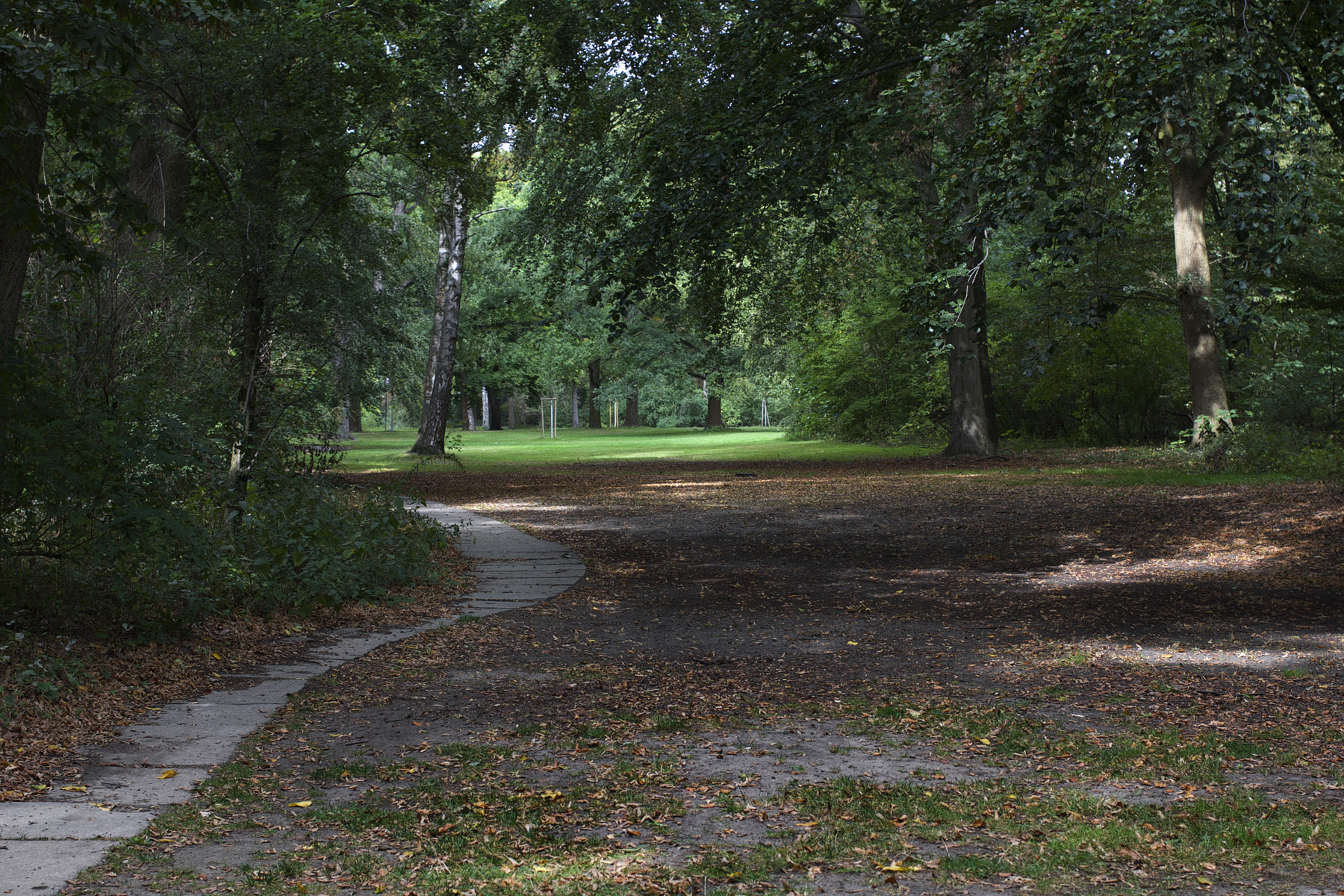
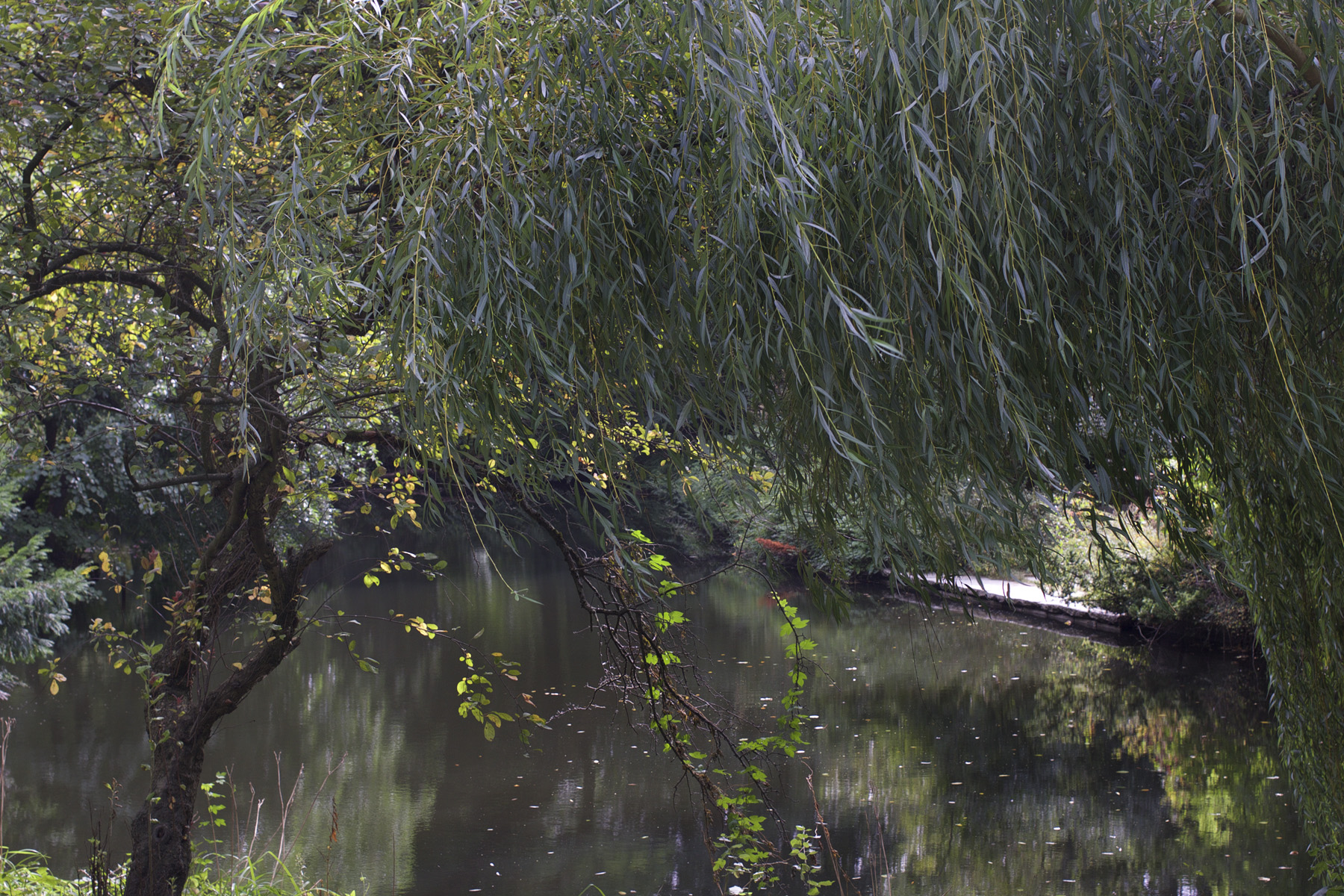
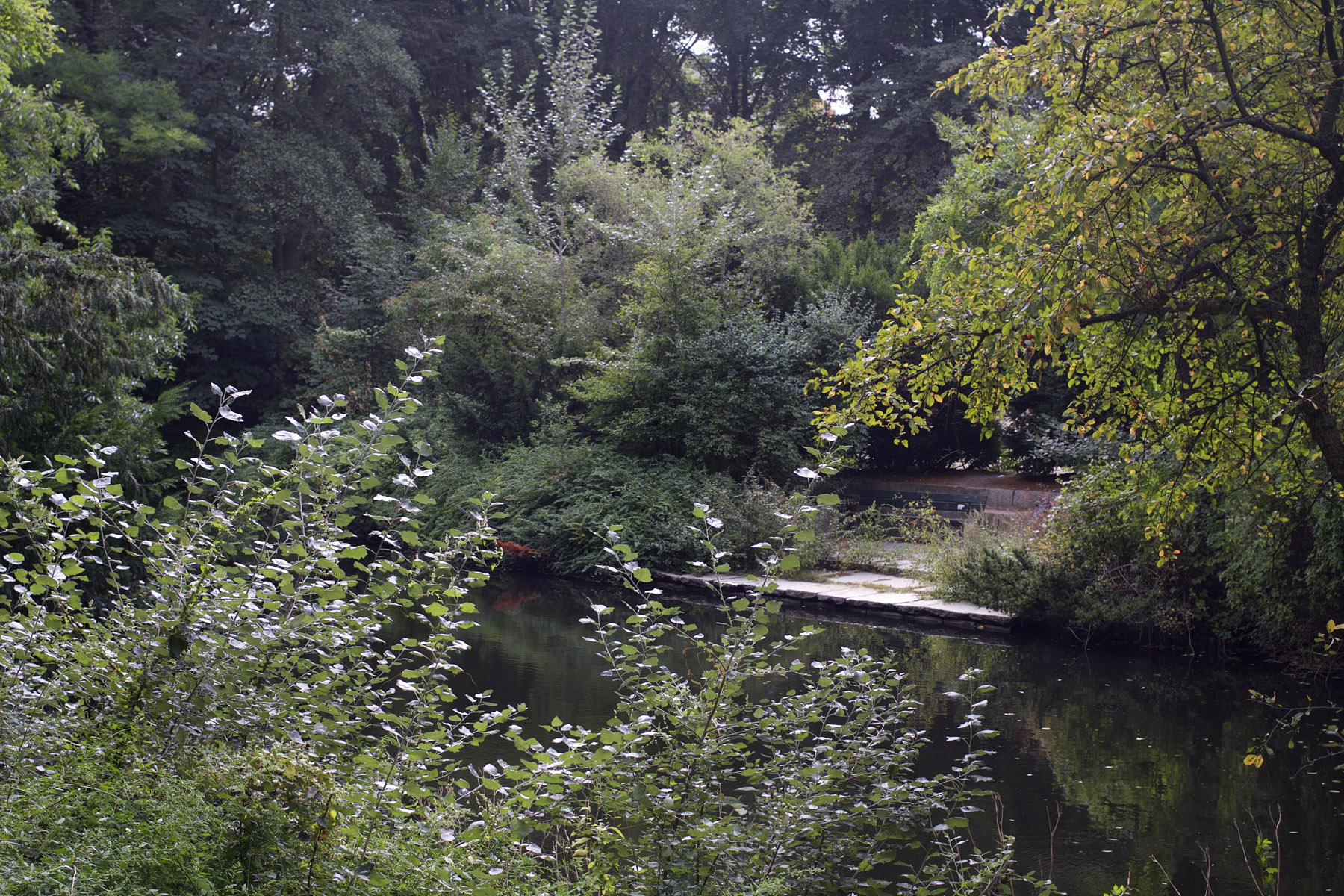
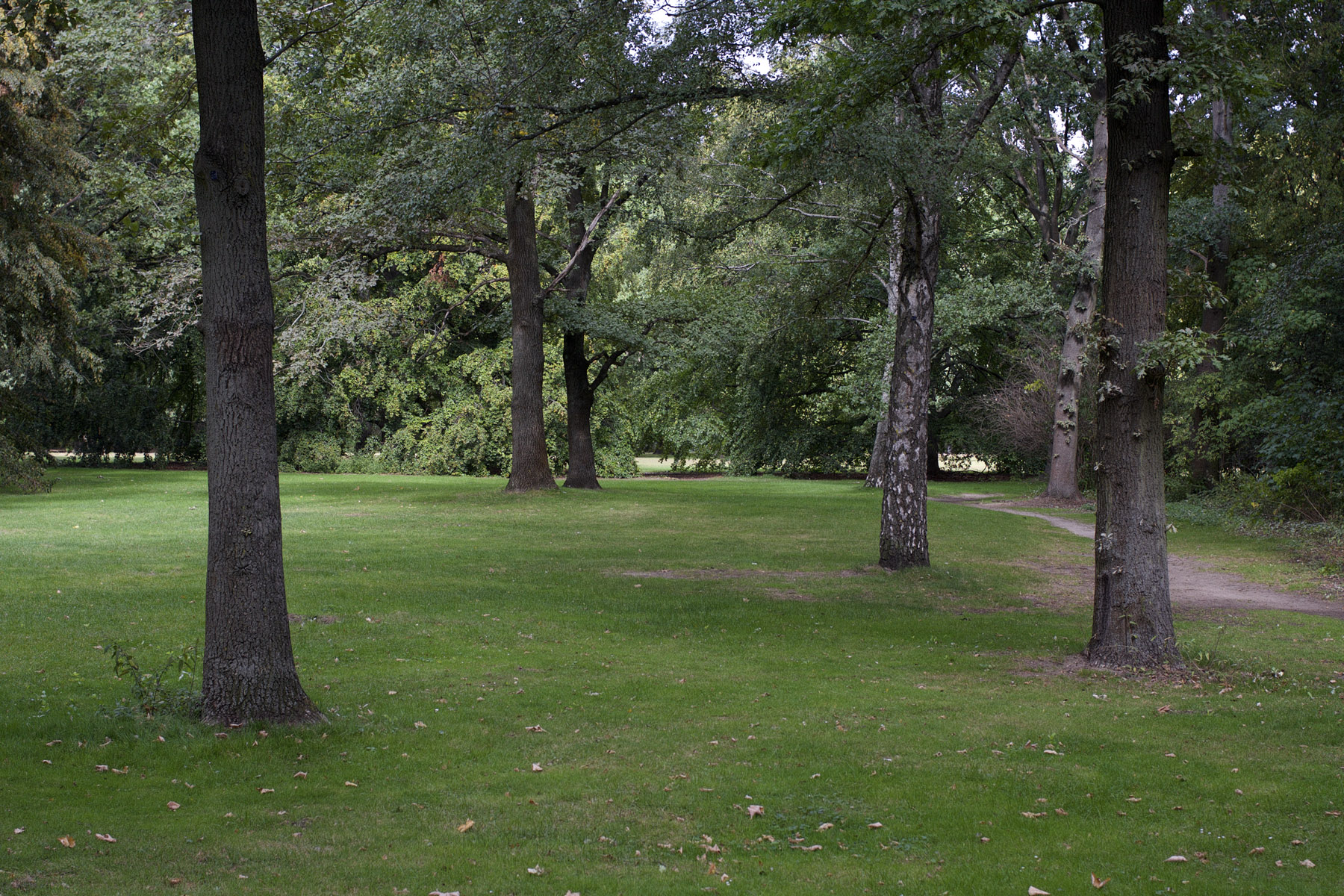
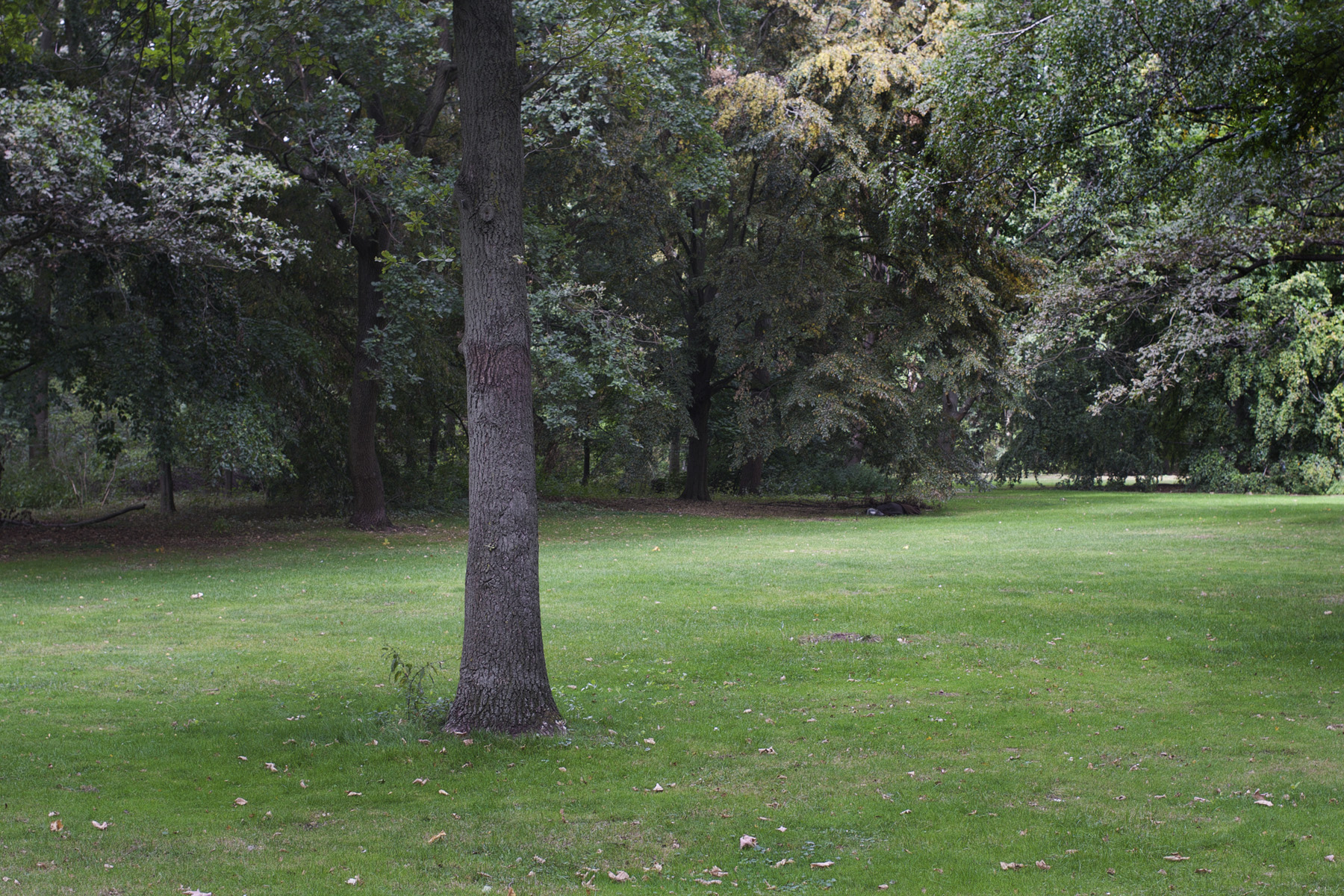
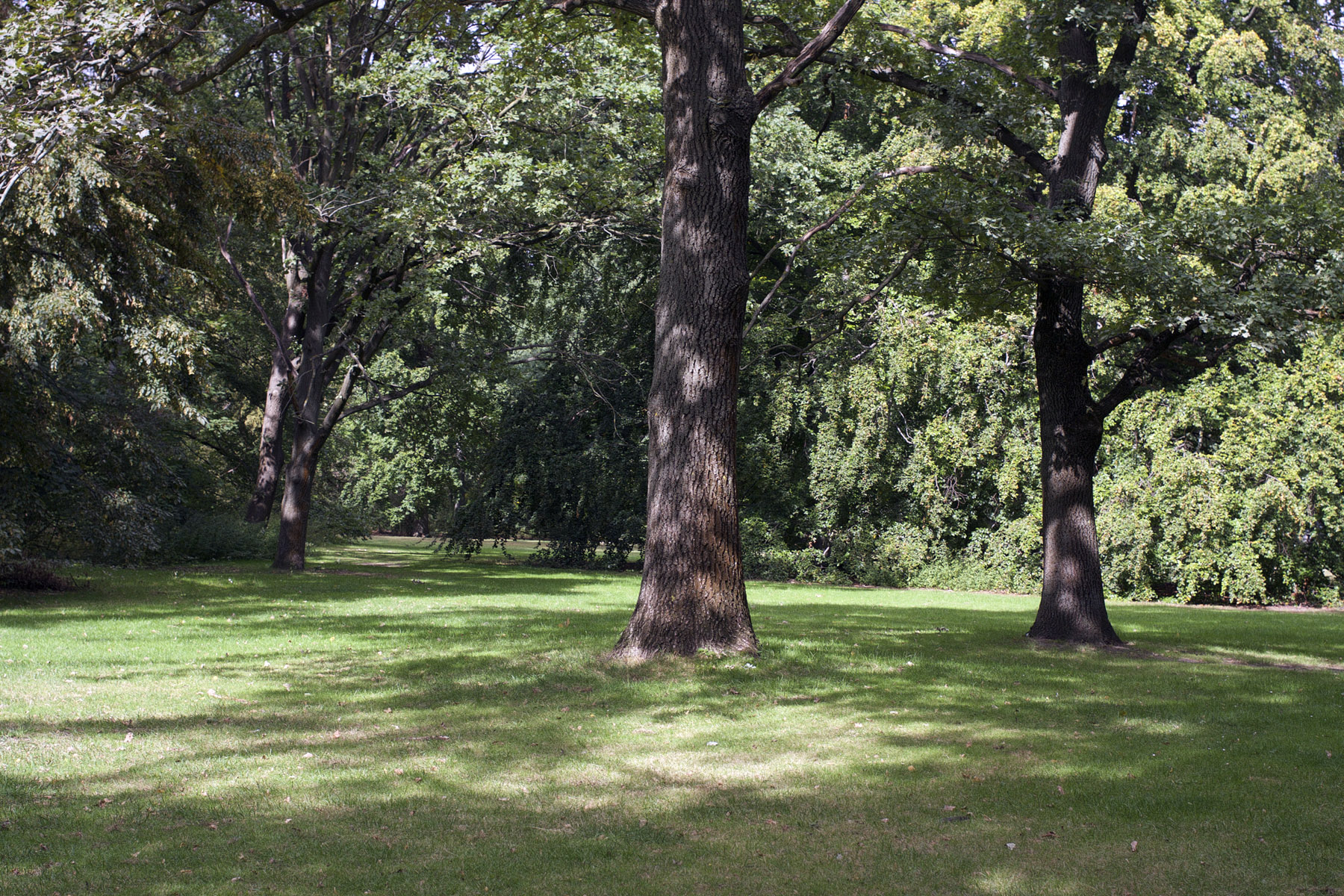
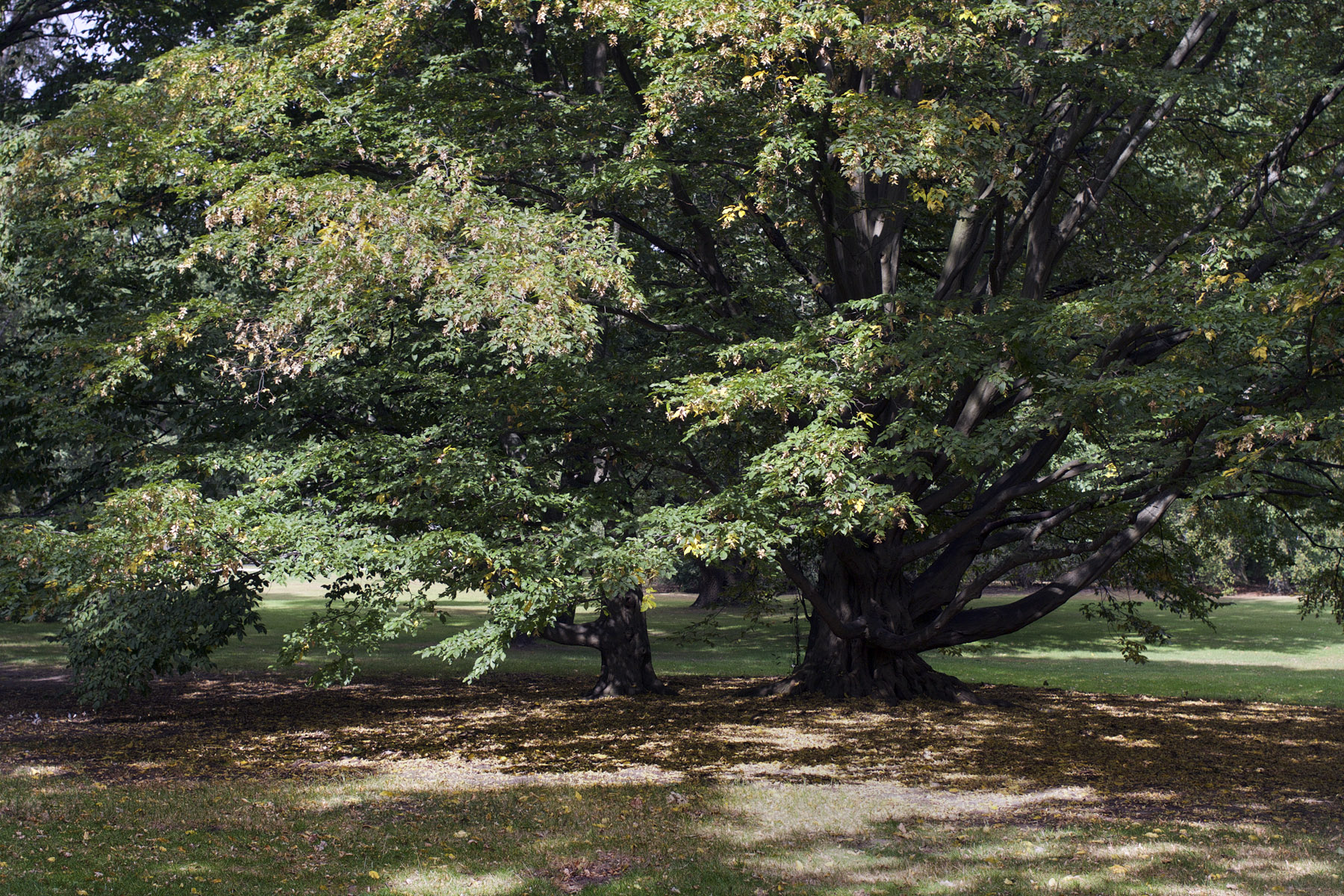
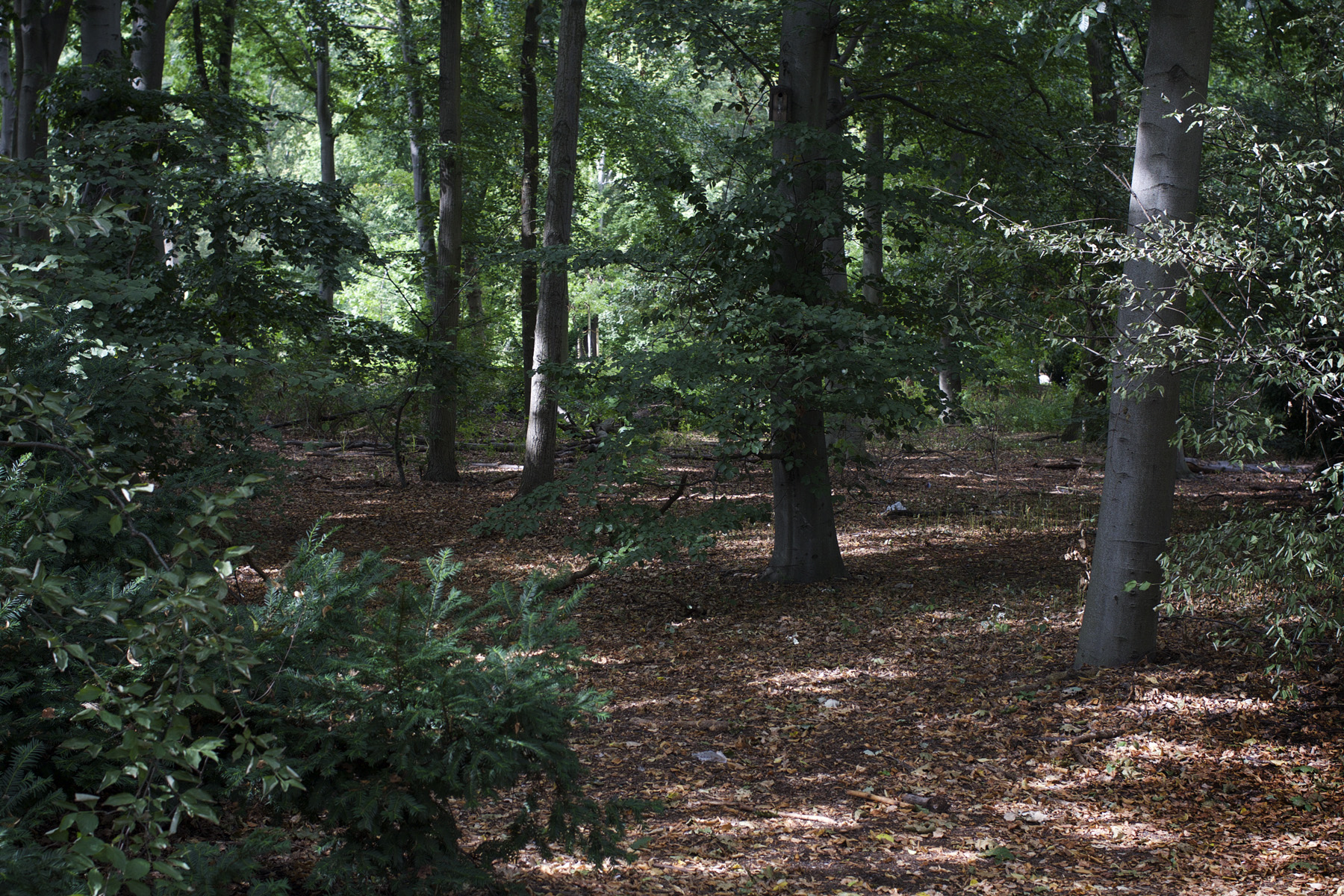
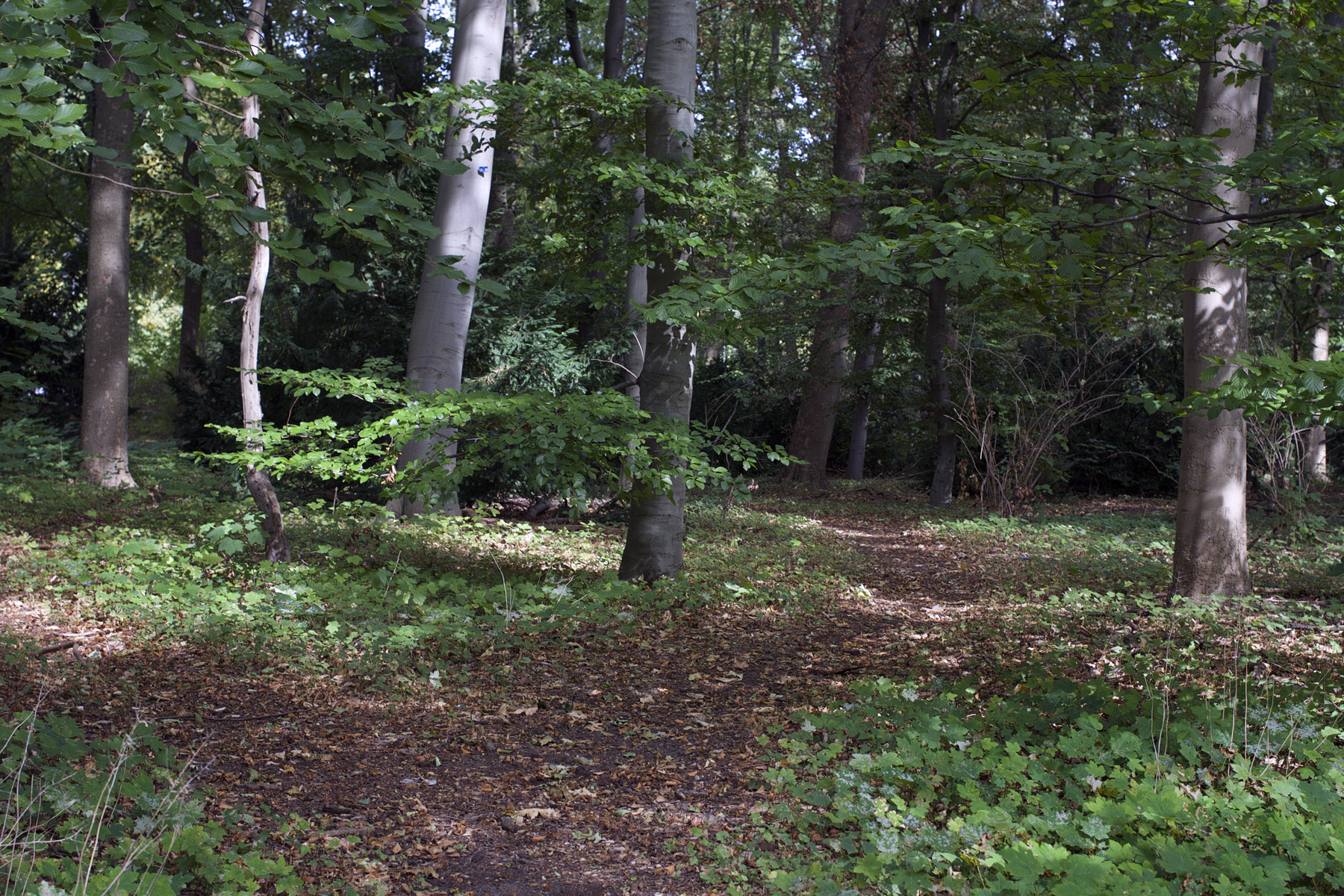
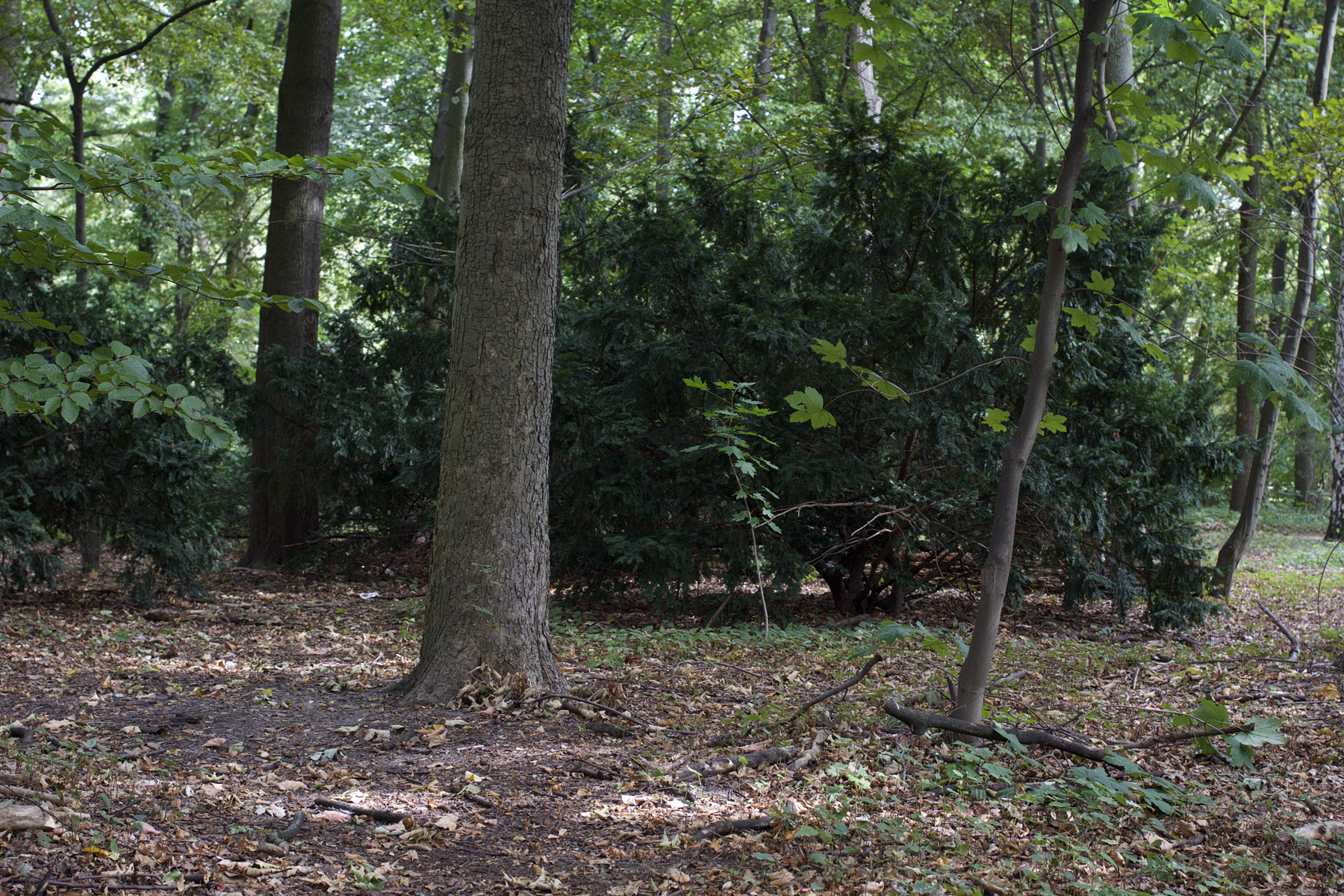
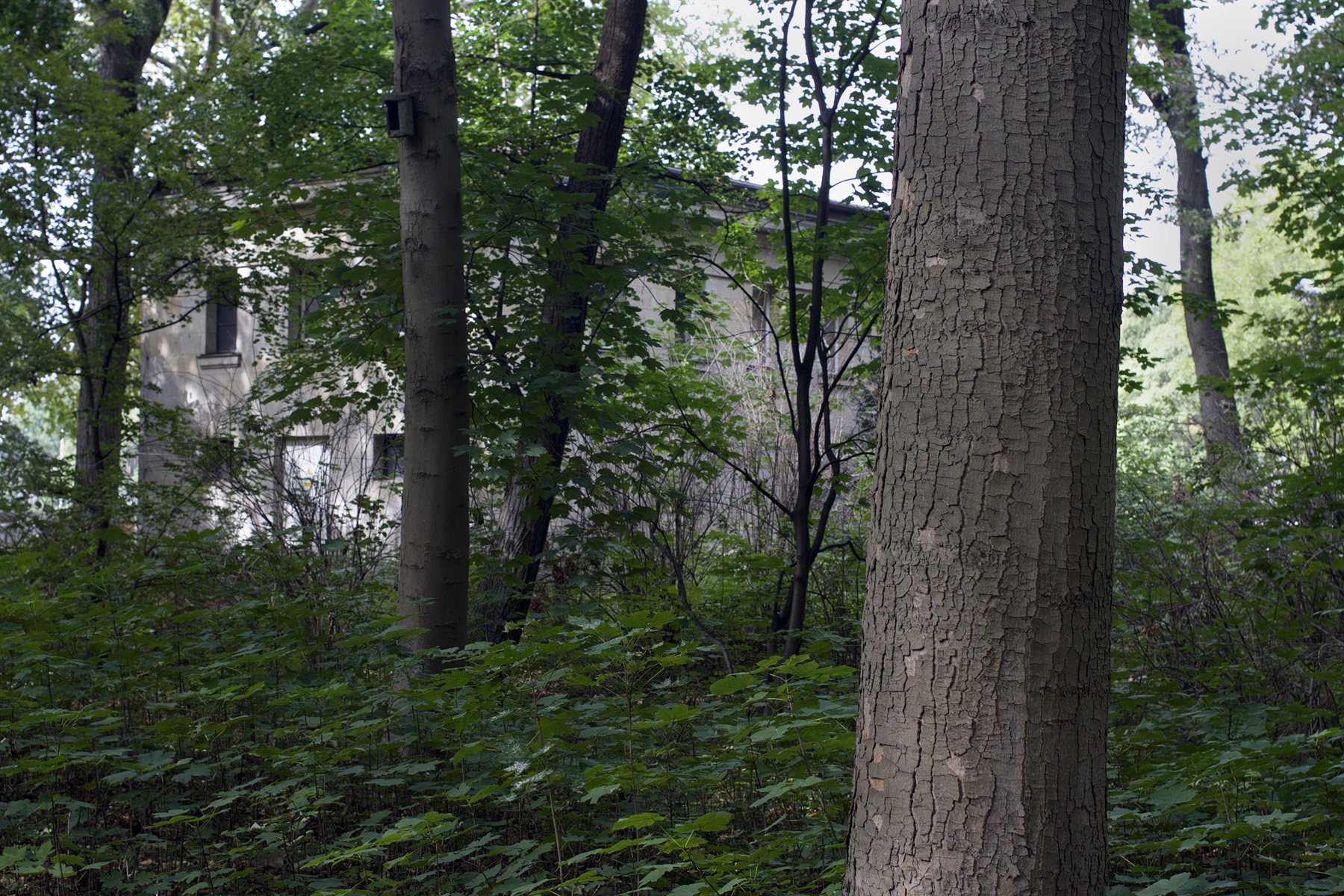
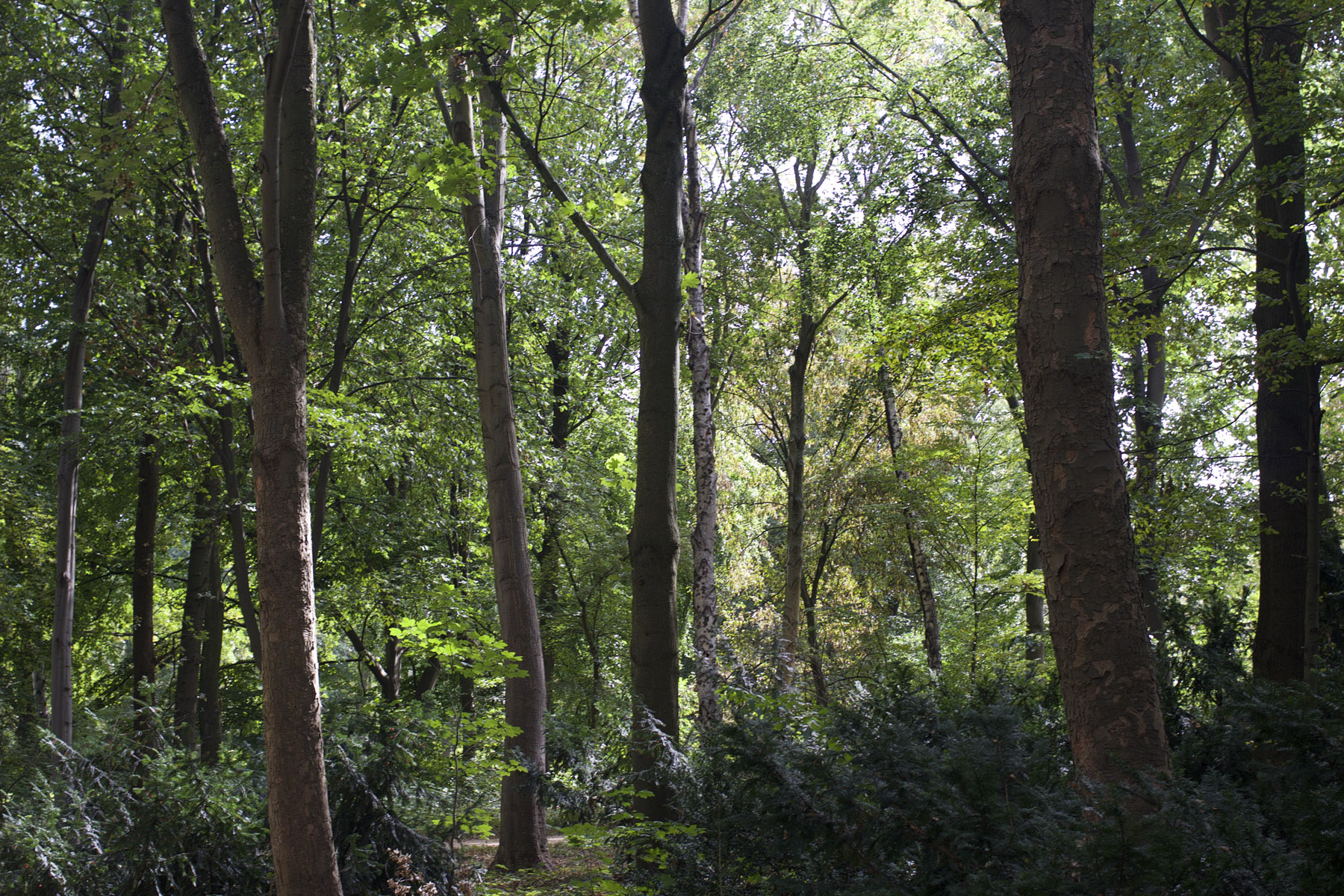
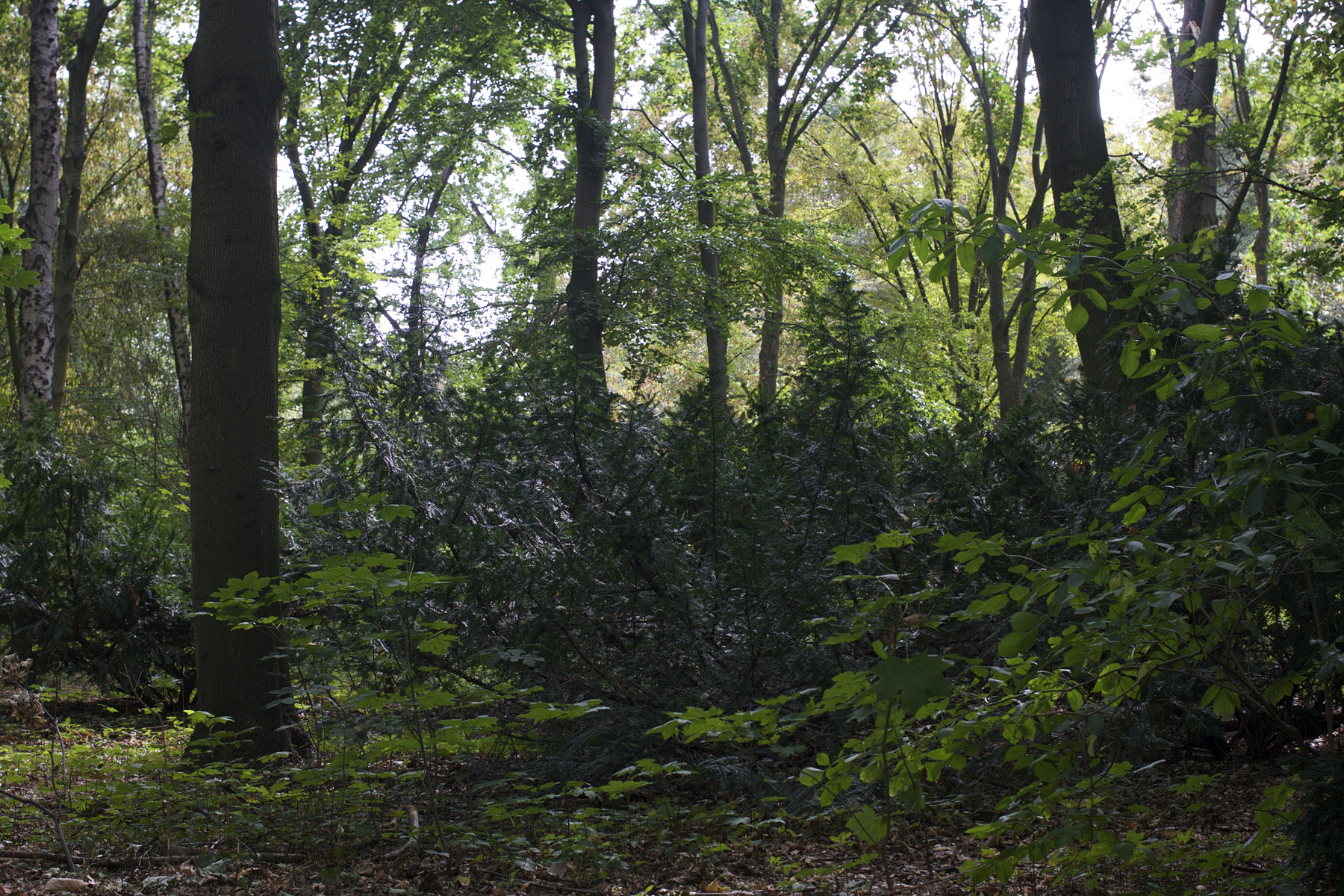
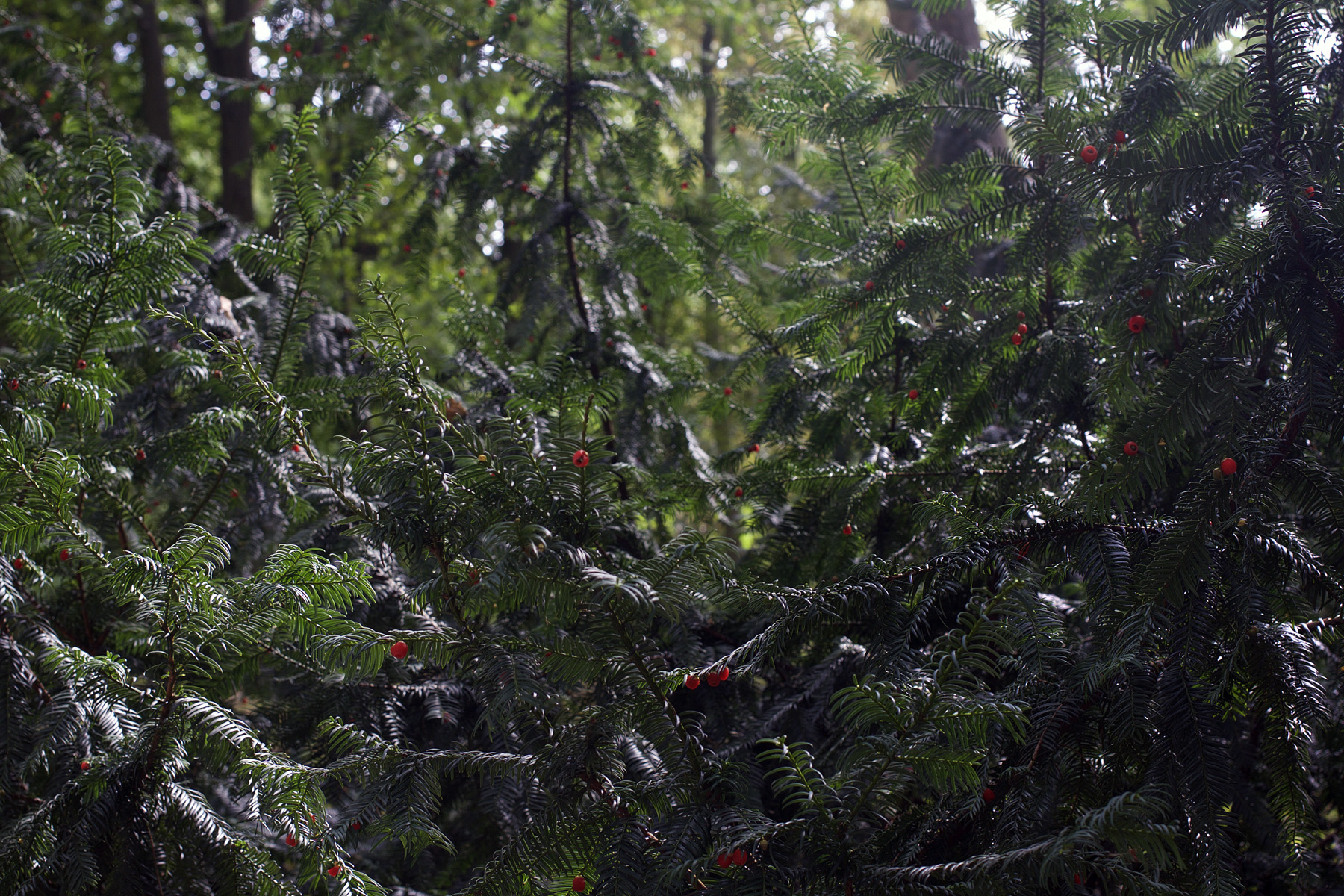
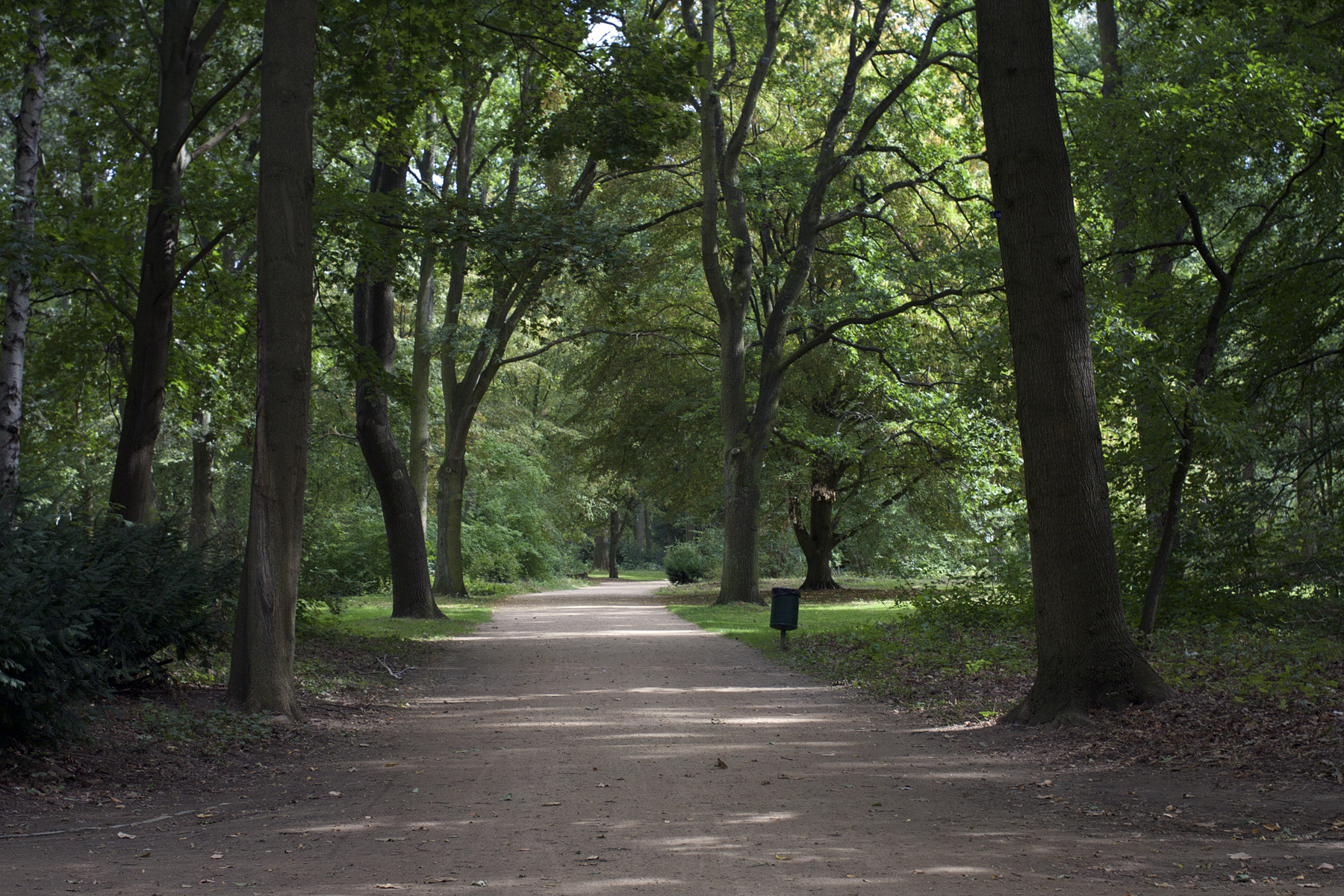
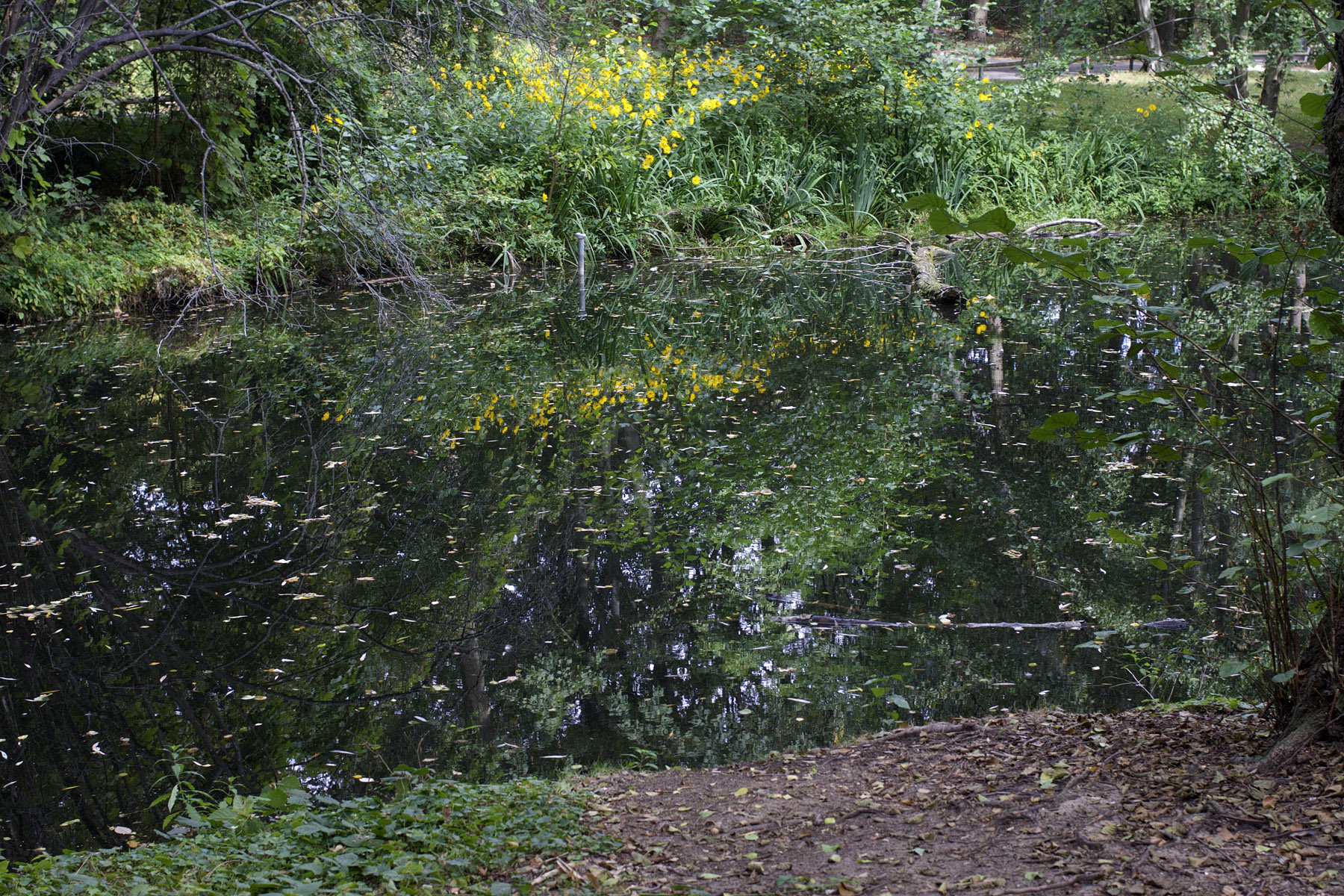
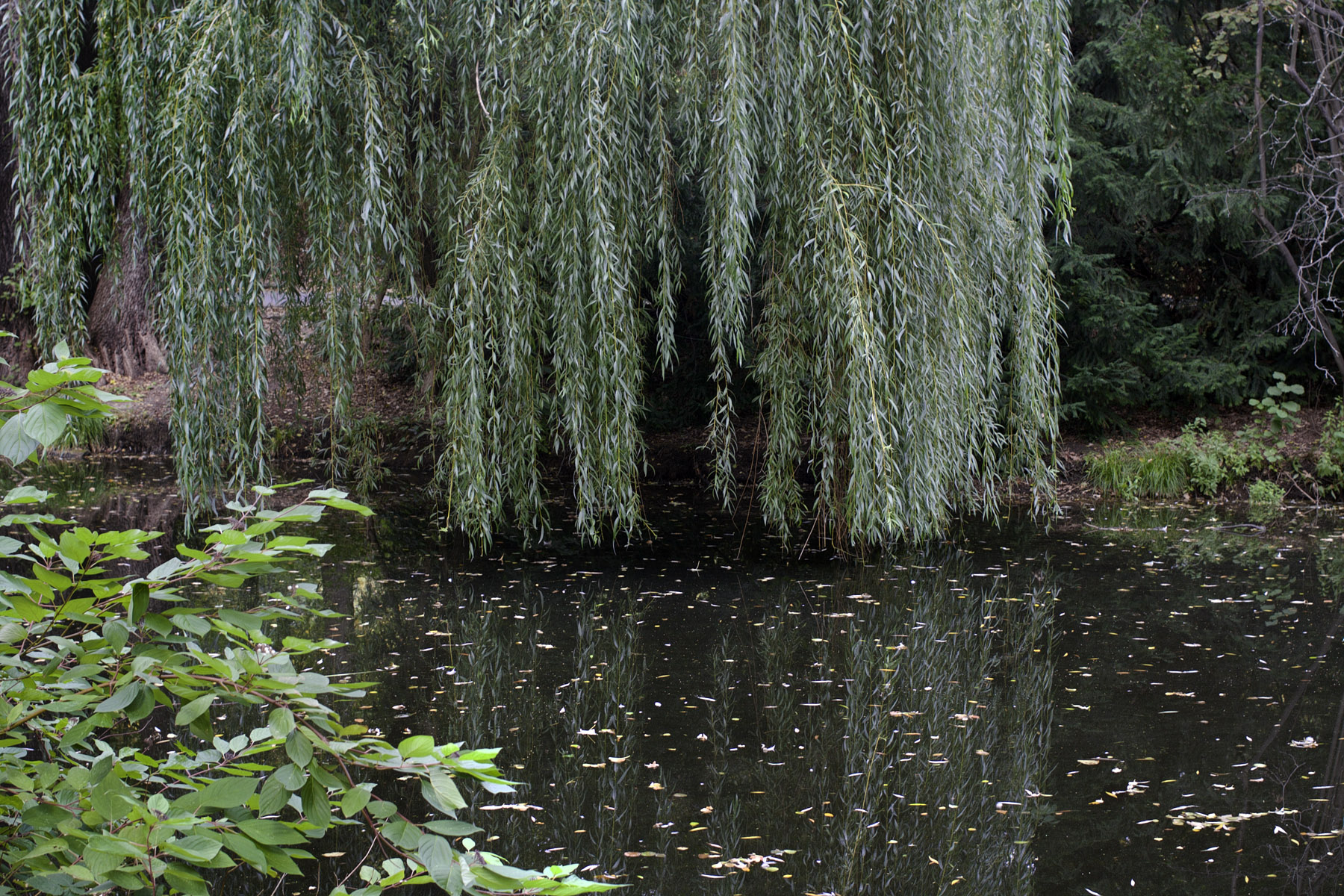
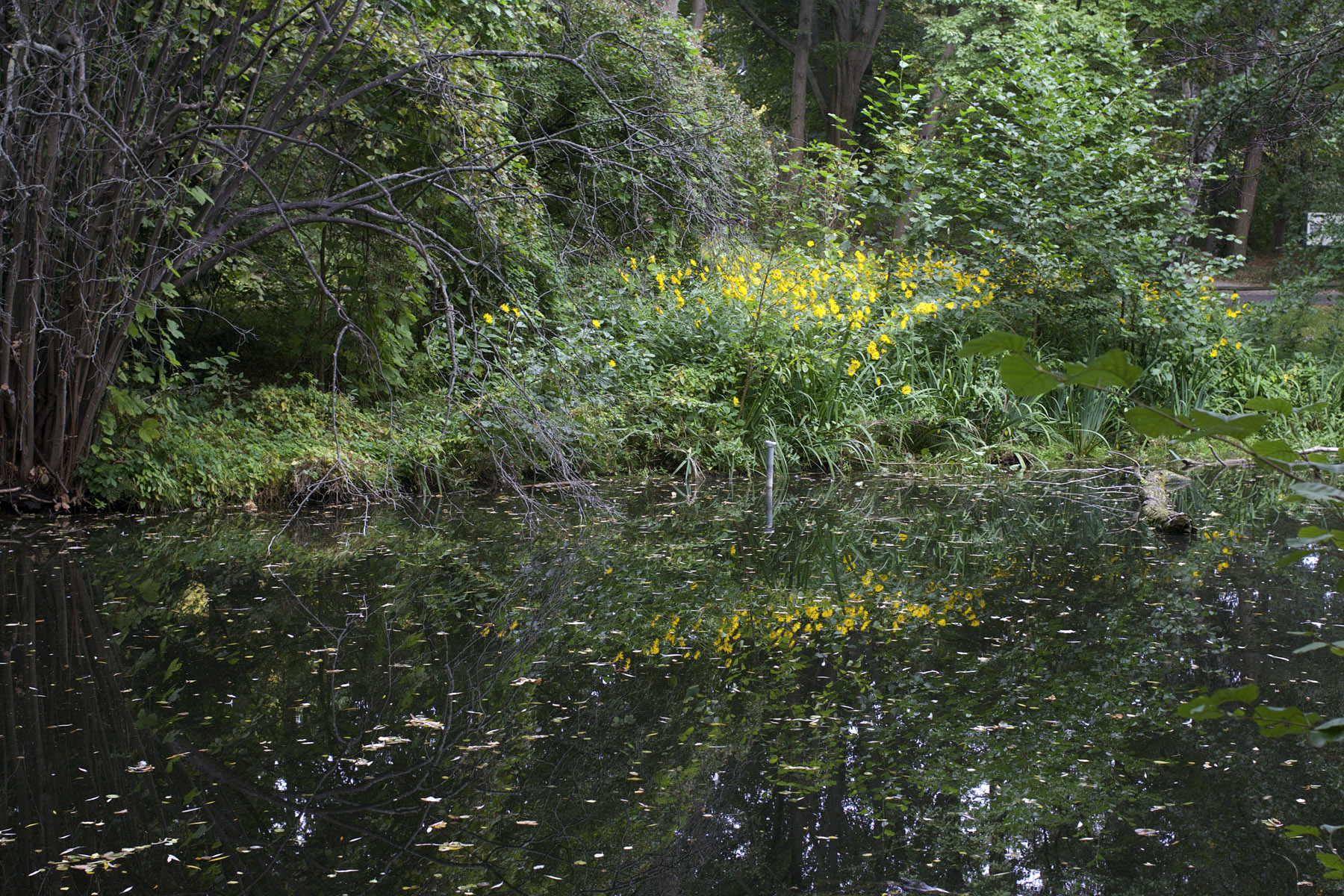
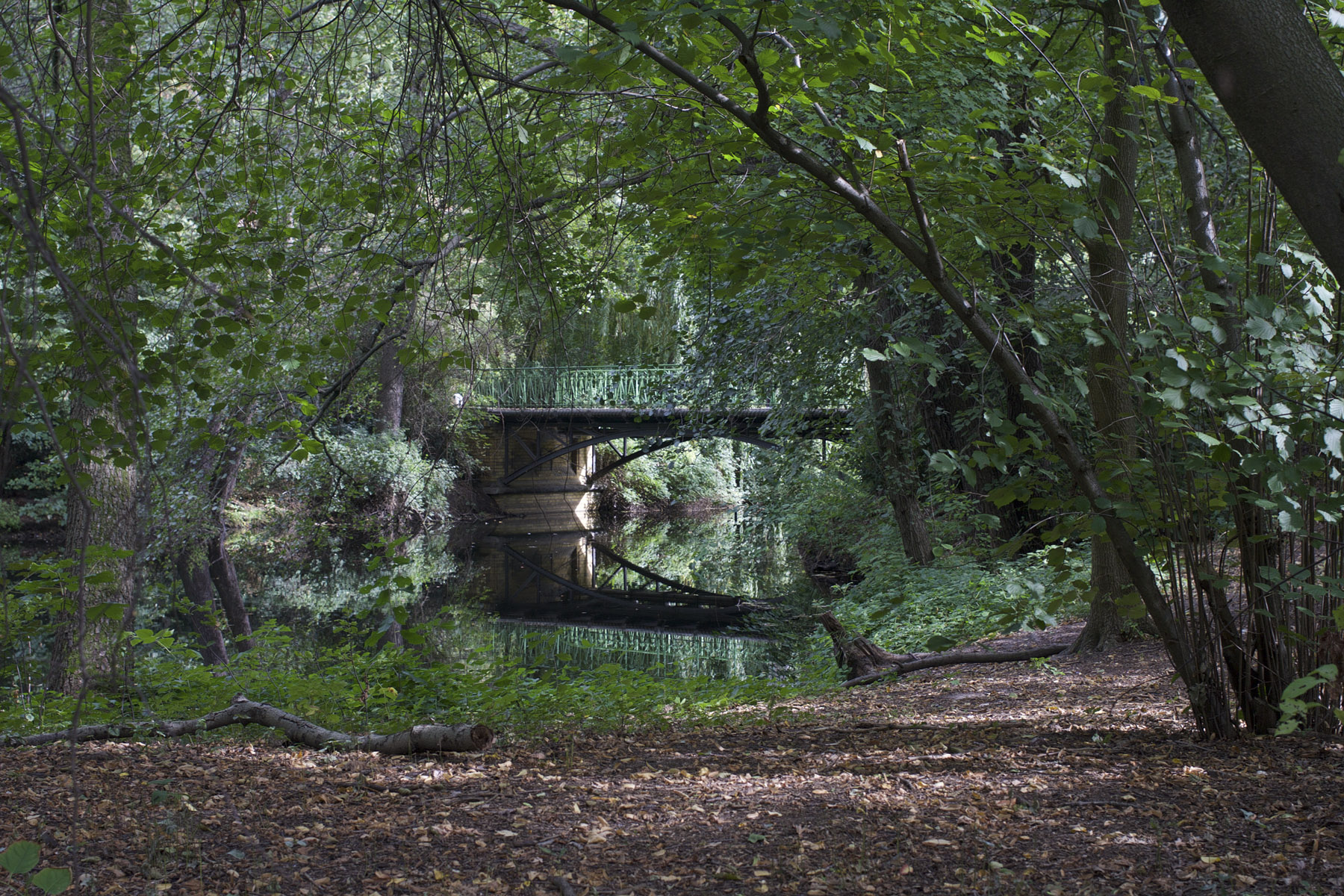
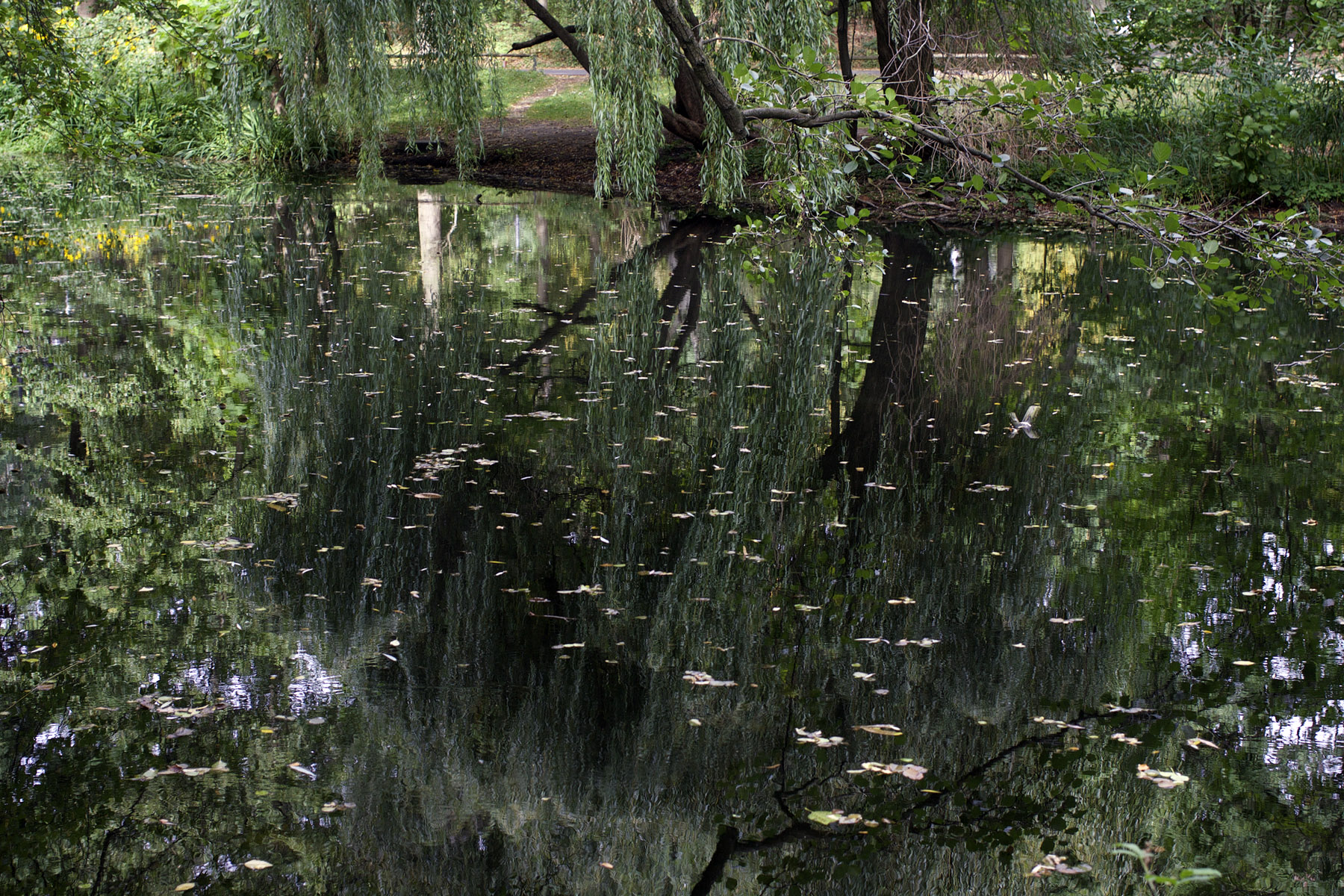
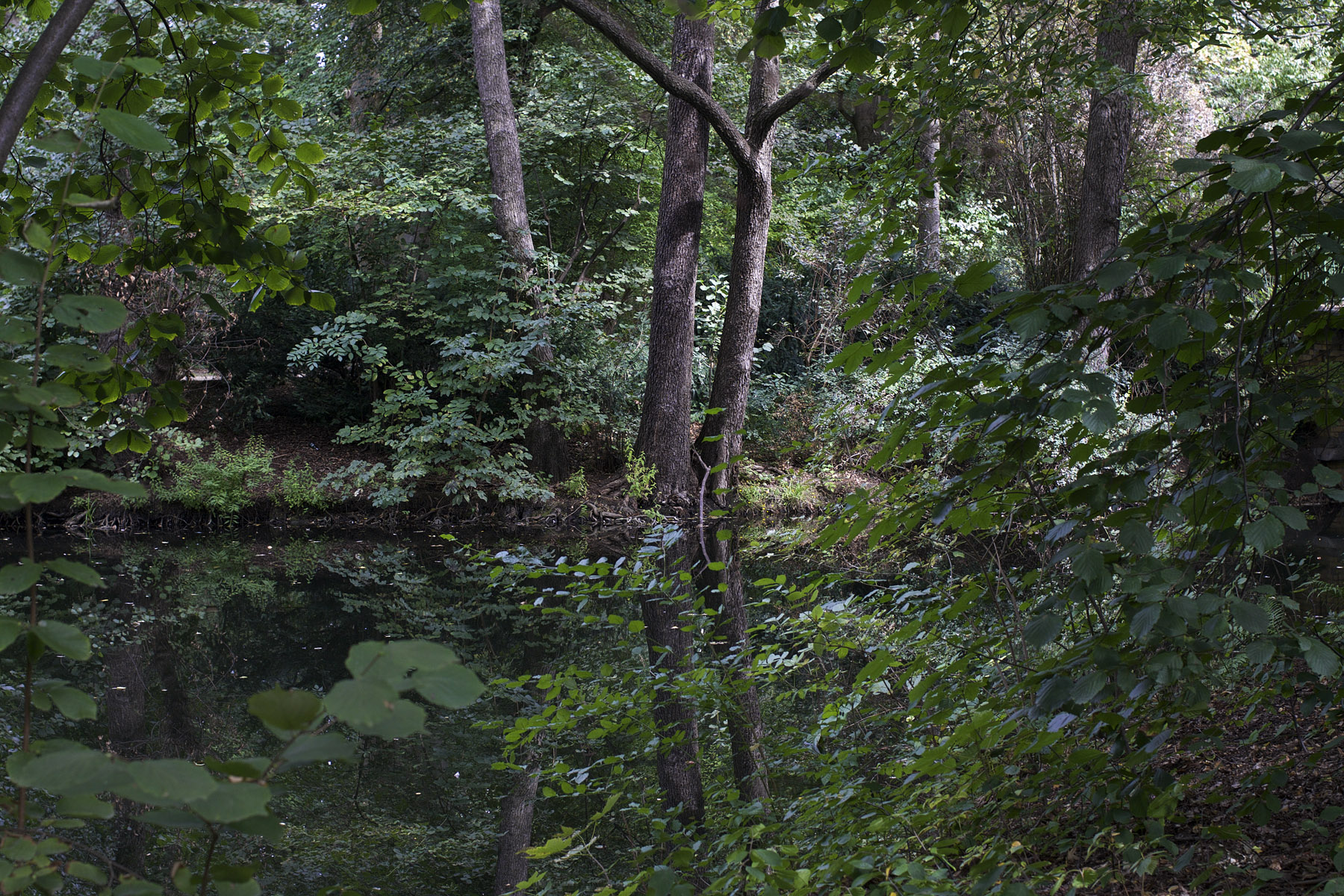
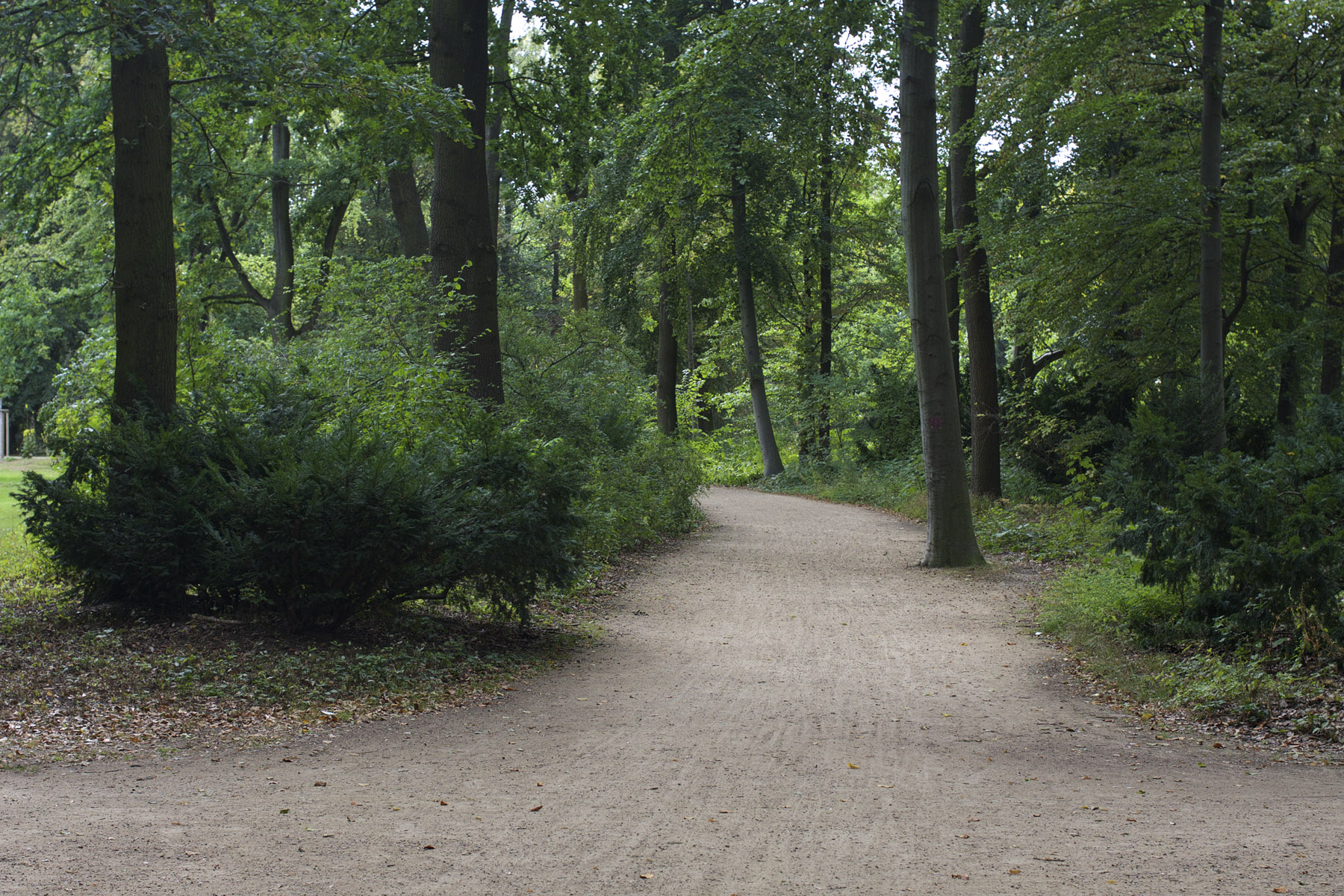
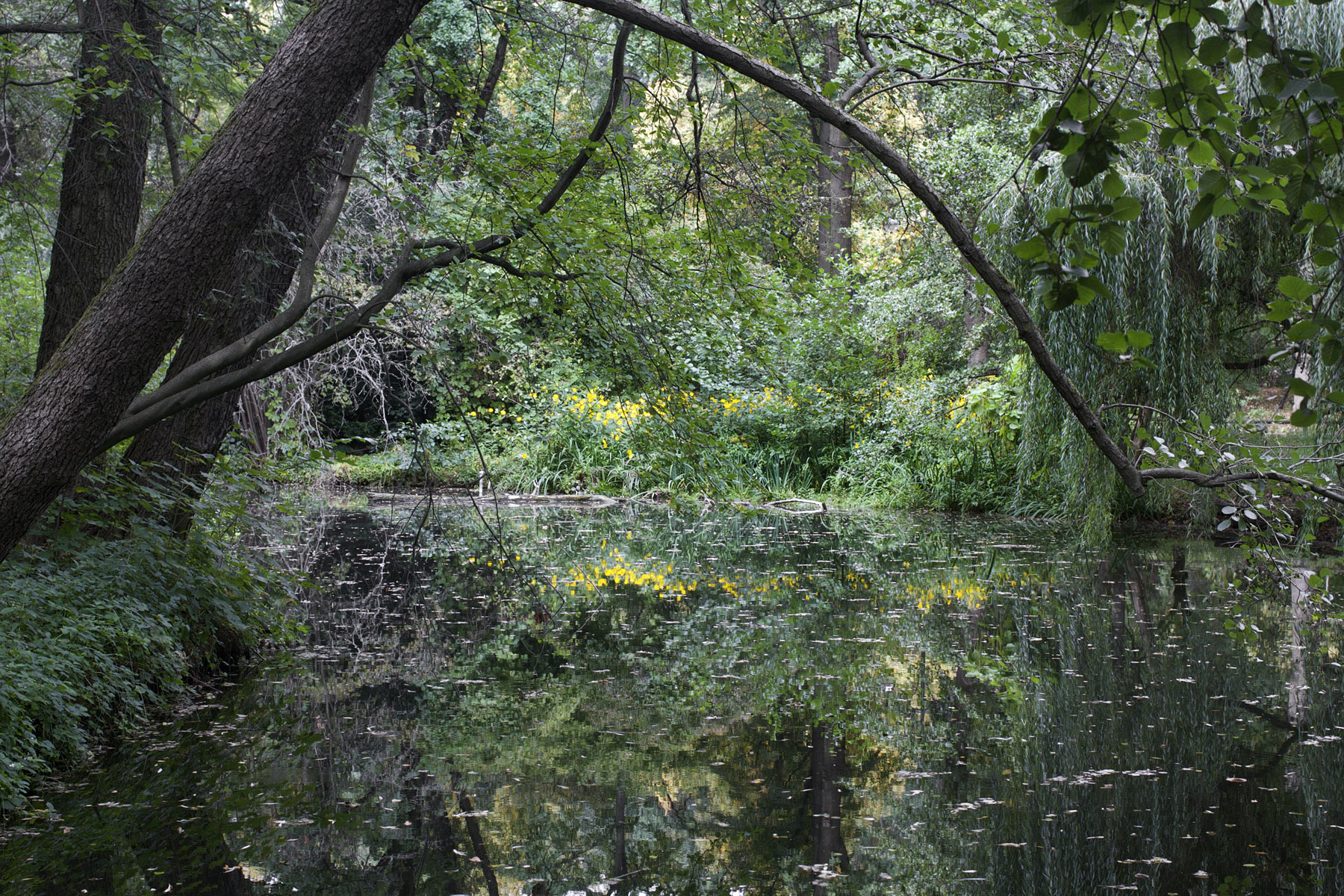
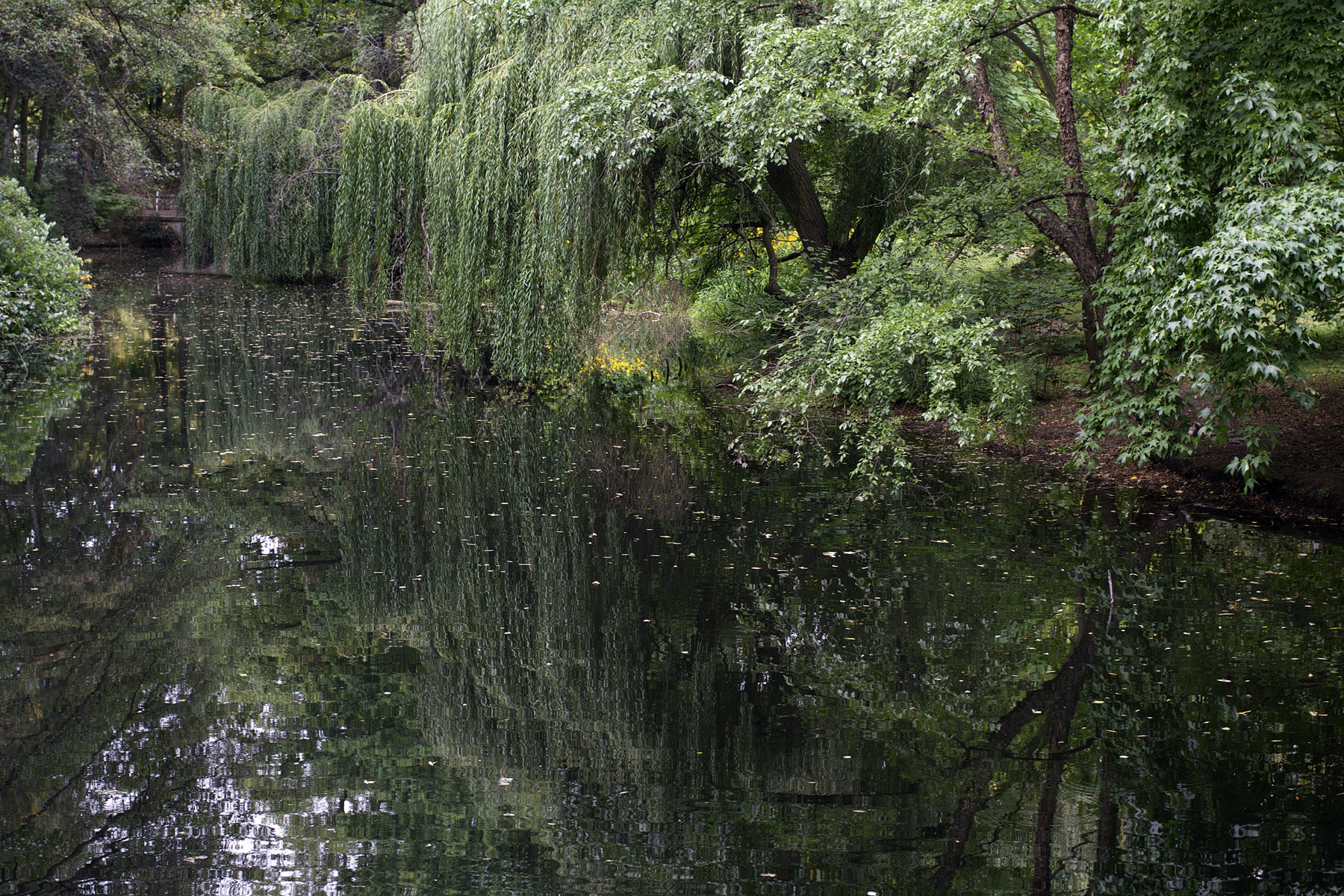
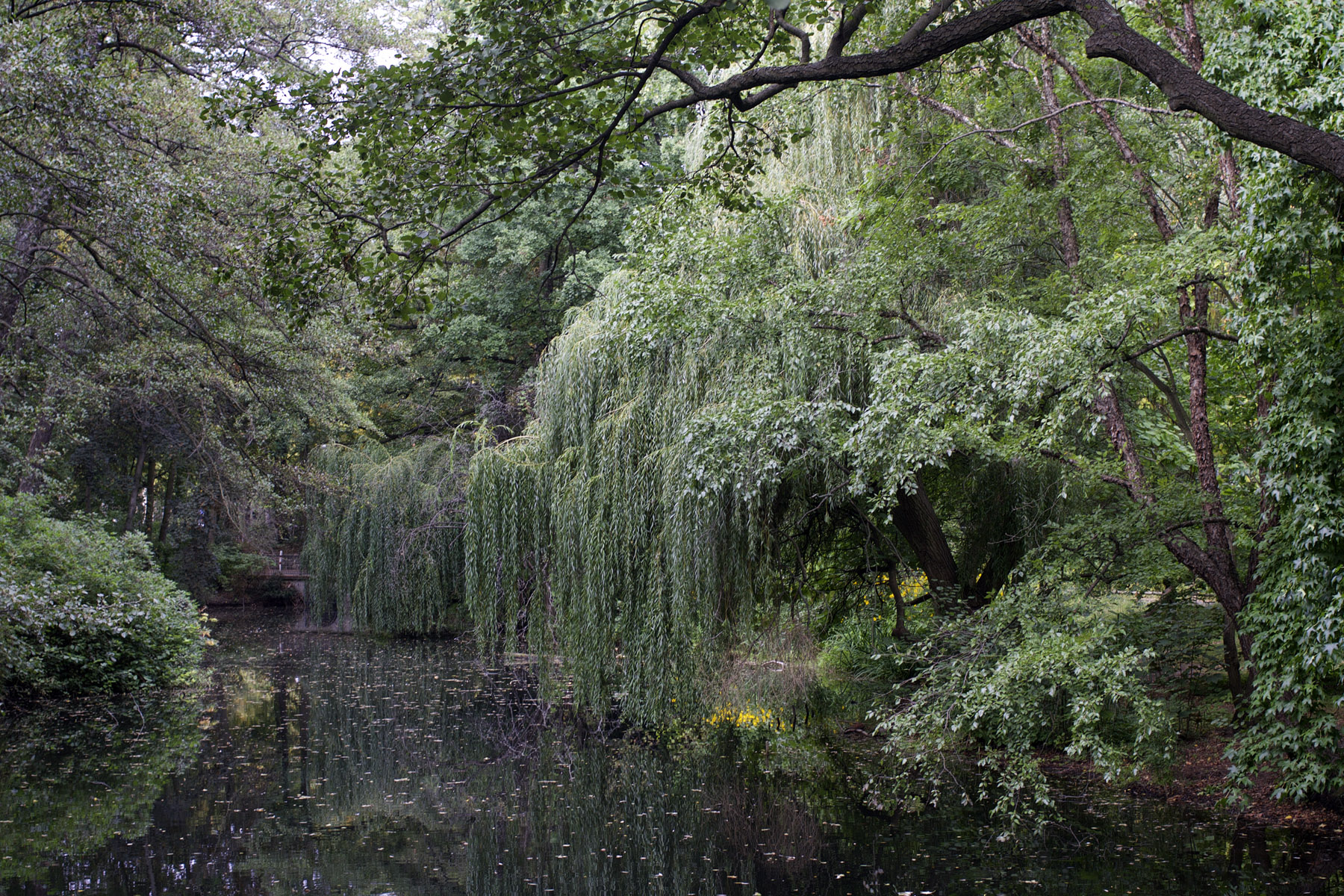
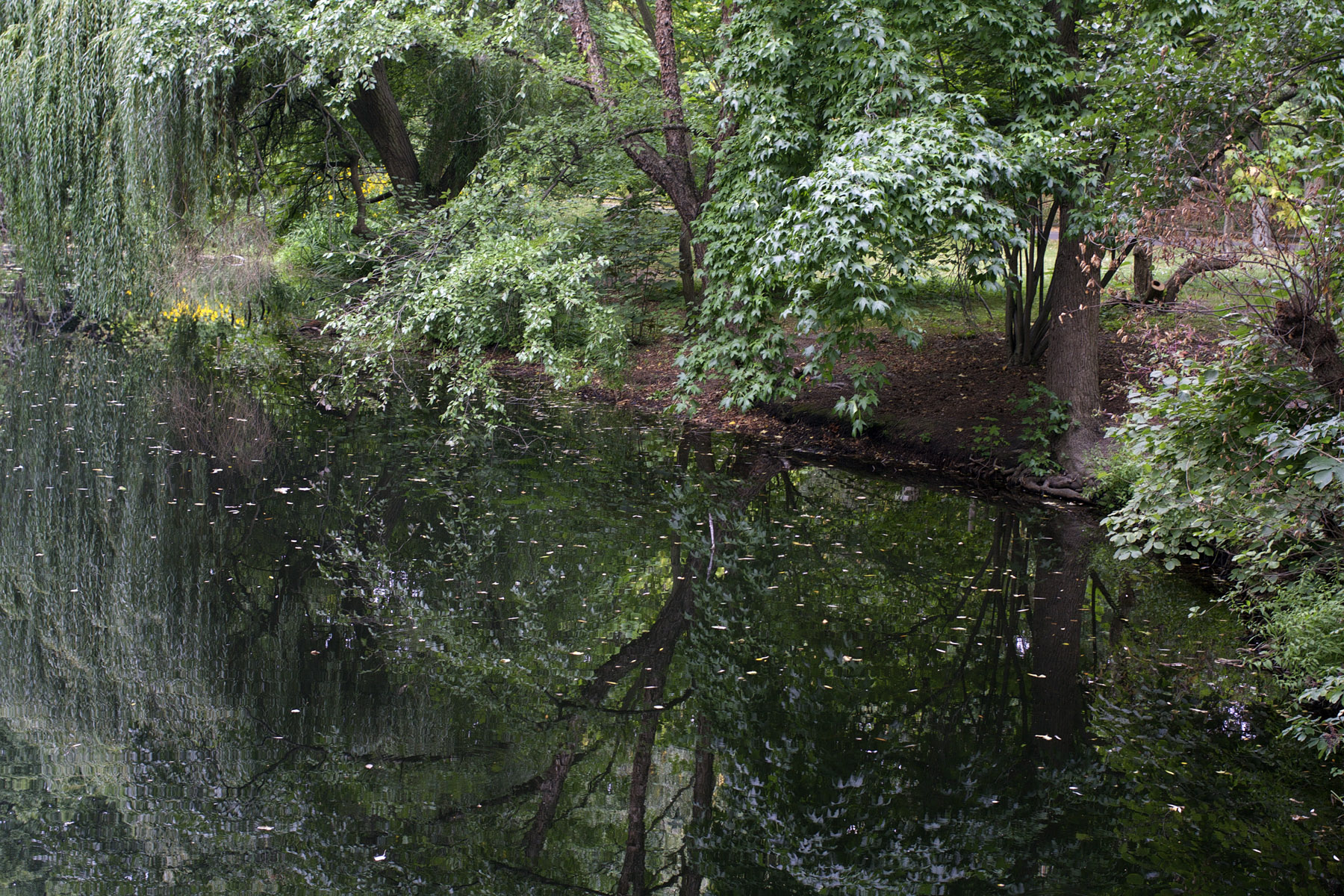
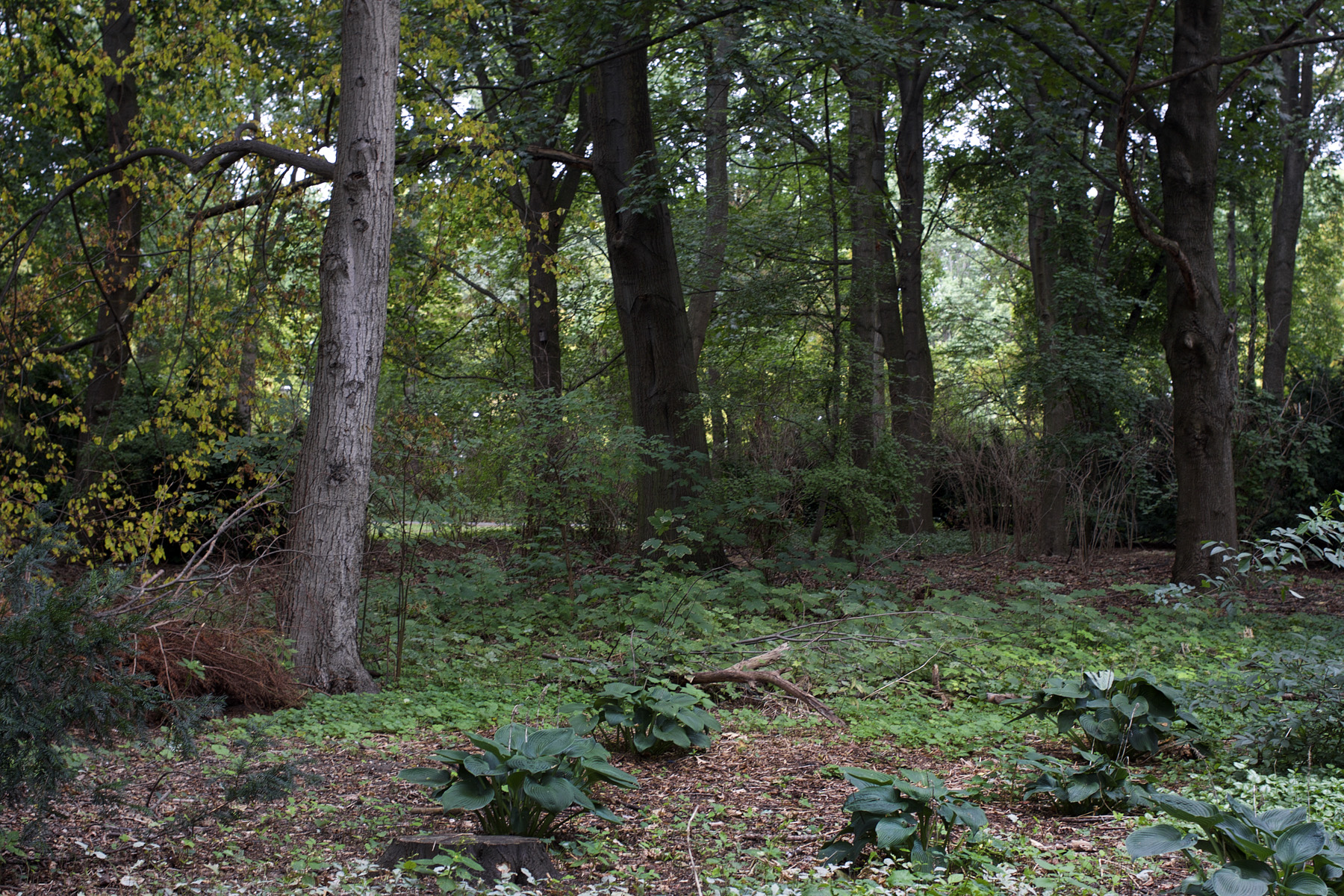
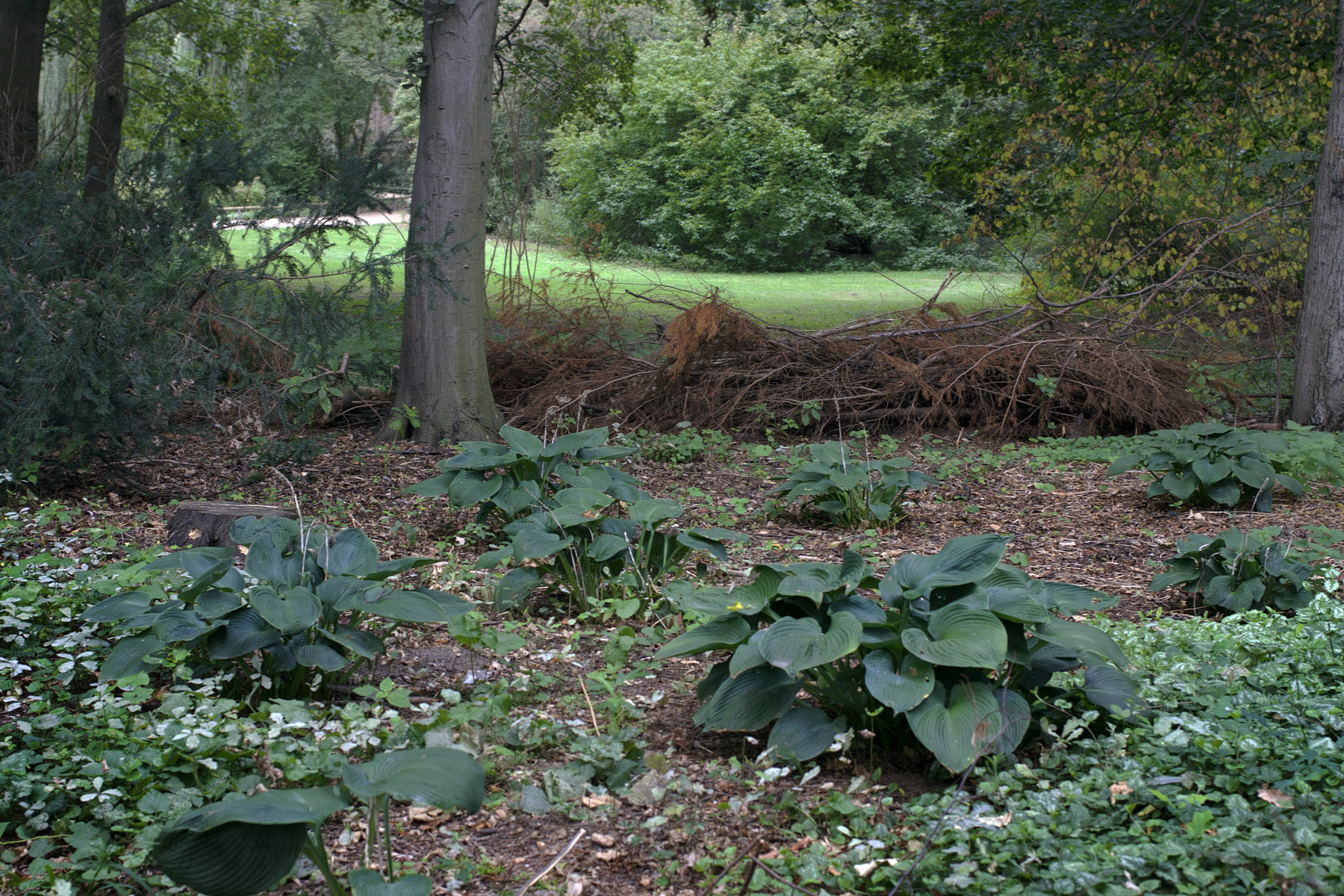
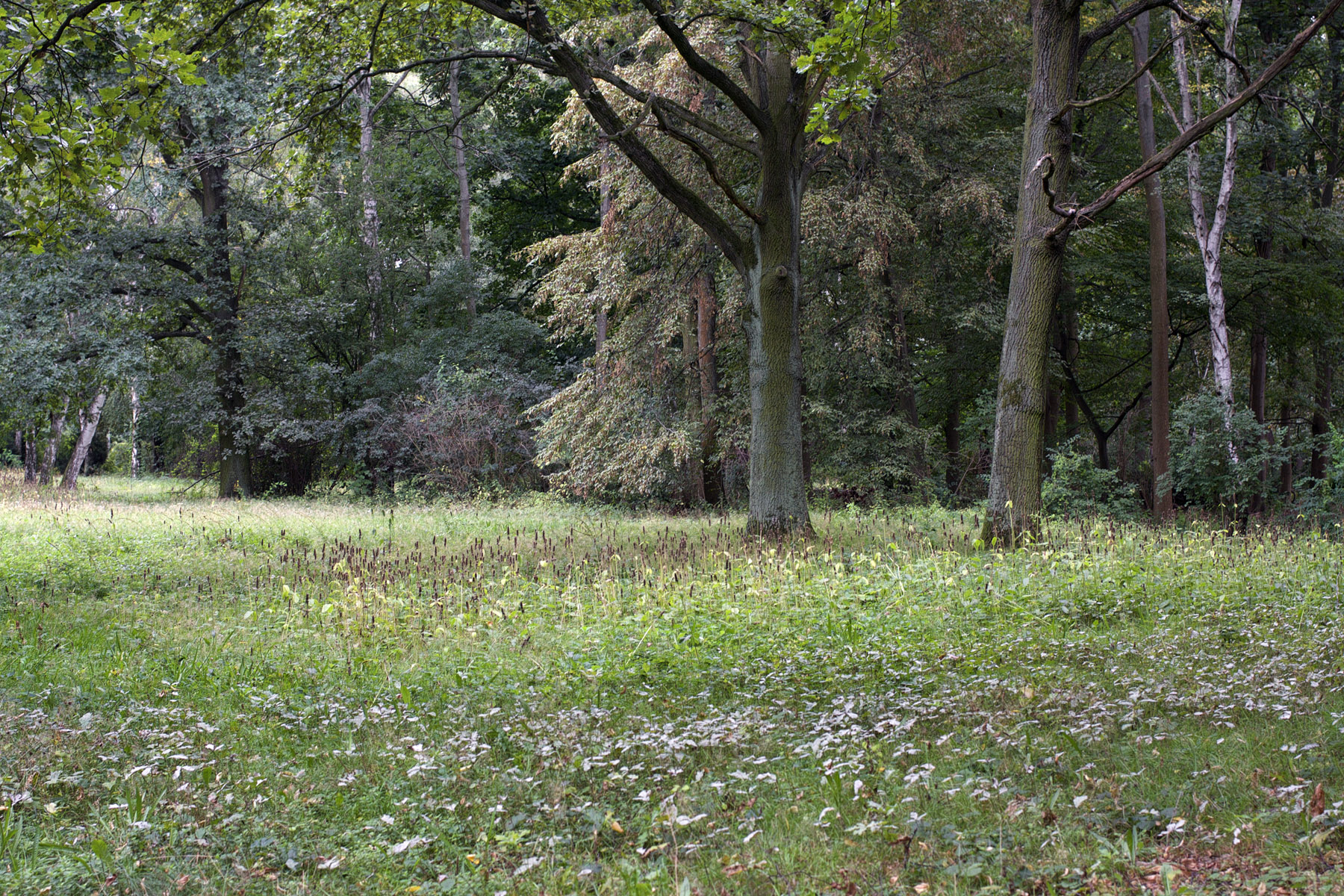
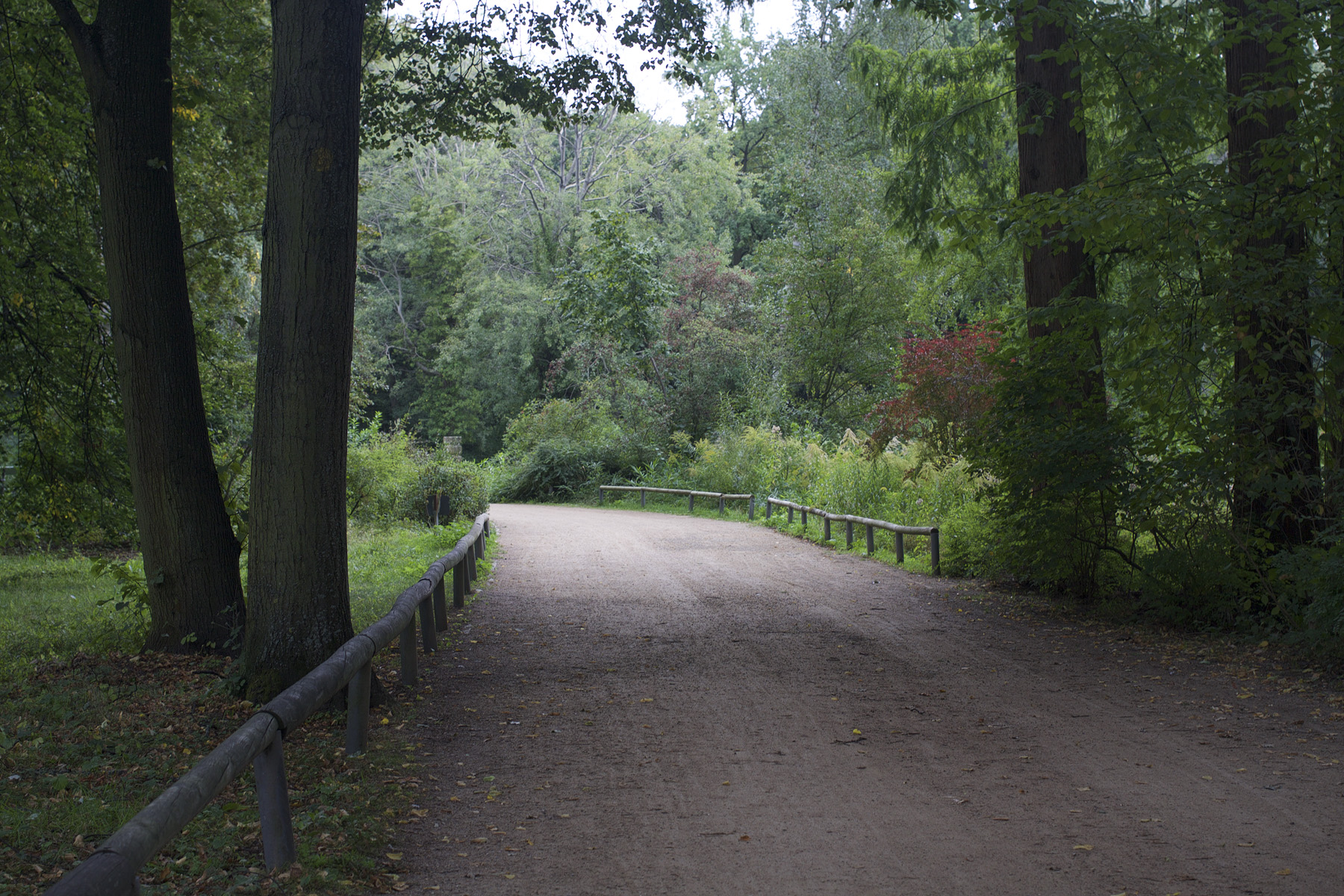
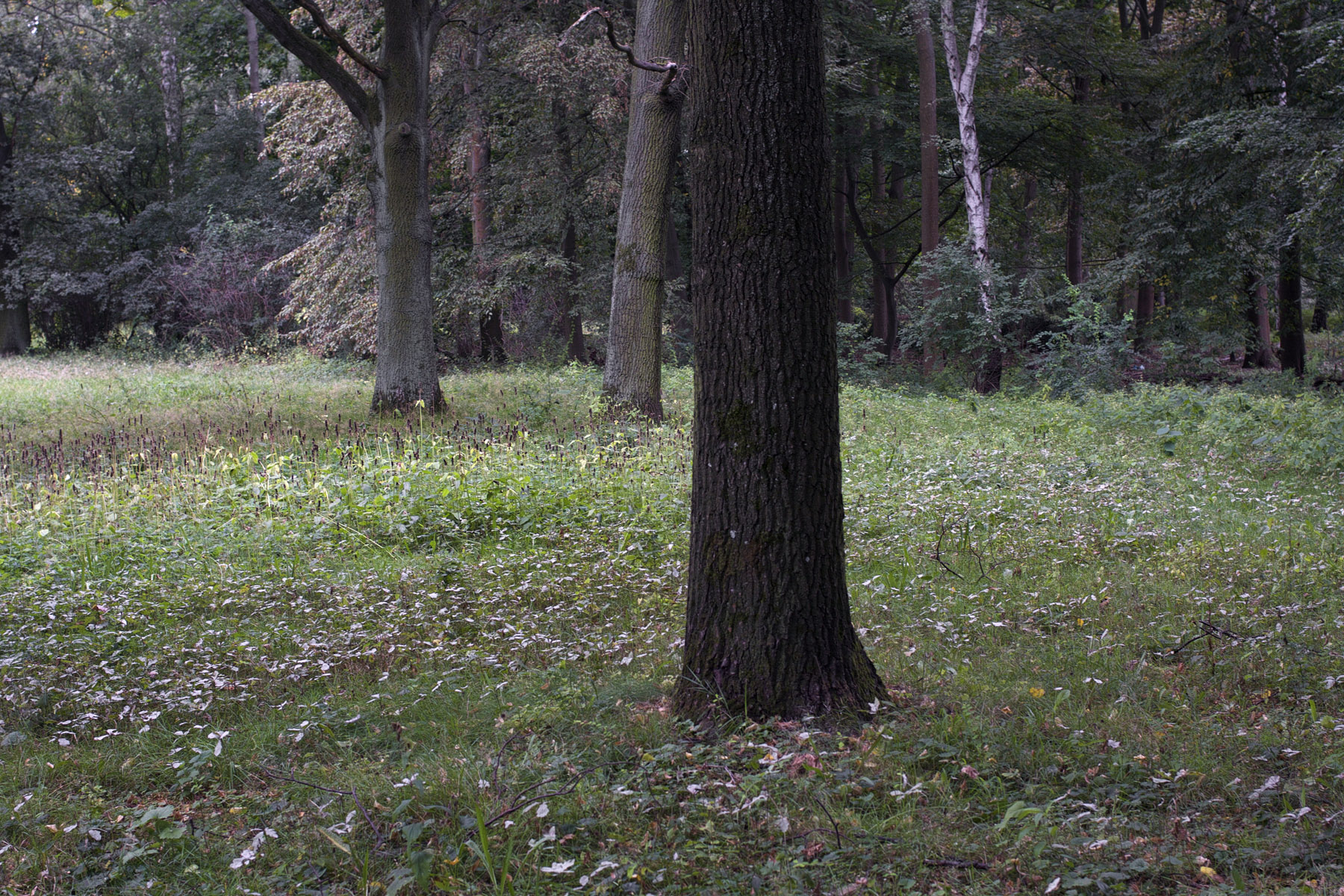
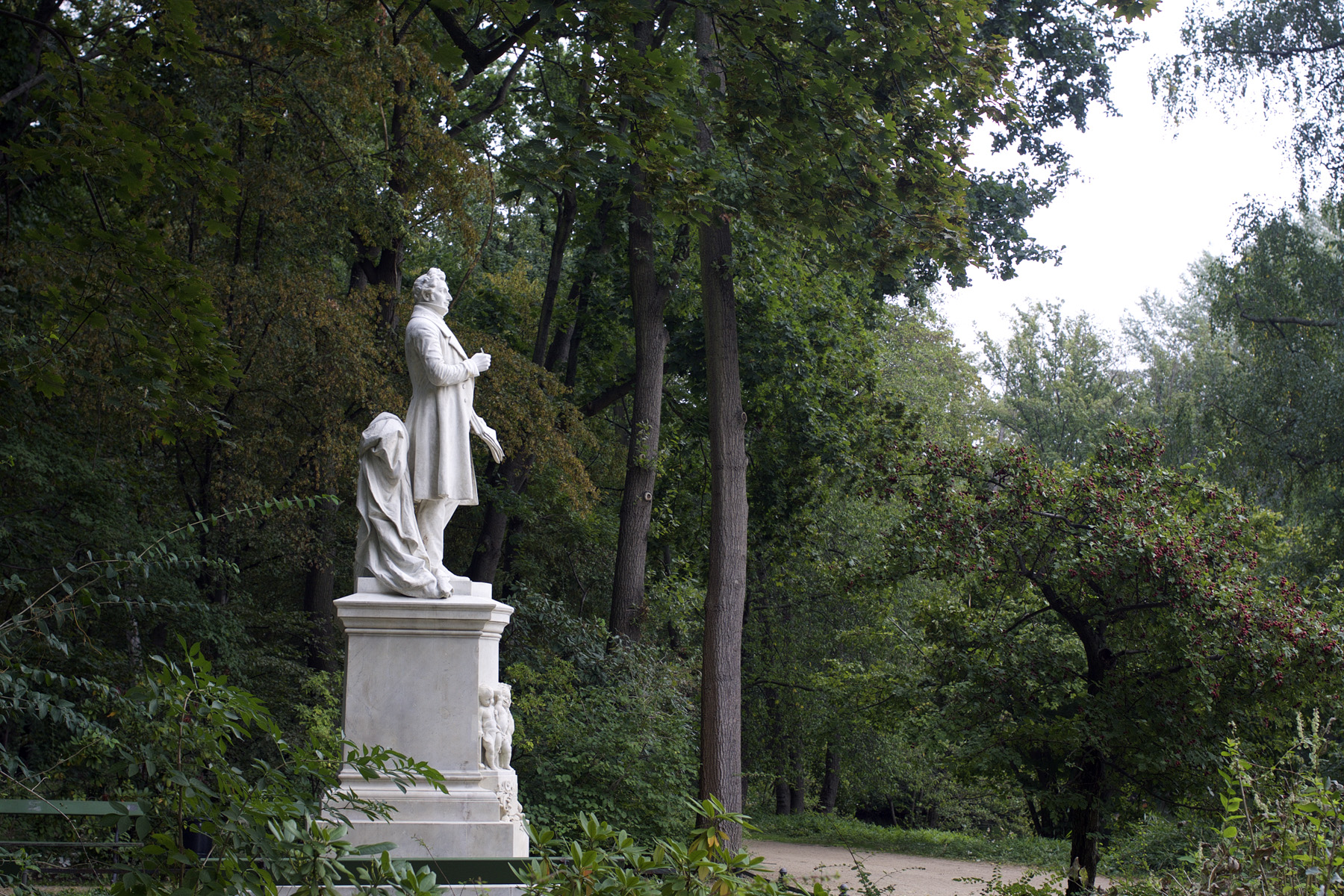
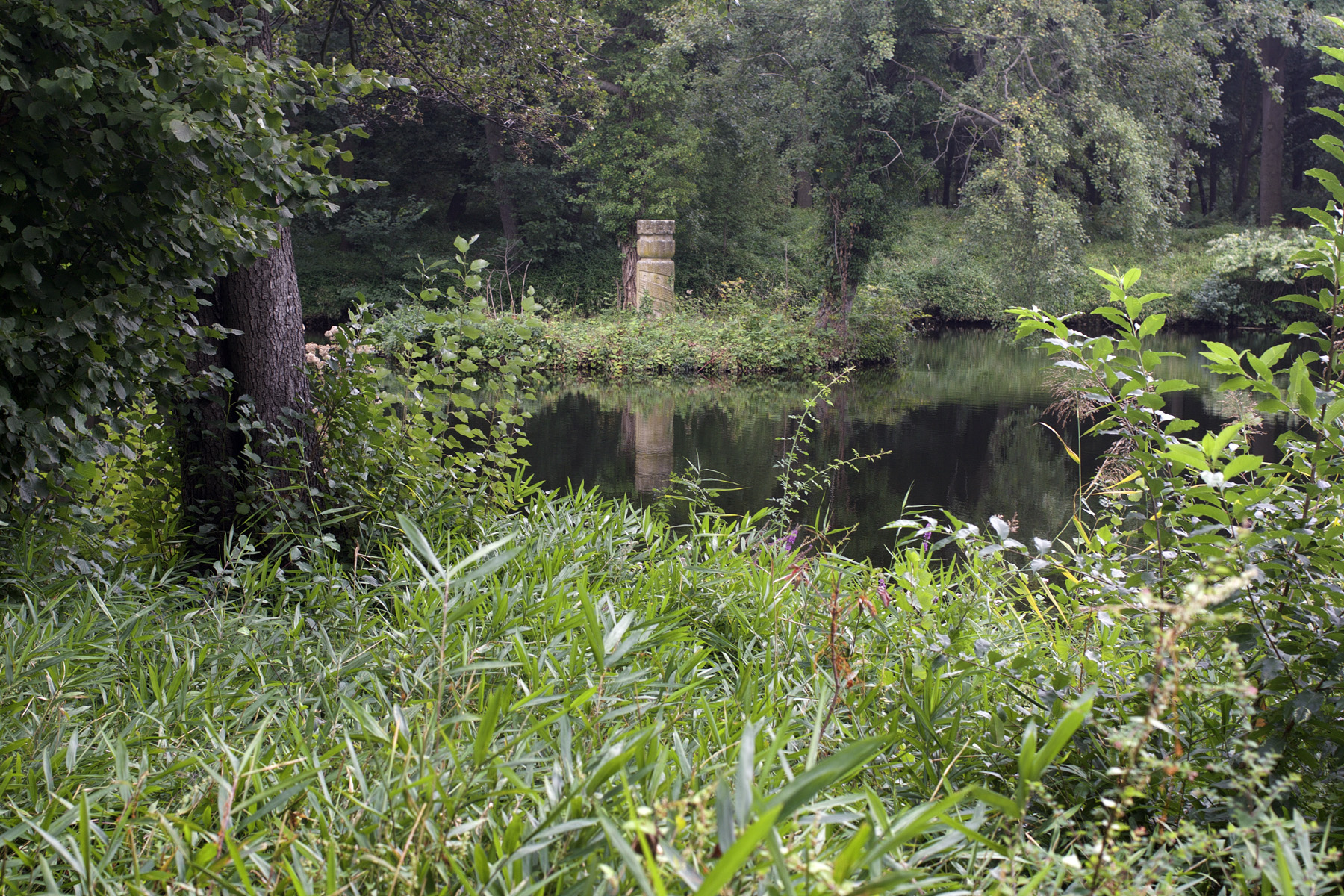
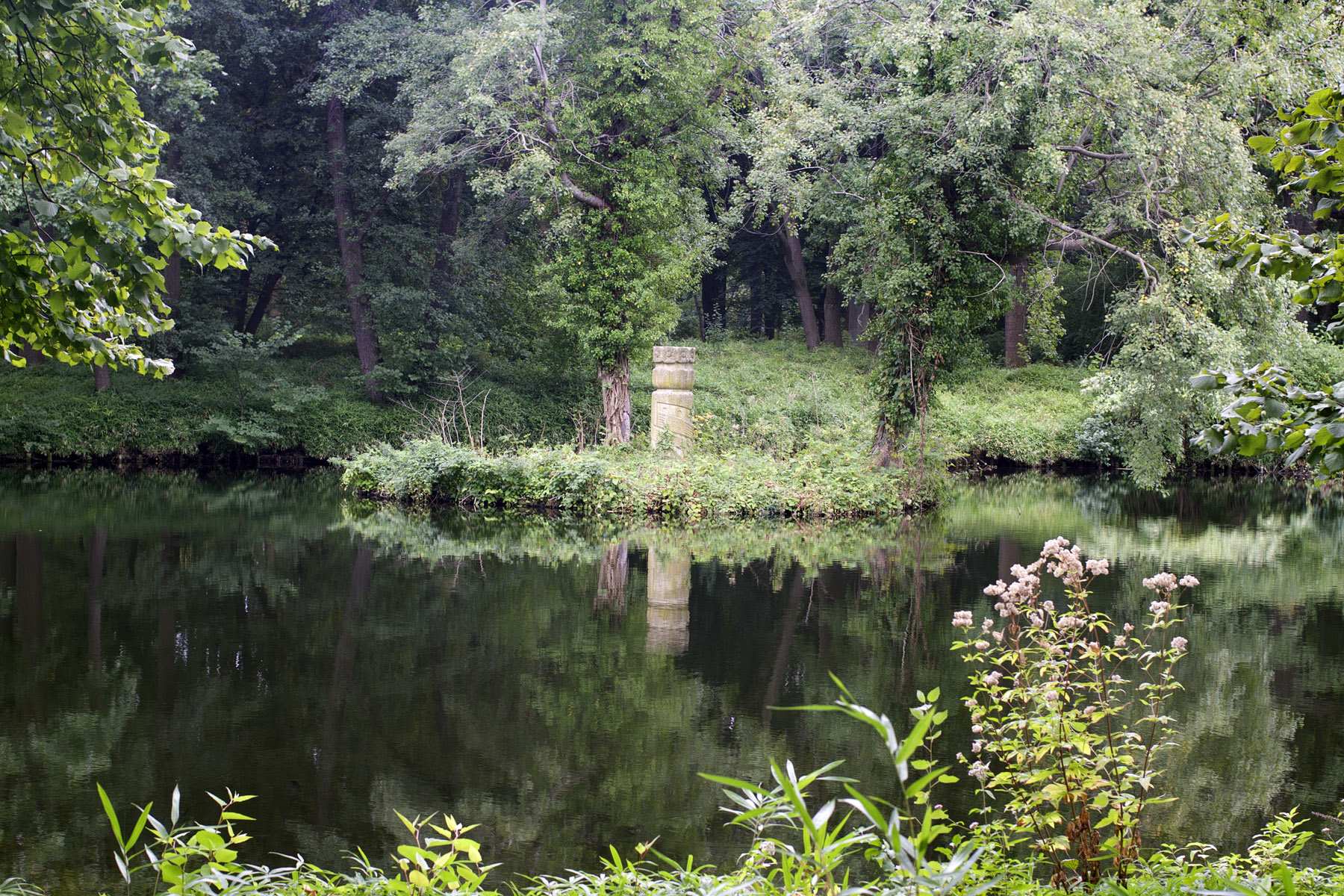
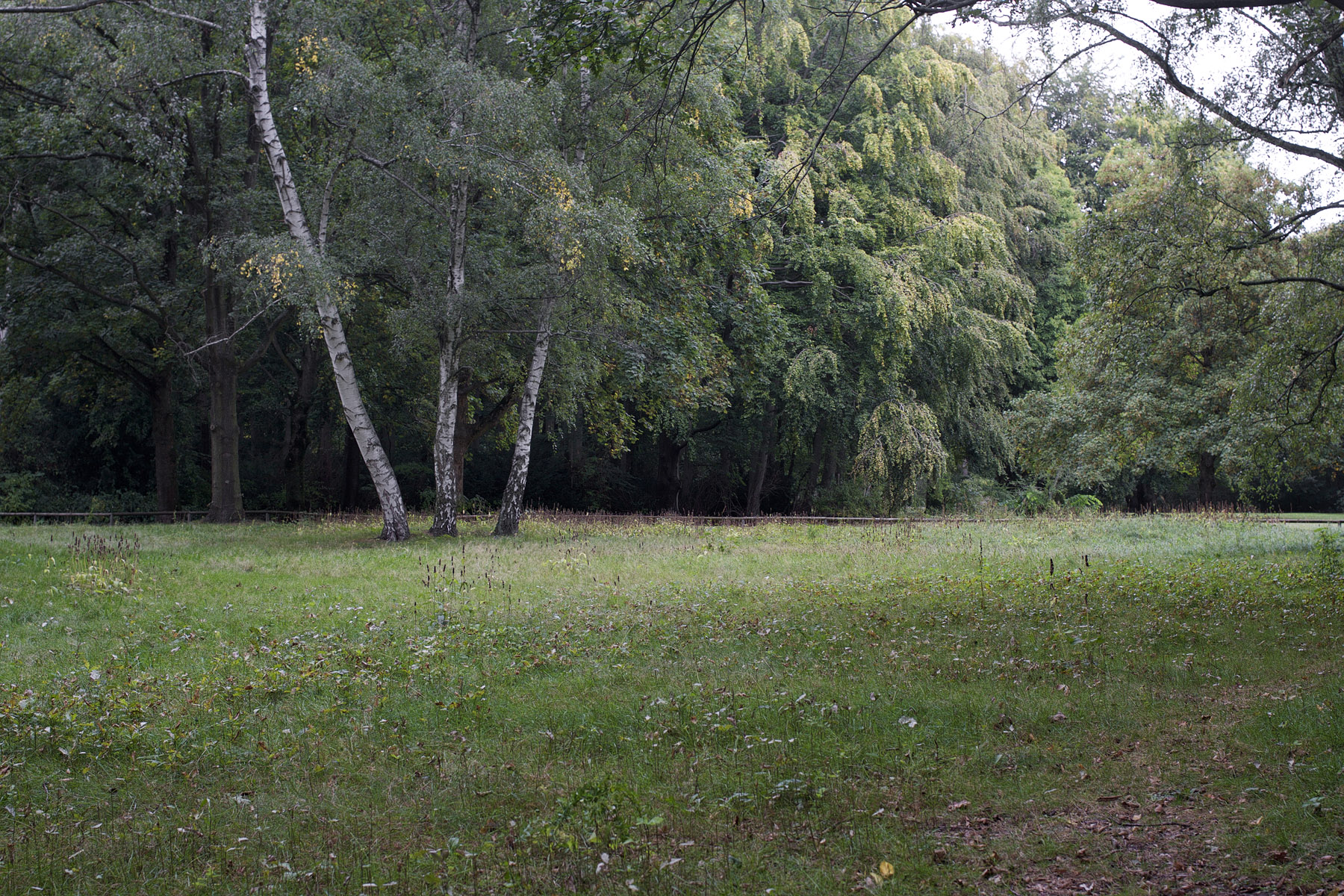
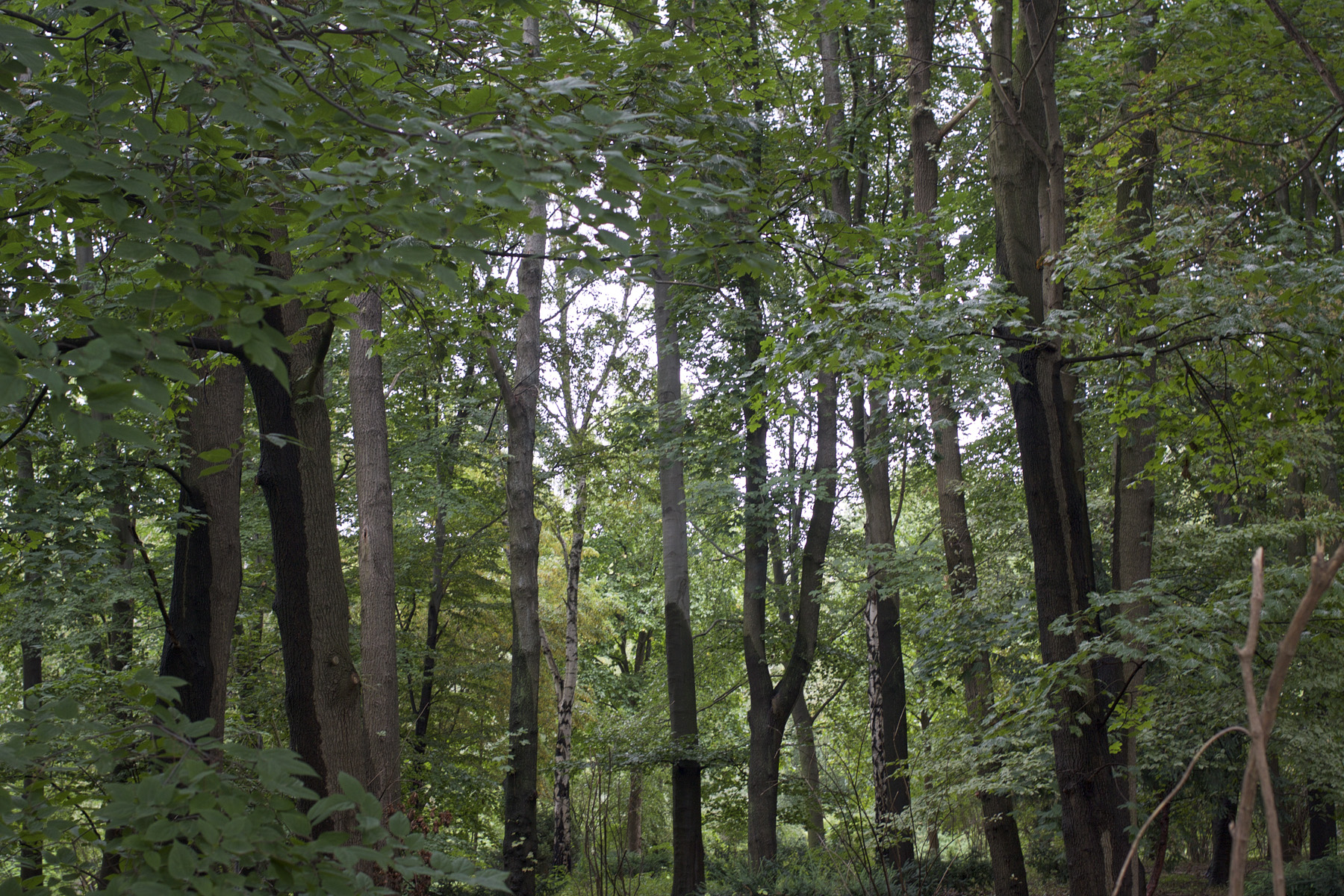
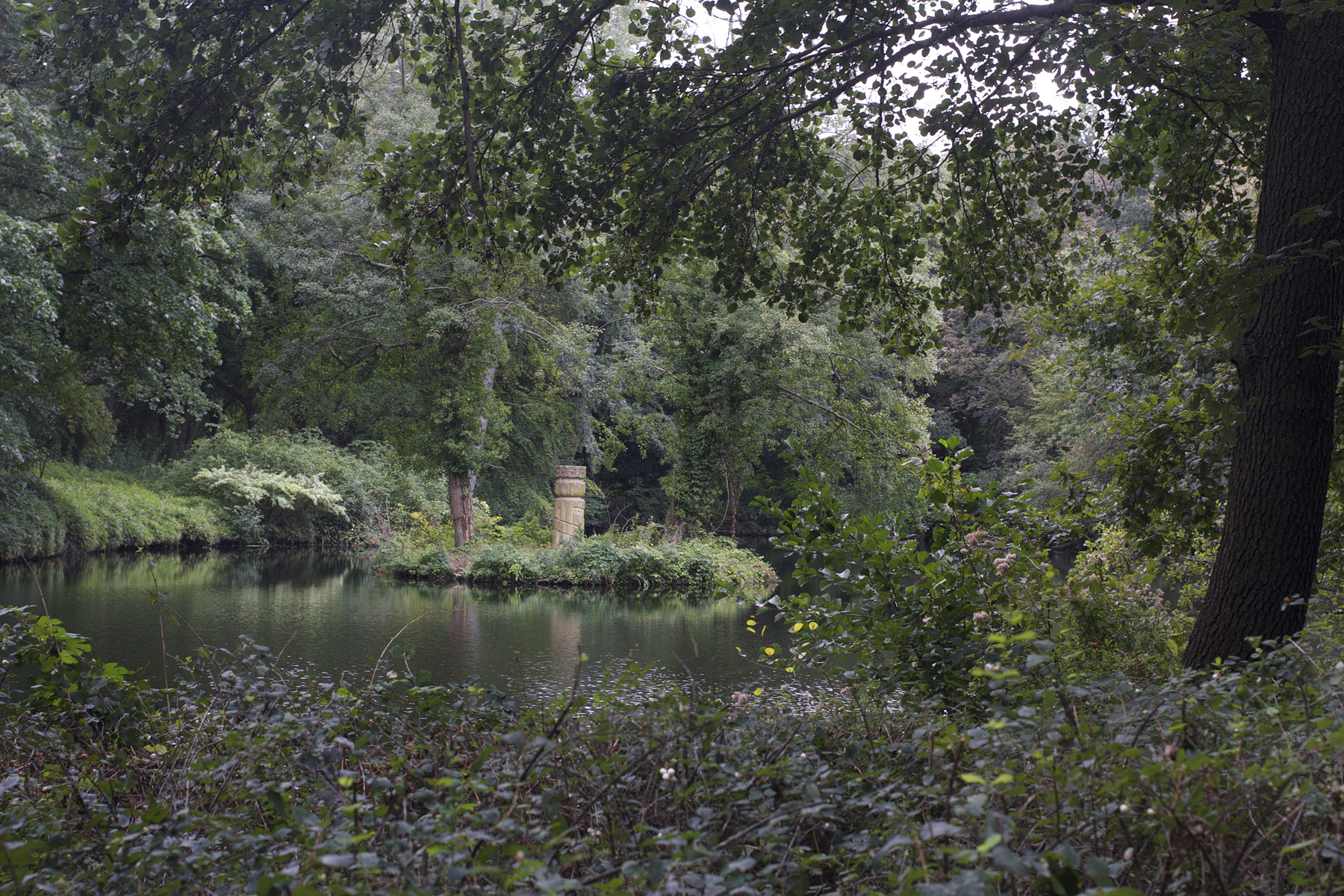
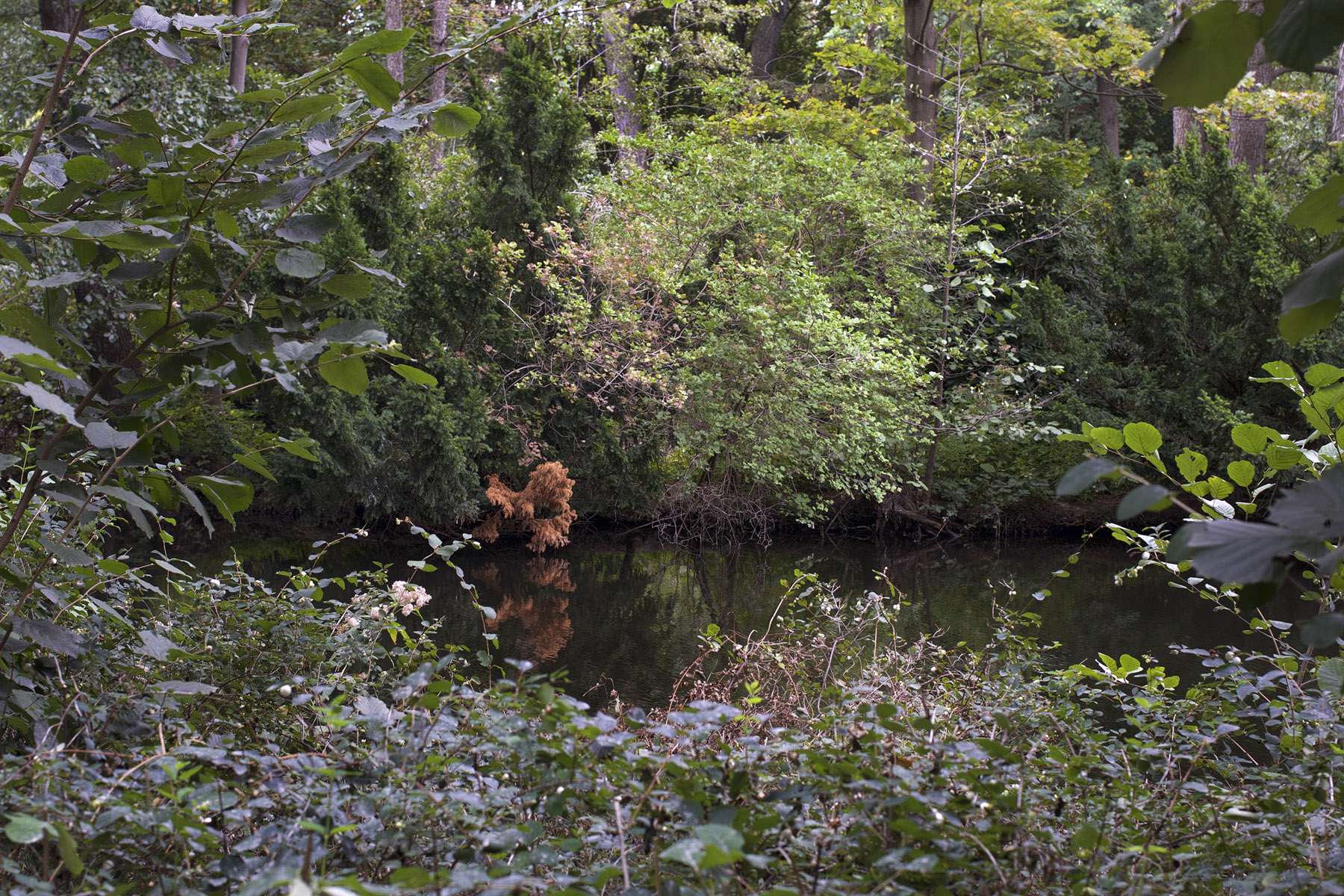
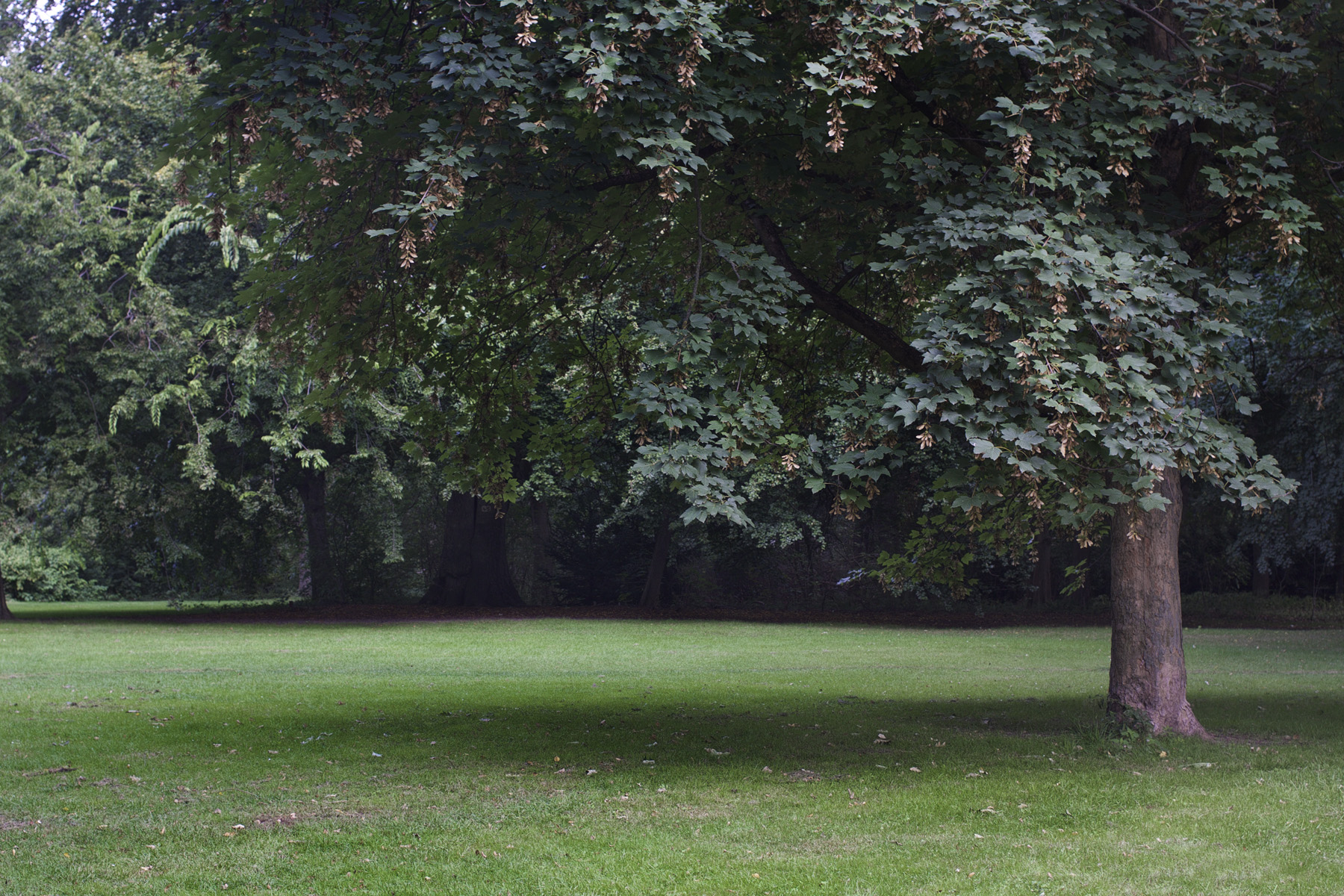
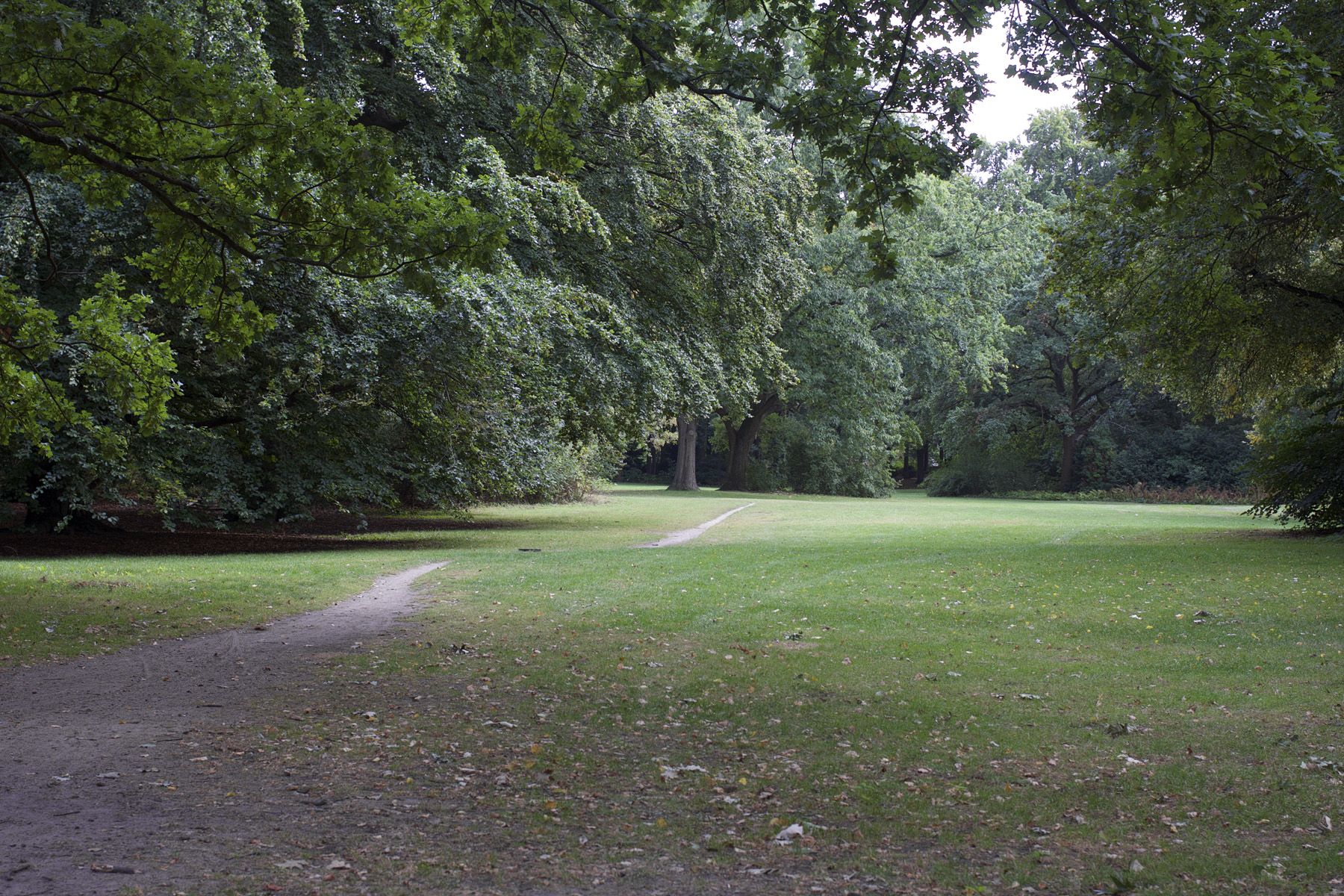
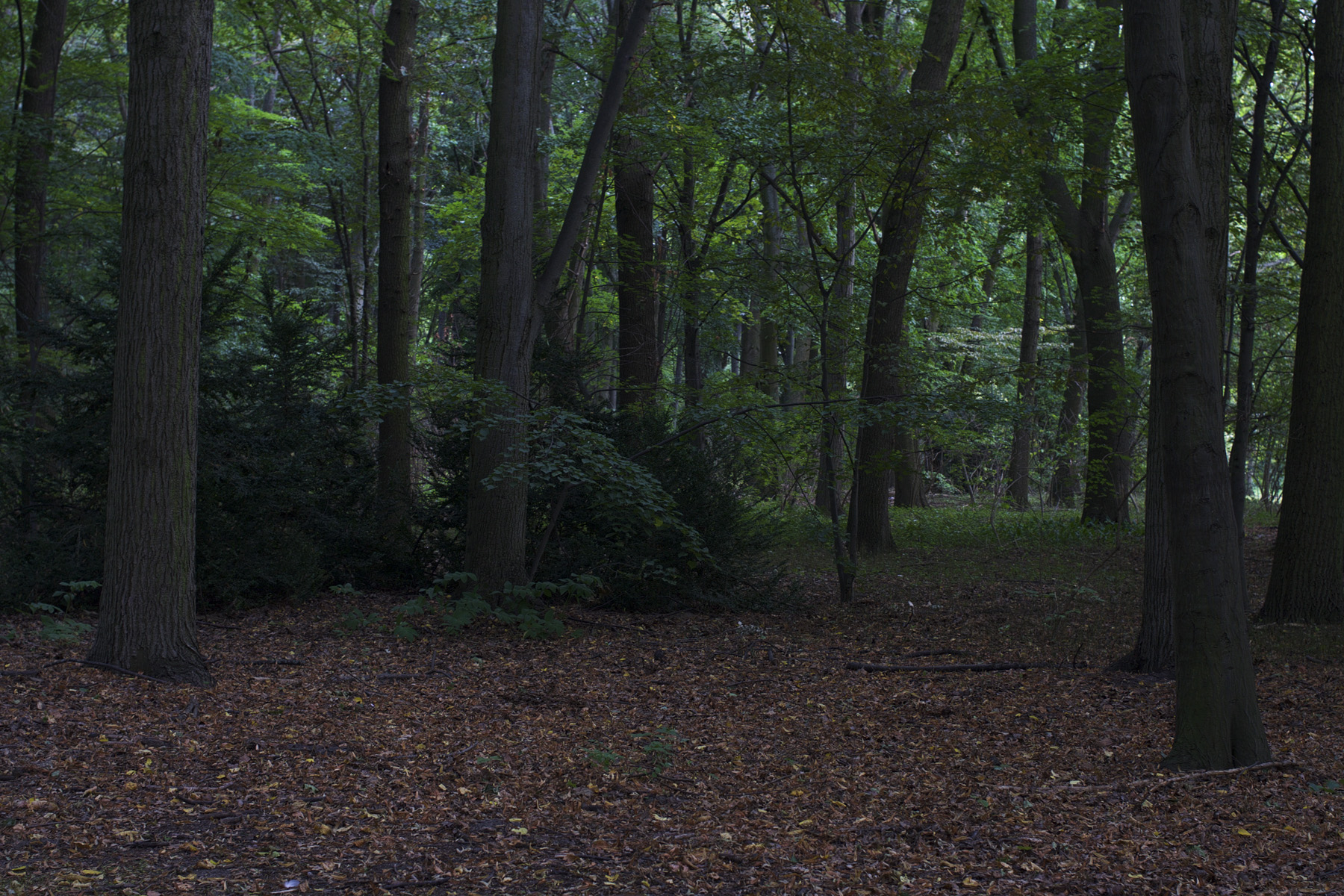
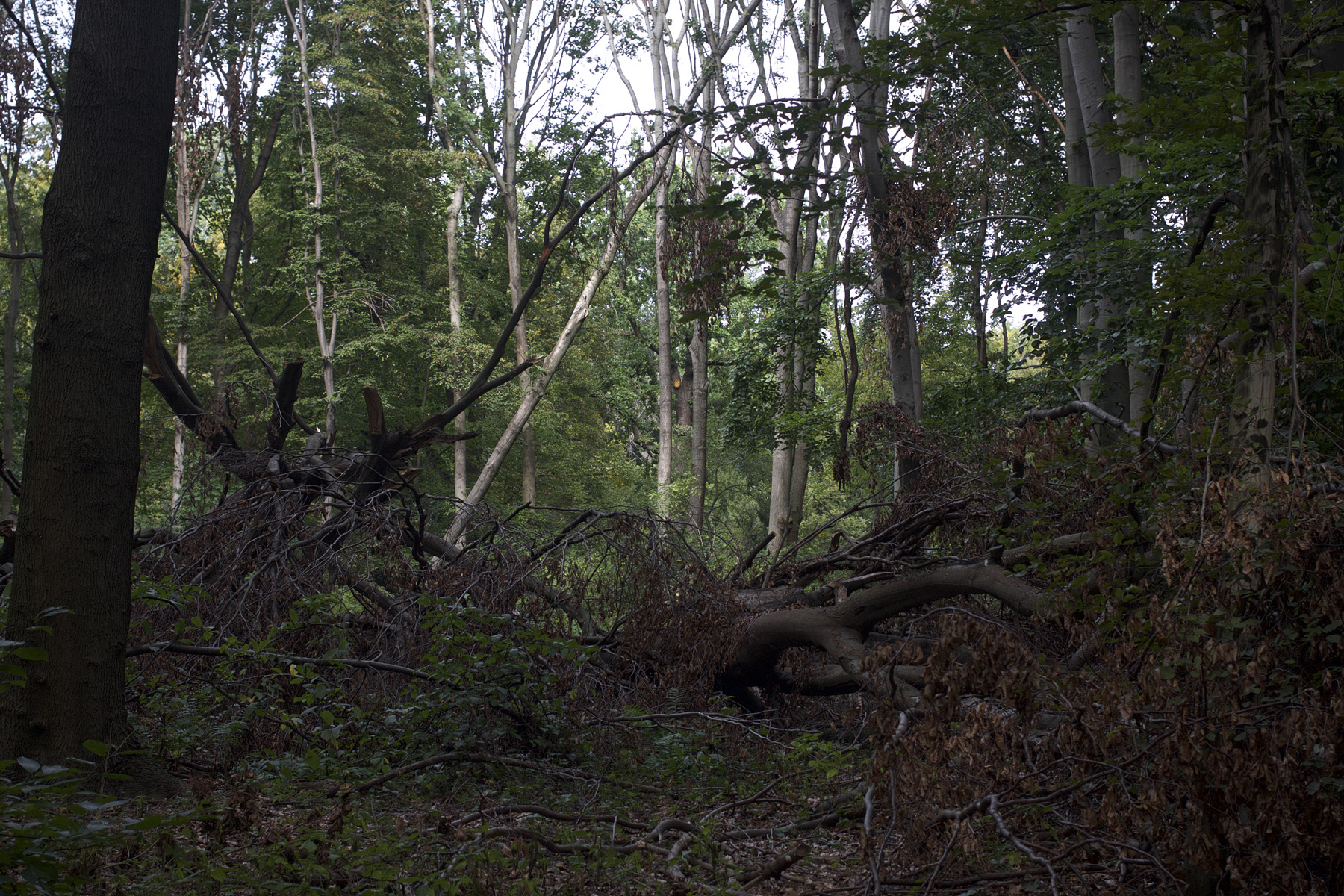
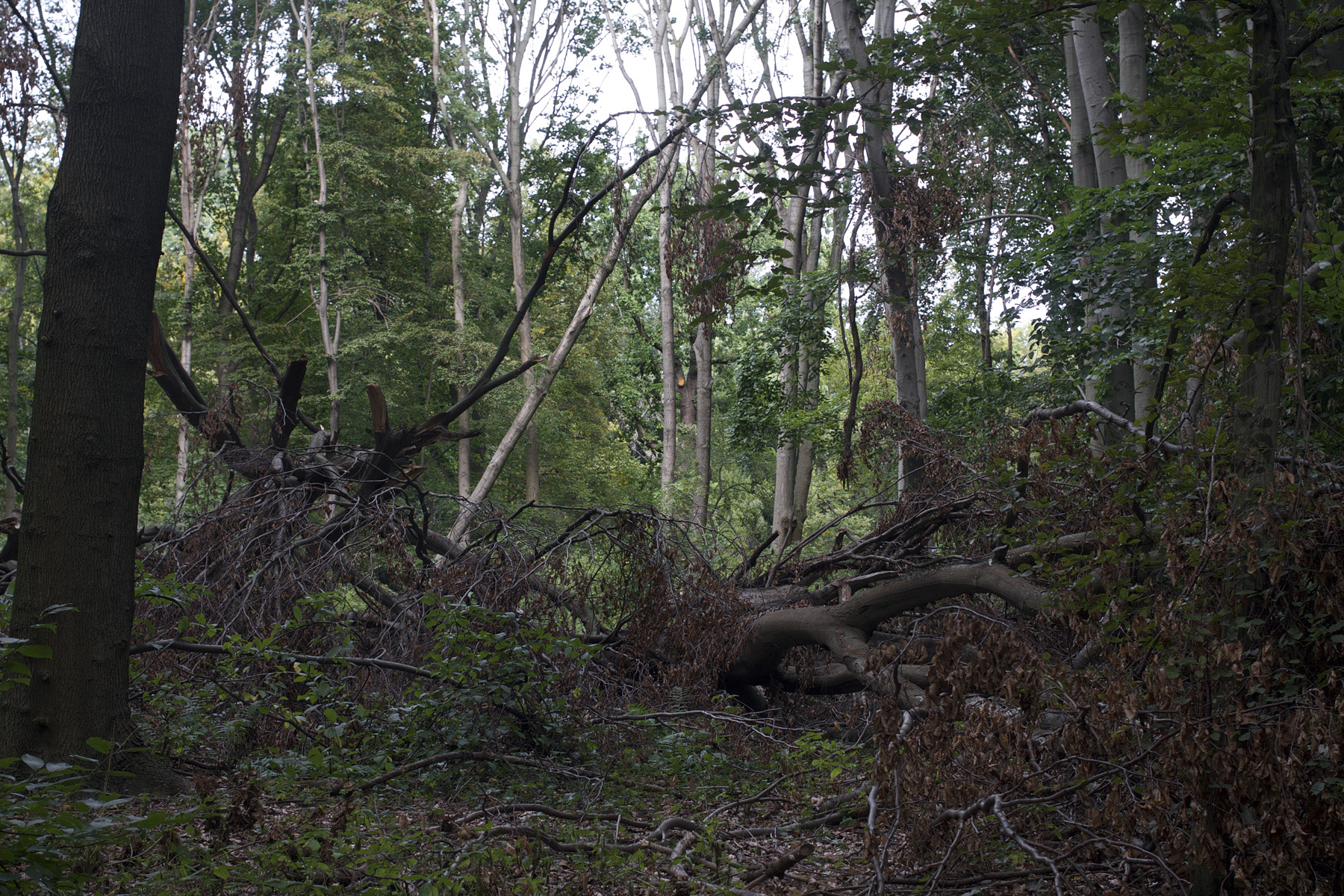
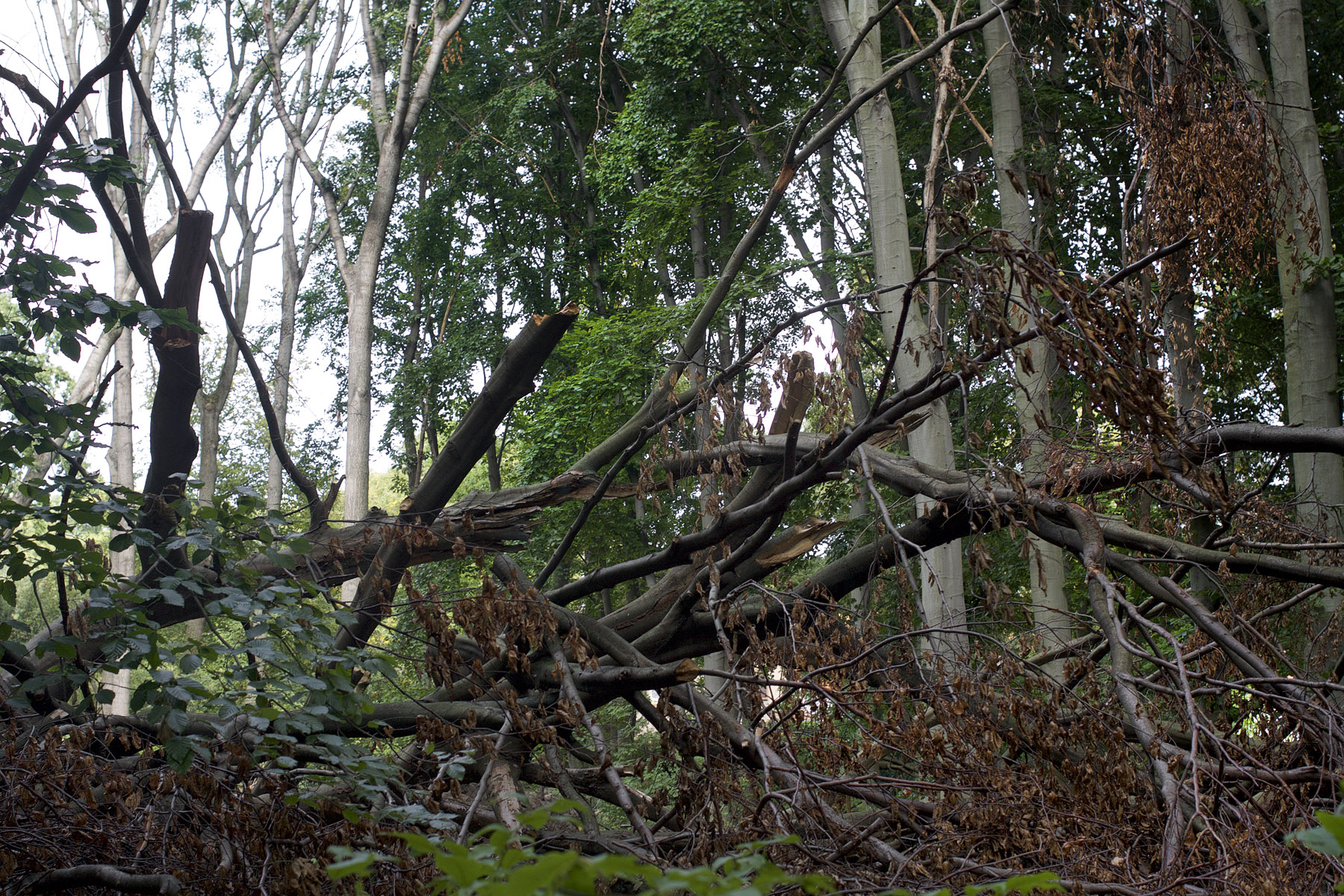
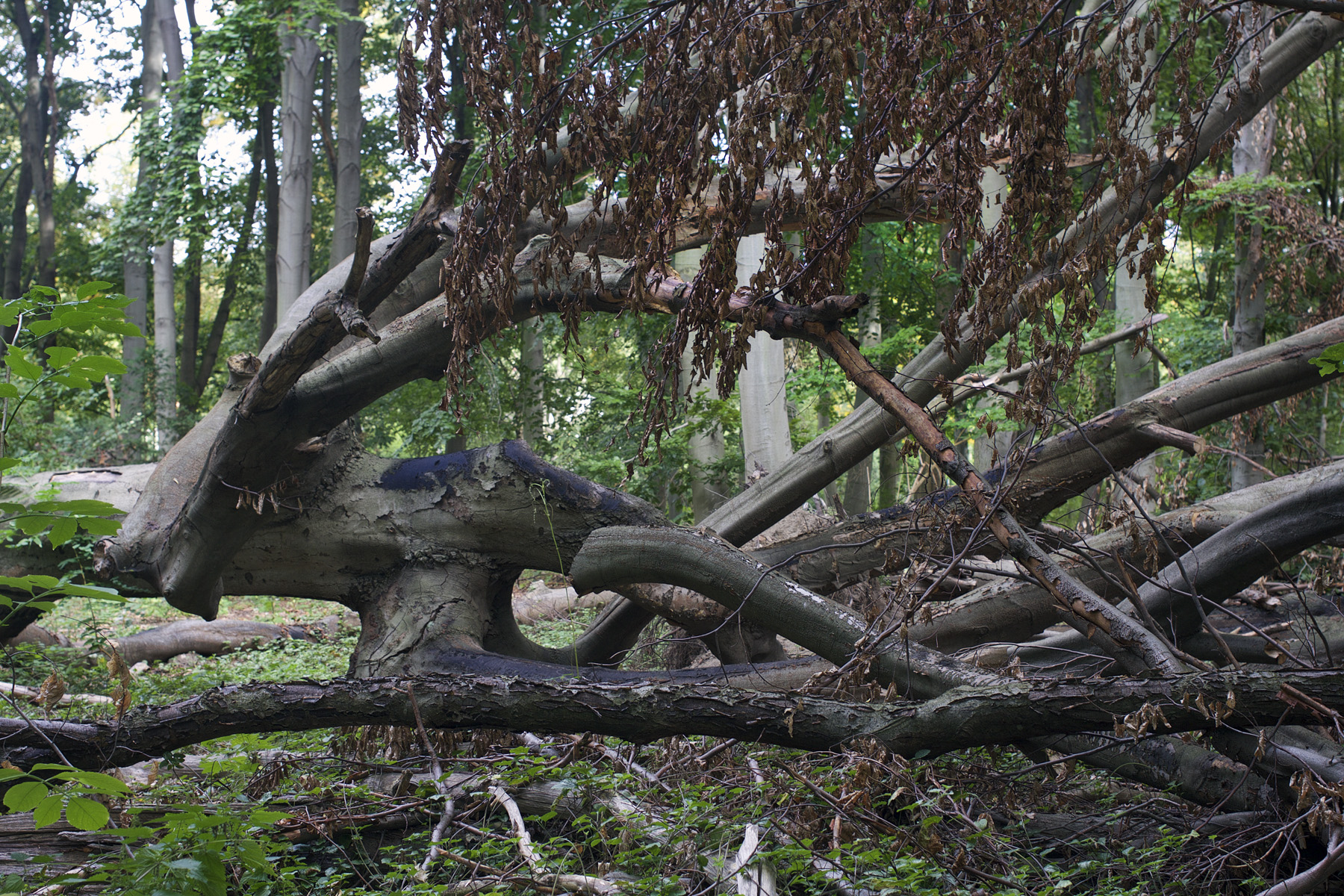
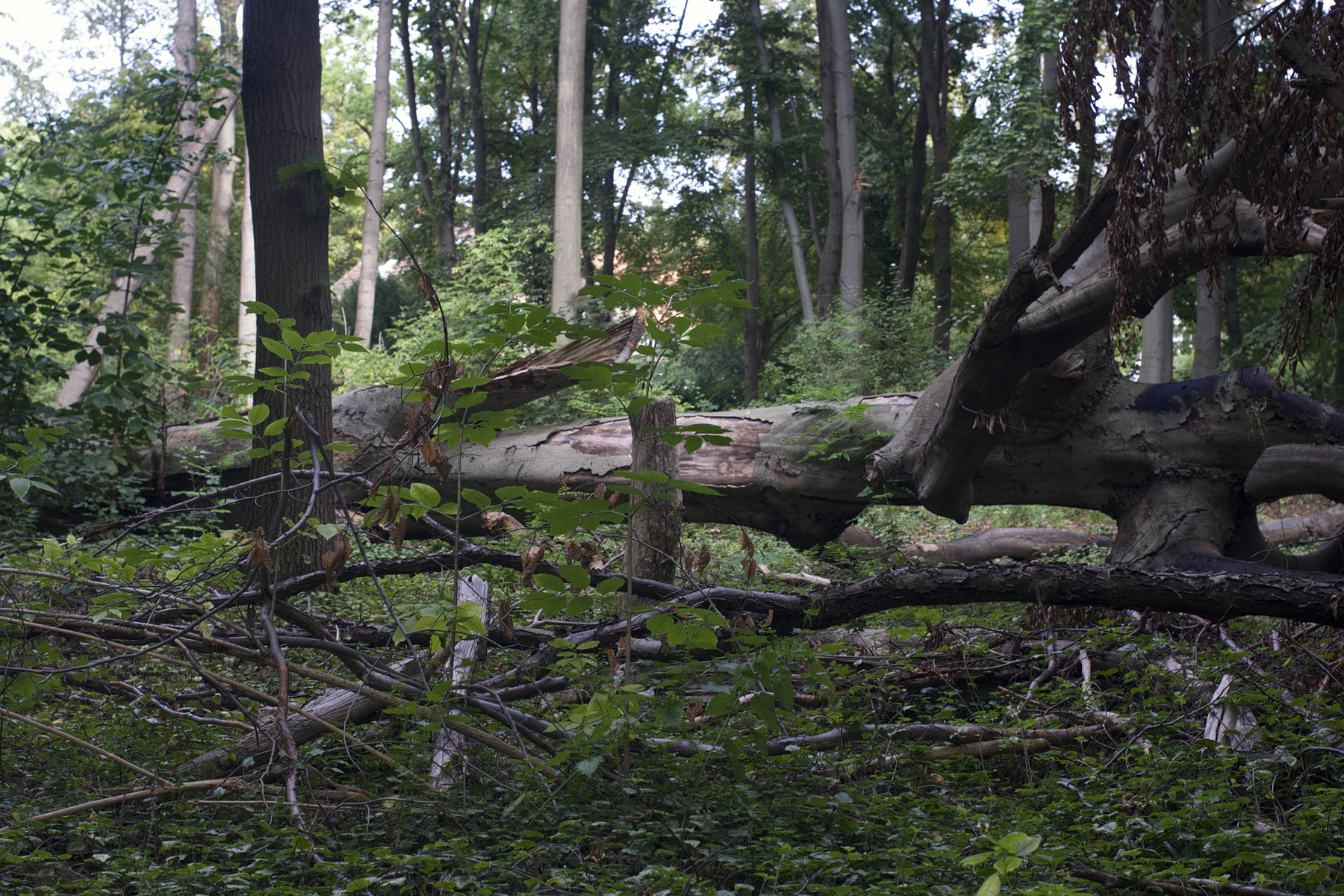
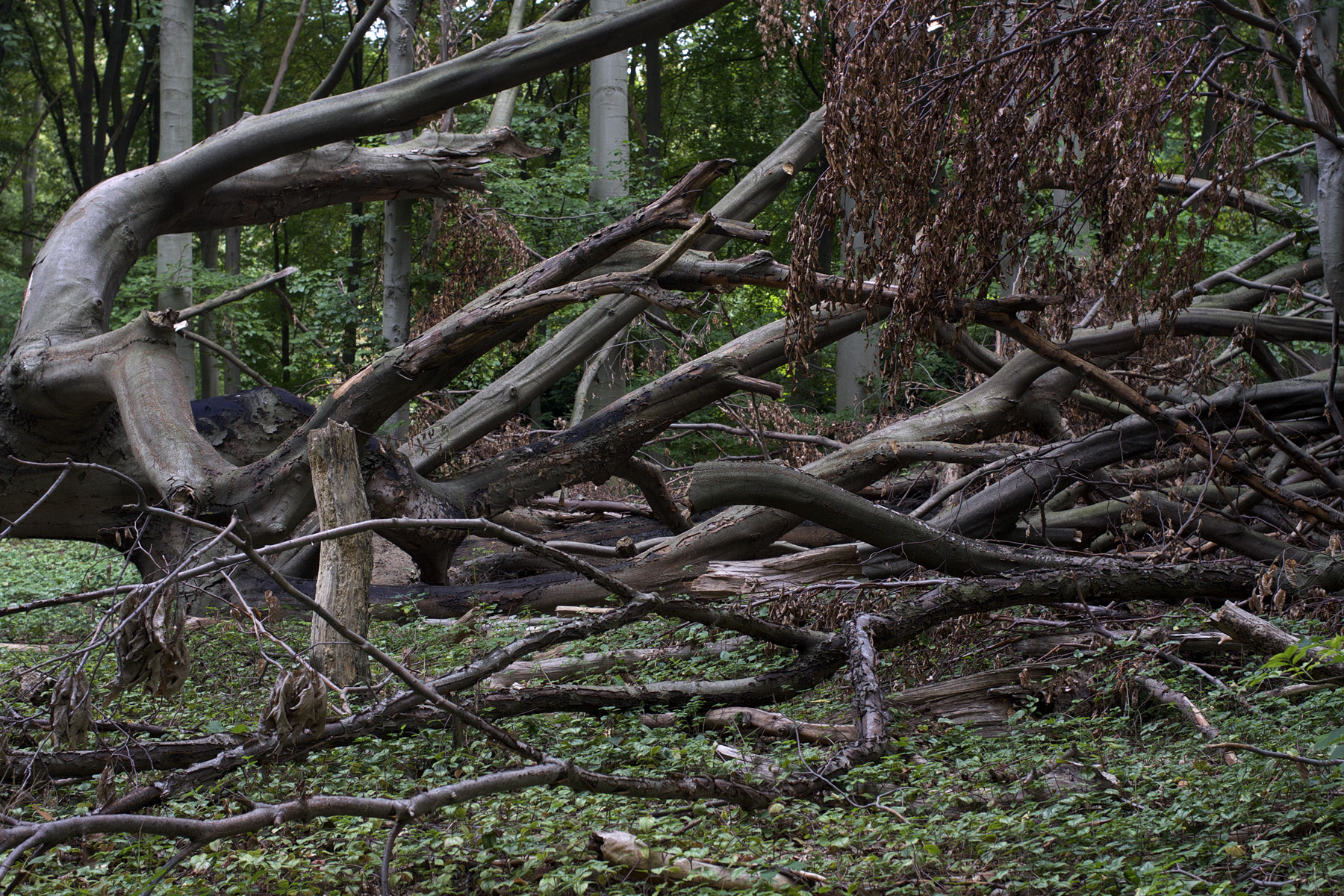
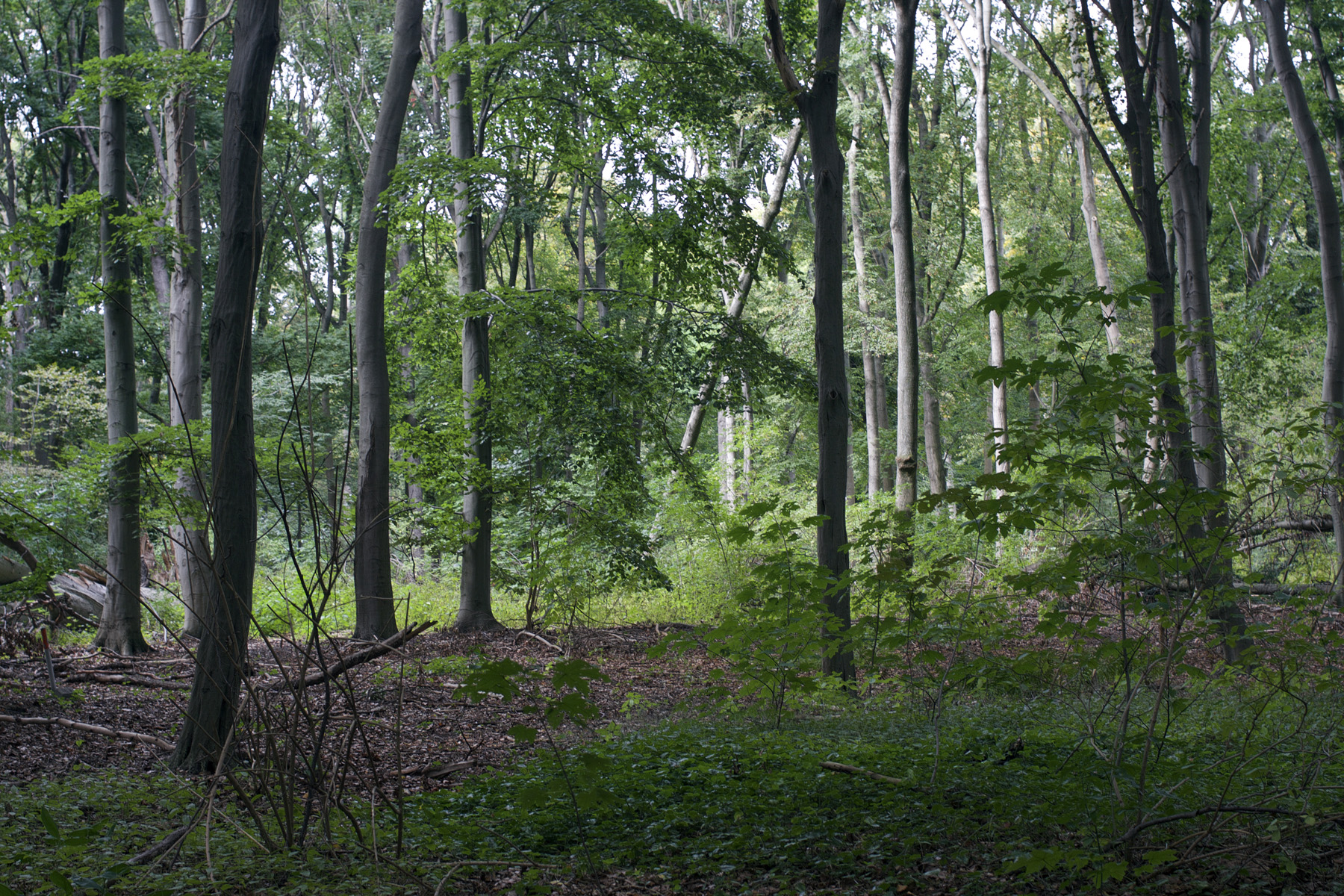
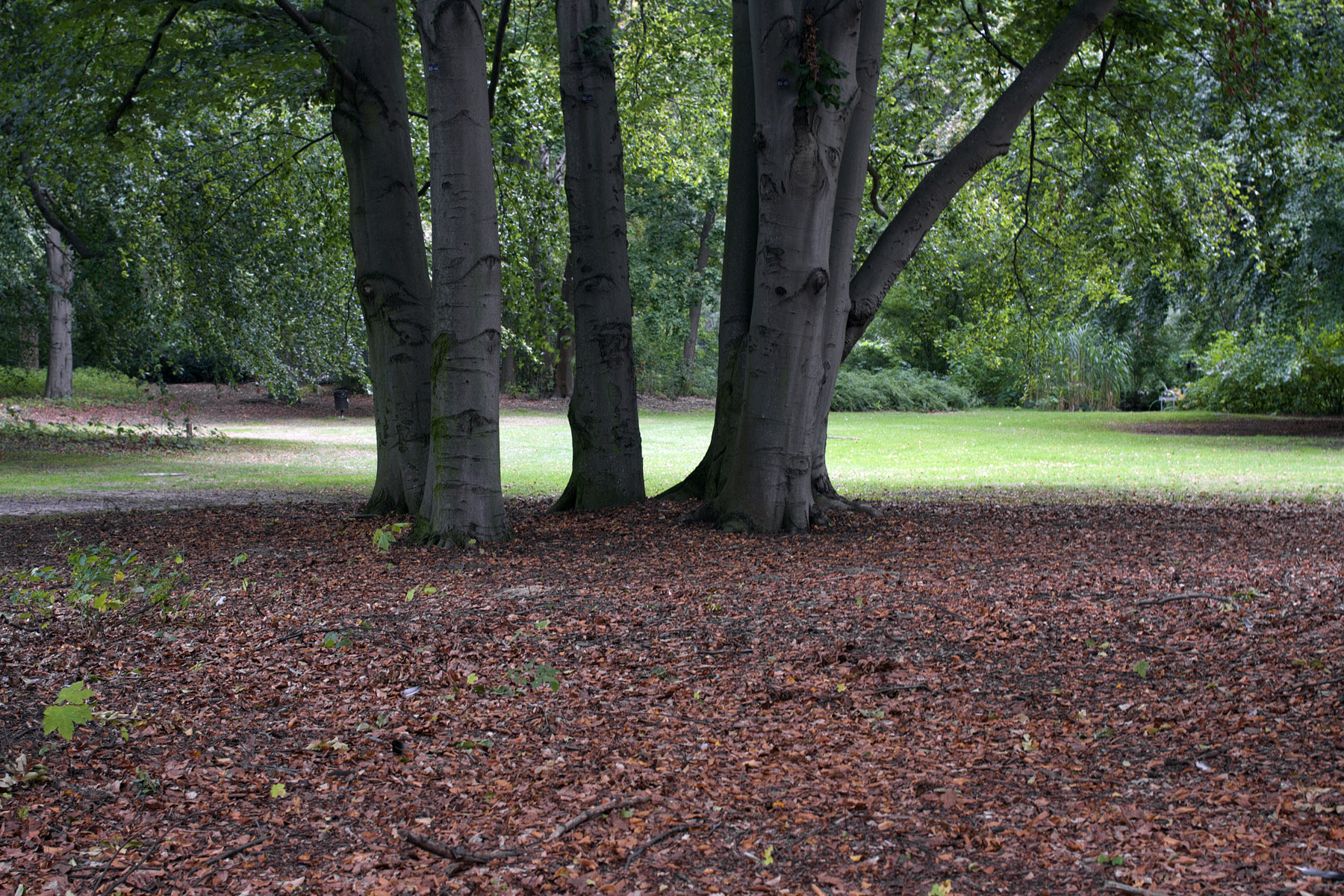
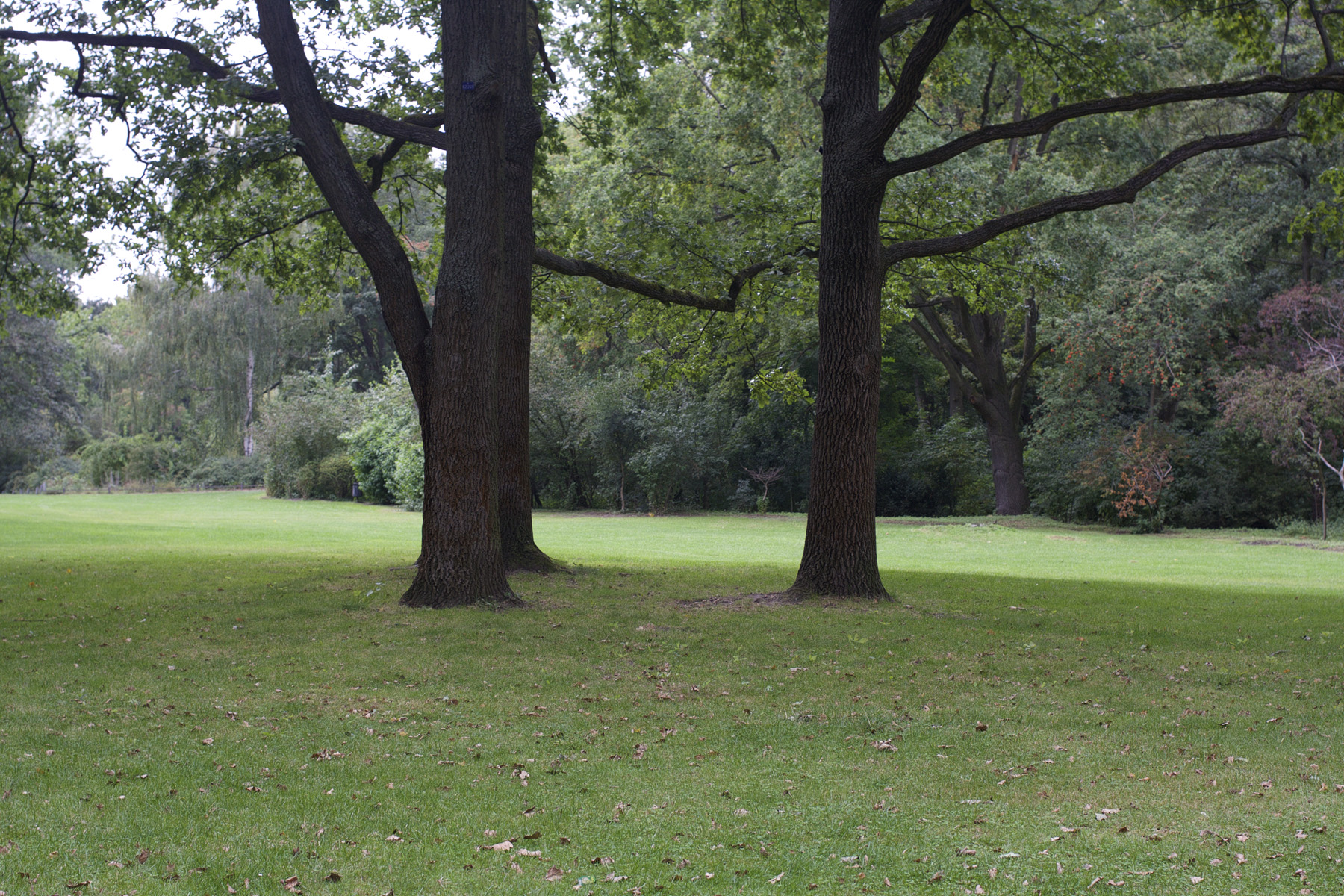
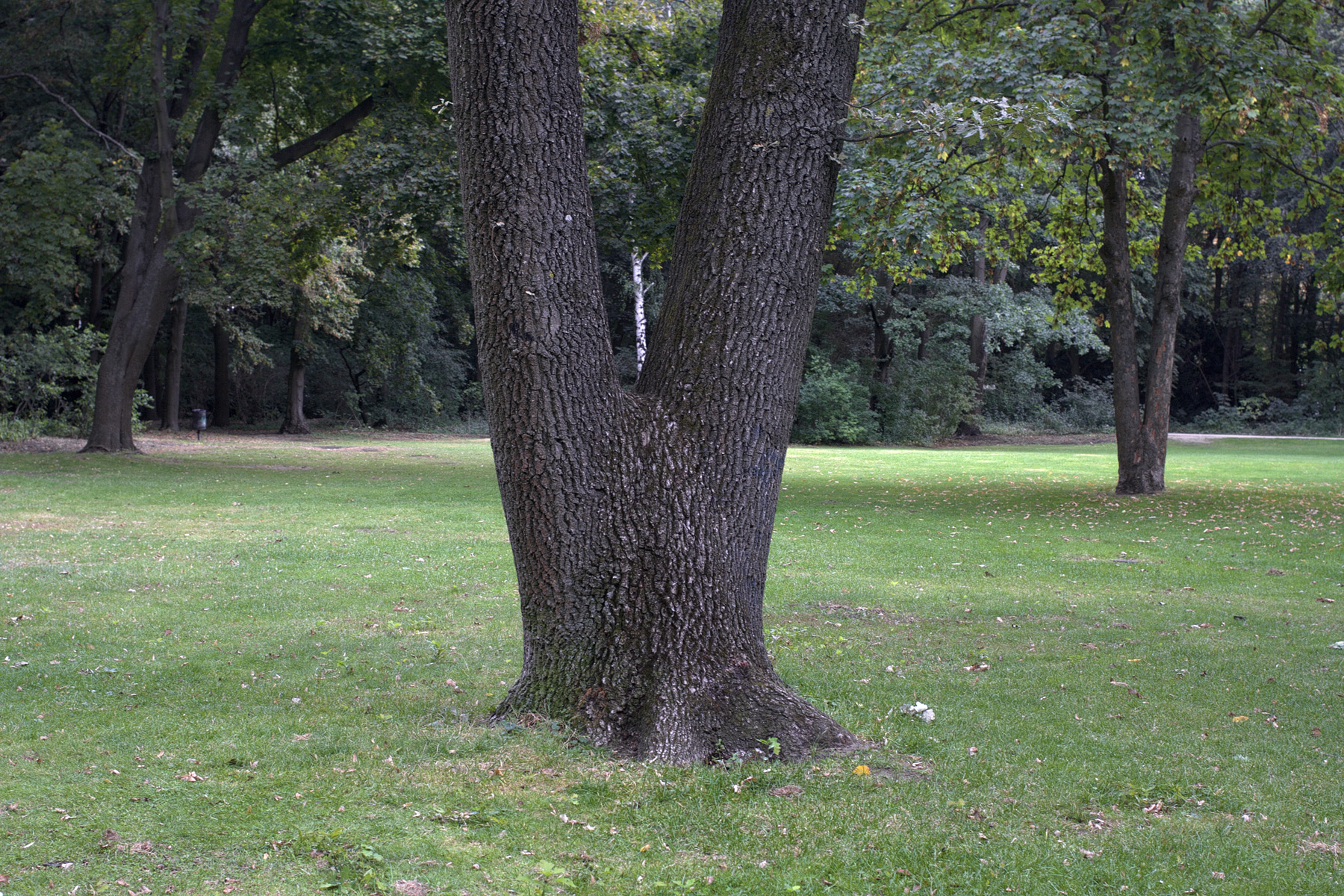
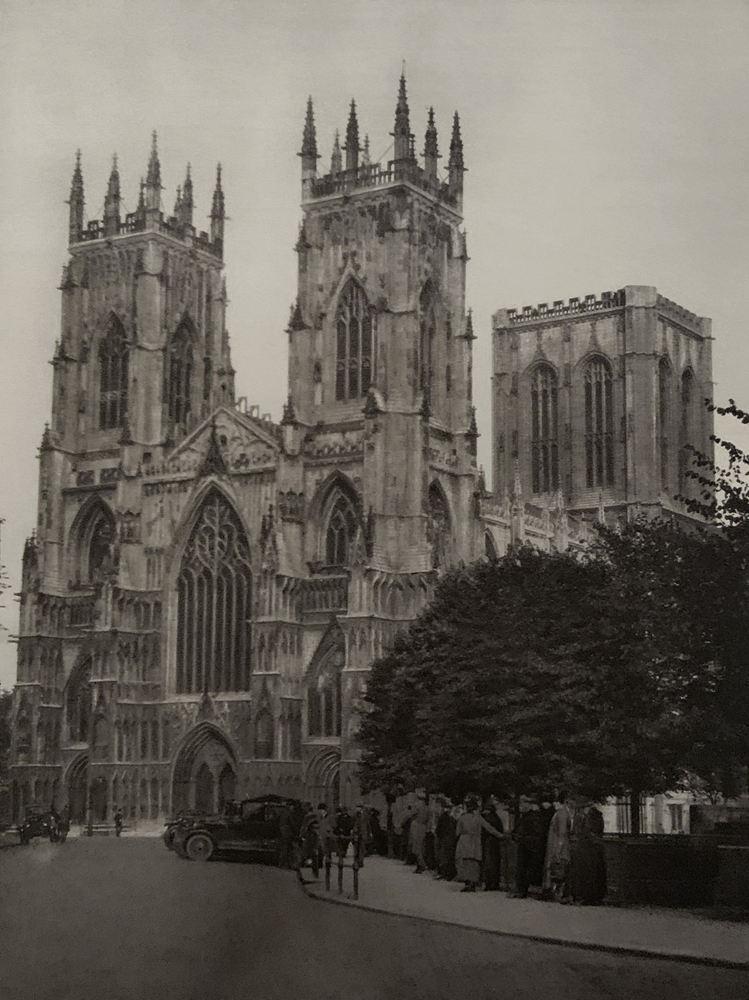
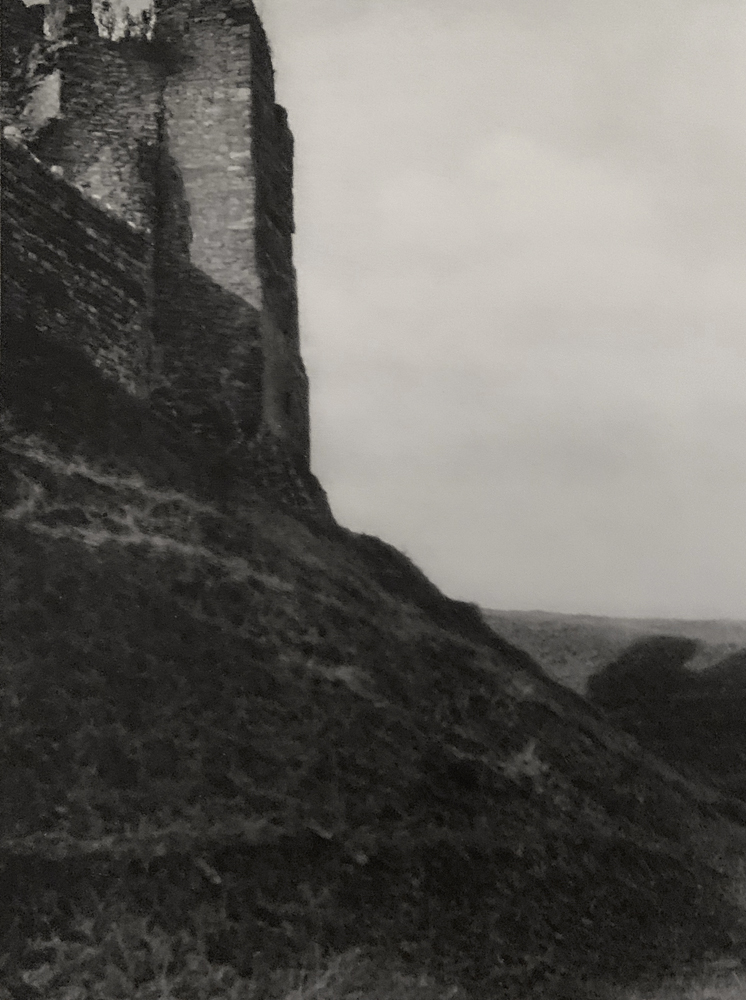
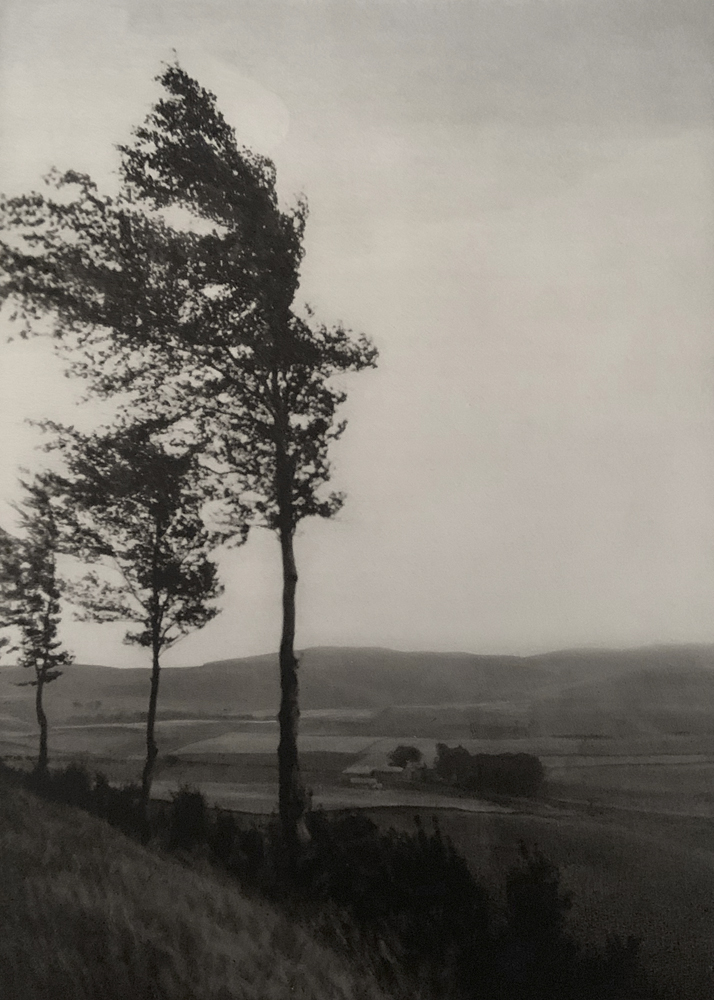

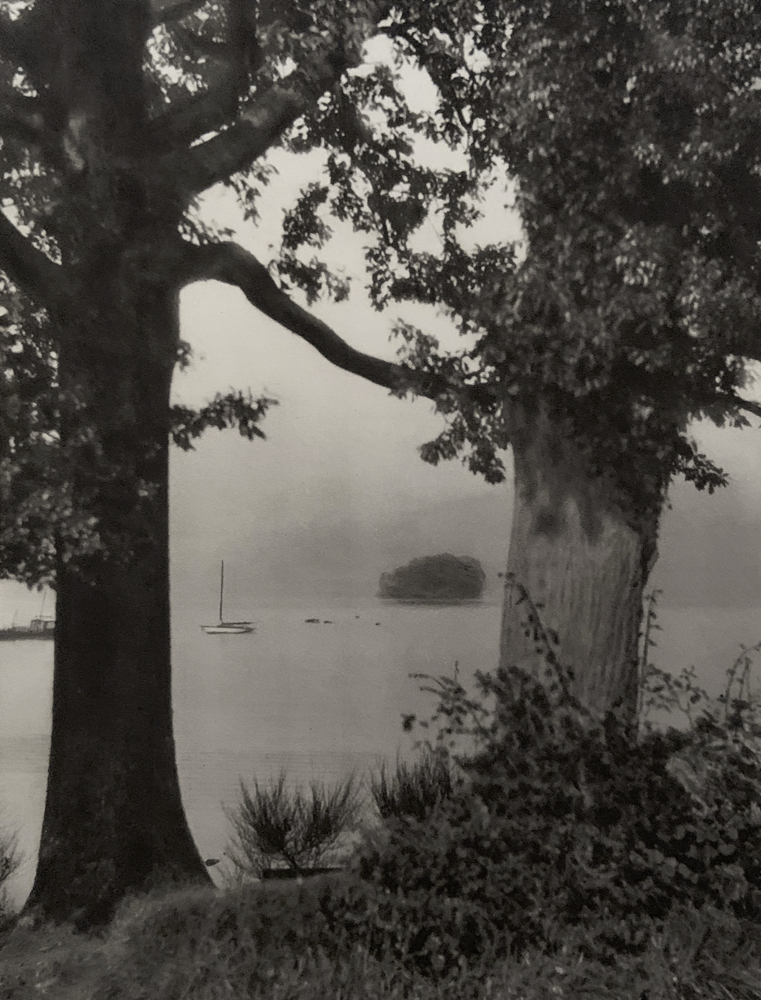

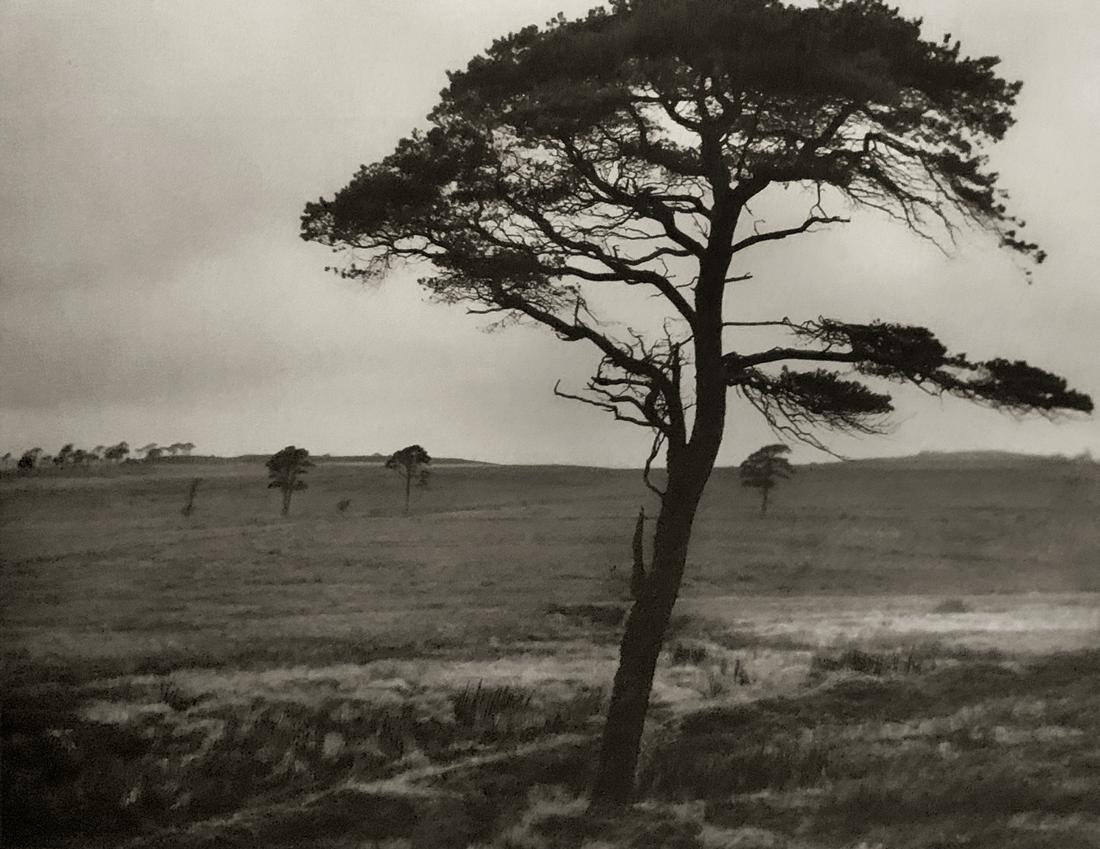
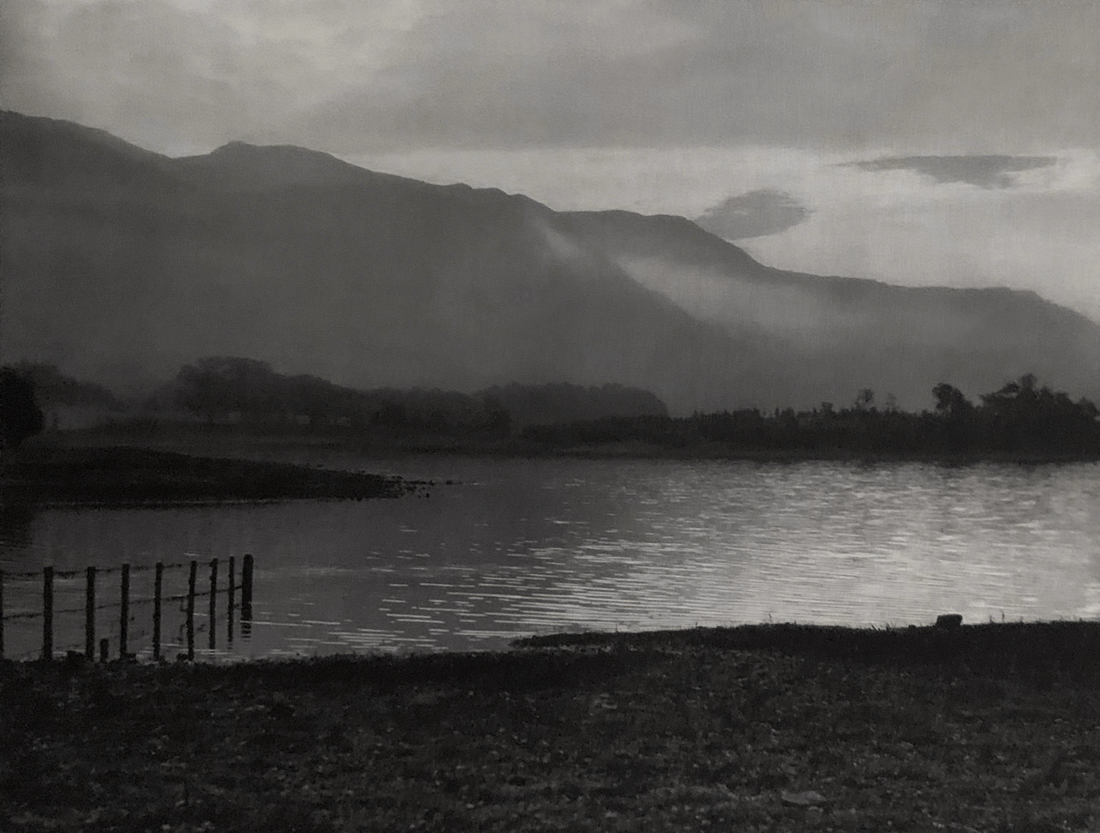
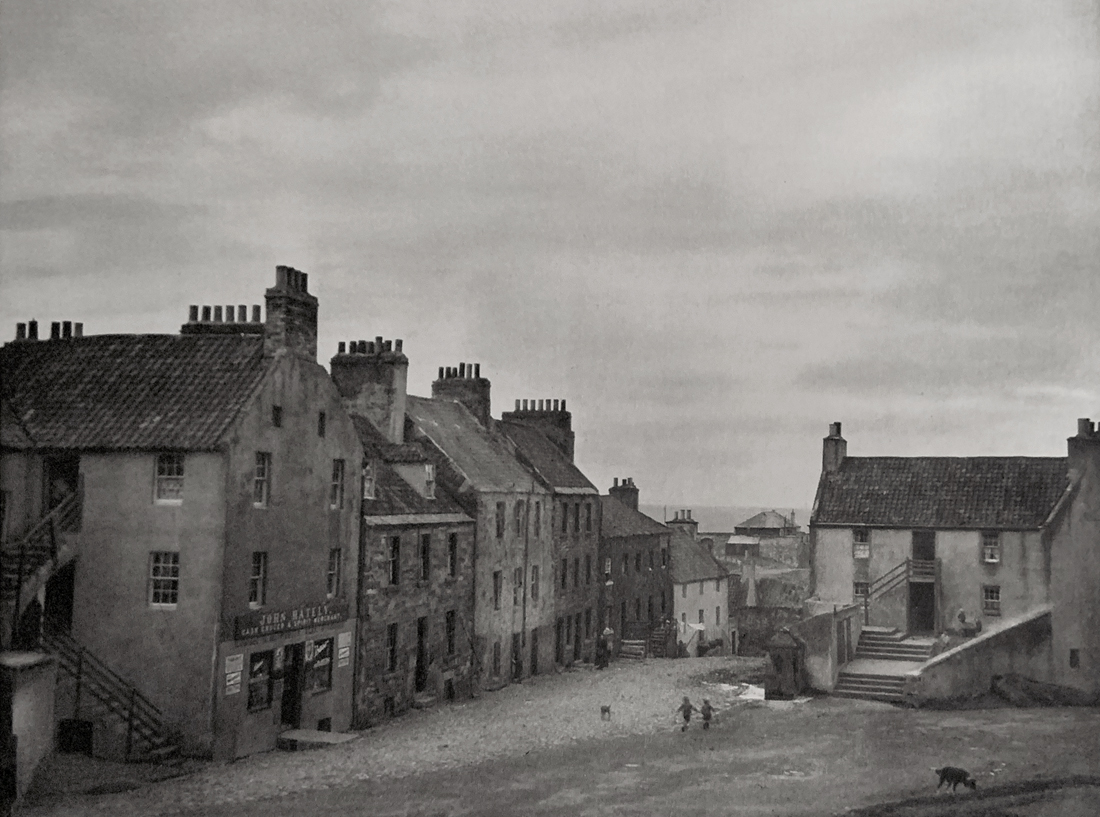
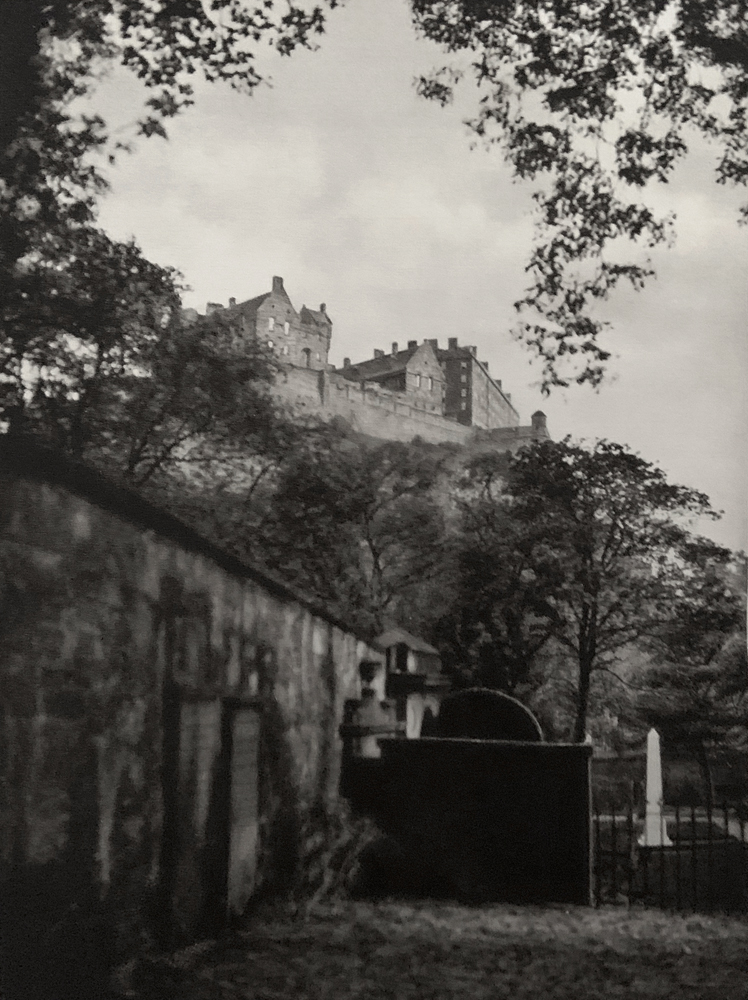

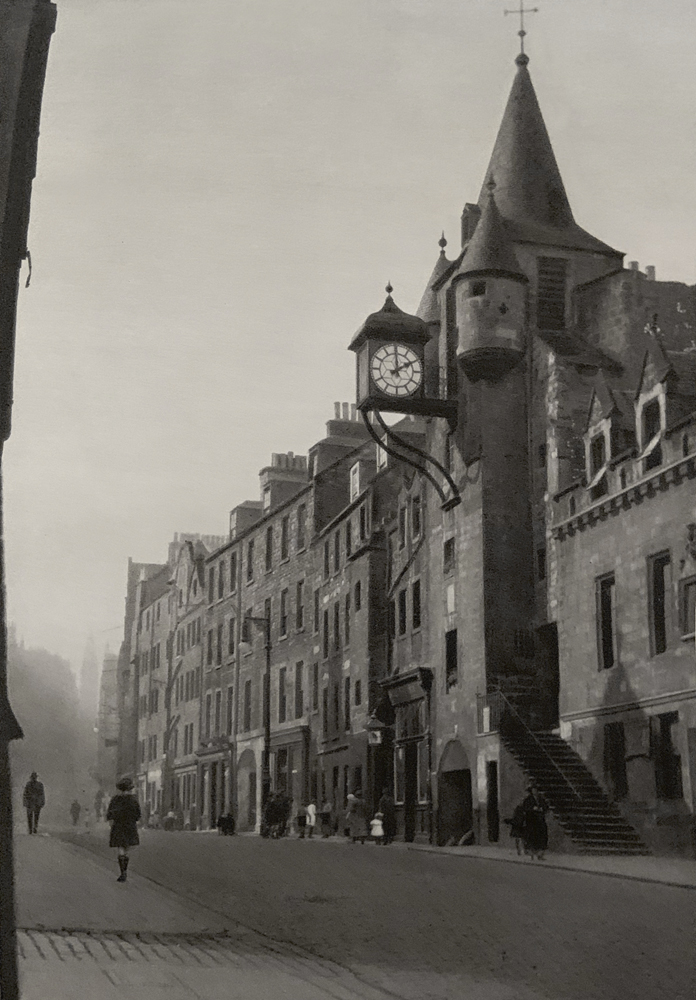
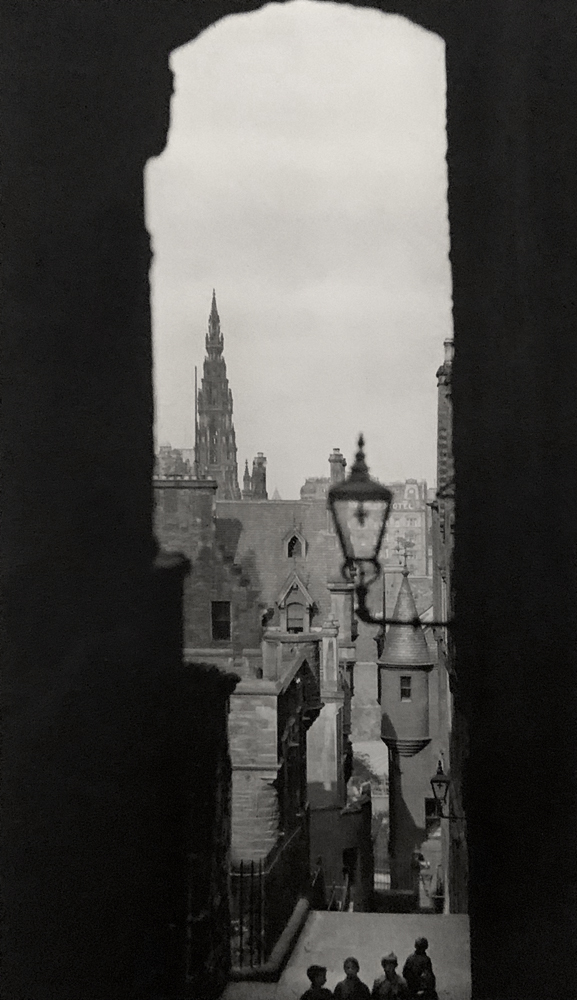
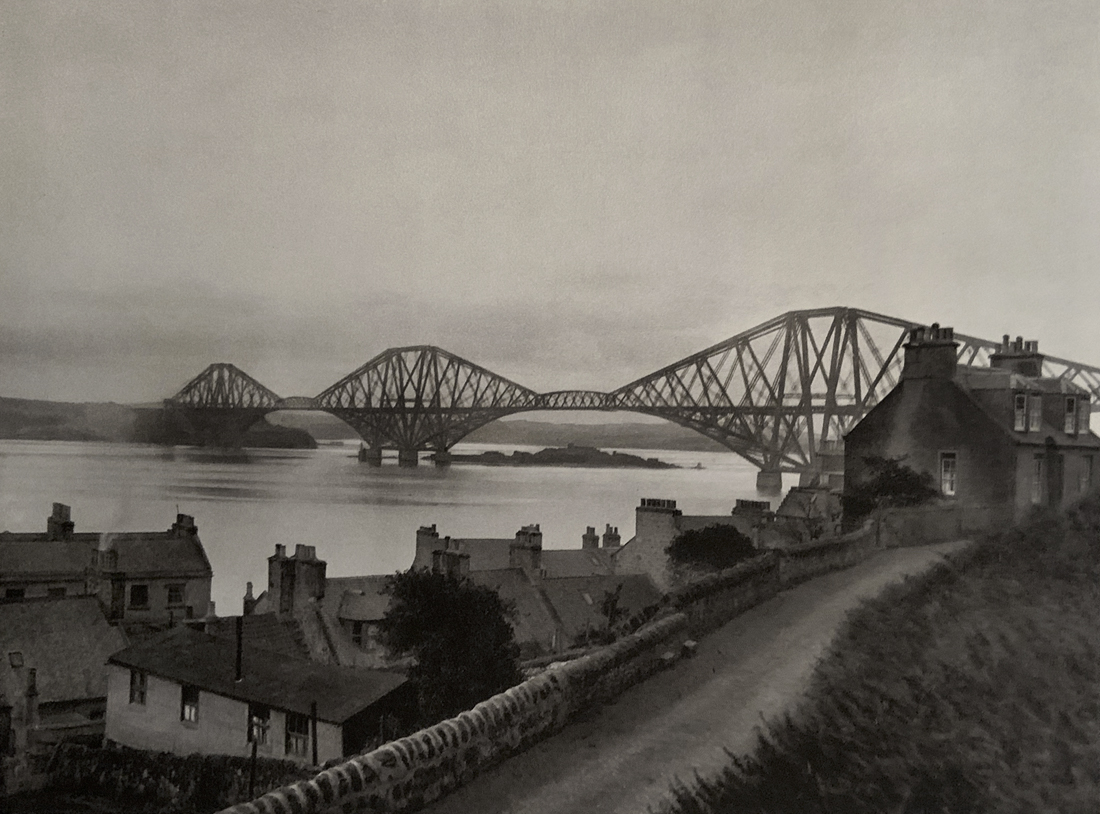
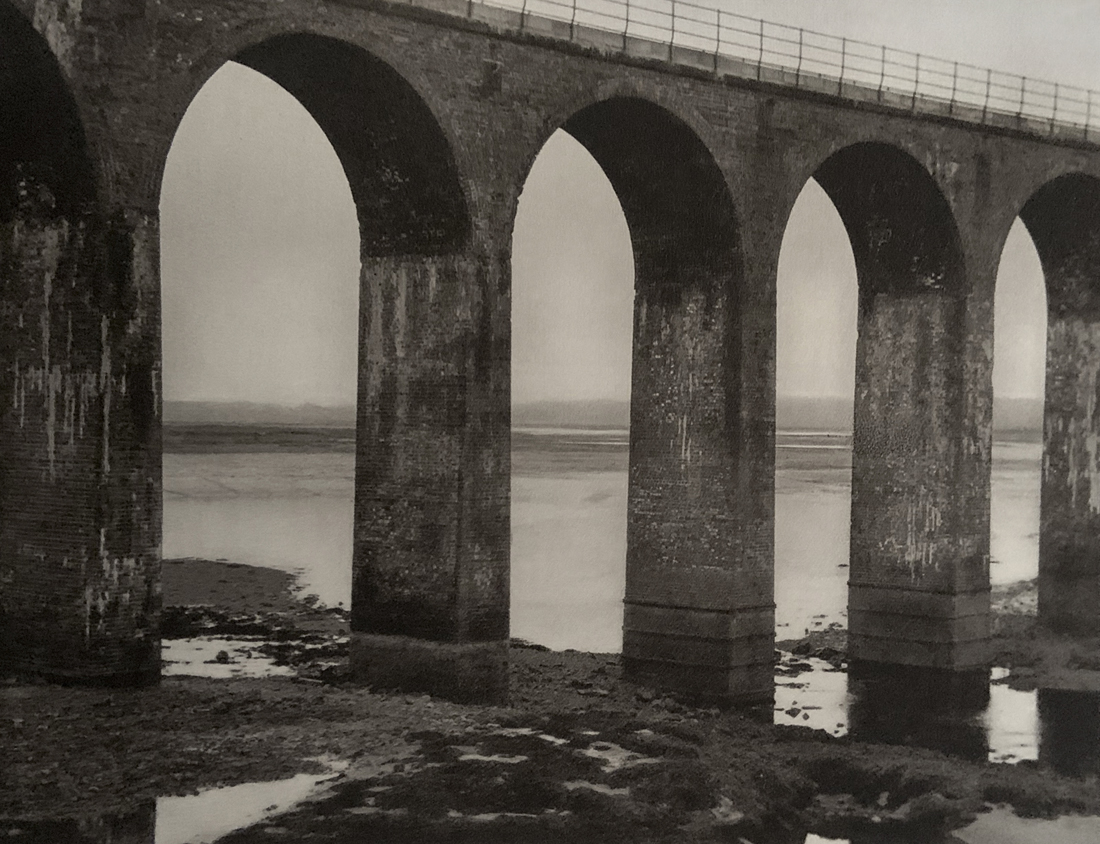
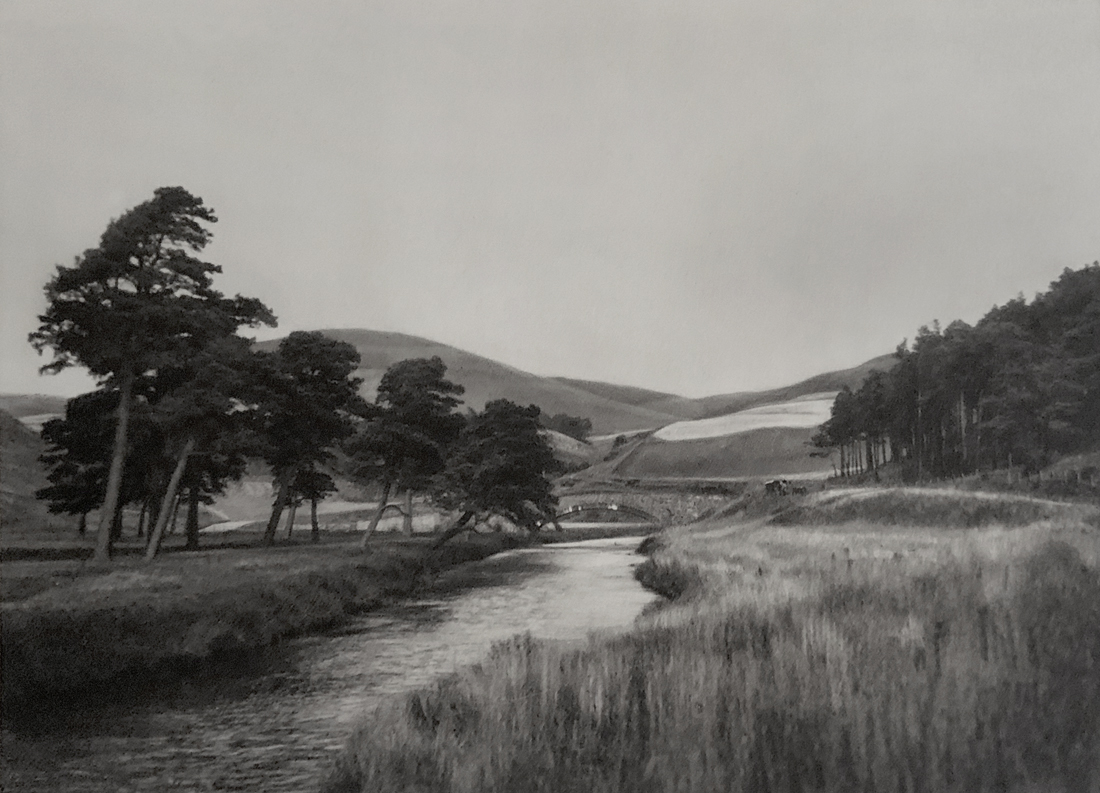
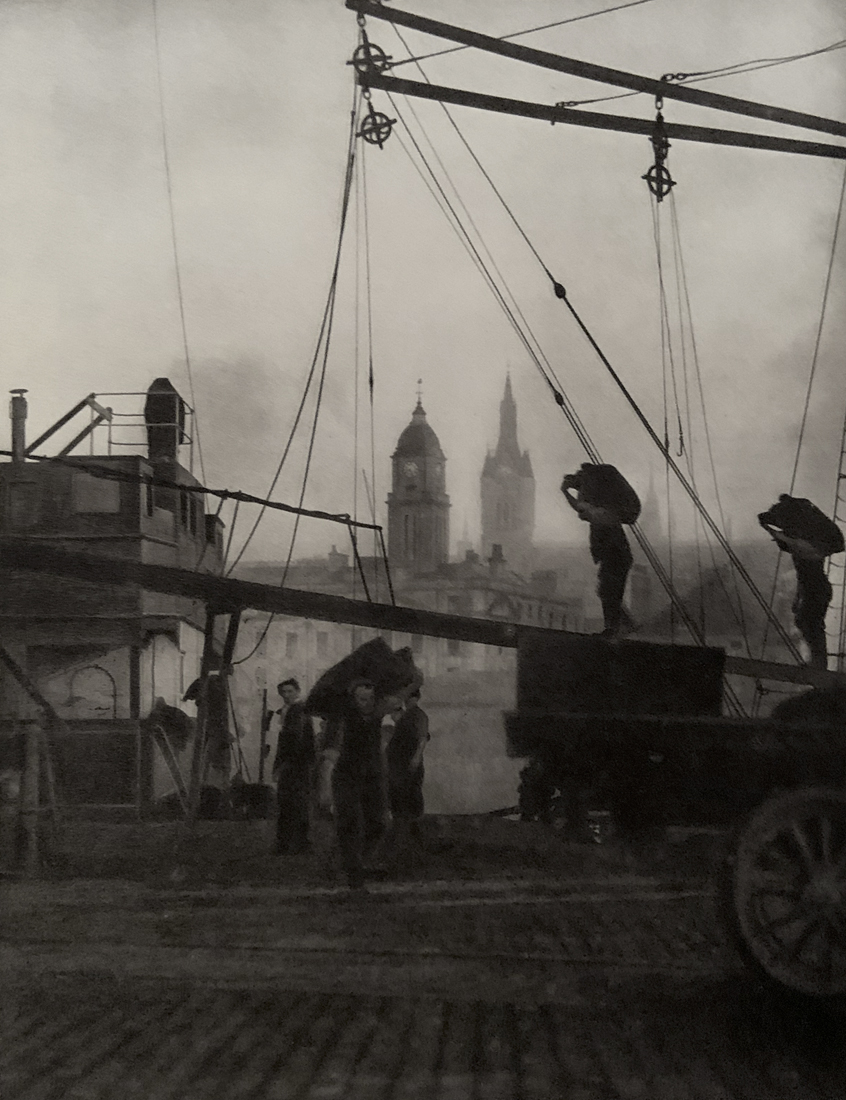
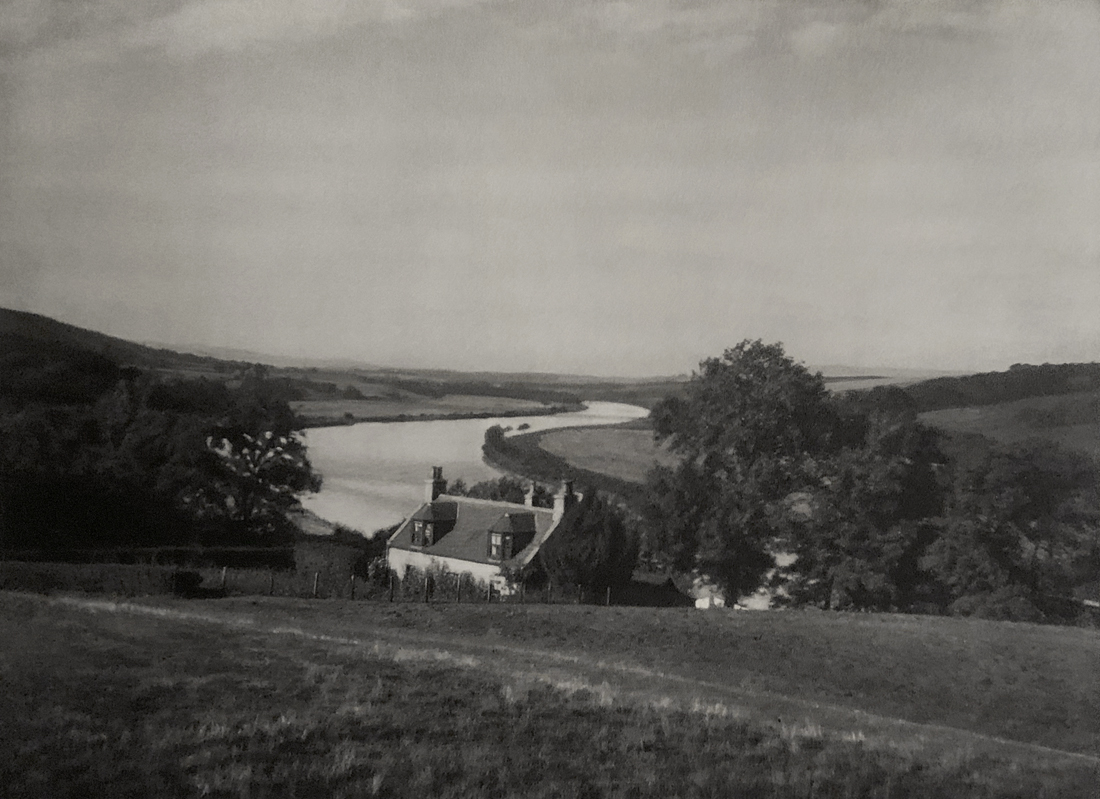
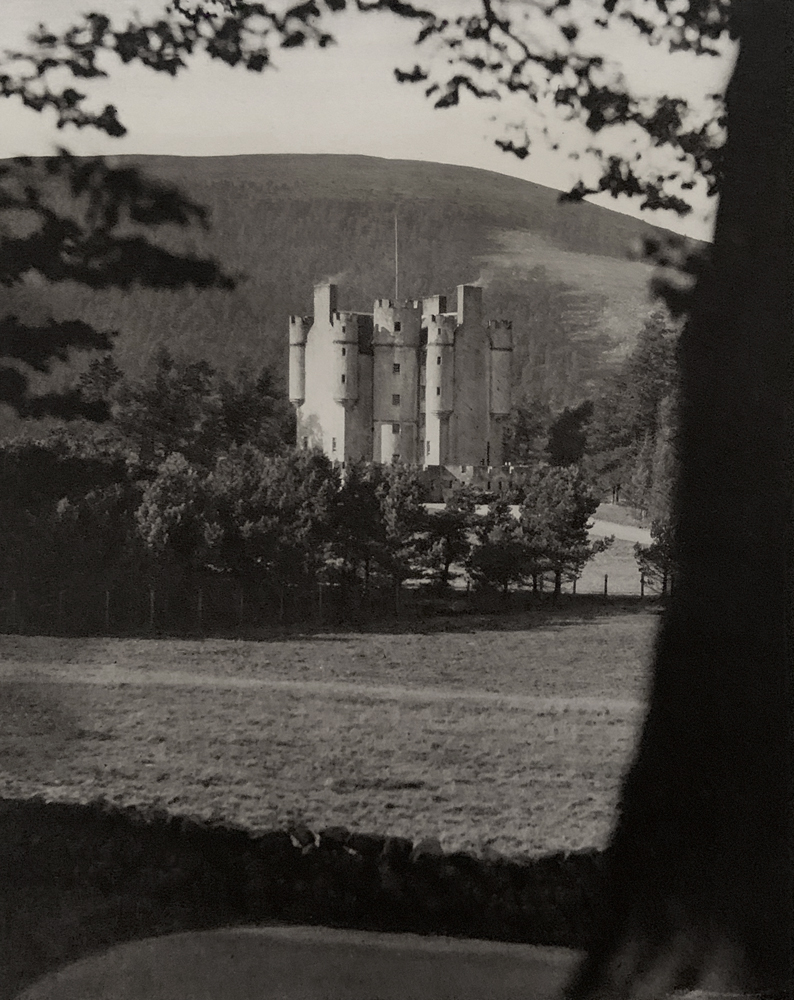
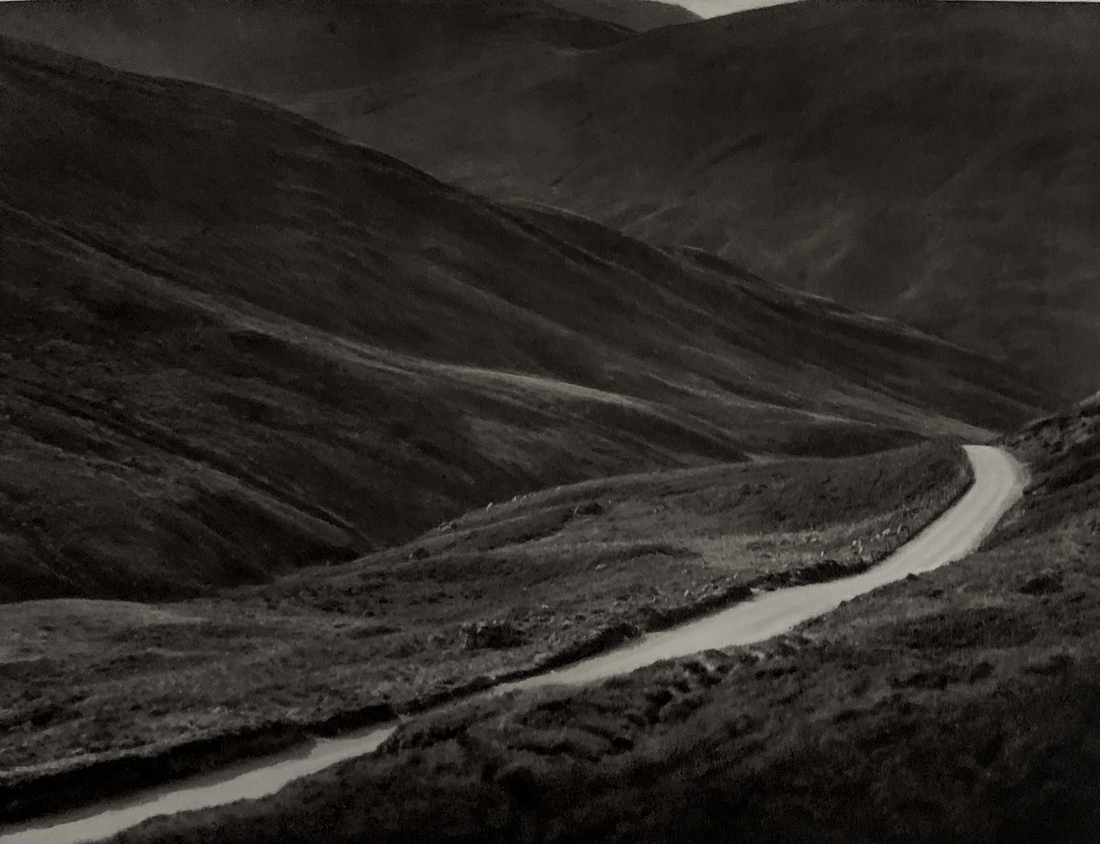
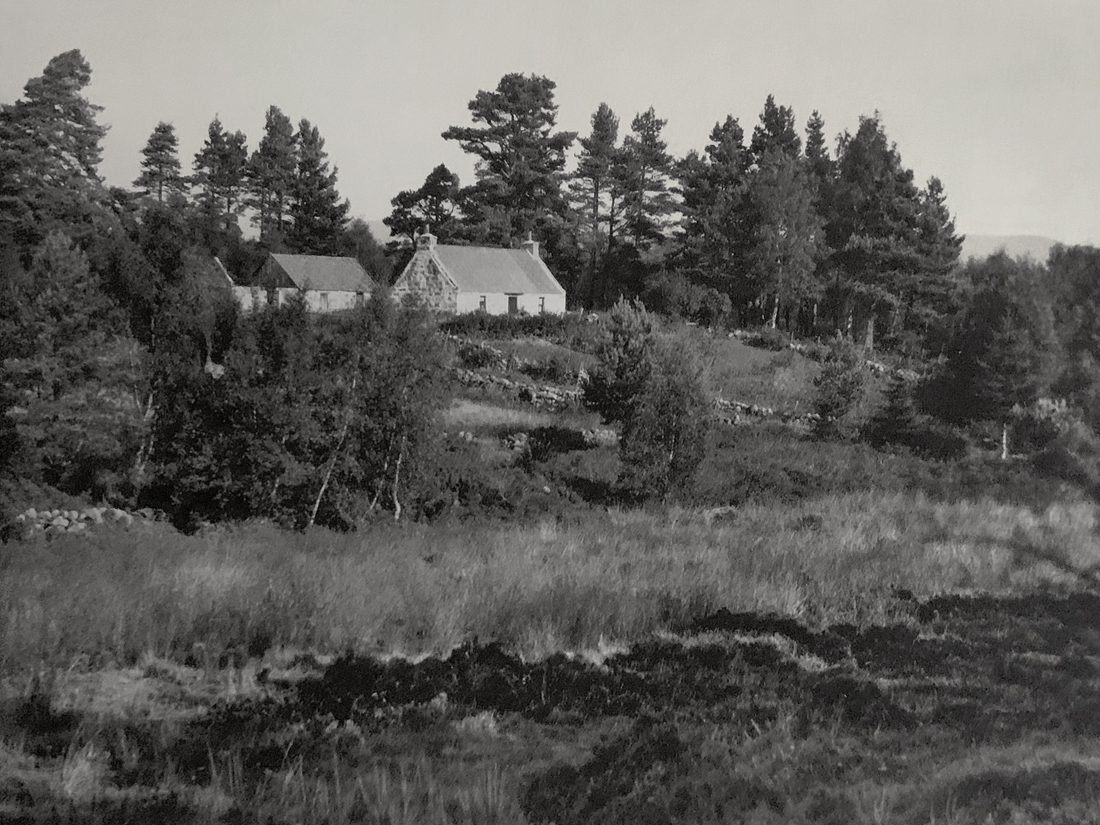
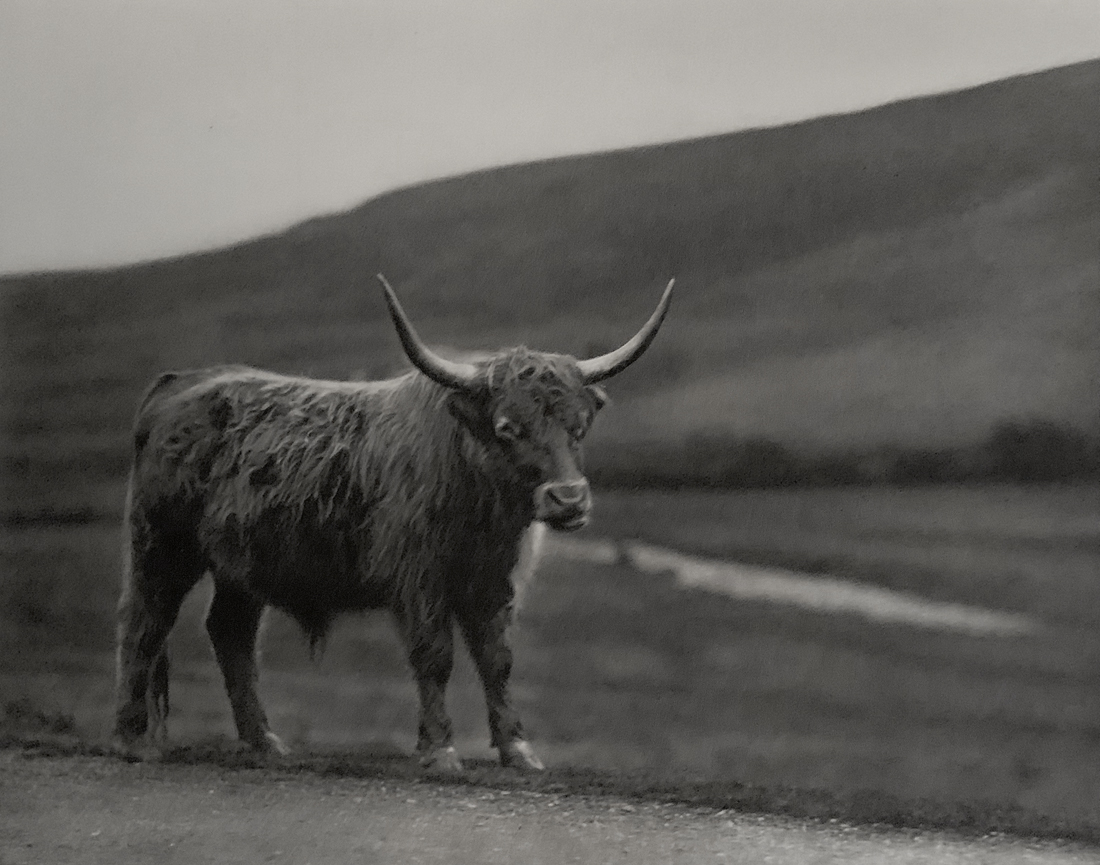
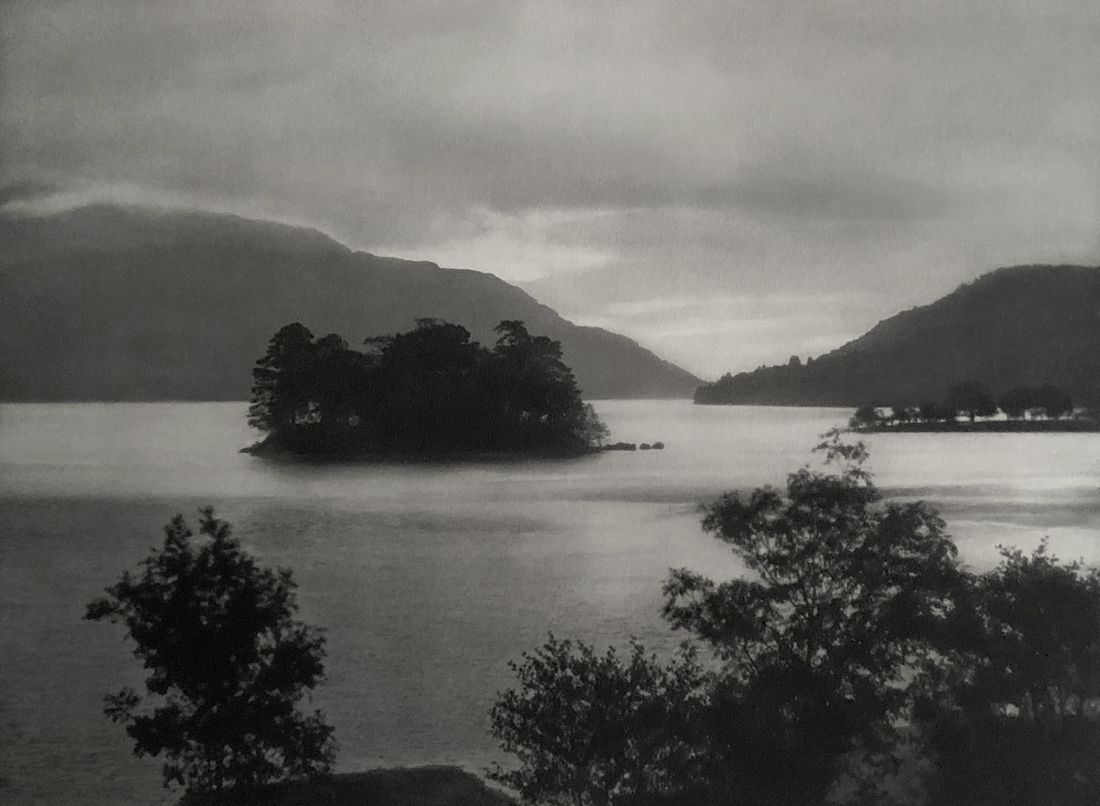
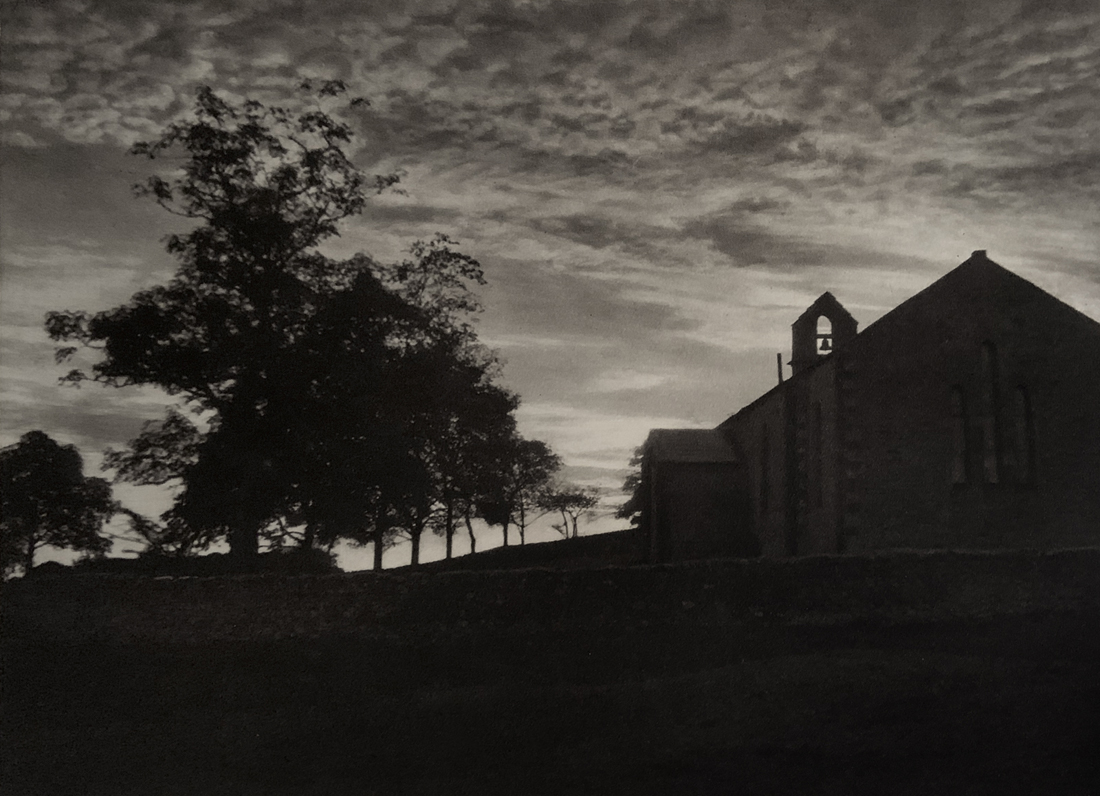
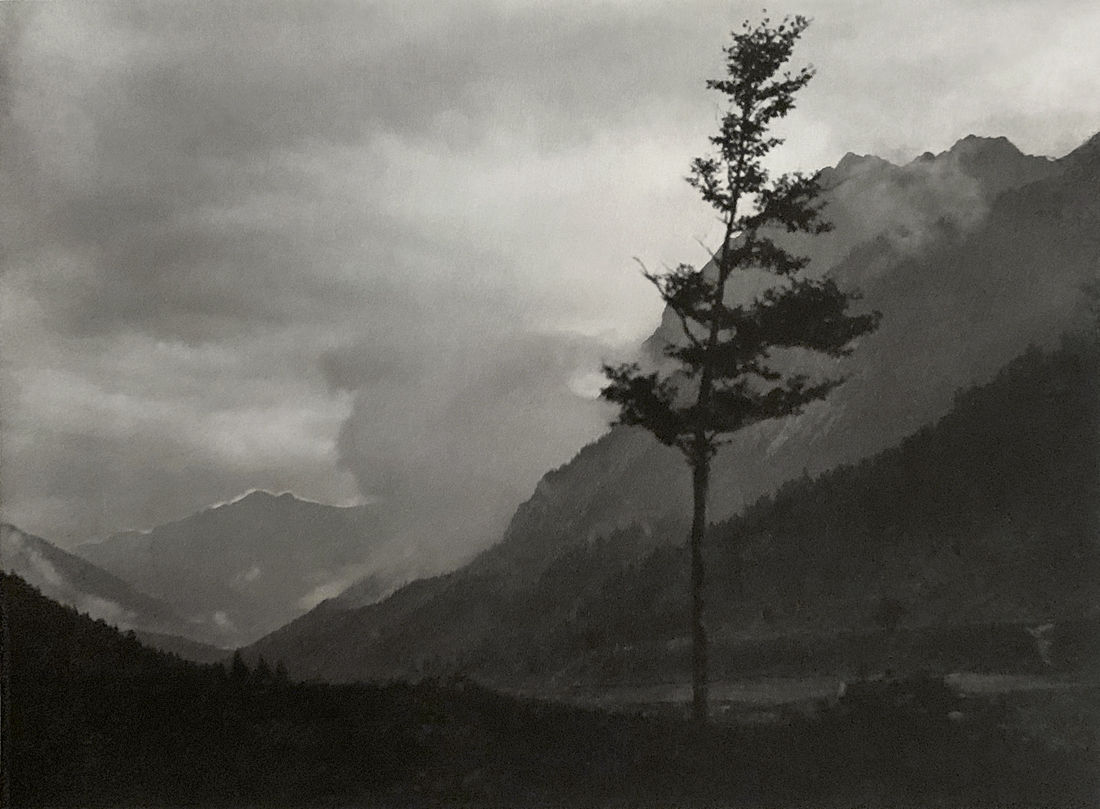
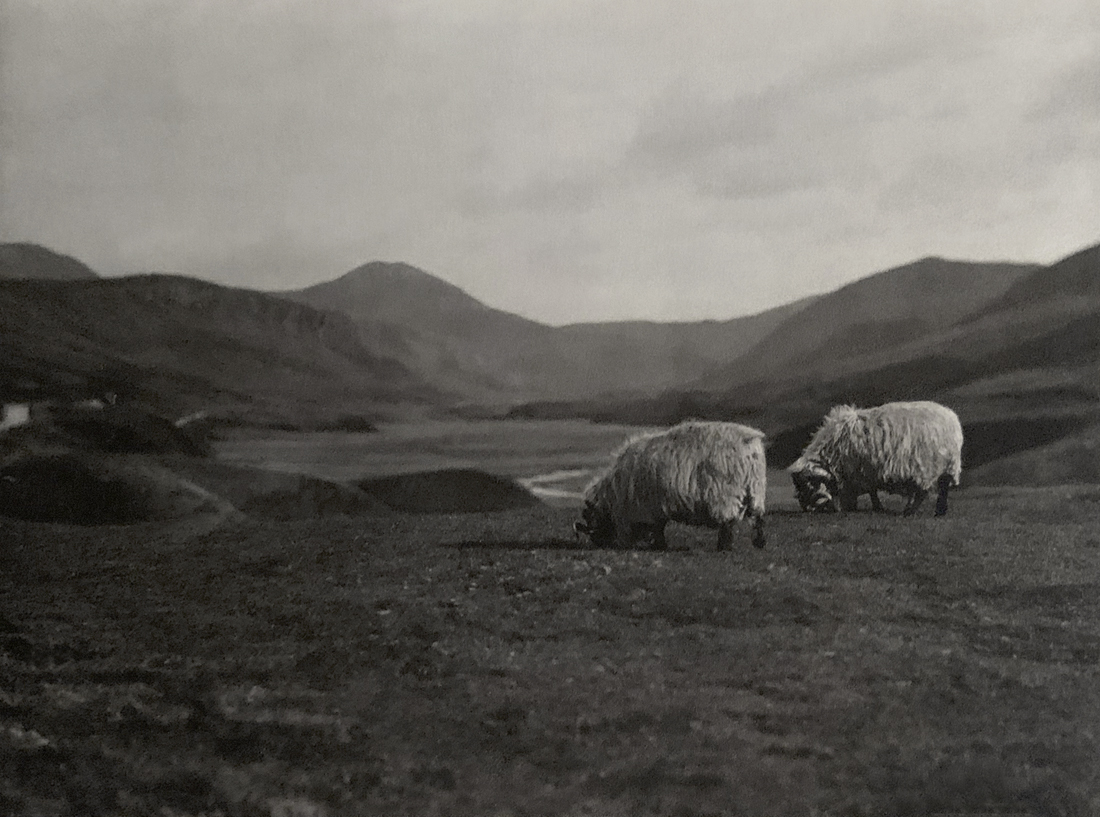
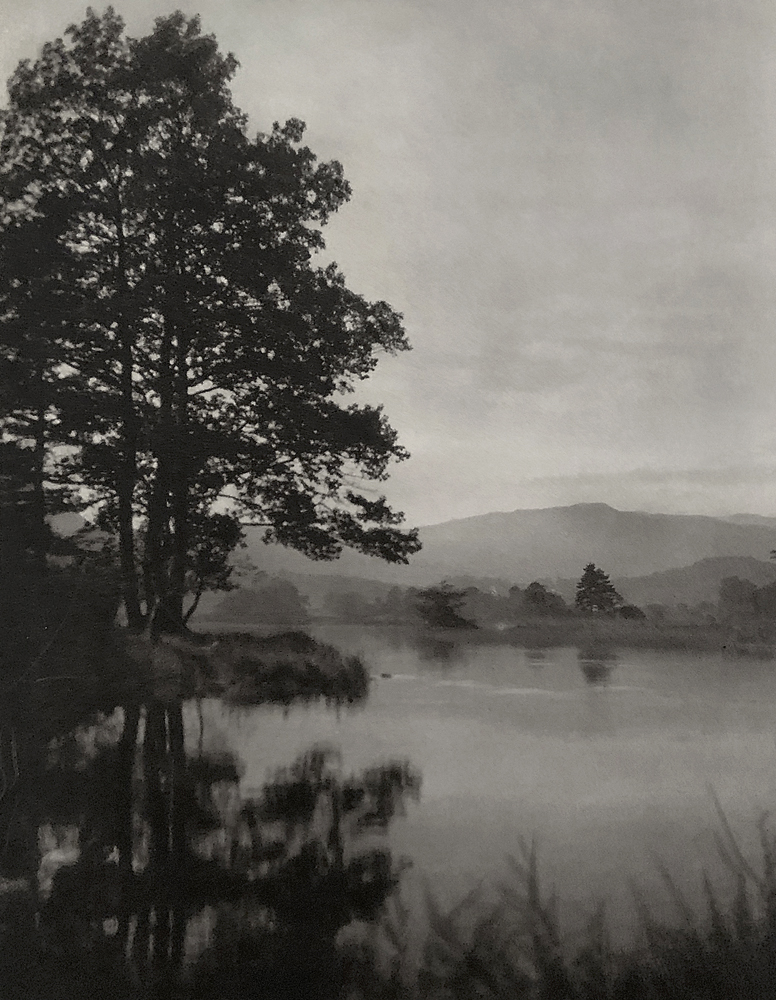

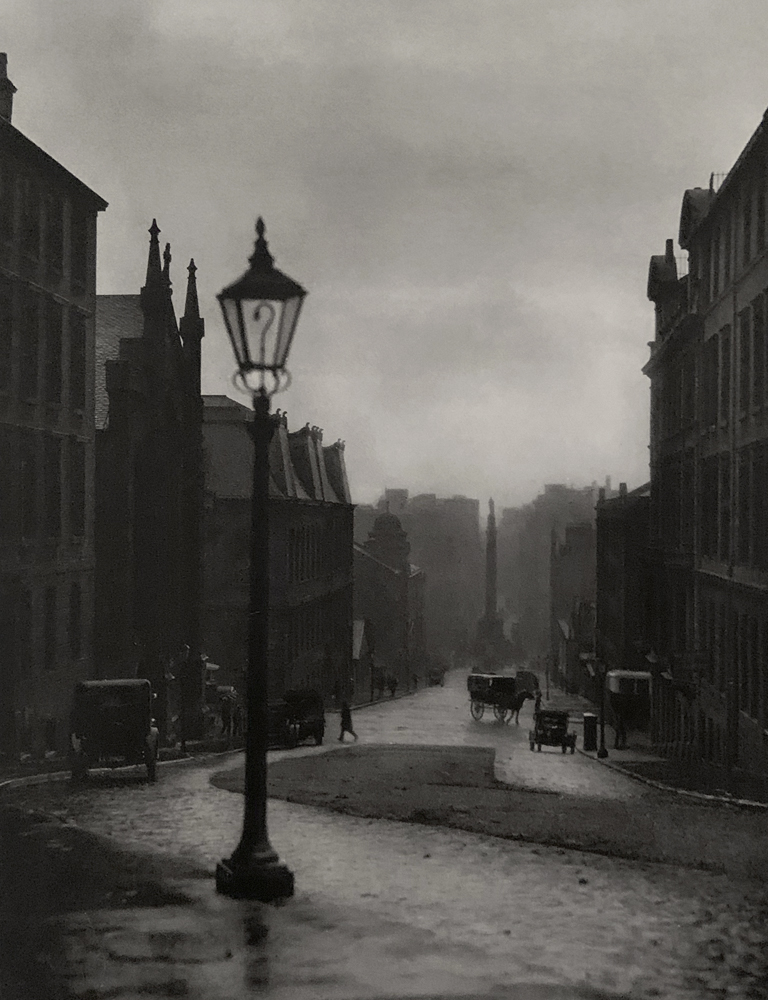
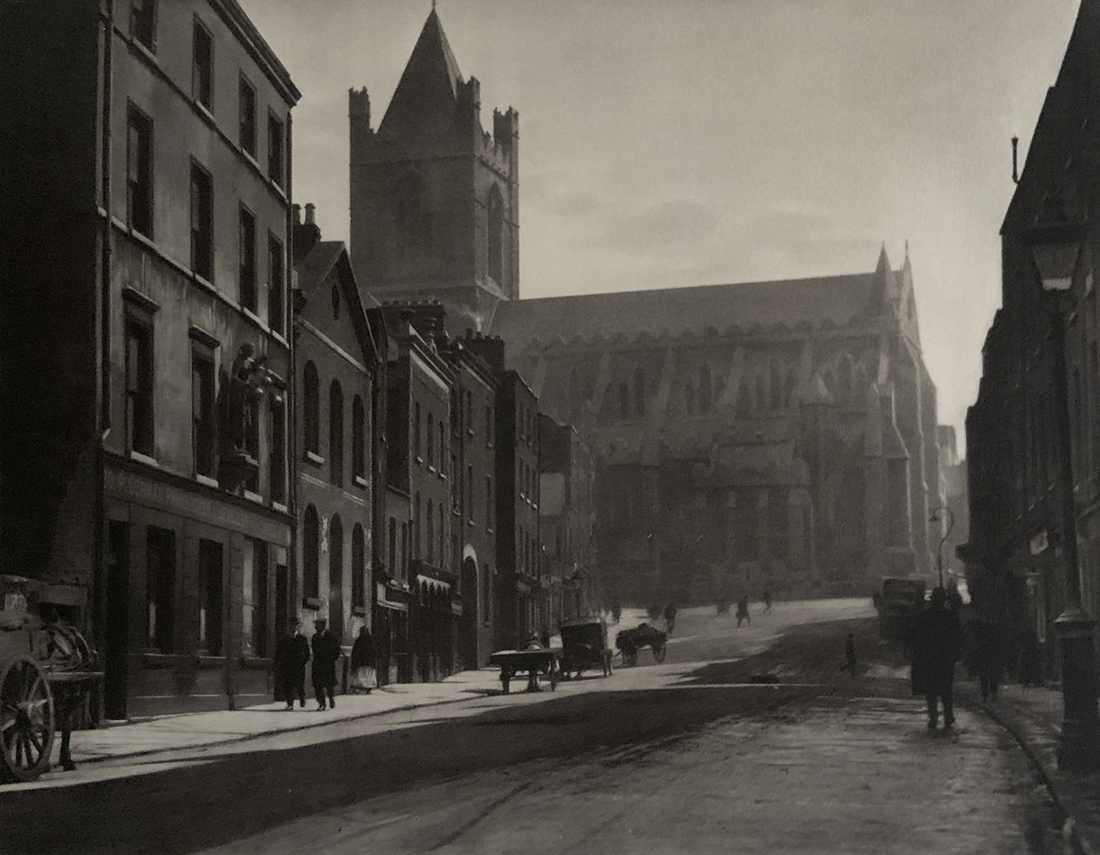
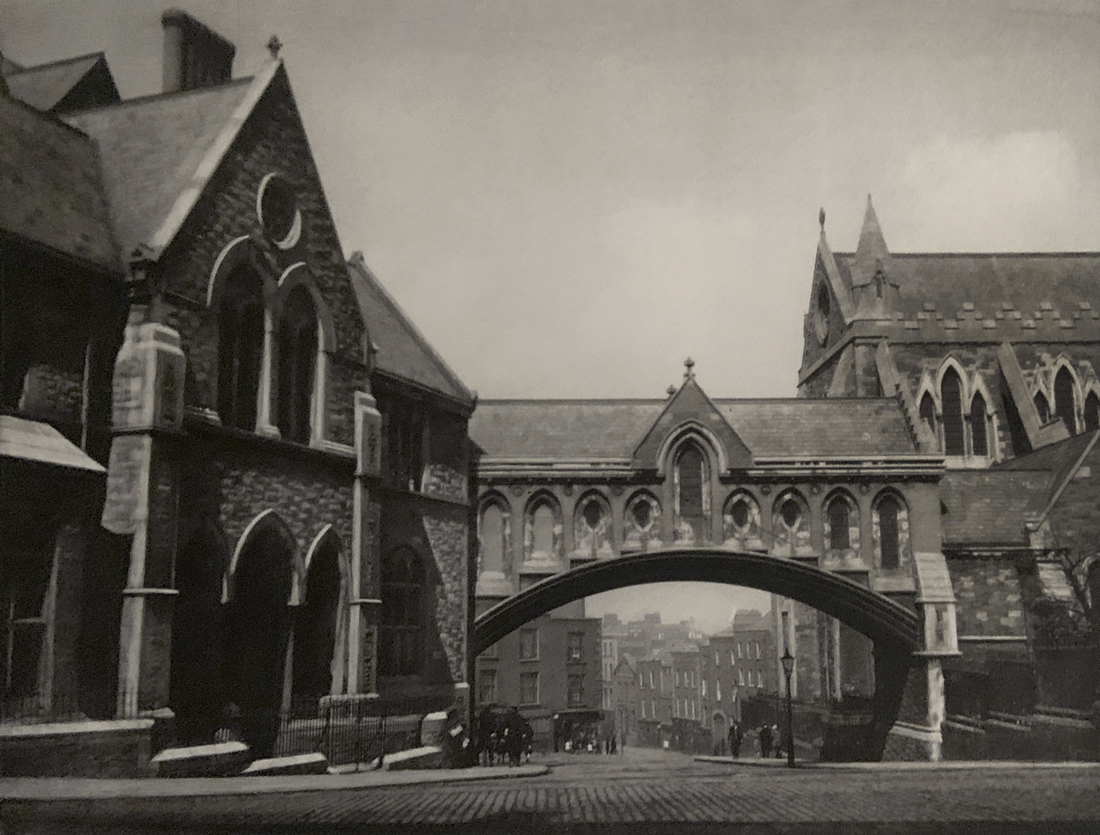
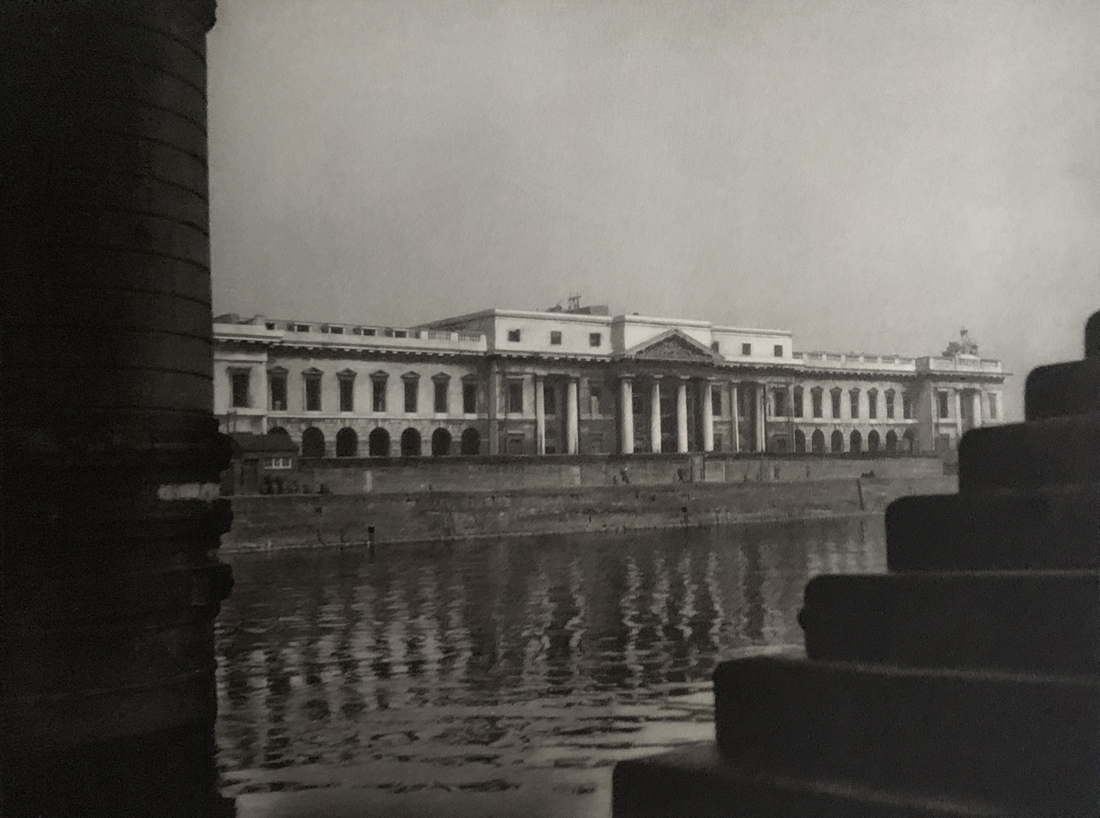

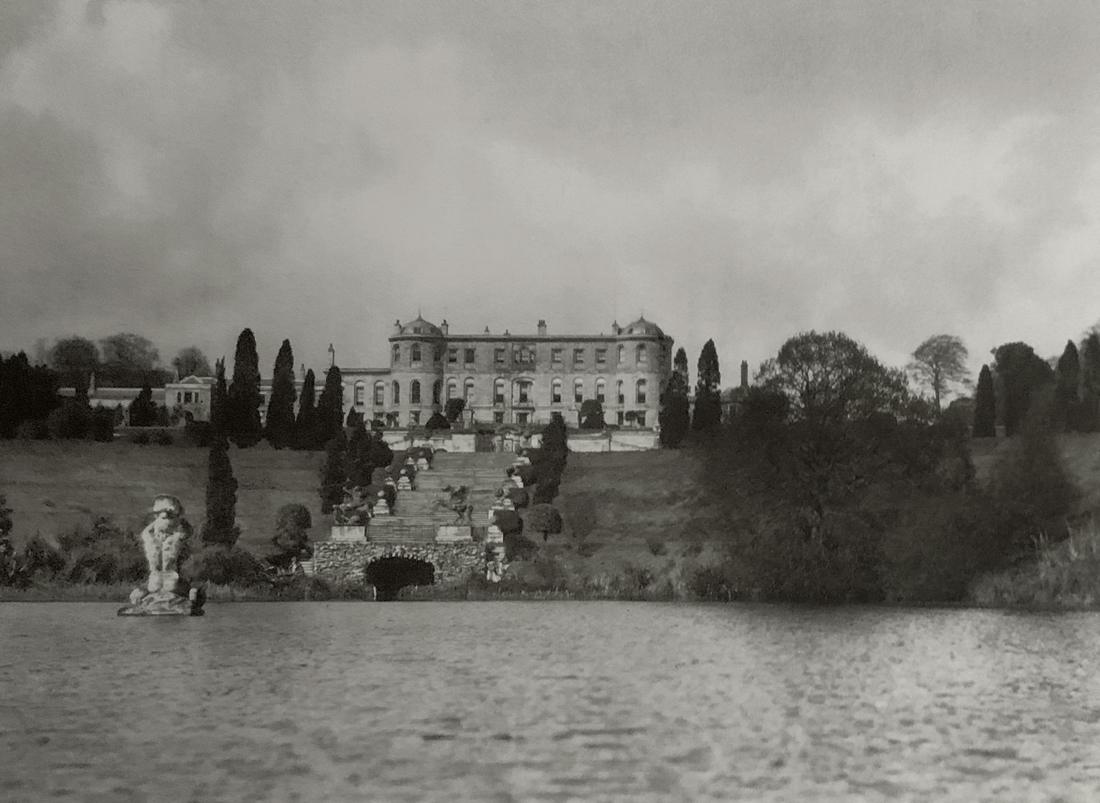
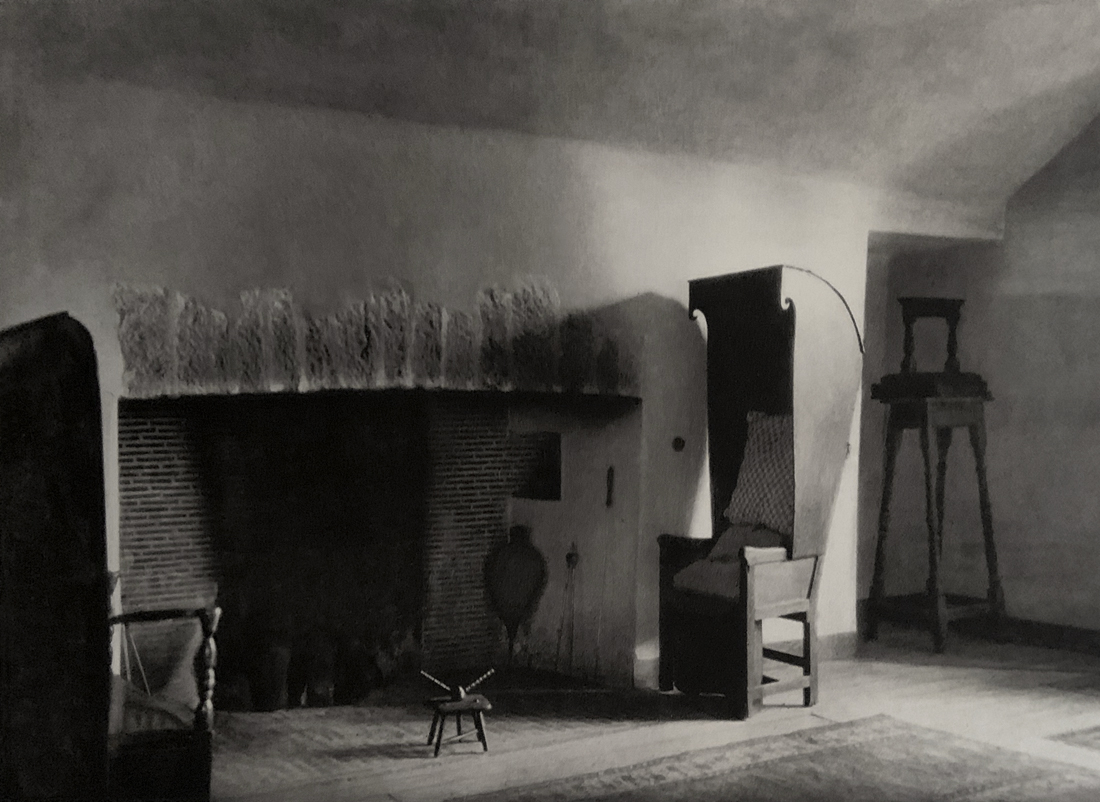


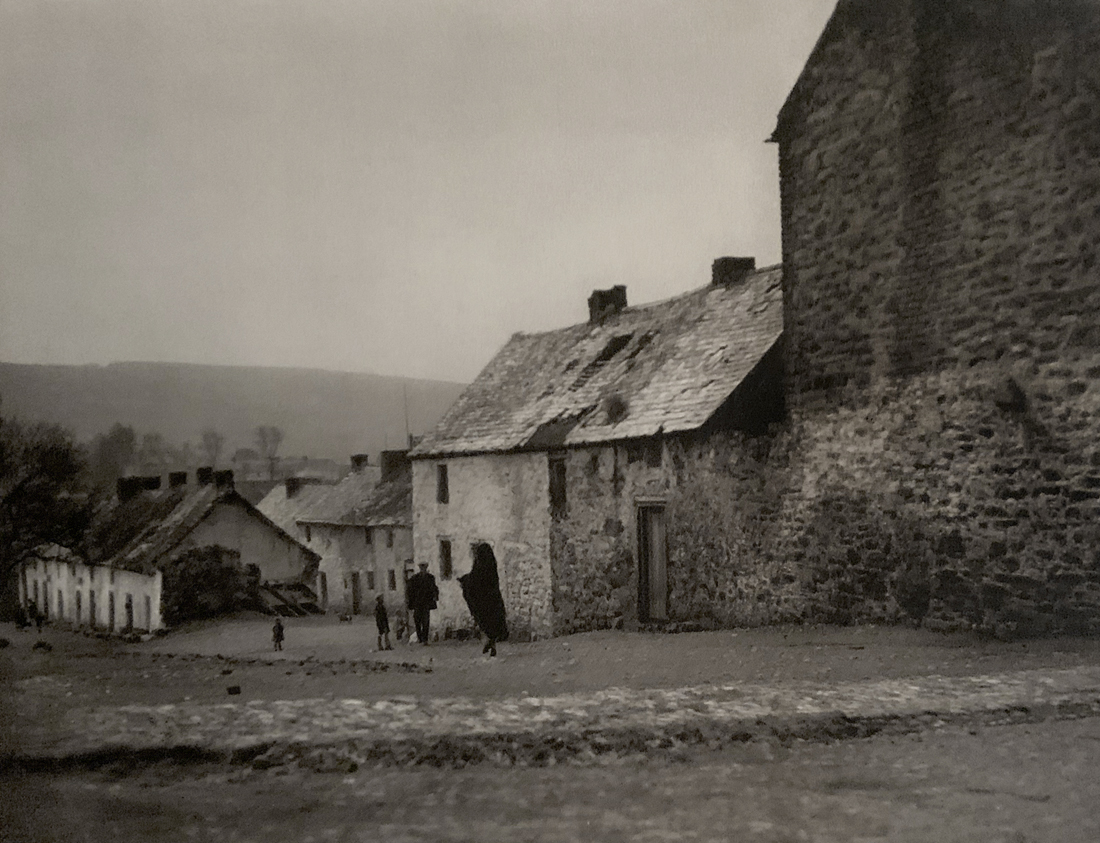
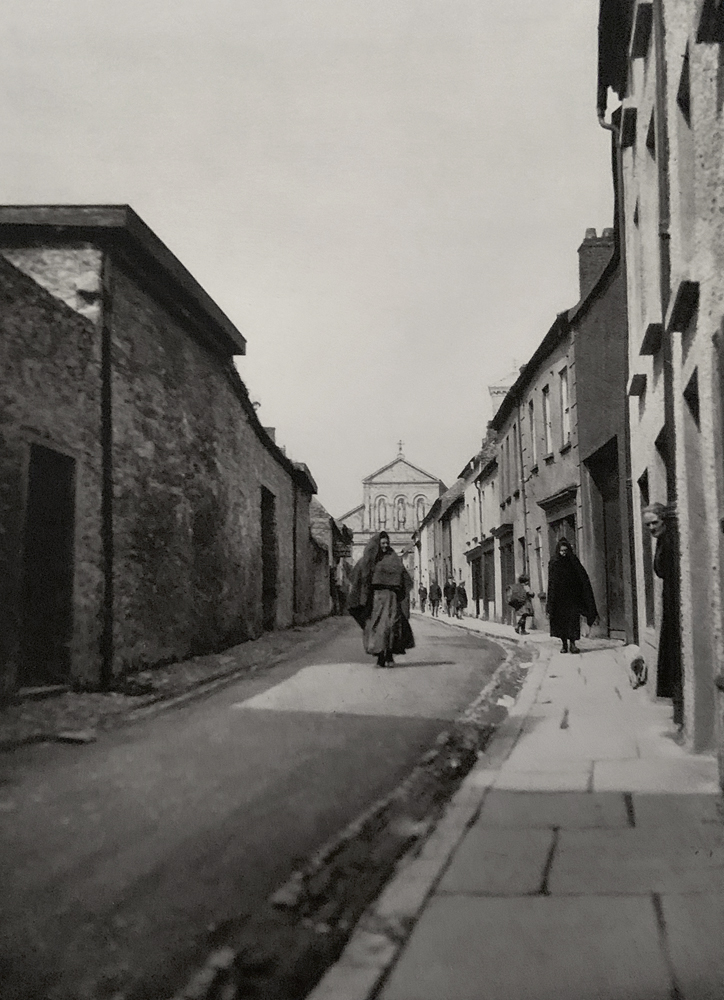
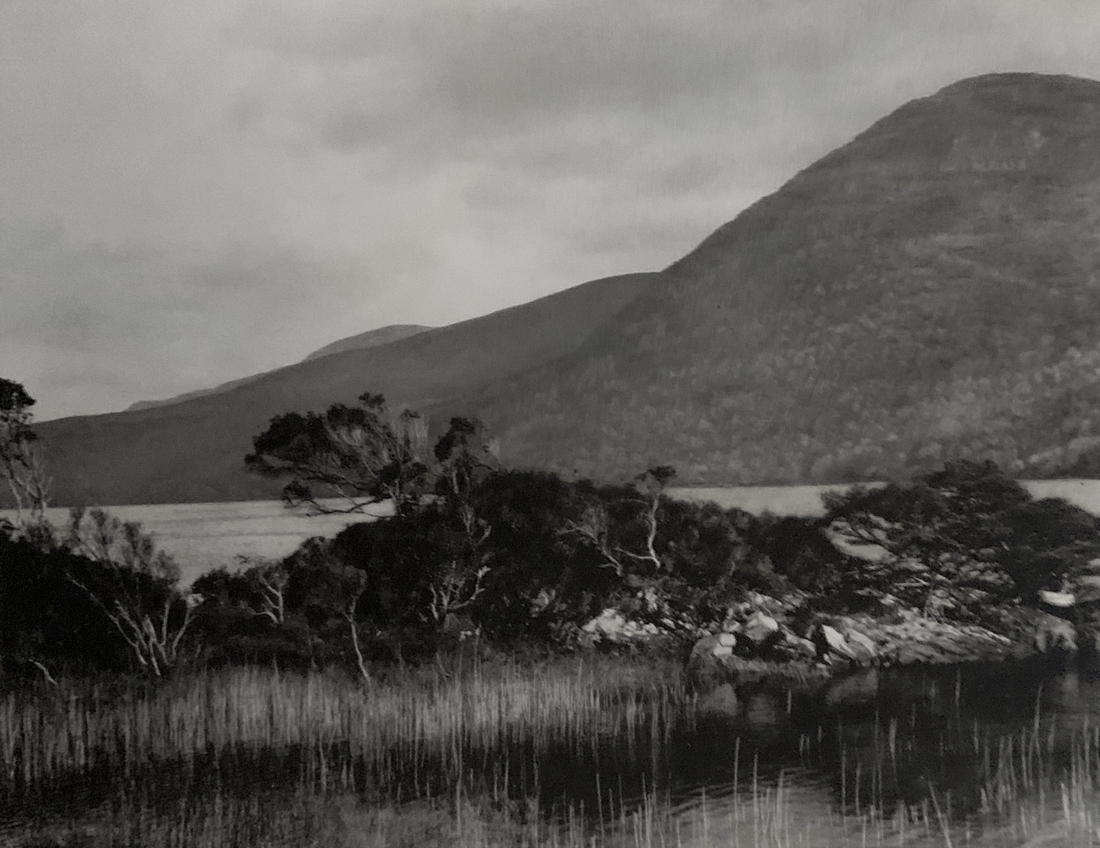
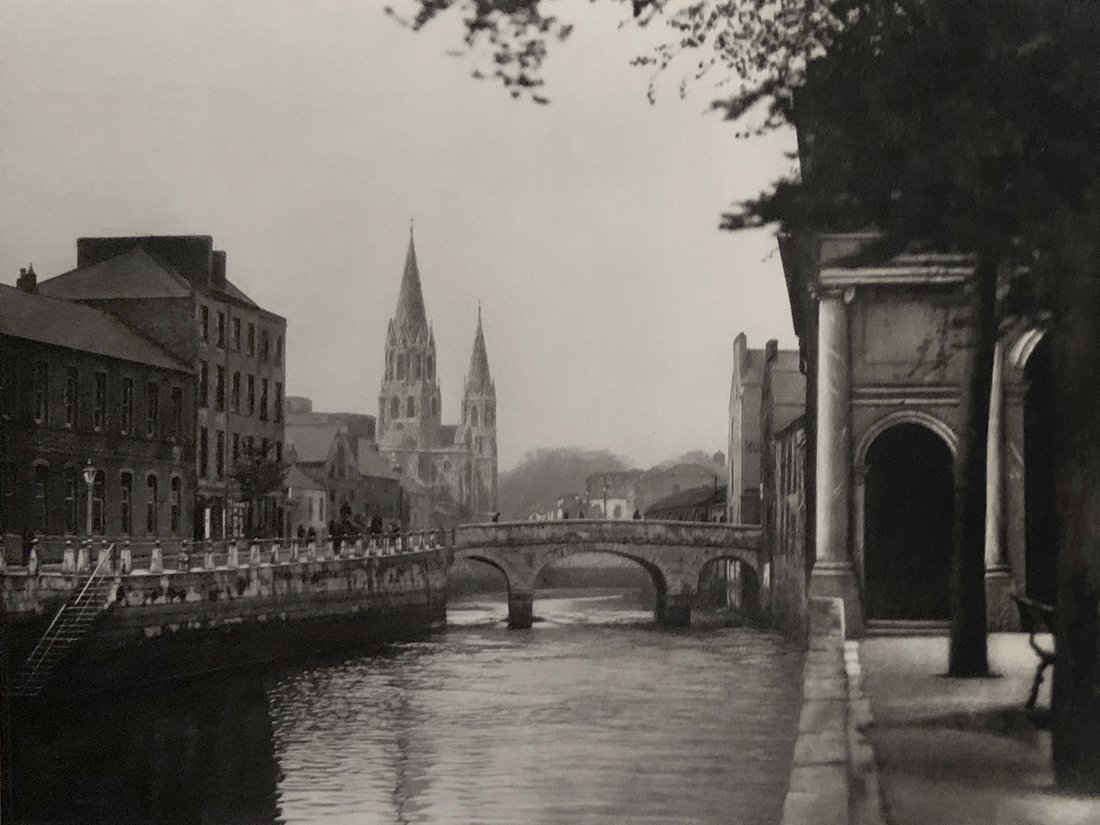
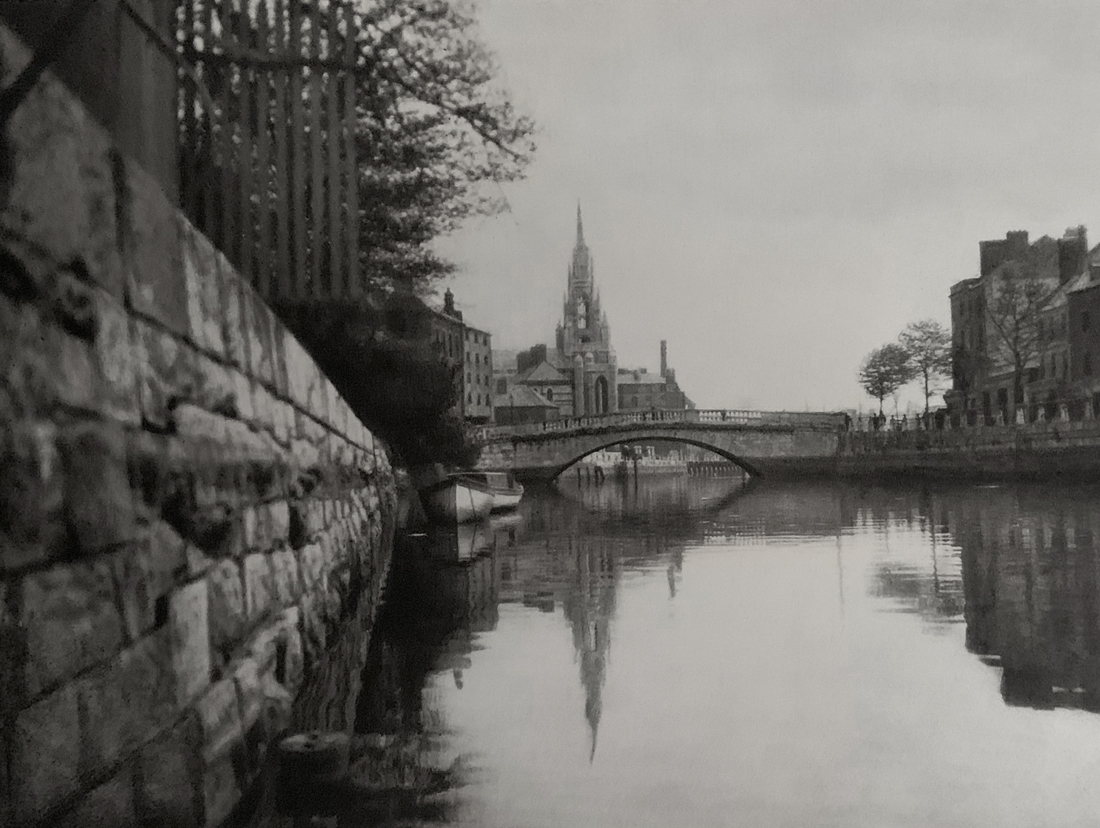

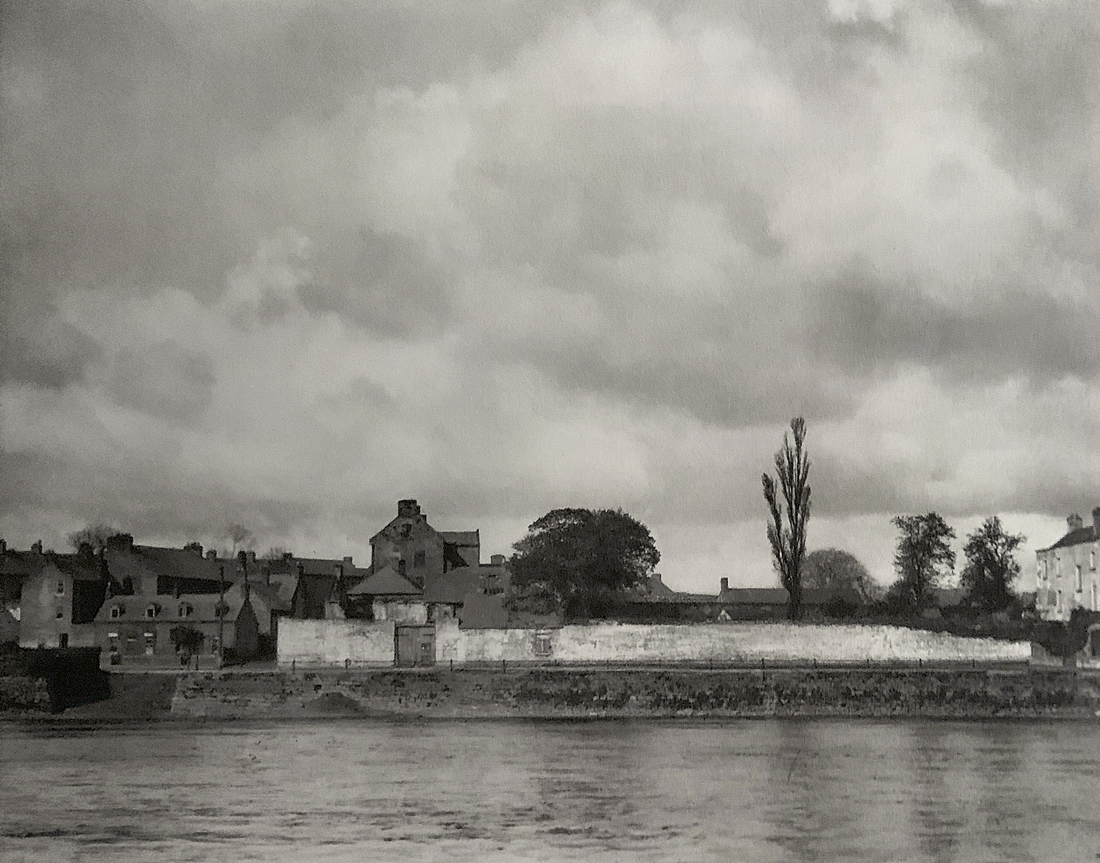
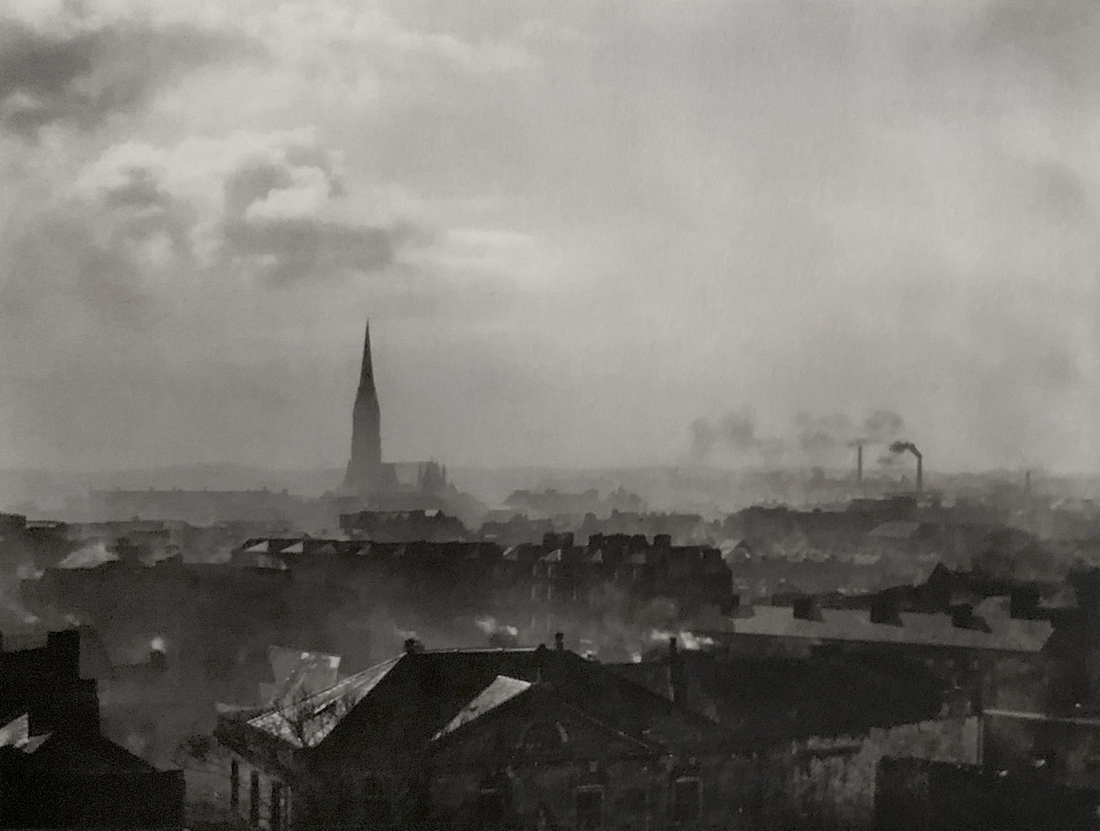
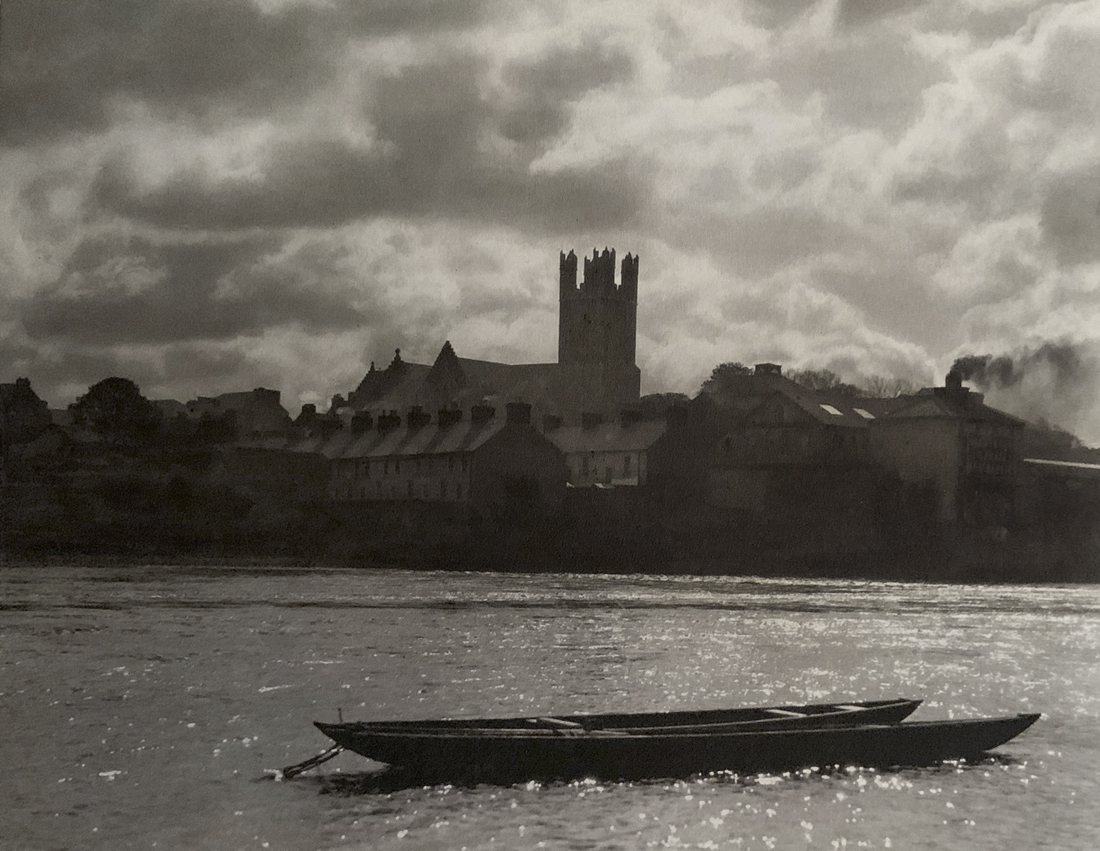
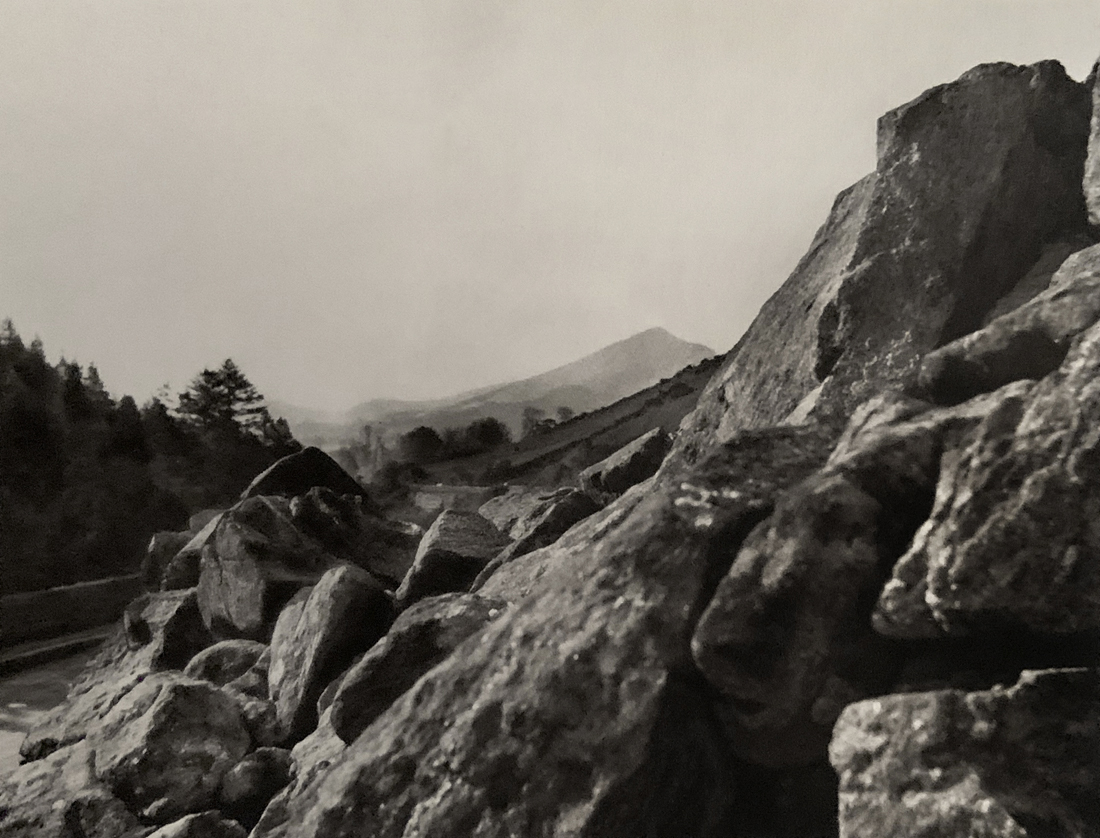
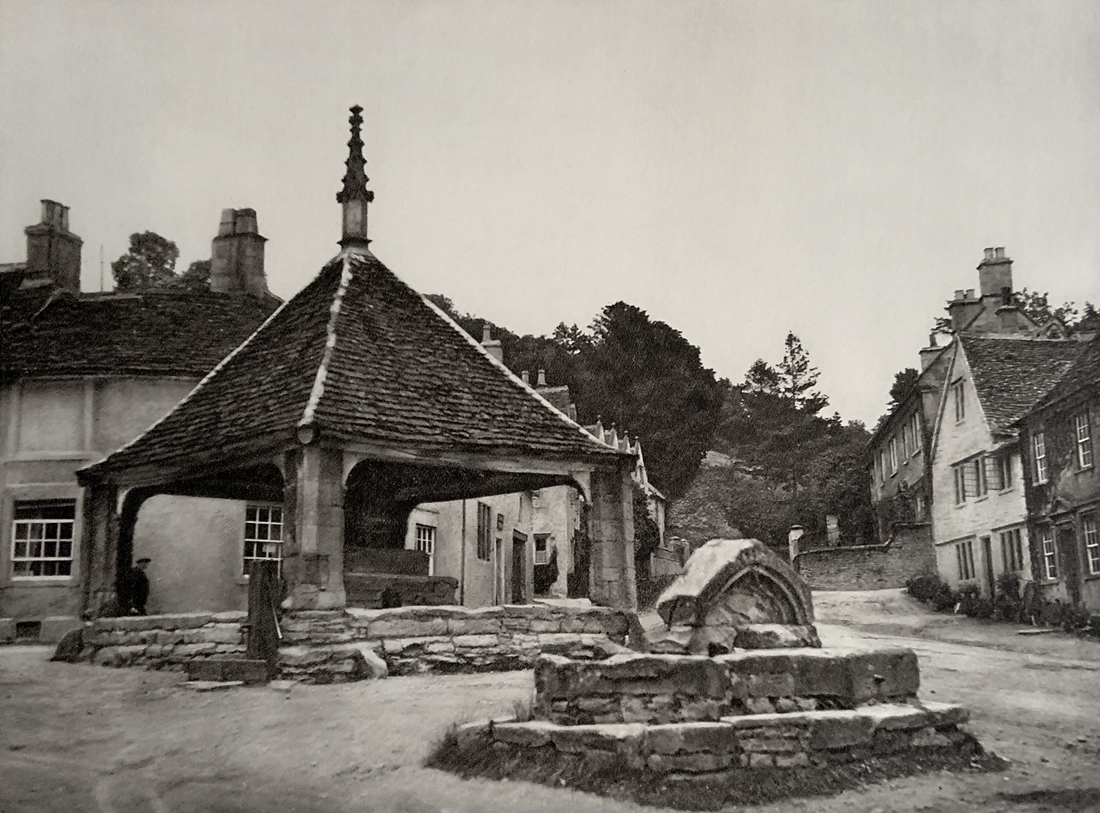
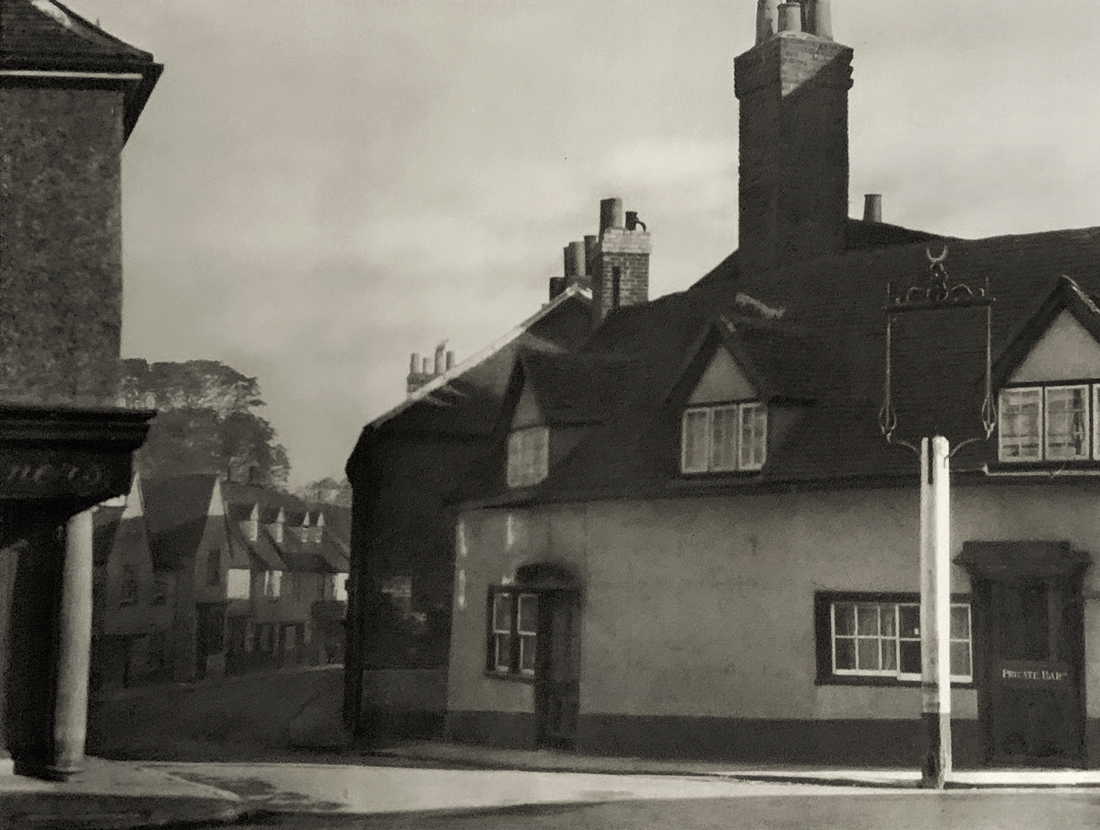
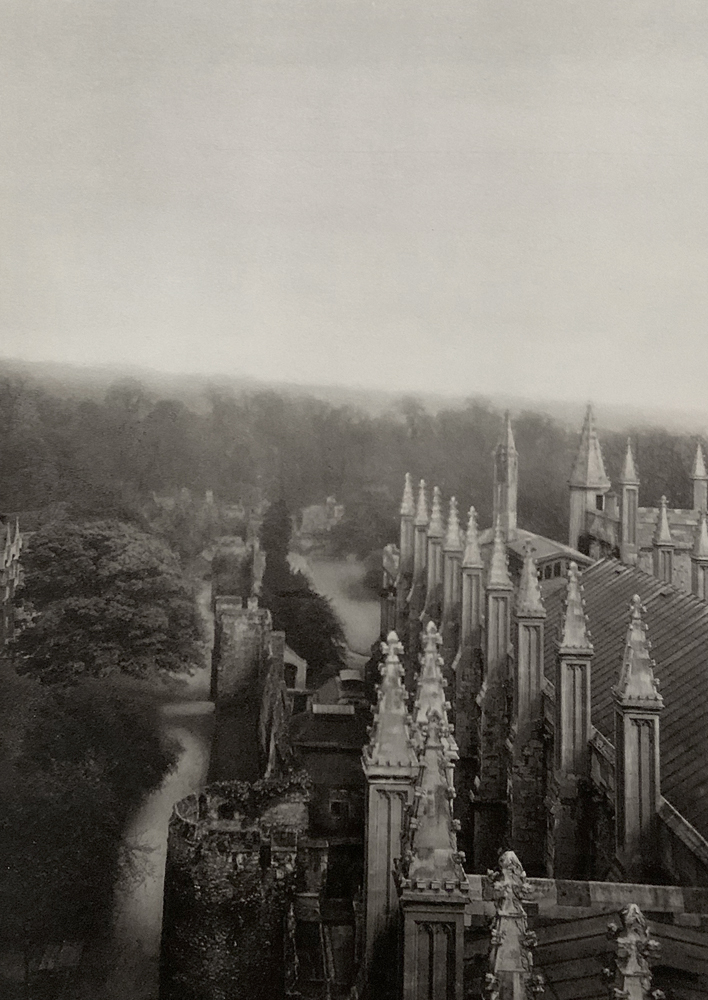

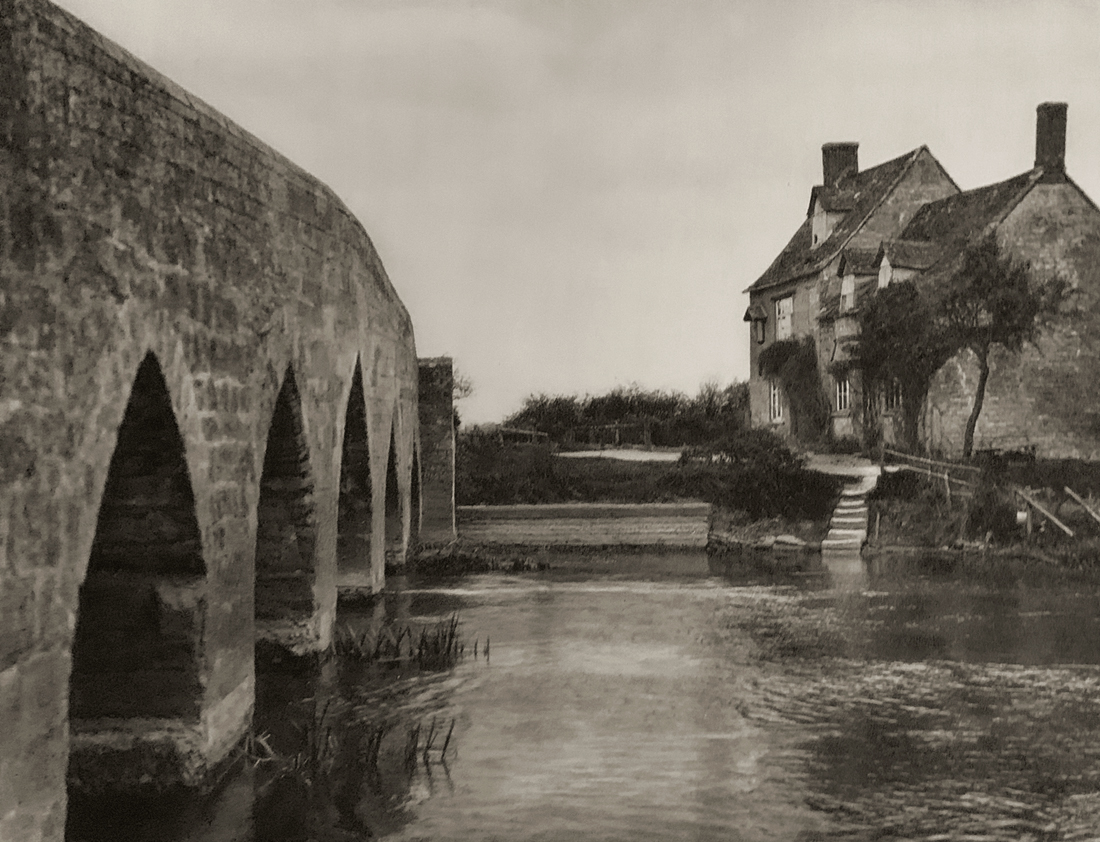
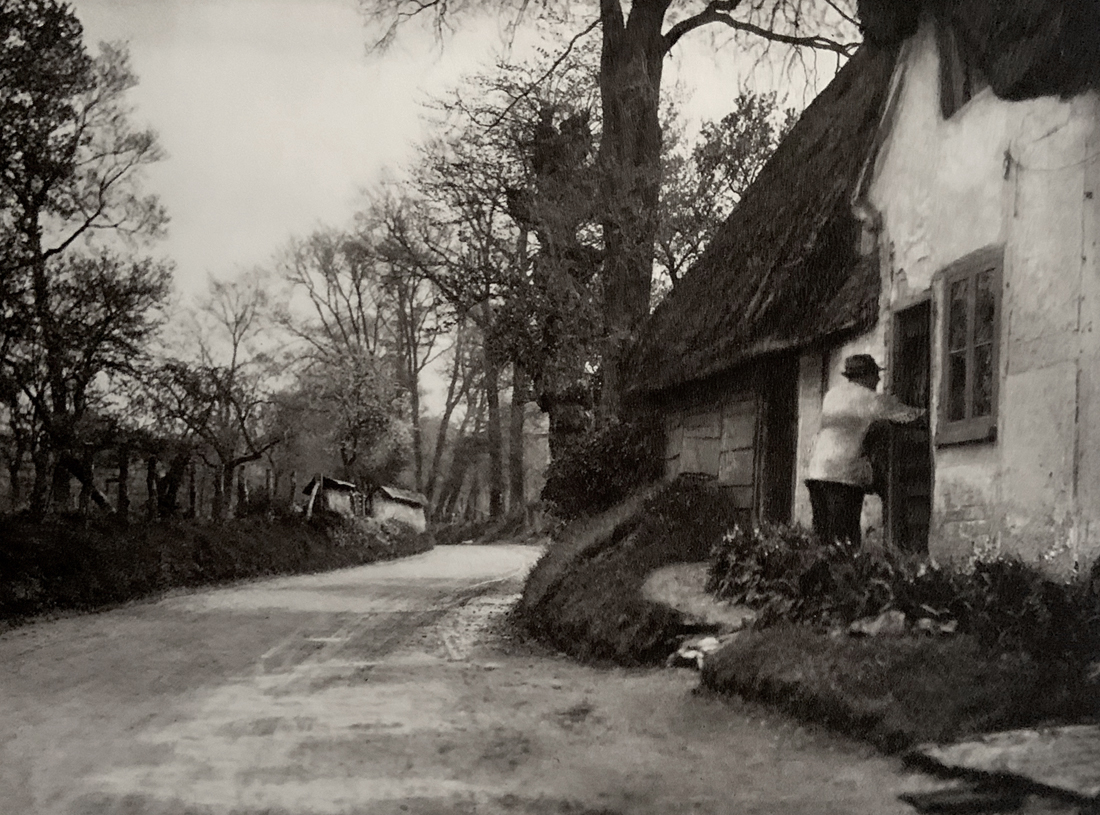
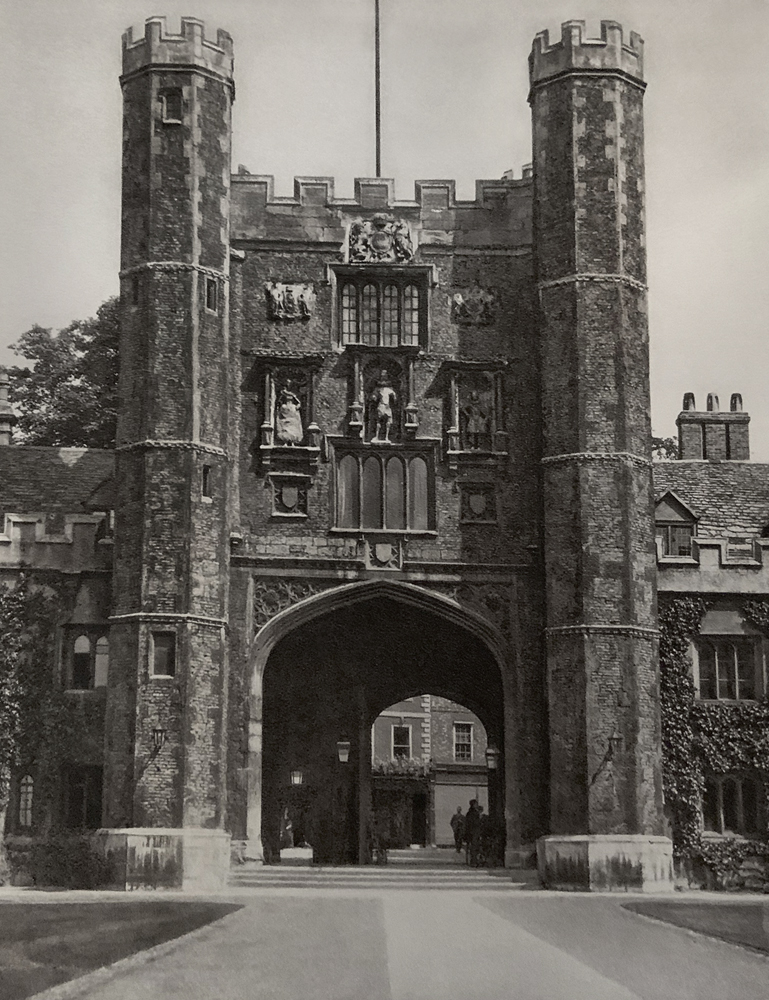
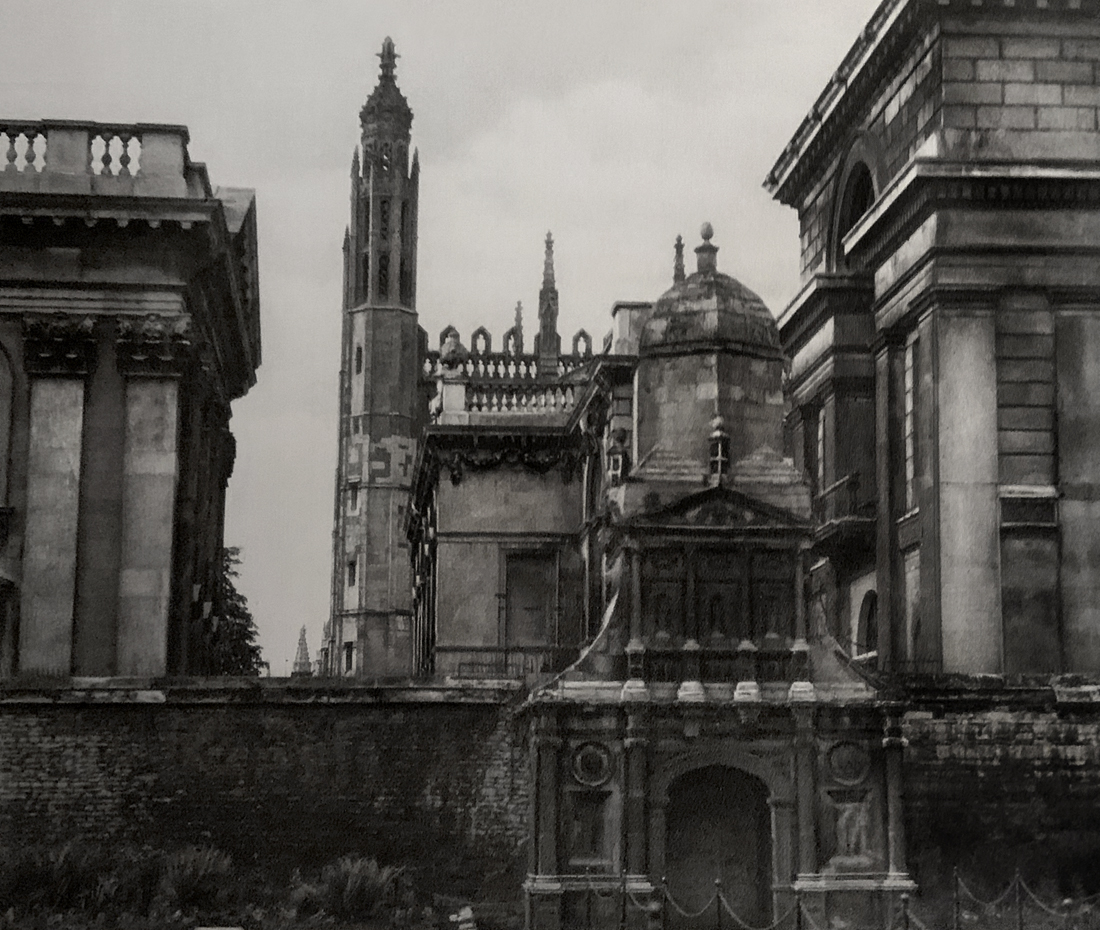

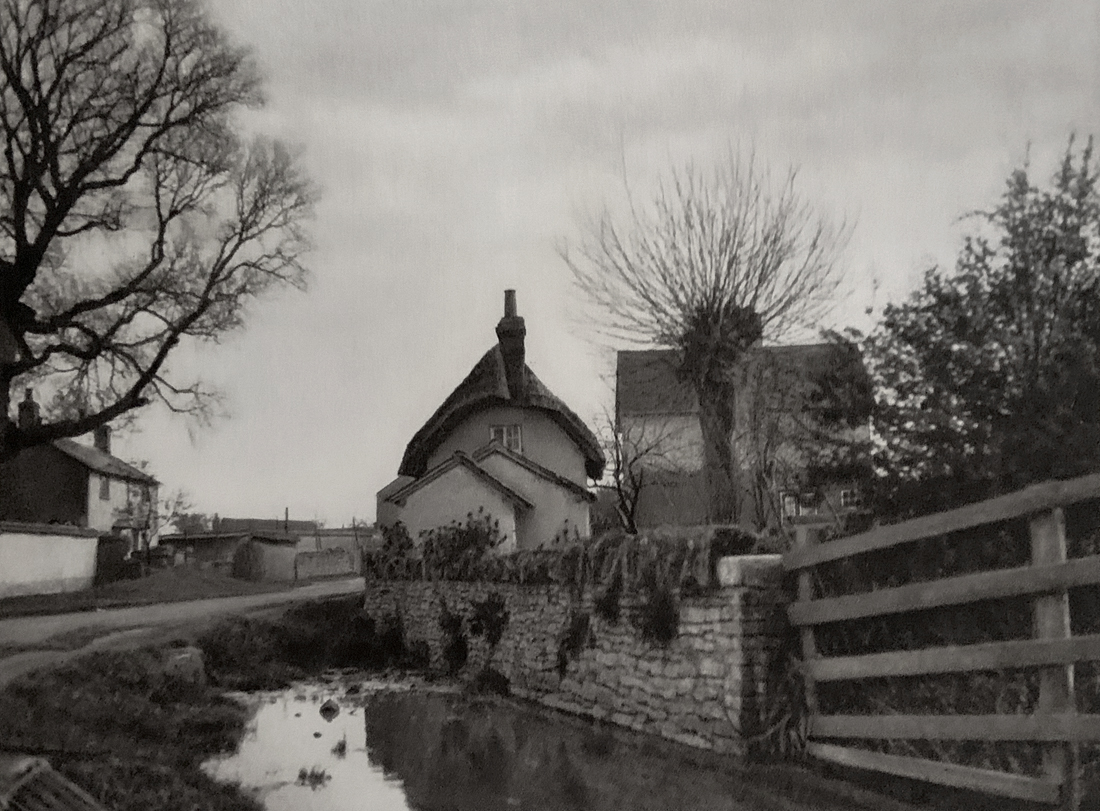
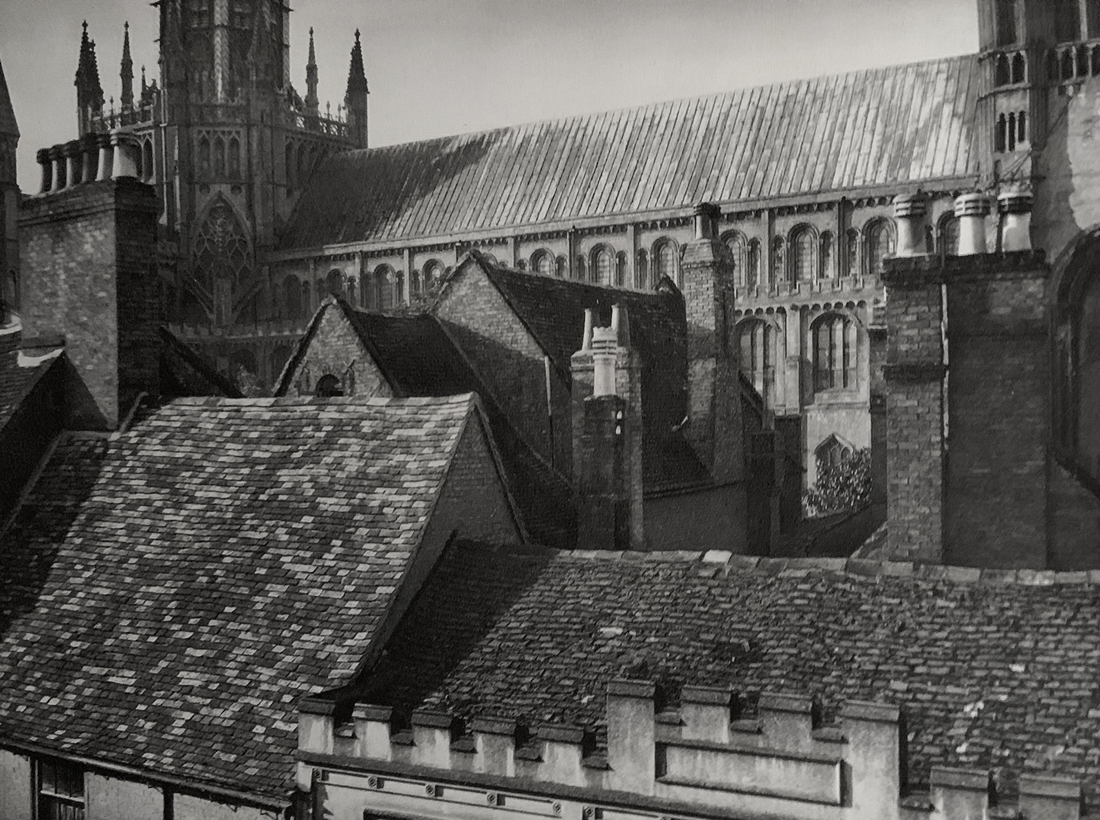
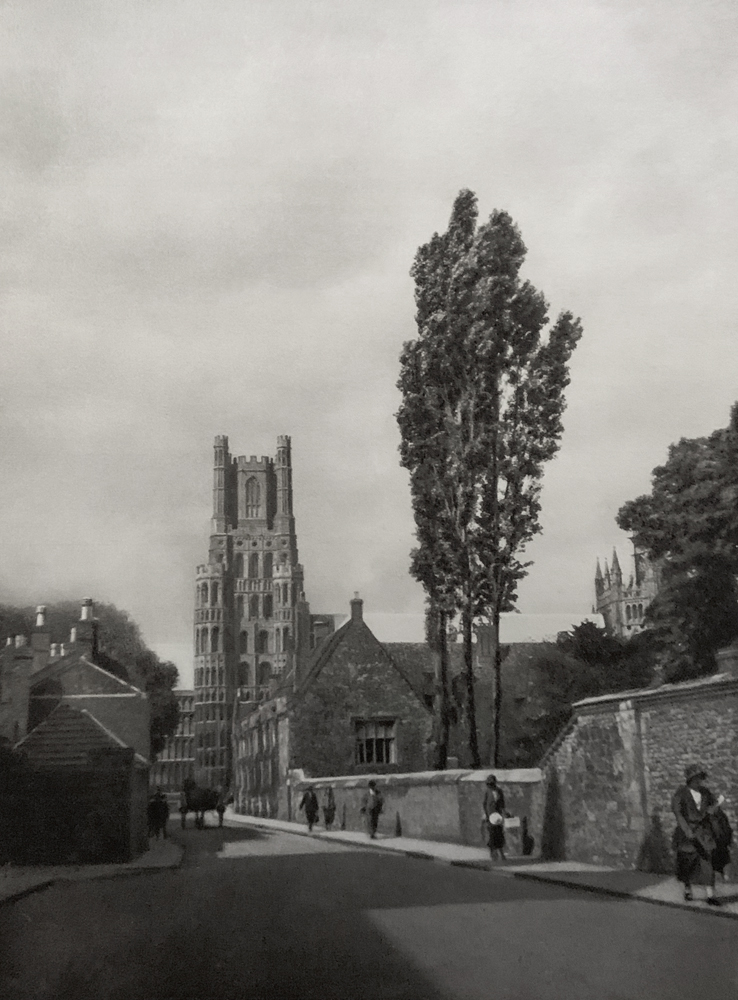
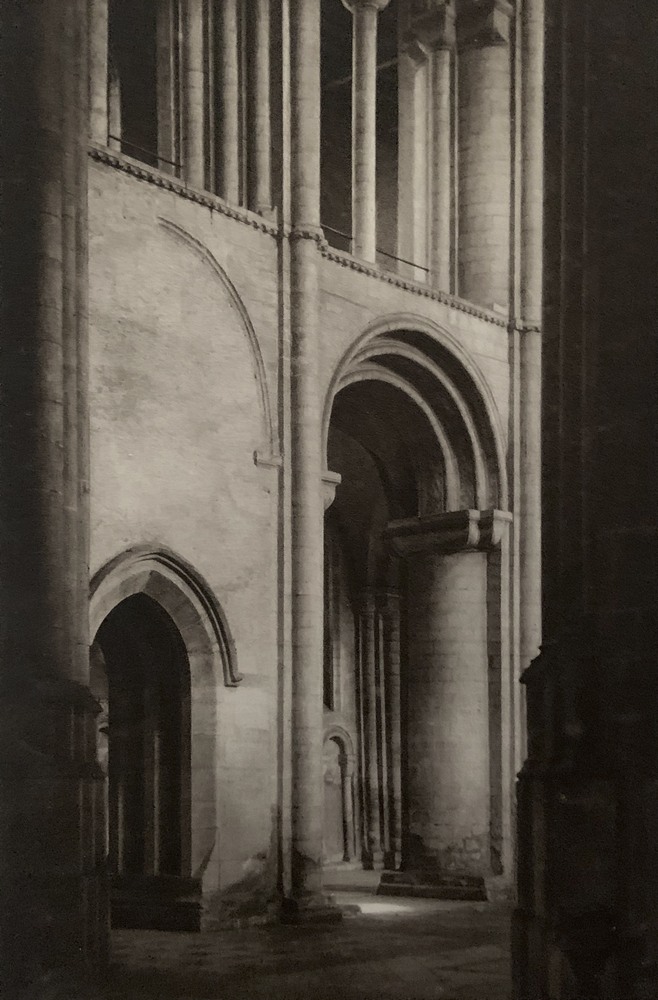
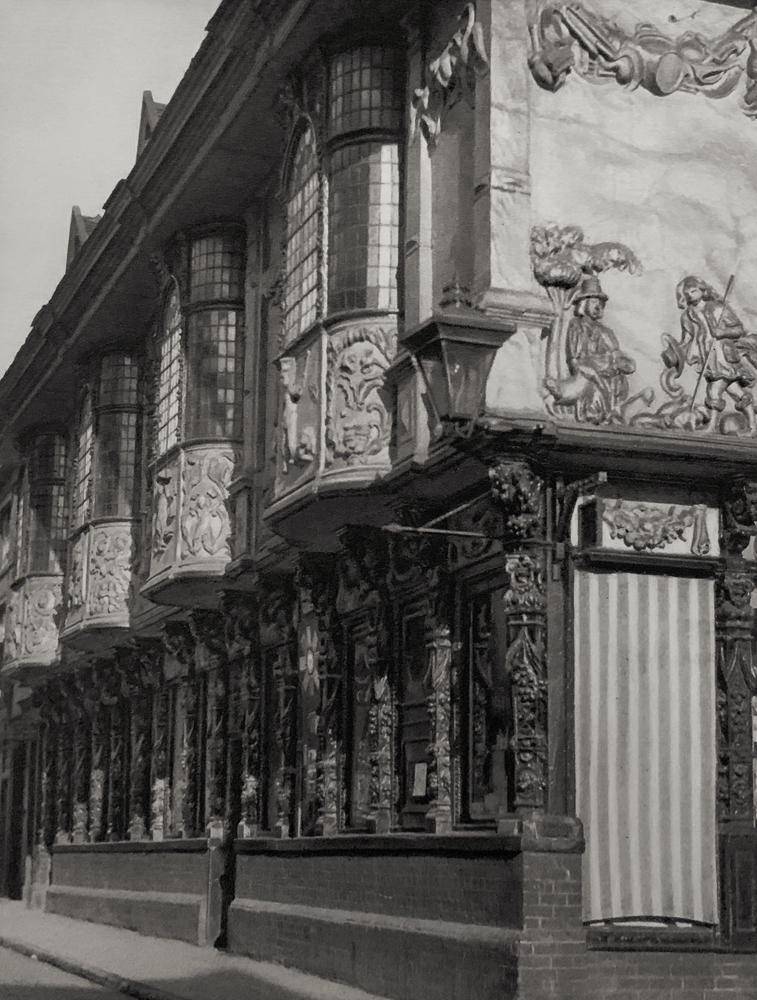

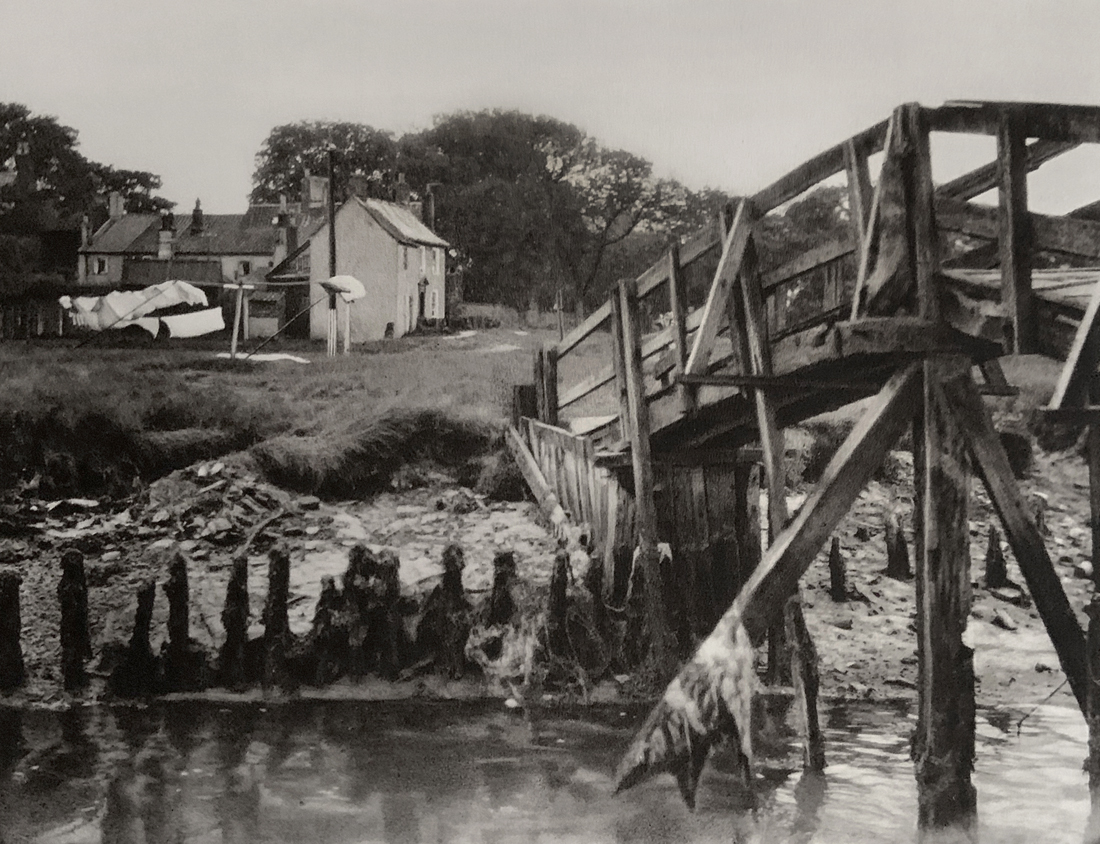
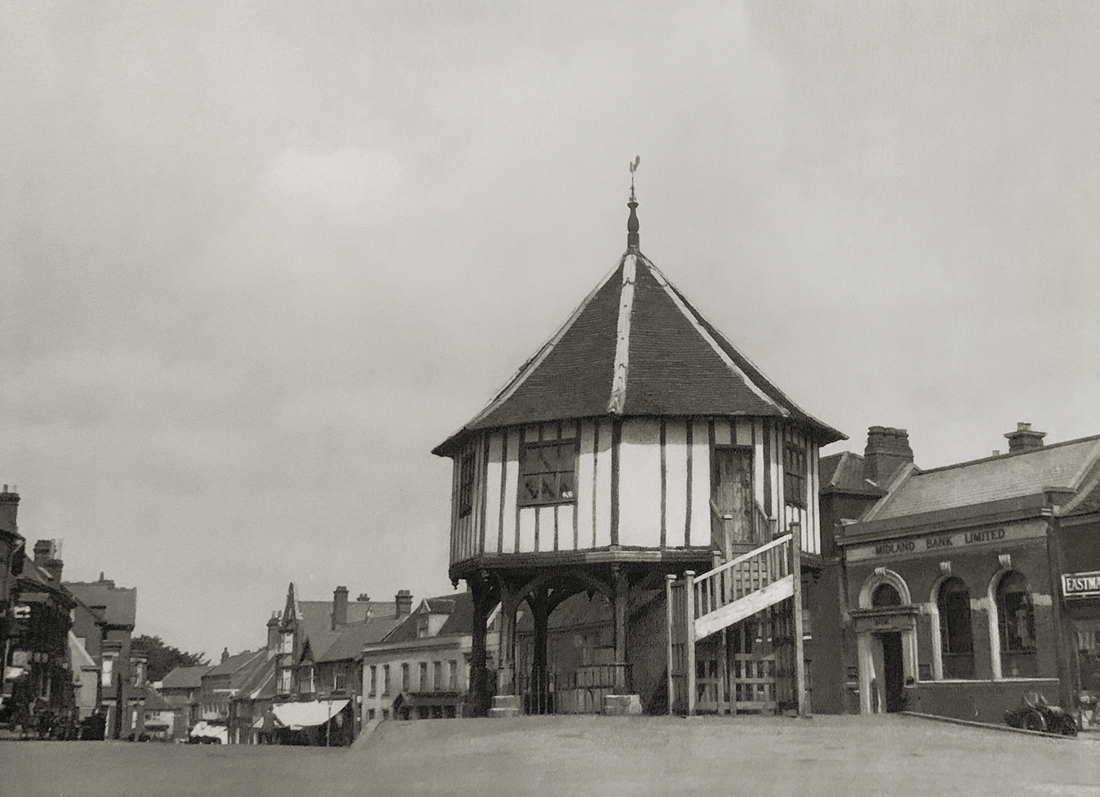
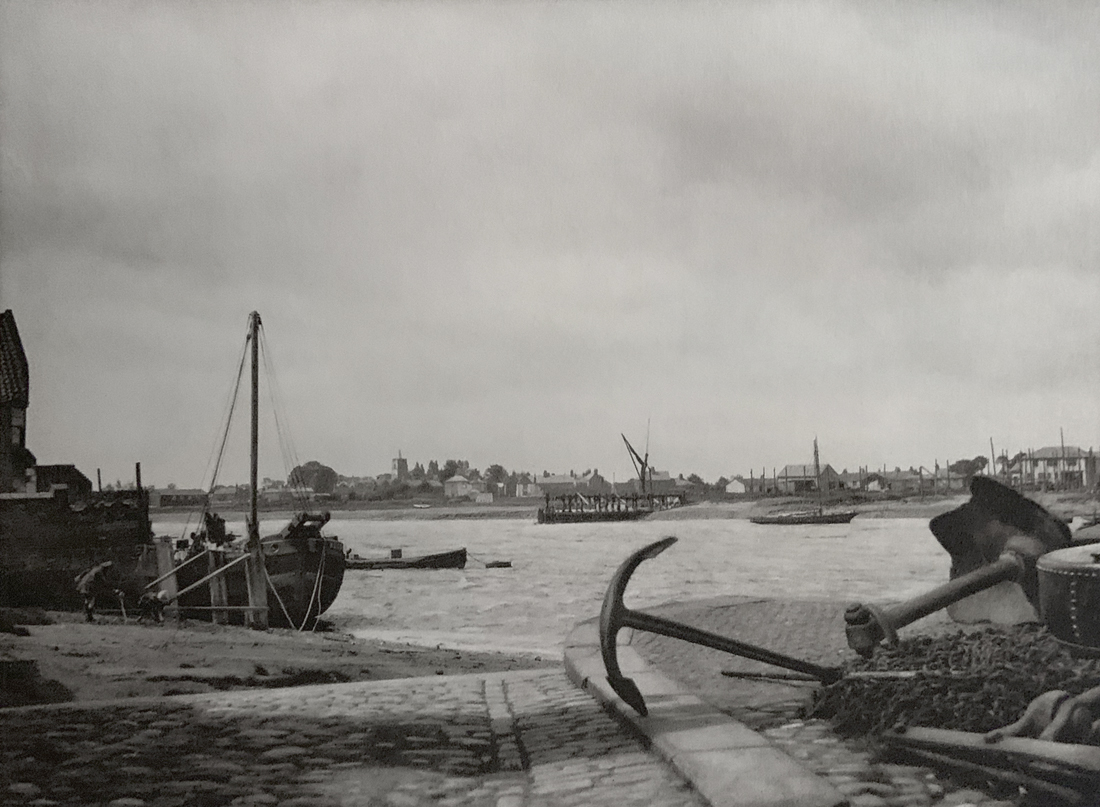
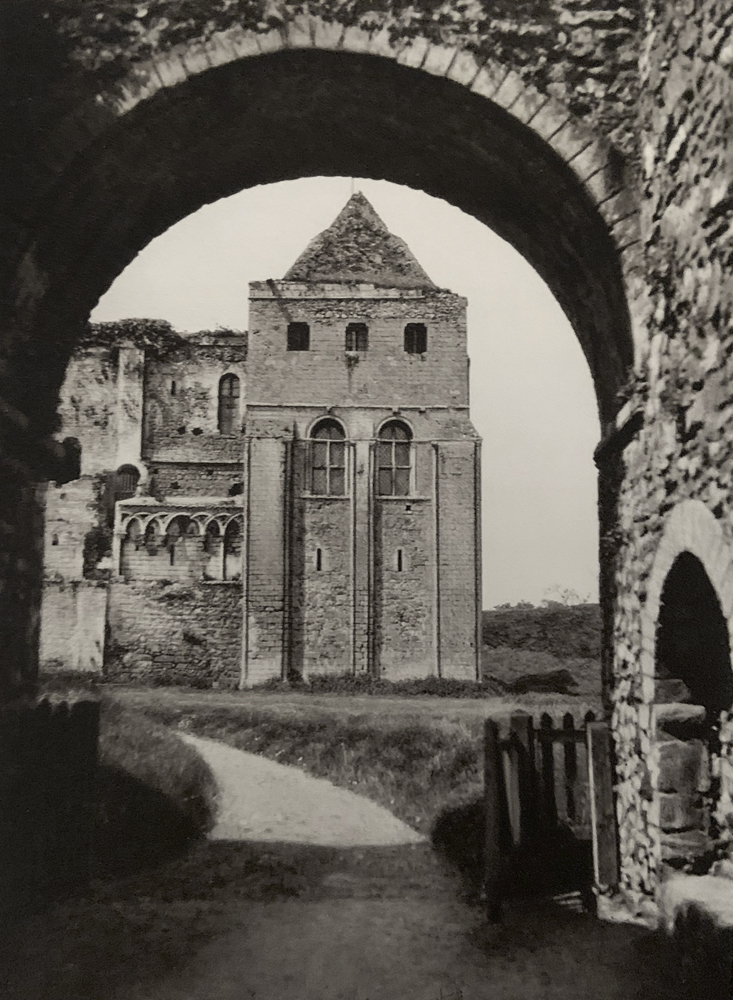
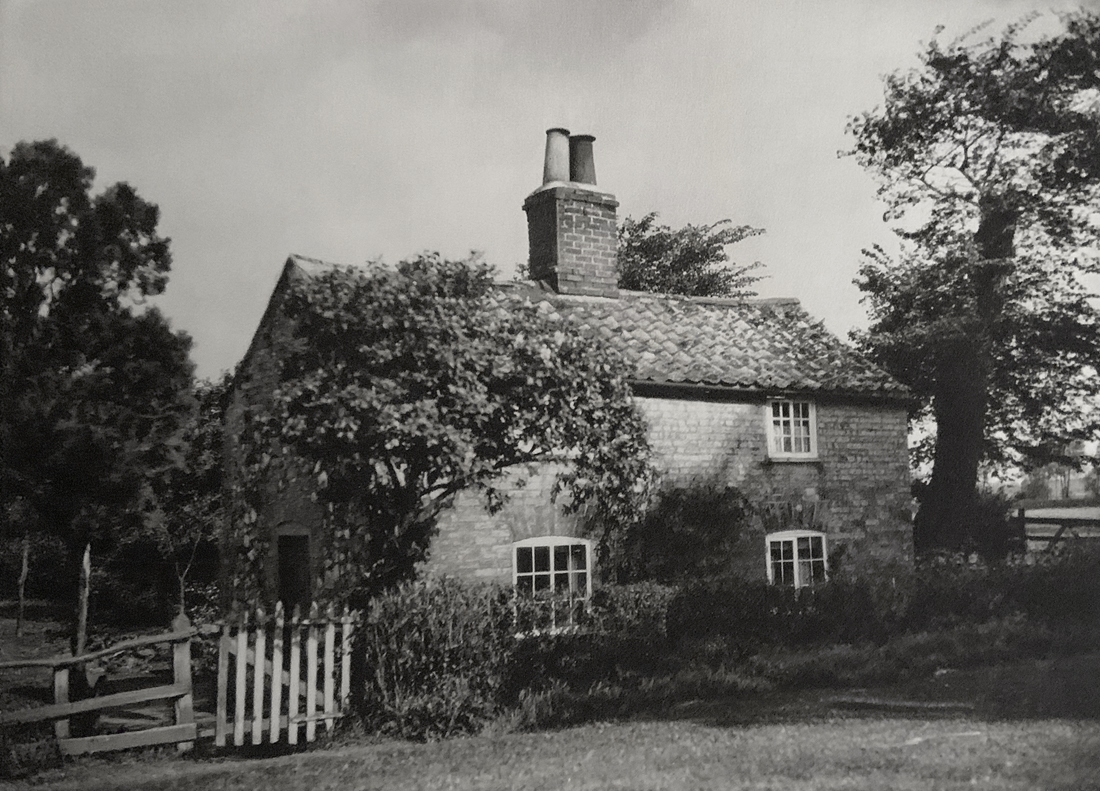
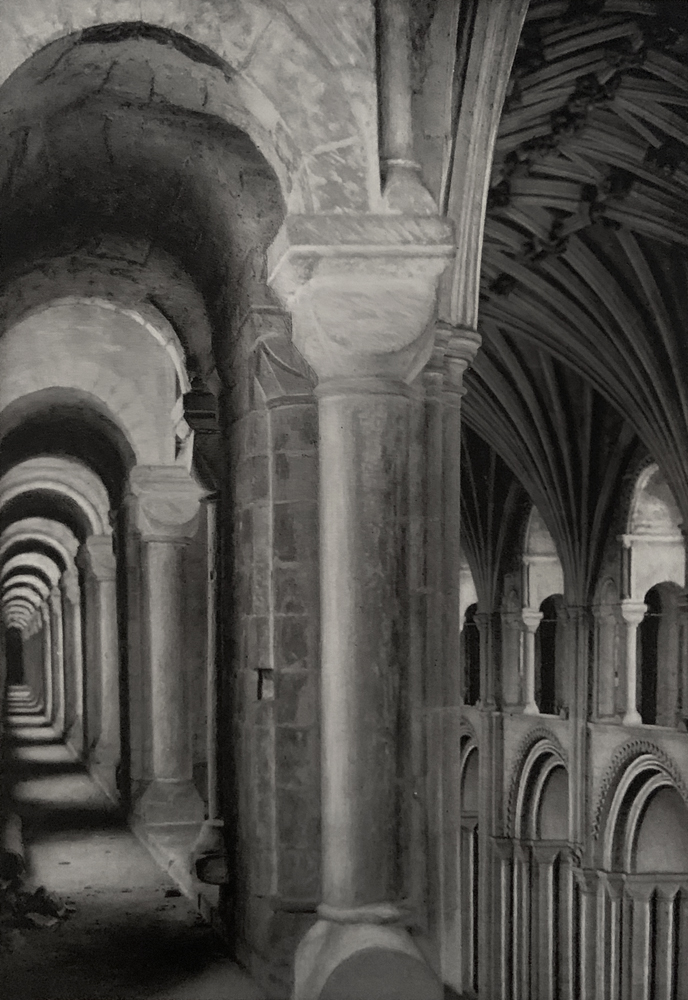
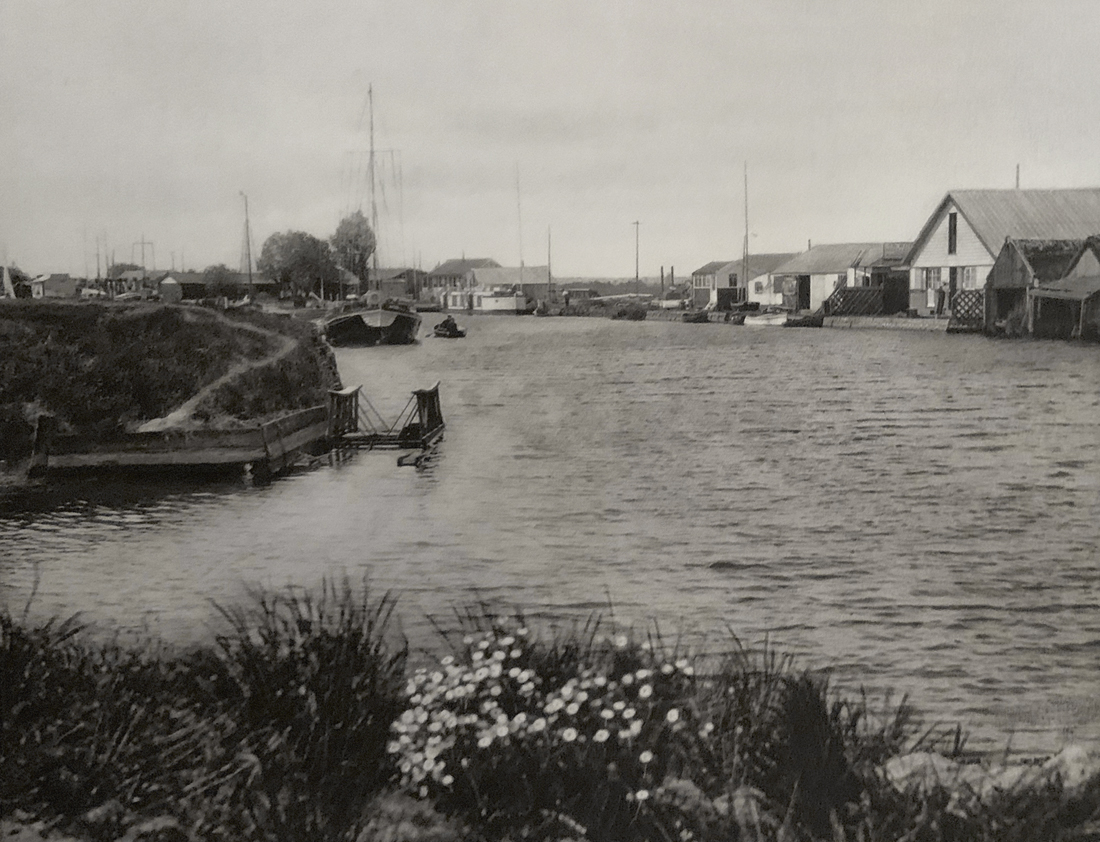
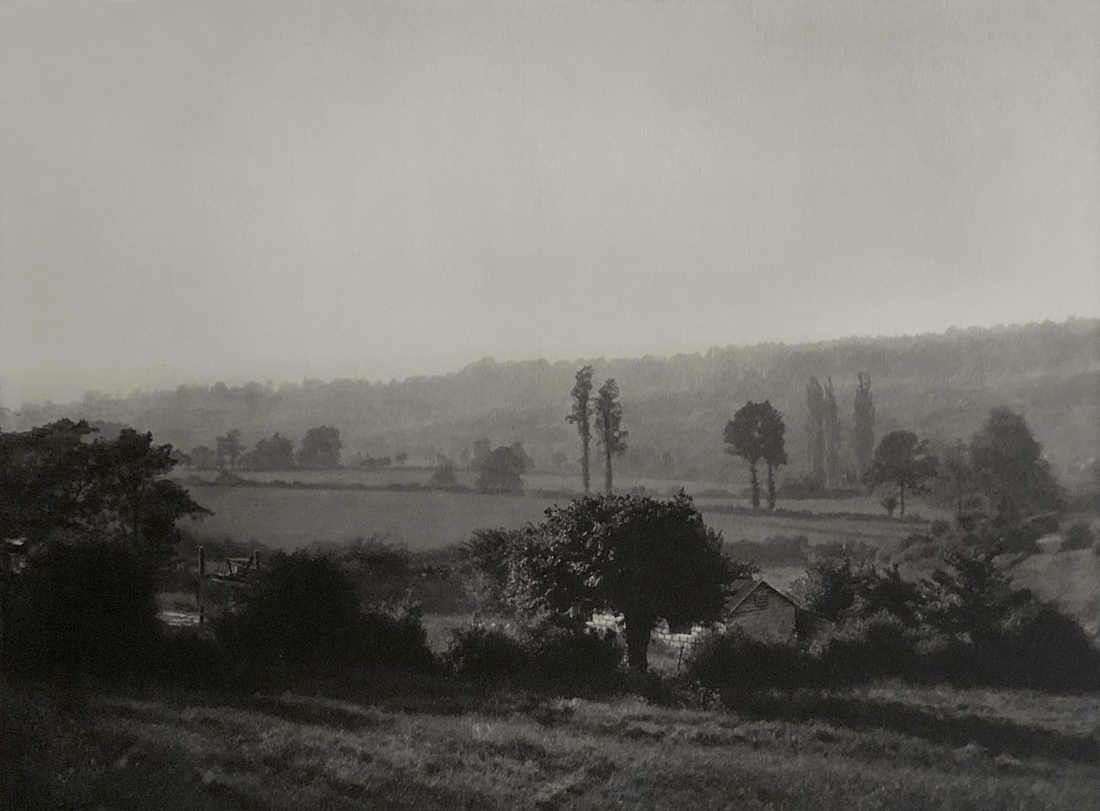
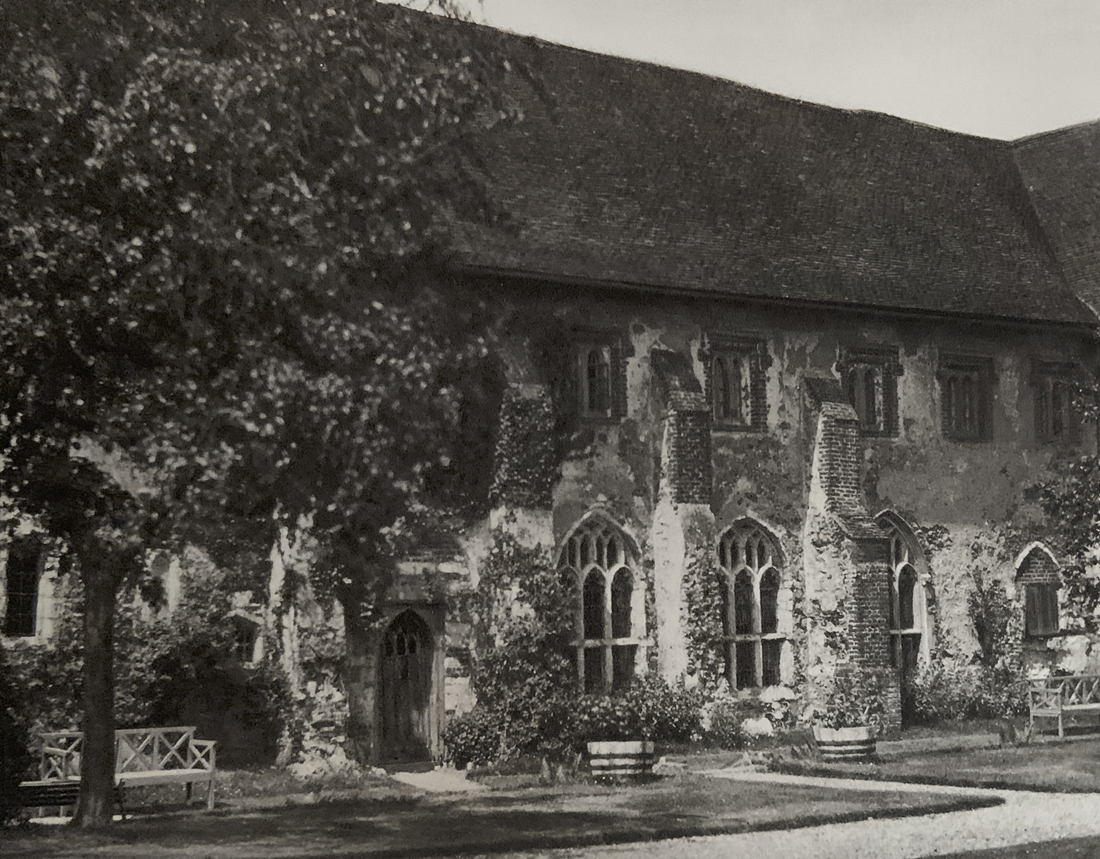
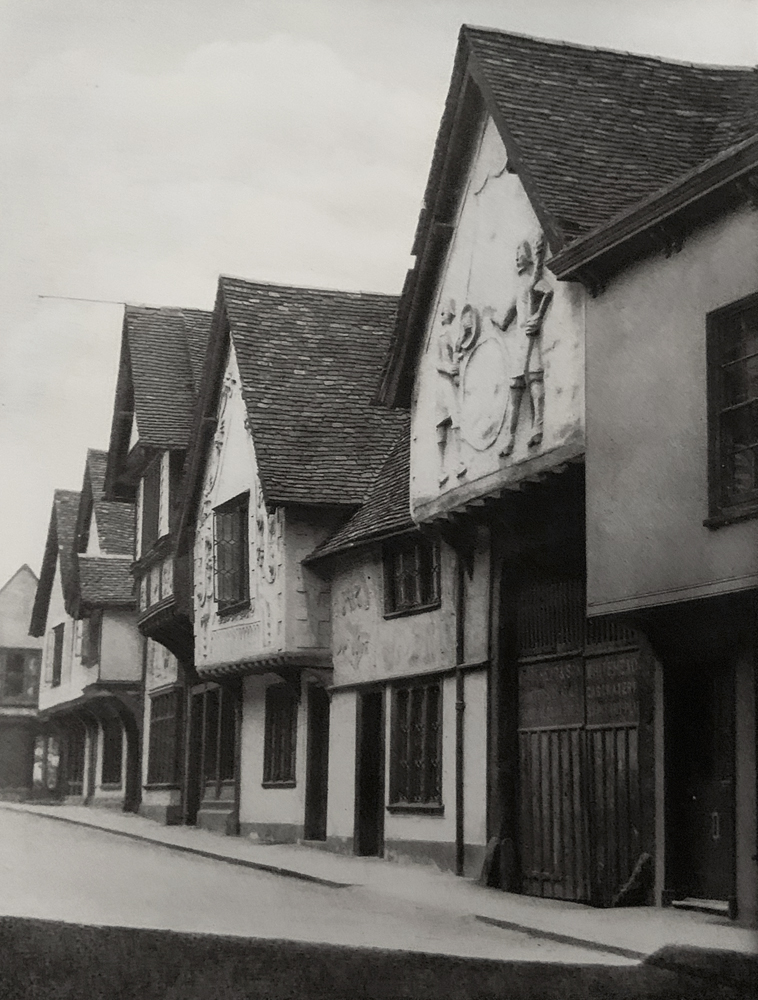
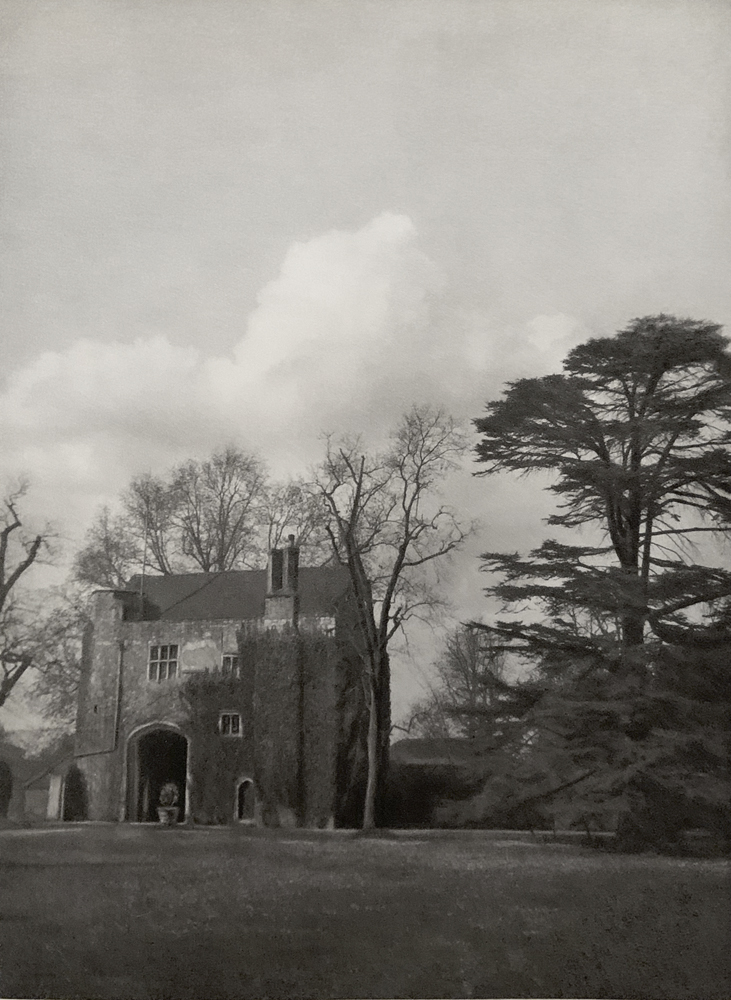
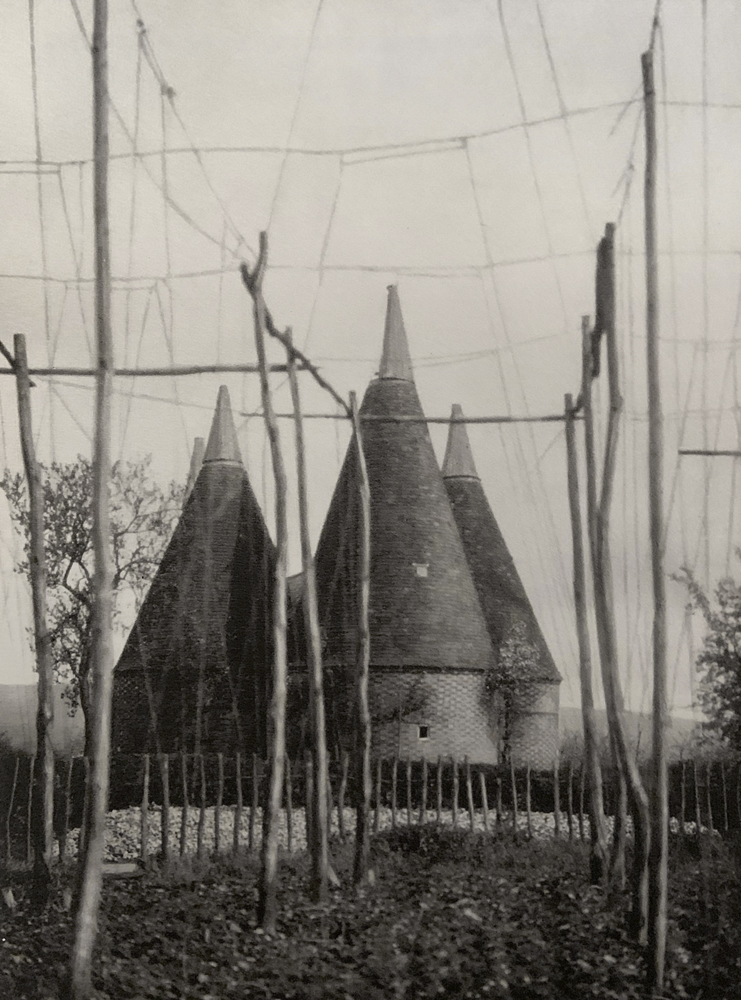
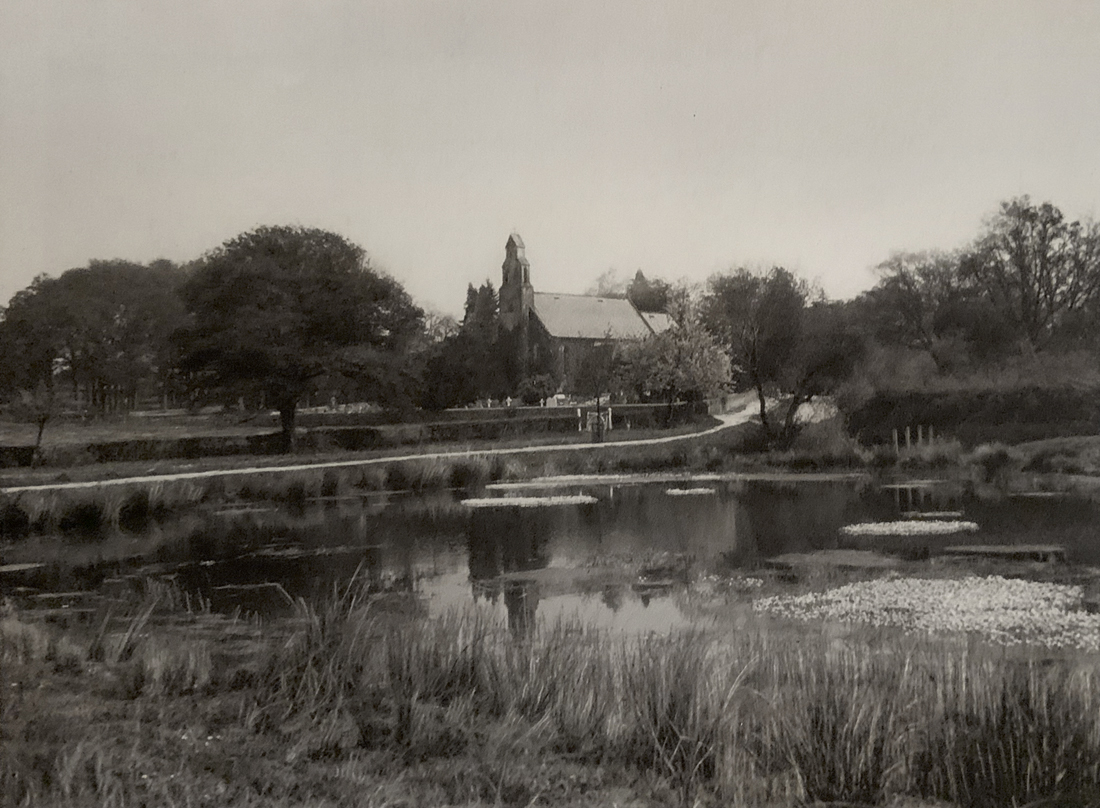
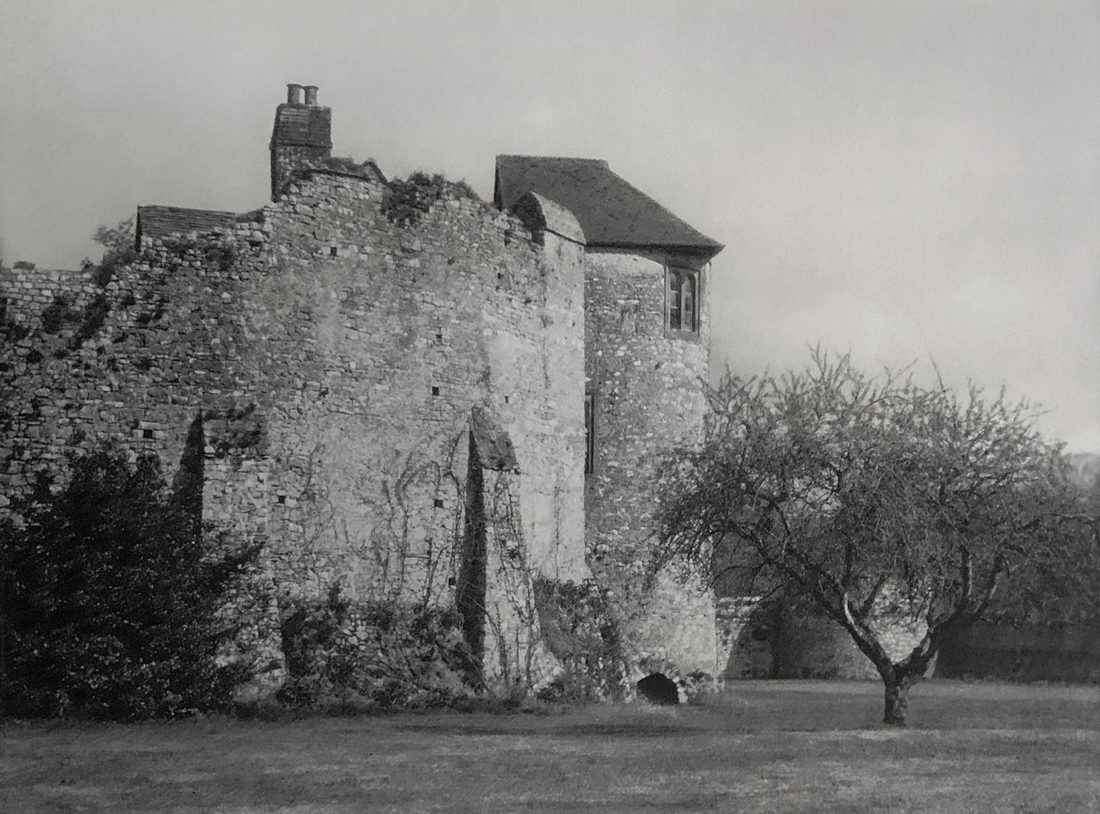
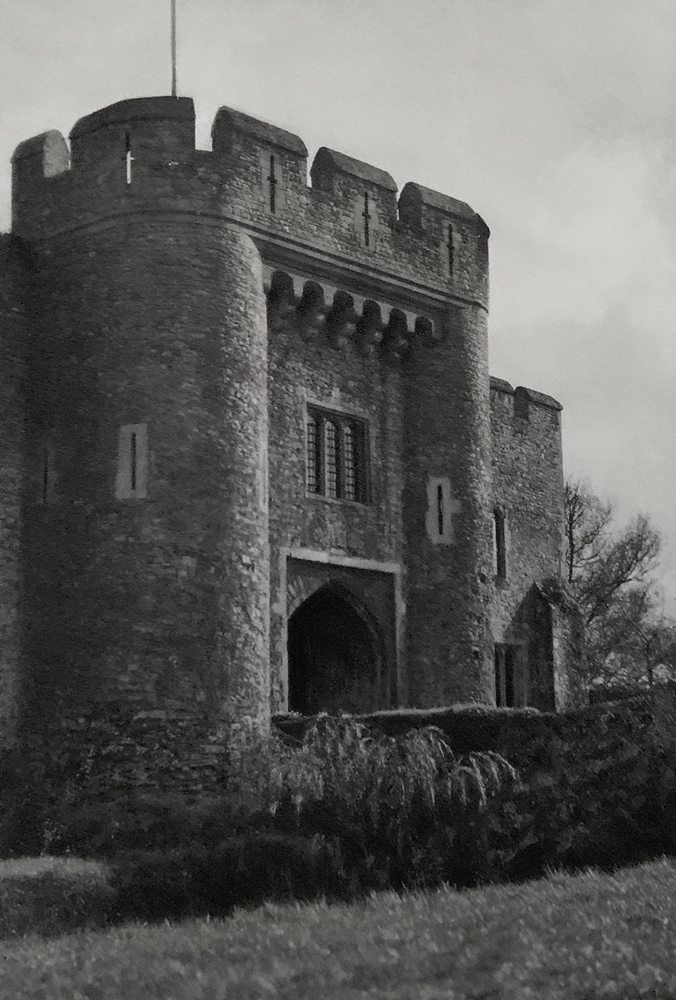
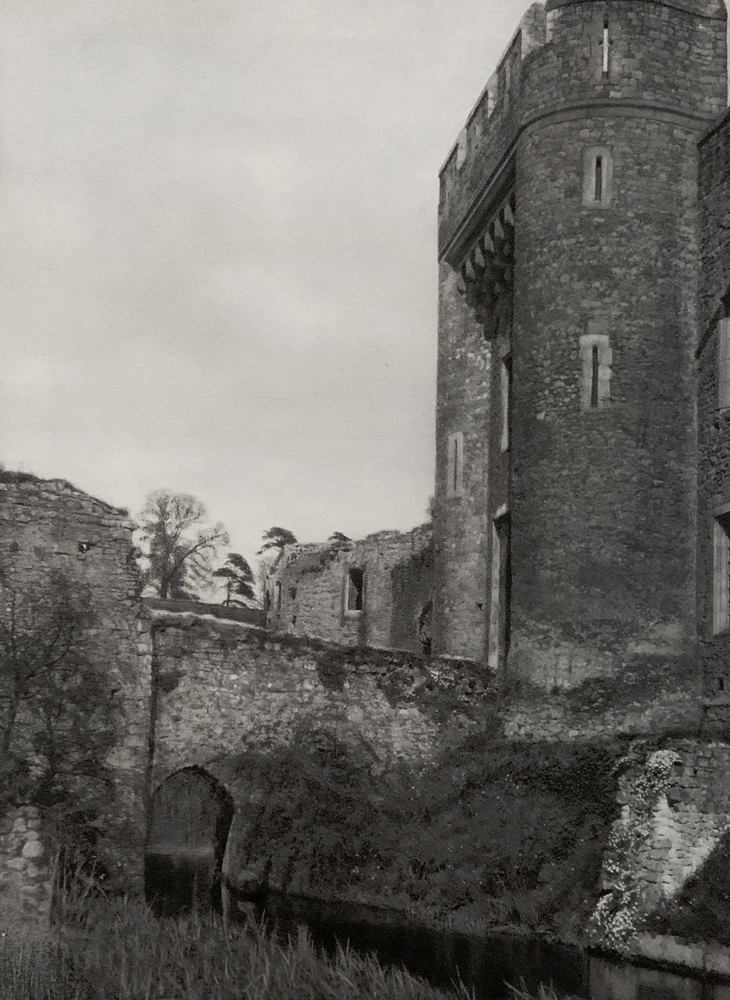
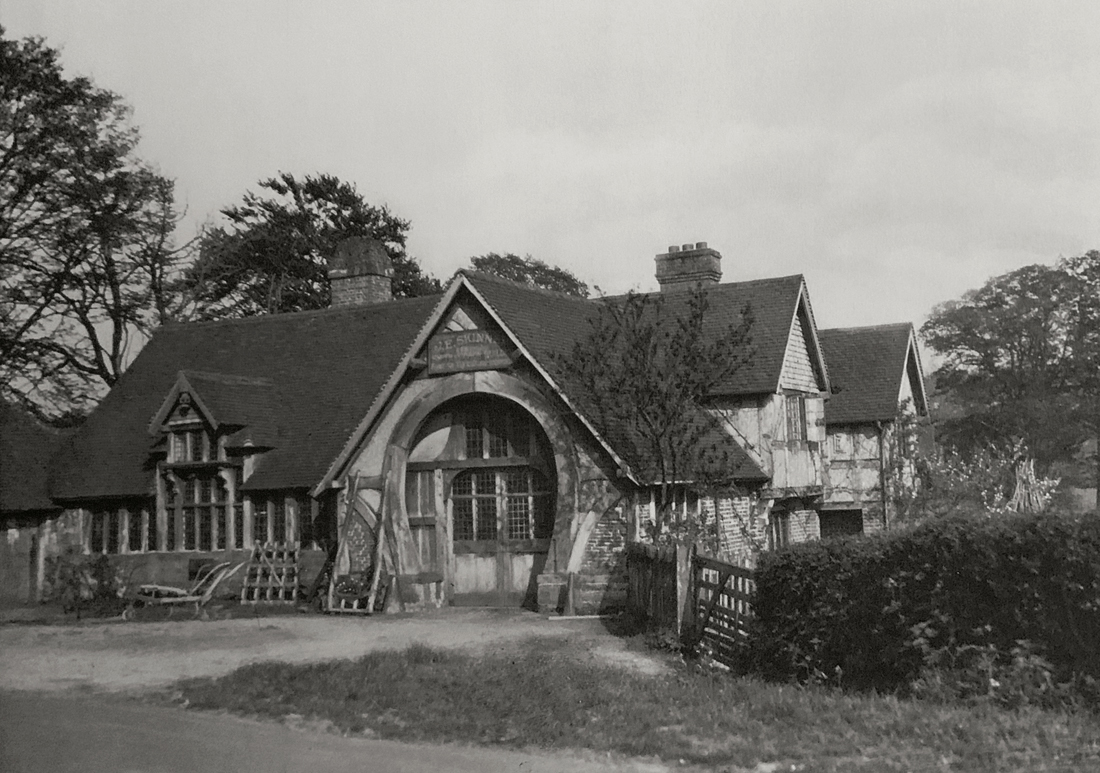

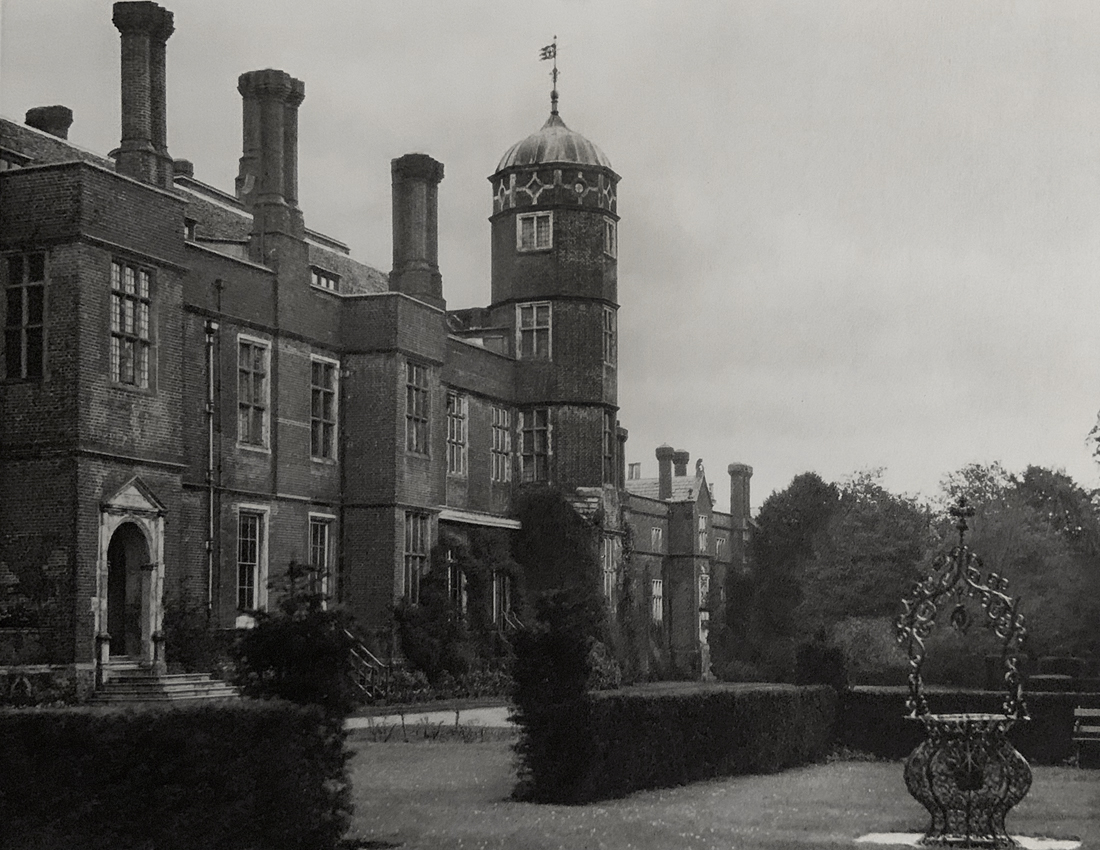
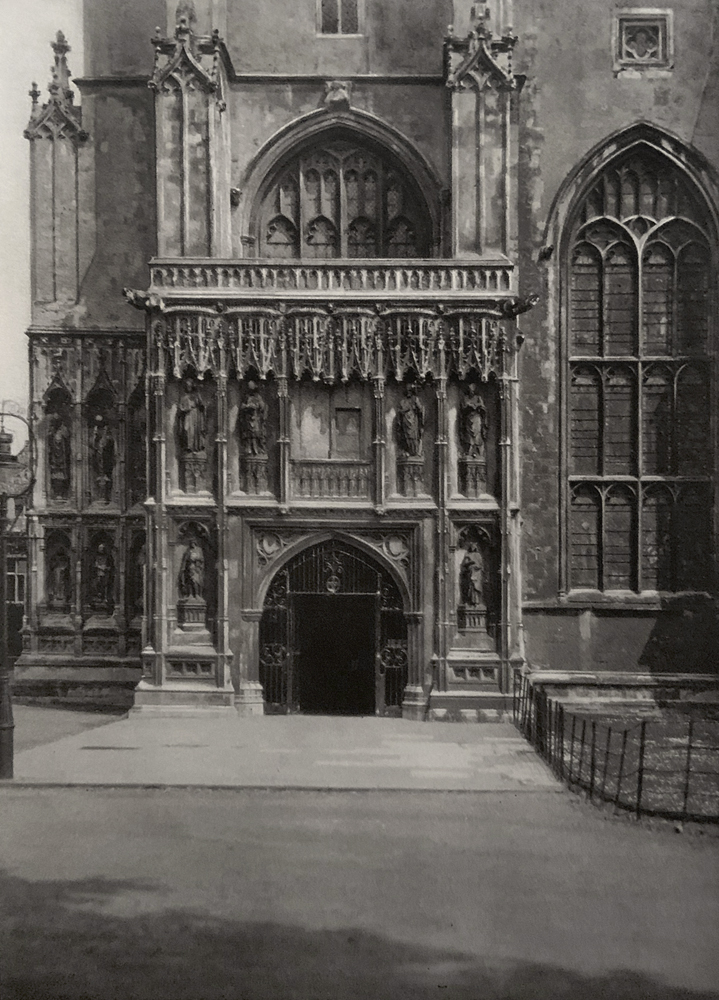
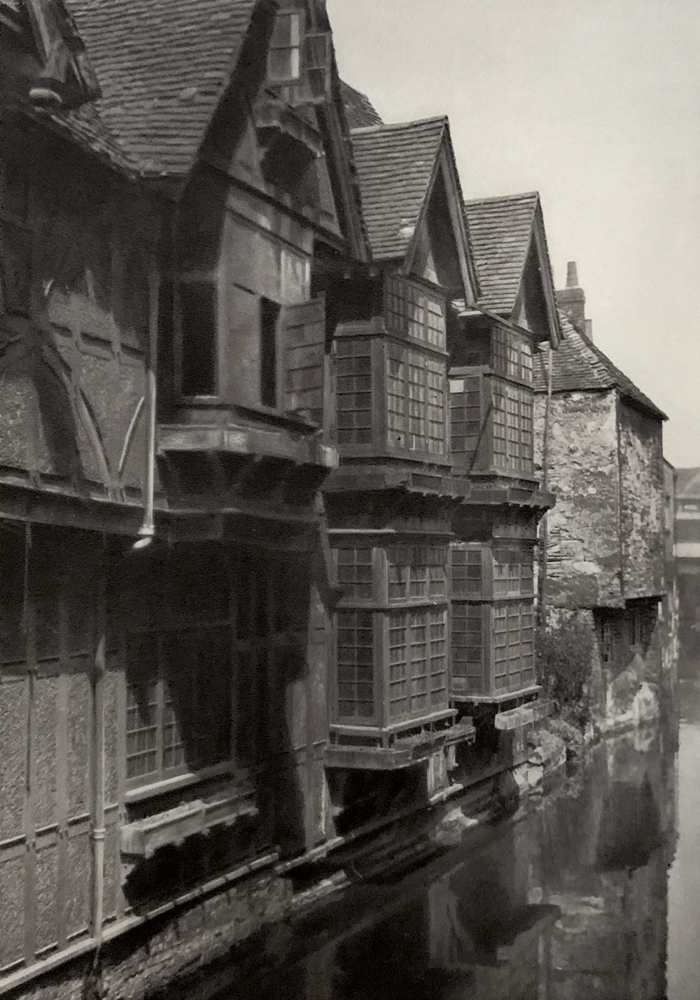
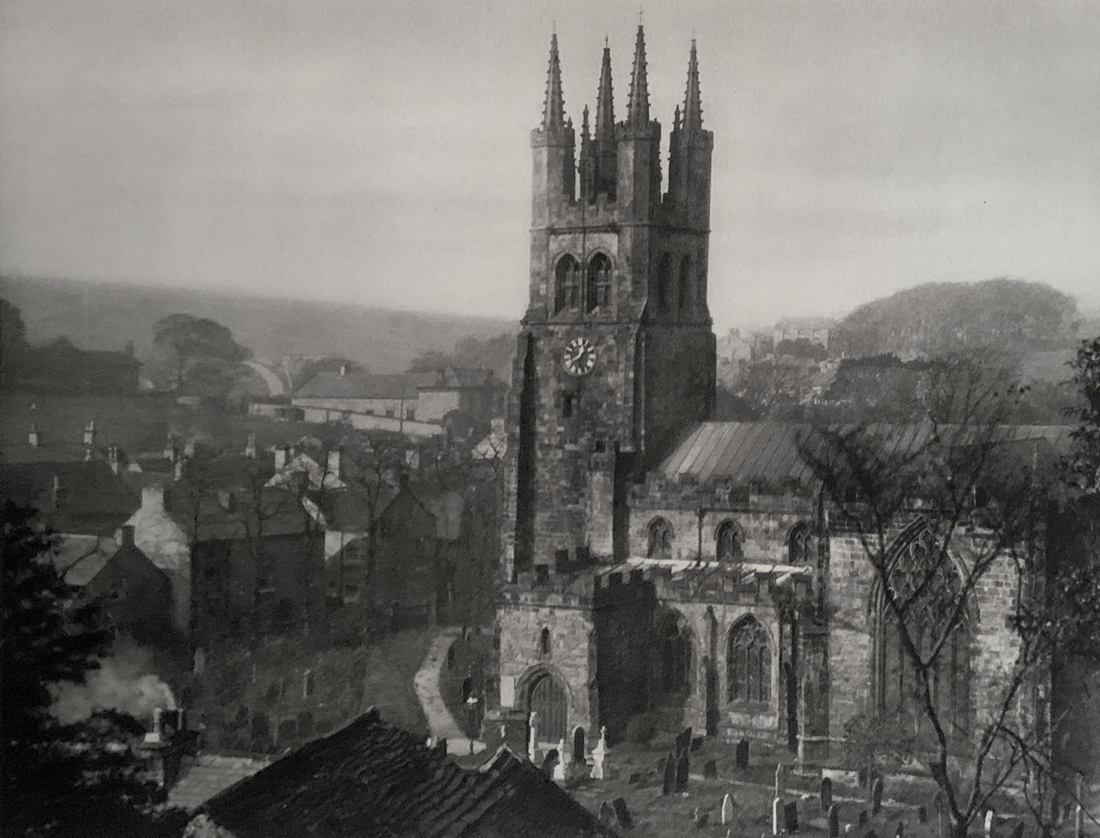
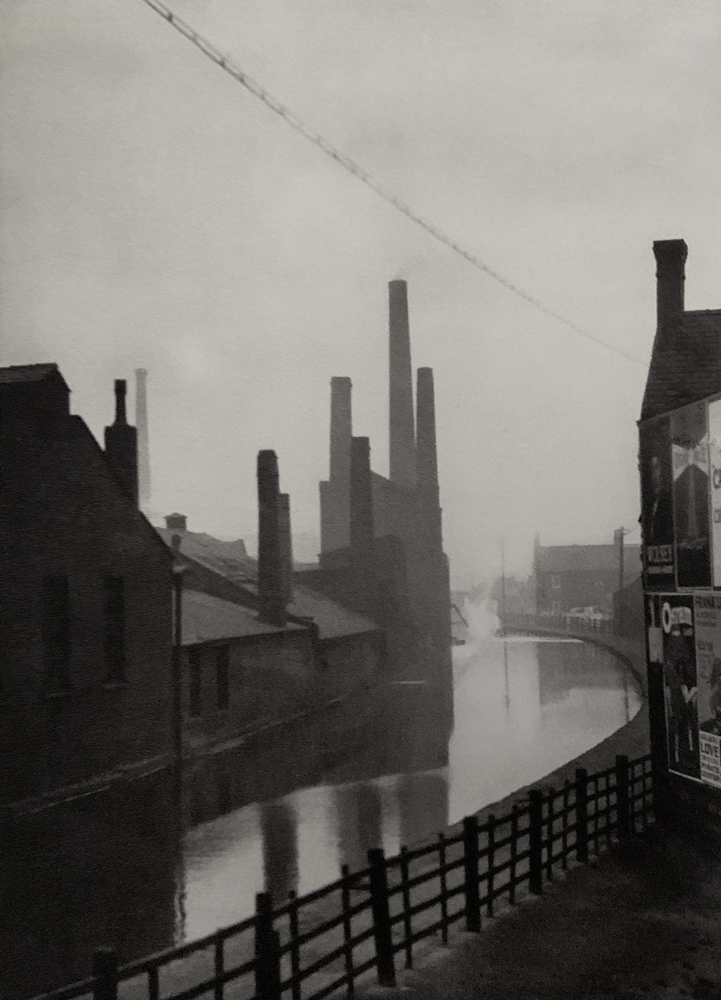
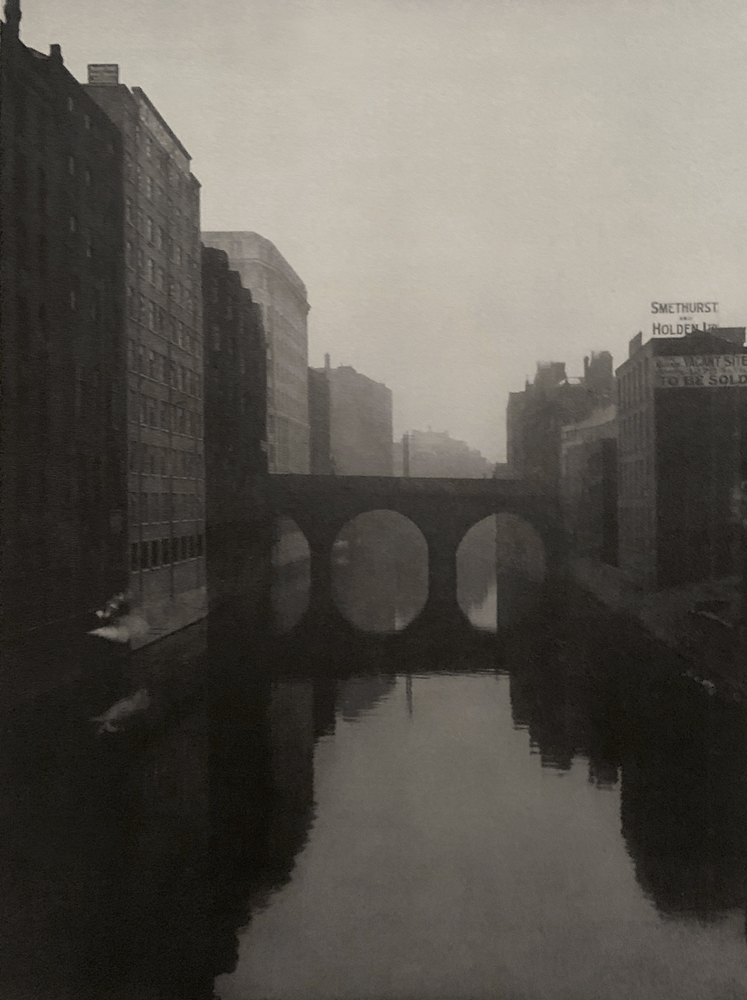
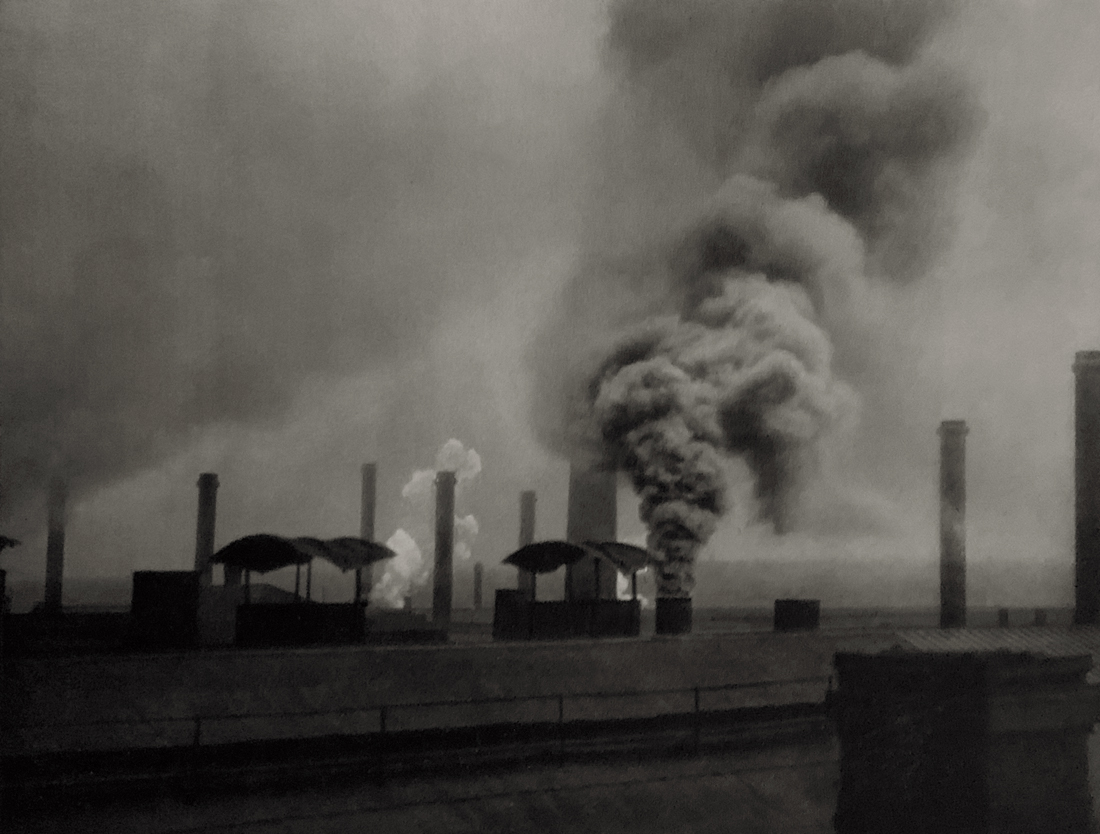

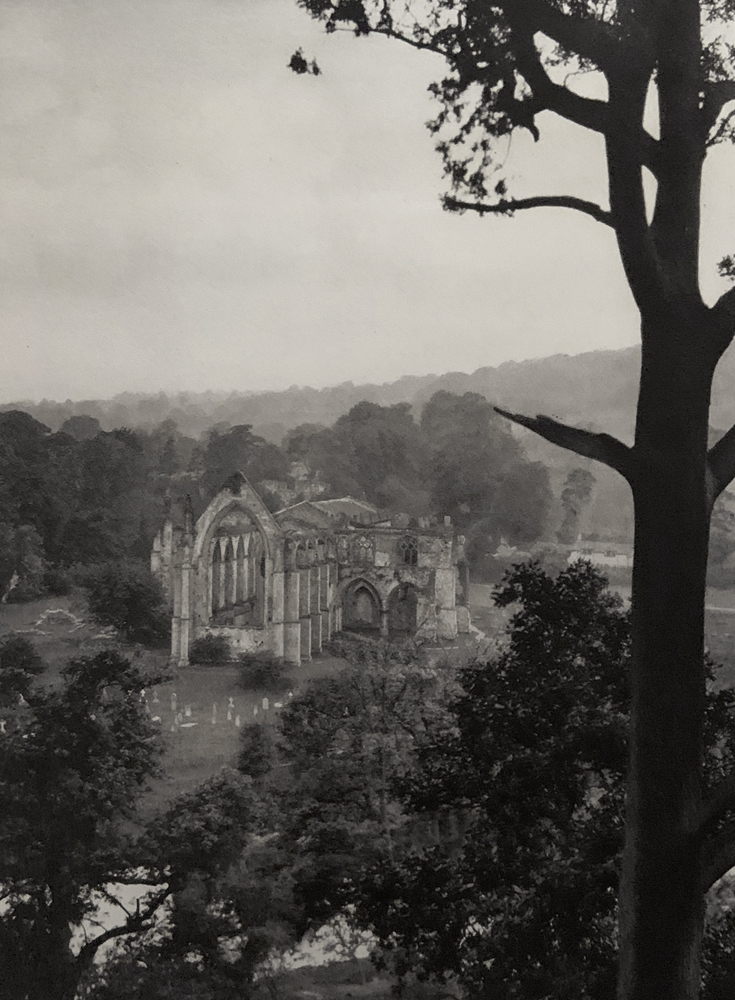

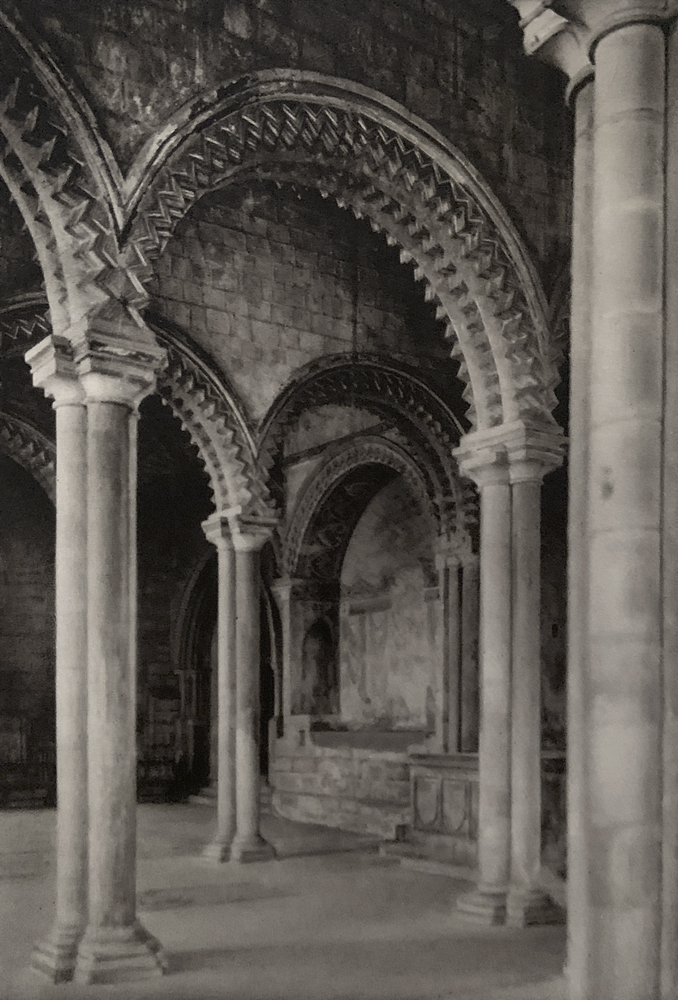
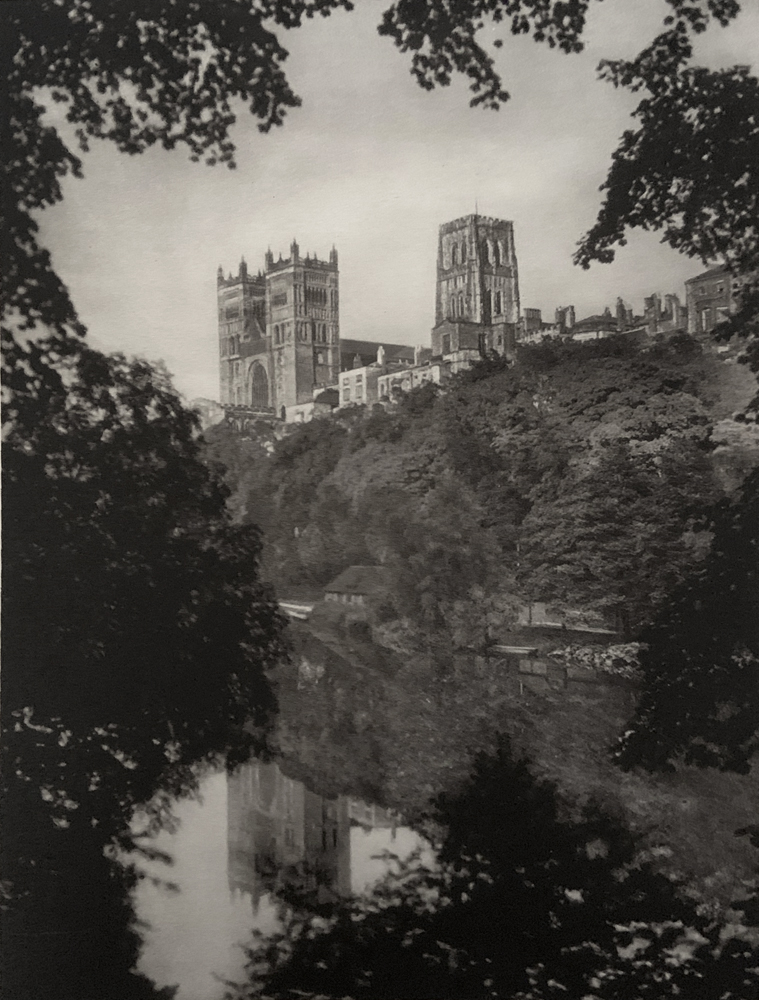
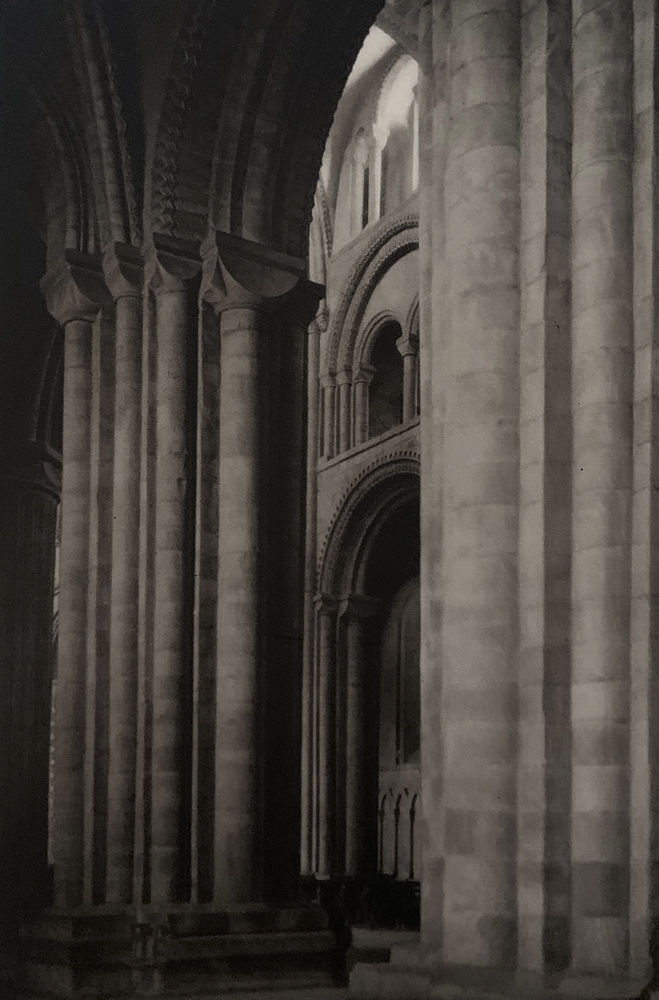
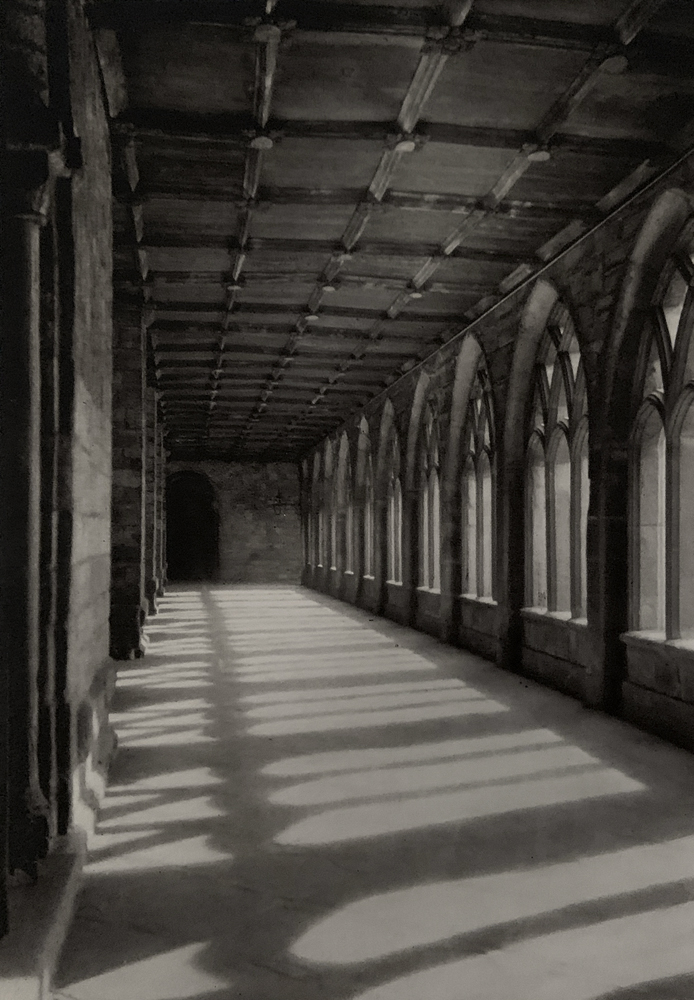
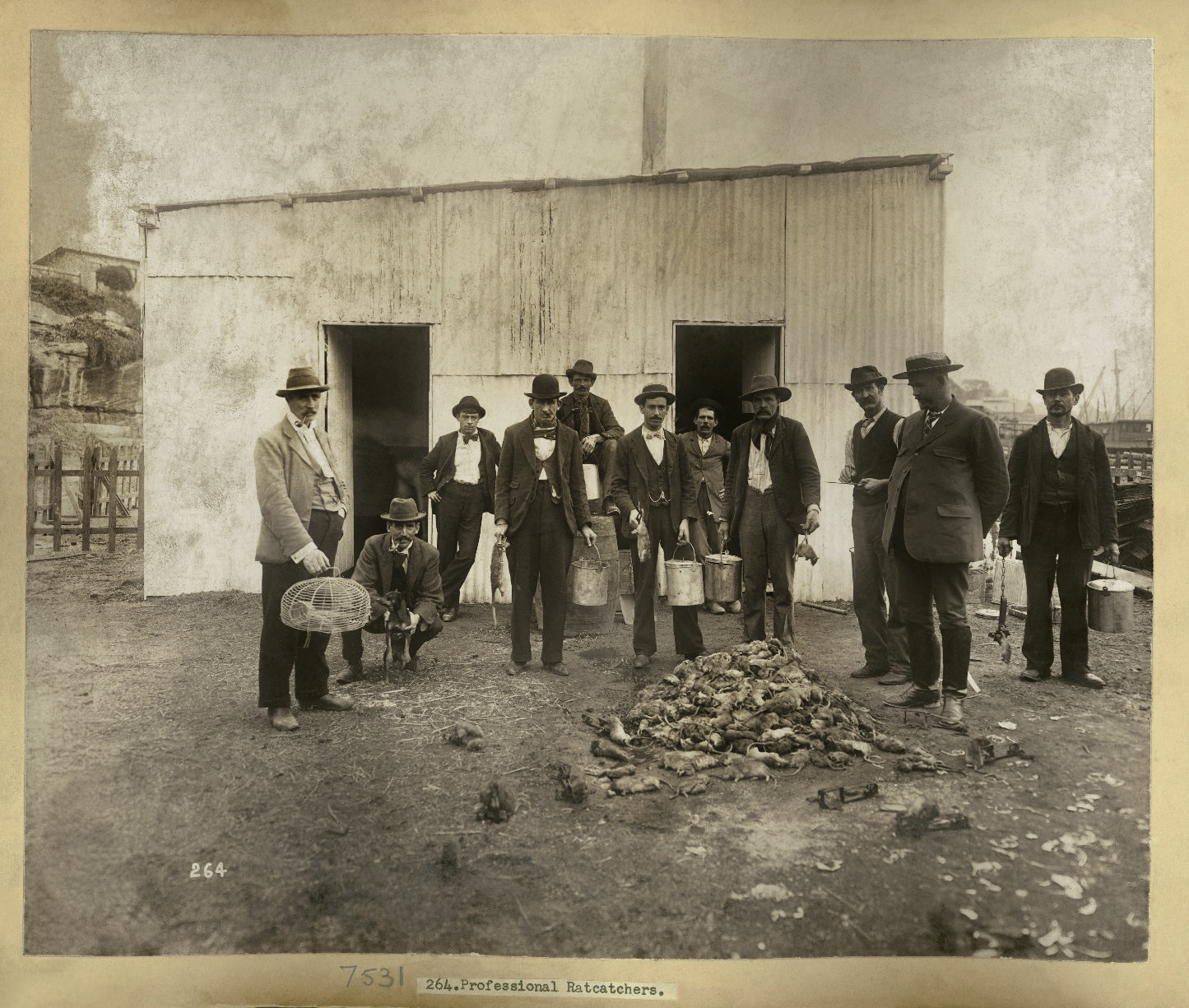
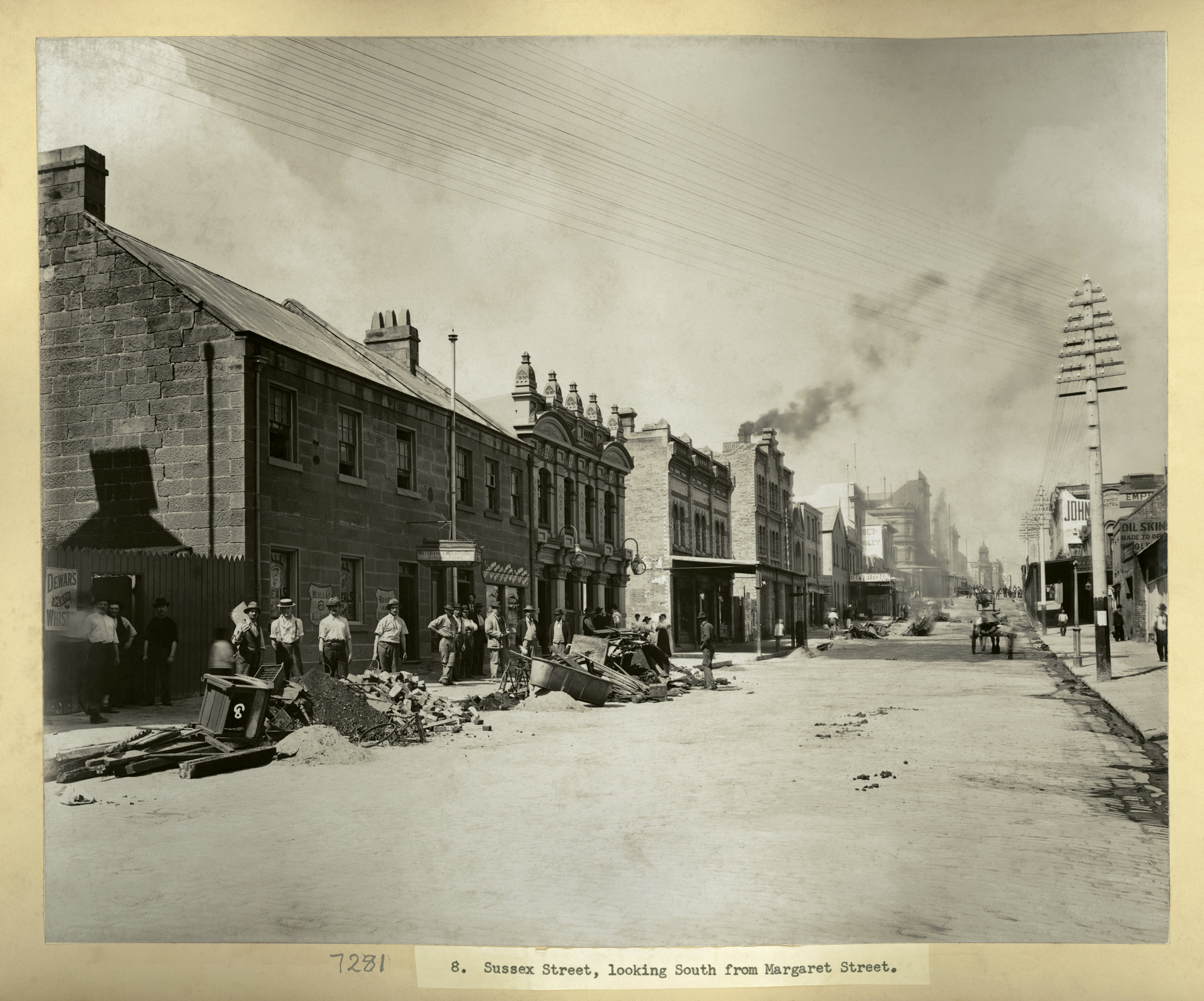
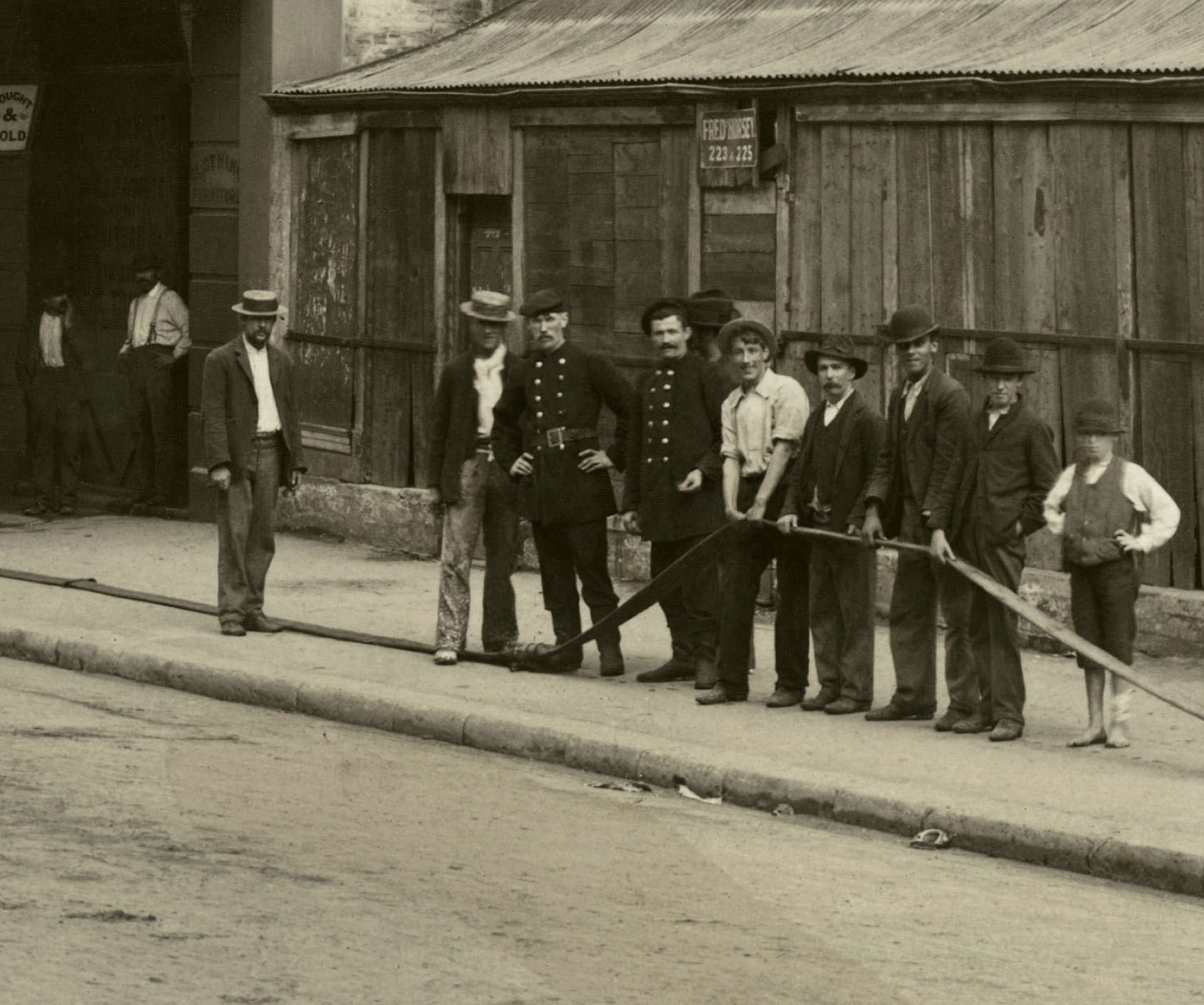
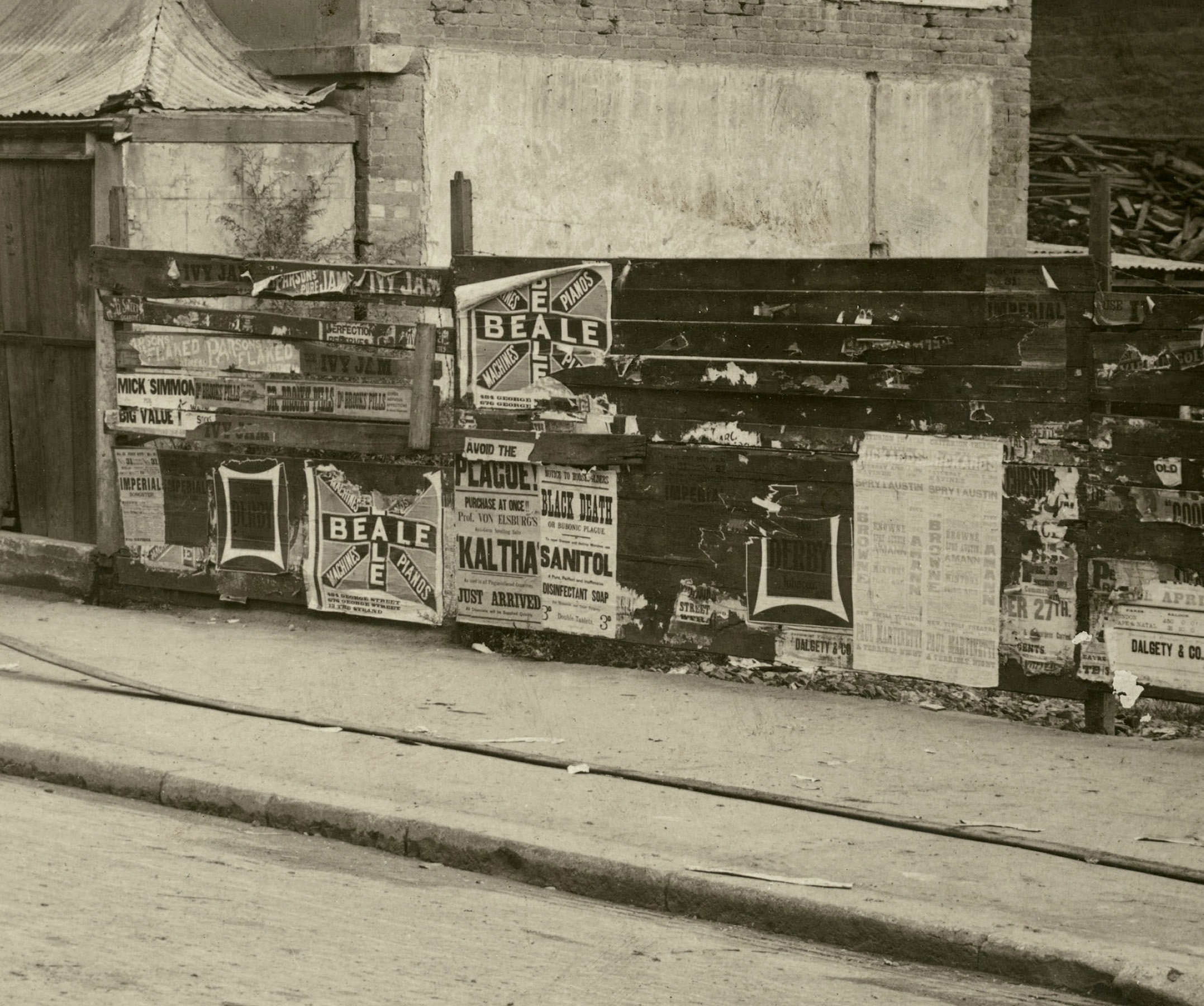
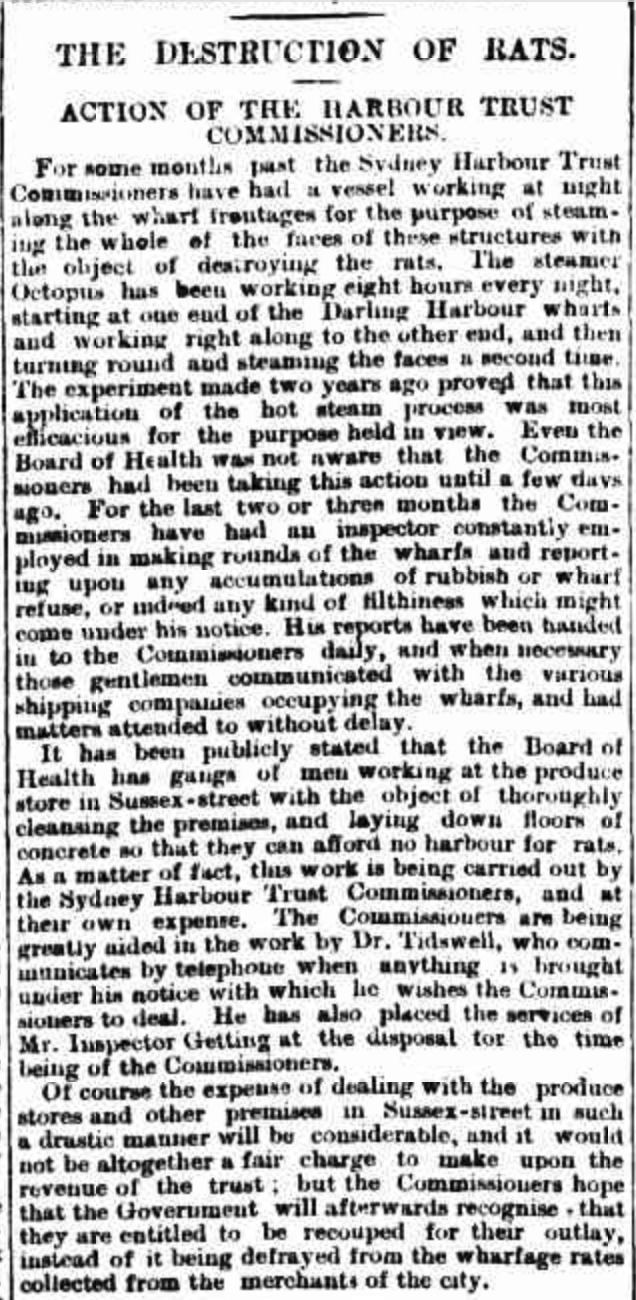
![John Degotardi Jr. (Australian, 1860-1937) '70. [Octopus] Cleansing the Wharves' 1900](https://artblart.com/wp-content/uploads/2020/04/cleansing-the-wharves.jpg "John Degotardi Jr. (Australian, 1860-1937) '70. [Octopus] Cleansing the Wharves' 1900")
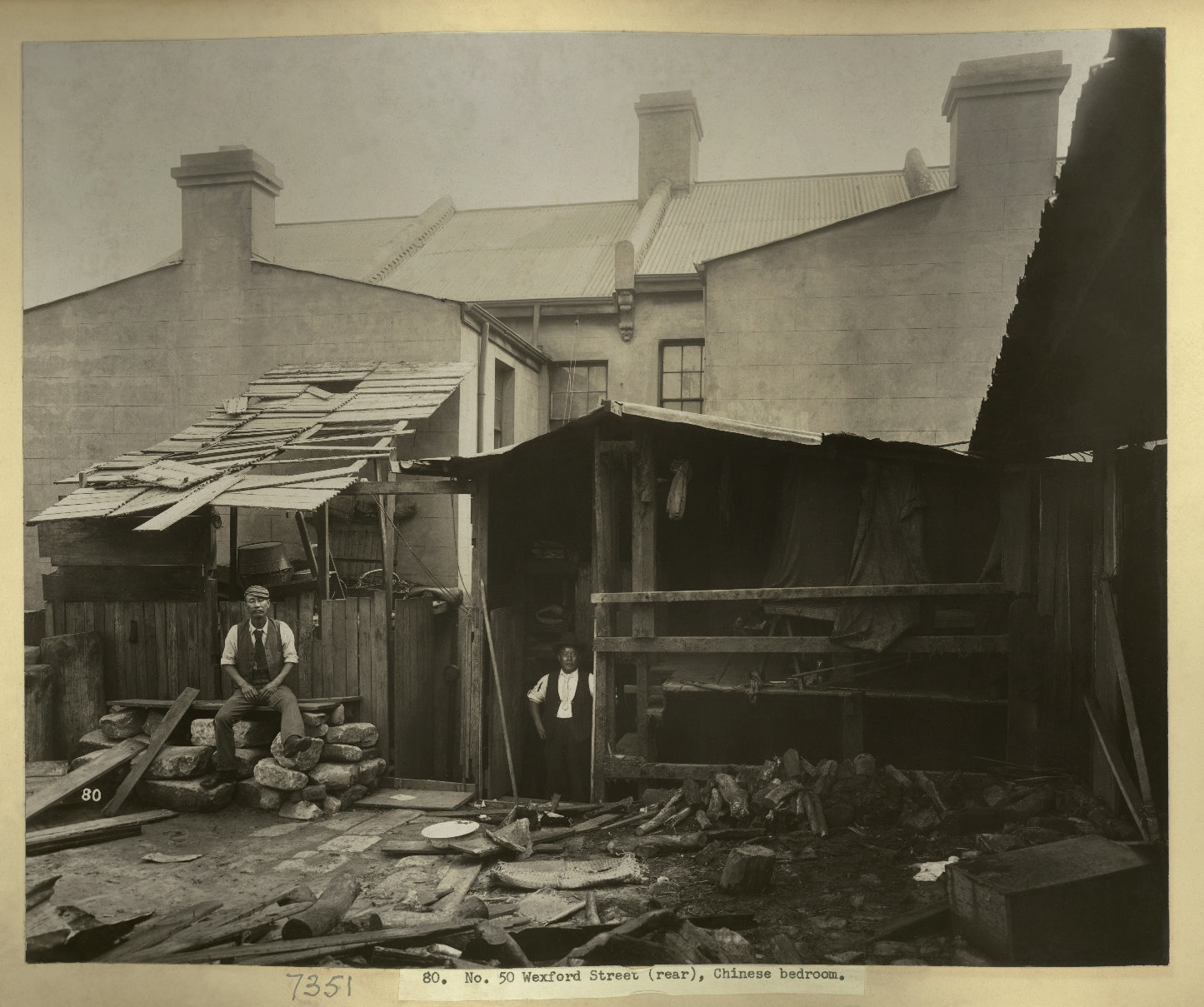
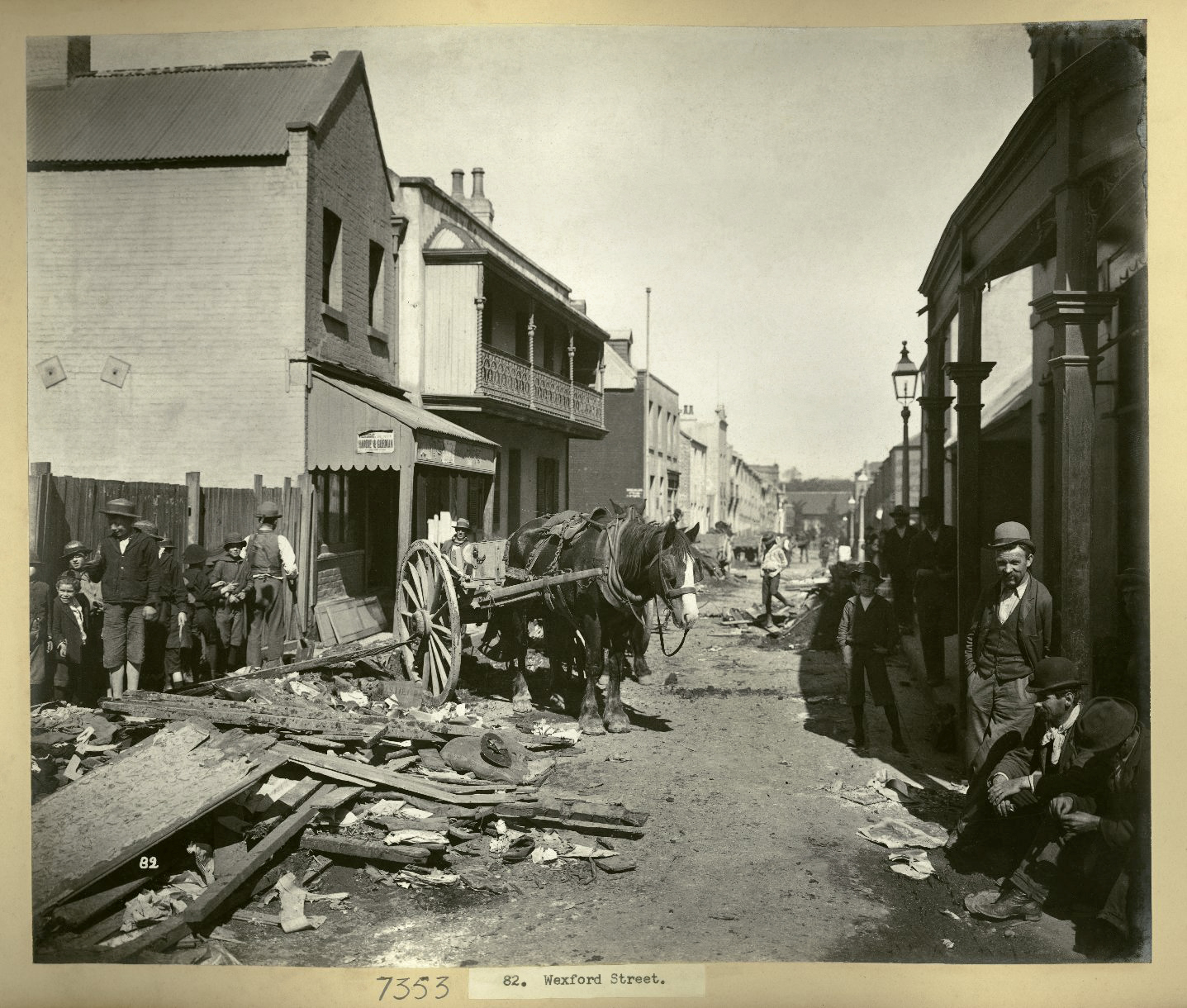
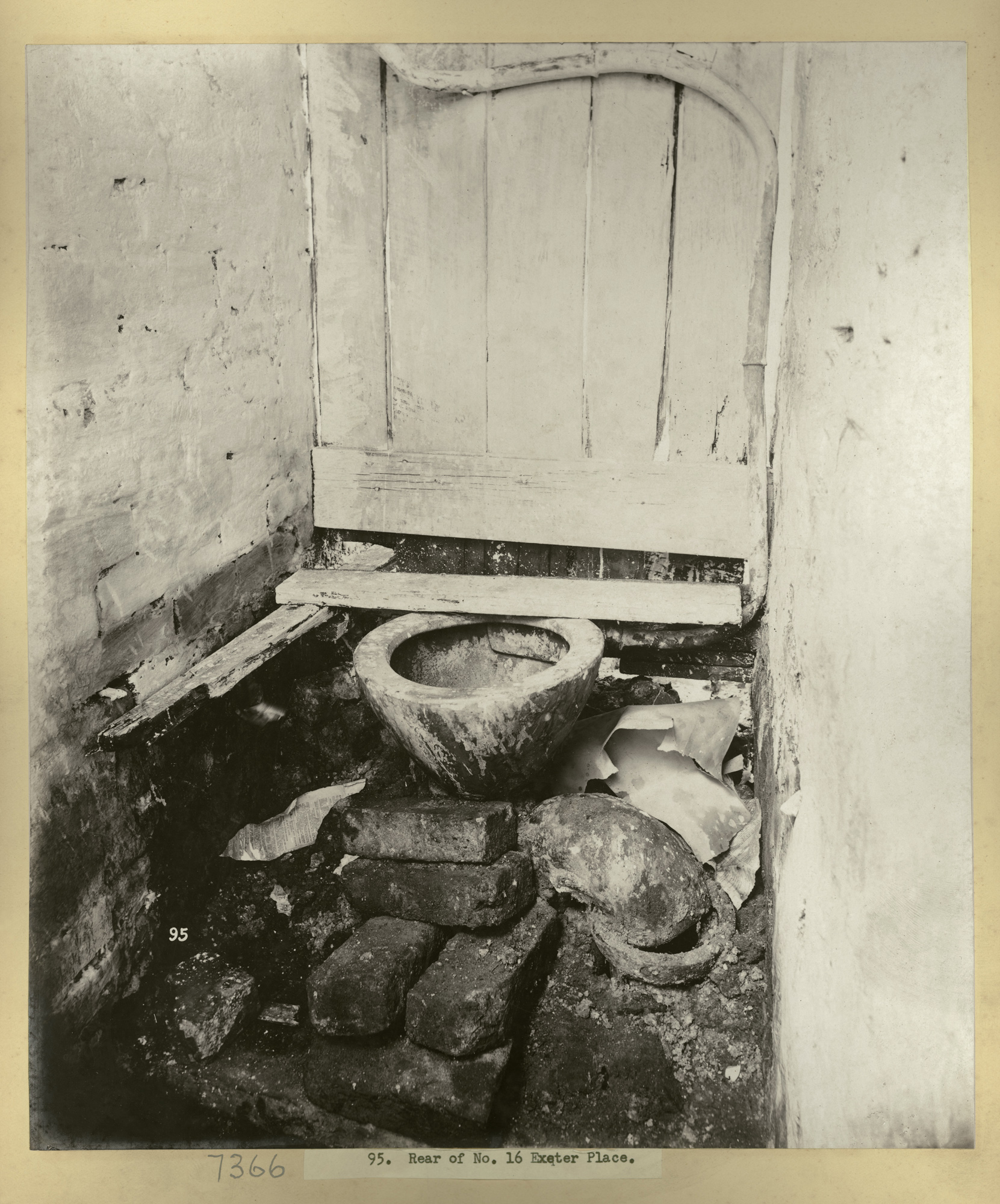
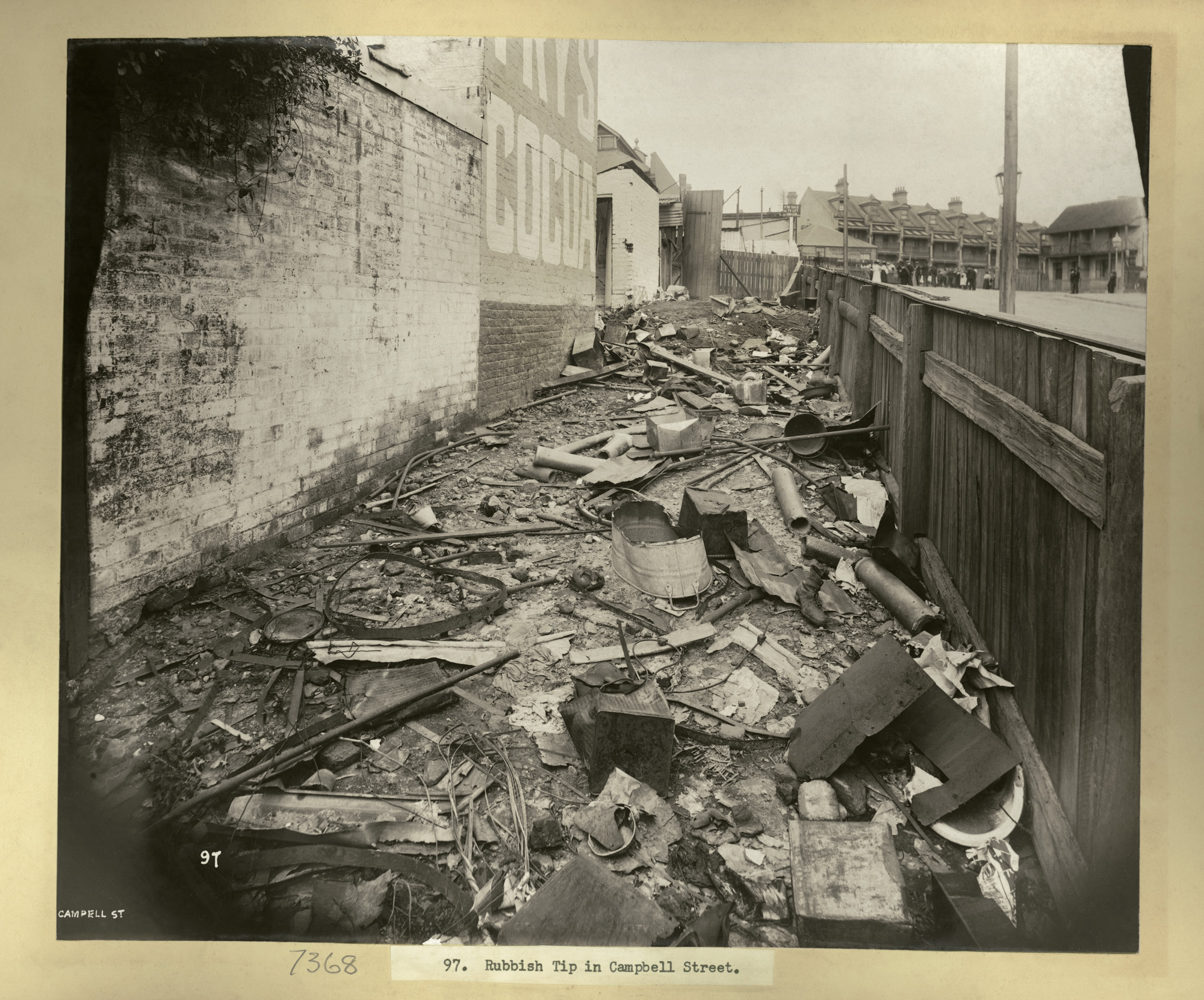
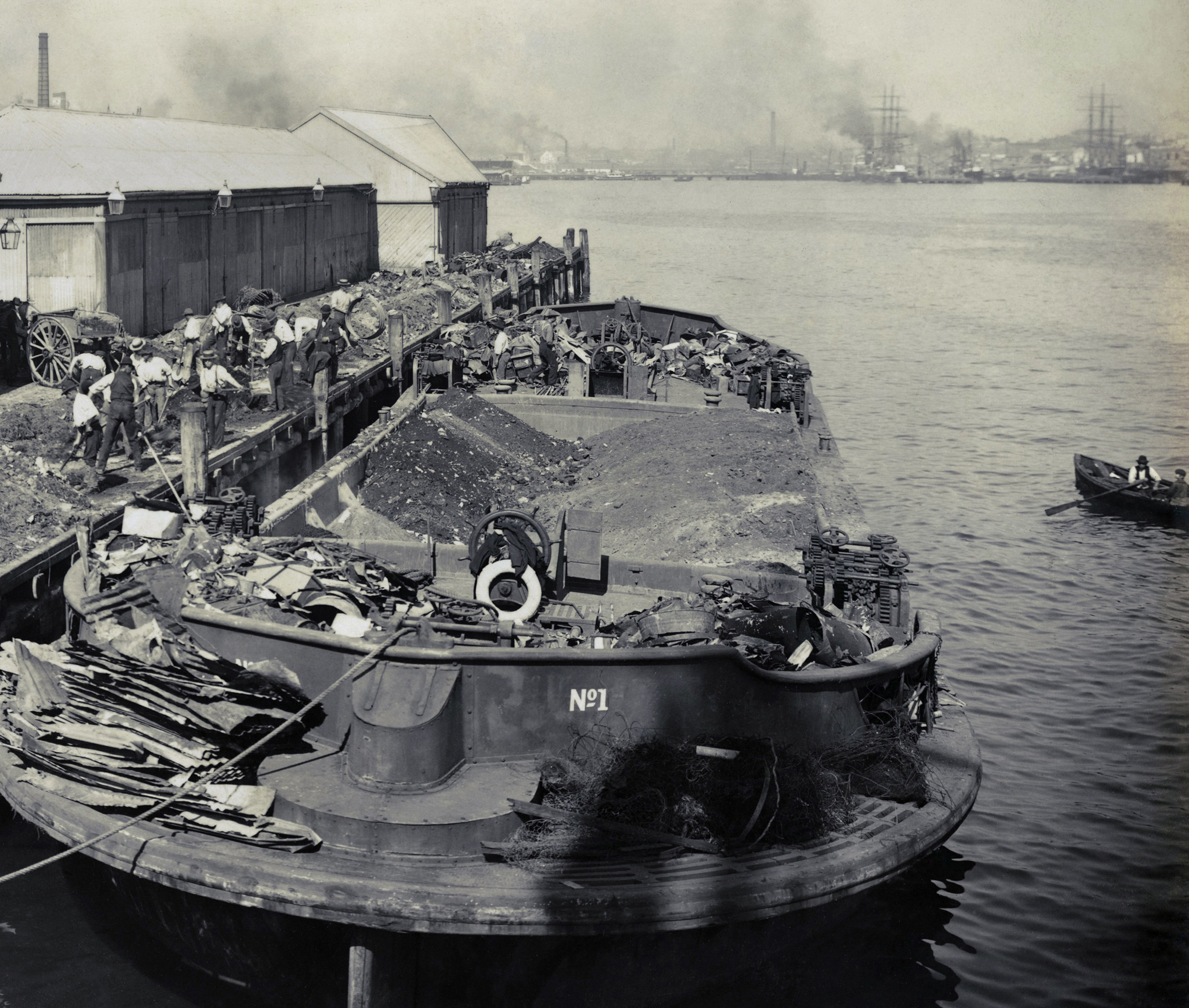
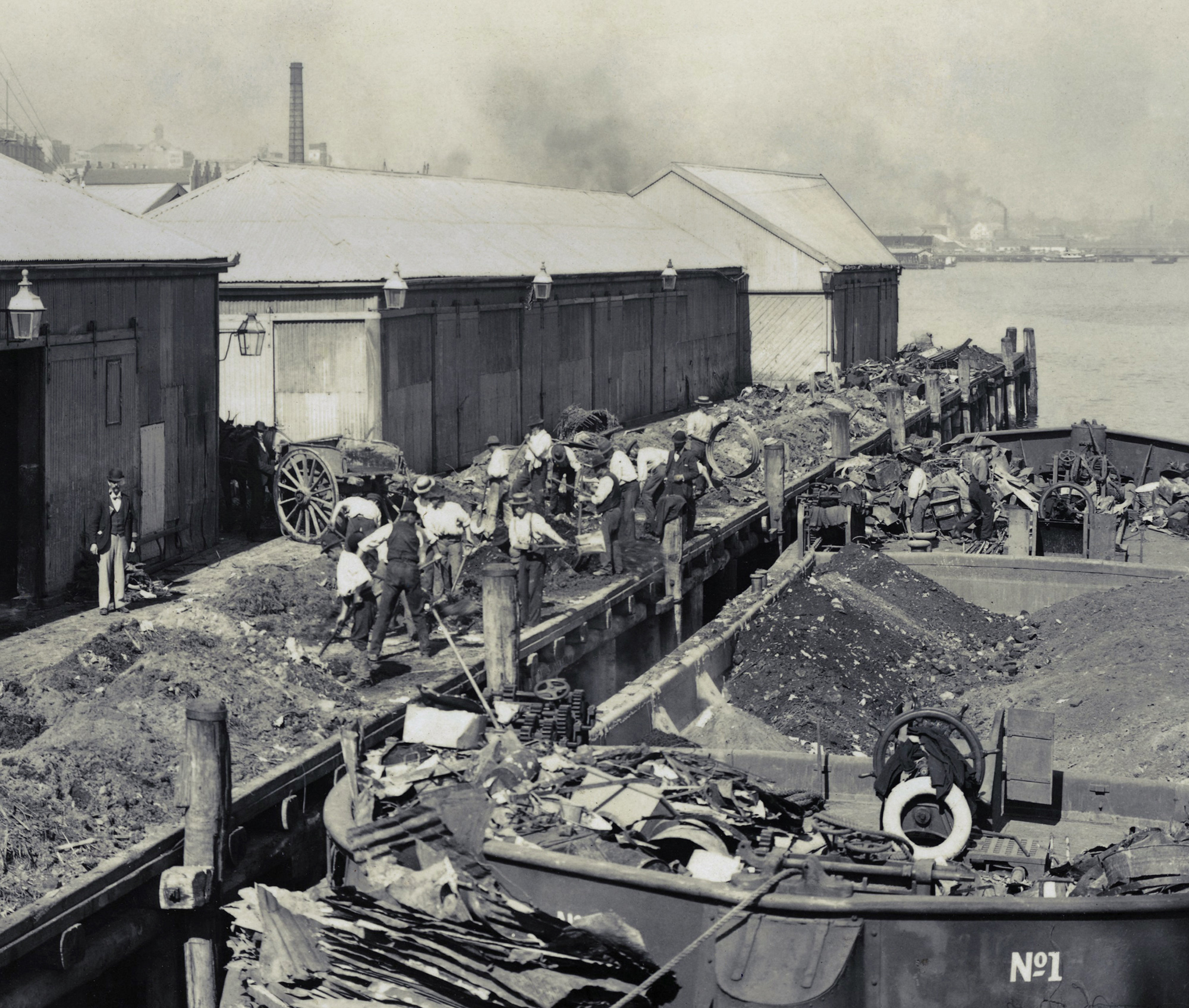
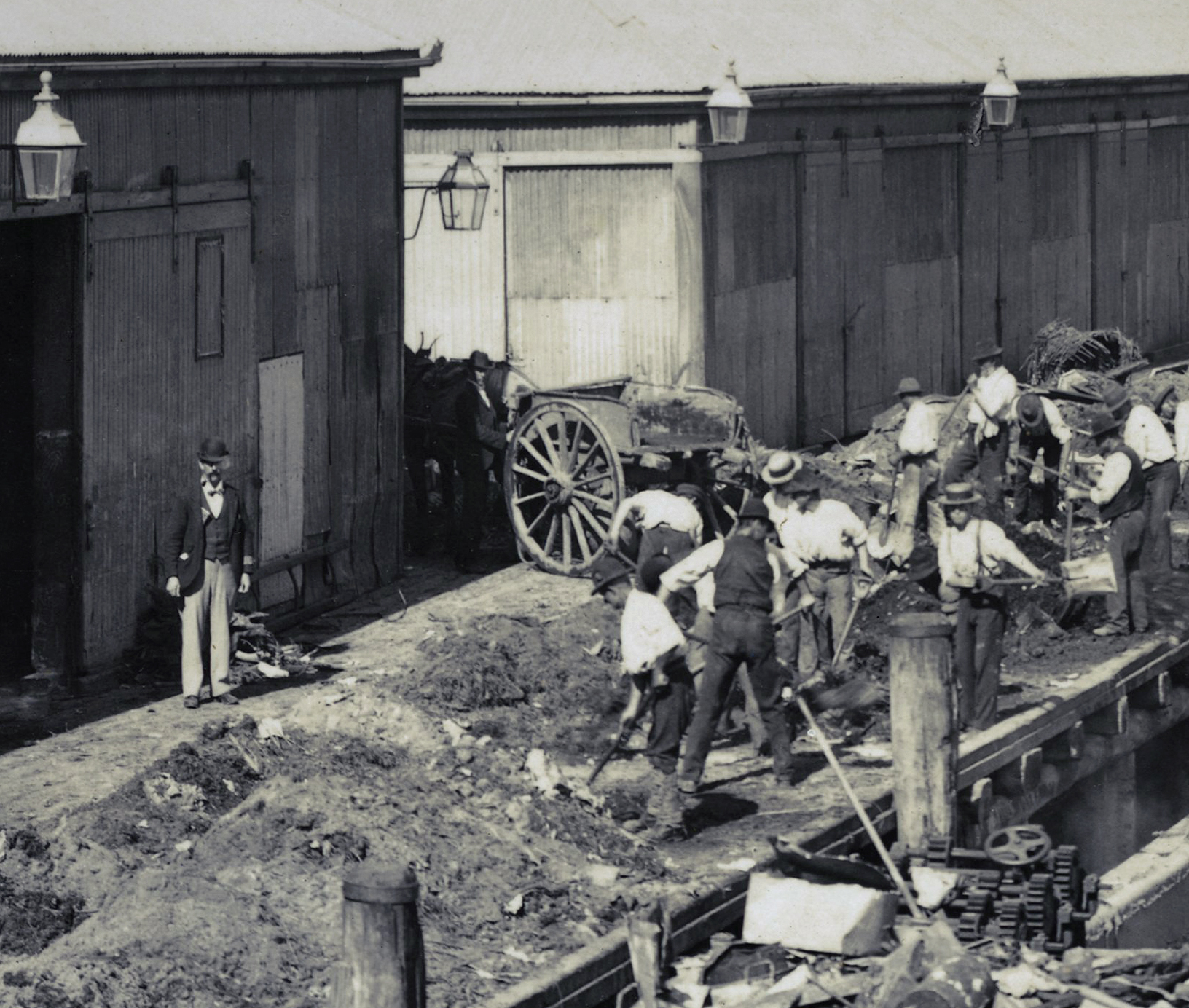
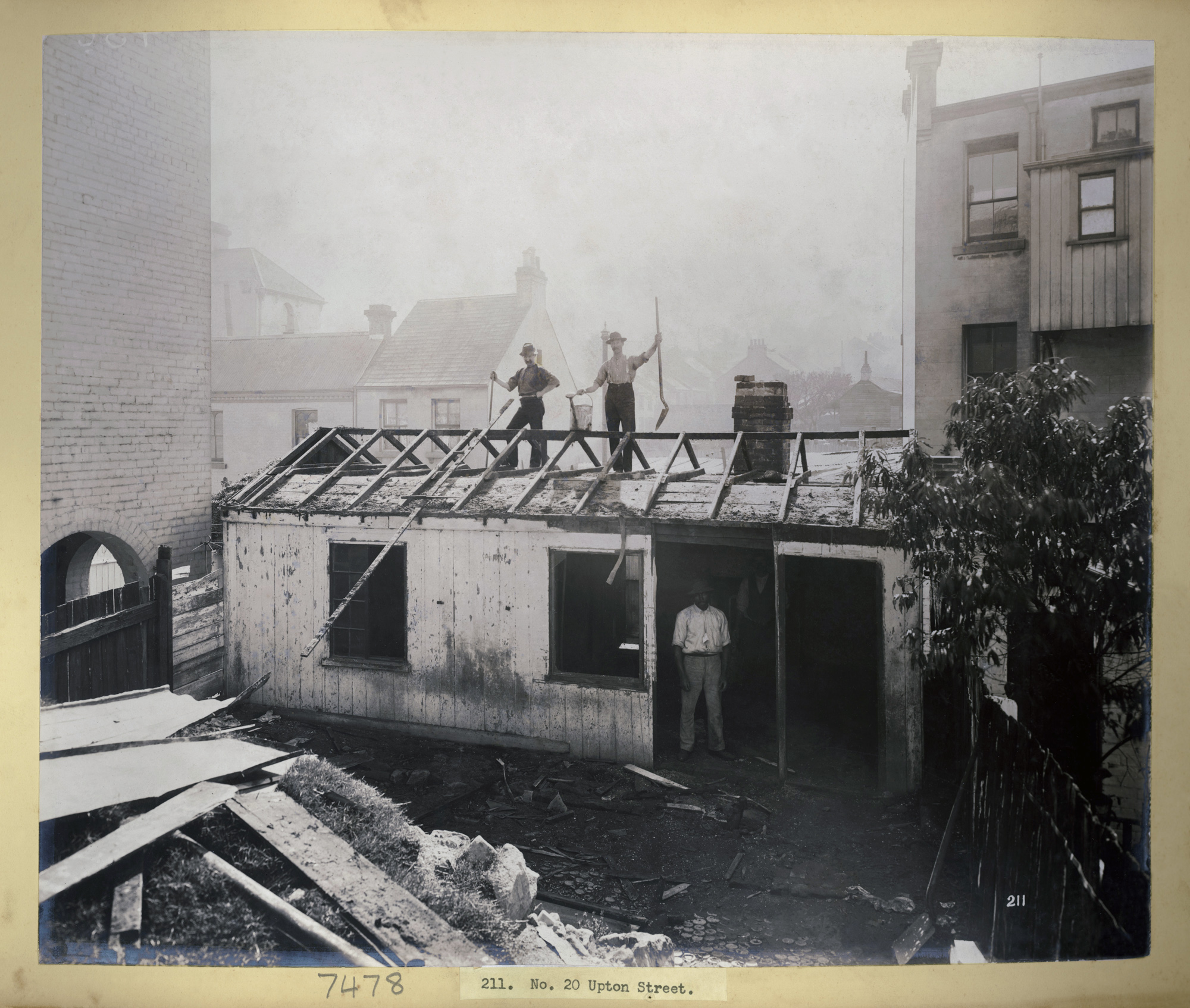
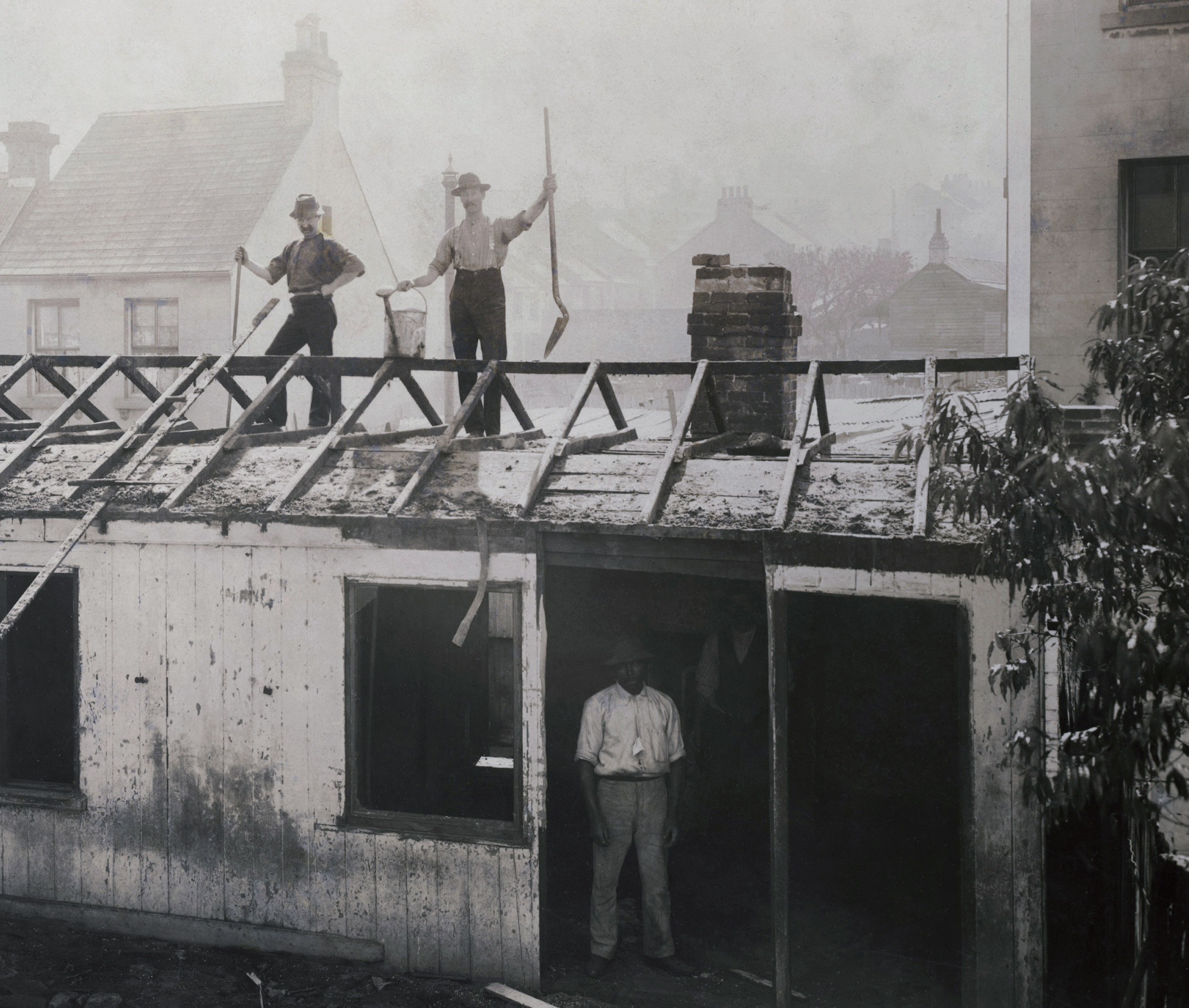
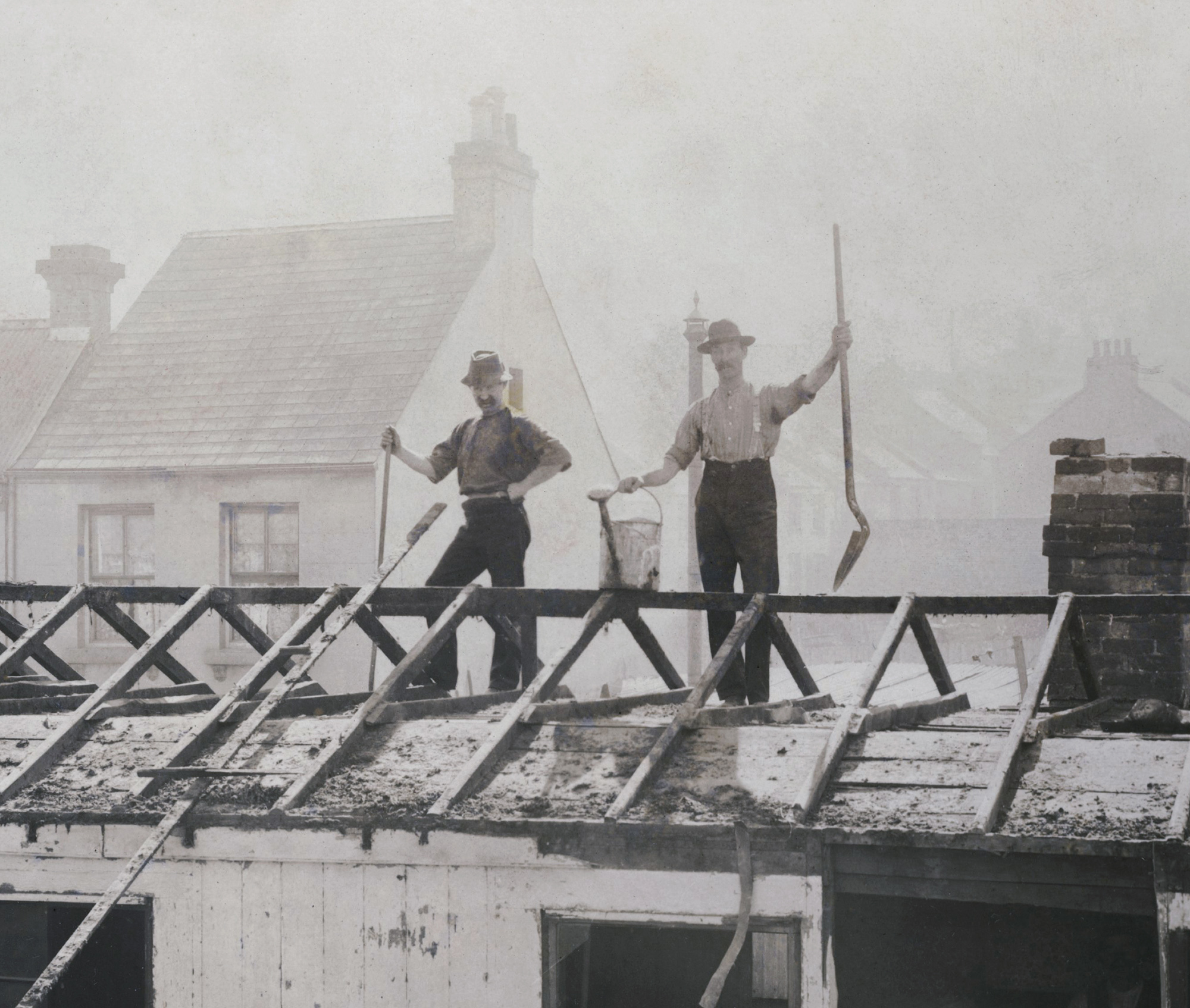
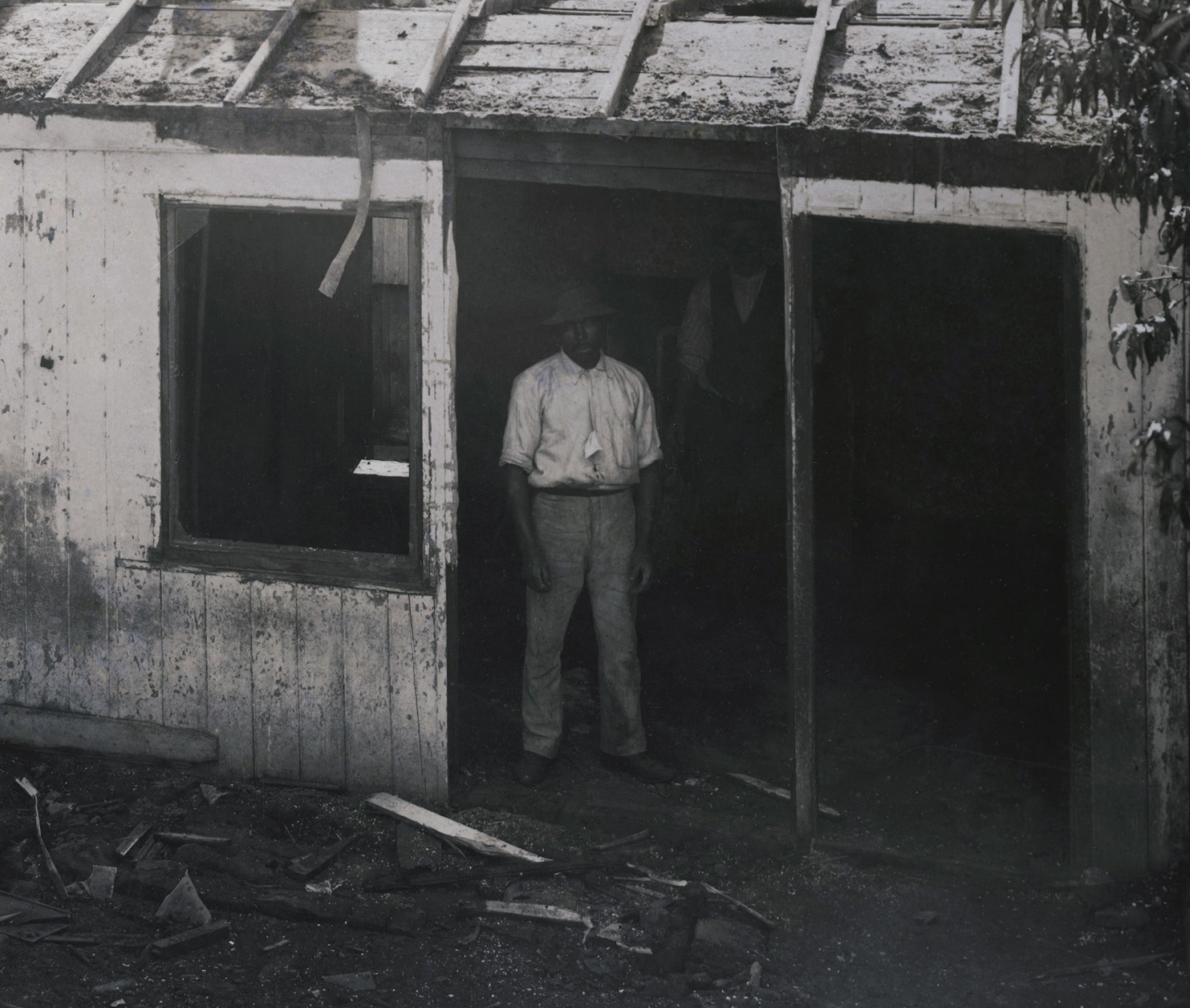
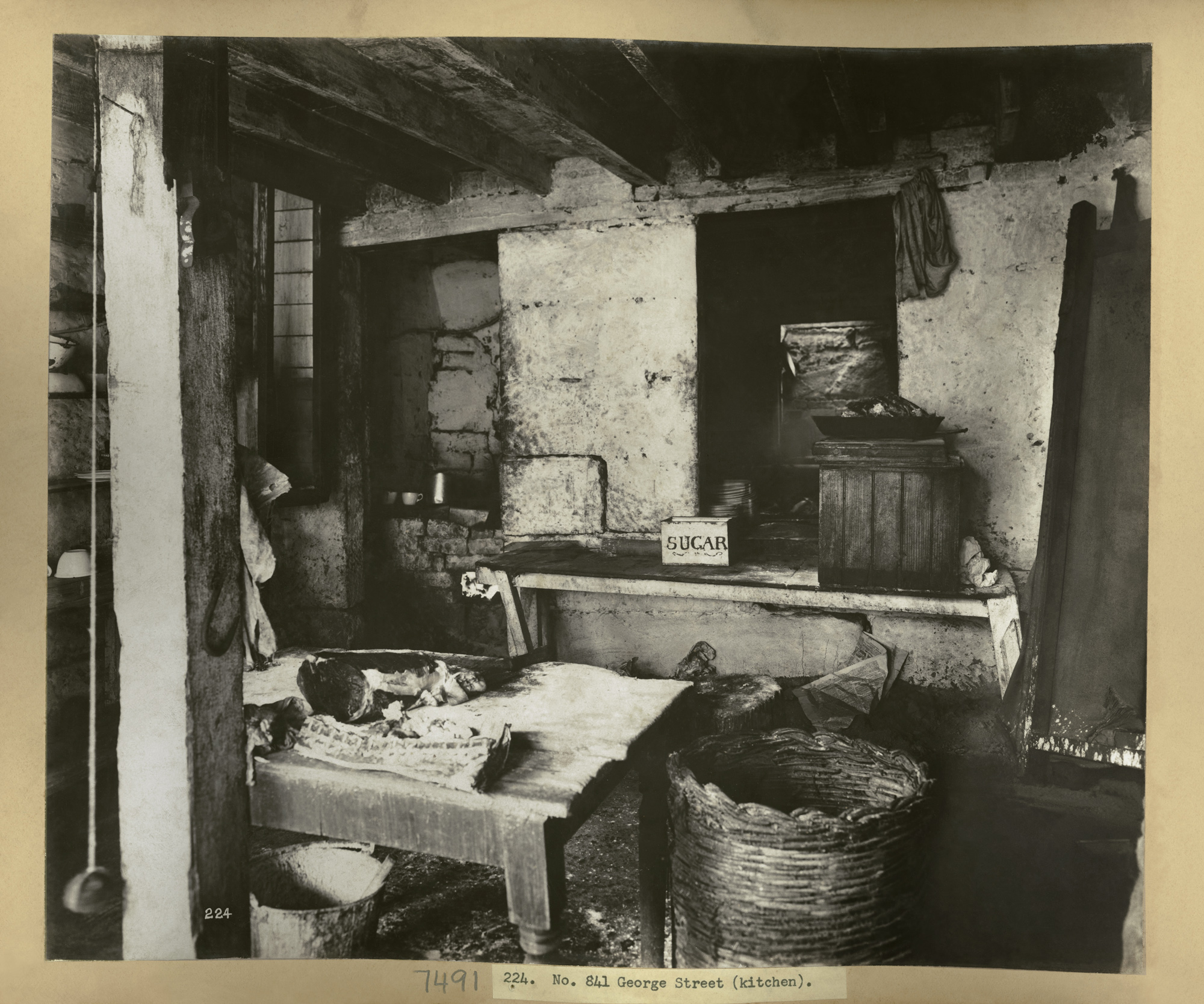

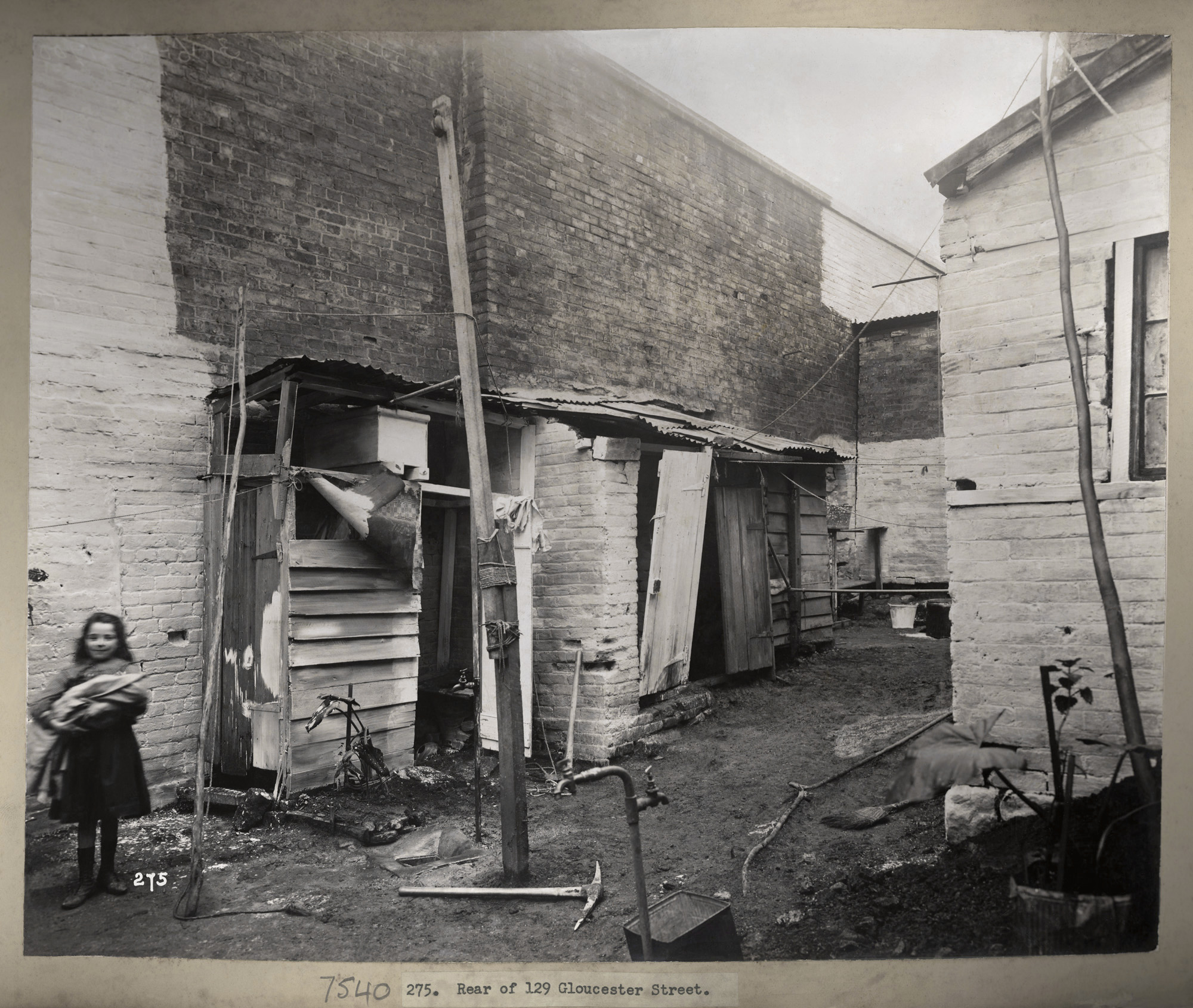
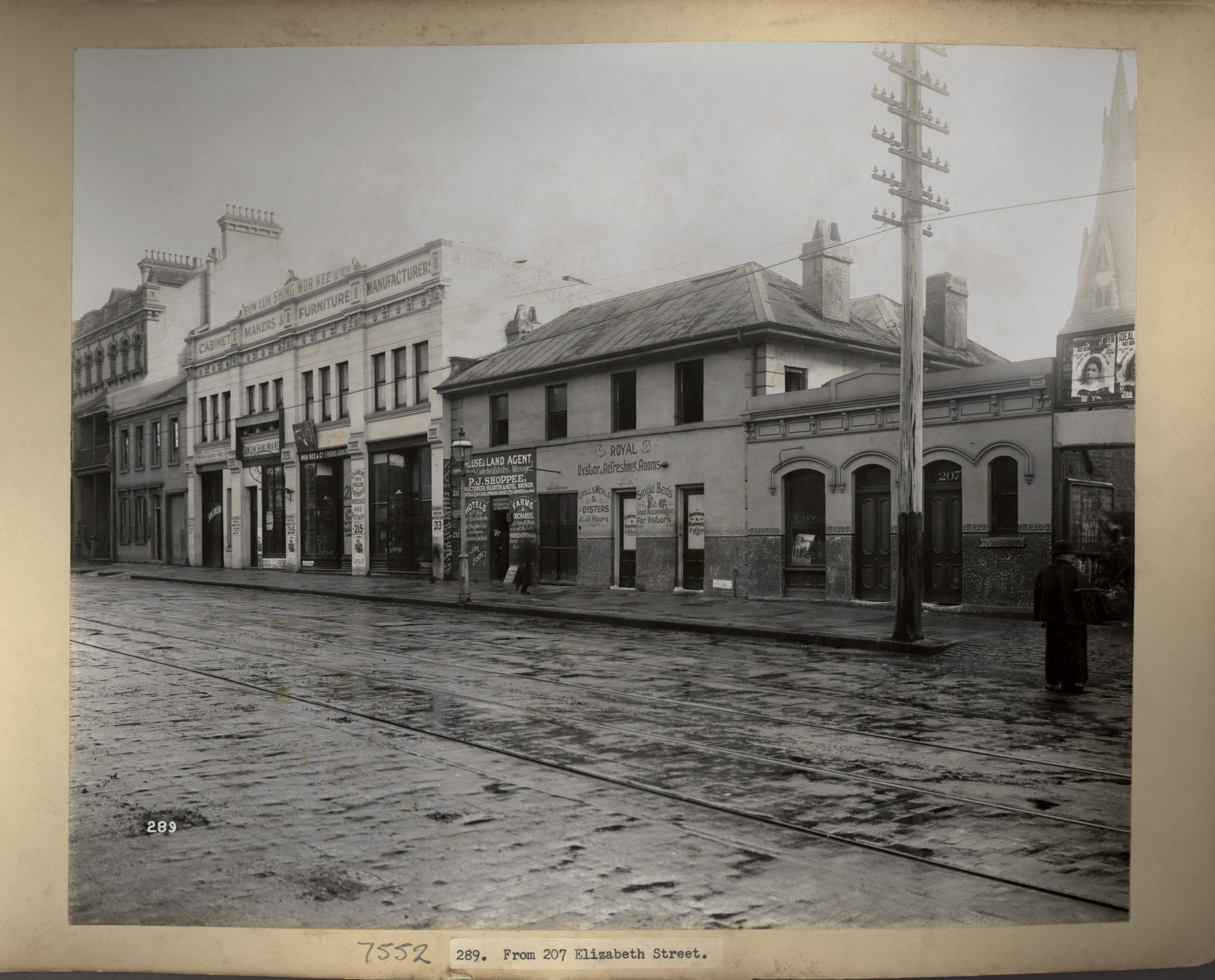
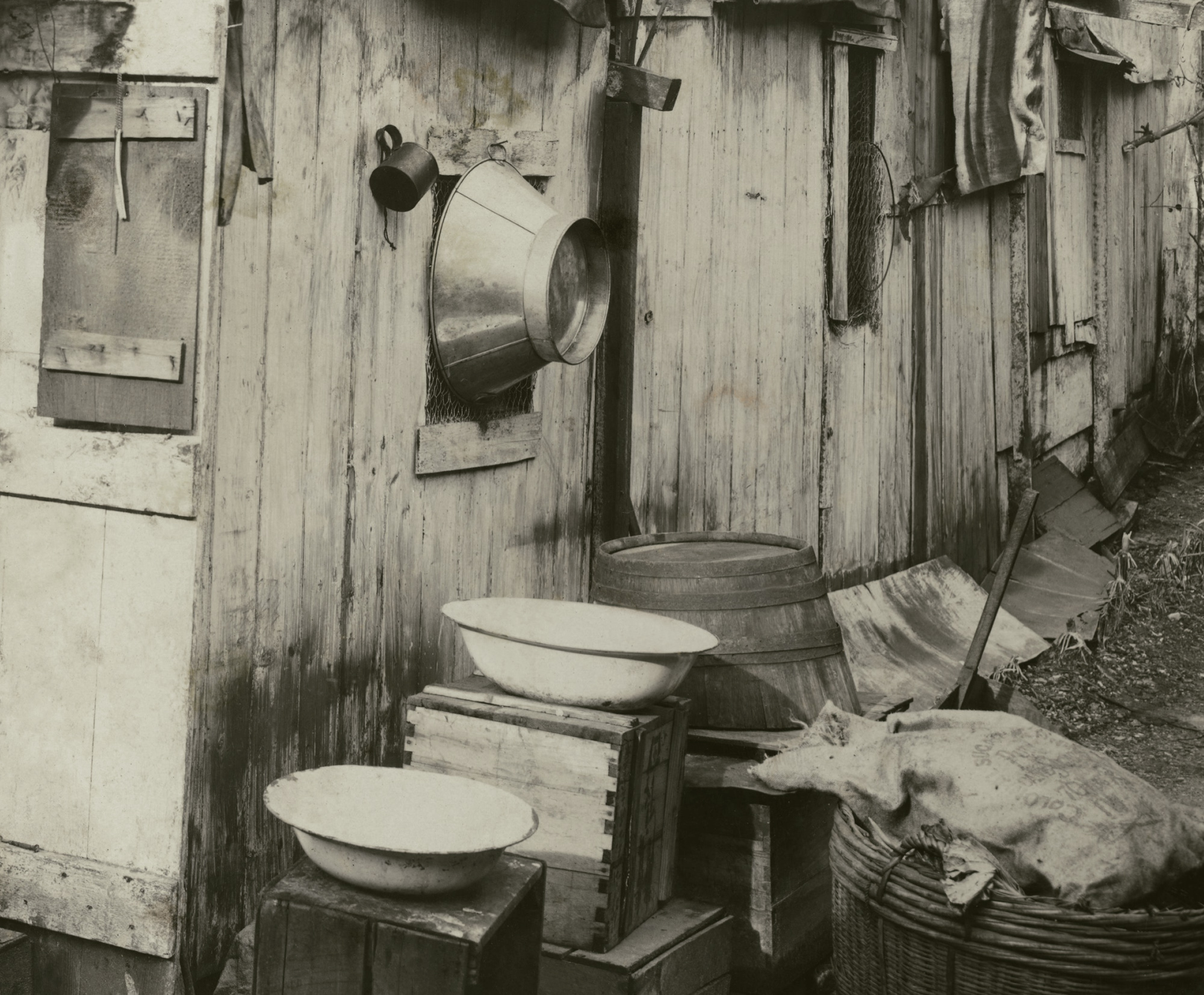
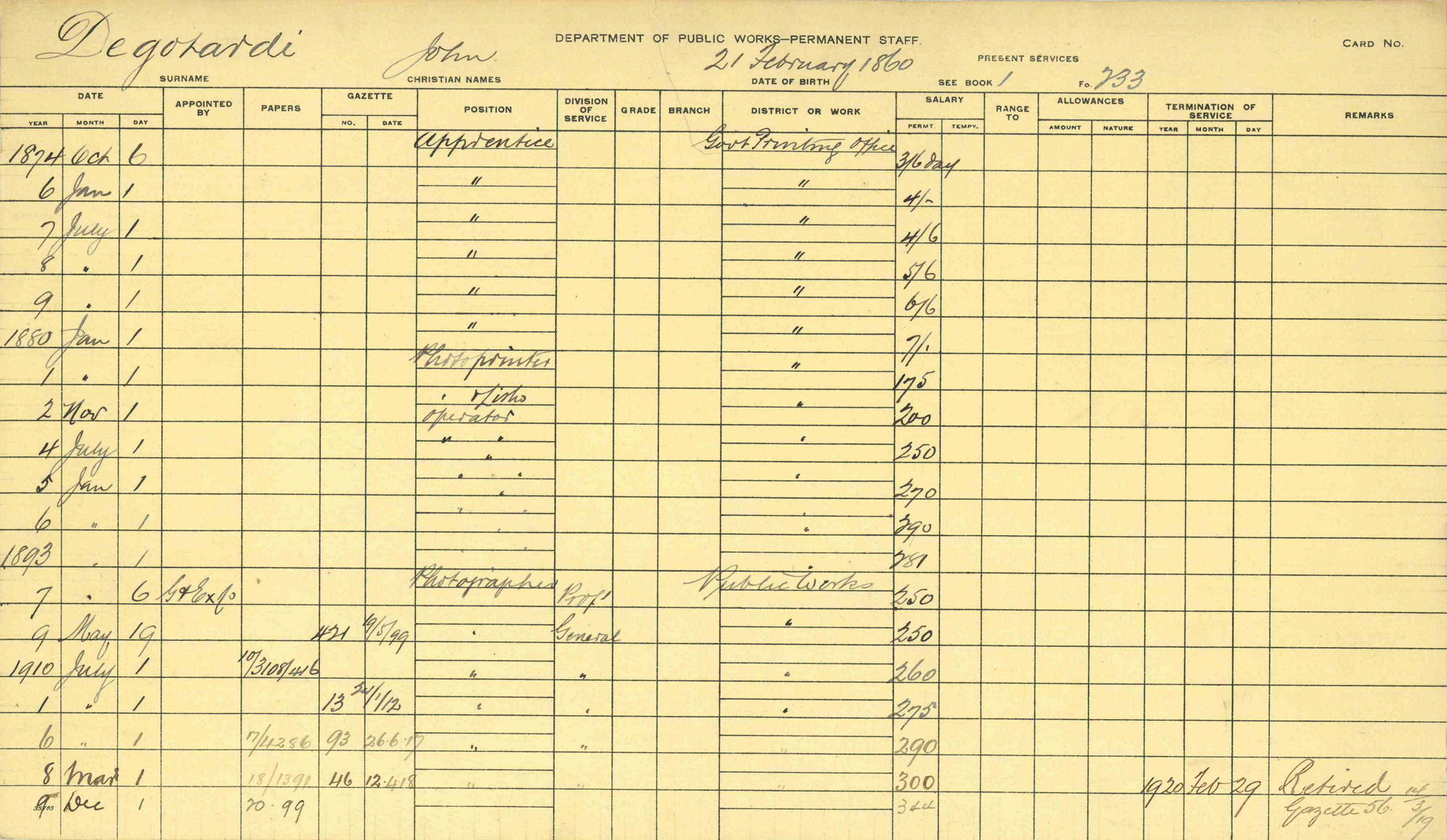
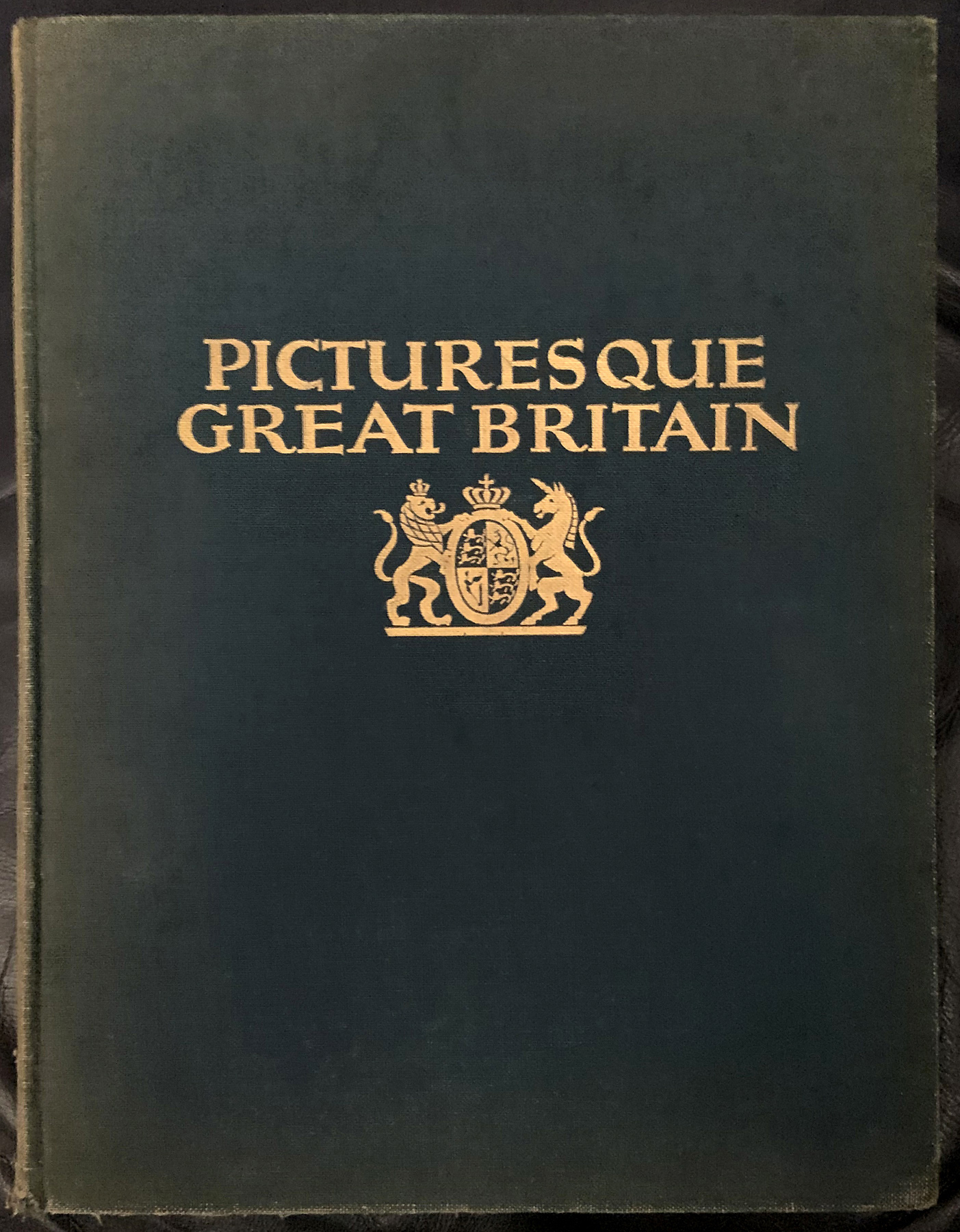
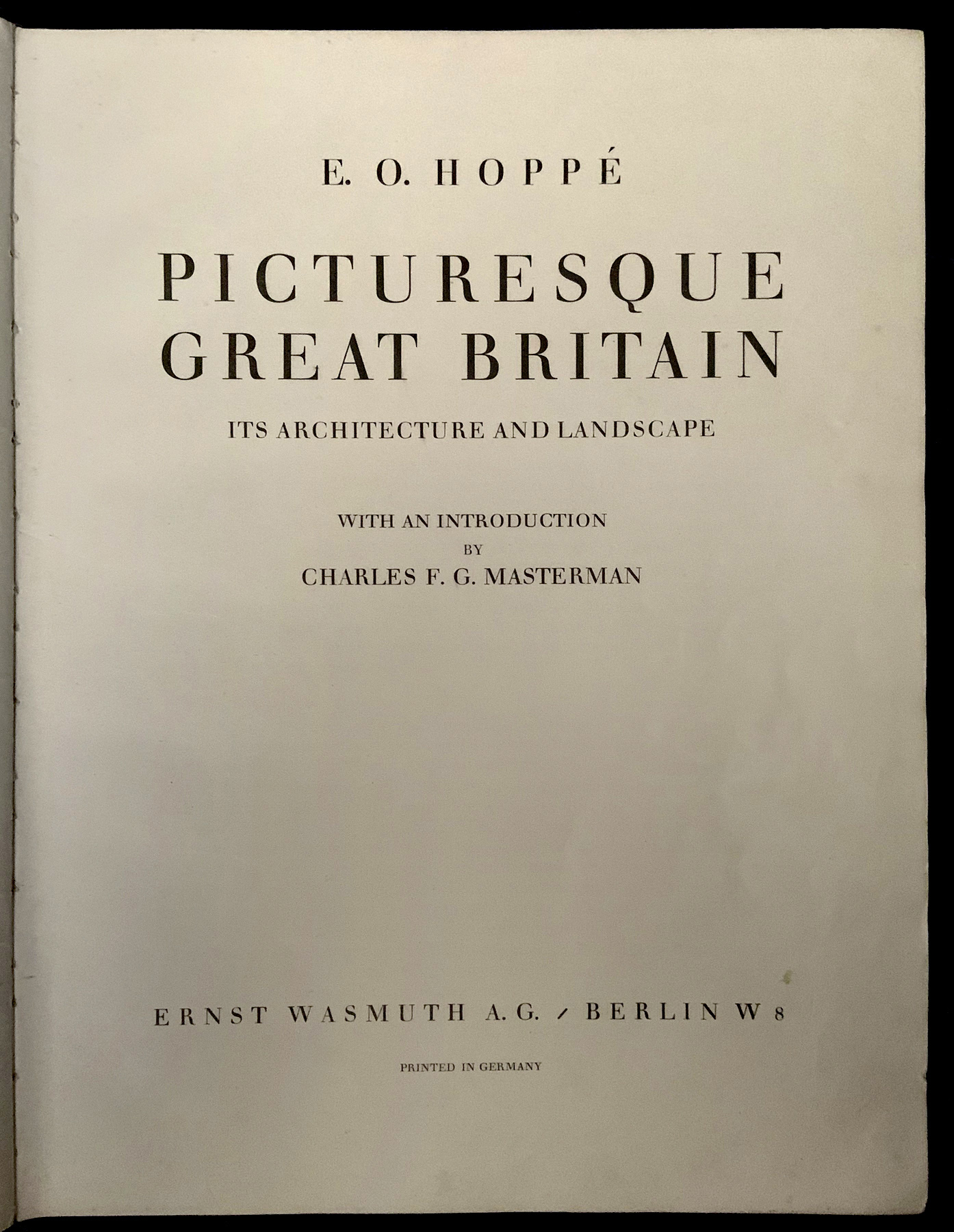
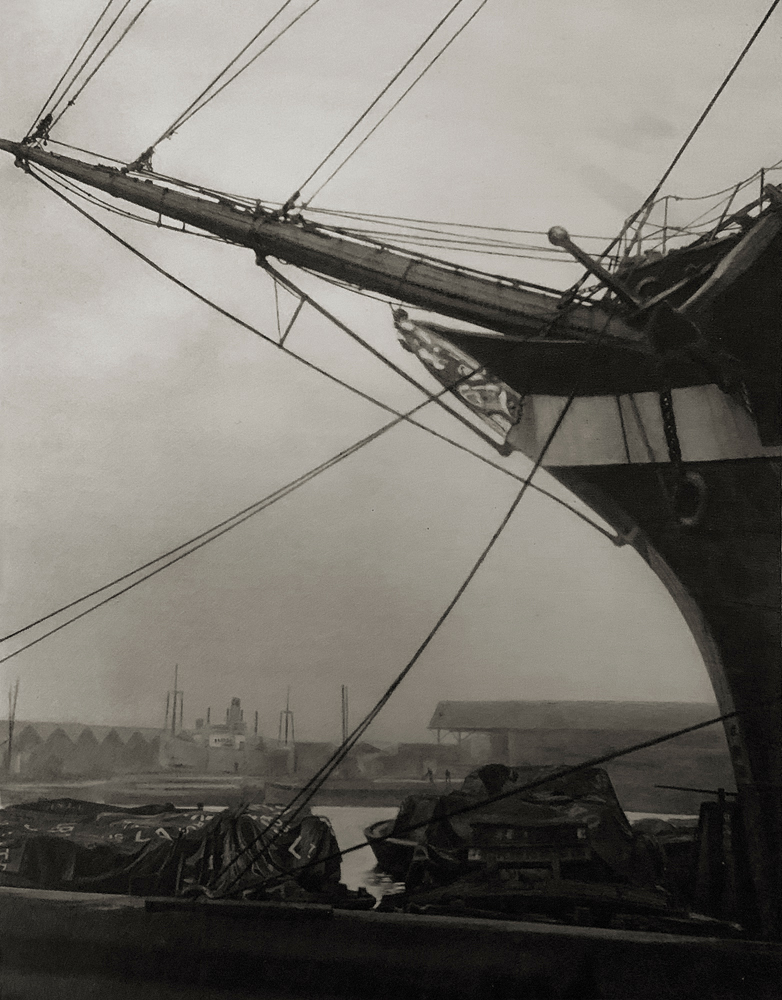
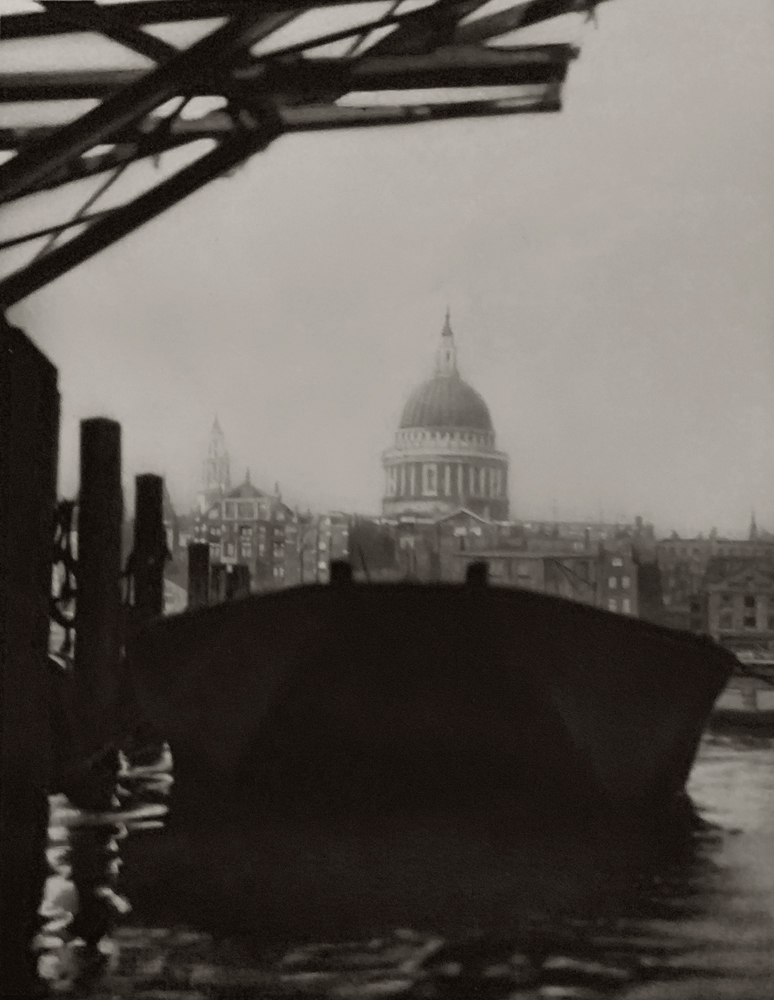
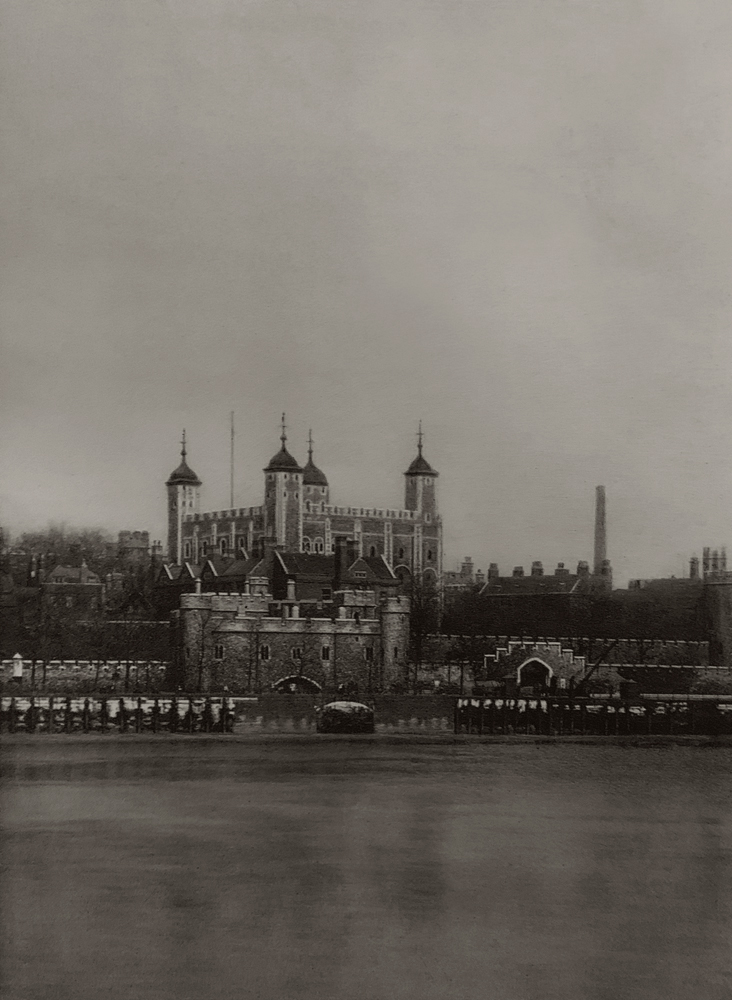
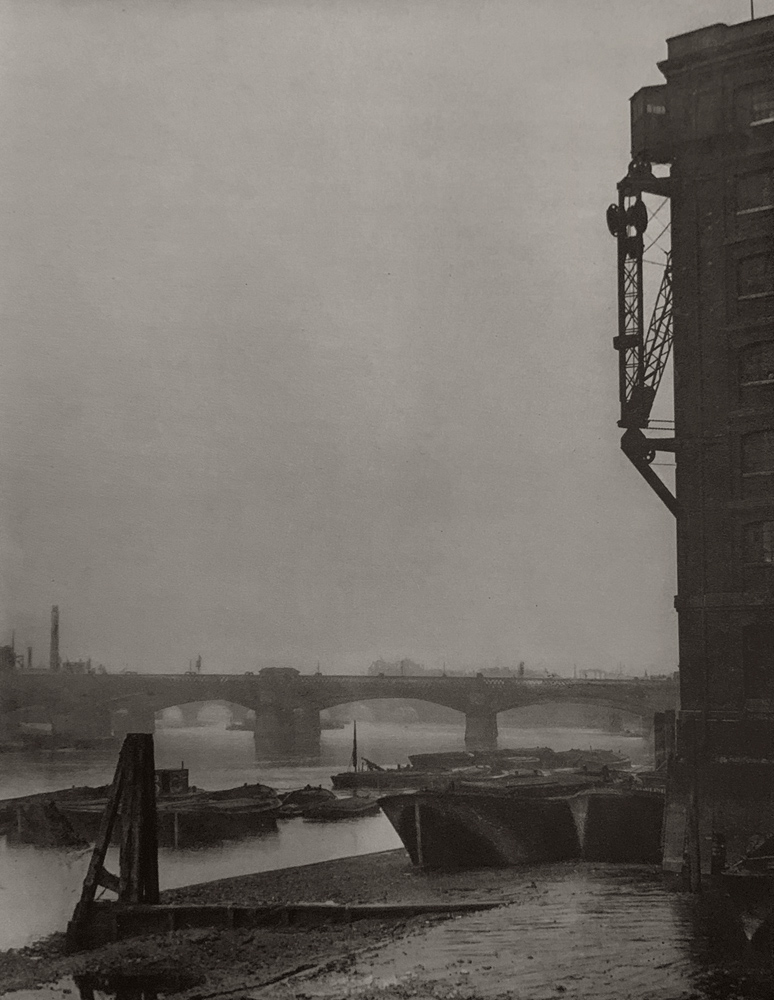
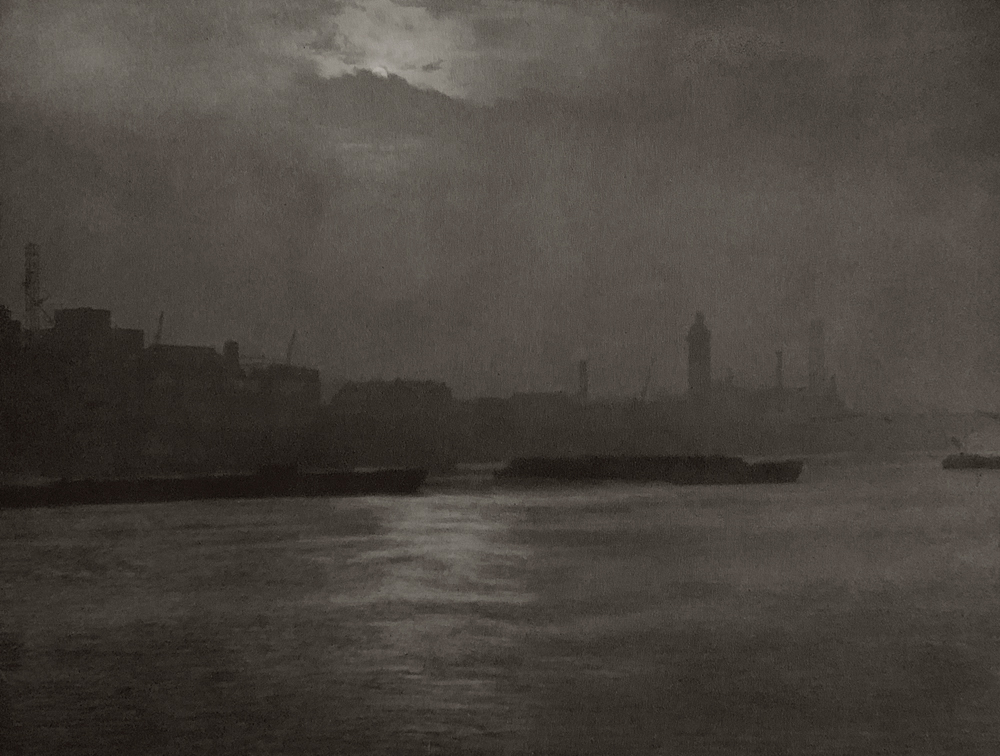
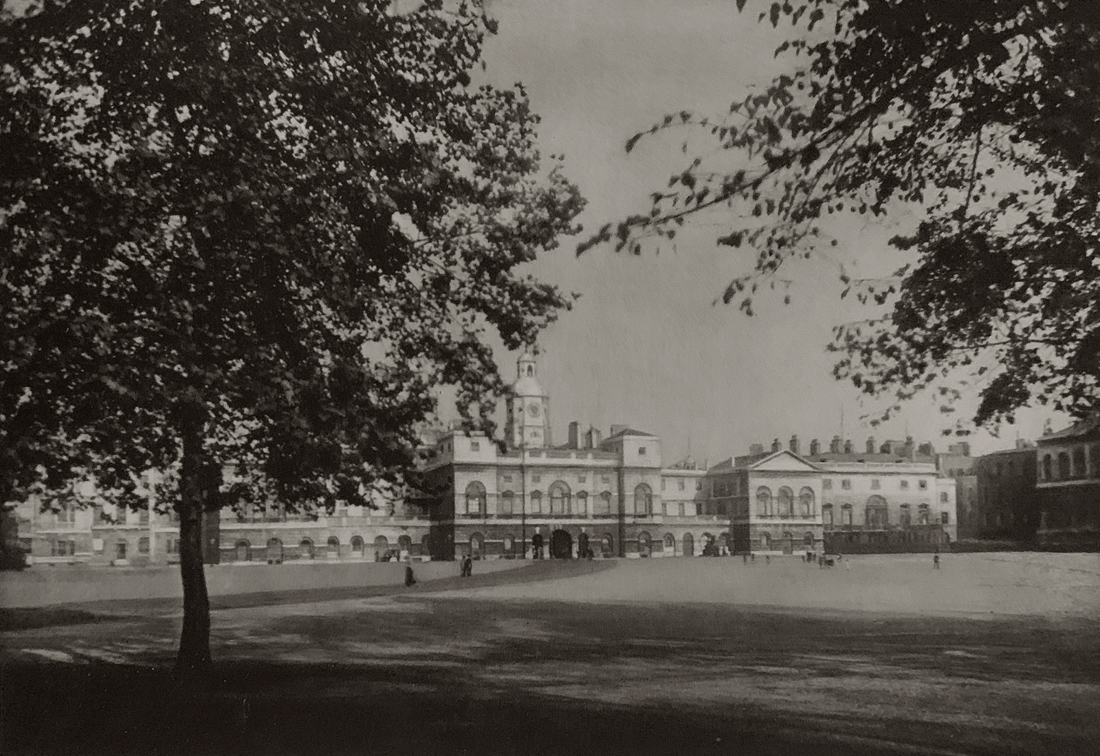
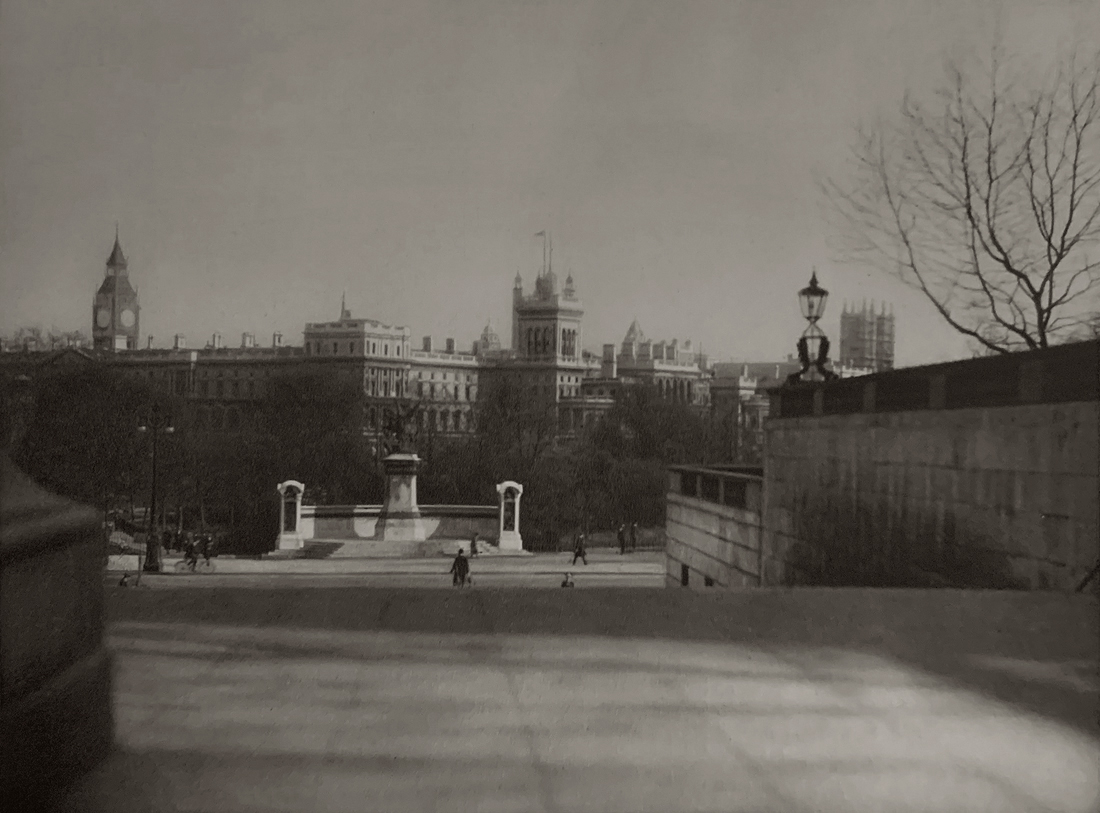
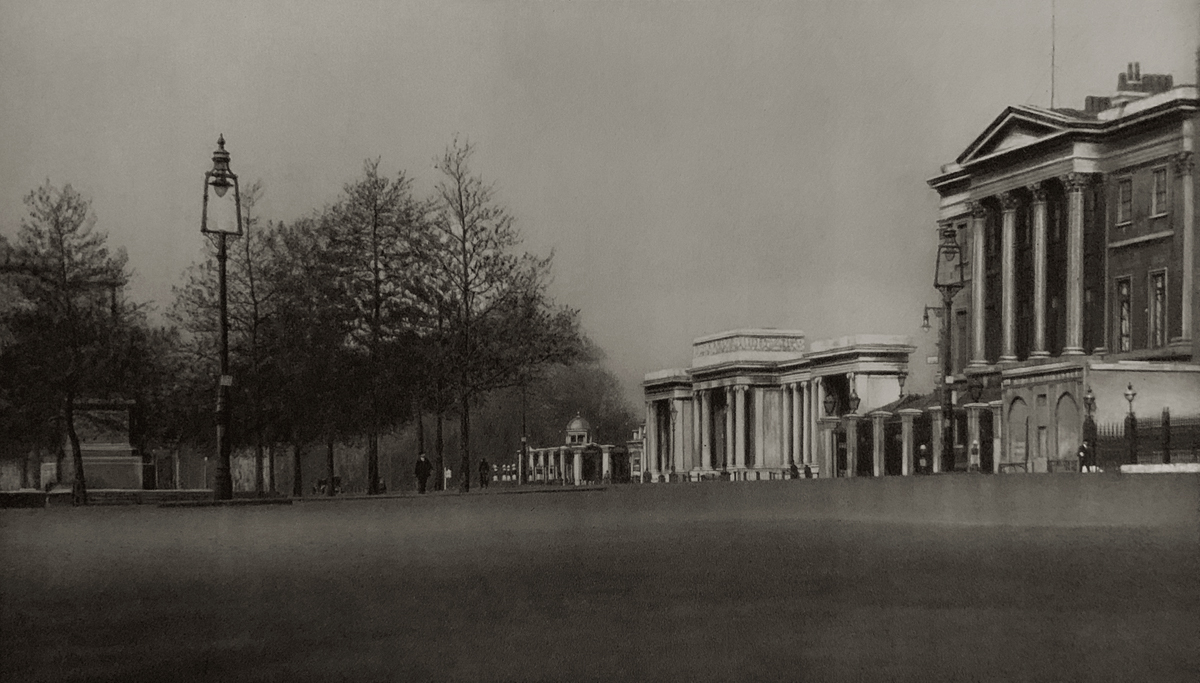
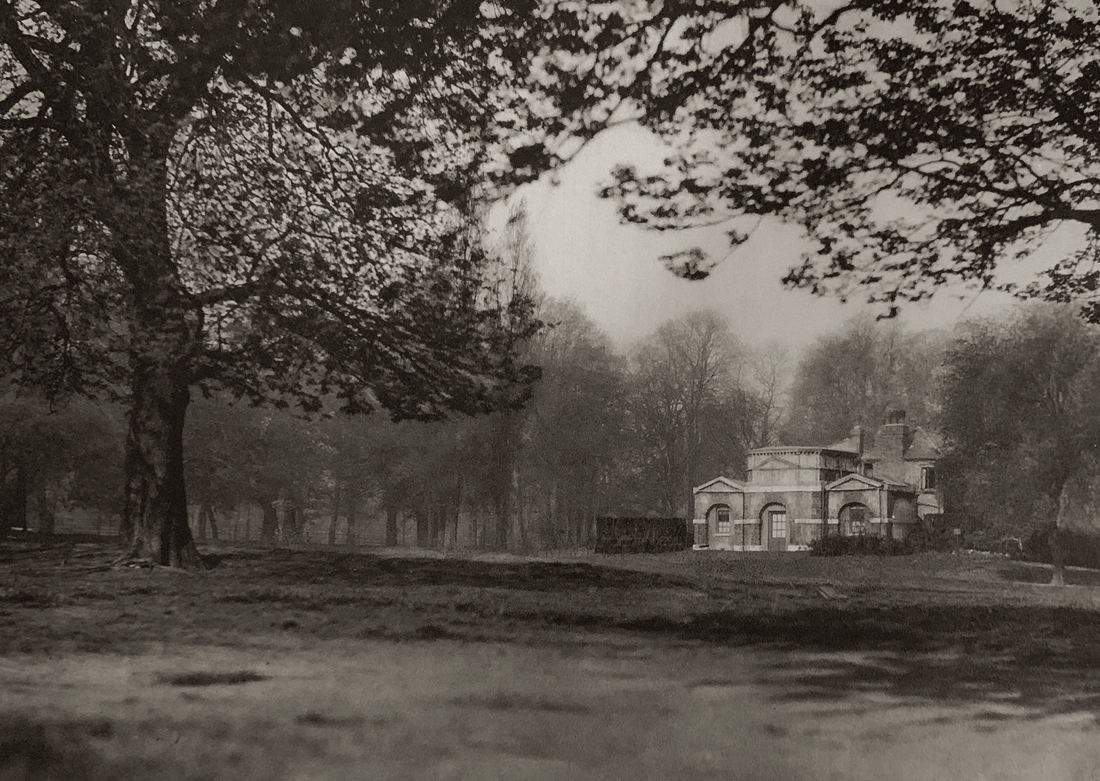
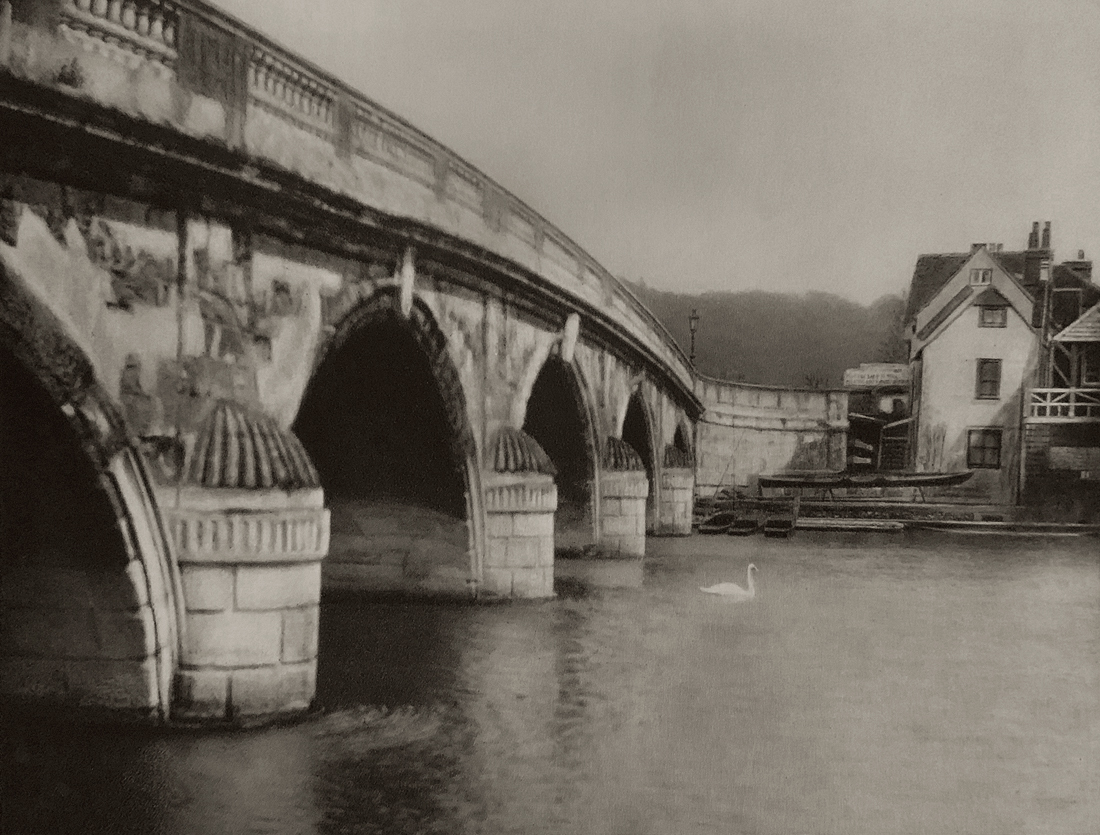
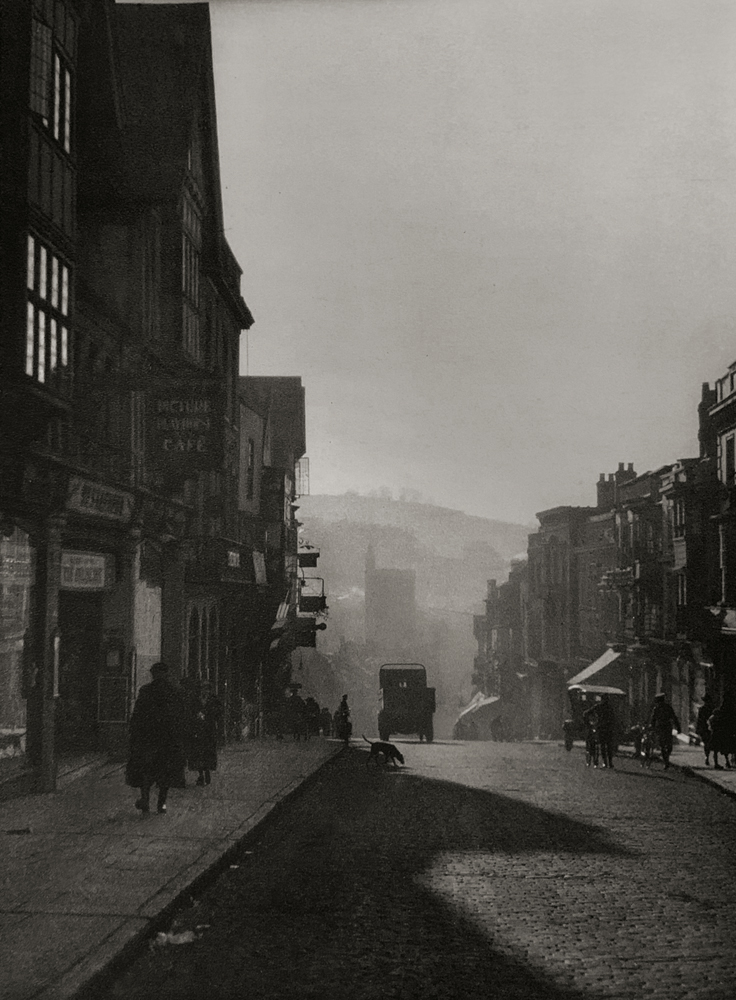
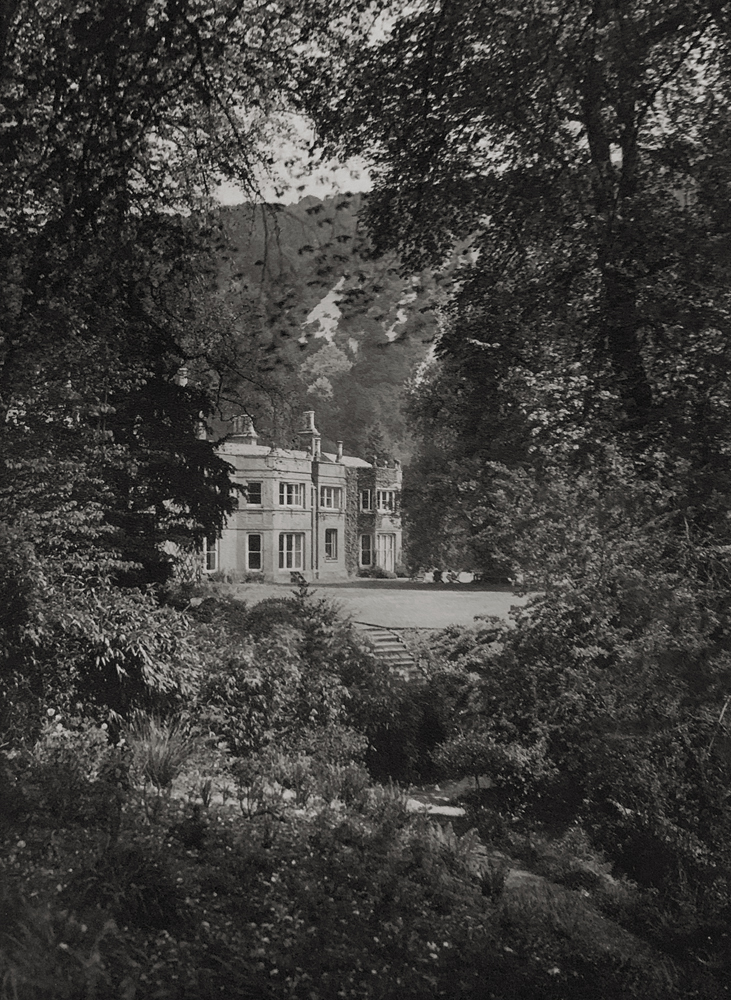
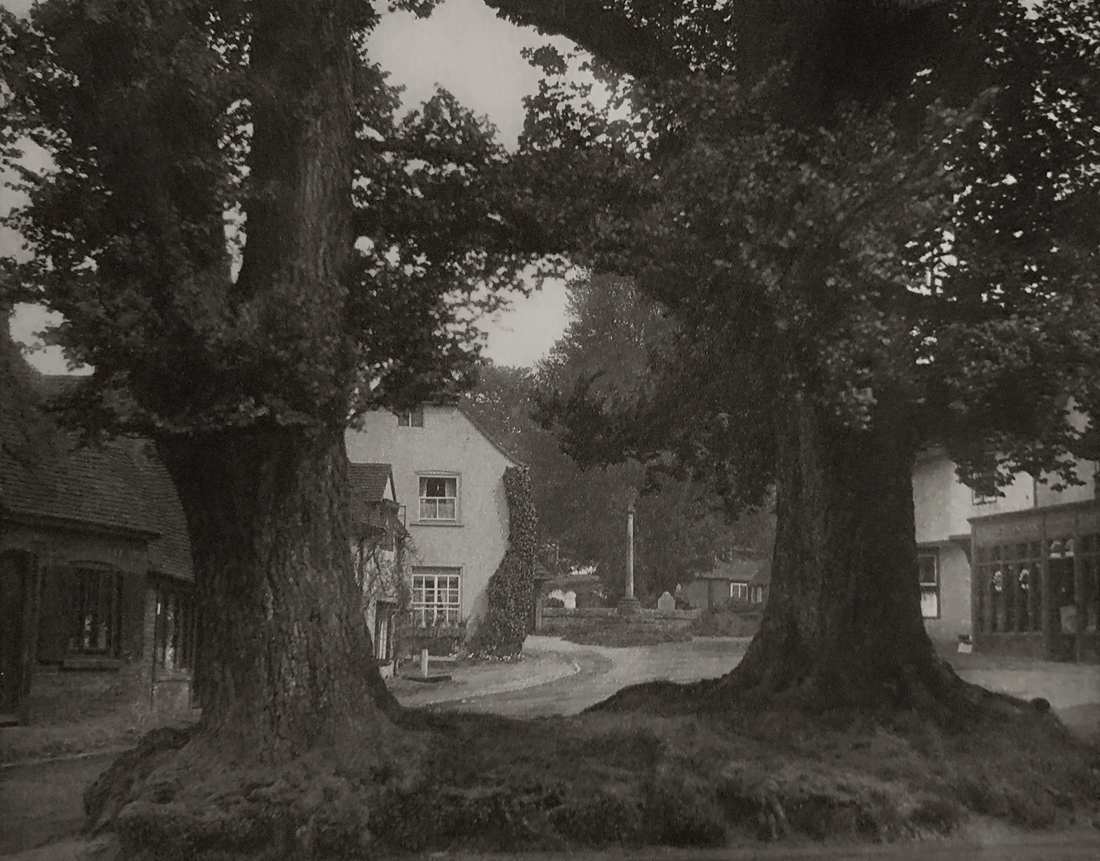
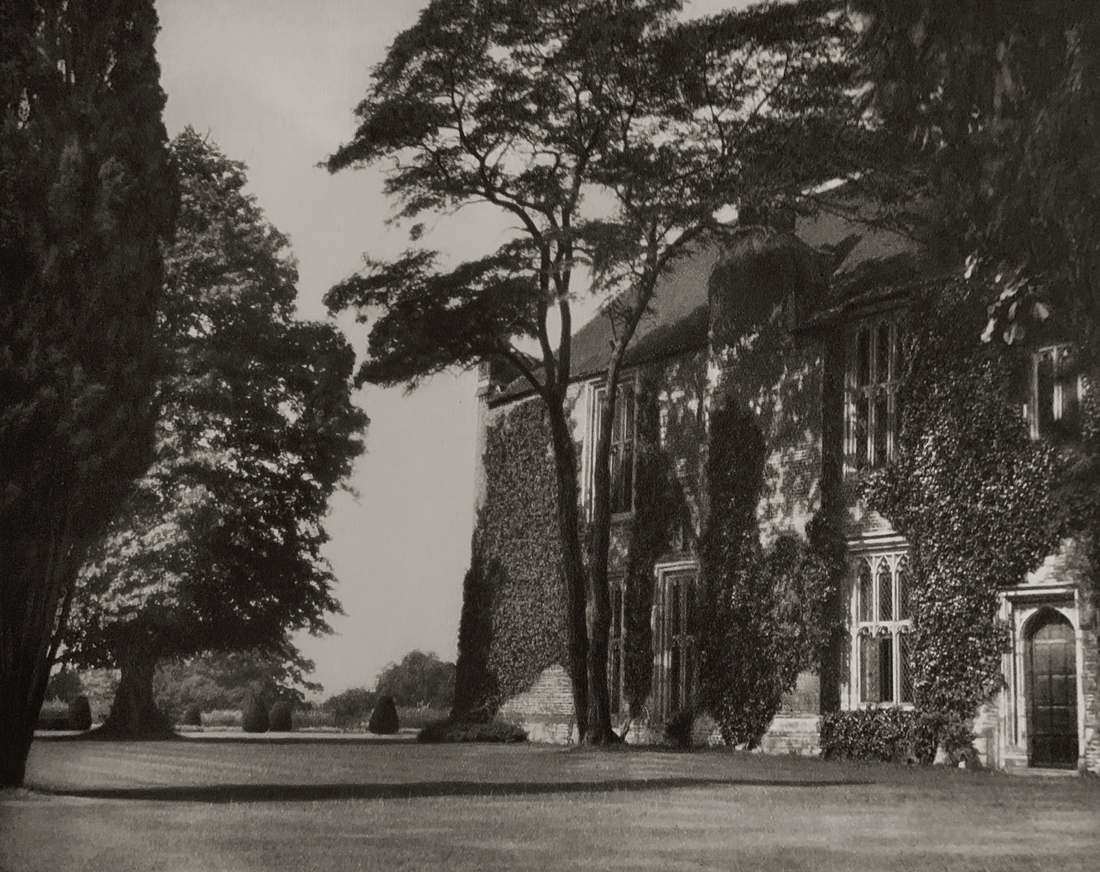
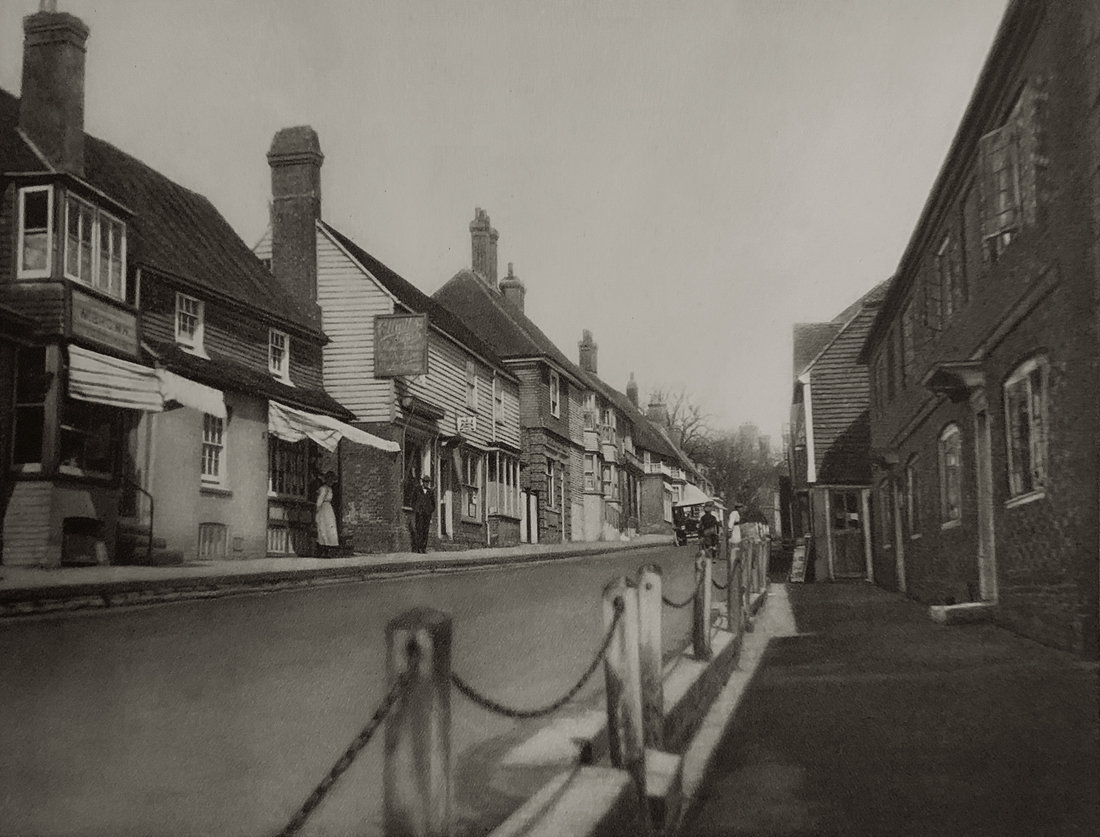
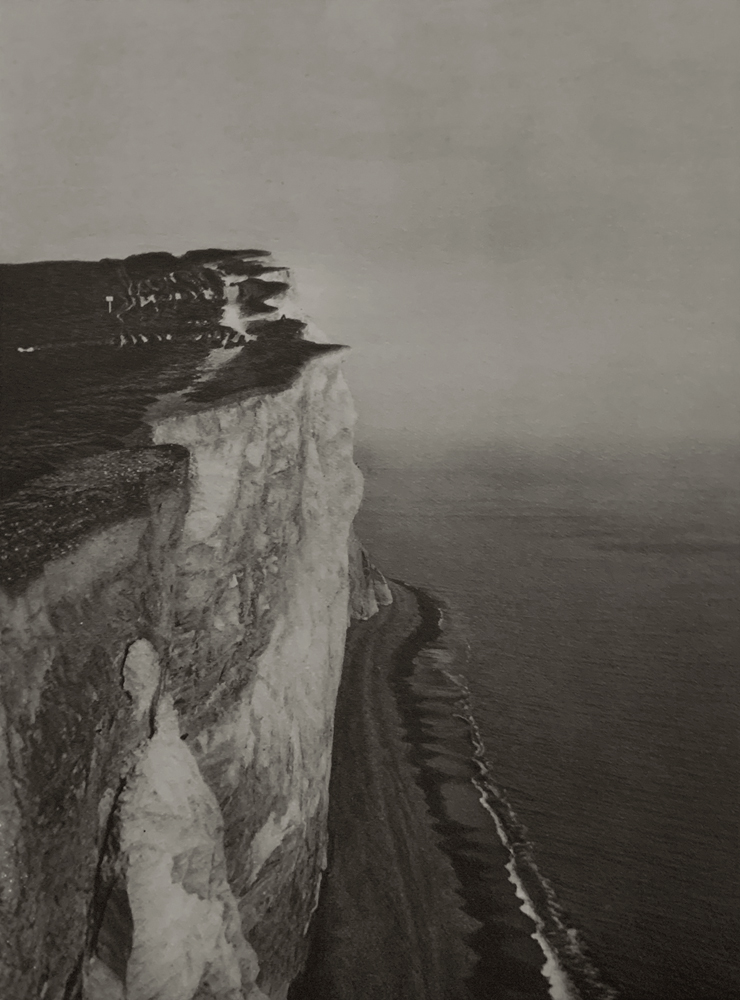
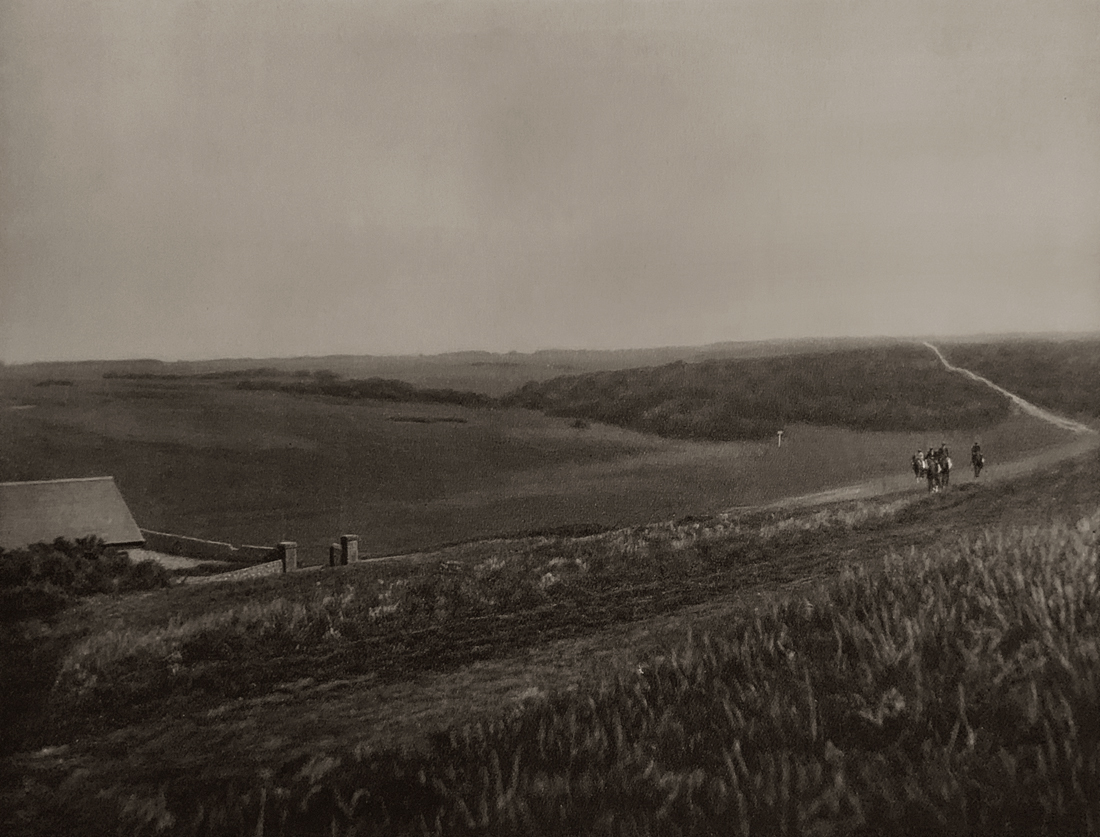
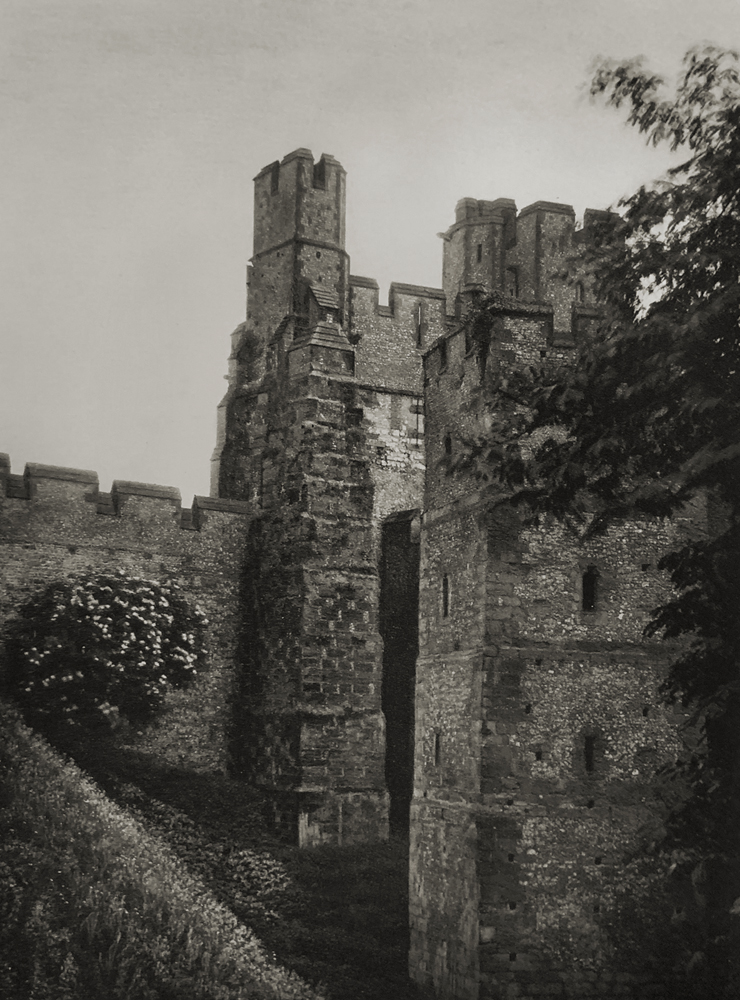
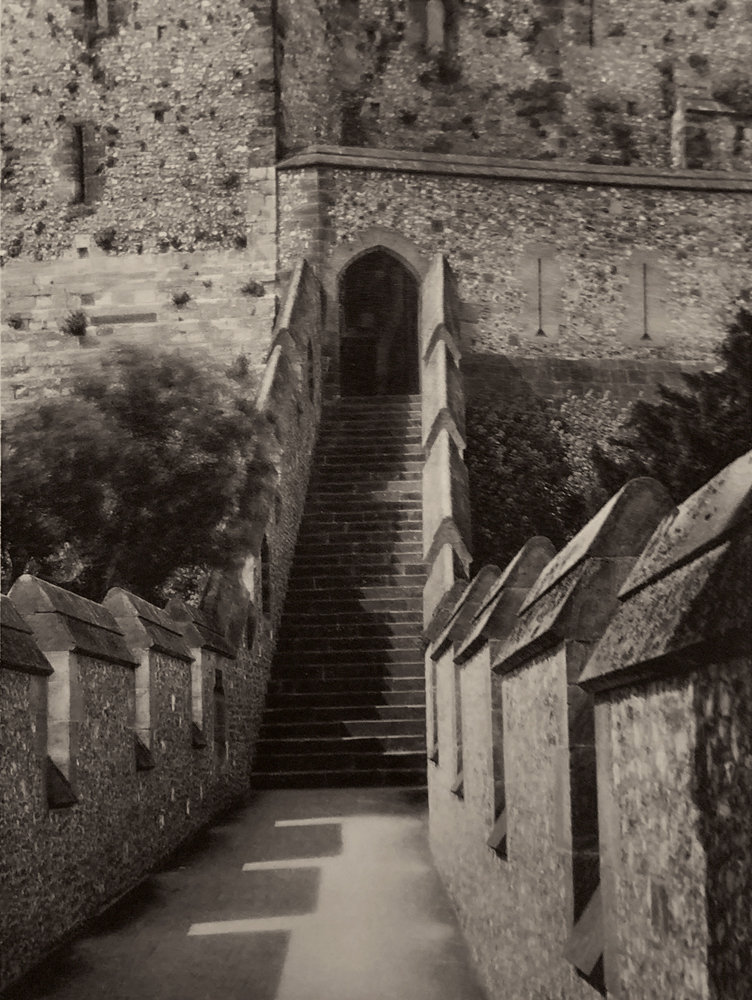
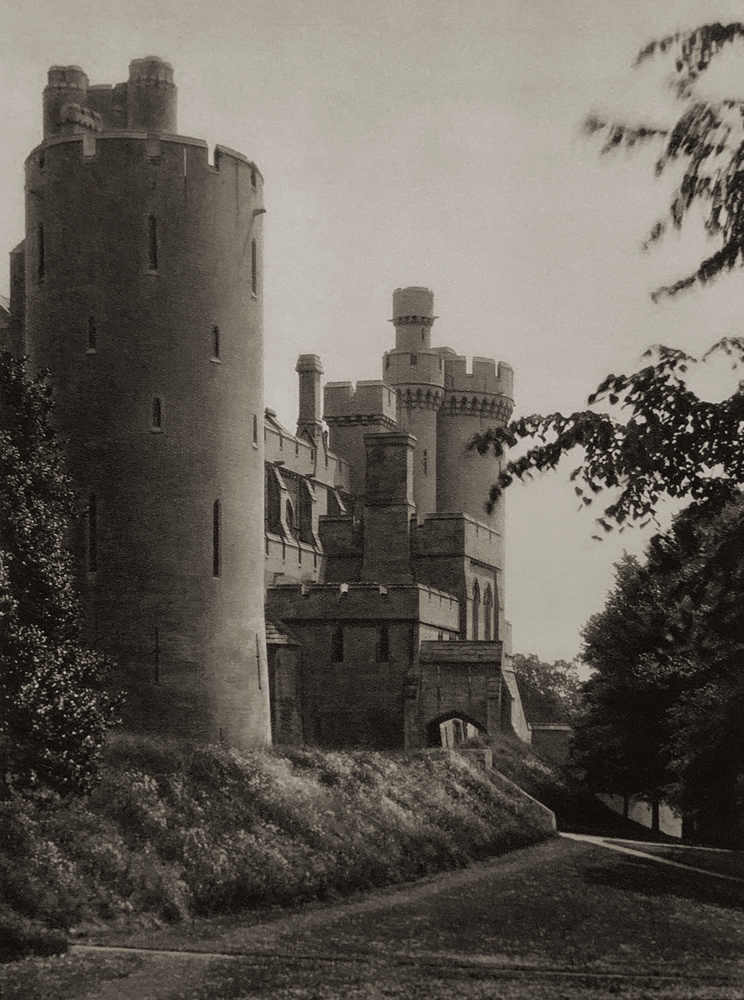
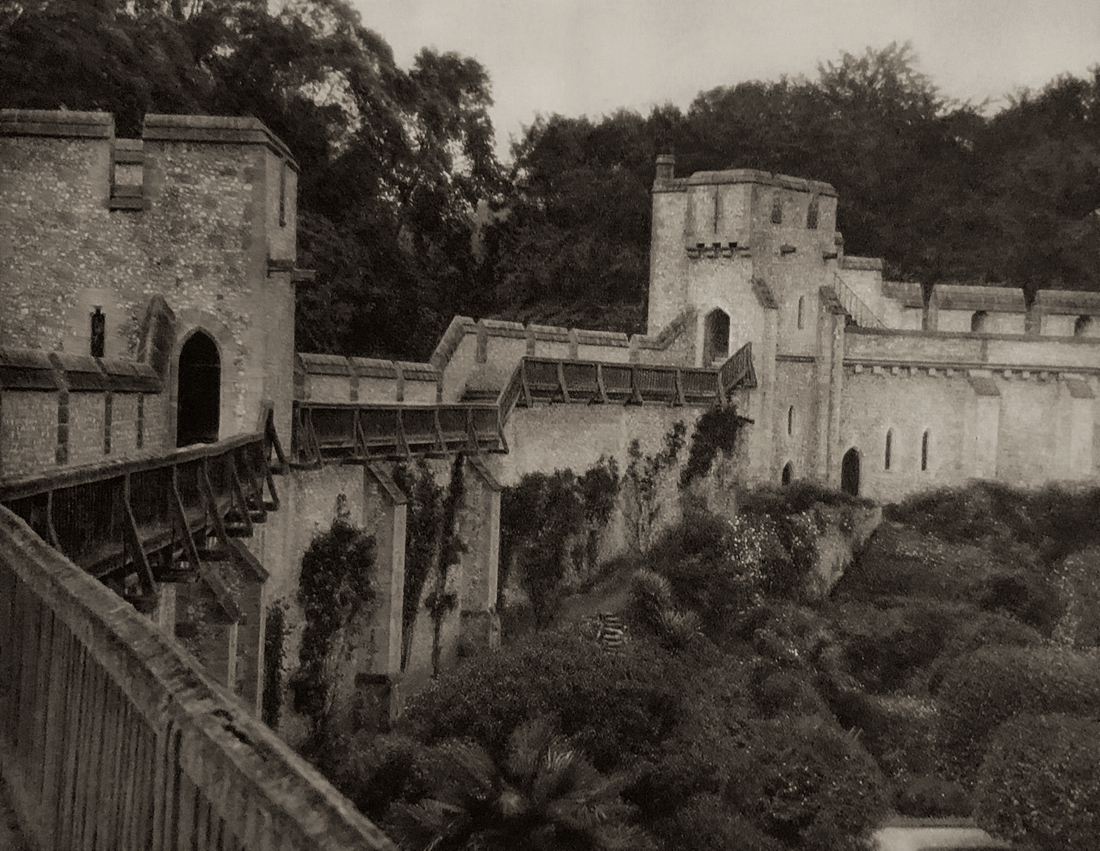
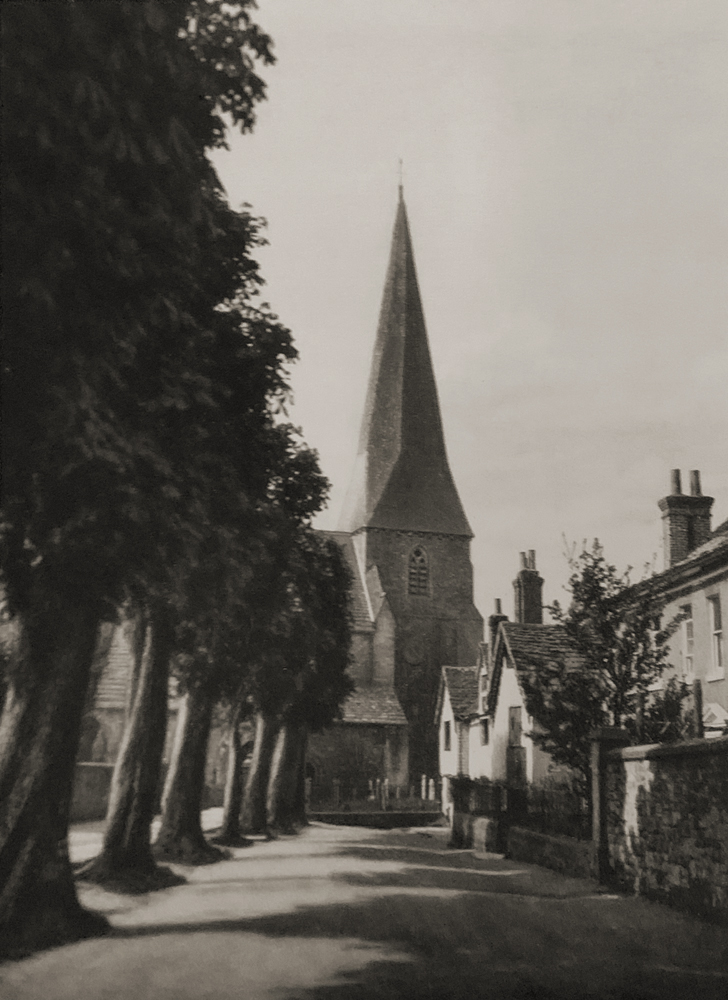
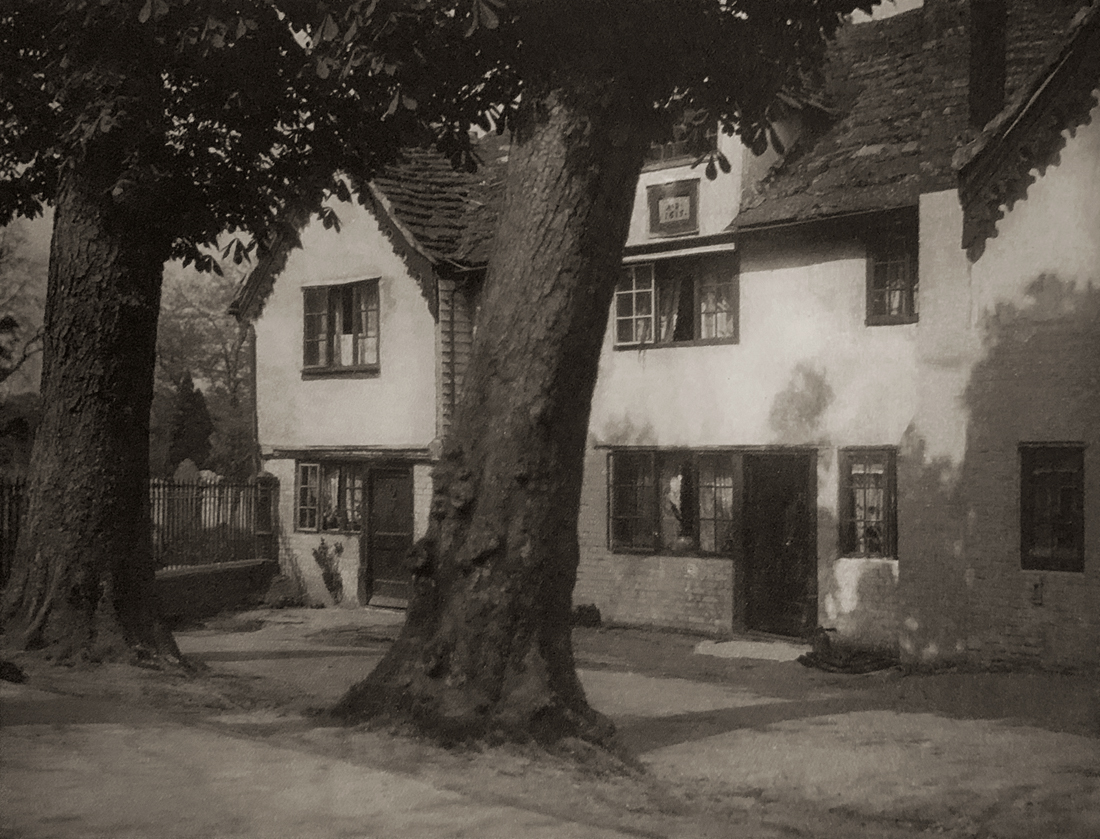
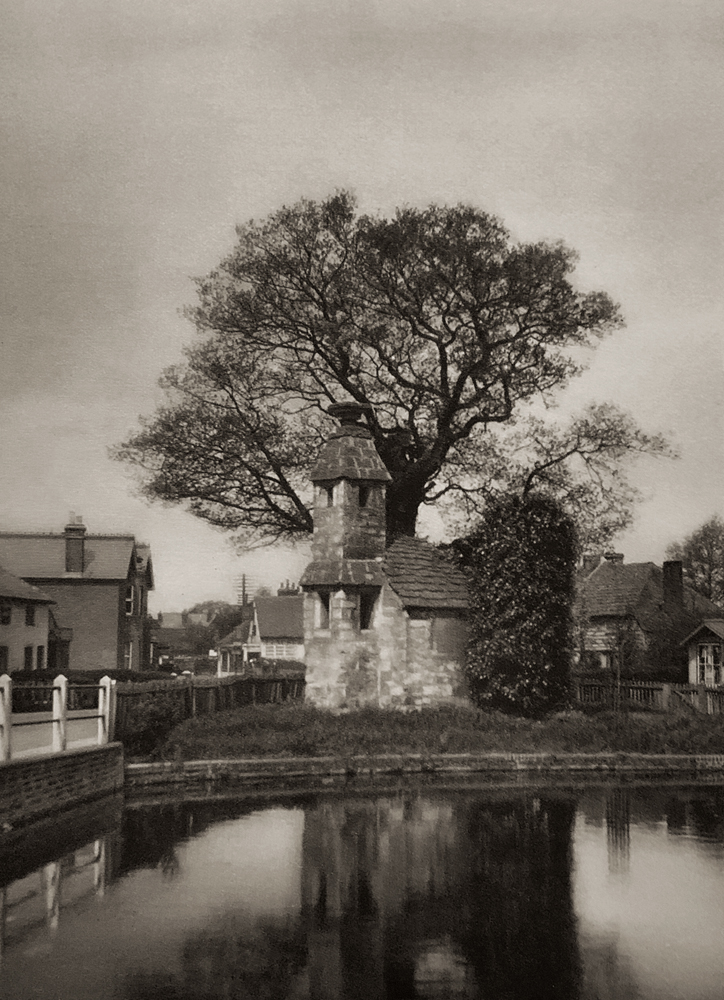
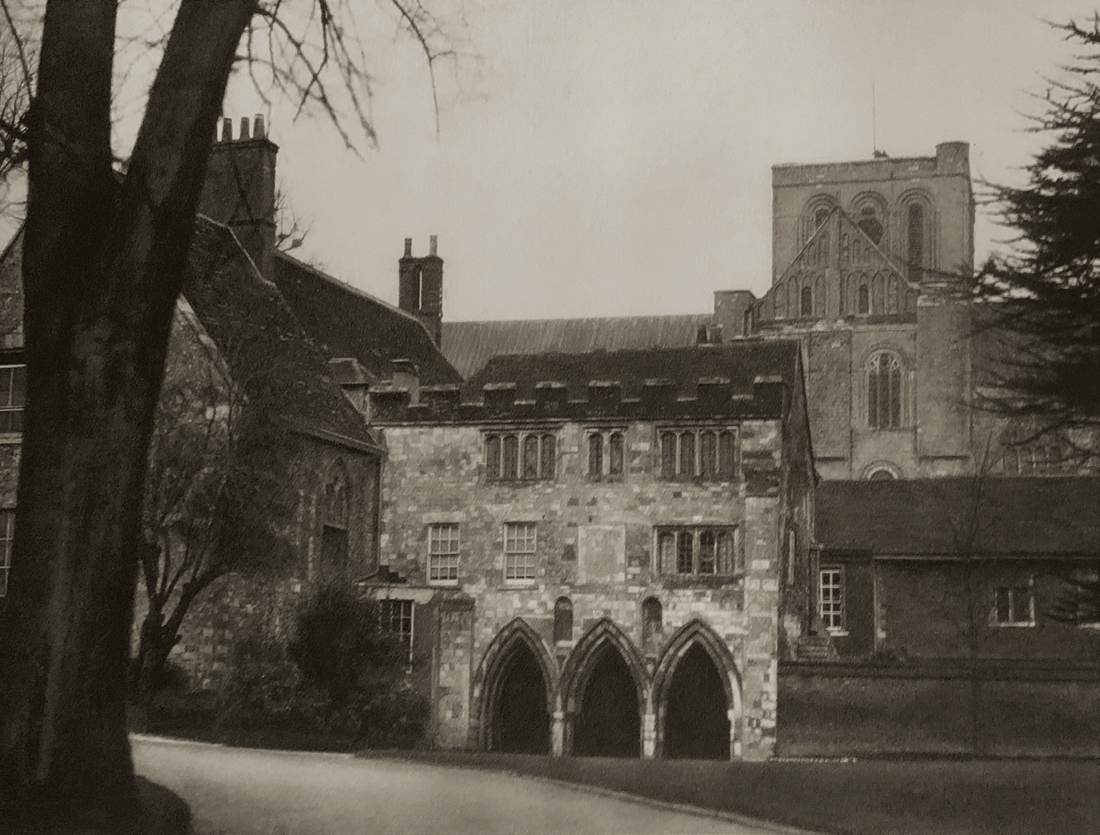
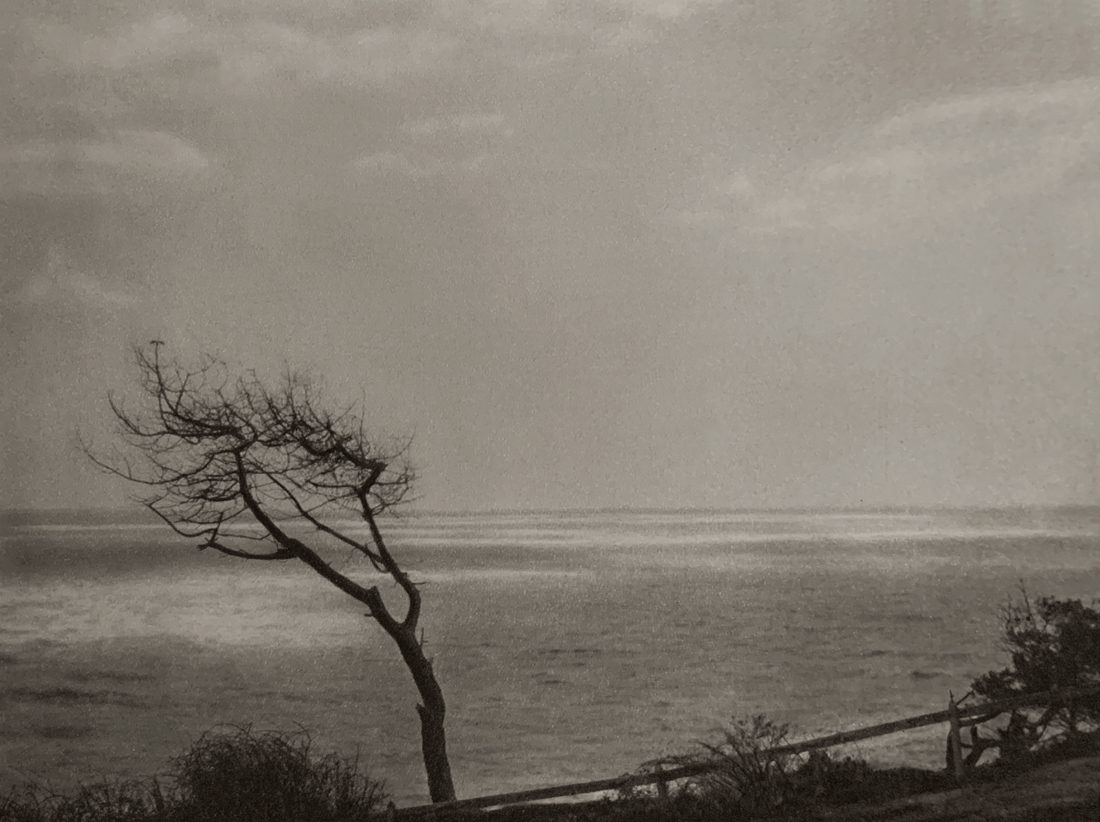
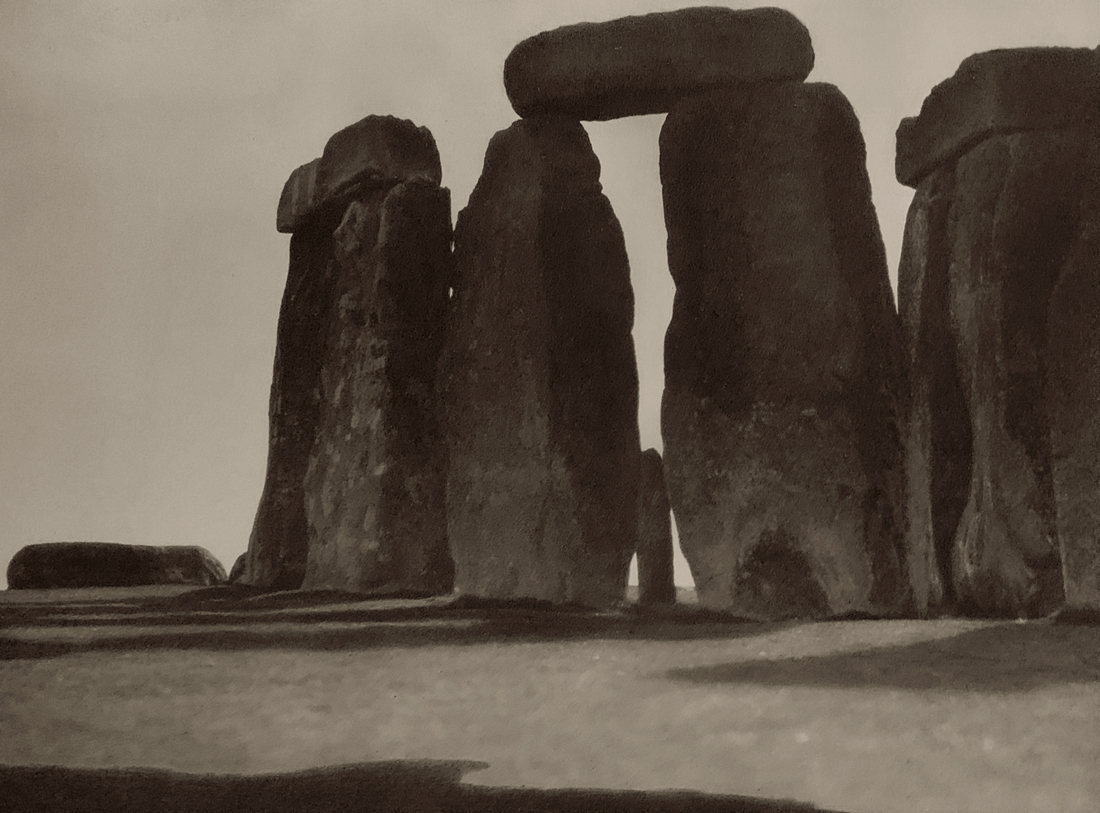
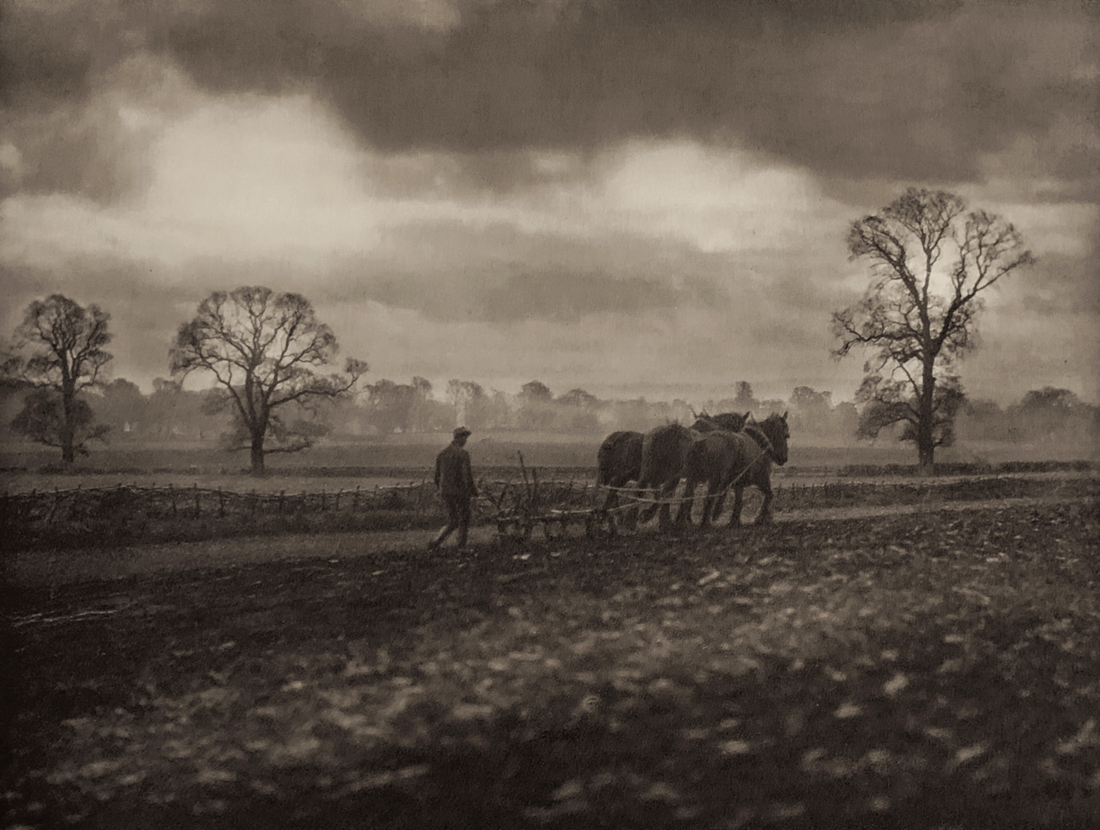
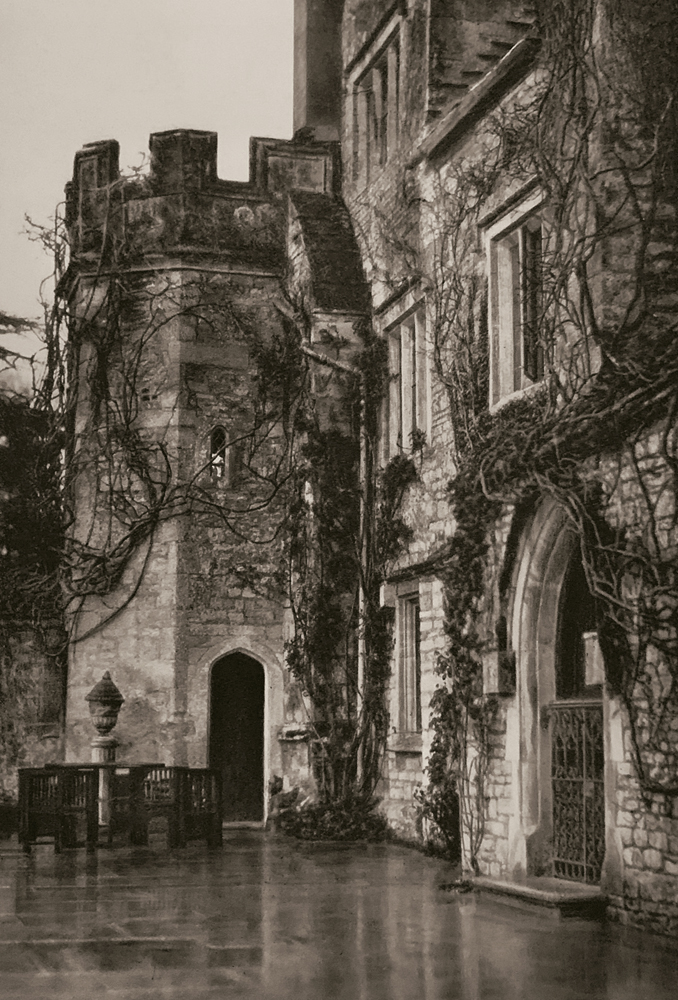
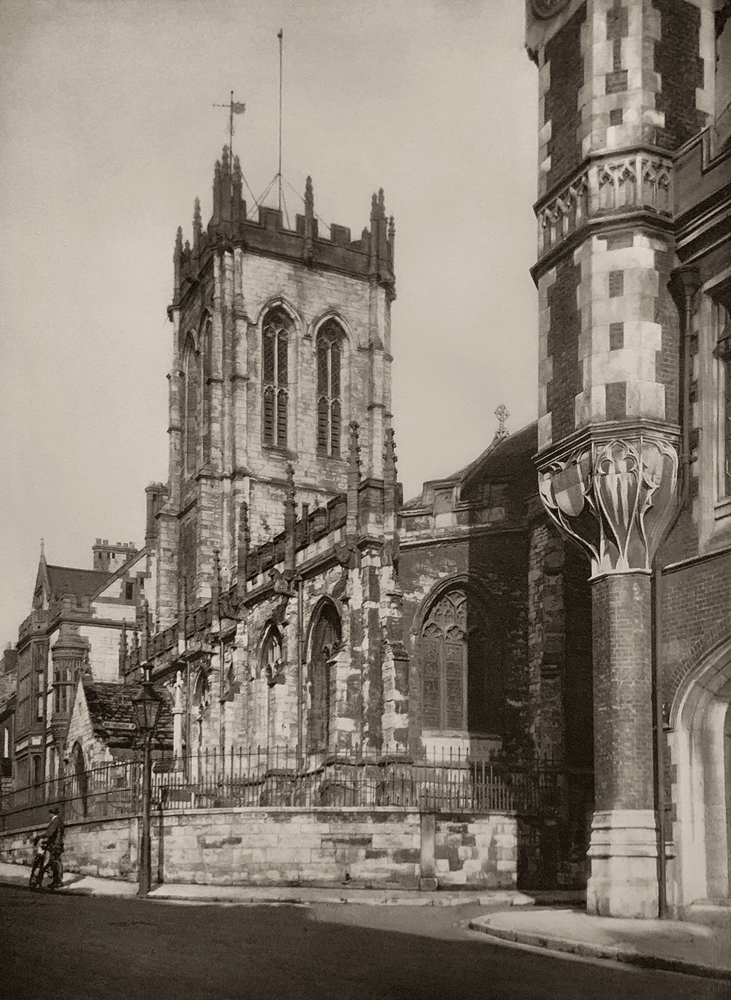
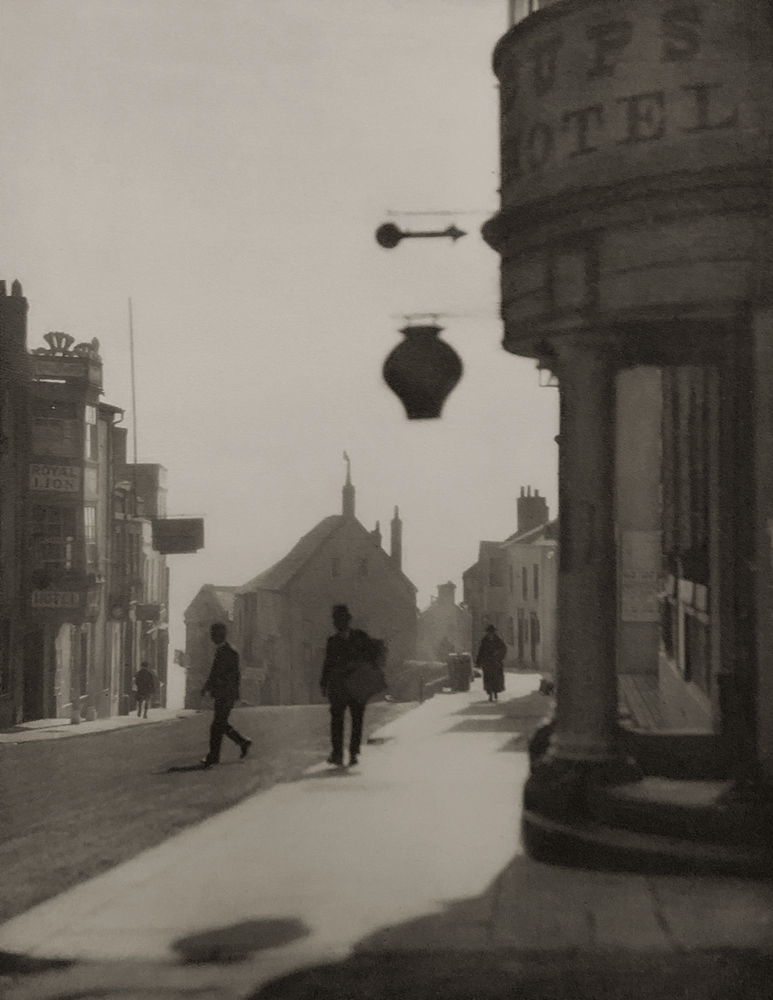
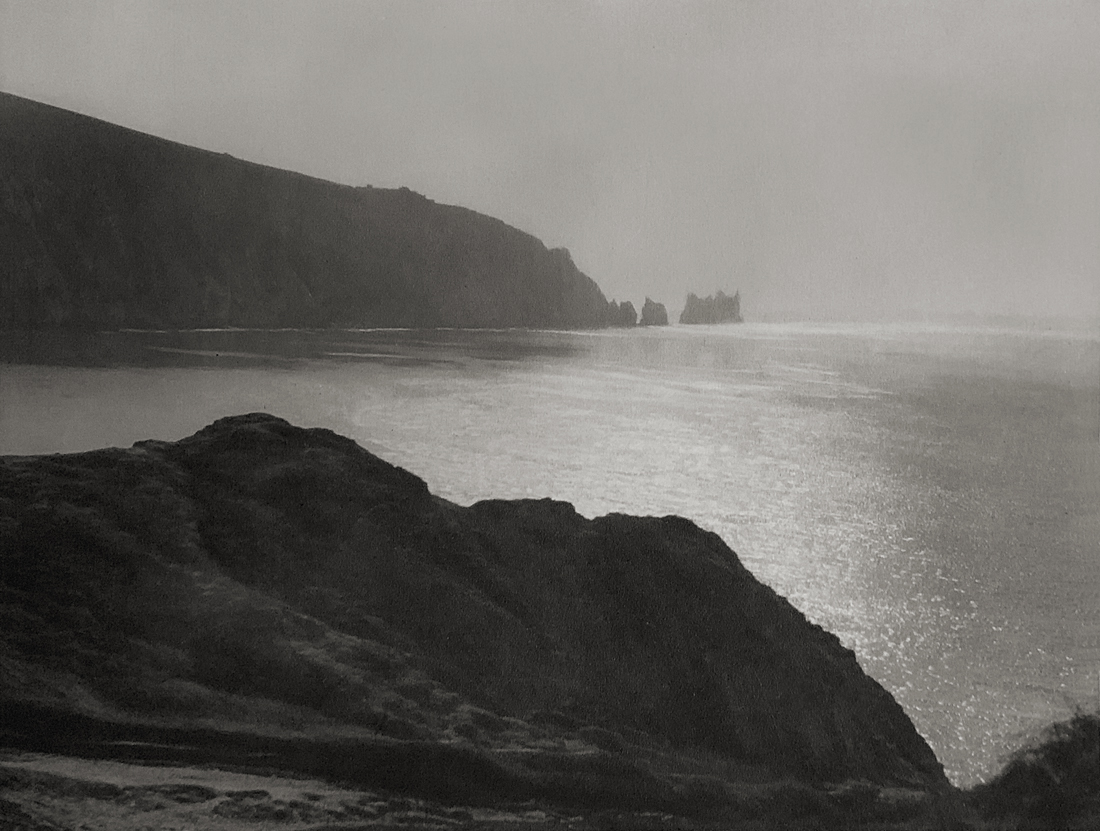
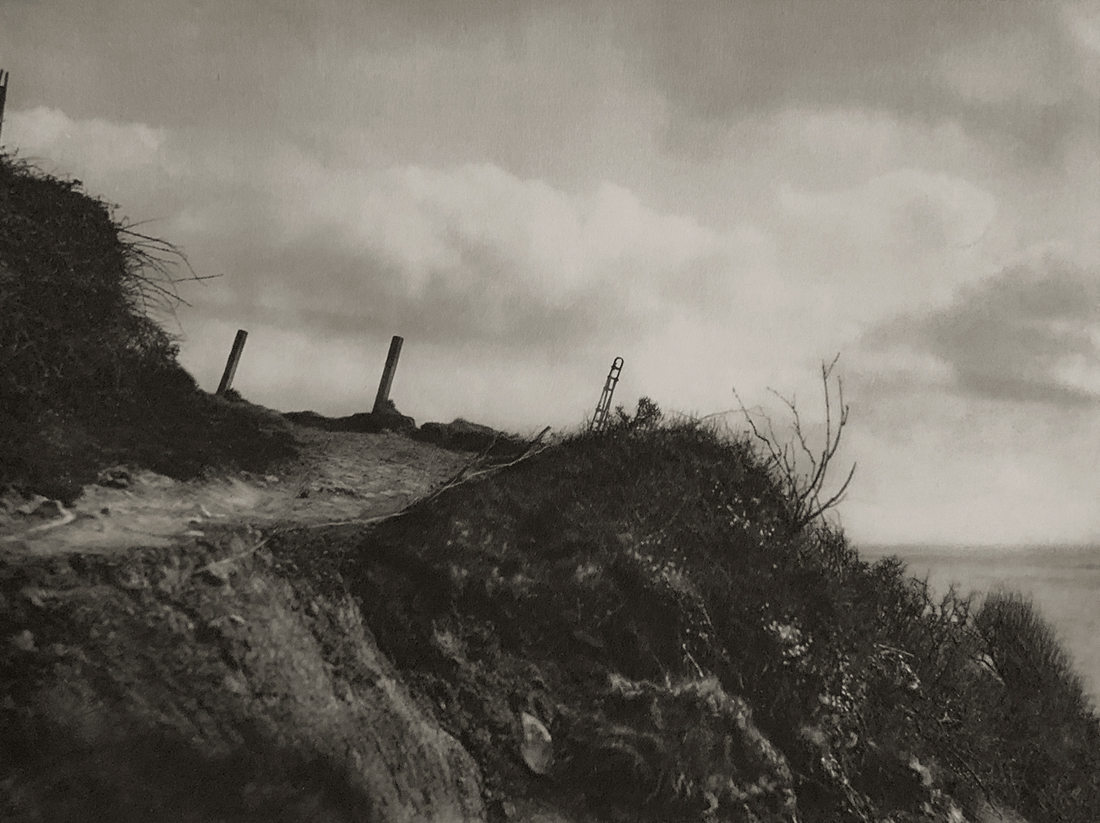
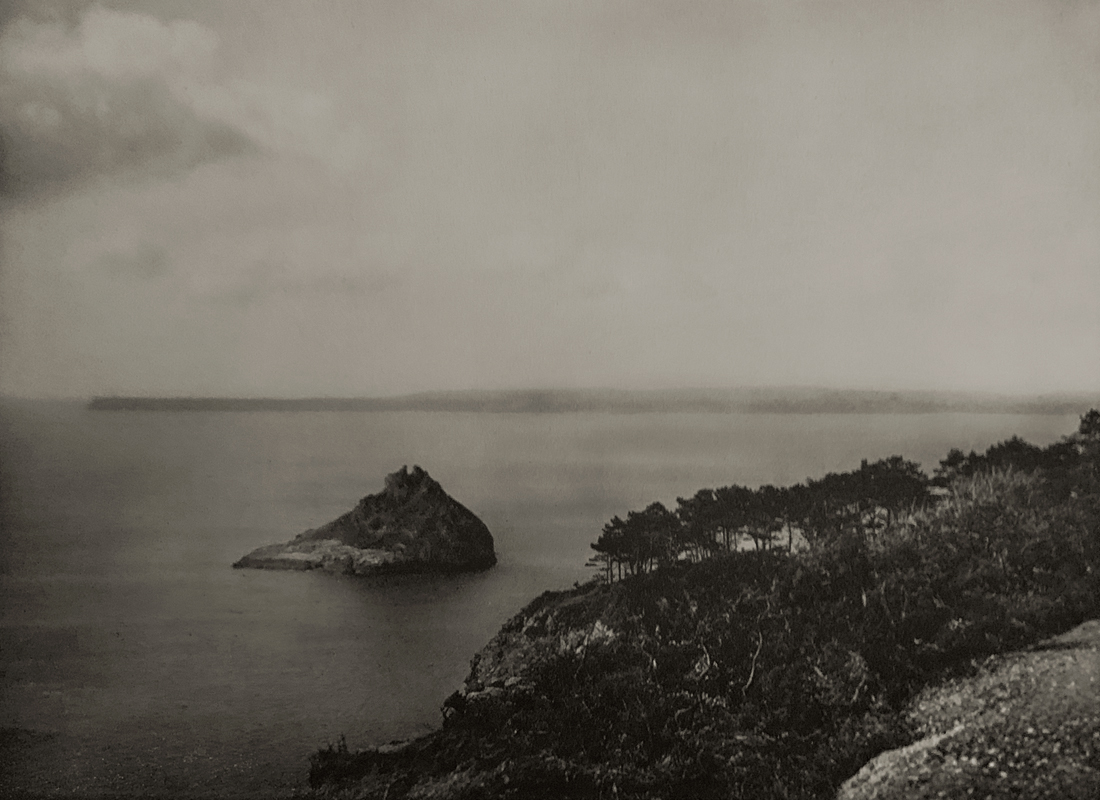
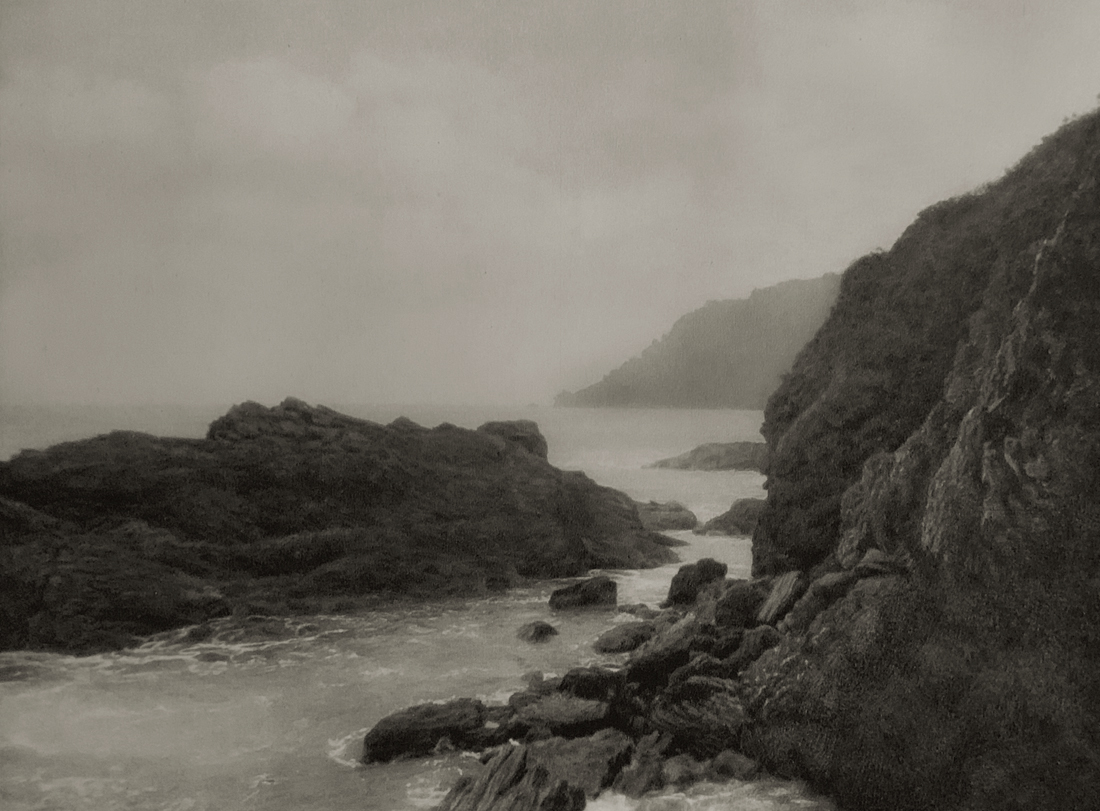
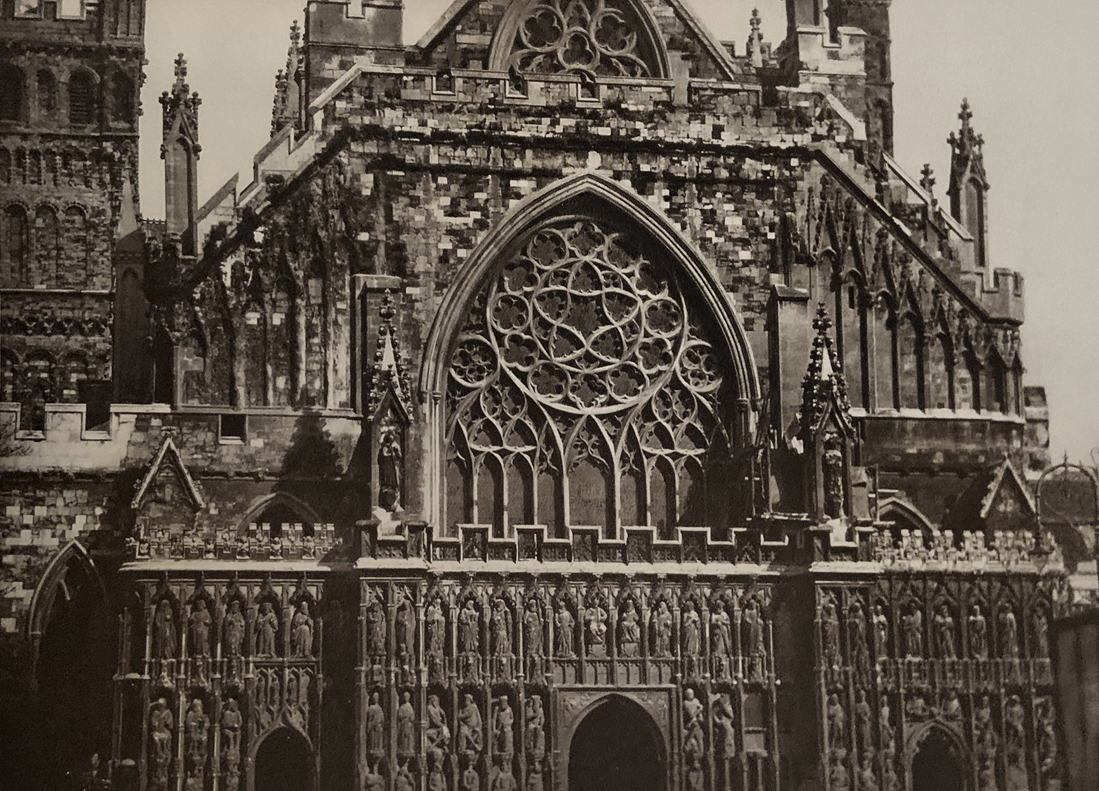
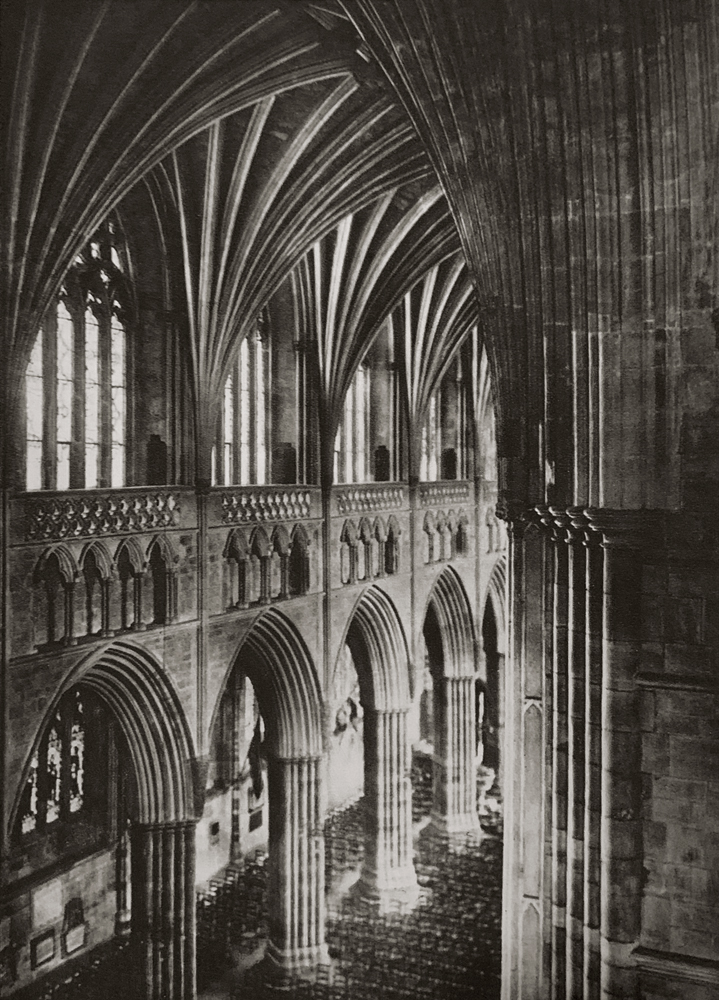
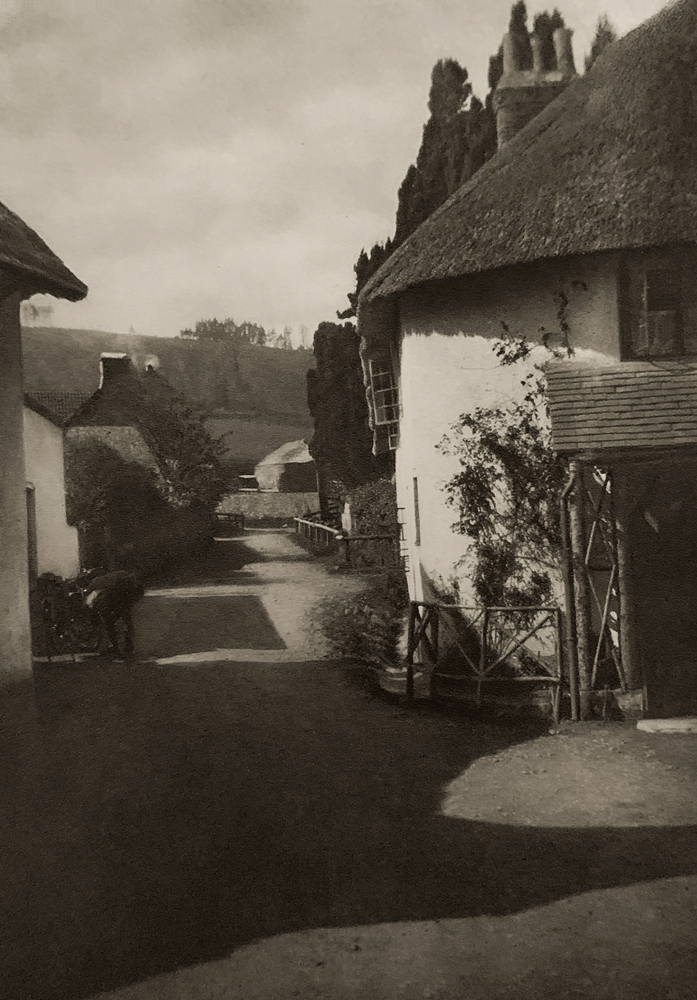
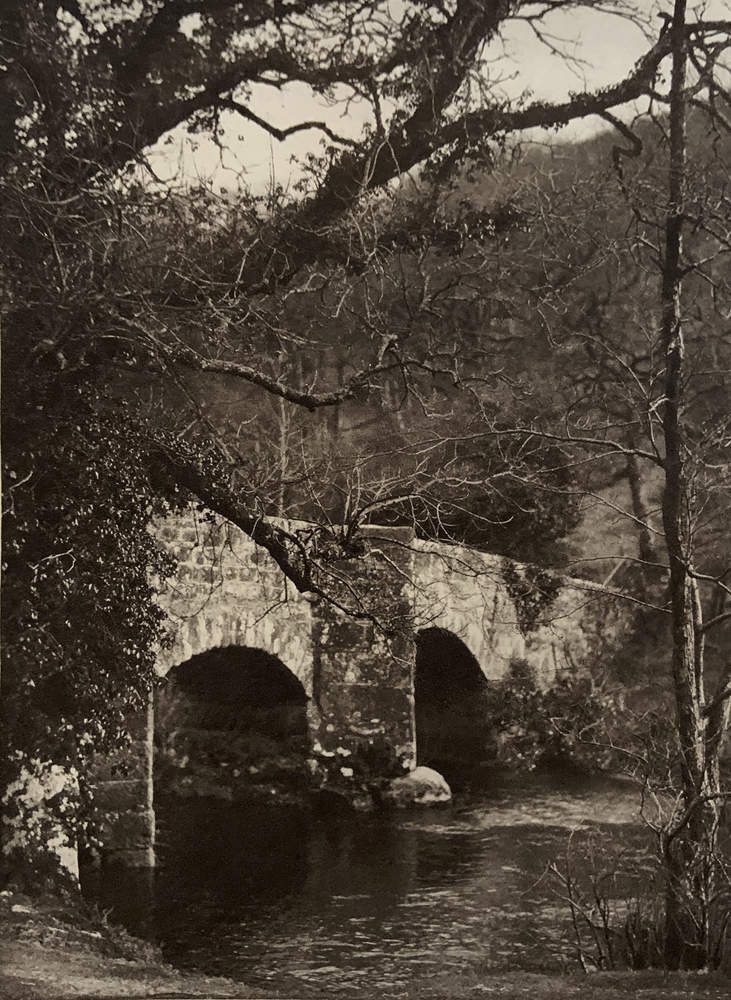
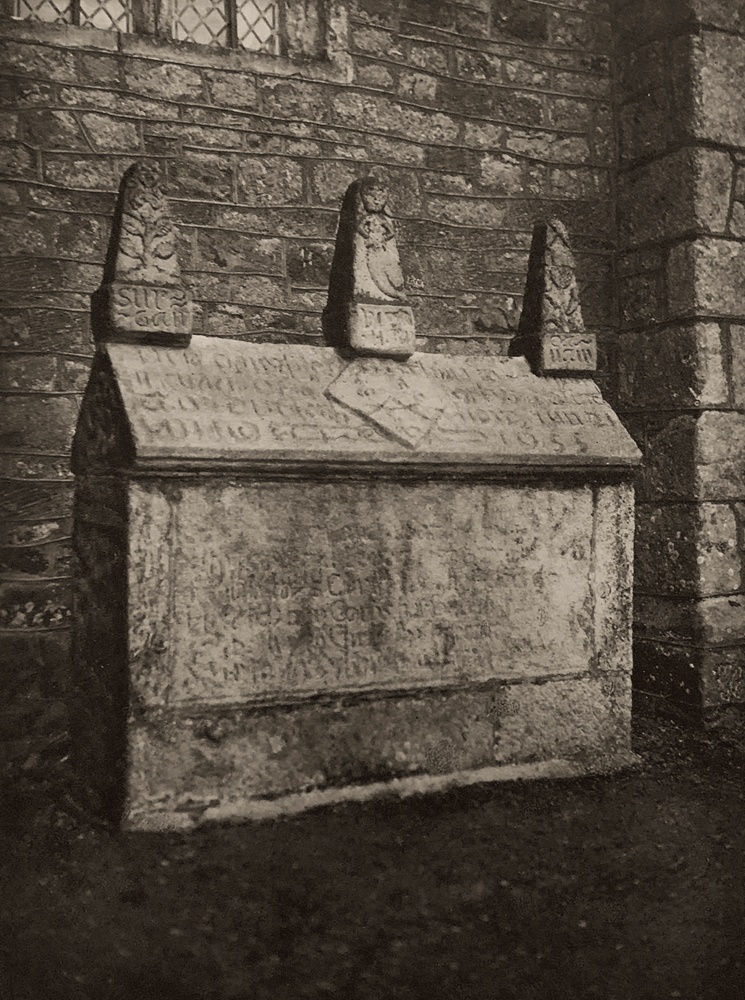
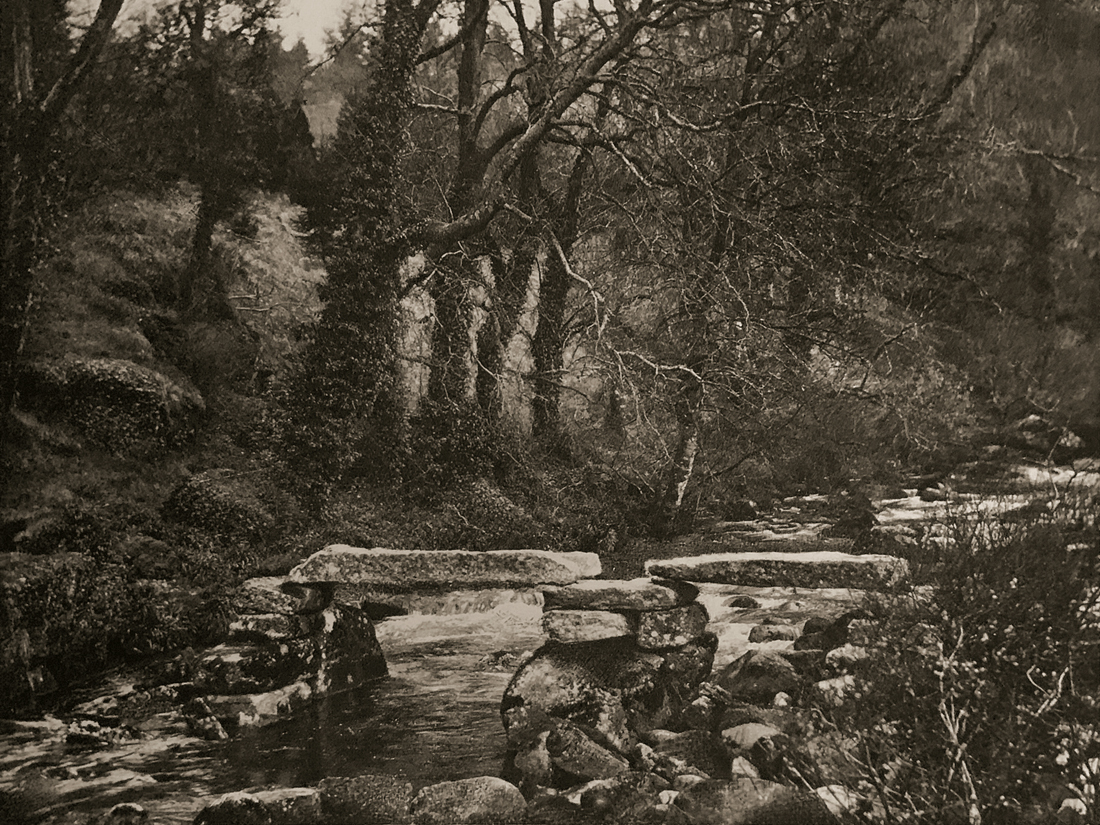
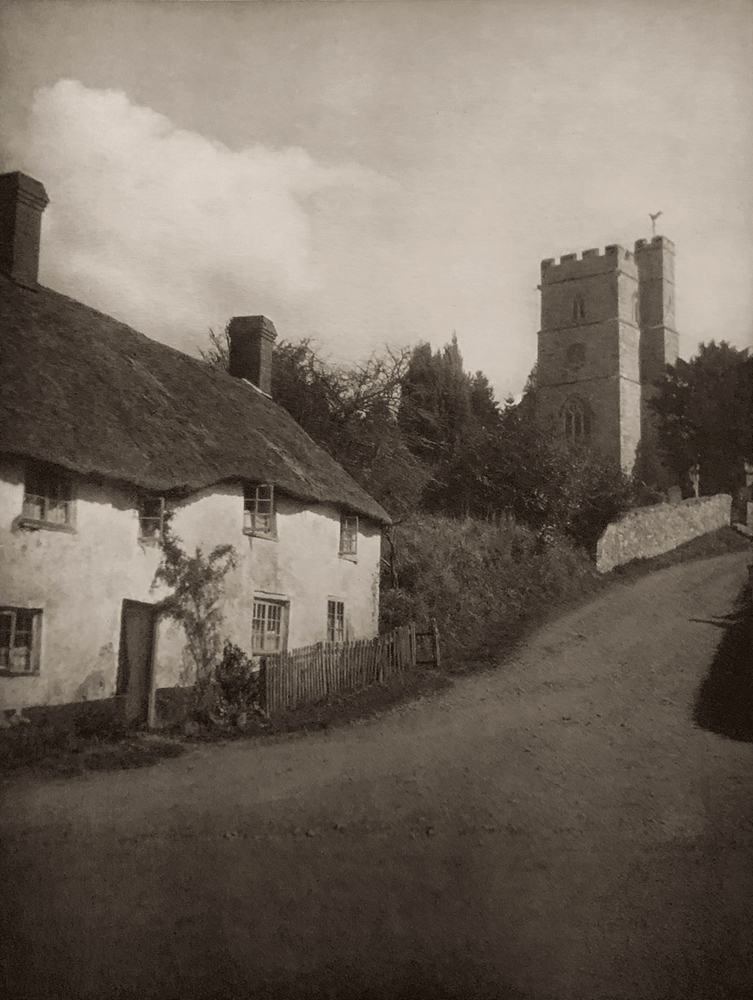
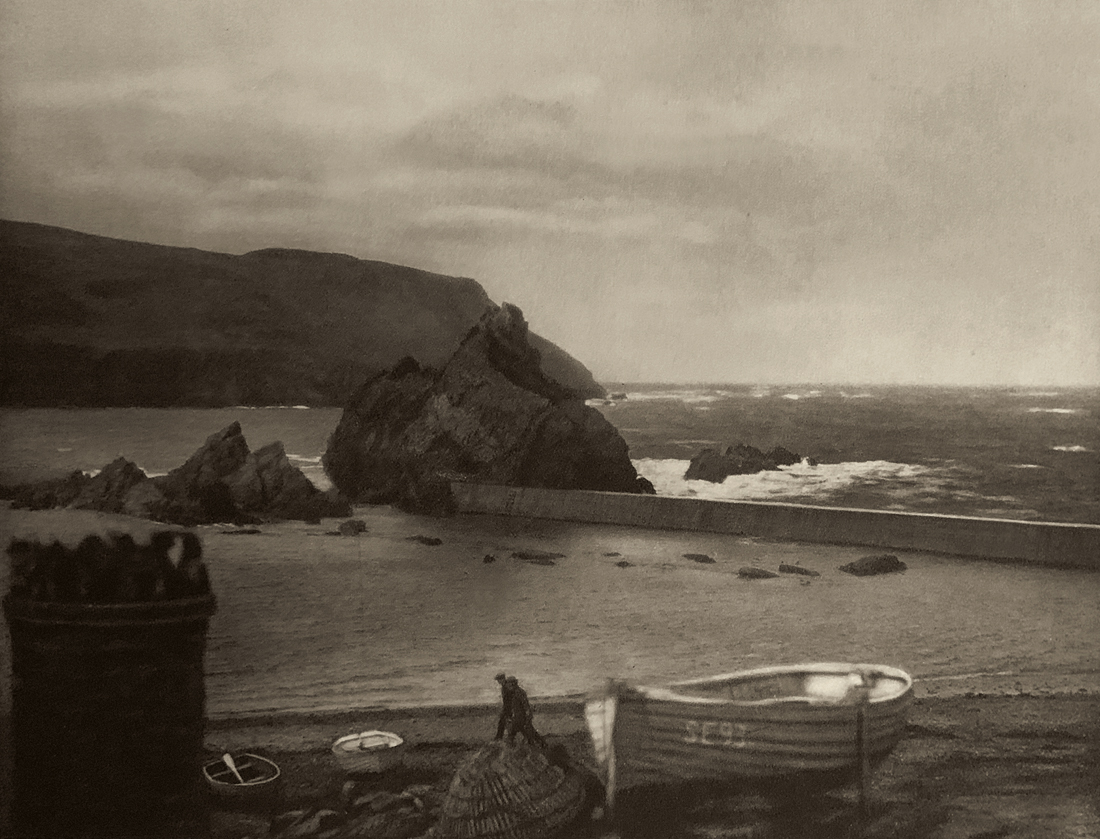
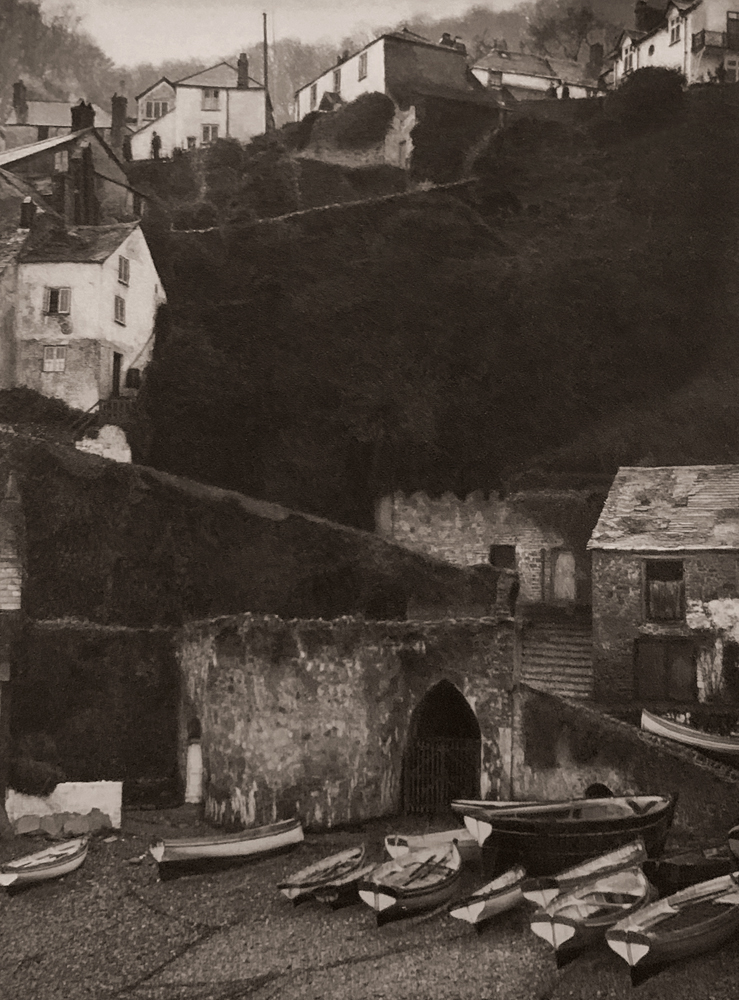
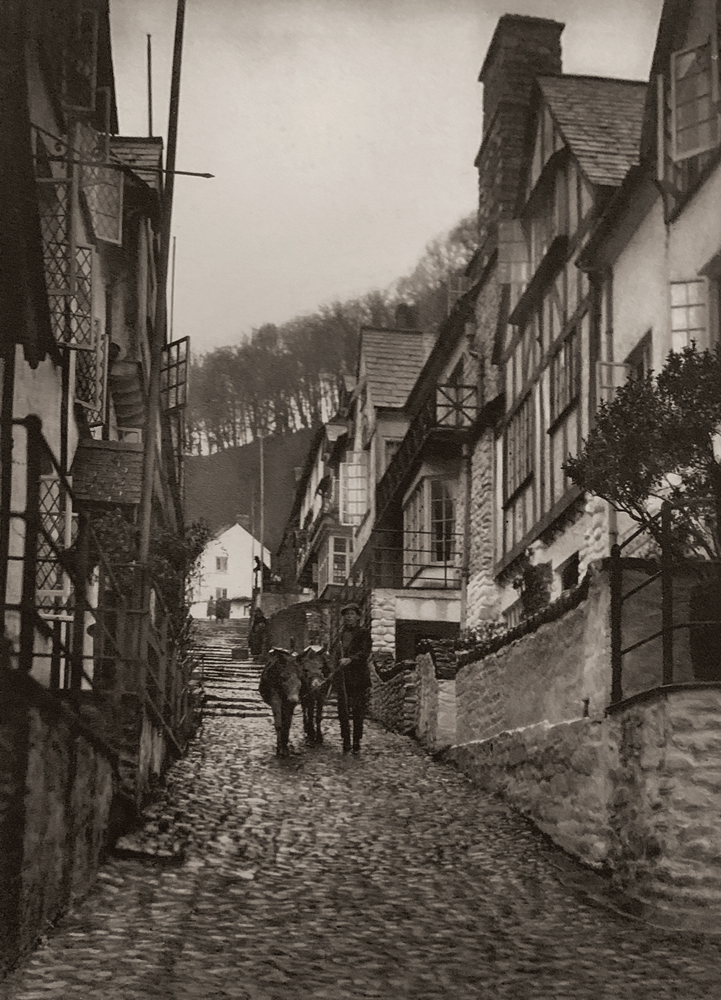
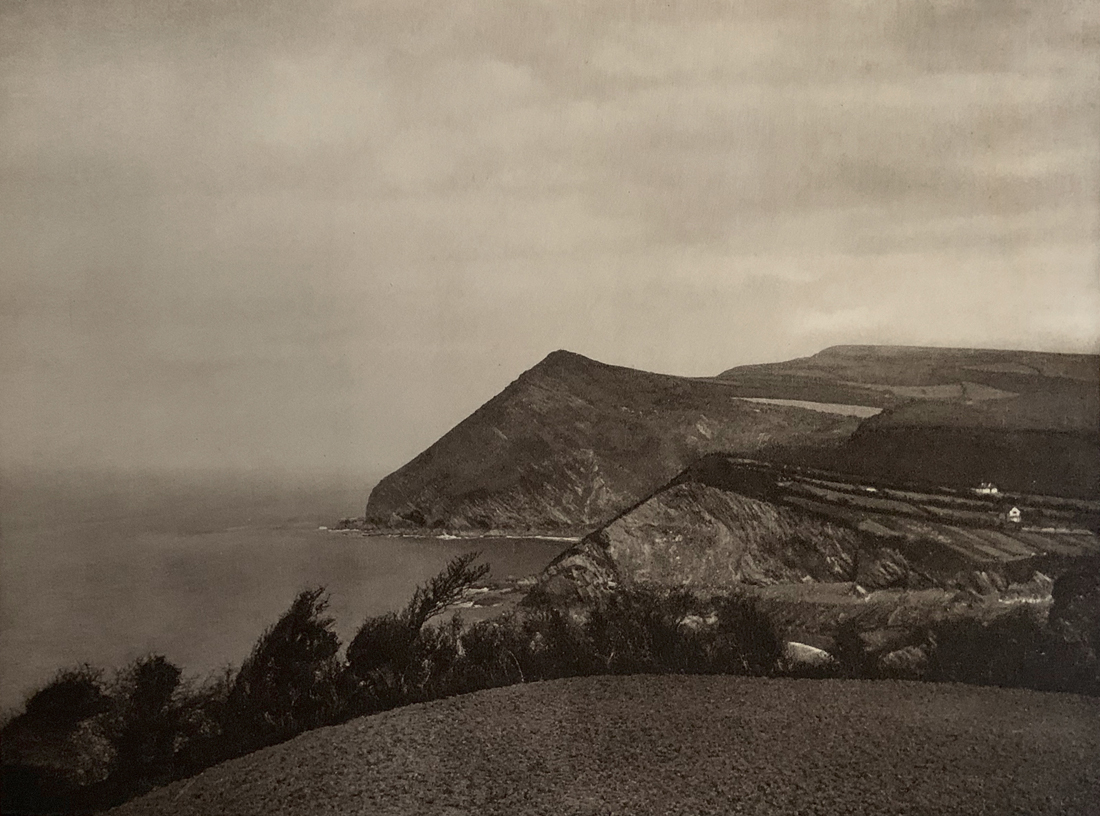
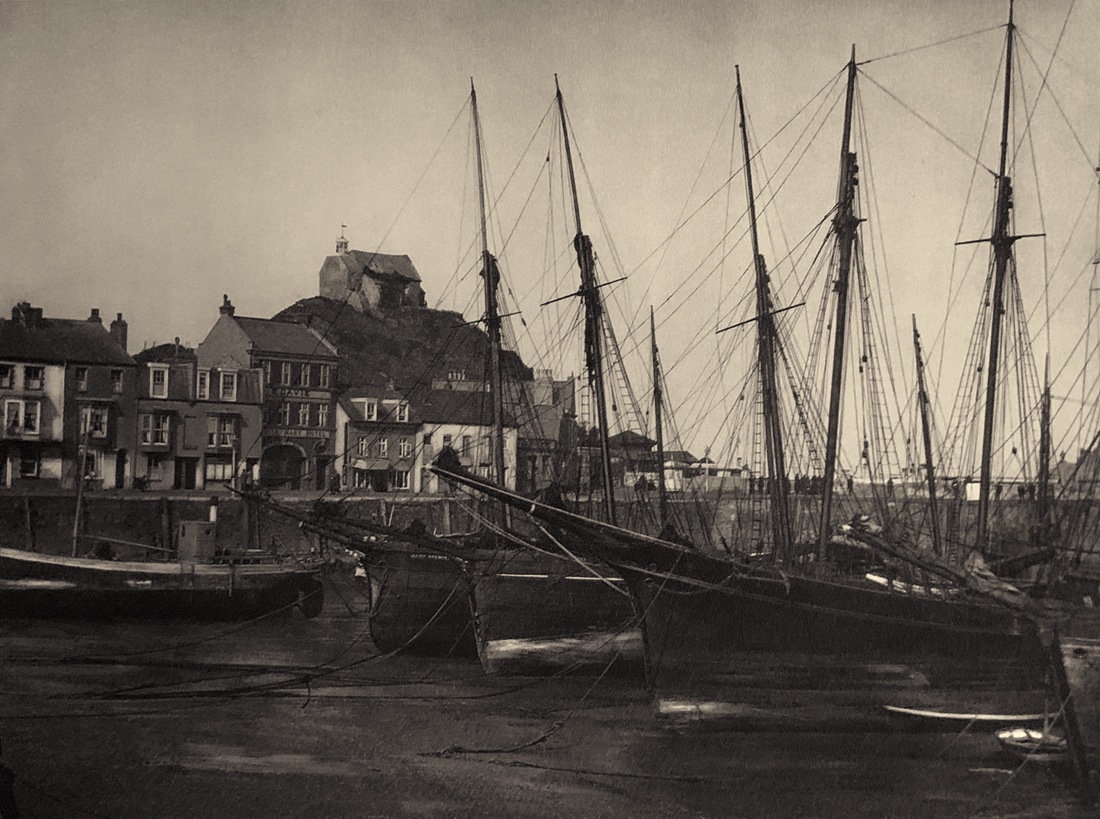
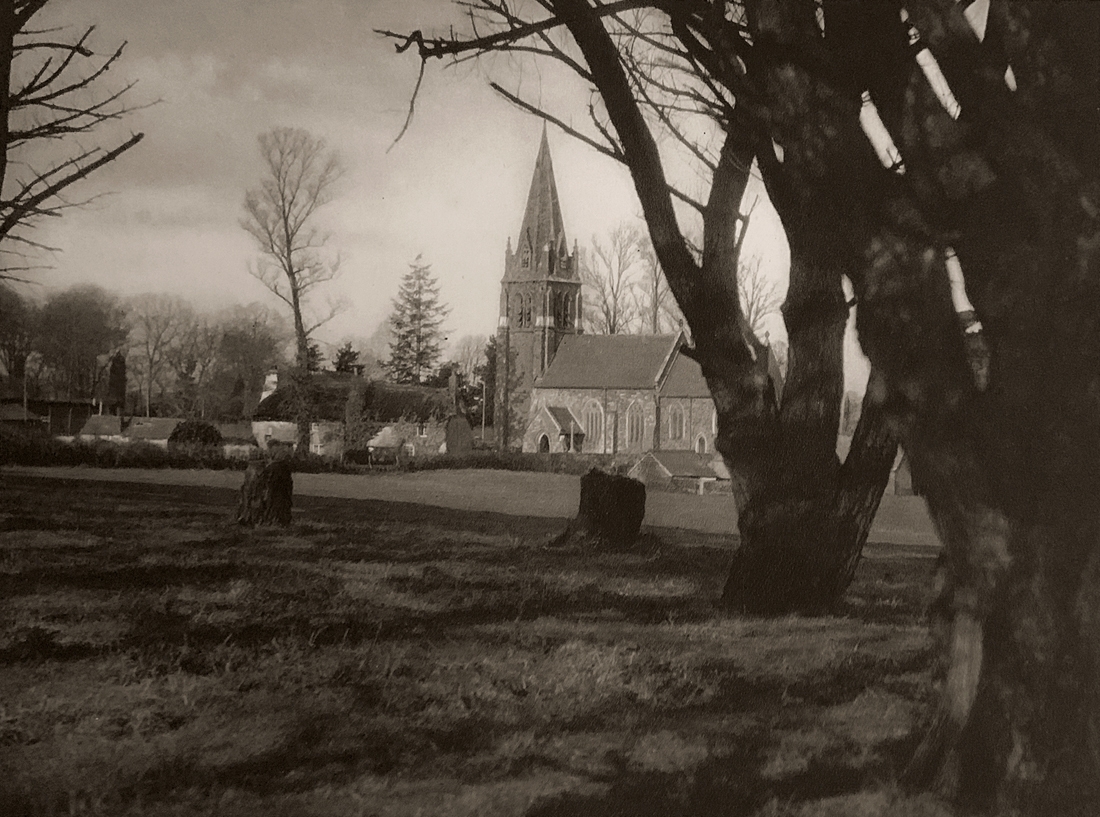
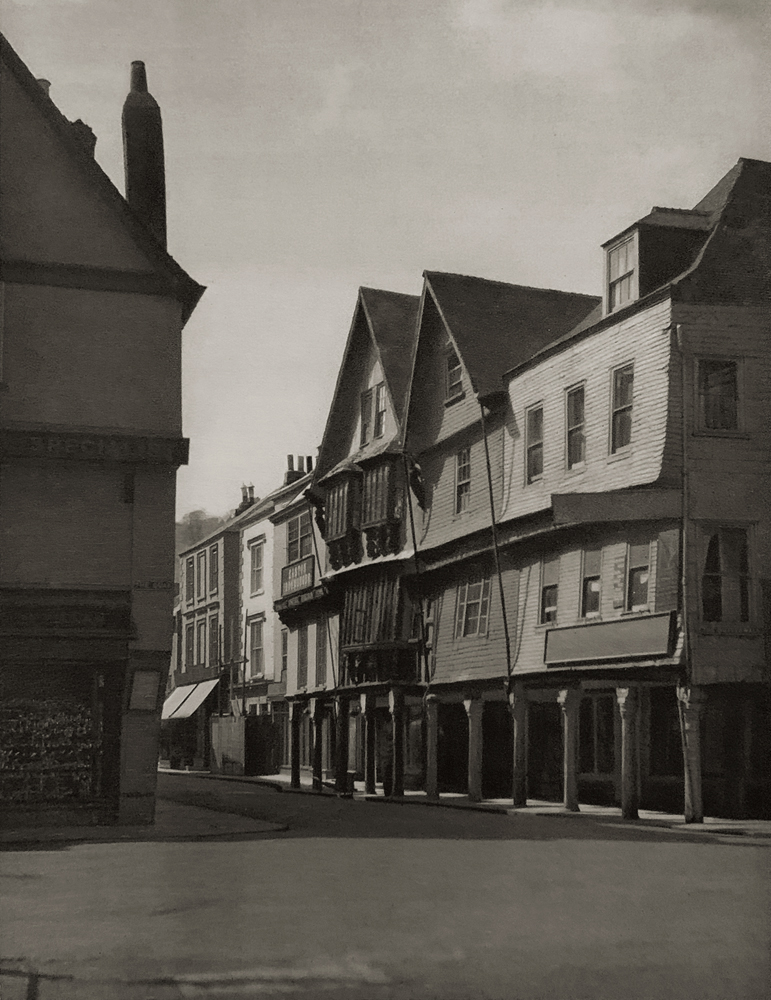
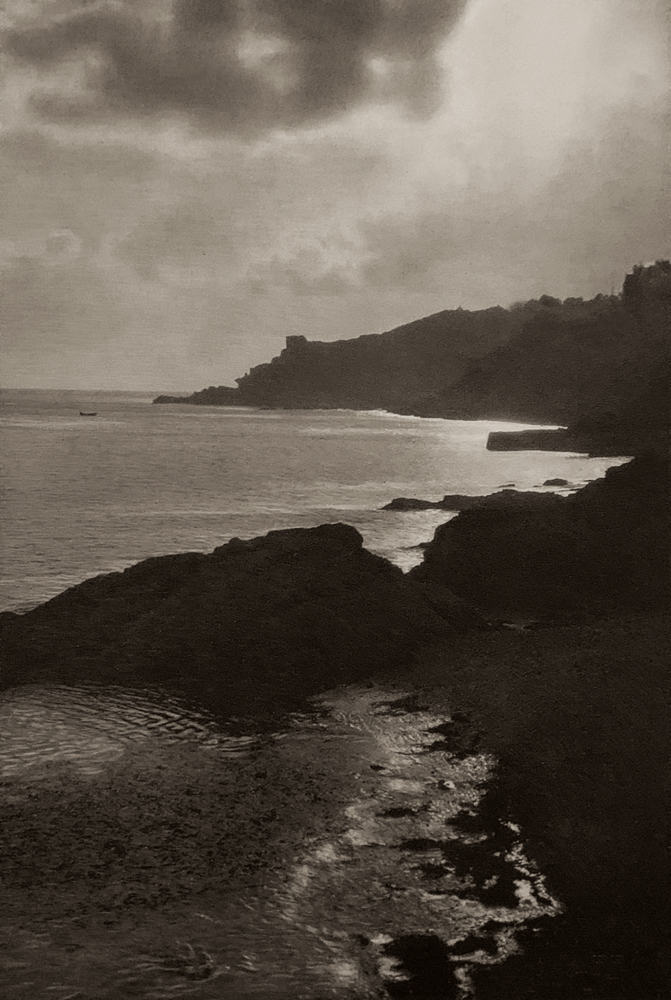
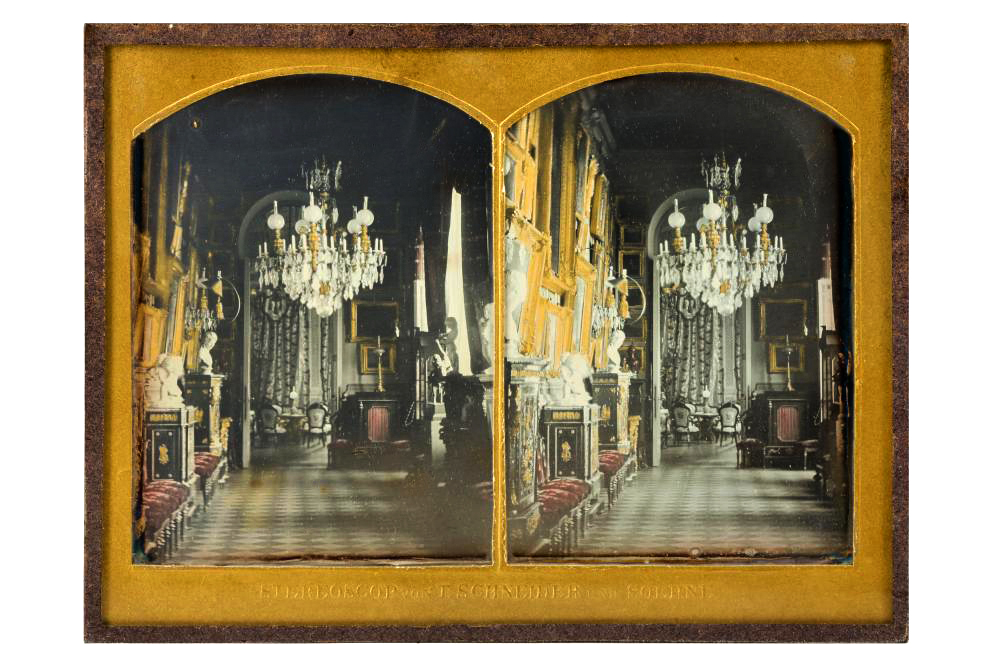
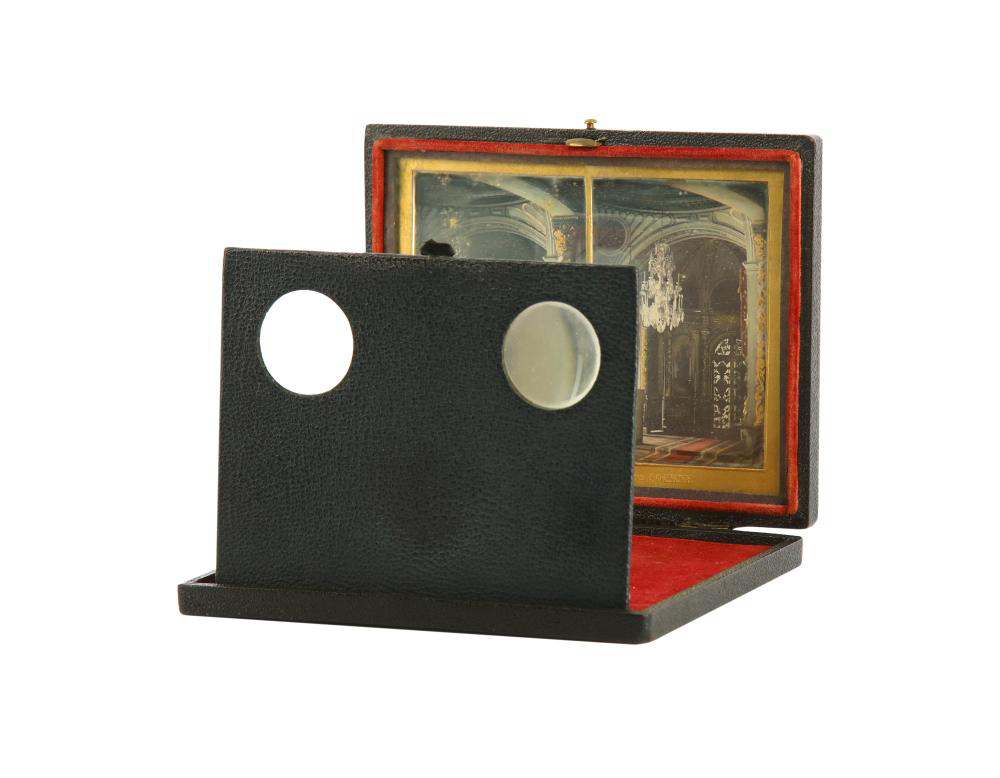
 Art Blart _ art and cultural memory archive
You must be logged in to post a comment.