Martin Parr (British, 1952-2025) New Brighton, England From the series The Last Resort 1983-1985 Pigment print
From life, the absurd, the (un)familiar
The death of the English photographer Martin Parr is very sad news 😦
I feel like I have known his intimate photographs from life for a very long time. Through his beautifully observed and humorous photographs Martin Parr became a national treasure.
Incisive and insightful, his best photographs shone a light on the British class system, British rituals and everyday conversations – “candid and often humorous depictions of everyday life” – captured with visual deftness and containing a wry sense of humour mirroring the British character.
“Parr’s work was at its best when he concentrated on the volume of space within the image plane and the details that emerge from such a concentrated visualisation – whether it be the tension points within the image, assemblage of colour, incongruity of dress, messiness of childhood or philistine nature of luxury.” (MB, 2102)
His photographs have a wonderful frisson about them, a genuine love of and resonance with the things he was imaging. The dirt under the fingernails of the child eating a doughnut, the lurid colours of the popsicle and jacket of the kid with dribble on his face, all fantastic. Images full of incongruity, humour, and pathos. The absurd and the (un)familiar.
And so it goes… we loose another great photographer.
Vale Martin Parr and thank you!
Dr Marcus Bunyan
Please click on the photographs for a larger version of the image.
Read my text “Out in the midday sun” on the exhibition Martin Parr. Early Works at Fotografie Forum Frankfurt (FFF), September 2024 – February 2025
“Photography is the simplest thing in the world, but it is incredibly complicated to make it really work.”
“I think the mindset you require is stamina, discipline, and just sheer hard work. There are basically very few shortcuts. You’ve either got that ability to apply yourself to a given situation or a given idea and explore it and resolve it, or you haven’t. Most people are just lazy. The danger with photography is that it looks very easy but in fact, it’s a very difficult medium to really excel well in because basically, people don’t work hard enough – they’re lazy. Don’t be lazy!”
Martin Parr
Martin Parr (British, 1952-2025) New Brighton, England From the series Last Resort 1983-1985 Pigment print
Martin Parr (British, 1952-2025) New Brighton, England From the series The Last Resort 1983-1985 Pigment print
Martin Parr (British, 1952-2025) New Brighton, England From the series The Last Resort 1983-1985 Pigment print
Martin Parr (British, 1952-2025) New Brighton, England From the series The Last Resort 1983-1985 Pigment print
Martin Parr (British, 1952-2025) New Brighton, Merseyside, England 1984 From the series The Last Resort Pigment print
Martin Parr (British, b. 1952) England. Bristol. Car boot sale. 1995 From the series British Food 1994-1995 Traditional C-type print
Martin Parr (British, b. 1952) From A to B. Tales of Modern Motoring series 1994 Pigment print
Exhibition dates: 21st November, 2024 – 5th May, 2025
Curators: Yasufumi Nakamori, former Senior Curator of International Art (Photography) Tate Modern, Helen Little, Curator, British Art, Tate Britain and Jasmine Chohan, Assistant Curator, Contemporary British Art, Tate Britain with additional curatorial support from Bilal Akkouche, Assistant Curator, International Art, Tate Modern; Sade Sarumi, Curatorial Assistant, Contemporary British Art, Tate Britain and Bethany Husband, Exhibitions Assistant, Tate Britain
List of artists: Keith Arnatt; Zarina Bhimji; Derek Bishton; Sutapa Biswas; Tessa Boffin; Marc Boothe; Victor Burgin; Vanley Burke; Pogus Caesar; Thomas Joshua Cooper; John Davies; Poulomi Desai; Al-An deSouza; Willie Doherty; Jason Evans; Rotimi Fani-Kayode; Anna Fox; Simon Foxton; Armet Francis; Peter Fraser; Melanie Friend; Paul Graham; Ken Grant; Joy Gregory; Sunil Gupta; John Harris; Lyle Ashton Harris; David Hoffman; Brian Homer; Colin Jones; Mumtaz Karimjee; Roshini Kempadoo; Peter Kennard; Chris Killip; Karen Knorr; Sirkka-Liisa Konttinen; Grace Lau; Dave Lewis; Markéta Luskačová; David Mansell; Jenny Matthews; Don McCullin; Roy Mehta; Peter Mitchell; Dennis Morris; Maggie Murray; Tish Murtha; Joanne O’Brien; Zak Ové; Martin Parr; Ingrid Pollard; Brenda Prince; Samena Rana; John Reardon; Paul Reas; Olivier Richon; Suzanne Roden; Franklyn Rodgers; Paul Seawright; Syd Shelton; Jem Southam; Jo Spence; John Sturrock; Maud Sulter; Homer Sykes; Mitra Tabrizian; Wolfgang Tillmans; Paul Trevor; Maxine Walker; Albert Watson; Tom Wood; Ajamu X.
A humungous posting that, much like the exhibition itself, cannot do justice to the photographs and issues of an entire decade – the flow on effects of which are still being felt today.
From distant Australia and having not seen the exhibition myself, I cannot do justice – now there is an apposite word for the decade – to the flow of the exhibition, the many included or neglected artists involved or not, the bodies of work displayed or their commentary on the many disparate, competing and complex political, economic and social cataclysms (def: a sudden violent political or social upheaval) of the decade: including but not limited to, race, gender, identity, representation, activism, neoliberalism, Thatcher, The Miners’ Strike, Clause 28, HIV/AIDS, feminism, racism, class, patriarchy, money, greed, hedonism, humanism, subcultures, unemployment, strikes, poverty, luxury, consumer culture, war (Falklands) and riots, for example the Brixton riots of 1981.
I lived those years in the UK before emigrating to Australia in 1986. What I remember is the terrible weather, the cold and the damp, the vile Thatcher, and the poor quality of living. I lived in Stockwell (or Saint Ockwell as we used to call it) near Brixton in the early 80s before moving to Shepherd’s Bush were all the Mods gathered on their scooters on the roundabout as part of the mod revival.
I worked at a fish and chip restaurant called Geales just off Notting Hill Gate working double shifts, 10.30 – 3pm, 5.30 – 12, five days a week. The restaurant served fish and chips with French champagne and wines. The mostly gay floor staff were paid a pittance but we earnt our money off the tips we received from the celebrities that inhabited the place, people such as Bill Connolly, John Cleese, Divine and Kenny Everett. They loved us gay boys.
We worked hard and partied harder, often going out from Friday night to Sunday night to the clubs with a rest day on Monday. We were young. We ran from place to place living at a hundred miles an hour, not realising the ruts in London are very deep and you were spending as much as you made just to pay the rent, to eat at dive cafe (I lived on Mars bars, fish and chips, braised heart, mashed potatoes and bullet peas to name a few and I was as thin as a rake), and to go out partying, to have fun, visiting the alternative clubs in Kings Cross, Vauxhall, Brixton and the East End.
And then there was the spectre of HIV/AIDS raising its ugly head. I had my first HIV test in 1983. I had my blood taken and I went back 2 weeks later for the result. I sat outside the doctor’s room and if they called you in and said you had it, you were dead. To look death in the face at 25. The was no treatment. I survived but many of my friends, both here and in Australia, didn’t. We partied harder.
There are so many perspectives on the 80s that it is an impossible task for one exhibition to cover all of the issues. Reviews have noted that the exhibition is “a meandering look at pomp, protest” (Guardian); “exhaustive and exhausting… [the exhibition] makes for a dogged viewing experience that confuses as much as it enlightens” (Guardian); “a sense of fatigue and depletion as it went on and on … it could have been more engaging, more pleasurable” (1000 Words); and “the critical reception of the show has been rather lukewarm” (The Brooklyn Rail).
Most writer’s observe that the exhibition illuminates the way photography shifts “from monochrome to colour, from photojournalism to a more detached style of documentary” featuring “constructed, studio-based and appropriationist work.” The exhibition distils “the curatorial thrust of this sprawling exhibition, which, as its subtitle suggests, is more about photography’s often conceptually based responses to the 1980s than the turbulent nature of the decade itself.”1
Further, Bartolomeo Sala observes that the meandering view of the 1980s is consistent with the curatorial approach to the exhibition, “that is, to present eighties Britain not as a ossified relic but rather a container of multitudes, a country animated by competing, clashing energies and defying coherent description in a way that feels very reminiscent of today. A neoliberal hellhole, a nightmare of petit bourgeois conformity and cheapness, and at the same time an increasingly tolerant, multicultural, and open society, which finds its motor and pride in diversity and the endless project of self-fashioning.”2
Forty plus years on we are still paying the price for Thatcher’s neoliberal hellhole, with the loss of community, and the lack of compassion and empathy for others. I often think it was a more vibrant, more alive time in the 1980s despite all of its inherent problems. While we may have become a more tolerant, multicultural society, fascism and the right, disenfranchisement and loss of rights lurk ever closer to the surface. While we have pride we also have arrogance and self-aggrandisement, self-entitlement. While then we seemingly had freedom and love we now have surveillance and control. In some ways then I disagree with today being a more “open” society.
What social documentary and conceptual photography pictured so strongly and conscientiously in 1980s Britain was the vibrant madness of the age. The passions and the prejudices. Half your luck that you go and see this exhibition in London, that you have a chance to breathe in these photographs, for in Australia the chance of seeing such an exhibition of photographs from the 1980s by a state or national gallery would be zero.
Many thankx to Tate Britain for allowing me to publish the photographs in the posting. Please click on the photographs for a larger version of the image.
Installation view of the exhibition The 80s: Photographing Britain at Tate Britain, London showing at left, the work of Jason Evans and Simon Foxton from the series Strictly 1991 (below); and at centre left top, Wolfgang Tillmans’ Love (Hands in Air) 1989 (below) Courtesy of Tate Britain
Installation view of the exhibition The 80s: Photographing Britain at Tate Britain, London showing at rear, photographs from Maud Sulter’s series Zabat 1989 Courtesy of Tate Britain
Maud Sulter produced the Zabat series for Rochdale Art Gallery in 1989, the 150th anniversary of the invention of photography. It was a direct response to the lack of a black presence at other celebratory events and exhibitions. Here we see the conventions of Victorian portrait photography under the command of a black woman photographer. The backdrop, props and pose are all retained but the image is transformed with African clothes, non-European objects and, most importantly, by the resolute black woman at its centre.
The title ‘Zabat’ also signifies Maud Sulter’s call for a repositioning of black women in the history of photography: the word describes an ancient ritual dance performed by women on occasions of power.
Installation view of the exhibition The 80s: Photographing Britain at Tate Britain, London showing at left the work of Paul Graham Courtesy of Tate Britain
Installation view of the exhibition The 80s: Photographing Britain at Tate Britain, London Courtesy of Tate Britain
Wolfgang Tillmans (German, b. 1968) Love (Hands in Air) 1989
“Depending on where you stood in terms of race, gender, or class, the 1980s would seem a time of unprecedented economic expansion, an era defined by the triumph of consumerism and a particularly brass form of hedonism, or else an era of widening disparities, rising unemployment, and generalized economic crisis; a time defined by the booming of the housing market or the return of homelessness; a time of general disaffection and disillusionment toward the prospects of organized politics or an era defined by political activism and struggle, often hyperlocal in nature, as well as successive waves of discontent that at different points rocked the nation. …
In general, the critical reception of the show has been rather lukewarm. Many broadsheet commentators have lamented the meandering nature of the exhibition, while one critic noted the programmatic downplaying of the decade’s heavy-hitters. (Don McCullin and Chris Killip get a handful of photographs each, while virtuoso of political photomontage Peter Kennard is relegated to display cases.) Such assessments feel a little unfair and condescending to the excellent artists who do get a good showing, and in any case this curatorial approach is consistent with the intention of the exhibition – that is, to present eighties Britain not as a ossified relic but rather a container of multitudes, a country animated by competing, clashing energies and defying coherent description in a way that feels very reminiscent of today. A neoliberal hellhole, a nightmare of petit bourgeois conformity and cheapness, and at the same time an increasingly tolerant, multicultural, and open society, which finds its motor and pride in diversity and the endless project of self-fashioning.”
Syd Shelton (British, b. 1947) Skinheads, Petticoat Lane, East London 1979, printed 2012 Gelatin silver print on paper 417 x 281 mm Tate Gift Eric and Louise Franck London Collection 2016
Skinheads, known for their shaved heads and heavy boots, emerged as a working-class subculture in the 1960s. Initially non-political, some became associated with extreme nationalism. Others took an anti-racist position aligned with two-tone, a musical movement blending Jamaican ska and British punk. One of Syd Shelton’s photographs shows two members of Skins Against the Nazis proudly displaying a Rock Against Racism badge. The other was taken after an argument about racism. ‘I saw the guy at the front clenching his fists’, notes Shelton, ‘so I took the shot, said thanks and legged it as fast as I could.’
Wall text from the exhibition
Syd Shelton (British, b. 1947) Anti-racist Skinheads, Hackney, London 1979, printed 2012 Gelatin silver print on paper 417 x 282 mm Tate Gift Eric and Louise Franck London Collection 2016
In 1977, 500 National Front (NF) members attempted to march through Lewisham, an area in southeast London with a significant Black population. Thousands ignored a police blockade to hold a peaceful counter-demonstration that led to the NF abandoning their march. Protestors clashed with police and were met by riot shields, baton charges and mounted officers. The events became known as the Battle of Lewisham. Shelton’s photographs contrast the chaos of the streets with the resolve of the protestors. ‘Politics was one of the reasons that I became a photographer’, notes Shelton, ‘the idea of the objective photographer is nonsense.’
Explore one of the UK’s most critical decades, the 1980s. This exhibition traces the work of a diverse community of photographers, collectives and publications – creating radical responses to the turbulent Thatcher years. Set against the backdrop of race uprisings, the miner strikes, section 28, the AIDS pandemic and gentrification – be inspired by stories of protest and change.
At the time, photography was used as a tool for social change, political activism, and artistic and photographic experiments. See powerful images that gave voice and visibility to underrepresented groups in society. This includes work depicting the Black arts movement, queer experience, South Asian diaspora and the representation of women in photography.
This exhibition examines how photography collectives and publications highlighted these often-unseen stories, featured in innovative photography journals such as Ten.8 and Cameraworks. It will also look at the development of Autograph ABP, Half Moon Photography Workshop, and Hackney Flashers.
Visitors will go behind the lens to trace the remarkable transformation of photography in Britain and its impact on art and the world.
Text from the Tate Britain website
The 80s: Photographing Britain
David Preshaah and Helen Little curator of The 80s: Photographing Britain at Tate Britian discuss the show running 21st November, 2024 – 5th May, 2025. See powerful images that gave voice and visibility to underrepresented groups in society. This includes work depicting the Black arts movement, queer experience, South Asian diaspora and the representation of women in photography
On 4 May 1978, Altab Ali, a 24-year-old Bangladeshi textile worker, was murdered in a racially motivated attack. During police interviews, the three teenagers responsible casually described the regularity of their racist violence. The Bangladeshi community in east London mobilised in response. 7,000 people marched from Bethnal Green’s Brick Lane to Downing Street, following a vehicle carrying Ali’s coffin. Protestors rallied in Hyde Park chanting, ‘Who killed Altab Ali? Racism, racism!’
Paul Trevor was a member of Half Moon Photography Workshop and helped produce Camerawork magazine. He contributed to an issue on the 1978 Battle of Lewisham in southeast London. While photographing the violent clashes between police and anti-fascist protestors, Trevor recalls, ‘A woman – appealing for help – shouted at me in desperation “What are you taking pictures for?” Good question, impossible to answer in that melee.’ The special issue of Camerawork, ‘What are you taking pictures for?’ was devoted to that question.
Wall text from the exhibition
Don McCullin (British, b. 1935) Jean, Whitechapel, London Late 1970s Gelatin silver print Tate Gift Eric and Louise Franck London Collection 2011
Photojournalist and war photographer Don McCullin spent nearly twenty years photographing people living on the streets of Aldgate and Whitechapel in east London. He documented people living at the edge of the city’s wealthy financial centre. In the late 1970s, unprofitable psychiatric institutions in the area had begun to close, leaving many residents homeless. These photographs of Jean show how closely McCullin worked with the people he photographed. Of his British social documentary work, McCullin notes: ‘Many people send me letters in England saying “I want to be a war photographer”, and I say, go out into the community you live in. There’s wars going on out there, you don’t have to go halfway around the world.’
Wall text from the exhibition
This autumn, Tate Britain will present The 80s: Photographing Britain, a landmark survey which will consider the decade as a pivotal moment for the medium of photography. Bringing together nearly 350 images and archive materials from the period, the exhibition will explore how photographers used the camera to respond to the seismic social, political, and economic shifts around them. Through their lenses, the show will consider how the medium became a tool for social representation, cultural celebration and artistic expression throughout this significant and highly creative period for photography.
This exhibition will be the largest to survey photography’s development in the UK in the 1980s to date. Featuring over 70 lens-based artists and collectives, it will spotlight a generation who engaged with new ideas of photographic practice, from well-known names to those whose work is increasingly being recognised, including Maud Sulter, Mumtaz Karimjee and Mitra Tabrizian. It will feature images taken across the UK, from John Davies’ post-industrial Welsh landscape to Tish Murtha’s portraits of youth unemployment in Newcastle. Important developments will be explored, from technical advancements in colour photography to the impact of cultural theory by scholars like Stuart Hall and Victor Burgin, and influential publications like Ten.8 and Camerawork in which new debates about photography emerged.
The 80s will introduce Thatcher’s Britain through documentary photography illustrating some of the tumultuous political events of the decade. History will be brought to life with powerful images of the miners’ strikes by John Harris and Brenda Prince; anti-racism demonstrations by Syd Shelton and Paul Trevor; images of Greenham Common by Format Photographers and projects responding to the conflict in Northern Ireland by Willie Doherty and Paul Seawright. Photography recording a changing Britain and its widening disparities will also be presented through Anna Fox’s images of corporate excess, Paul Graham’s observations of social security offices, and Martin Parr’s absurdist depictions of Middle England, displayed alongside Markéta Luskačová and Don McCullin’s portraits of London’s disappearing East End and Chris Killip’s transient ‘sea-coalers’ in Northumberland.
A series of thematic displays will explore how photography became a compelling tool for representation. For Roy Mehta and Vanley Burke, who portray their multicultural communities, photography offers a voice to the people around them, whilst John Reardon, Derek Bishton and Brian Homer’s Handsworth Self Portrait Project 1979, gives a community a joyous space to express themselves. Many Black and South Asian photographers use portraiture to overcome marginalisation against a backdrop of discrimination. The exhibition will spotlight lens-based artists including Roshini Kempadoo, Sutapa Biswas and Al-An deSouza who experiment with images to think about diasporic identities, and the likes of Joy Gregory and Maxine Walker who employ self-portraiture to celebrate ideas of Black beauty and femininity.
Against the backdrop of Section 28 and the AIDS epidemic, photographers also employ the camera to assert the presence and visibility of the LGBTQ+ community. Tessa Boffin subversively reimagines literary characters as lesbians, whilst Sunil Gupta’s ‘Pretended’ Family Relationships 1988, juxtaposes portraits of queer couples with the legislative wording of Section 28. For some, their work reclaims sex-positivity during a period of fear. The exhibition will spotlight photographers Ajamu X, Lyle Ashton Harris and Rotimi Fani-Kayode who each centre Black queer experiences and contest stereotypes through powerful nude studies and intimate portraits. It will also reveal how photographers from outside the queer community including Grace Lau were invited to portray them. Known for documenting fetishist sub-cultures, Lau’s series Him and Her at Home 1986 and Series Interiors 1986, tenderly records this underground community defiantly continuing to exist.
The exhibition will close with a series of works that celebrate countercultural movements throughout the 80s, such as Ingrid Pollard and Franklyn Rodgers’s energetic documentation of underground performances and club culture. The show will spotlight the emergence of i-D magazine and its impact on a new generation of photographers like Wolfgang Tillmans and Jason Evans, who with stylist Simon Foxton pioneer a cutting-edge style of fashion photography inspired by this alternative and exciting wave of youth culture, reflective of a new vision of Britain at the dawn of the 1990s.
Markéta Luskačová’s London Street Musicians series includes photographs taken between 1975 and 1990. They document the lives of street musicians performing at London markets. Her photographs reveal the humanity and resilience of these often-solitary musicians. ‘The street musicians themselves were often quite lonely men, yet their music lessened the loneliness of the street, the people in it and my own loneliness’, she recalls. For Luskačová, photography is ‘a tool for trying to understand life … to remember the people and things that I photograph. I want them to be remembered.’
Chris Killip first visited the seacoaling community at Lynemouth Beach in Northumberland in 1976. ‘The beach beneath me was full of activity with horses and carts backed into the sea’, Killip recalls. ‘Men were standing in the sea next to the carts, using small wire nets attached to poles to fish out the coal from the water beneath them. The place confounded time.’ In 1982, Killip started photographing the community, living alongside them from 1983 to 1984. ‘I wasn’t getting close enough, so I bought a caravan and moved into the place and that made a very big difference.’
Killip used a large format plate camera to capture his subjects. ‘It’s not a casual thing’, he notes. ‘I think it works to your advantage. They know this is going to live after this moment. It’s not ephemeral.’
These images are from Remodelling Photo History, a collaboration between Jo Spence and Terry Dennett. The work was originally published as a sequence of 13 photographs in which Spence and Dennett both act as photographer and photographic subject. The series was devised as a critique of standard histories of photography and particularly the depiction of women in art. It employs a practice Spence called ‘photo-theatre’. Each photograph emphasises its staging and construction in order to challenge and ‘make strange’ the assumed ‘naturalism’ of photography. Spence commented ‘it is obvious that a vast amount of work still needs to be done on the so-called history of photography, and on the practices, institutions and apparatuses of photography itself, and the function they have had in constructing and encouraging particular ways of viewing and telling about the world.’
Joy Gregory’s early interest in colour photography began as student at Manchester Polytechnic. The university was known for its emphasis on the technical and chemical aspects of photography. Gregory’s education taught her the craft of commercial photography but she set out to use these skills like a painter. Her early experiments informed an ongoing interest in stillness, space and light. This series of colour transparencies presents models and still lifes in a painted studio interior. By using multiple exposures and layering images, Gregory suggests a spectral presence in the works. Her focus on the painterly qualities of colour and light here are typical of her practice. She employs languages of beauty and seduction in small textured prints that invite close inspection.
Wall text from the exhibition
John Harris (British, b. 1958) Mounted Policeman attacking Lesley Boulton at the Battle of Orgreave 1984, printed 2024
John Harris’s photographs from the 1984 Battle of Orgreave challenged government portrayals of miners as aggressors. In 1984, the National Union of Miners identified Orgreave coking plant in South Yorkshire as a key site for picketing. From May to June, strikers attempting to disrupt deliveries were met by growing police presence. Tensions came to a head on 22 June when an estimated 6,000 officers clashed with pickets. One of Harris’s images captures Lesley Boulton cowering beneath the truncheon of a mounted officer. It became an emblem of the strike, appearing on badges, banners and posters.
From 1984 to 1986, Paul Graham documented Northern Irish locations featured in news reports of the Troubles. During his first visit, Graham was stopped by a British military patrol suspicious of his camera. As they left, he took a shot with his camera hanging from his neck. The photograph became a ‘gateway’ for Graham’s Troubled Land series. He felt his other images of rioting, murals and destruction, ‘weakly echoed what I saw in the newspapers. This one image did not’. ‘There were people walking to shops and driving cars – simply going about their day, but then there was a soldier in full camouflage, running across the roundabout.’ For Graham, the image ‘reintegrated the conflict into the landscape … it was a conflict photograph masquerading as a landscape photograph.’
Wall text from the exhibition
Pogus Caesar (British born St. Kitts, b. 1953) Handsworth Riots: Birmingham, United Kingdom September 1985, printed 2020 Gelatin silver print Martin Parr Foundation Collection
These photographs capture two days of uprisings in Handsworth, Birmingham, following the arrest of a Black man over a parking violation and a police raid on a pub on the Lozells Road. The photographer, Handsworth resident Pogus Caesar, notes: ‘Where possible it was vital to document.’ He explains: ‘The media has a way of portraying these type of events, I needed to document my truth.’ Caesar’s insider perspective allowed him to capture a range of images, such as artist John Akomfrah reading a sensationalist newspaper account of the two days of violence between the police and local communities.
The 80s: Photographing Britain explores a critical decade for photography in the UK. It highlights the work of artists who were radically reconsidering the possibilities of the medium and its role in society.
The exhibition traces developments in photographic art from 1976 to 1993. It follows artists working against a backdrop of high unemployment, industrial action and civil rights activism. Many were part of local photographic communities that developed around key photography schools and collectives. Yet, through innovative publications and independent galleries, they reached national and international audiences.
The artists included in the exhibition expanded photographic practice in Britain. They often collaborated, shared ideas and debated theory. Some were inspired by the activism of the period’s protest movements, using their cameras to provide new ways of looking at society. Others embraced technical developments to push the boundaries of fine art photography. Their work highlights the medium’s range, from landscapes to self-portraiture, and social documentary to conceptual photography.
The 80s: Photographing Britain invites us to reflect on photography’s political and artistic potential. It acknowledges that the diversity of contemporary photographic practice is indebted to the groundbreaking photographers of the 1980s.
Room 1
Documenting the decade
This room documents a period of significant social and political upheaval in the UK. It features protests, uprisings and acts of violence photographed through an activist lens. These photographers challenged dominant narratives and amplified marginalised voices. Some photographed their own communities, giving them access an outsider might not be granted. Others, free from the violence and oppression their subjects faced, turned to photography as an act of solidarity.
The exhibition begins in 1976, the year Jayaben Desai walked out of Grunwick Film Processing Laboratories in London, starting a two-year strike for the right to union representation. The Grunwick dispute typifies the events explored in this room. It was led by an activist whose intersecting identities were the root of her cause. When thousands took to the streets in solidarity it revealed the power of collective action. But it is also an example of failed industrial action, hardline policing and racist media coverage.
In 1979, following months of industrial disputes during the so-called ‘Winter of Discontent’, James Callaghan’s Labour government lost the general election. When Conservative prime minister Margaret Thatcher took office, she promised to reverse the country’s ‘decline’. The answer, she argued, was free markets, traditional values and British nationalism. Her political philosophy became known as Thatcherism. It helped UK financial markets thrive but led to growing class division and inequalities.
Within this context, socially engaged photographers joined the fight for change. They documented protests and the hardline police tactics designed to silence them. Their images reveal a range of documentary practices and photography’s ability to uncover events that might otherwise remain hidden.
Anti-racist movements
The 1948 British Nationality Act allowed everyone born in Britain or its Empire to become a ‘Citizen of the United Kingdom and Colonies’. The act encouraged people from Britain’s current and former colonies to move to the UK to address labour shortages, help facilitate post-war reconstruction and build the welfare state. Yet, on arrival, citizens of colour faced hostility and racial discrimination. It marked the beginning of decades of racist rhetoric, rioting and civil rights activism.
In 1968, Conservative MP Enoch Powell delivered his ‘Rivers of Blood’ speech in Birmingham, criticising immigration and emboldening the far-right. That same year, writer Obi Egbuna founded the British Black Panthers to defend Black communities against racism and discrimination. By the mid-1970s, the far-right, anti-immigration National Front was England’s fourth largest political party. They capitalised on the perception that white workers were losing jobs to immigrants rather than government failures to address unemployment levels. Their far-right ideology was opposed by anti-fascist and anti-racist campaign groups whose members vastly outnumbered the National Front. Throughout the 1980s, high-profile uprisings in Bristol, Leeds, London, Manchester, Liverpool and Birmingham revealed the strength of anti-racist feeling across the country.
The Miners’ Strike
Following the First World War, there were 1 million miners in the UK. By the beginning of the 1980s, there were 200,000. In March 1984, the National Coal Board announced plans to close 20 collieries, putting 20,000 jobs at risk. The National Union of Mineworkers, led by Arthur Scargill, responded with a series of year-long strikes. Observed across England, Scotland and Wales, the strikes were a national issue.
Determined to disable labour movements across the UK, Margaret Thatcher took steps to break the miners’ union and limit their power. The government stockpiled coal, mobilised police forces, brought legal challenges, and made media statements heavily criticising the union and striking workers.
Journalists challenged the government’s portrayal of miners as aggressors and agitators. Photographers helped evidence instances of excessive and often unprovoked violence by law enforcement. But the government’s plans to take down miners, one of the strongest unionised workforces in the country, had worked. On 3 March 1985, after 362 days, the National Union of Mineworkers accepted defeat. Union members voted to end the strike. The strike put industrial issues and workers’ rights on the national agenda and had a profound impact on the politics of the period.
Brenda Prince was a member of Format Photographers Agency. Started by Maggie Murray and Val Wilmer in 1983, Format was set up as an agency for women. Prince joined in 1984. ‘We were all documentary photographers’, Prince notes. ‘We would work on our own stories and my miners’ strike images came out of that.’ ‘The miners’ strike gave me the opportunity to document working class people who were really struggling to keep their jobs and keep their communities alive’, Prince explains. She spent eighteen months in Nottinghamshire’s mining communities. Her works highlight the vital role women played in sustaining the strike.
On 5 September 1981, a group of women marched from Cardiff to the Royal Air Force base at Greenham Common in Berkshire. The site was common land, loaned to the US Air Force by the British Government during the Second World War and never returned. The group called themselves Women for Life on Earth. They were challenging the decision to house 96 nuclear missiles at the site. On arrival, they delivered a letter to the base commander stating: ‘We fear for the future of all our children and for the future of the living world which is the basis of all life.’ When their request for a debate was ignored, they set up camp. Others joined and the site became a women-only space.
Over the next 19 years, Greenham Common Women’s Peace Camp became a site of protest and home to thousands of women. Some stayed for months, others for years, and many visited multiple times. Greenham women saw their anti-nuclear position as a feminist one. They used their identities as mothers and carers to fight for the protection of future generations and inspired protest movements across the world.
In 1987, Soviet President Mikhail Gorbachev and US President Ronald Reagan signed a treaty which paved the way for the removal of cruise missiles from Greenham. Gorbachev has since paid tribute to the role ‘Greenham women and peace movements’ played in this historic agreement. By 1992, all missiles sited at Greenham had been removed and the US Air Force had left the base. The Peace Camp remained until 2000 as a protest against nuclear weapons.
Format Photographers Agency (1983-2003), featuring Maggie Murray, Melanie Friend, Brenda Prince and Jenny Matthews, played a crucial role in documenting social movements. Their photographs of the Greenham Common Women’s Peace Camp capture this landmark protest against nuclear missiles. They record the activism, daily life and personal stories of the women involved, highlighting their strength and creativity. They also reveal contrast between the women’s camp and their non-violent resistance and the militarised environment they were protesting.
The Gay Rights Movement
In 1967, the Sexual Offences Act partially decriminalised sexual acts between two men. It was the result of decades of campaigning but the act did nothing to address the discrimination LGBTQ+ communities faced. In 1970, the first meeting of the Gay Liberation Front took place. They wrote a manifesto outlining how gay people were oppressed and mapped out a route to liberation through activism and consciousness-raising. In the 1980s, the Gay Rights movement continued to grow. Queer communities came together in opposition to homophobia fuelled by Conservative ‘family values’ campaigns and fear of the HIV/ AIDS epidemic.
The first cases of Gay-Related Immune Deficiency (GRID) in the UK were identified in 1981. In 1982, GRID was renamed Acquired Immune Deficiency Syndrome (AIDS) and Britain saw its first deaths from the disease. By 1987, AIDS was a worldwide epidemic, with around 1,000 recorded cases in the UK. The public focus was largely on gay men, who were being infected in much greater numbers, fuelling anti-gay rhetoric in politics and the press.
In 1988, the government passed Section (formerly Clause) 28 of the Local Government Act. The legislation stated local authorities ‘shall not intentionally promote homosexuality’ or ‘promote the teaching in any maintained school of the acceptability of homosexuality as a pretended family relationship’. Section 28 forced many LGBT groups to disband and saw literature depicting gay life removed from schools and libraries. But it also galvanised the Gay Rights movement. People took to the streets in a series of marches and protests, and set up organisations to lobby for change.
Poll Tax
The community charge, commonly known as the ‘poll tax’, was introduced by Margaret Thatcher’s Conservative government in 1989 in Scotland, and 1990 in England and Wales. This flat-rate tax on every adult replaced previous taxation based on property value. The tax was accused of benefitting the rich and unfairly targeting the poor.
The national anti-poll tax movement began on the streets of Glasgow and led to a series of anti-poll tax actions across the UK. Many demonstrations saw clashes between police and protestors, and resulted in rioting. The fallout from the tax triggered leadership challenges against the prime minister and, in 1990, Thatcher resigned. In 1991, following vehement national opposition, John Major’s Conservative government announced the poll tax would be replaced by council tax.
The Troubles
The Troubles was a 30-year conflict in Northern Ireland between Protestant Ulster loyalists, who believe Northern Ireland should remain part of the United Kingdom, and Catholic Irish republicans, who believe in an independent united Ireland. The roots of the conflict date back to the twelfth century, when English settlers displaced Irish landholders and colonised areas of Ireland. In the seventeenth century, in an attempt strengthen British rule over the Catholic population, Britain moved protestants from Scotland and England to the north of Ireland. This caused sectarian divisions that continue to this day.
During the 1920 Irish War of Independence against British rule, a treaty was signed dividing the island into two self-governing areas. The majority Catholic counties, primarily in the south, formed the Irish Free State. The six majority Protestant counties in the north became a region of the United Kingdom. Catholics living in Northern Ireland faced discrimination and police harassment and, in the late 1960s, they organised civil rights marches challenging their treatment. Activists were met by counter-demonstrators and violent suppression by the almost exclusively Protestant police force. Riots ensued and the Troubles began. In 1969, the British Army was deployed to restore order in the region, but instead violence escalated. Paramilitary organisations on both sides took up arms and employed guerrilla tactics. More than 3,500 people had been killed by the time the Good Friday Agreement was signed in 1998, ending 30 years of violence.
Room 2
The cost of living
These photographs spotlight UK class dynamics in the 1980s. Images of social security waiting rooms and people living on the streets, sit alongside office workers, Conservative Party functions and gallery private views.
Margaret Thatcher believed, ‘whatever your background, you have a chance to climb to the top’. She presented social mobility as the reward for those who worked hard enough. The government encouraged people to become part of the property-owning middle classes. The 1980 Housing Act gave 5 million council house tenants the right to buy at discounted prices. But Thatcherism also advocated for limited government controls, privatisation of industry, low taxes and free markets. Conservative economic philosophy made the wealthiest in society richer. While young urban professional ‘yuppies’ in financial centres thrived, the gap between classes increased.
In the 1970s, a global economic recession and increased mechanisation had led to deindustrialisation. By the 1980s, working-class communities centred around heavy industries were greatly affected. Specialised machines replaced workers and manufacturing moved to countries where wages were lower. The government introduced legislation to limit the influence of trade unions and allow employers to sack striking workers. Thousands were left unemployed. The foundations of working-class identity were being eroded while the prospect of middle-class affluence remained out of reach for many.
The photographers in this room produced work that highlights these class dynamics. Some revealed the human stories behind the policies and statistics, others helped cement stereotypes.
Room 3
Landscape
The photographs in this room highlight different political and social narratives embedded in the landscape of the British Isles. They reveal the impact of human endeavour on the land and the effect of the land and its borders on people.
While these photographs depict a particular part of the world, they also explore how landscapes are constructed in our imaginations. As artist Jem Southam notes, ‘When we look at a photograph of a landscape, we’re looking as much at a projection of the cultural, social, historical, literary connections we have with that place, as we are with an actual physical landscape.’ Southam describes his work as ‘a description of a culture, and of a place, but also an investigation of how we carry imagery in our minds’.
Some of the featured photographers drew on the history of British landscape painting to produce nostalgic images of sublime natural vistas. Others parodied or subverted the romantic notion of a green and pleasant land, revealing British landscapes as sites of decay, conflict, deindustrialisation and racism. Several artists produced photographs that immerse us in their chosen scenes, treating industrial ruins with the same careful attention as natural phenomena. Those working with large format cameras and slow exposure times gave their chosen scenes a painterly quality. Others utilised photography’s ability to record the everyday. They embraced a medium some didn’t consider high art to capture landscapes many didn’t consider worthy of documenting.
Room 4
Image and text
Conceptual art prioritises the idea (or concept) behind an artwork. The photographs in this room focus on photography’s ability to carry ideas. They challenge the notion of the photograph as a window on the world and use text to complicate the medium’s relationship with reality.
Artist and academic, Victor Burgin wrote that our most common encounters with photographs – in advertisements, newspapers and magazines – are all mediated by text. Informed by semiotics, the study of signs and symbols, Burgin highlighted our reliance on existing systems of codes and social meanings to ‘read’ photographs. By making work that combines image and text he was ‘turning away from concerns inherited from “art” and towards everyday life and its languages, which are invariably composed of image/text relations’. Burgin used image and text to ‘dismantle existing communication codes’ and ‘generate new pictures of the world.’
Burgin’s art and ideas influenced the photographers in this room, several of whom he taught. They used text borrowed from literature, film, parliamentary speeches and journalism to expose hidden meanings, heighten emotion and confuse. The resulting artworks expanded contemporary photographic practice while offering new ways of viewing the world.
Room 5
Remodelling history
The personal and intimate photographs of Jo Spence and Maud Sulter remodel the history of representation. Their artworks and writings challenge photography’s sexist and colonial past, and its relationship to class politics. Rather than using the camera to stereotype, categorise, objectify or commodify, they used it to reclaim agency.
For both artists, their collaborative approach to image-making was key to the politics of their practice. Sulter and Spence worked closely with other artists and their subjects. Through collaboration, they discovered new ways of seeing and being seen.
For Spence, this meant ‘putting myself in the picture’. She recognised the power of having control over her representation and, together with artist Rosy Martin, developed photo-therapy. Spence noted: ‘I began to use the camera to explore links that I had never approached before, links between myself, my identity, the body, history and memory’. Known for her unflinching gaze and use of satire, Spence challenged social expectations. She questioned common visual representations of beauty, health and womanhood, as well as women’s place in society.
Sulter’s photography explores absence and presence. She was interested in the ways that ‘Black women’s experience and Black women’s contribution to culture is so often erased and marginalised’. Whether rephotographing personal family photographs or producing portraits, Sulter ‘put Black women back in the centre of the frame – both literally within the photographic image, but also within the cultural institutions where our work operates’. Sulter saw her practice as a contribution to ‘archival permanence’. As she noted: ‘Survival is visibility.’
Room 6
Reflections on the Black experience
This room examines the influence of Reflections of the Black Experience, which opened at Brixton Art Gallery in south London in 1986. The exhibition was organised by the Greater London Council’s Race Equality Unit. It invited artists ‘from a diversity of cultural/political backgrounds’ to collectively ‘challenge the existing and inadequate visual histories of the black experience’. In the 1980s, the term ‘political blackness’ was used as an organising tool to encourage people of colour to come together in the fight against racism. Reviews noted the range of practices on display and that the exhibition set ‘a new agenda where black people can begin to trace a history of representation of ourselves by ourselves’. Yet they also warned: ‘If seen as definitive representations / reflections in photographic imagery the exhibition becomes very limited.’
D-MAX: A Photographic Exhibition was a response to this possible containment of Black photographic practice. Three of the photographers featured had exhibited work in Reflections of the Black Experience. The exhibition opened at Watershed in Bristol in 1987 and toured to the Photographers’ Gallery in London and Chapter Arts Centre in Cardiff. It attempted to free Black photographers from the burden of representation and the restrictions of documentary practice.
Both exhibitions played an important role in the development of the Association of Black Photographers, now Autograph ABP. Established in 1988, its mission was to advocate for the inclusion of historically marginalised photographic practices. Working from a small office in Brixton, the agency delivered an ambitious programme of exhibitions, publications and events. Autograph ABP developed alternative models of producing and sharing photography without defining Black photographic practice or the Black experience.
Although the focus of Reflections of the Black Experience was on young photographers, the exhibition also included a tribute to Armet Francis, who was already well-established. Francis’s photographs focus on the areas of Notting Hill and Brent in west London, documenting the lives of people in the African and Caribbean diasporas. His images capture elements of everyday life, like school and church, as well as shining a light on Black community activism. Francis provided a crucial early articulation of Black identity and political presence in British photography.
Room 7
Self-portraiture
Whether putting themselves in the frame or handing the shutter release to their subjects, the photographers in this room understood the importance of people of colour having control over their image.
In the nineteenth century, photography was a valuable tool for colonial powers. Ethnographic images of Indigenous Peoples and landscapes were distributed through postcards and magazines. They ‘othered’ subjects and created racist stereotypes that legitimised the mission of empire. The photographs on display here challenge this colonial gaze. They present nuanced, multi-dimensional representations of Black and Asian British selfhood.
These artists used different photographic and post-production techniques to complicate the idea of representation and identity. The diversity of their images enhances our understanding of what it means to capture the ‘self’. By adding text, highlighting objects and layering images through projection and photomontage, they remind us that identity isn’t a fixed entity.
Three of the photographers shown here took part in Autoportraits, Autograph ABP’s first exhibition, held at Camerawork in east London in 1990. The exhibition took self-portraiture as its theme. Cultural theorist, Stuart Hall, wrote an essay for the catalogue. In ‘Black Narcissus’, he defended the use of ‘self-images’ by contemporary Black photographers. Far from ‘a narcissistic retreat to the safe zone of an already constituted “self”‘, Hall notes that self-portraiture presents a ‘strategy … of putting the self-image, as it were, for the first time, “in the frame”, on the line, up for grabs. This is a significant move in the politics and strategies of black representation.’
Room 8
Community
The photographs in this room are contributions to a people’s history. They focus on communities whose stories were often absent from the visual arts of the period. To tell these stories with integrity, photographers attempted to document communities from within. Some formed collectives, brought together by shared interests and common goals. They encouraged photographers to move to live alongside their subjects and to build relationships with local people to better represent them. Others documented their own lives and those of their local communities. Their images challenged prevailing narratives and aimed to bring about social change.
Here, photographs of everyday life are presented through a different lens. By the 1970s, most people expected to be photographed in colour, using roll film in point-and-shoot cameras. By producing black-and-white prints, these photographers appear to reference fine art and documentary practice. They invite us to view their subjects as part of the history of photography.
These photographers recorded different social pressures: inadequate housing, disproportionate unemployment, aggressive policing and stereotypical framing in the media. They also highlighted the joy, pride and humour within these communities. By working with their subjects and photographing their own experiences, they produced works that provide insight, build connections and encourage empathy.
Room 9
Colour
These photographers challenged the expectation that ‘art’ photography had to be black and white. At a time when the market for colour photography was still young, they subverted and appropriated colour’s associations with the commercial worlds of fashion and snapshot photography. They used burgeoning colour technologies to create a new visual language that became emblematic of the period. Their images offered new ways of seeing British life and culture.
Britain’s first exhibition of photography taken on colour film was Peter Mitchell’s 1979 show at Impressions Gallery in York. By this time, colour had almost entirely replaced black-and-white film in amateur photography. But many professional photographers were looking for greater nuance than the saturated results of commercially available film stock.
Across the decade, small technical leaps allowed for greater creativity in colour image-making. Kodachrome, the first commercially available colour negative film, was the most commonly used of the period. It provided rich and naturalistic colours, remarkable contrast and extraordinary sharpness. New papers such as Cibachrome II allowed artists to produce high-quality colour prints with greater permanence. Around 1984, Fuji introduced a new colour negative film offering even punchier, brighter saturation. Used with new cameras such as the Plaubel Makina 67 and daytime flash, photographers could produce detailed images in vivid colour.
Photographers exploited these technical advances. They used the camera like a painter, highlighted the garish excesses of consumer society and invented new forms of documentary. By December 1985, Creative Camera journal had announced ‘from today, black and white is dead’.
Room 10
Black Bodyscapes
The photographs of Rotimi Fani-Kayode, Ajamu X and Lyle Ashton Harris explore masculinity, sexuality and Blackness. Their staged portraits highlight the artists’ technical skills while challenging essentialist ideas of identity.
Fani-Kayode was described by Ajamu X as ‘the most visible, out, Black, queer photographer’ of the 1980s. His photographs interrogate a perceived tension between his heritage, spirituality and gay identity. Fani-Kayode commented: ‘On three counts I am an outsider: in terms of sexuality; in terms of geographical and cultural dislocation; and in the sense of not having become the sort of respectably married professional my parents might have hoped for.’ For Fani-Kayode the position of ‘outsider’ produced ‘a sense of freedom’ that he felt opened up ‘areas of creative enquiry which might otherwise have remained forbidden’.
Ajamu X’s desire to document ‘the whole of Black queer Britain’ has been dubbed ‘Pleasure Activism’. ‘There is a reluctance to talk about sex and pleasure’, he notes. ‘To me, the act of pleasure has to … be part of the conversation around making work.’ For Ajamu X, the materiality of his photography is as important as his subject. ‘I still get excited by the magic alchemy of being in the darkroom’, he reflects. ‘Process is key to my practice – in some cases, much more than the photographic image itself.’
Harris, a US photographer, was included in Autograph ABP’s first exhibition, 1990’s Autoportraits. He describes his photographs as a celebration of ‘Black beauty and sensuality’. Harris notes: ‘I think it’s important to understand that my work is not so much about trying to unpack identity as it is about relationally exploring my positionality to what has gone before and to what is unfolding in our present day lives, as a way to imagine a future to come.’
Room 11
Celebrating subculture
By the end of the decade, previous distinctions between commercial and art photography had begun to break down. Launched in 1980, popular magazines like The Face and i-D brought together fashion, art and advertising. They employed cutting-edge photographers to capture the youth movements that set trends and defined contemporary culture.
Many of the photographs in this final room of the exhibition document subcultures. They feature young people resisting dominant values and beliefs, and challenging the policies and rhetoric that informed them. Section 28 of the Local Government Act was one such policy. Passed in 1988, it prohibited local authorities from ‘promoting homosexuality’. Schools and libraries banned literature, plays and films referencing same-sex relationships and arts organisations faced censorship. Yet, in the face of discrimination, gay and lesbian communities mobilised. The government had put queer culture in the spotlight and, with great courage, many gay and lesbian photographers produced work that changed public discourse.
These artists embraced a range of photographic practices. They combined street photography with saturated colour to challenge stereotypes. They produced highly staged portraits exploring social justice issues, and they captured underground club scenes using the principles of community photography.
The photographs in this room offered a new vision of the UK. One that is both politically engaged and celebratory. They highlight the importance of self-expression, give agency to the photographic subject and make overlooked perspectives visible. Across style, format and subject, these artists asserted photography’s role in society: to document, interrogate and celebrate.
Martin Parr took his first colour photographs as a student at Manchester Polytechnic in 1971 and has worked exclusively in colour since 1982. These photographs are from his series The Last Resort. They document the Merseyside seaside resort of New Brighton at a time of economic decline. The series features Parr’s characteristic use of daytime flash and saturated colour to produce satirical images exploring leisure and consumption. Parr was ‘interested in showing how British society is decaying; how this once great society is falling apart.’ Of the series’ reception, Parr notes, ‘People thought it was exploitation, you know – middle-class guy photographing a working-class community, that sort of stuff. The thing is, it was shown first in Liverpool and no one batted an eyelid … middle-class people [in London] don’t know what the north of England’s like.’
“Deregulation of the banking system meant credit was easy to come by and consumer spending rose fast. Shopping malls were the new cathedrals of consumption and retail parks with supermarkets and furniture stores the parish churches. Shopping became leisure”
~ Paul Reas
Inspired by the use of colour in advertising, Paul Reas dedicated his first series of colour photographs to the post- industrial consumer boom in the UK in the 1980s. These works, taken with a medium-format camera and a large flashgun, present everyday scenes at US-style retail parks, supermarkets and the new housing estates fast becoming a feature of British towns and villages. Reas’s images consider the impact of these ‘new cathedrals of consumption’. Reas has described how Margaret Thatcher’s belief in a free-market economy and individualism moved British society from a ‘we’ to a ‘me’ mentality. As he explains: ‘Although I was photographing people, I never really think about my photographs as being totally about people. They’re about the systems that we’re all subjected to.’
“Thatcher was a powermonger and her favourite phrase, ‘there is no such thing as society, just individuals’ saw the end of a culture of community support and a rise in the pursuit of wealth for individuals – primarily white men. Compared to now, things in some ways were more straightforward, and as artists we knew what we were making work about – there was a positive sense that we could change things; we criticised society with hope fueling us…
I made two key bodies of work in this period, including Work Stations – a study of London office life with found texts, creating satirical commentary on a very conservative Britain. I was interested in how consumerism was sweeping the floor with us and how money ruled. There were hardly any documentary images made of office life, it wasn’t considered a valid subject and this interested me. All documentary images change as time passes – design and style become more fascinating as they age – and I am so pleased these images have stayed in people’s imagination. They are a significant record of a particular time and they bring up a lot of memories of what it was like to live and work in it.”
In her Work Stations series, Anna Fox captures London office life in the late 1980s. ‘I was attracted to it because it’s such an ordinary subject and hardly anyone had ever photographed office life’, she says. The photographs combine colour, on-camera flash and snapshot style compositions to create hard shadows and emphasise the immediacy of each scene. The unusual framing and off-kilter camera angles give them a spontaneous and humorous feel. Fox repurposed text from business articles and magazines to loosely pair with each image in the series. They reveal the intense competition, stress and absurdities of corporate culture in Thatcher-era Britain.
While working on her 1987-1988 series Work Stations exploring office life, Anna Fox came across the phenomenon of paintballing. Learning that corporate sales teams often took part in outdoor paintball games to encourage team spirit and competitiveness, she wanted to capture these ‘weekend wargames’ in action. In her series Friendly Fire, Fox plays the role of war photographer just as the participants play at being soldiers. This image depicts a paint-splattered cardboard cutout of Margaret Thatcher used for target practice. Taken in the aftermath of the Falklands War, Fox’s work explores the connections and contrasts between these sites of simulated conflict and the experiences of military personnel.
Grace Lau employs colour to explore fetish subcultures from a feminist perspective. This series was produced following an invitation to document a London cross-dressing community. Lau’s portraits are often set in private, domestic spaces where fantasies and alternative lifestyles could be acted out more openly. As the artist explains: ‘When I started making portraits of cross-dressers, many projected their alter-identities with such joyous style that I felt black-and-white could not do justice to their vibrant characters. Colour seemed to express their proud desire to project subliminal identities and these images with their saturated, bright colours, reflect my subjects’ multi-layered personalities; their bright red lipstick, glamorous dresses and jewellery blazing into life in colour transparency film.’
Did the 80s really last from 1976-94? This exhibition thinks it did – resulting in a show replete with gems, but in need of a tight edit…
The exhibition starts out along thematic lines. The opening room is dedicated to protest, from the Grunwick strike led by British/South Asian workers in Brent, through clashes between pickets and the police at the Orgreave coking plant, and marches opposing the homophobic Section 28 legislation. In a gallery dedicated to money and the growing divide between haves and have-nots, Paul Graham’s grimly atmospheric pictures of DHSS waiting rooms face off against Martin Parr’s snarky snaps of garden parties and gallery openings. In the next section, the lens is turned on the landscape, and the transformations wrought both by industry and its removal. …
The closing section Celebrating Subcultures bypasses those usually associated with the 1980s (punks, goths, rude boys, new age travellers) but includes an entire wall of 1990s photographs by Wolfgang Tillmans, most of which were shot in Germany and Greece…
The art world of the 1980s speaks strongly to our own, in particular, the shared interest in identity and representation. In short supply here is the punky irreverence of an era in which taking the piss was practically a national hobby.
For all that, I left this show feeling slightly beleaguered by the overload of images and attendant theory. The foregrounding of emerging visual strategies, from activist reportage to nascent conceptualism to identity-driven self-portraiture, is brave but often bewildering rather than enlightening. The final room, Celebrating Subculture, is a case in point, being a cursory nod to a decade that saw the emergence of the style-conscious youth culture that echoes through fashion, music and indeed everyday life until this day.
If your image of the 80s is predicated on memories of The Face magazine, or the blossoming of extravagant tribal subcultures such as goths and New Romantics in clubs such as the Batcave and Blitz, you may be as baffled as I was not to encounter a single image by the likes of Juergen Teller, Nigel Shafran or Derek Ridgers. Instead, there are four street portraits of stylish young men by Jason Evans and a recreation of Wolfgang Tillmans’s first photo installation, which mainly comprises images first published in i-D magazine. A portrait of the 80s, then, but one that at times seems determinedly out of focus.
Roy Mehta (British, b. 1968) From the series Revival, London 1989-1993 C-print on paper Courtesy of the artist and LA
Roy Mehta’s Revival, London, series focusses on Caribbean and Irish communities in Brent northwest London, where he lived in the 1980s. Much of Mehta’s practice engages with the complexity of identity and belonging.
Mehta invites us ‘to share in the atmosphere of the subject’s internal world by illustrating the gentle essence of our shared humanity through images of empathy, faith and tenderness’. He notes: ‘I wanted the work to depict compassion and solidarity, along with reflections of the everyday. I felt these were absent from some mainstream representations of diasporic identities at that time in the 1980s.’
Ajamu X (British, b. 1963) Body Builder in Bra 1990 Gelatin silver print on paper Tate Presented by Tate Members 2020
When asked about the photoshoot for this image, Ajamu said: ‘we went to the local market here in Brixton, bought a bra and played around with it. This was one of the first shots.’ This spontaneity is contrasted with the carefully framed close-up of the sitter’s back. Bodybuilding has long been an area of interest for Ajamu. Although it represents ‘an archetypal image of the male body’, he describes how his practice is ‘a consistent attempt to subvert, re-think, play with these limited modes of representations around particular bodies in a multi-dimensional way.’
“This work was made in collaboration with Simon Foxton. It takes the head-to-toe ‘straight up’ documentary approach to street style as a point of departure, however they’re entirely constructed. We saw fashion photography as a political space where we could create something that pushed back at the media stereotypes of young Black men. This is a Trojan horse exercise, intended to disrupt the white supremacist media project. For many, it may be hard to imagine how racist the UK felt then, which, especially with hindsight, makes today’s politics all the harder to witness.”
Al-An deSouza (Kenyan, b. 1958) Junglee, Indian Aphorisms series 1992/2024 Courtesy Al-An deSouza and Talwar Gallery, New York and New Delhi
In Indian Aphorisms, Al-An deSouza combines self-portraits with introspective reflections. Through the series, the artist attempts to reclaim and redefine their identity. Each work portrays the tension between public perception and private reality, illustrating the ways in which personal identity is continually negotiated and reshaped. DeSouza’s photographs reveal their struggle to separate reality from yearning and imagining. ‘I don’t know which of my memories are my own remembrance, which are tales whispered to me secretly as I lay in my bed, or which are ghostly after images, effigies petrified between the tissue leaves of photo albums’, the artist explains.
Wall text from the exhibition
Related publications
The 80s: Photographing Britain
Edited by Yasufumi Nakamori, Helen Little and Jasmine Chohan
Featuring contributions by Bilal Akkouche, Geoffrey Batchen, Derek Bishton, Jasmine Chohan, Taous Dahmani, Helen Little, Yasufumi Nakamori, Mark Sealy, Noni Stacey
Exhibition dates: 6th October, 2024 – 6th April, 2025
Curator: Andrea Nelson, associate curator in the department of photographs, National Gallery of Art
Martha Rosler (American, b. 1943) Cleaning the Drapes 1967-1972, printed 2007 From the series House Beautiful: Bringing the War Home Inkjet print Image: 44.2 x 60.4cm (17 3/8 x 23 3/4 in.) National Gallery of Art Gift of the Collectors Committee and Pepita Milmore Memorial Fund
Martha Rosler originally distributed photocopies from this series, House Beautiful: Bringing the War Home, as flyers at anti – Vietnam War demonstrations. She made the original photomontages by combining gritty news photographs of fighting in Vietnam with homerelated advertisements culled from glossy women’s magazines. Here Rosler paired a woman cleaning patterned drapes with two tired soldiers smoking amid rocks and sandbags. The woman’s vacuum wand points to and echoes the soldiers’ rifles. The jolting collision of war imagery and affluent domestic space gives visual form to the description of the conflict as “the living room war” – so called because it appeared on television news nightly.
Wall text from the exhibition
“Ce n’est pas une pipe mais de la photographie, sous toutes ses formes variables et multivalentes”
René Magritte’s 1929 painting Ceci n’est pas une pipe is also known as La Trahison des images … The Treachery of Images.
Treachery – the betrayal of trust – is an apposite word in relation to photography of the 1970s. Finally, once and for all, documentary photography in America broke free of the West Coast fine art photography tradition of mainly white male artists and the “aura” of the fine art print (Walter Benjamin). Photography betrayed the trust placed in the authenticity of the image and its link to the “truth” of reality represented in the photograph to become a medium of variability, in concept, execution and outcome. Photography became whatever you wanted it to be.
Documentary photography and its link to the reality of the referent – its assumed representation of a truth that existed in reality – began to be subsumed into the whole of photography, just part of a conceptual, art, performative, staged, street, cameraless, documentary, fashion, photojournalist, activist, amoebic (from the Greek ἀμοιβή amoibe, meaning “change”), and viral (Paul Virilio) medium.
Photography had always been a medium of communication but now became multi-perspectival – whether that be imaginings of the mind relayed through photographs, conceptual ideas about the world and how we interact with it created and staged through photographs, or new colour photography that challenged the orthodoxy of fine art black and white West Coast American photography.
As Anne-Marie Willis observes on the On This Date In Photography website, “any curator who would challenge the orthodox Beaumont Newhall-style photo history limited to images that are distinctively photographic, aesthetic, and “Straight” … would open a Pandora’s box full of photographs pervasive across so many fields, of such limitless subject matters, and crossing so many disciplines that their histories in photography would be obscured.”1
This is the alleged treachery of multi-perspectival photography, the betraying of photographic histories that stretched back to the beginnings of the medium… but it had to be done for photography to fully open itself up to the imaginings of the human and the media flows of the world. “It was a time when photography challenged the art photography norm: photography should not, could not be restricted to what was considered ‘art’.”2
Thus, it is a great joy to see photographs from this stimulating exhibition, photographs that challenge the established “norm” of what photography should be. But what is surprising to me when looking at the complete list of photographs in this exhibition is the important artists who changed the face of photography in the 1970s who are not represented at all or only have one or two images on show:
Gordon Parks 0 Garry Winogrand 1 Lee Friedlander 2 Diane Arbus 1 Robert Mapplethorpe 0 Robert Heinecken 0 Richard Avedon 0 Andy Warhol 1 Polaroid Cindy Sherman 0 Barbara Kruger 0 Nan Goldin 1 Stephen Shore 1
Diane Arbus, who was instrumental in changing portrait photography at the time, only has one photograph in the exhibition; Barbara Kruger and Robert Heinecken, both “para-photographers” whose work stood “beside” or “beyond” traditional ideas associated with photography have none; Stephen Shore who, along with William Eggleston, was responsible for making colour photography acceptable in art photography has only one photograph.
But most surprisingly of all, Cindy Sherman whose Untitled Film Stills were made predominantly between 1977-1980 and who casts herself as clichés or feminine types, becoming both the artist and subject in the work … is not there at all. Her loss, her evisceration, and the absence of “arguably one of the most significant bodies of work made in the twentieth century and thoroughly canonized by art historians, curators, and critics,”3 is unfathomable.
Dr Marcus Bunyan
1/ Anne-Marie Willis quoted in Dr James McArdle. “DECEMBER 14: CONTEXT,” on the On This Date In Photography website 15/12/2019 [Online] Cited 26/02/2025
2/ Ibid.,
3/ Exhibition Catalogue, New York, Museum of Modern Art, Cindy Sherman, 2012, p. 18 quoted in the “Untitled Film Stills” page on the Wikipedia website
Many thankx to the National Gallery of Art for allowing me to publish the photographs in the posting. Please click on the photographs for a larger version of the image.
Martha Rosler (American, b. 1943) Roadside Ambush 1967-1972, printed 2007 Inkjet print Image/sheet: 50.8 x 61cm (20 x 24 in.) National Gallery of Art Gift of the Artist and Mitchell-Innes and Nash
Rosler originally distributed photocopies of House Beautiful: Bringing the War Home at anti–Vietnam War demonstrations. “I saw House Beautiful not as art,” she later reflected. “I wanted it to be agitational.” The artist created the original photomontages, from which these collages are derived, by combining news photographs of scorched battlefields in Vietnam with glossy advertisements for US homes, layering images of soldiers within cut-out silhouettes of men from polo-shirt advertisements; and splicing pictures of soldiers’ burials with those of military marches. By tying the destruction abroad to untroubled affluence at home, Rosler gave visual form to the description of the conflict as “the living-room war” – so called because it was the first war to be televised.
The exhibition The ’70s Lens: Reimagining Documentary Photography examines how new approaches to documentary photography that emerged during the 1970s reflected a radical shift in American life – and in the medium itself.
The 1970s was a decade of uncertainty in the US – soaring inflation, energy crises, the Watergate scandal, and protests about pressing social issues – and the profound upheaval that rocked the country formed the backdrop for a revolution in documentary photography. Now on view at @ngadc, The ’70s Lens: Reimagining Documentary Photography explores this compelling and contested moment of reinvention when the genre’s association with objectivity and truthfulness came into question. Featuring works from over eighty artists, the exhibition delves into how the camera was used to examine life in the US from a diverse range of perspectives, and in doing so, transformed the practice of documentary photography.
The ’70s Lens: A Conversation with Anthony Hernandez
Artist Anthony Hernandez discusses 50 years of work with curator Andrea Nelson on October 24, 2024. The conversation celebrates the exhibition The ’70s Lens: Reimagining Documentary Photography (October 2024 – April 2025).
Anthony Hernandez (b. 1947, Los Angeles, California) has crafted a richly varied oeuvre, ranging from a distinctive style of black-and-white street photography to colour photographs of abstracted details of his surroundings. Much of Hernandez’s work focuses on his native Los Angeles, revealing a unique insight into the people and landscape of the much-pictured city. Hernandez is a recipient of a Guggenheim Fellowship (2018), the Rome Prize (1999) and has been named a United States Artists Fellow (2009).
Eggleston is celebrated for his use of colour photography, which he began experimenting with in the late 1960s. Eggleston’s 1976 exhibition Colour Photographs, held at the Museum of Modern Art, New York, is considered a pivotal moment in the development of colour photography as a contemporary art form and widely credited with increasing recognition of the medium.
Since first picking up a camera in 1957, Eggleston has photographed his family, friends and the people that he encountered in his everyday life, particularly in his native Memphis. Eggleston is said to find the beauty in the everyday and his work has inspired many present day photographers, artists and filmmakers, including Martin Parr, Sofia Coppola, David Lynch and Juergen Teller.
Anthony Friedkin (American, b. 1949) Young Man, Troupers Hall, Hollywood 1969 From the series The Gay Essay Gelatin silver print National Portrait Gallery Gift of Mary and Dan Solomon
In 1969, Anthony Friedkin was only 19 years old when he set out to document the queer communities of San Francisco and Los Angeles. The resulting project, The Gay Essay, is an expressive and nuanced portrait. Friedkin charts various facets of the culture, from street life and protests to parades and drag performances.
Friedkin’s photographs record the beginnings of the gay liberation movement in California. With a respectful intimacy he pictures individuals living true to themselves while defying prevailing social norms.
Wall text from the exhibition
Mel Bochner (American, 1940-2025) Misunderstandings (A Theory of Photography) (details) 1970 10 offset lithographs on notecards and envelope Sheet (each): 12.7 x 20.32cm (5 x 8 in.) National Gallery of Art, Gift of Mary and Dan Solomon
When Mel Bochner started documenting his works of sculpture with a camera, he realised that his practice had “become about photography without [my] wanting it to.” He studied the history of the medium and found conflicting ideas about what photography is or should be. By illustrating these “misunderstandings” with quotes from notable figures and sources, Bochner underscored the gap between a photograph itself and what it purports to represent. He even fabricated three of the quotations, further playing on photography’s tenuous relationship to truth. The photograph of the artist’s hand and forearm is also a misunderstanding: it is much smaller than the actual body part it depicts. It also appears to be a negative of a Polaroid photograph, but Polaroids exist only as positive prints.
Wall text from the exhibition
Mel Bochner was a key figure in the Conceptual Art movement of the 1960s and 70s. Bochner was part of a group of artists who challenged the traditional notion of art as a physical object to be admired for its aesthetic qualities and instead sought to explore the ideas and concepts behind the object, often using language and text as their medium.
Bochner’s early works were influenced by his interest in mathematics and logic, which he applied to create intricate geometric patterns. As his practice evolved, he incorporated language and words into his artwork, exploring the relationship between language, thought, and perception.
Anthony Barboza (American, b. 1944) New York City 1970s Gelatin silver print Image/sheet: 23.7 × 16.1cm (9 5/16 × 6 1/4 in.) National Gallery of Art Pepita Milmore Memorial Fund
Anthony Barboza’s photography has been integral in shaping the image of Black America. A founding member of the Kamoinge Workshop, a group of Black photographers formed in New York in 1963, Barboza went on to establish a thriving commercial and personal practice focused largely on Black subjects. His affirmative representations of African Americans in daily life – like this photograph of two ultra-stylish men standing in front of a hotel coffee shop in midtown Manhattan – contributed to an empowering narrative for the Black community in the face of inequality and adversity. Describing his approach to making pictures on the street, Barboza commented, “”The photograph finds you, you don’t find the photograph.”
Wall text from the exhibition
Anthony Barboza (American, b. 1944) New York City 1970s Gelatin silver print Image: 23.7 × 15.9cm (9 5/16 × 6 1/4 in.) National Gallery of Art Pepita Milmore Memorial Fund
Lee Friedlander (American, b. 1934) Hillcrest, New York 1970 Gelatin silver print Image: 20.3 x 30.5cm (8 x 12 in.) National Gallery of Art Patrons’ Permanent Fund
The fracturing of the image plane, where multiple, diverse realities are represented within one photograph, deconstructing the reality of fine art photography. ~ Marcus
Lee Friedlander’s layered compositions wittily observe connections between American life and commerce. In this dizzying photograph, Friedlander captures himself, at center, in a sideview mirror while at a filling station. In the reflection behind him we see a strip mall with the stores’ signs reversed. Near and far vie for attention and parts of the composition are blocked from our view.
The photograph with a World War I memorial similarly features vertical elements that break up the composition into separate frames. At left, the memorial’s soldier with rifle – who appears to be on guard – goes completely unnoticed as pedestrians make their way along a street full of storefronts.
Wall text from the exhibition
Kenneth Josephson (American, b. 1932) Wyoming 1971 From the History of Photography series Gelatin silver print Image: 22.8 x 14.1cm (9 x 5 9/16 in.) National Gallery of Art Patrons’ Permanent Fund
Kenneth Josephson’s conceptual photography experiments with playful illusion to explore and question his medium. Josephson was a graduate among the first generation of photography candidates from the Illinois Institute of Design. A student of such masters as Aaron Siskind, Harry Callahan, and Minor White, Josephson went on to teach for 35 years at the Art Institute of Chicago, where he routinely taught the “Introduction to Photography” course as it inspired him to continue experimentation.
“This photograph of a photograph held in space causes the viewer to question assumptions about truthful representation according to size and scale; it also draws attention to the principle that photographic reality is constructed through an artist’s ideas and choices. The subject of the photograph is photography itself, and the ways that life is documented, manipulated, trivialised, and celebrated with photographs.”
Lewis Baltz (American, 1945-2014) Tract House #4 1971 From the portfolio The Tract Houses Gelatin silver print Image/sheet: 14.5 × 22.5cm (5 11/16 × 8 7/8 in.) National Gallery of Art Corcoran Collection (Gift of the artist)
Lewis Baltz’s The Tract Houses captures the austere geometry of the shoddily built homes that sprang up in California’s suburban landscape beginning in the mid-1940s. Straight-edge architectural details, positioned strictly parallel to the picture plane, recall the reductive forms of minimalist art. Entire, recently constructed houses appear forlorn. None of the pictures include shadows, clouds, or people. Baltz’s series is a powerful critique of the transformation of the American landscape into an unending terrain of anonymous architecture. At the same time, the exquisitely rendered tones and textured surfaces emphasise the subtle beauty to be found in this bleak environment.
Wall text from the exhibition
With his iconic, minimalist photographs of suburban landscape, Lewis Baltz was at the forefront of a revolutionary shift in the medium of photography. Baltzs work exemplifies the ways in which photography started to loose the bonds of its isolation within its own segregated history and aesthetics and began to take its place among other media. In the late 1960s and early 1970s Baltz became fascinated by the stark, man-made landscape rolling over Californias then still-agrarian terrain. His earliest portfolio, The Tract Houses (1971), and his preliminary forays into a minimal aesthetic, The Prototype Works (1967-1976), illuminate his drive to capture the reality of a sprawling Western ecology gone wild.
Diane Arbus (American, 1923-1971) A young man and his girlfriend with hot dogs in the park 1971 Gelatin silver print Image: 37.7 x 36.5cm (14 13/16 x 14 3/8 in.) National Gallery of Art, Corcoran Collection Gift of Stephen G. Stein
Diane Arbus prowled New York’s public spaces looking for humor and strangeness in the everyday. Here a young couple walks in Central Park, wearing similar clothes, hairstyles, and dejected expressions. Arbus’s carefully composed but disorienting photograph – the subjects are in crisp focus while the background is blurred – compels us to look anew at the familiar. Is this couple unhappy in love or expressing the uncertainty of the times? Arbus made this photograph the year she died. Her influence on documentary photography would continue through the decade.
Wall text from the exhibition
Eleanor Antin (American, b. 1935) Philip Steinmetz (American, 1944-2013) (photographer) 100 Boots (details) 1971-1973 51 halftone prints (postcards) image/sheet (each): 11.5 x 17.75cm (4 1/2 x 7 in.) National Gallery of Art Pepita Milmore Memorial Fund
In this epic visual narrative, black rubber boots stand in for a fictional hero traveling from California to New York City. Eleanor Antin created temporary installations with the boots, had them photographed (by Philip Steinmetz), and made 51 postcards, copies of which she mailed to approximately 1,000 people and institutions involved in the arts. The journey starts at a Bank of America and ends at Central Park – after a visit to the Museum of Modern Art, where the boots and a set of postcards and photographs were later exhibited. Using the postal service, Antin bypassed the traditional gallery system, which had long overlooked women artists. While many of these scenes are humorous, the empty army boots also recall the Vietnam War and the soldiers who did not come home.
Wall text from the exhibition
100 Boots, 1971-1973
For her 51-piece instalment 100 Boots Eleonor Antin positioned one hundred ordinary black rubber boots on various locations all over Southern California and consequently in New York City. She took photos, printed them on postcards and assembled a mailing list of about a thousand names – mainly artists, writers, critics, galleries, universities and museums – who received the various postcards over a period of two and a half years between 1971 and 1973. The first card, 100 Boots Facing the Sea, was mailed on the Ides of March, 1971, unannounced and without further comment. A few weeks later it was followed by 100 Boots on the Way to Church and three weeks thereafter by the next one.
In a total of 51 photographs, Eleanor Antin documented the travels of the 100 Boots, her so called “hero” – from a beach close to San Diego to a church, to a bank, to the supermarket, trespassing, under the bridge, to a saloon and on their travels eastward. Finally, on May 15th, 1973 100 Boots arrived at the Museum of Modern Art in New York. By this time, 100 Boots had long become an epic visual narrative and a picaresque work of conceptual art.
Henry Wessel (American, 1942-2018) Walapai, Arizona 1971 Gelatin silver print Image: 26.51 x 39.85cm (10 7/16 x 15 11/16 in.) National Gallery of Art Gift of Mary and Dan Solomon and Patrons’ Permanent Fund
In 1975 New Topographics: Photographs of a Man-Altered Landscape opens at the International Museum of Photography in Rochester, N.Y. It includes photographs by Robert Adams, Lewis Baltz, Bernd and Hilla Becher, Joe Deal, Frank Gohlke, Nicholas Nixon, John Schott, Stephen Shore, and Henry Wessel Jr.
“Henry Wessel began taking photographs while majoring in psychology at Pennsylvania State University in the mid-1960s. Travel throughout the United States in subsequent years led him to direct his gaze increasingly to details of human interaction with the natural and man-made environment. Wessel’s move to the West Coast in the early 1970s inspired him to incorporate light and climate into his work. His inclusion in the seminal exhibition New Topographics: Photographs of a Man-Altered Landscape, organised in 1975 by the George Eastman House in Rochester, New York, solidified his reputation as a keen observer of the American topography.”
Text from Pacific Standard Time at the Getty
John Simmons (American, b. 1950) Will on Chevy, Nashville, Tennessee 1971, printed 2024 Gelatin silver print Image: 30.48 x 20.32cm (12 x 8 in.) National Gallery of Art Alfred H. Moses and Fern M. Schad Fund
A fashionably dressed older man crosses the street with his umbrella. A young woman turns to look at the camera while holding hands with a man in uniform. These were people John Simmons encountered while studying art at Fisk University in Nashville. Raised on Chicago’s South Side, Simmons had first published photographs as a teenager in the African American newspaper Chicago Defender. Refuting white-centered media’s failure to show positive imagery of the Black experience, Simmons has focused on people enjoying everyday life.
“I always feel like my subject and I were meant to share that moment together,” he has said. “So many of the pictures I take, it was like our paths were meant to cross.”
Wall text from the exhibition
Simmons began his career at 15 as a photographer for the oldest African American-owned newspaper, The Chicago Daily Defender in 1965. Over his decades long career, he’s photographed icons of the Civil Rights Movement, turbulent protests and demonstrations, famed musicians and poignant intimate moments of everyday life. “I’m glad to see photographs I took back in my teens are still relevant today,” he says.
Helen Levitt frequently made photographs of children on the streets of New York City, exploring their relationships to the urban setting as they played, imagined, and discovered together. After decades of working in black and white, Levitt became an early advocate of color documentary photography. Color allowed her to tell a fuller story of everyday life. Here, the green of the boy’s T-shirt is echoed in the poster and frame behind him. “I thought my photographs would be closer to reality if I got the color of the streets,” she said. “Black and white is an abstraction.”
Wall text from the exhibition
Bill Owens (American, b. 1938) Ronald Reagan 1972 From the series Suburbia Gelatin silver print Image: 16.4 x 21.6cm (6 7/16 x 8 1/2 in.) National Gallery of Art Patrons’ Permanent Fund
Over the course of a year, Bill Owens made photographs of the housing developments that had recently sprung up outside of Oakland and San Francisco. With an eye to humor, he captured the apparent conformity and materialism of the new suburbs. Here, a home is decorated for Christmas. At center, Nativity figures sit atop a television console showing an old film featuring Ronald Reagan, who had been a movie actor before becoming a politician. Owens also respected the liberation that many suburbanites felt, as well as their determination to build better lives. In his book Suburbia (1972), he included quotations from his subjects describing the opportunities and challenges they faced in their new environments.
Wall text from the exhibition
Owens began his photographic career in the late 1960s as a staff photographer for a local newspaper in Livermore, California. During this period, he began his most noteworthy project, “Suburbia,” which would become a major body of work in American documentary photography.
“Suburbia” was published as a book in 1973, featuring Owens’ images and conversations with suburban dwellers. The project’s goal was to investigate the goals, aspirations, and inconsistencies of suburbia life, offering a critical yet sympathetic study of the American Dream.
Owens’ images depicted scenes of backyard barbecues, family gatherings, children at play, and the myriad rituals and social interactions that constituted suburban areas. He highlighted both the humor and the underlying intricacies of suburban life through his good observation and direct attitude.
What distinguished Owens’ work was his ability to see past the surface and capture the soul of his subjects. His images conveyed a sense of realism by portraying suburbanites in their natural settings and enabling their tales to flow through genuine moments captured in time.
Owens’ art struck a chord with a large audience because it highlighted a huge societal transition in America during the 1970s. Owens’ images challenged the idealized image of suburban life by exposing the hardships, wants, and inconsistencies inherent in the pursuit of the American Dream.
Anonymous. “Bill Owens,” on the Photo.com website Nd [Online] Cited 06/20/2025
See how documentary photography transformed during the 1970s.
The 1970s was a decade of uncertainty in the United States. Americans witnessed soaring inflation, energy crises, and the Watergate scandal, as well as protests about pressing issues such as the Vietnam War, women’s rights, gay liberation, and the environment. The country’s profound upheaval formed the backdrop for a revolution in documentary photography. Activism and a growing awareness and acceptance of diversity opened the field to underrepresented voices. At the same time, artistic experimentation fueled the reimagining of what documentary photographs could look like.
Featuring some 100 works by more than 80 artists, The ’70s Lens examines how photographers reinvented documentary practice during this radical shift in American life. Mikki Ferrill and Frank Espada used the camera to create complex portraits of their communities. Tseng Kwong Chi and Susan Hiller demonstrated photography’s role in the development of performance and conceptual art. With pictures of suburban sprawl, artists like Lewis Baltz and Joe Deal challenged popular ideas of nature as pristine. And Michael Jang and Joanne Leonard made interior views that examine the social landscape of domestic spaces.
The questions these artists explored – about photography’s ethics, truth, and power – continue to be considered today.
Text from the National Gallery of Art
Lee Friedlander (American, b. 1934) Doughboy. Stamford, Connecticut 1973 Gelatin silver print Image: 17.8 x 27cm (7 x 10 5/8 in.) National Gallery of Art Robert B. Menschel Fund
William Eggleston has said that he has “a democratic way of looking around,” where nothing is more important or less important. For him, everyday subjects are not boring but instead offer visual richness. Here, that richness has a pronounced edge. Eggleston directed his lens up to a red ceiling with a single bare lightbulb at center. We glimpse only the top of a doorframe and a fragment of an explicit poster. The saturated, bloodlike color that dominates the composition is shocking, even menacing. It also challenged Eggleston technically as he developed his skills with dye imbibition printing. Commonly known as dye transfer, the process was labor intensive but allowed for customisation and a wide range of colours and tones.
Viewers of a certain age will recognize this setting as the parking lot of a Howard Johnson’s restaurant. HoJos, as they were nicknamed, were once ubiquitous along America’s highways. The cheery saturated colors belie the scene’s subject: a couple having a bad travel day. A man in suit and tie works under the hood of a beat-up Chevy Impala. His partner, wearing a pale pink skirt and top, arms crossed, appears frustrated. The cars zooming by seem to mock their immobility. Part of Mitch Epstein’s Recreation series, which documented Americans engaging in leisure activities, the photograph today evokes melancholy and nostalgia. Explaining his early turn to colour film, the artist said, “The world is in color, so why not photograph in color?”
Wall text from the exhibition
I started to work in colour, which was a radical, and some thought foolish, move in 1973. Colour photography was not yet a medium for serious photography – it was used almost exclusively for slick advertising and illustration. Within a month of shooting in colour, though, I wanted to do nothing else…
As I developed, I learned that a photograph is other than the thing itself photographed, and this freed me to think about how I could use photography to fictional effect, even while my pictures were drawn from the real world…
Photography remains a tool with which I form and sharpen my response to the world around me. Anything and everything is photographable in an infinite number of ways. That excites me.
Mitch Epstein in Lewis Blackwell. PhotoWisdom: Master Photographers on Their Art quoted quoted in “Mitch Epstein – Meet The Master Photographer,” on the Milkbooks website Nd [Online] Cited 06/02/2025
Adams’ photographic vision is extra ordinary and I cannot fault his individual photographs. I become engrossed in them. I breathe their atmosphere. He has a resolution, both in terms of large format aesthetic, the aesthetic of beauty and of using materials, light and composition… that seems exactly right. He possesses that superlative skill of few great photographers, and by that I mean: sometimes he has true compassion** / parallel to a religious compassion, but not based on something higher / just perfect human. In some of his photographs (such as East from Flagstaff Mountain, Boulder County, Colorado 1975) he possesses real forgiveness, in others there is the perfection of cruel, the perfection of de/composition.
** achieved by Arbus, Atget and sometimes by Clift, Gowin.
And then, each image holds small clues vital to the overall conversation that is the accumulation of his work and it is in their collective accumulation of meaning that Adams’ photographs grow and build to shatter not just the American silence on environmental issues, but the deafening silence of the whole industrialised world. In their holistic nature, Adams’ body of work becomes punctum and because of this his work produces other “things”, things as great as anything the French literary theorist, essayist, philosopher, critic, and semiotician Roland Barthes wrote about. As in Barthes’ seminal work Camera Lucida, Adams’ work reminds us that the “photograph is evidence of ‘what has ceased to be’. Instead of making reality solid, it reminds us of the world’s ever changing nature.”1
Marcus Bunyan. “The quiet of the great beyond,” on the exhibition American Silence: The Photographs of Robert Adams at the National Gallery of Art, Washington, May – October 2022 on Art Blart: art and cultural memory archive website, September 25, 2022 [Online] Cited 06/02/2025
1/ Anonymous. “Roland Barthes,” on the Wikipedia website Nd [Online] Cited 23/09/2022
Michael Jang (American, b. 1951) Study Hall 1973 Gelatin silver print 15.5 × 23.5cm (6 1/8 × 9 1/4 in.) National Gallery of Art Charina Endowment Fund
In Study Hall, Michael Jang’s extended family sits together on a couch reading comics and a television guide, a messy tray of Kraft Teez Dip and potato chips on the table in front of them. The covers of the decidedly not studious publications block their faces, becoming stand-ins for their portraits. In Aunts and Uncles (nearby), relatives are caught joking around while posing for an official family portrait in silly sunglasses.
Jang’s humorous photographs of his Chinese American family and the trappings of their suburban lives offer a refreshing take on the often staid genre of family portraiture. They also debunk the 1970s stereotype – think The Brady Bunch – that the “all-American” family could only be white.
Wall text from the exhibition
In his series The Jangs, Michael Jang photographed family at home. His humorous photographs of their suburban lives expanded the concept of the “all-American” family – the Chinese American Jangs didn’t look like The Brady Bunch.
In Study Hall, Jang’s cousins and aunt sit together on a couch reading comics and a television guide, a messy tray of potato chips and dip on the table in front of them. The covers of decidedly not studious publications block their faces, becoming stand-ins for their portraits.
Jang’s delightful series was almost entirely forgotten. The photographs, which he had first made while a student, sat in a box in the artist’s house for decades while he established a career as a commercial photographer.
In the 2000s, Jang reconsidered this series and shared it with museums, which began adding the photographs to their collections. His photographs took on a new light in the wake of a rise of anti-Asian hate during the COVID-19 pandemic. In 2021, Jang wheat pasted images from The Jangs on buildings in San Francisco’s Chinatown.
Susan Meiselas (American, b. 1948) Lena on the Bally Box, Essex Junction, Vermont 1973 Gelatin silver print Image: 22 x 32.5cm (8 11/16 x 12 13/16 in.) National Gallery of Art Anonymous Gift in honor of Sarah Greenough and Andrea Nelson
The final and most essential selection in this posting – Susan Meiselas’ 1972-1975 Carnival Strippers series – goes behind the “front” to document the lives of women who performed striptease for small-town carnivals in New England, Pennsylvania and South Carolina. “Meiselas’ frank description of these women brought a hidden world to public attention, and explored the complex role the carnival played in their lives: mobility, money and liberation, but also undeniable objectification and exploitation. Produced during the early years of the women’s movement, Carnival Strippers reflects the struggle for identity and self-esteem that characterised a complex era of change.” (Booktopia)
Intense, intimate and revealing, the series proves that we can think we know something (the phenomenal) and yet photography reveals how strange and different each world is – whether that be in trying to understand the mind of the artist and what they intended in a constructed photograph or, in this case, having an impression of someone else’s life, a life we can perceive (through the “presence” of the photograph) but never truly know (the noumenal).
Susan Meiselas (American, b. 1948) Tentful of Marks, Tunbridge, Vermont 1974 Gelatin silver print Image: 19.7 x 29.4cm (7 3/4 x 11 9/16 in.) National Gallery of Art, Corcoran Collection Museum Purchase, Photography Acquisition Fund
In Tentful of Marks, Susan Meiselas trains her camera from backstage on the legs and high heels of a carnival dancer. The all-male audience – the “marks” of the title – are in sharp focus, and they crowd around the small stage, lustfully gawking up at her. Meiselas spent three summers documenting women who performed striptease at small-town carnivals in New England, Pennsylvania, and South Carolina. In addition to making photographs, she recorded audiotapesof conversations with the dancers, giving them agency to describe their experience. Meiselas saw her project as a collaboration. Merging listening and looking, it expanded perspectives on a largely invisible and – from the dancers’ perspective – misunderstood world.
Wall text from the exhibition
Installation view of the exhibition The ’70s Lens: Reimagining Documentary Photography at the National Gallery of Art, Washington showing at left, Milton Rogovin’s photograph Jimmy Webster with His Father, Verne (1973, below); and at right, Jimmy Webster (1985)
Milton Rogovin (American, 1909-2011) Jimmy Webster with His Father, Verne 1973 Gelatin silver print Image: 17.4 x 15.5cm (6 7/8 x 6 1/8 in.) National Gallery of Art Gift of Pierre Cremieux and Denise Jarvinen
Verne Webster, sitting on his front stoop, looks guardedly at the camera while sheltering his toddler son Jimmy in a protective embrace. This is an early work from Milton Rogovin’s 30-year series documenting Buffalo’s Lower West Side. The project focused on a six-block neighbourhood that was among Buffalo’s most diverse and most impoverished. Rogovin asked permission to photograph his subjects, let them choose their poses and settings, and gave them free prints. He returned every decade or so to photograph the same individuals. A nearby picture shows Jimmy 12 years later. Looking back at Rogovin’s photographs in 2003, Jimmy Webster said, “Whenever you look at his photographs, you just see people for who they are.”
Wall text from the exhibition
John Baldessari (American, 1931-2020) Throwing three balls in the air to get a straight line: (best of thirty-six attempts) 1973 Colour offset photolithographs National Gallery of Art Library David K. E. Bruce Fund
West Coast conceptual art has a whimsical air. Artists such as John Baldessari and Ed Ruscha created scenarios that lampoon both the pretense of “high art” and the self-seriousness of conceptual art, particularly as the latter was developing in New York. Beneath the humor, however, their works spoke to more substantive issues like artistic failure and social mores. In 1973 Baldessari photographed his 36 attempts to throw three balls in the air to form a straight line. He never succeeded but included his 12 best attempts in a portfolio.
Wall text from the exhibition
Henry Wessel (American, 1942-2018) Utah 1974 gelatin silver print Image: 26.5 x 39.7cm (10 7/16 x 15 5/8 in.) National Gallery of Art Patrons’ Permanent Fund
Stephen Shore (American, b. 1947) Holden Street July 13, 1974 Chromogenic print Image: 20.5 x 25.4cm (8 1/16 x 10 in.) National Gallery of Art Diana and Mallory Walker Fund
Stephen Shore’s photograph may appear casual, but it is carefully constructed. The vertical of the lamppost draws our attention to the shadowed foreground. Buildings and sidewalks on each side act as perspective lines that meet in the brighter background. Shore was exploring how three-dimensional space is rendered in two dimensions, particularly in a colour photograph. He was also examining where a once-powerful New England industrial town abruptly ended and the verdant countryside began. The lack of people, saturated colours, and clarity of detail – made possible by using a large-format 8 × 10 camera – give the picture an air of timelessness but also hyperreality.
Wall text from the exhibition
Thomas Barrow (American, 1938-2024) Dart 1974, printed 1994 From the series Cancellations Gelatin silver print 23.9 × 34.6cm (9 7/16 × 13 5/8 in.) National Gallery of Art Randi and Bob Fisher Fund
In Dart, Thomas Barrow photographed a huge arrow that appears to have plunged from the threatening clouds above into a parking lot shared by Snappy Photos, a Goodwill drop-off bin, and a K-Mart. The work is part of his series Cancellations, documenting the suburban sprawl overtaking much of the United States. Barrow “cancelled” his images before printing by slashing the negatives with an icepick. (“Cancelling” refers to the practice of defacing a printing plate or negative to ensure no more official prints can he made from it.) This action calls attention to the photograph’s surface and its materiality, which in turn emphasise the choices Barrow made in its production.
Wall text from the exhibition
Thomas F. Barrow is an artist working with photography more than he is a photographer… For Barrow, the ideas are what matter, not the material they are realized with.
Barrow’s Cancellations series is an early expression of this artistic philosophy. Created between 1973-1981, it began when Barrow moved from Rochester, New York to Albuquerque, New Mexico to teach at UNM. Like many photographers of this era (Lewis Baltz, Frank Gohlke, Robert Adams) Barrow was struck by the transformation underway with the (sub)urbanization of the Western landscape. However, he was inspired to do more than document with his camera; he wanted to challenge his viewers while subverting some fundamental truths of photography. Inspired by a cancelled Marcel Duchamp etching (a process where the etching plate is defaced to indicate that no more official prints may be made), he began defacing his negatives with an ice pick and hole punch, “cancelling” them before making the images.
Almost 40 years later, it’s still unclear whether Barrow is canceling the photograph or the scene in the picture. He is certainly calling attention to the matrix that produced the photograph, an unheard of practice at the time and still rare today. By defacing his negatives, he has created photographs that are as much about the physical image as they are about the subject in the photograph.
David Ondrik. “Cancellations by Thomas Barrow,” in Fraction Magazine Issue 49 on the Fraction Magazine website Nd [Online] Cited 07/02/2025
Blythe Bohnen (American, 1940-2022) Self-Portrait: Triangular Motion, Small 1974 From the series Self-Portraits: Studies in Motion Gelatin silver prints National Gallery of Art Gift of Herbert and Paula Molner
Most self-portraits offer some idea of the artist’s physical appearance and perhaps psychological state. The focus of Blythe Bohnen’s intentionally distorted self-portraits, however, is altogether different. Bohnen was interested in the physical element of artmaking – specifically, the role of her body’s movements or gestures in the creative process. Photographs usually capture an instant, but Bohnen instead used exposures of several seconds and the precise, predetermined gestures identified in her titles to distill the essence of motion. The portraits, blurry and disorienting, become more of a performance in time, condensed into a single image.
For the works in his series Altered Landscape, John Pfahl playfully juxtaposed the organic and natural with the manipulated and constructed. In this picture, he placed six oranges on a path in the woods. Typically, if the fruits were all the same size they would appear to grow smaller the farther from the camera they were located. Here, however, the artist has reversed that expectation, with the smallest orange sitting nearest the camera and the largest in place at the top of the picture. Through his staging, Pfahl makes the viewer aware of how a camera, by recording three-dimensional space onto a two-dimensional surface, actually produces a distorted view.
Wall text from the exhibition
In 1981, Peter C. Bunnell observes in his Introduction to James Alinder’s book Altered Landscapes: The Photographs of John Pfahl, “Our momentary, fragmented and captured vision of disorder and emotion has been replaced by a cool rendering of purposefulness as if to accord another dimension of positivism to the moving force of contemporary human awareness. Pfahl’s work is an attack on the problems of space and, ultimately, existence from a rational point of view.”
Forty years later, these photographs seem not so much rational, or picturesque, as spiritual. The human construction touches the earth lightly, almost reverentially. As Pfahl notes, utmost care is taken not to alter the actual subject in a way he would consider harmful to his positivist respect for nature. In this delicate footprint, these photographs are very prescient of the dangers of our own Anthropocene – of climate change, of raging bushfires, drought, flood and bio-exinction. We are literally destroying this planet and its creatures. Bunnell states, “Pfahl’s imagery is a sure manifestation of the belief that society can produce an art suitable to its nature and, in this case, a specific kind of photographic presence that expresses current societal values.”
Unfortunately, it’s all too late. The lesson has not been learned.
Marcus Bunyan on the exhibition John Pfahl Altered Landscapes at Joseph Bellows Gallery, La Jolla, California, November – December 2019
Anthony Hernandez (American, b. 1947) Washington, DC #11 1975 Gelatin silver print Image: 18.1 × 27.31cm (7 1/8 × 10 3/4 in.) National Gallery of Art Corcoran Collection (Museum Purchase)
Anthony Hernandez cleverly uses the crook of a woman’s raised arm to frame a fruit seller on the street behind her. A Los Angeles – based photographer, Hernandez was invited to Washington, DC, in 1975 to participate in The Nation’s Capital in Photographs, a bicentennial documentary project organized by the Corcoran Gallery of Art. Ignoring the city’s monuments, Hernandez captured life in commercial downtown areas where the architecture and people on the street defined the landscape. This sparsely populated composition evokes urban alienation. Neither figure seems aware of the other, and both look small against the austere modern building and grate-covered sidewalk that fill the background.
Wall text from the exhibition
Anthony Hernandez’s 1970s photographs of urban inhabitants are often focused on odd-looking people staring right at the camera. His subjects often appear surprised and slightly perturbed, as if caught unaware in private moments of thought or conversation.
Following two years of study at East Los Angeles College and two years of service in the United States Army as a medic in the Vietnam War, Hernandez took up photography in earnest around 1970. He walked the streets of his native Los Angeles, observing its inhabitants. In order to work quickly and intuitively, he would pre-focus the camera and then wait for subjects to come into the zone of focus – only briefly bringing the camera to his eye as he walked past them. He repeated this strategy in other cities, including London, Madrid, Saigon, and Washington, D.C.
Joanne Leonard (American, b. 1940) Memo Center with Wall Plaque c. 1975 Gelatin silver print Image: 33.3 × 43.1cm (13 1/8 × 16 15/16 in.) National Gallery of Art Gift of the Artist in honor of her daughter, Julia Marjorie Leonard
Dotted curtains, a flowered light switch plate, and a humorous wall plaque add a personal touch to this carefully framed picture of a so-called memo center – an area near a wall phone where notes could be jotted down that was popular in 1970s homes. A practitioner of what she called “intimate documentary,” feminist artist Joanne Leonard recorded familiar but often overlooked domestic spaces traditionally associated with women. She explained, “Through my work as an artist I’ve discovered that the realms of the personal and the public are rarely as separate as I once imagined.”
Wall text from the exhibition
In the 1970s Leonard began examining how domestic spaces are transformed through the presence of technology by photographing the interiors of her neighbours’ homes in West Oakland, California, later moving on to other locations. She captured personal objects in bedrooms and found repetition in the common appliances present in kitchen after kitchen. She also documented the proliferation of “memo centers” – areas where notes could be jotted down near the location of a telephone, which at this time was still tethered in place by a cord.
Museum of Modern Art (MoMA) Gallery label from 2022
Joanne Leonard (American, b. 1940) Lupe’s Kitchen Window, San Leandro, California c. 1975 Gelatin silver print Image: 41.8 x 43.1cm (16 7/16 x 16 15/16 in.) National Gallery of Art Gift of the Artist in honor of her daughter, Julia Marjorie Leonard
Peter Hujar (American, 1934-1987) Susan Sontag 1975 Gelatin silver print Image: 37.15 x 37.15cm (14 5/8 x 14 5/8 in.) National Gallery of Art Stephen G. Stein Employee Benefit Trust
Robert Cumming (American, 1943-2021) 67-Degree Body Arc Off Circle Center 1975, printed 2022 Inkjet print Image: 148.59 x 185.42cm (58 1/2 x 73 in.) National Gallery of Art Gift of David Knaus
Sometimes Cumming used his own body as an eccentric subject, as in “67-degree body arc off circle center” from 1975. Shown in profile with his hips thrust forward, his torso arched back and his neck and head awkwardly aligned with the angle of his legs, he’s a mathematical or scientific demonstration whose geometry turns the graceful rationality of Leonardo da Vinci’s “Vitruvian Man” on its ear. The title’s geometric forms drawn around his body on the surface of the photograph might have been made with an oversized pen-nib, into which the hand on Cumming’s hip is discreetly hidden.
The artist’s photograph, like a drawing, is an artifice.
His work as a painter, sculptor and performance artist informed his distinctive, often witty approach to images made with a camera, which Cumming began to explore in 1969 and continued for more than a decade. Artists as diverse as Eve Sonneman, Jan Groover, Lew Thomas, Judy Fiskin and Lewis Baltz were blurring traditional boundaries in different but Conceptually cogent ways. Photography would never be the same.
Francesca Woodman (American, 1958-1981) House #3 c. 1975-1976, printed 1997-2004 Gelatin silver print Image: 16.1 x 16.3cm (6 5/16 x 6 7/16 in.) National Gallery of Art Gift of the Heather and Tony Podesta Collection
At the far end of a decrepit room, the phantom-like figure of the photographer appears to be merging with, or emerging from, the wall. In contrast to the sharply rendered interior, she is an ethereal blur whose face can barely be made out. Both the creator and subject of most of her work, Francesca Woodman staged dreamlike performances that explore self-portraiture, the female body, and architectural space. Although sometimes carefully planned, they more often represented her spontaneous, imaginative responses to an environment. Woodman made this photograph in an abandoned house in Providence when she was in her late teens.
Wall text from the exhibition
The 1970s was a decade of uncertainty in the United States. Americans witnessed soaring inflation, energy crises, and the Watergate scandal, as well as protests about the Vietnam War, women’s rights, gay liberation, and the environment. The profound upheaval that rocked the country formed the backdrop for a revolution in documentary photography. Activism and growing support of multiculturalism opened the field to underrepresented voices, while artistic experimentation fuelled the reimagining of what documentary photographs could look like.
The ’70s Lens: Reimagining Documentary Photography examines this compelling and contested moment of reinvention when documentary photography’s automatic association with objectivity and truthfulness came into question. The photographs on view record subjects, communities, and landscapes previously overlooked and expand the boundaries of the genre. During this turbulent decade, documentary practice became more deeply entwined with fine art, while conceptual and performance artists used the medium to preserve their ideas and record their actions. An openness to individual expression and a turn from black and white to color film further transformed a field previously celebrated for accurately representing the world and its social ills.
Drawn primarily from the National Gallery’s collection and featuring some 100 photographs by more than 80 artists, The ’70s Lens is on view from October 6, 2024, through April 6, 2025, in the West Building.
“The profound upheaval in American life during the 1970s inspired artists to question the objective nature of documentary photography,” said Kaywin Feldman, director of the National Gallery. “The extraordinary photographs on view in this exhibition explore their diverse and compelling responses, revealing relevant connections to today’s thinking about community and who gets to represent it, as well as broader concepts including photographic truth, equity, and environmental responsibility.”
The Exhibition
Organised thematically, The ’70s Lens: Reimagining Documentary Photography examines how the many documentary approaches that emerged during the 1970s reflected a radical shift in American life – and in photography itself.
Seeing Community
Spurred by the civil rights movement and a growing recognition of the rich ethnic and cultural diversity within the United States, photographers – especially from the Black, Latinx, and LGBTQ+ communities – reclaimed documentary practice to represent the fullness of their lives. Responding to a history of misrepresentation by outsiders, Anthony Barboza, Frank Espada, Mikki Ferrill, Nan Goldin, Jeanne Moutoussamy-Ashe, John Simmons, among others, focused their cameras on close-knit neighborhoods, often their own, building trusting relationships with the people they photographed. These artists worked collaboratively with their subjects to challenge preconceived notions of their communities.
Experimental Forms
Influenced by the groundbreaking photographs made by Roy DeCarava and Robert Frank beginning in the 1950s, a new generation of documentary photographers used the camera to visualise the world and their place in it. By combining clear-eyed observation with individual expression, artists such as Jim Goldberg, Sophie Rivera, and Shawn Walker revealed the complexity of the human condition from a more personal perspective. Others, such as Diane Arbus, Lee Friedlander, Anthony Hernandez, and Garry Winogrand, focused their attention on the irony and ambivalence rooted in American culture of the time, depicting everyday life with a psychological frankness. Together their revitalization of portraiture and street photography merged documentary practice with fine-art photography.
Conceptual Documents
Documentary photography became central to the practice of many conceptual artists in the 1970s. For them, the idea behind a work was more important than the finished object. John Baldessari, Thomas Barrow, and Robert Cumming interrogated the conventions of photography’s widely assumed objectivity and truthfulness by highlighting the difference between photographic appearance and reality. Others, like Susan Hiller and Dennis Oppenheim, used the camera to record their creative process, often integrating photographs with texts to address larger social issues about gender and the environment.
Performance and the Camera
Documentary photography was also integral to performance-based art during the 1970s. Many artists used the medium to record their otherwise ephemeral actions – including those who made performances specifically for the camera. This photographic documentation became a new form of art inseparable from the overall conception of the performance. Senga Nengudi in collaboration with Maren Hassinger explored the elasticity of the body through choreographed actions. Ana Mendieta and Francesca Woodman examined their identities through interventions in the environment, while Tseng Kwong Chi, Marcia Resnick, and David Wojnarowicz staged journeys and constructed histories that pushed the boundaries between truth and fiction.
Life in Color
The art world’s embrace of color film in the 1970s transformed documentary photography. Commercial color processes had existed for more than 50 years, but serious documentary photography was strictly associated with black-and-white prints. Color photography’s status changed gradually over the decade, and especially in the wake of an exhibition of William Eggleston’s mundane but incisive photographs at the Museum of Modern Art in 1976. Pictures of everyday life made in color by William Christenberry, Mitch Epstein, Richard Misrach, and John Valadez held an immediacy that fascinated viewers and offered a new framework for reflecting on contemporary life.
Alternative Landscapes
The 1970s witnessed a radical shift in how landscapes were understood and photographed. Robert Adams, Lewis Baltz, and Joe Deal challenged popular ideas of nature as pristine and timeless with pictures of environmental destruction and suburban sprawl. From grain elevators to roadside motels, Frank Gohlke and John Schott focused on structures that form the built environment, revealing how humans have shaped their surroundings. The artists in this section documented with an austere eye, and at times subversive wit, a rampant consumer culture and the damage done in the name of progress.
Intimate Documentary
Many photographers in the 1970s turned their cameras on themselves and close family members to analyze the social landscape of domestic spaces. Often informed by second-wave feminism, they prioritized interiors and life at home as topics for artistic examination. Joanne Leonard has described her narrative-rich scenes of everyday life as “intimate documentary,” while Bill Owens observed the rise of suburbia as both a place and a mentality. Concerned that documentary photography was losing its activist force, Martha Rosler and Eleanor Antin engaged with politics – especially the home front during the Vietnam War – more directly.
Sunil Gupta documented the emergence of a gay public space in New York’s Greenwich Village during the 1970s. The India-born Gupta had arrived from his adopted home in Montreal in 1976 to study business, but quickly decided instead to fine-tune his photographic skills. Energized by the overtly gay environment – a result, in part, of LGBTQ+ demonstrations in 1969 known as the Stonewall uprising – he started photographing people on the streets. Not impartial, Gupta was enthralled by those he encountered, including two stylishly dressed men who seem to acknowledge Gupta’s camera. In the Christopher Street series, Gupta recorded the then extraordinary act of being openly gay – a practice both political and deeply personal.
Still moved by this project, the artist has recently started making large-scale prints from his original negatives.
Wall text from the exhibition
This series was shot in New York in 1976 when I spent a year studying photography with Lisette Model in the New School… I spent my weekends cruising with my camera, it was the heady days after Stonewall and before AIDS when we were young and busy creating a gay public space such as hadn’t really been seen before.
Ana Mendieta (Cuban-American, 1948-1985) Untitled 1977-1978 From the Silueta Series Gelatin silver print Image: 33.8 x 49.5cm (13 5/16 x 19 1/2 in.) National Gallery of Art Gift of the Collectors Committee
In her Silueta Series, Cuban American artist Ana Mendieta used the outline of her body to carve and shape silhouettes into the land. Informed by her interest in Afro-Cuban ritual, her fusion of performance and earthworks explored spiritual connections between nature and the female body. Mendieta’s exile with her family from Communist Cuba to the United States in the 1960s left her with a deep sense of loss. She remarked, “I have no motherland; I feel a need to join with the earth.” Photography was crucial in documenting these ephemeral pieces, preserving them before they were lost to the elements. Hauntingly beautiful, the pictures enable Mendieta’s practice to be both transitory and enduring.
Wall text from the exhibition
Larry Fink (American, 1941-2023) Studio 54, New York City May 1977 From the series Social Graces Gelatin silver print 37.2 × 38cm (14 5/8 × 14 15/16 in.) National Gallery of Art Gift of Tony Podesta Collection, Washington, DC
In the photography of Lynne Cohen, you won’t see a single person. But you’ll find their traces everywhere. Her images feel haunted by people, as if the action has just ended or has yet to begin. Despite their absence, however, people are the true subject of the artist’s gaze. Former Gallery curator Ann Thomas explained in her essay for the 2001 National Gallery of Canada exhibition No Man’s Land: The Photography of Lynne Cohen: “While her photographs do not include human beings, they are on occasion more revealing about human behaviour than any group portrait.”
From her earliest photographs in 1971 to her final works before her death in 2014, Cohen made deadpan images of interior spaces, training her lens on the everyday peculiarities of living rooms, offices, banquet halls, social clubs, learning centres, salons, laboratories and shooting ranges. Her signature style used flat lighting, deep focus and symmetrical compositions to lend her works what she termed “a cool, dispassionate edge.” The works can be funny, sinister, maddening, familiar, bizarre and often surreal.
Although in later years Cohen would make prints large enough to envelope the viewer – introducing colour and shifting her choice of subject from domestic interiors and clubhouses to more restricted environments, such as military installations – her conceptual mission never wavered from the start. Her photography investigates how setting makes a simulation of experience, how reality is more engineered than we may care to recognize and how the spaces we design also design us in turn.
Chris Hampton. “Lynne Cohen: Art Surrounds Us,” on the National Gallery of Canada website November 22, 2024 [Online] Cite 07/02/2025
Joanne Leonard (American, b. 1940) Dining Area and Patterned Wallpaper, Blake Street, Berkeley, California c. 1977 Gelatin silver print Image: 18 x 17.7cm (7 1/16 x 6 15/16 in.) National Gallery of Art Gift of the Artist in honor of her daughter, Julia Marjorie Leonard
David Wojnarowicz (American, 1954-1992) Arthur Rimbaud in New York (Diner) 1978-1979 Gelatin silver print Image: 17.15 x 24.13cm (6 3/4 x 9 1/2 in.) National Gallery of Art Gift of Funds from Heather Muir Johnson
“Transition is always a relief. Destination means death to me. If I could figure out a way to remain forever in transition, in the disconnected and unfamiliar, I could remain in a state of perpetual freedom.”
~ David Wojnarowicz , Close to the Knives: A Memoir of Disintegration
David Wojnarowicz made a series of pictures featuring friends donning a homemade mask of the 19th-century French poet Arthur Rimbaud. Staged at sites around New York that were significant to the photographer, the surrogate self-portraits explore parallels between Wojnarowicz and Rimbaud – both gay artists who rebelled against the social mores of their times. The historical figure with its unchanging expression appears alone or apart from others, a man eerily out of time. The series also documents many of the then vibrant spaces of gay life shortly before the AIDS epidemic ravaged the city’s gay community. Wojnarowicz died from AIDS-related complications at the age of 37.
Wall text from the exhibition
Sophie Rivera (American, 1938-2021) Untitled 1978 Gelatin silver print Image/sheet: 25.4 x 25.4cm (10 x 10 in.) National Gallery of Art Estate of Martin Hurwitz
Bathed in light against a dark background, each sitter in Sophie Rivera’s portrait series of fellow New Yorkers of Puerto Rican descent, known as Nuyoricans, addresses the viewer directly. To find her subjects, Rivera asked passersby in her Harlem neighborhood if theywere Puerto Rican. If so, she invited them to her home to have their pictures taken. The mutual trust between artist and subject is reflected in the sitters’ grace and dignity.
Rivera, who defined herself as “an artist, Latino, and feminist,” sought to make Nuyoricans part of the distinguished history of American portrait photography. As she noted, “I have attempted to integrate my cultural heritage into an artistic continuum.”
Wall text from the exhibition
Rivera’s monumental portraits of Puerto Ricans in New York (or Nuyoricans) counteract the stereotypes that have circulated in the mass media. The artist found her subjects by asking passersby outside her building if they were Puerto Ricans. If they said yes, she invited them to her studio and photographed them against a dark background. Rivera’s subjects remain anonymous but never powerless. Her direct photographs allow the unassuming individuality of everyday people to speak for itself.
Our America: The Latino Presence in American Art, 2013
Multidisciplinary artist John Valadez has long been committed to depicting the lived experiences of Chicanx Angelenos like himself. Using the camera to record the world around him, Valadez first made photographs principally as source material for his drawings and paintings. In 1978 he exchanged black and white for colour film and made a series of powerful full-length portraits. His subjects included people he knew, such as the stylish young couple dressed for a birthday party, as well as people he encountered on the street, like the two men sporting identical clothes. Valadez’s aim, he said, was to capture people who weren’t being seen – by doing so, he has become a key chronicler of Chicanx identity.
Tseng Kwong Chi leaps into the air in front of the Brooklyn Bridge, mimicking the joy of a first time visitor to New York. This work is from Tseng’s series East Meets West, which was inspired in part by the thaw in Chinese – United States relations following President Nixon’s visit to Beijing in 1972. A performance artist and photographer, Tseng made self-portraits as his adopted persona, Ambiguous Ambassador, at popular spots across the country. Assuming the guise of a Chinese official, Tseng – wearing what is now called a Mao suit – mischievously exposed cultural biases and notions of “the other” in American society. He made his selfies with a shutter release cable, which is visible in his right hand.
Wall text from the exhibition
Tseng Kwong Chi, known as Joseph Tseng prior to his professional career (Chinese: 曾廣智; c. 1950 – March 10, 1990), was a Hong Kong-born American photographer who was active in the East Village art scene in the 1980s.
Tseng was part of a circle of artists in the 1980s New York art scene including Keith Haring, Kenny Scharf, and Cindy Sherman. Tseng’s most famous body of work is his self-portrait series, East Meets West, also called the “Expeditionary Series”. In the series, Tseng dressed in what he called his “Mao suit” and sunglasses (dubbed a “wickedly surrealistic persona” by the New York Times), and photographed himself situated, often emotionlessly, in front of iconic tourist sites. These included the Statue of Liberty, Cape Canaveral, Disney Land, Notre Dame de Paris, and the World Trade Center. Tseng also took tens of thousands of photographs of New York graffiti artist Keith Haring throughout the 1980s working on murals, installations and the subway. In 1984, his photographs were shown with Haring’s work at the opening of the Semaphore Gallery’s East Village location in a show titled “Art in Transit”. Tseng photographed the first Concorde landing at Kennedy International Airport, from the tarmac. According to his sister, Tseng drew artistic influence from Brassai and Cartier-Bresson.
In these images Tseng inhabits a persona he referred to as the “Ambiguous Ambassador.” Wearing a Mao suit (the grey uniform associated with the Chinese Communist Party) and mirrored sunglasses, he poses next to landmarks and monuments, many of them emblems of American national identity. Like the Untitled Film Stills of Cindy Sherman – also produced in the late 1970s – East Meets West is a groundbreaking photographic work that illuminates the changeable and socially constructed nature of identity. It is also a rare piece of conceptual art to specifically reflect on the racialised experiences of Asian people in the United States. …
A gay man, Tseng was well-aware of the signifying power of dress, gesture, and posture. His donning of the Mao suit can be understood as racial camp – a playful, self-protective manoeuvre that did not prevent Tseng from being misinterpreted but did allow him to take control of the manner of the misreading. To those who perceived the levity with which Tseng wore the suit, something was revealed about his ironic sensibility. The dissonance of his appearance – the fact that the suit looked both “natural” and “unnatural” on him was not effaced but highlighted, at least to the knowing beholder. But when people were unable to see past type, the misconception did not come at the cost of Tseng’s psychic humiliation.
Tseng went on to create roughly 150 images comprising East Meets West. His performance of “Chineseness” in these photographs reveals his acute awareness of the stereotypes of Euro-American Orientalism. His blank, robotic demeanour in images such as Disneyland, California invite stock associations of the Chinese as “Yellow Peril,” and the repetition of this pose in numerous photographs would seem to tap into White America’s century-long dread of being overrun by Asian immigrants. In other images, Tseng’s stylishness and humor come through – some of the earliest photographs picture him coolly strolling the boardwalk and beaches of the popular gay vacation spot of Provincetown, Massachusetts, appearing more like a character from a French New Wave film than a visitor from the People’s Republic of China. The shutter release Tseng plainly grasps in many pictures reminds us that he is the author of these varied depicted realities; that, even as he presents himself to the Orientalist gaze, he is in command of the means of representation. Given that racial identities circulate and perpetuate via staged images – and that European American assumptions have traditionally driven those images – this is a significant gesture.
The Gullah Geechee – enslaved people who labored on the Sea Island plantations, and their descendants – built communities all along the eastern coast of the US, from North Carolina to Florida…
From 1977 to 1982, Moutoussamy-Ashe visited Daufuskie, building relationships with the Gullah Geechee people and snapshotting rare pictures of their quotidian life. Born in Chicago, Illinois, the photographer had just returned from a six-month independent study in west Africa before she traveled to the island. At the time of her initial visit, there were only 80 permanent residents left on Daufuskie, a drastic drop from the thousands of Gullah people who had once resided there. Today, just 3% of the island’s population is Black.
Moutoussamy-Ashe’s series of monochrome images include candids of weddings, stills of a church gathering and everyday portraits of the island, showing a way of life that is treasured and fast fading.
Like many historic Black alcoves, Daufuskie has been altered by decades of gentrification. After the American civil war, many Gullah people who were already on Daufuskie made the island their permanent home once the plantation owners had left. They cultivated the land and preserved their rich culture and language, an English-based creole. But development, unfair zoning practices and other challenges have caused a sharp decrease in the Black population on the island.
Moutoussamy-Ashe’s photos offer a more private understanding of Black folks in Daufuskie, one not defined by white developers who have turned Daufuskie into a destination for tourists. The area is a placid haven in Moutoussamy-Ashe’s images. Jake and his Boat Arriving on Daufuskie’s Shore, Daufuskie Island, SC, for instance, features a man paddling a boat across a rippling river. Swooping trees frame either side of the man, who peacefully rows the vessel. The landscape looks expansive, with the scenery appearing to go on for miles. Such scenes of stillness would become rare as residents were largely driven out by the encroachment of others.
Between 1977 and 1981, Jeanne Moutoussamy-Ashe made extended visits to Daufuskie Island in South Carolina. The island’s relative isolation from the mainland allowed its inhabitants, who descended directly from enslaved people, to keep their distinct Gullah language and culture. Moutoussamy Ashe’s landscapes, still lifes, and portraits convey a holistic impression of the community. She captured residents’ dignity and joy – as in this photograph of a bride in fuzzy slippers, sharing a laugh with her maid of honor – but she also recorded their uncertainty in the face of development. Daufuskie’s permanent Gullah population had dwindled to 85 residents by the time Moutoussamy-Ashe published her photographs as a book in 1982.
“I see myself as a fine-arts photographer with a documentary foundation,” Shawn Walker has explained. “I look for the truth within the image, the multi-layers of existence and the ironies in our everyday lives.” Walker grounded his photographic practice in the Harlem community where he was born and raised. He joined the Kamoinge Workshop and learned from a collective of Black photographers. Inspired by Ralph Ellison’s novel Invisible Man (1952), Walker created a series of self-portraits that reveal only his silhouette. Here, the photographer pictures his reflection in a window while looking directly at us: “I look into the intersections of dark and light, into the shadows that grow the seeds of existence.”
Wall text from the exhibition
Jim Goldberg (American, b. 1953) Vickie Figueroa 1981 Gelatin silver print Image/sheet: 35.4 x 27.6cm (13 15/16 x 10 7/8 in.) National Gallery of Art Corcoran Collection, Gift of the Artist
“My dream was to become a schoolteacher. Mrs. Stone is rich. I have talents but not opportunity. I am used to standing behind Mrs. Stone. I have been a servant for 40 years. Vickie Figueroa.”
Jim Goldberg (American, b. 1953) Clyde Norbert 1978 From the series Rich and Poor Gelatin silver print Corcoran Collection Gift of the Artist, 1994
Framed against a tall window, Clyde Norbert appears slight, flanked by his modest but carefully ordered possessions. The caption in Norbert’s own words speaks to his contrasting bold ambition: “I am going to build an empire.” In his series Rich and Poor, Jim Goldberg made portraits of both wealthy and marginalised San Franciscans where they lived. He radically shifted the relationship between photographer and subject by asking the people he photographed to respond to his pictures by writing directly on them. He believed this collaboration, which he referred to as “total documentation,” “would bring an added dimension, a deeper truth” than a photograph alone.
Wall text from the exhibition
The ’70s Lens: Reimagining Documentary Photography poster
National Gallery of Art National Mall between 3rd and 7th Streets Constitution Avenue NW, Washington
Russell Lee (American, 1903-1986) Mrs. Manuel Alcala and son in corner of their kitchen. The family lives in company housing project for miners. National Fuel Company, Monarch Mine, Broomfield, Boulder County, Colorado July 2, 1946 National Archives Public domain
The history of today and every day
Continuing Art Blart’s support of photographers with a social conscience, this latest posting complements recent postings on the exhibitions Miners’ Strike 1984-85, and Roger Mayne: Youth. In America this type of attuned social documentary photography has a long history, both prior to and after Russell Lee’s photographs were taken.
From Danish-American social reformer Jacob Riis’ who used his “photographic and journalistic talents to help the impoverished in New York City” to the famous American sociologist and photographer Lewis Hine whose images “were instrumental in bringing about the passage of the first child labor laws in the United States”, onward to the work of the photographers employed by the Farm Security Administration / Office of War Information (FSA / OWI) between 1935-1944,* (notably Dorothea Lange, Walker Evans, Jack Delano, Russell Lee, Marion Post Wolcott) which “form an extensive pictorial record of American life” … and thus to these photographs taken by Russell Lee just after the end of the Second World War. Lee’s photographs were then followed by Gordon Parks‘ photographs of racial intolerance, Marion Palfi‘s photographs of American injustice, Milton Rogovin‘s photographs of “the forgotten ones” and, more recently, James Nachtwey‘s photographs of drug use in America. Of course, there are many other photographers who could be mentioned.
It has been a fascinating journey to engage with over 1000 of Russell Lee’s Coal Survey photographs that are available in the National Archives Catalog to try to fully understand the vision of this artist during the 1946 project picturing miners in their homes, mines, and communities. “Lee provided the photographs for the study which included 90 communities in 22 states… Over the course of the survey, Lee took over 4000 photographs, more than 200 of which are included in the exhibit.”
As with any large of body of work the quality of the photographs varies incredibly – some poor, others prosaic, some insightful, others powerful portraits, some dynamic, others occasionally revelatory. This is only to be expected. In the selection in this posting I have chosen what I think are the best photographs from the 1000 photographs available online. Please note, these photographs are not necessarily in the exhibition.
In looking through the body of work I feel what is envisioned by the photographer in his images is a wonderful empathy for the miners and their families in the situation of their becoming. What Lee pictures are communities that support each other but which are under stress.
Having worked through the Second World War to aid the American war effort, men and women were hard at work in a dangerous job, the families were living in run down houses owned by the coal mining companies, were buying food at the company store, were borrowing money on their earnings from the company to survive and living a subsistence life – having the minimal resources necessary for survival, having just enough food or money to stay alive. Rickety wooden houses with no running water [The only houses with running water inside in this camp are those in which their tennants [sic] have made the installations at no expense to the company], dead animals in streams where water is gathered, roofs lined with newspaper, children with no shoes, men holding serpents praying to an unseen god.
I believe that Lee’s most powerful photographs in the project are the images of the miners at work. There is an intimate directness to these photographs of working men and women. Nothing extraneous, nothing superfluous, just an honest directness picturing their everyday lives, in tiredness, laughter, and desperation.
In these photographs of miners we can see that Lee loved his diagonals, horizontals and verticals in the construction of the image plane. Right to left diagonals in J. M. Hawkins (left) former pharmacists mate in the U.S. Navy and Wm. Smith, former Marine, read notice on the bulletin board at the mine (July 9, 1946, below) and Women pick foreign matter out of coal (July 9, 1946, below); left to right diagonals in Miners boarding buses which will take them to washhouse from lamp house where they have checked out (August 20, 1946, below) and Miners checking in at the lamp house at completion of morning shift (August 22, 1946, below); and verticals in James Robert Howard has gotten his safety lamp at lamp house (August 13, 1946, below).
My two favourite photographs in the posting are both crackers. Firstly, Miners waiting at drift mouth for the afternoon man trip. Koppers Coal Divison, Kopperston Mines, Kopperston, Wyoming County, West Virginia (August 22, 1946, below) in which the languid easiness of the men’s postures are perfectly assimilated within the structure of the buildings and rocks to form an almost Renaissance tableaux of figures. And secondly, Miners bring in their checks and see the sign that there is no Saturday work. P V & K Coal Company, Clover Gap Mine, Lejunior, Harlan County, Kentucky (September 13, 1946, below) in which the languorous flow of bodies moves as in the stillness of a quietly flowing river, revealing a reversed “N” and misspelt “to-morrow” as if the morrow will bring more heartache.
What clarity of vision, what panache in the execution of that vision. You could only wish to be such an accomplished artist taking pictures of the history of yesterday that still have relevance today and every day.
* FSA photographers: Arthur Rothstein (1935), Theodor Jung (1935), Ben Shahn (1935), Walker Evans (1935), Dorothea Lange (1935), Carl Mydans (1935), Russell Lee (1936), Marion Post Wolcott (1936), John Vachon (1936, photo assignments began in 1938), Jack Delano (1940), John Collier (1941), Marjory Collins (1941), Louise Rosskam (1941), Gordon Parks (1942) and Esther Bubley (1942) * OWI photographers: David Bransby (1942), John Collier (1943), Marjory Collins (1943), Jack Delano (1942-1943), Howard Hollem (1941-1943), Fenno Jacobs (1942), Alfred Palmer (1941-1943), William M. Rittase (1942), John Rous (1941), Mark Sherwood (1942), Arthur Siegel (1942), John Vachon (1942-1943), Miscellaneous photographers (Jack Downey, Andreas Feininger, unidentified)
Many thankx to the National Archives for allowing me to publish the photographs in the posting. Please click on the photographs for a larger version of the image. All photographs have been digitally cleaned and balanced by Marcus Bunyan. Please note the photographs in this posting are not necessarily in the exhibition.
“I’m taking pictures of the history of today.”
Russell Lee
Russell Lee (American, 1903-1986) The Sergent Family on their front porch. Reading from L. to R., Franklin D., Louis, Lucy, Mr. Blaine Sergent, Bobbie Jean, Mrs. Sergent, Wanda Lee and Donald. Mr. and Mrs. Sergent have two married sons living nearby, Rufus, who lives next door and is a coal cutter in the same mine and Junior who lives and works at Verda Mine several miles away. P V & K Coal Company, Clover Gap Mine, Lejunior, Harlan County, Kentucky September 15, 1946 National Archives Public domain
Russell Lee (American, 1903-1986) The Sergent Family on their front porch. Reading from L. to R., Franklin D., Louis, Lucy, Mr. Blaine Sergent, Bobbie Jean, Mrs. Sergent, Wanda Lee and Donald. Mr. and Mrs. Sergent have two married sons living nearby, Rufus, who lives next door and is a coal cutter in the same mine and Junior who lives and works at Verda Mine several miles away. P V & K Coal Company, Clover Gap Mine, Lejunior, Harlan County, Kentucky (detail) September 15, 1946 National Archives Public domain
Russell Lee (American, 1903-1986) The Blaine Sergent family’s house. P V & K Coal Company, Clover Gap Mine, Lejunior, Harlan County, Kentucky September 15, 1946 National Archives Public domain
Power & Light: Russell Lee’s Coal Survey is an exhibition of photographs of coal communities by American documentary photographer Russell Lee. These images tell the story of labourers who helped build the nation, of a moment when the government took stock of their health and safety, and of a photographer who recognised their humanity.
About the Exhibit
Power & Light is free and open to the public. The exhibition features more than 200 of Russell Lee’s photographs of coal miners and their families in the form of large-scale prints, projections, and digital interactives from a nationwide survey of housing and medical and community facilities of bituminous coal mining communities. The survey was conducted by Navy personnel in 1946 as part of a strike-ending agreement negotiated between the Department of the Interior and the United Mine Workers of America. The full series of photographs, which numbers in the thousands, can only be found in the holdings of the National Archives. These images document inhumane living and working conditions but also depict the joy, strength, and resilience of the miners’ families and communities.
Note: All photograph captions are original, as provided by the photographer. Unless otherwise noted, the images are in the holdings of the National Archives, Records of the Solid Fuels Administration for War.
Power & Light features Russell Lee’s 1946 coal survey photographs of miners in their homes, mines, and communities.
About Russell Lee
Russell Werner Lee (1903-1986) was born in Ottawa, Illinois. Originally trained as an engineer, he was methodical in his work, but approached his subjects with warmth and respect. The quiet Midwesterner put people at ease, enabling him to capture scenes of surprising intimacy. Many of his photographs reveal worlds through small details – keepsakes on the mantel, lined and calloused hands. What may be most distinctive about these images is their reflection of the photographer’s compassion for his subjects. Despite their plight, it is their strength, dignity, and humanity that strike the viewer.
If you recognise Lee’s photos – but not his name – you’re not alone.
Although the coal survey photos represent some of Lee’s finest work, his best-known photographs are from an earlier project. Lee was one of several photographers hired by the federal government in the 1930s to document the toll of the Great Depression and drought on rural Americans. While he worked alongside famous colleagues including Walker Evans and Dorothea Lange, Lee eschewed celebrity. His aim was to inspire social change, believing visual evidence of struggle and hardship could generate support for reforms.
Text from the National Archives Museum website
Russell Lee (American, 1903-1986) Miners’ wives and children on the front porch of a typical, fifty year old house. Kentucky Straight Creek Coal Company, Belva Mine, abandoned after explosion [in] Dec. 1945, Four Mile, Bell County, Kentucky (Original Caption) September 4, 1946 National Archives Public domain
Russell Lee: Home
Lee’s photographs of miners at home reflect his respect for their individuality and resourcefulness, his fascination with families, and his meticulous attention to the details of everyday life.
Russell Lee (American, 1903-1986) Gonzalla Sullivan, miner, with his two children and another child who lives in the neighborhood. Koppers Coal Division, Federal #1 Mine, Grant Town, Marion County, West Virginia June 13, 1946 National Archives Public domain
Russell Lee (American, 1903-1986) Quarters of Japanese miner who lives in company housing project. Hudson Coal Company, Hudson Mine, Sweet Mine, Carbon County, Utah July 4, 1946 National Archives Public domain
Russell Lee (American, 1903-1986) The only houses with running water inside in this camp are those in which their tennants [sic] have made the installations at no expense to the company. Gilliam Coal and Coke Company, Gilliam Mine, Gilliam, McDowell County, West Virginia (Original Caption) August 13, 1946 National Archives Public domain
Russell Lee (American, 1903-1986) There are ten children in the Lawson Mayo family, the older taking care of the youngest ones. Three of the daughters are now attending high school in Mullens and have part time jobs during summer months. Mullens Smokeless Coal Company, Mullens Mine, Harmco, Wyoming County, West Virginia (Original Caption) August 23, 1946 National Archives Public domain
Russell Lee (American, 1903-1986) Mrs. John Whitehead, wife of miner, and two of her children (or grandchildren) in the kitchen of her three room house. Mr. and Mrs. John Whitehead, their six children and six grandchildren live here. This house, built on company owned land was built by Mr. Whitehead’s half brother at no expense for materials or labor to the company; the builder (half brother) was to receive the use of the house rent-free for three years and at the end of this period the ownership of the house would revert to the company. The brother moved away at the end of one year, receiving no cash settlement from the company. The house now rents for $6 monthly. It has no running water, no electricity, access is over a mountain trail; there are three rooms. Coleman Fuel Company, Red Bird Mine, Field, Bell County, Kentucky (Original Caption) August 31, 1946 National Archives Public domain
Russell Lee (American, 1903-1986) Mrs. John Whitehead, wife of miner, and two of her children (or grandchildren) in the kitchen of her three room house. Mr. and Mrs. John Whitehead, their six children and six grandchildren live here. This house, built on company owned land was built by Mr. Whitehead’s half brother at no expense for materials or labor to the company; the builder (half brother) was to receive the use of the house rent-free for three years and at the end of this period the ownership of the house would revert to the company. The brother moved away at the end of one year, receiving no cash settlement from the company. The house now rents for $6 monthly. It has no running water, no electricity, access is over a mountain trail; there are three rooms. Coleman Fuel Company, Red Bird Mine, Field, Bell County, Kentucky (Original Caption) (detail) August 31, 1946 National Archives Public domain
Russell Lee (American, 1903-1986) Houses along the railroad tracks. Fox Ridge Mining Company, Inc., Hanby Mine, Arjay, Bell County, Kentucky August 31, 1946 National Archives Public domain
Russell Lee (American, 1903-1986) Mrs. Edna Lingar getting wash water from dirty stream; stock wade this stream, privies drain into it, garbage decay in it, a dead animal was in the stream about fifteen feet above where she was getting water. Kentucky Straight Creek Coal Company, Belva, Mine, abandoned after explosion, Four Mile, Bell County, Kentucky (Original Caption) September 4, 1946 National Archives Public domain
Russell Lee: Mines
Russell Lee was attentive to miners’ issues, documenting deductions to their pay, lost work days, perilous conditions, and the union meetings where they fought for a better deal.
Russell Lee (American, 1903-1986) Telesfro Deluna, miner, walking on crutches. He is recovering from a foot injury in mine a accident. He has received medical care at this company owned hospital. Colorado Fuel & Iron Company, Pueblo, Colorado July 1, 1946 National Archives Public domain
Russell Lee (American, 1903-1986) J. M. Hawkins (left) former pharmacists mate in the U.S. Navy and Wm. Smith, former Marine, read notice on the bulletin board at the mine. Union Pacific Coal Company, Reliance Mine, Reliance, Sweetwater County, Wyoming July 9, 1946 National Archives Public domain
Russell Lee (American, 1903-1986) Women pick foreign matter out of coal as it is carried on conveyor thru tipple. Union Pacific Coal Company, Stansbury Mine, Rock Springs, Sweetwater County, Wyoming (Original Caption) July 10, 1946 National Archives Public domain
Russell Lee (American, 1903-1986) James Robert Howard has gotten his safety lamp at lamp house. Of the 232 employees at this mine, 60% are Negroes. Gilliam Coal and Coke Company, Gilliam Mine, Gilliam, McDowell County, West Virginia (Original Caption) August 13, 1946 National Archives Public domain
Russell Lee (American, 1903-1986) Miners boarding buses which will take them to washhouse from lamp house where they have checked out. Koppers Coal Divison, Kopperston Mine, Kopperston, Wyoming County, West Virginia August 20, 1946 National Archives Public domain
Russell Lee (American, 1903-1986) Miners waiting at drift mouth for the afternoon man trip. Koppers Coal Divison, Kopperston Mines, Kopperston, Wyoming County, West Virginia August 22, 1946 National Archives Public domain
Russell Lee (American, 1903-1986) Miners checking in at the lamp house at completion of morning shift. Koppers Coal Division, Kopperston Mines, Kopperston, Wyoming County, West Virginia August 22, 1946 National Archives Public domain
Russell Lee (American, 1903-1986) Furman Currington and his son, miners. Black Mountain Corporation, 30-31 Mines, Kenvir, Harlan County, Kentucky September 6, 1946 National Archives Public domain
Russell Lee (American, 1903-1986) Miners bring in their checks and see the sign that there is no Saturday work. P V & K Coal Company, Clover Gap Mine, Lejunior, Harlan County, Kentucky (Original Caption) September 13, 1946 National Archives Public domain
Russell Lee (American, 1903-1986) Blaine Sergent, left, comes out of the mine at the end of the day’s work. P V & K Coal Company, Clover Gap Mine, Lejunior, Harlan County, Kentucky September 13, 1946 National Archives Public domain
Russell Lee (American, 1903-1986) Rufus Sergent, married son, who is now coal cutter and general all around miner. Rufus did not like school and quit before finishing grade school. He went to work in the mines ten years ago when he was thirteen years old. P V & K Coal Company, Clover Gap Mine, Lejunior, Harlan County, Kentucky September 15, 1946 National Archives Public domain
Russell Lee (American, 1903-1986) Changing shifts at the mine portal in the afternoon. Inland Steel Company, Wheelwright #1 & 2 Mines, Wheelwright, Floyd County, Kentucky (Original Caption) September 23, 1946 National Archives Public domain
Russell Lee (American, 1903-1986) Harry Fain, coal loader. Inland Steel Company, Wheelwright #1 & 2 Mines, Wheelwright, Floyd County, Kentucky September 23, 1946 National Archives Public domain
Russell Lee (American, 1903-1986) Harry Fain, coal loader, drills coal with hand auger. Powder charges are then placed and ignited. Inland Steel Company, Wheelwright #1 & 2 Mines, Wheelwright, Floyd County, Kentucky September 24, 1946 National Archives Public domain
Mining the Catalog – Exploring records from the Exhibit Power & Light
In March, a new exhibit opened at the National Archives building in Washington, D.C. titled “Power & Light: Russell Lee’s Coal Survey.” The exhibit features over 200 photographs of miners and mining communities in the 1940’s from Record Group 245: Records of the Solid Fuels Administration for War.
Russell Lee began his work for the federal government during the Great Depression when he was one of the photographers hired by the Farm Security Administration to document rural poverty. He later photographed the forced relocation of Japanese Americans to detention camps.
The photographs that are the subject of our exhibit come from Lee’s final project for the federal government. In 1946, he was sent to document the lives of coal miners and their communities by the Truman administration. The United Mine Workers’ 400,000 members had gone on strike demanding safer working conditions, improved health benefits, and better pay. As part of the agreement that ended the strike, the federal government agreed to survey the miners’ living conditions.
The photographs, which are part of the series “Photographs of the Medical Survey of the Bituminous Coal Industry,” show homes with backyard outhouses that were often owned by the mining companies themselves and rented to the miners. We also see miners and their families going about their everyday tasks, having fun in recreation halls, and playing outside.
Lee provided the photographs for the study which included 90 communities in 22 states. The program led to improvements in the mining communities, including the building of 13 new hospitals. Over the course of the survey, Lee took over 4000 photographs, more than 200 of which are included in the exhibit. Over 1000 of the photographs are available in the Catalog. Lee focused on three major themes for the project: home, mines, and community, capturing a moment of mid-century American life. His photographs show not just miners but their families, their homes, and their churches.
Text from the National Archives Catalog email
Russell Lee: Community
To fulfil the mandate of the survey, Lee photographed sanitary, medical, and recreational facilities and services. But he also captured moments of joy and connection that characterised the strong community bonds forged by the miners.
Russell Lee (American, 1903-1986) Some of the members of the baseball team of Exeter-Warwick Mines. Kingston Pocahontas Coal Company, Exeter Mine, Welch, McDowell County, West Virginia (Original Caption) August 10, 1946 National Archives Public domain
Russell Lee (American, 1903-1986) Children of miner living in company housing project. Note the homemade baby buggy made of a powder box. Union Pacific Coal Company, Reliance Mine, Reliance, Sweetwater County, Wyoming (Original Caption) August 10, 1946 National Archives Public domain
Russell Lee (American, 1903-1986) Children of miners on the fence in front of the Howard house. Gilliam Coal and Coke Company, Gilliam Mine, Gilliam, McDowell County, West Virginia (Original Caption) August 13, 1946 National Archives Public domain
Russell Lee (American, 1903-1986) The meat and vegetable and fruit department in the company store. Raven Red Ash Coal Company, No. 2 Mine, Raven, Tazewell County, Virginia August 29, 1946 National Archives Public domain
Russell Lee (American, 1903-1986) Handling serpents at the Pentecostal Church of God. Company funds have not been used in this church and it is not on company property. Most of the members are coal miners and their families. Lejunior, Harlan County, Kentucky September 15, 1946 National Archives Public domain
Russell Lee (American, 1903-1986) Local UMWA union meeting is held on Sunday morning in schoolhouse. Inland Steel Company, Wheelwright #1 & 2 Mines, Wheelwright, Floyd County, Kentucky (Original Caption) September 22, 1946 National Archives Public domain
Lee’s next big project, and the topic of the National Archives Power & Light exhibit, came after the war. It was Lee’s last, large federally funded photo documentation project. In 1946 the Truman administration made a promise to striking coal miners that if they resumed work, the federal government would sponsor a nationwide survey of health and labor conditions in mining camps. Lee became an instrumental member of the survey.
Lee’s survey photos give an unprecedented accounting of medical, health, and housing conditions in coal-mining communities. Located in remote areas, these communities were not normally accessible to outsiders. Lee’s photographs demonstrate the difficult circumstances in which miners and their families lived but also show us the strength and resilience of these mining communities.
The National Archives has the complete series of more than 4,000 images, the bulk of which were taken by Russell Lee. They feature mining communities in several states, including Utah, West Virginia, Colorado, Kentucky, Pennsylvania, and Wyoming.
His photographs cover a complete range of activities in mining communities including: interior and exterior shots of both company-owned and private dispensaries; miners at work; mining grounds, equipment, and wash houses; women in the home; children at play; recreation facilities, churches, schools, and clubs; scenes of mining townspeople in and around company stores and town streets; family portraits; members of the medical survey group inspecting grounds and speaking to mine company administrators; and local mine operators and union officials.
The images are great primary sources, particularly because of the way Lee documented his photographs. In his extensive cataloging, he recorded the elements and details of home, workplace, and community, giving us an even greater glimpse into the daily life of miners and their families.
The Department of the Interior used many of Lee’s photographs when it published the final report in 1947, “A Medical Survey of the Bituminous Coal Industry,” and its supplemental report titled “The Coal Miner and His Family.”
Roger Mayne (British, 1929-2014) Southam Street Group, North Kensington, London
1956
Vintage gelatin silver print
55.5 x 80.4cm
Courtesy Victoria & Albert Museum
In vivid and completely natural un/reality
As readers of Art Blart over the years will know, I love a committed social documentary photographer, an artist with a heart and an informed social consciousness, one who is aware of the right or wrong actions (conscience).
Roger Mayne is one such photographer. Others in the pantheon include Helen Levitt, Chris Killip, Don McCullin, Edith Tudor-Hart, Bill Brandt, Tony Ray-Jones, Syd Shelton, Neil Kenlock, Lewis Hine, Jacob Riis, Daniel Meadows, Gordon Parks, Milton Rogovin, Teenie Harris, and Dave Heath to name just a few.
Mayne’s portrait of the working class areas of London life, his gritty black and white images of a “crumbling post-war Britain” and the “modernisation of working class neighbourhoods after the war” picture – as Colin MacInnes author of the “cult 1959 novel Absolute Beginners, a lively account of the emergence of teen culture and attitude in the late 1950s” (wall text) states – “a rotting slum of a sharp, horrible vivacity.”1
What a turn of phrase!
But what MacInnes forgets is that there was community in those very slums, that there was a culture of supporting each other through the tough times, especially after the deprivations of the Second World War and the ongoing rationing which lasted until mid-1954 in the United Kingdom. I vividly remember as a child visiting my grandmother in a small town in suburban Hertfordshire in the 1960s and recall the drabness of the identical houses cheek by jowl, the washing hung in the backyard and the outdoor loo, and the dampness, darkness of the house. And the cold and the rain. But then there were the children playing in the streets, the smiles and the joy of freedom despite the poverty.
Mayne’s photographs push further than mere documentary reportage on these communities. As he himself says, photography becomes art through a “particular mixture of reality and unreality” and the photographers power to select what they are photographing. They become art through the photographers consciousness.
Here I believe that the mixture of reality and unreality and previsualisation (selection of what to photograph and how to frame the image) in Mayne’s photographs can be seen as a form of “magic realism” which is “a style or genre of fiction and art that presents a realistic view of the world while incorporating magical elements, often blurring the lines between fantasy and reality.”2 Matthew Strecher (1999) defines it as “what happens when a highly detailed, realistic setting is invaded by something too strange to believe.”3
Indeed, if we look at Mayne’s photograph Southam Street Group, North Kensington, London(1956, above) there is something so magical and strange about the atmosphere of this image – the out of focus girl in the foreground, boy with his hand to his neck, self absorbed girl on the steps looking out, peeling paint of the building, young children watching the man holding the bicycle and a second, orphaned larger wheel (what is it doing there?), the small child being propped on the too large bicycle, bulky pram lurking, hunkering at the side of the image – it is as though the image was part of a fable, a story about mythical characters and streetscapes that can never happen again.
This magic realism is repeated again and again in Mayne’s images: that sense of the extra/ordinary, of the super/natural – the spacing of the figures in Southam Street Corner, North Kensington, London (1957, below); the zoomorphic characteristics of the figures in Girls doing a Handstand, Southam Street(1956, below); the contrast between the stiff-legged boy and arms folded screaming girl in Screaming Child, Southam St. (North Kensington) (1956, below); and the lean of the whole photograph … the women, reaching out to touch the man child in Nottingham, St Ann’s (1969, below). And on we could go, each image taking us out of ourselves into strange new (old) worlds.
Roger Mayne was truly a magnificent, poetic artist. His subjects, though never appearing “posed,” confront the spectator in vivid and completely natural un/reality.4 Spirits who still inhabit London’s deliquescent urban spaces.
Dr Marcus Bunyan
1/ Colin MacInnes (British, 1914-1976) Poverty and poetry in W.10 c. 1961
3/ Strecher, Matthew C. 1999. “Magical Realism and the Search for Identity in the Fiction of Murakami Haruki.” Journal of Japanese Studies 25(2): 263–98. p. 267 quoted in “Magic realism,” on the Wikipedia website
4/ Adapted from Colin MacInnes Op. cit.,
Many thankx to the Courtauld Gallery for allowing me to publish the photographs in the posting. Please click on the photographs for a larger version of the image.
Colin MacInnes (British, 1914-1976) Poverty and poetry in W.10
c. 1961
Used under fair use for the purposes of education and research
“Photography involves two main distortions – the simplification into black and white and the seizing of an instant in time. It is this mixture of reality and unreality, and the photographer’s power to select, that makes it possible for photography to be an art.”
Roger Mayne
“[Mayne] understood how to compose images in the camera to create what he described to Peace News in 1960 as a “particular mixture of reality and unreality.”
“The photographer’s power to select…makes it possible for photography to be an art,” Mayne continued. “Whether it is good art depends on the power and truth of the artist’s statement.””
Installation views of the exhibition Roger Mayne: Youth at the Courtauld Gallery, London
Acclaimed British photographer Roger Mayne (1929-2014) was famous for his evocative documentary images of young people growing-up in Britain in the mid-1950s and ’60s.
This exhibition, of around 60 almost exclusively vintage photographs, includes many of his iconic street images of children and teenagers, alongside an almost entirely unknown selection of intimate and moving later images of his own family at home in Dorset, as well as those taken on his honeymoon in Spain in 1962.
Self-taught and influential in the acceptance of photography as an art form, Mayne was passionate about photographing human life as he found it. This is the first exhibition of his work since 2017.
Text from the Courtauld website
Playing in the Street
Installation view of the exhibition Roger Mayne: Youth at the Courtauld Gallery, London showing at left, Mayne’s Goalie, Brindley Road, Paddington, London (1956, below); at second left, Southam Street Group, North Kensington, London (1956, above); at centre, Girl on the steps, St. Stephen’s Gardens (1957, below); and at second from right, Southam Street Corner, North Kensington, London (1957, below)
Roger Mayne (British, 1929-2014) Southam Street Corner, North Kensington, London
1957
Vintage gelatin silver print mounted on board
43 x 58cm
Courtesy Victoria & Albert Museum
Roger Mayne (British, 1929-2014) Children in a Bombed Building, Bermondsey, London 1954
Vintage gelatin silver print
28 x 19.5cm
Courtesy the Roger Mayne Archive
Don McCullin (British, b. 1935) The Guv’nors, Finsbury Park, London
1958
Gelatin silver print
Used under fair use for the purposes of education and research
This photograph is not in the exhibition
Roger Mayne (British, 1929-2014) Girls doing a Handstand, Southam Street
1956
Modern print (printed in 1987)
30 x 23cm
Courtesy the Roger Mayne Archive
Roger Mayne (British, 1929-2014) Goalie, Brindley Road, Paddington, London
1956
Modern print (printed in 2002)
38 x 30cm
Courtesy the Roger Mayne Archive
Roger Mayne (British, 1929-2014) Girl on the steps, St. Stephen’s Gardens
1957
Vintage gelatin silver print mounted on board
49.3 x 34.5cm
Courtesy Victoria & Albert Museum
In the case:
Roger Mayne (British, 1929-2014) Screaming Child, Southam St. (North Kensington)
1956
From the ‘Southam Street’ Album 1956-1961, 5 May 1956
Vintage gelatin silver print mounted in an album
36.4 x 54.8cm
Courtesy Victoria & Albert Museum
Dave Heath (Canadian born United States, 1931-2016) Vengeful Sister, Chicago
1956
Gelatin silver print
7 3/16 x 8 7/8 inches
The Nelson-Atkins Museum of Art, Kansas City, Missouri
Gift of the Hall Family Foundation
Used under fair use for the purposes of education and research
This photograph is not in the exhibition
The summer season at The Courtauld Gallery in London has opened with a major exhibition of photographs by the acclaimed post-war photographer, Roger Mayne.
The first-ever photography exhibition at The Courtauld, Roger Mayne: Youth (14 June – 1 September 2024) reassesses the importance of Roger Mayne (1929-2014), through the lens of his evocative black and white images of young people. The exhibition brings together the works of the 1950s and early 1960s for which he is famous, alongside lesser-known images of his own children. The exhibition and accompanying catalogue positions Mayne as crucially important in the emergence of documentary photography as an art form in Britain in the years after the war.
A self-taught photographer, having discovered the medium while studying chemistry at Balliol College, Oxford, Mayne moved to London in 1953. Inspired by the work of the artist Nigel Henderson, among others, he became passionate about photographing human life as he found it. He quickly achieved widespread recognition for his powerful images of communities struggling with poverty against a backdrop of dereliction in London and across the UK. Renowned for his sustained portrayal of Southam Street, now long gone but then located on the northern fringes of Notting Hill, Mayne’s dedication to photographing this one locale over a six-year period – from 1956 to 1961 – was, and still is, extraordinary in the history of photography.
Mayne’s photography in the 1950s and early ’60s captured an exuberance and an uneasiness that embodied both the scars and hopes of post-war Britain. In documenting the lives of young people growing up in Britain, his images highlight the significance of children’s play and the identity formation of the teenager in the post-war years, revealing the tectonic shifts in society at that time. Highlights include Children in a Bombed Building, Bermondsey, London (1954) and one of his most famous images, A Girl Jiving in Southam Street (Eileen Sheekey), London (1957).
In 1962 a new chapter opened in Roger Mayne’s personal life, when he married Ann Jellicoe, a pioneering and well-established playwright. Their honeymoon in Spain left Mayne feeling creatively nourished by the vitality of the people he encountered there. With children and young people still at the forefront of this fresh strand of image-making, he judged the photographs from this trip to be ‘the best series of photographs I have yet done.’ Following the birth of his own children and a move to the Dorset countryside in the mid-1960s, family life and the local bucolic landscape became a new backdrop for Mayne’s lens. The imagery of the street was replaced by that of a growing and adored family.
This exhibition, curated by Jane Alison in close collaboration with Mayne’s daughter, Katkin Tremayne, features over 60 vintage photographs, some never exhibited before. While the two bodies of work, street and family, have a different tenor, they are united by Mayne’s radical empathy with his youthful subjects and his desire to create photographic images that enjoy a lasting impact, produced with great sensitivity and artistic integrity. With Mayne’s post-war subjects now in their more senior years, and today’s younger generation facing a myriad crises, Mayne’s deliberations on growing up, childhood, adolescence and family feel especially poignant and timely.
Press release from the Courtauld
Society at Large
Roger Mayne (British, 1929-2014) Nottingham, St Ann’s
1969
Modern print
16 x 23cm
Courtesy the Roger Mayne Archive
In the case
Nine Pelican and Penguin paperback books including:
Adolescent Boys of East London, by Peter Willmott, Pelican, 1969 with Roger Mayne’s Street football, Southam St., North Kensington, 1958 (detail) on the cover
Relative Deprivation and Social Justice: A study of attitudes to social inequality in twentieth-century England, W. G. Runciman, Pelican, 1972 book cover
Poverty: The Forgotten Englishman, Ken Coates and Richard Silburn, Pelican, 1970 book cover
The Spanish Honeymoon
Installation view of the exhibition Roger Mayne: Youth at the Courtauld Gallery, London showing at left, Mayne’s Costa del Sol (1962); at centre, Girl in a Market, Almunecar, Costa del Sol (1962, below); at top right, Footballer Jumping, Almuneca, Costa del Sol (1962); and at bottom right, Girls by a Fountain, Almunecar, Costa del Sol (1962)
Roger Mayne (British, 1929-2014) Girl in a Market, Almunecar, Costa del Sol
1962
Vintage gelatin silver print mounted on board
59.5 x 91.5cm
Gelatin silver print
Teenage Takeover
Installation view of the exhibition Roger Mayne: Youth at the Courtauld Gallery, London showing at left, Mayne’s Teenagers, Soho Fair, London (17 July 1958, below); at centre, Teenage Couple, Absolute Beginners photo-shoot (26 April 1959, below); and at right, Men and boys, Southam Street, London (1959, below)
Installation view of the exhibition Roger Mayne: Youth at the Courtauld Gallery, London showing at left, Mayne’s Teenage Couple, Absolute Beginners photo-shoot (26 April 1959, below); at centre, Men and boys, Southam Street, London (1959, below); and at right, Teddy Girls, Battersea Funfair (1956, below)
Roger Mayne (British, 1929-2014) Teenagers, Soho Fair, London
17 July 1958
Vintage gelatin silver print
24 x 36cm
Courtesy Wilson Centre for Photography
Roger Mayne (British, 1929-2014) Men and boys, Southam Street, London
1959
Vintage gelatin silver print
18.5 x 27cm
Courtesy the Roger Mayne Archive
Roger Mayne (British, 1929-2014) Beaulieu Jazz Festival
1961
Vintage gelatin silver print
18 x 27cm
Courtesy the Roger Mayne Archive
Roger Mayne (British, 1929-2014) A Girl Jiving in Southam Street (Eileen Sheekey) London, 1957
Vintage gelatin silver print
36.5 x 25.2cm
Courtesy Victoria & Albert Museum
The moving girl may have been living her best life, but this wasn’t peak prosperity for her. The street she lived on was the most densely populated street in London (according to a 1961 survey), a place where children played in the streets because there were no green spaces available….
Roger Mayne didn’t foreground this poverty. He photographed Southam Street in a way that was in some ways nostalgic. He wrote, “Empty, the streets have their own kind of beauty, a kind of decaying always great atmosphere… My reason for photographing the love on them, and the life on them. … [I]t may be warm and friendly on a sunny spring weekend when the street is swarming with children playing.”
At the same time, he doesn’t avoid the signs of poverty, the indicators of decay, and not does he romanticism them. When brickwork crumbles, you know it is a sing of neglect and not some kind of shabby working-class chic. His pictures also show the changes these communities are going through. Stephen Brooke wrote that the immediacy of Mayne’s images helped him “capture the dynamism of working-class life and chronicle new actors on the urban stage such as teenagers and African and West Indian immigrants.” …
It’s a world that is nostalgic in some ways, but is also a reminder of what we have lost. The public sites Mayne photographed, the spaces of the street, have been taken over by cars or commodified and securitized. And when we wonder at the nostalgia of it all, it might be a nostalgia tinged with mourning, not at what we have lost in our striving for affluence but at what has been taken from us.”
Roger Mayne (British, 1929-2014) Teddy Girls, Battersea Funfair
1956
Vintage gelatin silver print
58.3 x 43.8cm
Courtesy Victoria & Albert Museum
Roger Mayne (British, 1929-2014) Teenage Couple, Absolute Beginners photo-shoot
26 April 1959
Vintage gelatin silver print
25.6 x 18.2cm
Courtesy Victoria & Albert Museum
Absolute beginners
26 April 1959
Mayne was commissioned to photograph the cover image for Colin MacInnes cult 1959 novel Absolute Beginners, a lively account of the emergence of teen culture and attitude in the late 1950s. The young Mod couple that Mayne photographed for the book cover effectively announced the birth of “cool” in the UK. One of over 80 images that Mayne took on the day of the shoot, we know that this image was preferred by Mayne to the one on the cover, most likely due to the fact that he thought it looked less staged, which was something that he vehemently disliked.
Victoria and Albert Museum, London
Wall text from the exhibition
In the case
Colin MacInnes’s Absolute Beginners 1959 book cover
Soho, Notting Hill… a world of smoky jazz clubs, coffee bars and hip hang-outs in the center of London’s emerging youth culture. The young and restless – the Absolute Beginners – were creating a world as different as they dared from the traditional image of England’s green and pleasant land. Follow our young photographer as he records the moments of a young teenager’s life in the capital – sex, drugs and rock ‘n’ roll, the era of the first race riots and the lead-up to the swinging sixties.
A twentieth-century cult classic, Absolute Beginners remains the style bible for anyone interested in Mod culture and paints a vivid picture of a changing society with insight and sensitivity.
The novel is written from the first-person perspective of a teenage freelance photographer, who lives in a rundown yet vibrant part of West London he calls Napoli. The area is home to a large number of Caribbean immigrants, as well as English people on the margins of society, such as homosexuals and drug addicts.
The themes of the novel are the narrator’s opinions on the newly formed youth culture and its fixation on clothes and jazz music, his love for his ex-girlfriend Crêpe Suzette, the illness of his father, and simmering racial tensions in the summer of the Notting Hill race riots.
Plot summary
The novel is divided into four sections. Each details a particular day in the four months that spanned the summer of 1958.
In June takes up half of the book and shows the narrator meeting up with various teenaged friends and some adults in various parts of London and discussing his outlook on life and the new concept of being a teenager. He also learns that his ex-girlfriend, Suzette, is to enter a marriage of convenience with her boss, a middle-aged gay fashion designer called Henley.
In July has the narrator taking photographs by the river Thames, seeing the musical operetta H.M.S. Pinafore with his father, has a violent encounter with Ed the Ted and watches Hoplite’s appearance on Call-Me-Cobber’s TV show.
In August has the narrator and his father take a cruise along the Thames towards Windsor Castle. His father is taken ill on the trip and has to be taken to a doctor. The narrator also finds Suzette at her husband’s cottage in Cookham.
In September is set on the narrator’s 19th birthday. He sees this, symbolically, as the beginning of his last year as a teenager. He witnesses several incidents of racial violence, which disgust him. His father also dies, leaving him four envelopes stuffed with money. Suzette has separated from Henley, but still seems uncertain as to whether she should resume her relationship with the narrator. The narrator decides to leave the country and find a place where racism doesn’t exist. At the airport, he sees Africans arriving and gives them a warm welcome.
Roger Mayne (British, 1929-2014) Girls Dancing at Richmond Jazz Festival
1962
Vintage gelatin silver print mounted on board
61 x 91.5cm
Installation view of the exhibition Roger Mayne: Youth at the Courtauld Gallery, London showing in the background at left, Girls Dancing at Richmond Jazz Festival (1962, above); and in the case the texts below
The Family Albums
The arrival of Roger Mayne’s own children, Katkin and Tom, prompted an ambitious documentary project entitled ‘Daughter and Son’, 1966-1974, for which he planned a comprehensive book of images accompanied by detailed behavioural observations. An earlier devotion to the youth of Southam Street was here replaced by an adoration of his own family. The images that Mayne took, along with later ones of his grandchildren, are collected in more than a dozen albums, four of which are featured here. A further album, made as a keepsake for the children’s great uncle, juxtaposed photographs with drawings by both children. These are prefigured by a much earlier album, which includes images of families.
Mayne sought to bring an unwavering gaze to the nature of human’s experiences. The act of giving birth and the emergence of new life presented itself to Mayne as an opportunity to bring sensitivity and authenticity as well as compositional flair and originality to these unique moments. As such, the group of images that Mayne took of his wife Ann giving birth to Katkin are unlike other childbirth photographs, which are typically taken from behind the mother’s head and without such a direct view of the emerging baby.
Cabinet display text from the exhibition
Early Work Album Vol II
This album of the photographer’s most important early images was brought together by Mayne and presented tot he Victoria and Albert Museum. The left-hand image of a family friend is marked by a wry humour that came to characterise much of Mayne’s mature work, whereas the image on the right-hand side, with the riot of closely, cropped and tangled bodies, foreshadows some of his best photographs of children in unruly abandon in London’s Southam Street. The right-hand image was taken on a trip to Victoria Park Lido with the artist Nigel Henderson’s family and friends.
Cabinet display text from the exhibition
Roger Mayne (British, 1929-2014) Three children at Nigel Henderson’s: Drusilla (Jo) and Justin Henderson, with a friend, Bethnal Green
1953
Vintage gelatin silver print
21 x 20cm
Courtesy the Roger Mayne Archive
Roger Mayne (British, 1929-2014) Tom, Trafalgar Square
1970
Vintage gelatin silver print
27 x 17cm
Courtesy the Roger Mayne Archive
The Courtauld Gallery
Somerset House, Strand,
London WC2R 0RN
What They Saw: Historical Photobooks by Women, 1843-1999 (Nueva York, 10×10 Photobooks, 2021) cover images Design: Ayumi Higuchi Photography: Jeff Gutterman
A mid-week posting!
I wouldn’t have forgiven myself if I had missed this important exhibition about an interesting subject, the “underexposed and undocumented photobooks by women made between 1843 and 1999.”
So I thought I would squeeze it into the posting schedule which stretches a couple of months into the future…
Other than the group photographs of the book covers and installation photographs of the exhibition (below), there were no individual book covers nor details about some of the books in the media images, so I have added a few were it has been possible along with accompanying text.
I have also included photographs from what I think is one of the most iconic photobooks, even though I am not sure it is in the exhibition: Marion Palfi’s There is No More Time: An American Tragedy (1949).
So many important photobooks by so many glorious photographers.
Dr Marcus Bunyan
Many thankx to the Museo Nacional Centro de Arte Reina Sofía for allowing me to publish the photographs in the posting. Please click on the photographs for a larger version of the image.
What They Saw: Historical Photobooks by Women, 1843-1999 (Nueva York, 10×10 Photobooks, 2021) cover images (detail) Design: Ayumi Higuchi Photography: Jeff Gutterman
What They Saw: Historical Photobooks by Women, 1843-1999 (Nueva York, 10×10 Photobooks, 2021) cover images (detail) Design: Ayumi Higuchi Photography: Jeff Gutterman
What They Saw: Historical Photobooks by Women, 1843-1999 (Nueva York, 10×10 Photobooks, 2021) cover images (detail) Design: Ayumi Higuchi Photography: Jeff Gutterman
What They Saw project, a touring exhibition accompanied by a publication and series of public programs, is a means to ignite interest in underexposed and undocumented photobooks by women made between 1843 and 1999 and to begin a process of filling in the gaps. The present show is organised in collaboration with 10×10 Photobooks, a nonprofit organisation with a mission to share photobooks globally and encourage their appreciation and understanding.
In seeking out the omissions in photobook history, the standard definition of the photobook: a bound volume with photographic illustrations published by the author, an independent publisher or a commercial publisher, needed to be expanded to incorporate those who do not call themselves photographers or artists but who nevertheless put together a “book” composed of photographs taken by themselves or others: individual albums, slim exhibition pamphlets, scrapbooks, mock-ups, fanzines and artists’ books to be more inclusive.
This iteration of the What They Saw exhibition includes 60 books of the more than 250 volumes highlighted in the associated publication. Most of these publications are from the collection of the Museo Reina Sofía’s Library and Documentation Centre. They are presented chronologically and show examples of books from around the globe. From the pioneers, such as Anna Atkins, who was the first person ever to print and distribute a photobook, or Isabel Agnes Cowper, who used photography to document museum objects, subsequently reproduced in numerous books, to the independent and self-published photobooks of the 1990s, including Colored People: A Collaborative Book Project by Adrian Piper or Twinspotting by Ketaki Seth, this selection allows for greater inclusion of previously marginalised photographic communities, including women, queer communities, people of colour and artists from outside Europe and North America.
Although only twenty-five years old, photobook history has been written primarily by men and has focused on publications authored by men. Very few books by women photographers appear in past anthologies documenting photobook history, and those included are already quite well known. This exhibition of women’s role in the production, dissemination, and authoring of photobooks is a necessary step in unwriting the current photobook history and rewriting an updated photobook history that is more equitable and inclusive.
Text from the Museo Nacional Centro de Arte Reina Sofía website
Anna Atkins, Photographs of British Algae: Cyanotype Impressions, 1843
Claude Cahun (Lucy Schwob) (French, 1894-1954) Aveux non avenus (Disavowals or Cancelled Confessions) 1930
In her 1930 publication, Aveux non Avenus, Claude Cahun used the relationship between her inwardly focused poetic writing and symbolic photomontages to construct a unique reality for self-expression. This article focuses on three chapters and respective photographic images from the publication to relate Cahun’s, and by association her partner Marcel Moore’s, discussion on sexuality and gender expression. The utopian dreamscape created investigates issues of narcissism and otherness, female homosexuality, dandyism and going beyond gender, individual and social critique, mocking the antiquated views of art and writing, accepting and breaking taboos, while allowing for other departures from the accepted norm. Through analysis of the publication and supporting evidence from early influences, it can be seen that Cahun created a world in Aveux non Avenus where she could exist in a space between the established feminine–masculine binary of 20th-century Europe.
Germaine Krull (photographer) Cover design by M. Tchimoukow. MÉTAL cover 1928
Germaine Krull (1897-1985) Image from the portfolio MÉTAL 1928, p. 33
I did not have a special intention or design when I took the Iron photographs. I wanted to show what I see, exactly as the eye sees it. ‘MÉTAL’ is a collection of photographs from the time. ‘MÉTAL’ initiated a new visual era and open the way or a new concept of photography. ‘MÉTAL’ was the starting point which allowed photography to become an artisanal trade and which made an artist of the photographer, because it was part of this new movement, of this new era which touched all art.
Germaine Krull. Extract from the Preface to the 1976 edition of ‘MÉTAL’
Germaine Krull (1897-1985) Image from the portfolio MÉTAL 1928 p. 37
Eyes on Russia by Margaret Bourke-White. New York: Simon and Schuster, 1931
In 1951, Westbrook Pegler wrote numerous articles attacking Margaret Bourke-White for her associations with leftist politics in the 1930s. It is probably for this reason that in her autobiography, Portrait of Myself, written about ten years later, Bourke-White didn’t mention her first book, Eyes on Russia, published in 1931. And yet, this book is of extraordinary interest, not only as a landmark in Bourke-White’s career but also as a source, both visual and narrative, on the Soviet Union during its first Five Year Plan. With letters of recommendation from influential people, including the Russian film maker, Sergei Eisenstein, Bourke-White arrived in Moscow in the fall of 1930, where she obtained the official endorsement of A.B. Khalatoff, chief of the Soviet publishing house (he was later liquidated in the 1937 purges). Khalatoff supplied her with a thick roll of rubles and a guide. Bourke-White then toured some of the most important industrial and other sites and came back with stellar images of Russia under construction, which she complemented by a spritely and charming narrative of her experiences as the first foreign photographer to photograph in the Soviet Union with official permission. On her trip, she made 800 negatives, of which 40 were published in Eyes on Russia in a sepia tone. This book, along with at least eight related illustrated articles in Fortune, the New York Times Sunday Magazine, and other periodicals, significantly enhanced Bourke-White’s reputation (and commercial business). They also helped initiate relationships she established both with Soviet officials and Americans sympathetic to the U.S.S.R. She returned to Russia in 1931 and 1932 for additional photography, but Eyes on Russia, a fascinating book for a variety of reasons, remains the largest single published collection of her work in that country. It was very well received in numerous book reviews when it appeared. For a more detailed review, see my article, Gary D. Saretzky “Margaret Bourke-White: Eyes on Russia,” The Photo Review, 22: 3-4 (Summer & Fall 1999),
Text from a comment on the Amazon website
Roll, Jordan, Roll by Julia Peterkin (text) and Doris Ulmann (photographs) New York: Robert O. Ballo, 1933
Doris Ulmann’s photographic collaboration with Julia Peterkin focuses on the lives of former slaves and their descendants on a plantation in the Gullah coastal region of South Carolina. Peterkin, who won the Pulitzer Prize in 1929, was born in South Carolina and raised by a black nursemaid who taught her the Gullah dialect before she learned standard English. She married the heir to Lang Syne in today’s Calhoun County, SC, one of the state’s richest plantations, which became the setting for Roll, Jordan, Roll. Ulmann’s soft-focus photos-rendered as tactile as charcoal drawings in the superb gravure reproductions here-straddle Pictorialism and Modernism even as they appear to dissolve into memory.
Text from the Amazon website
Leni Riefenstahl Schönheit im olympischen Kampf [Beauty in the Olympic Games] Berlin: Im Deutschen Verlag, (1937)
Leni Riefenstahl Schönheit im olympischen Kampf [Beauty in the Olympic Games] Berlin: Im Deutschen Verlag, (1937) pp. 220-221
Berenice Abbott and Elizabeth McCausland. Changing New York. New York: E. P. Dutton & Company, 1939
“The camera alone can catch
the swift surfaces of the
cities today and speaks a
language intelligible to all.”
~ Berenice Abbott
Abbott’s landmark work on New York, illustrated with 97 halftone plates that display “the historical importance of the documentary model its power as a medium of personal expression” (Parr & Badger).
In January 1929, after eight years in Europe, Abbott boarded an ocean liner to New York City for what was meant to be a short visit. Upon arrival, she was struck by the rapid transformation of the built landscape and saw the city as ripe with photographic potential. “When I saw New York again, and stood in the dirty slush, I felt that here was the thing I had been wanting to do all my life,” she recalled. “Old New York is fast disappearing,” Abbott observed. “At almost any point on Manhattan Island, the sweep of one’s vision can take in the dramatic contrasts of the old and the new and the bold foreshadowing of the future. This dynamic quality should be caught and recorded immediately in a documentary interpretation of New York City. The city is in the making and unless this transition is crystallised now in permanent form, it will be forever lost…. The camera alone can catch the swift surfaces of the cities today and speaks a language intelligible to all.”
On the eve of the Great Depression, she began a series of documentary photographs of the city that, with the support of the Works Progress Administration’s Federal Art Project from 1935 to 1939, debuted in 1939 as the traveling exhibition and publication Changing New York.
With a handheld camera, Abbott traversed the city, photographing its skyscrapers, bridges, elevated trains, and neighbourhood street life. She pasted these “tiny photographic notes” into a standard black-page album, arranging them by subject and locale.
Consisting of 266 small black-and-white prints arranged on thirty-two pages, Abbott’s New York album marks a key turning point in her career – from her portrait work in Paris to the urban documentation that became one of her lasting legacies.
From 1935 to 1965, Berenice Abbott and art critic Elizabeth McCausland (1899-1965) lived and worked in two flats they shared on the fourth floor of the loft building at 50 Commerce Street.
Berenice Abbott and Elizabeth McCausland. Changing New York. New York: E. P. Dutton & Company, 1939
An American Exodus: A Record of Human Erosion. Photographs by Dorothea Lange; text by Paul Taylor. New York: Reynal & Hitchcock, 1939
“We need to be reminded these days about what women have been, and can be. It’s a question of their really deep and fundamental place in society. I have a feeling that women need to be reminded of it. They are needed.”
~ Dorothea Lange
First published in 1939, An American Exodus is one of the masterpieces of the documentary genre. Produced by incomparable documentary photographer Dorothea Lange with text by her husband, Paul Taylor, An American Exodus was taken in the early 1930s while the couple were working for the Farm Security Administration (FSA) The book documents the rural poverty of the depression-era exodus that brought over 300,000 migrants to California in search of farm work, a westward mass migration driven by economic deprivation as opposed to the Manifest Destiny of 19th century pioneers.
Text from the Google Books website
In 1938, Dorothea Lange and her husband Paul Taylor began sorting through the stacks of photographs she had made documenting migrant farmworkers and homeless drought refugees. Their goal was to create a book that would reveal the human dimension of the crisis to the American people and, hopefully, prompt government relief. One of several books released in the late 1930s that made use of the Farm Security Administration photo archive, An American Exodus: A Record of Human Erosion was innovative in several ways. Rather than tell the story from their own perspective, Lange and Taylor used direct quotes from the migrants themselves, which Lange had painstakingly collected in the field. Released as war tensions were building in Europe and Asia, An American Exodus was largely overlooked at the time. In the years since its publication, the book has gained power, presenting an iconic image of the Dust Bowl era that has shaped the way we think of those difficult years.
Text from the Dorothea Lange Digital Archive, Oakland Museum of California website
Eslanda Goode Robeson. African Journey. New York: John Day Company, 1945
Eslanda Robeson’s 1936 African journal with her own photographs. Africa seen through the eyes of an African American. She went to South Africa, Kenya, Uganda, and Congo, and visited African kings and British governors, villages, gold mines, plantations, herdswomen, and modern African leaders.
Eslanda Goode Robeson (1895-1965) was an American anthropologist, author, actress, and civil rights activist. She was born in Washington, D.C., graduated from Columbia University in 1917 with a degree in chemistry, and in 1921 married the singer and actor Paul Robeson. In 1936, she received her degree in anthropology from the London School of Economics, and in 1946, the year following the publication of African Journal, earned her anthropology Ph.D. from Hartford Seminary where she specialised in African studies and race relations.
Text from the Boyd Books website
Wrens in Camera by Lee Miller (London: Hollis and Carter, 1945)
During the Second World War Lee Miller was the official war photographer for Vogue magazine. The images contained in Wrens in Camera were commissioned by the Admiralty and show the female navy officers and workers fulfilling their war duties. There are signallers, technicians, trainers, housekeepers and transport crews. The whole is an important document of women’s roles in war-time Britain.
Text from the Beaux Books website
Wrens in Camera by Lee Miller (London: Hollis and Carter, 1945) p. 47
“As a photographer, she was as interested in the discriminator as in the victims of discrimination. Long before what we tend to think of as the crux of the civil rights struggle in the 1960s, Palfi went to Georgia at a particularly dangerous time. In 1949, she was drawn to do an in-depth portrait of Irwinton, a small community where a young black man had been torn out of jail and shot by a lynch mob. The tremendous public outcry over this barbaric incident included front-page coverage and editorials by the New York Times. Obviously, the presence of a photographer in such a community would attract unwanted attention and might have endangered her life. But by a happy stroke of luck, the Vice-President of the Georgia Power Company was interested in her work. Warning her that she must “photograph the South as it really is, not as the North slanders it,” he wanted her to get to meet the “right” people. As it happened, the “right” people turned out to be the very discriminators she wanted to photograph. Left in the protection of the local postmistress, she proceeded to take terms, objective pictures of overseers and white-suited politicians.
Even if the press had not indicted Irwinton for its racism, the extreme conservatism and tension were evident in the faces of its citizens. She found a white supremacist group, “The Columbians,” whose insignia was a thunderbolt, the symbol of Hitler’s elite guard. “Mein Kampf was their bible,” she believed. Meanwhile, the wife of the lunch victim said, simply, “Caleb was a good man … he believed in his rights and therefore he died.”
Elizabeth Lindquist-Cock. “Marion Palfi: An Appreciation,” in The Archive Research Series Number 19, September 1983, Center for Creative Photography, University of Arizona, pp. 7-8.
Acapulco en el sueño by Francisco Tario (text) with photographs by Lola Alvarez Bravo, 1951
“If my photographs have any meaning, it’s that they stand for a Mexico that once existed.”
~ Lola Alvarez Bravo
Dare Wright. The Lonely Doll. New York: Doubleday & Co, 1957
Once there was a little doll. Her name was Edith. She lived in a nice house and had everything she needed except someone to play with. She was lonely! Then one morning Edith looked into the garden and there stood two bears! Since it was first published in 1957, The Lonely Doll has established itself as a unique children’s classic. Through innovative photography Dare Wright brings the world of dolls to life and entertains us with much more than just a story. Edith, the star of the show, is a doll from Wright’s childhood, and Wright selected the bear family with the help of her brother. With simple poses and wonderful expressions, the cast of characters is vividly brought to life to tell a story of friendship.
Mourka, the autobiography of a Cat, by Tanaquil Le Clercq and Martha Swope. Stein and Day 1964
Le Clercq is the wife of choreographer George Balanchine; she wrote this book after Mourka became famous because of the photograph of Martha Swope in Life magazine, where George Balanchine assists Mourka in his grand jeté. Mourka writes about his exercises in dance and his aspirations to travel in outer space.
Text from the Cats in Books albums Facebook page
Mourka, the autobiography of a Cat, by Tanaquil Le Clercq and Martha Swope. Stein and Day 1964
A Way of Seeing, 1965. Photographs by Helen Levitt
Dublin: A Portrait by V.S. Pritchett (text) and Evelyn Hofer (photographs). New York: Harper & Row, 1967
The starting point for this book is Evelin Hofer’s Dublin: A Portrait, which features an in-depth essay by V. S. Pritchett and photos by Hofer, and enjoyed great popularity upon its original publication in 1967. Dublin: A Portrait is an example of Hofer’s perhaps most important body of work, her city portraits: books that present comprehensive prose texts by renowned authors alongside her self-contained visual essays with their own narratives. Dublin: A Portrait was the last book published in this renowned series. …
In Dublin Hofer repeatedly turned her camera to sights of the city, but mainly to the people who constituted its essence. She made numerous portraits – be they of writers and public figures or unknown people in the streets. Her portraits give evidence of an intense, respectful engagement with her subjects, who participate as equal partners in the process of photographing.
When Diane Arbus died in 1971 at the age of forty-eight, she was already a significant influence-even something of a legend-among serious photographers, although only a relatively small number of her most important pictures were widely known at the time. The publication of Diane Arbus: An Aperture Monograph in 1972 – along with the posthumous retrospective at The Museum of Modern Art – offered the general public its first encounter with the breadth and power of her achievements. The response was unprecedented.
The monograph of eighty photographs was edited and designed by the painter Marvin Israel, Diane Arbus’s friend and colleague, and by her daughter Doon Arbus. Their goal in making the book was to remain as faithful as possible to the standards by which Diane Arbus judged her own work and to the ways in which she hoped it would be seen. Universally acknowledged as a classic, Diane Arbus: An Aperture Monograph is a timeless masterpiece with editions in five languages and remains the foundation of her international reputation.
Nearly half of a century has done nothing to diminish the riveting impact of these pictures or the controversy they inspire. Arbus’s photographs penetrate the psyche with all the force of a personal encounter and, in doing so, transform the way we see the world and the people in it.
Jill Freedman. Circus Days. New York: Harmony Books/Crown, 1975
A photographic documentation of the Beatty-Cole Circus, recording and portraying the customs, activities, animals, and singular personalities of an endangered way of life.
Jill Freedman. Circus Days. New York: Harmony Books/Crown, 1975
Susan Meiselas. Carnival Strippers book cover 1975
From 1972 to 1975, Susan Meiselas spent her summers photographing women who performed striptease for small-town carnivals in New England, Pennsylvania and South Carolina. As she followed the shows from town to town, she captured the dancers on stage and off, their public performances as well as their private lives, creating a portrait both documentary and empathetic: “The recognition of this world is not the invention of it. I wanted to present an account of the girl show that portrayed what I saw and revealed how the people involved felt about what they were doing.” Meiselas also taped candid interviews with the dancers, their boyfriends, the show managers and paying customers, which form a crucial part of the book.
Meiselas’ frank description of these women brought a hidden world to public attention, and explored the complex role the carnival played in their lives: mobility, money and liberation, but also undeniable objectification and exploitation. Produced during the early years of the women’s movement, Carnival Strippers reflects the struggle for identity and self-esteem that characterised a complex era of change.
Text from the Booktopia website [Online] Cited 22/04/2022
Claudia Andujar, Amazônia, 1978
Since the early 1970s, Claudia Andujar has been committed to the cause of the Yanomami Indians living in the heart of the Amazon rainforest and is the author of the most important photographic work dedicated to them to date. A founding member of the Brazilian NGO Comissão Pró Yanomami (CCPY), the photographer has played a fundamental role in the recognition of their territory by the Brazilian government. …
Claudia Andujar first met the Yanomami in 1971 while working on an article about the Amazon for Realidade magazine. Fascinated by the culture of this isolated community, she decided to embark on an in-depth photographic essay on their daily life after receiving a Guggenheim fellowship to support the project. From the very beginning, her approach differed greatly from the straightforward documentary style of her contemporaries. The photographs she made during this period show how she experimented with a variety of photographic techniques in an attempt to visually translate the shamanic culture of the Yanomami. Applying Vaseline to the lens of her camera, using flash devices, oil lamps and infrared film, she created visual distortions, streaks of light and saturated colors, thus imbuing her images with a feeling of the otherworldly.
Cover image of Eye to Eye: Portraits of Lesbians (1979). Photographs by JEB (Joan E. Biren)
In 1979, JEB (Joan E. Biren) self-published her first book, Eye to Eye: Portraits of Lesbians. Revolutionary at that time, JEB made photographs of lesbians from different ages and backgrounds in their everyday lives-working, playing, raising families, and striving to remake their worlds. The photographs were accompanied by testimonials from the women pictured in the book, as well as writings from icons including Audre Lorde, Adrienne Rich and a foreword from Joan Nestle. Eye to Eye signalled a radical new way of seeing – moving lesbian lives from the margins to the centre, and reversing a history of invisibility. More than just a book, it was an affirmation of the existence of lesbians that helped to propel a political movement. Reprinted for the first time in forty years and featuring new essays from photographer Lola Flash and former soccer player Lori Lindsey, Eye to Eye is a faithful reproduction of a work that continues to resonate in the queer community and beyond.
Text from the Amazon website
Jo Spence. Putting Myself In The Picture: A Political, Personal, and Photographic Autobiography. London: Camden Press Ltd, 1986
Photographer Jo Spence challenges the assumptions of conventional photography in this groundbreaking visual autobiography, which traces her journey from self-censorship to self-healing.
Nan Goldin, The Ballad of Sexual Dependency, 1986
Cristina García Rodero. España Oculta. 1989
When Spanish photographer Cristina Garcia Rodero went to study art in Italy, in 1973, she fully understood the importance of home. Yet her time abroad formented a deeper interest in was happening in her own country and, as a result, at the age of 23, Garcia Rodero returned to Spain and started a project that she hoped would capture the essence of the myriad Spanish traditions, religious practices and rites that were already fading away. What started as a five-year project ended up lasting 15 years and came to be the book España Oculta (Hidden Spain) published in 1989. At 39 years old, Garcia Rodero had managed to compile a kind of anthropological encyclopedia of her country. The work also captured a key moment in Spain’s history – with Spanish dictator Franco dying in 1975, and the country commencing a period of transition – something that would come to have a huge effect on the way the nation’s cultural traditions and rites were experienced and performed from then on.
Text from the Google Books website
Barbara Kruger: Thinking of You. The MIT Press & The Museum of Contemporary Art, 1999
This is the most comprehensive publication ever produced on the work of American artist Barbara Kruger. Kruger, one of the most influential artists of the last three decades, uses pictures and words through a wide variety of media and sites to raise issues of power, sexuality, and representation. Her works include photographic prints on paper and vinyl, etched metal plates, sculpture, video, installations, billboards, posters, magazine and book covers, T-shirts, shopping bags, postcards, and newspaper op-ed pieces.
This book serves as the catalog for the first major one-person exhibition of Kruger’s work to be mounted in the United States. The book, designed by Lorraine Wild in collaboration with the artist, contains texts by Rosalyn Deutsche, Katherine Dieckmann, Ann Goldstein, Steven Heller, Gary Indiana, Carol Squiers, and Lynne Tillman on subjects associated with Kruger’s work, including photography, graphic design, public space, power, and representation, as well as an extensive exhibition history, bibliography, and checklist of the exhibition. The cover features a new piece by Kruger, entitled Thinking of You, created especially for the catalog.
Text from the Amazon website
Graciela Iturbide. Juchitán de las Mujeres. Mexico: Ediciones Toledo, 1991
In 1979 Graciela Iturbide took a series of photographs of the Zapotec culture, published as Juchitán de la mujeres. This is certainly the best known of all her works. It is the result of ten years of work, numerous trips to the Isthmus of Tehuantepec, and a prolonged experience of living among its inhabitants. None of the subjects of these photographs was captured candidly; all were carefully posed.
Photobook history is a relatively recent area of study, with one of the first “book-on-books” anthologies published in 1999 with the release of Fotografía Pública / Photography in Print 1919-1939, a catalogue associated with an exhibition of the same title at the Museo Nacional Centro de Arte Reina Sofía. Over the past two decades, a virtual cottage industry of books-on-photobooks has emerged, documenting photographically illustrated books based on geography or around a theme. Photobooks by women are in short supply in most of these anthologies, which is why 10×10 Photobooks launched the How We See: Photobooks by Women touring reading room and associated publication in 2018. Focusing on contemporary photobooks by women from 2000 to 2018, the project was the first step in 10×10 Photobooks’ ongoing interest in reassessing photobook history as it relates to women. Although only twenty-five years old, photobook history has been written primarily by men and has focused on publications authored by men. Very few books by women photographers appear in past photobook anthologies, and those included are already quite well known.
As a nonprofit organisation with a mission to share photobooks globally and encourage their appreciation and understanding, the 10×10 Photobooks team frequently discusses how photobook history was – and continues to be – written from a skewed perspective and that a “new” history needs to emerge. Early in our discussions, we recognised photobook history as needing to be “rewritten,” but this implied we accepted the partial history already in existence, which we did not. Instead, we concluded that photobook history needs to be “unwritten,” as the existing history is riddled with omissions. What is left out is not by mistake – it indicates bias and incomplete research by the current gatekeepers. To present a more inclusive and diverse vision, we must collectively address these omissions.
What They Saw: Historical Photobooks by Women, 1843-1999, a touring reading room accompanied by a publication and series of public programs, is a means to ignite interest in some of the underexposed and undocumented photobooks by women made between 1843 and 1999 and to begin a process of filling in the gaps. We say “some photobooks” because we are keenly aware that much work is still required, and we have only opened the door a crack. In several cases, particularly for books done before 1900 in regions other than North America and Europe or by women of colour, we heard about an artist who may have produced a photographically illustrated book or album, but we were unable to find any further documentation other than a brief mention before the trail went cold. Other impediments emerged among the cohort of women who collaborated with their husbands. Many of their collaborative books are credited only with their husbands’ names, and their contributions, if mentioned at all, are included as footnotes. In some cases, women authors marked their works with a gender-neutral signature that used only their studio name or first initial and last name. In addition, our initial research was impeded by the standard definition of a photobook: a bound volume with photographic illustrations published by the author, an independent publisher, or a trade publisher.
We found that we had to widen the frame to include individual albums, slim exhibition pamphlets, scrapbooks, maquettes, zines, and artists’ books in order to be more inclusive. This wider frame necessitated redefining a photobook author to incorporate those who may not call themselves a photographer or artist but who nonetheless assembled a “book” composed of photographs taken by themselves or others. Funding was another limitation. Many women photographers who actively exhibited their work either lacked the personal resources to produce a book or could not find anyone willing to underwrite such a venture.
This iteration of the What They Saw reading room includes 60 books of the more than 250 volumes highlighted in the associated publication. Most of these publications are kept in the collection of the Museo Reina Sofía’s Library and Documentation Centre. They are presented chronologically and show examples of books from around the globe. We begin with Anna Atkins, a British botanist, who was the first person ever to print and distribute a photobook. Her simple desire to share images of her algae specimens ushered in a new art form that presents photography in the book format. In the following years, women such as Isabel Agnes Cowper, the Official Museum Photographer at the South Kensington Museum (now the Victoria and Albert Museum), used photography to document museum objects, subsequently reproduced in numerous books. Until recently, her name was forgotten, as none of the South Kensington Museum publications credit her as the photographer.
In the early twentieth-century, women authors of photobooks gained some visibility. Fine-art photographer Germaine Krull published numerous books that approached photography from a creative and inventive perspective. Margaret Bourke-White emerged as a well-regarded photojournalist who traveled worldwide photographing for Fortune and Life magazines and producing countless books. In the 1930s, in Russia, Varvara Stepanova collaborated with her husband, Aleksandr Rodchenko, to create books filled with experimental photomontages. As the century progressed, women in other parts of the world also found their voices in photobooks. African American anthropologist Eslanda Cardozo Goode Robeson traveled to Uganda and South Africa and published African Journey in 1945, one of the earliest books written on Africa by a female scholar of color. In Mexico in 1951, Lola Álvarez Bravo contributed photographs to Acapulco en el sueño, a bold publication created to attract tourism to Acapulco. A few years later, Fina Gómez Revenga, a Venezuelan photographer, worked in Paris with the famed French printing house Draeger Frères to illustrate the poems of Surrealist poet Lise Deharme.
With the arrival of the 1960s, women emerged from the sidelines and began to produce widely distributed, often socially focused, photobooks. A New York City street photographer, Helen Levitt, published A Way of Seeing in 1965, while Carla Cerati collaborated on Morire di classe in 1969, a visually compelling commentary on the appalling conditions in Italian psychiatric hospitals. With the women’s movement finding its full voice in the 1970s, women photographers took center stage in the last three decades of the twentieth-century, releasing a steady flow of photobooks. A year after her death in 1971, Aperture published Diane Arbus’s monograph, a photobook that continues to influence generations of photographers. Barbara Brändli, a Swiss immigrant to Venezuela, documents the energy and rapid transformations of Caracas, while activist-photographer JEB (Joan E. Biren) toured the United States, capturing lesbian pride events. In South Africa, Lesley Lawson, a member of the Afrapix photo agency, combined interviews and her photographs to reveal the working conditions of Black women in Johannesburg. Cameroonian Angèle Etoundi Essamba shares the beauty and spirit of Black women in Passion (1989), while American Donna Ferrato unflinchingly explores domestic violence in Living with the Enemy (1991), and Nan Goldin exposes violent love and loss in her personal narrative, The Ballad of Sexual Dependency (1986). In books centered on cultural explorations, Wang Hsin photographs the fading traditions of Lanyu (Orchid Island) off the coast of Taiwan, Cristina García Rodero records religious festivals and rituals in her native Spain, and Ketaki Sheth documents twins and triplets in the Indian Gujarati community.
In reaching out to the far corners of the world, we uncovered numerous forgotten books, but many remain undiscovered. For example, we learned about a nineteenth-century woman in Iran who kept her husband’s diary and most probably added her photographs to the volume, but no visual documentation of this diary could be found. We also discovered several books that featured the participation of women in collaboration with male photographers where the women’s contributions were ambiguous. There were several “leads” of this nature, and we decided that leaving them out would be a missed opportunity. Therefore, in the associated anthology, we have included a “timeline” that presents several historically significant publishing, magazine, small press, photography, and feminist events that may or may not have produced a photobook, but have undoubtedly influenced its history. To support further exploration of these unresolved “leads,” 10×10 Photobooks has launched a research grant program to encourage scholarship on underexplored topics in photobook history.
From its inception, What They Saw has sought to include a diverse group of photographically illustrated publications by women. For photobook history to become more inclusive, it requires everyone (men, women, nonbinary, white, Black, Asian, African, Latinx, Indigenous, Western, Eastern, etc.) to contribute. We see this reading room of women’s role in the production, dissemination, and authoring of photobooks as a necessary step in the unwriting of the current photobook history and a rewriting of a photobook history that is more equitable and inclusive. We invite future researchers to take the next steps to explore further women and other marginalised people’s historical impact in the realm of photobooks and to expand upon the books we present in this reading room and its associated anthology.
Text from the Museo Nacional Centro de Arte Reina Sofía
Installation views of the exhibition What They Saw: Historical Photobooks by Women, 1843-1999 at the Museo Nacional Centro de Arte Reina Sofía, Madrid
Museo Nacional Centro de Arte Reina Sofía
Sabatini Building
Santa Isabel, 52
Nouvel Building
Ronda de Atocha (with plaza del Emperador Carlos V)
28012 Madrid Phone: (34) 91 774 10 00
Stella Hurtig Jones was a famous American vaudeville performer who traveled the world as a flamenco and tango dancer during the late 19th and early 20th centuries. One of Lange’s earliest professional portraits, the composition uses the soft focus and diffused light that characterises pictorial photography, popular among celebrities. Lange photographed Hurtig Jones as herself, rather than as her stage persona La Estrellita (The Little Star), perhaps in recognition of her recent retirement. As European travel waned during World War I and movies replaced vaudeville as mass entertainment, the allure of traditional Spanish dance diminished. La Estrellita married, started a perfume business, and moved from Hollywood to the Bay Area.
Label text from the exhibition
Full of the world
Just when you think that you know the work of an artist photographs emerge that you have never seen before, photographs that challenge the canon of famous images on which the reputation of the artist rests. Such is the case in this two part posting on the work of social documentary photographer Dorothea Lange (American, 1895-1965). See Part 1 of the posting.
Rather, it is the relatively unknown early Pictorialist photographs, the earthy photographs of Irish people, and photographs that challenge the formalist construction of images of the disintegration of families and communities during the Great Depression – images that are far more avant-garde and experimental than I would have expected from Lange – which shine in the mind’s eye (in one’s imagination or memory).
The ethereal Pictorialist portraits (this posting) with their asymmetrical construction, trembling? vibrational? negative space, luminous light and low depth of field are a delightful surprise… as are the 1950’s Irish portrait photographs (Part 1 of the posting) full of earthy, brooding darkness – with faces that are “pure Ireland.” What intensity in these images, clearly and empathetically seen.
But it is the abstract figurative studies in which I am most interested… images that disrupt Lange’s normative representation in her social documentary photographs of humanity and their resilience. In photographs such as On the Plains a Hat Is More Than a Covering(1938, below) and Jake Jones’s Hands, Gunlock County, Utah(1953) – taken fifteen years apart but which could have been taken the same day, on a theme the artist was obviously interested in – Lange dissects the body, closing in on gnarled hands, weatherbeaten hats as metaphor for a tough life, well lived. These are images in which we see very little (as opposed to Barthes assertion that in photography’s realism a photo is an image in which we see everything) … but implicitly understand the sublime blur of legend of these workers and their hats.
Other photographs dial up the figurative abstraction. Demonstration, San Francisco (1934, below) is a study of light, shape and form, an almost Constructivist image of fragments and negative space: hand, pole, amorphous mass of shoulder, face turned away, hat and declarative “FEED US!” banner; San Francisco Waterfront (1934) is a beautifully rendered abstract pictorial space evidencing the despair of humanity through light and form: witness, the clasped hands at rear like sentinels, the thumb pointing left… while below, covered head in hand, the thumb points vertically to the surmounted ear, which echoes the cropped ear and hair at the bottom of the photo, while to the right the two buttons of the jacket lead us to the ascending column of four buttons back to the portentous, clasping, guarding hands above. A masterpiece of photographic pictorial construction. Further, with their radical pictorial construction and cropping of the picture frame, masterpieces such as Dispossessed Arkansas farmers(1935) are truly avant-garde and experimental photographs for their time, something I don’t normally associate with the work of Dorothea Lange. As my friend Jonathan Kamholtz observes of the photographs I have been discussing, Lange “tended to lose interest in the backgrounds. The pictorial space is really very shallow. This contributes to their theatricality – not in the sense that they are false or artificial, but that each one displays character, costume, fate.”
Forearmed with this knowledge, I start looking at her well known images with fresh eyes… and its all there in more subtle form: the low angle of the camera looking up at the subject, the geometric shape of hands and arms, the solid blocks of bodies filling the picture frame, the sculptural, abstract shape of bodies in fields (Migratory Field Worker Picking Cotton in San Joaquin Valley, 1938), the flattening of bodies one against another (May Day, San Francisco, California, 1934) and the disassociation of human identity through the occlusion of faces (This man is a labor contractor in the pea fields of California 1936, below; Damaged Child, Shacktown 1936, below; Washington, Yakima Valley, near Wapato 1939, below).
Dorothea Lange was an incredibly intelligent and passionate artist who removed her ego from the act of taking photographs, who lost herself in the visual experience in order to take photographs to effect social change, who connected with the world in order “to experience love, hate, and passion in every form in one’s body.”1
“That the familiar world is often unsatisfactory cannot be denied, but it is not, for all that, one that we need abandon,” she argued. “We need not be seduced into evasion of it any more than we need be appalled by it into silence… Bad as it is, the world is potentially full of good photographs. But to be good, photographs have to be full of the world.”2
And full of the spirit of the artist.
Dr Marcus Bunyan
1/ Carl Jung quoted in Nicos Hadjicostis. Destination Earth: A New Philosophy of Travel by a World-Traveler. Bamboo Leaf Press, 2016, p. 42.
2/ Dorothea Lange and Daniel Dixon, “Photographing the Familiar,” Aperture 1, no. 2 (1952), 15.
Many thankx to the National Gallery of Art for allowing me to publish the photographs in the posting. Please click on the photographs for a larger version of the image.
“When you enter into the visual world, detaching yourself from all the holds on you… it is a mental disengagement so that you live, for maybe two or three hours, as completely as possible a visual experience, where you feel that you have lost yourself, your identity.”
Dorothea Lange quoted in Dyanna Taylor and Public Broadcasting Service (U.S.), directors. American Masters – Dorothea Lange: Grab a Hunk of Lightning. Kanopy Streaming, 2014.
“The researcher ought to hang up exact science and put away the scholar’s gown, to say farewell to his study, and wander with human heart through the world, through the horror of prisons, madhouses, and hospitals, through drab suburban pubs, in brothels, and gambling dens, through the salons of elegant society, the stock exchanges, the socialist meetings, the churches, the revivals and ecstasies of the sects, to experience love, hate, and passion in every form in one’s body.”
Carl Jung quoted in Nicos Hadjicostis. Destination Earth: A New Philosophy of Travel by a World-Traveler. Bamboo Leaf Press, 2016, p. 42.
During her long, prolific, and groundbreaking career, the American photographer Dorothea Lange made some of the most iconic portraits of the 20th century. Dorothea Lange: Seeing People reframes Lange’s work through the lens of portraiture, highlighting her unique ability to discover and reveal the character and resilience of those she photographed.
Featuring some 100 photographs, the exhibition addresses her innovative approaches to picturing people, emphasising her work on social issues including economic disparity, migration, poverty, and racism.
“Five years earlier I would have thought it enough to take a picture of a man, no more. But now, I wanted to take a picture of a man as he stood in his world.”
“A single photographic print may be “news,” a “portrait,” “art,” or “documentary” – any of these, all of them, or none.”
“The whole world is a museum. To walk through the streets, as though down a museum corridor. … To step into a supermarket as though setting forth in the National Gallery – is an experience and an exercise in vision.”
Dorothea Lange
Dorothea Lange (American, 1895-1965) Untitled (Fleishhacker Portrait) 1920 Gelatin silver print Image: 15.4 x 15.1cm (6 1/16 x 5 15/16 in.) Mat: 16 x 14 in. Frame (outside): 17 1/4 x 15 1/4 in. Collection of the Oakland Museum of California, Gift of Paul S. Taylor
Lange embraced the chance to experiment outside her studio. In August 1923, she visited Walpi Village of the Hopi Nation with her then-husband Maynard Dixon, an avid outdoor painter. She had begun to crop some of her portraits to accentuate a gaze, hand, touch, or torso – a way of capturing the essence of a person, paradoxically showing less to reveal more.
When printing Hopi Man, Lange focused so closely on the subject’s face that his features resemble a map of his experience. She undercut her own effort to reach meaningfully across the cultural divide, however, because she did not record the man’s name or any other information about him. As a portrait, Hopi Man risks picturing a type or class of person rather than this individual’s character.
Label text from the exhibition
Dorothea Lange (American, 1895-1965) Clausen Child and Mother c. 1930 Gelatin silver print Image: 15.6 x 21cm (6 1/8 x 8 1/4 in.) Mat: 14 x 17 in. Frame (outside): 15 1/4 x 18 1/4 in. The Museum of Modern Art, New York. Thomas Walther Collection. Gift of Henri Cartier-Bresson, by exchange
Lange frequently photographed the subject of mother and child, a long-standing Western art historical tradition rooted in depictions of the Virgin Mary and baby Jesus and modernised and secularised in high-end portrait studios. Here Frances Clausen stares directly at the camera while her mother, Gertrude, sits in shadow, looking away. Lange focuses on the child’s inquisitive gaze, as well as her affectionate bond to and emerging independence from her mother. Lange’s expertise photographing children – acquired from her early studio work – led to some of her most important photographs made during the Great Depression, displayed in the next galleries.
Maynard Dixon (January 24, 1875 – November 11, 1946) was an American artist. He was known for his paintings, and his body of work focused on the American West. Dixon is considered one of the finest artists having dedicated most of their art to the U.S. Southwestern cultures and landscapes at the end of the 19th-century and the first half of the 20th-century. He was often called “The Last Cowboy in San Francisco.”
Through his work with the Galerie Beaux Arts, a cooperative gallery in San Francisco, Dixon played a pivotal role ensuring the West Coast supported the work of local, modern artists. He was married for a time to photographer Dorothea Lange, and later to painter Edith Hamlin.
In summer 1931, escaping the Depression-era turmoil of San Francisco, Lange and Dixon bought their first car and drove to New Mexico with their children. Her few surviving photographs from this trip reveal significant steps in her transition away from studio portraiture and toward a more straightforward approach to photographing people. A series of pictures portrays this unidentified Indigenous girl in a direct documentary style. Although her expression reveals few emotions, she looks squarely at the lens in one photograph and seems comfortable in front of the camera.
Lange met Dorothy Brett in 1931 when the photographer and her family spent several months in Taos. Born into an aristocratic British family, Brett rebelled against their expectations, attending art school and becoming a painter. In London she befriended writers associated with the Bloomsbury group, including D. H. Lawrence, who was recruiting people to go to New Mexico to form a utopian society. Brett was the only person who followed him, but she was so enchanted with the area that she lived there for the rest of her life.
Label text from the exhibition
Hon. Dorothy Eugénie Brett (10 November 1883 – 27 August 1977) was an Anglo-American painter, remembered as much for her social life as for her art. Born into an aristocratic British family, she lived a sheltered early life. During her student years at the Slade School of Art, she associated with Dora Carrington, Barbara Hiles and the Bloomsbury group. Among the people she met was novelist D.H. Lawrence, and it was at his invitation that she moved to Taos, New Mexico in 1924. She remained there for the rest of her life, becoming an American citizen in 1938.
Her work can be found in the Smithsonian American Art Museum in Washington D.C., in the Millicent Rogers Museum and the Harwood Museum of Art, both in Taos. Also at the New Mexico Museum of Art, Santa Fe, the Roswell Museum and Art Center, Roswell, New Mexico and in many private collections.
Dorothea Lange (American, 1895-1965) Demonstration, San Francisco 1934 Gelatin silver print Image: 12.1 x 14.3cm (4 3/4 x 5 5/8 in.) Sheet: 12.1 x 14.3cm (4 3/4 x 5 5/8 in.) Mount: 14.6 x 23.8cm (5 3/4 x 9 3/8 in.) Lent by The Metropolitan Museum of Art, Gilman Collection, Purchase, Joseph M. Cohen Gift, 2005
In 1934, as Lange began to forge a new documentary practice, she sought “to take a picture of a man as he stood in his world.” With no clients to please, she drew on insights she had learned from modernism, especially its celebration of close-up studies and dramatic angles. Like other artists, she also found that signs – such as the protest poster declaring “… FEED US!” – could root a photograph in a specific time and place and give agency to those she depicted, allowing them to speak. With carefully composed pictures like this one, Lange was acknowledging the power of modernist photography to tell stories in simple, dynamic ways.
Label text from the exhibition
Dorothea Lange (American, 1895-1965) Andrew Furuseth 1934 Gelatin silver print Image: 20.5 x 19.6cm (8 1/16 x 7 11/16 in.) Sheet: 21.1 x 20.3cm (8 5/16 x 8 in.) National Portrait Gallery, Smithsonian Institution
Andrew Furuseth was an American labor leader known for organising seamen during the late 19th and early 20th centuries. He helped create the Sailors’ Union of the Pacific and the International Seamen’s Union, heading both as their president. Lange met 80-year-old Furuseth around the time of the San Francisco waterfront strikes of 1934. She had been photographing labor organisers and protesters at May Day events around the city while Furuseth was working to help moderate the seamen’s anger to avoid a damaging strike. Her portrayal of Furuseth in profile against a dark background – eyes closed, deep in thought – emphasises his years of experience and a weary strength.
Label text from the exhibition
Andrew Furuseth (March 17, 1854 – January 22, 1938) of Åsbygda, Hedmark, Norway was a merchant seaman and an American labor leader. Furuseth was active in the formation of two influential maritime unions: the Sailors’ Union of the Pacific and the International Seamen’s Union, and served as the executive of both for decades.
Furuseth was largely responsible for the passage of four reforms that changed the lives of American mariners. Two of them, the Maguire Act of 1895 and the White Act of 1898, ended corporal punishment and abolished imprisonment for deserting a vessel.
Furuseth was credited as the key figure behind drafting and enacting the Seamen’s Act of 1915, hailed by many as “The Magna Carta of the Sea” and the Jones Act of 1920 which governs the workers’ compensation rights of sailors and the use of foreign vessels in domestic trade. In his later years, he was known as “the Old Viking”.
Lange’s portrait of a Depression-era stenographer omits her face to focus on her dark, creased dress, tattered hosiery, and woven shoes. Her stockings are stitched up the front, mended to keep them – and her – going for another day or two. They reveal the grit and fortitude of San Francisco’s working women during a time when jobs were scarce and people had to conserve all their resources in the face of financial insecurity.
Dorothea Lange (American, 1895-1965) Black sharecropper with twenty acres. He receives eight cents a day for hoeing cotton. Brazos river bottoms, near Bryan, Texas June 1938, printed c. 1950 Gelatin silver print Image: 24.1 x 19.2cm (9 1/2 x 7 9/16 in.) Sheet: 25.3 x 20.5cm (9 15/16 x 8 1/16 in.) Mat: 18 x 14 in. Frame (outside): 19 x 15 in. National Gallery of Art, Washington, Gift of Daniel Greenberg and Susan Steinhauser
American photographer Dorothea Lange (1895-1965) created some of the most groundbreaking portraits of the 20th century. Through pictures of labourers, demonstrators, refugees, migrant farmers, the unjustly incarcerated, and others, Lange captured the spirit of human endurance while recording some of the profound social inequities of the period. Her work expanded the boundaries of portraiture and helped spark the development of modern documentary photography.
Dorothea Lange: Seeing People reframes Lange’s art through the lens of portraiture and highlights her capacity to spotlight the humanity and resilience of those she photographed. She began her career as a studio portrait photographer, and even as she ventured far outside her studio people remained key to her mission. Focusing on Lange’s abiding concern for those in need, this exhibition reveals her lifelong investigation into how photography – and portraits in particular – could help bring about collective change.
One of the most important documentary photographers of her time, Lange sought to transform how we see and understand one another. Motivated by an ever-growing interest in social justice, she was also an intrepid reporter who traveled extensively in the United States and around the world to create indelible and influential photographs. This exhibition illuminates the centrality of portraiture in Lange’s career and its role in exposing the impacts of economic disparity, climate change, migration, and war – issues that remain equally urgent today.
Dorothea Lange (American, 1895-1965) This man is a labor contractor in the pea fields of California. “One-Eye” Charlie gives his views. “I’m making my living off of these people (migrant laborers) so I know the conditions,” San Luis Obispo County, California February 1936 Gelatin silver print Image: 24.1 x 19.7cm (9 1/2 x 7 3/4 in.) Sheet: 25.4 x 20.3cm (10 x 8 in.) Mat: 18 x 14 in. Frame (outside): 19 x 15 in. National Gallery of Art, Washington, Gift of Daniel Greenberg and Susan Steinhauser
Dorothea Lange (American, 1895-1965) Migratory Pea Pickers, Nipomo, California March 1936 Gelatin silver print Image: 19.4 x 24.5cm (7 5/8 x 9 5/8 in.) Sheet: 20.3 x 25.7cm (8 x 10 1/8 in.) Mat: 13 x 16 in. Frame (outside): 14 x 17 in. National Gallery of Art, Washington, Gift of Daniel Greenberg and Susan Steinhauser
Dorothea Lange (American, 1895-1965) Post Office and Postmistress, Widtsoe, Utah April 1936 Gelatin silver print Image: 24.4 x 19.3cm (9 5/8 x 7 5/8 in.) Sheet: 25.4 x 20.3cm (10 x 8 in.) Mat: 16 x 13 in. Frame (outside): 17 x 14 in. National Gallery of Art, Washington, Gift of Daniel Greenberg and Susan Steinhauser
When Lange photographed Widtsoe, Utah, for the Resettlement Administration, the town’s population had dwindled to 17 families. Cycles of drought devastated the region’s agricultural economy and the RA stepped in to buy out landowners and relocate them. Signs of desolation are evident in this portrait of the town’s postmistress at the post office. Perched on cinder blocks, surrounded by dusty earth, the building appears to teeter – an effect intensified by Lange’s skewed composition. The stoic presence of the postmistress, who is posed neatly within the doorframe, hints at the stabilising role women often play in Lange’s compositions.
Label text from the exhibition
Dorothea Lange (American, 1895-1965) Plantation Owner, Mississippi Delta, near Clarksdale, Mississippi June 1936 Gelatin silver print Image: 18.7 x 24.1cm (7 3/8 x 9 1/2 in.) The Art institute of Chicago, Purchased with funds provided by Vicki and Thomas Horwich
In 1938, a cropped version of this photograph was featured in the publication of Archibald MacLeish’s book-length poem Land of the Free. The cropped photograph focused attention on the “plantation owner” and erased four of the Black men, leaving just one silhouetted in the background. MacLeish’s poem proclaims, “All you needed for freedom was being American” – yet Lange’s original picture, and the subsequent cropped version, reveals the fallacy of this sentiment. Both point to how African Americans were barred from achieving the freedom that MacLeish claims was available to all Americans. Paul Taylor appears at the far left edge interviewing the owner.
Label text from the exhibition
Dorothea Lange (American, 1895-1965) Drought Refugees from Oklahoma Camping by the Roadside, Blythe, California August 17, 1936 Gelatin silver print Image: 24 x 19.1cm (9 7/16 x 7 1/2 in.) Mount: 33.02 x 28.26 cm (13 x 11 1/8 in.) Mat: 20 x 16 in. Frame (outside): 21 x 17 in. National Gallery of Art, Washington, Gift of Daniel Greenberg and Susan Steinhauser
As a result of droughts and erosion that destroyed tillable land and crops in Oklahoma and Arkansas, thousands of farmers moved west with their families to start their lives over in places such as Blythe. Zella, Jess, and Jesse Power were among these families. It is not clear when the Powers began their move to California, but Jesse was born in Blythe, so Zella may have been pregnant during their journey. Lange’s field notes indicate that the Powers were a family of seven; an older sibling’s foot may be glimpsed in the lower right. With her furrowed brow and slumped posture, Zella exemplifies the difficulties faced by migrant mothers seeking better lives for themselves and their families in places that did not promise immediate relief.
Label text from the exhibition
Dorothea Lange (American, 1895-1965) Child Living in Oklahoma City Shacktown [Damaged Child, Shacktown] August 1936 Gelatin silver print Image: 24.2 x 19.4cm (9 1/2 x 7 5/8 in.) Mat: 17 x 14 in. The Museum of Modern Art, New York. Purchase
This photograph of a bruised girl with a hollow gaze is one of many Lange made depicting the exploitation of migrant children during the Great Depression. The portrait suggests the range of emotional and physical harm children experienced as they, too, struggled to survive economic hardship.
Label text from the exhibition
Dorothea Lange (American, 1895-1965) Eighty-year-old woman living in squatters’ camp on the outskirts of Bakersfield, California. “If you lose your pluck you lose the most there is in you – all you’ve got to live with” November 1936 Gelatin silver print Image: 19 x 24.4cm (7 1/2 x 9 5/8 in.) Sheet: 20.3 x 25.5cm (8 x 10 1/16 in.) Mat: 13 x 16 in. Frame (outside): 14 x 17 in. National Gallery of Art, Washington, Gift of Daniel Greenberg and Susan Steinhauser
Dorothea Lange (American, 1895-1965) Young Cotton Picker, San Joaquin Valley, California November 1936 Gelatin silver print Image: 24.1 x 18.4cm (9 1/2 x 7 1/4 in.) Collection of the Oakland Museum of California, Gift of Paul S. Taylor
Dorothea Lange (American, 1895-1965) Alabama Plow Girl, near Eutaw, Alabama 1936 Gelatin silver print Image: 19.1 x 19.4cm (7 1/2 x 7 5/8 in.) Lent by The Metropolitan Museum of Art, Purchase, Alfred Stieglitz Society Gifts, 2001
Lange travelled to the American South in 1936 while employed by the Resettlement Administration. Near Eutaw, Alabama, she photographed Black tenant farmers like this shoeless girl plowing a field in the punishing summer heat. In the South, Lange witnessed the oppressive working conditions endured by Black tenants, who farmed land predominantly held by white owners and often struggled to access New Deal resources. Southern Black farmers faced undue difficulty during the Depression as economic disaster exacerbated the oppression and poverty produced by the region’s racist agricultural system.
Label text from the exhibition
Dorothea Lange (American, 1895-1965) Migratory Workers Harvesting Peas near Nipomo, California Spring 1937 Gelatin silver print Image: 19.4 x 24.5cm (7 5/8 x 9 5/8 in.) Sheet: 20.6 x 25.4cm (8 1/8 x 10 in.) Mat: 13 x 16 in. frame (outside): 14 x 17 in. National Gallery of Art, Washington, Gift of Daniel Greenberg and Susan Steinhauser
Dorothea Lange (American, 1895-1965) Country store on dirt road. Sunday afternoon. Note the kerosene pump on the right and the gasoline pump on the left. Rough, unfinished timber posts have been used as supports for porch roof. Black men are sitting on the porch. Brother of store owner stands in doorway, Gordonton, North Carolina July 1939, printed later Gelatin silver print Image: 24.5 x 34.3cm (9 5/8 x 13 1/2 in.) Sheet: 25.6 x 35.4cm (10 1/16 x 13 15/16 in.) Mat: 16 x 20 in. Frame (outside): 17 x 21 in. National Gallery of Art, Washington, Gift of Daniel Greenberg and Susan Steinhauser
Rainey Curry Baynes II, the store owner’s brother, leans in the doorway conversing with five Black men. On the far right is Arthur Thorpe, and the man wearing overalls is Joe Carrington. The men appear relaxed in Baynes’s presence, but it is unclear whether their demeanour is genuine or for the benefit of Lange’s camera. They may have been sharecroppers or tenant farmers indebted to the Baynes brothers, or simply customers of the store.
Label text from the exhibition
Dorothea Lange (American, 1895-1965) Washington, Yakima Valley, near Wapato. One of Chris Adolph’s Younger Children. Farm Security Administration Rehabilitation Clients August 1939 Gelatin silver print Image: 20.83 x 25.4cm (8 3/16 x 10 in.) Collection of the Oakland Museum of California, Gift of Paul S. Taylor
Dorothea Lange (American, 1895-1965) End of Shift, Richmond, California 1942, printed 1965 Gelatin silver print Image: 75.7 x 59.5cm (29 13/16 x 23 7/16 in.) The Museum of Modern Art, New York. Purchase
Fortune magazine commissioned Lange to document the bustling shipyards in Richmond, north of Oakland, where newly desegregated defence firms were rapidly constructing transport, cargo, and warships for the United States Navy. With its tight cropping and dynamic configuration, End of Shift focuses on the rushing legs and torsos of shipbuilders leaving a wartime facility. Lange expressed the urgency of their work in defence production without showing their individual features. The angled composition and complex interplay of light and shadow demonstrate Lange’s understanding of how modern design techniques could convey the force and energy of a group working together on a project critical to the nation’s defence.
Label text from the exhibition
Dorothea Lange (American, 1895-1965) Street Encounter, Richmond, California c. 1943 Gelatin silver print Image: 21.7 x 17.9cm (8 9/16 x 7 1/16 in.) Frame (outside): 18 3/4 x 15 3/4 in. The Nelson-Atkins Museum of Art, Kansas City, Missouri (Gift of Hallmark Cards, Inc.)
Dressed for work as a welder, this woman was one of thousands who moved to Richmond, California, during the early 1940s to seek employment in the expanding wartime shipbuilding yards. On assignment for Fortune magazine, Lange documented the upheaval wrought by Richmond’s rapidly growing population and diversifying workforce. Lange’s field notes described this picture as an “Item on race relations. Scene on main street. The girl was a taxi driver in New Orleans. She came to Richmond with her husband two years ago.” Recognising the power of words in her pictures, Lange included a sign that could be read as “Serve You” or “Serve Your Country,” but which actually says “Serve Yourself” – a wry comment on the national unity promoted by the era’s patriotic propaganda.
Label text from the exhibition
Early Portraits
Born in Hoboken, New Jersey, in 1895, Dorothea Lange learned photography in New York City before embarking in 1918 on a round-the-world trip. When forced to cut her journey short and find employment in San Francisco, she secured a position at the photo-finishing counter of a variety store. She soon opened her own portrait studio and worked among a cohort of bohemian artists and intellectuals including Imogen Cunningham, Consuelo Kanaga, Ansel Adams, Edward Weston, and the painter Maynard Dixon, who would become her first husband.
Bay Area high-society and cultural figures became Lange’s clients and the subjects of her studio portraits. These early pictures combine elements of the pictorial style in which she was trained, such as soft focus and diffused light, with an emerging modernist aesthetic that included dramatic cropping and unusual angles. She used light, shadow, and carefully constructed poses to articulate the character, attitude, and individuality of her models: “I really and seriously tried, with every person I photographed, to reveal them as closely as I could.”
Poverty and Activism
Although she had a highly successful studio practice, Lange in 1933 was compelled by the nation’s worsening economic conditions to rethink her occupation and carry her cameras into the city. “There in my studio I was surrounded by evidence of the Depression,” she said. “I remember well standing at that one window and just watching the flow of life. … I was driven by the fact that I was under personal turmoil to do something.”
Out in the streets during the early years of the Great Depression, Lange saw poverty, breadlines, strikes, and labor demonstrations. Her photographs from this period portray the unemployment and unrest that plagued San Francisco, and also document the activism of workers who organised to change their conditions. In 1934, Lange met the agricultural economist Paul Taylor. The two formed an important professional and personal partnership (they married the following year). Lange soon shifted her attention to the plight of migrant farmers, who were moving to California to seek work.
The Great Depression
As the Great Depression deepened, Dorothea Lange focused her lens on the families who had fled westward in the face of economic hardship caused by depleted land and failed farm tenancy in the South and Midwest. When she was working for government agencies, she documented the success of rural cooperatives and the unsanitary conditions in California migrant camps while striving to humanise the large numbers of people seeking shelter and employment. For Lange, portraiture offered a way to visualise the impacts of migration, racism, and environmental change, as well as the legacy of slavery, to gain public support for government aid programs.
During this period Lange cemented her style of documenting people. Her empathetic, highly detailed, and sharply focused depictions show labourers within their living and working environments. Some subjects are alone, but many are seen with family and other members of their communities. These photographs provided evidence of economic disaster and bore witness to the resulting human tragedy while underscoring her subjects’ strength and resilience. This powerful merging of portraiture and documentary photography expanded the boundaries of both traditions, transforming them in ways that resonate deeply today.
World War II
During World War II, Dorothea Lange focused on the impact of the war on Americans at home as well as the nation’s complicated racial dynamics. Nowhere is this seen more acutely than in her portraits of individuals of Japanese ancestry who were forced to abandon their homes in response to President Franklin D. Roosevelt’s executive order (see nearby panel).
Lange also recorded the epochal shifts in California’s social fabric sparked by the growing defence industries, which helped rebuild the economy. Hired by Fortune magazine, she documented the Kaiser Shipyards in Richmond, California, where well-paid jobs attracted African Americans, Native Americans, and women into what had previously been a white male-dominated workforce. Yet as the population of Richmond quickly swelled, and as these newly empowered groups began to assert themselves, the changes also provoked housing shortages and social unrest.
Postwar America
Despite frequent health struggles, in the 1950s Dorothea Lange pursued photographic stories about a variety of American communities in the western United States. These include a project about urban life, for which she roamed the Bay Area; Three Mormon Towns, a collaboration made with Ansel Adams and Paul Taylor in Utah for Life magazine; and an environmental critique produced with photographer Pirkle Jones about the flooding of a Northern California town to create a reservoir. Wide-ranging in subject matter, Lange’s photographs reveal an extraordinary ability to portray the continued transformation of the American West and shine a light on the environmental and human consequences of the postwar economic boom.
World View
Dorothea Lange began working globally in 1954. Her first trip overseas was to Ireland, where she documented the kinship and community of country villages for Life magazine. Her husband, Paul Taylor, began consulting on international economic development for the US State Department and, in 1958, they traveled abroad for eight months, visiting Korea, Indonesia, Vietnam, and other countries; in the early 1960s, the couple traveled to Venezuela and Egypt. Continuing to concentrate on portraiture, Lange found a new sort of beauty and serenity in these foreign environments as well as ties to the economic and social disparities she had photographed in the United States. While photographs taken during these trips confirm her ongoing creativity in the face of declining health, profound cultural differences made it more difficult for Lange to connect with people.
Lange devoted the last years of her life to her family and to organising a retrospective exhibition of her photographs at the Museum of Modern Art in New York. She passed away in late 1965, but her legacy continues in the enduring resonance of her photographs and the new generations of photographers who use portraiture and documentary styles to prompt social change.
Travel
Beginning in 1922, Lange traveled with her first husband, artist Maynard Dixon, to Arizona and New Mexico, where she produced portraits of Indigenous Americans. The few photographs that remain from these excursions show Lange testing new strategies. She started to experiment with portraits that featured just a fragment of a person – their hands or face, for example – perhaps inspired by the modernist work of photographer Alfred Stieglitz, whom she had met in 1923. She also shed the soft-focus pictorial style of her earlier studio portraits in favour of a more direct approach. Although Lange interacted only briefly with the Indigenous people she photographed, she witnessed some of the “harsh and unjust treatment” they faced. The sensitivity and experimentation seen in these early photographs helped establish Lange’s expansive concept of portraiture, which impacted her later work.
The Resettlement Administration and the Farm Security Administration
From mid-1935, Dorothea Lange worked for the federal government’s Resettlement Administration (RA), reorganised as the Farm Security Administration (FSA) in 1937. Created to revitalise the country’s faltering agricultural economy, the RA helped farmers acquire land through low interest loans, administered projects on soil conservation and reforestation, and supported resettlement for those who could no longer work their land.
To document and report on its efforts, the RA established a historical division. Led by economist Roy Emerson Stryker, it enlisted some of America’s finest documentary photographers, including Walker Evans, Russell Lee, Marion Post Wolcott, Arthur Rothstein, and Ben Shahn. Stryker hired Lange on the strength of her earlier photographs documenting agricultural conditions for the state of California. In pictures of migrant labourers in California, tenant farmers in Alabama, drought refugees from Oklahoma, and others, Lange recorded the work and aspirations of the agencies. She covered a wide range of socially engaged stories that highlighted themes of human struggle and resilience, but the federal agencies – eager to garner widespread public and congressional support – discouraged depictions of racial oppression.
Migrant Mother March 1936
Human Erosion in California depicts a mother and three children at a migrant labor camp. Lange carefully composed the portrait to capture the woman’s face – prematurely etched by years of labor and worry – and her daughters embracing her. Migrant Mother, as the photograph is commonly known, has been compared to a Renaissance-era Madonna and child and described as an icon of 20th-century art, revered for its empathetic portrayal. Lange did not record the mother’s name. Only in 1978 was she finally identified as Florence Owens Thompson, a woman of Cherokee descent from Oklahoma. At the time of the photograph, Owens Thompson and her family were driving back home from California, where her husband had been working in a sawmill. When their car broke down, they were stranded at a nearby pea pickers’ camp. First published in a newspaper editorial urging government aid for migrant labourers, Migrant Mother prompted support from the state and the picture become an emblem of the power of photography to bring about social change. It also raises questions about the ethics of documentary photography and the dynamics between photographer and subject. Lange recalled that Owens Thompson “seemed to know that my pictures might help her, and so she helped me. There was a sort of equality about it.” Owens Thompson, however, received little benefit and was never given a copy of the photograph.
Executive Order 9066
In February 1942, months after the Japanese attack on the Pearl Harbor naval base, President Franklin D. Roosevelt signed Executive Order 9066. The order paved the way for the removal of more than 120,000 individuals of Japanese ancestry – the majority of whom were American citizens – from the West Coast to inland incarceration camps. Denying individuals their civil liberties, the government registered and tagged people before loading them onto buses and transporting them to rudimentary “assembly centers” and, eventually, one of 10 detention camps spread across seven states. The last camp closed four years after Roosevelt issued the order.
Soon after the initial order, the government’s War Relocation Administration (WRA) hired Lange to document this process. Opposed to the government’s actions, Lange believed it was important to record for history “what we did.” Through poignant portraits, she also depicted the resilience of Japanese Americans forced to abandon the lives and businesses they had built and face incarceration. Fearing that Lange’s portraits would elicit too much sympathy, the WRA did not release the photographs during the war.
Documentary Portraiture
Lange’s work during the 1930s synthesised her ideas about portraiture and documentary photography. With new purpose, she used the techniques, compositional strategies, and social skills she had cultivated in her portrait studio to frame the people and events she recorded. By 1940 she had distilled her understanding of documentary photography as an art form that “records the social scene of our time. It mirrors the present and documents for the future.”
Yet these photographs were also documents that followed the government’s New Deal economic doctrine – they emphasised getting the country back on its feet through perseverance, hard work, regulatory reforms, and government relief. This mix of presumed objectivity, propaganda, and documentary storytelling in service of a critical national agenda proved to be particularly powerful. As photography historian Beaumont Newhall later wrote, Lange was “resolved to photograph the now, rather than the timeless; to capture somehow the effects on people of the calamity which overwhelmed America.”
Lange’s Titles
You will notice Lange’s varied approach to titles across her career. Sometimes she simply used someone’s name or the location where a picture was made. Other titles describe or poetically evoke what she saw. Lange also created elaborate captions, often taken from interviews or conversations with those whom she photographed. This was an experimental documentary technique, which relied on Lange’s memory and prolific note taking. These long captions are seen especially in work she made for government agencies during the 1930s and 1940s.
Lange and her editors frequently retitled photographs when exhibiting or publishing them. For this exhibition, we have used Lange’s original titles when known. In a few instances we have updated language in original titles to reflect contemporary usage.
Wall text from the exhibition
Dorothea Lange (American, 1895-1965) Migrant Agricultural Worker’s Family, Nipomo, California March 1936 Gelatin silver print Image: 26.67 x 34cm (10 1/2 x 13 3/8 in.) Sheet: 27.94 x 35.56 cm (11 x 14 in.) Mat: 18 x 22 in. Frame (outside): 19 x 23 in. National Gallery of Art, Washington, Gift of Daniel Greenberg and Susan Steinhauser
Florence Owens Thompson
Human Erosion in California (Migrant Mother) captures the worry, need, and insecurity of everyday Americans during the Great Depression. It is one of the most recognisable American photographs. And it almost wasn’t taken.
In spring 1935, Lange was driving home from a long trip photographing migrant worker camps when she passed a sign pointing toward a pea pickers camp. Lange had already taken many photographs of pea pickers. She tried to convince herself that she didn’t need any more. But about 20 miles later, she turned around.
We don’t know exactly what happened when Lange doubled back – this time, she didn’t take notes. And she didn’t ask many questions. Lange assumed that she had come upon a mother and her three children, there among the waves of workers coming to pick peas, California’s cash crop.
But that wasn’t true. Florence Owen Thompson was traveling with her family from elsewhere in California. The family had set up a camp on the side of the road while her husband and son went into town to resolve some car troubles. When they returned, she mentioned a photographer had taken some photos. Thompson never expected one of those photographs to immortalise her as the “Migrant Mother.” Decades later she wrote a letter to the editor of her local paper expressing irritation with her likeness being misused. In a later interview, Thompson expressed regret at ever allowing Lange to take the photo saying, “I wish she hadn’t taken my picture. I can’t get a penny out of it. [Lange] didn’t ask my name. She said she wouldn’t sell the pictures. She said she’d send me a copy. She never did.”
Dorothea Lange (American, 1895-1965) Human Erosion in California (Migrant Mother) March 1936 Gelatin silver print Image: 34.1 x 26.8 cm (13 7/16 x 10 9/16 in.) Mount: 34.8 x 27.1 cm (13 11/16 x 10 11/16 in.) Frame (outside): 28 5/8 x 22 5/8 x 1 3/8 in. The J. Paul Getty Museum, Los Angeles
Dorothea Lange (American, 1895-1965) Grandfather and Grandson of Japanese Ancestry at a War Relocation Authority Center, Manzanar, California July 1942 Gelatin silver print Image: 26.4 x 33.7cm (10 3/8 x 13 1/4 in.) Sheet: 28 x 35.3cm (11 x 13 7/8 in.) Mat: 16 x 20 in. Frame (outside): 17 x 21 in. National Gallery of Art, Washington, Gift of Daniel Greenberg and Susan Steinhauser
Dorothea Lange (American, 1895-1965) Grandfather and Grandchildren Awaiting Evacuation Bus, Hayward, California 1942 Gelatin silver print Image: 26.4 x 22.7cm (10 3/8 x 8 15/16 in.) Sheet: 35.4 x 27.8cm (13 15/16 x 10 15/16 in.) Frame (outside): 20 3/4 x 16 7/8 in. The Nelson-Atkins Museum of Art, Kansas City, Missouri (Gift of Hallmark Cards, Inc.)
In the spring of 1942, Dorothea Lange requested another leave from her Guggenheim fellowship when she was hired to document the internment of Japanese Americans during World War II. Following the bombing of Pearl Harbor in December 1941, President Roosevelt signed Executive Order 9066 in February1942, which allowed military commanders to set up security zones wherever they thought necessary, with the full authority to remove anyone from these areas regardless of nationality or age. In March, Lieutenant General John L. DeWitt, head of the Western Defense Command, announced that all persons of Japanese ancestry would have to leave the Pacific Coast military zone, which included California, western Oregon and Washington, and southern Arizona. Though no specific charges were placed against any individuals, approximately 120,000 men, women, and children – more than two-thirds of them native-born American citizens – were ordered to abandon their homes and businesses and be relocated to internment camps established by the federal government. Two of the ten camps, Manzanar and Tule Lake, were in California as were twelve of the preliminary holding areas called assembly centers. The U.S. Army was responsible for gathering the Japanese Americans and retaining them in the makeshift assembly centers – race tracks, fairground exhibition halls, empty automobile showrooms – until the camps were ready. The War Relocation Authority (WRA) was established in March 1942 to oversee management of the camps. In a letter dated 1 April1942 to Moe, Lange requested a postponement of her Guggenheim fellowship explaining: the Japanese (aliens and citizens) are being evacuated from California. The War Relocation Authority has asked me to make photographic documentation of this situation. It’s too worth-while to refuse… It interrupts my fellowship, but is in line with my work.
For the next four months, Lange documented the internees as they were evicted from their homes and businesses, tagged and labeled, and then shuffled by trains and motor convoys to various assembly centers before they were incarcerated. She photographed at only one of the actual internment camps, Manzanar, in the desert of Owns Valley in Southern California. Although Lange was a government employee while recording what is now universally acknowledged as a gross violation of justice, her sympathies were with the Japanese Americans.
Scope and Content
Lange was hired by the San Francisco Regional Office of the War Relocation Authority (WRA) in early April 1942 as a photographer investigator to document the evacuation of Japanese Americans from Northern California. Lange completed her work at the end of July 1942. It has been estimated that of the approximately 13,000 existing photographs taken for the federal government, Lange made over 700. Because of the political nature of her relocation photography, she was required to turn over to the WRA all of her negatives, prints, and undeveloped film; thus, very little of this material is contained within the museum’s archive. Following the end of the war, a complete file of Lange’s WRA negatives and prints was placed in the National Archives in Washington, D.C., with a duplicate set of prints placed at the Bancroft Library of the University of California, Berkeley.
Dorothea Lange (American, 1895-1965) Japanese American-Owned Grocery Store, Oakland, California March 1942 Gelatin silver print Image: 19 x 24.4cm (7 1/2 x 9 5/8 in.) Sheet: 20.3 x 25.4 cm (8 x 10 in.) Mat: 14 x 18 in. frame (outside): 15 x 19 in. National Gallery of Art, Washington, Gift of Daniel Greenberg and Susan Steinhauser
On December 8, 1941, a day after Japan bombed Pearl Harbor, Tatsuro Masuda, the 25-year-old American-born owner of the Wanto Company store in Oakland, posted a sign on his building: “I AM AN AMERICAN.” Masuda’s bold assertion of his national identity did little good. In March 1942, Masuda, a University of California graduate, closed the store that his father had founded 26 years earlier. In August 1942, he and his family were incarcerated at the Gila River War Relocation Center in Arizona. They were not released until October 1944. They never returned to Oakland.
Label text from the exhibition
Tatsuro Masuda
After the bombing of Pearl Harbor in 1941, President Franklin D. Roosevelt issued Executive Order 9066 in 1942. The order forced the unjust incarceration of more than 120,000 Americans of Japanese descent (the majority of whom were American citizens). The War Relocation Authority hired Lange to document this process. Lange was horrified by what she witnessed. She chronicled her subjects in a sympathetic light, so much so that her photographs were censored during the war.
Lange began by photographing Japanese Americans as they prepared to abandon their homes. She took this picture of a grocery store on a street corner in Oakland, California, in March 1942, a month after the executive order was issued.
Tatsuro Masuda ran the Wanto Company store (look for its name on the windows), opened by his father in 1900. Fearful of growing anti-Japanese sentiments, Masuda paid for the “I AM AN AMERICAN” sign to be installed the day after Pearl Harbor. By the time Lange took the photograph, Masuda decided to close the store. Japanese Americans were forced to sell or relinquish any property they couldn’t carry with them. He moved to Fresno with his new wife, Hatsue Kuge. In August the couple (now expecting their first child) were incarcerated at Gila River War Relocation Center in Arizona. Their second child was born at Gila, as well. They weren’t released until October 1944.
Among the places Lange visited for the Life magazine photo-essay Three Mormon Towns (produced with Ansel Adams and Paul Taylor) was Saint George, Utah. A formerly secluded pastoral community, the area had grown into a town with gas stations and motels to accommodate visitors to nearby Zion National Park. The town’s modernisation infringed upon the community’s prior isolation from mainstream American culture, and Lange feared that some of its early pioneer principles might be lost. Perhaps equating her own fragile health with the town’s vulnerability, Lange photographed her face and camera reflected in the window of a dilapidated building, calling the picture a self-portrait.
These family portraits were abandoned in a home in Monticello, California, when residents were forced to relocate. The Napa County town was destroyed and flooded in 1957 after the creation of Lake Berryessa, a reservoir formed by the new Monticello Dam. Lange made this photograph for the series Death of a Valley, a collaboration with photographer Pirkle Jones, reproduced in a 1960 edition of Aperture magazine. Lange’s “portrait” of forsaken family photographs communicates a sense of lost memories and the human costs of development. It demonstrates not only Lange’s prescient environmentalism but also her long-standing concern for the disintegration of families and communities.
Lange and Taylor traveled to South Korea in 1958 and encountered people still reeling from a divisive war. When visiting a classroom, Lange focused on a group of excited students. But when she printed Korean Child for her 1966 retrospective exhibition, she radically cropped her negative to concentrate on one boy’s serene features. Since her early portraits of the 1920s, Lange had used dramatic cropping to shape the meaning of her photographs. Here, by isolating the boy’s calm face from the chaos surrounding him, she created a more universal exploration of the innocence of childhood in a nation then torn by war and poverty.
For years, Lange and Taylor spent many weekends with their children and grandchildren at a rented cabin on Steep Ravine above Stinson Beach, just north of San Francisco. Bad Trouble over the Weekend was made during one such stay near the end of Lange’s life – she had already been diagnosed with terminal cancer. She cropped the photograph to focus on her daughter-in-law Mia Dixon’s hands, which cradle her unseen face. The gesture and the caption suggest the emotional weight of Lange’s flagging health, although she provided few narrative details. The photograph communicates both a personal and a universal connotation of “trouble,” telling an ambiguous story for viewers to imagine and, perhaps, identify with.
Label text from the exhibition
Dorothea Lange (American, 1895-1965) Pledge to the Flag, San Francisco 1942, printed c. 1965 Gelatin silver print Image/sheet: 31.7 x 13.9cm (12 1/2 x 5 1/2 in.) Mat: 22 x 16 in. Frame: 23 x 17 in. National Gallery of Art, Washington, Gift of Daniel Greenberg and Susan Steinhauser
National Gallery of Art National Mall between 3rd and 7th Streets Constitution Avenue NW, Washington
“There is little love and tenderness here, little magic or generosity of spirit. Goldin’s attitude to the world at the time seems to be one of hostility and resentment. It’s all very well portraying the underbelly of society – the depravity, violence and degradation – but if your point of departure is one of anger and animosity, this is always going to be reflected in your art. I remember going out with my friends partying in the 1980s, the drugs, the sex, the pushing it to the edge, but you know what – we cared about each other. Nothing could be further from the truth in Goldin’s hedonistic (not heuristic) approach to her aura. …”
Over six years later it was time to reevaluate my feelings towards the work by looking again. Had my feelings changed in the intervening years? Or was I just being an obtuse human at the time who couldn’t see what everyone else could see, the genius of the work?
I have reflected long and hard on my feelings in relation to these photographs. Perhaps I was too close to the subject matter, that the series cut too close to the bone: many years of partying in London taking drugs, so many friends and lovers lost to HIV/AIDS. But that is not the case.
The problem for me with this work is its rather sad detachment from life and a pervading sadness attached to each of these photographs. While Goldin announces that “For me it is not a detachment to take a picture” I feel the opposite is true: Goldin seems uber detached when taking these photographs. The artist goes “diving for pearls” hoping to create some magical, random psychological subtexts where the subconscious is made visible, but she doesn’t ever know whether it’s her or the camera’s subconscious that is revealed or who (the camera or the artist) is doing the work. So much for knowing thyself, being responsible to the world, to others, and to oneself, intellectually, morally, and practically.
While the diaristic photographs of this “seminal” body of work feature intimate moments of love and loss, moments of bohemian sex, transgression, beauty, spontaneity, and suffering captured in photographs of “unflinching candour, rich hues, and a keen sense of empathy and lyricism” where is the real Goldin in all of this observational performance (Goldin says her photographs ‘come out of relationships, not observation’.) I’ll just leave that one there…
What I would really like to see is the full 700 slide sequence, live, with the music that was supposed to go with these slides. I want to feel the context of these photographs and their intimacies in the flesh with the freshness and passion of what was happening at the time in New York:
Images and words and music
the real memory
the real experience
HIV/AIDS
death
life
bitterness
love
anger
immediacy
Mark Morrisroe
David Wojnarowicz
Peter Hujar
Cookie Mueller
Keith Haring
Kiki Smith
addiction
music with the ballad of sexual dependency = I put a spell on you
witness… to life, to the hurt
conformity and denial
rebellion
Each period reframes issues surrounding gender, sex, drug use and death … and what it means to be free. These images would feel totally different in 1980s New York but today, they feel cold, desperate and sad and I can’t identify with them or their photographic pathology, their study of suffering.
Have my feelings changed towards this work six years on. Yes they have. I more fully appreciate their photographic snapshot composition, their colour, their diaristic bravado. But I still don’t like their energy…. nor their masochistic indulgence.
Perhaps I just want to feel the real memory, the real experience (the energy and atmosphere of being in New York at the time) not viewed through the prism of this distanced, distancing monologue.
Dr Marcus Bunyan
Many thankx to the National Gallery of Australia for allowing me to publish the photographs in the posting. Please click on the photographs for a larger version of the image.
The photographs in Nan Goldin’s The ballad of sexual dependency depict the everyday lives, often in intimate detail, of people in Goldin’s immediate community during the late 1970s and early 1980s. Please be advised that works of art in this exhibition depict explicit nudity, sexual acts, drug use, and the impacts of violence against women. Viewer discretion is advised. This exhibition is not suitable for children under the age of 15.
‘For me it is not a detachment to take a picture. It’s a way of touching somebody – it’s a caress, I think that you can actually give people access to their own soul.’
Nan Goldin
‘The people who have been photographed extensively by me feel that my camera is as much a part of their life as any other aspect of their life with me. It then becomes perfectly natural to be photographed. It ceases to be an external experience and becomes a part of the relationship, which is heightened by the camera, not distanced. The camera connects me to the experience and clarifies what is going on between me and the subject.’
Nan Goldin, wall text from the exhibition
“Since David Armstrong and I were young he always referred to photography as “diving for pearls.” If you took a million pictures you were lucky to come out with one or two gems. … I never learned control over my machines. I made every mistake in the book. But the technical mistakes allowed for magic. … Random psychological subtexts that I never would have thought to intentionally create. The subconscious made visible – though whether mine or the camera’s I don’t know …”
Nan Goldin. “Diving for Pearls,” quoted in Hilton Als. “Nan Goldin’s Life in Progress,” on The New Yorker website, July 4, 2016 [Online] Cited 18/11/2021
‘Nan Goldin’s nostalgic snapshots depict intimate moments of bohemian sex, transgression, beauty, spontaneity, and suffering. Her frames are marked by unflinching candour, rich hues, and a keen sense of empathy and lyricism. Goldin’s most famous work, ‘The Ballad of Sexual Dependency’ (1985), is a slideshow that presents nearly 700 images from her life in New York [and around the world] during the 1970s and ’80s; throughout the reel, the artist lies in bed with her lover, drag queens kiss in bars, and the AIDS epidemic ravages the photographer’s community.’
Anonymous text from the Artsy website
All The Beauty And The Bloodshed Official Trailer
Directed by Academy Award-winning filmmaker Laura Poitras, All the Beauty And The Bloodshed is an epic, emotional and interconnected story about internationally renowned artist and activist Nan Goldin told through her slideshows, intimate interviews, ground-breaking photography, and rare footage of her personal fight to hold the Sackler family accountable for the overdose crisis.
Installation views, Nan Goldin: the ballad of sexual dependency, National Gallery of Australia, Kamberri / Canberra, 2023 Photos: Karlee Holland
The ballad of sexual dependency is a defining artwork of the 1980s. Nan Goldin’s extended photographic study of her chosen family – her ‘tribe’ – began life as a slide show screened in the clubs and bars of New York where Goldin and her friends worked and played. The slide show was then distilled to a series of 126 photographs, which has recently become part of the National Gallery’s collection.
Goldin takes photographs to connect, to keep the people she loves in her memory. She is committed to the idea that photography can faithfully record a time and place, and do so in a way that has real social purpose. Using a documentary, snapshot style, she lays bare her life in the manner of a family album. We see her alongside her friends and lovers as they live their lives – hanging out, falling in and out of love, having children. But this is a community that would be decimated by HIV / AIDS and drug-related deaths. The ballad has become as much a testament to how much Goldin and her community have lost, as it is a record of the look and feel of a past time.
Goldin refers to The ballad as her ‘public diary’, stating that her photographs ‘come out of relationships, not observation’. The work’s overriding themes, she has stated, are those of love and empathy and the tension between autonomy and interdependence in relationships—relationships in which all genders struggle to find a common language.
Nan Goldin is one of the world’s most influential photographers and her iconic series of 126 photographs The ballad of sexual dependency is a defining artwork of the 1980s. The National Gallery recently acquired the last, complete edition of this cornerstone work, which will be shown at the Gallery from 8 July.
Decades in the making, Goldin’s extended photographic study of her chosen family – her ‘tribe’ – is a deeply moving portrayal of life in the 1970s and 1980s, as the artist and her loved ones navigate a time of unrelenting energy and extremes.
National Gallery Curator of Photography Anne O’Hehir said Goldin’s rich and evocative series explores themes of sexual identity, community, and love and loss against the backdrop of New York City and has shaped a generation who’ve fallen in love with the unvarnished intimacy of her storytelling.
‘Goldin takes photographs to connect, to keep the people she loves in her memory. She is committed to the idea that photography can faithfully record a time and place and do so in a way that has real social purpose,’ O’Hehir said.
‘Using a documentary, snapshot style, she lays bare her life in the manner of a family album. We see her alongside her friends and lovers as they live their lives – hanging out, falling in and out of love, having children. But this is a community that would soon be decimated by HIV / AIDS and drug-related deaths.
‘The ballad of sexual dependency has become as much a testament to how much Goldin and her community have lost, as it is a record of the look and feel of a past time.’
O’Hehir said this engaged and at times moving series urges you to empathise with stories and experiences that are rarely depicted. ‘Goldin is committed to making public that which is usually hidden and private, and to the truthful recording of her life,’ O’Hehir said.
Goldin refers to The ballad of sexual dependency as her ‘public diary’, stating that her photographs ‘come out of relationships, not observation’. The work’s overriding themes, she has stated, are those of love and empathy and the tension between autonomy and interdependence in relationships – relationships in which all genders struggle to find a common language.
The ballad of sexual dependency began its life as a slideshow presented by Goldin at parties and in clubs and bars in New York City’s downtown art scene. The slide show was then distilled to a series of 126 photographs, which are now part of the national collection.
The opening of The ballad of sexual dependency at the National Gallery coincides with the release of Goldin’s acclaimed documentary All The Beauty And The Bloodshed on DocPlay. Directed by Academy Award®-winning filmmaker Laura Poitras, All The Beauty And The Bloodshed is an epic, emotional and interconnected story about Goldin’s life, work and activism, focussing on her recent fight to hold the Sackler family accountable for the opioid crisis. The biographical film will also be screened at the National Gallery on Saturday 22 July.
Nan Goldin’s The ballad of sexual dependency is free and will be on display at the National Gallery in Kamberri / Canberra from 8 July 2023 – 28 Jan 2024. This exhibition is part of the National Gallery of Australia’s 40th Anniversary celebrations and continues the Know My Name gender equity initiative. Nan Goldin’s exhibition The ballad of sexual dependency is supported by DocPlay, the streaming home of the world’s best documentaries.
Curator: Anne O’Hehir, Curator, Photography
Press release from the National Gallery of Australia
“Mixed-up times are overflowing with both pain and joy – with vastly unjust patterns of pain and joy, with unnecessary killing of ongoingness but also with necessary resurgence. The task is to make kin in lines of inventive connection as a practice of learning to live and die well with each other in a thick present. Our task is to make trouble, to stir up potent response to devastating events, as well as to settle troubled waters and rebuild quiet places.”
Donna Haraway, 2016
“… according to one’s structure and position, each of us sees certain facets, certain parts of facets (…).”
Alberto Giacometti
It’s great to see Melbourne artist Hoda Afshar have a mid-career survey exhibition at the Art Gallery of New South Wales. With her strong bodies of work over recent years she surely deserves such an accolade.
Unfortunately I can’t make any comment on the exhibition Hoda Afshar: A Curve is a Broken Line itself – its flow from body of work to body of work, from space to space; the colours used behind the photographs; the sequencing of the work; and how the different sizes of the photographs bring the viewer forward and push them back – because I have not seen the exhibition. But, as always with the work of Afshar, it would seem her compassionate, lyrical, conceptual images are displayed with a clear seeing and focus on the stories that the artist wishes to tell.
Many words have been written by others (below) about significant aspects of Afshar’s work: the layers of displacement, difference and marginality; othering and image-making; war, statelessness, diaspora, oppression, corruption, torment, identity, place … which relate to the “relativity of reality” (the view that people are active participants in the construction of their own reality) imbued in her work. Indeed, “concepts of identity develop across the social spectrum – from within the self, within the culture, and within the political arena.”1 You can read these texts at your leisure. But from what I can see in the media images the exhibition exemplifies, as writer Celina Lei notes, “how her practice has matured while still carrying forth that visual pull – aesthetically, intellectually and emotionally.”
From what I can observe and feel the images are strongly composed, rigorously conceived and carry emotional weight when combined in sequences. Single images are ambiguous but when combined into a flow of images the narrative comes alive. People are framed against contextless backgrounds, they turn away from the camera, they shield their eyes and their identity or have their faces obscured by tree branches – so much of Afshar’s work is about absence, loss, longing, persecution, the impermanence of identity and the conflicting perceptions of a constructed, lived reality.
What I take issue with is John McDonald’s comparison of Afshar’s work with that of William Eggleston: works in her ongoing series In the exodus, I love you more (2014-) which capture diverse images of Iran “have the same mixture of ordinariness and oddity one finds in the work of a photographer such as William Eggleston.”2 Nothing could be farther from a form of reality. Eggleston’s images are never ordinary, are frequently surreal and bizarre, shot from a low or high angle (often with lurid colour ways) and possess a cutting social commentary on American culture … whereas Afshar’s photographs are poetic, sublime, lyrical emanations of ‘reality’ and if they do picture some oddity they lack the intense “bite” of an Eggleston image – something I would like to see Afshar reintroduce into her image making.
Many of her images are reflective, meditative, and approach the subject matter in an oblique manner which illuminates “how photography can activate new ways of thinking” … all well and good, but I long for a little more guts and directness to some of her individual images (physically, literally not intellectually). Her early series Under Western Eyes for example, contains biting, quirky creativity but for obvious reasons has not been included in this exhibition because it doesn’t fit the style of the smooth, polished, buffed, ambiguous and other worldly later work.
I also take issue with Tom Williams’ observation. “Even in her early, nominally “documentary” series, you can sense an embracing of the ambiguity of the still image, and an interest in composing a reality more vivid (and perhaps genuine) than dispassionate reportage might be capable of.”3 I disagree with the second part of this statement.
Having recently spent hours assembling a huge posting of photographs on the war in Ukraine – images which picture the ordinariness and atrocity of war – nothing, literally nothing, can be more vivid and genuine than the images of that war captured by brave Ukrainian photographers (see examples below). The same can be said of the genocide happening in Gaza and the photographs emerging from that massacre.
But as John McDonald intelligently observes, “The tragic events that have unfolded in Israel and Gaza over the past month should be enough to remind us that art is powerless in the face of real political upheaval. The most an artist can do to effect social and political change is to create a few striking images that circulate beyond the thought-absorbing walls of the art museum. Even then, any change to people’s attitudes is bound to be incremental and highly personal.”4
Most images then, have little power to change public and personal opinion… all they can do is proffer alternate visions and interpretations of the world and hope that some glimmer of recognition of injustice, difference and otherness will permeate the mind of the viewer. And while Afshar’s photographs do not effect social and political change what they do is bring to consciousness in the viewer “other” aspects of the realities of the world. Through the visibility of her images she exposes the phallocracy of the masculine, singular definition of truth. As David Smail suggests when speaking on the nature of ‘truth’,
“Though the truth is not just a matter of personal perspective, neither is it fixed and certain, objectively ‘out there’ and independent of human knowing. ‘The truth’ changes according to, among other things, developments and alterations in our values and understandings… the ‘non-finality’ of truth is not to be confused with a simple relativity of ‘truths’.”5
Afshar’s photographs address the simple relativity of many ‘truths’, the tension between “forms” … of truth and reality. Truths and reality, what is seen and not seen. So much of being alive is breaking…
Dr Marcus Bunyan
Footnotes
1/ Ari Hakkarainen. “‘The Urgency of Resistance’: Rehearsals of Death in the Photography of David Wojnarowicz” 2018
5/ David Smail. Illusion & Reality: The Meaning of Anxiety. London: J.M. Dent & Sons, 1984, p. 152.
Many thankx to the Art Gallery of New South Wales for allowing me to publish the photographs in the posting. Please click on the photographs for a larger version of the image.
Mstyslav Chernov (Ukrainian, b. 1985) / AP Doctors unsuccessfully try to resuscitate a girl hit by Russian shelling in Mariupol, Ukraine. February 27, 2022
2022
Used under fair use conditions for the purposes of education, research, criticism and review
Alexey FurmanAlexey Furman (Ukrainian, b. 1991) / Getty Images
A young girl cries as a man bids his daughter goodbye at the railway station in Lviv, Ukraine, on March 22, 2022. Lviv has served as a stopover and shelter for the millions of Ukrainians fleeing the Russian invasion, either to the safety of nearby countries or the relative security of western Ukraine’
2022
Used under fair use conditions for the purposes of education, research, criticism and review
Sergi Mykhalchuk (Ukrainian, b. 1972) Evacuation of civilians from Irpіn, Ukraine. March 4-5, 2022
2022
Used under fair use conditions for the purposes of education, research, criticism and review
Mstyslav Chernov (Ukrainian, b. 1985) / AP Mariana Vishegirskaya stands outside a maternity hospital that was damaged by shelling in Mariupol, Ukraine, March 9, 2022. Vishegirskaya survived the shelling and later gave birth to a girl in another hospital in Mariupol
2022
Used under fair use conditions for the purposes of education, research, criticism and review
“I see art-making as a process of “unselfing” – you can be outside of your body, less focused on what’s inside, and see yourself in relation to the broader world.”
Hoda Afshar
“In co-opting the documentary genre, Afshar harnesses its truth-telling power while simultaneously telling another story – one that is often unspoken or at odds with what we are told by those in power.”
Through her poetically constructed images, Hoda Afshar illuminates a world overshadowed by history and atrocity. Yet we never see despair: we see defiance, comradeship, reinvention and a search for how photography can activate new ways of thinking. …
What unites her materially diverse work is a concern with visibility: who is denied it, what is made visible by media, and how photography can reveal, overlook and manipulate truth.
Much of her work addresses critical humanitarian issues of our time: war, statelessness, diaspora, oppression, corruption. She challenges stereotypes. We don’t see passive victims or closed narratives: we are introduced to new perspectives that might lead us to reappraise the world we inhabit.
The title of the exhibition was inspired by lines in a poem by Kaveh Akbar:
a curve is a straight line broken at all its points so much of being alive is breaking.
Through her photographs and moving image works, Iranian-born, Melbourne-based Hoda Afshar examines the politics of image-making. Deeply researched yet emotionally sensitive, her work can be seen as a form of activism as much as an artistic inquiry.
Afshar uses the camera to give visibility to those who have been denied it, resolutely insisting on the humanity of her subjects. She makes us contend with violence and brutality, not through blunt imagery but through evocation. Her work is anchored in empathy yet also radical in the way it wrestles with injustice.
This exhibition will feature photography and film from the past decade to present a comprehensive overview of Afshar’s recent practice, including a newly commissioned series. Amassed together in dialogue for the first time in a major public institution, these works offer a poignant reminder of the power of images and their coercive potential.
An accompanying publication offers critical insight into Afshar’s work as well as creative and experimental responses from a range of writers.
Text from the Art Gallery of New South Wales website
“The tragic events that have unfolded in Israel and Gaza over the past month should be enough to remind us that art is powerless in the face of real political upheaval. The most an artist can do to effect social and political change is to create a few striking images that circulate beyond the thought-absorbing walls of the art museum. Even then, any change to people’s attitudes is bound to be incremental and highly personal. …
Like Valamanesh, Afshar has never been able to let go of her brutalised, much-maligned country. In her ongoing series, In the exodus, I love you more (2014-), which takes its title from a line by Palestinian poet Mahmoud Darwish, she returns time and again to Iran, capturing diverse images that have the same mixture of ordinariness and oddity one finds in the work of a photographer such as William Eggleston. Landscapes, street scenes, portraits, horses, peacocks, a building draped in heavy curtains, a hose in a courtyard … nothing is disqualified from an idiosyncratic overview that digs under the skin of her birthplace. The same applies, but with added eeriness, to the series Speak to the wind (2015-22), set on the island of Hormuz, off the southern coast of Iran.”
“Through her poetically constructed images, Hoda Afshar illuminates a world overshadowed by history and atrocity. Yet we never see despair: we see defiance, comradeship, reinvention and a search for how photography can activate new ways of thinking. …
Even in her early, nominally “documentary” series, you can sense an embracing of the ambiguity of the still image, and an interest in composing a reality more vivid (and perhaps genuine) than dispassionate reportage might be capable of. …
What unites her materially diverse work is a concern with visibility: who is denied it, what is made visible by media, and how photography can reveal, overlook and manipulate truth.
Much of her work addresses critical humanitarian issues of our time: war, statelessness, diaspora, oppression, corruption. She challenges stereotypes. We don’t see passive victims or closed narratives: we are introduced to new perspectives that might lead us to reappraise the world we inhabit. …
Hoda Afshar’s work addresses conflict, injustice, mobility and the often fragile state of being alive. It reminds us that dominant powers can be challenged by exposing truth and envisioning something new.”
“Social and political commentary is a given in much of her work, but her lens remains sympathetic, never othering. This is highlighted in sections throughout Hoda Afshar: A Curve is a Broken Line. Her portraits of stateless asylum seekers on Manus Island, Papua New Guinea, taken in 2018, display power and dignity in visibility, despite lived experiences of harshness and torment.”
In the exodus, I love you more (2014-) is a portrait of her home country formed by experiences of familiarity and distance. The artist is both at home and searching, like an outsider. Images suggest at times an intimate proximity, and at others a separation akin to the one made by raising a camera to your eye.
Afshar examines her experience of migration and, she tells me, seeks to “dismantle the idea of there being one way of seeing Iran.”
The final image in this series shows the erasure of a woman’s face in a painted Persian miniature.
In September, the Art Gallery of New South Wales will present Hoda Afshar: A Curve is a Broken Line, the first major solo exhibition of one of Australia’s most innovative and unflinching photo-media artists, Iranian-born, Melbourne-based Hoda Afshar.
Featuring photographs and moving image works from the past decade, including a newly commissioned series, the comprehensive exhibition provides an overview of the artist’s recent practice and examines the politics of art making. Amassed together in dialogue for the first time by a major public institution, these works offer a poignant reminder of the power of images and their coercive potential.
Art Gallery of NSW director Michael Brand said it is a great pleasure to present Afshar’s first major solo exhibition at the Art Gallery of NSW.
‘Hoda Afshar is one of the most exciting artists working in Australia today. While her work explores themes of violence and pain, it also speaks to the transformative potential of image-making which is of profound importance to art institutions, as agents of advocacy and emotional encounter,’ said Brand.
‘Her work gives visibility to marginalised voices and serves as a powerful reminder of art’s capacity to embolden, inspire, and move. Her own voice as an artist is a defiantly international one.’
Since she first began working with photography in the early 2000s, Afshar has resolutely insisted on the humanity of her subjects. She is sensitive to the camera’s status as an imperialist tool that has long been used to define how history is told and how power is consolidated. Throughout her practice, she has involved her subjects in the act of photographing them in order to equalise the power dynamic that exists between photographer and photographed and return agency to those she depicts.
Exhibition curator, Art Gallery of NSW senior curator of contemporary Australian art Isobel Parker Philip said: ‘Hoda Afshar’s work is both deeply researched and poetically resonant and can be seen as a form of activism as much as an artistic inquiry.
‘Hoda’s approach is unique in that she makes us contend with brutality, not through blunt imagery but through evocation. Her work is anchored in compassion yet also radical in the way it wrestles with injustice.
‘Hoda’s photographs and videos are emotionally embroiled in the world they depict. It is this fact that makes a survey of her work both compelling and timely.’
Hoda Afshar: A Curve is a Broken Line includes the reveal of a new body of work commissioned for the exhibition, titled In turn 2023, which is a series of large-scale photographs depicting Iranian women who, like Afshar, live in Australia and have watched, from afar, the women-led Iranian uprising that began in September 2022. Presented one year on from when the uprising started, the portrait series is something of an elegy, speaking to their shared grief and their shared hope.
Among the most recognisable works featured in the exhibition, is Behrouz Boochani – Manus Island 2018, which was acquired by the Art Gallery in 2020 from Afshar’s pivotal series Remain 2018, which comprises a video and suite of photographs. Made on Manus Island, Papua New Guinea with a group of stateless asylum seekers, the video and photographs of Remain serve as testimony to the lived impact of Australia’s border protection policy.
The exhibition is accompanied by a publication, Hoda Afshar: A Curve is a Broken Line (RRP$65) featuring new writing by curator Isobel Parker Philip and writers including Hala Alyan, Elyas Alavi, Behrouz Boochani, Andrew Brooks and Astrid Lorange (working as the duo Snack Syndicate), Taous Dahmani, Shahram Khosravi and Sarah Sentilles.
Press release from the Art Gallery of New South Wales
The series Behold was made while the artist was travelling in the Middle East and befriended a group of young gay men who invited her to photograph them in a local male-only bathhouse.
The title Behold is alluding to the role of the viewer, the camera, in partially constructing the meaning of these images. For instance, the visible expressions of male intimacy tend to be viewed through a very narrow sexualized frame in the West, but in Iran, like elsewhere in the East, it is quite normal to see men engaged in physical contact, embracing each other and kissing cheeks, physically massaging each other in bathhouses, without it being sexualized. It is like public displays of breastfeeding and images of naked infants or adolescents – and also male intimacy – it is always interesting for me the reactions that these things engender in the West – the weird sort of prohibitions, and paranoias that surround the displaying of certain bodies or their interactions.
Picking up on something that John Berger said for example – if we were to replace the men in these images with women then of course the reaction would be very different. So returning to the idea of viewing: this work for me (now, upon reflection) is also about challenging the viewer – or different viewers – about these things. because despite the points just mentioned, the dominant reading of the work will still likely be about the censorship of bodies and identities in a particularly religious environment. But again what I am suggesting is that this has something, though not everything, to do with our own framing.
Hoda Afshar Instagram page
In Behold (2016), once more we see acts of resolute defiance by people performing for the camera. Afshar was invited by a group of gay men to observe re-enacted gestures of protection and intimacy outlawed in most of the Middle East.
Unable to freely express their love in society, they disclose and affirm it for Afshar and her lens.
Behold was made unexpectedly, and without design. I was travelling in a city that I sometimes return to, and I got to know a group of gay men. There, where they live, these men (and many others like them) are mostly left to be. But only on the condition that they lead one part of their lives in secret. Rarely, that is, do their bodies ever meet in open honesty outside, in public. Only here, in this bathhouse, where their desire to be seen and embraced by others – just to be and to be held – is played out the partial openness of these four closed walls.
The bathhouse no longer exists. But while it still did, these men invited me to document it and a little glimpse of their lives in it. We arrived, but I was not allowed to enter. So we rented the place, and for a few hours I took pictures while these men played themselves performing their lives for my peering camera, in order that their desire to be seen might be realised, in part at least, here in the world of the images – in the act of beholding, where the bare thereness of life is transformed from mere appearing or appearance, into something more meaningful … into recognition.
Remain addresses Australia’s contentious border protection policy and the human rights of asylum seekers. The work was made in collaboration with several of the men who remained on Manus Island, Papua New Guinea, six or more years after they left their homelands to seek asylum in Australia, but instead were sent to languish in the remote offshore detention centre. The work involves these men retelling their individual and shared stories through staged images, words, and poetry, and bearing witness to life in the Manus camps: from the death of friends and dreams of freedom, to the strange air of beauty, boredom, and violence that surrounds them on the island.
Afshar believes ‘typical images of refugees only reinforce in the eyes of the viewer their inferior image and position’. Afshar, in collaboration with the people in her
portraits, attempted to create ‘an artwork – using the language of poetry, performance, and song – that defies such logic, and forces the viewer to confront their
own incomprehension, as well as the very inexplicableness of the situation that these men face.’ Collaboration, trust and empathy is an important aspect of Afshar’s art practice. She says:
One portrait shows a stateless Kurdish refugee called Emad struggling under a downpour of sand. When I asked him what natural element he wanted to use in his image, he chose soil. He said: ‘It reminds me of land; the land that I was torn from; the land that has been torn from me. From us. Soil is the most precious idea in Kurdish culture. But we are stateless. I’ve been stateless my whole life.’
Afshar’s criticism of documentary photography isn’t aimed at photographers themselves, or their intentions: ‘It’s important for all of us to look at the visual languages that we inherited, that are predominantly imperial visual languages, and ask questions about why we’re framing things in a certain way.’
Hoda Afshar’s 2018 body of work Remain is an unflinchingly political commentary on Australia’s border protection policy and serves as testimony to its assault of human rights. Encompassing a film and a suite of photographic portraits, Remain speaks the stories of a group of stateless men who remained on Manus Island, Papua New Guinea, after the immigration detention centre closed in October 2017. In the film, their experiences are recounted as episodic fragments shot through with violence in voice overs that are by turns lyrical and brutal. Some recite poetry, some sing, some remember the riots and the suicides. As their stories unfold, the camera pans over a picturesque landscape – lush foliage and crystal-clear water. A ‘green hell’ as one man describes it. It is the abrupt collision of these two registers, the haunting narrative and the idyllic imagery, that carries the emotional force of the work. It is beautiful and horrifying at the same time.
The accompanying photographic portraits of the same protagonists are insistent and powerful. They stand before us, in the foreground of the image, against a dark backdrop. In these photographs, there is nothing to distract us from the figures themselves. Nothing to detract from the simple fact of their presence. They each assert their right to be seen. The bluntness of this gesture is itself a political act. For that is what detention does; it makes individuals invisible. In these portraits, Afshar acknowledges the plight of these men metaphorically. They are beset by the elements, by fire, water and earth. But at no point is their humanity questioned.
Text from the Art Gallery of New South Wales website
Behrouz Boochani (Persian: بهروز بوچانی; born 23 July 1983) is a Kurdish-Iranian journalist, human rights defender, writer and film producer living in New Zealand. He was held in the Australian-run Manus Island detention centre in Papua New Guinea from 2013 until its closure in 2017. He remained on the island before being moved to Port Moresby along with the other detainees around September 2019. On 14 November 2019 he arrived in Christchurch on a one-month visa, to speak at a special event organised by WORD Christchurch on 29 November, as well as other speaking events. In December 2019, his one month visa to New Zealand expired and he remained on an expired visa until being granted refugee status in July 2020, at which time he became a Senior Adjunct Research Fellow at the University of Canterbury.
Boochani is the co-director, along with Iranian film maker Arash Kamali Sarvestani, of the documentary Chauka, Please Tell Us the Time, has published numerous articles in leading media internationally about the plight of refugees held by the Australian government on Manus Island, and has won several awards.
His memoir, No Friend But the Mountains: Writing from Manus Prison, won the Victorian Prize for Literature and the Victorian Premier’s Prize for Nonfiction in January 2019. The book was tapped out on a mobile phone in a series of single messages over time and translated from Persian into English by Omid Tofighian.
After the November 2022 publication of his second collection of writings, Freedom, Only Freedom: The Prison Writings of Behrouz Boochani, Boochani visited Australia for the first time to promote the book in December 2022.
Hoda Afshar’s 2018 body of work Remain is an unflinchingly political commentary on Australia’s border protection policy and serves as testimony to its assault of human rights. Encompassing a film and a suite of photographic portraits, Remain speaks the stories of a group of stateless men who remained on Manus Island, Papua New Guinea, after the immigration detention centre closed in October 2017. In the film, their experiences are recounted as episodic fragments shot through with violence in voice overs that are by turns lyrical and brutal. Some recite poetry, some sing, some remember the riots and the suicides. As their stories unfold, the camera pans over a picturesque landscape – lush foliage and crystal-clear water. A ‘green hell’ as one man describes it. It is the abrupt collision of these two registers, the haunting narrative and the idyllic imagery, that carries the emotional force of the work. It is beautiful and horrifying at the same time.
The accompanying photographic portraits of the same protagonists are insistent and powerful. They stand before us, in the foreground of the image, against a dark backdrop. In these photographs, there is nothing to distract us from the figures themselves. Nothing to detract from the simple fact of their presence. They each assert their right to be seen. The bluntness of this gesture is itself a political act. For that is what detention does; it makes individuals invisible. In these portraits, Afshar acknowledges the plight of these men metaphorically. They are beset by the elements, by fire, water and earth. But at no point is their humanity questioned.
Text from the Art Gallery of New South Wales website
On the islands in the Strait of Hormuz, a belief exists that a wind, known as zār, can possess a person, and can be exorcised from them through an intense ceremony of dance and music.
On the islands of the Strait of Hormuz, near the southern coast of Iran, there is a belief that the winds – generally believed to be harmful – can possess a person, causing them to experience illness or disease. As part of a ritual placating the winds’ harmful effects, the islands’ inhabitants practice a ceremony involving incense, music and movement, in which a hereditary cult leader speaks with the wind through the afflicted patient in order to negotiate its exit.
When artist Hoda Afshar first visited the islands in 2015, she found herself drawn not only to these distinctive customs practiced by its inhabitants but also to its otherworldly landscapes – the strange valleys and statue-like mountains, themselves sculpted by the wind over many millennia. While the exact origins remain unclear, the existence of similar beliefs in many African countries suggests that the cult may have been brought to the south of Iran from southeast Africa through the Arab slave trade. This seldom spoken history became a starting point into an intriguing project for Afshar, who sought to document the story of these winds and the traces they have left on these islands and inhabitants.
With 110 cameras functioning instantaneously in a photo studio, Afshar created 3D images of her subjects and used a 3D printer to convert them into statues.
An officer and lawyer in the Australian Special Forces
While serving in Afghanistan, he raised concerns that the Australian government were covering up the corruption of Australia’s defence force for political gain, and sacrificing the lives of Australian soldiers. After his concerns were consistently ignored, he copied over a hundred secret documents and distributed them to several journalists and to the ABC. He faces trial on five charges relating to National Security. If found guilty, he will face lifetime imprisonment.
Portrait of Rod St George, who exposed atrocious conditions at the Manus Island detention centre
Agonistes (2020)
Hoda Afshar explores the experiences of people who have spoken out. The artist worked with people known as whistle-blowers, who have brought to light various transgressions perpetrated in Australian institutions today. Although whistleblowing in Australia is considered a hallmark of our democracy, whistle blowers take great personal risks when drawing attention to institutional wrongdoing.
Agonistes is based on the experiences of several men and women – former employees in the areas of immigration, youth detention, disability care, and other government agencies – who chose to speak out, and who now live with the consequences. They describe the personal and professional ruin, the breakdown of friendships and family relationships, and the physical and mental anguish that followed their decision to call out alleged abuses, and the reasons that led them to do so, despite knowing their possible fate. They explain that if they could go back, they would do it all again.
While their individual stories differ, the shared struggle of these men and women and their portraits expose the same agonizing truth: that the choice between responsibility and obligation – between morality and the law – is, in a very real sense, the essence of tragedy. Afshar produced a 3D scan of each of the whistle blowers. This was then 3D printed to create a bust. Afshar created studio photographs of the busts, which resulted in a suite of images that abstracts the identity of each subject. The eyes – a feature we usually use to identify people in photographs – become curiously blank.
“It took me 14 years to find that level of courage, or knowledge or connection to the place [Australia] to make a work like the Agonistes, to turn the lens inward, to feel like I’m authorised to talk about it as a citizen,” says Afshar.
To identify the whistleblowers to approach for the project, Afshar worked with Claire Loughnan, a lecturer in criminology at the University of Melbourne.
She flew each person to Melbourne and photographed them using a system of 110 cameras – which allowed her to essentially create a 360-degree portrait. She used this composite image to generate a 3D-printed sculpture of each whistleblower. …
Afshar was fascinated to discover that the one thing that the 110 cameras could not capture was the details of her subjects’ eyes – resulting in a glazed-over effect.
This accidental byproduct of the process had a certain poetic resonance for the photographer: it reminded her of the eyes on ancient Greek busts.
She points out that democracy and tragedy emerged in ancient Greece at the same time.
“Often in the tragic narratives, the main character is the one that is caught between two conflicting choices: responsibility and obligation, or morality and the law … [or] the public and the state.”
“The reality of Athens at the time was a system that was rooted in patriarchy, slavery, xenophobia, refugee crisis – which are still the struggles of our time. And the function of tragedy then was to give voice to the excluded voices.”
In the Agonistes video work, we hear the excluded voices of the whistleblowers while Afshar zooms in on her subjects’ eyes, mouths, hands.
In the adjoining room, the new series In turn (2023) is a suite of large, framed photographs of Iranian women based in Australia. Many images show them as they tenderly braid one another’s hair. These women are unidentifiable, apart from artist and activist Mahla Karimian, who appears airborne with a pair of flying doves.
This work was catalysed by the women-led protest movement sparked by the death of Mahsa Jina Amini, an Iranian Kurdish woman arrested in September 2022 for not following Iran’s strict female dress codes. The uprising filled the streets with women chanting “Women, Life, Freedom!” and “Say her name!” in fearless defiance of authorities, who responded with murderous retaliation.
Afshar was observing her homeland from afar. She says she wanted to “share voices the media was ignoring”. She was inspired by social media images of women plaiting each other’s hair in public: a rebellious act that echoes a practice of female Kurdish fighters preparing for battle.
But the images aren’t violent. They’re quietly peaceful, showing solidarity in grief, hope and determination. In making this “visual letter” to her Iranian sisters, Afshar has risked long-term exile from her country of birth.
This is a strange group of photographs with which to investigate the “long-intertwined relationship between fashion as a tool for self-expression and photography’s role in chronicling it,” for while the many historical portrait photographs depict a link between fashion and photography of the self (through the need to fit into a regimented cultural norm), many of the vernacular images are not about fashion, are a kind of non-fashion, where the people who “pose” for the photographs are just wearing whatever they are in at the time… thereby undermining the premise of the exhibition, that the performance of self becomes a visual language through the picturing of fashion.
Indeed, despite the assertion that historical genres such as street photography “inform contemporary evolutions, such as selfies and carefully crafted social-media platforms”, most selfies taken today through the ubiquity of the phone camera are not carefully crafted, are the very antithesis of the old purpose of a portrait: that is, to picture how we choose to dress, adorn, and re/present ourselves at a particular moment in time.
In today’s contemporary age self is more about the style and context of the individual (as pictured in a photograph) rather than about the fashion (the latest style; the manner of doing something) of the individual or the collective.
Today, style is casual, informal, ephemeral, temporary… which leads us to pose the questions, are historical photographs evidence of a self-expression of more substance, compared to the rapid self, the throw away self, the narcissistic self of today? Are selfies today just a shallow expression of self or are they intended to be more, can they be more?
Today, there is less a consciousness of fashionability than there is the ability to enact the self without resort to fashion. As Yves Saint Laurent once said, “Fashion fades, style is eternal.”
While visual representations of identity continue to shape our understandings of self and each other “with intimate details that alert viewers to who we are, as filtered through the photographic medium” this is no longer achieved through the definition of self as “fashionable” (as defined on a hierarchical scale of who is fashionable and who isn’t, who is beautiful and who isn’t) – rather, it is through the equivalence of a nonhierarchical expression of self where everything becomes valuable, every selfie and portrait of equal awareness and importance in a collective and individual consciousness of self.
The very non-fashion of contemporary self expression is a non-performance, an anti-ritual if you like (which destroys the ritual of production of consumable fashion), which negates fashion as defining the self, much as photography of the self does not define who we are but is only a very small facet of a multi-layered identity.
All of which makes the premise of this exhibition (that the performance of self becomes a visual language through the picturing of fashion) and the first part of its title – Fashioning Self – highly problematic.
Dr Marcus Bunyan
PS. Many thankx to my friend and artist Elizabeth Gertsakis for her help in providing thoughts and inspiration for this text.
Many thankx to the Phoenix Art Museum for allowing me to publish the photographs in the posting. Please click on the photographs for a larger version of the image.
Louis Carlos Bernal (1941-1993) was born in Douglas, Arizona, and grew up in Phoenix. After completing his M.F.A. at Arizona State University in 1972, he joined the faculty of Pima Community College in Tucson, where he remained for the duration of his career, developing and heading its photography program. In 1979, Bernal, along with four other photographers – Morrie Camhi, Abigail Heyman, Roger Minick, and Neal Slavin – received funding from the Mexican American Legal Defense and Educational Fund to photograph Chicano culture in the Southwest for an exhibition and a book project entitled ESPEJO: Reflections of the Mexican American. The commission brought him closer to his ethnic roots and fueled a passionate direction for his work that gained him international recognition for championing regional diversity while symbolizing his exploration of identity as a Mexican American.
Following a tradition of Latin American documentary street photography, Bernal photographed in the barrio – a young girl and her grandfather in a corner barber shop, a girl taking her quinceañera, or locals posing in front of colourful wall murals – images that captured the unique character of Chicano life. He wrote, “My images speak of the religious and family ties I have experienced as a Chicano. I have concerned myself with the mysticism of the Southwest and the strength of the spiritual and cultural values of the barrio.”
Bernal also centered on the family and the home, believing these two elements combined to form the most significant structure within the Mexican-American community. As he wandered streets from Texas to Los Angeles, and met people who were soon drawn to charismatic personality, he was often invited into their homes. He asked permission to photograph them surrounded by their treasured possessions, their family portraits and mementos, and their shrines decorated with saints, candles, and flowers. His subjects appear at ease and confident in front of his camera, a product of Bernal’s deep respect for them. Bernal’s interest in what people chose to surround themselves with led him to photograph the interiors of homes without people. These sensitive portraits of both prized and everyday items in living rooms, bedrooms and gardens were perhaps his most significant innovation.
Bernal’s interest in strong compositional design and technical expertise are evident in both his skilfully printed black-and-white images and his colour work that luminously captures the bright pinks, blues, and greens of interior painted adobe walls, window curtains, and religious icons. He felt a particular urgency to document the streets, people, homes, and artefacts in historic neighbourhoods, as many were undergoing rapid changes or being bulldozed to make way for urban renewal. In recording the Mexican- American experience of Southwest towns and barrios, Bernal created a visual document that preserves the specific iconography and reveals many aspects of this distinct culture.
The Louis Carlos Bernal Collection contains 98 fine prints, both black-and-white and colour, and research materials that include project records, correspondence, clippings, writings and publications.
Anonymous. “Louis Carlos Bernal,” on the Centre for Creative Photography website Nd [Online] Cited 28/09/2023
Kozo Miyoshi was born in Chiba, Japan in 1947. He graduated from the Department of Photography at Nihon University College of Art in 1971. He began his photographic career in the 1970s and started shooting an 8 × 10-inch large format camera in 1981. In 2009 he upgraded to an ultra large format 16 × 20-inch camera which he continues to use on his travels. Miyoshi’s photographs have received international acclaim for their unique and sincere approach to his fleeting subjects.
From the seedy streets of Los Angeles to empty living rooms and apartments across the United States, the photographs of Dennis Feldman (b. 1946) explore the ways popular entertainment seeps into American consciousness. Pictures from his most acclaimed series, Hollywood Boulevard, 1969-1972, invite subjects from social parade of Los Angeles’s famed sidewalk to animate their self-styled identities. His American Images series, published in 1977, pursues other disclosures, revealing tensions that have come to define the underside of the American dream. In some pictures, people relish the escape and freedom symbolised by cars and movieland, while others seem to search for more elusive horizons. Like Walker Evans, Robert Frank, and Frederick Sommer – pioneering photographers whom he considers mentors – Feldman carefully crafts compositions that do not judge their subjects. Instead, they pry apart the world of appearances to reflect on fantasy and desire as they intertwine with paths of everyday life.
Fashioning Self: The Photography of Everyday Expression examines the role of photography in shaping, sharing, and shifting identity.
About the exhibition
Whether for a selfie or formal portrait, we all craft our appearance and identity for a public audience. We consider cultural and social norms, the emotions we wish to express or hide away, where we’re going and with whom, and the purpose of the photograph when choosing how we dress, adorn, and present ourselves. The resulting images serve as a window into a particular moment of our life, with intimate details that alert viewers to who we are, as filtered through the photographic medium.
Organised by Phoenix Art Museum and the Center for Creative Photography (CCP), Fashioning Self: The Photography of Everyday Expression features 54 works of street, documentary, and self-portrait photography from 1912 to 2015 that explore this long-intertwined relationship between fashion as a tool for self-expression and photography’s role in chronicling it. Iconic views by Dennis Feldman, Laura Volkerding, Linda Rich, John Simmons, David Hume Kennerly, Teenie Harris, and more illuminate the dialogue that occurs between photographer and subject – the give-and-take between self-performance and art making.
Alongside these works drawn from CCP’s outstanding collection, Fashioning Self also features a rotating display of social media images reflecting community members and individuals from across the United States. Throughout the duration of the exhibition, the Museum and CCP will invite visitors, Arizona residents, and our collective social media followings to take their own selfies and portraits in the galleries or in their environments and share them via the hashtag #FashioningSelf for display in Norton Gallery. By placing these contemporary, real-time images in conversation with works by renowned photographers of the Americas, the exhibition interrogates what it means to be an artist or maker in a world where cameras are commonplace and everyone curates a feed.
Yasuo Kuniyoshi (国吉 康雄, Kuniyoshi Yasuo, September 1, 1889 – May 14, 1953) was an eminent 20th-century Japanese-American painter, photographer and printmaker.
Social documentary photographer Max Yavno (1911-1985) identified the odd charm that constitutes the identity of a place and people. Born in New York, Yavno was a social worker from 1932-1936; this background clearly informed his photographic career. His humanistic sensibility is revealed in his work, which includes street photographs made in New York, San Francisco, and Los Angeles. Yavno is best known for his depictions of these great American cities and the cultural and social detail of their inhabitants, many of which distinctively reflect their era.
In 1936, Yavno began photographing New York street life for the Works Progress Administration’s Federal Theater Project. As his interest in photography burgeoned, Yavno joined the Photo League and served as its President in the late 1930s. Through this organisation he met Aaron Siskind who became his roommate and lifelong friend. During World War II, Yavno served in the United States Army Air Force as a film and photography instructor. Following the war, he relocated to San Francisco and continued teaching. There, Yavno began a freelance career with clients including Vogue and Harper’s Bazaar. During this time Yavno achieved success both as a fine art and a commercial photographer.
Yavno was included in “Seventeen American Photographers,” a 1947 exhibition at the Los Angeles County Museum of Art. This placed him alongside established photographers Berenice Abbott, Ansel Adams, Man Ray, and Edward Weston. Following this pivotal exhibition, Yavno published The San Francisco Book in 1948 and The Los Angeles Book in 1950, both of which chronicled the urban landscape and its population. By 1952, Edward Steichen had purchased Yavno’s prints for The Museum of Modern Art, New York. With recommendations by Edward Weston and Steichen, he was awarded a Guggenheim Fellowship in 1953. From 1954-75, Yavno owned and operated a thriving commercial photography studio in Los Angeles.
In 1975, the sixty four year old photographer closed his studio to allow for more personal pursuits. Yavno continued to photograph California, but also worked in Mexico, Morocco, Israel, and Egypt, securing funds for the later trips from the National Endowment for the Arts. The Photography of Max Yavno was published by University of California press in 1981, to accompany a retrospective at Los Angeles Municipal Art Gallery. Yavno continued to make and exhibit photographic works until his death in 1985.
The Max Yavno Archive contains papers, records of commercial assignments, correspondence, information regarding the Photo League, memorabilia, photographic materials and over 800 fine photographs.
Anonymous. “Max Yavno,” on the Centre for Creative Photography website Nd [Online] Cited 28/09/2023
Marion Post Wolcott was born in Montclair, New Jersey, and educated at the New School for Social Research, New York University, and at the University of Vienna. Upon graduation in 1932, she returned to New York to pursue a career in photography and attended workshops with Ralph Steiner. By 1936, she was a freelance photographer for Life, Fortune, and other magazines. She became a staff photographer for the Philadelphia Evening Bulletin in 1937 and remained there until Paul Strand recommended her to Roy Stryker at the Farm Security Administration, where she worked from 1938 to 1942. Wolcott suspended her photographic career thereafter in order to raise her family, but continued to photograph periodically as she traveled and taught, in Iran, Pakistan, Egypt, and New Mexico. In 1968 she returned to freelance photography in California and concentrated on colour work, which she had been producing in the early 1940s. Wolcott’s photographs have been included in group and solo exhibitions at the Museum of Modern Art in 1962, ICP, and elsewhere. Among other honours she has received are the Dorothea Lange Award, and the 1991 Society of Photographic Education’s Lifetime Achievement Award. The several books on her life and career include Paul Henrickson’s Looking for the Light: The Hidden Life of Marion Post Wolcott (1992).
Wolcott’s documentary photographs for the FSA are notable for their variation in subject matter. Because she joined the organisation late in its existence, Stryker often gave her assignments intended to complete projects already begun by others. Wolcott’s photographs show wealthy and middle-class subjects in addition to the poor people and migrant workers who appeared in most FSA photographs. Her body of work provides a view into another side of the 1930s in America, among that small percentage of people who could afford to escape the damaging effects of the Depression.
Lisa Hostetler
Handy et al. Reflections in a Glass Eye: Works from the International Center of Photography Collection, New York: Bulfinch Press in association with the International Center of Photography, 1999, p. 232 “Marion Post Wolcott,” on the International Center of Photography website Nd [Online] Cited 28/09/2023
Francis J. Bruguière (American, 1879-1945) Self-portrait with Friend c. 1912 Gelatin silver print Center for Creative Photography, University of Arizona Gift of James Enyeart
This spring, Phoenix Art Museum (PhxArt) presents Fashioning Self: The Photography of Everyday Expression, a new major photography exhibition organised by PhxArt and the Center for Creative Photography (CCP) in Tucson. It will be on view from March 8 through November 12 in the Doris and John Norton Gallery for the Center for Creative Photography at Phoenix Art Museum.
Spanning the 1910s through the present, Fashioning Self explores the long-intertwined relationship between self-expression, fashion, and the photographic medium, with more than 50 works by Dennis Feldman, Laura Volkerding, Louis Carlos Bernal, Tseng Kwong Chi, David Hume Kennerly, Helen Levitt, Teenie Harris and others drawn from the CCP collection. These fine-art photographs are displayed alongside a social-media feed of community photos and selfies to spark reflection on the dynamic between photographer and subject, particularly as new technologies, self-styling, and the photographic medium continue to shape visual culture and personal and collective identities around the globe.
“Since the mid-1800s, photographers have captured our world and the captivating cast of characters who inhabit it, documenting all the varied and nuanced presentations of style and expression,” said the Sybil Harrington Director and CEO of Phoenix Art Museum, Jeremy Mikolajczak. “Fashioning Self: The Photography of Everyday Expression sparks fascinating conversations around historical photography genres, including street photography, and how they inform contemporary evolutions, such as selfies and carefully crafted social-media platforms, while also exploring the give-and-take between self-performance and art making.”
Fashioning Self showcases 54 works of street, documentary and self-portrait photography that present slices of everyday public life in the United States from 1912 through 2015. Featured works include those by Garry Winogrand, Marion Post Wolcott, Kozo Miyoshi, Laura Volkerding, Tseng Kwong Chi, Joan Liftin and Rosalind Solomon.
The exhibition’s fine-art images are complemented by a rotating display of social-media photos reflecting community members and individuals from across the United States. Throughout the duration of the exhibition, the museum and CCP will invite visitors, Arizona residents and the institutions’ collective social-media followings to snap their own selfies and portraits in the galleries or other environments and share them via the hashtag #FashioningSelf for display in Norton Gallery. By placing these contemporary, real-time images in conversation with works by renowned photographers of the Americas, the exhibition interrogates what it means to be an artist or maker when cameras are commonplace and everyone curates a feed.
“I am excited for visitors to contribute their own photos to Fashioning Self and engage with works from CCP’s collection in a fun and unique way,” said Rebecca A. Senf, chief curator at CCP and curator of Fashioning Self. “By participating in the gallery’s regularly updated social-media feed, they will be included in a century-long history of photographers who have fashioned, captured and distributed visual representations of identity, while considering how technology, digital platforms, and the ubiquity of the camera continue to shape our understandings of self and each other.”
Educator and photographer Laura Volkerding (1939-1996) began her artistic career making prints and drawings, and discovered her passion for photography in 1972, at age thirty-three. Volkerding studied fine arts at the University of Louisville and the Institute of Design at the Illinois Institute of Technology where she received a Master’s degree in graphic design. She taught at University of Chicago from 1970 to 1980, and then served as a senior lecturer in photography at Stanford University until her death in 1996.
Citing photographs by Walker Evans and Art Sinsabaugh, as well as Chicago’s modernist architecture as visual influences, Volkerding’s early photographic work depicts quirky vernacular architecture, campgrounds and suggestive landscapes. In the late 1970s, Laura Volkerding, Nicholas Nixon, Stephen Shore, Frank Gohlke, and Lewis Baltz were among twenty-four photographers chosen to participate in an intensive project entitled Court House that documented historic court house architecture across America. Published in 1979, the monograph Court House: A Photographic Document exhibits a diverse and inclusive examination of America’s architectural heritage. In 1980, Volkerding moved to California and embarked on a project documenting the development of the San Francisco and San Pablo Bay waterfronts creating panoramic images by joining continuous frames of 5 x 7 inch negatives into a more expansive view.
Volkerding experimented with multiple photographic formats before settling, in 1984, on the rich clarity of prints produced with a Deardorff 8 x 10 inch view camera. This same year, Volkerding discovered the subject that would drive her work for over a decade: Les Compagnons du Devoir, a French sculpture apprentice community founded in medieval times. Their history of sculptural practice and reverence for craftsmanship resonated for Volkerding. She was attracted to the figurative and architectural forms that populated their work space. Volkerding photographed classrooms and apprentice projects, foundries and workshops, and cathedral restoration projects. The images suggest the presence of the craftsmen, but are devoid of the actual artisans, thus alluding to the longer craft tradition rather than the contemporary individuals. In addition to making many photographs of Les Compagnons in France, Volkerding photographed other sculpture workshops in Quebec, Tunisia, Spain, Greece, Italy, and the United States. This body of work was exhibited at Stanford in 1986; in 1988 she was awarded her second Guggenheim fellowship. The Center for Creative Photography published a related monograph, Solomon’s Temple: the European Building-Crafts Legacy, shortly before Volkerding’s death.
The Laura Volkerding Endowment and the naming of the Laura Volkerding Reading Room at the Center for Creative Photography serve to perpetuate her important role in photography. The Laura Volkerding Archive contains photographic work prints, negatives, personal papers, and a substantial collection of multi-colour intaglio prints and one-colour lithographs, as well as 968 fine prints.
Anonymous. “Laura Volkerding,” on the Centre for Creative Photography Nd [Online] Cited 28/09/2023
“Our choices about clothing, makeup, hairstyles and accessories are a component of the way we communicate who we are, what we value, and what is important to us,” says Rebecca A. Senf, Chief Curator at the Center for Creative Photography …
“These prints are not just evidence of the photographer’s process; they are also evidence of the self presentation process of the people who appear in the pictures,” says Senf. “When you have your portrait made, there’s a process that goes behind thinking about what you’ll wear, how you’ll do your hair and what kind of sense of yourself are you trying to convey through the picture.”
Featuring works by Helen Levitt, Tseng Wong Chi, Charles “Teenie” Harris and Dennis Feldman, among others, Fashioning Self considers both the formal and informal ways in which people employ visual signifiers to transit their identities to the world. Whether donning ball gowns and fur wraps, cowboy hats and boots, bandana and chest tattoos, or unironic trucker hats, each subject conveys an intuitive sense of ease and authenticity that comes from being true to who they are.
Senf brings this integrity to the curation of the show, offering a broad array of images sparkling with individual expressions of character and poise that can resonate with the widest possible audience. “One of the most exciting things about photography is that it’s functioning as a visual language and people are using it to communicate ideas,” she says.
John Gutmann received his bachelor’s degree from the State Academy of Arts and Crafts in Breslau, Germany (now Wroclaw, Poland) and studied with master painter Otto Mueller, one of the founding members of the New Realist movement in Germany. Gutmann moved to Berlin in 1927 where he earned his master’s degree at the State Institute for Higher Education. The arts were flourishing in Berlin, and the city’s vibrant social scene provided inspiration for subject matter and aesthetic. Gutmann’s paintings were done in the vein of well-known German painter Otto Dix, who represented Berlin nightlife as both dizzily exciting and darkly isolating. In 1933, due to the rise of the Nazi regime, Gutmann was no longer able to exhibit his paintings or teach and began to experiment with photography as a means of supporting himself. He bought a Rolleiflex camera, shot three rolls of film, and immediately secured a contract with a German agency, Presse-Foto, to photograph in America and send pictures back for German publications. That same year he arrived in San Francisco and started to document America from the detached eye of an anthropologist. By 1936 he had secured a teaching position at San Francisco State College, where a decade later he founded its creative photography program, one of the first in the country. By the end of the thirties, Gutmann switched agencies to Pix, Inc., a New York-based agency, which promoted his work for publication in magazines such as Time, The Saturday Evening Post, Life, and Look. During World War II, he studied at the Signal Corps Motion Picture School in Queens and made still and motion pictures for the United States Army Signal Corps. He focused much of his work during this time on China, Burma, and India. Gutmann retired from teaching in 1973 and began to print and edit his earlier work for exhibition and publication. The San Francisco Museum of Modern Art held a two-man exhibition in 1976 of John Gutmann and Walker Evan’s work focusing on images of the Great Depression and the American culture that emerged from it. Two years later he was awarded a Guggenheim fellowship. In 1984 his first publication titled The Restless Decade was published by Harry N. Abrams, showcasing his work from the 1930s. Beginning in 1989 a major retrospective, Beyond the Document, traveled from San Francisco Museum of Modern Art to the Museum of Modern Art in New York and then to the Los Angeles County Museum of Art. Gutmann died on June 12, 1998 in San Francisco.
Gutmann brings a strong modernist sensibility to his black-and-white documentary photographs. Using a Rolleiflex camera and shooting from the waist, he combines unusual angles, close cropping, and careful – almost classical – framing to create works that are as poetic as they are impactful. Like Walker Evans, he finds beauty in ordinary and everyday subjects such as advertisements, street scenes, and automobiles–subjects he would return to throughout his career. His straight-style depictions of Depression-era America often include an element of humour, capturing quiet moments of human drama, charged with anxiety, but also hope.
Anonymous. “John Gutmann,” on the International Center of Photography website Nd [Online] Cited 28/09/2023
David Noyes Jackson (September 16, 1922 – July 13, 2001) was the life partner of poet James Merrill (1926-1995).
A writer and artist, Jackson is remembered today primarily for his literary collaboration with Merrill. The two men met in May 1953 in New York City, after a performance of Merrill’s play, “The Bait.” They shared homes in Stonington, Connecticut, Key West, Florida, and Athens, Greece. “It was, I often thought, the happiest marriage I knew,” wrote Alison Lurie, who got to know both men in the 1950s and thought enough of the relationship to write a memoir about it more than forty years later, Familiar Spirits (2001).
Over the course of decades conducting séances with a Ouija board, Merrill and Jackson took down supernatural transcriptions and messages from otherworldly entities. Merrill’s and Jackson’s ouija transcriptions were first published in verse form in The Book of Ephraim (printed for the first time in Divine Comedies, 1976, which was awarded the Pulitzer Prize in 1977).
Jackson collaborated with James Merrill on much of his most significant poetic output. The Book of Ephraim (1976), Mirabell: Books of Number (1978), and Scripts for the Pageant (1980) were all written with Jackson’s assistance. Together, they constitute the epic trilogy The Changing Light at Sandover, a 560-page apocalyptic poem published in its entirety in 1982.
He and James Merrill are buried side by side at Evergreen Cemetery, Stonington. Jackson’s former wife and Merrill’s friend, Doris Sewell Jackson is buried behind them.
Rosalie Thorne “Rollie” McKenna (November 15, 1918 – June 14, 2003) was an American photographer. Writers photographed by McKenna include Sylvia Plath, Robert Frost, Dylan Thomas, and Truman Capote. McKenna had a long-term friendship with John Malcolm Brinnin, who helped her come in contact with many of the people she photographed. In addition to portraiture, McKenna also had an interest in architecture, particularly the architecture of Stonington, Connecticut.
John Yang (1933-2009) was an American architect and photographer. Born in China, he settled in the United States with his family in 1939. His interest in photography began as a child and was later developed when he was a student at The Putney School in Vermont where he was classmates with other future photographers such as Tim Asch. In the summer of 1951, he studied with Minor White at The California School of the Fine Arts. He graduated from Harvard College majoring in Philosophy, and in 1957 he earned a MA in Architecture from the University of Pennsylvania studying under Louis Kahn. Before becoming a photographer full-time, Yang worked as an architect and continued in that practice until 1978.
Yang photographed the architecture and streets of New York as well as the surrounding landscape and gardens. Using traditional equipment and alternative darkroom techniques, he produced exquisite large format contact prints, often toned rich magentas: 11″ x 14″, 8″ x 10″, 5″ x 7″ and 10″ x 78″ panoramas. All work was printed by Yang himself.
Harold Jones (born 1940) has contributed to photography as an artist, educator, curator and arts administrator. Born in Morristown, New Jersey in 1940, he graduated from the Maryland Institute with a BFA in Painting and Photography, and from the University of New Mexico with an MFA in Art History and Photography. After graduation Jones worked as an assistant curator at the George Eastman House and in 1971 became the first director of LIGHT Gallery in New York City, the first gallery to exclusively represent contemporary photographers, such as Harry Callahan, Aaron Siskind, and Frederick Sommer. In 1975 Jones became the founding director of the Center for Creative Photography and then went on to start the photography program at the University of Arizona where he taught for the next 30 years. Presently he is professor emeritus and volunteer coordinator of the Voices of Photography oral history project at the Center. Jones continues to be a constant student and practitioner of photography.
Harold Jones’s photography is difficult to categorise, and there are no generalisations that satisfactorily describe his varied body of work. His original training in painting and photography led to a practice that Jones referred to as “photodrawings” – gelatin silver prints worked with a variety of hand-coloured surfaces. Over the years, Jones used ink, food colouring, and oil paints as well as a variety of chemical toners to produce effects that range from subtle to direct. The resulting images are unique and cannot be duplicated. Initially he was ambivalent about altering the surfaces of his prints, feeling that it was an impure practice, but ultimately concluded that creating the photograph was the first phase of drawing, and surface treatments and colouring constituted the second phase. Jones’ approach has varied even within his unaltered prints. He has worked with both multiple and long-duration exposures to capture motion. Jones’s subjects are everyday objects arranged in compositions that require viewing and re-viewing. The photographer has described his delight in the process in which a person moves beyond a superficial reading of his work for closer inspection. His images reinforce the idea that a world continues beyond the picture plane; that one is seeing a fragment of a larger whole. Although he often photographs mundane objects, such as a water tower or laundry hanging, his unusual vantage points or unexpected cropping, produce a range of effects from humour to mystery.
The Harold Jones Archive contains over 150 prints, including a number of unique photodrawings, correspondence, biographical materials, teaching and exhibition files, records of the Society for Photographic Education, publications and clippings, and ephemera covering his career. Correspondents include Robert Heinecken, Jim Alinder, Robert Fichter, Beaumont Newhall, Jerry Uelsmann, and many others. An archive highlight is: University: A Photographic Inquiry, 1984-85: a 2-volume maquette from a project titled Universe City, containing 44 gelatin silver prints and 3 colour prints. Jones’s career can also be studied at the Center for Creative Photography through the LIGHT Gallery archive.
Anonymous. “Harold Jones,” on the International Center of Photography website Nd [Online] Cited 28/09/2023
David Hume Kennerly (born March 9, 1947) is an American photographer. He won the 1972 Pulitzer Prize for Feature Photography for his portfolio of photographs of the Vietnam War, Cambodia, East Pakistani refugees near Calcutta, and the Ali-Frazier fight in Madison Square Garden. He has photographed every American president since Lyndon B Johnson. He is the first presidential scholar at the University of Arizona.
The photographer Rosalind Fox Solomon turned her camera on Washington, D.C., between 1977 and 1979. With access to spaces ranging from artist studios to the White House, Solomon made probing portraits, such as this one of First Lady Rosalynn Carter aboard Air Force 2. During her years as first lady, Carter (born in Plains, Georgia, in 1927) expanded the role of the presidential spouse, regularly attending cabinet meetings and representing her husband, Jimmy Carter, in an official capacity at home and abroad.
Carter continues to devote her life to public service. For more than four decades, she has championed the needs of people with mental illness while also advocating on behalf of numerous other causes, including the Equal Rights Amendment, early childhood immunisation, the Cambodian refugee crisis, and homelessness. In 1982, she and her husband co-founded the Carter Center to promote peace and human rights worldwide. They jointly received the Presidential Medal of Freedom in 1999.
Text from the Smithsonian National Portrait Gallery website

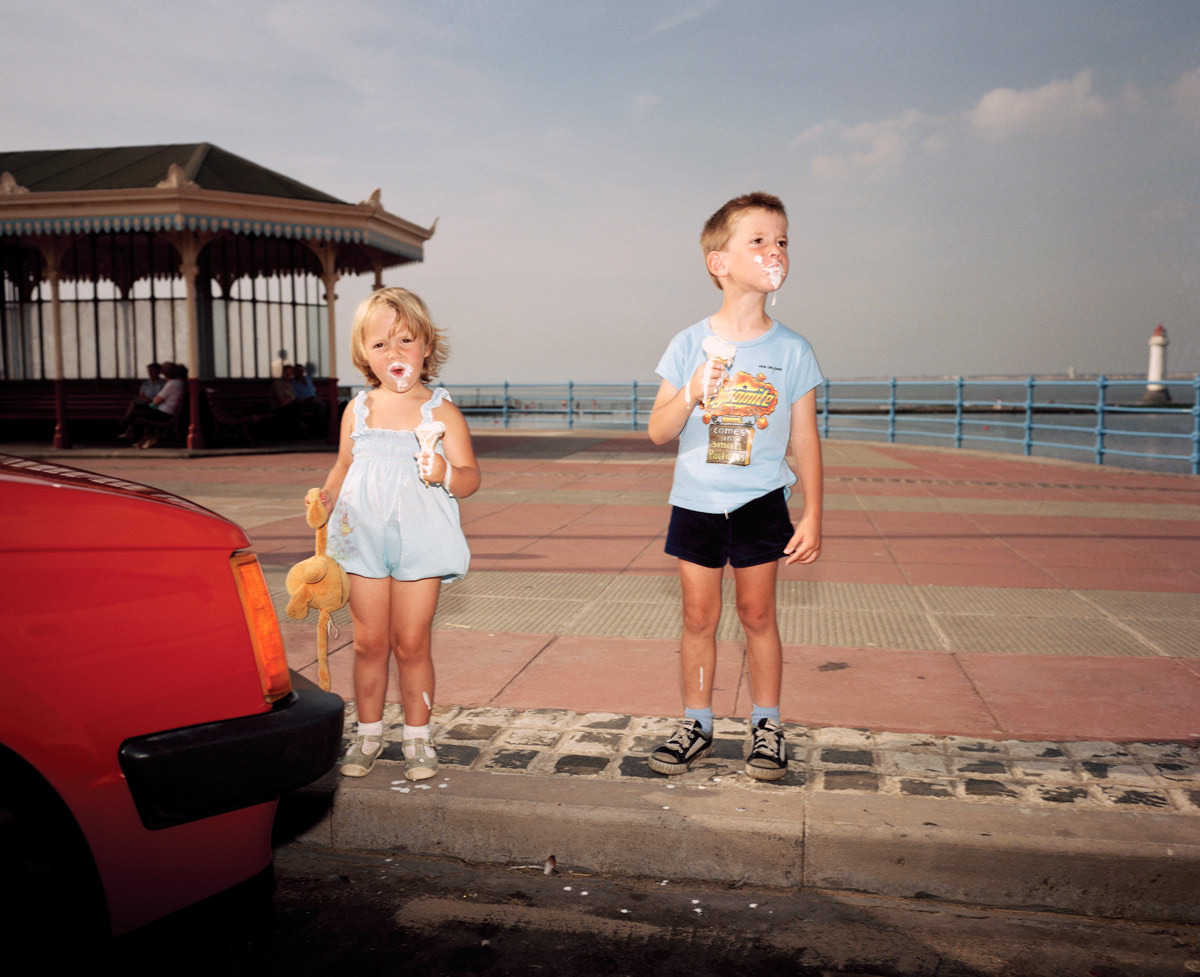
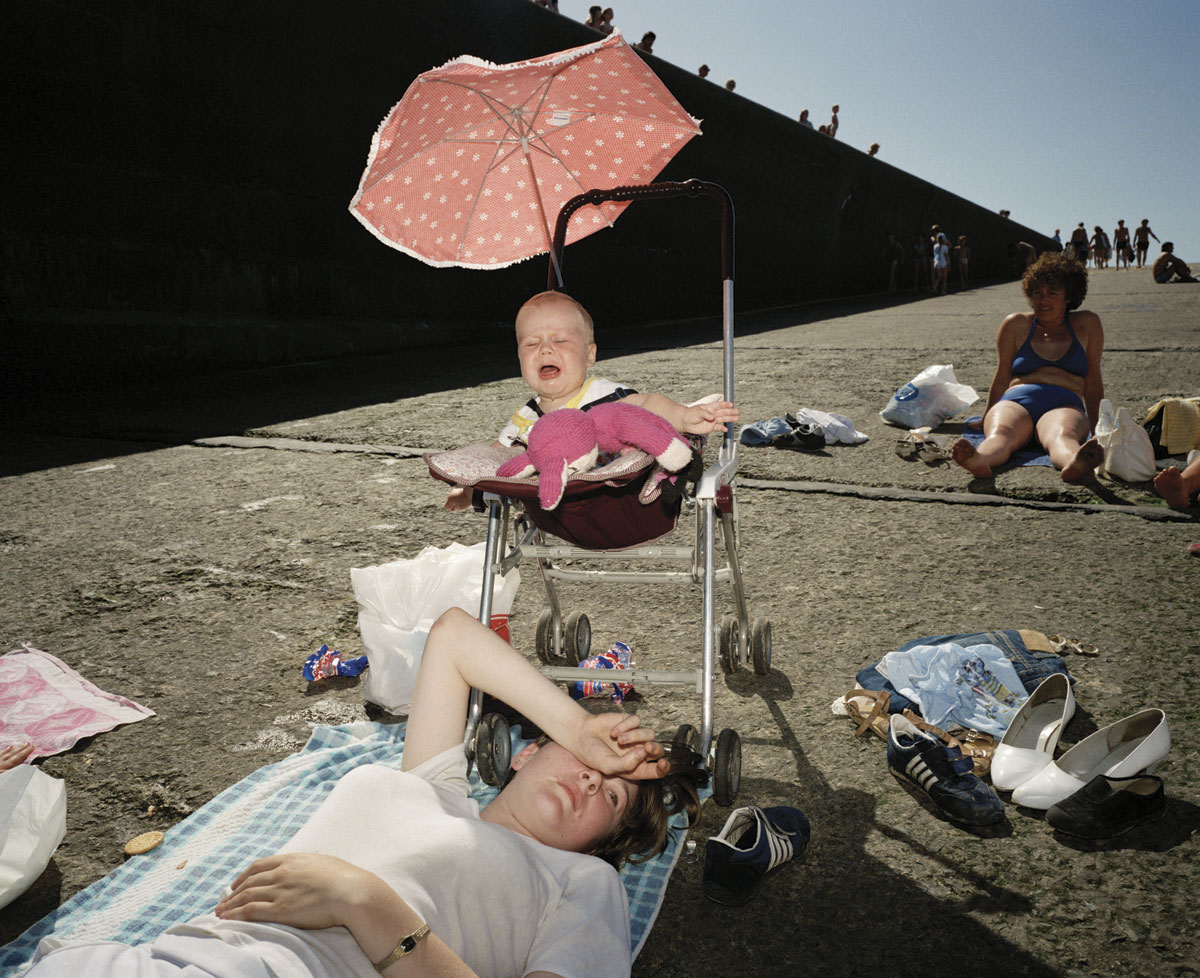

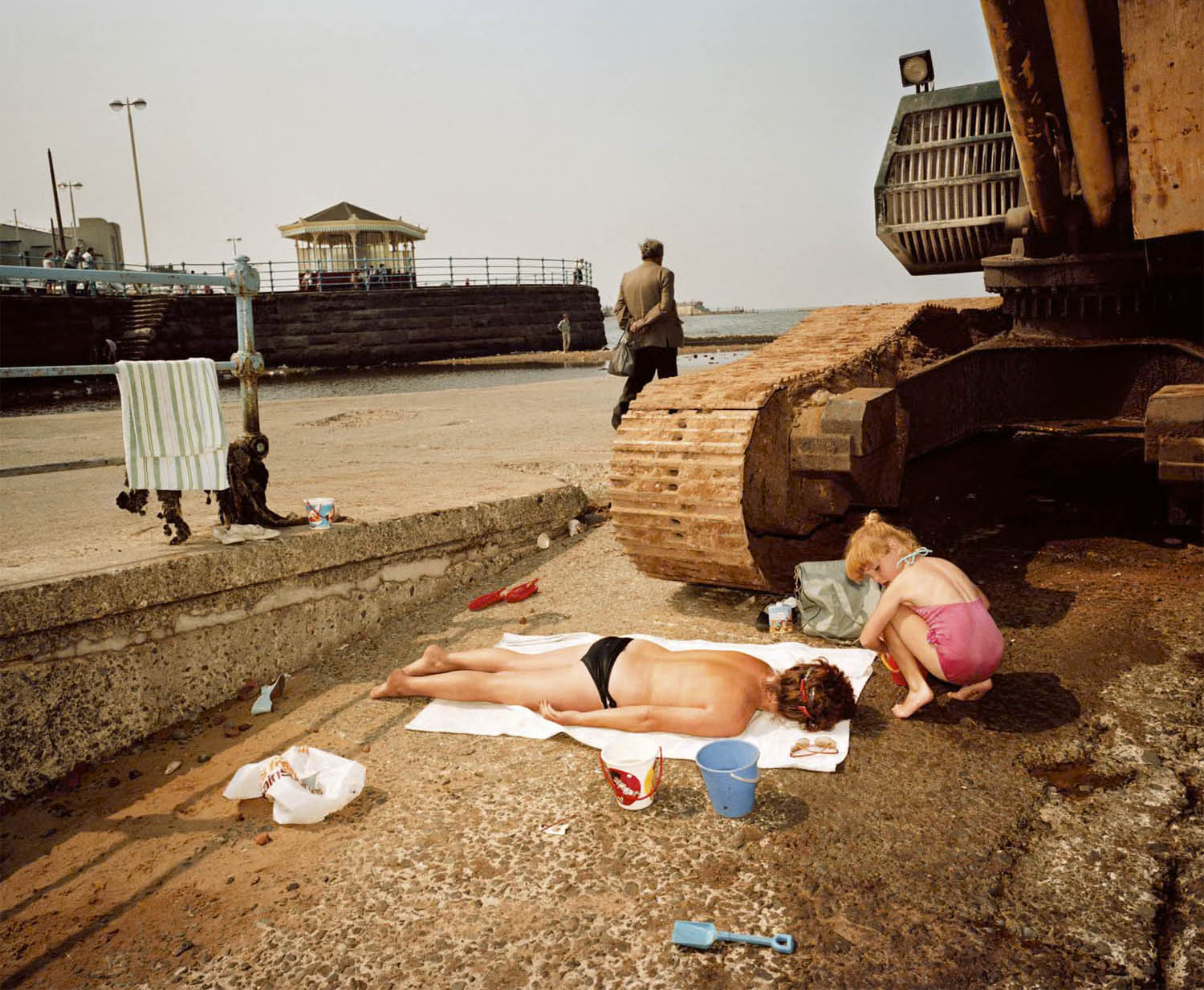
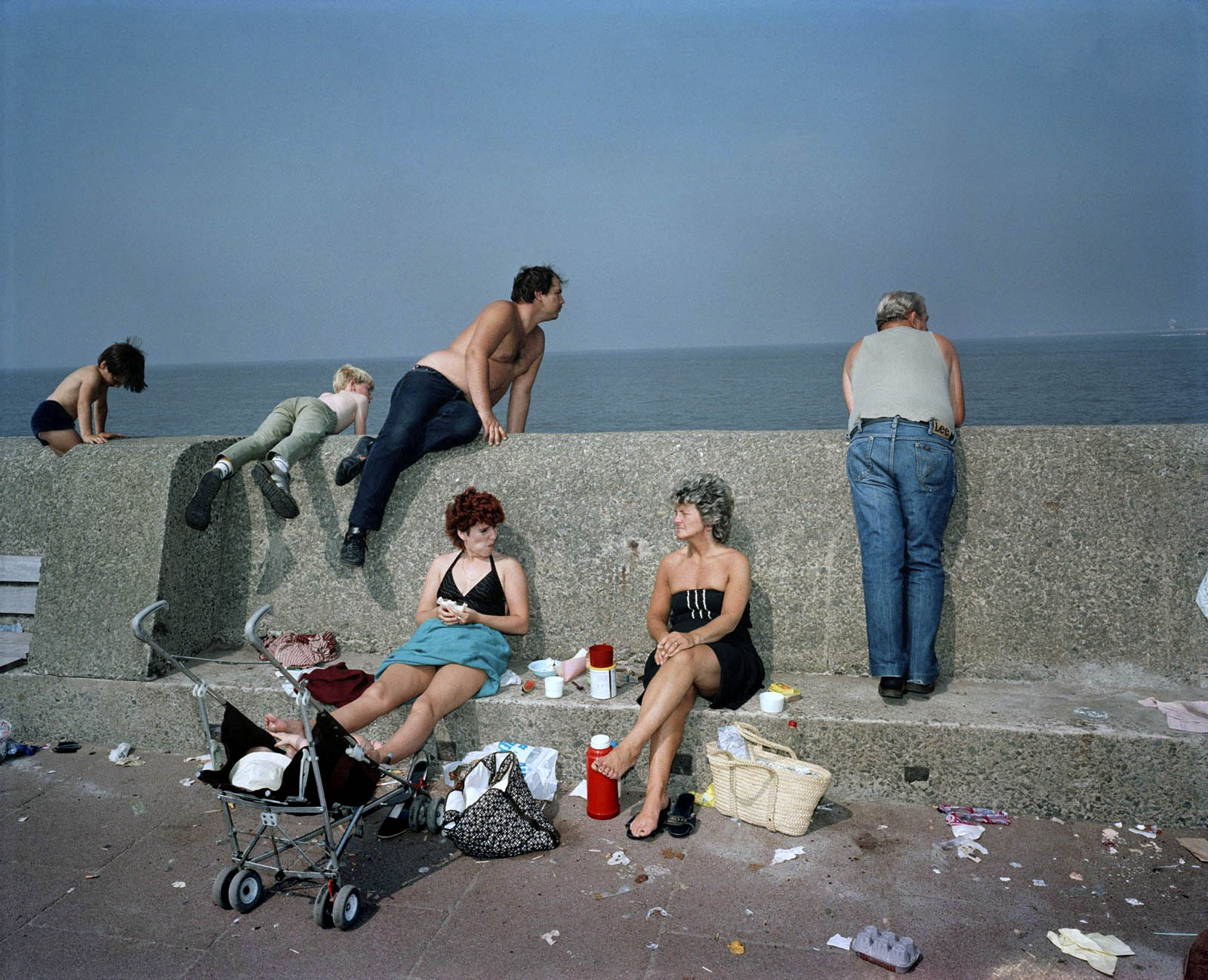
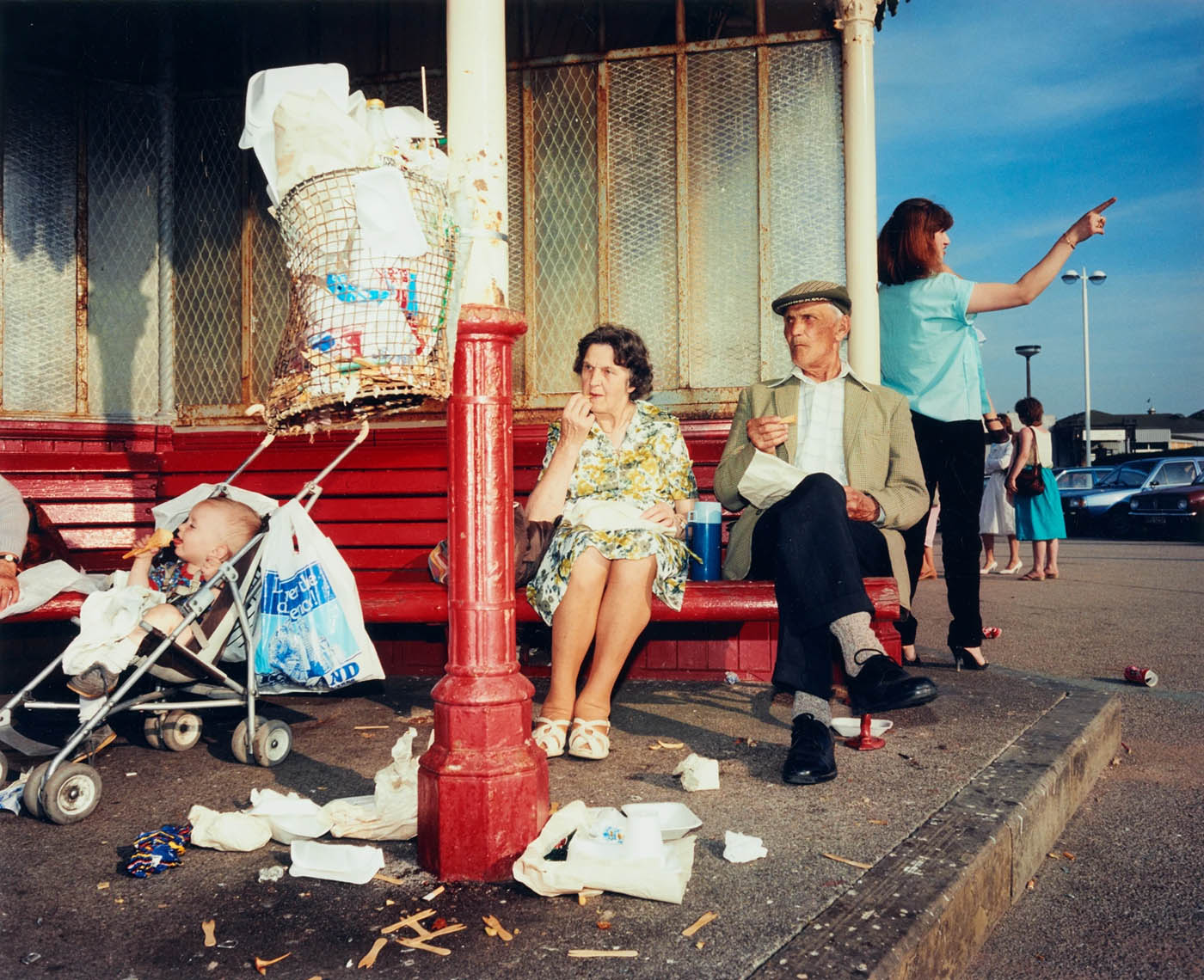
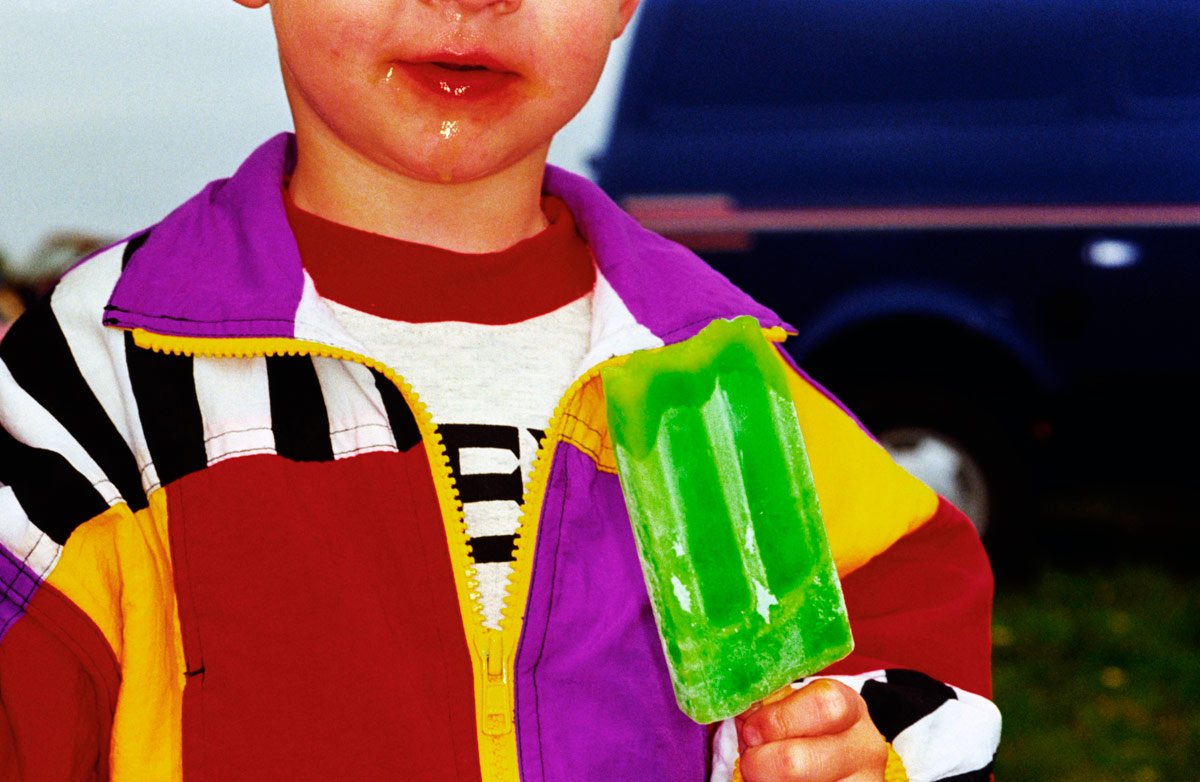
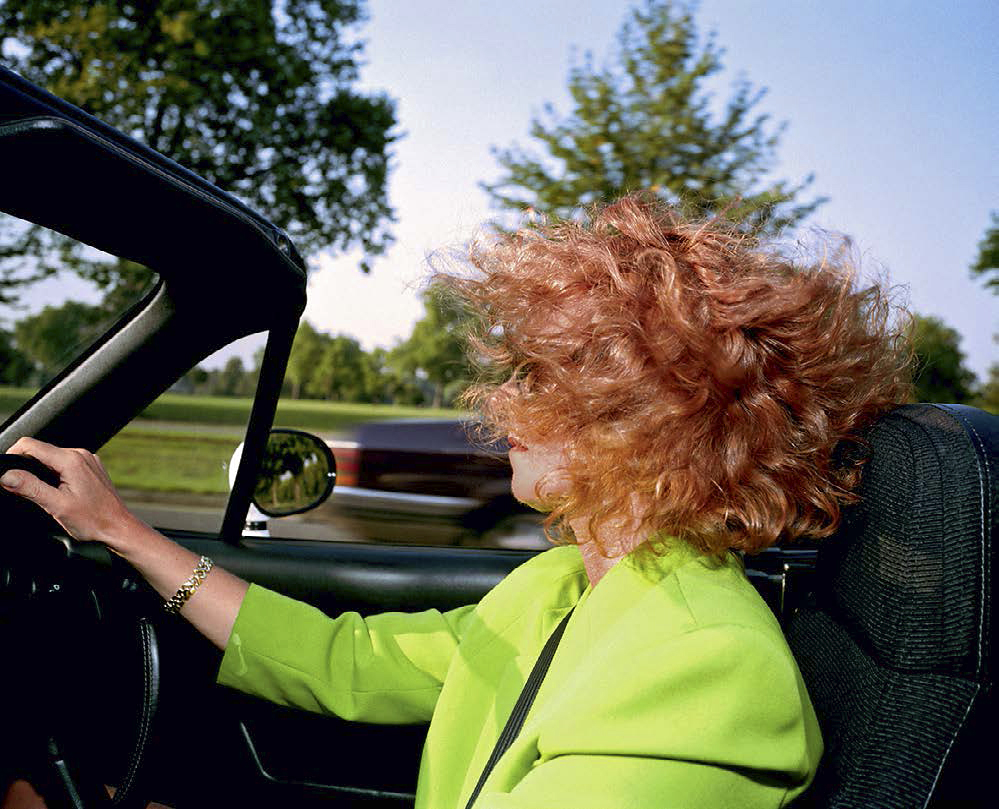


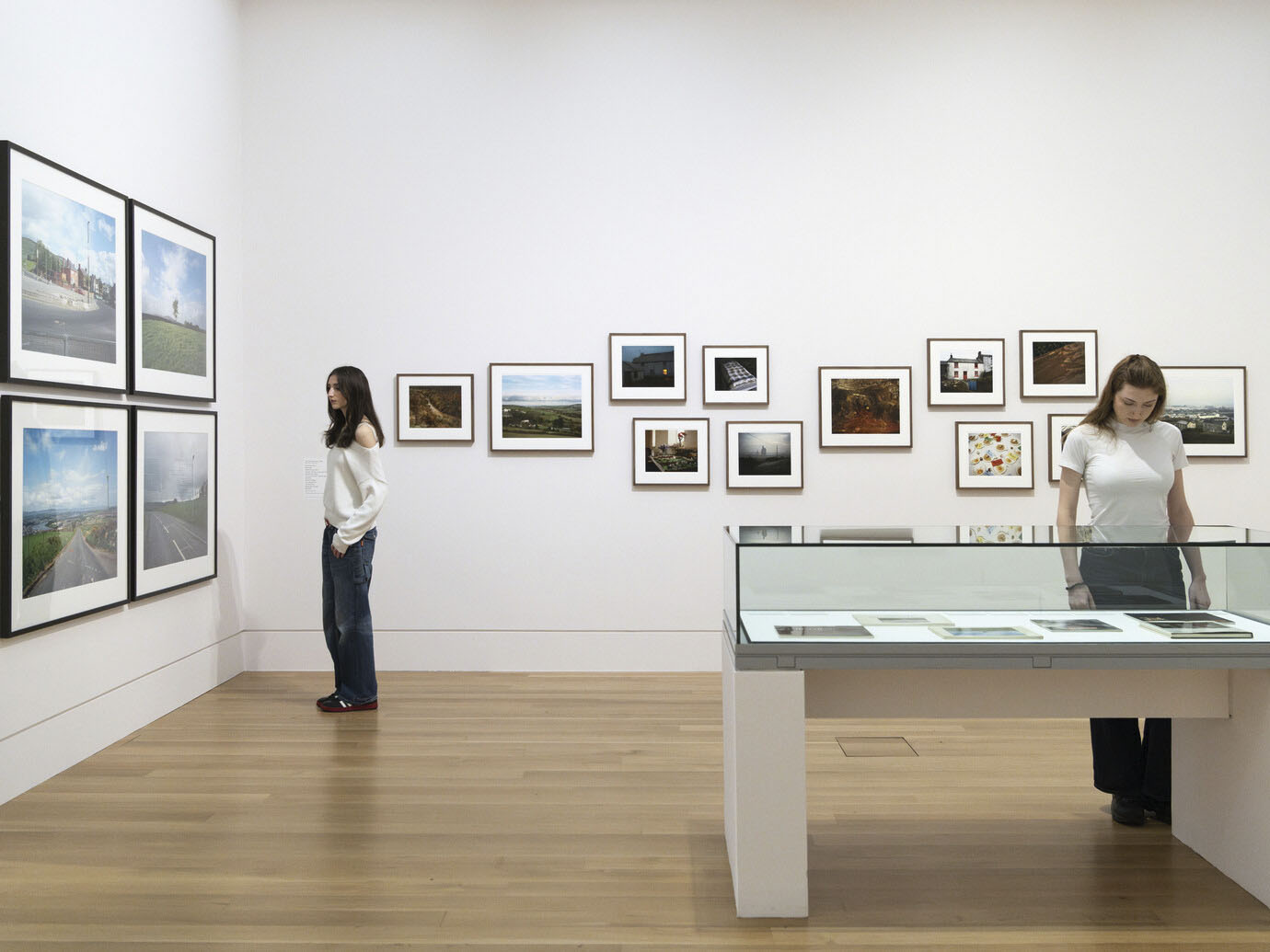


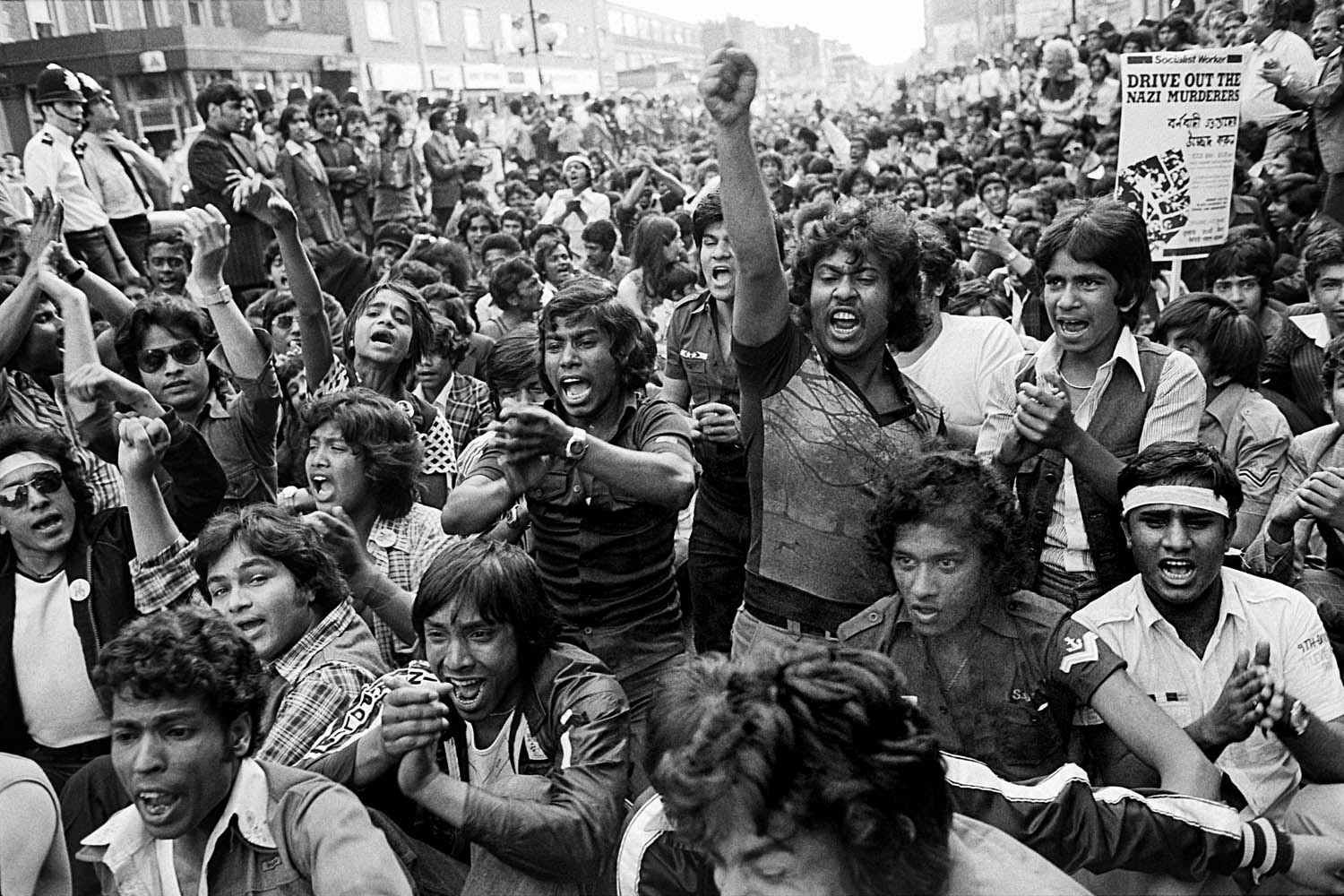

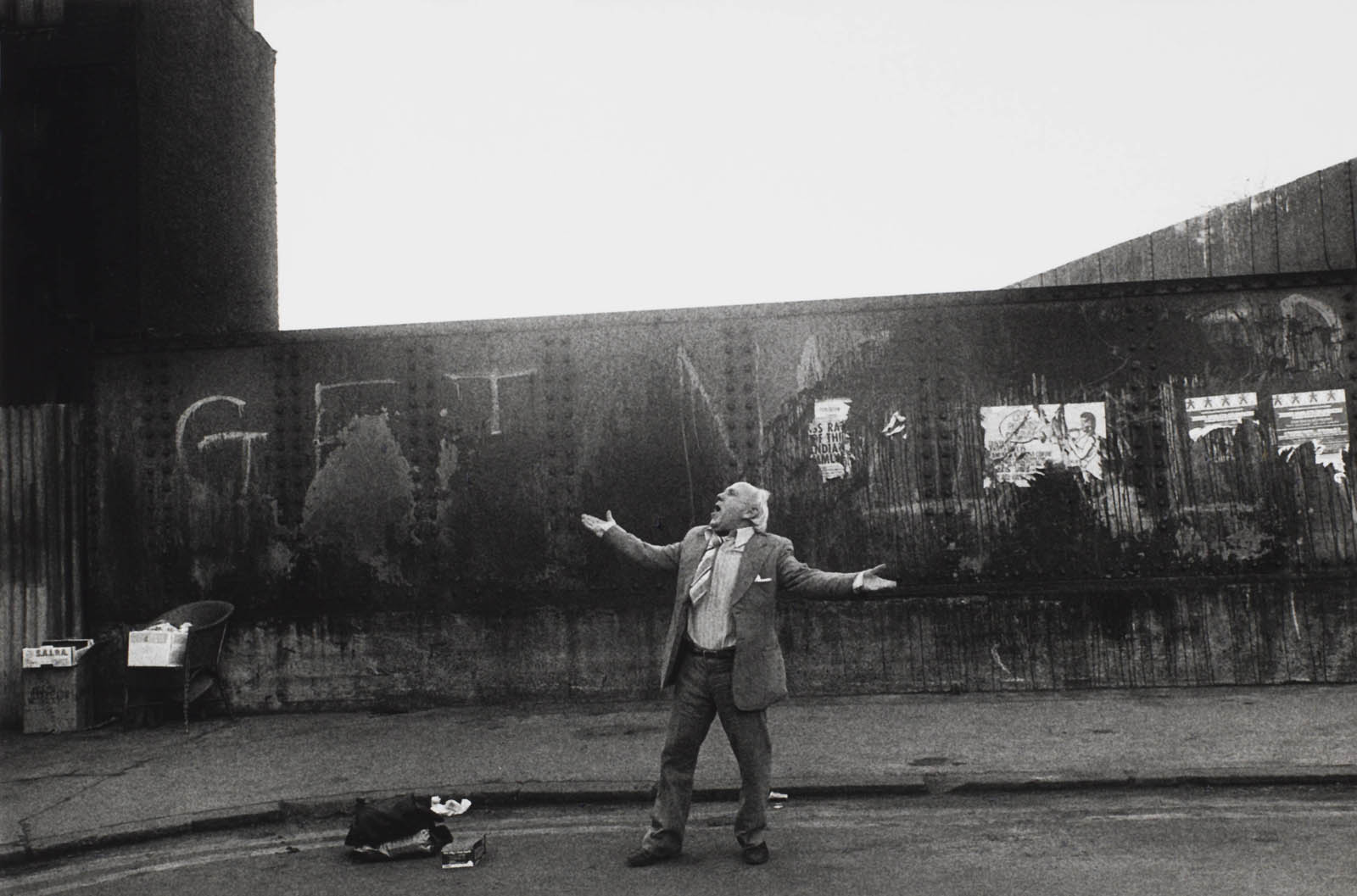


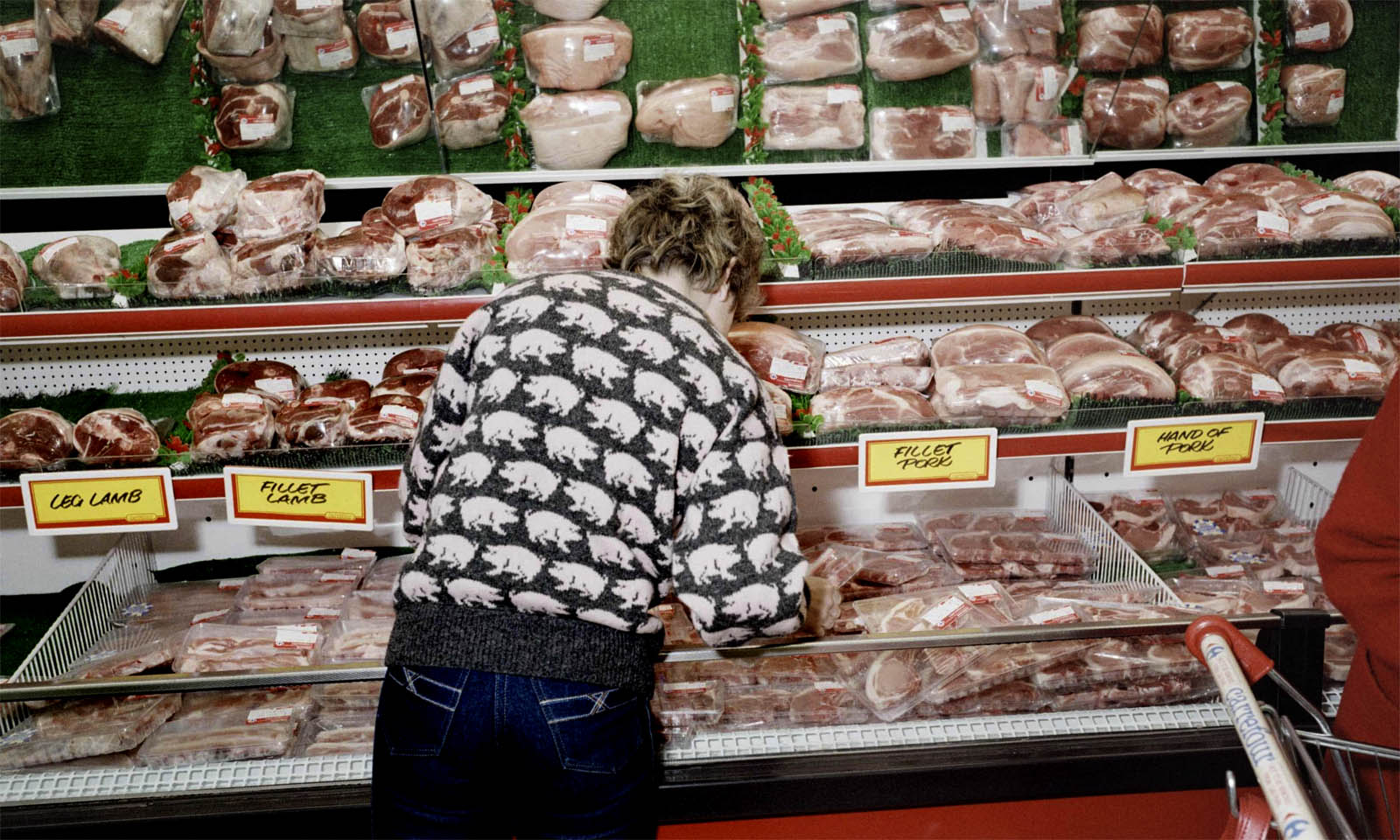
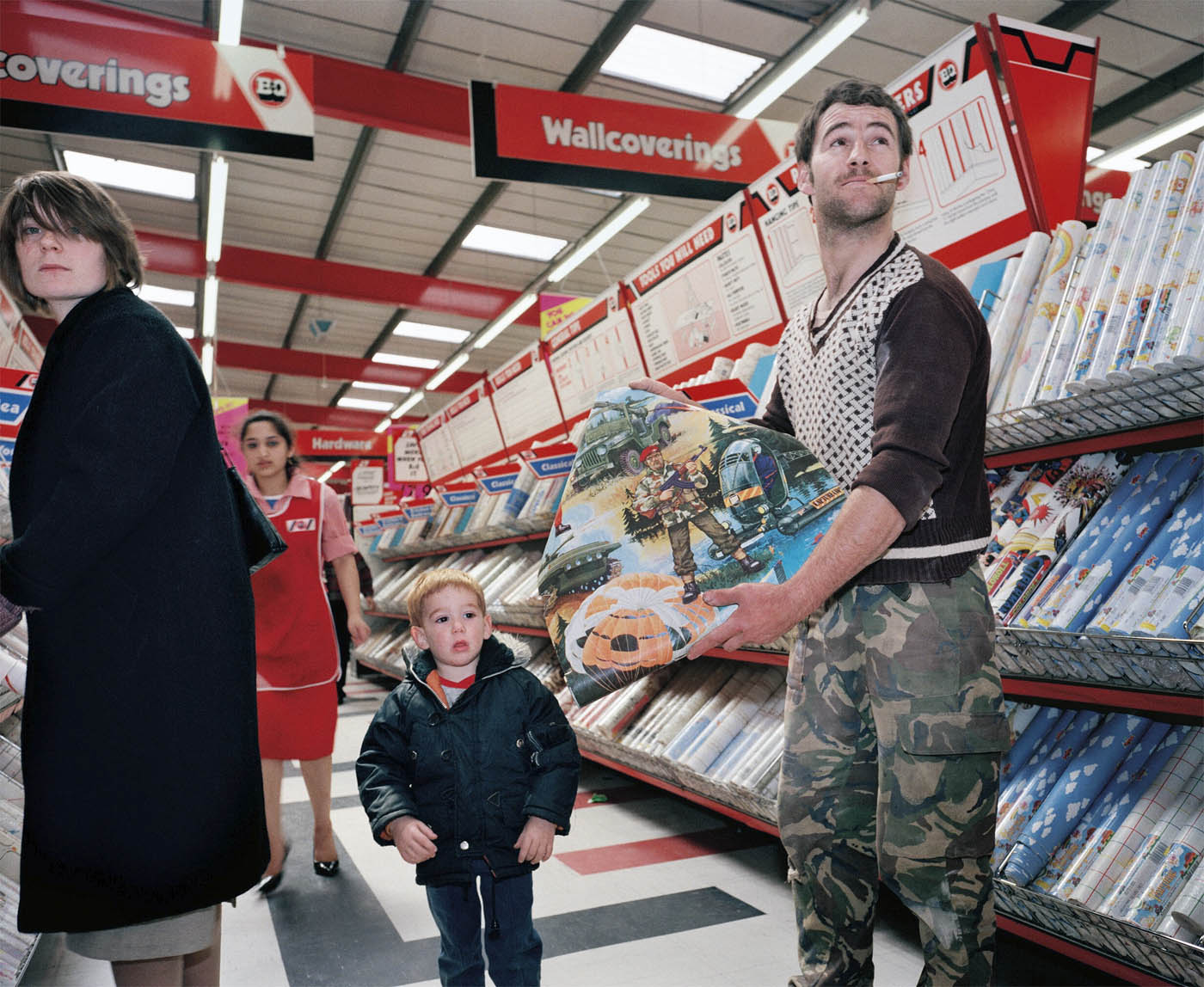
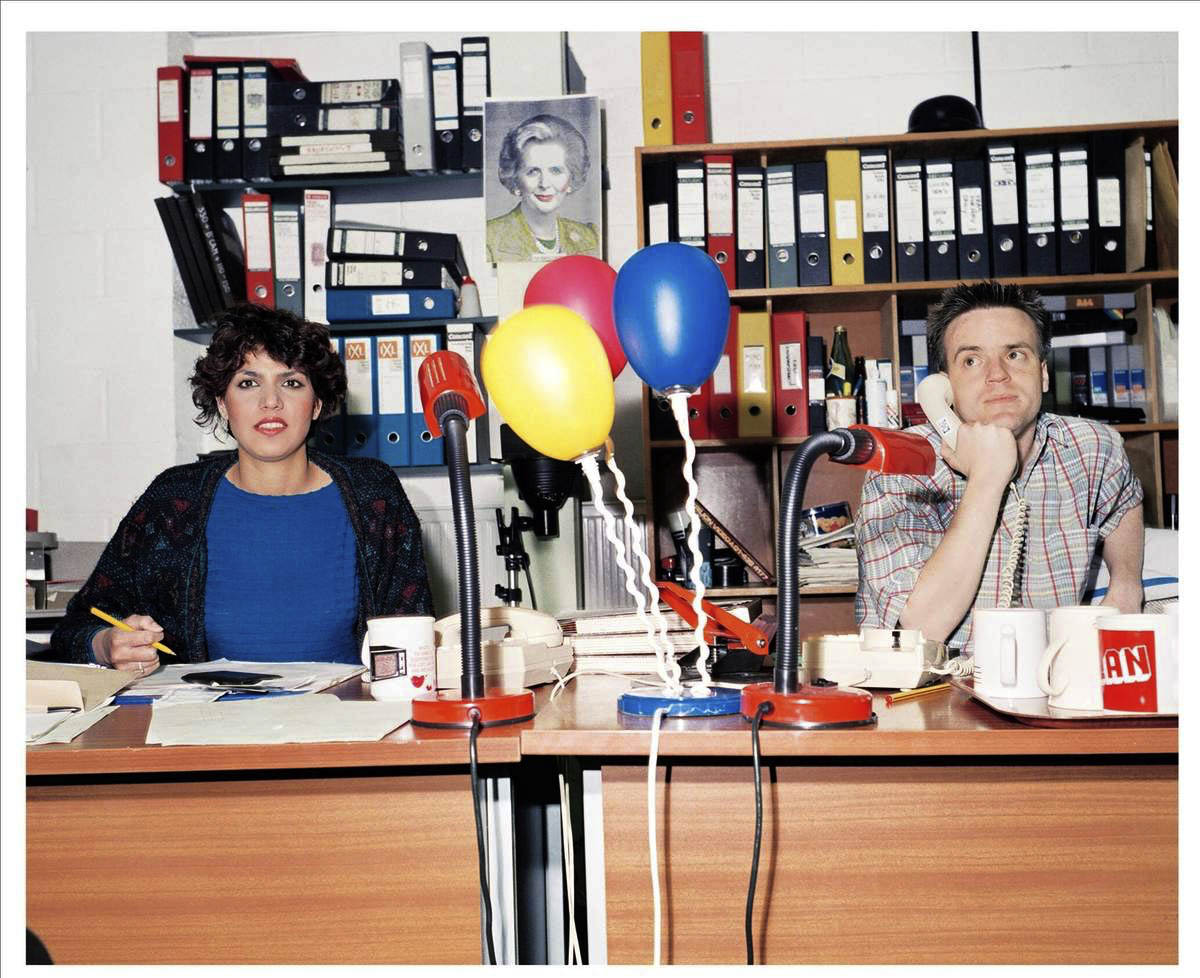

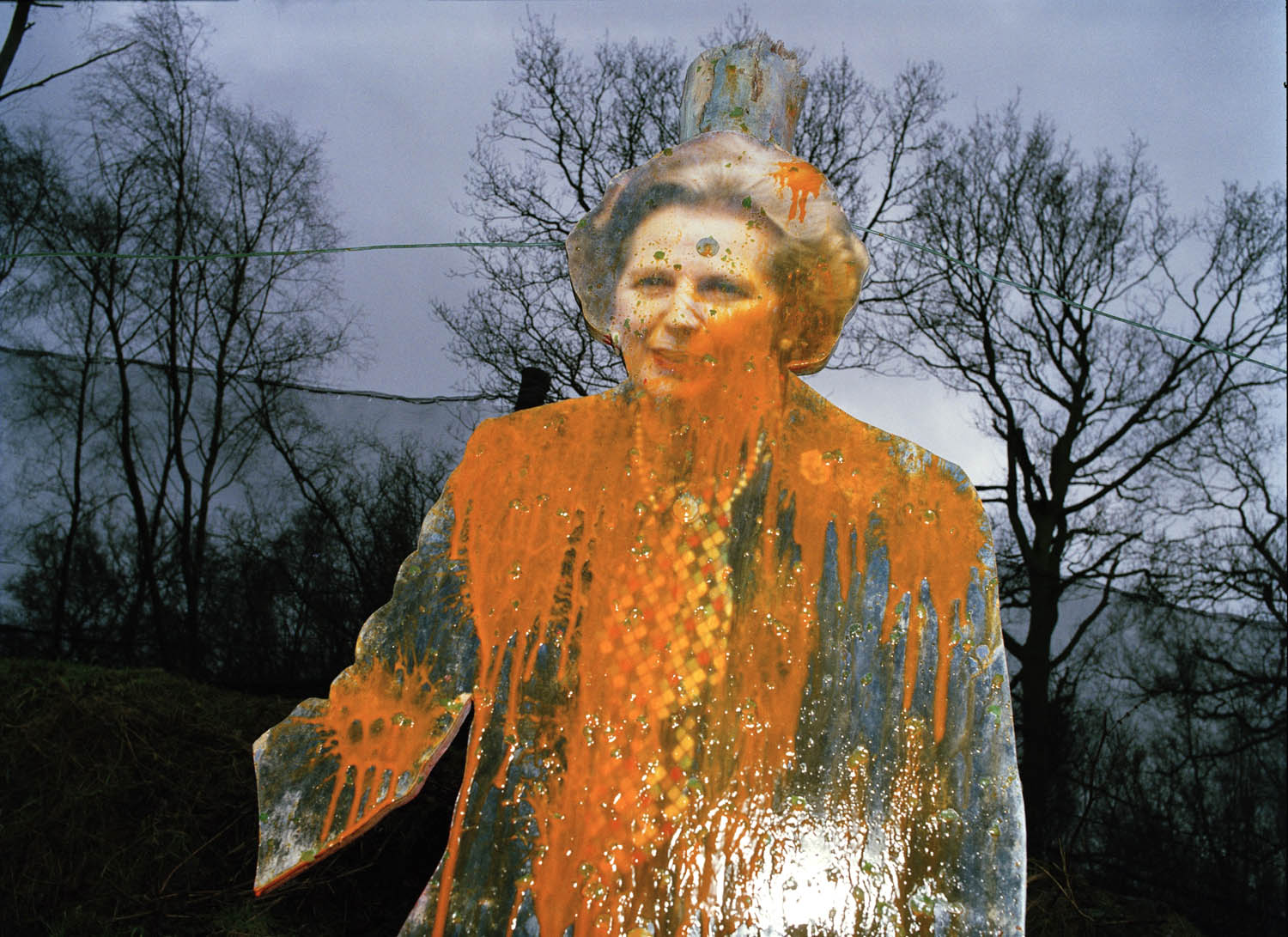


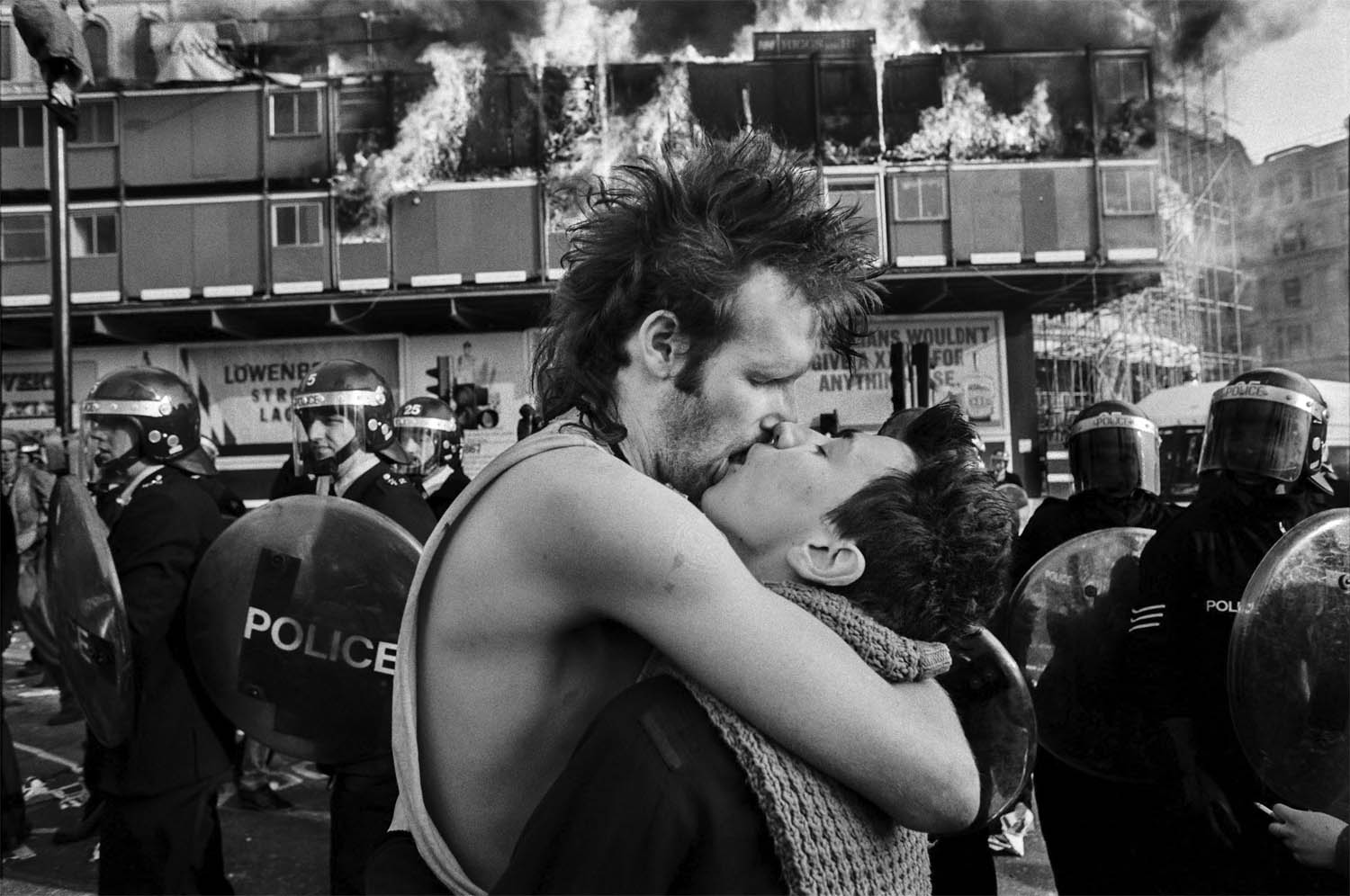
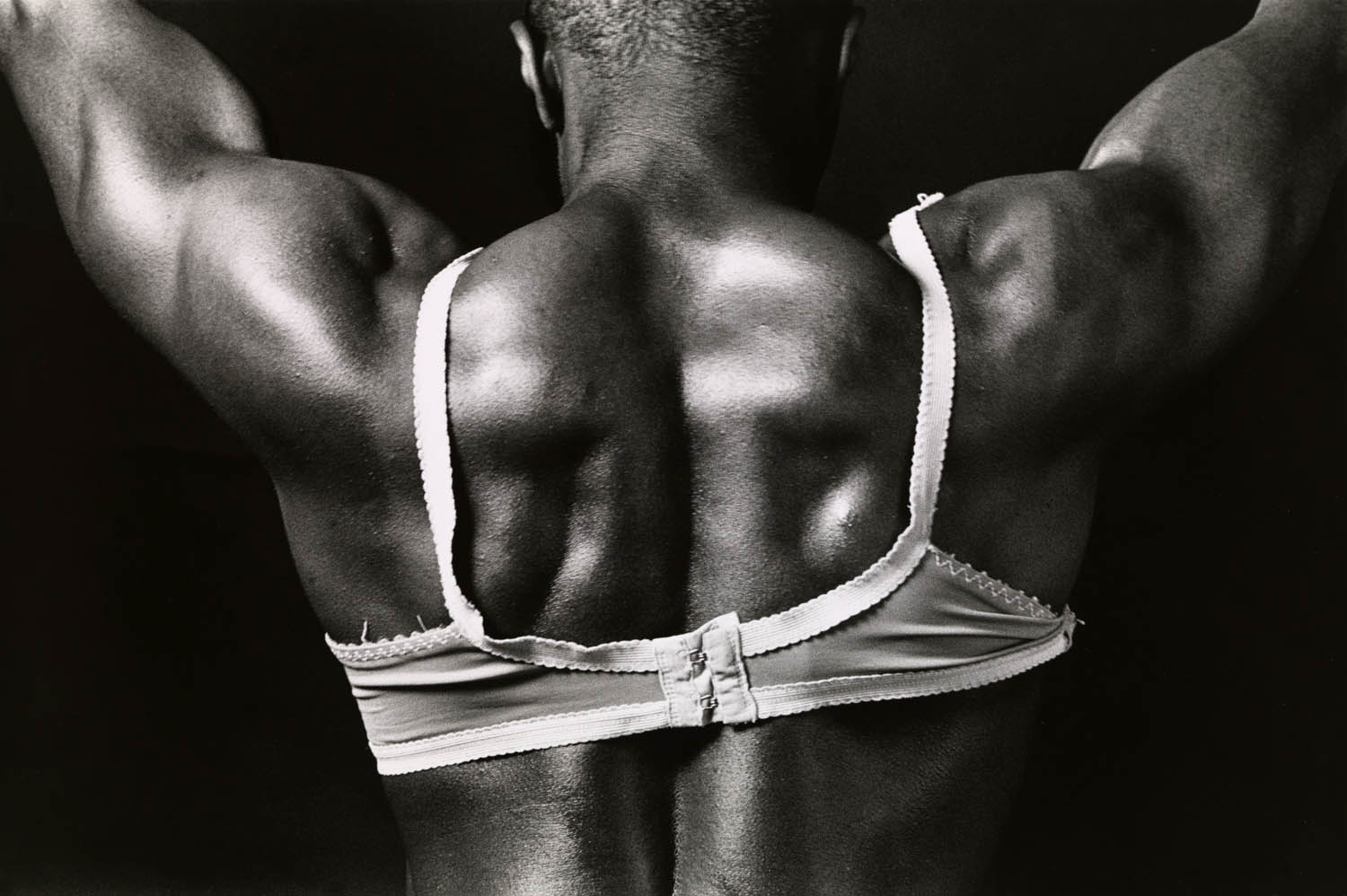


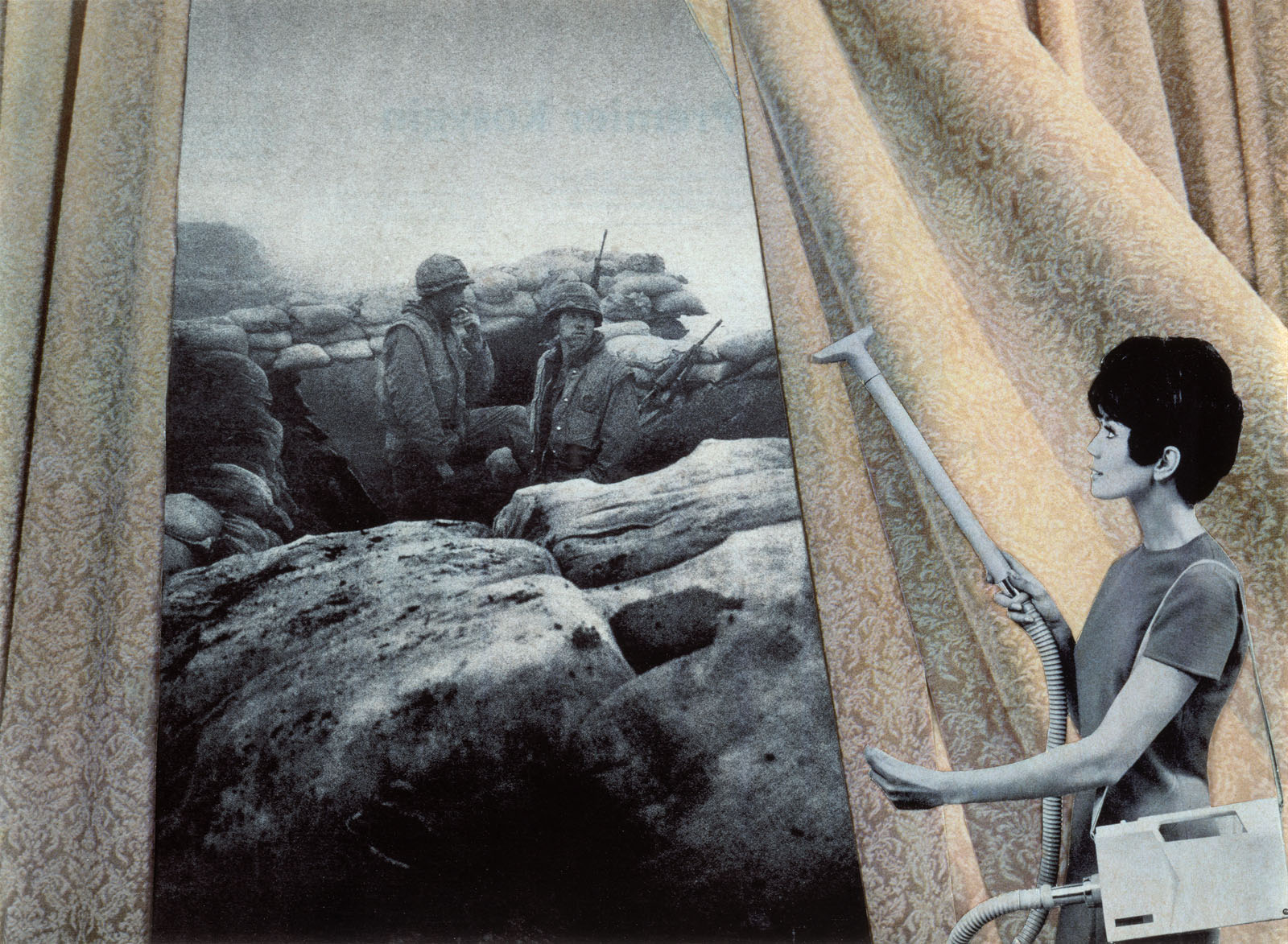




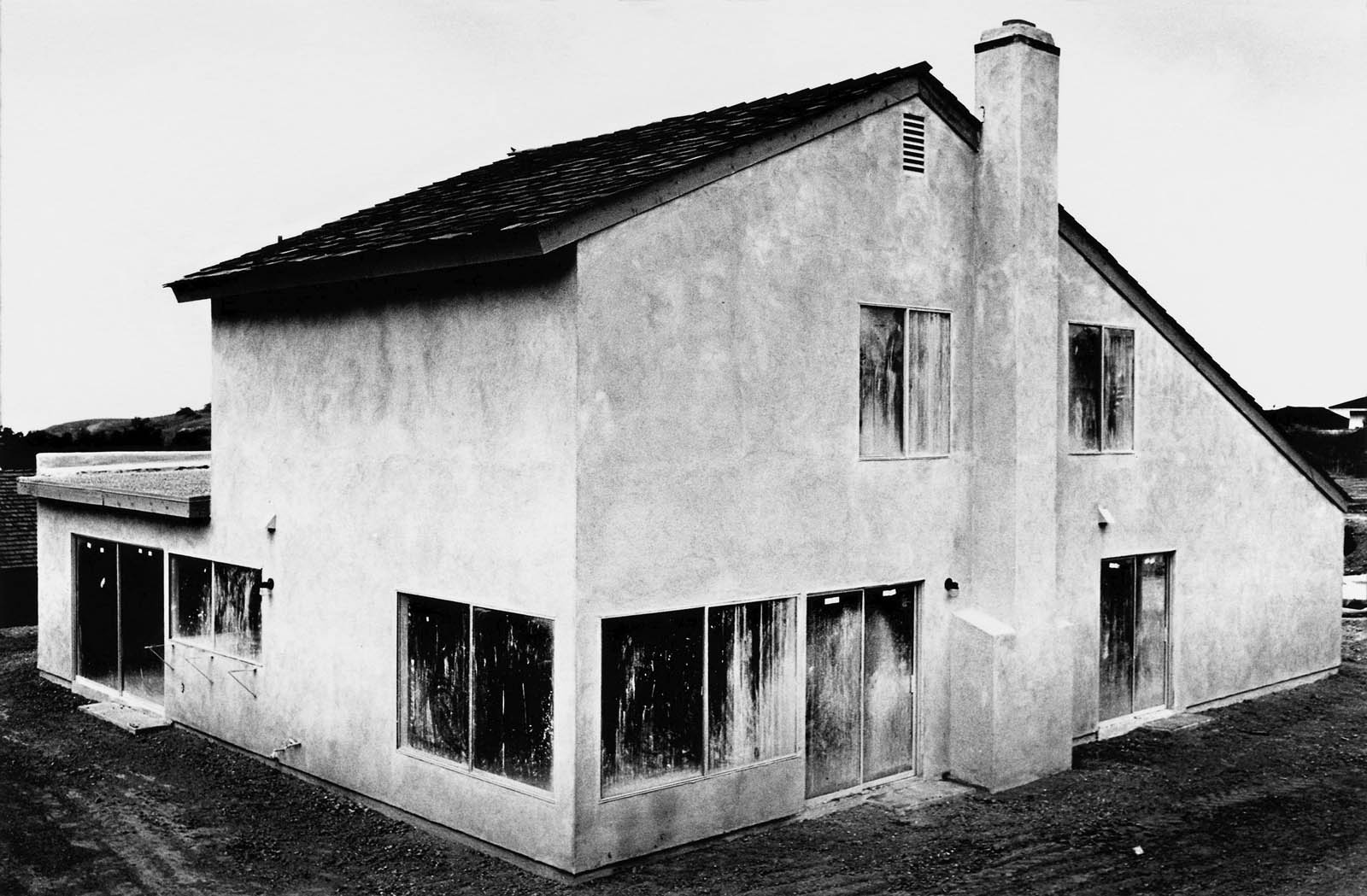


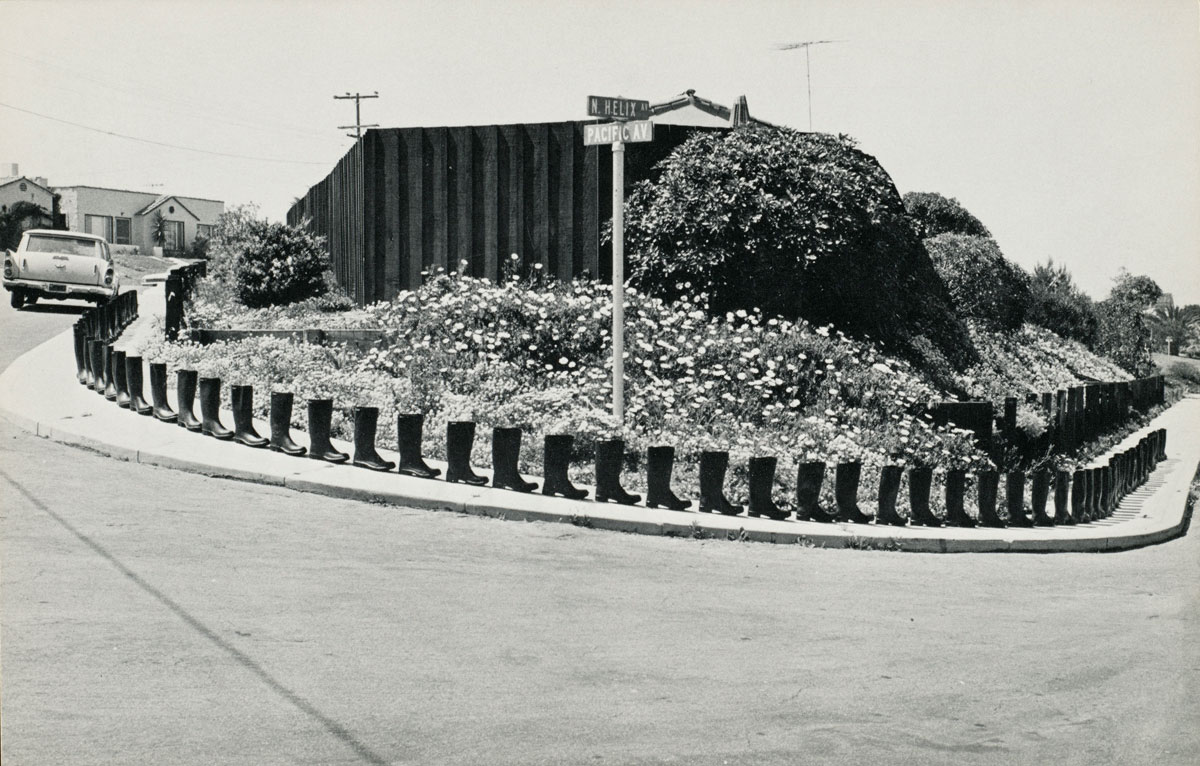
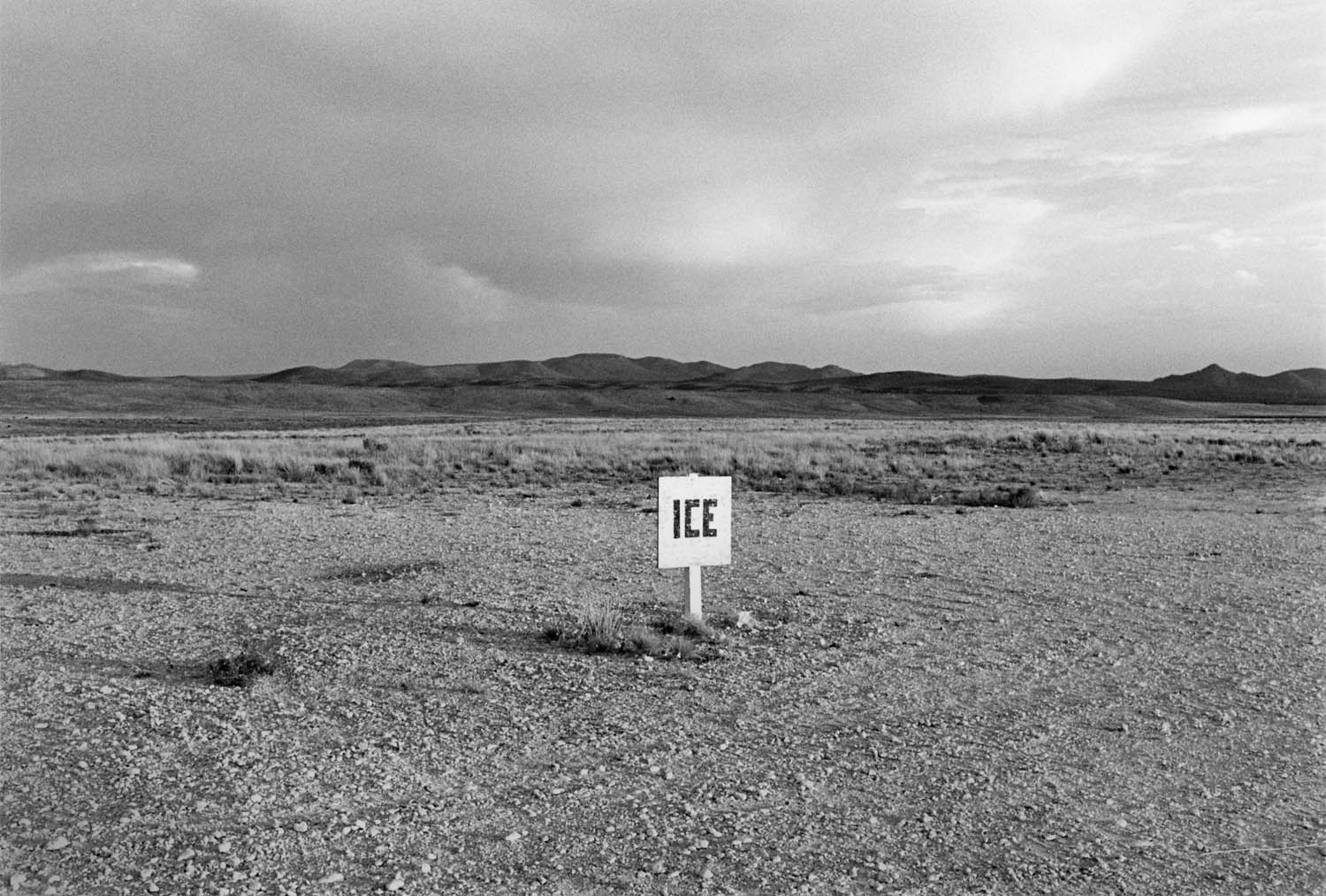

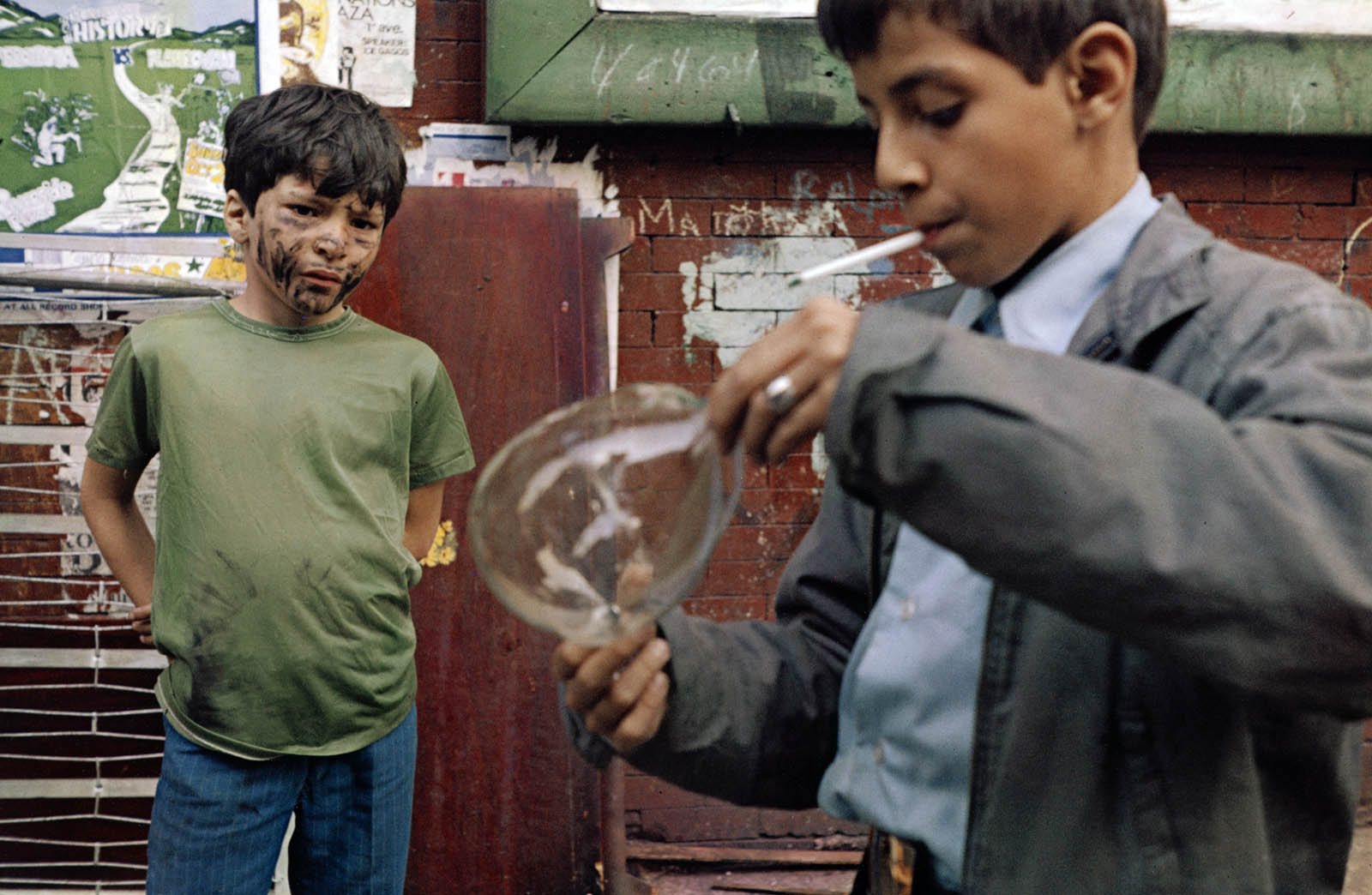


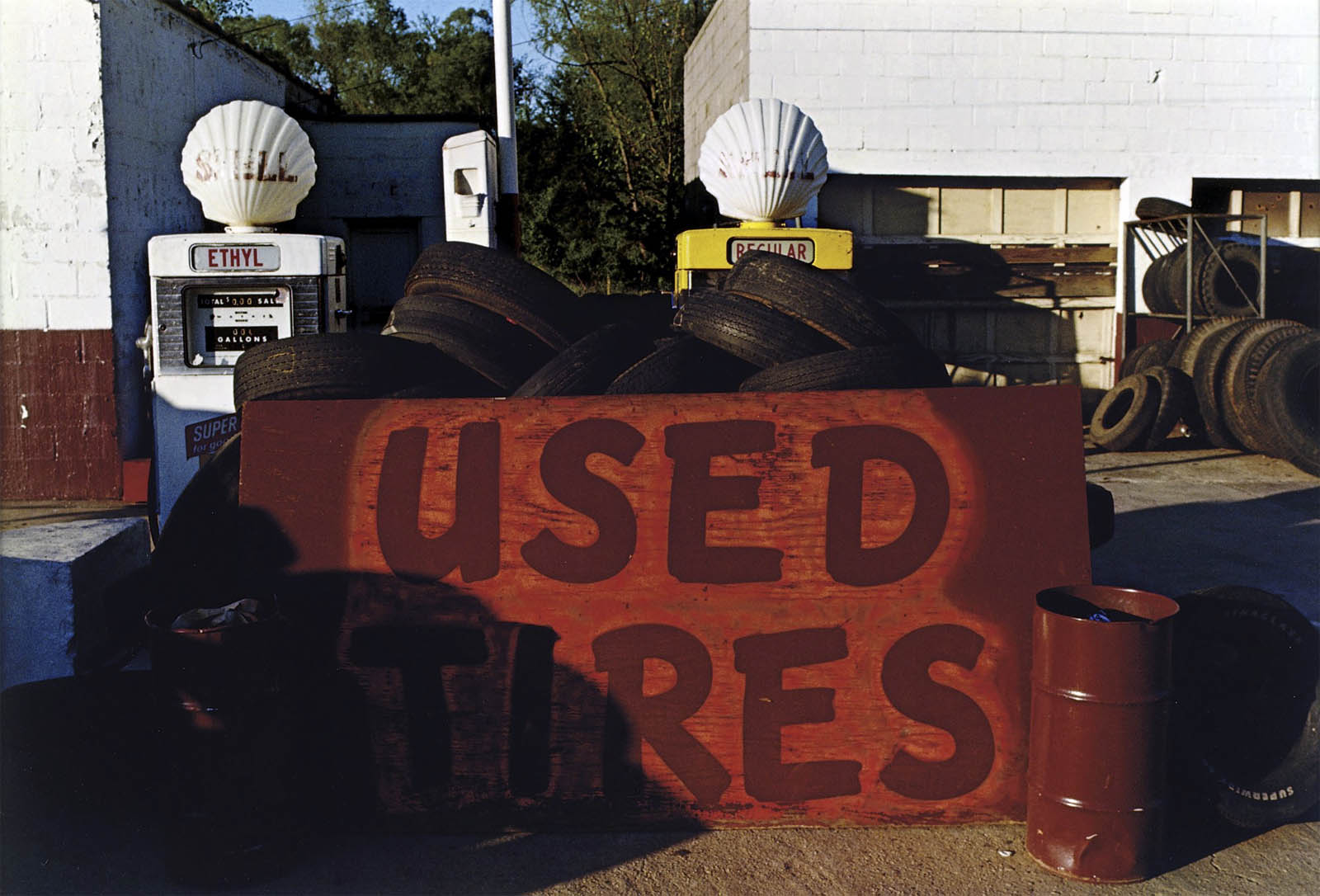
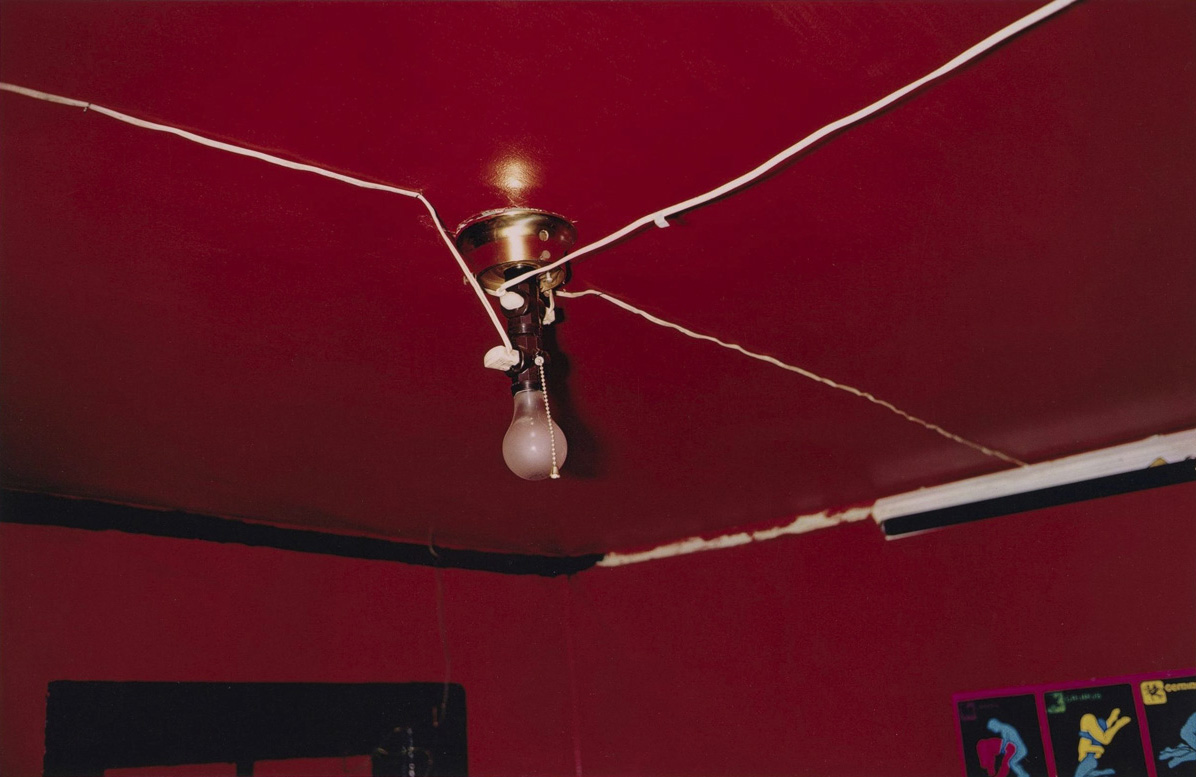

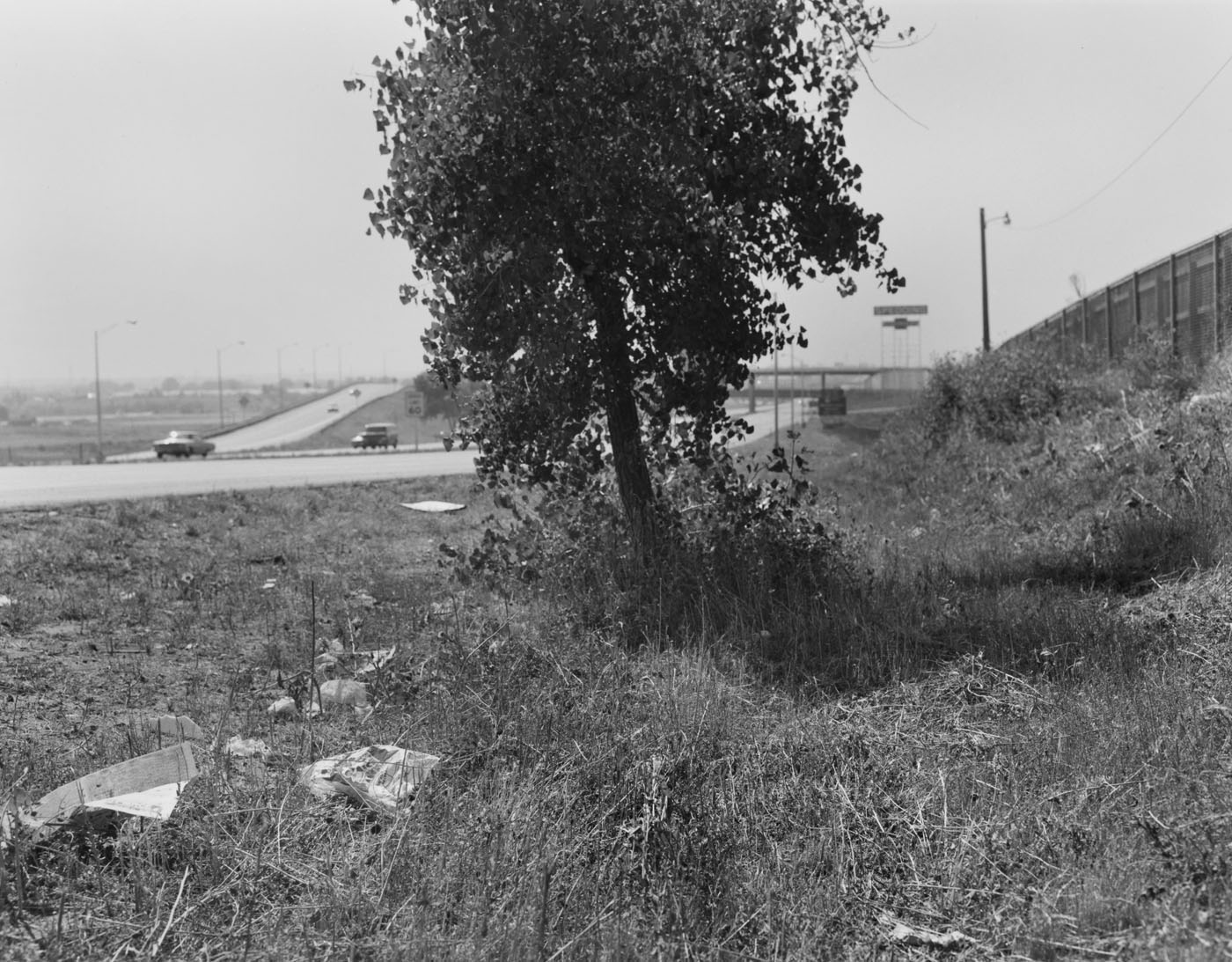

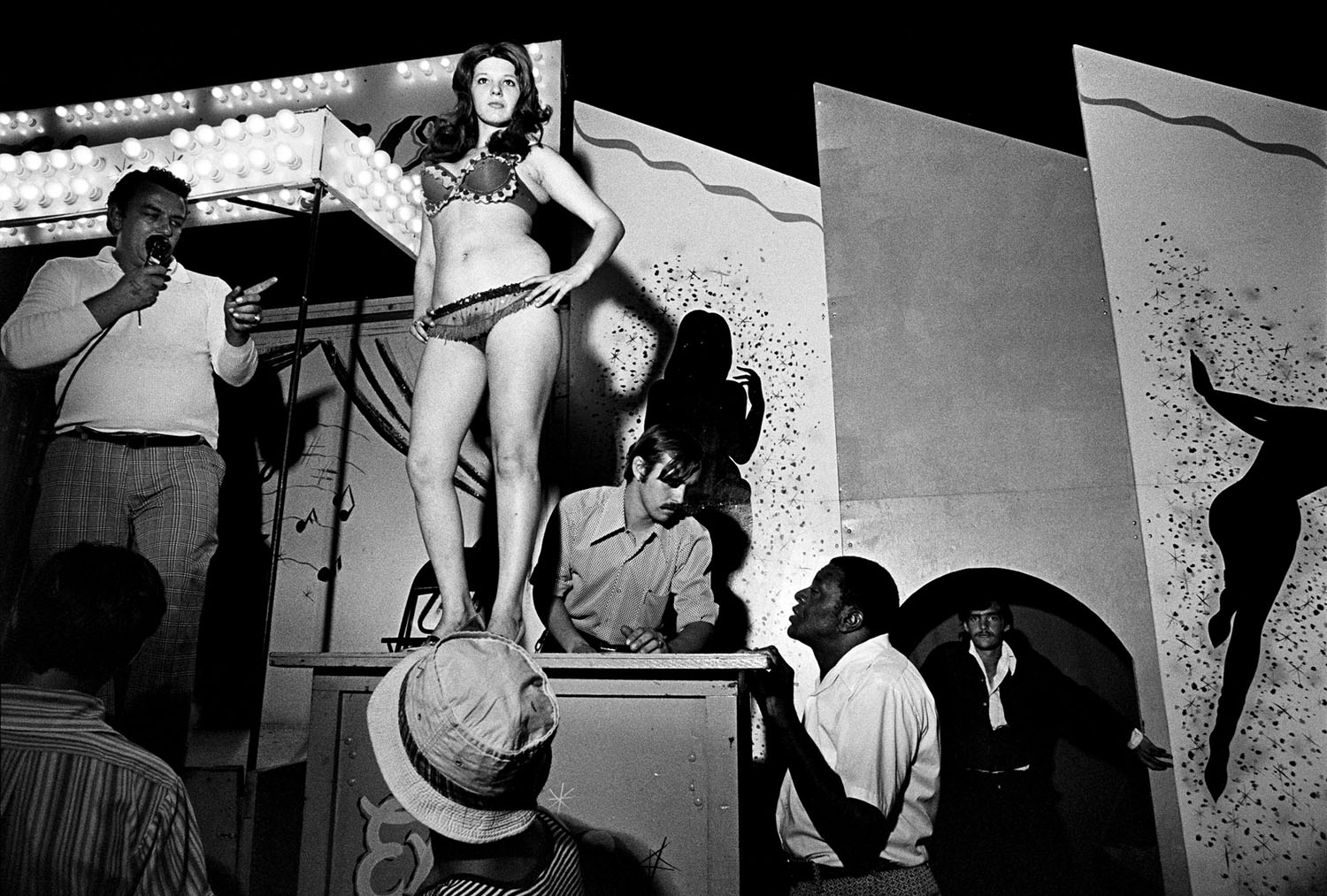


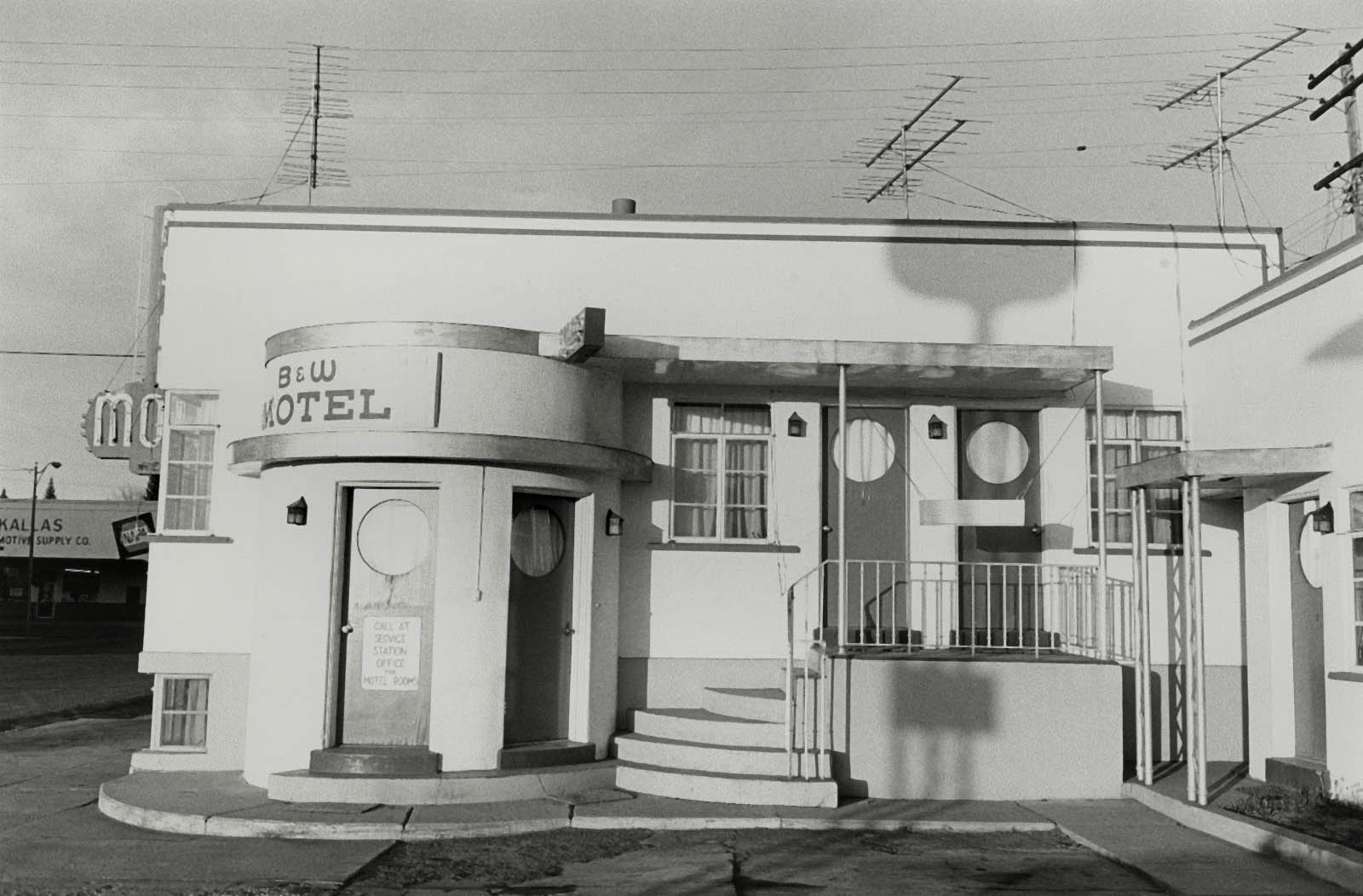

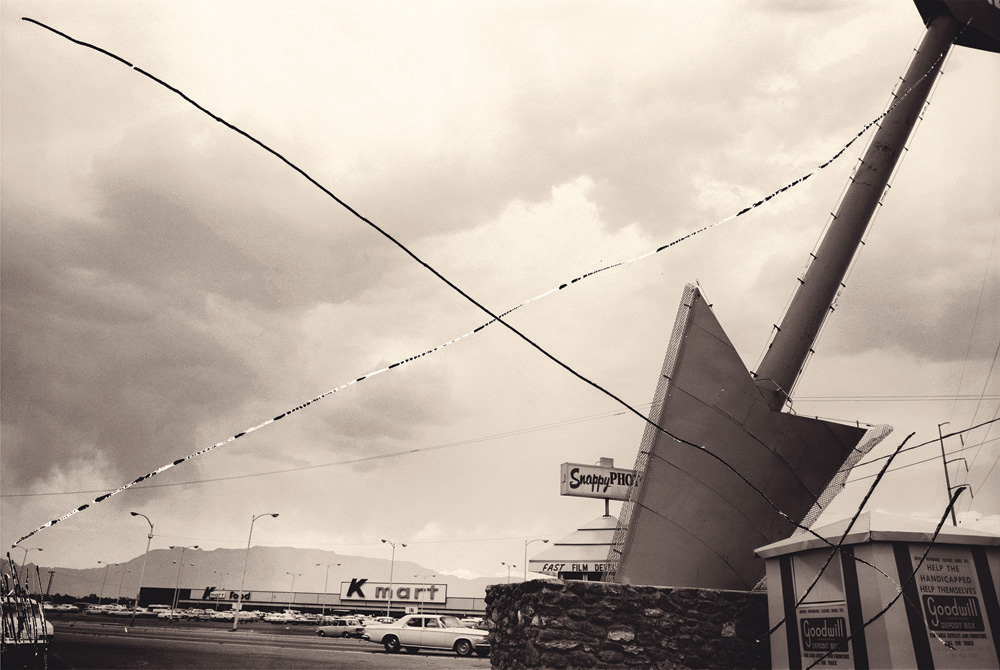
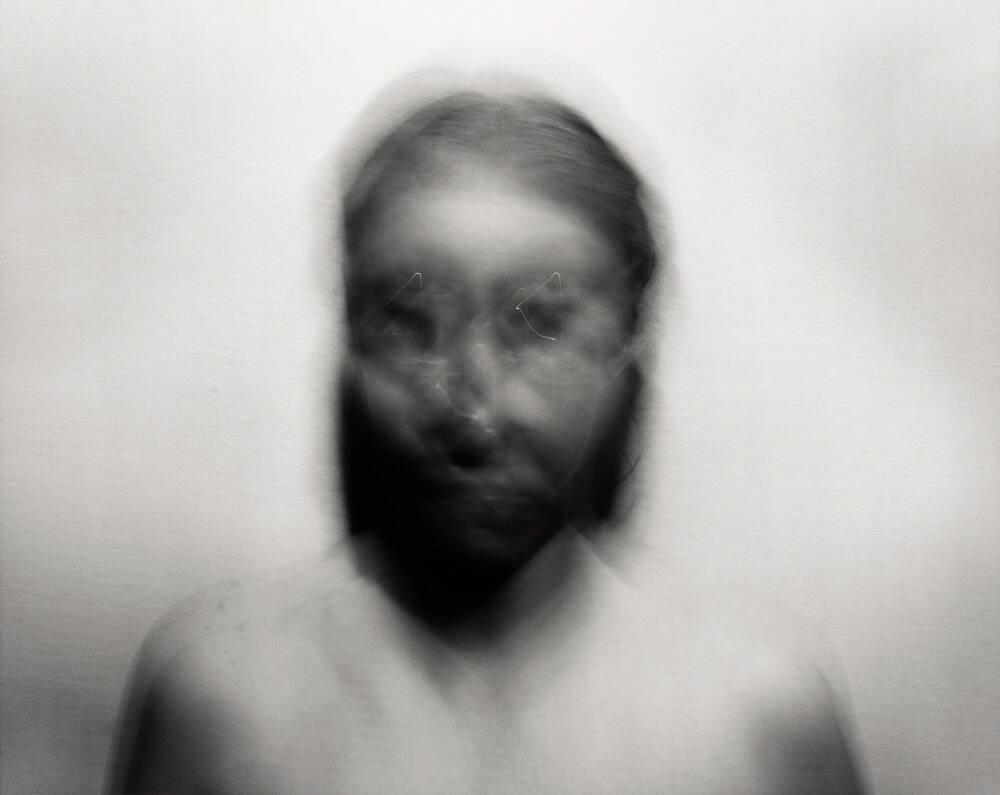
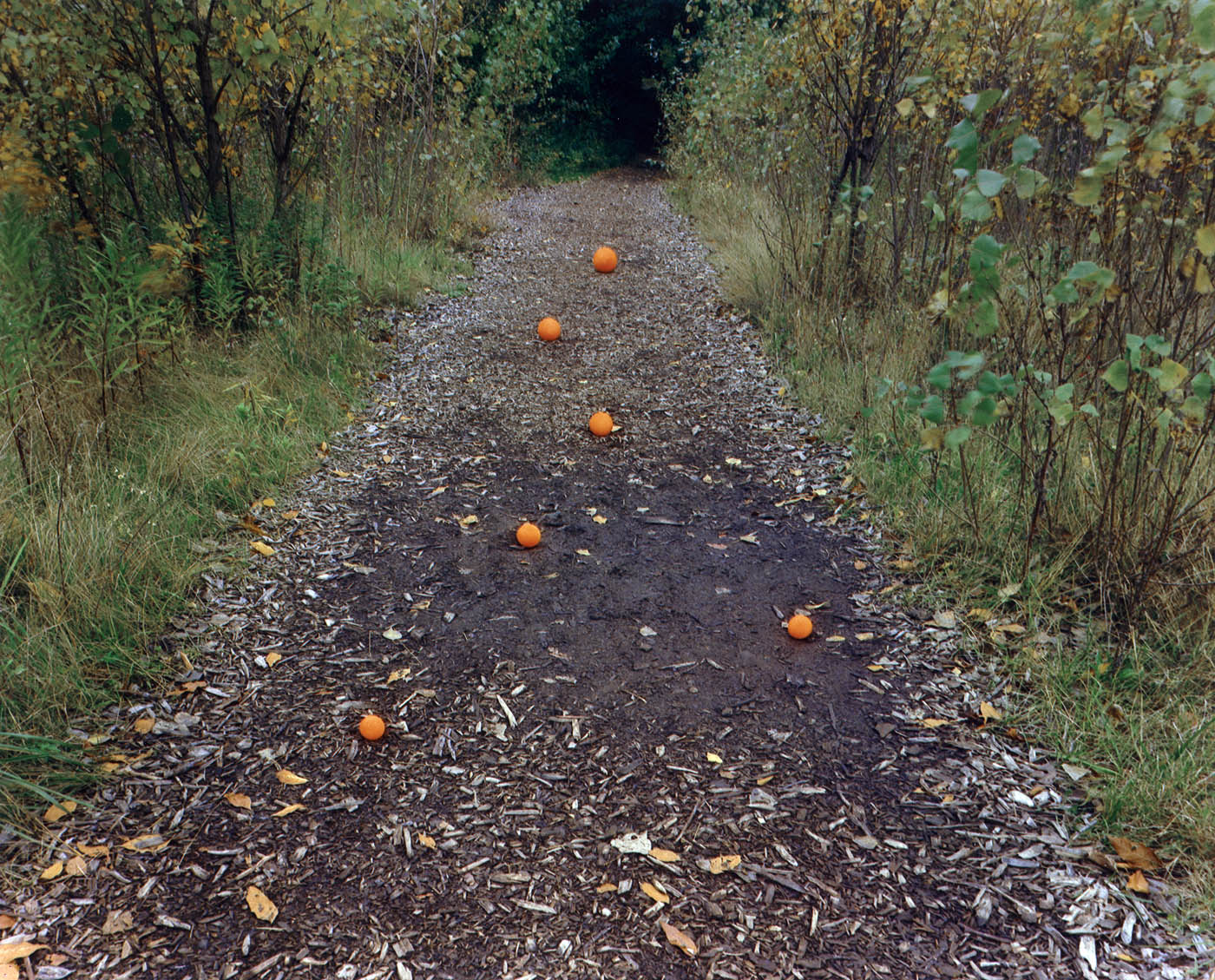
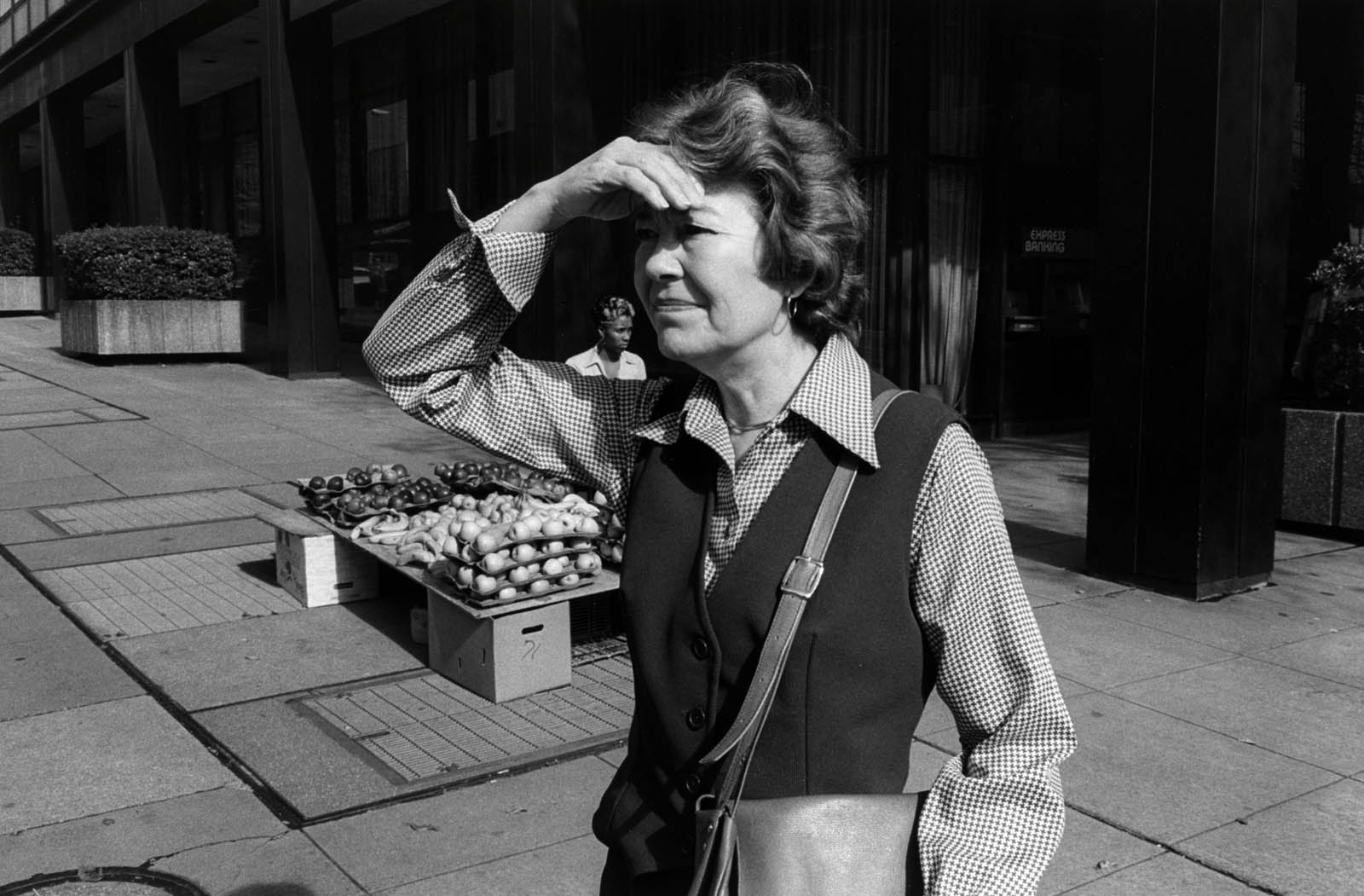


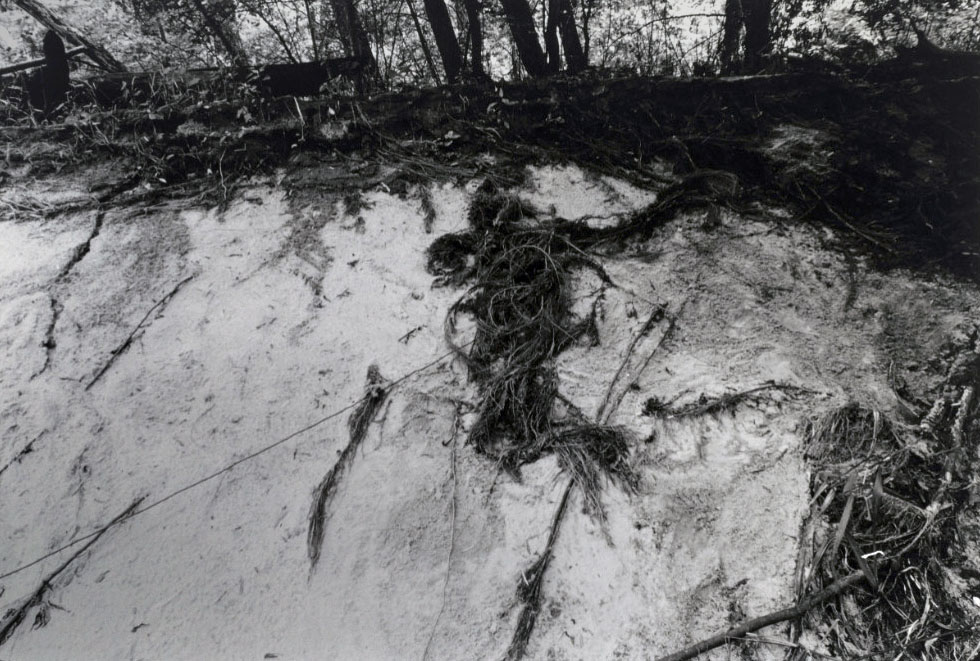

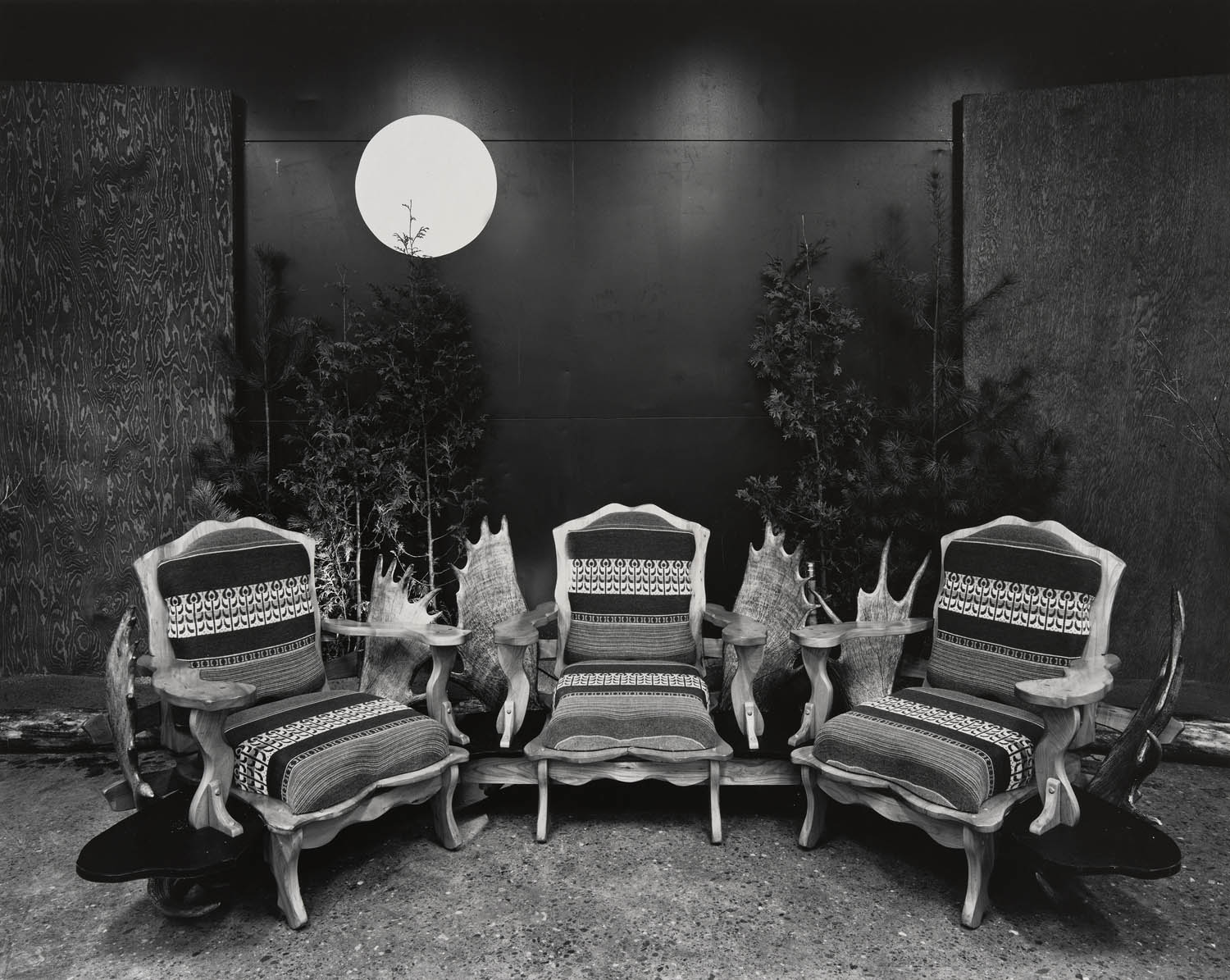

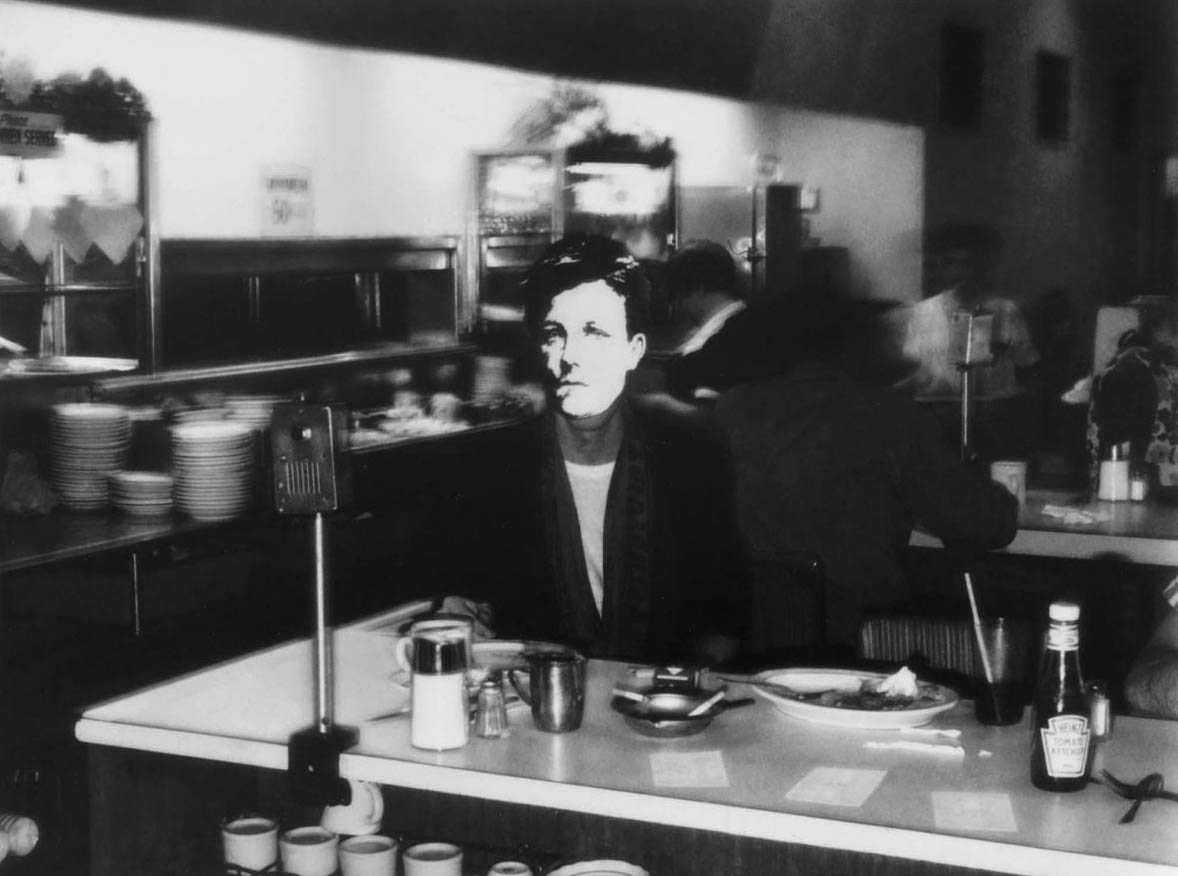


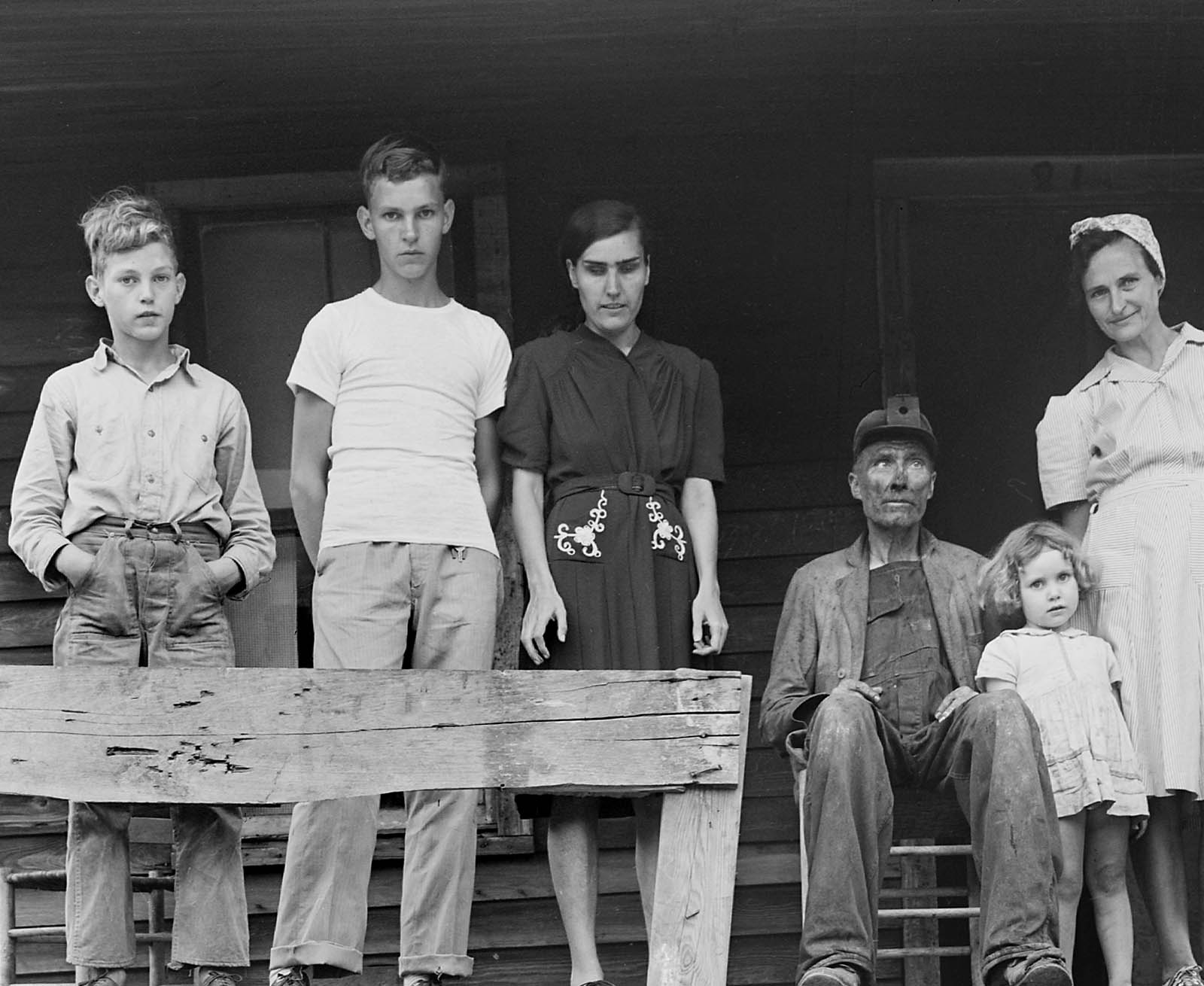
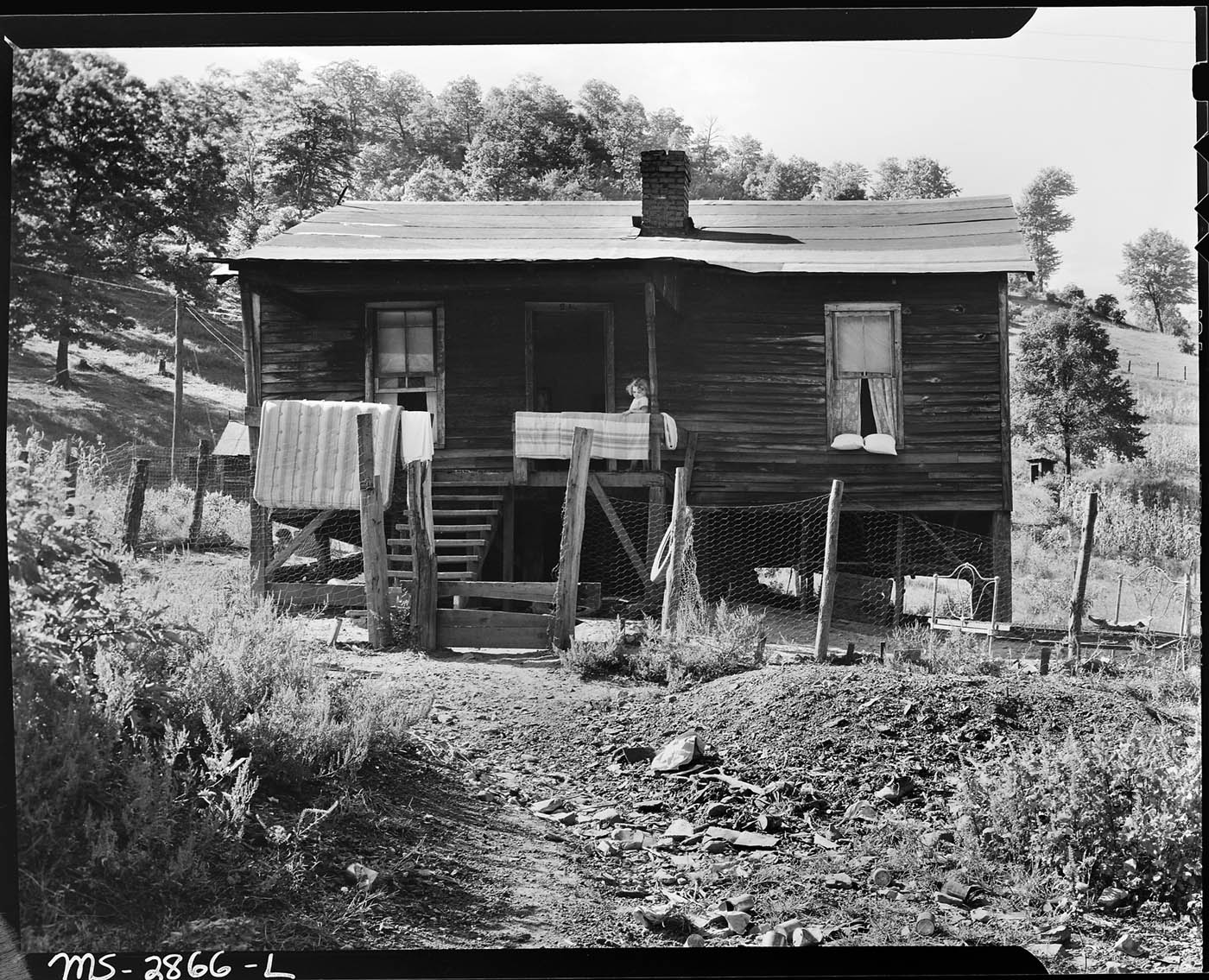
![Russell Lee (American, 1903-1986) 'Miners' wives and children on the front porch of a typical, fifty year old house. Kentucky Straight Creek Coal Company, Belva Mine, abandoned after explosion [in] Dec. 1945, Four Mile, Bell County, Kentucky' (Original Caption) September 4, 1946](https://artblart.com/wp-content/uploads/2024/05/lee-miners-wives-and-children.jpg "Russell Lee (American, 1903-1986) 'Miners' wives and children on the front porch of a typical, fifty year old house. Kentucky Straight Creek Coal Company, Belva Mine, abandoned after explosion [in] Dec. 1945, Four Mile, Bell County, Kentucky' (Original Caption) September 4, 1946")
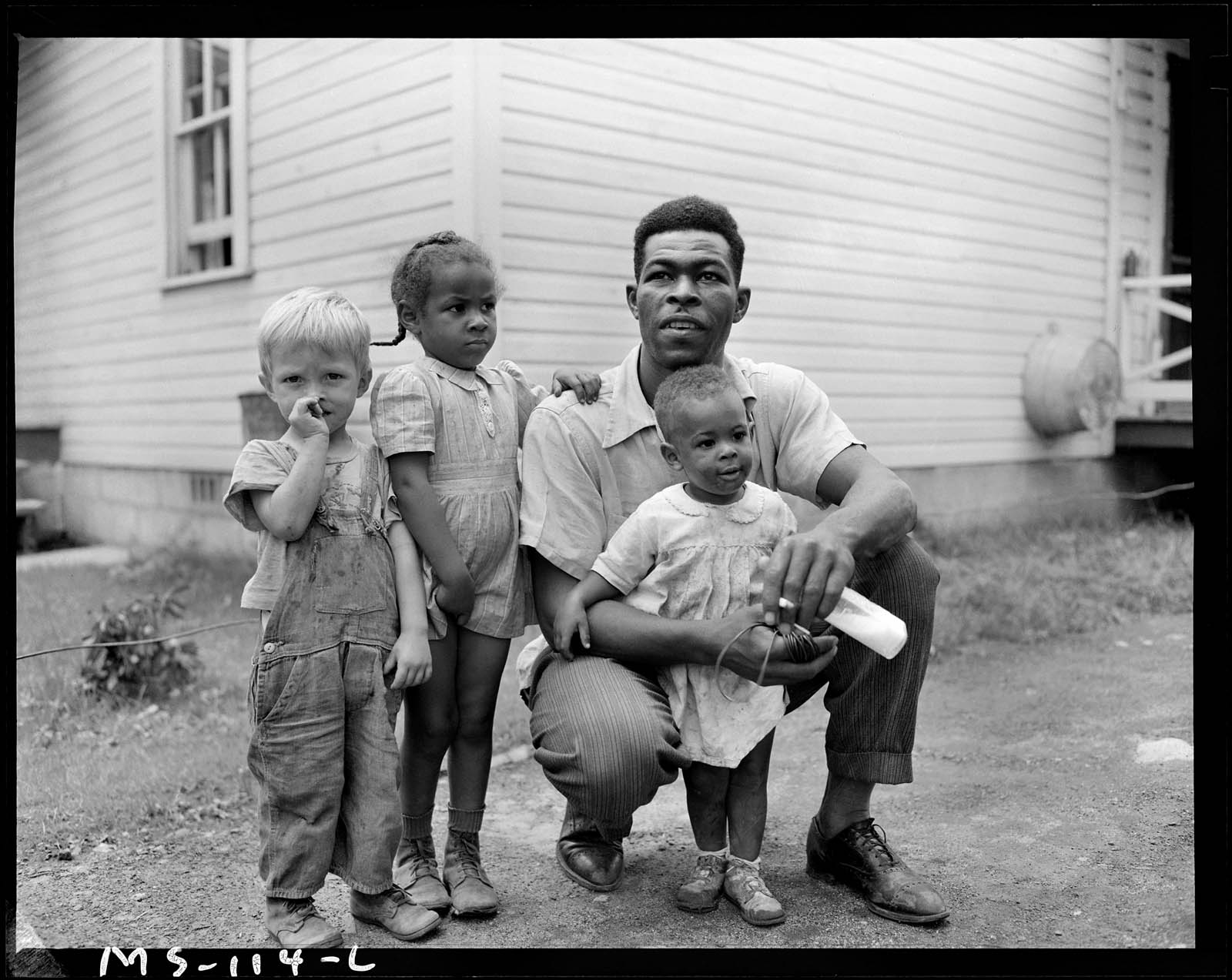
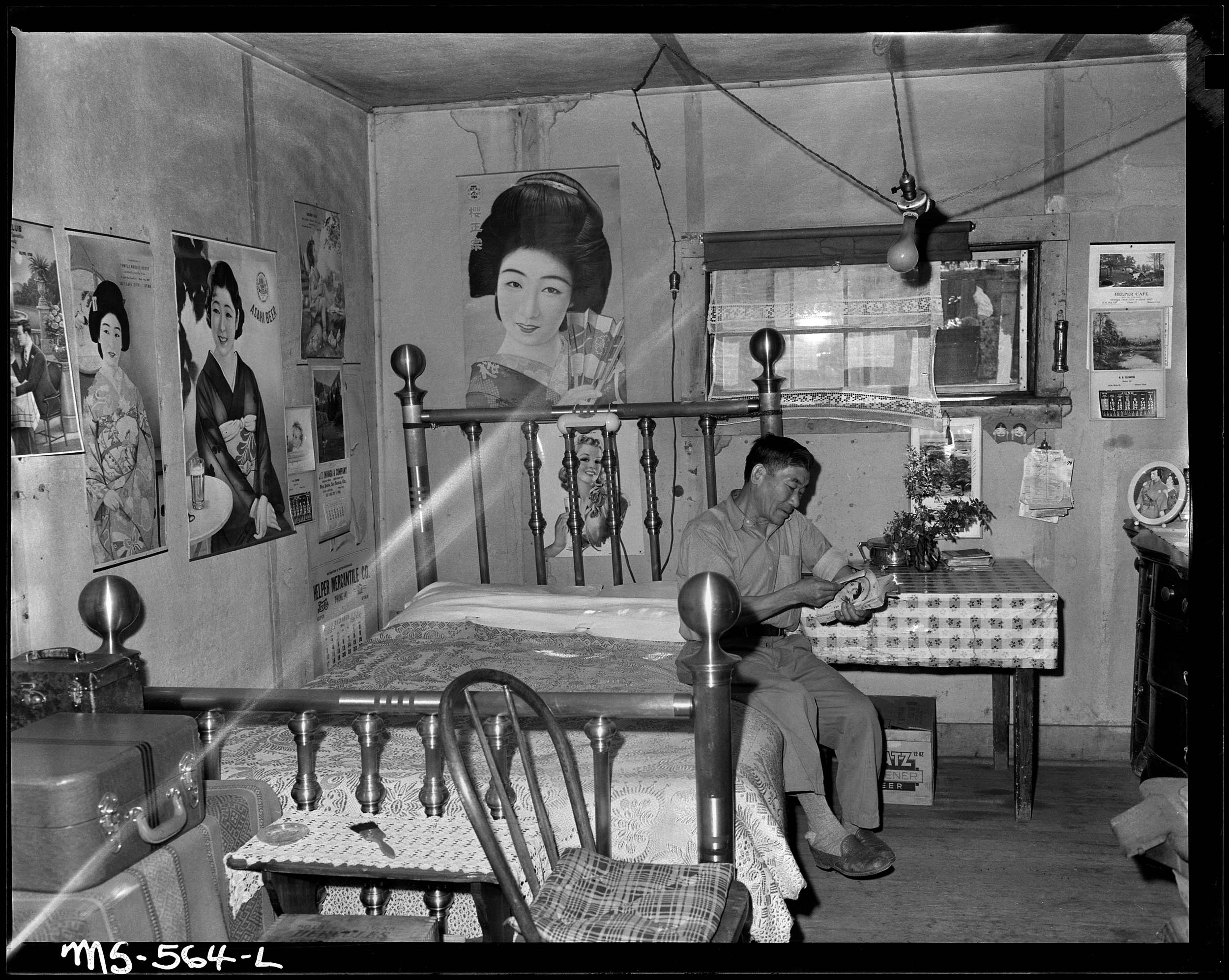
![Russell Lee (American, 1903-1986) 'The only houses with running water inside in this camp are those in which their tennants [sic] have made the installations at no expense to the company. Gilliam Coal and Coke Company, Gilliam Mine, Gilliam, McDowell County, West Virginia' (Original Caption) August 13, 1946](https://artblart.com/wp-content/uploads/2024/05/lee-the-only-houses-with-running-water.jpg "Russell Lee (American, 1903-1986) 'The only houses with running water inside in this camp are those in which their tennants [sic] have made the installations at no expense to the company. Gilliam Coal and Coke Company, Gilliam Mine, Gilliam, McDowell County, West Virginia' (Original Caption) August 13, 1946")
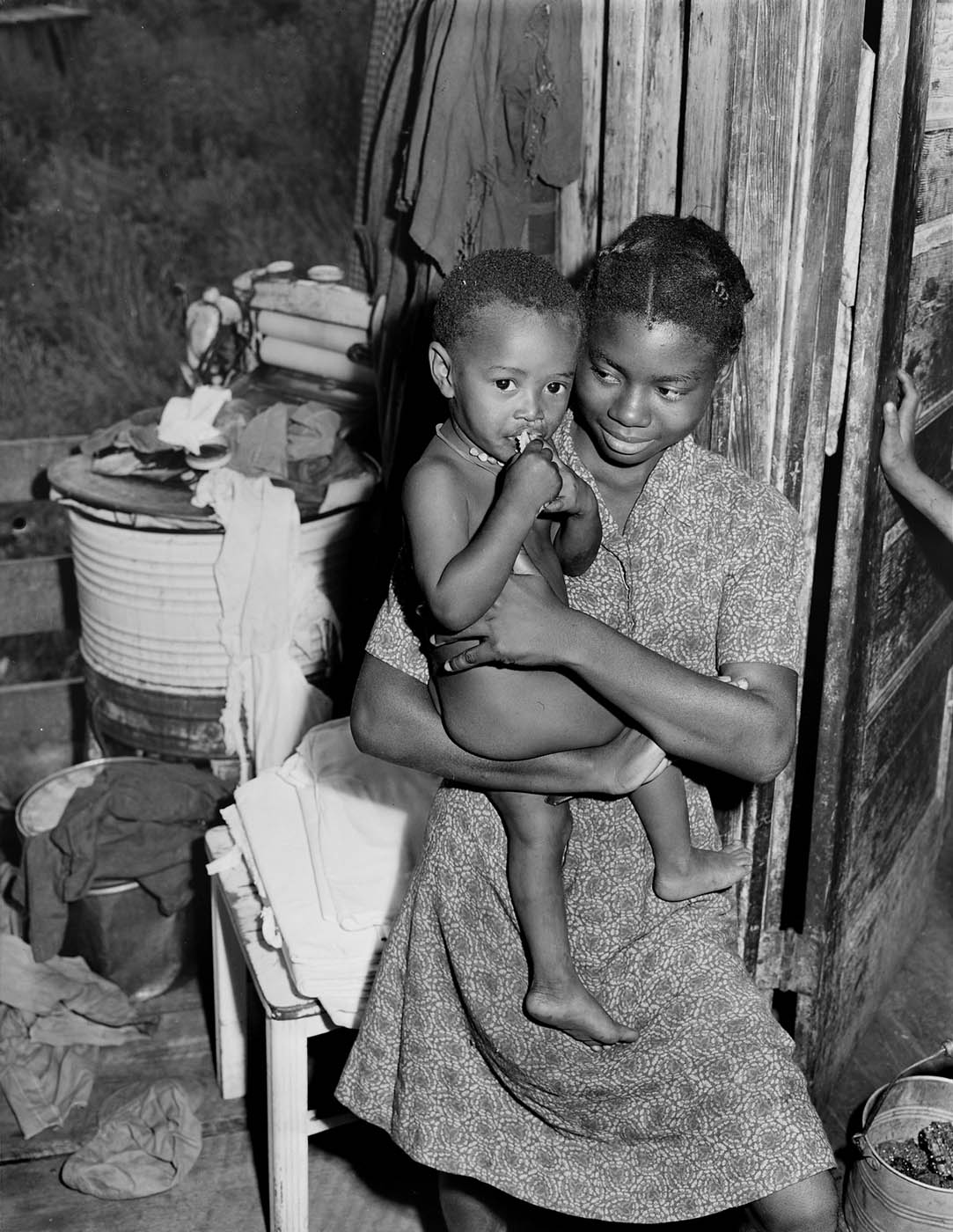

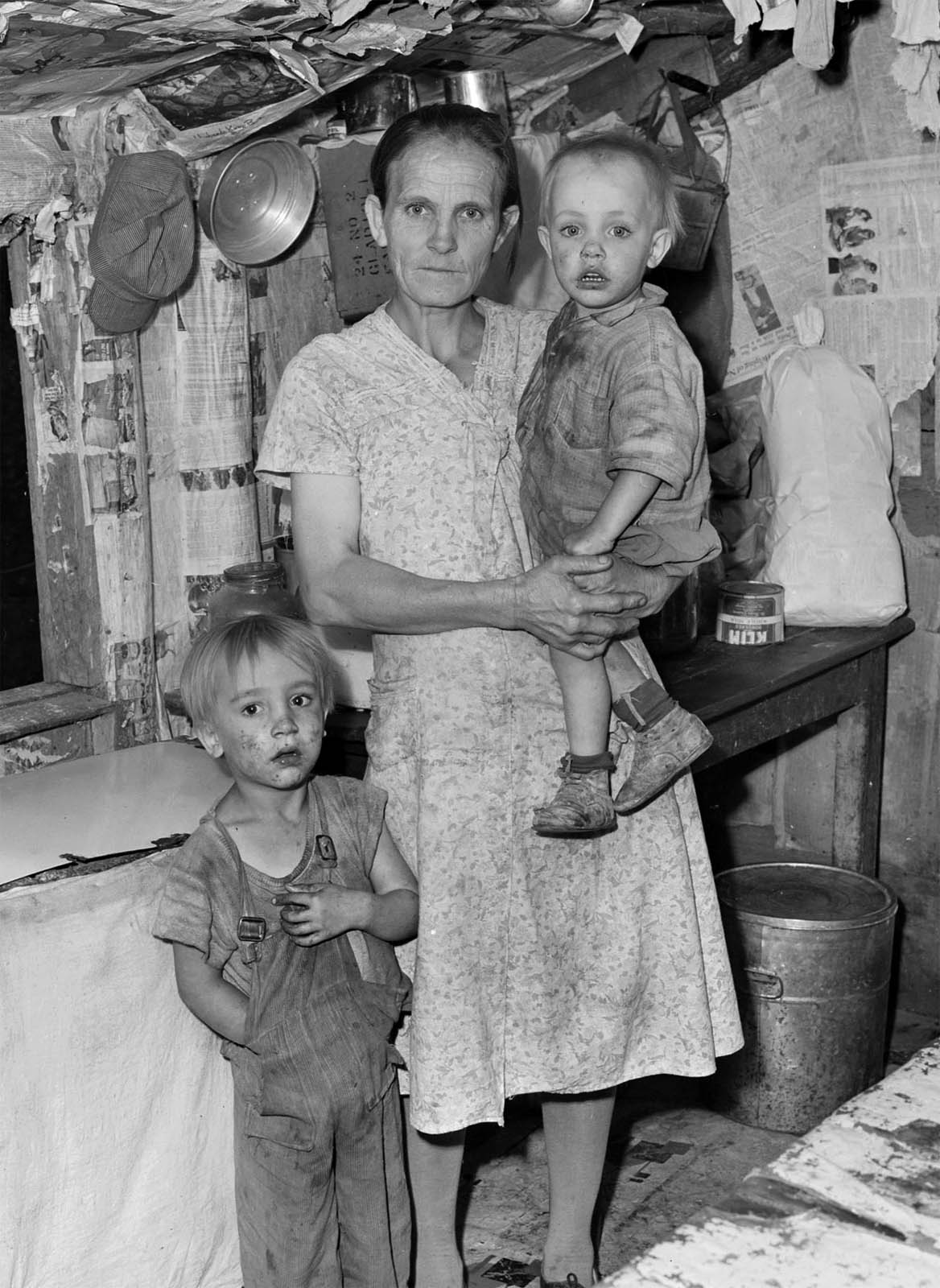
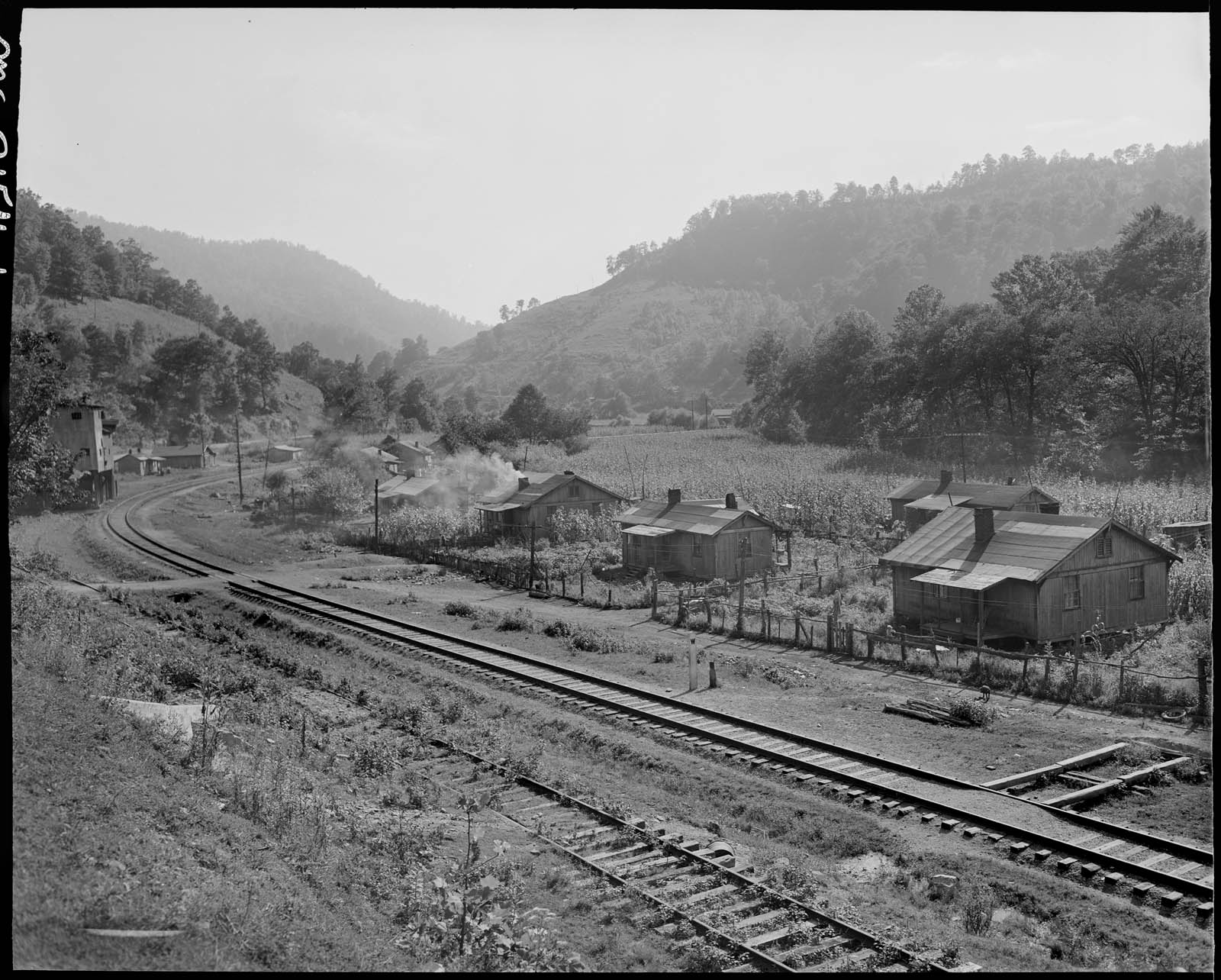
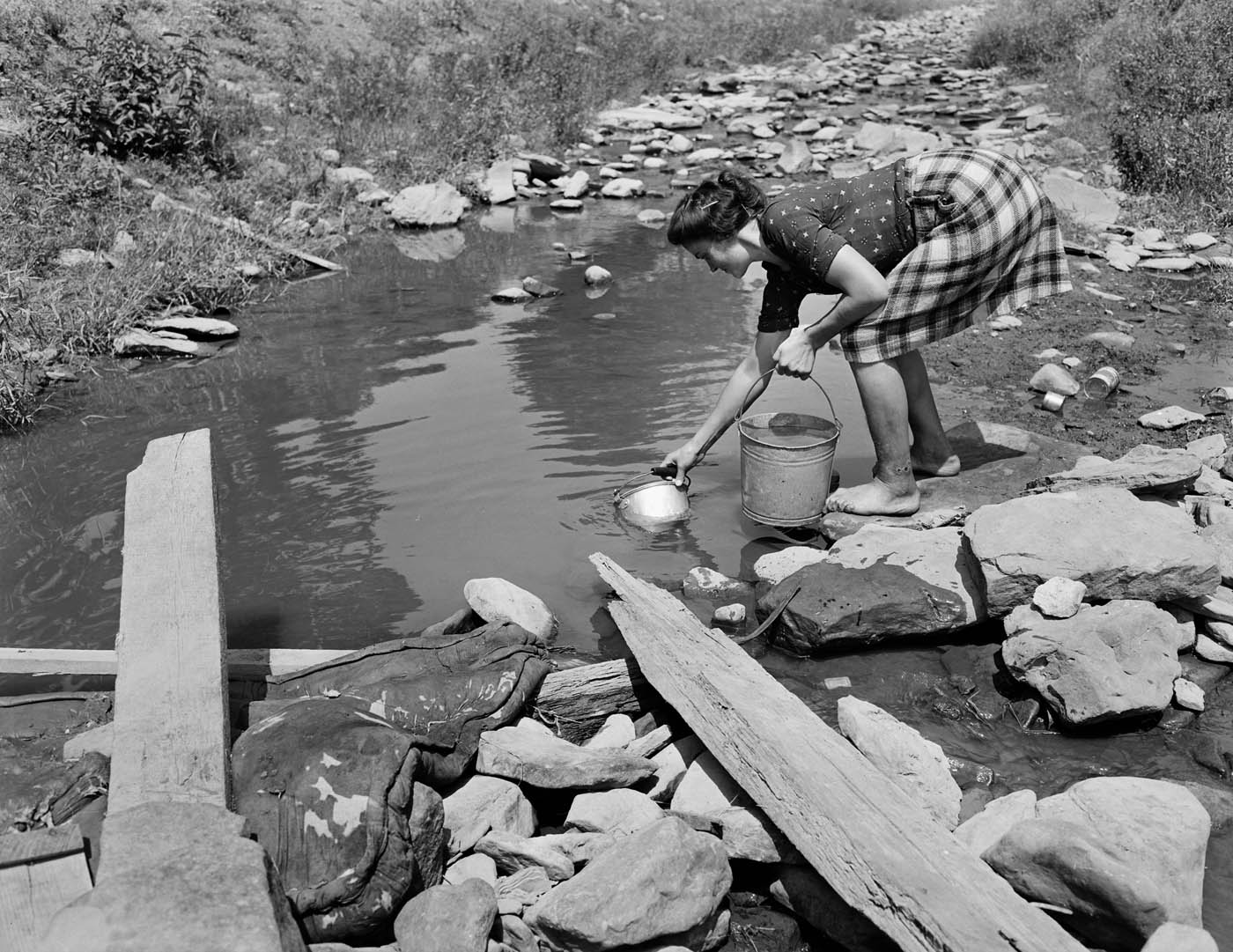
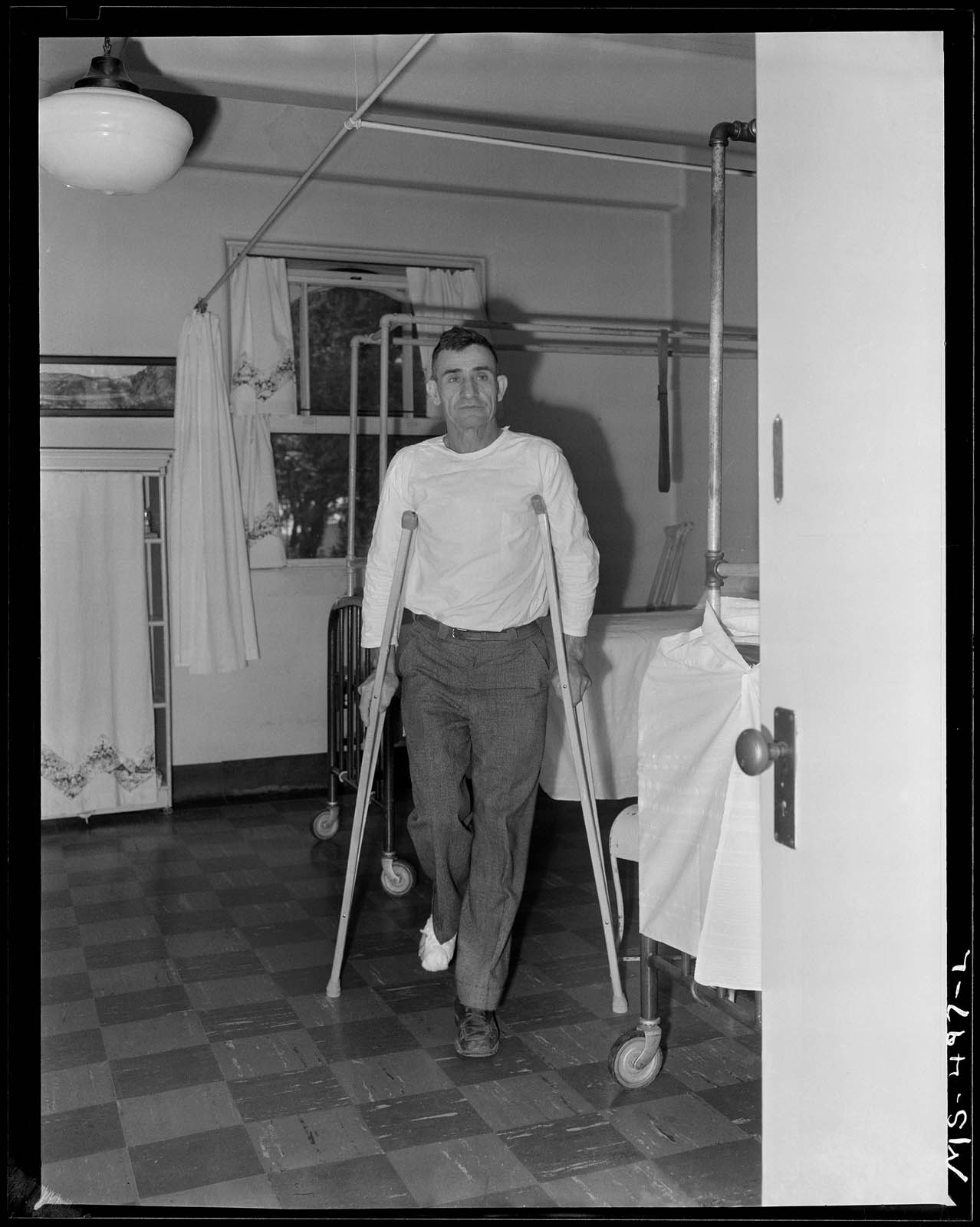

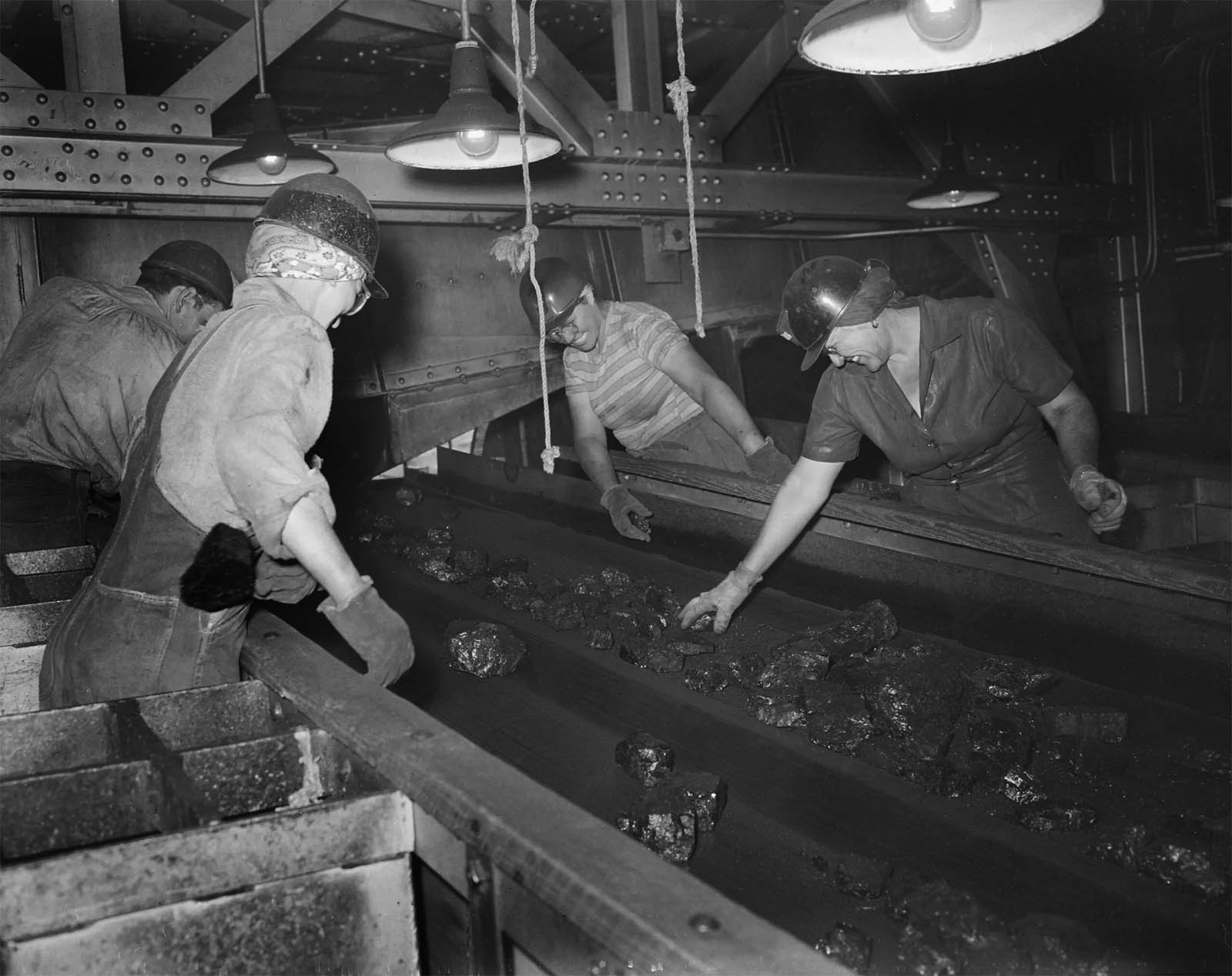
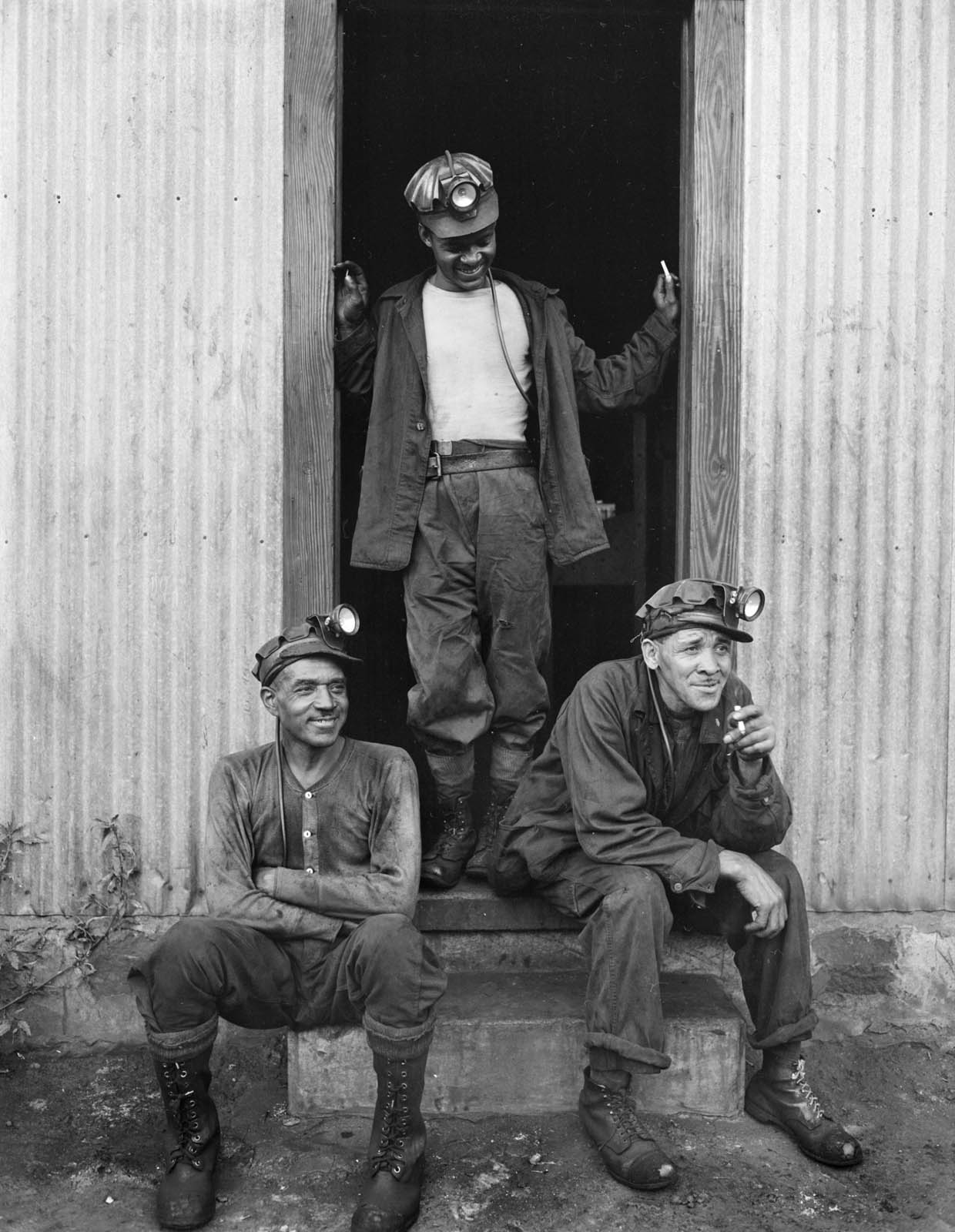
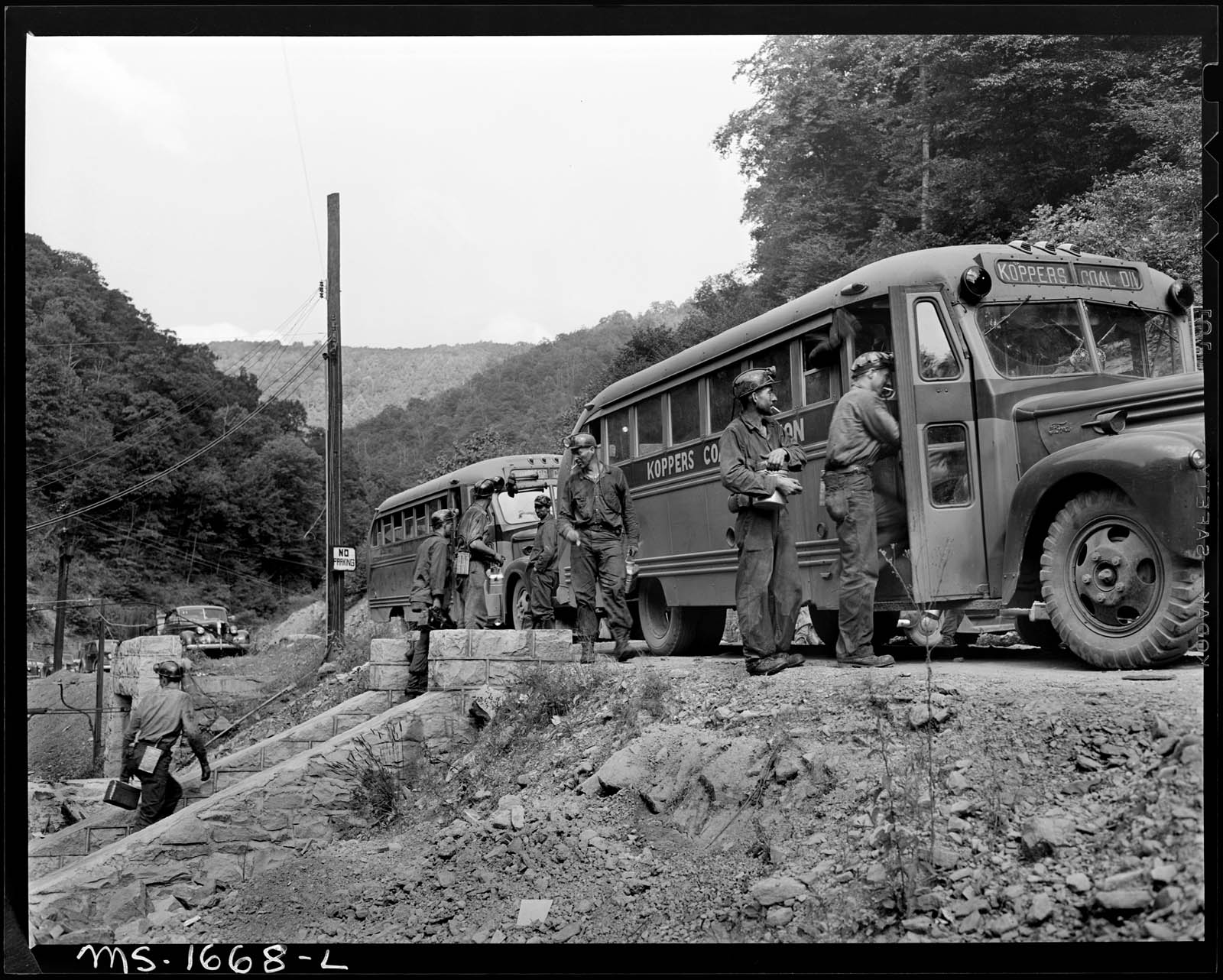
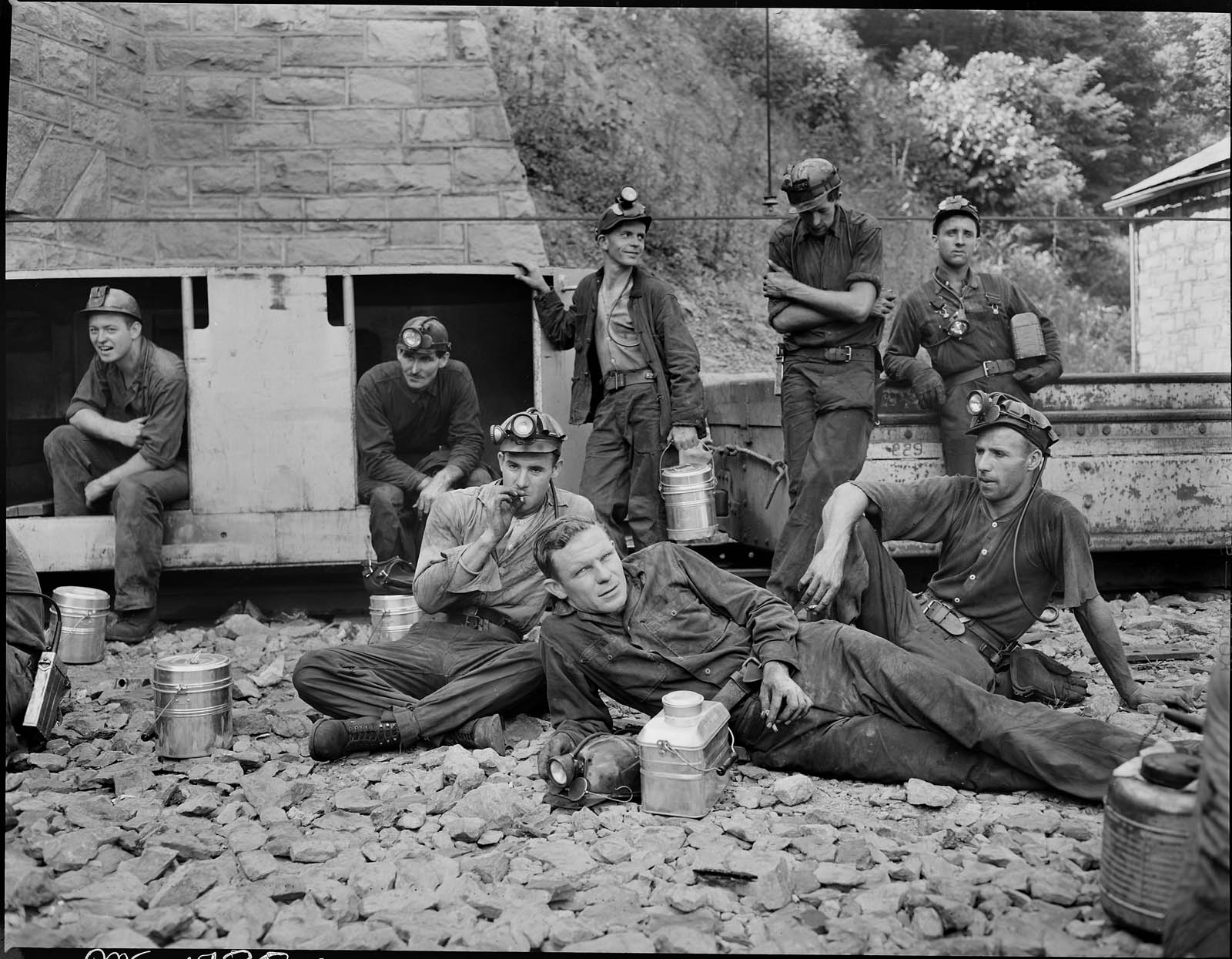
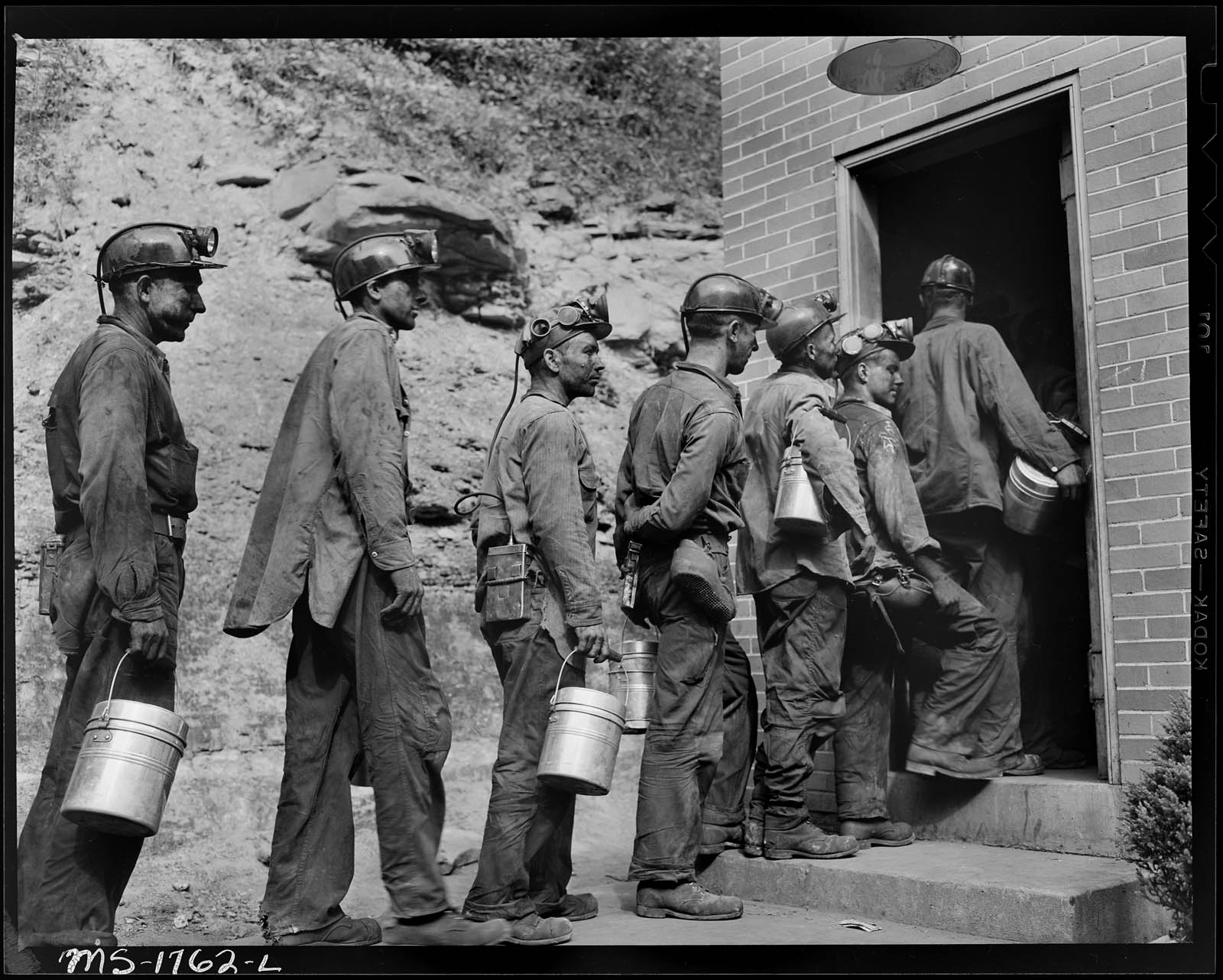
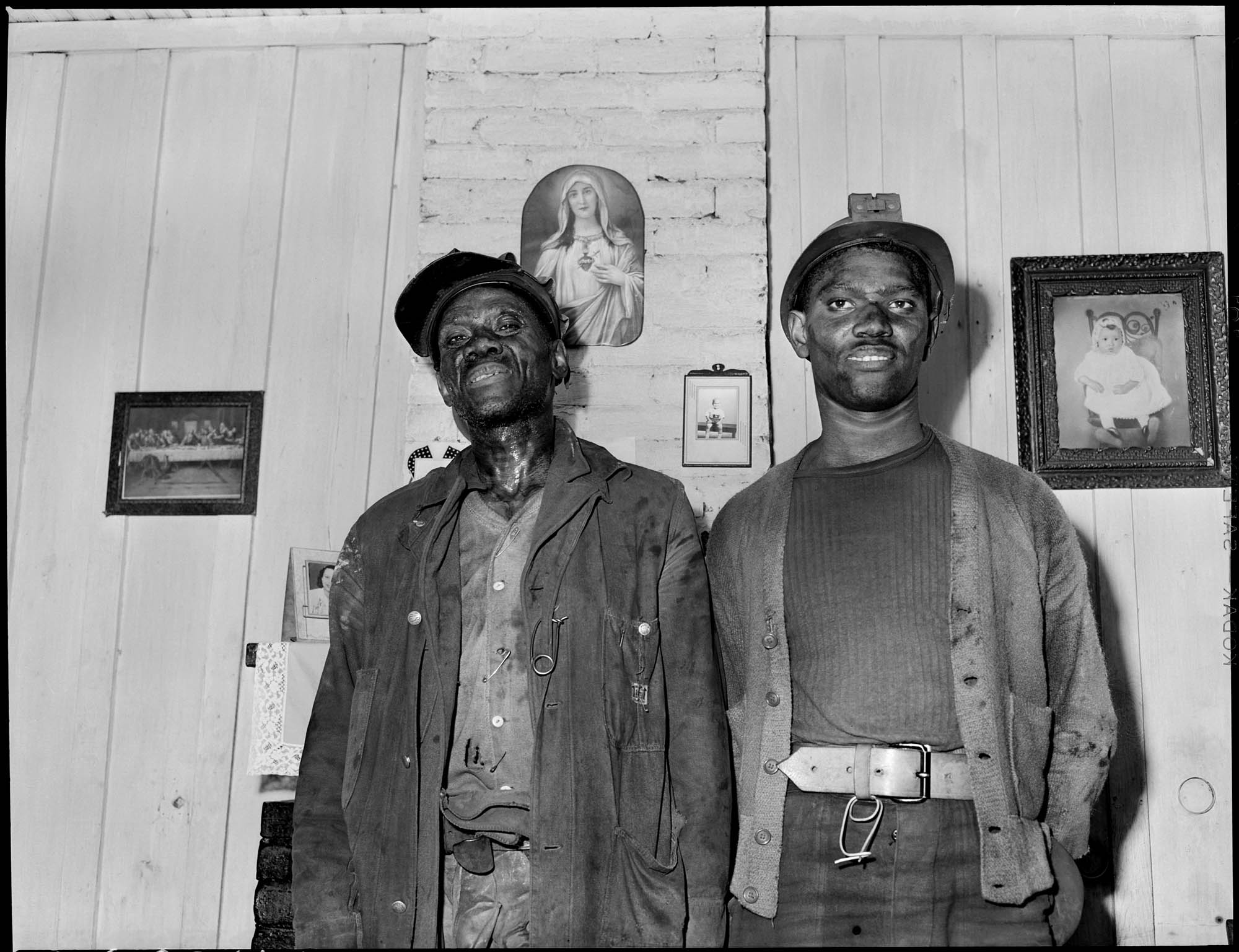
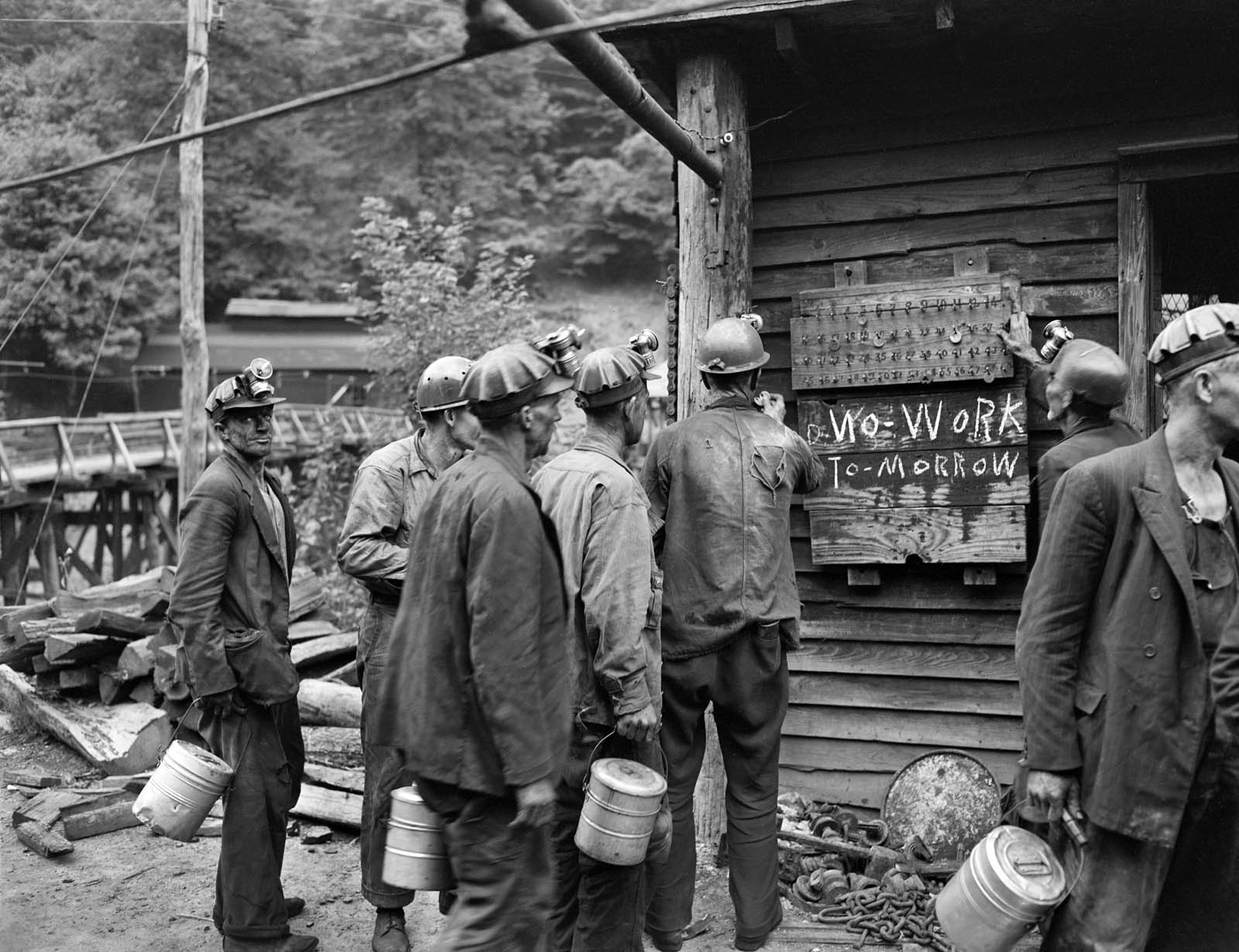
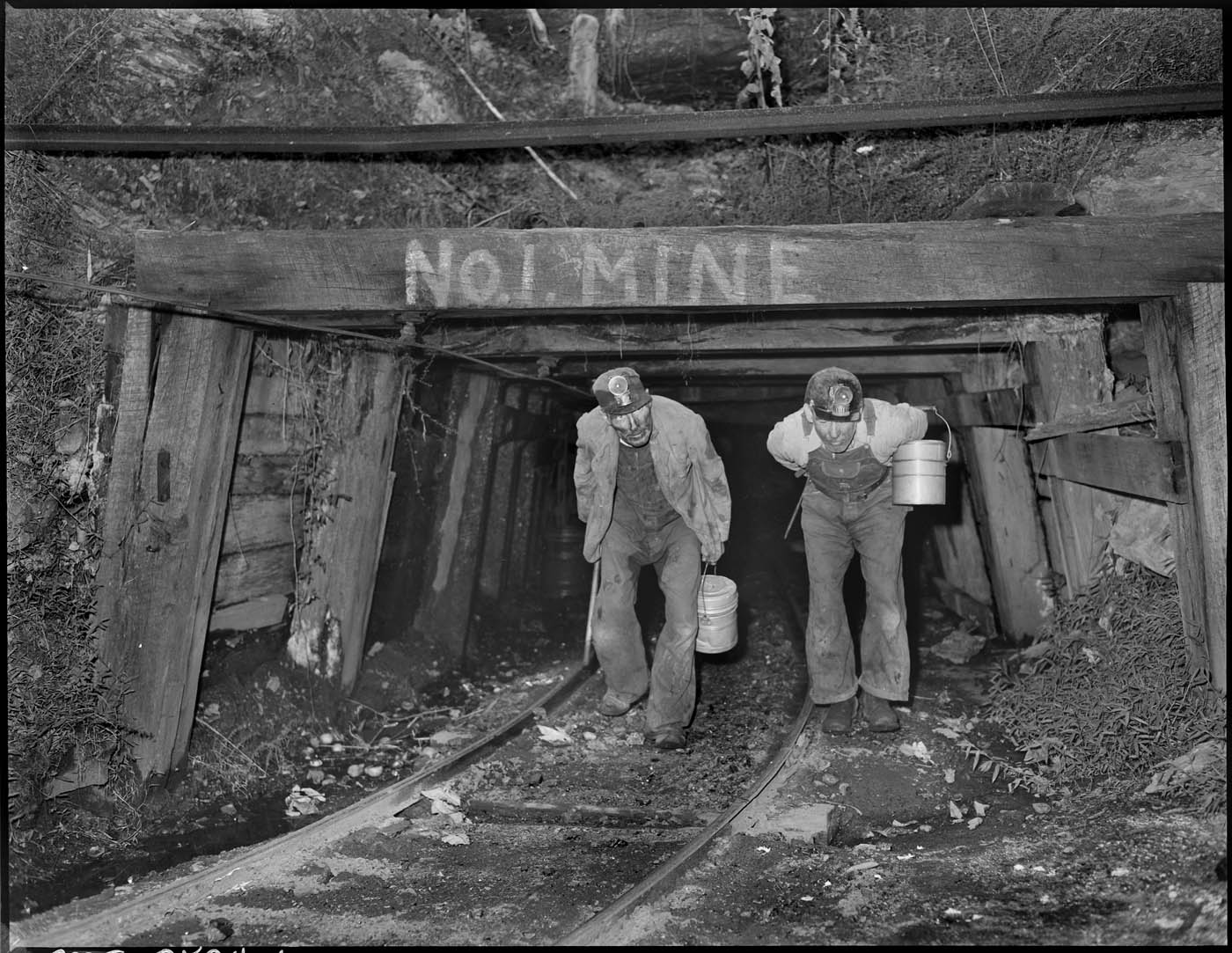
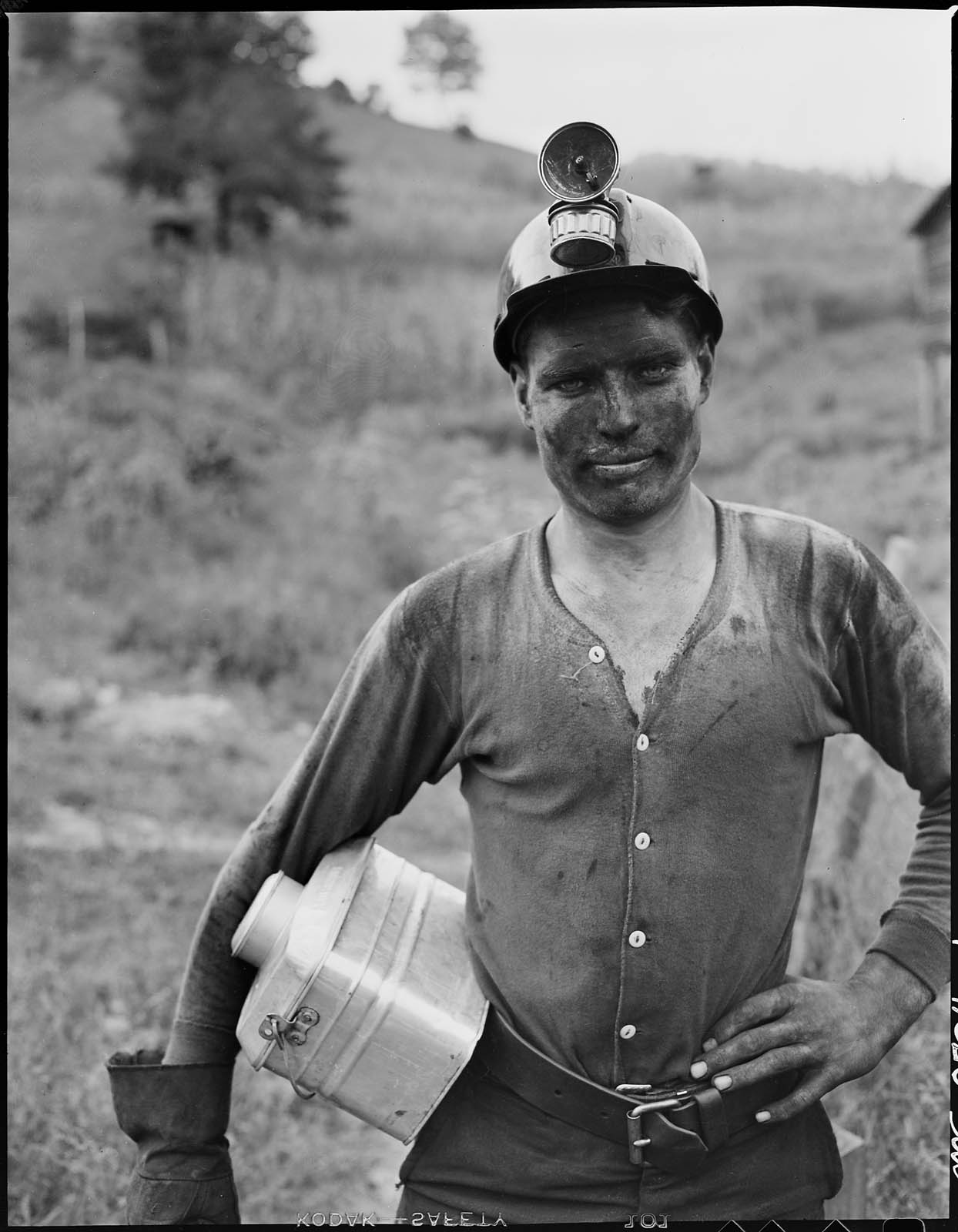
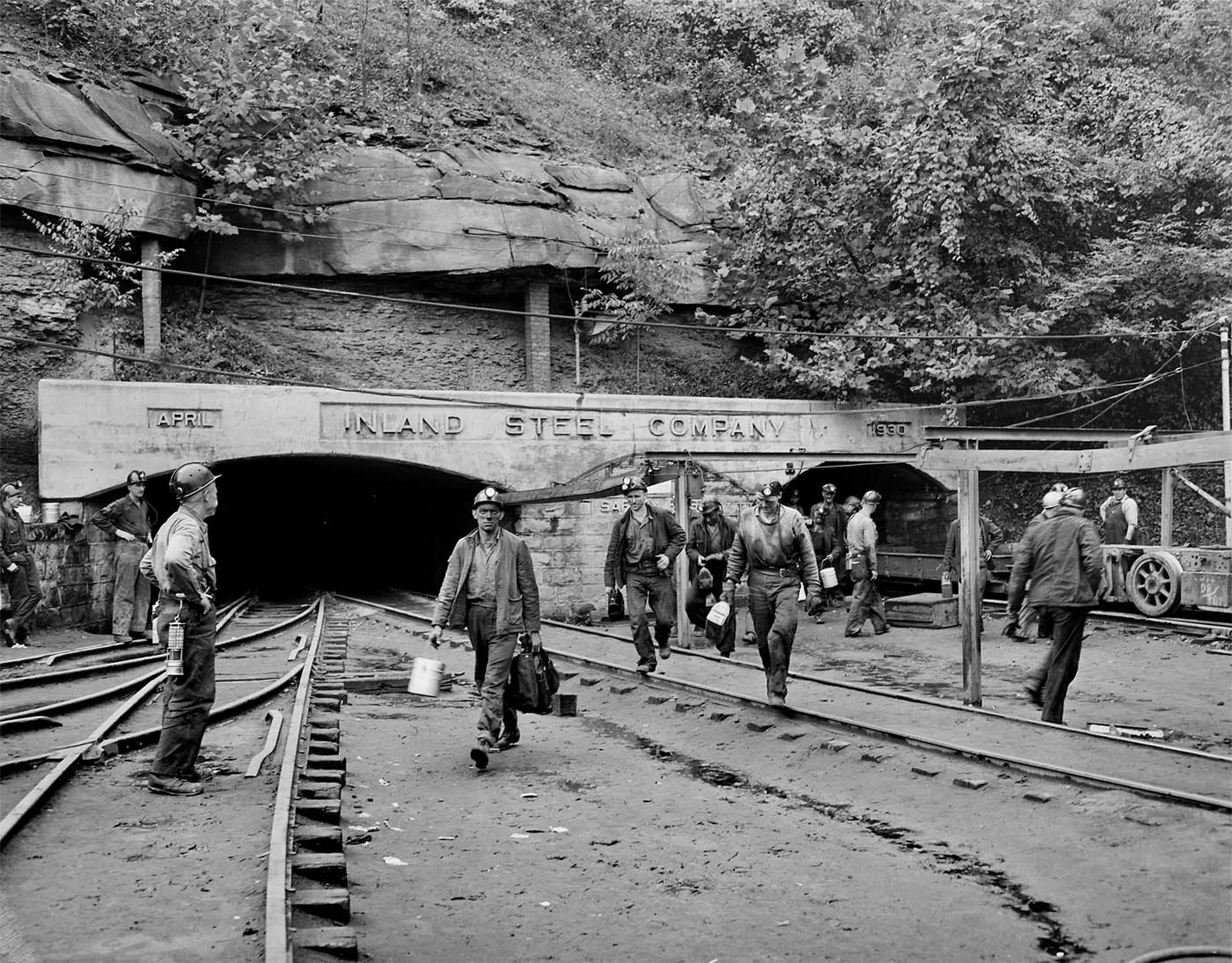

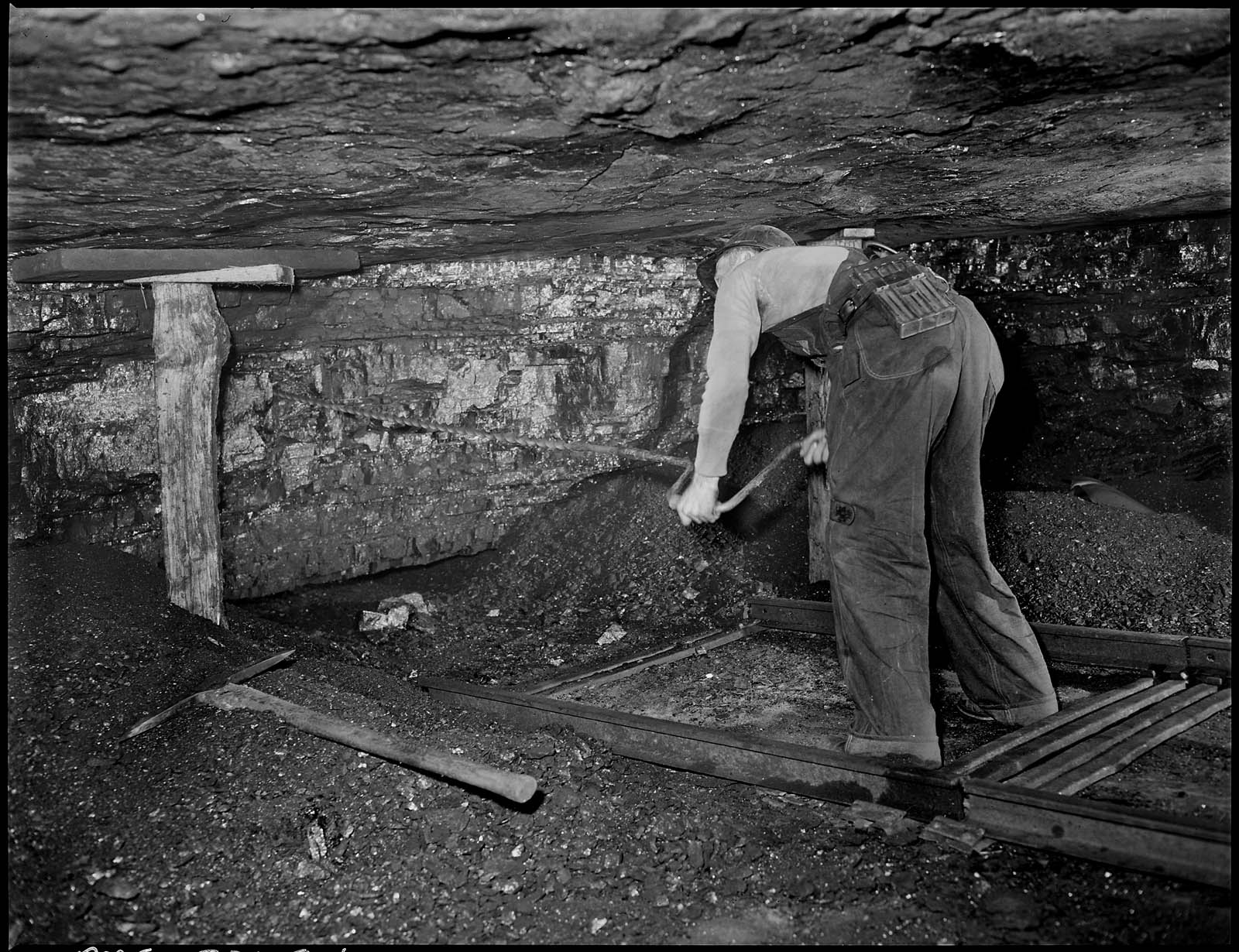
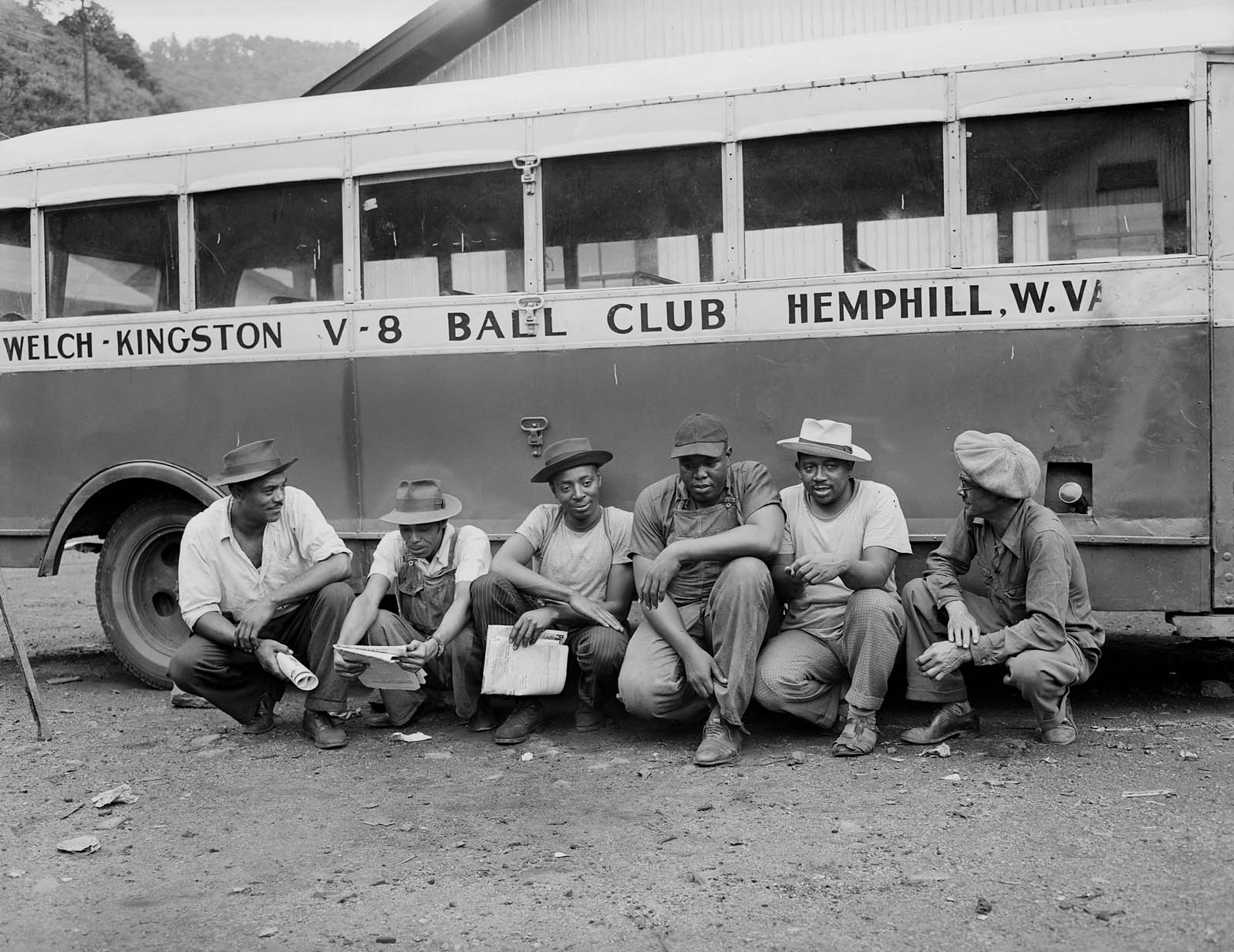
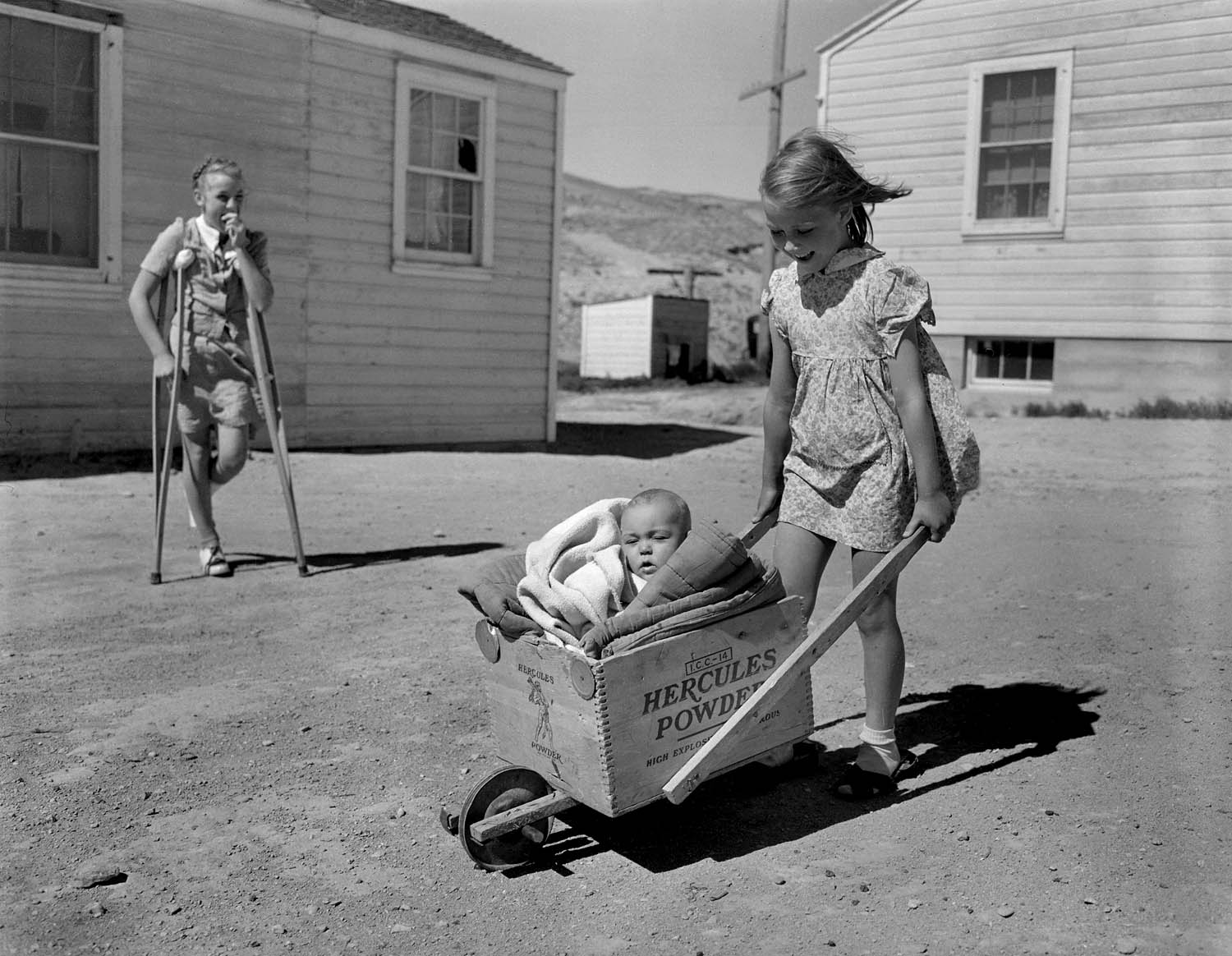



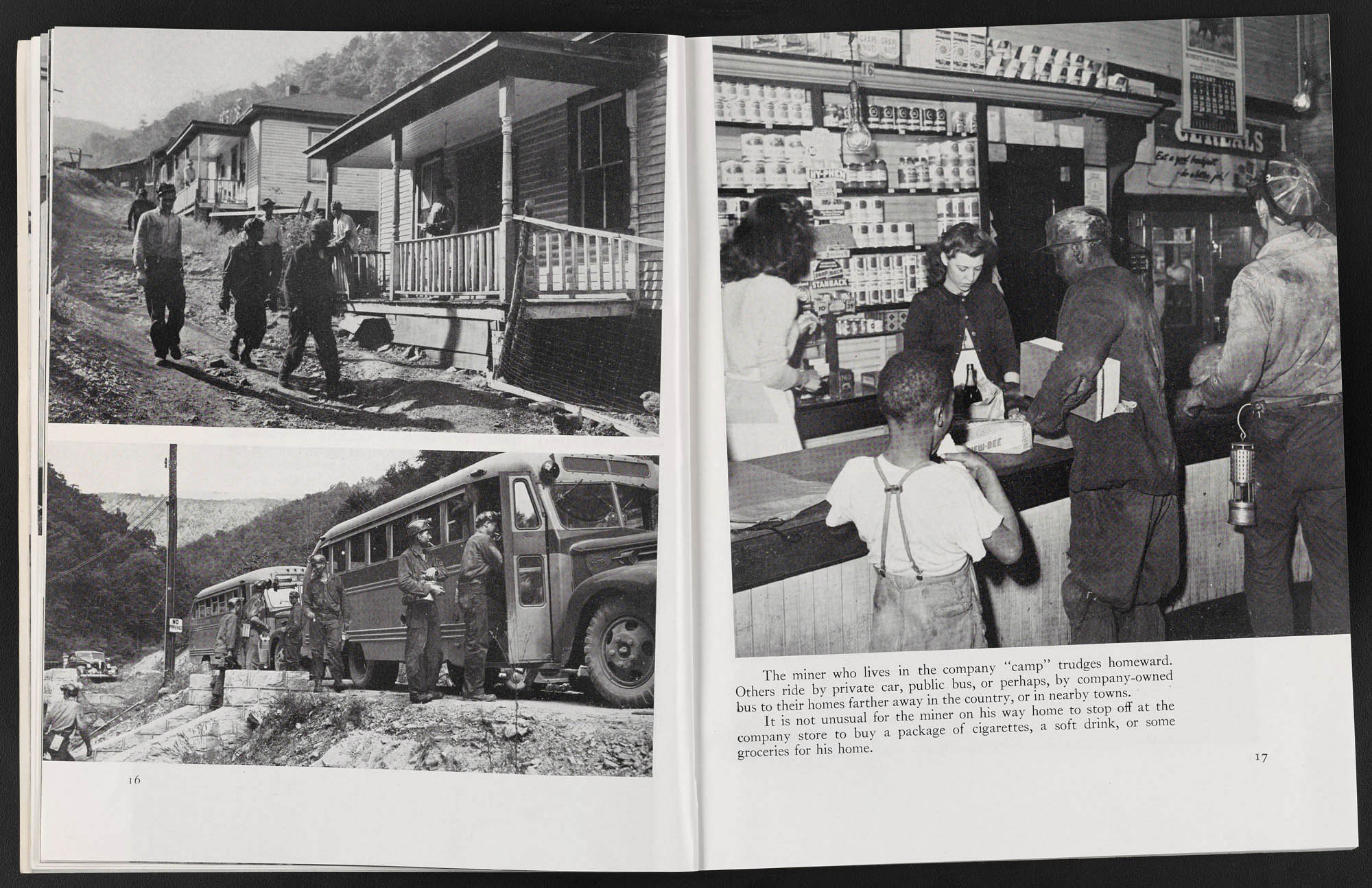
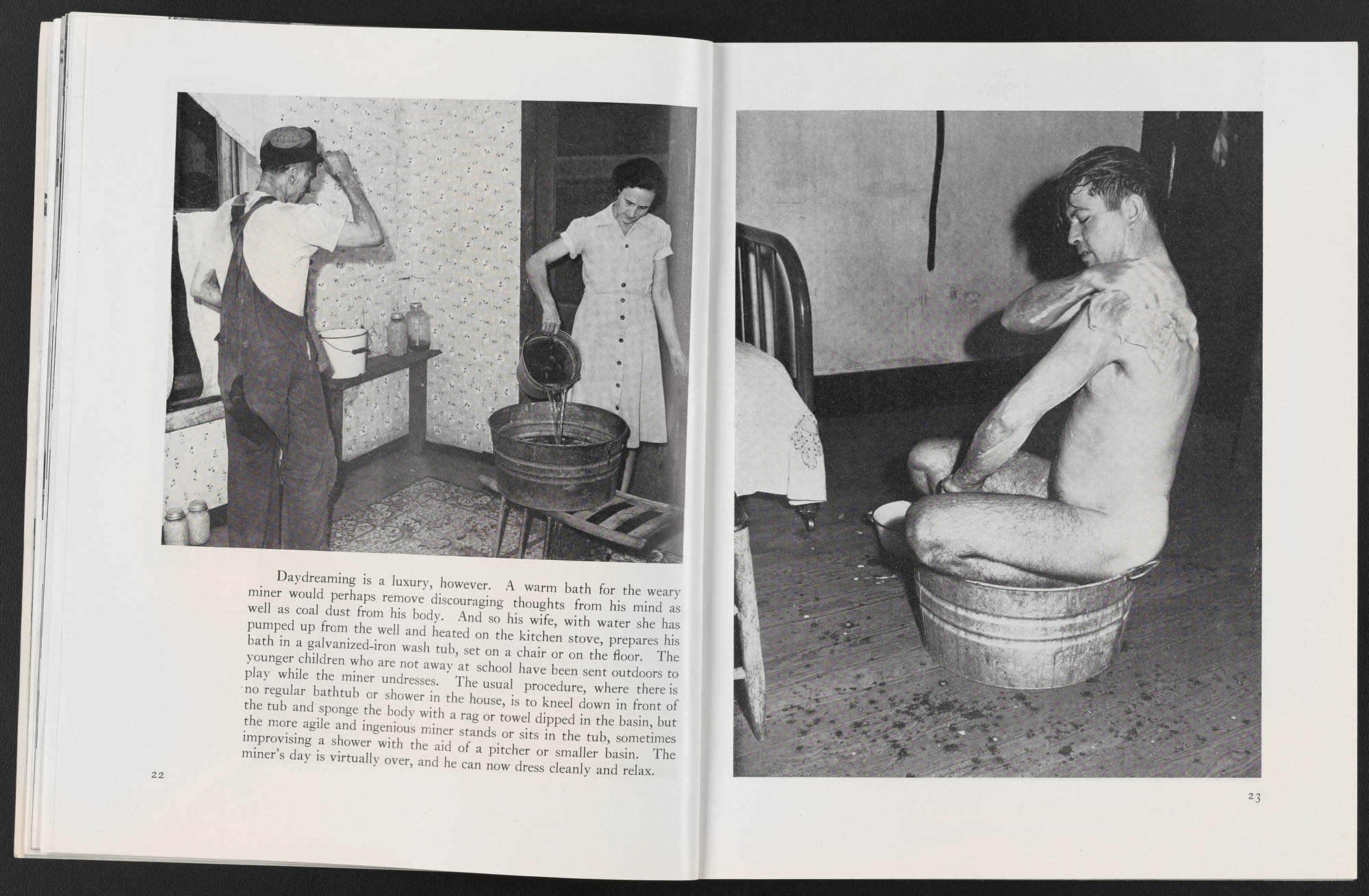
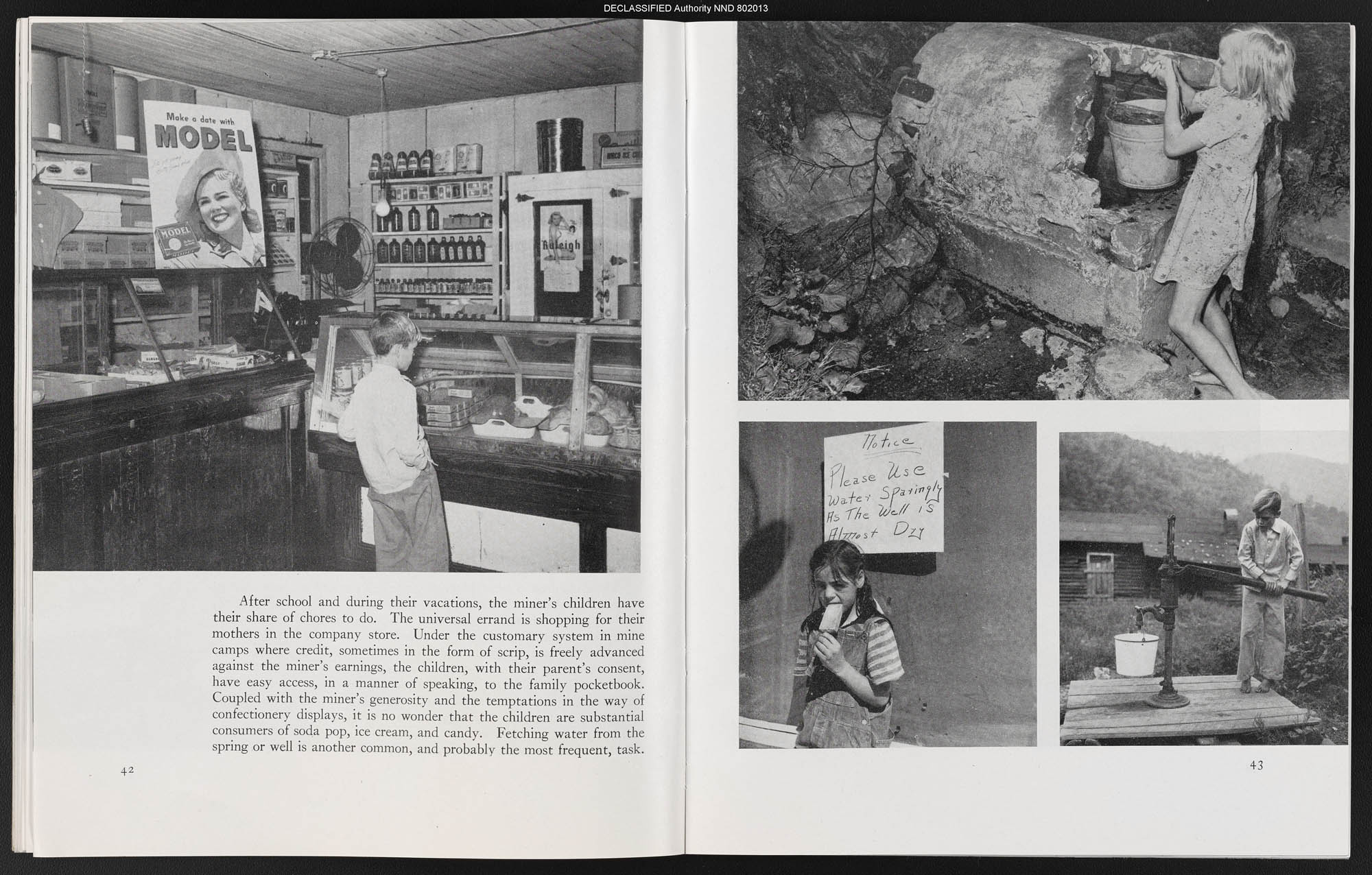

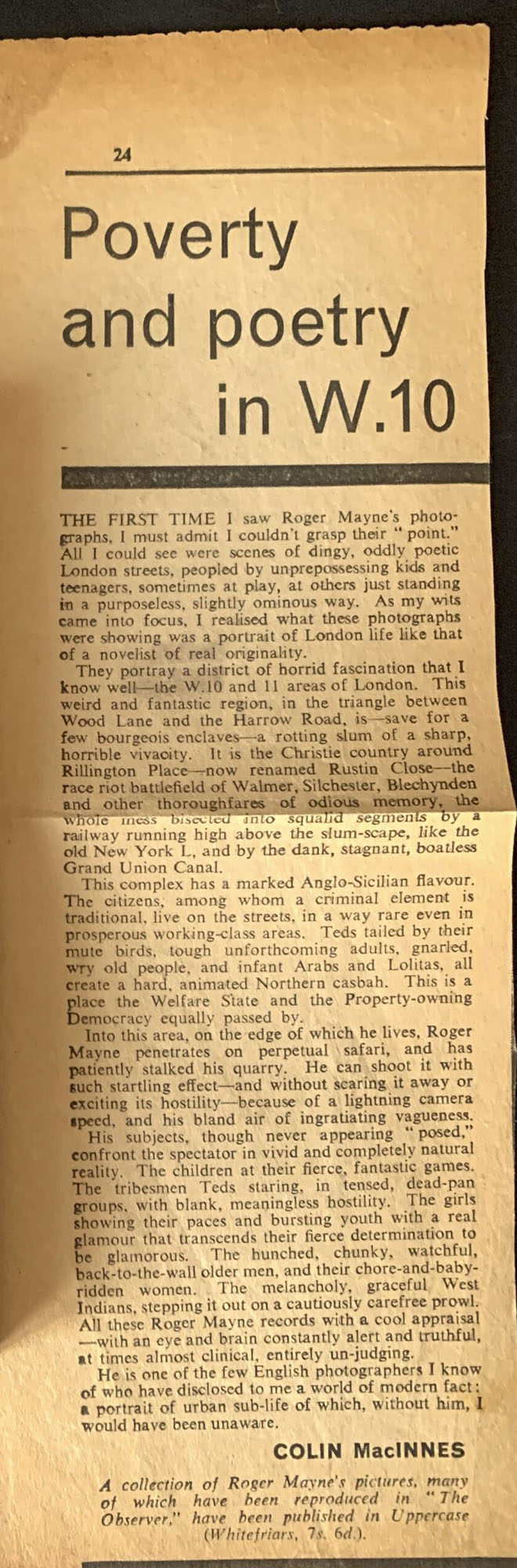
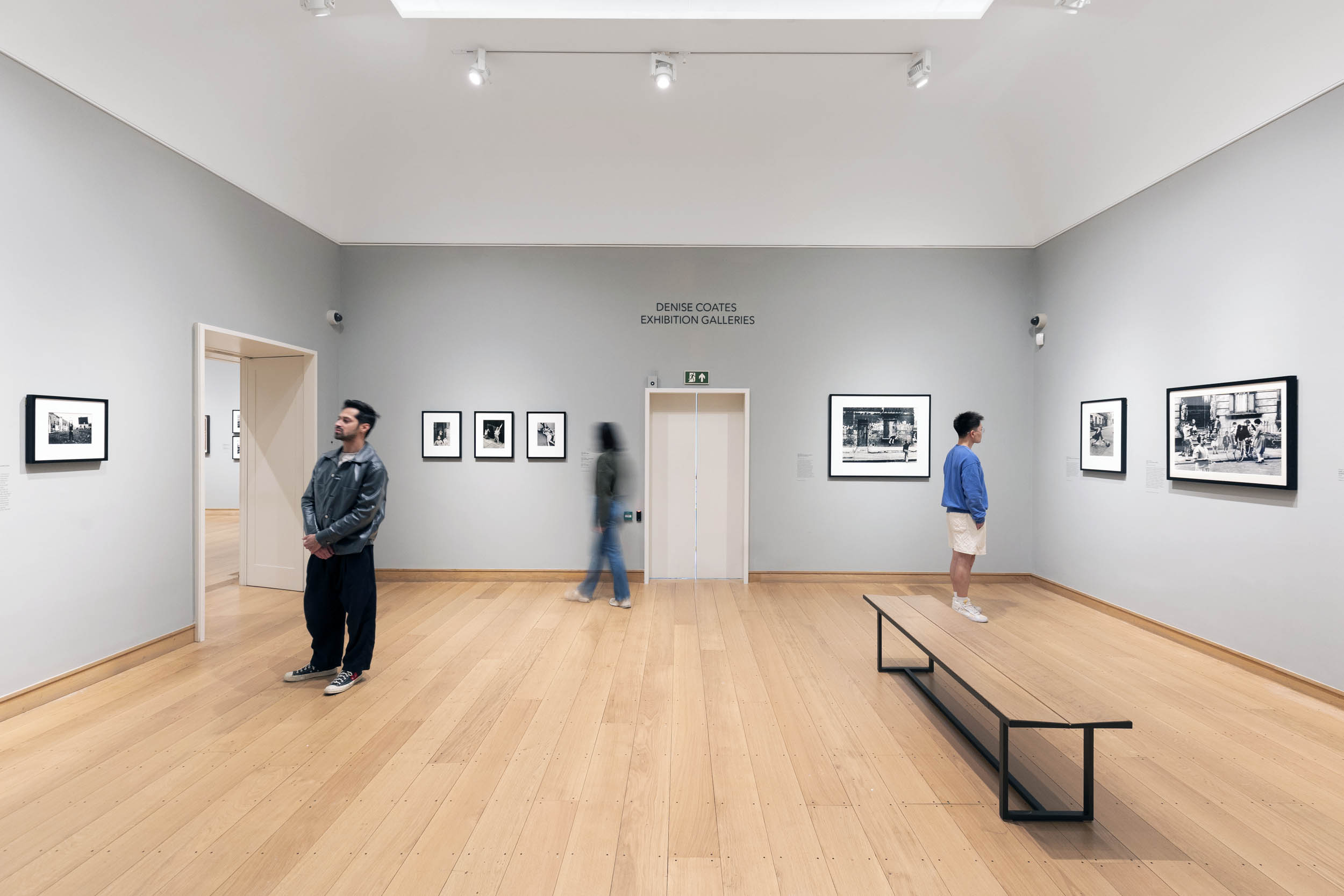
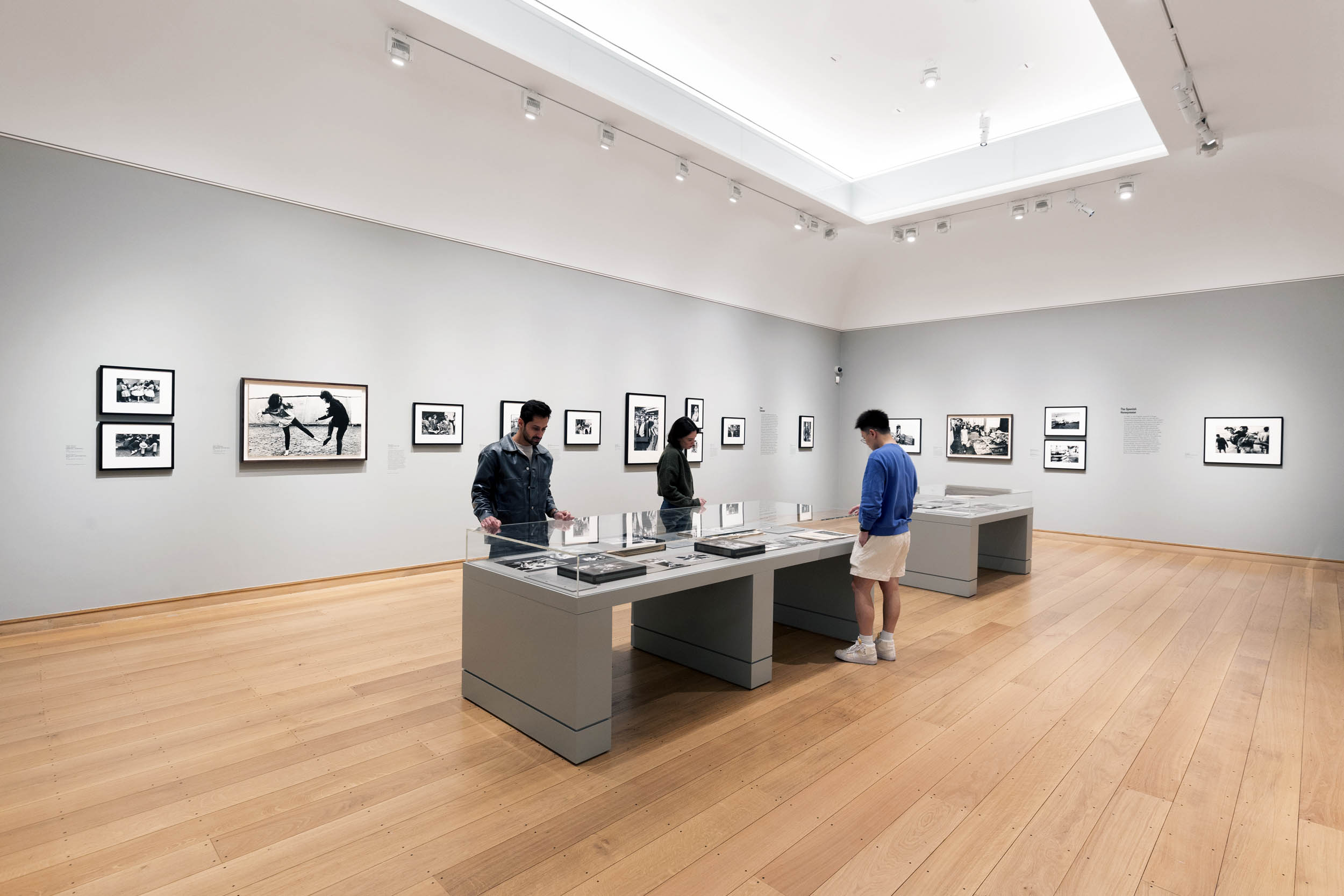
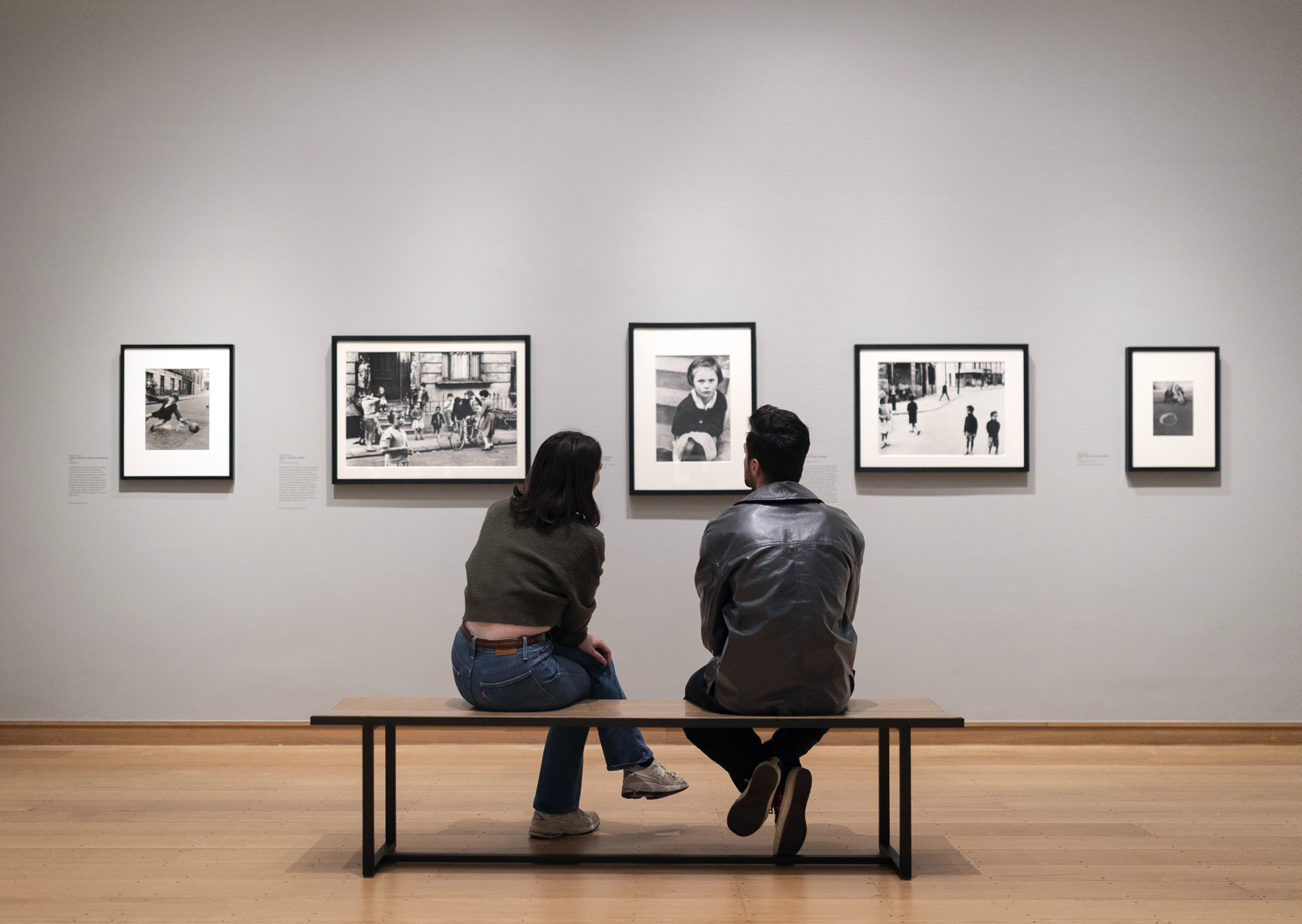
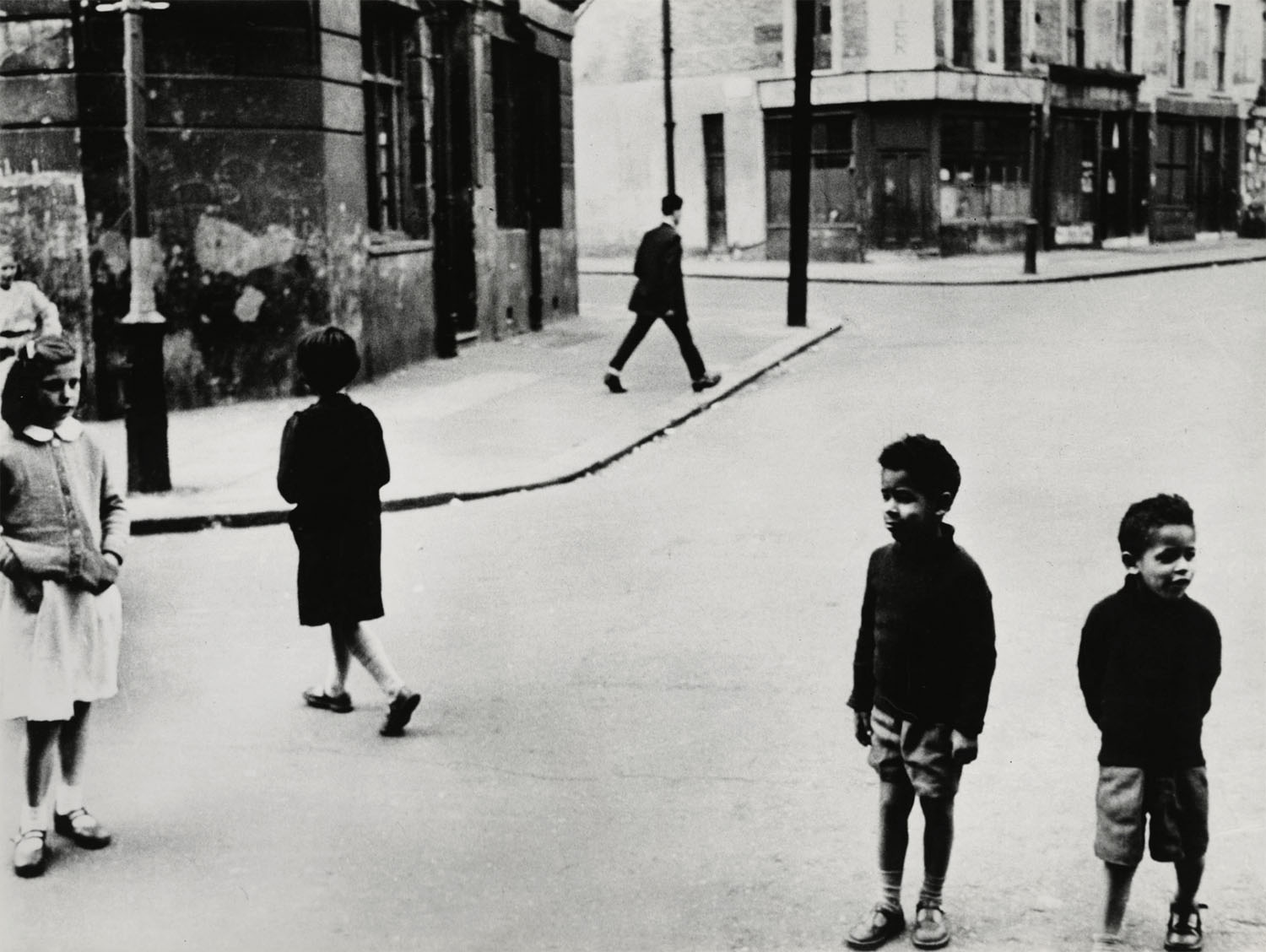


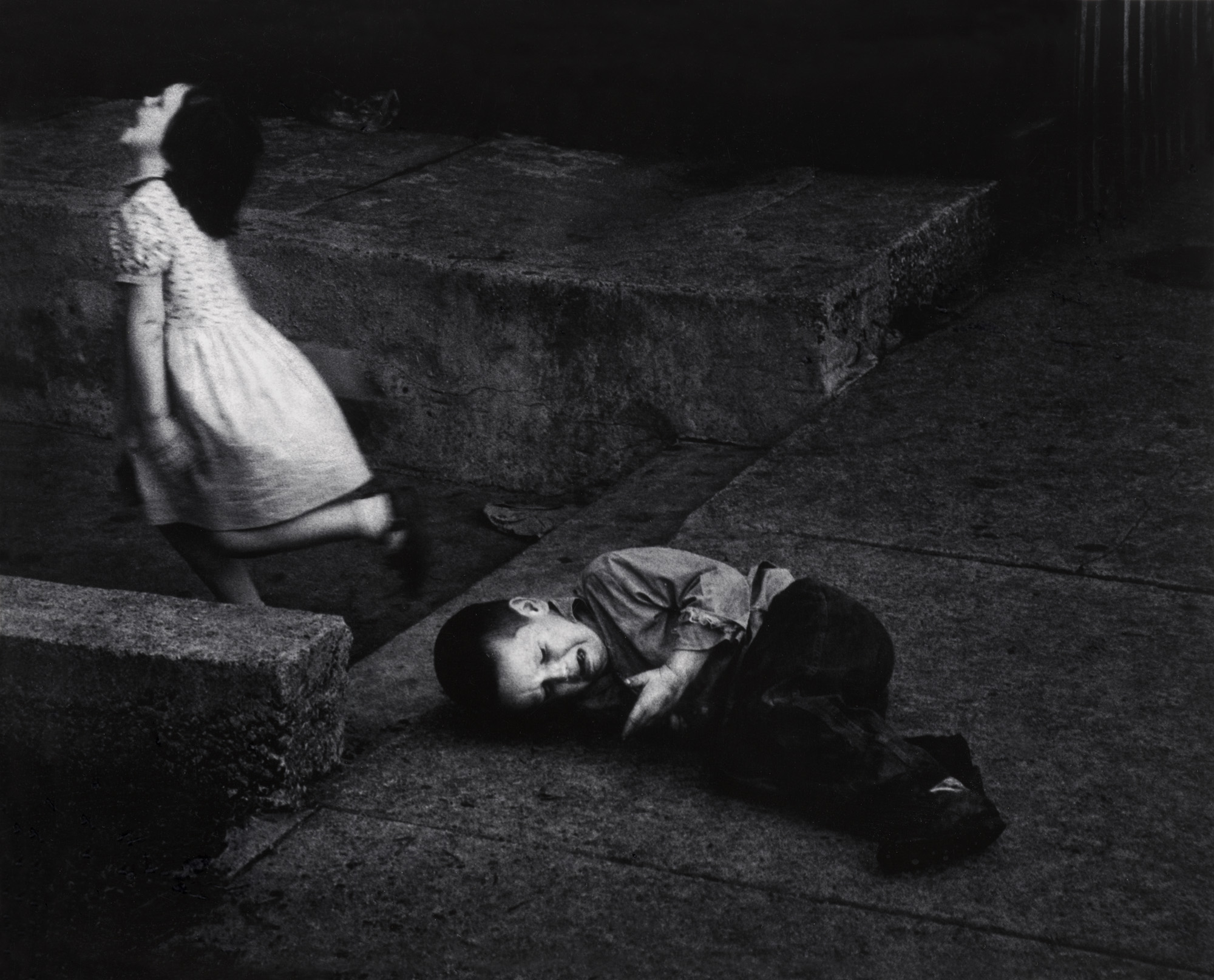
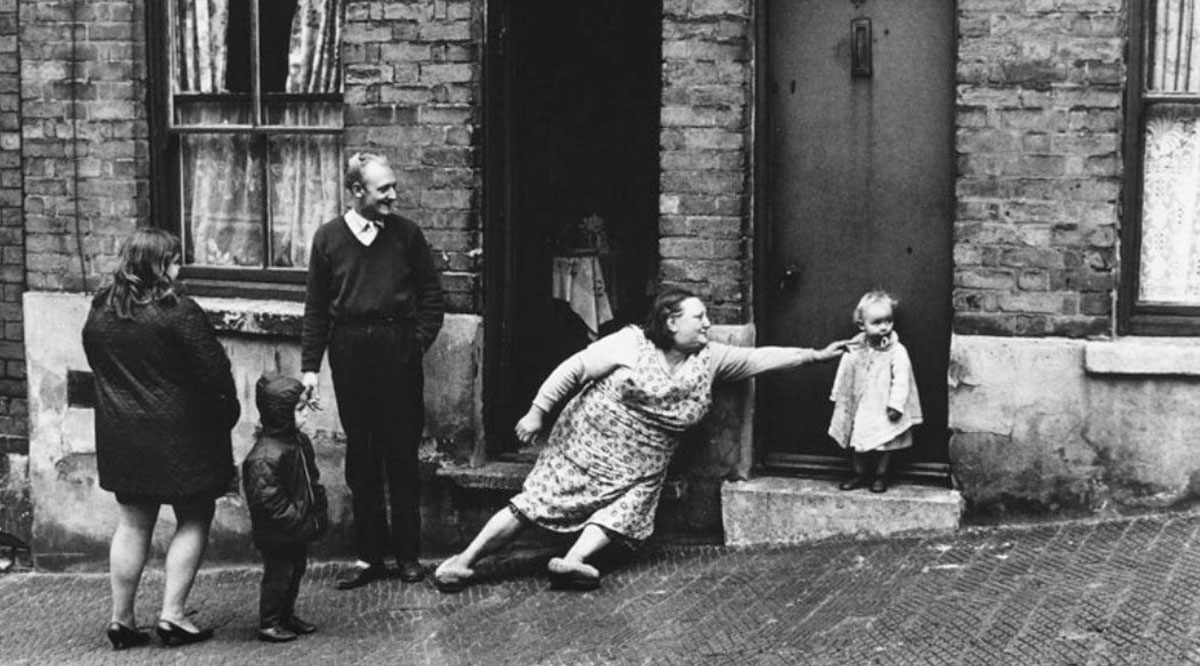
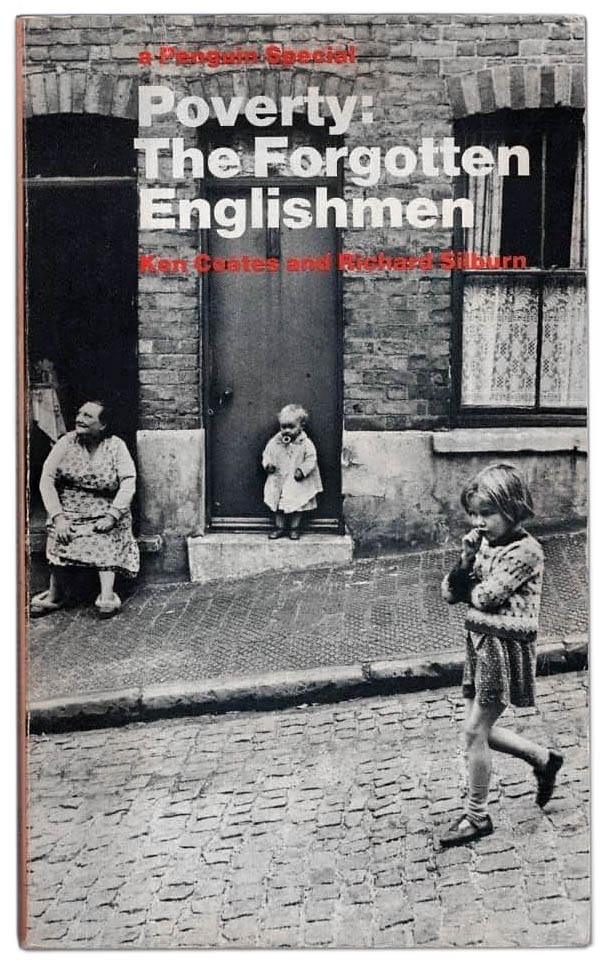
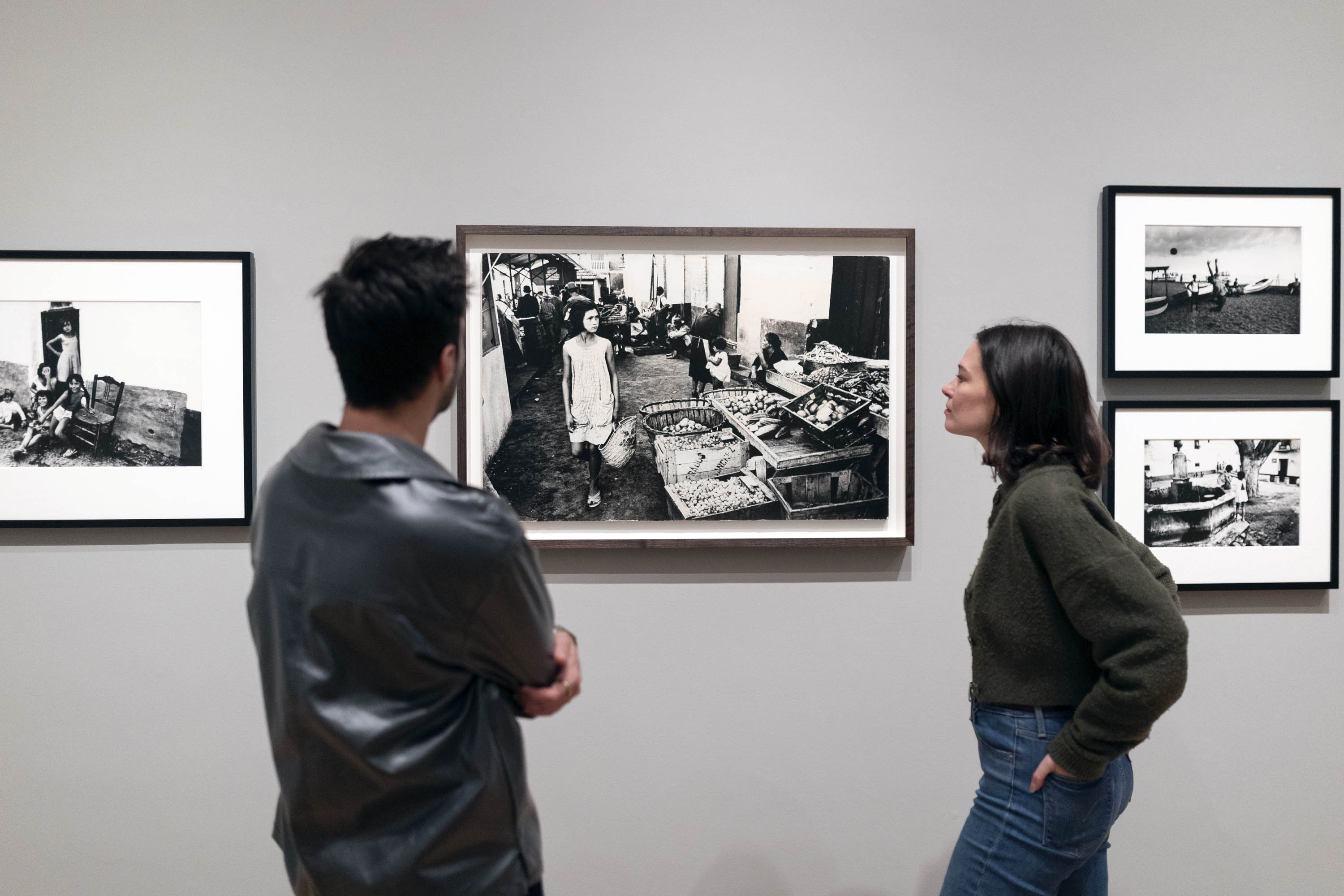
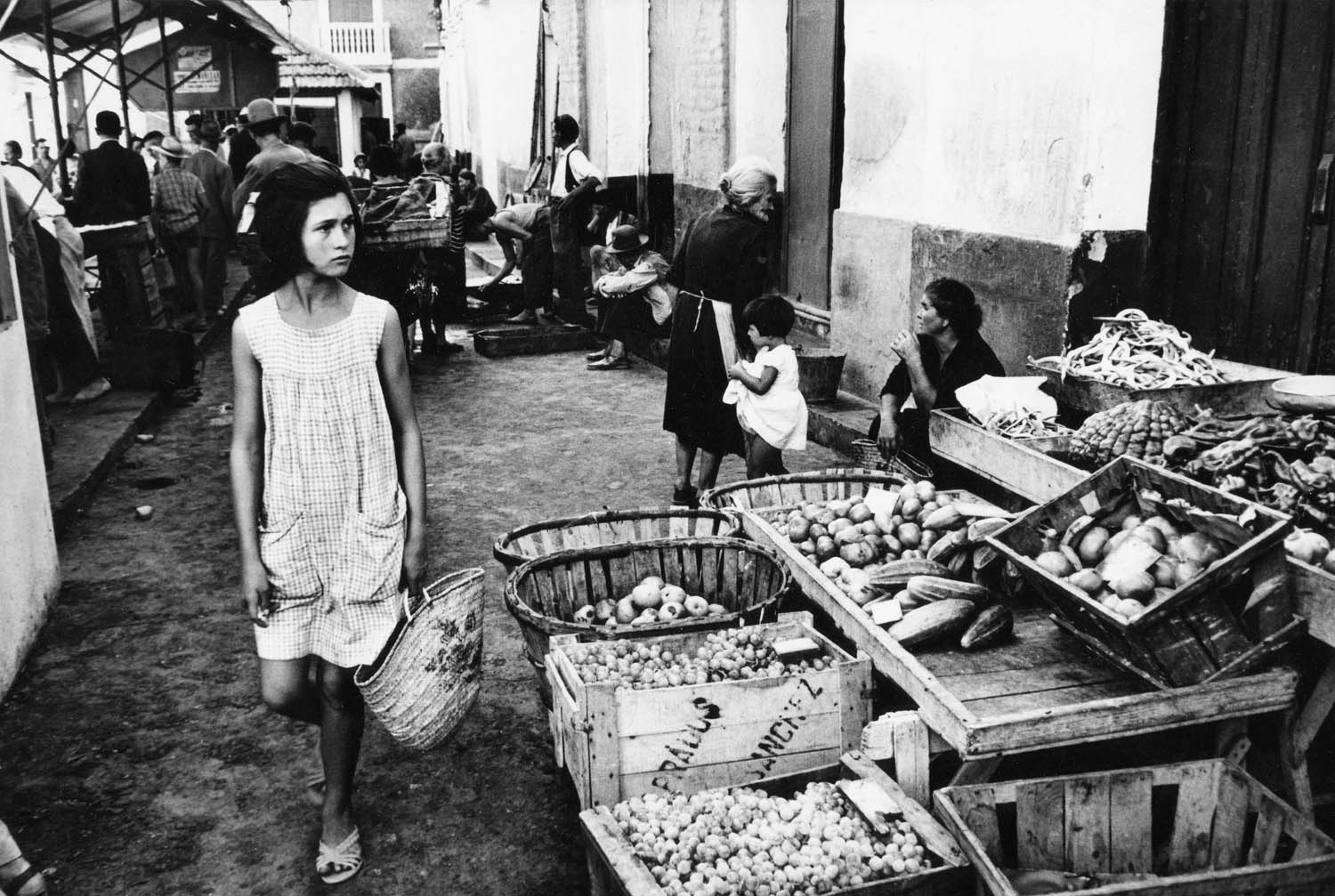
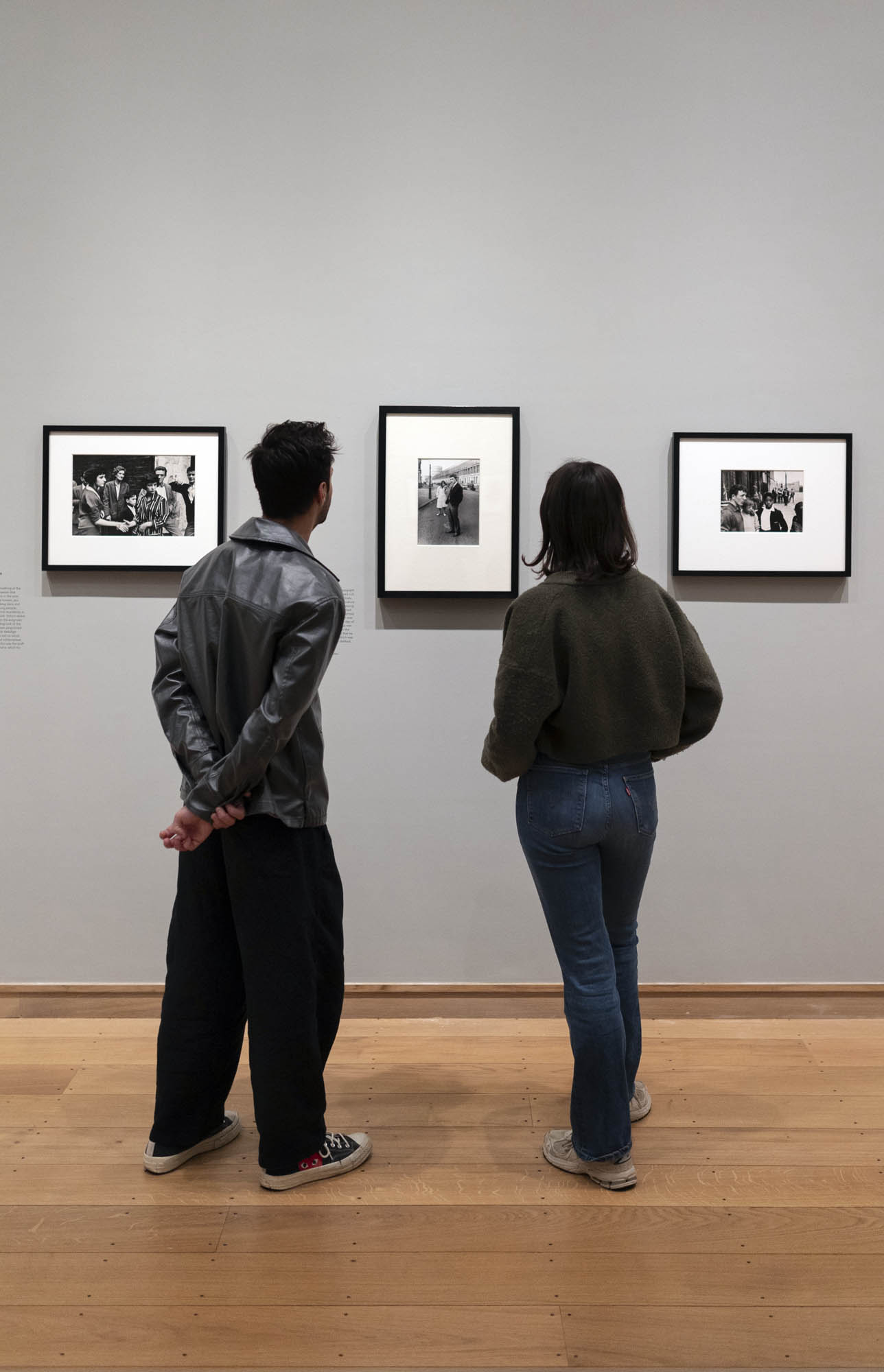
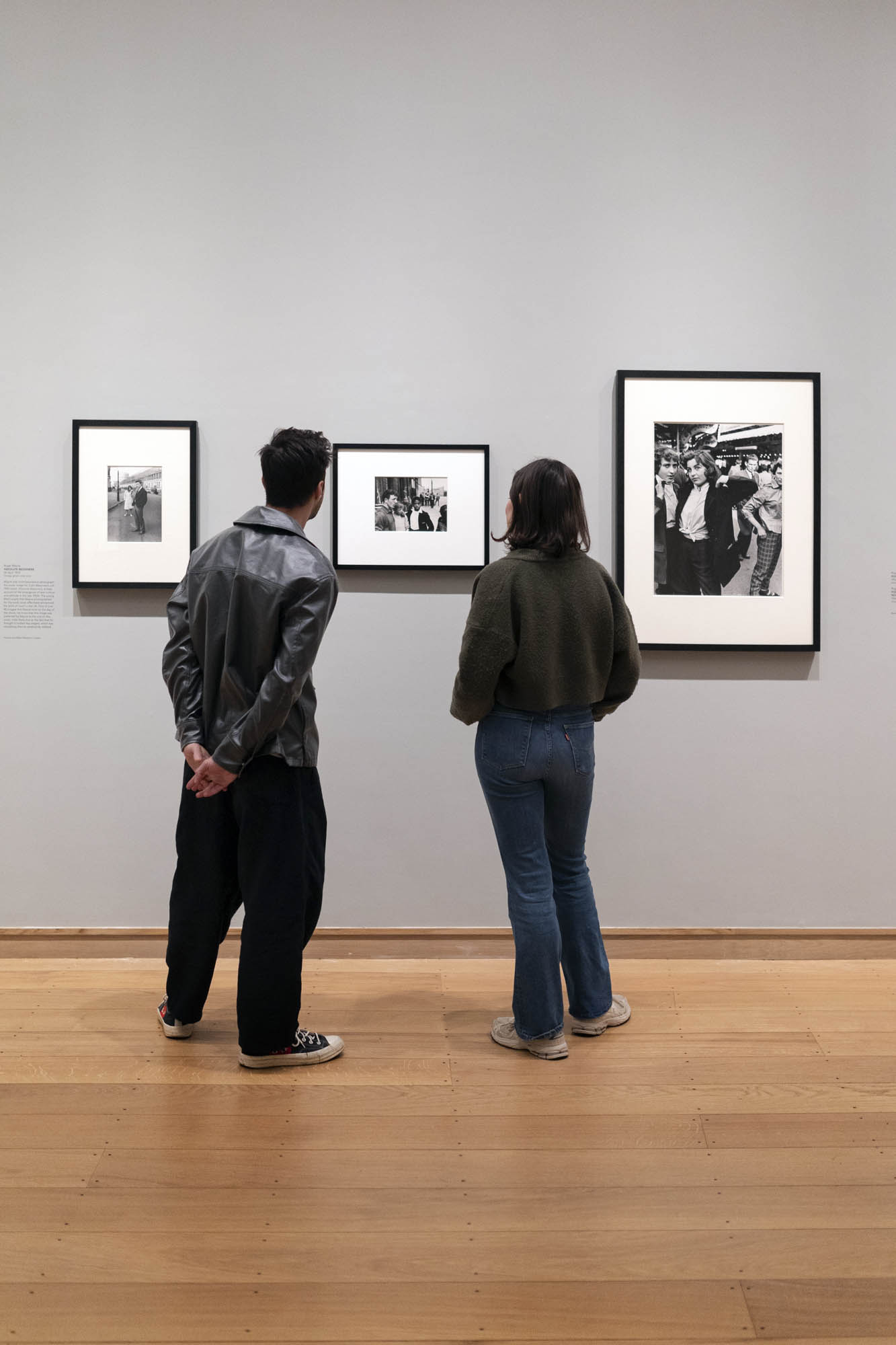
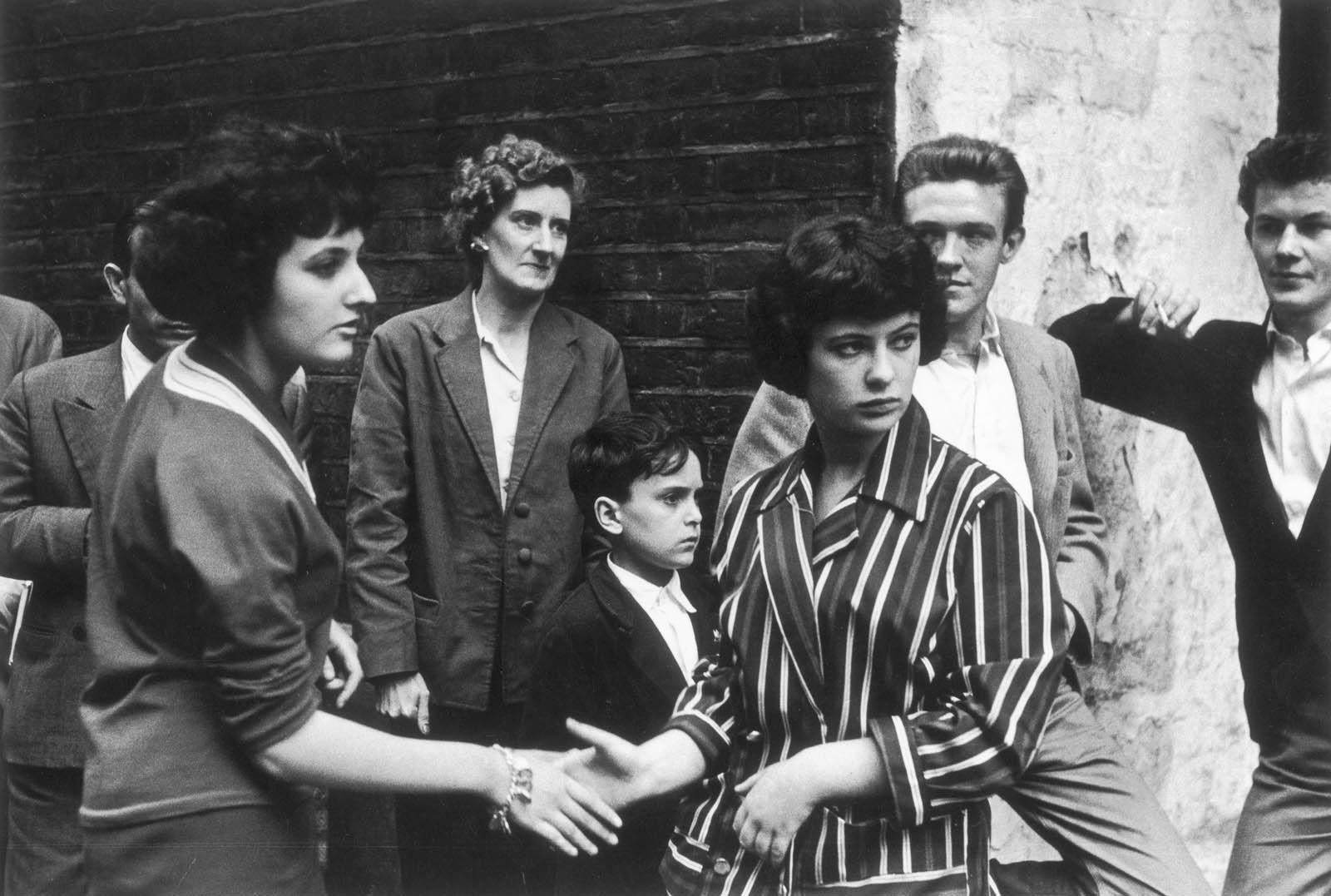
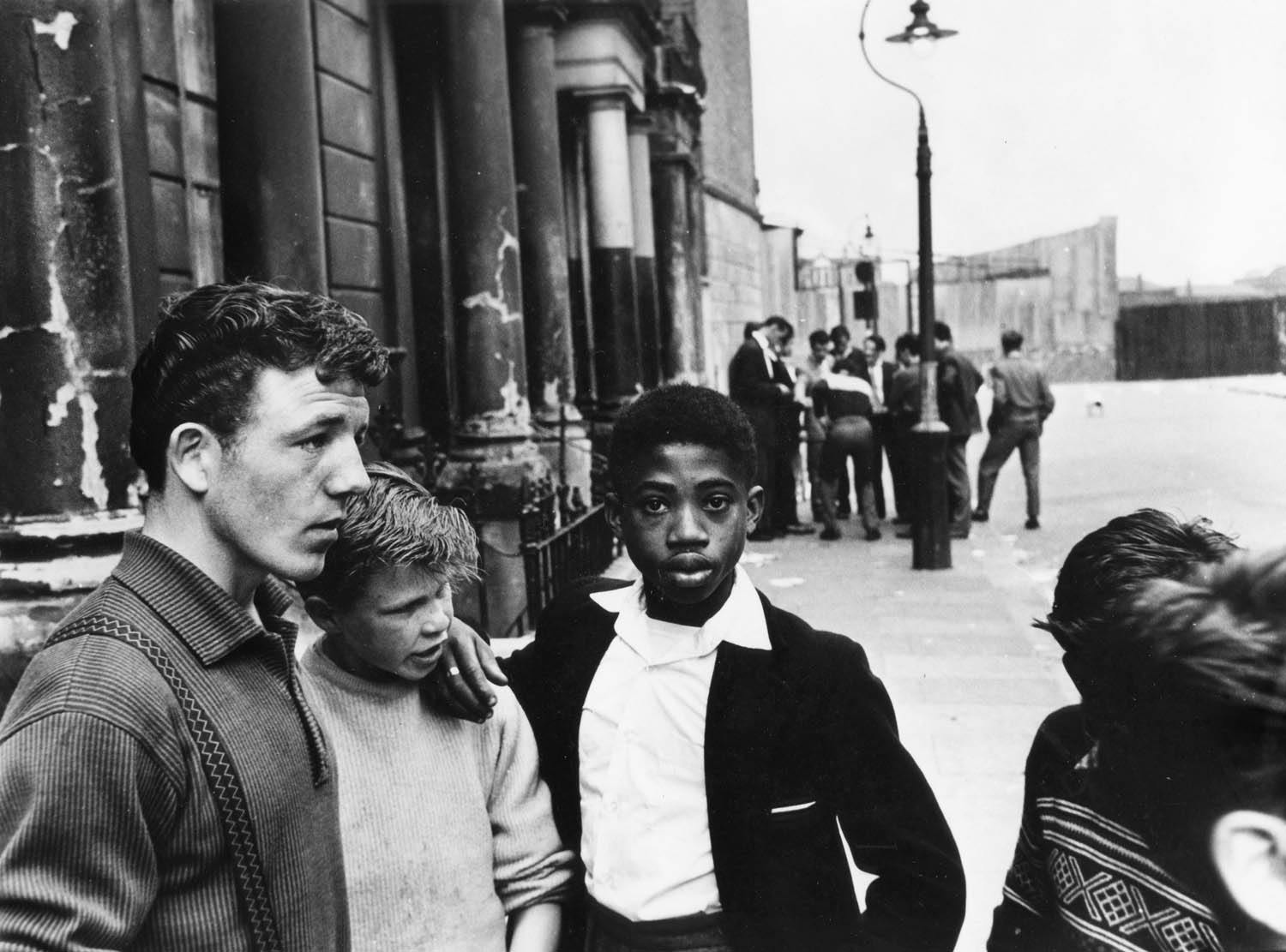
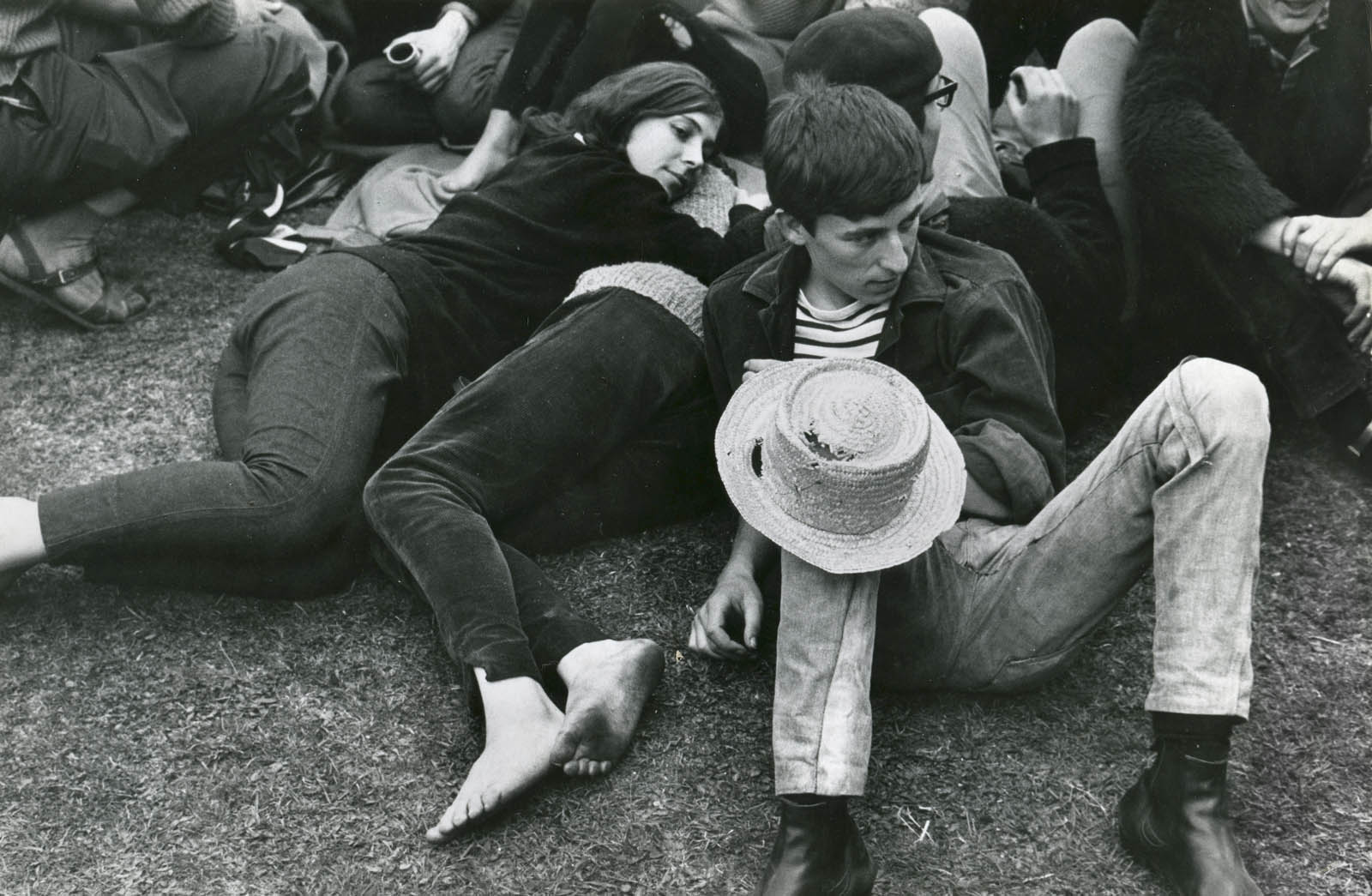

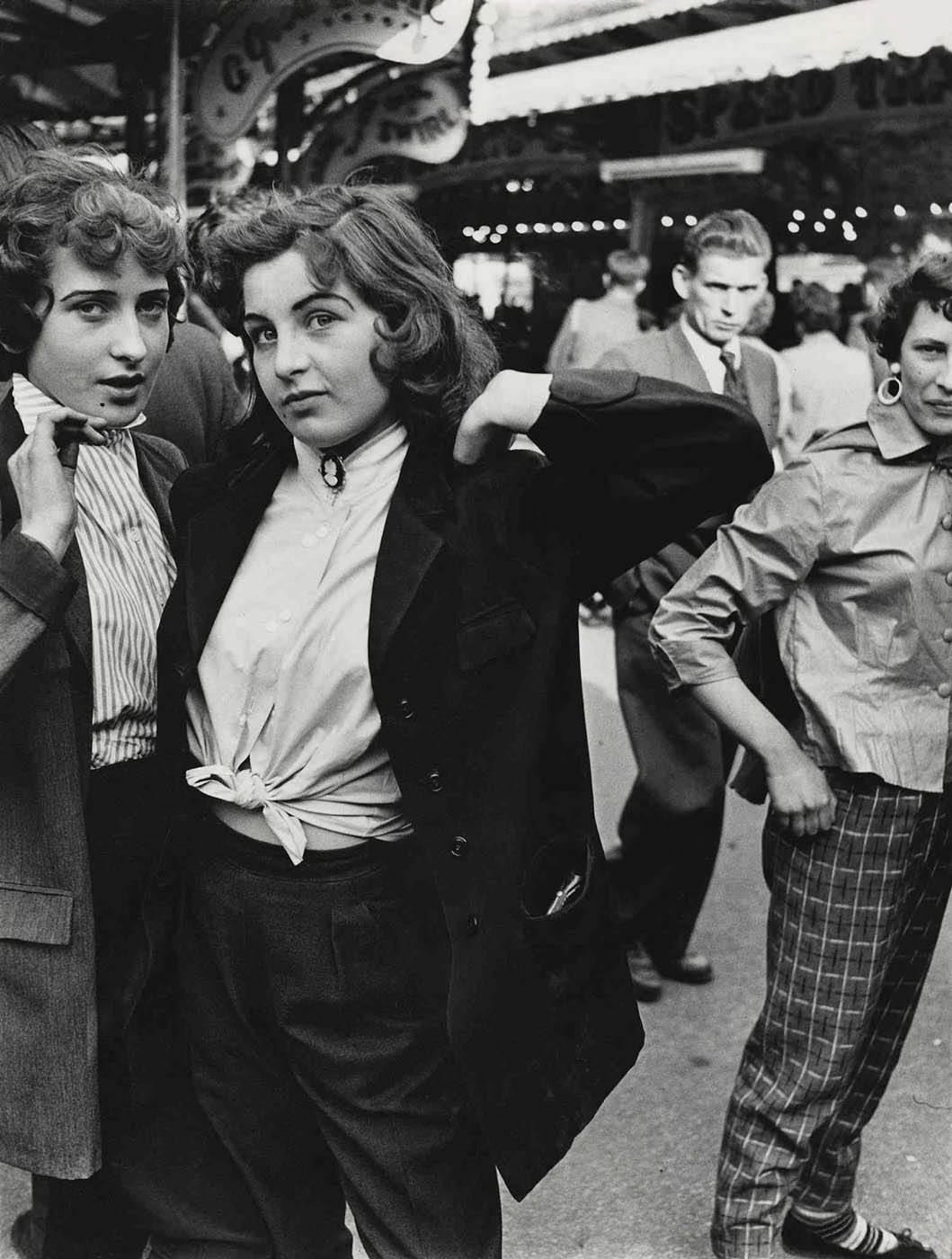
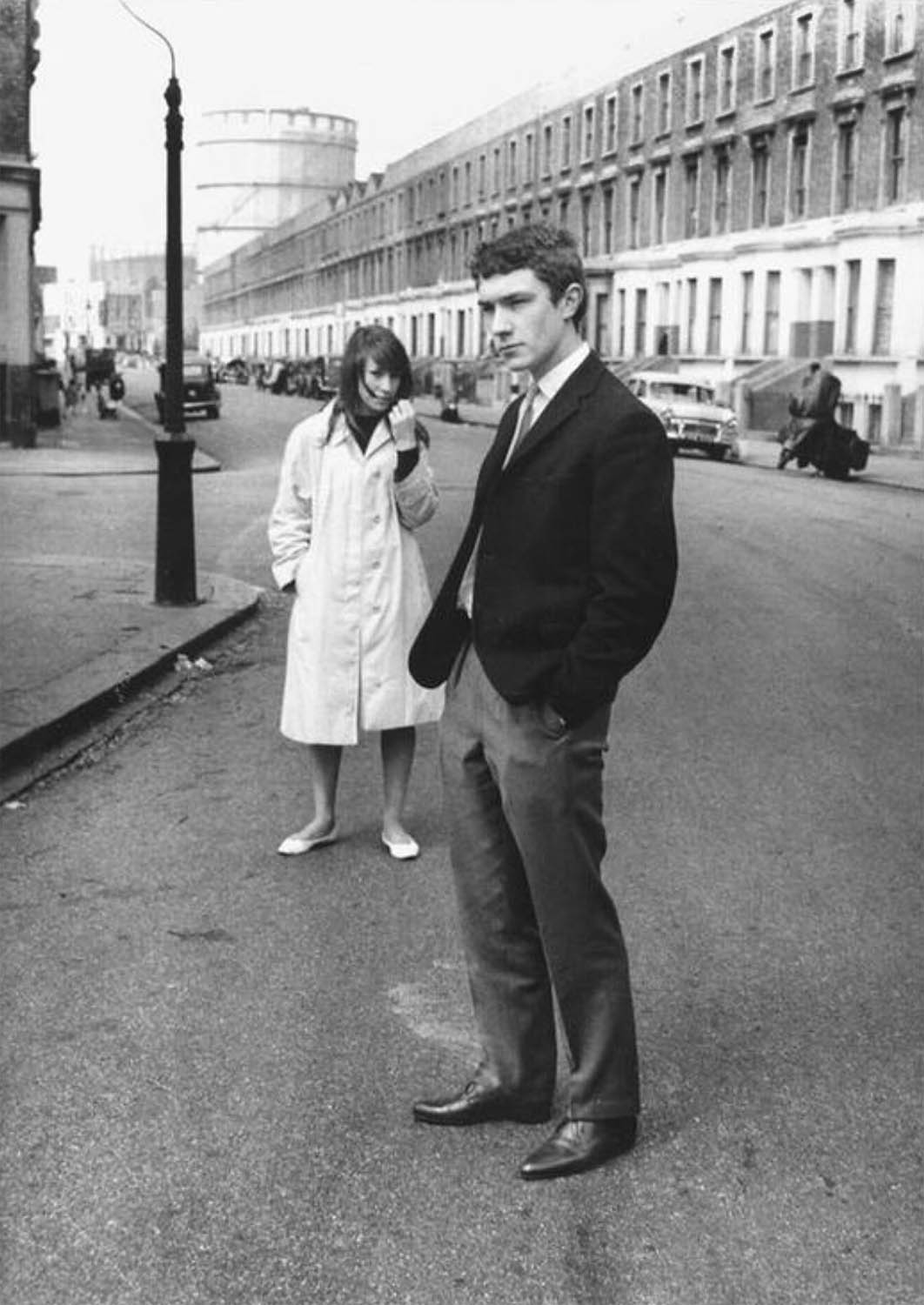
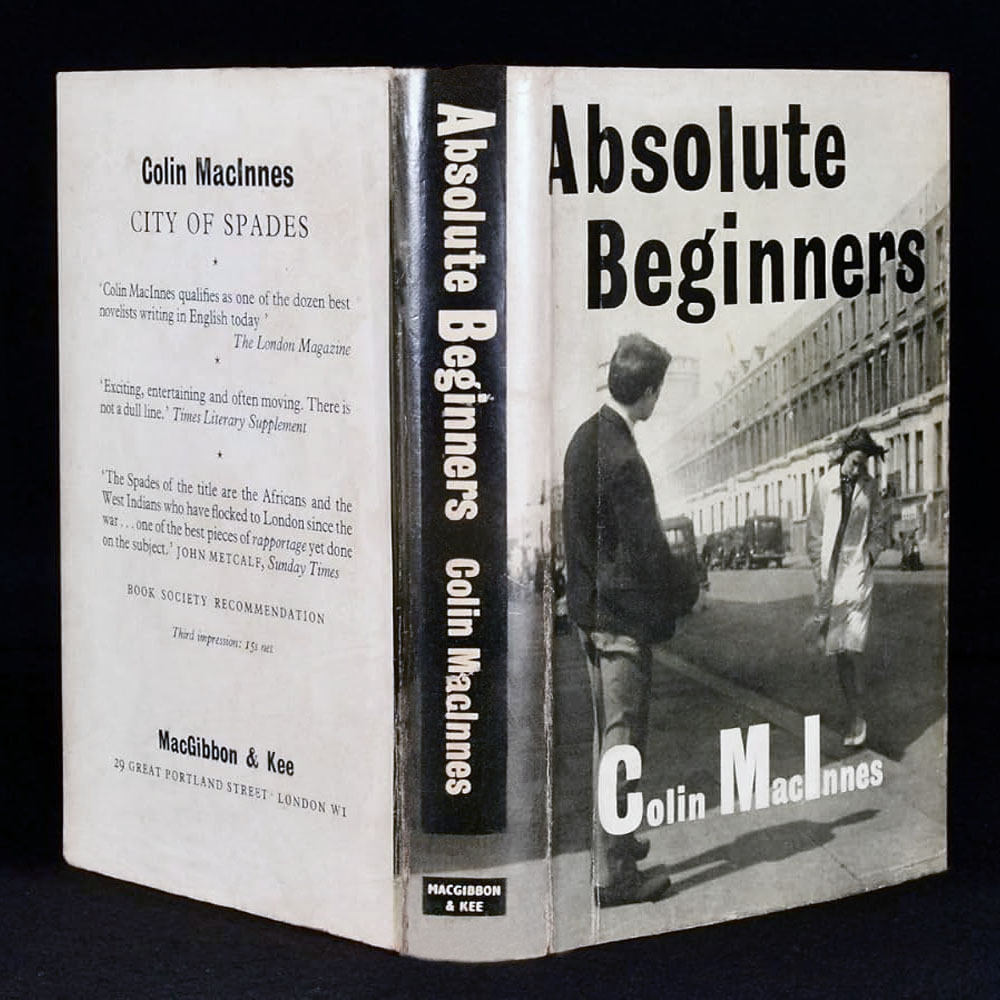

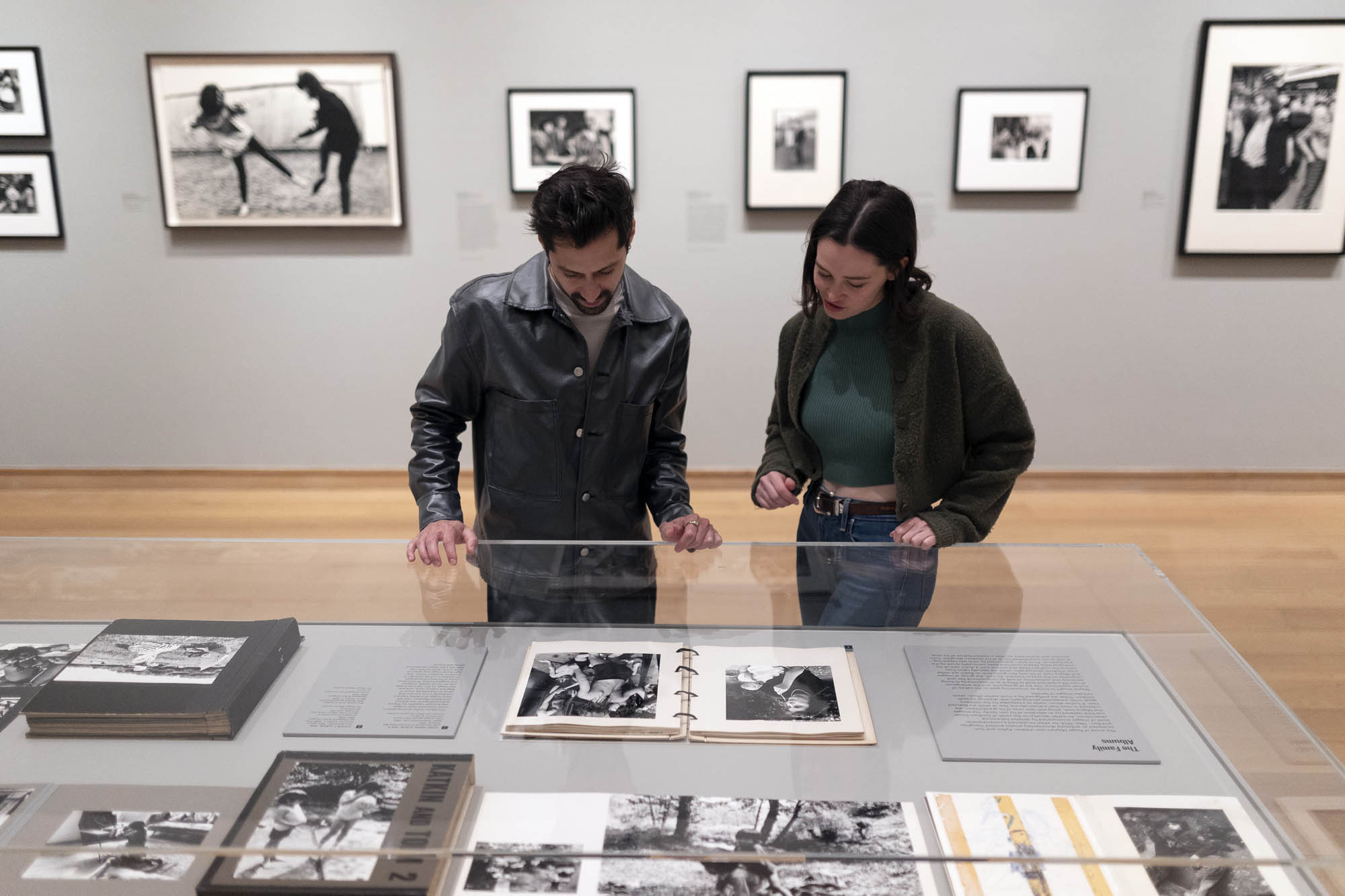
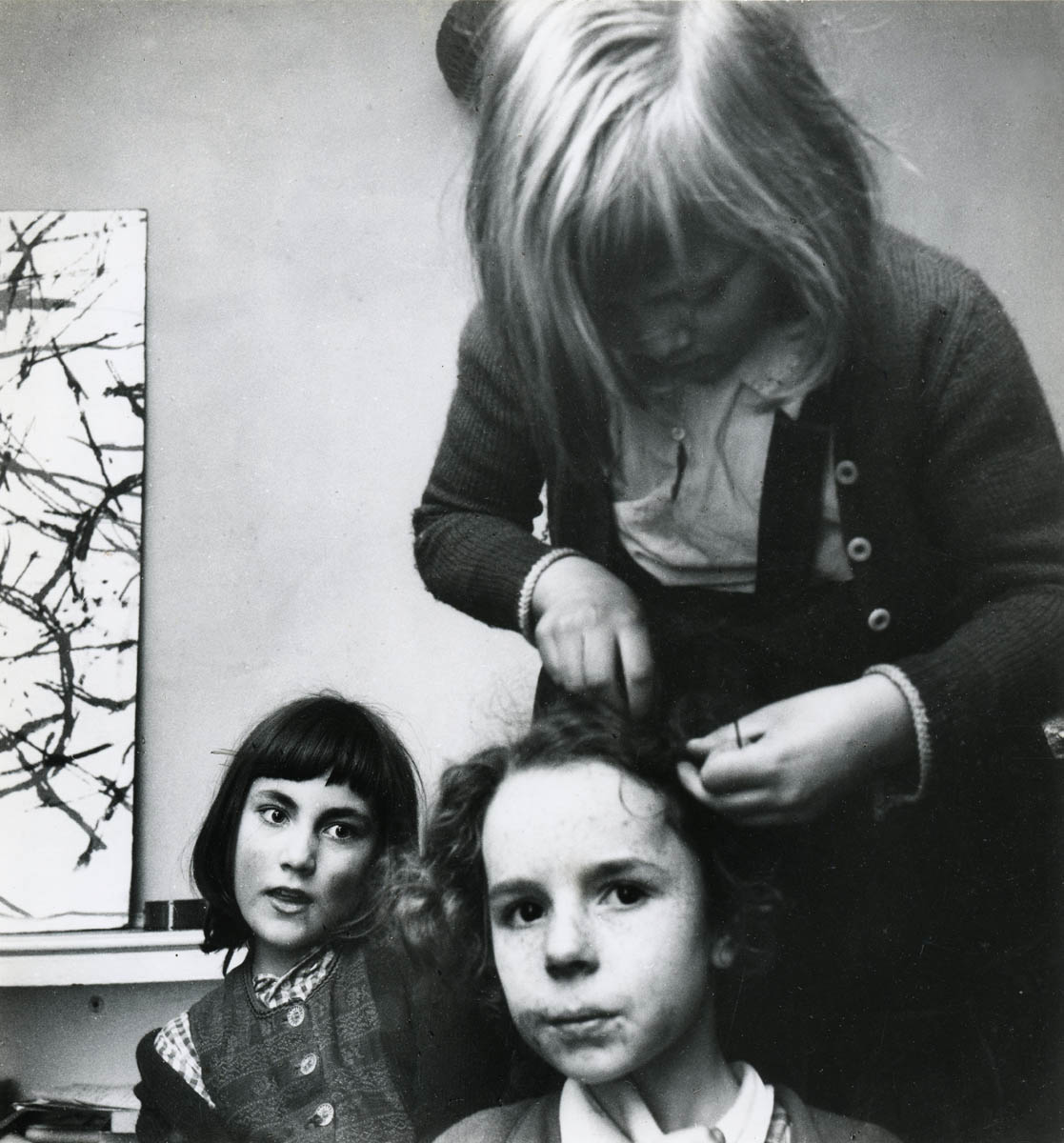
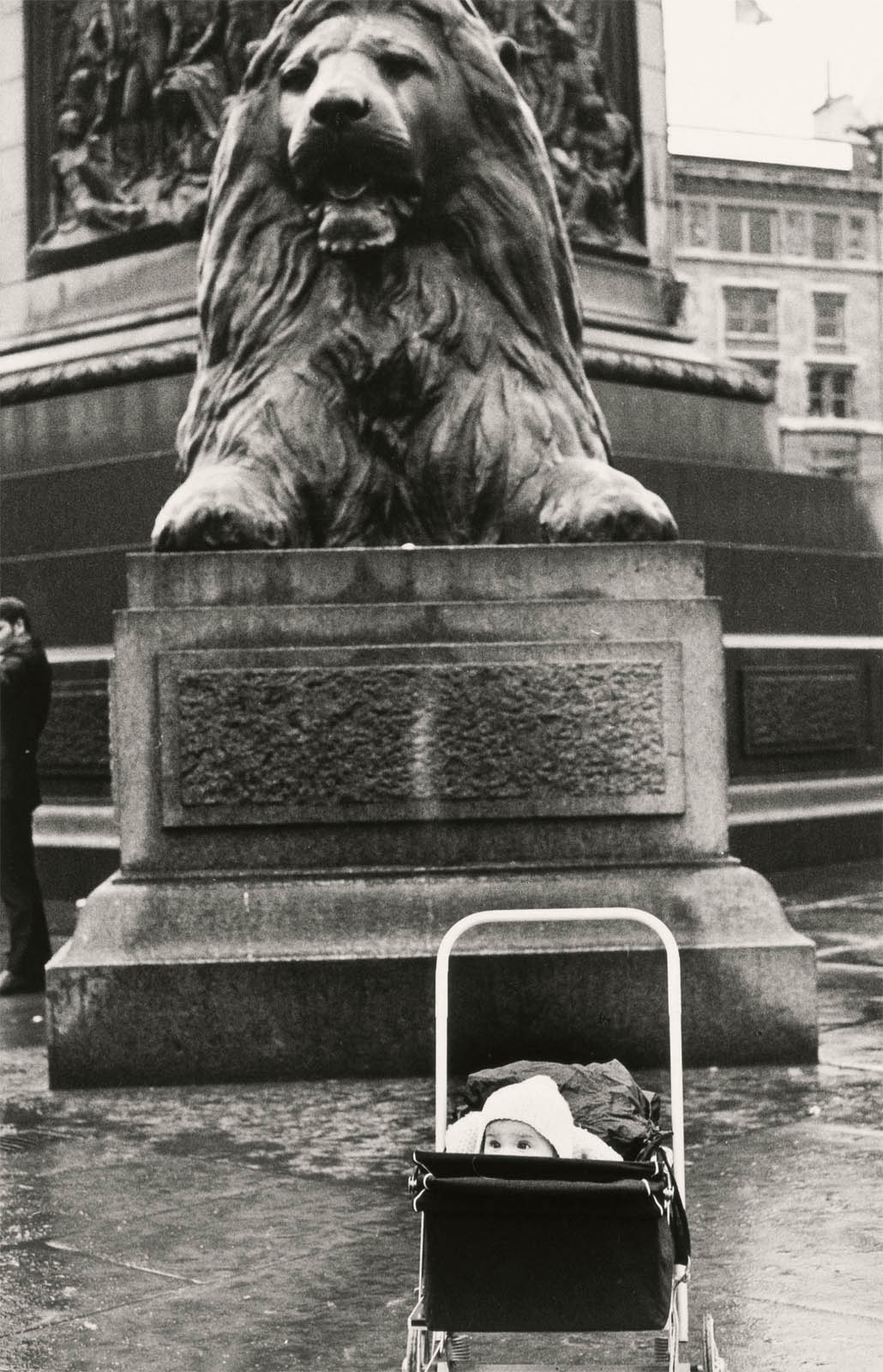
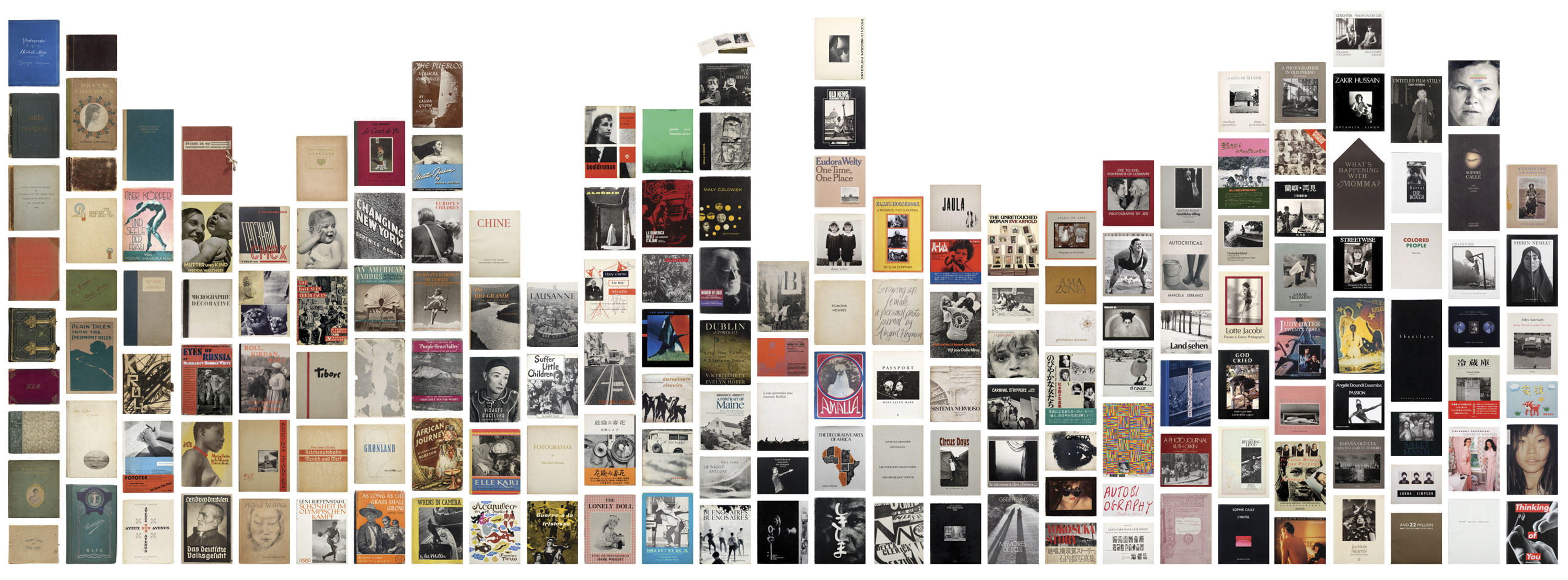

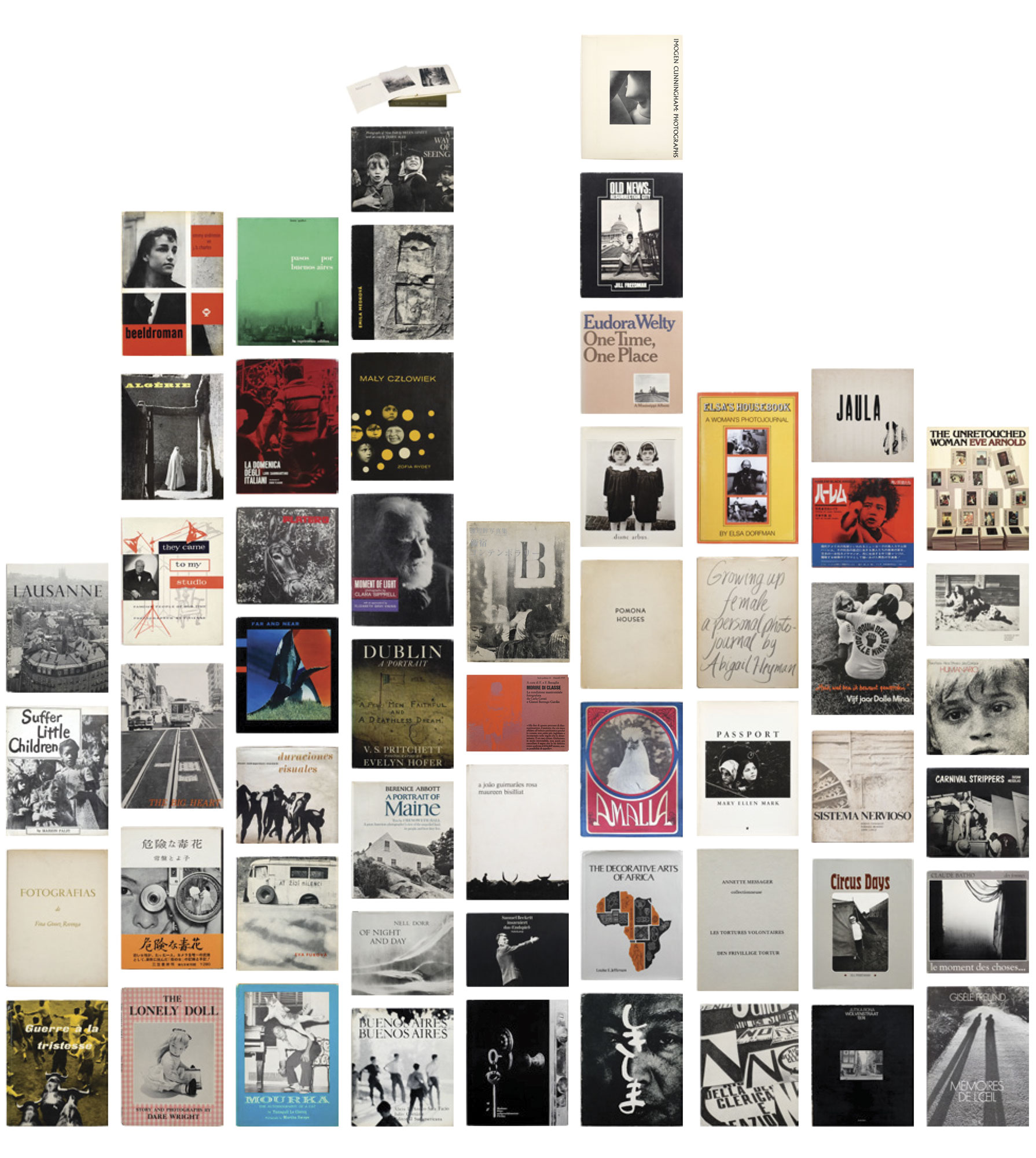
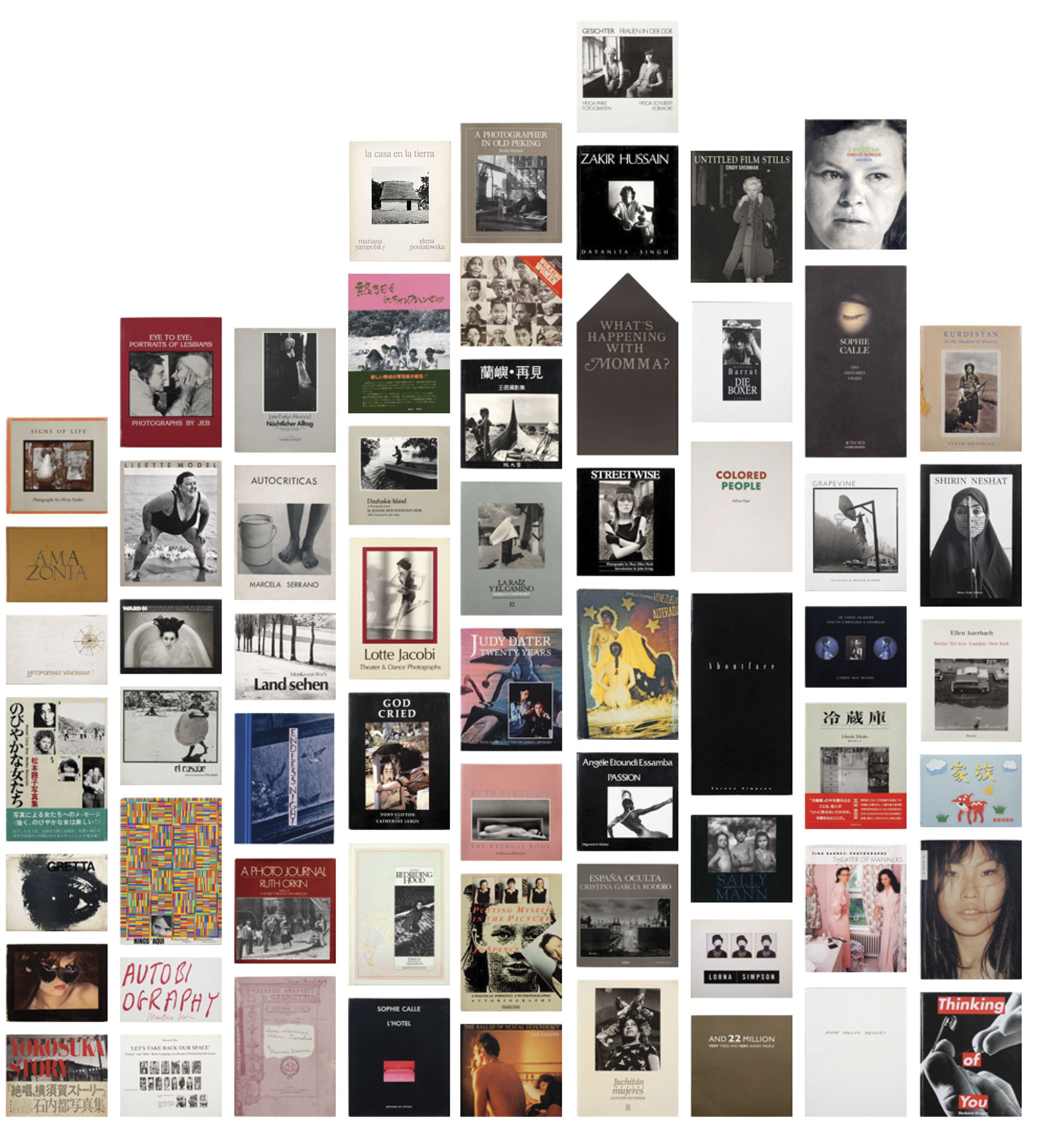

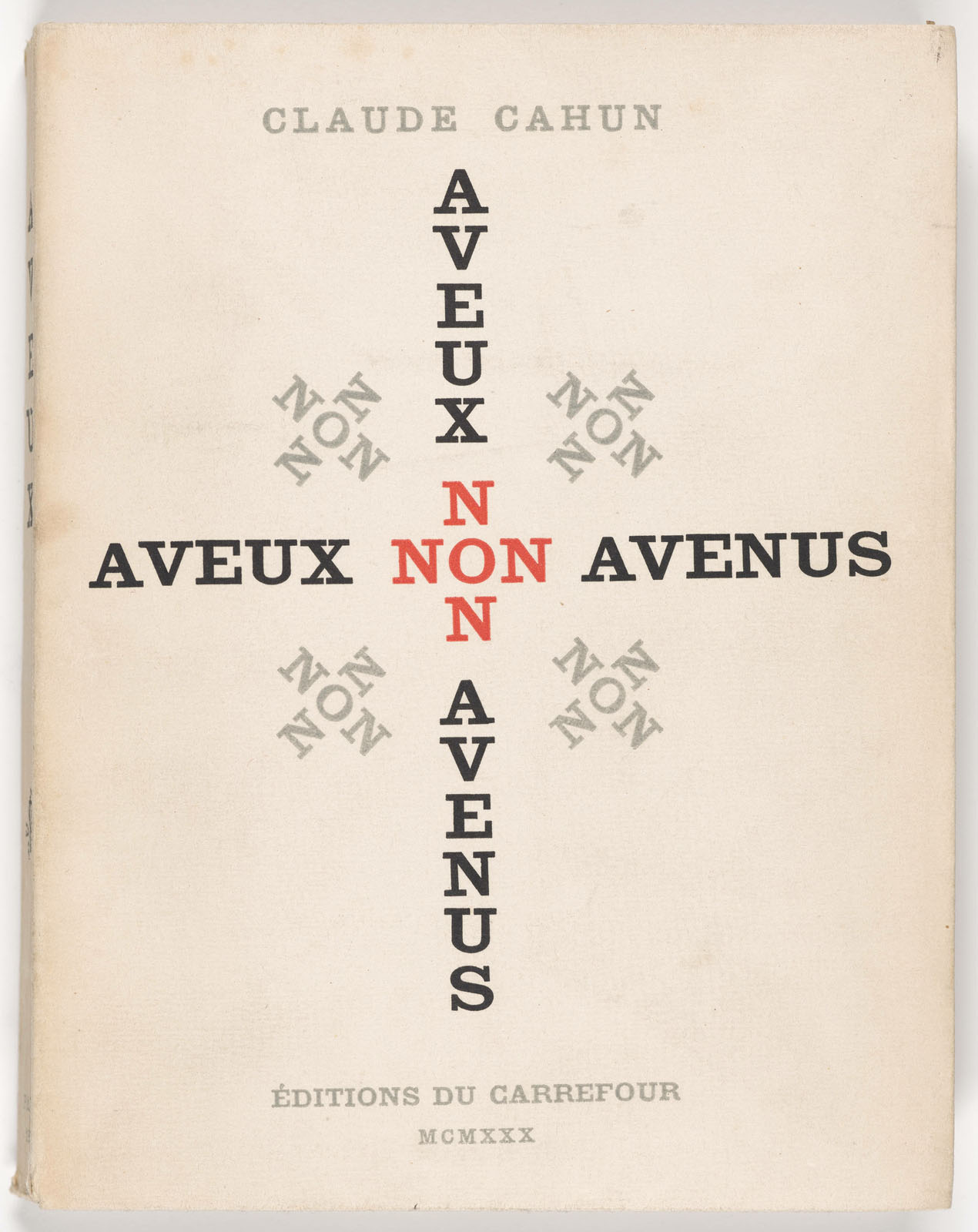


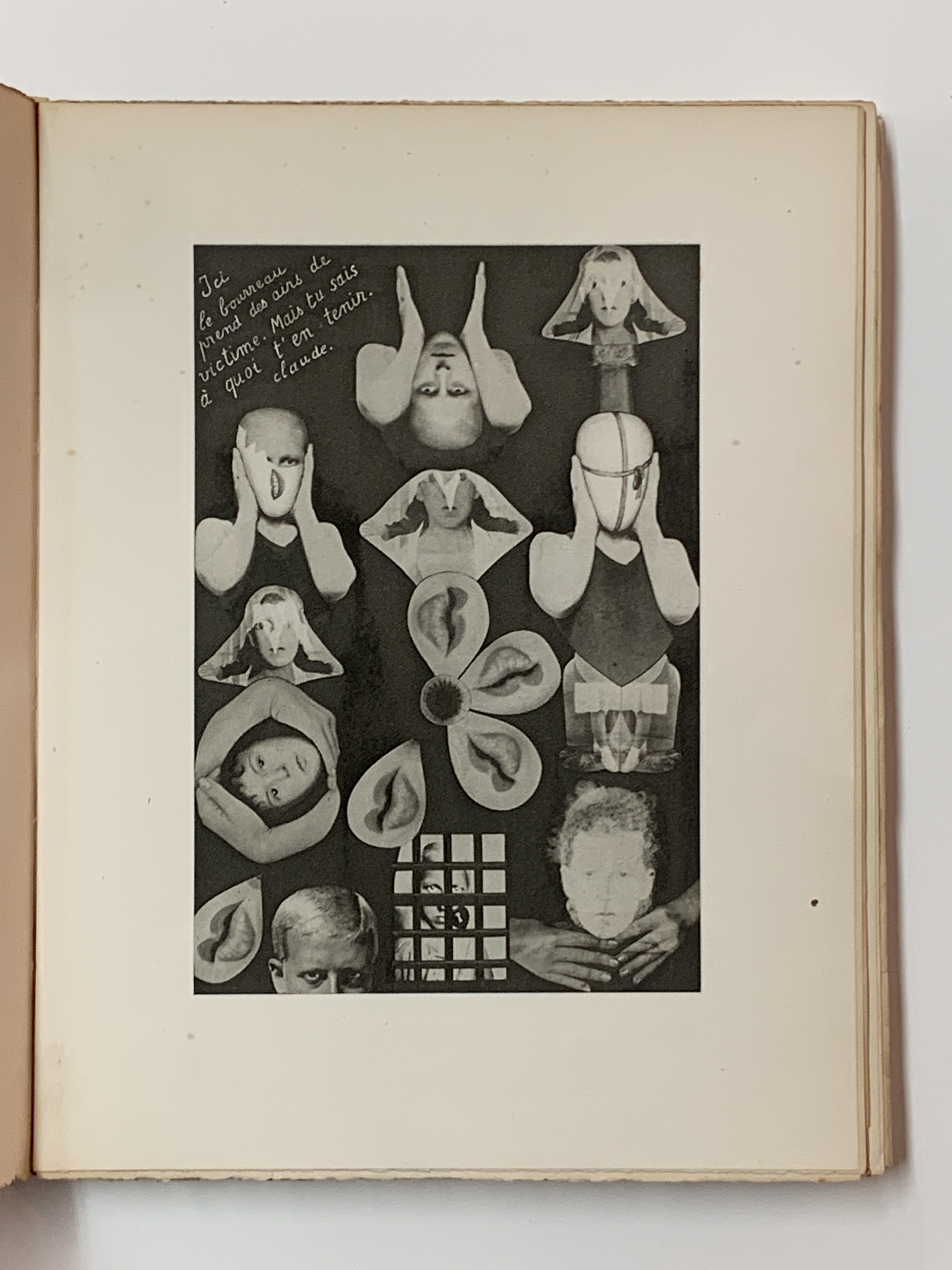
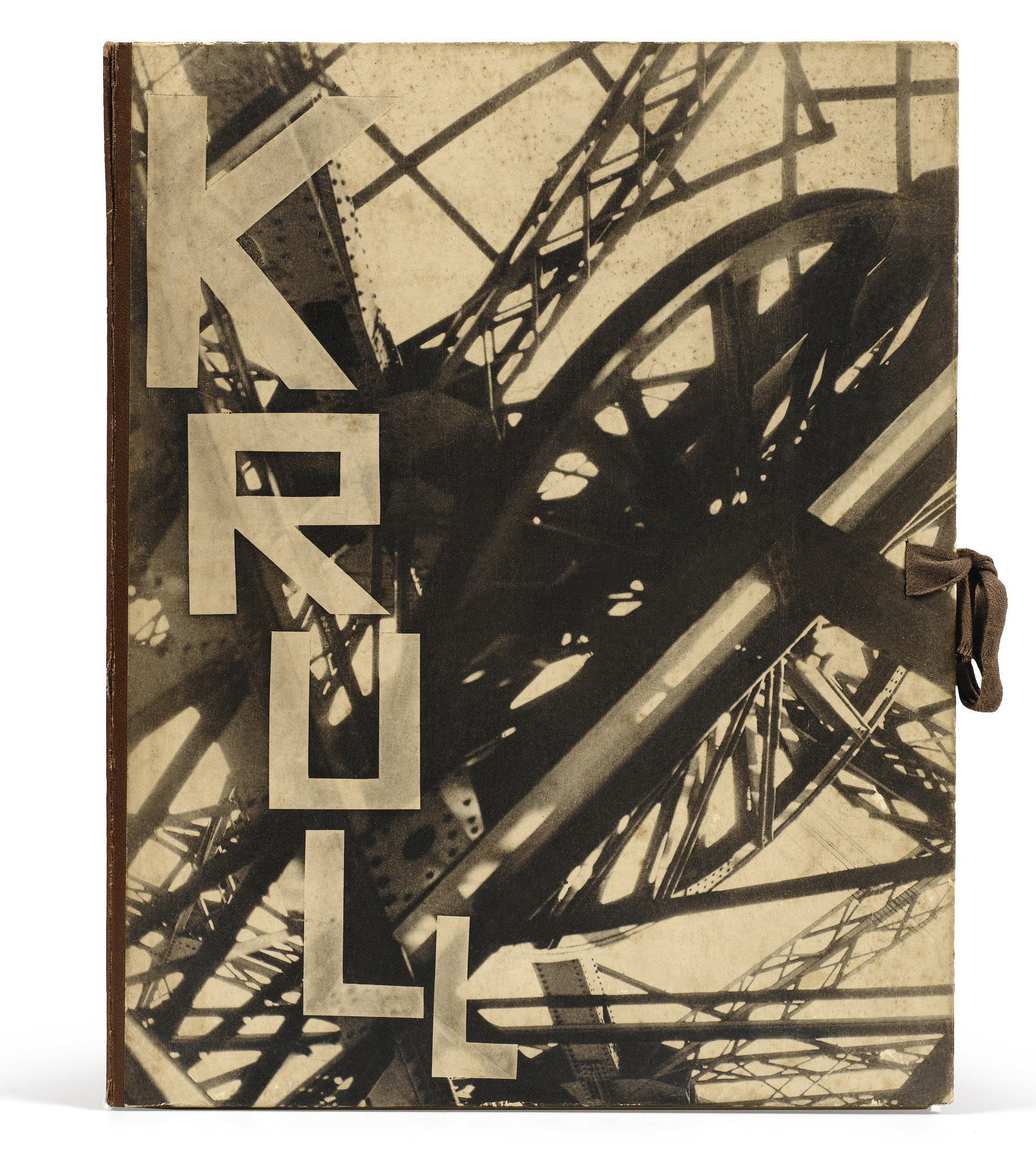


![Leni Riefenstahl 'Schönheit im olympischen Kampf' [Beauty in the Olympic Games] Berlin: Im Deutschen Verlag, (1937)](https://artblart.com/wp-content/uploads/2024/05/leni-riefenstahl-schonheit-im-olympischen-kampf.jpg "Leni Riefenstahl 'Schönheit im olympischen Kampf' [Beauty in the Olympic Games] Berlin: Im Deutschen Verlag, (1937)")
!['Leni Riefenstahl Schönheit im olympischen Kampf' [Beauty in the Olympic Games] Berlin: Im Deutschen Verlag, (1937) pp. 220-221](https://artblart.com/wp-content/uploads/2024/05/leni-riefenstahl-schonheit-im-olympischen-kampf-a.jpg "'Leni Riefenstahl Schönheit im olympischen Kampf' [Beauty in the Olympic Games] Berlin: Im Deutschen Verlag, (1937) pp. 220-221")


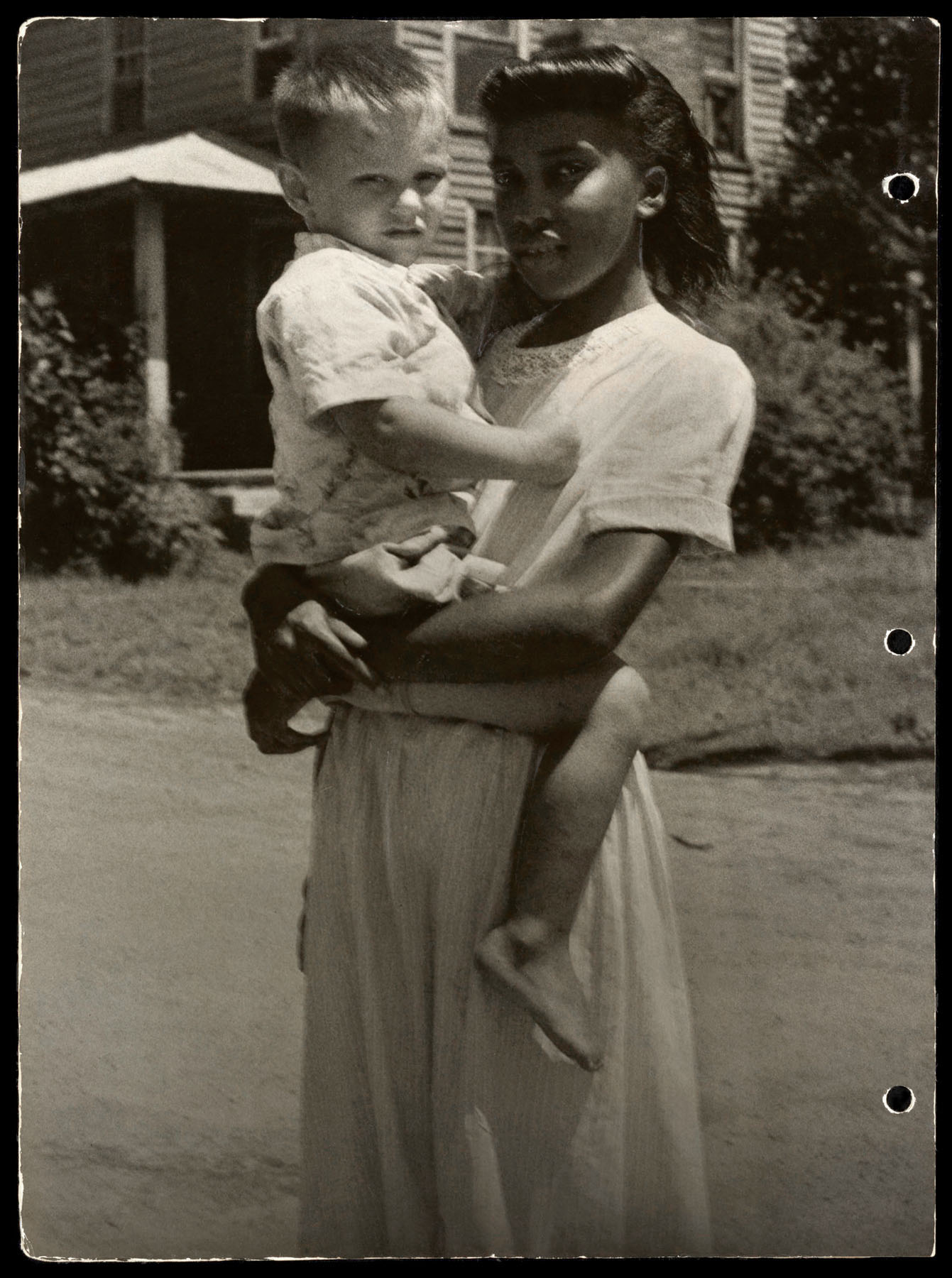
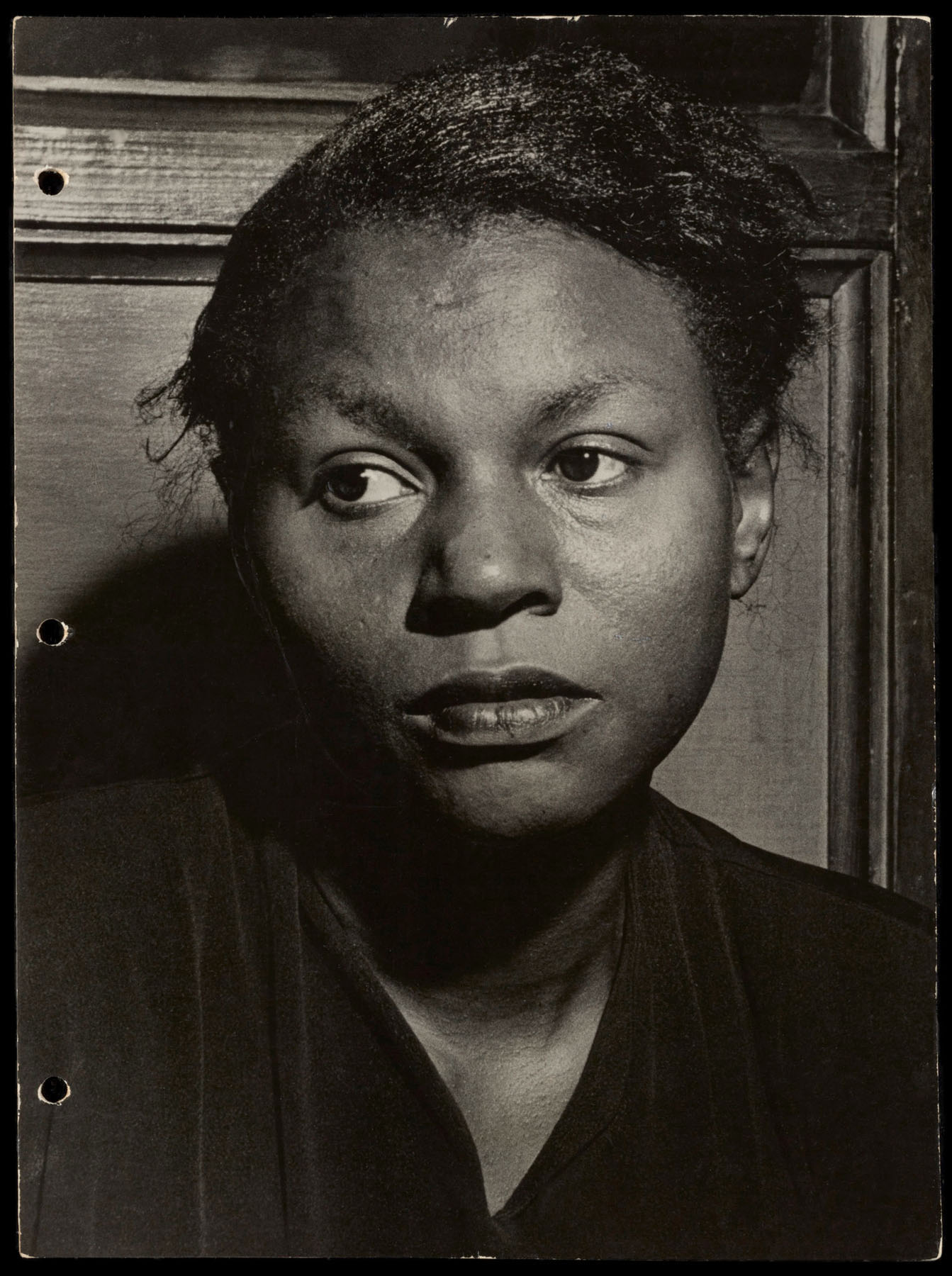
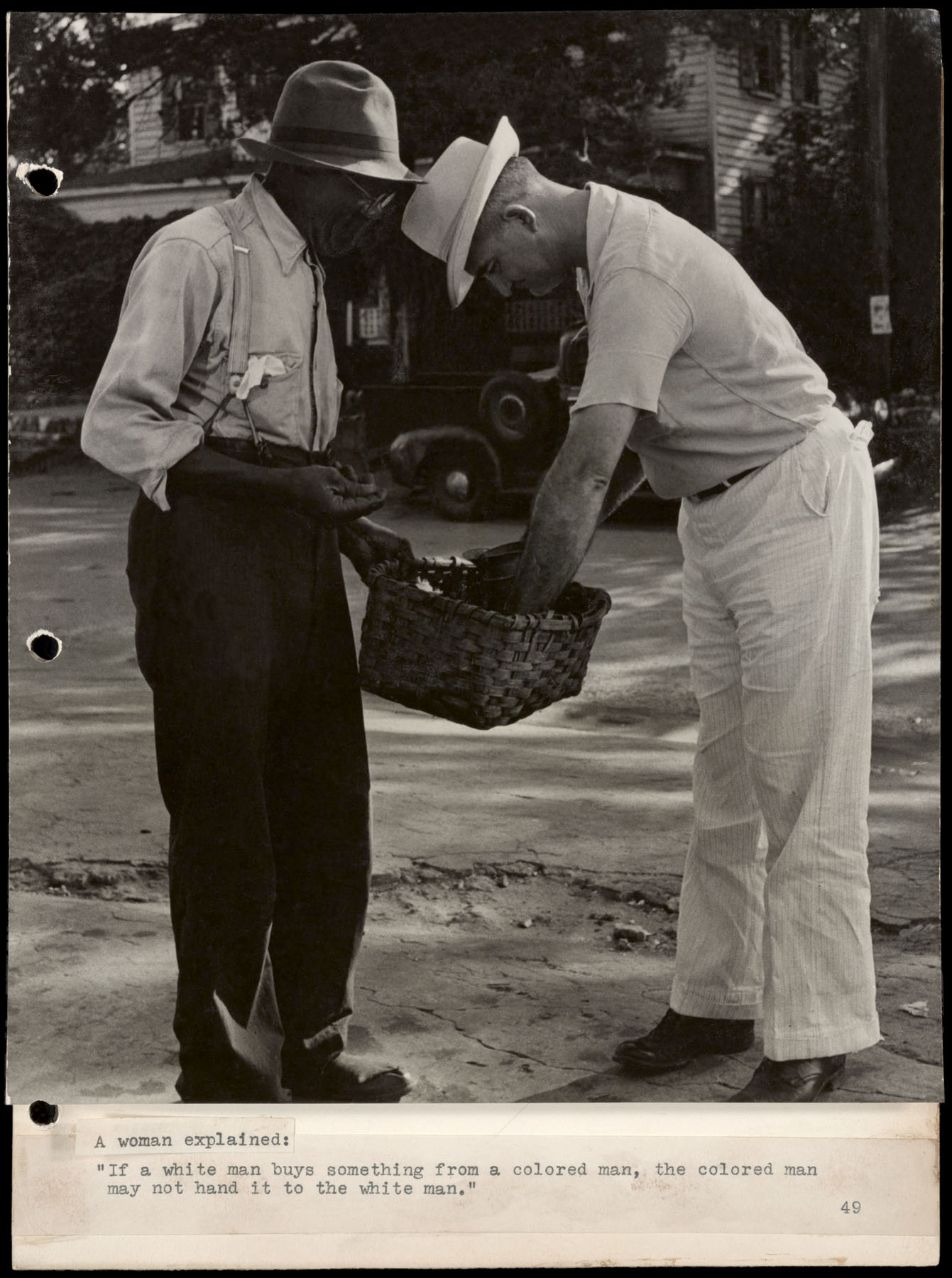


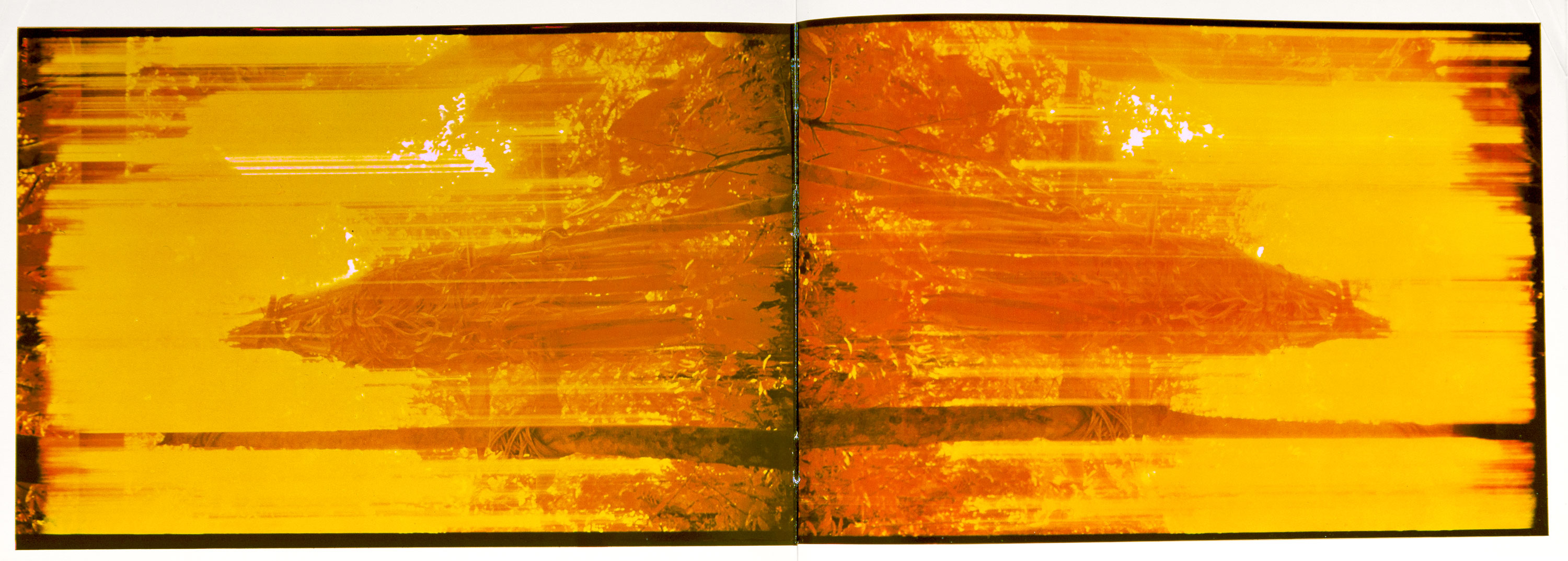
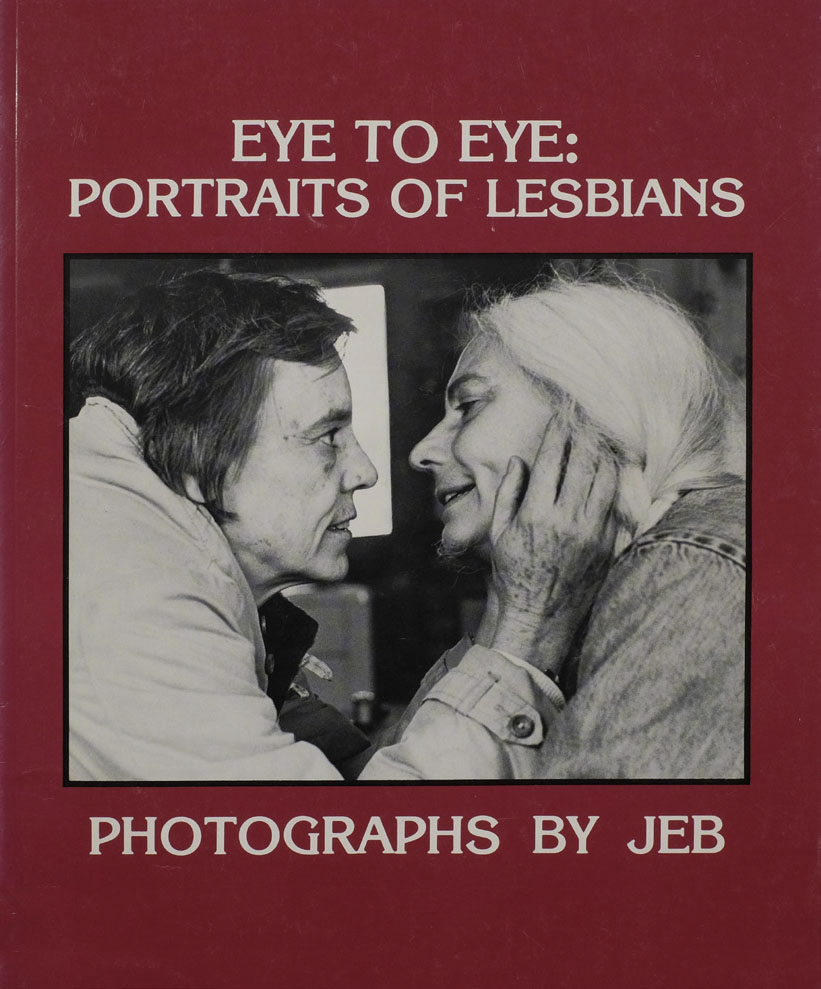
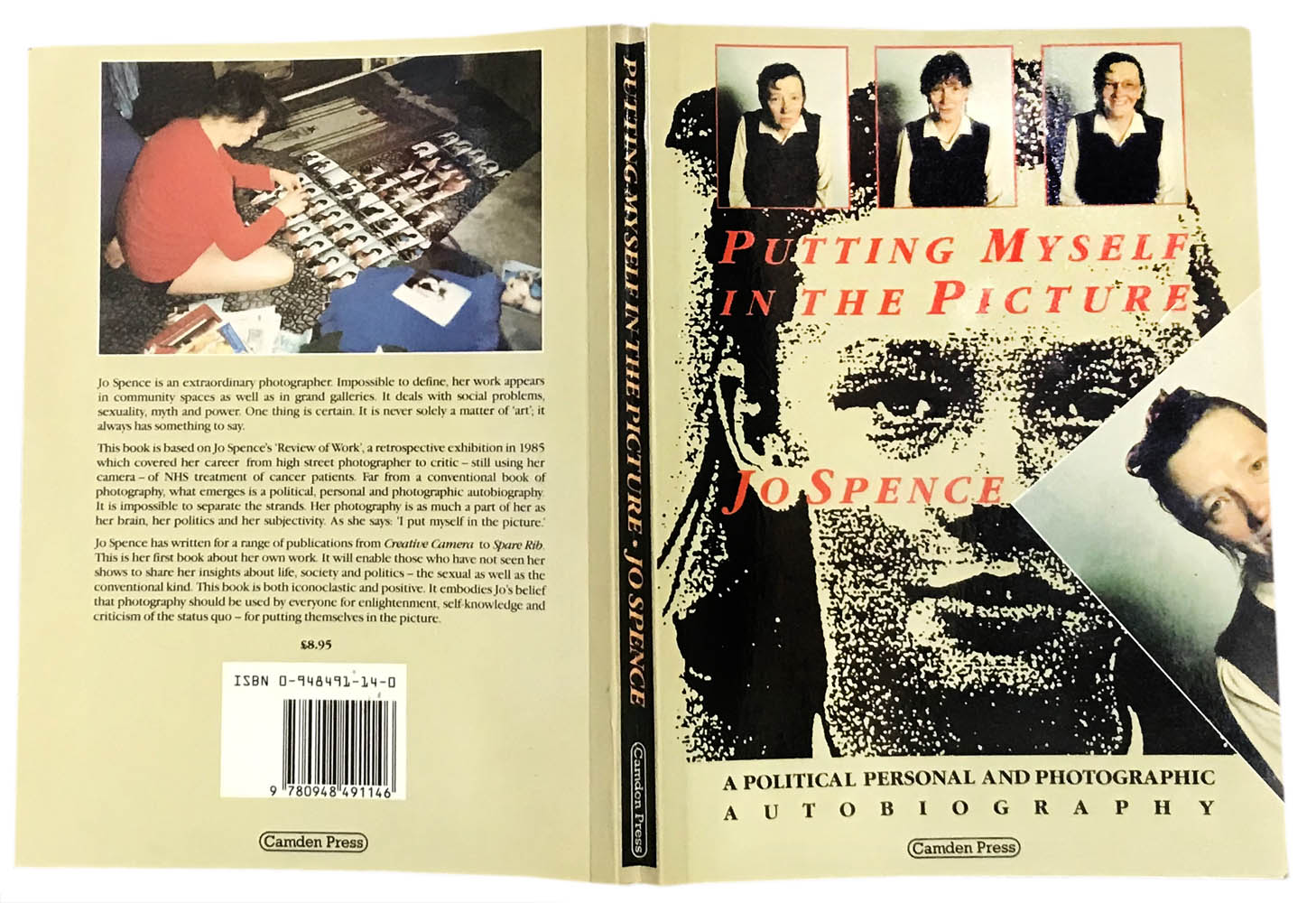
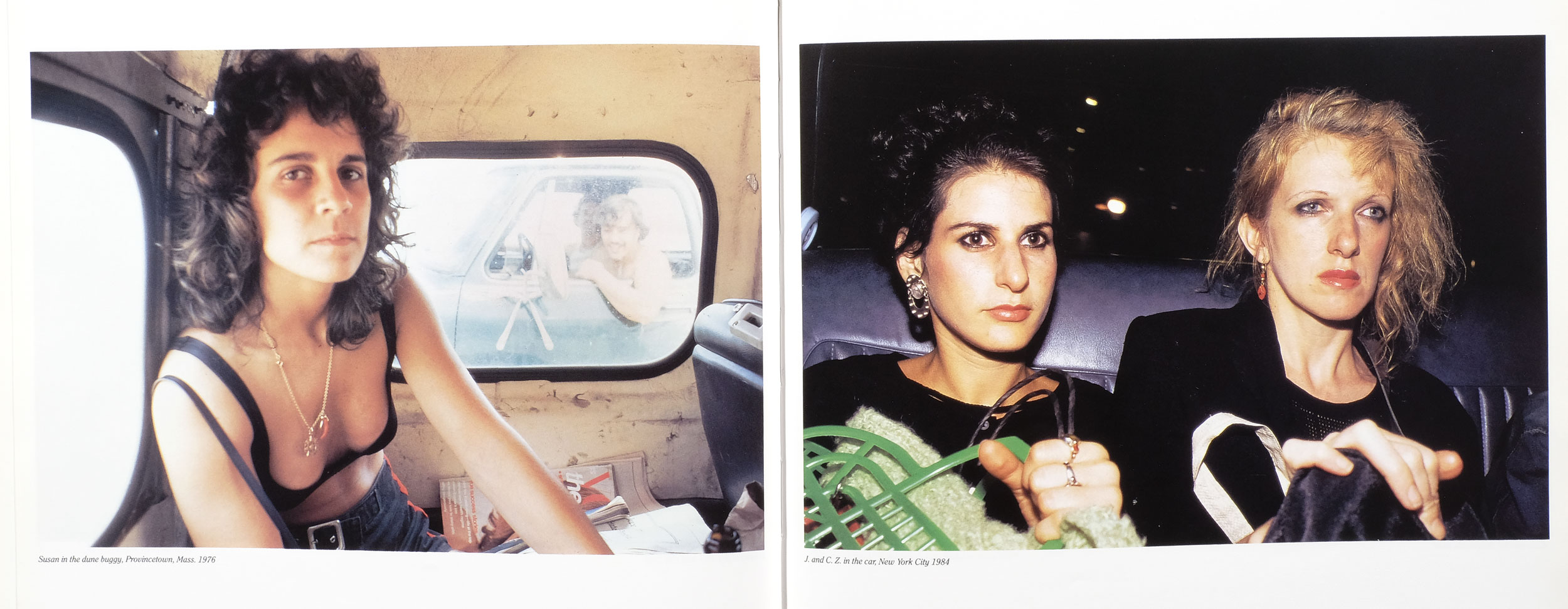







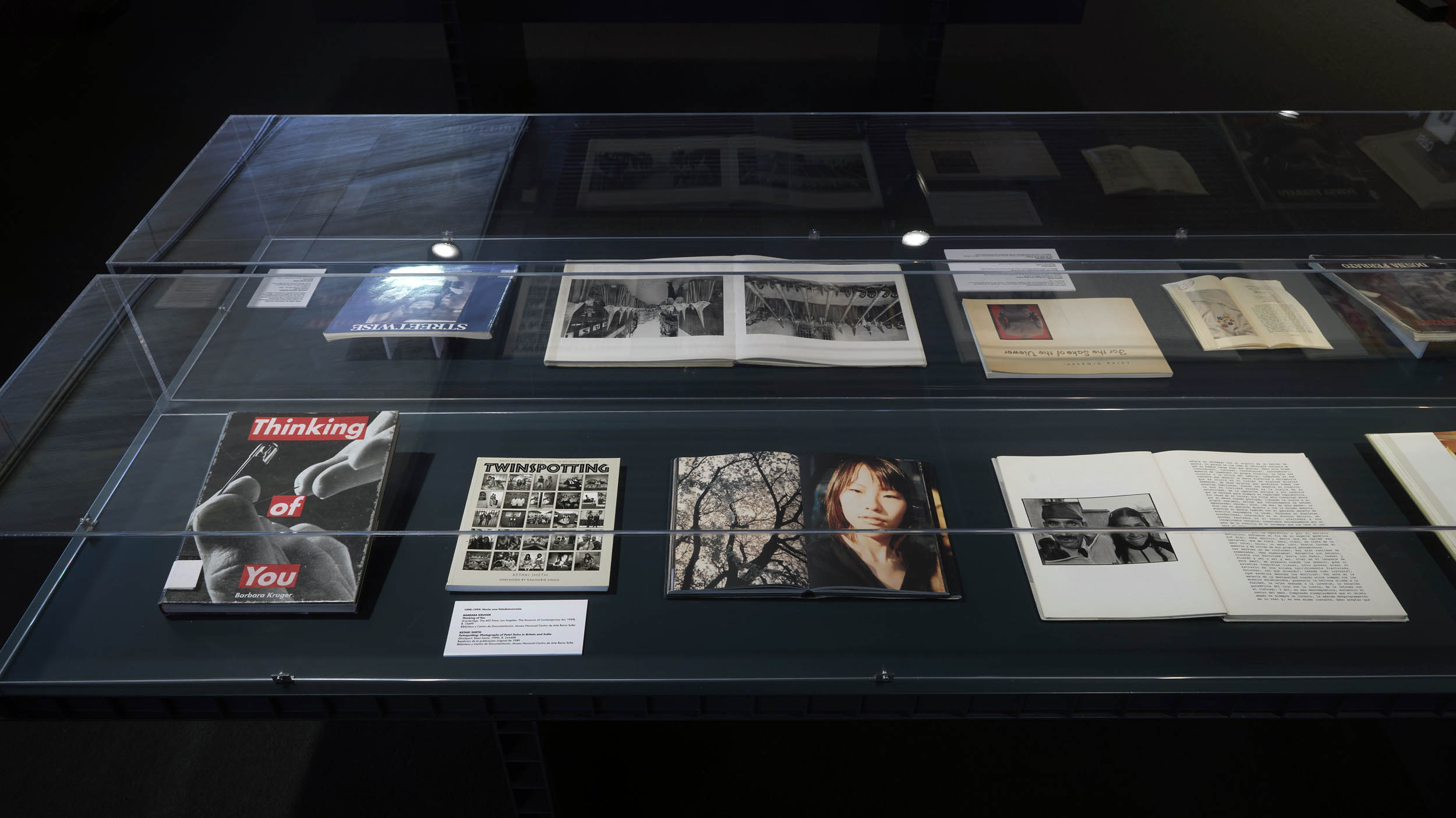

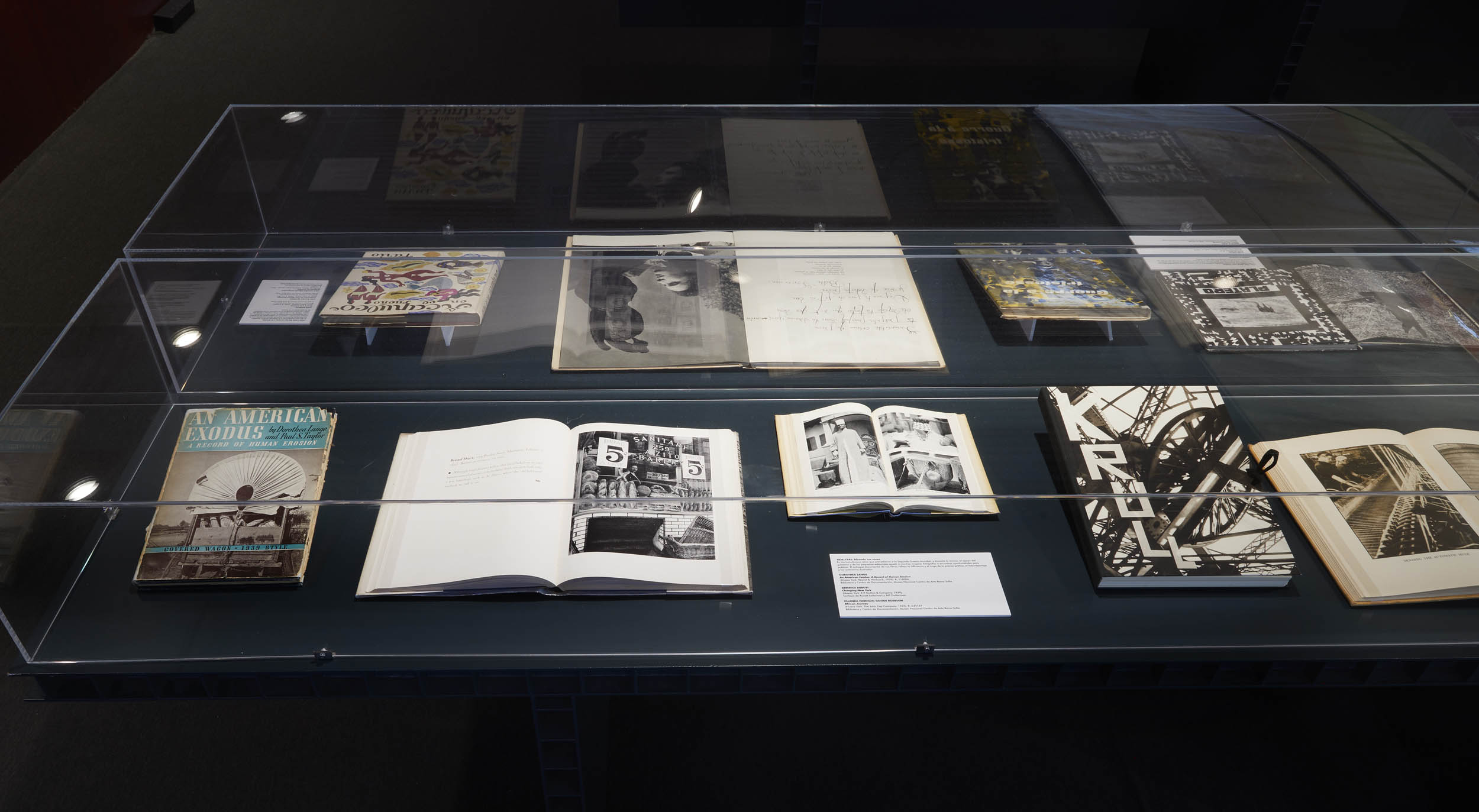
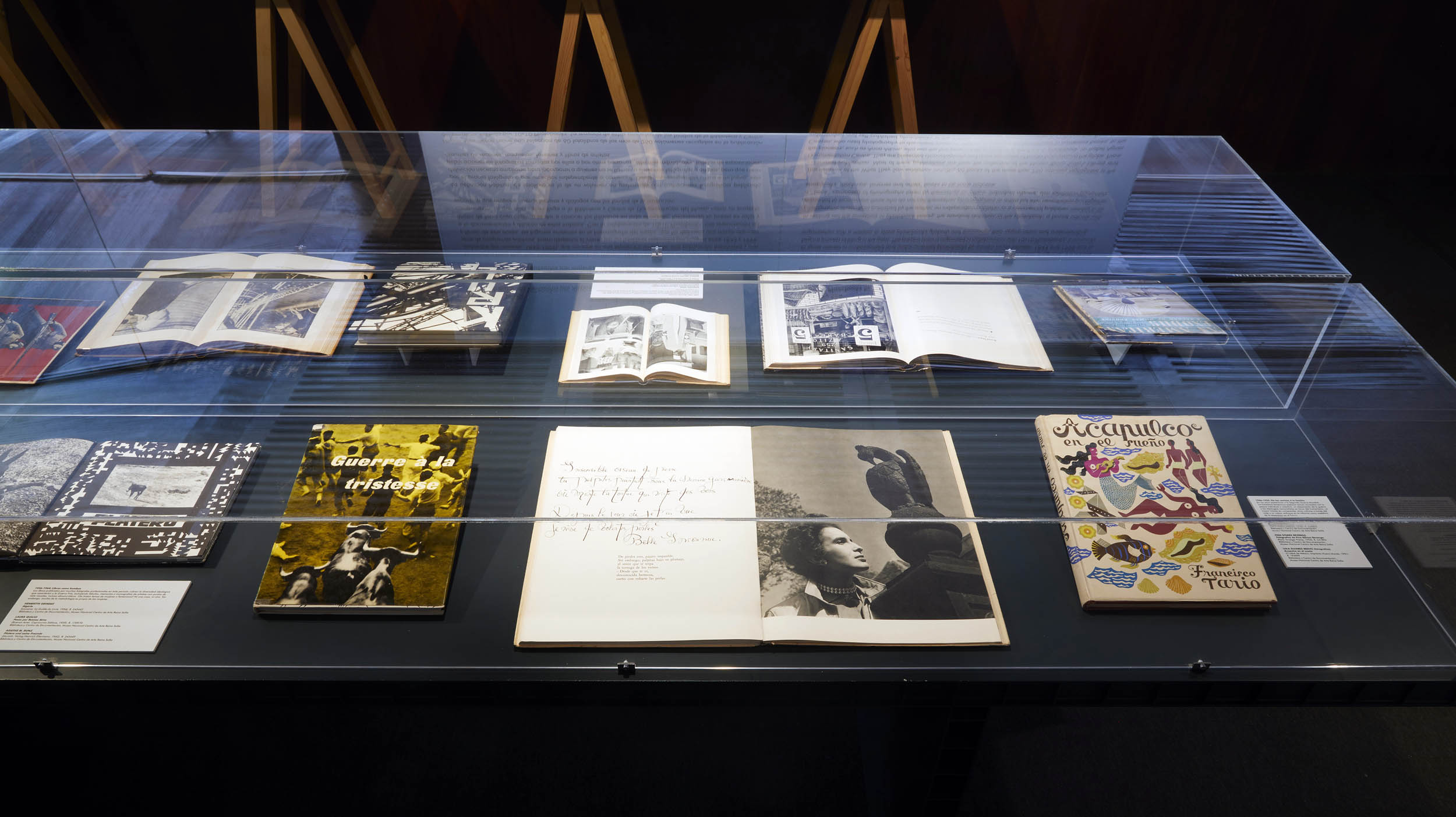
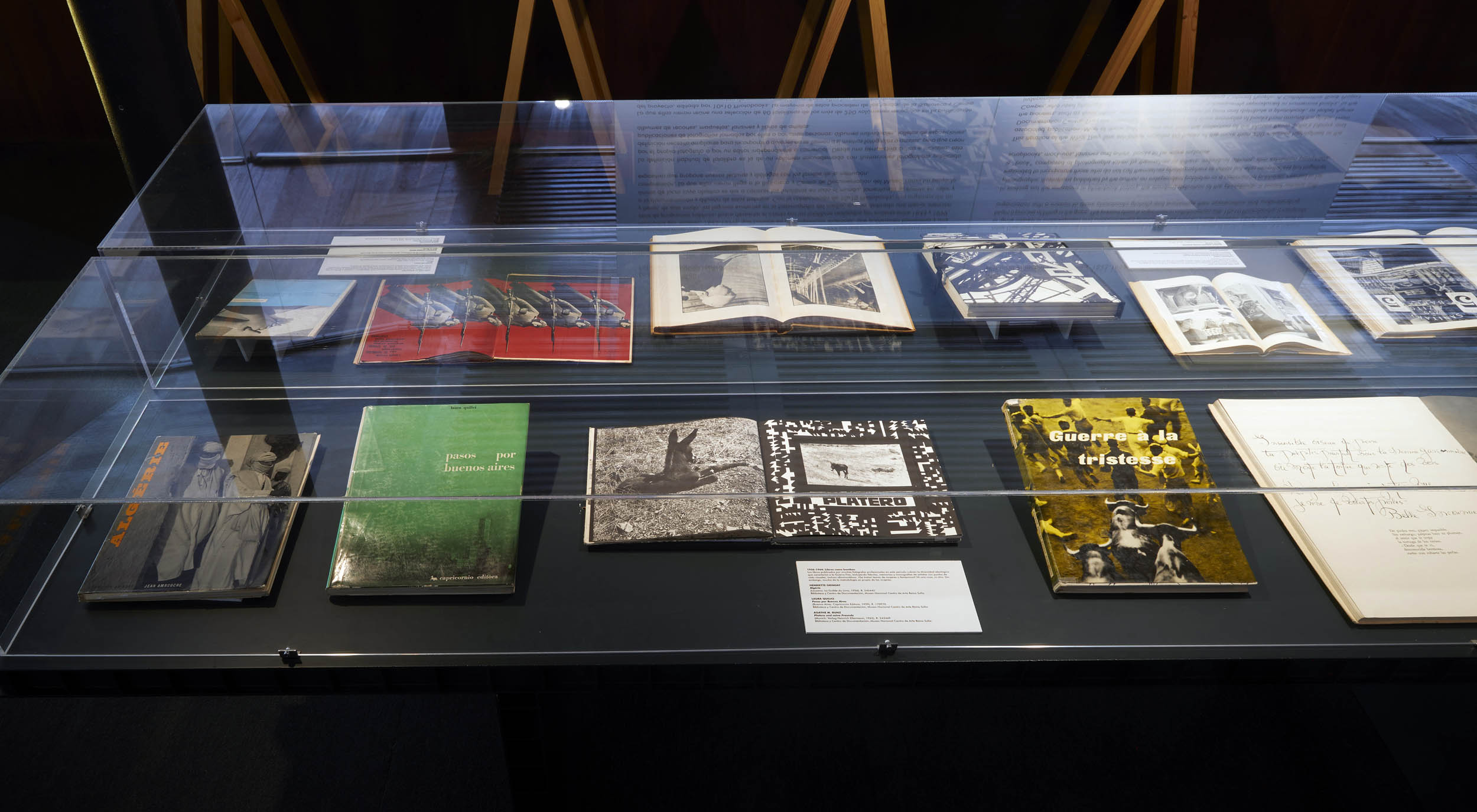


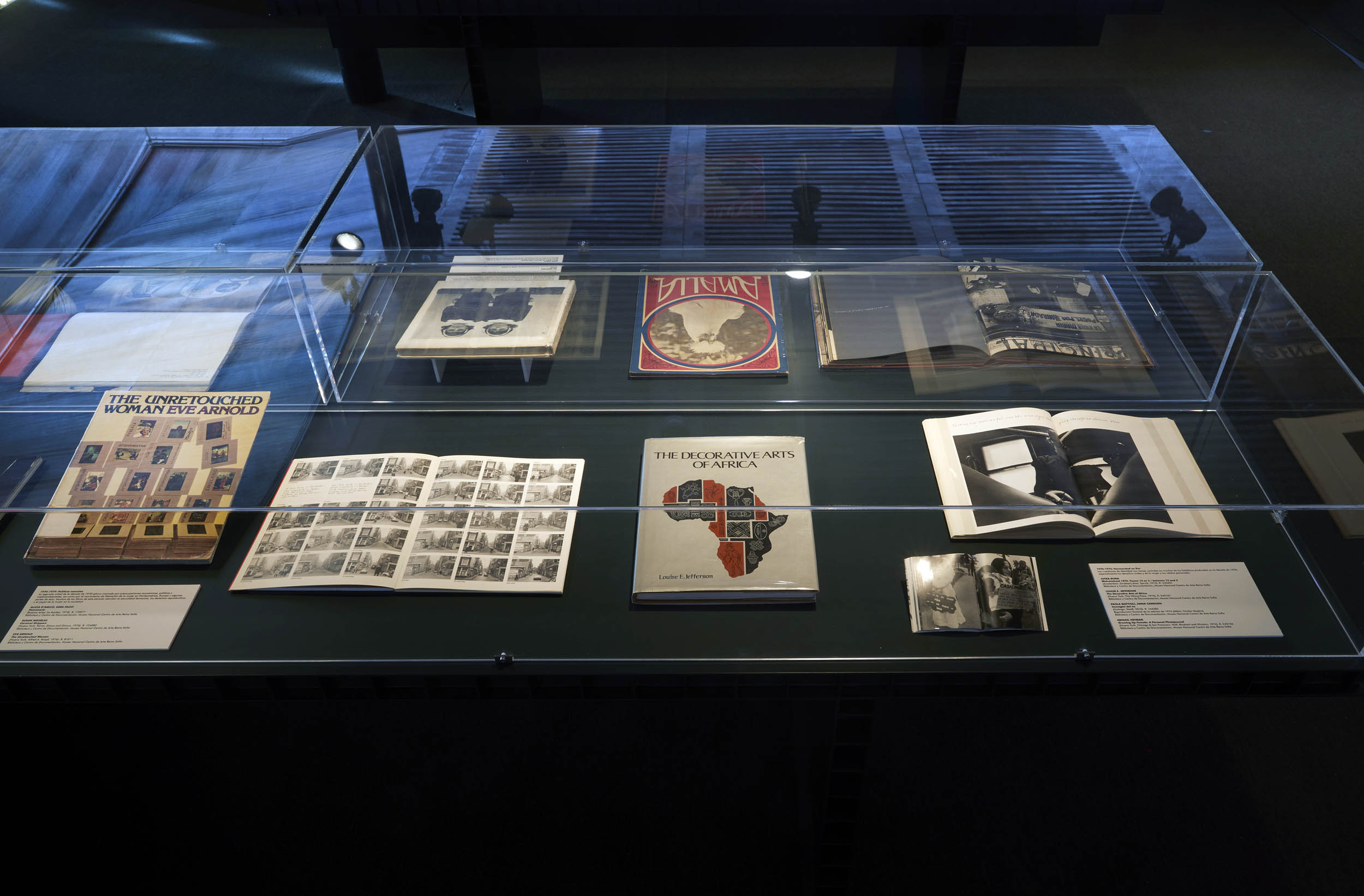
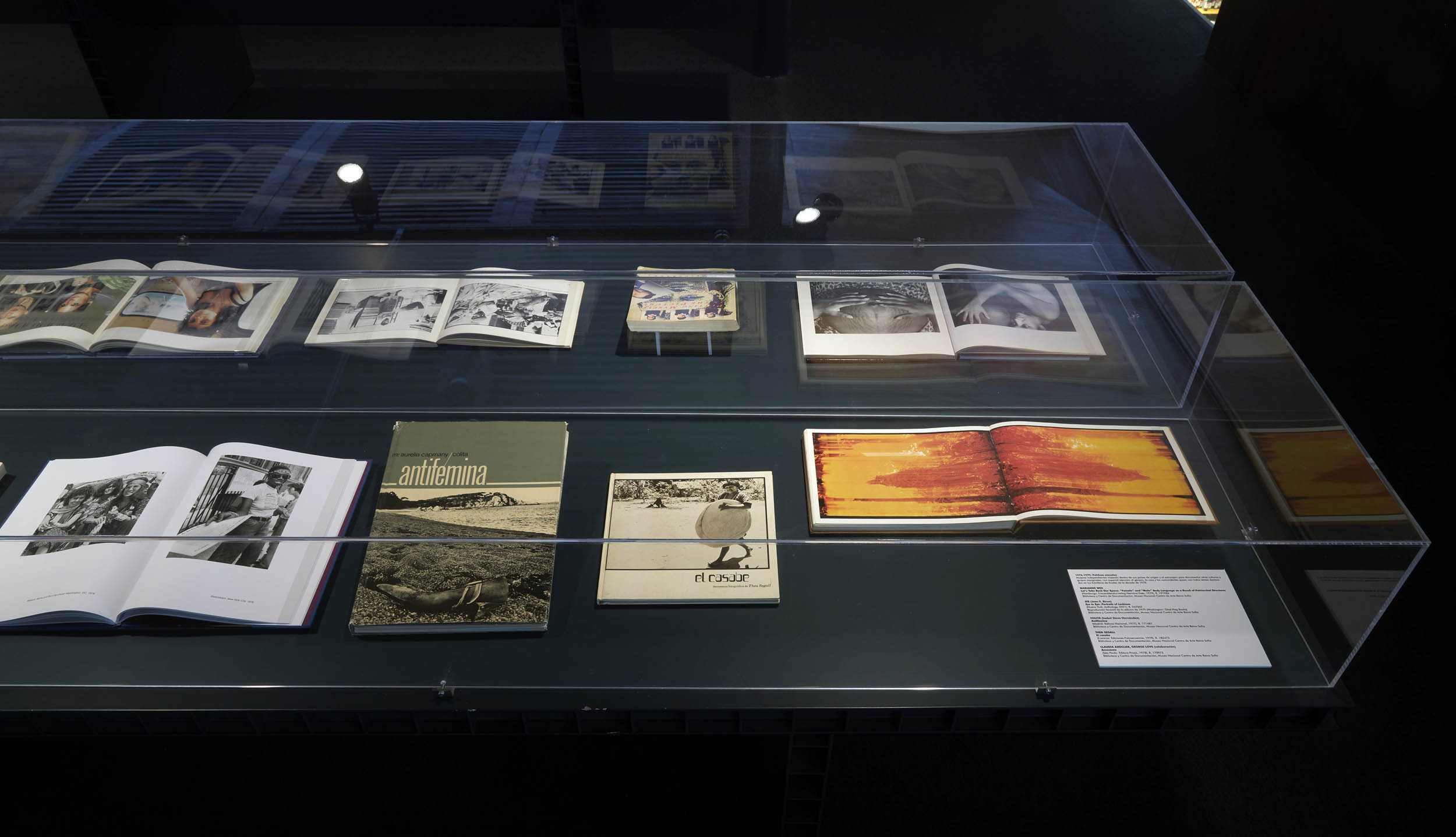

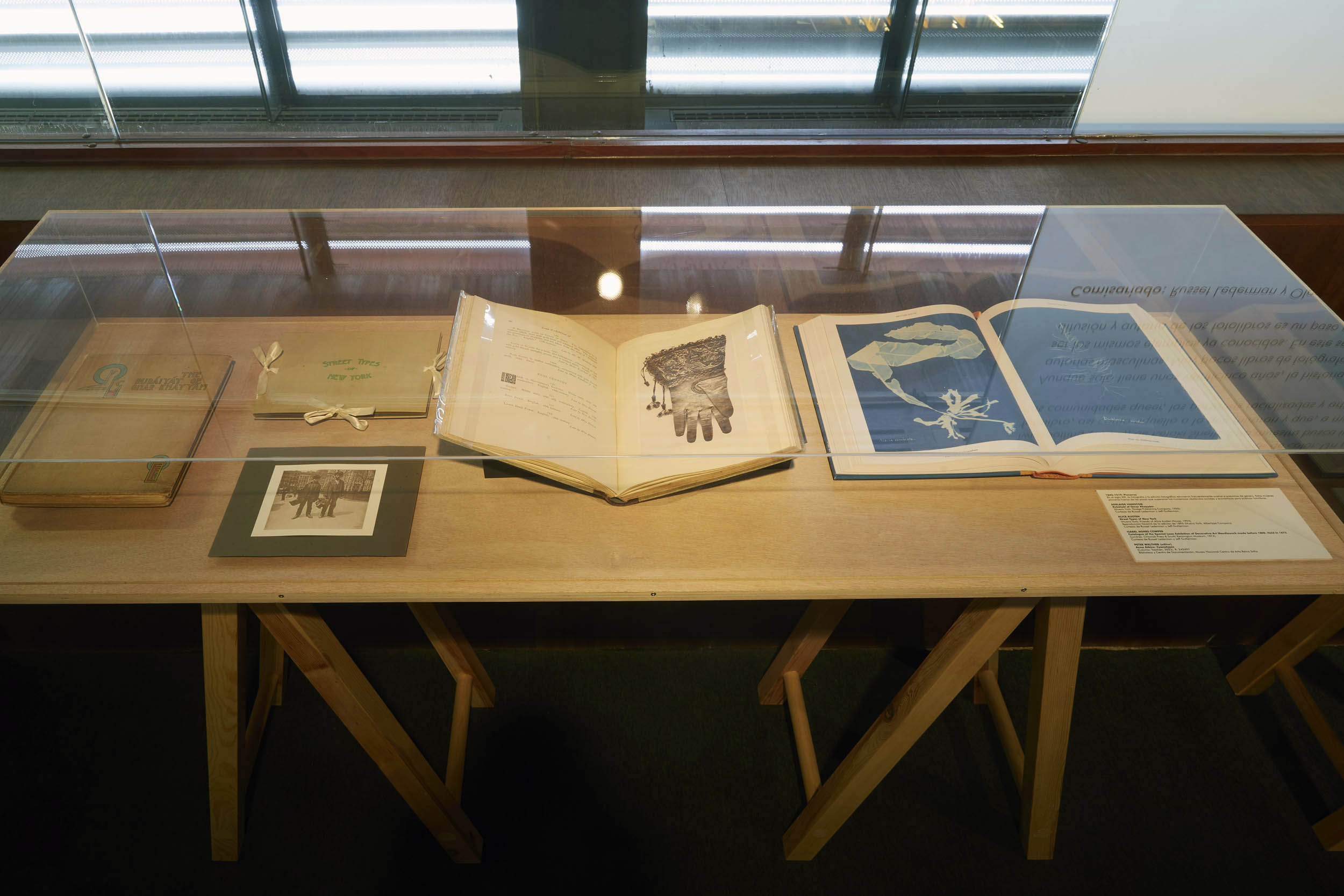
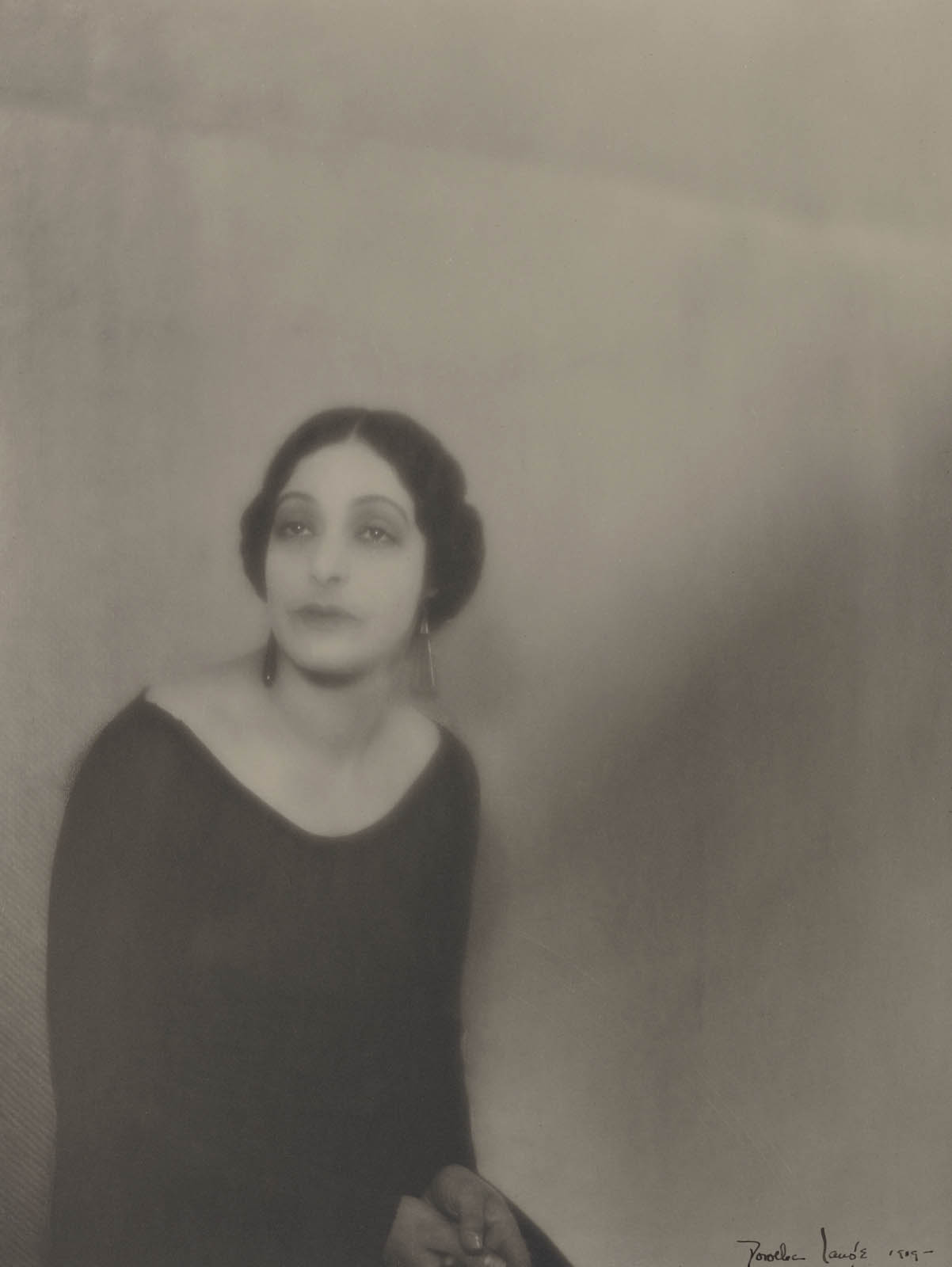


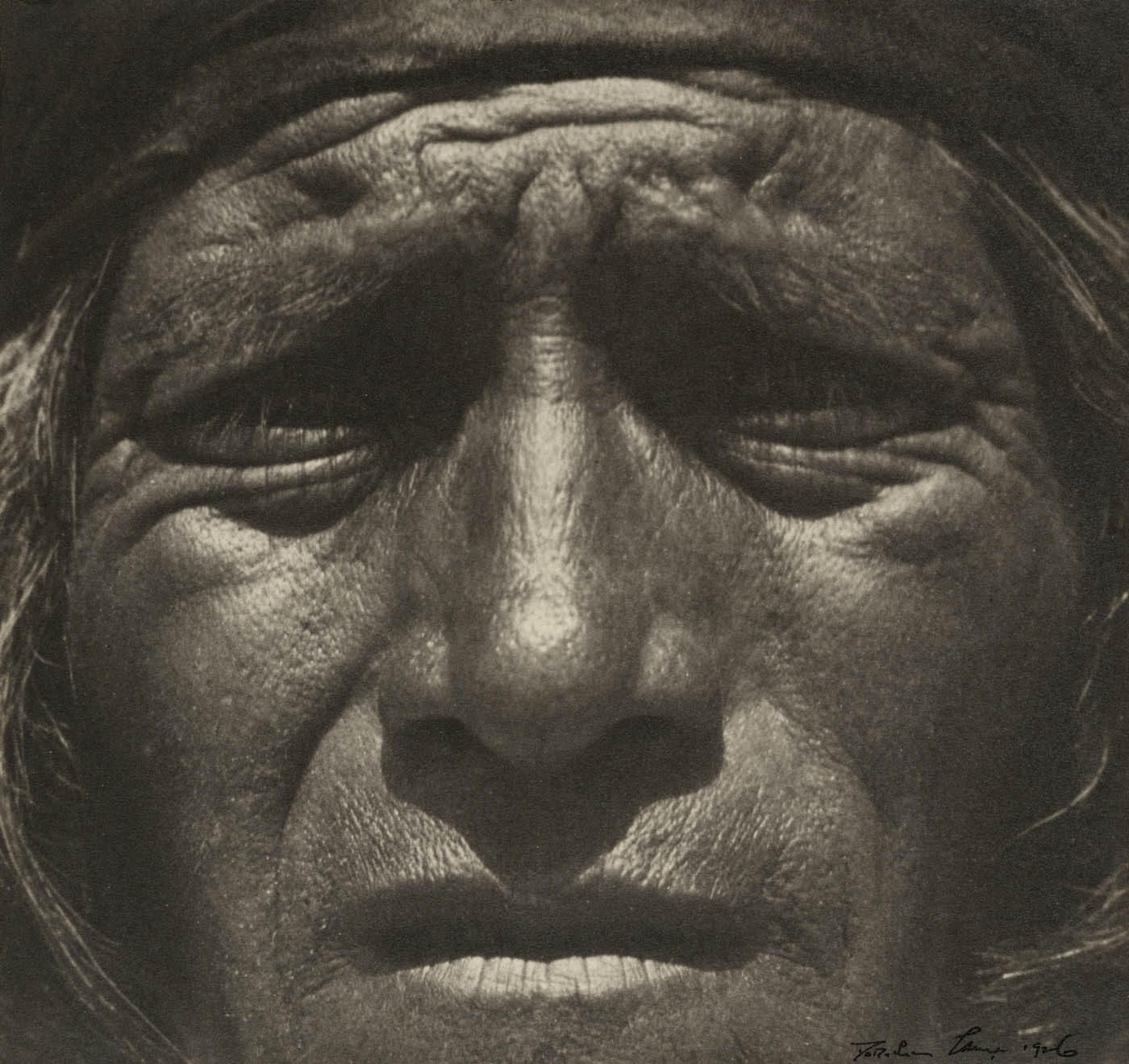


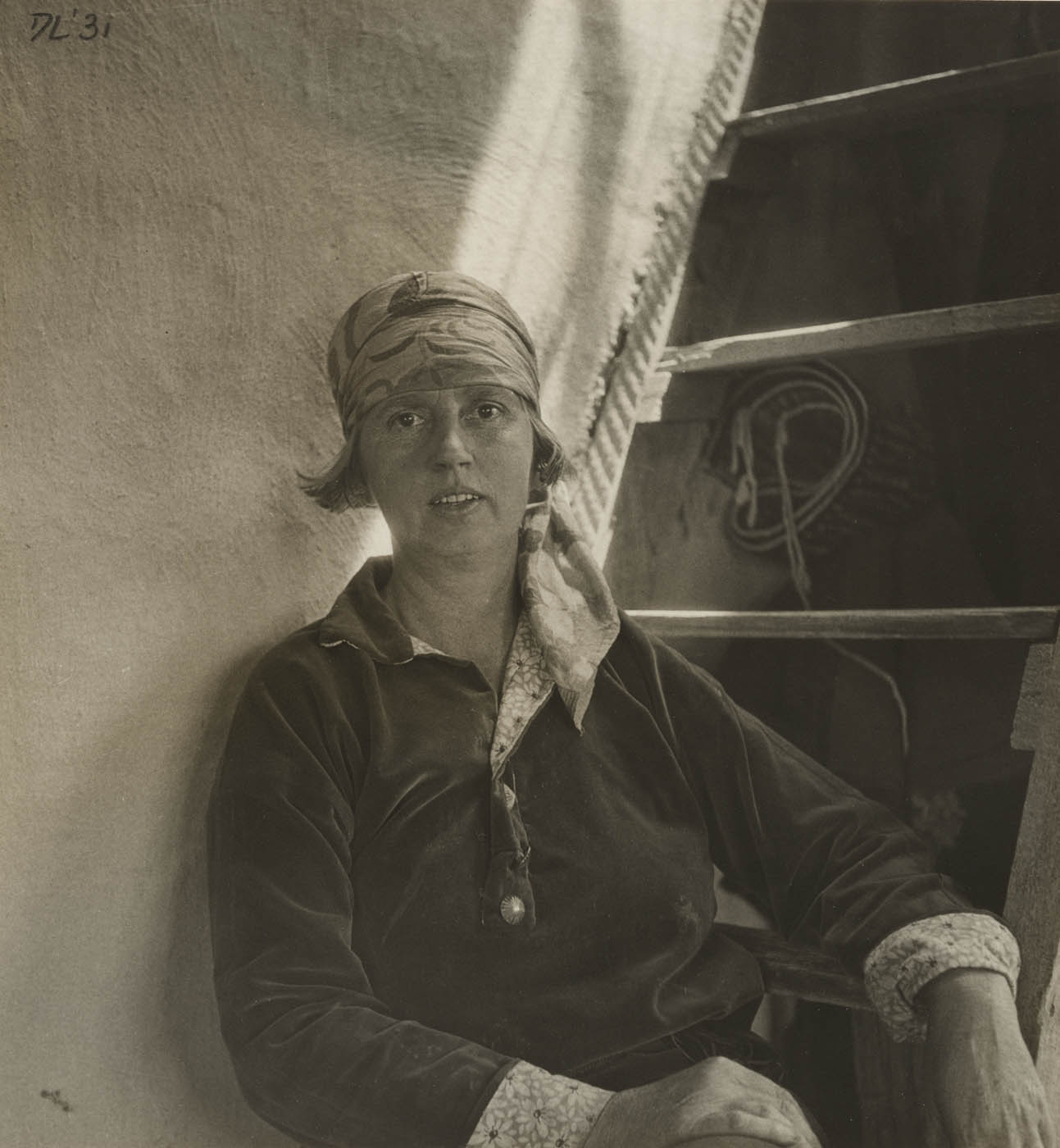


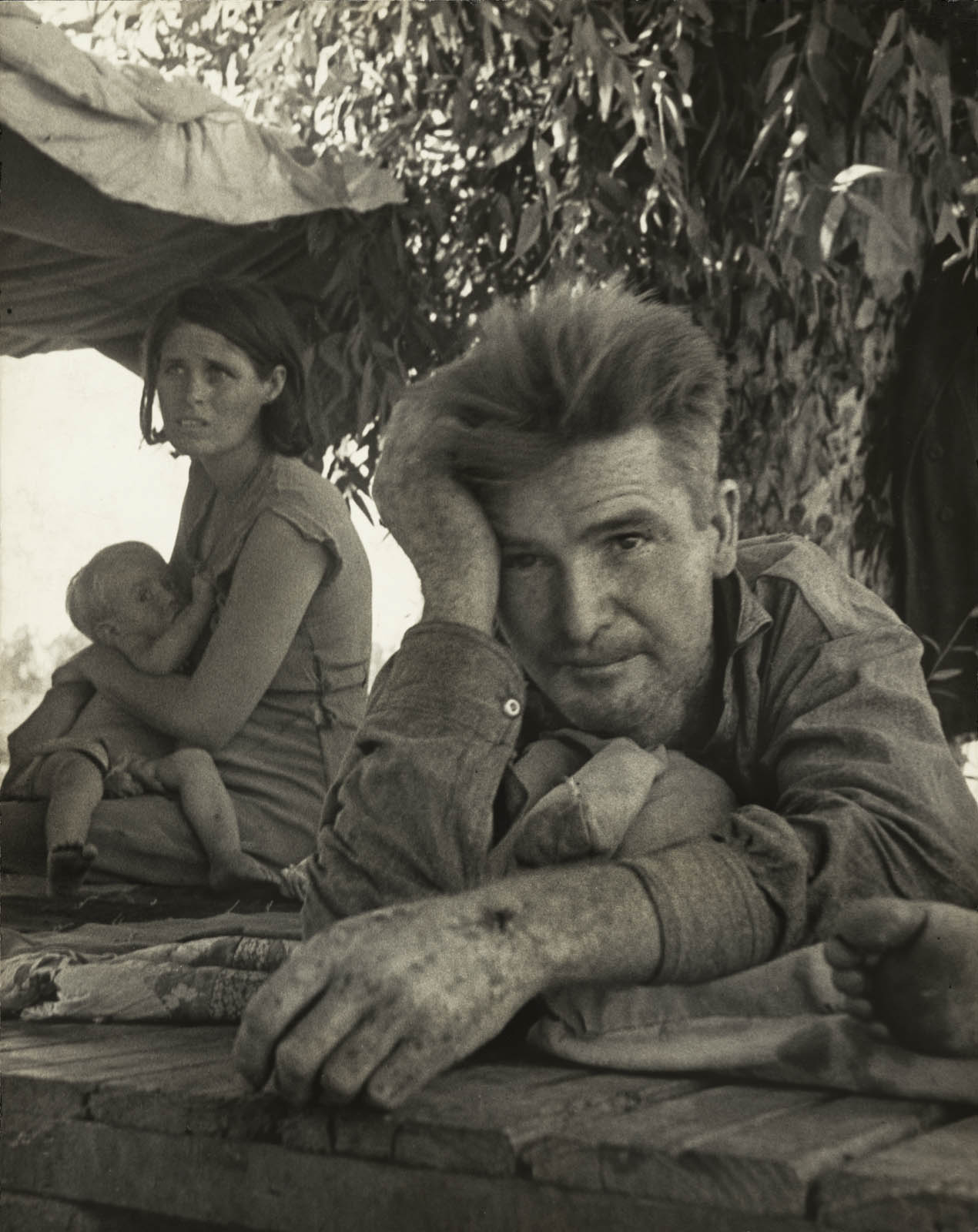
![Dorothea Lange (American, 1895-1965) 'Child Living in Oklahoma City Shacktown [Damaged Child, Shacktown]' August 1936](https://artblart.com/wp-content/uploads/2024/02/5558-093-web.jpg "Dorothea Lange (American, 1895-1965) 'Child Living in Oklahoma City Shacktown [Damaged Child, Shacktown]' August 1936")


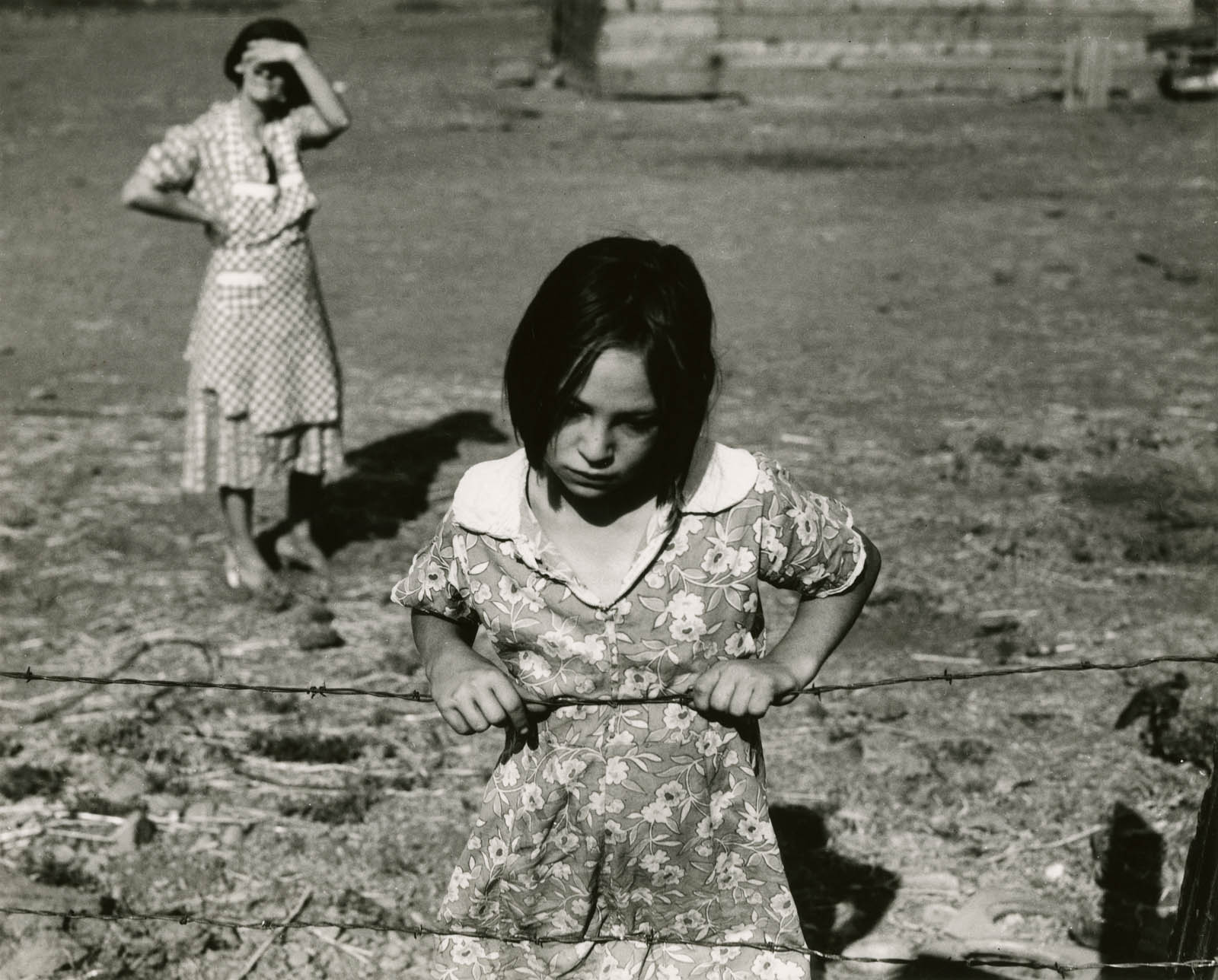


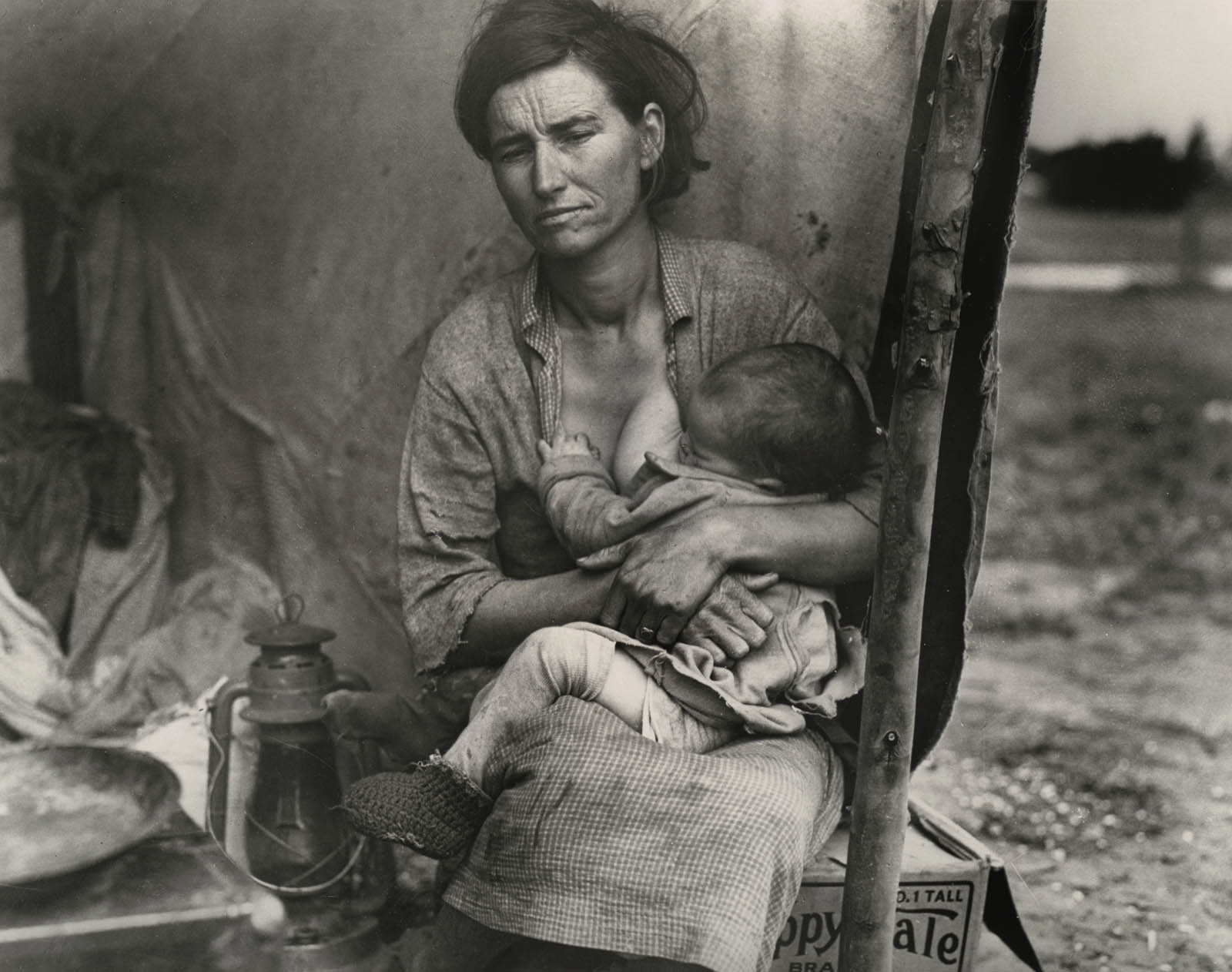


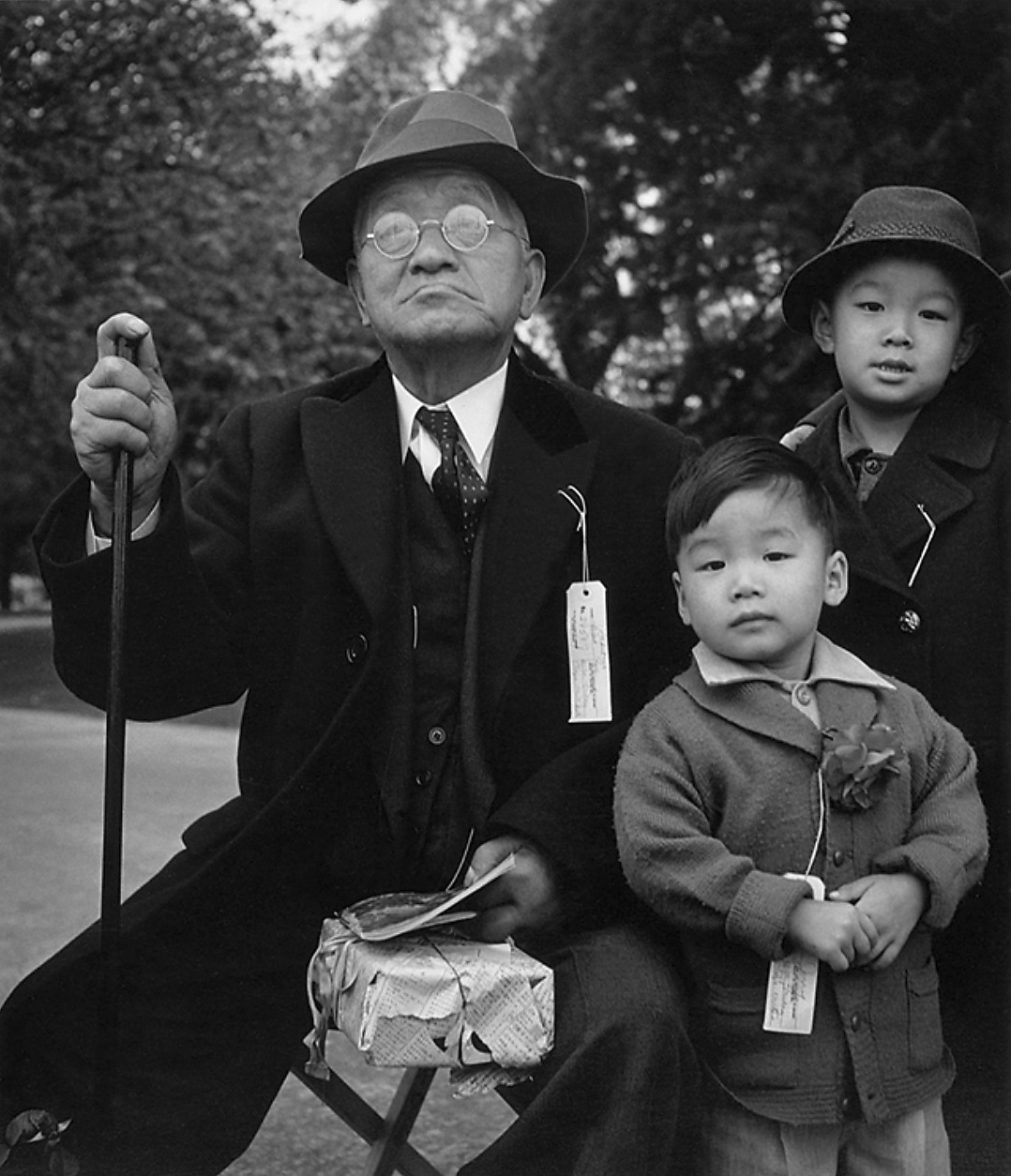


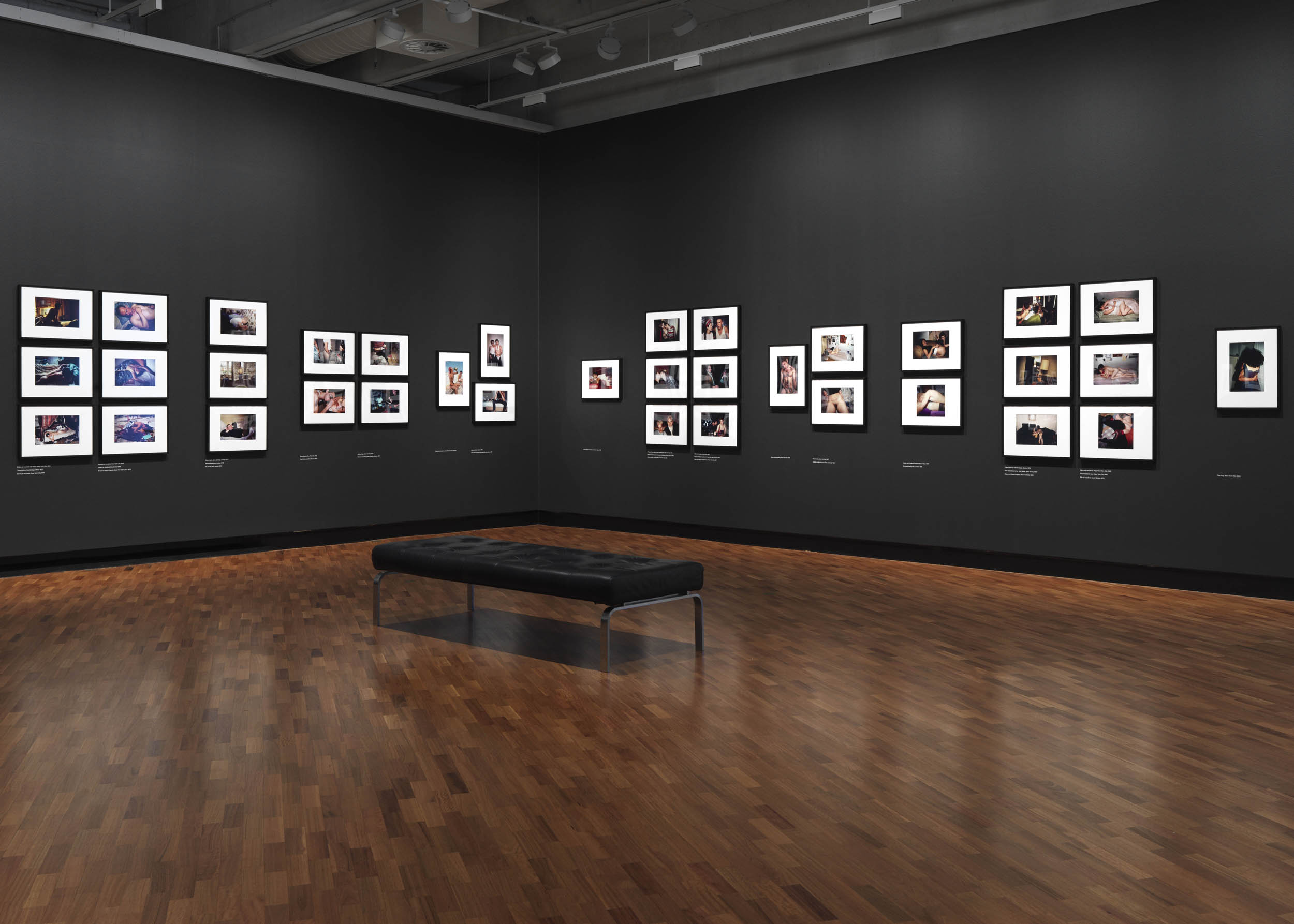


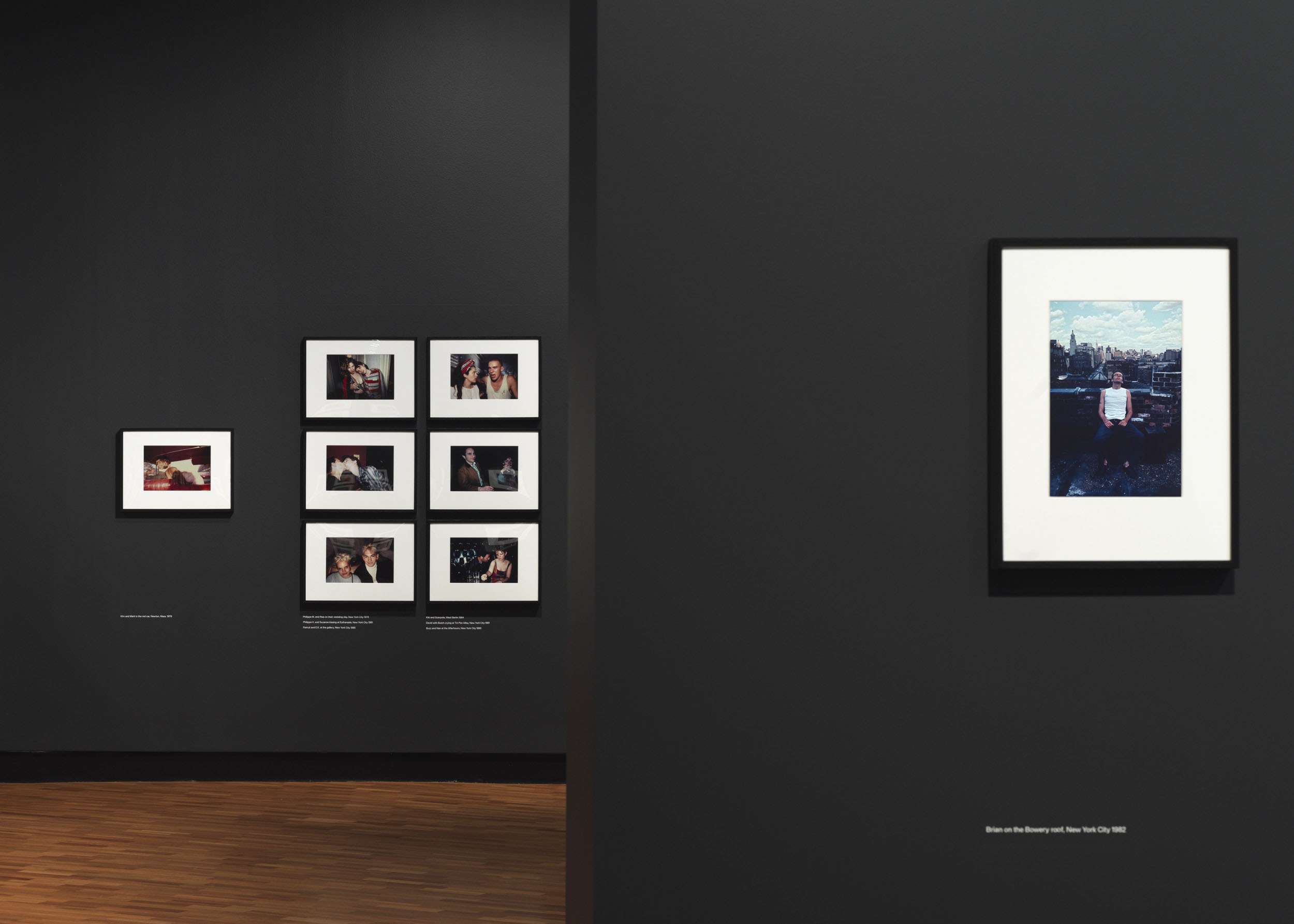
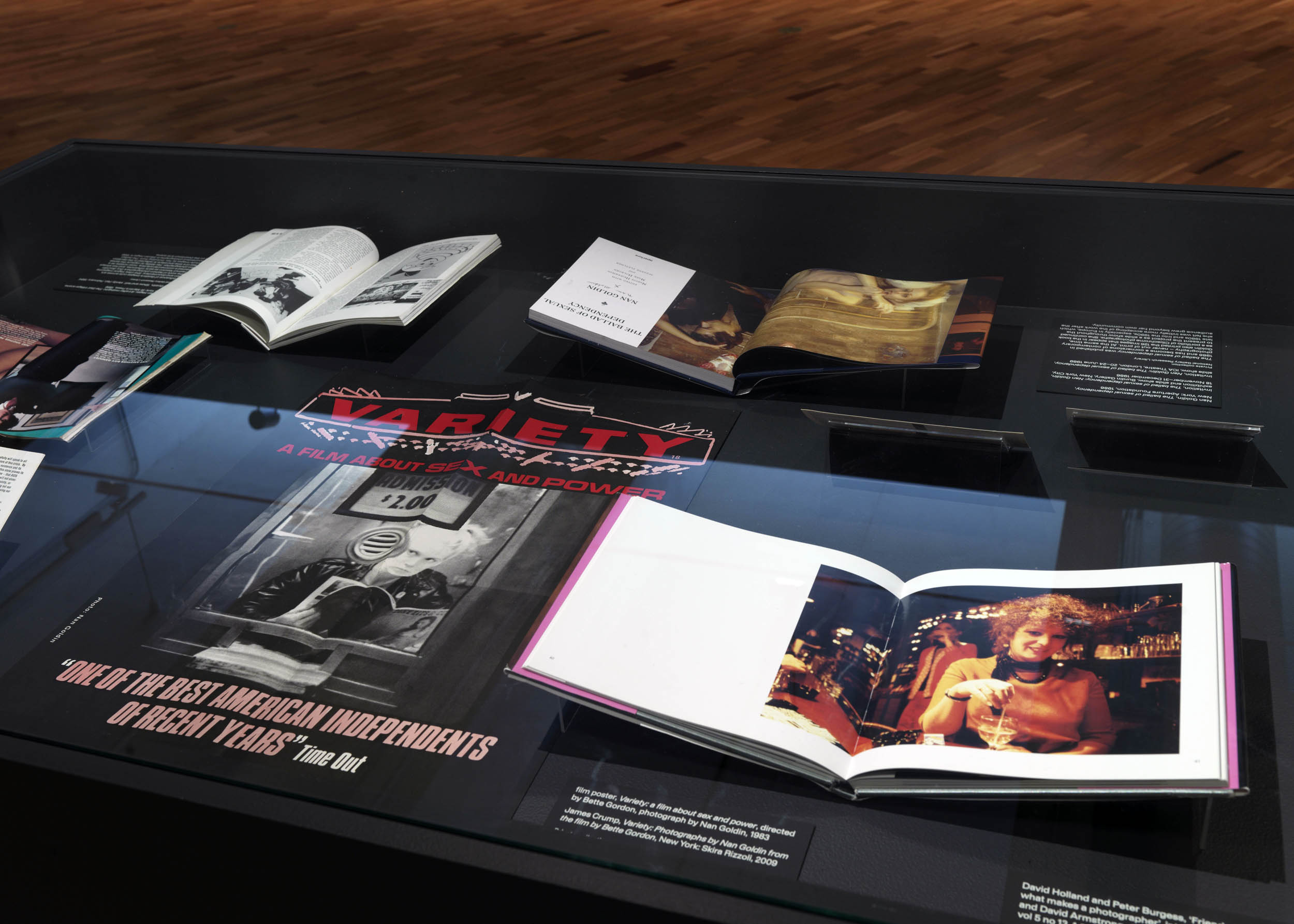


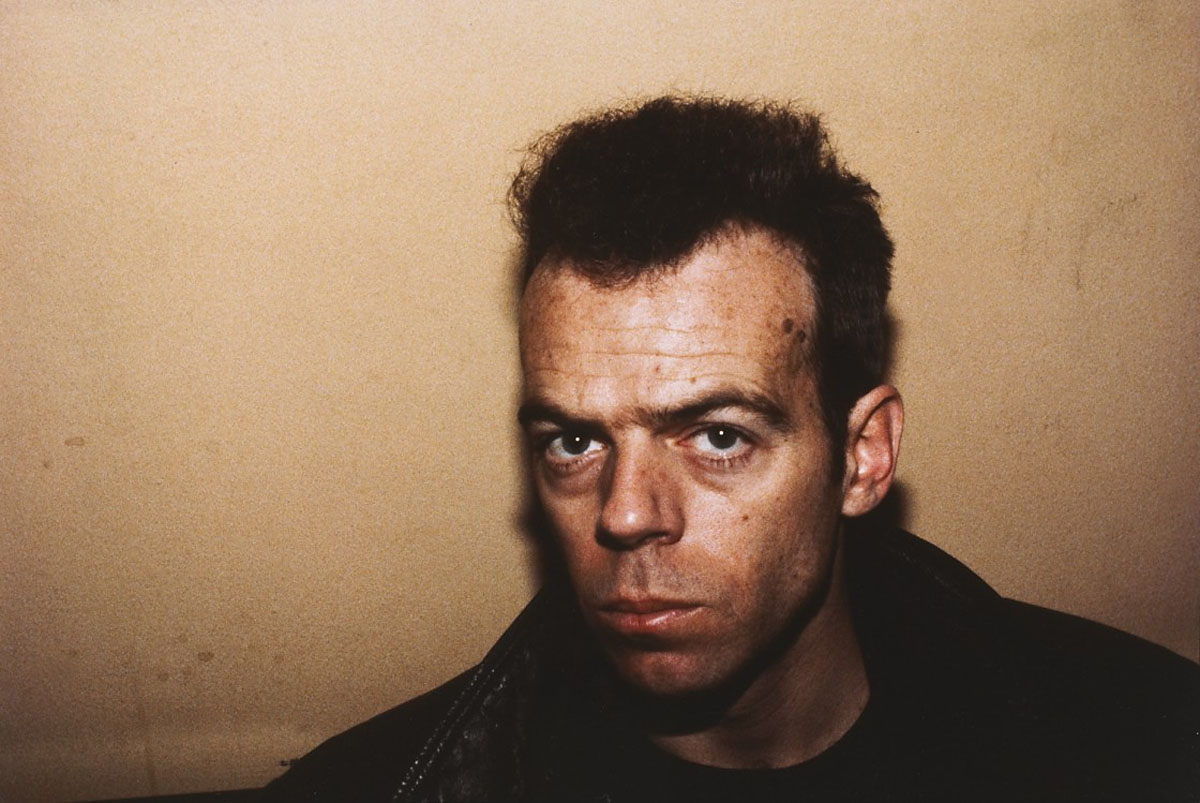


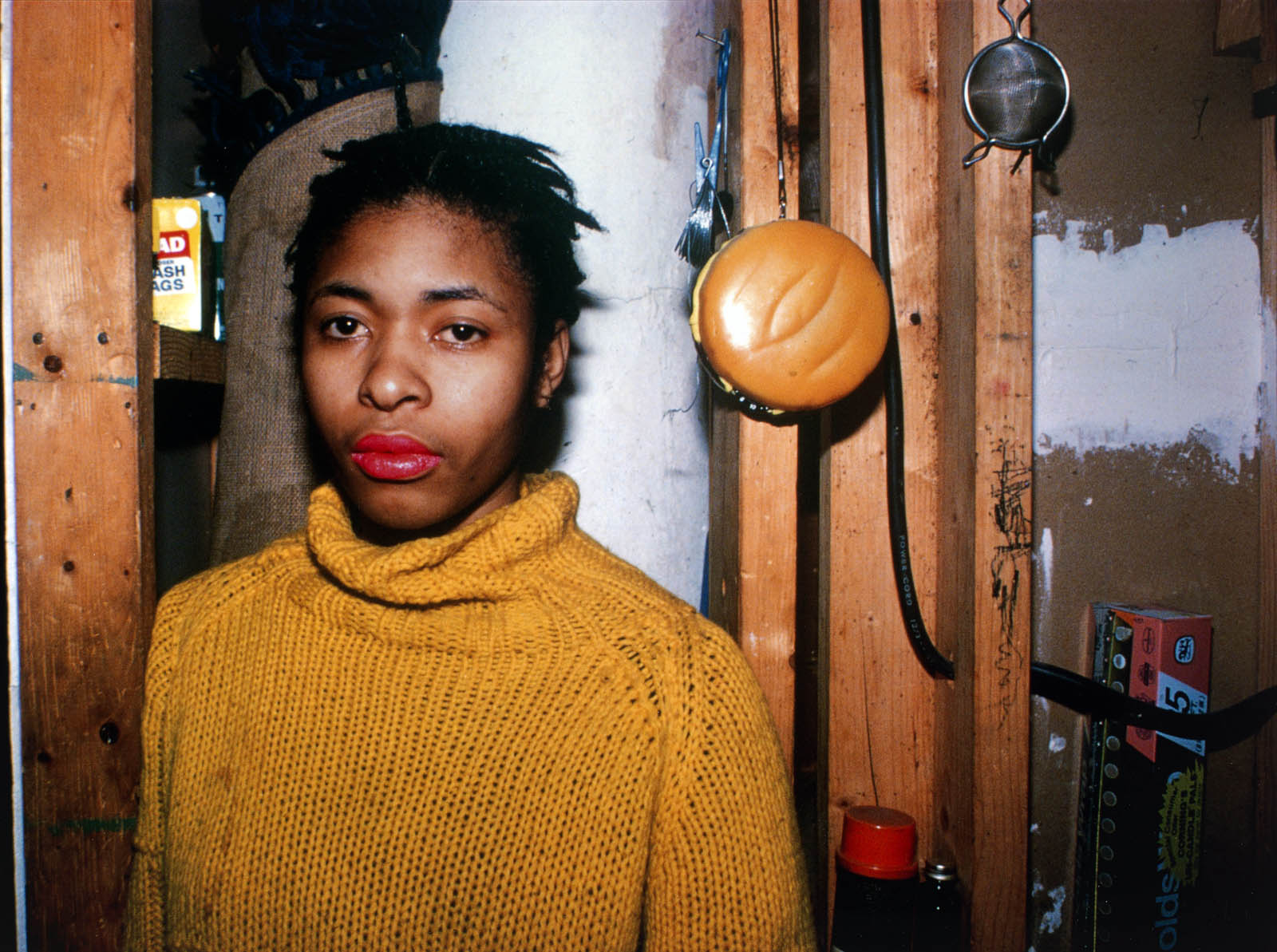

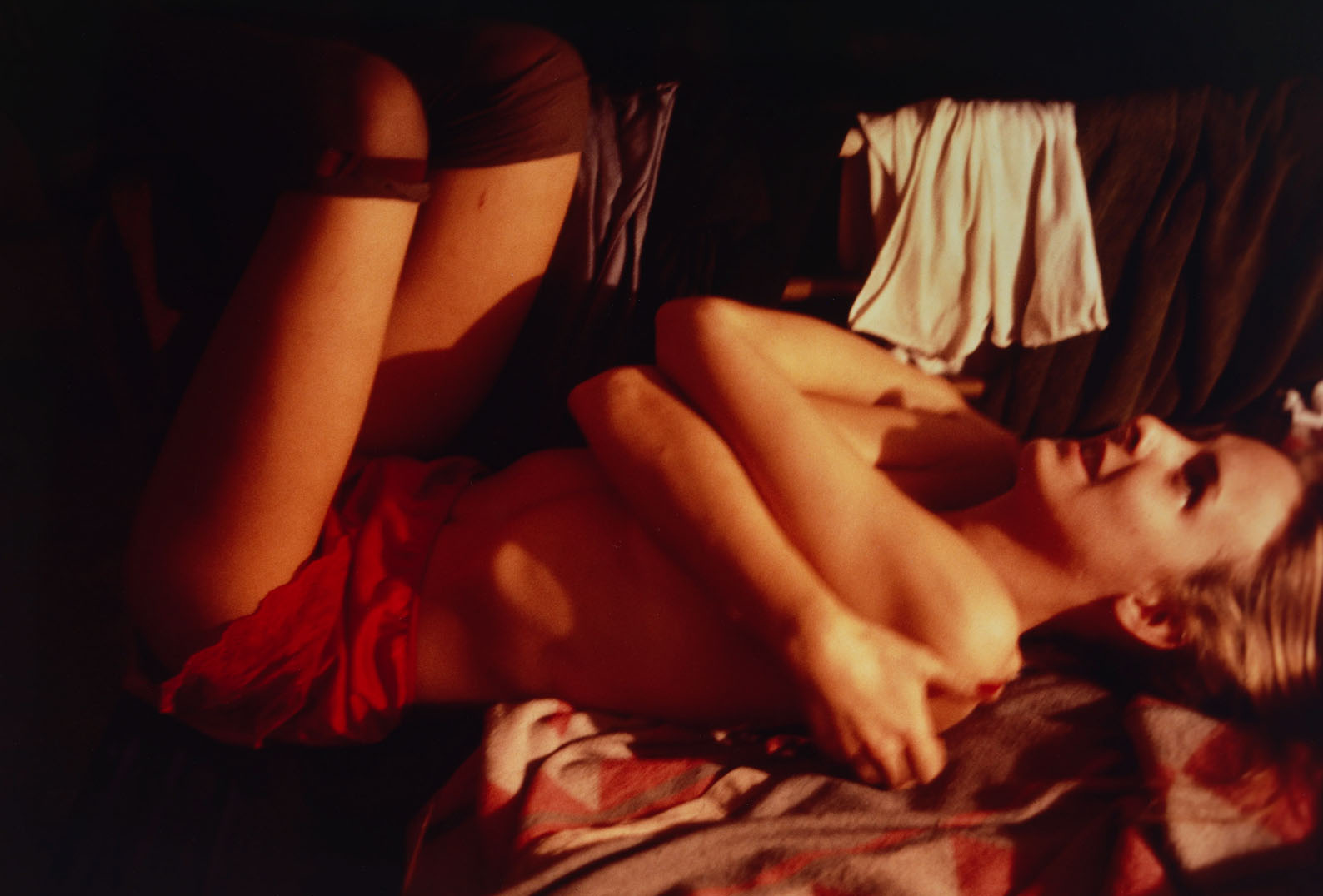


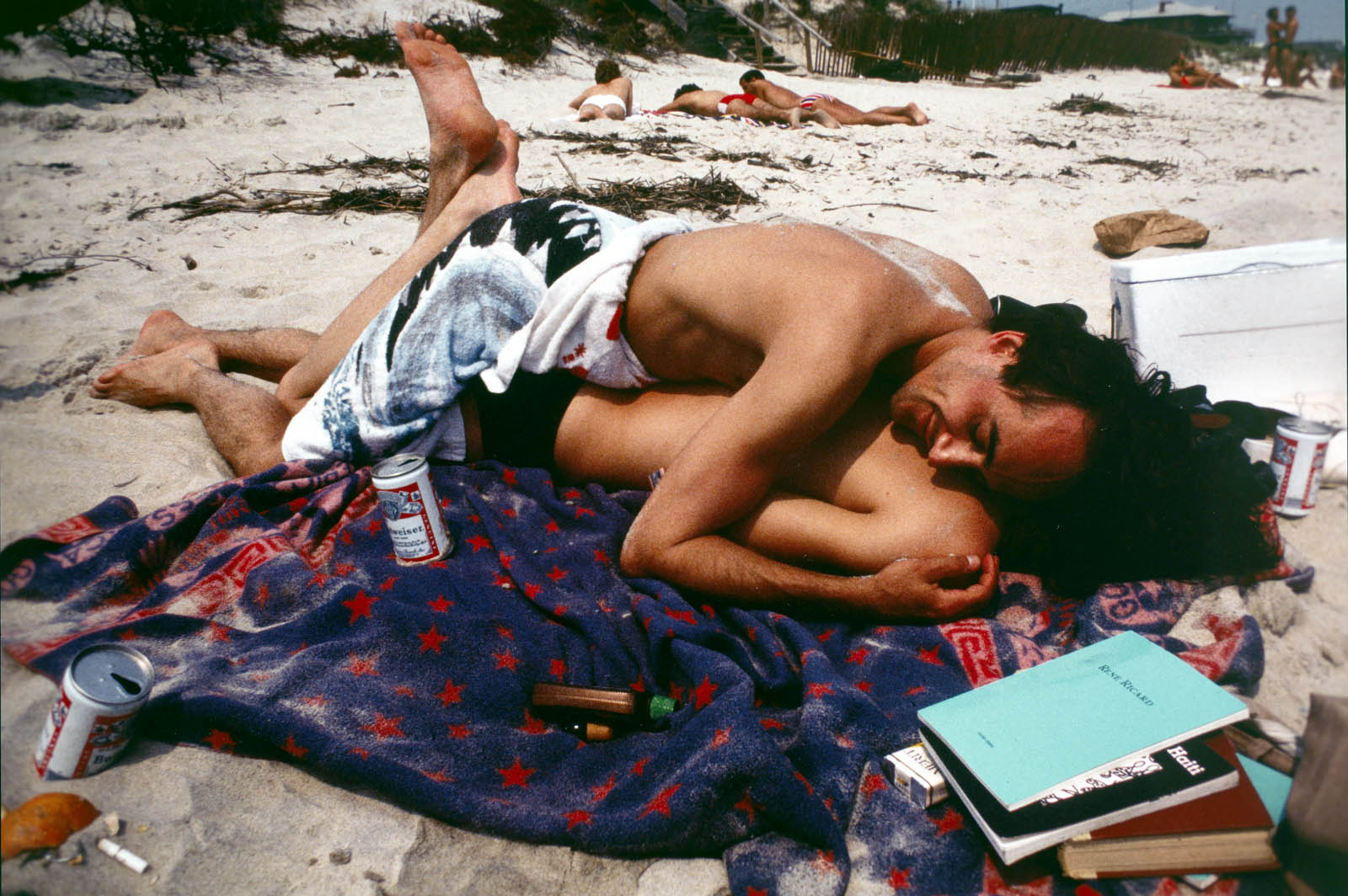
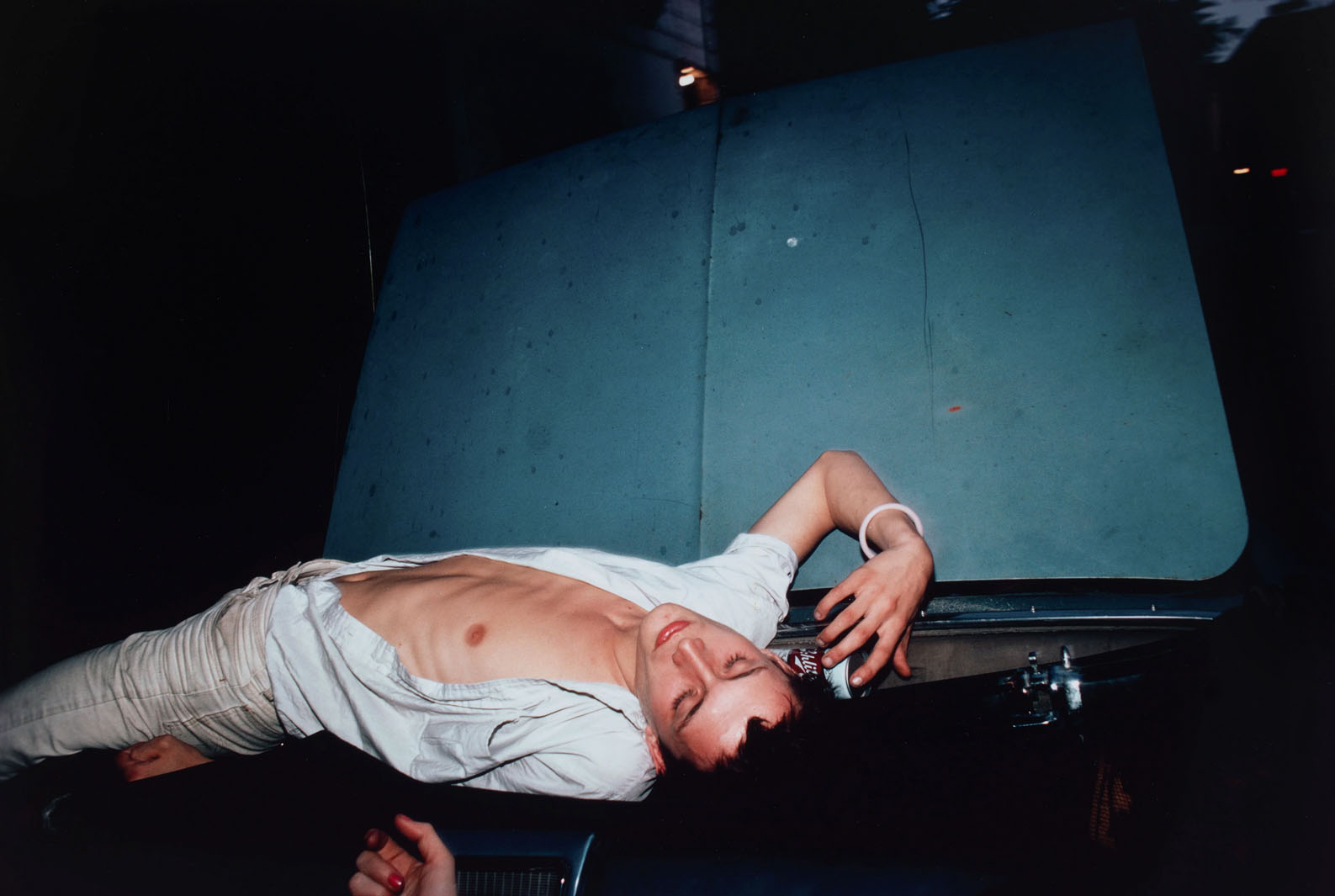
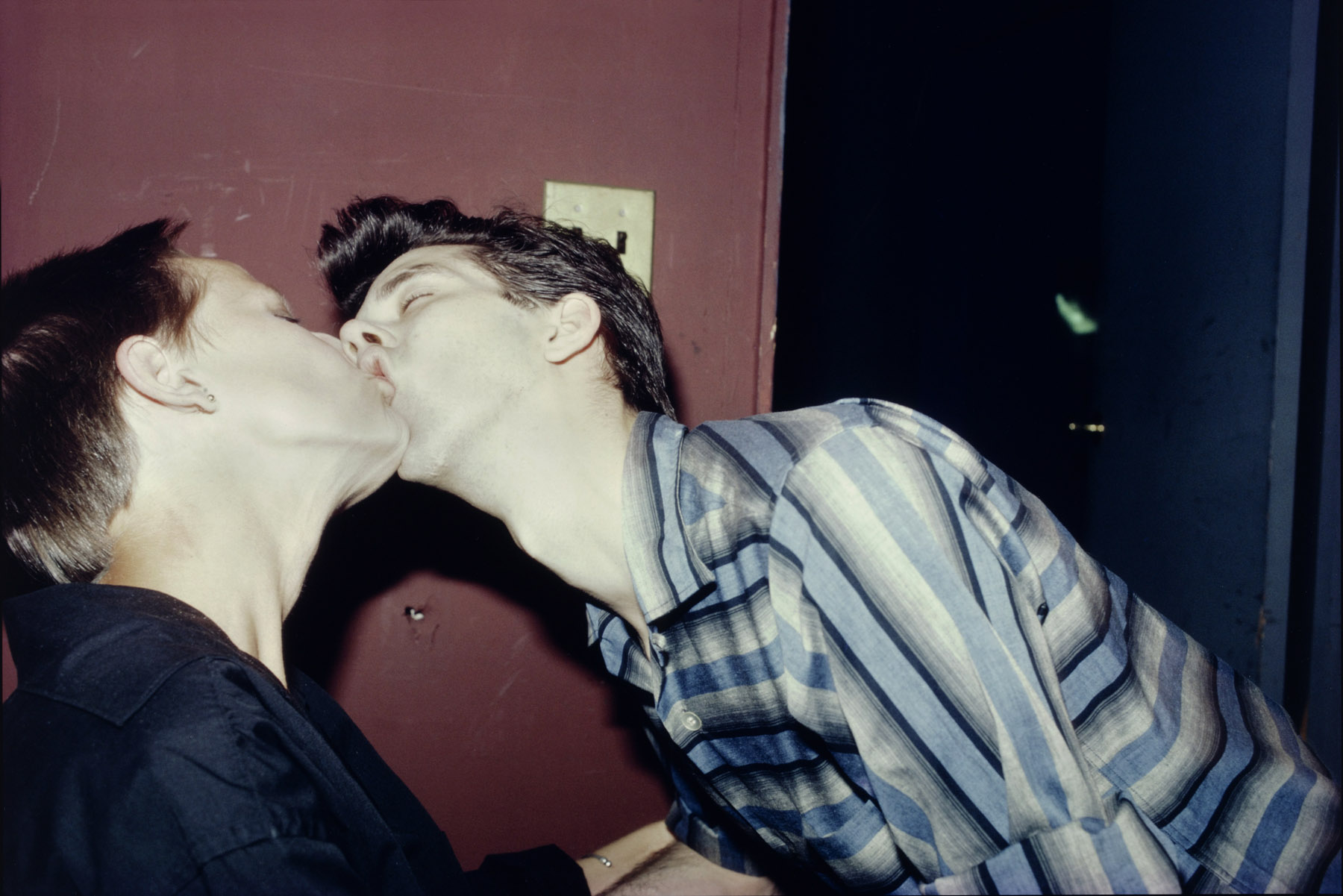

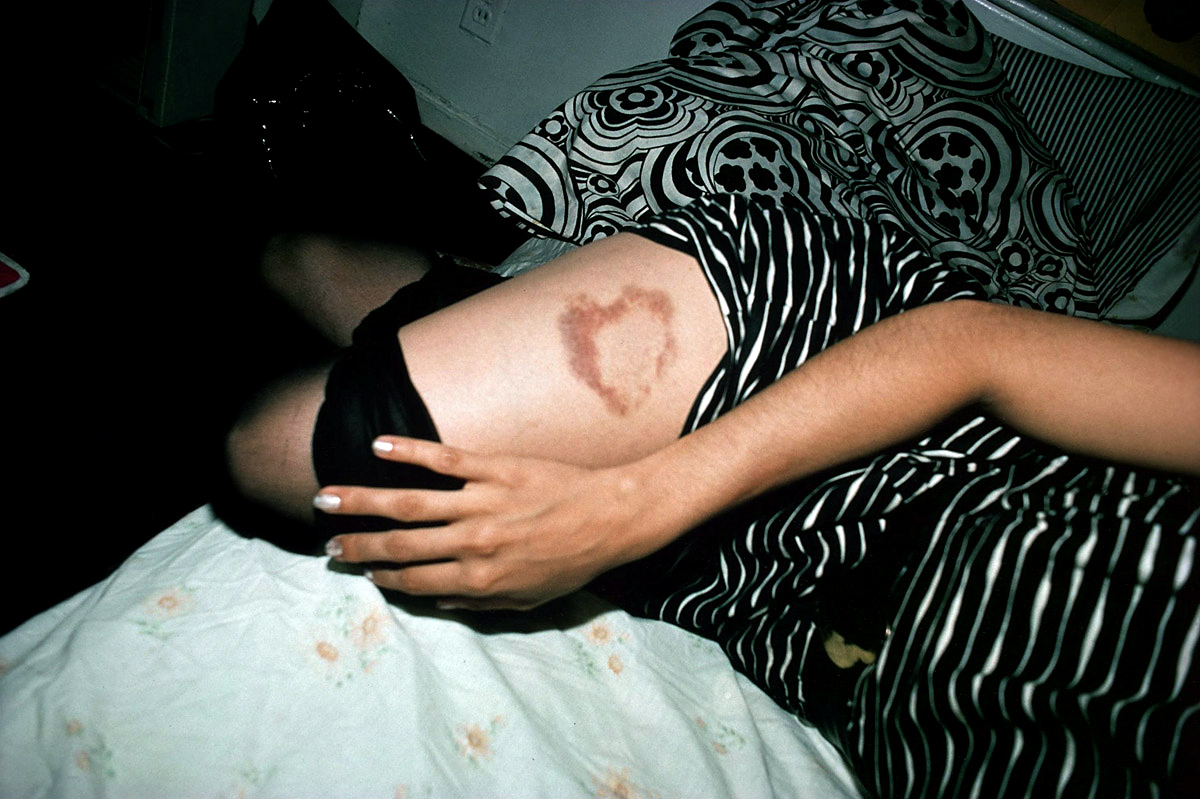
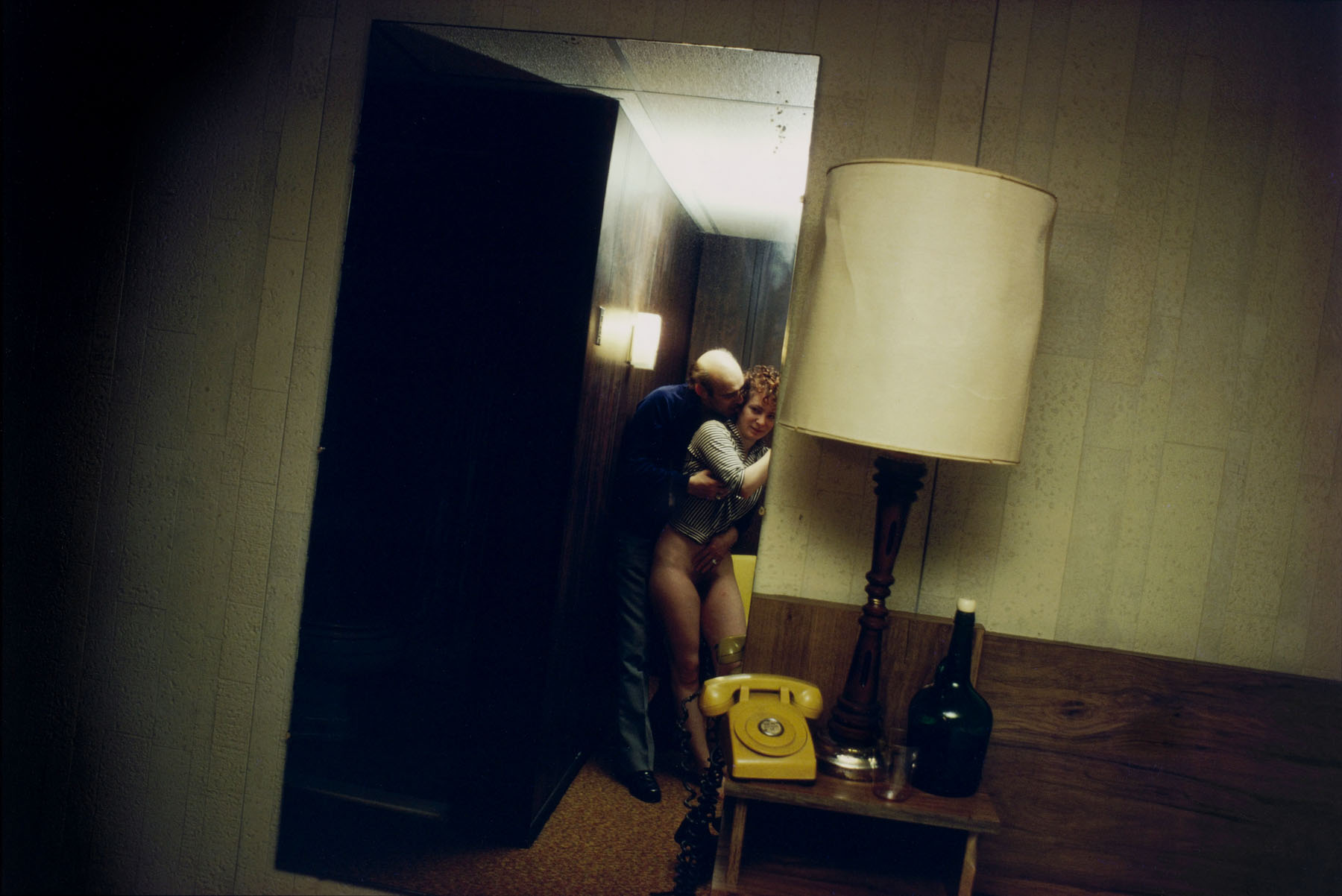


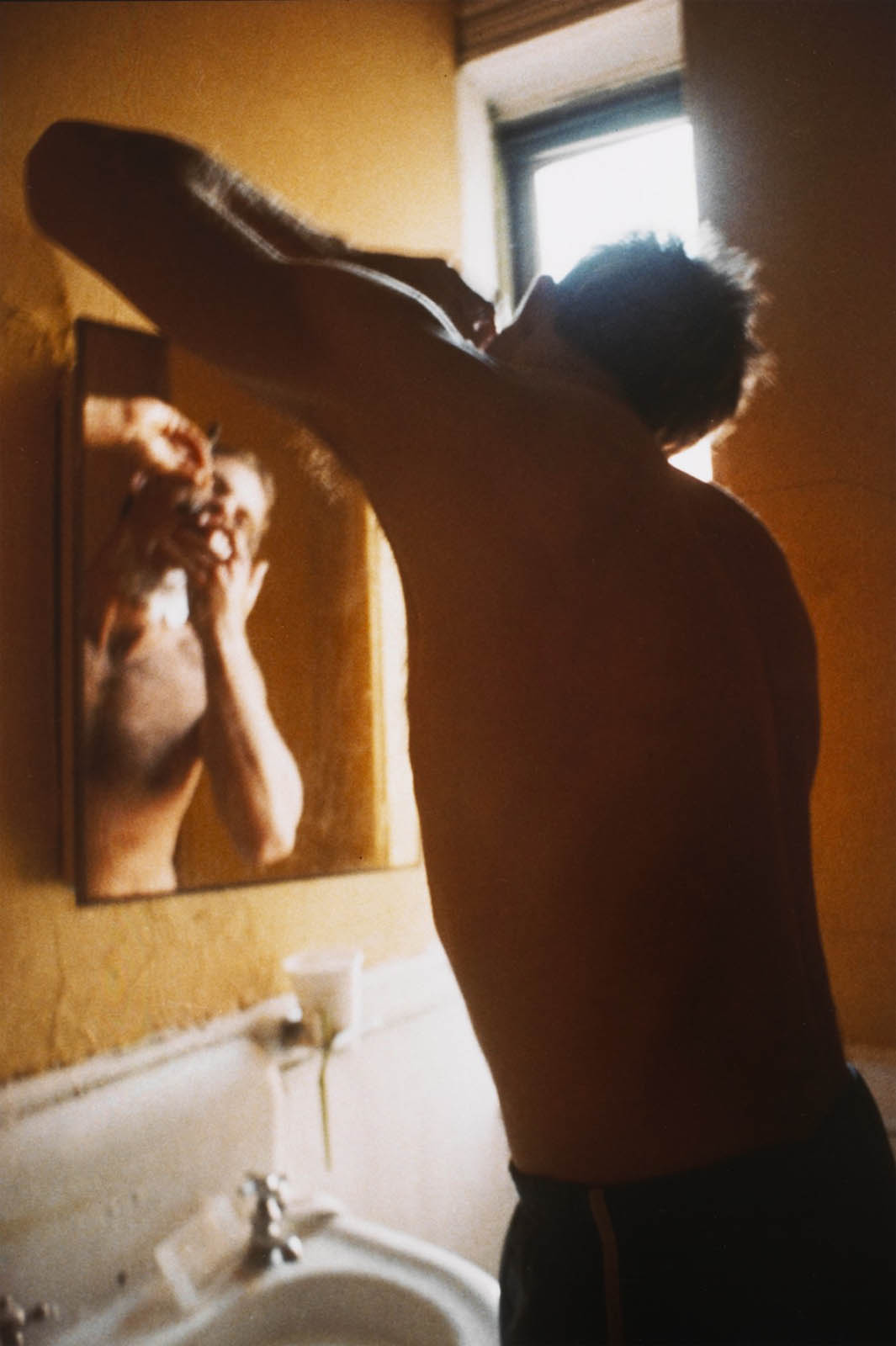


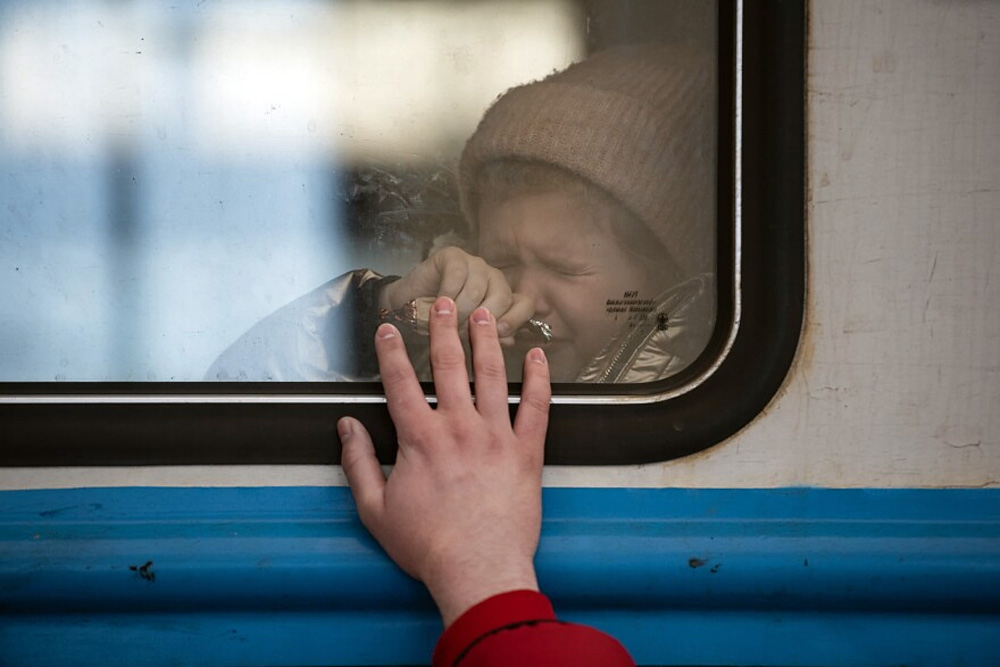
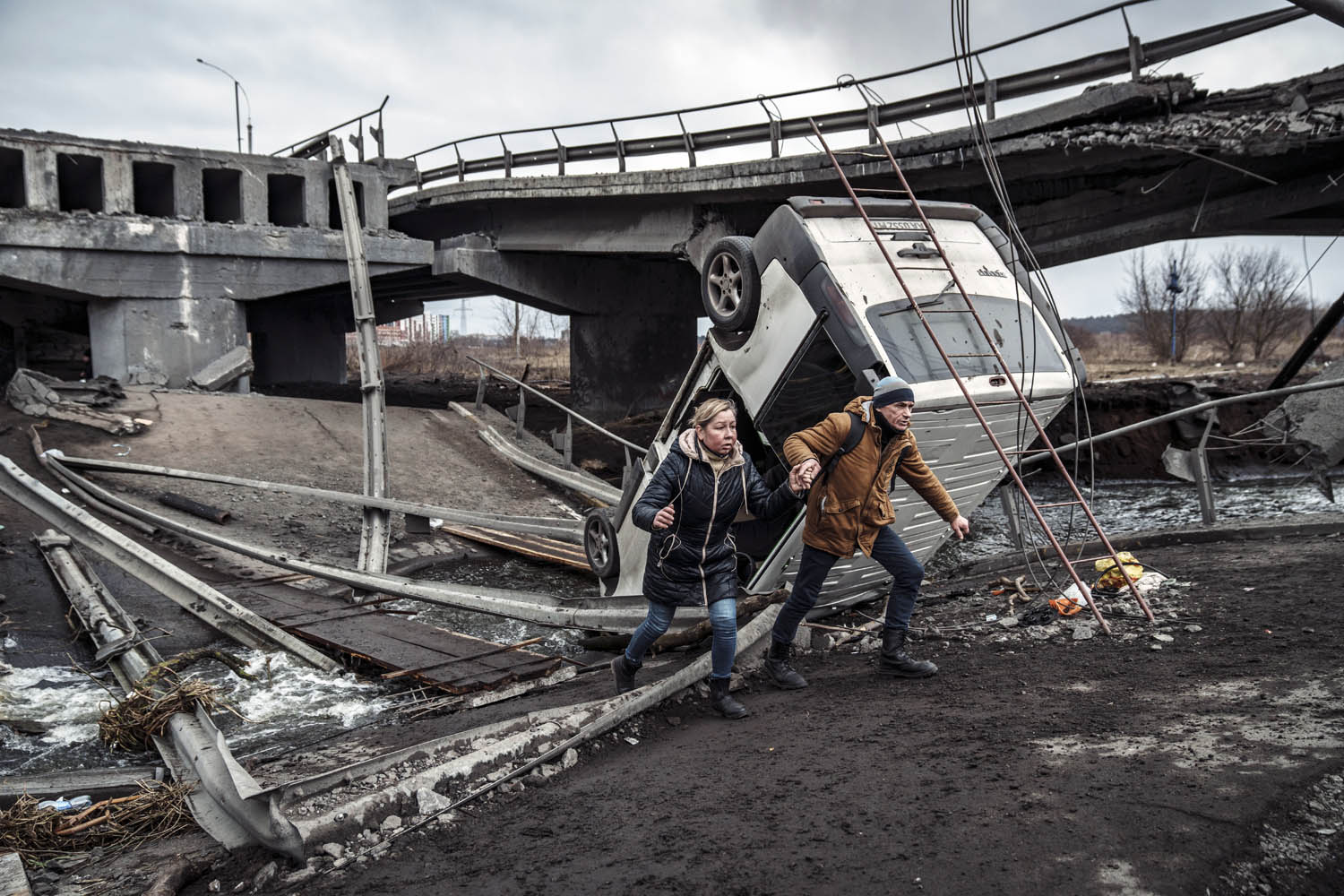
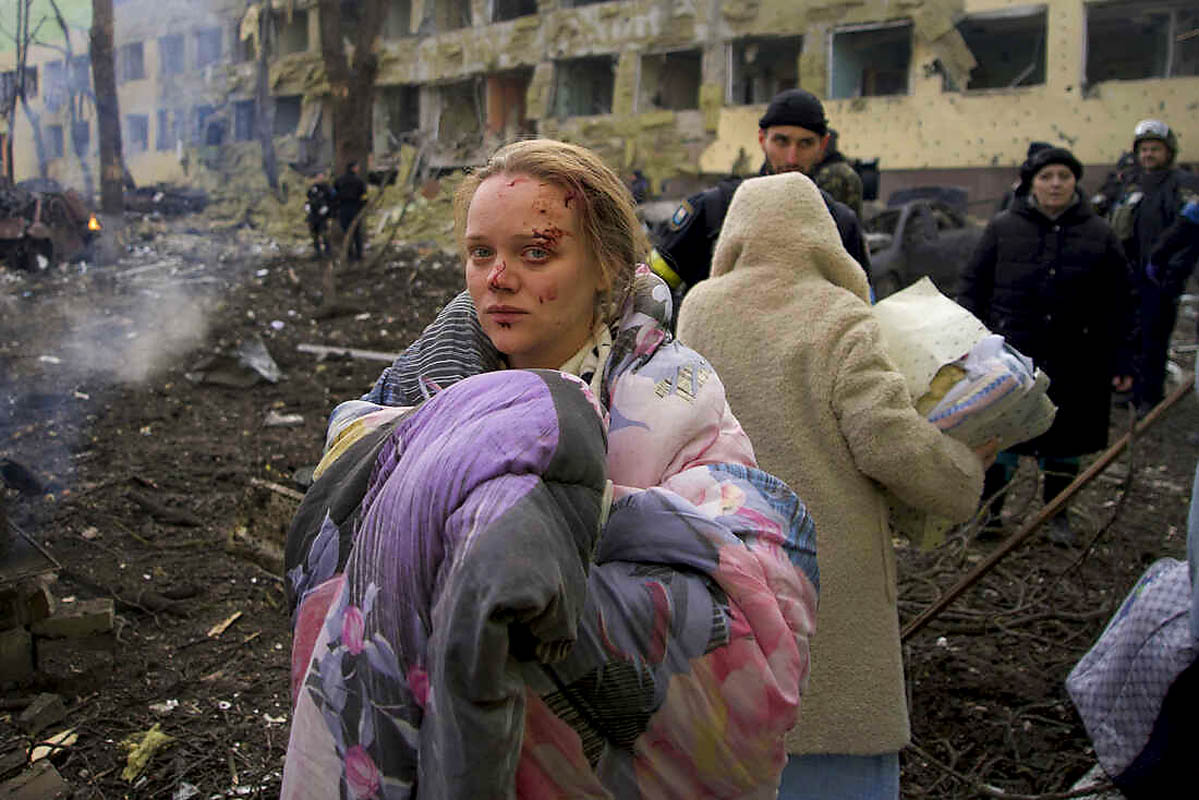
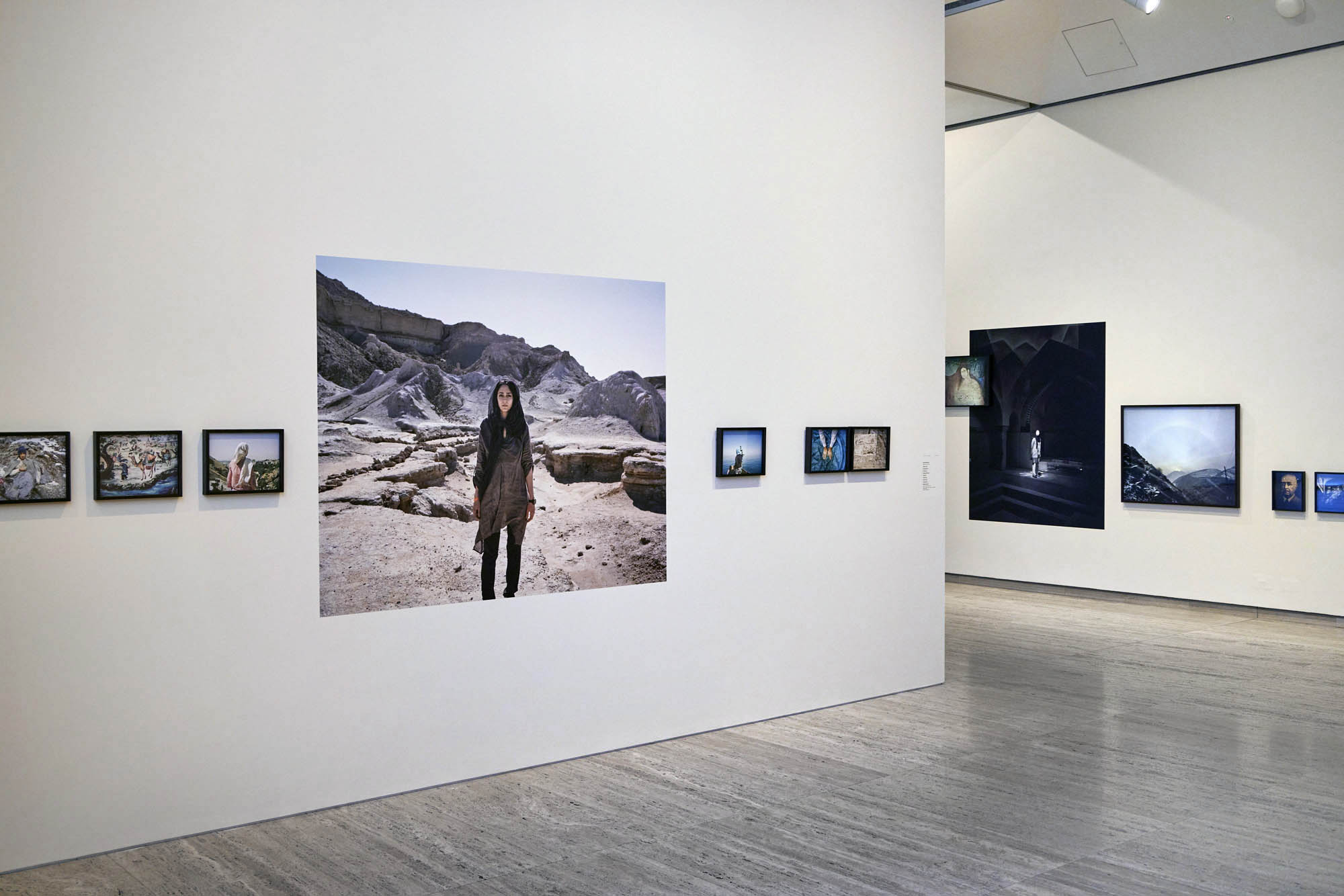
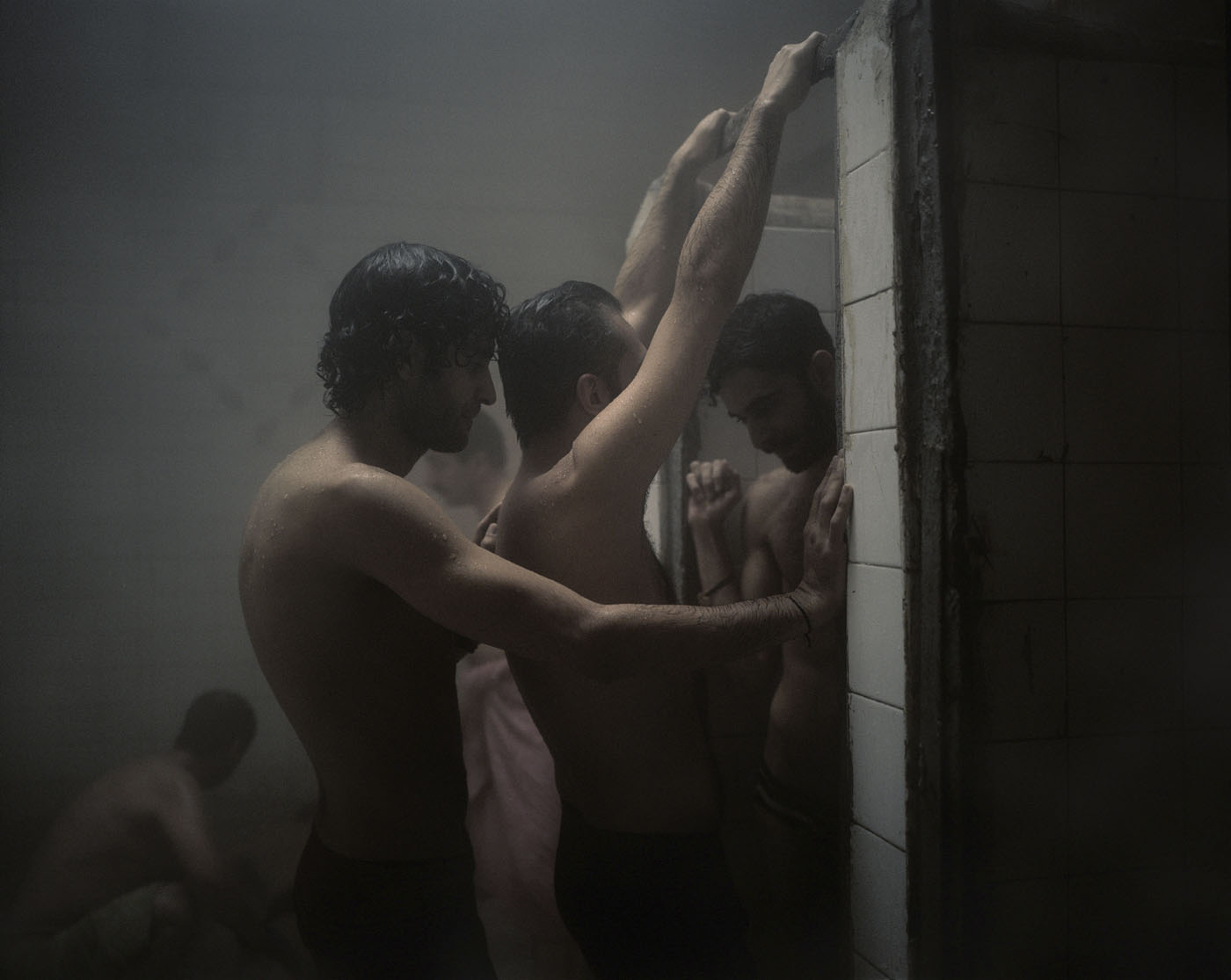
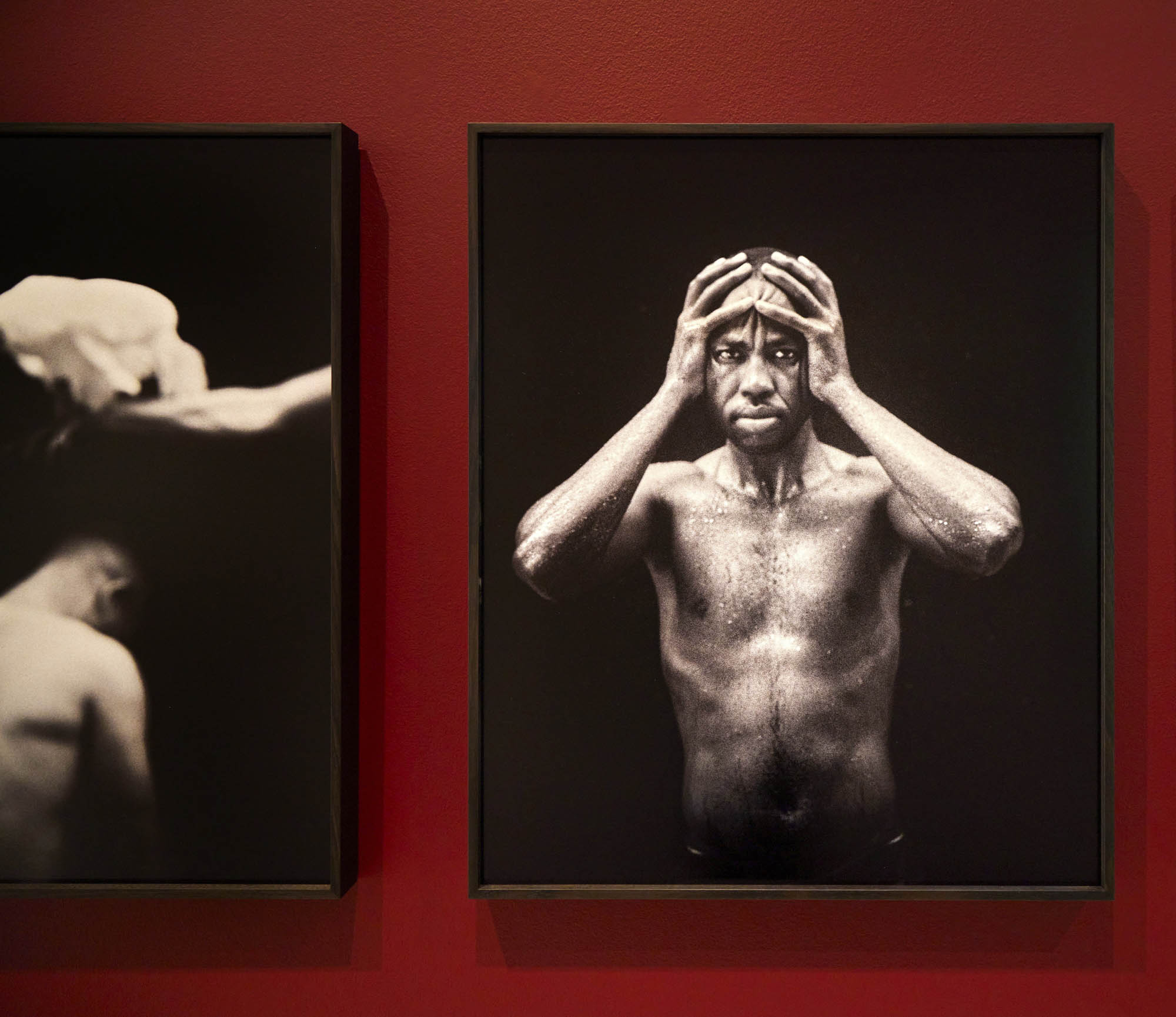
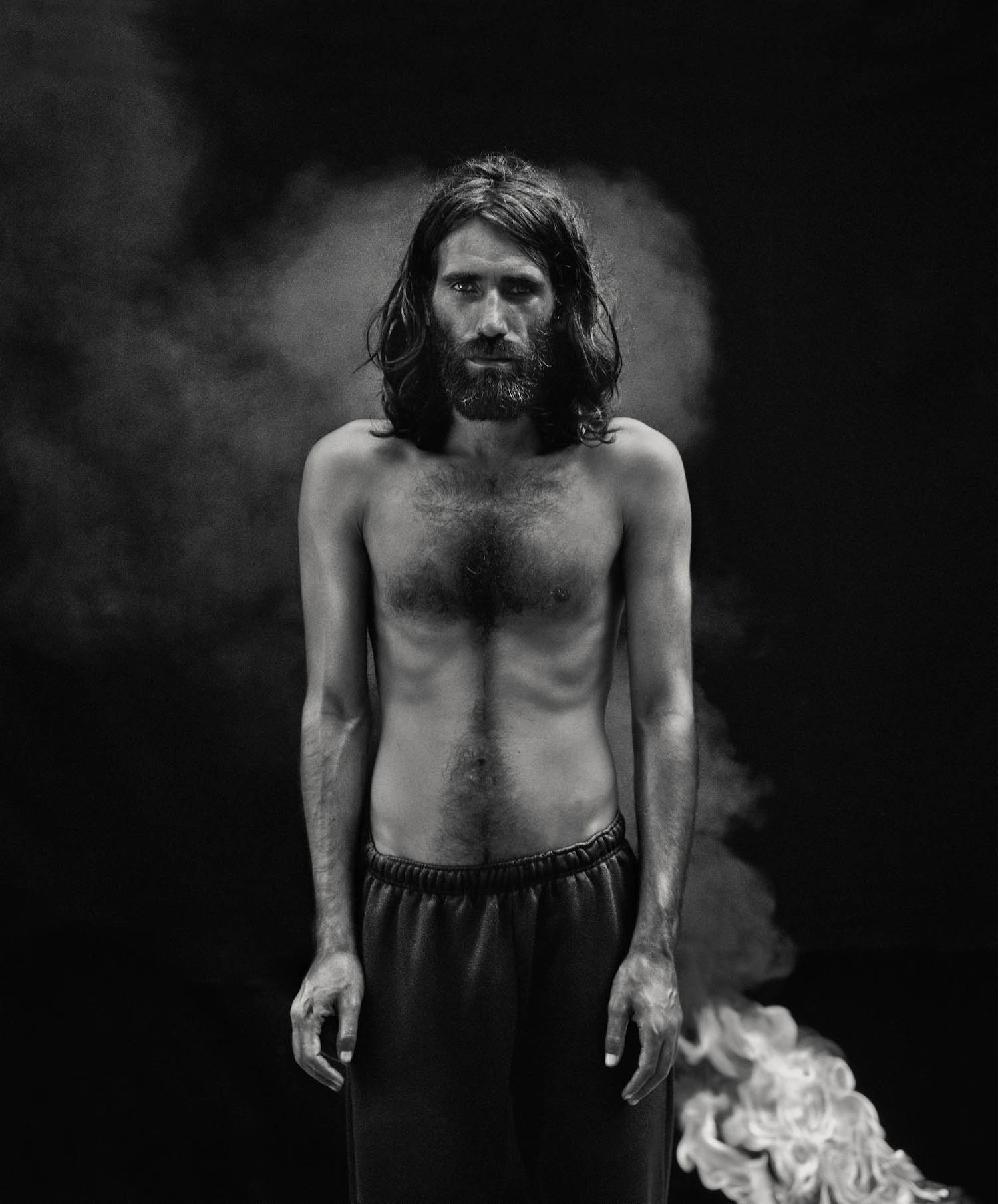
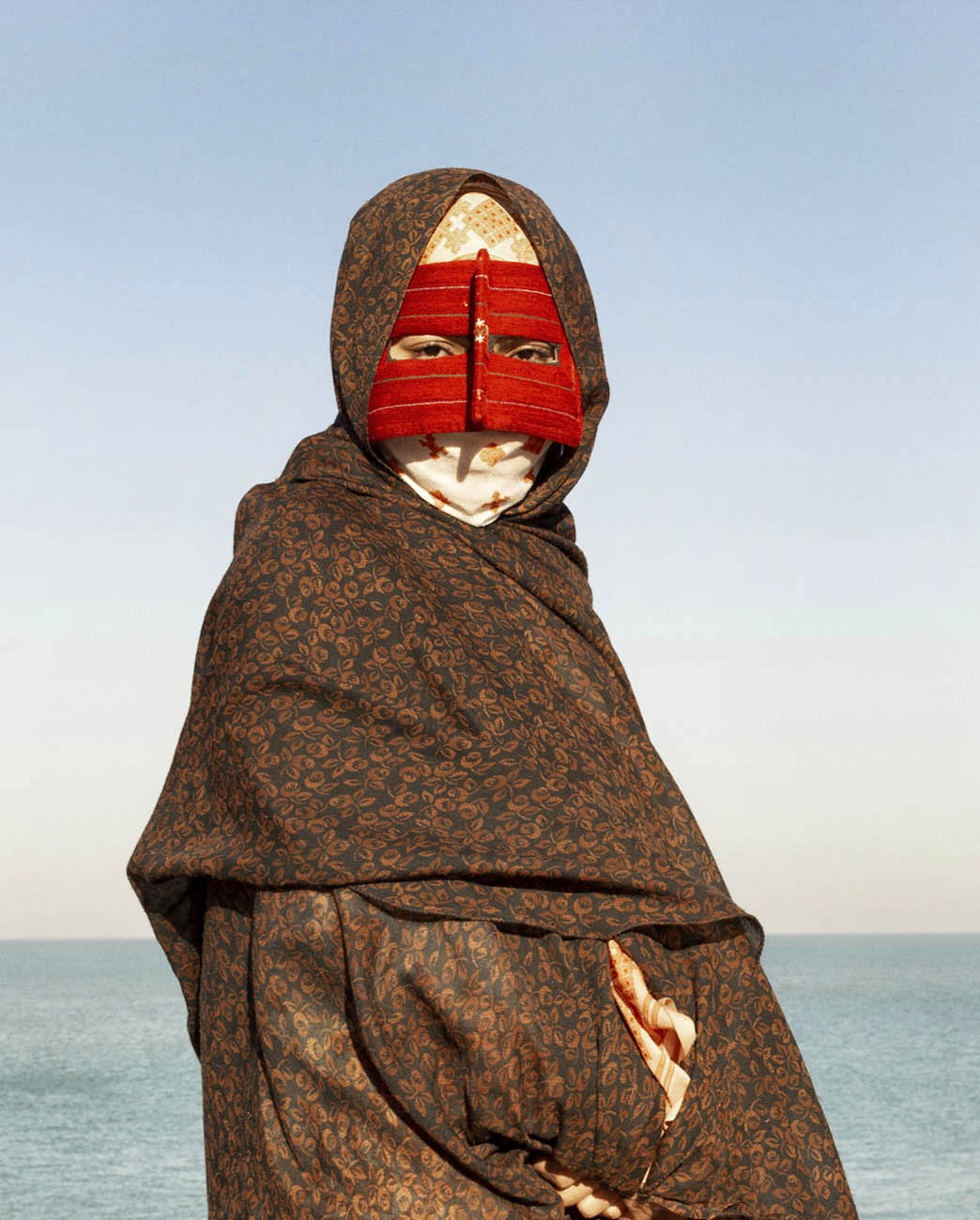
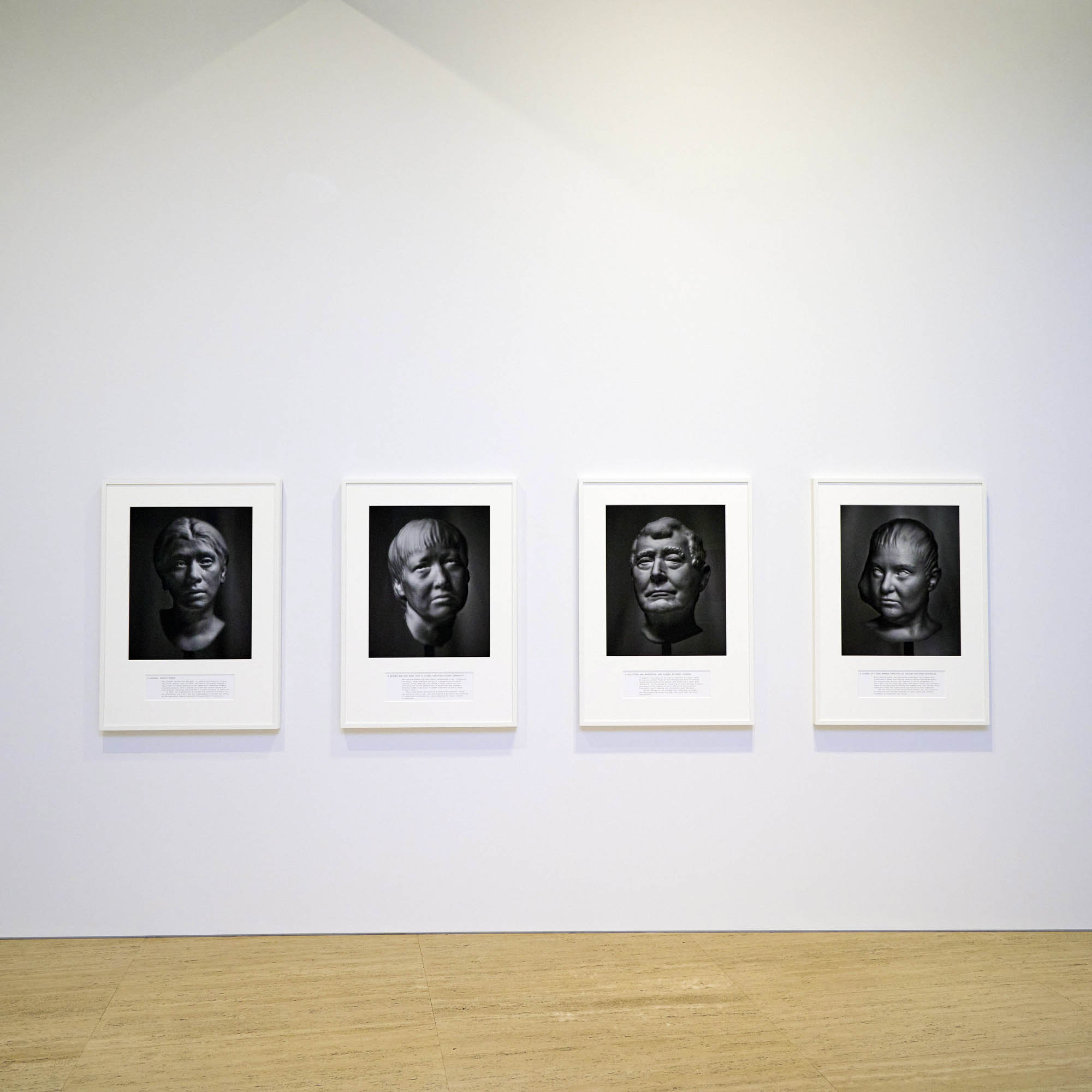
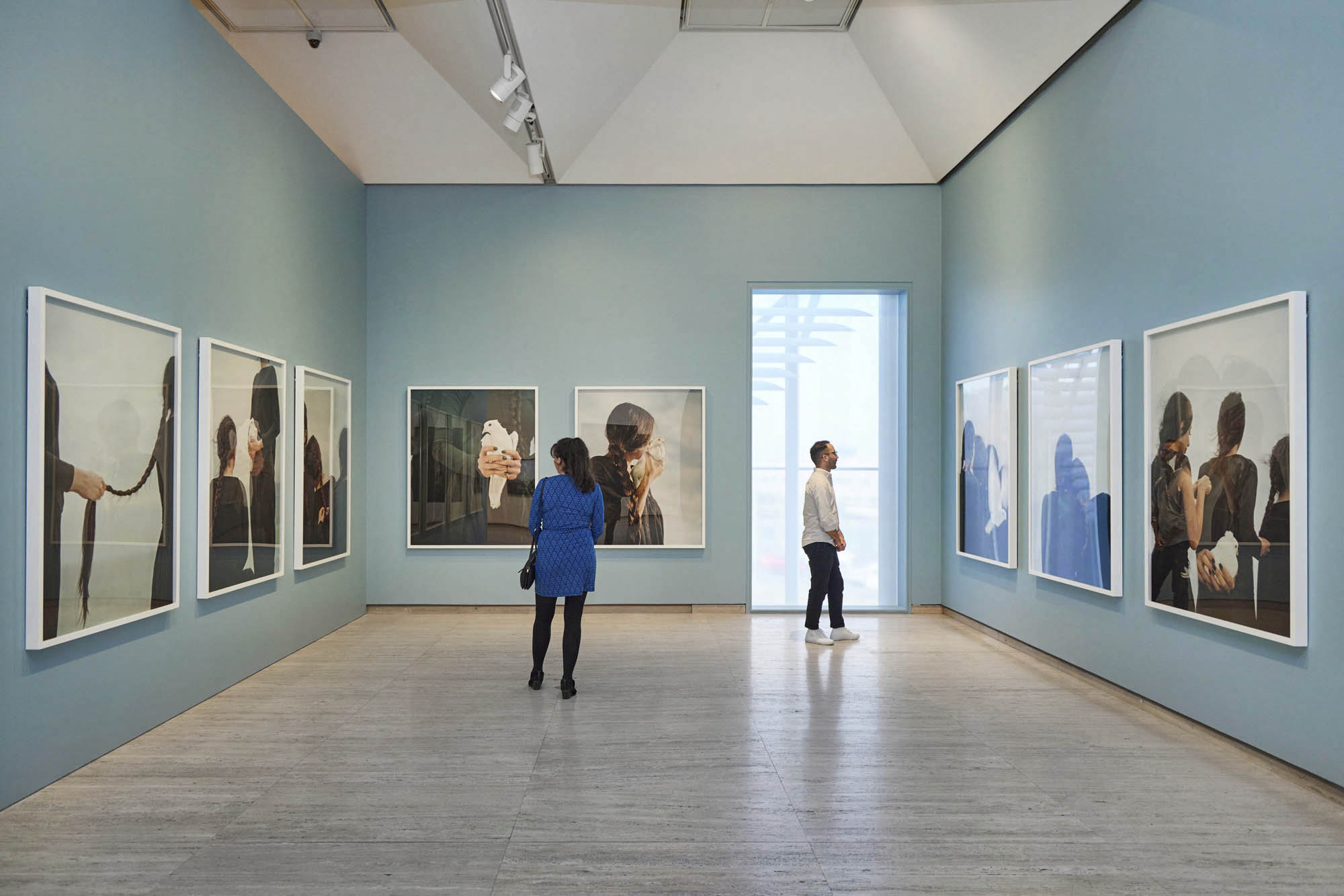
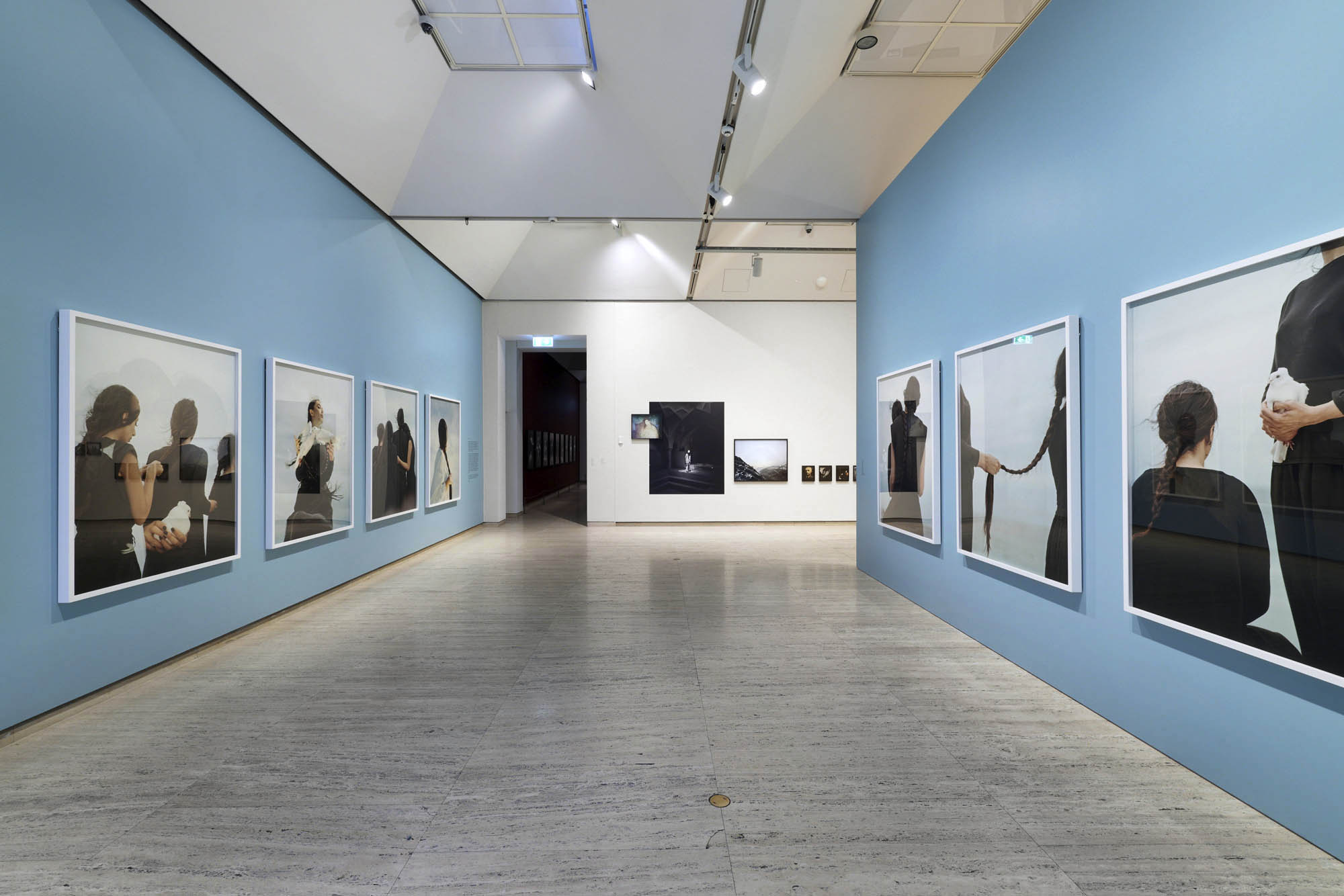
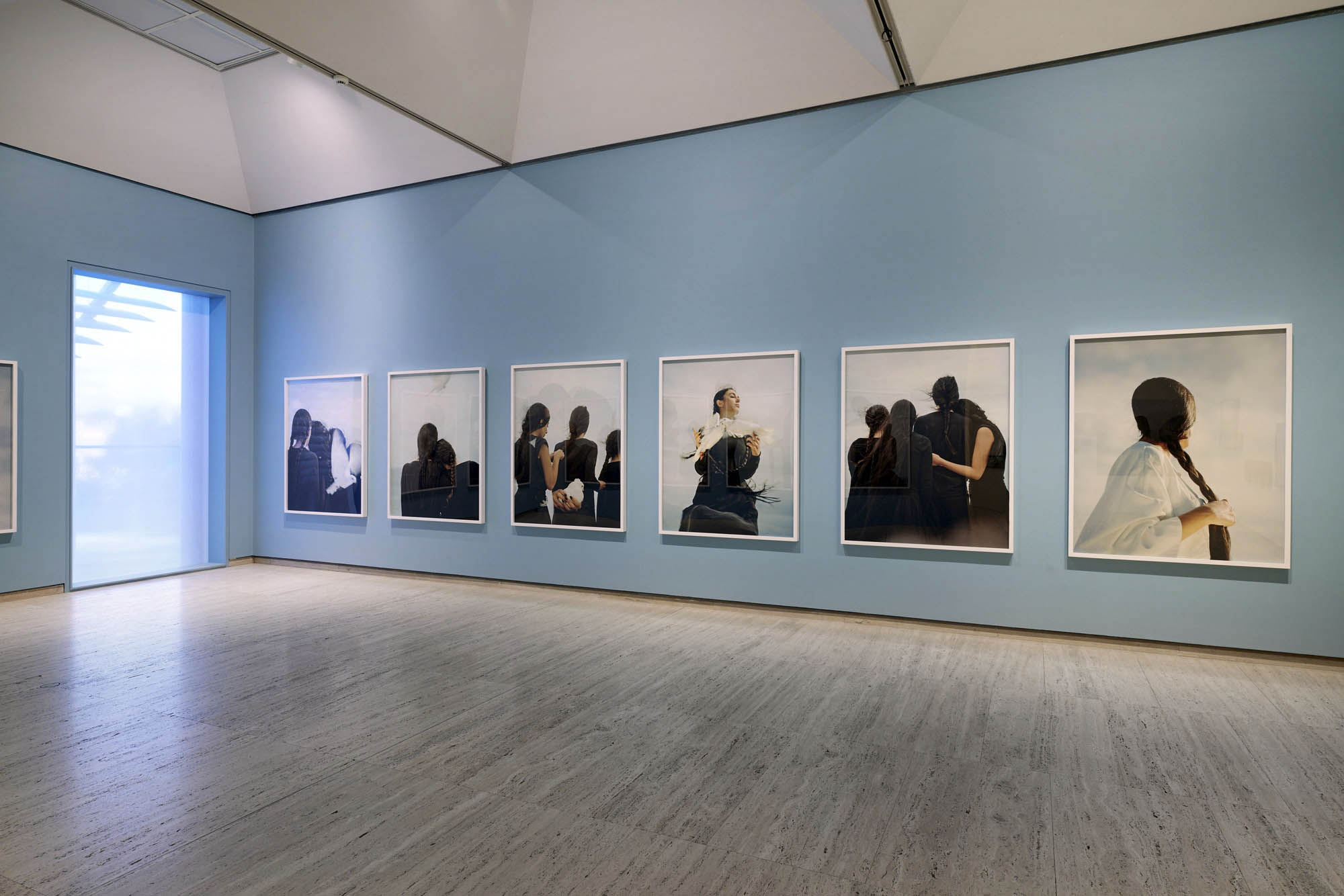
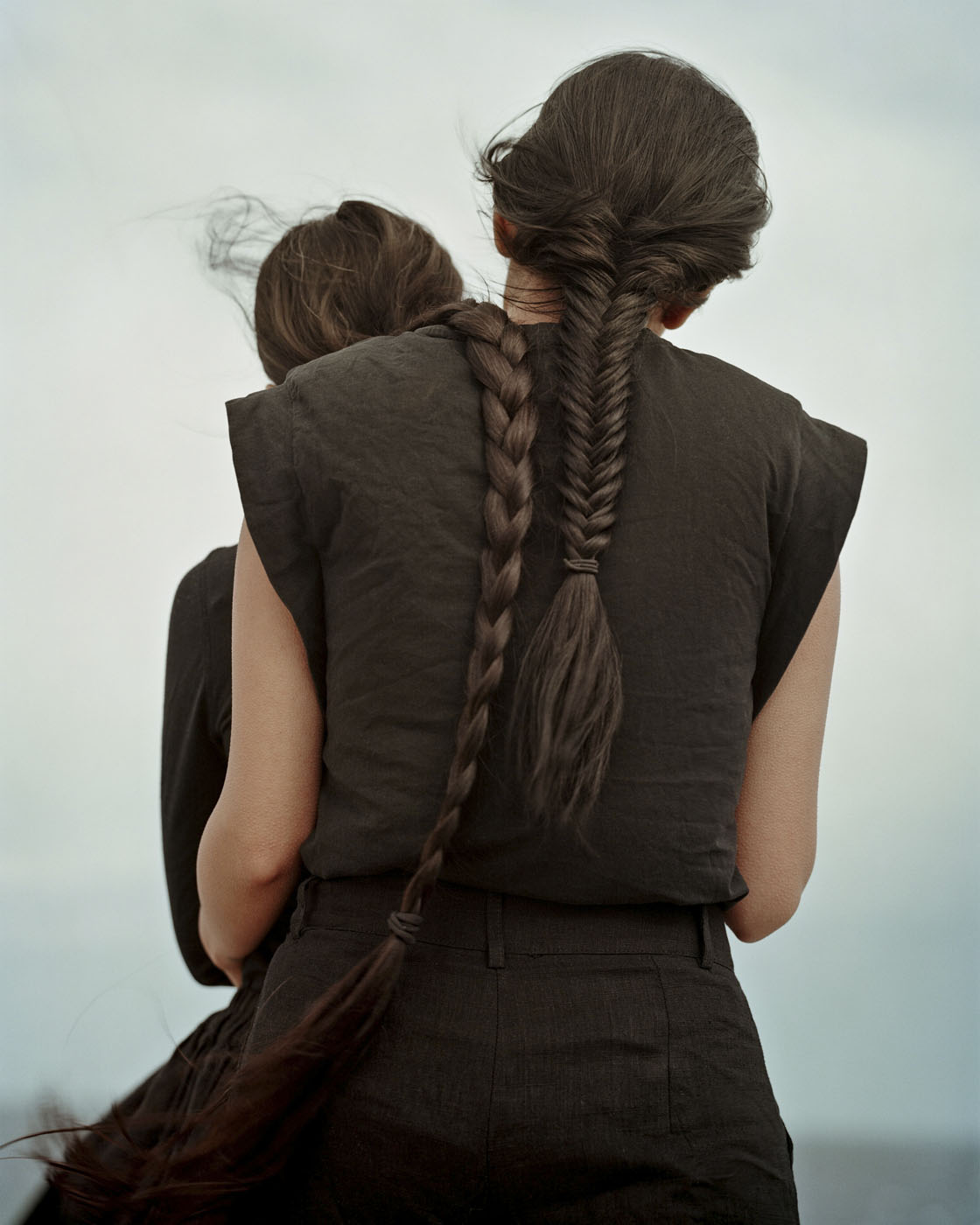
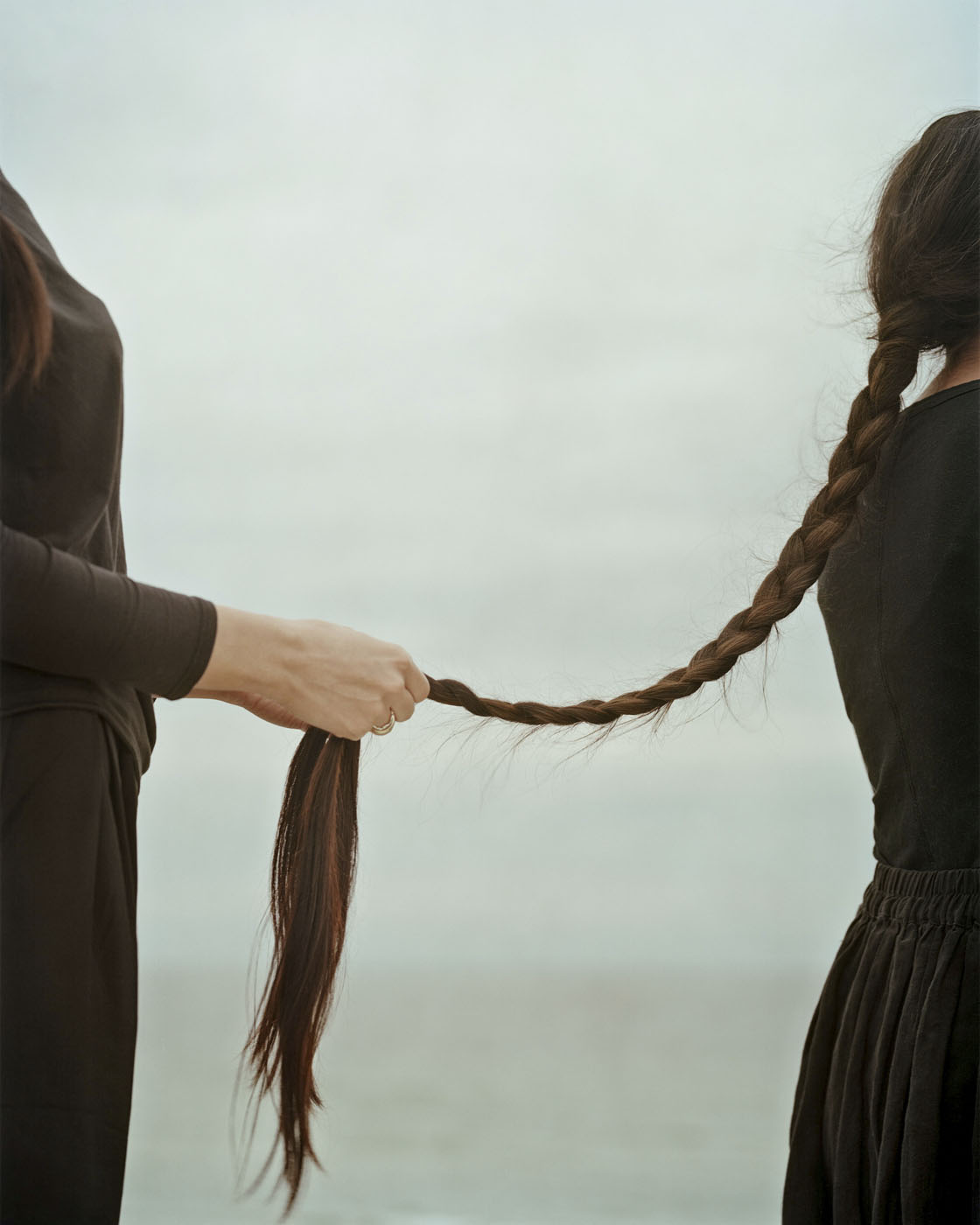
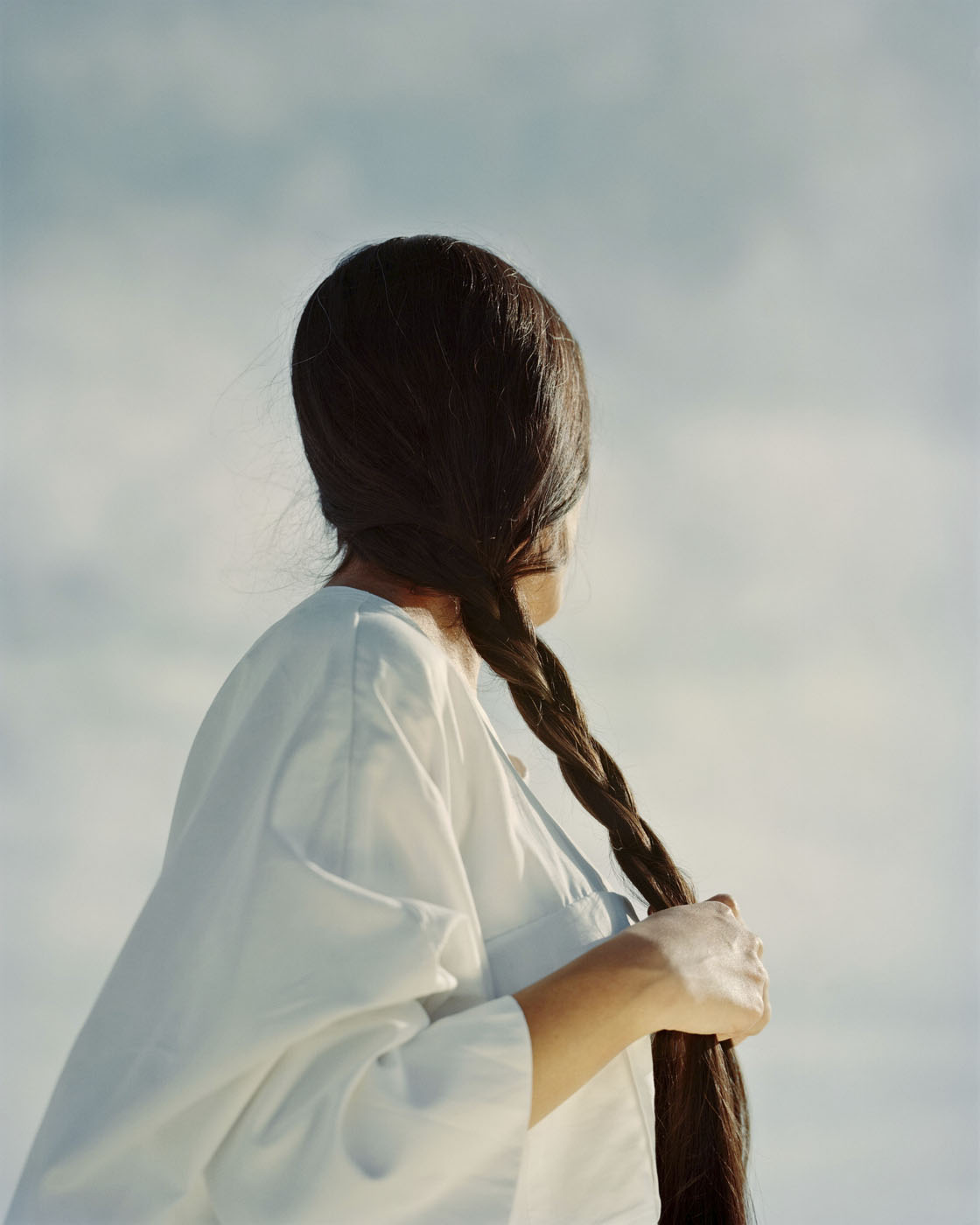
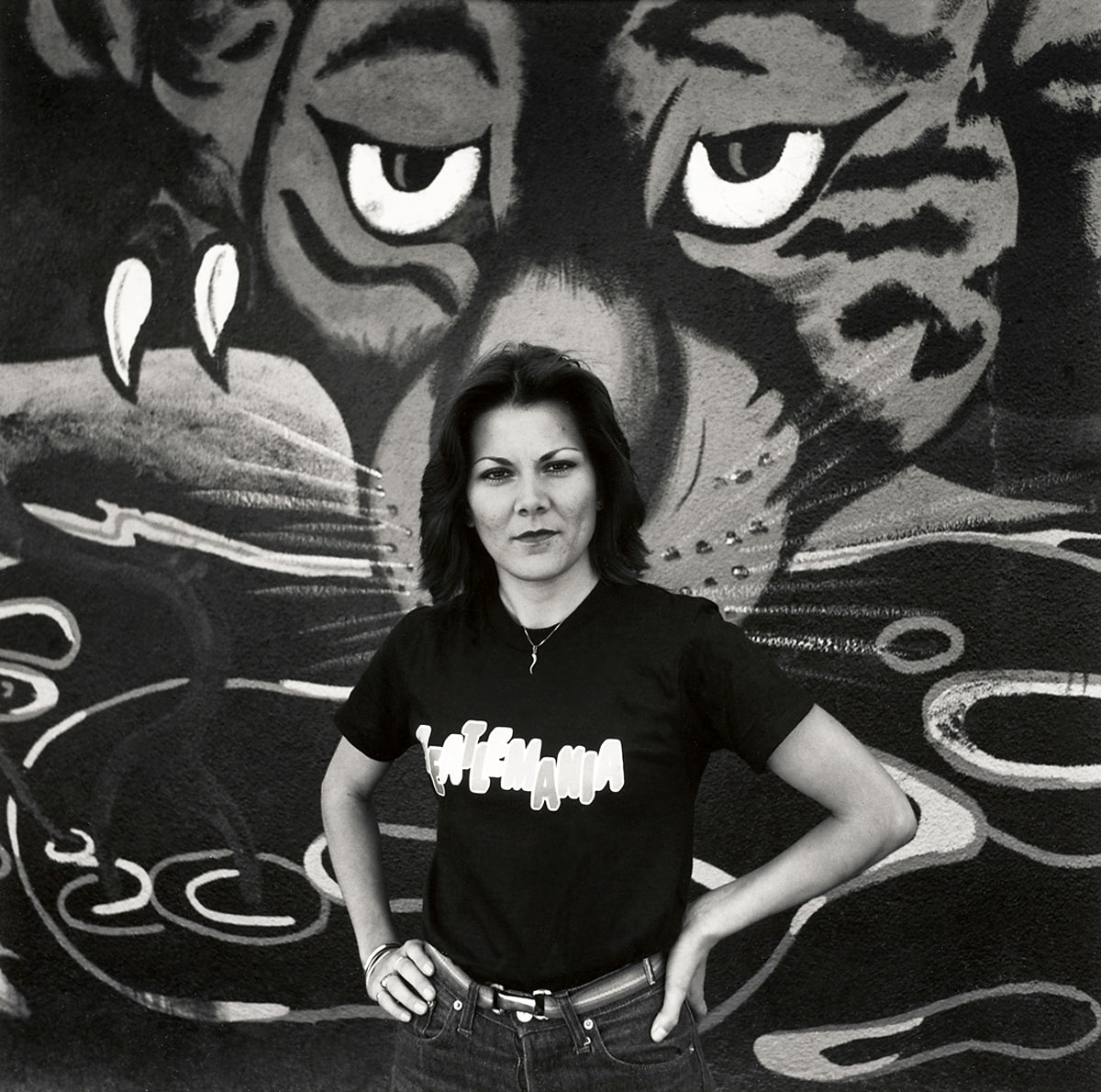


![Garry Winogrand (American, 1928-1984) 'Untitled [Liberace with his mother]' New York, 1954](https://artblart.com/wp-content/uploads/2023/09/83204a.jpg "Garry Winogrand (American, 1928-1984) 'Untitled [Liberace with his mother]' New York, 1954")
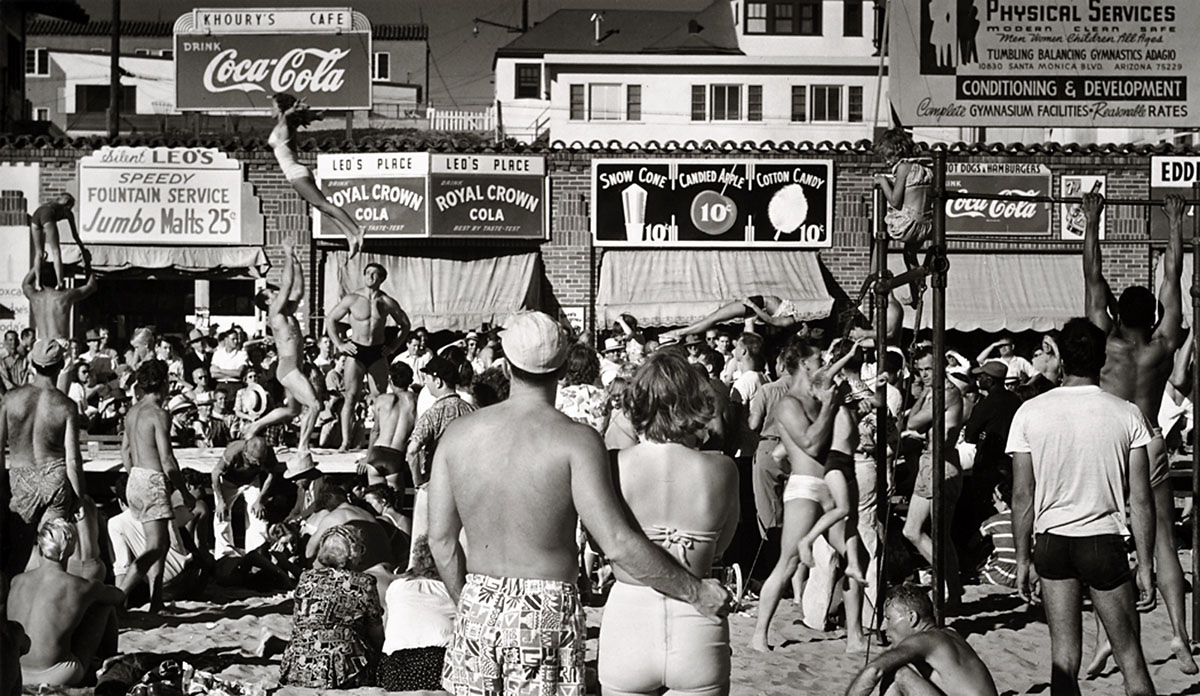
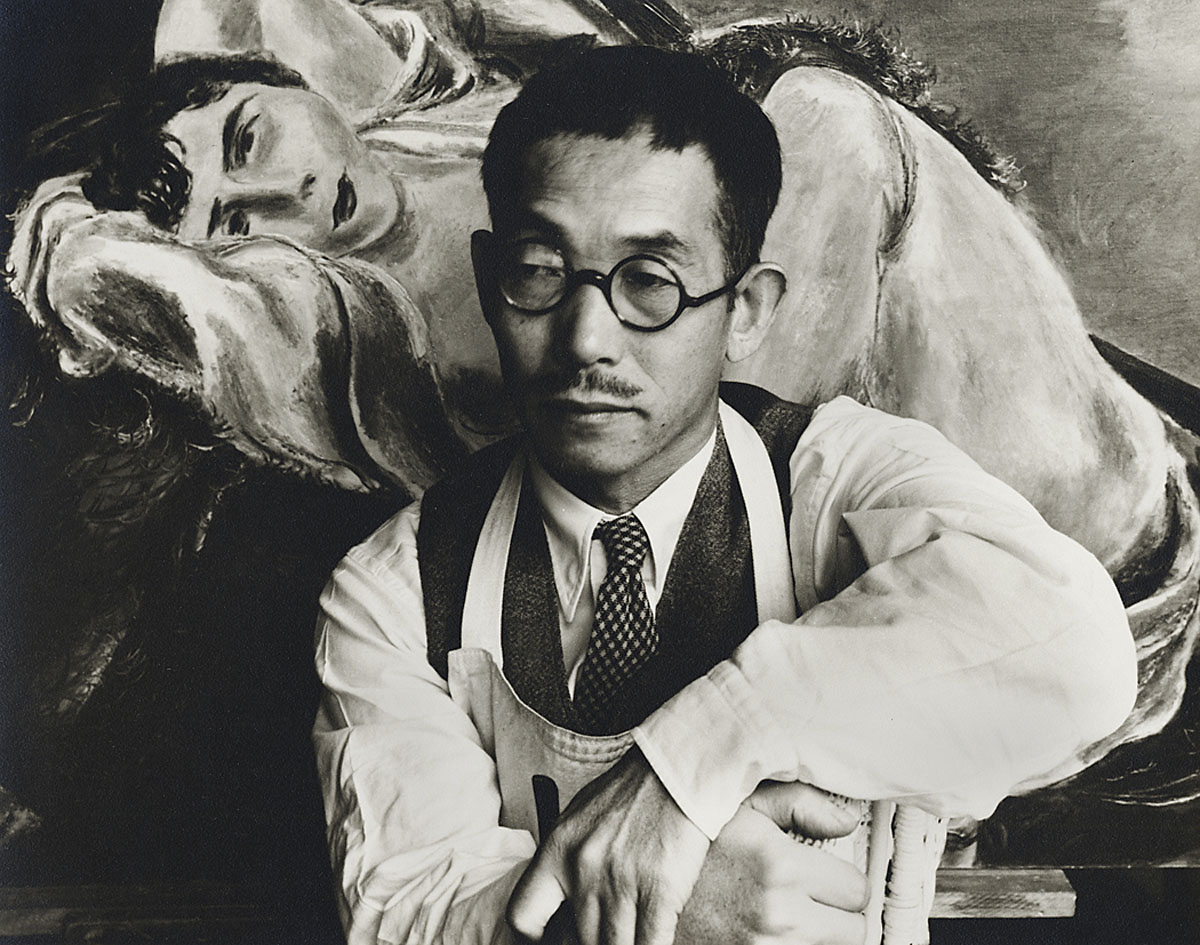
![Max Yavno (American, 1911-1985) 'Untitled [Opening Night at the San Francisco Opera]' 1947](https://artblart.com/wp-content/uploads/2023/09/92143117.jpg "Max Yavno (American, 1911-1985) 'Untitled [Opening Night at the San Francisco Opera]' 1947")


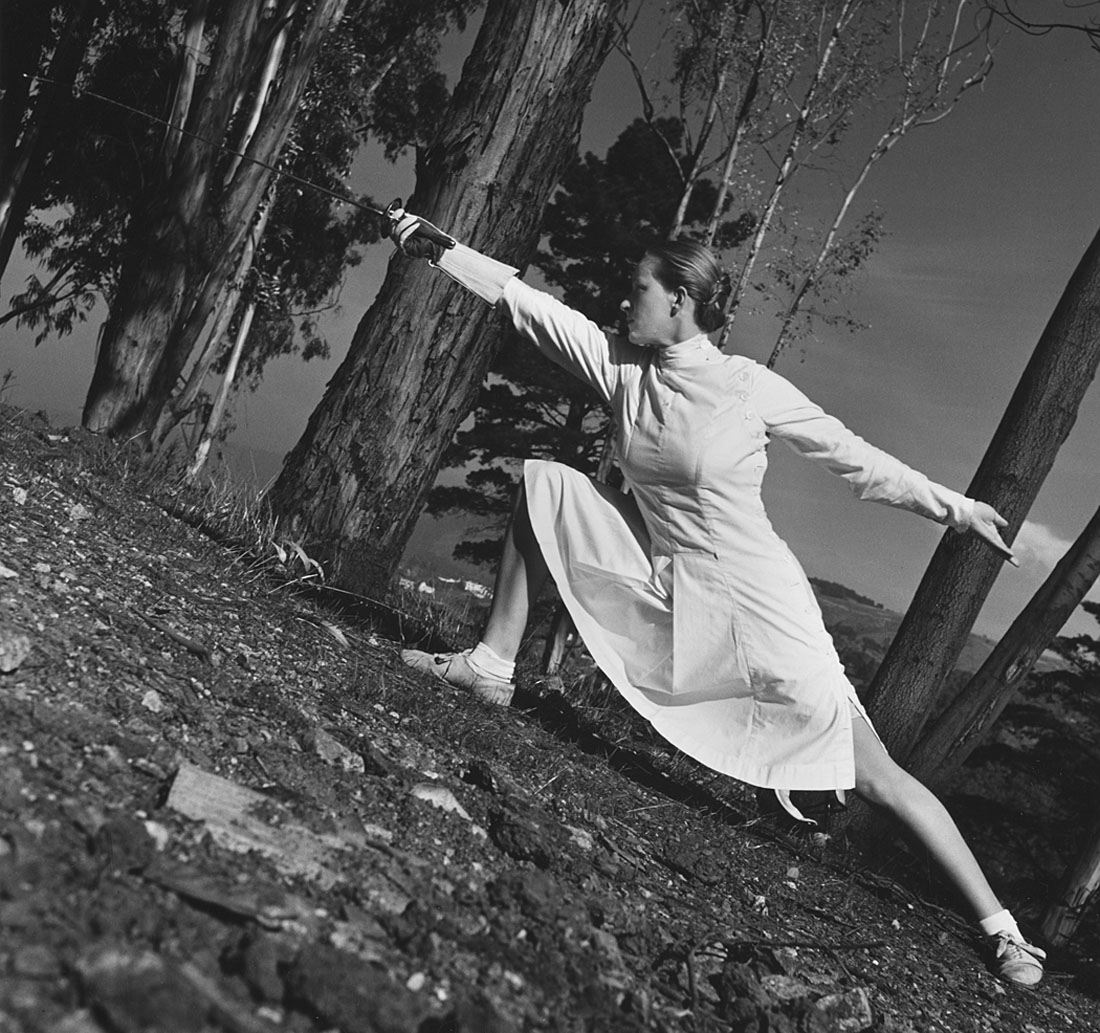


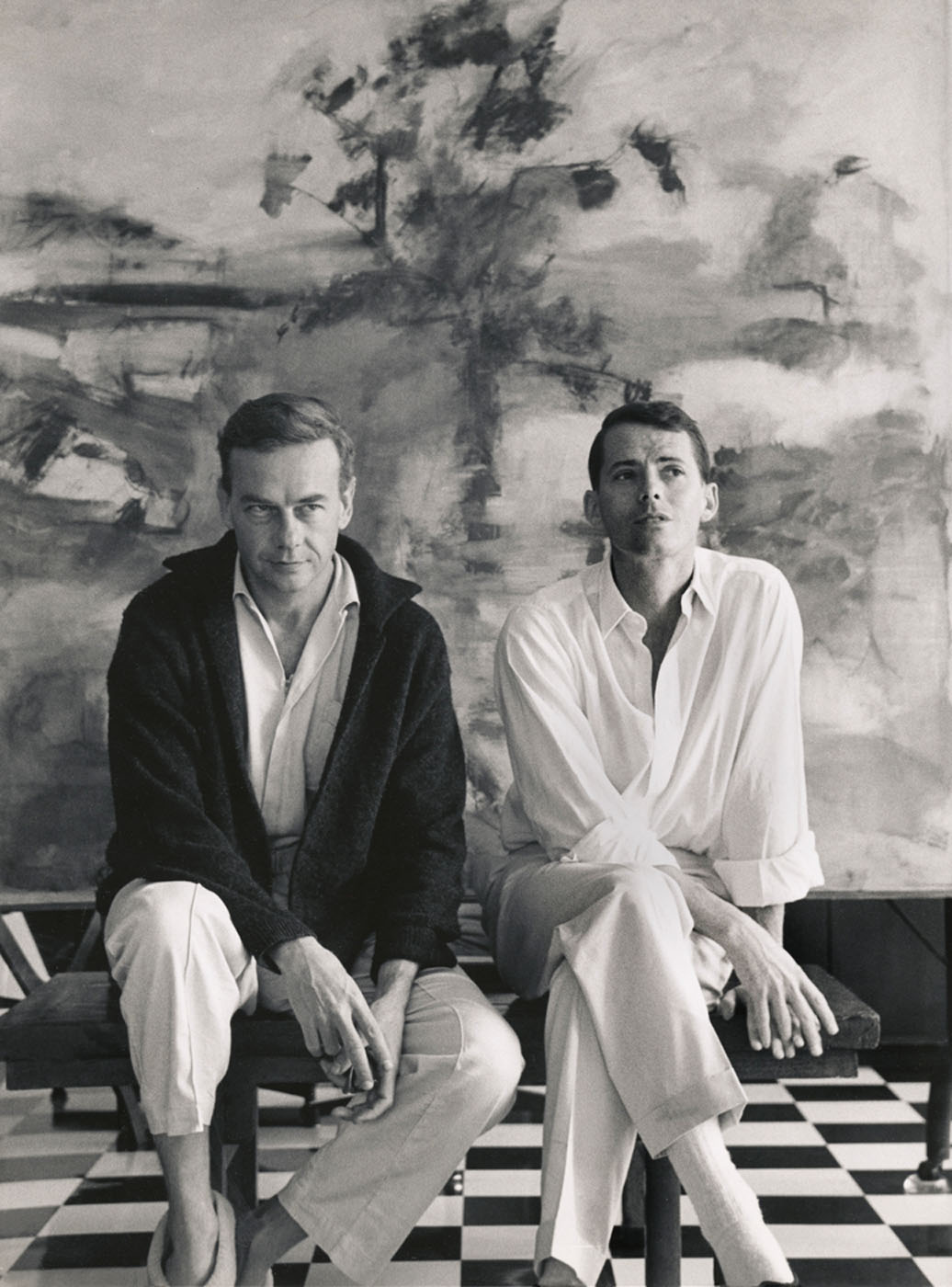


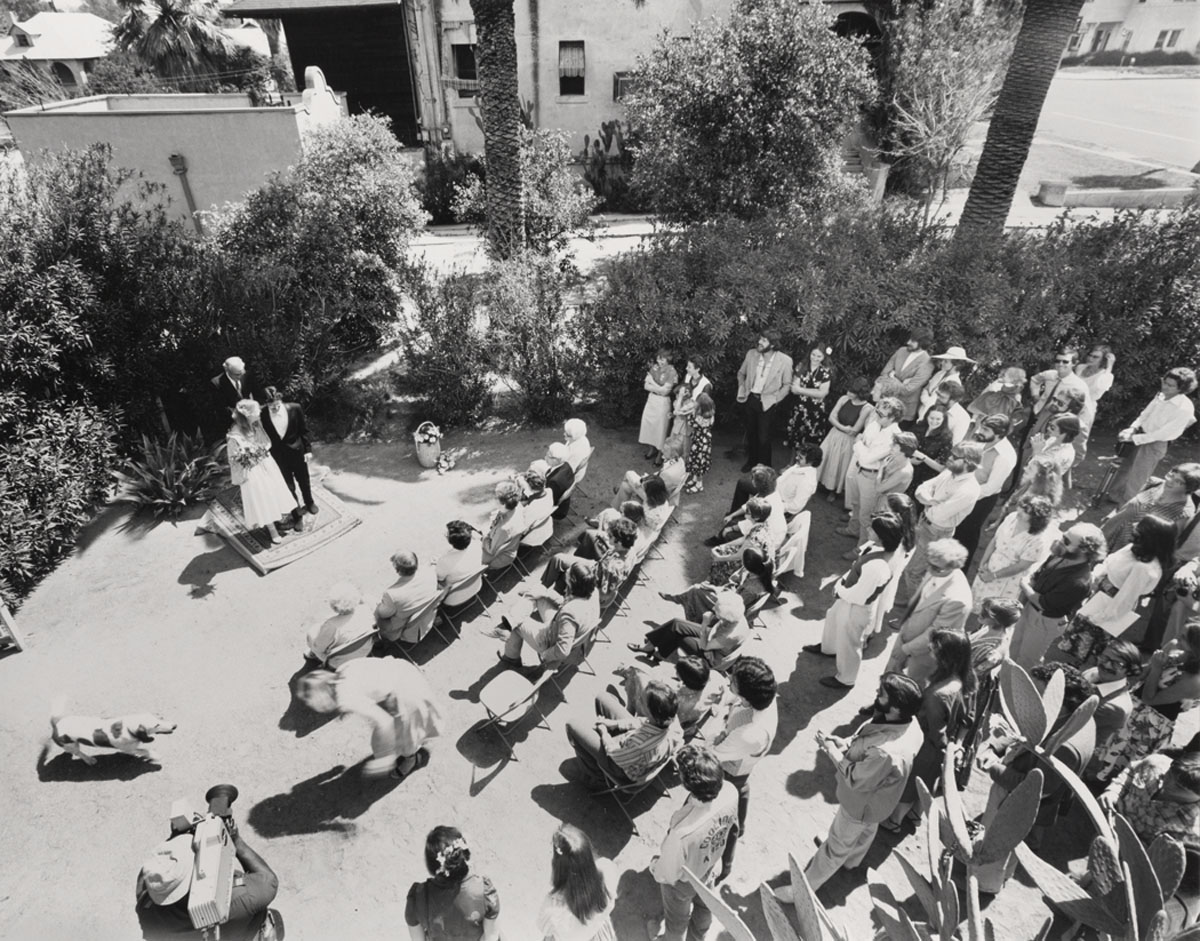

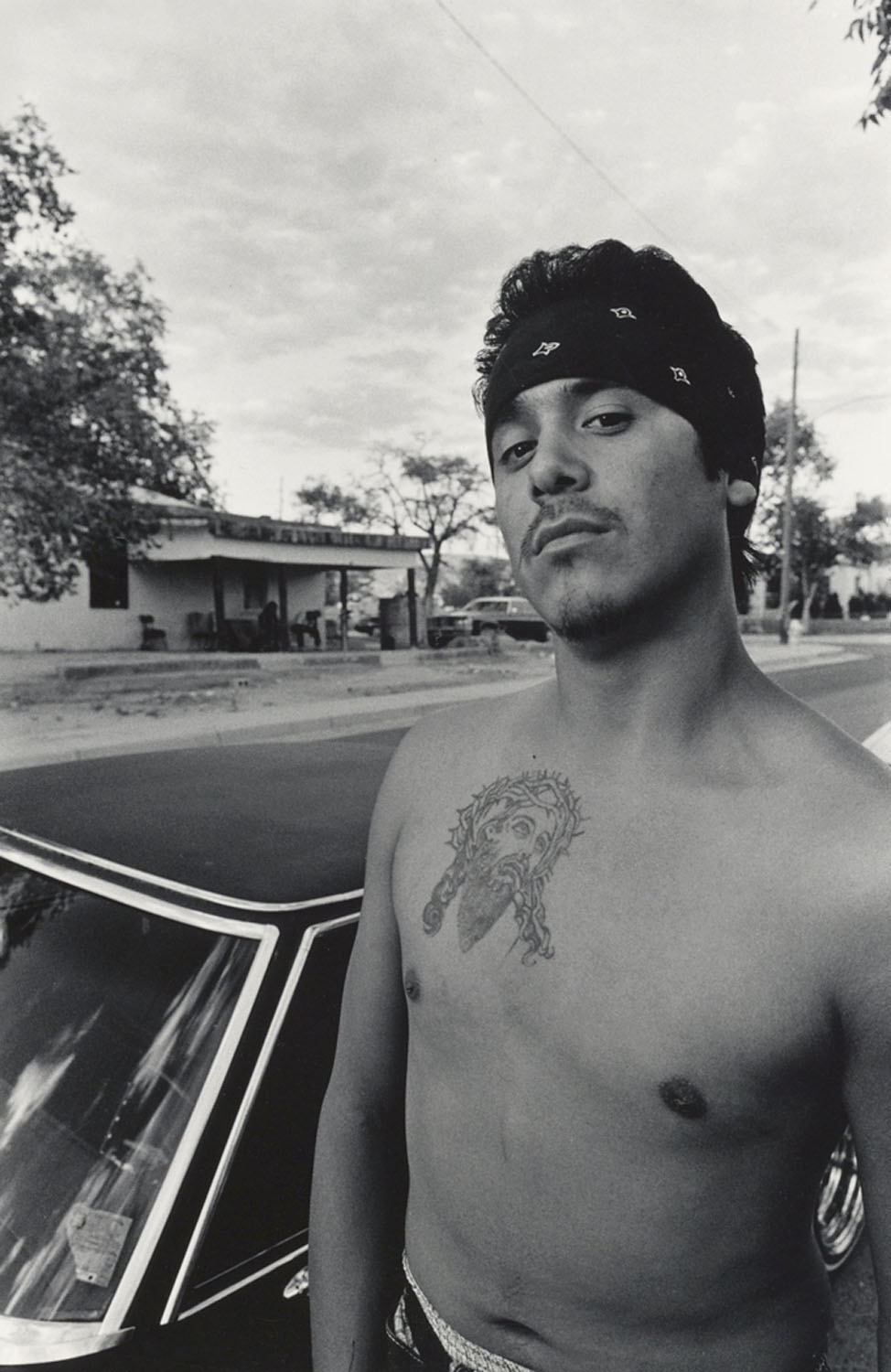


 Art Blart _ art and cultural memory archive
You must be logged in to post a comment.