My apologies that I haven’t been writing that much in recent postings, but I am still recovering from my hip replacement operation and the pain is still ongoing over 6 weeks after the operation. I’m a little exhausted to put it mildly…
With this sumptuous exhibition of photographs by Elliott Erwitt – in a beautiful palazzo with painted ceilings and classical sculptures with the walls painted a glorious colour of green – you get what is says on the tin: Erwitt’s iconic and humanist photographs of dogs, children and celebrities, “visual double-takes and finely tuned one-liners.”
That is all the media images consisted of, his famous photographs.
I know that the exhibition, and the artist’s reputation, rests on his “icons” but I just wish we could see past these to his other photographs, photographs of everyday people, captured in the midst of their ordinary lives; photographs that contain a little more gravitas, a little more depth of poignancy / spirit / energy, revealing small intimacies not readily seen and acknowledged.
That Erwitt is capable of such images can be see in photographs such as Italy, Venice, Gallerie dell’Accademia, 1965 (below), USA, New York City, 1969 (below) and that most gut wrenching, heart breaking of images, USA, Arlington, Virginia, Jacqueline Kennedy at John F. Kennedy’s funeral, November 25, 1963 (below) – where Erwitt reveals the grief of loss and finally touches the marrow of what it is to be human.
Dr Marcus Bunyan
Many thankx of the Palazzo Bonaparte for allowing me to publish the photographs and video in the posting. Please click on the photographs for a larger version of the image.
Elliott Erwitt. Icons at Palazzo Bonaparte, Rome, Italy
Installation walk through of the exhibition “Elliott Erwitt. Icons,” dedicated to the late master of visual irony and empathy, Elliott Erwitt. This major show offers an intimate look into the universe of one of contemporary photography’s most significant figures, whose work transformed everyday life into profound visual poetry.
Installation views of the exhibition Elliott Erwitt. Icons at Palazzo Bonaparte, Rome, Italy showing in the bottom image, the Erwitt’s photograph France, Paris, 1989
Installation view of the exhibition Elliott Erwitt. Icons at Palazzo Bonaparte, Rome, Italy showing at right Erwitt’s photograph USA, New York City, 1953
Installation view of the exhibition Elliott Erwitt. Icons at Palazzo Bonaparte, Rome, Italy showing at left, USA, Santa Monica, California, 1956 (below); at second left, USA, New York City, 1955 (below); at third left, USA, Louisiana, Shreveport, 1962; and at right, USSR, Bratsk, Siberia, 1967 (below)
Starting June 28th, 2025, Palazzo Bonaparte will open its doors to an extraordinary exhibition, “Elliott Erwitt. Icons,” dedicated to the late master of visual irony and empathy, Elliott Erwitt. This major show offers an intimate look into the universe of one of contemporary photography’s most significant figures, whose work transformed everyday life into profound visual poetry.
With over 80 celebrated photographs, “Elliott Erwitt. Icons” invites visitors to experience Erwitt’s distinctive style – irreverent, poetic, and deeply human. He possessed a remarkable ability to capture the lightness of the joy of living, becoming the most insightful and moving chronicler of the human comedy. His lens made us smile, reflect, and feel, turning fleeting moments into unforgettable images.
A Glimpse into Erwitt’s Vision
Erwitt, who passed away in November 2023 at the age of 95, was a master at transforming the ordinary into the extraordinary. His “Icons” are not just photographs; they are symbols of his unique perspective and our shared collective memory. As he once put it, “In the saddest and most wintry moments of life… suddenly the sight of something wonderful can change the aspect of things, your state of mind. The type of photography I like, the one where the instant is caught, is very similar to this break in the clouds. In a flash, a wonderful photo seems to come out of nowhere.”
This exhibition, curated by Biba Giacchetti, a leading international Erwitt expert, along with technical assistance from Gabriele Accornero, offers a comprehensive yet concise overview of his genius. From his anthropomorphic dogs to powerful world leaders, from iconic movie stars like Marilyn Monroe to intimate family moments, Erwitt’s gaze was both incisive and empathetic. He captured not only the irony of daily life but also its underlying complexity.
Beyond the Famous Faces
While the exhibition features renowned portraits of figures such as Che Guevara, Jack Kerouac, Marlene Dietrich, Fidel Castro, and Sophia Loren, it also highlights historical moments like the Nixon-Khrushchev dispute, Kennedy’s funeral, and the Frazier-Ali fight. Yet, Erwitt’s democratic approach to his medium shines through in his focus on everyday people, captured in the midst of their ordinary lives.
A significant portion of Erwitt’s work showcased his love for dogs, whose free-spirited nature he admired. Many photographs are taken from a dog’s-eye view, often revealing only the feet or legs of their owners. Erwitt ingeniously employed playful tactics, like sounding a horn or mimicking a bark, to elicit natural reactions from the animals, resulting in humorous and endearing compositions.
An Unmissable Summer Event
The “Elliott Erwitt. Icons” exhibition, running until September 21st, 2025, marks the opening of Palazzo Bonaparte’s summer exhibition season. Following the success of the recent Edvard Munch retrospective, this show pays homage to a globally beloved master of photography. Visitors will have the unique opportunity to journey through Erwitt’s surreal, romantic, and playful vision of the world, always capable of grasping the essence of things.
Press release from Palazzo Bonaparte
Installation views of the exhibition Elliott Erwitt. Icons at Palazzo Bonaparte, Rome, Italy showing in the bottom image from left to right, Italy, Venice, Gallerie dell’Accademia, 1965; France, Versailles, 1975; and Spain, Madrid, 1995 (below)
Installation view of the exhibition Elliott Erwitt. Icons at Palazzo Bonaparte, Rome, Italy showing at left, Erwitt’s photograph USA, New York City, 1969 (below)
“A 1969 scene in Amagansett, New York – a sober, soot-stained Victorian office block with a single storefront whose sign (“Tony’s of Worth Street”) is written in cheerful white paint – somehow combines the austerity of Atget with the irreverent glee of Weegee.”
From June 28 to September 21, 2025, Palazzo Bonaparte welcomes the most ironic and disarming gaze in twentieth-century photography: Elliott Erwitt. An exhibition that is much more than an exhibition: it is an invitation to observe the world with lightness, empathy, and wonder.
An unmissable event, which recounts – through over 80 iconic shots – the long and brilliant career of an artist capable of capturing the soul of the twentieth century and transforming ordinary moments into unforgettable images, with a profoundly human yet always surprising gaze.
On display in Rome are icons of an era, of a way of looking at the world with lightness and intelligence. “Icons” because each of Erwitt’s shots has become a symbol of his poetics and of our collective memory.
Erwitt is more than just a photographer: he is the poet of human comedy, the unerring witness to life’s small and large absurdities, which he recounts with disarming irony, subtle poetry, and timeless grace. His images – famous, unforgettable, often dazzling – manage to be simultaneously light and profound, intimate and universal. They are shots that make you smile, reflect, and move you.
Elliott Erwitt was – and is – a key figure in the visual culture of our time. His images, books, reportages, illustrations, and advertising campaigns have spanned the decades, appearing in international publications and influencing generations of photographers and artists. This exhibition is a journey through his work and an invitation to look at the world with new eyes: with lightness, empathy, and wonder.
A member since 1953 of the historic Magnum agency – founded by Henri Cartier-Bresson and Robert Capa, among others – Erwitt has chronicled the last sixty years of history and contemporary civilisation with journalistic flair, capturing the most dramatic yet humorous aspects of the life that has passed before his lens.
“In life’s saddest, wintry moments, when a cloud has enveloped you for weeks, suddenly the sight of something wonderful can change the face of things, your state of mind. The kind of photography I like, the one that captures the moment, is very similar to this break in the clouds. In a flash, a wonderful photo seems to come out of nowhere.”
With these words, Erwitt sums up the spirit and poetics with which he filters reality, representing it with his mastery, capturing its sometimes playful, sometimes irreverent, or almost surreal aspects, which make him an undisputed master of the human comedy.
Curated by Biba Giacchetti, one of Erwitt’s leading international experts, with technical assistance from Gabriele Accornero, Elliott Erwitt. Icons is a snapshot of history and customs, a concise and comprehensive journey through his genius and his perspective on the world, from his anthropomorphic dogs to the world’s powerful figures, from the great movie stars – Marilyn Monroe above all – to his children. But it is also a tribute to the man who, with a gentle and disenchanted gaze, was able to portray the world for what it is: tragicomic, tender, absurd, unique.
The exhibition features famous portraits of Marilyn Monroe, Che Guevara, Kerouac, Marlene Dietrich, Fidel Castro, Sophia Loren, Arnold Schwarzenegger, and photographs that have made history, such as the Nixon-Khrushchev quarrel, Kennedy’s funeral, and the great fight between Frazier and Ali. Other iconic photographs, beloved by the public for their romantic power, such as the California Kiss, include more intimate and private ones, such as the snapshot of his newborn firstborn, observed by her mother on the bed.
Above all, Erwitt casts an incisive yet empathetic gaze, revealing not only the irony of everyday life, but also its complexity.
With the same attitude, Erwitt reserves his attention for any other subject, pushing the democratic quality that is typical of his medium to the extreme. His imagery is populated predominantly by ordinary people, men and women, captured in the midst of the normality of their lives.
From portraits of famous people to more ironic and sometimes irreverent images, we move on to some self-portraits where Erwitt no longer leaves anything to chance or intuition, but constructs a self-other, where eccentricity for its own sake is metaphor and pure surreal fun.
Special attention is paid to dogs, whose irreverent, free-spirited attitude Erwitt appreciated, unfettered by the common rules that condition humans, is what Erwitt appreciated.
Many of his shots are “from the dog’s point of view,” allowing only the shoes or parts of their owners’ legs to appear in his compositions. Erwitt wanted these photographs to be comical, and for this reason he employed ingenious strategies, such as blowing a trumpet or emitting a kind of bark, to elicit the most natural reaction from the animals.
The exhibition – on view until September 21st – marks the opening of Palazzo Bonaparte’s summer exhibition season, following the recent resounding success of the Edvard Munch retrospective and paying tribute to one of the world’s most beloved masters of photography. Visitors will have the opportunity to retrace his vision of the world: surreal, romantic, playful, always capable of capturing the essence of things.
The exhibition, “Elliott Erwitt. Icons,” is produced and organised by Arthemisia, in collaboration with Orion57 and Bridgeconsultingpro. The exhibition’s main partner is the Fondazione Terzo Pilastro – Internazionale with Fondazione Cultura e Arte and Poema.
The exhibition’s special partner is Ricola, mobility partner Frecciarossa Treno Ufficiale, and technical sponsor Ferrari Trento.
Text translated from the Italian by Google Translate from the Palazzo Bonaparte website
Installation view of the exhibition Elliott Erwitt. Icons at Palazzo Bonaparte, Rome, Italy showing at right, Erwitt’s photograph USA, Pittsburgh, 1950 (below)
Installation view of the exhibition Elliott Erwitt. Icons at Palazzo Bonaparte, Rome, Italy showing at right, Erwitt’s photograph France, Honfleur, 1968
Installation view of the exhibition Elliott Erwitt. Icons at Palazzo Bonaparte, Rome, Italy showing from left to right, France, Honfleur, 1968; USA, New York City, 1977; and USA, New York City, 1955
Installation view of the exhibition Elliott Erwitt. Icons at Palazzo Bonaparte, Rome, Italy showing Erwitt’s photograph Ireland, Ballycotton, 1991
Installation view of the exhibition Elliott Erwitt. Icons at Palazzo Bonaparte, Rome, Italy showing Erwitt’s photograph USA, New York City, Marilyn Monroe (with hand), 1956
Installation view of the exhibition Elliott Erwitt. Icons at Palazzo Bonaparte, Rome, Italy showing at left, USA, New York City, 1953; and at right, USA, NewYork, 1956 (below)
Installation view of the exhibition Elliott Erwitt. Icons at Palazzo Bonaparte, Rome, Italy showing at left, USA, Los Angeles, 1960; and at right, USA, Arlington, Virginia, Jacqueline Kennedy at John F. Kennedy’s funeral, November 25, 1963 (below)
Note: wrong title and date underneath the photograph on the right-hand side
Elliott Erwitt was not just a photographer, but an unparalleled visual storyteller, capable of transforming the moment into history, the everyday into art, irony into poetry. His images evoke in the viewer emotions that move on different registers, from emotion to laughter, to the most spontaneous amusing. Having passed away in November 2023 at the age of 95, he left us an immense legacy: an archive of photographs that span eras, cultures, and feelings with a universal language, inviting us to look at the world with greater indulgence and wonder, always standing by our side in that profound lightness that he himself defined as “The Art of Observation.”
His lens captured iconic moments in history: the tense confrontation between Nixon and Khrushchev, Kennedy’s funeral, the legendary fight between Frazier and Ali. He portrayed legends of our imagination – Marilyn Monroe, Che Guevara, Marlene Dietrich – but he also captured moments of extraordinary intimacy and summarised universal feelings in a single shot: a stolen kiss in the rearview mirror, the gaze of a mother on her newborn baby, a dog lost in thought. Images that transcend time to become iconic.
What makes Erwitt unique is his ability to intertwine emotion and intelligence, making us laugh and moved, surprising us with his irony and his ability to grasp the profound meaning of existence. He has captured the absurd and the surreal with a sharp and light-hearted gaze, always finding in every scene a spark capable of making it memorable.
His anthropomorphic dogs, the protagonists of entire photographic series, are not just amusing images: they are mirrors of the human condition, ironic and melancholic at the same time, sometimes proud and surprising. His children, portrayed with the most authentic spontaneity, convey the wonder of discovery and freedom, still intact, expressing already defined personalities, still unconstrained. His self-portraits, where he pokes fun at himself, remind us that art – like life – should never take itself too seriously.
Elliott Erwitt was all of this: a master of photography, an interpreter of the human comedy, an artist who left an indelible mark on the history of the image. This exhibition is our homage to his vision of the world: a journey through irony, tenderness, depth, and lightness, just as his art has always been able to convey.
Welcome to the world of this great artist. My master.
Biba Giacchetti Exhibition curator
Text translated from the Italian by Google Translate
Installation view of the exhibition Elliott Erwitt. Icons at Palazzo Bonaparte, Rome, Italy showing Erwitt’s photograph USA, New York City, 1971 (Muhammad Ali vs Joe Frazier)
Installation view of the exhibition Elliott Erwitt. Icons at Palazzo Bonaparte, Rome, Italy showing at left, USA, Los Angeles, 1960; and at second left, USA, Arlington, Virginia, Jacqueline Kennedy at John F. Kennedy’s funeral, November 25, 1963; at third right, USSR, Moscow, 1959 (below); and at second right, Cuba, Havana, 1964 (below)
Installation view of the exhibition Elliott Erwitt. Icons at Palazzo Bonaparte, Rome, Italy showing Erwitt’s photograph USSR, Moscow, 1959 (below)
Installation view of the exhibition Elliott Erwitt. Icons at Palazzo Bonaparte, Rome, Italy showing Erwitt’s photograph Cuba, Havana, 1964 (Che Guevara)
Installation view of the exhibition Elliott Erwitt. Icons at Palazzo Bonaparte, Rome, Italy showing at left, England, Birmingham, 1991 (top); at third right, USA, New York City, 1946 (below); at second right, France, Paris, 1989 (below); and at right, USA, New York City, 2000 (below)
Installation view of the exhibition Elliott Erwitt. Icons at Palazzo Bonaparte, Rome, Italy showing Erwitt’s photograph USA, New York City, 1974 (below)
Installation view of the exhibition Elliott Erwitt. Icons at Palazzo Bonaparte, Rome, Italy showing Erwitt’s photograph USA, New York City, 1955 (below)
Exhibition dates: 24th April – 22nd September, 2024
Kaulak (Antonio Cánovas del Castillo y Vallejo) (Spanish, 1862-1933) Studio portrait
1921-1922
Photographic positive
Museo Nacional de Artes Decorativas, Madrid
Kaulak (22 December 1862 – 13 September 1933), was a Spanish photographer, art critic, editor and amateur painter. His uncle was prime minister Antonio Cánovas del Castillo, assassinated in 1897 by an anarchist, hence his use of a pseudonym; the meaning of which is unexplained, although the word appears to be of Basque origin.
What fabulousesness!
An archive of ‘galant photography’ and other art works illustrating the intimate public and private scenes of a couple in Spain in the 1920s-1930s which builds a memory, a narrative. The exhibition combines photographs and documentation of the most varied kinds, with elements of the daily life of its time.
“… above all [the exhibition] makes us reflect on our own archives: what we keep and what we discard, what we hide and what we reveal, how we build and invent our own history, how we want to be remembered and what we leave to those who come after us.”
The appreciation and enjoyment of difference pictured through photography and art, telling a story otherwise long forgotten.
I have added appropriate bibliographic text where possible.
Dr Marcus Bunyan
Many thankx to the Museo Nacional de Artes Decorativas for allowing me to publish the photographs in the posting. Please click on the photographs for a larger version of the image.
Anonymous photographer Portrait
c. 1935
Photographic positive
Museo Nacional de Artes Decorativas, Madrid
The Museo Nacional de Artes Decorativas (MNAD) in Madrid, a state museum of the Ministry of Culture of Spain, joins the PHotoESPAÑA 2024 festival with the opening of Álbum de salón y alcoba. Una instalación de David Trullo, which can be visited free of charge until September 22.
From a forgotten collection that contained public -or living room- photographs and private -or bedroom- scenes of a couple in the 20s and 30s of the last century, the visual artist David Trullo has made this exhibition. The installation is “the result of opening an unnoticed time capsule and putting it in context with pieces from the museum and other collections to explore the limits of intimacy, leading the viewer to surpass them.”
In addition to putting a “rediscovered treasure” into context, the installation offers a review of how photographic documentation is exhibited and interpreted. It also proposes to reflect “on our own archives: what we keep and what we discard, what we hide and what we reveal, how we construct and invent our own history, how we want to be remembered and what we leave to those who come after us.”
The installation is, in itself, an album that captures the intimacy and public life of the 1920s and 1930s, combining the most varied photographs and documentation with elements of the everyday life of her time. It includes pieces and archives from several private collections, the Museo Sorolla, the Muséu del Pueblo d’Asturies, the Museo Nacional del Teatro de Almagro, the Asociación para la Enseñanza de la Mujer-Fundación Fernando de Castro and the Museo de Historia de Madrid, among others.
Between “the living room” and “the bedroom” a route is traced that goes from the preservation of intimate albums – among which a positive by Kaulak stands out, – through the first advances in amateur photography, to the ‘galant photography’, more or less erotic, and other genres of popular culture that include among its protagonists Tórtola Valencia, Sara Montiel, Conchita Piquer or the queer copla singer Miguel de Molina.
Text from the Museo Nacional de Artes Decorativas website
Advertising design for ‘Florido y Cía’ (Florido and Co.)
c. 1930
Watercolour on paper
Museo Nacional de Artes Decorativas, Madrid
Anonymous photographer Miguel de Molina
1937
Photographic positive
Colección Pedro Víllora
Miguel Frías de Molina (Málaga, April 10, 1908 – Buenos Aires, March 4, 1993), known artistically as Miguel de Molina, was a Spanish singer of copla. Tortured, expelled from Spain and later persecuted by the Franco dictatorship for being a “faggot and a red”, he settled in Argentina in 1946, invited by Eva Perón.
He had an unmistakable personal style combining cabaret, flamenco dancing, deep vocal emotionalism, spectacular costumes and a narcissistic stage persona that made him extremely popular with audiences. His gay identity was openly acknowledged with a sense of humour that was very close to what today would be recognised as ‘low camp.’ Between 1936 and 1942 Molina spent most of the Spanish Civil War on Republican ground. This together with his homosexuality and sympathies for the Left had disastrous consequences for his career. He left Spain for Argentina, where he was hugely successful. But life in exile was not easy and the Argentinean government soon threatened him with expulsion. Molina credited the direct intervention of Eva Perón with helping him stay in the country and continue his career. Unfortunately his overt support for the Perón government made him a despised figure once the Peróns were driven from power. The rampant homophobia of the changed political climate and the cultural shift that accompanied it proved detrimental to his mental and emotional health, prompting him to withdraw from artistic life in 1960. While many personalities who were faced with persecution under Francoism were being rediscovered in the 1980s, Molina, by then bitter and withdrawn, languished in obscurity. It was not until two films that celebrated his life were released a decade later that his uniquely stylised performances and colourful life would finally be celebrated.
Anonymous maker
Fan
c. 1925
Lacquered wood and painted and corrugated paper
Museo Nacional de Artes Decorativas, Madrid Photo: Masú del Amo
Bruno Zach (Austrian born Ukraine, 1891-1935) (designer) Figure of a woman with a fur coat
c. 1920
Cast bronze
Museo Nacional de Artes Decorativas, Madrid Photo: Fabián Álvarez
Bruno Zach (6 May 1891 – 20 February 1935) was an Austrian art deco sculptor of Ukrainian birth who worked in the early-to-mid 20th century. His output included a wide repertoire of genre subjects, however he is best known for his erotic sculptures of young women.
Muchas Gracias (Thank You) Magazine, Year VII – No. 344
September 13, 1930
Museo Nacional de Artes Decorativas, Madrid
Translated text at the bottom of the magazine:
Thank you very much
For this rascal
We want to tell this little bitch that it fits her well. But we stumbled upon the fit.
Oswald Haerdtl (Austrian, 1899-1959) Cocktail set
1924
mouth-blown glass
Museo Nacional de Artes Decorativas, Madrid Photo: Lucía Morate
Oswald Haerdtl was an important Austrian architect, designer, and architecture teacher.
He studied under Kolo Moser and Oskar Strnad at the Wiener Kunstgewerbeschule, and entered Josef Hoffmann’s master class in 1922, soon becoming his assistant. From 1935 to 1959, he was head of the architecture department. His teaching, architectural projects, and international connections, to Italy and France in particular, made him a lasting influence on post-war Modernism in Vienna, bringing a sense of lightness and elegance into the design vocabulary.
Ramón Peinador Checa (Spanish, 1897-1964) Advertising design for ‘Perfumes Oriente’
1925
Wash on paper
Museo Nacional de Artes Decorativas, Madrid Photo: Javier Rodríguez Barrera
Ramón Peinador Checa (Madrid, December 25, 1897 – Mexico City, May 26, 1964) was a Spanish painter, draftsman, engraver, illustrator, designer and decorator who, exiled in Mexico, became a naturalised citizen of that country.
Photography lies and deceives us. What the camera shows us is staged, either by us or by the eye of the person who creates the images. What we commonly call a “photographic archive” is nothing more than a fragmented collection transformed over the years, with which a memory, a narrative, is built.
From a forgotten collection containing public photographs -or from the living room- and private scenes -or from the bedroom- of a couple in the twenties and thirties of the last century, the visual artist David Trullo proposes this installation.
It is the result of opening an unnoticed time capsule and putting it in context with the pieces of the twentieth century that put an end to the monopoly of the professional photographer. Cameras and processes are simplified and photography is becoming an essential accessory for any occasion, and not only for amateurs, including the female sector: the Kodak Petite from 1926 is promoted as a camera ‘for smart and modern girls’.
In addition to putting a rediscovered treasure into context, the installation proposes a review of the way photographic documentation is displayed and interpreted, but above all it makes us reflect on our own archives: what we keep and what we discard, what we hide and what we reveal, how we build and invent our own history, how we want to be remembered and what we leave to those who come after us.
During this period, Madrid reinvented itself and became as cosmopolitan as other European cities, although it was the bourgeois and aristocratic elites who truly enjoyed it. A surprising and varied sexual atmosphere also emerged, along with new ways of understanding bodies, identities and relationships that were reflected in publications, advertising and photography, with the so-called ‘galant photography’ flourishing within it.
The National Museum of Decorative Arts joins PHotoESPAÑA 2024 with David Trullo’s installation ‘Album of living room and bedroom’
~ With a selection of images from the public and the private, the visual artist discovers a photographic capsule that time has preserved to be reread from the present day
~ The tour includes everything from photographic positives by Kaulak to portraits of Sara Montiel, Conchita Piquer or the queer copla singer Miguel de Molina
The National Museum of Decorative Arts (MNAD), a state museum of the Ministry of Culture, is joining the PHotoESPAÑA 2024 festival with the inauguration of ‘Album of living room and bedroom. Installation by David Trullo’, which can be visited free of charge until September 22.
From a forgotten collection containing public photographs – or from the living room – and private scenes – or from the bedroom – of a couple in the 1920s and 1930s, the visual artist David Trullo has created this proposal. The installation is “the result of opening an unnoticed time capsule and putting it in context with the pieces from the museum and from other collections to explore the limits of intimacy, leading the viewer to surpass them.”
In addition to putting a “rediscovered treasure” into context, the installation offers a review of the way of exhibiting and interpreting photographic documentation. It also suggests reflecting “on our own archives: what we keep and what we discard, what we hide and what we reveal, how we build and invent our own history, how we want to be remembered and what we leave to those who come after us.”
From living room to bedroom
The installation is, in itself, an album that captures the intimacy and public life of the 1920s and 1930s, combining photographs and documentation of the most varied kinds, with elements of the daily life of its time. It features pieces and archives from various private collections, from the Sorolla Museum, the Muséu del Pueblo d’Asturies, the Museo Nacional del Teatro de Almagro, the Asociación para la Enseñanza de la Mujer-Fundación Fernando de Castro or the Museo de Historia de Madrid, among others. Between “the living room” and “the bedroom” there is a journey that goes from the conservation of intimate albums – among which a positive by Kaulak stands out – through the first advances in photography for amateurs, to reaching ‘galant photography’, more or less erotic, and other genres of popular culture that include among their protagonists Tórtola Valencia, Sara Montiel, Conchita Piquer or the queer copla singer Miguel de Molina.
Text from the National Museum of Decorative Arts exhibition press dossier
Antonio Peyró (Spanish, 1882-1954) The Baticola (Elena Plá Toda)
1934
Glazed ceramic
Museo Nacional de Artes Decorativas, Madrid Photo: Masú del Amo
Antonio Peyró Mezquita was a Spanish ceramist.
‘Reciprocal pleasure’, cover by Josep Renau Berenguer
1933
Museo Nacional de Artes Decorativas, Madrid Photo: Masú del Amo
Josep Renau Berenguer (Spanish, 1907-1982) was an artist and communist revolutionary, notable for his propaganda work during the Spanish Civil War. Among his production, he is remarkable for his art deco period, his political propaganda during the Spanish Civil War, the photo murals of the Spanish Pavilion in the International Exhibition of 1937 in Paris, a series of photomontages titled Fata Morgana or The American Way of Life, and murals and paintings made in Mexico, such as Tropic, dated in 1945.
Louis Majorelle (French, 1859-1926) (designer) Sofa
1901-1926
Silk velvet
Museo Nacional de Artes Decorativas, Madrid Photo: Lucía Morate
Louis-Jean-Sylvestre Majorelle, usually known simply as Louis Majorelle, (26 September 1859 – 15 January 1926) was a French decorator and furniture designer who manufactured his own designs, in the French tradition of the ébéniste. He was one of the outstanding designers of furniture in the Art Nouveau style, and after 1901 formally served as one of the vice-presidents of the École de Nancy.
Louis Majorelle is one of those who contributed the most to the transformation of furniture. Thanks to posterity, we recognise today a piece of furniture from him as we recognise a piece of furniture from André Charles Boulle and Charles Cressent, the french Prince regent’s favourite artists. During the early 18th century, Cressent replaced the magnificence of ebony and tortoiseshell associated with tin and copper by the softer harmonies of foreign woods. Like him, Louis Majorelle dressed the elegant structure of Art Nouveau furniture with exotic wood inlays.
Álvaro Retana (Spanish born Philippines, 1890-1970) Figure for Celia Gámez
c. 1920
Ink and graphite on paper
Colección Pedro Víllora
Álvaro Retana Ramírez de Arellano (Batangas, Philippines, August 26, 1890 – Torrejón de Ardoz, Madrid, February 10, 1970) was a writer, journalist, cartoonist, fashion designer, musician, libertine and Spanish couplet lyricist.
Celia Gámez Carrasco (August 25, 1905 – December 10, 1992) was an Argentinian film actress, and one of the icons of the Golden Age of Spanish theatre. She was more commonly known in Franco’s Spain, particularly in her later years, as La Protegida.
Vitín Cortezo (Spanish, 1908-1978) Figure for Celia Gámez
1939
Mixed technique on paper
Colección Pedro Víllora
Víctor María Cortezo Martínez-Junquera, also known as Vitín Cortezo (Madrid, June 10, 1908 – March 2, 1978) was a Spanish painter, illustrator, costume designer and set designer.
Anonymous maker Bloomers and cotton slip with silk knit stockings
c. 1930
Museo Nacional de Artes Decorativas, Madrid Photo: Fabián Álvarez
Karl Klaus and Franz Staudigl Figure (Serapis Wahliss series)
1913-1914
Painted and glazed ceramic
Museo Nacional de Artes Decorativas, Madrid Photo: Fabián Álvarez
Karl Klaus (Austrian, 1889-1925) was a student of Josef Hoffmann. The figure was designed for Serapis-Wahliss, a noted Viennese retailer and manufacturer of porcelain. Franz Staudigl was an Austrian painter born 1885 – died 1944.
Anonymous photographer Concha Piquer
1927
Photographic positive
Museo Nacional del Teatro, Almagro
María de la Concepción Piquer López (13 December 1906 – 12 December 1990), better known as Concha Piquer (and sometimes billed as Conchita Piquer), was a Spanish singer and actress. She was known for her work in the copla form, and she performed her own interpretations of some of the key pieces in the Spanish song tradition, mostly works of the mid-20th century trio of composers Antonio Quintero, Rafael de León y Manuel Quiroga.
Anonymous maker Perfume bottles
1850-1900
Engraved and gilded silver and blown glass
Museo Nacional de Artes Decorativas. Madrid Photo: Fabián Álvarez
Anonymous maker
Paul Koruna, Paris (no dates) (photographer) Promotional poster for ‘Rosalío’
Nd
Montage of photographic positives
Colección Ramón Gato
Anonymous maker
Paul Koruna, Paris (no dates) (photographer) Promotional poster for ‘Rosalío’ (details)
Nd
Montage of photographic positives
Colección Ramón Gato
Anonymous maker Manila shawl
1876-1925
Embroidered silk
Museo Nacional de Artes Decorativas, Madrid Photos: Javier Rodríguez Barrera
National Museum of Decorative Arts
c/ Montalbán, 12. Madrid
Let me tell you a story… a story made up of many smaller tales, told to me by a chronicler, diarist, writer, performance artist and filmmaker; socio-documentary photographer and historian; master of oral history and storytelling – Chinese-Australian artist William Yang.
Voluminous amounts of text have been written about Yang’s art practice and for this reason I only offer here a brief precis of his fifty year career as an artist. Indeed, it is impossible to cover such an expansive career in performance, film, text and photographs in one posting. After the precis I offer some thoughts and insights into Yang’s work.
Yang was born in 1943 into a family of Chinese immigrants in Far North Queensland. After moving to Brisbane in the mid-1960s to study architecture, he journeyed to Sydney in 1969 where he helped produce plays. Yang picked up a camera and started taking photographs of his friends, celebrities, parties and the gay scene in Sydney, Australia in the early-mid 1970s. His first exhibition Sydneyphiles at the Australian Centre for Contemporary Photography in 1977 set him on his way. Personal reflections were written directly on the mounts around his photographs something that he was to adapt further, inscribing his stories directly on the photographs in later bodies of work (“an oral tradition of storytelling transferred to the physical medium of the photograph”). In 1989, Yang began performing monologues with slide projections in theatres, integrating his skills as a writer and a visual artist.
As can be heard in the exhibition curator Rosie Hays’ video talk below, Yang’s first period was as a social life photographer / commercial photographer, earning a living selling his photographs to gay newspapers; his second period encompassed investigations into marginalised communities: queer community, Australian-Chinese community, Indigenous communities and telling alternative histories of Australia including the history of his Chinese-Australian heritage; and in the third period, Yang’s work has become more reflective, interested in ordinary things, interested in the life of the human embodied in the landscape.
. As a documentary photographer and performance artist, Yang’s work has examined numerous linked themes. The artist investigates the intimate connections between dystopian and utopian worlds – for example, between the body racked by AIDS and the body beautiful (see above), or between the racism of his childhood and the acceptance of his Chinese heritage – as he probes the paradoxes of existence, those parallels streams of life and death, where one person looks death in the eye and the other doesn’t even know it exists… in that moment. And then proposes a reconciliation between past and present, personal and private, between the margins and the centre. Through his personal stories he exposes himself in the act of making his art, transcending his life in art. Ego drops away and he becomes entirely his own person, entirely himself, when he performs in his inimitable, self-deprecating style.
I have a suspicion, and I could be entirely wrong here, that at heart the young Yang was a very shy and insecure person. From personal experience I know that many introverts hide their shyness through extrovert behaviour, wanting to belong, wanting to be in with the in crowd, to be the life of the party. Yang was always there at any event opening or party, never without a camera, always ready to capture what life put before him because he wanted to belong. Then, to his great credit, instead of getting caught in a rut as many artists do repeating the same thing over and over again, he had the intelligence, will and creativity to push himself further, to take those next steps in his development as an artist and human being… to take those steps that descend, in metaphor, to the centre of the earth, to the centre of his existence. He was on that golden path of self discovery, another step in the evolution of himself. He wanted to know how he, and others, fitted into the great scheme of life. As a chronicler of moments, a chronicler of history, he speaks aloud the thoughts of his own becoming.
While photography is about capturing a moment and being a vehicle for storytelling, it is so much more than that. It can be about the relationship between the photographer and the subject and how that relationship evolves from a personal engagement to a universal engagement. It is the artist’s view of the world through the camera lens turned from a personal story into a universal story to which any human being can relate. Here we have empathy and humanity, diversity and racism, voyeurism and performance, public and private, bigotry and poofdom, decadence and death. The artist tells those stories, where personal is universal.
Yang is an national treasure, a living legend. People relate to William Yang. They reveal themselves to him because they feel comfortable in his presence, comfortable in his spirit and energy. He draws people to him, he is a sage – from the Latin sapere ‘be wise’ – who loves documenting people and their interactions with each other and with himself. He draws people into his orbit… and creates magical stories and intimate photographs about human existence. There is an undeniable virtu to the person and his work. All the subjects of his art are his family. Whether a celebration of life, an investigation into community, in joy and in sadness, we are all, always, part of the Family of Yang.
Dr Marcus Bunyan
Many thankx to the Queensland Art Gallery | Gallery of Modern Art (GOMA) for allowing me to publish the photographs in the posting. Please click on the photographs for a larger version of the image.
Queensland-born, Sydney-based photographer William Yang’s significant contribution to Australian photography spans five decades. Known for his reflective and joyous depictions of Australia’s LGBTIQ+ scene in the late 70s and 80s through to the present. Yang’s photography is informed by the cultural and political pressures of growing up as a gay man from a Chinese immigrant family in north Queensland.
This exhibition is a major survey of Yang’s work, which traces his career from documentary photography through to explorations of cultural and sexual identities and his depictions of landscape. Yang integrates a photographic practice with writing, video and performance. The exhibition includes Yang’s prolific social portraiture which features prominent creative identities from theatre, film, art and literature such as Patrick White, Brett Whiteley and Cate Blanchett, his revelatory insights into the LGBTIQ+ community, and insightful images of the Australian landscape.
Seeing and Being Seen also includes early social photographs of Sydney’s arts scene as well as the artist’s long exploration of his family and childhood experience in North Queensland which interrogate and celebrate his Chinese-Australian identity, Yang’s identity as a Chinese-Australian, a gay man and artist informs his marginalised experience.
While the stories and images included in the exhibition are quite specific to Yang’s life, the emotions underpinning them are instantly recognisable and acutely relatable. There is confession and courage in his storytelling – his most well-known works are often deeply personal and represent the means by which he reckons with his past, his relationships, and his experience outside the mainstream.
Text from the QAGOMA website
“Yang’s generation is not life as reported in the newspapers but ‘as I saw it’: a personal account summed up as a litany of parties, of innocence lost and worldliness gained, a continuum of his search for contact and meaning. Like his contemporaries Rennie Ellis or Michael Rosen, William Yang is a social photographer, a recorder of life. His strength lies in creating a living testament, and his medium’s strength is that it is necessarily shared. He offers no moral tale, nor any notion of karma to underscore the events: just the three basic but vital stories – birth, love and death.”
Michael Desmond, Senior Curator, National Portrait Gallery, Canberra
“For me, seeing William’s images of men, swaddled in their desire, affection and easy love for one another, continues to disentangle something that’s been knotted up inside me for as long as I can remember. Asian men occupy a very specific idea in the Australian imagination – of being non-sexual, and therefore, undesirable – that we all inevitably internalise. The raw, unashamed sensuality of William’s imagery – of his unabashed desire for the men he captures, and the framing of Asian male beauty itself – is such a potent corrective. His images remind us that desire isn’t anything to be ashamed of, and that Asian men are desirable too.”
Benjamin Law. ‘Bearing witness in the church of William Yang’ 2021
“I was a photographer, which means that I was a voyeur.”
William Yang
“It was difficult to make ends meet as a playwright, so I became a photographer as a way of making money. I was attracted to the glamorous world. I wanted to be a part of it. One way of doing this, I thought, was to be a fashion photographer but i was terrible at it – I couldn’t cover up the flaws. I was better at covering parties and events.”
William Yang, 1993
Installation view of the exhibition William Yang: Seeing and Being Seen at the Queensland Art Gallery | Gallery of Modern Art (GOMA) showing at left, Stand Palm Beach (1981); at middle, The Pool at Bondi #3 (1987); and at right, Golden Summer (1987/2016, above)
William Yang: Seeing and Being Seen / Exhibition walk-through
William Yang (Australia b. 1943) Life Lines #3 – Self portrait #2 (1947) 1947/2008 Photographer: Unknown Inkjet print on Innova Softex paper, ed. 2/30 100 x 70cm Collection of The University of Queensland, purchased 2010 Photo: Carl Warner Reproduced courtesy of the artist and Andrew Baker Art Dealer, Brisbane
Installation view of the exhibition William Yang: Seeing and Being Seen at the Queensland Art Gallery | Gallery of Modern Art (GOMA) showing the artist standing in front of his photograph Life Lines #11 – William in scholar’s costume (1984) (1984/2009, below)
William Yang (Australia b. 1943) Life Lines #11 – William in scholar’s costume (1984) 1984/2009 Inkjet print on Innova Softex paper, ed. 1/20 94.6 x 61.6cm Collection of The University of Queensland, purchased 2010 Photo: Carl Warner Reproduced courtesy of the artist and Andrew Baker Art Dealer, Brisbane
An exhibition of more than 250 works by Australian photographer and performance artist William Yang opens at the Queensland Art Gallery from tomorrow until 22 August, 2021. William Yang: Seeing and Being Seen spans the artist’s five-decade career and is the first major survey of his work to be presented by an Australian state gallery.
Queensland Art Gallery | Gallery of Modern Art Director Chris Saines said Seeing and Being Seen referred to the artist’s view of the world through the camera lens. ‘Yang captures people across all walks of life, including celebrity artists, alongside photographic explorations that throw light onto subcultures and marginalised groups, and he does not turn away from unsettling narratives or uncomfortable truths,’ Mr Saines said. ‘We are thrilled to be presenting this major exhibition encompassing every aspect of Yang’s practice and highlighting his life-long fascination with people and storytelling. We are also premiering his major new performance ‘In Search of Home’ at GOMA.’
Minister for the Arts Leeanne Enoch said QAGOMA continued to take a leading role in showcasing Queensland-born artists, such as William Yang.
‘William Yang is a noted writer, performer and visual artist with an international profile and this exhibition is an important survey of his work, celebrating inclusivity and diversity,’ Minister Enoch said. ‘The Queensland Government’s support for QAGOMA helps ensure the Gallery will continue its legacy of celebrating Queensland artists and sharing works that tell our stories.’
The exhibition includes Yang’s prolific social portraiture which features prominent creative identities from theatre, film, art and literature such as Patrick White, Brett Whiteley and Cate Blanchett, his revelatory insights into the LGBTIQ+ community, and insightful images of the Australian landscape. Seeing and Being Seen also includes early social photographs of Sydney’s arts scene as well as the artist’s long exploration of his family and childhood experience in North Queensland which interrogate and celebrate his Chinese-Australian identity.
Rosie Hays, Associate Curator, Australian Cinémathèque, QAGOMA and curator of Seeing and Being Seen said Yang’s identity as a Chinese-Australian, a gay man and artist informs his marginalised experience.
‘While the stories and images included in the exhibition are quite specific to William’s life, the emotions underpinning them are instantly recognisable and acutely relatable,’ Ms Hays said. ‘There is confession and courage in William’s storytelling. His most well-known works are often deeply personal and represent the means by which he reckons with his past, his relationships, and his experience outside the mainstream.’
Born in North Queensland in 1943, Yang grew up with little knowledge of his Chinese heritage. Even though his parents were second-generation Chinese-Australian, Cantonese was not spoken at home. After coming to Brisbane in the mid-1960s to study architecture at the University of Queensland, he moved to Sydney in 1969, and has lived and worked there ever since.
A major hard-cover publication accompanying the exhibition features essays by William Yang, curator Rosie Hays, Professor Susan Best and Benjamin Law.
Press release from the GOMA website
William Yang: Seeing and Being Seen / Illustrated Curator’s Talk
Exhibition curator Rosie Hays (Associate Curator, Australian Cinémathèque, QAGOMA) traces William Yang’s reflective and joyous career, delving deeper into the artworks and themes addressed in Seeing and Being Seen.
Artist William Yang’s slideshow performance with stories and eyewitness images from Sydney’s thrilling and turbulent gay scene from the 1970s until now.
Yang is one of Australia’s greatest storytellers, a prolific photographer and a performer of monologues with slide projections. His stories describe the experience of coming to terms with his identity as a gay Chinese Australian. Yang’s work presents a rich and celebratory visual record of this journey, from Gay Liberation in the seventies, to the emergence of the Mardi Gras and a gay subculture in the eighties, to AIDS in the nineties.
William Yang. Families and Fictions: Contemporary Photography from the Collection: Artist Talk, Queensland Art Gallery, 2005
Installation view of the exhibition William Yang: Seeing and Being Seen at the Queensland Art Gallery | Gallery of Modern Art (GOMA) showing photographs for Yang’s ‘About my mother’ portfolio
Installation views of the exhibition William Yang: Seeing and Being Seen at the Queensland Art Gallery | Gallery of Modern Art (GOMA) showing in the top image, Dawn, Central Australia #3; and in the bottom image at centre top, Doris Fish (1988, below)
Morning sun raking through a window gently lights William Yang’s photograph of sleeping bodies and cast-off clothing, portraying ‘the morning after’ with the intimacy of the dawn. Yang photographed Sydney’s social scene of the 1970s and 80s, capturing wild times at discos, nightclubs and parties. Yang also captured the revellers at rest, photographing the supine forms of his naked lovers, night-clubbers passed out on city pavements and benches, and friends sharing makeshift beds on lounge-room floors.
Yang’s first solo exhibition in 1977, Sydneyphiles, was a frank depiction of the Sydney party scene and the emerging gay community. In their unposed realism, his photographs avoid any air of glamour, focusing instead on the unguarded moment and the spontaneous interactions between friends. The scrupulous honesty of his black-and-white documentary style is offset by his poignant and affectionate portrayals of those people and places familiar to him. His photographs are taken from the position of a participant in the worlds they depict, collectively describing the experience of coming to terms with his identity as a gay Chinese Australian. Yang’s visual stories are infused with a gently wry tone, mixing self-deprecating humour with insightful reflections on cultural identity. Here Yang has created images of the aftermath of intimate encounters, apparent in crumpled sheets and the shapes of sleeping bodies.
Text from the Museum of Contemporary Art, Sydney website
William Yang, like many of his fellow Australian photographers, cannot help but be fascinated with the beach. In 1969, Yang left Brisbane for the bright lights of Sydney, and he fell in love with the city. At a distance from his family and Queensland’s conservatism, Sydney provided an opportunity for reinvention.
It was here that he combined his two photographic passions – landscape and people. Yang embraced the bleached allure of the city’s eastern beaches and took many iconic photographs of Bondi, Tamarama and Clovelly. …
Yang’s beach images present a refreshingly different framing of the typical Australian beach scene. The usual shots of bronzed female bodies or recreational pursuits take a backseat. Instead, Yang takes immense joy in the male figure, and his works represent a desirous male gaze on desirable male bodies.
The beach captured Yang’s eye from early in his career. At the time he started exploring the beach in his new Sydney home, Yang was also a jobbing social photographer, capturing celebrities and the ‘beautiful people’ behind the scenes at A-list parties for magazines. His approach to this work was in the photo-journalist style of capturing the unguarded moment.
Of his passion for taking images of the beach, Yang is a romantic at heart and has said:
“There’s an impulse in me that makes me go for the runny make-up, the unguarded moment, the Freudian slip. I mean I could photograph the plastic bags in the water, the rolls of fat, but the beach brings out the romantic in me. I’m overwhelmed by the beauty of it – the space, the surf, the sand and all that flesh. I’ve never gotten beyond the obvious.”
Rosie Hays. “William Yang: The Beach,” on the QAGOMA website 17 June, 2021 [Online] Cited 10/08/2021
“A prolific documentary photographer, storyteller and performer, William Yang creates works that tell an intimate, autobiographical story. Yang draws on his extensive archive of images, memories and sensual experiences, showing the unique atmosphere of freedom that prevailed on Sydney beaches in the 70s, 80s and 90s. Taken around Bondi and Tamarama, Yang has captured the joy of an era and the beauty of the elements with humour and generosity. More than reminiscence or exposé, Yang’s images reveal sensitive connections and insightful reflections about cultural identity.”
William Yang’s work, intimate and considered, draws on the artist’s own lived experience. Yang’s personal stories inform his spoken-word performances and photography, and he often scribes these stories directly onto his photographic prints. Drawn to people, Yang’s work reveals unsettling narratives in his own life, in the lives of his subjects, and in society. Adept at uncovering the unvarnished beauty and hidden foibles of our lives, storytelling is intrinsic to his practice. The artist spoke with exhibition curator Rosie Hays.
Rosie Hays: Are there stories you feel must be told? What draws you to the stories you tell from your own life?
William Yang: I [was] brought up as an assimilated Australian. Neither my brother, Alan, or my sister, Frances, or I learned to speak Chinese. Partly because my father’s clan was the Hakka, so he spoke Hakka, whereas my mother’s clan was the See Yap, and she spoke Cantonese, so English was their common language and that was what we spoke at home. My mother could have taught us Cantonese as it was generally left up to her to do that sort of thing, but she never did. She thought being Chinese was a complete liability and wanted us to be more Australian than the Australians. So, the Chinese part of me was completely denied and unacknowledged until I was in my mid-30s and I became Taoist. It was through my engagement with Chinese philosophy that I embraced my Chinese heritage. People at the time called me Born Again Chinese, and that’s not a bad description as there was a certain zealousness to the process, but now I see it as a liberation from racial suppression, and I prefer to say I came out as a Chinese.
My first big success was my show ‘Sydneyphiles’ at the Australian Centre for Photography in 1977. It was mainly about my social life in Sydney, with portraits of people I had met. Besides my own set of artistic types (I knew Brett Whiteley, Martin Sharp, Jenny Kee and Linda Jackson), I brushed with celebrities on the social rounds working for magazines. The exhibition caused a sensation. I knew then that people were my subject. I found that they wanted to see themselves on the gallery walls, they wanted representation. A compromising photo might cause annoyance, but it was better than being left out. There has always been an appetite for celebrities, well, that was to be expected. A vicarious interest in celebrity life still fuels the media. But I showed many photos of the emerging gay community as well. Australian photos of this type had not been shown in institutions before and it got a mixed reaction. Some said that these works shouldn’t be shown at a public institution, but mostly the pictures were accepted, especially by the gay community. A few were angry with me for outing them, but mostly I was hailed as a hero and was metaphorically given the keys to Oxford Street. I sensed that the mood of the gay community at the time was this: throughout history our community has been invisible. These photos may not be pretty, but we recognise them, and we accept them. We want our stories told.
Installation view of the exhibition William Yang: Seeing and Being Seen at the Queensland Art Gallery | Gallery of Modern Art (GOMA) showing at centre right, Brett Whiteley, Lavender Bay, Sydney (1975, below); and directly below this, Cate Blanchett: The star in her dressing room. After “Hedda Gabler.” Wharf Theatre. Sydney (2004, below)
These days I don’t take as many photographs. I’m sorting through my collection, trying to get it into some sort of order, and trying to digitise the negatives and the colour transparencies […]. I don’t want to be a photographer who dies leaving a pile of mouldy negatives for someone else to sort out […]. Every time I look through my collection, I am surprised because I have largely forgotten what happened in the past. Photography is a major aid to memory and the photographer a witness to the past. A photograph captures a moment in time. You don’t have to do anything special for this to happen, just press the shutter. There is something in the nature of the camera to freeze these moments in time, and there is something in the nature of the world to change and move on, so these moments never occur again.
In the early 1980s I started to do slide projection. It started off as a way to show my colour photography. At the time the colour printing process, Cibachrome, was expensive, and projection was a cheaper way showing my colour images. In 1980 in Adelaide, I met Ian de Gruchy, who did slide projection as his main art form. I was interested in his dissolve unit – a device using two projectors where the projected images dissolved into each other. Music was used, usually minimal music, and the result was known as an audio-visual. When one projects slides, as in a living room slide show, there is a tendency to talk with the slides, explaining them, and I started to do that. I worked with audio-visuals for seven years during the 80s until I had nine photographic essays, or short stories, to string together into a one man show. It was called ‘The Face of Buddha’ and I presented it at the Downstairs Belvoir Street Theatre in 1989. I lost money on that show, but still consider it a success. Everyone liked the form, story-telling with images and music.
William Yang (Australia b. 1943) Production still from Sadness 1999 Director: Tony Ayres Image courtesy: National Film and Sound Archive, Australia and William Yang
“Allan was a landmark for Yang and for Australian documentary photography. The combination of simple, unadorned portrait photos and diaristic, handwritten commentary made each viewer feel intimately acquainted with the subject. The step-by-step progress towards death puts us on the alert for every passing emotion in Allan’s face – he is sad, stoical, cheerful, grim, frivolous and heroic by turns. At the end of his life he has become an empty husk. It’s a devastating slice of reality smuggled into an art gallery, a piece that stops viewers in their tracks every time it’s shown.”
Extract from John McDonald. “Devastating and intimate: the landmark photos that stop viewers in their tracks,” on the Sydney Morning Herald website April 1, 2021 [Online] Cited 09/08/2021
The most popular story was called ‘About My Mother’. I told the story about my mother’s family, how they came to Australia in the 1880s from Guang Dong province in China. My mother’s sister, my Aunt Bessie, married a rich landowner, William Fang Yuen, who was murdered by the white manager on his cane farm at Marilyan in north Queensland in 1922. I got an Australia Council grant to do my third performance piece, ‘Sadness’, in 1992. There were two themes: the first involved the AIDS pandemic in Sydney where many gay men, some of them my friends, were dying; and the second was a trip I took to north Queensland to talk to my relatives about William Fang Yuen’s murder. The two themes formed a powerful story about death and legacy. It was an immediate hit and toured Australia and the world. International entrepreneurs wanted my performance pieces, which they considered unique, not my exhibitions, so I kept doing more performance pieces and they became my main artistic expression.
The performance pieces changed my photographic practice. Before the 1990s, I made my living from freelance work. I would do whatever jobs people would pay me money to do. Then I found I could make a living doing my performance pieces, so I didn’t have to work for other people. I was able to channel all my energy into my own work and I became more productive. My performance pieces were about stories and I realised that many of my photos had stories behind them. I started writing the text directly onto the photo with a pen. My first series was about men with whom I had had encounters. All those photos had good stories. I have continued to do written works, as I call them, and the pictures with my handwriting have become the signifier of my work. Now I often choose images because they have a story.
Rosie Hays: Do you ever feel you’re telling other people’s stories, or are they your stories that happen to intersect with other people?
William Yang: When I ran out of my own stories, I wanted to tell an Aboriginal story because I felt the Chinese and the Aboriginal people had something in common: both had suffered under British colonialism. In my commissioned piece ‘Shadows’, I tried to tell an Aboriginal story about a community in Enngonia in north-western New South Wales, and it was successful in that I made myself part of the story, but I felt a little uncomfortable telling their story. Later I found someone, Noeline Briggs-Smith, who could tell her own story, and we did a story-telling duet on stage [called] ‘Meeting at Moree’, where we told alternating chapters of our stories on stage. She […] had a much stronger story than me. She had suffered more and worse injustices than I had, but there were interesting intersections in our stories.
Rosie Hays: Something we highlight in the exhibition is your connection to landscape. How would you describe your relationship to nature / the landscape, and has it changed over time?
William Yang: Most photographers have a go at nature. Everyone has photographed a sunset. I had my first serious encounter with photographing nature when I was recovering from a bad case of hepatitis at Frogs Hollow, Maleny, in 1979. I felt fragile from the illness and taking photos made me feel I could still do things. Looking at the photos now, the pictures are a beginner’s view. That’s the thing about nature: it’s been done a billion times before, and it’s difficult [to] escape cliché, but I had to start somewhere and I got a few good ones.
When I became Taoist, I took on a whole new philosophy. I came to appreciate nature, in the form of landscape, as a source and a driving force behind everything that exists. It was constantly changing and renewing itself. Everything about nature was beautiful because it was essentially always itself. I found I could apply a concept of beauty to nature, at least compared to the human nature I was photographing at the time. Later I began to see nature as a titanic struggle for survival […].
I came to realise that the landscape which moved me the most was the country around Dimbulah in north Queensland (on the Atherton Tableland), where I had grown up. It was part of my identity, part of my idea of home. I had absorbed it, it had imprinted itself upon me, and, although I did not realise it at the time – this was before I had articulated an artistic consciousness – it was there in my consciousness and I could draw upon it. So, in the early 90s, I made several trips up to Dimbulah, checking out the country that I remembered from my childhood. Nothing quite fitted my memories, but perhaps that’s a thing about childhood and memory. Nevertheless, I photographed a series on a medium format camera, trying to recapture memories. Now I enjoy returning to Dimbulah and seeing the landscape. It still triggers off emotions, but I feel they have become more distant. This text is from my print William at Thornborough, 2006:
“I have left these places and I have changed. These places still hold me but I move around these hills like a ghost. It is the motherland which formed and nourished me, from where I came, but to which I can never return.”
Installation view of the exhibition William Yang: Seeing and Being Seen at the Queensland Art Gallery | Gallery of Modern Art (GOMA) showing Return to the place of childhood. Dimbulah (2016, below)
Installation views of the exhibition William Yang: Seeing and Being Seen at the Queensland Art Gallery | Gallery of Modern Art (GOMA) showing at lower left, Boranup Karri Forest #1 (2018, above)
Rosie Hays: What are your aspirations as an artist? What is the aim for your work in the larger sense?
William Yang: Two of my most important realisations were, firstly, that I was not white but Chinese, and secondly, that I was not straight, but gay. I probably realised these at an early age, but it took me a long time to articulate the condition and to come to terms with it. Personally, I suffered more pain being a closeted gay than being Chinese. These are both big themes in my work. When I started including gay work in my exhibitions, some photographers told me it [was] a phase I was going through and I’d be better off dealing with universal issues. They were right, in a way, because by continuing to deal with marginalised issues, my audience base is much smaller. I would probably have made more money sticking with celebrity lives and continuing the status quo, but it is important for me to talk about being gay and to talk about racial difference, even if they are commercially unpopular subjects. Nowadays, there is more acceptance of being gay here in Australia, and likewise, there is more awareness of racial difference, but in the wider world this is not always the case. It is a cause worth pursuing, and documentary photography with a personal story thrown in is a good way of doing it. I want to acknowledge the activists around the world that have made social change happen.
I want my work to embrace my life. I’ve managed to live to a mature age – I was fortunate not to die young as many of my colleagues did during the AIDS pandemic. One lives a life, and I am not the same person as I was when I was younger. Then I had more energy, had more opinions, some of them obnoxious – in short, I had many of the traits of a young person that old people like to complain about. But one learns from life, and I have lived to this age and can see there is a shape to one’s life. It has to do with the things you believe in and the choices you make (I always knew being an artist would be a hard road), it is shaped by external forces beyond your control, and it is also shaped by luck. Still, I consider my life a fortunate one.
I think I like stories because they are about people and the world. They somehow embrace humanity. I would like my art to convey feelings, emotions, what it is like to be a sentient human: experiencing joy, laughter and sadness, to realise we are vulnerable, that we have our failings, we do bad things, but we are capable of forgiveness, kindness and love.
Rosie Hays is Associate Curator, Australian Cinémathèque, QAGOMA She spoke with the artist in 2020.
This is an edited excerpt of the original interview, which appears in the exhibition publication William Yang: Seeing and Being Seen, available at the QAGOMA Store
William Yang Self portrait #1 / A Director’s Perspective
Join QAGOMA Director Chris Saines CNZM as he discusses William Yang’s Self portrait #1 1992 (printed 2013)
William Yang’s work, intimate and considered, draws on the artist’s own lived experience. Yang’s personal stories inform his spoken-word performances and photography, and he often scribes these stories directly onto his photographic prints. Drawn to people, Yang’s work reveals unsettling narratives in his own life, in the lives of his subjects, and in society. Adept at uncovering the unvarnished beauty and hidden foibles of our lives, storytelling is intrinsic to his practice.
Self Portrait #1
Yang’s unflinching photographic gaze draws from the documentary tradition. Since the 1980s, Yang has displayed an unyielding persistence in unearthing stories that society, or even his subjects, might prefer to remain hidden. His instinct and passion is to present the whole, flawed story, not just the glossy surface.
With stories such as his uncle’s murder, Yang courts his family’s disapproval by airing hidden family stories, balancing potential indiscretions with the importance of telling real stories that reveal experiences or communities often left out of public discourse.
…
In the mid 1980s, Yang met Yensoon Tsai, a young Taiwanese woman who would become a close friend. Tsai taught Yang the tenets of the Chinese philosophy of Taoism, which led him to explore his Chinese-Australian identity.
Throughout the late 1980s and 90s in Australia, multicultural stories emerged across various art forms. Yang was part of this wave of artists rejecting a suppression of their cultural histories, and who instead wanted to highlight and celebrate diversity. Yang travelled throughout regional and urban Australia documenting the lives of Chinese-Australians, and the landscapes reflecting the legacy of the Chinese in Australia, such as religious shrines and mining sites.
Self Portrait #1 is a landscape work (in the way Yang talks about landscape which is often rooted in people and place and memory) as much as it a portrait work. Capturing the landscape is part of Yang’s somewhat diaristic approach to processing his social and physical environment.
When Yang returns to the Queensland landscape from his childhood, he characterises it as a site to escape from. He needed to escape from racist school bullying, constrictive family expectations, and the dread that his sexuality may be met with disapproval. Yang revisits his childhood home regularly, and some of his most potent performances and photographs come from connecting family and place. The series ‘My Uncle’s Murder’ – and its recounting of an injustice borne of racism dating from 1922 – resulted from such a trip. In his later works, he makes an uneasy peace with these past experiences that are embedded in the landscape of his youth.
Rosie Hays. “William Yang’s work reveals unsettling narratives in his own life,” on the QAGOMA website 4 October, 2020 [Online] Cited 10/08/2021
William Yang (Australia b. 1943) Patrick White #1, living room, Martin Road 1988 Gelatin silver photograph, ed. 2/10 45.6 x 36.4cm Queensland Art Gallery Foundation Grant purchased 1998 Collection: Queensland Art Gallery | Gallery of Modern Art
Queensland-born, Sydney-based artist William Yang describes a moment in Sydney when a number of creative groups came together to generate an artistic wave that swept across Australian society.
The intersections of the tight literary circle of Nobel award winner Patrick White and his partner, Manoly Lascaris, with the theatrical circle, their friends Jim Sharman and actress Kate Fitzpatrick. Fitzpatrick, in turn, models frocks in the exuberant fashion parades organised by designers Linda Jackson and Jenny Kee, while artists Peter Tully and David McDiarmid extend the tongue-in-cheek Australiana of the two fashionistas’ outfits with witty accessories. Their parades and parties at retail outlet Flamingo Park, a magnet for influential people in business, politics and the arts, determined the look of the 1970s and early 1980s. Tully and McDiarmid used their bravura visuals to jump start the Gay and Lesbian Mardi Gras, giving the event its unique and unforgettable style. The pair lived out a parallel lifestyle that might epitomise the Australian story of gay liberation, with its heady rush unfolding into aching tragedy.
Golden couple Brett and Wendy Whiteley enjoyed the creative atmosphere of the swinging ’60s and the plunge into a riotous world of sex, drugs and rock’n’roll. Yang shows Brett painting, smoking and partying with the beautiful people, and his eventual deterioration as heroin took a fearful hold. The early death of their beautiful daughter, Arkie, was another aspect of this fated family history. Linda Jackson and Jenny Kee eventually split; Kee takes Danton Hughes, the son of Robert Hughes, as a lover; Danton suicides; Kee takes up Buddhism. Yang portrays lives that unfold, flower or wither: lives lived.
Yang’s generation is not life as reported in the newspapers but ‘as I saw it’: a personal account summed up as a litany of parties, of innocence lost and worldliness gained, a continuum of his search for contact and meaning. Like his contemporaries Rennie Ellis or Michael Rosen, William Yang is a social photographer, a recorder of life. His strength lies in creating a living testament, and his medium’s strength is that it is necessarily shared. He offers no moral tale, nor any notion of karma to underscore the events: just the three basic but vital stories – birth, love and death.
Extract from Michael Desmond. “William Yang: My Generation,” in Artlines 1-2009 in “William Yang: Portraits,” on the QAGOMA website 22 September, 2017 [Online] Cited 10/08/2021.
In order to make a living as a photographer, Yang began his career taking candid shots of ‘beautiful people’ at parties and events for the social pages of newspapers and magazines. Yang rubbed shoulders with celebrities, artists and performers, and discovered that the camera was an entry pass to an exclusive backstage world populated by kindred spirits, with whom he formed close bonds.
Yang’s prolific social portraiture includes some of the most prominent people in Australian theatre, film, art and literature, with more than a few international cameos. A much-loved and trusted figure who is embedded into Sydney’s social fabric, Yang’s images are taken with the razzle-dazzle of celebrity, but little of its conceit.
Within the show is a salon hang ‘social wall’ which long predates Instagram. The selection of faces is reflective of Yang’s friendships and his abiding passion for the arts – they embody both the glamour of celebrity and provide behind-the-scenes insights into the lives of artists from a range of backgrounds. With a camera around his neck, Yang came to understand that he could ask his subjects a series of personal questions, and they would reveal more of themselves than they would during the course of casual conversation.
Representing only a fraction of Yang’s social photography, these images capture the almost compulsive nature of his passion for recording people and places. His gift for eliciting the essence of his subjects through portraiture – whether candid or posed – has been apparent his entire career.
Rosie Hays. “William Yang: Celebrity and Portraiture,” on the QAGOMA website 7 May, 2021 [Online] Cited 10/08/2021.
Curators: Malcolm Rogers, Director of the Museum of Fine Arts, Boston working with curatorial research associate James Leighton, and other curators including Karen Haas, Anne E. Havinga, and Kristen Gresh
Another artist lost too soon to HIV/AIDS. At least we have these fine classics to remember him by. The portrait of Nelson Mandela is especially powerful – tightly cropped, the photographer portrays a man of immense strength and intensity through the hand and the finger, but above all the single eye which contains ageless wisdom.
Dr Marcus Bunyan
Many thankx to the Museum of Fine Arts Boston for allowing me to publish the photographs in the posting. Please click on the photographs for a larger version of the image.
The Museum of Fine Arts, Boston (MFA), flashes back to the ’90s this spring with an evocative exhibition dedicated to the photography of Herb Ritts (1952-2002). Known for his beautifully printed, formally bold and sensual black-and-white images of celebrities and supermodels such as Cindy Crawford and Naomi Campbell, his works often blurred the line between art and commerce. Throughout the ’90s, his photography was inescapable in popular culture – appearing everywhere from magazine covers to music videos and commercials. This exhibition revisits the artist, whose groundbreaking 1996 retrospective at the MFA, Herb Ritts: WORK, remains one of the most highly attended exhibitions in Museum history. Nearly 20 years later, the MFA is taking a second look at his career, which was cut short in 2002 with his death from complications related to AIDS. Along with a selection of music videos and commercials, the exhibition features 52 black-and-white photographs that celebrate the sculpted body and the variable beauty of the human face. Ritts’ expert use of natural light results in dramatic images full of high-contrast lights and darks, as well as softer effects, such as light reflecting off water. Of the works on view, 15 are from a recent gift from the Herb Ritts Foundation – acquired by the MFA in December in honor of Malcolm Rogers, Ann and Graham Gund Director at the MFA. This, and previous gifts from Ritts and the Foundation dating back to 2000, allow the Museum to tell the full story of Ritts’ career, and comprise the largest museum holdings of Ritts photographs in the world (248 in total). The exhibition is on view in the MFA gallery named in honour of a gift from the Ritts Foundation – the Museum’s first dedicated solely to photography – and the adjacent Clementine Brown Gallery…
The exhibition explores every aspect of the photographer’s career, and is divided into two sections: one dedicated to the human body and one dedicated to his photographs of celebrity personalities. His approach to the nude pushed the confines of convention. Ritts captured not only beautiful bodies, but also the environment and elements surrounding his set: the Pacific Ocean, desert landscapes, and mountains. Whether photographing a Versace dress, a basketball star, or interpreting classical sculpture through dried, cracked clay on skin – as in Tony with Black Face, Profile, Los Angeles (1986) – Ritts and his photography embody the era. The predominant aesthetic in Ritts’s images is one of strong lines, bold contours and striking shadows. Today, his work appears in museum exhibitions around the globe.
Preferring to shoot during the golden hours of the day – when the sun is at a low angle – Ritts created works that demonstrate not only an expert use of natural light, but the ability to immortalise the subjects in front of his camera. In addition to photography, he also directed 13 music videos and more than 50 commercials throughout his career. Exploration of the human figure in its idealised form is a recurring theme in his video work, a selection of which is also included in the exhibition on three video screens. Lent by the Herb Ritts Foundation are videos of Madonna’s Cherish (1989), Chris Isaak’s Wicked Game (1991) and commercials dating from 1990-2002. A special MFA playlist on Spotify allows visitors to listen to music as they explore the gallery, and a case of archival materials includes a marked-up contact sheet and magazine spread that shed light on Ritts’ process.
During his career, Ritts forged strong connections with his subjects, many of whom became close friends. Throughout the exhibition visitors can find quotes from some of his sitters, including Cindy Crawford, who said of the artist: “There was something magical about when you stepped in front of his camera and what happened then. This give-and-take, and that’s what makes it fun. I’ve had the opportunity to work with Helmut Newton to Avedon to Penn but probably the images that are the most timeless of me, most of them, were shot by Herb and are some of my favourite images of myself.”
Crawford appears in one of Ritts’ most famous images, Stephanie, Cindy, Christy, Tatjana, Naomi, Hollywood (1989). Taken at the end of a long day photographing a fashion editorial assignment for Rolling Stone, the image also includes Stephanie Seymour, Tatjana Patitz, Naomi Campbell and Christy Turlington. Ritts also worked with Turlington on a Gianni Versace advertising campaign, which took them to the dry Mojave Desert lakebed known as El Mirage, where the vast open space gave him a sense of creative freedom. He used the gusts of a rising storm to coax a swath of fabric into an arch over the model’s head in Versace Dress, Back View, El Mirage (1990). Ritts’ photographs of celebrities and models appeared on magazine covers including Vanity Fair, Vogue, Interview, Playboy, TIME, Rolling Stone, and Allure.
Ritts had a particular affinity for photographing actors, musicians and cultural icons. The artist that he collaborated with most frequently was Madonna, whose whimsical Madonna, Tokyo (1987) was taken in her hotel when the Who’s That Girl World Tour opened in Japan. Generally, Ritts preferred to capture his subjects in spontaneous, playful moments such as these. “I think that with her, and with other people as well, the big word is trust,” Ritts said. “A person feels they can trust you because they know your reputation and what you’re about. Or they can feel it because over the years a tight relationship develops, as it did with Madonna. You work together and it clicks; you evolve.
Press release from the Museum of Fine Arts Boston website
Exhibition dates: 31st October, 2014 – 19th April, 2015
Curator: Sarah Montross, Senior Curator at the deCordova Sculpture Park and Museum
Charles “Teenie” Harris (American, 1908-1998) Three men and three women, seated as couples in banquette in bar or restaurant advertising “Fried Shrimp Plate $.85” and “1/4 Fried Chicken $.70” c. 1959; printed 2001 Silver gelatin print Gift of Arlette and Gus Kayafas
Another fun posting to add to the archive!
Marcus
Many thankx to the deCordova Sculpture Park and Museum for allowing me to publish some of the photographs in the posting. Please click on the photographs for a larger version of the image.
Charles “Teenie” Harris (American, 1908-1998) Photographer taking picture of Muhammad Ali (Cassius Clay) possibly in Carlton House Hotel, Downtown 1963; printed 2001 Silver gelatin print Gift of Arlette and Gus Kayafas
Charles “Teenie” Harris photographed the African-American community of his hometown of Pittsburgh, primarily for the Pittsburgh Courier, the preeminent national African-American newspaper (c. 1930-1960). Photographing community members, visiting political figures, athletes, and entertainers, Harris set out to balance negative views of African-Americans and their communities. Nicknamed “One-Shot,” Harris photographed confidently and with ease, rarely asking his subjects to pose more than once. The resulting 80,000 negatives make up one of the largest collections of photographs of a black urban community in the United States. Harris’ artistic output helps define photography as a tool for preserving the past, his photographs serving as invaluable documentation of the spirit of a particular time, place, and people.
Prefiguring the paparazzi images of celebrities that pervade contemporary media, Harris’ photographs of singer / actress Lena Horne and boxer Cassius Clay (Muhammad Ali) capture his famous subjects in relaxed settings that humanise them. Furthermore, Harris’ photograph of Clay shows the boxer having his portrait taken by another photographer, giving Harris’ image of a photograph-in-process an even greater behind-the-scenes feel.
Jules Aarons (American, 1921-2008) Untitled (Bronx), from the portfolio In The Jewish Neighborhoods 1946-76 c. 1970; printed 2003 Silver gelatin print, printer’s proof II Gift of Arlette and Gus Kayafas
Jules Aarons was one of the most respected and prolific American social documentary photographers in the twentieth century. His street photography captured personal moments in the public eye within the urban neighbourhoods in which he lived: the Bronx, where he was born and raised, and Boston, where he spent the majority of his adult life. Shot with his twin lens Rolleiflex camera held at waist-level, Aarons’ images are casual, intimate, and lively. Although the artist did not personally know his subjects, his work does not exhibit the detachment found in earlier forms of social documentary photography. His deep associations with the places and people he photographed imbue his images with a warmth and familiarity.
Greg Schmigel (American, b. 1969) Subway Triptych 2011 Digital photographic prints Courtesy of the artist
Greg Schmigel (American, b. 1969) An Afternoon in the Sun 2012 Digital photographic prints Courtesy of the artist
Greg Schmigel (American, b. 1969) Ideal Hosiery 2013 Digital photographic prints Courtesy of the artist
Greg Schmigel (American, b. 1969) Late Day On Broadway 2012 Digital photographic prints Courtesy of the artist
Greg Schmigel (American, b. 1969) This Isn’t Fucking Paris 2012 Digital photographic prints Courtesy of the artist
Greg Schmigel works in the vernacular of mid-twentieth century black and white street photography, capturing candid glimpses of everyday moments. While inspired by pioneering artists such as Jules Aarons, whose work is also on view in this gallery, Schmigel creates photographs with a decidedly twenty-first century quality. A mobile photographer since 2007, his device of choice is the most itinerant and convenient camera available: his iPhone. In his work, Schmigel emphasises that the production of a good photograph is due mainly to the eye of the photographer, and not necessarily dependent on the equipment he uses.
By producing black and white prints from his digital images, the artist casts a timeless aura over contemporary scenes. In photographs such as Ideal Hosiery, the faded signs of a New York City street corner provide an uncanny setting that could easily be found in a photograph taken many decades ago. In other images, however, the omnipresence of smartphones in the hands of pedestrians instantly signals the twenty-first century. In these photographs, Schmigel aptly captures the ironic isolation caused by the very technology created to increase interpersonal communication.
Presented at a time when the compulsion to digitally document and share human activity has increased exponentially, this exhibition features works from deCordova’s permanent collection that prefigure and inform current trends in social photography, as well as recent work by contemporary artists who utilise smartphones and social media to record the world around them. The Social Medium features work spanning from the mid-twentieth century to the present, and includes multiple photographic genres such as social documentary, street, society/celebrity, and portrait photography.
The Social Medium was largely inspired by a recent gift of one of Andy Warhol’s Little Red Books, which contains a set of colour Polaroids. With his camera, Warhol documented the events of his life – from glamorous celebrity parties to mundane occurrences. The arrival of these photographs, which record Warhol’s artistic and social milieu (or environment), created an opportunity to examine the work of other artists who also photograph social experience. Together, the images in this exhibition speak to the continued relevance of the photographic medium’s singular power to capture and preserve personal and societal histories, and provide a selective history of the camera’s role as an extension of memory and a tool that is at once a witness to and participant in human social activity.
Text from the deCordova Sculpture Park and Museum
Eugene Richards (American, b. 1944) First Communion, Dorchester 1976 Silver gelatin print Gift of the artist
Eugene Richards captures a specific, local community in which he was embedded, to offer us uncanny views of small-town America. In the 1970s, Richards returned to his native Boston neighbourhood and produced photographs such as First Communion, which would later comprise his seminal book, Dorchester Days (1978). Richards documented a small section of urban Boston at a time when racial tensions and economic decline were defining Dorchester along with swaths of American cities and towns in similar states of transition and decline. First Communion captures a moment that nods towards social frictions at large, where religious traditions and street life converge in ambiguously innocent tension.
Larry Fink (American, 1941-2023) N.Y.C. Club Cornich, from the portfolio 82 Photographs 1974 to 1982 1977; printed 1983 Silver gelatin print, 28/30 Gift of Diane and Eric Pearlman
Larry Fink (American, 1941-2023) N.Y.C. Club Cornich, from the portfolio 82 Photographs 1974 to 1982 1977; printed 1983 Silver gelatin print, 28/30 Gift of Diane and Eric Pearlman
Larry Fink (American, 1941-2023) Peter Beard’s, East Hampton, from the portfolio 82 Photographs 1974 to 1982 1982; printed 1983 Silver gelatin print, 28/30 Gift of Diane and Eric Pearlman
Larry Fink is a prominent American photographer who is best known for capturing images of high-profile social events. Fink’s images from the 1970s and 1980s capture individual vignettes within social gatherings, and nod to the development of documentary photography within the image-driven culture of the second half of the twentieth century. These photographs from Fink’s series 82 Photographs 1974 to 1982 and Making Out 1957-1980 depict scenes from clubs and parties in and around New York City. Fink’s subjects are caught off-guard by his camera, and their expressions provide windows into their weariness or giddy party euphoria. Capturing groups and individuals at surprisingly intimate and vulnerable moments, his photographs subtly reveal the disconnect often found between a subject’s public image and his or her inner self. For example, in Peter Beard’s, East Hampton, Fink captures a dynamic group of people in various levels of engagement with one another. While some are intertwined, others glance outward to the party beyond, having seemingly lost interest in the gathering at hand.
Tod Papageorge (American, b. 1940) Studio 54 1977 Silver gelatin print Gift of Pete and Constance Kayafas
In this photograph, Tod Papageorge captures revellers in gritty black and white, employing straightforward photography to show significant, poetic moments from everyday life. Highlighted by the timeless quality of a silver gelatin print, his photograph of partygoers at the infamous New York City nightclub, Studio 54, captures such a scene. Dramatic without arranging its subjects, Papageorge’s photograph freezes the precise moment just before the woman’s upstretched hand makes contact with balloon floating wistfully above her head.
Phillip Maisel (American, b. 1981) Wall Photos, from the series A More Open Place 2010 Archival inkjet print Courtesy of the artist
Phillip Maisel (American, b. 1981) Profile Pictures (4702), from the series A More Open Face 2011 Archival inkjet print Courtesy of the artist
Phillip Maisel’s photographs are layered, ethereal images that evoke the fleeting nature of memories. Though nostalgic in tone, these images derive from a very contemporary source. Setting long exposures on his camera, the artist captures the images appearing on his computer screen as he clicked through his friends’ Facebook albums. The resulting picture-of-pictures is twice removed from its source, emphasising the swollen state of image culture and the manner in which digital images are created, uploaded, and discarded at an ever increasing rate.
The title of these series derives from Facebook founder Mark Zuckerberg, who noted that, through the social media platform, he was trying “to make the world a more open place.” Facebook and other sites have certainly achieved that; however, this extreme openness, the compulsion to over-share personal images and information, creates a paradox given the subsequent lack of privacy inherent in these activities. Maisel’s work comments on this contemporary phenomenon in which individuals willingly share images of their private memories in public venues. Furthermore, by reducing a collection of images to a single photograph, the artist manifests the compression of time and space in the internet age. This layering of images is also a form of erasure; each new image obscures the last, consistently degrading the significance of each individual picture and memory.
Neal Slavin (American, b. 1941) Capitol Wrestling Corporation, Washington, D.C ., from the portfolio Groups in America 1979 Color coupler print, 60/75 Gift of Stephen L. Singer and Linda G. Singer
Neal Slavin is acclaimed for his group portraits, which range from corporate associates to recreational cohorts to families. The photographs on display offer astute yet humorous studies of groups with specific shared interests that lay at the edges of societal norms. In Slavin’s images, no single member of the group pulls focus from the others and the ultimate personality of the portrait hinges upon the collective aura.
Andy Warhol (American, 1928-1987) The Little Red Book 128 1972 Twenty Polacolor Type 108 Polaroid prints Gift of The Andy Warhol Foundation for the Visual Arts, Inc. 2014
Examples of Polaroids in book. 20 total.
During the 1970s and early 1980s, Andy Warhol used the Polaroid colour film camera. A then-novel technology which developed photographs in a matter of seconds, he employed it to document the events of his life – from the most glamorous celebrity parties to the most mundane and inconsequential occurrences. Warhol catalogued many of these photographs into small red Holston Polaroid albums, consequently known as Little Red Books. DeCordova’s Little Red Book 128, recently donated to the museum by The Warhol Foundation, features twenty photographs from a day in 1972 that Warhol shared with acclaimed writer Truman Capote, socialite Lee Radziwill and her family, and his business associates Vincent Fremont, Fred Hughes, and Jed Johnson. Consisting of both staged portraits and casual snapshots, the book is part paparazzi portfolio and part quaint family album.
Throughout the height of his fame, Andy Warhol was rarely without a camera in hand. The enigmatic artist often preferred social situations to be passively mitigated by his camera lens, rather than experienced physically and emotionally. In many ways, Warhol’s detachment mirrors a contemporary reliance on electronic forms of communication that limit human contact. Warhol once said, “In the future, everyone will be world – famous for 15 minutes.” Unsurprisingly, in all his work and in this collection of Polaroids, the artist blurs the lines between public / private and commoner / celebrity in a manner which is eerily prophetic of current social media platforms, such as Facebook, Twitter, Instagram, YouTube, among others, which allow anyone and everyone to have their Warholian 15 minutes of fame, or perhaps even just 15 seconds of infamy.
Andy Warhol (American, 1928-1987) Anthony Radziwill 1972 Polacolor Type 108 Polaroid print
Prince Anthony Stanislaw Albert Radziwill (American, 1959-1999)
Prince Anthony Stanislaw Albert Radziwill (4 August 1959 – 10 August 1999) was an American television executive and filmmaker.
Born in Lausanne, Switzerland, Radziwill was the son of socialite / actress Caroline Lee Bouvier (younger sister of First Lady Jacqueline Lee Bouvier) and Polish Prince Stanisław Albrecht Radziwiłł. He married a former ABC colleague, Emmy Award-winning journalist Carole Ann DiFalco, on 27 August 1994 on Long Island, New York.
As a member of the Radziwills, one of Central Europe’s noble families, Anthony Radziwill was customarily accorded the title of Prince and styled His Serene Highness, although he never used it. He descended from King Frederick William I of Prussia, King George I of Great Britain, and King John III Sobieski of Poland. The family’s vast hereditary fortune was lost during World War II, and Anthony’s branch of the family emigrated to England, where they became British subjects.
Radziwill’s career began at NBC Sports, as an associate producer. During the 1988 Summer Olympics in Seoul, he contributed Emmy Award-winning work. In 1989, he joined ABC News as a television producer for Prime Time Live. In 1990, he won the Peabody Award for an investigation on the resurgence of Nazism in the United States.Posthumously, Cancer: Evolution to Revolution was awarded a Peabody.His work was nominated for two Emmys.
Around 1989 he was diagnosed with testicular cancer, undergoing treatment which left him sterile, but in apparent remission. However, shortly before his wedding, new tumours emerged. Radziwill battled metastasising cancer throughout his five years of marriage, his wife serving as his primary caretaker through a succession of oncologists, hospitals, operations and experimental treatments. The couple lived in New York, and both Radziwill and his wife tried to maintain their careers as journalists between his bouts of hospitalisation. During this period, Radziwill became especially close to his aunt Jacqueline Kennedy Onassis, who was also terminally ill with cancer. He died on 10 August 1999, and was survived by his sister, Anna Christina Radziwill.
Andy Warhol (American, 1928-1987) Lee Radziwill 1972 Polacolor Type 108 Polaroid print
Andy Warhol (American, 1928-1987) Jed Johnson 1972 Polacolor Type 108 Polaroid print
Jed Johnson (December 30, 1948 – July 17, 1996) was an American interior designer and film director. Initially hired by Andy Warhol to sweep floors at Warhol’s Factory, he subsequently moved in with Warhol and became his lover.As a passenger in the First Class cabin, he was killed when TWA Flight 800 exploded shortly after takeoff in 1996.
Andy Warhol (American, 1928-1987) Truman Capote 1972 Polacolor Type 108 Polaroid print
deCordova Sculpture Park and Museum 51 Sandy Pond Rd, Lincoln, MA 01773, United States Phone: +1 781-259-8355
I admit that I went through a stage of disliking Herb Ritts photographs – no longer!
In contemplation, his formal aestheticism confirms a serene beauty – spare, refined, erotic.
Dr Marcus Bunyan
Fred with Tires became the archetypal photograph of the male body in the 1980s and made the world-wide reputation of its commercial photographer, Herb Ritts. Gay men flocked to buy it, myself included. I was drawn by the powerful, perfectly sculpted body, the butchness of his job, the dirty trousers, the boots and the body placed within a social context. At the time I realised that the image of this man was a constructed fantasy, ie. not the ‘real’ thing, and this feeling of having been deceived has grown ever since. His hair is teased up and beautifully styled, the grease is applied to his body just so, his body twisted to just the right degree to accentuate the muscles of the stomach and around the pelvis. You can just imagine the stylist standing off camera ready to readjust the hair if necessary, the assistants with their reflectors playing more light onto the body. This/he is the seduction of a marketable homoeroticsm, the selling of an image as sex, almost camp in its overt appeal to gay archetypal stereotypes.
Herb Ritts, whether in his commercial work or in his personal images such as those of the gay bodybuilders Bob Paris and Rod Jackson, has helped increase the acceptance of the openly homoerotic photograph in a wider sphere but this has been possible only with an increased acceptance of homosexual visibility within the general population. Openly gay bodies such as that of Australian rugby league star Ian Roberts or American diver Greg Luganis can become heroes and role models to young gay men coming out of the closet for the first time, visible evidence that gay men are everywhere in every walk of life. This is fantastic because young gay men do need gay role models to look up to but the bodies they possess only conform to the one type, that of the muscular mesomorph and this reinforces the ideal of a traditional masculinity. Yes, the guy in the shower next to you might be a poofter, might be queer for heavens sake, but my God what a body he’s got!”
Marcus Bunyan. “Historical Pressings,” from Pressing the Flesh: Sex, Body Image and the Gay Male (Phd thesis) 2001
Many thankx to Oklahoma City Museum of Art for allowing me to publish the photographs in the posting. Please click on the photographs for a larger version of the image.
The American photographer Herb Ritts produced a body of work in the 1980s and 1990s that seems to embody the outdoor lifestyle and glamour of the southern California beautiful set. This photograph, taken at El Mirage Dry Lake in California, appeared on the cover of Italian designer Gianni Versace’s September 1990 catalogue and incorporates a formalism and contemporary sensuality characteristic of Ritts’s aesthetic. Ritts’s photograph appeals through its boldly contrasting lights and darks.
Herb Ritts: Beauty and Celebrity will be on view at the Oklahoma City Museum of Art from May 9 through July 28, 2013. Organised by the Museum of Fine Arts, Boston with the support of the Herb Ritts Foundation and the Oklahoma City Museum of Art, this exhibition will feature over eighty large-scale black-and-white photographs by acclaimed photographer, Herb Ritts (American, 1952-2002). Ranging in scale from intimate portraits to ten foot murals, the exhibition will highlight the diversity of the artist’s work. Known for his innovative approach to fashion, intimate portraiture of celebrities, and the classical treatment of the nude, Ritts emerged in the 1980s to become one of the most successful celebrity and fashion photographers of the late twentieth century and an important part of the history of American photography.
Herb Ritts grew up in Los Angeles and maintained his studio in Hollywood. A self-taught photographer, Ritts first began taking photographs in the late 1970s after studying economics at Bard College. The intimate publicity images that he made of Richard Gere were among his first serious portraits and helped to launch his career. Throughout the 1980s and 1990s, Ritts built his reputation as a leading celebrity portraitist and fashion photographer, contributing regularly to publications such as GQ, Mademoiselle, Vogue, and Vanity Fair. From 1988, he also made music videos and commercials for which he won numerous awards.
The photographs included in the exhibition represent some of Herb Ritts’s most iconic works which incorporate the natural light of the California sun while emphasising shapes, unusual juxtapositions, and the beauty of the human form. Ritts celebrates nature and the human body in evoking the tactile appeal of surface textures of grains of sand, veiled fabric, drying mud, and cascading water seen in Waterfall 4 (1988), Backflip (1987), and Woman in Sea (1988). Fashion photographs on view include such as Versace Veiled Dress, El Mirage (1990), Stephanie, Cindy, Christy, Tatjana, Naomi, Hollywood (1989), and Djimon with Octopus (1989). Examples of celebrity portraiture include Richard Gere, Jack Nicholson, Madonna, Elizabeth Taylor, Johnny Depp, Bruce Springsteen, Drew Barrymore, David Bowie, Matthew McConaughey, and Mick Jagger. Also included in the exhibition are poetic and eternal images in Ritts’s Africa series, taken in 1993 when he traveled to East Africa, and examples from the rare Corps et Ames (1999) series of photographs, portraying dancers in motion.
This exhibition – drawn from the photography collection at the Museum of Fine Arts, Boston, and the Herb Ritts Foundation – present Herb Ritts’ style and the range of his career.
Press release from the Oklahoma City Museum of Art website
Unlike an earlier posting of photographs by a well known film director (the underwhelming, in fact pretty awful, Wim Wenders: Places, Strange and Quiet), these “lost” photographs by Dennis Hopper are very good. I love their quiet, intimate strength, their fun, wit and vivacity; and the portraits capture the essence of the sitter with a decisive elegance and eloquence.
The photographs perfectly capture the social milieu of the time and the pervading ethos of the fracturing of the image plane, a la Gary Winogrand or Lee Friedlander. Nice to see the work full frame as well, meaning that the photographers’ previsualisation was strong in camera; that Hopper had an excellent understanding of the construction of the pictorial frame negating the necessity for cropping of the image.
Enlarging the face of Martin Luther King Jr., (below) and then looking into his eyes, I felt I had a connection with this person. Nostalgia, longing, sadness and joy at his life and the feeling that I was looking into the eyes of one of the great human beings of the twentieth century.
Dr Marcus Bunyan
Many thankx to Martin-Gropius-Bau for allowing me to publish the photographs in the posting. Please click on the photographs for a larger version of the image.
“I never made a cent from these photos. They cost me money but kept me alive. These are my photos. I started at eighteen taking pictures. I stopped at thirty-one. (…) These represent the years from twenty-five to thirty-one, 1961 to 1967. I didn’t crop my photos. They are full frame natural light Tri-X. I went under contract to Warner Brothers at eighteen. I directed Easy Rider at thirty-one. I married Brooke at twenty-five and got a good camera and could afford to take pictures and print them. They were the only creative outlet I had for these years until Easy Rider. I never carried a camera again.”
Dennis Hopper 1986
“The necessity to make these photos and paintings came from a real place – a place of desperation and solitude – with the hope that someday these objects, paintings, and photos would be seen filling the void I was feeling.”
The exhibition shows a spectacular portfolio of over four hundred vintage photographs taken by Dennis Hopper in the 1960s. Tucked away in five crates and forgotten, they were discovered after his death. There can be no doubt that these works are those personally selected by Hopper from the wealth of shots he took between 1961 and 1967 for the first major exhibition of his photography. The pictures themselves document how the works were installed in the Fort Worth Art Center Museum, Texas, in 1970 by himself and Henry T. Hopkins, the museum’s director at the time. None of these works have been displayed in Europe before. The portfolio that has now come to light is a treasure. It consists of small plates, sometimes numbered on the back with brief notes in Hopper’s hand and showing traces of wear. Mounted on cardboard, without frame of glass, they were attached directly to the wall.
The images have a legendary quality. Spontaneous, intimate, poetic, unabashedly political and keenly observed, they document an exciting epoch, its protagonists and milieus. These photographs reflect the atmosphere of an era, being outstanding testimonials to America’s dynamic cultural scene in the 1960s. On the viewer they exercise an irresistible attraction, bearing him away on a journey into the past, often into his own history.
Many of these pictures are icons, such as the portraits of Robert Rauschenberg, Andy Warhol, Paul Newman and Jane Fonda. They also cover a wide range of subjects. Dennis Hopper is interested in everything. Wherever he happens to be, whether in Los Angeles, New York, London, Mexico or Peru, he takes in his surroundings with empathy, enthusiasm and intense curiosity. He seeks and savours the “essential moment”, capturing the celebrities and types of his time with the camera: actors, artists, musicians, his family, bikers and hippies. He leaves an impressive photographic record of the “street life” of Harlem, of cemeteries in Mexico, and of bullfights in Tijuana. Hopper accompanies Martin Luther King Jr. on the march from Selma to Montgomery, Alabama, and, in images of great beauty and serenity, he converts the every day life and the neglected into a picture of beauty and silence as if converting Abstract Expressionism from the language of painting into that of photography.
Between 1961 and 1967 Hopper applied himself intensely on photography.
Hopper’s photographs are legendary images, spontaneous, intimate, and poetic as well as decidedly political and keenly observant – documents of an exciting period, its protagonists and milieus. Many of these photos have become iconic: the portraits of Robert Rauschenberg, Andy Warhol, Paul Newman or Jane Fonda. They also cover a range of topics and motifs. Hopper was interested in everything. Wherever he was, in Los Angeles, New York, London, Mexico or Peru, he was a precise observer, full of empathy and curiosity. He captured the geniuses of his day, the actors, artists, musicians and poets, his family and friends, the “scene”, bikers and hippies. He wandered the streets of Harlem and the graveyards of Durango and watched the bullfights in Tijuana with fascination. Hopper followed Martin Luther King Jr. with his camera on the march from Selma to Montgomery, Alabama. And he paid attention to things small, ordinary, and neglected, transforming the “remains of our world” into images of great beauty and tranquility, as if converting Abstract Expressionist painting into the language of photography.
Gelatine silver vintage prints, 1970
Collection of the Dennis Hopper Art Trust
More than four hundred photos came to light after Hopper’s death. He had selected them for his first photography exhibition in 1970 at the Fort Worth Art Center Museum. They show signs of wear: fingerprints, scratches, discolouration, a frayed corner or tiny dent. Mounted on cardboard, numbered on the back with notes in Hopper’s handwriting, they were hung directly on the wall from small wooden strips without frames or glass. The hanging in the Martin-Gropius-Bau is based on the original installation of 1970.
The vintage prints, in portrait and landscape format, are all of a similar size, c. 24 x 16cm; twenty of them are in a larger format (c. 33 x 23cm). Of the 429 Hopper chose for his first exhibition, eleven are believed lost; they are replaced here by new prints, which will be clearly indicated. In only two cases was it impossible to locate the corresponding negative, and a placeholder with the title is mounted instead. The rediscovered boxes contained an additional nineteen, unnumbered vintage prints along with the 429, which Hopper took with him to Fort Worth but probably never hung in the exhibition. They have been incorporated into the “Album” here (I-XIX).
Additional information on the photographs
1. Brooke Hayward, Marin Hopper
Brooke Hayward, born and raised in Los Angeles, was at home in the glamorous world of Hollywood through her parents, the film producer Leland Hayward and Hollywood star Margaret Sullavan, and Hopper in turn knew a lot of extraordinary people through his involvement in the acting and art worlds. Hopper and Hayward’s home became the center of an illustrious group of actors, artists, musicians, writers, and film producers. Soon after moving [into their house] they threw a “movie star party” for Andy Warhol to celebrate his second exhibition at the Ferus Gallery (1963).
“Since I was a small child, growing up in L.A., I remember that my dad was always capturing the scene around him through the lens of his camera. What he always described as taking the most pleasure in exploring, or focusing on, much like Marcel Duchamp signing the Hotel-Green-Sign for him on the night of his opening at the Pasadena Art Museum in 1963, and Rauschenberg’s practice, was the philosophy that an artist can point to something and claim it’s art because in that moment it is to them.” (Marin Hopper, 2012)
2. Los Angeles Art Scene
Walter Hopps and Edward Kienholz founded the Ferus Gallery at 736A North La Cienega Boulevard in March 1957. Ferus was very underground, like a crazy club with exhibitions, readings and fashion shows. “The openings were wild, everybody had a blast, and nobody made a penny.” Hopper attended every opening and went to performances and happenings, whether it was Oldenburg’s Los Angeles performance Autobodys in 1963, Robert Rauschenberg’s performance Pelican at the Culver City Ice Rink in 1966, or Allan Kaprow’s Fluids in 1967, when with the help of friends he stacked blocks of ice to form enclosures at different sites in Los Angeles.
In 1966, Claes Oldenburg made a piece of plaster wedding cake (which he stamped on the back) for each guest at the wedding party for Jim Elliot, curator at the Los Angeles County Museum of Art. Rauschenberg was wearing this stamp on his tongue when Hopper photographed him at the wedding.
3. New York
Hopper frequently traveled to New York, strolling through the Museum of Modern Art and the galleries, sometimes in the company of Henry Geldzahler, curator at the Metropolitan Museum of Art, and visited Warhol, at whose Factory he encountered Gerard Malanga, Taylor Mead or David Hockney. Hopper met Robert Rauschenberg in New York and visited Roy Lichtenstein in his studio.
In London, where he exhibited his assemblages at the Robert Fraser Gallery in 1964, he made the acquaintance of Peter Blake, one of the key figures of British Pop Art, David Hemmings, the star of Michelangelo Antonioni’s Blow up (1966), and Brian Jones of the Rolling Stones.
4. Civil Rights Marches
The Selma to Montgomery March: “[Marlon] Brando got me involved [in the march] … He pulled up in his car and said, ‘What are you doing day after tomorrow?’ and I said ‘Nothing’, and he said, ‘You want to go to Selma?’ And I said, ‘Sure, man. Thanks for asking me!’ [Then at the march, police] dogs were biting, and people were being bombed, and it was like, ‘Where are we?'” (Dennis Hopper)
The third march from Selma to Montgomery, the capital of Alabama, began on March 21, 1965, extended for 54 miles, took five days, and involved 4,000 marchers led by Martin Luther King Jr. and allies such as Ralph David Abernathy, Sr. It was the highpoint of the American Civil Rights Movements. Hundreds of ministers, priests, nuns, and rabbis followed King’s call to Selma. “It was like a holy crusade …” Numerous photographers, such as Spider Martin, James Karales, Steve Shapiro, and Bruce Davidson, documented the largest ever gathering of people during the civil rights movement in the South.
5. Mexico
He was completely obsessed with bullfighting and began attending fights regularly at the Tijuana arena in the 1950s. Hopper went to Mexico as an actor in 1965 when Henry Hathaway surprisingly offered him a role in his film The Sons of Katie Elder (1965).
A Western town was erected in the middle of Durango. Of course, Hopper had his camera with him. He photographed John Wayne and Dean Martin on the set and natives who were part of the crew or who just stopped by to watch, but he also roamed the area and the streets of Durango and Mexico City. In the 1920s and 1930s Mexico had held a great fascination for European as well as American avant-garde painters, photographers, and writers. Edward Weston lived in Mexico City; Henri Cartier-Bresson went there for a year in 1934, befriending the young photographer Manuel Álvarez Bravo. Their images have shaped our perception of that country, a perception that is also echoed by some of Hopper’s photographs.
Dennis Hopper The Lost Album – Vintage Prints From the Sixties book cover
Lying hidden away in Dennis Hopper’s home until their discovery months after the artist’s death in 2010, this collection of spectacular photographs, exhibited only once in 1969-70 at the Fort Worth Art Center Museum, is a testament to Hopper’s prolific and enormous talent behind the camera. These photographs are spontaneous, intimate, poetic, observant, and decidedly political. While some are portraits of figures within Hopper’s circle of actor, artist, musician, and poet friends – including Jane Fonda, Paul Newman, and Robert Rauschenberg – they also include images from his extensive travels in Los Angeles, New York, London, Mexico, and Peru. Hopper’s abiding support of the Civil Rights movement and social justice is evident in his shots from the march on Selma and Harlem street scenes. In images of beauty and stillness he transfers Abstract Expressionism into the artistic language of photography. Throughout this stunning volume Hopper’s sensitive, keenly observant eye shines through, making it clear that he was a deeply committed chronicler of the events that were unfolding around him.
Author: Petra Giloy-Hirtz
Prestel
240 pages
25 x 2.5 x 30cm
25 September 2012
Until you are reminded by the photographs you sometimes forget what a fantastic auteur Cecil Beaton was.
Marcus
Many thankx to the Walker Art Gallery for allowing me to publish the photographs in the posting. Please click on the photographs for a larger version of the image.
A stunning exhibition of nearly 50 portraits by Cecil Beaton, one of the most famous photographers of the 20th century, captures the glamour and excitement of some of the world’s greatest celebrities.
Cecil Beaton: Portraits 26 June – 31 August 2009 brilliantly reflects the astonishing talents of the photographer who was also a writer, artist, designer, actor, caricaturist, illustrator and diarist.
He photographed a dazzling array of superstars and leading personalities ranging from the Queen to Mick Jagger, Marilyn Monroe to Audrey Hepburn and Winston Churchill to Lucian Freud.
Beaton (1904-1980) was himself a charismatic character who could charm and cajole, amuse and flirt, electrify and calm. He was known for his elegant sartorial style which exactly matched and reflected the circles he moved in. His long career covered an era of great change from the Roaring Twenties to the dawn of the New Romantics.
Jessica Feather, Walker curator, says:
“Cecil Beaton had a remarkable gift of bringing out the personalities and flair of his sitters so that he created some of the great iconic images of the age. The portraits still cast a spell with their timeless appeal, giving deep insights into the extraordinary people who came before his camera.”
Beaton’s career as a photographer began with his earliest portraits of his sister Baba taken in 1922, when he was a teenager.
After Cambridge, his early photographs were published in society magazines The Sketch, Tatler and Eve from 1925 onwards. In 1927, 23-year-old Beaton secured a contract with Vogue to provide portraits, caricatures and social commentary. His career – with the exception of two short breaks – continued with Vogue for the rest of his life.
In the 1930s he published books packed with glamorous portraits and artwork and photographed the wedding of the Prince of Wales to Wallis Simpson. Beaton also took a striking series of romantic studies of Queen Elizabeth (later the Queen Mother).
His work took on a grittier aspect during the war and post-war years when he worked for the Ministry of Information and as an official war photographer.
Beaton reached the height of his powers in the 1950s and 60s when he became a household name. As well as creating great portraits of a new generation of film actresses such as Audrey Hepburn and Marilyn Monroe, he won Oscars for his design work in the blockbuster films Gigi and My Fair Lady.
Knighted in 1972, Beaton had a stroke in 1974 but returned to photography three years later. Among his subjects in his final years were fashion designers and international celebrities.
Press release from the Walker Art Gallery website [Online] Cited 05/08/2009. No longer available online
Kyra Vaslavovna Nijinsky (19 June 1913 – 1 September 1998), was a ballet dancer of Polish and Hungarian ancestry, with a Russian dance and cultural heritage. She was the daughter of Vaslav Nijinsky and the niece of Bronislava Nijinska. In the 1930s she appeared in ballets mounted by Ida Rubinstein, Max Reinhardt, Marie Rambert, Frederick Ashton, Antony Tudor.
Her father Vaslav (1889-1950) was a truly world-famous dancer with Ballets Russes in Paris. Her aunt Bronia (1891-1972) also excelled in dance and was a leading choreographer, initially with Ballets Russes. Her mother Romola de Pulszky was a socialite and author. Romola’s mother, Kyra’s grandmother, was Emilia Márkus, a popular Hungarian actress. …
“We also met Nijinsky’s daughter, Kyra, who is fascinating. Sturdily built and full of exuberance, she has the most engaging smile and what must be her father’s eyes, of an unusual grey-green, or is it green-brown? She is an artist and uses bright colours. Her father is a frequent subject, but I noticed all her paintings show him in ballet roles, never as himself. When she was describing a Russian dance she made a momentary gesture of her right arm across her brow, and I could see Nijinsky exactly. There was something in her movement and her face that expressed all there is to say about dancing in that one instant, and I can never forget it.”
Dame Margot Fonteyn on meeting Kyra in San Franciso in 1951
This major retrospective exhibition brings together captivating images from Cecil Beaton, one of the most celebrated photographers of the 20th century. Renowned for his images of elegance, glamour and style, Beaton’s work has inspired many famous photographers including David Bailey and Mario Testino.
The exhibition reflects the astonishing talents of the photographer who was also a writer, artist, designer, actor, caricaturist, illustrator and diarist. There are four sections in the exhibition covering Beaton’s career and capturing 50 years of fashion, art and celebrity:
The Early Years: London to Hollywood, 1920s and 1930s
Photographs of Hollywood stars such as Marlene Dietrich and Fred Astaire and artists including John (Rex) Whistler, Pablo Picasso and Salvador Dali.
The Years Between: The War and Post-War Arts, 1940s
Featuring Greta Garbo, Vivian Leigh and Laurence Olivier as well as Princess Elizabeth and Sir Winston Churchill.
The Strenuous Years: Picturing the Arts, 1950s
Portraits of Queen Elizabeth II, Francis Bacon, Jackie Kennedy Onassis, Lucian Freud and Marilyn Monroe.
Partying and the Partying Years: Apotheosis and Retrospection, 1960s and 1970s
Includes images of Audrey Hepburn, Prince Charles, Harold Pinter, Katherine Hepburn, Mick Jagger, Barbara Streisand and Elizabeth Taylor.”
Text from the Walker Art Gallery website [Online] Cited 23/03/2019 no longer available online
Cecil Day-Lewis (or Day Lewis) CBE (27 April 1904 – 22 May 1972), often writing as C. Day-Lewis, was an Anglo-Irish poet and the Poet Laureate of the United Kingdom from 1968 until his death in 1972. He also wrote mystery stories under the pseudonym of Nicholas Blake.
During World War II, Day-Lewis worked as a publications editor in the Ministry of Information for the UK government, and also served in the Musbury branch of the British Home Guard. He is the father of Sir Daniel Day-Lewis, a noted actor, and Tamasin Day-Lewis, a documentary filmmaker and television chef.
Edward Steichen (American, 1879-1973) Gloria Swanson (Vanity Fair, February 1, 1924) 1924 Gelatin silver print The Sylvio Perlstein Collection Courtesy of Condé Nast Archive, Condé Nast Publications, Inc, New York/ Paul Hawryluk, Dawn Lucas and Rachael Smalley
As part of the International Center of Photography’s 2009 Year of Fashion, the museum will host a retrospective of Edward Steichen’s fashion and celebrity portraiture. Edward Steichen: In High Fashion, The Condé Nast Years, 1923-1937, will be on view at ICP (1133 Avenue of the Americas at 43rd Street) from January 16 through May 3, 2009. It will feature 175 vintage photographs, drawn mainly from the extensive archive of original prints at Condé Nast, along with a selection of important prints from the collection of the George Eastman House Museum. This will be the first exhibition in which the full range of his fashion photography and celebrity portraiture will be shown, including many images that have never been exhibited before. Having previously traveled throughout Europe, the exhibition will be presented on its North American tour in this version only at ICP.
Edward Steichen (1879-1973) was already a famed Pictorialist photographer and painter in the United States and abroad when he was offered the position of chief photographer for Vogue and Vanity Fair by Condé Nast. Upon assuming the job, the forty-four year old artist began one of the most lucrative and controversial careers in photography. To Alfred Stieglitz and his followers, Steichen was seen as damaging the cause of photography as a fine art by agreeing to do commercial editorial work. Nevertheless, Steichen’s years at Condé Nast magazines were extraordinarily prolific and inspired. He began by applying the soft focus style he had helped create to the photography of fashion. But soon he revolutionised the field, banishing the gauzy light of the Pictorialist era and replacing it with the clean, crisp lines of Modernism. In the process he changed the presentation of the fashionable woman from that of a distant, romantic creature to that of a much more direct, appealing, independent figure. At the same time he created lasting portraits of hundreds of leading personalities in movies, theatre, literature, politics, music, and sports, including Gloria Swanson, Gary Cooper, Marlene Dietrich, Joan Crawford, Colette, Winston Churchill, Amelia Earhart, Jack Dempsey, Noel Coward, Greta Garbo, Dorothy Parker, and Cecil B. De Mille.
From the ArtDaily.org website
Many thankx to the International Center of Photography for allowing me to publish the photographs in the posting. Please click on the photographs for a larger version of the image.
Edward Steichen (American, 1879-1973) On George Baher’s yacht 1928 Gelatin silver print Courtesy Condé Nast Archive
Edward Steichen (American, 1879-1973) Gary Cooper 1930 Gelatin silver print Courtesy Condé Nast Archive
Princess Natalia Pavlovna Paley (Russian: Наталья Павловна Палей; 5 December 1905 – 27 December 1981) was a Russian aristocrat who was a non-dynastic member of the Romanov family. A daughter of Grand Duke Paul Alexandrovich of Russia, she was a first cousin of the last Russian emperor, Nicholas II. After the Russian Revolution, she emigrated first to France and later to the United States. She became a fashion model, socialite, vendeuse, and briefly pursued a career as a film actress.
Harry Sinclair Lewis (February 7, 1885 – January 10, 1951) was an American novelist, short-story writer, and playwright. In 1930, he became the first author from the United States (and the first from the Americas) to receive the Nobel Prize in Literature, which was awarded “for his vigorous and graphic art of description and his ability to create, with wit and humour, new types of characters.” Lewis wrote six popular novels: Main Street (1920), Babbitt (1922), Arrowsmith (1925), Elmer Gantry (1927), Dodsworth(1929), and It Can’t Happen Here (1935).
Several of his notable works were critical of American capitalism and materialism during the interwar period. Lewis is respected for his strong characterisations of modern working women.
Patricia Bowman (December 12, 1908 – March 18, 1999) was an American ballerina, ballroom dancer, musical theatre actress, television personality, and dance teacher.
Dance critic Jack Anderson described her as “the first American ballerina to win critical acclaim and wide popularity as a classical and a musical-theater dancer … Her sparkling stage personality won her many fans.” She was the first prima ballerina of the Radio City Music Hall when it opened in 1932, and is chiefly remembered for her work as a founding member of the American Ballet Theatre with whom she was a principal dancer from 1939 to 1941.
An exhibition of 175 works by Edward Steichen drawn largely from the Condé Nast archives, this is the first presentation to give serious consideration to the full range of Steichen’s fashion images. Organised by the Musée de l’Elysée, Lausanne, and the Foundation for the Exhibition of Photography, Minneapolis, in conjunction with the International Center of Photography, the exhibition will open at ICP after an extensive tour in Europe. Steichen’s approach to fashion photography was formative and over the course of his career he changed public perceptions of the American woman. An architect of American Modernism and a Pictorialist, Steichen exhibited his fashion images alongside his art photographs. Steichen’s crisp, detailed, high-key style revolutionised fashion photography, and his influence is felt in the field to this day – Richard Avedon, Robert Mapplethorpe, and Bruce Weber are among his stylistic successors.
Text from the International Centre of Photography website
Wong Liu Tsong (January 3, 1905 – February 3, 1961), known professionally as Anna May Wong, was an American actress, considered the first Chinese American film star in Hollywood, as well as the first Chinese American actress to gain international recognition. Her varied career spanned silent film, sound film, television, stage, and radio.
Sylvia Sidney (born Sophia Kosow; August 8, 1910 – July 1, 1999) was an American stage, screen, and film actress whose career spanned 70 years. She rose to prominence in dozens of leading roles in the 1930s. She was nominated for the Academy Award for Best Supporting Actress for her performance in Summer Wishes, Winter Dreams in 1973. She later gained attention for her role as Juno, a case worker in the afterlife, in Tim Burton’s 1988 film Beetlejuice, for which she won a Saturn Award for Best Supporting Actress.
Pola Negri (/ˈpoʊlə ˈnɛɡri/; born Barbara Apolonia Chałupiec [apɔˈlɔɲa xaˈwupʲɛt͡s]; 3 January 1897 – 1 August 1987) was a Polish stage and film actress and singer. She achieved worldwide fame during the silent and golden eras of Hollywood and European film for her tragedienne and femme fatale roles. She was also acknowledged as a sex symbol of her time.
Loretta Young (born Gretchen Michaela Young; January 6, 1913 – August 12, 2000) was an American actress. Starting as a child, she had a long and varied career in film from 1917 to 1989. She received numerous honors including an Academy Award, two Golden Globe Awards, and three Primetime Emmy Awards as well as two stars on the Hollywood Walk of Fame for her work in film and television.


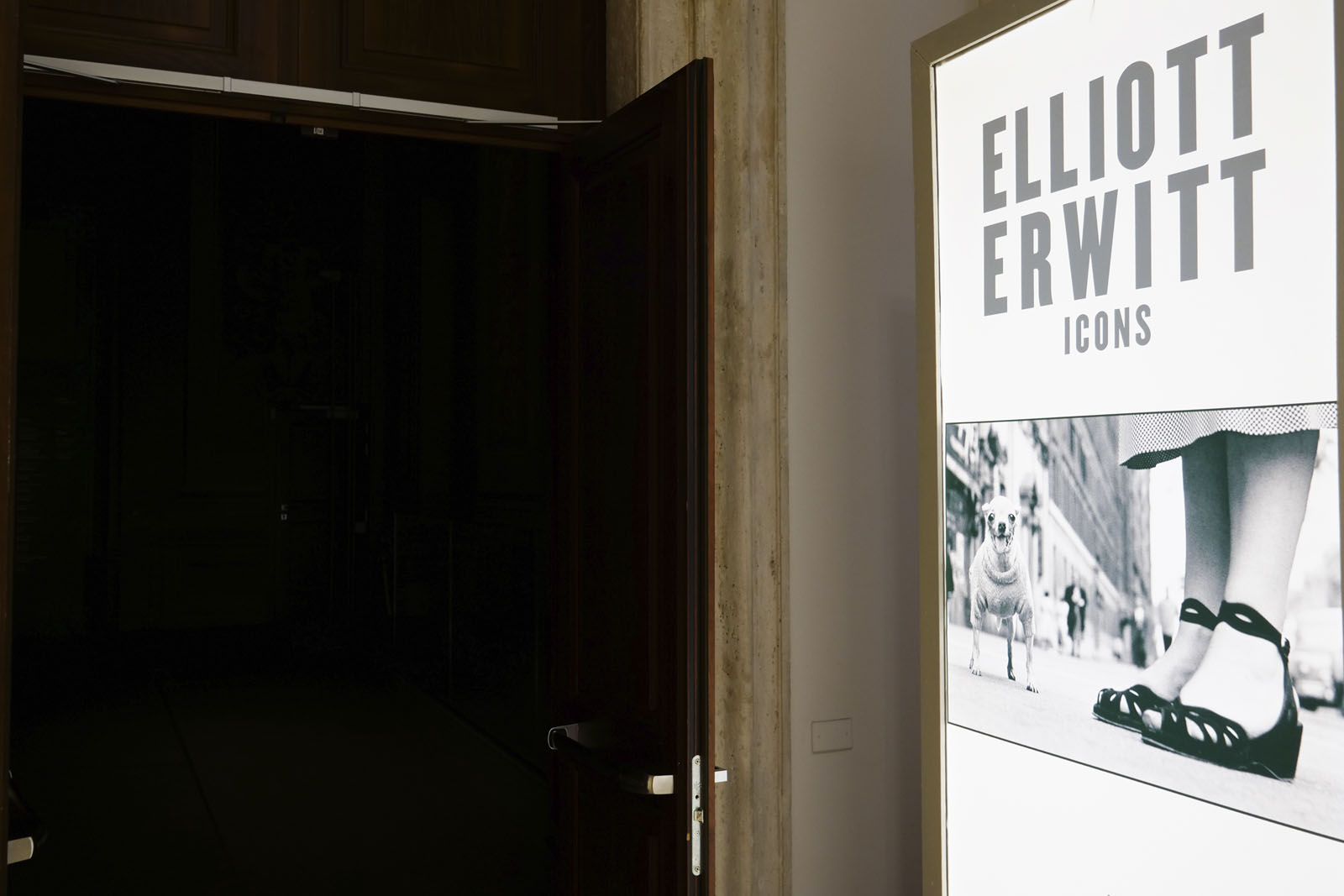
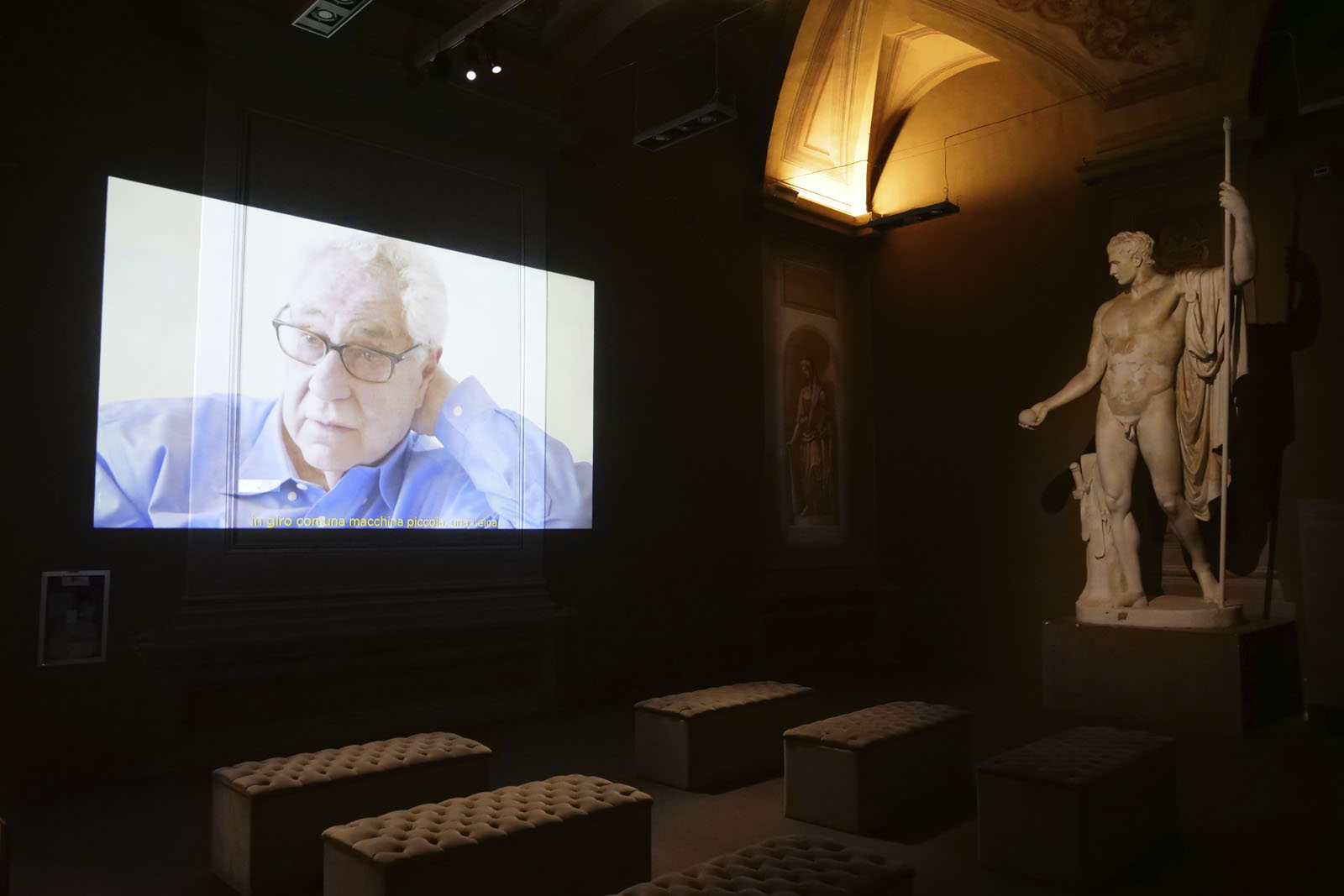
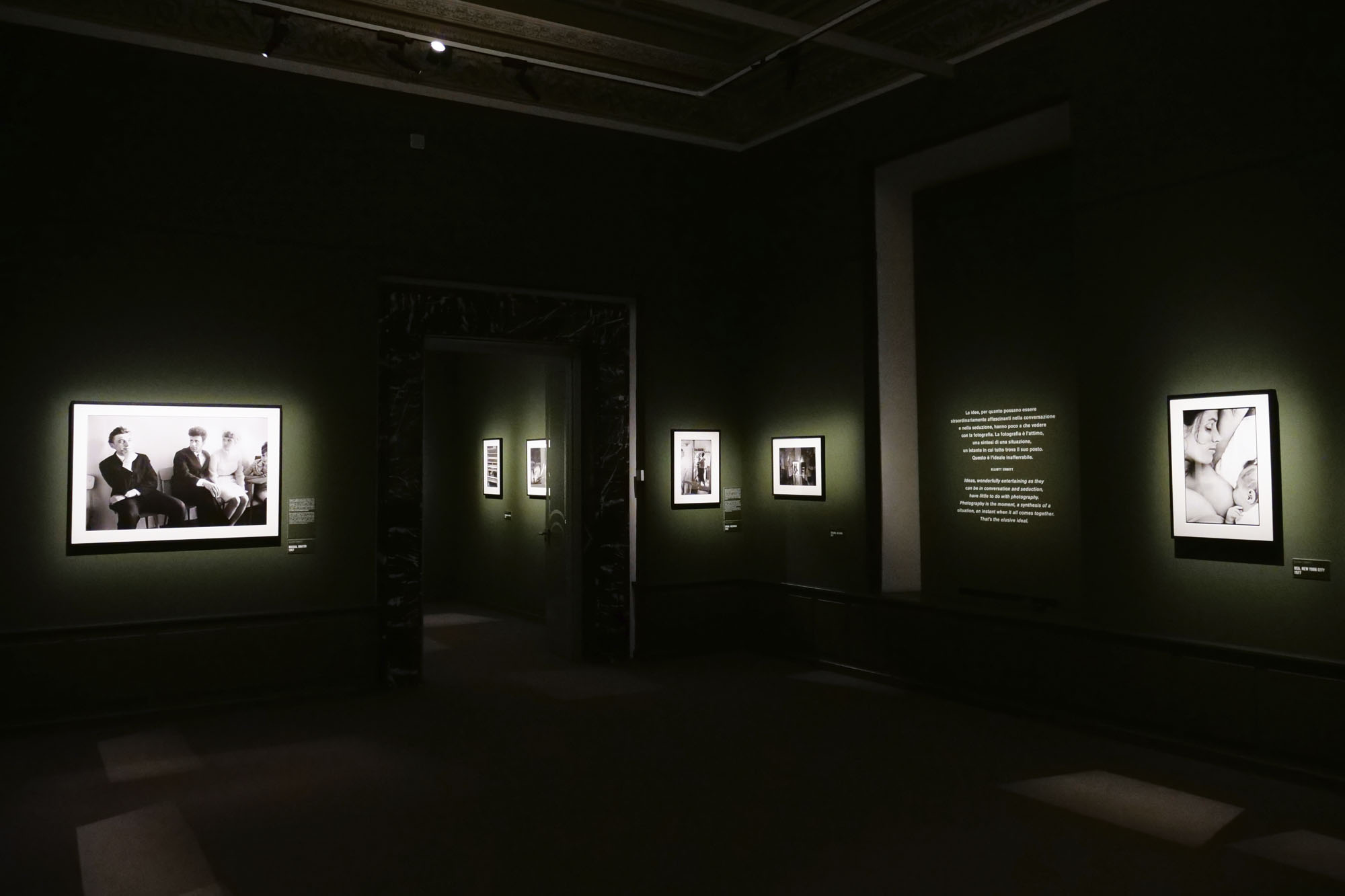
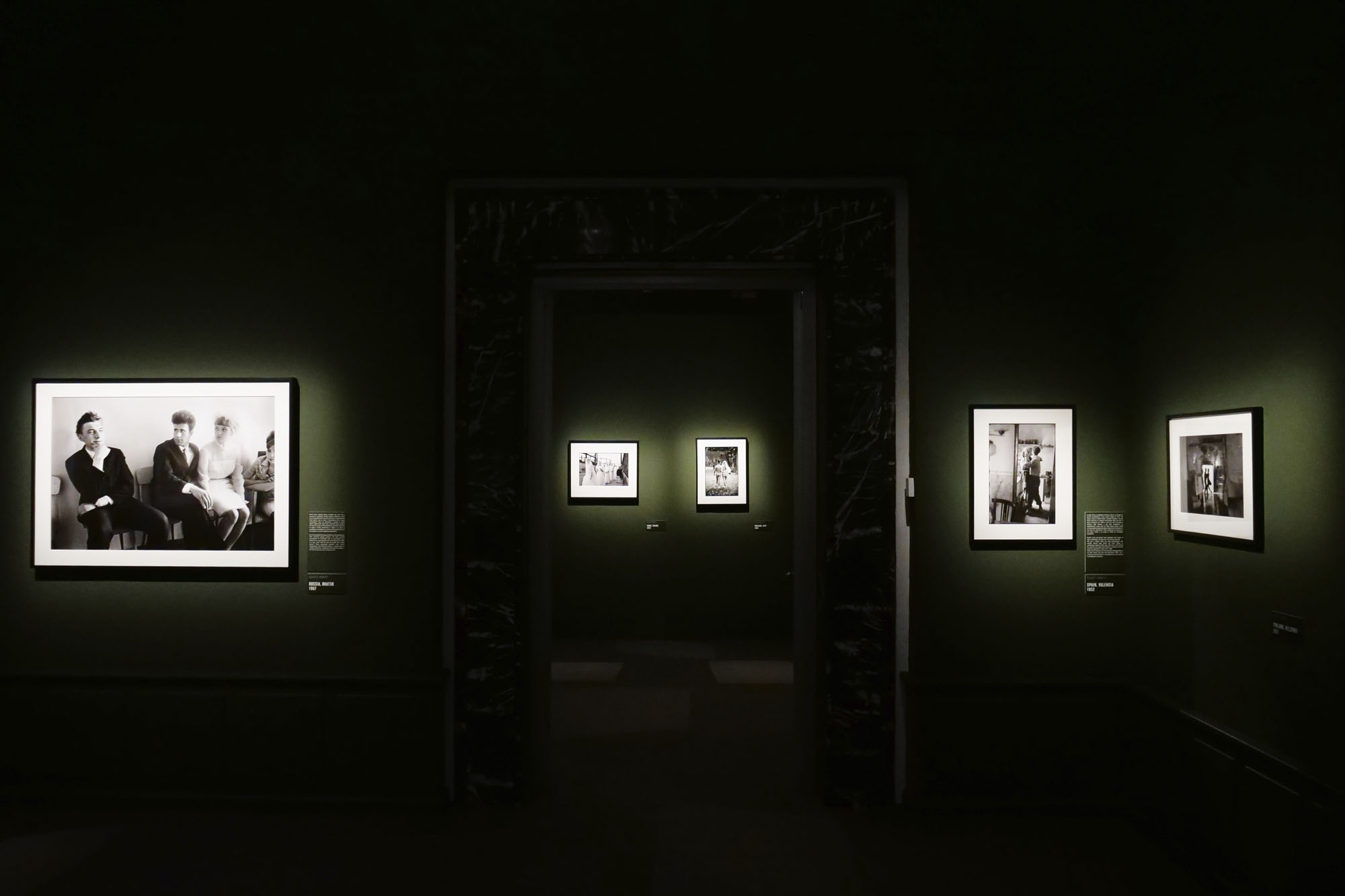
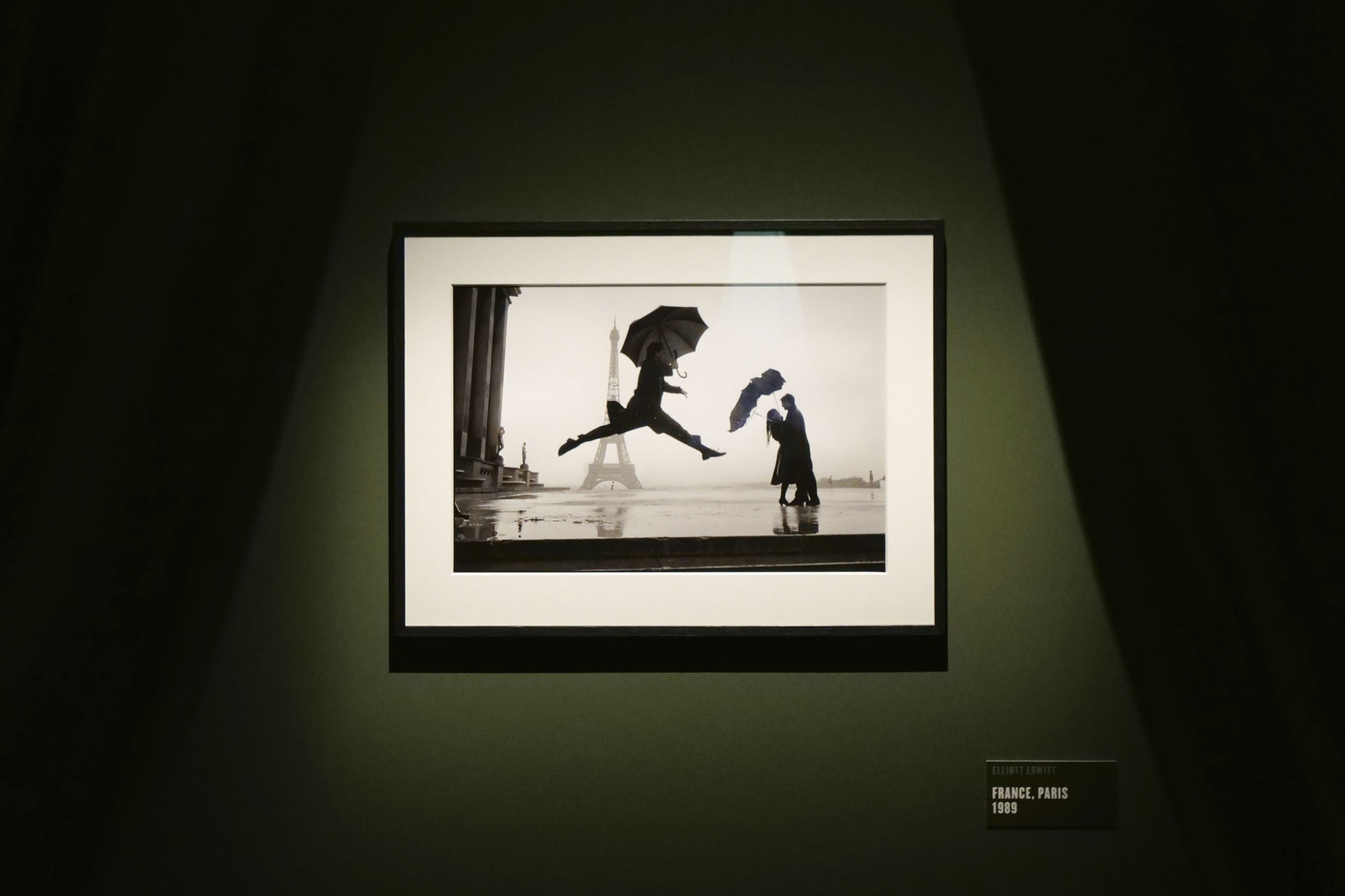
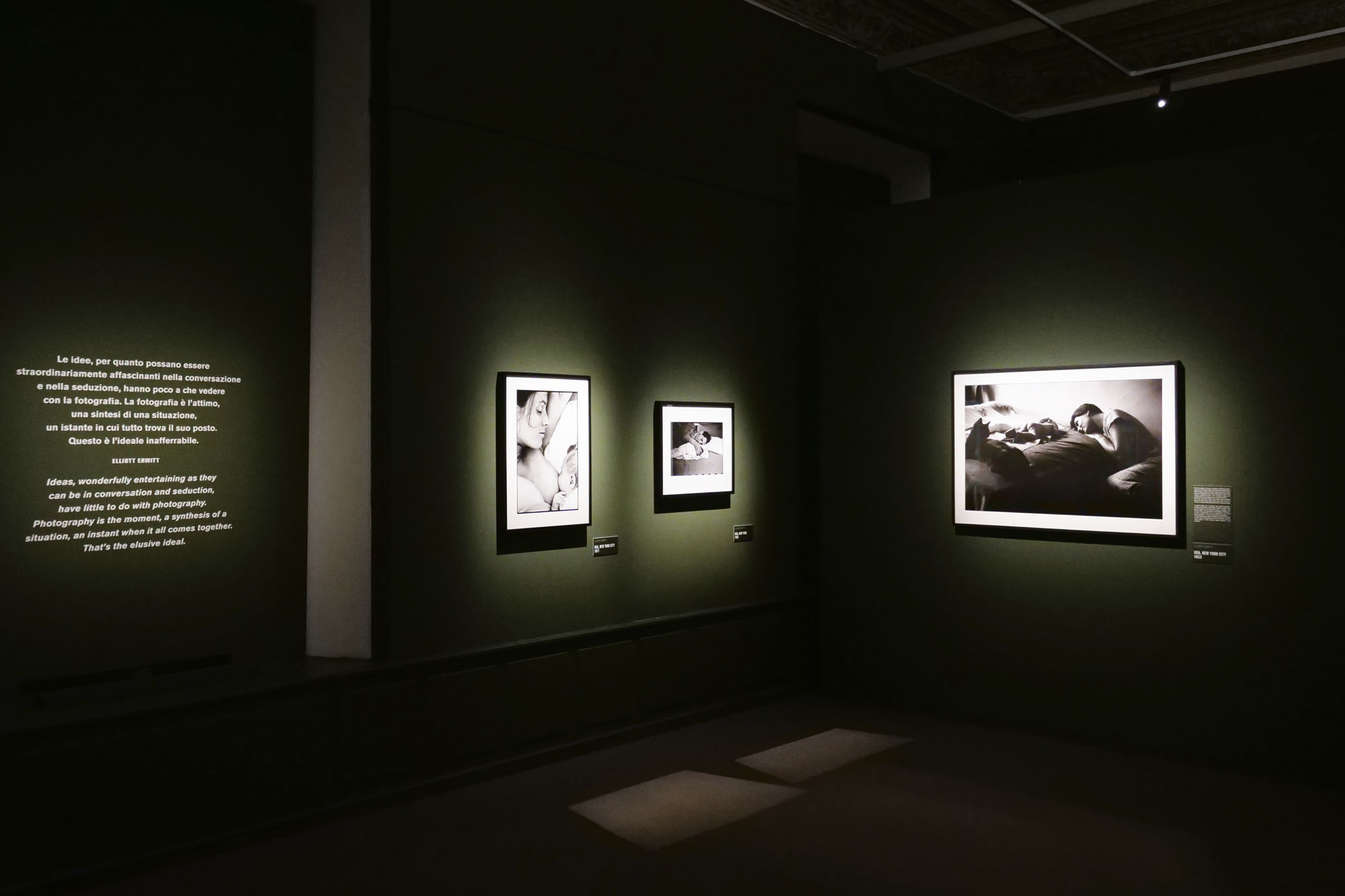
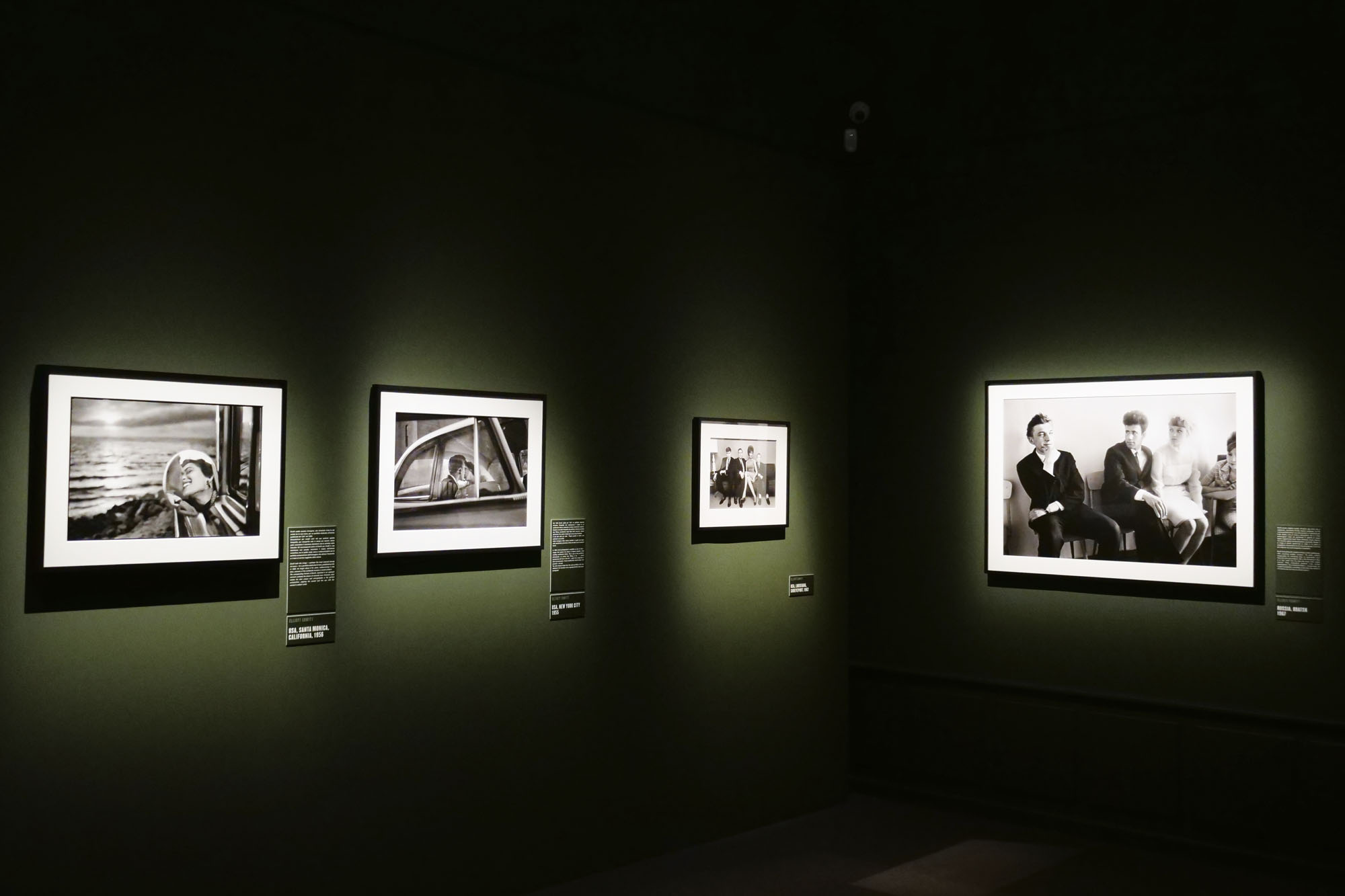

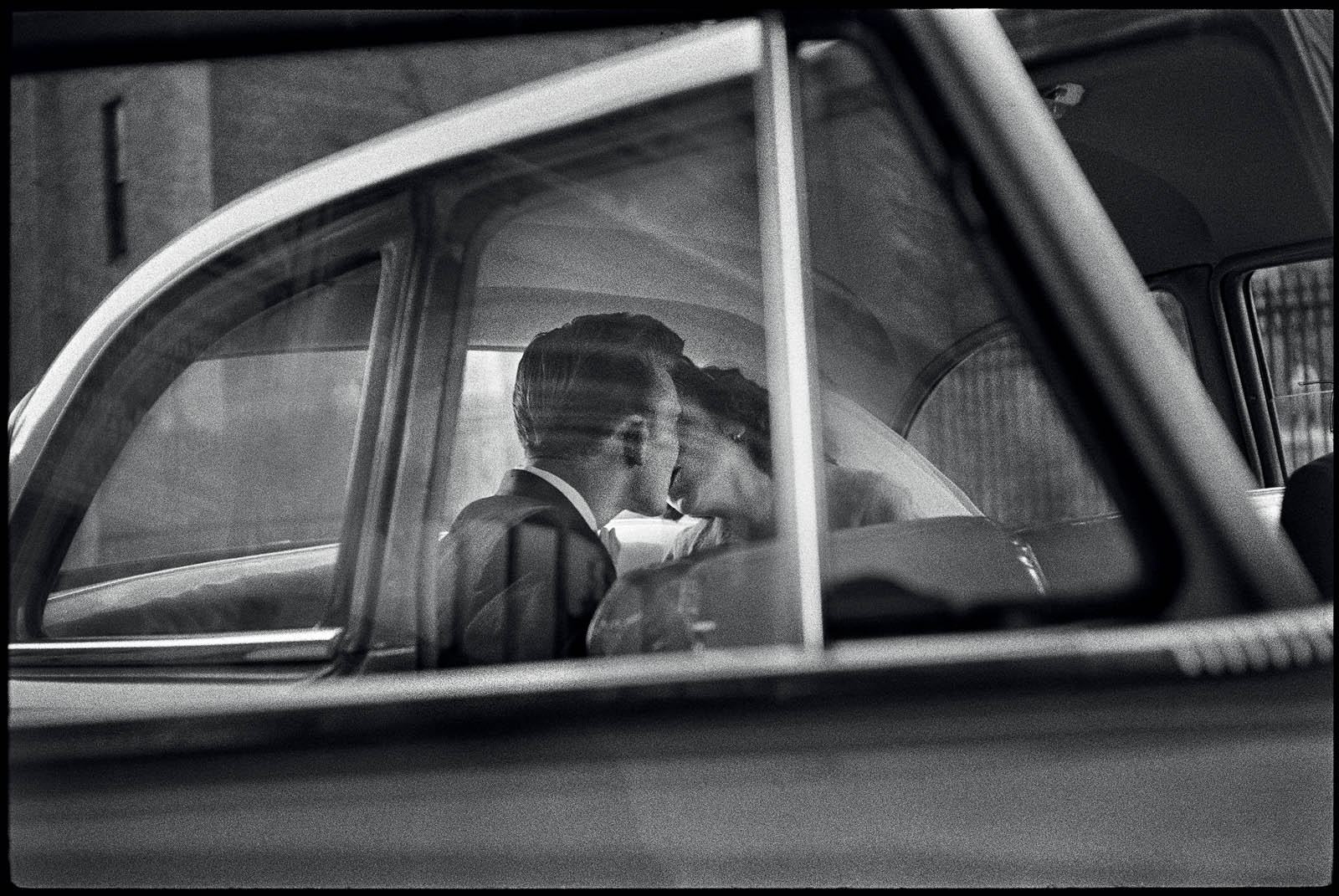
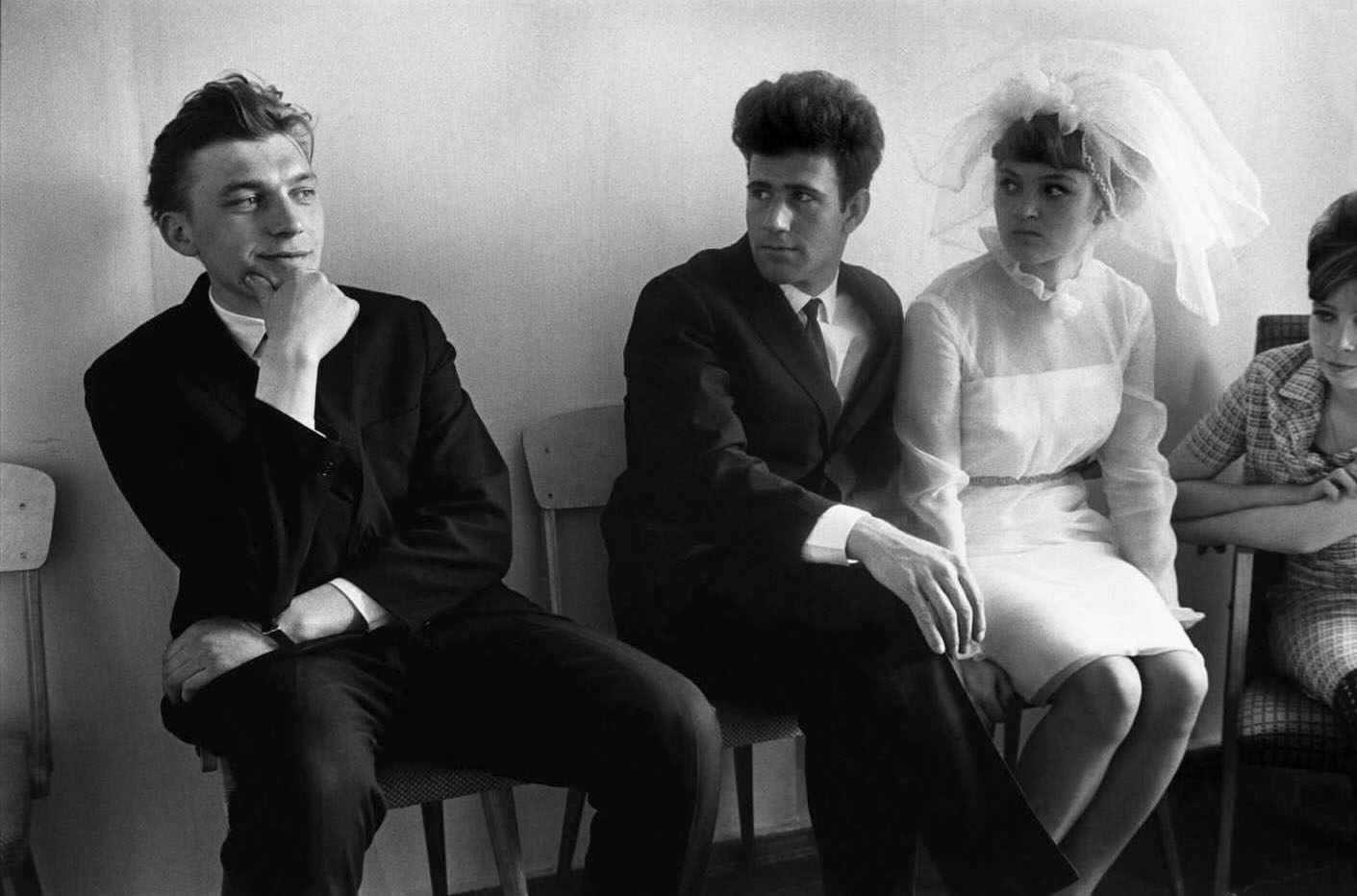
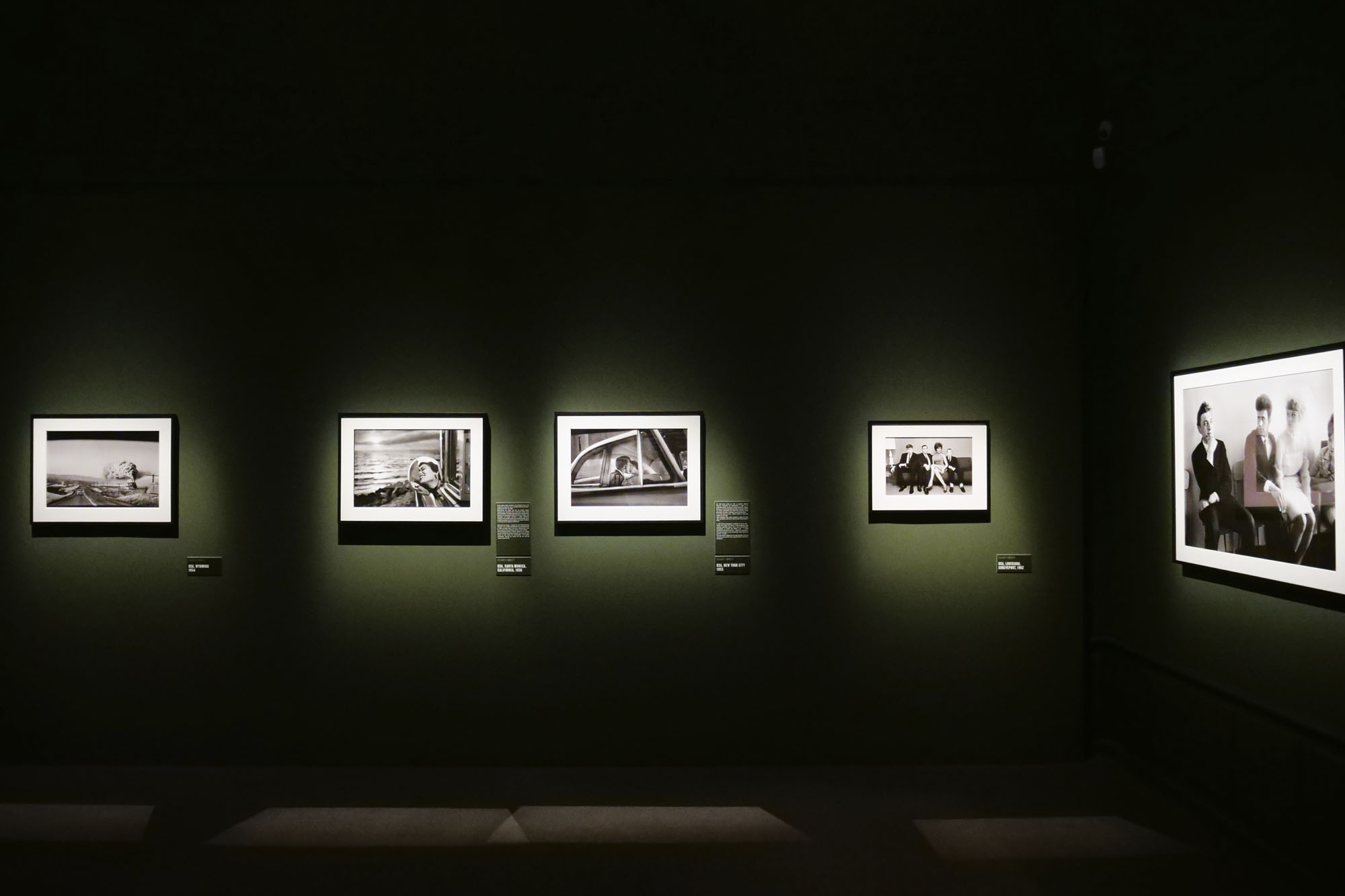
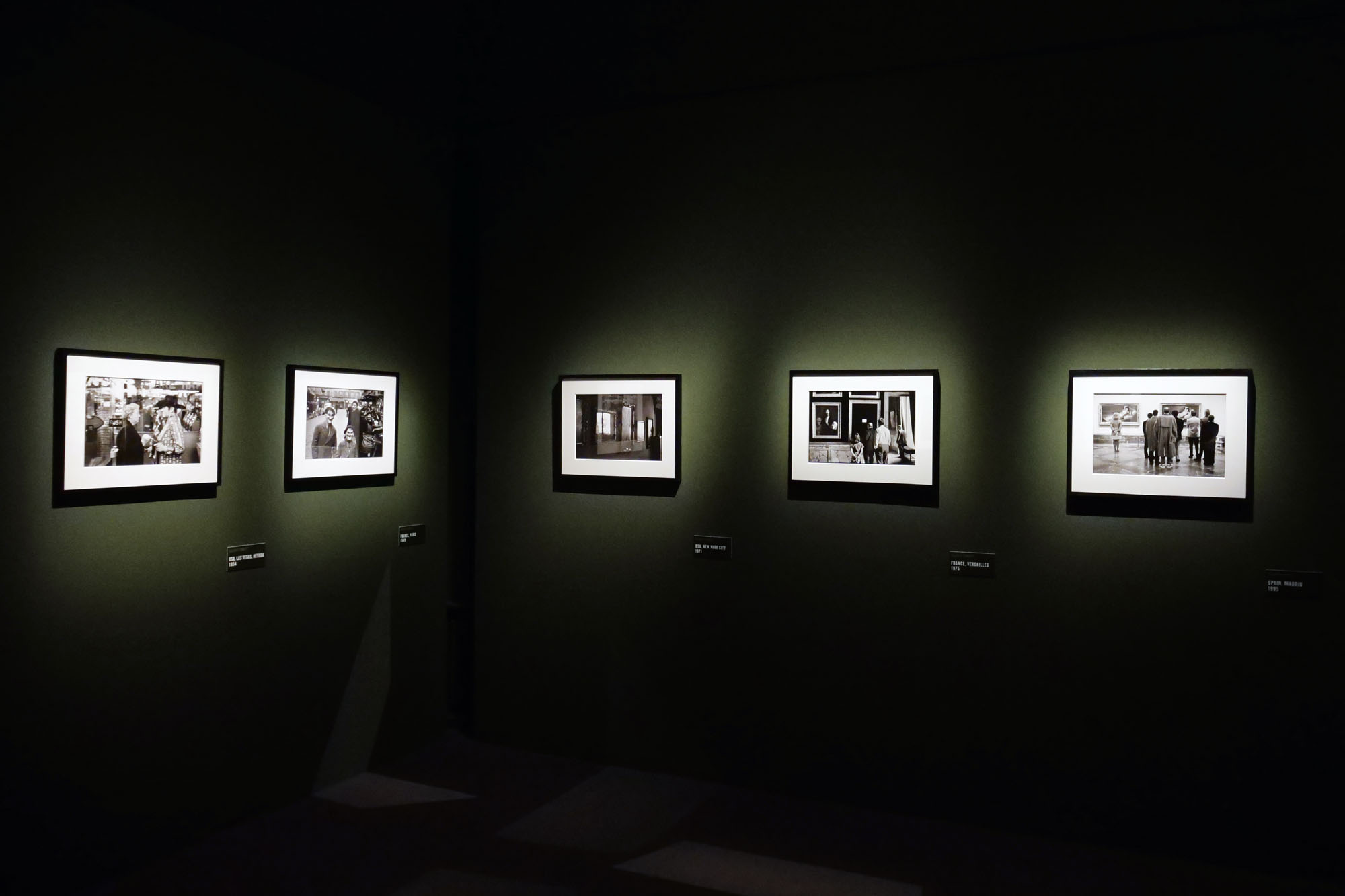
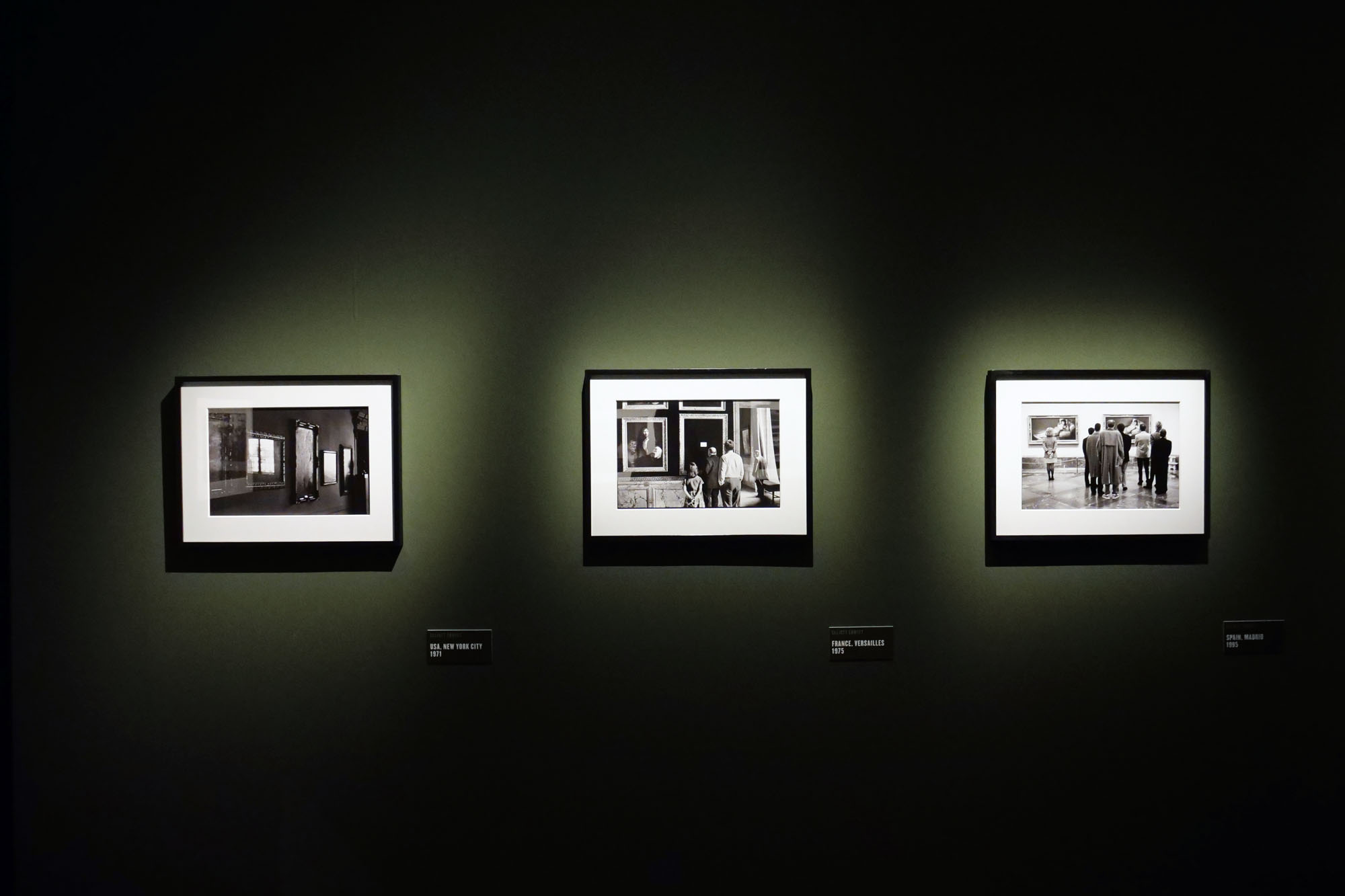
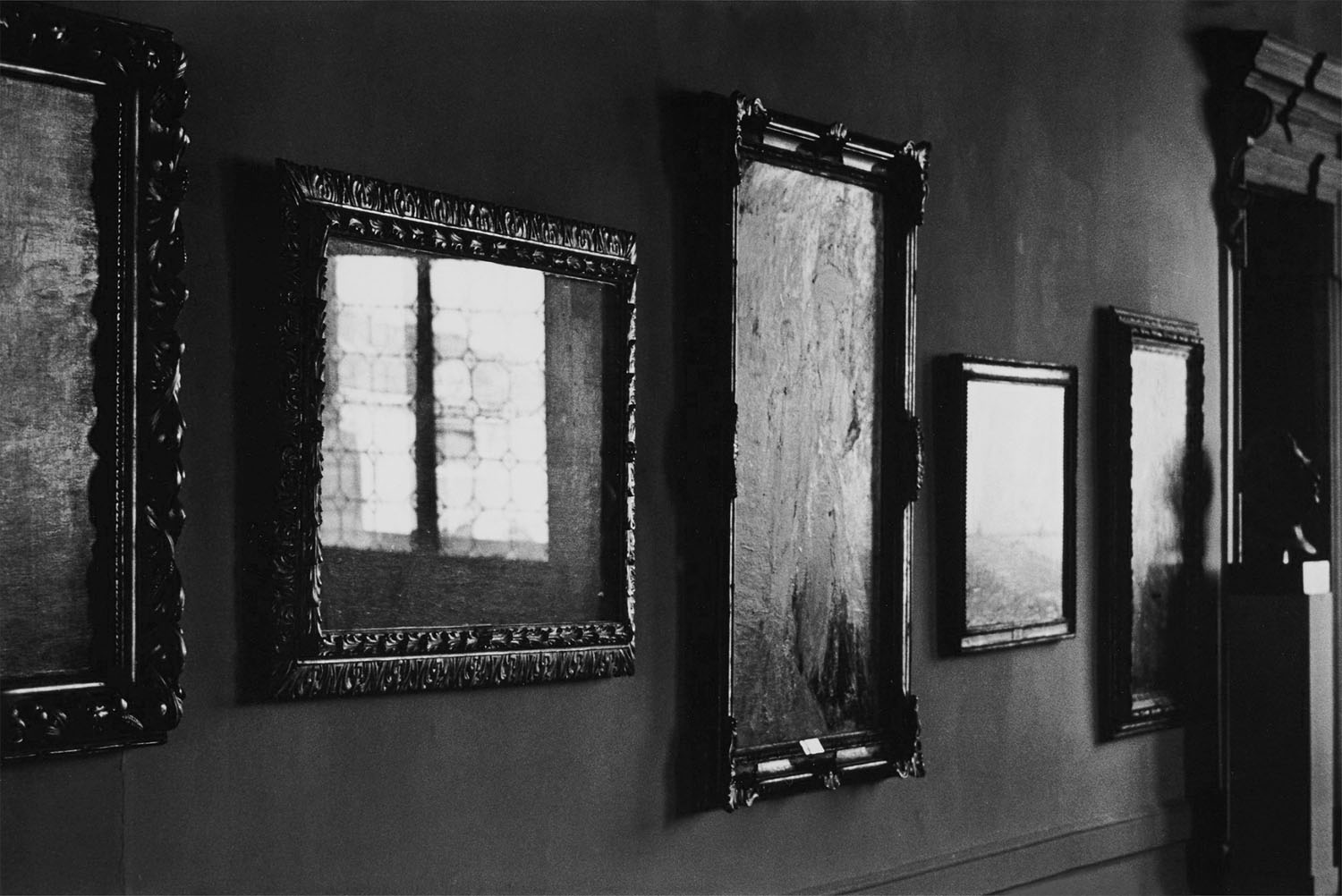
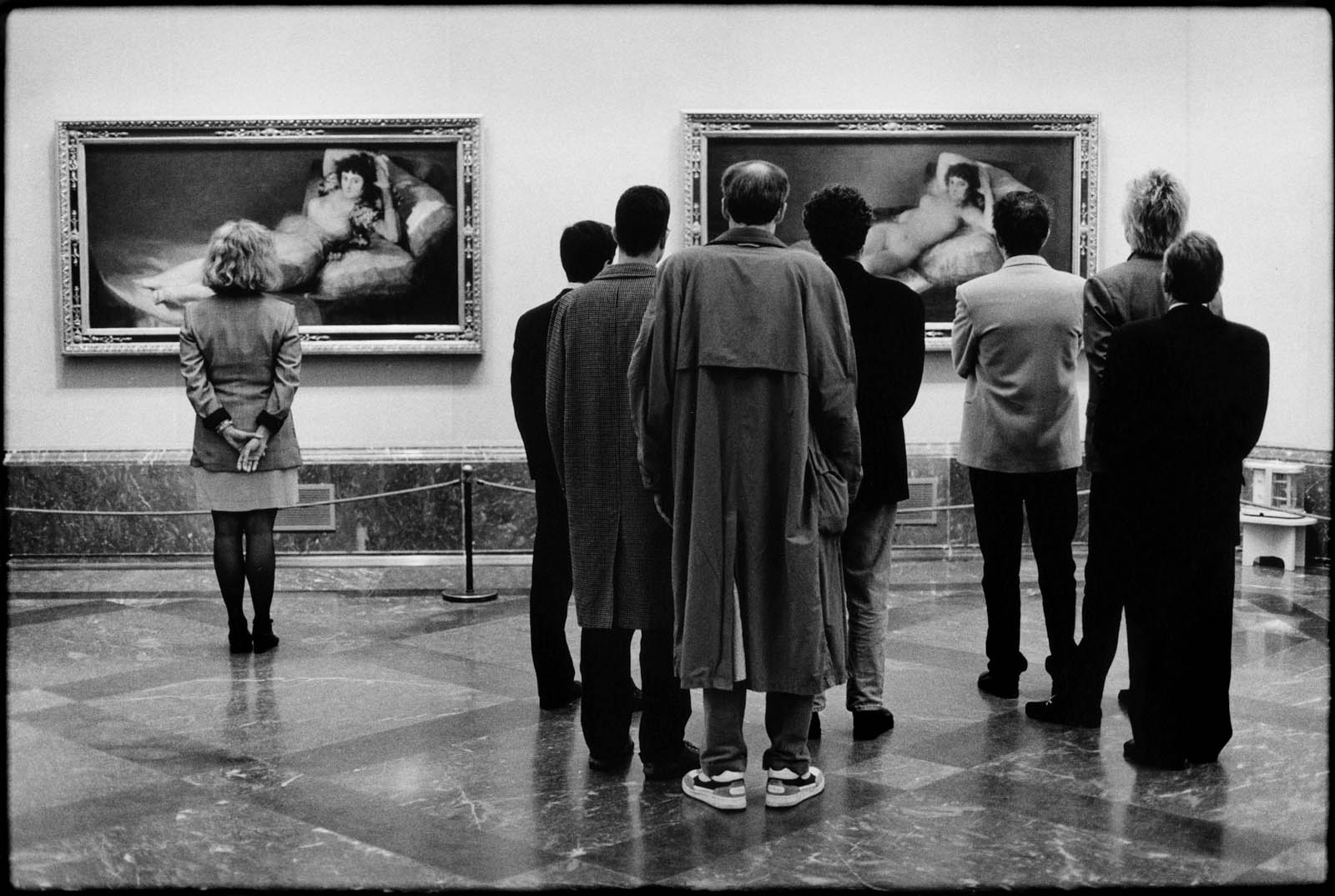
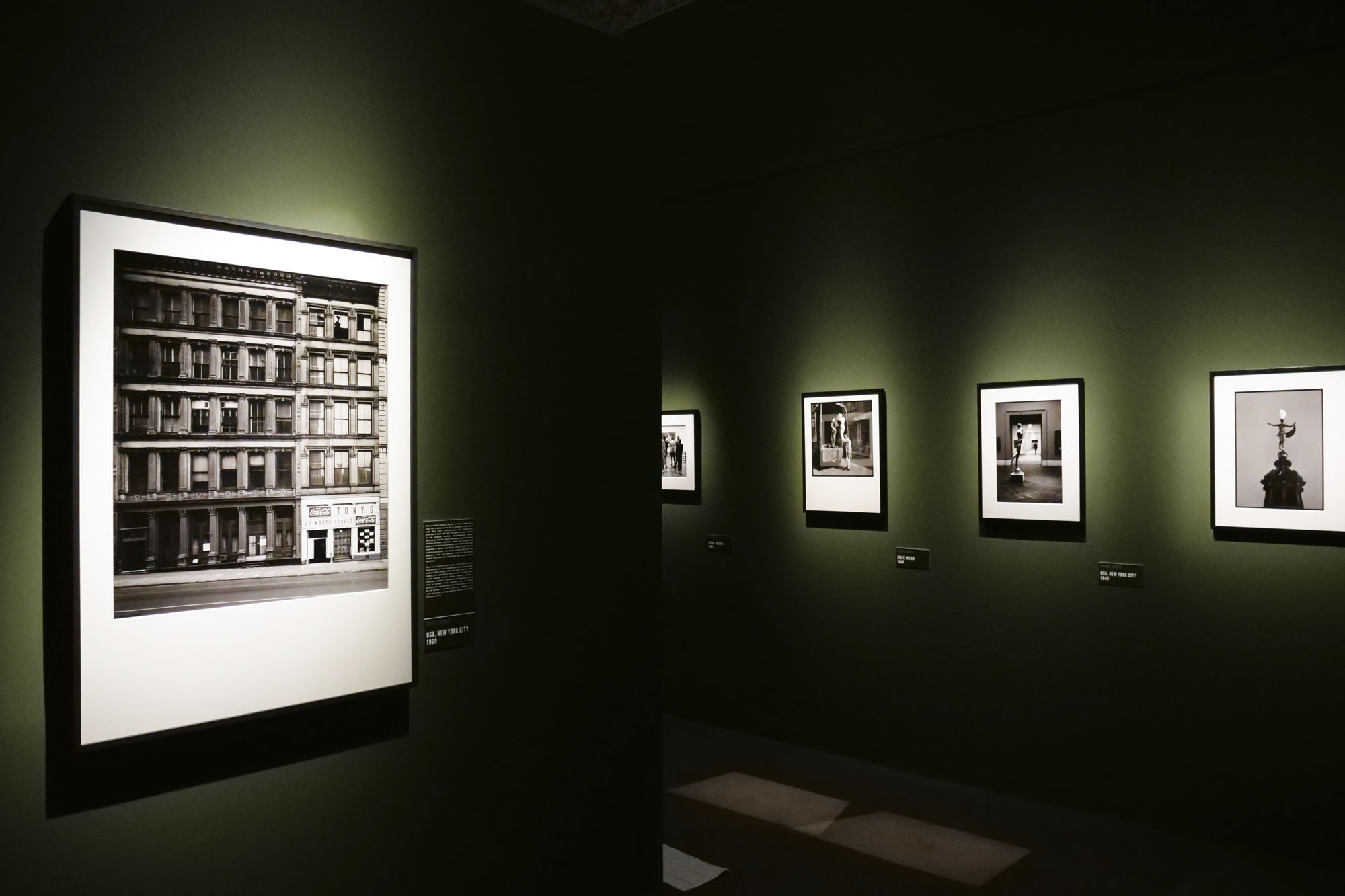
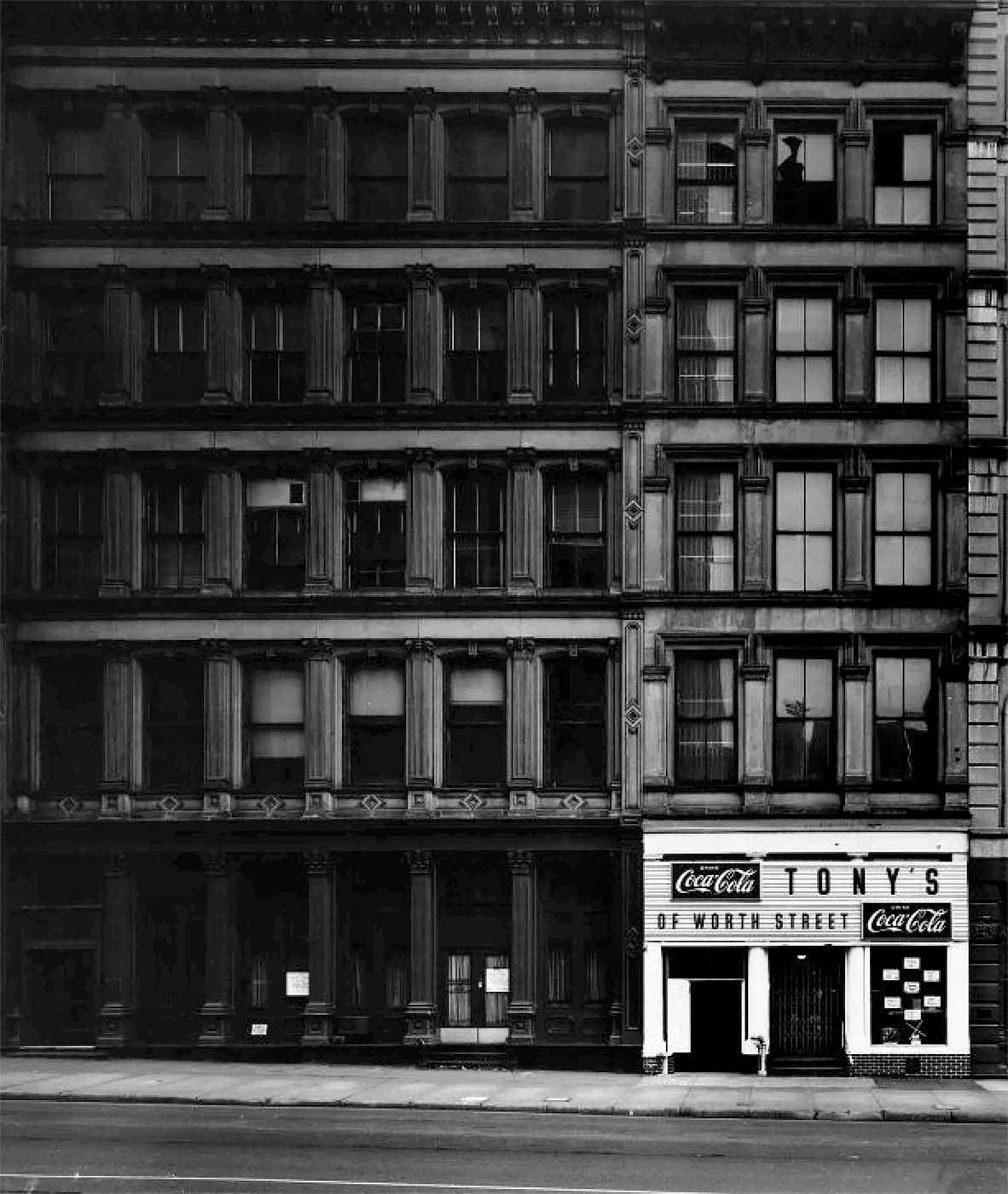
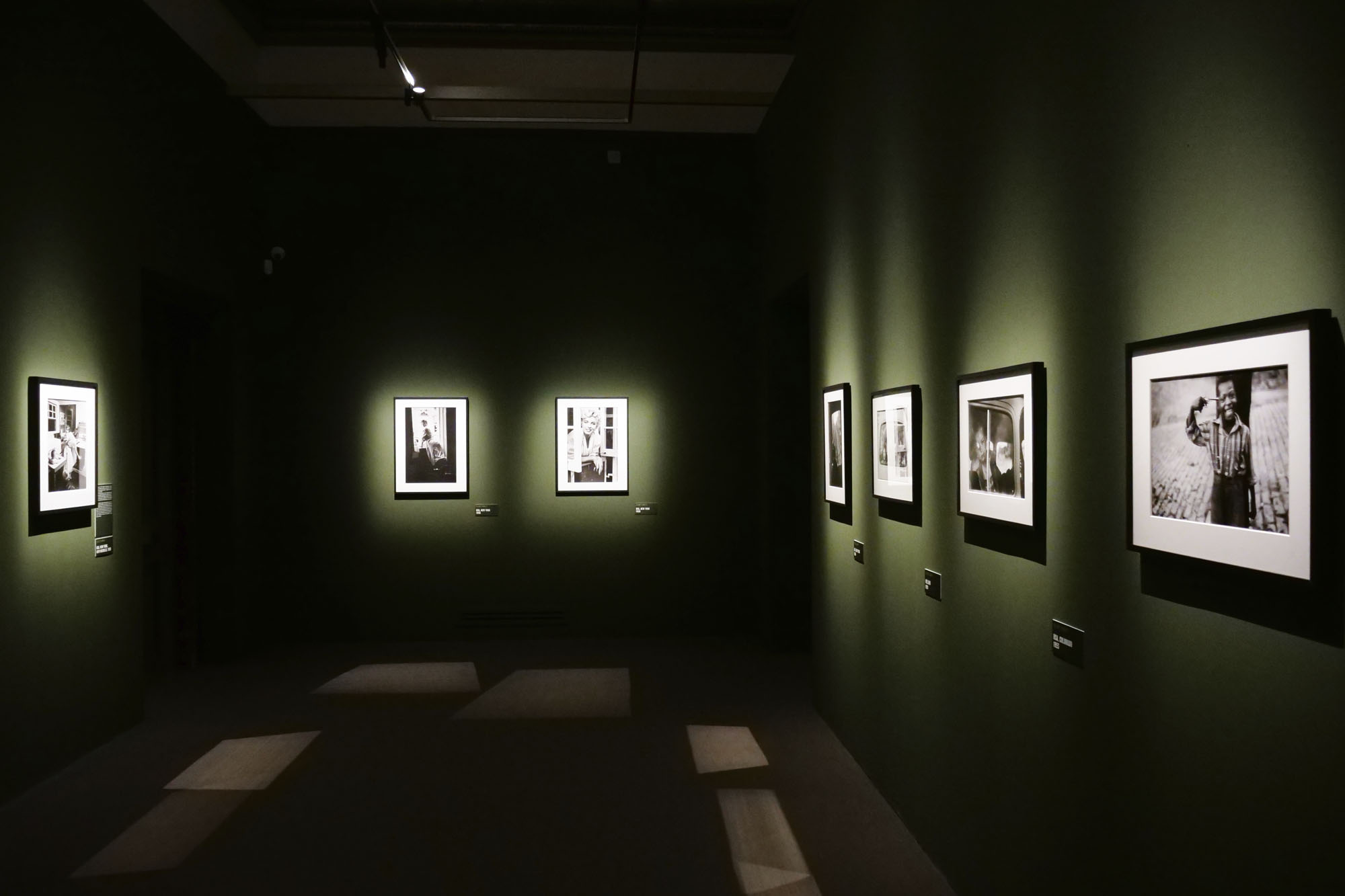
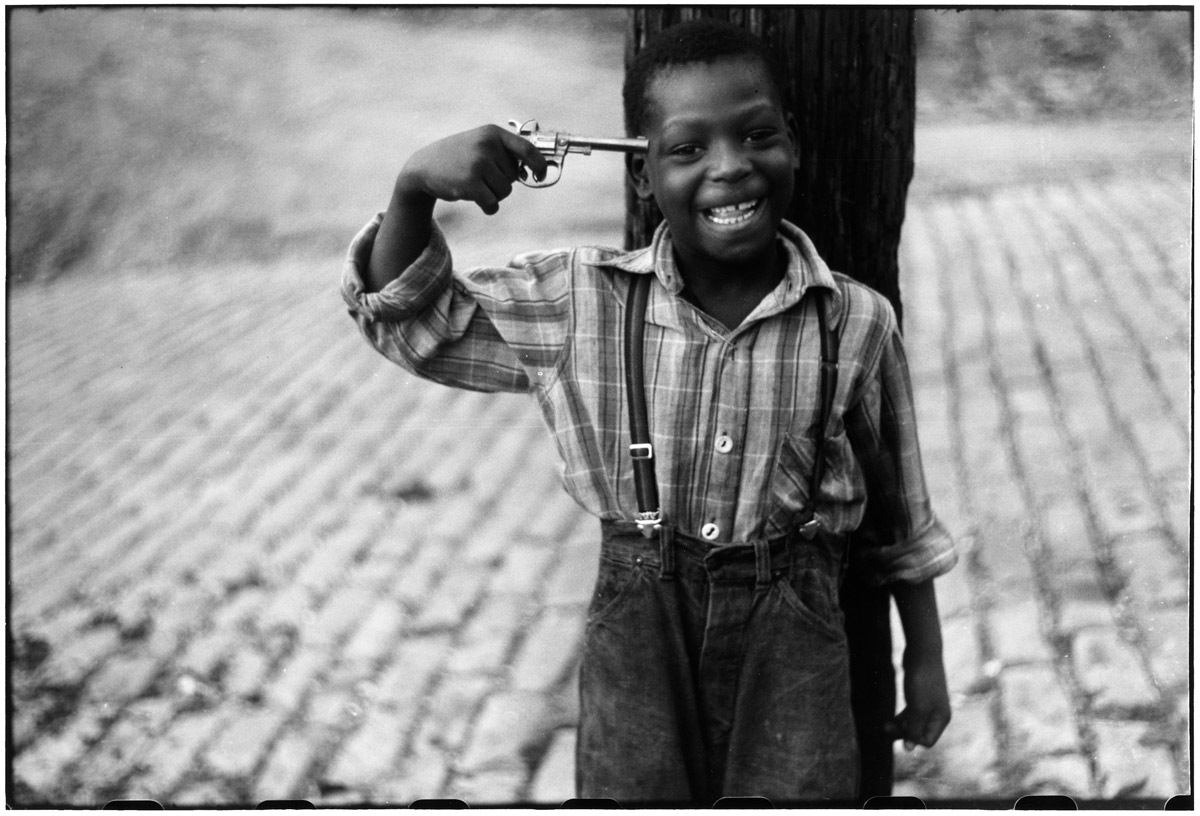
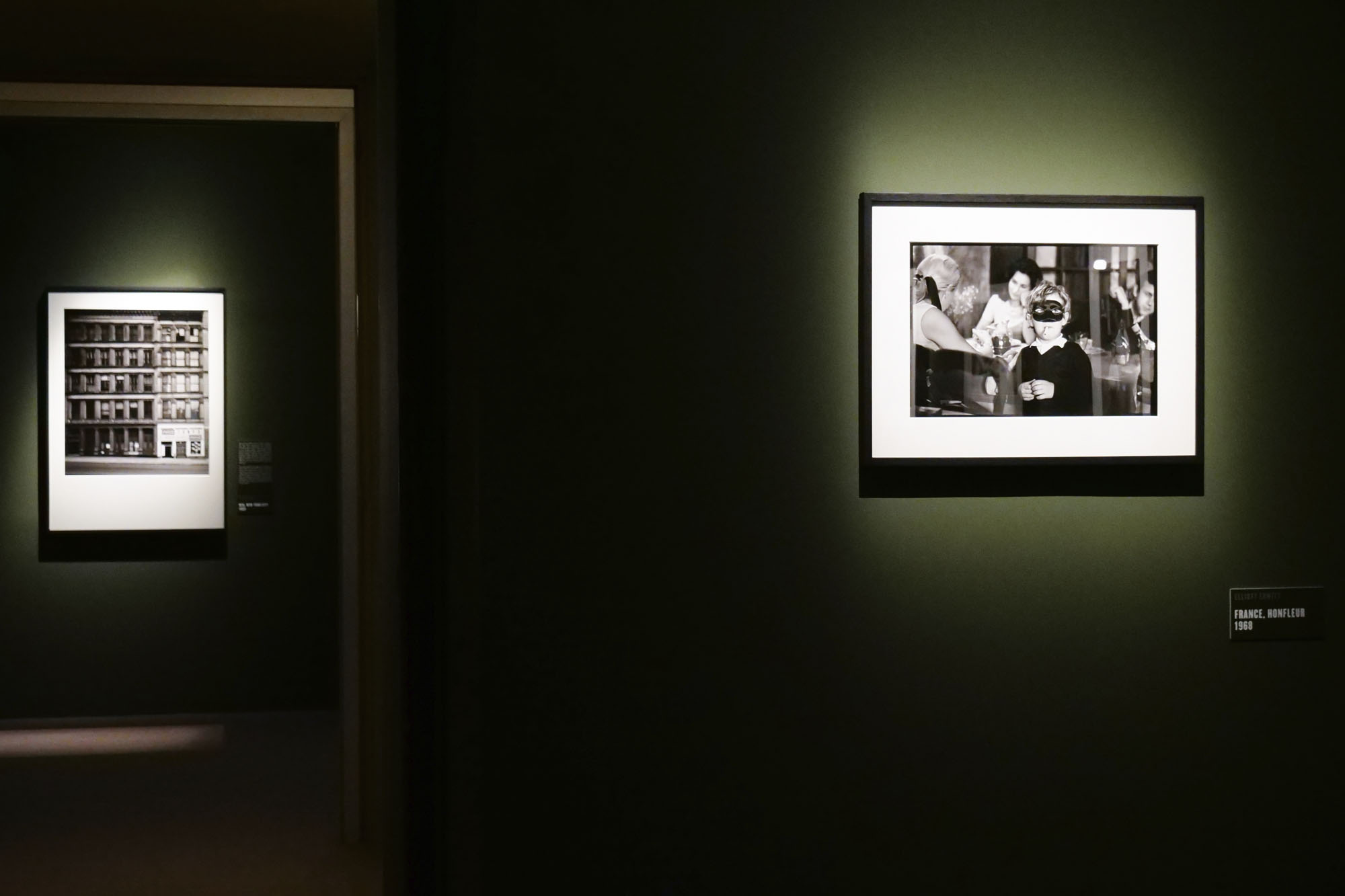
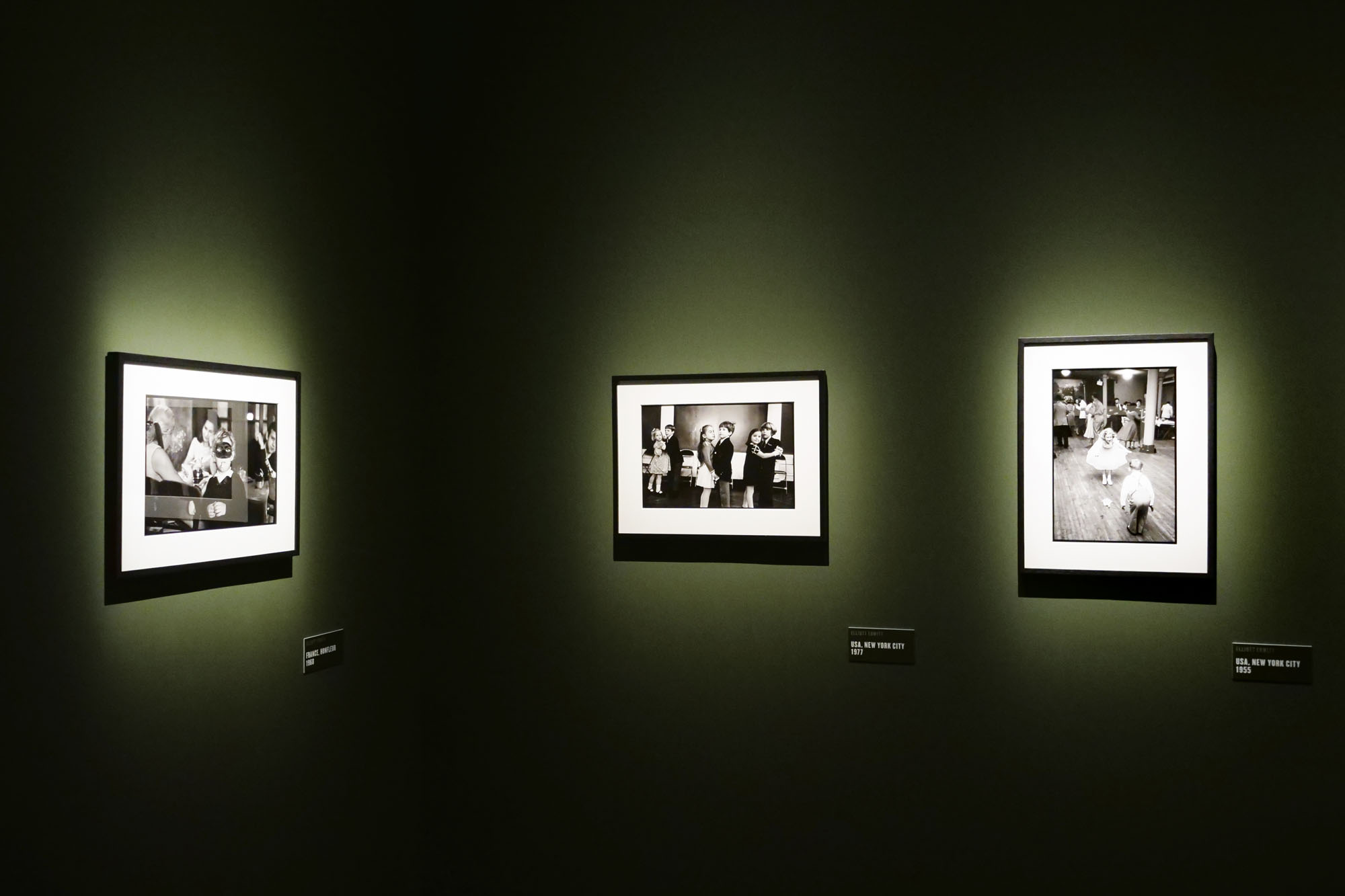
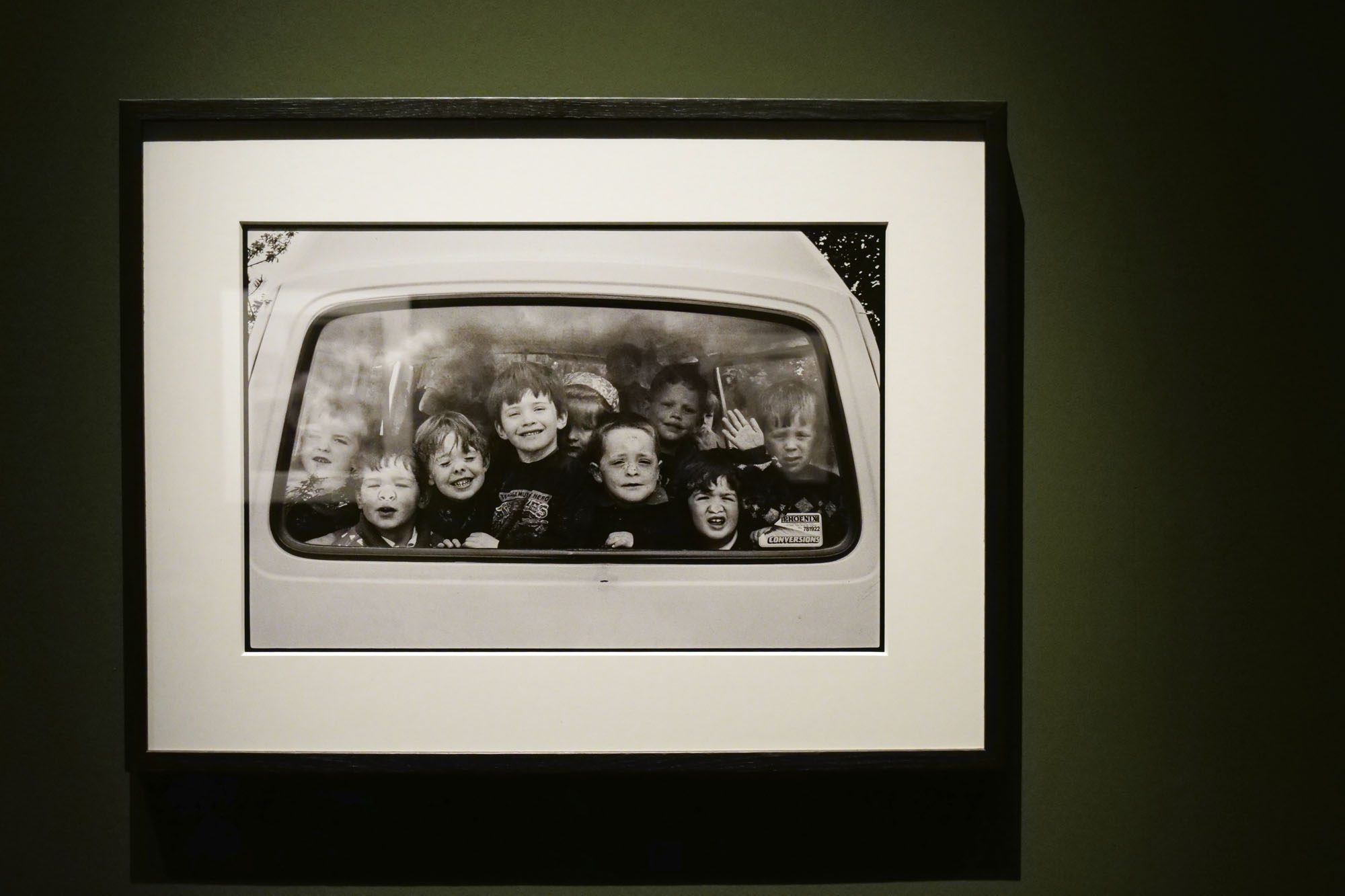
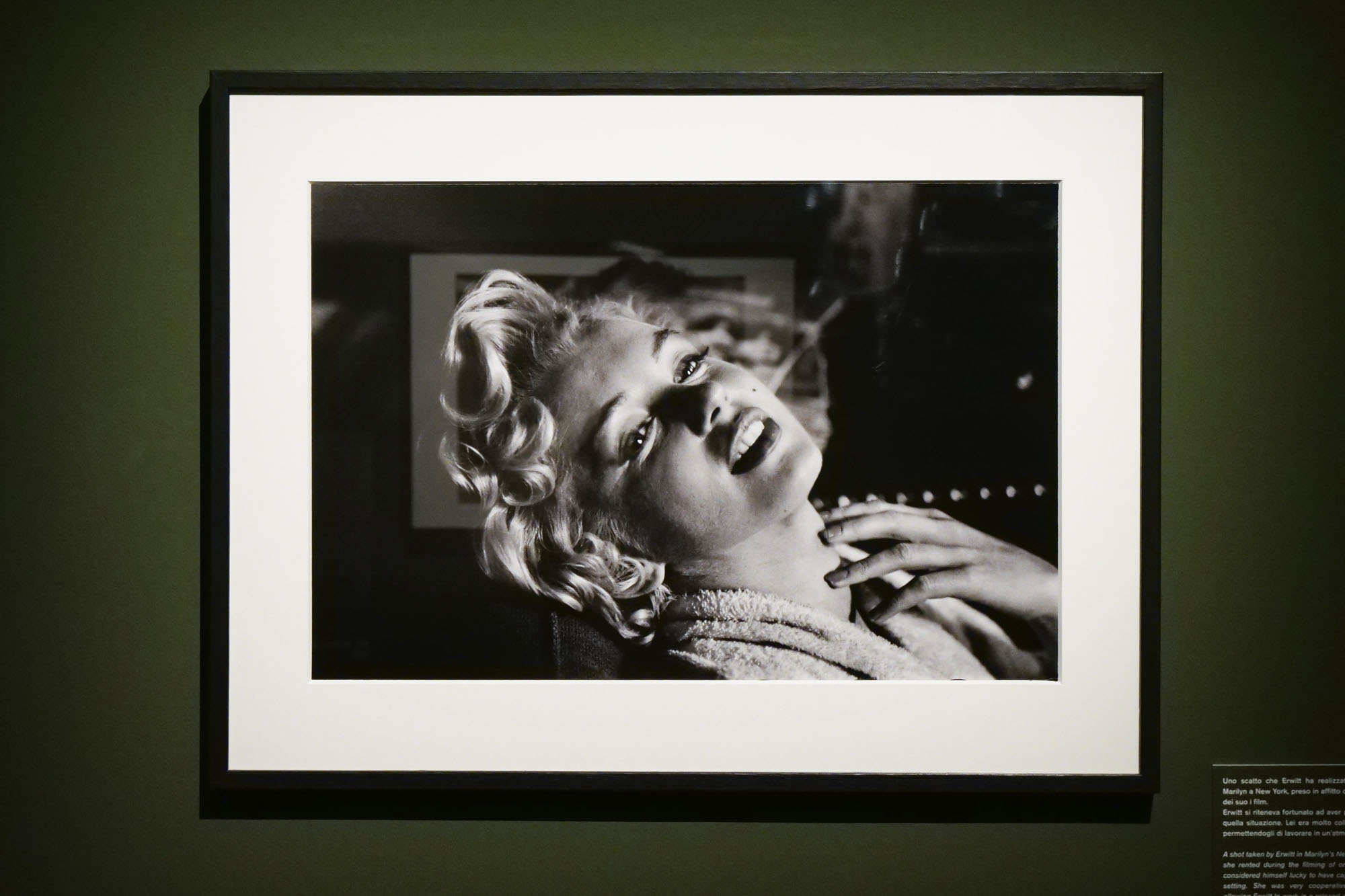
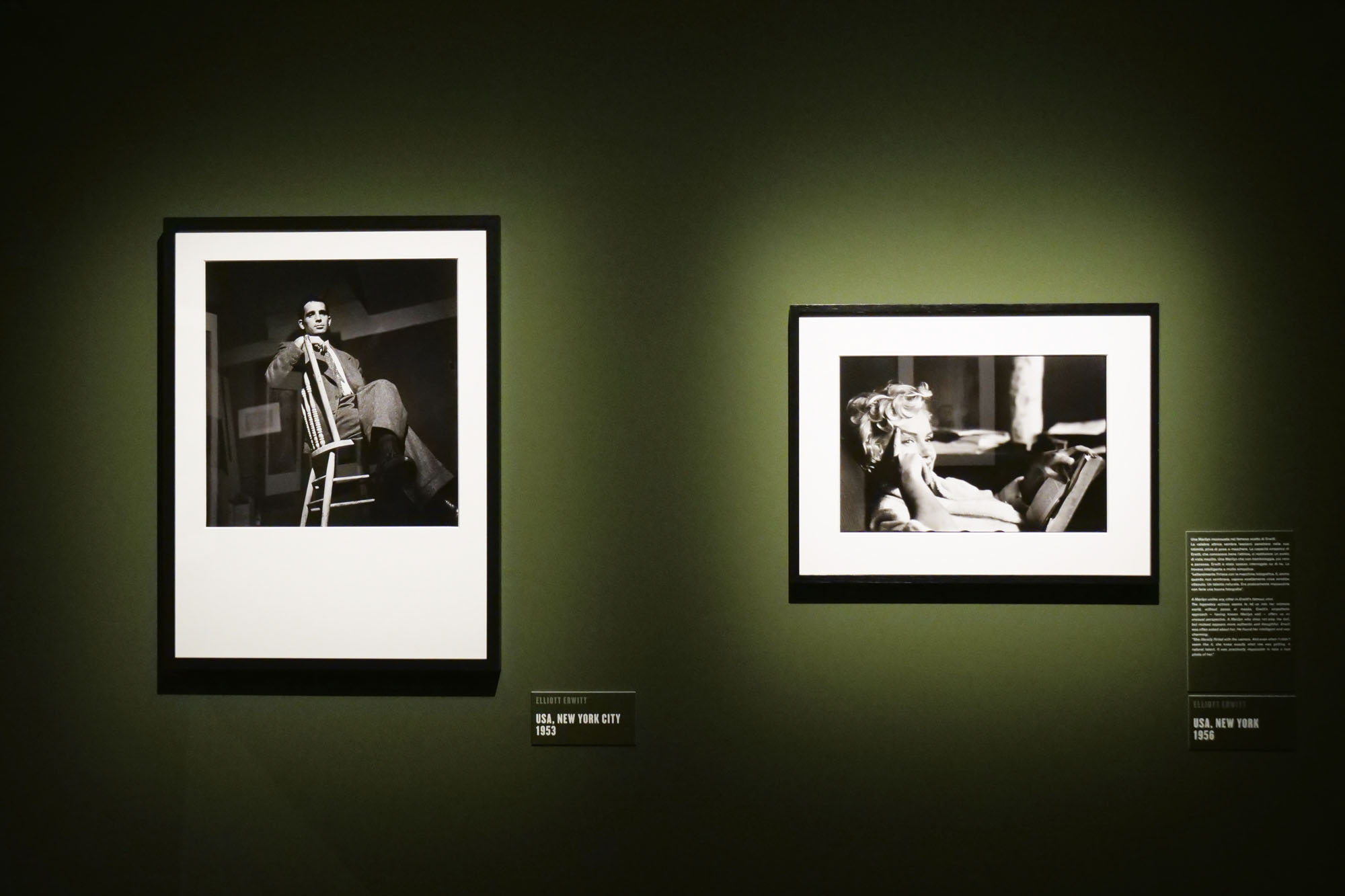
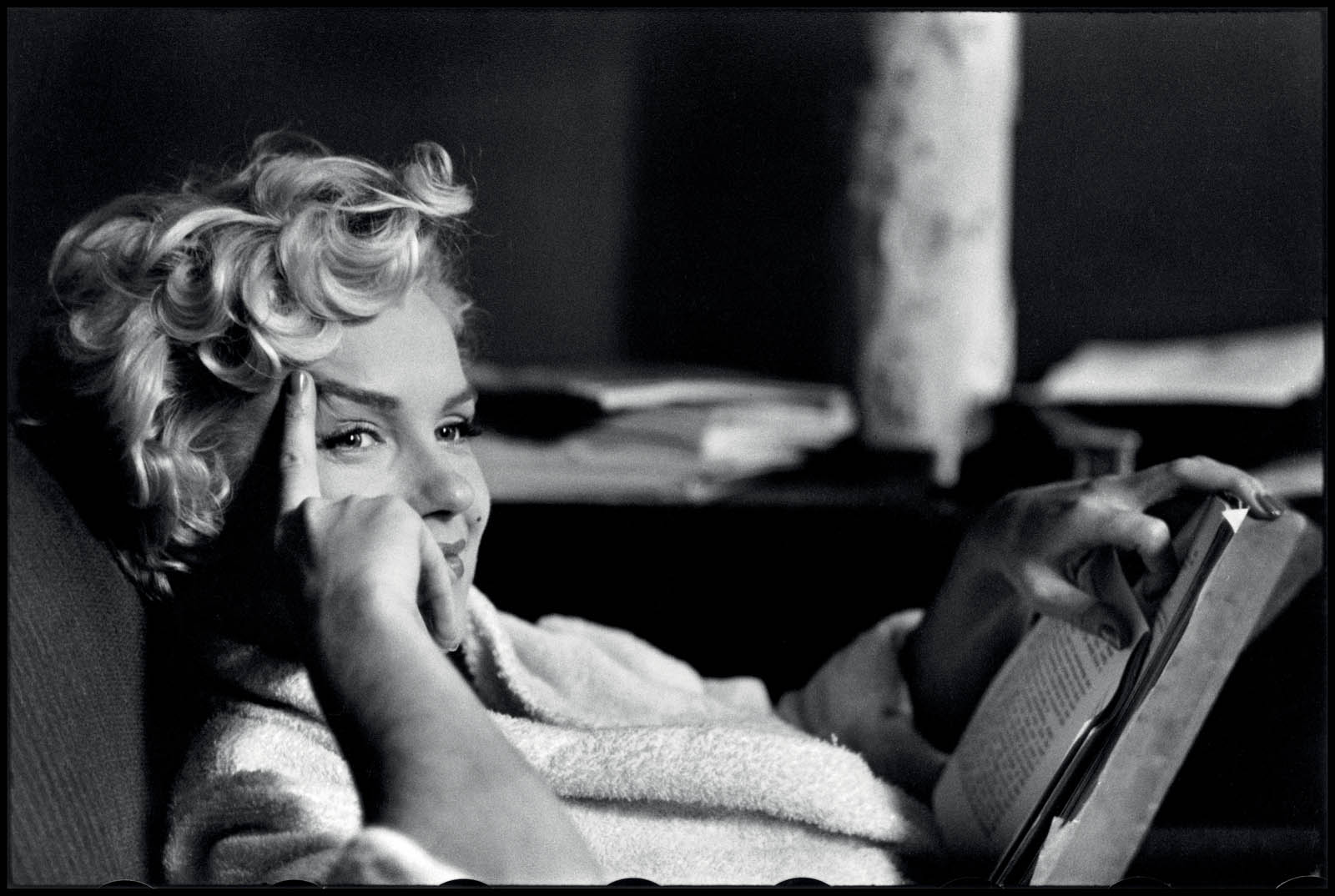
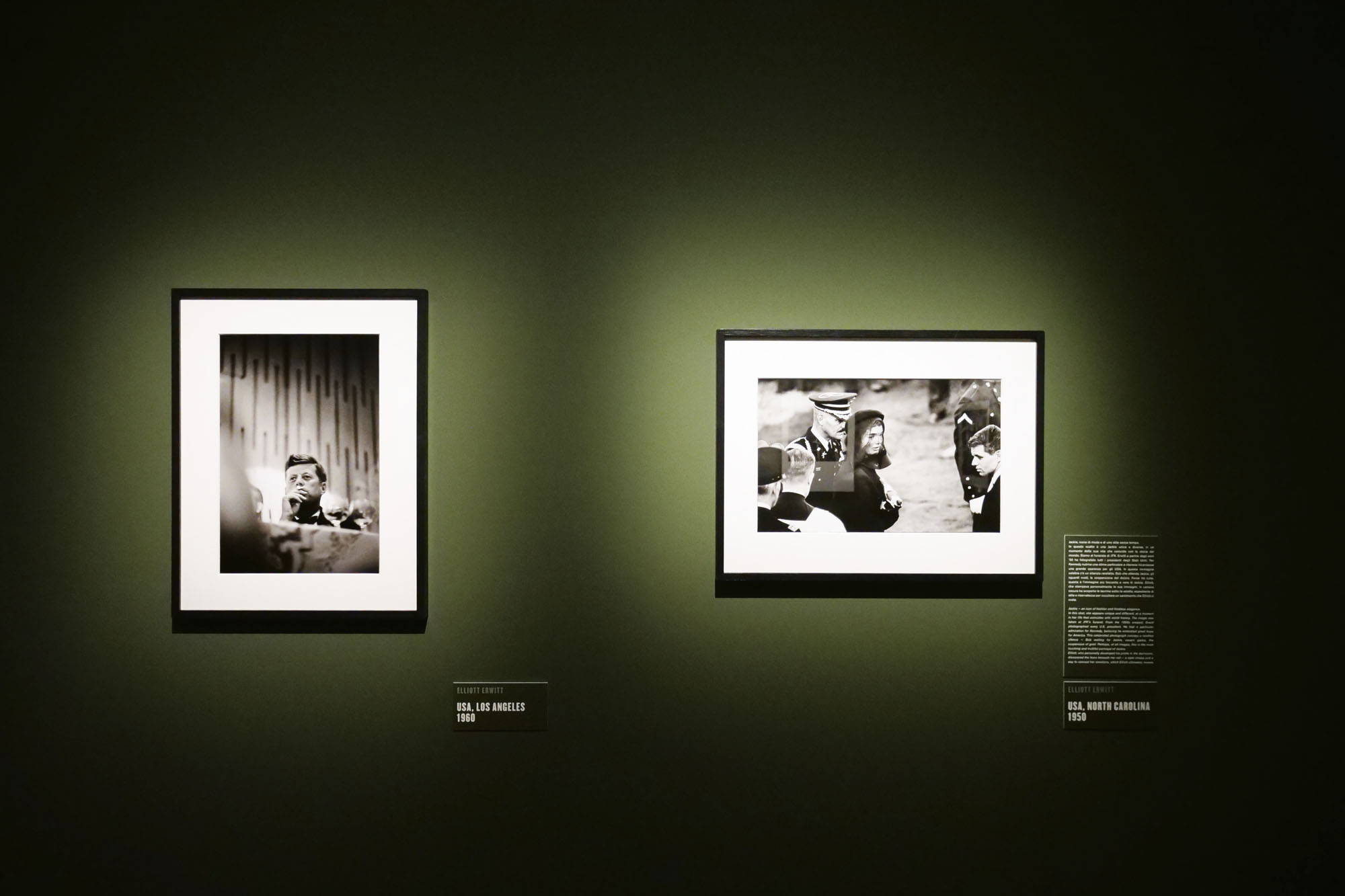
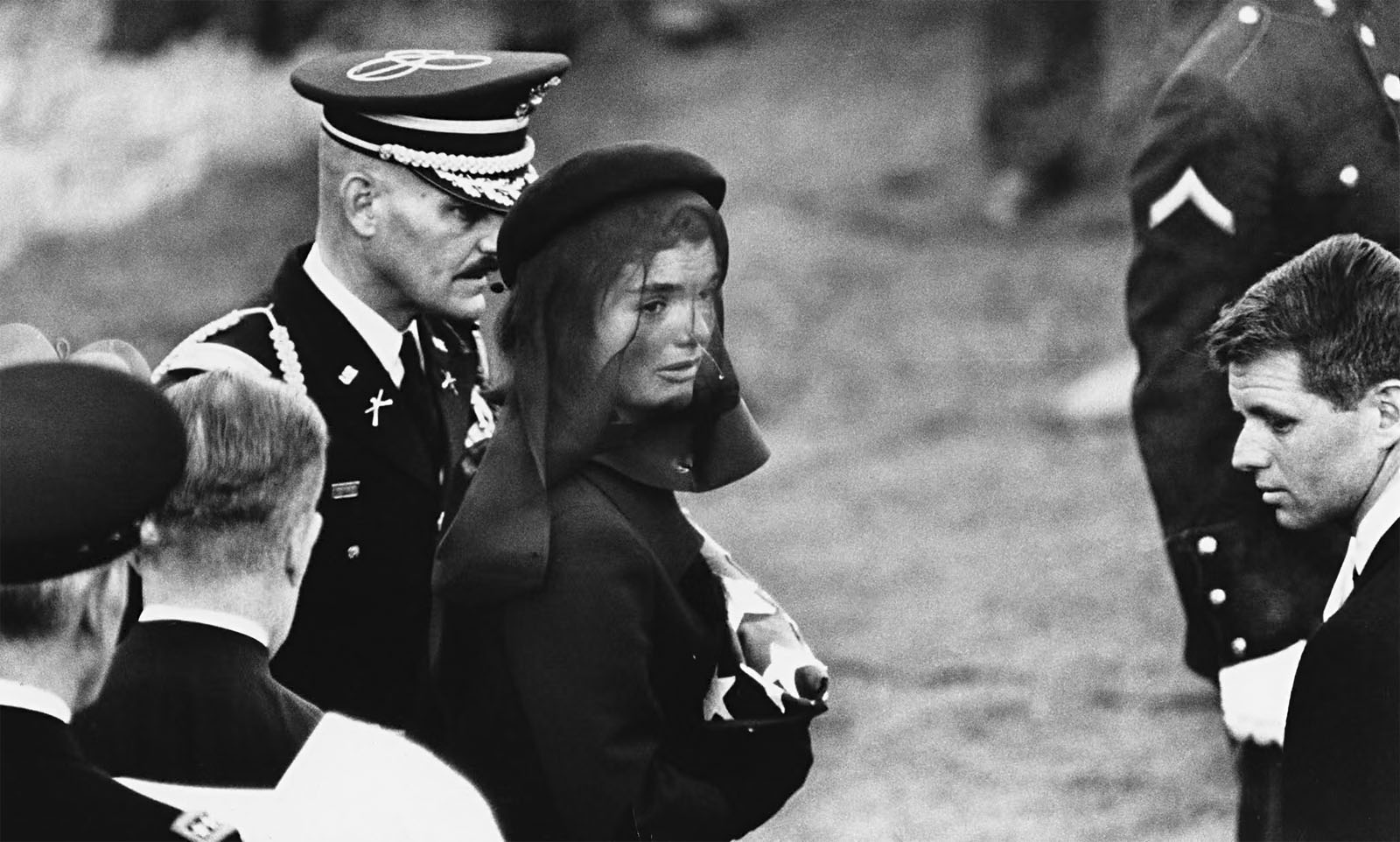
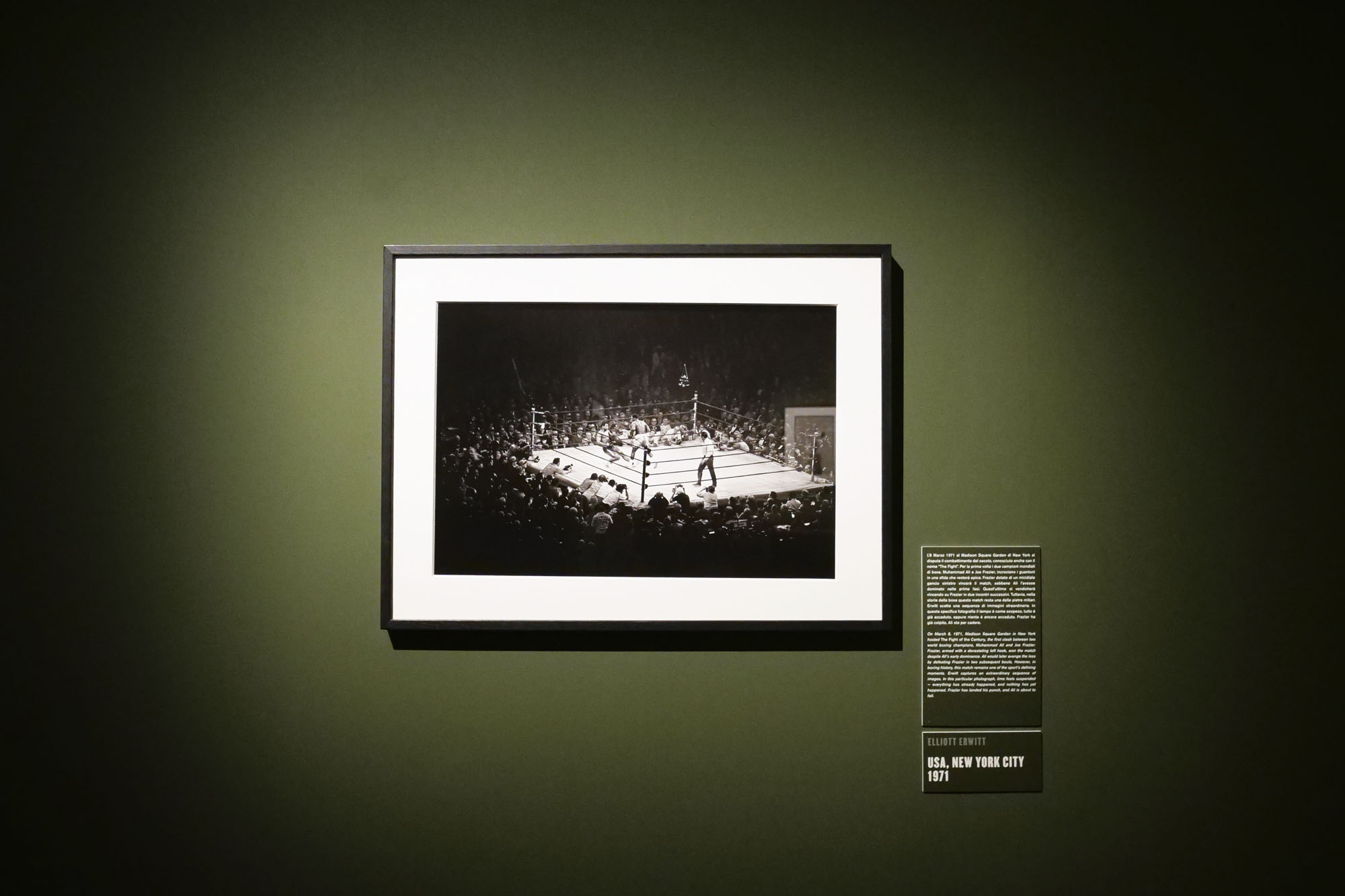
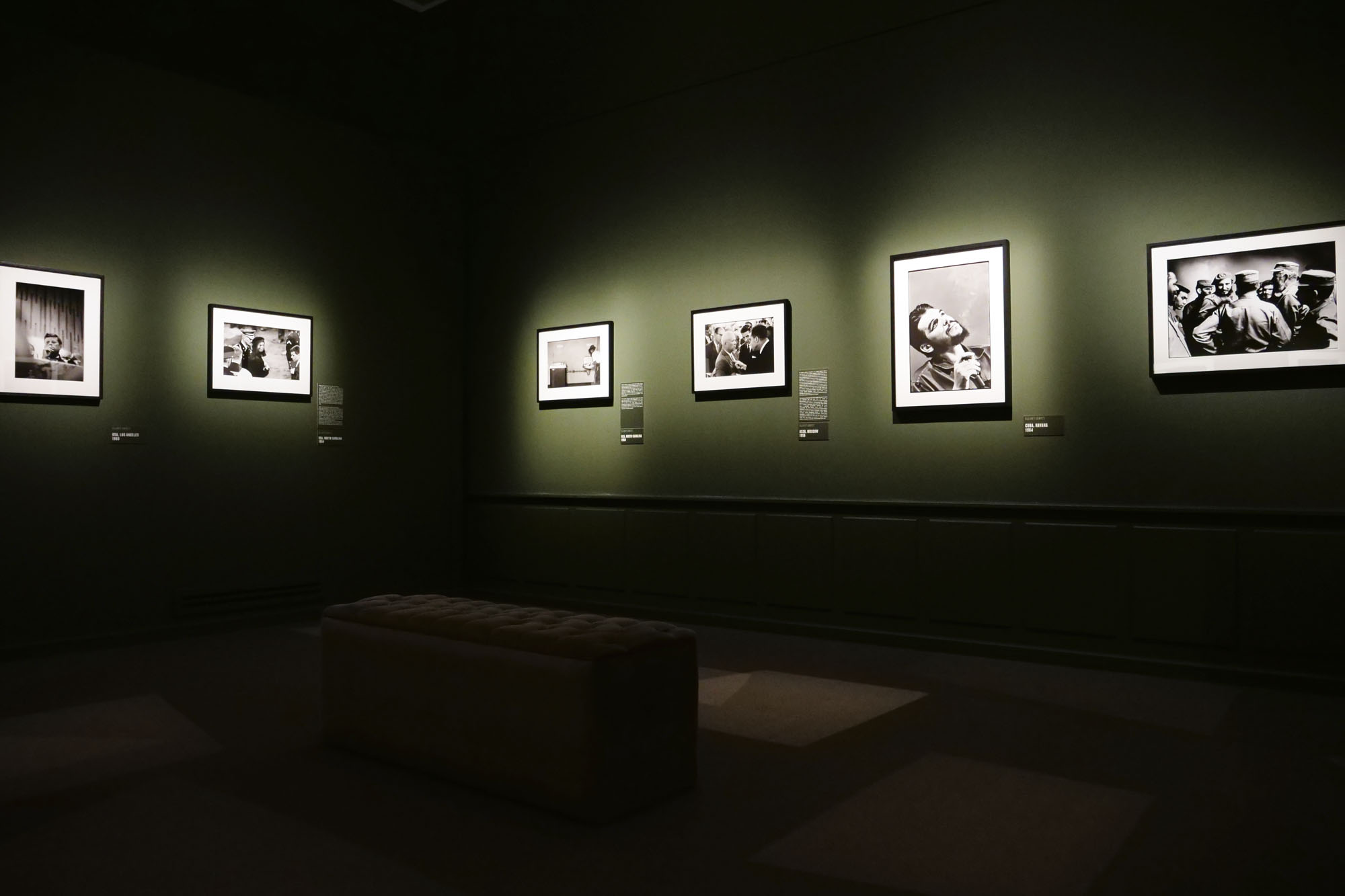

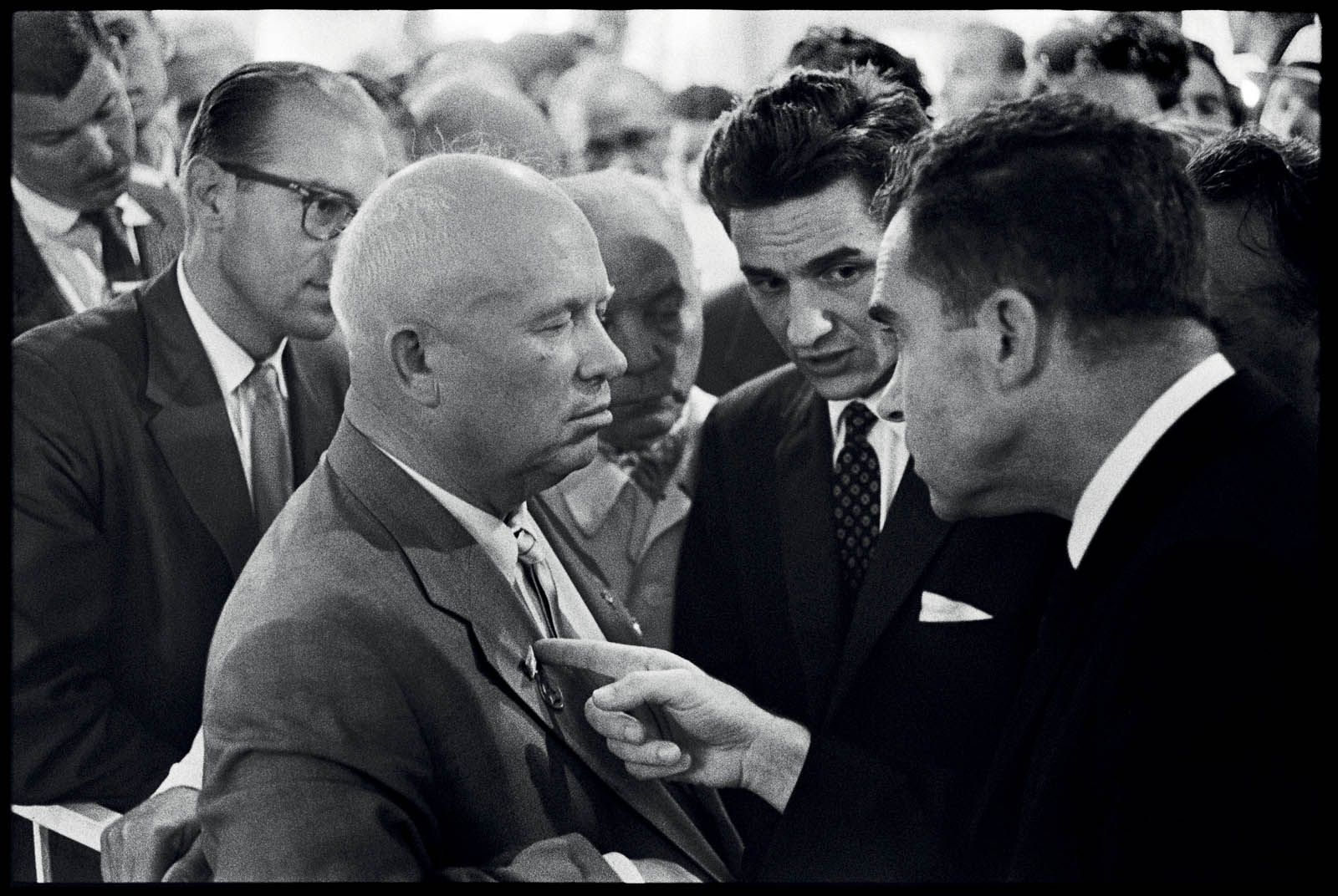
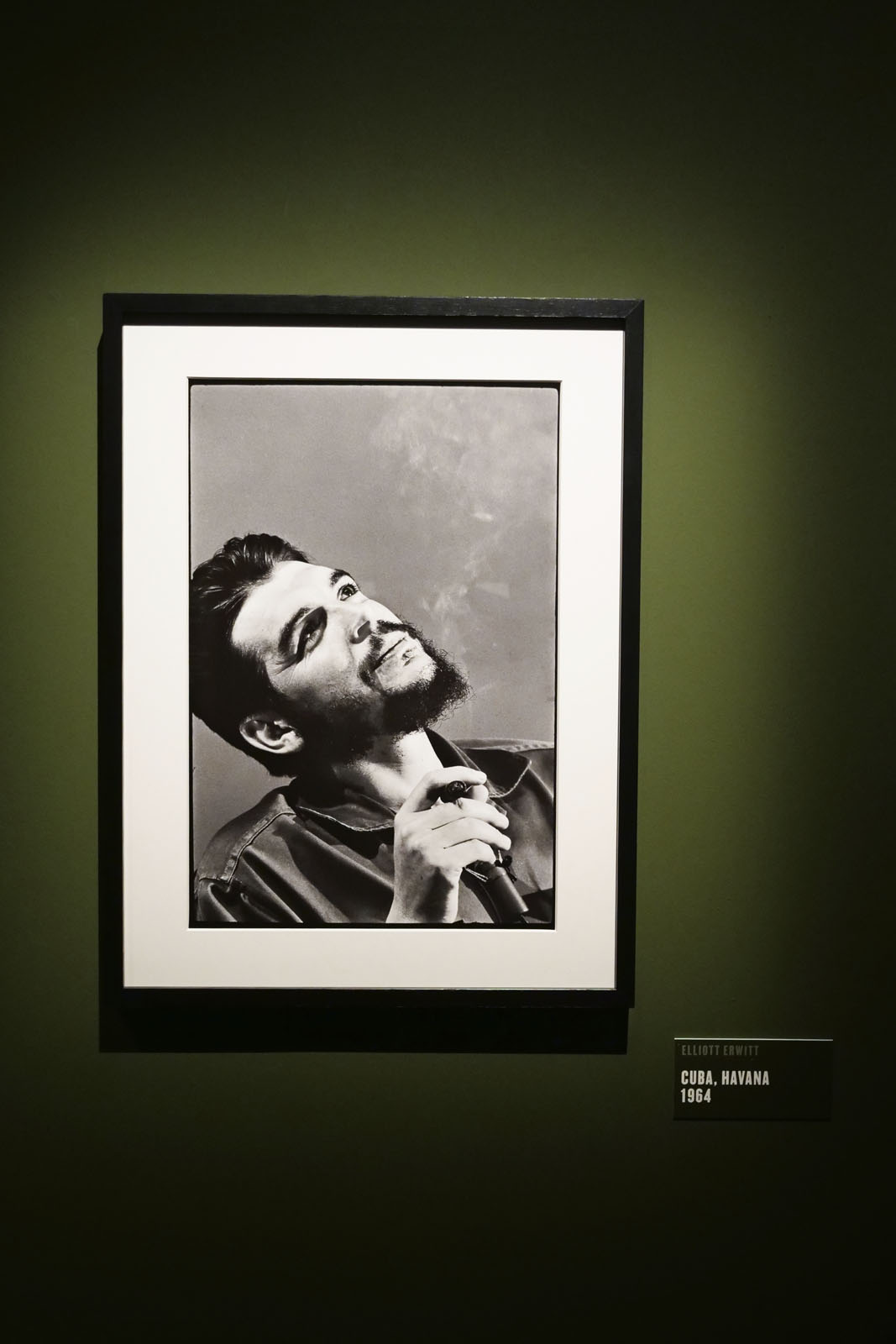
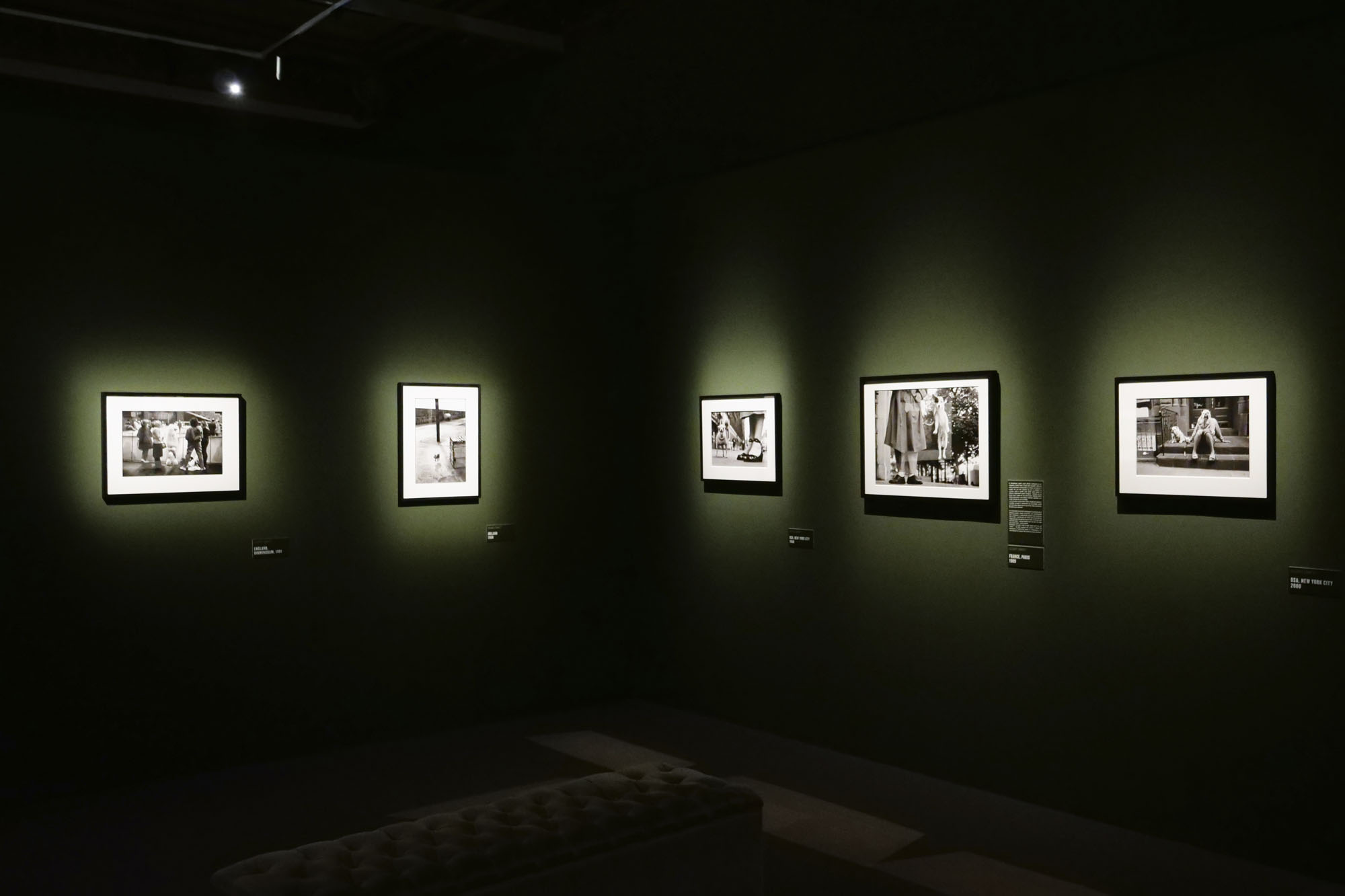
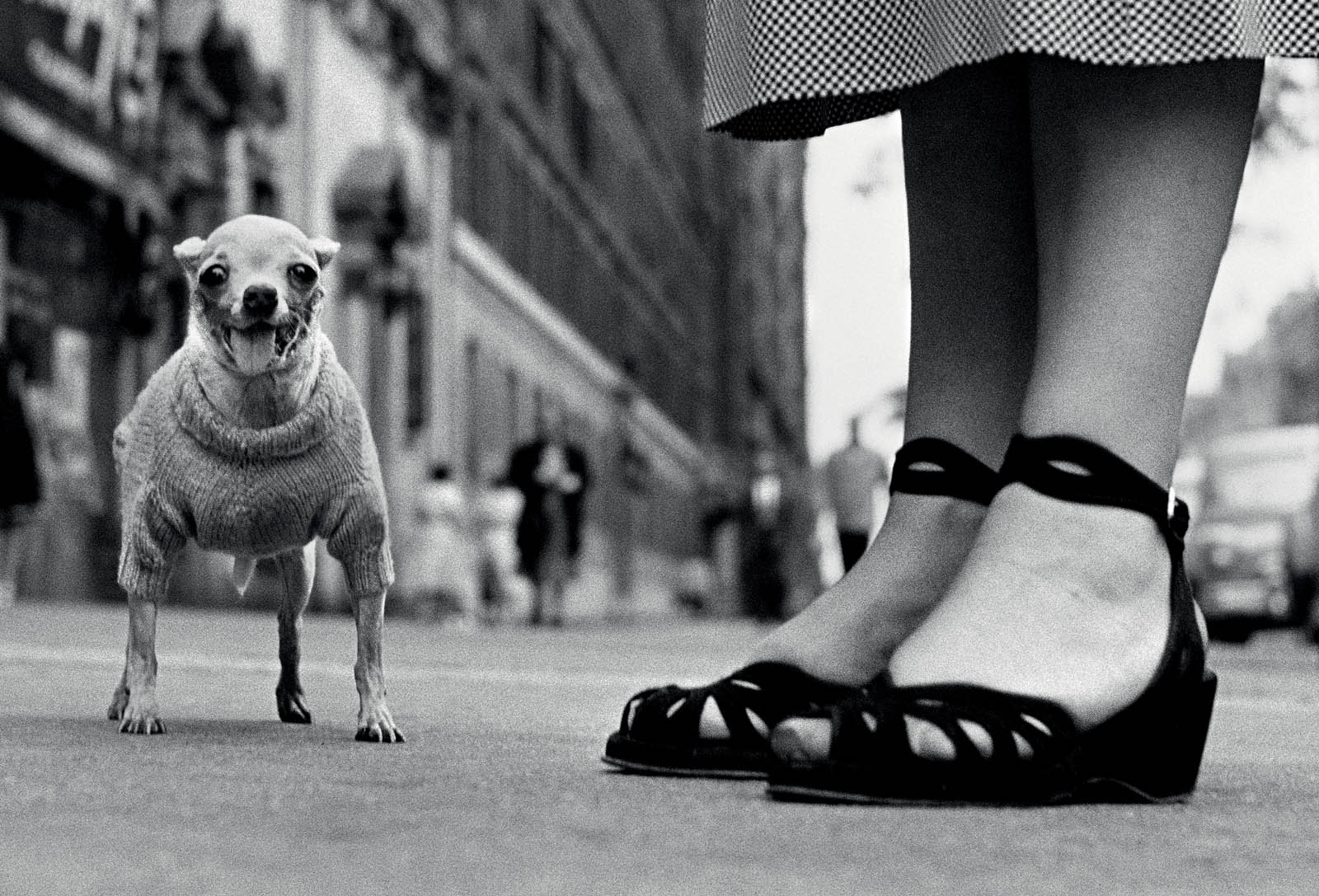
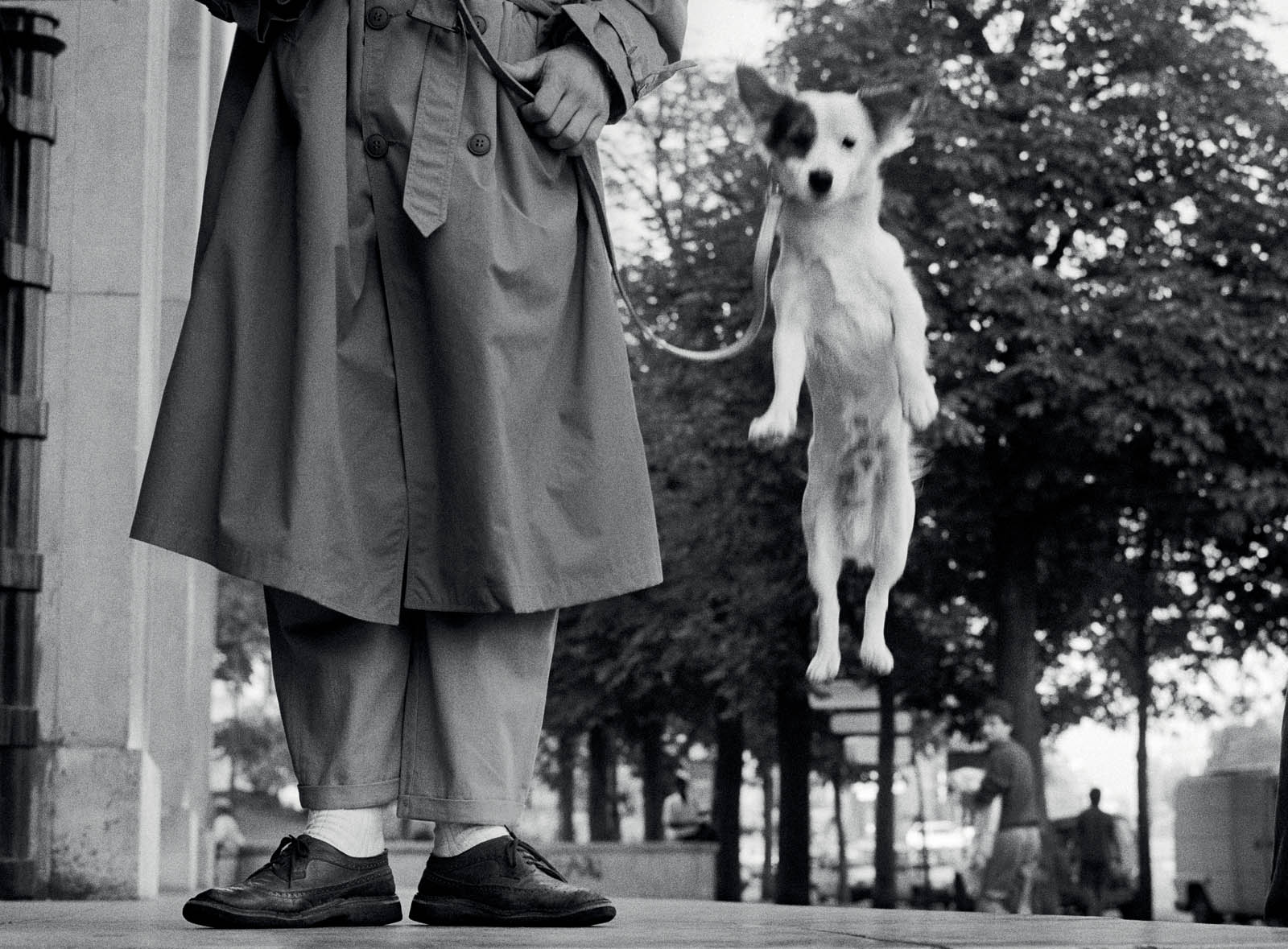
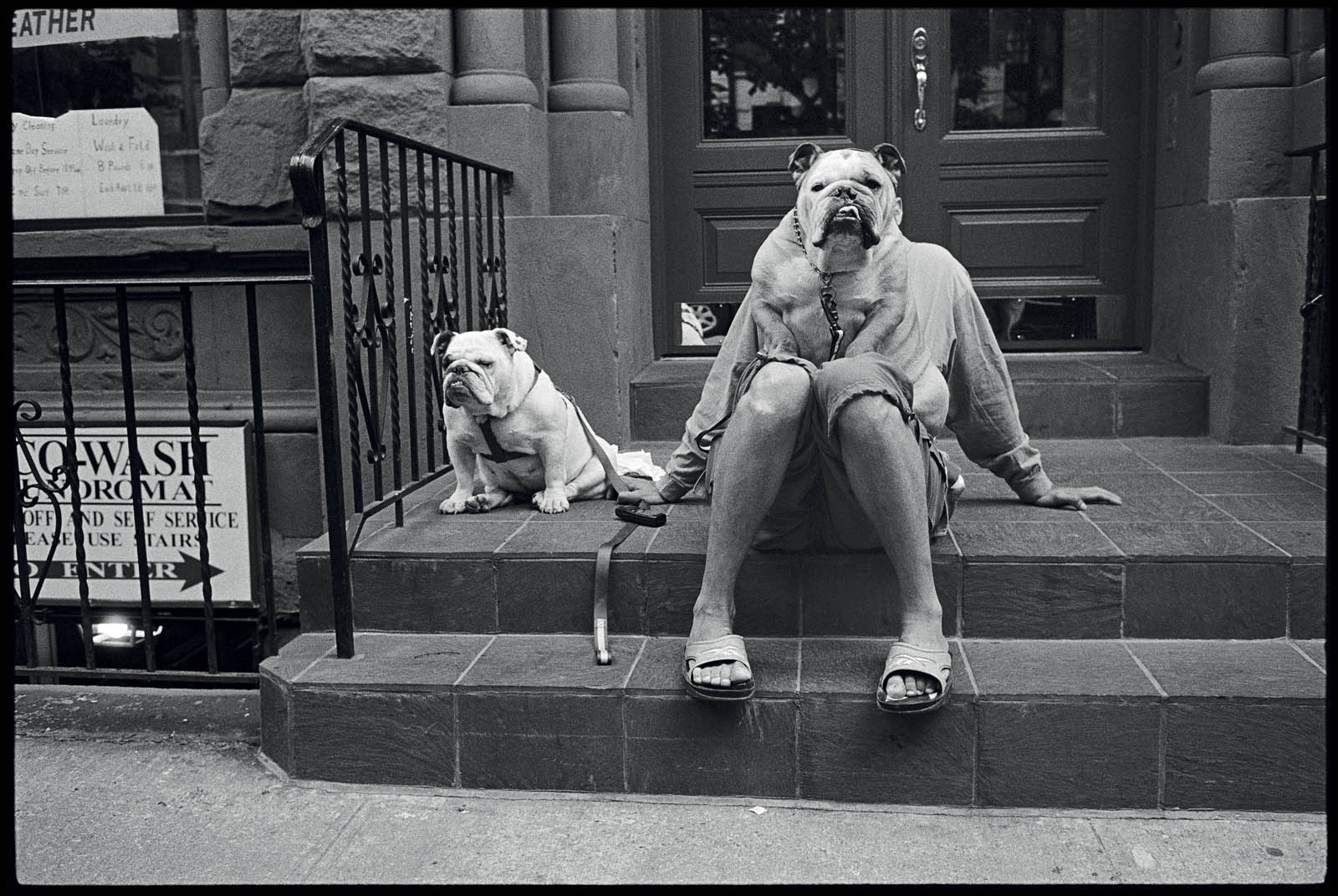
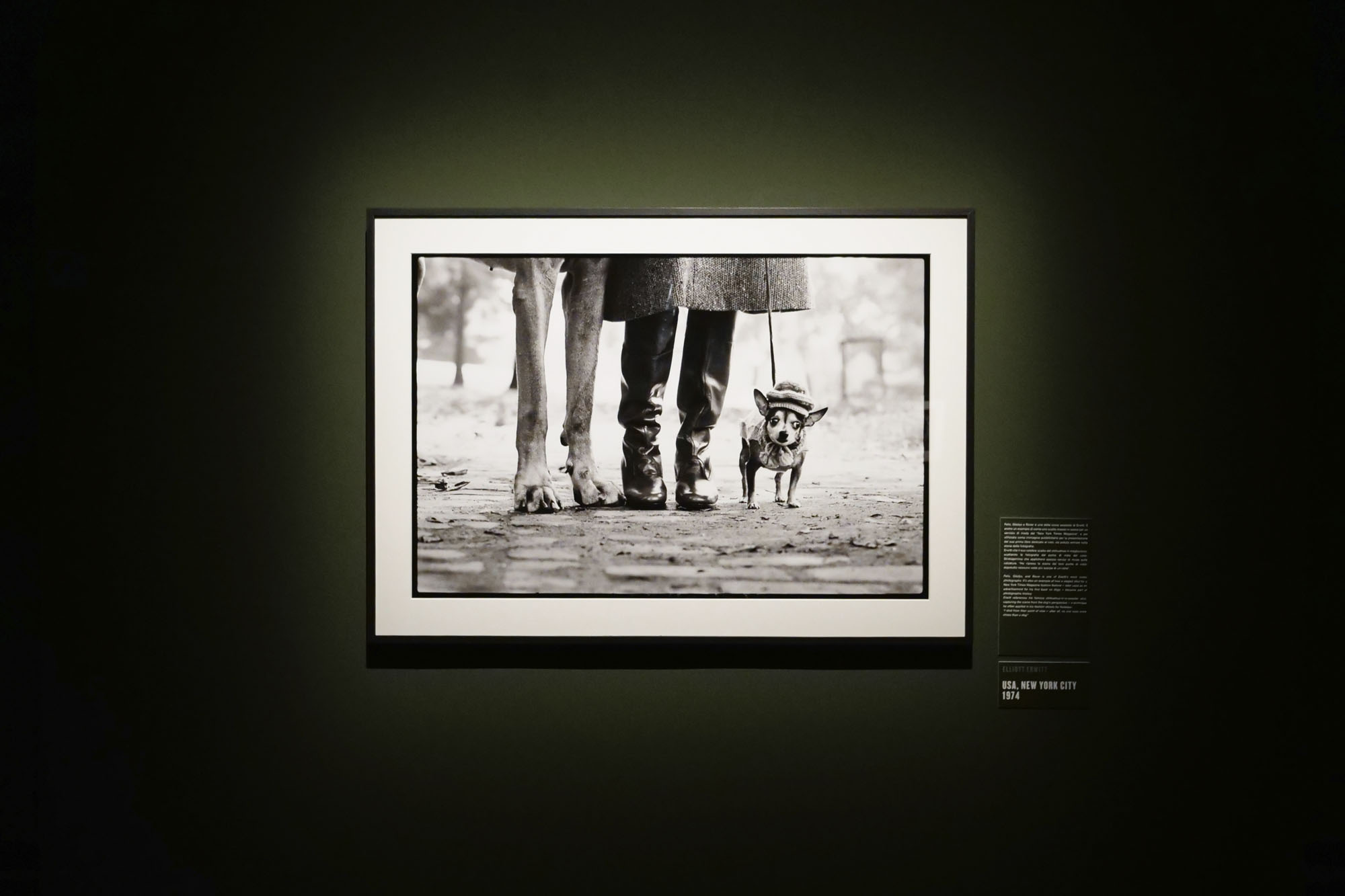
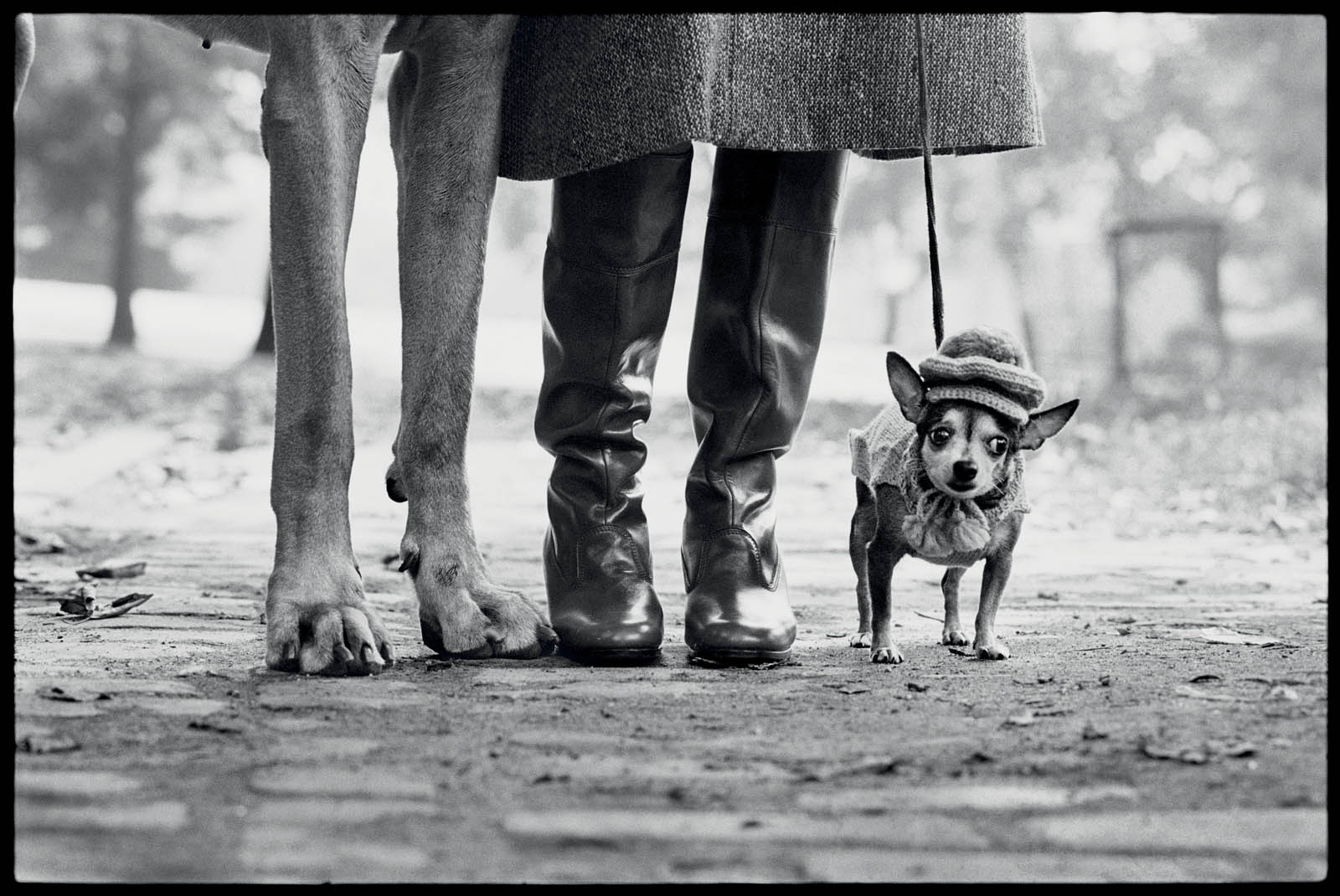
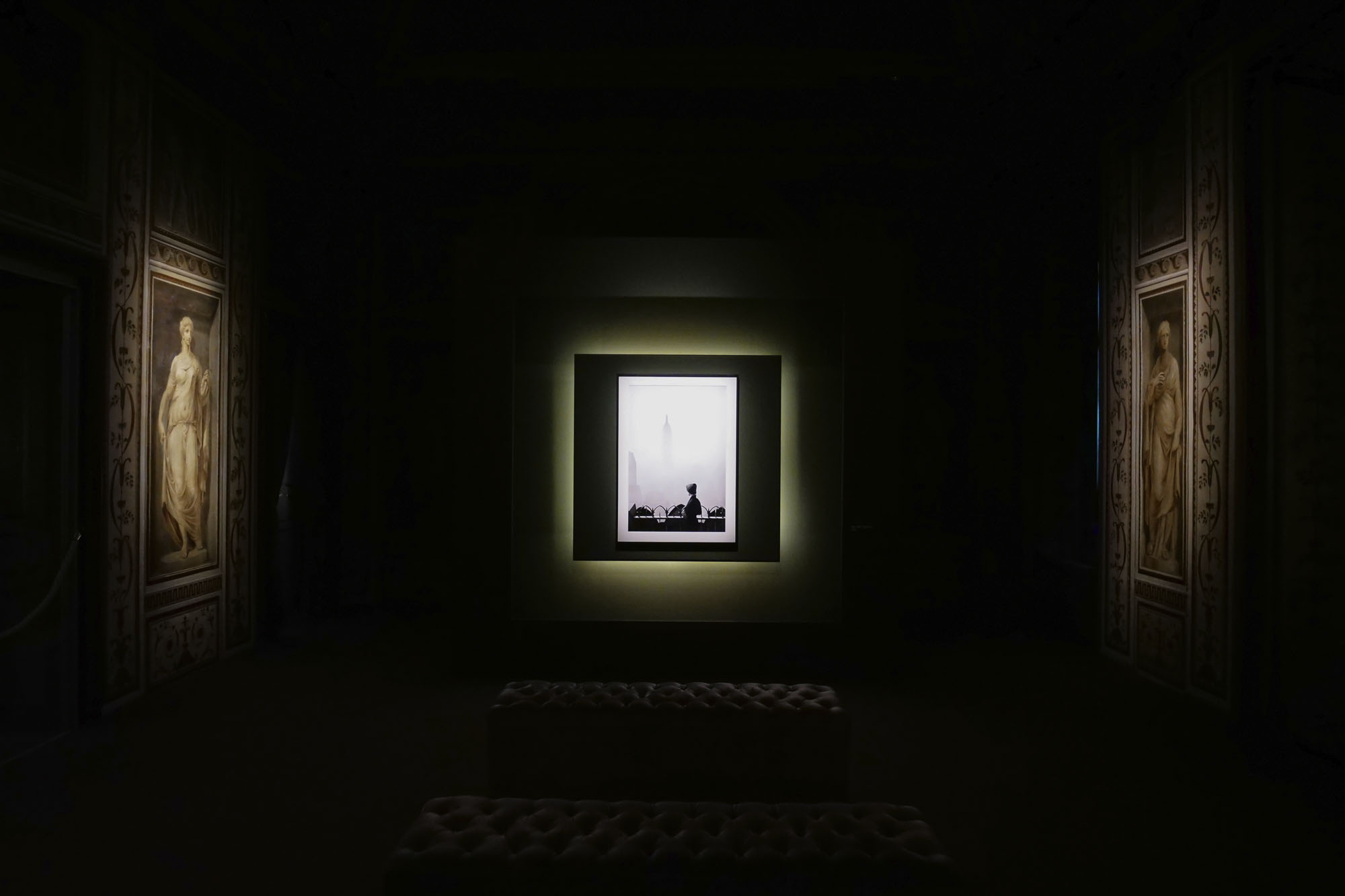
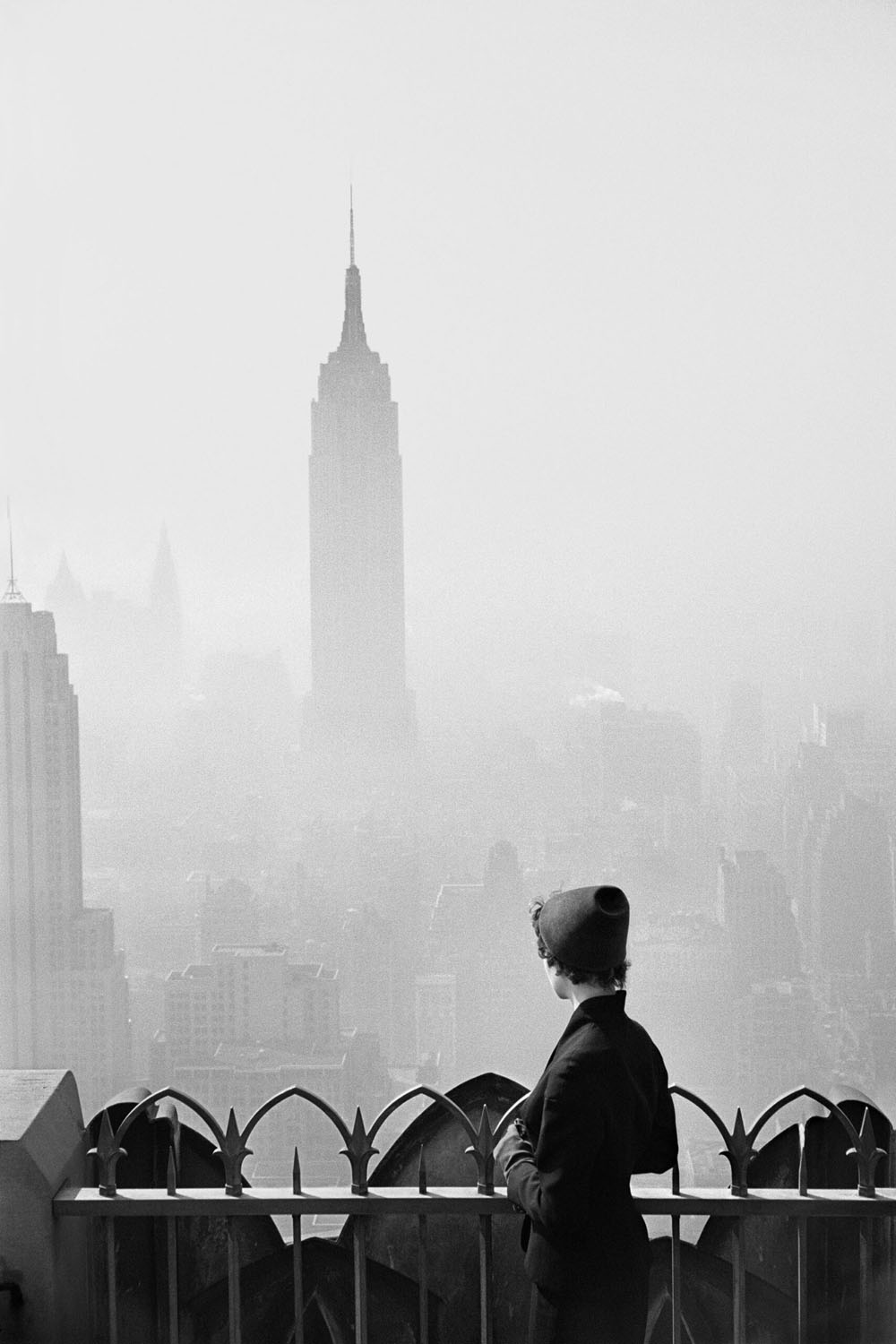


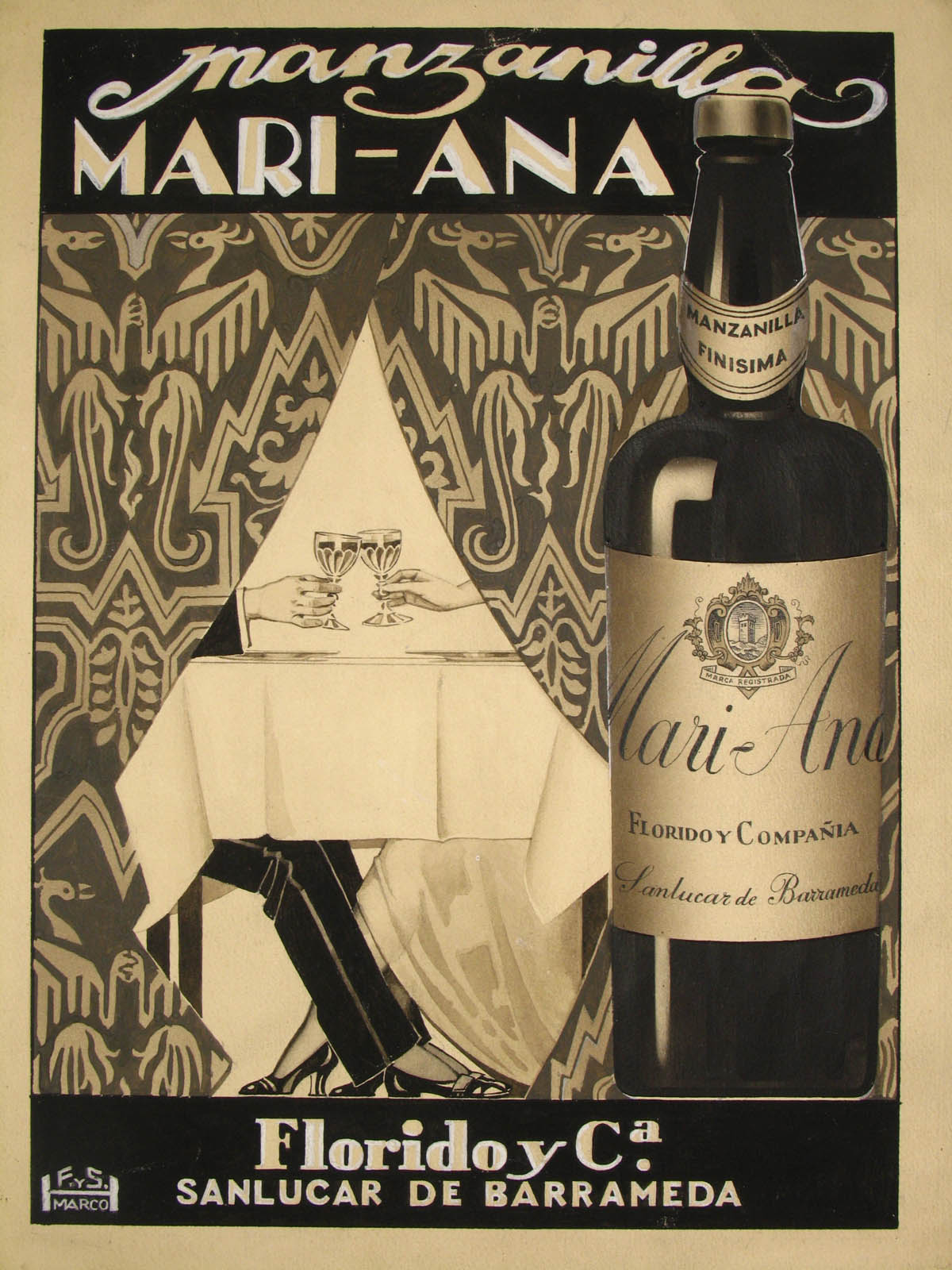

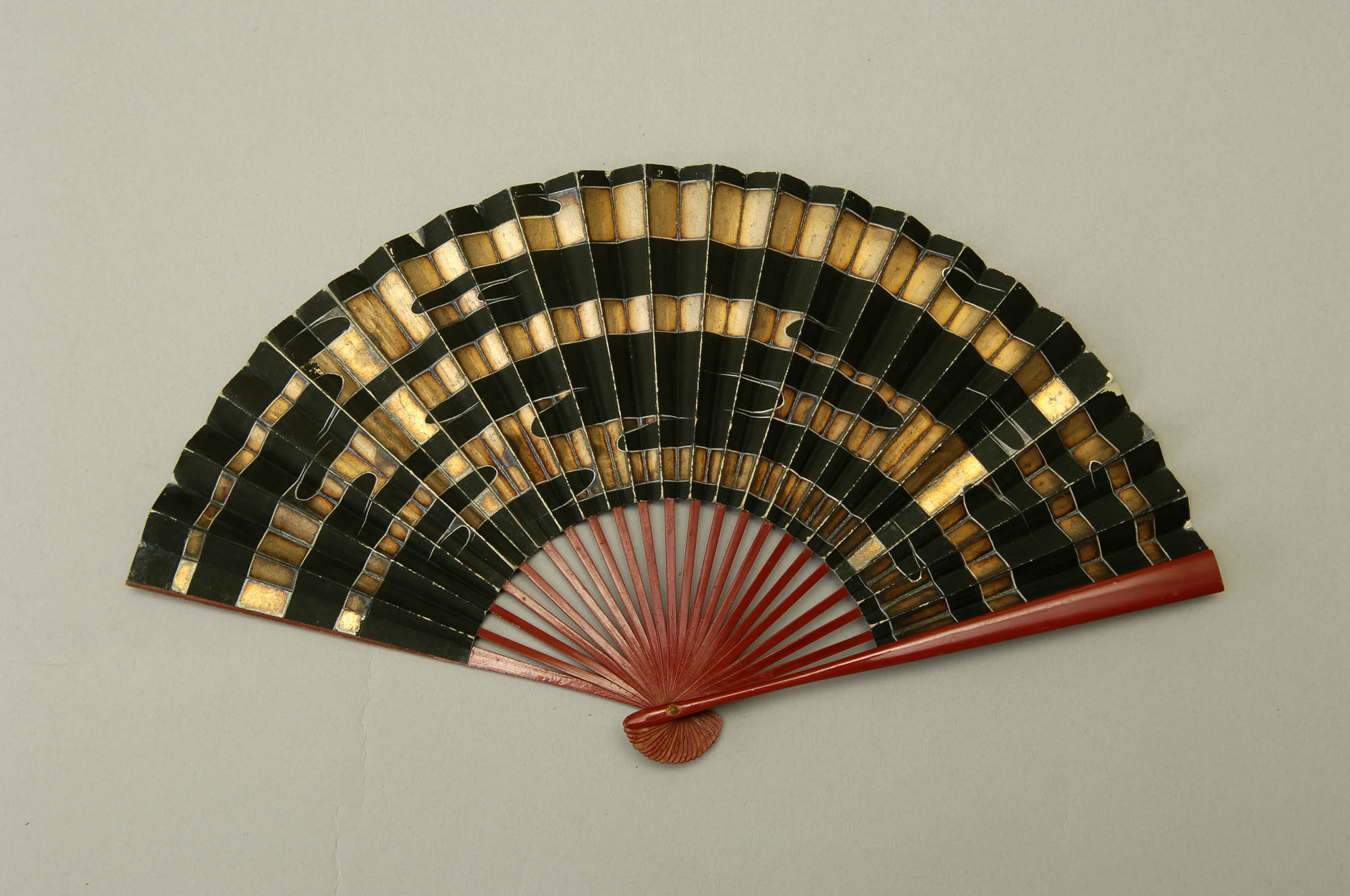
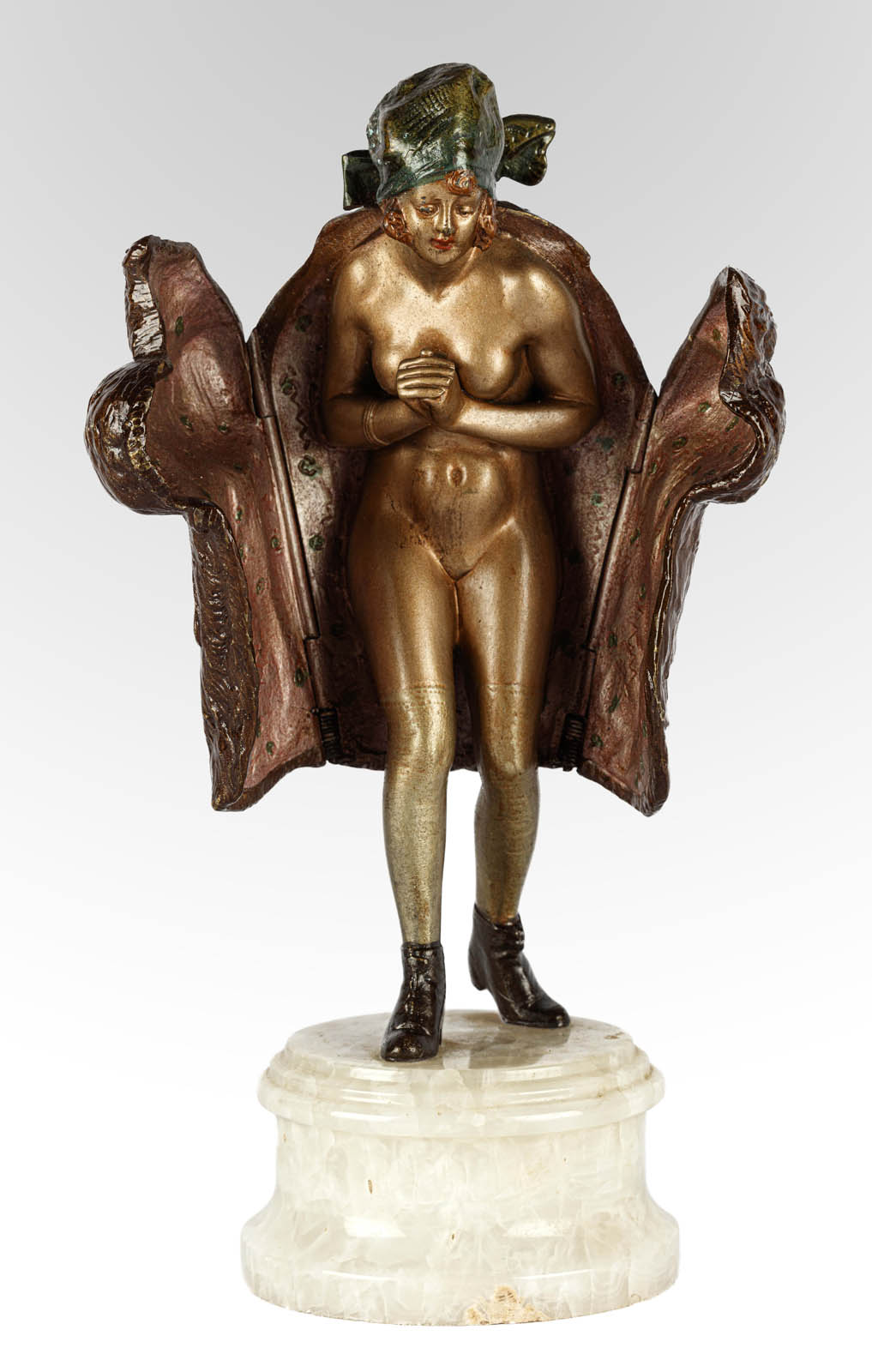

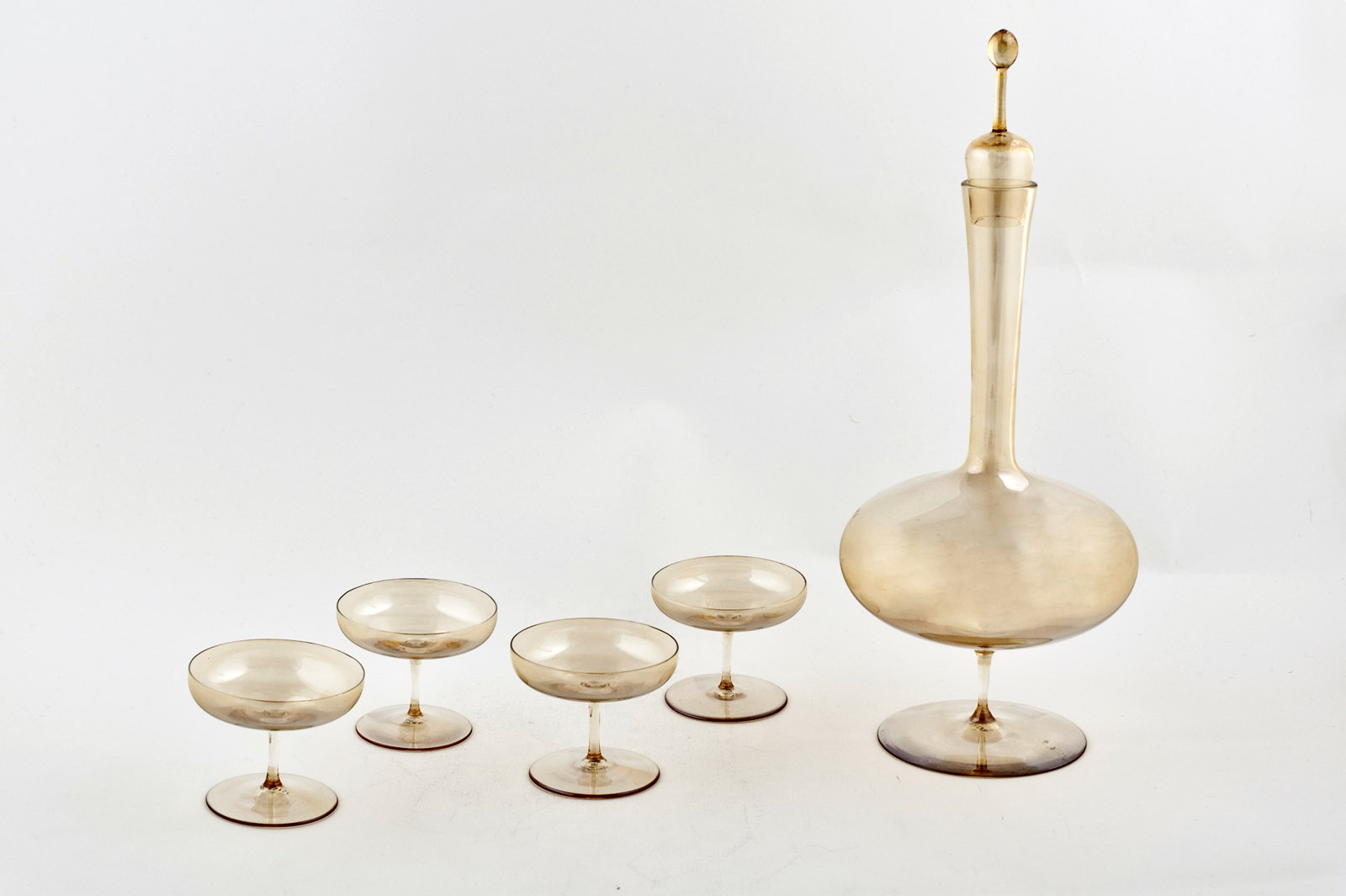
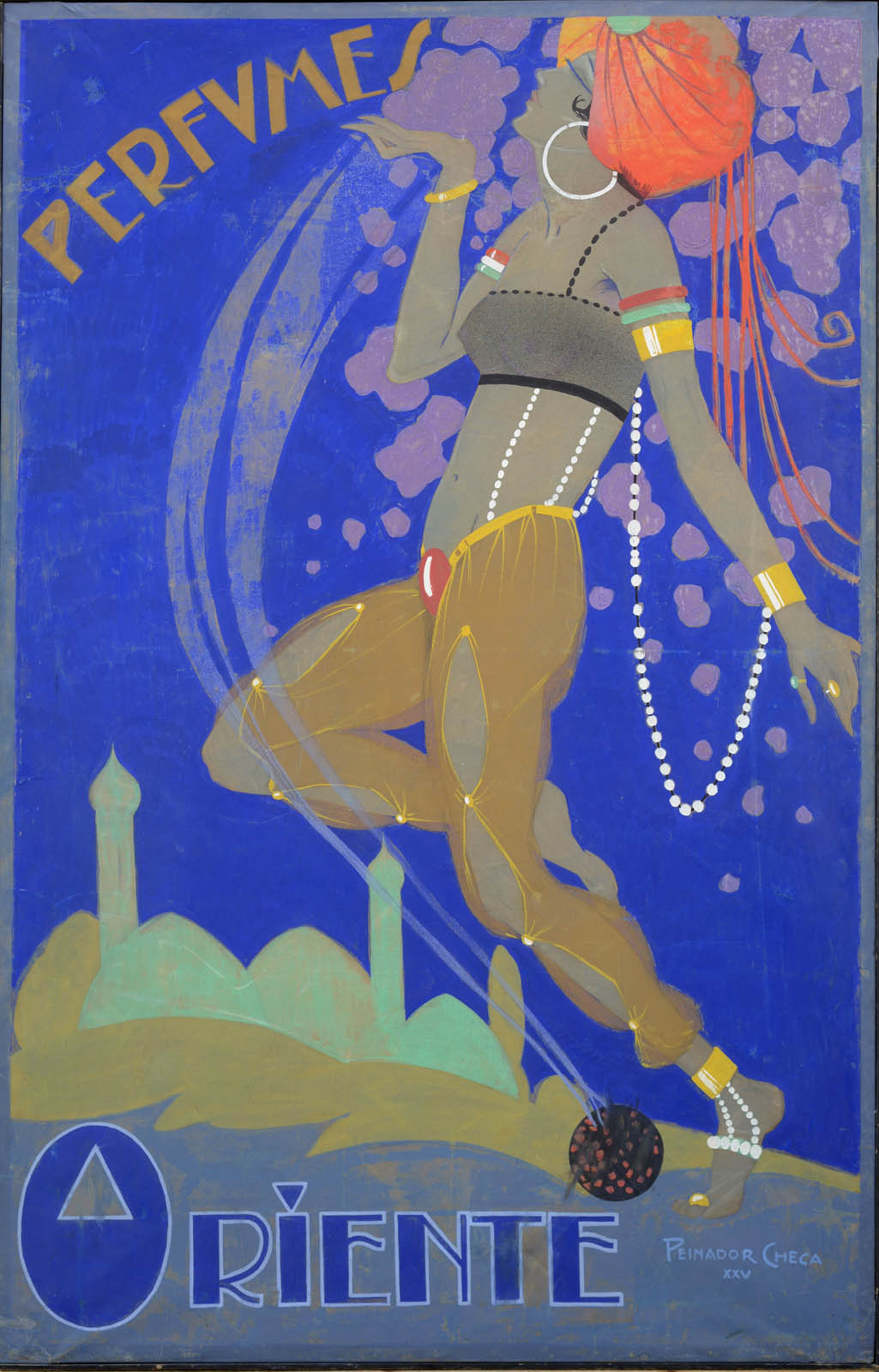


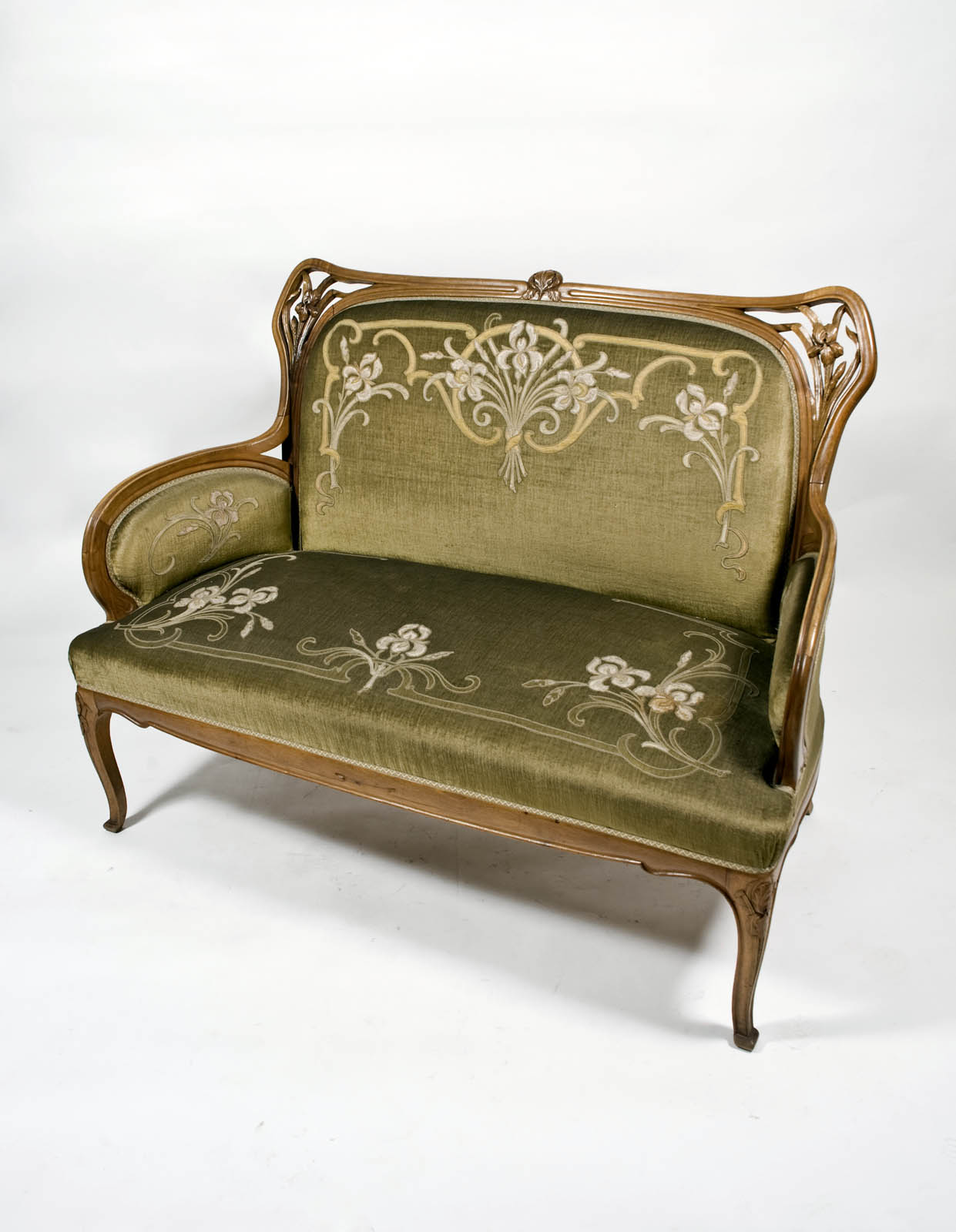


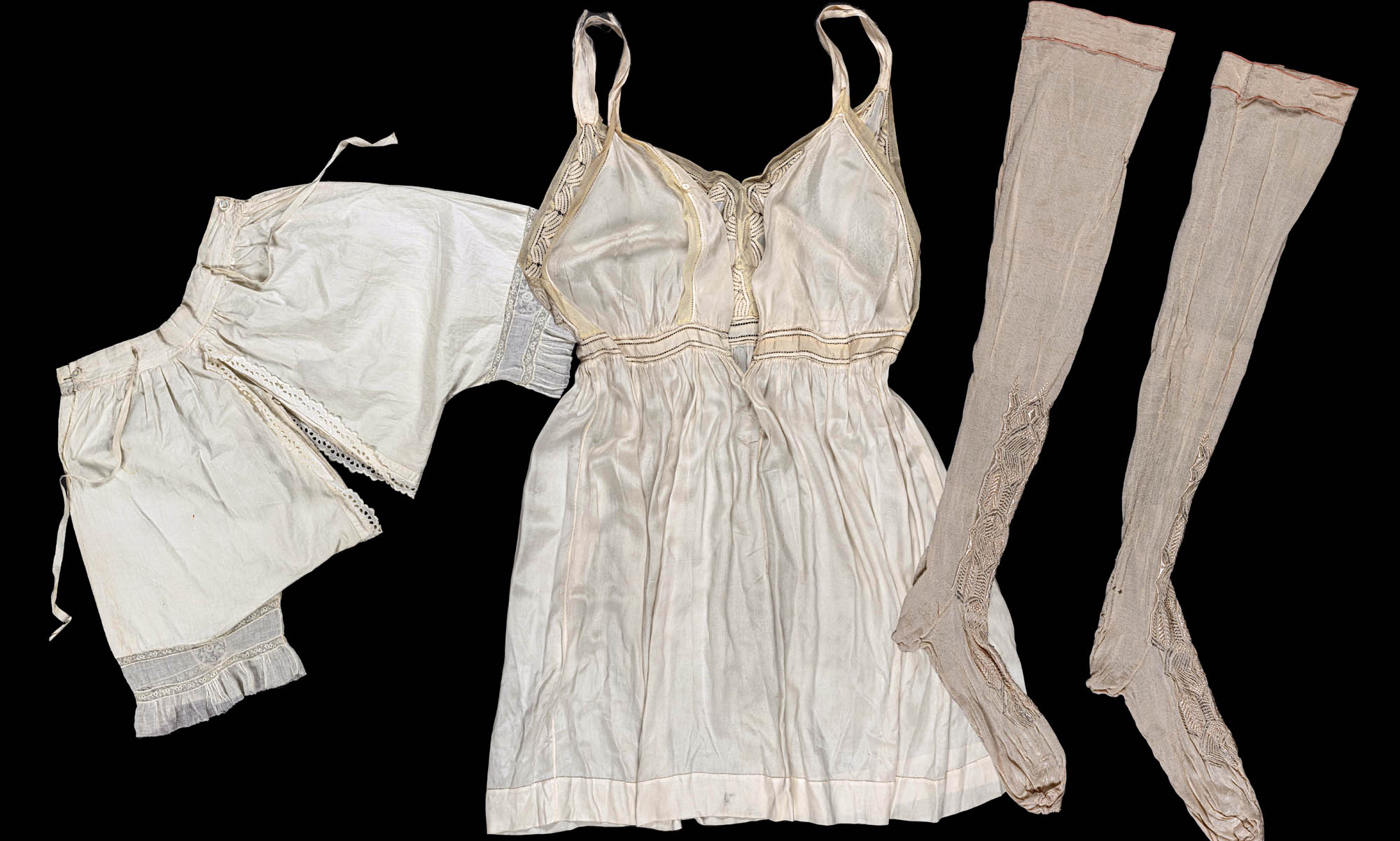
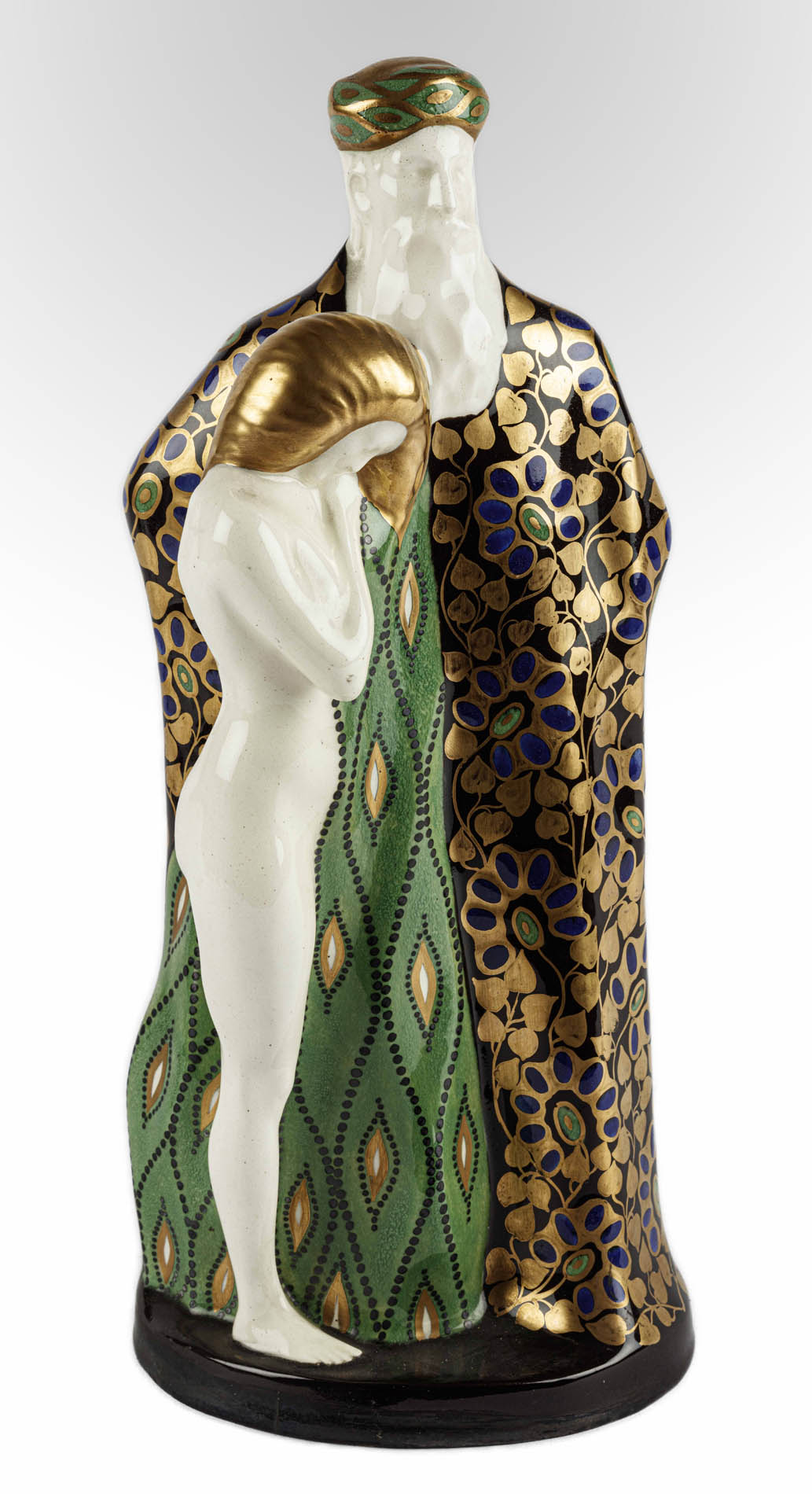


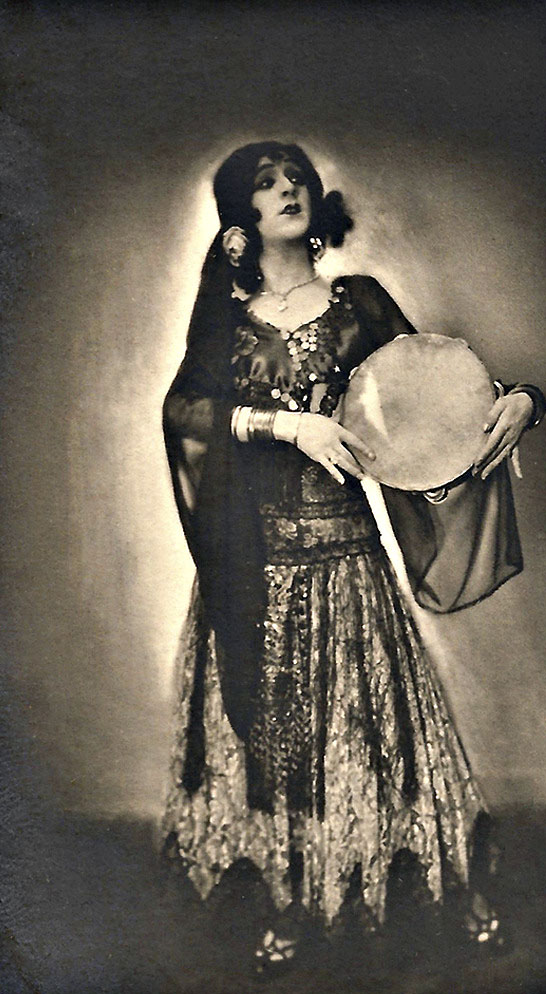
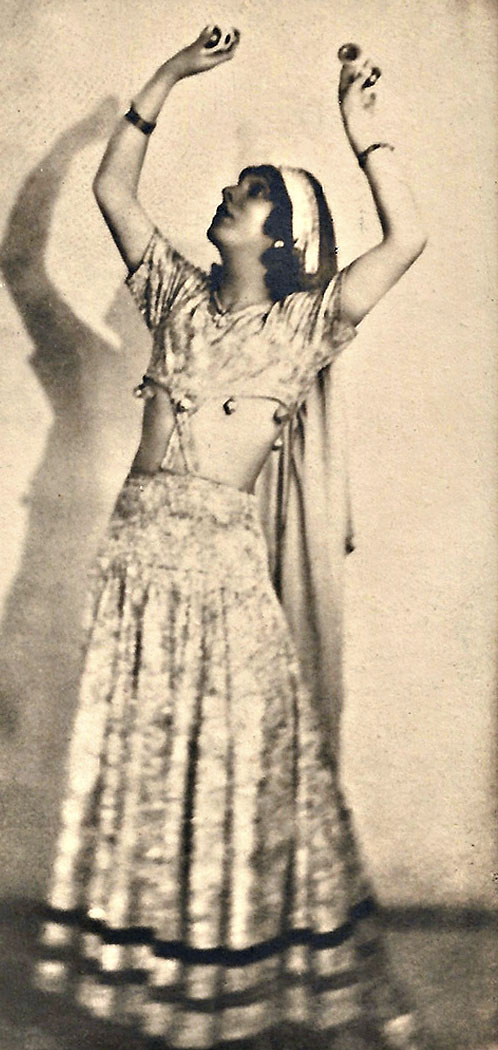
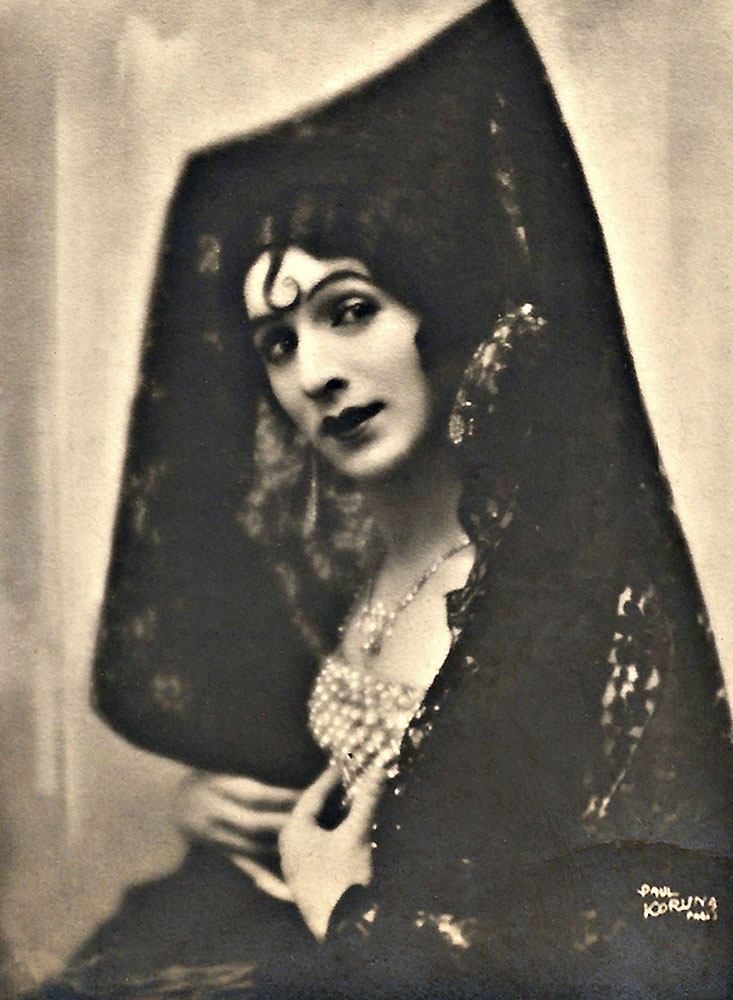
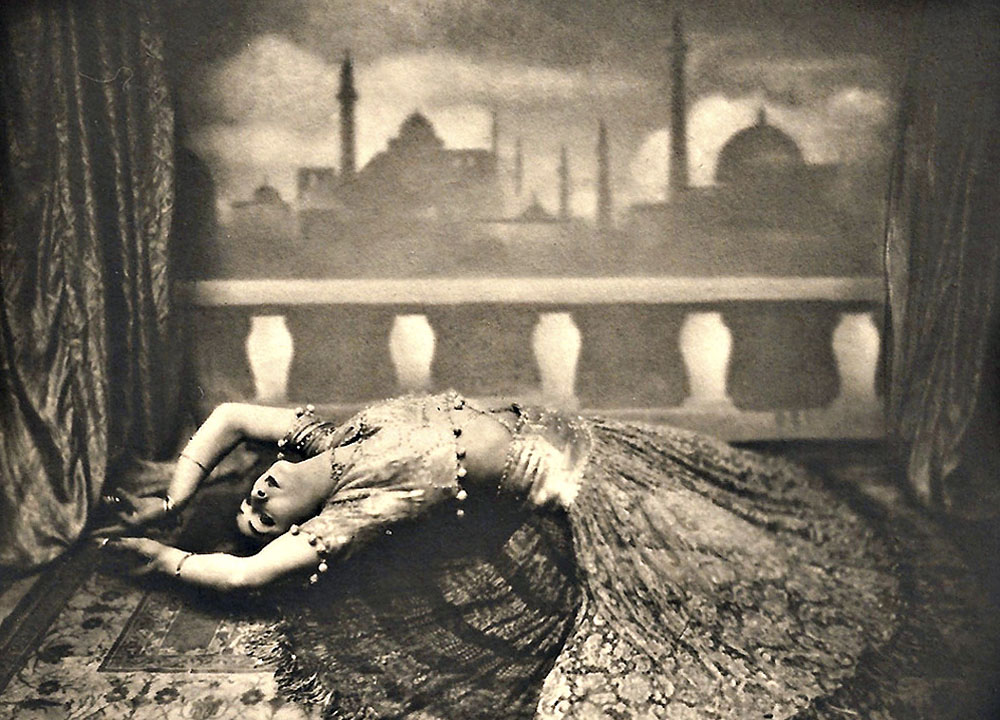
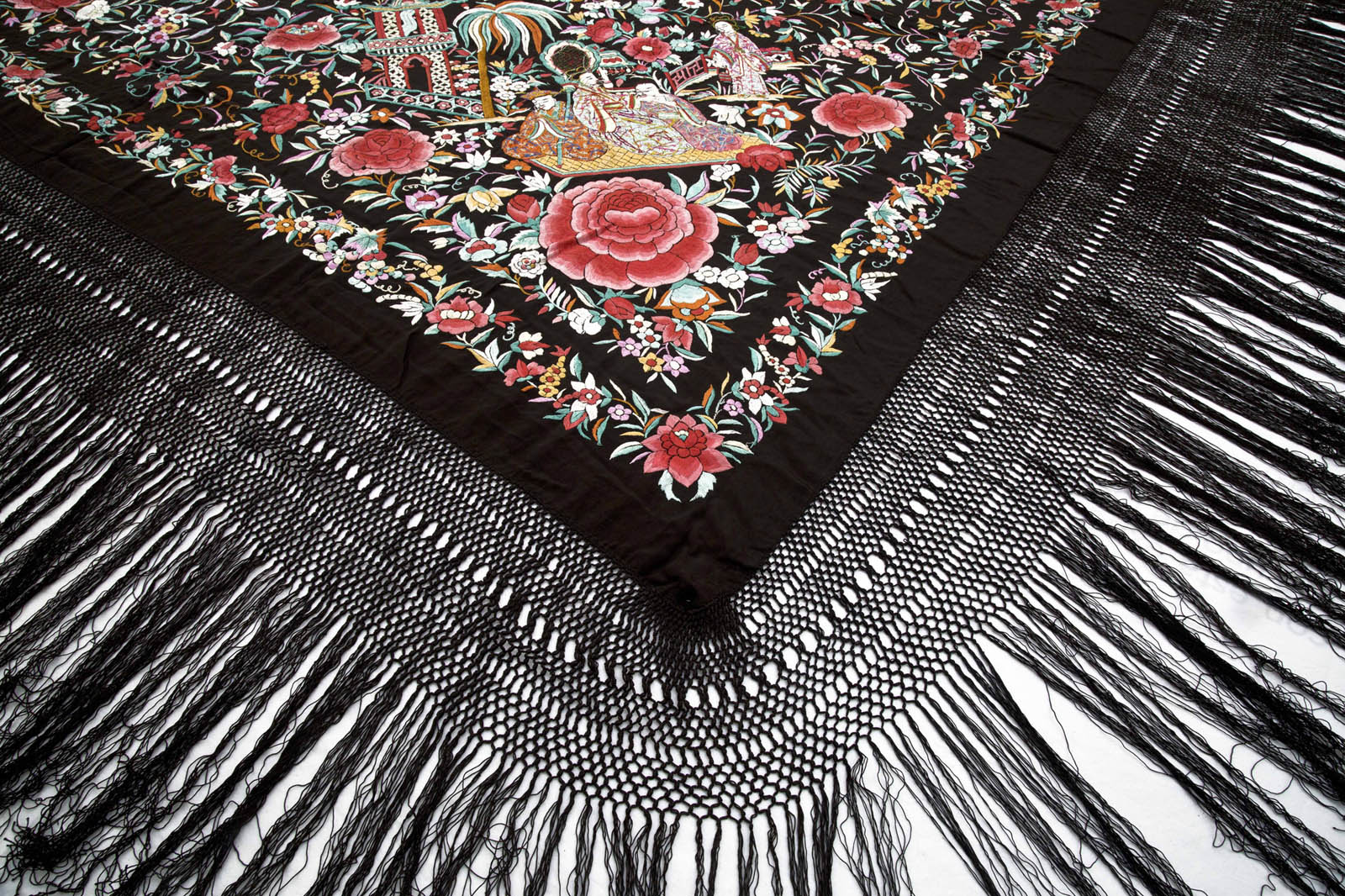


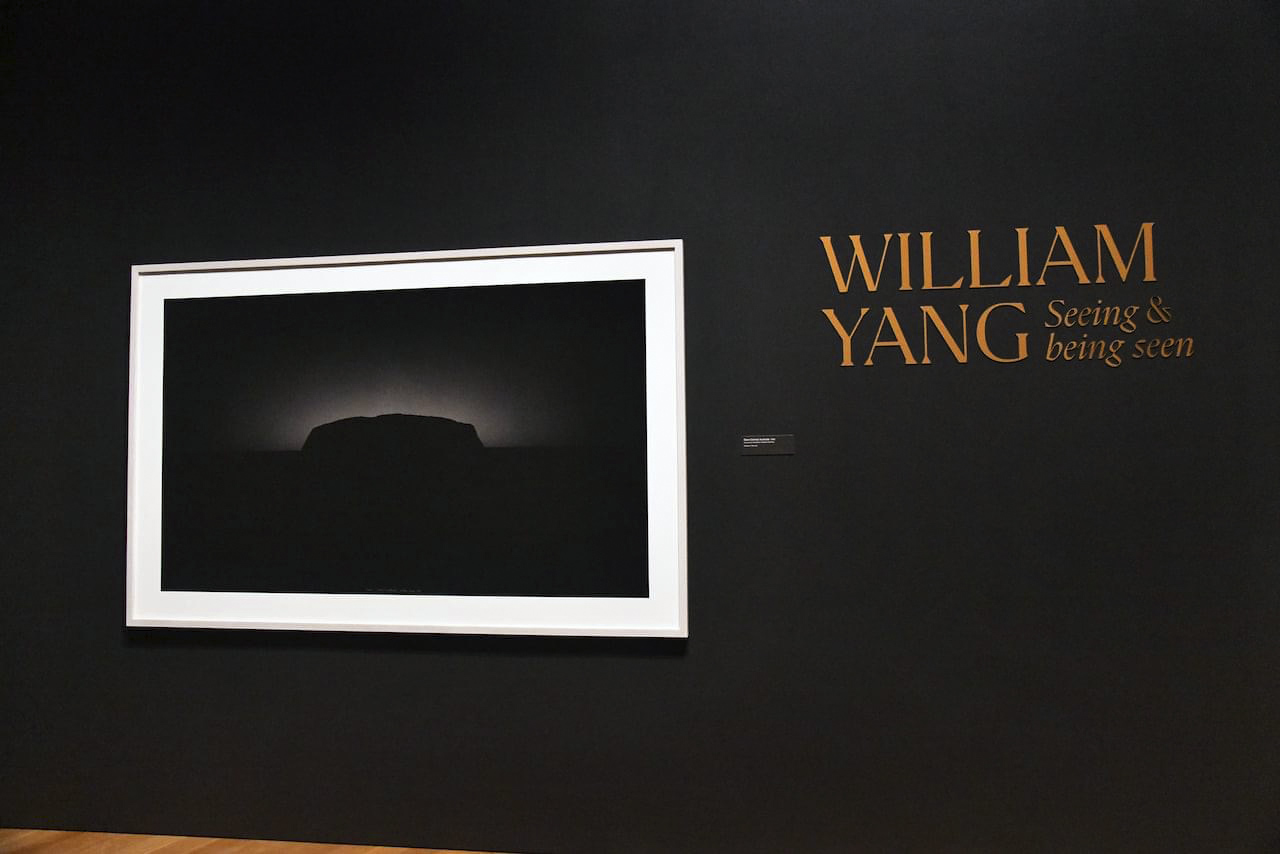

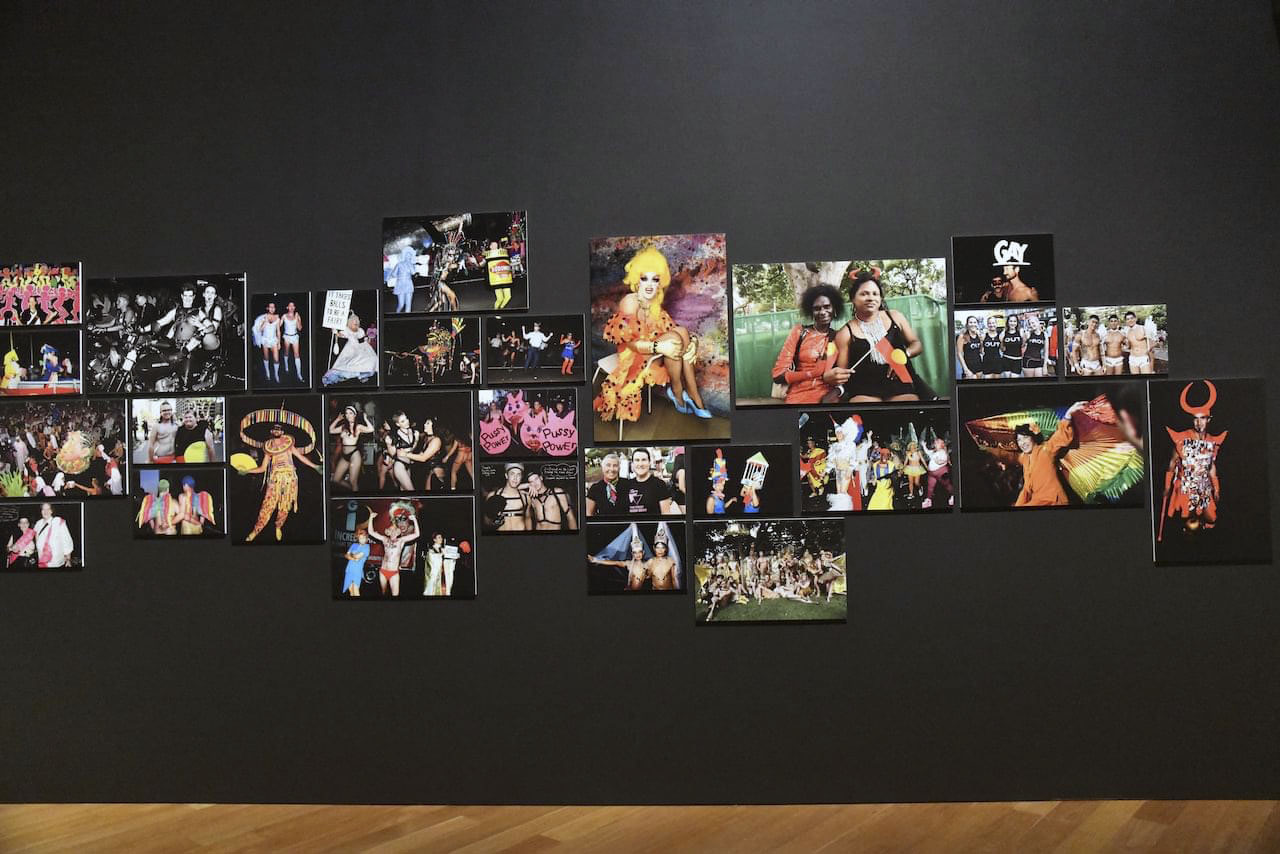


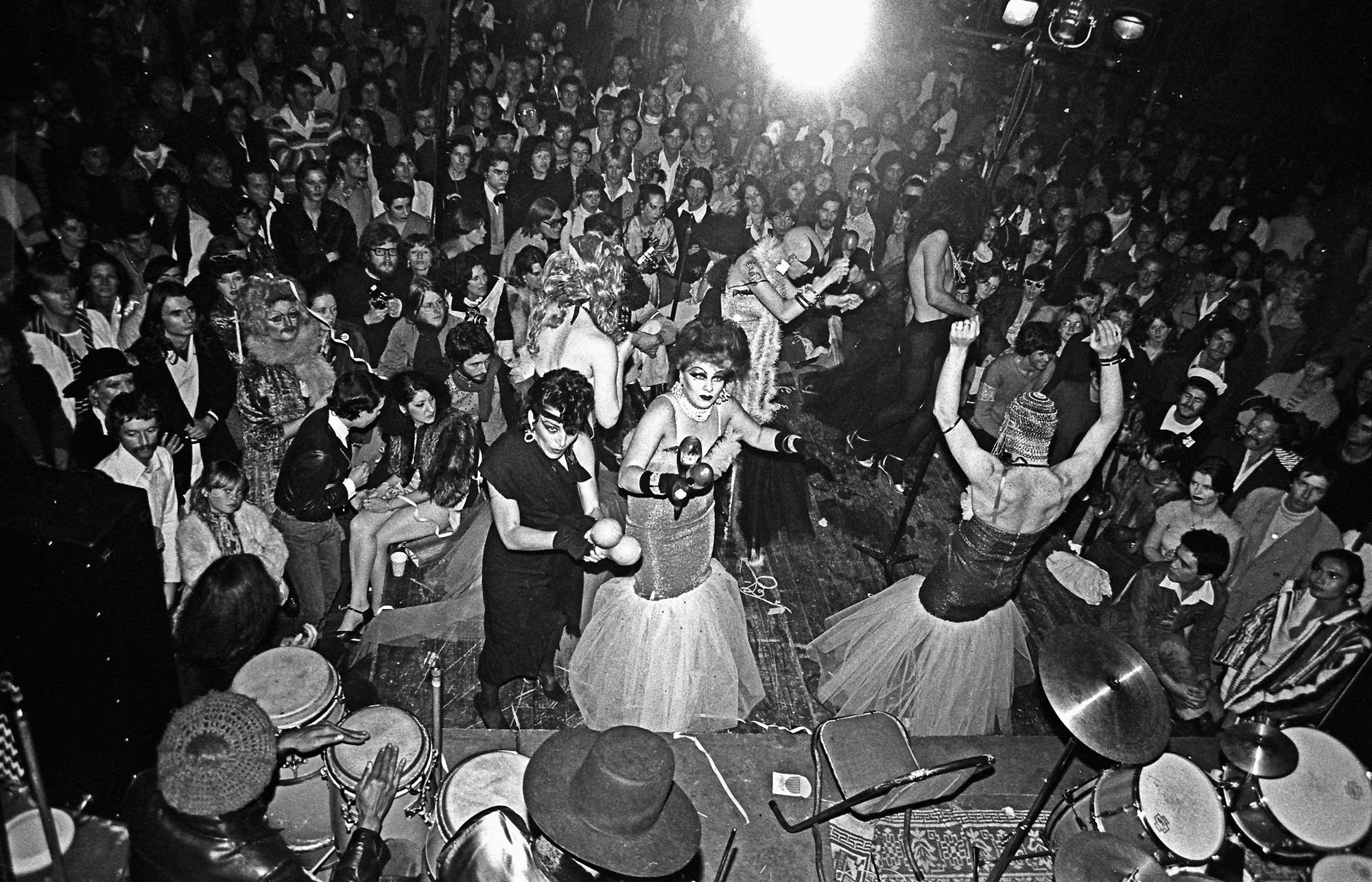


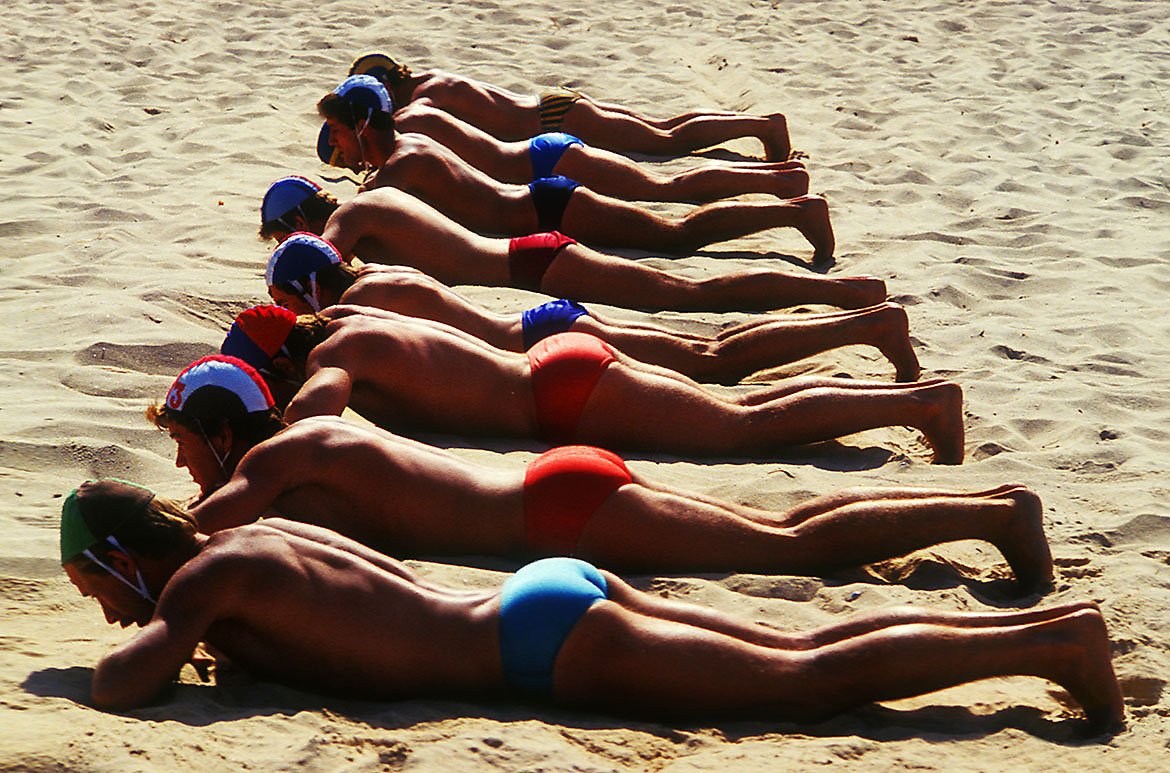
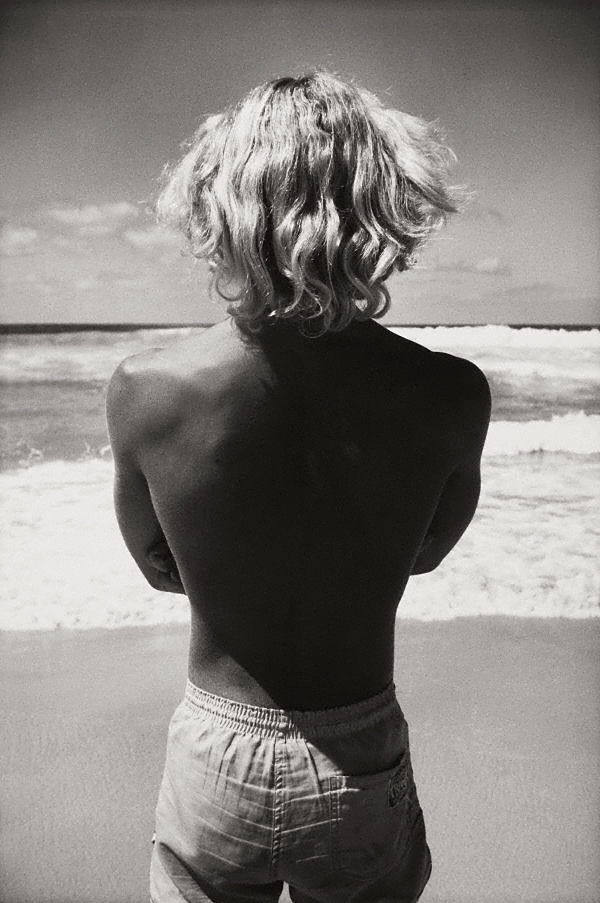


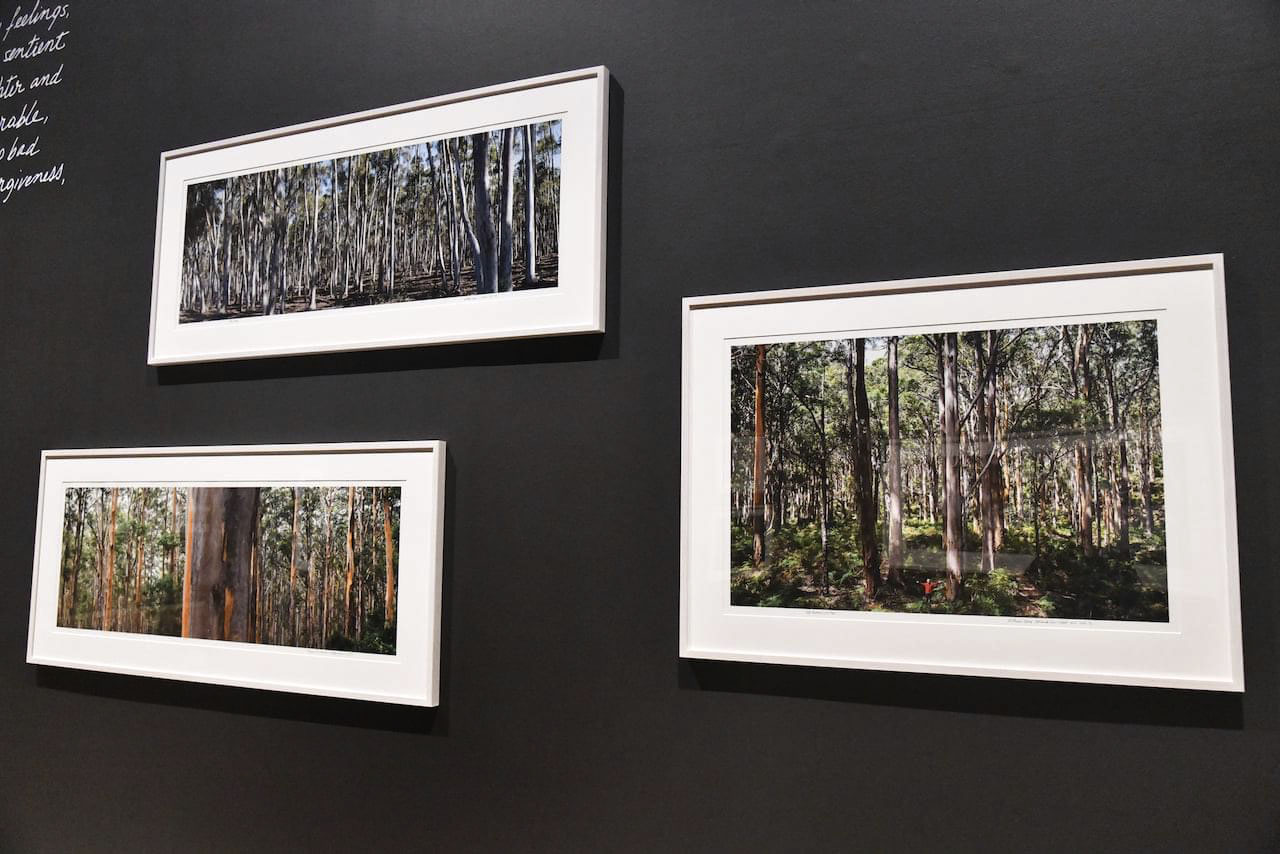


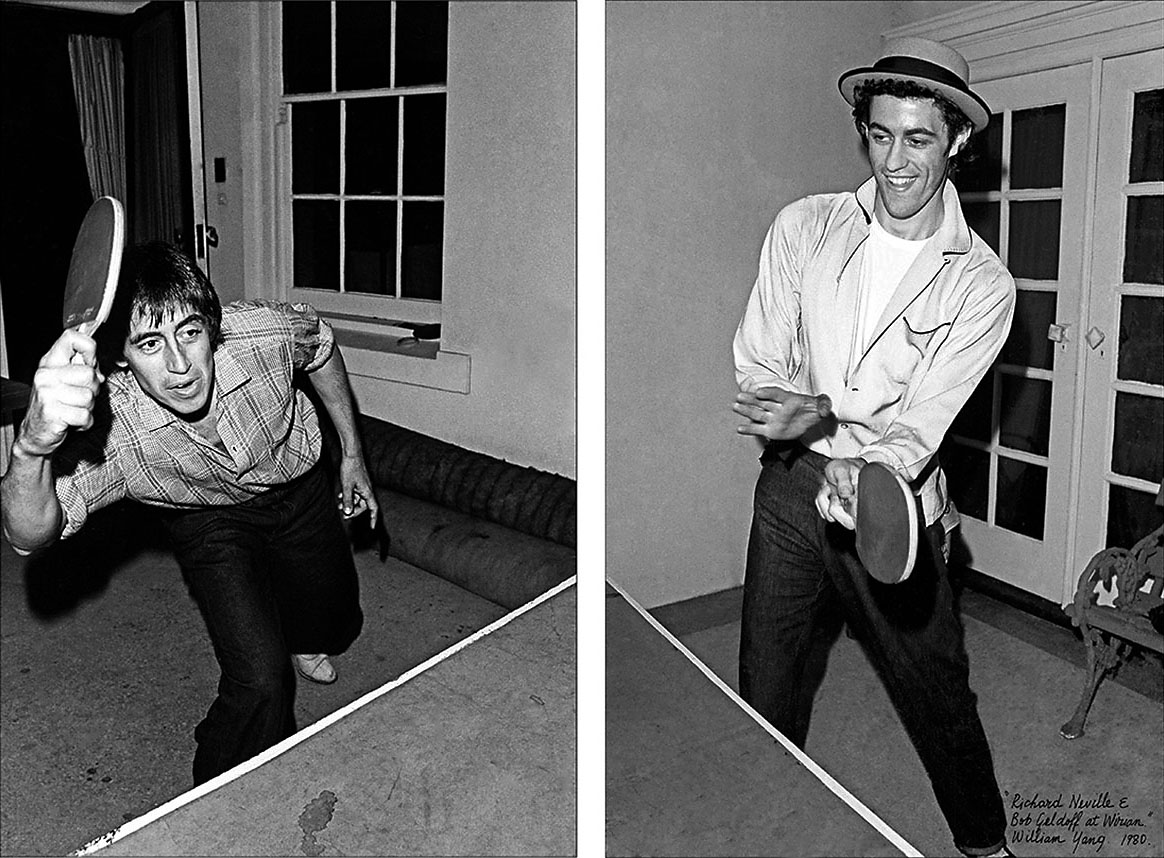


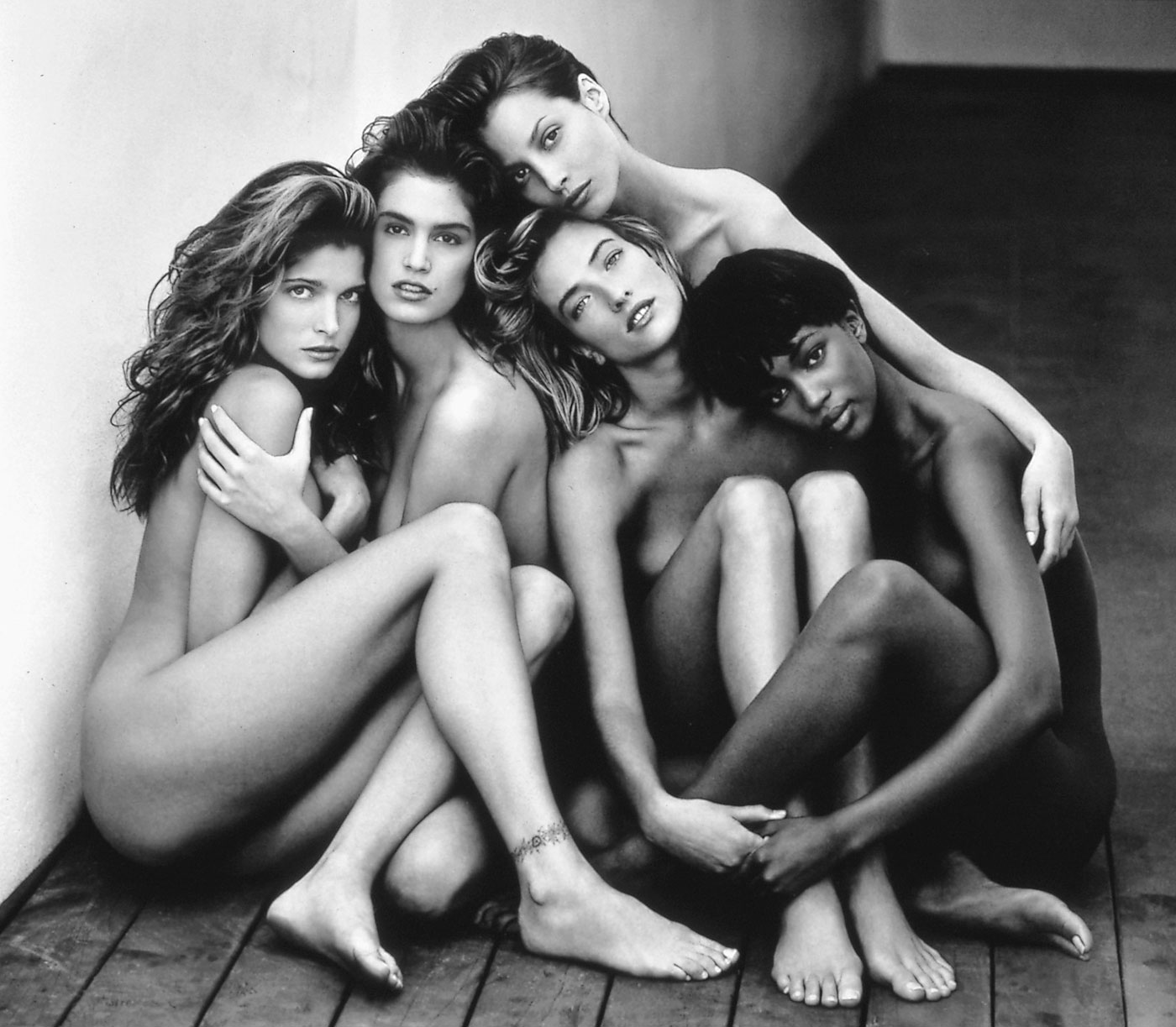


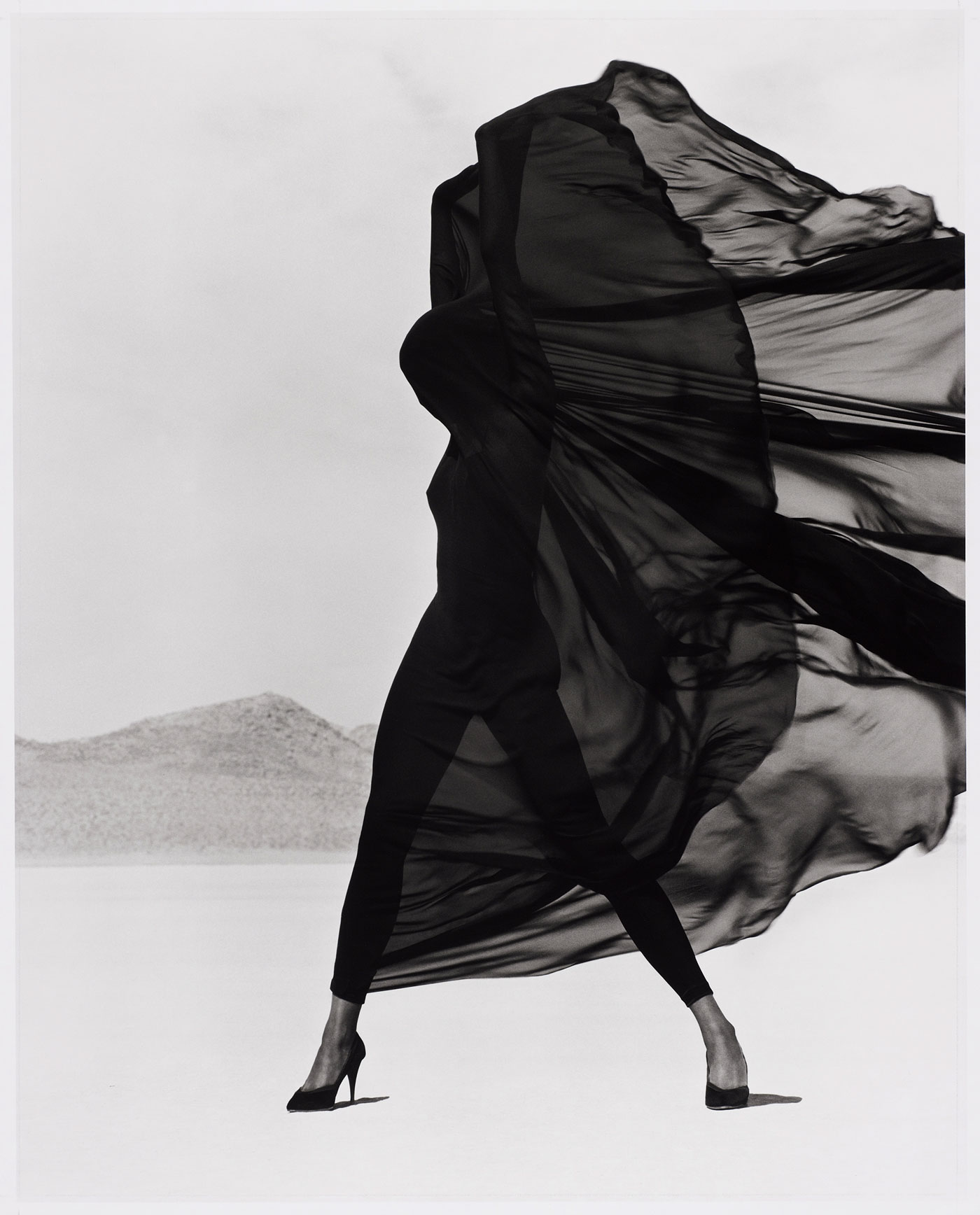
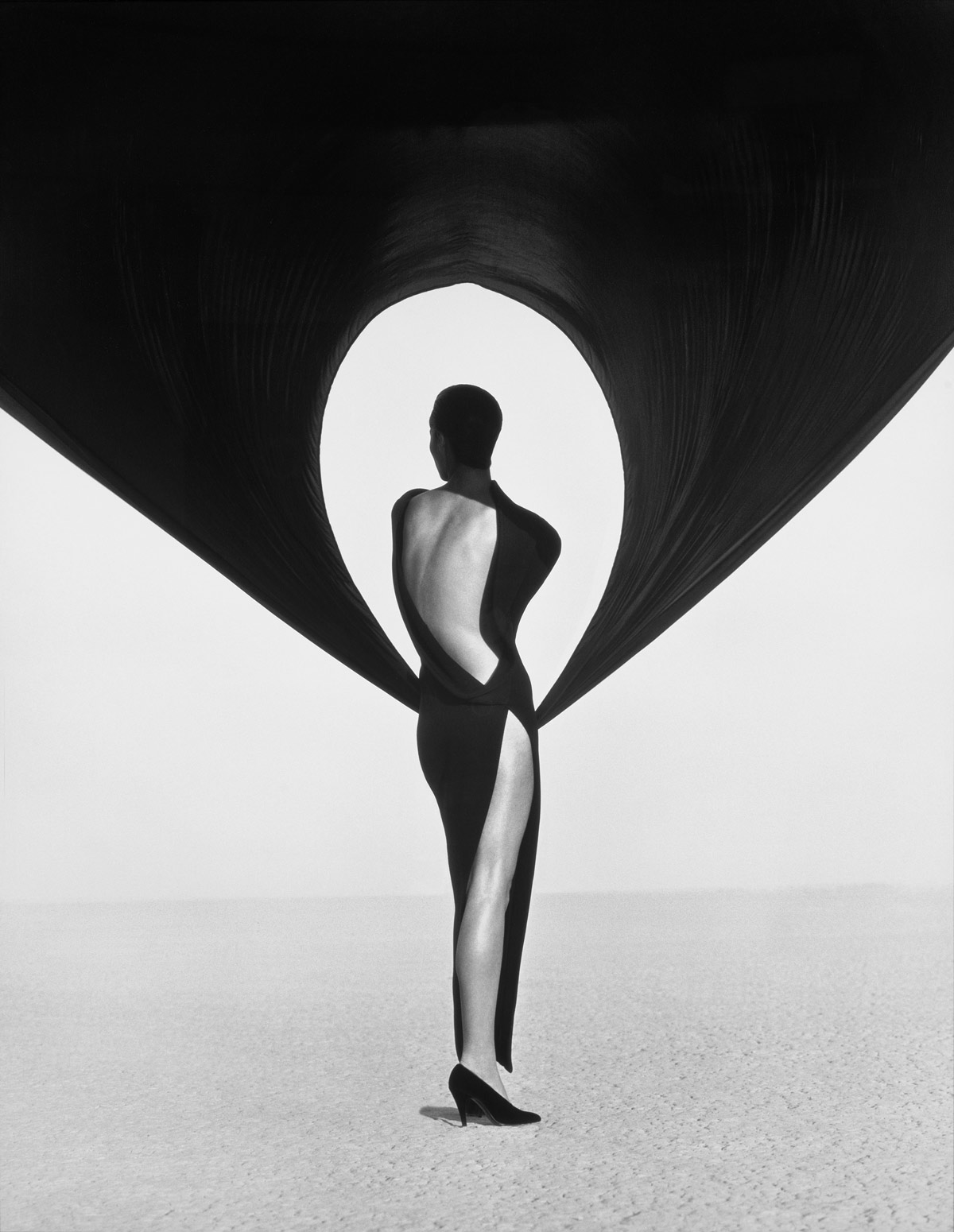
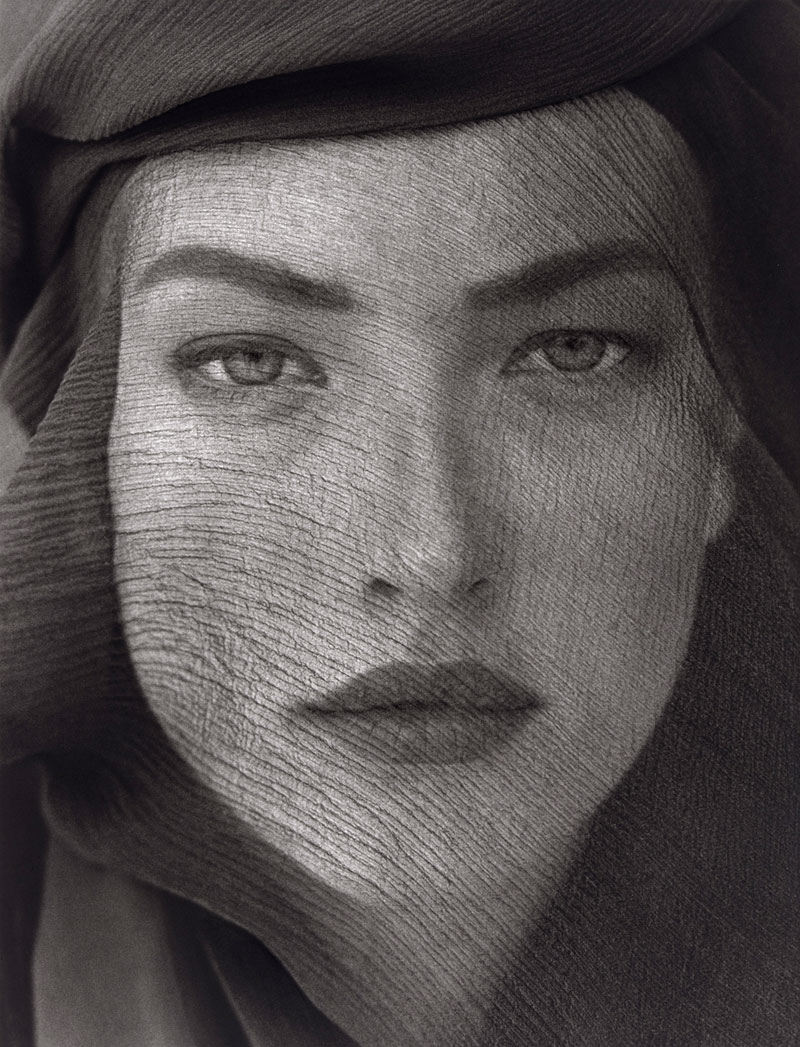


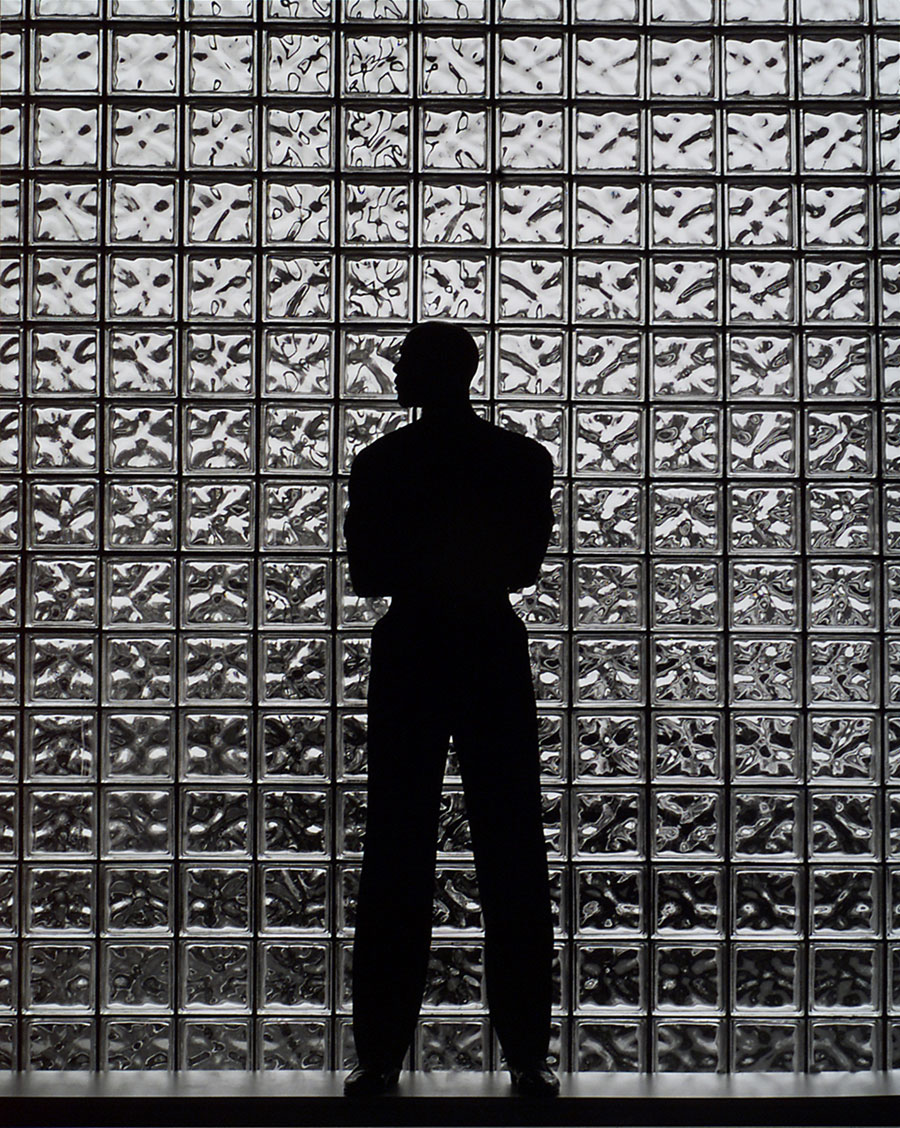


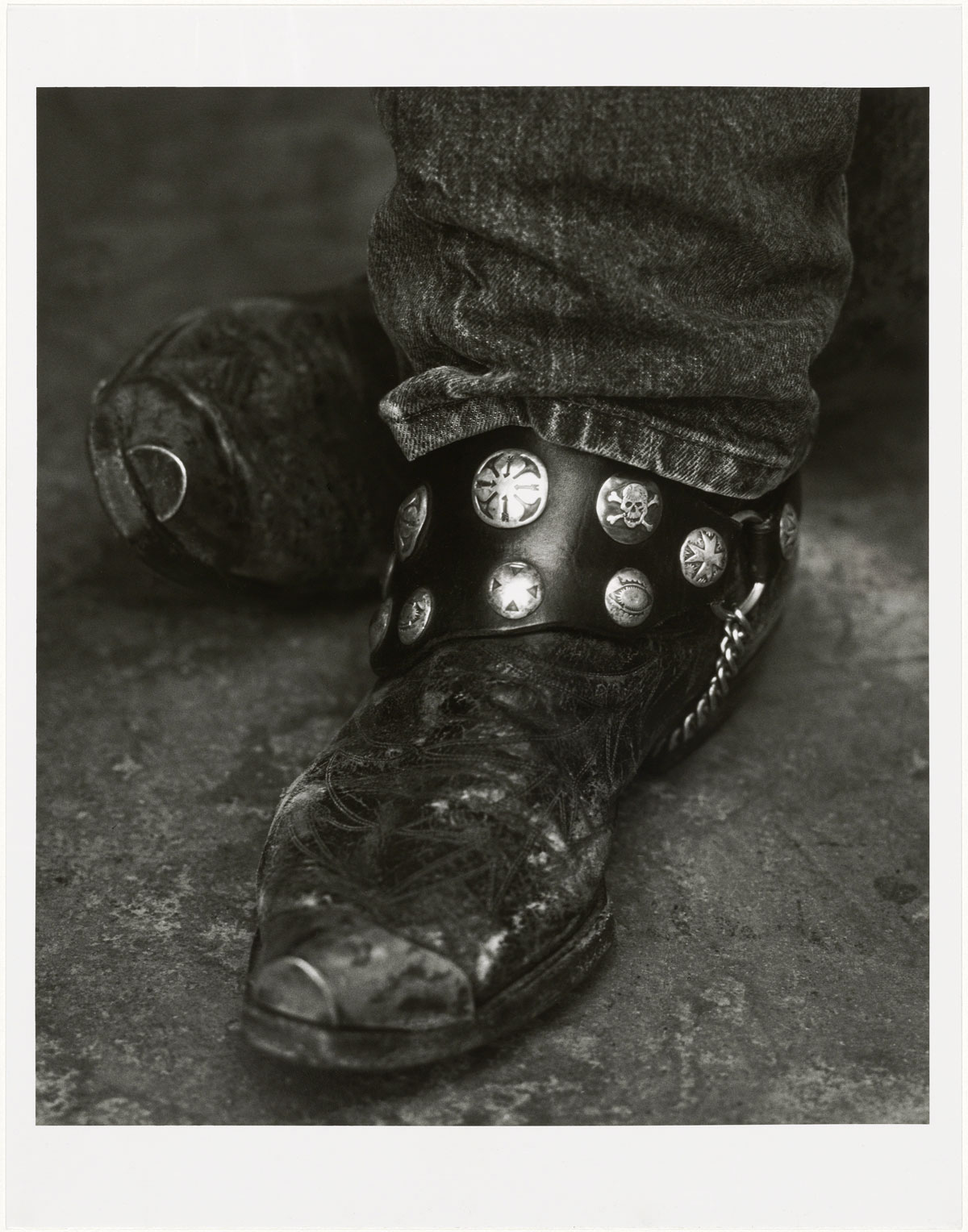


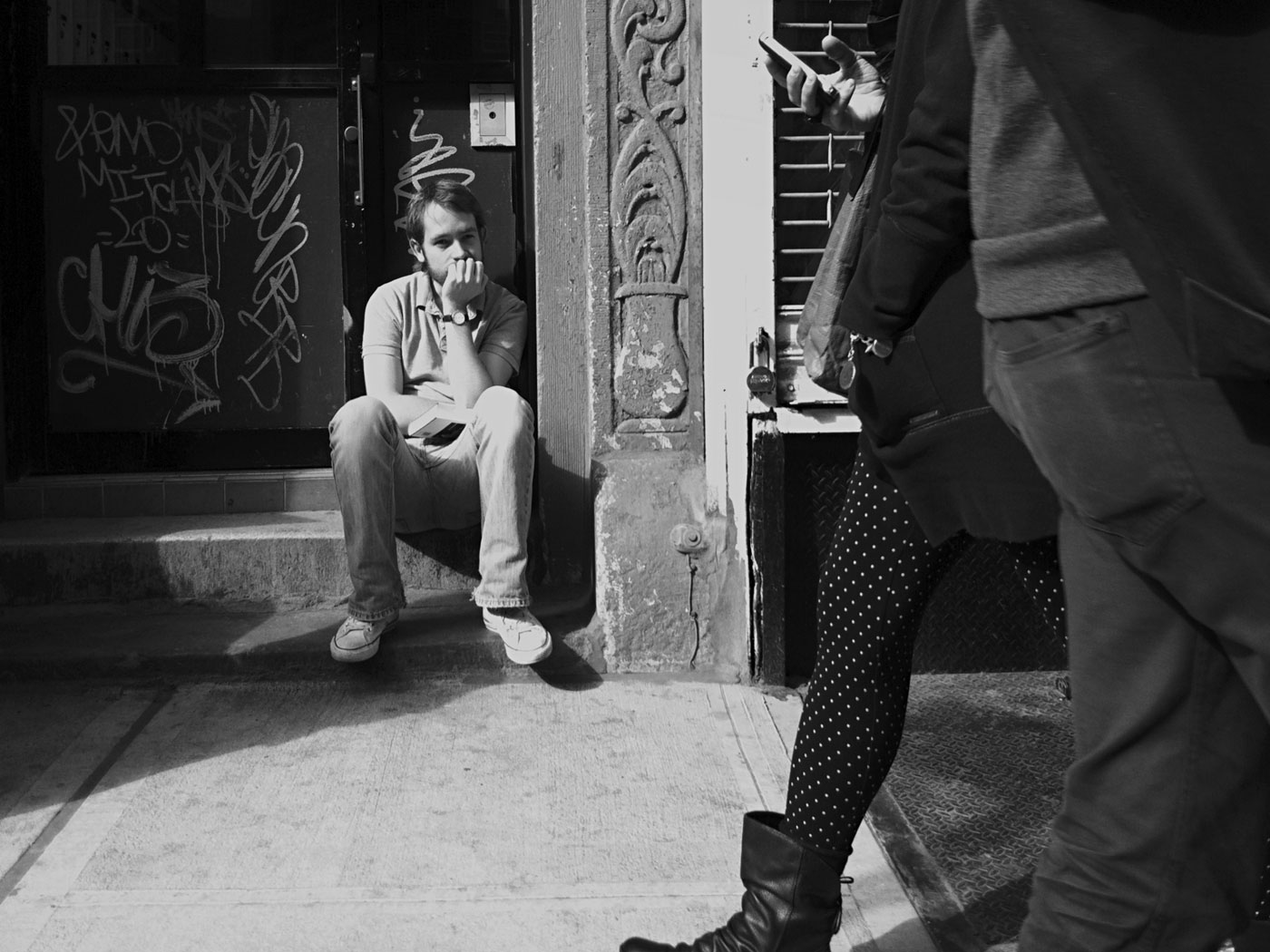


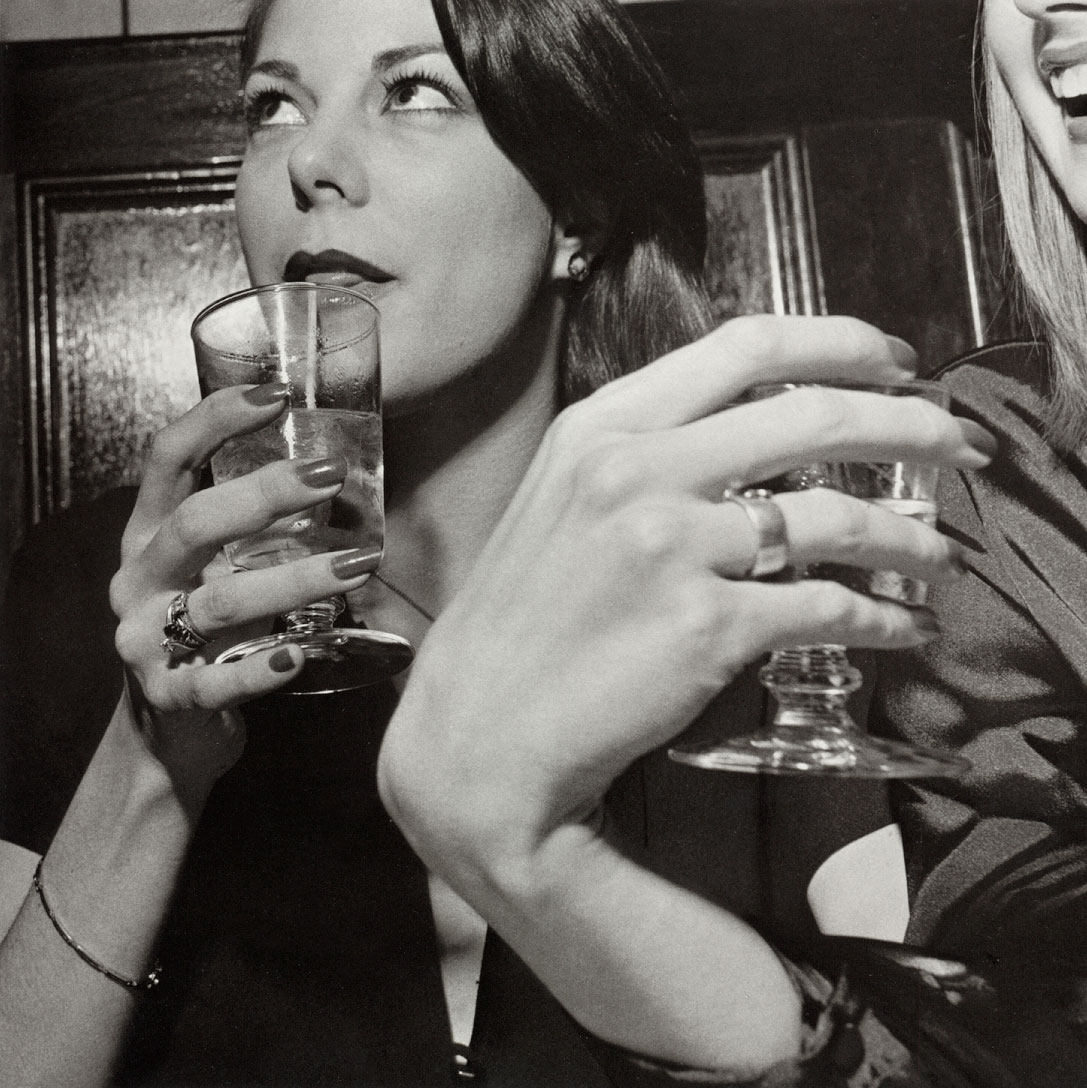


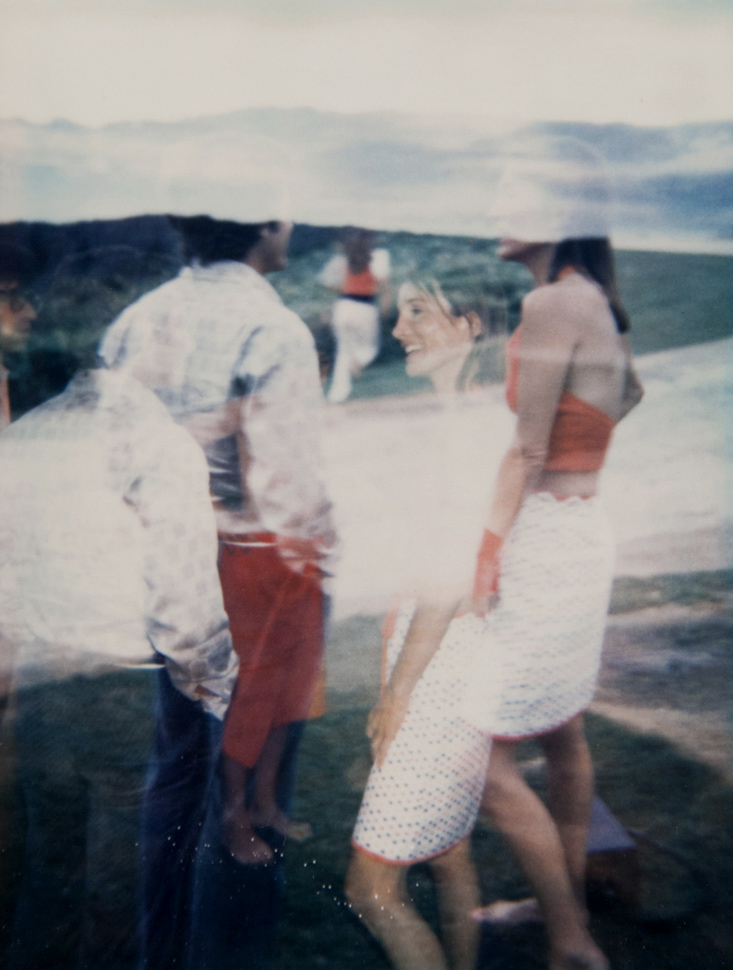
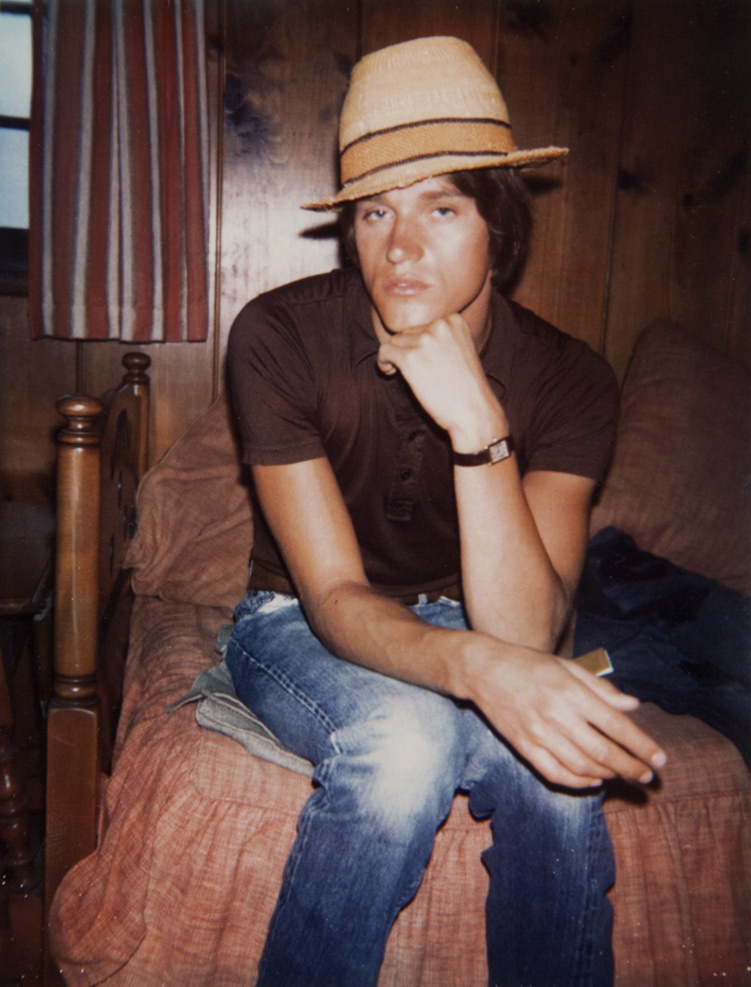


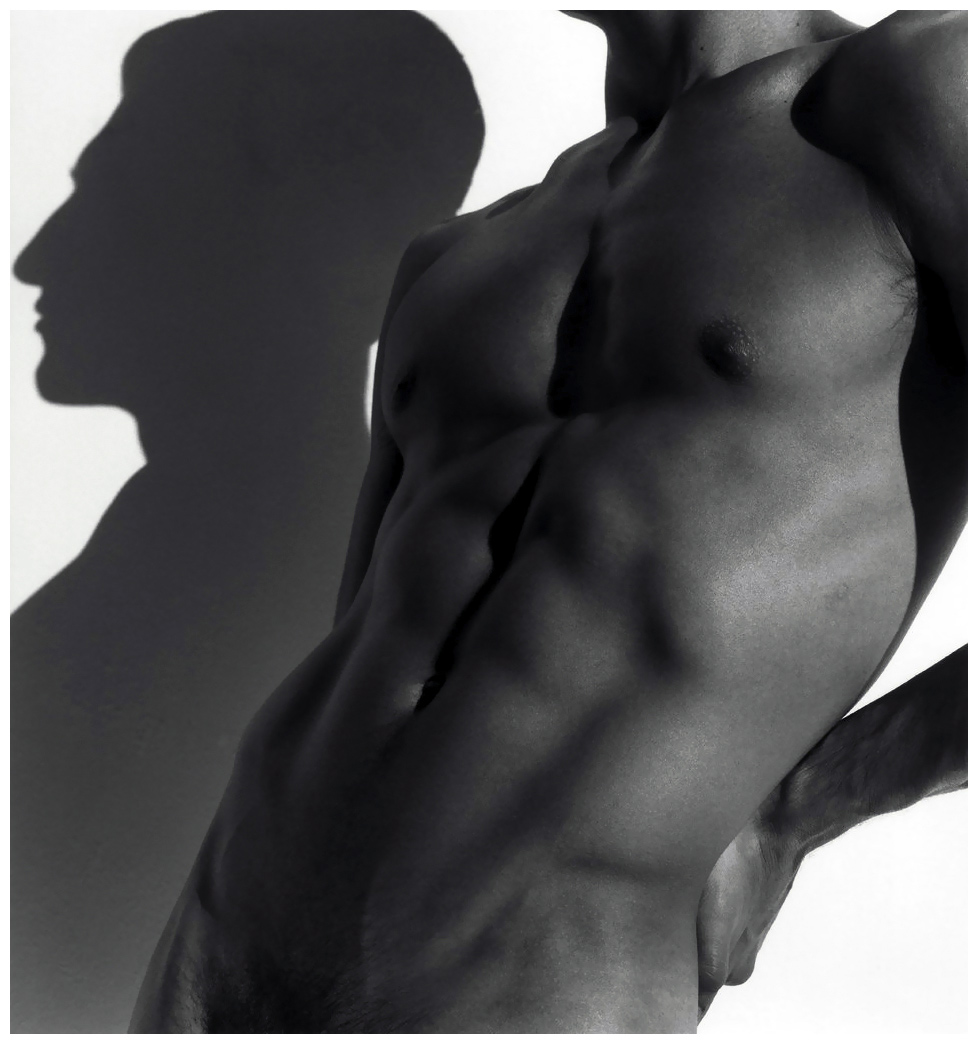
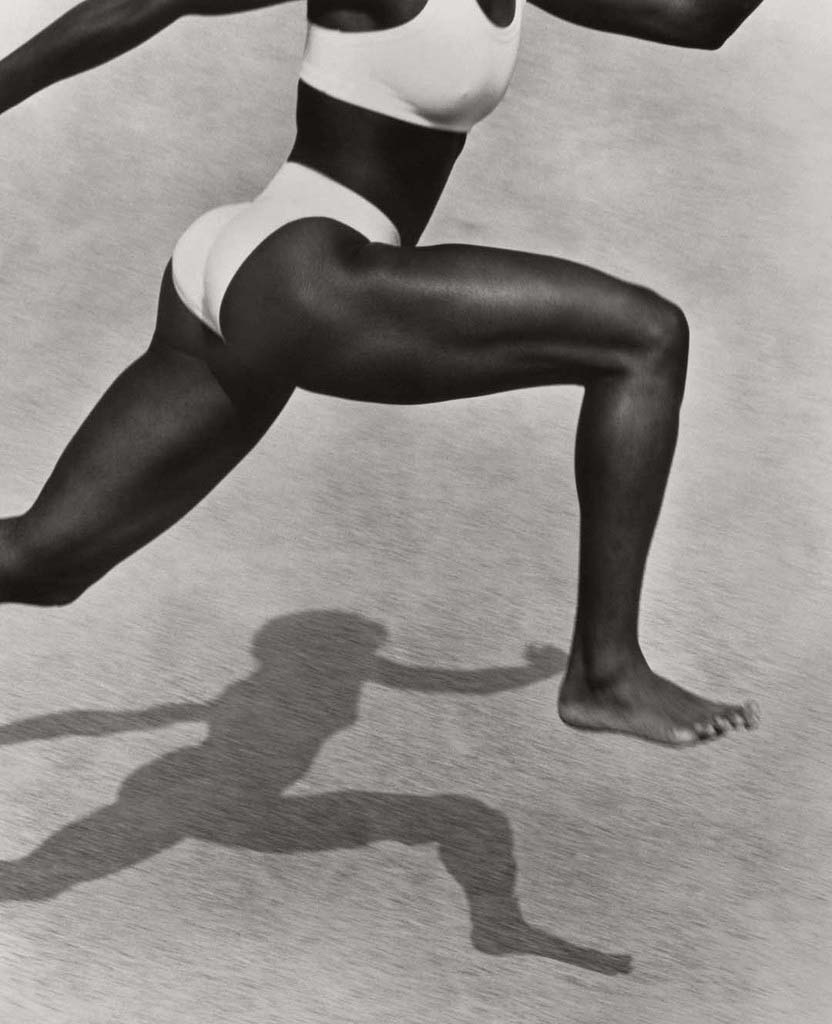
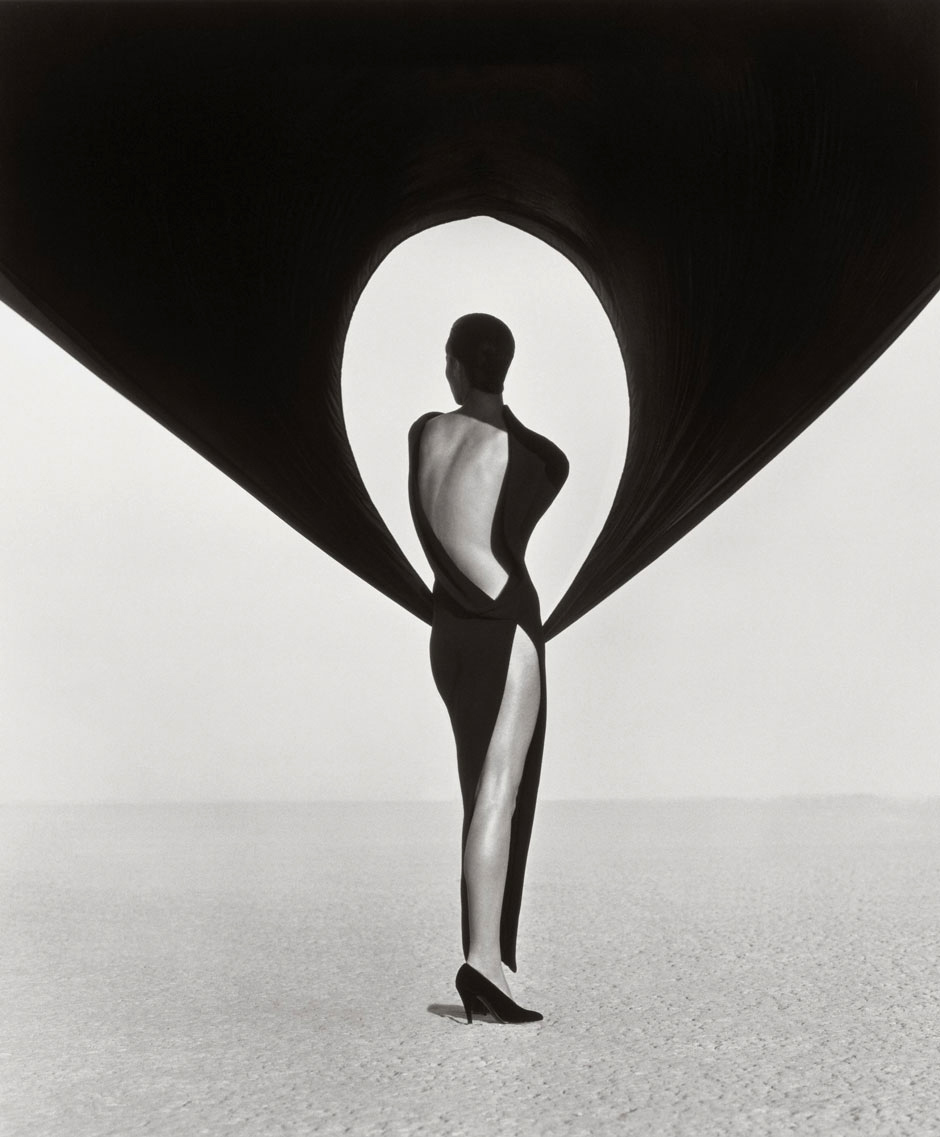
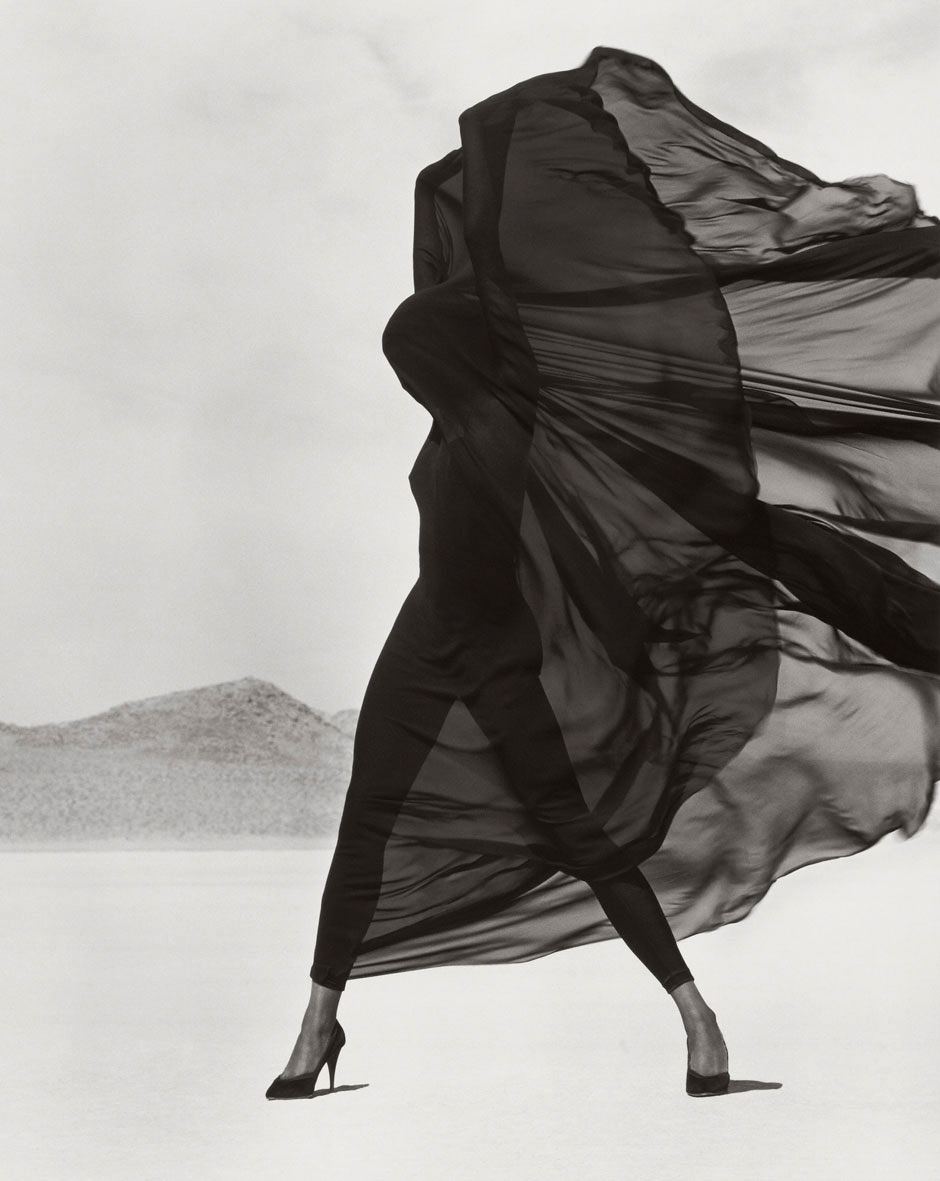
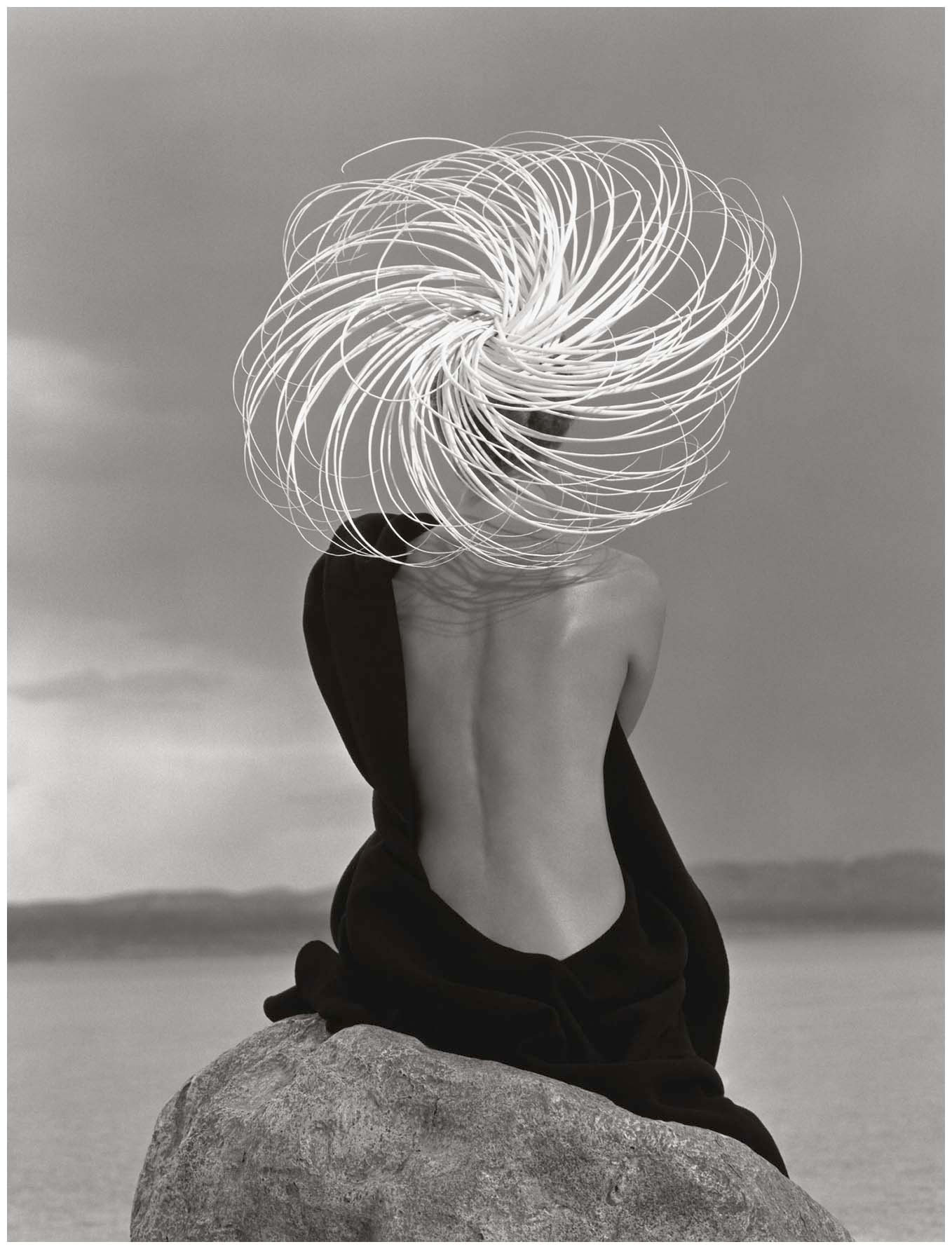
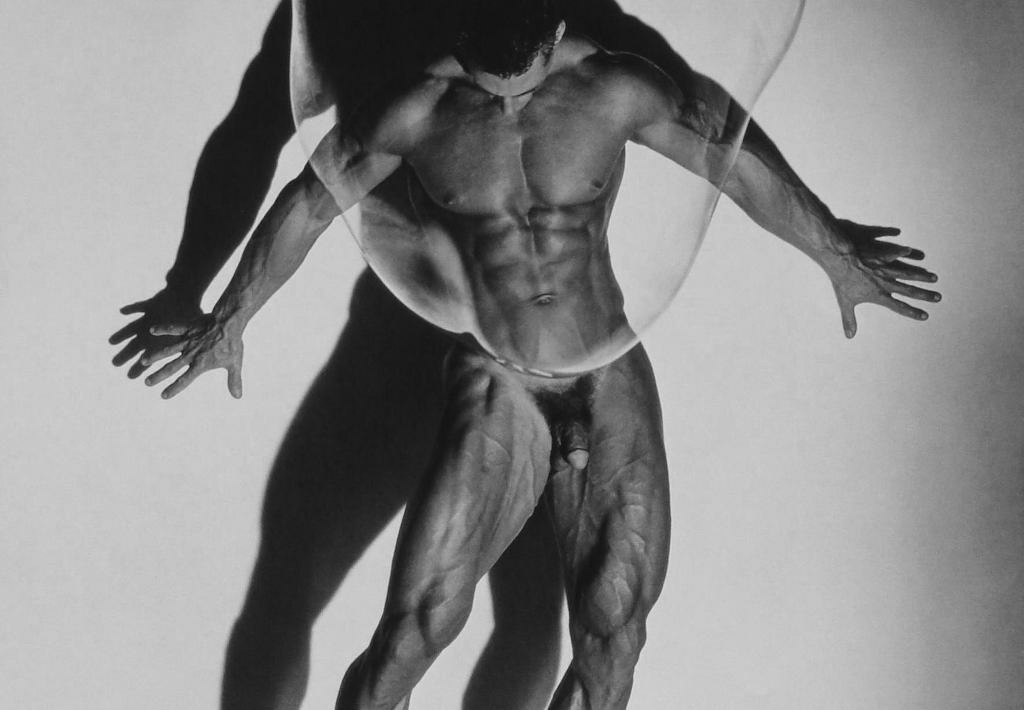
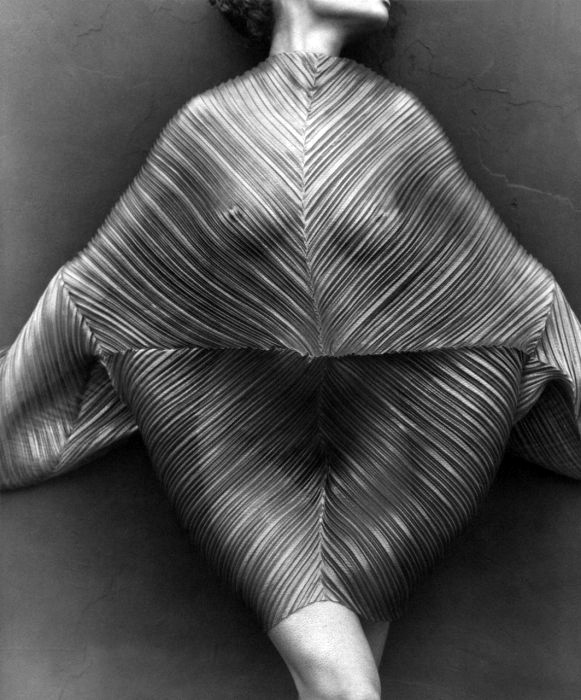
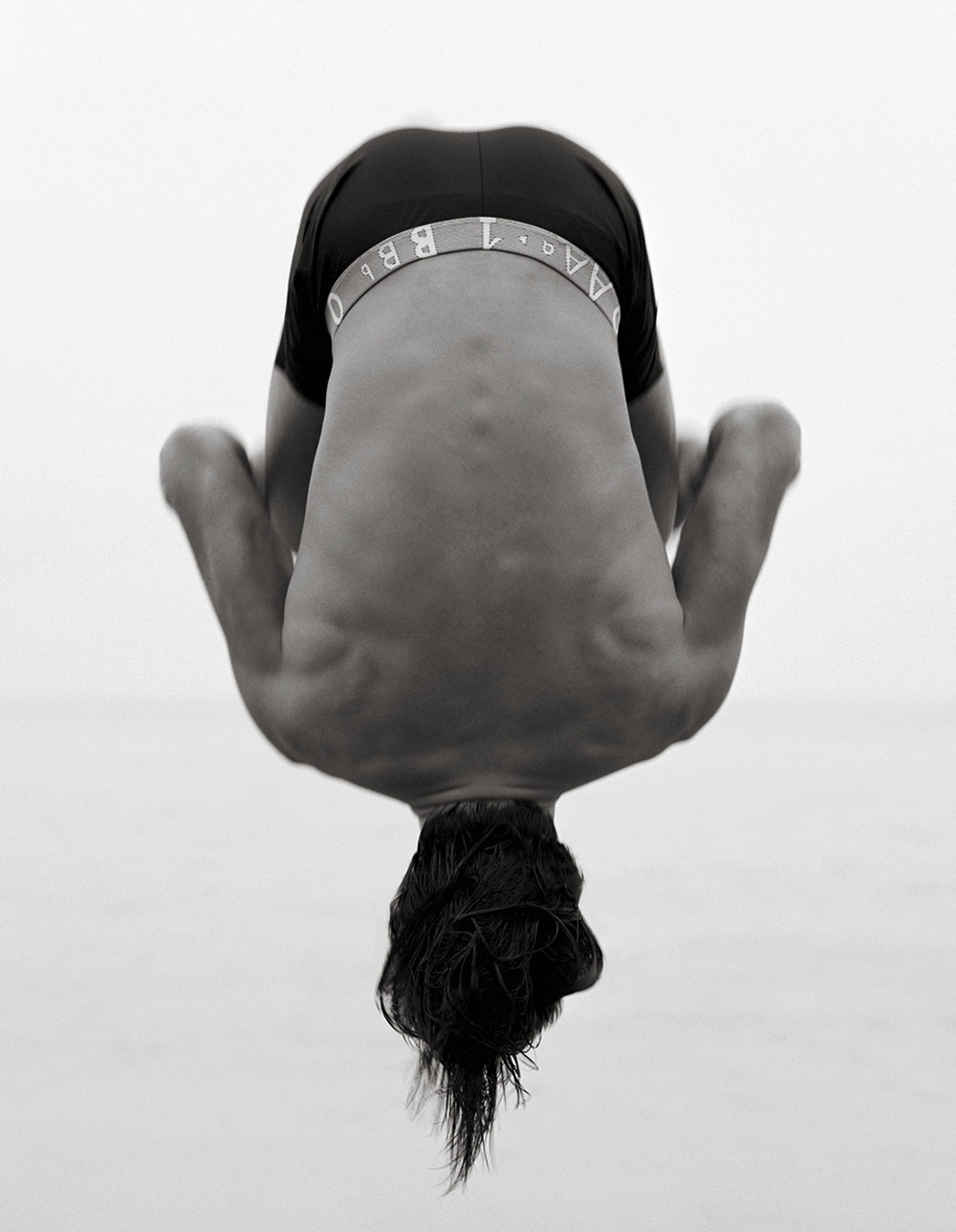
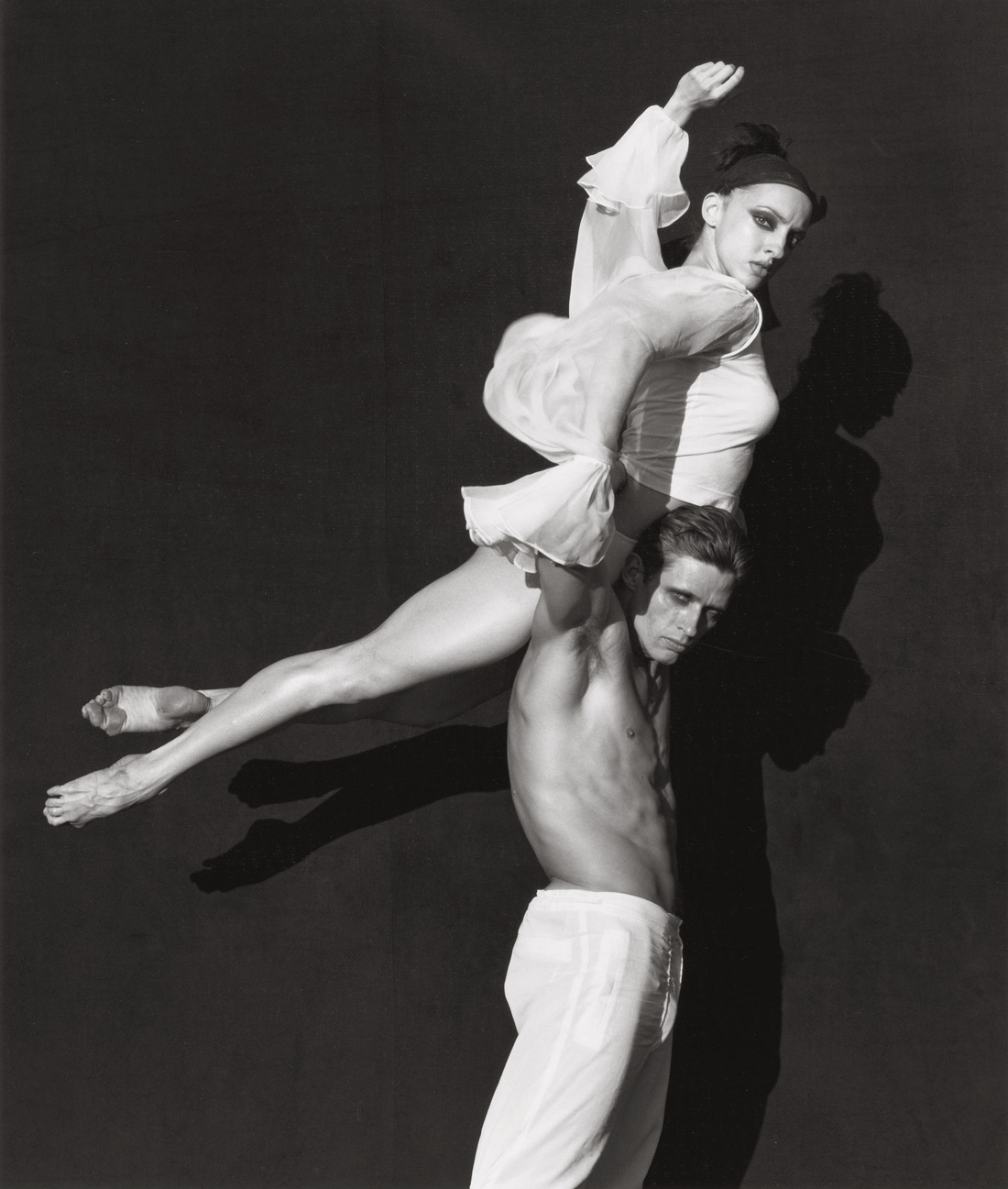
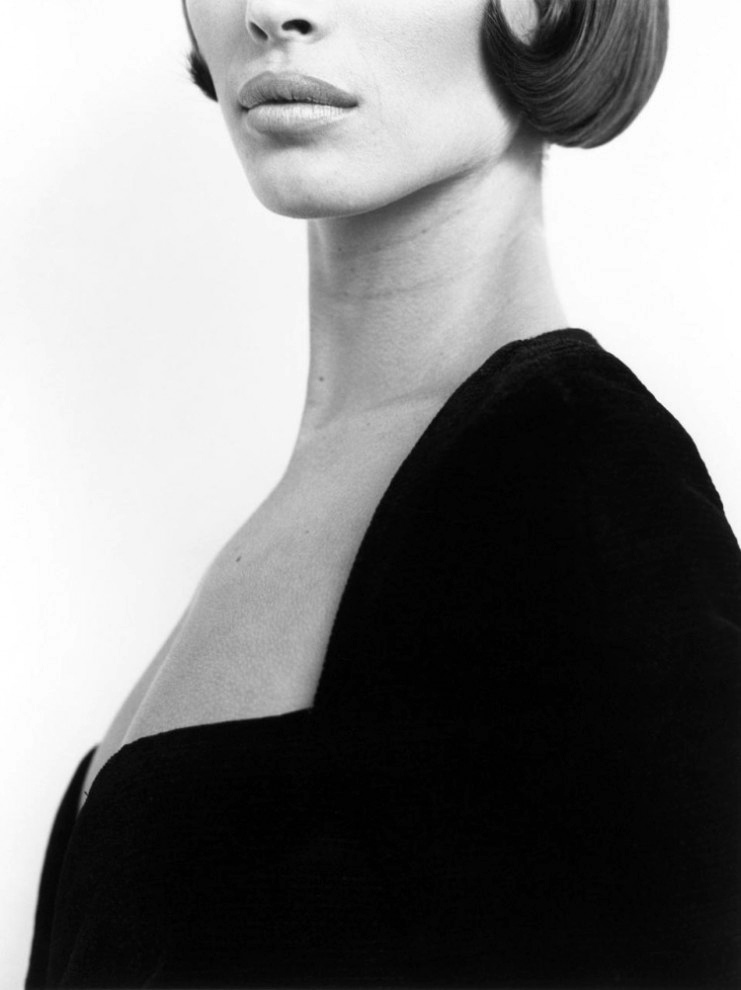
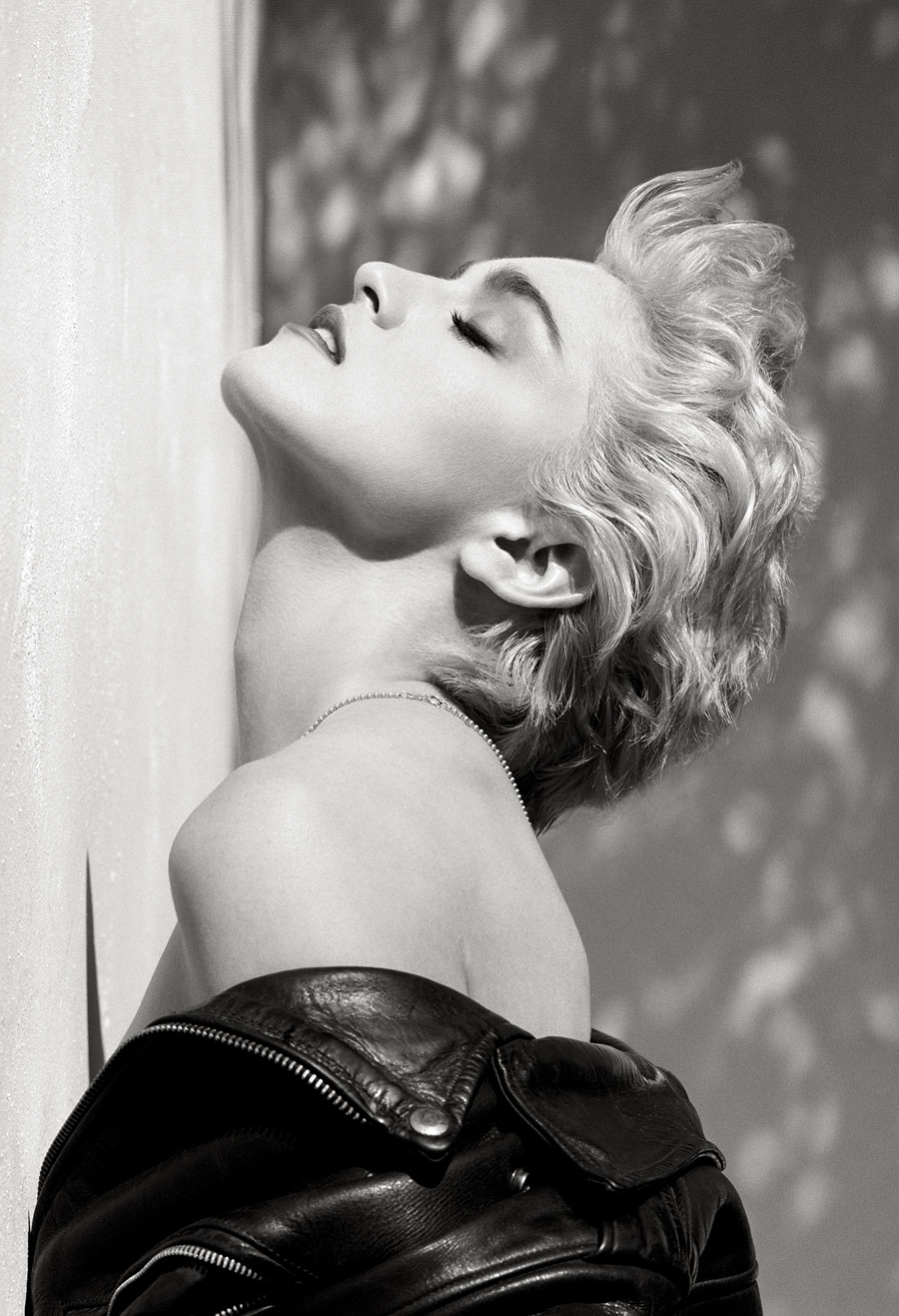
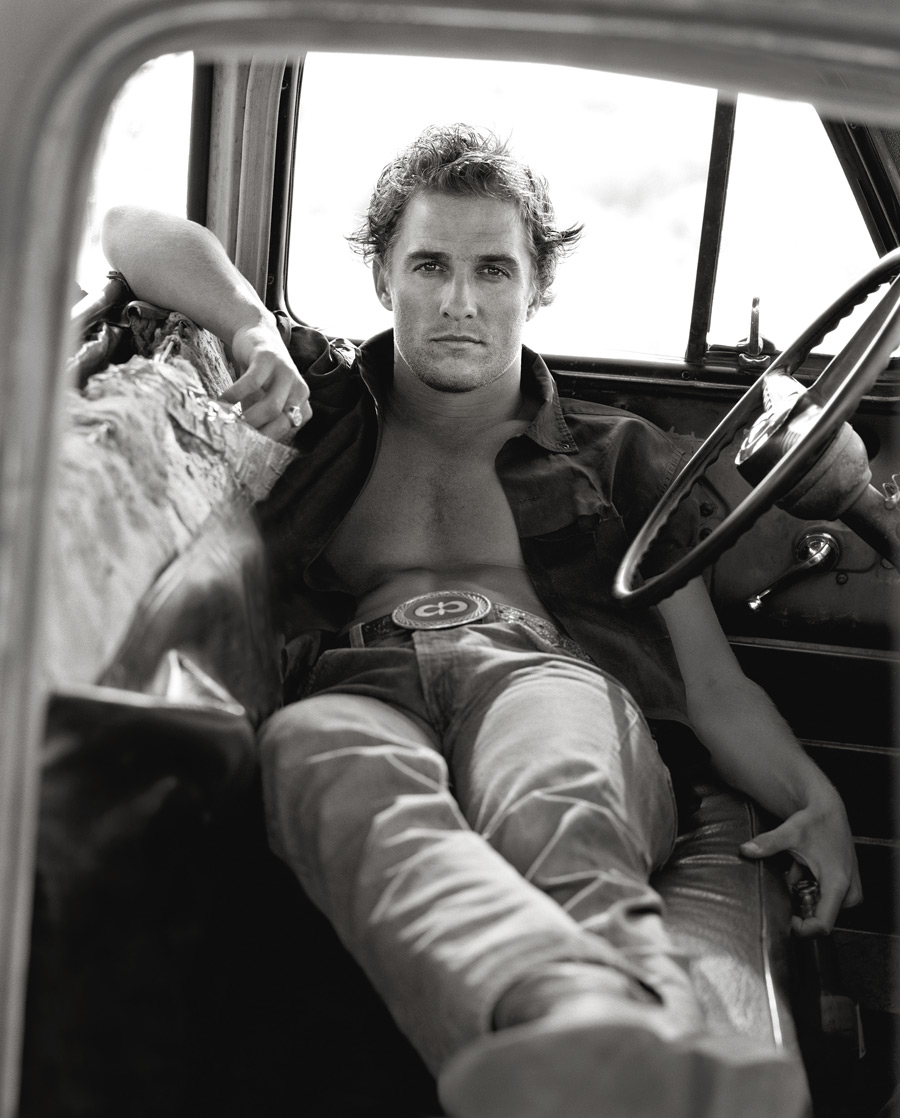
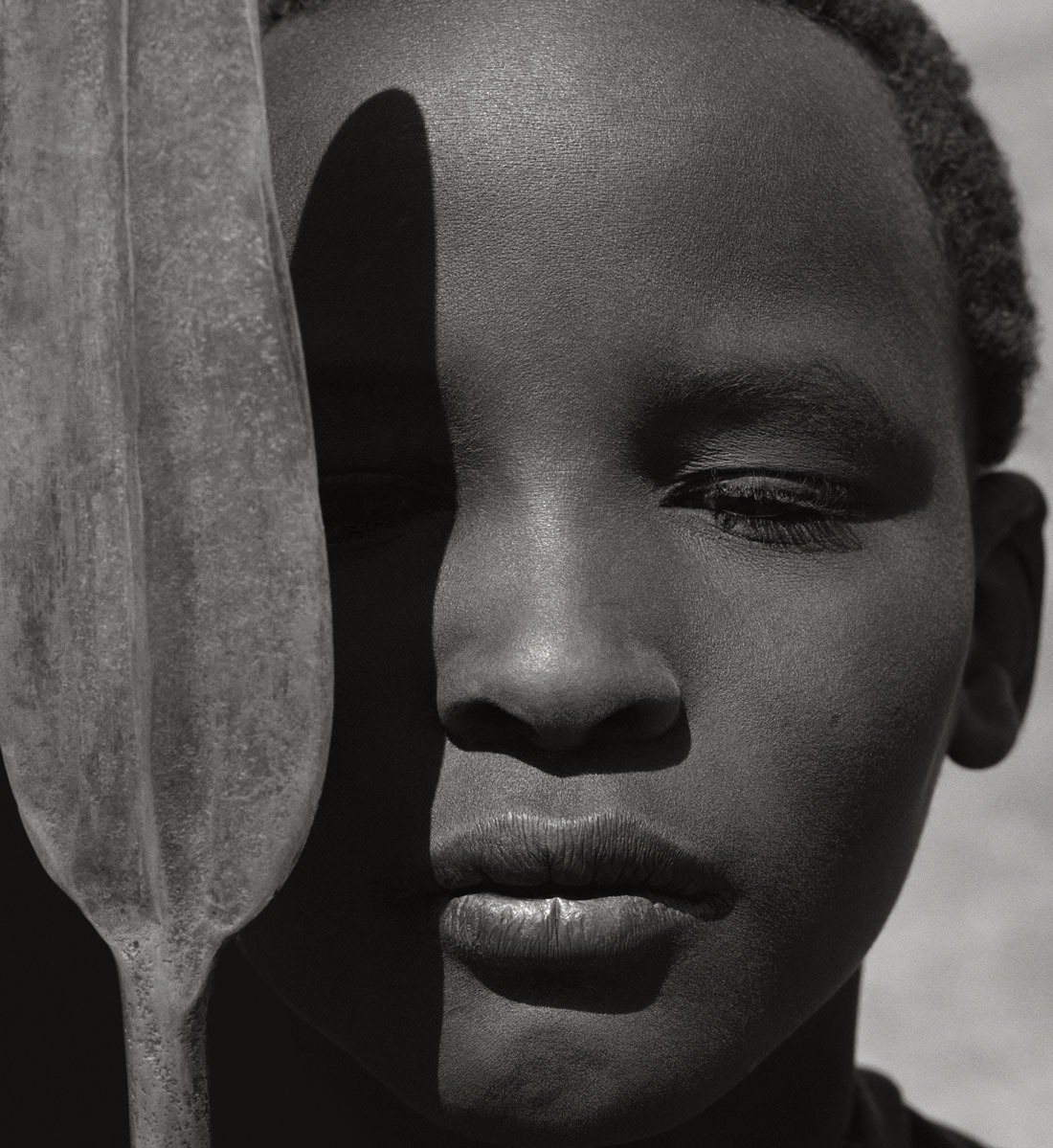
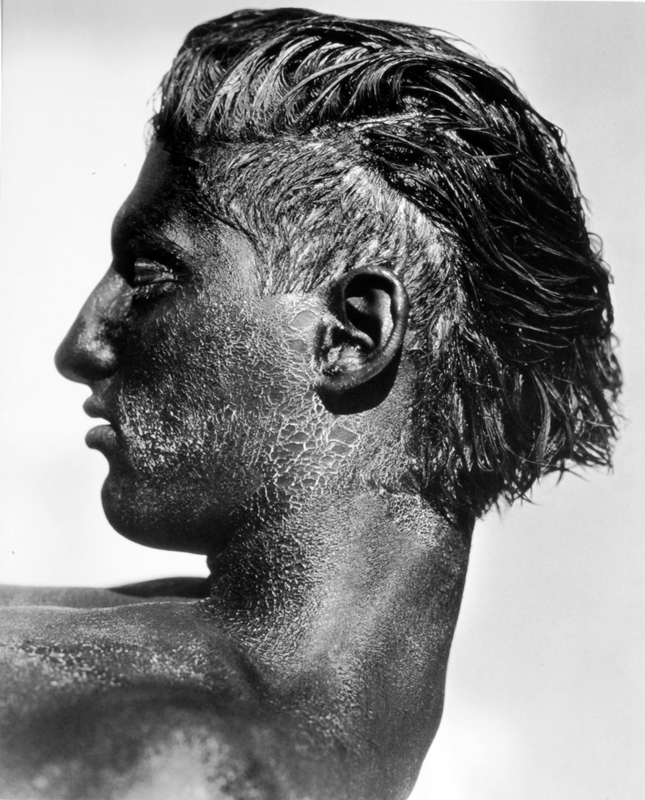
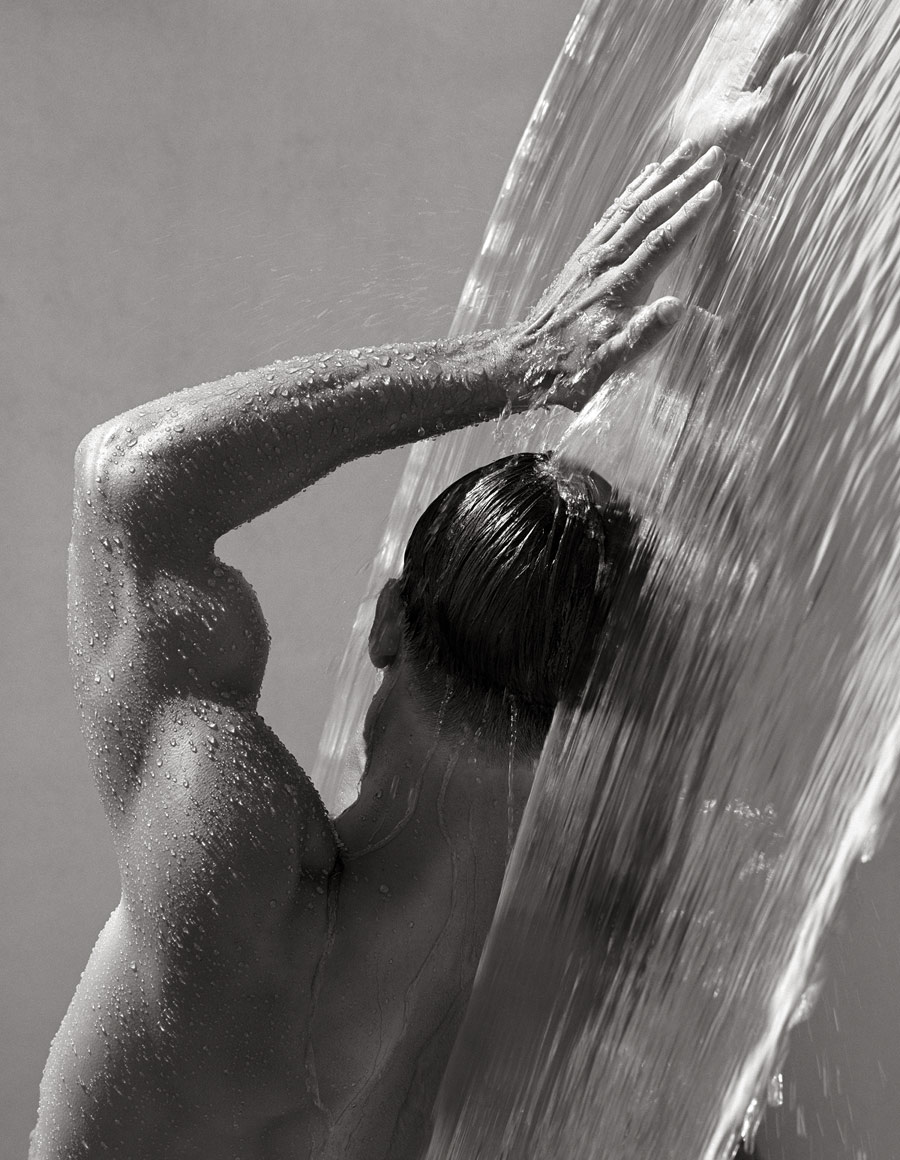


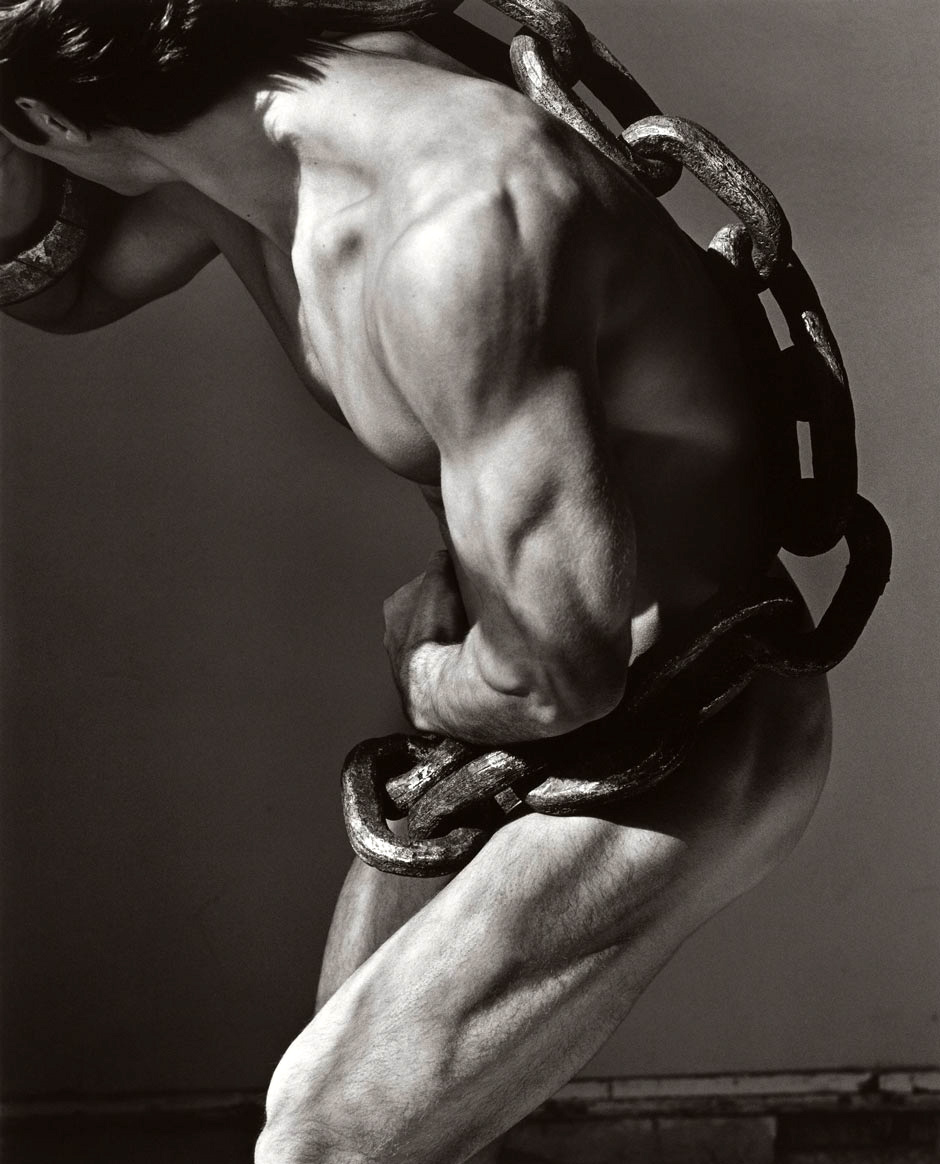


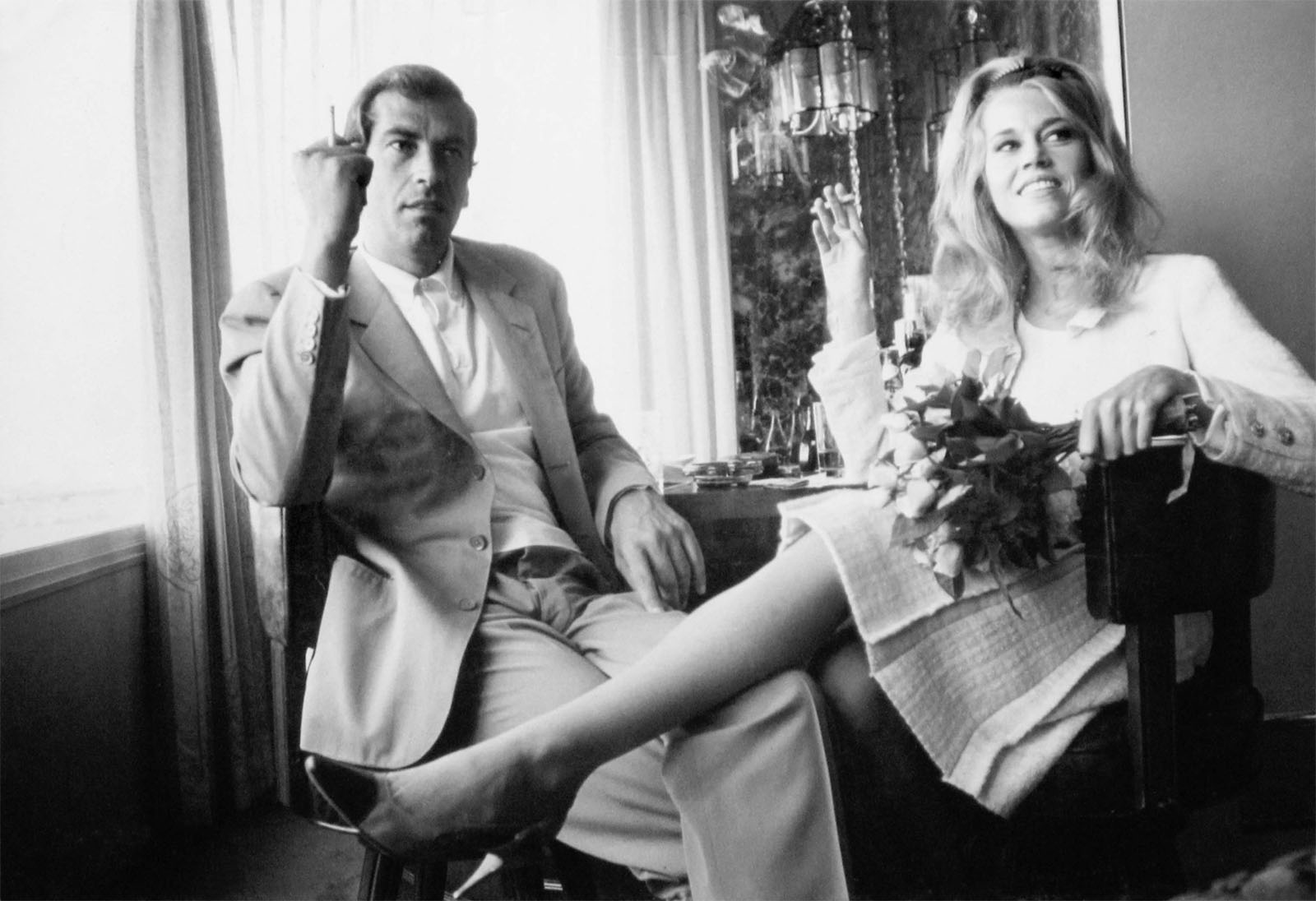
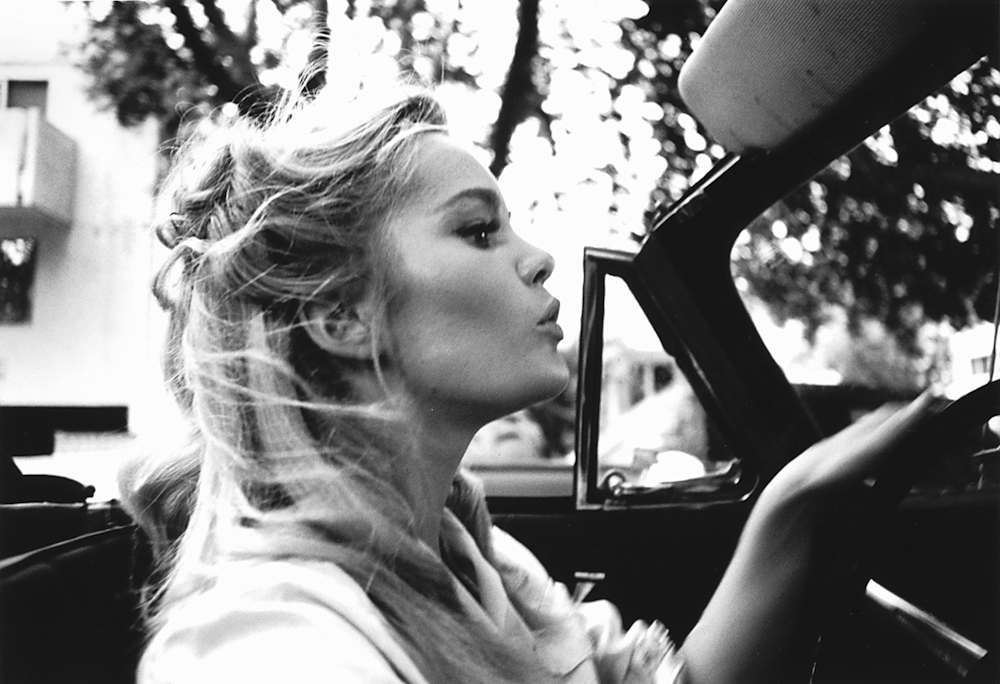


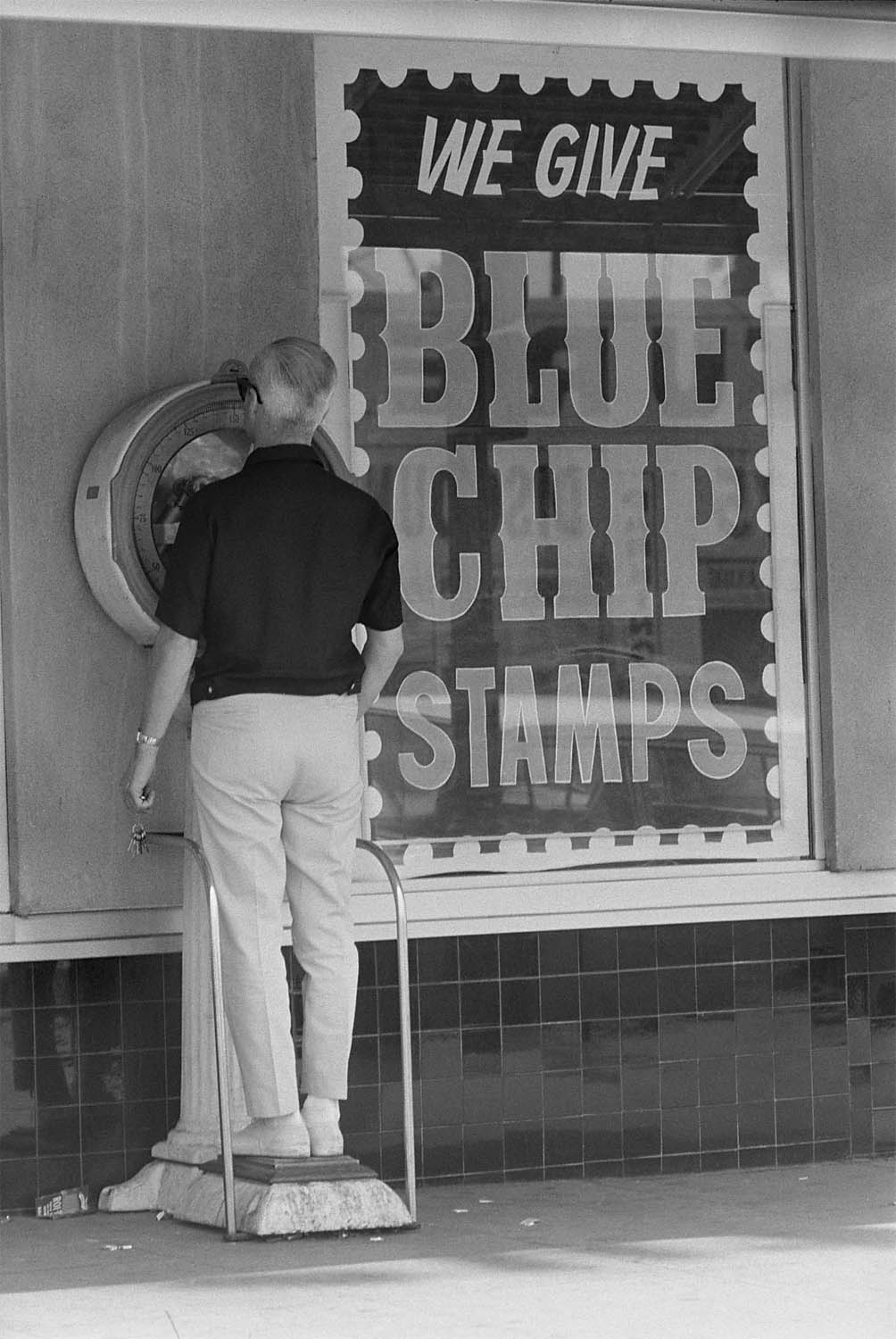


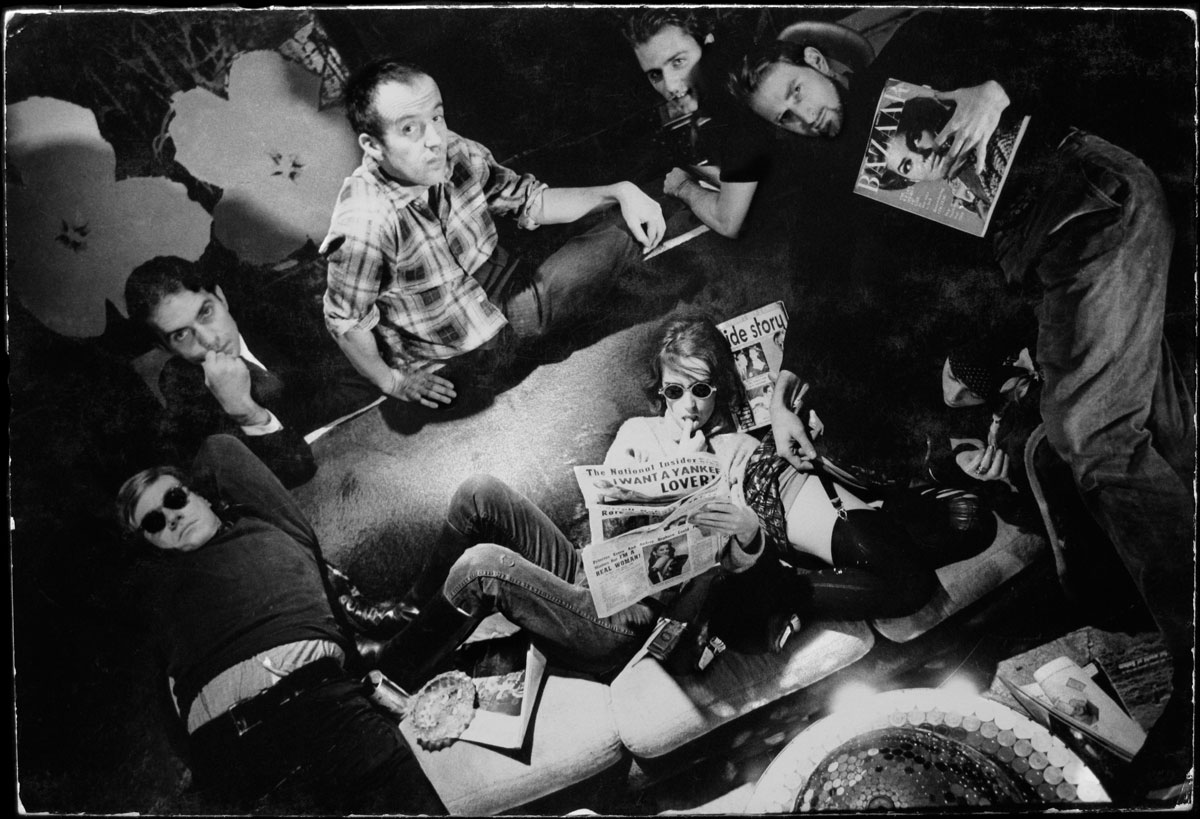
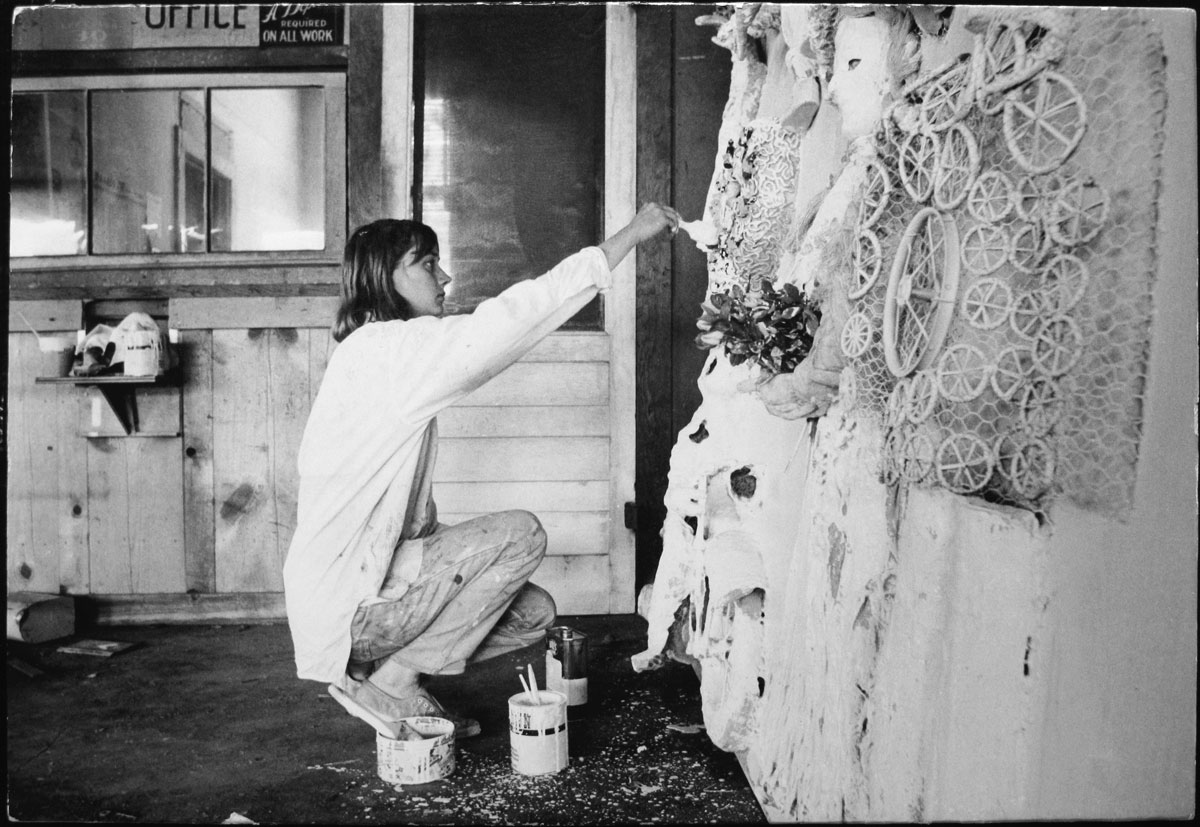
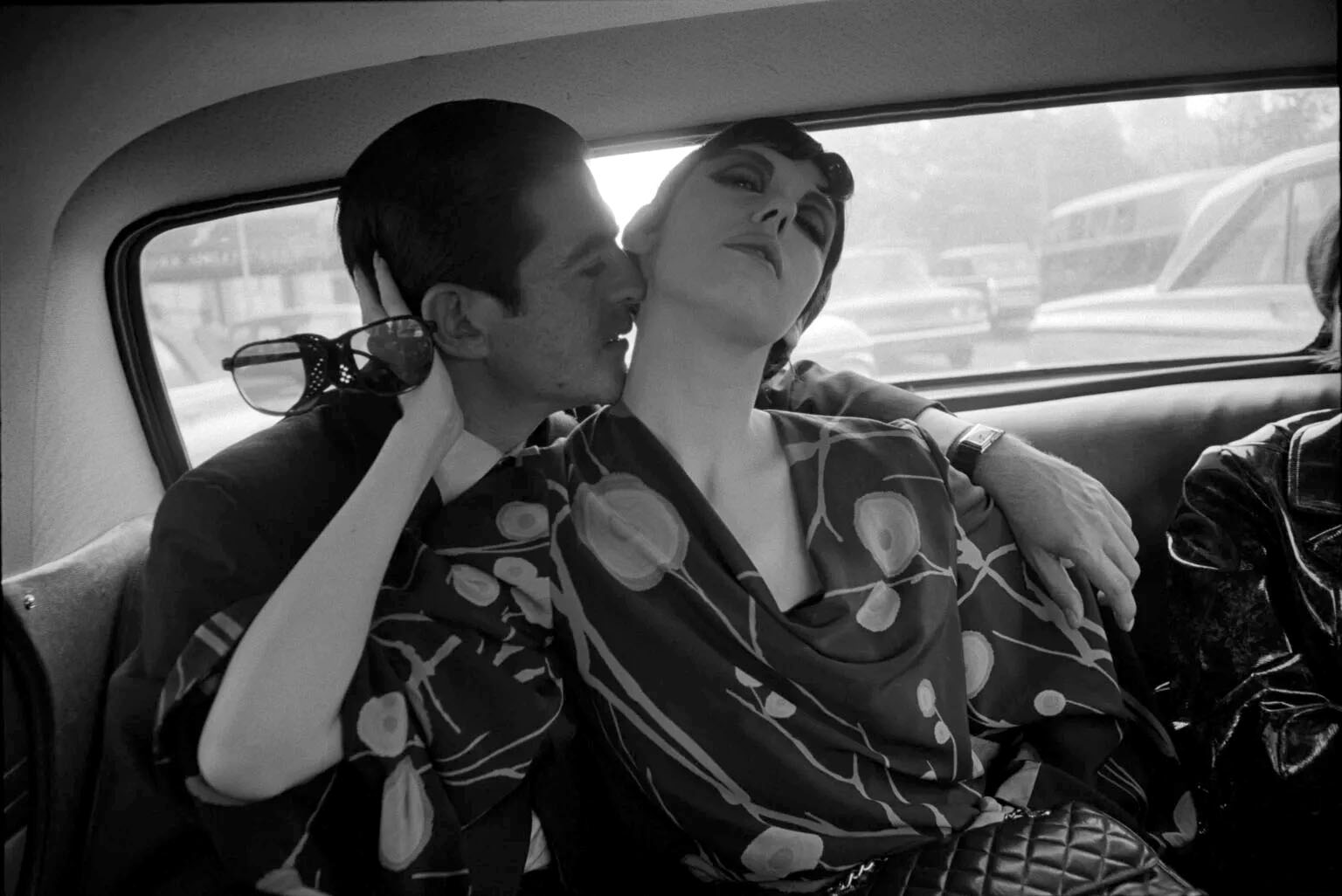
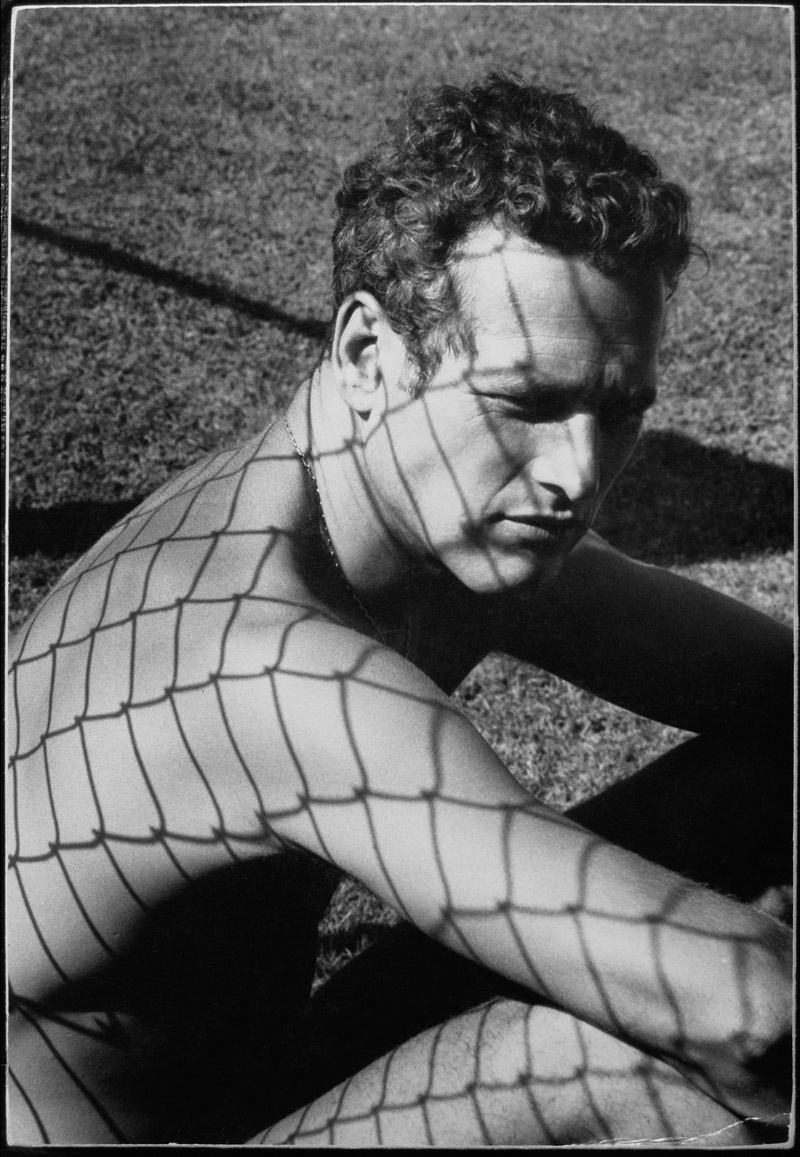
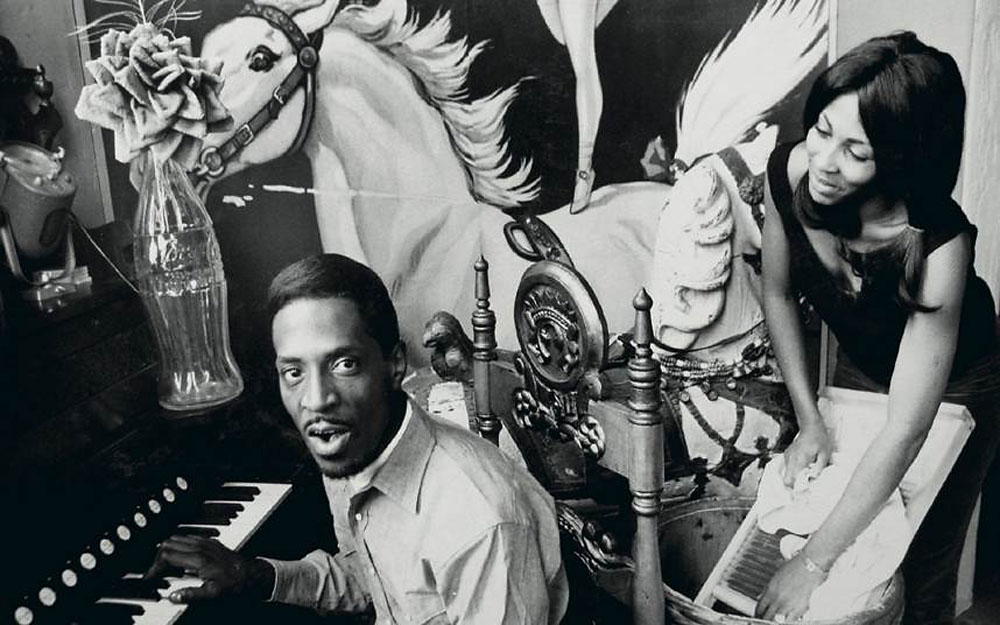


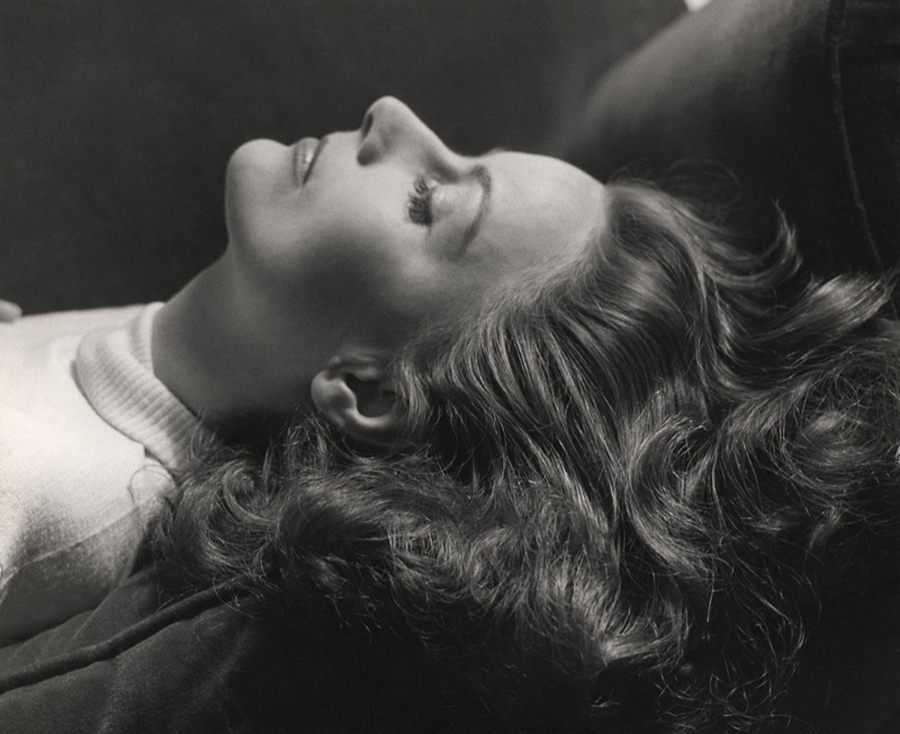

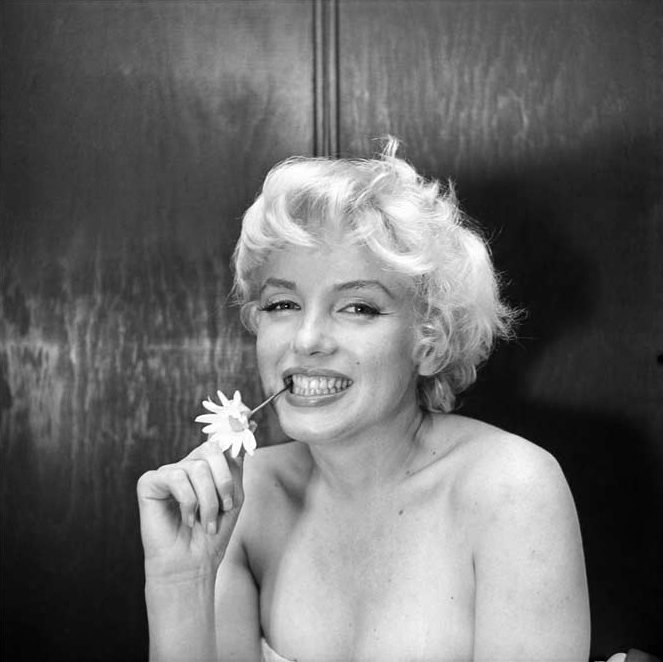














 Art Blart _ art and cultural memory archive
You must be logged in to post a comment.