This is a fascinating exhibition at The Ian Potter Museum of Art, one of the best exhibitions I have seen this year in Melbourne. Unlike the disappointing exhibition Earth Matters: contemporary photographers in the landscape at the Monash Gallery of Art this exhibition, which addresses roughly the same subject matter (climate change and its devastating impact on the earth’s many ecosystems; contemporary notions of nature and the sublime) this exhibition is nuanced and fresh, celebrating “the unique capacity art has to cut through prevailing rhetoric to stimulate individuals both intellectually and emotionally in the face of current environmental issues.”
Every piece of art in this exhibition is emotionally, intellectually and aesthetically challenging. There is no “dead wood” here. As the press release states, “Nature / Revelation features international and Australian artists who are engaged with poetic and philosophical concerns, and whose work offers potentially enlightening experiences that energise our relationship to the natural world.” And it is true!
I spent over two hours on a couple of visits to this exhibition and came away feeling en/lightened in mind and body. From the formal beauty of Ansel Adams classical black and white photographs to the mesmerising, eternal video Boulder Hand (2012) by Gabriel Orozco; from the delightful misdirection of Mel O’Callaghan’sMoons to the liminal habitats of Jamie North; and from the constructed clouds of Berndnaut Smilde to the best piece in the exhibition, Jonathan Delafield Cook’s Sperm whale (Physeter macrocephalus) (2013, below) – every piece deserved its place in this exhibition. I would go as far as to say that Delafield Cook’s Sperm whale is the best piece of art that I have seen since Mark Hilton’s dontworry(2013) which featured in the Melbourne Now exhibition at the National Gallery of Victoria. The sheer scale and beauty of the work (with its graphite on canvas attention to detail) and that doleful eye staring out at the viewer, is both empowering and unnerving. It deserves to be in an important collection.
While nature and the world we live in offers moments of revelation, so did the art in this exhibition. The art possesses moments of wonder for the viewer. Kudos to curator Joanna Bosse and The Ian Potter Museum of Art for putting on a top notch show.
Installation photograph of the exhibition Nature/Revelation at The Ian Potter Museum of Art, Melbourne showing photographs by Ansel Adams Photo: Marcus Bunyan
Installation photograph of the exhibition Nature/Revelation at The Ian Potter Museum of Art, Melbourne showing at right, photographs by Ansel Adams; and at left, a detail of Jonathan Delafield Cook’s Sperm whale (Physeter macrocephalus) 2013 Photo: Marcus Bunyan
Installation photograph of the exhibition Nature/Revelation at The Ian Potter Museum of Art, Melbourne showing Jonathan Delafield Cook’s Sperm whale (Physeter macrocephalus), 2013 Photos: Marcus Bunyan
Jonathan Delafield Cook (British, b. 1965) Sperm whale (Physeter macrocephalus) (detail) 2013 Graphite on canvas 6 panels: 245 x 1200 cm overall Courtesy the artist and Olsen/Irwin Gallery, Sydney Photo: Marcus Bunyan
Jonathan Delafield Cook’s life size drawing of a Sperm Whale specimen possesses a haunting melancholy… [He] creates an encounter that recalls those between Ahab and Moby Dick immortalised in Hermann Melville’s famous novel. Being face-to-face, eye-to-eye with this majestic sentient being – distinguished for having the largest brain of any creature known to have lived on the Earth – is an awe-inspiring experience. The overwhelming enormity of scale and the panorama-like expanse of the whale’s skin rouse an acute awareness of our own small presence in the room (in the world).
Delafield Cook’s work belongs to the naturalist tradition, and his detailed charcoal drawing intensifies the physical qualities of the subject in a way that renders it both a forensic study and an otherworldly fantasy. The personal history of this sleek leviathan is writ large, like graffiti, on its skin: the abrasions, the exfoliations, scars and its ragged tail tell of unknown adventures in an environment that lies beyond our own experience, but one not exempt from degradation or environmental change.
Installation photograph of the exhibition Nature/Revelation at The Ian Potter Museum of Art, Melbourne showing showing at centre right, photographs by Ansel Adams Photo: Marcus Bunyan
Gabriel Orozco(Mexican, b. 1962) Boulder Hand 2012 Video 54 seconds Courtesy of the artist
Installation photograph of the exhibition Nature/Revelation at The Ian Potter Museum of Art, Melbourne showing at left, Mel O’Callaghan’s Moons 2014; and at right, Gabriel Orozco’s video Boulder Hand 2012 Photo: Marcus Bunyan
Installation photographs of the exhibition Nature/Revelation at The Ian Potter Museum of Art, Melbourne showing Mel O’Callaghan’s Moons 2014 Photos: Marcus Bunyan
Mel O’Callaghan (Australian, b. 1975) Moons (II) 2014 pigmented inkjet print 100 x 100cm Courtesy the artist and Galerie Allen, Paris, and Galeria Belo Galsterer, Lisbon
Climate change and its devastating impact on the earth’s many ecosystems is arguably today’s most critical global issue. Nature/Revelation celebrates the unique capacity art has to cut through prevailing rhetoric to stimulate individuals both intellectually and emotionally in the face of current environmental issues. Focusing on contemporary notions of nature and the sublime, the exhibition affirms that the world we live in offers moments of revelation, and that nature can provoke a range of associations – both fantastical and grounded – that profoundly affect us.
Nature/Revelation features international and Australian artists who are engaged with poetic and philosophical concerns, and whose work offers potentially enlightening experiences that energise our relationship to the natural world. Artists include Ansel Adams, Jonathan Delafield Cook, David Haines, Andrew Hazewinkel and Susan Jacobs, Jamie North, Mel O’Callaghan, Gabriel Orozco and Berndnaut Smilde. The exhibition also raises questions about concepts of nature and culture following the arguments of philosopher Timothy Morton.
This exhibition forms a key component of the ‘Art+climate=change’ festival presented by Climarte: arts for a safer climate. This festival of climate change related arts and ideas includes curated exhibitions at a number of museums and galleries alongside a series of keynote lectures and forums featuring local and international speakers.
The University of Melbourne, with the Potter as project leader, is the Principal Knowledge Partner of the Climarte program.
Text from The Ian Potter Museum of Art website
Installation photographs of the exhibition Nature/Revelation at The Ian Potter Museum of Art, Melbourne showing at left on the floor, Jamie North’s Portal II and Slag bowl I & II 2014; and at right, David Haines’ Day & Night 2005-2015 Photos: Marcus Bunyan
Jamie North (Australian, b. 1971) Portal II 2014 Cement, marble waste, limestone, steel slag, coal ash, plastic fibre, tree fern slab, various Australian native plants and Spanish moss 2 components: 107.0 x 26.0 x 26.0cm each Courtesy the artist and Sarah Cottier Gallery, Sydney
Jamie North (Australian, b. 1971) Slag bowl I & II 2013 Concrete, coal ash, steel slag, Australian native plants and moss 15 x 37 x 37cm each Courtesy the artist and Sarah Cottier Gallery, Sydney Photos: Marcus Bunyan
Viewers often mistake Jamie North’s sculptures for actual relics. The sculptures are in fact carefully crafted to emulate liminal habitats where hardy plant species grow in inhospitable conditions. More than mere simulation, each work is itself a miniature ecosystem and has to be tended accordingly.
The sculptures are cast from materials that are commonly found in industrial settings (steel slag, coal ash, marble dust, and concrete) and include local native flora. The specifics of locality are important to North, and his work is a subtle investigation of local environmental systems and the character of place as well as the adaptability of nature in urban settings…
North has an interest in terraforming – the theoretical process of deliberately modifying the atmosphere, temperature, surface topography or ecology of a planet to be similar to the biosphere of Earth. Here, he creates his own terraforms as a reflection on the environmental manipulations that taking place in the everyday.
David Haines (Australian born England, 1966) Day & Night 2005-2015 Two channel video projection Courtesy of the artist and Sarah Cotter Gallery, Sydney
Throughout his practice – which comprises investigations into the elemental in carious media – David Haines explores sensation in both seen and unseen forms. He has a particular interest in latent energies, such as aromas, sound waves and electromagnetic currents.
Haines revisits the classic language of the sublime in his 2004 two-channel video installation Day & night. He presents dual images of the sublime: one an immense cliff face with a sea surging against its rocky base; the other a brooding cloudscape, its form gradually unfolding with a mesmeric momentum. The work is simultaneously serene and disturbing, and awakens that range of complex emotions that Kant named the ‘supersensible’ – beyond the range of what is normally perceptible by the senses. The over-riding emotional rush – the presentiment of danger – associated with this experience is a trademark of the sublime.
The abstract sense of danger shifts however when we notice the tiny figure clinging to the cliff face. The scene is abruptly divested of its fantastical quality (its symbolic power is suddenly made real), as we can’t help but identify with the solitary figure. No longer merely observers, we become participants in the scene before us. The perilous figure in Haines’ work provides a touchstone in terms of the overwhelming grandeur of nature. In the context of the exhibition, s/he could represent each of us as we confront the seemingly insurmountable environmental and humanitarian challenges resulting from the increasingly catastrophic effects of global warming.
Installation photographs of the exhibition Nature/Revelation at The Ian Potter Museum of Art, Melbourne showing at left, Berndnaut Smilde’s Nimbus – Probe 2012 and Nimbus D’Aspremont 2010; and at right, Jamie North’s Portal II and Slag bowl I & II 2014 Photo: Marcus Bunyan
Berndnaut Smilde (Dutch, b. 1978) Nimbus D’Aspremont 2012 Digital C-type print mounted on diabond 75 x 110cm Courtesy the artist and Ronchini Gallery, London
Berndnaut Smilde (Dutch, b. 1978) Nimbus – Probe 2010 Digital C-type print mounted on diabond 75 x 112cm Courtesy the artist and Ronchini Gallery, London
The Ian Potter Museum of Art The University of Melbourne, Corner Swanston Street and Masson Road Parkville, Victoria 3010
Curator: Judy Annear, Senior curator of photographs, AGNSW
Judy Annear. The photograph and Australia. Sydney: Art Gallery of New South Wales, 2015. p. 236
“Cultural theorist Ross Gibson has written that ‘being Australian might actually mean being untethered or placeless … and appreciating how to live in dynamic patterns of time rather than native plots of space’. Photographs always enable imaginative time and space regardless of their size and how little we might know of the ostensible subject. When people are oriented toward the camera and photographer, there is a gap which the viewer intuitively recognises. The gap is time as much as space. Occasionally – as in an anonymous 1855 daguerreotype taken at Ledcourt, Victoria, of Isabella Carfrae on horseback where we see a servant standing on the verandah, shading her eyes, and in the 1877 Fred Kruger photograph of the white-clad cricketer at Coranderrk – a subject in the photograph presses so close to the picture plane that we know for the time of the exposure they look directly into an unknowable future and collide now with our gaze as we look back.”
Judy Annear. “Time,” in Judy Annear. ‘The photograph and Australia’. Sydney: Art Gallery of New South Wales, 2015. p. 19.
This is an important exhibition and book by Judy Annear and team at the Art Gallery of New South Wales, an investigation into the history of Australian photography that is worthy of the subject. Unfortunately, I could not get to Sydney to see the exhibition and I have only just received the catalogue. I have started reading it with gusto.
With regard to the exhibition all I have to go on is a friend of mine who went to see the exhibition, and whose opinion I value highly, who said that is was the messiest exhibition that she had seen in a long while, and that for a new generation of people approaching this subject matter for the first time it’s non-chronological nature would have been quite off putting.
But this is the nature of the beast (that being a thematic not chronological approach) and personally I believe that modern audiences are a lot more understanding of what was going on in the exhibition than she would give them credit for.
In the “Introduction” to the book, Annear rightly credits the work undertaken by colleagues – especially Gael Newton’s Shades of light: photography and Australia 1839-1988, published in 1988; Alan Davis’ The mechanical eye in Australia: photography 1841-1900, published in 1977; and Helen Ennis’ Photography and Australia, published in 2007.
As the latter did, this new book “emphasises the ways in which photographs, especially in the nineteenth century, function in social, cultural and political contexts, exploring photography’s role in representing relationships between Indigenous and settler cultures, the construction of Australia, and its critique.” (Annear, p. 10)
While Ennis’ book took a chronological approach, with sections titled First Photographs, Black to Blak, Land and Landscape, Being Modern, Made in Australia, Localism and Internationalism, The Presence of the Past – Annear’s book takes a more conceptual, thematic approach, one that crosses time and space, linking past and present work in classificatory sections titled Time, Nation, People, Place and Transmission.
Both books acknowledge the key issues that have to be dealt with when formulating a book on the photograph and Australia: “the medium itself, Australia’s history, and the relationship between them. Is Australian photography different? If so, how, and in relation to what? One has to look at places with not dissimilar histories, such as Canada and New Zealand. And other questions: what has preoccupied photographers working in relation to Australia at various points in time? Have their concerns been primarily commercial, aesthetic, historical, realist, interpretive, or theoretical? Have they developed projects unique to the photographic medium; for example, large-scale classificatory projects? What have they achieved, what did it mean then, and what does it mean now?” (Annear, p.10)
These questions are the nexus of Annear’s investigation and she seeks to answer them in the well researched chapters that follow, while being mindful of “preserving some of the slipperiness of the medium.” And there is the rub.
In order to define these classificatory sections in the exhibition and book, it would seem to me that Annear shoehorns these themes onto the fluid, mutable “state of being” of the photograph, imposing classifications to order the mass of photography into bite sized entities. While “the book encourages the reader to explore connections – between different forms of photography, people and place, past and present” it also, inevitably, imposes a reading on these historical photographs that would not have been present at the time of their production.
The press release for the book says, “The photograph and Australia investigates how photography was harnessed to create the idea of a nation.”
Now I find the use of that word “harnessed” – as in control and make use of – to be hugely problematic.
Personally, I don’t think that the slipperiness and mutability of photography can ever be controlled by anyone to help create the idea (imagination?) of a nation. Nations build nations, not photography. As a friend of mine said to me, it’s a long bow to draw… and I would agree.
The crux of the matter is that THERE ARE NO HANDLES, only the ones that we impose, later, from a distance. There is no definitive answer to anything, there are always twists and turns, always another possibility of how we look at things, of the past in the present.
Photography and photographs, “with its ability to capture both things of the world and those of the imagination,” are always unstable (which is why the photograph can still induce A SENSE OF WONDER) – always uncertain in their interpretation, then and now. Photographs do not belong to a dimension or a classification of time and space because you feel their being NOT their (historical) consequence. Hence, all of these classifications are essentially the same/redundant.
Perhaps it’s only semantics, but I think the word “utilises” – make practical and effective use of – would be a better word in terms of Annear’s enquiries. It also occurred to me to turn the question around: instead of “how photography was harnessed to create the idea of a nation”; instead, “how the idea of a nation helped change photography.” Think about it.
Finally, a comment on the book itself. Beautifully printed, of a good size and weight, the paper stock is of excellent quality and thickness. The type is simple and legible and the book is lavishly illustrated with photographs. The reproductions are a little ‘flat’ but the main point of concern is the size of the reproductions. Instead of reproducing carte de visite at 1:1 scale (that is, 64 mm × 100 mm), their mounted on card size – they are reproduced at 40 mm x 68 mm (see p. 236 of the catalogue below). Small enough already, this printing size renders the detailed reading of the images almost impossible. Worse, the images are laid out horizontally on a vertical page, with no size attribution of the original, nor whether they are 1/9th, 1/6th daguerreotype’s or ambrotypes, CDV’s or cabinet cards next to the image.
The reproduction size of the daguerreotypes and ambrotypes is even worse, making the images almost unreadable. For example, in an excellent piece of writing at the end of the first chapter, “Time”, Annear refers to “an anonymous 1855 daguerreotype taken at Ledcourt, Victoria, of Isabella Carfrae on horseback where we see a servant standing on the verandah, shading her eyes,”.
In the image in this posting (below) we can clearly see this woman standing on the verandah, but in the reproduction in the book (p. 139), she is reduced to a mere smudge in history, an invisibility caused by the size of the reproduction, thereby negating all that Annear comments upon.
Instead of the “subject in the photograph presses so close to the picture plane that we know for the time of the exposure they look directly into an unknowable future and collide now with our gaze as we look back,” there is no pressing, hers has no presence, and our gaze cannot collide with this vision from the future past. Why designers of photographic books consistently fall prey to these traps is beyond me.
Dr Marcus Bunyan
Many thank to the Art Gallery of New South Wales for allowing me to publish the photographs and text in the posting. Please click on the photographs for a larger version of the image.
Unknown photographer Australian scenery, Middle Harbour, Port Jackson c. 1865 Carte de visite Art Gallery of New South Wales, gift of Josef & Jeanne Lebovic, Sydney 2014
Unknown photographer Australian scenery, Middle Harbour, Port Jackson (verso) c. 1865 Carte de visite Art Gallery of New South Wales, gift of Josef & Jeanne Lebovic, Sydney 2014
The first large-scale exhibition of its kind to be held in Australia in 27 years, The photograph and Australia presents more than 400 photographs from more than 120 artists, including Richard Daintree, Charles Bayliss, Frank Hurley, Harold Cazneaux, Olive Cotton, Max Dupain, Sue Ford, Carol Jerrems, Tracey Moffatt, Robyn Stacey, Ricky Maynard and Patrick Pound.
The works of renowned artists are shown alongside those of unknown photographers and everyday material, such as domestic and presentation albums. These tell peoples’ stories, illustrate where and how they lived, as well as communicate official public narratives. Sourced from more than 35 major collections across Australia and New Zealand, including the National Gallery of Australia, the National Library of Australia and the Australian Museum, The photograph and Australia uncovers hidden gems dating from 1845 until now.
A richly illustrated publication accompanies the exhibition, reflecting the exhibition themes and investigating how Australia itself has been shaped by photography.
Extract from “Introduction”
“The task of this book is to formulate questions around Australian photography and its history, regardless of Australia’s, and the medium’s, permeable identity. While early photography in Australia made histories of the colonies visible, and a great deal can be read from the surviving photographic archives, interpretation of this material is often conjecture, and much remains oblique. Patrick Pound describes the sheer mass of photographs and images in the world today as an “unhinged album.”11 This dynamic of making, accumulating, ordering, disseminating, reinterpreting, re-collecting and re-narrating is an important aspect of photography. The intimate relationship, historically, between the photograph and the various arts and sciences, along with the adaptability to technological change and imaginative interpretations, allows for a constant montaging or weaving together of uses and meanings. This works against the conventional linear structure of classical histories and the idea of any progressive evolution of the medium. If what we are dealing with is a phenomenon rather than simply a form then analysing the phenomenon and its dynamic relationship to art, society, peoples, sciences, genres, and processes is critical to our modern understanding of ourselves and our place in the world as well as of the medium itself.12
In the 1970s, cultural theorist Roland Barthes wrote an essay entitled The photographic message.13 While he focussed primarily on press photography and made a distinction between reportage and ‘artistic’ photography, his pinpointing of the special status of the photographic image as a message without a code – one could say, even, a face without a name – and his understanding of photography as a simultaneously objective and invested, natural and cultural, is relevant in the colonial and post-colonial context.
We search for clues in photographs of our past and present. In some ways this is a melancholy activity, in other ways valuable detective work. In many cases it is both. Photography since its inception has belonged in a nether world of being and not being, legibility and opacity. This book preserves some of the slipperiness of the medium, while providing a series of texts touching on the photographs at hand. The history of the photograph and its relationship to Australia remains tantalisingly partial; the ever-burgeoning archives await further excavation.”14
Judy Annear. “Introduction,” in Judy Annear. The photograph and Australia. Sydney: Art Gallery of New South Wales, 2015. p. 13.
11/ See ‘Transmission’ pp. 227-33 12/ See Geoffrey Batchen, A Subject For, A History About, Photography accessed 23 December 2021 13/ Roland Barthes, ‘The photographic message’, Image, music, text, trans Stephen Heath, Flamingo, London, 1984, pp. 15-31 14/ Parts of this Introduction were in a paper delivered at the symposium, Border-lands: photography & cultural contest, Art Gallery of New South Wales, Sydney 31 Mar 2012
Time
The relationship of the photograph to ‘Time’ is discussed in chapter one, which examines how contemporary artists such as Anne Ferran, Rosemary Laing and Ricky Maynard reinvent the past through photography. The activities of nineteenth-century photographers such as George Burnell and Charles Bayliss are also discussed… The manipulation by artists and photographers of imaginative time – the time of looking at the photographic image – allows for consideration of the nexus between space and time, how subjects can be momentarily tethered and, equally, how they can float free.
Nation
Chapter two considers the idea of ‘Nation’: looking at the public role of the photograph in representing Australia at world exhibitions before Federation in 1901. Photography in this period enabled new classificatory systems to come into existence… Of particular importance was the use of the photograph to cement Darwinistic views that determined racial hierarchies according to superficial physical differences. The photograph also advertised the growing colonies to potential migrants and investors through the depiction of landscapes and amenities.
People
The third chapter, ‘People’, analyses the uncertain post-colonial heritage that all Australian inherit and how that can be evidenced and examined in photographs. The chapter encompasses portraits by Tracy Moffatt and George Goodman, for example, and considerations of where and how people lived and chose to be photographed. These include the people of the Kulin nation of Victoria, those who resided at Poonindie Mission in South Australia, the Yued people living at New Norcia mission in Western Australia, as well as the Henty family in Victoria, the Mortlocks of South Australia, the children living at The Bungalow in Alice Springs and the people of Tumut in New South Wales.
Place
‘Place’ is examined in chapter four, particularly in terms of the use of photography to enable exploration, whether to Antarctica (Frank Hurley), to map stars and further the natural sciences (Henry Chamberlain Russell, Joseph Turner), or to open up ‘wilderness’ for tourism or mining (JW Beattie, Nicholas Caire, JW Lindt, Richard Daintree) … Photographs are examined as both documents and imaginative interpretations of activity and place.
Transmission
Chapter five, ‘Transmission’, considers the traffic in photographs and the fascination with the medium’s reproducibility and circulation… The evidential aspect of the photograph has proven to be fleeting and only tangentially related to the thing it traces. The possibility of being able to fully decipher a photograph’s meaning is remote, even when it has been promptly ordered and annotated in some form of album. Each photographic form expands the possibility of instant and easy communication, but the swarm of material serves only to prove the impossibility of order, classification, and accuracy. The photograph as an aestheticised object continues regardless of platform, and the imaginative possibilities of the medium have not been exhausted.
Sections from Judy Annear. “Introduction,” in Judy Annear. The photograph and Australia. Sydney: Art Gallery of New South Wales, 2015. p. 12. Used under fair use conditions for the purposes of education and research
Charles Bayliss (Australian born United Kingdom, 1850-1897) Group of local Aboriginal people, Chowilla Station, Lower Murray River, South Australia 1886 From the series New South Wales Royal Commission: Conservation of water. Views of scenery on the Darling and Lower Murray during the flood of 1886 Albumen photograph Art Gallery of New South Wales, purchased 1984
This tableaux of Ngarrindjeri people fishing was carefully staged by photographer Charles Bayliss in 1886. Not just subjects, they actively participated in the photography process. It was observed at the time that the fishermen arranged themselves into position, with “the grace and unique character of which a skilful artist only could show.”
“In one extraordinary image created in 1886 by the photographer Charles Bayliss, the Ngarrindjeri people of the lower Murray River were active participants in the staging of a fishing scene. Writing in his journal, Bayliss’s companion Gilbert Parker noted: “Without a word of suggestion, these natives arranged themselves in a group, the grace and unique character of which a skilful artist only could show.” Annear says the image looks like a museum diorama to modern eyes. “But these people were very active in deciding how they wanted to be photographed,” she says. “They were determined to create an image they felt was appropriate.”
The first photographs of indigenous Australians were formal, posed portraits, taken in blazing sunlight. The sitters are often pictured leaning against each other (stillness was required for long exposure times) with eyes turned to the camera and bodies wrapped in blankets or kangaroo skins. Some wore headdresses or necklaces that may or may not have belonged to them.
“Indigenous Australians agreed to be photographed out of curiosity, or perhaps for food,” says Judy Annear, curator of The photograph and Australia, a major new photography exhibition at the Art Gallery of New South Wales. “In the past, it was considered that these sorts of early pictures were indicative of the colonial gaze. But now there is a lot of research going on into how these early photos were made. Often, the local people would have been invited to come into a studio and they were paid. They would have been dressed up and told what to do.””
Text in quotations from Elissa Blake. “Art Gallery of NSW photography exhibition: Stories told in black and white,” on the the Sydney Morning Herald website April 2, 2015 [Online] Cited 28/05/2015. Used under fair use conditions for the purposes of education and research
Ernest B Docker (Australian, 1842-1923) The Three Sisters Katoomba – Mrs Vivian, Muriel Vivian and Rosamund 7 Feb 1898 1898 Stereograph Macleay Museum, The University of Sydney
Charles Nettleton (Australian, 1825-1902) Untitled 1867-1874 Carte de visite 6.2 x 9.1cm image; 6.3 x 10.0cm mount card Purchased 2014 Art Gallery of New South Wales
Charles Nettleton was a professional photographer born in the north of England who arrived in Australia in 1854, settling in Melbourne. He joined the studio of Townsend Duryea and Alexander McDonald, where he specialised in outdoor photography. Nettleton is credited with having photographed the first Australian steam train when the private Melbourne-Sandridge (Port Melbourne) line was opened on 12 September 1854. Nettleton established his own studio in 1858, offering the first souvenir albums to the Melbourne public. He worked as an official photographer to the Victorian government and the City of Melbourne Corporation from the late 1850s to the late 1890s, documenting Melbourne’s growth from a colonial town to a booming metropolis. He photographed public buildings, sewerage and water systems, bridges, viaducts, roads, wharves, and the construction of the Botanical Gardens. In 1861 he boarded the ‘Great Britain’ to photograph the first English cricket team to visit Australia and in 1867 was appointed official photographer of the Victorian visit of the Duke of Edinburgh. For the Victorian police he photographed the bushranger Ned Kelly in 1880. This is considered to be the only genuine photograph of the outlaw.
The Art Gallery of New South Wales is proud to present the major exhibition The photograph and Australia, which explores the crucial role photography has played in shaping our understandings of the nation. It will run from 21 March to 8 June 2015.
Tracing the evolution of the medium and its many uses from the 1840s until today, this is the largest exhibition of Australian photography held since 1988 that borrows from collections nationwide. It presents more than 400 photographs by more than 120 artists, including Morton Allport, Richard Daintree, Paul Foelsche, Samuel Sweet, JJ Dwyer, Charles Bayliss, Frank Hurley, Harold Cazneaux, Olive Cotton, Max Dupain, Sue Ford, Carol Jerrems, Tracey Moffatt, Robyn Stacey, Ricky Maynard, Anne Ferran and Patrick Pound.
Iconic images are shown alongside works by unknown and amateur photographers, including photographic objects such as cartes de visite, domestic albums and the earliest Australian X-rays. The exhibition’s curator – Judy Annear, senior curator of photographs, Art Gallery of NSW – said:
“Weaving together the multiple threads of Australia’s photographic history, The photograph and Australia investigates how photography invented modern Australia. It poses questions about how the medium has shaped our view of the world, ourselves and each other. Audiences are invited to experience the breadth of Australian photography, past and present, and the sense of wonder the photograph can still induce through its ability to capture both things of the world and the imagination.”
The exhibition brings together hundreds of photographs from more than 35 private and public collections across Australia, England and New Zealand, including the National Gallery of Australia, the National Library of Australia and the State Library of Victoria. Highlights include daguerreotypes by Australia’s first professional photographer, George Goodman, and recent works by Simryn Gill. From mass media’s evolution in the 19th century to today’s digital revolution, The photograph and Australia investigates how photography has been harnessed to create the idea of a nation and reveals how our view of the world, ourselves and each other has been changed by the advent of photography. It also explores how photography operates aesthetically, technically, politically and in terms of distribution and proliferation, in the Australian context.
Curated from a contemporary perspective, the exhibition takes a thematic rather than a chronological approach, looking at four interrelated areas: Aboriginal and settler relations; exploration (mining, landscape and stars); portraiture and engagement; collecting and distributing photography. A lavishly illustrated 308-page publication, The photograph and Australia (Thames & Hudson, RRP $75.00), accompanies the exhibition, reflecting its themes and investigating the medium’s relationship to people, place, culture and history.
Press release from the Art Gallery of New South Wales
In this evocative image Moore condenses the anticipation and apprehension of immigrants into a tight frame as they arrive in Australia to begin a new life. The generational mix suggests family reconnections or individual courage as each face displays a different emotion.
Moore’s first colour image Faces mirroring their expectations of life in the land down under, passengers crowd the rail of the liner Galileo Galilei in Sydney Harbour was published in National Geographic in 1967.1 In that photograph the figures are positioned less formally and look cheerful. But it is this second image, probably taken seconds later, which Moore printed in black-and-white, that has become symbolic of national identity as it represents a time when Australia’s rapidly developing industrialised economy addressed its labour shortage through immigration. The strength of the horizontal composition of cropped figures underpinned by the ship’s rail is dramatised by the central figure raising her hand – an ambiguous gesture either reaching for a future or reconnecting with family. The complexity of the subject and the narrative the image implies ensured its public success, which resulted in a deconstruction of the original title, ‘European migrants’, by the passengers, four of whom it later emerged were Sydneysiders returning from holiday, alongside two migrants from Egypt and Lebanon.2 Unintentionally Moore’s iconic image has become an ‘historical fiction’, yet the passengers continue to represent an evolving Australian identity in relation to immigration.
1/ Max Dupain and associates. Accessed 17/06/2006. No longer available online 2/ Thomas D & Sayers A 2000, From face to face: portraits by David Moore, Chapter & Verse, Sydney
David Moore (Australian, 1927-2003) Redfern Interior 1949 Silver gelatin print 26.7 x 35.4cm Purchased with funds provided by the Art Gallery Society of New South Wales 1985
David Moore’s career spanned the age of the picture magazines (for example: Life, Time, The Observer) through to major commissions such as the Sydney Opera House, CSR, and self initiated projects like To build a Bridge: Glebe Island. The breadth and depth of his career means there is an extraordinary archive of material which describes and interprets the last 50 years of Australian life, the life of the region, and events in Britain and the United States. He was instrumental in advancing Australian photography throughout his career and in the early 1970s was active in setting up the Australian Centre for Photography, Sydney. From well-known images such as Migrants arriving in Sydney to Redfern interior, Moore has documented events and conditions in Sydney.
Charles Bayliss (England, Australia 1850-1897) Henry Beaufoy Merlin (England, Australia 1830-1873) Untitled c. 1872 Albumen photograph Dimensions 24.5 x 29.4cm image/sheet Gift of Josef & Jeanne Lebovic, Sydney 2014
Paul Foelsche (Australian, 1831-1914) Adelaide River 1887 Albumen photograph Art Gallery of New South Wales, gift of Josef & Jeanne Lebovic, Sydney 2014
This photo of people relaxing on the banks of the Adelaide River in the Northern Territory was taken by Paul Foelsche, a policeman and amateur anthropologist.
The collection of 19th century images brought together in The photograph and Australia show indigenous people in formal group portraits or as “exotic” subjects. They are photographed alongside early settlers, working as stockmen or holding tools. Amateur gentleman photographers such as the Scottish farmer John Hunter Kerr captured such images on his own property, Fernyhurst Station, in Victoria. Another amateur photographer, Paul Foelsche, the first policeman in the Northern Territory, took portraits of the Larrakia people, which have since become a priceless archive for their descendants.
NSW Government Printer The General Post Office, Sydney 1892-1900 Albumen photograph State Library of New South Wales, Sydney, presented 1969
Melvin Vaniman (American, 1866-1912) Panorama of intersection of Collins and Queen Streets, Melbourne 1903
Melvin Vaniman (American, 1866-1912)
Chester Melvin Vaniman (October 30, 1866 – July 2, 1912) was an American aviator and photographer who specialised in panoramic images. He shot images from gas balloons, ships masts, tall buildings and even a home-made 30-metre (98 ft) pole. He scaled buildings, hung from self-made slings, and scaled dangerous heights to capture his unique images.
Vaniman’s photographic career began in Hawaii in 1901, and ended some time in 1904. He spent over a year photographing Australia and New Zealand on behalf of the Oceanic Steamship Company, creating promotional images for the company, many as panoramas and which popularised the format in Australia, which was taken up with enthusiasm by Robert Vere Scott among others. During this time the New Zealand Government also commissioned panoramas.
Beginning in 1903, he spent over a year photographing Sydney and the surrounding areas. It was during this time that he created his best known work, the panorama of Sydney, shot from a hot air balloon he had specially imported from the United States. Vaniman is best known for his images of Hawaii, Australia, and New Zealand.
J. W. Lindt (Germany 1845 – Australia from 1862, Australia 1926) Body of Joe Byrne, member of the Kelly gang, hung up for photography, Benalla 1880 Gelatin silver print
Australia’s first ever press photograph pushed boundaries few journalists would transgress today. Captured by J.W, Lindt in 1880, the photo shows the dead body of a member of Ned Kelly’s infamous gang, strung up on a door outside the jail house in Benalla in regional Victoria.
Joe Byrne died from loss of blood after being shot in the groin during the siege of Glenrowan pub. Another photographer is pictured mid-shot, while an illustrator walks away from the new technology with his hat on and portfolio tucked under his arm. “We see this as the first Australian press photograph. It has that spontaneity media photographs have, and it’s also very evocative with many different stories in it,” the gallery’s senior curator of photographs, Judy Annear, said.
Text from Rose Powell. “First Australian press photo shows body of Kelly Gang member Joe Byrne,” on the Sydney Morning Herald website March 20, 2015 [Online] Cited 30/05/2015. Used under fair use conditions for the purposes of education and research
Richard Daintree (Australian, 1832-1878) Midday camp 1864-1870 Albumen photograph, overpainted with oils Queensland Museum, Brisbane
This image was an albumen photograph (using egg whites to bind chemicals to paper) which was then hand-coloured with oil paints to bring it to life. The photographer took it in the 1860s to advertise Australia as a land of opportunity.
Ricky Maynard (Australian, b. 1953) Ben Lomond, Tasmania , Cape Portland, Tasmania The Healing Garden, Wybalenna, Flinders Island, Tasmania, from the series Portrait of a distant land 2005, printed 2009 Gelatin silver photograph, selenium toned 34 x 52cm Art Gallery of New South Wales, purchased with funds provided by the Aboriginal Collection Benefactors’ Group and the Photography Collection Benefactors’ Program 2009
Ricky Maynard has produced some of the most compelling images of contemporary Aboriginal Australia over the last two decades. Largely self taught, Maynard began his career as a darkroom technician at the age of sixteen. He first established his reputation with the 1985 series Moonbird people, an intimate portrayal of the muttonbirding season on Babel, Big Dog and Trefoil Islands in his native Tasmania. The 1993 series No more than what you see documents Indigenous prisoners in South Australian gaols.
Maynard is a lifelong student of the history of photography, particularly of the great American social reformers Jacob Riis, Lewis Hines, Dorothea Lange and Walker Evans. Maynard’s images cut through the layers of rhetoric and ideology that inevitably couch black history (particularly Tasmanian history) to present images of experience itself. His visual histories question ownership; he claims that ‘the contest remains over who will image and own this history…we must define history, define whose history it is, and define its purpose as well as the tools used for the telling it’.
In Portrait of a distant land Maynard addresses the emotional connection between history and place. He uses documentary style landscapes to illustrate group portraits of Aboriginal peoples’ experiences throughout Tasmania. Each work combines several specific historical events, creating a narrative of shared experience – for example The Mission relies on historical records of a small boy whom Europeans christened after both his parents died in the Risdon massacre. This work highlights the disparity between written, oral and visual histories, as Maynard attempts to create ‘a combination of a very specific oral history as well as an attempt to show a different way of looking at history in general’.
JW Lindt (Australian born Germany, 1845-1926) No 37 Bushman and an Aboriginal man 1873 Albumen photograph Grafton Regional Gallery Collection, Grafton, gift of Sam and Janet Cullen and family 2004
Professional photographers such as the Frankfurt-born John William Lindt (who became famous for photographing the capture of the Kelly Gang at Glenrowan in 1880) took carefully posed tableaux images in his Melbourne studio. One set of Lindt photographs, taken between 1873 and 1874, show settlers and indigenous people posing with the tools of their trade. One unusual image shows a settler holding a spear and a local man holding a rifle.
Annear says the photographs speak of a time when early settlers and indigenous people were engaged in an exchange of cultures. “These photos weren’t just a passive, one-way process,” Annear says. “It wasn’t just about capture and exoticism. We are finding contemporaneous accounts that point to a level of exchange going on that was extremely important. These photos show who those people were, where they lived and what they were doing. They have a very powerful presence in that regard, and Aboriginal people today are going back through these photographs in order to trace their family trees.” …
Annear says she could have put together an exhibition of images of the “great suffering” experienced by Aboriginal people in Australia, but chose not to. “I found the 19th century material so rich and strong and most people aren’t aware of these images. It seemed like a great opportunity to bring them forward,” she says. “I don’t want to whitewash history, but I do want people to see how rich life was, how people were adapting, and then how that was removed. After Federation and the White Australia policy and other assimilation policies, photos of indigenous people seem to disappear. Why did they disappear? The people were still here. They were greatly diminished in many senses, but nonetheless they were still here.”
Elissa Blake. “Art Gallery of NSW photography exhibition: Stories told in black and white,” on the Sydney Morning Herald website, April 2, 2015 [Online] Cited 30/05/2015. Used under fair use conditions for the purposes of education and research
Charles Bayliss (Australian born England, 1850-1897) Lawrence Hargrave trochoided plane model 1884 Albumen photograph Museum of Applied Arts and Sciences, Sydney, gift of Mr William Hudson Shaw 1994
Unknown photographer Duryea Gallery, Grenfell Street, Adelaide c. 1865 Carte de visite State Library of South Australia, Adelaide
J. J. Dwyer (Australian, 1869-1928) Kalgoorlie’s first post office c. 1900 Gelatin silver photograph Kerry Stokes Collection, Perth Photo: Acorn Photo, Perth
Harold Cazneaux (Australian, 1878-1953) Spirit of endurance 1937 Gelatin silver photograph Art Gallery of New South Wales, gift of the Cazneaux family 1975
Keast Burke (New Zealand, Australia 1896-1974) Husbandry 1 c. 1940 Gelatin silver photograph, vintage 30.5 x 35.5cm image/sheet Gift of Iris Burke 1989
Eric Keast Burke (16 January 1896 – 31 March 1974) was a New Zealand-born photographer and journalist.
Unknown photographer Isabella Carfrae on horseback, Ledcourt, Stawell, Victoria c. 1855 Daguerreotype, hand-tinted National Gallery of Australia, Canberra, purchased 2012
Unknown photographer Isabella Carfrae on horseback, Ledcourt, Stawell, Victoria c. 1855 Daguerreotype, hand-tinted National Gallery of Australia, Canberra, purchased 2012
“In the late 19th century, cameras were taking us both inside the human body and all the way to the moon. By the 1970s the National Gallery of Victoria had begun collecting photographic art, and within another decade the digital revolution was underway. But this exhibition – the largest display of Australian photography since Gael Newton mounted the 900-work Shades of Light: Photography and Australia 1838-1988 at the National Gallery of Australia 27 years ago – is not chronological.
It opens with a salon hang of portraits of 19th and 20th century photographers, as if to emphasise their say in what we see, and continues with works grouped by themes: Aboriginal and settler relations; exploration; mining, landscape and stars; portraiture and engagement; collecting and distributing photography.
“A number of institutions and curators have tackled Australian photography from a chronological perspective and have done an extremely good job of it,” Annear says. “I have used their excellent research as a springboard into another kind of examination of the history of photography in this country. Nothing in photography was actually invented here, so I have turned it around and considered how photography invented Australia.”
Most of the photographs – about three quarters of the show, in fact – date from the first 60 years after Frenchman Louis Daguerre had his 1839 revelation about how to capture detailed images in a permanent form. Annear says the decades immediately following photography’s arrival in Australia provide a snapshot of all that has followed since.
“In terms of the digital revolution it is interesting to look back at the 19th century. What is going on now was all there then, it is just an expansion. There is a very clear trajectory from the birth of photography towards multiplication. After the invention of the carte de visite in the late 1850s they were made like there was no tomorrow. There are millions of cartes de visite in existence.”
There are quite a few of these small card-mounted photographs (the process was patented in Paris, hence the French) in the exhibition too, including one of a woman reflected in water at Port Jackson dating from circa 1865. With the trillions of images now in existence, it is easy to forget that once upon a time catching your reflection in the water, glass or a mirror was the only way to glimpse your own image (short of paying hefty sums for an artist to draw you).
After the invention of photography, people were quick to see how easily they could manipulate the impression created. While photographs are about fixing a moment in time, we can never be really sure just what it is they are fixing. “It’s not as simple as windows and mirrors – what we are looking at has always been constructed in some way,” Annear says. “What’s interesting about the medium is that you think it’s recording, fixing and capturing, but it is just creating an endless meditation on whatever a photograph’s relationship might be to whatever was real at the time it was taken.”
Extract from Megan Backhouse. “How the Photograph Shaped a Nation,” on the Art Guide Australia website, 20 April 2015 [Online] Cited 30/05/2015. No longer available online. Used under fair use conditions for the purposes of education and research
George Goodman (Australian born England, 1815-1891) Caroline and son Thomas James Lawson 1845 Daguerreotype State Library of New South Wales, Sydney, presented 1991
Olive Cotton (Australian, 1911-2003) Only to taste the warmth, the light, the wind c. 1939 Gelatin silver photograph Art Gallery of New South Wales, purchased with funds provided by John Armati 2006
Unknown photographer John Gill and Joanna Kate Norton 1856 Albumen photograph Picture Collection, State Library of Victoria, Melbourne
Unknown photographer Alfred and Fred Thomas, proprietors of the Ravenswood Hotel 1880-1890 Tintype State Library of Western Australia, Perth
Mervyn Bishop (born July 1945) is an Australian news and documentary photographer. Joining The Sydney Morning Herald as a cadet in 1962 or 1963, he was the first Aboriginal Australian to work on a metropolitan daily newspaper and one of the first to become a professional photographer. In 1971, four years after completing his cadetship, he was named Australian Press Photographer of the Year. He has continued to work as a photographer and lecturer.
Though not born in Australia, Axel Poignant’s work is largely about the ‘Outback’, its flora and fauna and the traditions of Australian and Indigenous identity. Poignant was born in Yorkshire in 1906 to a Swedish father and English mother, and arrived in Australia in 1926 seeking work and adventure. After tough early years of unemployment and homelessness, he eventually settled in Perth and found work as a portrait photographer, before taking to the road and the bush in search of new subjects. Poignant became fascinated with the photo-essay as a means of adding real humanity to the medium, and much of his work is in this form. The close relationships he developed with Aborigines on his travels are recorded in compassionate portraits of these people and their lives – the low angles and closely cropped frames appear more natural and relaxed than the stark compositions of earlier ethnographic photography.
Nicholas Caire (Australian born England, 1837-1918) Fairy scene at the Landslip, Blacks’ Spur c. 1878 Albumen photograph National Gallery of Victoria, Melbourne, purchased 1994
Nicholas John Caire (28 February 1837 – 13 February 1918) was an Australian photographer. Caire was born in Guernsey, Channel Islands, to Nicholas Caire and Hannah Margeret. As a boy Caire spoke French found he had a passion for photography that his parents encouraged. Caire moved to Adelaide, Australia, along with both his parents in 1860. Around this time Caire Found a mentor in Townsend Duryea. in 1867 he opened his own studio in Adelaide, Australia. He was married to Louisa Master in 1870 and then shortly after moved to Talbot, Victoria where he continued his photography and started to write for Life and Health Magazine. Caire died in 1918 in Armadale, Victoria.
Frank Styant Browne (Australian born England, 1854-1938) Hand 1896 X-ray Queen Victoria Museum and Art Gallery collection, Launceston
Art Gallery of New South Wales Art Gallery Road, The Domain Sydney NSW 2000, Australia
Opening hours: Open every day 10am – 5pm except Christmas Day and Good Friday
Co-curators: Dr. Les Walkling and Stephen Zagala, Senior Curator at Monash Gallery of Art, as part of Melbourne’s Climarte Festival
Rosemary Laing (Australian, 1959-2024) Swanfires, Chris’s shed 2002-04 Chromogenic print 110 x 235.5cm Monash Gallery of Art, City of Monash Collection acquired 2011 Reproduction courtesy of the artist and Tolarno Galleries, Melbourne
“The term “landscape” can be ambiguous and is often used to describe a creative interpretation of the land by an artist and the terrain itself. But there is a clear distinction: the land is shaped by natural forces while the artist’s act of framing a piece of external reality involves exerting creative control. The terms of this ‘control’ have be theorised since the Renaissance and, while representations of nature have changed over the centuries, a landscape is essentially a mediated view of nature.”
Dr Isobel Crombie. ‘Stormy Weather. Contemporary Landscape Photography’ (exhibition catalogue). Melbourne: National Gallery of Victoria, 2010, p. 15.
What’s the story!
I wish I could say that this is a marvellous, magical exhibition, that it has value in its being in the world… but I can’t. The exhibition is very disappointing, dispiriting even. If this is the current state of contemporary photographers working in the landscape in Australia, then the Earth is in deep trouble (as if we didn’t know it already).
A large part of the exhibition is given over to the work of the ND5 photographic collective. I am not going to name the photographers here since most of the exhibited work does not contain specific names (unlike this posting). The work has been culled (an appropriate word given the theme of the exhibition) from numerous bodies of work spanning the years 2010-2013.
Pairs of photographs have been renamed with poetic titles such as The lie of the land and The walls of the world with seemingly scant regard for the origins and stories of the photographs from their respective series, and then cobbled together in this present form under the banal title Investigations (2010-2013). This process pays no heed to the original conceptualisation of each series and the concerns of the collective at that time they were made and here this produces a display that has little rhyme or reason. Text quotations (see below) try to remedy the situation to little avail.
Further, if you think of those lush coffee table books – “Australia from the air” or “The wonders of the Great Barrier Reef” then you get the picture. Technically, the work is superb but aesthetically and emotionally these images are invariably dead (perhaps that is the irony – I looked for irony but it was sadly lacking). The collective say that they are fascinated – in the broadest sense – by places and opposites
“We are fascinated in the broadest sense by places like the Pilbara, including our ignorance and insensitivity to them. We are not ‘in the Pilbara’ in the way that scientists collect and identify it. Rather, we are collecting what can’t be seen; evidence of our uncertainty, interaction, wanderings and pondering…
We were drawn to its boundaries and edges; between solid and liquid, weight and weightlessness, hot and cool, dry and wet, between ourselves and the rest of the world, and that line of habitation that encrusts, indeed misrepresents our nation … The problem is how we index, moralise and politicise land use, rather than appropriating or projecting country as an aesthetic object.”1
Firstly, the opposites thing is such an easy way out; and secondly, as Isobel Crombie notes in the quotation at the top of the posting, any artist’s view of the landscape is always a mediated view of nature.
Through their lurid, hyperreal photographs of the land these photographs do exactly what this collective said they didn’t want to do… appropriate and project country as an aesthetic object. Here the pastiche is the real.
The group also seems to want to have AGENCY in both its meanings – as in photographic agency (a business or organisation providing a particular service on behalf of another business, person, or group); or an action or intervention producing a particular effect. What the collective is doing, in the broadest sense (for that is what they are working with), is creating an ideology of the landscape.
It’s not an ideology that I buy into.
You could propose that a couple of the photographs build an argument around the conceit / concept of the sublime – to question whether it can be undermined through irony (the impression of multiple light sources in Stirling Ranges, 2013, below), or to question whether it actually belongs on the surface of the earth (the dust-storm, In my Garden, 2012, below), where it can only be viewed as if the lens is detached from the surface of the earth. But this is drawing a long bow when these are viewed in the context of the rest of the work.
It is worth quoting Joan Fontcuberta extensively here for he, much more eloquently than I, names this work for what it is:
“Arthus-Bertrand is a highly experienced and highly regarded professional who has taken more than 100,000 aerial shots, covering almost the entire surface of the globe [author of Earth from Above – “as magnificent a coffee-table book as you could hope to find, whose successive reprints have sold in astronomical numbers”]. There is no doubt as to the quality of his work, on the contrary, we can only celebrate the fact that he and his team at the specialised agency Altitude continue to be so prolific and so creative. But his popular and commercial impact and the eagerness of the cultural institutions to clasp him to their bosoms prompt reflections that go to the very heart of documentary photography and its current crisis.
When paparazzi and the celebrity/human interest-genre reign supreme, serious photo reportage gives way to mere illustration, to the aestheticisation of the world and the masking of conflicts rendered insignificant by distance. Something is wrong when readers can say, ‘How picturesque the favelas are, with those bright colours! What wonderful colours these polluted rivers have!’ Bretch said photographic realism bounces off the façade of things: a photo of the Krupp factories shows us smokestacks and sheds, but tells us nothing about the relations of exploitation inside them. What was needed to refute him were photographers with the talent and the guts to demonstrate that it was a matter of critical sense and eloquence, that photography was a language which really could penetrate the camouflaging surfaces of the real.”2
That photography was a language which really could penetrate the camouflaging surfaces of the real. In this case the wonderful, hyperreal, saturated colours of the polluted rivers – that really hits the nail on the head.
If, as the collective says, “they want to examine its particular confluxes of culture, industry, environment and history in order to begin to craft a stronger vision for its future” (The Pilbara Project – 2010) then they need to be more concerned about what is present in the landscape, what is present in the community not from several emotional steps removed. You only have to look at the work of Edward Burtynsky and his Australian Minescape series to understand that in his series the photographs are all made in a way, and with a concern that goes beyond technical competence and cinematic craft – something that can rarely be said of the work presented by ND5.
Personally, I believe one of the main reasons for being an artist is to seek to redefine the sets of opposites that we find, to excavate… to pull away the mundane description of things. And in my opinion, if you really LOOK AT THIS WORK – and that’s seems to be a simple thing to ask an artist to do, to really look at their own work – then you have to ask yourself ‘Why would I want to look at this?’
There is no story, no pulling away of the veil, for these are prosaic images cloaked, as Fontcuberta says, in the colours of polluted rivers, in the camouflaging surfaces of the hyperreal. Perhaps these contemporary “picturesque” images are the modern form of the end of Pictorialism?
The lack of a story continues to haunt the rest of the exhibition as well. If we address the title Earth Matters in both its forms – that Earth really does matter to us; and that Earth matters (as in we are all made up of atoms and that matter commonly exists in four states (or phases): solid, liquid and gas, and plasma) then the work can relate to the body, place, landscape, etc… what an opportunity!
The usually reliable Rosemary Laing provides a dirge-like image that took me nowhere. Siri Hayes supplies a wonderful, ironic image (Wanderer in a sea of images 2013, below) with chopped down trees in a grand vista, a person taking a photograph of a person taking a photograph with belching power stations in the background – and then prints it at a massive scale which over stretches the boundaries of the technical possibilities of the negative. At a distance it just about holds up, but as can be seen from the closeup below (click on it for the large version) the image is blurred and distorted when printed at this huge scale. Photographs have a correct proportion to their significance as an image which is completely destroyed here.
David Tatnall exposes black and white pinhole images of the landscape which really didn’t do much for me, especially with an extraneous blurred human figure that really meant very little in the context of the images, while Harry Nankin’s work fails to convince. His creatures crawling over photo-senstised plates of glass and then displayed on a light box left me cold – and yet another artist where you had to look up the meaning of the title / word ekkyklêma to try and understand the story being told. Christian Bumbarra Thompson supplies an image that means nothing to the uninitiated (another story that can only be guessed at – there is no text to explain), while Anne Ferran’s beautiful, luminous ink-jet print’s on aluminium, Untitled (2008) are just that – beautiful and luminous – unless you know the backstory which is nowhere explained in the gallery. (The photographs are “more than a decade’s exploration of a piece of ground on the outskirts of the small village of Ross in central Tasmania. Today little remains of its past as a female convict prison, apart from some mounds of earth and scattered stones. Her photographs and video works about this site reflect the ongoing difficulty of grasping and making sense of a ruined and fragmented past.”)
And last but not least, to the star of the show: Silvi Glattauer’s series Sanctuary (2014, below). These are gorgeous!
Beautiful photogravure prints on cotton paper give a wonderful soft tonality to these alien environments. The worlds are like liquid mercury. I did a double take trying to work out what they were for quite a few seconds before I got it. Beautifully composed, quiet, sensitive and eloquent these are everything that so much of the rest of the show isn’t. The story is in the macrocosm and the microcosm, the world at our fingertips that we never see, that we are forever destroying. Not the broadest of brush strokes picturesque but getting in and getting your hands dirty, paradoxically revealing cosmic worlds that we usually only dream of. Finally a story worth photographing: some matter that really does matter.
Christian Bumbarra Thompson (Australian, b. 1978) Bidjara man of the Kunja Nation I’m not going anywhere without you 2009 from the series Lost together Chromogenic print 100 x 99.3cm Monash Gallery of Art, City of Monash Collection acquired 2009 Reproduction courtesy of the artist
Siri Hayes (Australia, b. 1977) Wanderer in a sea of images 2013 Ink-jet print on polyester 220 x 280cm Collection of the artist Courtesy of the artist
Siri Hayes’s exquisitely detailed photographs depict picturesque landscapes but landscapes that are also disturbed, perhaps devastated by fire, littered with debris, or cleared of their native vegetation for plantation timber. By using the conventions of classical landscape painting to photograph the contemporary landscape, Hayes draws our attention to environmental themes in this unique, large-scale installation.
Siri Hayes (Australia, b. 1977) Wanderer in a sea of images (detail) 2013 Ink-jet print on polyester 220 x 280cm Collection of the artist Courtesy of the artist
Silvi Glattauer (born Argentina 1966; arrived Australia 1974) Sanctuary 2014 Six photogravure prints on cotton paper 27.6 x 27.7cm (each) Collection of the artist Courtesy of the artist
Silvi Glattauer (born Argentina 1966; arrived Australia 1974) Sanctuary I 2014 Six photogravure prints on cotton paper 27.6 x 27.7cm (each) Collection of the artist Courtesy of the artist
Silvi Glattauer (born Argentina 1966; arrived Australia 1974) Sanctuary VI 2014 Six photogravure prints on cotton paper 27.6 x 27.7cm (each) Collection of the artist Courtesy of the artist
Installation photographs of Earth Matters at the Monash Gallery of Art, Melbourne Photos: Marcus Bunyan
Harry Nankin (Australia, b. 1953) Minds in the cave / fragment 2 2014 Pigment ink-jet prints on cotton pape Collection of the artist
Harry Nankin (Australia, b. 1953) Ekkyklema #1 (installation view details) 2014 Gelatin silver chemogram films on starfire glass [on lightbox] 0.5 x 14 x 14cm (each) Courtesy of the artist Collection of the artist Note: 112 plein air silver gelatin shadowgram and chemogram films on starfire glass panes Photos: Marcus Bunyan
An ekkyklêma (“roll-out machine”) was a wheeled platform rolled out through a skênê in ancient Greek theatre. It was used to bring interior scenes out into the sight of the audience. Some ancient sources suggest that it may have been revolved or turned.
It is mainly used in tragedies for revealing dead bodies, such as Hippolytus’ dying body in the final scene of Euripides’ play of the same name, or the corpse of Eurydice draped over the household altar in Sophocles’ Antigone. Other uses include the revelation in Sophocles’ Ajax of Ajax surrounded by the sheep he killed whilst under the delusion that they were Greeks. The ekkyklêma is also used in comedy to parody the tragic effect. An example of this is in Aristophanes’ Thesmophoriazusae when Agathon, portrayed as an effeminate, is wheeled onstage on an ekkyklêma to enhance the comic absurdity of the scene.
Anne Ferran (Australian, b. 1949) Untitled 2008 From the series Lost to worlds 2 ink-jet print on aluminium 120 x 120cm Monash Gallery of Art, City of Monash Collection acquired with assistance from the Robert Salzer Foundation 2009 Reproduction courtesy of the artist and Sutton Gallery (Melbourne)
Anne Ferran (Australian, b. 1949) Untitled 2008 From the series Lost to worlds 2 ink-jet print on aluminium 120.0 x 120.0cm Monash Gallery of Art, City of Monash Collection acquired with assistance from the Robert Salzer Foundation 2009 Reproduction courtesy of the artist and Sutton Gallery (Melbourne)
Intellectually and emotionally engaging, sometimes austere, her [Ferran’s] photographs have explored histories of incarceration in prisons, asylums, hospitals and nurseries. They play with invisibility and anonymity, and are often haunted by things lost or unseen. Lost to Worlds 2008 was the culmination of more than a decade’s exploration of a piece of ground on the outskirts of the small village of Ross in central Tasmania. Today little remains of its past as a female convict prison, apart from some mounds of earth and scattered stones. Her photographs and video works about this site reflect the ongoing difficulty of grasping and making sense of a ruined and fragmented past.
Ninety Degrees Five Earth matters (installation stills) 2015 Multimedia, 10.13 minutes Filmed and edited: Michael Fletcher Score: Jo Quail-Sonver Collection of the artists Photos: Marcus Bunyan
Earth matters: contemporary photographers in the landscape is an exhibition developed by MGA for ART+CLIMATE=CHANGE; a Melbourne-wide arts festival exploring climate change and environmental ethics. MGA’s contribution to this festival highlights the ecological sensitivity of contemporary Australian photographers. Moving away from the detached ‘picturesque’ views of nature, so prevalent in the history of photography, these artists engage with the earth in immersive and connected ways.
Siri Hayes and Christian Thompson wander into epic vistas to enact comical self-portraits that capture the capricious nature of human presence on this planet. Silvi Glattauer peers into the interiors of bromeliad plants to find fecund microcosms that bubble with humble but hopeful vitality. Rosemary Laing pays tribute to ecological tragedy with a monumental photograph of bushfire devastation, while Anne Ferran ruminates over the tragic scars of colonial history in the landscape. David Tatnall’s eerie photographs have been produced with a rudimentary pinhole camera, embed in the environment to bear witness to the earth’s passing. Harry Nankin does away with the camera and its singular perspective altogether, using raw photographic film to record ecological forces in nocturnal landscapes.
Earth matters features a new installation by the Ninety Degrees Five collective alongside the work of other contemporary landscape photographers including Anne Ferran, Silvi Glattauer, Siri Hayes, Harry Nankin, David Tatnall and Christian Thompson. Ninety Degrees Five (ND5) is a collective of five Australian artists established in 2010, featuring Peter Eastway, Christian Fletcher, Michael Fletcher, Tony Hewitt & Les Walkling.
Text from the MGA website
Installation view of Ninety Degrees Five Investigations 2010-2013 at the exhibition Earth Matters, Monash Gallery of Art
Ninety Degrees Five The lie of the land (installation view) (Christian Fletcher, left; Les Walkling, right) 2012-2013 From the series Investigations 2010-2013 Pigment ink-jet prints Collection of the artists Photo: Marcus Bunyan
Christian Fletcher (Australian, b. 1965) From the series South West Light (detail) 2012 Pigment ink-jet print
Ninety Degrees Five The walls of the world (installation view) (Tony Hewitt, left; Peter Eastway, right) 2012-2013 From the series Investigations 2010-2013 Pigment ink-jet prints Collection of the artists Photo: Marcus Bunyan
Tony Hewitt (Australian) From the series Shark Bay – Inscription (detail) 2013 Pigment ink-jet print
About Ninety Degrees Five
“Our work … seeks to encourage and reinforce public concern for the fate of the earth, and our responsibility to act on that awareness.”
~ Les Walkling
Ninety Degrees Five (ND5) is a unique collaboration of four photographers, Christian Fletcher, Peter Eastway, Tony Hewitt, Les Walkling and film maker Michael Fletcher.
ND5 initially came together for The Pilbara Project in 2010. The Pilbara Project was developed and produced by FORM, an independent, non-profit cultural organisation in Western Australia. Curated by William L. Fox, the Director of the Center for Art and Environment of the Nevada Museum of Art, and Mollie Hewitt (FORM), the collaboration resulted in the book, The Pilbara Project: Field Notes and Photographs Collected over 2010, and the first Pilbara Project exhibition: 52 Weeks On, in February 2011.
Subsequent ND5 projects, South West Light 2011, Shark Bay – Inscription 2012, EAST 2013 and NORTH 2014 consolidated the collective’s independence and artistic agenda. The result has been ten exhibitions on three continents since 2011. Each exhibition is supported by public performances and events, including broadcast media, workshops, master classes, and artist talks.
Investigations 2010-2013 is ND5’s latest installation that remixes works from the first three ND5 projects (The Pilbara Project, South West Light, and Shark Bay – Inscription) to highlight their transcending artistic projections and cultural concerns. In this sense ND5’s projects are a primary research model for their ongoing Investigations, and thereby demonstrate an engaging, enquiring, and speculative process, not just its resolved and published outcome. This is important because ND5 has also become a case study in what can happen when a group forms from diverse but supportive individuals who are secure enough in their own practice to experiment with it.
This model privileges something of the urgency and necessity surrounding our worryingly fragile relationship to land and landscape, place and belonging, rights and duties, environmental crisis and environmental justice, sovereignty and reconciliation, trust and despair.
Investigations 2010-2013 also extends ND5’s collaborative endeavour through the acknowledgement, quotation and incorporation of other voices no less concerned with such matters, and thereby seeks to promote this conversation beyond individuals and collectives.
ND5
Text that accompanies the Ninety Degrees Five series Investigations 2010-2013 Photos: Marcus Bunyan
Christian Fletcher (Australian, b. 1965) Stirling Ranges 2013 From the series South West Light 965mm x 2165mm
Tony Hewittt (Australian) Red Coast 2014 From the series Shark Bay – Inscription 965mm x 965mm
Peter Eastway (Australian) South of Faure Island 2014 From the series Shark Bay – Inscription 965mm x 965mm
Les Walkling (Australian, b. 1953) In my Garden 2012 From the series The Pilbara Project 965mm x 965mm
Monash Gallery of Art 860 Ferntree Gully Road, Wheelers Hill Victoria 3150 Australia Phone: + 61 3 8544 0500
Marcus Bunyan (Australian, b. 1958) Untitled 2015 Digital photograph From the series Too Much of the Air
Too Much of the Air
After 16 months hard work, I have completed a new 52 image sequence.
These images will be printed large to reinforce the disintegration of the image, technology and human being. Tullio Crali‘s painting Before the Parachute Opens (Prima che si apra il paracadute) (1939) was one of a few starting points, inspirations, for the new sequence.
Below is a selection of images from the sequence. Please click on the photographs for a larger version of the image.
Photographs are available from this series for purchase. As a guide, a digital colour 16″ x 20″ costs $1000 plus tracked and insured shipping. For more information please see my Store web page.
“Imagine being in these planes knowing that you only had moments to live, and knowing that you could do nothing about it. What brought you to that point, what decisions did you take as a human being (or were taken for you) that enacted this scenario.
The “greatness” as the event passes is what is being worked with here. It is the inverse aspect of the sublime. Usually the sublime is regarded as beyond time … but not here. Essentially I am sustaining the last moments of a doomed life, outside of time.
We are unusually privileged to experience the sublime in this way. It is usually a lost aspect through the death of the witness.”
For those of you that remember The Venue, St Kilda and Razor Club, this posting is for you.
This is a FAB exhibition of the life and times of Nick Cave, Roland S Howard, Genevieve McGuckin, Polly Borland, The Boys Next Door, The Birthday Party et al. Peter Milne… the photographs are fantastic, perfectly capturing the spirit, youth and electricity of the times. My god, everyone is so young, so lskinny and Roland is SO androgynous in quite a few of the photos – all eyeliner and come to bed eyes.
Although I never mixed in these circles I occasionally went to The Venue, but Razor was definitely the place to be. One enduring memory was of me, totally off my face on a big party night, climbing up past the ladies loo using the gutter down pipes up to the first floor balcony and clambering over, so that I could go and get someone from management to let us all in.
The hang of the exhibition is perfect. In a flow of images, here is Peter Milne at 17 sitting on a couch with Roland S Howard reading Playboy; Polly Borland at home with a broken, unlit fag hanging from her mouth; and the most beautiful, colour photograph of Nick Cave and Rowland S Howard after Birthday Party gig (1982, below) with arms around each, Nick planting a kiss on the dapper Roland, flocked wallpaper behind. Youth, innocence, life, love, beauty and nostalgia all rolled into one. Gen (Genevieve McGuckin), long-time partner of Roland, has been a friend of mine for years and so it was wonderful to see photographs of her in her youth, as vivacious and delightful then as now.
I loved every second of this exhibition. The creativity of the people, the vibrancy of the ad hoc poses and the sheer joy of living the life – coupled with the magic of the insightful, intuitive images – make this a must see exhibition. If you do anything in Melbourne this coming week, go see this show (ends Saturday, 28th March).
Dr Marcus Bunyan
Many thankx to Strange Neighbour and Peter Milne for allowing me to publish the photographs in the posting. Please click on the photographs for a larger version of the image. All images courtesy of the artist and M.33. Download the Juvenilia web essay (2.7Mb pdf)
Installation photographs of the exhibition Juvenilia at Strange Neighbour, Melbourne Photography:Alex Bell Moffat
Juvenilia brings together for the first time 100 astonishing photographs of friends and family taken by renowned Victorian artist Peter Milne when he was a very young man. Warm, intimate, surprising and already displaying the great compositional skills, originality and humour for which Milne is known, these images offer an unprecedented peep into mid 1970s to mid 1980s Melbourne and a milieu of people who would go on to play pivotal roles in Melbourne’s burgeoning cultural scene.
Starting in 1976 when Milne was 16 and photographing school friends Gina Riley and Rowland S Howard, through to images of the legendary band, the Boys Next Door lounging in Nick Cave’s bedroom in his parents’ house, the first Boys Next Door gig and photo shoot, parties, trips to the country, outings to the beach, rehearsals and a full length photo essay tracing A Day in the Life of Rowland S Howard, the photographs feature a dazzling cast including Anita Lane, Blixa Bargeld, Tony Clark, Polly Borland and Mick Harvey as well as Milne’s less famous but equally interesting friends and family.
Peter Milne is based in Castlemaine. He has exhibited extensively around Australia and internationally. He has had three monographs of his work published: When Nature Forgets (M.33, Melbourne, 2013), Beautiful Lies – Notes Towards a History of Australia (QCP, Brisbane, 2011) and Fish in a Barrel – Nick Cave & The Bad Seeds on Tour (Tender Prey, London, 1993). He is represented by M.33, Melbourne.
I was initially quite dubious when curators Linsey Gosper and Helen Frajman approached me about exhibiting this work because it is so obviously the product of a callow youth (the earliest images on show here were shot when I was 16 years old, soon after the dismissal of the Whitlam government in the mid 1970s).
I was placated by the argument that the work had some kind of historical value that negated my concerns about poor technique and the visible signs of decay in an archive that has been poorly stored for the last four decades but I still felt uncomfortable. I think my key anxiety was the possibility that I would come across like one of those figures we’ve seen in numerous, recent documentaries about the Punk days in Melbourne – fat, balding, middle-aged individuals banging on about how amazing they were when 18 years old. As a fat, balding, middle-aged artist (with visible signs of decay) I try to be more focused on my next body of work than I am on images I produced so very, very long ago.
However, having pulled the negatives and slides out of their dusty boxes, I now see some merit in them. I am immediately struck by the evidence that I really did hang out with some lovely, clever people who went on to fulfil much of the creative potential that they so clearly promised.
I cannot say that life in Melbourne in the late 1970s and early 1980s was bliss (because the city had some meagre, stale and forbidding ways) but it was a time and a place where I found myself in the company of a cohort with great inventive energy and all the joyous arrogance of youth.
Looking at these images now, I see that my friends and family were every bit as beautiful as I remember them.
My friends and I were in our mid-teens and we’d heard about the coming of Australian punk: the Saints in Brisbane and Radio Birdman in Sydney. We’d been to a few gigs at Burnhearts, a gay venue housed in the old ‘Thumping Tum’ that had given up its Tuesday nights to punk. We’d seen Fiction, the Negatives and News there. Punk had exploded across the world, not that you’d know it in Melbourne unless you were one of the few hundred weirdo kids who listened to the new Community Radio station 3RMT FM.
Every form of popular music culture was about something from outside of Australia, untouchable and inaccessible to us. On the other hand, punk was raw and exciting, friends who could strum a few chords had started picking up guitars and all of a sudden, some of us were playing something that resembled music, sure it was dumb and clumsy but it was also empowering and exhilarating.
There was a girl at my high school, Jenny Shannon. Jenny had been telling me and my mates of when her good friend Anita Lane had taken her to see the coolest punk band in Melbourne, so we had to check them out, but each attempt was thwarted with false gig listings and cancellations. Finally, we heard of a gig in Footscray Gardens where Suicide Records were promoting the release of their ‘Lethal Weapons’ compilation LP with a free open air punk gig. We rolled across to Footscray on a beautiful sunny day with the occasional sun shower. In the old red rattler, we were amongst about 50 curious, pimply kids with our hair becoming shorter as our conviction for this new thing grew.
On this particular day punk bands played, loud, distorted music with no frills and minimal production. The Boys Next Door, a tall skinny gang of guys in black, stove pipe pants, long black duffel coats, high collars turned up and mean, superior stares saunter in. “Rowlands here” Jenny whispers “He’s not a member of the band he’s just a friend of Nicks.” Who’s Rowland? Who’s Nick I’m wondering? “We’re the Boys Next Door” one of them spits. With that, the sky suddenly opens and people run for the cover of the trees.
The promoter jumps onto the mic and announces that due to rain they won’t play. There’s a round of booing from 50 people who wanna witness the spectacle of some real punk bands like animals in a zoo. The tall skinny guy grabs the mic, “We’re not fucking playing!” “That’s Nick” says Jenny… more boos… “Fuck off” says skinny guy, so we’ve seen them now, they seem like real assholes and I can’t wait to actually hear ’em live. As we walk back to the station in the drizzle I’ve got Dum Dum Boys by Iggy Pop ringing in my head…
“The first time I saw the dum dum boys I was fascinated”
I didn’t get to catch the Boys Next Door properly until a few months later at the VCA, it was Rowlands 1st gig as the new member of the band…
“I was most impressed. No one else was impressed… they looked as if they put the whole world… down”
This era was exhilaration, bright, skinny, sharp, obnoxious vitality, compelling handsome boys with eyeliner, well-spoken brats with beautiful intelligent sharp witted girls hanging off their arms, the birth of a movement in popular culture that had come to kick the ass of everything that had come before it, to burn brightly and then splinter off into a million shiny pieces. Peter Milne was there at its birth, captured the first sparks of this Super Nova going off. Fortunately he was the only kid around at the time with a good camera who actually knew how to use it to recognise a bunch of ascending stars and shoot those “Fish in a Barrel.”
Quincy McLean 2015
The Birthday Party Nick The Stripper 1981
Band Location: Melbourne, VIC, Australia Track: Nick The Stripper Album: Prayers On Fire Composed By: Nick Cave Produced by: Tony Cohen & The Birthday Party
One of the few dedicated commercial photography galleries in Melbourne has decided to close its doors. Such a pity “that the depth and breadth of the Australian market is not sufficient to sustain a commercial space dedicated to photography.”
Many thankx to Tim Bruce and Jason McQuoid for their stirling efforts over the last three years… we will miss you !!
Dr Marcus Bunyan
Press release
Edmund Pearce to close Flinders Lane gallery space. After three years of operation the directors of Edmund Pearce have decided to close their gallery space in Flinders Lane following the final exhibition of 2014.
Dedicated to the appreciation and understanding of photography, Edmund Pearce has hosted over 100 exhibitions and special projects since February of 2012. The gallery has taken immense pleasure in supporting and promoting the work of both emerging and established artists. This has added to critical discourse and lifted the standards of contemporary photo-media practice here in Australia.
The decision to close has not come easily for the directors; most importantly due to the impact it will have on its artists and loyal patrons. Despite the strength and diversity of the gallery’s programme, it has become clearly evident that the depth and breadth of the Australian market is not sufficient to sustain a commercial space dedicated to photography.
Edmund Pearce expresses its gratitude to all of the exhibiting artists, collectors, curators, writers, interns, volunteers and patrons who have made the gallery such a well-respected and exciting venture. Directors Tim Bruce and Jason McQuoid are proud of the cultural impact the gallery has achieved in such a short period of time and will continue to be passionate advocates of Melbourne’s vibrant cultural landscape.
Exhibition dates: 17th October – 7th December, 2014
Artists: Micky Allan, Pat Brassington, Virginia Coventry, Sandy Edwards, Anne Ferran, Sue Ford, Christine Godden, Helen Grace, Janina Green, Fiona Hall, Ponch Hawkes, Carol Jerrems, Merryle Johnson, Ruth Maddison, Julie Rrap, Robyn Stacey.
Curator: Shaune Lakin
Christine Godden (Australian, b. 1947) Joanie pregnant 1972 From the series Family Gelatin silver print 15.3 x 22.6cm Courtesy of the artist
With the National Gallery of Victoria’s photography exhibition program sliding into oblivion – the apparent demise of its only dedicated photography exhibition space on the 3rd floor of NGV International; the lack of exhibitions showcasing ANY Australian artists from any era; and the exhibition of perfunctory overseas exhibitions of mediocre quality (such as the high gloss, centimetre deep Alex Prager exhibition on show at the moment at NGV International) – it is encouraging that Monash Gallery of Art consistently puts on some of the best photography exhibitions in this city. This cracker of an exhibition, the last show curated by Shaune Lakin before his move to the National Gallery of Australia (and his passionate curatorial concept), is no exception. It is one of the best photography exhibitions I have seen all year in Melbourne.
Most of the welcome, usual suspects are here… but seeing them all together is a feast for the eyes and the intellect. While most are social documentary based photographers what I like about this exhibition is that there is little pretension here. The artists use photography as both a means and an end, to tell their story – of mothers, of workers, of dancers, of lovers – and to depict a revolution in social consciousness. What we must remember is the period in which this early work appeared. In the 1970s in Australia there were no formal photography programs at university and photography programs in techs and colleges were only just beginning: Photography Studies College (1973) in South Melbourne, Prahran College of Advanced Education (Paul Cox, John Cato, 1974) and Preston Tech (c. 1973, later Phillip Institute) were all set up in the early 1970s. The National Gallery of Victoria photography department was only set up in 1969 (the third ever in the world) with Jenny Boddington, Assistant Curator of Photography, was appointed in 1972 (later to become the first full time photography curator). There were three commercial photography galleries showing Australian and international work in Melbourne: Brummels (Rennie Ellis), Church Street Photographic Centre (Joyce Evans) and The Photographers Gallery (Paul Cox, John Williams, William Heimerman and Ian Lobb). While some of the artists attended these schools and others were self taught, few had their own darkroom. It was not uncommon for people to develop their negatives and print in bathrooms, toilets, backyard sheds and alike – and the advise was to switch on the shower before printing to clear the dust out of the air, advise in workshops that people did no bat an eyelid at.
What these women did, as Julie Millowick (another photographer who should have been in this exhibition, along with Elizabeth Gertsakis and Ingeborg Tyssen for example) observes of the teaching of John Cato, was “bring to the work knowledge that extended far beyond picking up a camera or going into a darkroom. He [Cato] believed that you must bring to every image you create a wide depth of insight across social, cultural and historical concerns. John was passionate in his belief that an understanding of humanity and society was crucial to our growth as individuals, and ultimately our success as photographers.”1 And so it is with these artists. Never has there been a time in Australian photography when so much social change has been documented by so few for such great advantage. In all its earthiness and connection, the work of these artists is ground breaking. It speaks from the heart for the abused, for the disenfranchised and downtrodden. The work is not only for women by women, as Ponch Hawkes states, but also points the way towards a more enlightened society by opening the eyes of the viewer to multiple points of view, multiple perspectives.
There are few “iconic” images among the exhibition and, as Robert Nelson notes in his review in The Age, little pretension to greatness. One of the surprising elements of the exhibition is how the four photographs by Carol Jerrems (including the famous Vale Street, 1975), seem to loose a lot of their power in this company. They are out muscled in terms of their presence by some of the more essential and earthy series – such as Women at work by Helen Grace and Our mums and us by Ponch Hawkes – and out done in terms of their sensuality by the work of Christine Godden. These were my two favourite bodies of work: Our mums and us and Christine Godden’s sequence of 44 images and the series Family.
Hawkes’ objective series of mother/daughter relationships are deceptively simple in their formal structure (mother and daughter positioned in family homes usually looking directly at the camera), until you start to analyse them. Their unpretentious nature is made up of the interaction that Hawkes elicits from the pairing and the objet trouvé that are worn (the cowgirl boots in Ponch and Ida, 1976) or surround them (the carpet, the table, the plant and the painting in Mimi and Dany, 1976). This relationship adds to the power of the assemblage, juxtaposition of energy and form being a guiding principle in the construction of the image. While the environment might be ‘natural’ it is very much constructed, both physically and psychologically, by the artist.
The work of Christine Godden was a revelation to me. These small, intense images have a powerful magnetism and I kept returning to look at them again and again. There is sensitivity to subject matter, but more importantly a sensuality in the print that is quite overwhelming. Couple this with the feeling of light, space, form and texture and these sometimes fragmentary photographs are a knockout. Just look at the sensitivity of the hands in Untitled,c. 1976. To see that, to capture it, to reveal it to the world – I was almost in tears looking at this photograph. The humanity of that gesture is something that I will treasure.
The only criticism of the exhibition is the lack of a book that addresses one of the most challenging times in Australian photographic history. This important work deserves a fully researched, scholarly publication that includes ALL the players in the story, not just those represented here. It’s about time. As a good friend of mine recently said, “Circles must expand as history moves away from a generation and cohort and, hopefully, the future will ask its own questions” … and I would add, without putting the blinkers on and creating more ideology.
Dr Marcus Bunyan
Footnotes
1/ Julie Millowick and Christopher Atkins. “Dr John Cato – Educator,” in Paul Cox and Bryan Gracey (eds.,). John Cato Retrospective. Melbourne: Wilkinson Publishing, 2013.
“As feminism took off among intellectuals of both sexes, art history would sometimes be interrogated to account for the reasons why there were relatively few great female artists.
While art historians would create reasonable apologies and impute the deficit to centuries of disadvantage to women, it was left to women artists to construct a view of art that redefined the stakes.
They sought a vision that didn’t see art as line-honours in transcendent inventions but a conversation that furthered the sympathy and consciousness of the community”
Robert Nelson The Age Wednesday November 5, 2014
Pat Brassington (Australian, b. 1942) Untitled 1984 (1) From the series 1 + 1 = 3 Gelatin silver print 18 x 28cm Monash Gallery of Art, City of Monash Collection Courtesy of the artist, ARC ONE Gallery (Melbourne), Stills Gallery (Sydney) and Bett Gallery (Hobart)
Pat Brassington‘s photographs have often made use of the artist’s home and family life as subject matter. The photographs included in this exhibition were taken during the early 1980s and, with their tight cropping and diagonal obliques, suggest that family life is an anxious and ambivalent place. Erotically charged body parts – whether partner’s or offspring – are left to hang, like fetish objects drifting through a dream. Brassington is consciously mining the clichés of psychoanalysis, with her focus on shoes, panties and an ominous father figure, but she reworks this symbolism with a comical lightness that is closer to a teen horror film than the analyst’s couch.
Helen Grace Women at work, Newcastle 1976 From the series Series 1 Gelatin silver prints 17.5 x 11.6cm (each) Courtesy of the artist
Helen Grace Women at work, Newcastle 1976 From the series Series 2 Gelatin silver prints 11.6 x 17.5cm (each) Courtesy of the artist
Helen Grace Women at work, Newcastle (detail) 1976 From the series Series 2 Gelatin silver prints 11.6 x 17.5cm (each) Courtesy of the artist
Helen Grace was a member of the Sydney-based feminist collective Blatant Image (which also included Sandy Edwards), which formed around the Tin Sheds at Sydney University. The collective was interested in examining and reconfiguring the representation of women in popular culture, and also in developing alternative venues for socially conscious art and film. The photographs displayed here point to the two interconnected preoccupations of Grace’s work at this time: the social and cultural construction of motherhood and femininity (and the way that each of these categories are produced by and through consumerism and popular culture), and the documentation of women’s labour. An active member of Sydney’s labour movement, Grace photographed women working in a range of workplaces (including factories and hospitals) for both the historical record and as promotional aids for activist organisations.
Grace’s Women seem to adapt to repetitive-type tasks was widely shown in Sydney and Melbourne, including the exhibition The lovely motherhood show (1981). This work of seven panoramas depicting a string of nappies on a washing line at once points towards the inexorable tediousness of motherhood, and at the same time attempts to demystify the romantic myths of motherhood found in contemporary advertising and popular culture. Grace’s photographs were also widely used in posters produced by trade union and women’s groups. During the 1970s and 1980s screen printing was a cheap and effective way to incorporate photographic imagery into posters. Community groups also embraced screen printing because its aesthetic stood in opposition to commercial advertising, and the process lent itself to a do-it-yourself work ethic.
Merryle Johnson (Australian, b. 1949) Outside the big top 1979-1980 From the series Circus Hand coloured gelatin silver prints Monash Gallery of Art, City of Monash Collection Donated by Merryle Johnson, 2014
Merryle Johnson‘s photographic feminism sits alongside her contemporaries Micky Allan and Ruth Maddison. In the first instance, it is expressed in the autobiographical nature of her images, which often refer to her family history. And like Allan and Maddison, Johnson also used hand-colouring to reinvigorate documentary photography and to bring a decidedly female perspective to the medium. Johnson’s contribution to feminist photography in Australia is also reflected in her use of photographic sequences – multiple images printed on the same sheet. In these works, the single, perfectly realised photographic image of Modernist photography was replaced with a series of images that draw attention to the fragmentary, contingent and inconclusive nature of photography. The serialisation of photographs also engages a more embodied, spatialised and assertive experience than single pictures alone.
Christine Godden (Australian, b. 1947) Joanie and baby Jade, Larkspur 1973 From the series Family Gelatin silver print 8.4 x 13.8cm Courtesy of the artist
Christine Godden (Australian, b. 1947) Untitled c. 1976 Gelatin silver print 15.3 x 22.8cm Courtesy of the artist
Christine Godden (Australian, b. 1947) Untitled c. 1976 Gelatin silver print 15.2 x 22.7cm Courtesy of the artist
Christine Godden (Australian, b. 1947) Untitled c. 1976 Gelatin silver print 15.2 x 22.8cm Courtesy of the artist
Christine Godden‘s Untitled c. 1976 is part of a sequence of 44 images that represented fragments and textures that combine tenderness and formal rigour in a way that evokes a sense of poetry. The series Family c. 1973 details the domestic environment and experience of young families in the American West.
As well as presenting subjects that engaged a ‘feminine’ subject, Godden’s photographs critically interrogate many of the claims for a distinctly ‘feminine sensibility’ being made by and for women artists at this time. The ‘Untitled’ prints on display here were originally exhibited in 1976 at George Paton Gallery, Melbourne and the Australian Centre for Photography in Sydney. These pictures were originally shown as part of a tightly organised sequence of 44 photographs intended to show ‘how women see [and] how women think’. The tightly cropped glimpses of bodies and textures combine tenderness and formal rigour in a way that evokes a sense of visual poetry.
Christine Godden’s Family series comprises a large number of images detailing the domestic environment and experience of young families living in the American west. Godden was at this time a student at the San Francisco Art Institute and was very active in feminist networks, including the Advocates for Women organisation, for whom she photographed events and actions. Godden’s Family series documents her experience of the counter-cultural families of America’s west coast, who provided and celebrated a new model of family life and women’s work.
Installation view of Photography Meets Feminism at the Monash Gallery of Art with, at right, Anne Ferran’sScenes on the death of nature, scene I and II (1980-1986) Photo: Marcus Bunyan
Anne Ferran (Australian, b. 1949) Scenes on the death of nature, scene I 1980-1986 Gelatin silver print 122 x 162cm Monash Gallery of Art, City of Monash Collection Courtesy the artist and Sutton Gallery (Melbourne)
Anne Ferran‘s series Scenes on the death of nature presents five tableau-like scenes showing the artist’s daughter and her friends in classical dress. When they were first exhibited, commentators noted the enigmatic quality of the images, and how they resisted clear meaning, narrative and any attribute of personal style. To many, they represented a significant shift away from documentary photography. This might well be the ‘death’ to which the titles refer. For the critic Adrian Martin, the pictures appeared to evoke myth, while also being ambivalent about a photograph’s capacity to point to or allude to anything outside of itself; in this way, they can be seen to exemplify a certain post-modern approach to photography.
All the same, it is possible to see these important pictures as signposts for another kind of death. The photographs allude to some of the ways that the subject of girl/woman has been produced through visual culture, whether the monumental friezes of classical or Victorian architecture, or Pre-Raphaelite tableaux. In this way, they evoke the idea of ‘femininity’ as a source of meaning. Rather than rejoicing in, resisting or critiquing ‘femininity’ as earlier feminist photographers might have done, Ferran’s pictures remain steadfastly, even ‘passively’ ambivalent. As the artist wrote at the time, the works reveal ‘very little of a personal vision or private sensibility’.
Wall text
Installation view of four Carol Jerrems photographs with Vale Street (1975) at left and Lynn (1976) at right in the exhibition Photography Meets Feminism at the Monash Gallery of Art Photo: Marcus Bunyan
Carol Jerrems was one of a number of Australian women whose work during the 1970s challenged the dominant ideas of what a photographer was and how they worked. She adopted a collaborative approach to making photographs, which often featured friends and associates, and sought a photographic practice that would bring about social change. For Jerrems, as for many of her contemporaries, the photograph was an agent of social change, a means of both bringing people together and creating active and engaged social relationships. As she stated:
“I really like people … I try to reveal something about people, because they are so separate, so isolated; maybe it’s a way of bringing people together … I care about [people], I’d like to help them if I could, through my photographs…”
The iconic Vale Street shows Jerrems’s friend Catriona Brown standing in front of Mark Lean and Jon Bourke, teenage boys from Heidelberg Technical School where Jerrems was teaching at the time. The photograph was taken at a house in Vale Street, St Kilda. Although it is unclear if Jerrems conceived of this image as a feminist gesture, the subject’s assertive, bare-chested pose and Venus symbol led to this photograph being interpreted as a statement of feminist power.
Installation views of Photography Meets Feminism at the Monash Gallery of Art Photos: Marcus Bunyan
Installation view of Ponch Hawkes series Our mums and us at the exhibition Photography Meets Feminism. Her photographs were made by women, of women, for women Photo: Marcus Bunyan
Ponch Hawkes (Australian, b. 1946) Ponch and Ida 1976 From the series Our mums and us Gelatin silver print 17.7 x 12.7cm Monash Gallery of Art, City of Monash Collection Donated through the Australian Government’s Cultural Gifts Program by Ian Bracegirdle 2012 Courtesy of the artist
Ponch Hawkes (Australian, b. 1946) Lorna and Mary 1976 From the series Our mums and us Gelatin silver print 17.7 x 12.7cm Monash Gallery of Art, City of Monash Collection Donated through the Australian Government’s Cultural Gifts Program by Ian Bracegirdle 2012 Courtesy of the artist
Ponch Hawkes (Australian, b. 1946) Mimi and Dany 1976 From the series Our mums and us Gelatin silver print 17.7 x 12.7cm Monash Gallery of Art, City of Monash Collection Donated through the Australian Government’s Cultural Gifts Program by Ian Bracegirdle 2012 Courtesy of the artist
Ponch Hawkes‘s best-known series Our mums and us documents a selection of the photographer’s contemporaries standing with their mothers. The photographs were taken at each subject’s family home and record generational shifts in personal style and domestic decor. Originally shown at Brummels Gallery of Photography in 1976, which was Hawkes’s first solo exhibition, Our mums and us has become one of the most celebrated examples of feminist photography in Australia.
The use of pronouns in the title suggests the series was made by women, of women and for women; it is a defiant and celebratory feminist gesture, which foregrounds women as at once independent and connected to each other. Reflecting on the series, Hawkes explains that ‘feminism helped me to understand that my mother was actually a woman too, and not just a mother, and Our mums and us came out of that realisation.’
Ephemera and books from Ponch Hawkes personal collection, including the cover of the seminal book A Book About Australian Women by Carol Jerrems and Virginia Fraser (Melbourne, 1974) Photos: Marcus Bunyan
Ruth Maddison (Australian, b. 1945) Vehicle Builders Union Ball, Collingwood Town Hall, Melbourne 1979 From the series Let’s dance Gelatin silver print 27.0 x 18.0cm Collection of the artist Courtesy of the artist
Ruth Maddison (Australian, b. 1945) Women’s dance, St Kilda Town Hall, Melbourne 1985 Gelatin silver print 36.5 x 24.5cm Courtesy of the artist
Ruth Maddison photographed the social spaces that had been important to activist communities but which were in the process of passing away. These were mainly commissioned projects for labour and social movements, otherwise these histories would have been lost.
Dancing and entertainment were features of Ruth Maddison’s work throughout the 1980s. These photographs reflected Maddison’s own social life, which often revolved around Melbourne’s pubs and nightclubs. But there was also a classical documentary function to her photographs of trade union dances and the annual women’s dance at St Kilda Town Hall. These pictures reflected social spaces that had been important to activist communities, but which by the mid-1980s were in the process of passing away; as women’s groups began to fragment, and as the membership of labour organisations changed. The photographs shown here of the Vehicle Builders’ Union Ball at Collingwood Town Hall were part of a commission. Like many photographers in this exhibition (including Helen Grace, Sandy Edwards and Ponch Hawkes), political affiliation and professional practice often came together in commissioned projects for labour and social movements.
Virginia Coventry (Australian, b. 1942) Miss World televised 1974 Gelatin silver print 15.5 x 13.5cm (each) Courtesy of the artist
Miss World televised is typical of Virginia Coventry‘s photographic work from this period, which tended to revolve around tightly organised sequences of pictures of the same subject (swimming pools in a Queensland town; the spaces between houses) or an event (a car moving through a carwash; a receding flood).
At the time, Coventry shared a house with Micky Allan. One night, while watching Allan’s black-and-white television, she saw footage of the 1974 Miss World pageant on the news. Immediately taken by the way the poor reception distorted the bodies of the contestants, Coventry began to photograph the footage. Once she developed the film, she realised the visual ‘disruption’ caused by the incongruity of the telecast process and the camera’s shutter speed obscured the figures and the beauty of the contestants, without necessarily deriding or critiquing the women themselves. As Coventry has written of the pictures: “I remember discussions with other women at the time about the way that the distortions offered a protection to the integrity of the actual person in the photo-images. Because of the radical slippage between reportage and reception, the individual is no longer the subject. The title operates to focus attention on Miss World telecast as a quite abstract construction – as do the black-and-white, grainy, prints.”
PHOTOGRAPHY MEETS FEMINISM: Australian women photographers 1970s-80s looks at the vital relationship of photography and feminism in Australia during the 1970s and ’80s.
Given the vitality of both feminist politics and art photography during the 1970s, it is not surprising that they entered into a lively exchange that extended into the 1980s. On the one hand, feminists used the highly informative and accessible medium of photography to raise awareness of critical social issues.
On the other hand, photographic artists embraced feminist themes as a way of making their practice less esoteric and more engaged with contemporary life. This productive intersection of feminism and photography fostered a range of technical innovations and critical frameworks that made a significant contribution to the direction of visual culture in Australia.
PHOTOGRAPHY MEETS FEMINISM: Australian women photographers 1970s-80s will feature vintage prints of important photographs, many of which have not been seen for decades.
MGA Interim Director, Stephen Zagala states, “We are proud to present this exhibition, which provides an as-yet untold account of Australian photography and draws heavily on MGA’s nationally significant collection of Australian photography.”
Press release from the Monash Gallery of Art
This exhibition explores the encounter between photography and feminist politics during the 1970s and into the 1980s.
Both photography and feminism thrived during this period. Feminist politics of the 1970s expanded on its earlier fight for equal rights by illuminating discrimination against women in various contexts. This included addressing domestic violence, inequality in the workplace, sexism in the media, and the economics of parenting. Alongside this expanded critique of patriarchy, feminist politics also celebrated ‘sisterhood’ by drawing attention to the undervalued achievements of women and by taking pride in distinctly female perspectives on the world.
Photographic practice also expanded its parameters during the 1970s. Together with other art forms such as painting and sculpture, photography became more experimental and irreverent. Most photographic artists rejected the tradition of highbrow fine art photography and invested the medium with personal sentiment and everyday content. The camera also became a useful tool for a generation of artists more interested in social engagement than aesthetic finesse.
Given the vitality of both feminist politics and art photography during the 1970s, it is not surprising that they entered into a lively exchange that extended into the 1980s. On the one hand, feminists used the highly informative and accessible medium of photography to raise awareness of critical social issues. On the other hand, photographic artists embraced feminist themes as a way of making their practice less esoteric and more engaged with contemporary life. This productive intersection of feminism and photography fostered a range of technical innovations and critical frameworks that made a significant contribution to the direction of visual culture in Australia.
Text from the Monash Gallery of Art website
Sue Ford (Australian, 1943-2009) Untitled 1969-1971 From the series The Tide Recedes Selenium toned gelatin silver print
Sue Ford (Australian, 1943-2009) Untitled 1969-1971 From the series The Tide Recedes Selenium toned gelatin silver print
Sue Ford‘s series The Tide Recedes 1969-1971 was made for her first solo exhibition at the Hawthorn City Art Gallery in 1971. People were becoming more removed from nature but Ford felt that woman share a particular biological and cultural affinity with nature. The contrasty black and white photographs of bodies melding with rocks in montage prints that are as rough as guts work magnificently.
These prints were made as preparation for Sue Ford’s ambitious series The tide recedes, shown as part of Ford’s first solo exhibition at the Hawthorn City Art Gallery in 1971. Throughout this body of work, images of naked women and of men and women embracing merge with a marine landscape. The series expresses Ford’s concern that people were becoming too removed from nature, and allude to the idea that women share a particular biological and cultural affinity with nature. It also draws on a technique that was central to feminist photographic practice – montage, where two disparate fragments are brought together to produce new and often unexpected meanings. While this reflects Ford’s work as a film maker, where montage is often used in storytelling, this strategy also embeds her pictures in the field of activist art. With montage, it is the viewer who ultimately makes sense of a work, as they find and see connections between disparate fragments.
While the prints presented in the 1971 exhibition were ambitious in scale and resolution, Ford preferred prints that were – in her terms – ‘rough as guts’. Prints such as those shown here represented an explicit rejection of the maleness of both the camera as a technological instrument and the arcane knowledge of the darkroom.
Robyn Stacey (Australian, b. 1952) Queensland out west 1982 Hand-coloured gelatin silver prints 9.2 x 15.2cm (each) Courtesy of the artist and Stills Gallery (Sydney)
Robyn Stacey (Australian, b. 1952) Queensland out west (details) 1982 Hand-coloured gelatin silver prints 9.2 x 15.2cm (each) Courtesy of the artist and Stills Gallery (Sydney)
Robyn Stacey (Australian, b. 1952) Untitled (Geoff in Bondi) 1981 From the series Modified myths 1938-1988 Hand-coloured gelatin silver print 39.0 x 38.3cm Courtesy of the artist and Stills Gallery (Sydney)
Robyn Stacey (Australian, b. 1952) Untitled (Picnic) 1981 From the series Modified myths 1938-1988 Hand-coloured gelatin silver print 39.0 x 38.3cm Courtesy of the artist and Stills Gallery (Sydney)
Robyn Stacey established a reputation for her hand- coloured prints in the late 1970s and early ’80s. Introduced to the process by Micky Allan, Stacey’s early hand-coloured prints examined the life and culture of Australia, especially her native Queensland. Stacey hand-coloured her photographs so as to invest them with personal attributes: “At the time I was interested in hand colouring [because it was] a technique associated with women’s work and craft. This approach seemed a good way to visually re-enforce the personal and intimate quality of the prints.”
Among Stacey’s most important contributions to the feminist tradition of hand colouring photographs are her pictures of Queensland architecture, taken during a road trip to western Queensland made with her mother. These images refer to an heroic subject in Australian culture – the stoicism of the outback and the people who populate it. But Stacey revises these myths, by presenting the images as intimate and personal.
Robyn Stacey (Australian, b. 1952) Ice 1989 From the series Redline 7000 Silver dye bleach print 104.0 x 175.3cm Monash Gallery of Art, City of Monash Collection Donated through the Australian Government’s Cultural Gifts Program 2012 Courtesy of the artist and Stills Gallery (Sydney)
Robyn Stacey (Australian, b. 1952) Jet 1989 From the series Redline 7000 Silver dye bleach print 164 x 103cm Monash Gallery of Art, City of Monash Collection Donated through the Australian Government’s Cultural Gifts Program 2012 Courtesy of the artist and Stills Gallery (Sydney)
In the late 80s, Stacey began to hand colour her transparencies rather than the print, thereby incorporating an aspect of reproducibility to the images. In this way the work shifted from the unique print, with its references to nostalgia and the careful rendering of places and times, to something resembling the glossy images found in 1980s’ mass media, especially Hollywood cinema.
Julie Rrap (Australian, b. 1950) Persona and shadow: Madonna 1984 Silver dye bleach print 203.0 x 126.5cm Monash Gallery of Art, City of Monash Collection acquired 1997 Courtesy of the artist and Arc One Gallery (Melbourne) and Roslyn Oxley9 Gallery (Sydney)
This photograph is from the series of nine works titled Persona and shadow. Julie Rrap produced this series after visiting a major survey of contemporary art in Berlin (Zeitgeist, 1982) which only included one woman among the 45 artists participating in the exhibition. Rrap responded to this curatorial sexism with a series of self-portraits in which she mimics stereotypical images of women painted by the Norwegian artist Edvard Munch (1863-1944). Each pose refers to a female stereotype employed by Munch: the innocent girl, the mother, the whore, the Madonna, the sister, and so on.
Appropriating the work of other artists is one of the strategies that characterises the work of so-called ‘postmodern’ artists active during the 1980s. The practice of borrowing, quoting and mimicking famous artworks was employed as a way of questioning notions of authenticity. Feminist artists tended to use appropriation to specifically question the authenticity of male representations of females. In more straightforward terms, Rrap reclaims Munch’s clichéd images of women and makes them her own. Rrap ultimately becomes an imposter, stealing her way into these masterpieces of art history, but the remarkable thing about these works is the way that the artist foregrounds the process of reappropriation itself. The procedure of restaging, collage, overpainting, and rephotographing becomes part of the final image, testifying to a do-it-herself politic.
Micky Allan’s two series Babies and Old age were shown in Melbourne and Sydney around 1976-1977; their reception revealed much about the anxieties that informed photographic criticism and practice at the time, with critics dismissing the works as ‘slight’ and ‘feminine photographs par excellence’. Across a series of exhibitions between 1976 and 1980, Allan challenged many of the established conventions of fine art photography, in both technique and subject. Allan overpainted the black-and-white print with watercolour, gouache and pencil to the extent of both acknowledging the under recognised history of women’s photographic work – historically, women were employed by studios to hand-paint or tone photographic prints – and transgressing the smooth surface of photographic prints that was prized by traditional art photographers.
For Allan, overpainting rejected the technical sameness of modern photography and introduced an emotional warmth. Allan’s hand-colouring also interrupted the myth of photographic transparency – the notion of the photograph as a ‘disinterested’ window onto the world. Overpainted, the photograph became subjective, contingent and fallible. The lightness of many of Allan’s interventions enhances this sense of fallibility.
Wall text
With a body of work ranging across painting, photography and performance, investigations of subjectivity have been central to Micky Allan’s practice. Allan has consistently drawn on feminist strategies which emphasise the personal and autobiographical. In the early 1970s she became involved with the experimental performance and collective activities based at The Pram Factory in Melbourne, working there as both a set designer and a photographer, documenting early feminist work. Of this time Allan has said that she saw “photography as a form of social encounter … that in comparison with painting it [was] much more integrated to what was going on.”1
Allan has acknowledged social documentary as the basis of her photographic work. For a short period she recorded political figures and the surrounding social changes in which she was both a participant and an observer. Old age, the second of three series whose focus is lifecycles (the other two being Babies 1976 and The prime of life 1979-1980), comprises 40 hand-coloured individual portraits. Allan introduced the technique of hand-colouring in her work in 1976, a technique taken up by many women photographers at that time to counter the then dominant modes of masculine production. While there is stylistic variation across the series, each portrait, close-up in viewpoint, is meticulously rendered in pastel colours. The images do not capture a simple moment but rather work together to poignantly symbolise a rich regard for age. Of this Allan has said: “Altogether they are an attempt to familiarise and personalise “age”, in a society which tends to ignore or stereotype the old.”2
1/ ‘On paper – survey 12’, National Gallery of Victoria, Melbourne, 21 Jun ‘ 20 Jul 1980, as quoted in 1987, Micky Allan: perspective 1975-1987, Monash University Gallery, Clayton p. 4
2/ Ibid p. 19
Micky Allan (b. Australia 1944) studied Fine Art at the University of Melbourne, and painting at the National Gallery School in the 1960s. Allan began taking photographs in 1974 after joining the loosely formed feminist collective at Melbourne’s experimental arts and theatre space the Pram Factory. During this time Allan was part of a vibrant community of feminist artists that included Virginia Coventry, who taught her how to take and print photographs. Allan returned to painting as her primary medium in the early 1980s.
Pat Brassington (b. Australia 1942) is a Hobart-based artist who studied printmaking and photography at the Tasmanian School of Art, graduating with a Master of Fine Arts in 1985. Brassington draws on a personal archive of visual material to compose her images. This archive includes both photographic and non-photographic material, which has either been found or produced by Brassington. Her work takes inspiration from surrealist photography, with its recurring interest in fetish objects and uncanny domestic scenes. Brassington typically employs digital collage to manufacture disjointed compositions, and she exhibits her work in elliptical series that suggest dream-like narratives.
Virginia Coventry (b. Australia 1942) studied painting at the Royal Melbourne Institute of Technology during the early 1960s, before undertaking postgraduate studies at the Slade School of Fine Art, University College, London. While painting and drawing have been constant features of Coventry’s practice, she started taking photographs during the mid-1960s and developed a significant reputation for her photo-based work during the 1970s. Her photographic work typically engages with socio-political issues and often incorporates textual elements that give it a discursive form.
Sandy Edwards (b. New Zealand 1948 arr. Australia 1961) has been an important figure in Australian photography as both a maker and advocate since the 1970s. Edwards’s practice has paid particular attention to women and their relationship with the media of photography and film. Most of her work is documentary in nature but her photographic prints are often presented in sequences that elaborate conceptual points. Edwards has also been a prolific curator of exhibitions promoting the work of contemporary photographers, especially in Sydney.
Anne Ferran (b. Australia 1949) is a Sydney-based photographer and academic. She studied humanities and teaching before training in photography at Sydney College of the Arts. She began exhibiting her work in the mid-1980s and has become one of Australia’s most critically acclaimed photographers. Ferran’s practice is largely concerned with using photography to reclaim forgotten pasts, with a specific interest in the histories of women and children in colonial Australia. In pursuing this interest, Ferran often develops her projects through archival research and fieldwork.
Sue Ford (Australia 1943-2009) studied photography at RMIT and was the first Australian photographer to be given a solo exhibition at the National Gallery of Victoria in 1974. Over the course of her artistic career Ford worked with still photography and moving images, beginning with traditional analogue film and then embracing the possibilities offered by photomedia and digital technologies. In this respect, Ford is a key figure in the history of avant-garde photographic experimentation. Ford’s artworks are also remarkable for their critical engagement with contemporary social issues, while also expressing deeply personal perspectives on the world.
Christine Godden (b. Australia 1947) has played a significant role in Australian photography as a maker, curator and advocate. After studying in Melbourne, Godden completed a Bachelor of Fine Arts at the San Francisco Art Institute in 1975 and a Master of Fine Arts at the Visual Studies Workshop in Rochester, New York in 1980. On her return to Australia, she became director of the Australian Centre for Photography, Sydney, and was consequently a prominent spokesperson for Australian photography during the 1980s. Her own photography is couched in a highly personal and poetic form of documentary practice.
Helen Grace (b. Australia 1949) is a self-taught artist who began making work as an active member of feminist and labour organisations in Sydney during the mid-1970s. Often straight-forwardly documentary in style, Grace’s approach to photography is closely aligned with political consciousness raising. Her work for the labour and women’s movements was widely circulated around the time of its production, both in the pages of publications and in posters produced by trade unions and women’s groups. Grace’s writing on photography and film, history and politics have also made a significant contribution to the critical discussion that surrounds feminist practice in Australia.
Janina Green (b. Germany 1944 arr. Australia 1949) studied Fine Arts at Melbourne University and Victoria College before training as a printmaker at RMIT. In the 1980s she taught herself photography and subsequently specialised in this medium. Green held her first solo exhibition of photography in 1986 and has exhibited regularly since then, participating in over 30 group exhibitions and producing over 20 solo shows. Green’s photographs are distinguished by their sophisticated and often sensuous surfaces, which testify to her early training in printmaking. In her role as a teacher in the photography department at the Victorian College of the Arts, Green has also played a significant role as a mentor for younger photographers.
Fiona Hall (b. Australia 1953) initially trained as a painter, and has ultimately become a celebrated sculptor, but photography was her primary medium in the late 1970s and early 1980s. Hall developed an interest in photography at art school and worked as an assistant to the well-known landscape photographer Fay Godwin while she lived in London between 1977-78. Hall subsequently studied photography at the Visual Studies Workshop in New York during 1982. Hall’s photographic practice demonstrates a fascination with decoration and style, which is informed by a critical interest in the premise of a ‘feminine’ sensibility.
Ponch Hawkes (b. Australia 1946) took up photography in 1972 while working as a journalist for the counter-cultural magazines Digger and Rolling Stone. Her early photography was informed by her role as a commentator on alternative social issues, and she has often used her images to engage with contemporary critical debates. During the 1970s Hawkes was part of a loosely formed feminist collective based at Melbourne’s experimental arts and theatre space the Pram Factory. Since that time she has continued to work closely with community groups around Australia and remains a key figure in contemporary photographic practice.
Carol Jerrems (Australia 1949-80) was born in Melbourne and studied photography at Prahran Technical College under Paul Cox and Athol Shmith between 1967 and 1970. Although she practised as an artist for only a decade, Jerrems has acquired a celebrated place in the annals of Australian photography. Her reputation is based on her compassionate, formally striking pictures, her intimate connection with the people involved in social movements of the day, and her role in the promotion of ‘art photography’ in this country.
Merryle Johnson (b. Australia 1949) graduated from Bendigo College of Advanced Education in 1969 with a major in painting. She took up photography in 1970 and it subsequently became central to her professional life, both as an arts educator and an exhibiting artist. Johnson’s approach to photography is informed by her broader training as an artist. This is particularly evident in her use of hand-colouring and sequencing. While the subject matter of her images is largely drawn from everyday life, she employs artistic devices to bring a sense of drama and fantasy to documentary photography.
Ruth Maddison (b. Australia 1945) is a self-taught photographer and artist. Maddison began working as a professional photographer in 1976, and she has been regularly exhibiting her work since 1979. Photography has been her primary medium, but in later years her artistic practice has expanded to include moving-image, textiles and sculpture. An interest in personal biography and the celebration of everyday existence informs her artistic practice. She is most well-known for her hand-coloured photographs of domestic life. In 1996 Maddison relocated from Melbourne to Eden, on the south coast of NSW.
Julie Rrap (b. Australia 1950) studied humanities at the University of Queensland (1969-71) before establishing her career as an exhibiting artist in Sydney during the 1980s. Rrap’s involvement with performance art and avant-garde politics during the 1970s laid the foundations for her later work in photography, painting, sculpture and video, which is largely concerned with the representation and experience of women’s bodies. The photographic objectification of female bodies is a persistent theme in Rrap’s work, but her highly expressive self-portraits invest the medium with a subjective intensity that affronts the clinical quality of voyeurism.
Robyn Stacey (b. Australia 1952) is a Sydney-based photographer who has been exhibiting since the mid-1980s. During the 1980s Stacey produced staged or ‘directorial’ photographs that drew on the visual language of cinema and television. Through the 1990s Stacey engaged in further training and study, and experimented extensively with new media including digital photography and lenticular prints. In 2000 Stacey began working with natural history collections in Australia and overseas, using photography to bring the contents of these archives to life. Throughout her career, Stacey has been interested in photography as an expressive medium that can be used to reiterate, remix and reanimate visual information.
Monash Gallery of Art 860 Ferntree Gully Road, Wheelers Hill Victoria 3150 Australia Phone: + 61 3 8544 0500
Exhibition dates: 29th October – 29th November, 2014
Polixeni Papapetrou (Australian, 1960-2018) The Day Dreamer 2014 Pigment print 100 x 150cm
“Art does not reproduce the visible; rather, it makes visible.”
Paul Klee. Creative Credo [Schöpferische Konfession] 1920
When “facing” adversity, it is a measure of a person’s character how they hold themselves, what face they show to the world, and how their art represents them in that world. So it is with Polixeni Papapetrou. The courage of this artist, her consistency of vision and insightful commentary on life even while life itself is in the balance, are inspiring to all those that know her.
Papapetrou has always created her own language, integrating the temporal dissemination of the historical “case” into a two-dimensional space of simultaneity and tabulation (the various archetypes and ancient characters), into an outline against a ground of Cartesian coordinates.1 In her construction, in her observation and under her act of surveillance, Papapetrou moves towards a well-made description of the states of the body in the tables and classification of the psychological landscape. Her tableaux (the French tableau signifies painting and scene (as in tableau vivant), but also table (as in a table used to organise data)) are a classification and tabulation that is an exact “portrait” of “the” illness, the lost psyche of the title. Her images lay out, in a very visible way, the double makeover: of the outer and inner landscape.
These narratives are above all self-portraits. The idea that image, archetype and artist might somehow be one and the same is a potent idea in Papapetrou’s work. What is “rendered” visible in her art is her own spirit, for these visionary works are nothing less than concise, intimate, focused self-portraits. They speak through the mask of the commedia dell’ arte of a face half turned to the world, half immersed in imaginary worlds. The double skin (as though human soul, the psyche, is erupting from within, forcing a face-off) and triple skin (evidenced in the lack of depth of field of the landscape tableaux) propose an opening up, a revealing of self in which the anatomy (anatemnein: to tear, to open a body, to dissect) of the living is revealed. The images become an autopsy on the living and the dead: “a series of images, that would crystallize and memorize for everyone the whole time of an inquiry and, beyond that, the time of a history.”2
Papapetrou’s images become the “true retina” of seeing, close to a scientific description of a character placed on a two dimensional background (notice how the stylised clouds in The Antiquarian, 2014 match the fur hat trim). In the sense of evidence, the artist’s archetypes proffer a Type that is balanced on the edge of longing, poetry, desire and death, one that the objectivity of photography seeks to fix and stabilise. These images serve the fantasy of a memory: of a masked archetype in a made over landscape captured “exact and sincere” by the apparatus of the camera. A faithful memory of a tableau in which Type is condensed into a unique image: the visage fixed to the regime of representation,3 the universal become singular. This Type is named through the incorporated Text, the Legend: I am Day Dreamer, Immigrant, Merchant, Poet, Storyteller.
But even as these photographs seek to fix the Type, “even as the object of knowledge is photographically detained for observation, fixed to objectivity,”4 the paradox is that this kind of knowledge slips away from itself, because photography is always an uncertain technique, unstable and chaotic, as ever the psyche. In the cutting-up of bodies, cutting-up on stage, a staging aimed at knowledge – the facticity of the masked, obscured, erupting face; the corporeal surface of the body, landscape, photograph – the image makes visible something of the movements of the soul. In these heterotopic images, sites that relate to more stable sites, “but in such a way as to suspect, neutralise, or invert the set of relations that they happen to designate, mirror or reflect,”5 Papapetrou’s psyche, “creates the chain of tradition which passes a happening on from generation to generation.”6 In her commedia dell’ arte, an improvised comedy of craft, of artisans (a worker in a skilled trade), the artist fashions the raw material of experience in a unique way.7 We, the audience, intuitively recognise the type of person being represented in the story, through their half masks, their clothing and context and through the skilful dissemination of collective memory and experience.
Through her storytelling Papapetrou moves towards a social and spiritual transformation, one that unhinges the lost psyche. Her landscape narratives are a narrative of a recognisable, challenging, unstable non-linear art, an art practice that embraces “the speculative mystery of ancient roles… They’re all souls with divided emotions, torn between dream and reality, who like us, converge on the collective stage that is the world.” They are archetype as self-portrait: portraits of a searching, erupting, questioning soul, brave and courageous in a time of peril. And the work is for the children (of the world), for without art and family, extinction.
Dr Marcus Bunyan
Footnotes
1/ Adapted from Didi-Huberman, Georges. Invention of Hysteria: Charcot and the Photographic Iconography of the Salpetriere (trans. Alisa Hartz). Cambridge, Mass.: MIT Press, 2003, p. 24-25. I am indebted to the ideas of Georges Didi-Huberman for his analysis of the ‘facies’ and the experiments of Jean-Martin Charcot on hysteria at the Hôpital Salpêtrière in Paris in the 1880s.
2/ Ibid., p. 48
3/ Ibid., p. 49
4/ Ibid., p. 59
5/ Foucault, Michel. “Of Other Spaces,” in Diacritics Spring 1986, p. 24 quoted in Fisher, Jean. “Witness for the Prosecution: The Writings of Coco Fusco,” in Fusco, Coco. The Bodies That Were Not Ours. London: Routledge, 2001, pp. 226-227
6/ Fisher, Ibid., p. 227-228
7/ “One can go on and ask oneself whether the relationship of the storyteller to his material, human life, is not in itself a craftsman’s relationship, whether it is not his very task to fashion the raw material of experience, his own and that of others, in a solid, useful, and unique way.”
Benjamin, Walter. Illuminations (trans. by Harry Zohn; edited by Hannah Arendt). New York: Schocken Books, 1968 (2007), p. 108
Many thankx to Polixeni Papapetrou and Stills Gallery for allowing me to publish the photographs in the posting. Please click on the photographs for a larger version of the image. All images copyright of the artist.
“For her, history indicates a view of culture that is more congruent with mortality, with the biological swell of great things arising and perishing, brilliant and melancholy, august and yet brittle. Without judgement, she reorients history as phenomenology: it contains a bracing dimension of loss which is congruent with that fatal sentiment lodged in our unconscious, that our very being – our psyche – is ultimately lost…
Lost Psyche is always about lost cultural innocence, where culture gets too smart and ends by messing with an earlier equilibrium. Papapetrou identifies these moments not to promote gloom but to recognise all the parallels that make for redemption. Parts of the psyche are undoubtedly lost; but Papapetrou proposes and proves that they can still be poetically contacted.”
Robert Nelson 2014
Polixeni Papapetrou (Australian, 1960-2018) The Immigrant 2014 Pigment print 100 x 150cm
Polixeni Papapetrou (Australian, 1960-2018) The Merchant 2014 Pigment print 100 x 150cm
Polixeni Papapetrou (Australian, 1960-2018) The Orientalist
2014
Pigment print
100 x 150cm
Polixeni Papapetrou (Australian, 1960-2018) The Poet 2014 Pigment print 100 x 150cm
Polixeni Papapetrou (Australian, 1960-2018) The Storyteller 2014 Pigment print 100 x 150cm
In Lost Psyche, Polixeni Papapetrou portrays emblematic figures that have come to the end of their tradition, their rationale, their place in the world. These intriguing and charismatic characters – the poet, the tourist, the immigrant, among others – bring to life antique Victorian paper masks. Yet, despite being cast beyond our immediate reality, their costumes harking back to earlier times, their settings to fantastical places, these archetypal figures live on in the cultural imagination.
Internationally celebrated for an oeuvre that has consistently tested the boundaries of performance and photography, reality and fantasy, childhood and adulthood, Lost Psyche marks a significant return for Papapetrou. Having extensively explored the Australian landscape as a stage for her photographic fictions, and working in response to the natural and historical dramas of our country, this series takes us back into her studio and the expansive scope of imaginary worlds.
Expressive, luscious and knowingly naïve, the painted backdrops bring to mind the simple seduction of children’s storybooks. At the same time, they reference the painting heavyweights and photographic forerunners that are celebrated within art history. Papapetrou’s image The Duchess, for instance, echoes Goya’s commanding oil painting of the Duchess of Alba (1797). Yet, in this newly imagined version, the ‘role’ of Duchess is playfully acted not endured, and like the melodrama of theatre, the dark sky and downcast actor are softened to become illustrative and symbolic – a scene in a universal story. So too, The Orientalist evokes Felix Beato’s 19th Century photographic forays in Japan, recalling his hand-colouring techniques and depictions of social ‘types’.
Consciously foregrounding this ever-present potential for art to present stereotyped representations, Papapetrou reminds us how these social roles and ‘masks’ play out within our souls and psyche’s just as they do on the cultural stage. As a metaphor for the loss of childhood, a time in which we openly switch between characters, identities and roles, this work evokes the persistence of that imagination, as it lives on within the adult world.
In Lost Psyche, the speculative mystery of ancient roles enjoys a fantastical and touching afterlife. In the contemporary world we may also entertain the inner poet, the storyteller, the clown, the connoisseur, the courtesan, the day dreamer or the dispossessed. They’re all souls with divided emotions, torn between dream and reality, who like us, converge on the collective stage that is the world.
Polixeni Papapetrou is an internationally acclaimed artist. Her works feature in significant curated exhibitions, including recently the 13th Dong Gang International Photo Festival, Korea, the TarraWarra Biennale, VIC, Remain in Light, Museum of Contemporary Art, and Melbourne Now, National Gallery of Victoria. She exhibits worldwide, including in Paris, New York, Tokyo, Seoul, Athens and Berlin. Recent solo exhibitions include Under My Skin, Northern Centre for Contemporary Art, 2014, Between Worlds in Fotogràfica Bogotá, 2013, and A Performative Paradox,Centre for Contemporary Photography, 2013. Her work is held in numerous institutional collections, including the National Gallery of Australia, National Gallery of Victoria, Museum of Contemporary Art Australia, Monash Gallery of Art, Artbank, Fotomuseo, Colombia, and the Museum of Fine Arts, Florida, USA.
Press release from Stills Gallery
Polixeni Papapetrou (Australian, 1960-2018) The Antiquarian 2014 Pigment print 150 x 100cm
Polixeni Papapetrou (Australian, 1960-2018) The Duchess 2014 Pigment print 150 x 100cm
Polixeni Papapetrou (Australian, 1960-2018) The Summer Clown 2014 Pigment print 150 x 100cm
Polixeni Papapetrou (Australian, 1960-2018) The Troubadour 2014 Pigment print 150 x 100cm
This is the most difficult restoration of a photograph that I have ever undertaken. The photograph is of William the great grandfather of my friend Daniel who asked me to restore the photograph for him.
It was such a challenge because I had to reconstruct the parts of the photograph that were completely missing because of the cut and sellotape, match the different tonalities of the two halves and then also match the bicycle spokes across the gap (the two halves were misaligned meaning the spokes did not match up) … talk about a labour of love!
I hope it came out reasonably well as this image means a lot to Daniel, the only photograph he has of his great grandfather.
Dr Marcus Bunyan
Please click on the photographs for a larger version of the image.
You can see the difficulty with restoring such a bad tear and sellotape – the left hand side was even worse!
I started the archive 6 years ago with 11 people a day reading it. Today the archive averages between 3-4,000 people a day and has over 3,000 Likes on Facebook.
Reproduced below are a couple of postings from the archive on its very first day 13/11/2008 – just text please note, no images – and a mandala image of the Sahasrãra or Crown Chakra (for creativity) to celebrate the milestone.
Namaste
Marcus
The artist does not turn money into time
“The artist does not turn time into money, the artist turns time into energy, time into intensity, time into vision. The exchange that art offers is an exchange in kind; energy for energy, intensity for intensity, vision for vision… Can we afford to live imaginatively, contemplatively?”
Winterson, Jeanette. Art Objects. London: Vintage, 1996, p. 139.
After Light
“And on the other end of the spectrum, there is the AFTER LIGHT, a light of the past, which are echoes from past experiences so intense that they sometimes appear in front of us in the form of unexpected shadows. They hide on clear days under the roofs of houses. It is believed to be the same light seen by people we knew many years ago that survives like a message in a bottle, but always in a precarious way and often vanishes into thin air.”
Helguera, Pablo. “How to Understand the Light on a Landscape,” in Patt, Lise (ed.,). Searching for Sebald: Photography After W. G. Sebald. Los Angeles: The Institute of Cultural Inquiry, 2007, p. 119.
Sahasrãra or Crown Chakra / Thousand Petal Lotus
“That for which they seek is that which searches.”
Saint Francis of Assissi
Symbol
The Crown Chakra is known as the Thousand Petal Lotus. The number 1000, adds up and reduces to the number 1 in numerology. The number one represents strong leadership and will power, a courageous person who is goal oriented and driven. A number one person is a pioneer who is independent and individualistic and approaches issues from a unique perspective. A number one is original and sometimes unconventional. They possess tremendous potential for success in life.
Throughout history it has been depicted in paintings of Jesus the Christ, Buddha, Saints, Angels and other highly evolved beings as a golden white halo around their heads.
Colour
The Crown Chakra is associated with the colour violet. Some references link it to the colour white as well. Violet is the highest colour in the light spectrum. It represents the spiritual or higher self, wisdom, vitality, intuitive awareness, passion and dignity. White is purity and the colour of the Divine light. Red, which is the lowest colour on our physical perceptual light spectrum, and just above infrared light, rules the Root Chakra. Conversely, violet, the highest colour on our physical perceptual light spectrum, and just below ultra-violet light, rules the Crown Chakra.
Sense
Our multidimensional and extrasensory senses are ruled by the seventh chakra. Once this chakra is opened, our sense of empathy and unity expands. When we raise our consciousness, we experience another person, place or object as if we are inside of them or as if we are “being” them. It is important, then, that we remember that with this power comes responsibility. We should activate these senses only to provide help or healing – NEVER for mere curiosity or with any malicious intent.
Compassion is the main sense that develops as our Crown Chakra opens. We have two kinds of compassion: Crown Compassion, which is more about perception and communication, and Heart Compassion, which is more about emotions and empathy.
Element
The element of this Chakra is the Cosmic Energy, which is often experienced as an inner light emanating from the deepest part of our being. This Cosmic Energy, which rules the higher kingdoms and stems from the Source, feels like an ultimate intelligence and a sense of all-knowing. When our Crown Chakra opens we can also experience the complete isolation and blackness of the Great Void. This Void, which resonates just below the fifth dimension, represents the raw potential for all that can, or will be. The total darkness is representative of the centre of a seed before it opens into the light of manifestation. when we can perceive from our Crown Chakra, we can identify both extremes of all polarities.
The opening of the Crown Chakra expands our perception into the fifth dimension where there are NO polarities. Therefore, there are many paradoxes associated with this Chakra as it represents the “end of all paradox.” As we travel through the higher dimensions, it is important that we release all judgments associated with the polarities of light and dark. We must instead consult our own inner knowing and higher consciousness to navigate us through our inner worlds. Eventually, we will all be aware of our fifth dimensional selves; they know no judgment and hold no fear. For what is judgment, if not a form of fear?
Consciousness
Since our Crown Chakra represents our multidimensional consciousness, as we open this Chakra our reality will no longer be limited to the third and fourth dimension. When our Brow Chakra, the sixth Chakra, opens we begin to travel into the higher sub planes of the fourth dimension. With the opening of our seventh Chakra, and the subsequent activation of our Third Eye, our consciousness can now enter the fifth dimension. It is then that the many realities around and within us gradually become consciously apparent to us.
The process of our awakening begins with expanding the consciousness of our physical selves and working to clear our etheric bodies. Then the astral, the mental, the causal and the spiritual I AM consciousness can align themselves in preparation to ascend into the fifth dimension. Until we reach the fifth dimension we can “work” towards enlightenment, but from the fifth dimension on, we must simply “BE”. “Doing” is not important then; consciousness alone is important. And finally, in the sixth and seventh dimensions even consciousness is not important as there is only the “Isness”, the “Nowness” and the “Hereness.”

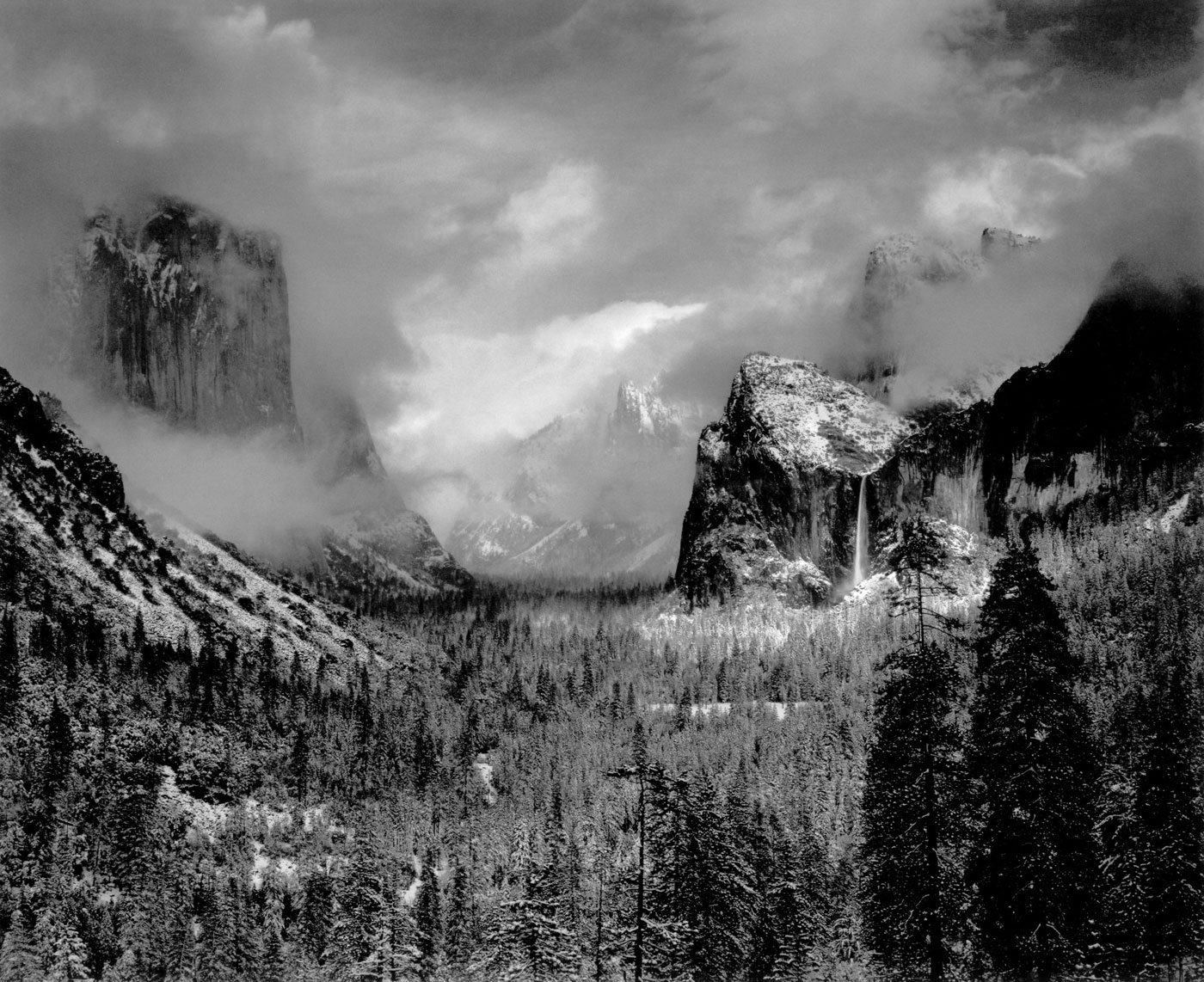
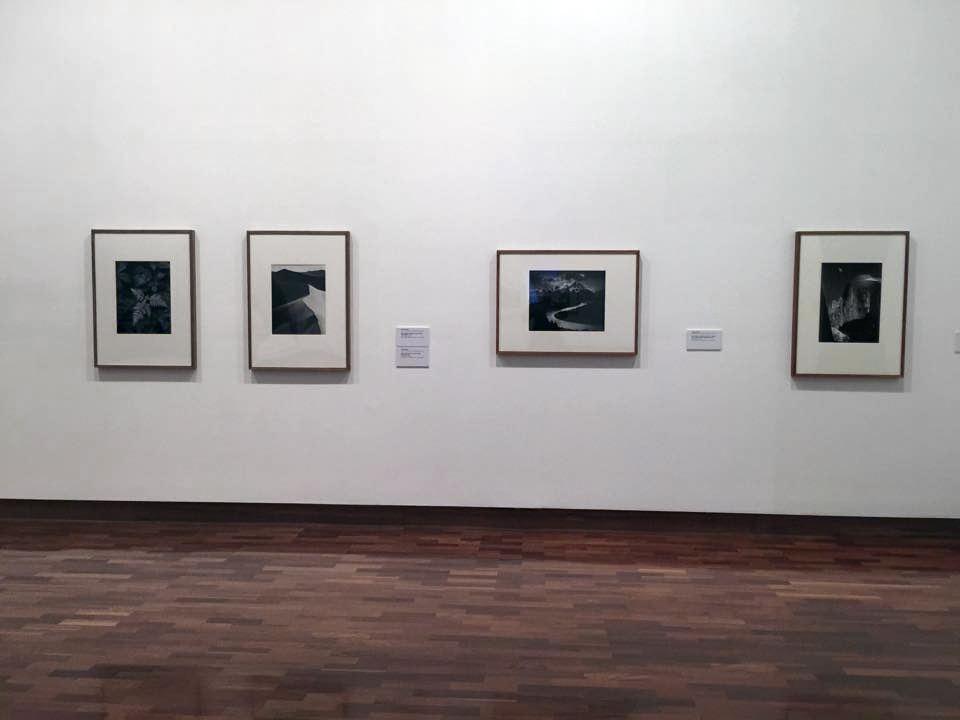
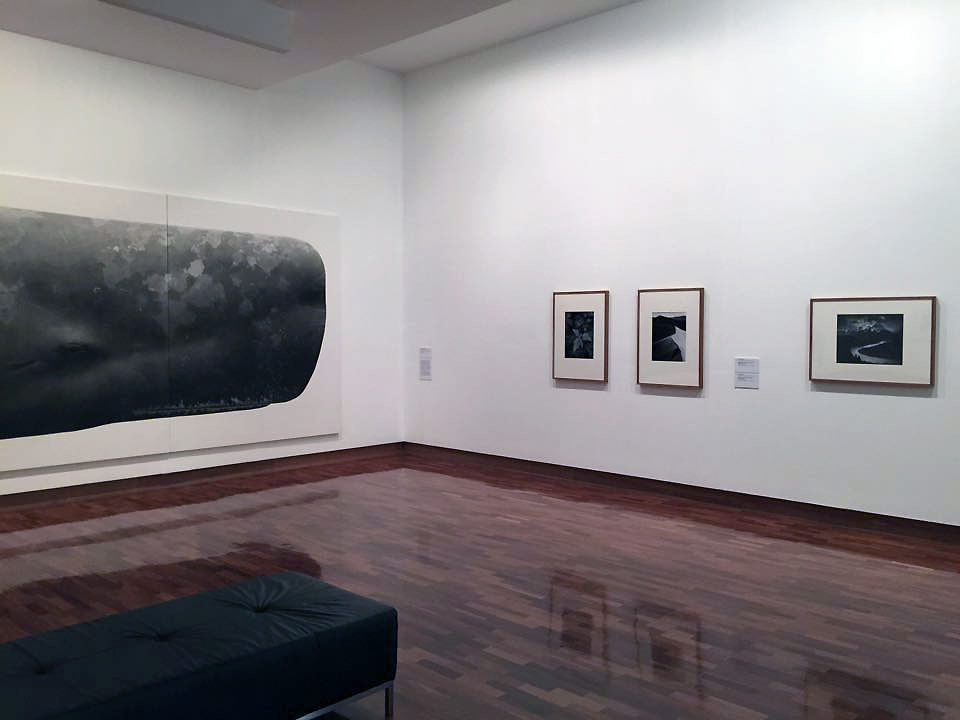
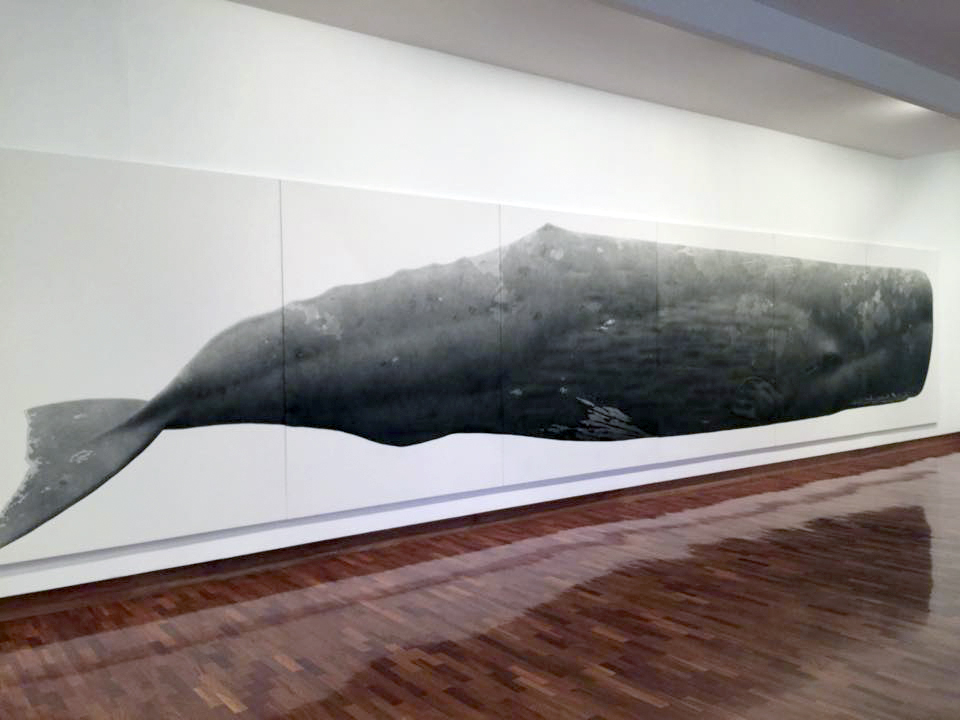
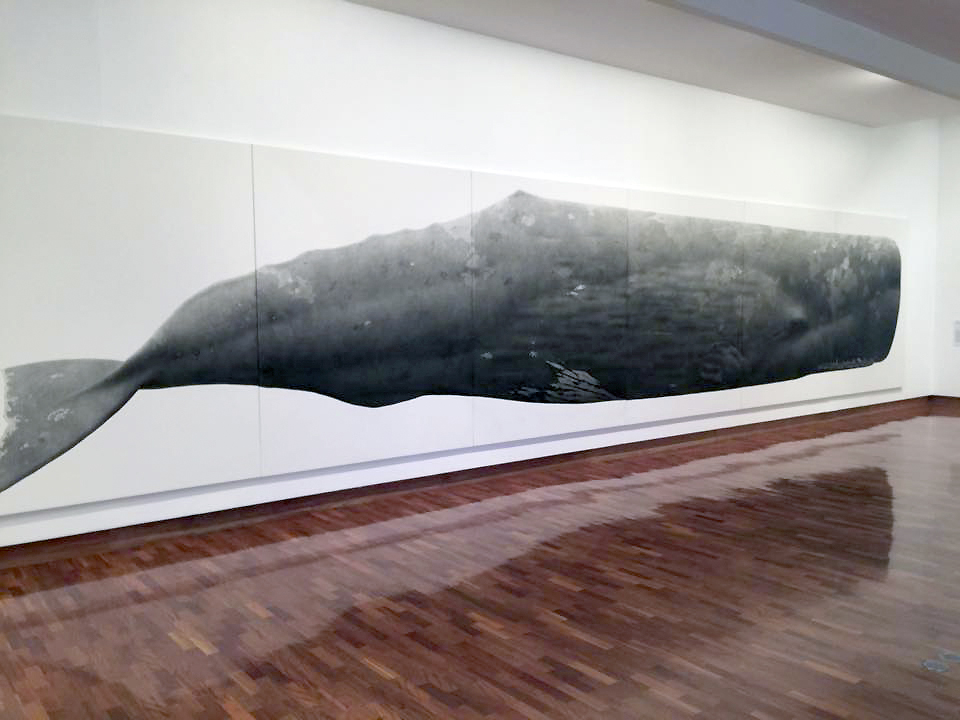
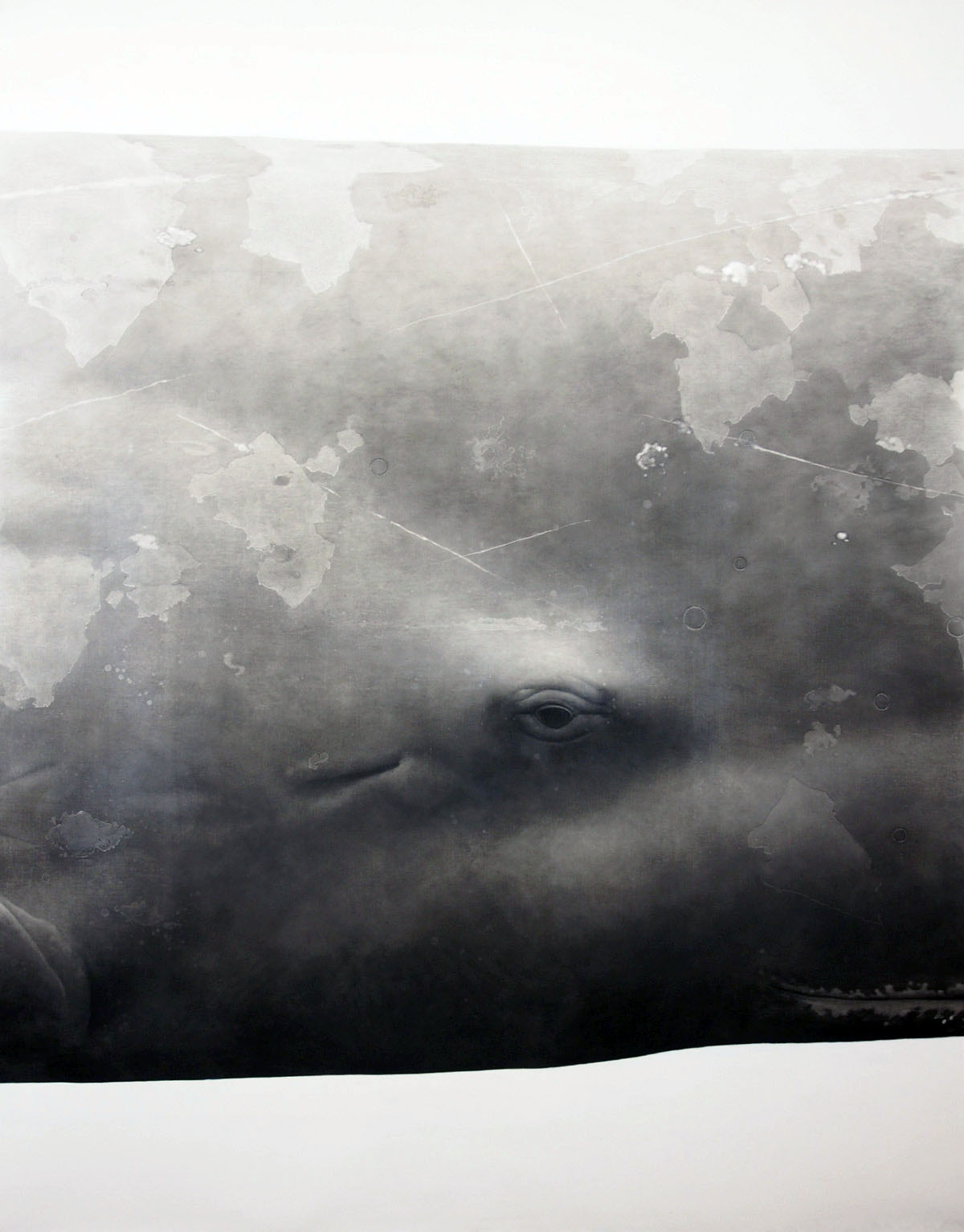
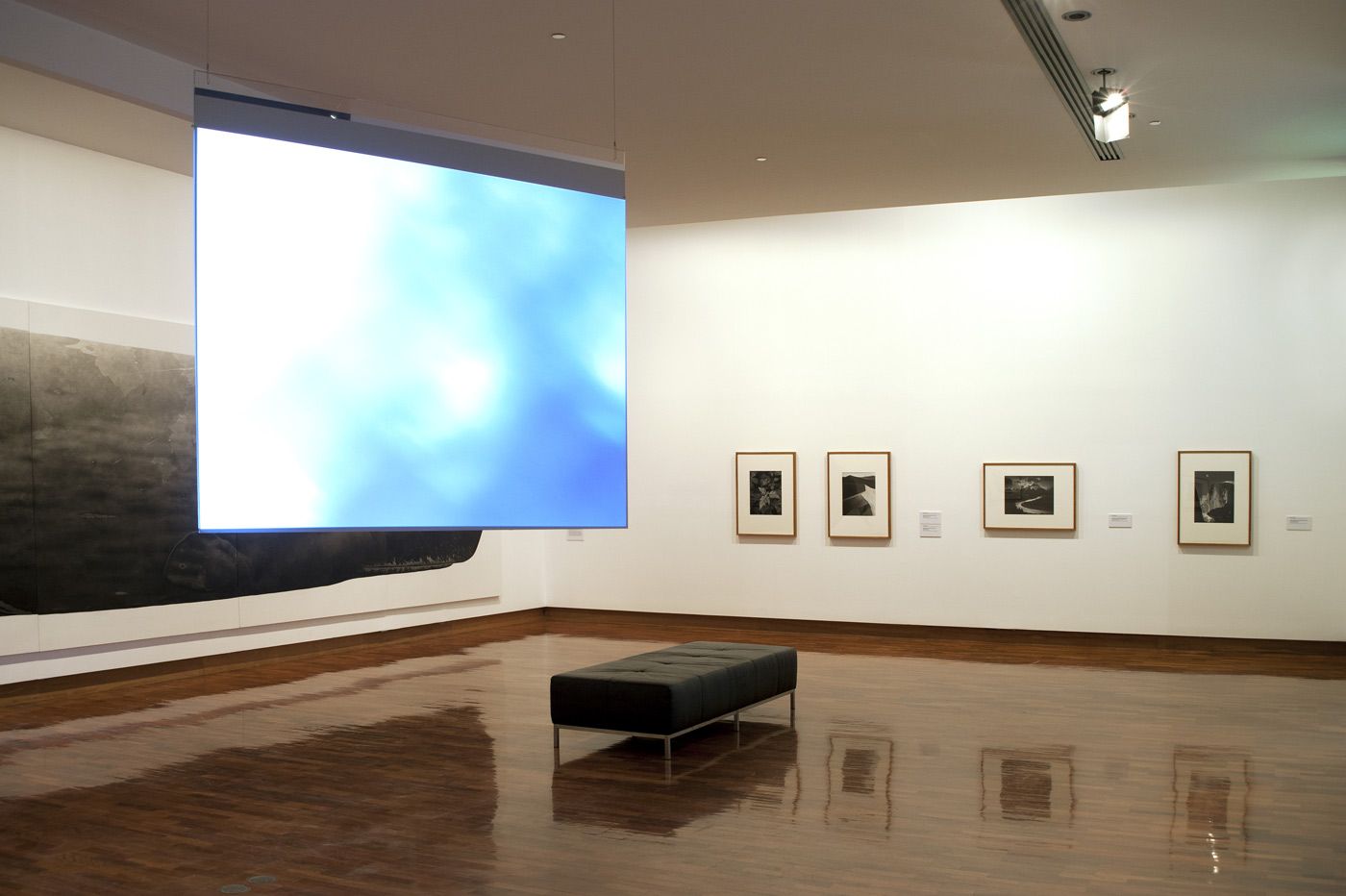
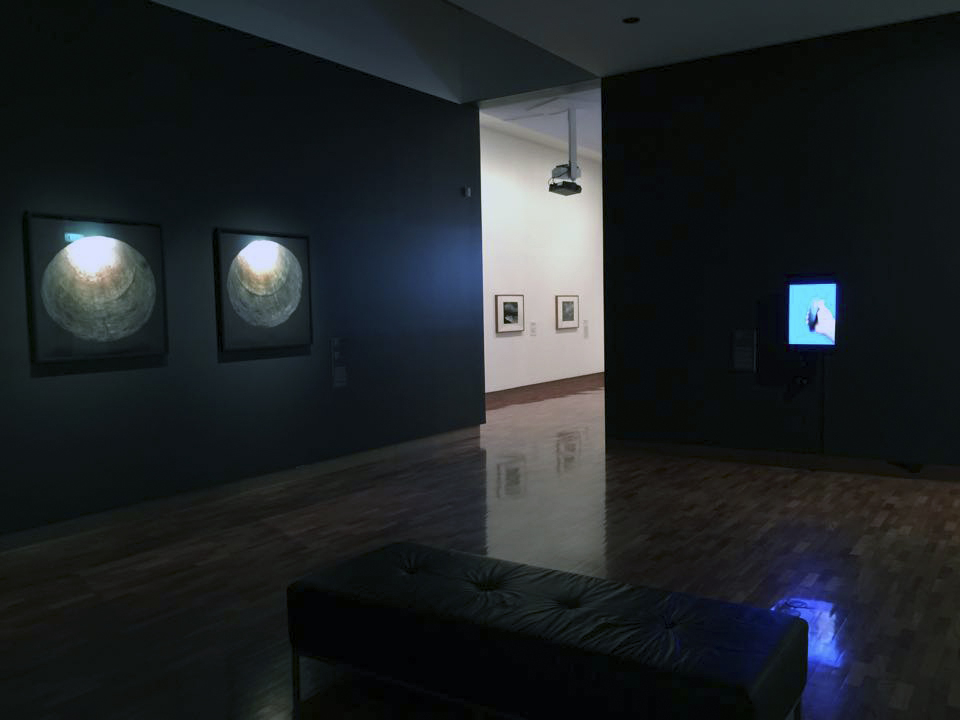
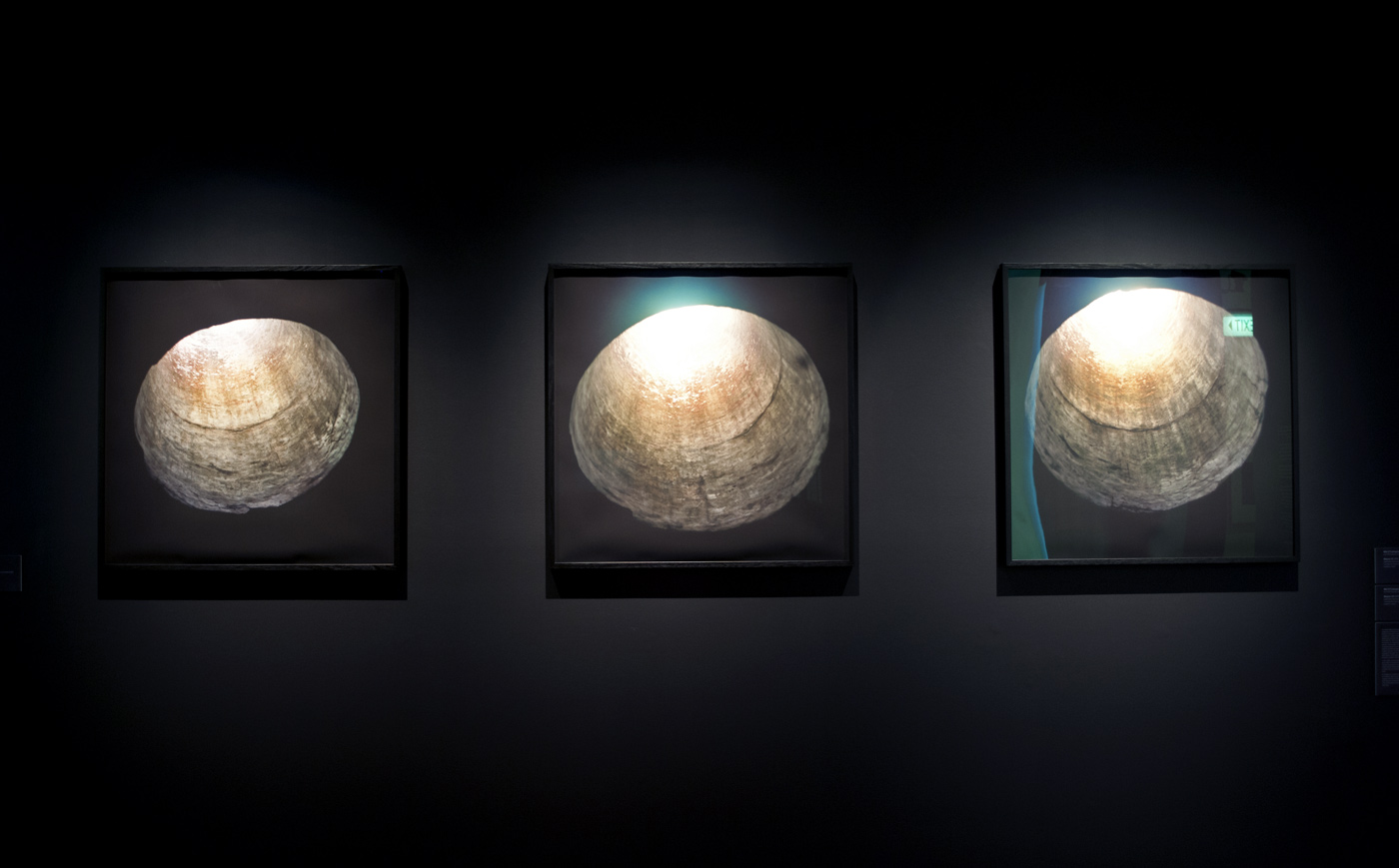
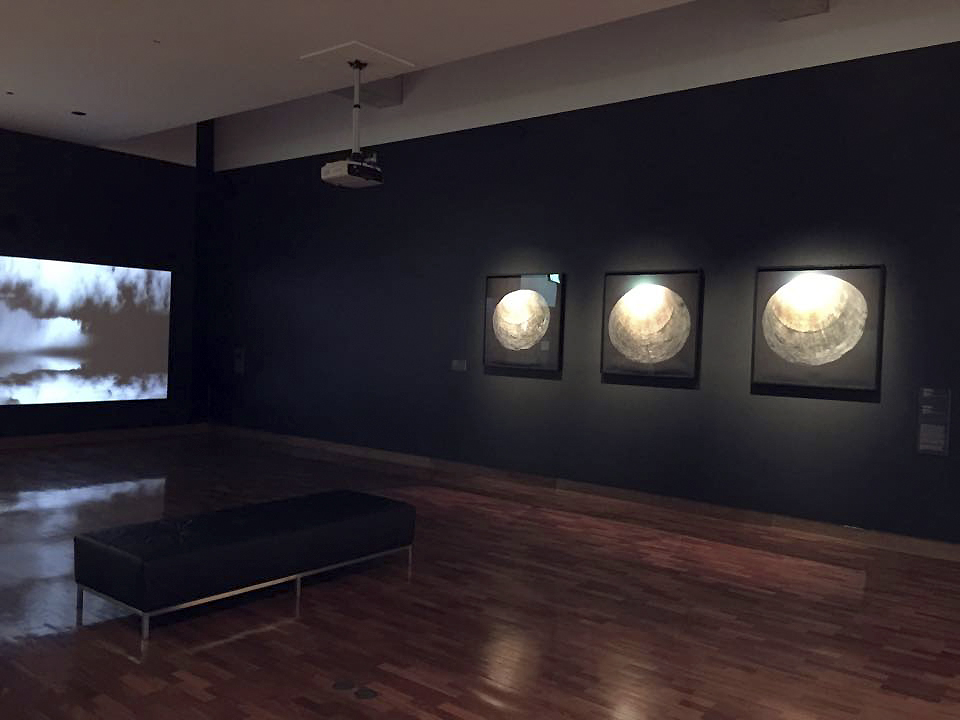
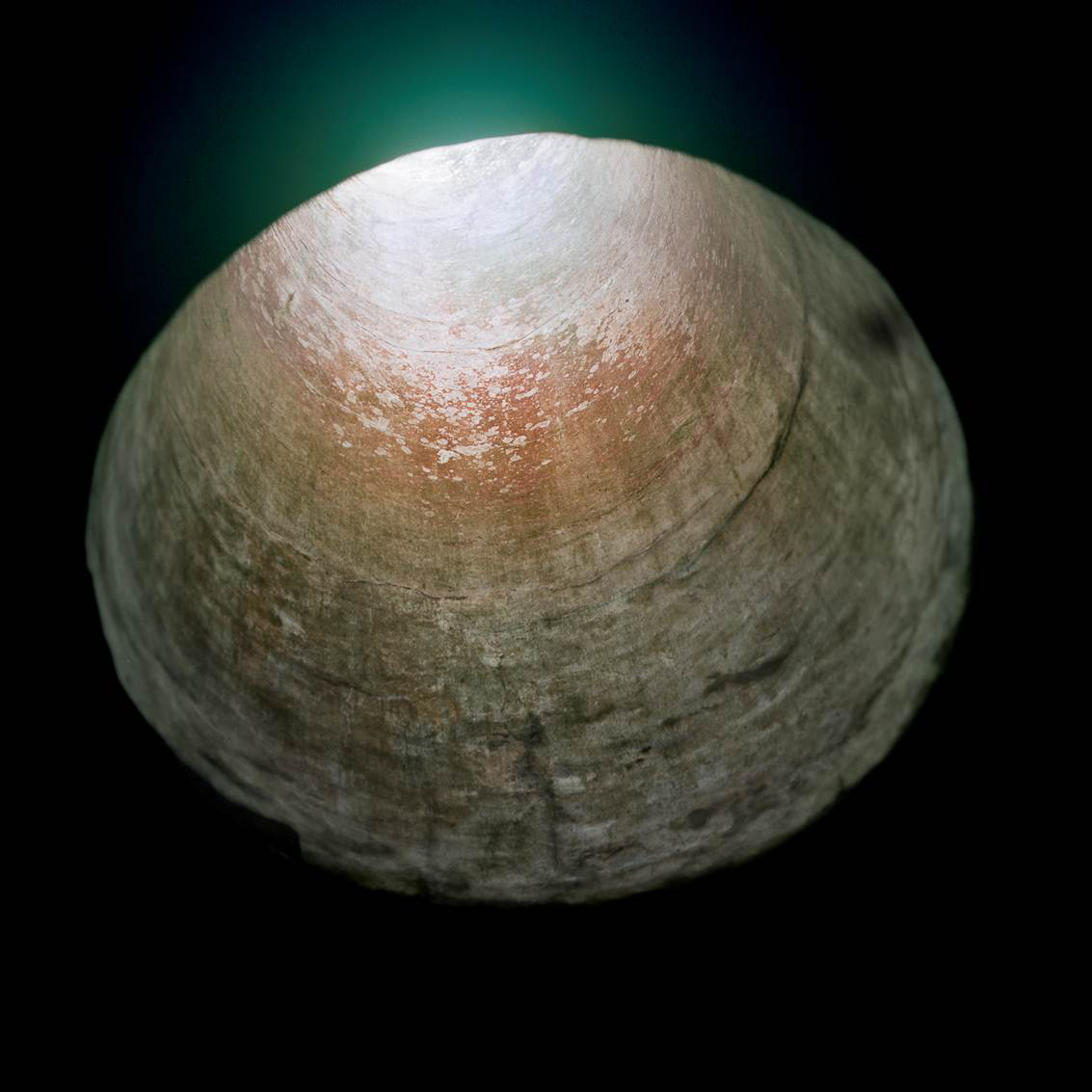
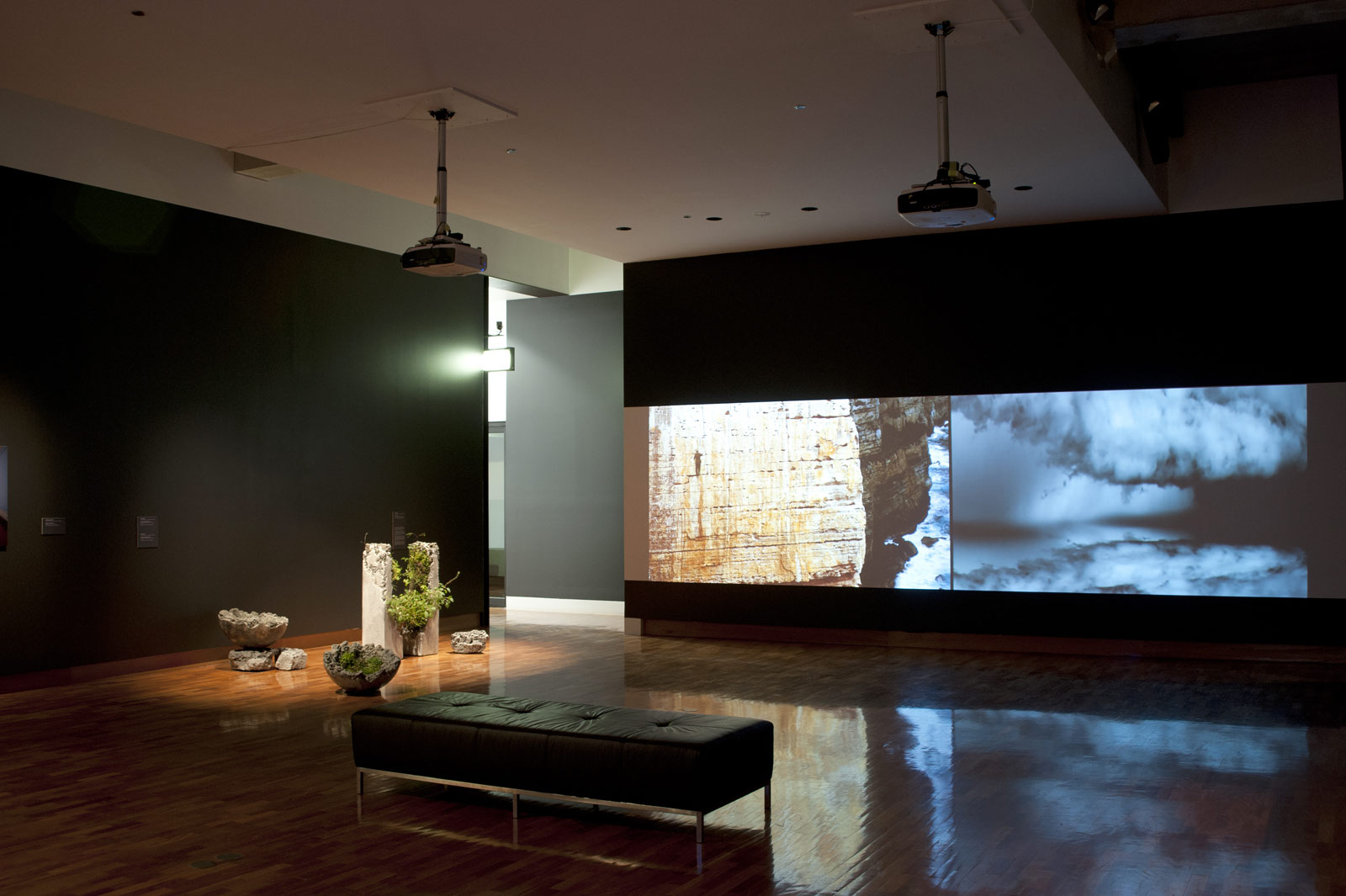
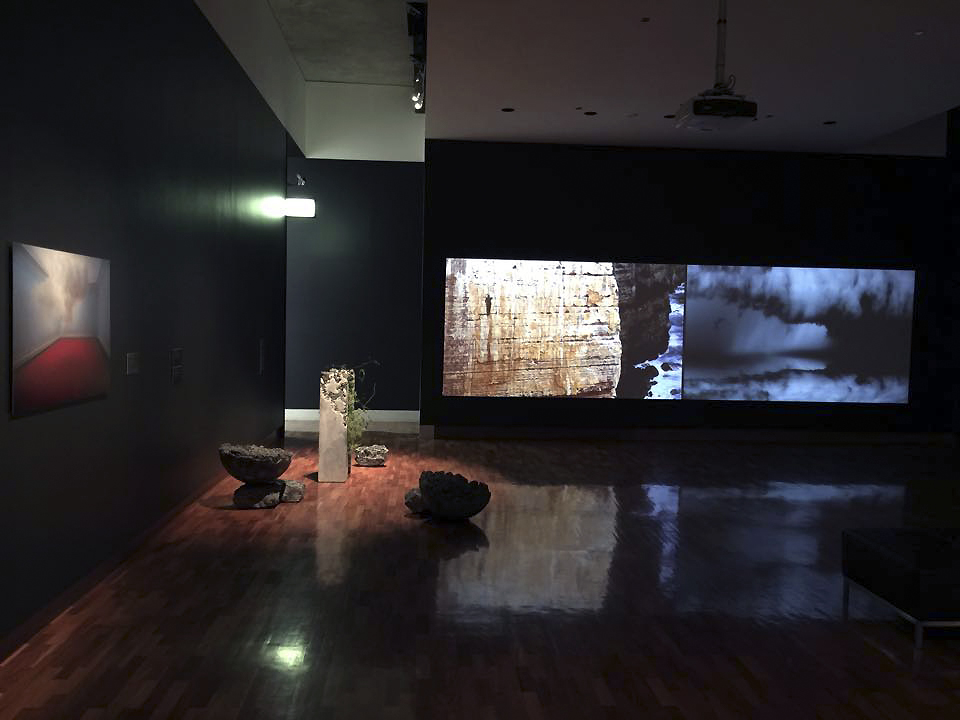
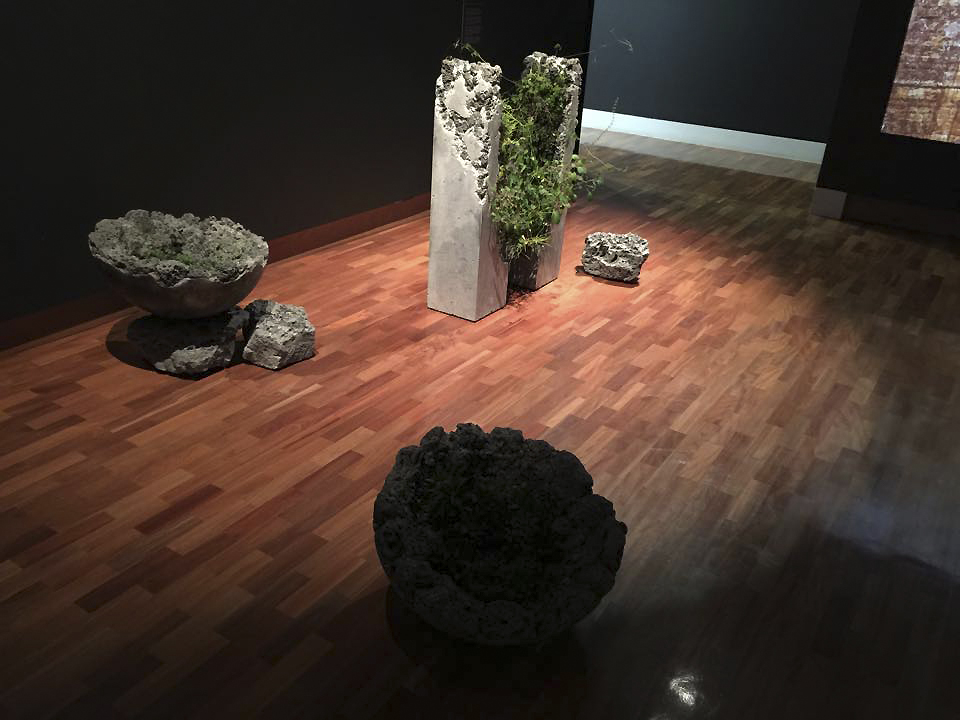
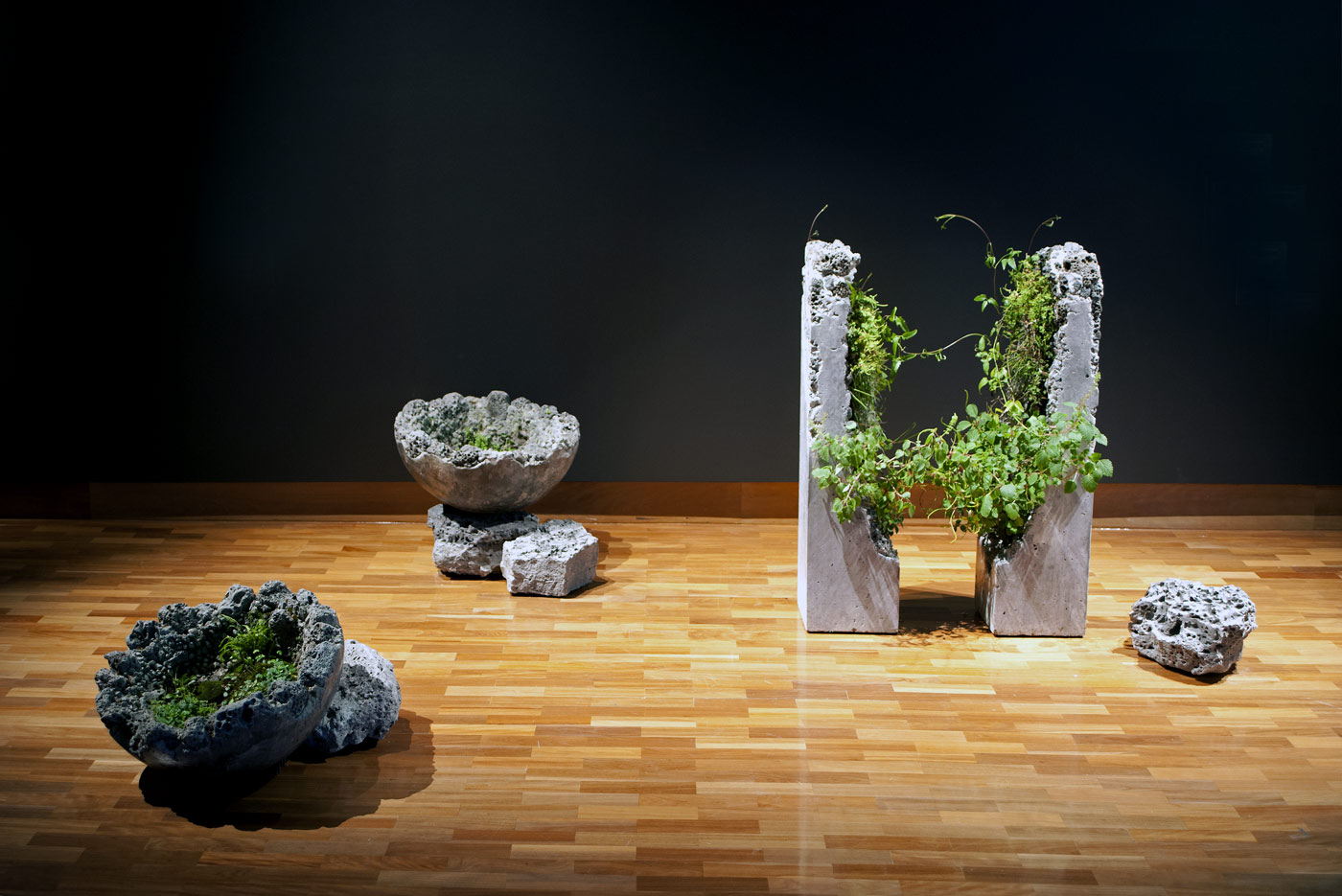
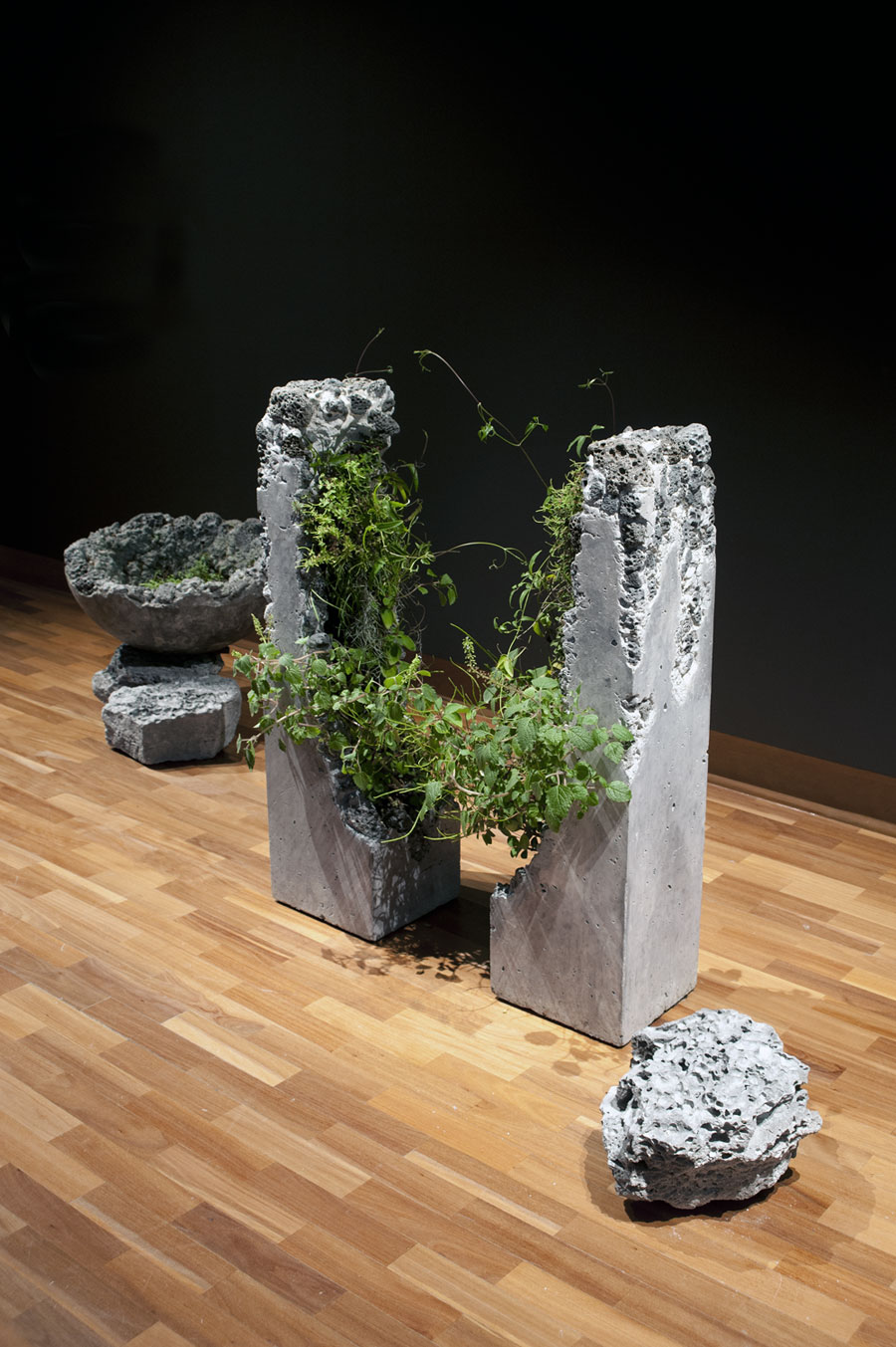
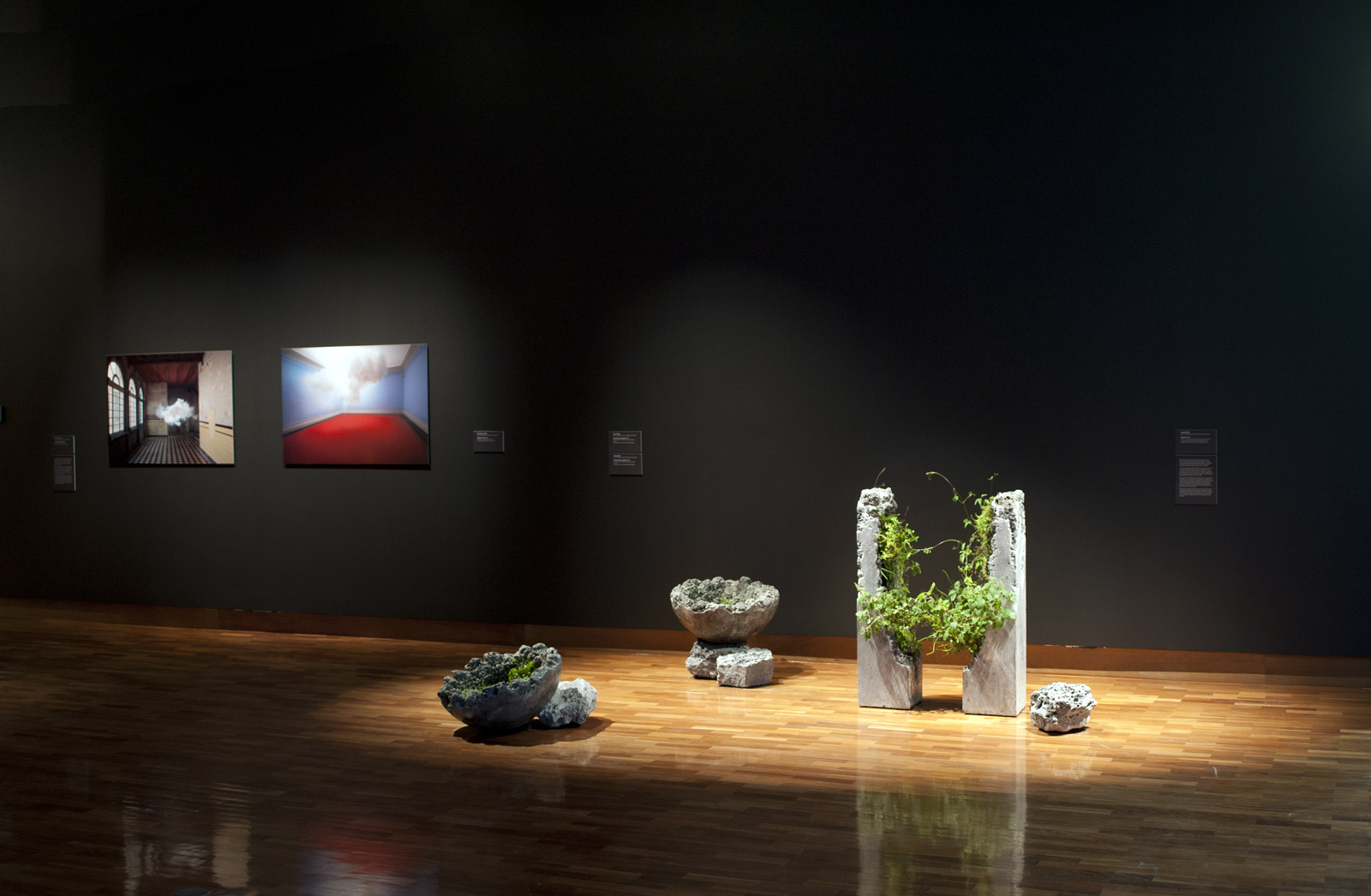
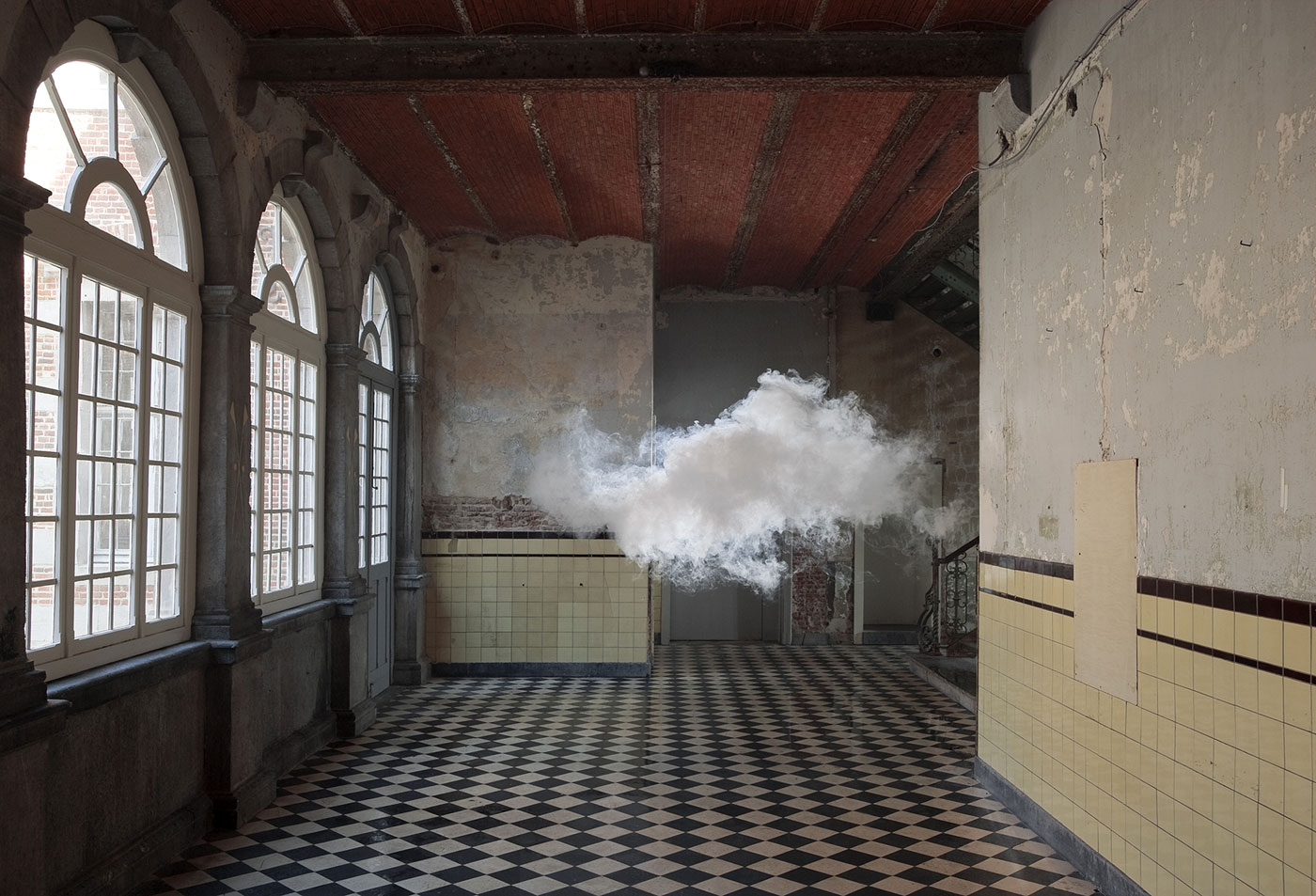
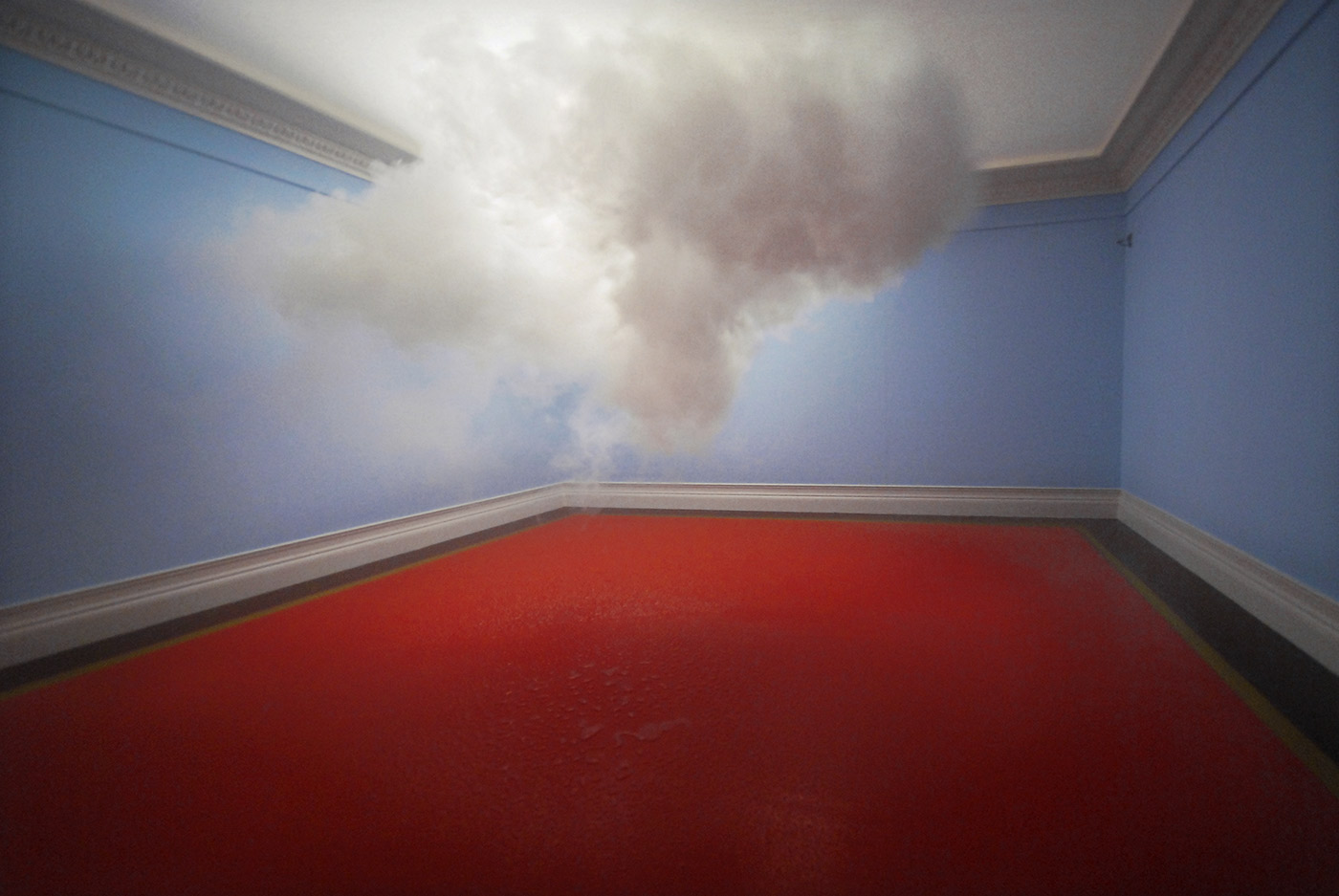

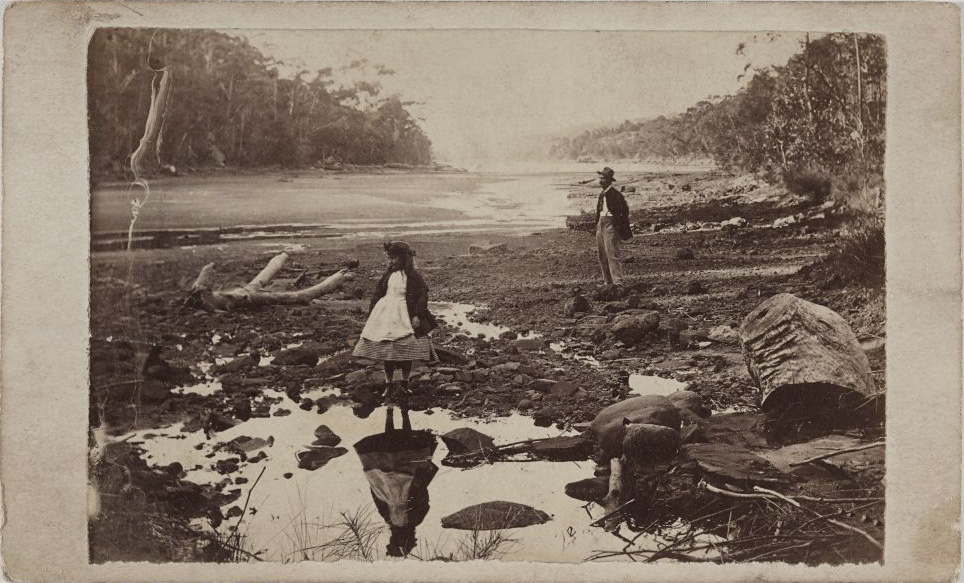

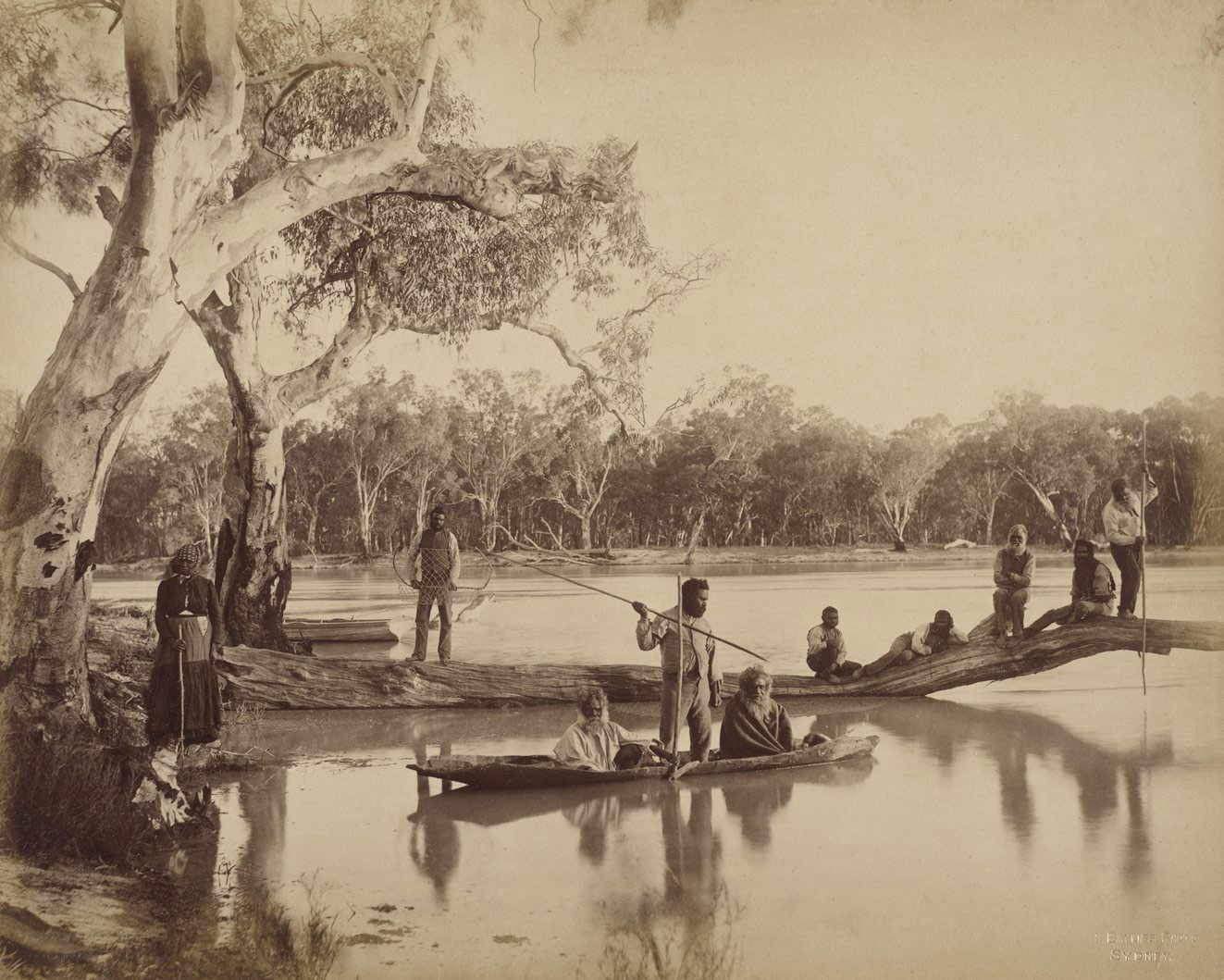


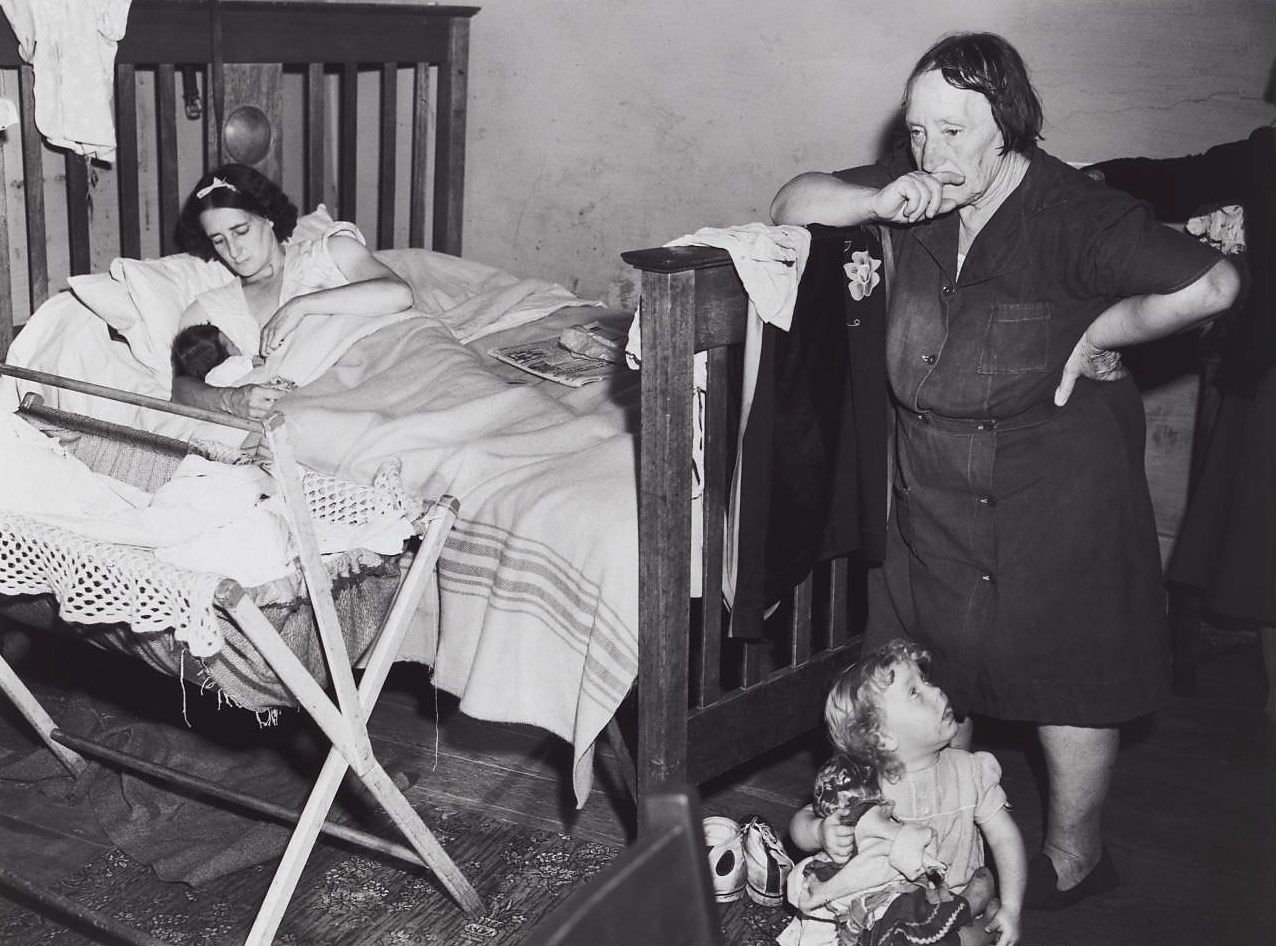
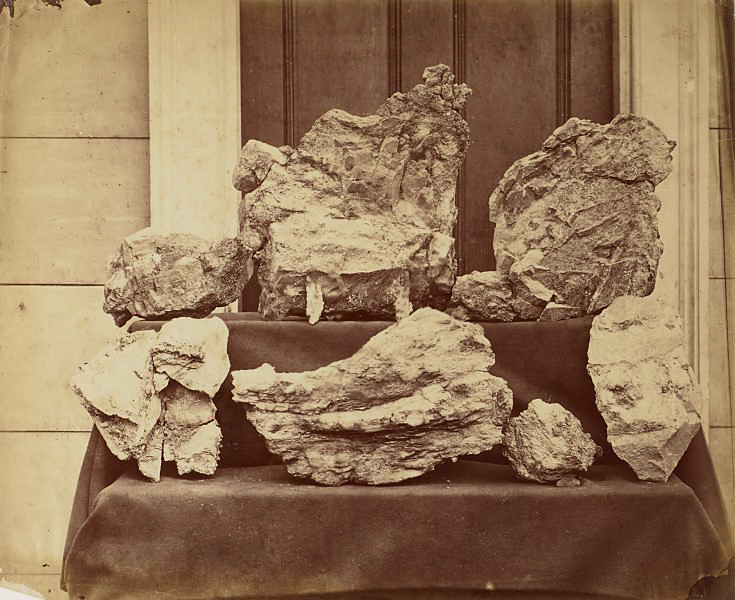
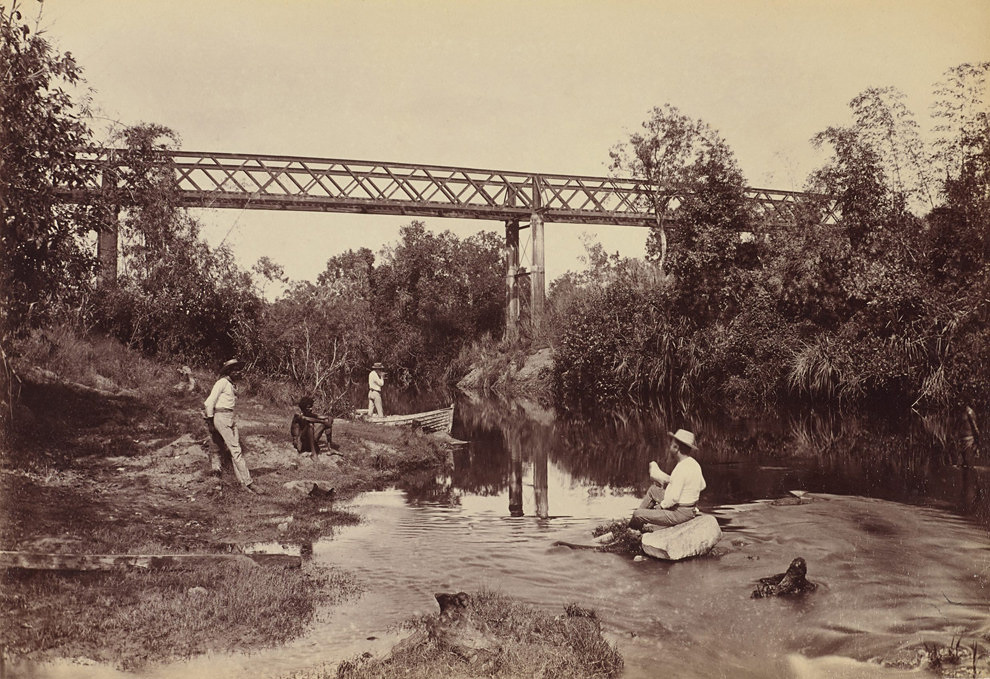
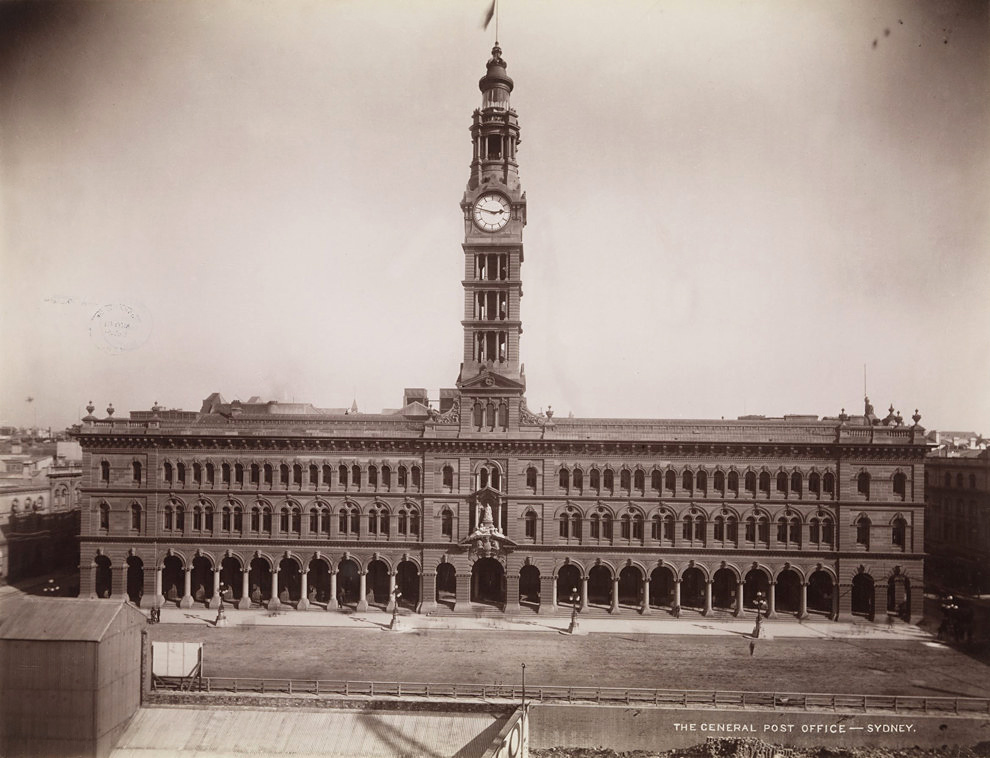

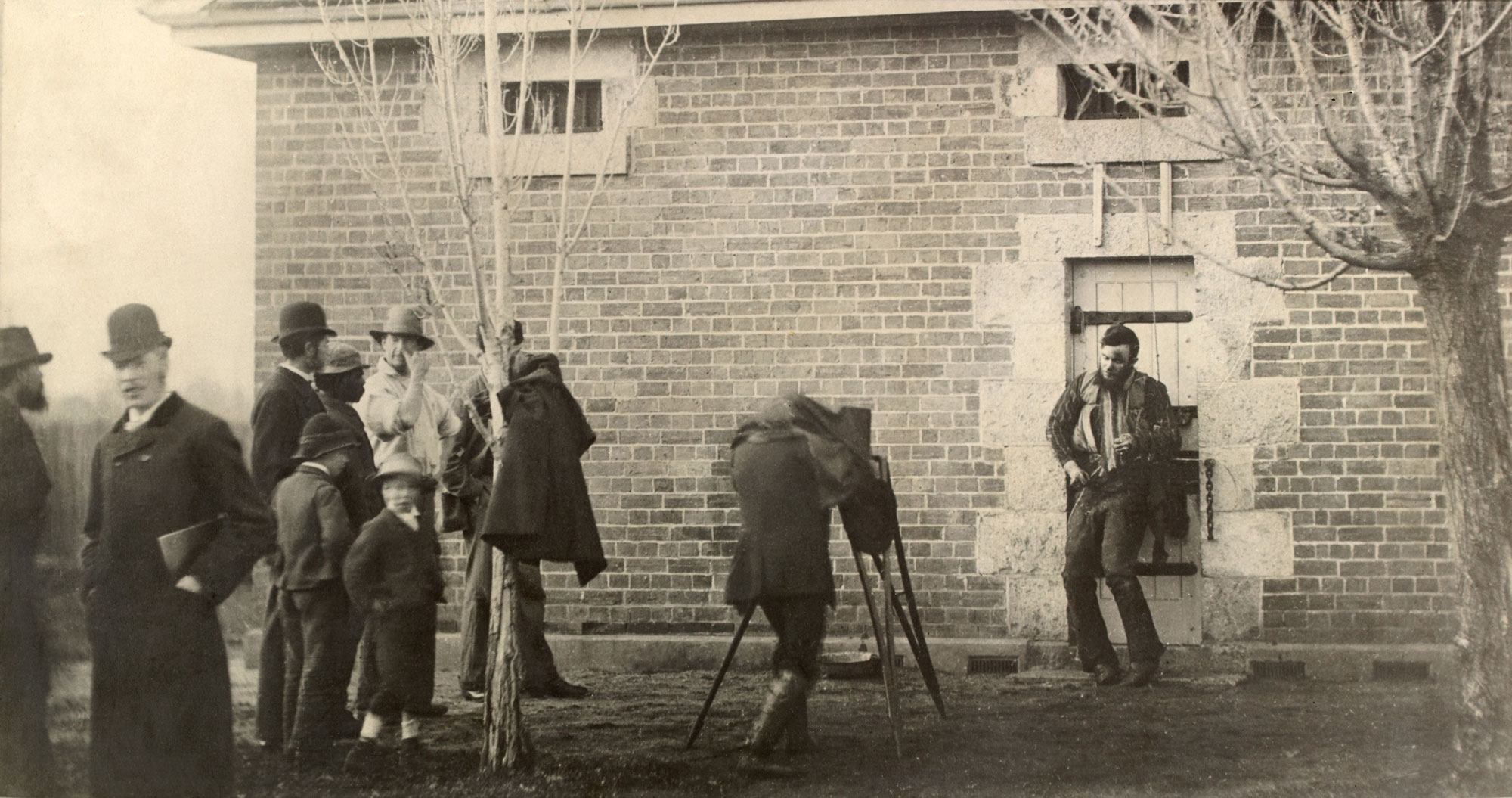
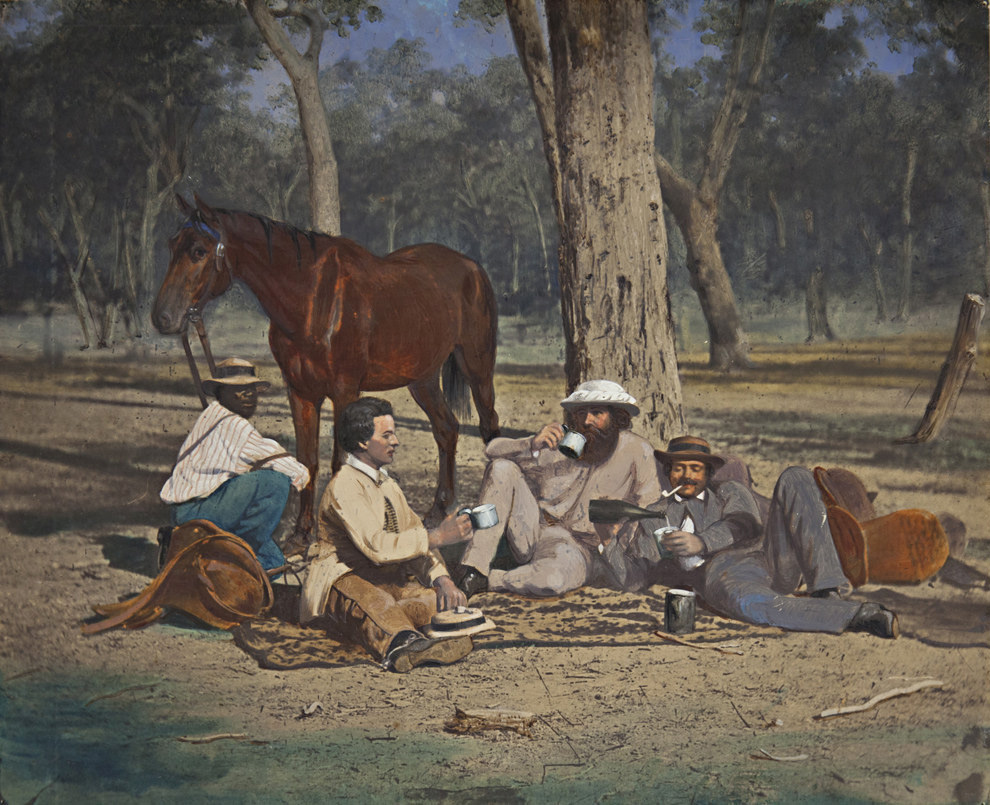
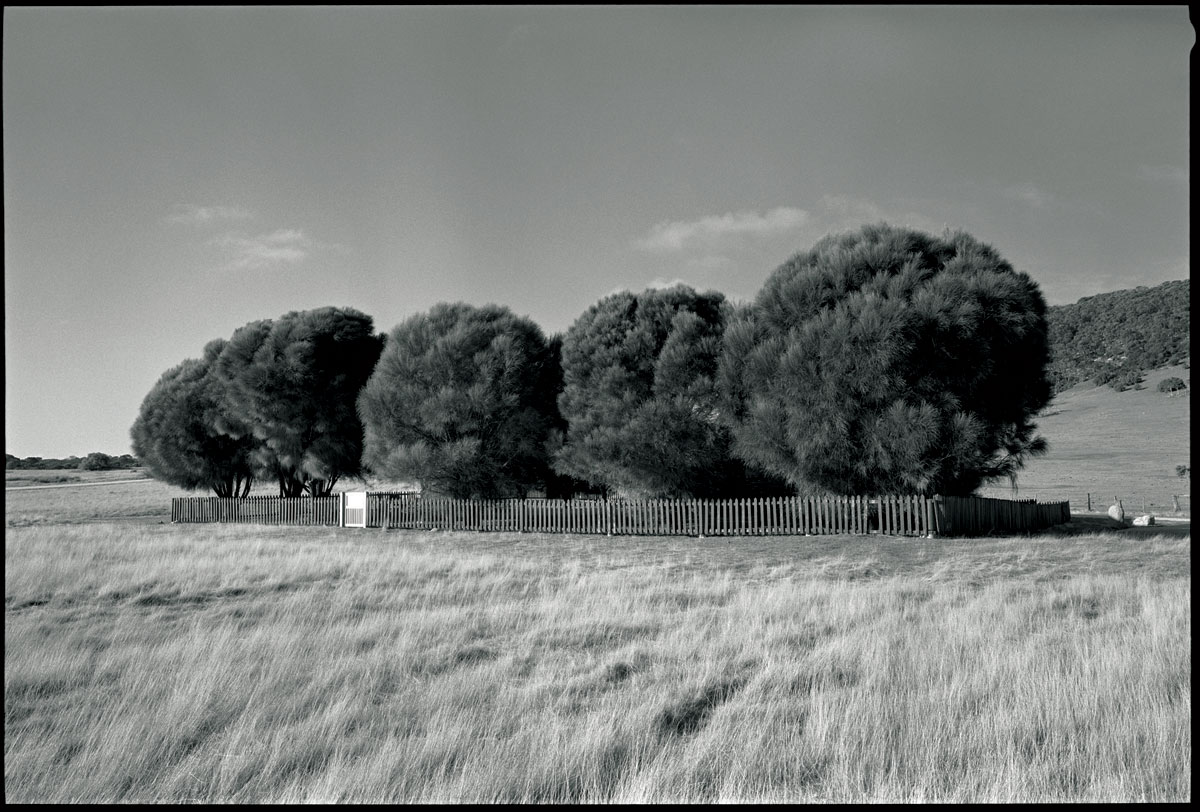
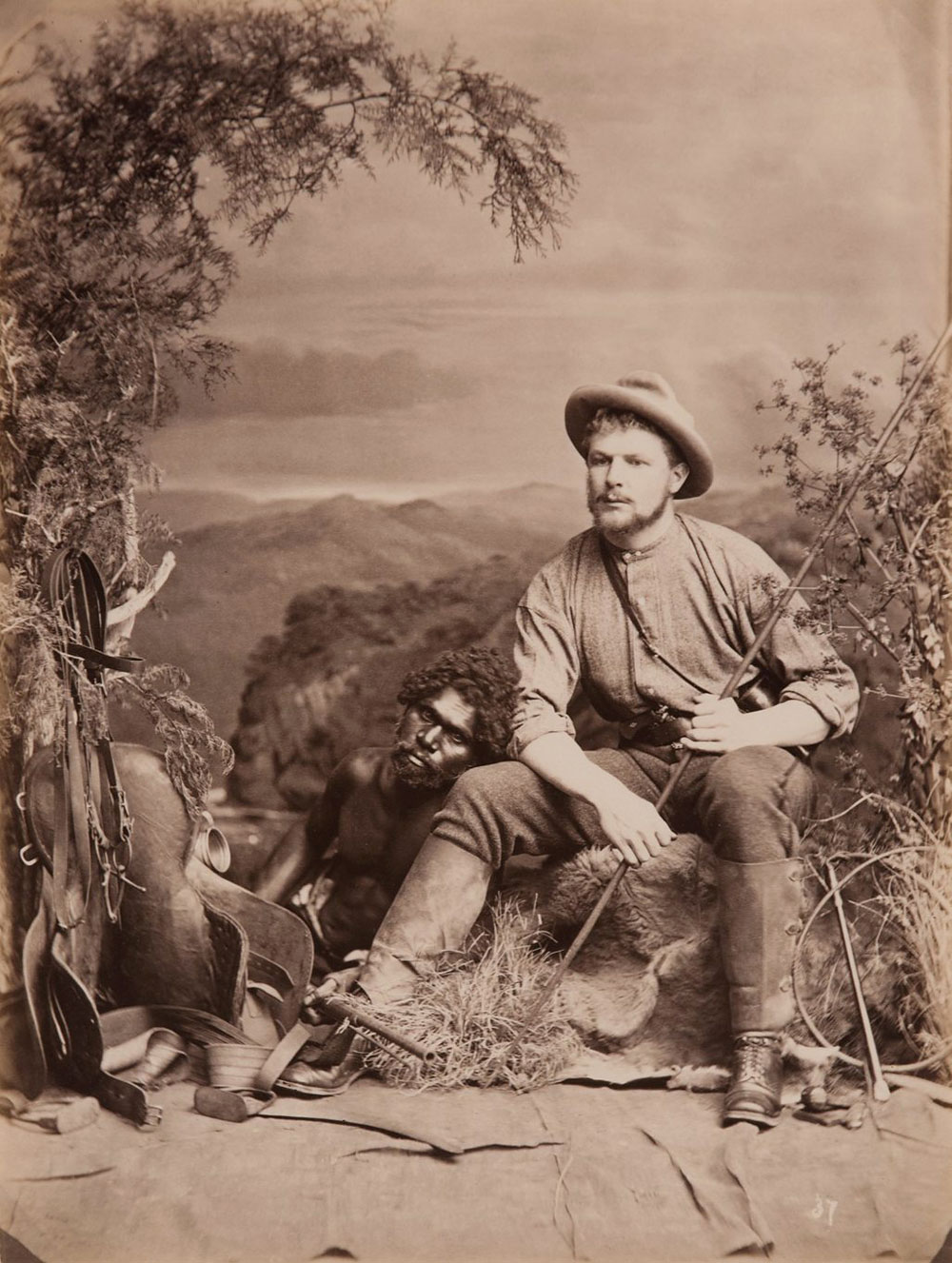
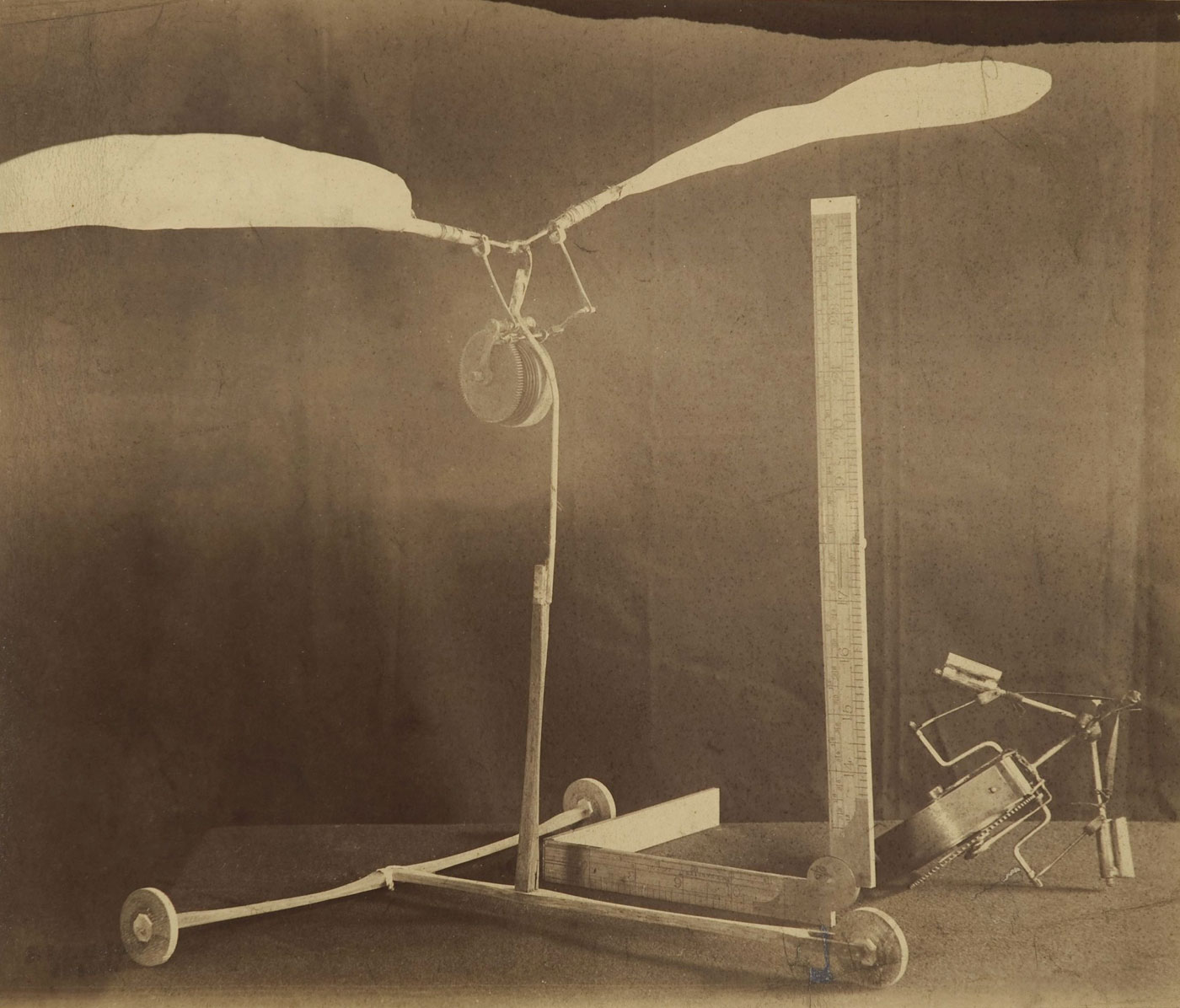
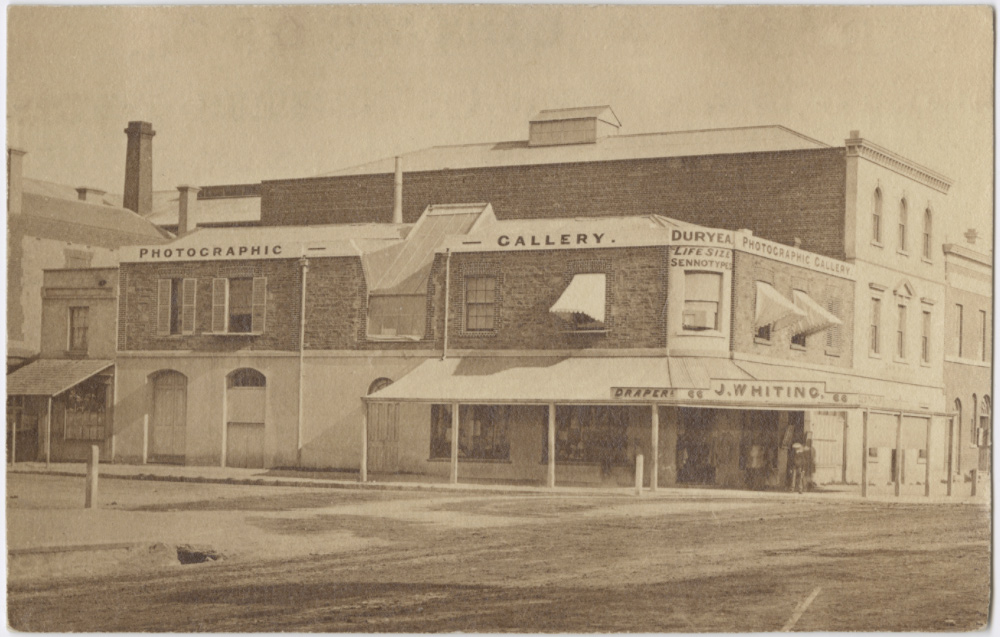
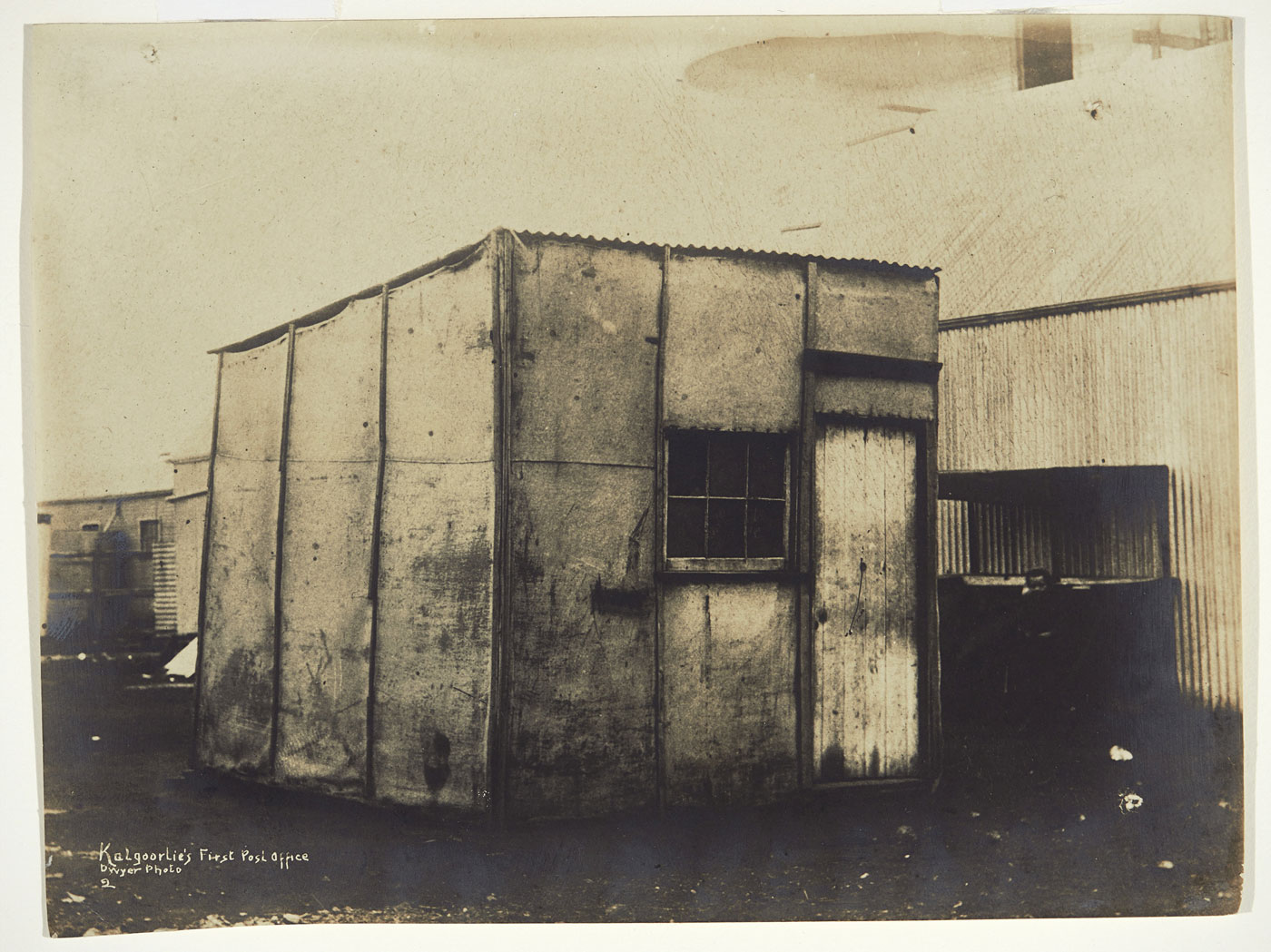


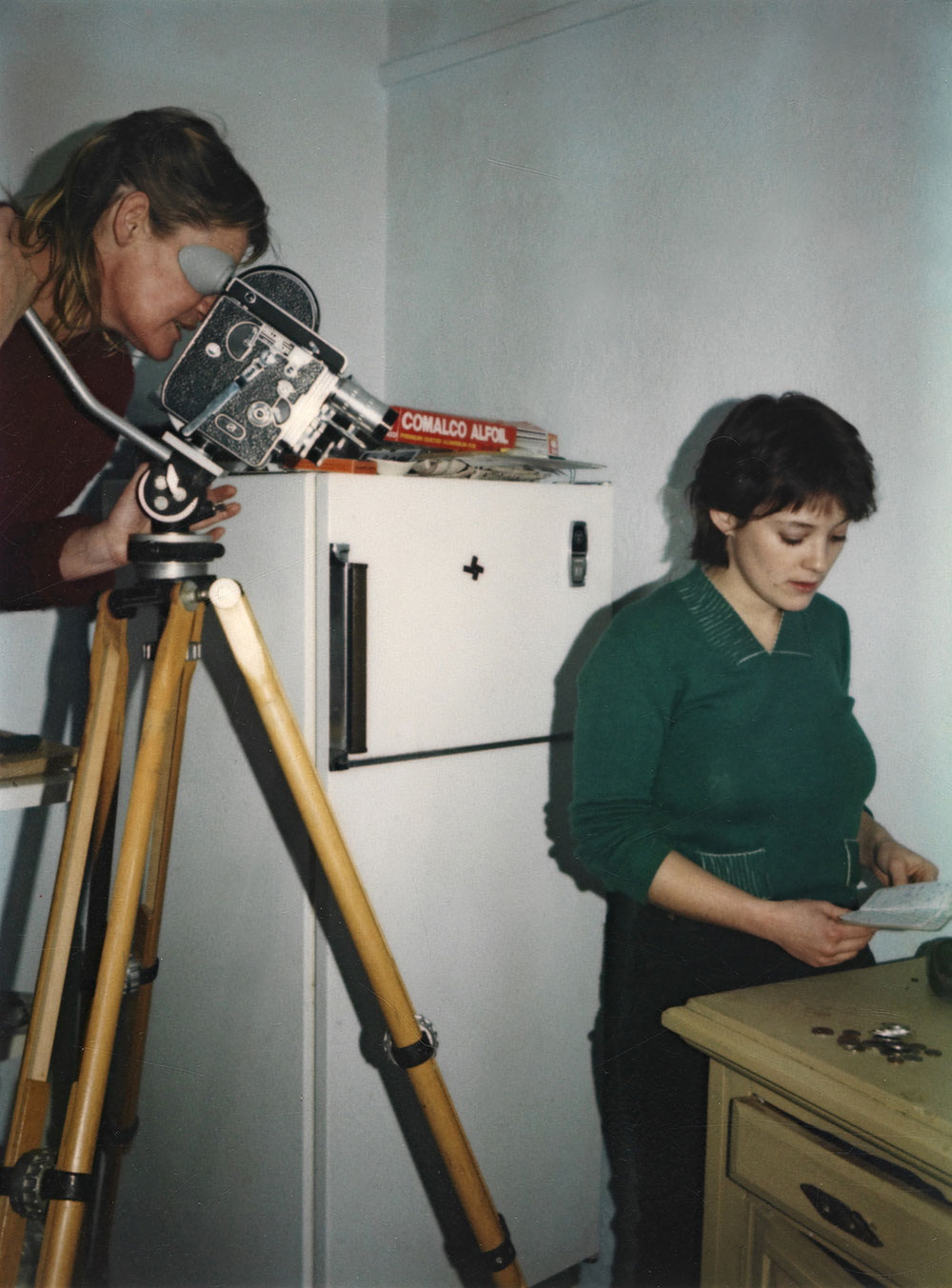
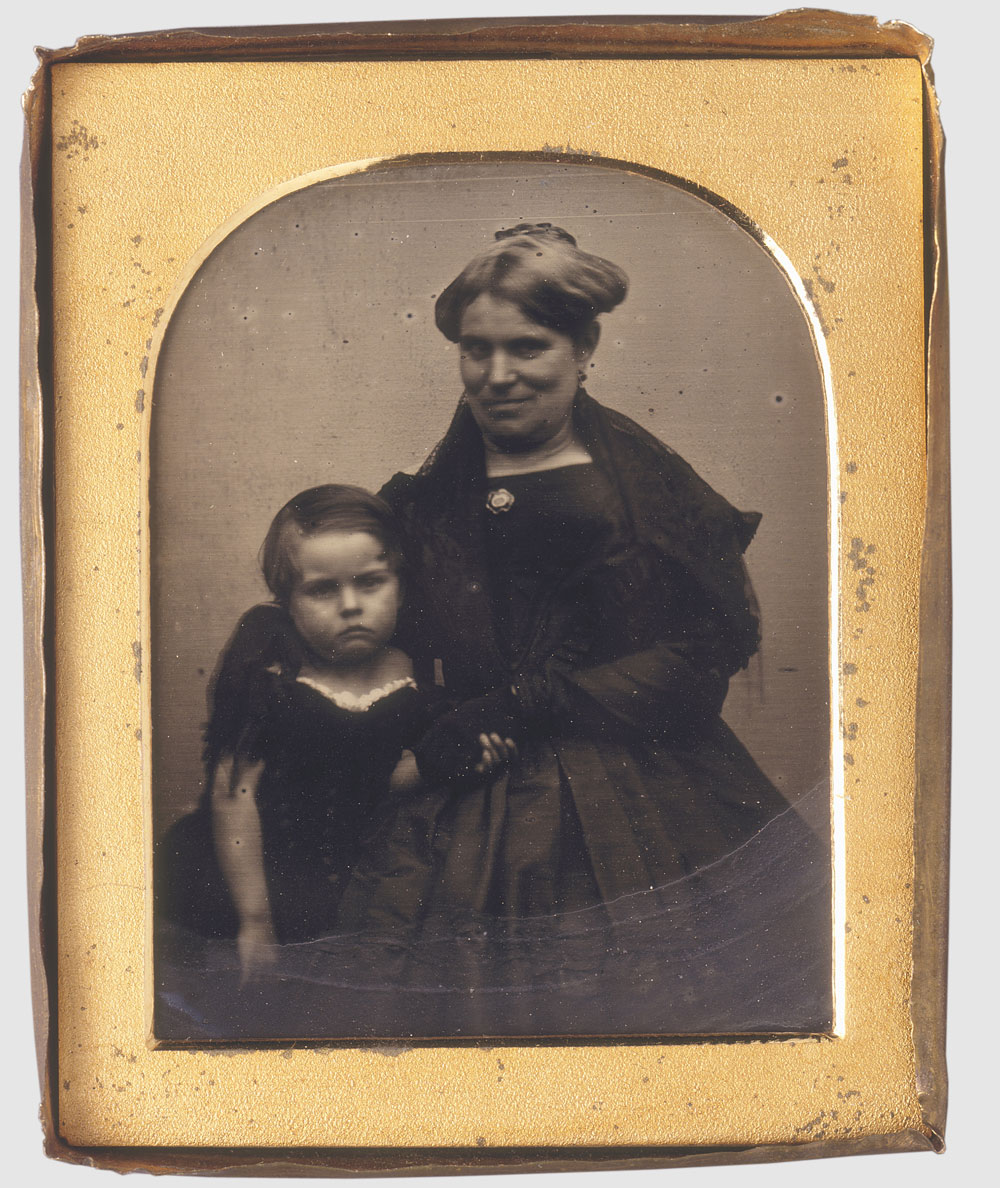

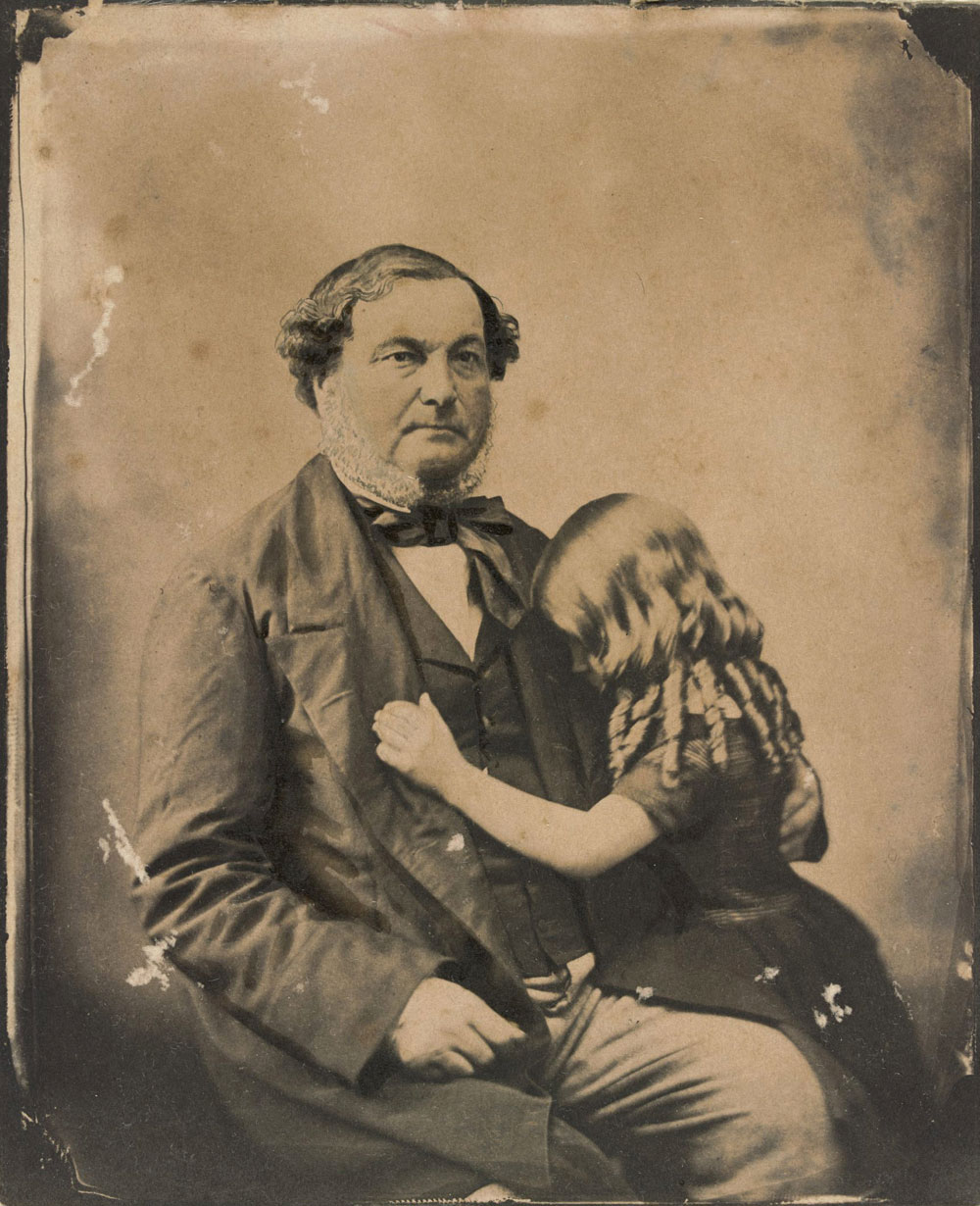
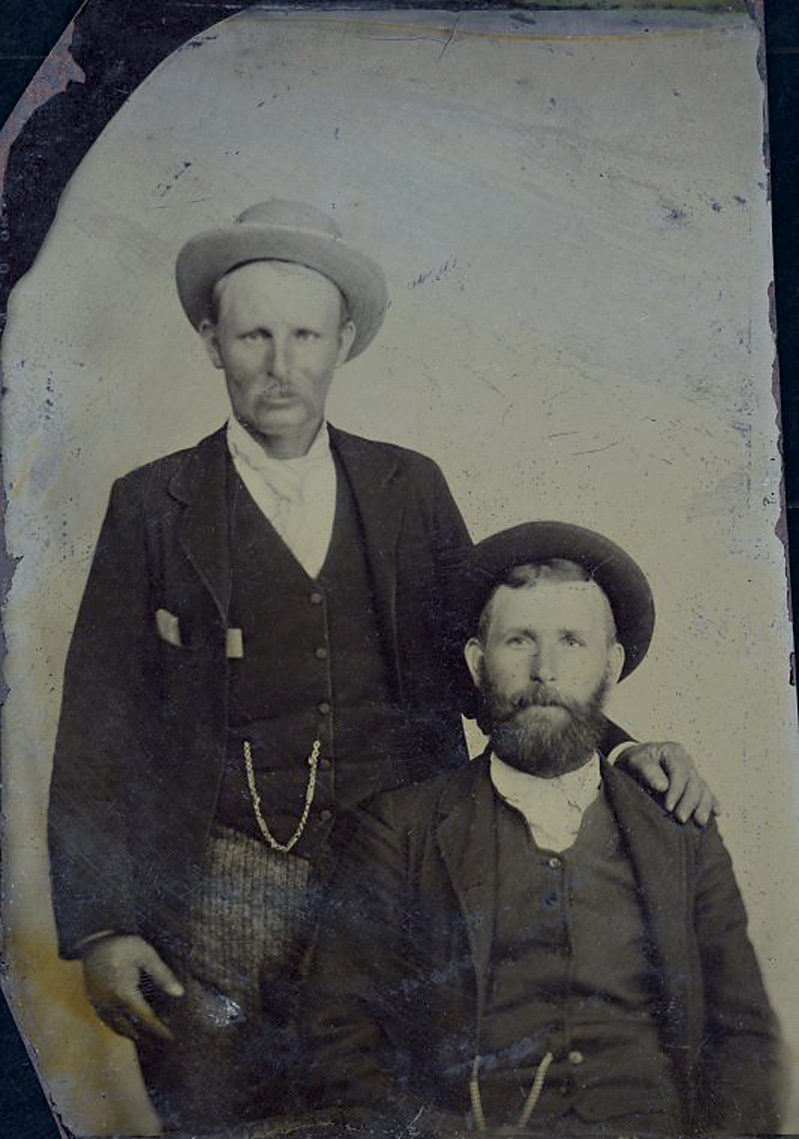

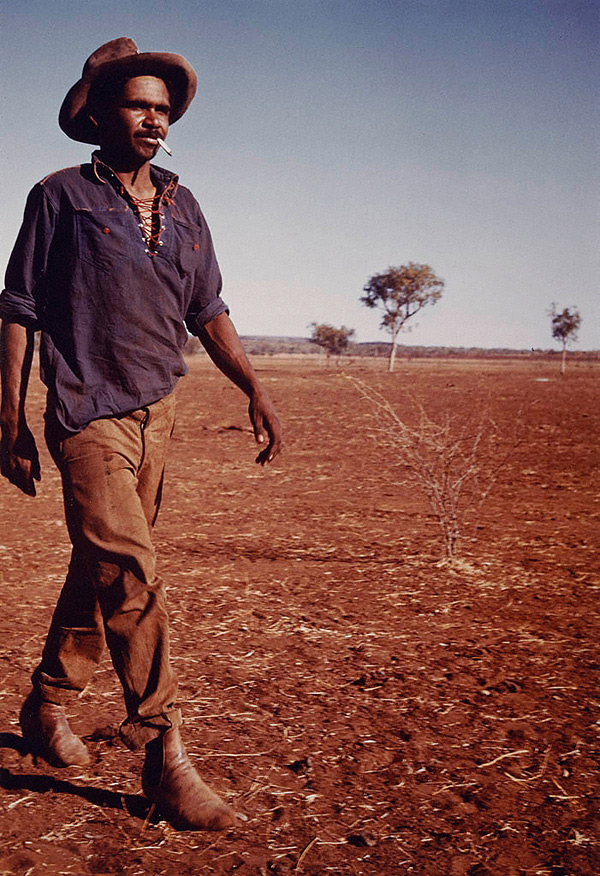
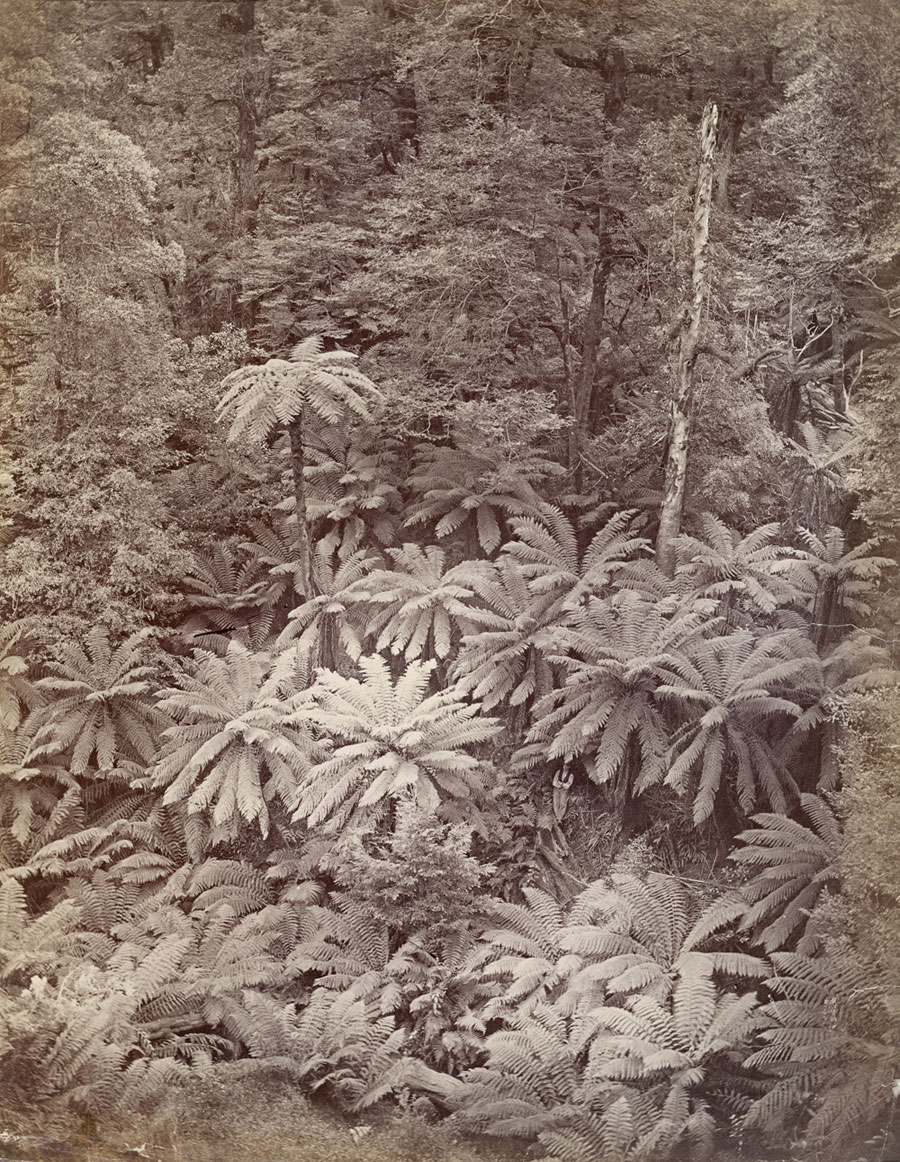
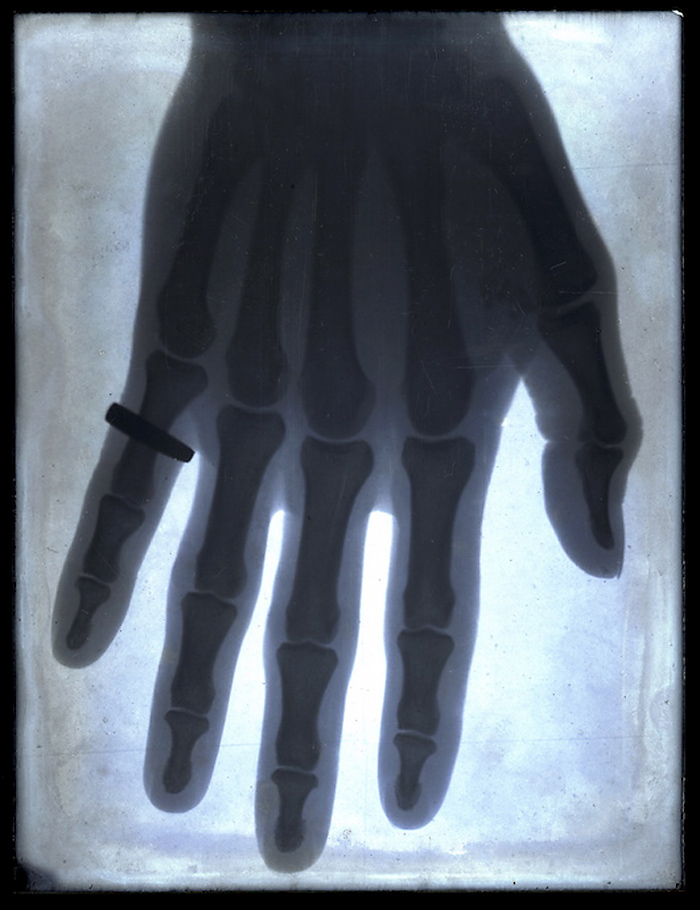


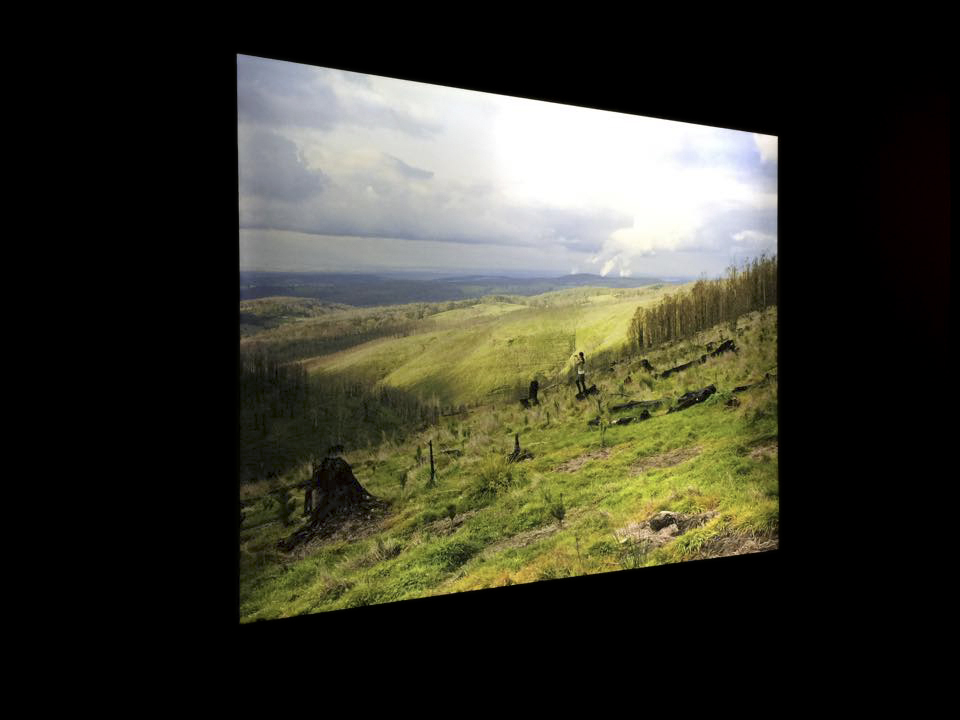

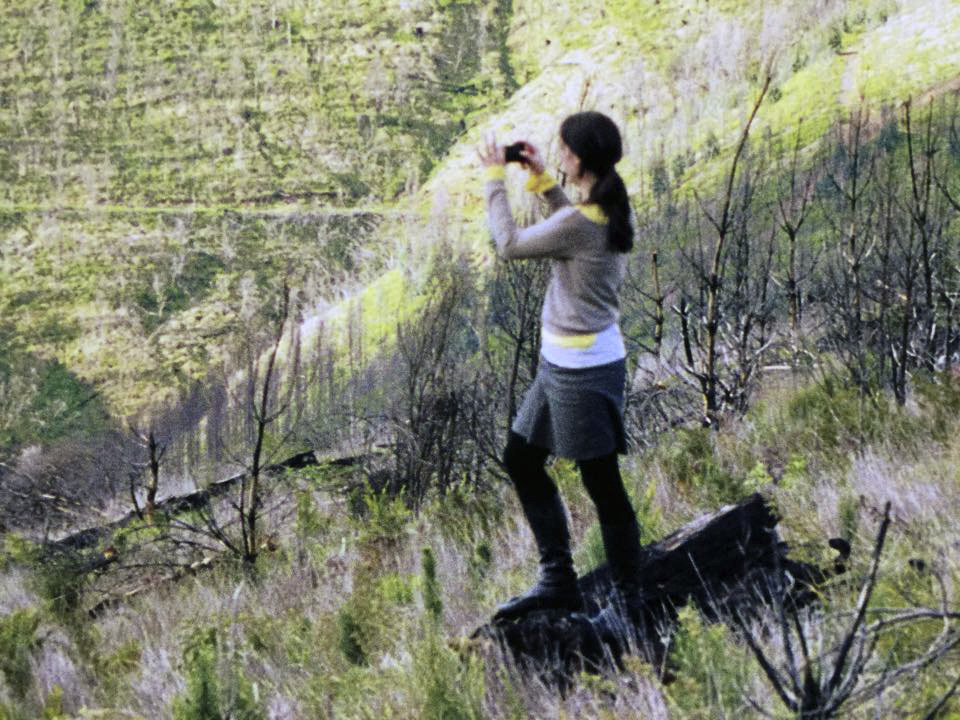


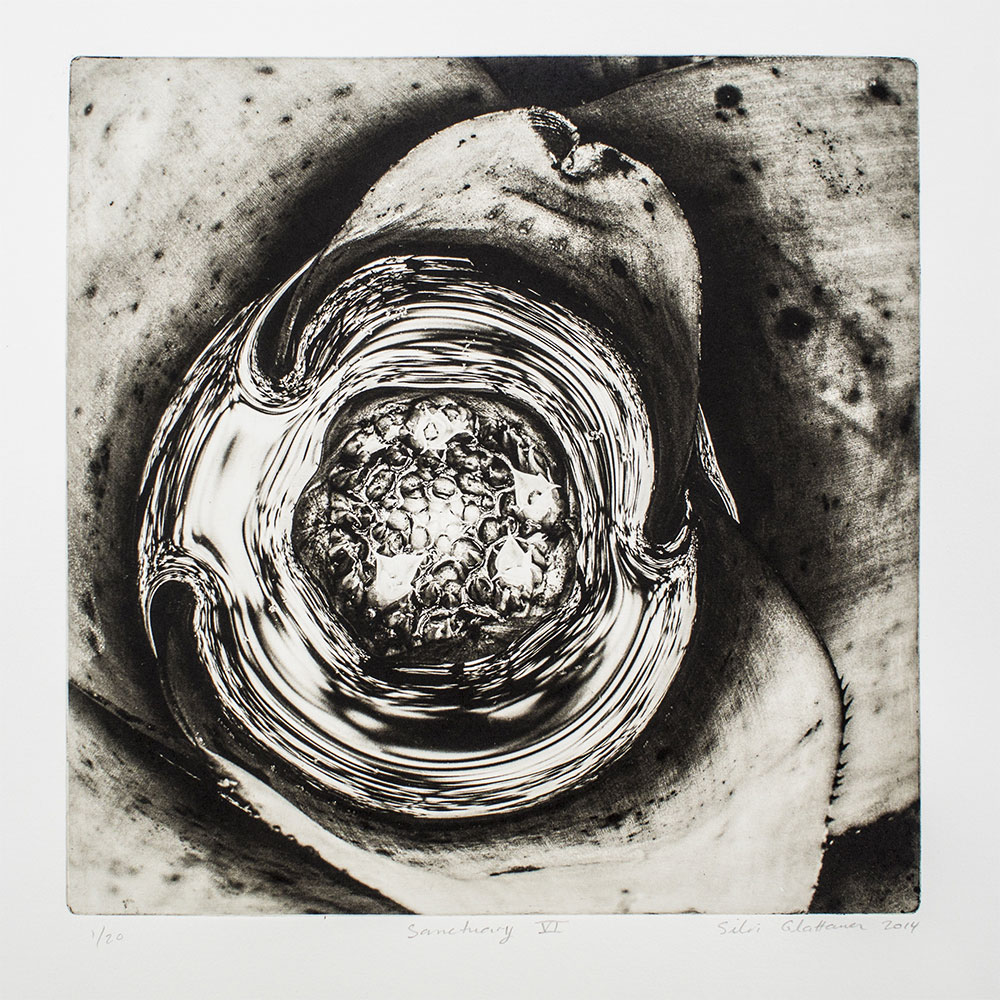
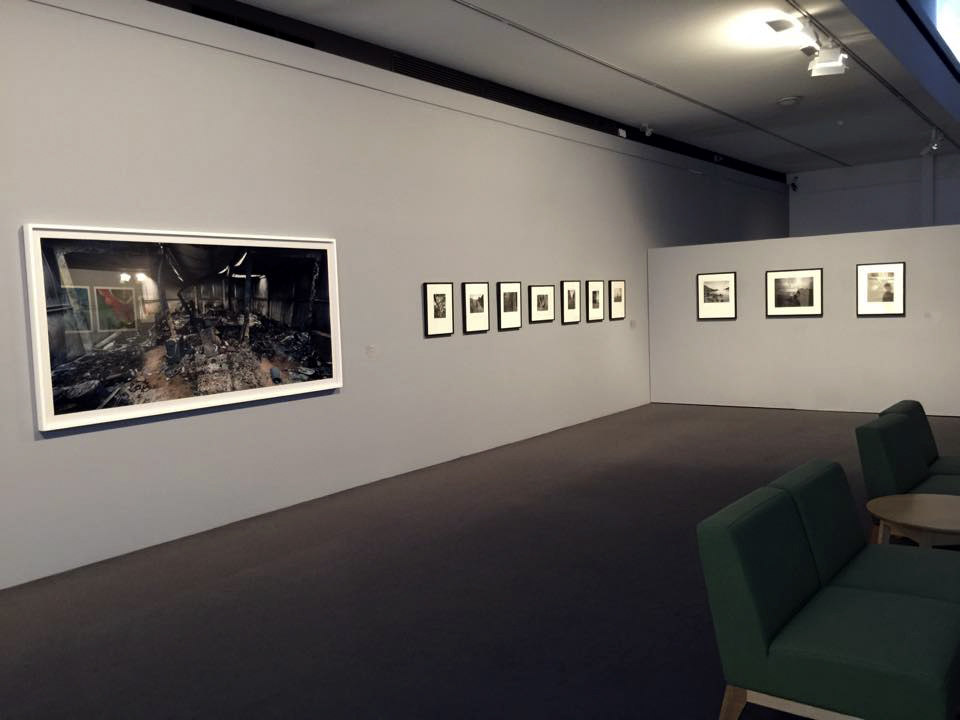

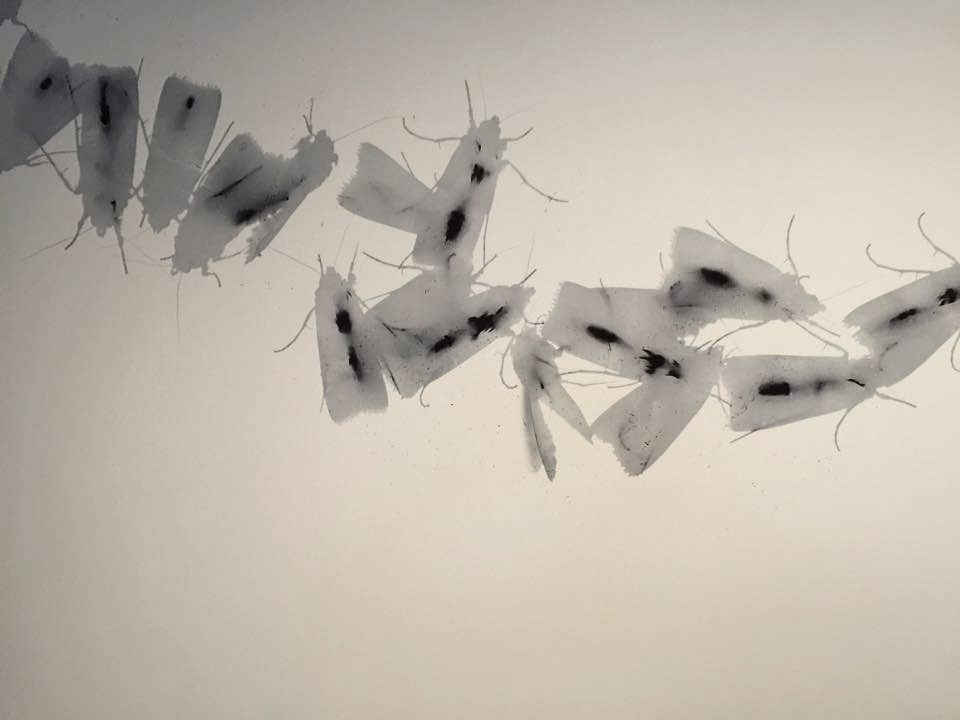
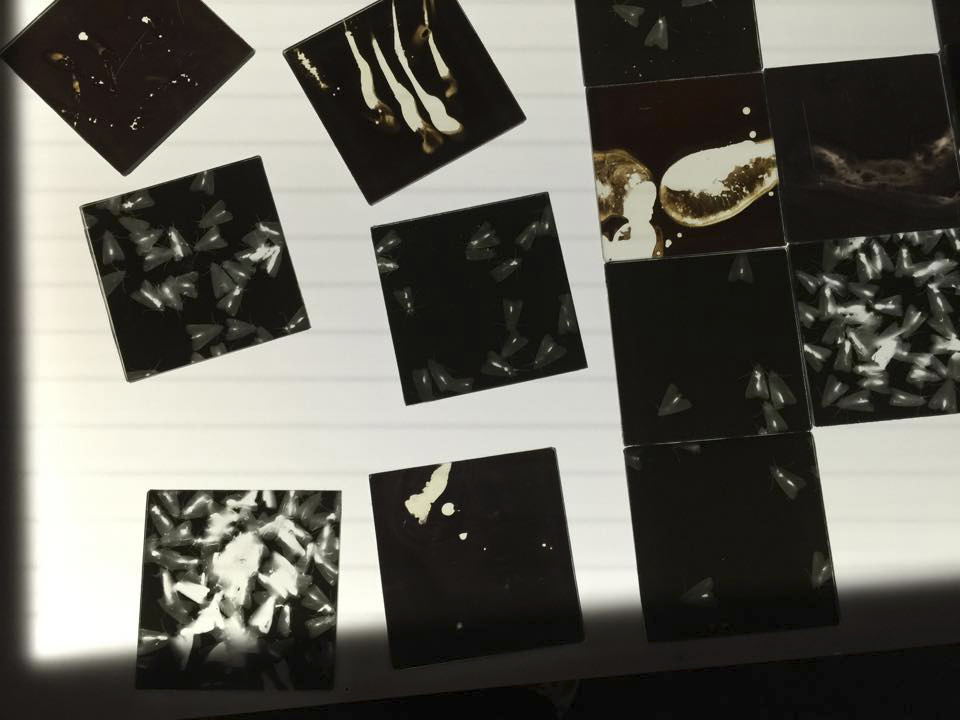


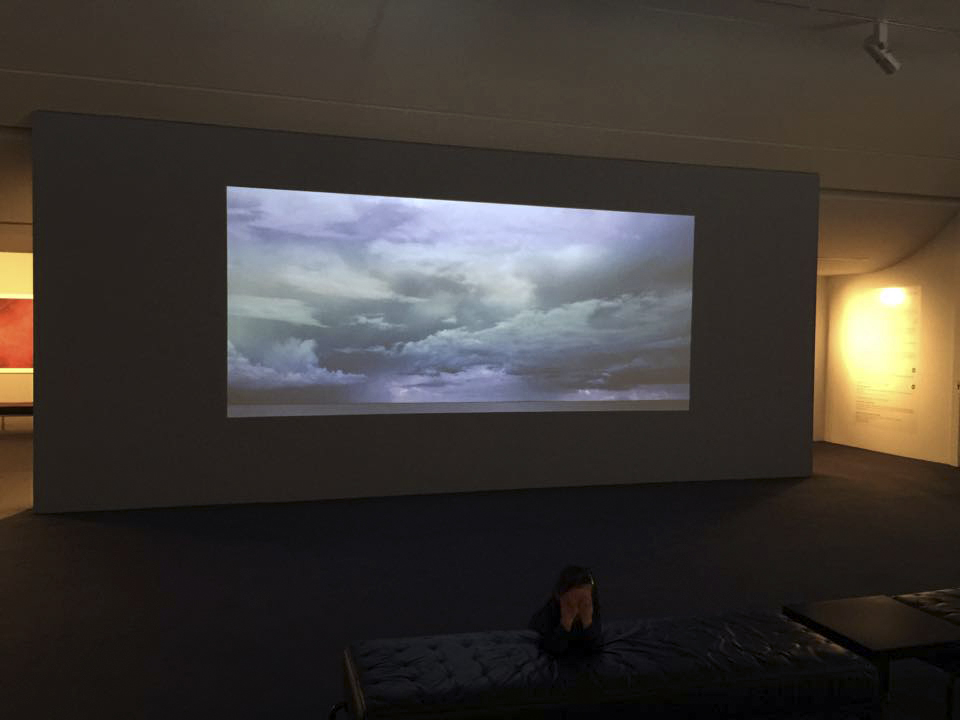
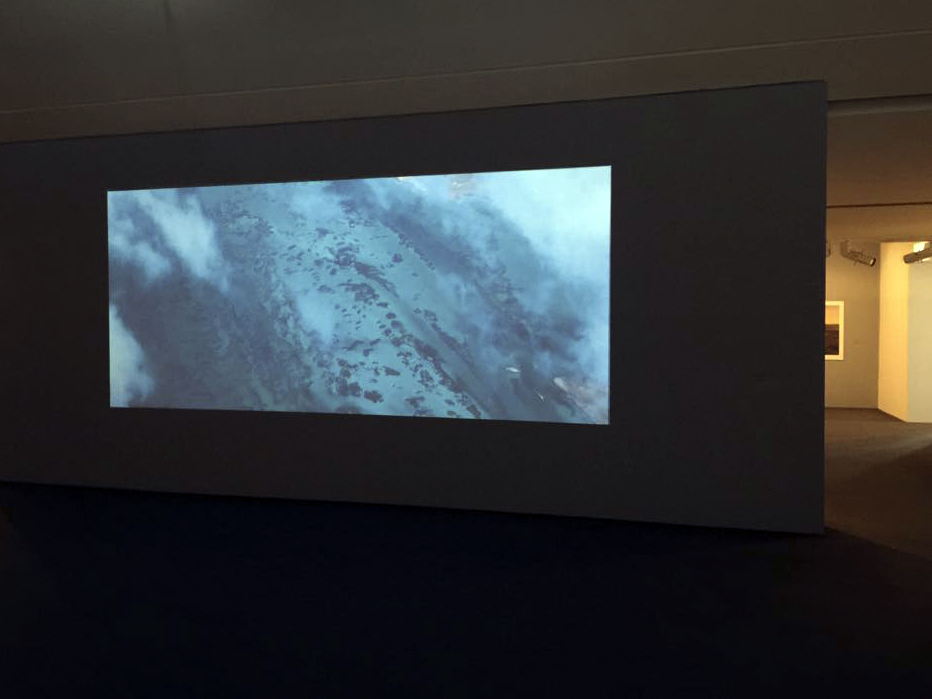
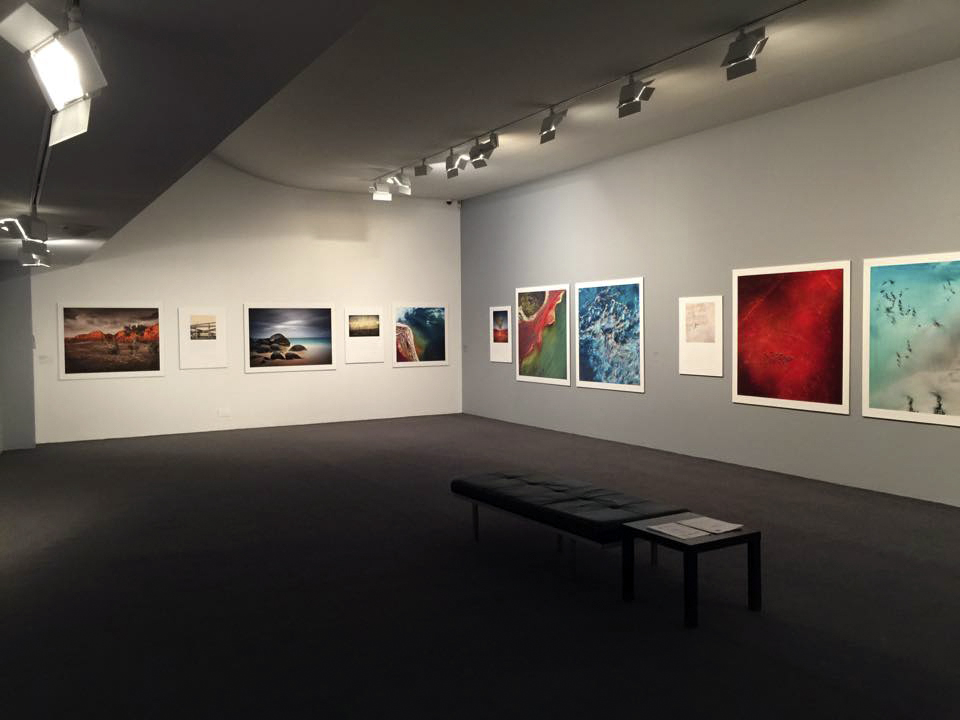

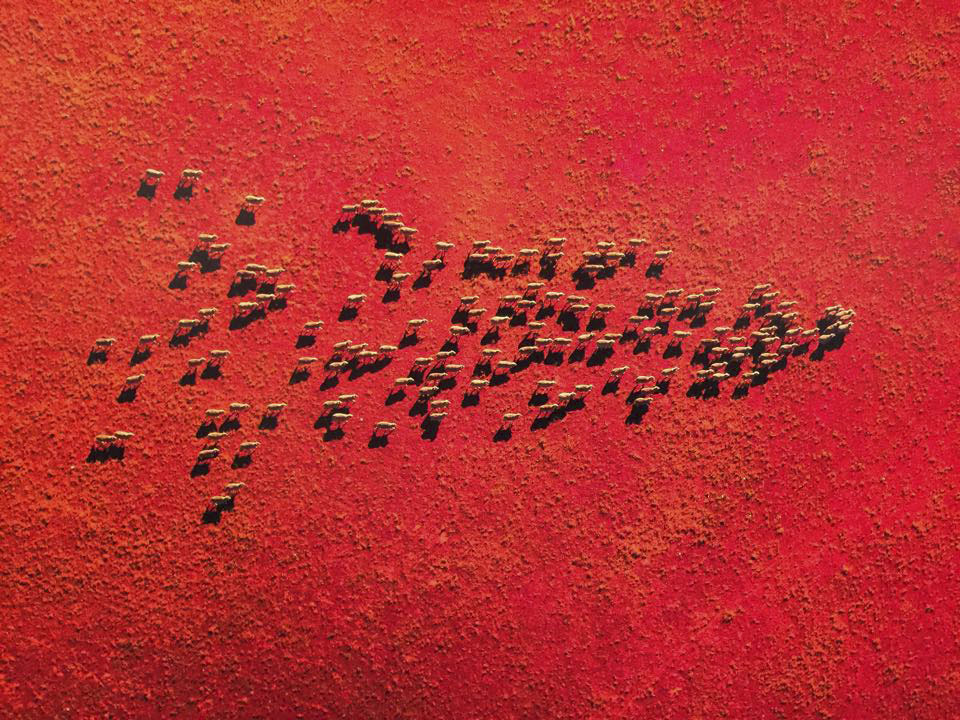

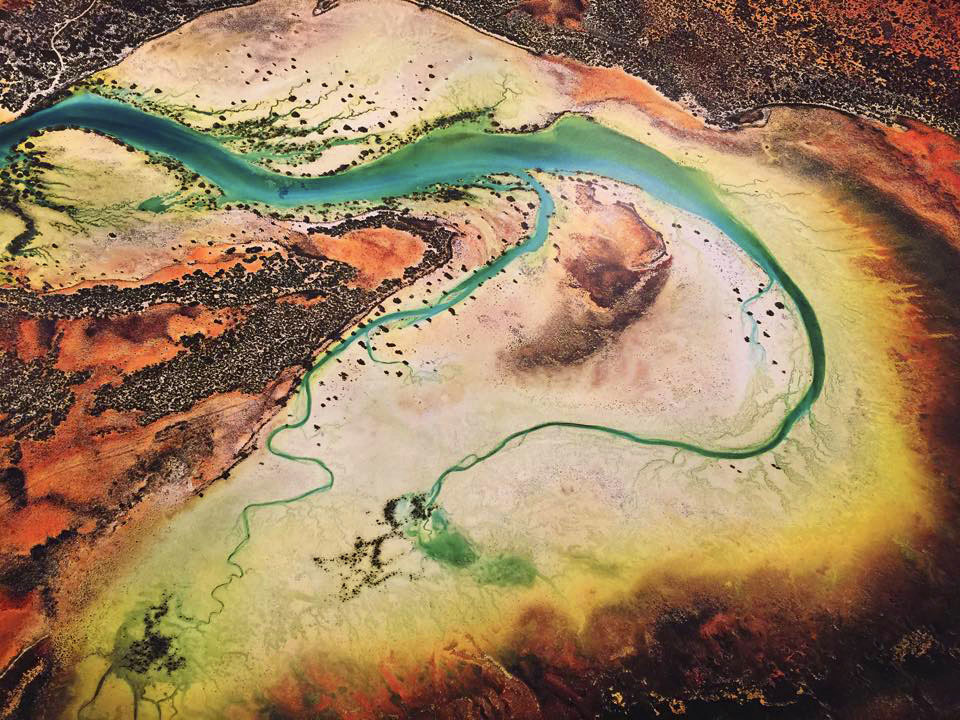
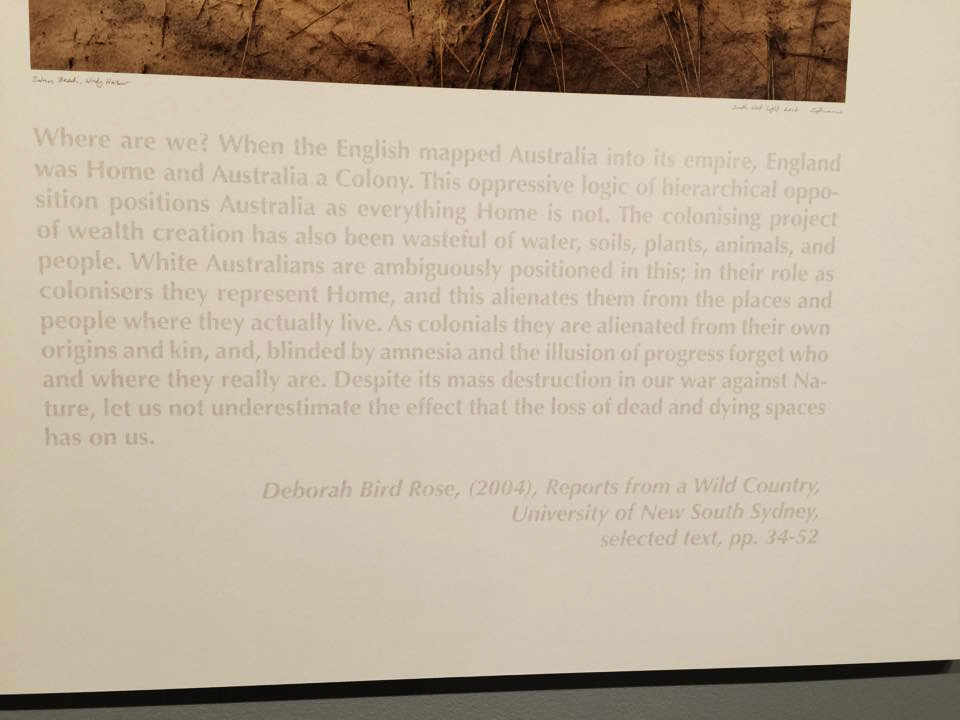


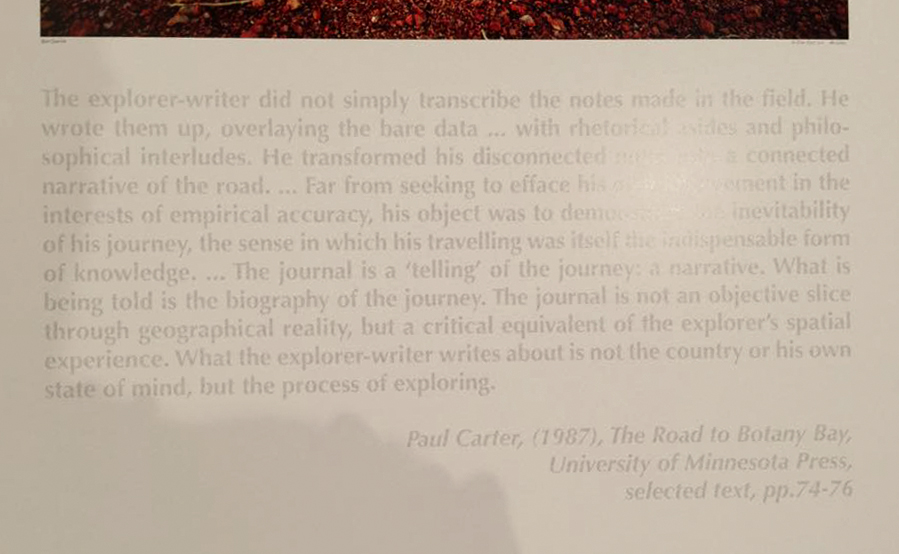
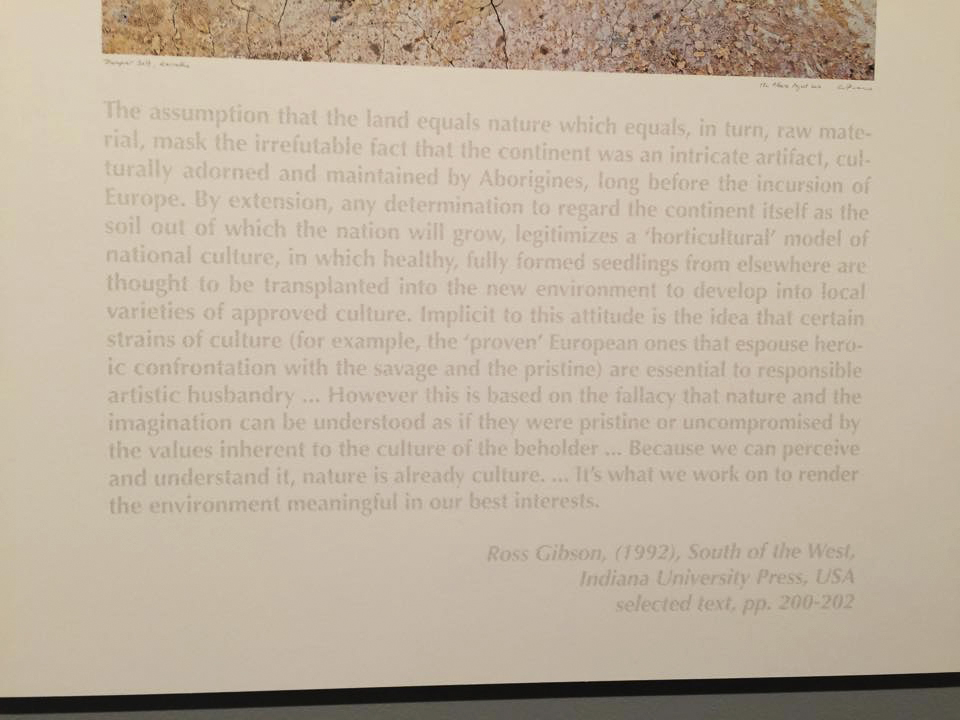
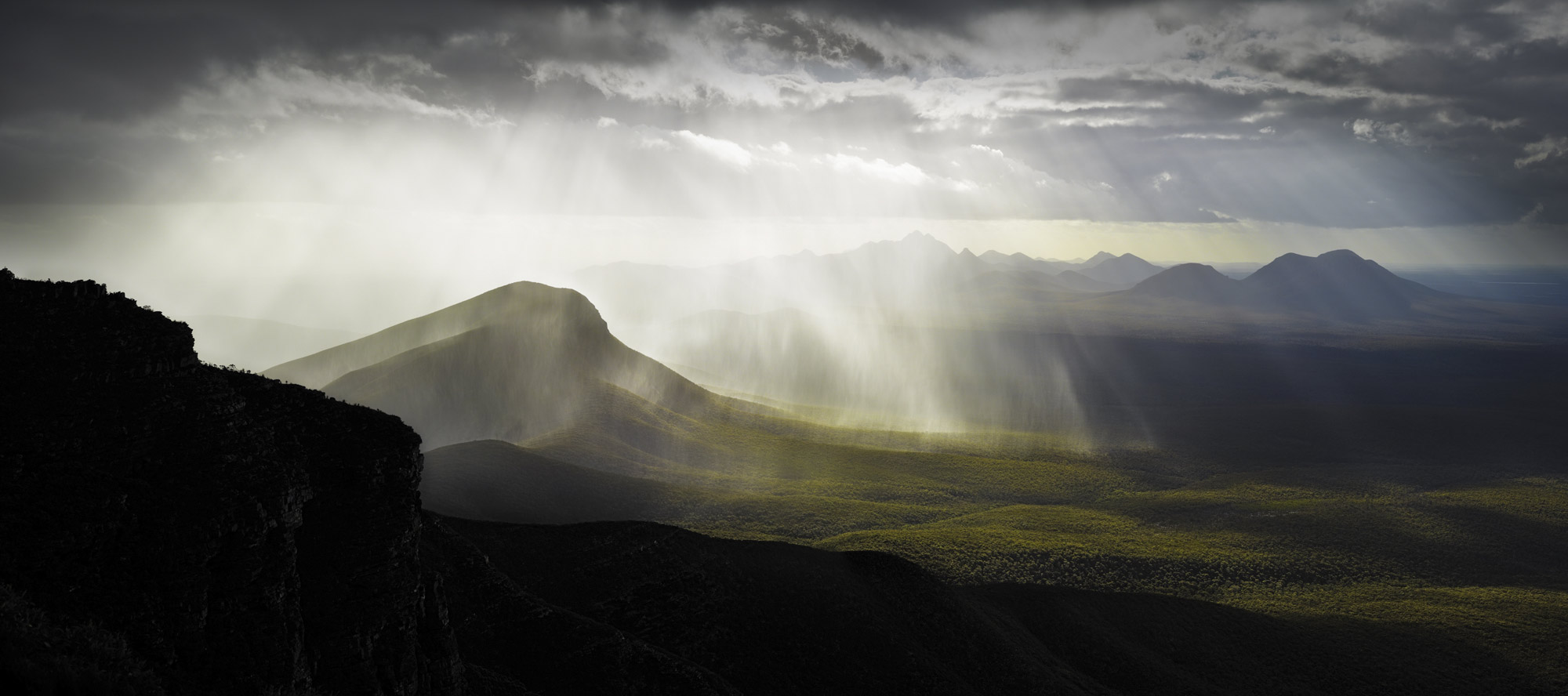

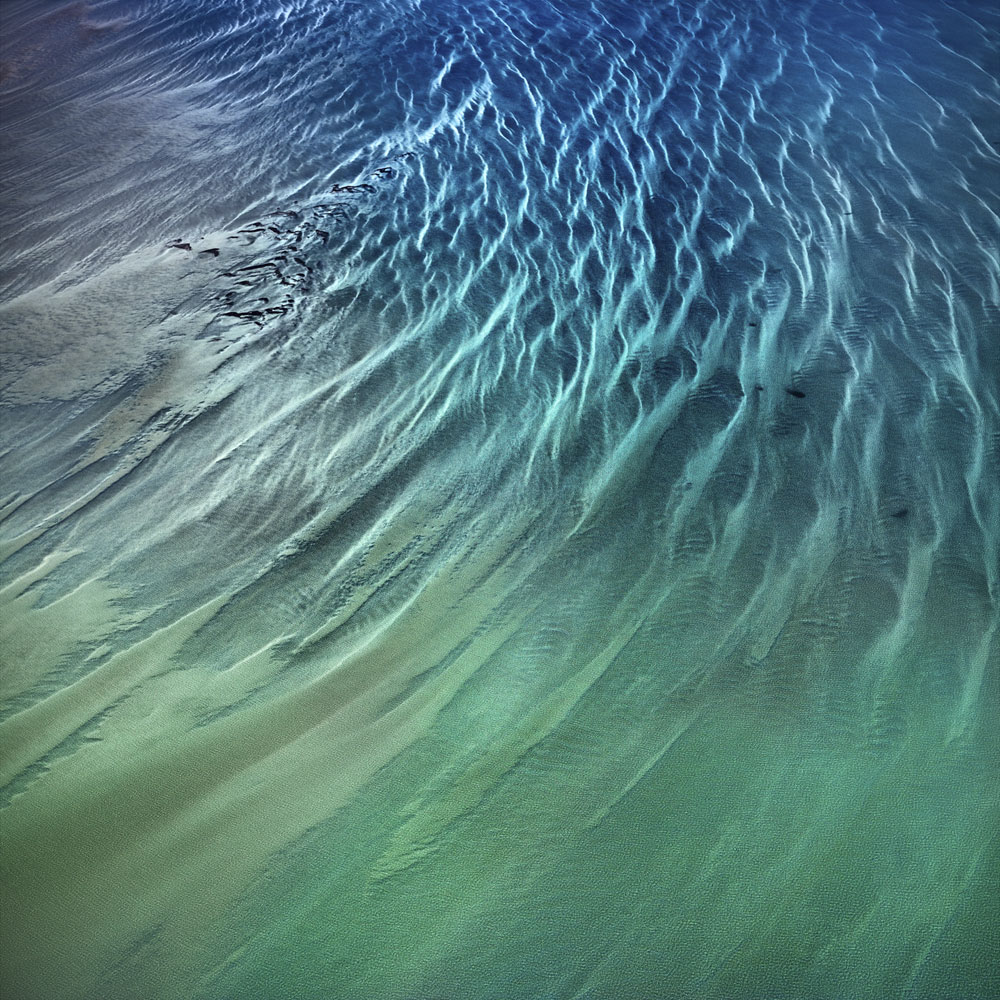
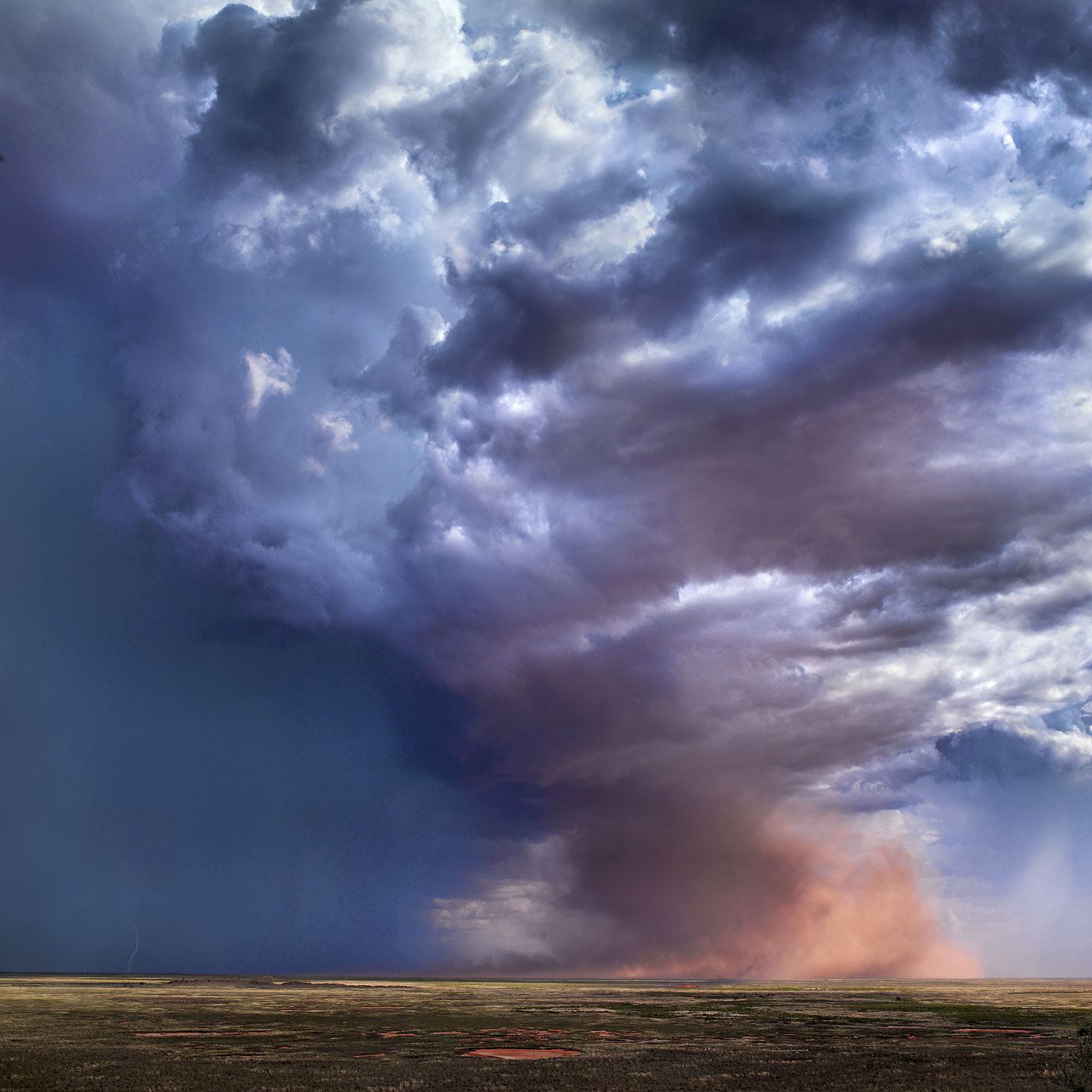


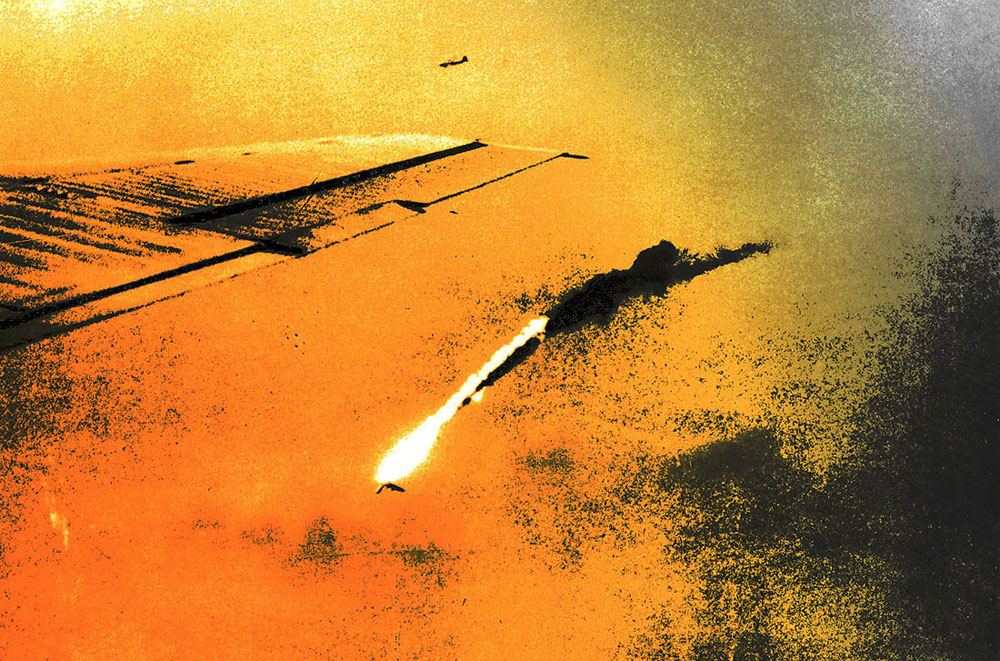

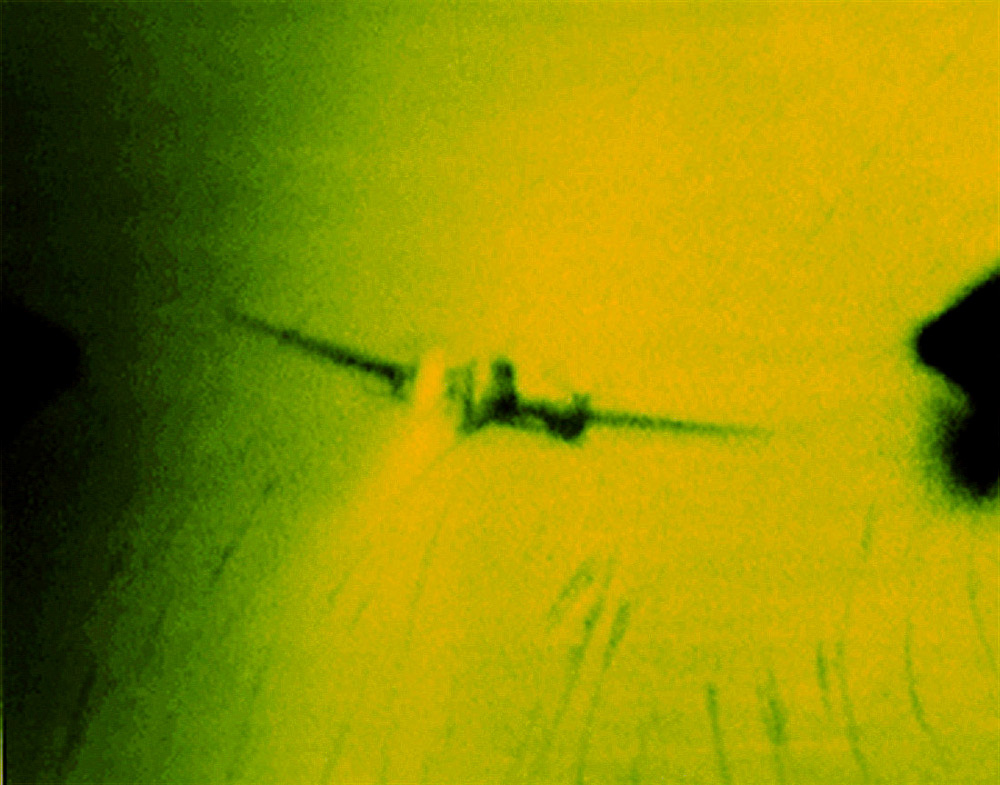

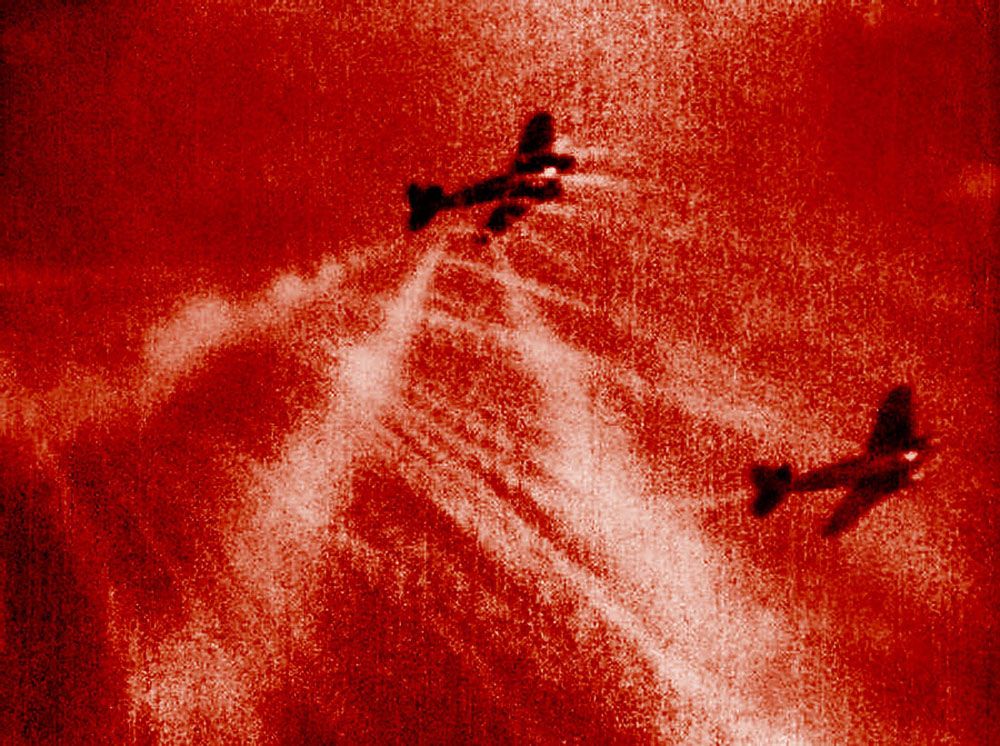


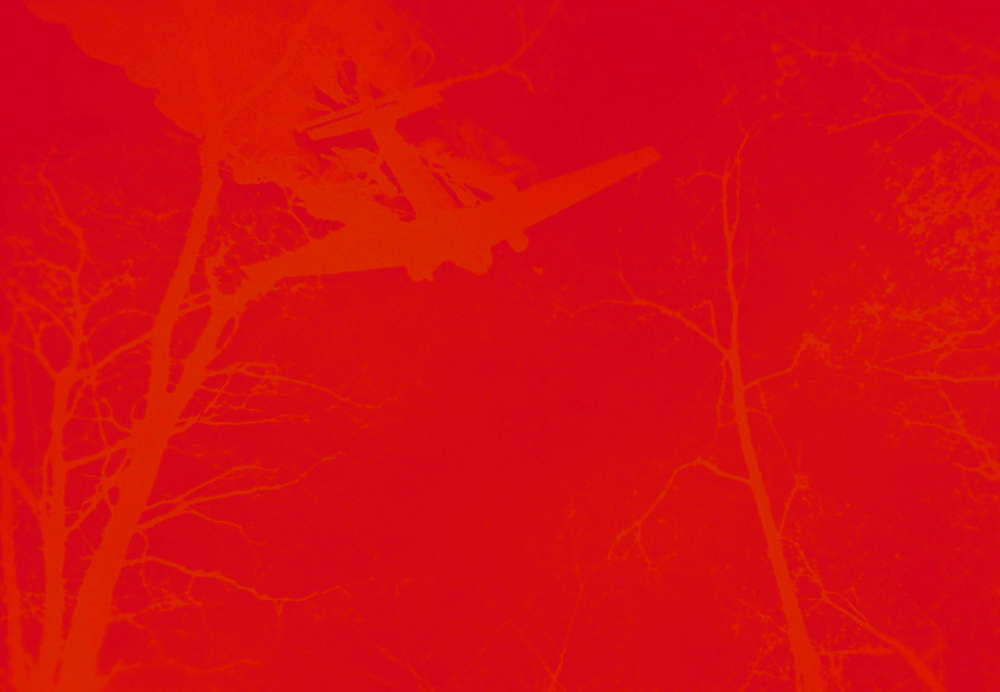

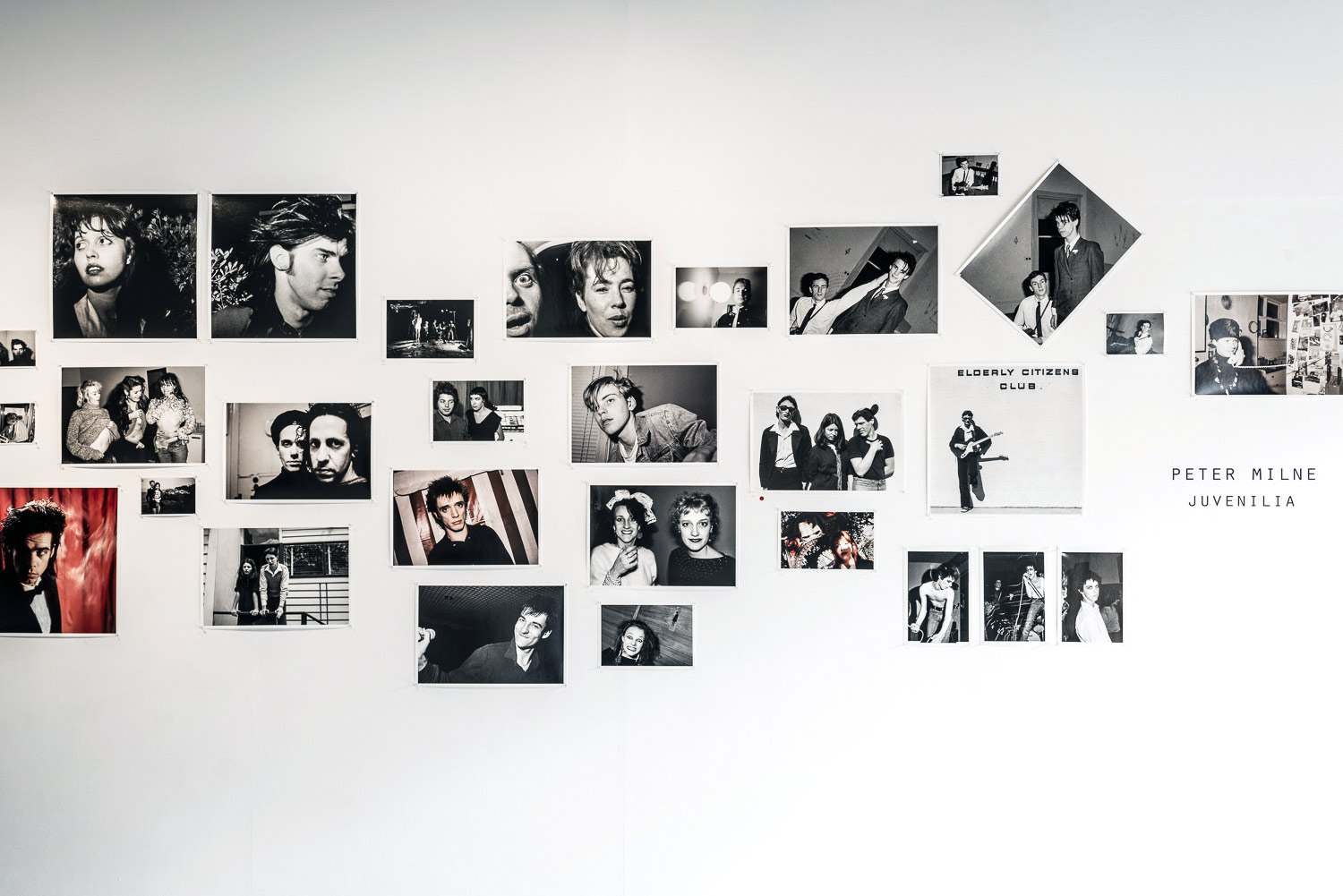
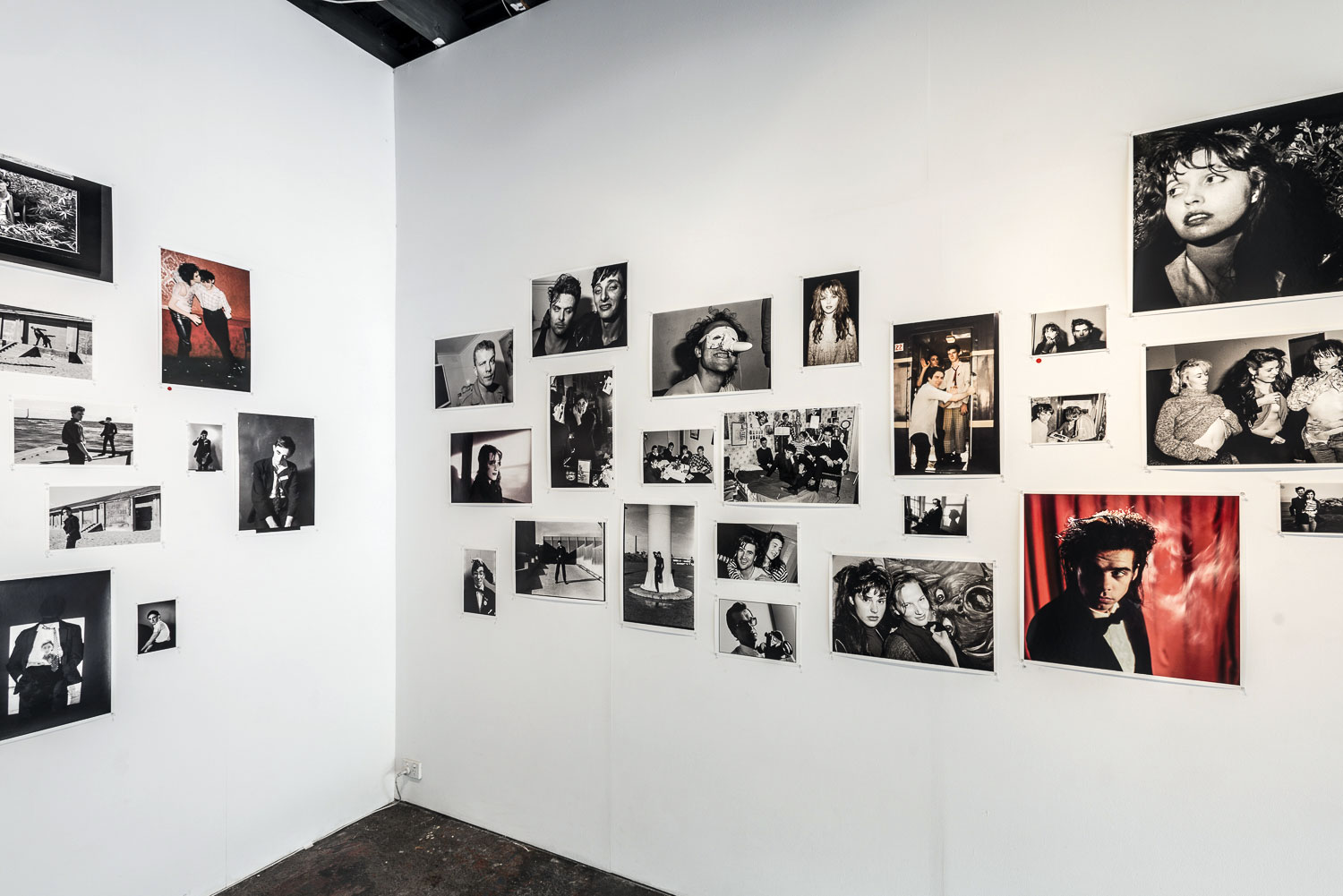

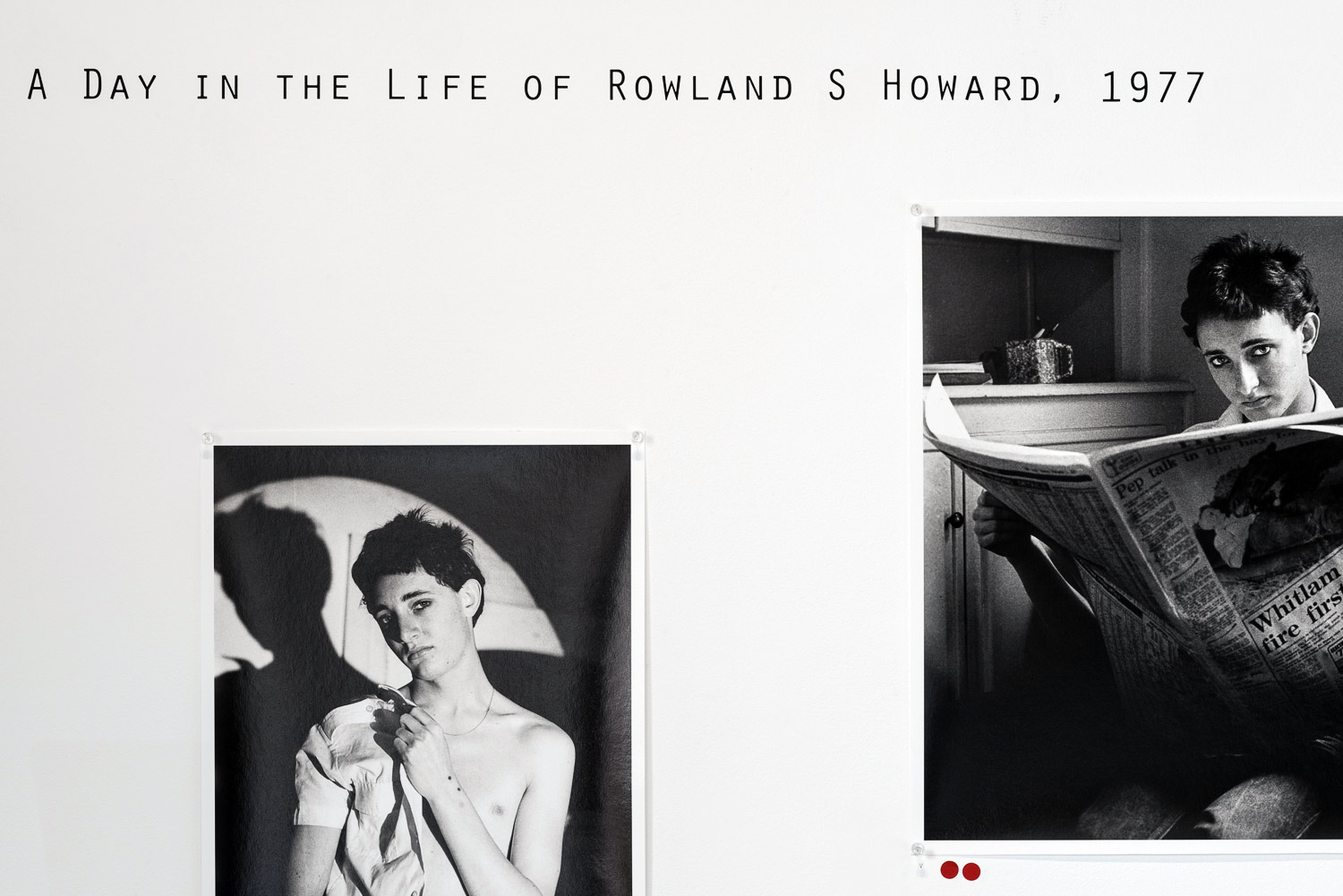
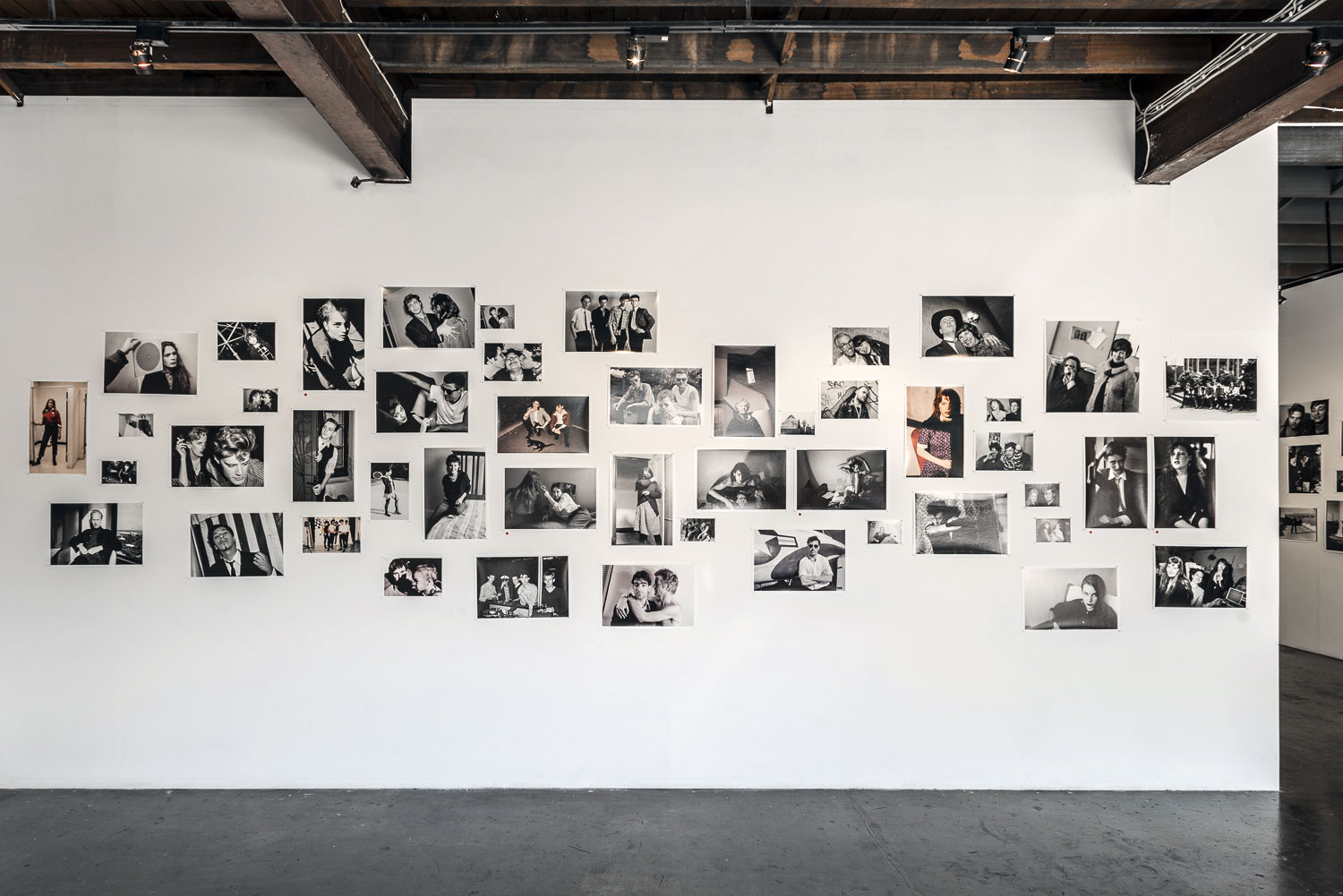

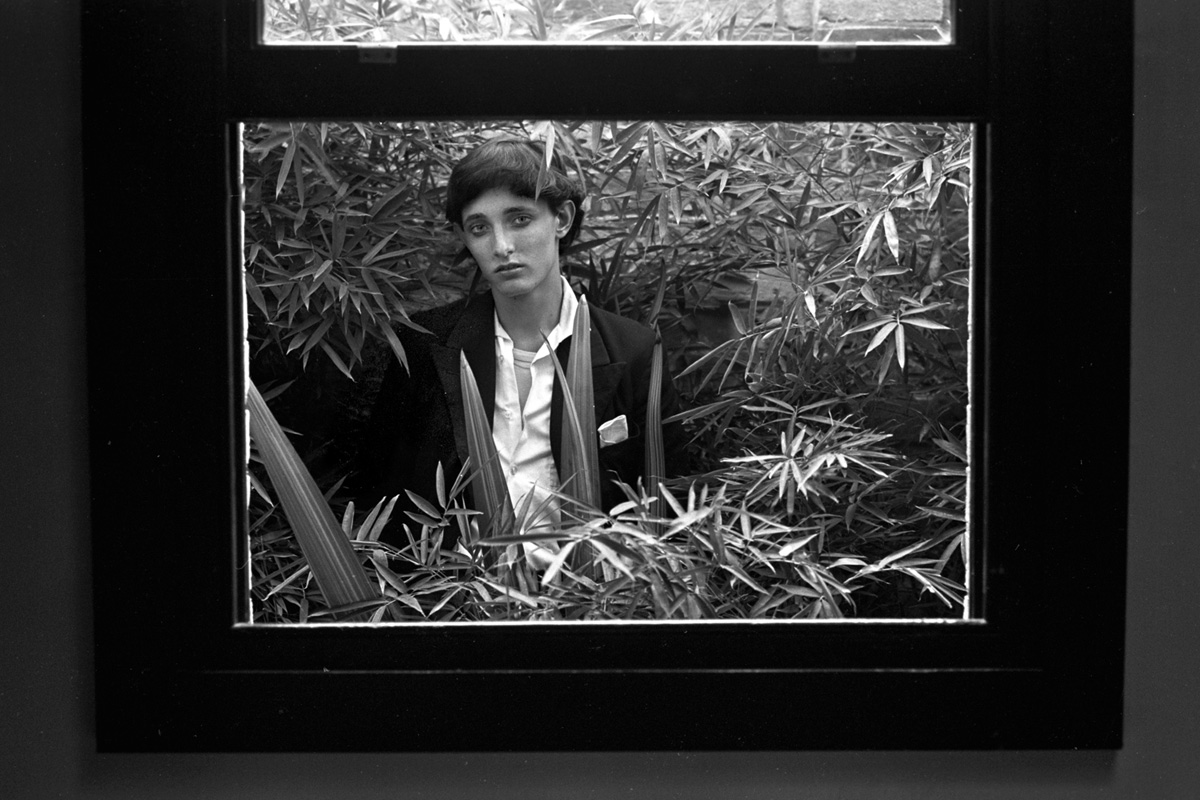

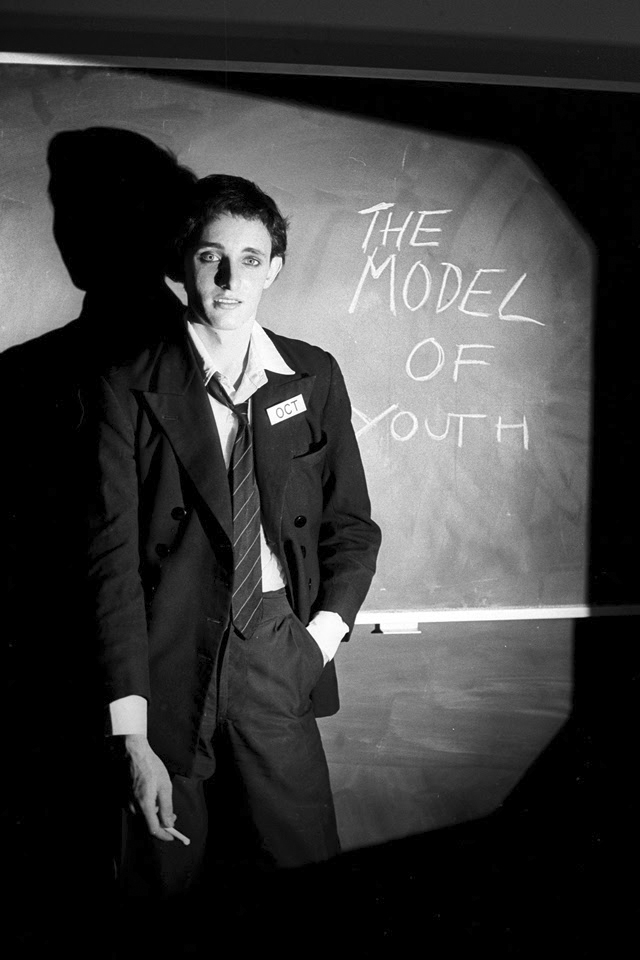

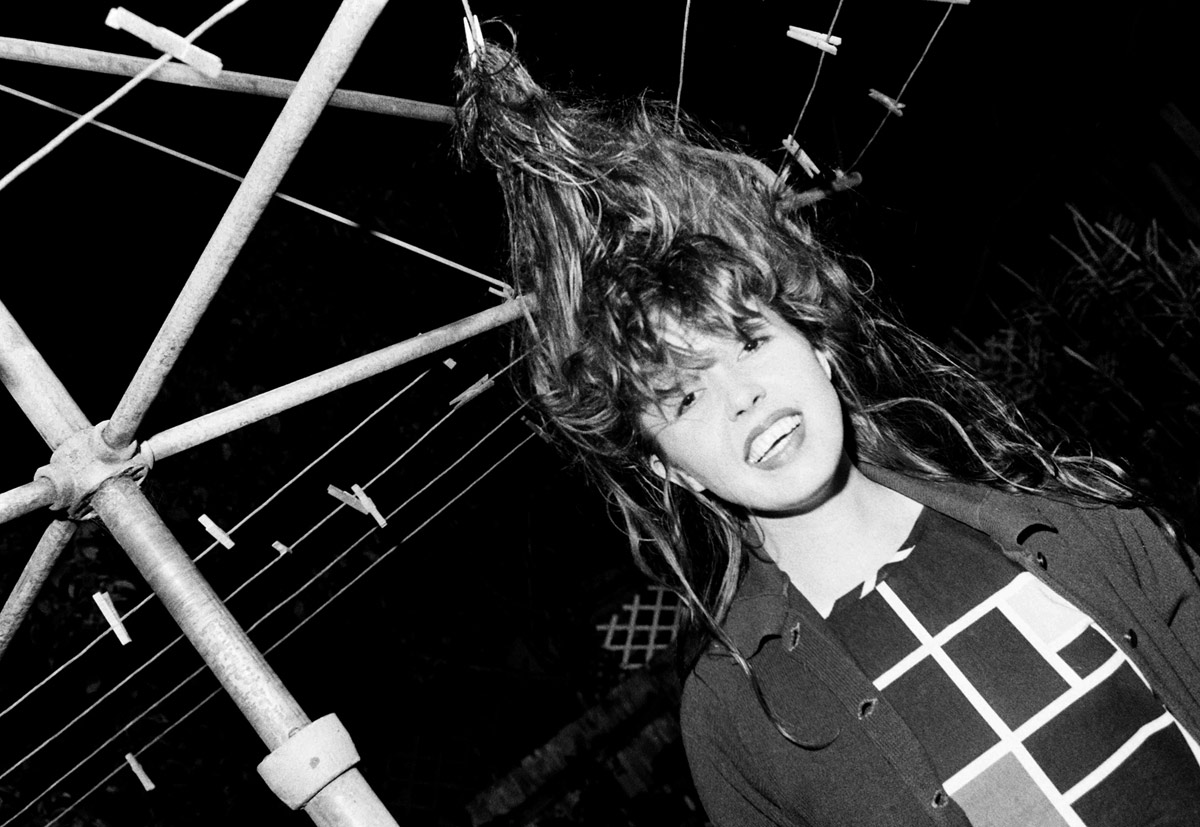

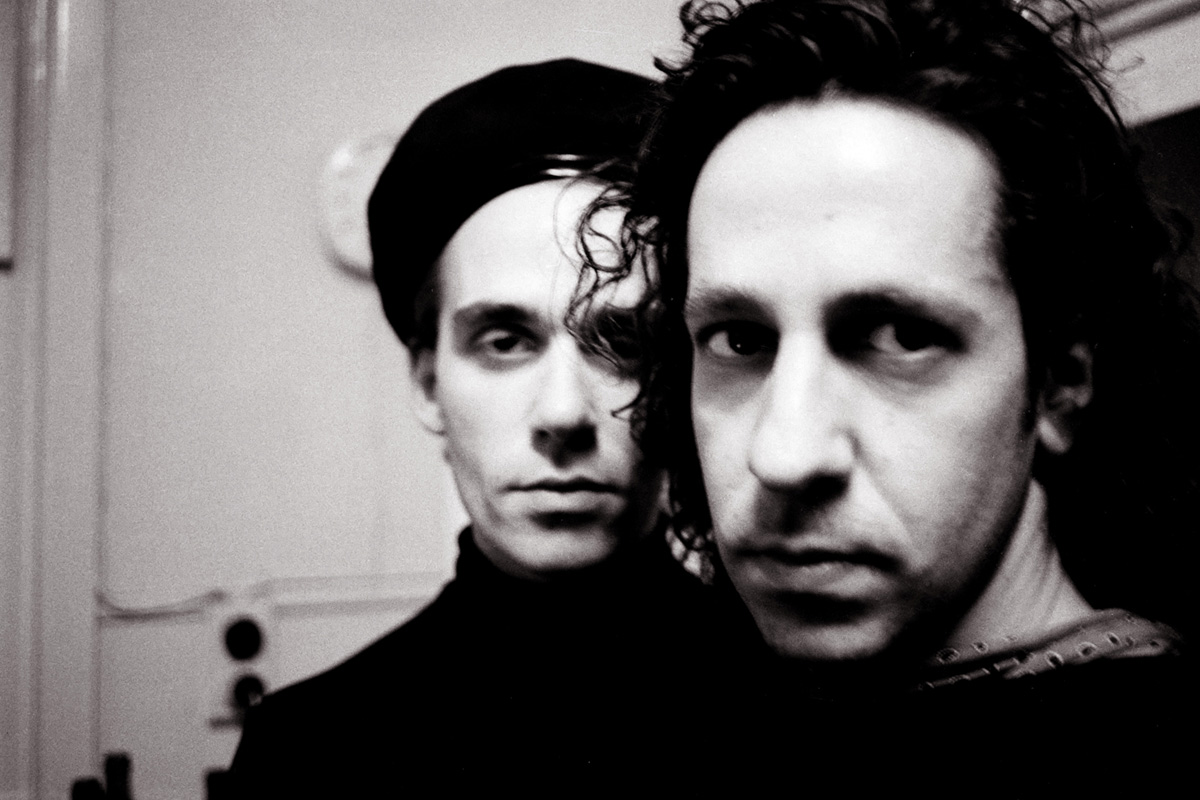

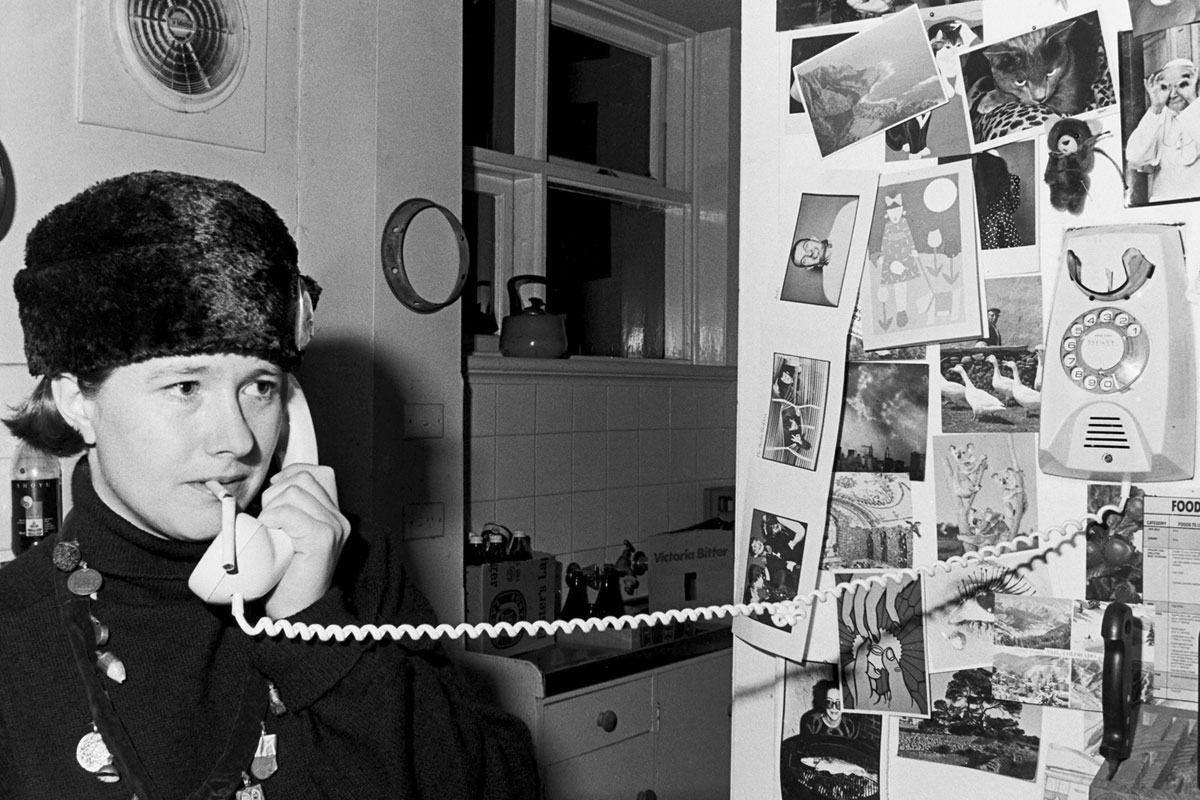
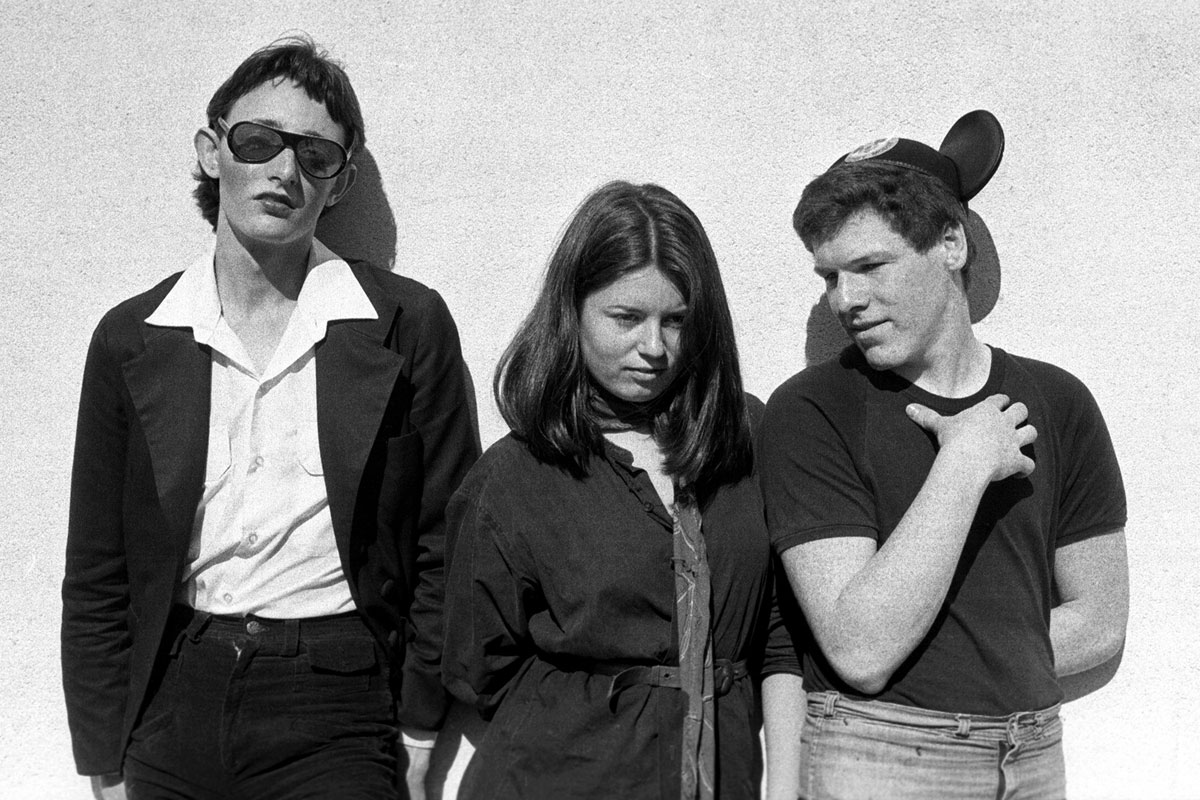




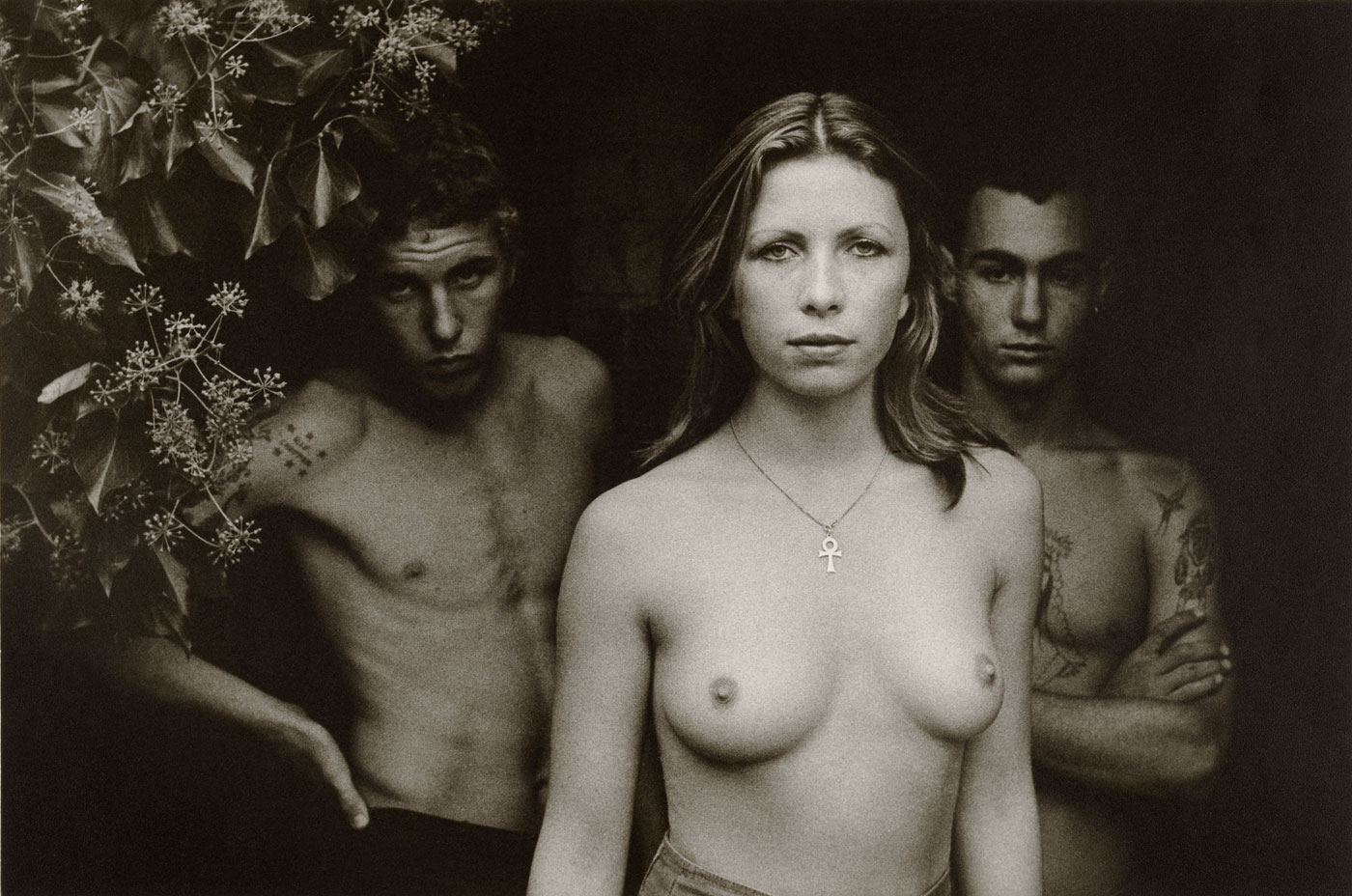


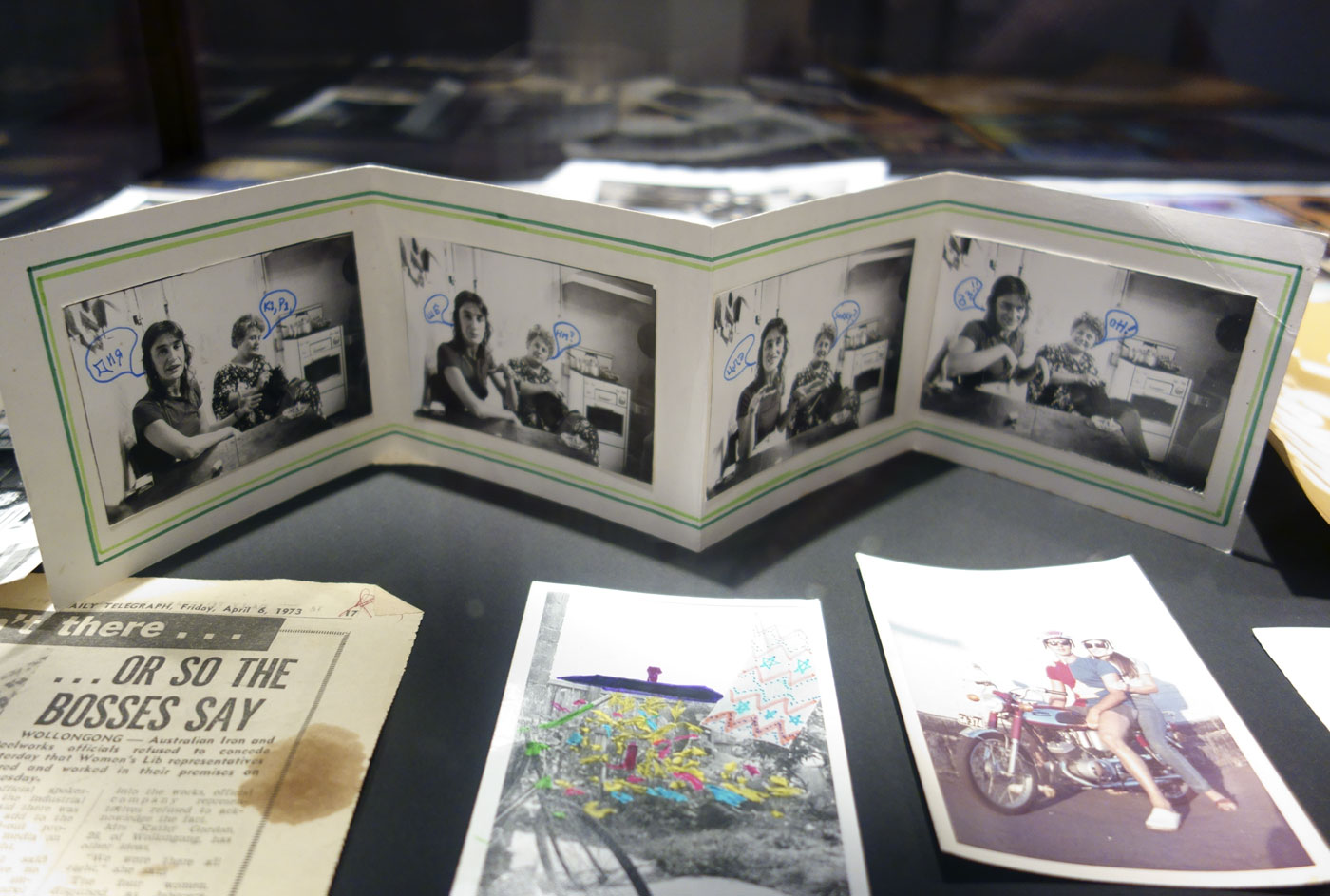


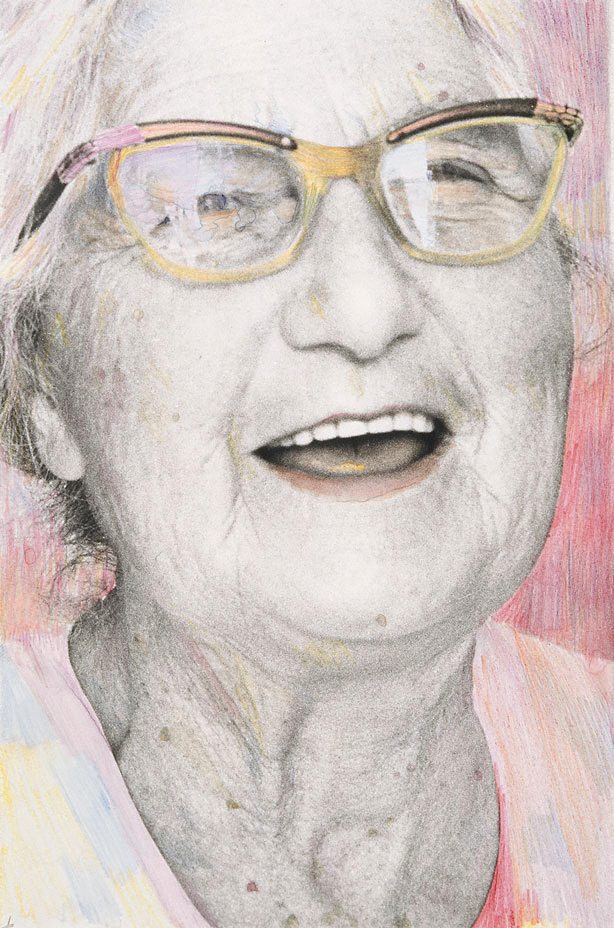


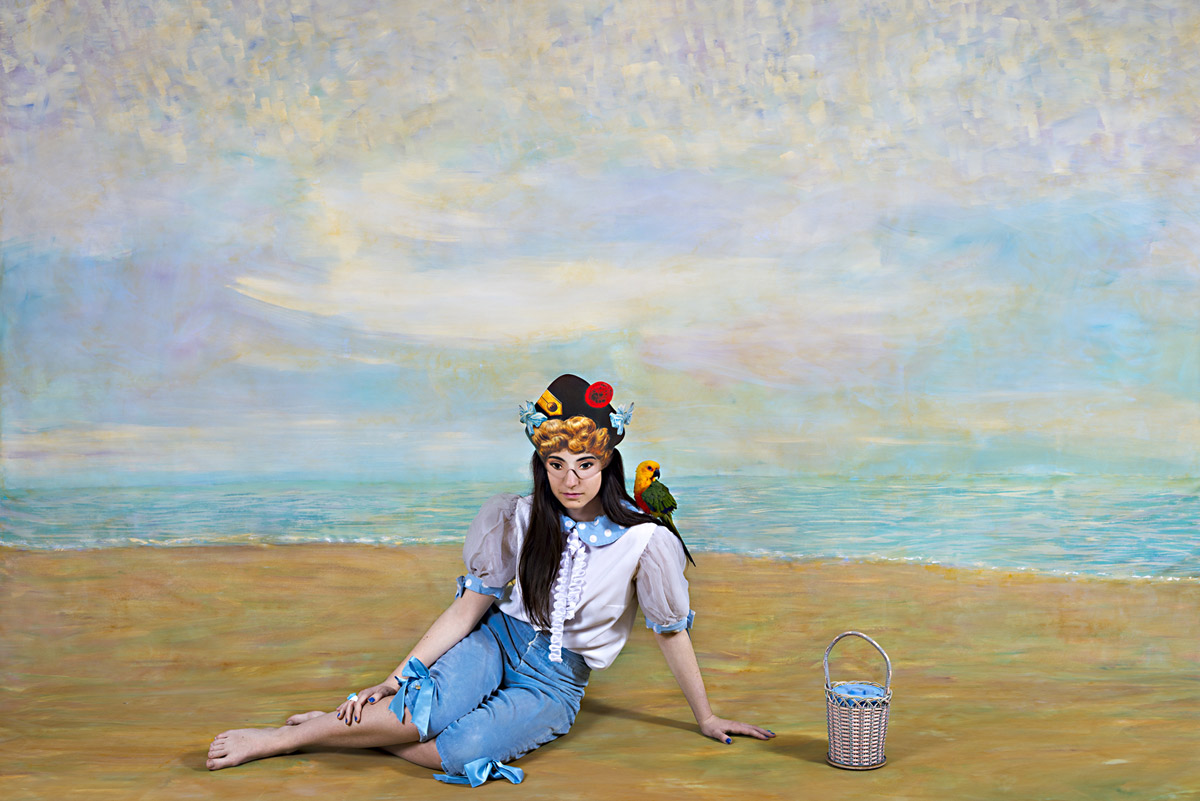
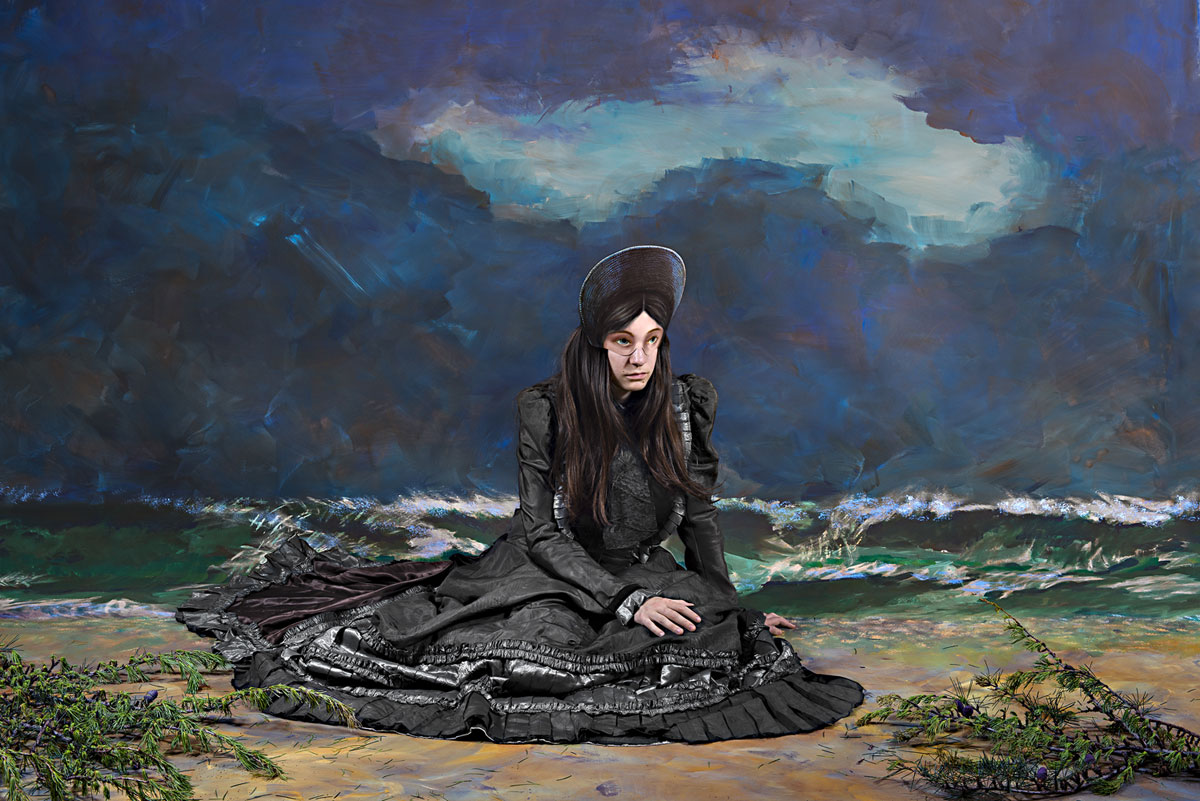
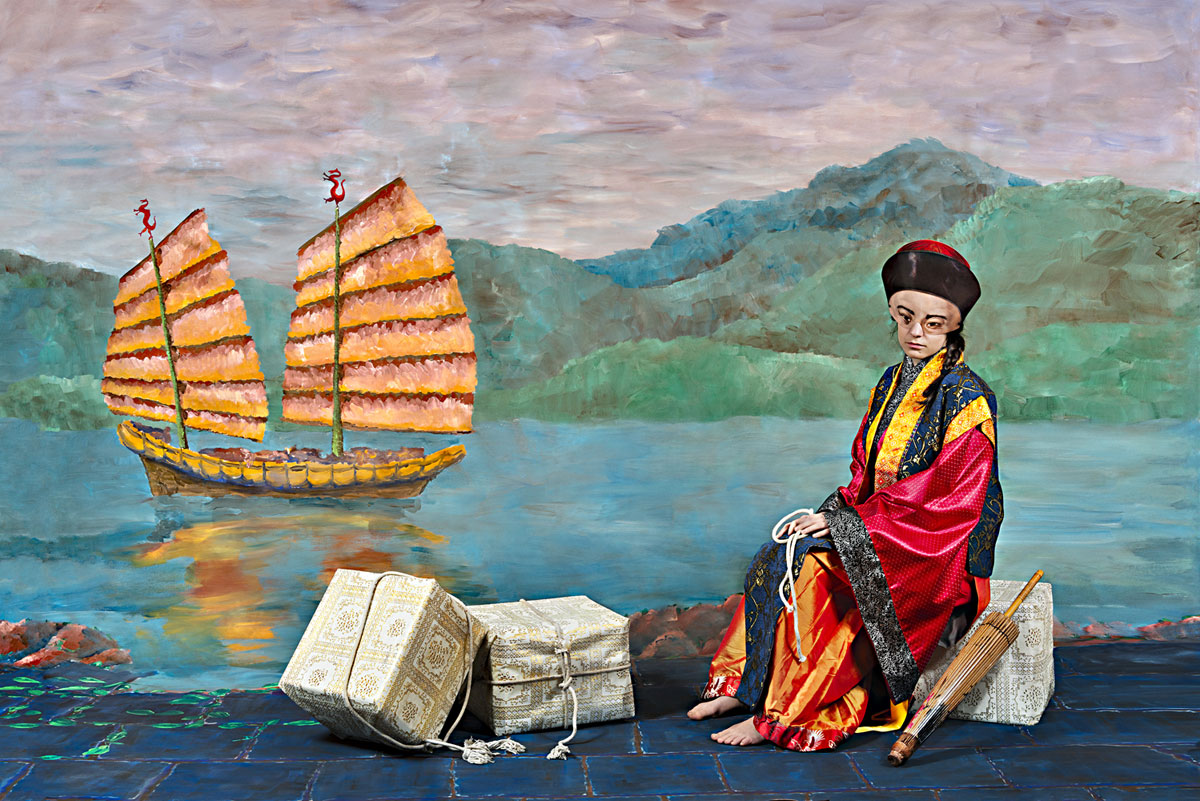
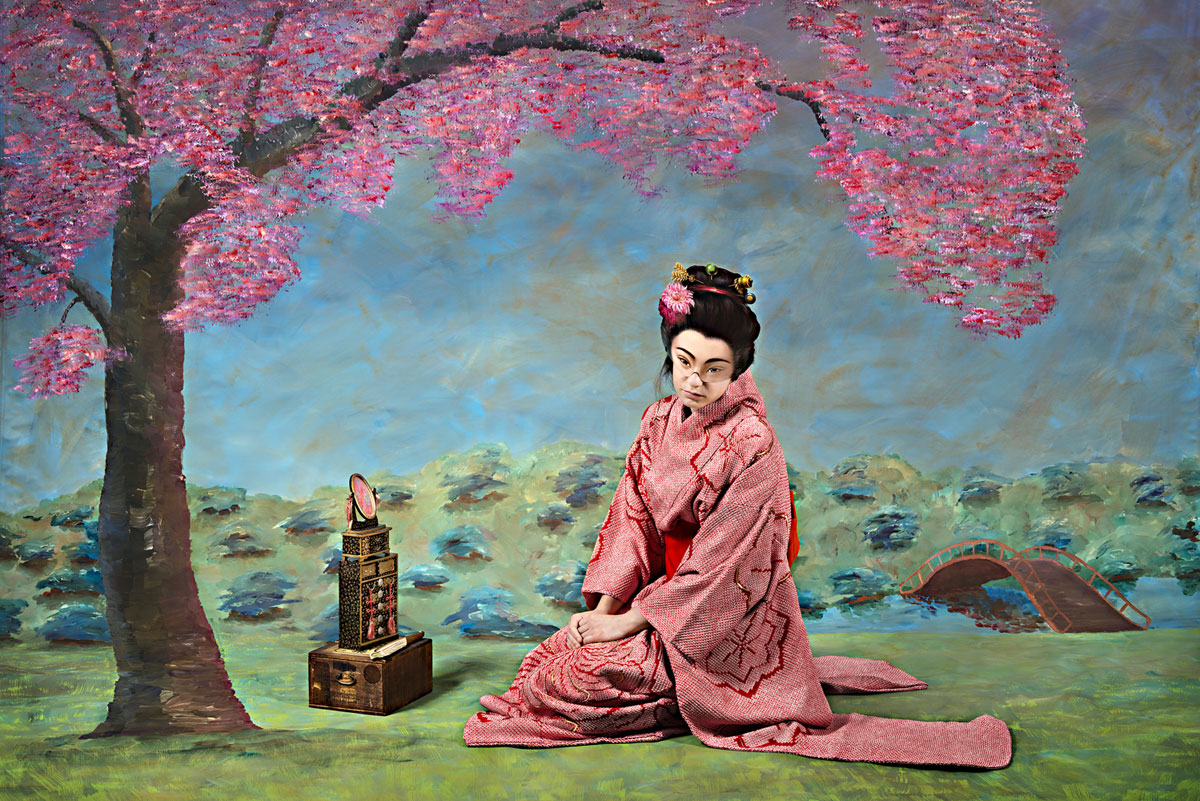
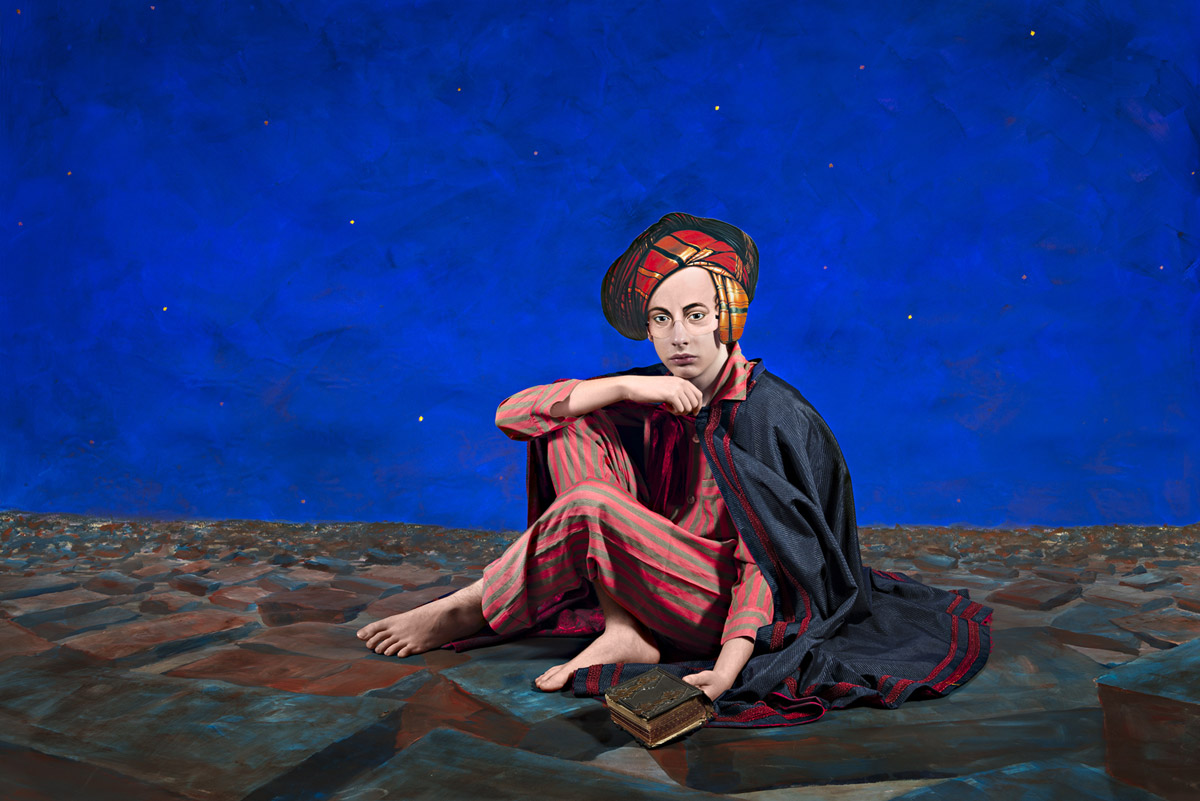
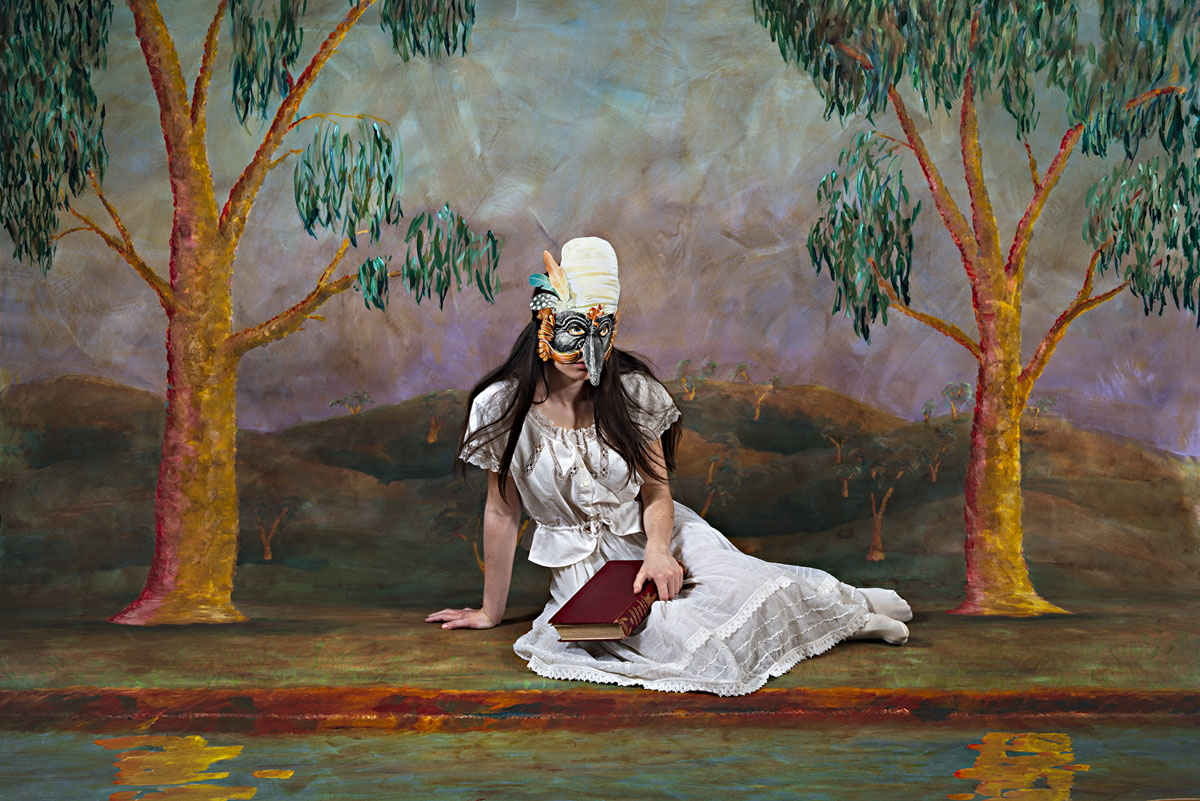
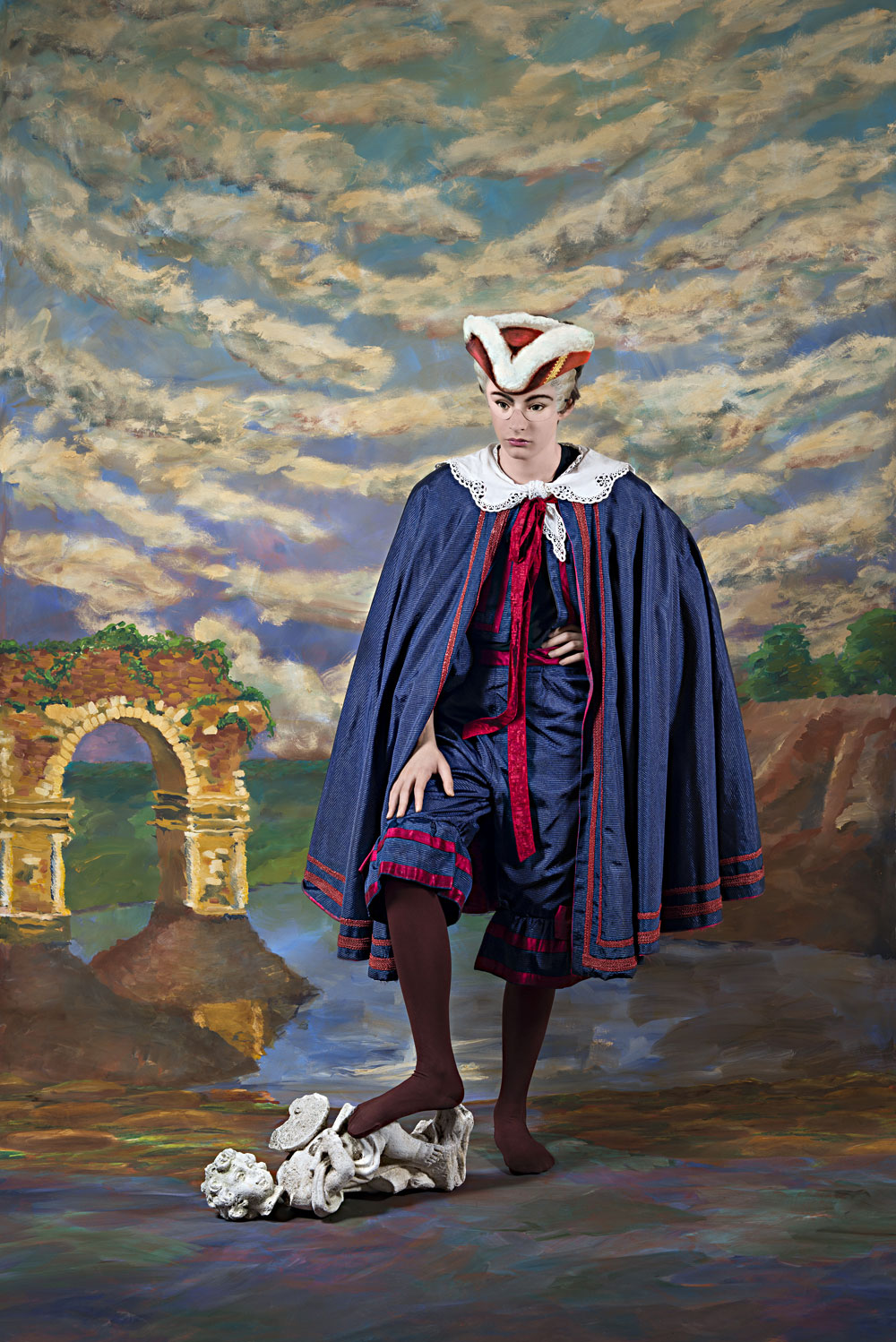

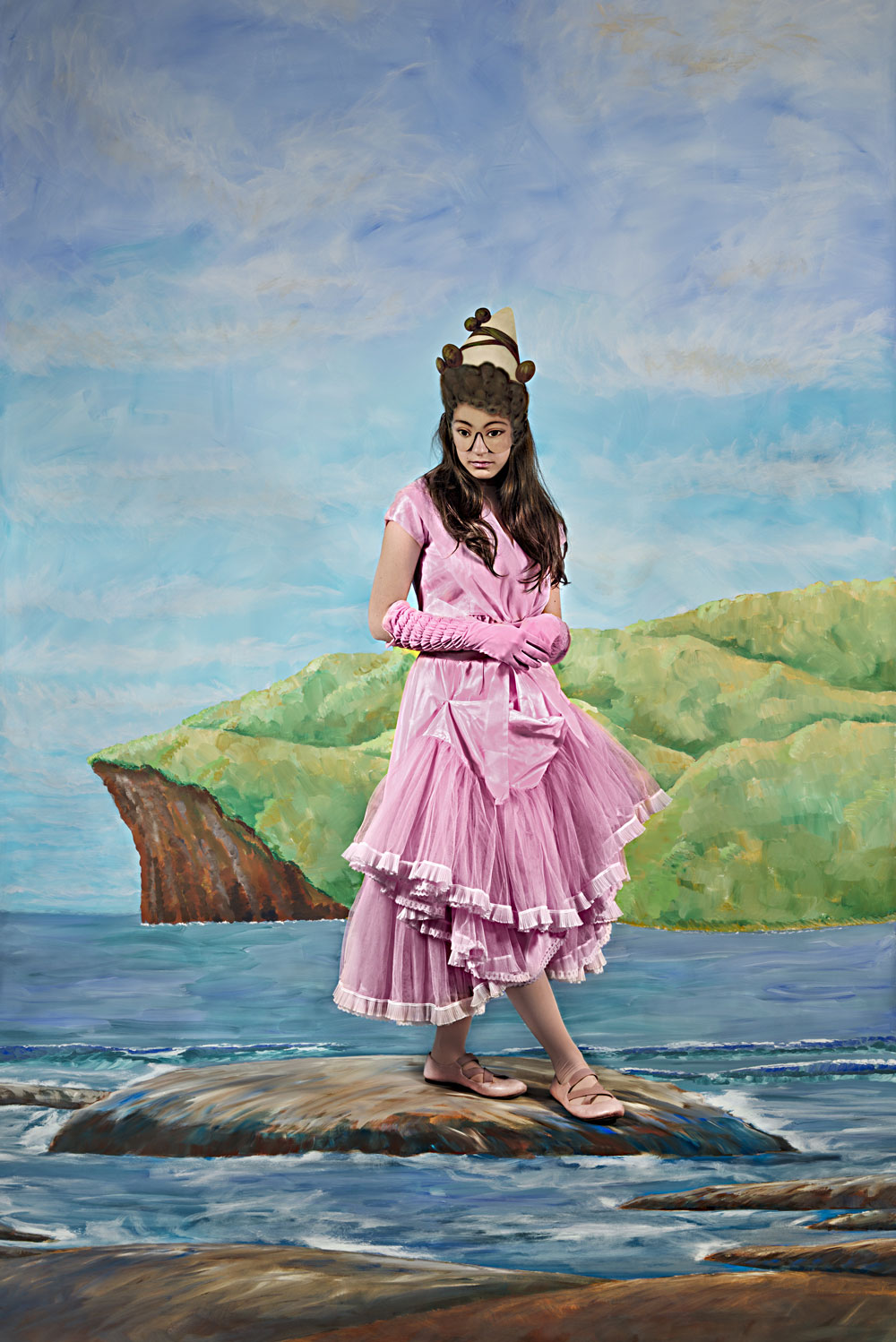
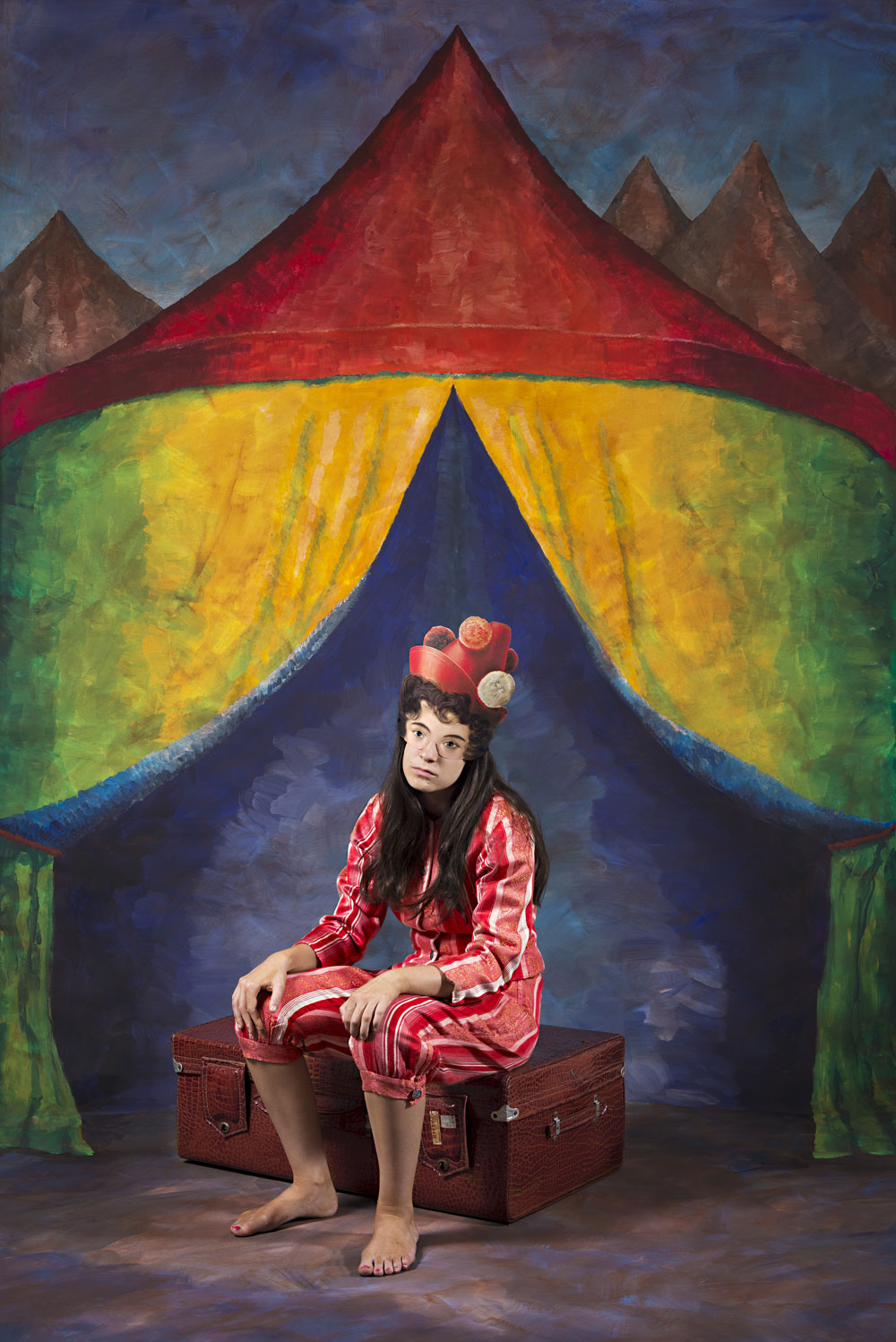
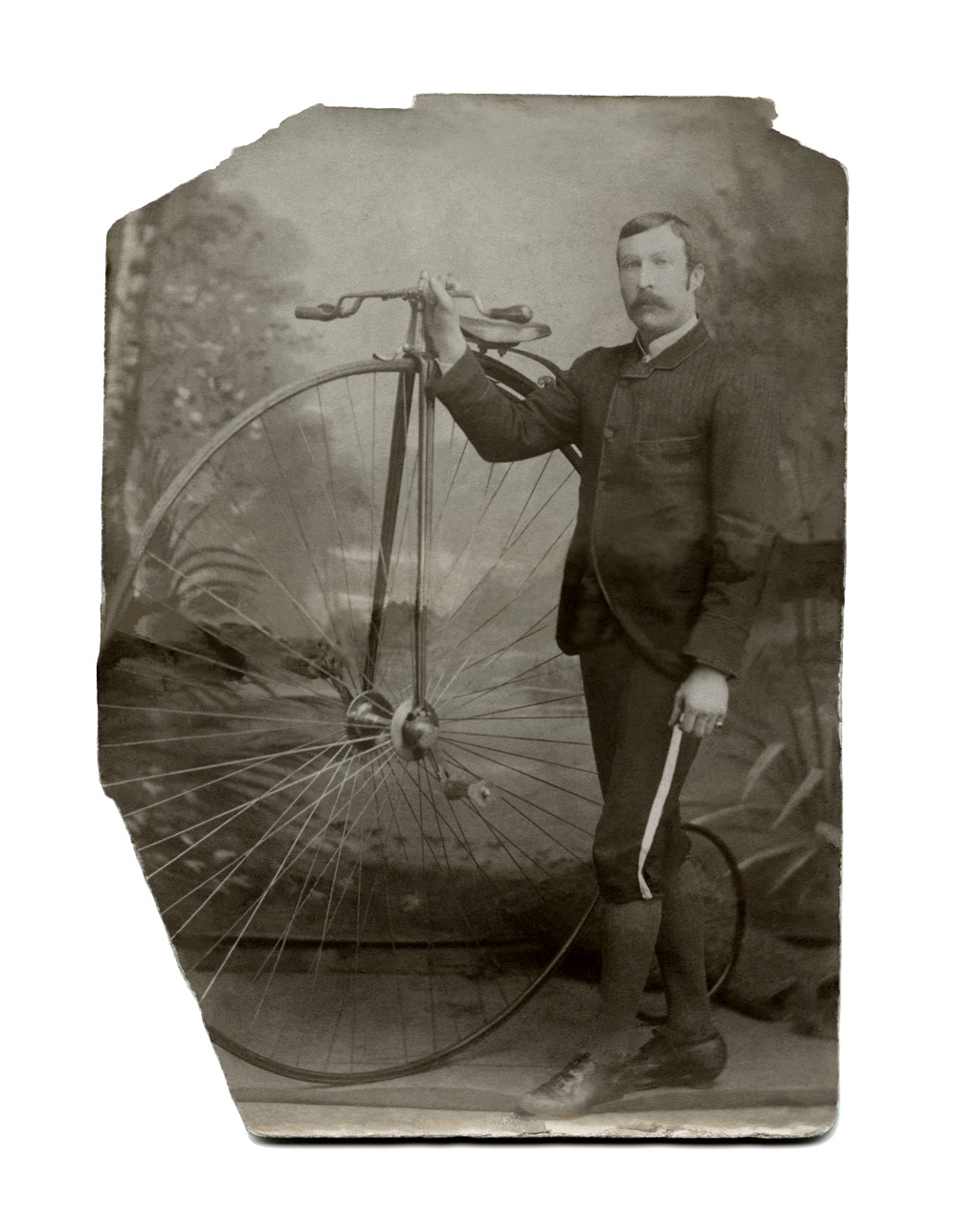
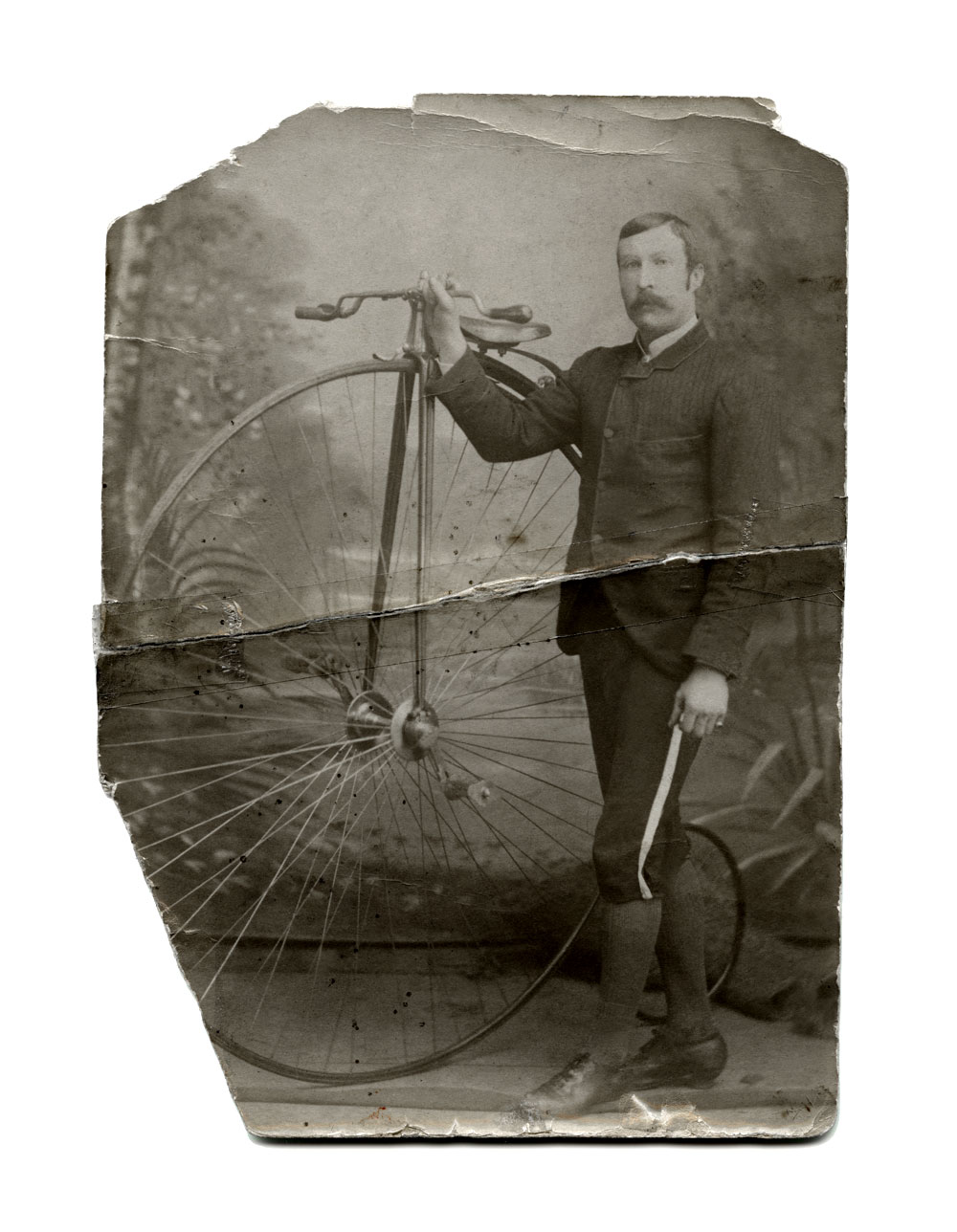

 Art Blart _ art and cultural memory archive
You must be logged in to post a comment.