The Los Angeles County Museum of Art (LACMA) presents James Turrell: A Retrospective, the first major U.S. survey of Los Angeles-native James Turrell since 1985. The exhibition features approximately fifty works tracing five decades of the artist’s career. In addition to early light projections, holograms, and an entire section devoted to his masterwork-in-progress, the Roden Crater project, the exhibition features numerous immersive light installations that address our perception and how we see. LACMA’s retrospective is complemented by concurrent, independently curated exhibitions at the Museum of Fine Arts, Houston (MFAH) (June 9 – September 22, 2013); and the Solomon R. Guggenheim Museum, New York (June 21 – September 25, 2013). Additional Turrell exhibitions on view this year include the Academy Art Museum, Easton (April 20 – July 7, 2013); and Villa Panza, Varese, Italy (October 24, 2013 – May 4, 2014).
“The theme of light has preoccupied artists for centuries,” says Michael Govan, CEO and Wallis Annenberg Director of LACMA and exhibition co-curator. “No one, however, has so fully considered the ‘thing-ness’ of light itself – as well as how the experience of light reflects the wondrous and complex nature of human perception – as James Turrell has for nearly five decades.” Christine Y. Kim, exhibition co-curator and Associate Curator of Contemporary Art at LACMA adds, “There is nothing quite like the experience of a Turrell work, which is truly about and for the viewer and his or her perception. Perception is the medium for Turrell, as his work provokes viewers to see themselves see.”
Turrell’s revolutionary use of light in art makes for an experience that is both physical and optical – requiring visitors to spend anywhere from five to twenty minutes with one artwork, often alone in a gallery or with a limited number of fellow viewers.
Exhibition overview
In the mid-1960s, James Turrell was inspired by a beam of light from a slide projector while sitting in the darkened room of an undergraduate art history class at Pomona College. The sight provoked a question: what if light wasn’t the tool that enabled people to see something else but rather became the thing people look at? Thus began an inquiry that has led to a vast, prolific career.
James Turrell: A Retrospective comprises works that range in scale from an intimate watercolour made in 1969 to a 5,000-square-foot “Ganzfeld” installation – designed to entirely eliminate the viewer’s depth perception – offering visitors multiple entry points into Turrell’s practice. Evident in the array of works is the artist’s interest in perception, psychology, religion, astronomy, meditation, and science. The exhibition also draws connections between the artist’s light installations, architectural projects, and his famous masterwork-in progress at Roden Crater, in the high desert of Arizona. James Turrell: A Retrospective presents the most expansive installation of Roden Crater works shown to date, presented in the form of models, drawings, photographs, holograms, and other documents from the 1980s through the present.
Exhibition Organisation
The work of James Turrell requires a vast amount of exhibition space. James Turrell: A Retrospective presents nearly fifty works exhibited in 33,000 square feet populating two venues across LACMA’s campus: the 2nd floor of the Broad Contemporary Art Museum (BCAM) and the east galleries of the Lynda and Stewart Resnick Exhibition Pavilion (Resnick Pavilion). BCAM’s east galleries begin with works that Turrell completed at his Mendota Studio in Santa Monica from the mid-1960s to the early 1970s, followed by a succession of full-room installations that feature projections, holograms, a “Shallow Space” – a large room designed to challenge a viewer’s depth perception – and a “Cross Corner Projection,” in which light is projected in a way that suggests weight and mass. A subsequent gallery contains information and media highlighting a selection of site-specific projects and commissions around the world. BCAM’s west wing is populated with a “Magnatron” work – consisting of an aperture in the shape of an old television screen – followed by three full-scale installations: Key Lime, a “Wedgework” in which the illusion of walls are created through light and architecture; a “Wide Glass,” a type of work that adds a temporal element to Turrell’s light-based installations; and St. Elmo’s Breath, a “Space Division Construction,” which appears to be a flat surface but upon closer inspection reveals itself to be light emitted from a seemingly bottomless cavity in the wall.
Upon entering the Resnick Pavilion, visitors first encounter work that resulted from Turrell’s collaboration with artist Robert Irwin and Dr. Ed Wortz as part of the Art and Technology program at LACMA in 1969, namely a “Perceptual Cell” called Light Reignfall; Dark Matters, a “Dark Space” that presents a seemingly blacked-out room with only a minimally perceivable trace of light; and Breathing Light, a “Ganzfeld.” The Resnick Pavilion also holds an expansive gallery dedicated to the Roden Crater project, including large-scale mixed media drawings and a model contoured with actual cinder from the crater, as well as other models for autonomous spaces.
Press release from the LACMA website
Los Angeles County Museum of Art (LACMA) 5905 Wilshire Boulevard (at Fairfax Avenue) Los Angeles, CA, 90036 Phone: 323 857-6000
2 November 1875 – steamer Aksai (Russia) sailed into White Island, St Martin’s in thick fog while bound for Odessa from Cardiff with coal. The captain and crew of thirty-nine were saved by the Lady of the Isles.Citation: Larn, Richard (1992). Shipwrecks of the Isles of Scilly. Nairn: Thomas & Lochar.
“Other men have taken fine shipwreck photographs, but nowhere else in the world can one family have produced such a consistently high and poetic standard of work.”
John Fowles
“This is the greatest archive of the drama and mechanics of shipwreck we will ever see – a thousand images stretching over 130 years, of such power, insight and nostalgia that even the most passive observer cannot fail to feel the excitement or pathos of the events they depict.”
Rex Cowan
Dear readers, this gem of a posting will have to last you all of this week as it took such a long time to research, clean the images and assemble the post. I hope you enjoy the fruits of my labour.
These are superb photographs obtained in the most trying of conditions, forming an artistic practice that spans generations and epochs.
As the text below notes, “At the very forefront of early photojournalism, John Gibson and his descendants were determined to be first on the scene when these shipwrecks struck. Each and every wreck had its own story to tell with unfolding drama, heroics, tragedies and triumphs to be photographed and recorded – the news of which the Gibsons would disseminate to the British mainland and beyond.”
This is the most glorious archive of shipwreck photographs that the world has even known and this posting brings together the largest selection of these photographs available on the Internet at the moment, in one place. I have to send a big thank you to the Press Office of the Royal Museums Greenwich (RMG) for sending me all these photographs and allowing me to post them on Art Blart.
Unfortunately, because they had just been purchased from the auction house Sotheby’s, there was no information about each image, just the title of the ship. So I have spent hours researching the ships in this posting and cleaning up the scans that were sent to me, some of which were in a poor state. All the text comes from the Internet and if I have forgotten to credit someone I apologise in advance. I have included detailed close-ups of certain images to emphasise the drama, the calamity and the presence and inherent curiosity of onlookers.
The hours spent researching has all be worthwhile because the photographs are magnificent. Atmospheric, ghostly, tinged with loss, tragedy, heroism and the “presence” of these (mostly) sailing ships, these photographs are both memorials and romantic photographic ruins to the age of steam and sail. My favourite has to be the ghostly Flying Dutchman-esque The Glenbervie (1902, below), but for tragedy and poignancy you can’t go past the recumbent body of The Jeanne Gougy (1962, below), framed so beautifully by the artist in the horizontal, by just seen rocks.
But how can you pick just one or two? Each photograph has its own mystery, its own fiction, for as Susan Sontag observes, “Photographs, which cannot themselves explain anything, are inexhaustible invitations to deduction, speculation and fantasy.” In the case of these photographs we can only speculate as to the specific circumstances that led to the occurrence of each wreck (decisions made, or not), the set of circumstances and actions which are evidenced by the time freeze of these photographs, one end product of the performative act. Although they deny interconnectedness and continuity in the actual (conferring on each moment the character of a mystery), they enable interconnectedness and continuity in the imagination of the viewer for we can vividly imagine being on these ships as they are wrecked at sea.
What was interesting with this posting is that the images did not come with captions, just the name of the ship. My imagination was left free to roam, to scour the image for clues, to make up stories about what had happened until I did the research and the text based, “real” story emerged – the words becoming a means by which the viewer can decode the photographic evidence before them. Even though they were rushed to newspapers and magazines to impart news of the accident, I still prefer the fantasy of the image over the informational addendum, for this is what gives these images their power. Here, technology and the mistakes of man yield to the power of nature and you can only imagine how it would have been.
While the back story may add context of time, place, loss and heroism it is the beautiful isolation of these wrecked ships of the sea and their paradoxical nestling close in to the bosom of the earth, holding them fast, that will forever provide intimate fascination.
Dr Marcus Bunyan
Many thankx to the Royal Museums Greenwich (RMG) for allowing me to publish the photographs in the posting. Please click on the photographs for a larger version of the image.
The Gibsons of Scilly The Bay of Panama
1891
SV Bay of Panama (British): The sailing ship was wrecked under Nare Head, near St Keverne, Cornwall, United Kingdom, during a great blizzard. The ship carried jute from Calcutta; 18 of those on board died but 19 were saved. Noall, C. (1969?) Cornish Shipwrecks Illustrated. Truro: Tor Mark Press; p. 15
Barque, built in 1883, 4 masts (equipped with floors and lower deck beams of iron. The forecastle was 37 ft long and the poop 54 ft. Rigged with double top- and top gallant sails and royal sails)
Built by the Belfast shipping firm of Hartland and Wolff in 1883, the Bay of Panama was described by everyone who saw her as probably the finest sailing ship afloat. With her steel hull, and four square-rigged masts, she was a very fast and beautiful ship of 2282 tons. But strength and good looks are no guarantee, and during March 1891 the Bay of Panama met up with the worst blizzard Cornwall had suffered for over two hundred years. It was to prove no contest. Because of her speed, the Bay of Panama was used on the Calcutta run, and on November 18th 1890 she left that port bound for Dundee loaded with a cargo of 13000 bales of jute.
For four months she sailed swiftly towards England until one morning during the early part of March 1891, she approached the Cornish coast in rapidly deteriorating weather. The Captain knew all about the dangers of a lee shore, but because of the bad visibility he was uncertain as to his exact position. He could see that the weather was unlikely to get any better, and he even thought that there might be some snow. After weighing up all the risks he decided to heave to, take some depth soundings, and generally take stock of his position. It was a decision that was to cost him his ship, and his life. Only a few hours later, in the early afternoon, a blizzard, the worst for over two centuries, swept into the West Country and engulfed the Bay of Panama.
Bay of Panama Posted on July 4, 2007 Peter Mitchell Used under fair use conditions for the purposes of education and research
The Gibsons of Scilly SS Blue Jacket 1898
SS Blue Jacket (United Kingdom) November 1898: She was unaccountably wrecked on a clear night a few yards from the Longships lighthouse, Lands End, Cornwall. The crew were saved by the Sennen lifeboat. Noall, C. (1969?) Cornish Shipwrecks Illustrated. Truro: Tor Mark Press; p. 21.
Stuck fast – and surely a classic example of the expression – on the Longships lighthouse rocks off Land’s End, December 9th, 1898. This tramp was in ballast from Plymouth to Cardiff. The captain went below to his cabin – and his wife – at 9.30 p.m., leaving the mate on watch. He was woken near midnight by a tremendous crash, and came on deck to find his listing ship brilliantly illuminated by the lighthouse only a few yards away. Captain, wife and crew took to their boats and were picked up by the Sennen lifeboat. How the mate managed to play moth to this gigantic candle – the weather was poor, but provided at least two miles’ visibility – has remained a mystery. The Blue Jacket sat perched in this ludicrous position for over a year.
John Fowles. Shipwreck. 1975
The Gibsons of Scilly The Minnehaha 1874
The Gibsons of Scilly The Minnehaha 1874
The Minnehaha was shipwrecked in 1874 as it travelled from Peru to Dublin. It was carrying guano to be used as fertiliser and struck Peninnis Head rocks when the captain lost his way. The ship sank so quickly that some men were drowned in their berths, ten died in total including the captain.
On 18 January 1874, while travelling from Callao, Peru to Dublin, the 845-ton four-masted barque Minnehaha carrying guano was wrecked off Peninnis Head, St Mary’s, Isles of Scilly. Her pilot mistook the St Agnes light for the Wolf Rock and thought they were passing between the Isles of Scilly and the Wolf. Shortly after she struck a rock off Peninnis Head and the vessel sunk at once with some of the crew being drowned in their berths. Those on deck climbed into the rigging, and as the tide rose the ship was driven closer to land, and some managed to climb onto the shore over the jib boom. The master, pilot and eight crew drowned.
The Gibsons of Scilly The Mohegan 1898
The Mohegan struck the Manacles, October 14th, 1898. One of the most dreaded of all reefs, the Manacles (from the Cornish ‘maen eglos’, rocks of the church, a reference to the landmark of St Keverne’s tower) stand east of the Lizard promontory, in a perfect position to catch shipping on the way into Falmouth – and before Marconi ‘Falmouth for orders’ (as to final North European destination) was the commonest of all instructions to masters abroad. But the Mohegan was outward bound, and hers is one of the most mysterious of all Victorian sea-disasters. She was a luxury liner on only her second voyage, from Tilbury to New York. Somewhere off Plymouth a wrong course was given. A number of people on shore realised the ship was sailing full speed (13 knots) for catastrophe; a coastguard even fired a warning rocket, but it came too late. The great ship struck just as the passengers were sitting down to dinner. She sank in less than ten minutes, and 106 people were drowned, including the captain and every single deck officer, so we shall never know how the extraordinary mistake, in good visibility, was made. The captain’s body was washed up headless in Caernarvon Bay three months later. Most of the dead were buried in a mass grave at St. Keverne.
John Fowles. Shipwreck. 1975
The Gibsons of Scilly MV Poleire 1970
The MV Poleire was a Cypriot motor vessel of some 2300 tons. In April 1970 she was on a voyage from Ireland to Gdynia in Poland carrying a cargo of zinc ore when she struck the Little Kettle Rock, which lies just north west of Tresco. There was a thick fog when she struck, and although less than a mile from the Round Island light house, her master failed to hear the fog signal. The sea was flat calm so all the crew managed to get off safely. Within a week the Poleire broke in two and sank.
MV Poleire Posted on July 4, 2007 Peter Mitchell Used under fair use conditions for the purposes of education and research
The Gibsons of Scilly The Jeanne Gougy 1962
The Jeanne Gougy, a French fishing trawler (built 1948) ran aground on the 3rd November 1962. Several crew were rescued by Sergeant Eric Smith from a Whirlwind Mk 10 helicopter when he was winched down to the wheelhouse despite it being submerged by breaking waves. He was awarded a George Medal for his rescues.
“The dramatic but tragic shipwreck in which eleven men died and the rescue of the rest of the crew of the Jean Gougy, occurred on November 3rd 1962. The French trawler out of Dieppe, was bound for the fishing grounds of the southern Irish coast when it went aground on the north side of Lands End. At 05.20h, the Sennen Coxswain was contacted by the coastguard who informed him of the trawler’s situation. The firing of the maroons at Sennen Cove awoke two young Royal Marines from their deep sleep, bivouacking as they were, on the flat concrete platform that then existed not far from the lifeboat station at Sennen Cove. The reserve lifeboat on temporary duty at the station was launched as the two marines slowly dozed off back to sleep.
The lifeboat took approximately one hour to reach the scene at Lands End. A parachute flare was fired and the trawler could be seen lying on her side on rocks at the foot of the cliff. A very heavy swell prevailed after the storm. It was impossible for the lifeboat to get any closer than a hundred yards. An L.S.A team at the top of the cliff had fired several lines over the trawler, but the crew could not secure them as the trawler was completely submerged by the heavy swell. Several men were washed out of the wheelhouse. At 8.15h a helicopter from Chivener arrived and, together with the lifeboat, carried out a search of the area. The lifeboat found two seamen and the helicopter one. They were all dead. At 9.00h the helicopter left for Penzance to land a body and to then refuel at Culdrose Naval Air Base near Helston.
“I had awoken with a start at the explosions around me, mistakenly in my stupor believing it was already bonfire night, which of course was two days away. I went back to sleep. Waking sometime later my climbing partner and I packed our equipment and proceeded to walk from Sennen Cove where we had been climbing the previous day, over to Lands End for another days climbing. As we approached Lands End, we noticed people standing on the northern headland. On arriving at approximately midday, we walked over to the zawn beneath us, into which a policeman was peering. There on it’s side was a trawler and looking up at us and waving were many trapped people in the wheelhouse.
Turning to the policeman I said “If my mate and I rope down this side of the zawn (there is a tidal platform, a ledge there), we can set up a belay station, throw our other rope in through the broken wheelhouse window and one by one pull those guys to the cliff below us” (the tide was going out). “Go away” was his curt reply. And so we walked away. In the next four hours, eight more fisherman lost their lives. The outcome could have been so very different.”
As there appeared to be no one left alive on the Jean Gougy the lifeboat had made for Newlyn to land two bodies, it being impossible to return to Sennen Cove due to the tide. At noon however a woman watching from the top of the cliff top saw a man’s hand waving inside the wheelhouse and heard him calling. The coastguards fired a line over the trawler and a man, clinging to the edge of the wheelhouse as the vessel was now completely on her side, struggled to grasp it. He was prevented by heavy waves. Eventually he secured the line and was hauled to safety in the breeches buoy. Three others being rescued afterwards by the same means. The helicopter, on being recalled, hovered over the ship and lowered a crewman who saved two more seamen. These six had survived by breathing trapped air in pockets at the wheelhouse and forecastle. On learning of these developments, the Penlee lifeboat Soloman Browne launched at 12.45h and arrived three-quarters of an hour later. The Sennen lifeboat also returned to the scene at 15.45h. With the helicopter they again searched the area but with no success. It was later learned that the trawler carried a crew of 18, 11 of whom lost their lives, including the skipper.
Sergeant E.C. Smith of the R.A.F who was lowered to the trawler to save the two injured men received the George Medal and also the Silver Medal of the Societe Nationale des Hospitaliers Sauveteurs Bretons. The stirring events connected with this shipwreck, which received extensive press and television coverage, provided an excellent illustration for the public of the manner of work the three principle sea rescue services provided in this country, and of the cooperation existing between them.”
Millenium Moments – The Jean Gougy – A personalrecollection by Dennis Morrod on the guidinglight.org.uk website [Online] Cited 25/02/2014. No longer available online. Used under fair use conditions for the purposes of education and research
The Gibsons of Scilly Jeune Hortense 1888
The French brigantine Jeune Hortense was swept on to the beach when she came into Mount’s Bay to land the body of a Fowey man who had died in France. The schooner wrecked at Long Rock, Cornwall. The Penzance lifeboat, having been brought by carriage to the beach near Marazion, rescued four crew.
Stranded near St Michael’s Mount, May lyth, 1888. The foreground carriage is for the Penzance lifeboat
The Gibsons of Scilly The Mildred 1912
The Mildred was traveling from Newport to London when it got stuck in dense fog and hit rocks at Gurnards Head at midnight on the 6th April 1912. Captain Larcombe and his crew of two Irishmen, one Welshman and a Mexican rowed into St. Ives as their ship was destroyed by the waves.
“The British barquentine Mildred, Newport for London with basic slag, struck under Gurnards Head at midnight on the 6th April 1912, whilst in dense fog. She swung broadside and was pounding heavily when Captain Larcombe, the mate, two Irishmen, one Welshman and a Mexican from Vera Cruz rowed into St. Ives at 6am. They later returned in a pilot gig but the Mildred was already going to pieces. The Mildred, Cornish built and owned, was launched in 1889.”
The Gibsons of Scilly SS Tripolitania 1912
SS TripolitaniaItalian cargo ship (built 1897) ran aground on the 26th December 1912. Driven ashore in a Westerly gale, she beached and attempts were made to refloat her over the coming months on a spring tide. This was unsuccessful and she was eventually scrapped.
“Boxing Day 1912 was remembered by the advent of a south westerly gale, the full force of which was experienced at the Loe Bar, the stretch of shingle and sand separating the Loe Pool from the sea near Porthleven. This Italian Steamer Tripolitania was 2,297 tons. She became firmly embedded and despite strenuous efforts to release her from this perilous position, she was broken up and shipped as scrap from local Porthleven. It has been stated that about £8,000 had been expended on trying to save her. Many tons of sand and shingle were removed in an attempt to free the Tripolitania in the Loe Bar Sands and a great expense was incurred to try and salvage the ship. Tugs stood by for the attempt on the full tide on the morrow, but a storm arose during the night and embedded the vessel even firmer than before. After this incident hopes for refloating her were abandoned and she was broken up for scrap iron. One man was drowned and his body was never recovered.”
Anon. “Tripolitania,” on the Helston History website Nd [Online] Cited 29/03/2014. Used under fair use conditions for the purposes of education and research
Royal Museums Greenwich (RMG) today acquired a world renowned and nationally significant collection of photographic and archive material. The Gibson archive presents one of the most graphic and emotive depictions of shipwrecks, lifesaving and its aftermath produced in the nineteenth and twentieth centuries. The material was acquired at the Sotheby’s Travel, Atlases, Maps and Natural History Sale.
The archive of dramatic and often haunting images, assembled over 125 years (1872 to 1997) by four generations of the Gibson family, records over 200 wrecks – the ships, heroic rescues, survivors, burials and salvage scenes – off the treacherous coastline of Cornwall and the Isles of Scilly. The acquisition of this collection comprising of over 1360 glass and film negatives, complements the Museum’s existing, extensive historic photography collection, and creates an unprecedented opportunity for the Museum to further examine and explore the story of life at sea and the dangers experienced by seafarers through research, education and display projects.
John Gibson (1827-1920) founded the family photographic business in the 1860s and took his first photograph of a wreck in 1869. He apprenticed his two sons Alexander (1857-1944) and Herbert (1861-1937), who perfected the art of photographing wrecks, creating perhaps some of the most remarkable and evocative images of misadventure at sea. Among the items included in the collection is the ledger the Gibson brothers kept when taking the photographs, which contains records of the telegraph messages sent from Scilly and is full of human stories of disaster, courage and survival. Having secured the archive RMG will initially conserve, research and digitize the collection, leading to a number of exhibitions to tour regional museums and galleries, especially those in the South West of England.
Lord Sterling of Plaistow, Chairman of the Royal Museums Greenwich, said: “The acquisition of this remarkable archive will enable us to create a series of exhibitions that will travel across the country, starting with the South West. I am very pleased that the National Maritime Museum has been able to secure this wonderful collection for the nation, and I know that the Gibson family are delighted that their family archive will remain and be displayed in this country.”
Items acquired today at auction:
~ 585 Glass plate negatives (214: 12 x 10 in: 8 x 6 in) housed in 16 original wooden boxes and one cardboard box ~ 407 Glass plate copy negatives (6½ x 4¾ in) in 4 cardboard boxes ~ 179 Glass plate negatives (4¼ x 3¼ in) ~ 198 film negatives (5 x 4 in) in three boxes ~ 335 cut film negatives (various sizes) and 39 (35mm) film negatives ~ 97 original photographs of shipwrecks (silver prints, 12 x 10 in) ~ Manuscript ledger by Alexander and Herbert Gibson on the shipwrecks of Cornwall and the Isles of Scilly ~ A collection of books by John Fowles, John Arlott, John Le Carré, and Rex Cowan on the Gibsons of Scilly, together with newspaper and magazine articles
Text from the Royal Museums Greenwich (RMG) website
Founder John Gibson bought his first camera 150 years ago
Alexander Gibson was invited by his father John into the business in 1865
Apprentice: Herbert Gibson was taken on by his father as an apprentice and went on to run the business
James Gibson took over the business after the death of his father Herbert
Frank Gibson spent time learning about new technology and techniques to help advance the family business
“The Gibson family originated from the Isle of Scilly and have 300 years of family history. John Gibson acquired his first camera whilst abroad around 150 years ago when photography was still mainly reserved for the wealthiest members of society. He had to go to sea from a young age to supplement the income from a small shop on St Mary’s run by his widowed mother. Making ends meet on St Mary’s was a constant struggle and he learned to use the camera and set up a photography studio in Penzance.
Around 1866 he returned to St Mary’s with his family and he was assisted in his photography by his sons Alexander and Herbert in the studio shed in the back garden of their home. Both Herbert and Alexander learned the art of photography at their father’s knee and Alexander was to become one of the most remarkable characters in Scilly. He had a passion for archaeology, architecture and folk history. He took endless pictures of ruins, prehistoric remains, and artefacts not just in Scilly but all over Cornwall.
Herbert by contrast was a quiet man, a competent photographer and a sound businessman. There can be no doubt that without his steadying influence, the business aspect of their photography might not have survived Alexander’s more flamboyant approach. Frank spent some time working for photographers in Cornwall learning about new technology. But Frank returned to Scilly in 1957 and worked in partnership with his father for two years.
After this time it was apparent that they could not work together and James retired to Cornwall and sold the business to Frank. Under Frank’s stewardship the business expanded. He produced postcards and sold souvenirs to supplement the photography, and opened another shop. Scilly is always in the news and there is always demand for pictures by the press.
James Gibson was, in fact, the most qualified of all the photographers. He was an Associate of the Royal Photographic Society and won various medals and awards through his lifetime. He was an adventurous photojournalist as well as a jobbing photographer. Today, the family runs a souvenir shop which sells books and postcards and they are currently digitising 150 years of photographs.”
“The family’s famous shipwreck photography began in 1869, on the historic occasion of the arrival of the first Telegraph on the Isles of Scilly. At a time when it could take a week for word to reach the mainland from the islands, the Telegraph transformed the pace at which news could travel. At the forefront of early photojournalism, John became the islands’ local news correspondent, and Alexander the telegraphist – and it is little surprise that the shipwrecks were often major news.
On the occasion of the wreck of the 3500-ton German steamer, Schiller in 1876 when over 300 people died, the two worked together for days – John preparing newspaper reports, and Alexander transmitting them across the world, until he collapsed with exhaustion. Although they often worked in the harshest conditions, travelling with hand carts to reach the shipwrecks – scrambling over treacherous coastline with a portable dark room, carrying glass plates and heavy equipment – they produced some of the most arresting and emotive photographic works of the nineteenth and twentieth centuries.”
21 March – City of Cardiff (United Kingdom) wrecked at Nanjizal, two miles south of Land’s End. The Sennen Life-Saving Apparatus Team took the crew off by breeches buoy. Citation: Corin, J.; Farr, G. (1983). Penlee Lifeboat. Penzance: Penlee & Penzance Branch of the Royal National Lifeboat Institution. p. 120.
The steamer City of Cardiff pictured trapped on rocks with steam still coming out of the chimney, it was washed ashore by a strong gale in March 1912 at Nanjizel. The Captain, his wife and son, and the crew were all rescued but the vessel was left a total wreck. British ship built 1906, the City of Cardiff was en route from Le Havre, France, to Wales in 1912 when it was wrecked in Mill Bay near Land’s End. All of the crew were rescued.
The Gibsons of Scilly SS City of Cardiff 1912
The Gibsons of Scilly SS City of Cardiff 1912
The Gibsons of Scilly SS City of Cardiff 1912
The Gibsons of Scilly SS City of Cardiff (detail) 1912
The Gibsons of Scilly Brinkburn 1898
“The steamer Brinkburn, belonging to Messrs. Harris and Dixon, of London, from Galverton for Havre, with cotton, ran ashore on the Maiden Bower, Isles of Scilly, on Thursday at midnight during dense fog. The crew of 30 took to their lifeboats and landed in safety. The Brinkburn is a total wreck.” 15/12/1898
Bales of cotton were hauled onto the quayside at Hugh Town, St Mary’s from the wrecked cargo steamer Brinkburn in December 1898. It was travelling from Galveston, USA, to Le Havre when it grounded on the Maiden Bower rocks. The salvage ship Hyaena is alongside the pier on the left. The crew abandoned the ship and were guided to Bryher by islanders. The ship was submerged at high water and cotton was salvaged and landed at St Mary’s over several months.
The Gibsons of Scilly SS Schiller 1875
SS Schiller was a 3,421 ton German ocean liner, one of the largest vessels of her time. Launched in 1873 she plied her trade across the Atlantic Ocean, carrying passengers between New York and Hamburg for the German Transatlantic Steam Navigation Line. She became notorious on 7 May 1875, when while operating on her normal route she hit the Retarrier Ledges in the Isles of Scilly, causing her to sink with the loss of most of her crew and passengers, totalling 335 fatalities.
Captain Thomas needed to slow due to poor visibility in thick sea fog as she entered the English Channel, and was able to calculate that his ship was in the region of the Isles of Scilly, and thus within range of the Bishop Rock lighthouse which would provide him with information about his position. To facilitate finding the islands and the reefs which surround them, volunteers from the passengers were brought on deck to try to find the light. These lookouts unfortunately failed to see the light, which they were expecting on the starboard quarter, when in fact it was well to port (nautical). This meant that the Schiller was sailing straight between the islands on the inside of the lighthouse, leaving the ship heading towards the Retarrier Ledges.
The Schiller grounded on the reef at 10pm, sustained significant damage, but not enough in itself to sink the large ship. The captain attempted to reverse off the rocks, pulling the ship free but exposing it to the heavy seas which were brewing, which flung the liner onto the rocks by its broadside three times, stoving in the hull and making the ship list dangerously as the lights died and pandemonium broke out on deck as passengers fought to get into the lifeboats.
It was at these boats that the real disaster began, as several were not seaworthy due to poor maintenance and others were destroyed, crushed by the ship’s funnels which fell amongst the panicked passengers. The captain attempted to restore order with his pistol and sword, but as he did so, the only two serviceable lifeboats were launched, carrying 27 people, far less than their full capacity. These boats eventually made it to shore, carrying 26 men and one woman.
On board the ship the situation only became worse, as breakers washed completely over the wreck. All the women and children on board, over 50 people, were hurried into the deck house to escape the worst of the storm. It was there that the greatest tragedy happened, when before the eyes of the horrified crew and male passengers, a huge wave ripped off the deck house roof and swept the occupants into the sea, killing all inside. The wreck continued to be pounded all night, and gradually those remaining on board were swept away or died from exposure to cold seas, wind and resulting hypothermia, until the morning light brought rescue for a handful of survivors.
The recognised manner of signalling disaster at sea was by the firing of minute guns, carried on all ships for signalling purposes. Unfortunately, it had become the custom in the islands to fire a minute gun as your ship passed safely through the area, and so the firing of the Schiller’s guns failed to produce hoped for rescue. Such an operation at night and in the dark would have been near impossible anyway with such high seas, and thus it was not until the first light that rescue craft began arriving.
St Agnes pilot gig, the O and M, was summoned to investigate multiple cannon shots. Her crew discovered the mast of the sinking Schiller. The O and M rowed to pick up five survivors before returning to St Agnes for assistance. Steamers and ferries from as far away as Newlyn, Cornwall, assisted the rescue operation.
Of her original 254 passengers and 118 crew, there were 37 survivors. The death toll, 335, made the disaster one of the worst in British history.
“An exceptional collection of shipwreck photographs taken by four generations of the Gibson family was bought at a Sotheby’s auction yesterday by the Royal Museums Greenwich (RMG) for £122,500 ($195,645) including buyer’s premium. The archive contains more than 1,100 glass plate negatives, more than 500 film negatives and 97 original print photographs of shipwrecks off the coasts of Cornwall and the Isles of Scilly. They make the perfect complement to the RMG’s pre-existing collection of historic maritime photography.
For 125 years, starting with patriarch John Gibson, a seaman who became a professional photographer in 1860, the Gibson family braved shoals, waves and sand to capture haunting scenes of shredded ships, dramatic rescues, cargo salvage and burials of people who fell victim to the treacherous coastal waters of southwest England. John’s sons Herbert and Alexander joined the business in 1865 and their talents would come to define the Gibson archive and its exceptional high quality. The first wreck they photographed was in 1869 when the telegraph had just arrived on the Isles of Scilly.
These were not simple point and shoot operations. It was dangerous, highly physical labour. On the occasion of the wreck of the 3500-ton German steamer, Schiller, in 1876 when over 300 people died, the two brothers worked together for days – [Herbert] preparing newspaper reports, and Alexander transmitting them across the world, until he collapsed with exhaustion. Although they were working in difficult conditions, travelling with a cart or boat to reach the shipwrecks – and scrambling over rocky crags and sand dunes with a portable dark room, carrying fragile glass plates and heavy equipment – they produced some of the most arresting and emotive photographic images of shipwrecks produced in the nineteenth and twentieth centuries.
They were pioneers. This was at a time when most photography was still firmly wedded to the studio portrait. The equipment was so bulky and fragile that climbing over crags hauling not just the camera and plates but a freaking dark room would be inconceivable to most people. That the Gibsons pulled it off is amazing in and of itself; that they also created images of such beauty and emotional resonance makes the archive little short of miraculous.
The Gibson family business is still going strong on the Isles of Scilly, although they’ve added souvenir and wholesale postcard sales to the professional photography. Sandra Gibson, John’s great-great granddaughter, runs it now with her husband Pete. The family decided it was time to sell the archive rather than let it continue to languish in boxes.”
Author John Le Carré, who used some Gibson photographs in his books, visited the business, then run by Frank, Sandra’s father, in 1997. I love his description of the archive:
“We are standing in an Aladdin’s cave where the Gibson treasure is stored, and Frank is its keeper. It is half shed, half amateur laboratory, a litter of cluttered shelves, ancient equipment, boxes, printer’s blocks and books. Many hundreds of plates and thousands of photographs are still waiting an inventory. Most have never seen the light of day. Any agent, publisher or accountant would go into free fall at the very sight of them.”
Now that National Maritime Museum has the pictures, we can all go into free fall at the very sight of them, and the family can be sure it will be archived properly and shared with the world. The museum plans to use the archive to study the dangers of the seafaring life and to display this invaluable record as widely as possible.”
Press release from the Royal Museums Greenwich (RMG)
The Gibsons of Scilly River Lune 1879
River Lune struck in fog and at night just south of Annet (Scillies), July 27th, 1879 – the same day as the Maipu. The master later blamed a faulty chronometer, since he had believed himself fifteen miles to the west. The ship heeled and sunk aft in the first ten minutes. The crew took to their boats, but returned in daylight to collect their belongings. This barque was only eleven years old. She broke up soon afterwards.
John Fowles. Shipwreck. 1975
The Gibsons of Scilly The Punta 1955
The Gibsons of Scilly SV Seine 1900
The Gibsons of Scilly SV Seine (detail) 1900
The French ship, the barque SV Seine (built in 1899) was on her way to Falmouth with a cargo of nitrate when she ran into a gale off Scilly on Decermber 28, 1900. She ran ashore in Perran Bay, Perranporth, Cornwall, but thankfully all crew members were rescued with Captain Guimper reported as the last man to leave the ship before she was broken up in the next flood tide.
Ran ashore in Perran Bay (Perranporth), December 28th, 1900. This beautiful ship was a French ‘bounty clipper’ – so called because a government subsidy to French ship-owners allowed them to build for elegance rather than more mundane qualities. The crew got off in heavy seas. By dawn the next day she was dismasted and on her beam-ends, and broke up on the next flood-tide. Two weeks later the hulk of this celebrated barque was bought for only £42.
The Gibsons of Scilly SV Albert Wilhelm 1886
SV Albert Wilhelm 1886, a German brig was lost 16 October 1886 Lelant. The Albert Wilhelm, Lelant, 1886, a 202 ton German Brig travelling from the Isle of Man to Fowey.
The Gibsons of Scilly MV Cita 1997
The German owned 300ft merchant vessel the Cita, sunk after it pierced its hull and ran aground in gale-force winds en route from Southampton to Belfast in March 1997. The mainly Polish crew of the stricken vessel were rescued a few hours after the incident by the RNLI and the wreck remained on the rock ledge for several days before slipping off into deeper water.
On 26 March 1997, the 300-ft merchant vessel MV Cita pierced its hull when running aground on rocks off the south coast of the Isles of Scilly in gale-force winds en route from Southampton to Belfast. The incident happened just after 3 am when the German-owned, Antiguan-registered 3,000 tonne vessel hit Newfoundland Point, St Mary’s. The mainly Polish crew of the stricken vessel were rescued a few hours after the incident by St Mary’s Lifeboat, RNLB Robert Edgar with the support of a H-3 Sea King rescue helicopter from RNAS Culdrose. They sailed to the UK mainland on board the Scillonian III later that afternoon. Many containers were washed up on the rocks and beaches of the Isles of Scilly, and many were found in the Celtic Sea, travelling as far as Cornwall.
The Glenbervie, which was carrying a consignment of pianos and high quality spirits crashed into rocks Lowland Point near Coverack, Cornwall, in January 1902 after losing her way in bad weather. The British owned barque was laden with 600 barrels of whisky, 400 barrels of brandy and barrels of rum. All 16 crewmen were saved by lifeboat.
The Glenbervie, The Lizard, 1902, travelling from the Thames to West Africa spirits and pianos. Struck on the Manacles and went aground near Lowland Point, December 1901. The crew were saved in heavy seas by the Coverack lifeboat. The old wreckers must have groaned in their uneasy graves when they heard that this cargo was officially salvaged, since it contained over a thousand cases and barrels of spirits. There was also a valuable consignment of grand pianos on board, which were all ruined. The Glenbervie was launched in 1866; she was first a tea-clipper, then had many years in the Canada trade. She normally made three trips a year, between the thawing and the freezing of the St Lawrence, on this latter run.
The Gibsons of Scilly SV Granite State / Slate 1895
American three-masted sailing ship built in 1877 ran aground near Porthcurno 4th November 1895.
On 3rd November 1895 this American sailing ship arrived in Falmouth with a cargo of wheat from the River Plate. Given orders to discharge in Swansea she sailed on the 4th November and whilst attempting to round Lands End, struck the Lee Ore rock of the Runnel Stone. Taken in tow by the Cardiff tug Elliot and Jeffrey she was beached in the shallows of Porthcurno. She rapidly settled, and when the wheat began to swell and the hatches burst under the pressure, she was abandoned. She broke up soon afterwards in a winter gale.
Struck on the Runnel Stone, three miles south-east of Land’s End, November 4, 1895. This fine Yankee windjammer was making for Swansea from Falmouth. A navigation error by the mate seems to have been the cause of disaster. She was hauled off by a tug, but had to be towed to the nearest sandy bay, Porthcurno. She settled rapidly, and when the cargo of wheat began to swell the crew took to boats. The Granite Slate was soon afterwards destroyed completely by a gale.
The Gibsons of Scilly SV Granite State / Slate (detail) 1895
The Gibsons of Scilly Hansy 1911 Glass negative Gibson’s of Scilly Shipwreck Collection
Wreck of the Norwegian full-rigger Hansy, Housel Bay, The Lizard, Cornwall, November 1911.
3 November – 1497 ton sailing ship Hansy (Norway) of Fredrikstad was wrecked at Housel Bay on the eastern side of the Lizard. Three men were saved by the Lizard lifeboat (Royal National Lifeboat Institution) and the rest along with the Captain’s family were taken off by rocket apparatus. She was bound for Sydney with building material and her cargo of steel and timber was washed up for weeks afterwards and used in many of the local cottages. One in Church Cove now bears her name. (Wikipedia)
“Wrecked in Housel Bay near the Lizard Point, November 13th, 1911. Sailing from Sweden to Melbourne with timber and pig-iron, she missed stays while trying to come about in a gale. The crew were brought ashore by breeches-buoy. Two days later a salvage party boarded – to find a pair of goats lying happily in a seaman’s bunk. Local fishermen did a thriving trade in timber for weeks afterwards; and the iron pigs are fished up for ballast to this day. The Scottish-built Hansy (formerly Aberfoyle) had had an unhappy history. In 1890 the bulk of the crew jumped ship in Australia, after a bad voyage out – only to be returned on board following a fortnight in jail. Jail must have been more agreeable, for eight men jumped ship again at the next port of call. In 1896 a steamer found the Aberfoyle drifting helplessly off Tasmania. The captain had been swept overboard, the first mate had committed suicide by leaping into the sea and the rest had given up hope. Similar stories of low morale – and often of insane bitterness between officers and crew – are manifold.”
John Fowles. Shipwreck. 1975
The Gibsons of Scilly Voorspoed 1901 Glass negative Gibson’s of Scilly Shipwreck Collection
Horses and carts and a big crowd surround the Dutch three-masted schooner Voorspoed which ran aground in heavy weather on Perranporth Beach in March 1901. It was on passage from Cardiff to Bahia, Brazil, heavily laden with coal and machinery. The rocket brigade rescued the seven crew and one cabin boy. The captain was reluctant to leave but did so eventually. The cargo was salvaged during the afternoon although the captain thought it was more like looting. He is reputed to have said: ‘I have been wrecked in different parts of the globe, even in the Fiji Islands, but never among such savages as those of Perranporth.’ The ship was refloated on the next tide.
The Gibsons of Scilly Hampton 1909 Glass negative Gibson’s of Scilly Shipwreck Collection
Steam cargo ship Plympton ran aground at Lethegus Rocks, off St Agnes, Isles of Scilly, in foggy weather in August 1909. Islanders in seven gigs are salvaging cargo. The ship, on passage from Rosario to Falmouth with a cargo of maize, slipped off the rocks and rolled over onto its port side and two islanders were drowned.
The 2869-ton steamer Plympton was built by Furness Withy in West Hartlepool. The single-screw ship was powered by three-cylinder triple-expansion engines with two boilers giving her 256hp. She was 314ft long with a beam of 40ft.
She was captained by Alexander Stewart with a crew of 24 and one passenger when she called at Falmouth from Rosario, Argentina. There she received orders to take her cargo of 4100 tons of maize in bags on to Dublin and discharge it there.
At midnight on 13 August, 1909, she ran into dense fog that lasted throughout the following day. Stewart knew he was in trouble. The lead was used at short intervals and the siren sounded almost continuously. From 4am on 14 August, Captain Stewart set up a listening watch, with all hands on deck striving to hear the Bishop Rock foghorn. They still hadn’t heard it when the Plympton ran on to Lethegus Reef, filled with water and was abandoned. The crew and passengers landed safely on St Agnes.
Once the islanders were satisfied that all were safe, they set about the ancient Scilly practice of stripping the wreck, which they found hard aground by the bow. However, while they worked the Plympton rose with the flood tide and, without warning, capsized and sank. Two men who were below were drowned.
Anonymous. “The Hathor & The Plympton (Wrecks),” on the Wikimapia website [Online] Cited 21/10/2022. Used under fair use conditions for the purposes of education and research
The Gibsons of Scilly King Cadwallon July 22, 1906 Glass negative Gibson’s of Scilly Shipwreck Collection
On the foggy morning of July 22, 1906, King Cadwallon struck rocks off the coast of St Martin’s Island. A photographer from the Gibson family boarded a rowboat to get this image before the ship sank completely beneath the waves.
The Gibsons of Scilly SS Archangelos 1929 Glass negative Gibson’s of Scilly Shipwreck Collection
A port bow view of the stranded cargo ship Archangelos (built 1918) with tugs in attendance and people watching from the shore.
The Greek cargo, Archangelos, owned by Livanos, ran aground in heavy fog at Coverack on April 22nd, 1929. Many attempts were made in vain to tow her off the rocks. Eventually they succeeded and the vessel was repaired and became the SS K. Sadikoglu.
The Gibsons of Scilly Maurice Bernard 1921 Glass negative Gibson’s of Scilly Shipwreck Collection
A starboard bow view from the beach of the French general cargo vessel Maurice Bernard (1921) aground, with crowds watching the rescue of a man suspended from the wire leading from the ship to the shore. On passage Le Havre to Barry in ballast, went aground during a south-west gale. Later refloated with the aid of tugs.
The Gibsons of Scilly Jebba 1907 Glass negative Gibson’s of Scilly Shipwreck Collection
The Jebba, seen from the cliffs of Bolt Tail, near Hope Cove, Devon, was on its way from Nigeria and the Gold Coast when it ran aground in thick fog in March, 1907. Lines stretch from the ship to the cliffs where the Breeches Buoy system was used to rescue 155 passengers and crew, at least one chimpanzee and three monkeys.
Built originally as the Albertville in 1896 by Sir Robert Dixon and Company, she was later taken over by the Elder Dempster line and renamed the Jebba. 302 feet long and 3813 tons gross, the Jebba was homeward bound from Sierra Leone carrying a cargo of rubber, ivory and fresh fruit worth over ?00,000. Besides this cargo she was also carrying 155 passengers and crew, and the Royal Mail.
In the early hours of 18 March 1907 the Jebba overshot the Eddystone in dense fog and ran aground under the steep cliffs at Whitchurch, just a few yards away from Bolt Tail. The ship immediately started to take in water, and after sending up distress rockets, the Captain ordered all the boiler fires to be doused to prevent the risk of an explosion. Being broadside onto the rocks, waves soon started breaking over the liner’s decks, but instead of the usual panic, the passengers and crew remained exceptionally calm, and all went dutifully to their lifeboat stations to await the Captains orders. Very quickly the Hope Cove lifeboat, which was literally around the corner, came upon the scene and because it could not get into the comparatively sheltered water between the Jebba and the shore, it was considered too dangerous to attempt to take people off from the weather side as it would mean cragging all 155 people through the rough seas. However, with the aid of a rocket apparatus and the extraordinary bravery of two local men all the passengers and crew were eventually saved.
In order to get the rescue started, Issac Jarvis and John Argeat climbed down the treacherous 200 foot cliffs in complete darkness to set up a bosun’s chair, with which they rescued over a hundred persons. So impressed was everybody by their selfless bravery that King Edward VII personally approved that the men be awarded the Board of Trade Bronze Medal. They were also awarded the Liverpool Shipwreck and Humane Society Silver Medal…
Soon after the rescue the Jebba filled with water, and although most of the cargo was eventually salvaged, it was obvious that the liner was a complete write off. Once again Bolt Tail had claimed another victim.
Peter Mitchell. “The Wreck of the Jebba,” on the Submerged website Nd [Online] Cited 22/10/2022. Used under fair use conditions for the purposes of education and research
The Gibsons of Scilly Horsa 1893 Glass negative Gibson’s of Scilly Shipwreck Collection
Three-masted cargo ship Horsa ran aground in Bread and Cheese Cove (Loop Hole), St Martin’s in April 1893. Two RNLI lifeboats are alongside the ship with rowing gigs, transferring people to or from the ship which was on passage from New Zealand with a cargo of tinned meat, wool and grain and picked up a pilot off Round Island, Scilly. The ship was towed out of the cove by the packet steamer Lyonesse but it rolled over and the crew were rescued before Horsa sank.
An elevated starboard bow view of the three-masted cargo ship Horsa (1860) aground in Bread and Cheese Cove (Loop Hole), St. Martin’s, Isle of Scilly. The tide has dropped enough for the waterline of the ship to be exposed and water can be seen being pumped out. The RNLI lifeboat (possibly the Henry Dundas or James & Caroline) is off the starboard side under oar. Four rowing gigs are alongside the hull. People are standing on the upper deck leaning over the bulwarks. The photographer was standing on the cliffs above the cove looking northeast towards St. Martin’s Head and the red and white striped 17th Century day marker on the headland.
The Horsa (built 1860) was on passage from New Zealand with a cargo of tinned meat, wool and grain and picked up a pilot off Round Island, Scilly. According to the report in the newspaper after the Board of Inquiry, the pilot allowed the ship to stand on port tack too long before deciding that they would not pass Hard Lewis Rocks. The attempt to tack northward failed as the light winds and the tide caused the ship to miss her stays (i.e. could not get the bow through the wind quick enough). The ship was run aground in Bread and Cheese Cove to save it and the crew [Liverpool Mercury, 27 April 1893]. The ship was towed out of the cove by the packet steamer Lyonesse and eventually the captain sailed Horsa after three tow lines snapped. The ship rolled over and sank in the early hours of 5 April 1893. The Lyonesse rescued the remaining crew before Horsa sank.
Text from the Royal Museums Greenwich website
The Gibsons of Scilly Renwick 1903 Glass negative Gibson’s of Scilly Shipwreck Collection
NB. The shutter speed must have been between a quarter and a half a second to get the movement of the people on the beach.
In February 1903, the Renwick was in ballast when it was dragged onto Castle Beach in Falmouth Bay during a south-westerly gale. A month later the ship was floated off and towed into Falmouth Harbour and later was sold after temporary repairs.
An elevated starboard bow view of the cargo steamer Renwick (1890) stranded on Castle Beach in Falmouth Bay. A large number of people are on the beach and rocks off the ship’s starboard side as the tide is out. The rudder has broken away from the stern post at the bottom. The photographer was standing near Cliff Road looking across the wreck to the southeast towards Pendennis Castle and Pendennis Point in the background.
On 26 February 1903, the Renwick was in ballast when it dragged ashore on Castle Beach in Falmouth Bay during a south-westerly gale. On 11 March 1903 the ship was floated off and towed into Falmouth Harbour [Dundee Courier, 12 March 1903]. The ship later was sold and after temporary repairs was taken to Cardiff to be repaired in Mount Stuart Dry Dock, arriving on Monday 6 April 1903 [Western Mail, 7 April 1903].
Text from the Royal Museums Greenwich website
The Gibsons of Scilly Busby 1894 Glass negative Gibson’s of Scilly Shipwreck Collection
Busby left Newport on its maiden voyage for Civita Vecchia on June 22, 1894 with a cargo of 4,600 tons of coal and 26 crew. It ran aground two days later in thick fog at Pendeen Cove.
A port quarter view of the general cargo steamer Busby (1894) aground with a slight list to starboard in Pendeen Cove (near Portheras Cove). The photographer was standing on the cliffs above Pendeen Cove looking north-west towards The Wra or Three Stone Oar rocks in the background. A man dressed in white with his back to the camera is standing on the rocky shoreline holding a line that is attached to a pulley block on the guardrail of the Busby. A small rowing boat is tied alongside the ship near a rope ladder.
Busby left Newport on its maiden voyage for Civita Vecchia on 22 June with a cargo of 4,600 tons of coal and 26 crew. It ran aground on 24 June 1894 in thick fog. However, after the cargo was removed, and pumps installed the ship was refloated, only to founder under tow on 16 July 1894.
Text from the Royal Museums Greenwich website
The Gibsons of Scilly Ravonia 1911 Glass negative Gibson’s of Scilly Shipwreck Collection
Sightseers turn out to see the three-masted schooner Ravonia aground off St Ives Head in 1908. She was later re-floated and towed to Liverpool for repairs
A port side view, fine of the port bow, of the steel screw three-masted collier Ravonia (1908) stranded on shore near St Ives Head. A number of men and children are around the bows of the ship. The tide is out, so water is washing around the stern to the funnel area of the hull only. The Ravonia was stranded near St Ives Head on 1 July 1911. The master was found to be responsible for steaming too close to land in foggy weather and not using the lead [The Times report, 17 July 1911].
Text from the Royal Museums Greenwich website
The Gibsons of Scilly Cviet 1884 Glass negative Gibson’s of Scilly Shipwreck Collection
A large group gathers to see Austrian wooden sailing barque Cviet, aground on Porthleven beach in January 1884. The vessel was bound from St Domingo to Falmouth with a cargo of about 600 tons of logwood when it was caught in hurricane force winds. Rocket lines were fired to reach the crew, but eventually a fisherman swam through the surf and threw a line. The captain and one of the crew were washed overboard and drowned. The rest of the crew were saved.
An elevated starboard quarter view of the Austrian wooden sailing barque Cviet (1870) aground on Porthleven beach listing to port. The tide is out and the waves are breaking lower down on the beach. The top masts are missing and the rigging is a mess. A large group of people are off the starboard side on the beach close to the stern and quarter, many looking at the camera. Part of the Porthleven pier is in the background.
The Cviet was bound from St. Domingo to Falmouth for orders with a cargo of about 600 tons of logwood. On 26 January 1884 the ship was caught in hurricane force winds that blew most of her sails. Cviet was driven ashore on Porthleven beach broadside to the waves. Rocket lines were fired to reach the crew, but eventually a fisherman swam through the surf and threw a line. The captain and one of the crew were washed overboard and drowned. The rest of the crew were saved. The rigging was taken down on 27 January at low water and the salvage operations continued under the direction of the Receiver of Wreck. [Royal Cornwall Gazette, 1 February 1884]
A photographer who I previously have known very little about….
Excellent portraits, with strong use of close up, chiaroscuro and diagonal, horizontal and vertical elements within the picture frame. The camera is usually positioned on the same level or just below the proponent – never shooting down on the person – which gives the portraits a monumental feel. The tight cropping and framing of the face by hands and arms is magnificent (for example, the hands and arms of Sara Lidman, 1967 below; and the hand resting under the chin of Hans Alfredson, Reprint 2012 below), as is the positioning of the body within the picture frame, Self Portrait as The White Clown (Reprint 2012, below). The attitude of the body, as in the portrait of photographer Rolf Winquist (Reprint 2012, below), adds an element of psychological enquiry into the presence that the artist evokes from his sitters.
Dr Marcus Bunyan
Many thankx to the Nationalmuseum for allowing me to publish the photographs in the posting. Please click on the photographs for a larger view of the image.
Niklas Ek, born 1943, is a Swedish premiere dancer. He is the son of actor Anders Ek and choreographer Birgit Cullberg and brother of the director Mats Ek and actor Malin Ek. He has been active in the Cullberg Ballet and the Royal Opera.
Angela Yvonne Davis (born January 26, 1944) is an American political activist, scholar, and author. She emerged as a nationally prominent counterculture activist and radical in the 1960s, as a leader of the Communist Party USA, and had close relations with the Black Panther Party through her involvement in the Civil Rights Movement despite never being an official member of the party. Prisoner rights have been among her continuing interests; she is the founder of Critical Resistance, an organisation working to abolish the prison-industrial complex. She is a retired professor with the History of Consciousness Department at the University of California, Santa Cruz, and is the former director of the university’s Feminist Studies department.
Her research interests are in feminism, African-American studies, critical theory, Marxism, popular music, social consciousness, and the philosophy and history of punishment and prisons. Her membership in the Communist Party led to Ronald Reagan’s request in 1969 to have her barred from teaching at any university in the State of California. She was tried and acquitted of suspected involvement in the Soledad brothers’ August 1970 abduction and murder of Judge Harold Haley in Marin County, California. She was twice a candidate for Vice President on the Communist Party USA ticket during the 1980s.
Tomas Gösta Tranströmer (born 15 April 1931) is a Swedish poet, psychologist and translator. His poems capture the long Swedish winters, the rhythm of the seasons and the palpable, atmospheric beauty of nature. Tranströmer’s work is also characterised by a sense of mystery and wonder underlying the routine of everyday life, a quality which often gives his poems a religious dimension. Indeed, he has been described as a Christian poet.
Tranströmer is acclaimed as one of the most important Scandinavian writers since the Second World War. Critics have praised his poetry for its accessibility, even in translation.His poetry has been translated into over 60 languages. He is the recipient of the 1990 Neustadt International Prize for Literature and the 2011 Nobel Prize in Literature.
Tove Marika Jansson (Finland; 9 August 1914 – 27 June 2001) was a Swedish-speaking Finnish novelist, painter, illustrator and comic strip author. For her contribution as a children’s writer she received the Hans Christian Andersen Medal in 1966. Brought up by artistic parents, Jansson studied art from 1930 to 1938 in Stockholm, Helsinki and then Paris. Her first solo art exhibition was in 1943.
At the same time, she was writing short stories and articles for publication, as well as creating the graphics for book covers and other purposes. She continued to work as an artist for the rest of her life, alongside her writing. Jansson is best known as the author of the Moomin books for children. The first such book, The Moomins and the Great Flood, appeared in 1945, though it was the next two books, Comet in Moominland and Finn Family Moomintroll, published in 1946 and 1948 respectively, that brought her fame. Starting with the semi-autobiographical Bildhuggarens dotter (Sculptor’s Daughter) in 1968, she wrote six novels and five books of short stories for adults.
Evert Taube (1890-1976) was a Swedish author, artist, composer and singer. He is widely regarded as one of Sweden’s most respected musicians and the foremost troubadour of the Swedish ballad tradition in the 20th century.
On 5 December, an exhibition on the life and work of photographer Hans Gedda will open at Nationalmuseum. Close to 140 works will be on show in this retrospective covering the period from the 1950s to the present day. Gedda’s celebrated portraits of Angela Davis, Andy Warhol and Nelson Mandela will appear alongside famous Swedes such as Olof Palme, Birgit Nilsson and Jonas Gardell.
Hans Gedda (born 1942) has long been recognised as one of Sweden;s most notable photographers. The coming retrospective will feature some 140 works: a mix of portraits, still lifes and semi-documentary images. The sliding scale on which the various genres are classified invites questions such as what constitutes a portrait, and what makes it different from other motifs. The featured works will cover Gedda’s long and productive artistic career from the 1950s to date.
Hans Gedda displayed a precocious talent for photography, making his artistic debut while still a teenager. The exhibition will therefore include several early works never previously exhibited. It will then trace Gedda’s ongoing development, from his student days with Teddy Aarni in Eskilstuna through the period he spent as assistant to Rolf Winquist at Ateljé Uggla. Gedda’s breakthrough came in 1967 with his portraits of Sara Lidman and Tove Jansson. As one of the dominant components of Gedda’s oeuvre, portraits will make up a major part of the exhibition. Visitors will encounter well-known images of Angela Davis, Andy Warhol, Nelson Mandela and famous Swedes such as Olof Palme, Birgit Nilsson and Jonas Gardell. In these portrayals, time and space are non-existent; everything is pared down. Examples of closeness and distance alike can be seen. One of the most innovative works is a portrait of King Carl XVI Gustaf.
Gedda has worked as a commercial photographer all his life, frequently changing perspectives and using the same models in his artistic projects. His pictures of older men with colourful personalities were created in parallel with jeans advertisements. Another example is Gedda’s circus images, commissioned by Cirkus Scott, which mix portrait photography with semi-documentary photojournalism. Since these are among the most fascinating of Gedda’s works, separate sections will be dedicated to them. As far as self-portraits are concerned, Gedda has employed a variety of motifs as reflections of himself. He has appeared both as a white clown and as a still life in the form of scrap metal parts. In this way, he continues to experiment to this day with a sliding scale covering a number of genres such as portraiture, nature studies and still life…
To coincide with the exhibition, a lavishly illustrated catalogue will be published in Swedish and English. It will contain two essays by Magnus Olausson and Eva-Lena Karlsson, the exhibition curators, which will draw extensively on numerous conversations with Gedda.
The exhibition will open on 5 December 2013 in Nationalmuseum’s temporary venue at Konstakademien, Fredsgatan 12, Stockholm, and will run until 30 March 2014.
Cornelis Vreeswijk (8 August 1937 – 12 November 1987) was a singer-songwriter, poet and actor born in IJmuiden in the Netherlands. He emigrated to Sweden with his parents in 1949 at the age of twelve. He was educated as a social worker and hoped to become a journalist, but became increasingly involved in music, performing at events for students. His idiosyncratic humour and social engagement is still gaining him new fans. Cornelis Vreeswijk is often considered as one of the most influential and successful troubadours in Sweden. In 2010 a Swedish drama film, called Cornelis, was made about his life. It was directed by Amir Chamdin.
Jonas Gardell (born 2 November 1963 in Enebyberg, Stockholm County), is a Swedish novelist, playwright, screenwriter and comedian. He is the brother of religion scholar Mattias Gardell. He is well known for his books and plays in all of Scandinavia and has also published in Norway, Denmark, Finland, and Iceland.
Sara Lidman (30 December 1923 – 17 June 2004) was a Swedish writer. Born in the village Missenträsk in the northern parts of Skellefteå Municipality, Lidman was raised in the Västerbotten region of northern Sweden. She studied at the University of Uppsala where her studies were interrupted by her receiving tuberculosis. She achieved her first great success with the novel Tjärdalen (The Tar Still). In this novel and in Hjortronlandet she depicts themes like alienation and loneliness. In this and her following three novels, she described the difficult conditions for poor farmers in the northern Swedish province Västerbotten during the nineteenth century.
Her innovative style was influenced by dialects and biblical language. In connection with her first four novels, she wrote a number of texts with strong political content. She engaged in protest against the Vietnam War (including traveling to North Vietnam and participating in the Russell Tribunal) and apartheid in South Africa. She also supported the miners strikes in North Sweden and was active in the Communist movement and after that in the environmentalist movement. After 1977, she wrote seven additional novels that dealt with the colonisation of northern Sweden.
The photographer Rolf Winquist (Swedish, 1910-68) was for many years the head of Ateljé Uggla, a popular studio in Stockholm. Known chiefly for its portraits, the showcase studio on Kungsgatan attracted professionals and amateurs alike. Generations of aspiring young photographers sought out Winquist. He did not provide formal instruction, preferring to give his students the opportunity to acquire knowledge and skills through practical tasks. Winquist’s artistic roots were in the pictorialism movement of the early 20th century, which sought to elevate the status of photography and gain recognition as an art form. However, Winquist did not stop there, but went on to produce experimental works of a surrealist nature as well as street photography.
Text from the Nationalmuseum website [Online] Cited 24/03/2014. No longer available online. Used under fair use conditions for the purposes of education and research
Hans Folke “Hasse” Alfredson (1931-2017) was a Swedish actor, film director, writer and comedian. He was born in Malmö, Sweden. He was known for his collaboration with Tage Danielsson (the two of them often referred to as Hasseåtage). His most celebrated contribution to their brand of humorist humanism was his ability to extemporise wildly absurd comic situations, for example in the so-called Lindeman dialogues. At the 11th Guldbagge Awards, he won the Best Director award for his 1975 film Egg! Egg! A Hardboiled Story. His 1981 film The Simple-Minded Murder was entered into the 32nd Berlin International Film Festival. He also wrote a string of books, some intensely comic in a Monty Python style, some equally intensely tragic, some a mixture of the two.
Margaretha Krook (15 October 1925 – 7 May 2001) was a Swedish stage and film actress. She won the Eugene O’Neill Award in 1974. In 1976, she won the Guldbagge Award for Best Actress for the film Release the Prisoners to Spring.
From 1962 Ernst Hugo Järegård was an actor in Sweden’s prominent Royal Dramatic Theatre, where he came to perform a number of much celebrated parts: his eccentric Hitler in Schweik in the Second World War by Bertolt Brecht (1963), Estragon in the legendary 1966 Dramaten-staging of Samuel Beckett’s Waiting for Godot, Thersites in Shakespeare’s Troilus and Cressida 1967, Orgon in Molière’s Tartuffe 1971, Hjalmar Ekdahl in Ingmar Bergman’s 1972 production of Ibsen’s The Wild Duck, Nero in Jean Racine’s Britannicus (1974), a spot-on portrayal of August Strindberg in play Tribadernas natt (The Night of the Tribades) by Per Olov Enquist, the title role in Richard III by Shakespeare (1980) and the extremely creepy – and slightly perverted – boss Sven in VD (“CEO”) by Stig Larsson in 1985, among others…
Järegård gained international attention when he took on the role of Doctor Helmer in Lars von Trier’s highly acclaimed mini-series Riget and Riget II (aka The Kingdom I & II). He also appeared in von Trier’s Europa. He participated in about 20 movies and 40 TV productions: aside from the Riget-series; some of his greatest roles are in the Skånska mord-series, in the 1975 Hasseåtage comedy Släpp fångarne loss, det är vår! (Release the Prisoners to Spring), in the 1962 cult movie Raggargänget, in Kådisbellan (aka The Slingshot) in 1993 and as the pompous old drag queen Ragnar Rönn in the teleplay Cheek to Cheek (written and directed by Jonas Gardell), 1997. Also in 1997 he appeared in CHOCK as the series’ host and presented each episode. Usually he would make elaborate philosophical and mystical statements regarding the plot of each episode.
For his acting work, he was awarded with the Thalia prize (1967) and the Eugene O’Neill Award (1975), two of Sweden’s finest and most prestigious theatre awards.
Curator: Robert Flynn Johnson, Curator Emeritus of the Achenbach Foundation for Graphic Arts at the Fine Arts Museums of San Francisco
Ansel Adams (American, 1902-1984) Birds on wire, evening, Manzanar Relocation Center 1943 Silver gelatin print
Just a small celebration = this is the 900th posting on Art Blart since it started…
I sifted through all the photographs of the “war relocation center” (euphemism for concentration camp) named Manzanar that Ansel Adams took – over 220 photographs on the Library of Congress website – to bring you these, the best of the bunch. Adams wasn’t a particularly good documentary photographer and it was a struggle to come up with these images, but sprinkled in with the prosaic are some absolutely stunning landscape and still life images.
What is noteworthy however, is Adams moral stance towards the unlawful incarceration of Japanese Americans, something that went against everything American citizenship is supposed to stand for. In 1944 he published a book called Born Free and Equal which protests the treatment of these American citizens. Through photography and text he showed how they suffered under a great injustice – by portraying “Japanese American internees as loyal Americans going about their lives like regular citizens, not as dangerous aliens.”
As curator Robert Flynn Johnson notes, “Adams saved his harshest attack on their unjust imprisonment for the language of his book… In the text Adams struggled with the argument that the incarceration of these citizens was not just but justified by military necessity. However, he rejected that argument, clearly and forcefully articulating his opposition to the internment. The book was not well received. Adams was called a “Jap lover” and copies of the book were burned. To fully understand the “profiles in Courage” stand Ansel Adams took by publishing Born Free and Equal while the war was still raging, one must understand the emotionally volatile nature of those times in which it was published. Adams’s strong convictions are fully apparent when one reads his forceful words while viewing his beautiful photographic imagery…”
Can you imagine what courage it must have taken to publish a book in the middle of the Second World War – with all that was going on with America and the war in the Pacific against Japan – titled Born Free and Equal, a book that lays bare the hypocrisy of democracy as only contingent on those in power.This man and his supporters have my utmost admiration.
In Australia it’s a pity – no, it’s shameful – that those elected people on both sides of major politics do not possess similar fortitude. The guts to stand up for justice and freedom against the evils of incarceration and oppression when they see it staring them in the face.
Dr Marcus Bunyan
PS. What is also interesting is how Adams laid out this work for exhibition in the camp itself. The size of the prints, how they are displayed both vertically and horizontally, and how they move up and down and are not hung ‘on the line’ – plus the artefacts they are also displayed with. Fascinating stuff.
These photographs were sourced from the Prints & Photographs Online Catalog of the Library of Congress. The online archive contains all of Ansel Adams photographs of Manzanar War Relocation Center to download in high resolution, with no known restrictions on publication.
Please note: publication of these images in the posting does NOT mean that these images are in the exhibition.
Ansel Adams (American, 1902-1984) Frank Hirosama [i.e., Hirosawa] in laboratory, Manzanar Relocation Center 1943 Silver gelatin print
Foreword to Born Free and Equal
“Moved by the human story unfolding in the encirclement of desert and mountains, and by the wish to identify my photography in some creative way with the tragic momentum of the times, I came to Manzanar with my cameras in the fall of 1943. For many years, I have photographed the Sierra Nevada, striving to reveal by the clear statement of the lens those qualities of the natural scene which claim the emotional and spiritual response of the people. In these years of strain and sorrow, the grandeur, beauty, and quietness of the mountains are more important to us than ever before. I have tried to record the influence of the tremendous landscape of Inyo on the life and spirit of thousands of people living by force of circumstance in the Relocation Center of Manzanar. …
I believe that the acrid splendour of the desert, ringed with towering mountains, has strengthened the spirit of the people of Manzanar. I do not say all are conscious of this influence, but I am sure most have responded, in one way or another, to the resonances of their environment. From the harsh soil they have extracted fine crops; they have made gardens glow in the firebreaks and between the barracks. Out of the jostling, dusty confusion of the first bleak days in raw barracks they have modulated to a democratic internal society and a praiseworthy personal adjustment to conditions beyond their control. The huge vistas and the stern realities of sun and wind and space symbolise the immensity and opportunity of America – perhaps a vital reassurance following the experience of enforced exodus. …
I trust the content and message of this book will suggest that the broad concepts of American citizenship, and of liberal, democratic life the world over, must be protected in the prosecution of the war, and sustained in the building of the peace to come.”
Ansel Adams, Foreword to Born Free and Equal, 1944
Library of Congress text
Well-known fine art and landscape photographer, Ansel Adams, took on several war-related assignments. When offering the Manzanar photos to the Library in 1965, Adams wrote in an accompanying letter, “The purpose of my work was to show how these people, suffering under a great injustice … had overcome the sense of defeat and dispair [sic] by building for themselves a vital community in an arid (but magnificent) environment.”
Summary: Photographs document the lives of Japanese Americans interned during World War II at the Manzanar Relocation Center, in Inyo County, California. There are numerous close-up and occupational portraits of individuals, including Roy Takeno, editor of the Manzanar Free Press, and photographer Tōyō Miyatake. Group portraits include families, women and children. Other photographs show people posed in their living quarters and engaged in indoor daily life such as shopping, religious services, health care, and education; more informal views portray outdoor agricultural scenes and sports and leisure activities. Landscape views feature the background mountains and desert as well as camp facilities and buildings.
Text from the Library of Congress website
Ansel Adams (American, 1902-1984) Manzanar street scene, spring, Manzanar Relocation Center 1943 Silver gelatin print
Ansel Adams (American, 1902-1984) Benji Iguchi driving tractor in field, Manzanar Relocation Center 1943 Silver gelatin print
“… that all Japanese, whether citizens or not, be placed in inland concentration camps. As justification for this, I submit that if an American born Japanese, who is a citizen, is really patriotic and wishes to make his contribution to the safety and welfare of this country, right here is his opportunity to do so, namely, by permitting himself to be placed in a concentration camp, he would be making his sacrifice. … Millions of other native-born citizens are willing to lay down their lives, which is a far greater sacrifice, of course, than being placed in a concentration camp.”
Secretary of War Henry Stinson, January 16, 1942
The Jundt Art Museum will display Manzanar: The Wartime Photographs of Ansel Adams in the Jundt Galleries Jan. 4 through March 29. The exhibition features 50 of the renowned photographer’s images of the Japanese-American relocation camp in Manzanar, Calif. during World War II. The photographs are included in the controversial book Born Free and Equal, which protests the treatment of these American citizens. The book was published in 1944 while the war was in progress. Also included in the exhibition are various photographs, documents and other works of art that further contextualise the images. Robert Flynn Johnson, curator emeritus for the Achenbach Foundation for Graphic Arts at the Fine Arts Museums of San Francisco, curated the exhibition.
Born in San Francisco, Adams was a visionary in nature photography and wilderness preservation. He has become an environmental folk hero for his work in conservation as well as a symbol of the American West, particularly for his photographs of Yosemite National Park. Adams’ Manzanar work is a departure from his signature style of landscape photography. Most of the Manzanar photographs are portraits, views of daily life, agricultural scenes, and sports and leisure activities. The Ansel Adams photographs taken between 1943-1944 are prints made from the original negatives in the Library of Congress. They were previously exhibited in the exhibition, Born Free and Equal: An Exhibition of Ansel Adams Photographs, organised by the Fresno Metropolitan Museum of Art, History and Science in 1984.
Robert Flynn Johnson, Curator Emeritus, Achenbach Foundation for Graphic Arts, Fine Arts Museums of San Francisco, in his essay for the exhibition writes, “This exhibition recounts one of the darkest moments in the history of the United States, one that the distinguished author John hersey referred to as ‘a mistake of terrifyingly horrible proportions.’ It is a story of ignorance and prejudice, but also a story of perseverance and nobility. What happened should never be forgotten so that it should never happen again.” Johnson continues, “This is not only an art exhibition, a history lesson, or a study in race relations; it is all three. My hope is that it educates us about an unfortunate moment in our country’s history that must be better understood. It also should serve as a warning as to what can occur when emotion and fear overwhelm clarity and courage.”
Also included in the exhibition is a first edition copy of Adams’s 1944 book, Born Free and Equal; a vintage gelatin silver print by Adams titled A Photograph of Yosemite, c. 1938; three reproductions of Dorothea Lange photographing Japanese-Americans being evacuated; a watercolour painting of a camp by an internee; an original 1942 poster of the Civilian Exclusion Order that announced that Japanese-Americans were to be rounded up for imprisonment; seven original magazine covers and a poster that documents the virulent anti-Japanese attitudes present at the time; a watercolour by Henry Minakata of one of the Relocation Camps; and three original drawings by the famous artist Chiura Obata, who was imprisoned in the Topaz Camp. The exhibition, which will tour museums in the United States over the next few years, was organised by Photographic Traveling Exhibitions of Los Angeles.”
Press release from the Jundt Art Gallery website
Ansel Adams (American, 1902-1984) Manzanar from guard tower, summer heat, view SW, Manzanar Relocation Center 1943 Silver gelatin print
Ansel Adams (American, 1902-1984) Manzanar from Guard Tower, view west (Sierra Nevada in background), Manzanar Relocation Center 1943 Silver gelatin print
The first morning in Manzanar when I woke up and saw what Manzanar looked like, I just cried. And then I saw the high Sierra mountain, just like my native country’s mountain, and I just cried, that’s all.” Haruko Niwa, interned at Manzanar from 1942 until 1945.
Ten war relocation centres were built in remote deserts, plains, and swamps of seven states; Arkansas, Arizona, California, Colorado, Idaho, Utah, and Wyoming. Manzanar, located in the Owens Valley of California between the Sierra Nevada on the west and the Inyo mountains on the east, was typical in many ways of the 10 camps. About two-thirds of all Japanese Americans interned at Manzanar were American citizens by birth. The remainder were aliens, many of whom had lived in the United States for decades, but who, by law, were denied citizenship.
The first Japanese Americans to arrive at Manzanar, in March 1942, were men and women who volunteered to help build the camp. On June 1 the War Relocation Authority (WRA) took over operation of Manzanar from the U.S. Army. The 500-acre housing section was surrounded by barbed wire and eight guard towers with searchlights and patrolled by military police. Outside the fence, military police housing, a reservoir, a sewage treatment plant, and agricultural fields occupied the remaining 5,500 acres. By September 1942 more than 10,000 Japanese Americans were crowded into 504 barracks organised into 36 blocks. There was little or no privacy in the barracks – and not much outside. The 200 to 400 people living in each block, consisting of 14 barracks each divided into four rooms, shared men’s and women’s toilets and showers, a laundry room, and a mess hall. Any combination of eight individuals was allotted a 20-by-25-foot room. An oil stove, a single hanging light bulb, cots, blankets, and mattresses filled with straw were the only furnishings provided.
Coming from Los Angeles and other communities in California and Washington, Manzanar’s internees were unaccustomed to the harsh desert environment. Summer temperatures soared as high as 110ºF. In winter, temperatures frequently plunged below freezing. Throughout the year strong winds swept through the valley, often blanketing the camp with dust and sand. Internees covered knotholes in the floors with tin can lids, but dust continued to blow in between the floorboards until linoleum was installed in late 1942…
Two thirds of the Japanese Americans interned at Manzanar were under the age of 18. 541 babies were born at Manzanar. A total of 11,070 Japanese Americans were processed through Manzanar. From a peak of 10,046 in September 1942, the population dwindled to 6,000 by 1944. The last few hundred internees left in November 1945, three months after the war ended. Many of them had spent three-and-a-half years at Manzanar.
Anonymous. “Japanese Americans at Manzanar,” on the Manzanar National Historic Site (U. S. National Park Service) website [Online] Cited 08/03/2014. Used under fair use conditions for the purposes of education and research
Ansel Adams (American, 1902-1984) Manzanar street scene, clouds, Manzanar Relocation Center 1943 Silver gelatin print
Ansel Adams (American, 1902-1984) Manzanar street scene, winter, Manzanar Relocation Center 1943 Silver gelatin print
Ansel Adams (American, 1902-1984) View south from Manzanar to Alabama Hills, Manzanar Relocation Center 1943 Silver gelatin print
Ansel Adams (American, 1902-1984) View SW over Manzanar, dust storm, Manzanar Relocation Center 1943 Silver gelatin print
This exhibition recounts one of the darkest moments in the history of the United States, one that the distinguished author John Hersey referred to as “a mistake of terrifyingly horrible proportions.”1 It is a story of ignorance and prejudice, but it is also a story of perseverance and nobility. What happened should never be forgotten so that it should never happen again.
Background
In the aftermath of the Japanese surprise attack on Pearl Harbor and the subsequent declaration of war by the United States, a wave of fear and paranoia swept the western United States and the Hawaiian Islands. Anxiety over possible invasion by Japanese forces or sabotage by fifth columnist Japanese and Japanese Americans living amongst the general American population overrode common sense in Government circles. Despite the protestations of Attorney General Francis Biddle, Interior Secretary Harold Ickes, and even F.B.I. Director J. Edgar Hoover.
President Franklin Delano Roosevelt, in the most unfortunate act of an otherwise admirable presidency, allowed public opinion and biased, racist attitudes of elements within the U.S. Army to induce him into issuing on February 19, 1942, Executive Order 9066: the forced evacuation of persons of Japanese ancestry from the West Coast. This evacuation was done despite the fact that the F.B.I. had, within three days of Pearl Harbor, rounded up and arrested 857 Germans, 147 Italians, and 1,291 Japanese (367 in Hawaii and 924 on the mainland) for subversive activities. The government did not inter Germans, Italians, nor, with few exceptions, Japanese residing in Hawaii. Instead they rounded up Japanese and Japanese Americans residing in the western United States. In the end, these individuals were interred in ten camps spread over underpopulated areas of the West and in Arkansas in the Midwest…
The act of rounding up civilians and imprisoning them in camps had occurred in earlier centuries. The term “concentration camp” was first used to describe the actions of the British against the Boers during the Second Boer War (1899-1902), but today it is indistinguishable from the horrors of the extermination camps perpetrated by the Nazis against Jews, Russians, and other victims of the Reich in World War II. American authorities euphemistically labeled the Japanese internments as “war relocation centers,” but given the harsh conditions Japanese Americans suffered, a more appropriate term might be war relocation “camps.”
Mine Okubo describes the conditions: “The camps represented a prison: no freedom, no privacy, no America. Internment camps were also guarded by U.S. military personnel and had a barbed wire perimeter.”2
Manzanar
The brilliant social activist photographer Dorothea Lange (1895-1965) was hired by the U.S. government in the spring of 1942 to document this forced relocation. Her assignment included the camp at Manzanar, located in the remote Owens Valley in the northern reaches of Death Valley, California. However, when her photographs were submitted, they were viewed with alarm for showing the government in a bad light; the decision was made to impound (censor) her images until the end of the war.
It was only in 1943 that Ralph Merritt, the enlightened second director at Manzanar, invited his old friend Ansel Adams to come and photograph there. By that time, the internees had settled into their lives there coping as best they could. In 1942 a confrontation with camp guards had led to shots being fired, resulting in the deaths of two internees and the wounding of nine. There were no further incidents. Some historians have criticised Adams’s photographs, comparing them to the more politicised imagery of Lange. Linda Gordon wrote,
“Ansel Adams photographed at Manzanar a year after Lange did, producing work that, by contrast, reveals much about Lange’s perspective. He tried to walk a cramped line, opposing anti-Asian racism, but avoiding identification with the opposition to the internment. Adams’s pictures, primarily portraits – surprisingly for a landscape photographer – emphasised the internees’ stoic, polite, even cheerful making the best of it. His subjects were almost exclusively happy, smiling. His goal was to establish the internees as unthreatening, Americanised, open – scrutable rather than inscrutable. By making mainly individual portraits, he masked collective racial discrimination. The resultant hiding of the internment’s violation of human rights was not an unintended consequence of this goal, but an expression of Adams’s patriotism.”3
There is no question that Lange was the stronger documentary photographer. However, Adams was working out of his comfort zone as a landscape photographer and his point was not to use his images to indict the authorities. Instead, he wished to portray the Japanese American internees as loyal Americans going about their lives like regular citizens, not as dangerous aliens. Adams saved his harshest attack on their unjust imprisonment for the language of his book, Born Free and Equal, published the following year, 1944.
In the text Adams struggled with the argument that the incarceration of these citizens was not just but justified by military necessity. However, he rejected that argument, clearly and forcefully articulating his opposition to the internment. The book was not well received. Adams was called a “Jap lover” and copies of the book were burned. To fully understand the “profiles in Courage” stand Ansel Adams took by publishing Born Free and Equal while the war was still raging, one must understand the emotionally volatile nature of those times in which it was published. Adams’s strong convictions are fully apparent when one reads his forceful words while viewing his beautiful photographic imagery…
Conclusion
This is not only an art exhibition, a history lesson, or a study in race relations; it is all three. My hope is that it educates us about an unfortunate moment in our country’s history that must be better understood and should serve as a warning against allowing emotion, prejudice and fear to overwhelm clarity and courage. Harold L. Ickes, the Secretary of the Interior, in his 1944 foreword to Born Free and Equal sums up the essence of this human drama,
“It has long been my belief that the greatness of America has arisen in large part out of the diversity of her peoples. Before the war, peoples of Japanese ancestry were a small but valuable element in our population. Their record of law-abiding, industrious citizenship was surpassed by no other group. Their contributions to the arts, agriculture, and science were indisputable evidence that the majority of them believed in America and were growing with America.
Then war came with the nation of their parental origin. The ensuing two and a half years have brought heartaches to many in our population. Among the causalities of war has been America’s Japanese minority. It is my hope that the wounds which it has received in the great uprooting will heal. It is my prayer that other Americans will fully realise that to condone the whittling away of the rights of any one minority group is to pave the way for us all to lose the guarantees of the Constitution.”4
Robert Flynn Johnson Curator Emeritus Achenbach Foundation for Graphic Arts, Fine Arts Museums of San Francisco
1/ John Hersey, “A Mistake of Terrifically Horrible proportions,” in Manzanar, by John Armor and Peter Wright (New York Times Books, 1988) 2/ Sara Ann McGill, “Internment of Japanese Americans,” accessed May 3, 2010. No longer available online 3/ Linda Gordon and Gary Y. Okihiro, ed., Impounded: Dorothea Lange and the Censored Images of Japanese American Internment (New York: W. W. Norton and Co., 2006), 34 4/ Ansel Adams, Born Free and Equal: The Story of Loyal Japanese-Americans (New York: U.S. Camera, 1944), 7
Ansel Adams (American, 1902-1984) Pictures and mementoes on phonograph top – Yonemitsu home, Manzanar Relocation Center 1943 Silver gelatin print
Ansel Adams (American, 1902-1984) Roy Takeno’s desk, Manzanar Relocation Center 1943 Silver gelatin print
Ansel Adams (American, 1902-1984) Manzanar museum (Ansel Adams exhibit), Manzanar Relocation Center 1943 Silver gelatin print
Ansel Adams (American, 1902-1984) Line crew at work in Manzanar, Manzanar Relocation Center 1943 Silver gelatin print
Jundt Art Gallery 502 East Boone Avenue Spokane, WA 99258-0001 This is the main address for Gonzaga University
I saw a digital preview of the new book Rennie Ellis – Decadent 1980-2000, shown to me by the delightful Director of the Rennie Ellis Photographic Archive, Manuela Furci – and I must say I was mighty impressed… itwasabsolutely,colourfully,outrageouslyFAB !
My god Rennie Ellis was a fantastic artist, what an eye, and what a sense of humour he imparts in his work. And in colour this time. The exhibition draws work from BOTH books – Decade 1970-1980 and Decadent 1980-2000. The colour images in the posting are from the Decadent book and are also in the exhibition. Do come along to the opening and book launch… it will be a solid gold event!
Marcus
Many thankx to Manuel Furci and the Rennie Ellis Archive for allowing me to publish the photographs in the posting. Please click on the photographs for a larger version of the image.
“Without my photography life would be boring. Photography adds an extra dimension to my life. Somehow it confirms my place in the world”
Rennie Ellis Decade 1970-1980 and Decadent 1980-2000
The photographer Rennie Ellis (1940-2003) is a key figure in Australian visual culture. Ellis is best remembered for his effervescent observations of Australian life during the 1970s-90s, including his now iconic book Life is a beach. Although invariably inflected with his own personality and wit, the thousands of social documentary photographs taken by Ellis during this period now form an important historical record.
The Rennie Ellis Show highlights some of the defining images of Australian life from the 1970s and ’80s. This is the period of Gough Whitlam and Malcolm Fraser, Paul Keating and Bob Hawke; AC/DC and punk rock; cheap petrol and coconut oil; Hare Krishnas and Hookers and Deviant balls.
This exhibition of over 100 photographs provides a personal account of what Ellis termed ‘a great period of change’. Photographs explore the cultures and subcultures of the period, and provide a strong sense of a place that now seems worlds away, a world free of risk, of affordable inner city housing, of social protest, of disco and pub rock, of youth and exuberance.
Warning: Aboriginal and Torres Strait Islander viewers should be aware that the following posting may contain images of deceased persons.
Installation photographs of Wildcards: Bill Henson shuffles the deck at the Monash Gallery of Art Photos: Marcus Bunyan
1/ stygian gloom 2/large grouping of 14 works by Wesley Stacey
Unknown photographer Untitled c. 1900 Cyanotype print Monash Gallery of Art, City of Monash Collection Acquired 2012
vapid [vap-id] adjective lacking or having lost life, sharpness, or flavour
Origin: 1650-60; Latin vapidus; akin to va·por [vey-per] noun a visible exhalation, as fog, mist, steam, smoke diffused through or suspended in the air; particles of drugs that can be inhaled as a therapeutic agent
This is an unexceptional exhibition, one that lacks jouissance in the sense of a transgressive kind of enjoyment, an investigation of the subject that gives pleasure in taking you to unexpected places. At times I felt like a somnambulist walking around this exhibition of photographs from the Monash Gallery of Art collection curated by Bill Henson, pitched into stygian darkness and listening to somewhat monotonous music. It was a not too invidious an exercise but it left me with a VAPID feeling, as though I had inhaled some soporific drug: the motion of the journey apparently not confined by a story, but in reality that story is Henson’s mainly black and white self-portrait. The photographs on the wall, while solid enough, seemed to lack sparkle. There were a couple of knockout prints (such as David Moore’s Himalaya at dusk, Sydney, 1950 below; the Untitled cyanotype c. 1900, above; and Mark Hinderaker’s delicate portrait of Fiona Hall, 1984 below) and some real bombs (the large Norman Lindsay photographs, modern reproductions printed many times their original size were particularly nauseous). And one has to ask: were the images chosen for how they were balanced on the wall or were they chosen for content?
Henson states that there was no concept or agenda when picking the 88 photographs for this exhibition, simply his INTENSITY of feeling and intuition, his intuitive response to the images when he first saw them – to allow “their aesthetics to determine their presence… our whole bodies to experience these photographs – objects as pictures as photographs.”1 Henson responded as much as possible to the thing which then becomes an iconography (which appeals to his eye) as he asks himself, why is one brush stroke compelling, and not another? The viewer can then go on a journey in which MEANING comes from FEELING, and SENSATIONS are the primary stuff of life.
One of Henson’s preoccupations, “is an interest in the photograph as an object, in the physical presence of the print or whatever kind of technology is being used to make it.”2 He would like us to acknowledge the presence and aura (Walter Benjamin) of the photograph as we stand in front of it, responding with our whole bodies to the experience, not just our eyes. He wants us to have an intensity of feeling towards these works, responding to their presence and how he has hung the works in the exhibition. “There are no themes but rather images that appeal to the eye and, indeed, the whole body. Because photographs are first and foremost objects, their size, shape grouping and texture are as important as the images they’re recording.”3
Henson insists that there was no preconceived conceptual framework for picking these particular photographs but this is being disingenuous. Henson was invited to select images from the MGA collection with the specific idea of holding an exhibition, so this is the conceptual jumping off point; he then selected the images intuitively only to then group and arrange then intuitively/conceptually – by thinking long and hard about how these images would be grouped and hung on the wall of the gallery. I would like to believe that Henson was thinking about MUSIC when he hung this exhibition, not photography. Listen to Henson talk about the pairing of Leonie Reisberg’s Portrait of Peggy Silinski, Tasmania (c. 1976, below) and Beverley Veasey’s Study of a Calf, Bos taurus (2006, below) in this video, and you will get the idea about how he perceives these photographs relate to each other, how they transcend time and space.
This is one of the key elements of the exhibition: how Henson pushes and pulls at time and space itself through the placing of images of different eras together. The other two key elements are how the music rises and falls through the shape of the photographs themselves; and how the figures within the images are pulled towards or pushed away from you. With regard to the rise and fall, Henson manipulates the viewer through the embodiedness of both horizontal and vertical photographs, reminding me of a Japanese artist using a calligraphy brush (see the second installation image above, where the photographs move from the vertical to the square and then onto panoramic landscape). In relation to the content of the images, there seems to be a preoccupation (a story, a theme?) running through the exhibition with the body being consumed by the landscape or the body being isolated from the landscape but with the threat of being consumed by it. Evidence of this can be seen in Wesley Stacey’s Willie near Mallacoota (1979, below) where the body almost melts into the landscape and David Moore’s Newcastle steelworks (1963, below) where the kids on the bicycles are trying to escape the encroaching doom that hovers behind them.
One of the key images in the exhibition for me also reinforces this theme – a tiny Untitled cyanotype (c. 1900, above) in which two Victorian children are perched on a bank near a stream with the bush beyond – but there are too many of this ilk to mention here: either the figures are pulled towards the front of the frame or pushed back into the encroaching danger, as though Henson is interrogating, evidencing un / occupied space. Overall, there is an element of control and lyrical balance in how he has grouped and hung these works together, the dark hue of the gallery walls allowing the photographs to exist as objects for themselves. Henson puts things next to each other in sequences and series to, allegedly, promote UNEXPECTED conversations and connections through a series of GESTURES.
As Henson notes,
“Maybe it’s the fact that the photographs have the ability to suggest some other thing and that’s what draws you in – that’s that feeling, the thing that slips away from thought. These are really the same things that apply to our meetings with any work of art, whether it’s a piece of music or a sculpture or anything else. There’s something compelling, there’s something there that sort of animates your speculative capacity, causes you to wonder. Other times, or most of the time, that’s not the case. Certainly most of the time that’s not the case with photography.”4
. For me, there was little WONDER in this exhibition, something that you would go ‘oh, wow’ at, some way of looking at the world that is interesting and insightful and fractures the plaisir of cultural enjoyment and identity. While the photographs may have been chosen intuitively and then hung intuitively/conceptually, I simply got very little FEELING, no ICE/FIRE (as Minor White would say) – no frisson between his pairings, groupings and arrangements. It was all so predictable, so ho-hum. Everything I expected Henson to do… he did!
There were few unexpected gestures, no startling insight into the human and photographic condition. If as he says, “Everything comes to you through your whole body, not just through your eyes and ears,”5 and that photographs are first and foremost objects, their size, shape, grouping and texture as important as the images they’re recording THEN I wanted to be moved, I wanted to feel, to be immersed in a sensate world not a visible exhalation (of thought?), a vapor that this exhibition is. Henson might have painted an open-ended self-portrait but this does not make for a very engaging experience for the viewer. In this case, the sharing of a story has not meant the sharing of an emotion.
Dr Marcus Bunyan
1/ Interview with Bill Henson by Toby Fehily posted 01 Feb 2014 on the Art Guide Australia website [Online] Cited 18/02/2014. No longer available online
2/ Ibid.,
3/ Fiona Gruber. “Review of Wildcards, Bill Henson Shuffles the Deck” on the Guardian website, Wednesday 12 February 2014 [Online] Cited 16/03/2014
4/ Fehily op. cit.,
5/ Fehily op. cit.,
Many thankx to the Monash Gallery of Art for allowing me to publish the photographs in the posting. Please click on the photographs for a larger version of the image.
MGA Collection: Bill Henson on Leonie Reisberg and Beverley Veasey
Bill Henson talks about the photographs of Leonie Reisberg and Beverley Veasey from the MGA Collection in WILDCARDS: BILL HENSON SHUFFLES THE DECK, Monash Gallery of Art, 1 February to 30 March 2014.
John Eaton (born United Kingdom 1881; arrived Australia 1889; died 1967) Sheep in clearing c. 1920s Gelatin silver print 15.6 x 23.8cm Monash Gallery of Art, City of Monash Collection Donated by Janice Hinderaker through the Australian Government’s Cultural Gifts Program 2003
Fred Kruger (born Germany 1831; arrived Australia 1860; died 1888) Queen Mary and King Billy outside their mia mia c. 1880 Albumen print 13.4 x 20.8cm Monash Gallery of Art, City of Monash Collection acquired 2012
David Moore (Australia 1927-2003) Himalaya at dusk, Sydney 1950 Gelatin silver print, printed 2005 24.5 x 34.25cm Monash Gallery of Art, City of Monash Collection donated by the Estate of David Moore 2006 Courtesy of the Estate of David Moore (Sydney)
Wesley Stacey (Australia, b. 1941) Willie near Mallacoota 1979 From the series Koorie set Gelatin silver print Monash Gallery of Art, City of Monash Collection Donated through the Australian Government’s Cultural Gifts Program by Christine Godden 2011
Published under fair use for the purpose of art criticism
David Moore (Australia, 1927-2003) Newcastle steelworks 1963 Gelatin silver print Monash Gallery of Art, City of Monash Collection Acquired 1981
Published under fair use for the purpose of art criticism
One of those preoccupations is an interest in the photograph as an object, in the physical presence of the print or whatever kind of technology is being used to make it. Part of the reason for that is that photography, more than any other medium, suffers from a mistake or misunderstanding people have when they’ve seen a reproduction in a magazine or online: they think they’re seeing the original. A certain amount of photography is made with its ultimate intention being to be seen in a magazine or online, but most photography, historically, ended up in its final form as a print – a cyanotype, or a tin type or a daguerreotype or whatever it might be.”
Interview with Bill Henson by Toby Fehily posted 01 Feb 2014 on the Art Guide Australia website [Online] Cited 18/02/2014. No longer available online. Used under fair use for the purposes of education and research.
Leonie Reisberg (Australia, b. 1955) Portrait of Peggy Silinski, Tasmania c. 1976 Gelatin silver print Monash Gallery of Art, City of Monash Collection Donated by Janice Hinderaker through the Australian Government’s Cultural Gifts Program 2003
Beverley Veasey (Australia, b. 1968) Study of a Calf, Bos taurus 2006 Chromogenic print Monash Gallery of Art, City of Monash Collection Acquired 2006
I think when you look through any collection, you’re often struck by the kind of pointlessness and banality of photography. It doesn’t matter which museum in the world you look at. It’s like, “is there any need for this thing to exist at all?”. It probably comes back to the capacity of the object, the image to suggest things, the suggestive potential rather than the prescriptive, which is a given in photography of course, the evidential authority of the medium preceding any individual reading we have of particular pictures. Maybe it’s the fact that the photographs have the ability to suggest some other thing and that’s what draws you in – that’s that feeling, the thing that slips away from thought. These are really the same things that apply to our meetings with any work of art, whether it’s a piece of music or a sculpture or anything else. There’s something compelling, there’s something there that sort of animates your speculative capacity, causes you to wonder. Other times, or most of the time, that’s not the case. Certainly most of the time that’s not the case with photography.
Interview with Bill Henson by Toby Fehily posted 01 Feb 2014 on the Art Guide Australia website [Online] Cited 18/02/2014. No longer available online. Used under fair use for the purpose of education and research.
Axel Poigant (born United Kingdom 1906; arrived Australia 1926; died 1986) Jack and his family on the Canning Stock Route 1942 Gelatin silver print, printed 1986 Monash Gallery of Art, City of Monash Collection Acquired 1991
Tim Johson (Australia, b. 1947) Light performances 1971-1972 Gelatin silver print Monash Gallery of Art, City of Monash Collection Acquired 2011
Cherine Fahd (Australia, b. 1974) Alicia 2003 From the series A woman runs Gelatin silver print Monash Gallery of Art, City of Monash Collection Donated through the Australian Government’s Cultural Gifts Program 2011
Wesley Stacey (Australia, b. 1941) Untitled 1973 From the series Friends Gelatin silver print Monash Gallery of Art, City of Monash Collection Donated by Bill Bowness 2013
That was one of the things that interested me and continues to interest me about photography: how these things inhabit the world as objects. And indeed we read them not just with our eyes but with how our whole bodies read and encounter and negotiate these objects, which happen to be photographs. And that’s very much a thing that interests me in the way that I work. I feel sometimes that I only happen to make photographs myself and that it’s a means to an end… So there’s a sense in which I’m interested in these objects that happen to be photographs and the way that they inhabit the same space that our bodies inhabit. Everything comes to you through your whole body, not just through your eyes and ears – it’s a vast amount of information. Watching something get bigger as you draw closer to it, not just matters of proximity, but texture or the way objects sit in a space when they’re lit a certain way – all of this is very interesting to me, always has been.”
Interview with Bill Henson by Toby Fehily posted 01 Feb 2014 on the Art Guide Australia website [Online] Cited 18/02/2014. Used under fair use for the purpose of art criticism. No longer available online.
Mark Hinderaker (born United States of America 1946; arrived Australia 1970; died 2004) Fiona Hall 1984 Gelatin silver print Monash Gallery of Art, City of Monash Collection Donated by Janice Hinderaker through the Australian Government’s Cultural Gifts Program 2003
Lionel Lindsay (Australia 1874-1961) Norman Lindsay and Rose Soady, Bond Street studio c. 1909 Gelatin silver print, printed 2000 Monash Gallery of Art, City of Monash Collection Donated by Katherine Littlewood 2000
Mark Strizic (born Germany 1928; arrived Australia 1950; died 2012) BHP steel mill, Port Kembla, 1959 1959 Gelatin silver print, printed 1999 Monash Gallery of Art, City of Monash Collection Donated by the Bowness Family through the Australian Government’s Cultural Gifts Program 2008
Monash Gallery of Art 860 Ferntree Gully Road, Wheelers Hill Victoria 3150 Australia Phone: + 61 3 8544 0500
Opening: Tuesday 22nd July 6-8pm Nite Art: Wednesday 23rd July until 11pm Artists represented: Philip Potter, John Storey, John Englart, Barbara Creed, Ponch Hawkes, Rennie Ellis
Curated by Dr Marcus Bunyan and Nicholas Henderson
Five days, that’s all you’ve got! Just five days to see this fabulous exhibition, so make a note of it now in your diaries…
The exhibition Out of the closets, into the streets: gay liberation photography 1971-73 pictures the very beginning of the gay liberation movement in Australia through the work of Philip Potter, John Storey, John Englart, Barbara Creed, Ponch Hawkes and Rennie Ellis. The exhibition examines for the first time images from the period as works of art as much as social documents. The title of the exhibition is a slogan from the period.
As gay people found their voice in the early 1970s artists, often at the very beginning of their careers, were there to capture meetings in lounge rooms, consciousness raising groups and street protests. The liberation movement meant ‘being there’, putting your body on the line. “It was a key feature of the new left that this embodied politics couldn’t stop in the streets: that is, the public arena as conventionally understood. ‘Being there’ politically also applied to households, classrooms, sexual relations, workplaces and the natural environment.”1
Curated by Dr Marcus Bunyan and Nicholas Henderson and with catalogue essays by Professor Dennis Altman and Dr Marcus Bunyan, the show is a stimulating experience for those who want to be inspired by the history and art of the early gay liberation movement in Australia.
The exhibition coincides with AIDS 2014: 20th International AIDS Conference (20-25 July 2014) and Nite Art which occurs on the Wednesday night (23rd July 2014). The exhibition will travel to Sydney to coincide with the 14th Australia’s Homosexual Histories Conference in November at a venue yet to be confirmed.
Dr Marcus Bunyan
1/ Connell, Raewyn. “Ours is in colour: the new left of the 1960s,” in Carolyn D’Cruz and Mark Pendleton (eds.,). After Homosexual: The Legacies of Gay Liberation. Perth: UWA Publishing, 2013, p. 43.
Many thankx to all the artists for allowing me to publish the photographs in the posting. Please click on the photographs for a larger version of the image.
From a series of photographs of the very first gay rights demonstration which attracts 70 people outside NSW Liberal Party headquarters in support of the pre-selection of Tom Hughes against a right wing challenge following his support for homosexual law reform.
From a series of photographs of the very first gay rights demonstration which attracts 70 people outside NSW Liberal Party headquarters in support of the pre-selection of Tom Hughes against a right wing challenge following his support for homosexual law reform.
From a series of photographs of the very first gay rights demonstration which attracts 70 people outside NSW Liberal Party headquarters in support of the pre-selection of Tom Hughes against a right wing challenge following his support for homosexual law reform.
Sponsored by
For photographic services in Australia, Art Blart highly recommends CPL Digital (03) 8376 8376 cpldigital.com.au
Dr Marcus Bunyan and the best cultural archive in Australia sponsor this event artblart.com
AQUA actively collects and preserves lesbian and gay material from across Australia queerarchives.org.au
Supported by
Rennie Ellis is an award winning photographer and writer (03) 9525 3862 www.rennieellis.com.au
AIDS 2014: 20th International AIDS Conference 20 July – 25 July 2014 Melbourne, Australia
Growing up in the 1960s we used to get taken to Butlins holiday camps (Billy Butlin founded the company, a chain of large holiday camps in the United Kingdom, to provide affordable holidays for ordinary British families). It was a great treat to be away from the farm, to be by the sea, even if the beach was made of stones. Looking back on it now you realise how seedy it was, how working class… but as a kid it was oh, so much fun!
Tony Ray-Jones photographed these environments (mainly the British at play by the sea) and their opposites – afternoon tea taken at Glyndebourne opera festival for example (Glyndebourne, 1967, below) – drawing on the tradition of great British social documentary photography by artists such as Bill Brandt. TRJ even pays homage to Brandt in one of his photographs, Dickens Festival, Broadstairs, c. 1967 (below) which echoes Brandt’s famous photograph Parlourmaid and Under-parlourmaid Ready to Serve Dinner, 1933 by changing “point of view” from up close, personal, oppressive and interior to distance, isolation, leisure/work and exterior.
Through his photographs Ray-Jones adds his own style and humour, using “a new conception of photography as a means of expression, over and above its accepted role as a recorder.” He does it all as an intimate expression of his own personality, his maverick, outsider, non-conformist self. I feel – and that is the key word with his art – that he had a real empathy with his subject matter. There is a twinkle in his eye that becomes embedded in his photographs. There is an honesty, integrity and respect for the people he is photographing, coupled with a wicked sense of humour and the most amazing photographic eye. What an eye he had!
To be able to sum up a scene in a split second, to previsualise (think), intuitively compose, frame and shoot in that twinkle of an eye, and to balance the images as he does is truly the most incredible gift, the quintessential British “decisive moment”. Look at the structural analysis of Location unknown, possibly Worthing (1967-1968, below) that I have presented in a slide show. This will give you a good idea of the visual complexity of Ray-Jones’ images… and yet he makes the sum of all components seem grounded (in this case by the man’s feet) and effortless. Devon Caranicas has observed that TRJ possessed a quick wit and adeptness for reducing a complex narrative into a single frame, the photographed subjects transformed into social actors of supreme stereotypes. The first part is insightful, but social actors of supreme stereotypes? I think not, because these people are not acting, this is their life, their humanity, their time out from the hum-drum of everyday working class life. They do not pose for TRJ, it’s just how they are. Look at the musicality of the first five images in the posting – how the line rises and falls, moves towards you and away from you. Only a great artist can do that, instinctively.
I cannot express to you enough the utmost admiration I have for this man’s art. In my opinion he is one of greatest British photographers that has ever lived (Julia Margaret Cameron, William Henry Fox Talbot, Roger Fenton, Francis Bedford, Frederick H. Evans, Cecil Beaton, Peter Henry Emerson and Herbert Ponting would be but a few others that spring to mind). He photographed British customs and values at a time of change and pictured a real affection for the lives of ordinary working class people. Being one of the them, he will always hold a special place in my heart.
Dr Marcus Bunyan
Many thankx to Media Space at Science Museum for allowing me to publish the photographs in the posting. Please click on the photographs for a larger version of the image.
“Although the entirety of the images from Only in England were shot throughout the politically and socially turbulent late 60’s and early 70’s both artists shy away from depicting the culture clashes that so often visually defined this period. Instead, they each opted to turn their lens onto the quintessential country side, and in doing so, pay homage to a traditional type of English life that was becoming a sort of sub-culture in itself – a way of living that was not yet touched by the encroaching globalisation, or “americanisation,” of the UK.”
Anonymous text on the ART WEDNESDAY website September 26th, 2013 [Online] Cited 05/03/2014. No longer available online
“Ray-Jones printed his black and white pictures small, in a dark register of tonally very dense prints. The National Media Museum has lots of these, and perhaps to devote the cavernous new space only to such small pictures would have been a mistake. Even backed up with a mass of supporting material, including the fascinating pages from Ray-Jones’ diaries, the prints would struggle to fill the space. So only the first section is devoted to about 50 beautiful little Ray-Jones vintage prints. Two whole sections have been added to the exhibition to flesh it out…
[Parr] has unfortunately chosen to print them [Ray-Jones prints] in a way quite alien to anything Ray-Jones ever made: they are printed in Parr’s own way, as larger, paler, more diffuse things in mid-tones that Ray-Jones would never have countenanced. They are printed, inevitably, by digital process…
Sadly, these Ray-Jones by Parr prints add up to an appropriation of the former by the latter: they are Martin Parr pictures taken from Tony-Ray Jones negatives, and it would have been better not to have shown them so. They are fine images, but they should have been seen in some other way: on digital screens, perhaps, or as modern post-cards. Anything to make quite explicit the clear break with Ray-Jones’ own prints. That the images they contain are very fine is not in doubt. But I take leave to question whether they “present a new way of thinking through creative use of the collections”. They are well labelled and for specialists there will be no difficulty in knowing that they are not by Ray-Jones. But for the public I am not so sure. Suddenly two-thirds of the show are in this larger, modern, digitally printed form, either by Parr himself or by Ray-Jones-through-Parr. It looks as if that is the dominant group…”
Extract from Francis Hodgson. “Two Exhibitions of Tony Ray-Jones – Two Ways of Giving Context to Photographs,” on the Photomonitor website, September 2013 Cited 05/03/2014. No longer available online. Used under fair use conditions for the purposes of education and research
Tony Ray Jones ‘Possibly Worthing’ picture analysis – horizontal linesTony Ray Jones ‘Possibly Worthing’ picture analysis – curved linesTony Ray Jones ‘Possibly Worthing’ picture analysis – ascending triangle with verticalsTony Ray Jones ‘Possibly Worthing’ picture analysis – scooter structureTony Ray Jones ‘Possibly Worthing’ picture analysis – car bonnet triangleTony Ray Jones ‘Possibly Worthing’ picture analysis – locus of imageTony Ray Jones ‘Possibly Worthing’ picture analysis – how it all comes together…
Tony Ray-JonesLocation unknown, possibly Worthing (1967-68) picture analysis by Dr Marcus Bunyan. Please click on the images to see the sequence
Fascinated by the eccentricities of English social customs, Tony Ray-Jones spent the latter half of the 1960s travelling across England, photographing what he saw as a disappearing way of life. Humorous yet melancholy, these works had a profound influence on photographer Martin Parr, who has now made a new selection including over 50 previously unseen works from the National Media Museum’s Ray-Jones archive. Shown alongside The Non-Conformists, Parr’s rarely seen work from the 1970s, this selection forms a major new exhibition which demonstrates the close relationships between the work of these two important photographers.
The first ever major London exhibition of work by British Photographer, Tony Ray-Jones (1941-1972) will open at Media Space on 21 September 2013. The exhibition will feature over 100 works drawn from the Tony Ray-Jones archive at the National Media Museum alongside 50 rarely seen early black and white photographs, The Non-Conformists, by Martin Parr (1952).
Between 1966 and 1969 Tony Ray-Jones created a body of photographic work documenting English customs and identity. Humorous yet melancholy, these photographs were a departure from anything else being produced at the time. They quickly attracted the attention of the Institute of Contemporary Arts (ICA), London where they were exhibited in 1969. Tragically, in 1972, Ray-Jones died from Leukaemia aged just 30. However, his short but prolific career had a lasting influence on the development of British photography from the 1970s through to the present.
In 1970, Martin Parr, a photography student at Manchester Polytechnic, had been introduced to Ray-Jones. Inspired by him, Parr produced The Non-Conformists, shot in black and white in Hebden Bridge and the surrounding Calder Valley. This project started within two years of Ray-Jones death and demonstrates his legacy and influence.
The exhibition will draw from the Tony Ray-Jones archive, held by the National Media Museum. Around 50 vintage prints will be on display alongside an equal number of photographs which have never previously been printed. Martin Parr has been invited to select these new works from the 2700 contact sheets and negatives in the archive. Shown alongside these are Parr’s early black and white work, unfamiliar to many, which has only ever previously been exhibited in Hebden Bridge itself and at Camerawork Gallery, London in 1981.
Tony Ray-Jones was born in Somerset in 1941. He studied graphic design at the London School of Printing before leaving the UK in 1961 to study on a scholarship at Yale University in Connecticut, US. He followed this with a year long stay in New York during which he attended classes by the influential art director Alexey Brodovitch, and became friends with photographers Joel Meyerowitz and Garry Winogrand. In 1966 he returned to find a Britain still divided by class and tradition. A Day Off – An English Journal, a collection of photographs he took between 1967-1970 was published posthumously in 1974 and in 2004 the National Media Museum held a major exhibition, A Gentle Madness: The Photographs of Tony Ray-Jones.
Martin Parr was born in Epsom, Surry in 1952. He graduated from Manchester Polytechnic in 1974 and moved to Hebden Bridge in West Yorkshire, where he established the ‘Albert Street Workshop’, a hub for artistic activity in the town. Fascinated by the variety of non-conformist chapels and the communities he encountered in the town he produced The Non-Conformists. In 1984 Parr began to work in colour and his breakthrough publication The Last Resort was published in 1986. A Magnum photographer, Parr is now an internationally renowned photographer, filmmaker, collector and curator, best-known for his highly saturated colour photographs critiquing modern life.
Only in England: Photographs by Tony Ray-Jones and Martin Parr will run at Media Space, Science Museum from 21 September 2013 – 16 March 2014. The exhibition will then be on display at the National Media Museum from 22 March – 29 June 2014. The exhibition is curated by Greg Hobson, curator of Photographs at the National Media Museum, and Martin Parr has been invited to select works from the Tony Ray-Jones archives.
Greg Hobson, curator of Photographs at the National Media Museum says, “The combination of Martin Parr and Tony Ray-Jones’ work will allow the viewer to trace an important trajectory through the history of British photography, and present new ways of thinking about photographic histories through creative use of our collections.” Martin Parr says, “Tony Ray-Jones’ pictures were about England. They had that contrast, that seedy eccentricity, but they showed it in a very subtle way. They have an ambiguity, a visual anarchy. They showed me what was possible.”
The Tony Ray-Jones archivecomprises of approximately 700 photographic prints, 1700 negative sheets, 2700 contact sheets, 600 boxes of Ektachrome / Kodachrome transparencies. It also includes ephemera such as notebooks, diary pages, and a maquette of England by the Sea made by Tony Ray-Jones.
Media Space is a collaboration between the Science Museum (London) and the National Media Museum (Bradford). Media Space will showcase the National Photography Collection of the National Media Museum through a series of exhibitions. Alongside this, photographers, artists and the creative industries will respond to the wider collections of the Science Museum Group to explore visual media, technology and science.
Curator: Hilarie Faberman (Cantor Arts Center), Nancy J. Troy (Stanford University), and Janet Bishop, Caitlin Haskell, and Corey Keller from SFMOMA
Featured artists include Margaret Bourke-White, Constantin Brancusi, Giorgio de Chirico, Salvador Dalí, Marcel Duchamp, Germaine Krull, Fernand Léger, Wyndham Lewis, László Moholy-Nagy, Piet Mondrian, Man Ray, Alexander Rodchenko, and Charles Sheeler, among others.
Many thankx to the San Francisco Museum of Modern Art (SFMOMA) and the Cantor Arts Center at Stanford University for allowing me to publish the art work in the posting. Please click on the art work for a larger version of the image.
“I am young, I am twenty years old; yet I know nothing of life but despair, death, fear, and fatuous superficiality cast over an abyss of sorrow. I see how peoples are set against one another, and in silence, unknowingly, foolishly, obediently, innocently slay one another. I see that the keenest brains of the world invent weapons and words to make it yet more refined and enduring. And all men of my age, here and over there, throughout the whole world see these things; all my generation is experiencing these things with me. What would our fathers do if we suddenly stood up and came before them and proffered our account? What do they expect of us if a time ever comes when the war is over? Through the years our business has been killing; – it was our first calling in life. Our knowledge of life is limited to death. What will happen afterwards? And what shall come out of us?”
Erich Maria Remarque. All Quiet on the Western Front, 1929
Germaine Krull (29 November 1897 – 31 July 1985), was a photographer, political activist, and hotel owner. Her nationality has been categorised as German, Polish, French, and Dutch, but she spent years in Brazil, Republic of the Congo, Thailand, and India. Described as “an especially outspoken example” of a group of early 20th-century female photographers who “could lead lives free from convention”, she is best known for photographically-illustrated books such as her 1928 portfolio Métal…
Having met Dutch filmmaker and communist Joris Ivens in 1923, she moved to Amsterdam in 1925. After Krull returned to Paris in 1926, Ivens and Krull entered into a marriage of convenience between 1927 and 1943 so that Krull could hold a Dutch passport and could have a “veneer of married respectability without sacrificing her autonomy.”
In Paris between 1926 and 1928, Krull became friends with Sonia Delaunay, Robert Delaunay, Eli Lotar, André Malraux, Colette, Jean Cocteau, André Gide and others; her commercial work consisted of fashion photography, nudes, and portraits. During this period she published the portfolio Métal (1928) which concerned “the essentially masculine subject of the industrial landscape.” Krull shot the portfolio’s 64 black-and-white photographs in Paris, Marseille, and Holland during approximately the same period as Ivens was creating his film De Brug (“The Bridge”) in Rotterdam, and the two artists may have influenced each other. The portfolio’s subjects range from bridges, buildings and ships to bicycle wheels; it can be read as either a celebration of machines or a criticism of them. Many of the photographs were taken from dramatic angles, and overall the work has been compared to that of László Moholy-Nagy and Alexander Rodchenko. In 1999-2004 the portfolio was selected as one of the most important photobooks in history.
By 1928 Krull was considered one of the best photographers in Paris, along with André Kertész and Man Ray. Between 1928 and 1933, her photographic work consisted primarily of photojournalism, such as her photographs for Vu, a French magazine. Also in the early 1930s, she also made a pioneering study of employment black spots in Britain for Weekly Illustrated (most of her ground-breaking reportage work from this period remains immured in press archives and she has never received the credit which is her due for this work). Her book Études de Nu (“Studies of Nudes”) published in 1930 is still well-known today.
Lazar Markovich Lissitzky (November 23, 1890 – December 30, 1941), better known as El Lissitzky, was a Russian artist, designer, photographer, typographer, polemicist and architect. He was an important figure of the Russian avant garde, helping develop suprematism with his mentor, Kazimir Malevich, and designing numerous exhibition displays and propaganda works for the Soviet Union. His work greatly influenced the Bauhaus and constructivist movements, and he experimented with production techniques and stylistic devices that would go on to dominate 20th-century graphic design.
Lissitzky’s entire career was laced with the belief that the artist could be an agent for change, later summarised with his edict, “das zielbewußte Schaffen” (goal-oriented creation). Lissitzky, of Jewish origin, began his career illustrating Yiddish children’s books in an effort to promote Jewish culture in Russia, a country that was undergoing massive change at the time and that had just repealed its antisemitic laws. When only 15 he started teaching; a duty he would stay with for most of his life. Over the years, he taught in a variety of positions, schools, and artistic media, spreading and exchanging ideas. He took this ethic with him when he worked with Malevich in heading the suprematist art groupUNOVIS, when he developed a variant suprematist series of his own, Proun, and further still in 1921, when he took up a job as the Russian cultural ambassador to Weimar Germany, working with and influencing important figures of the Bauhaus and De Stijl movements during his stay. In his remaining years he brought significant innovation and change to typography, exhibition design, photomontage, and book design, producing critically respected works and winning international acclaim for his exhibition design. This continued until his deathbed, where in 1941 he produced one of his last works – a Soviet propaganda poster rallying the people to construct more tanks for the fight against Nazi Germany. In 2014, the heirs of the artist, in collaboration with Van abbemuseum and the leading worldwide scholars, the Lissitzky foundation was established, to preserve the artist’s legacy and prepare a catalogue raisonné of the artists oeuvre.
Raoul Ubac (31 August 1910, Cologne – 24 March 1985, Dieudonne, Oise) was a French painter, sculptor, photographer and engraver. Ubac’s mother’s family ran a tannery and his father was a magistrate. In his early years he traveled through some parts of Europe on foot. He originally intended to become a waterways and forestry inspector. His interest in art was aroused when he made his first visit to Paris in 1928 and met several artists, including Otto Freundlich.
After returning to Malmédy he read the Manifeste du Surréalisme (1924) by André Breton. He met that document’s author André Breton and other leading Surrealists in 1930, and dedicated himself to capturing the movement’s dream aesthetic in photography after settling in Paris, attending the first showing of Luis Buñuel’s film L’Age d’or (1931). He attended the Faculté des Lettres of the Sorbonne briefly but soon left to frequent the studios of Montparnasse. About 1933-34 he attended the Ecole des Arts Appliqués for more than a year, studying mainly drawing and photography. In the course of a visit to Austria and the Dalmatian coast in 1933, he visited the island of Hvar where he made some assemblages of stones, which he drew and photographed, for example Dalmatian Stone (1933). Disillusioned with Surrealism, Ubac abandoned photography after the Second World War in favour of painting and sculpture, and died in France in 1985.
Text from various sources
Co-organised by the San Francisco Museum of Modern Art (SFMOMA) and the Cantor Arts Center at Stanford University, Flesh and Metal: Body and Machine in Early 20th-Century Art presents more than 70 artworks that explore a central dynamic of art making in Europe and the Americas between the 1910s and the early 1950s. On view from November 13, 2013 to March 16, 2014 at the Cantor Arts Center, the exhibition includes a rich group of paintings, sculptures, photographs, drawings, prints, and illustrated books from the collection of SFMOMA. Taken together, the works offer a fresh view of how artists negotiated the terrain between the mechanical and the bodily – two oppositional yet inextricably bound forces – to produce a wide range of imagery responding to the complexity of modern experience.
The exhibition is part of the collaborative museum shows and extensive off-site programming presented by SFMOMA while its building is temporarily closed for expansion construction. From the summer of 2013 to early 2016, SFMOMA is on the go, presenting a dynamic slate of jointly organised and traveling exhibitions, public art displays and site-specific installations, and newly created education programs throughout the Bay Area.
“We are thrilled to pair SFMOMA’s world-class collection with Stanford’s renowned academic resources,” said Connie Wolf, the John and Jill Freidenrich Director of the Cantor Arts Center. “Cantor curators and the distinguished chair of the Department of Art and Art History guided seminars specifically for this exhibition, with students examining art of the period, investigating themes, studying design and display issues, and developing writing skills. The students gained immeasurably by this amazing experience and added new research and fresh perspectives to the artwork and to the exhibition. We are proud of the results and delighted to present a unique and invaluable partnership that will enrich the Stanford community, our museum members, and our visitors.”
SFMOMA’s Curator of Photography Corey Keller concurred: “The opportunity to work with our colleagues at Stanford has been a remarkable experience both in the galleries and in the classroom. We couldn’t be prouder of the exhibition’s unique perspective on a particularly rich area of SFMOMA’s collection that resulted from our collaboration.”
Exhibition overview
The exhibition is organised into four thematic sections dealing with the human figure, the imagination, the urban landscape, and the object, which together reveal a range of artists’ responses to the conditions of modernity. At the beginning of the 20th century, many hailed the machine as a symbol of progress. “Speed” and “efficiency” entered the vocabularies of art movements such as Futurism (in Italy), Purism (in France), Vorticism (in England), and Constructivism (in Russia), all of which adapted the subject matter and formal characteristics of the machine. Factories and labourers were presented positively as emblems of modernity, and mechanisation became synonymous with mobility and the possibility of social improvement. Countering this utopian position were proponents of the Dada and Surrealist movements (based largely in Germany and France), who found mechanical production problematic. For many of these artists who had lived through the chaos and destruction of World War I, the machine was perceived as a threat not only to the body, but to the uniquely human qualities of the mind as well. These artists embraced chance, accident, dream, and desire as new paths to freedom and creativity, in contrast to their counterparts who maintained their faith in an industrially enhanced future.
Though art from the first half of the 20th century is often viewed as representing an opposition between the rational, impersonal world of the machine and the uncontrollable, often troubling realm of the human psyche, the work in this exhibition suggests a more nuanced tension. In fact, artists regularly perceived these polarities in tandem. The codes of the bodily and the industrial coalesce in Fernand Léger’s machine aesthetic, on view in his 1927 painting Two Women on a Blue Backgound and an untitled collage from 1925. For his “rayographs,” Man Ray made use of mass-produced objects, but deployed them in a lyrical and imaginative manner – placing them on photosensitised paper and exposing it to light. Constantin Brancusi’s The Blond Negress (1927) and Jacques Lipchitz’s Draped Woman (1919) update the tradition of the cast bronze figure by introducing impersonal geometries. And even the seemingly formulaic surfaces of Piet Mondrian’s abstract paintings eventually reveal the artist’s sensitive hand.”
Press release from SFMOMA and the Cantor Arts Center
Hans Bellmer (13 March 1902 – 23 February 1975) was a German artist, best known for the life sized pubescent female dolls he produced in the mid-1930s. Historians of art and photography also consider him a Surrealist photographer.
Bellmer was born in the city of Kattowitz, then part of the German Empire (now Katowice, Poland). Up until 1926, he’d been working as a draftsman for his own advertising company. He initiated his doll project to oppose the fascism of the Nazi Party by declaring that he would make no work that would support the new German state. Represented by mutated forms and unconventional poses, his dolls were directed specifically at the cult of the perfect body then prominent in Germany. Bellmer was influenced in his choice of art form by reading the published letters of Oskar Kokoschka (Der Fetisch, 1925).
Bellmer’s doll project is also said to have been catalysed by a series of events in his personal life. Hans Bellmer takes credit for provoking a physical crisis in his father and brings his own artistic creativity into association with childhood insubordination and resentment toward a severe and humourless paternal authority. Perhaps this is one reason for the nearly universal, unquestioning acceptance in the literature of Bellmer’s promotion of his art as a struggle against his father, the police, and ultimately, fascism and the state. Events of his personal life also including meeting a beautiful teenage cousin in 1932 (and perhaps other unattainable beauties), attending a performance of Jacques Offenbach’s Tales of Hoffmann (in which a man falls tragically in love with an automaton), and receiving a box of his old toys. After these events, he began to actually construct his first dolls. In his works, Bellmer explicitly sexualised the doll as a young girl. The dolls incorporated the principle of “ball joint”, which was inspired by a pair of sixteenth-century articulated wooden dolls in the Kaiser Friedrich Museum.
Bellmer produced the first doll in Berlin in 1933. Long since lost, the assemblage can nevertheless be correctly described thanks to approximately two dozen photographs Bellmer took at the time of its construction. Standing about fifty-six inches tall, the doll consisted of a modelled torso made of flax fibre, glue, and plaster; a mask-like head of the same material with glass eyes and a long, unkempt wig; and a pair of legs made from broomsticks or dowel rods. One of these legs terminated in a wooden, club-like foot; the other was encased in a more naturalistic plaster shell, jointed at the knee and ankle. As the project progressed, Bellmer made a second set of hollow plaster legs, with wooden ball joints for the doll’s hips and knees. There were no arms to the first sculpture, but Bellmer did fashion or find a single wooden hand, which appears among the assortment of doll parts the artist documented in an untitled photograph of 1934, as well as in several photographs of later work.
Bellmer’s 1934 anonymous book, The Doll (Die Puppe), produced and published privately in Germany, contains 10 black-and-white photographs of Bellmer’s first doll arranged in a series of “tableaux vivants” (living pictures). The book was not credited to him, as he worked in isolation, and his photographs remained almost unknown in Germany. Yet Bellmer’s work was eventually declared “degenerate” by the Nazi Party, and he was forced to flee Germany to France in 1938. Bellmer’s work was welcomed in the Parisian art culture of the time, especially the Surrealists around André Breton, because of the references to female beauty and the sexualization of the youthful form. His photographs were published in the Surrealist journal Minotaure, 5 December 1934 under the title “Poupée, variations sur le montage d’une mineure articulée” (The Doll, Variations on the Assemblage of an Articulated Minor).
He aided the French Resistance during the war by making fake passports. He was imprisoned in the Camp des Milles prison at Aix-en-Provence, a brickworks camp for German nationals, from September 1939 until the end of the Phoney War in May 1940. After the war, Bellmer lived the rest of his life in Paris. Bellmer gave up doll-making and spent the following decades creating erotic drawings, etchings, sexually explicit photographs, paintings, and prints of pubescent girls… Of his own work, Bellmer said, “What is at stake here is a totally new unity of form, meaning and feeling: language-images that cannot simply be thought up or written up … They constitute new, multifaceted objects, resembling polyplanes made of mirrors … As if the illogical was relaxation, as if laughter was permitted while thinking, as if error was a way and chance, a proof of eternity.
With zippers for eyes and a filmstrip collar around its neck, this figure composes an anxious portrait, but its tactile surface of black cloth, faded red velvet, and zippers is charged with the eroticism of imagined touch. Jean originally called this work Secret of the Gardenia after an old movie reel he discovered, along with the velvet stand, at a Paris flea market. As the artist later recalled, Surrealism’s leader André Breton “always pressed his friends to center their interest on Surrealist objects,” and “he made a certain number himself.” Chance discoveries like the movie reel and velvet stand that inspired this work provided a trove of uncanny items for Surrealists to include, combine, and transform in their works.
Text from the MoMA website [Online] Cited 01/03/2014
Félix Thiollier (French, 1842-1914) Emma Thiollier painting on top of one of the towers of Notre Dame, photographed by her father Félix Thiollier 1907
“Why is the price of justice so high?”
Maheude, Germinal
“Beneath the blazing of the sun, in that morning of new growth, the countryside rang with song, as its belly swelled with a black and avenging army of men, germinating slowly in its furrows, growing upwards in readiness for harvests to come, until one day soon their ripening would burst open the earth itself.”
Émile Zola. Germinal (1885)
This is the biggest collection of photographs by the French photographer Félix Thiollier available on the Internet. I spent hours cleaning up the photographs to a presentable standard (mixing them with appropriate paintings by Corot and Francois-Auguste Ravier which are not in the exhibition), so I hope you enjoy the posting.
While the bucolic photographs of ruins, pastoral landscapes and shepherdess (bucolic – via Latin from Greek boukolikos, from boukolos ‘herdsman’) are relatively straight forward, it is Thiollier’s sensitive portrayal of the “industrial image” – of the mines and factories of Forez – that hold weight here. Thiollier emphasises the theatrical aspects of the landscape (he loved shooting at dusk), finding new subject matter among the photogenic nature of industrial sites “his last images… extolling these new “worthless” locations that included scrapheaps, wasteland and abandoned pitheads, such were the ruins of modern Forez, that met his melancholy and clear-sighted gaze.”
His photographs of the “black city” are atmospheric, vivid and powerful. Post-Romantic lyricism is still present in these images but is now coupled with a unique vision that has more earthy, psychological overtones. The anonymous figures of workers or coal pickers toiling away in oppressive landscapes are never better realised than in the line of figures silhouetted against the dying light in Mining Landscape, Saint-Etienne (1895-1910, below); the solitary figure caught in the rising dust on the side of the hill in Mining Landscape, Saint-Etienne (1895-1910, below – enlarge the image to see the figure). The desolation of an industrial revolution mining town is also perfectly captured in Mining Landscape, The Chatelus Pit at Saint-Etienne (1907-1912, below).
All three images remind me of the epic film Germinal staring Gerard Depardieu, based on the novel of the same name by Émile Zola.
I’m sure that Thiollier would have been familiar with the book, it being a sensation upon original publication (1885). The book may well have appealed to Thiollier because he was a wealthy man, an industrialist who had reinvented himself as a gentleman farmer, who finally leaves the picturesque behind to photograph, “atmospheric phenomena studies, the architectural and mineral landscape created by the hard work of men, and how the human figure related to this.” In all its hope and misery.
Thiollier becomes so much more than an amateur photographer. His impressions of a dark, hidden drama beating at the heart of industrial, fin de siècle France provided him with the opportunity to become a progenitor of modernism, “ten years before the photogenic nature of industrial sites would be elevated into a credo of photographic modernism.” (Fin de siècle has connotations of both the closing and onset of an era, as the end of the 19th century was felt to be a period of degeneration, but at the same time a period of hope for a new beginning).
Finally, despite his willingness to remain on the sidelines, Thiollier may well be getting the approbation he deserves.
Dr Marcus Bunyan
Please click on the photographs for a larger version of the image.
Émile Zola (French, 1840-1902) Germinal Title page of the 1885 edition
Although the talent of photographer Félix Thiollier was still unrecognised twenty years ago, this is mainly because it never occurred to him to seek recognition as such. When, at the age of 35, he decided to live off his private income, this ribbon manufacturer from Saint-Étienne intended to devote himself to art and archaeology. But feeling restricted in his role as scholar of the local area, Thiollier very quickly started publishing illustrated books. This enterprise, intended to promote both the rich natural environment and cultural heritage of Forez and the work of his artist friends, seemed to take up most of his energy, when he was not otherwise involved with initiatives to protect the local heritage of Saint-Étienne or promote the culture of the area.
It was his activities in these two latter fields that brought him both regional and national recognition, and until recently his reputation was based on these activities alone. Today, his resolute determination to remain on the fringes of the photographic circles of his time seems consistent with Thiollier’s passion for this medium that he would practise continuously for over half a century. In addition to showing the rich variety of subjects that inspired him, this exhibition seeks to give the viewer an appreciation of the originality of an approach based wholly on an inexhaustible passion for the picturesque: guiding his photographical machine, this mechanics of looking would lead him from bucolic landscapes and scenes of rural life to sensitive images of an industrial environment largely ignored by the amateur photographers at the turn of the 20th century.
“At an age when I deluded myself into believing that it was possible to combine the picturesque and archaeology…”
Thiollier’s intellectual and aesthetic background was typical of that section of the provincial elite in the 19th century who took a keen interest in art and archaeology, and had a great love of books. When, at the end of the 1850s, senior figures encouraged him to take photographs of notable sites and monuments in the Forez area, they already had a project in mind to produce a book about this ancient province which, celebrated by Honoré d’Urfé in L’Astrée (1607-1627), extended right across the department of the Loire into parts of the Haute-Loire and Puy-de-Dôme. They were all steeped in the Romantic tradition of the illustrated picturesque book, a tradition that would flourish in the second half of the century through many regional publications, like many local responses in this search for the identity of the regions of France. Illustrated with his early and more recent photographs, Thiollier’s Le Forez pittoresque et monumental, published in 1889, is one of the last and most outstanding examples of these.
Perpetuating the rustic ideal
In leaving the town and his activities as an industrialist, Thiollier did not just move closer to the monuments and landscapes he had undertaken to describe. Having acquired two modest country estates – a hunting lodge near the ponds around Précivet, and the former commandery of the Order of Saint John of Jerusalem at Verrières – he also reinvented himself as a gentleman farmer in the heart of this arcadian Forez countryside, which, in his view, was under threat. Heavily influenced by the example of the Barbizon artists whose paintings he collected along with those of his naturalist painter friends, he never tired of capturing the disappearing traces of traditional skills and ways of life with the eye of a painter. However, it required a certain poetic detachment for photographs to complete this grief. This was usually achieved with the loyal help of his daughter, who appeared in his photographs whenever he wanted to draw attention to the timeless nature of peasant genre scenes.
“Stylistic Landscapes”
Although Thiollier had nursed an ambition to become a landscape photographer before he met Ravier in 1873, it is essential to recognise the influence of this painter from Morestel – who had been practising photography since the 1850s – in order to understand why Thiollier moved towards a more committed, if unrevealed, artistic approach to the medium. After many sessions spent “photographicking” together, their shared vision is expressed in the resulting images of autumnal and winter landscapes, which, devoid of any human presence, offer many light-filled variations on the handful of motifs chosen by the painter: still pools or the banks of streams, solitary outlines of dead trees, undergrowth and country paths, it is a complete repertoire of images of the Dauphiné region that stimulated Thiollier’s desire to extol the natural beauty of the Forez. Although he had to include riverscapes and mountain panoramas to reflect the true variety of this beautiful area, he almost always concentrate on the sky and studies of clouds, ideally enhanced by reflections playing on the still water.
The range of effects Thiollier developed, although intended in part to transpose the Post-Romantic lyricism which, in Ravier’s work, was conveyed through blazing colours and highly skilful brush- work, nonetheless indicates that his images of the countryside were produced with a perfect understanding of his medium. In pushing for a rapprochement with contemporary artistic photography, the main feature of his style was thus the expressiveness of the contrasts in values. It is this preference for representing nature in monochrome that partly explains his liking for snowscapes, and also prompted him to undertake almost systematic research into contre-jour, the most appropriate effect for both synthesising his motifs and revealing the theatrical aspects of the landscape. Indeed, the all-revealing clarity of broad daylight was far less of an inspiration to Thiollier than the atmosphere of solitude and silence that came with the dusk. As he often noted in his descriptions, it was when the shadows were at their most dramatic that the countryside cast its strongest spell over him.
Territories of intimacy
Alongside the search for effects that so often excited this landscape photographer, Thiollier’s solitary wanderings too were a source of more physical, more earthy themes that reveal a personal shift in the sensitive approach towards the territory. Although the traditional picturesque approach, which he had adopted until the 1880s, had been fuelled by Romanticism, it was also partly because it implied a way of considering the environment as a spectacle and thus relied heavily on the subjectivity of the first viewer that chose to depict it.
It was this look at the landscape that Thiollier now seems to stage, finding that this, far more than the self-portrait, offered him a way to incorporate himself into the landscape that he claimed as his own, and in doing so, into his work. Admittedly, the natural world he shows us is always uninhabited, but this makes it now all the better to fill with the presence of the photographer: the bleaker his selected locations, in relation to the accepted picturesque aesthetic, the more personal these choices turn out to be. Swept along by the rapid improvements in photographic techniques, the snap shot practitioner was freed from the pictorial tradition that restricted him to this side of Alberti’s “window”: his images are those of someone taking a stroll into the heart of the countryside, or more precisely, pausing at some point, seized by the desire to capture forever the emotion that had prompted him to set up his equipment right in the middle of the pathway, or, as often happened, in a quiet corner of his garden.
The picturesque as developer: the photogeneity of the black city
Forty years after having made the first important choices of his life, learning photography at the same time when he renounced a career as a mine engineer, the former ribbon manufacturer discovered a photographic passion for Saint-Étienne, “a lively and animated city (…) to which the local industries brought a special picturesque character”. It was not easy to break away from a code of aesthetic appreciation, which, at a deeper level, was also a way of recognising the world.
The mines and factories in the cradle of the first French industrial revolution were, moreover, particularly appropriate subjects for what came to absorb him more than ever: atmospheric phenomena studies, the architectural and mineral landscape created by the hard work of men, and how the human figure related to this. It was as if the anonymous figures of workers or coal pickers had come just at the right moment, not only to enhance that “impression (…) of a sort of hidden drama” that best reveals the continuing influence of Ravier in his work, but also to fuel his inexhaustible desire for the picturesque. Besides, how could the poor people of this black town have concealed the exotic charm of their poverty from the lens of this bourgeois citizen who, in spite of himself, was still Thiollier?
Although Thiollier’s interest in photography gradually developed until eventually it became much more than the project to promote the natural and archaeological treasures of the area, it was perhaps because this industrialist turned gentleman farmer had realised intuitively that “machine art” (Delacroix) could be the way to resolve, in images, this tension between two worlds that lived side by side – the rural and traditional on one side and the industrial and contemporary on the other – and he belonged to both. The union of the picturesque and photography was sealed and could not be broken until his project as the editor of Le Forez pittoresque et monumental was completed, and this meant the aesthetic appropriation of the mental and identitarian territory of Forez as he saw it, reconciled with itself in the context of the “industrial image”. The choice of medium, precisely because Thiollier officially refused to give it any artistic legitimacy, would not however be made without consequences.
By admitting the creative superiority of the eye over the hand, the mechanised tool for reproducing images would gradually enable him to establish an independent vision, with a boldness that would burst into colour: ten years before the photogenic nature of industrial sites would be elevated into a credo of photographic modernism, his last images were extolling these new “worthless” locations that included scrapheaps, wasteland and abandoned pitheads, such were the ruins of modern Forez, that met his melancholy and clear-sighted gaze.
Text from the Musée d’Orsay website
Félix Thiollier (French, 1842-1914) 4 am Roche-La-Moliere, Forez (4H du matin vers Roche-La-Moliere, Forez) c. 1870
Félix Thiollier (French, 1842-1914) Landscape with Ruin c. 1870
Biography
1842 Maurice Félix Thiollier is born in Saint-Étienne into a wealthy family of ribbon manufacturers who espouse the values of social Catholicism.
1847 The Thiollier family moves to Paris. A French priest, l’abbé Paul Lacuria, is engaged as a tutor for Félix’s older brothers.
1851-52
The Thiollier family returns to Saint-Étienne. Félix Thiollier goes to school at the Collège Saint-Thomas d’Acquin in Oullins near Lyon.
1858 Eligible to take the competitive entrance test for the École des Mines de Saint-Étienne, Félix Thiollier chooses to train at the ribbon factory. He takes up photography, and possibly receives technical advice at this time from Stéphane Geoffray, a photographer from Roanne.
1867
At the age of 25, he sets up his own ribbon factory in Saint-Étienne.
1869 Through the painter Henri Baron, his father’s cousin, he is offered a place in the studio of the painter Louis Français, which he turns down for family reasons.
1870 Marries Cécile Testenoire-Lafayette, daughter of Claude-Philippe Testenoire-Lafayette, a lawyer and local scholar from Saint-Étienne, and president of La Diana – the Historical and Archaeo-logical Society of Forez (1870-1879).
1873
Meets the Dauphinois painter Auguste Ravier and soon gives up hope of becoming a professional painter.
1879 Decides to live off his private income. Becomes a member of La Diana.
1881
Publication of the first book to be illustrated with his photographs, Le Poème de l’âmeby his friend the painter Louis Janmot.
1885 First exhibition of his photographs, presented in the great hall belonging to La Diana in Montbrison, on the occasion of the 52nd congress of the Société Française d’Archéologie. Becomes a member of this society, which awards him its silver medal.
1886 Publication of Château de la Bastie d’Urfé et ses seigneurs.
1889 Publication of Forez pittoresque et monumental. Receives a silver medal for his illustrated books at the universal exhibition in Paris.
1894 Becomes a non-resident member of the Committee for Historic and Scientific Works at the Ministry for Public Instruction.
1895 Receives the Légion d’Honneur for his work as a photographer.
1897 Receives the title of honorary curator of the Saint-Étienne Museum of Art and Industry.
1900 Receives another silver medal for his illustrated books at the universal exhibition in Paris.
1902 Publication of L’Histoire de Saint-Etienne by Claude-Philippe Testenoire Lafayette, illustrated with photographs by Félix Thiollier.
1914 Death of Félix Thiollier on 12 May at Saint-Étienne.
1917 Publication of his biography by Sébastien Mulsant.
Musée d’Orsay 62, rue de Lille 75343 Paris Cedex 07 France



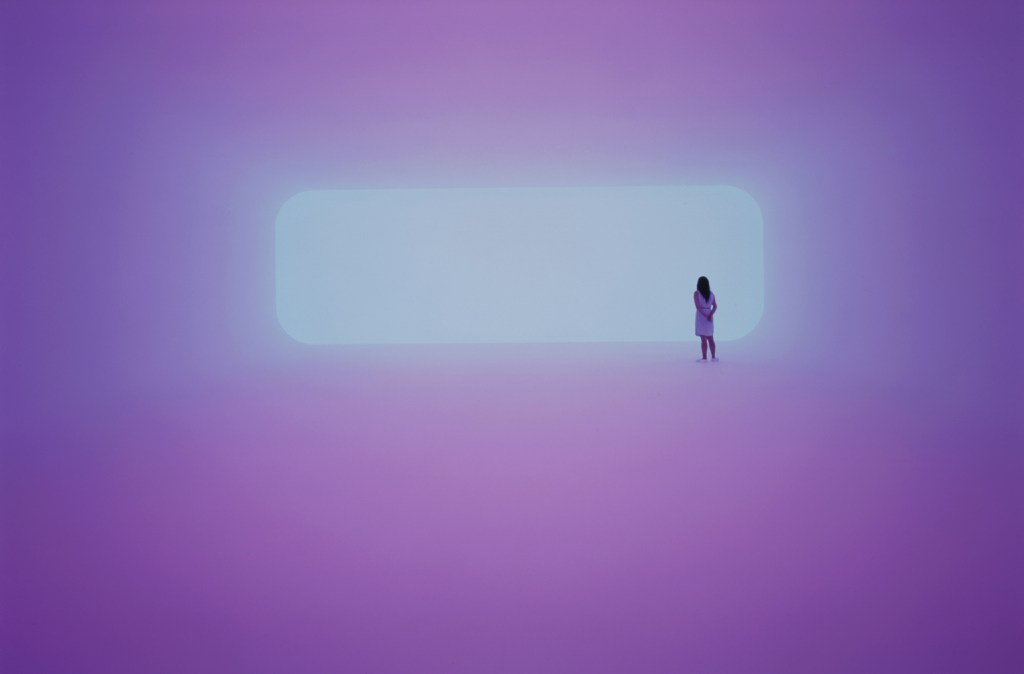
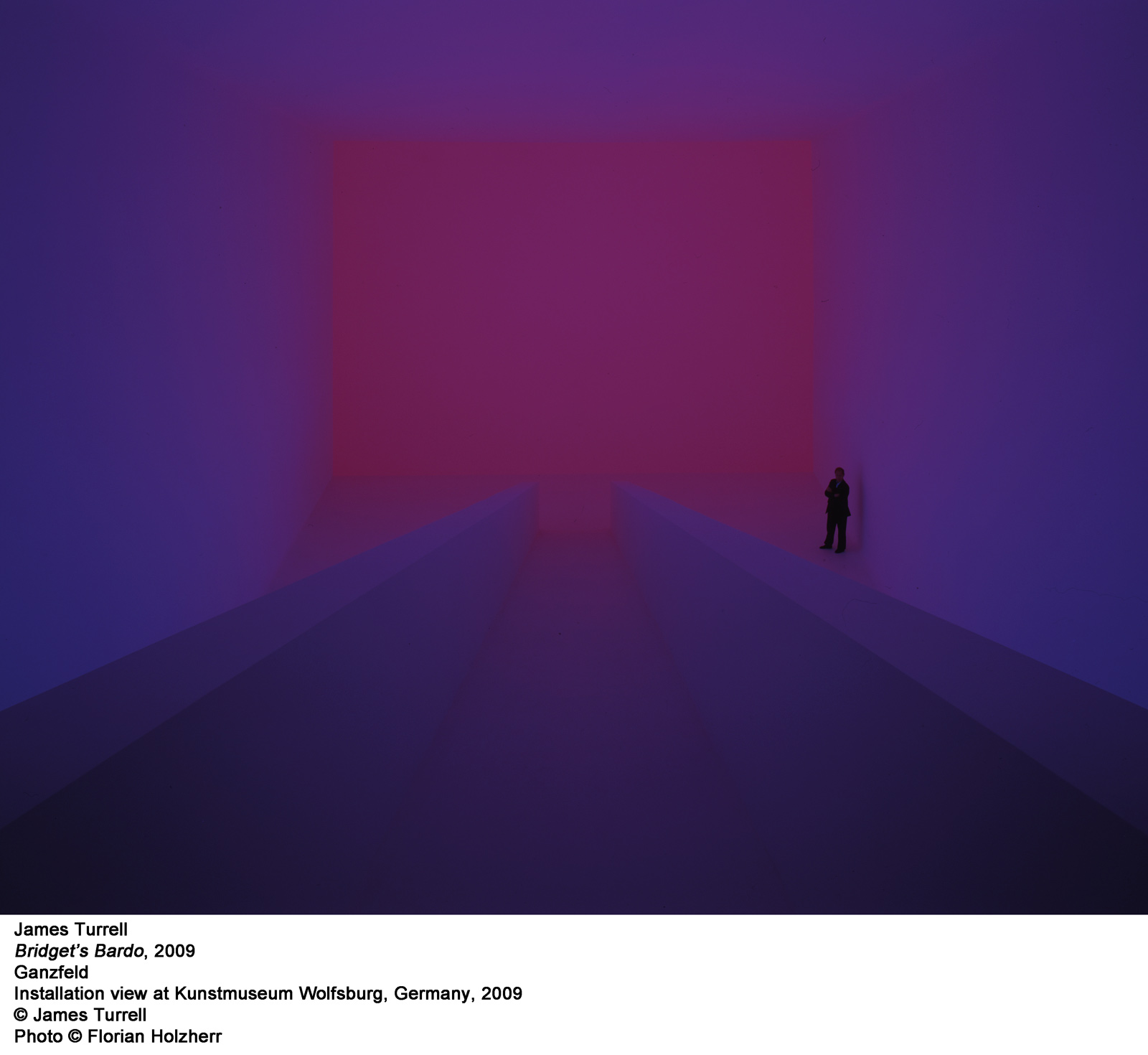
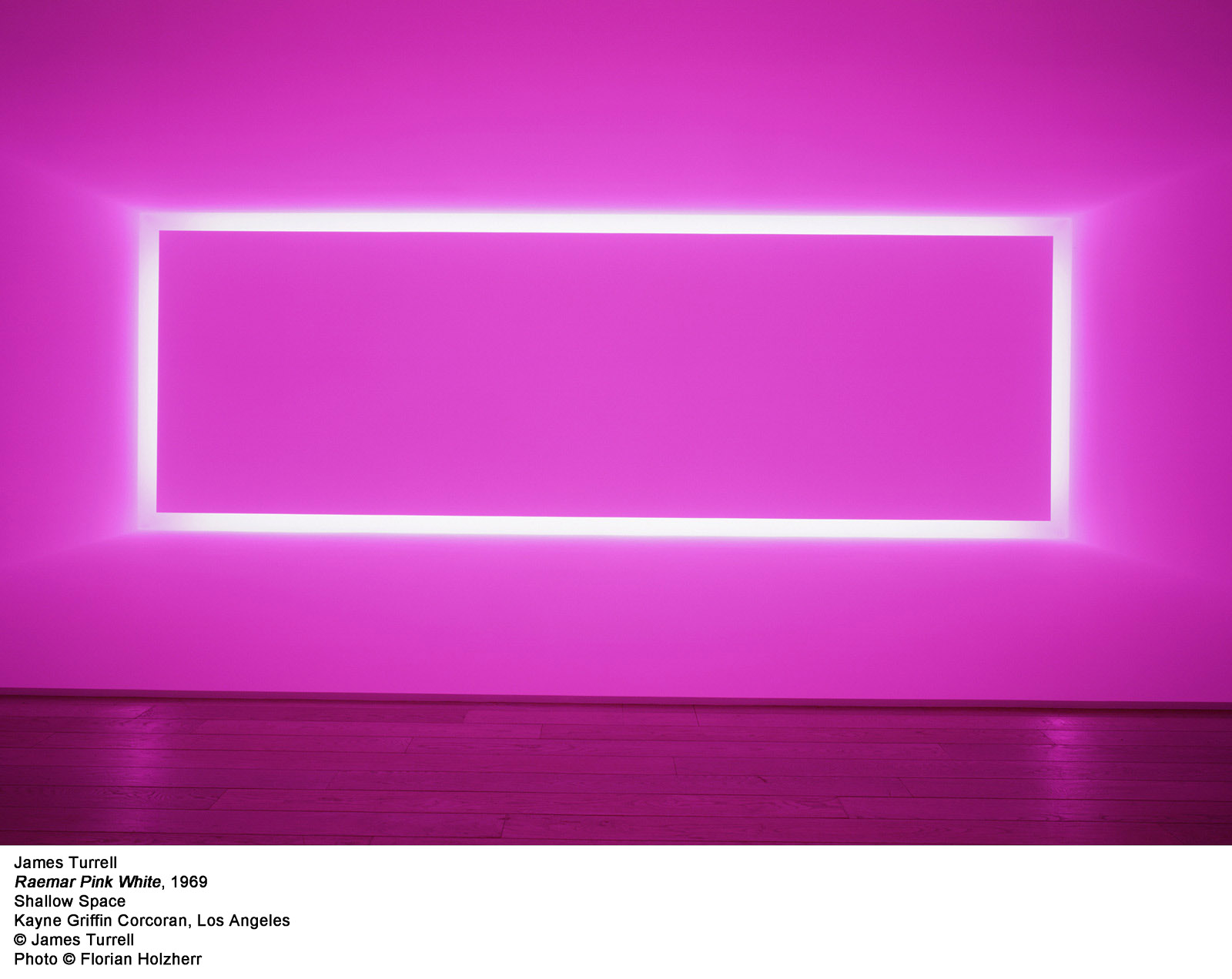
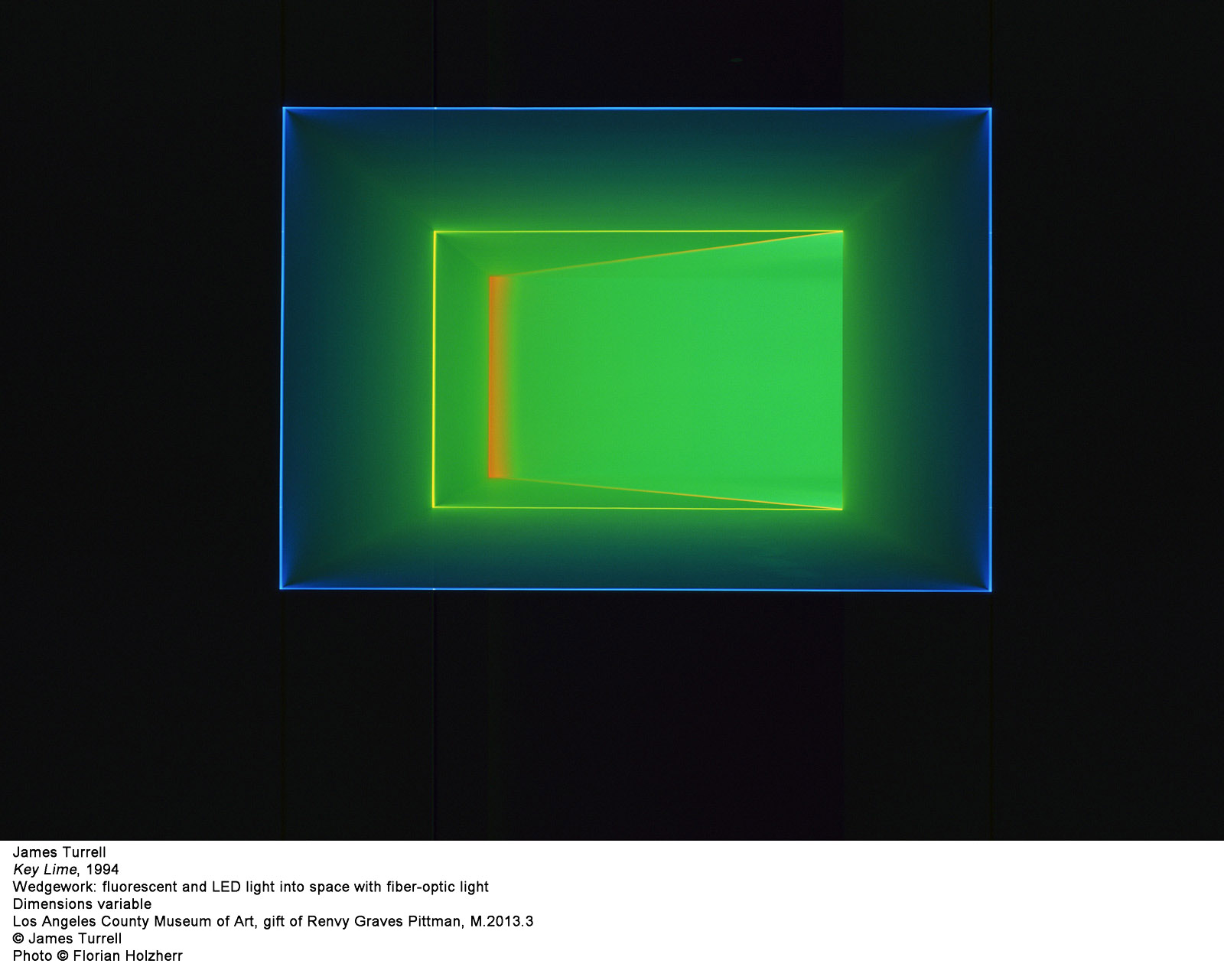
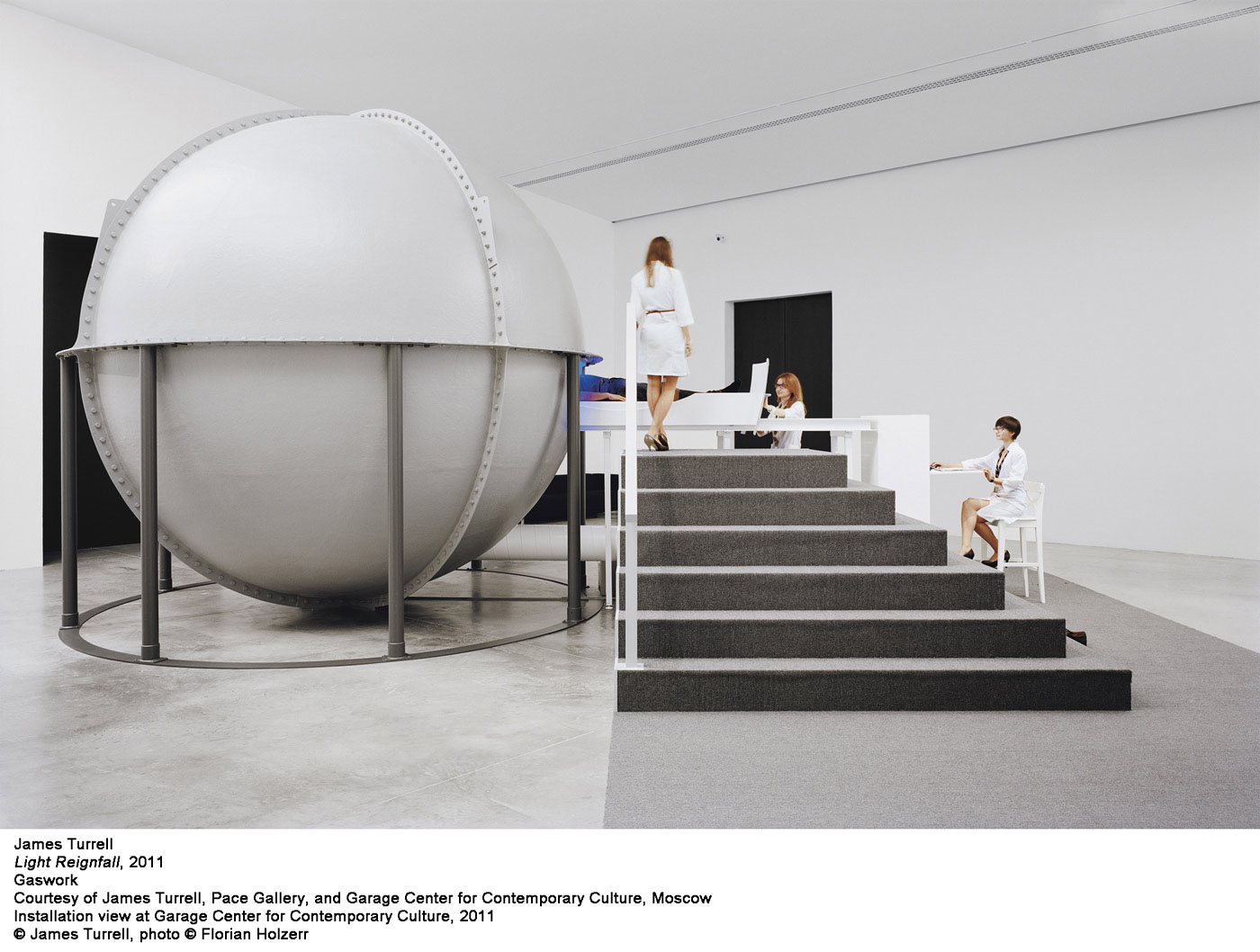
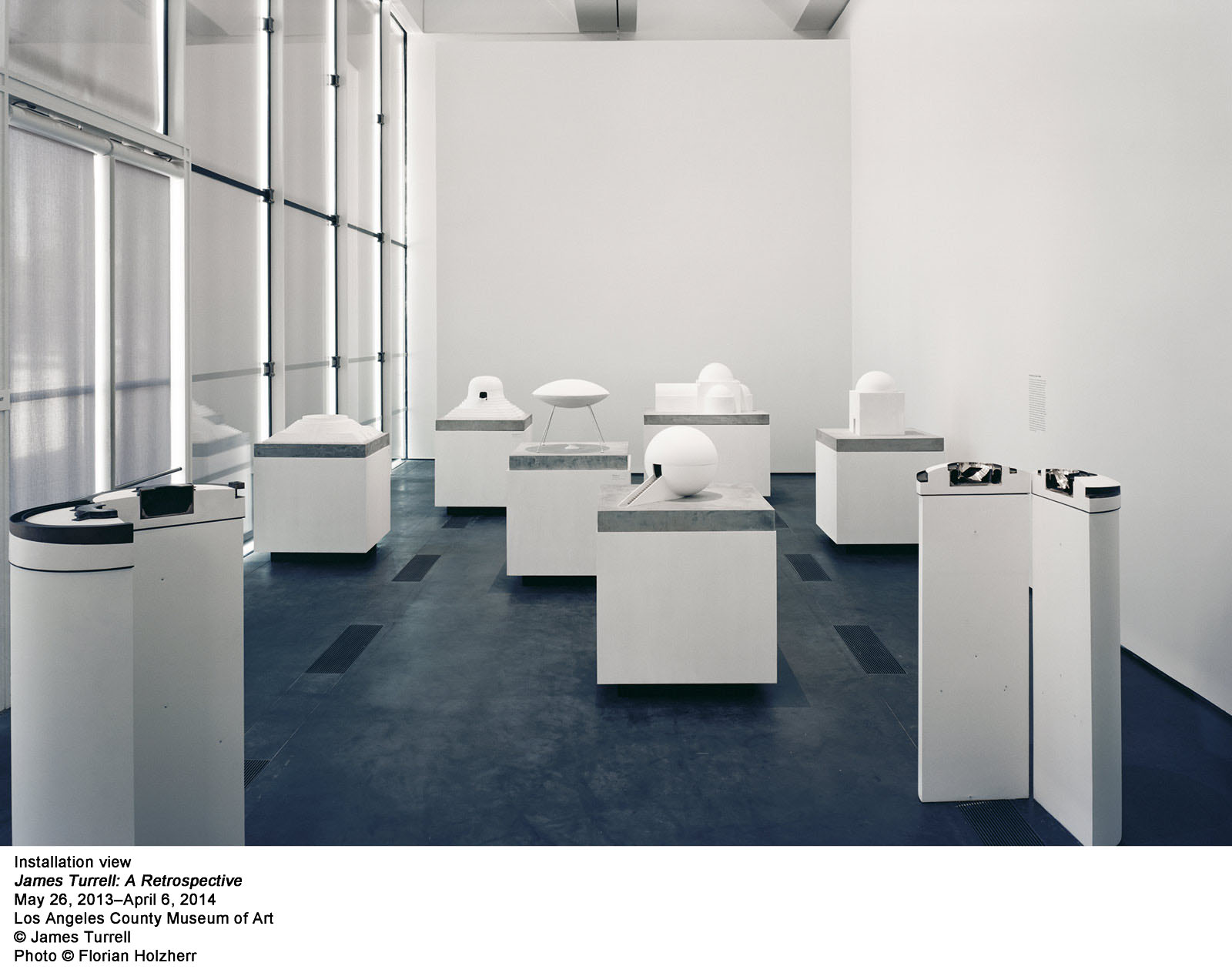
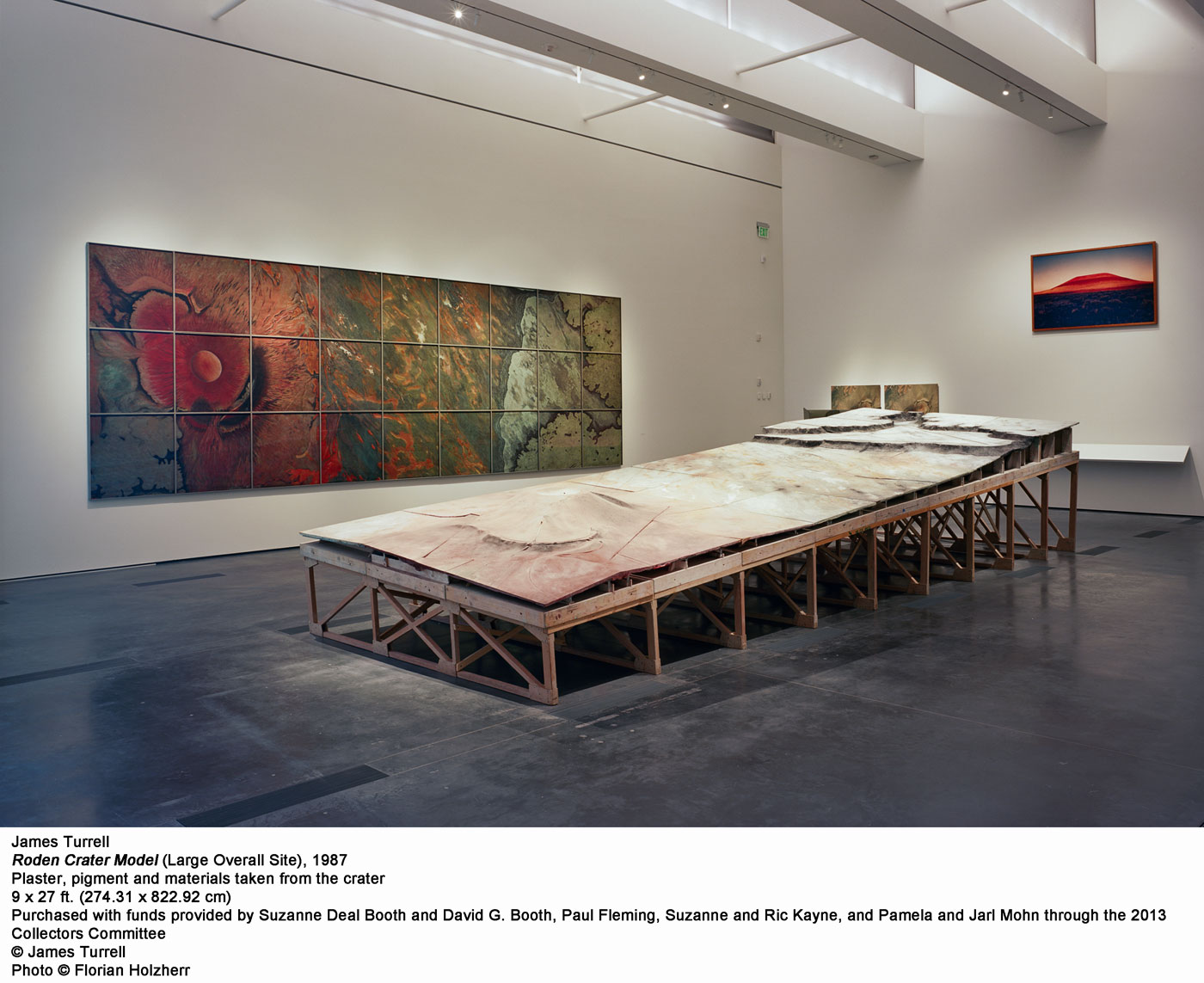
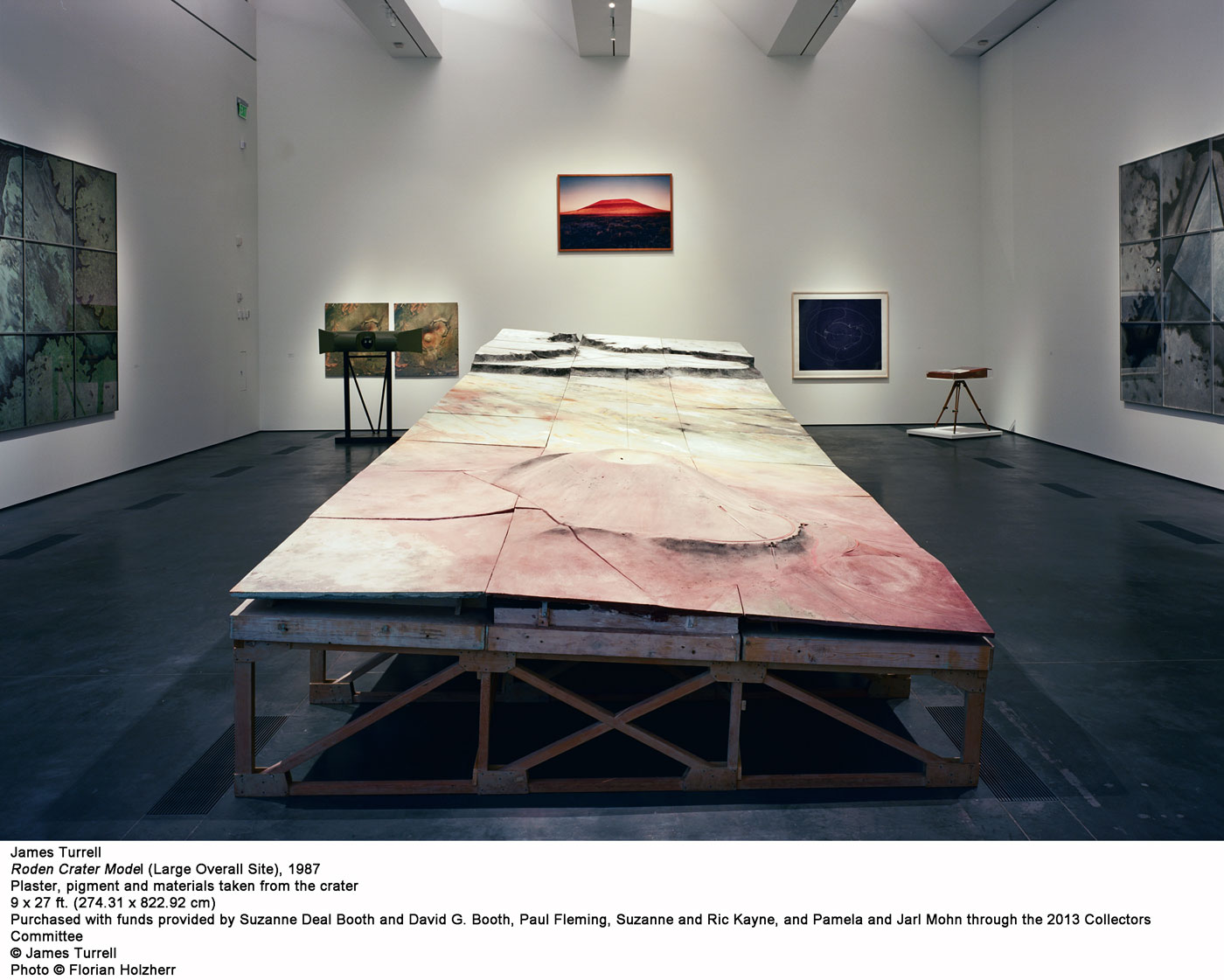
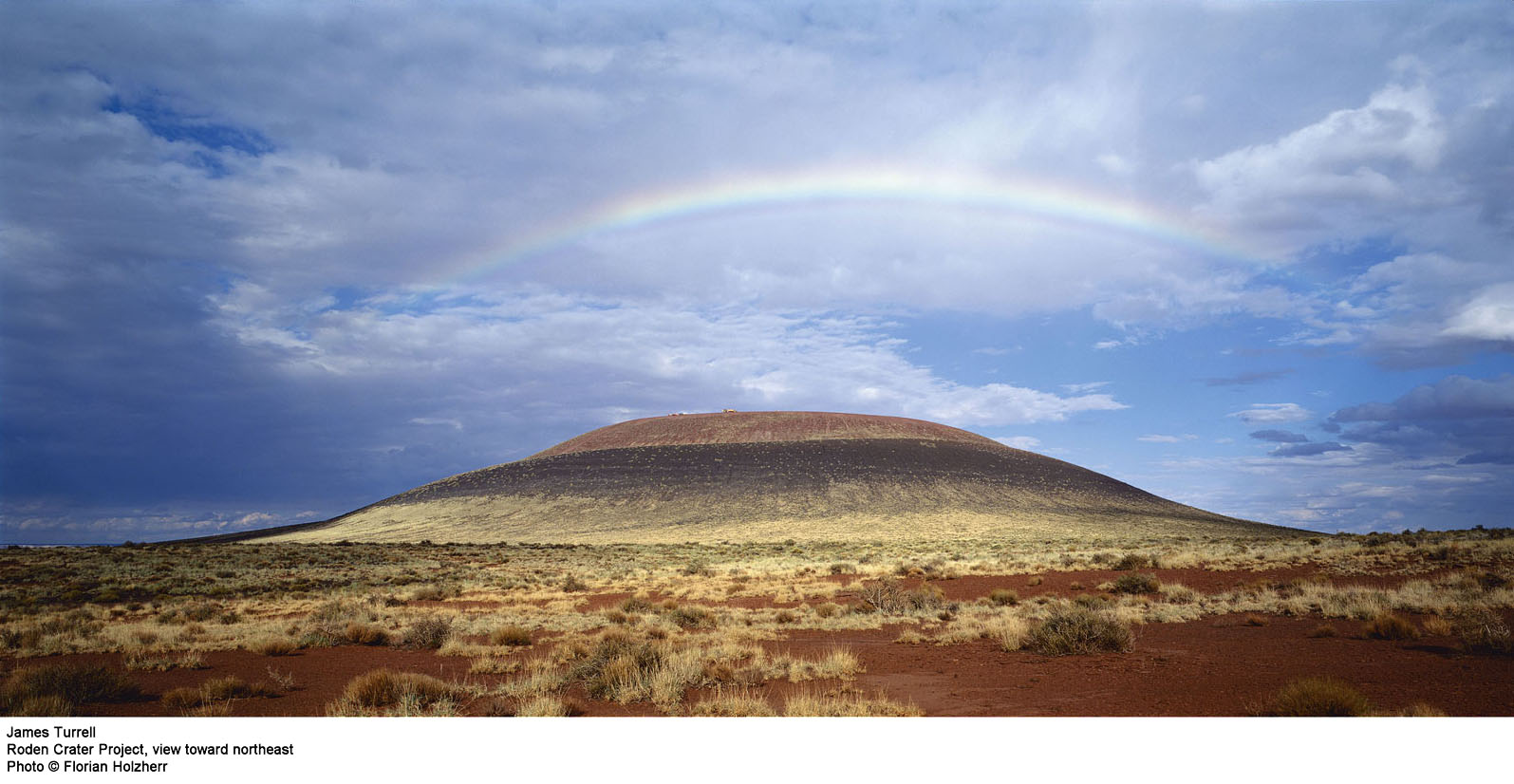
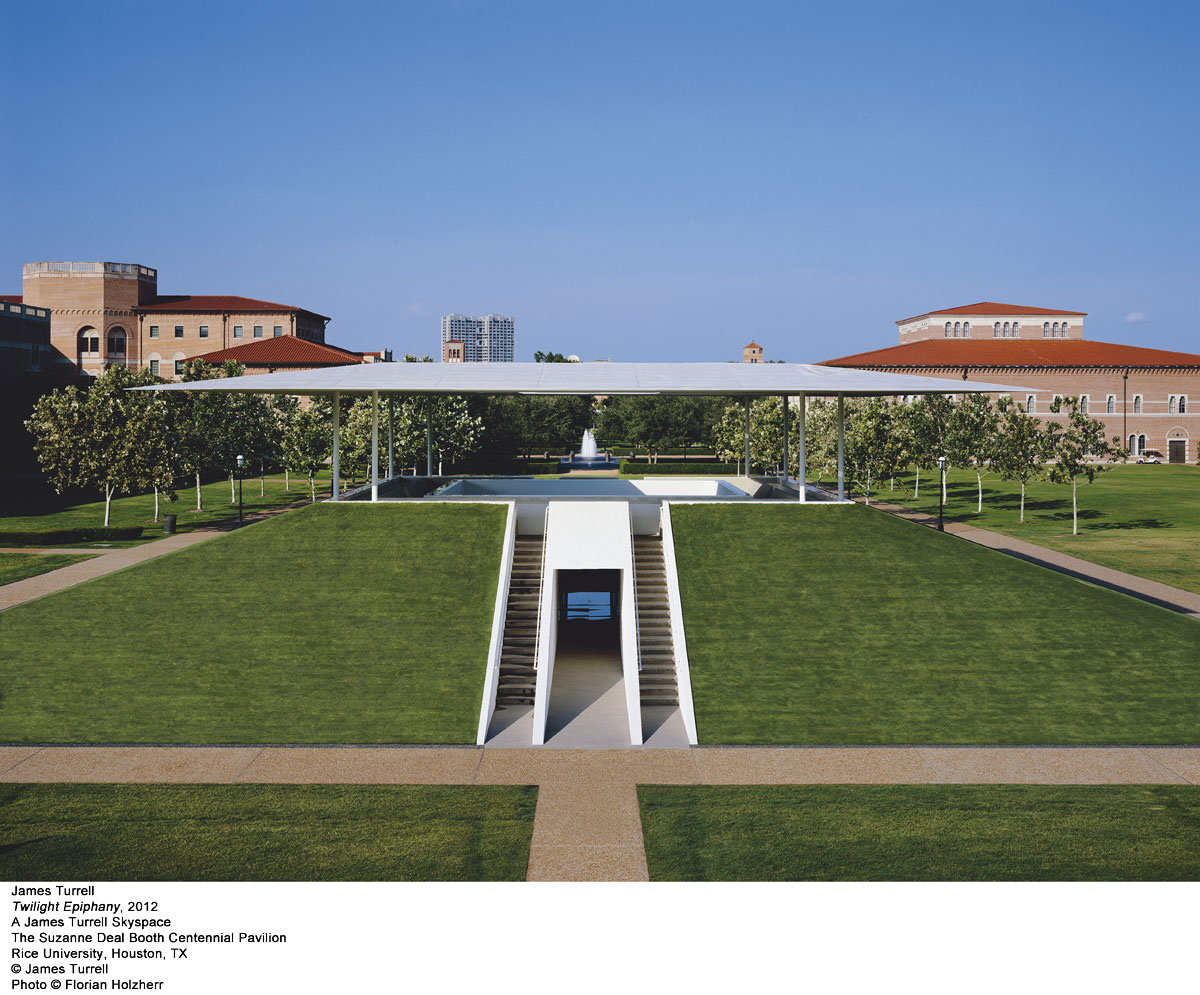
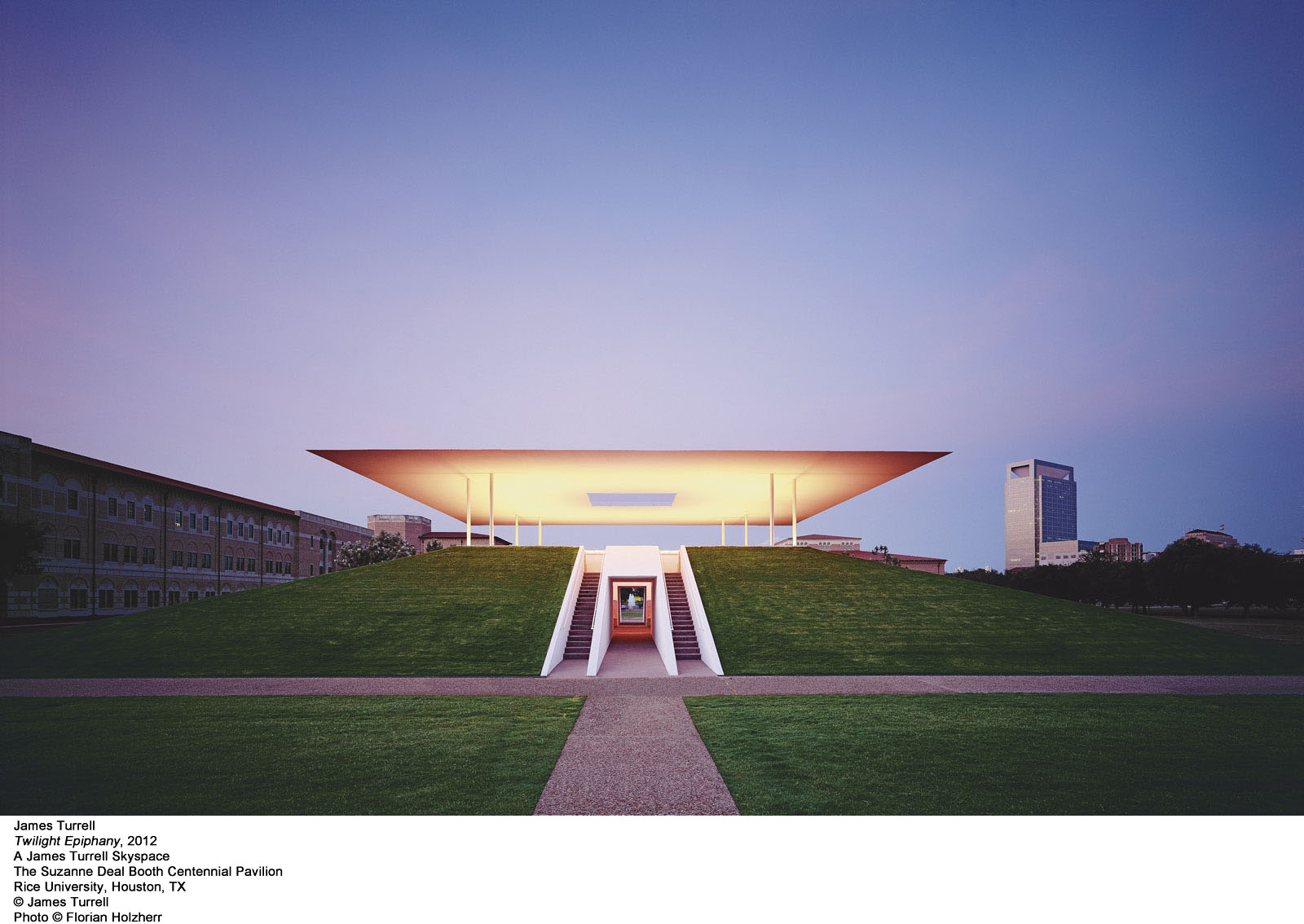
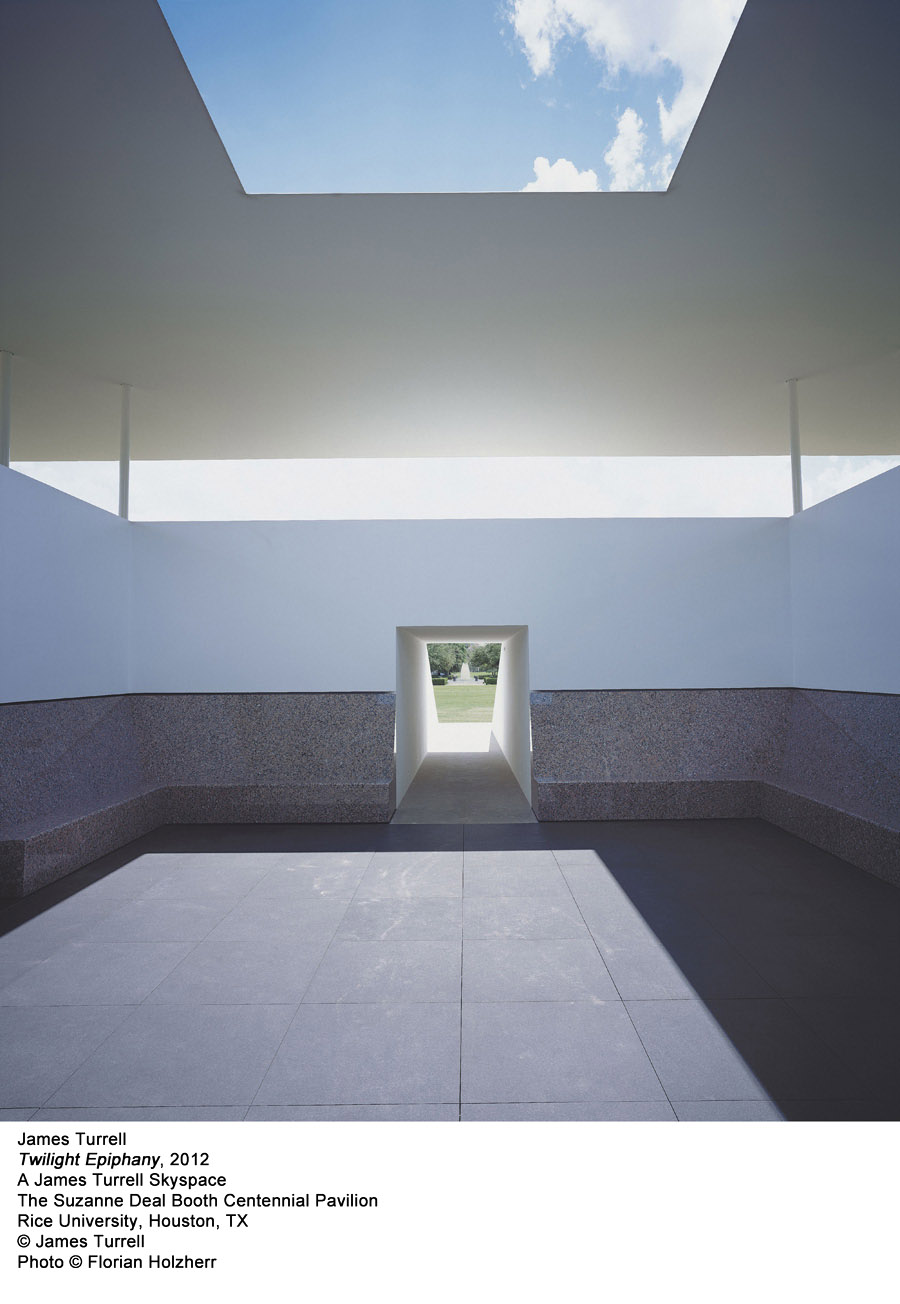
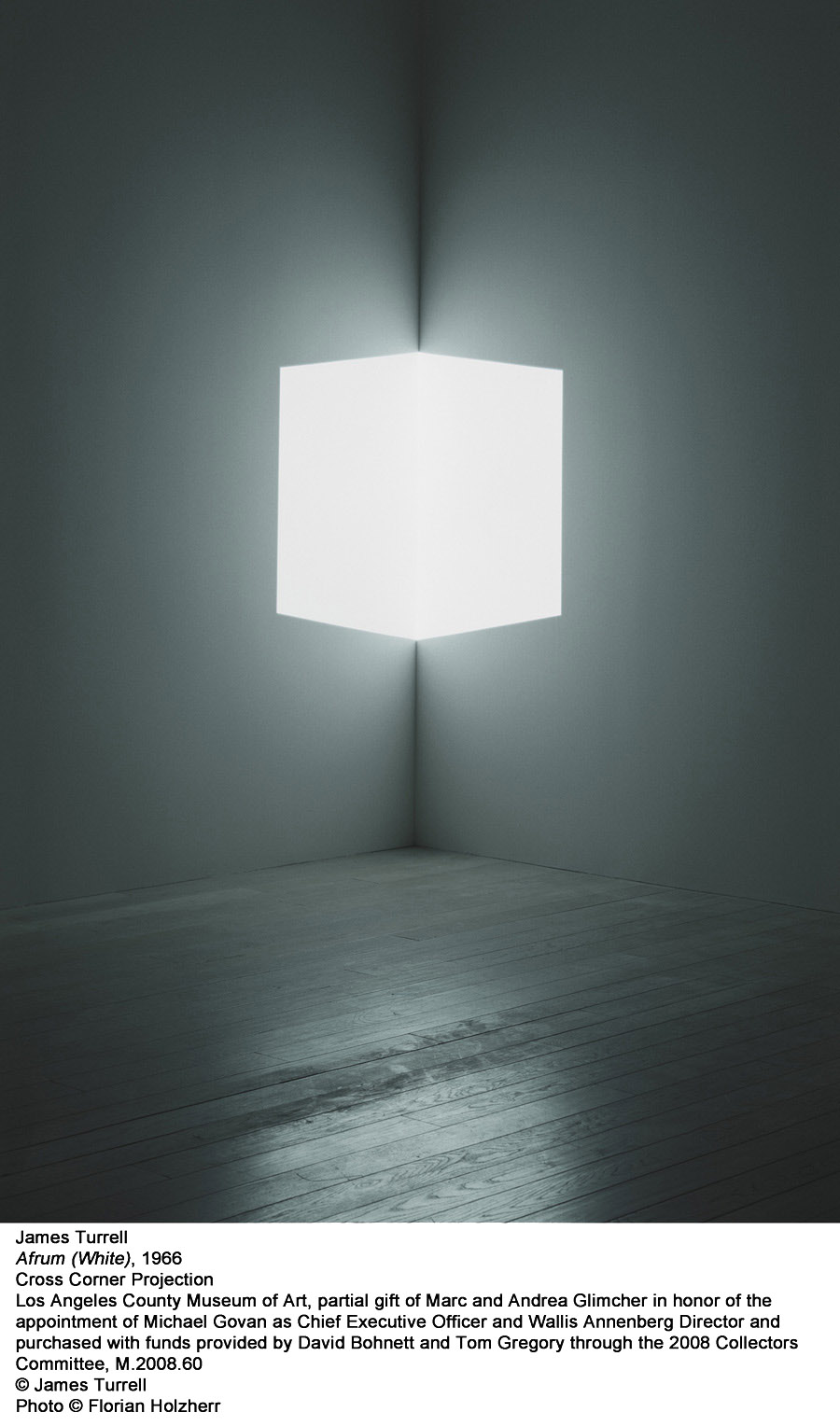
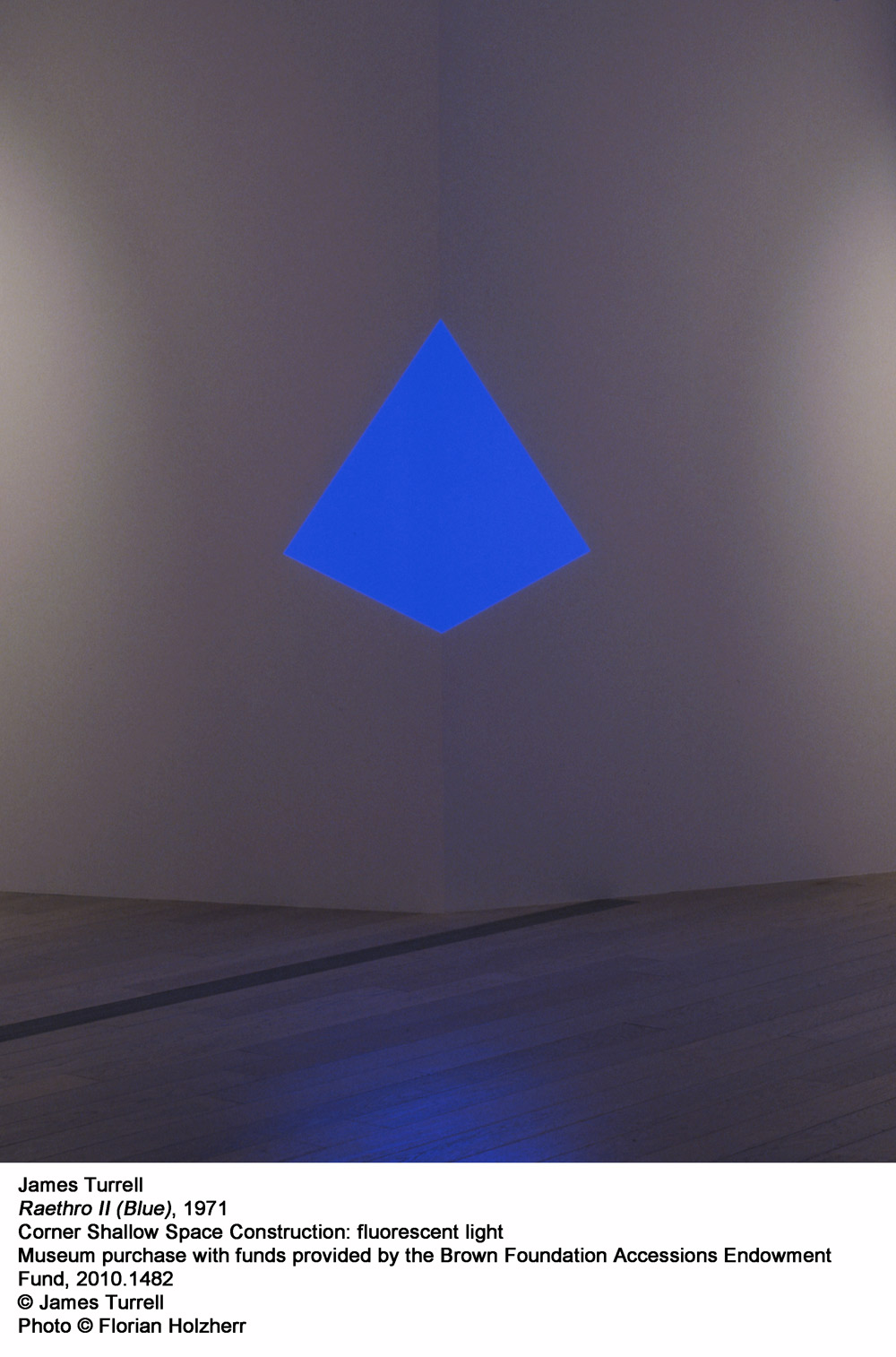
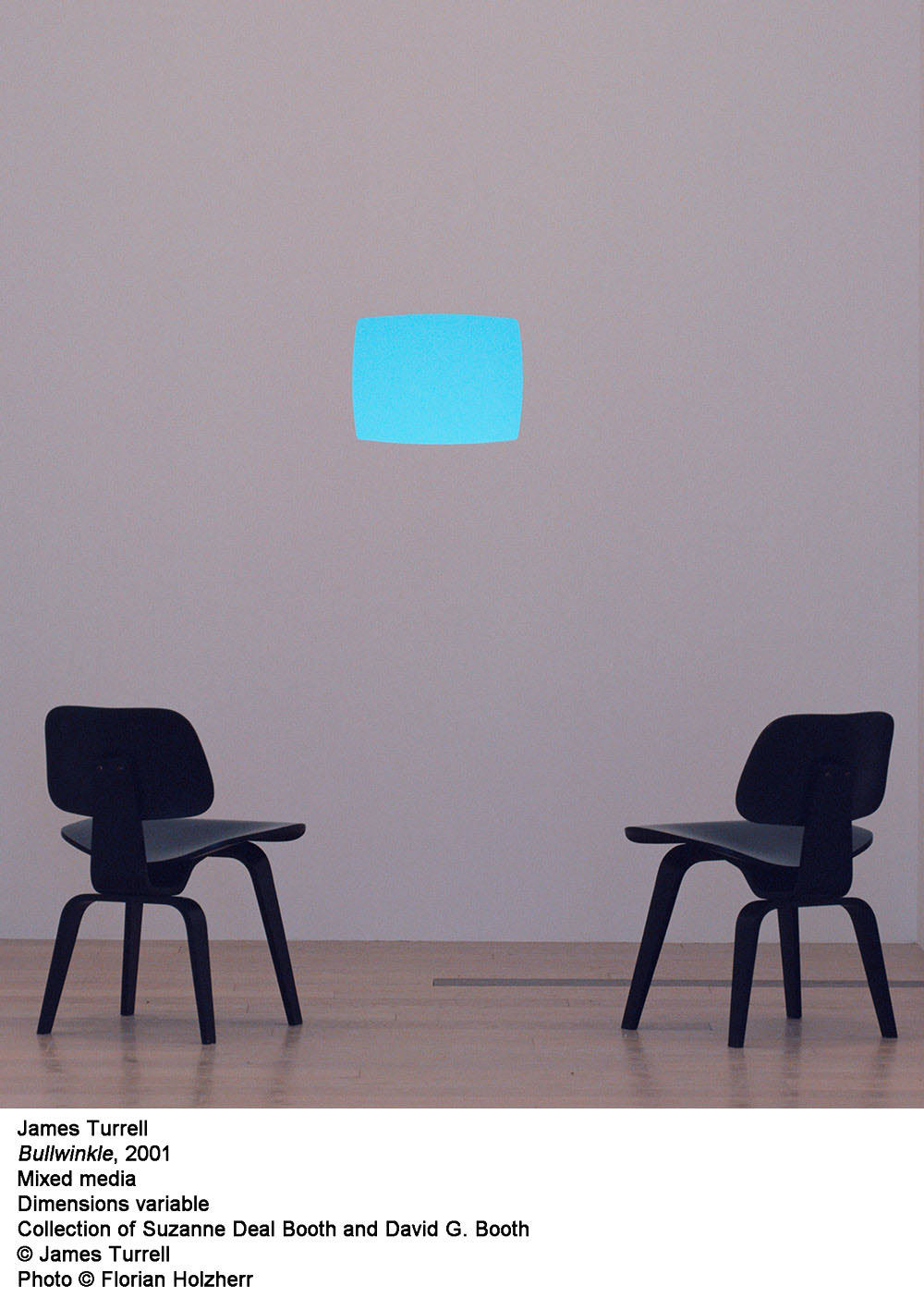
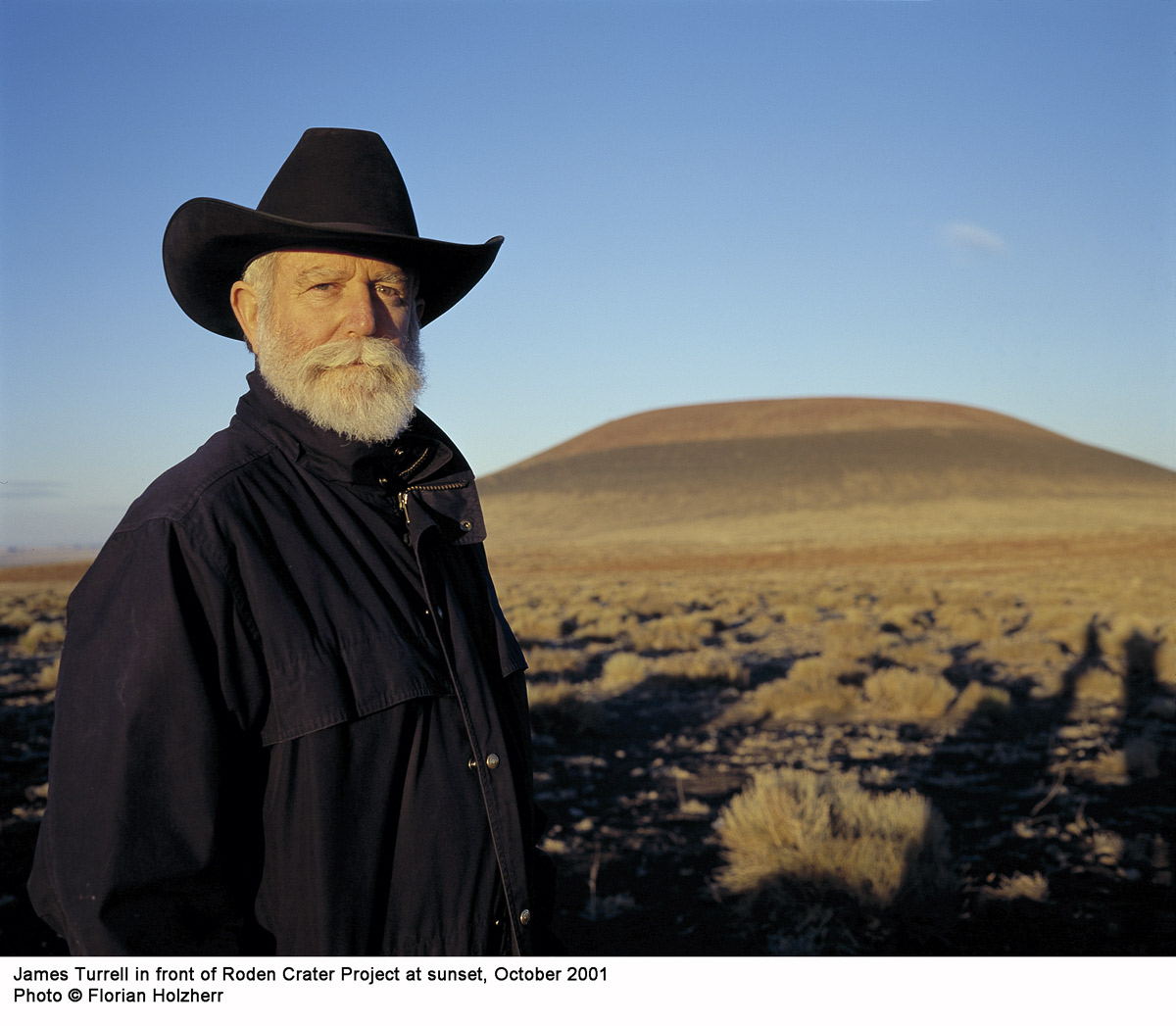


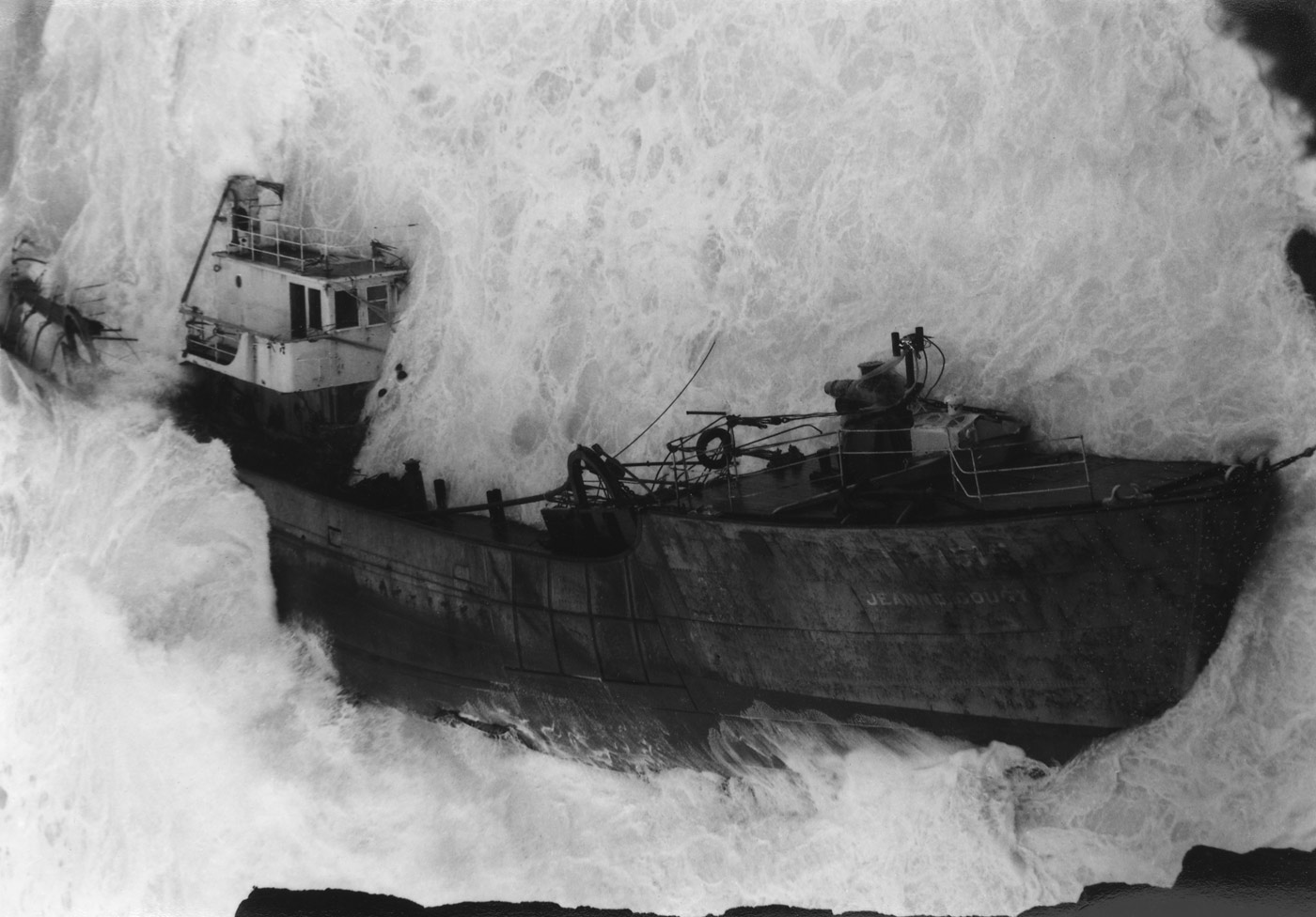


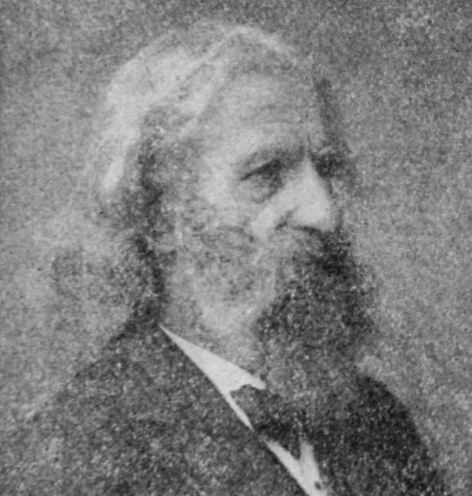


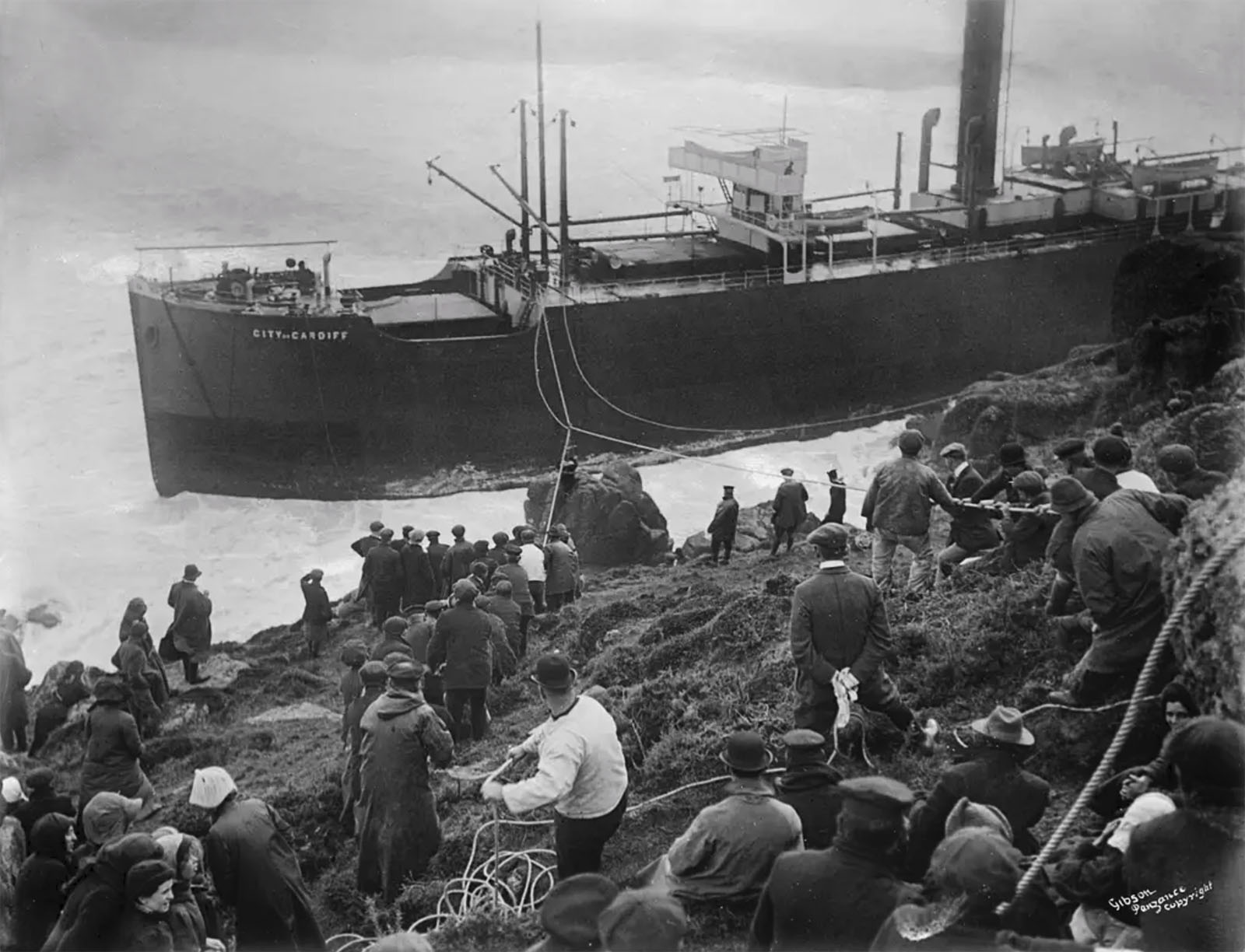


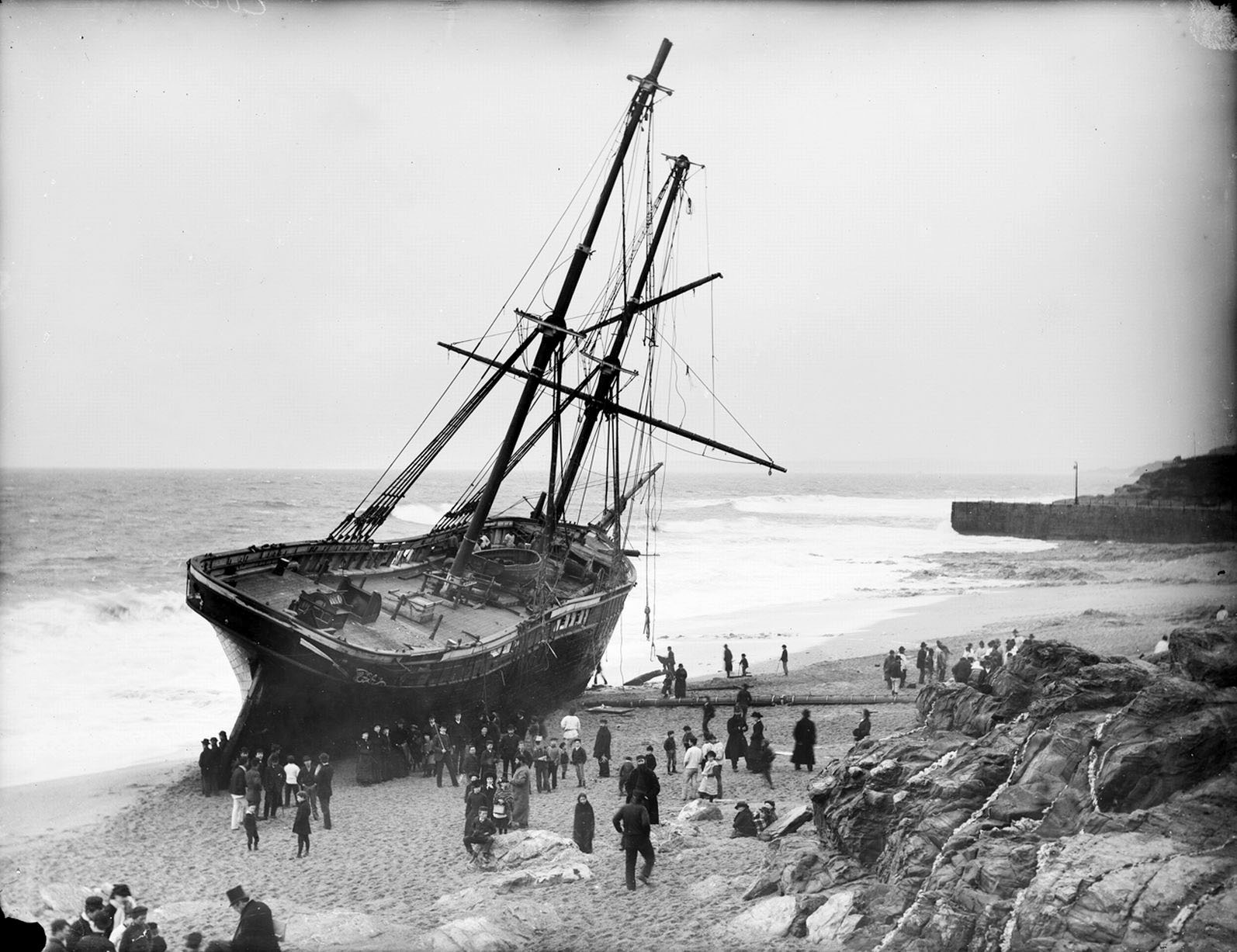


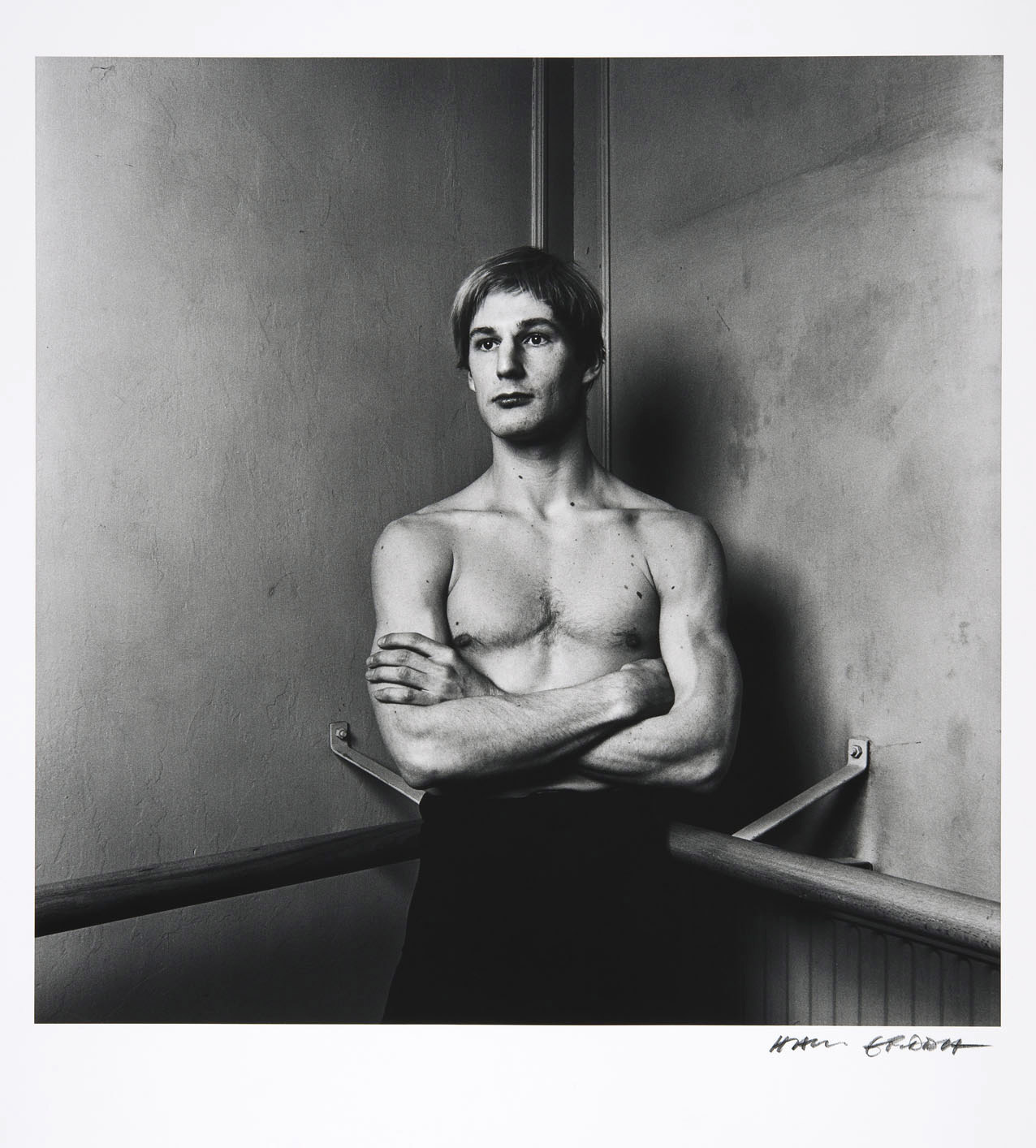
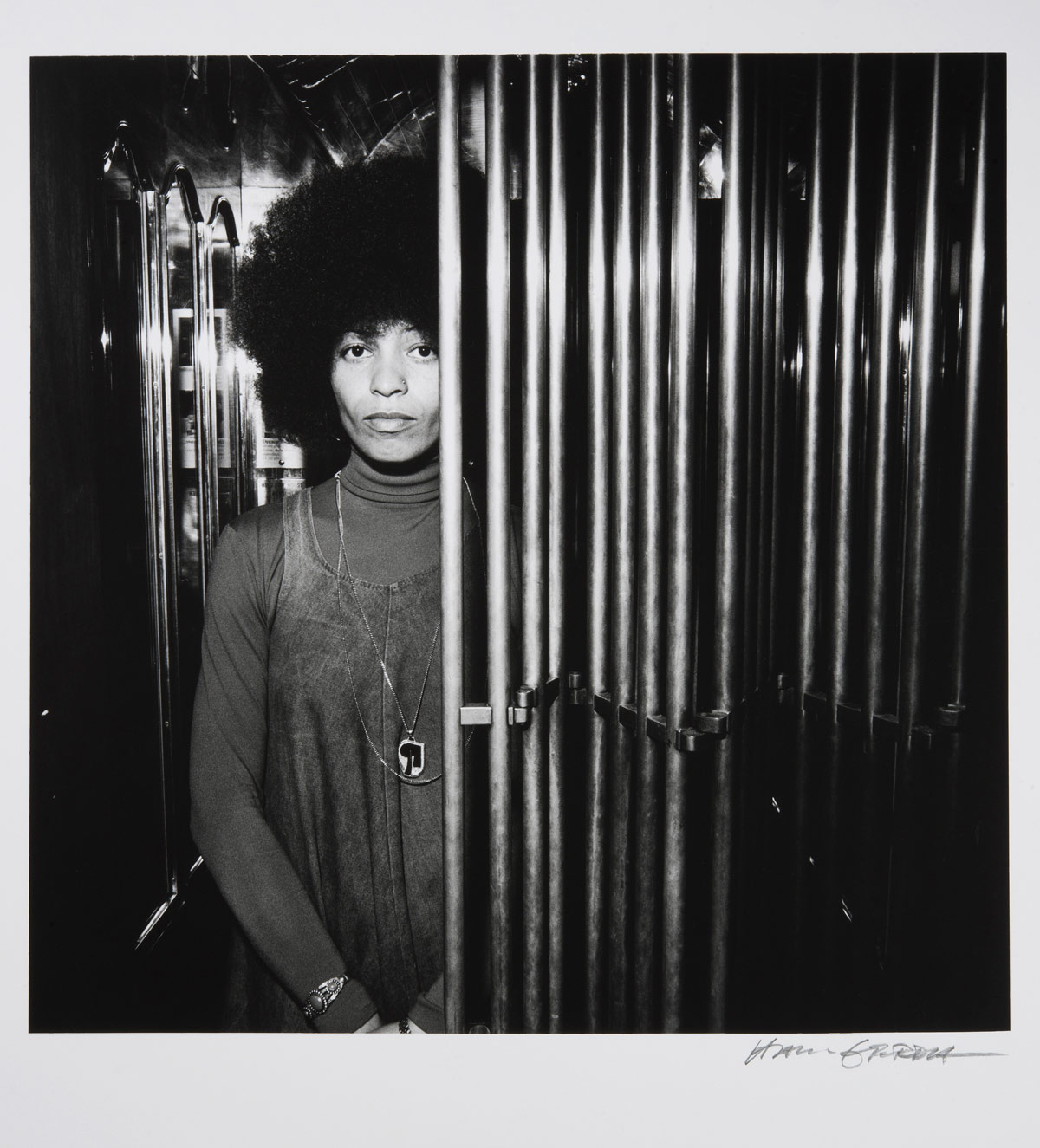


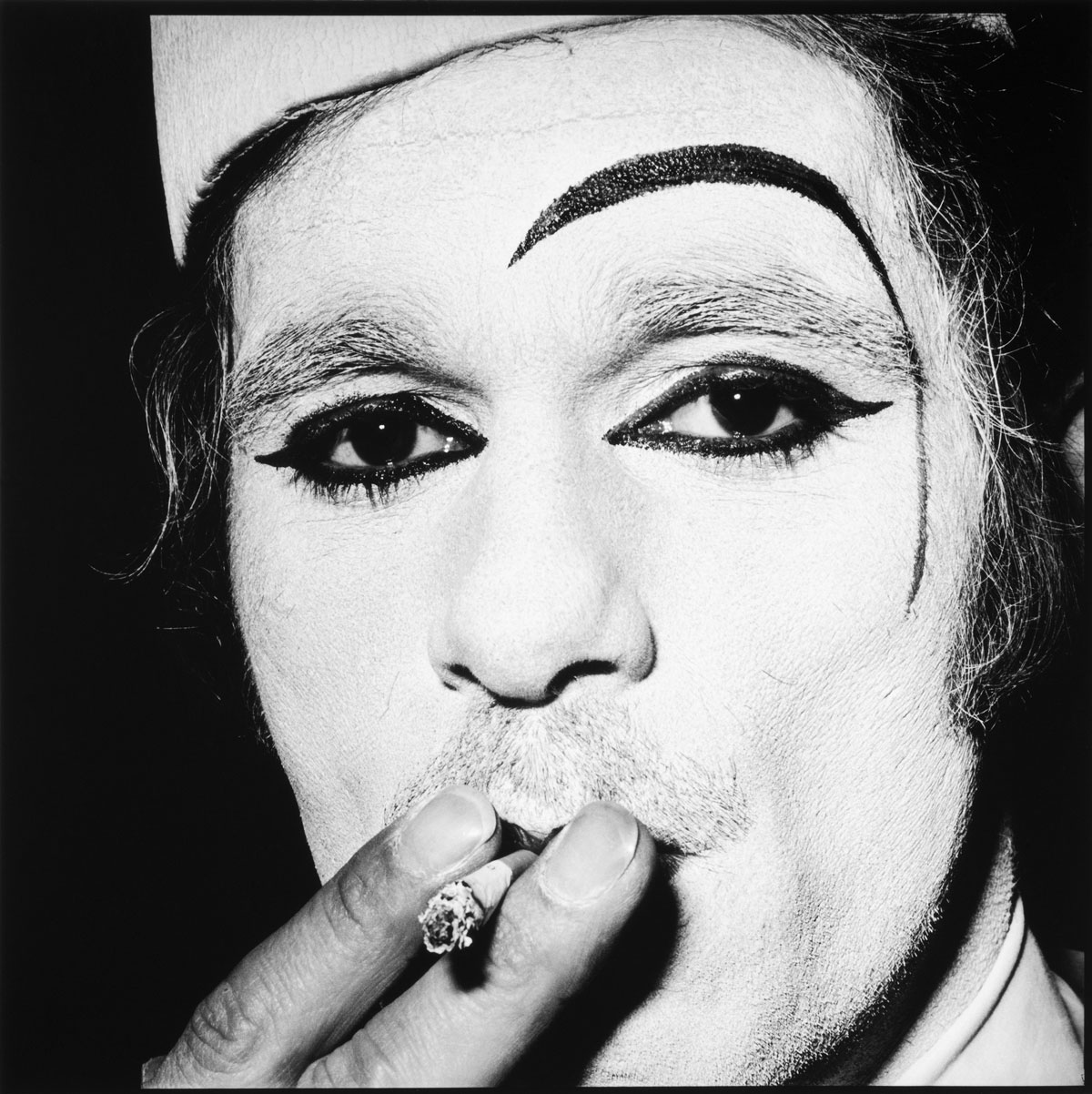
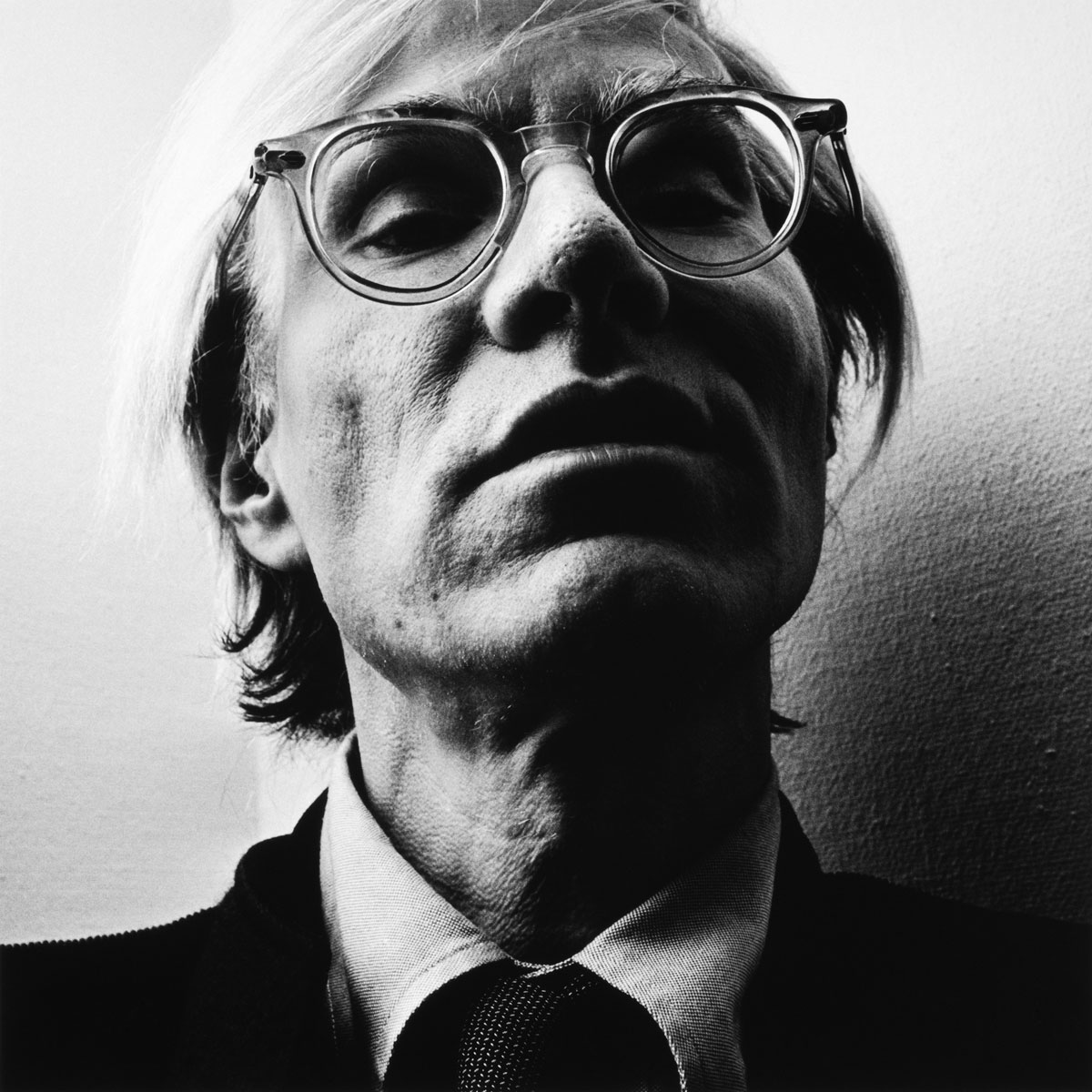
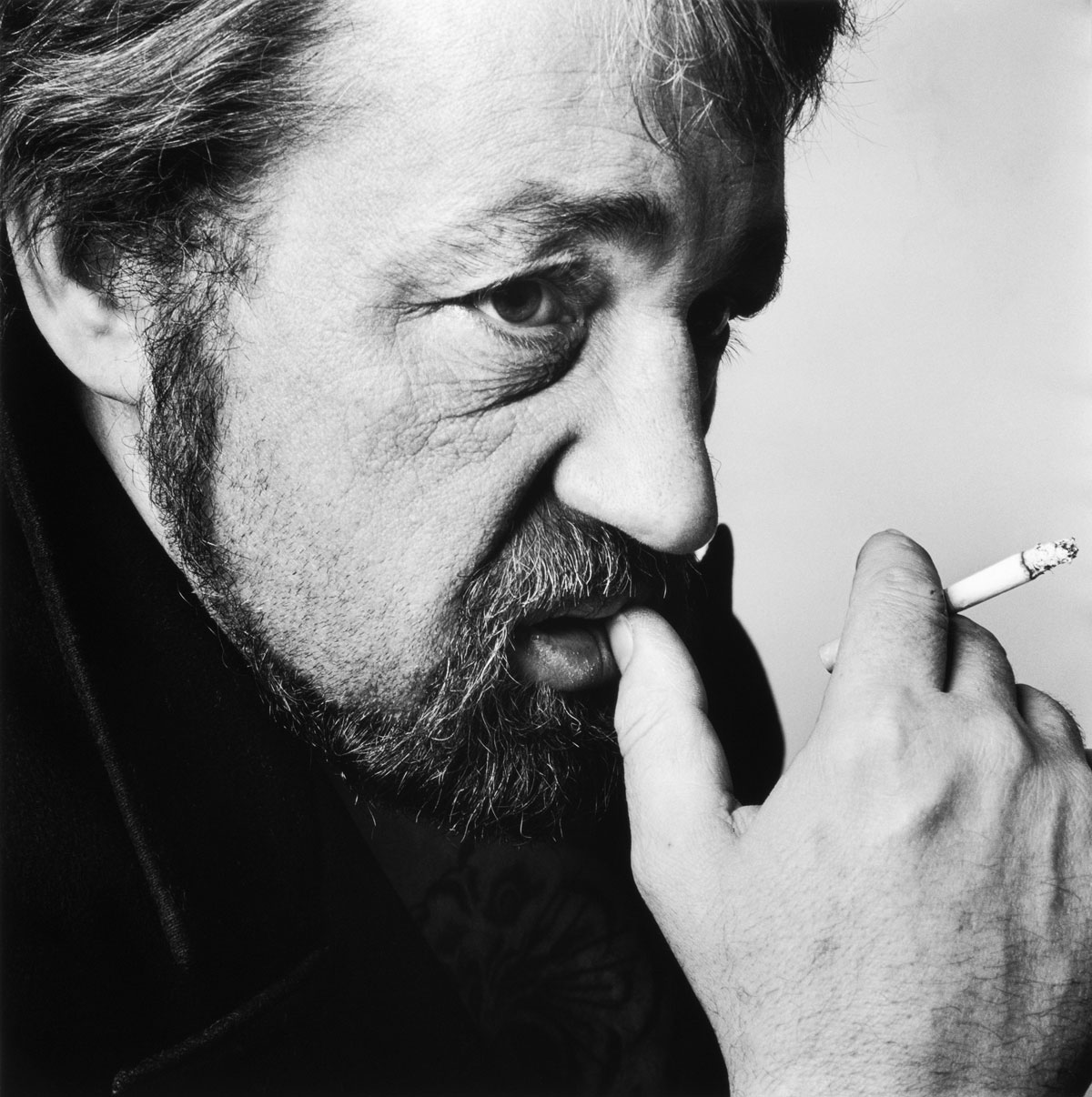
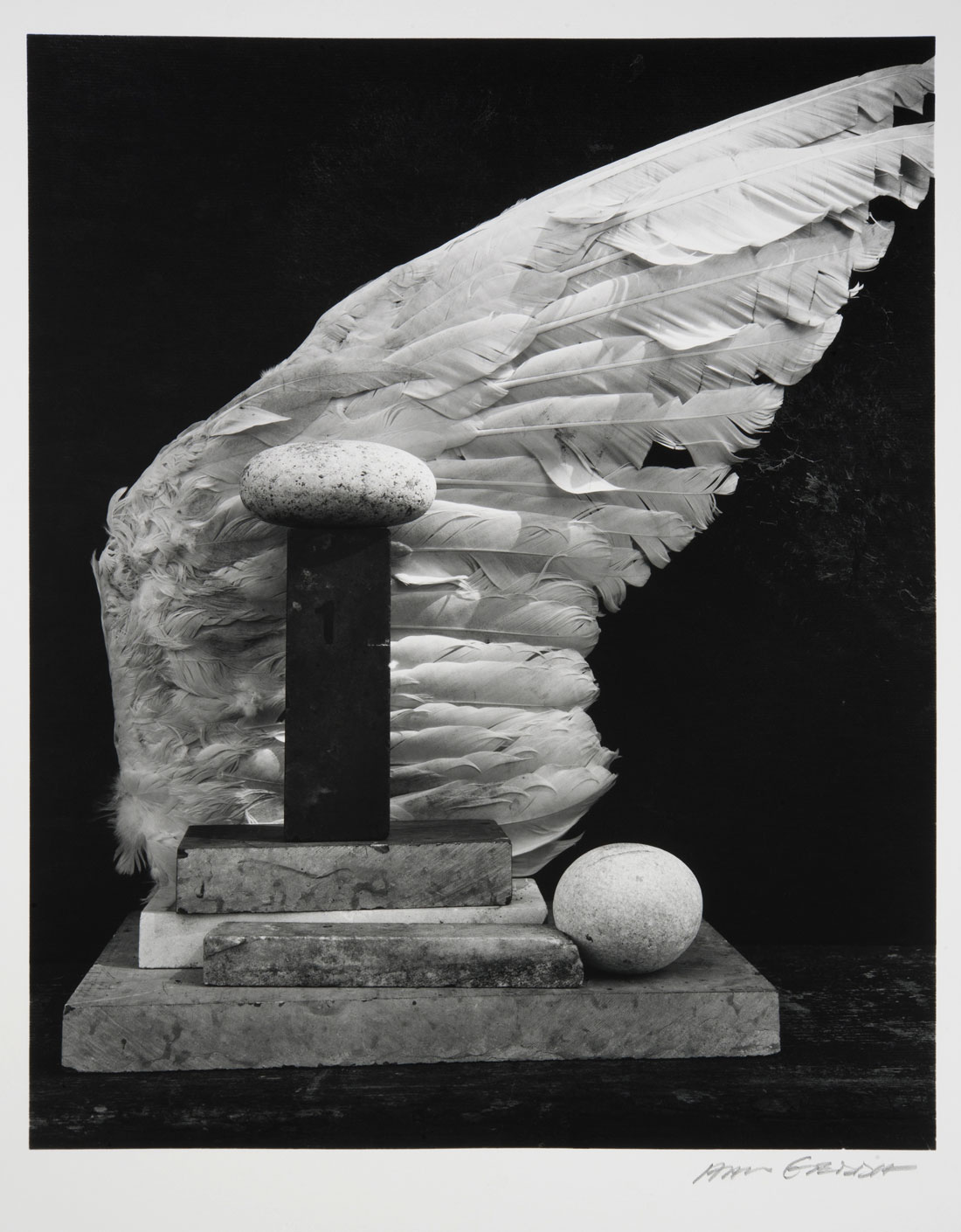


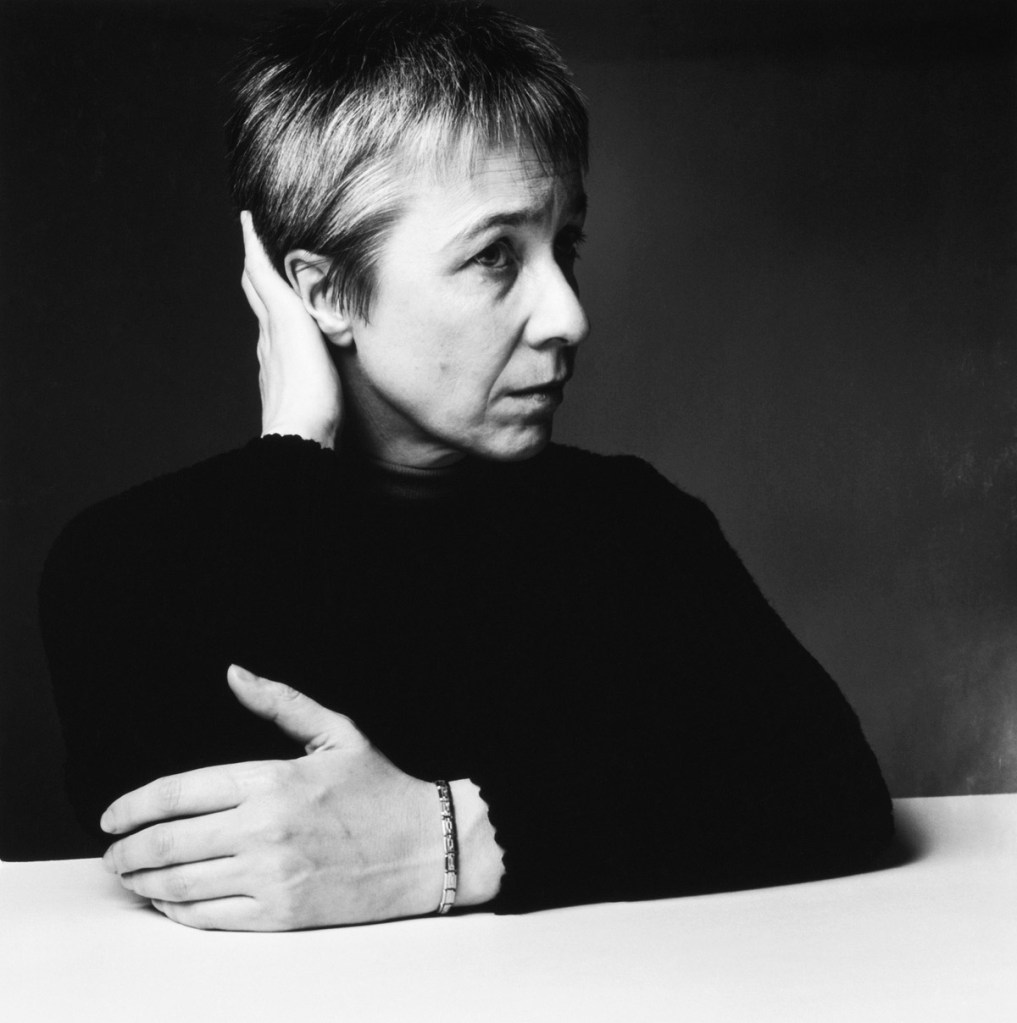


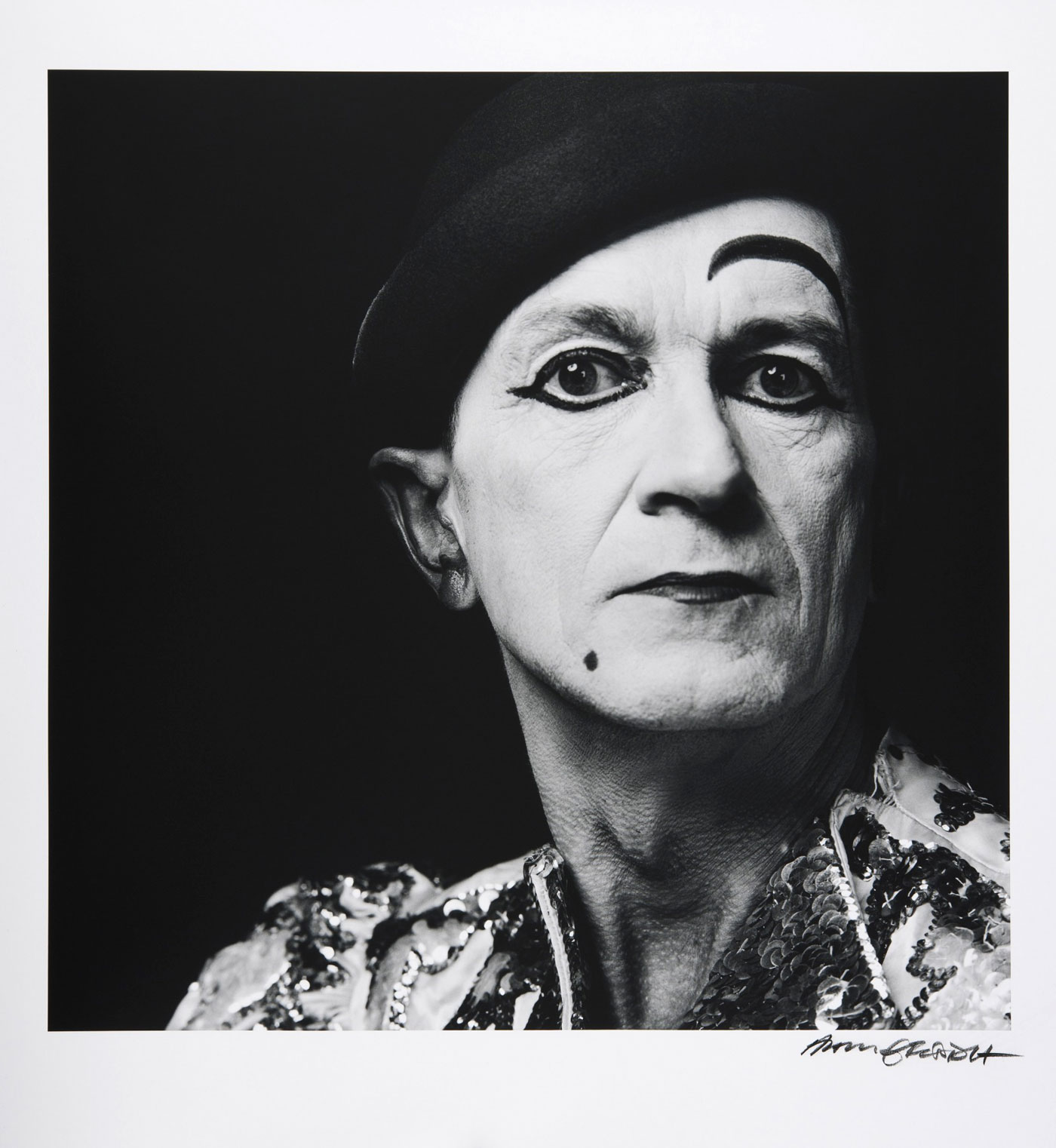

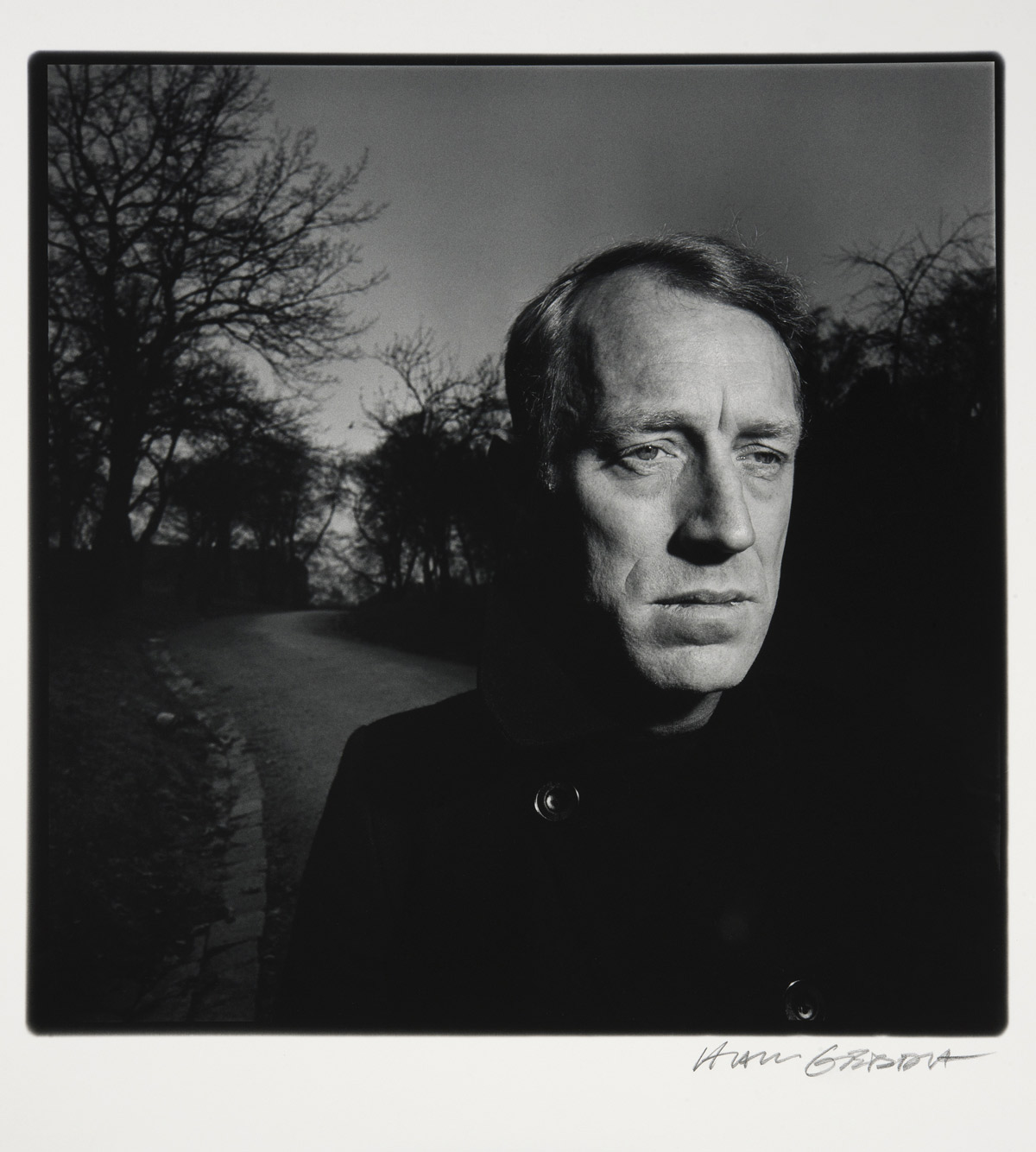
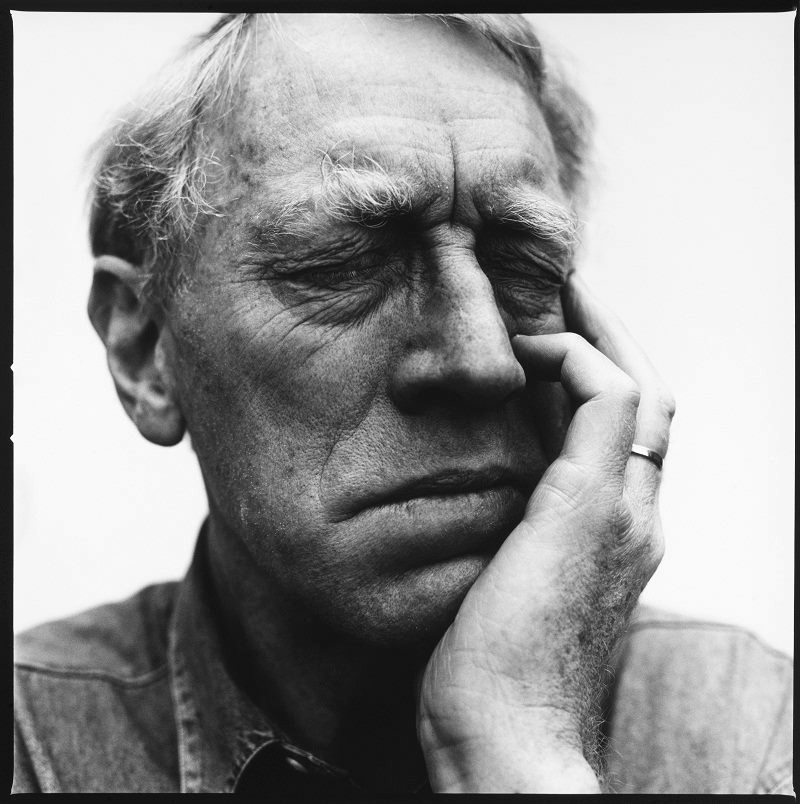


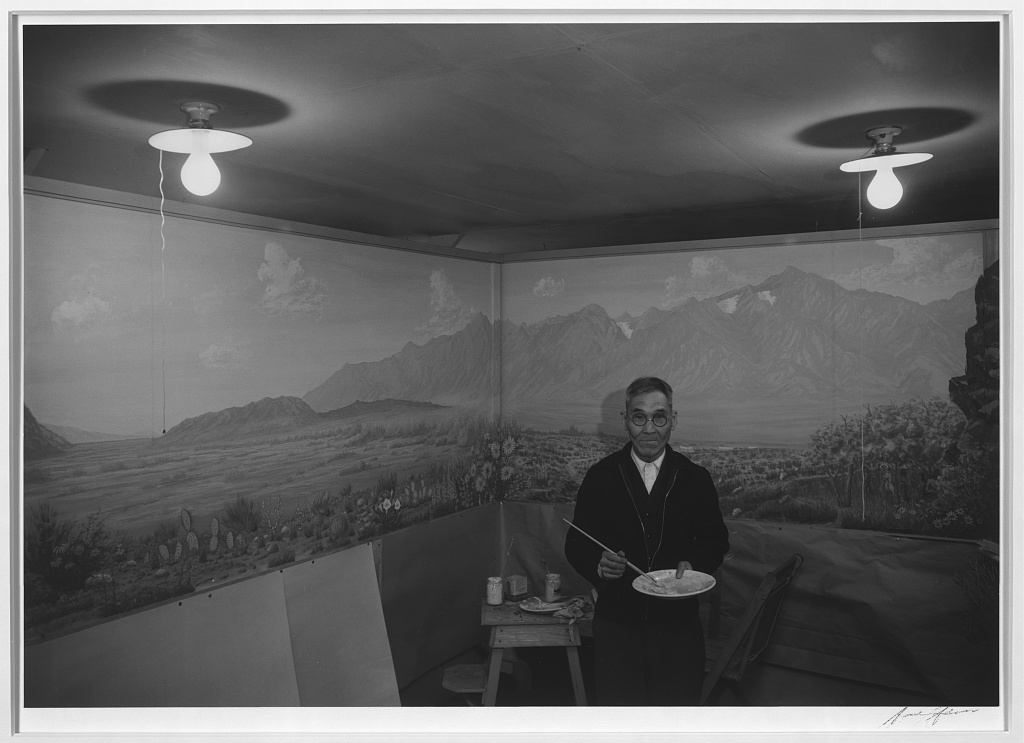
![Ansel Adams (American, 1902-1984) 'Frank Hirosama [i.e., Hirosawa] in laboratory, Manzanar Relocation Center' 1943](https://artblart.com/wp-content/uploads/2014/03/frank-hirosama-i-e-hirosawa-in-laboratory-1943.jpg "Ansel Adams (American, 1902-1984) 'Frank Hirosama [i.e., Hirosawa] in laboratory, Manzanar Relocation Center' 1943")
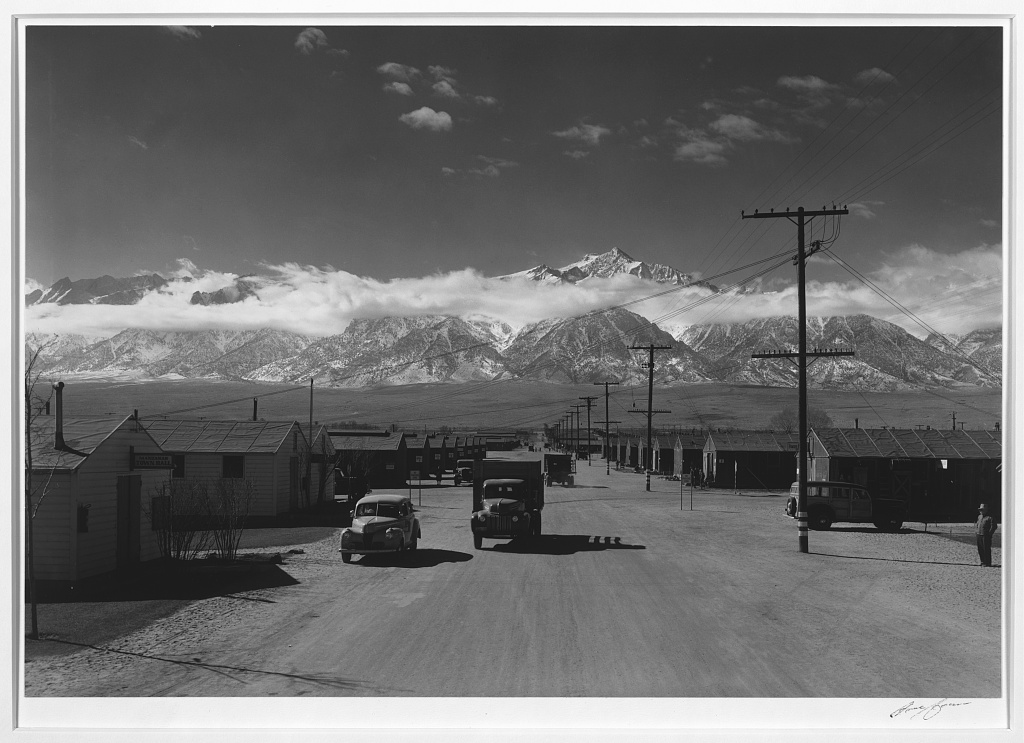


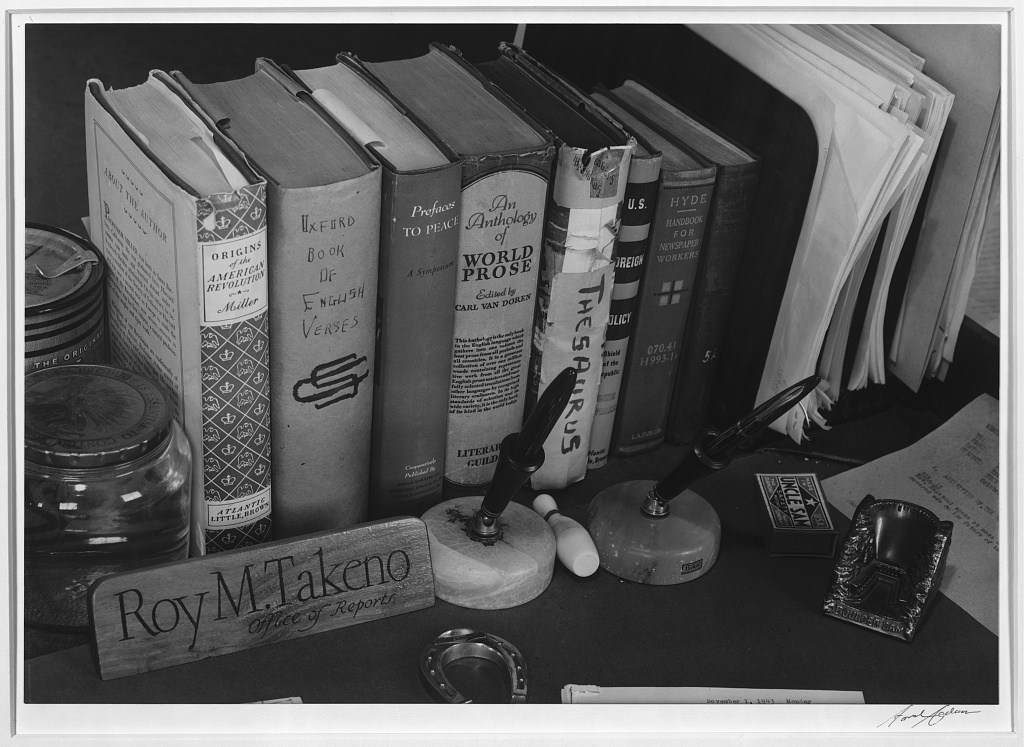
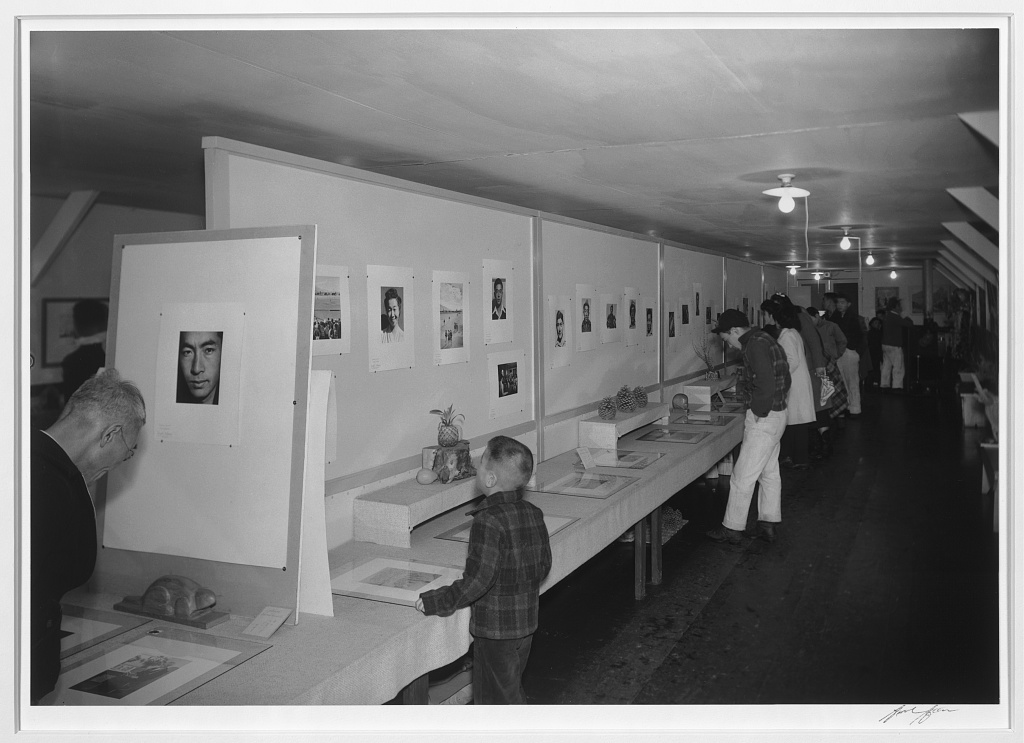
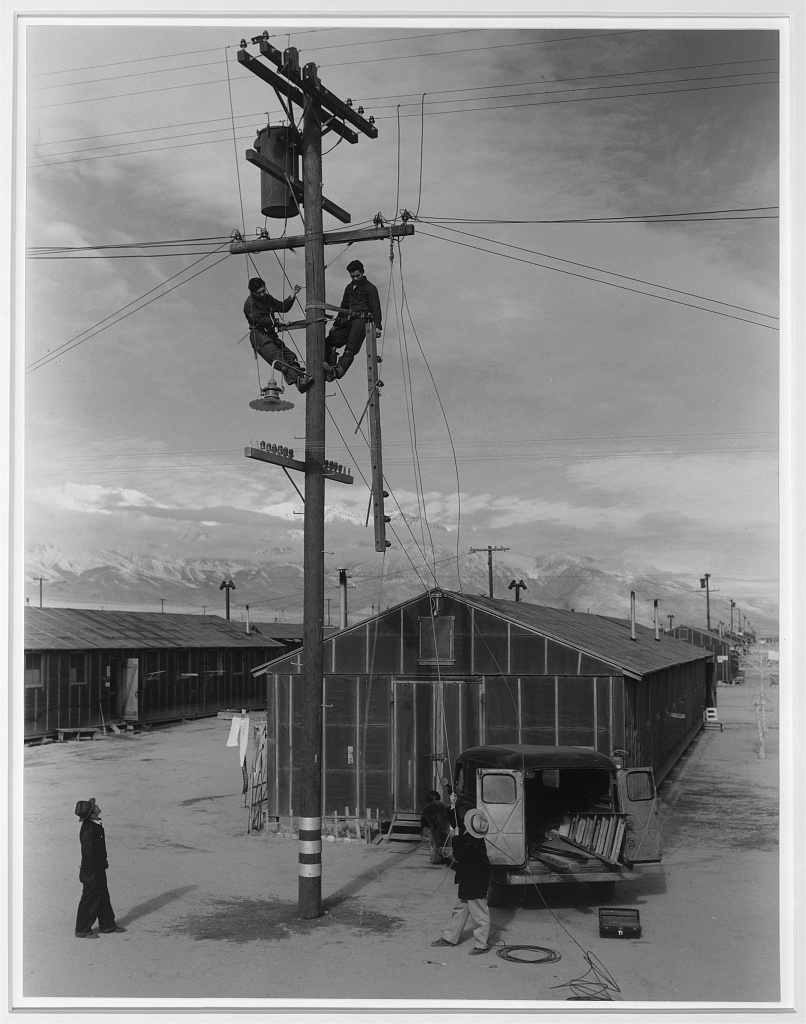






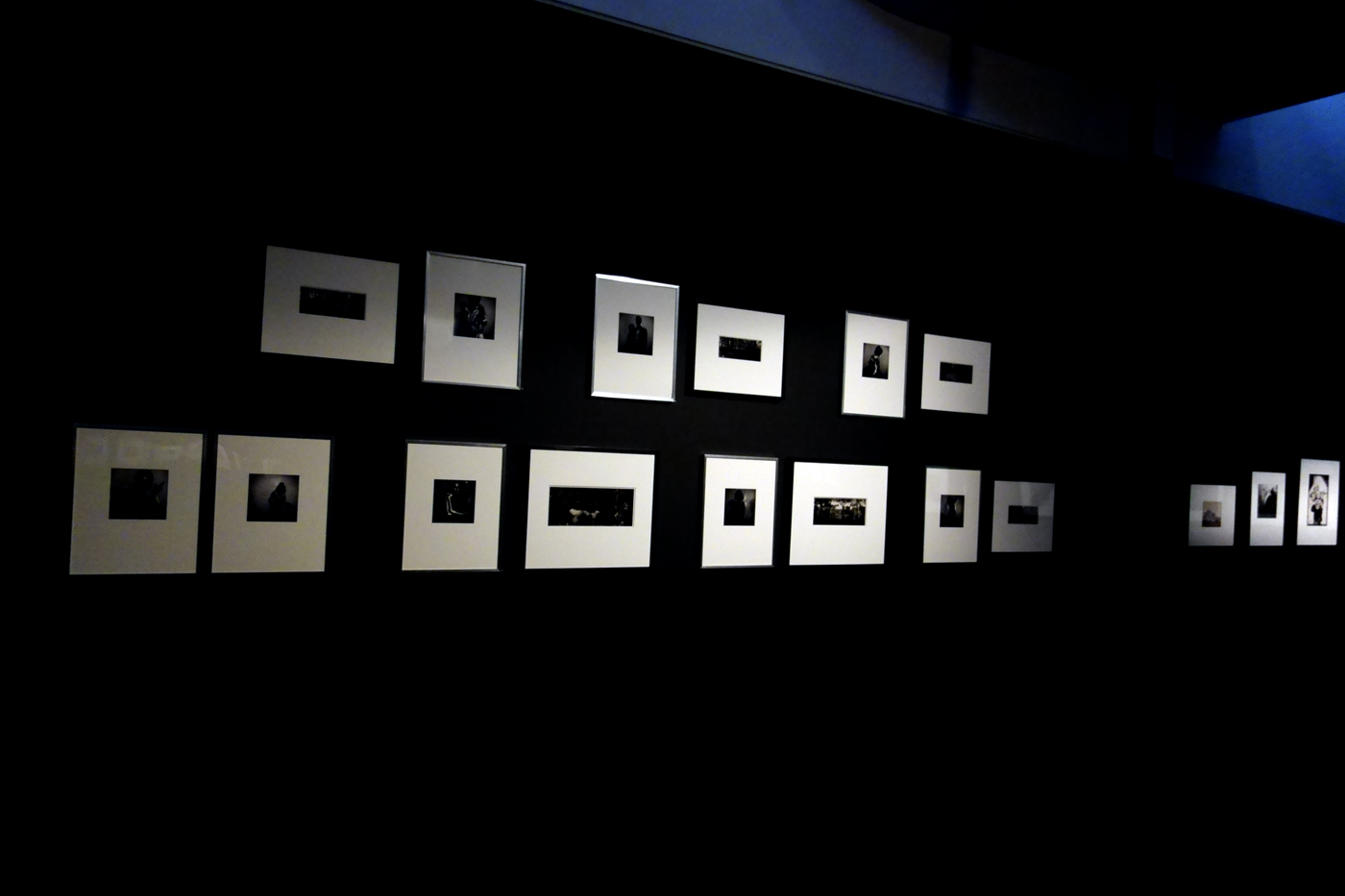

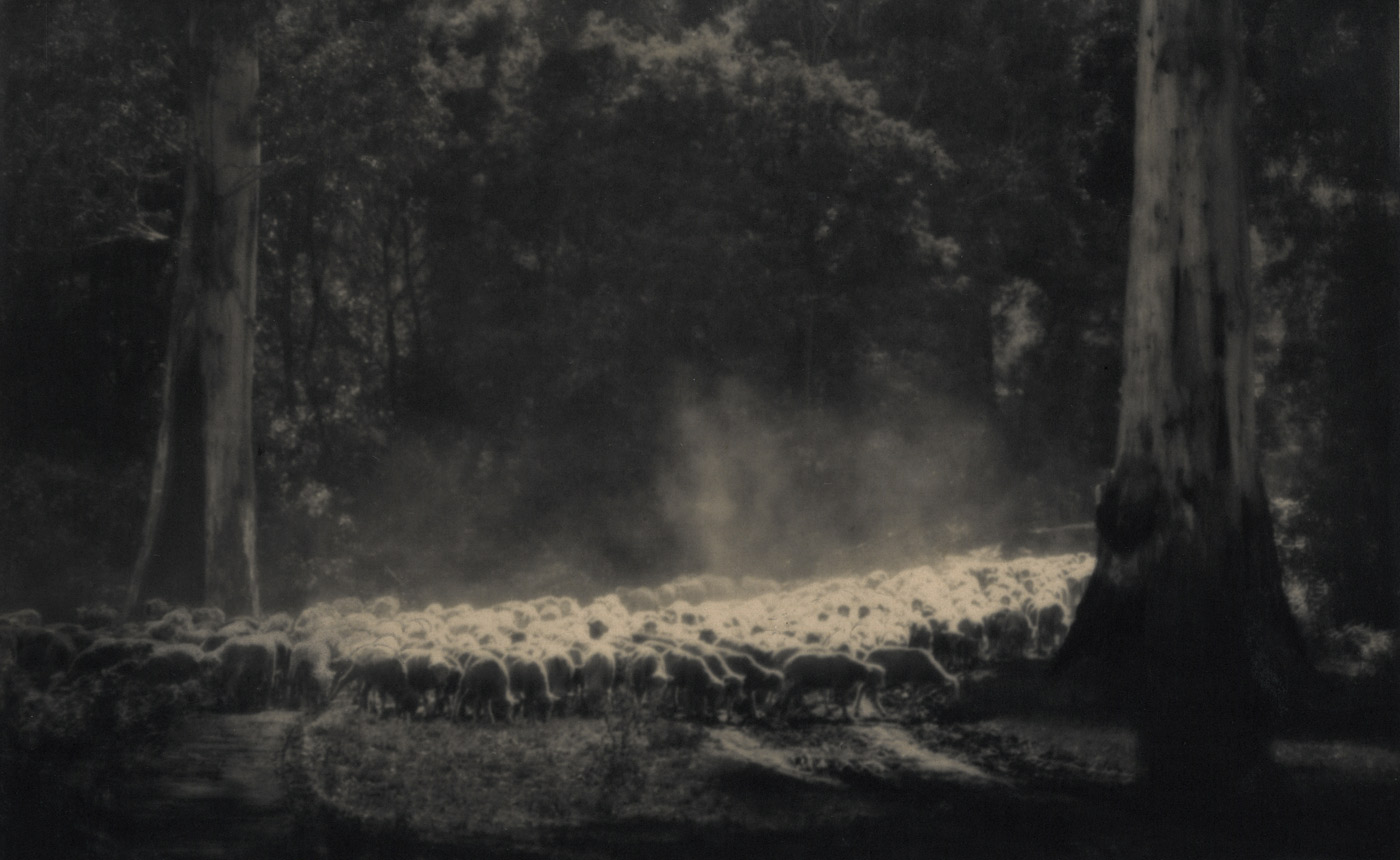


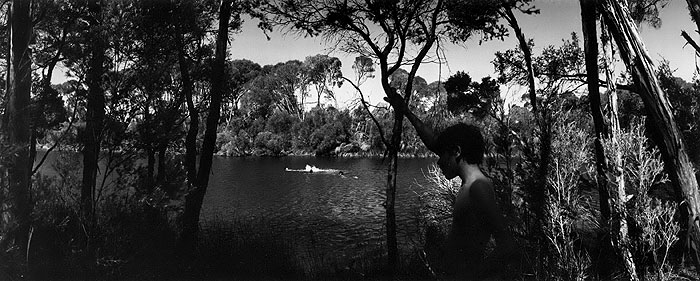


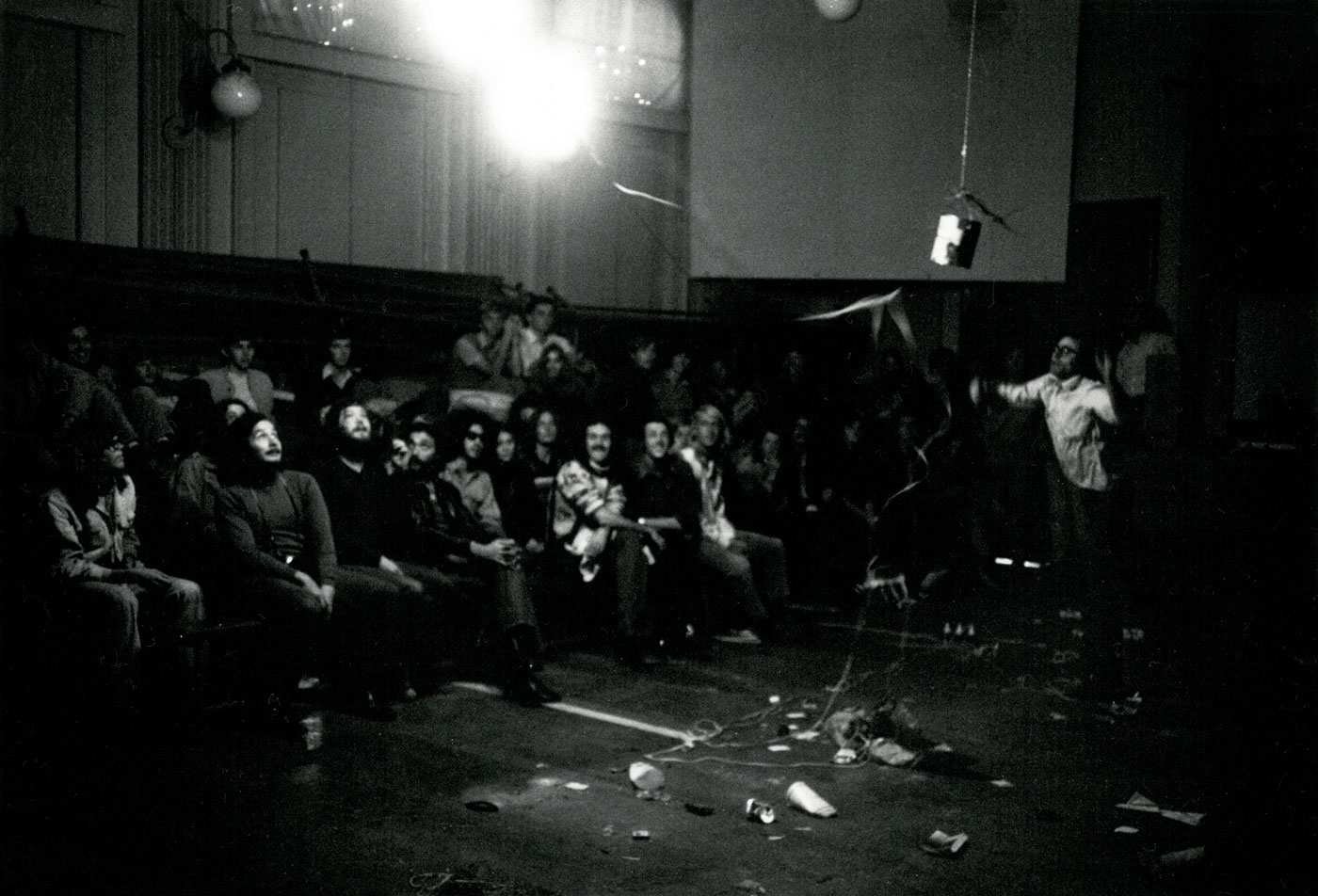


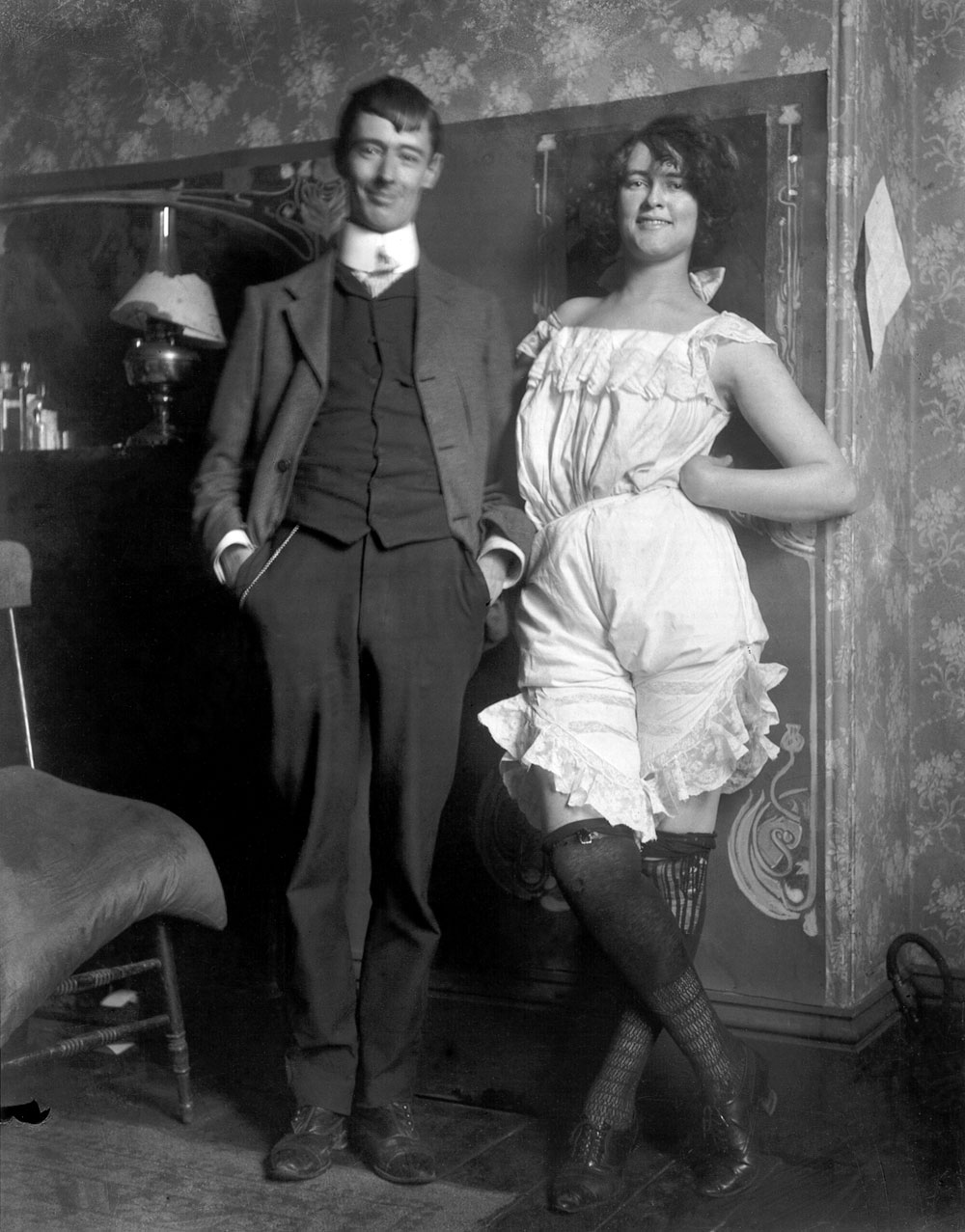
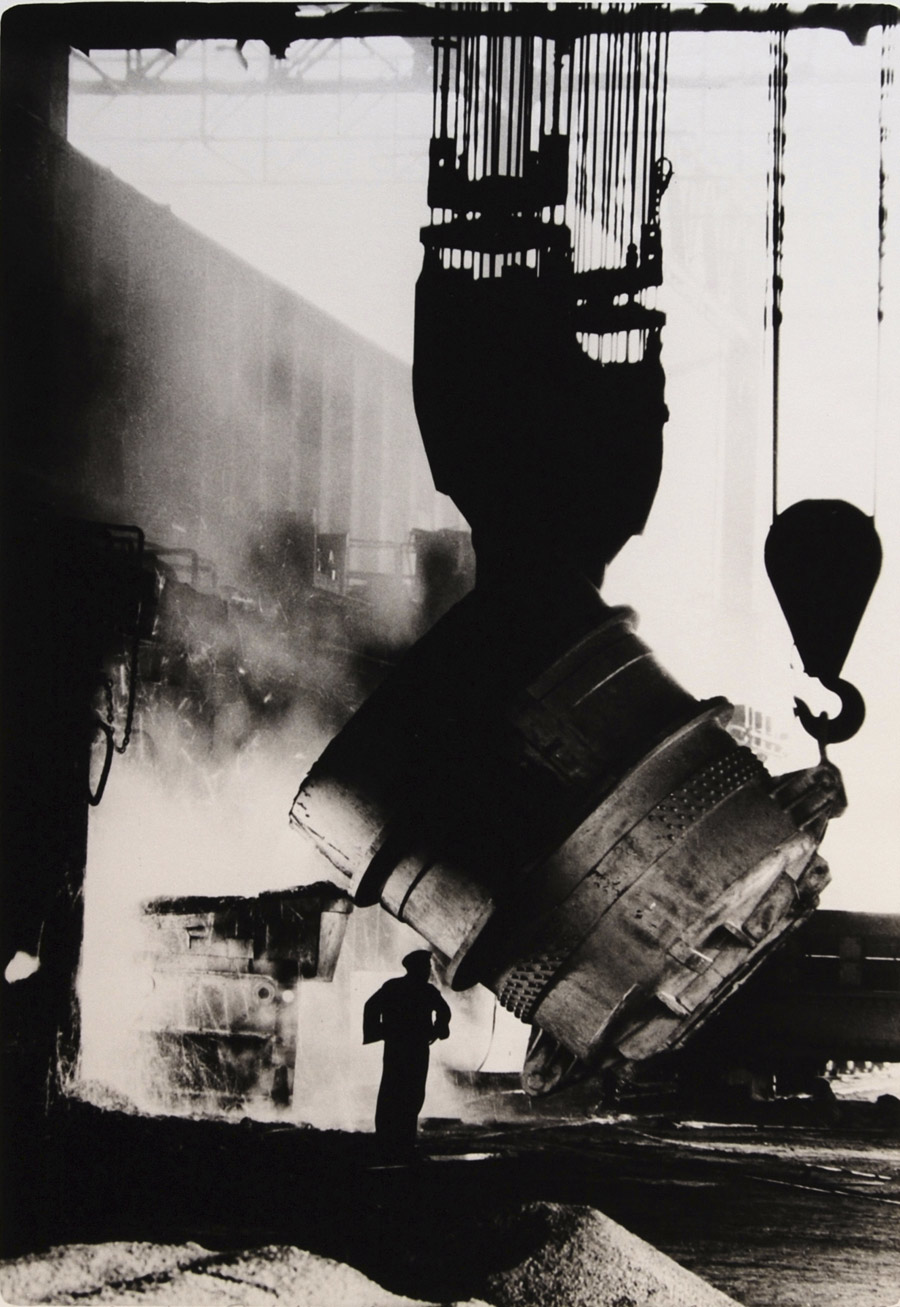


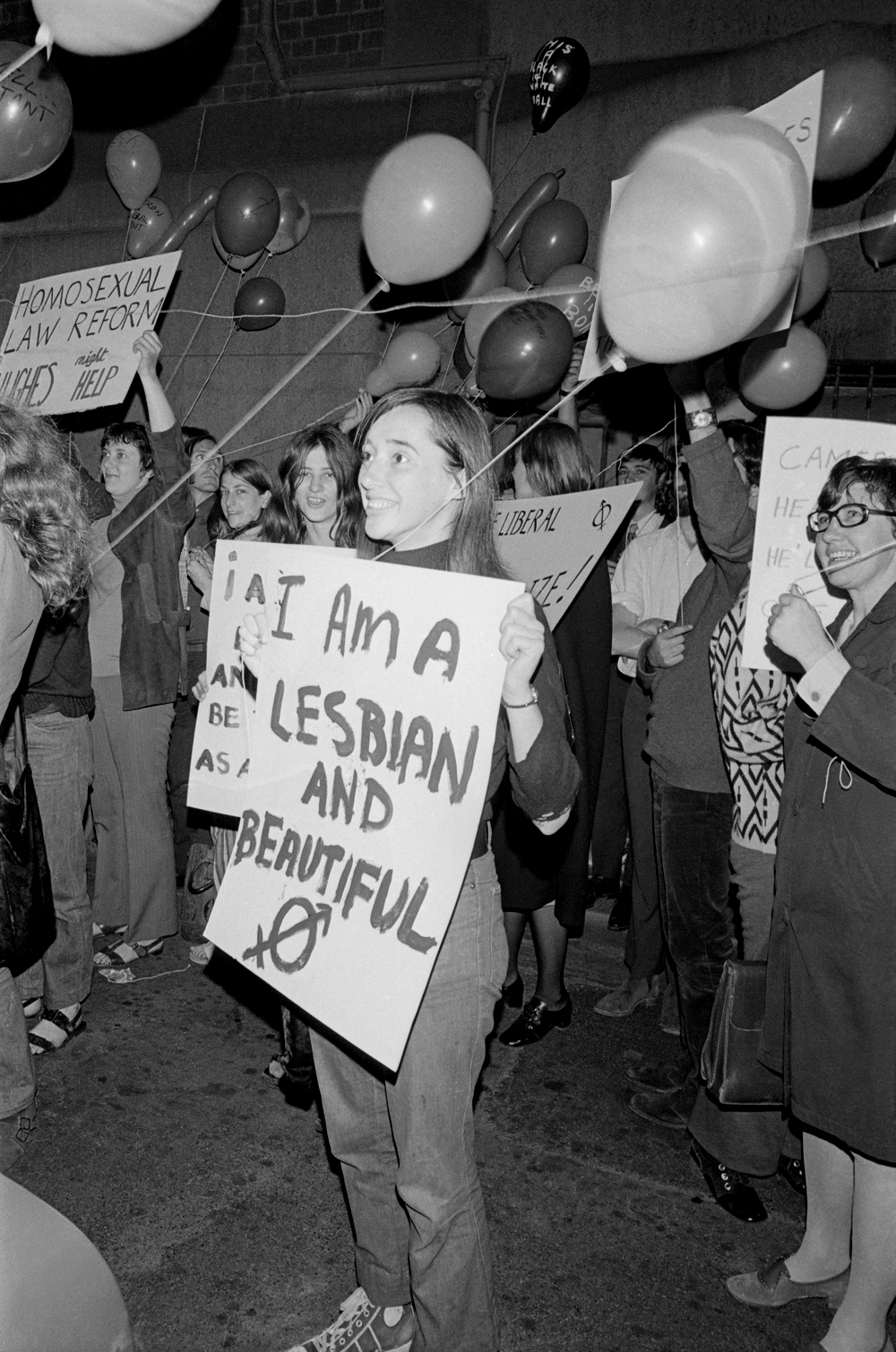




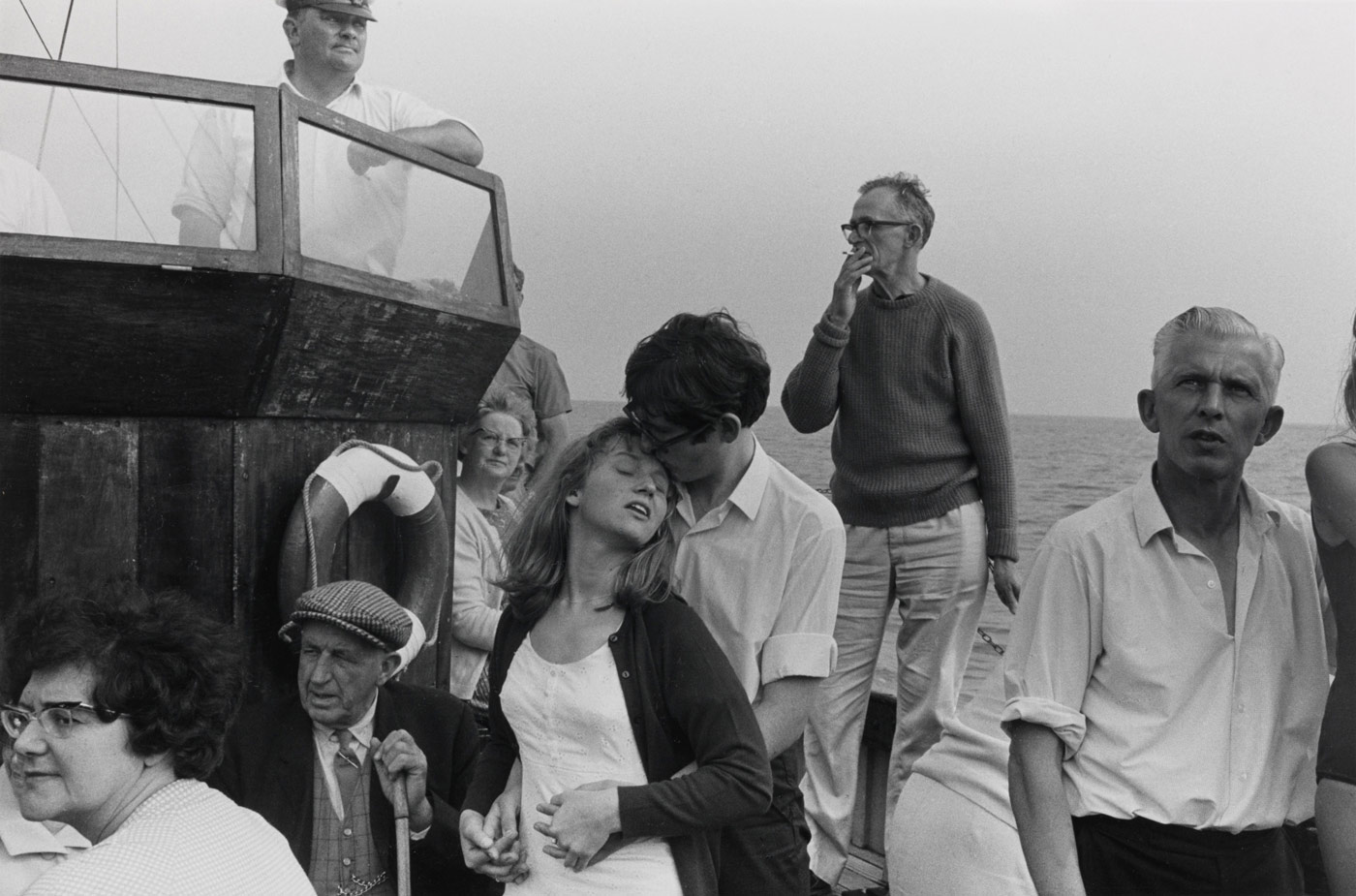
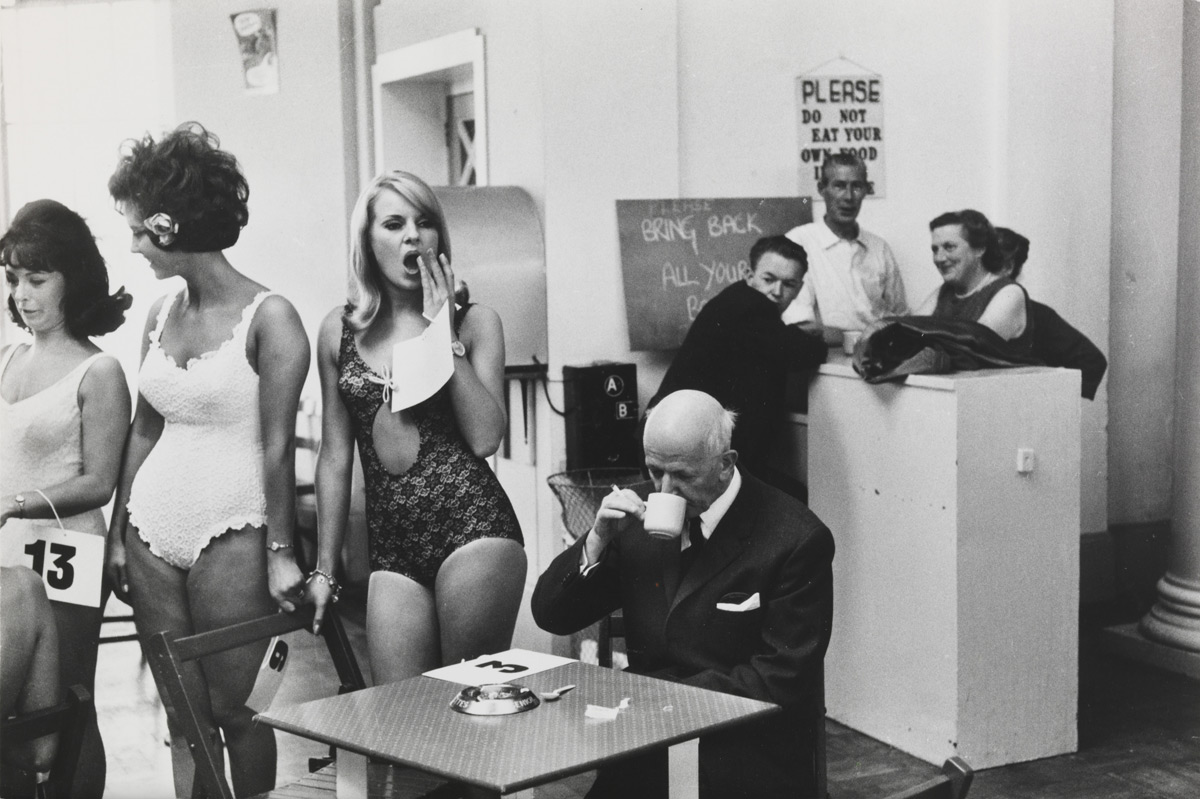

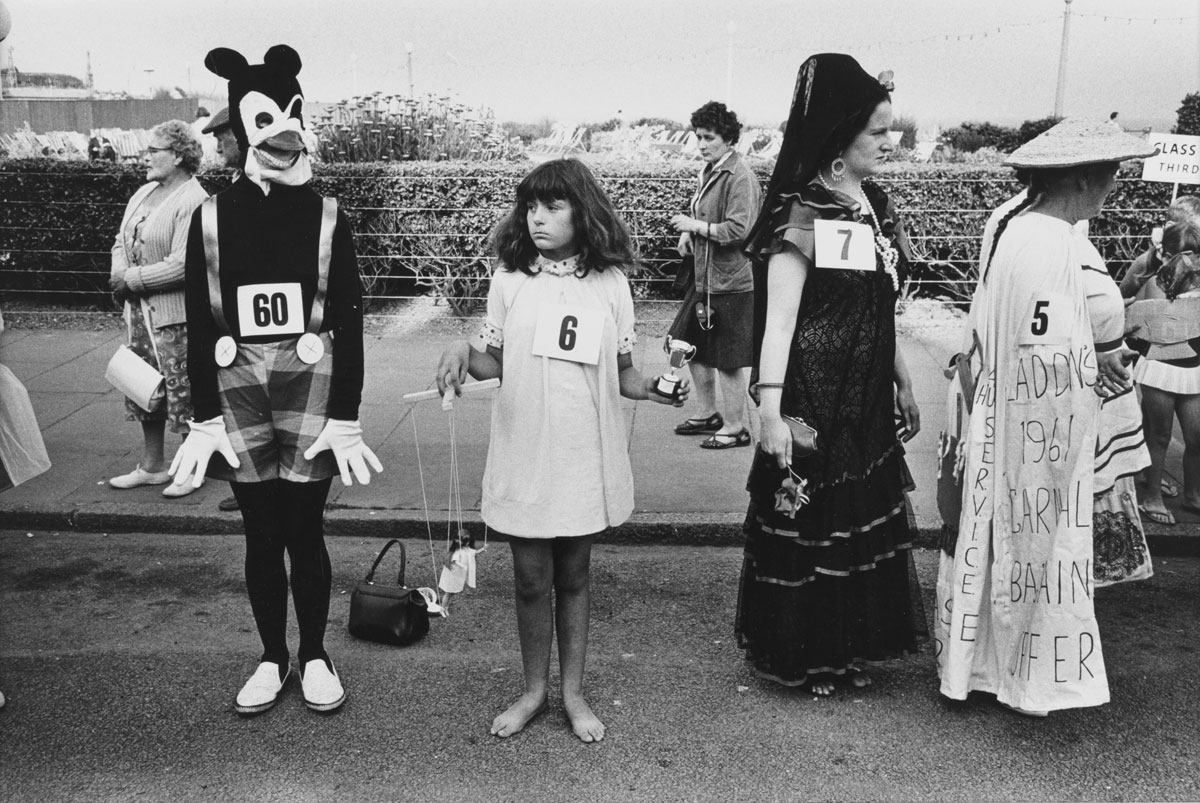


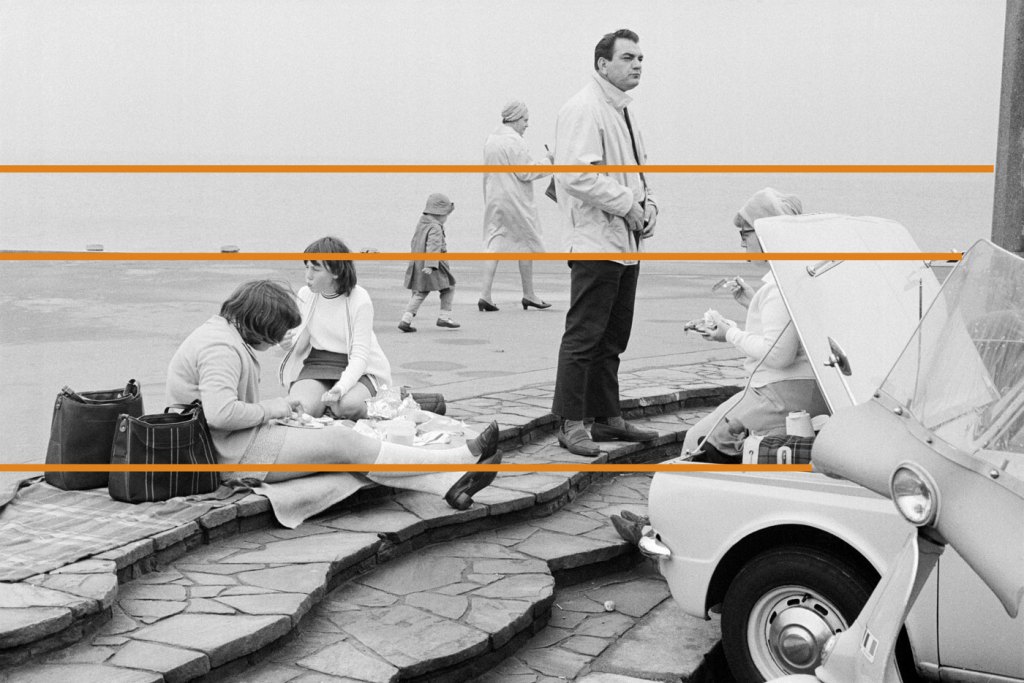
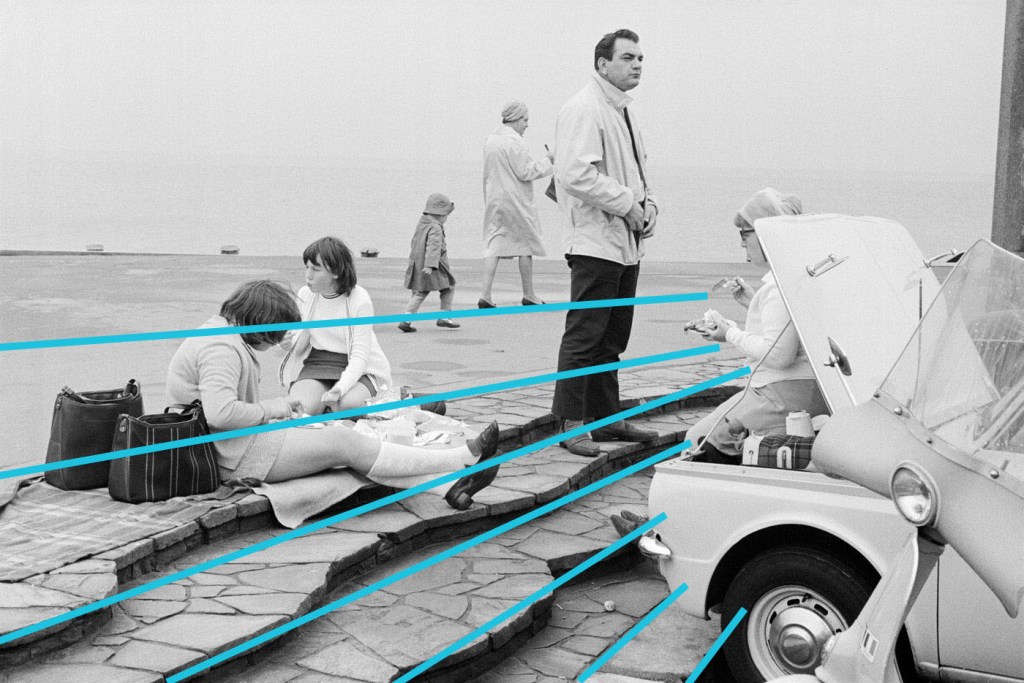
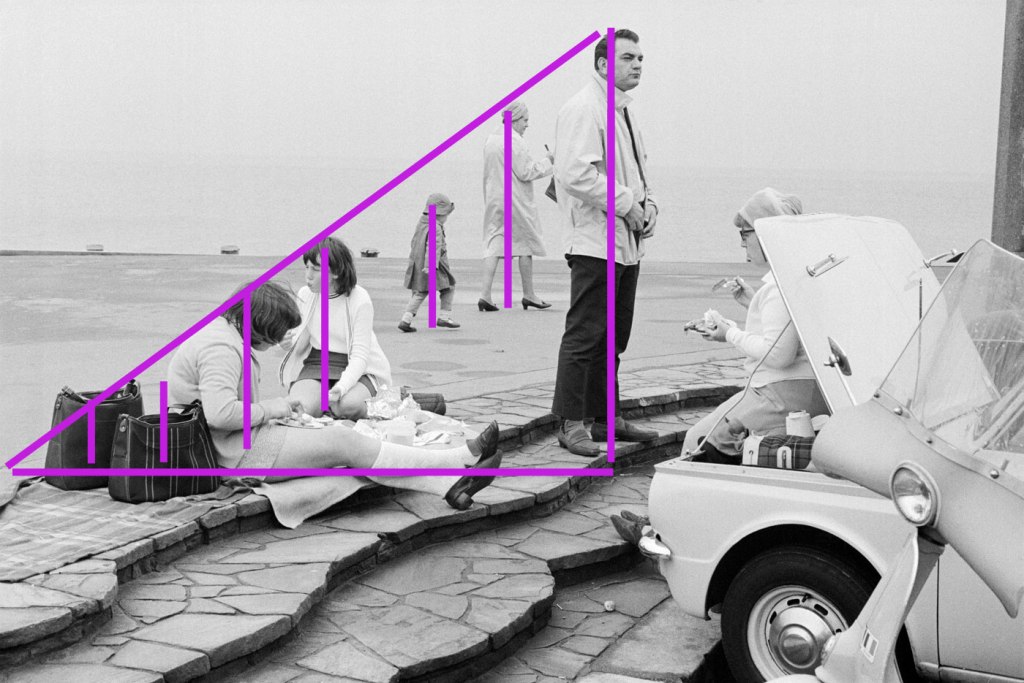
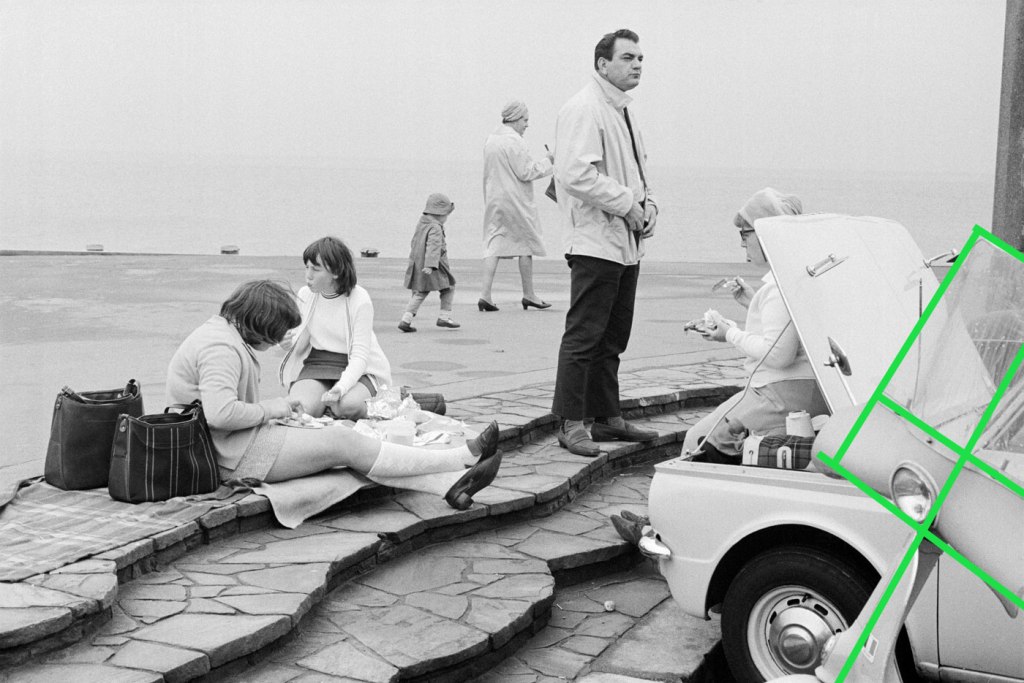
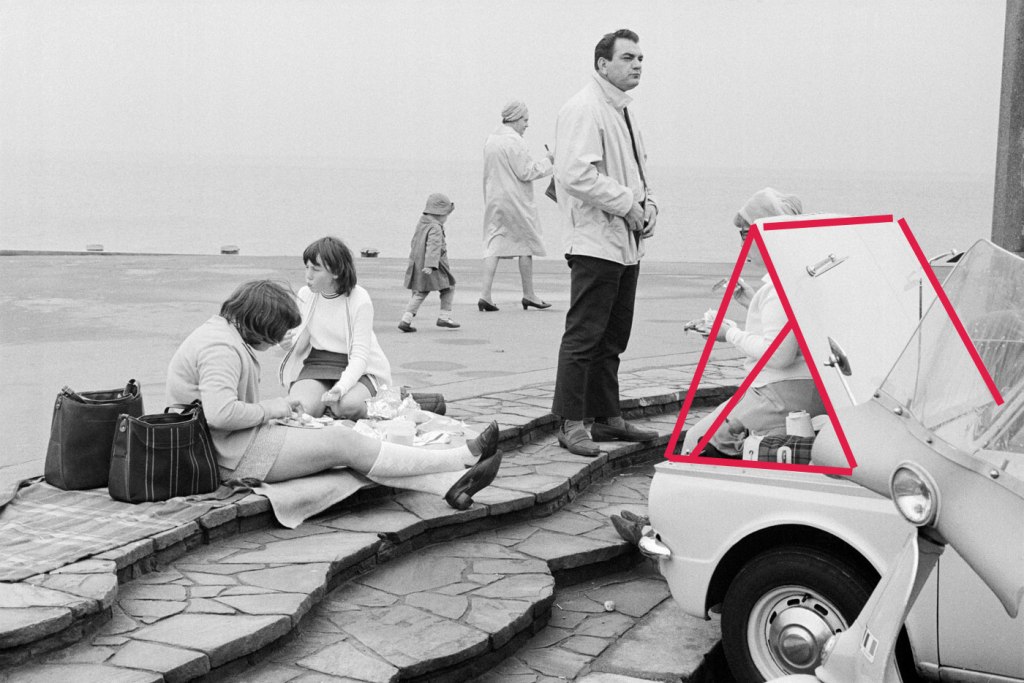
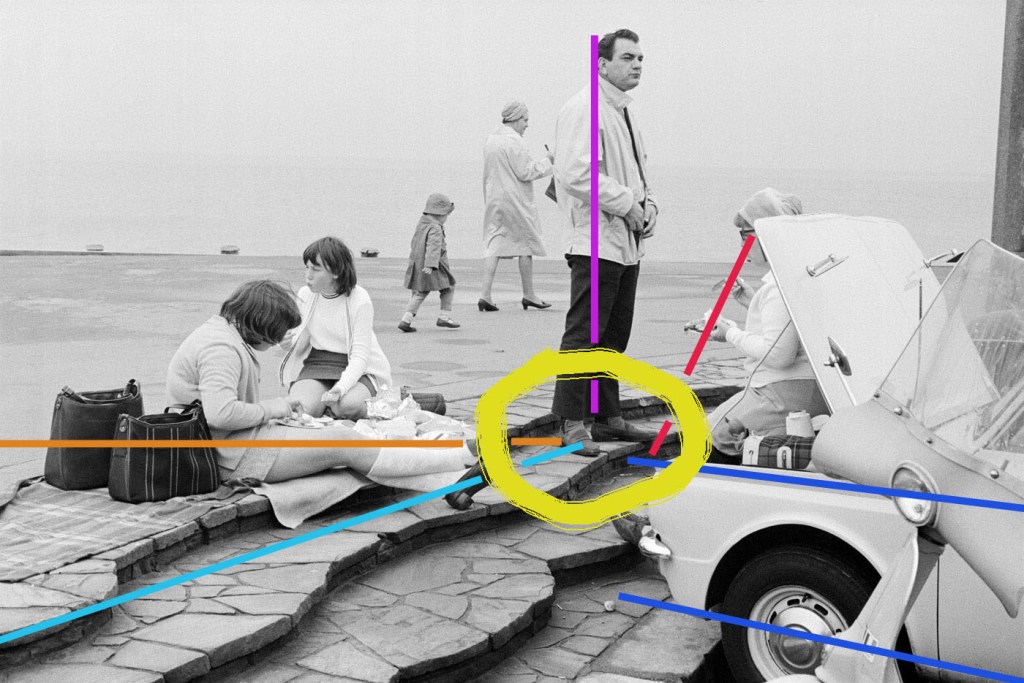



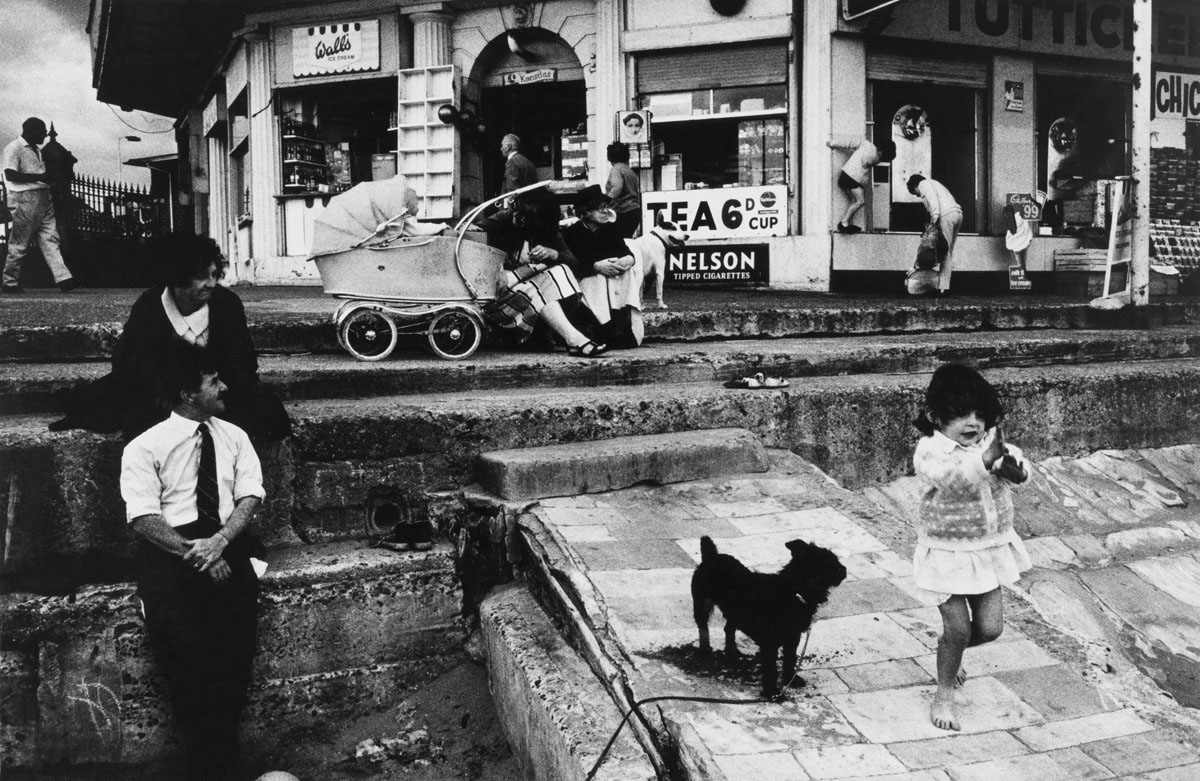


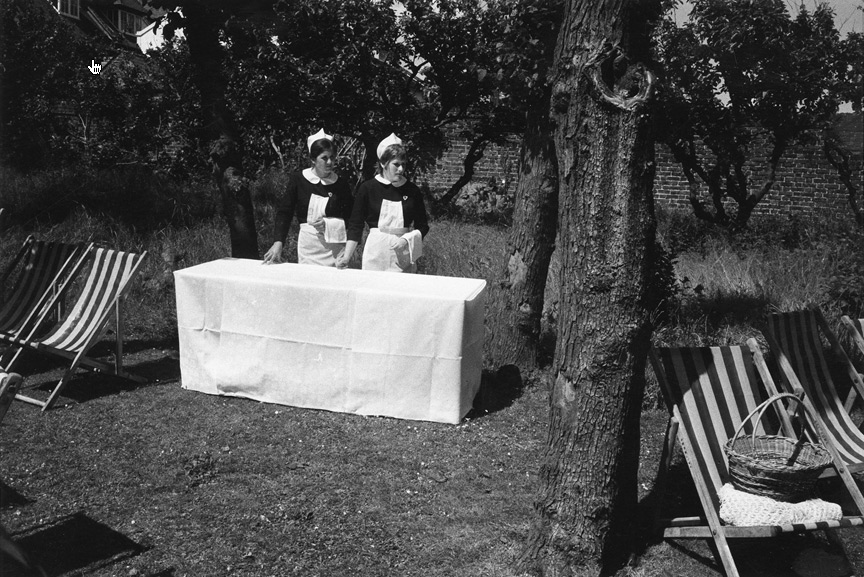
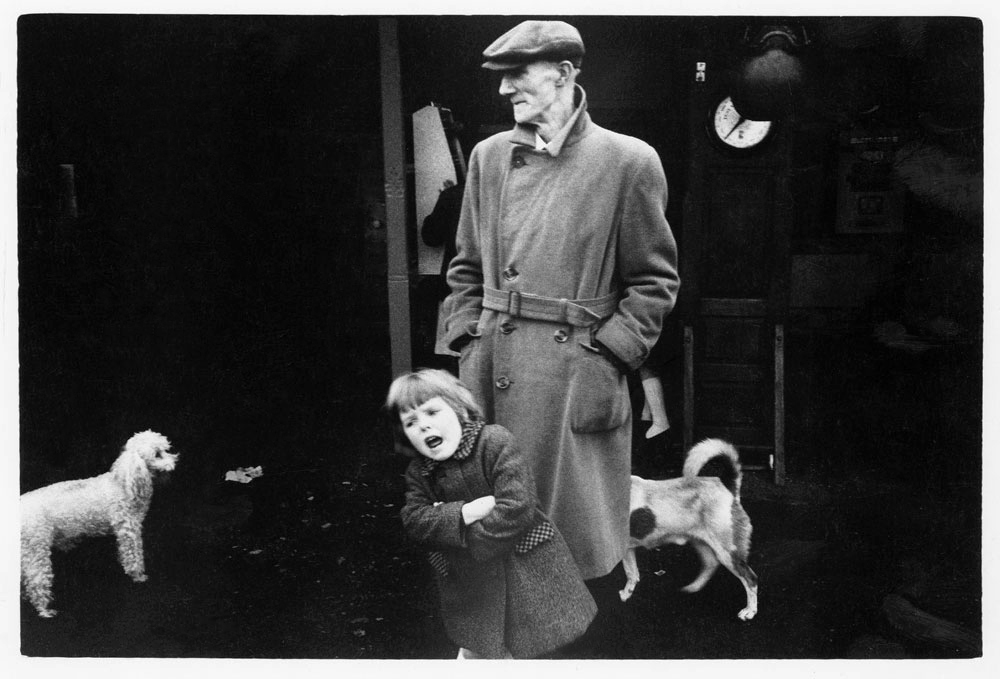


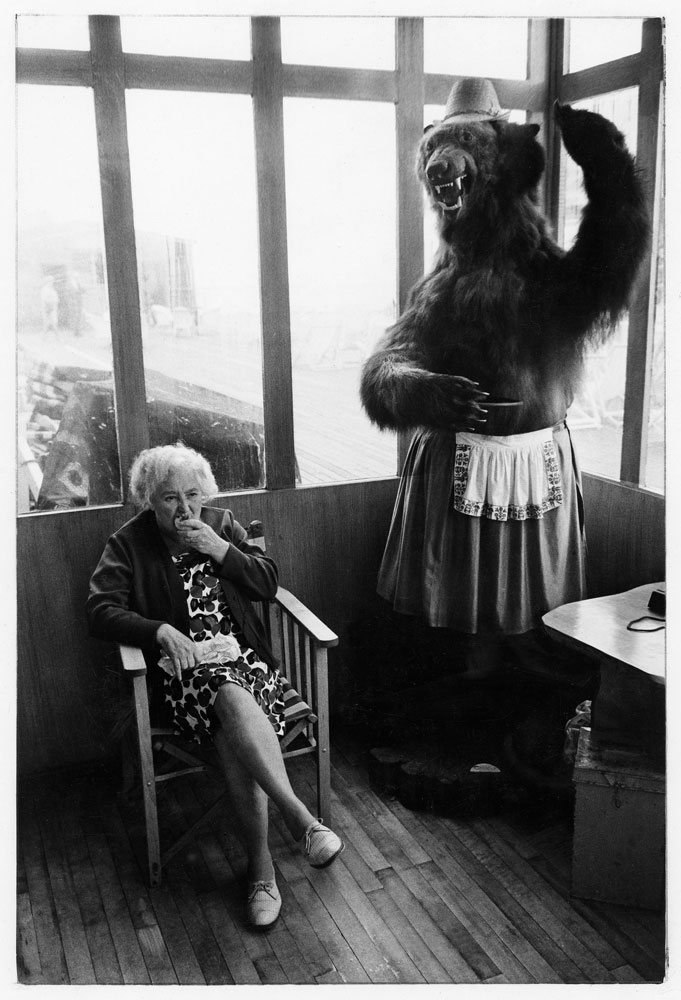

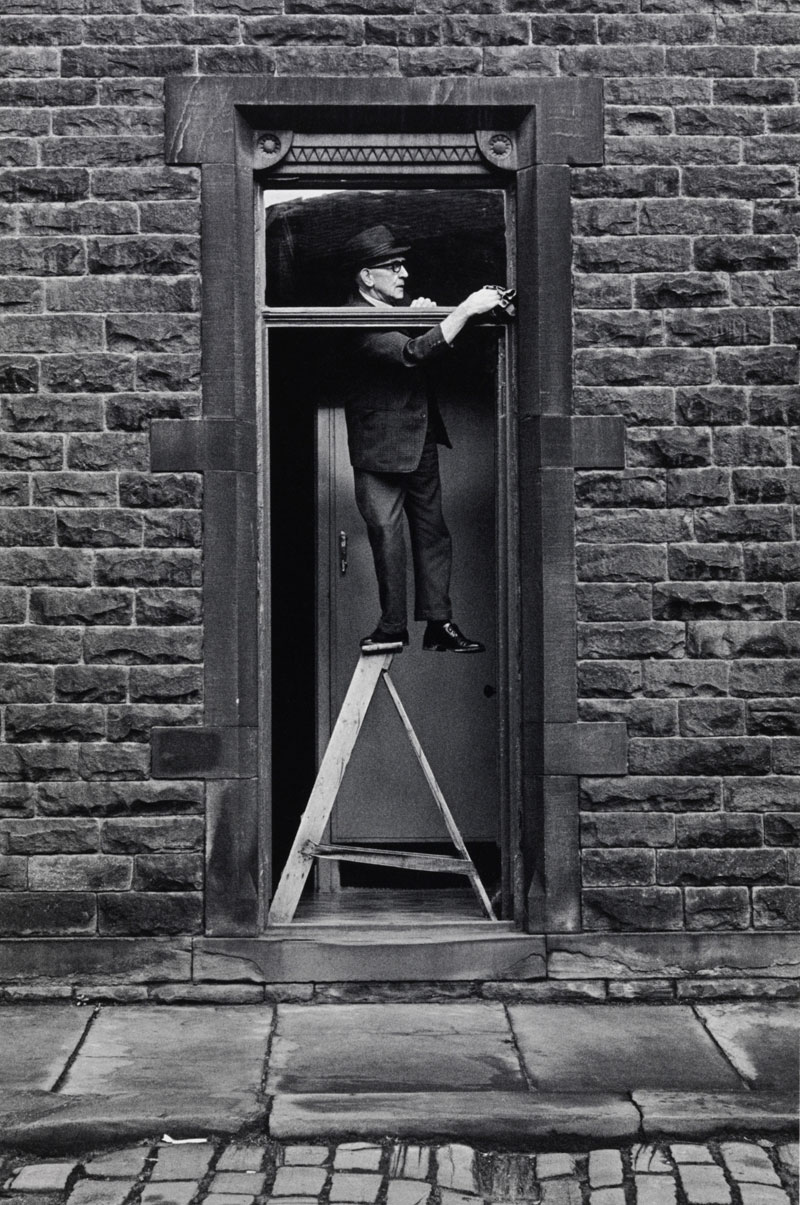


![Hans Bellmer (German, 1902-1975) 'La mitrailleuse en état de grâce' (The Machine Gun[neress] in a State of Grace) 1937](https://artblart.com/wp-content/uploads/2014/02/fleshandmetal_01_bellmer-web.jpg "Hans Bellmer (German, 1902-1975) 'La mitrailleuse en état de grâce' (The Machine Gun[neress] in a State of Grace) 1937")


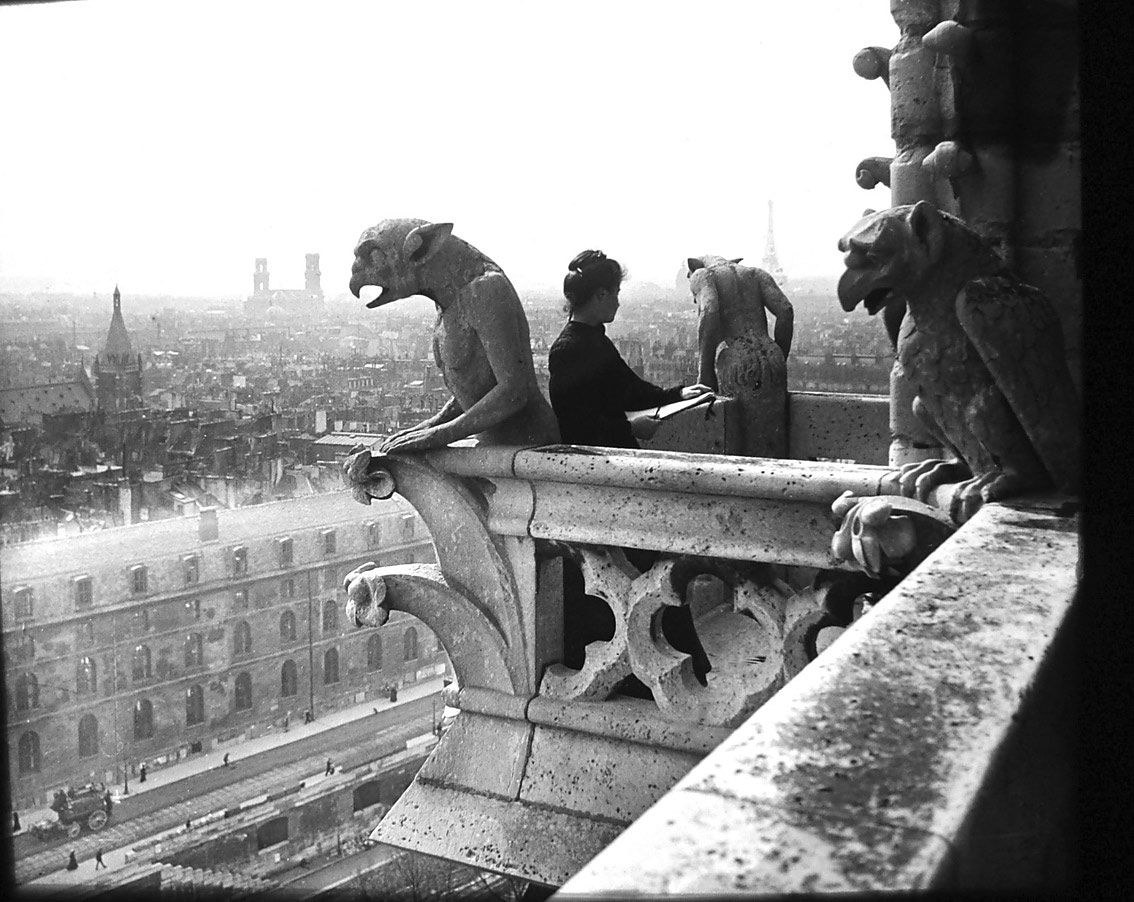
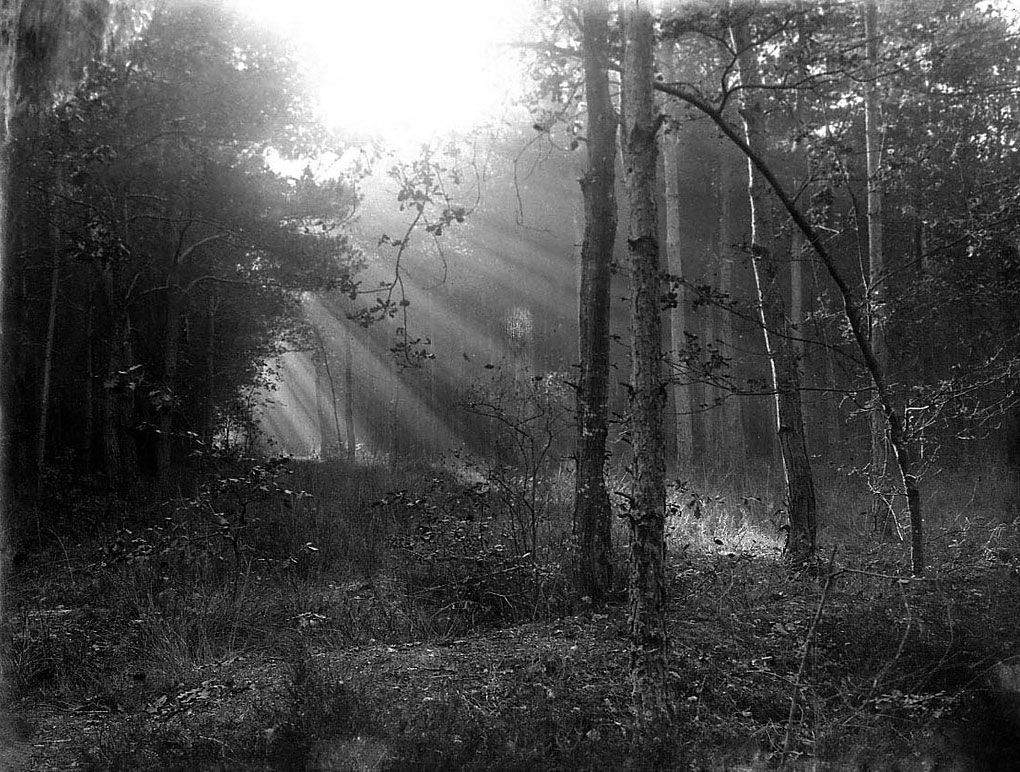
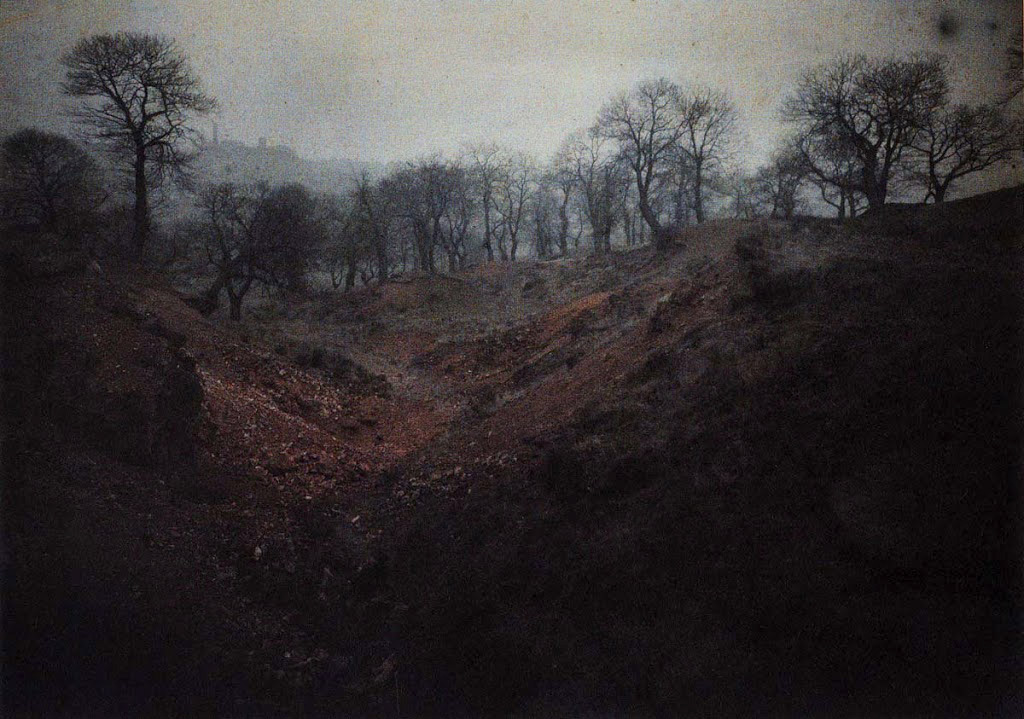
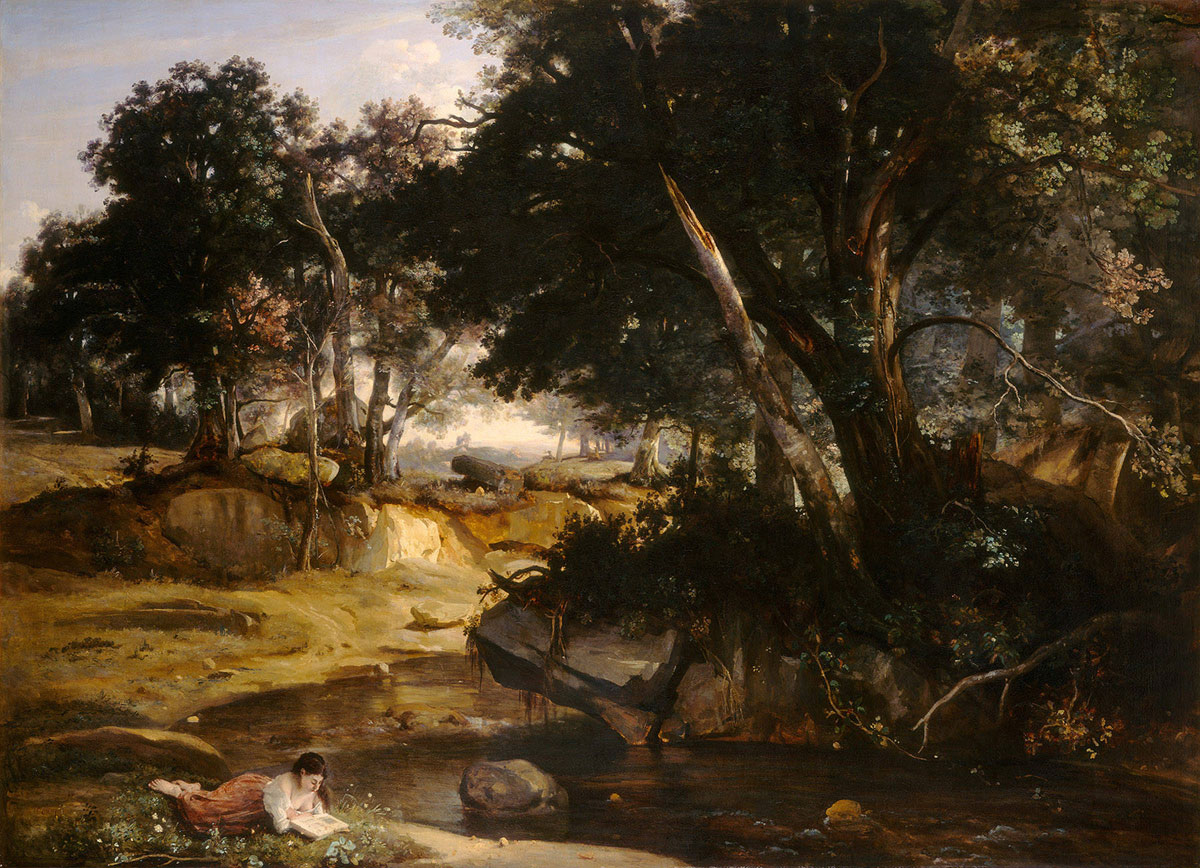
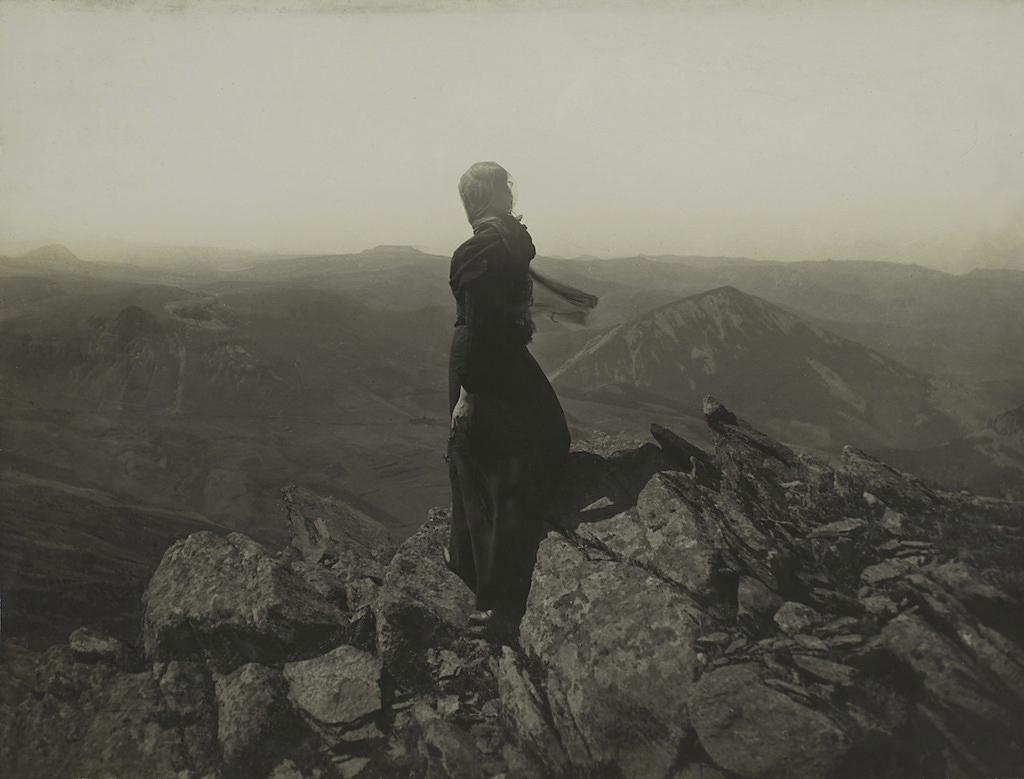
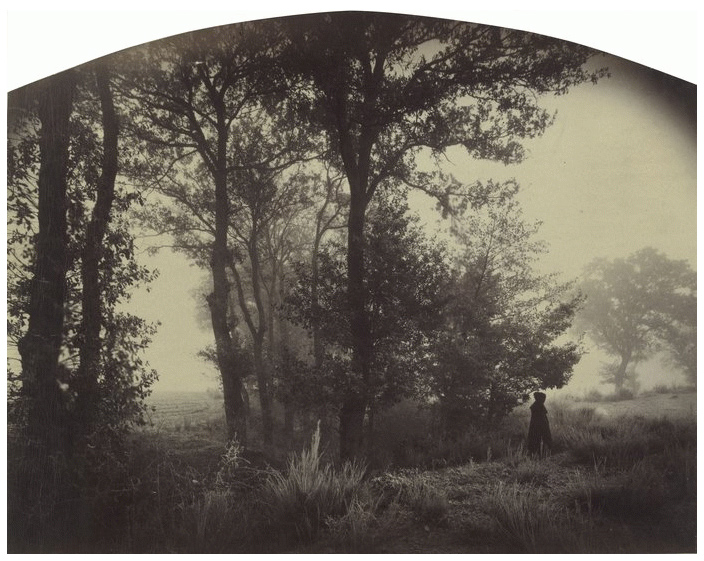
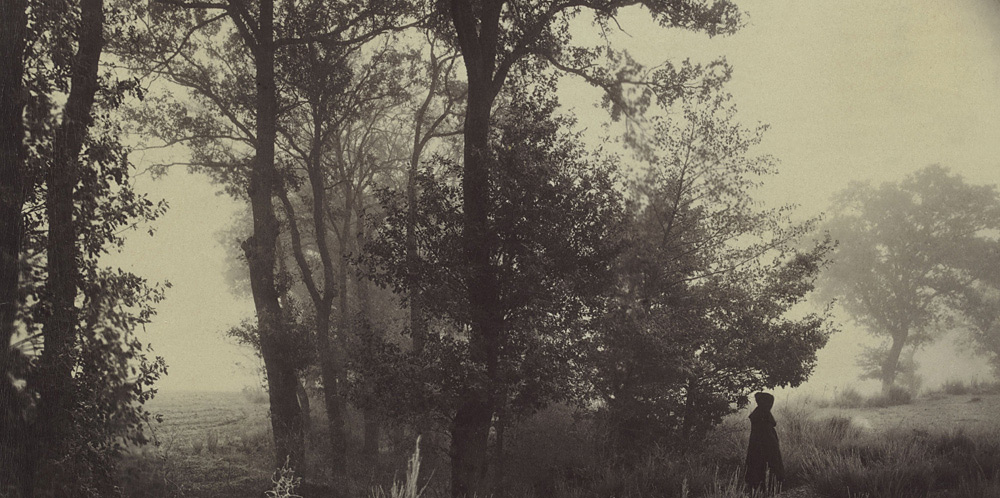
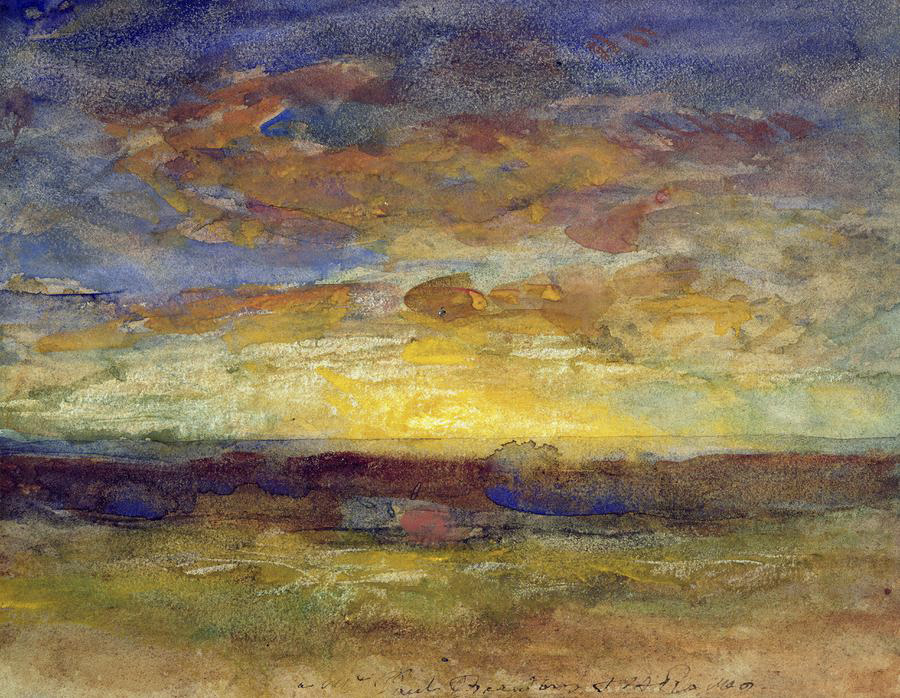
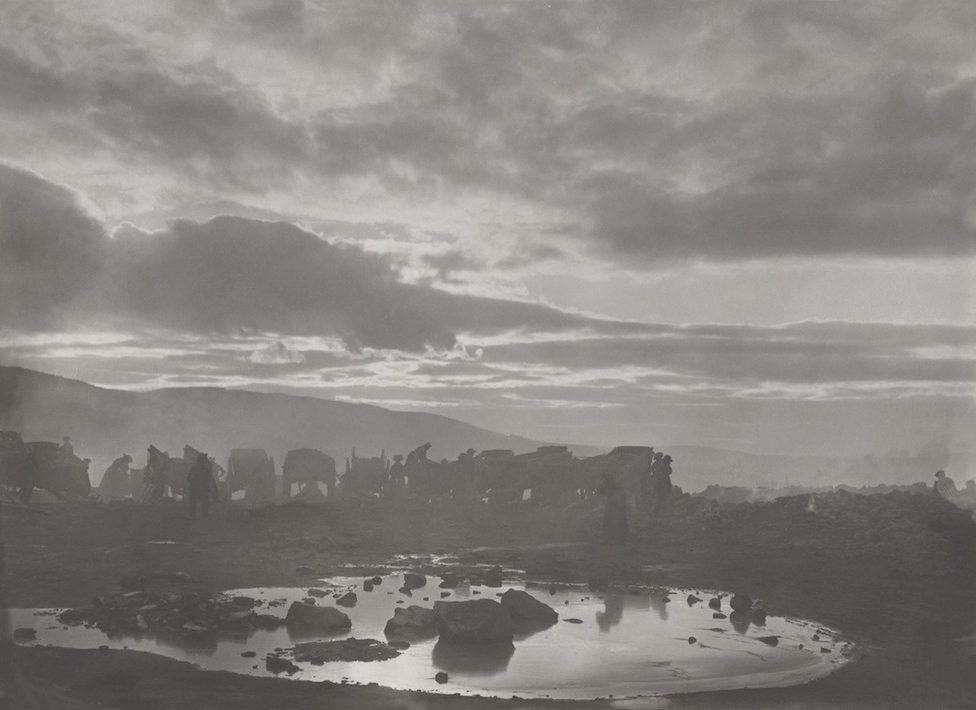
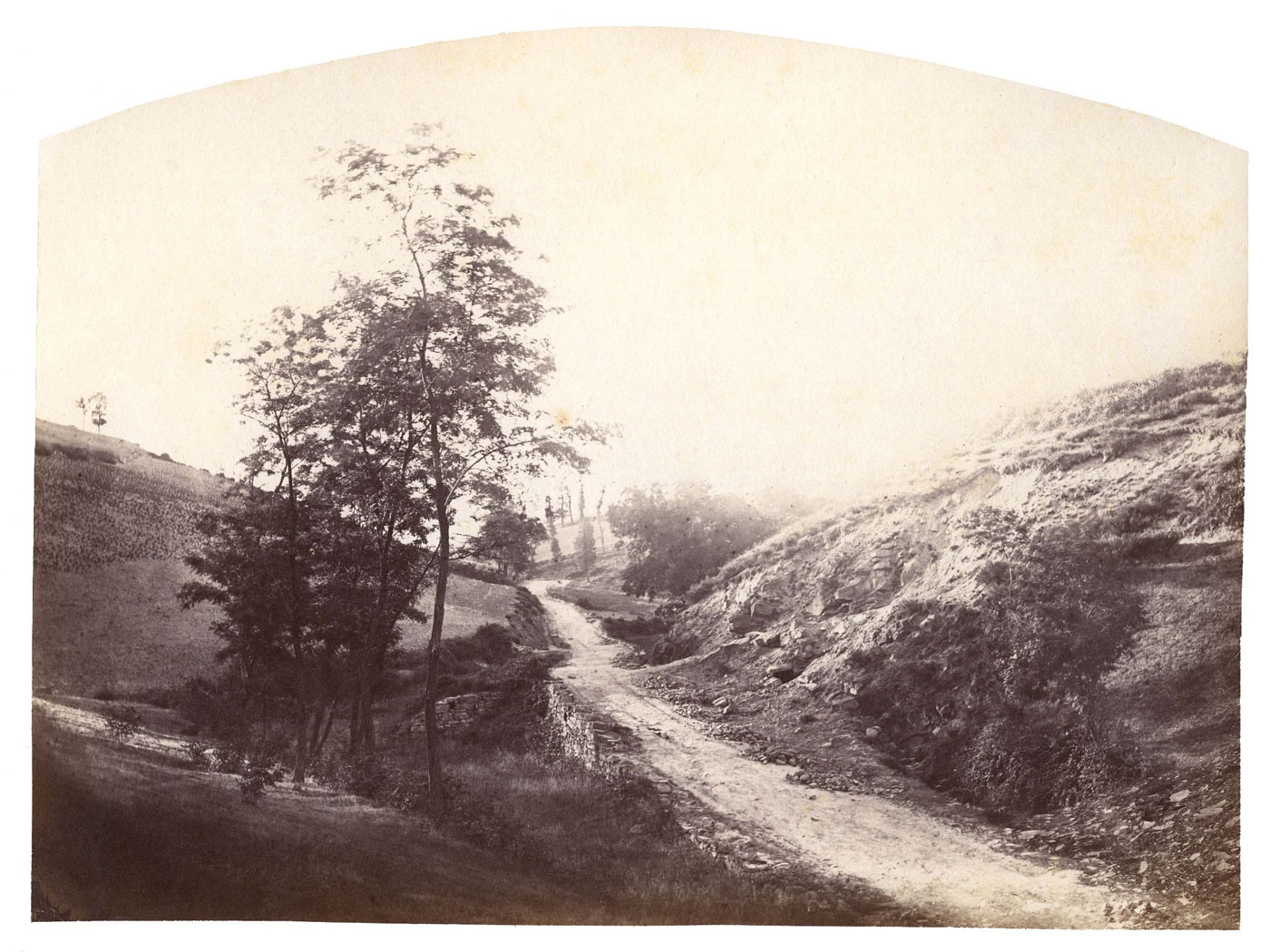
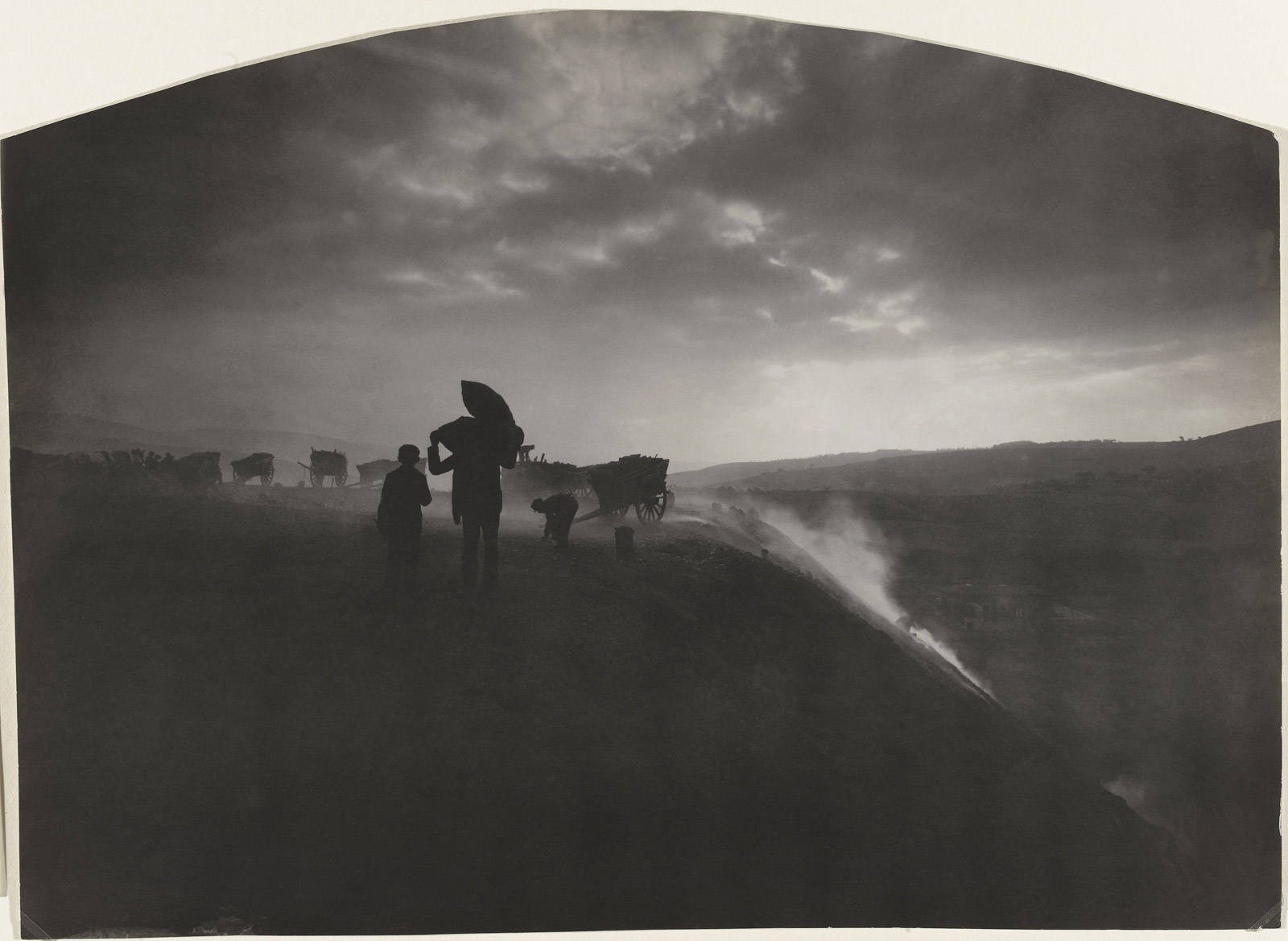
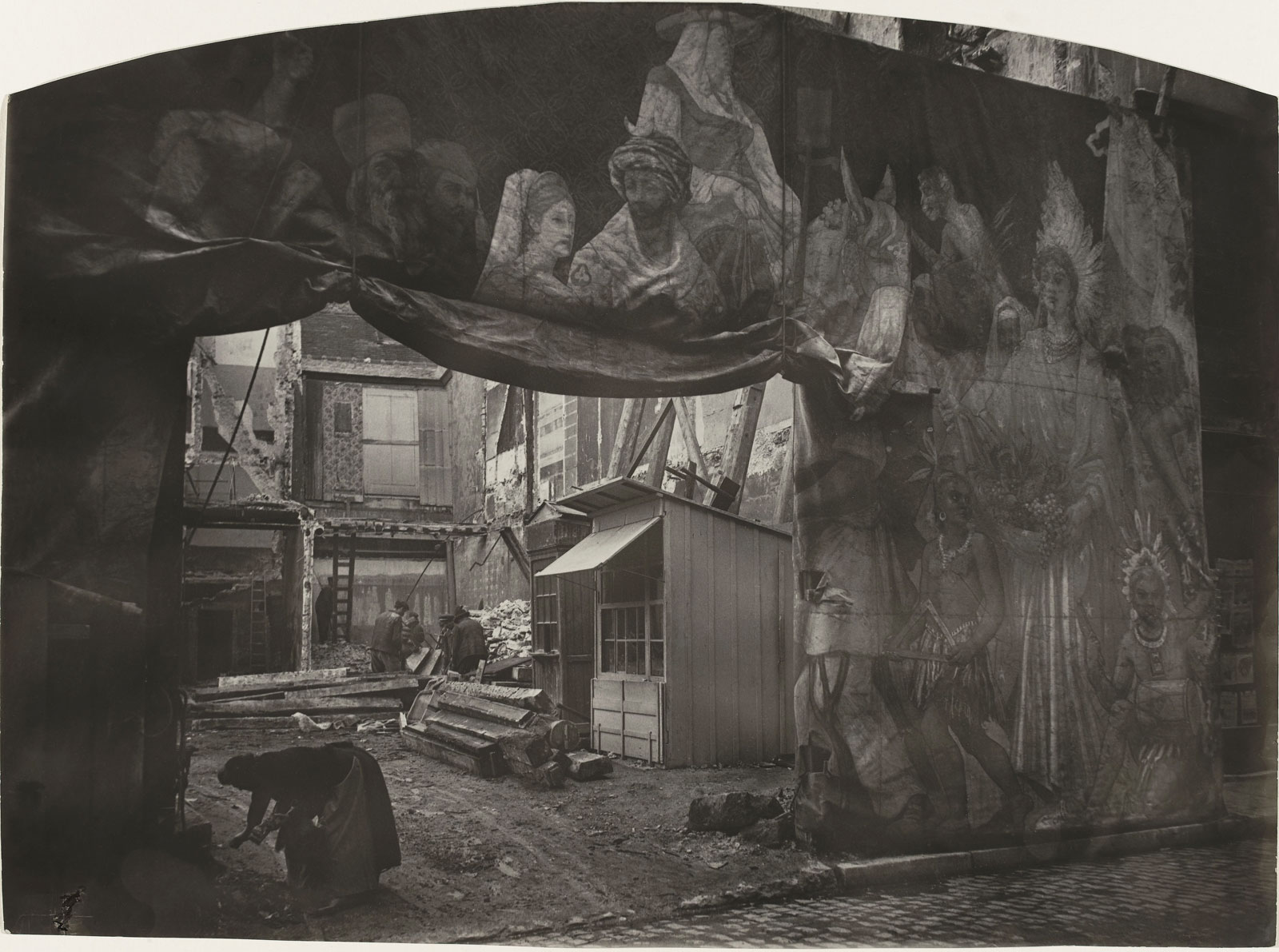
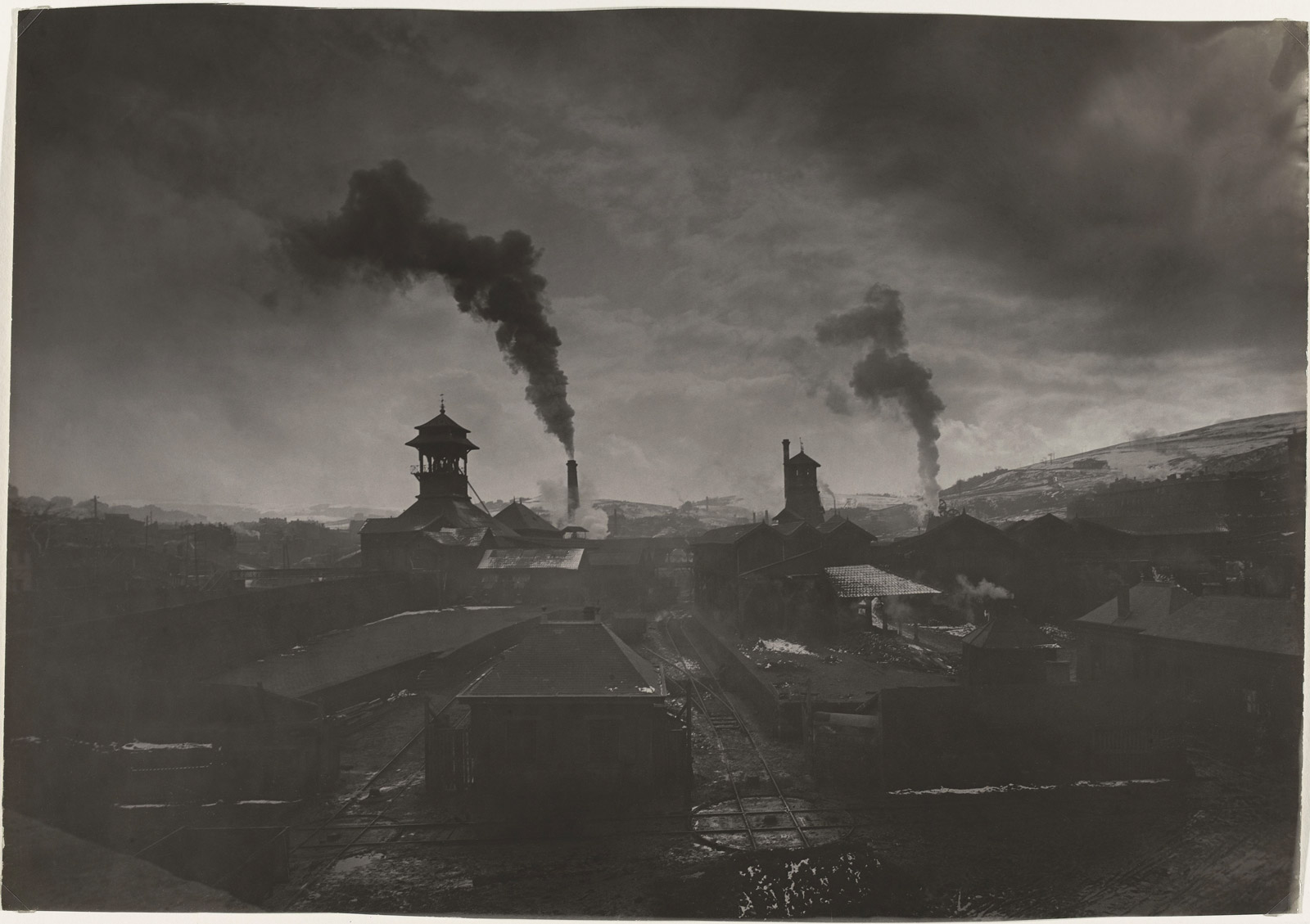
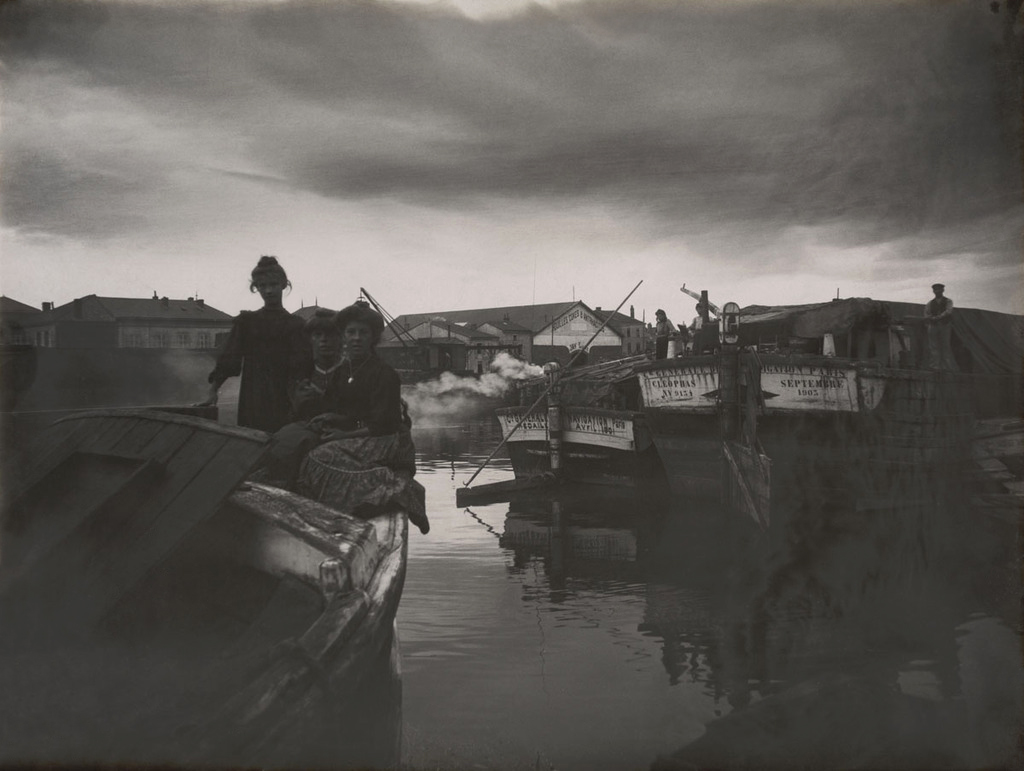
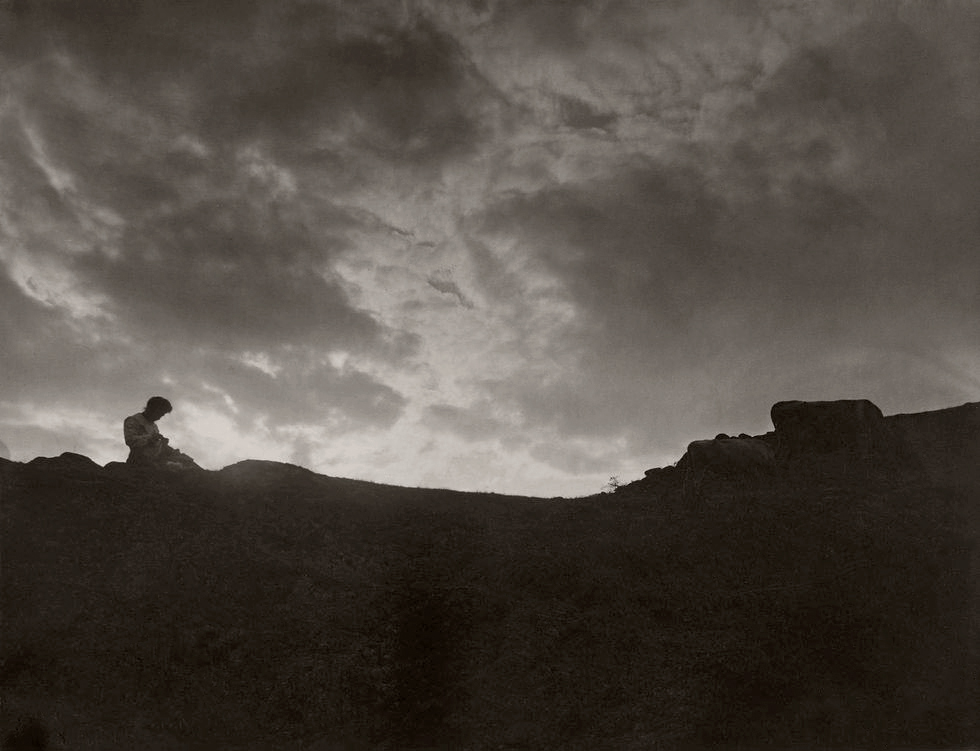
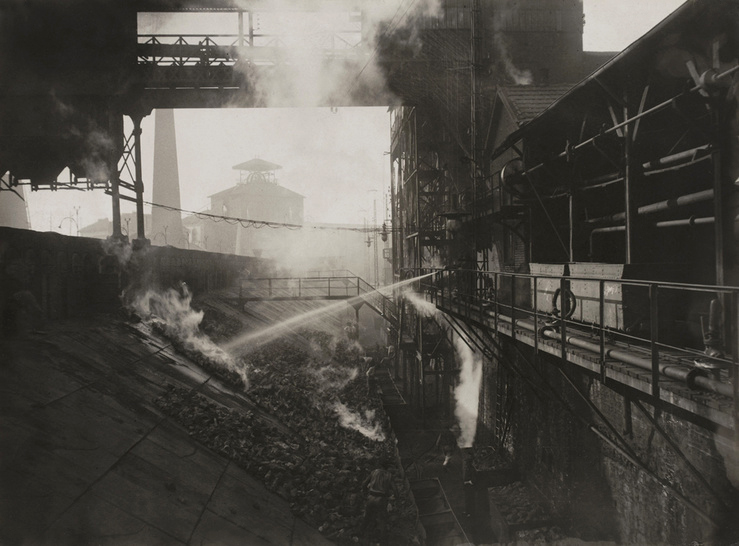
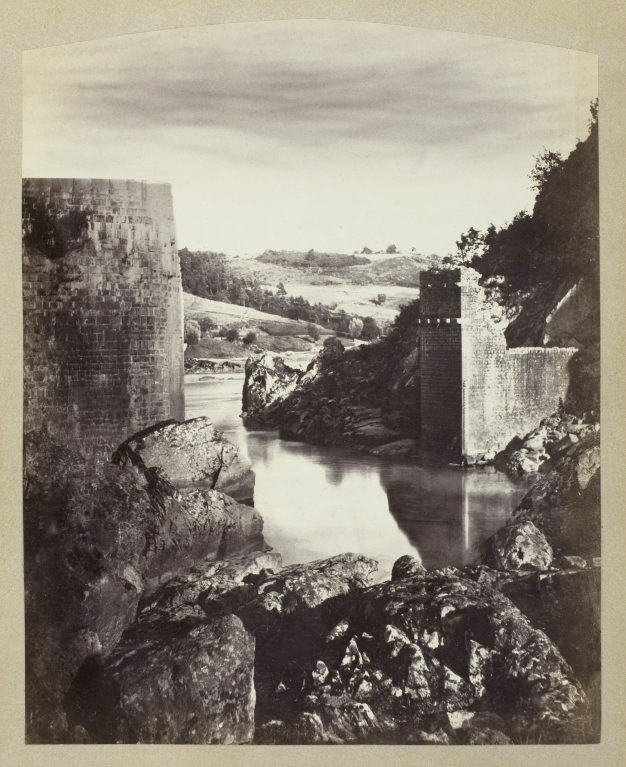
 Art Blart _ art and cultural memory archive
You must be logged in to post a comment.