
Exhibition dates: 1st June – 15th September, 2024
Curator: Clément Chéroux Director, Fondation Henri Cartier-Bresson

Stephen Shore (American, b. 1947)
Beverly Boulevard and La Brea Avenue, Los Angeles, California, June 21, 1975
From the series Uncommon Places, 1973-1986
© Stephen Shore. Courtesy 303 Gallery, New York and Sprüth Magers
The art of seeing
Since Art Blart started in November 2008 there has been only one posting on the glorious and groundbreaking work of American photographer Stephen Shore, way back in 2018 at MoMA. Shore’s photographs picture “the threadbare banality of the American scene, the jerry-rigged down-at-heels seediness of our rural landscapes and the spatial looseness of our towns.”1
I was so happy that I was going to be able to do another posting on this artist’s work only to be totally let down by the 10 media images provided by the Fondation Henri Cartier-Bresson. The installation photographs of the exhibition are great but the actual images only provide a meagre insight into the singular style and pictorial depth of the photographer.
When I saw two of his original photographs, probably the only time I have ever seen originals in the flesh, at the exhibition American Dreams: 20th century photography from George Eastman House at Bendigo Art Gallery in 2011, I commented:
“Two Stephen Shore chromogenic colour prints from 1976 where the colours are still true and have not faded. This was incredible – seeing vintage prints from one of the early masters of colour photography; noticing that they are not full of contrast like a lot of today’s colour photographs – more like a subtle Panavision or Technicolor film from the early 1960s. Rich, subtle, beautiful hues with the photograph having this amazing presence, projected through the construction of the image and the physicality of the print.”
I said in my comment on the MoMA exhibition in 2018, “Shore was showing the world in a different light… and he was using an aesthetic based on the straight forward use of colour. Colour is just there, part of the form of the image. Of course there are insightful subjective judgements about what to photograph in American surburbia, but this subjectivity and the use of colour within it is subsumed into the song that Shore was composing. It all comes back to music. Here’s a Mozart tune, this is his aesthetic, for eternity.”
Dr Marcus Bunyan
1/ See Stephen Shore, Modern Instances: The Craft of Photography (London: Mack Books, 2022), 172. These lines from Venturi are cited on the back cover of Uncommon Places quoted in Hugh Campbell. “The poorest details of the world resurfaced,” on the Places Journal website, August 2023 [Online] Cited 26/08/2024
Many thankx to the Fondation Henri-Cartier Bresson for allowing me to publish the photographs in the posting. Please click on the photographs for a larger version of the image.
Stephen Shore’s photographs of the American vernacular have influenced not only generations of photographers but the medium at large. Shore was among the first artists to take color beyond the domain of advertising and fashion photography, and his large-format color work on the American landscape stands at the root of what has become a vital photographic tradition over the past forty years.
Text from the Aperture Instagram web page
“[F]or attention is of the essence of our powers; it is that which draws other things toward us, it is that which, if we have lived with it, brings the experiences of our lives ready to our hand. If things but make impression enough on you, you will not forget them; and thus, as you go through life, your store of experiences becomes greater, richer, more and more available. But to this end you must cultivate attention – the art of seeing, the art of listening …. To pay attention is to live, and to live is to pay attention.”
Louis Sullivan. Kindergarten Chats (1918) from the epigraph of Stephen Shore’s Uncommon Places (1973-1986)
With over a hundred images shot between 1969 and 2021 across the United States, Vehicular & Vernacular is the first retrospective of Stephen Shore’s work in Paris in nineteen years. On view at the Fondation Henri Cartier-Bresson until September 15, the exhibition shows the photographer’s renowned series – Uncommon Places and American Surfaces – alongside lesser-known projects never shown in France.
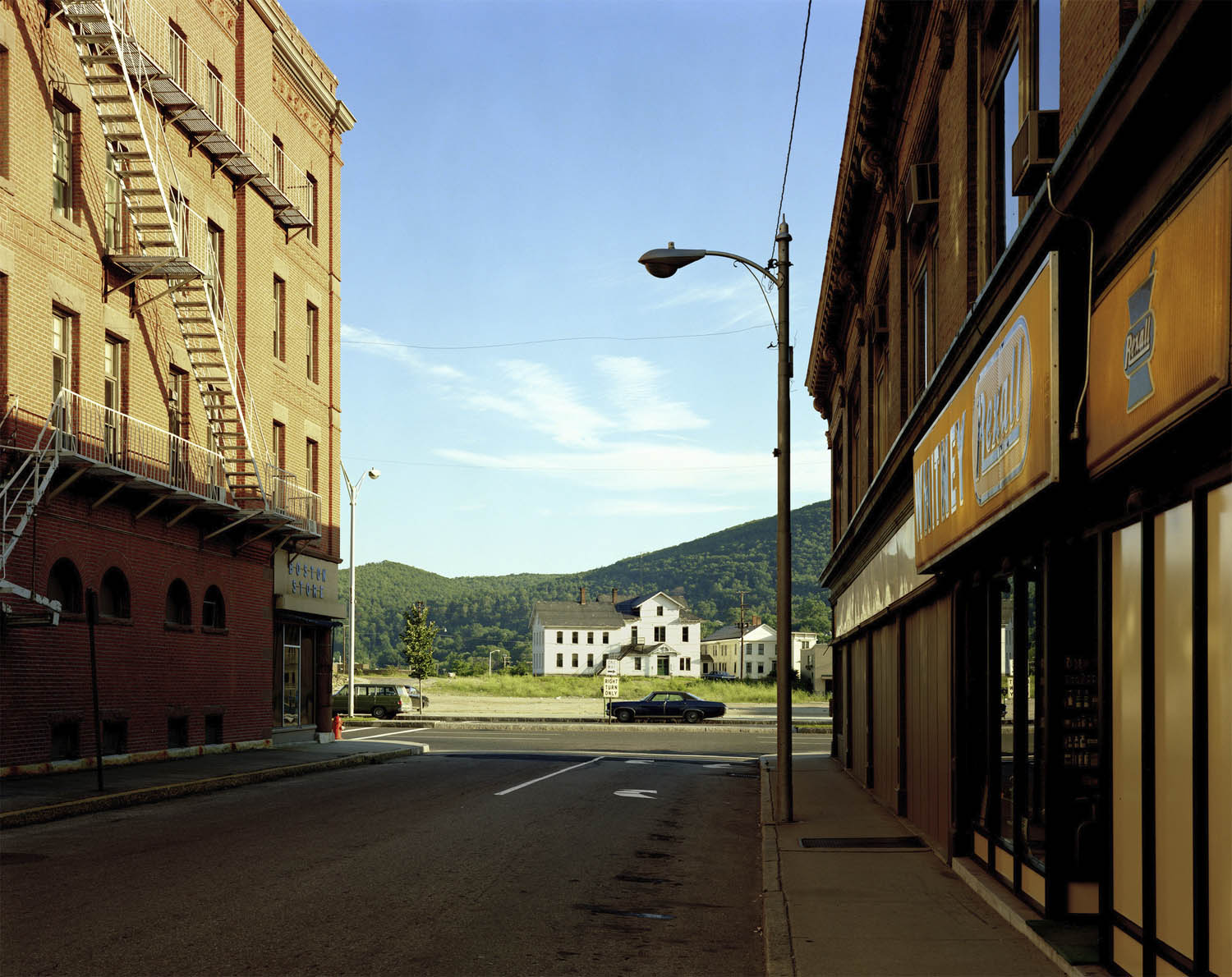
Stephen Shore (American, b. 1947)
Holden Street, North Adams, Massachusetts, July 13, 1974
1974
From the series Uncommon Places, 1973-1986
© Stephen Shore. Courtesy 303 Gallery, New York and Sprüth Magers
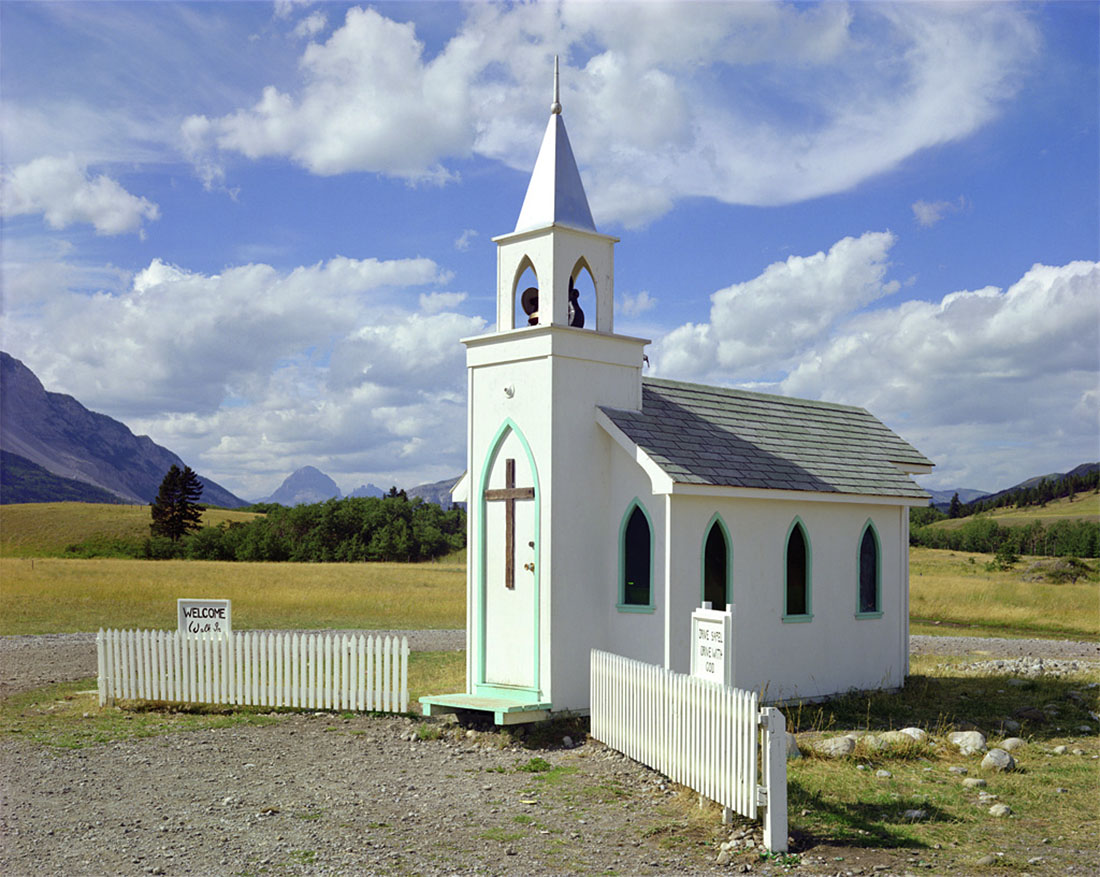
Stephen Shore (American, b. 1947)
Bellevue, Alberta, August 21 1974
1974
From the series Uncommon Places, 1973-1986
© Stephen Shore. Courtesy 303 Gallery, New York and Sprüth Magers

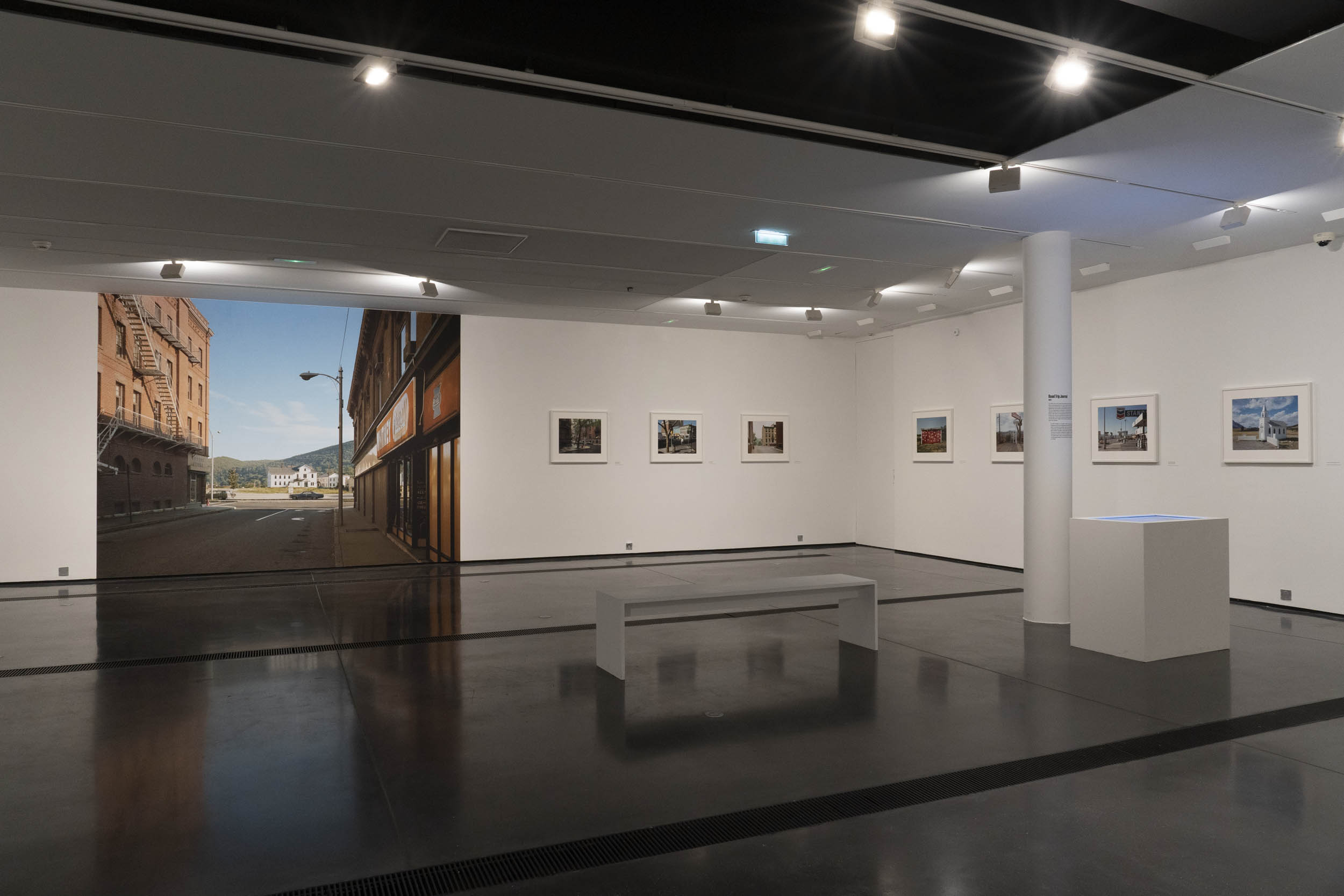
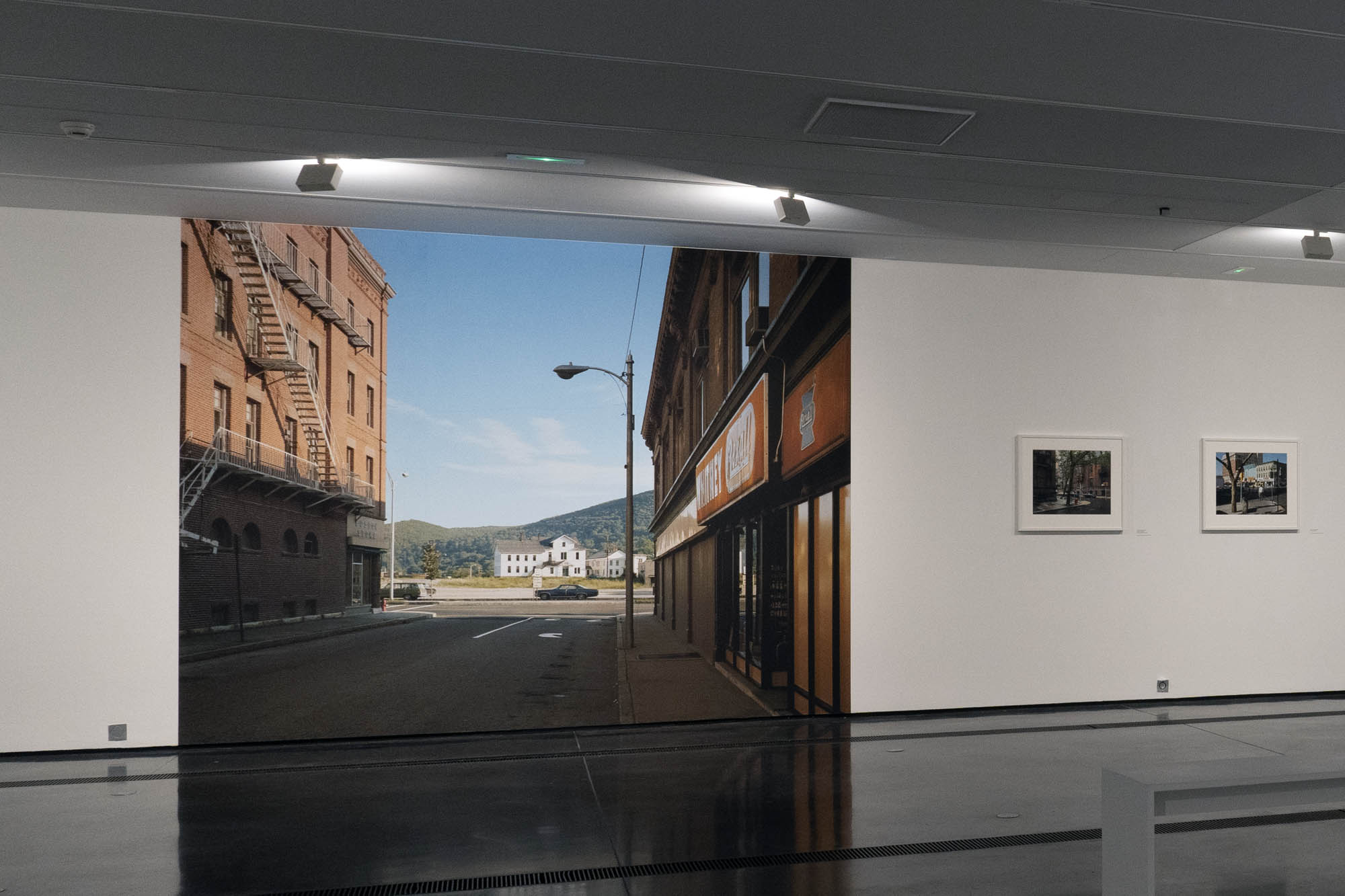
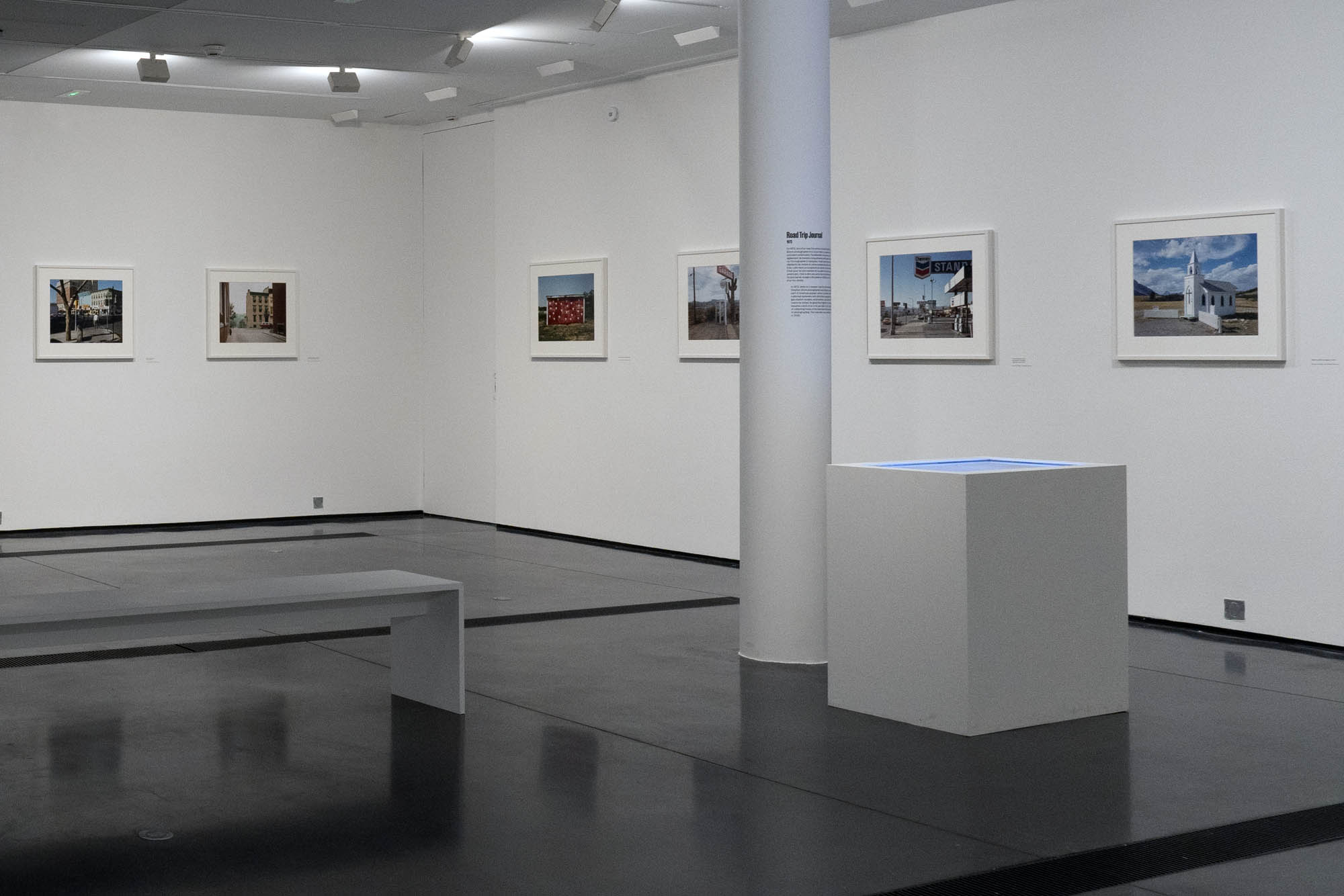


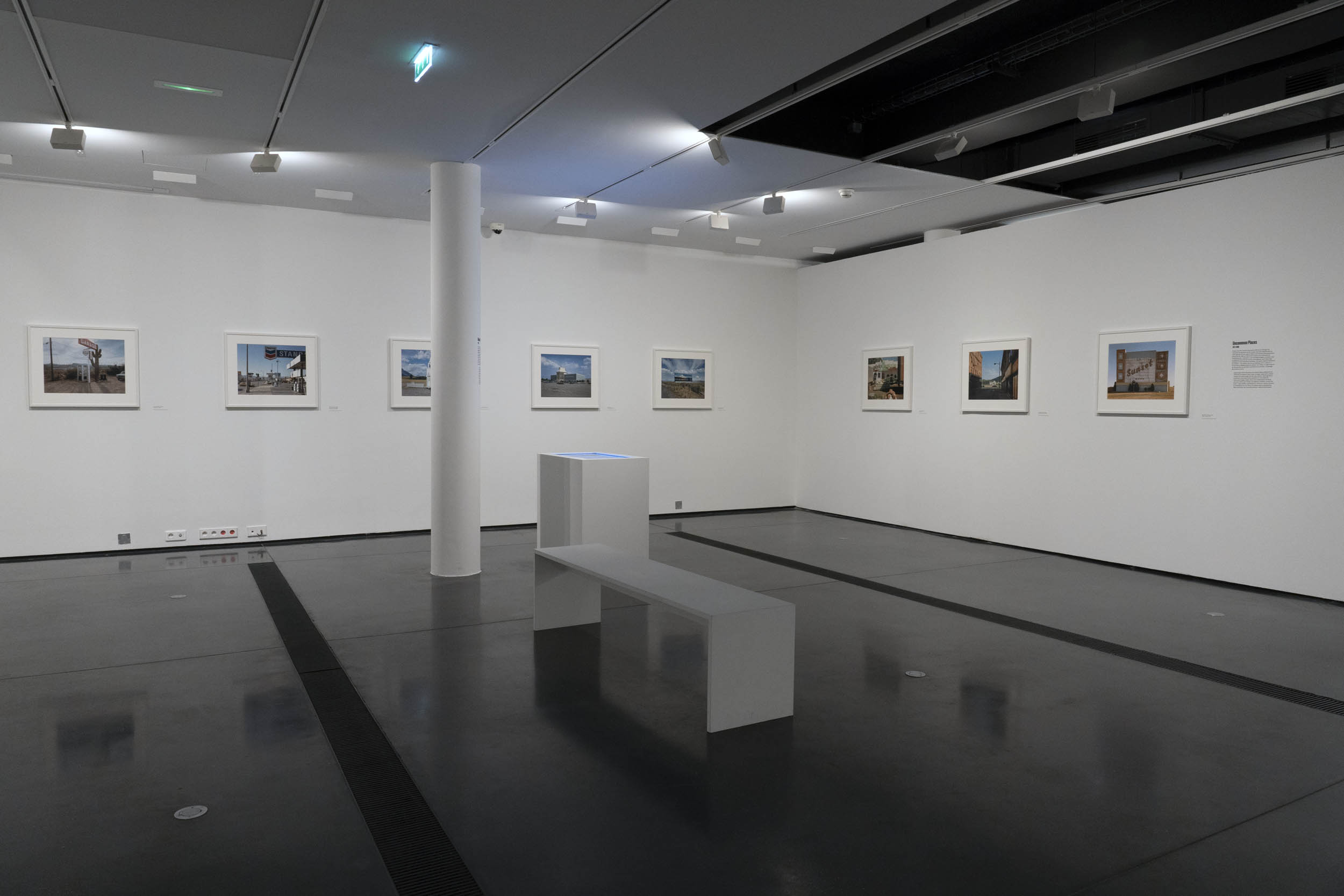
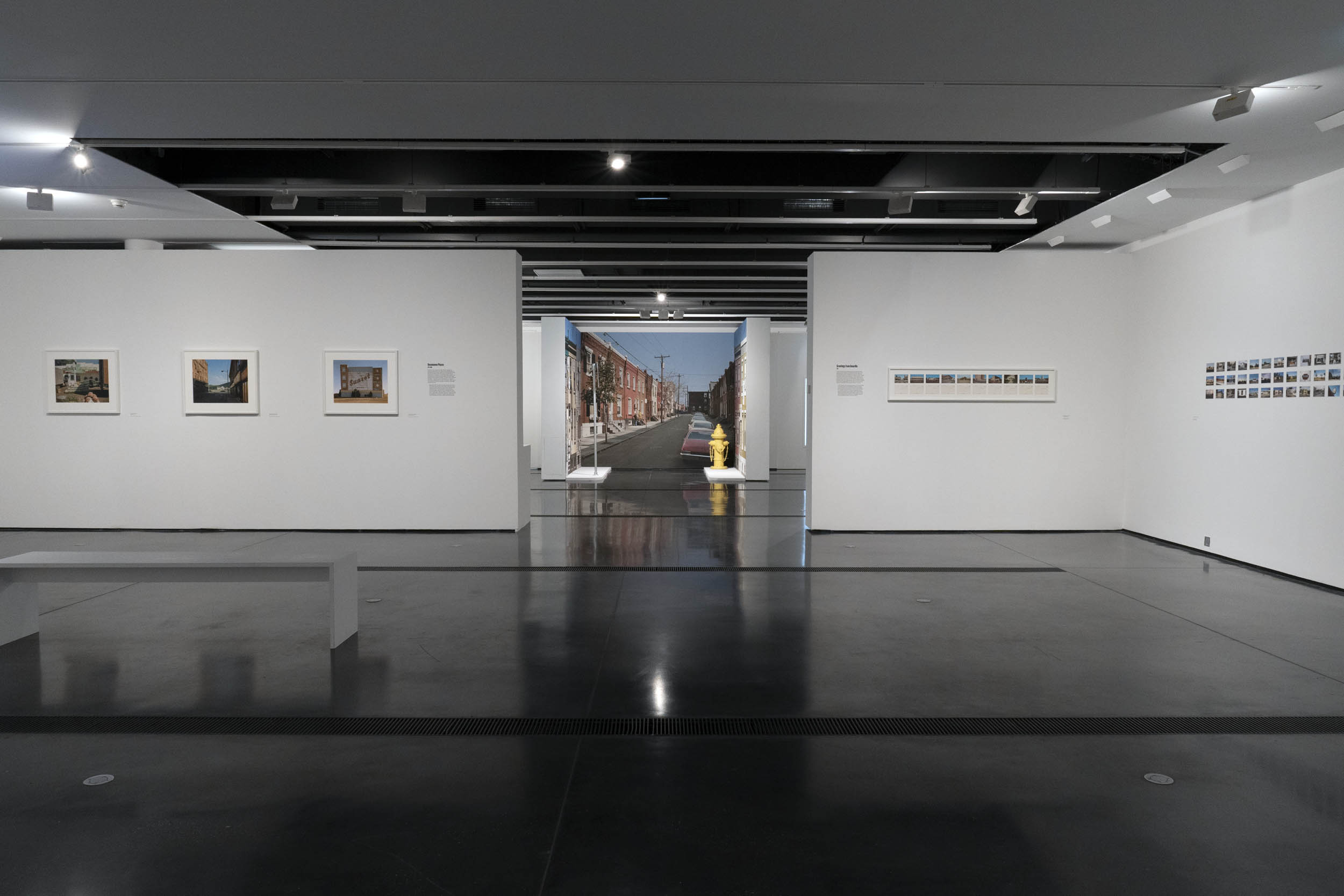
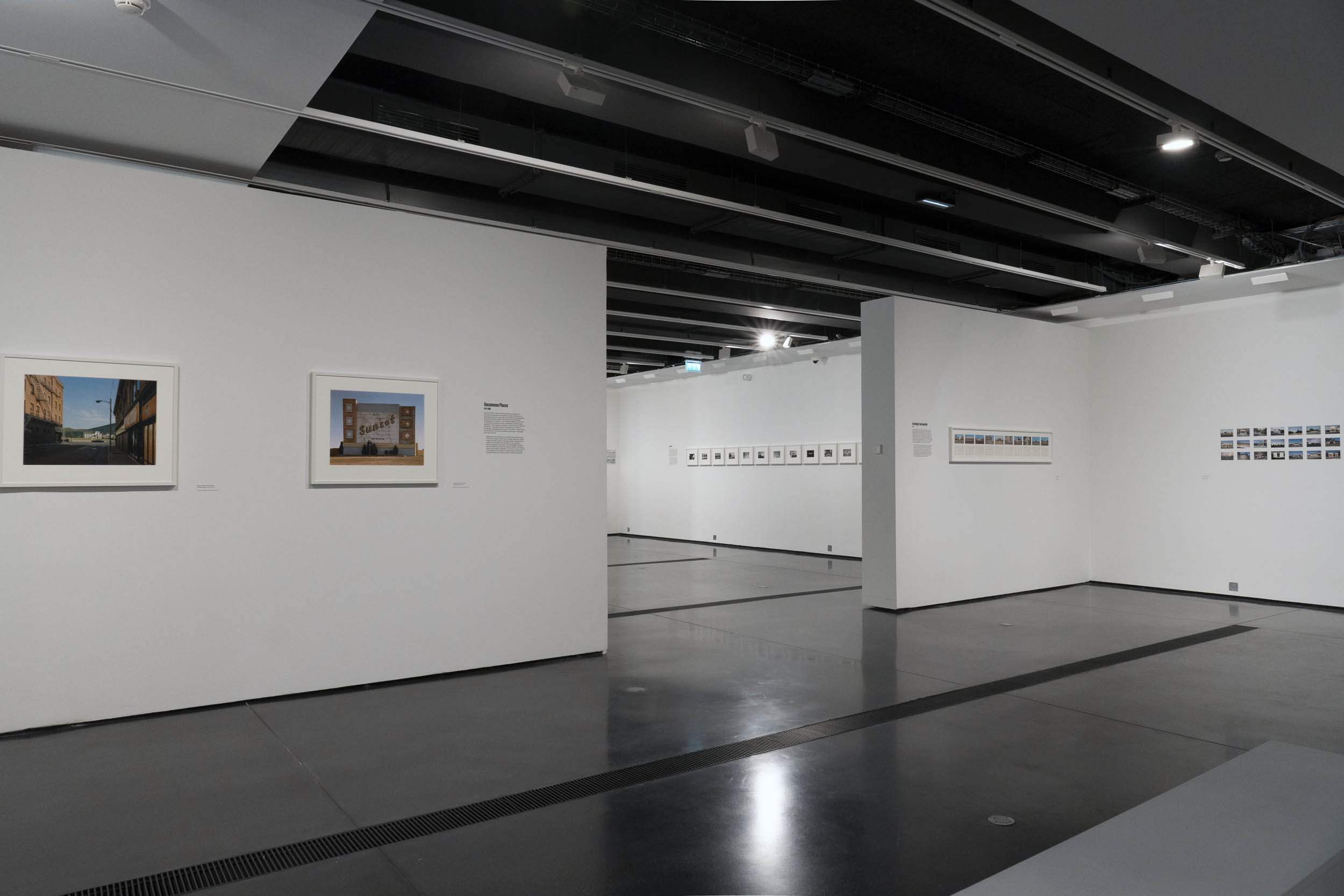
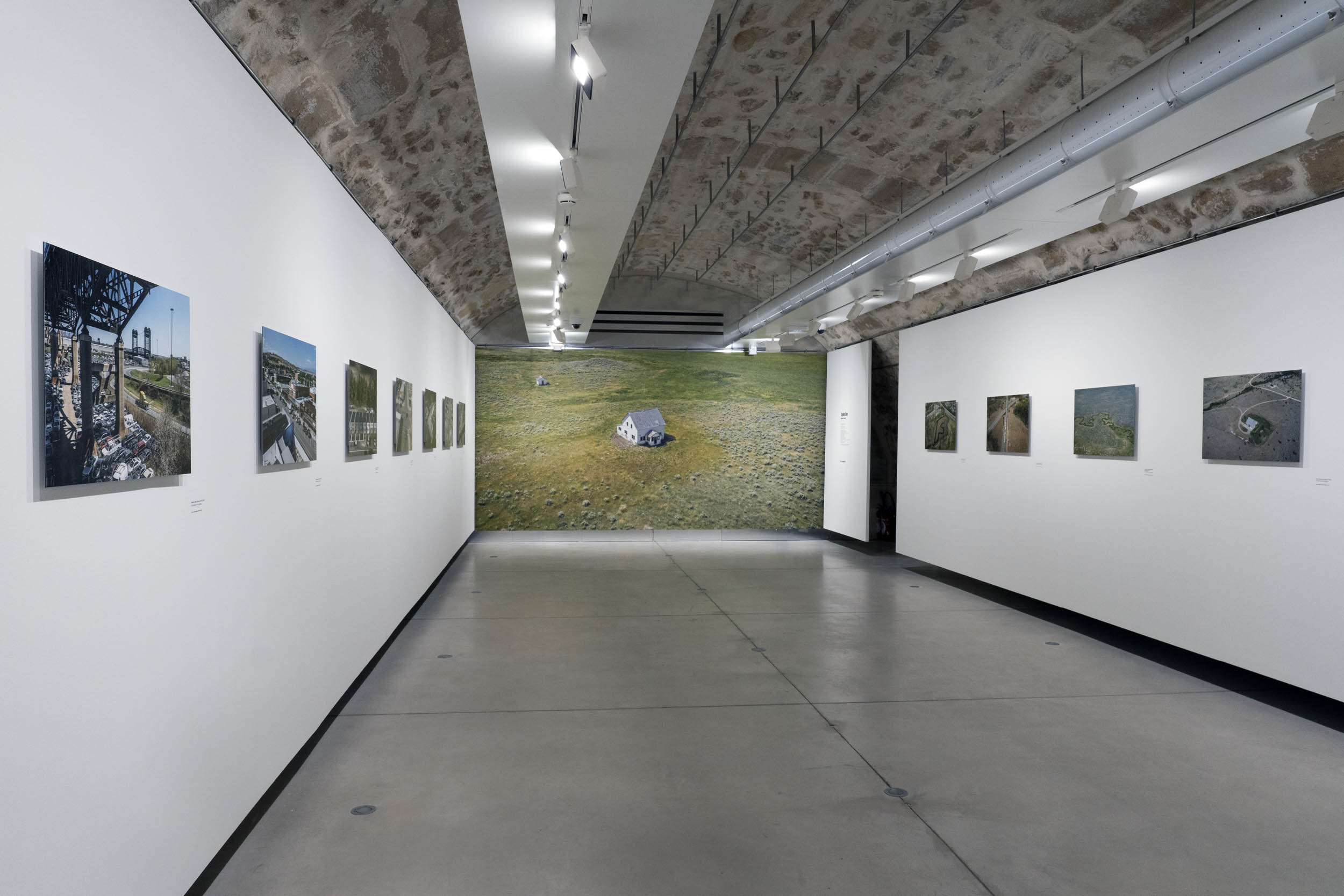

Installation views of the exhibition Stephen Shore: Vehicular & Vernacular at the Fondation Henri-Cartier Bresson, Paris
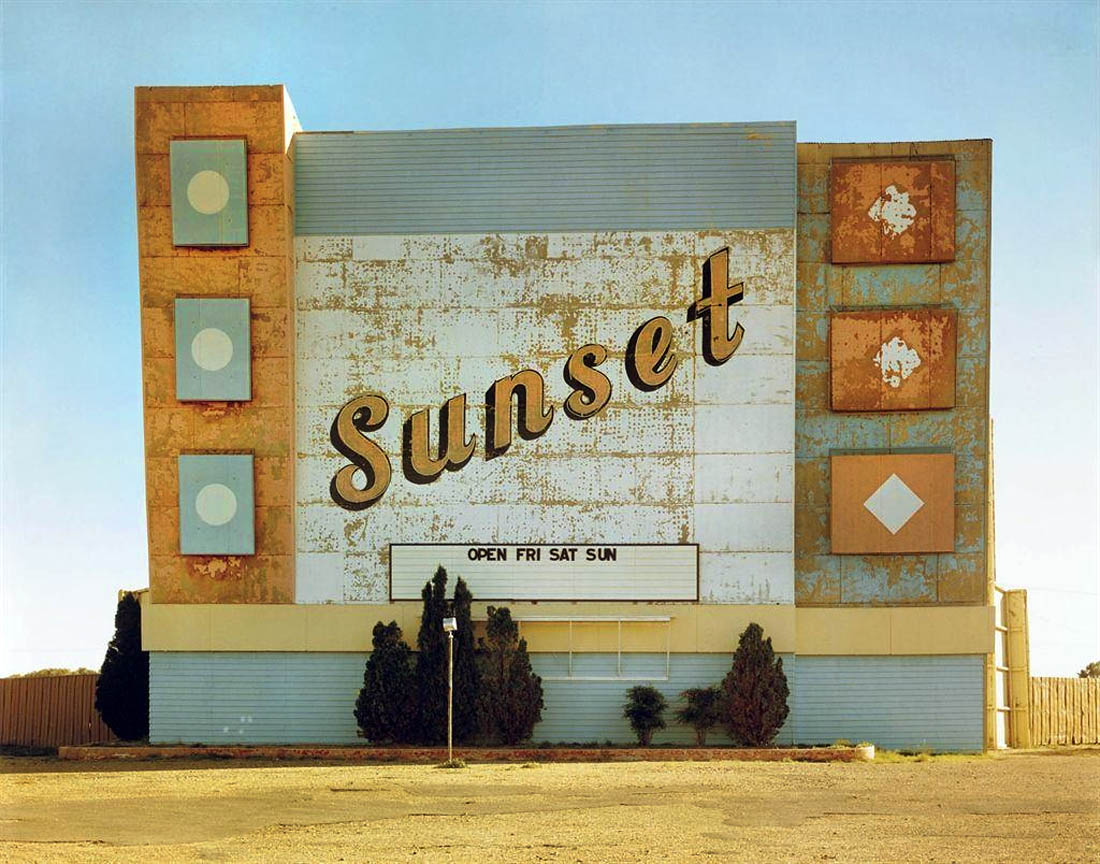
Stephen Shore (American, b. 1947)
West 9th Avenue, Amarillo, Texas
1974
From the series Uncommon Places, 1973-1986
© Stephen Shore. Courtesy 303 Gallery, New York and Sprüth Magers
Since the 1960’s, mobility has been central to Stephen Shore’s practice. In 1969, while on a trip to Los Angeles with his father, he took photographs from the car window. During the 1970s and 1980s, he went on several road trips across the United States, resulting in his two most famous series: American Surfaces and Uncommon Places. As the new millennium began, he resumed photographing from different means of transportation: from car windows, trains and planes. For his most recent project, which began in 2020, he used a camera-equipped drone to photograph changes in the American landscape. For over half a century, he developed a form of “vehicular photography”.
The vernacular has been an ever-present interest in North American photography: the culture of the useful, the local and the popular, so typical of the United States. Shore’s work is permeated by multiple aesthetic and cultural issues. The vernacular is one of them. Shore’s mobility allows him to multiply perspectives and encounters with this “Americanness”. In the works selected for this exhibition, the vehicular is, in fact, placed at the service of the vernacular.
Exhibition
With over a hundred images shot between 1969 and 2021 across the United States, Vehicular & Vernacular is the first retrospective of Stephen Shore’s work in Paris in nineteen years. On view at the Fondation Henri Cartier-Bresson until September 15, the exhibition shows the photographer’s renowned series – Uncommon Places and American Surfaces – alongside lesser-known projects never shown in France. A fragment of the Signs of Life exhibition in which Shore participated in 1976 is exceptionally recreated for the occasion. Finally, the photographer’s most recent series, shot using drones, is exhibited for the first time in Europe.
Biography
Born in New York in 1947, Stephen Shore began photographing at the age of nine. At the age of fourteen, Edward Steichen bought him three photographs for the MoMA collections. In 1971, he became the first living photographer to have his work exhibited at the Metropolitan Museum. Shore was one of eight photographers included in the legendary 1975 New Topographics exhibition at Rochester’s George Eastman House, which redefined the American approach to landscape. He is part of the generation that led to the recognition of colour photography as an art form. Rich, diverse and complex, his work transforms everyday scenes into opportunities for meditation.
Press release from the Fondation Henri-Cartier Bresson
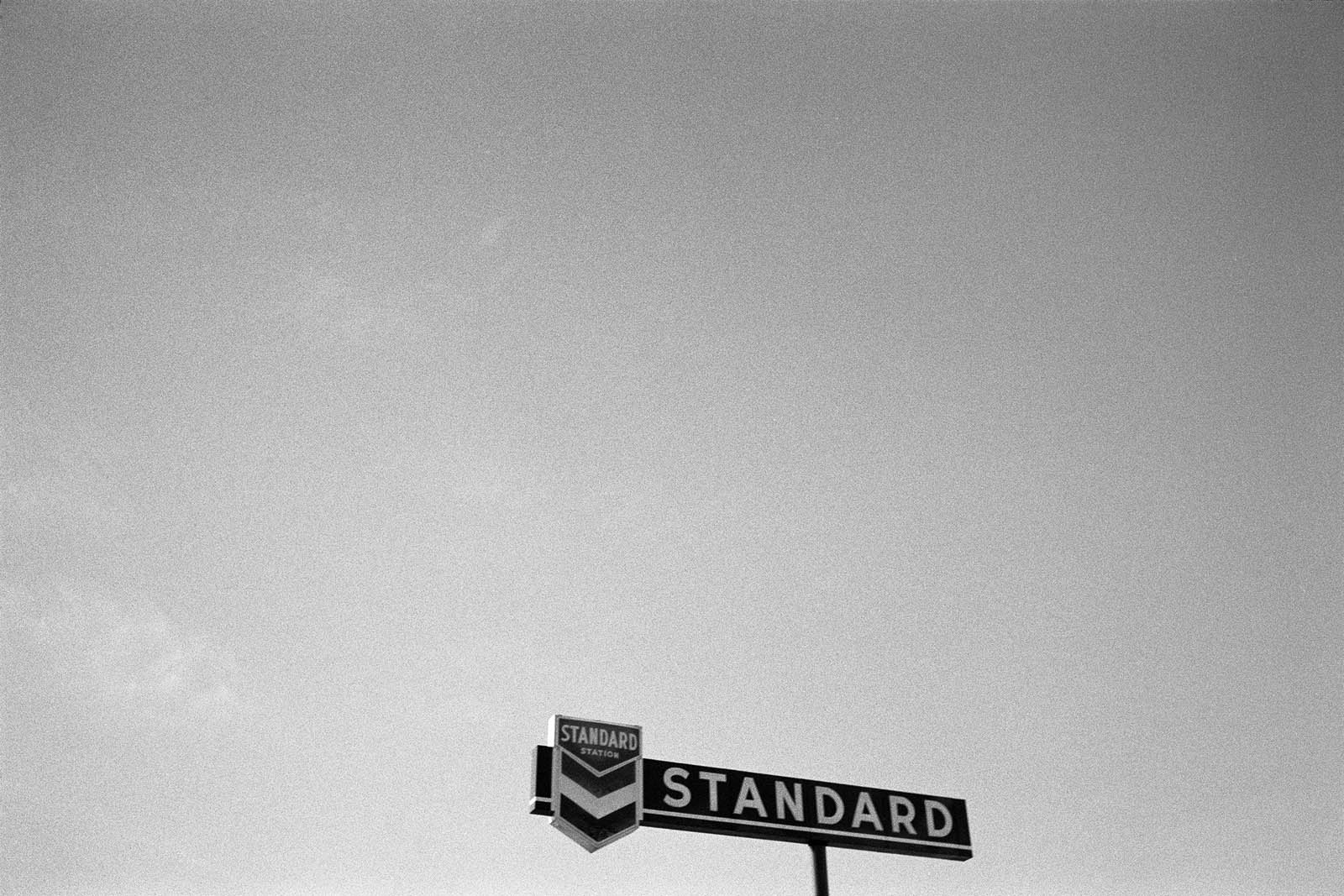
Stephen Shore (American, b. 1947)
Los Angeles, California, February 4, 1969
From the series Los Angeles, 1969
© Stephen Shore. Courtesy 303 Gallery, New York and Sprüth Magers
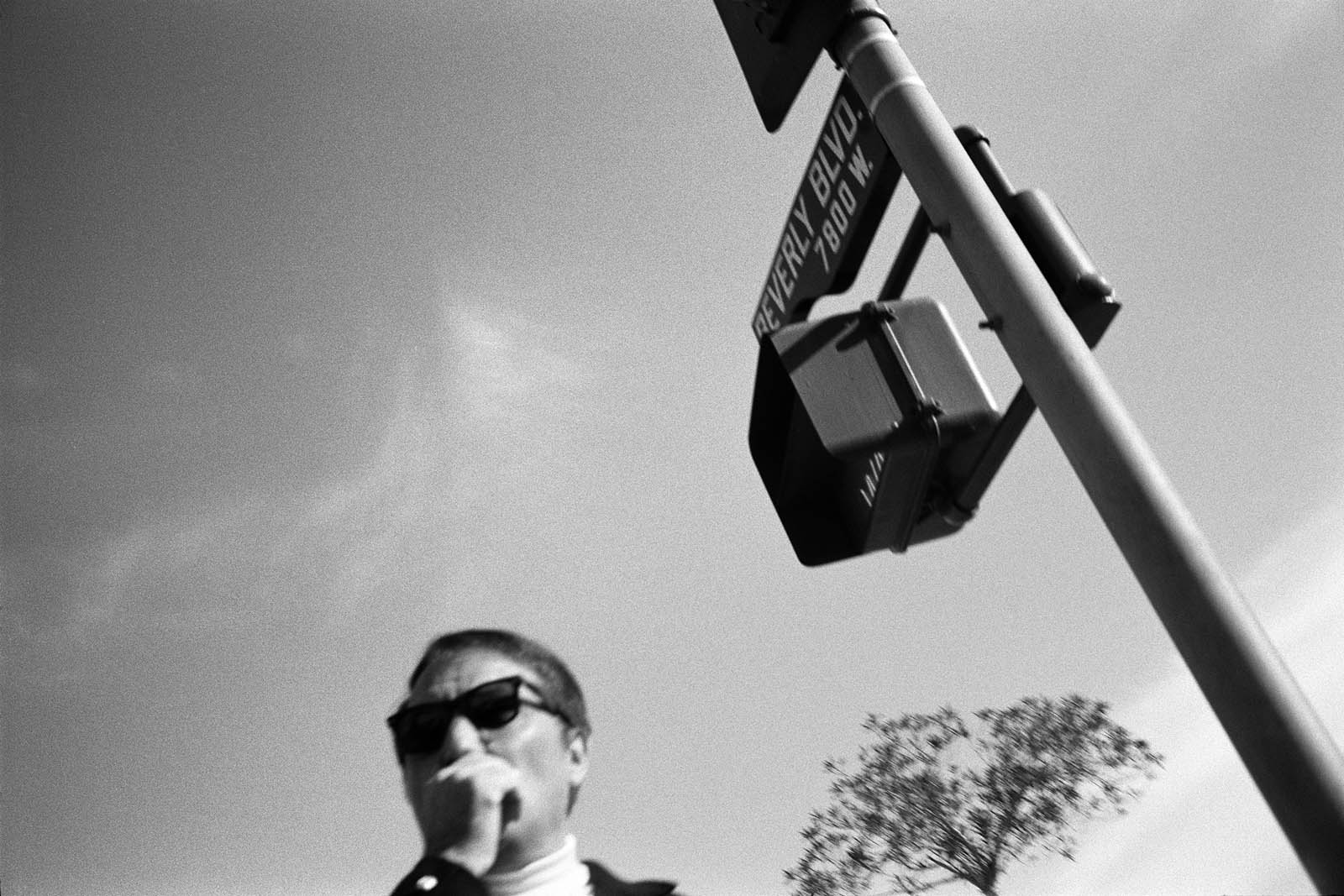
Stephen Shore (American, b. 1947)
Los Angeles, California, February 4, 1969
From the series Los Angeles, 1969
© Stephen Shore. Courtesy 303 Gallery, New York and Sprüth Magers

Stephen Shore (American, b. 1947)
Polk Street
1971
From the series Greetings from Amarillo, “Tall in Texas”, 1971
Postcard
© Stephen Shore. Courtesy 303 Gallery, New York and Sprüth Magers
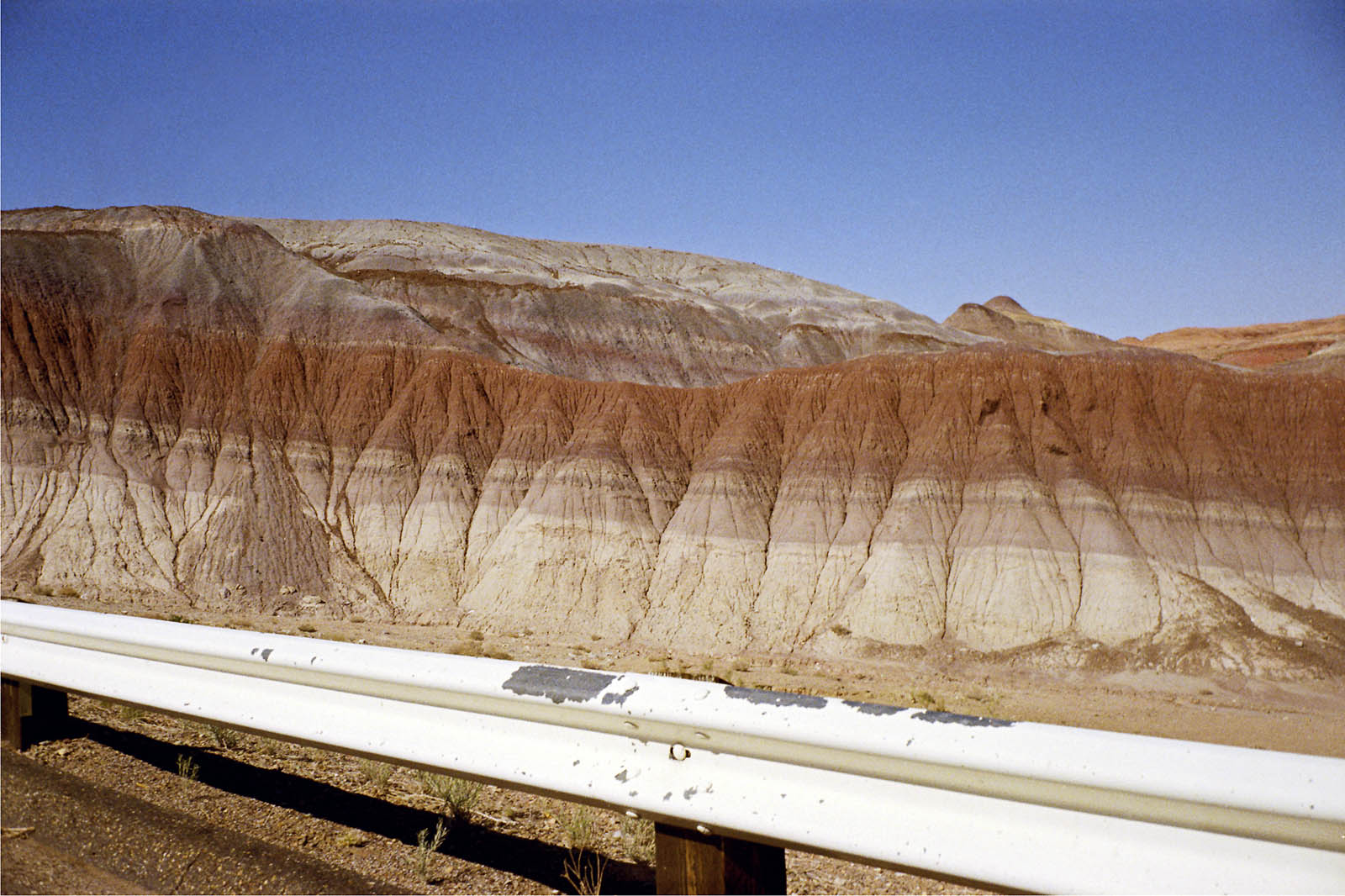
Stephen Shore (American, b. 1947)
U.S 89, Arizona, June 1972
From the series American Surfaces, 1972-1973
© Stephen Shore. Courtesy 303 Gallery, New York and Sprüth Magers

Stephen Shore (American, b. 1947)
Amarillo, Texas, July 1972
From the series American Surfaces, 1972-1973
© Stephen Shore. Courtesy 303 Gallery, New York and Sprüth Magers

Stephen Shore (American, b. 1947)
Second Street, Ashland, Wisconsin, July 9, 1973
From the series Uncommon Places, 1973-1986
© Stephen Shore. Courtesy 303 Gallery, New York and Sprüth Magers
For the epigraph of Uncommon Places, Shore used lines from Louis Sullivan’s Kindergarten Chats (1918):
“[F]or attention is of the essence of our powers; it is that which draws other things toward us, it is that which, if we have lived with it, brings the experiences of our lives ready to our hand. If things but make impression enough on you, you will not forget them; and thus, as you go through life, your store of experiences becomes greater, richer, more and more available. But to this end you must cultivate attention – the art of seeing, the art of listening …. To pay attention is to live, and to live is to pay attention.” 10
The surfeit of seeing the Uncommon Places images offer means that, even as they seem to make available to view every detail of a highly particularised location, they achieve an archetypal or universal character; they are arguments not so much for the value of specific places as for a more general attentiveness to inhabited environments. In a conversation with Lynne Tillman, Shore discusses the “inherent architecture” of his scenes – the formal and spatial relationships produced through his deliberate technique. He notes how the view camera’s descriptive power “allowed [him] to move back farther and take pictures that were more packed with information, more layered.” This layered distance “allows for lots of different points of interest to exist in the same picture.”11 …
Shore has always been attracted to such scenes of visual coherence won out of incoherence, be it social, economic, or architectural. Back in the 1970s, when Robert Venturi and Denise Scott Brown commissioned him to make photographs for a number of exhibitions (notably Signs of Life: Symbols in the American City, mounted at the Smithsonian in 1976), the architects were interested in how to capture “the threadbare banality of the American scene, the jerry-rigged down-at-heels seediness of our rural landscapes and the spatial looseness of our towns.”14
Hugh Campbell. “The poorest details of the world resurfaced,” on the Places Journal website, August 2023 [Online] Cited 26/08/2024. Used under fair use conditions for the purposes of education and research
10/ Sullivan’s autobiography, The Autobiography of an Idea (1924), notes key episodes of “paying attention” – to a tree, a building, etc. – and the resulting “ideas” as formative in his intellectual and spiritual development.
11/ Shore, Uncommon Places, 182.
14/ See Stephen Shore, Modern Instances: The Craft of Photography (London: Mack Books, 2022), 172. These lines from Venturi are cited on the back cover of Uncommon Places.

Stephen Shore (American, b. 1947)
South of Klamath Falls, U.S. 97, Oregon, July 21, 1973
From the series Uncommon Places, 1973-1986
© Stephen Shore. Courtesy 303 Gallery, New York and Sprüth Magers
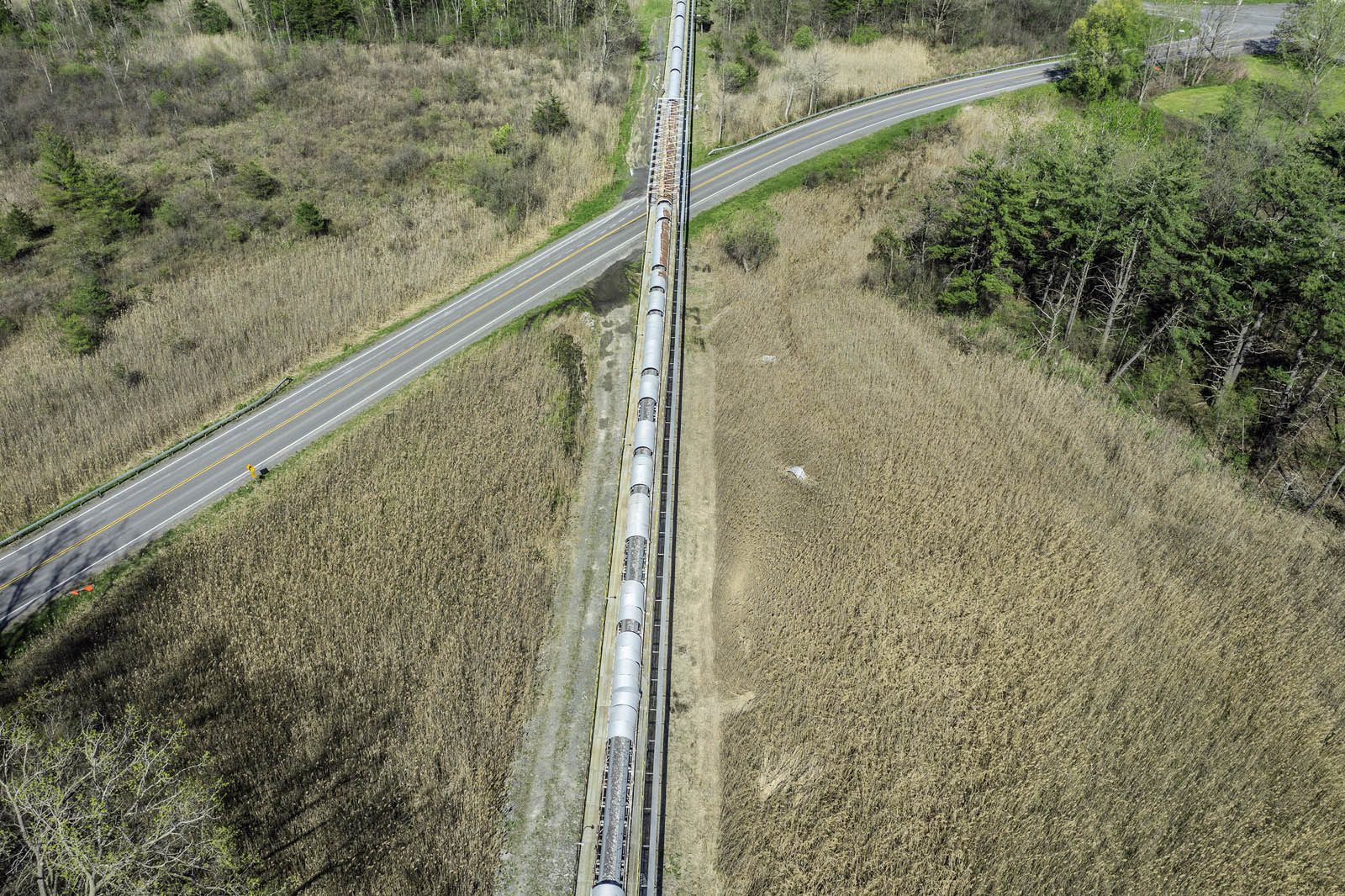
Stephen Shore (American, b. 1947)
Ravena, New York, May 1, 2021 42°29.4804217N 73°49.3777683W
From the series Topographies, 2020-2021
© Stephen Shore. Courtesy 303 Gallery, New York and Sprüth Magers
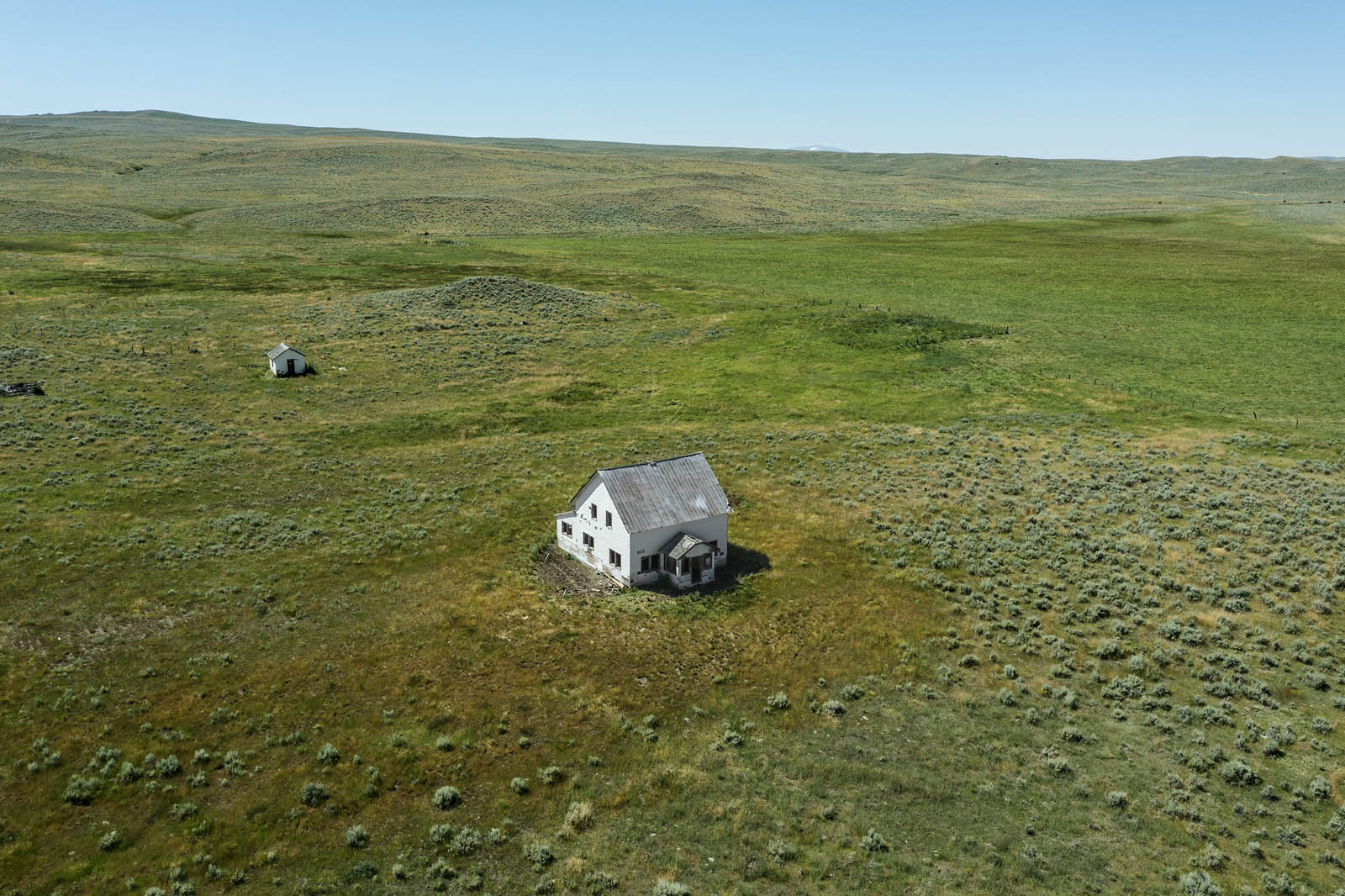
Stephen Shore (American, b. 1947)
Meagher County, Montana, July 26, 2020 46°11.409946N 110°44.018901W
From the series Topographies, 2020-2021
© Stephen Shore. Courtesy 303 Gallery, New York and Sprüth Magers
Fondation Henri Cartier-Bresson
79 rue des Archives
75003 Paris
Opening hours:
Tuesday – Sunday 11am – 7pm
Closed on Mondays




You must be logged in to post a comment.