What can I say … more from that ecstatic photographer Peter Hujar. One of my top ten photographers of all time.
I can’t get enough of his uncomplicated, fleeting photographs of people who have the bravery to be themselves. Photographs that haunt my memory.
A big thank you to Nick Henderson for allowing me to use the photographs that he took of the exhibition in the posting.
Dr Marcus Bunyan
Many thankx to the Art Institute of Chicago for allowing me to publish some of the photographs in the posting. Please click on the photographs for a larger version of the image. All installation images courtesy of and with thankx to Nick Henderson.
Installation view of the exhibition Peter Hujar: Performance and Portraiture at the Art Institute of Chicago showing Hujar’s Nude Self-Portrait Series #5 (1967, above) Photo: Nick Henderson
While photography has long been associated with documentation and memory, Peter Hujar (American, 1934-1987) sought to produce images that construct a new reality through subtle exchanges between himself and his subjects. He created direct yet enigmatic portraits of people and animals, pictures of performers, and sexually charged male nudes. These were influenced by various dimensions of his experience, including a childhood spent on his grandparents’ farm, a lifelong interest in dance and theatre, and his identity as a gay man.
In the early 1970s Hujar lived in a loft in downtown Manhattan, amid numerous performers, choreographers, and playwrights who were exploring new approaches to representation. Operating in modes ranging from experimental dance to drag, they challenged the distinction between art and everyday life. Hujar created portraits of many members of these creative communities, and his work embodies the same sense of experimentation that his subjects pursued in their live and performance.
Hujar sought not to document a person or moment but instead to create a reality that exists only within the photograph. This exhibition connects these new realities with the worlds their subjects were making through performance. In keeping with the spirit of collaboration and exchange that typified the downtown New York scene, this exhibition also includes artwork by some of those in his circle.
Wall text from the exhibition
Installation view of the exhibition Peter Hujar: Performance and Portraiture at the Art Institute of Chicago showing Hujar’s Nude Self-Portrait Series #5 (1967, above) Photo: Nick Henderson
Installation view of the exhibition Peter Hujar: Performance and Portraiture at the Art Institute of Chicago showing at left, Gary in Contortion (2) (1979, below), and at second right Gary Indiana Veiled (1981, below) Photo: Nick Henderson
Installation view of the exhibition Peter Hujar: Performance and Portraiture at the Art Institute of Chicago showing at fifth from left, Hujar’s John Flowers Backstage at the Palm Casino Revue (1974, below); and at right, Hujar’s Larry Ree Backstage (1974, below) with ‘Experimental and Camp Performance’ exhibition text to the extreme right Photo: Nick Henderson
Wall text from the exhibition Photo: Nick Henderson
Wall text from the exhibition Photo: Nick Henderson
While photography has long been associated with documentation and memory, Peter Hujar (American, 1934-1987) sought to produce images that construct a new reality through subtle exchanges between himself and his subjects.
He created direct yet enigmatic portraits of people and animals, pictures of performers, and sexually charged male nudes in close dialogue with the performance and movement study scene emerging in New York’s East Village in the 1970s. His subject matter was influenced by various dimensions of his experience, including a childhood spent on his grandparents’ farm, a lifelong interest in dance and theatre, and his identity as a gay man.
In the early 1970s, Hujar was living in a loft in lower Manhattan as, nearby, Robert Wilson founded the Byrd Hoffman School of Byrds, a performance group dedicated to exploring new approaches to theatre and choreography. Byrd Hoffman is just one of the groups Hujar would go on to photograph extensively, along with the Ridiculous Theatrical Company, an absurdist project founded by Charles Ludlam, and The Cockettes, a psychedelic theatre troupe based in San Francisco. Hujar photographed performances by these companies but often paid more attention to capturing the actors and dancers backstage, in moments of transition – as they put on their costumes and make-up, preparing to embody the characters they would play.
This exhibition connects both the experimentation Hujar and his subjects pursued and the new realities they each created – whether through photographs or performance. The presentation includes over 60 works by Hujar, and in keeping with the spirit of collaboration and exchange that typified the downtown New York scene, also includes artwork by some of the artists and performers in his circle, including works by Greer Lankton, Sheryl Sutton, and David Wojnarowicz.
Hujar’s representation of artist Greer Lankton’s legs evokes tropes of feminine glamor and imagery such as fashion photographs and pin-ups, while also recalling the fragmentation of the body Lankton effected in her sculptures.
Abbott appraises the camera with cool assurance in this portrait, made just after her return from Paris to New York. Her gamine-short hair and bare face affect a chic nonchalance that intrigued Evans. Describing her to a friend after their first meeting, he wrote: “You would like Berenice Abbott, with her hair brushed forward and her woozy eyes.” Her work likewise impressed the young photographer, then finding his footing in the field. Evans’s picture betrays admiration for his new acquaintance, whose burgeoning career offered a model for his own.
American visionary
What a wonderful photographer Berenice Abbott developed into and what a debt of gratitude we owe her for saving the archive of French photographer Eugène Atget whose photographs initially influenced her urban(e) style.
“Abbott felt the changing city [New York] needed an equivalent to the French photographer Eugène Atget (1857-1927), who had documented Paris during a critical period of transition in the late 19th and early 20th centuries with what Abbott called “the shock of realism unadorned.””
It is interesting to analyse Abbott’s New York photographs in relation to Atget. In photographs such as the grouping on Album Page 9: Fulton Street Fish Market and Lower East Side, Manhattan(1929, below) there is an almost symbiotic relationship between Atget’s photographs of street Petits Métiers (trades and professions) and those of Abbott. “The subjects were not sensational, but nevertheless shocking in their very familiarity,” she said of seeing Atget’s photographs in Man Ray’s studio in 1926. Similarly, we can recognise in Abbott’s grouping in Album Page: City Hall Park and Brooklyn Bridge Vicinity, Manhattan (1929, below) and Pingpank Barbershop, 413 Bleecker Street, Manhattan (1938, below) an affinity with Atget’s photographs of architectural details of door handles and the front of shops.
A step away from Atget’s aesthetic are Abbott’s photographs such as Brooklyn Bridge, With Pier 21, Pennsylvania R.R. (1937, below), West Street (1936, below) and Henry Street from Market, Looking West, Manhattan (1935, below) where the foreground of each photograph mimics Atget’s photographs of Old Paris whilst the soaring background of skyscrapers and bridges is all modernist New York, the near / far of the picture plane becoming old / new. Abbott chronicled “the changing aspect of the world’s great metropolis. … Its hurrying tempo, its congested streets, the past jostling the present.”
Still further away from Atget’s aesthetic are Abbott’s photographs grouped in Album Page 1: Financial District, Broadway and Wall Street Vicinity, Manhattan (1929, below) where the artist uses with the chiaroscuro (the treatment of light and shade) within the canyons of skyscraper New York – and modernist almost constructivist photographs such as Canyon, Broadway and Exchange Place (1936, below) and Manhattan Bridge, Looking Up (1936, below) where the artist plays with pictorial perspective by pointing her camera skywards.
Finally, there are Abbott’s photographs that bear no relation to those of Atget, where Abbott as an artist has stepped out of the older artist’s shadow and developed her own artistic signature. Those wonderfully abstract and enigmatic photographs at lower left and right in Album Page 5: Pier 17, South Street Seaport, Manhattan push the boundaries of 1930s photographic language. In other glorious photographs such as The El at Columbus and Broadway (1929, below) and The El, 2nd and 3rd Avenue Lines, Bowery and Division Street, Manhattan (1936, below) Abbott captured the random disorder of urban activity with a focused intensity of vision that produces magical images… and by that I mean, images that transport you into other spaces, other states of being. Her dadaist poet Tristan Tzara put it this way: “We leave with those leaving arrive with those arriving / leave with those arriving arrive when the others leave.”
Dr Marcus Bunyan
Many thankx to the Metropolitan Museum of Art for allowing me to publish the photographs in the posting. Please click on the photographs for a larger version of the image.
In January 1929, after eight years in Europe, the American photographer Berenice Abbott (1898-1991) boarded an ocean liner to New York City for what was meant to be a short visit. Upon arrival, she found the city transformed and ripe with photographic potential. “When I saw New York again, and stood in the dirty slush, I felt that here was the thing I had been wanting to do all my life,” she recalled. With a handheld camera, Abbott traversed the city, photographing its skyscrapers, bridges, elevated trains, and neighbourhood street life. She pasted these “tiny photographic notes” into a standard black-page album, arranging them by subject and locale.
Consisting of 266 small black-and-white prints arranged on thirty-two pages, Abbott’s New York album marks a key turning point in her career – from her portrait work in Paris to the urban documentation that culminated in her federally funded project, Changing New York (1935-1939). Berenice Abbott’s New York Album, 1929 presents a selection of unbound pages from this unique album, shedding new light on the creative process of one of the great photographic artists of the twentieth century. For context, the exhibition also features views of Paris by Eugène Atget (French, 1857-1927), whose extensive photographic archive Abbott purchased and publicised; views of New York City by her contemporaries Walker Evans, Paul Grotz, and Margaret Bourke-White; and photographs from Changing New York. The exhibition is made possible by The Robert Mapplethorpe Foundation, Inc.
Text from the Metropolitan Museum of Art website
MAP
This map charts some of the locations across Manhattan that Berenice Abbott photographed in her New York Album (1929). As the album bears almost no notations, identifying the exact sites depicted in the photographs had to be done through visual recognition of streets, buildings, and other urban landmarks.
Some of the iconic places Abbott photographed, such as the main branch of the New York Public Library and Trinity Church on Wall Street, haven’t changed much since 1929. Others, such as the city’s four elevated train lines and Harlem’s famed Lafayette Theater, have vanished completely. Several sites have gone through multiple transformations within the past century. The National Winter Garden Theater on Houston Street and Second Avenue opened in 1912 as a cinema and vaudeville theatre. By the time Abbott photographed it in 1929, it had been converted to a burlesque house; today, it’s a Whole Foods. The map is an invitation to explore Abbott’s photographs beyond the confines of the Museum’s galleries, and, like the artist herself, to cherish New York as a vibrant metropolis that is, and always has been, defined by change.
For their invaluable help with the historical research, The Met is grateful to the Jones Family Research Collective: former Manhattan Borough Historian Celedonia “Cal” Jones; his daughter, Diane Jones Randall; and his son, Kenneth Jones. Explore Abbott’s 1929 images of New York here with images of each album page.
Born in Ohio, Berenice Abbott moved to Paris and in 1923 became Man Ray’s darkroom assistant. In 1927 she made this photograph of Atget, the renowned documentarian of the streets of Paris and an unwitting hero of the surrealists; when she returned to his apartment to deliver a print of her portrait, Abbott learned of the elderly artist’s death. The unfortunate circumstance put in motion a process that led to Abbott’s purchase of Atget’s archive of five thousand photographs and one thousand negatives, the first (1930) monograph on Atget (edited by Abbott), and the collection’s eventual acquisition by MoMA in 1968.
In the spring of 1927, Abbott invited Atget to sit for a portrait in her Paris studio. She made only three exposures that day: a standing pose, a frontal view, and this profile view. Unfortunately, Atget never saw the photographs. When Abbott arrived at his apartment a few months later to deliver the proofs, she found that the elderly photographer had died suddenly. This portrait was used as the frontispiece in the first book devoted to his work, Atget, Photographe de Paris (1930), displayed in the case nearby.
Berenice Abbott opened a photographic portrait studio in Paris in 1926 after having worked for three years as an assistant to Man Ray, whom she had met in New York. Although her Paris portraits are indebted stylistically to Man Ray’s, she brought to them a sympathetic eye that was very much her own. Her portraits of women are notable for their empathic understanding of her subjects, but she reached a depth of expression in her photographs of James Joyce (1882-1941). Abbott photographed Joyce on two occasions, the first in 1926 at his home, the second in 1928 at her studio, as was her more customary practice. In spite of Abbott’s annotation on the back of the print, this portrait belongs to the earlier session, when Joyce was photographed both with and without the patch over his eye, worn because of his sadly degenerating sight. For this particular exposure Joyce removed the patch and held it, with his glasses, in his right hand; his forehead still bears the diagonal impression of the ribbon. This intimate portrait, with its softly diffused lighting, suggests the complex, introverted character of Joyce’s imagination. It is with good reason that Abbott’s are considered the definitive portraits of the author of “Ulysses” and “Finnegan’s Wake.”
Berenice Abbott (American, 1898-1991) Djuna Barnes 1925 Gelatin silver print 22.6 x 17.1cm (8 7/8 x 6 3/4 in.) Purchase, Joyce and Robert Menschel Gift, 1987
Abbott lived with the American writer Djuna Barnes when she moved from Ohio to Greenwich Village in 1918, and the two women remained friends, and occasional romantic rivals, throughout their lives. In this portrait, made in Man Ray’s Paris studio, Barnes is elegantly attired and addresses the camera with a smouldering gaze above a slight smile. A decade later, Barnes would publish Nightwood (1936), a classic of lesbian fiction inspired by her tormented affair with the American artist Thelma Wood (1901-1970), who also had a brief relationship with Abbott.
Berenice Abbott (American, 1898-1991) Buddy Gilmore, Paris 1926-1927 Gelatin silver print 23.1 x 17.2cm (9 1/8 x 6 3/4 in.) Purchase Gift of the Polaroid Corporation and matching funds from the National Endowment for the Arts, 1981
Gilmore was an American jazz drummer known for his acrobatic dexterity and energetic solos. After seeing him perform at Zelli’s, a nightclub in Paris, Abbott invited him to her studio to pose for this action portrait with his drum set. “I was simply crazy about his playing,” she recalled.
In 1929, after eight years in Paris, Abbott returned to America, bringing with her an immense collection of photographs by Eugène Atget and the ideas of European modernist photographers. Her first pictures of New York show the modernist influence in the sharply angled viewpoints and tendency toward abstraction. By the mid-1930s, however, Atget emerged as the stronger influence, as Abbott’s style became more straightforward and documentary.
In 1935 Abbott embarked on a series documenting New York funded by the Federal Art Project, and during the next four years she made hundreds of images of the city’s monuments and architecture. Ninety-seven of these, including “Fifth Avenue, Nos. 4, 6, 8,” were published in “Changing New York” (1939). The caption for this picture informs us that “No. 8 was once the home of the art collection which formed a part of the original Metropolitan Museum of Art.” It was built in 1856 for John Taylor Johnston, president of the Central Railroad of New Jersey. A leading collector of American art, Johnston was a founder of The Met and was elected its first president in 1870.
The New York Album
Abbott sailed for New York in January 1929, hoping to find an American publisher for a proposed book of Atget’s photographs and to promote her own portrait work. She brought with her a new handheld Curt Bentzin camera, thinking she might make some views of the city to sell to publishers in Europe. Inspired by the towering skyscrapers that had reshaped the American metropolis in the 1920s, Abbott pointed her camera up, down, and at skewed angles, creating dynamic compositions with sharp contrasts of light and shadow. She wandered all over Manhattan, photographing storefronts in Harlem, construction sites in midtown, and street vendors and tenement buildings in Chinatown and on the Lower East Side. She paid special attention to the city’s transportation infrastructure: bridges, elevated train lines, railroad terminals, ships docked on the waterfront.
Without access to a darkroom, Abbott had her negatives processed and printed at local drug stores and commercial labs. She pasted the little prints onto the pages of a standard photo album, creating a kind of sketchbook of subjects and themes. When The Met acquired it between 1978 and 1984, the album had already been disbound. Abbott reconstructed the sequence of the first eleven pages displayed here for a publication in 2013; the order of the remaining pages is unknown.
Changing New York
Abbott’s New York album laid the groundwork for her ambitious documentary project Changing New York (1935-1939). Comprising more than 300 negatives and a wealth of research, the project was funded by the Federal Art Project of the Works Progress Administration, a government program dedicated to supporting unemployed artists during the Great Depression. Aided by a team of researchers, field assistants, and darkroom technicians, Abbott chronicled “the changing aspect of the world’s great metropolis. … Its hurrying tempo, its congested streets, the past jostling the present.” She returned to many of the locations she visited in 1929, but the new photographs, made with a large-format view camera like the one Atget used, are more straightforward and less influenced by the jazzy, sharp-angled style of European modernism. The project culminated in a book, published in 1939, featuring ninety-seven photographs with captions by Abbott’s companion, the art critic Elizabeth McCausland. The photographs were widely exhibited and complete sets of the final images were distributed to high schools, libraries, and other public institutions throughout the New York area.
If you were an American artist or writer in the 1920s, Paris was where you wanted to be. Springfield, Ohio-born photographer Berenice Abbott (1898-1991) arrived there in 1921 by way of New York, and by early 1929 she had managed to establish herself in the French capital’s flourishing interwar avant-garde scene – first working as an assistant to Man Ray and later taking her own celebrated portraits of luminaries such as James Joyce and Djuna Barnes. She even changed the spelling of her name from “Bernice” to the more Gallic “Berenice.”
Yet somehow this magnet for culturally minded expatriates lost its hold on Abbott the moment she set foot in Lower Manhattan – on a messy January day, no less – at the beginning of what was supposed to be a short trip back to the United States. She had lived in New York once, just eight years before, but in her absence the city had been scaled up: new skyscrapers were rising, the population was exploding, and every block, it seemed, was abuzz with commerce and construction. (The market crash of October 1929 was still many months away). Suddenly, Paris was passe. “When I saw New York again, and stood in the dirty slush,” she later recalled, “I felt that here was the thing I had been wanting to do all my life.”
“Berenice Abbott’s New York Album, 1929,” a small but inspiring show at the Metropolitan Museum, channels the exhilaration Abbott felt upon arriving in the city. The exhibition’s focus is a disbound scrapbook with seven to nine photographs per page, all taken over the course of that year, as Abbott paced the streets (and piers, bridges and train platforms) with a hand-held camera and a compulsion to capture New York’s unruly, cutthroat modernity.
With its 32 pages of small contact prints processed at drugstores and commercial labs (or as Abbott called them, “tiny photographic notes”), the album can be seen as a rough draft of her well-known Works Progress Administration project of the 1930s, “Changing New York.” (Several examples from this later series are in the Met show, including a disconcertingly ethereal view of Seventh Avenue taken from the top of a 46-story building in the garment district.) But Abbott’s “New York Album” is a fascinating artwork in its own right, an adrenalized and ambitious alignment of artist and subject.
Abbott felt the changing city needed an equivalent to the French photographer Eugène Atget (1857-1927), who had documented Paris during a critical period of transition in the late 19th and early 20th centuries with what Abbott called “the shock of realism unadorned.” She had come to New York as part of an impassioned effort to promote Atget’s oeuvre, one that included purchasing the photographer’s archive after his death and making her own prints from his glass-plate negatives; in the “New York Album” she goes further, becoming, in effect, his heir.
The Met’s exhibition incorporates several Atget photographs from the museum’s collection, including one that Abbott was known to admire; it shows an early automobile garage in the Fifth Arrondissement, with a Renault parked in a cobblestoned courtyard. A similar appreciation for the collision of the newfangled with the outmoded can be seen throughout Abbott’s “New York Album,” in shots of skyscrapers looming over rows of tenements and, in one more subtle and almost surreal case, an overhead view of an equine statue photographed from the Ninth Avenue El.
Although the album is not strictly organized by location, it has a distinct cartography. Abbott gravitated to certain neighborhoods that, for her, showed the face of the new city emerging. Many of them were in lower Manhattan; multiple pages are devoted to the Lower East Side, where she was drawn to storefronts and their simultaneously poetic and transactional signage, and the Financial District, where she often pointed her camera skyward to exaggerate the intimidating height of new corporate towers.
Unlike peers such as Walker Evans, she did not take much of an interest in the human subject – or, at least, in individuals. To her, the city was a human construction and humanity was implicit in every part of it. “You’re photographing people when you’re photographing a city,” she explained in a documentary film about her life. “You don’t have to have a person in it.”
As Abbott’s biographer has noted, she was influenced by the French literary movement of Unanimism, which emphasized collective consciousness and expression. You can sense this especially in her shots of the city’s elevated train system, which revel in the formal modernism of all that interlaced steel and cast iron without losing sight of its function of moving millions of people.
As an extension of the exhibition, the Met has created a helpful digital map that identifies some of the subjects in Abbott’s album and updates them with present-day photographs (a collaboration between the Met curator of photography who organized the exhibition, Mia Fineman, and the Jones Family Research Collective, led by the Manhattan borough historian emeritus, Celedonia Jones, until his death last April). It reveals, for example, that the site of a burlesque theater on Houston Street photographed by Abbott is now a Whole Foods.
Visitors to the exhibition can spend a lot of time testing their own knowledge of the city’s geography, but the pleasures of the show have more to do with the drive and dynamism behind the pictures. “Berenice Abbott’s New York Album, 1929” takes us back to an invigorating moment in the history of the metropolis, captured on the fly by an emergent modern artist.
During her upbringing in Ohio, Abbott had planned to be a journalist – she attended Ohio State University’s School of Journalism before turning to art – and it’s clear from her photography that she never lost that instinct for wanting to be where the story was. In those early months of 1929 she recognized that New York was the big story; looking at her “New York Album” gives us hope that it could be again.
Unanimism (French: Unanimisme) is a movement in French literature begun by Jules Romains in the early 1900s, with his first book, La vie unanime, published in 1904. It can be dated to a sudden conception Romains had in October 1903 of a ‘communal spirit’ or joint ‘psychic life’ in groups of people. It is based on ideas of collective consciousness and collective emotion, and on crowd behaviour, where members of a group do or think something simultaneously. Unanimism is about an artistic merger with these group phenomena, which transcend the consciousness of the individual. Harry Bergholz writes that “grossly generalising, one might describe its aim as the art of the psychology of human groups”. Because of this collective emphasis, common themes of unanimist writing include politics and friendship.
In 1921 Ohio-native Abbott left New York to study in Paris. Returning to the city in 1929, she found it transformed and ripe with photographic potential. Following the model of the French photographer Eugène Atget, whose street views of Paris she admired, Abbott ventured around New York photographing seemingly incidental, but often profound, scenes that captured the city’s changing character. This page of small-scale photographs is one example of many of similar album pages in the Metropolitan’s collection. Assembled by Abbott, the album from which they derive comprised a kind of photographer’s sketchbook for subjects and themes.
In 1935 Abbott embarked on a series of photographs documenting New York City. Funded by the Federal Art Project, during the next four years she made hundreds of images of the city’s monuments and architecture, including this one of Sumner Healey’s shop. Attracted to the “extraordinary montage of antiques” – anchored by a ten-foot-tall figurehead of Mars from an eighteenth-century battleship – Abbott also captured the owner’s cat, seemingly trapped on either side by the decorative dogs flanking the store’s entrance. Healey died soon after Abbott made this photograph, and the shop closed two years later.
With its subtle interplay of reflection and interior, this slightly oblique view of a barbershop window reveals the influence of Atget’s photographs of Parisian storefronts. When Abbott made this image, August Pingpank was eighty-seven and was said to be the oldest barber in New York City. He lamented to Federal Art Project researchers that he would soon have to retire due to the invention of the safety razor: “It’s different now with men shaving themselves every morning at home.”
Berenice Abbott’s New York Album, 1929 presents selections from a unique unbound album of photographs of New York City created by American photographer Berenice Abbott (1898-1991), shedding light on the creative process of one of the great artists of the 20th century. Consisting of 266 small black-and-white prints arranged on 32 pages, the album is a kind of photographic sketchbook that offers a rare glimpse of an artist’s mind at work. In addition to some 25 framed album pages, the exhibition features photographs from The Met collection of Paris streets by Eugène Atget, whose archive Abbott purchased and promoted; views of New York by her contemporaries Walker Evans and Margaret Bourke-White; and selections from Abbott’s grand documentary project, Changing New York (1935-1939).
“Berenice Abbott’s groundbreaking work in photography continues to inspire and captivate audiences today, nearly a century after she first began documenting the world around her,” said Max Hollein, Marina Kellen French Director of The Met. “Abbott’s insightful and powerful images provide a window into the New York of the past, while also reminding us of the city’s enduring vitality and resilience.”
Born in Ohio, Abbott moved to New York City in 1918 and to Paris in 1921. She learned photography as a darkroom assistant in Man Ray’s studio and soon established herself as a prominent portraitist of the Parisian avant-garde. Through Man Ray, Abbott met the ageing French photographer Eugène Atget, whose documentation of Paris and its environs struck her as a model of modern photographic art. Following Atget’s sudden death in 1927, she purchased his archive of some 8,000 prints and 1,500 glass negatives and set about promoting his work through exhibitions and publications.
In January 1929, after eight years in Europe, Abbott boarded an ocean liner to New York City for what was intended to be a short visit. Upon arrival, she found the city transformed and ripe with photographic potential. “When I saw New York again, and stood in the dirty slush, I felt that here was the thing I had been wanting to do all my life,” she recalled. Inspired by Atget, Abbott traversed the city with a handheld camera, photographing its skyscrapers, storefronts, bridges, elevated trains, and neighbourhood street life. She pasted these “notes” into a standard black-page album, arranging them by subject and locale. As the immediate precursor to her 1930s WPA project, Changing New York, Abbott’s New York album marks a key moment of transition in her career: from Europe to America and from studio portraiture to urban documentation. The exhibition will be accompanied by an online feature that identifies, for the first time, the locations of many of the photographs in the album.
Berenice Abbott’s New York Album, 1929 is organised by Mia Fineman, Curator in the Department of Photographs, with assistance from Virginia McBride, Research Assistant in the Department of Photographs, both at The Met.
Following her eight years of expatriate life in Paris, Abbott saw New York with European eyes. In this view, made shortly after her return, she captured the random disorder of urban activity as handily as her friend the dadaist poet Tristan Tzara, who put it this way: “We leave with those leaving arrive with those arriving / leave with those arriving arrive when the others leave.”
Manhattan’s elevated (El) train lines fascinated Abbott when she first photographed the city in 1929. Seven years later, she used her large-format camera to capture this shadowed vista beneath the El in Chinatown. “I was right in the middle of the street on a little island,” she recalled. “This was one of the occasions when it was downright dangerous to document New York, with traffic whizzing by on both sides, but it was very important to get in exactly the right position to make the photograph work.”
The Brooklyn Bridge was New York’s first and most famous, but Abbott favoured the all-steel Manhattan Bridge, completed in 1909. She made this photograph on the southern pedestrian walkway; the vibrations of the suspension bridge required a fast shutter speed to avoid blur. “I seem to veer toward waterfronts,” she later said. “As Melville wrote in Moby Dick, the heart of a port city is around its waterfront, and by nature I seem to head right there. Perhaps I should have been a sailor – boats and bridges have always fascinated me.”
Abbott made this overhead view of skyscrapers in the garment district from atop the forty-six-story Nelson Tower on Seventh Avenue. The roof of the original Pennsylvania Station, demolished in 1962, can be seen in the lower right corner.
During the Depression, Horn & Hardart’s chain of “waiterless restaurants” served as many as eight hundred thousand freshly prepared meals a day to customers in New York and Philadelphia. With its clean lines, polished chrome details, and mechanical efficiency, the Automat struck Abbott as “an extremely American artefact.” New York’s first Automat opened in Times Square in 1912, but Abbott chose to document the branch at Columbus Circle, popular as a nighttime gathering spot for musicians and cabaret patrons.
Eugène Atget (French, 1857-1927)
Eugène Atget (French, 1857-1927) Printer: Berenice Abbott (American, 1898-1991) Street Musicians 1898-1999, printed 1956 Title page from the portfolio 20 Photographs by Eugène Atget (1856-1927), 1956 Published by Berenice Abbott, New York Gelatin silver print from glass negatives David Hunter McAlpin Fund, 1956
In 1956 Abbott produced a portfolio of twenty new prints from Atget’s glass-plate negatives and offered it by subscription to museums, libraries, and private collectors. This photograph of an organ grinder and exuberant female singer belongs to a series of photographs devoted to the rapidly vanishing street trades, or petits métiers, of Paris.
Eugène Atget (French, 1857-1927) [Atget’s Work Room with Contact Printing Frames] c. 1910 Albumen silver print from glass negative 20.9 x 17.3cm (8 1/4 x 6 13/16 in.) Metropolitan Museum of Art Purchase, The Horace W. Goldsmith Foundation Gift, through Joyce and Robert Menschel, 1990
This straightforward study by Atget of his own work room offers a rare glimpse of the inner sanctum of an auteur éditeur, as he described his profession. On the table are the wooden frames the photographer used to contact print his glass negatives; at right are several bins of negatives stacked vertically; below the table are his chemical trays; on the shelves above are stacks of paper albums – a shelf label reads escaliers et grilles (staircases and grills). Atget used these homemade albums to organise his vast picture collection from which he sold views of old Paris to clients.
Eugène Atget (French, 1857-1927) 15, rue Maître-Albert 1912 Gelatin silver print from glass negative 23.2 x 17.6 cm (9 1/8 x 6 15/16 in.) Metropolitan Museum of Art Rogers Fund, 1991 Creative Commons CC0 1.0
Eloquent testimony to Atget’s keen regard for the expressions of common folk, this photograph was part of a self-assigned survey of storefronts and commercial signs. Atget ennobled the little grocery with its modest façade and rudimentary display (covered for lunch hour against the midday heat) and framed it simply, thus withdrawing it from the predictable realm of the picturesque.
Eugène Atget (French, 1857-1927) Courtyard, 7 Rue de Valence, 5th arr. 1922 Gelatin silver print from glass negative Image: 17.2 x 22.7cm (6 3/4 x 8 15/16 in.) Mount: 36.7 x 28.7cm (14 7/16 x 11 5/16 in.) Metropolitan Museum of Art Gilman Collection, Purchase, Ann Tenenbaum and Thomas H. Lee Gift, 2005
Atget found his vocation in photography in 1897, at the age of forty, after having been a merchant seaman, an itinerant actor, and a painter. He became obsessed with making what he termed “documents” of Paris and its environs, and with compiling a visual compendium of the architecture, landscape, and artefacts that distinguish French culture and its history. By the end of his life, Atget had amassed an archive of over 8,000 negatives that he had organised into such categories as Parisian Interiors, Petits Métiers (trades and professions), and Vehicles in Paris.
The subject of this photograph is an early automobile garage occupying a timeworn courtyard near the intersection of rue Mouffetard and rue Monge in the fifth arrondissement. Although Atget’s interest was primarily in the texture of old Paris – not the city’s new promenades and modern monuments – he did make a few studies of automobiles, signs of modern times, beginning in 1922. Beside a pair of motorcycles rests an early-model Renault touring car, probably dating from 1908. It, too, may be a relic: its four-cylinder engine lies beside it.
Eugène Atget (French, 1857-1927) Printer: Berenice Abbott (American, 1898-1991) Fête du Trône 1925, printed c. 1929 Matte gelatin silver print from glass negative 23.4 x 17cm (9 3/16 x 6 11/16 in.) Metropolitan Museum of Art Purchase, The Horace W. Goldsmith Foundation Gift, through Joyce and Robert Menschel, 1999
Abbott made new contact prints from Atget’s glass-plate negatives, experimenting with various photographic papers and processes to try to approximate the clarity and detail of Atget’s own prints. Sometime early in 1930, Walker Evans visited Abbott’s studio in New York’s Hotel des Artistes, where she stored her vast Atget archive. Deeply affected by the French photographer’s work, Evans left that day with four of Abbott’s Atget prints: this one, Boutique, Marché aux Halles (displayed to the right), and two others. Although Atget’s work was never exhibited during his lifetime, his soulful documentation of Paris had a profound impact on both Abbott and Evans, and contributed to the emergence of a documentary style in twentieth-century American art photography.
Learning from Atget
When Abbott met Eugène Atget in 1926, he had been photographing Paris for thirty years. Working with a large wooden-view camera, Atget made what he modestly called “documents” of the city, compiling a vast visual archive of Parisian streets, courtyards, gardens, shop windows, architectural details, apartment interiors, and tradespeople. Atget’s studio was on the same street in Montparnasse as that of Man Ray, who purchased several dozen of his photographs, publishing four of them in the journal La Révolution surréaliste. Abbott was instantly captivated by Atget’s photographs when she encountered them in Man Ray’s studio. “Their impact was immediate and tremendous,” she recalled. “There was a sudden flash of recognition – the shock of realism unadorned. The subjects were not sensational, but nevertheless shocking in their very familiarity.” In 1927 Abbott persuaded Atget to sit for a portrait in her own studio on the rue du Bac. Months later, following his sudden death at age seventy, she purchased his archive of some 8,000 prints and 1,500 glass negatives and set about promoting his work through exhibitions, publications, and sales of the prints, a selection of which are on display here. When she moved to New York in 1929, Abbott brought the archive with her, and eventually sold it to the Museum of Modern Art in 1968.
Eugène Atget (French, 1857-1927) Printer: Berenice Abbott (American, 1898-1991) Boutique, Marché aux Halles, Paris 1925, printed c. 1929 Matte gelatin silver print from glass negative 23.1 x 17cm (9 1/8 x 6 11/16 in. ) Metropolitan Museum of Art Purchase, The Horace W. Goldsmith Foundation Gift, through Joyce and Robert Menschel, 1999 Creative Commons CC0 1.0
Eugène Atget (French, 1857-1927) Rue Laplace and Rue Valette, Paris 1926 Gelatin silver print from glass negative Image: 22 x 17.6cm (8 11/16 x 6 15/16 in.) Metropolitan Museum of Art The Elisha Whittelsey Collection, The Elisha Whittelsey Fund, by exchange, 1970 Creative Commons CC0 1.0
Eugène Atget (French, 1857-1927) Avenue des Gobelins 1927 Gelatin silver print from glass negative 36.8 x 28.6cm (14 1/2 x 11 1/4 in.) Metropolitan Museum of Art Purchase, Rogers Fund, and Joyce and Robert Menschel and Harriette and Noel Levine Gifts, 1994
In this headless mannequin, clothed in a simple white uniform, Atget recognised a modern version of the commedia dell’arte clown Gilles, depicted by the eighteenth-century painter Jean Antoine Watteau, for example. It was for the type of transforming vision seen in this picture, which is among the very last in Atget’s lifelong exploration of Paris, that the artist’s work was so enthusiastically embraced by the Surrealists.
The Metropolitan Museum of Art 1000 Fifth Avenue at 82nd Street New York, New York 10028-0198 Phone: 212-535-7710
7/ To photograph workers was an act of resistance and also homage.
8/ “His visual sensibility was so varied, so protean that it overlapped with just about every other photographer of his era who worked as he did, in the mode of lyric observation of daily life. One could make an exhibition pairing his pictures with similar works by a wide range of great figures, among them Roy DeCarava, Willy Ronis, Louis Draper, Aaron Siskind, Walker Evans, Lisette Model, Morris Engel, Edouard Boubat, Shawn Walker, Jerome Liebling, André Kertész, W. Eugene Smith, Dorothea Lange, Beuford Smith, Robert Frank, Robert Doisneau, Sid Grossman, Henri Cartier-Bresson, Brassaï, Bill Brandt, Izis, Louis Faurer, William Klein, Weegee, and Ruth Orkin. There is something of Stettner’s work in theirs, and theirs in his. My list is long, but it could be much longer. If we were to draw a Venn diagram of the styles of the great observational photographers of the last century, we would find Stettner at the point where they all intersect.”
The question is, how can we do this underrated artist’s work “justice”. Justice means giving each person what he or she deserves or, in more traditional terms, giving each person his or her due. And by justice in Stettner’s case I mean, how can we value and cherish his photographs then, now and in the future… without them being seen as derivative of others but valued in and of themselves.
In this regard I believe David Campany has hit the nail on the head in his article “To Value What is in Front of Us. The Photography of Louis Stettner” which I heartily recommend you read. He observes, “Humanist realism is not a style, and not even a world view or a disposition. It is more like a reminder to value what is in front of us; to hold it, to appreciate it, to think about it, and to come back to it.”
To value what is in front of us.
Much as I asked you in the last posting about Jewish photographers in the ghettos during the Second World War to look at their photographs with an open and clear mind, to pay attention to the details, to unlearn the familiar and look afresh at the connections and tensions within and between images… then here again we must not become imbued to the familiarity of Stettner’s images because they look like a Robert Frank or a Walker Evans, but we must fully appreciate the value of what is in front of us.
While Stettner was more interested in the significant moment (rather than the decisive moment), focusing on individuals, individual / details (but then we know nothing of subject’s life other than this, perhaps significant, perhaps insignificant, moment) it is the photographers clear seeing – his awareness of the serendipity of that moment – that makes these photographs of value to him and to us. Look at those faces, look at those spaces! What do they reveal to us over time?
Stettner knew the value of what a creative photographer could achieve when taking a photograph : “The photographer gives us a record of what happened at the instant of exposure, but the creative photographer unveils for us what we did not see or could not understand.” The photographs become a revelation of what is normally hidden from view.
For me what is revealed in these photographs is the ever changing nature of the human condition over which we are charged to exercise stewardship. They make me aware of fleeting, flickering time, they make me aware of individual lives and hard work sucked in the great maul of industry, and they make me aware that we are not doing a very good job of our guardianship nor are we being a good custodian to our legacy.
Of the best photographs that he took, Louis Stettner said: “When things work out, it’s like a miracle.”
We need that miracle now for things to work out for the human race.
Dr Marcus Bunyan
Many thankx to the Fundación MAPFRE for allowing me to publish the photographs in the posting. Please click on the photographs for a larger version of the image.
With a career spanning almost eighty years, the work of Louis Stettner (New York, 1922 – Paris, 2016) incorporates, in a very personal style, the tradition of American street photography and French humanist photography. He trained at the Photo League School in New York before moving to Paris in 1947, where he developed a close relationship with Brassaï, who became his friend and mentor.
Also very directly influenced by the poetry of Walt Whitman and the social concerns of Marxism, his photographs of New York and Paris reflect the celebration of life and exaltation of the modern city so characteristic of the author of Leaves of Grass, while his images of workers in the performance of their trades propose an explicit dignification of the proletariat. With more than 180 works, this exhibition is one of the largest organised to date in Spain, offering a comprehensive thematic exploration of his extensive career.
Text from the Fundación MAPFRE website
“A photograph should always have the last word. Surrounded by silence, it should by it presence dominate all those who look at it. Even the photographer should keep quiet. The picture taken, their work done.”
Louis Stettner. “The Case for the Indestructible Image,” in British Photography, 1952
“An image is capable of being like life at its very best – moving us deeply without our knowing fully why.”
“In the midst of noise, dirt, smoke and the risk of accidents, they seemed to me very sensitive people, of innate humanity and with a wonderful ability of organisation and perception of immediate reality. They always made me feel welcome and comfortable […] my stay in the factories was one of the most meaningful experiences of my life…”
“I work on intuition … If something strikes me as significant, I don’t censor what’s around me. I don’t come with any ideas to impose on reality; I let reality speak to me.”
“Time is the best proof of how valuable a photograph is, or how profound the content is … The fact these photographs get more exciting with time is a good sign.”
“The photographer must recognise order and sense in the turmoil of people and places and the thousand and one things which surround them. What he selects as important depends on his own personality and his attitude to life.”
“The photographer gives us a record of what happened at the instant of exposure, but the creative photographer unveils for us what we did not see or could not understand.”
Louis Stettner
“Stettner has always been fully conscious that the role of the photographer is not to turn away from all reference to reality, but on the contrary to express a profound experience with it.”
Brassaï, in his introduction to Early Joys, Photographs from 1947-1972, 1987
Louis Stettner: el fotógrafo desconocido más conocido del mundo
Te presentamos la mayor retrospectiva que se ha realizado hasta la fecha del fotógrafo estadounidense Louis Stettner (1922-2016). Con una visión general como hilo conductor, su obra abarca multitud de temas, desde entornos urbanos casi vacíos hasta bulliciosas escenas del metro de Nueva York, la rutina de trabajadores y obreros o los paisajes montañosos del macizo francés de los Alpilles.
Louis Stettner was born in Brooklyn, New York in 1922 of immigrant Austrian parents. His photographic career spanned 70 years, and started at the age of thirteen with the gift of a box camera from his father and the discovery of an article by American photographer Paul Outerbridge Jr., describing the great potential of photography for interpreting the world. Throughout his teenage years, Stettner immersed himself in photography by frequenting the gallery of Alfred Stieglitz and the print room of the Metropolitan Museum of Art where he methodically worked his way through the complete history of American photography by studying original prints and back issues of the photographic journal Camera Work. After having enlisted in the army (1940-1941) and serving as a combat photographer with the US Infantry in the Pacific (1942-1945) during the Second World War, Stettner left his homeland in 1947 on a three-week trip to Paris which extended into five years. Here Stettner became an active and valued member of the local post-war photography scene, photographing the city constantly. During this time he worked as a freelance photographer for various magazines in Europe and the US and studied Photography and Cinema at the Institut des Hautes Études Cinématographiques (IDHEC) (1947-1949). In 1952 Stettner returned to the US, where he found a night job at a security company, roaming the streets by day with his camera. To supplement his income, he photographed for magazines and advertising agencies.
Anonymous text. “Louis Stettner,” on the Fifty One Gallery website Nd [Online] Cited 30/07/2023
This exhibition is the largest retrospective to date on American photographer Louis Stettner (1922-2016), whose work has not been given the recognition it undoubtedly deserves. Organised chronologically, it showcases more than one hundred and ninety photographs spanning his entire career, including some previously unpublished images and some of his hitherto almost unknown colour work.
His experience as a photographer in World War II profoundly conditioned his understanding of life, so present in all his photography: a firm belief in the human being. Also influenced by his literary and philosophical readings (Plato, Karl Marx and Walt Whitman, fundamentally) and by his relationship, through the Photo League, with photographers such as Sid Grossman and Weegee, who conveyed to him the importance of photography as an instrument of social change, Stettner’s work offers us, in short, a vibrant celebration of life, of man’s courage to embrace the adversities and blessings of existence to the fullest.
With this overarching vision as a common thread, Stettner’s work encompasses a multitude of subjects, from almost empty urban environments to bustling scenes of the New York subway, the routines of workers and labourers, and the mountainous landscapes of the French Alpilles massif in his later years. Throughout his career he returned frequently to many of them, especially those connected to his social commitment and his concern for the underprivileged.
Text from the Fundación MAPFRE website
The Project
Louis Stettner (New York, 1922 – Paris, 2016) trained at the Photo League school in New York where he studied with Sid Grossman and coincided with Weegee, who became a close friend. In Paris he met Brassaï, who became his mentor. Despite being fully immersed in the debate on historic photography for much of the 20th century, Stettner’s work never received the recognition it deserved, possibly because he was not associated with a particular style. The exhibition now presented by Fundación MAPFRE, comprising more than 190 photographs which span the artist’s entire career, aims to remedy that forgotten status and introduce Stettner to the general public, while also celebrating the work of a photographer whose images captured the poetry of everyday life.
Summary
1/ Living between New York and Paris but without ever attaching himself to one city to the detriment of the other, Stettner remained rooted in these two worlds at a time when most photographers were only affiliated with one of them. In this sense, his work involves elements of both the aesthetic of New York street photography and the lyrical humanism of the French tradition.
2/ Stettner’s work encompasses a wide range of different themes, from almost deserted urban views to bustling scenes of the New York subway, the routine of office workers’ lives, labourers engaged in their daily activities, and the mountainous landscapes of the Alpilles, France in his final period.
3/ Stettner drew on numerous sources of inspiration for his work, both artistic and literary (essentially Plato, Karl Marx and Walt Whitman). Combined with his interest in philosophy and in the social and political issues of his day which he undoubtedly reflected in his work, this makes him a remarkable and unique artist.
Biographical note
Louis Stettner (New York, 1922 – Paris, 2016) was given his first camera at the age of thirteen. Shortly after that he began to make regular visits to the Metropolitan Museum of Art where he became acquainted with the magazine Camera Work. That publication introduced him to the work of photographers such as Alfred Stieglitz, Clarence H. White and Paul Strand, who made a profound impression on him. He soon began to move in Stieglitz’s circle and it was through the Photo League that he encountered the work of Weegee, Sid Grossman, Edward Weston and Lewis Hine.
Aged eighteen, Stettner joined the army as a war photographer in the Pacific, then returned to New York where he continued working with the Photo League. In 1947 he went to Paris where he lived for the next five years, organising the first retrospective of French photography in New York, held at the Photo League Gallery in 1948. During that project he met Brassaï whom he came to consider his master and with whom he established a long-lasting friendship.
In the 1950s Stettner returned to New York where he started to work with various magazines including Life, Time, Fortune and Paris-Match, as well as to write on photography, which became a regular practice from this date onwards. In the late 1960s he started teaching at Brooklyn College, part of Long Island University. Stettner’s life-long political commitment led him to take part in anti-Vietnam War protests and he spent five weeks taking photographs in the Soviet Union at a time when this was uncommon.
Stettner gave up teaching and writing in the early 1980s and focused on a reassessment of his own work. In 1990 he returned to France where he took up painting and sculpture. In 2001 he was made a Knight of the Order of Arts and Letters by the French government and during this period embarked on one of his series in colour, entitled “Manhattan Pastoral”, which he created during his summers in New York. This was also the period of a project with a large-format camera undertaken in the Alpilles mountain range in Provence (France). Stettner died in Paris on 13 October 2016 after the closure of his exhibition Ici ailleurs at the Centre Pompidou.
KEY THEMES
The Photo League
The Photo League (1936-1951) was a New York photographers’ collective which had its origins in the German association known as the Workers Camera League. It met regularly to discuss the connections between photography and politics – without ever adopting a programmatic stance although it was technically Left wing – and to promote photography as a tool of social critique. It was in this context that Stettner met photographers such as Sid Grossman and Weegee and at the age of just twenty-two he accepted a position as the association’s youngest teacher.
A photographer-writer
The 1950s and 1960s were characterised by a certain mistrust of photographers who wrote, possibly because they appeared to be located in a position mid-way between the two disciplines. Stettner always engaged in literary activity as well as photography, writing not just about himself but also about many of his artist friends and colleagues and not only those whose work he admired. His texts were to some degree comparable to his photographs: abrupt, spontaneous and impetuous. In the 1970s he wrote a monthly column in the magazine Camera 35 published by the Photo League, initially with the title “Speaking Out” and subsequently “A Humanist View”. Although he was a prolific writer it was not until the late date of 1979 that he published one of his photographic series in the book Sur le tas, depicting men and women at work.
Walt Whitman
One of the key figures for Stettner’s work was Walt Whitman, with whom he shared the belief that it was possible to find the beauty of the world in everyday, commonplace things. Leaves of Grass almost became his Bible and he carried a copy with him at all times. In his own words: “Whitman’s faith in his fellow human beings, his grasp of the entire life cycle and death, and his cosmic vision has been contagious to me. […] celebrates men and women and is not afraid, which is perhaps one of the reasons why I have never stopped photographing in the streets, wherever human beings are.”
Workers and labourers
Stettner’s social commitment and his concern for the underprivileged led him to regularly photograph workers and labourers with the aim of showing them as authentic, dignified individuals regardless of the precarious nature of their working conditions. In his own words: “I found them amidst a grinding noise, dirt, fumes and danger of accidents, to be very sensitive, innately human with a wonderful grasp of organisation and immediate reality. They have always made me feel welcome and at ease … my time in the factories was one of the most meaningful experiences in my life.” Stettner’s workers often appear strong and proud, frequently absorbed in their thoughts and dominating the image in which they appear. They transcend the context of their activities and reveal themselves as autonomous individuals who refuse to be bowed by the harshness of their daily activities.
The exhibition
The exhibition presented by Fundación MAPFRE is the most extensive retrospective to date on the American photographer Louis Stettner (1922-2016) and is also the first on his work to be organised in Spain. Structured chronologically, it features more than 180 photographs which span the artist’s entire career, among them previously unseen images as well as part of his output in colour, which is little known at the present time.
Stettner’s experience as a photographer in World War II had a marked influence on his vision of life, which is so present in his photographic oeuvre, namely his unshakable faith in humanity. He was also influenced by his reading of literary and philosophical texts (essentially Plato, Karl Marx and Walt Whitman) and by his relationship via the Photo League with photographers such as Sid Grossman and Weegee, from whom he assimilated the importance of photography as a tool for social change. In its totality Stettner’s output represents a vibrant celebration of life, the courage of individuals when facing adversity, and the blessings of our existence.
With this vision as its guiding thread, Stettner’s photographic corpus encompasses a wide variety of themes, from almost deserted urban views to bustling scenes of the New York subway, the routine of workers’ lives, labourers engaged in their daily activities, and the mountainous landscapes of the Alpilles, France, in his final period. Over the course of his career the artist frequently returned to these subjects, particularly those associated with his social commitment and his concern for the underprivileged.
Early New York, 1936-1946, and Post-War Paris , 1947-1952
New York Beginnings / The Subway Series / Post-War Paris: The Empty City
Louis Stettner started to take photographs as a teenager. His earliest images include people chatting or customers in New York cafés. In 1946, following the end of World War II, he produced a series on the city’s subway which in which he photographed men and women engaged in their daily routine, going to work or returning home. Using a Rolleiflex camera, Stettner pretended to be adjusting it when he was in fact taking shots.
In July 1947 he moved to Paris with the aim of taking a course on film for a few weeks but he in fact remained for some years. His work of this period is defined by images often taken in the early hours of the morning, showing an empty city attempting to move on from the recent Nazi occupation. These photographs, taken with a large-format camera, convey a melancholy that is remote from the bustling Paris seen in the work of other photographers of the time such as Robert Doisneau. During this period Stettner met Brassaï, becoming a close friend, and was impressed by the work of Henri Cartier-Bresson. He wrote about both photographers in the magazine Camera 35 in his monthly column in which he expressed his ideas on the principal social, political and artistic ideas of the day while also using it to establish links between the European and American cultural scenes.
Brassaï on Stettner:
“Sterner has always been fully conscious that the role of the photographer is not to turn away from all reference to reality, but on the contrary to express a profound experience with it. He sees the photographer not only aware of the richness and beauty of the world but also responding to the diverse aspects of the society in which we live … No matter how passionately Louis may become involved with what is most immediate and commonplace around us, he does not allow himself to be seduced by the picturesque. Settler’s stimulant, his reestablished theme, is our natural environment, which he reveals with the utmost accuracy and the simplicity of great art. As for the people, they often move up centre stage to the social milieu around them … Often, there is pathos, sometimes anger and social comment; always they are made bigger rather smaller than life. This empathy for the most positive aspects in people pervades all his work … Perhaps the touchstone to all his photography is this magic amalgam of humanism and deep-rooted realism.”
Brassaï, introduction to Louis Sterner, Early Joys: Photographs from 1847-1972, New York, Janet Iffland, 1987.
On land or Sea: Spain, Europe, and the USA, 1949-1969
Pepe and Tony: Spanish Fishermen / Beaches and Country
Together with urban photography, Stettner was often attracted to natural locations and their inhabitants. In his travels around Europe he portrayed families relaxing on the beach, children playing in city squares and local people walking along the sunny streets of Malaga and Torremolinos. In 1956 he accompanied two Ibizan fishermen, Pepe and Tony, on their working days. These images use framings that fragment the men’s bodies, emphasising the sensation of proximity between the photographer and his subjects on the small boat. The men are summarised by a single gesture or action, giving rise to a celebration of strength and vitality. In Stettner’s photographs of activities of this type the emphasis is always on human dignity, heightened by the truncation of the framing, as is also the case with his images of agricultural labourers and city dwellers. The artist’s interest in workers and his desire to present them as authentic individuals characterises his photography and arises from his experience of observing people at work, regardless of the precarious nature of their working conditions.
Penn Station / City Streets / Nancy, the Beat Generation
In the 1950s Stettner returned to New York from Paris and took photographs of the city and other parts of New York State. In his series on Penn Station (1958) he portrayed passengers on trains but on this occasion from outside the carriages, in contrast to his series on the subway of 1946 when he was located inside. He captured private, tranquil moments of solitary self-absorption amidst the public spaces of the station and the train carriages. These images reveal Stettner’s ability to focus on individuals and convey their personality and emotions. As he himself wrote, he placed great emphasis on “showing what can’t easily be seen, capturing what’s most important, enriching our perception of life.” This may explain his interest in portraying individuals engaged in different activities but alone within the urban environment: a man leaning against a lamppost who seems to be looking straight into the lens, a young girl running along the pavement, or a solitary man walking in the shadowy dusk. In order to create his series “Nancy, the Beat generation” Stettner followed a beatnik called Nancy in Greenwich Village for five days, a subject who represented a new force of energy that implied a complete cultural shift in New York of the late 1950s.
“A city is a real city when it’s for the people that live and work there … When it becomes built for tourists, it loses its soul.”
Marxist by political inclination and committed to the working class from a young age, in the 1970s Stettner’s political activism became more intense. He opposed the Vietnam War and supported the Black Panther movement. During those years he visited various factories around the world (the USA, France, the UK and the Soviet Union) to photograph workers. These are images in which once again he celebrates humanity and dignifies individuals who normally pass unnoticed. Stettner’s aim was not, however, to glorify them, nor did he focus on the machinery alongside them. He used his camera in a manner that extracts each individual in order to remove them from their industrial context, as he did in his photographs of anti-war demonstrations, although always making clear the context in which each individual moves.
Stettner was profoundly attracted to the beauty of the urban landscape and the life force of its inhabitants. This is evident in his photographs of ordinary people: couples chatting while they wait for the subway train, women sunbathing on a type of terrace while cars go past underneath them, or a mother and her son on the bus going somewhere.
Sterner was lifelong Marxist, dedicated to the cause of the proletariat and consistent in his opposition to capitalism. The 1970s saw his activism intensify: he was a supporter of the Black Panther movement, committed to racial and economic justice, and vehemently objected to the war in Vietnam. From 1971 to 1979 he wrote a monthly column in Camera 35 titled “Speaking Out,” offering his personal vision and critique of contemporary photography. Throughout the 1970s he toured factories in the United States, France, England, and the Soviet Union, photographing workers at work. Stettner avowed a “lifetime commitment” to the topic of work, producing images inextricably linked to his political engagement. His photographs do not aim to elicit pity or portray the plight of workers, nor do the attempt to glorify them. Instead, he uses his camera to depict workers in a dignified way, perhaps as they themselves would like to be seen. He celebrates their strength, individuality, and humanity. In particular, his use of tight framing extracts the workers from their industrial environment to focus on the human rather than the machine, while retaining sufficient information to provide context for his images. Likewise, his photographs of protestors and ordinary citizens of the 1970s contain a similar thread of humanism, capturing a range of raw emotions that reflect their strength and separations. For Sterner, the common people were a consistent focus of his photographic art, and he saw within them an almost heroic beauty.
Stettner on his photographs of workers:
“I was in a garment factory in New Jersey, quietly but stubbornly taking photographs of a seamstress at her machine. She was buxom, red-haired woman who had first been suspicious, then reassured, as I explained to her that I was working on a book of photographs about workers. She was working so fast, she was hardly able to look up as I spoke. Finally she was flattered and pleased by my picture-taking, and mumbled herself, “it’s about time.” Then in a tone of voice I shall never forget, full of bitterness and haunting torment of the years, she stopped her machine, stared into a dark shadowy corner of the workshop and almost shouted, “Nobody knows we’re alive!”
For the last two years I have been photographing in factories and construction sites, a study of workers at work. The subject is so immense that I did not intend to cover all aspects of the lives of the workers. Their social life and struggles are for a later project. I wanted to show not only the dignity and importance of workers and their work, but also to deal with the joys and anguish attached to productive labor. I hope that whatever I may have accomplished is seen as testimony to the fact that workers are very much alive.”
Louis Sterner, “Workers; From a Portfolio by Louis Sterner,” in World Magazine, November 23, 1974.
“In 1974, I started going into factories to photograph workers. I was moved to do this series because people spend most of their time at work, but very few artists follow them there. I also wanted to contribute to the great American tradition of photographing labor done before me by Jacob Reiss and Lewis Hine. I also felt very strongly about working people. They produce everything around us: clothing, food, shelter, yet they were at the bottom of the ladder. Politically they had little power. Economically, they were underpaid if not exploited. It seemed as if there was very little social justice as far as workers were concerned…Yes, my Workers series is my paean of praise, a long heroic poem in homage to working and salaried people everywhere. It was as if I wanted the lyricism of Michelangelo’s Sistine Chapel brought down to earth, finding it in the everyday factory.”
Among the unique characteristics of Stettner as a photographer is the influence of literature on him and his work, particularly Walt Whitman’s Leaves of Grass which he first read aged twelve. He shared Whitman’s humanism and the belief that it is possible to find beauty in the everyday and the commonplace. As he himself acknowledged, “I started to read him when I was twelve or thirteen, and have continued to read him all my life, carrying his Leaves of Grass with me in my camera bag when photographing in the streets.” Despite living in Paris for much of his life Stettner was devoted to his native New York and regularly returned there. One the areas that most appealed to him was the Bowery, which he would walk around and where he started to photograph homeless people in the 1980s. Many of the images from this period and those he took in the 1990s in both Paris and New York are characterised in terms of composition by reflections, shadows and off-centre framings, while at the same time the artist aimed to celebrate city life in all its aspects. Stettner’s work can be seen in both poetic and photographic terms; an ode to humanity that reflects his profound empathy and generosity of spirit.
Stettner was attracted in particular to New York City’s disappearing Bowery neighbourhood, where he befriended and photographed the individuals who made up its homeless population. He saw in their faces our contemporary society “waiting to be deciphered” and a “map of humanity” to lead us forward into the future. Many of his photographs from this period are characterised compositionally by reflections, shadows, and off-kilter framing, as he sought to celebrate city life in all its aspects. Sterner embraced Whitman’s faith in his fellow human beings and his belief that “all truths wait in all things,” a conviction that drew him constantly to the streets in search of the fundamental humanity of common people. Stettner’s Whitmanesque view of the world and his profound respect and admiration for its people unifies his diverse body of work and lies at the heart of his artistic vision. His entire oeuvre can be understood in poetic as well as photographic terms, an ode to humanity that reflects his deep empathy and generosity of spirit.
New York Colour: The 2000s
While continuing to work in black and white, in the 1990s Stettner began to experiment with colour photography, both in New York and Paris, moving to the latter city permanently and living there until his death. His use of colour captures the sensory overload of the scenes while the sensation of chaos is evoked through the frequent use of an off-centre composition. In many respects Stettner returned to the same compositional strategies that he had employed in previous series. He photographed workers and ordinary people while his solitary figures particularly evoke the loneliness and alienation of city life.
Les Alpilles, France, 2013-2016
One of Stettner’s final projects centred again on a natural setting. In order to create this work, between 2013 and 2016 he made thirteen trips to the Alpilles in Provence (France) with a large-format camera. For the artist it was a “magical place” and a uniquely photogenic one due to its combination of light and shadow. As he himself said, there is “no other place where nature expresses its imagination better”. In relation to all the other natural settings that he photographed, it was only with the images of the Alpilles that Stettner achieved what he termed the “humanisation of the landscape”. In an exemplary manner these images convey the strength of the trees, twisted and contorted to resist the wind, and the intimate space of the forest’s interior. Aged ninety and no longer able to walk around the city with his camera, Stettner travelled to these mountains with his family during the summer and captured the natural world in all its beauty and splendour, qualities that reflect his state of mind and philosophical reflections at the end of his life.
The catalogue
The catalogue that accompanies the exhibition includes reproductions of all the works on display. It also features texts by the curator, Sally Martin Katz, curator of photography at the SFMOMA, by the writer, curator and university academic David Campany, and by the university professors and writers Karl Orend and James Iffland. Finally, the publication includes a selection of articles by Louis Stettner himself which were published in the American magazine Camera 35.
Text from the Fundación MAPFRE website
Photographs, particularly those of the kind made by Louis Stettner, show what they cannot explain. The world’s appearance – captured and organised as a picture– is preserved, factual yet poetic and elusive. Faces encountered by chance on the subway. Hats on heads thinking thoughts we shall never know, and which the photographer could not have known either. A street corner with memory longer than ours, and much more obscure. In a window display from 1951, a black cat looking mysterious and quite contemporary, as black cats in photographs always seem to do. Café tables, awaiting or recovering from coffees and conversations. A worker’s arm, taut and purposeful. Newspapers brimming with old urgencies. Figures standing, walking or running between the life before and the life after. A ray of light. A crashing wave. We can marvel at Stettner’s spontaneous and empathetic artistry, making pictures out of the almost nothing of everyday life, turning non-moments into something momentous. But photographs have a way of covering their tracks, of cutting themselves free from the life stories from which they came, but which we will never really know: the stories of those people and things photographed, and the photographer’s own story too. Story, or narrative, is what is sacrificed in the making of a still photograph. It is not a loss. What we gain is our own occasion to respond, to fill in the missing pieces for ourselves, or to enjoy what is missing. …
It is clear that across the decades, Stettner preferred to picture solitary individuals, picking them out from their social settings with his camera framing and timing. When there are two or more figures, each seems to be somewhat alone. Even protesters striking against working conditions are isolated by Stettner from the collective crowd. Not always, but often. It is not uncommon for photographers to choose subjects and to photograph them in ways that mirror or express their own internal sense of themselves and their place in the world. Indeed, it is very difficult to avoid this. Stettner was certainly no doctrinaire Marxist, and neither was he some bourgeois flâneur of the urban scene, but there is a tension in his work between the two, as there is for most left-leaning photographers. What is politically committed photography? There are no clear-cut answers, and the question is made more sensitive because the kinds of people that are attracted to becoming photographers are often empathetic outsiders, loners, even social misfits resistant to putting their camera and observation at the service of collective action. For them, the camera is both a passport to the world and a psychological shield from it. The lens and viewfinder are portals of connection but also protecting screens.
Extract from David Campany, “To Value What is in Front of Us. The Photography of Louis Sterner.” Essay commissioned for the catalogue of the retrospective exhibition Louis Stettner, Fundación MAPFRE, Spain, 2023. In Spanish and Catalan. This English version from the David Campany website [Online] Cited 01/08/2023
Curator: Karen Haas, Lane Senior Curator of Photographs at the Museum of Fine Arts, Boston
Participating artists: Ansel Adams, 1902-1984; Matthew Brandt, b. 1982; Lois Conner, b. 1951; Binh Danh, b. 1977; Mitch Epstein, b. 1952; Lucas Foglia, b. 1983; Sharon Harper, b. 1966; Frank Jay Haynes, 1853-1921; CJ Heyliger, b. 1984; John K. Hillers, 1843-1925; Mark Klett, b. 1952; Chris McCaw, b. 1971; Laura McPhee, b. 1958; Arno Rafael Minkkinen, b. 1945; Richard Misrach, b. 1949; Abelardo Morell, b. 1948; Eadweard Muybridge, 1830-1904; Catherine Opie, b. 1961; Trevor Paglen, b. 1974; Meghann Riepenhoff, b. 1979; Mark Ruwedel, b. 1954; Victoria Sambunaris, b. 1964; Bryan Schutmaat, b. 1983; David Benjamin Sherry, b. 1981; John Payson Soule, 1827-1904; Stephen Tourlentes, b. 1959; Adam Clark Vroman, 1856-1916; Carleton E. Watkins, 1829-1916; Will Wilson, b. 1969; Byron Wolfe, b. 1967.
Please note: This posting may contain the names or images of people who are now deceased. Some Indigenous communities may be distressed by seeing the name or image of a community member who has passed away.
Ansel Adams made this remarkably abstract image of ancient salt beds during the first year of his national parks project. Barely visible in the distance is a delicate string of telephone poles and wires, a slightly jarring intervention into an otherwise empty space. Adams’ inclusion of the poles might be explained in part by the fact that Wendover was the meeting point for the first telephone line between New York and San Francisco. This achievement was celebrated at the 1915 Panama-Pacific International Exposition – a fair that the young Adams attended nearly every day, after his father gave him a season pass with instructions to visit daily, in place of formal schooling.
Exhibition label text
Man and imagination
Most could not fail to know the superb landscape work of Ansel Adams, that master of the large format camera used to produce stunning black and white silver gelatin photographs of great formal beauty and technical prowess, the rich detail and tonal range of his landscape photographs used “in service of what he called the “spiritual-emotional” aspects of parks and wilderness, conveying their restorative power to as wide an audience as possible.” His photographs are so well known that they became icons and he a legend in his own lifetime. But all is not as effortless in his beautiful modernist photographs as they seem.
Early landscape photographs from his 1927 portfolio Parmelian Prints of the High Sierras (below) show Adams’ indebtedness to pictorialist and modernist photography. Indeed these elemental and muscular photographs show a dramatic use of dark and light hues in the near / far construction of the picture frame, the warm toned prints adding to their chthonic, almost underground and dystopian nature. Dark and brooding, dystopian and abstract. Those dark tones have a warmth that is contradictory – a lack of light: yet warmth! So there is a fiction at their heart… and that is why their dark brooding never seems a threat for they were based on a dream-world that couldn’t exist. What a difference to the later straight-ahead aesthetic of the artist and Group f64 (“a group founded by Adams of seven 20th-century San Francisco Bay Area photographers who shared a common photographic style characterised by sharply focused and carefully framed images seen through a particularly Western viewpoint.” ~ Wikipedia).
Other mutations and obfuscations are hidden from view “in order” that the artist achieve his desired transcendence of the American landscape. Adams cropped out attendant carparks and people viewing the scene even as other artists such as Seema Weatherwax incorporated them into their work (in the 1940s) as “indelible reminders of a Yosemite modernised for tourism – reminders that Adams typically left out of his artistic work.” Adams even manipulated the negative where necessary, for example removing a road that inconveniently ran through the centre of a canyon that destroyed his imaginative (and Western) vision of the pristine Sierra Nevada. So much for his “absolute realism” and honest simplicity in service of a maximum emotional statement.
Adam’s photographs of Indigenous Americans are also pictures seen from a particularly Western viewpoint, that of the fetishistic valorisation of Indigenous culture. “In the 1920s, writers and artists including D. H. Lawrence, Mabel Dodge Luhan, John Sloan, and Marsden Hartley projected an “authenticity” onto Pueblo visual culture, which justified their appropriation of its subject matter and form to create a native modernist aesthetic. Many photographers did the same, including Ansel Adams and Wright Morris…”1
When Adams first visited the American Southwest in 1927 to publish a book about Taos Pueblo “that aimed to communicate the threat tourism in the region posed to the artistic and religious traditions of Indigenous people [he] made images for the book only after receiving permission from the Taos Pueblo council, to whom he paid a fee and gifted a copy of the finished publication. He also photographed some Indian cultural observances that had become popular attractions among tourists. Adams’s own images of Native dancers have a complex legacy: although he was one of the non-Native onlookers, he carefully framed his views to leave out evidence of the gathered crowds.” (Exhibition wall text) As Joseph Aguilar (San Ildefonso Pueblo) notes in a further exhibition label text, “At the time, Pueblo people and other Native Americans in the Southwest were trying to navigate the outsiders who were interested in their culture. Some of them did not quite understand the circumstances surrounding the curiosity, while others did understand the extractive nature, and they had to weigh that in terms of their other needs. I get questions from members of my community about why they did not chase the archaeologists and photographers out, and I often respond it is because of the uneven power relations between Indigenous and non-Native people at the time.” This influx of artists and photographers did lead to the racist exoticisation and flattening of Indigenous identity performed by the photograph. What is heartening to see in this exhibition is that the curators have placed Adams’ Indigenous American portraits and landscapes in both a historical and contemporary setting, proffering alternative points of view from within the communities being photographed.
An extractive, imaginative and emotional Western “nature” then, is at the heart of Adam’s work and his “marketing the view” – whether that be national parks, empty bays before the construction of the Golden Gate Bridge, or Native Americans. While he was a tireless champion of photography as a legitimate form of fine art and an unremitting activist for conservation and wilderness preservation, Adams’ photographs are a creation of a myth of his own of a pristine wilderness which had never co-existed with man. To our benefit, Adams had his ideals and he let them manifest themselves in his imagination.
Dr Marcus Bunyan
1/ Yechen Zhao. “Photographic Fluency (Its Pleasures and Pains): Kyo Koike and Chao-Chen Yang,” in Josie R. Johnson. Reality Makes Them Dream: American Photography, 1929-1941. Iris & B. Gerald Cantor Center for Visual Arts at Stanford University, 2023, p. 55.
Many thankx to the de Young museum for allowing me to publish the photographs in the posting. Please click on the photographs for a larger version of the image.
“Only pictures that look as if they had been made easily can convincingly suggest that beauty is commonplace.”
Robert Adams. Beauty in Photography. New York: Aperture, 1996, p. 28.
A self-described “California photographer,” Ansel Adams had his first museum exhibition at the de Young in 1932. In a San Francisco homecoming, more than 100 of his most iconic works are on view in Ansel Adams in Our Time alongside those of 23 contemporary artists who share his deep concern for the environment, Catherine Opie, Richard Misrach, Trevor Paglen, and Binh Danh among them. An unremitting activist for conservation and wilderness preservation in the spirit of his 19th-century predecessors, Adams is today beloved for his lush gelatin silver prints of the national parks. Organised by the Museum of Fine Arts, Boston, in partnership with the Fine Arts Museums of San Francisco, Ansel Adams in Our Time is enhanced at the de Young by the addition of works from the Museums’ permanent collection and new interpretive framing that explores Adams’ close connection to the Bay Area and the state of California more broadly.
Installation views of the exhibition Ansel Adams in Our Time at the de Young museum, San Francisco Images courtesy of the Fine Arts Museums of San Francisco Photos: Gary Sexton
Ansel Adams in Our Time brings iconic artist home to San Francisco
Beloved for his lush gelatin silver photographs of the national parks, Ansel Adams is a giant of 20th-century photography whose images have become icons of the American wilderness. Opening April 8 at the de Young, Ansel Adams in Our Time brings more than 100 works from this self-described “California photographer” to the site of his very first museum exhibition in 1932, placing him in dialogue with 23 contemporary artists who are engaging anew with the landscapes and environmental issues that inspired Adams. The exhibition is organised by the Museum of Fine Arts, Boston, in partnership with the Fine Arts Museums of San Francisco, and enhanced at the de Young by the addition of works from the permanent collection and new interpretive framing exploring Adams’ close connection to his hometown of San Francisco.
“Ansel Adams’ photography is renowned for its formal beauty and technical prowess, but his work is equally one of advocacy,” remarked Thomas P. Campbell, Director and CEO of the Fine Arts Museums of San Francisco. “Adams was a tireless conservationist and wilderness preservationist who fully understood the power of images to sway public opinion. Ansel Adams in Our Time is exceptional in underscoring his brilliant legacy and the critical role that his works and others’ before him have played in safeguarding our national parks and other public lands.”
Instrumental to Adams’ development as a photographer was Yosemite, one of the oldest national parks in the country, which he visited regularly from the age of 14 with his Eastman Kodak Brownie camera in tow. Ansel Adams in Our Time examines the critical role that photography has played in the history of the national parks, with Adams following in the footsteps of predecessors such as Carleton Watkins, whose efforts first secured Yosemite as protected land. A longtime member of the Sierra Club, Adams would go on to perfect the rich detail and tonal range of his landscapes in service of what he called the “spiritual-emotional” aspects of parks and wilderness, conveying their restorative power to as wide an audience as possible. Presenting President Gerald Ford with a print of Yosemite: Clearing Winter Storm (c. 1937) in 1975, Adams urged, “Now, Mr. President, every time you look at this picture, I want you to remember your obligation to the national parks.”
At the de Young, the exhibition delves further into the artist’s Bay Area connections with new interpretive framing and works from the Fine Arts Museums’ permanent collection. Adams became a truly modernist photographer in San Francisco in the 1920s and 1930s, experimenting with the large-format camera that would yield the maximum depth of field and razor-sharp detail that are today considered his signature. He was a tireless champion of photography as a legitimate form of fine art. From his pristine Parmelian Prints of the High Sierras (1927), a landmark work in 20th-century photography, to images of oil derricks, ghost towns, drought conditions, and the sand dunes of Death Valley, Ansel Adams in Our Time spans the scope of the artist’s nearly seven-decade career and efforts to establish both environmental stewardship as a pillar of civic life and the photographic medium as a widely accepted art form.
The works of 23 contemporary artists, including Catherine Opie, Abelardo Morell, Binh Danh, Trevor Paglen, Mitch Epstein, and Victoria Sambunaris, among others, provide a new lens for Adams, drawing on his legacy of art as environmental activism to confront issues such as drought and fire, mining and energy, economic booms and busts, protected places and urban sprawl. The exhibition’s five thematic sections – Capturing the View, Marketing the View, San Francisco: Becoming a Modernist, Adams in the American Southwest, and Picturing the National Parks – open up new conversations around Adams’s work, looking both forward and backward in time to present a richer picture of the relationship between photography, art, environmentalism, and conceptions of landscape.
“Ansel Adams had close ties to San Francisco, and the California landscape, and the de Young museum was among the first institutions to celebrate his work when he was a rising artist,” noted Lauren Palmor, Associate Curator of American Art, who organised Ansel Adams in Our Time at the Fine Arts Museums. “His reverence for our region’s natural beauty drew him to photograph the natural diversity that can be found throughout the Bay Area over the course of his lifetime. Adams was also a tireless advocate for the environment, and the Bay Area shares that spirit as a global center of innovation in conservation and wilderness preservation today.”
Exhibition organisation
Ansel Adams in Our Time was organised by the Museum of Fine Arts, Boston, in partnership with the Fine Arts Museums of San Francisco. The exhibition was curated by Karen Haas, Lane Senior Curator of Photographs at the Museum of Fine Arts, Boston. The Presenting Sponsor is the Clare C. and Jay D. McEvoy Endowment Fund. Lead Sponsors are The Lisa and Douglas Goldman Fund and the San Francisco Auxiliary of the Fine Arts Museums. Major Support is provided by the Byers Family and The Herbst Foundation, Inc. Significant Support is provided by The Ansel Adams Gallery. Generous Support is provided by David A. Wollenberg and Merrill Private Wealth Management.
About Ansel Adams
Ansel Easton Adams (1902-1984) made indelible images of the American landscape and successfully advocated for the environment and the preservation of natural resources. Adams was born in San Francisco in 1902, and he made his first trip to Yosemite when he was just 14 years old. Transfixed by the valley’s beauty, he took his first photographs of Yosemite’s waterfalls and rock formations. Adams went on to develop his photographic practice in parallel with his environmentalist outlook.
The de Young museum hosted several important early Adams exhibitions in the 1930s, celebrating the achievements of this local photographer whose star was rapidly rising nationally: Photographs by Ansel Easton Adams (1932); the landmark Group f.64 exhibition (1932-1933), which also featured the work of Imogen Cunningham, John Paul Edwards, Preston Holder, Consuelo Kanaga, Alma Lavenson, Sonya Noskowiak, Henry Swift, Willard Ames Van Dyke, Brett Weston, and Edward Weston; and Yosemite in Four Seasons: Photographs by Ansel Adams (1935).
Adams shaped the field for other practicing photographers on both coasts, and his impact is immeasurable. In addition to teaching, he authored a celebrated series of books on photographic techniques that distilled his expertise for generations of budding photographers. Parallel to his achievements in photography, Adams dedicated himself to environmental advocacy for over seven decades. In 1980, he was awarded the Presidential Medal of Freedom, the nation’s highest civilian honor, for his artistic and environmental efforts.
These photographs were issued together as a portfolio by San Francisco’s Grabhorn Press in 1927. Although photographic print portfolios would become common later in the century, Parmelian Prints of the High Sierras represents one of the first attempts to market photographs in this way. Looking back on this moment in his career, a time when he was struggling to make a living and gain recognition as an artist, Ansel Adams was embarrassed by the made-up term “Parmelian” in the title. His publisher thought it was necessary because photographs were not yet considered worthy of investment by fine art collectors. Later, Adams would use the same negative of Half Dome from this series to produce the larger version of Monolith – The Face of Half Dome [below] that appears at the start of this exhibition.
This majestic view of Half Dome is one of Ansel Adams’ most important and groundbreaking early photographs. Shot on a hike in the spring of 1927, it represents his first conscious “visualisation” – an image fully anticipated before he tripped the shutter, and one that for Adams captured the emotional impact of the scene. He made this enlarged print years later, but the dramatic sky and the sharp contrast between the brilliant white snow and dark ridges in the granite were recorded in 1927 when Adams took the photograph, using a deep red filter and a long exposure (made possible by the windless conditions that day).
Spending time in the wilderness was a spiritual experience that Ansel Adams marvelled at his entire life. Describing one such transcendent moment, he wrote: “It was one of those mornings when the sunlight is burnished with a keen wind and long feathers of clouds move in a lofty sky. … I was suddenly arrested … by an exceedingly pointed awareness of the light. The moment I paused, the full impact of the mood was upon me; I saw more clearly than I have ever seen before or since the minute detail of the grasses, the clusters of sand shifting in the wind, the small flotsam of the forest, the motion of the high clouds streaming above the peaks.”
Ansel Adams made this photograph near Fish Camp, south of Yosemite National Park, in an area where forest fires raged some years earlier. In his close-up view, he juxtaposes the tender shoots of new grass and the charred surface of a burned stump. This is an example of what Adams liked to call the “microscopic revelation of the lens,” which he saw as the ideal of his “straight,” sharp-focus approach to photography.
On a visit to Manzanar, a Japanese internment camp, in 1944, Ansel Adams drove to the field of boulders that extends to the base of Mount Williamson. “There was a glorious storm going on in the mountains,” he wrote. “I set up my camera on the rooftop platform of my car, [which] enabled me to get a good view over the boulders to the base of the range.” The resulting photograph captures a storm passing over the distant mountain range – an awe-inspiring image that confounds all sense of scale and perspective.
Exhibition label text
Ansel Adams (American, 1902-1984) Birds on Wire, Evening 1943, printed 1984 Gelatin silver print This print from the Library of Congress
A few months after Japan attacked Pearl Harbor in December 1941, people of Japanese ancestry living on the West Coast (two-thirds of whom were American citizens) were quickly rounded up, separated from homes, possessions, and businesses, and quietly relocated to remote incarceration camps.
A total of 11,070 Japanese Americans were processed through Manzanar War Relocation Center in Inyo County, California. Ansel Adams was invited to photograph Manzanar by Ralph Merritt, a Sierra Club friend who had recently been appointed director of the isolated detention center. Although he was not allowed to photograph the center’s barbed wire or guns, Adams did see himself as a kind of conscientious objector for his work documenting the site and the people forced to live there.
Adams was personally moved by the treatment of Japanese Americans in World War II when an older Japanese man who worked for his family for many years was transferred to a detention center. When Adams first went to Manzanar in 1943, he was “profoundly affected” by photographing the camp and meeting its incarcerated inhabitants. He later presented his Manzanar images in an exhibition and book entitled Born Free and Equal. Manzanar means “apple orchard” in Spanish, but agriculture in the area had suffered since the diversion of water to Los Angeles began in 1913. Nonetheless, the internees were responsible for raising much of their own food in the fields near the camp.
Exhibition label text
Ansel Adams (American, 1902-1984) Potato Field, North Farm, Manzanar 1943, printed 1984 Gelatin silver print This print from the Library of Congress
Ansel Adams shot this image of Mount McKinley in Denali National Park at 1:30 in the morning, just two hours after the setting of the midsummer sun. He described, “As the sun rose, the clouds lifted, and the mountain glowed an incredible shade of pink. Laid out in front of Mount McKinley, Wonder Lake was pearlescent against the dark embracing arms of the shoreline. I made what I visualised as an inevitable image. The scale of this great mountain is hard to believe – the camera and I were thirty miles from McKinley’s base.”
In 1919, at the age of seventeen, Ansel Adams joined the Sierra Club. The organisation’s original focus on environmental preservation, and its initial failure to acknowledge Indigenous people and their homelands, helped lay the groundwork for the twentieth-century environmentalism he would come to represent. Adams participated in the club’s annual High Trips, serving as photographer and assistant manager from 1930 through 1936. He produced albums of photographs from these treks, inviting members to order contact prints or, for a higher fee, enlargements in “plain or soft-focus.” His ingenuity ultimately lad to his 1927 portfolio, Parmesan Prints of the High Sierras, on view in this gallery – one of the earliest experiments in custom printing, sequencing, and distributing fine photographs.
Adams was not the first to market view of the American West. In the nineteenth century, images of western landscapes were mass-produced and widely distributed, catering to a burgeoning tourist market. Today, contemporary artists are using photography to highlight the dynamic nature of landscapes and to document humans’ impact on the environment. Sometimes these works take the form of extended series or grids, as though invoking earlier methods of mass-distributing western views.
Exhibition wall text
Carleton E. Watkins (American, 1829-1916) The Golden Gate from Telegraph Hill, San Francisco 1868 Albumen silver print from wet-collodion-on-glass negative Fine Arts Museums of San Francisco Museum purchase Prints and Drawings Art Trust Fund
Installation views of the exhibition Ansel Adams in Our Time at the de Young museum, San Francisco showing at centre Adams’ The Golden Gate Before the Bridge(1932, below) Images courtesy of the Fine Arts Museums of San Francisco Photos: Gary Sexton
San Francisco: Becoming a Modernist
San Francisco is where Ansel Adams became a modernist photographer. He grew up in present-day Sea Cliff, where his family home overlooked the Presidio to the Marin Headlands beyond. These views made a lasting impact on his photographs – he later described constantly returning to the elements of nature that surrounded him in his childhood. Adams’ first exhibition, featuring photographs he took on Sierra Club hikes, was held at the club’s headquarters on Montgomery Street in 1928. Convinced that he could make a living as a photographer, he acquired a large-format camera and became an advocate of “straight” (unmanipulated) photography, leaving behind the soft-focus aesthetic of his earlier work. He experimented with abstraction and extreme close-ups, capturing texture and clarity of detail. He recorded cloud-filled skies and depicted landscapes as seemingly infinite spaces devoid of people. During the Great Depression, Adams began photographing a wider range of subjects, including the challenging reality of urban life in San Francisco and the region’s changing landscape. The latter included the construction of the Golden Gate Bridge (1937), which radically transformed the views of San Francisco Bay that had captivated Adams in his youth.
Golden Gate Bridge
Ansel Adams made this photograph [below] near his family home the year before construction began on the Golden Gate Bridge. He later recalled, “One beautiful storm-clearing morning, I looked out the window of our San Francisco home and saw magnificent clouds rolling from the north over the Golden Gate. I grabbed the 8-by-10 equipment and drove to the end of 32nd Avenue, at the edge of Sea Cliff. I dashed along the old Cliff house railroad bed for a short distance, then down to the crest of a promontory. From there grand view of the Golden Gate commanded me to set up the heavy tripod, attach the camera and lens, and focus on the wonderful evolving landscape of clouds.”
Richard Misrach (American, b. 1949) Golden Gate Bridge, 10.31.98, 5:18 pm 1998, printed 2016 Pigment prints Courtesy of Fraenkel Gallery, San Francisco
In 1997, Richard Misrach began what would become a three-year project photographing the Golden Gate Bridge from his porch in the Berkeley Hills. Placing his large-format 8-by-10-inch camera in the same position on each occasion, Misrach recorded hundreds of views of the distant span, at various times of day and in every season, set off against the constantly changing sky. The series was reissued in 2012 to mark the occasion of the seventy-fifth anniversary of the bridge’s landmark opening.
Exhibition label text
Richard Misrach (American, b. 1949) Golden Gate Bridge, 12.19.99, 7:31 am 1999, printed 2020 Pigment prints Courtesy of Fraenkel Gallery, San Francisco
Picturing National Parks
Photography played a critical role in the establishment of the national parks. The dramatic views made by Carleton Watkins and other nineteenth-century photographers ultimately helped convince government officials to protect Yosemite and Yellowstone from private development. However, the formation of the national parks further dispossessed Indigenous people of their ancestral lands, overlooking their ongoing stewardship of the land and restricting their access to it.
Although Ansel Adams claimed he never intentionally made a creative photograph that related directly to an environmental issue, he was aware of an image’s power to sway opinions on conservation. Adams’ photographs of King’s River Canyon [below] helped the Sierra Club successfully campaign to establish the site as a national park. Over the following years, Adams photographed national parks from Alaska to Texas, Hawaii to Maine, creating images that conveyed the transformative power of the parks to a wide audience.
Many contemporary artists working in the national parks acknowledge, as Adams did, the efforts of the photographers who came before them. But the complicated legacies – and uncertain futures – of these protected lands have led some photographers to take more personal and political approaches to the work they are making in these places.
Ansel Adams made this photograph while on a Sierra Club outing in Kings River Canyon. Three years later, he represented the club at a congressional hearing in Washington, DC. Armed with photographs like this one, he argued successfully for the transfer of Kings River Canyon from the Forest Service to the National Park Service. When it became a national park in 1940, the director of the Park Service wrote to Adams, saying, “I realise that a silent but most effective voice in the campaign was your book Sierra Nevada – John Muir Trail. As long as that book is in existence, it will go on justifying the park.”
Exhibition label text
Installation view of the exhibition Ansel Adams in Our Time at the de Young museum, San Francisco showing at left, Clearing Winter Storm, Yosemite National Park (about 1937, below); at centre, Rain, Yosemite Valley, California (c. 1940, below); and at right, Moon and Half Dome, Yosemite National Park (1960, below) Images courtesy of the Fine Arts Museums of San Francisco Photos: Gary Sexton
Ansel Adams described photographs like Monolith and Clearing Winter Storm as his “Mona Lisas”: images so popular with the public that they were printed countless times over the course of his long career. He took this remarkable photograph from Yosemite’s Inspiration Point soon after a sudden rainstorm turned to snow and then, just as swiftly, began to clear. It records an expansive valley view that Adams had attempted on several previous occasions but never been successful in rendering in such shimmering detail. Trained as a pianist, Ansel Adams often compared the photographic negative to a musical score and described each print from a particular negative as an individual performance of that score.
Like Clearing Winter Storm [above], this photograph features what the nineteenth-century photographer Carleton E. Watkins described as “the best general view” of Yosemite Valley, with the massive granite outcropping of El Capitan on the left and the silvery stream of Bridalveil Fall visible on the right. Yet here Yosemite’s famous features are shrouded in mist, and the pine tree in the foreground, its needles glistening with rain, stands in place of the distant peaks.
Exhibition label text
Installation view of the exhibition Ansel Adams in Our Time at the de Young museum, San Francisco showing at left, Abelardo Morell’s Tent-Camera Image on Ground: View of Mount Moran and the Snake River from Oxbow Bend, Grand Teton National Park, Wyoming (2011, below); and at centre Adams’ The Tetons and Snake River, Grand Teton National Park, Wyoming(1942, below) Images courtesy of the Fine Arts Museums of San Francisco Photos: Gary Sexton
Ansel Adams began writing how-to books on photography in the mid-1930s, but he is best known for his series of technical books, including Camera and Lens, The Negative, The Print, and Natural Light Photography. In one of his later books, he uses an image of a Yellowstone geyser as an example of a particularly challenging subject that defies light-meter readings and tests a photographer’s ability to “visualise” in advance something so inherently fleeting and unpredictable. “It is difficult to conceive of a substance more impressively brilliant than the spurting plumes of white waters in sunlight against a deep blue sky,” he wrote.
Lyell Fork was one of Ansel Adams’ favourite locations from his earliest years as a photographer in Yosemite. It was a place he also loved introducing to others—he took Georgia O’Keeffe and photography collector David McAlpin there when they hiked into the backcountry in 1938. Reflected in the placid water are several distant peaks, the most prominent of which was named Mount Ansel Adams after the photographer’s death in 1984.
Exhibition label text
The Other Side of the Mountain
Ansel Adams made his reputation mainly through images of beautiful, seemingly unspoiled nature. Less well known are the images he produced in California’s Death Valley and Owens Valley [below], southeast of Yosemite. Yet he was drawn to these more forbidding landscapes multiple times – occasionally lured by a book or magazine project but often of his own volition.
Here, on the dry side of the Sierra Nevada, Adams and his work took a dramatic detour. The photographer Edward Weston introduced Adams to Death Valley, where he photographed sand dunes, salt flats, and sandstone canyons. Owens Valley was once farmland, but its residents struggled after their water supply was diverted to the growing city of Los Angeles. In 1943, Adams first traveled to nearby Manzanar, where he photographed Japanese Americans forcibly relocated to internment camps shortly after the US entered World War II. The resulting series explores the tension between the area’s open spaces and the physical restrictions imposed upon internees.
Contemporary photographers continue to find compelling subjects in these remote places. Their images explore the raw beauty of the terrain and the sometimes unsettling ways it is used today – including as the site of maximum-security prisons and clandestine military projects carried out under wide skies.
Installation view of the exhibition Ansel Adams in Our Time at the de Young museum, San Francisco showing at left, Salt Flats Near Wendover, Utah (1953, above); at second left, Self‑Portrait, Monument Valley, Utah (1958, below); at second left Trees Near Washburn Point, Illiloutte Ridge, Yosemite Valley (c. 1945, below); and at bottom right, Burned Trees, Owens Valley, California(1936, above) Image courtesy of the Fine Arts Museums of San Francisco Photo: Gary Sexton
This unusual self-portrait depicts Ansel Adams, light meter in hand, standing next to his large-format camera and tripod. He made this image of his shadow falling across a fissured rock face while in Monument Valley to shoot a Colorama for display in New York’s Grand Central Station. Sponsored by Eastman Kodak, Coloramas were panoramic, backlit transparencies, almost eighteen feet high and sixty feet long, whose sweeping scale and luminous colour were the antithesis of this intimate image that Adams shot while waiting for the weather to cooperate.
This stunning double portrait records a pair of massive tree trunks following a fire. The Illilouette Ridge is an area of Yosemite National Park that lies between Glacier Point and the valley floor. In recent decades, the Illilouette Creek basin has been the focus of an environmental study to measure the potential benefit of managing fires with minimal suppression and fewer controlled burns on the overall health and diversity of forests.
Ansel Adams made this spectacular image of two of his favourite subjects – Half Dome and the moon – on an autumn afternoon in 1960. He witnessed a brilliant gibbous moon rising to the left fo the vertical rock face and, using a long lens and orange filter, carefully framed what would become one of his most popular late works. “As soon as I saw the moon coming up by Half Dome, I had visualised the image,” Adams wrote.
In the 1950s and 1960s, Ansel Adams often recorded urban subjects like this view looking toward San Bruno Mountain, just south of San Francisco. Here Adams documents one of the many tract housing developments built during this period, as it snakes across the steep hillsides surrounding the rapidly growing city.
Exhibition label text
Carleton E. Watkins (American, 1829-1916) Mount Starr King and Glacier Point, Yosemite, No. 69 1865-1866 Mammoth albumen print from wet collodion negative Ernest Wadsworth Longfellow Fund Courtesy Museum of Fine Arts, Boston
Carleton E. Watkins took this photograph from the floor of Yosemite Valley while working for the California State Geological Survey in the mid-1860s. It is a more intimate and less sweeping view than the photograph Watkins self-described as the “best general view of Yosemite” (below), which presents the most recognisable features of the landscape.
Mount Starr King, the distant peak at centre, was named for Thomas Starr King, the Unitarian minister from Boston whose life and ministry were powerfully influenced by his experiences in the Yosemite wilderness. Ansel Adams later shared his “disregard for the naming of things and [his skepticism] of those non-professionals who go through the wilderness classifying and labelling everything in sight.”
Exhibition label text
Carleton E. Watkins (American, 1829-1916) Yosemite from the Best General View No. 2 1866
Installation view of the exhibition Ansel Adams in Our Time at the de Young museum, San Francisco showing at left, Adams’ The Golden Gate Before the Bridge (1932, above); and at second right, Eadweard J. Muybridge’s Valley of the Yosemite from Union Point, No. 33 (1872, below) Image courtesy of the Fine Arts Museums of San Francisco Photo: Gary Sexton
Eadweard J. Muybridge (American, 1830-1904) Valley of the Yosemite from Union Point, No. 33 1872 Albumen print Gift of Charles T. and Alma A. Isaacs Courtesy Museum of Fine Arts, Boston
Eadweard Muybridge first came to Yosemite in the 1860s. Capitalising on the growing popularity of wilderness landscape subjects, he stayed for six months, making large-format albumen prints and stereo views. Hoping to compete with Carleton E. Watkins’s earlier grand vistas, he returned in 1872 with a mammoth-plate camera. Often, Muybridge shot his atmospheric images from unusual perspectives, with sharp contrasts between foreground and background, light and shadow. This is evident in this photograph taken from Union Point, which provided a closer view of the valley and a greater sense of three-dimensional space than the better-known Glacier Point above.
Exhibition label text
Frank Jay Haynes (American, 1853–1921) Grand Canyon of Yellowstone and Falls About 1887 Albumen print Sophie M. Friedman Fund Courtesy Museum of Fine Arts, Boston
Frank Jay Haynes was one of the second generation of photographers to be employed by the railroads and government surveys in the American West in the late nineteenth century. In 1884, he was named official photographer and concessionaire of Yellowstone to serve the growing numbers of tourists coming to visit the first national park. Yellowstone is situated on top of a massive subterranean volcano, which produces its active hot springs and towering geysers, such as Old Faithful. For his photograph of the Grand Canyon of the Yellowstone River, Haynes used a mammoth-plate camera to produce a large glass negative, from which he made this highly detailed contact print.
These Nevada landscapes are from Grays the Mountain Sends, a series that depicts the landscapes, structures, and residents of former mining towns. Bryan Schutmaat seeks out these far-flung mountain communities, now mostly abandoned due to the loss of their mineral wealth.
Not unlike Ansel Adams’ fleeting view of Hernandez, New Mexico, first seen in his rearview mirror, Schutmaat’s vision is that of an extended road trip. And like Adams, he is drawn to the methodical way that his large-format camera forces him to work. He waits patiently for the changing light to activate a scene. For Schutmaat, each town’s deserted structures and lonely inhabitants stand as last “relics of hope” and proof of the tragic demise of the American dream. The fragile, hardscrabble beauty of these modern-day ghost towns is also a powerful reminder of the region’s uncertain future and its long history of economic booms and busts.
Exhibition label text
Installation view of the exhibition Ansel Adams in Our Time at the de Young museum, San Francisco showing at foreground left and right, works by Mark C. Klett (below) Image courtesy of the Fine Arts Museums of San Francisco Photo: Gary Sexton
“[Ansel Adams’] depopulated scenes suggest that the landscape does best without our presence, and that wilderness is an entity defined by our absence. However, anyone who has visited the site of one of Adams’ photographs knows that the romance of his landscapes is often best experienced in the photographs themselves. The reality of place is quite different. … The natural beauty of the land is still there to be seen, but you will not see it alone.” ~ Mark Klett
Mark Klett has photographed and rephotographed the western American landscape for more than thirty years. With his longtime collaborator, Byron Wolfe, Klett carefully studies prints by Carleton E. Watkins and other nineteenth-century wilderness photographers, as well as twentieth-century modernists like Ansel Adams. By studying the shadows, they determine the time of year and time of day that an image was made. Once on-site, Klett photographs the view with Polaroid film, and Wolfe measures that image against the original photograph, repeating the process until they locate exactly where the earlier photographer stood. By visually collapsing time and space in this composite panorama of Yosemite Valley, Klett and Wolfe document changes to the landscape over more than a century.
Exhibition label text
The Changing Landscape
In his own time, Ansel Adams was aware of the environmental concerns facing California and the nation. Although Adams continued to make symphonic and pristine wilderness landscapes, as his career progressed, he began to create images that showed a more nuanced vision – images that decidedly break with widely held ideas about his work. He photographed urban sprawl, freeways, graffiti, oil drilling, ghost towns, rural cemeteries, mining towns, and the sometimes-dispossessed inhabitants of those places, as well as less romantic views of nature, such as the aftermath of forest fires.
Appreciated for their imagery and formal qualities, Adams’ photo-graphs also carry a message of advocacy. Photographers working in the American West today confront a changed, and changing, landscape. Human activity – urbanisation, logging, mining, ranching, irrigated farming – and global warming continue to alter the terrain. Works by contemporary artists bear witness to these changes and their impacts, countering notions that our natural resources are limitless. Placed in conversation with Adams’ photographs, these images aid our understanding of his singular contribution to the ways we envision the landscape and the urgency with which we must protect it.
Several of the contemporary photographers in this exhibition call into question the archetypal images of empty wilderness spaces that have long held a central place in the popular imagination. Arno Rafael Minkkinen activates pristine, unpopulated landscapes by introducing his own naked body into them, without relying on digital manipulation. Here, the artist’s seemingly headless torso and the gentle curve of his outstretched arms perfectly echo the bowl-shaped Yosemite Valley as seen from Inspiration Point.
Exhibition label text
Installation view of the exhibition Ansel Adams in Our Time at the de Young museum, San Francisco showing at left in the light panel, Laura McPhee’s Early Spring (Peeling Bark in Rain) (2008, below); and at second right, Mitch Epstein’s Altamont Pass Wind Farm, California (2007, below) Image courtesy of the Fine Arts Museums of San Francisco Photo: Gary Sexton
Mitch Epstein (American, b. 1952) Altamont Pass Wind Farm, California 2007 Chromogenic print Courtesy of the artist and Yancey Richardson Gallery Courtesy Museum of Fine Arts, Boston Reproduced with permission
Mitch Epstein’s American Power series investigates energy in its many forms by exploring how we create and consume it, as well as its impact on our daily lives. Often employing a bird’s-eye view and printed on a very large scale, Epstein’s photographs – like these showing oil drilling, wind turbines, desert irrigation, and suburban sprawl – call into question the very definition of power and point to our shared accountability for the abuse of our natural resources. In a world in which we are constantly inundated with photographs, these densely detailed views are also meant to slow down our “reading” of the images and remind us that each may be interpreted in a variety of ways.
“[The] American Power [series] is an active response to the American dream gone haywire. My project focuses on the United States not only because I am American, but because the US has exported its model of unrestricted growth around the world in the form of mass consumerism, corporatism, and sprawl.
“We need to now export a revised model of growth, a revised American dream. I included pictures in American Power of renewable energy – wind, biotech, solar – to show that a healthier, more economical, and compassionate way of life is possible. American Power bears witness to the cost of growth; it asks viewers to consider the landscape they have created – and take responsibility for it.” ~ Mitch Epstein
Working with a large-format camera, Laura McPhee records the impact of human activity on the land, especially in Idaho, a state she loves and visits regularly. These photographs from her Guardians of Solitude series were made in the aftermath of a massive forest fire. Caused by human error, it devastated thousands of acres of woodland before it was finally extinguished. McPhee returned to the area three years later to find that it had burst into bloom. In the renewal of the charred landscape, she found a powerful metaphor for human resilience in the face of terrible personal loss.
Exhibition label text
Installation view of the exhibition Ansel Adams in Our Time at the de Young museum, San Francisco showing the work of Abelardo Morell including at left centre, Tent-Camera Image on Ground: View of the Yosemite Valley from Tunnel View (2012, below); at centre, Tent-Camera Image on Ground: View of Old Faithful Geyser, Yellowstone National Park, Wyoming (2011, below); and at right his Tent-Camera Image on Ground: View of Mount Moran and the Snake River from Oxbow Bend, Grand Teton National Park, Wyoming (2011, below) Image courtesy of the Fine Arts Museums of San Francisco Photo: Gary Sexton
Early in his career, Abelardo Morell began experimenting with the camera obscura (from the Latin for “dark room”), a setup that allowed him to photograph the view outside, projected through a small hole (or lens) and inverted on the opposite wall of an interior. More recently, Morell has adapted this technology, using a tent fitted with a periscope and angled mirror, with a digital camera pointed downward to capture the sweeping landscapes reflected on the ground. This process of combining the distant view with the grass, pebbles, pine needles, sand – even pavement – underfoot, allows Morell to turn the terrain into his “canvas” and transform familiar scenes into otherworldly, impressionistic images.
Like several of the contemporary artists in this gallery, Abelardo Morell is a foreign-born photographer for whom US national parks hold special meaning. While growing up in Cuba, he fell in love with the popular Hollywood Westerns playing at the local cinema. Once he immigrated to the United States, he was eager to discover the region for himself. Here he takes in the sweeping grandeur of snowcapped Mount Moran and the Snake River from a vantage point similar to the one employed by Ansel Adams seventy years earlier for his photograph of Grand Tetons National Park (on view nearby).
Abelardo Morell made this photograph along the Rio Grande River, which runs for more than one hundred miles through Big Bend National Park in southwest Texas, forming the border between the United States and Mexico. The tranquility of the scene belies the fact that this is contested space, sometimes violently so. Morell’s tent camera optically inverts the river’s northern and southern banks, and the mysteriously floating compass further compounds the sense of dislocation or disorientation.
Exhibition label text
John K. Hillers (American born Germany, 1843-1925) Zuni Pueblo, Looking Southeast c. 1879 Albumen print The Lane Collection Courtesy Museum of Fine Arts, Boston
Images such as this one, created in the 1870s and 1880s as ethnographic data for the US government, often ended up in popular magazines, perpetuating problematic stereotypes of Indigenous people. Beginning in 1871, John K. “Jack” Hillers worked on John Wesley Powell’s survey expeditions for such data. He continued to work under Powell’s leadership at the US Bureau of Ethnology for nearly thirty years. Hired by Powell to photograph Indigenous people living in agrarian communities in New Mexico, Arizona, and Utah, Hillers made his most extensive photographic record at Zuni Pueblo in the high plateau region of New Mexico. The photograph is taken at the middle place, or Halona I:diwanna in Zuni/A:shiwi.
Exhibition label text
Adam Clark Vroman (American, 1856-1916) An Isleta Water Carrier (Nine of Spades) c. 1894 Chara, Cacique at Pueblo (Jack of Clubs) c. 1894 Playing cards with halftone prints Lazarus and Melzer (Los Angeles), publishers Museum of Fine Arts, Boston, Gift of Lewis A. Shepard, 2006
An amateur archaeologist and committed preservationist, Adam Clark Vroman owned a bookstore in Pasadena, California, that also sold photography supplies. In the mid-1890s, he made the first of many photographic trips to Navajo, Pueblo, and Hopi communities in Arizona and New Mexico. Like Edward S. Curtis and other Anglo-American photographers, he approached Indigenous subjects with concern for what he saw as their threatened lifeways. Nevertheless, when he produced this set of playing cards in 1900, his sitters, each representing a different Southwestern tribe, were reduced to elaborately costumed “types” and often were not identified by name, relegating Indigenous people to a novelty. For instance, in one example shown here, a group of young Walpi women is simply captioned “Bashful,” illustrating the limits of Vroman’s ability to respectfully record the identities of his sitters.
“This photo of Cloud Dance (Po-Who-Geh-Owingeh) was taken at a time when there was an influx of tourists, archaeologists, anthropologists, artists, and photographers who were intrigued by Pueblo people. At the time, Pueblo people and other Native Americans in the Southwest were trying to navigate the outsiders who were interested in their culture. Some of them did not quite understand the circumstances surrounding the curiosity, while others did understand the extractive nature, and they had to weigh that in terms of their other needs. I get questions from members of my community about why they did not chase the archaeologists and photographers out, and I often respond it is because of the uneven power relations between Indigenous and non-Native people at the time.” ~ Joseph Aguilar (San Ildefonso Pueblo)
In 1937 Ansel Adams spent several weeks traveling in the Southwestern states with painter Georgia O’Keeffe and friends. Adams and O’Keeffe shared an interest in the region’s expansive skies and distinctive mesas, as well as the mix of Indigenous and Spanish cultures. The group first spent two weeks at Ghost Ranch, O’Keeffe’s home in the Chama River Valley of New Mexico. Adams made this picture in a nearby town, perhaps drawn by the way the foreground cross echoes a smaller one on the church steeple. Their road trip took them through Pueblo and Navajo lands in New Mexico and Hopi lands in Arizona; Monument Valley, Canyon de Chelly, and the Grand Canyon in Arizona; and Mesa Verde in Colorado.
When a Sierra Club friend gave him a copy of the Wheeler geographical survey album (1871-1874), Ansel Adams had the opportunity to study Timothy H. O’Sullivan’s photographic technique, as well as his subject matter. In 1941, as Adams set out to work in Canyon de Chelly as part of his national parks project, he decided to try to rephotograph O’Sullivan’s view of an Ancestral Pueblo site. Adams used a green filter to replicate the dramatic striations in the canyon walls that are so pronounced in the early print, as otherwise they would not appear in a “straight” print from his modern negative. Of the power of works like this one, Adams said, “O’Sullivan had that extra dimension of feeling. You sense it, you see it.”
Exhibition label text
Timothy H. O’Sullivan (American born Ireland, 1840-1882) Ancient Ruins in the Cañon de Chelle 1873 Albumen silver print
John K. Hillers (American b. Germany, 1843-1925) Hedipa, Diné (Navajo) Woman c. 1879 Albumen print Museum of Fine Arts, Boston Gift of Jessie H. Wilkinson – Jessie H. Wilkinson Fund
Between 1879 and 1881, Hillers extensively documented the pueblo at Zuni, photographing not only its people and distinctive multi-storied adobe architecture, but also its relationship to the surrounding land. He made panoramic views of the pueblo and recorded cultural observances including ceremonial dance and individual artisans at work.
The Paiutes of Utah gave John K. Hillers a name that meant “Myself in the Water,” a reference to his ability to record their likenesses using the wet-plate collodion process to produce glass negatives. Here, Hillers has photographed a Diné (Navajo) man and woman in front of boldly patterned blankets, which he used to create a backdrop for his outdoor portrait “studio.”
The Ahwahnechee (Miwok) of Yosemite prepared food and sharpened tools using semi-spherical holes ground into bedrock as mortars and smooth stones as grinding tools (or pestles). Acorns of the black oak trees were a diet staple once abundant in the region. Settler colonialism, logging in the nineteenth century, and modern-day fire suppression have led to the growth of mainly conifers in their place.
Ansel Adams made this aerial view of the famously tangled freeways of Los Angeles while photographing for Fiat Lux (1967), a publication commissioned by the University of California to celebrate its centennial. Intended to serve as a visual document of the entire University of California system, the project saw Adams travel to the nine UC campuses, along with the system’s various research stations, observatories, natural reserves, and agricultural extensions. The most extensive of all his commercial projects, Fiat Lux took Adams three years to complete and resulted in several thousand negatives.
Exhibition label text
Lois Conner (American, b. 1951) Organ Pipe Cactus National Monument, Arizona 1988 Platinum print Museum of Fine Arts, Boston, Otis Norcross Fund
Inspired by the stories told to her by her Cree maternal grandmother, Lois Conner regularly traveled throughout the Navajo Nation and Four Corners region with an old-fashioned banquet camera to document Indigenous people and their land. The elongated format and subtle tonal range of the platinum prints that resulted from these trips seem ideally suited to capturing subjects like the expansive desert landscape of Organ Pipe Cactus National Monument and the vertiginous rock face of Canyon de Chelly.
“The extended sweep of the panorama allows me to draw on multiple levels, much as cinema does, and to take something of the immediate present, and layer that with something from a few centuries before. The large-format camera can draw the particular in minute detail. Like adjectives in a sentence, they allow the viewer to look closer, engaging them in the little world contained by the frame.” ~ Lois Conner
This portrait of six-time world-champion hoop dancer Nakotah LaRance (1989-2020) is from an ongoing series that Will Wilson calls the Critical Indigenous Photographic Exchange (CIPX). Using a large-format camera and the wet-plate collodion process – the first photographic process used to image Native Americans – Wilson produces a portrait; he then gives his sitter the original tintype, while he retains a digital copy. Wilson is aware of the long history of inaccurate and romanticised representations of Indigenous people in the United States. His goal is to negotiate a more collaborative relationship between photographer and sitter in order to return personal agency to his subjects, like this young Hopi man with his traditional dance hoop and contemporary headphones, game console, and Japanese manga.
Exhibition label text
Nakotah Lomasohu Raymond LaRance (August 23, 1989 – July 12, 2020) was a Native American hoop dancer and actor. He was a citizen of the Hopi Tribe of Arizona. …
At four years old, LaRance began dancing as a fancy dancer and competed in the youth division of the World Championship Hoop Dance Contest in Phoenix, Arizona. He performed on the Tonight Show with Jay Leno in 2004. LaRance won three championships in the youth division and three in the teenage division of the World Championship Hoop Dance competition.
In 2009, LaRance joined the Cirque du Soleil troupe as a principal dancer. He worked as a traveling performer with the troupe for over three years. In 2015, he danced at the opening of the Pan American Games in Toronto with Cirque du Soleil. He won the title of World Champion at the Hoop Dance Contest three times, as part of the adult division in 2015, 2016 and 2018. LaRance taught hoop dancing to students at the Lightning Boy Foundation in New Mexico.
LaRance died at age 30 on July 12, 2020, after a fall from climbing a bridge in Rio Arriba County, New Mexico.
Installation view of the exhibition Ansel Adams in Our Time at the de Young museum, San Francisco showing at left in the light panel, Will Wilson’s Nakotah LaRance (2012, above); and at centre Will Wilson’s How the West is One (2014, below)
Adams in the American Southwest
Ansel Adams first visited the American Southwest in 1927. While there he collaborated with author Mary Austin on an illustrated book about Taos Pueblo that aimed to communicate the threat tourism in the region posed to the artistic and religious traditions of Indigenous people. Adams made images for the book only after receiving permission from the Taos Pueblo council, to whom he paid a fee and gifted a copy of the finished publication. He also photographed some Indian cultural observances that had become popular attractions among tourists. Adams’s own images of Native dancers have a complex legacy: although he was one of the non-Native onlookers, he carefully framed his views to leave out evidence of the gathered crowds.
In Diné photographer Will Wilson’s ongoing series Critical Indigenous Photographic Exchange, the artist responds to and confronts historical depictions of Native Americans by white artists. He focuses in particular on those who traveled west in the late nineteenth and early twentieth centuries to document the Indigenous people they viewed as a “vanishing race” due to US government-sanctioned genocide and settler colonialism.
Born in San Francisco, Diné photographer Will Wilson spent his childhood in the Navajo Nation. Today he lives and works in Santa Fe. Made from his original tintypes, Wilson’s double self-portrait shows him in profile, facing off against himself: on one side wearing an elaborate silver and turquoise necklace, and on the other dressed in a cowboy hat and work gloves. The title riffs on the 1962 John Ford movie How the West Was Won, an epic Western of the type that helped turn stereotypical cowboys and Indians into potent symbols for the American public. Wilson’s dual portrait illustrates the disparate ways that he – as a Native American artist – might be portrayed and perceived by others, whereas in his case, the reality lies somewhere between the two.
Exhibition label text
CJ Heyliger (American, b. 1984) Broken Glass 2015 Inkjet print William E. Nickerson Fund Courtesy Museum of Fine Arts, Boston Reproduced with permission
CJ Heyliger makes his desert landscapes in many different places, resulting in images that reveal the sites’ alien beauty and hallucinatory detail. His approach to mapping the terrain on film reduces it to the medium’s most basic elements – simply light and time. Here, he magically transforms a trail of broken glass into a constellation of stars in a night sky, and in North, East, South, West, his multiple exposures of a spiky yucca create a wildly spinning whirligig.
“My current work brings me to places that, for one reason or another, have become geographical outcasts,” says Heyliger. “These scraps of land are often hidden in plain view and are rife with artefacts and submerged histories of their own. Photography allows me to gather these shards of cultural debris and weave them into a new narrative constructed of diverse environments with varying relationships to reality.”
Based in Southern California, Catherine Opie is best known for her unflinching portraits – of herself and of members of the lesbian leather community to which she belongs. In 2015, she was commissioned to create a large-scale piece spanning the multi-story atrium of a new federal courthouse in Los Angeles, which inspired her to tackle a very different California subject: Yosemite National Park.
The opportunity to produce such a major work motivated Opie to take on the iconic views of the park’s natural wonders, examine her relationship with these Western landscapes, and try to “de-cliché” them. Her luminous colour images of Yosemite are often soft-focused yet still recognisable, thanks to the popularisation of such views by earlier photographers like Carleton E. Watkins and Ansel Adams. Depicting Yosemite through a feminist lens, Opie seeks to assert her equal rights to such wilderness subjects, previously considered the domain of photographers who are white men.
Hurricane Sandy was a turning point for Lucas Foglia, who witnessed its disastrous impact on his family’s Long Island farm in 2012. Convinced that human behaviour and the changing weather patterns that produce such destructive storms are connected, he decided to document the many ways in which human beings use science and technology to respond to climate change. Now living in California, Foglia photographed workers and machines performing the extremely demanding and futile task of shoring up the Pacific coastline in the face of El Niño wind and waves. His sharply angled viewpoint from the highway above consciously echoes the abstract composition of Ansel Adams’ Surf Sequence of 1940.
Exhibition label text
Binh Danh (Vietnamese-American, b. 1977) Lower Yosemite Fall, August 16, 2016 2016 Daguerreotype Mary S. and Edward J. Holmes Fund Copyright by Binh Danh Courtesy Museum of Fine Arts, Boston
Binh Danh and his family immigrated to California after the Vietnam War. For much of his early life, he felt little personal connection to this country’s national parks, several of which were located near his home. That sentiment changed once Danh reached adulthood, took up photography, and discovered a new found pride while documenting these wilderness areas using a mobile darkroom and the daguerreotype process developed in France by Louis-Jacques-Mandé Daguerre in 1839.
Made with a highly polished metal plate, the daguerreotype has a mirror-like surface that allows Danh to capture in stunning detail the same views that he admires in the photographs of Carleton E. Watkins and Ansel Adams. But it also makes it possible for him to create landscapes that reflect his own likeness back to him, literally situating him within those very American spaces.
Exhibition label text
de Young Golden Gate Park 50 Hagiwara Tea Garden Drive San Francisco, CA 94118
Projects: Ming Smith is organised by Thelma Golden, Director and Chief Curator, The Studio Museum in Harlem, and Oluremi C. Onabanjo, Associate Curator, Department of Photography, The Museum of Modern Art, with the assistance of Kaitlin Booher, Beaumont and Nancy Newhall Curatorial Fellow, Department of Photography, The Museum of Modern Art, and Habiba Hopson, Curatorial Assistant, The Studio Museum in Harlem.
Another fascinating, stimulating, challenging artist finally getting their due.
Music, spirit, transcendence, light, blur, dreams, improvisation, composition, jamming, joy, rhythm, respect, wonder, emotion, African American culture. Conjoined in a mysterious, reverent wistfulness…
“You don’t make art for money, especially as a Black artist. You do it because there is that need to create – and that has been part of my survival; that has helped me survive.”
I feel that too. Creativity has kept the black dog from the door, creativity has helped me survive. I’m sure it does for many artists.
Dr Marcus Bunyan
Many thankx to the Museum of Modern Art for allowing me to publish the photographs in the posting. Please click on the photographs for a larger version of the image.
“You don’t make art for money, especially as a Black artist. You do it because there is that need to create – and that has been part of my survival; that has helped me survive.”
“My work as a photographer was to record, culturally, the period of time in which I lived – and I recorded it as an artist.”
“Oh no, it’s all discovery, it’s all improvisation. It’s like when jazz musicians solo. They improvise, and photography is definitely that, for me.”
“Whether I’m photographing a person on the street, someone I know, or on an assignment, I’m doing it because I admire them. I like the sense of exchange – they’re giving and I’m taking, but I’m also giving them something back. There were certain people who would understand what I was looking for and would try to give me a photograph by posing. Whatever I’m shooting, whether it’s a portrait or a place, my intention is to capture the feeling I have about that exchange and that energy.”
“I evolved as a photographer with the series Invisible Man [1990-1991], just like a jazz musician who plays the head [the known melody of a song] before they start improvising. Ralph Ellison’s book Invisible Man [1952] was an inspiration, especially the idea of what it means not to be seen, but I didn’t consciously set out to make work about it. I wanted to capture the feeling of painting and make photographs on an artistic scale. Living in a Black environment, the people I photographed didn’t have to put on any airs, they were just living their life. The series was about a feeling, an expression. Anyone could identify it. We were present but we weren’t there. We were visible but also invisible.”
“Living in Harlem was an authentic experience for me, and I was trying to capture that authenticity. I was living and my work came out of my life. I would go out with my camera to shoot events like the Million Youth March [1998] or meet musical figures like Dr. Edward Boatner or academics like Dr. John Henrik Clarke, and even watch Duke Ellington on TV – these people had so much history in them. Some people look at certain areas and only see the depravity and the struggle, but there’s so much love and genius there; there’s warmth. I think that was my motive in photographing Harlem, to communicate that warmth.”
Ming Smith
The Museum of Modern Art announces Projects: Ming Smith, on view in the Museum’s street-level galleries from February 4 through May 29, 2023. A photographer who has lived and worked in New York since the 1970s, Ming Smith has served as a precedent for a generation of artists engaging the politics and poetics of the photographic image. Through a deep exploration of the artist’s archive, the exhibition will offer a critical reintroduction to Smith’s work through her distinctive approach to movement, light, rhythm, and shadow, highlighting how she transforms the image from a document of photographic capture into a space of emotive expression.
Text from the MoMA website
The moody magic of a long exposure photograph | Ming Smith | UNIQLO ArtSpeaks
Photography curator Oluremi Onabanjo examines Smith’s 1991 “Invisible Man, Somewhere, Everywhere,” a poignant image from this series inspired by Ralph Ellison’s 1952 novel “Invisible Man.”
Installation views of Projects: Ming Smith, on view at The Museum of Modern Art, New York from February 4, 2023 – May 29, 2023 Photos: Robert Gerhardt
The Museum of Modern Art announces Projects: Ming Smith, on view in the Museum’s street-level galleries from February 4 through May 29, 2023. A photographer who has lived and worked in New York since the 1970s, Ming Smith has served as a precedent for a generation of artists engaging the politics and poetics of the photographic image. Through a deep exploration of the artist’s archive, the exhibition will offer a critical reintroduction to Smith’s work through her distinctive approach to movement, light, rhythm, and shadow, highlighting how she transforms the image from a document of photographic capture into a space of emotive expression. Projects: Ming Smith is organised by Thelma Golden, Director and Chief Curator, The Studio Museum in Harlem, and Oluremi C. Onabanjo, Associate Curator, Department of Photography, The Museum of Modern Art, with the assistance of Kaitlin Booher, Beaumont and Nancy Newhall Curatorial Fellow, Department of Photography, The Museum of Modern Art, and Habiba Hopson, Curatorial Assistant, Permanent Collection, The Studio Museum in Harlem.
As Oluremi C. Onabanjo states, “For Ming Smith, the photographic medium is a site where the senses and the spirit collide. Calling attention to the synesthetic range of her photographic approach, this exhibition highlights how her images collapse the senses, encouraging us to attend to the hue of sound, the rhythm of form, and the texture of vision.” Works featured in the exhibition showcase a wide array of subjects, ranging from finely attuned studies of Black avant-garde musicians and dancers to depictions of everyday life in Harlem and Pittsburgh’s Hill District through photographic series made in response to Ralph Ellison’s novel Invisible Man and August Wilson’s Pittsburgh Cycle of plays.
Projects: Ming Smith is the fourth exhibition in MoMA’s ongoing Projects collaboration with The Studio Museum in Harlem. It takes up the work of a photographer who is important to the history of both museums. MoMA was the first institution to acquire Smith’s work (in 1979), and the Studio Museum has shown Smith’s work since the beginning of her career, when she was the first female member of the trailblazing Black photography collective the Kamoinge Workshop.
Thelma Golden says, “Almost from the day she arrived in New York City, Ming Smith was at the centre of an extraordinary cultural ferment, contributing to the Black Arts Movement while creating a space for herself within Harlem’s legendary Kamoinge Workshop. Working for over five decades, her contribution to modern photography is deeply significant – she continues to influence countless photographers through her singular documentation of, society’s humanity and pageantry. I’m thrilled that audiences who know her work will have the opportunity to revisit and reappraise her many achievements, and that new audiences will have the excitement of discovering her graceful, stunning images through Projects: Ming Smith.”
Projects: Ming Smith is accompanied by Ming Smith: Invisible Man, Somewhere, Everywhere, a new volume in MoMA’s One on One series, written by Oluremi C. Onabanjo. The book provides a sustained meditation on Smith’s photograph Invisible Man, Somewhere, Everywhere (1991) in MoMA’s collection.
Press release from the Museum of Modern Art
Introduction
For Ming Smith, photography is a site where the senses and the spirit collide through the prism of light. “I’m dealing with all these elements, getting that precise moment,” Smith has said. “Getting the feeling, the way the light hits the person – to put it simply, these pieces are like the blues.”
Projects: Ming Smith offers a critical reintroduction to a photographer who has lived in New York since the 1970s, and whose work has served as a precedent for generations of artists engaging the politics and the poetics of the photographic image in relation to experiences of Blackness. Through her skilful deployment of long exposures – which involves slowing the shutter speed of the camera lens to render movement as blur – Smith dissolves the boundaries between her subjects and their surroundings. Her dreamlike, abstract compositions are led by intuition and perfected through repetition.
The result of a deep dive into Smith’s archive, this exhibition reckons with the crucial position of this artist in the history of photography, and in the institutional memories of both The Museum of Modern Art and The Studio Museum in Harlem. MoMA was the first institution to acquire Smith’s work (in 1979), and the Studio Museum has shown Smith’s work since the beginning of her career, when she was the first female member of the trailblazing Black photography collective the Kamoinge Workshop. Bridging the distance between the present and the past, Projects: Ming Smith creates a photographic portal through which to encounter Smith’s images anew. It highlights how her pictures collapse the senses, encouraging us to attend to the hue of sound, the rhythm of form, and the texture of vision.
Text from the Museum of Modern Art
Installation view of Projects: Ming Smith, on view at The Museum of Modern Art, New York from February 4, 2023 – May 29, 2023 Photo: Robert Gerhardt
Page from Projects: Ming Smith extended labels (photographs below)
The stellar photographer Ming Smith remembers walking past the Museum of Modern Art when she was in her early 20s and telling herself, “I’m going to be in that museum one day.”
Anyone hearing her might have thought: Dream on. This was the 1970s. Smith was Black, female, new to New York City, with zero art credentials of the kind demanded by any museum of even the brashest up-and-comer, which Smith – a self-described low-key loner – was not.
But even then some changes were afoot – a few, isolated, sporadic – for artists and institutions alike. In 1979, in response to an open call by MoMA’s photography department for new work, Smith dropped off her portfolio. (The receptionist assumed she was a courier.) The museum bought two pictures, making her the first Black woman photographer to enter MoMA’s collection.
Forty years later came another landmark. In 2019, when MoMA opened its new Geffen Wing and the Studio Museum in Harlem, where Smith had shown over several decades, closed to build its new home, the two institutions began collaborating on exhibitions at MoMA’s Midtown and Long Island City locations.
The current show, called “Projects: Ming Smith,” installed on the ground floor at MoMA on 53rd Street (which has free public access), is the latest of these joint ventures, and it’s a beauty. With 52 pictures, mostly black and white, several being exhibited for the first time anywhere, it gives a good sense of Smith’s subject range and of her distinctive, self-invented style: improvisatory, multilayered, painterly, shadow-soaked, with images blurred as if shot at very high or low velocity, or viewed through retreating memory, or a volcanic rain.
Born in Detroit, raised in Columbus, Ohio, Smith started taking pictures when she was young – her pharmacist father was an amateur photographer – and learned the formal ropes as she went. While majoring in premed biology at Howard University she took a photography class and was told by the teacher that, given her race and gender, her prospects of a career in that field were next to nil. After graduating in 1971, she moved to New York City, where she supported herself as a fashion model, and kept taking pictures.
She soon plugged into a crucial support system. In 1972 she joined the Kamoinge Workshop, a Black photography collective based in Harlem. Kamoinge’s first female member, she participated in their notoriously hard-hitting group crits and for a while worked closely with one of the originating members, Anthony Barboza, accompanying him on a working trip to Senegal.
As was clear from a traveling survey of Kamoinge artists organised by the Virginia Museum of Fine Arts in 2020 – it later came to the Whitney Museum – the collective’s original members were eclectic in their styles and interests. But almost all their work adhered to the genre loosely known as “street photography,” grounded in a direct capturing of images, candid and unposed, of everyday life, with results that were documentary in effect and humanistic in intent. Smith’s work basically comes out of this aesthetic too, but also radically, romantically departs from it.
Many of her images, including the 1972 “Raise Your Window High,” the show’s earliest entry, are of city life, which became a long-term subject. A selection of Harlem-related pictures includes shots of the Apollo Theater marquee, a church service in progress, Alvin Ailey’s 1989 funeral, and a fist-pumping rally for the 1998 Million Youth March.
At the same time, much of her urban photography is not event-oriented, or even geographically specific. A series of photos taken in Pittsburgh in 1991, conceived as a visual response to a series of plays by August Wilson set there, could, by the look of them, have been shot in almost any city. A woman and child sit pensively on a Greyhound bus. A man in a pool hall practices cue moves. A dark silhouette of a figure trudges at night down a snow-covered street. Mood, not place or even people, is the real subject here. The title of the snowstorm picture, “Invisible Man, Somewhere, Everywhere,” says as much. So does the fact that the image once appeared in a MoMA show devoted to New York City.
Smith is a longtime jazz and blues devotee. She married a musician (saxophonist David Murray) and has photographed many. A visual equivalent of jazz performance has produced her most experimental work. Applied to street photography’s fairly set subject matter, her use of quick, reflexive shooting, manipulated shutter speeds, and multiple exposure printing opens the possibility for perceptual accident, and for improvisation, to be followed wherever it might lead, which is often in an abstracting direction. In addition, her penchant for framing small areas of light in fields of prevailing darkness gives a bluesy cast to all of this.
The show’s organisers — Thelma Golden, director of the Studio Museum in Harlem, and Oluremi C. Onabanjo, an associate curator of photography at MoMA, working with curatorial fellows Kaitlin Booher and Habiba Hopson – provide a chance to consider a wide and varied sampling of work at a glance in a group of 17 photographs from the 1970s and ’80s, printed large and small, and installed up and across a high gallery wall.
Many of Smith’s favoured subjects are here: city life, performance, travel. A white cloth whips in the wind on a tenement clothesline. The moon, a vortex of brightness, hangs tangled in trees in a Tokyo park. Alvin Ailey dancers flicker like vigil lights in a dark theater. Saxophonist Pharoah Sanders looks rock-solid onstage in New York while another musician, Sun Ra, is clearly an ET about to lift off, his sparkling gold scarf streaming like a comet tail behind him.
There’s a street-level mystic at work in Smith’s art. You sense it in her tremorous cityscapes, especially in her images of people – the primary subject, after all, of street photography. She shoots straightforward portraits, sometimes identifying the sitter by name (composer Edward Boatner; dancer Judith Jamison; writer Amiri Baraka), sometimes not. She makes self-portraits, though they’re hard to read. In one from 1992 called “Womb,” which Smith shot on a trip to Egypt, she appears to be emanating, barely materialised, from a pyramid behind her.
And then there are what I can only call holy pictures in which charismatic figures are transcendentally lifted up. In one, from 1979, titled “James Baldwin in Setting Sun Over Harlem,” Smith, using double exposure, overlays very faintly a photo she took of Baldwin onto a skyscape of light-shot dark clouds. In a second picture using the same technique, she floats above the city the visage of the immortal Harlem photographer James Van Der Zee. Sure, these images are just blatant hero worship. They’re also, like so much of Smith’s art, just wow.
Holland Cotter. “Ming Smith’s Poetic Blur,” on The New York Times website 16 February 2023 [Online] Cited 19/02/2023
“The image is always moving, even if you’re standing still.”
Ming Smith
“I like catching the moment, catching the light, and the way it plays out,” the photographer Ming Smith has said. “I go with my intuition… it’s about always looking at lines and the quality of the movement. It’s about seeking energy, breath, and light. The image is always moving, even if you’re standing still.”1 For Smith, these are the central tenets of her approach to image-making: a practice attuned to bodily movement and spatial relations that maintains a commitment to the poetry of light and shadow.
In the early 1970s, Smith arrived in New York City after graduating from Howard University. She had studied microbiology and chemistry, but took the university’s only photography class to sustain a passion for the image inculcated in her by her father. Supporting herself as a model while shooting on the city streets, Smith spent time in Anthony Barboza’s studio and met photographers such as Louis Draper and Joe Crawford, swiftly becoming immersed in fiery debates about the stakes of photography as an art form.2 In 1972, Draper invited Smith to join The Kamoinge Workshop, a collective of African American photographers who gathered weekly to review and critique each other’s work. Its name derived from the Kikuyu word for “a group of people acting together,” Kamoinge was founded in 1963 and emerged as a shared political and artistic space for photographic improvement and, especially, self-determination. It was a powerful sentiment at a time of pivotal gains for the US Civil Rights Movement and decolonization across the African continent.
Joining Kamoinge was transformational for Smith’s photography and self-perception as an artist. She cut her teeth as a photographer and sharpened her conceptual focus, mining the structural and psychological tensions that animate experiences of Blackness. By turns dense and diaphanous, Smith’s pictures sustain hefty blacks alongside frothy swirls of gray and white. These mercurial, moody scenes resist spectacular clarity or straightforward interpretation. As historian and curator Maurice Berger has said, “Ms. Smith’s subjects are often suspended between visibility and invisibility: faces turned away, or are blurred or shrouded in shadow, mist or darkness, a potent metaphor of the struggle for African-American visibility in a culture in which black men and women were disparaged, erased or ignored.”3 In this way, Smith gives shape to the quotidian idiosyncrasies of Black life.
In an unending oscillation between light and darkness, Smith revels in the emotive elements of her subjects. Key to this is the photographer’s command of the blur, which critic Jessica Lynne succinctly defines as “the technique by which Smith collapses the boundaries between a photograph’s subject and its background.”4 Executed with rhythmic pacing and maintaining an acuity of vision, her engagement with sonic and lyrical forms is particularly notable. Subjects and captions refer to the plays of August Wilson, the words of Ralph Ellison’s Invisible Man (1952), and the music of Marvin Gaye and Billie Holiday, John Coltrane and David Murray. These intertextual references bring forward recognizable figures while affirming the function of these photographs as speculative compositions, shaped through intuition. “In the art of photography, I’m dealing with light, I’m dealing with all these elements, getting that precise moment,” Smith has said. “Getting the feeling, getting the way the light hits the person – to put it simply, these pieces are like the blues.”5
Oluremi C. Onabanjo, Associate Curator, The Robert B. Menschel Department of Photography, 2022
1/ Ming Smith quoted in “A Portrait of the Artist: Ming Smith in Conversation with Janet Hill Talbert,” in Ming Smith (New York & Dallas: Aperture & Documentary Arts, 2020). 15.
In Mother and Child Deciding (1991), a young woman is seated at a diner booth with a child, both bundled in winter jackets. Her body is turned to the right, with her leg hoisted onto the booth’s seat, revealing a worn sneaker; her right elbow is placed on the booth’s table, and her little finger touches her lower lip. Her turned face and her outward gaze into the middle distance indicate that she is contemplating the menu posted on a board, or the photographs hung on the wall above the wood paneling. But her wistful face tells us that her thoughts are occupied by worries that have accompanied her here – worries that she cannot share with the child.
Look at the “colour” of the Parmesan cheese in Strand’s photograph Parmesan, Luzzara (1953, above). If we think of Ansel Adam’s ‘Zone System’ (the 11 zones in the system from 0-10) where pure black is Zone 0, mid grey (the colour of a Kodak Grey Card) is Zone 5 and pure white is Zone 10… then in “real life” the colour of the wheel of Parmesan would fall in about Zone 5. But what does Strand do? He places the “colour” of the Parmesan wheel in Zone 2-3, much darker than in real life.
In Strand’s “continuous search for a photographic formalism” – that is, the most important aspect of the photograph being its form, the way it is made and its purely visual aspects rather than its narrative content or its relationship to the visible world – then we would ignore Strand’s moving zones, his dark, brooding cheese.
I think not.
Strand’s formalism does not stand alone, for his photographs breathe the subject he is photographing. They are not just surfaces (which is what formalism is), for the viewer is invited to imbibe (absorb or assimilate (ideas or knowledge)) of the intensity and feeling of the culture and people from which these photographs emerge. Feel the intensity of the gaze of Young Boy, Gondeville, Charente, France (1951, below). Imagine placing yourself in the ethereal space of Tir a’Mhurain, Isle of South Uist, Outer Hebrides (1954, below). Dark cheese.
Strand’s photographs are formal and yet they contain a luminiferous ether/real – transmitting light, but also acting as a medium for the transmission and propagation of spirit.
Dr Marcus Bunyan
Many thankx to the Fondation Henri Cartier-Bresson for allowing me to publish the photographs in the posting. Please click on the photographs for a larger version of the image.
Through each trip, Paul Strand tries to tell the real life of people: humble people, affected by wars, bad weather, diseases, oppressive regimes… The artist highlights those who fight for their freedom, for their happiness. Touching stories, which give all their power to these photographs.
Art and documentary research, social and political involvement and the desire to remain objective: these ambivalences bring great strength to Paul Strand’s work. It is these opposing imperatives that make his photographs so interesting, so exciting for us as viewers.
The Fondation HCB offers a new perspective on the work of American photographer Paul Strand (1890-1976) from the collections of the Fundación MAPFRE, Madrid. While Strand is often celebrated as a pioneer of straight photography, this exhibition also addresses the deeply political dimension of his work.
Interview de Clément Chéroux sur l’exposition Paul Strand ou l’équilibre des forces
In the mid 1910s Paul Strand produced a series of images of New York portraying a truly genuine perspective of the city. Strand, a young photographer at the time, connected with modern art and incorporated some of its tendencies into a series of unprecedented views of the metropolis. Anticipating Straight Photography, he made images that distanced themselves from the precepts of Pictorialism through a direct portrayal of reality.
His photographs rapidly found favourable reception within the pages of Camera Work, the legendary magazine directed by Alfred Stieglitz who dedicated the last two issues of the publication to Strand’s compositions. Almost half of the images that appeared were close-up portraits shot with a rudimentary system that allowed Strand to photograph his subjects without them noticing. These surprising shots offered a lively perspective of the city and focused on some of its figures, who were marginal albeit ubiquitous, and seldom represented. With this attention to the periphery of urban life, Strand manifested his commitment to reality rooted in the example of his mentor Lewis Hine.
Blind Woman is one of the most iconic images in the history of North American photography. Published in 1917 by Stieglitz it combines the compositional strength and sharp clarity characteristic of Strand’s work.
Text from the Fundación MAPFRE Collections website
The Fondation HCB offers a new perspective on the work of American photographer Paul Strand (1890-1976) from the collections of the Fundación MAPFRE, Madrid. While Strand is often celebrated as a pioneer of straight photography, this exhibition also addresses the deeply political dimension of his work.
“Opposites are cured by opposites,” goes the saying. American photographer Paul Strand (1890-1976) was heir to two great traditions in photography, often presented as opposed. He had a formalist approach that sought to prove photography an art, and a social approach, which saw photography as more of a documentary instrument serving political ends. Perhaps this is explained by the fact that Alfred Stieglitz and Lewis Hine, who occupy the two poles in photography history, were both Strand’s mentors in his formative years.
While in the mid-1910s Strand photographed faces of the people on the streets of New York, the first period of his work is especially marked by formalism. In 1917, when Stieglitz dedicated the latest issue of his famous magazine Camera Work to Strand, it was above all to show that photography had its own artistic language. Starting with a journey to Mexico City (1932-1934), then Moscow (1935), his approach became more political. He joined the American Labor Party and worked with more than twenty organisations classified “anti-American” during the McCarthy era, leading to his departure from the United States for France. Many of Strand’s choices were deliberated through this political conscience: his choice of subject, places he photographed, writers he worked with, the book as main vector for distributing his work.
In the past few decades, numerous exhibitions have been held on Strand focusing on his formalism. By no means minimising this perspective, the current project seeks to recontextualise Strand, emphasising the importance of his political commitments. Between formalist pursuits and social concerns, the two forces at work in his art are brought into balance here. If Strand often stands among the 20th century’s major photographers, it is precisely because he knew how to offer just equilibrium between the two poles.
The exhibition presents almost 120 prints from the collections of the Fundación MAPFRE, Madrid, the film Manhatta made by Paul Strand and Charles Sheeler in 1921 as well as several prints lent by the Centre Pompidou.
Biography
Born in 1890 in New York, Paul Strand entered the New York Ethical Culture School (ECS) in 1907 where he studied under Lewis Hine, who introduced him to the Photo Secession gallery, founded by Alfred Stieglitz at 291 Fifth Avenue. Stieglitz had an important influence on Paul Strand’s work from the beginning. In 1916, his work was published for the first time in Stieglitz’s magazine, Camera Work, of which he was an avid reader, and then exhibited at 291 in the exhibition Photographs from New York and Other Places. During the war, Paul Strand worked as a hospital radiographer and, after his close-ups of machines, began to take an interest in surgical technique. In 1919 he travelled to Nova Scotia in Canada where he photographed his first landscapes and rock piles.
In 1921, Paul Strand made the film Manhatta with the photographer and painter Charles Sheeler. Between 1925 and 1932, various exhibitions of his work were shown in New York galleries. He travelled to Mexico from 1932 to 1934, during which time he had a solo exhibition at the Sala de Arte in Mexico City, was appointed Head of Film and Photography at the Mexican Secretariat of Education, and directed the film The Revolts of Alvarado (Redes) for the Mexican government.
Paul Strand travelled to the USSR in 1935, where he met Sergei Eisenstein. He then joined the Nykino group, around Leo Hurwitz, Ralph Steiner and Lionel Berman. Two years later, he became president of Frontier Film, a non-profit educational film production company, with former Nykino members.
In 1943, Paul Strand returned to photography after more than ten years in the film industry. In 1945, MoMA gave him a solo exhibition. From 1949 to 1957, the photographer undertook several trips to Europe, from which several books were written, and began an exile outside the United States, which coincided with the period of McCarthyism. He settled in Orgeval, France, where he remained until his death in 1976.
Press release from the Fondation HCB
Manhatta (1921) | Paul Strand – Charles Sheeler
In 1920 Paul Strand and artist Charles Sheeler collaborated on Manhatta, a short silent film that presents a day in the life of lower Manhattan. Inspired by Walt Whitman’s book “Leaves of Grass,” the film includes multiple segments that express the character of New York. The sequences display a similar approach to the still photography of both artists. Attracted by the cityscape and its visual design, Strand and Sheeler favoured extreme camera angles to capture New York’s dynamic qualities. Although influenced by Romanticism in its view of the urban environment, Manhatta is considered the first American avant-garde film.
In 1945 a major exhibition dedicated to the work of Paul Strand took place at the Museum of Modern Art in New York that included 172 photographs, becoming the greatest retrospective devoted to a photographer to date. The project was conceived by Nancy Newhall, Head of the Department of Photography at the institution, who during the show’s preparation proposed to collaborate with Strand on a book about New England, a region located in the northeastern United States.
For a little over a month and a half Strand travelled with his camera throughout the region. His previous experience in Mexico had provided him with an attentive eye for capturing the social and cultural reality of the territory; in this instance through photographs of landscapes, diverse forms of architecture, and through his characteristic portraits. Resulting from this process his first photobook, Time in New England, was published in 1950, with texts by Nancy Newhall. The project’s outcome and his successful collaboration with Newhall inspired Strand to initiate a series of publications that coincided with a growing demand for travel books.
Text from the Fundación MAPFRE Collections website
In 1950 Paul Strand left the United States due in great measure to the increasingly hostile social and political environment generated by the “witch hunt” of McCarthyism. Together with Hazel Kingsbury, who would become his third wife, Strand arrived in France. After their wedding that following year, they traveled the country together. Resulting from this journey and following the format of joining image and text that was established in his book Time in New England, the artist produced La France de Profil [France in Profile] in 1952. The book was published by renowned Swiss publisher Guilde du Livre, with texts by the writer and poet Claude Roy, whose points of view on the social reality and the ethical commitment of artists coincided with Strand’s.
In Café Planchon Paul Strand presents a rhetoric characteristic of the avant-garde, one of texts that belie the visual reality they attempt to portray, which grants them an inevitable and warm ironical distance. The image also contains a sense of artistic joy that is not merely related to the formal composition but is manifested in the proliferation of the vegetation, in the tactility of textures, and in the charming gradation of light that is finally enveloped by shadow. The richness of the image arises as a result of the photographer’s attention to this particular reality, which is celebrated in the book, as well as his technical prowess and the dedication he poured into the prints made in the darkroom.
Text from the Fundación MAPFRE Collections website
In 1952 Paul Strand published La France de profil [France in Profile] which included the photographs he took during his trip throughout the country. With texts by Claude Roy, the book was published by Swiss publisher Guilde du Livre, which had been producing a collection of travel books since the 1940s containing texts by well known writers such as Paul Éluard and Jacques Prévert, and photographs by artists such as Robert Doisneau and Michel Huet.
In a similar fashion to how he had articulated a unique perspective far from the hegemonic exoticising of Mexico during the 1930s, Strand portrayed France in a way that did not settle on its most picturesque features. As inferred by the title, the series is an oblique perspective on the territory materialised through an assortment of images that are arranged in a singular style. Towns, landscapes, examples of vernacular architecture, and faces of elderly people and fishermen appear next to photographs detailing small objects that – beyond their documentary value – join the artistic language of images while simultaneously evoking the time that is inscribed within them.
Young Boy captures the characteristic intensity of the gamut of black and white hues in Strand’s work. The beauty hidden within the heroic ruggedness of the boy’s face, emphasised by the artist’s treatment of light, exemplifies the way in which Strand’s attention to the artistic values he upholds effectuates his political commitment.
Text from the Fundación MAPFRE Collections website
Throughout the 1960s, during the Cold War, Paul Strand continued his documentary work traveling to different socialist countries such as Romania, Egypt, and Ghana. As evidenced by the series of photobooks that he published, Strand’s perspective on these realities is translated into portraits, landscapes, and images of the communities’ daily life and their objects. Nevertheless, although direct references to political issues are eloquently scarce in his photographs, some elements can be observed that subtly point to the positive aspects of the revolutionary processes occurring in these countries.
Such is the case of the portrait of Anna Attinga Frafra – included in Ghana: An African Portrait (New York, Aperture, 1976) – in which the simplicity of the composition points to one dissonant element: the books balanced on the girl’s head. The symbolic character of the image serves as a reference to the literacy and education campaigns planned for the Ghanaian populations, which included women, and has an undoubtedly, albeit subtle, propagandistic nature. Nevertheless, the photograph makes sense and coexists seamlessly with the other images that make up the series. As a whole, they offer a vision that is an alternative from ethnographic typology, incorporating the reality of the aspirations, efforts, and hopes of the community without becoming crude propaganda.
Text from the Fundación MAPFRE Collections website
300,000 lire, 10 sheets, 10 pillowcases, 10 towels, 10 parures and the bedroom are not enough to marry me, you can’t do less. He has to go into the army, otherwise we’d get married right away even if there’s little work. This year he has done less than a thousand hours of work.
Text by Zavattini, photographs by Paul Strand, Turin, Einaudi, 1955, p. 73
William Henry Fox Talbot (English, 1800-1877) Articles of China Before 1844 Salt print from a paper negative The Lane Collection
The world is a reality, not because of the way it is, but because of the possibilities it presents.
Frederick Sommer
A small but vibrant posting. Beautiful still life photographs my favourite being those by Mather, Sommer, Weston, Cunningham, Sudek and Morrell.
Dr Marcus Bunyan
Many thankx to the Museum of Fine Arts, Boston for allowing me to publish the photographs in the posting. Please click on the photographs for a larger version of the image.
Margrethe Mather (American, 1886-1952) Water Lily 1922 Palladium print The Lane Collection
This exhibition presents nearly 60 innovative photographs – all departures from the traditional still life – drawn from the MFA’s Lane Collection. Grouped thematically, the works on view span the entire history of photography, from its first introduction in England during the 1840s by William Henry Fox Talbot to the work of contemporary artists such as Adam Fuss, David Hilliard, Kenro Izu, Abelardo Morell, and Olivia Parker. Works by American modernists are prominently featured, with unexpected takes on the still life by Ansel Adams, Imogen Cunningham, Charles Sheeler, and Edward Weston – photographers better known for capturing vast landscapes and portraits of people.
One of the largest gifts in the MFA’s history, the Lane Collection was promised to the Museum in 2012. This exhibition is the latest in a series that has celebrated the single most important donation to the Museum’s photography holdings.
Text from the Museum of Fine Arts, Boston website
Charles Sheeler (American, 1883-1965) Still Life Early 1920s Gelatin silver print The Lane Collection
Loosely organised by subject from messy desktops, kitchen utensils, and flora to empty chairs or found objects, the exhibit revels the mid-twentieth century strengths of the collection with works by modernists such as Ansel Adams, Edward Weston and especially Charles Sheeler. Sheeler pays homage to the painter Morandi with two still lifes featuring a simple ewer and ceramic vase and to Cezanne in a composition of apples. Often overlooked among the modernist masters are women such as Margaret Mather and Imogen Cunningham. Mather’s wispy pine needles and delicate water lily classically weave light, form and abstraction while Cunningham brings a geometric edge to the aloe plant she photographed on her window sill.
Suzanne Révy. “The Stillness of Things,” on the What Will You Remember website September 14, 2022 [Online] Cited 31/01/2023
Imogen Cunningham (American, 1883-1976) Aloe Variagata Early 1930’s Gelatin silver print The Lane Collection
Charles Sheeler (American, 1883-1965) Cactus and Photographer’s Lamp 1931 Gelatin silver print The Lane Collection
Olivia Parker’s green and purple artichoke dangling from a string is a nod to the Spanish painter Juan Sánchez Cotán whose vegetable paintings depict foodstuffs hung high to keep rodents at bay. Her work is installed near two surrealist pictures by Frederick Sommer. His jarring but beautiful compositions of chicken heads and innards brim with the tension between the life sustaining nourishment the chicken may have provided and the stark reminder of our mortality. And in an ironic twist, David Hilliard’s ebullient polyptych, Perennial, features an aisle of plastic Walmart flowers that were his mother’s favorites, in striking contrast to the ephemeral flowers featured in countless still life paintings in the galleries of the museum.
Suzanne Révy. “The Stillness of Things,” on the What Will You Remember website September 14, 2022 [Online] Cited 31/01/2023
Exhibition dates: 8th November 2022 – 12th February 2023
Exhibition curators: Tatyana Franck, President of the French Institute Alliance Française in New York, former director of Photo Elysée Emilie and Delcambre Hirsch Agnès Sire, Artistic director, for the Paris version
Well no. No it isn’t. Groover is not one of my favourite photographers but I acknowledge how she broadened the definition of what a photograph can be. But her photographs are too clinical for my taste. They leave me cold. I like a little serendipity and spirit in my photography…
A painter before she became a photographer.
All images are constructions.
She composed her photographs as artists compose their paintings.
She wanted to “reinvent everything”.
Still life were influenced by Edward Weston, Paul Outerbridge and Alfred Stieglitz.
The reality is in the detail.
Nothing was left to chance. Every photograph had a plan:
“Spotlight on the house sink: who would have thought that so much beauty was nestled there? Reflection of a fork, transparency of a glass, sliding of water, damaged enamel, burning of coffee: under its tight framing, effects and materials are intertwined. Nothing is left to chance, each arrangement is first sketched out in pencil, tested with Polaroid.”1
concept [of] space
elements [of] reality
perception [of] image
photographs [of] objects
Dr Marcus Bunyan
1/ Emmanuelle Lequeux. “Jan Groover, l’abstraction du réel,” on the Le Monde website 18 September 2019 [Online] Cited 10/01/2022. Translated from the French by Google Translate
Many thankx to the Fondation Henri Cartier-Bresson for allowing me to publish the photographs in the posting. Please click on the photographs for a larger version of the image.
“And then one day I had the thought that I didn’t want to have to make everything up, so I quit painting. Then I found out that you have to make everything up anyway.”
Jan Groover, in Pure invention: The Tabletop Still Life, 1990
“I had some wild concept that you could change space – which you can… If the thing doesn’t look like the way I want it to look, I’ll try something else.”
Jan Groover, 1994
Interview with Tatyana Franck around the Jan Groover. Laboratory of Forms exhibition
A singular artist, Jan Groover (1943-2012), of American origin, had a considerable impact on the recognition of colour photography. This exhibition, the first retrospective to be dedicated to her since her death in 2012, shows the evolution of her work, from her original polyptychs to the still lifes that she would produce throughout her life. Thanks to the donation of Jan Groover’s archives to Photo Elysée (Lausanne) in 2017, this exhibition, presented in 2019 in Lausanne, pays tribute to an artist who has constantly renewed herself, thus becoming part of the history of photography.
Born in the United States, singular artist Jan Groover (1943-2012) played a significant role in the appreciation of colour photography. In the first retrospective since her death in 2012, the exhibition shows the development of Groover’s work, from original polyptychs to still lifes she produced throughout her career. Thanks to a donation from the Jan Groover archives at Photo Elysée (Lausanne) in 2017, the exhibition, shown in Lausanne in 2019, pays tribute to an artist who constantly reinvented herself, thus leaving her mark on the history of photography.
Jan Groover took up photography as a sort of challenge. Noting that “photography wasn’t taken seriously” in the United States in the 1960s, she distanced herself from abstract painting, which she’d previously studied. In 1967, Groover bought her first camera in what she described as her “first adult decision.” Her fondness for abstraction and the pictorial can already be seen in her first series of polyptychs, where the subject is multiplied, divided, or hidden behind opaque forms to the point of negation.
Starting in the late 1970s, Groover turned to the still life, a traditional genre in pictorial art, experimenting with it until the end of her life through impressively diverse subjects, formats and techniques. At a time when documentary photography was at the forefront in magazines like LIFE, Groover applied her background in painting to photography, giving abstract photography due credit by creating images for the sake of form, far from signification and statement. On top of her still lifes, Groover also produced series on freeways, portraits, and Body Parts.
As an actor in rendering the photographic medium more versatile – a property then attributed to painting and drawing – Groover explored different creative techniques, as in the use of platinum and palladium prints for her urban series and portraits of close friends (John Coplans or Janet Borden, with whom she was in constant intellectual dialogue).
In Jan Groover. Laboratory of Forms, colour and black-and-white vintage prints are presented, along with the artist’s work materials (polaroids, notebooks, etc.). The exhibition explores Groover’s artistic process and gives us insight into the experimental nature of her work and her influence on modern photography.
Biography
Born on April 24, 1943, in Plainfield, New Jersey, Jan Groover first studied abstract painting at the Pratt Institute in New York before taking up photography, with the purchase of her first camera in the early 1970s. This marked the beginning of a diverse career made of polyptychs, series of shots of the same location, portraits and still lifes (a recurring theme of her art). In 1970, she earned a Master’s in Art Education from Ohio State University, Columbus. She then moved to New York with her partner, painter and art critic Bruce Boice.
In New York, a center of contemporary art, she gradually gained recognition on the art scene and experimented with other techniques in photography, like platinum/palladium prints.
In 1974, the Light Gallery put on her first solo exhibition, and in 1978 she received a grant from the federal agency National Endowment for the Arts. As a respected teacher at Purchase College, she taught photographers Gregory Crewdson, Laurie Simmons and Philip-Lorca diCorcia, for a few.
In 1987, the New York Museum of Modern Art (MoMA) held a retrospective on Groover’s work.
The Groover-Boice couple turned in this way on the New York art scene until 1991, the year they settled in the Dordogne region of France. Groover continued her series of still lifes despite falling ill in 1998. The couple gained French nationality in 2005. Jan Groover passed away a few years later, on January 1st, 2012.
Thanks to Bruce Boice’s donation, Photo Elysée in Lausanne was able to expand its collection with the archive of Jan Groover, including a great majority of her work as well as unpublished archival material from her studio. The museum ensures the conservation, study and distribution of the archive.
Text from the Fondation Henri Cartier-Bresson website
In 1978, another radical turning point.Jan Groover focuses all her efforts on still life.Spotlight on the house sink: who would have thought that so much beauty was nestled there?Reflection of a fork, transparency of a glass, sliding of water, damaged enamel, burnt coffee: under its tight framing, effects and materials are intertwined.Nothing is left to chance, each arrangement is first sketched out in pencil, tested with Polaroid.In fact, she has never stopped painting: she simply does it with the elements of reality.Her challenge, “that the entire surface of the photo have the same magnetism and the same importance,” summarises the painter Bruce Boice, her husband.
Resounding success: her Kitchen Still Lifes establish her as an immense visual artist. In the eyes of Susan Kismaric, curator in the photography department at MoMA in New York, she invented “nothing less than a resplendent new way of seeing”. An “anomaly of the photographic world”? Some call it that. But of those who have a sacred heritage: initiated by Jan Groover, photographers Gregory Crewdson and Philip-Lorca diCorcia bring her composition lessons to incandescence.
Emmanuelle Lequeux. “Jan Groover, l’abstraction du réel,” on the Le Monde website 18 September 2019 [Online] Cited 10/01/2022. Translated from the French by Google Translate
A summary inventory of Groover’s archive tallied a total of 11,663 negatives, 525 slides, and 9,485 paper prints, along with unpublished drawings and all of her camera equipment. “Jan Groover was not only interested in beautiful prints, but she was very much interested in techniques, and the artisanal way of making images,” says Franck. “We were very lucky to have been able to find a complete laboratory with all of her prints, negatives, everything was kept in her house.”
Marigold Warner. “Jan Groover: Laboratory of Forms,” on the British Journal of Photography website 8th November 2019 [Online] Cited 10/01/2022.
An unpublished exhibition, from the artist’s archive
This exhibition looks back over the life’s work of Jan Groover (1943- 2012), the American photographer whose personal collection was added to the Musée de l’Elysée’s collections in 2017. Based on a selection of archives from her personal collections, the exhibition evokes not only the artist’s years in New York but also her years in France – a less known part of her career. With the will to enrich research on Jan Groover, the exhibition displays the first results of the considerable work on the collection conducted by the museum – from the perspective both of conservation as well as historical documentation.
Formalism is everything
Taking Jan Groover’s statement as a guiding principle, the exhibition highlights the eminently plastic design pursued by the photographer throughout her career. Conducted in a spirit of endless experimentation, this research and the creative process it involves are emphasised not only by the presentation of early tests and experiments but also by the inclusion of unique documents, notes and preparatory notebooks.
In the early 1970s, abandoning her earlier vocation as a painter, Jan Groover began to attract attention with her photographic polyptychs constructed around the motifs of the road, cars and the urban environment. As the early stages of her formal and aesthetic explorations, they offer an opportunity to re-examine the reflections initiated at the time by the conceptual trend (especially with regard to notions of seriality and sequence).
By 1978, Jan Groover had radically changed subject, turning to still life. She embarked on pictures that were to form the main body of her work and thanks to which she remains to this day one of the eminent figures of the genre. Mostly created in her studio, her compositions use a variety of processes. In the 1980s, they actively contributed to the recognition of colour photography. Despite the indisputable pre-eminence of her photographs of objects, Jan Groover’s work is also studded with landscapes, bodies and portraits, often in monochrome. She developed a keen interest in the technique of platinum and palladium, which she studied in greater depth when she arrived in France, with several series in a very specific elongated format (banquet camera) concluding the exhibition.
Tatyana Franck (author) Photo Elysée & Scheidegger and Spiess (publisher) February, 2020 (date of publication) ISBN 978-3858818386 192 pages 48 euros
This book accompanies the eponymous exhibition presented at Photo Elysée from September 18, 2019 to January 5, 2020, then at the Fondation Henri Cartier-Bresson from November 8, 2022 to February 12, 2023.
“Formalism is everything”: Jan Groover’s statement alone sums up the plastic ambition of a work that today embodies one of the key moments in the history of photography and the genre of still life.
Conducted through constant and varied experimentation, her research focused on forms and their ability to transform the perception of the image. In the early 1970s, the photographer was noticed by the New York art scene for her polyptychs based on the motifs of the car and the urban environment. Around 1978, Jan Groover radically changed the subject to still life, which would form the main part of his later work. Produced in the studio, her compositions use a variety of techniques; in the 1970s and 1980s, they actively contributed to the institutional and artistic recognition of colour photography. She then developed a great interest in a late 19th century process, the platinum-palladium.
Defending the historical and technical importance of her work, the publication thus puts Jan Groover’s work in perspective with the analysis of the archival finds given by her husband, Bruce Boice, to Photo Elysée.
Edited by Tatyana Franck
With contributions from Bruce Boice, Emilie Delcambre Hirsch, Paul Frèches, Tatyana Franck, Sarah Hermanson Meister, and Pau Maynés Tolosa
21 x 27 cm. Texts in English
Fondation Henri Cartier-Bresson 79 rue des Archives 75003 Paris
Gordon Parks: Stokely Carmichael and Black Power book cover
Visible Man / Invisible photographer
Only five of Black American Gordon Parks’ photographs of controversial young activist Stokely Carmichael were published in Life magazine in May 1967 in a photo essay with text by Parks titled “Whip of Black Power” out of the 700 photographs that he had actually taken for the assignment. This exhibition dives into these unseen photographs.
“”Whip of Black Power” recounts Parks’s travels with Carmichael from fall 1966 to spring 1967. While the Life essay contained only five photographs, this exhibition presents 53 of Parks’s images from those critical months, a time that coincided with larger social shifts within the civil rights movement and a rising resistance to the Vietnam War. Parks challenged the disparaging view of Carmichael in the mass media, presenting him as a multifaceted and honourable character.”1
“…Parks’s text and photo essay for Life conveyed the nuanced range of Carmichael as a person – not only his anger at America’s deeply rooted racism, but his self-effacing humour, his private moments with family, and his own feelings of dismay that the justice he and the movement sought would not be attained in his lifetime – all part of a “truth,” as Parks described, “the kind that comes through looking and listening.”2
As chairman of the Student Nonviolent Coordinating Committee, the charismatic Carmichael had “issued the call for Black Power in a speech in Mississippi in June 1966, eliciting national headlines, and media backlash.” “For once, black people are going to use the word they want to use – not just the words whites want to hear. And they will do this no matter how often the press tries to stop the use of the slogan by equating it with racism or separatism.” (Stokely Carmichael) The call for Black Power was consistently misunderstood and misrepresented in the press. “What Carmichael was advocating in his call for Black Power was not revolution but the goal of self-determination: “The goal of black self-determination and black self-identity – Black Power,” Carmichael and Hamilton wrote, “is full participation in the decision-making processes affecting the lives of black people, and recognition of the virtues in themselves as black people.”3
What Parks’ photographs accomplish is to put a human face to Stokely Carmichael the revolutionary firebrand and the culture of black protest, process and progress in which he is embedded, “presenting the complexities and tensions in the ongoing struggle for civil rights and highlighting photography’s capacity to present a powerful statement against hate and fear.”4 Parks’ photographs confront “the inequalities and brutalities of our society” whilst “thrusting forth its images of hope, human fraternity, and individual self-realization.”5 Here, living, a valuable and fruitful life whilst discovering an authentic personal identity, and fighting for personal and collective freedom was the objective.
Black people have their own history, traditions and rituals that form a cohesive and complex culture which is the source of a full sense of identity. “As a photographer – through his studies of crime and gang violence to his profiles of black nationalism – Parks illuminated the diversity and richness of black life while also exposing the absurd, systemic injustice that defined the United States. Alongside his photographs, Parks’s writing encourages us to see the complexity of black life, which though demeaned by white racist institutions and behaviors is not reducible to some uniform Black experience. Rather, his own political perspective, which is decidedly more liberal than the black political figures he chose as subjects, is a testament to the diverse strivings, political positions, and discrete prerogatives that have defined black political life during and after Jim Crow.”6
The quest for a viable identity is a universal human challenge which is not dependent on colour, race or religion. As the Black American writer Ralph Ellison observes when quoted in an article by Anne Seidlitz, “black and white culture were inextricably linked, with almost every facet of American life influenced and impacted by the African-American presence – including music, language, dance, folk mythology, clothing styles and sports. Moreover, he [Ellision] felt that the task of the writer is to “tell us about the unity of American experience beyond all considerations of class, of race, of religion.”7
This is what I am hammering on about here: whilst the civil rights movement and the call for Black Power promoted a new politics of black autonomy and militancy which embodied a new politics of black self-assertion and meaningful self-determination, everything is linked together… nothing can be seen other than within a nexus of networked links which inform and affect each other. In this sense Parks’ text and images, together, present a multi-dimensional profile of this charismatic leader, this complex character – as a portrait of his perseverance, gentleness, frustration, despair, joy, anger, laughter, enthusiasm, energy, and passion – sketching the musical and rhythmic character of Stokely Carmichael embedded within the history of interconnected moments, in the contexts of the times, seen through multiple openings in the space / time continuum as the camera lens opens and closes. Parks photographs “put the viewer exactly at the moment of capture letting us be there at the scene.” And they make Stokely Carmichael visible, then and now. At the time the photographer was nearly invisible.
“Now, it’s interesting to note that when I [Lisa Volpe] would share the photos with those men and women captured in them [Parks’ photographs], they all had a very similar reaction. Each one of them remembered the scene. They remembered that meeting, or that lecture, they remembered what was being discussed and how they felt. They really had perfect recall for pretty much everything within the frame … but what was interesting was that they were all shocked to see the photographs. Not a single person I talked to remembered Gordon Parks ever being in the room. Now… when he was on assignment he truly became a fly on the wall in order to get the most truthful images possible. And yes, even speaking to these ladies [in the photograph Sanamu Nyeusi (left) and Hasani Soto (right) of the US Organization at the Watts rally, Will Rogers Park, Los Angeles (1966,below)], they did not even notice Gordon Parks probably three feet in front of them taking their photo.”8
As the recognition of Parks as a photographer has risen over the last 10 years (see the many exhibition postings on Art Blart below), with specialist exhibitions like this that analyse and promote previously hidden aspects and bodies of his work, now at last the invisible photographer stands before us, his portrait of Stokely Carmichael finally revealed in all its subtlety and complexity, intuition and com/passion. In this exhibition for example, all Parks’ negatives on the Life contact sheets were in the wrong order, and / or where from different roll of negatives on the same contact sheet (see video below).9 Through research and the reordering of the negatives we can finally see and feel what images Parks thought were important to the story that he wanted to tell about this man and his crusade (A crusader is a person who works hard or campaigns forcefully for a cause). And through this enunciation of his vision, we the viewer may come to better know what an insightful and compassionate photographer Gordon Parks was… as he now stands before us in the evident presence and generosity of his photographs.
Dr Marcus Bunyan
Footnotes
1/ Text from the Museum of Fine Arts, Houston website
2/ Text from the press release from the Museum of Fine Arts, Houston
3/ Cedric Johnson. “Luminous Exposures: Gordon Parks, Stokely Carmichael, and the Birth of Black Politics,” in Lisa Volpe. Gordon Parks: Stokely Carmichael and Black Power. Steidl / The Gordon Parks Foundation / The Museum of Fine Arts, Houston, 2022, p. 28-34
8/ Text from the video of Lisa Volpe, curator of photography, discussing acclaimed photographer Gordon Parks and offering an overview of the exhibition. Lecture | Gordon Parks: Stokely Carmichael and Black Power on the YouTube website 8th January 2023 [Online] Cited 14/01/2022
Many thankx to the Museum of Fine Arts, Houston for allowing me to publish the photographs in the posting. Please click on the photographs for a larger version of the image.
In 1967, Life magazine published photographer Gordon Parks’ groundbreaking images and profile of Stokely Carmichael, the young and controversial civil-rights leader who, as chairman of the Student Nonviolent Coordinating Committee, issued the call for Black Power in a speech in Mississippi in June 1966, eliciting national headlines, and media backlash. On the road with Carmichael and the SNCC that fall and into the spring of 1967, Parks took more than 700 photographs as Carmichael addressed Vietnam War protesters outside the U.N. building in New York, with Martin Luther King, Jr.; spoke with supporters in a Los Angeles living room; went door to door in Alabama registering Black citizens to vote; and officiated at his sister’s wedding in the Bronx. In his finely drawn sketch of a charismatic leader and his movement, Parks, then the first Black staff member at Life, reveals his own advocacy of Black Power and its message of self-determination.
Gordon Parks: Stokely Carmichael and Black Power at the Museum of Fine Arts, Houston exhibition walk through
Lecture | Gordon Parks: Stokely Carmichael and Black Power
Lisa Volpe, curator of photography, discusses acclaimed photographer Gordon Parks and offers an overview of the exhibition, which captures the civil-rights movement and activist Stokely Carmichael in the 1960s.
Gordon Parks: Stokely Carmichael and Black Power book cover
Installation views of the exhibition Gordon Parks: Stokely Carmichael and Black Power at the Museum of Fine Arts, Houston
“‘What Their Cry Means to Me’ – A Negro’s Own Evaluation” Life, May 31, 1963 Text and photographs by Gordon Parks
“‘I Was a Zombie Then – Like All Muslims, I Was Hypnotized'” Life, March 5, 1965 Text by Gordon Parks Photographs by Ted Russell, Bob Gomel, Henri Dauman, and Greg Harris
Gordon Parks, Born Black, J. B. Lippincott Company, 1971.
The MFAH exhibition centres on Gordon Parks’s five iconic images of controversial young activist Stokely Carmichael, published in Life magazine in May 1967. Organised with the Gordon Parks Foundation, the show presents dozens more photographs from Parks’s series that have never before been published or exhibited
Fifty-five years ago today, Life magazine published photographer Gordon Parks’s groundbreaking images and profile of Stokely Carmichael, the young and controversial civil-rights leader who, as chairman of the Student Nonviolent Coordinating Committee, issued the call for Black Power in a speech in Mississippi in June 1966, eliciting national headlines, and media backlash. On the road with Carmichael and the SNCC that fall and into the spring of 1967, Parks took more than 700 photographs as Carmichael addressed Vietnam War protesters outside the U.N. building in New York, with Martin Luther King, Jr.; spoke with supporters in a Los Angeles living room; went door to door in Alabama registering Black citizens to vote; and officiated at his sister’s wedding in the Bronx. In Parks’s finely drawn sketch of a charismatic leader and his movement, Parks, the first Black staff member at Life, reveals his own advocacy of Black Power and its message of self-determination.
On view only at the Museum of Fine Arts, Houston (October 16, 2022, to January 16, 2023), the exhibition Gordon Parks: Stokely Carmichael and Black Power will present the five images from Parks’s 1967 Life article, in the context of nearly 50 additional photographs and contact sheets that have never before been published or exhibited, as well as footage of Carmichael’s speeches and interviews.
“Extending the Museum’s commitment to photography from the civil-rights era, and following our presentation of the exhibition Soul of a Nation in 2020, which included Gordon Parks’s famous 1942 American Gothic, I am very pleased that we are able to present Parks’s landmark project for Life magazine, in collaboration with the Gordon Parks Foundation,” commented Gary Tinterow, Director and Margaret Alkek Williams Chair of the MFAH. “Parks is well known as one of America’s most important 20th-century photographers; this exhibition will further illuminate his accomplishments as a writer and journalist, as well.”
Commented Lisa Volpe, exhibition curator and MFAH curator of photography, “Gordon Parks’s portrayal of Stokely Carmichael illustrates Parks’s unmatched talent in producing illuminating and sensitive profiles. Through dynamic photographs and a personal text, he sketches both his subject and the complexities and tensions inherent in the ongoing struggle for civil rights. It is as relevant to our current moment as it was to Life‘s readers in 1967. I am grateful to the Gordon Parks Foundation for the opportunity to present these never-before-seen works and to celebrate Parks’s legacy.”
Exhibition Background
Parks met Stokely Carmichael (later, Kwame Ture) in September 1966, as Carmichael’s rallying cry for “Black Power” was grabbing national attention. Parks was a prominent contributor to Life magazine, photographing and writing essays that chronicled, with his characteristic humanity, Benedictine monks and Black Muslims; a Harlem family and a teenage gang member. Carmichael, then 25 and a recent graduate with a philosophy degree from Howard University, was consistently in the news, whether publishing his own writing in the New York Review of Books or being profiled in Esquire and Look magazines.
As chair of the Student Nonviolent Coordinating Committee (SNCC), Carmichael was the figure most identified with the call for Black Power, and was routinely depicted as a representative of anger and separatism. But Parks’s text and photo essay for Life, “Whip of Black Power,” conveyed the nuanced range of Carmichael as a person – not only his anger at America’s deeply rooted racism, but his self-effacing humour, his private moments with family, and his own feelings of dismay that the justice he and the movement sought would not be attained in his lifetime – all part of a “truth,” as Parks described, “the kind that comes through looking and listening.”
Exhibition Organisation and Catalogue
This exhibition is organised by the Museum of Fine Arts, Houston, in collaboration with the Gordon Parks Foundation.
The accompanying catalogue, Gordon Parks: Stokely Carmichael and Black Power, published by Steidl, explores Parks’s groundbreaking presentation of Carmichael, and provides detailed analysis of Parks’s images and accompanying text. The book is the latest instalment in a series that highlights Parks’s bodies of work throughout his career, published by the Gordon Parks Foundation and Steidl. Essays by Lisa Volpe, MFAH associate curator of photography, and Cedric Johnson, professor of African American studies and political science at the University of Illinois at Chicago, shed critical new light on the subject: Volpe explores Parks’s nuanced understanding of the movement and its image, and Johnson frames Black Power within the heightened social and political moment of the late 1960s. Carmichael’s September 1966 essay in the New York Review of Books, “What We Want,” is reproduced in the book.
Gordon Parks
Parks (1912-2006) was one of the 20th century’s preeminent American photographers. Beginning in the 1940s and through the early 2000s, he created work that focused on social justice, race relations, the civil-rights movement, and the African American experience. Born into poverty and segregation in Fort Scott, Kansas, Parks won a Julius Rosenwald Fund fellowship in 1942, and went on to create groundbreaking work for the Farm Security Administration and magazines such as Ebony, Vogue, and Life, where he was staff photographer for more than two decades. Beyond his work in photography, Parks was a respected film director, composer, memoirist, novelist, and poet.
Stokely Carmichael
Carmichael (1941-1998) was born in Trinidad; he moved to New York City’s Harlem neighbourhood when he was 11 and became a naturalised U.S. citizen two years later. An effortless orator, a brilliant student, and a captivating leader, Carmichael found his calling as an activist. While an undergraduate at Howard University, he joined the Freedom Riders on several trips. After graduation, he was a field organiser for the Student Nonviolent Coordinating Committee (SNCC) and became national chairman in 1966. Carmichael heralded a new chapter in the civil-rights movement when he called for Black Power. In 1969 he moved to Conakry, Guinea, where, having adopted the name Kwame Ture, he dedicated his work to Pan-Africanism and liberation movements worldwide.
The Gordon Parks Foundation
The Foundation permanently preserves the work of Gordon Parks; makes it available to the public through exhibitions, books, and digital media; and supports artistic and educational activities that advance what Parks described as “the common search for a better life and a better world.”
Press release from the Museum of Fine Arts, Houston
Gordon Parks Interprets Ralph Ellison’s “Invisible Man” | UNIQLO ARTSPEAKS
A prelude to the Civil Rights movement. Naeem Douglas, a content producer on the Creative Team (at MoMA), finds contemporary resonance in a selection of photographs – including 1952’s “Emerging Man, Harlem, New York” – that Gordon Parks created to celebrate Ralph Ellison’s “Invisible Man.”
Carmichael on the road in Lowndes County, Alabama, 1966
In defiance of the governing party’s symbol – a white rooster with the phrase “White supremacy for the right” above it – Lowndes County Freedom Organization (LCFO) chose a black panther as its symbol, an animal that becomes ferocious when cornered.
Carmichael proudly wore his Black Panther sweatshirt when he was working in Lowndes County. Taken from a low angle, Parks’s portrait presents Carmichael as a heroic figure, fighting for the rights emblazoned on his shirt: freedom and justice.
Carmichael at his desk at SNCC’s Atlanta headquarters, 1966
In his profile of Carmichael, Parks aimed to combat the mass media’s one-sided depictions of the civil rights leader by capturing his complex character and emotions. At SNCC headquarters in Atlanta, Georgia, Parks documented Carmichael in a moment of weary frustration. A portrait of Malcolm X, photographs of Lowndes County residents, and SNCC pamphlets hang above the modest desk. Carefully composed, Parks’s photo guides viewers to a more holistic understanding of Carmichael. The view of the slumped leader with images above him also recalls scenes of religious pilgrims at an altar, deep in thought and prayer.
Label text from the exhibition
Gordon Parks Introduction wall text
In fall 1966 the American photographer and writer Gordon Parks (1912-2006) was contracted by Life magazine to profile 25-year-old Stokely Carmichael, one of the most maligned and misunderstood men in America.
Carmichael, the newly elected chairman of the Student Nonviolent Coordinating Committee (SNCC, pronounced “snick”), issued the first public call for Black Power on June 16, 1966, in Greenwood, Mississippi. This robust vision for a Black, self-determined future combined Black unity for social and political advancement, the breaking of psychological barriers to self-love, and self-defence when necessary. Yet, media organisations dissected and defined Black Power for white audiences with various levels of prejudice and fear, and Carmichael was cast as a figure of racial violence – a distortion of his character and his message.
“Whip of Black Power,” recounts Parks’s travels with Carmichael from fall 1966 to spring 1967. While the Life essay contained only five photographs, this exhibition presents 53 of Parks’s images from those critical months, a time that coincided with larger social shifts within the civil rights movement and a rising resistance to the Vietnam War. Parks challenged the disparaging view of Carmichael in the mass media, presenting him as a multifaceted and honourable character.
Produced more than 40 years ago, Gordon Parks’s revealing profile on Stokely Carmichael is as relevant to our current moment as it was in 1967, presenting the complexities and tensions in the ongoing struggle for civil rights and highlighting photography’s capacity to present a powerful statement against hate and fear.
Unless otherwise noted, all works are by Gordon Parks (American, 1912-2006) and are courtesy of The Gordon Parks Foundation.
“We were in the home of [Carmichael’s] friend and adviser Charles V. Hamilton, chairman of the political science department, located near Oxford, PA,” Parks noted in his Life essay. Parks captured Carmichael and Hamilton writing and editing portions of the book, Black Power: The Politics of Liberation in America, published in October 1967. The text was one of many attempts to clarify the meaning of Black Power for a larger audience. Parks’s images from one writing session show the authors alternating between moments of intense concentration and overwhelming joy.
The Community Alert Patrol (CAP) was formed in the aftermath of the 1965 Watts Uprising. Ron Wilkins, whose car is pictured in the background, noted, “CAP volunteers constituted the first community organisation in the U.S. whose members put their lives on the line to police the police in an effort to end law enforcement’s campaign of terror against Black people.” Fearing police interference, CAP members drove Stokely Carmichael and Gordon Parks to the Watts rally in 1966.
Label text from the exhibition
Gordon Parks Section Panels
Lowndes County, Alabama, and Atlanta, Georgia
Although 80 percent of Lowndes County was Black, by 1965, not one Black resident was registered to vote. That year, Carmichael created the Lowndes County Freedom Organization (LCFO), a political party formed of Black residents with candidates and an agenda drawn from the community. Carmichael was certain, “If we can break Lowndes County, the rest of Alabama will fall into line.” The young leader set a dizzying schedule throughout the end of 1966 and start of 1967, travelling between Lowndes and SNCC events across the nation. Gordon Parks documented his efforts along the way, revealing Carmichael’s adaptability and charisma.
Watts, California
The Watts Uprising took place in August 1965 in a Black neighbourhood of South Central Los Angeles. It began with the arrest of a local man, Marquette Frye, by a highway patrol officer and ended with 4,000 arrests, 1,000 injuries, and 34 deaths. Carmichael spoke to thousands of residents one year later at the Watts rally. In a speech that resonates today, Carmichael declared, “We have to have community alert patrols, not to patrol our neighbourhoods, but to patrol the policeman.” Gordon Parks recorded the jubilant reactions of the community in words and pictures and opened his Life photo-essay by describing the energetic scene.
Across the Country
At a press conference following his election as chairman in May 1966, Carmichael found the white press members vehemently opposed to SNCC’s call for Black Power. He recalled, “[It was] as though they were stuck in 1960 with the student sit-ins and we were speaking in unknown tongues… [They] missed that the new direction was simply a necessary response to current political realities.” To clarify the position, Carmichael wrote persuasive articles, oversaw hundreds of press releases, agreed to dozens of interviews, and spoke across the country. Despite these efforts, Black Power was consistently misunderstood and misrepresented in the press. Carmichael noted the only fair assessment was Gordon Parks’s Life photo-essay.
New York, New York
On April 15, 1967, outside the United Nations headquarters, Dr. Martin Luther King, Jr., Harry Belafonte, Dr. Benjamin Spock, Stokely Carmichael, and others addressed a massive crowd at the Spring Mobilization against the War in Vietnam. Carmichael’s rousing speech at the anti–Vietnam War demonstration inspired Parks to write, “[Carmichael] was on fire, spitting his heat into the crowd.” Parks’s photographs from the event similarly depict Carmichael as a fiery figure, leaning toward his audience, his gaze direct and burning, his open coat thrashing the air like licking flames.
Houston, Texas
Just days after Gordon Parks’s photo-essay “Whip of Black Power” was printed in Life magazine, Stokely Carmichael visited Houston. He delivered speeches at the University of Houston (UH) and at Texas Southern University (TSU). “We will define ourselves as we see fit. We will use the term that will gather momentum for our movement,” Carmichael said, addressing public critiques of Black Power. The speeches were part of a SNCC nationwide campus tour. Yet, Carmichael’s appearance in Houston was auspiciously timed. Spring 1967 was a time of heightened social unrest in the city, and local universities were hubs of civil rights activism.
Members of the US Organization, including James Doss-Tayari (left), Tommy Jaquette-Mfikiri (behind Carmichael), and Ken Seaton-Msemaji (right), walking with Carmichael to the Watts rally, Los Angeles, 1966.
Parks had little control over the final pictures and captions chosen by Life‘s editors. However, his role as both a writer and photographer allowed him more influence than most. With knowledge gained through experience, Parks carefully crafted a statement in words and pictures that was less vulnerable to the editing process. The largest of only five images published in Life, this photo was like many others in the press at the time, presenting Carmichael as cocky and determined. Yet, the vast majority of Parks’s other images captured him in tender and humanising moments, bringing out the full character of this public figure.
Carmichael addresses the Watts crowd from a truck bed, Los Angeles 1966
In the essay, Parks quotes Carmichael, “Black Power means black people coming together to form a political force either electing representatives or forcing their representatives to speak their needs. It’s an economic and physical bloc that can exercise its strength in the black community instead of letting the job go to the Democratic or Republican parties or a white-controlled black man set up as a puppet to represent black people. Black Power doesn’t mean anti-white, violence, separatism, or any other racist things the press says it means. It’s saying. ‘Look, buddy, we’re not laying a vote on you unless you lay so many schools, hospitals, playground and jobs on us.'”
Members of civil rights organisations across Southern California came together to present a panel of speakers at the Watts rally in November 1966, culminating in a keynote speech from Stokely Carmichael. Parks was struck by the intensity of those gathered and chose to focus on the energy of the crowd both in his Life essay and in his numerous photographs from the day. In this photograph, members of the cultural nationalist organisation “Us” react to Carmichael’s fiery speech. Their yellow sweatshirts bearing the image of Malcolm X were a reminder to unite in brotherhood.
Parks wrote in his essay, “On the way out [of the Watts rally], groups of boys and girls rushed the car. Stokely waved at them. … ‘People think I’m militant. Wait until those kids grow up! There are young cats around here that make me look like a dove of peace.'”
Parks shadowed Carmichael as he went door to door to register voters in Lowndes County, marveling at the young activist’s ability to “adjust to any environment,” and noting how Carmichael changed his manner of dress and speech to put his audience at ease. While Carmichael’s tireless efforts recommended him for the role of chairman of the Student Nonviolent Coordinating Committee (SNCC), he always felt more suited for community organising. He revealed to Parks that he was “anxious to return” to field work and resigned from leadership in May 1967, just days before Parks’s photo-essay was published in Life.
This contact sheet shows nine of Gordon Parks’s photographs of Stokely Carmichael walking at daybreak through Lowndes County. Each image bears a striking resemblance to the opening photograph of the 1948 Life photo-essay “Country Doctor,” by W. Eugene Smith. In that famous image, Dr. Ernest Ceriani walks through a field at dawn to reach a sick patient. Here, Parks harnessed the temperamental skies, rural setting, and lone figure to intentionally echo Smith’s image. By doing so, Parks cast Carmichael, like the Country Doctor, as a selfless local hero, working for the benefit of others.
Mary Charles Carmichael serving her children Lynette and Stokely at Lynette’s wedding dinner in the Bronx, 1966
Weddings were a frequent subject in Life‘s photographs. Parks knowingly exposed several rolls of film at Carmichael’s sister’s wedding in December 1966. The variety, amount, and quality of the images would have encouraged the editors to add one of the photos to the final printed essay. Parks knew that showing Carmichael as part of this conservative tradition would contradict the popular impression of him as an anarchist and outsider.
In “Whip of Black Power,” Parks wrote, “In the four months that I traveled with him I marvelled at his ability to adjust to any environment. Dressed in overalls, he tramped the backlands of Lowndes County, Alabama, urging Negroes, in a Southern-honey drawl, to register and vote. The next week, wearing a tight dark suit and Italian boots, he was in Harlem lining up ‘cats’ for the cause… A fortnight later, jumping from campuses to intellectual salons, where he was equally damned and lionised, he spoke with eloquence and ease about his cause, quoting Sartre, Camus and Thoreau.”
Luminous Exposures: Gordon Parks, Stokely Carmichael, and the Birth of Black Politics
Cedric Johnson
Gordon Parks’s 1967 Life magazine article on Stokely Carmichael, “Whip of Black Power,” still radiates more than a half century since its publication. It is an invaluable artifact of black political life during the sixties, but so much more. In images and words, Parks depicted the warmth and generous spirit of Carmichael, the youthful civil rights activist morphing into celebrity. In hindsight, the essay also effectively captures Carmichael in political twilight, at the height of his political relevance. Parks’s essay portends the triumphs and new social contradictions set in motion by Black Power militancy. Within a few years of Parks’s Life article, Carmichael would go into exile, taking up residence in the Guinean capital of Conakry, and rather than stoking revolution on American soil, the Black Power slogan he popularized would produce broad, unprecedented black political and economic integration into American society.
Stokely Standiford Churchill Carmichael was born on June 29, 1941, in Port of Spain, Trinidad. His early years were spent among a large extended family on the island, and at age eleven he joined his parents in New York City. Carmichael’s father, Adolphus, was a master carpenter who also worked as a taxi driver and at various odd jobs. Carmichael often said his father died of hard work, suffering a heart attack in his forties. Carmichael’s mother, Mabel, a native of Montserrat, supported the family through domestic work and as a passenger ship stewardess. She remained a dominant influence for Carmichael. “This little dynamo of a woman,” he wrote, “was the stable moral presence, the fixed center around which the domestic life of this migrant African family revolved. … We children quickly learned to see her as tireless, omnipresent, and all-seeing, the ever vigilant enforcer of order and family standards, whose displeasure was to be avoided at all costs.”1 Carmichael was, for a time, the sole black member of the Morris Park Dukes, a youth gang in the mostly Jewish and Italian Tremont section of the Bronx, and he was also among the most promising students admitted to the prestigious Bronx High School of Science. Acclaimed science fiction writer and fellow Bronx Science alumnus Samuel R. Delany, who met Carmichael in freshman gym class, recalled him as someone who “had always been quick with banter and repartee with the gym teacher, who’d alternated between enjoying it and being frustrated by it.”2 When the two students once spent detention together, Carmichael held court with the teacher assigned to supervise them and managed to soften him up to the point of laughter. Carmichael’s capacity to win people over with humor and charisma would serve him well when he dove deeper into political life in his twenties.
As a boy in Trinidad, Carmichael had expressed a precocious interest in politics, and his friendship with Gene Dennis, Jr., a classmate at Bronx Science and a red-diaper baby [a child of parents who were members of the United States Communist Party (CPUSA) or were close to the party or sympathetic to its aims], further politicized the young Carmichael, introducing him to the world of the New York left and acquaintances such as socialist and civil rights strategist Bayard Rustin [American, 1912-1987, an African American leader in social movements for civil rights, socialism, nonviolence, and gay rights]. Although he was initially skeptical and at times dismissive of desegregation protests, Carmichael was eventually drawn to the gathering southern movement, and after he witnessed the heroism of lunch counter protesters in 1960, as he described it, “something happened to me. Suddenly I was burning.”3 The next year, while a freshman at Howard University, he traveled as a Freedom Rider to Mississippi, where he was arrested and detained at the notorious Parchman Farm prison for forty-nine days [Mississippi State Penitentiary (MSP), also known as Parchman Farm, is a maximum-security prison farm located in unincorporated Sunflower County, Mississippi, in the Mississippi Delta region]. During his time at Howard, Carmichael spent three summers working for the Student Nonviolent Coordinating Committee (SNCC, pronounced “snick”), organizing voter registration drives, and in 1966, after graduating, he became chairman of the organization. Concurrent with his new leadership position, Carmichael’s political development tracked the transition from the southern campaigns against Jim Crow to the increasingly militant protests of late-sixties urban rebellions and anti-Vietnam mobilizations.
In “Whip of Black Power,” Parks summed up Carmichael’s charismatic manner and the new politics of black autonomy and militancy: “Cool, outwardly imperturbable, Stokely gives the impression he would stroll through Dixie in broad daylight using the Confederate flag for a handkerchief.”4 Parks’s images present Carmichael in all his glory. Youthful, confident, hip, and exuberant, Carmichael embodied a new politics of black self-assertion. His words were sharp, witty, and playful, yet deadly serious in their indictment of American racism and imperialism. But Parks also sensed naivete and disingenuous motives in the new black militancy, later writing that many younger activists seemed “obsessed with a hunger for danger.”5
The Origins of Black Power
By the time Parks’s photo essay was published in Life, Carmichael was widely seen as the progenitor of Black Power. The slogan had emerged from the ranks of SNCC activists, propelled in part by longer-standing, simmering tensions over strategy and tactics, interracialism, and the promise of liberal democracy, which sharpened as the movement produced historic victories in the form of national civil rights legislation. Even in the aftermath of historic reform, white vigilante retaliation against the southern movement tested the resolve of SNCC cadre, with some increasingly embracing black political autonomy and armed self-defense, in stark contrast to the interracialist and nonviolent commitments of the organization’s founding.
After the March 1965 murder of Viola Liuzzo, a white NAACP member who had traveled from Michigan to join the Selma-to-Montgomery marches, SNCC activists began organizing in Lowndes County, Alabama. At the time, the county was 86 percent black but had no black registered voters, reflecting the pervasive disfranchisement through the cotton counties of the Black Belt on the eve of the Voting Rights Act. Carmichael and other SNCC activists formed the Lowndes County Freedom Organization to register voters and elect the area’s first black political candidates. Members adopted the image of a pouncing black panther as the organization’s logo.6 One of the more striking pictures in Parks’s 1967 article is of Carmichael staring plaintively on a gravel road in Lowndes, smartly dressed, his hands in his back pockets, his sweatshirt emblazoned with the panther symbol.
Carmichael came to head SNCC through a contentious process. In early 1966, John Lewis, a soft-spoken Alabama native, was reelected as chairman, but at the end of a late-night meeting and after many staff members had gone home, Lewis’s election was overturned by the remaining attendees, and Carmichael was installed. As historian Clayborne Carson and others have noted, Carmichael made a choice in the ensuing months between, on one hand, continuing the grounded political work SNCC had conducted in places like Lowndes, and on the other, “becoming preoccupied with rhetorical appeals for the unification of black people on the basis of separatist ideals.”7 This development would be tragic for SNCC, which, along with the Congress of Racial Equality (CORE), proceeded to expel white members. Carmichael and some SNCC members embraced more militant posturing and drifted further away from the local organizing campaigns that had won real victories for black southerners, and what resulted was the precipitous decline and political irrelevance of the organization.
Some SNCC members used the slogan “Black Power for Black People” during the Alabama voting rights campaigns of 1965. In Harlem, leaders including Congressman Adam Clayton Powell, Jr., and tenant organizer Jesse Gray had also used the phrase “Black Power,” as had Richard Wright, who published a travelogue of his time in newly independent Ghana with that title.8 It was SNCC activist Willie Ricks, however, who began using the phrase in speeches throughout the South, often asking from the podium, “What do you want?” to audiences, who shouted back, “Black Power!”
The slogan reached national consciousness amid the 1966 Meredith March Against Fear. In June 1966, James Meredith, who had integrated the University of Mississippi, set out on a lone march from Memphis, Tennessee, to Jackson, Mississippi, through the staunchly segregationist Delta counties. He was shot in ambush on the second day of his journey and had to be hospitalized. Martin Luther King, Jr., and the Southern Christian Leadership Conference, as well as the younger, more militant CORE and SNCC, decided to continue the march on Meredith’s behalf. During an overnight stop in Greenwood, Mississippi, Carmichael used the chant Ricks had developed, sparking excitement from the crowd, consternation from the civil rights establishment, and hysteria from the white press. In the wake of the Meredith March, Black Power militancy reoriented black political life, igniting public debate, new mobilizations and local campaigns, and heightened scrutiny of the established leadership, strategies, and goals that had defined the postwar civil rights movement.
The demand for Black Power, intended to build real power for the most dispossessed working-class denizens of black southern towns and northern ghettos, had many unintended consequences. Black poverty would be cut in half in the years after major civil rights reforms, and the ranks of the black middle class would expand greatly through antipoverty measures, access to higher education, and public employment, but real, meaningful self-determination for those trapped at the bottom of the nation’s socioeconomic ladder would remain elusive.
Seeing Black Political Life with Gordon Parks
Representation of the growing Black Power movement in the popular press was key to both its successes and its failures. Although Parks was among several photographers whose images of the movement throughout its evolution influenced its perception, his position as a black photographer working for a publication targeted at a predominantly white audience placed him in a unique position. He was among America’s greatest twentieth-century intellectuals, a designation denied to him by the yoke of Jim Crow that dominated that century. As a photographer – through his studies of crime and gang violence to his profiles of black nationalism – Parks illuminated the diversity and richness of black life while also exposing the absurd, systemic injustice that defined the United States. Alongside his photographs, Parks’s writing encourages us to see the complexity of black life, which though demeaned by white racist institutions and behaviors is not reducible to some uniform Black experience. Rather, his own political perspective, which is decidedly more liberal than the black political figures he chose as subjects, is a testament to the diverse strivings, political positions, and discrete prerogatives that have defined black political life during and after Jim Crow. His voice, especially in the context of his work on black nationalism, adds a critical-sympathetic view of this political alternative to the postwar civil rights movement.
In his writings on black nationalism – ranging from his 1963 Life article on the Nation of Islam, “‘What Their Cry Means to Me,'” to his 1967 essay on Carmichael – we find Parks, like many black people at the time, cautious, curious, and not always in full agreement, but certainly inspired by the example of these black nationalist figures and movements. As Parks said of Malcolm X in the wake of his murder, “He was brilliant, ambitious and honest. And he was fearless. He said what most of us black folk were afraid to say publicly.”9 In many ways, Parks’s politics were undoubtedly closer to those of the vast majority of black people living through the end of Jim Crow. His commitment to work for a mainstream magazine was criticized by his black peers, at a time when many were touting black cultural autonomy and the formation of separate institutions. His choice to use the Life magazine platform reflected the liberal democratic spirit of the civil rights movement and prefigured the unprecedented integration of black actors, writers, musicians, and producers into the culture industry in the closing decades of the twentieth century.
Parks’s work remains sympathetic to black nationalism, however, in as much as he provides an antidote to the slander, fear mongering, and “black domination” narratives that defined mainstream press coverage, such as The Hate That Hate Produced, the 1959 CBS documentary co-produced by Mike Wallace and black journalist Louis Lomax. Parks’s photographs and essays during the sixties reflect the optimism and surging sense of political efficacy coursing through black life at the time, as well as lurking social and political contradictions.
In his exchanges with Carmichael, we find Parks reflective and at times skeptical. In an especially poignant, self-effacing conclusion to his 1967 “Whip of Black Power” article, Parks momentarily compares Carmichael’s position on the Vietnam War to that of his own son, David, who was serving as an Army tank gunner. Carmichael had expressed the increasingly popular view in black communities that Vietnam was not their war. “Our stake will come from the struggle against white supremacy here at home,” Carmichael said. “I’d rather die fighting here tomorrow than live 20 years fighting over there. Why should I go help the white man kill other dark people while he’s still killing us here at home?”10 Parks’s son David had been awarded the Purple Heart medal for bravery in combat, but in the face of Carmichael’s sharp criticism, Parks now “wondered which boy was giving himself to a better cause.”11 “There was no immediate answer,” he concluded. “But in the face of death, which was so possible for both of them, I think Stokely would surely be more certain of why he was about to die.”12
The Meaning of Black Power
The same year “Whip of Black Power” was published, Carmichael and political scientist Charles V. Hamilton published Black Power: The Politics of Liberation in America, an attempt to operationalize the political slogan. They rejected reactionary claims that Black Power meant “racism in reverse” and “black supremacy.” Although Carmichael’s public rhetoric constantly evoked a coming revolution, the actual definition of Black Power he and Hamilton provided was something tamer, the pursuit of black empowerment in the mold of urban ethnic politics. “The goal of black self-determination and black self-identity – Black Power,” Carmichael and Hamilton wrote, “is full participation in the decision-making processes affecting the lives of black people, and recognition of the virtues in themselves as black people.” Black Power, they continue, meant that “in Lowndes County, Alabama, a black sheriff can end police brutality. A black tax assessor and tax collector and county board of revenue can lay, collect, and channel tax monies for the building of better roads and schools serving black people.”13
National legislation and demographic changes made the pursuit of this black ethnic politics touted by Carmichael and Hamilton possible in various locales from northern urban centers to the majority-black rural counties of the southern Black Belt. The Black Power slogan emerged from the internal debates over strategy and organizing approaches within SNCC as members sought to empower black southerners who had endured a long winter of disfranchisement and dispossession. The national popularity of Black Power, however, was propelled by the political possibilities created by the victories of the Second Reconstruction, the restoration of black suffrage rights and passage of anti-discrimination and antipoverty legislation under the Johnson administration. In terms of urban investments, the 1964 Economic Opportunity Act and, later, the Model Cities program channeled federal grants to local jurisdictions, and these policy initiatives had the longer-term effect of cultivating and empowering a post-segregation generation of black urban political leadership.14 In addition, the demography of many American cities was changing rapidly due to suburbanization, and as whites vacated old-ethnic enclaves in the urban core, many cities became majority or near-majority black.
Black Power as employed by Carmichael and Hamilton advanced two political myths that remain prevalent and dangerous into our own times – that interracial coalitions are ineffective and doomed to failure, and that black unity is a necessary part of black political life. Both notions are predicated on the false assumption that political interests are synonymous with racial affinity. Surely, practical black solidarity was central to the local boycotts, lunch counter sit-ins, and other demonstrations that would defeat Jim Crow, but the political triumphs of the postwar civil rights movement were always interracial in composition, with Americans of diverse racial and ethnic backgrounds and classes contributing to the movement as donors, volunteers, legal counsel, activists, trainers, participants, lobbyists, legislators, and supporters. And both of those anti-interracialist notions run counter to the basic majoritarian premise of liberal democratic society, where broad coalitions and mass pressure have been fundamental to whatever real social justice has ever been accomplished in the United States.
While Carmichael would leave the United States for West Africa and become the leading spokesperson for the All-African People’s Revolutionary Party after the death of its founder, deposed Ghanaian president Kwame Nkrumah, many of his SNCC comrades would enter institutional politics in the United States. John Lewis would go on to become a long-serving congressman from Georgia, Eleanor Holmes Norton was the District of Columbia’s nonvoting delegate in Congress, and Marion Barry would win multiple terms as a city councilman and as Washington, D.C.’s first elected black mayor. Other SNCC veterans would play important roles as campaign organizers and politicos, with many former SNCC members migrating to the nation’s capital in the seventies. In contrast, Carmichael for the rest of his life would remain a political outsider and an evangelist for anticapitalist revolution and Pan-African unity, even after many of the Third World left regimes that inspired such politics had long collapsed into dictatorship, civil war, and underdevelopment.
Waiting for Revolution
Parks’s 1967 photographs and text convey the impressive stamina of Carmichael and his movement comrades, and equally, the tremendous physical and psychological toll of their work. “In the four months that I traveled with him,” Parks recalled of Carmichael, “I marveled at his ability to adjust to any environment.”15 Carmichael was chameleon-like, shifting in ways to effectively connect and communicate with his audience: “Dressed in bib overalls, he tramped the backlands of Lowndes County, Alabama, urging Negroes, in a Southern-honey drawl, to register and vote. The next week, wearing a tight dark suit and Italian boots, he was in Harlem lining up ‘cats’ for the cause, using the language they dig most – hip and very cool. A fortnight later, jumping from campuses to intellectual salons, where he was equally damned and lionized, he spoke with eloquence and ease about his cause, quoting Sartre, Camus and Thoreau.”16
The Life magazine article depicts Carmichael in a moment when he is moving quickly from grounded political organizing within a powerful social movement to becoming an enduring symbol of black radicalism, though sadly lacking any real constituency. Mass media played a powerful role in amplifying, influencing, and, in part, undoing the black movements of the fifties and sixties. In the wake of Emmett Till’s murder in Money, Mississippi, in 1955, black journalists were crucial in building opposition to Jim Crow after the teen’s mother, Mamie Till, decided to hold an open-casket funeral so everyone could see what racist vigilantes had done to her son. Throughout the southern campaigns, television broadcasts and the images of well-dressed black marchers being bludgeoned by white police and attacked with dogs and firehoses helped shift public sentiment against the perpetuation of Jim Crow. And yet the same media coverage bore negative consequences, contributing to processes of leadership certification that proved divisive, antidemocratic, and careerist, by too often elevating more telegenic personalities, breeding internal tensions, and shifting priorities away from the grounded politics that had been so central to the movement’s successes.17 Parks clearly sought to cast a different light on Carmichael against the popular white anxieties conjured by the Black Power slogan.
The broader machinery of publicity, however, took its toll on Carmichael and the internal lives of movement organizations, heightening rivalries and fueling overinflated rhetoric and posturing that ran counter to building effective political power – the goal of any movement worthy of the name. Parks’s article captures some of these sharpening tensions within the nascent Black Power movement, when he discusses the friction between the US Organization and other black political formations in Los Angeles over providing security for Carmichael during his visit. The FBI and local police would aggravate existing cleavages within and between black groups like US and the Black Panther Party, instigating and inflaming conflicts that would ultimately destroy lives, optimism, and political momentum.
Carmichael spent the decades after the sixties touring the world and lecturing at universities and in community centers, unwavering in his commitment to revolutionary Pan-Africanism [a worldwide movement that aims to encourage and strengthen bonds of solidarity between all Indigenous and diaspora peoples of African ancestry]. I had a chance to meet him briefly during one of those stateside tours, in the fall of 1989, when I was a first-year student at Southern University-Baton Rouge, at the time the largest historically black college in the United States. Carmichael delivered an afternoon talk in Stewart Hall, which then housed the Junior Division, essentially a community college within the university that repaired the damage wrought by poorly funded public schools whence many of our students hailed. His Afro and goatee were graying, but his wide grin, quick wit, and gregarious manner recalled the youthful activist, his slim mod suit now replaced with a brocade dashiki. Since his exile, he had taken the name Kwame Ture, an homage to the anti-colonial revolutionaries Kwame Nkrumah and Sékou Touré. The room was only about half full, but that didn’t dissipate Carmichael’s energy. We matched his enthusiasm, laughing and shouting at various turns. Carmichael was in vogue again for our cohort, the sons and daughters of the civil rights generation now suffering the waning years of the Reagan-Bush administration. We were living through a prolonged period of urban implosion, the social chaos of the crack cocaine crisis, rising gun violence, and the ramped-up policing and imprisonment of black men – what we would later come to know as mass incarceration. We were drawn to the rhetorical style of Carmichael, Malcolm X, and the Panthers and the criticisms they leveled against white supremacy and the goal of racial integration still promoted by the old civil rights vanguard. Carmichael’s criticisms of capitalism resonated with us in a town where the smokestacks of petrochemical refineries dominated the skyline, their stench filling the North Baton Rouge air day and night. After the talk, I stood around with a handful of other students engaging Carmichael. He seemed to take all our questions, however errant they might have been, with seriousness. He didn’t appear bored or impatient, and he tarried with us for some time.
In his memoir Dreams from My Father, Barack Obama characterized Carmichael in disparaging terms after a similar collegiate encounter with him – “his eyes glowed inward as he spoke, the eyes of a madman or a saint.”18 As he ascended to national leadership, Obama often disassociated from black radicalism and socialist politics. Recall how he publicly rejected his one time pastor, the Reverend Jeremiah Wright, the man who officiated at his wedding, once that association became a political liability on the campaign trail. It is not surprising that Carmichael’s damning criticism of American hypocrisy and empire rattled the young Obama. For those of us confined to underfunded and failing urban school districts and equally maligned black colleges, and angered by the bipartisan decimation of the welfare state, Carmichael’s words were like manna, affirming our sense that we were not failures, but that the society itself had failed to live up to its most basic promises.
Carmichael was neither madman nor saint. Since 1969 he was something more tragic – a revolutionary without a revolution. His decades-long exile estranged him from the very political constituencies responsible for his fame, and the world itself had changed dramatically in the same period. The defeat and collapse of socialist and progressive- left postcolonial regimes across Africa, Latin America, the Caribbean, and Asia, the end of the Cold War, and limited but very real cultural and political changes hewn by the Second Reconstruction in the United States rendered his calls for revolutionary Pan-Africanism simultaneously alluring, overly nostalgic, and tragically out of step with the world we lived in. His criticisms still echoed loudly in the lecture hall but did not offer black laboring classes grappling with day-to-day existence under austerity and resurgent capitalist class power any legitimate, workable political alternative. What was needed then and now wasn’t so much the correct ideological line, a favorite diversion of the American left for decades, but rather a politics that returned to the beginning, to places like Lowndes County, where Carmichael once went house to house, patiently conversing with black sharecroppers about their needs and hopes, gaining their trust, and, in careful and protracted collaboration, building effective popular power.
Carmichael’s longtime friend Michael Thelwell, a SNCC veteran and novelist, provides a touching elegy, reminding us how even as his body was ravaged by cancer, Carmichael’s spirit burned ever brighter. In the waning days of his illness, after he had returned to Guinea for the last time, Carmichael was met with a steady stream of visitors, “humble folk and dignitaries alike,” Thelwell recalled.19 One such group included Mozambican amputees who had traveled to Conakry, prompting Thelwell to ask: What motive “could have brought simple farmers and old soldiers so great a distance?” They were, he came to understand, propelled by a deep sense of gratitude. When Carmichael learned of the horrible consequences of war and land mines wrought on these men and their communities, he appealed to the Cuban embassy, which responded with a supply of prosthetics.
Carmichael stands alongside King, Rustin, Liuzzo, Ella Baker, James Forman, Fannie Lou Hamer, Rosa Parks, E. D. Nixon, and a broad pantheon of activists, martyrs, and forgotten figures who defeated Jim Crow and ushered unprecedented black political progress. Parks’s images and impressions of Carmichael should remind us of his historical significance, his limitations, virtues, and sacrifices, and the decisive role that mass political pressure has played in making concrete progressive advances in American society. And what role popular social movements must play again if we want to build on this progress and effectively abolish the myriad injustices in our midst.
Cedric Johnson. “Luminous Exposures: Gordon Parks, Stokely Carmichael, and the Birth of Black Politics,” in Volpe, Lisa. Gordon Parks: Stokely Carmichael and Black Power. Steidl / The Gordon Parks Foundation / The Museum of Fine Arts, Houston, 2022, p. 28-34
Footnotes
1/ Stokely Carmichael with Ekwueme Michael Thelwell, Ready for Revolution: The Life and Struggles of Stokely Carmichael (Kwame Ture) (New York: Scribner, 2005), 49. 2/ Samuel R. Delany, The Motion of Light in Water: Sex and Science Fiction Writing in the East Village (Minneapolis: University of Minnesota Press, 2004), 85. 3/ Gordon Parks, “Whip of Black Power,” Life, May 19, 1967, 80. 4/ Parks, “Whip of Black Power,” 78. 5/ Gordon Parks, Voices in the Mirror: An Autobiography (New York: Nan A. Talese/Doubleday, 1990), 238. 6/ Hasan Kwame Jeffries, Bloody Lowndes: Civil Rights and Black Power in Alabama’s Black Belt (New York: New York University, 2009). 7/ Clayborne Carson, In Struggle: SNCC and the Black Awakening of the 1960s (Cambridge, MA, and London: Harvard University Press, 1981), 206. 8/ Richard Wright, Black Power: A Record of Reactions in a Land of Pathos (New York: Harper & Brothers, 1954). 9/ Gordon Parks, “‘I Was a Zombie Then – Like All Muslims, I Was Hypnotized,'” Life, March 5, 1965, 30. 10/ Parks, “Whip of Black Power,” 82. 11/ Parks, “Whip of Black Power,” 82. 12/ Parks, “Whip of Black Power,” 82. 13/ Stokely Carmichael and Charles V. Hamilton, Black Power: The Politics of Black Liberation in America (New York: Vintage Books, 1992 [1967]), 47. 14/ Kent B. Germany, New Orleans After the Promises: Poverty, Citizenship and the Search for the Great Society (Atlanta: University of Georgia, 2007); Adolph Reed, Jr., Stirrings in the Jug: Black Politics in the Post-segregation Era (Minneapolis: University of Minnesota Press, 1999). 15/ Parks, “Whip of Black Power,” 78. 16/ Parks, “Whip of Black Power,” 78. 17/ Todd Gitlin, The Whole World Is Watching: Mass Media in the Making and Unmaking of the New Left (Berkeley: University of California Press, 1980). 18/ Barack Obama, Dreams from My Father: A Story of Race and Inheritance (New York: Crown, 2004), 140. 19/ Carmichael with Thelwell, Ready for Revolution, 783.
Curators: Kristen Gresh, Estrellita and Yousuf Karsh Senior Curator of Photographs at the MFA; Katherine A. Bussard, Peter C. Bunnell Curator of Photography at Princeton University Art Museum; and Alissa Schapiro, an independent curator and doctoral candidate in art history at Northwestern University
Continuing the illustrated magazine theme from the last Bill Brandt post, here presented are images, cover and photo essay by major photographers such as Robert Capa, Alfred Eisenstaedt, Margaret Bourke‑White, Henri Cartier‑Bresson and Gordon Parks which appeared in the influential American magazine Life (1926-1972).
“This exhibition takes a closer look at the creation and impact of the carefully selected images found in the pages of Life – and the precisely crafted narratives told through these pictures – in order to reveal how the magazine shaped conversations about war, race, technology, national identity, and more in the 20th-century United States. The photographs on view capture some of the defining moments – celebratory and traumatic alike – of the last century, from the Birmingham civil rights demonstrations to the historic Apollo 11 moon landing. Far from simply nostalgic and laudatory, the exhibition critically reconsiders Life‘s complex, and sometimes contradictory, approach to such stories through works by photographers from different backgrounds and perspectives who captured difficult images of ethnic discrimination and racialised violence, from the Holocaust to white supremacist terror of the 1960s.” (Exhibition text)
Of particular interest in the posting is the contact sheet to Eisenstaedt’s famed set of the sailor kissing the nurse and other images of the Times Square VJ‑Day celebrations (1945, below) … in order to note how the artist chose that particular negative out of the four (good exposure, less confusing background to the central characters); how he marked the contact sheet with the usual red pencil that black and white photographers use to indicate his negative preference and the cropping of the image that was required (notice the arrow at bottom left, a crop which was not heeded in the final print); and how the final print is much darker than the contact sheet (notice the dark pavement and lack of detail in the sailors outfits).
In the final print the negative has been cropped up from the bottom to tension the lifting of the nurse’s raised leg as it floats above the ground (here, the distance from the bottom of the shoe to the bottom of the image is critical in order to make the shoe “float”), the man at right now makes half an appearance, and the man at far left has been included and “burnt in” under the enlarger so that he recedes from and does not detract from the importance of the figures in the foreground. The background figures form a triangle behind the sailor and the nurse, forming a stage for them, and a supporting and encircling cast of characters. The vanishing point of the image and the buildings does the rest.
Dr Marcus Bunyan
Many thankx to the Museum of Fine Arts Boston for allowing me to publish the photographs in the posting. Please click on the photographs for a larger version of the image.
In the period from the Great Depression to the Vietnam War, the majority of photographs printed and consumed in the U.S. appeared on the pages of illustrated magazines. Among them, Life – published weekly from 1936 to 1972 – was both extraordinarily popular and visually revolutionary. Estimates for pass-along readership – the number of people who shared each copy of Life in spaces like waiting rooms and offices – suggest that the magazine may have regularly reached about one in four people in the country. The photographers who worked for Life bore witness to some of the most defining moments of the 20th century – and the magazine’s use of photography shaped the way many Americans experienced, perceived and remembered these events. Co-organised by the Museum of Fine Arts, Boston (MFA), and the Princeton University Art Museum, Life Magazine and the Power of Photography offers a revealing look at the collaborative processes behind many of the publication’s most recognisable, beloved and controversial images and photo essays. The exhibition brings together more than 180 objects, including original press prints, contact sheets, shooting scripts, internal memos and layout experiments – drawing on unprecedented access to Life‘s picture and paper archives. Added to the exhibition for its presentation at the MFA, Life Magazine and the Power of Photography also incorporates works by contemporary artists Alexandra Bell, Alfredo Jaar and Julia Wachtel, whose critical reflections on photojournalism and the politics of images frame urgent conversations about implicit biases and systemic racism in contemporary media.
Life Magazine and the Power of Photography is on view at the MFA from October 9, 2022 through January 16, 2023 in the Ann and Graham Gund Gallery. Member Preview takes place October 5-8. Timed-entry exhibition tickets, which include general admission, are required for all visitors and can be reserved on mfa.org starting September 14 for MFA members and September 20 for the general public.
Life Magazine and the Power of Photography is sponsored by Bank of America. Generously supported by Patti and Jonathan Kraft, with additional support from Kate Moran Collins and Emi M. and William G. Winterer. With gratitude to the Phillip Leonian and Edith Rosenbaum Leonian Charitable Trust for its generous support of Photography at the MFA. The exhibition is co-organised by the Museum of Fine Arts, Boston and the Princeton University Art Museum.
“This major exhibition is an invitation for our visitors to experience a time when photographs first began to influence world events and narratives – and how they continue to do so today,” said Matthew Teitelbaum, Ann and Graham Gund Director. “Life‘s groundbreaking use of photography shaped important 20th-century dialogues in the U.S. around war, race, technology, art and national identity. Through a generous collaboration with the Princeton University Art Museum, we are exploring this process in a more critical and complex way than ever done before, and at a moment when technologies of distribution have evolved and disrupted the recording of history.”
Life Magazine and the Power of Photography was curated by Kristen Gresh, Estrellita and Yousuf Karsh Senior Curator of Photographs at the MFA; Katherine A. Bussard, Peter C. Bunnell Curator of Photography at Princeton University Art Museum; and Alissa Schapiro, an independent curator and doctoral candidate in art history at Northwestern University. In 2016 the curators were among the first to delve deeply into the Time Inc. Records Archive, which was newly available at the New-York Historical Society. In 2019, the MFA and Princeton University Art Museum became the first museums to be granted full access to the LIFE Picture Collection, the magazine’s photographic archive. (The exhibition debuted at Princeton in February 2020, but closed after three weeks due to the COVID-19 pandemic.). The exhibition and the accompanying book grew out of these unparalleled research opportunities, which helped to advance new scholarly perspectives on Life’s pictorial journalism. The book was named the 2021 recipient of the Alfred H. Barr Jr. Award for museum scholarship.
“I am thrilled to be adding three contemporary moments to the exhibition in Boston. Through powerful and provocative works by Alexandra Bell, Alfredo Jaar and Julia Wachtel, who each interrogate news media through their practice, viewers are invited to reflect on contemporary media consumption and our inherited historical narratives,” said Gresh.
Exhibition Overview
Among the over 30 photographers featured in Life Magazine and the Power of Photography are Margaret Bourke-White, Robert Capa, Henri Cartier-Bresson, Frank Dandridge, Alfred Eisenstaedt, Charles Moore, Gordon Parks and W. Eugene Smith. The exhibition also emphasises the contributions of women to the magazine’s success – not only photographers such as Bourke-White, whose monumental image of the Fort Peck Dam graced the first issue, but also negative and picture editors such as Peggy Sargent and Natalie Kosek. Additionally, Life Magazine and the Power of Photography considers the ways in which the magazine – through the vision of its founder, Henry R. Luce, its editorial teams’ points of view and the demographics of its readers – promoted a predominantly white, middle-class perspective on politics, daily life and culture, even when documenting the country’s reckoning with racism and xenophobia. The exhibition makes a point to trace Life‘s complex, and sometimes contradictory, approach to such stories through the inclusion of works by photographers from different backgrounds and perspectives that captured difficult images of ethnic discrimination and racialised violence, ranging from the Holocaust to white supremacist violence of the 1960s.
The exhibition is divided into three historical sections, interspersed with immersive contemporary moments. The first section, “Getting the Picture,” focuses on the creation of Life photographs, exploring multiple factors such as the details of the assignment, the idea for the story developed by the editorial staff, the selection of a particular photographer for the job, and the photographer’s own decisions about how to best capture the images needed to construct a story. Once a photographer completed an assignment, his or her undeveloped rolls of film and notes were sent to Life‘s offices, where editorial teams selected images and determined how to adapt them for the printed page. The second section, “Crafting Photo Stories,” examines the making of a photo-essay, a format with stunning visuals and minimal text that Life claimed to have invented. The complex process involved negative editors, picture editors, art directors, layout artists, writers, researchers and fact-checkers in the construction of each page. The third section, “Life‘s Photographic Impact,” considers the power and reach of the magazine, whose circulation peaked at 8.5 million in 1969. Here, the exhibition explores not only responses from readers – who wrote letters to the editor and even offered assistance to individuals profiled in the magazine – but also how Life perpetuated its own influence by repackaging its photographs and using technical sophistication and business savvy to outpace its competitors.
Contemporary works by Alfredo Jaar (born Santiago, Chile, 1956), Alexandra Bell (born 1983) and Julia Wachtel (1956) appear in immersive moments installed between the three historical sections. Jaar questions the ethics of representation and the politics of images in his photography, installations, films and new media works. The exhibition features Real Pictures (1995) from his Rwanda Project and the U.S. debut of his multimedia installation The Silence of Nduwayezu (1997) from the same series. It also includes the triptych Life Magazine, April 19, 1968 (1995), in which he manipulates the magazine’s iconic photograph of Dr. Martin Luther King Jr.’s funeral procession to point to the disproportionate number of Black mourners relative to white ones. Similarly, works from Bell’s Counternarratives series (2017-2018) highlight racial biases in annotated pages from The New York Times. Finally, in a newly commissioned work by the MFA, Wachtel directly responds to photographs from Life and engages in deep critical discourse about popular culture and politics, as well as media consumption.
Publication
The accompanying 336-page book, published by the Princeton University Art Museum and distributed by Yale University Press, examines Life‘s groundbreaking role in mid-20th-century American culture and the history of photography by considering the complexity of the magazine’s image-making and publishing enterprise. The book includes essays and contributions by the three co-curators and 22 additional scholars of art history, American studies, history and communication studies. It was the winner of the College Art Association’s 2021 Alfred H. Barr Jr. Award, praised for “bring[ing] a new complexity to Life‘s legendary picture-making enterprise and suggest[ing] why Life‘s signal role in fostering consensus and collective memory is ripe for further unpacking.”
Press release from the Museum of Fine Arts , Boston
Reconsidering the pictures we remember. Revealing the stories we don’t know.
From the Great Depression to the Vietnam War, almost all of the photographs printed for consumption by the American public appeared in illustrated magazines. Among them, Life magazine – published weekly from 1936 to 1972 – was both wildly popular and visually revolutionary, with photographs arranged in groundbreaking dramatic layouts known as photo-essays. This exhibition takes a closer look at the creation and impact of the carefully selected images found in the pages of Life – and the precisely crafted narratives told through these pictures – in order to reveal how the magazine shaped conversations about war, race, technology, national identity, and more in the 20th-century United States. The photographs on view capture some of the defining moments – celebratory and traumatic alike – of the last century, from the Birmingham civil rights demonstrations to the historic Apollo 11 moon landing. Far from simply nostalgic and laudatory, the exhibition critically reconsiders Life‘s complex, and sometimes contradictory, approach to such stories through works by photographers from different backgrounds and perspectives who captured difficult images of ethnic discrimination and racialised violence, from the Holocaust to white supremacist terror of the 1960s.
Drawing on unprecedented access to Life magazine’s picture and paper archives as well as photographers’ archives, the exhibition brings together more than 180 objects, including vintage photographs, contact sheets, assignment outlines, internal memos, and layout experiments. Visitors can trace the construction of a Life photo-essay from assignment through to the creative and editorial process of shaping images into a compelling story. This focus departs from the historic fascination with the singular photographic genius and instead celebrates the collaborative efforts behind many now-iconic images and stories. Particular attention is given to the women staff members of Life, whose roles remained forgotten or overshadowed by the traditional emphasis on men at the magazine. Most photographs on view are original working press prints – made to be used in the magazine’s production – and represent the wide range of photographers who worked for Life, such as Margaret Bourke-White, Larry Burrows, Henri Cartier-Bresson, Frank Dandridge, Gordon Parks, and W. Eugene Smith.
Interspersed throughout the exhibition, three immersive contemporary “moments” feature works by artists active today who interrogate news media through their practice. A multimedia installation by Alfredo Jaar, screen prints by Alexandra Bell, and a new commission by Julia Wachtel frame larger conversations for visitors about implicit biases and systemic racism in contemporary media.
Life Magazine and the Power of Photography offers a revealing look at the collaborative processes behind many of Life‘s most recognisable, beloved, and controversial images and photo-essays, while incorporating the voices of contemporary artists and their critical reflections on photojournalism.
The exhibition is accompanied by a multi-authored catalogue, winner of the College Art Association’s 2021 Alfred H. Barr Jr. Award.
Text from the Museum of Fine Arts, Boston website
Gordon Parks (American, 1912-2006) Red Jackson, Harlem, New York 1948 Gelatin silver print Princeton University Art Museum Courtesy of and copyright The Gordon Parks Foundation Courtesy Museum of Fine Arts, Boston
National Aeronautics and Space Administration (NASA) Vintage NASA Photograph of the Apollo 11 Moon Landing 1969 Photograph, chromogenic print Abbott Lawrence Fund Courtesy Museum of Fine Arts, Boston
Alfredo Jaar (Chilean living New York, b. 1956) The Silence of Nduwayezu 1997 One million slides, light table, magnifiers, illuminated wall text 78 7/10 × 118 1/10 in. (200 × 300cm)
One million slides featuring eyes in close-up of boy who witnessed murder of his parents.
“In 1994, in the face of what he described as “the criminal, barbaric indifference of the so-called world community”, Jaar travelled to Rwanda to witness the horrific aftermath of one of history’s most violent conflicts. Three months prior, an estimated one million Rwandans had been systematically killed during one hundred days of civil unrest. The artist dedicated six years to this project in which he seeks to bring attention to personal stories to pay tribute to the victims of the genocide.
The centrepiece of the exhibition is an installation titled The Silence of Nduwayezu, which comprises one million slides featuring a pair of eyes in close-up. The eyes belong to Nduwayezu, a five year old Tutsi boy who Jaar met at a refugee camp in Rubavu. Like many Rwandan children, Nduwayezu had witnessed the killing of his own parents, a trauma so deep it affected his ability to speak.
“The installation tangibly represents the steadily escalating number of Tutsis killed in the massacre by showing one million identical slides of Nduwayezu’s eyes piled high on a giant light table. […] By borrowing Nduwayezu’s eyes and making them stare at us as if we were gazing in a mirror, Jaar reminds us of the silence of the international community – the absence of images – that exacerbated the calamity and consequences experienced by the people of Rwanda. […] The Silence of Nduwayezu fills the information void left by the silence of the international community, yet at the same time, it is also a meditative gesture, casting doubt on the ability of photographs to ever relay the enormity of raw human experience, or to make it part of the viewer’s world.”
Anonymous text. “Alfredo Jaar: 25 Years Later,” on the Goodman Gallery website January 2022 [Online] Cited 06/12/2022. No longer available online
“It’s imperative to show how a turn of phrase or a misplaced photo has real consequences for people at the margins who are still suffering under the weight of unfair and biased representation.” ~ Alexandra Bell
Presented as a series of boldly reworked New York Times articles, each of the six works exhibited in Counternarratives perform visual examinations that reveal news media’s complicity in perpetuating racial prejudice in America. Through redactions of original text, revised headlines, and margins replete with red sharpie annotations, Bell reveals the implicit biases that control how narratives involving communities of colour are depicted and in turn disseminated under the aegis of journalistic ‘objectivity.’ Bell identifies misleading frameworks and false equivalencies in journalism’s coverage of events like the murder of the unarmed 18-year-old Michael Brown by Ferguson, MO police officer, Darren Wilson in 2014, which is explored in her work “A Teenager With Promise.” The series demonstrates the extent to which white-centered, sympathetic news coverage remains pervasive within even liberal news organisations. By arguing back and calling out these inequities, Bell gives voice to the ways in which power operates through language to articulate our lived, bodily experiences in the world.



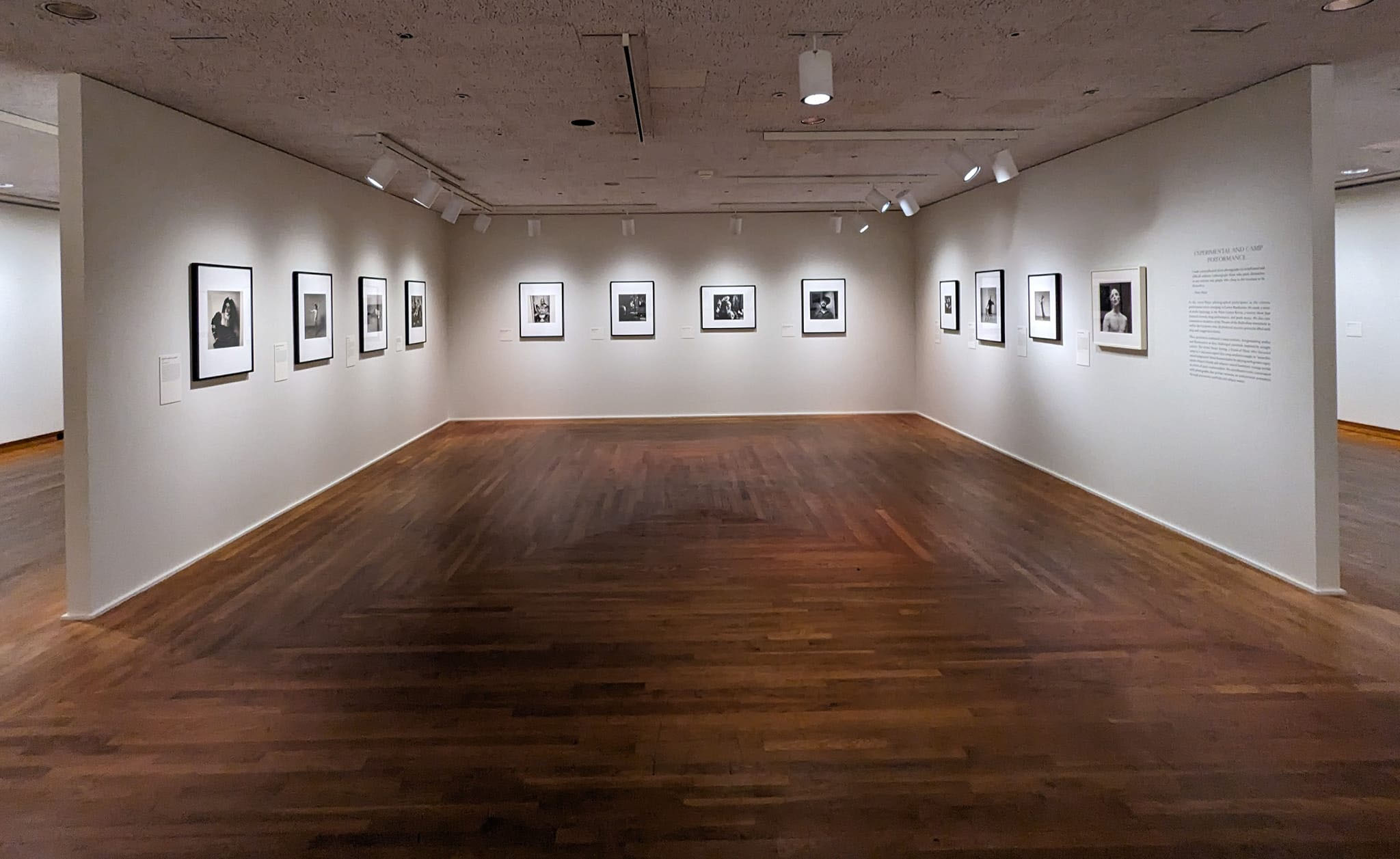


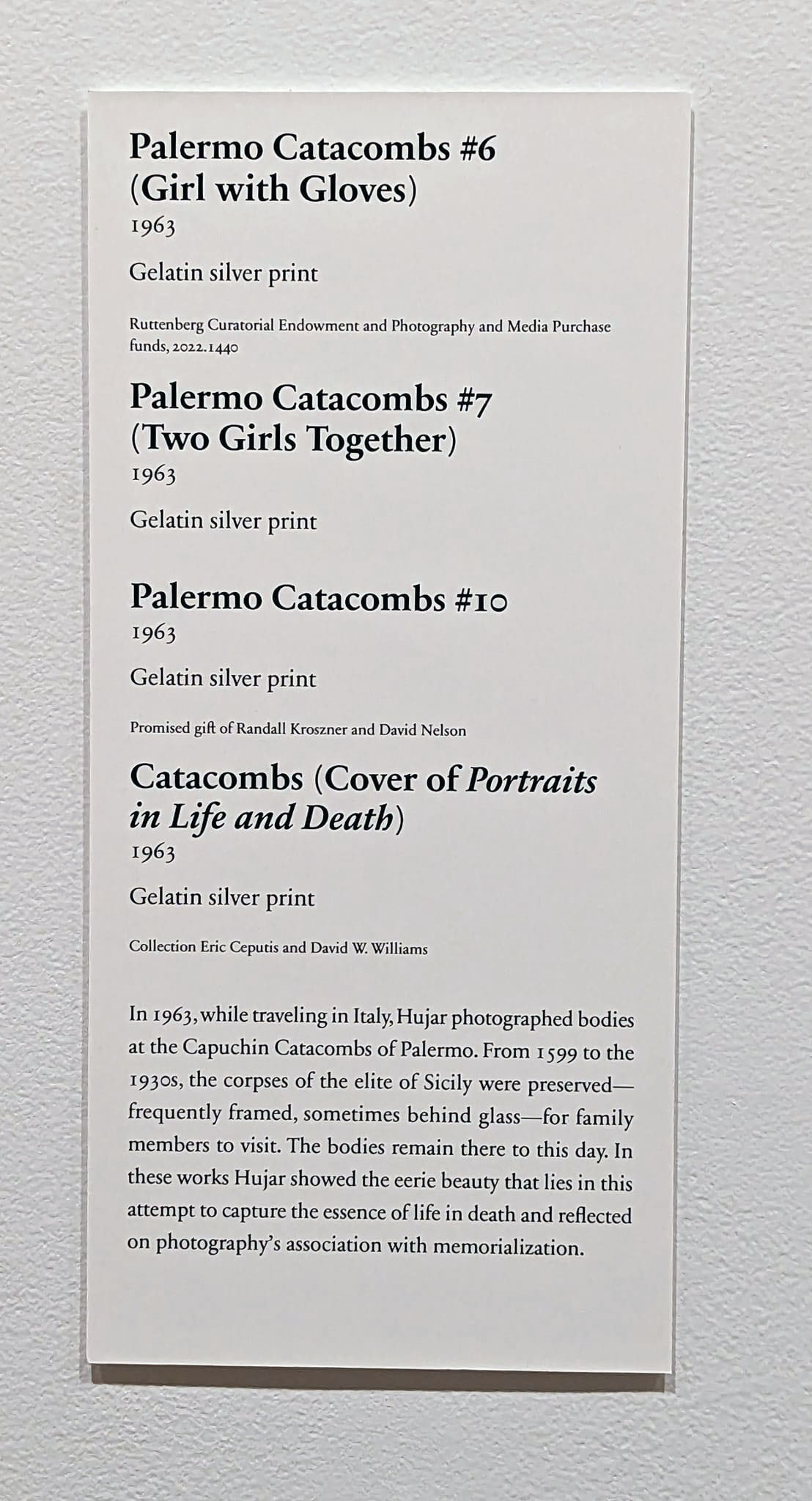


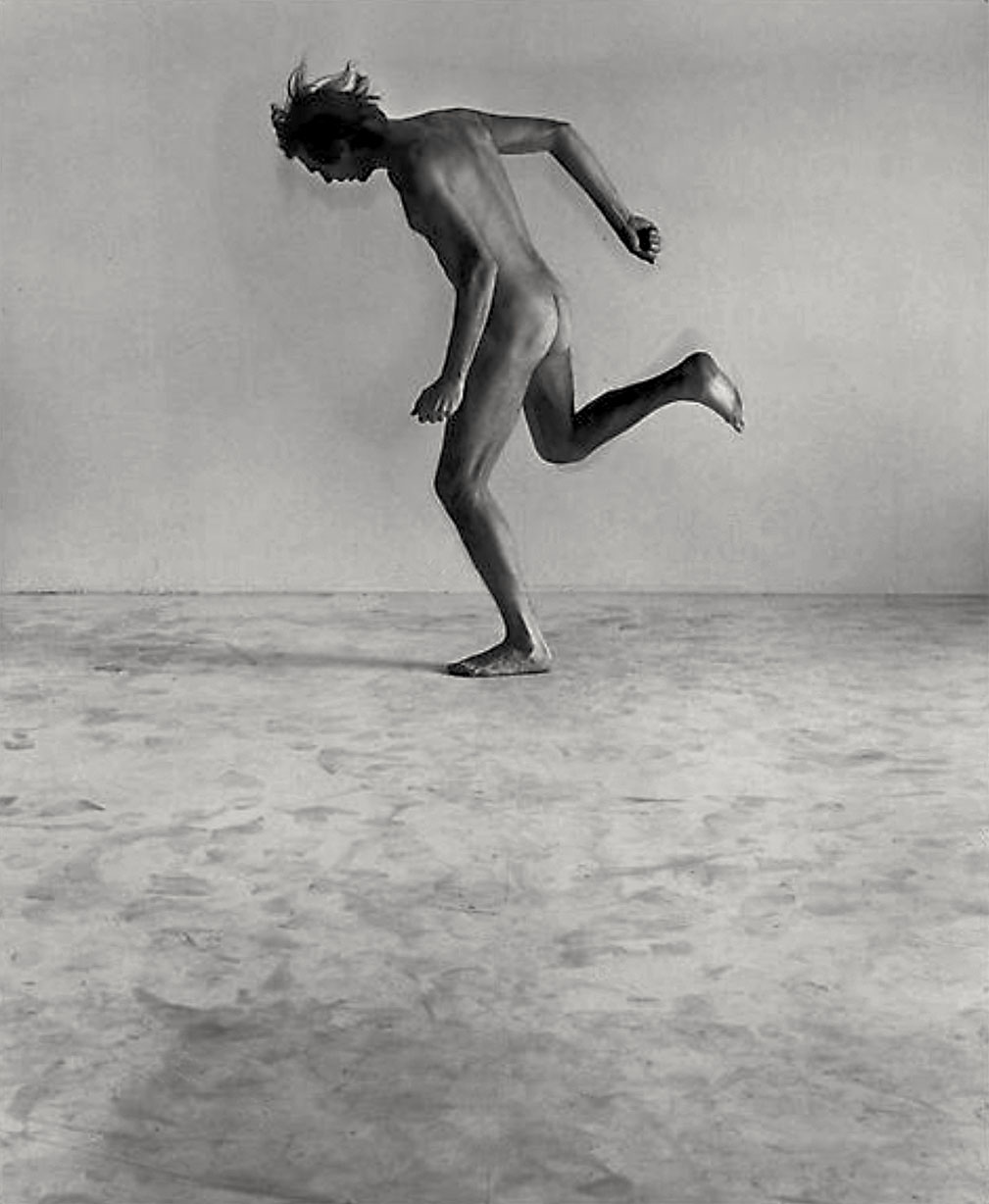


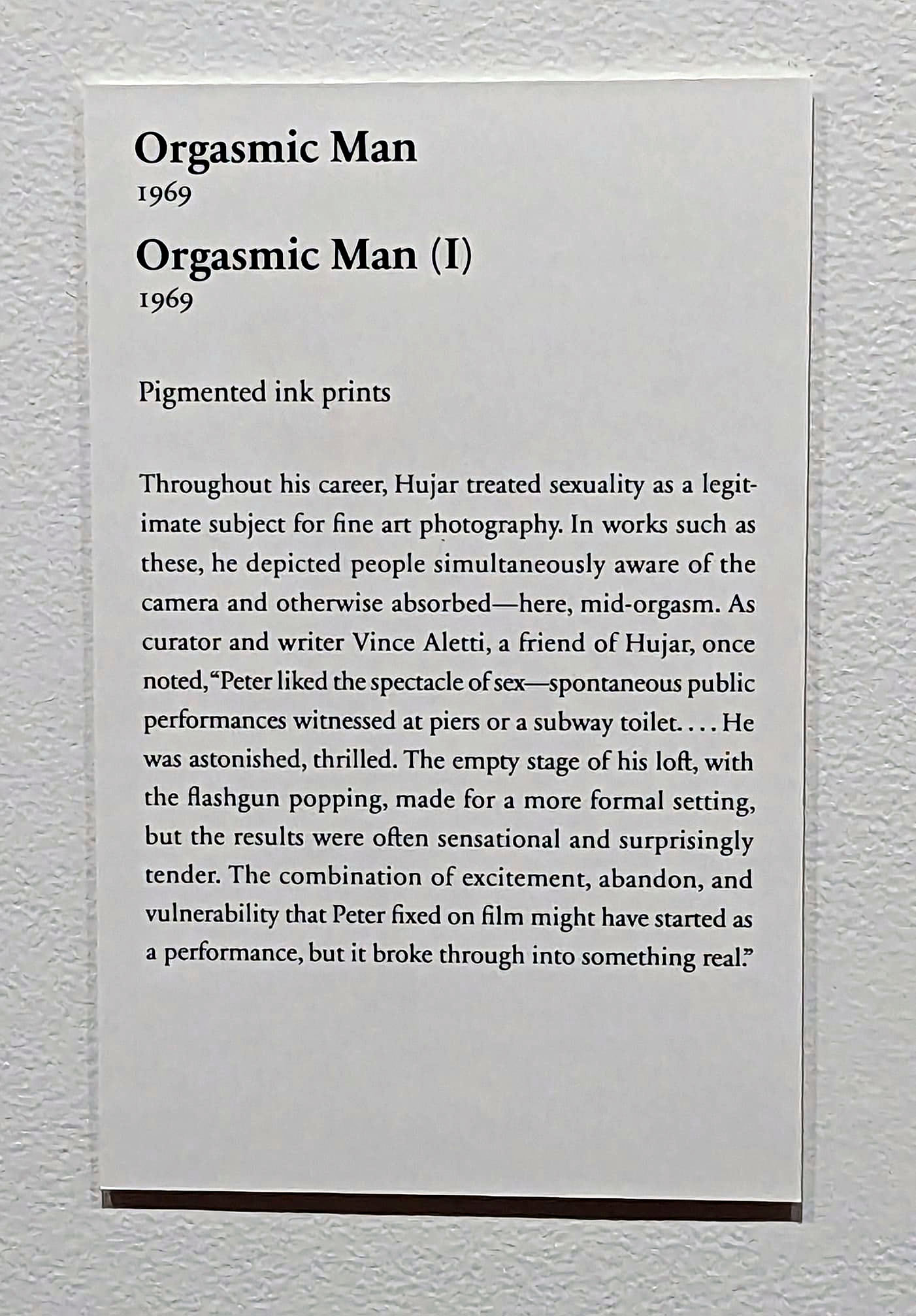

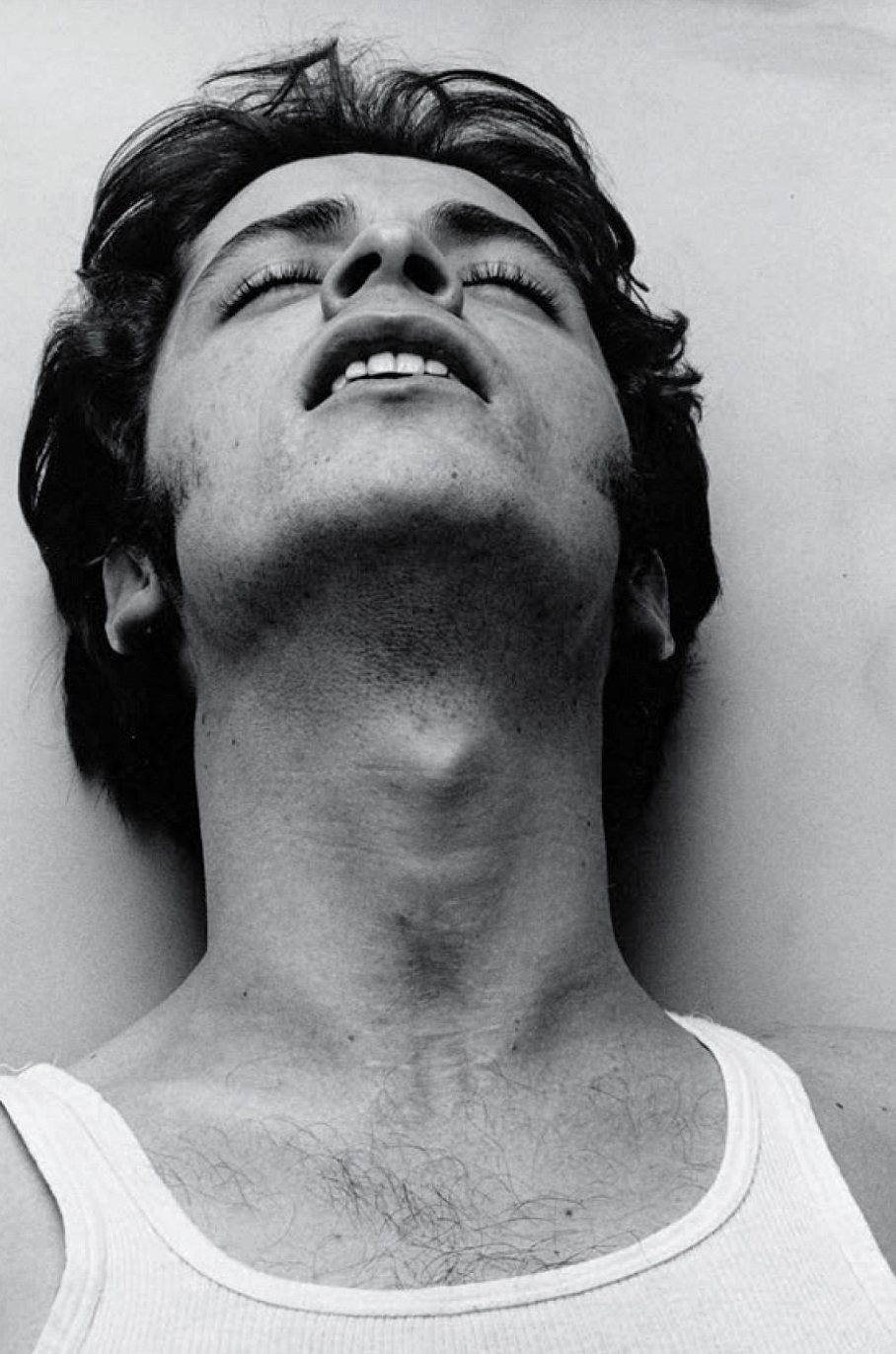


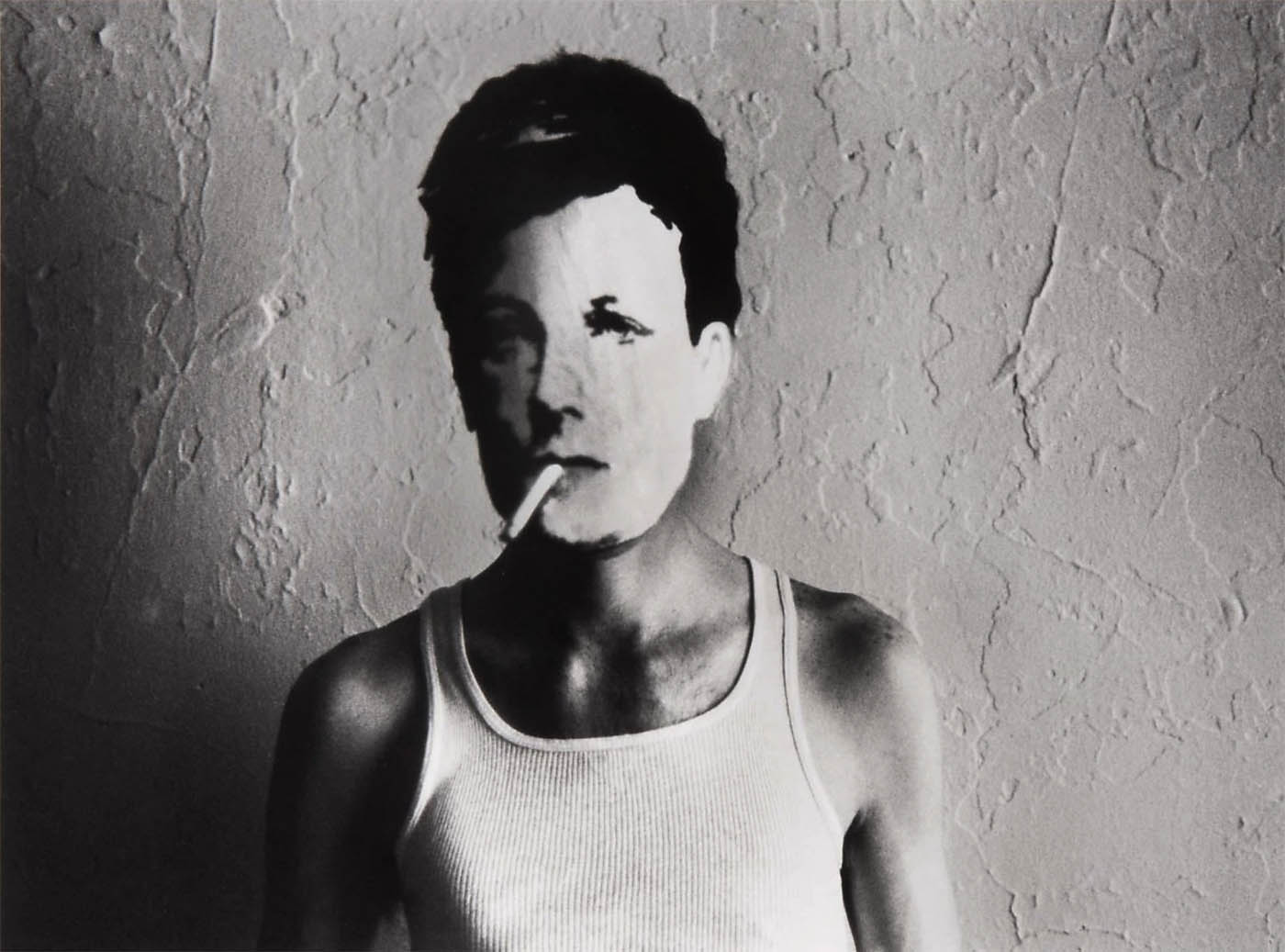

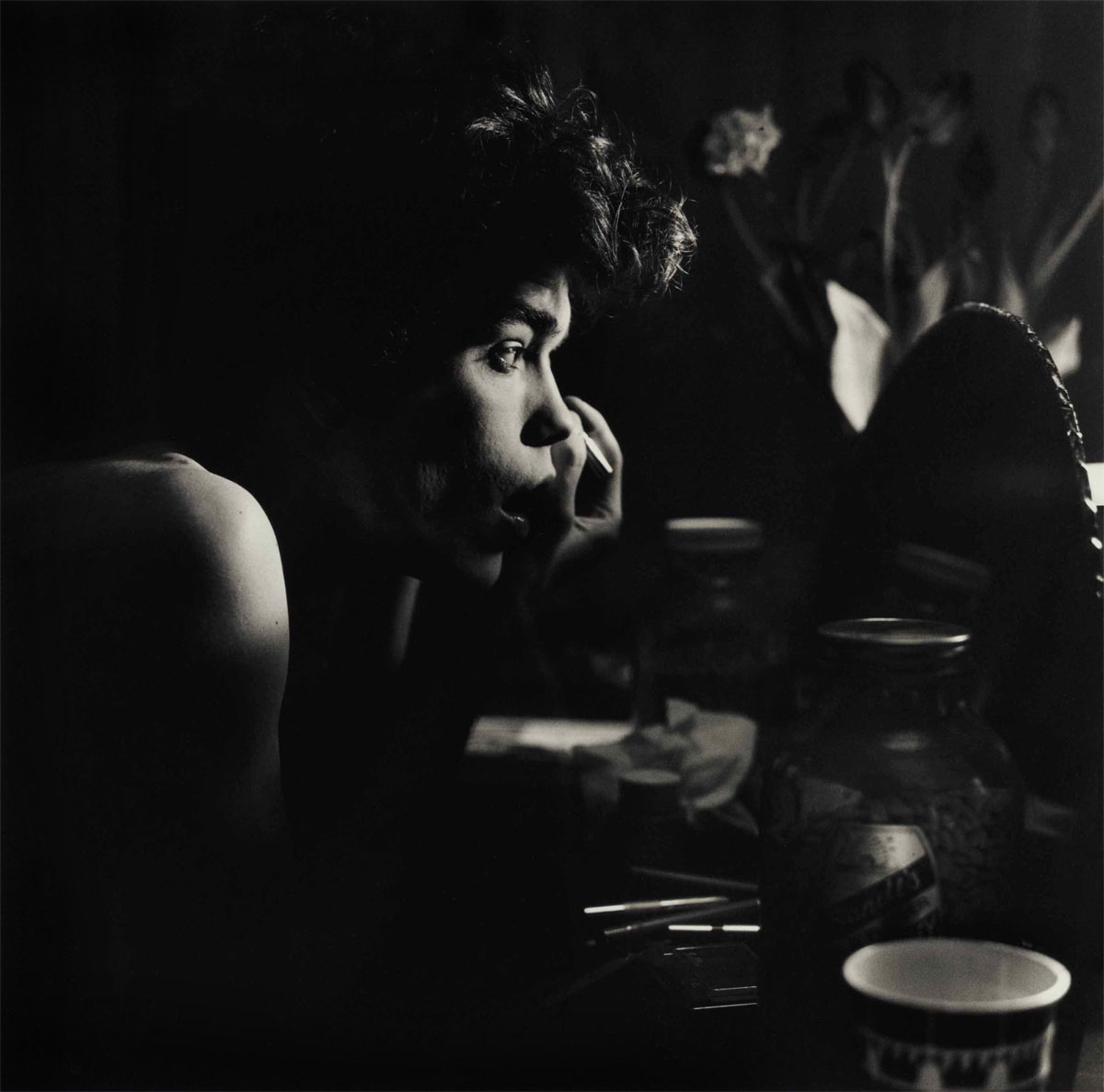


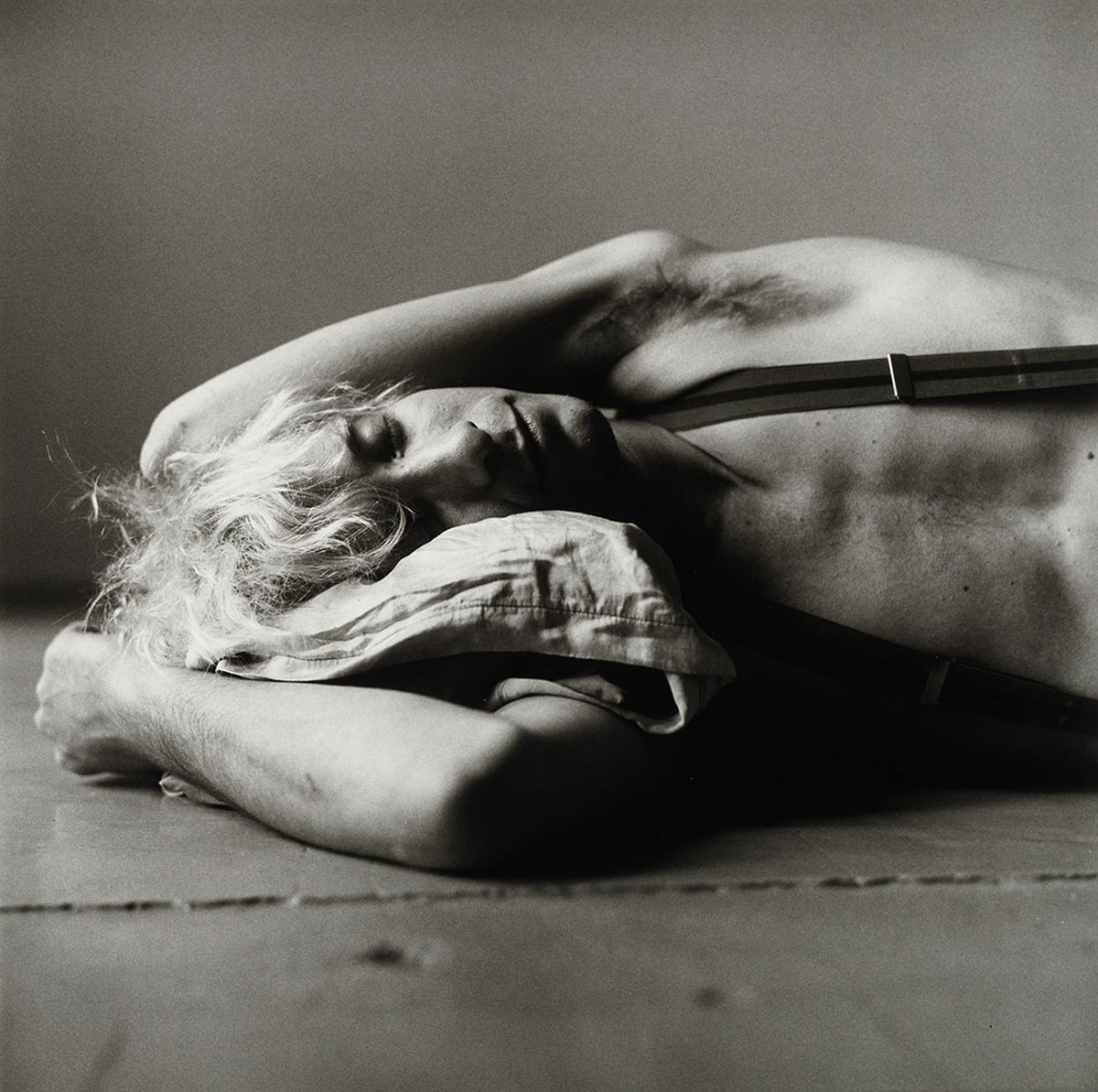


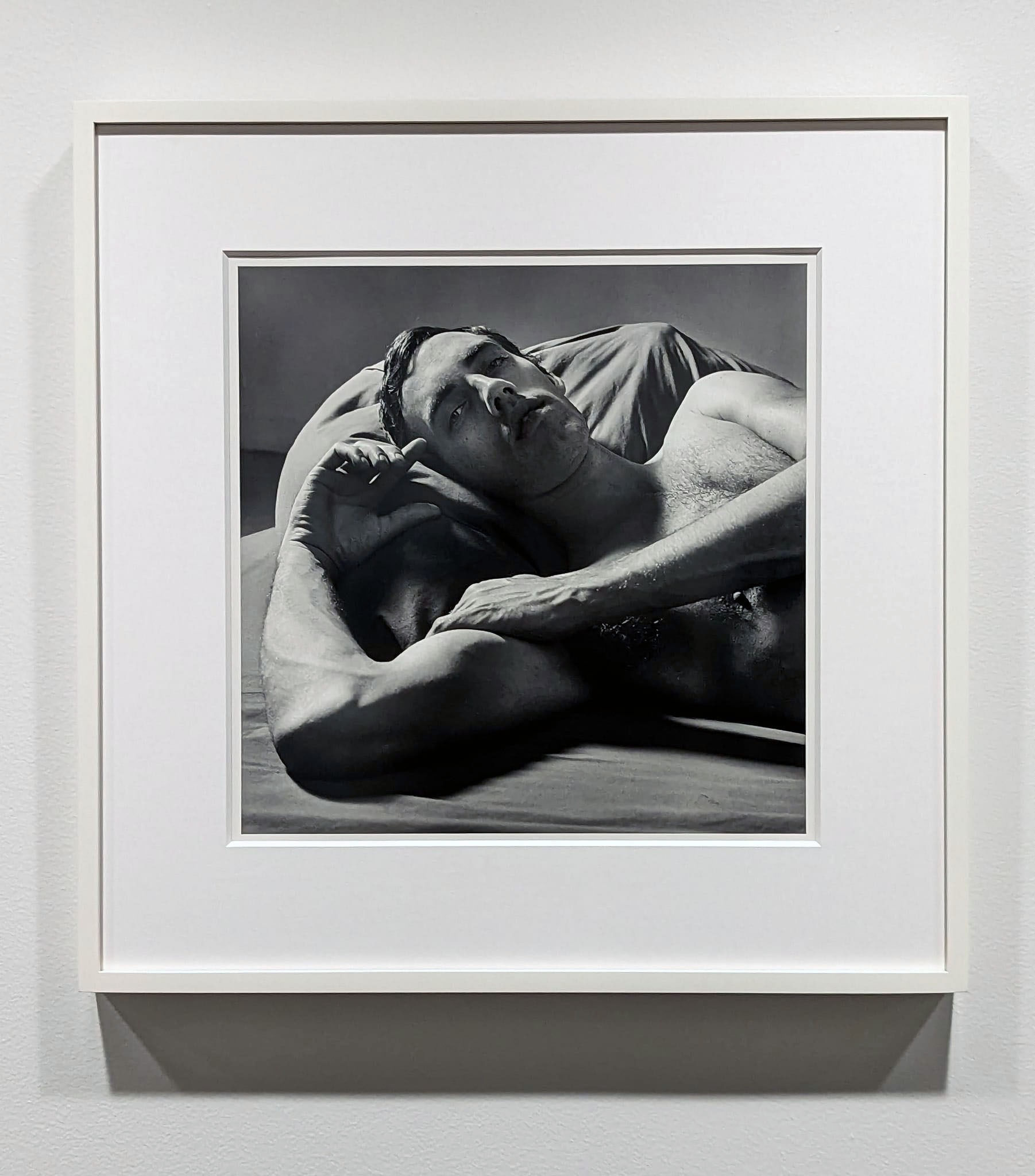

![Walker Evans (American, 1903-1975) [Berenice Abbott] 1929-1930 from the exhibition 'Berenice Abbott's New York Album, 1929' at the Metropolitan Museum of Art, New York, March - Sept 2023](https://artblart.com/wp-content/uploads/2023/08/11.-walker-evans-berenice-abbott.jpg "Walker Evans (American, 1903-1975) [Berenice Abbott] 1929-1930")


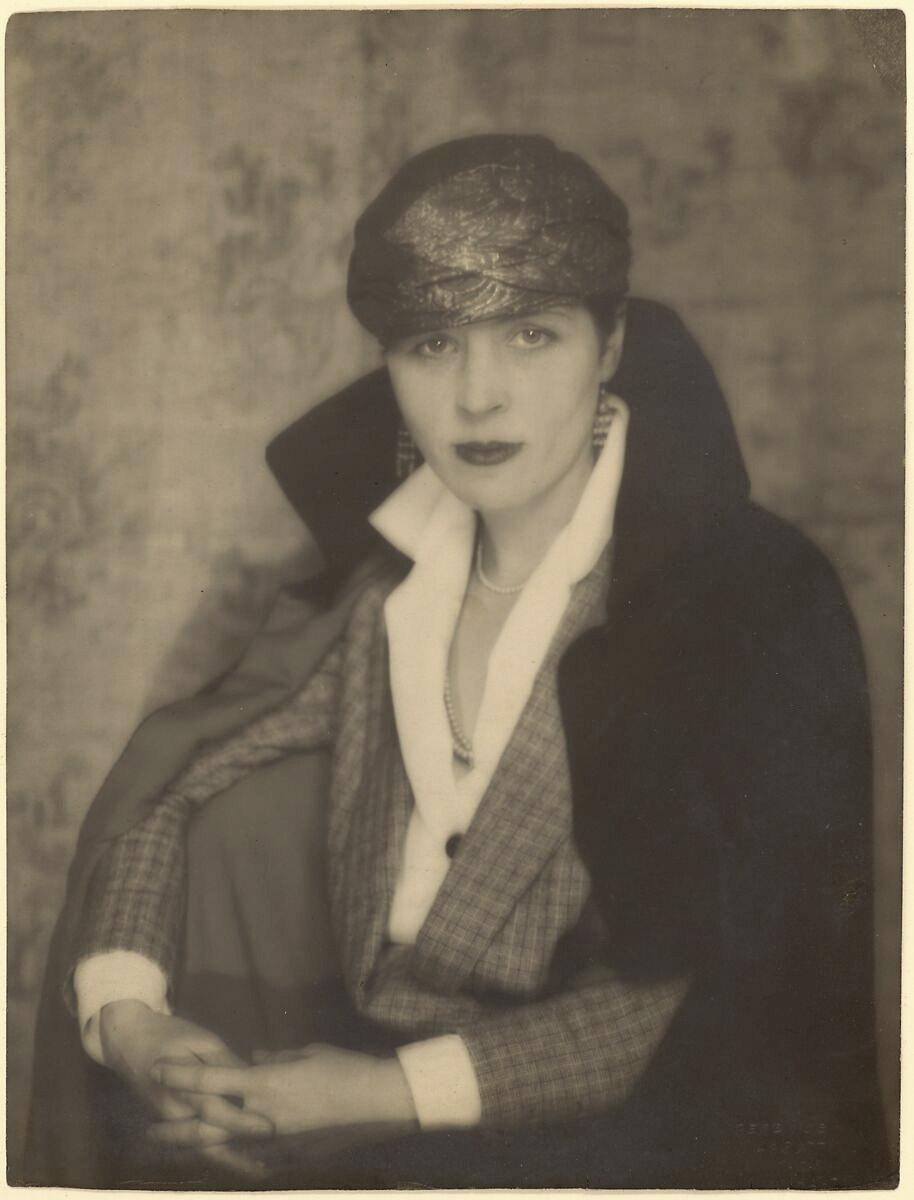


![Berenice Abbott (American, 1898-1991) [Album Page 1: Financial District, Broadway and Wall Street Vicinity, Manhattan] 1929](https://artblart.com/wp-content/uploads/2023/08/07.-berenice-abbott-album-page-1-financial-district-broadway-and-wall-street-vicinity-manhattan-1929.jpg "Berenice Abbott (American, 1898-1991) [Album Page 1: Financial District, Broadway and Wall Street Vicinity, Manhattan] 1929")
![Berenice Abbott (American, 1898-1991) [Album Page 1: Financial District, Broadway and Wall Street Vicinity, Manhattan] 1929 (detail)](https://artblart.com/wp-content/uploads/2023/08/abbott-album-page-financial-district-b.jpg "Berenice Abbott (American, 1898-1991) [Album Page 1: Financial District, Broadway and Wall Street Vicinity, Manhattan] 1929 (detail)")


![Berenice Abbott (American, 1898-1991) [Album Page: Madison Square Park, Third Avenue and Ninth Avenue Elevated Train Lines, Manhattan] 1929](https://artblart.com/wp-content/uploads/2023/08/abbott-album-page-madison-square-park-third-avenue-and-ninth-avenue-elevated-train-lines-manhattan.jpg "Berenice Abbott (American, 1898-1991) [Album Page: Madison Square Park, Third Avenue and Ninth Avenue Elevated Train Lines, Manhattan] 1929")
![Berenice Abbott (American, 1898-1991) [Album Page: City Hall Park and Brooklyn Bridge Vicinity, Manhattan] 1929](https://artblart.com/wp-content/uploads/2023/08/06.-berenice-abbott-album-page-city-hall-park-and-brooklyn-bridge-vicinity-manhattan-1929.jpg "Berenice Abbott (American, 1898-1991) [Album Page: City Hall Park and Brooklyn Bridge Vicinity, Manhattan] 1929")
![Berenice Abbott (American, 1898-1991) [Album Page 5: Pier 17, South Street Seaport, Manhattan] 1929](https://artblart.com/wp-content/uploads/2023/08/08.-berenice-abbott-album-page-5-pier-17-south-street-seaport-manhattan-1929.jpg "Berenice Abbott (American, 1898-1991) [Album Page 5: Pier 17, South Street Seaport, Manhattan] 1929")
![Berenice Abbott (American, 1898-1991) [Album Page 9: Fulton Street Fish Market and Lower East Side, Manhattan] 1929](https://artblart.com/wp-content/uploads/2023/08/09.-berenice-abbott-album-page-9-fulton-street-fish-market-and-lower-east-side-manhattan-1929.jpg "Berenice Abbott (American, 1898-1991) [Album Page 9: Fulton Street Fish Market and Lower East Side, Manhattan] 1929")
![Berenice Abbott (American, 1898-1991) [Sumner Healy Antique Shop, 942 3rd Avenue near 57th Street, Manhattan] 1930s, printed 1936](https://artblart.com/wp-content/uploads/2023/08/abbott-sumner-healy-antique-shop.jpg "Berenice Abbott (American, 1898-1991) [Sumner Healy Antique Shop, 942 3rd Avenue near 57th Street, Manhattan] 1930s, printed 1936")


![Berenice Abbott (American, 1898-1991) [The El, 2nd and 3rd Avenue Lines, Bowery and Division Street, Manhattan] 1936](https://artblart.com/wp-content/uploads/2023/08/abbott-the-el-2nd-and-3rd-avenue-lines-bowery-and-division-street-manhattan.jpg "Berenice Abbott (American, 1898-1991) [The El, 2nd and 3rd Avenue Lines, Bowery and Division Street, Manhattan] 1936")
![Berenice Abbott (American, 1898-1991) [Manhattan Bridge] 1936](https://artblart.com/wp-content/uploads/2023/08/abbott-manhattan-bridge.jpg "Berenice Abbott (American, 1898-1991) [Manhattan Bridge] 1936")
![Berenice Abbott (American, 1898-1991) [Seventh Avenue Looking South from Thirty-fifth Street, New York] 1935](https://artblart.com/wp-content/uploads/2023/08/abbott-seventh-avenue-looking-south-from-thirty-fifth-street.jpg "Berenice Abbott (American, 1898-1991) [Seventh Avenue Looking South from Thirty-fifth Street, New York] 1935")


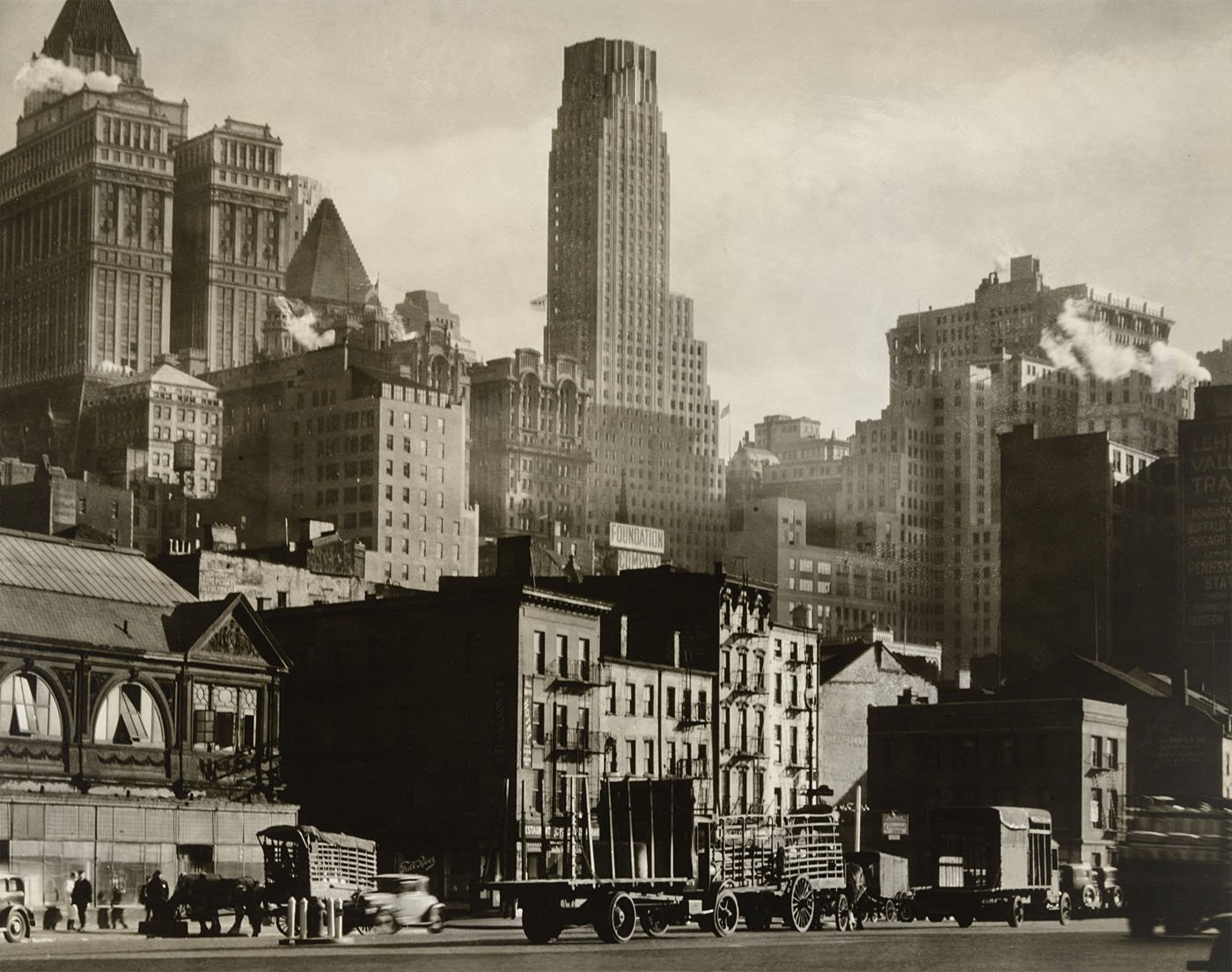


![Eugène Atget (French, 1857-1927) [Atget's Work Room with Contact Printing Frames] c. 1910](https://artblart.com/wp-content/uploads/2014/04/atgets-work-room-web1.jpg "Eugène Atget (French, 1857-1927) [Atget's Work Room with Contact Printing Frames] c. 1910")
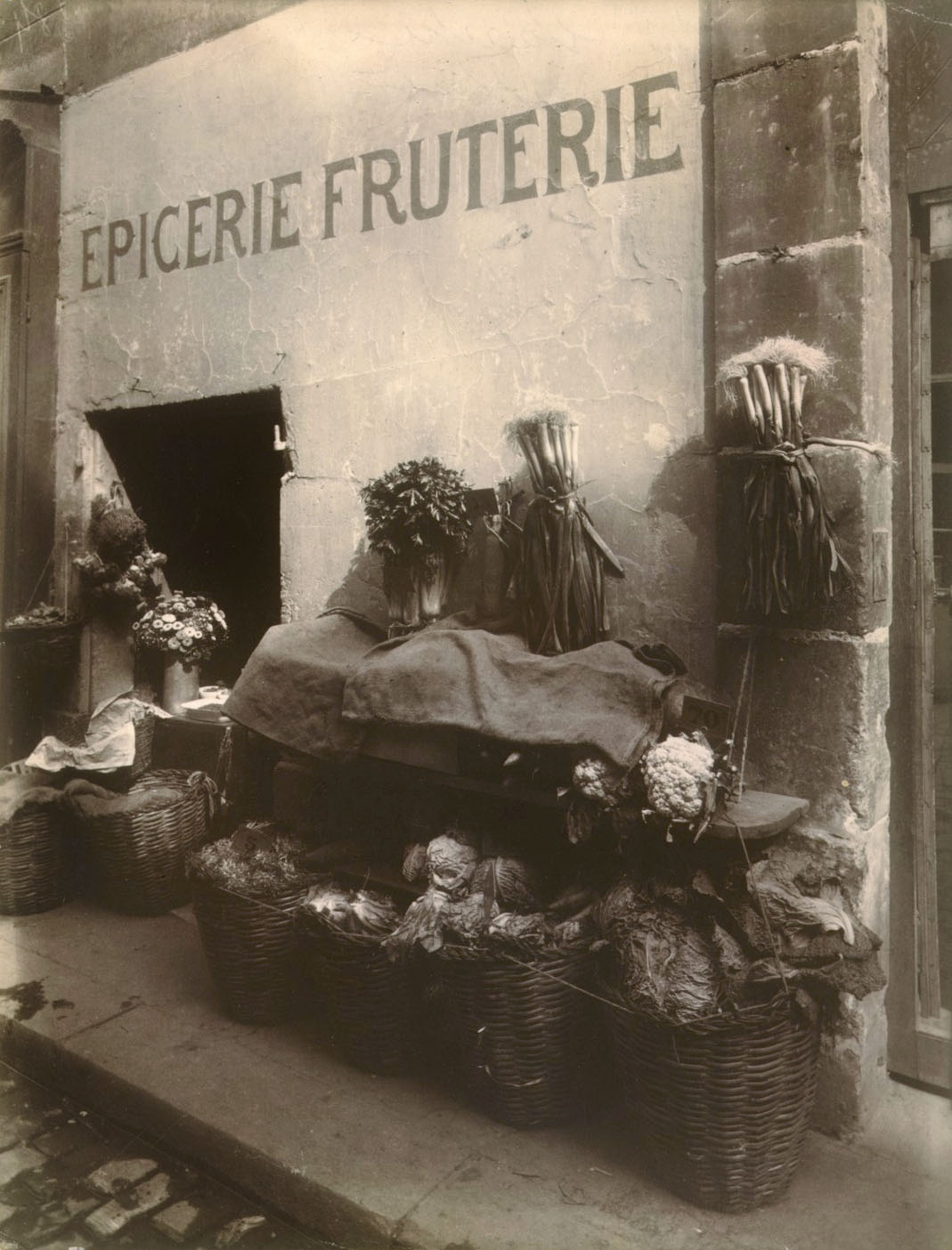

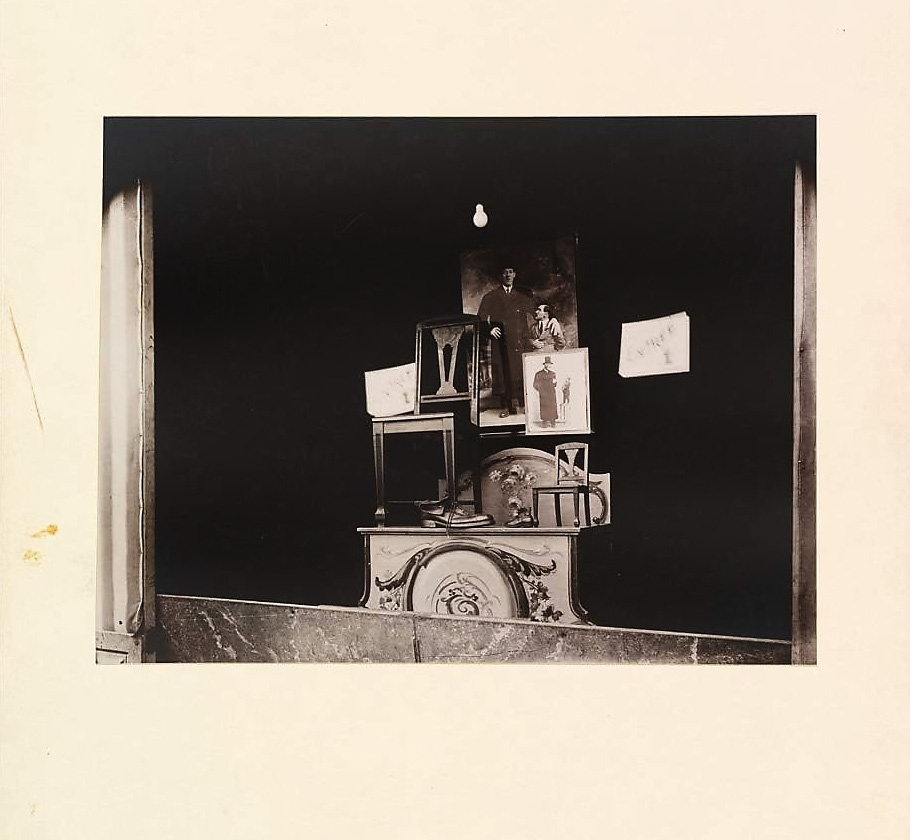


![Louis Stettner (American, 1922-2016) 'Boulevard de Clichy, Paris' [Boulevard de Clichy, París] 1951 from the exhibition 'Louis Stettner' at Fundación MAPFRE Recoletos Room (Madrid), June - August, 2023](https://artblart.com/wp-content/uploads/2023/07/03.-id40_p.jpg "Louis Stettner (American, 1922-2016) 'Boulevard de Clichy, Paris' [Boulevard de Clichy, París] 1951 from the exhibition 'Louis Stettner' at Fundación MAPFRE Recoletos Room (Madrid), June - August, 2023")
![Louis Stettner (American, 1922-2016) 'Aubervilliers, France' [Aubervilliers, Francia] 1947 from the exhibition 'Louis Stettner' at Fundación MAPFRE Recoletos Room (Madrid), June - August, 2023](https://artblart.com/wp-content/uploads/2023/07/02.-id37_p.jpg "Louis Stettner (American, 1922-2016) 'Aubervilliers, France' [Aubervilliers, Francia] 1947 from the exhibition 'Louis Stettner' at Fundación MAPFRE Recoletos Room (Madrid), June - August, 2023")
![Louis Stettner (American, 1922-2016) 'Concentric Circles, Construction Site, New York' [Círculos concéntricos, obra, Nueva York] 1952 from the exhibition 'Louis Stettner' at Fundación MAPFRE Recoletos Room (Madrid), June - August, 2023](https://artblart.com/wp-content/uploads/2023/07/11.-id737_p.jpg "Louis Stettner (American, 1922-2016) 'Concentric Circles, Construction Site, New York' [Círculos concéntricos, obra, Nueva York] 1952 from the exhibition 'Louis Stettner' at Fundación MAPFRE Recoletos Room (Madrid), June - August, 2023")
![Louis Stettner (American, 1922-2016) 'Manhole, Times Square, New York' [Tapa de alcantarilla, Times Square, Nueva York] 1954 from the exhibition 'Louis Stettner' at Fundación MAPFRE Recoletos Room (Madrid), June - August, 2023](https://artblart.com/wp-content/uploads/2023/07/08.-id68_p-b.jpg "Louis Stettner (American, 1922-2016) 'Manhole, Times Square, New York' [Tapa de alcantarilla, Times Square, Nueva York] 1954 from the exhibition 'Louis Stettner' at Fundación MAPFRE Recoletos Room (Madrid), June - August, 2023")
![Louis Stettner (American, 1922-2016) 'Brooklyn Promenade, Brooklyn, New York' [Brooklyn Promenade, Brooklyn, Nueva York] 1954](https://artblart.com/wp-content/uploads/2023/07/09.-id1_p.jpg "Louis Stettner (American, 1922-2016) 'Brooklyn Promenade, Brooklyn, New York' [Brooklyn Promenade, Brooklyn, Nueva York] 1954")
![Louis Stettner (American, 1922-2016) 'Nancy Listening to Jazz, Greenwich Village, New York' [Nancy escuchando jazz, Greenwich Village, Nueva York] 1958](https://artblart.com/wp-content/uploads/2023/07/10.-id4211_p.jpg "Louis Stettner (American, 1922-2016) 'Nancy Listening to Jazz, Greenwich Village, New York' [Nancy escuchando jazz, Greenwich Village, Nueva York] 1958")
![Louis Stettner (American, 1922-2016) 'Woman Holding Newspaper, New York' [Mujer sujetando un periódico, Nueva York] 1946](https://artblart.com/wp-content/uploads/2023/07/01.-id1732_p.jpg "Louis Stettner (American, 1922-2016) 'Woman Holding Newspaper, New York' [Mujer sujetando un periódico, Nueva York] 1946")

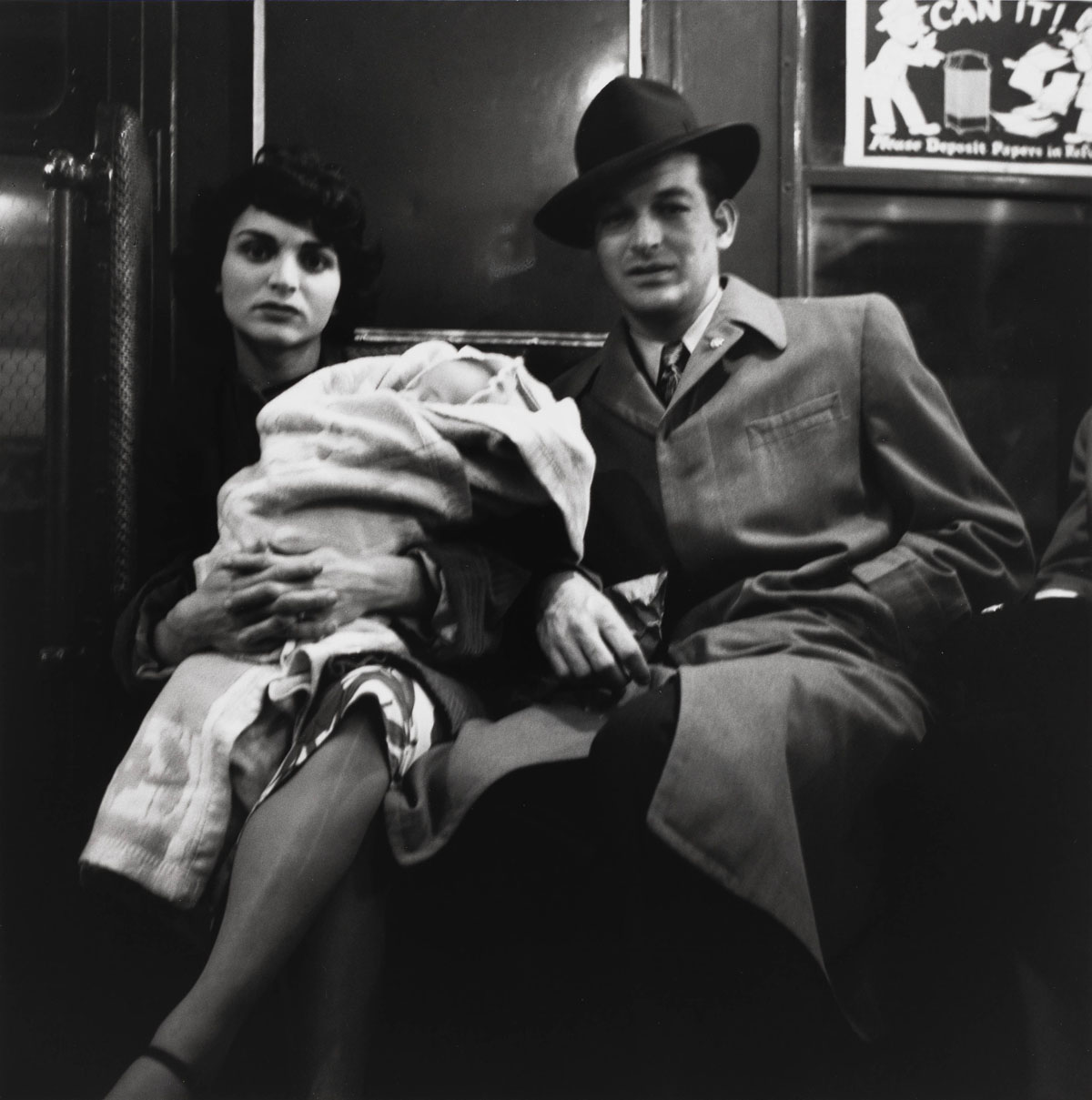

![Louis Stettner (American, 1922-2016) 'Train Station Near Málaga, Spain' [Estación de tren cerca de Málaga, España] 1951](https://artblart.com/wp-content/uploads/2023/07/05.-id74_p.jpg "Louis Stettner (American, 1922-2016) 'Train Station Near Málaga, Spain' [Estación de tren cerca de Málaga, España] 1951")


![Louis Stettner (American, 1922-2016) 'Tony, "Pepe and Tony, Spanish Fishermen", Ibiza, Spain' [Tony, "Pepe y Tony, pescadores españoles", Ibiza, España] 1956](https://artblart.com/wp-content/uploads/2023/07/04.-id4569_p.jpg "Louis Stettner (American, 1922-2016) 'Tony, \"Pepe and Tony, Spanish Fishermen\", Ibiza, Spain' [Tony, \"Pepe y Tony, pescadores españoles\", Ibiza, España] 1956")
![Louis Stettner (American, 1922-2016) 'Commuters, Evening Train, Penn Station, New York' [Volviendo del trabajo en el tren de la tarde, Penn Station, Nueva York] 1958](https://artblart.com/wp-content/uploads/2023/07/06.-id179_p.jpg "Louis Stettner (American, 1922-2016) 'Commuters, Evening Train, Penn Station, New York' [Volviendo del trabajo en el tren de la tarde, Penn Station, Nueva York] 1958")

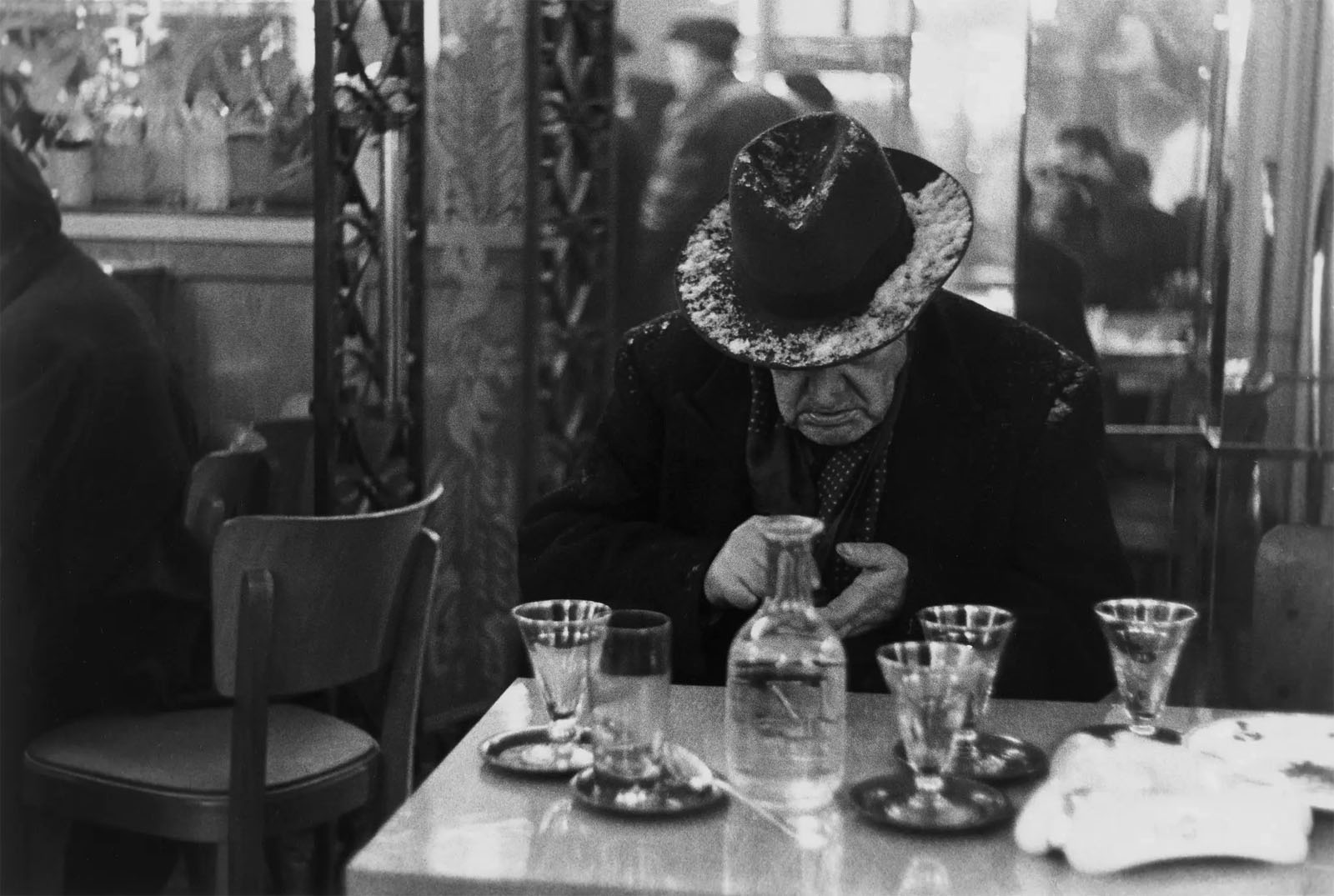
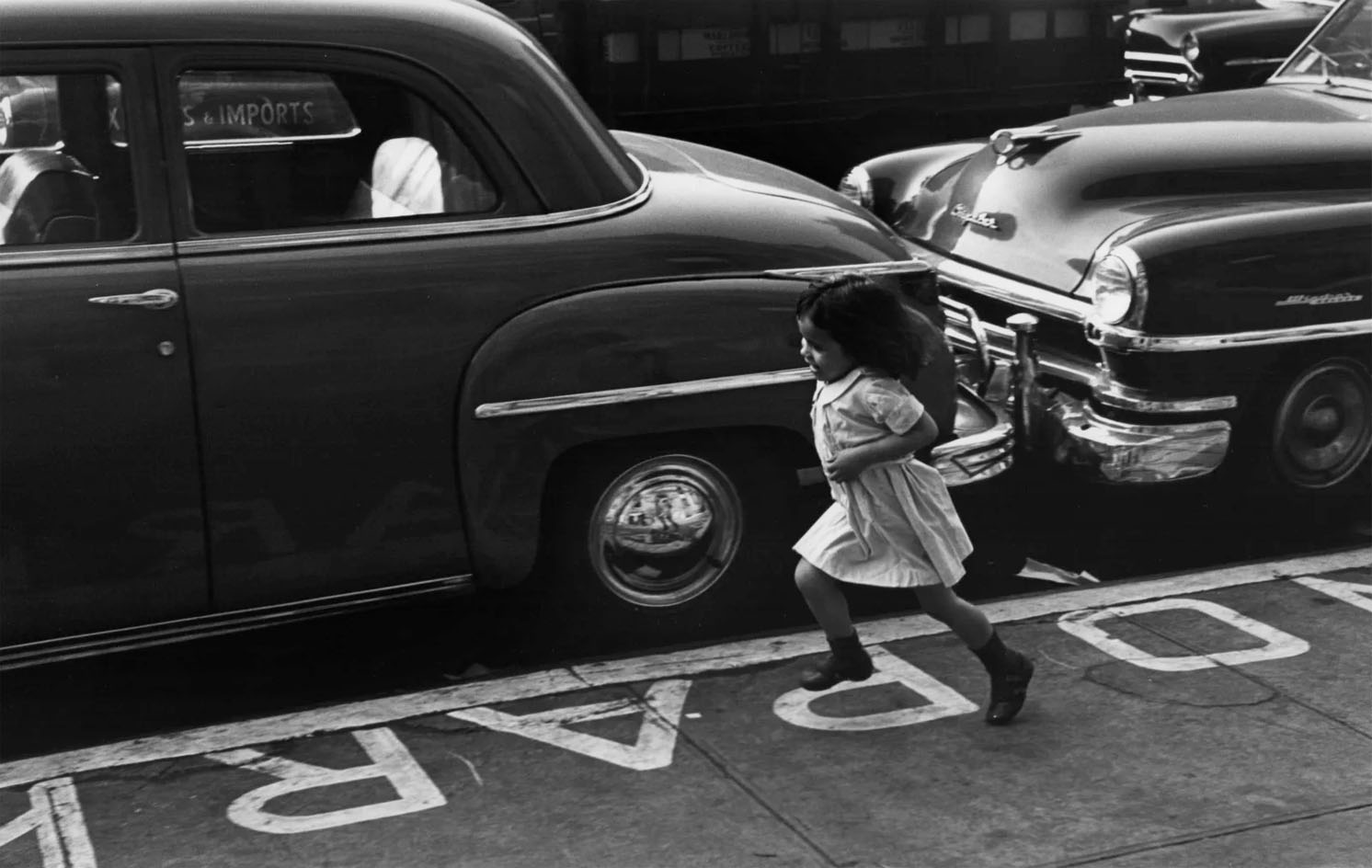
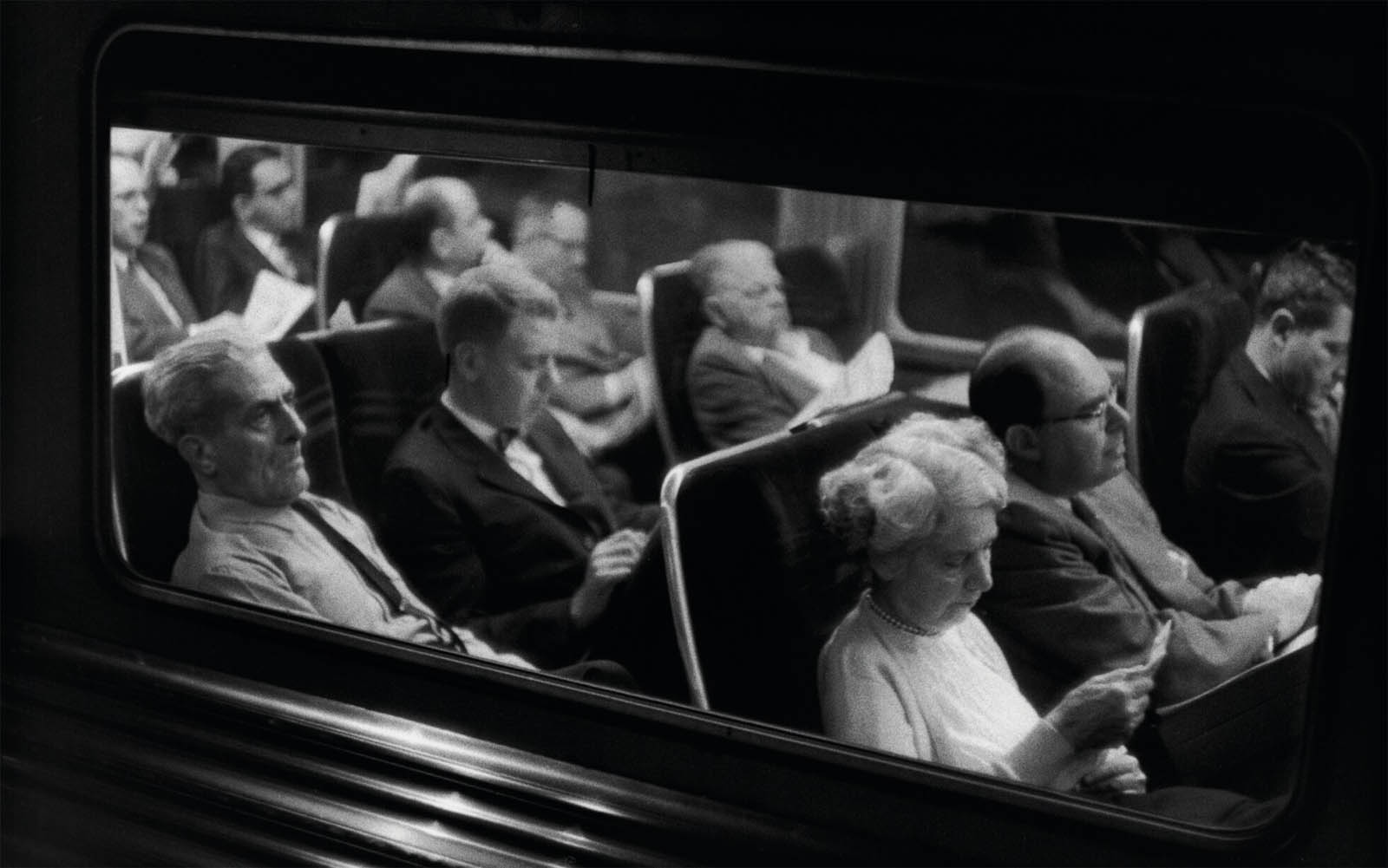
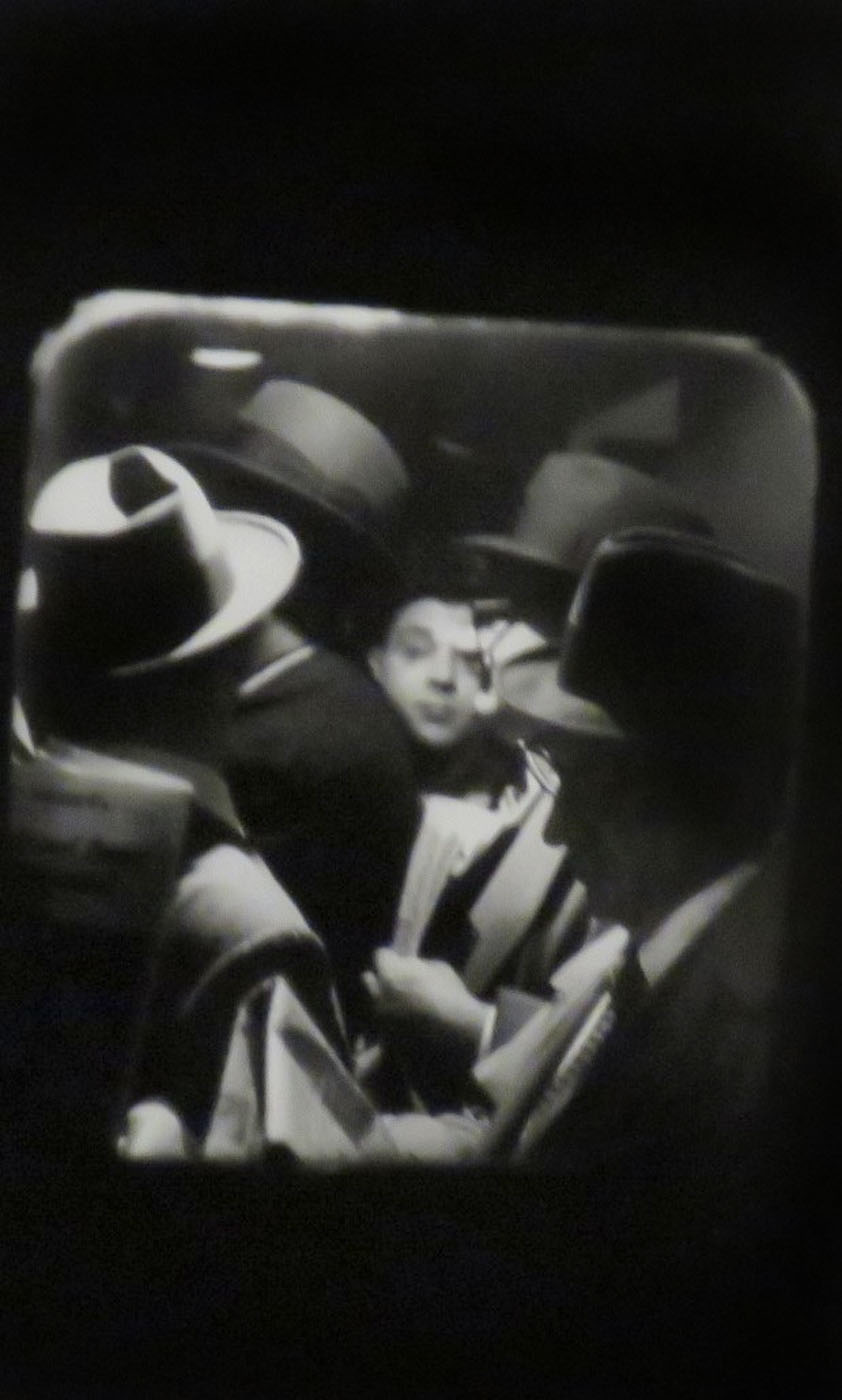
![Louis Stettner (American, 1922-2016) 'Woman with White Glove, Penn Station, New York' [Mujer con guante blanco, Penn Station, Nueva York] 1958](https://artblart.com/wp-content/uploads/2023/07/07.-id461_p.jpg "Louis Stettner (American, 1922-2016) 'Woman with White Glove, Penn Station, New York' [Mujer con guante blanco, Penn Station, Nueva York] 1958")


![Louis Stettner (American, 1922-2016) 'Aluminum Foundry, Soviet Union' [Fundición de aluminio, Unión Soviética] 1975](https://artblart.com/wp-content/uploads/2023/07/13.-id648_p.jpg "Louis Stettner (American, 1922-2016) 'Aluminum Foundry, Soviet Union' [Fundición de aluminio, Unión Soviética] 1975")


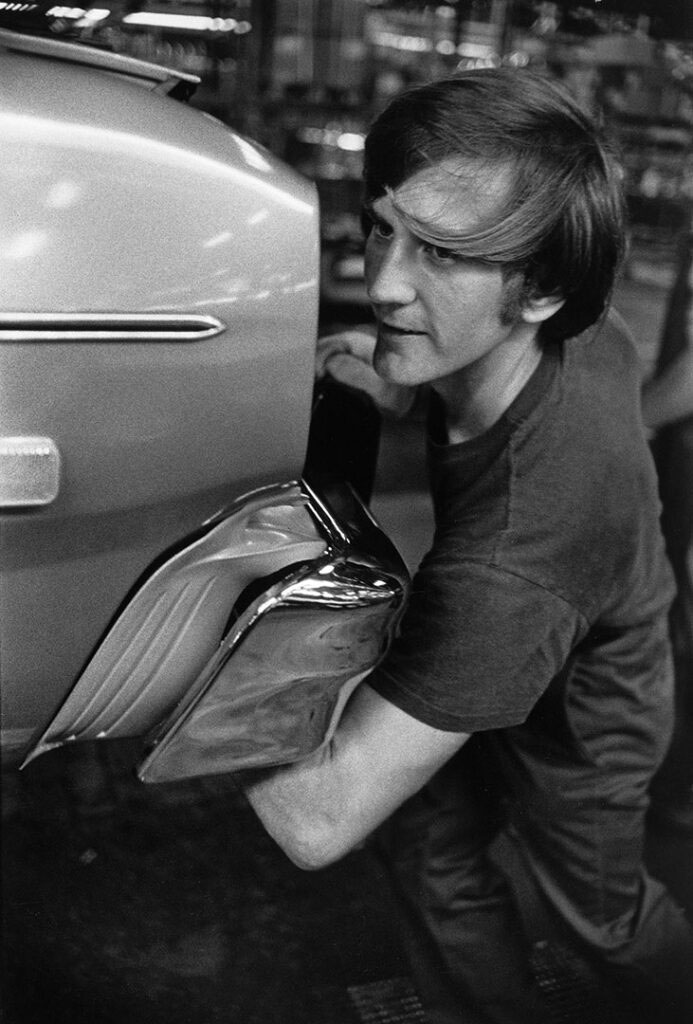

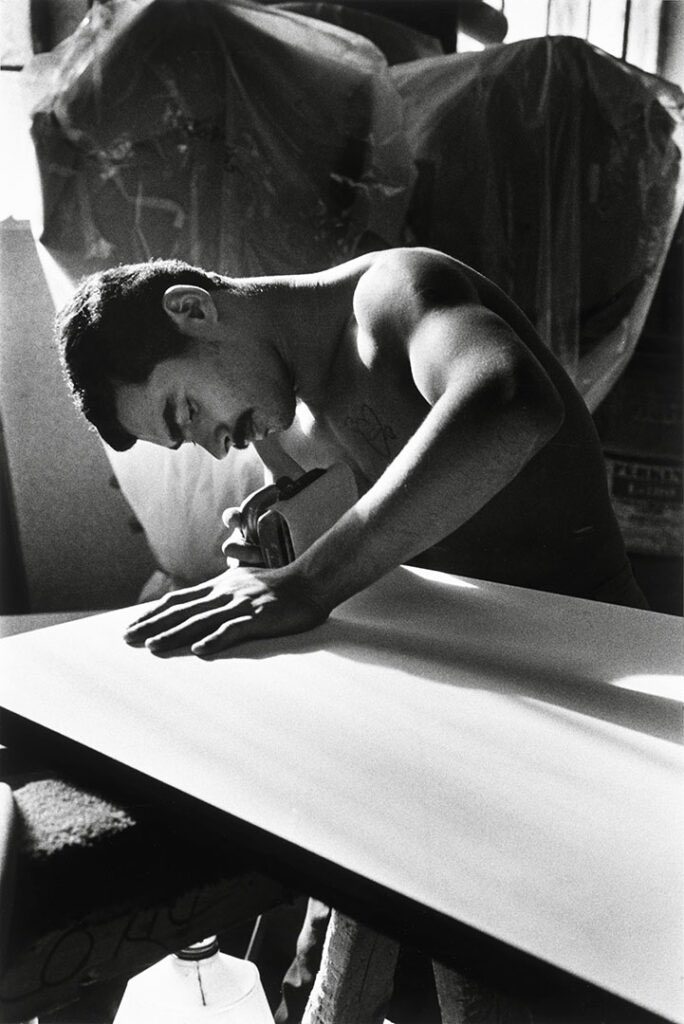
![Louis Stettner (American, 1922-2016) 'Assembly Line Worker, Long Island City, New York' [Trabajadora en cadena de montaje, Nueva York] 1972-1974](https://artblart.com/wp-content/uploads/2023/07/12.-id96_p-1.jpg "Louis Stettner (American, 1922-2016) 'Assembly Line Worker, Long Island City, New York' [Trabajadora en cadena de montaje, Nueva York] 1972-1974")
![Louis Stettner (American, 1922-2016) 'Demonstrators on March in Support of United Farm Workers, New York' [Manifestantes en una marcha de apoyo a la Unión de Campesinos, Nueva York] 1975-1976](https://artblart.com/wp-content/uploads/2023/07/14.-id1307_p.jpg "Louis Stettner (American, 1922-2016) 'Demonstrators on March in Support of United Farm Workers, New York' [Manifestantes en una marcha de apoyo a la Unión de Campesinos, Nueva York] 1975-1976")
![Louis Stettner (American, 1922-2016) 'Self-Portrait, Santiago, Chile' [Autorretrato, Santiago de Chile] 2000-2001](https://artblart.com/wp-content/uploads/2023/07/16.-id1627_p.jpg "Louis Stettner (American, 1922-2016) 'Self-Portrait, Santiago, Chile' [Autorretrato, Santiago de Chile] 2000-2001")
![Louis Stettner (American, 1922-2016) 'Women from Texas, Fifth Avenue, New York' [Mujeres de Texas, Fifth Avenue, Nueva York] 1975](https://artblart.com/wp-content/uploads/2023/07/15.-id145_p.jpg "Louis Stettner (American, 1922-2016) 'Women from Texas, Fifth Avenue, New York' [Mujeres de Texas, Fifth Avenue, Nueva York] 1975")
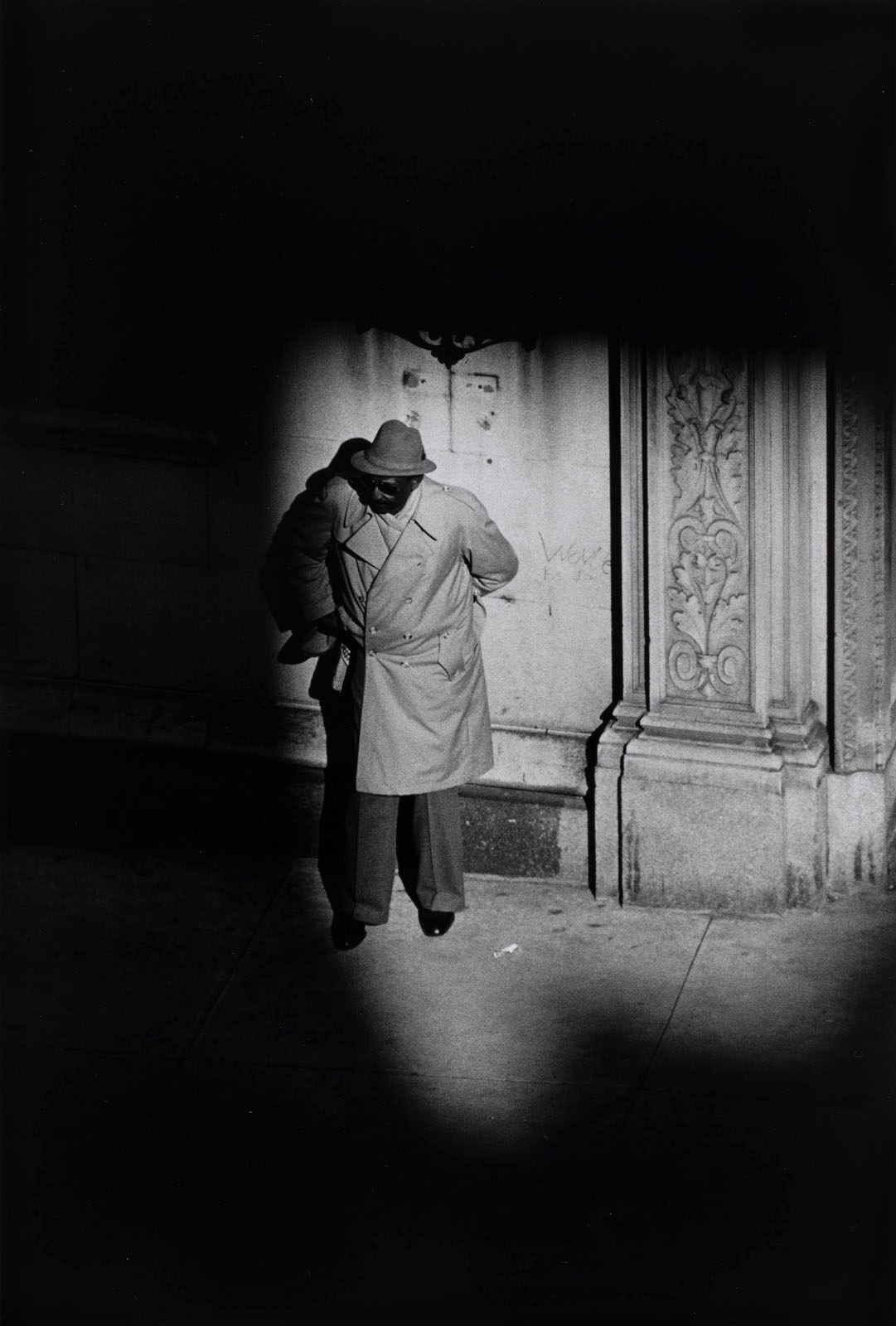
![Louis Stettner (American, 1922-2016) 'Jardin du Luxembourg, Paris' [Jardin du Luxembourg, París] 1997](https://artblart.com/wp-content/uploads/2023/07/17.-id2978_p.jpg "Louis Stettner (American, 1922-2016) 'Jardin du Luxembourg, Paris' [Jardin du Luxembourg, París] 1997")

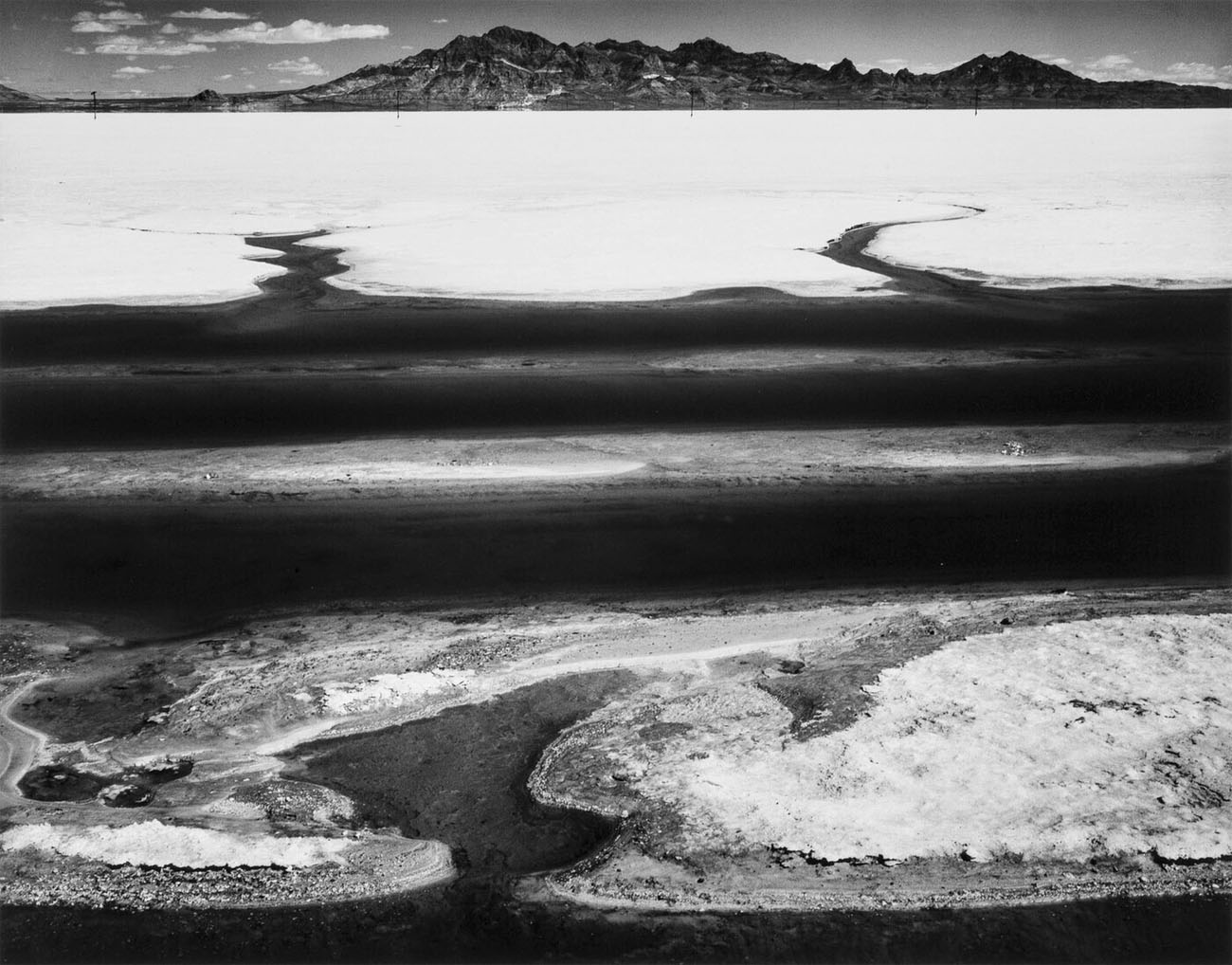
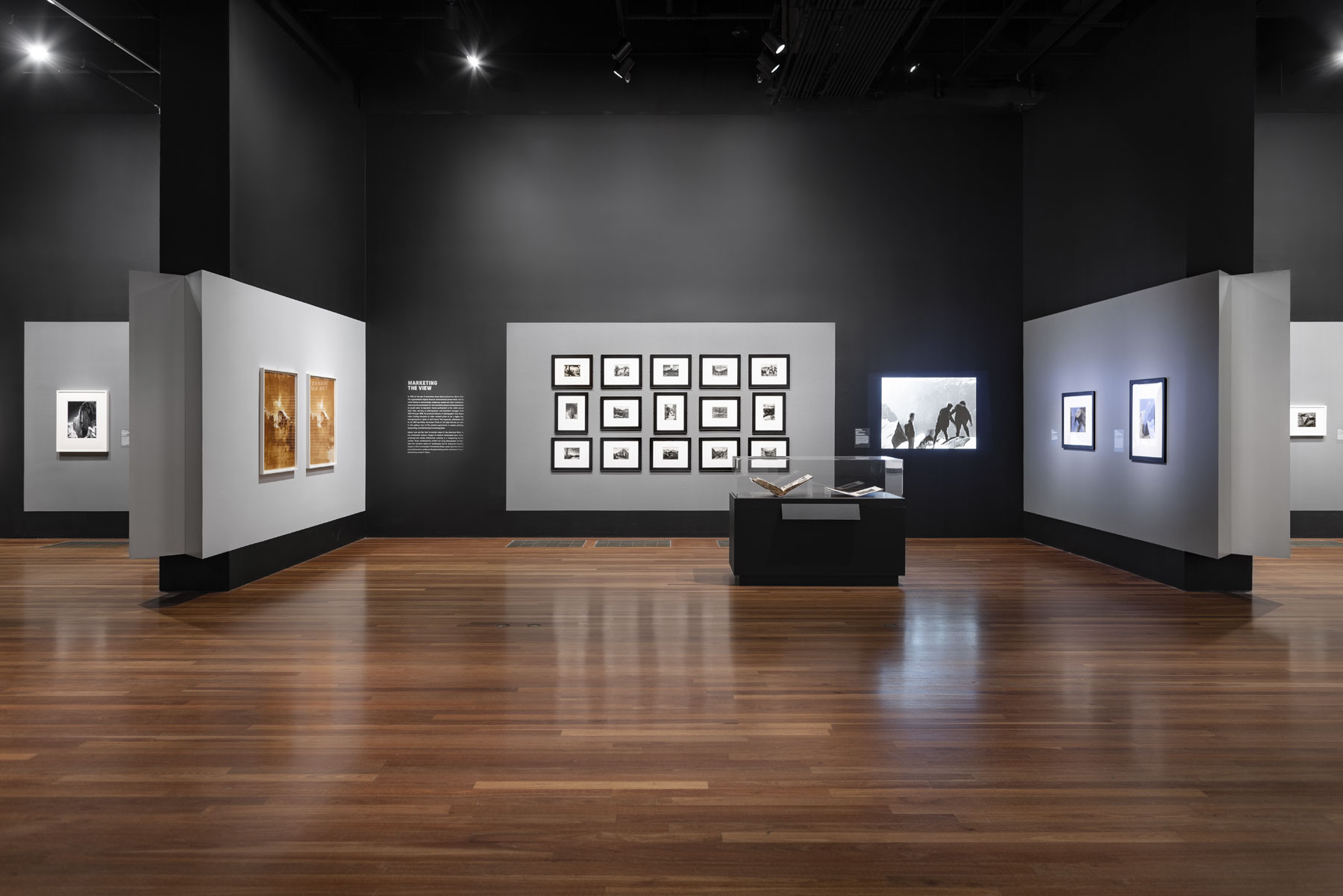
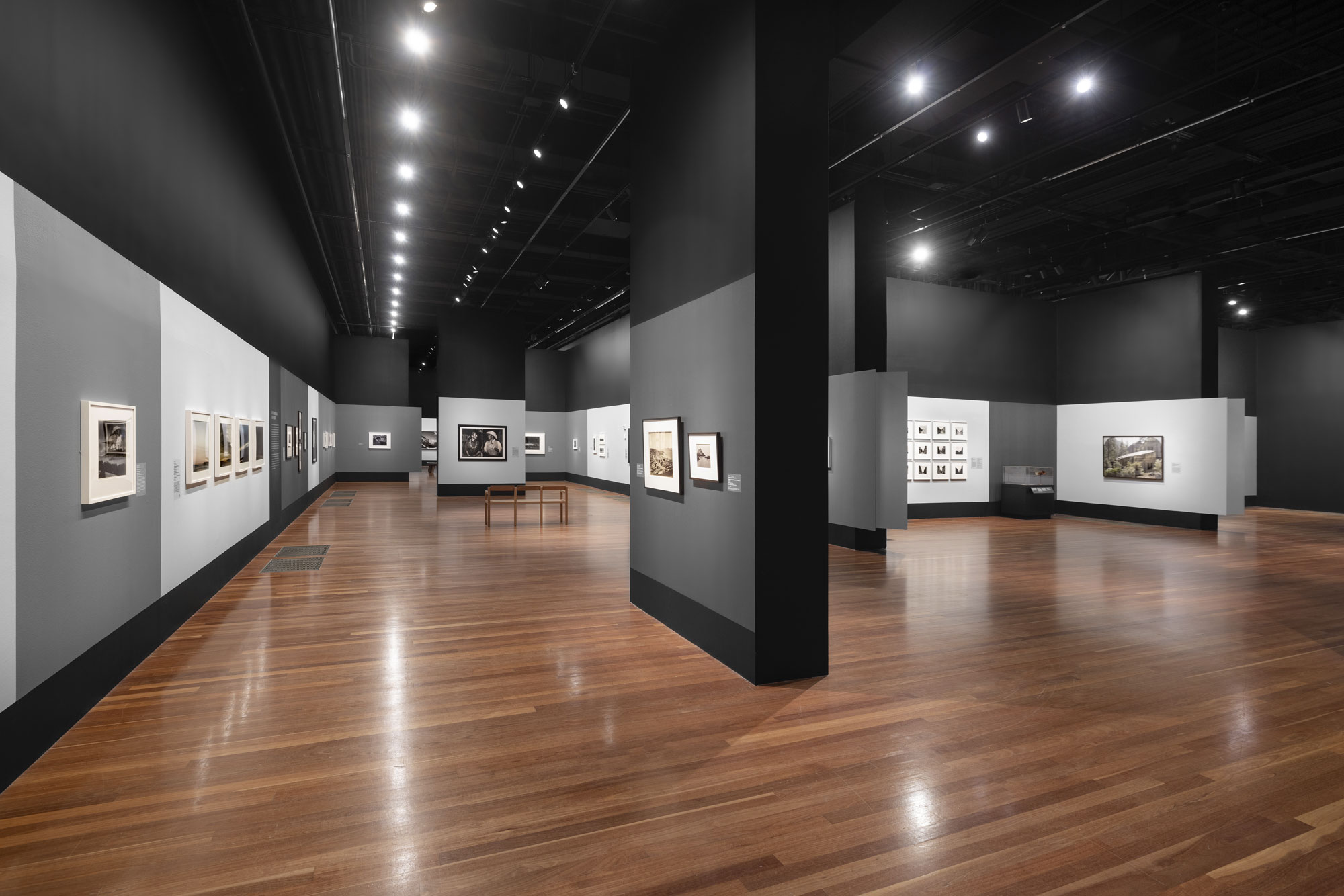
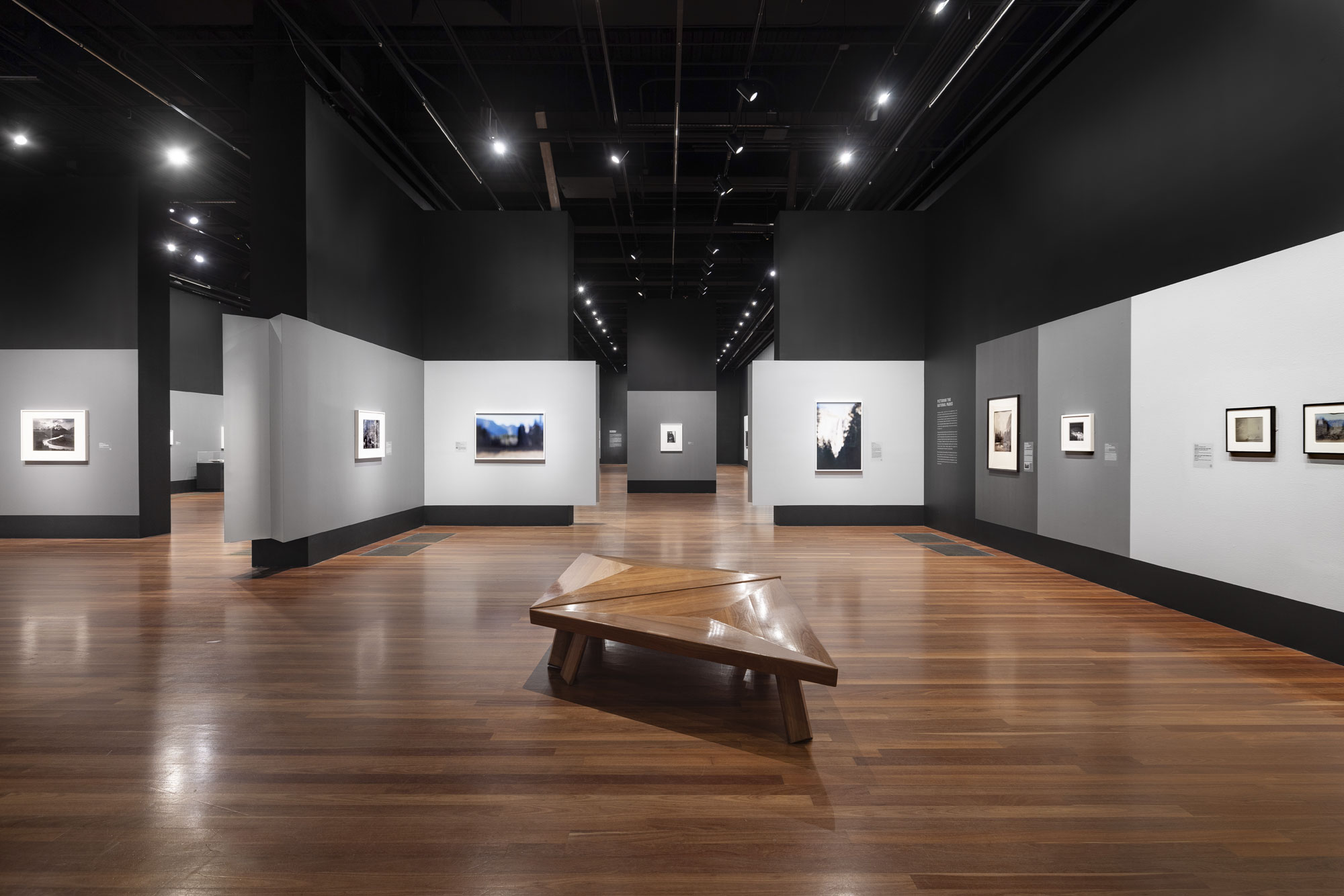
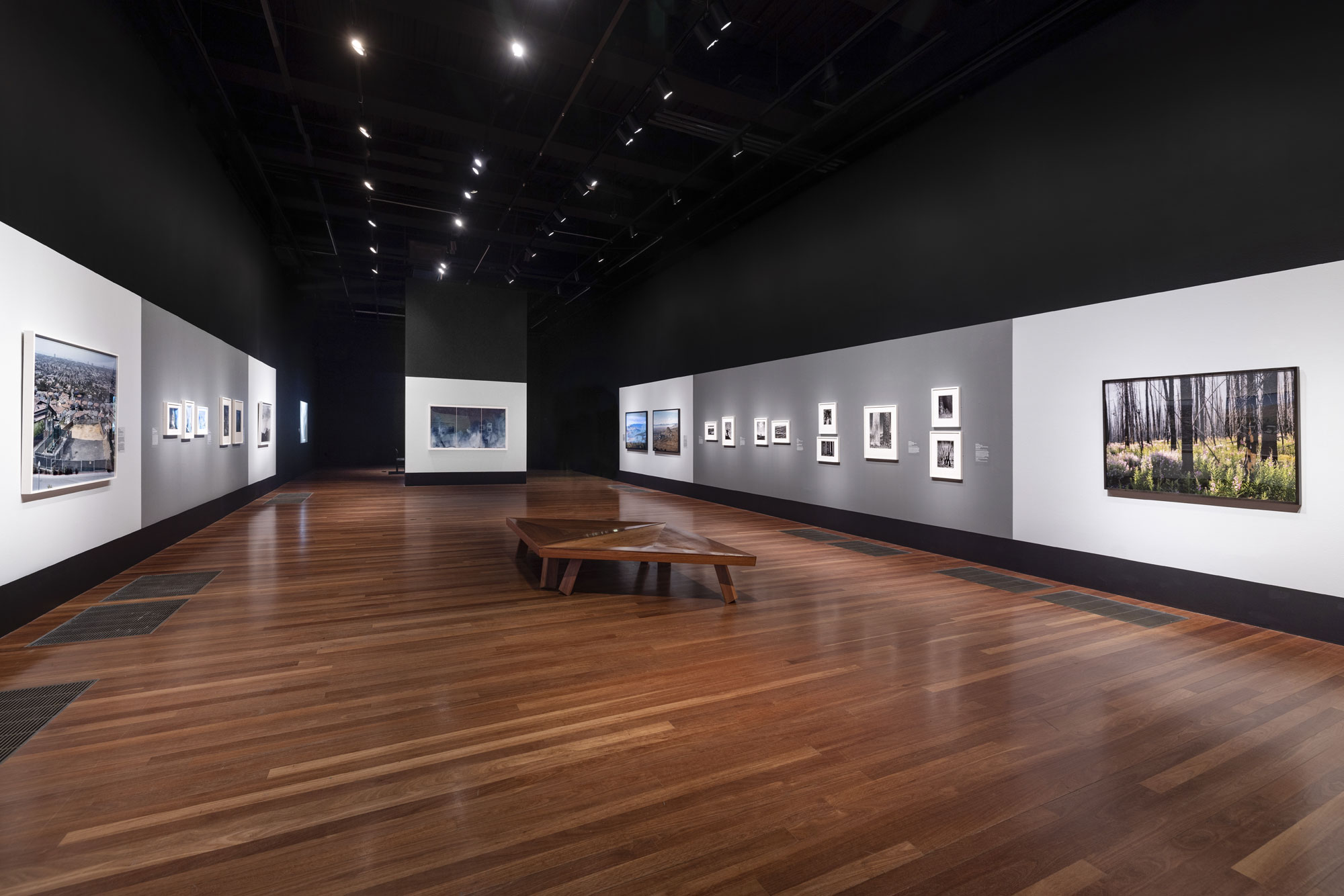
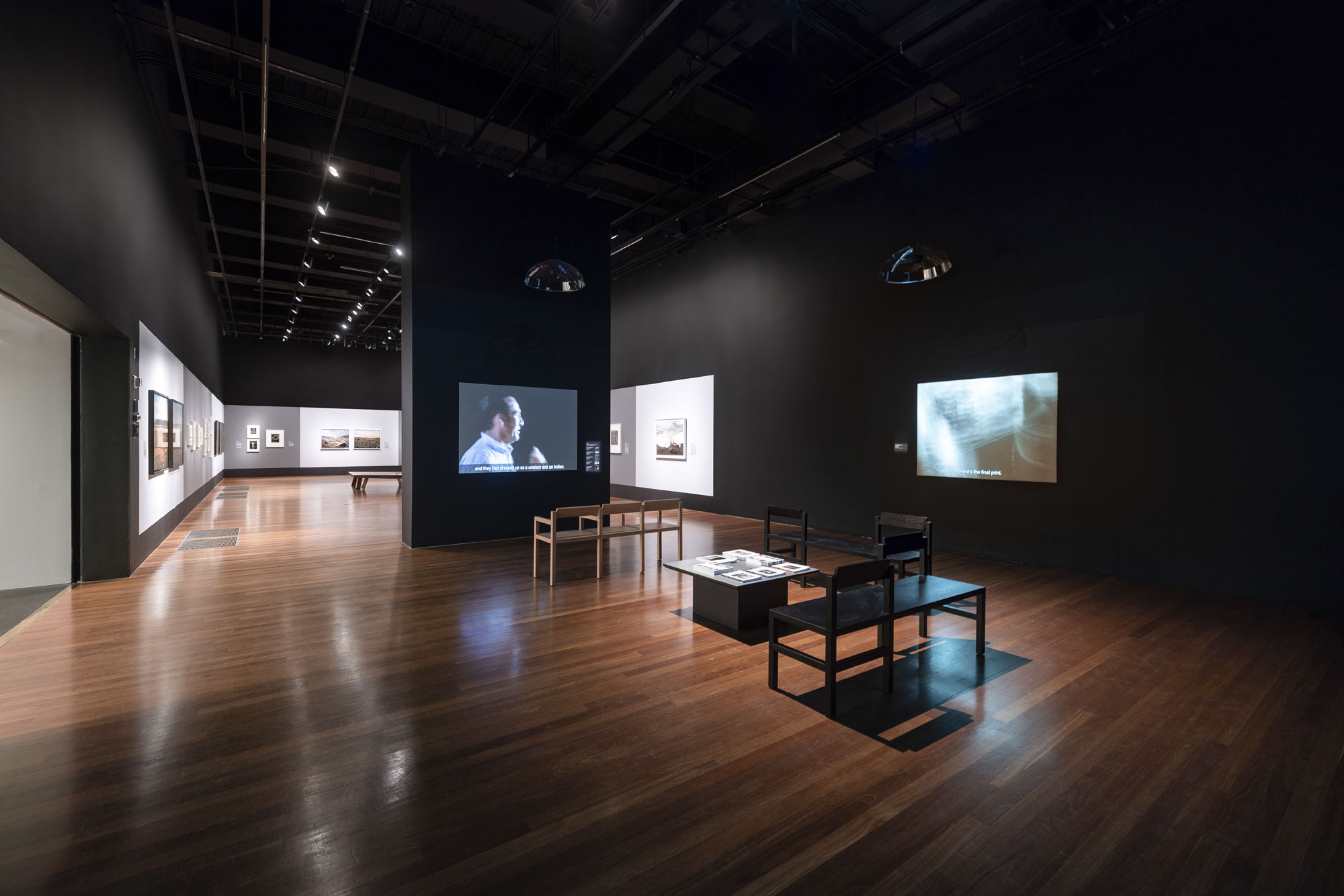
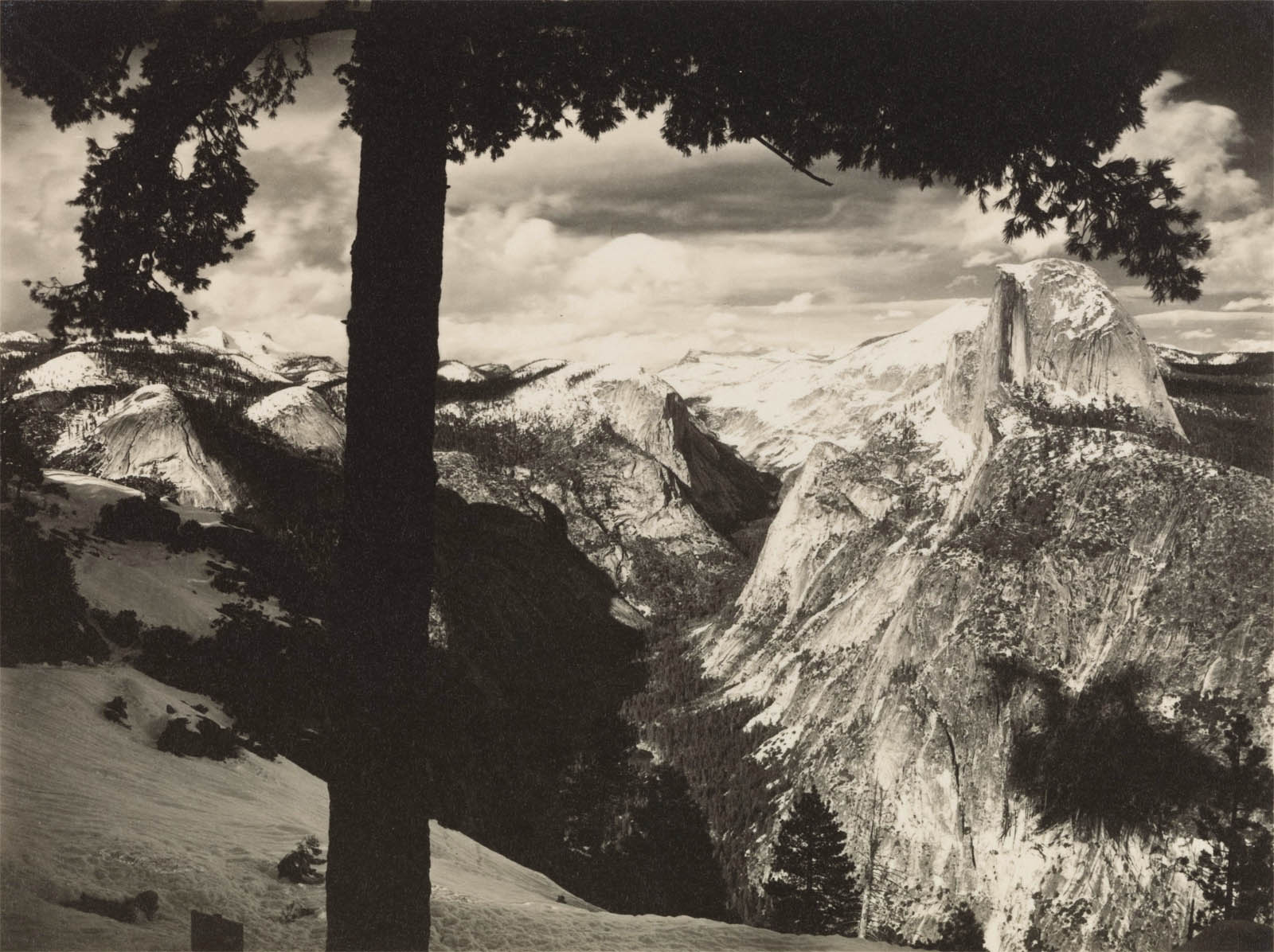
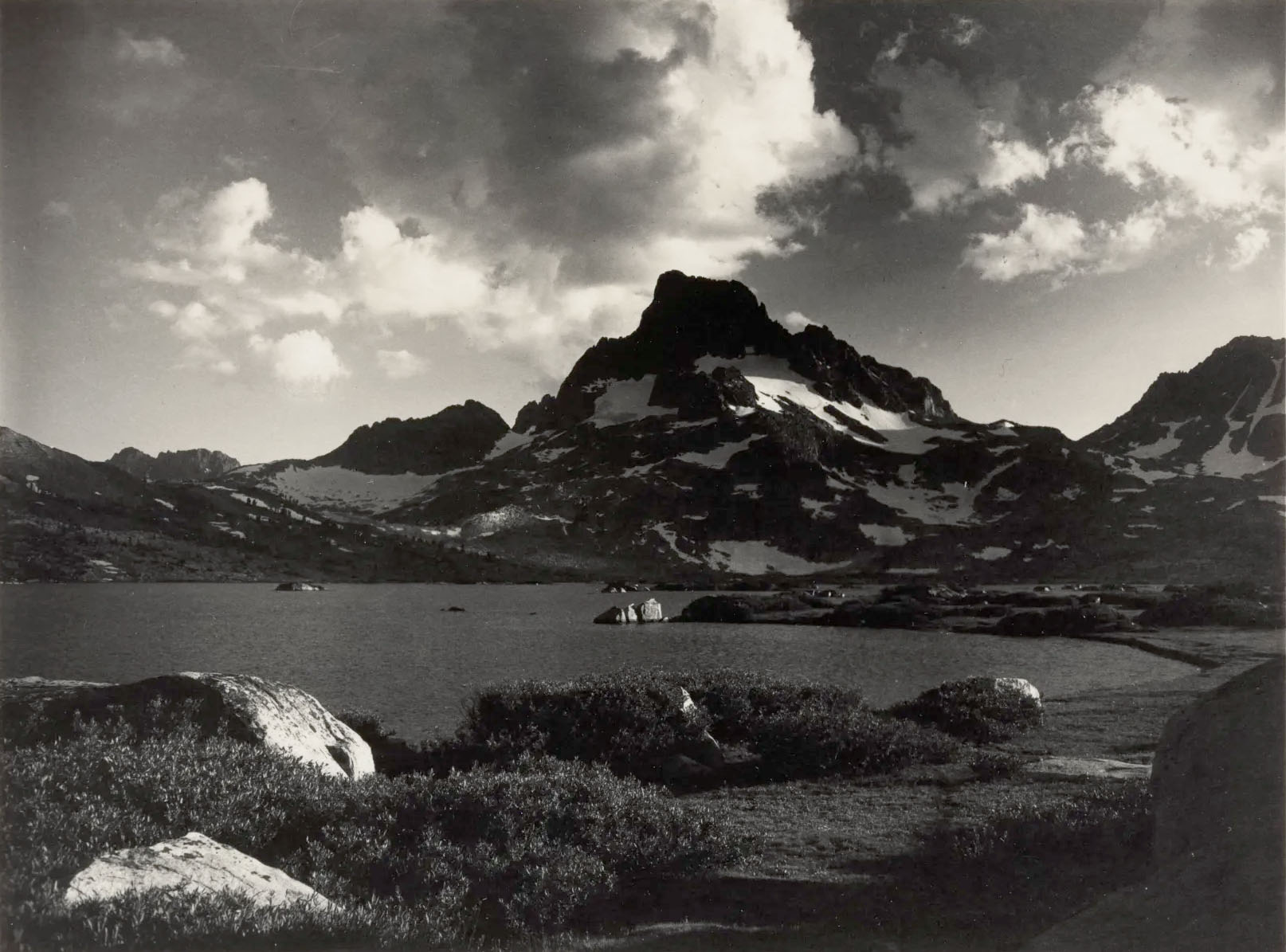
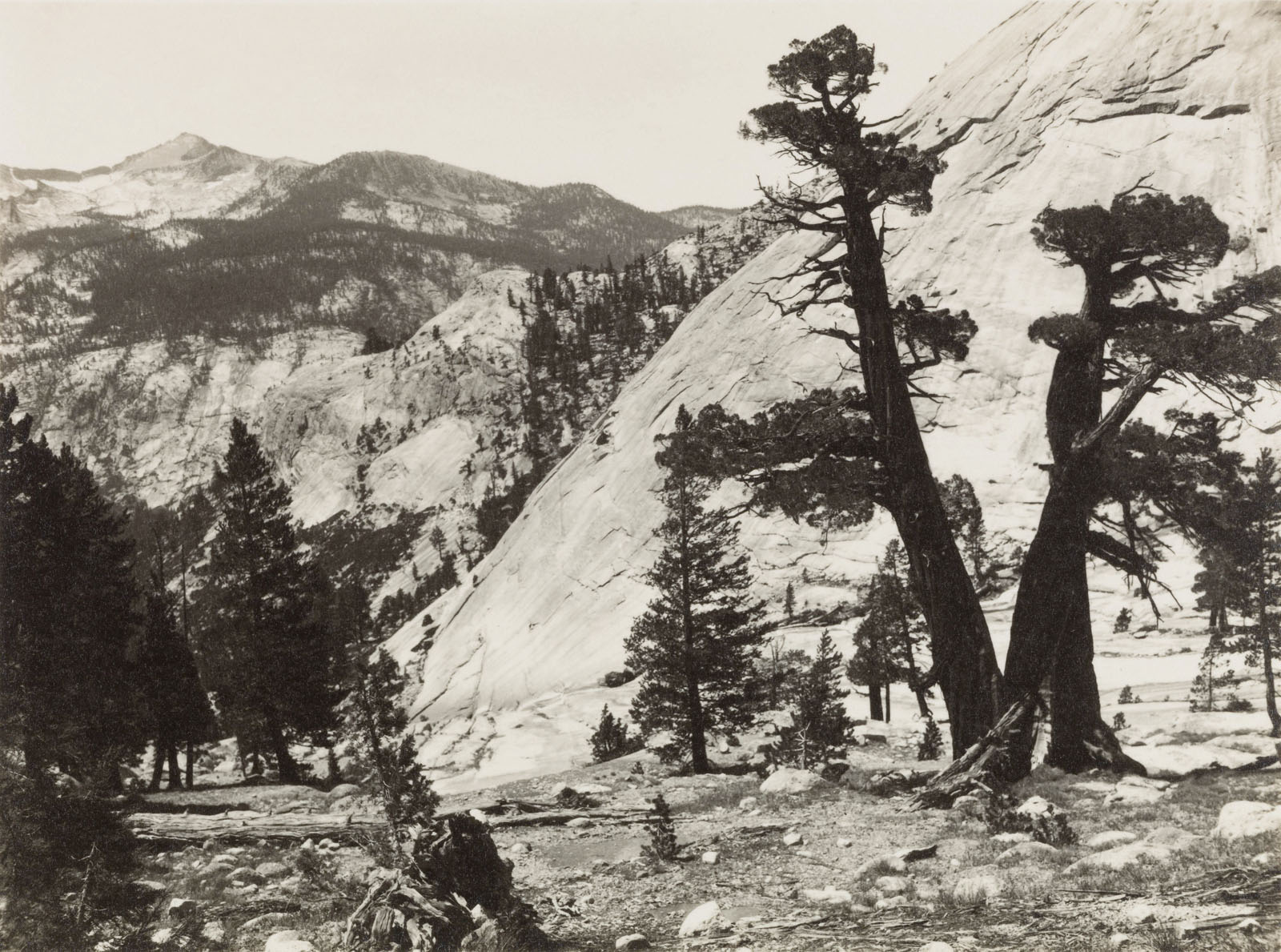
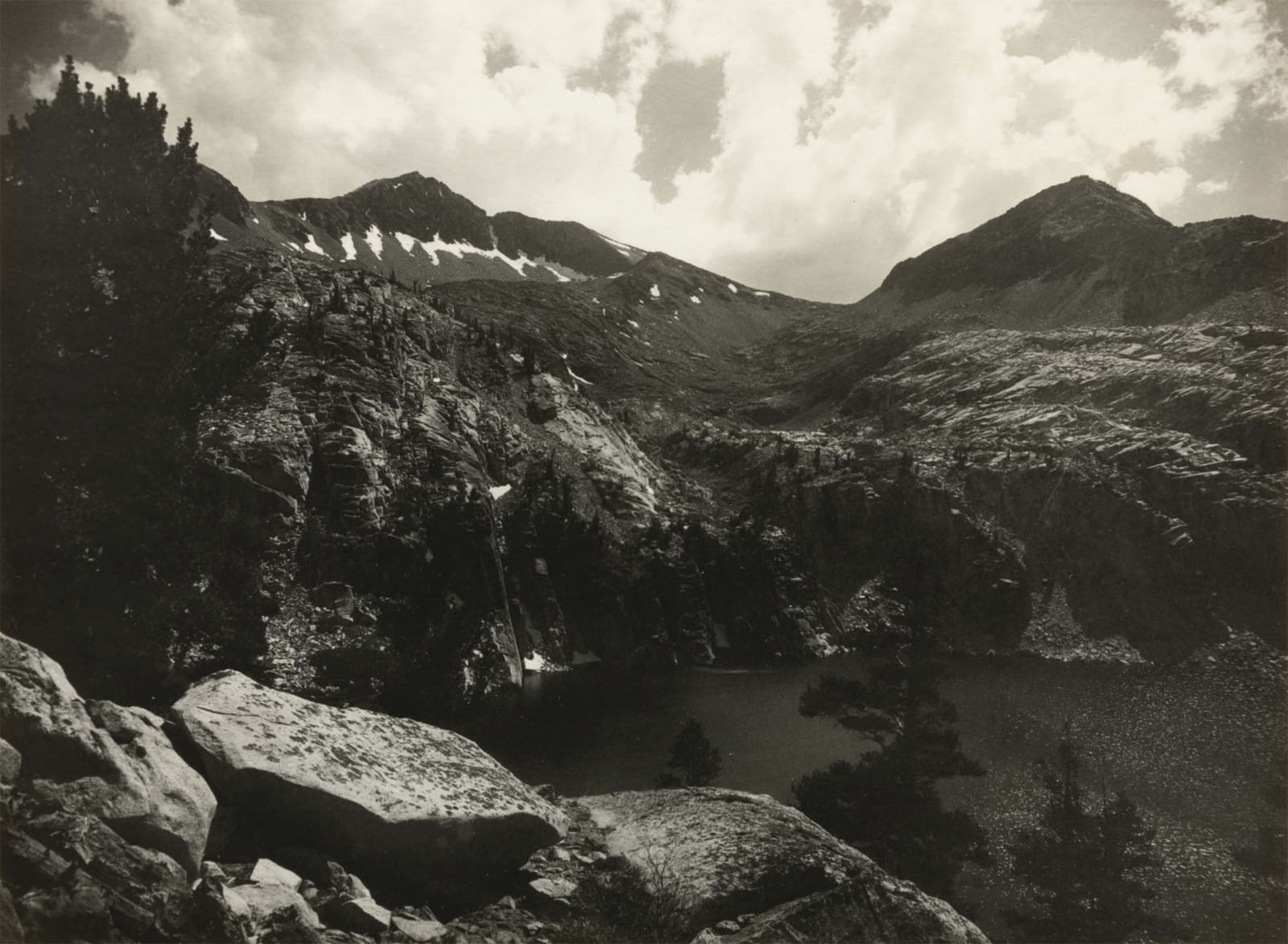

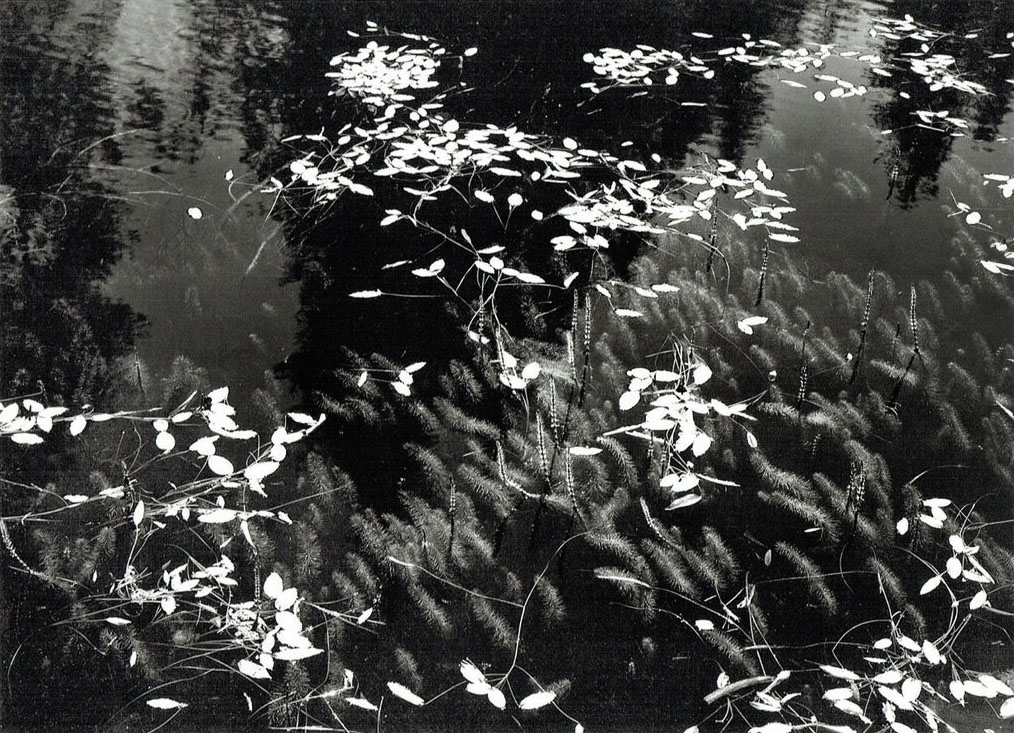
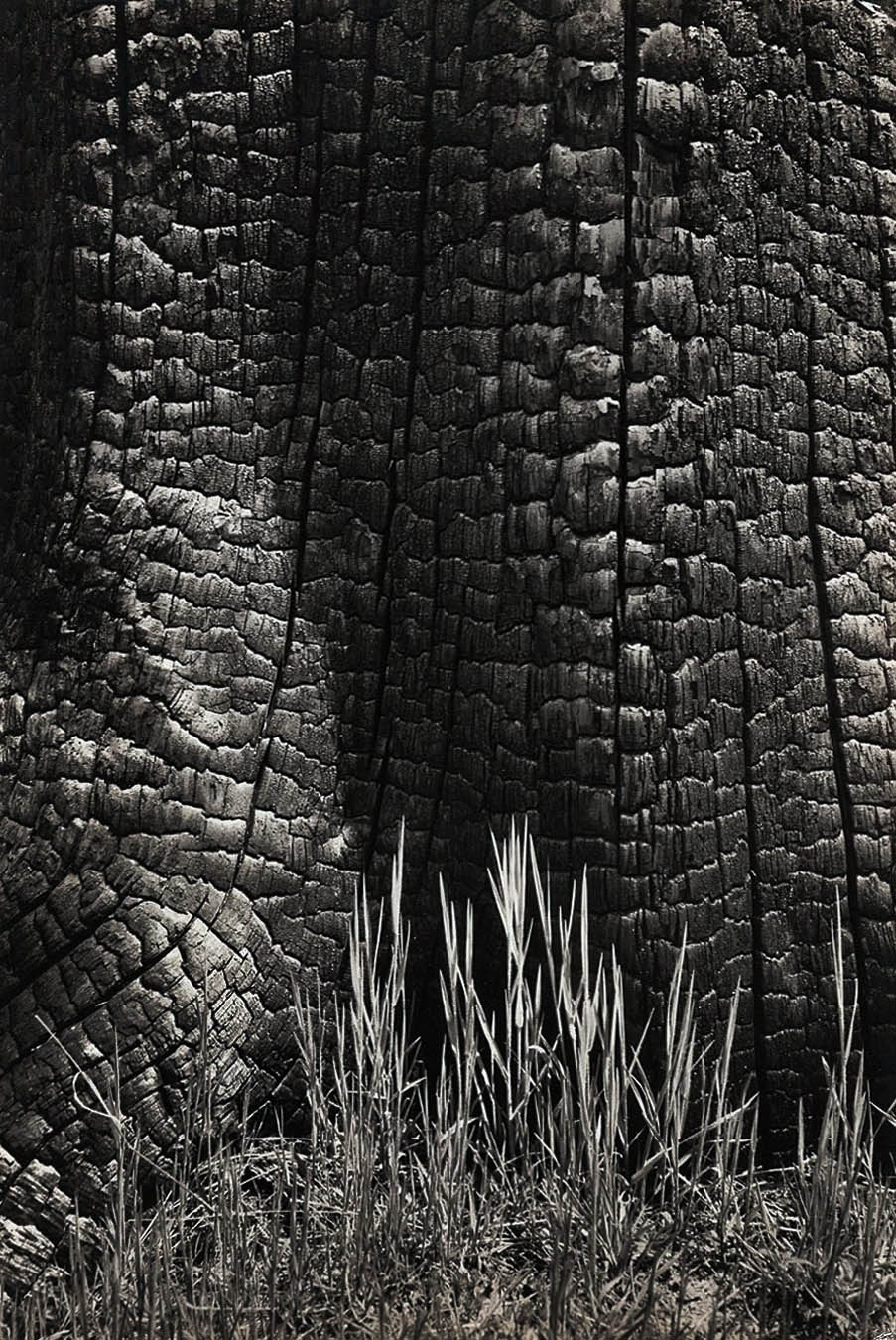
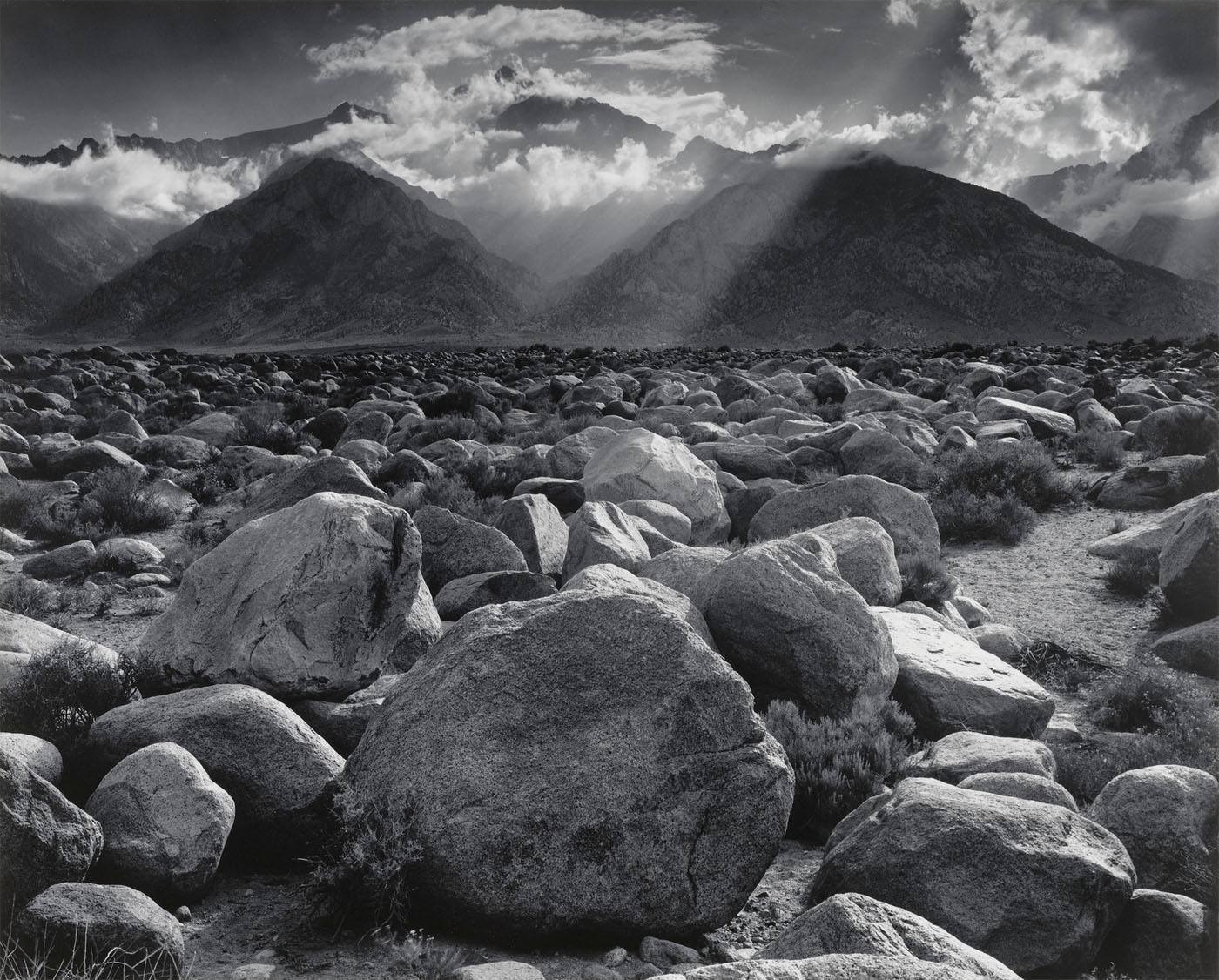

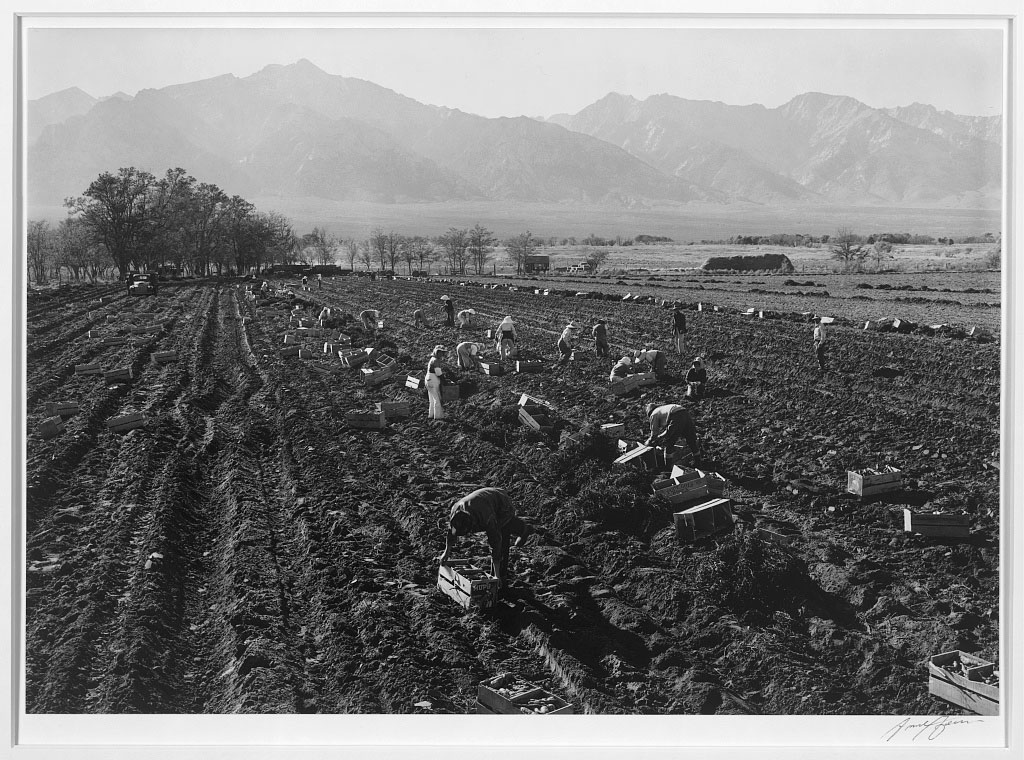
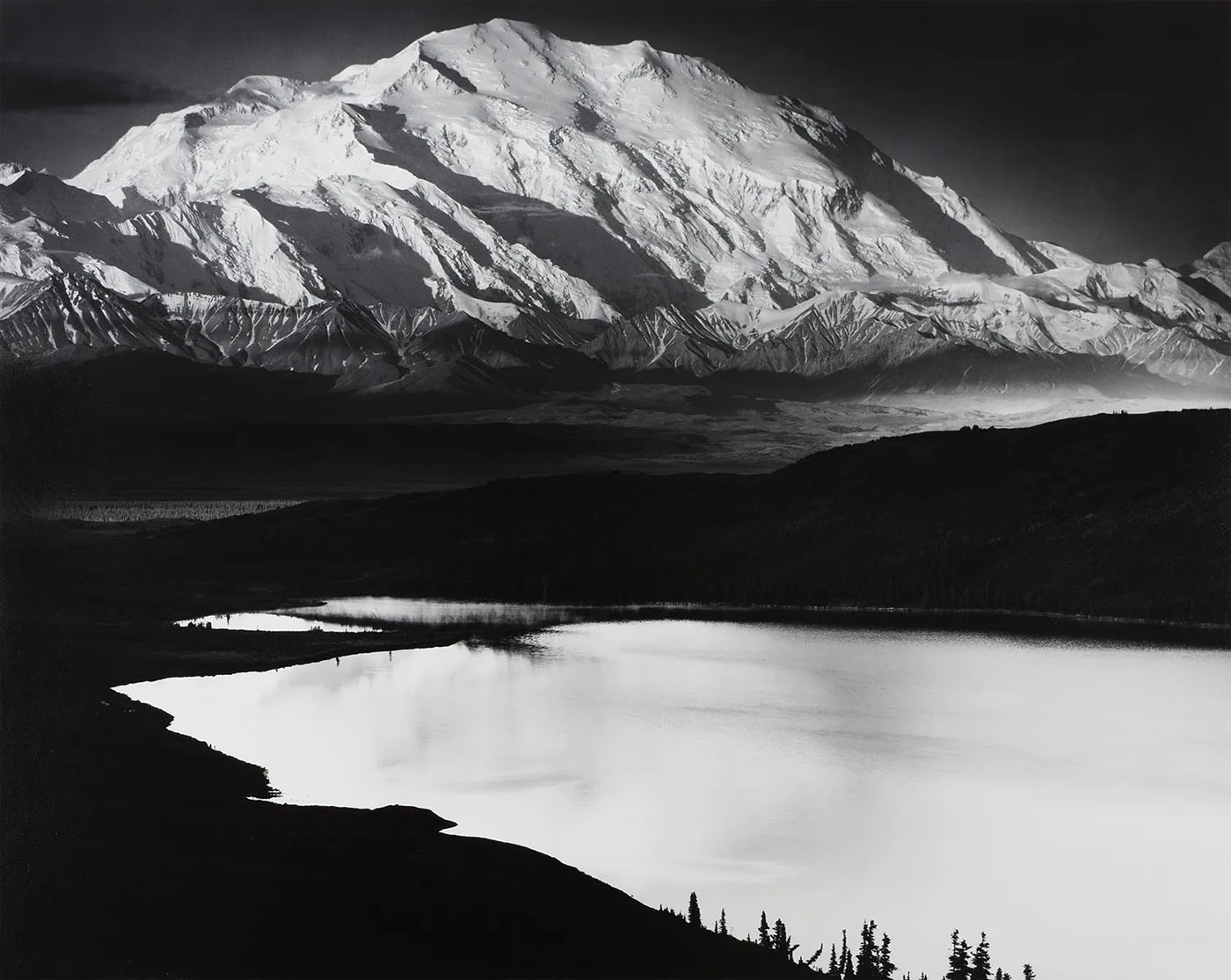
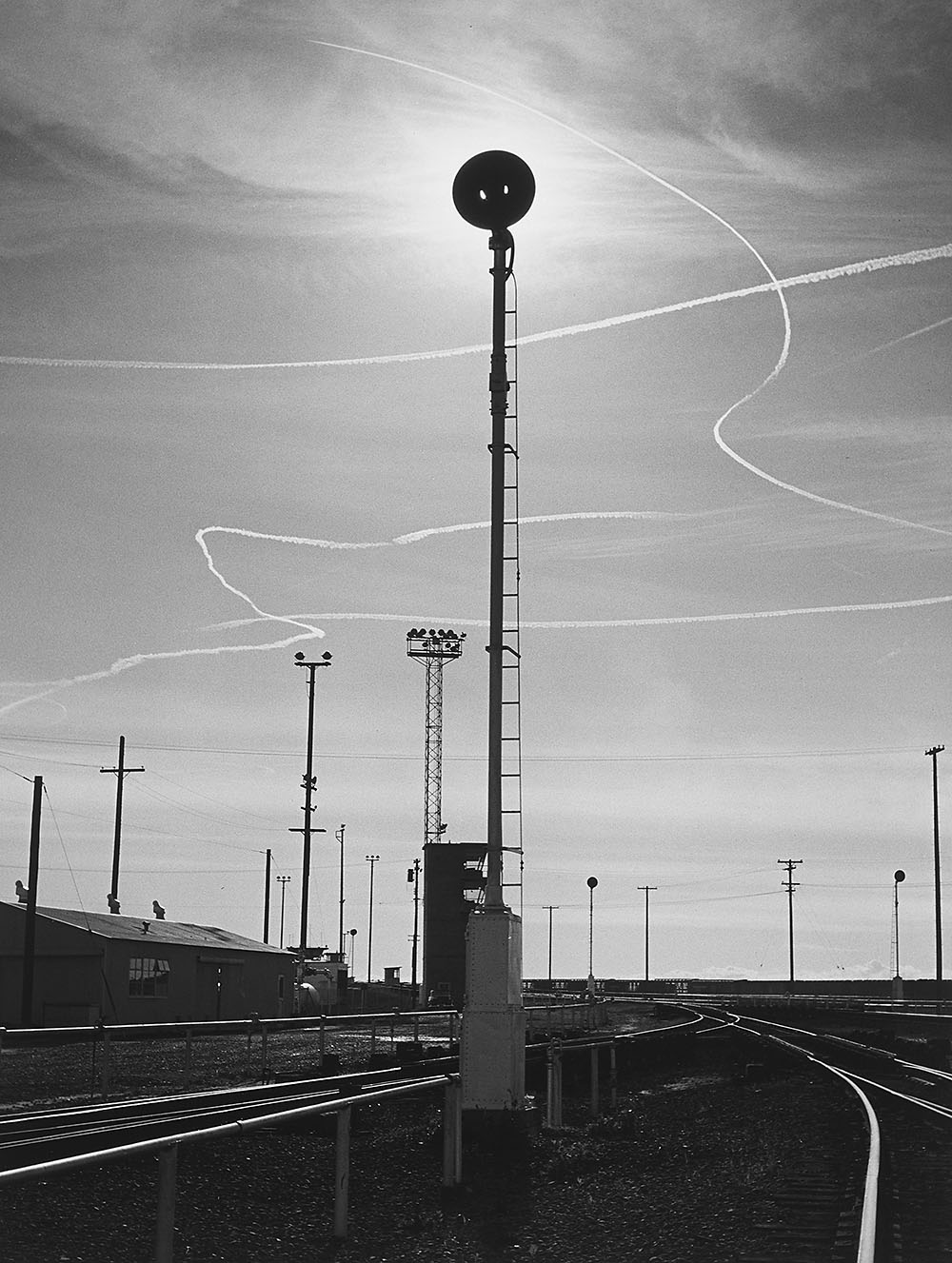
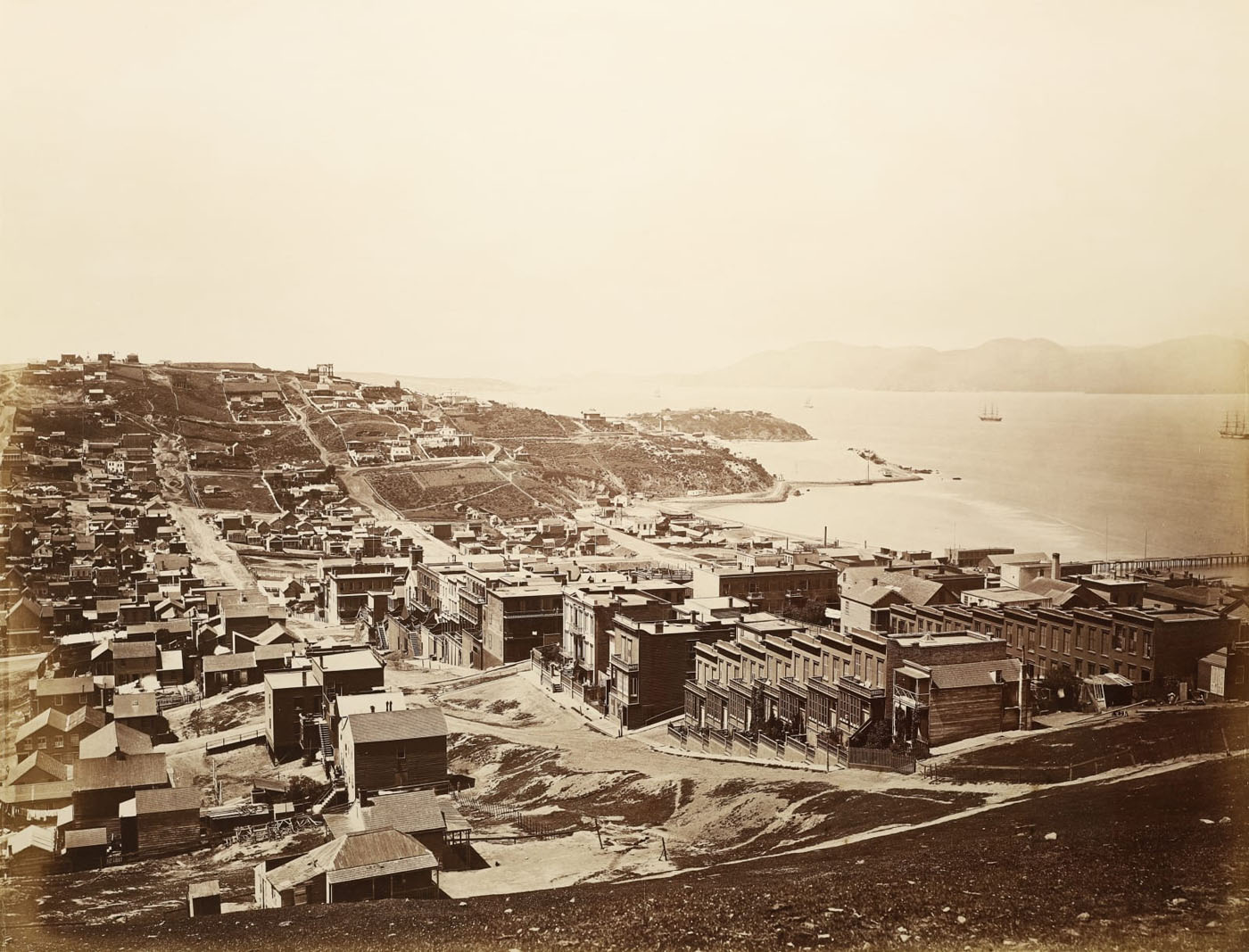
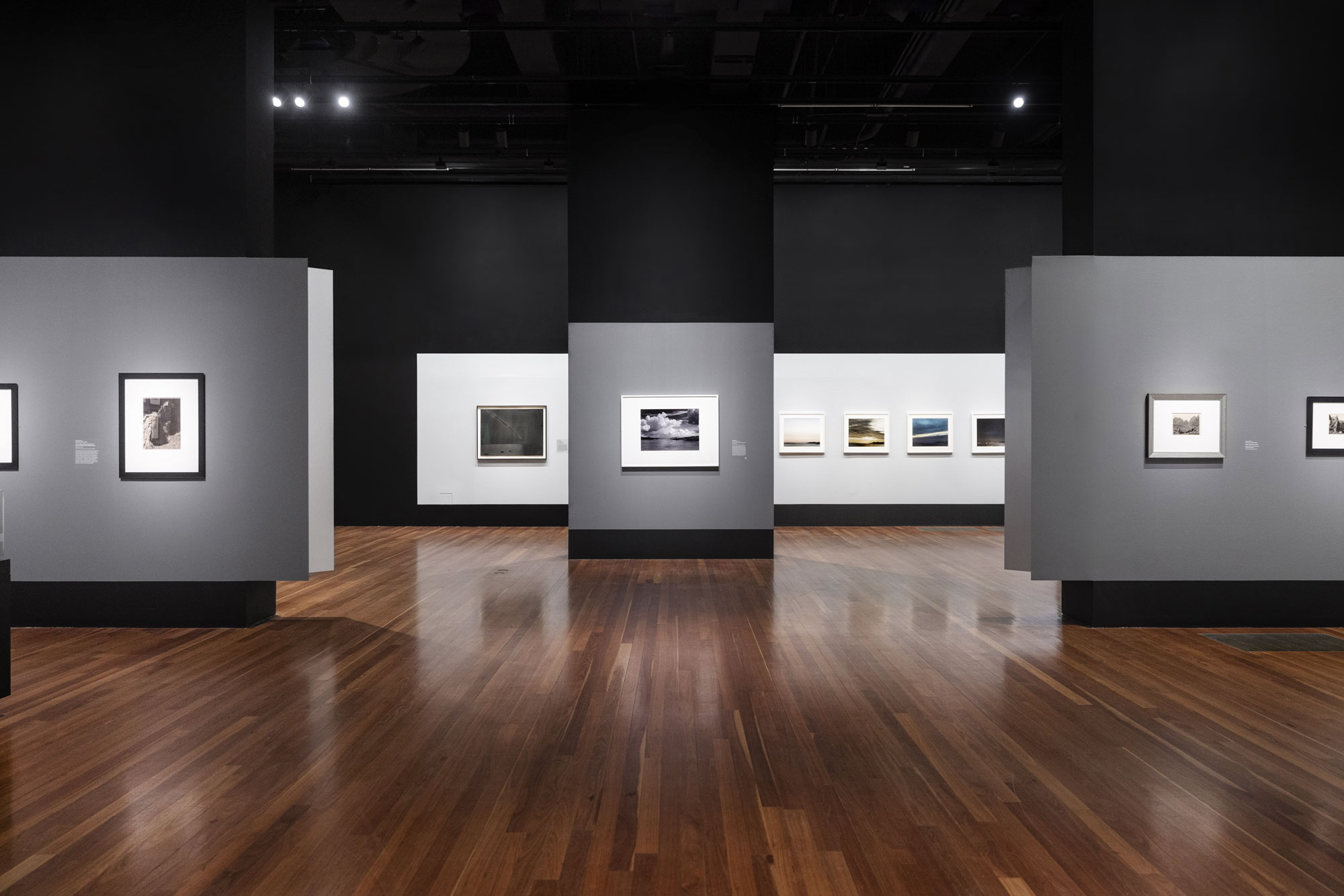
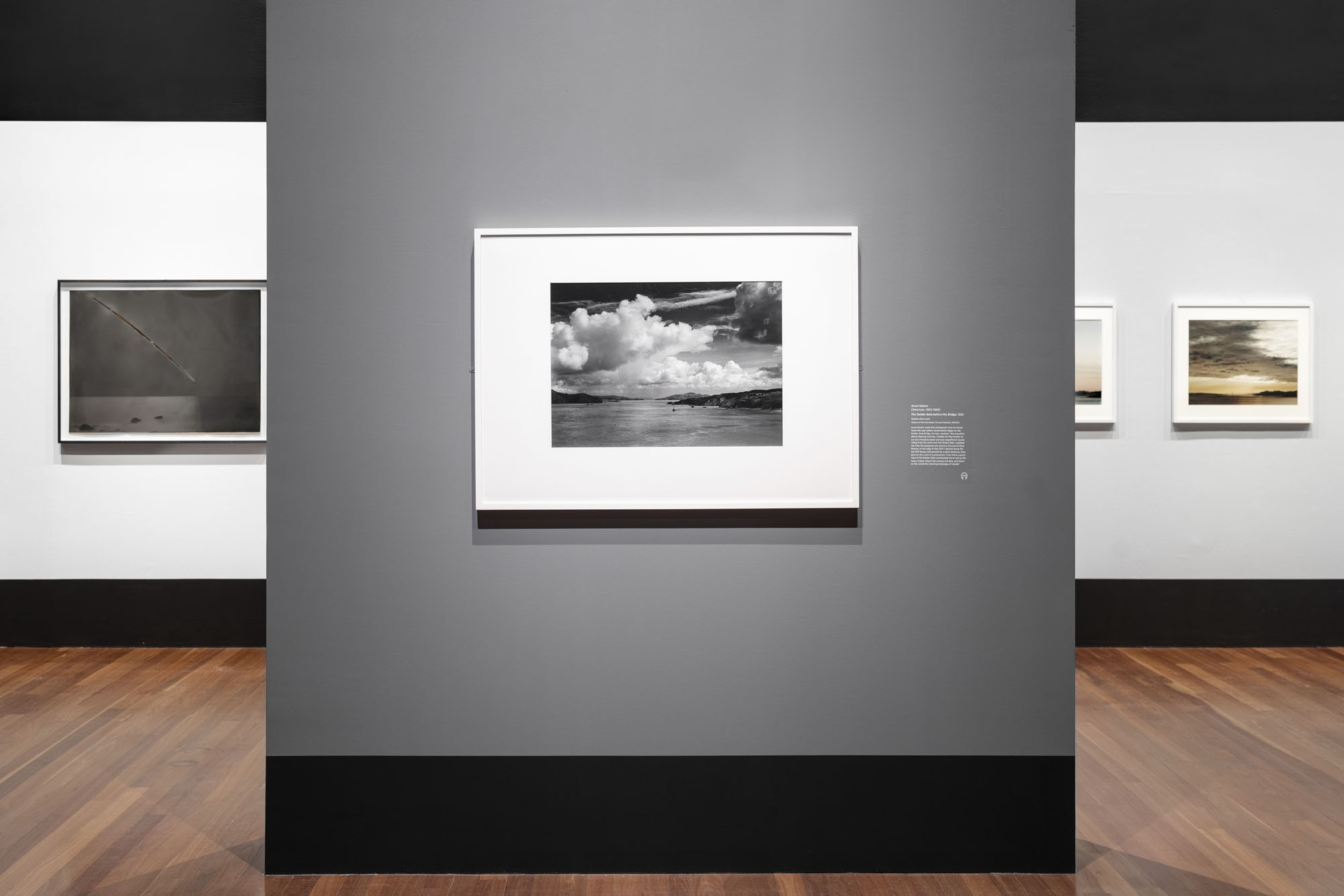
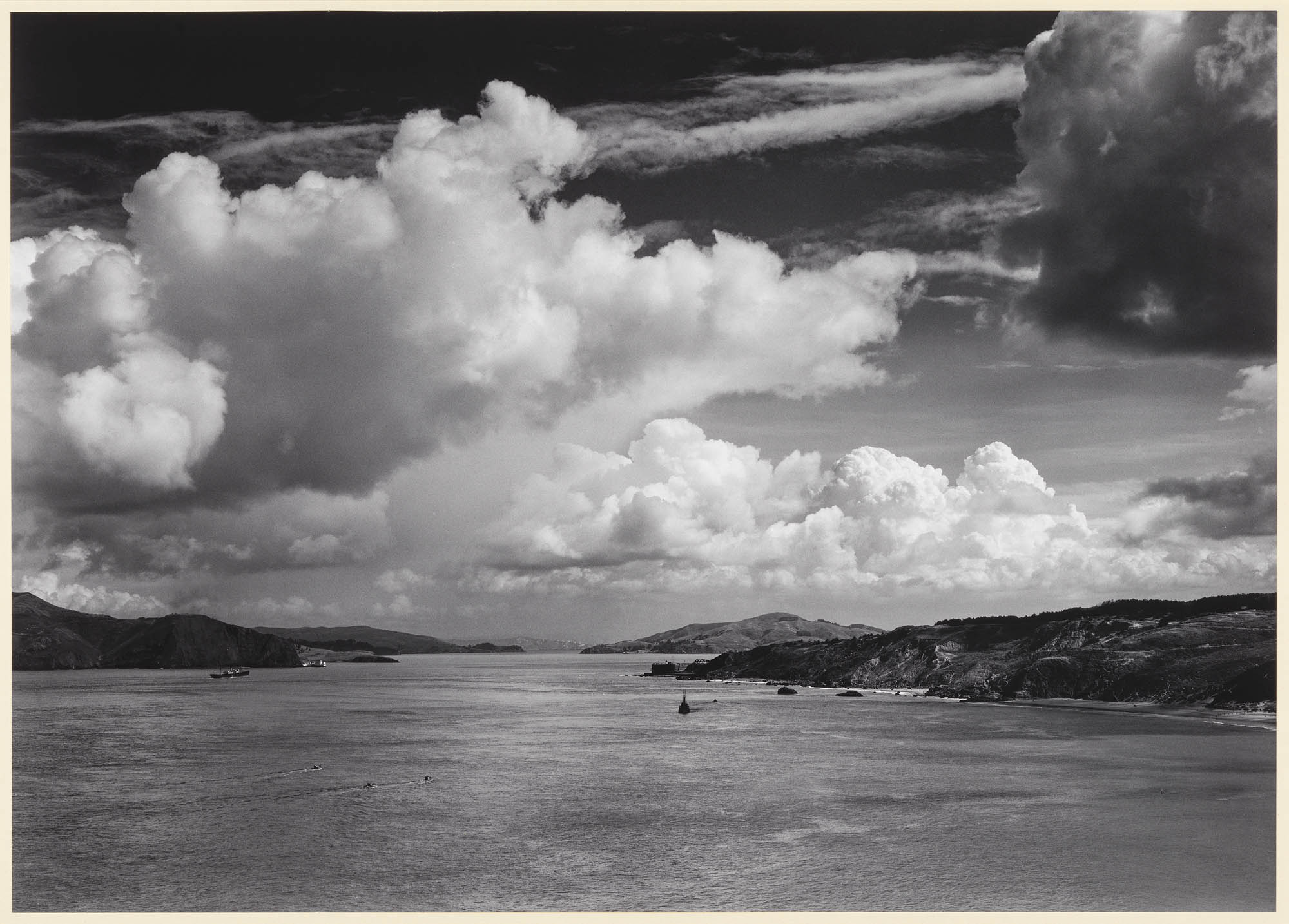
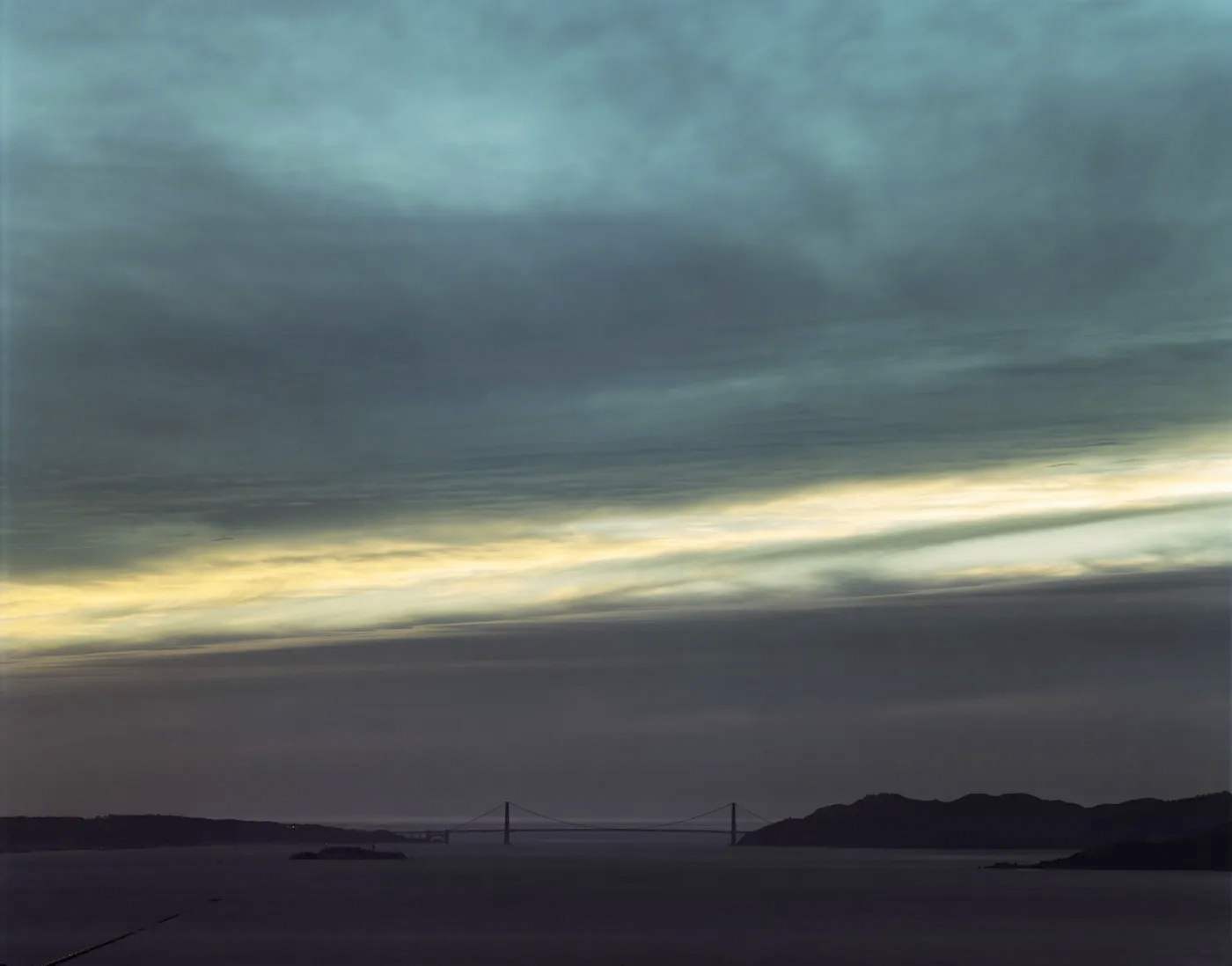
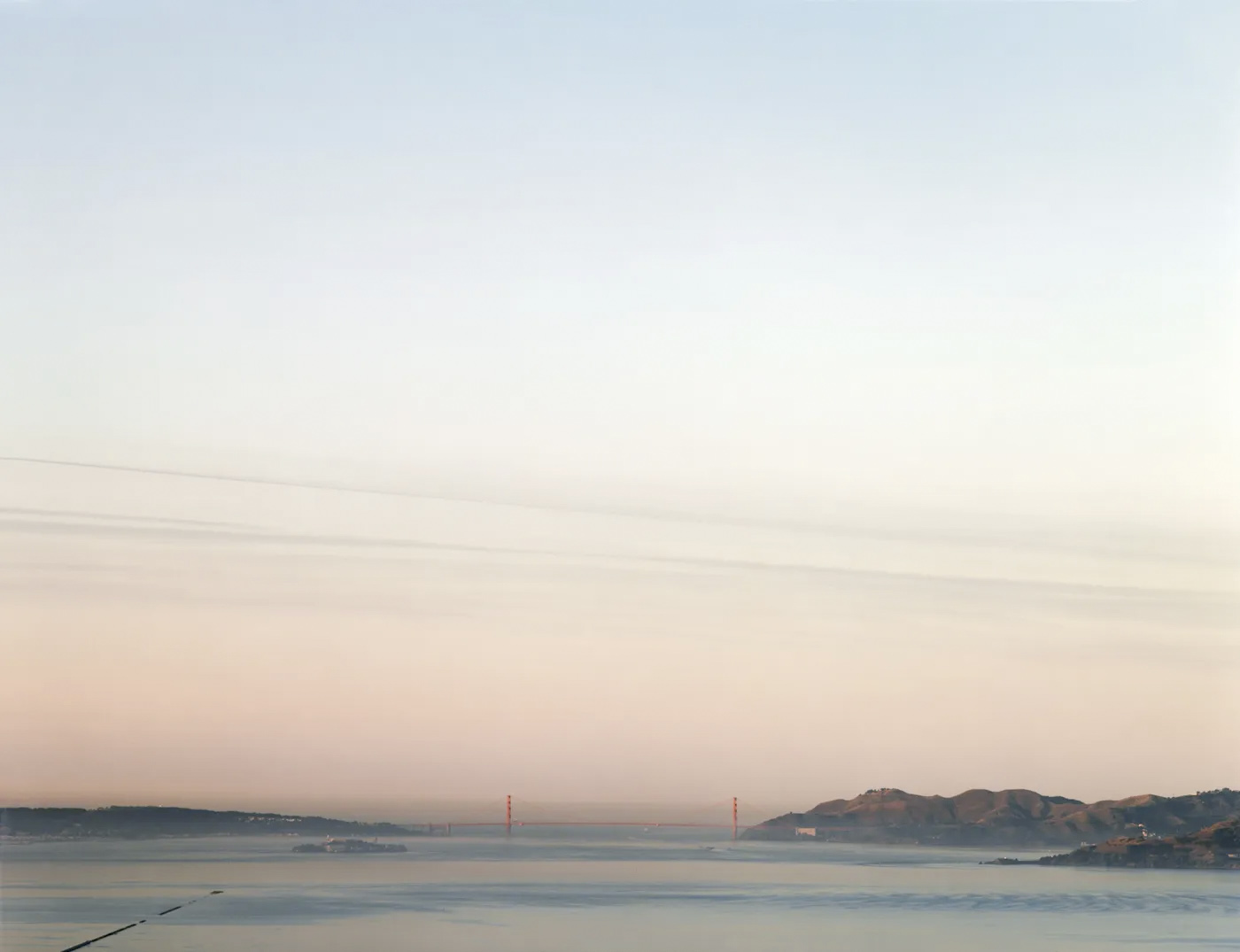
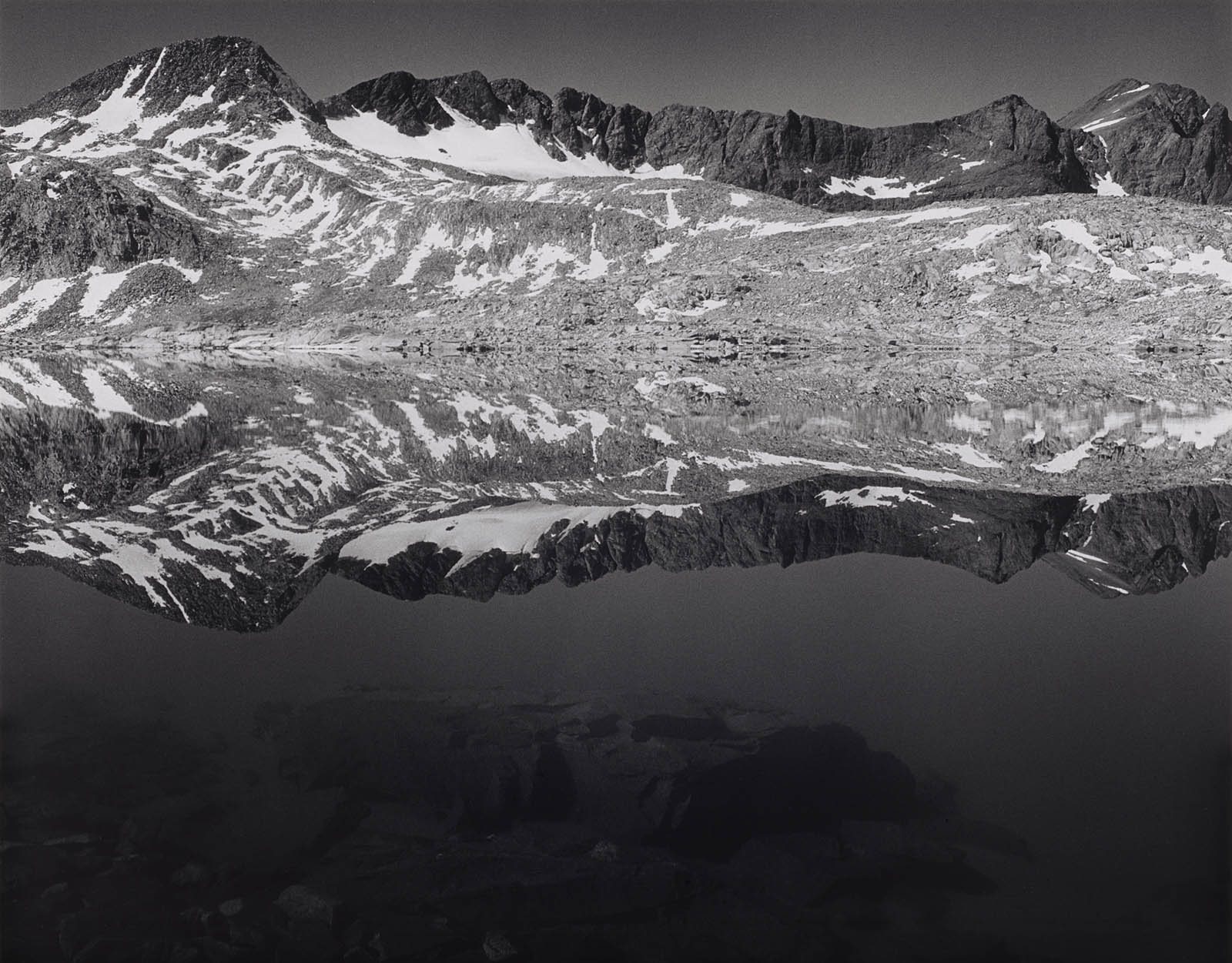
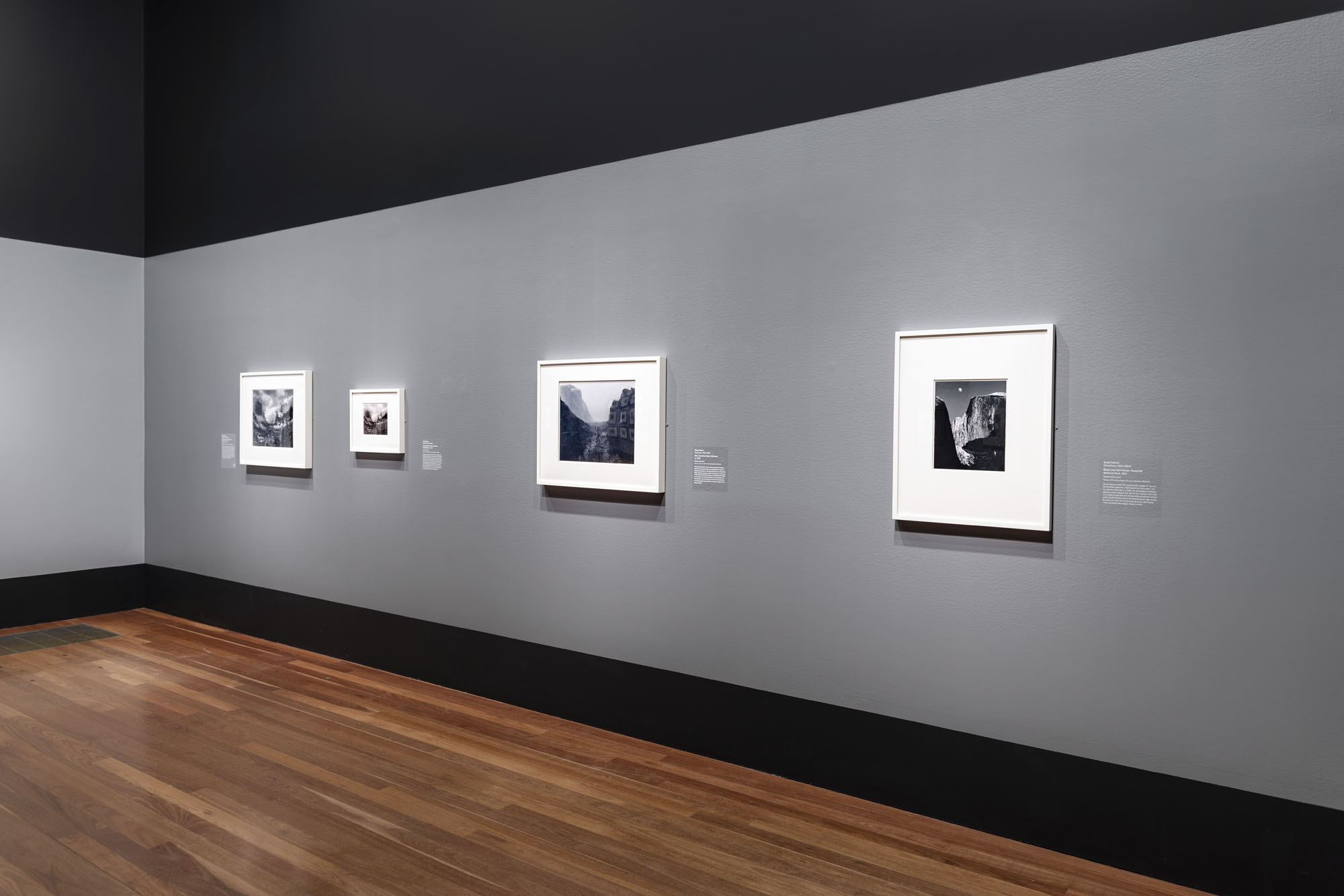
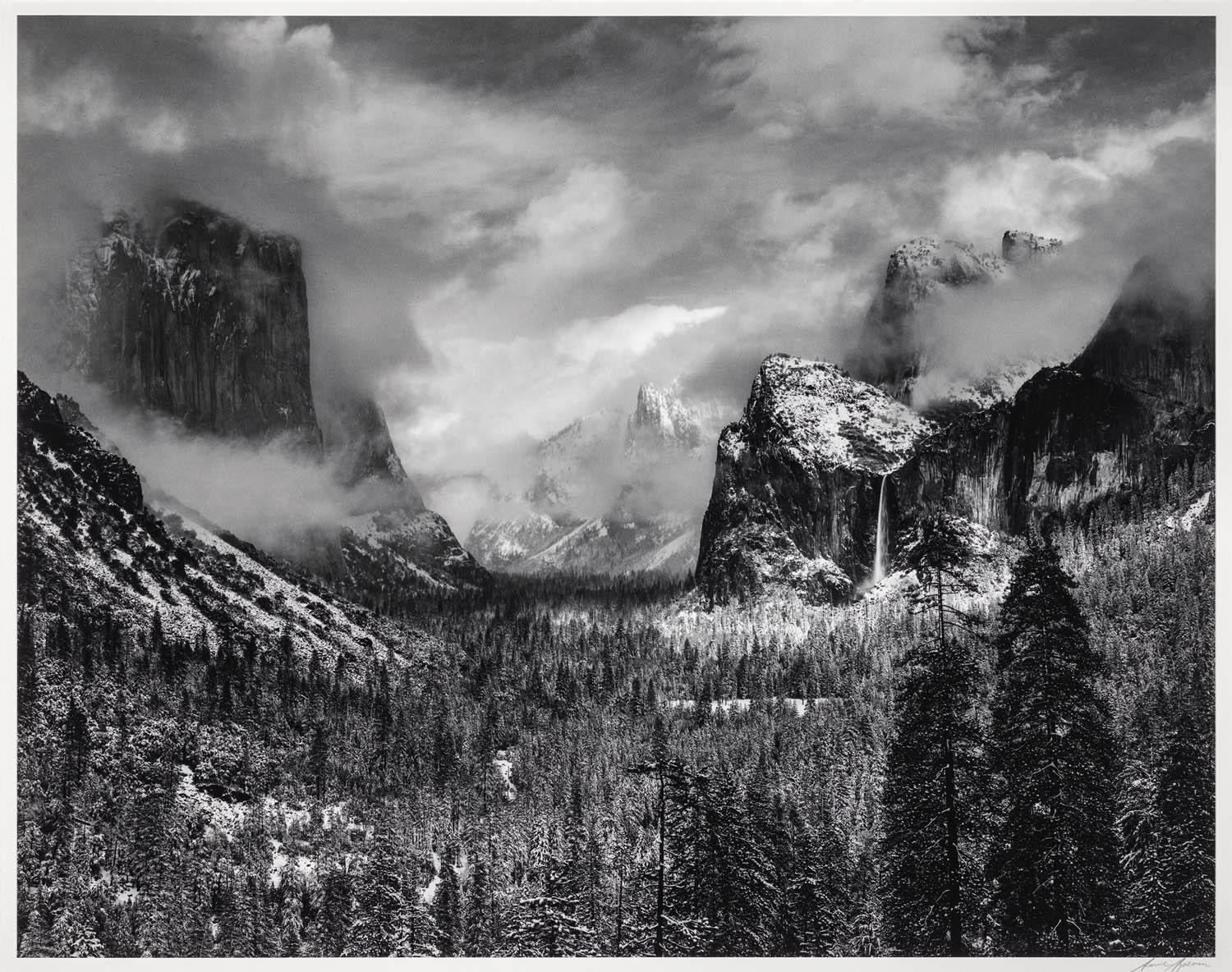
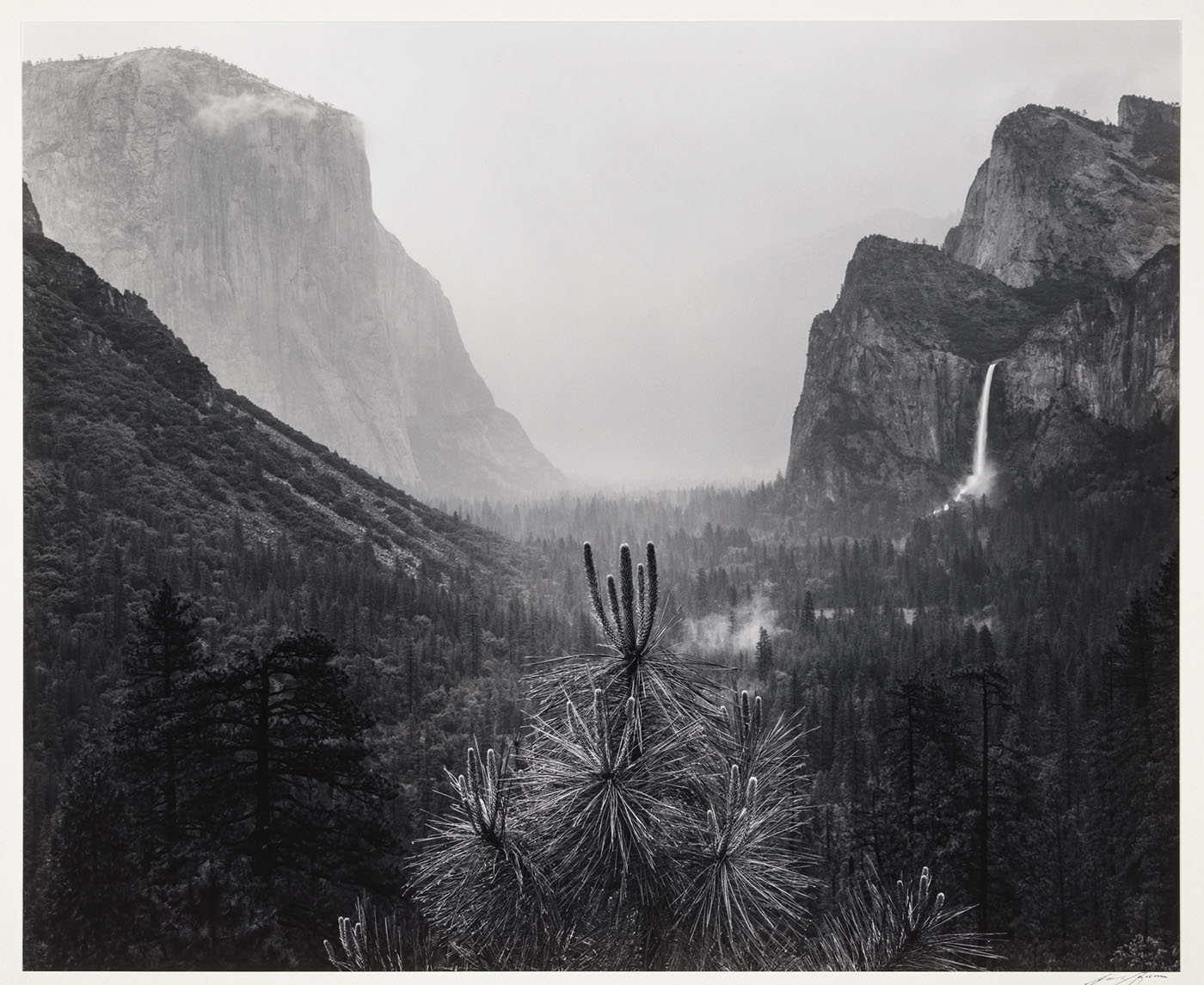
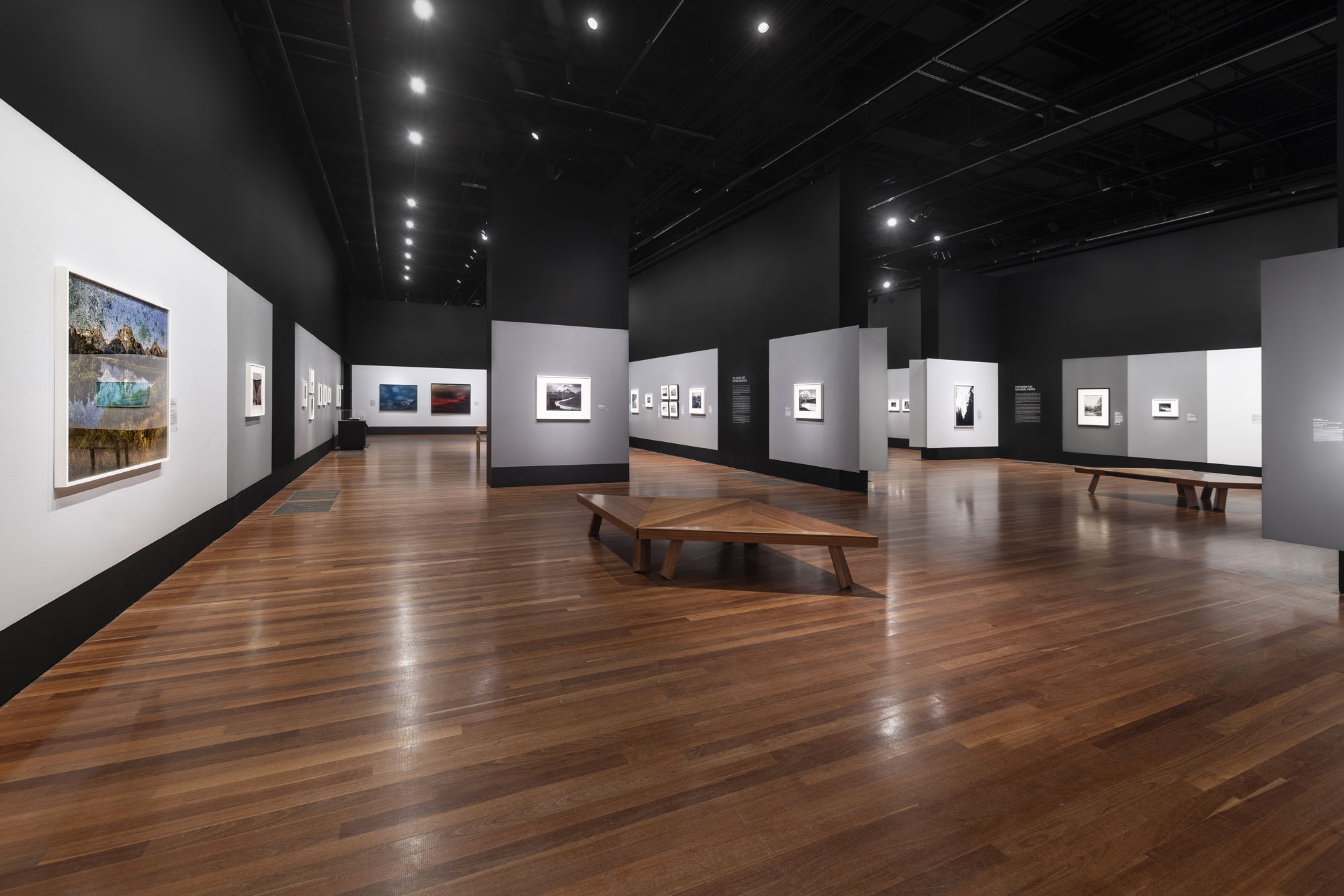
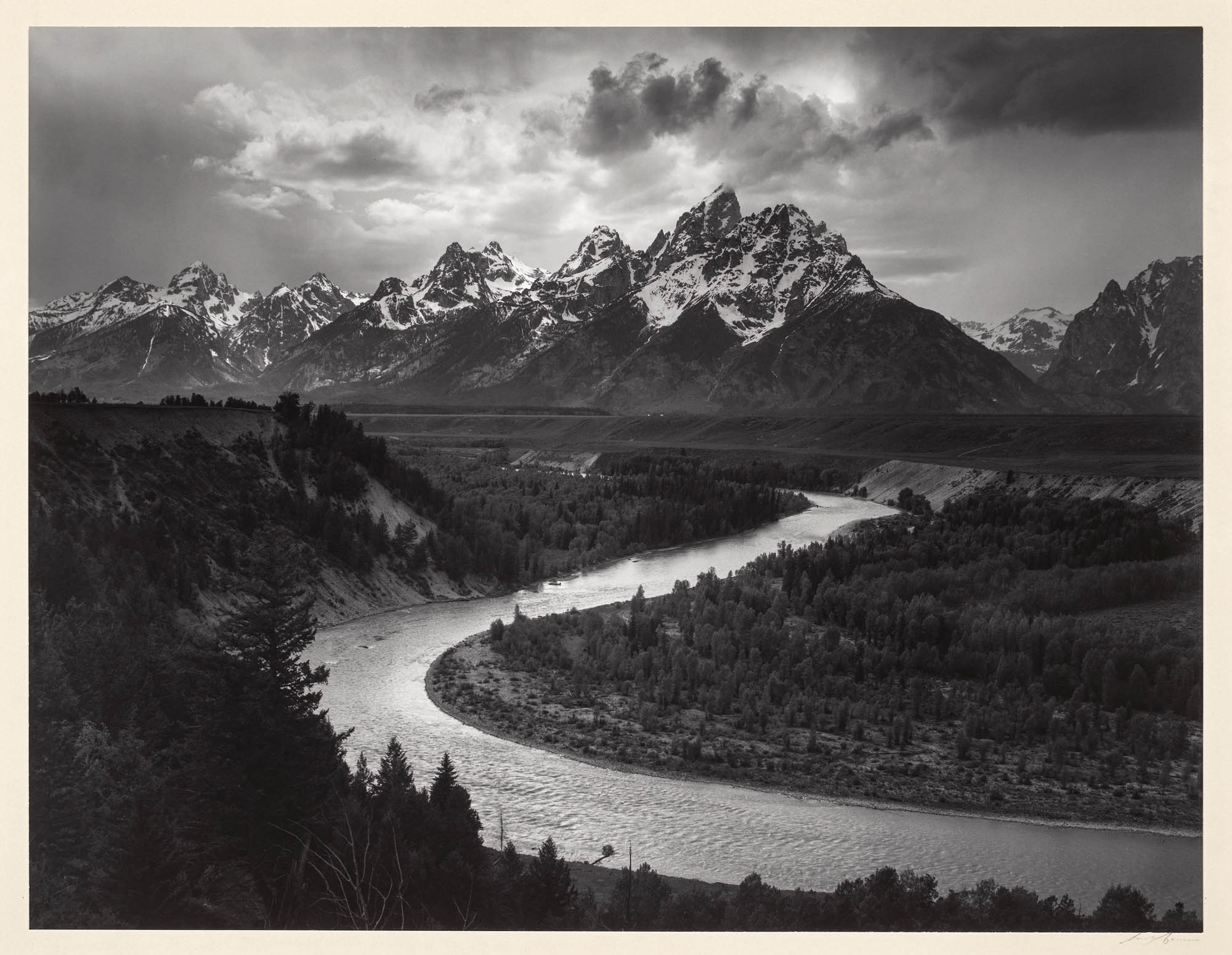
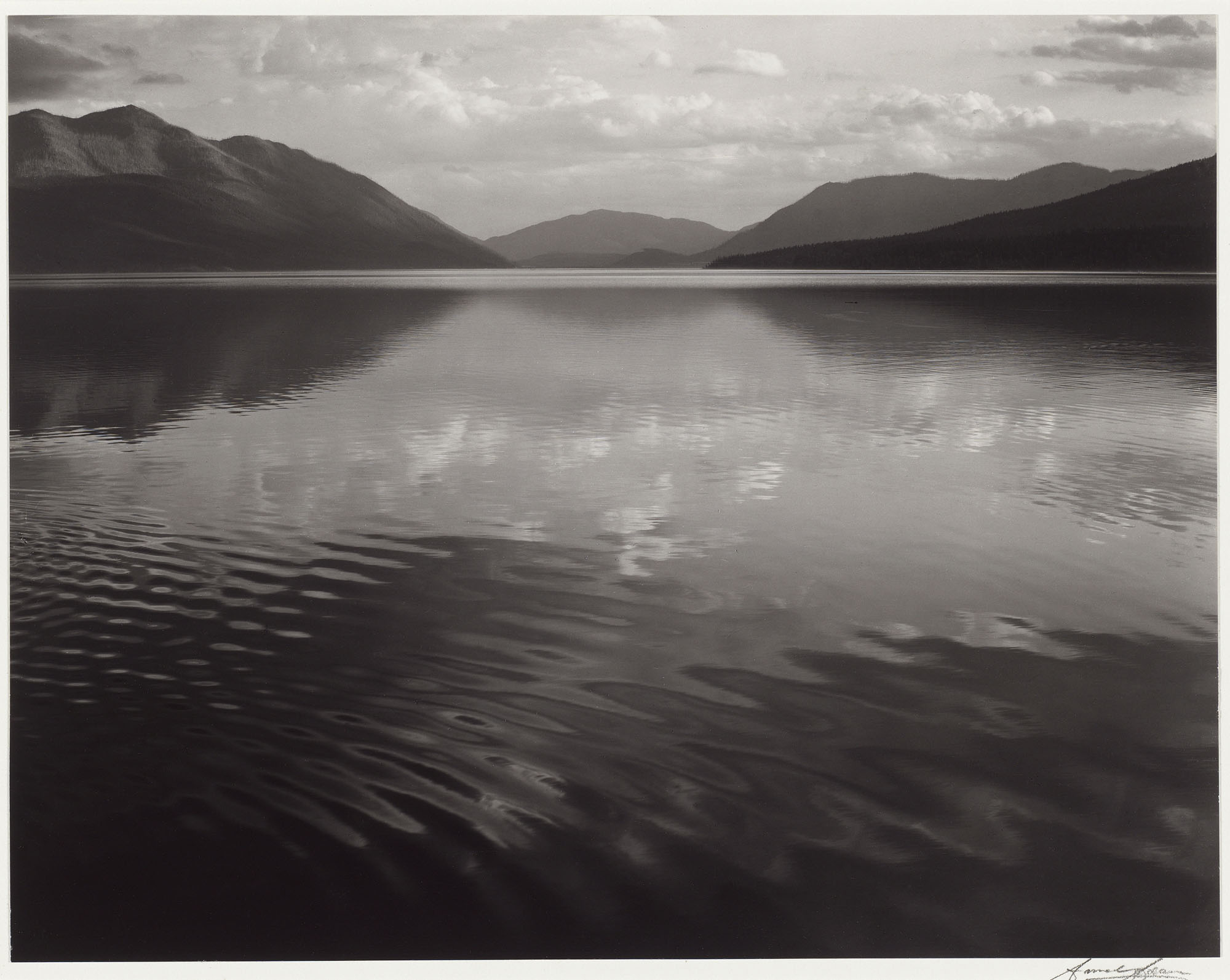
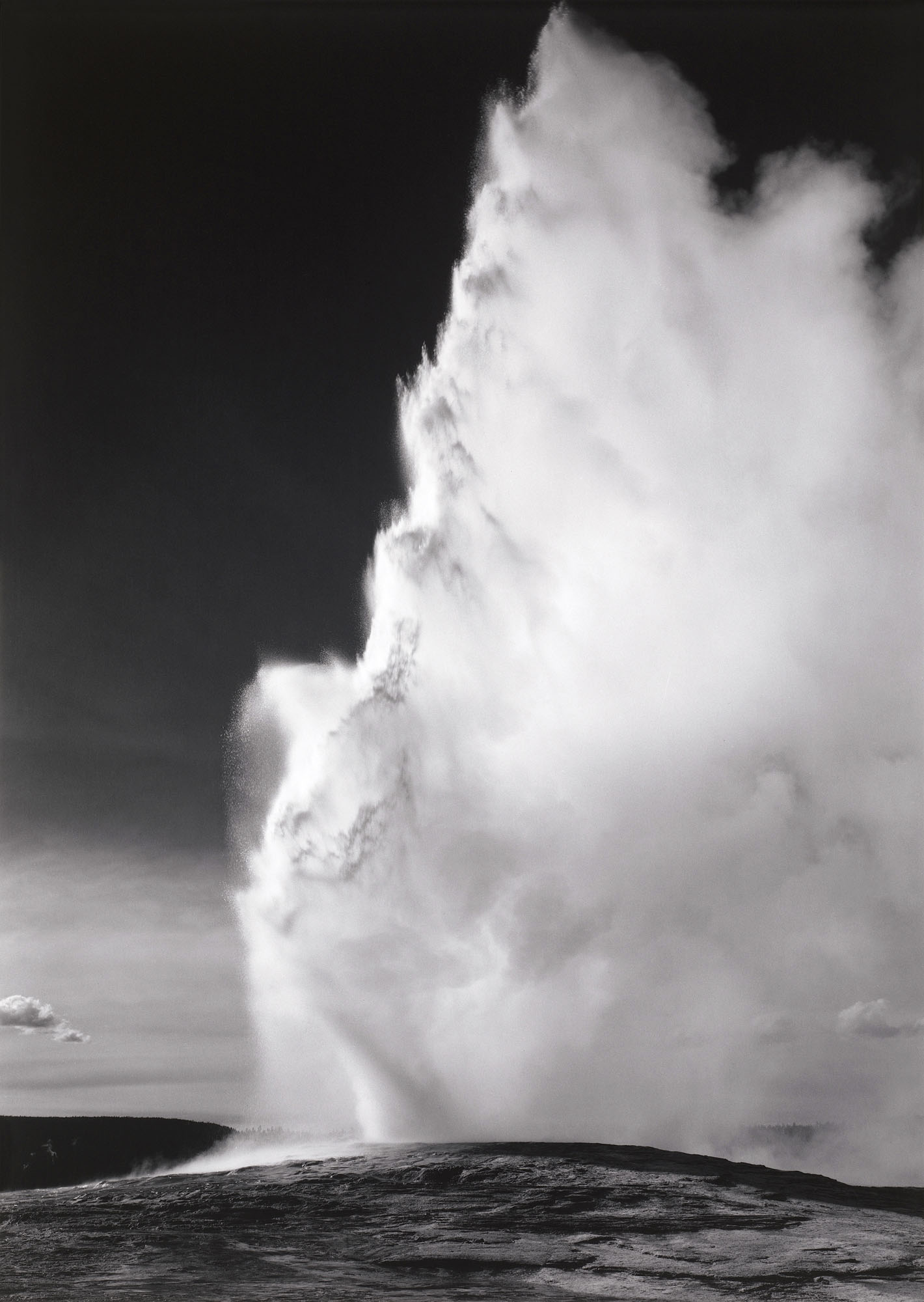
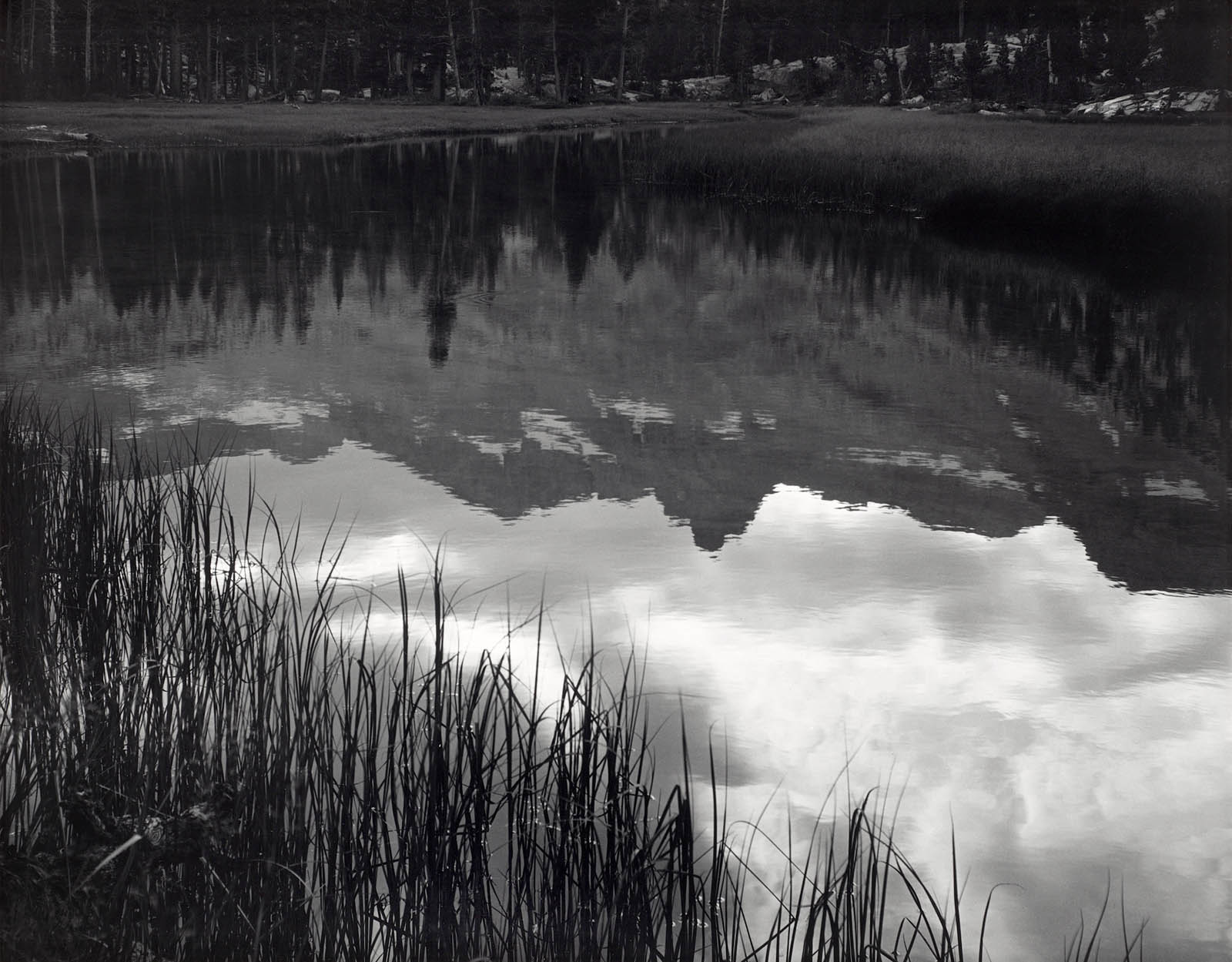
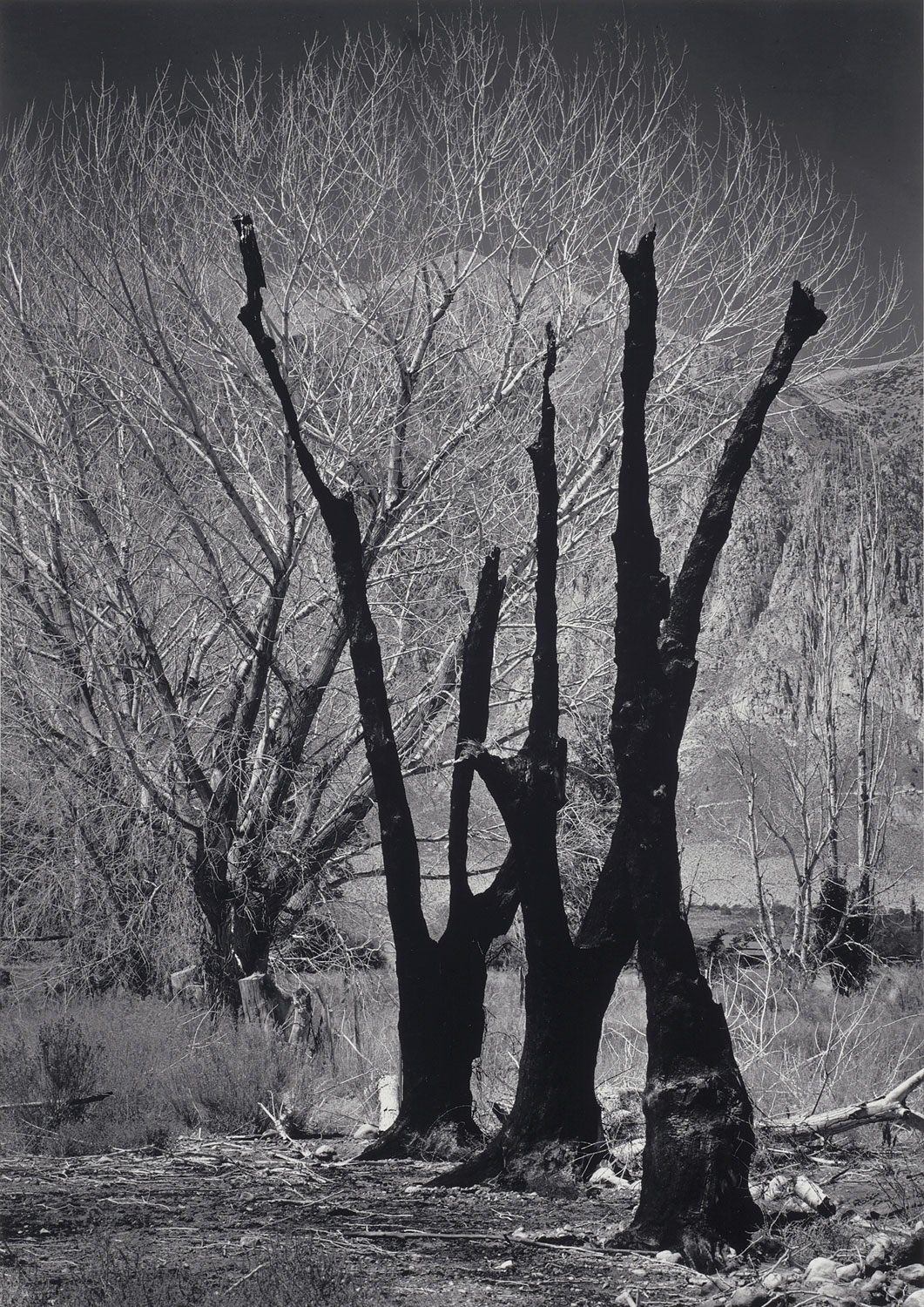
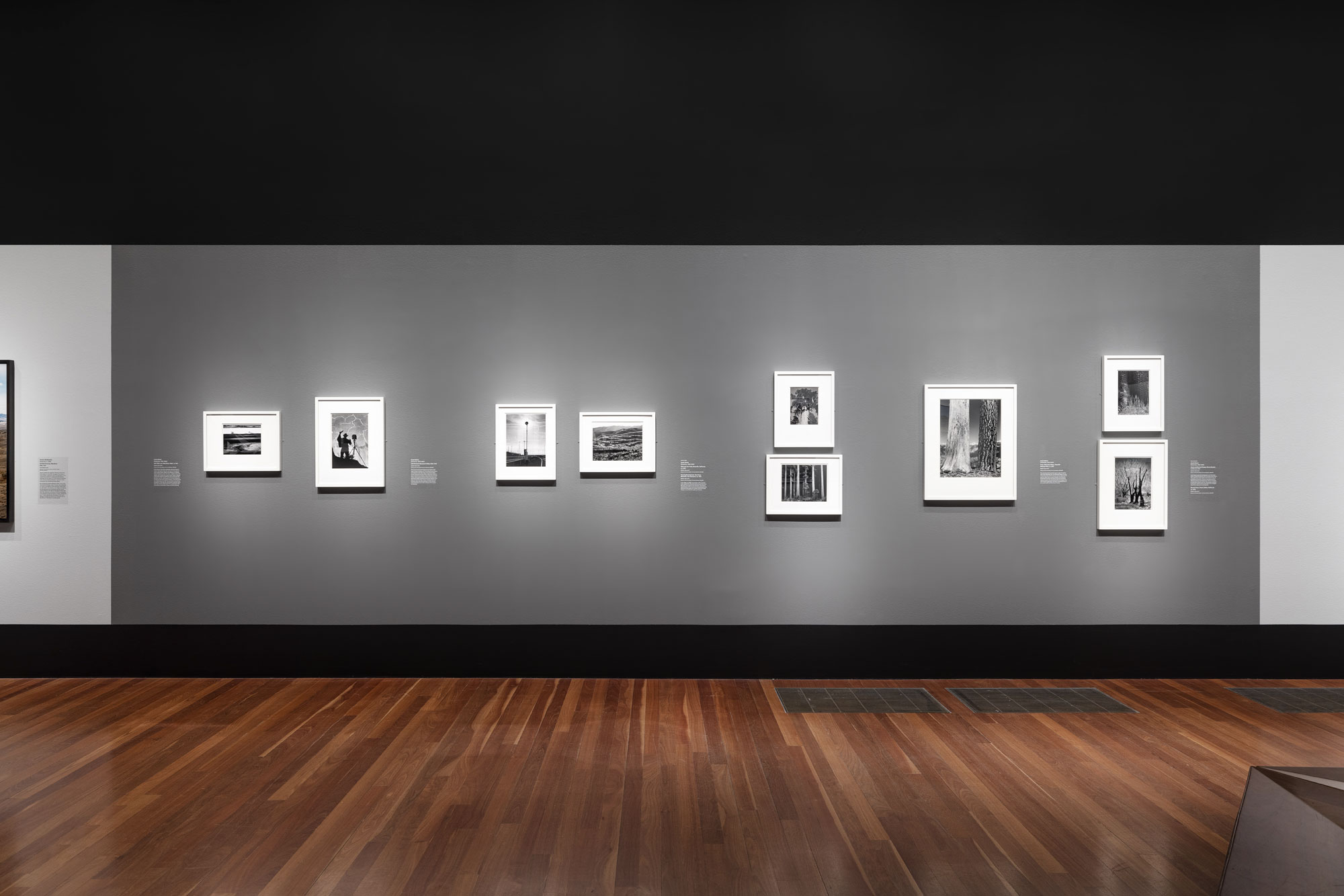
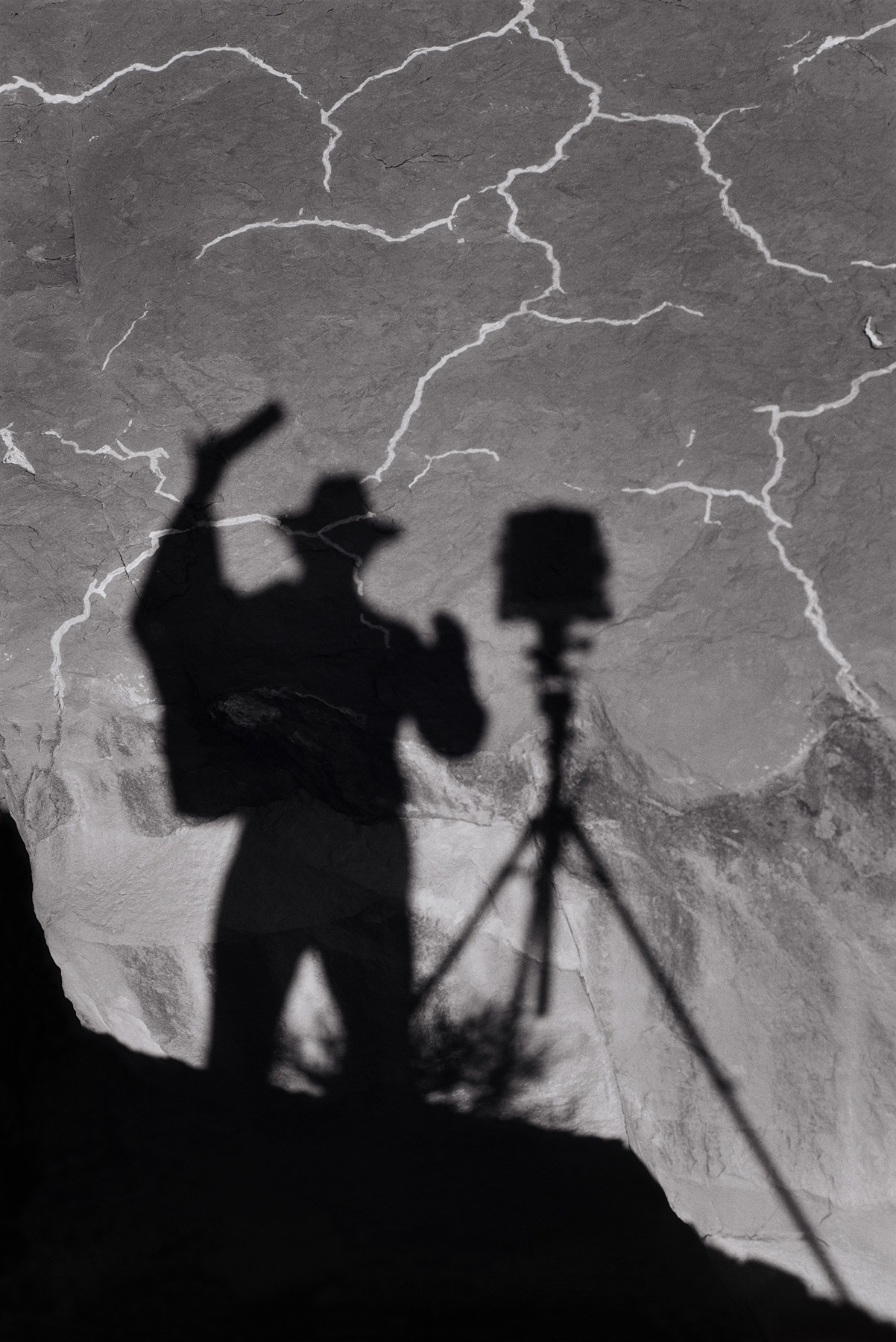
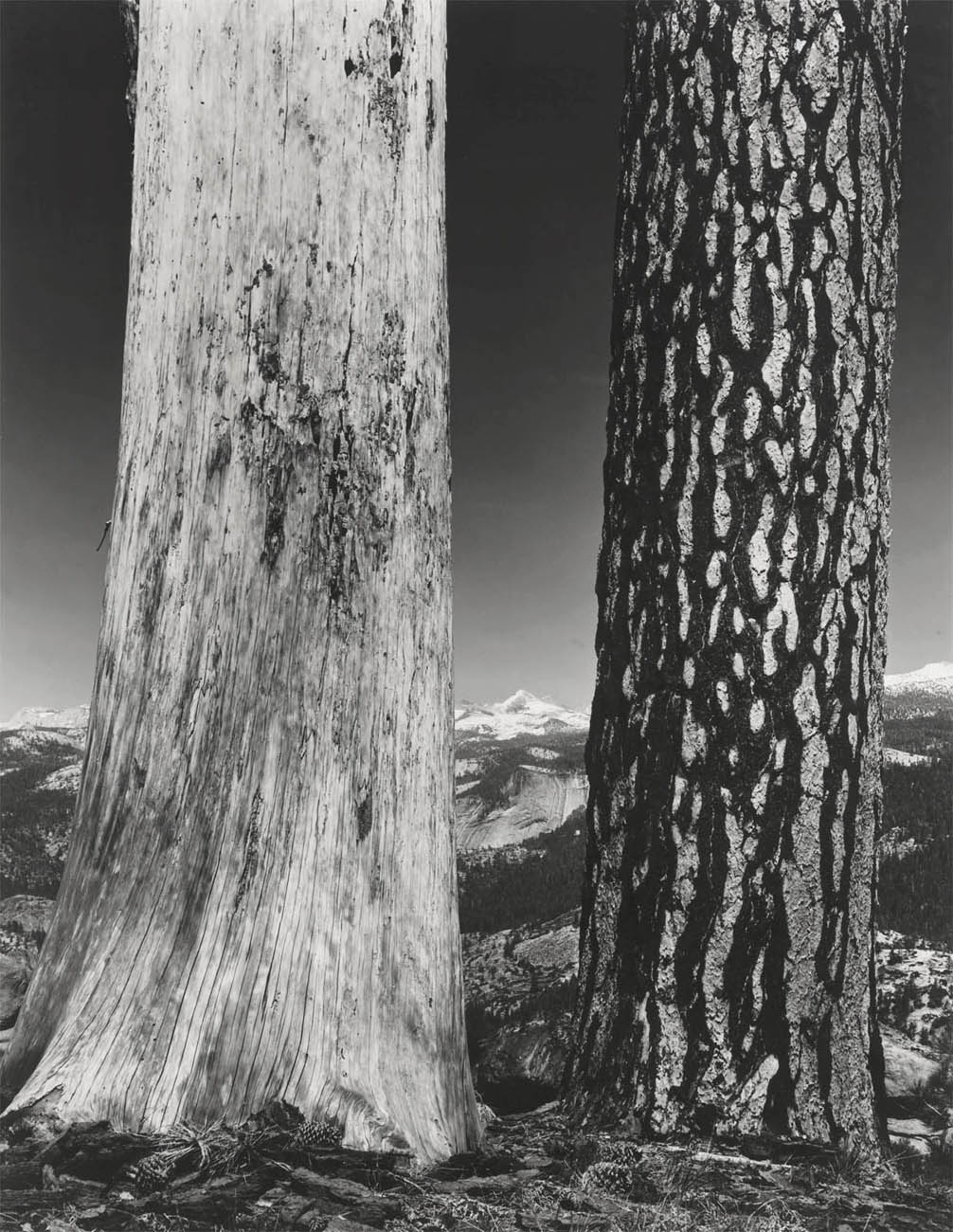
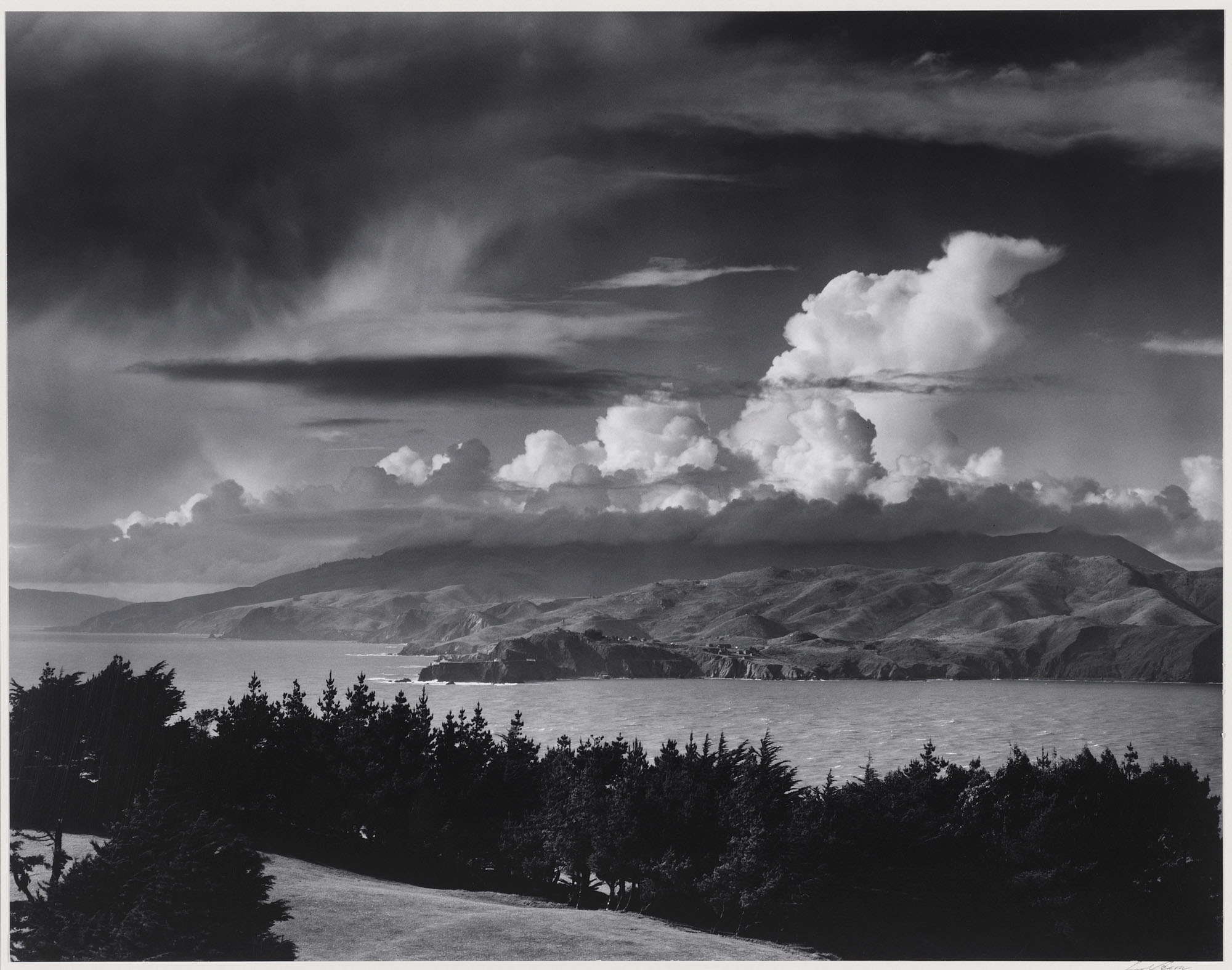
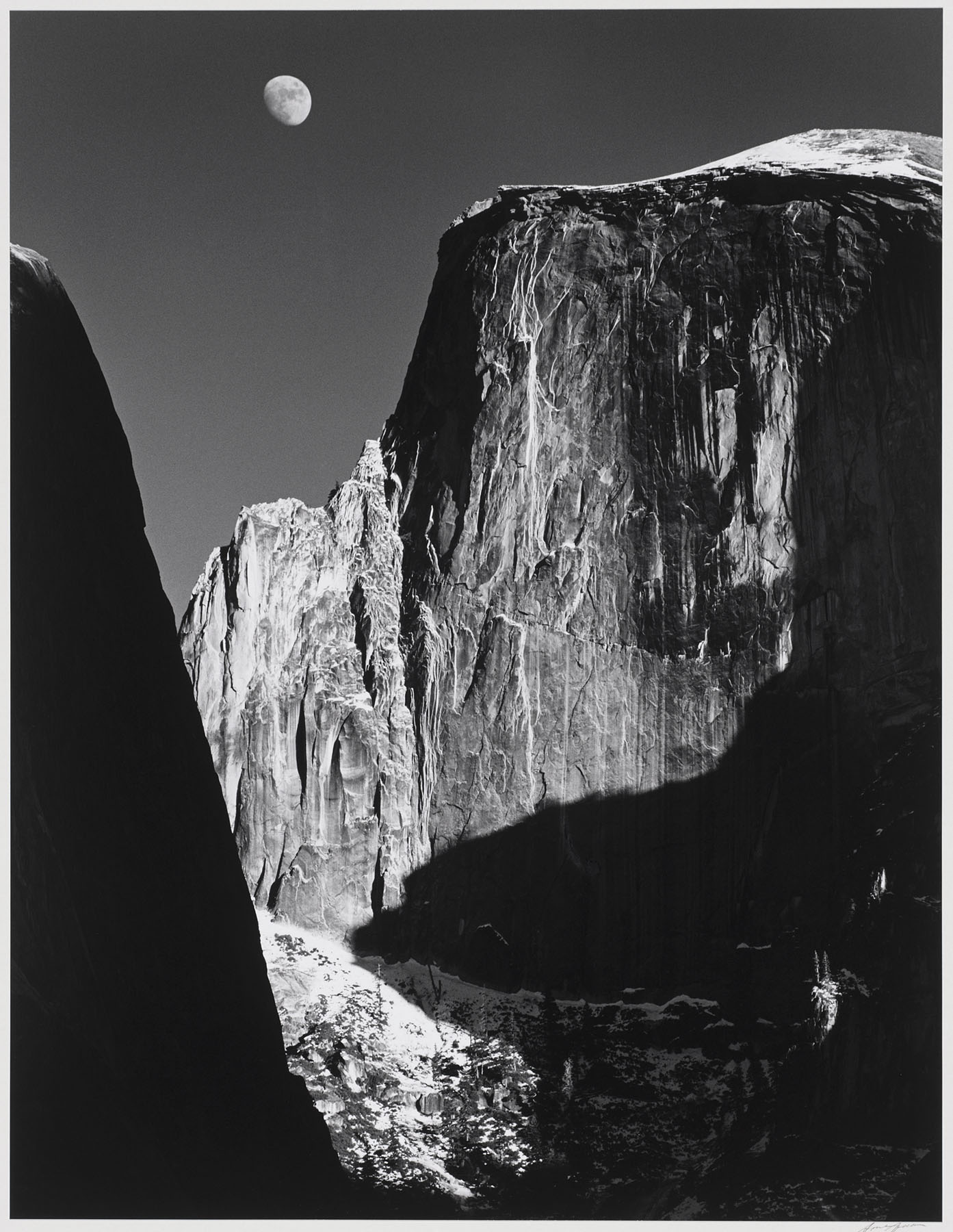
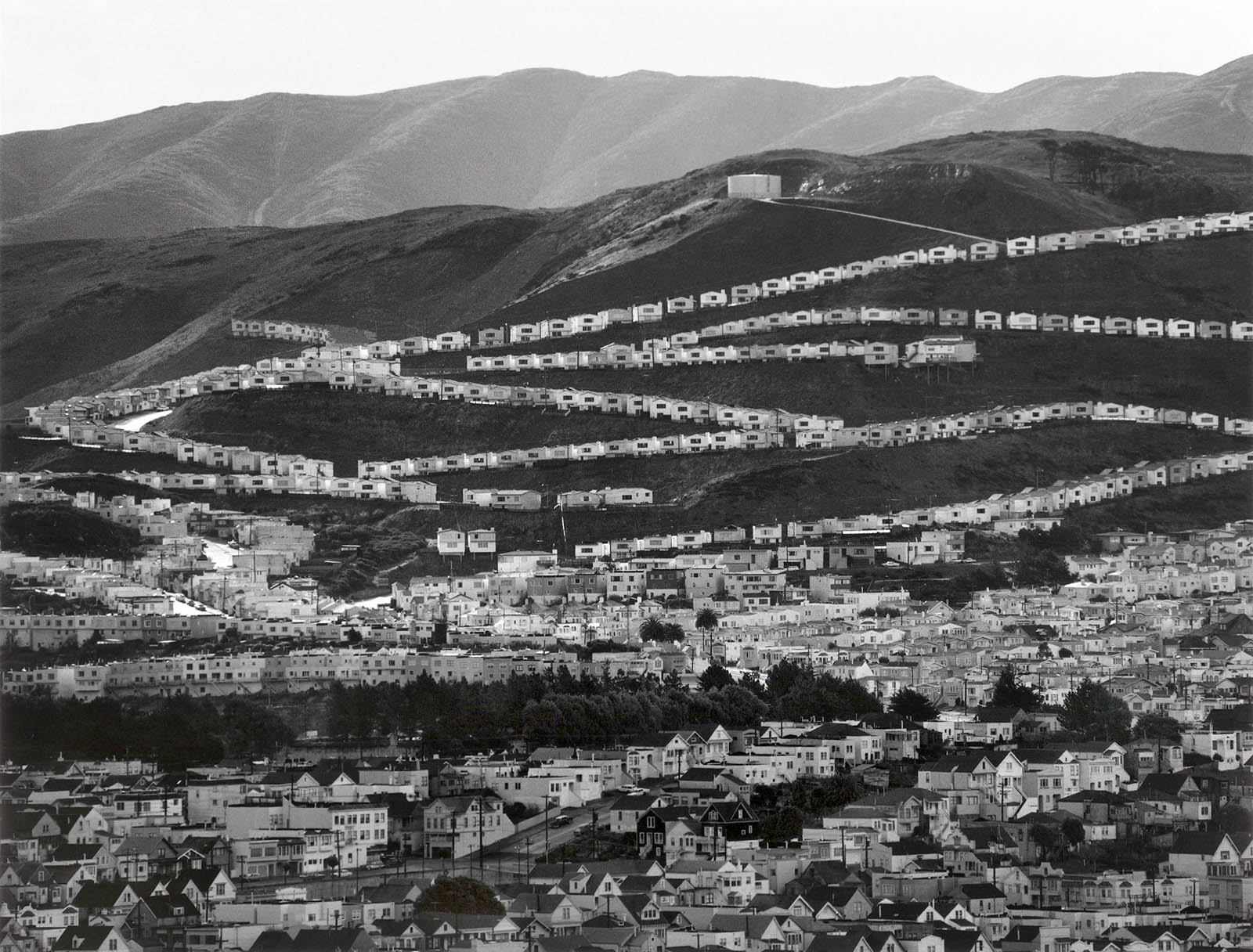
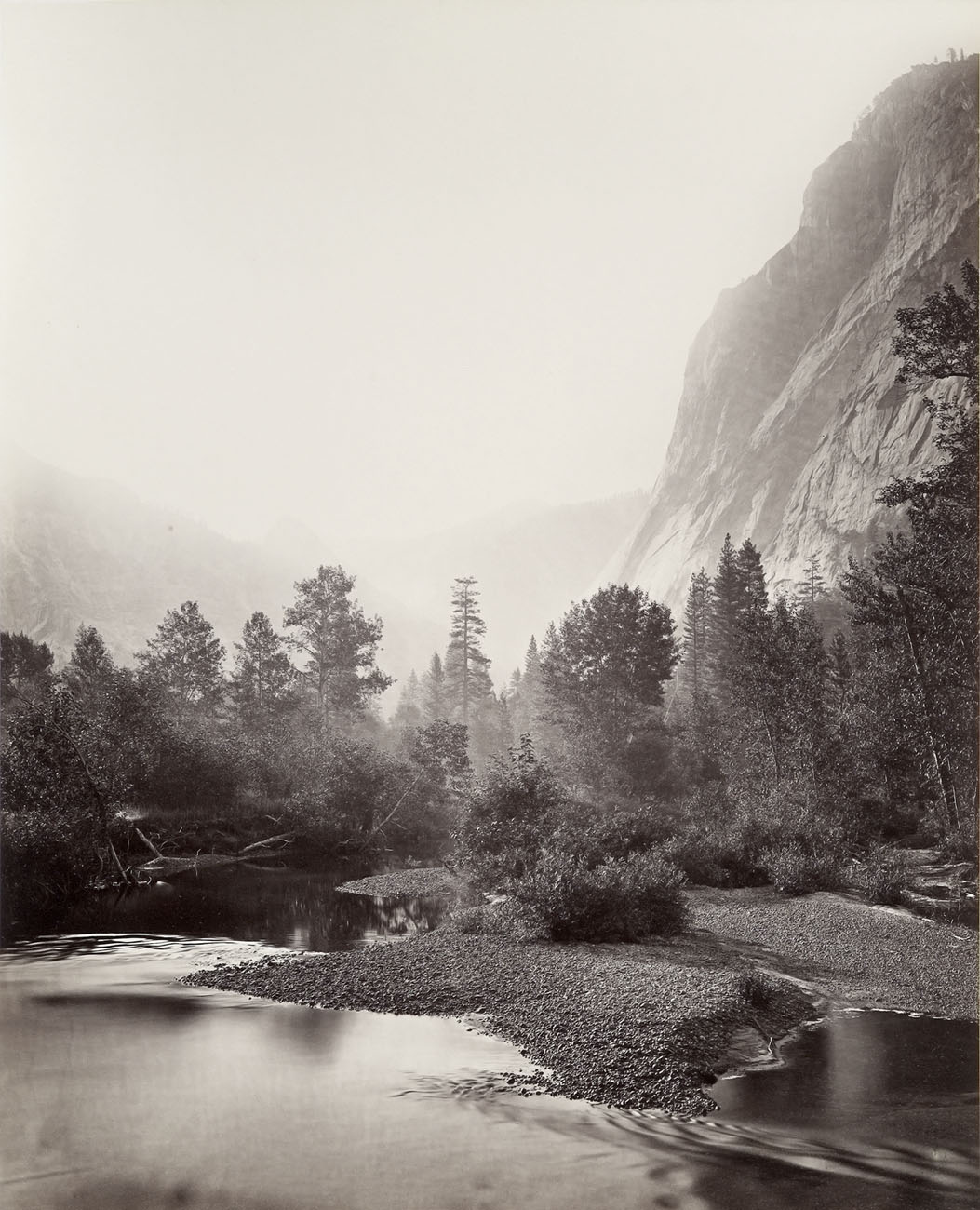
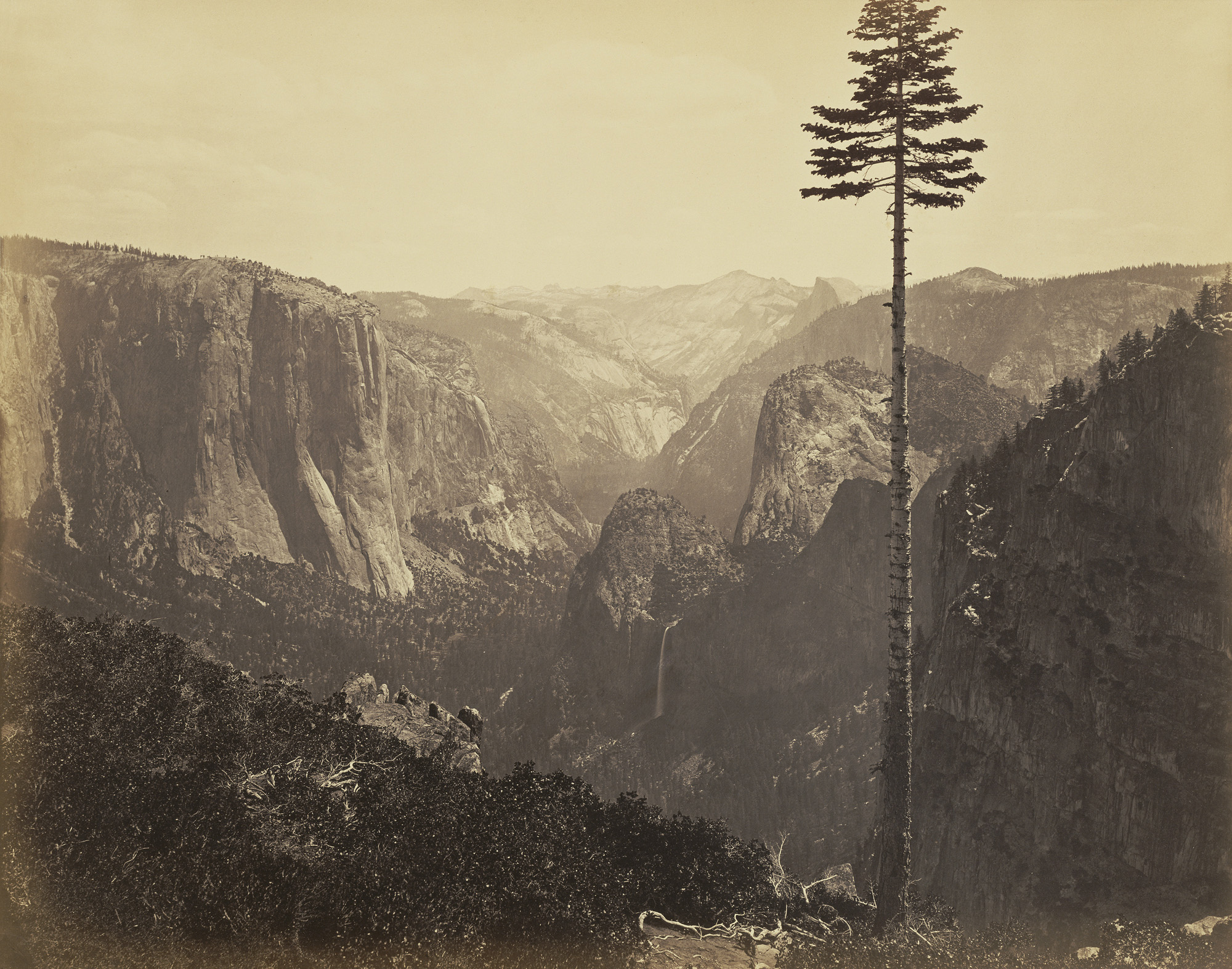
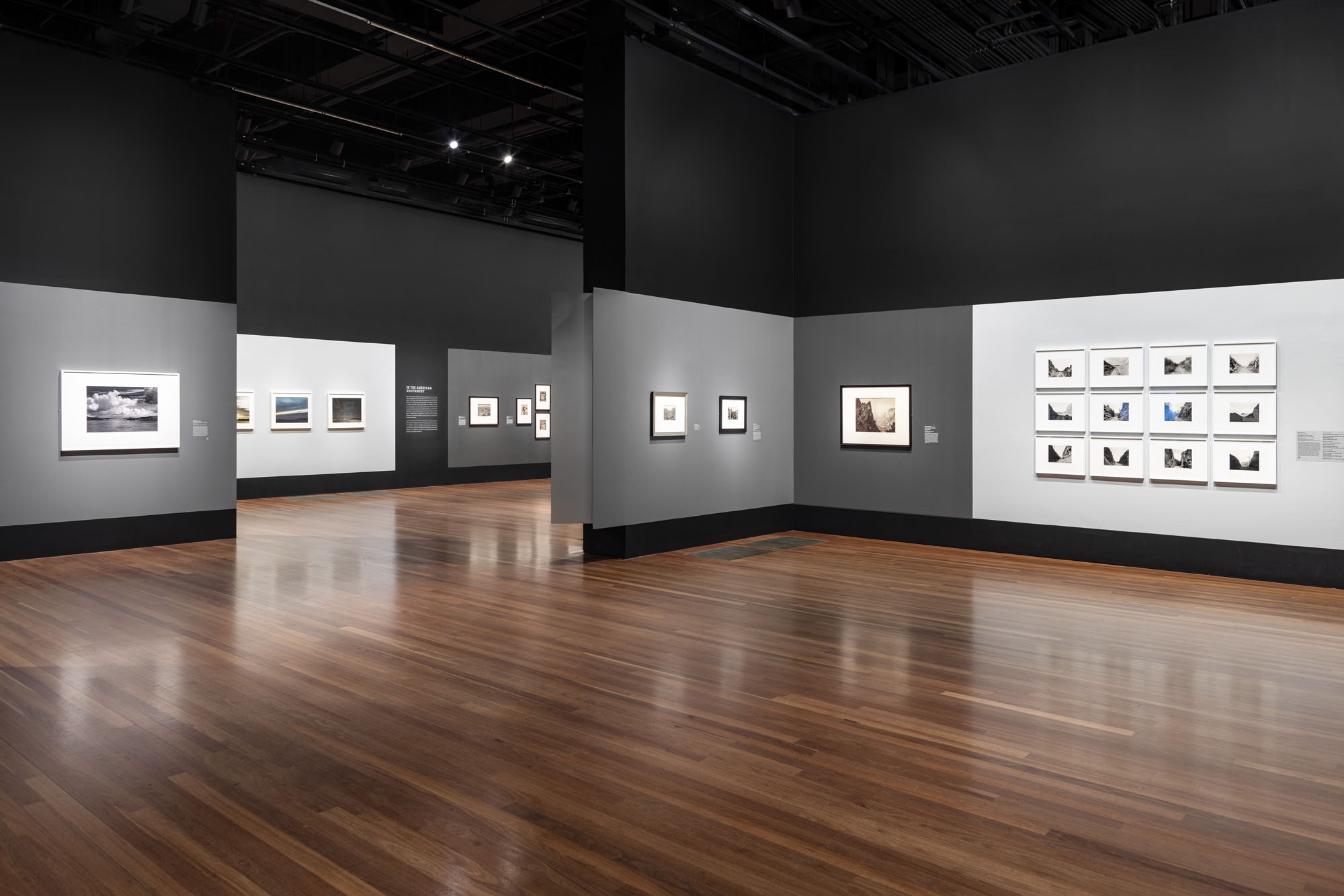
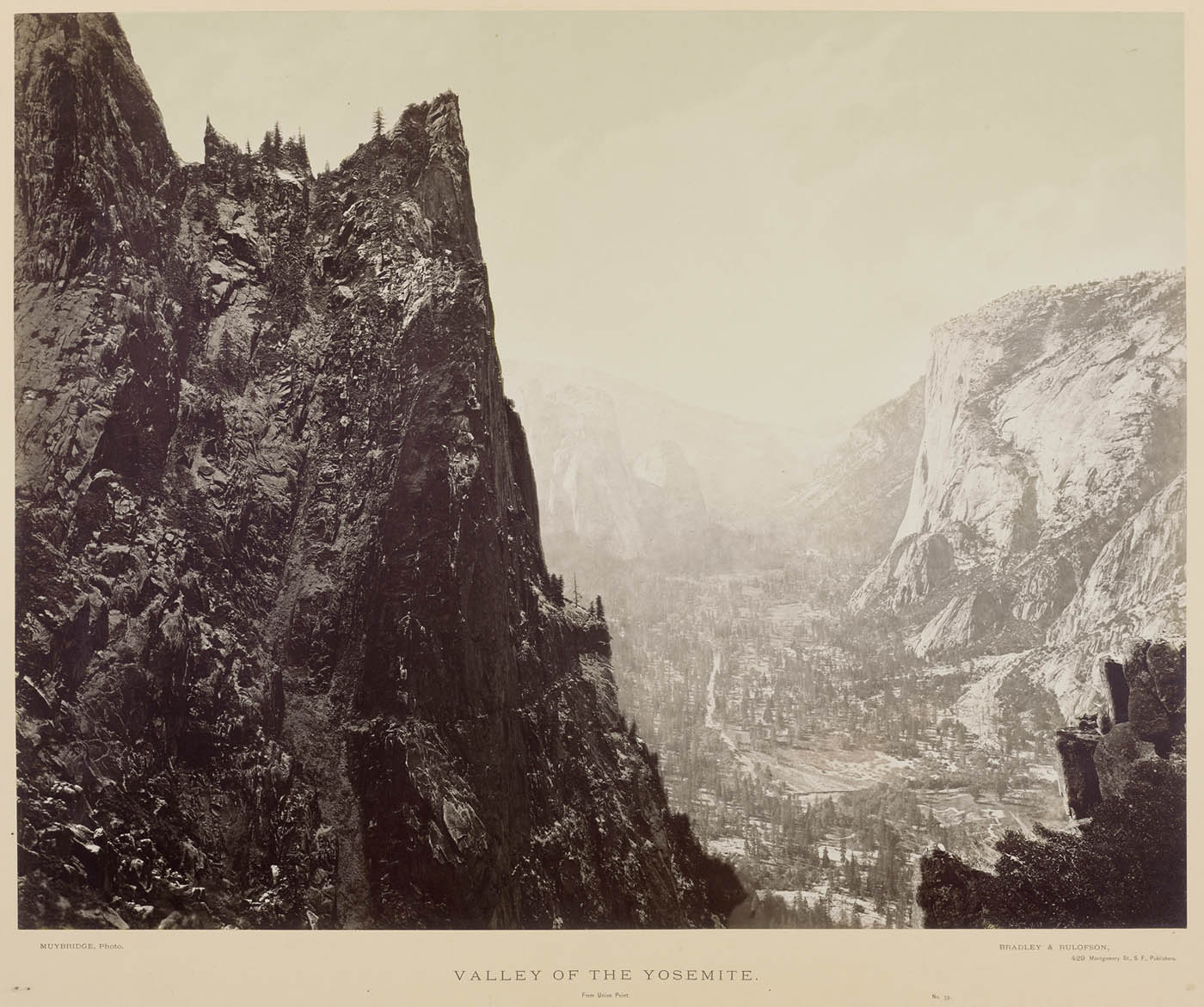
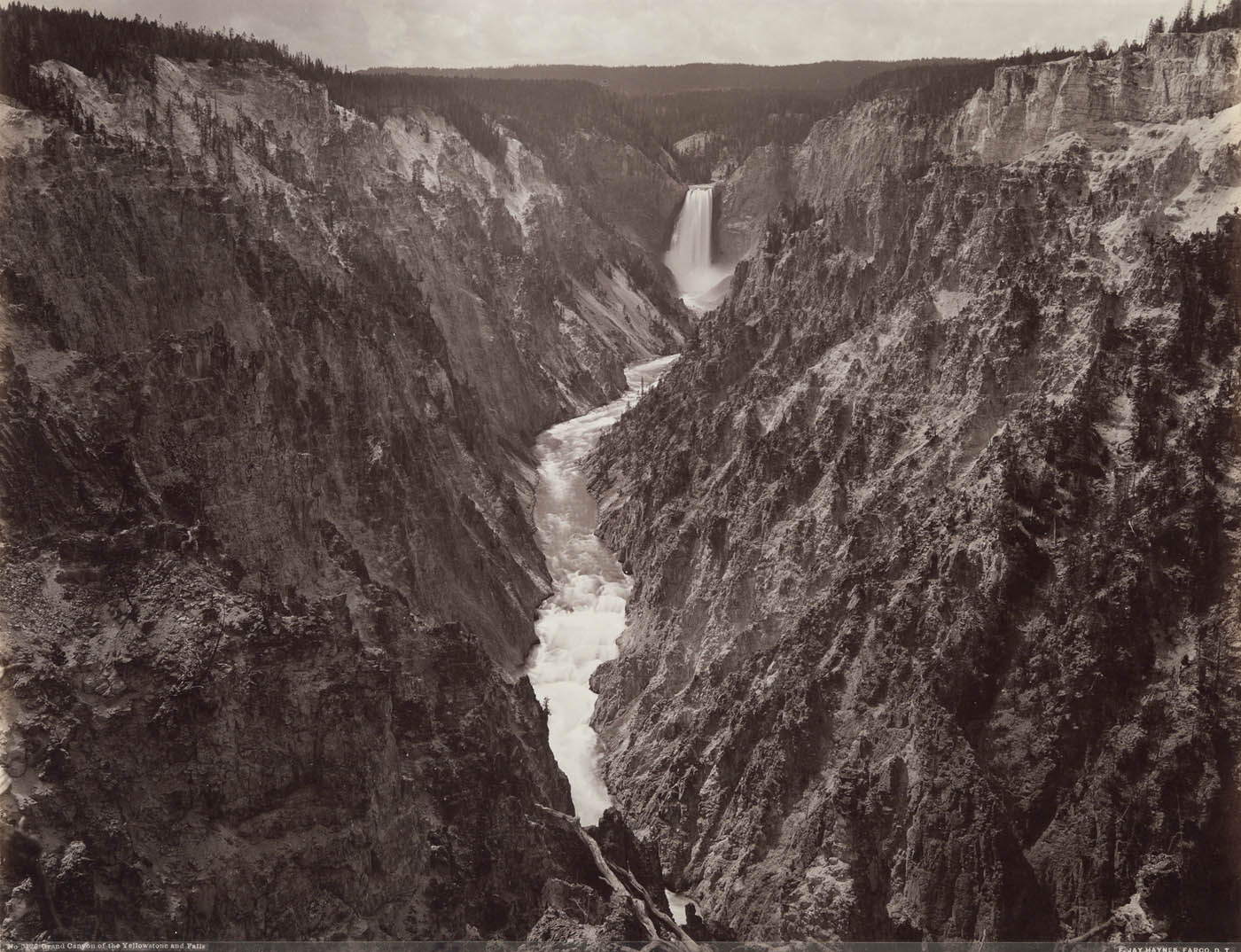
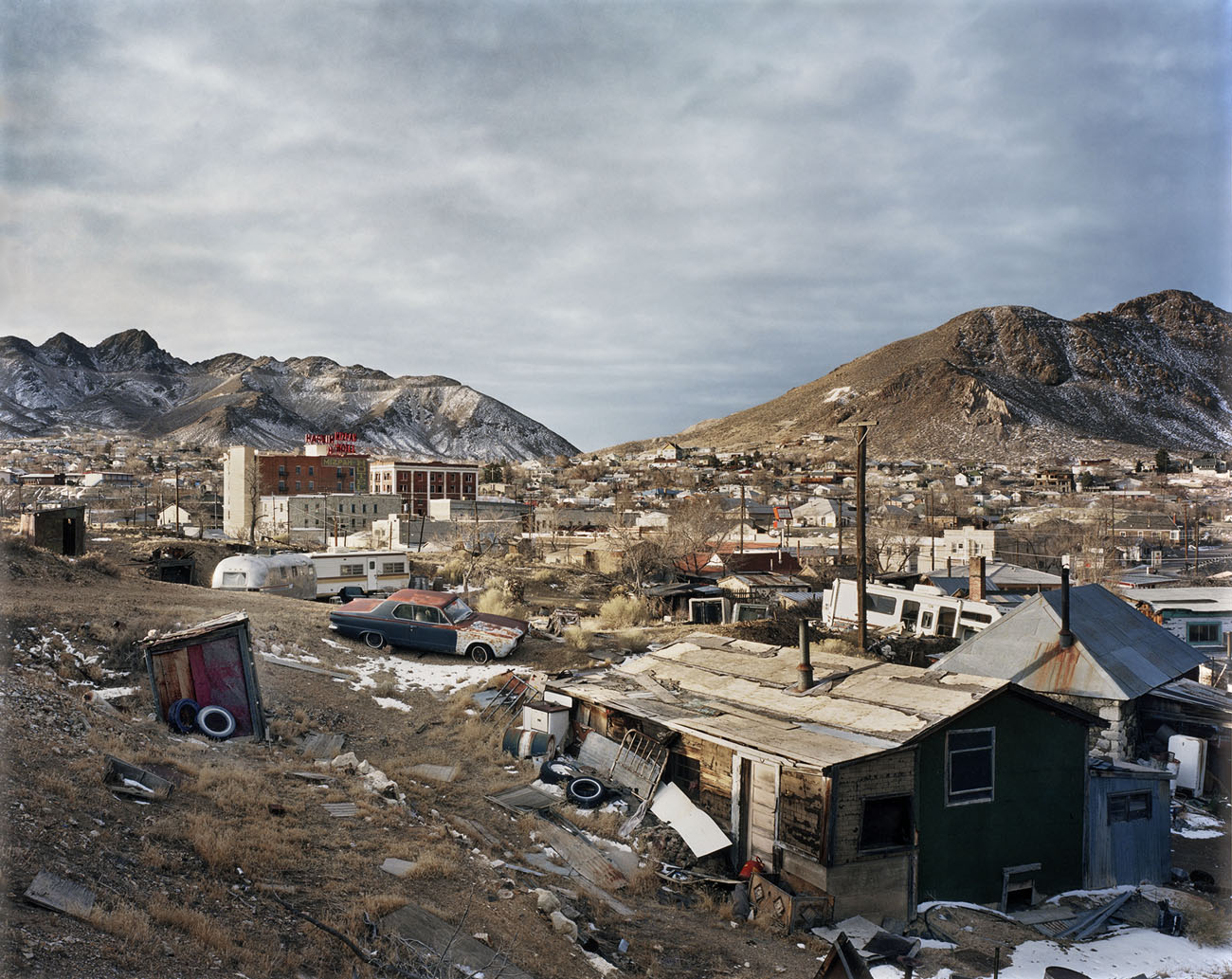
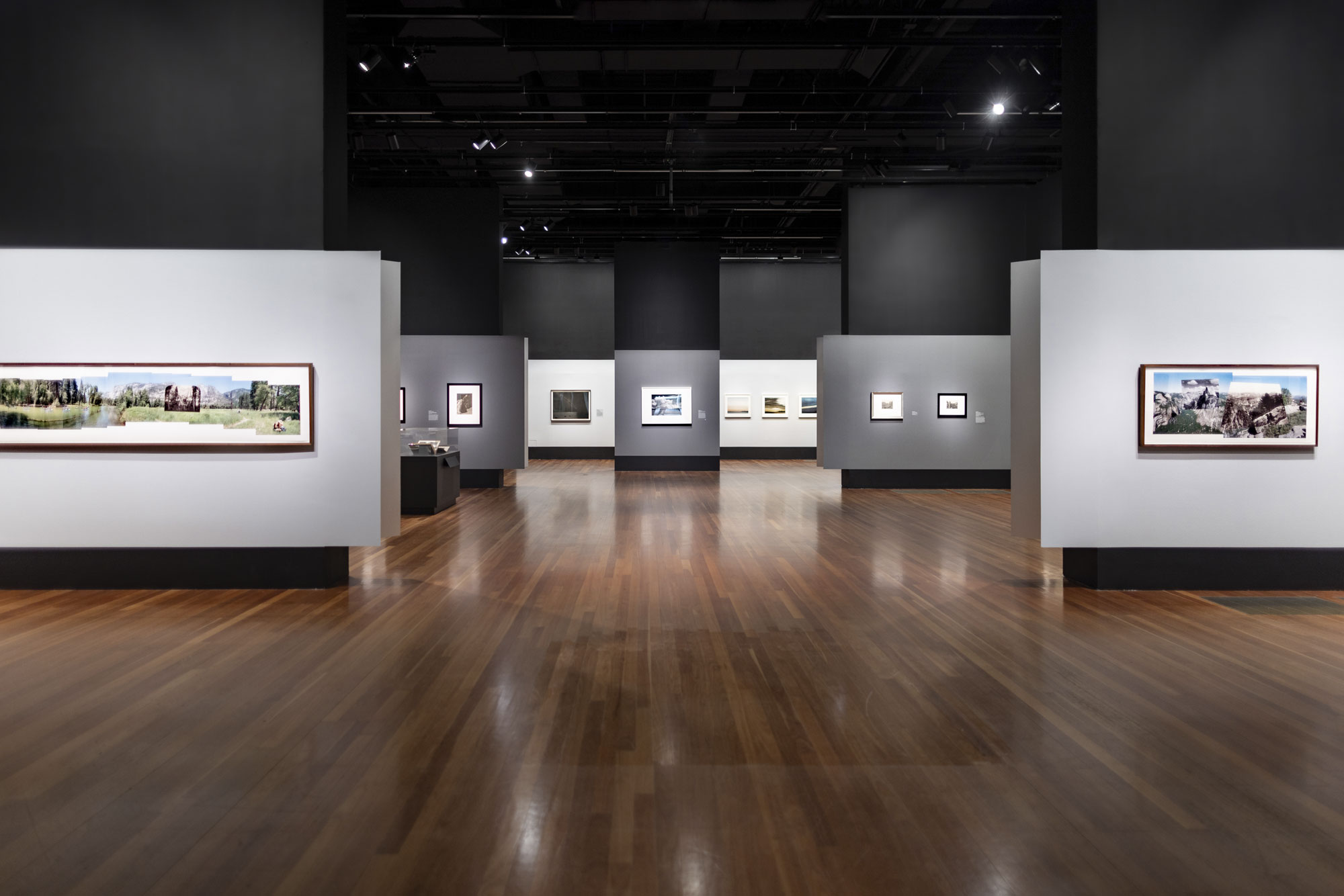
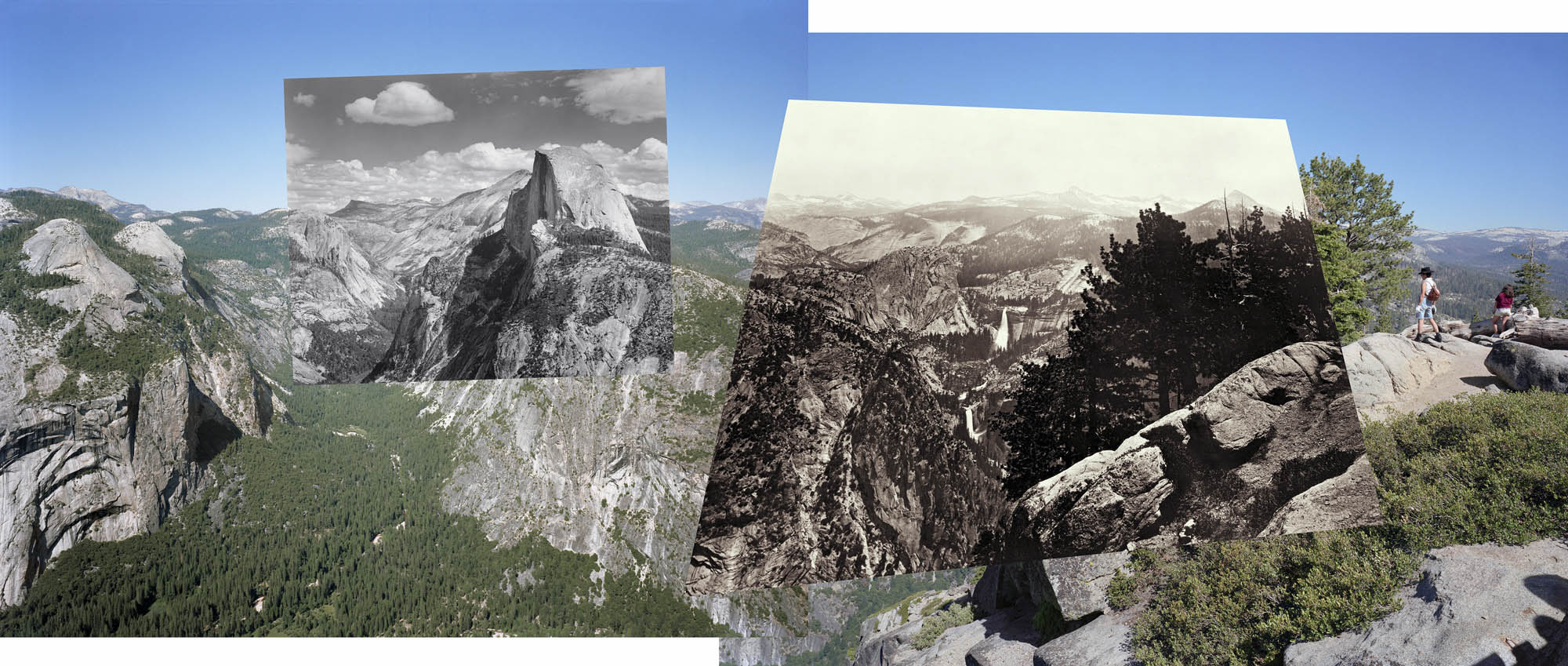
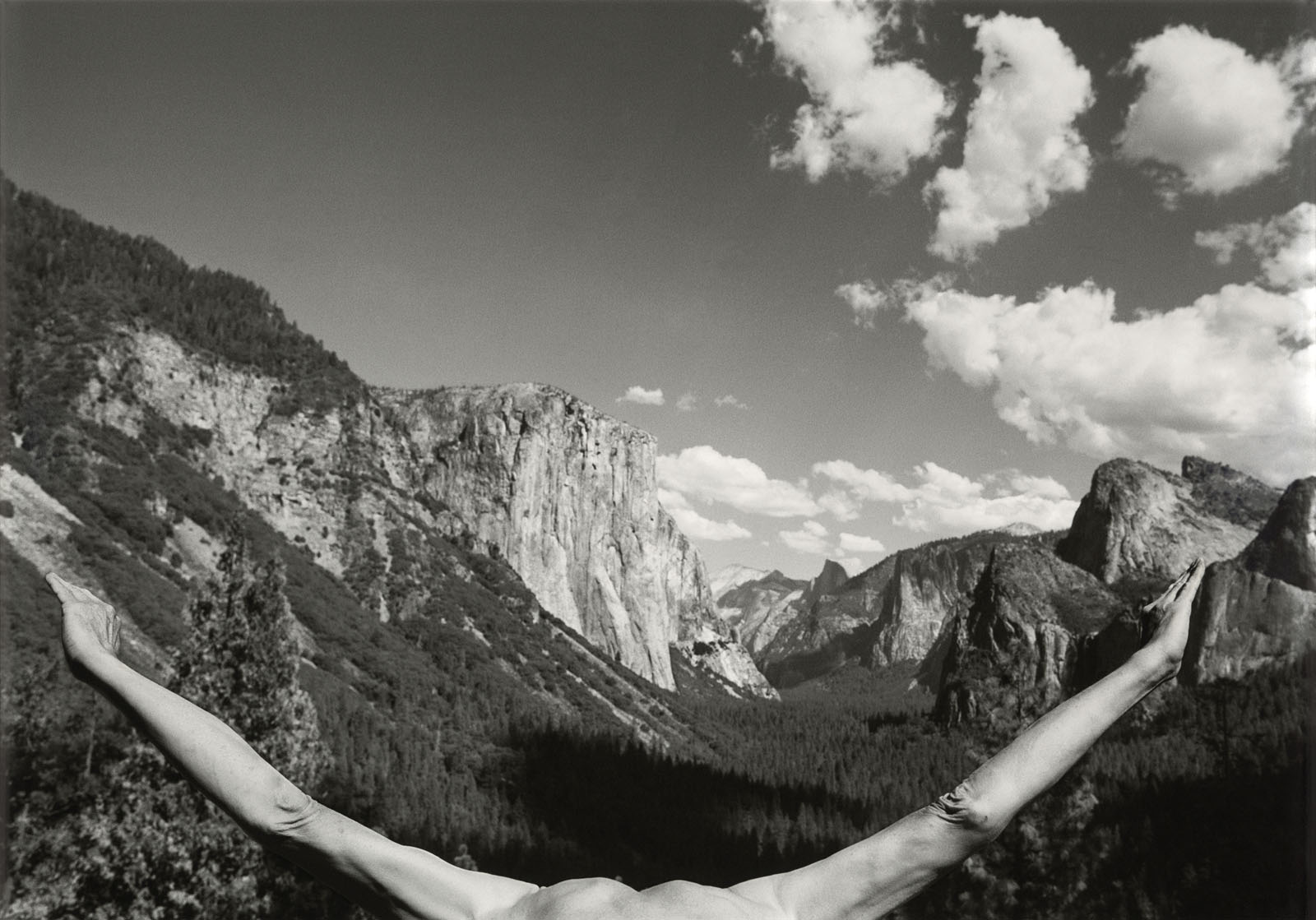
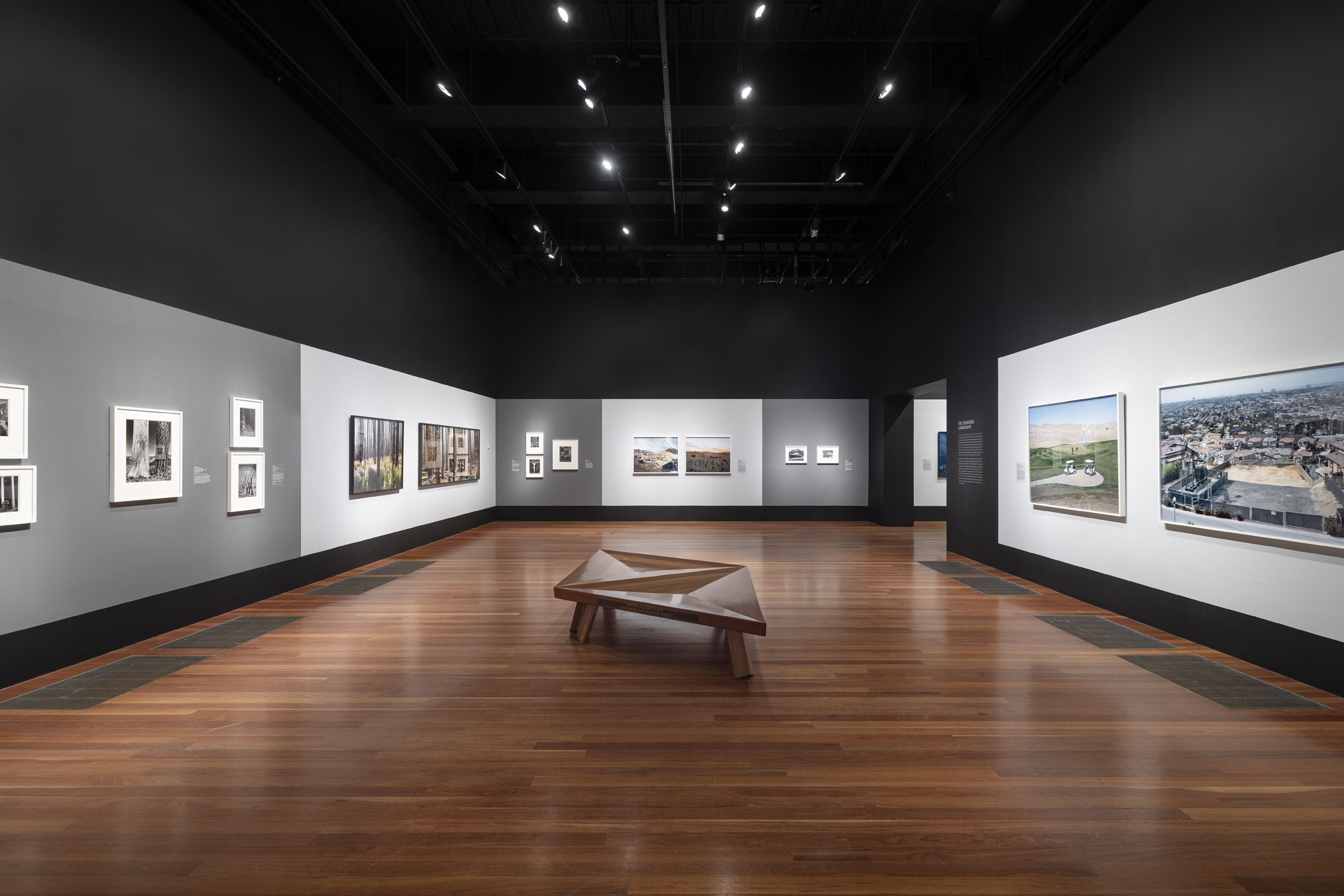
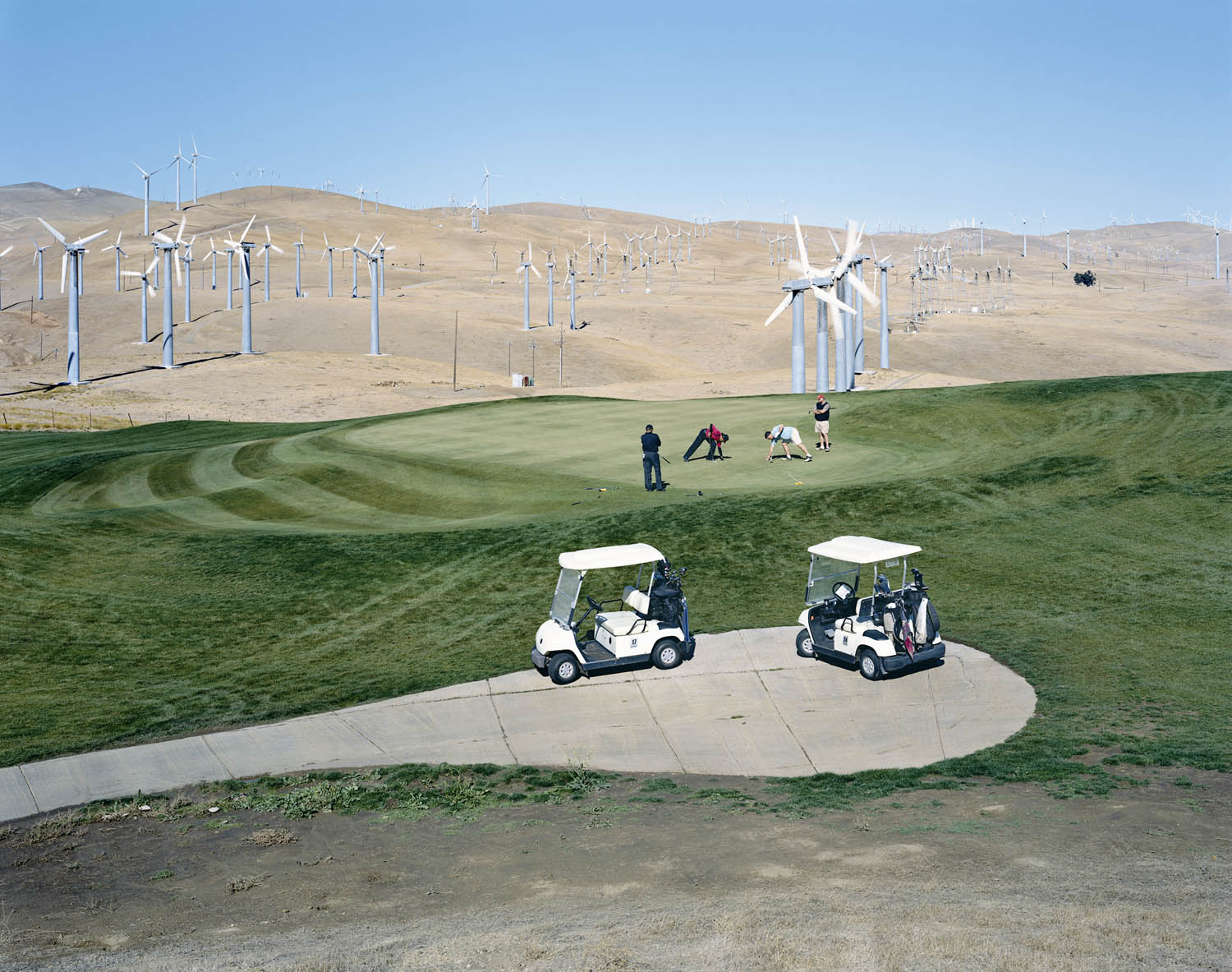
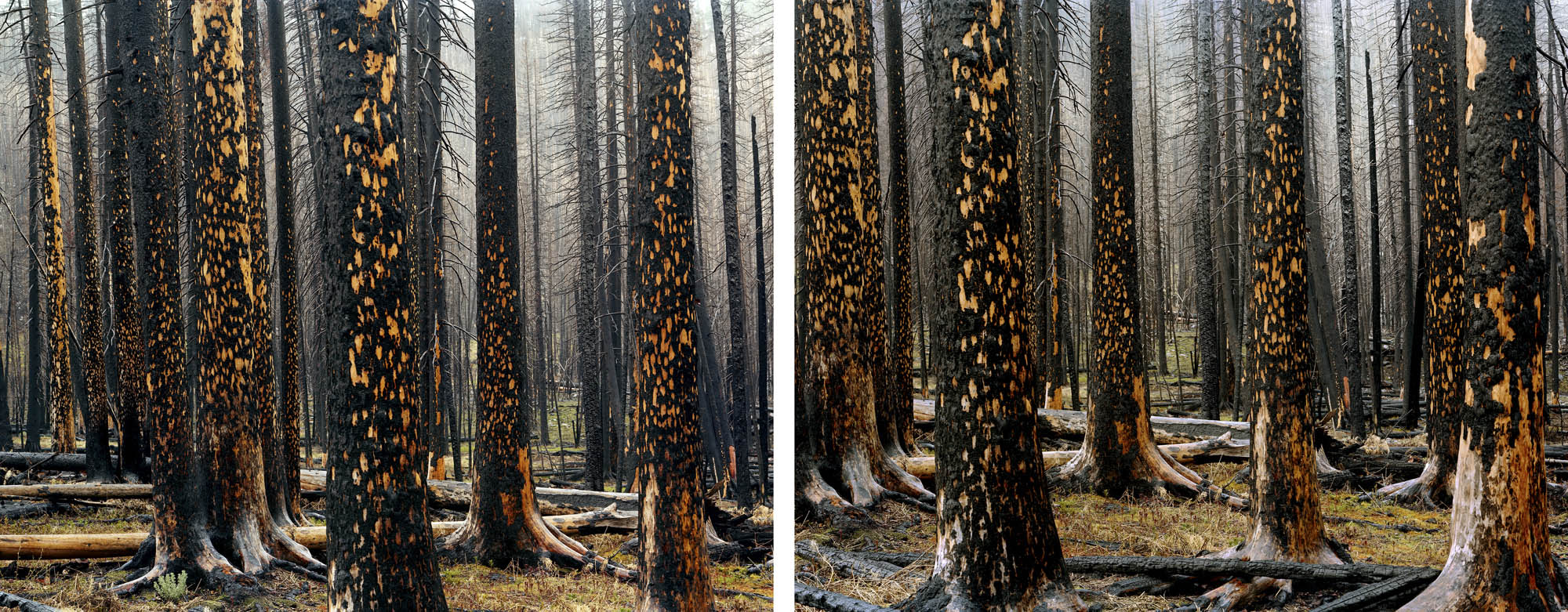
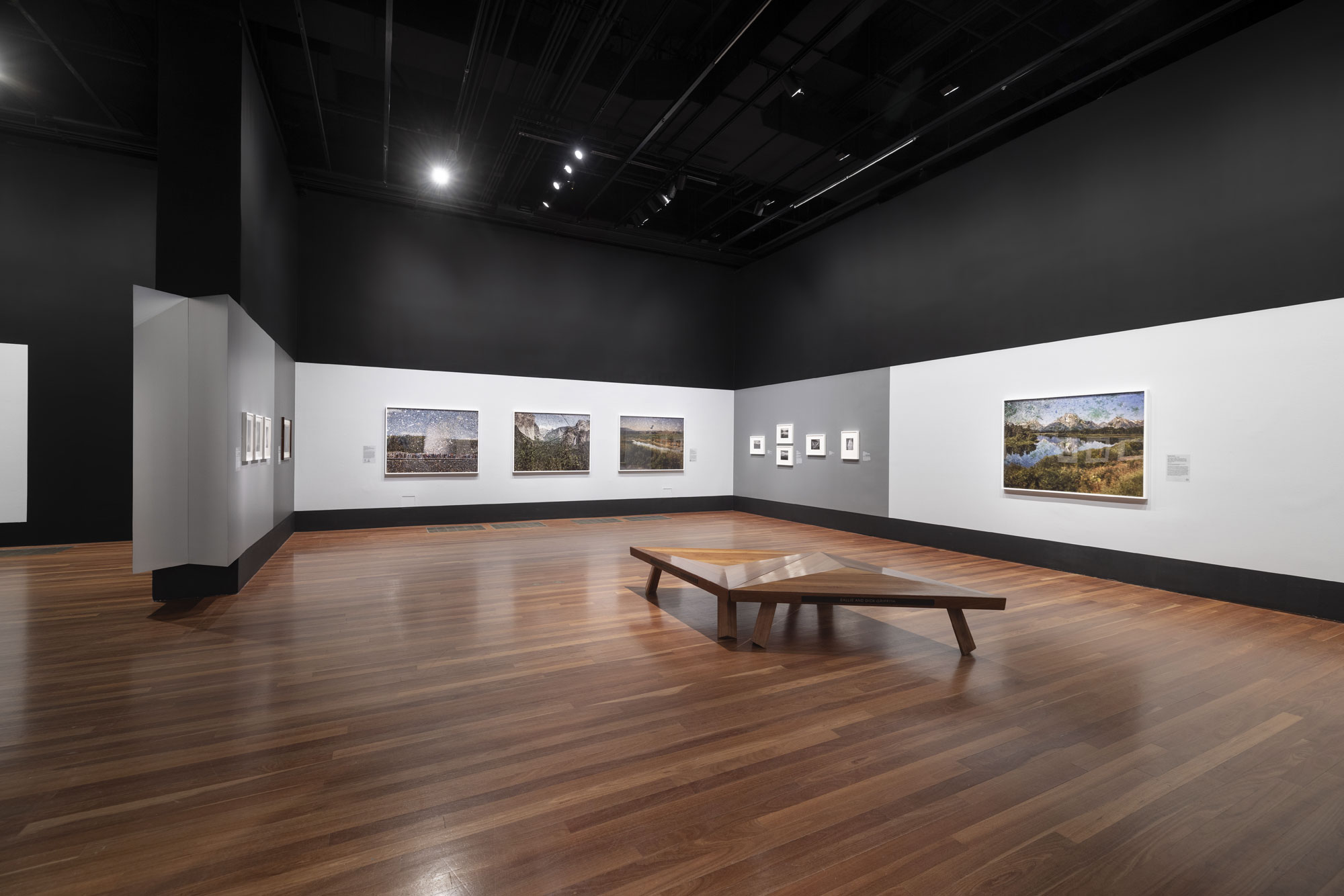
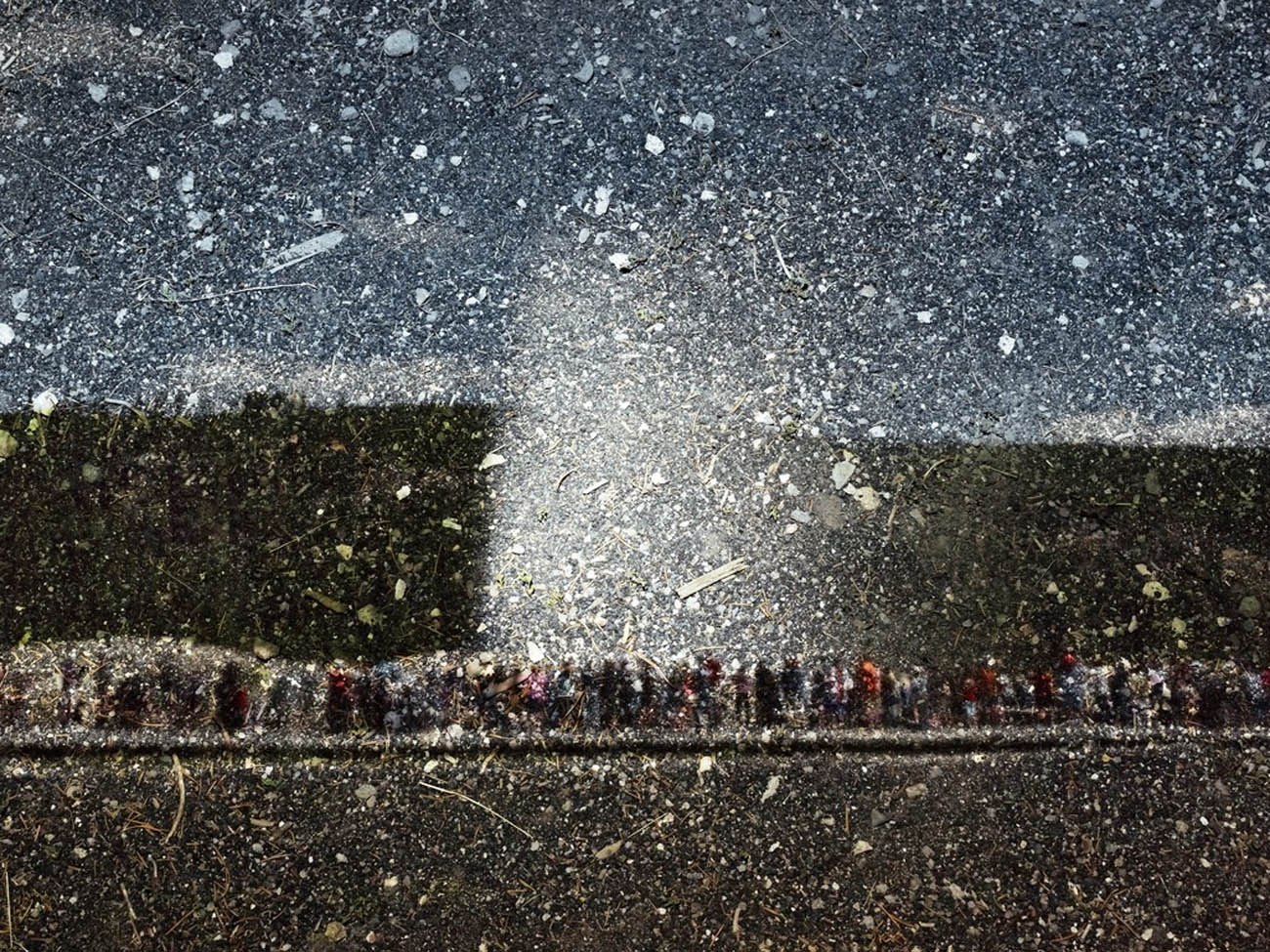
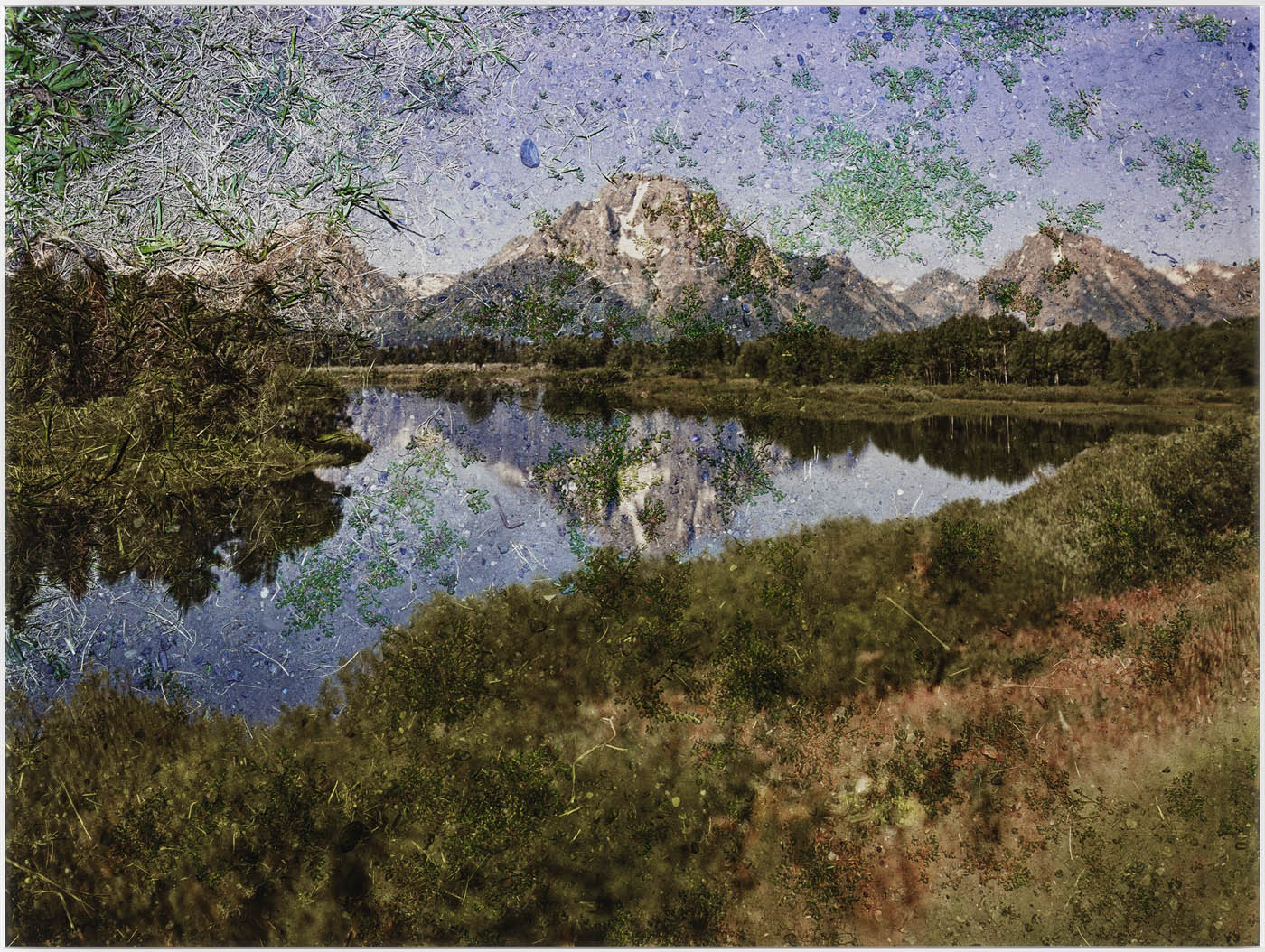

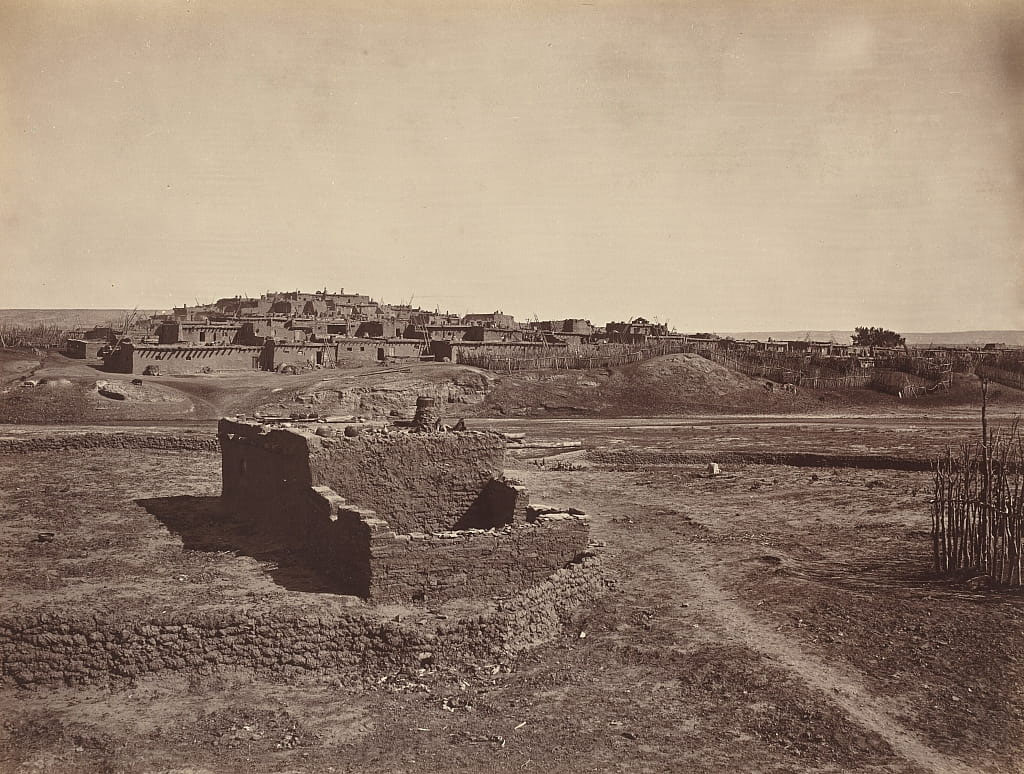
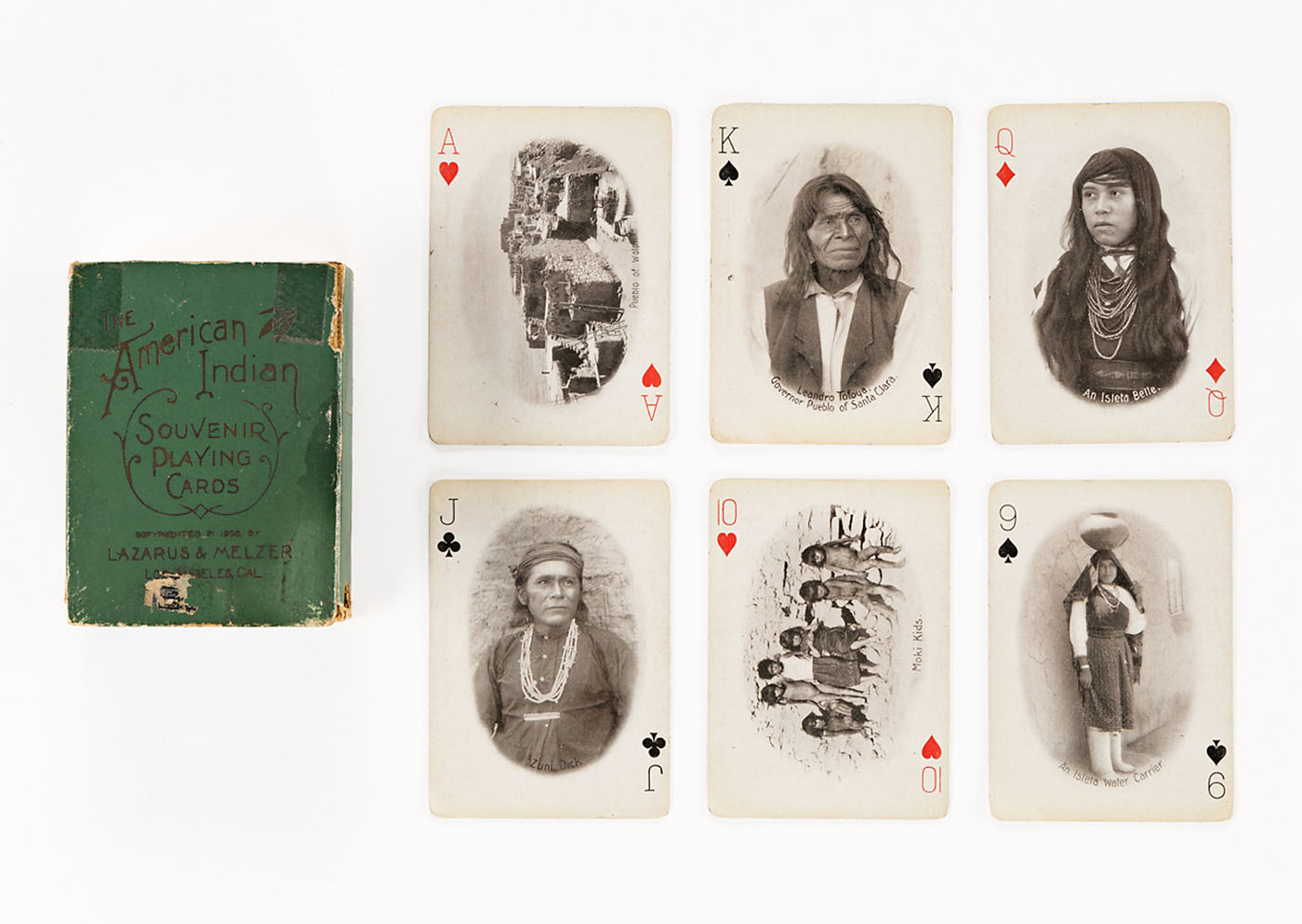
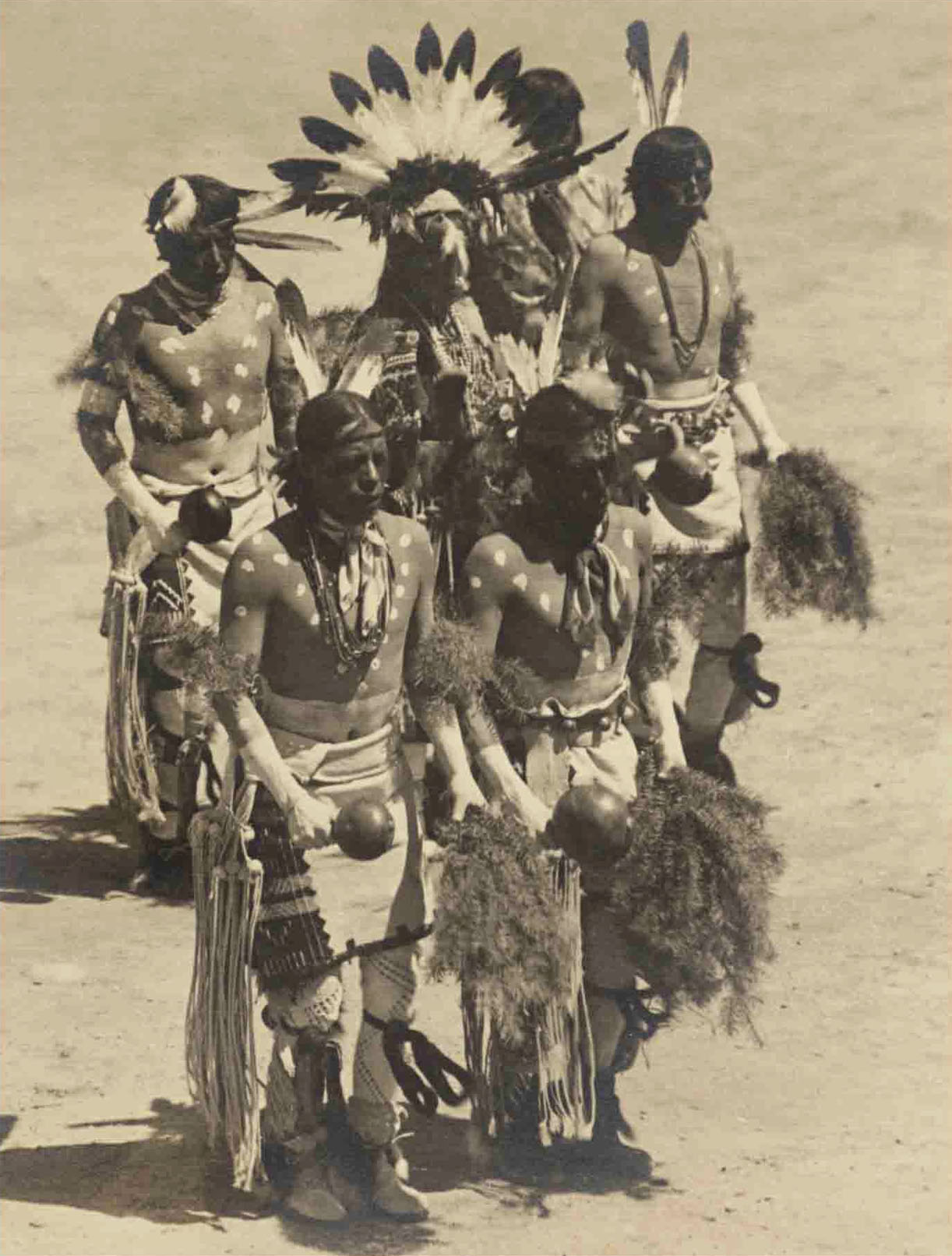
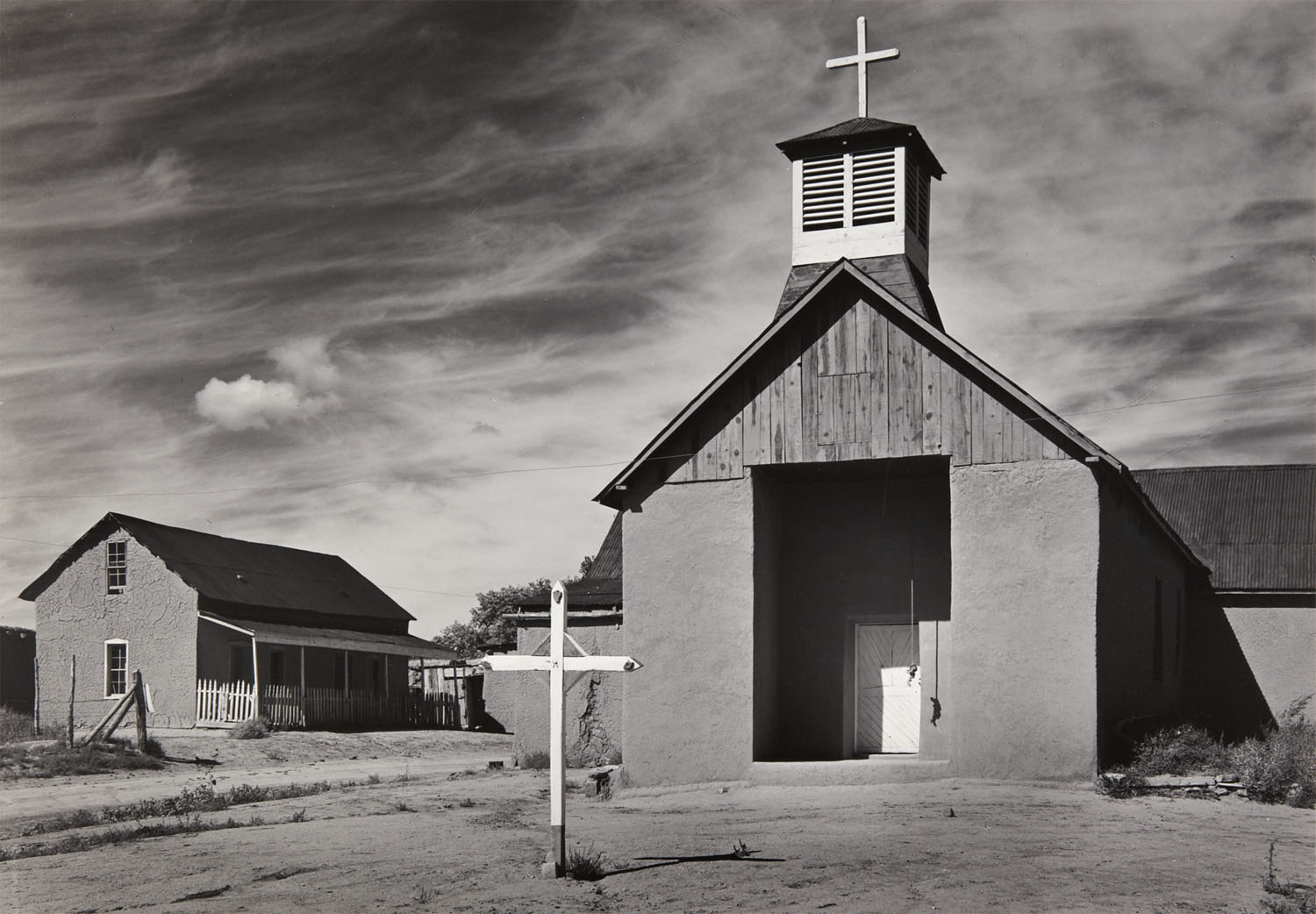
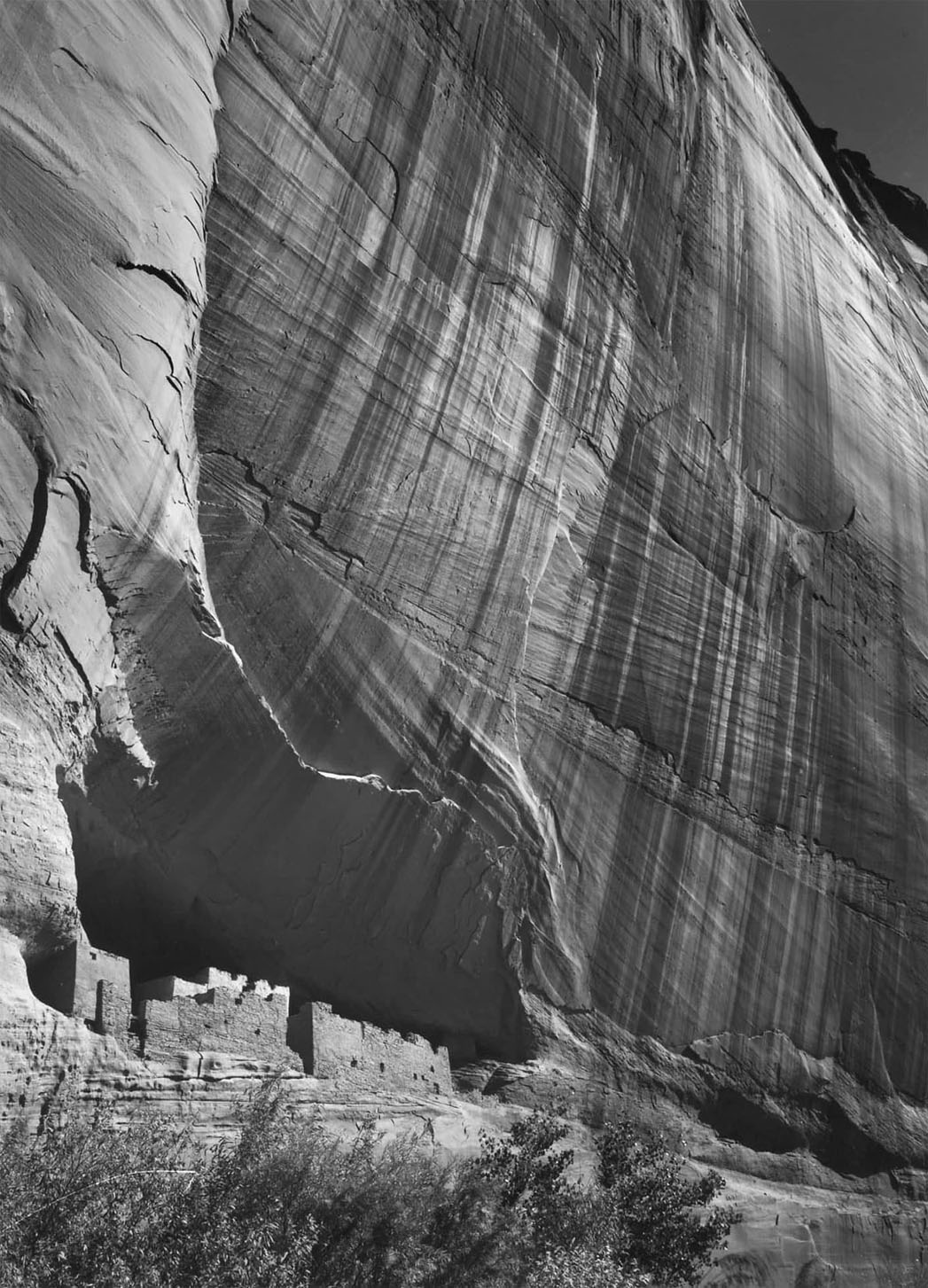
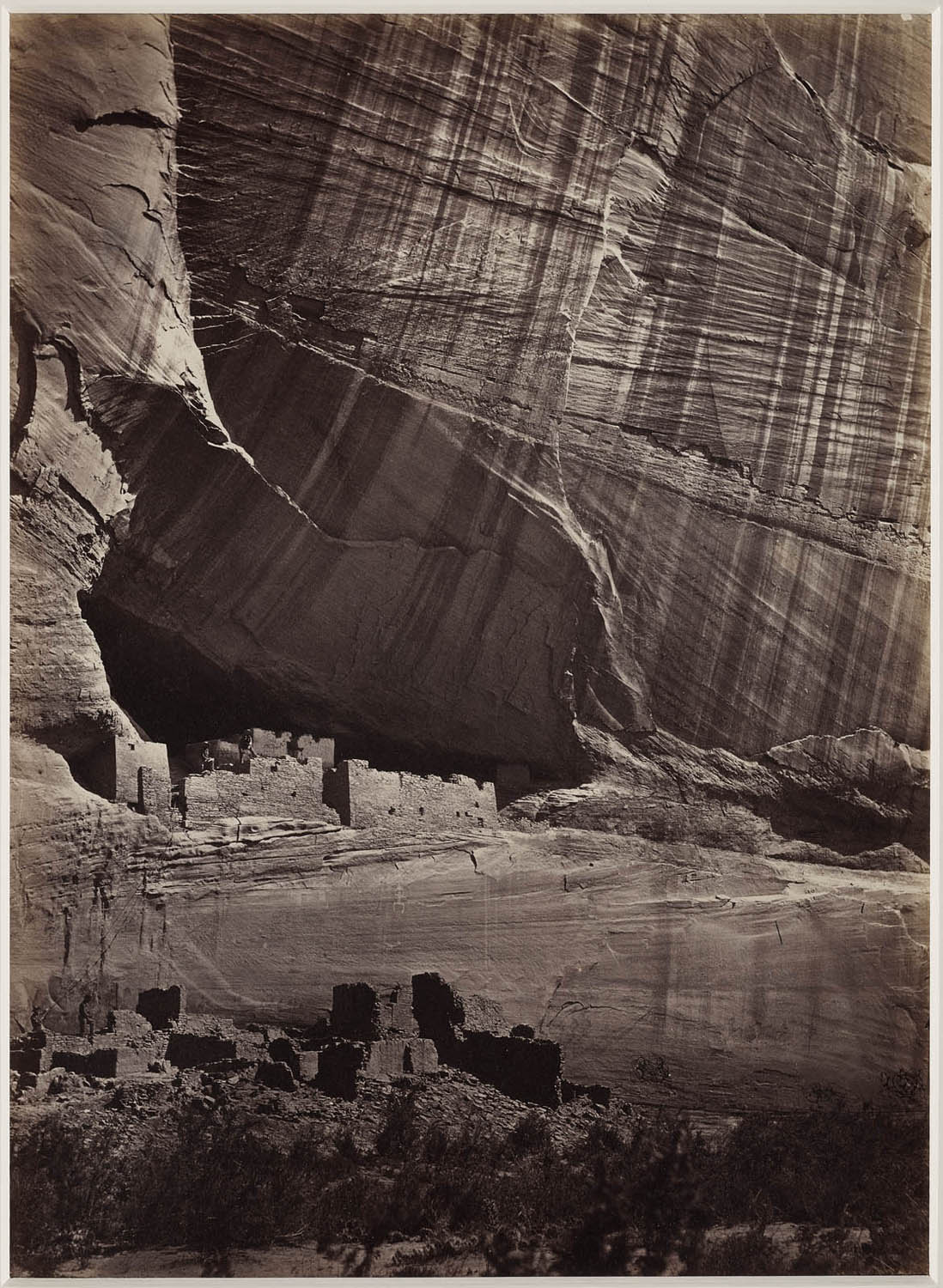
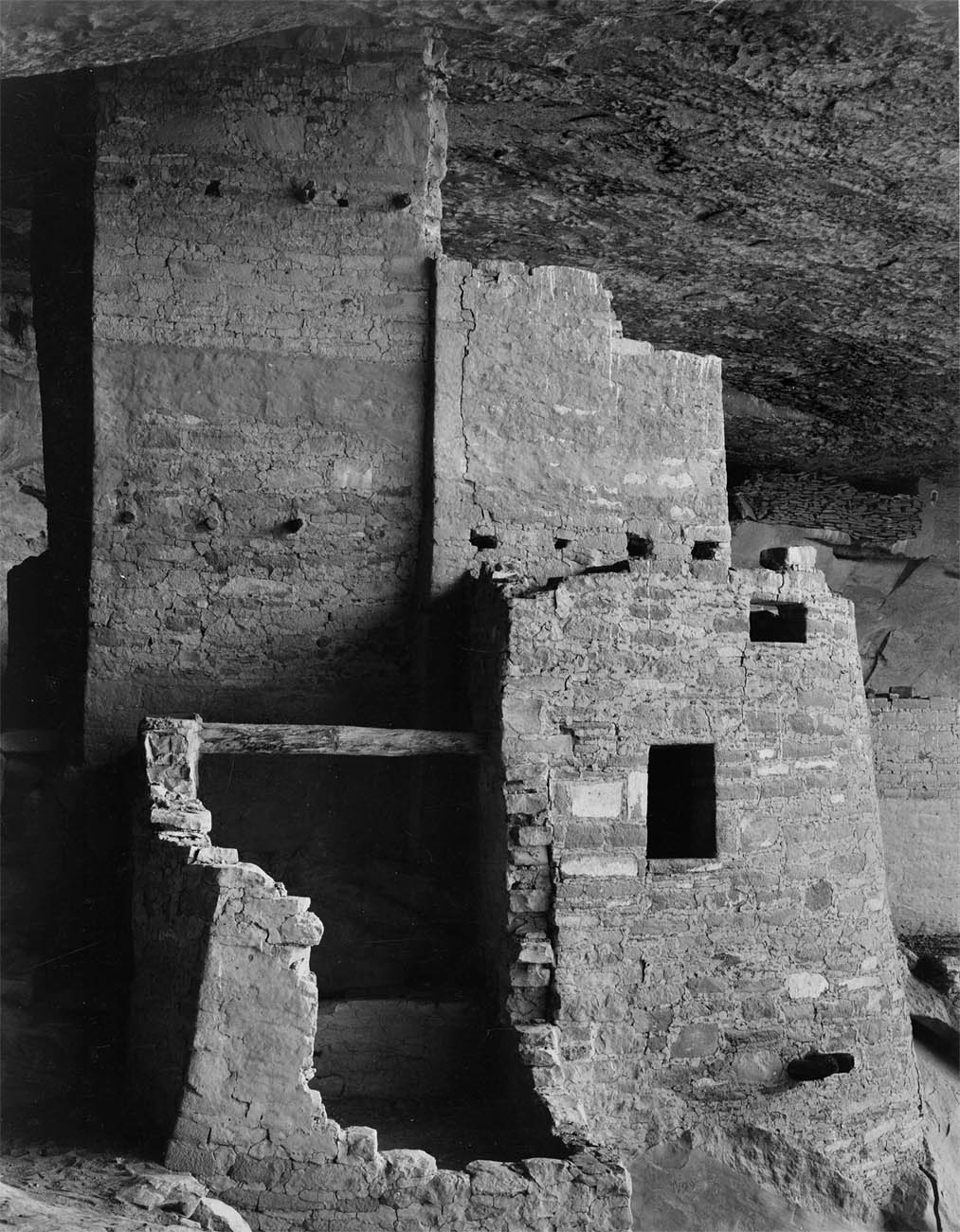
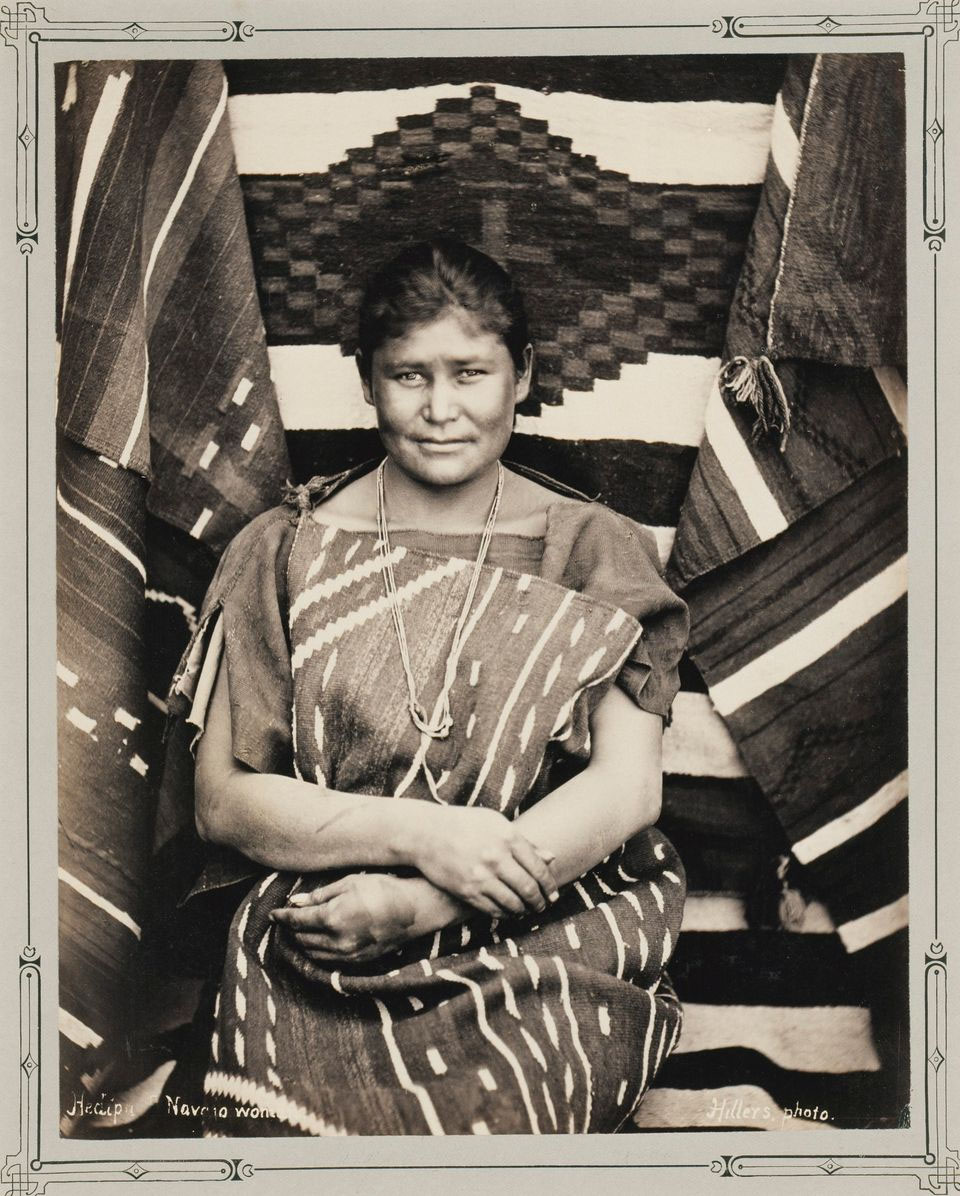
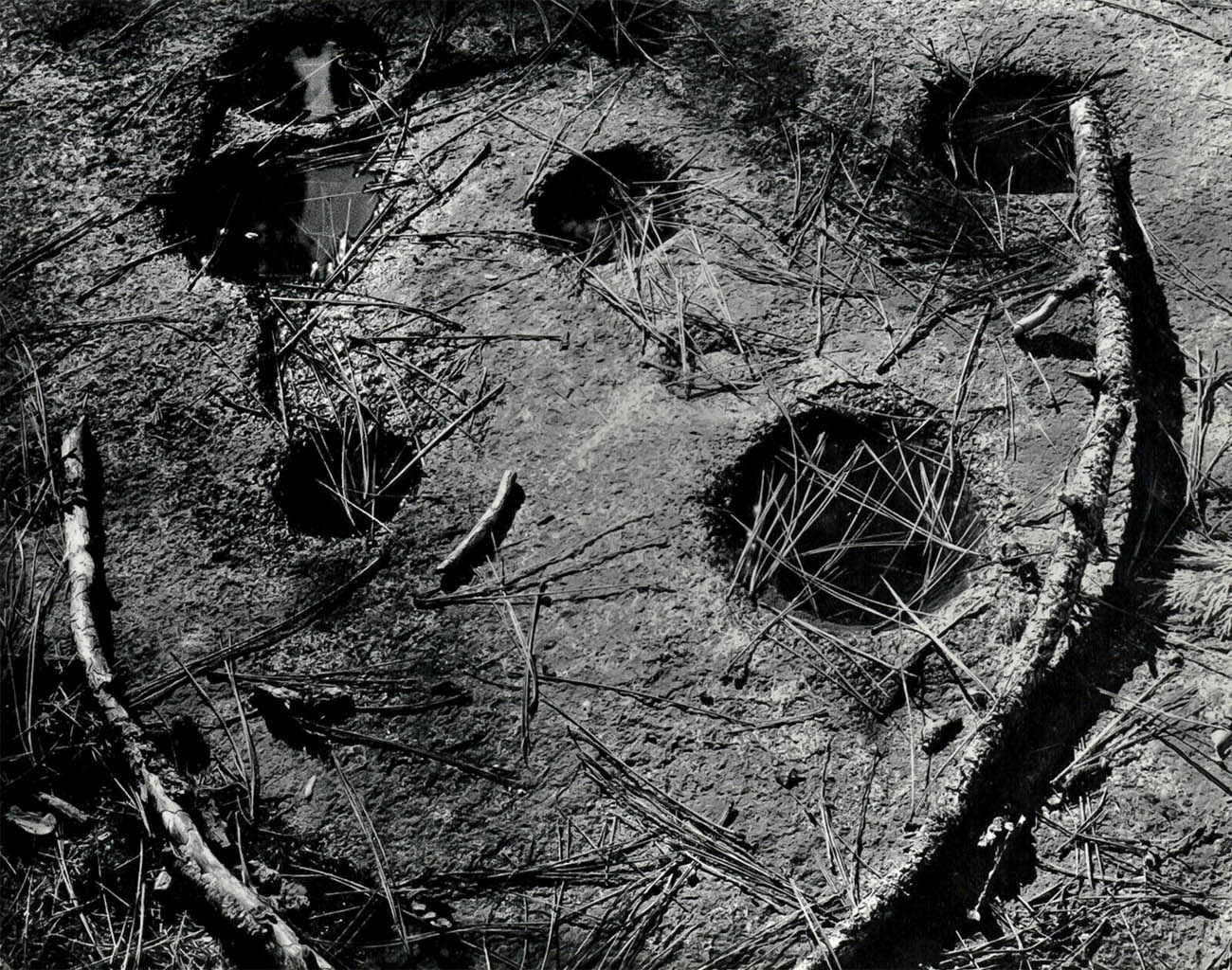

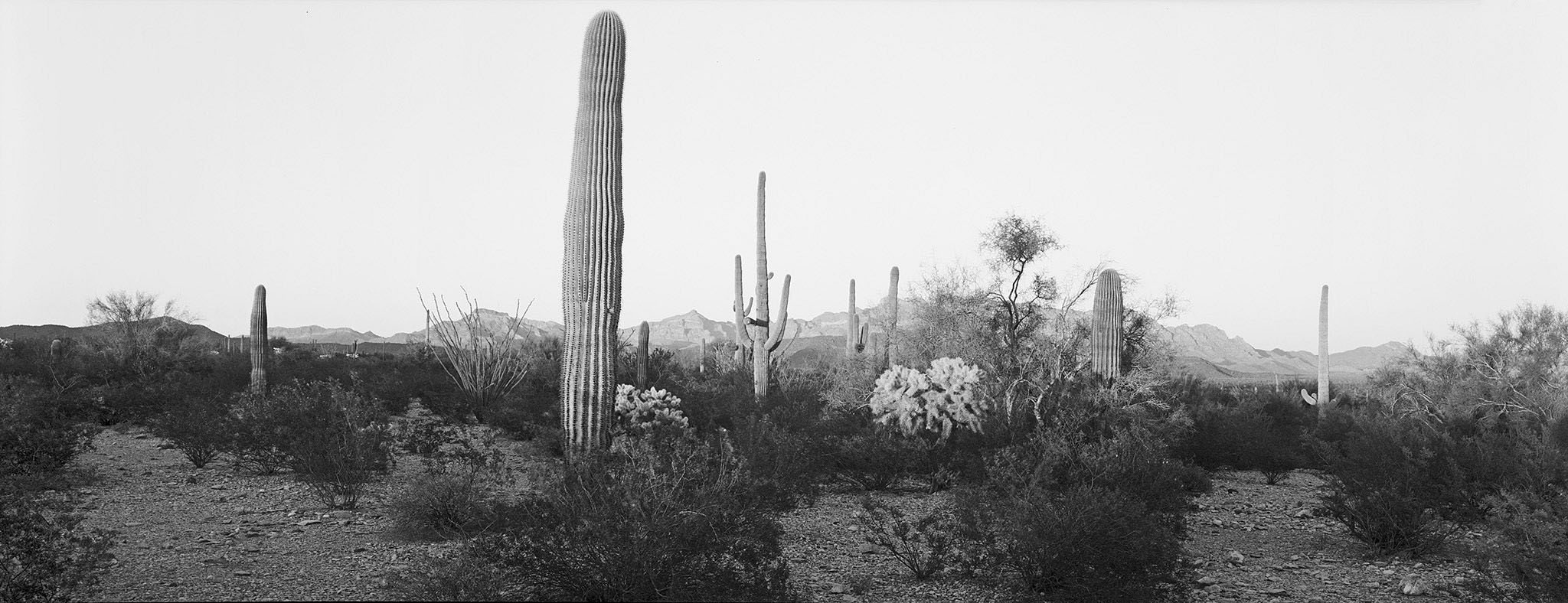
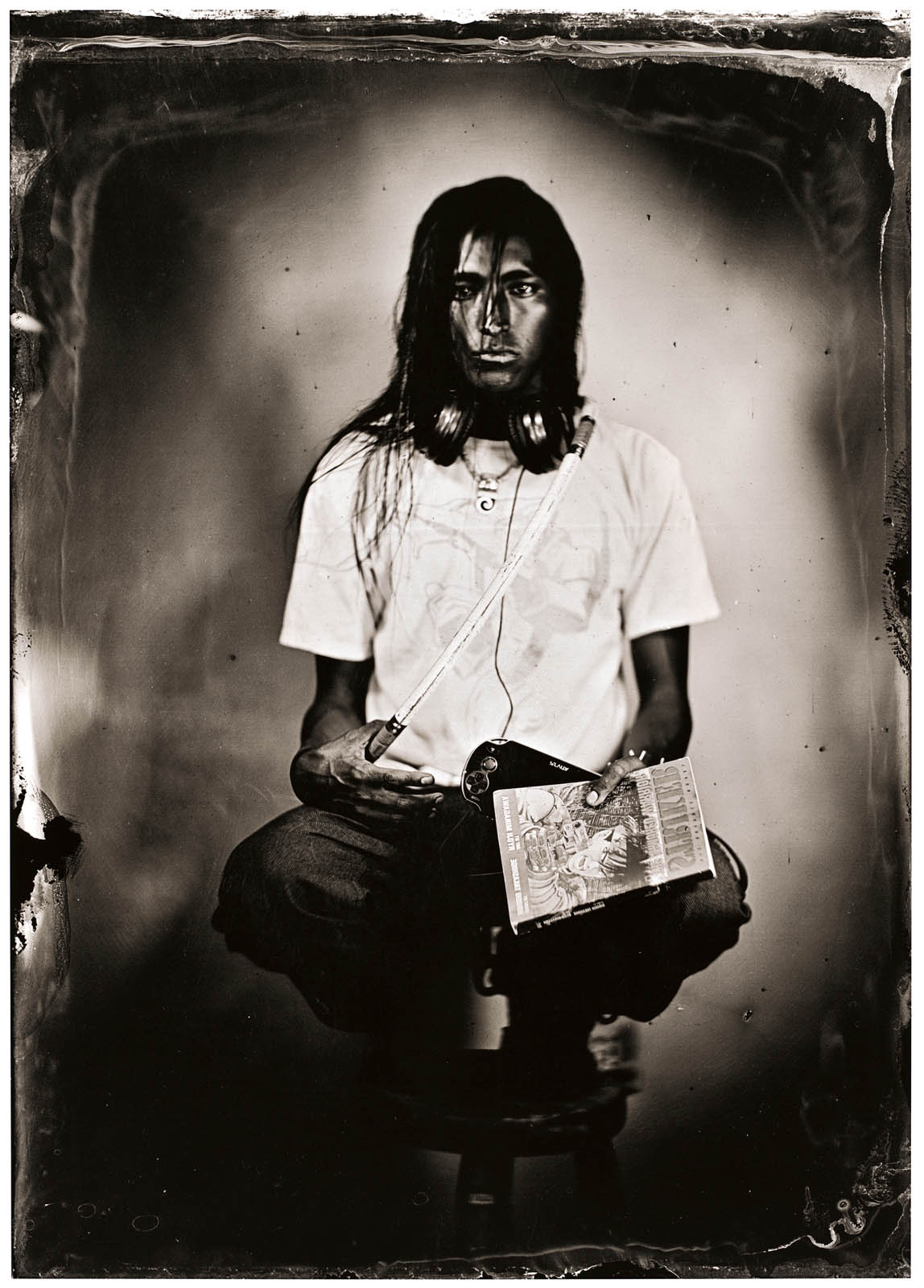
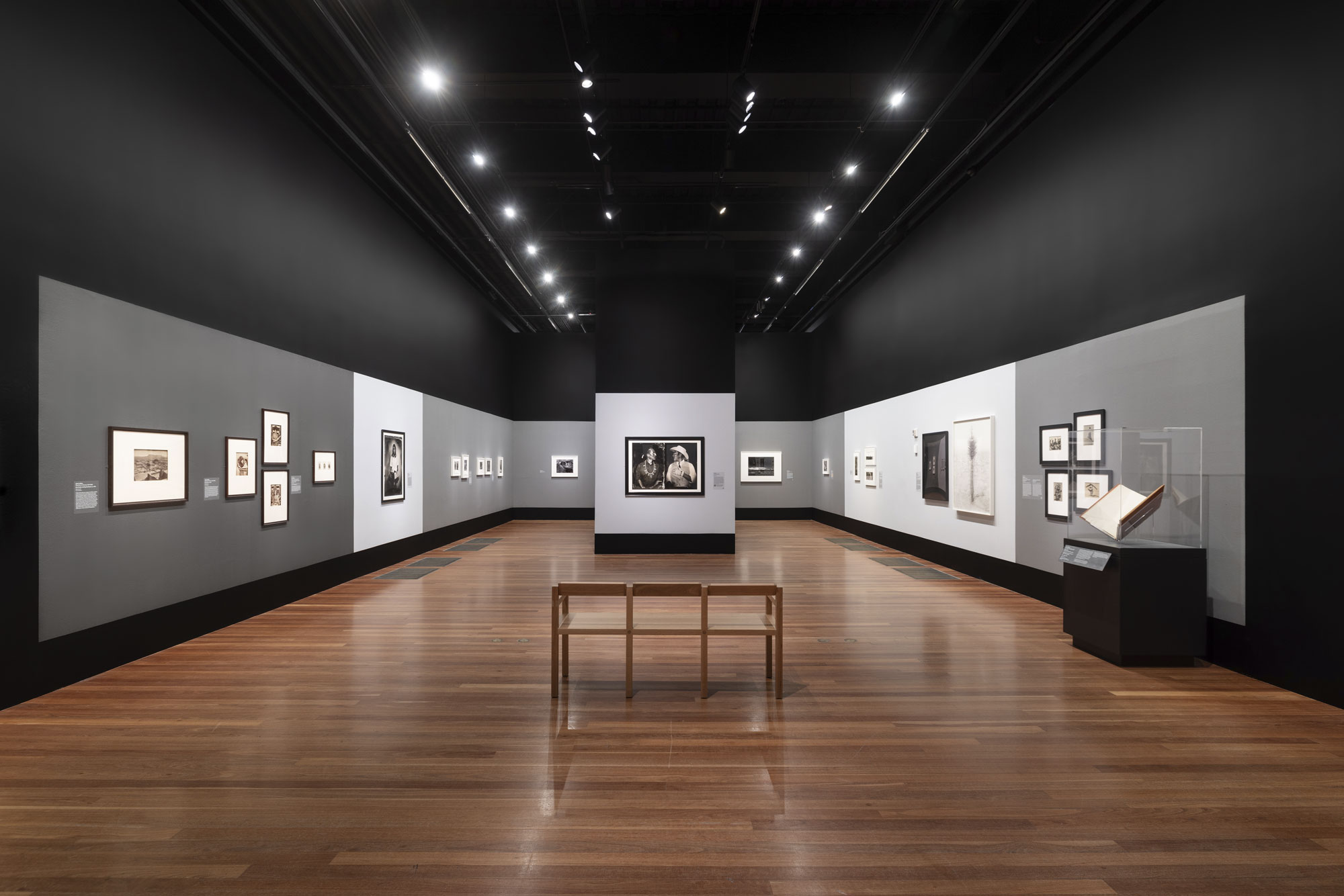

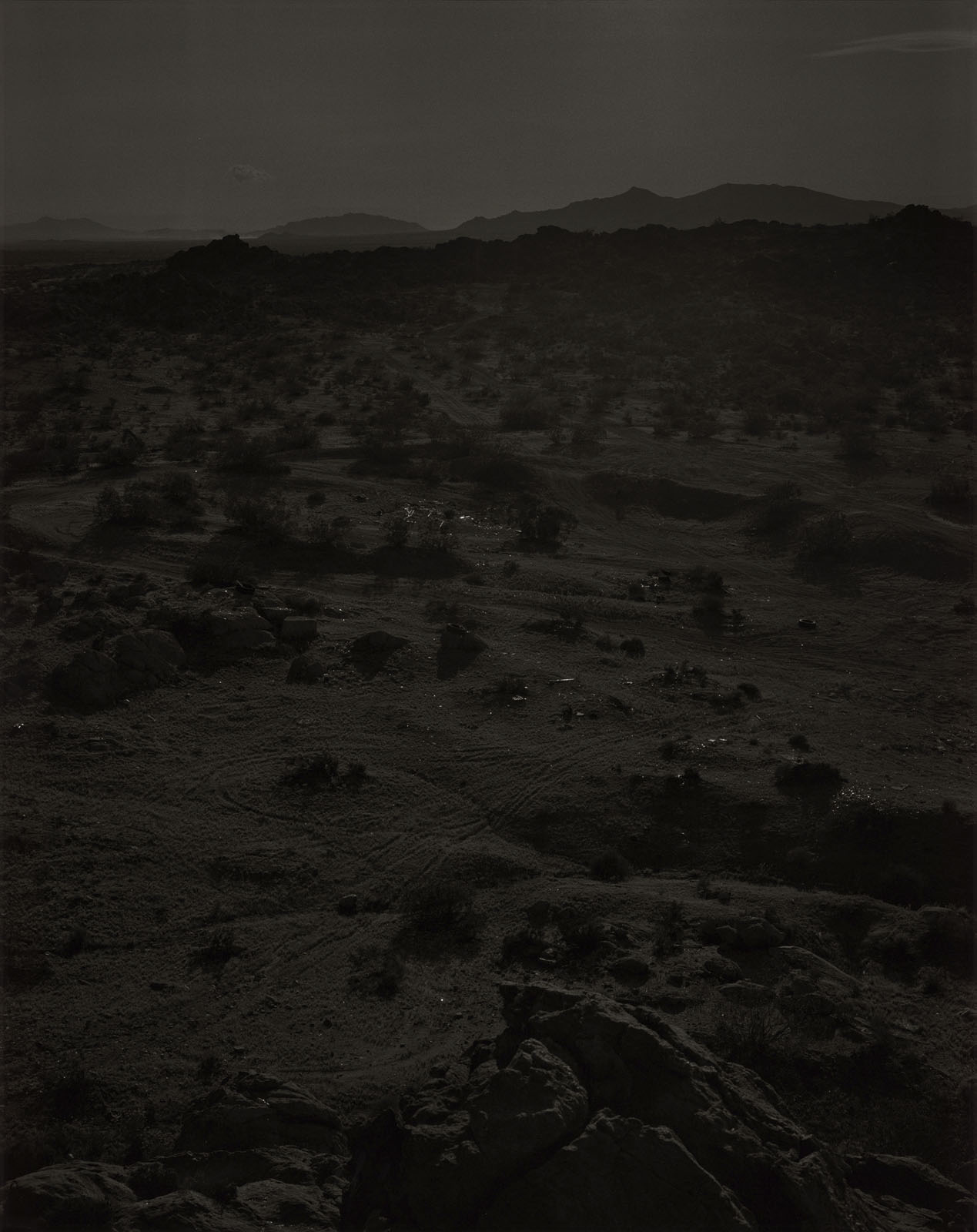

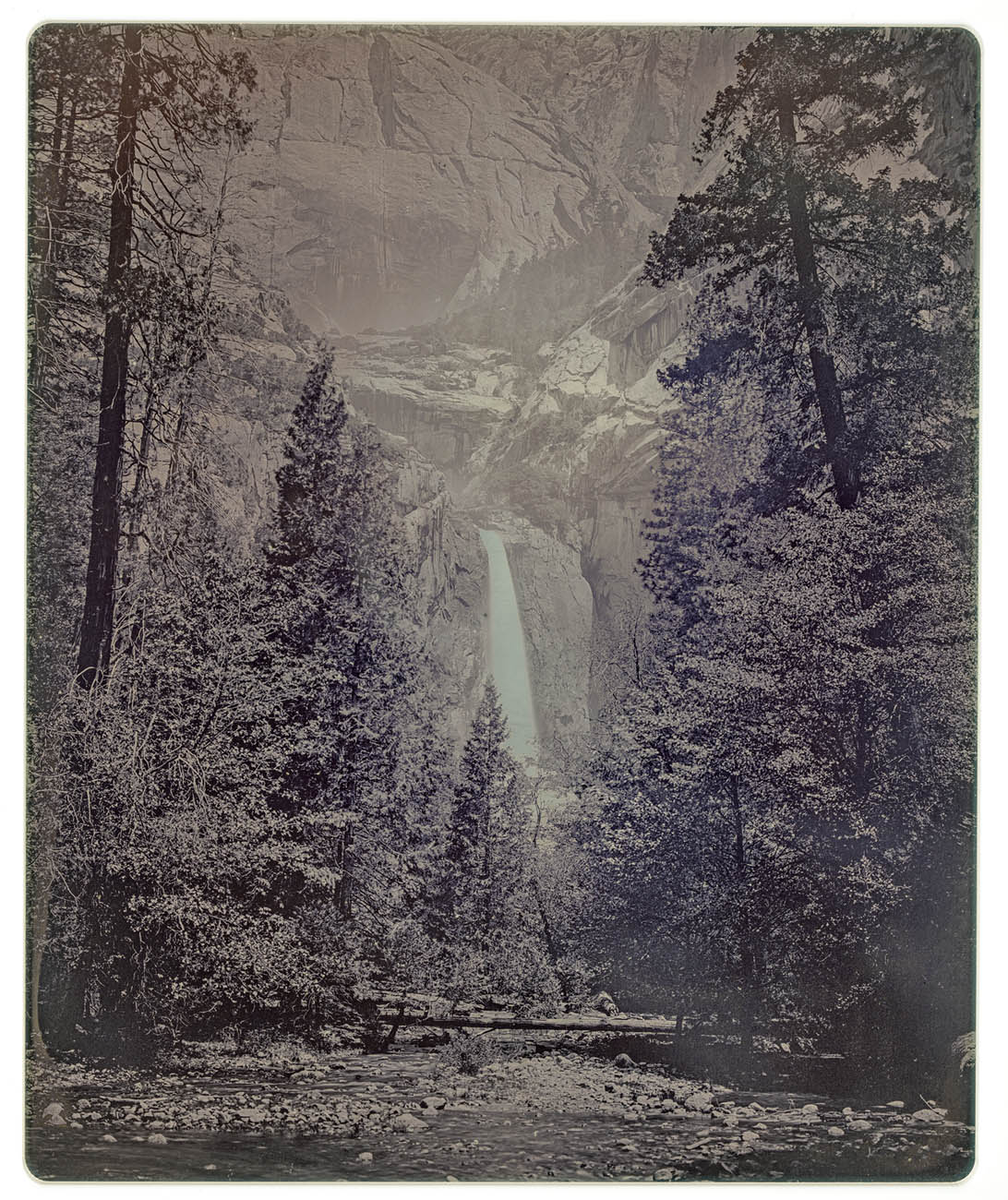


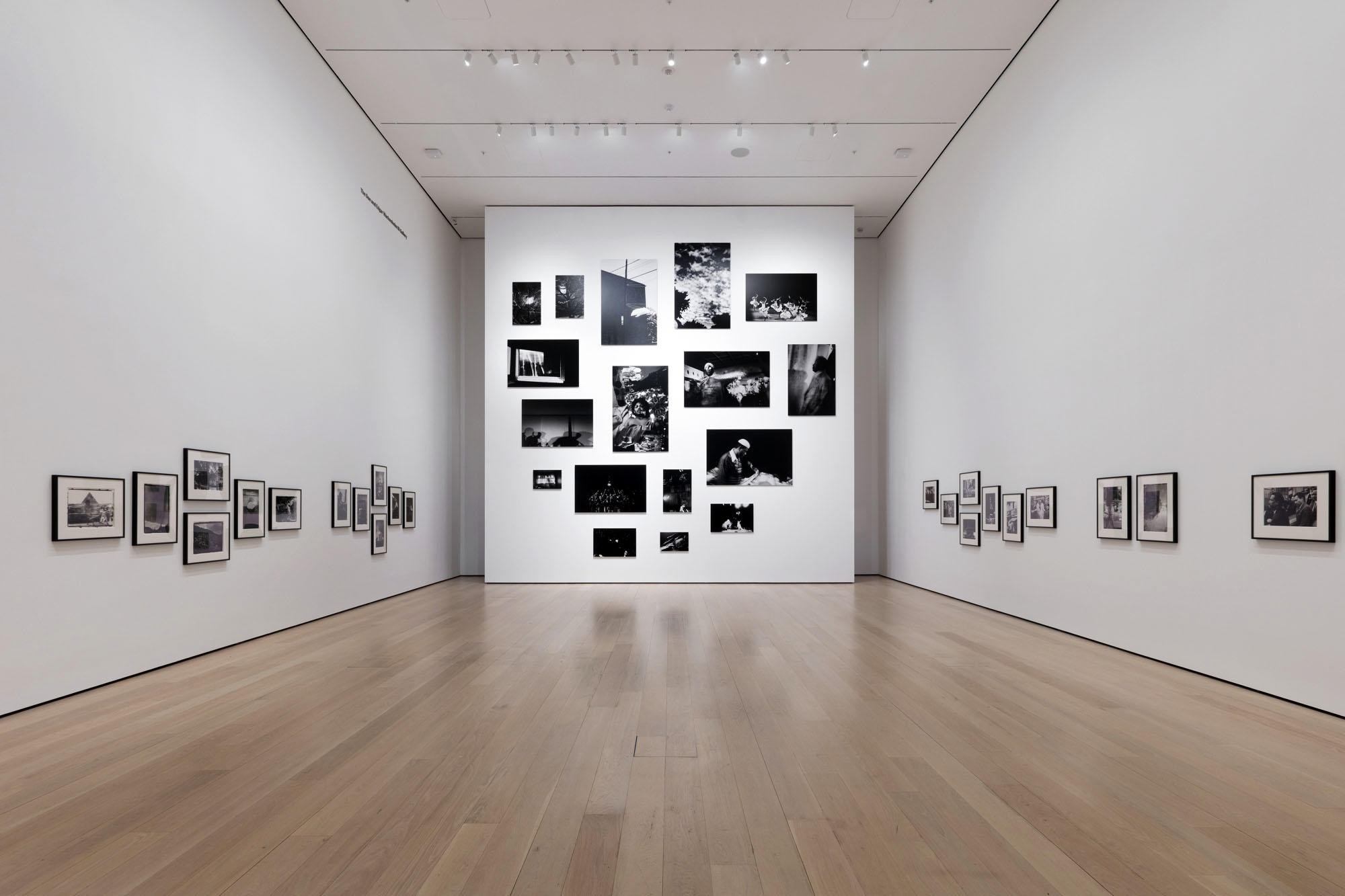


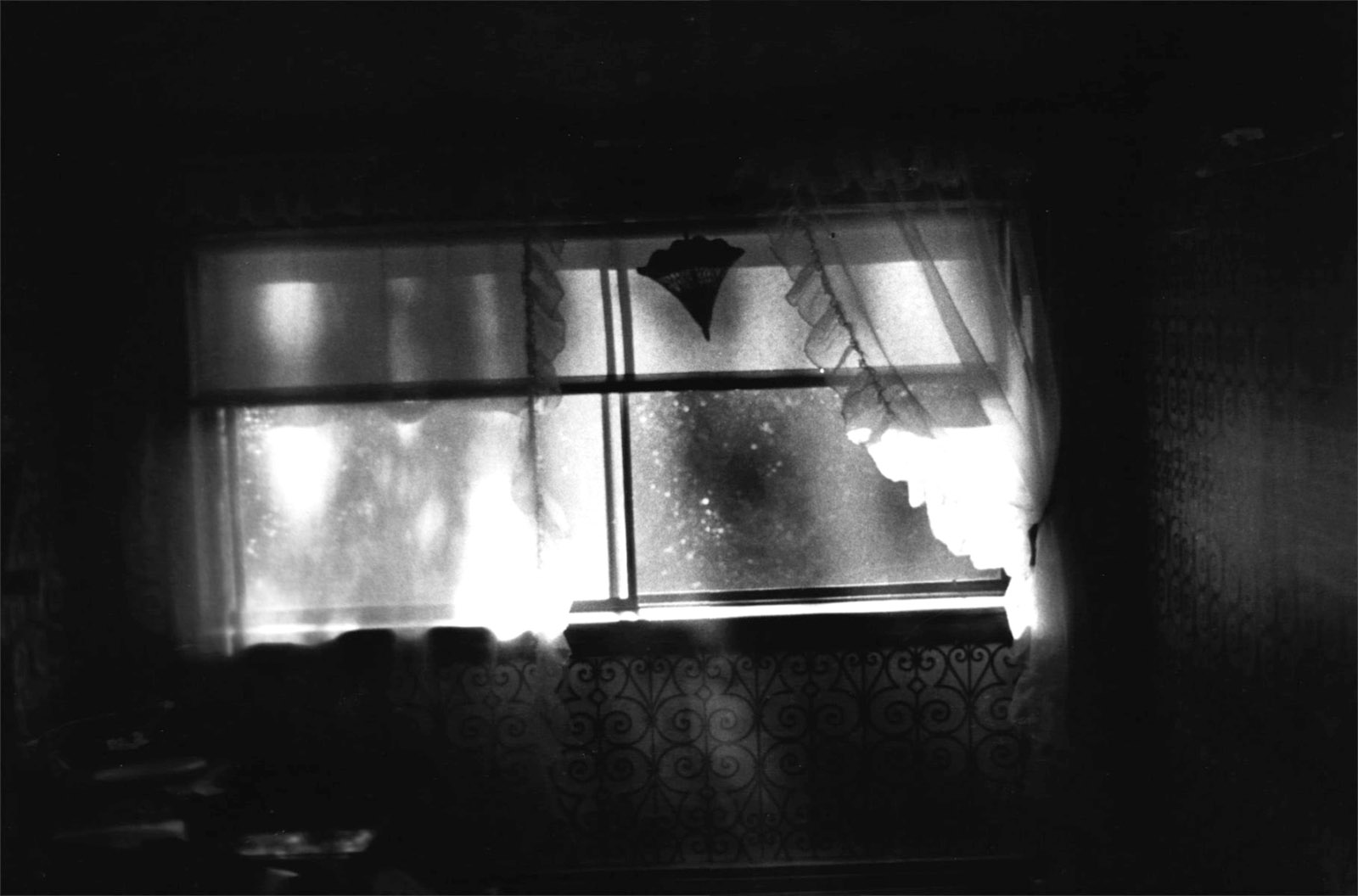


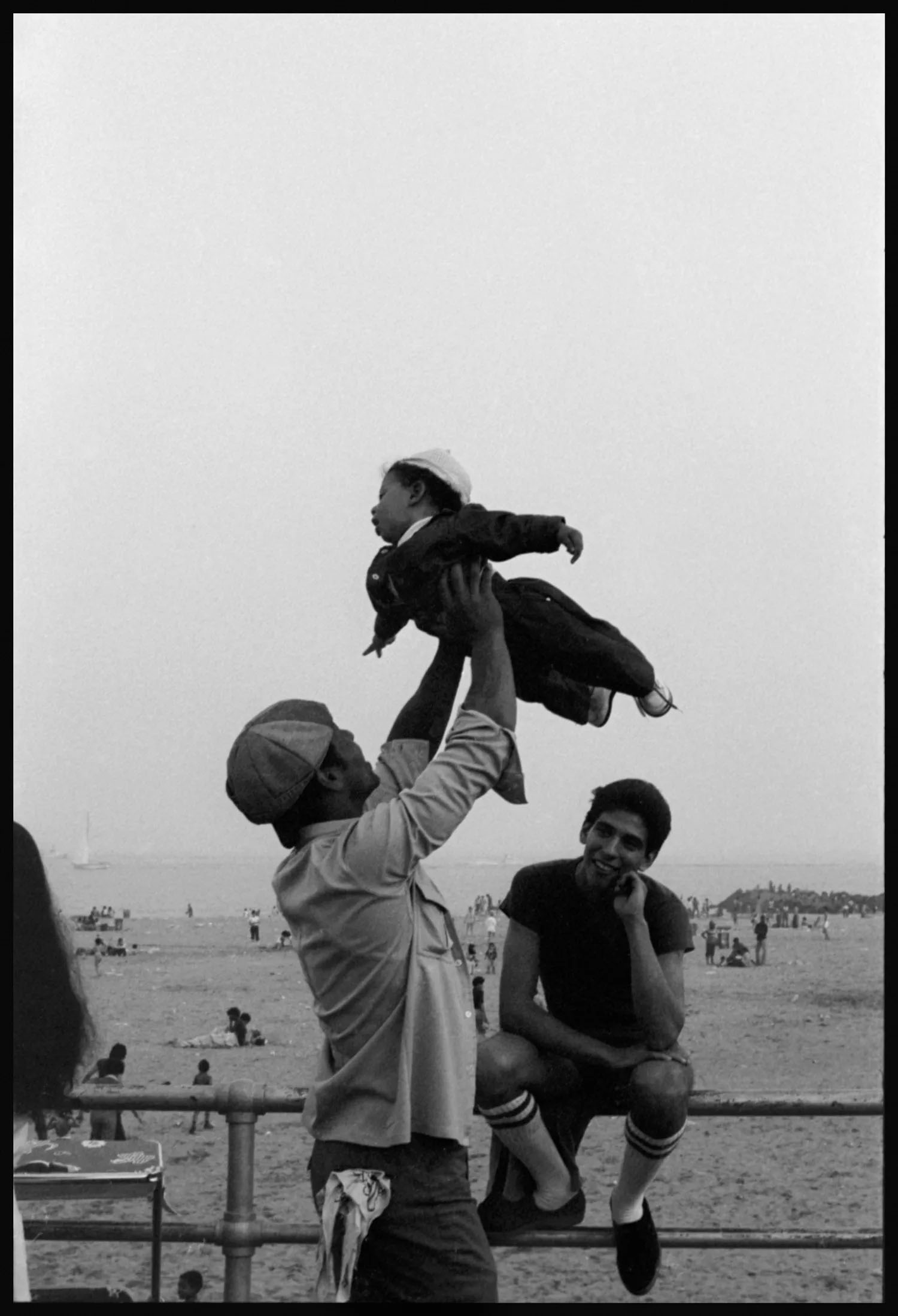
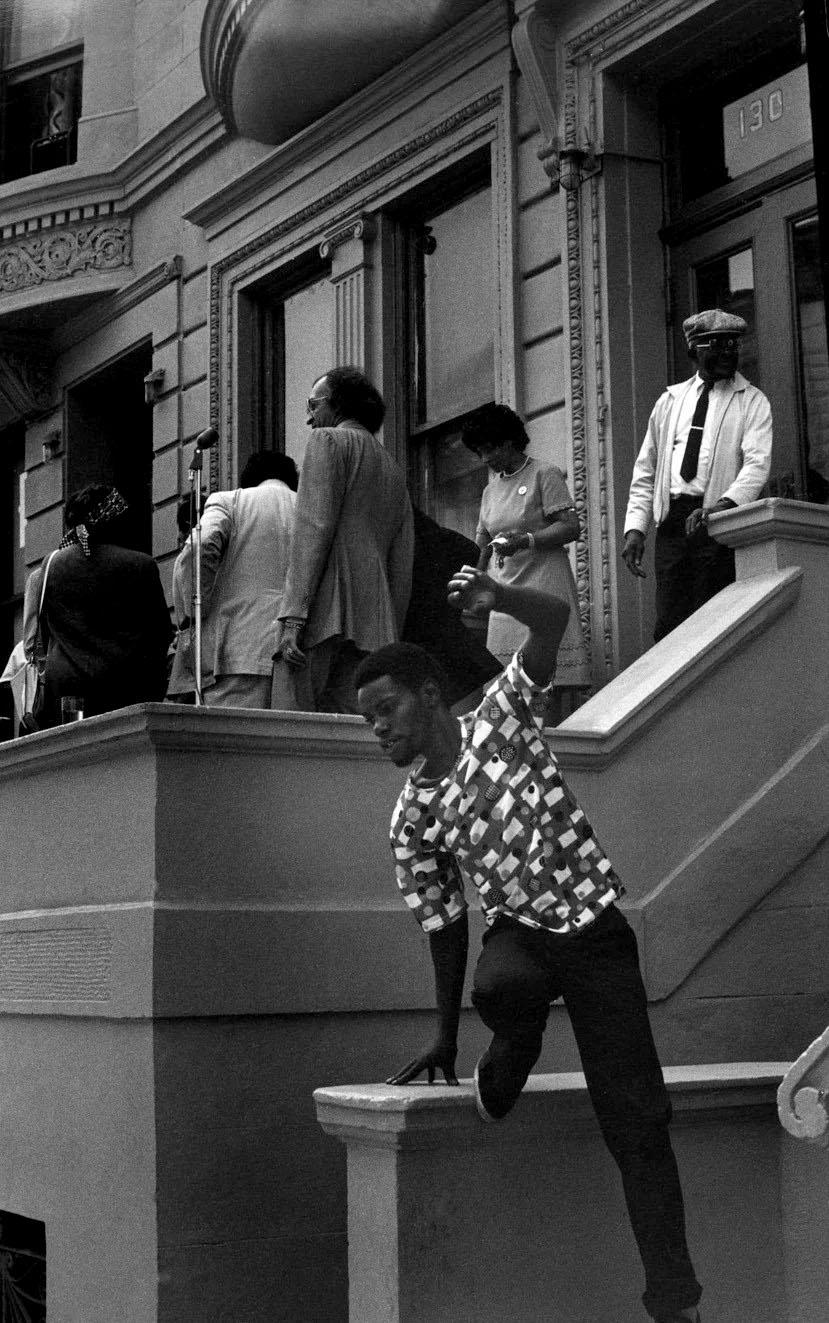


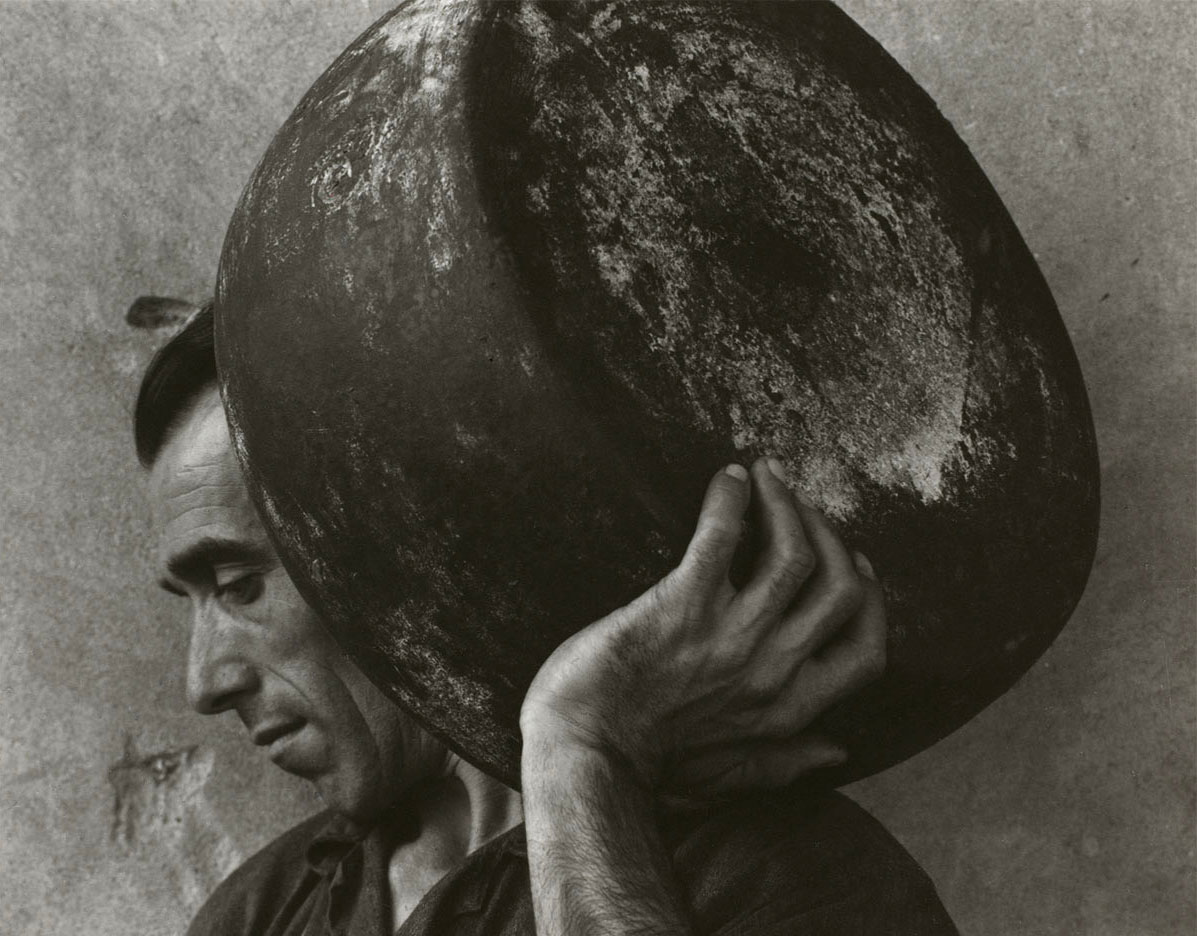

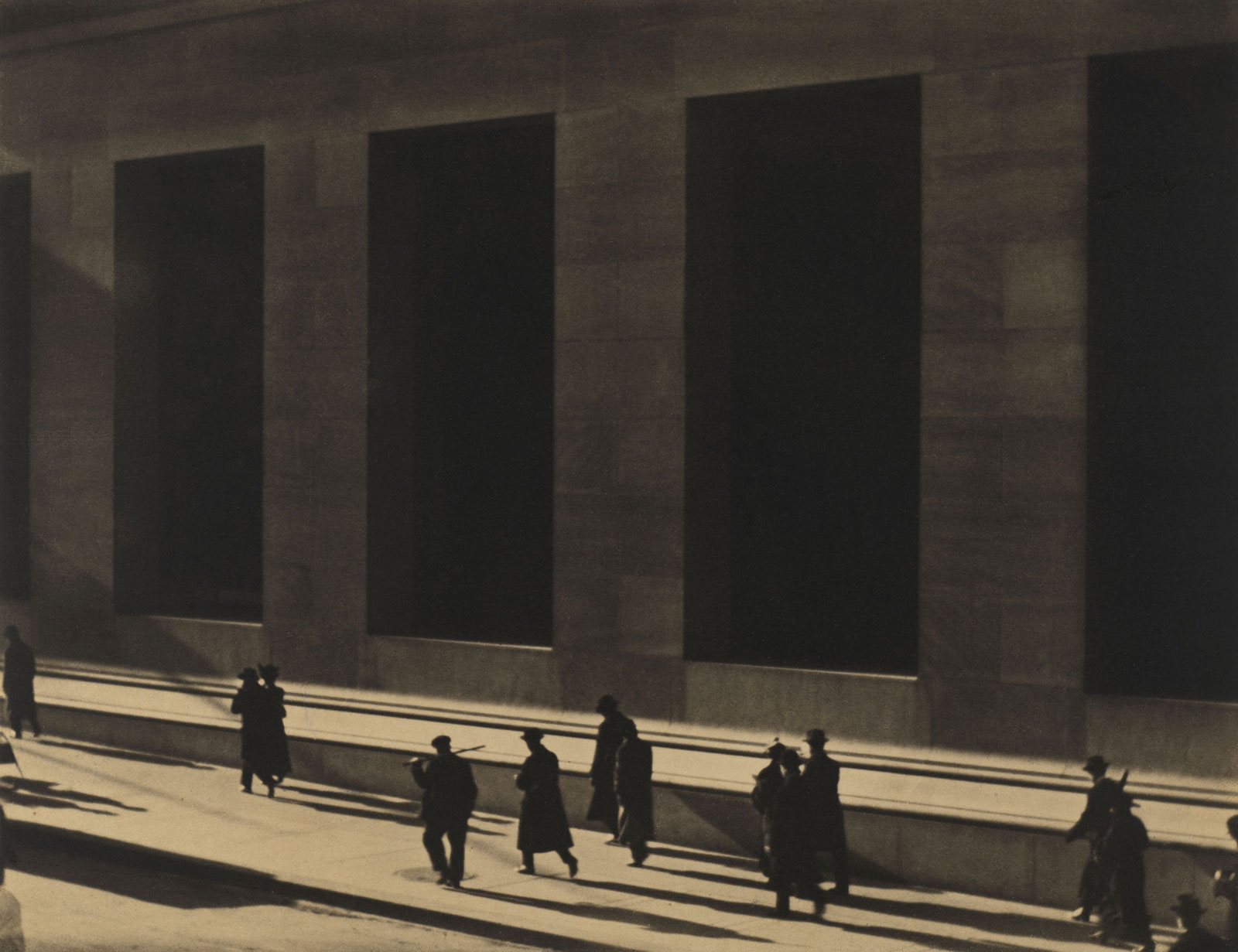
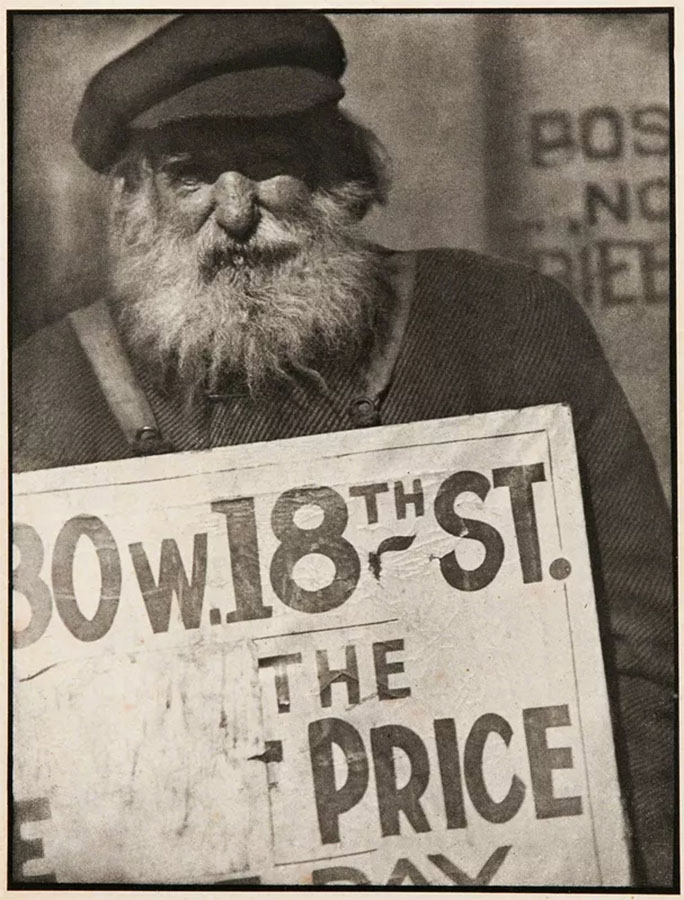
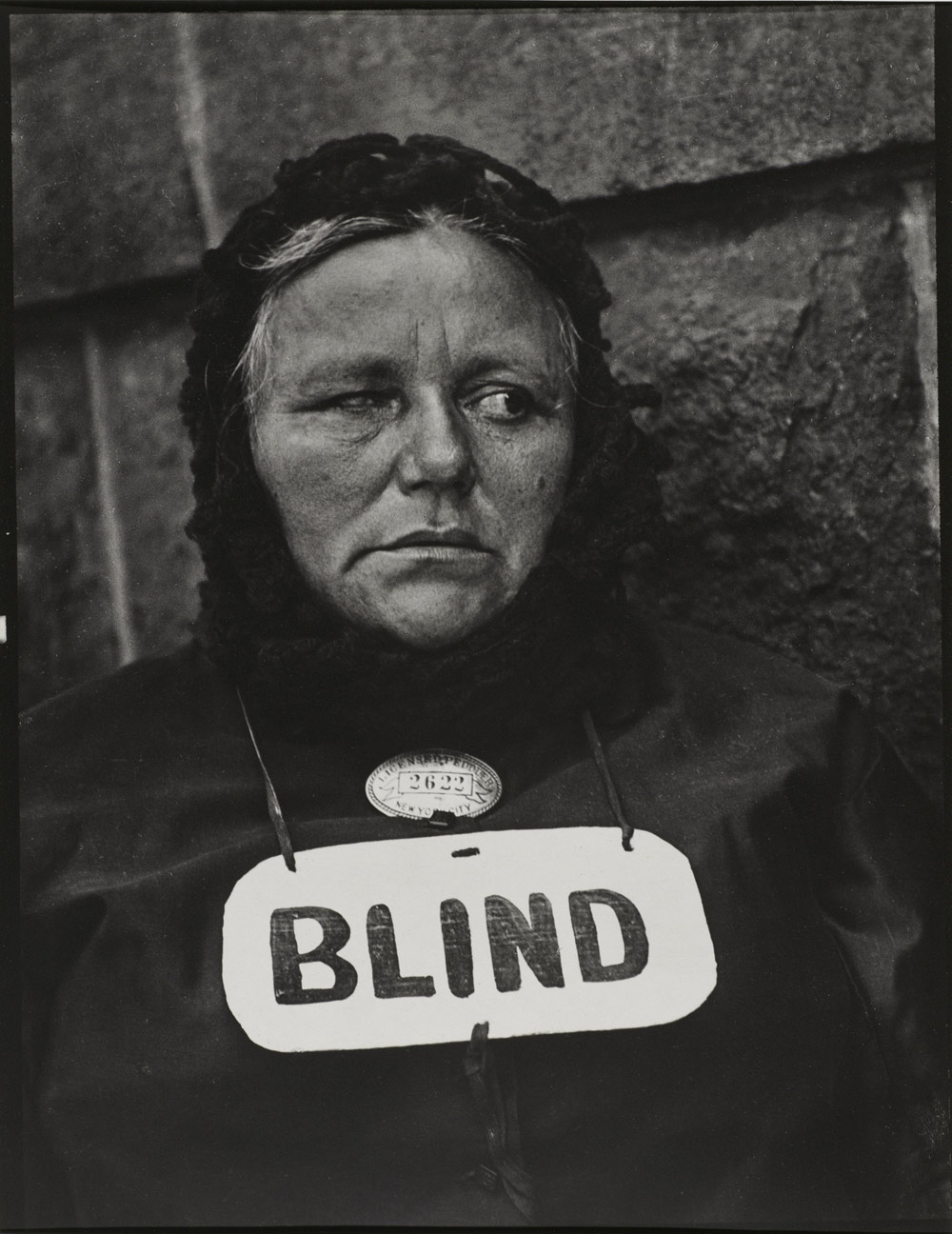

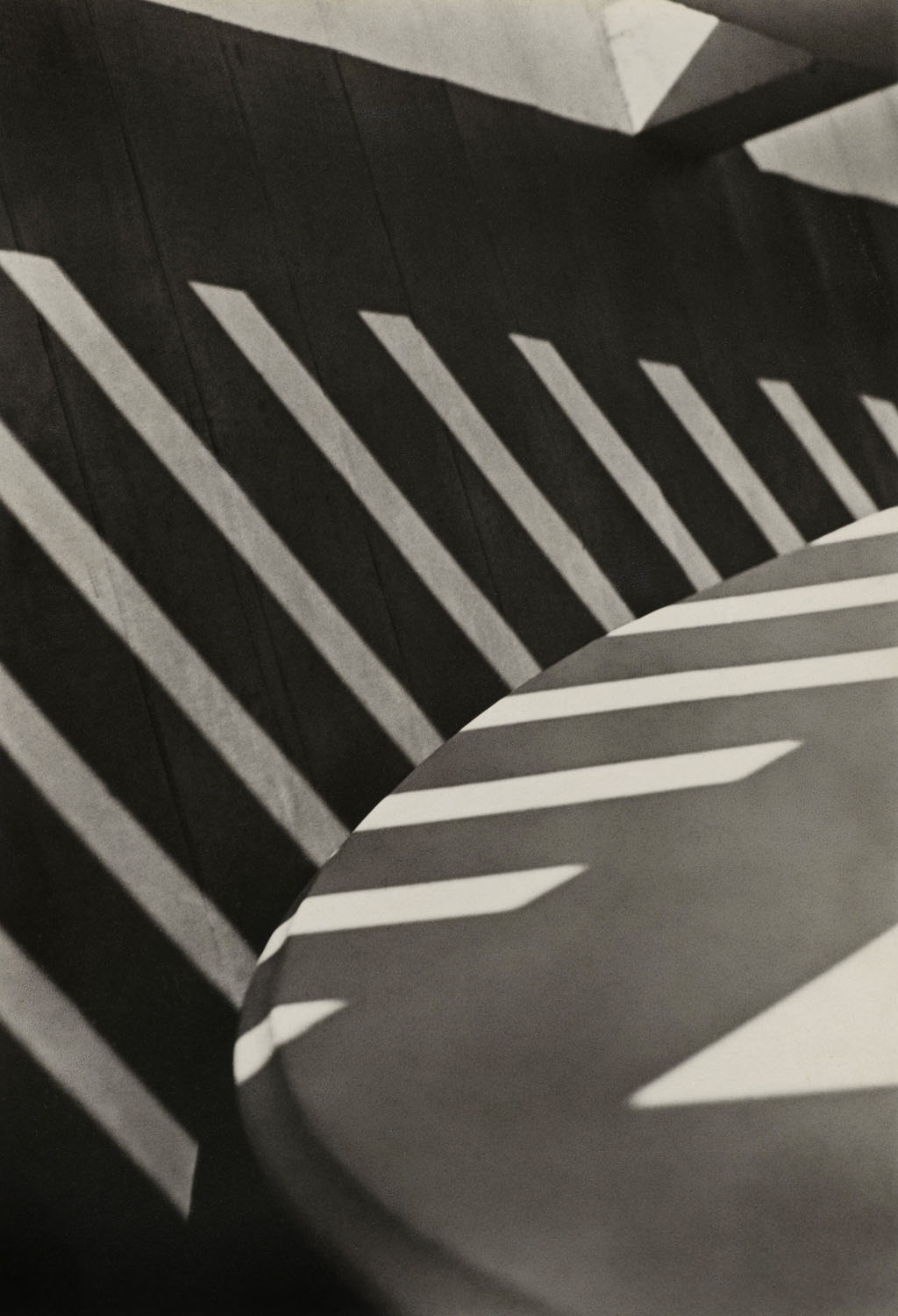
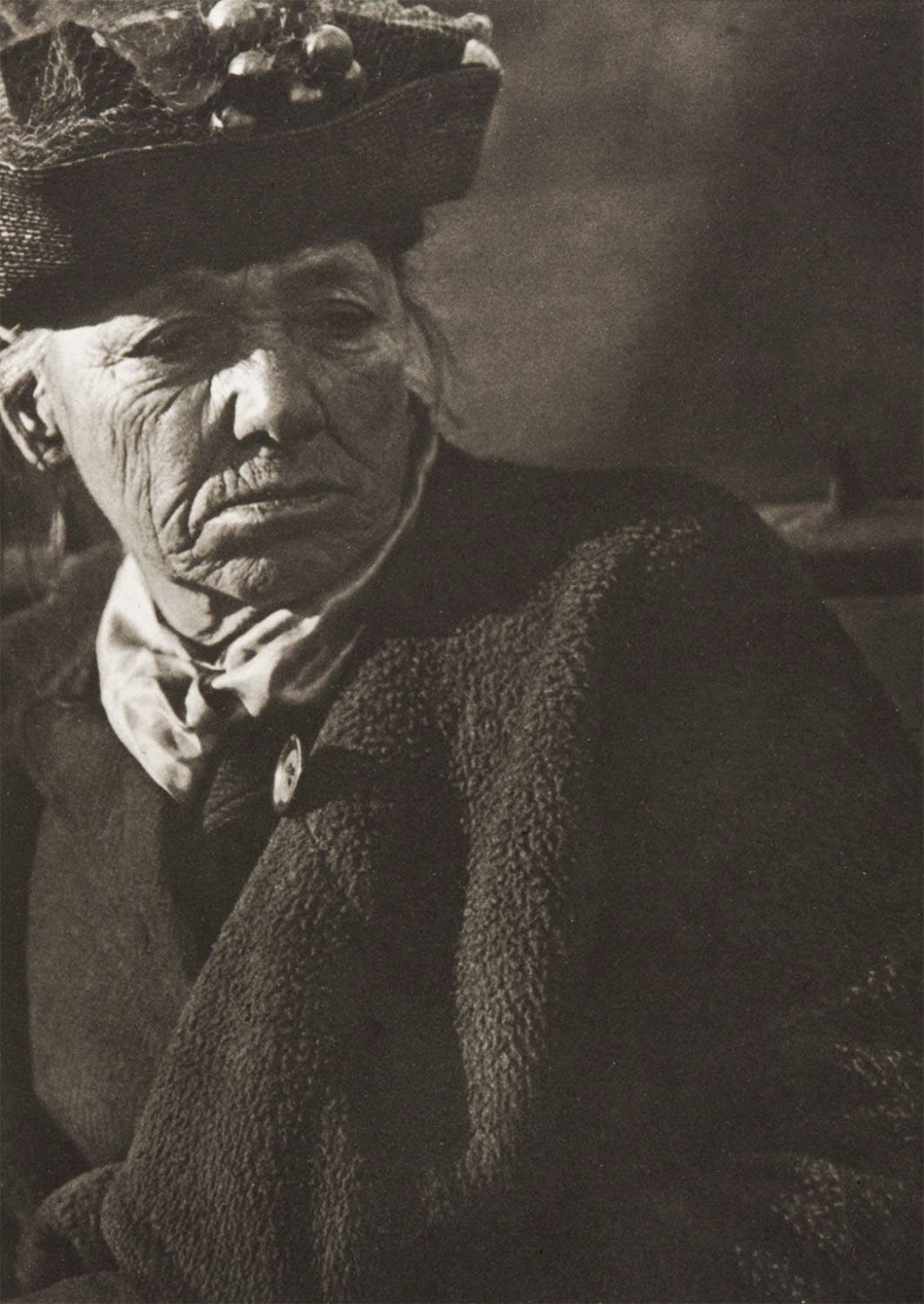
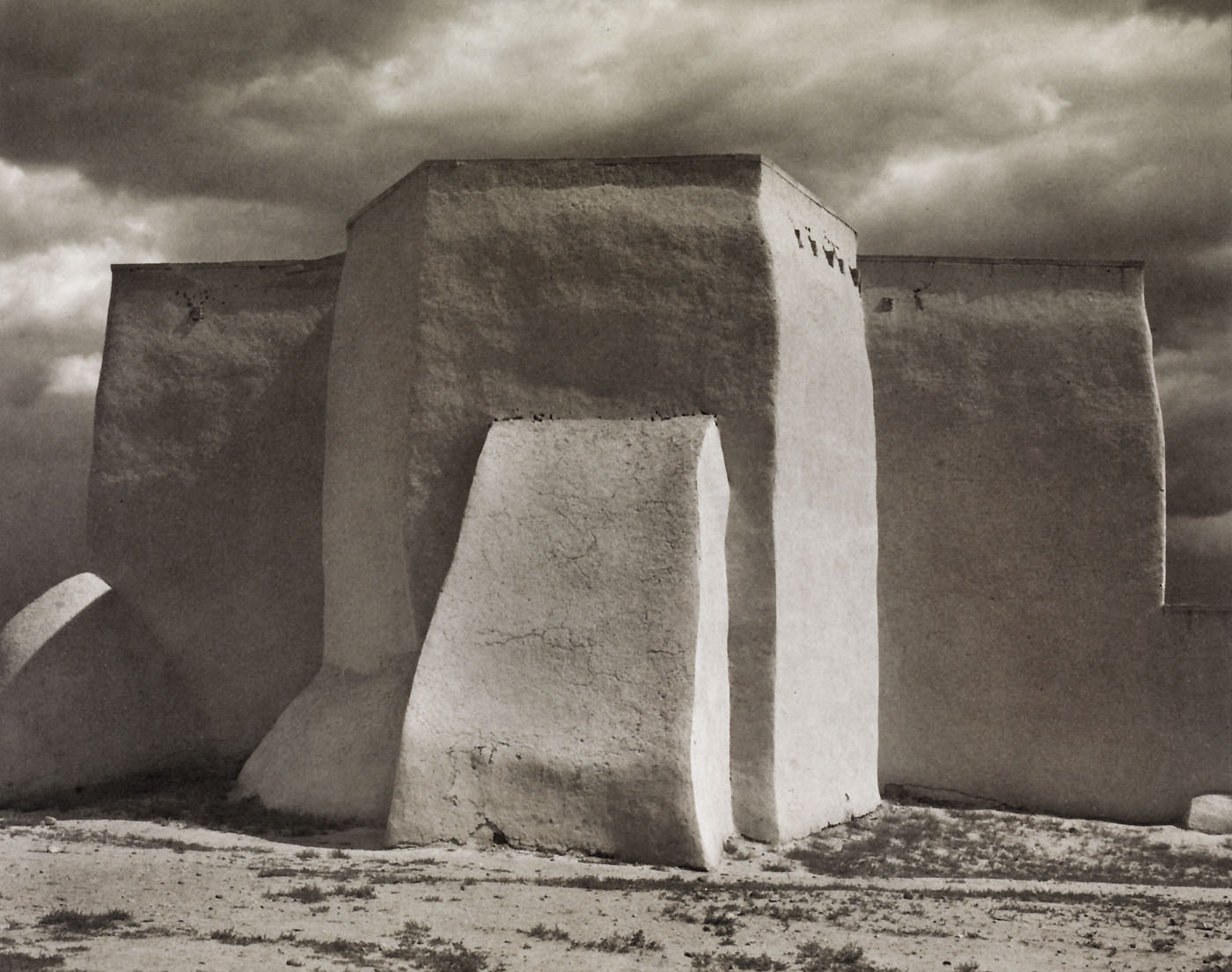
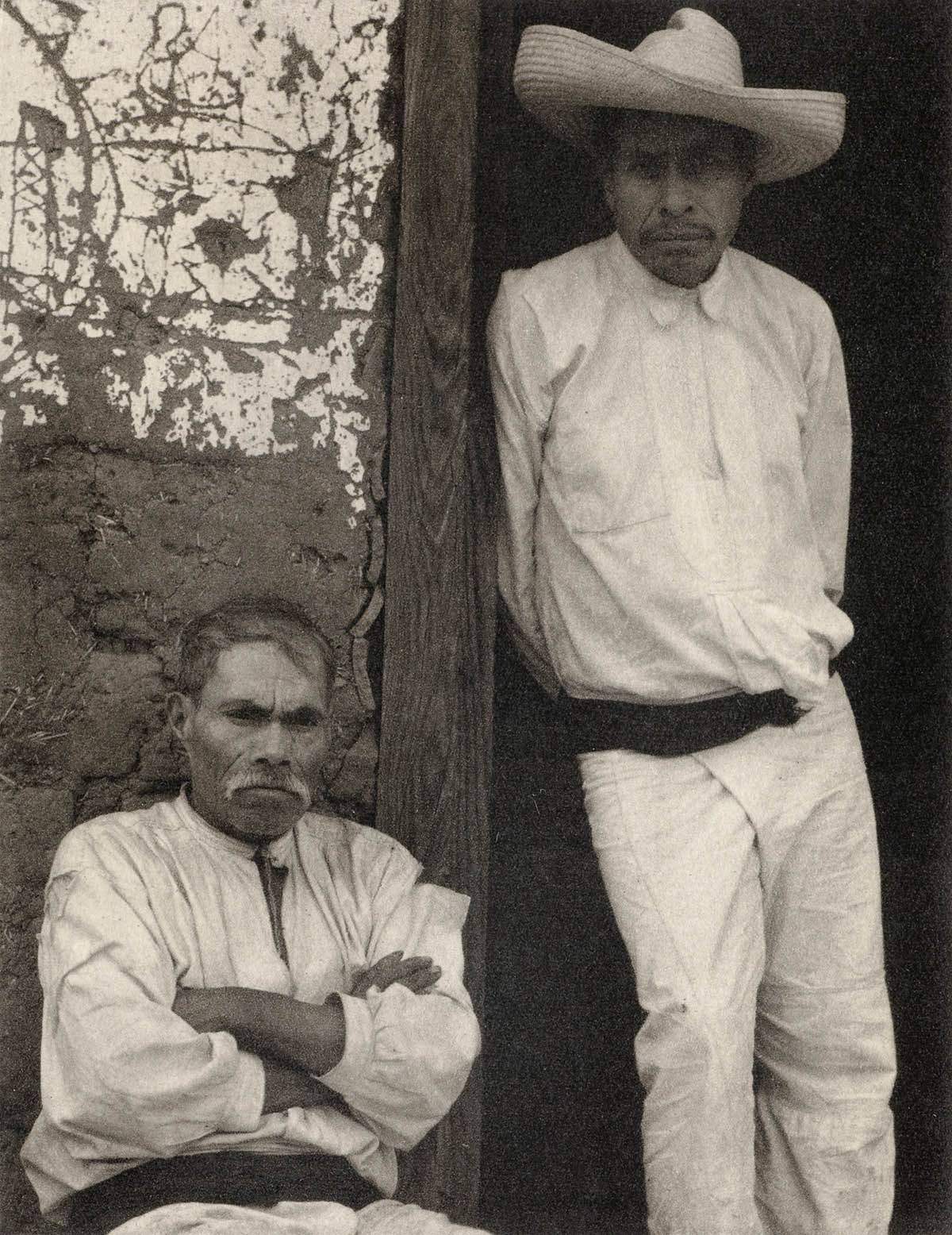


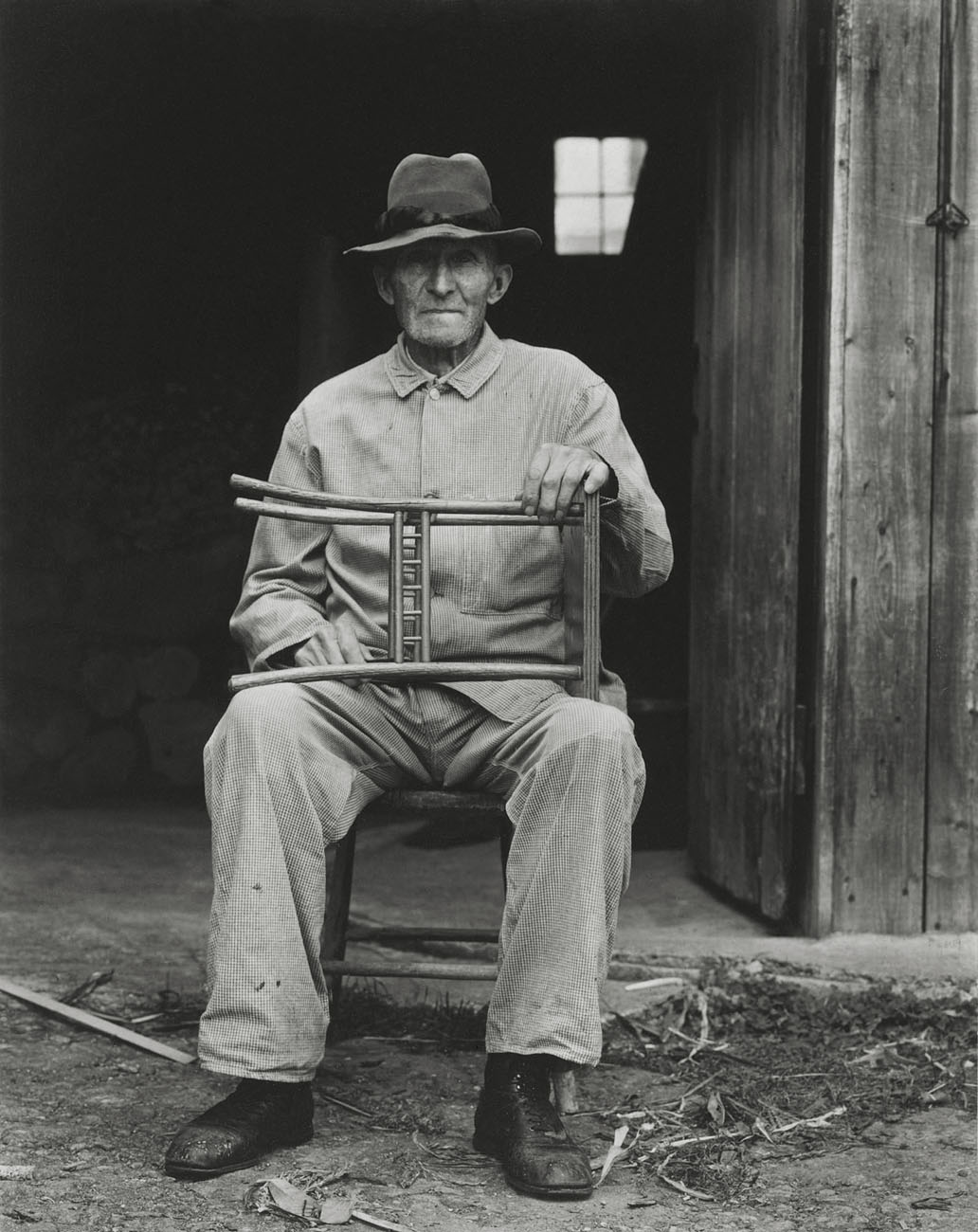

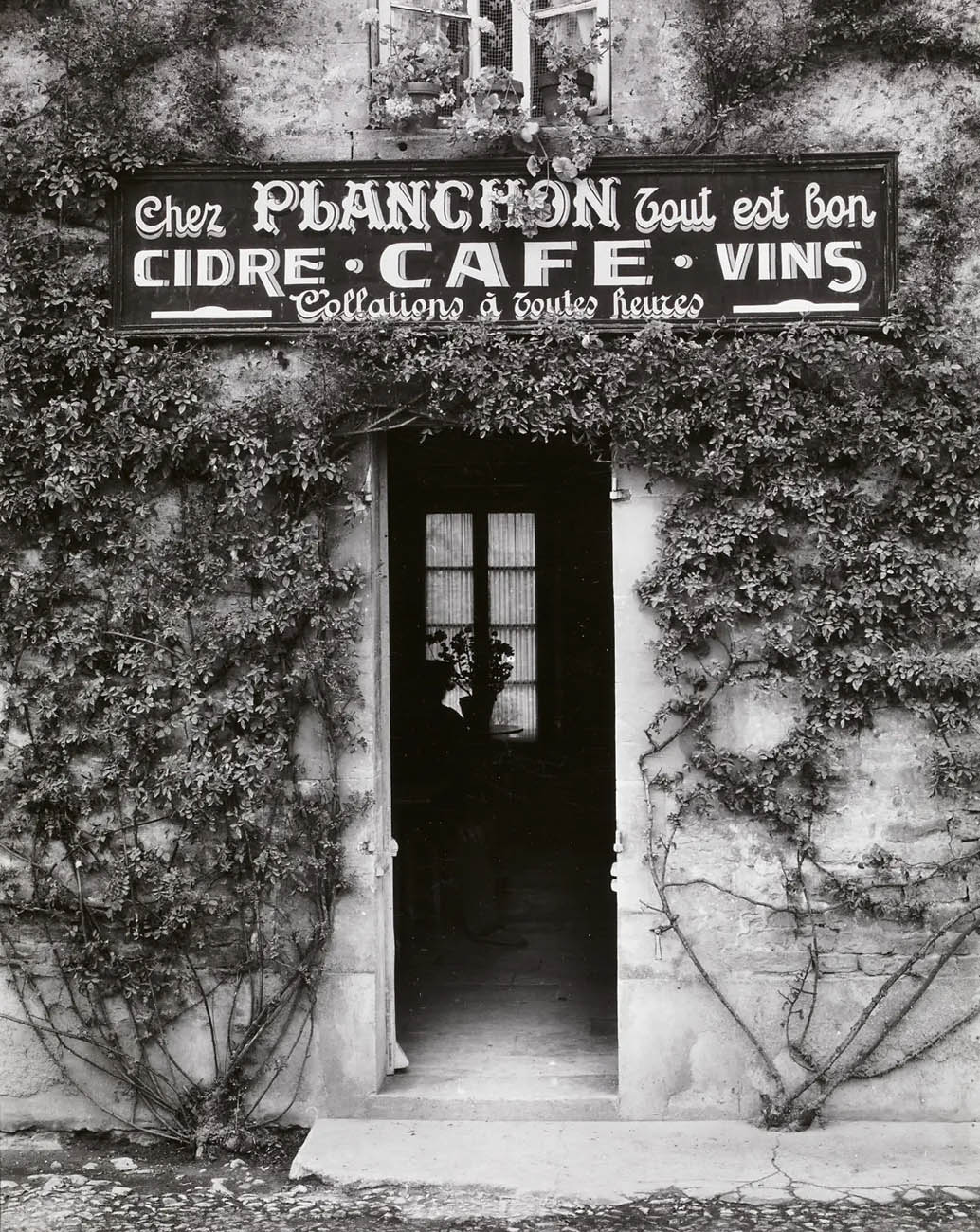
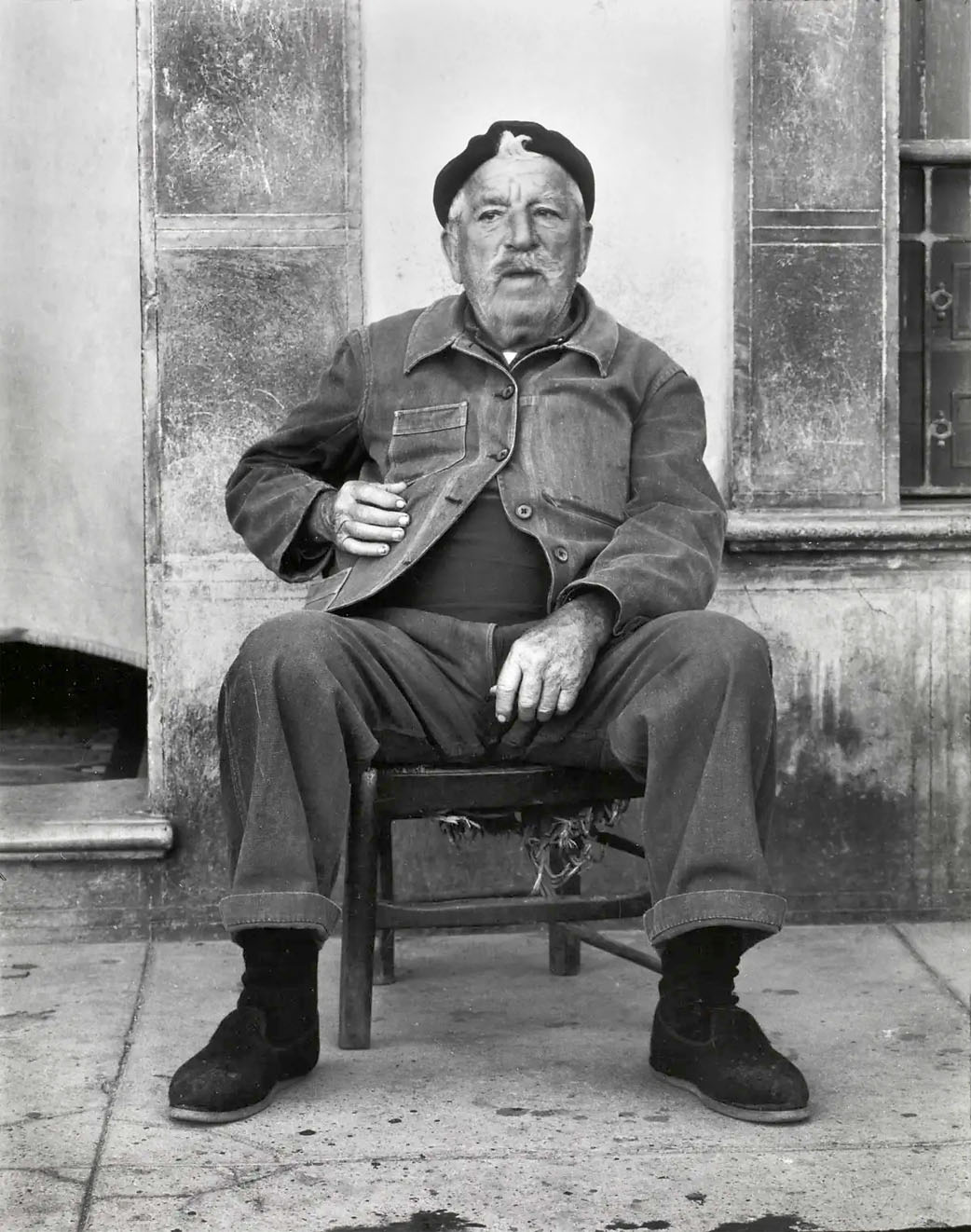
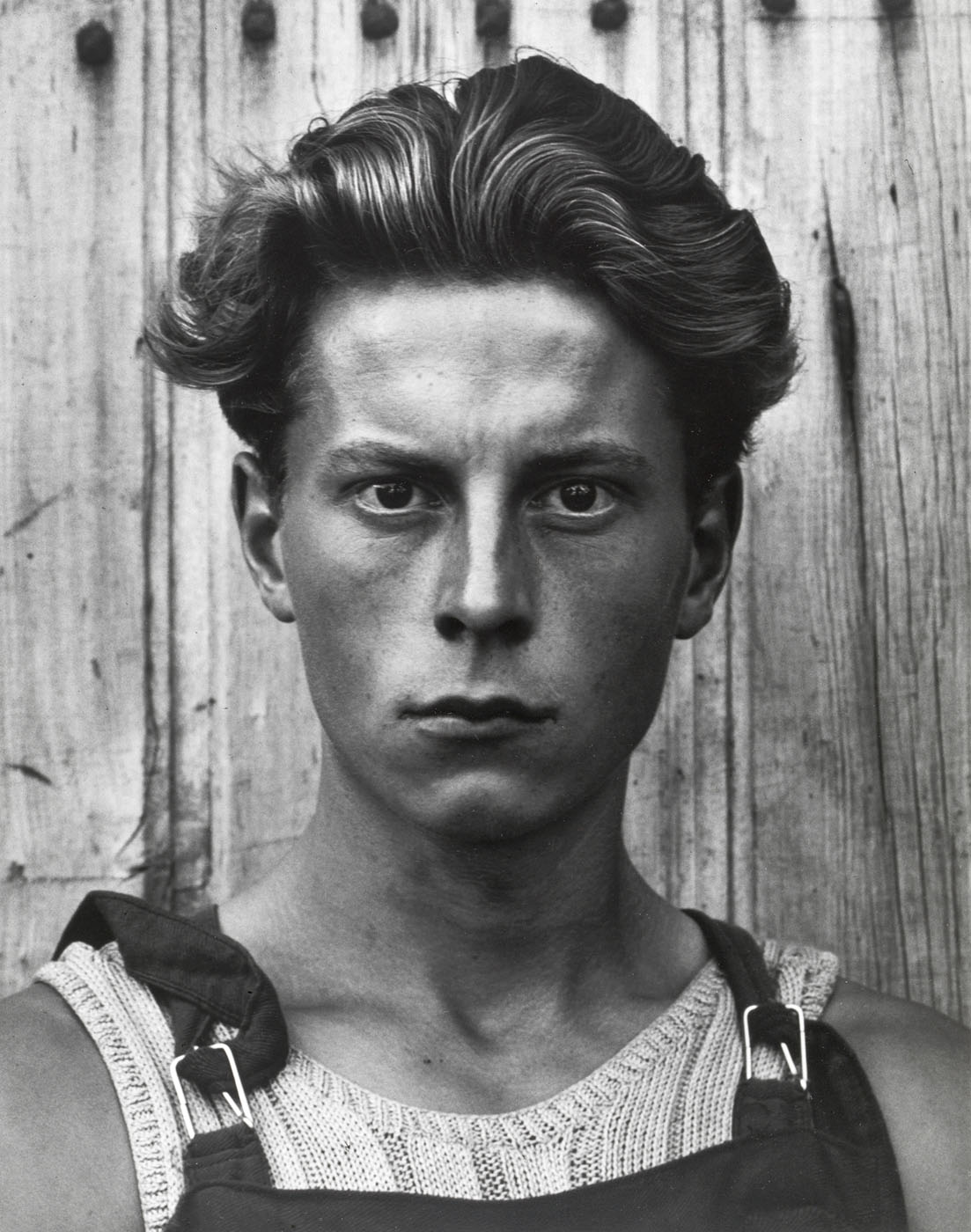
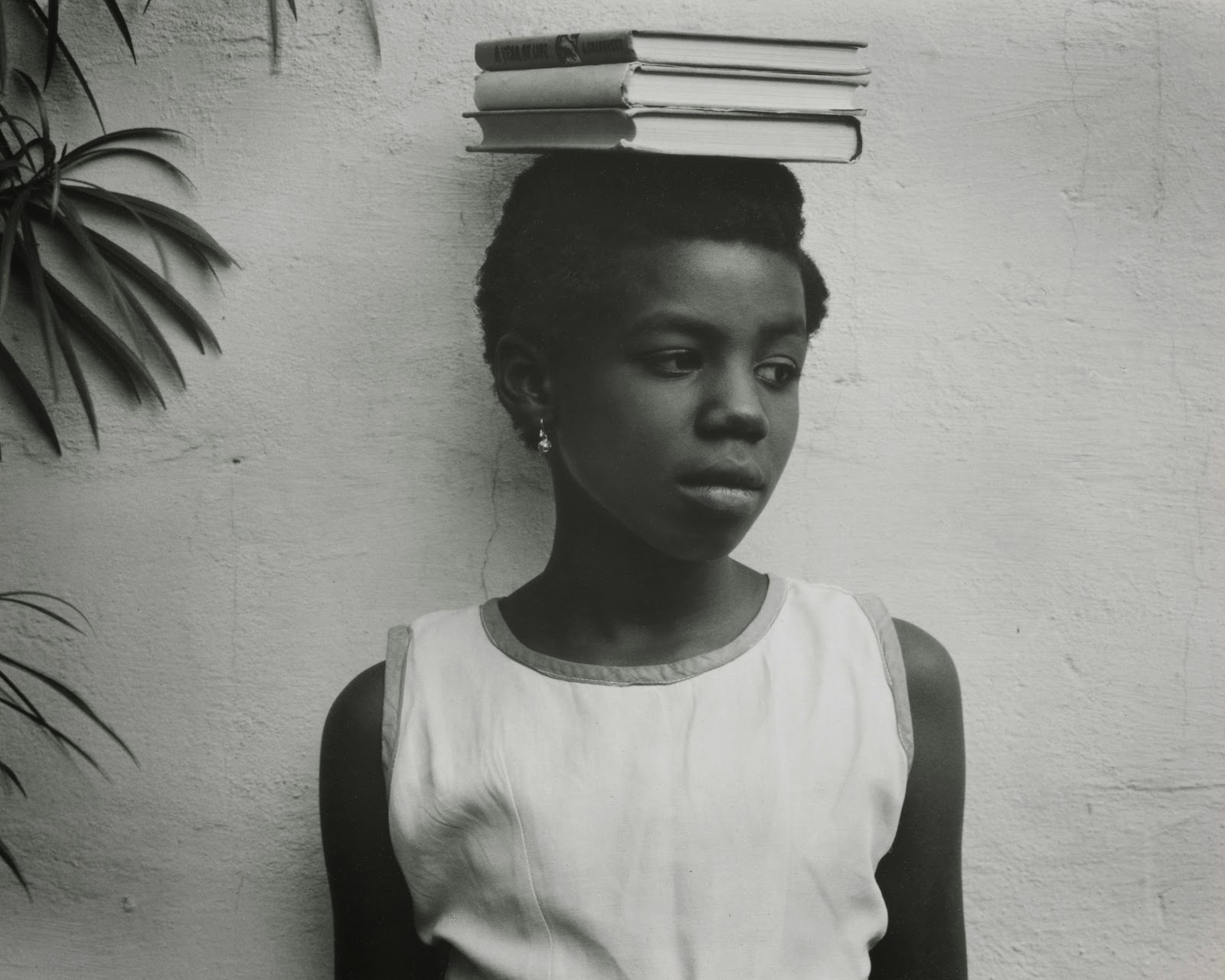
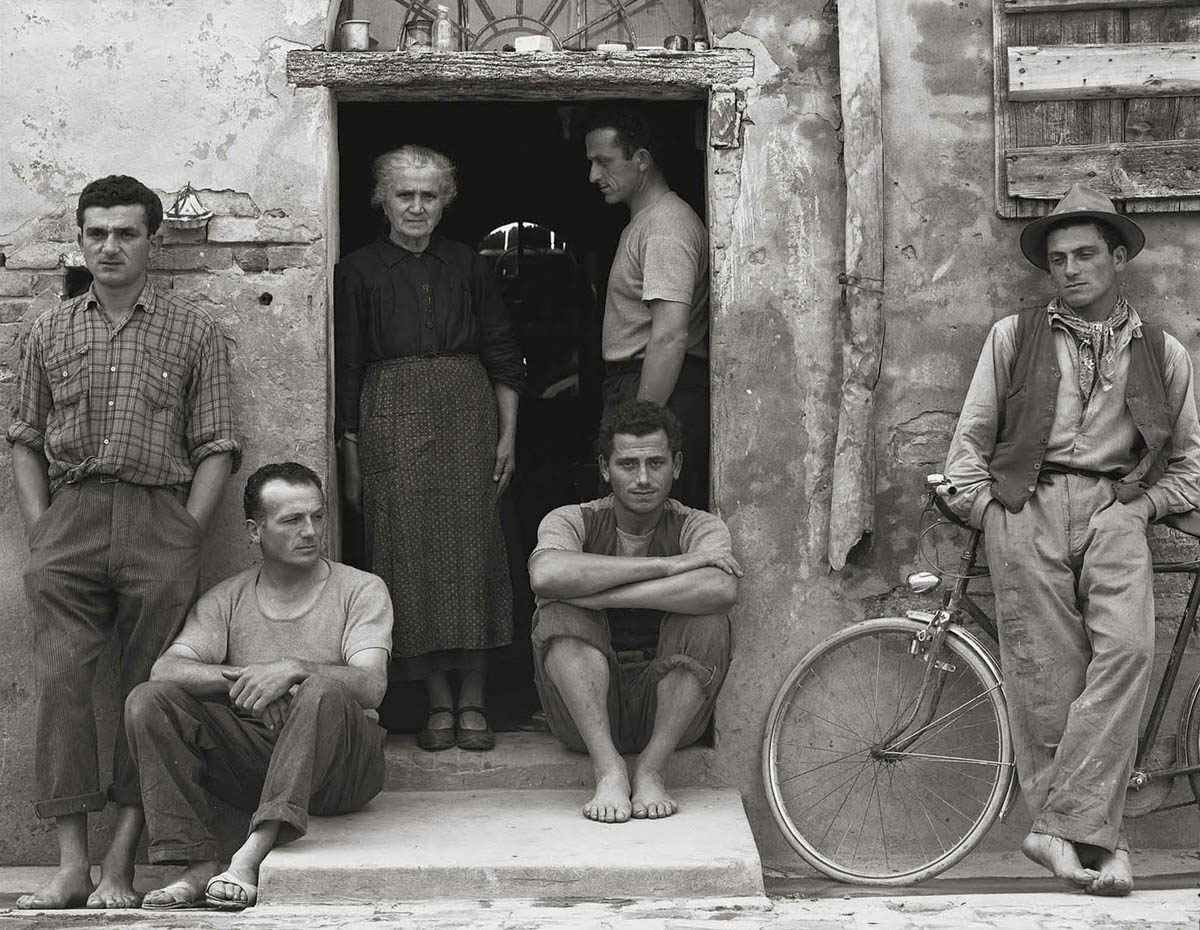
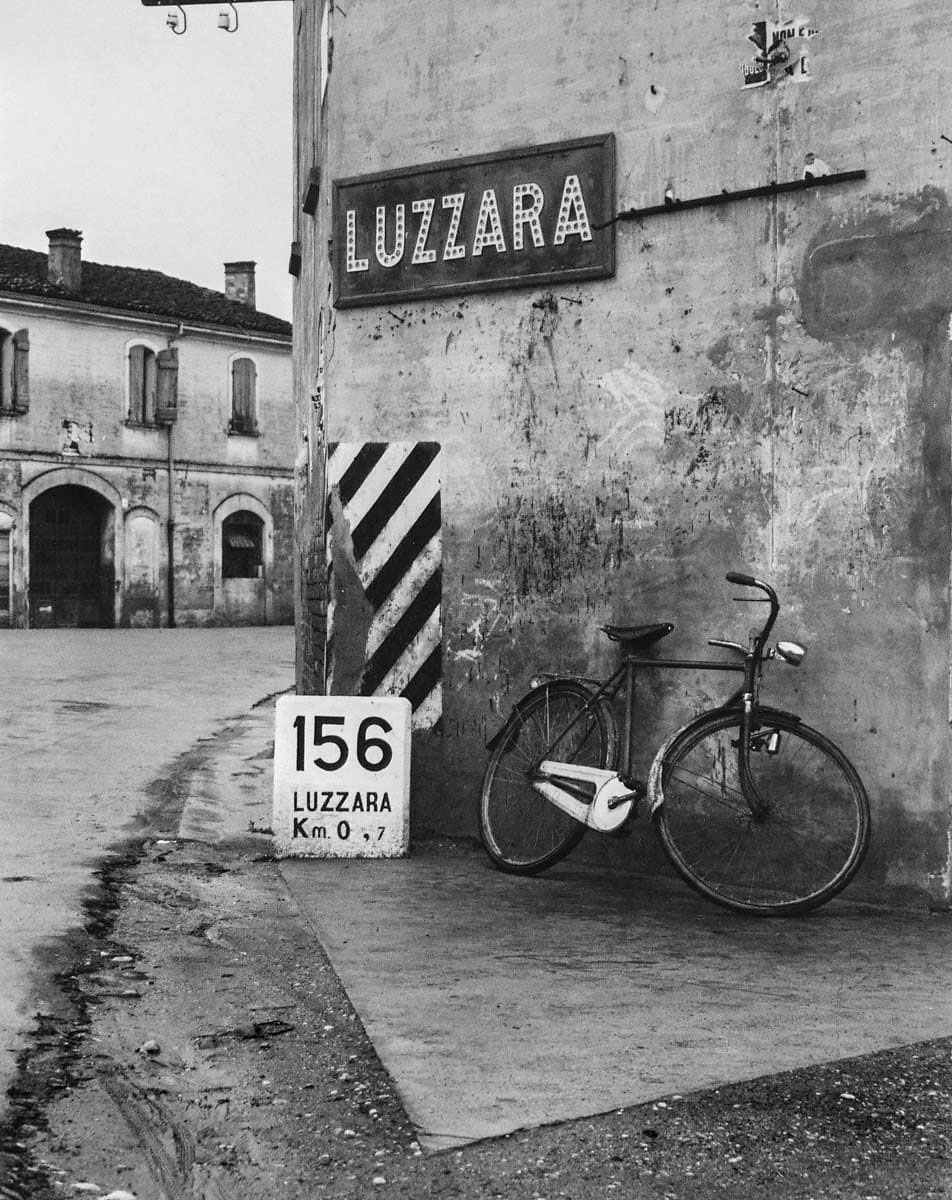
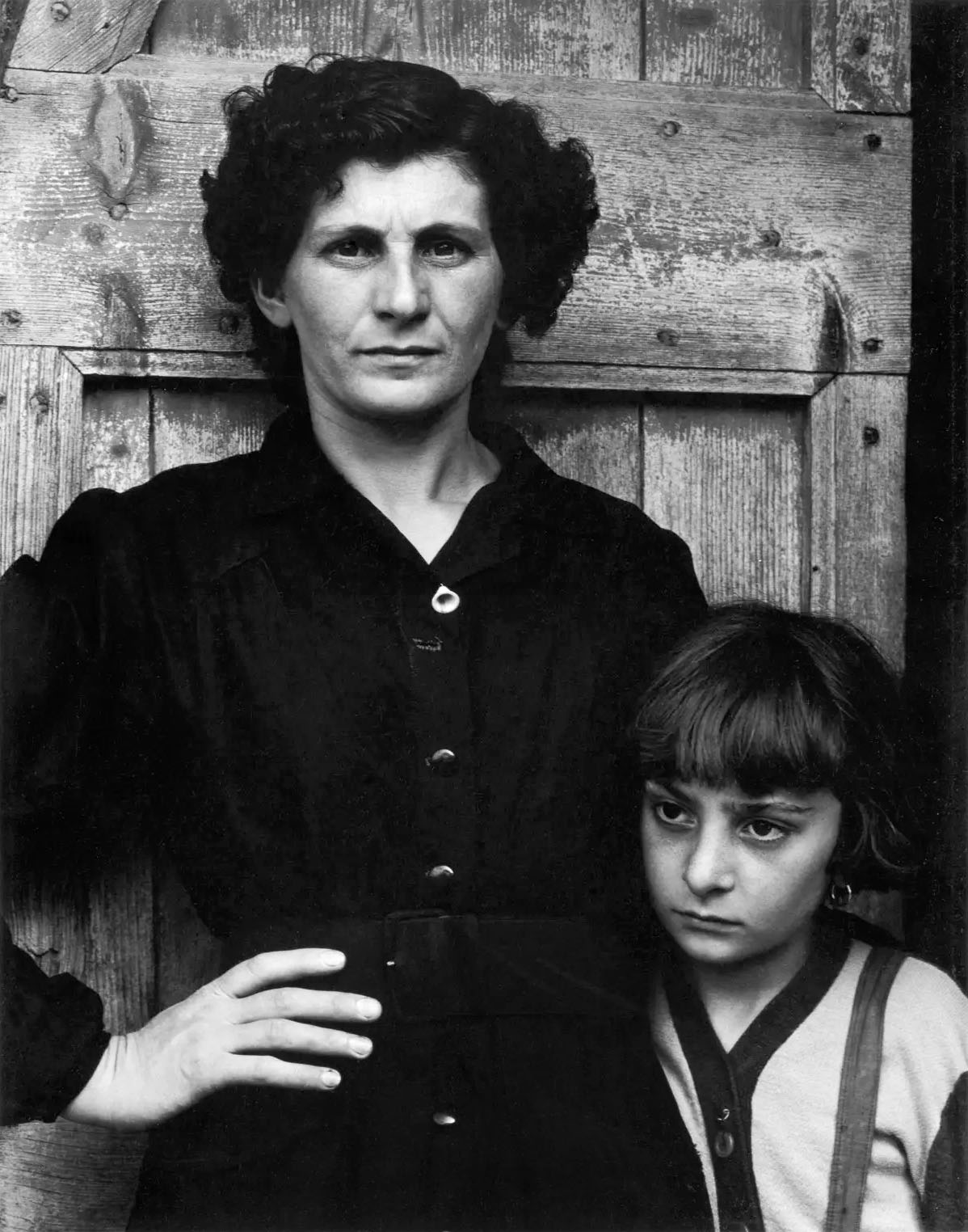
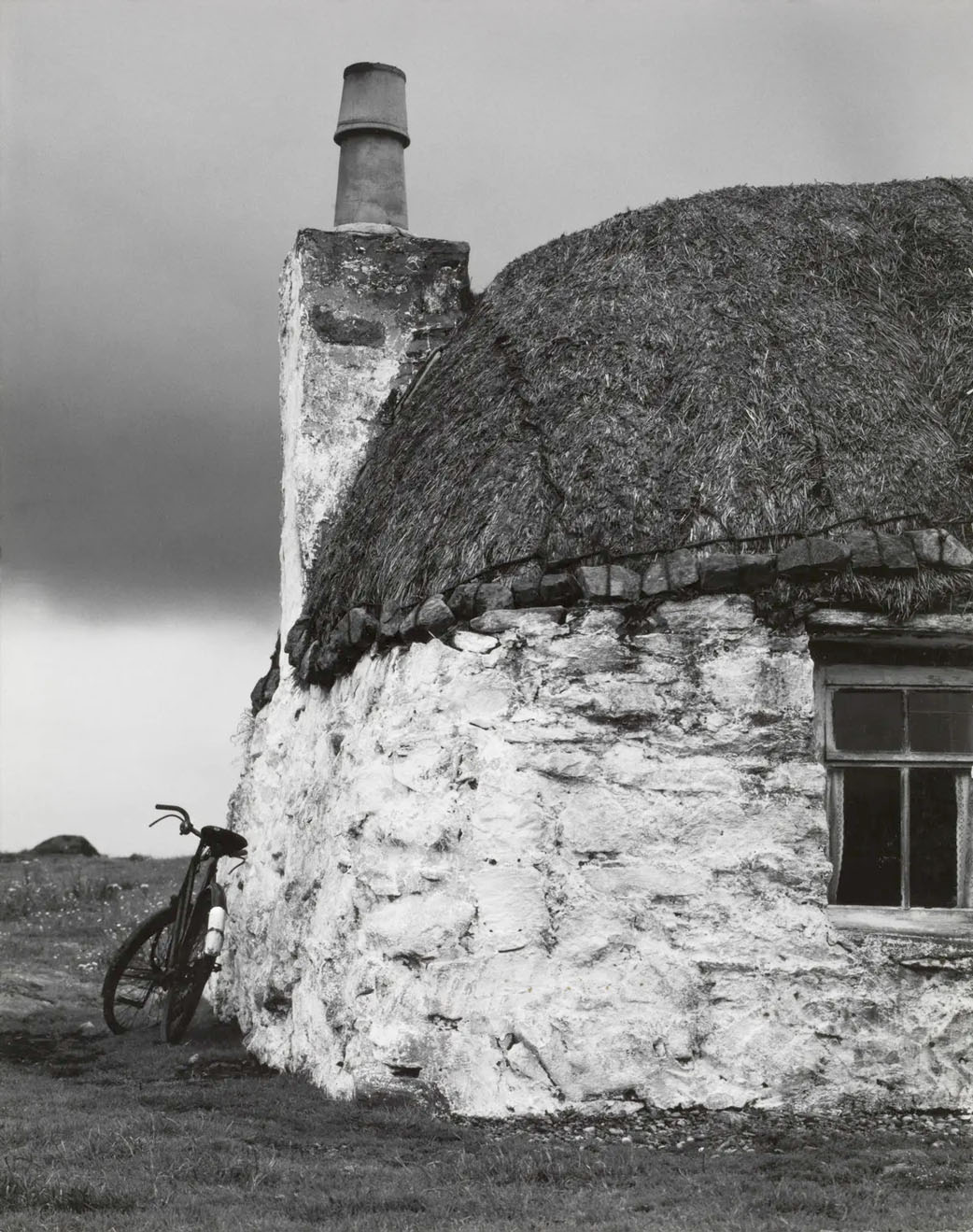
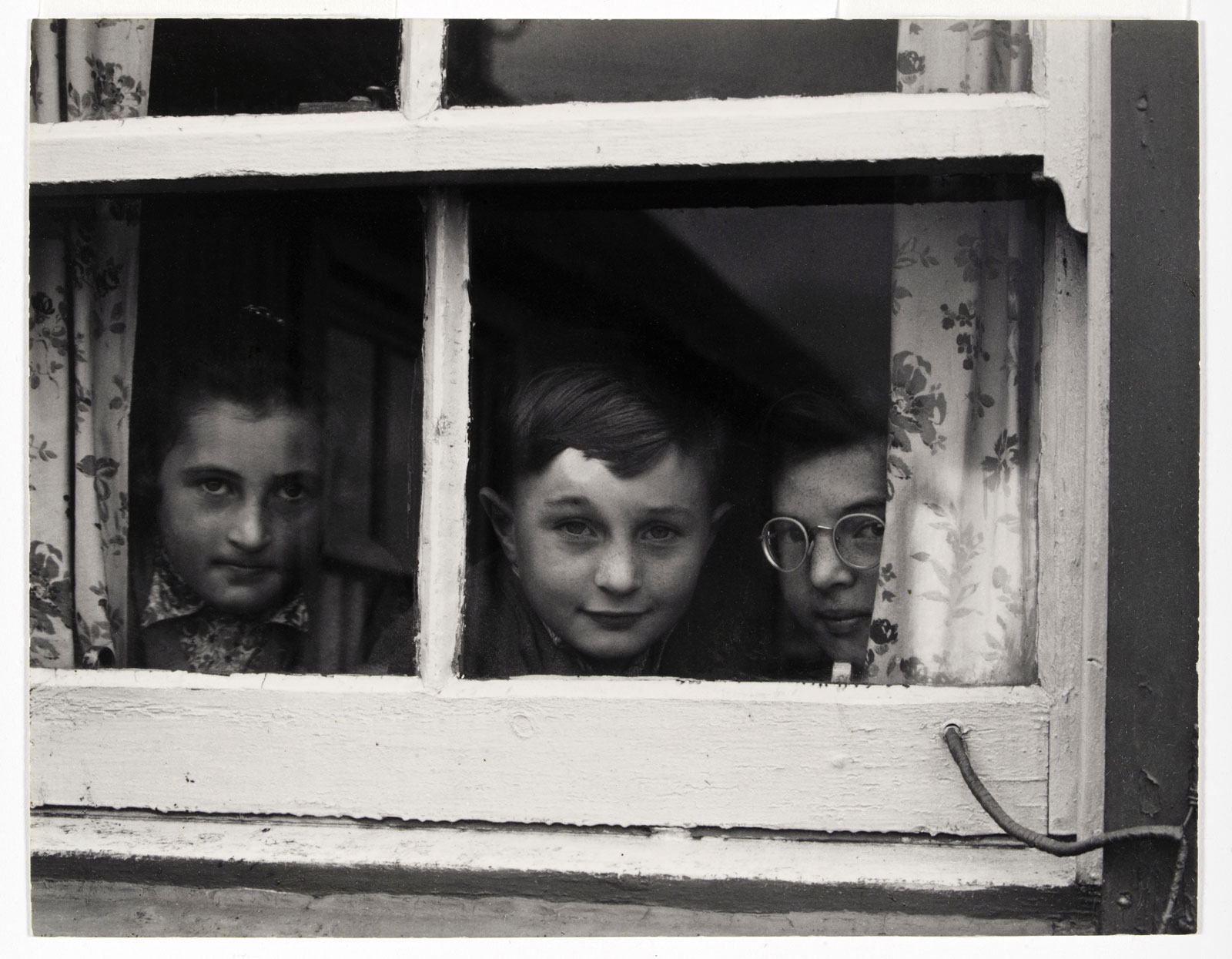
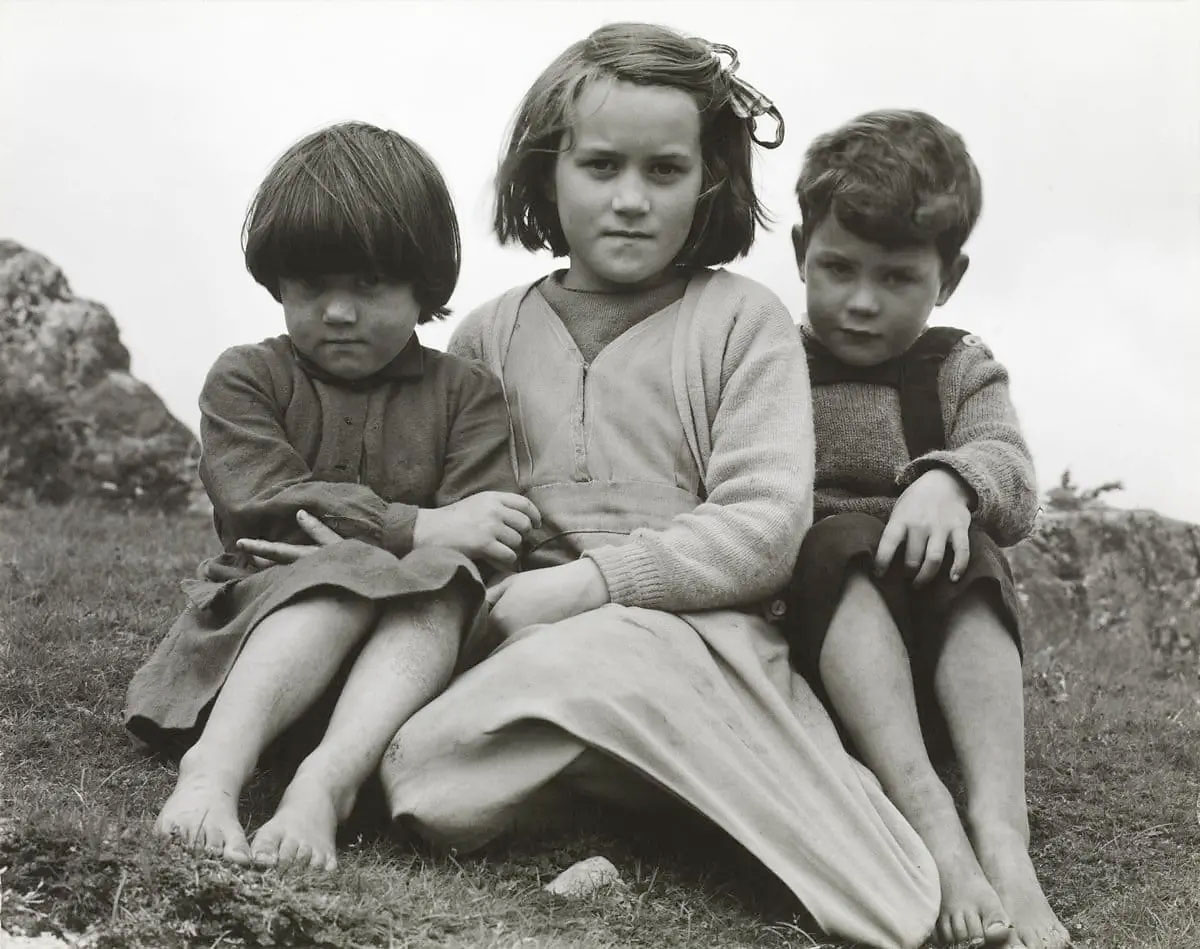
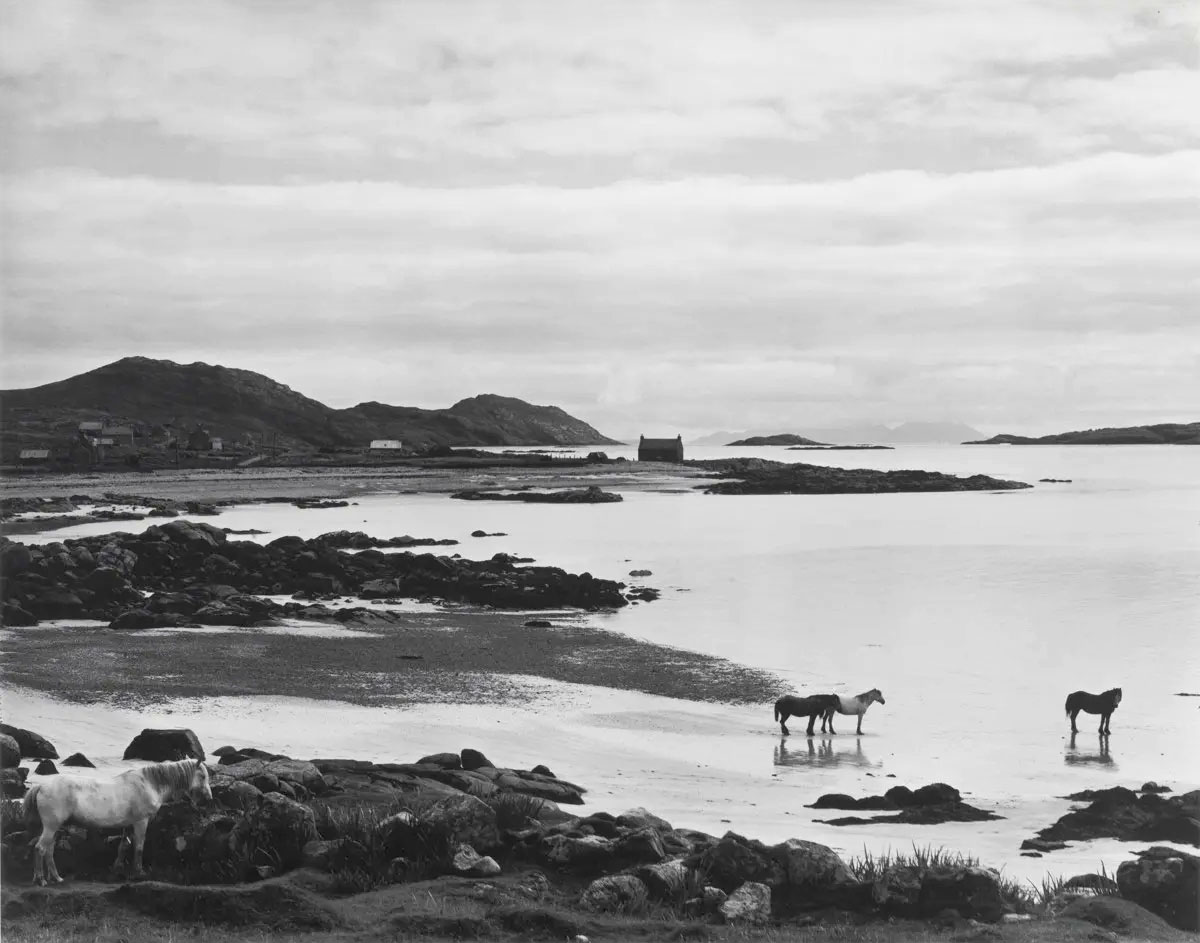
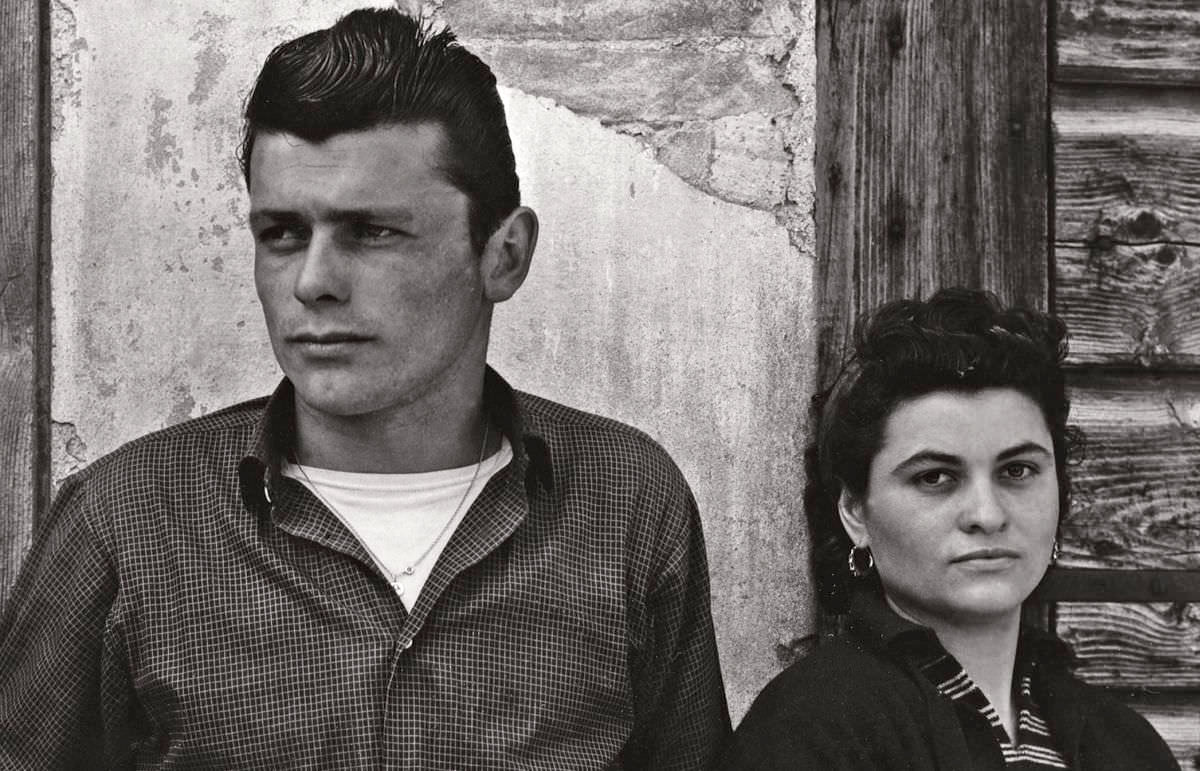
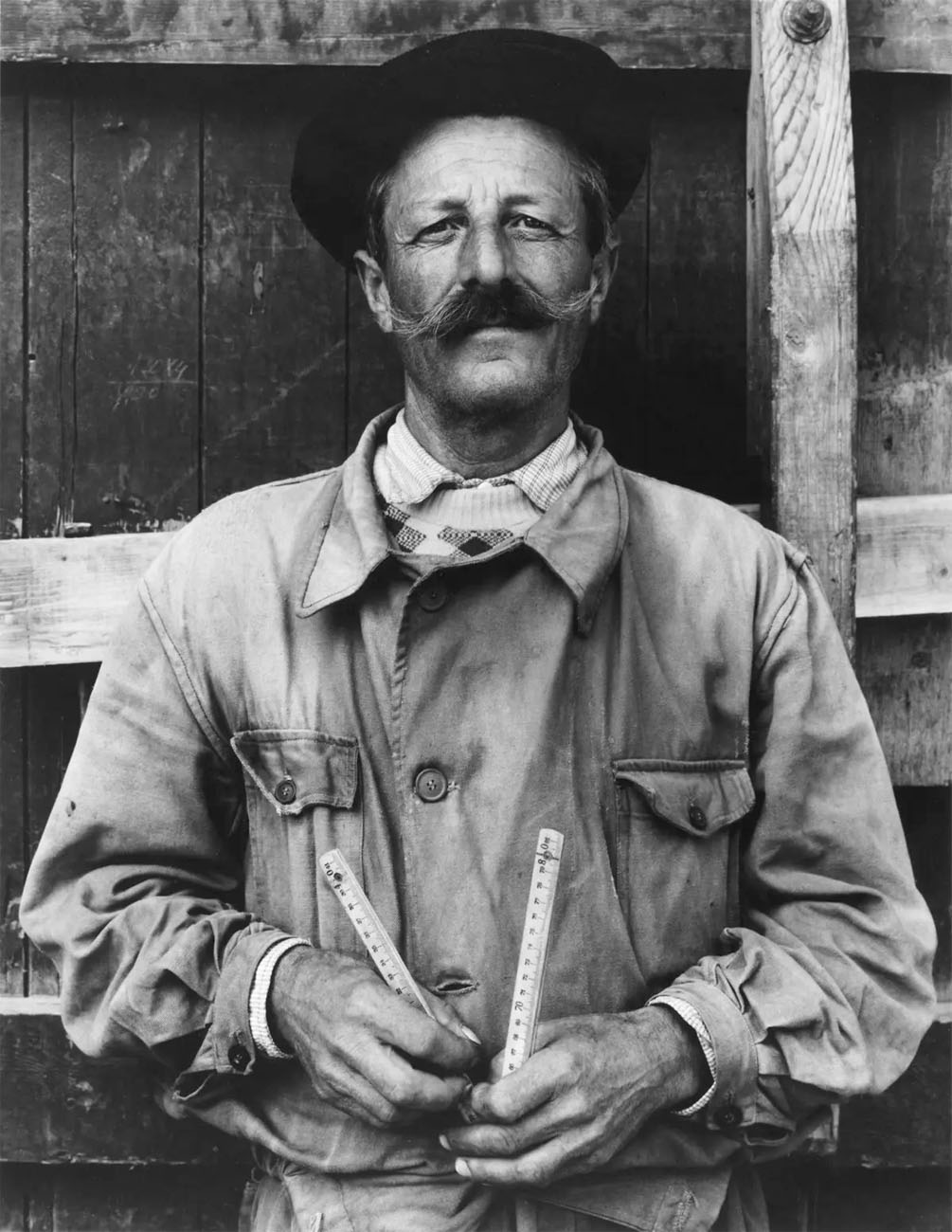
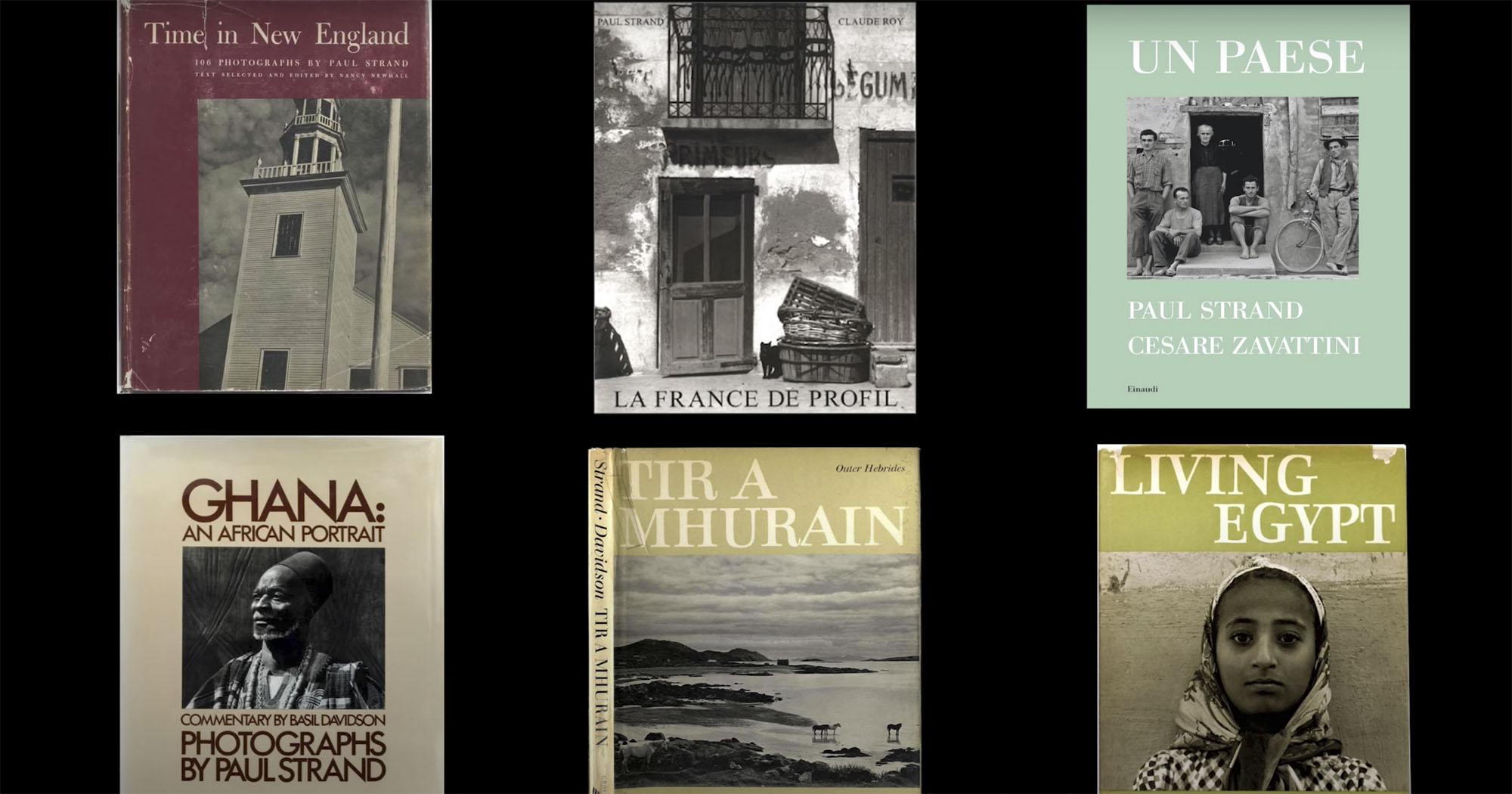


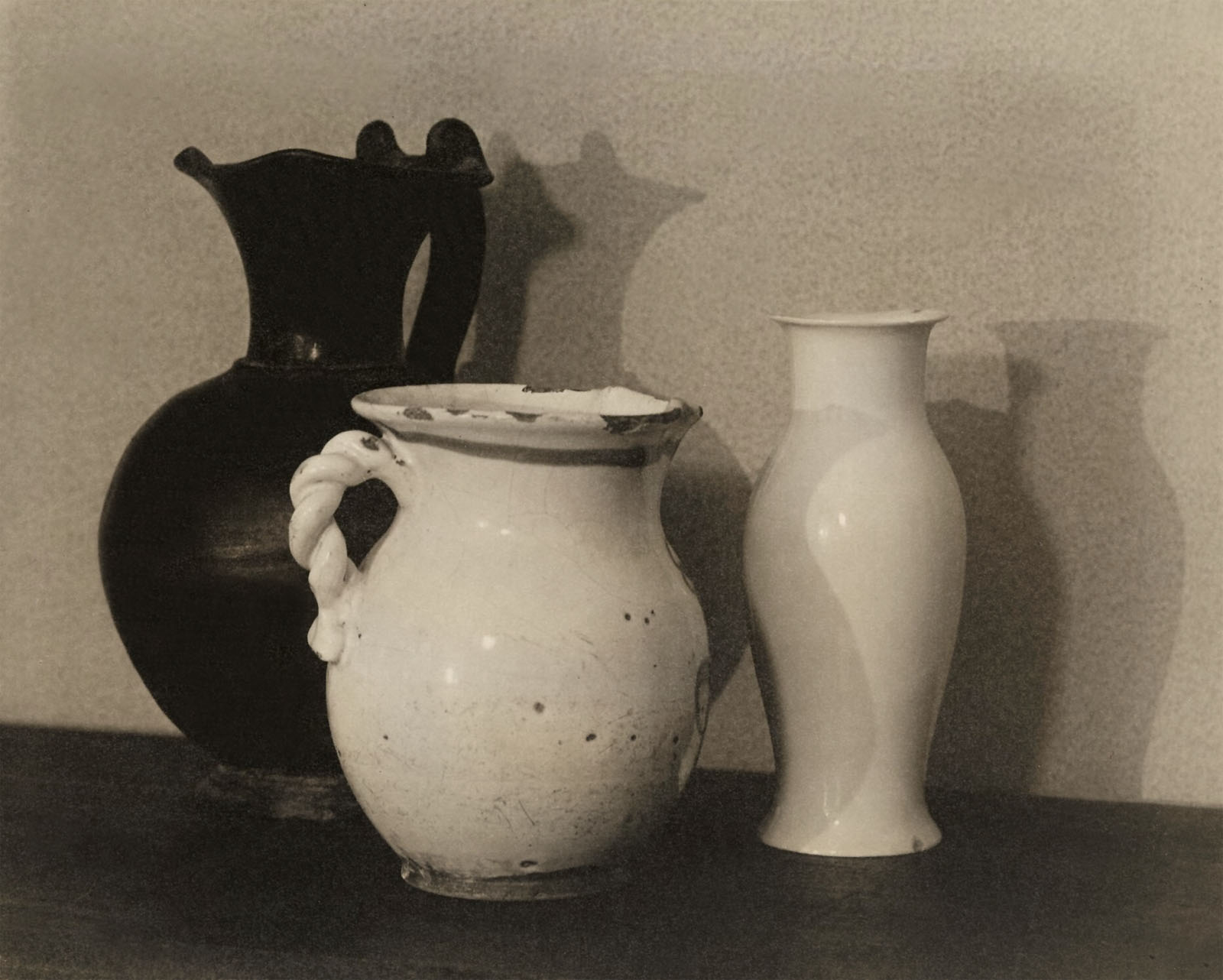
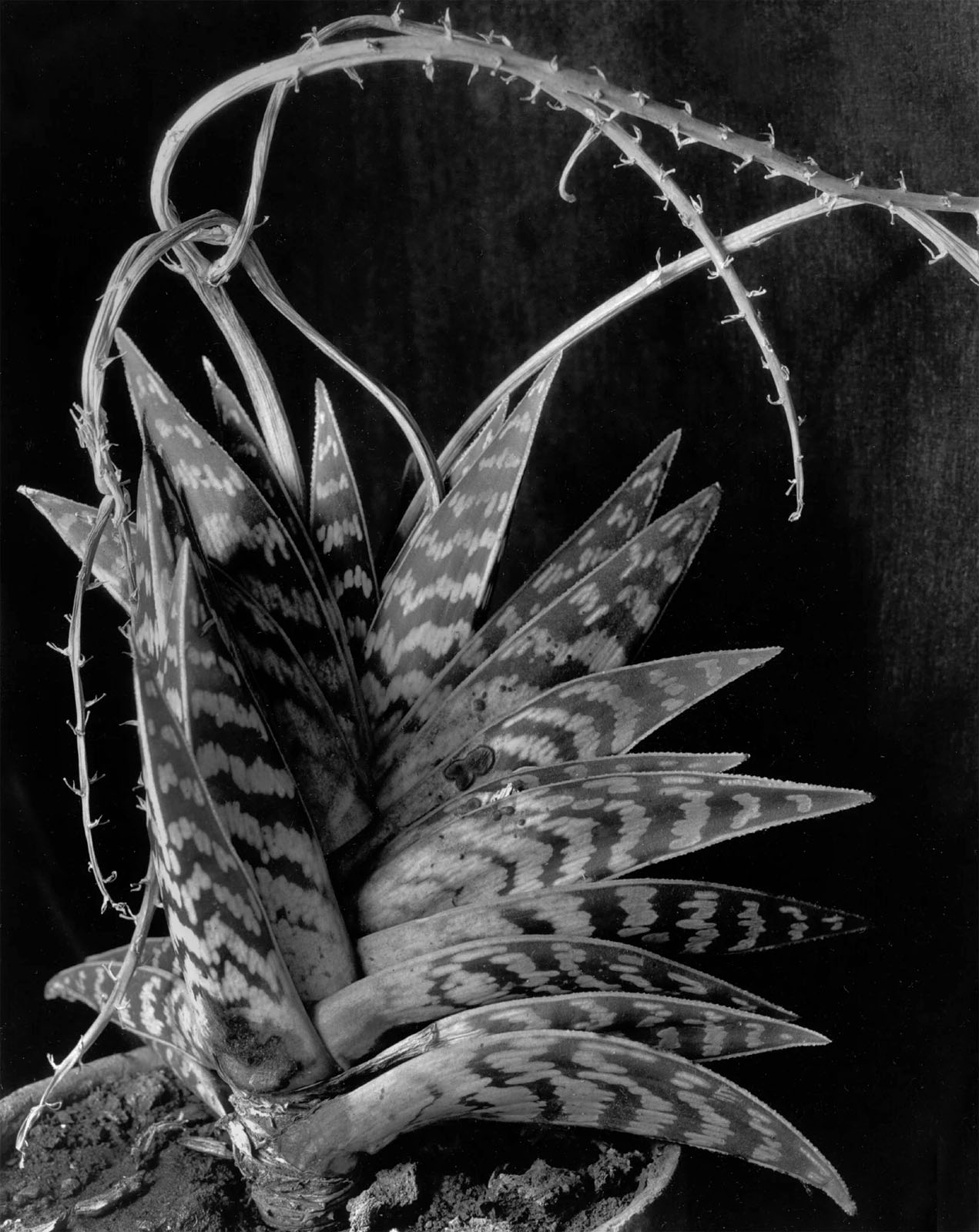
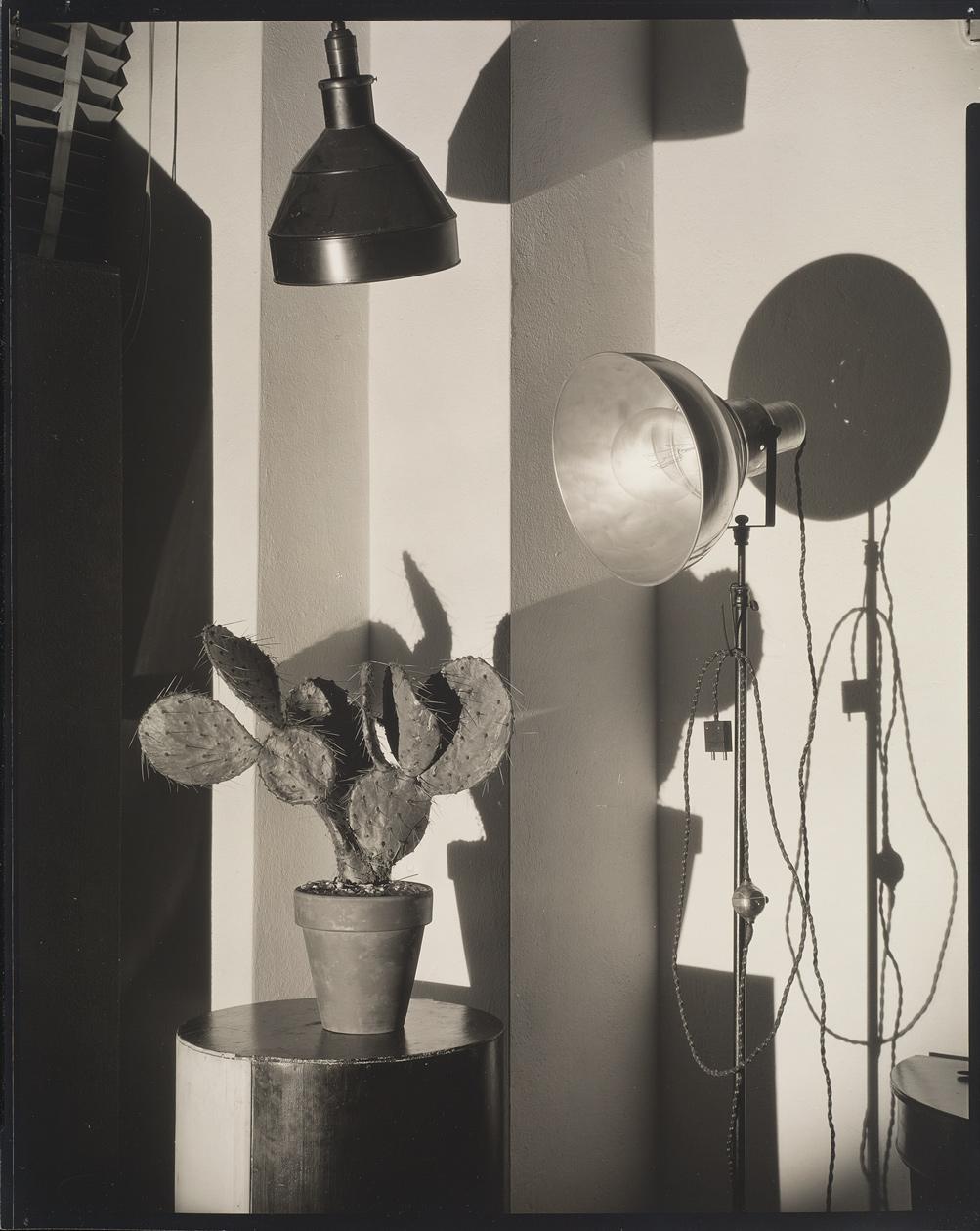
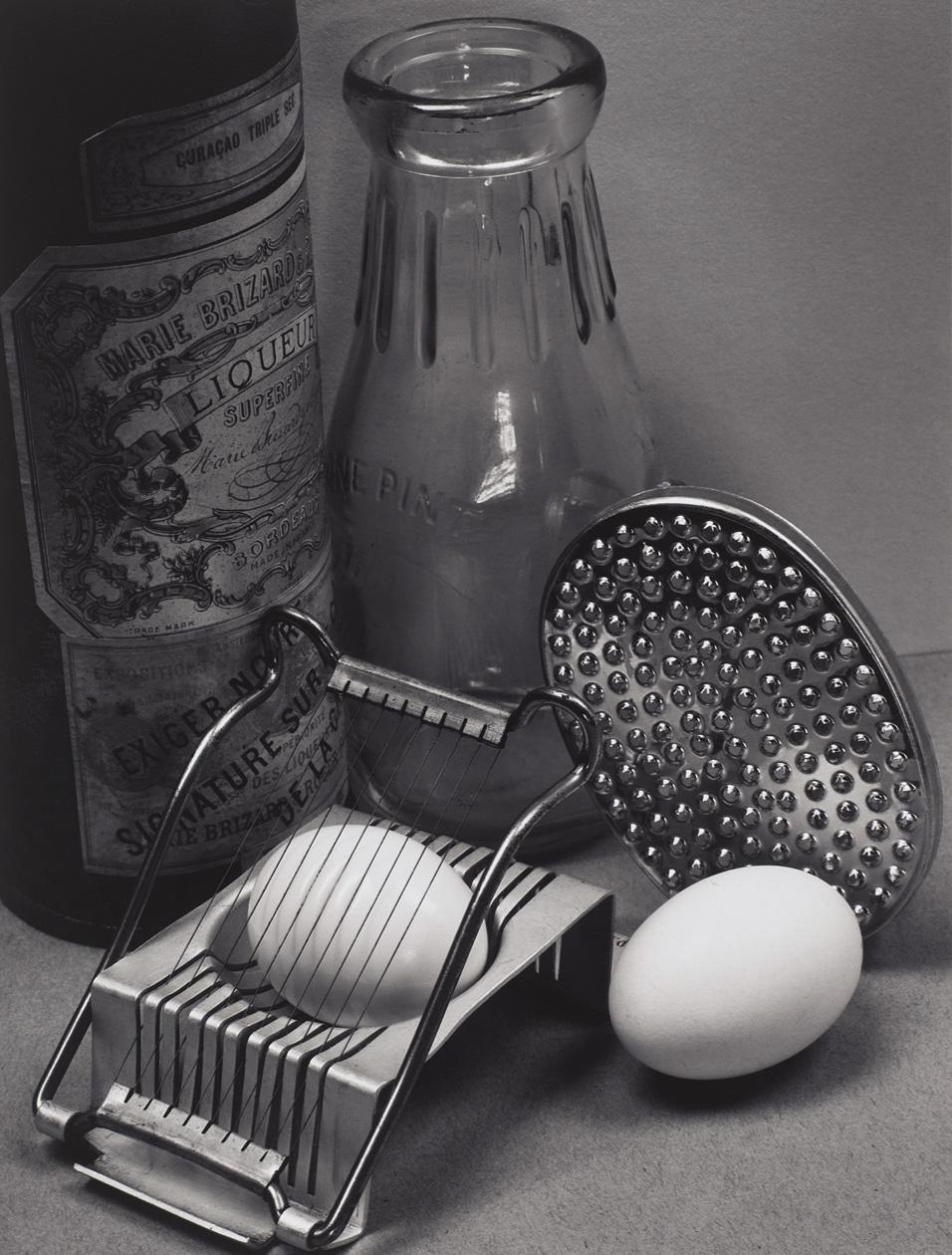




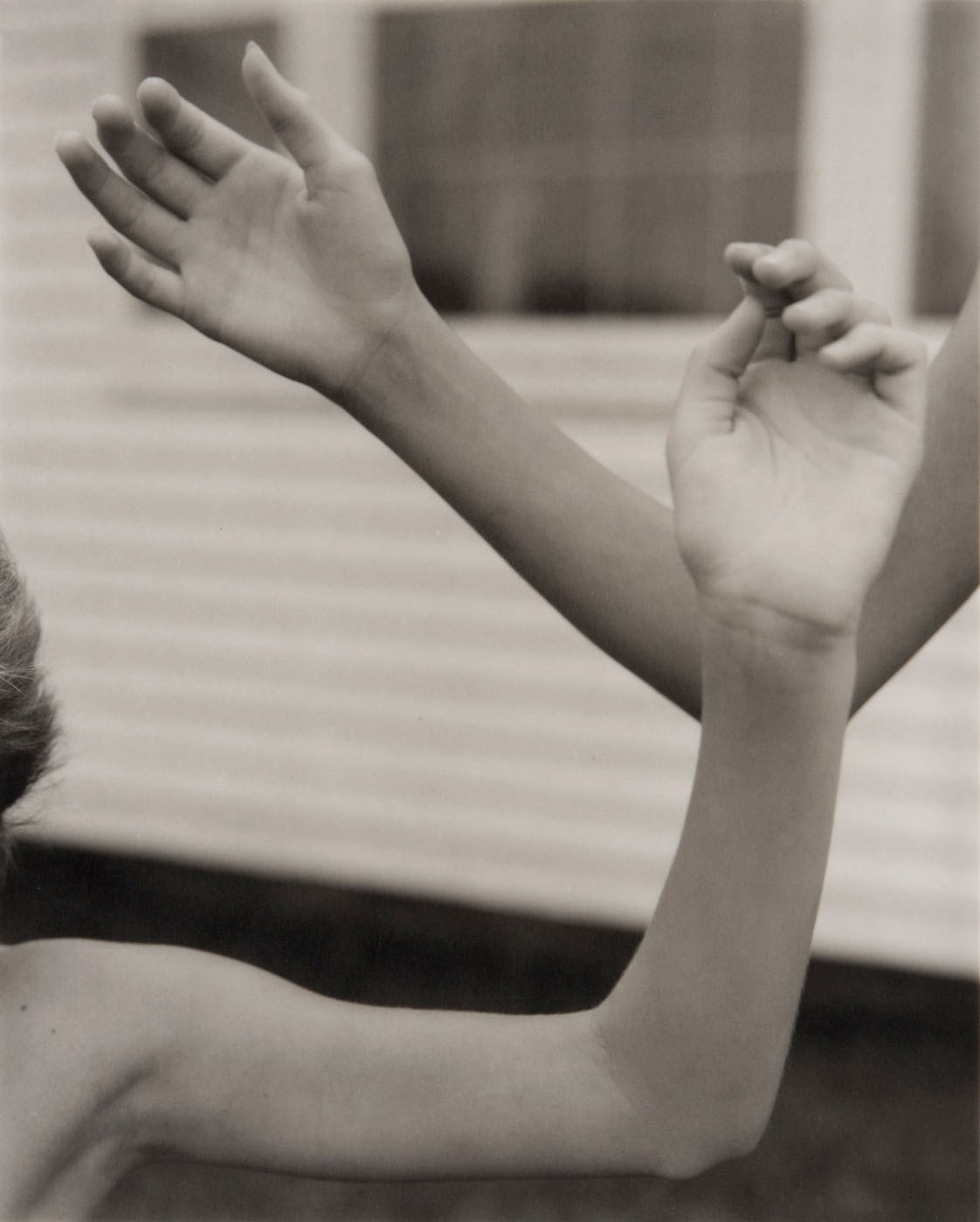
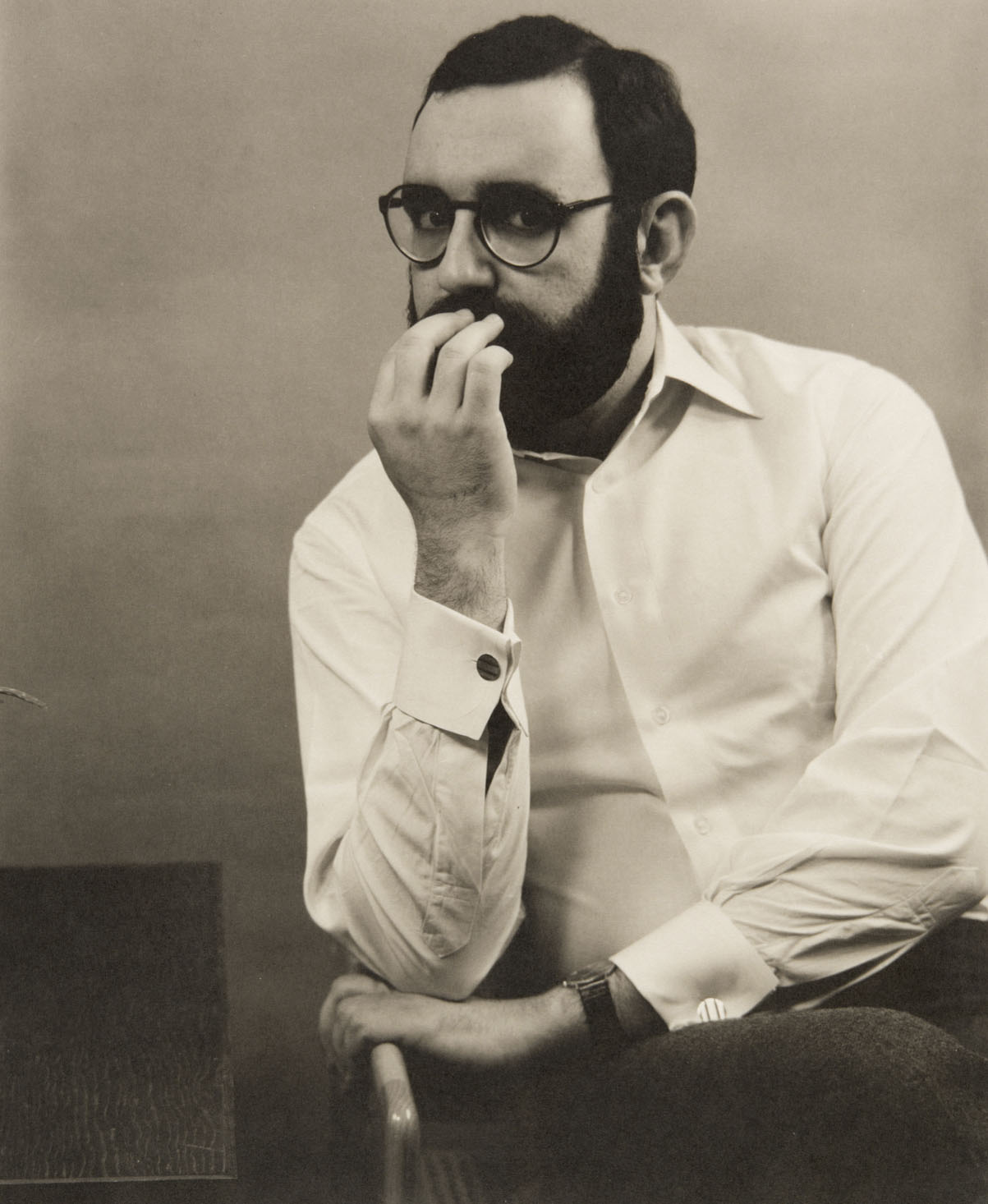
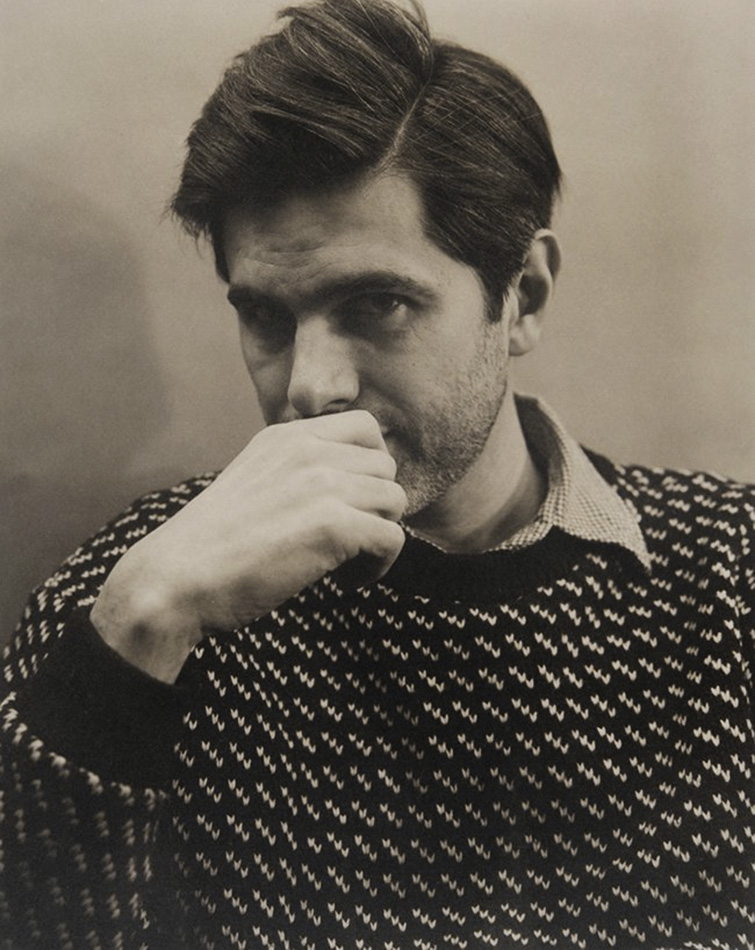
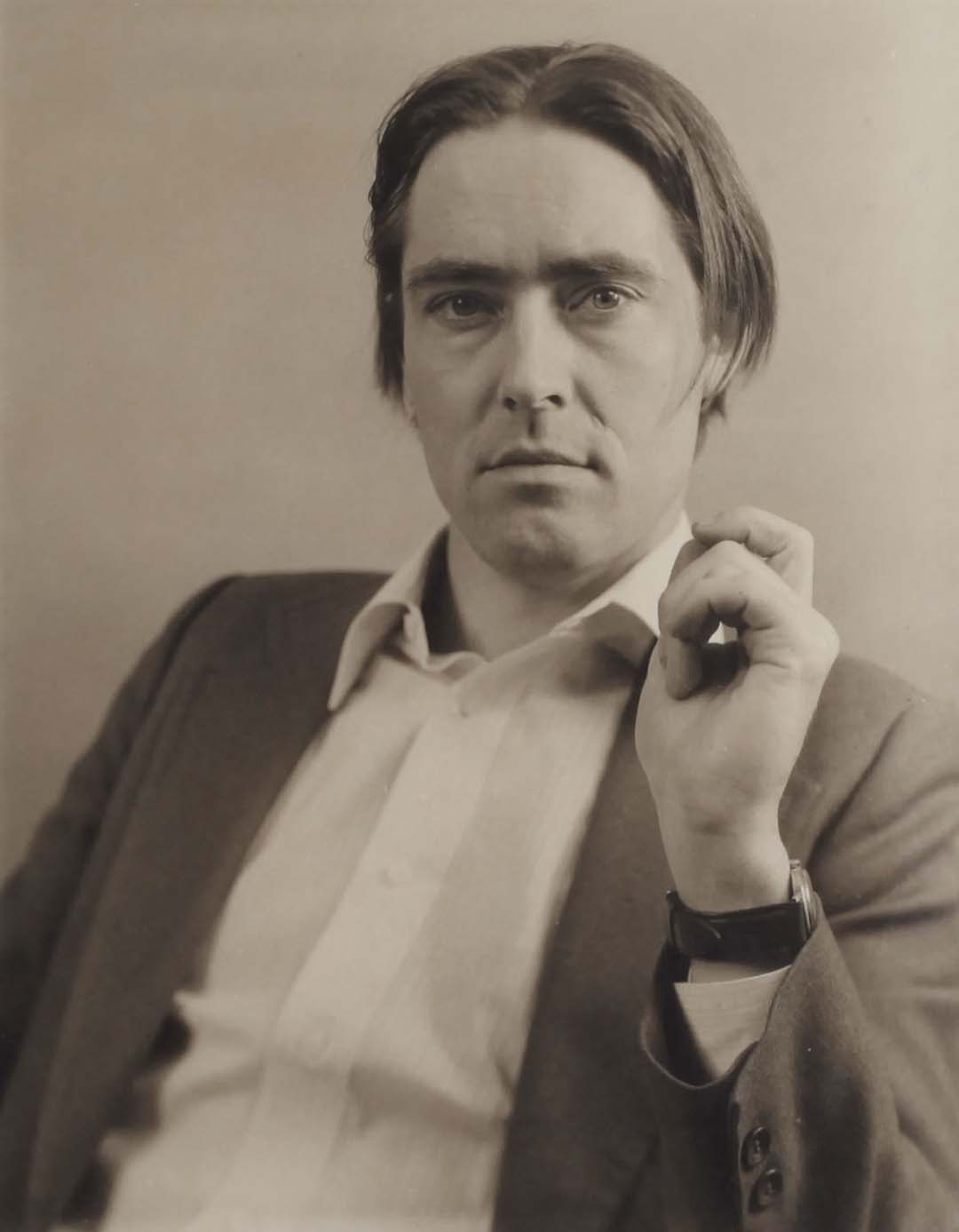
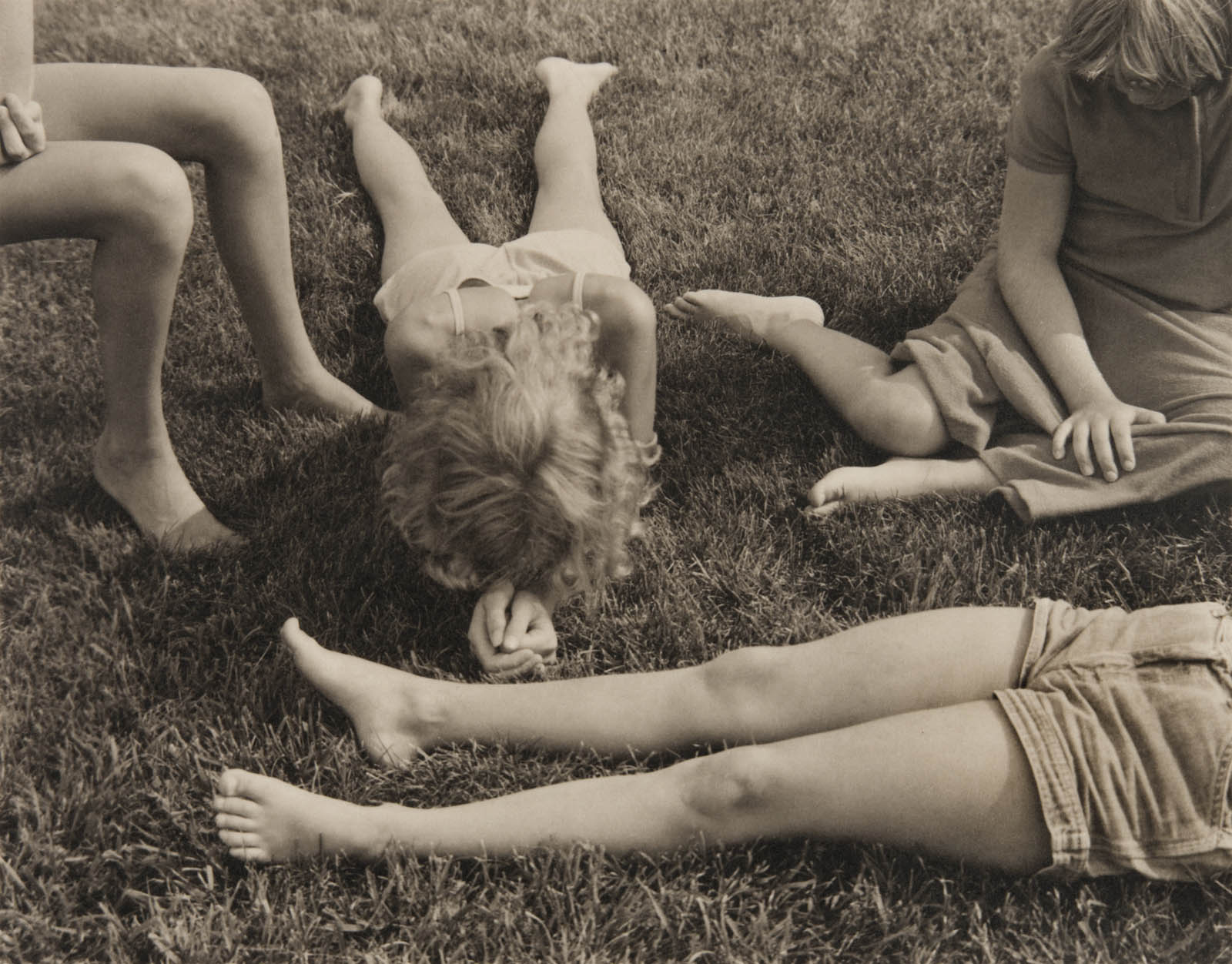
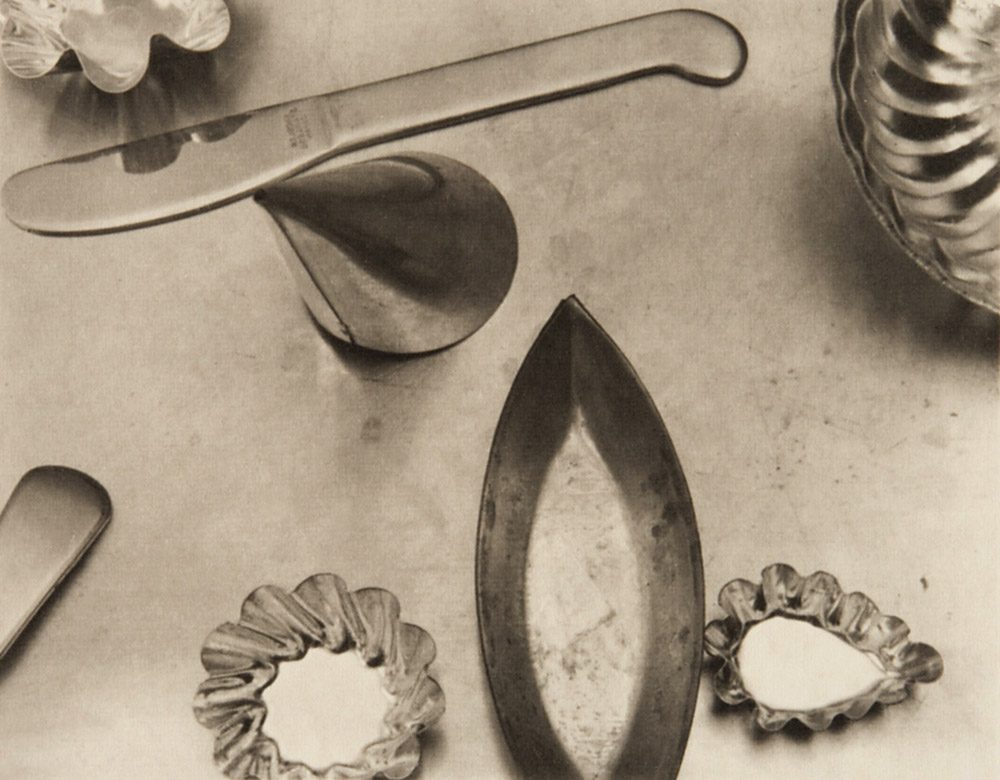
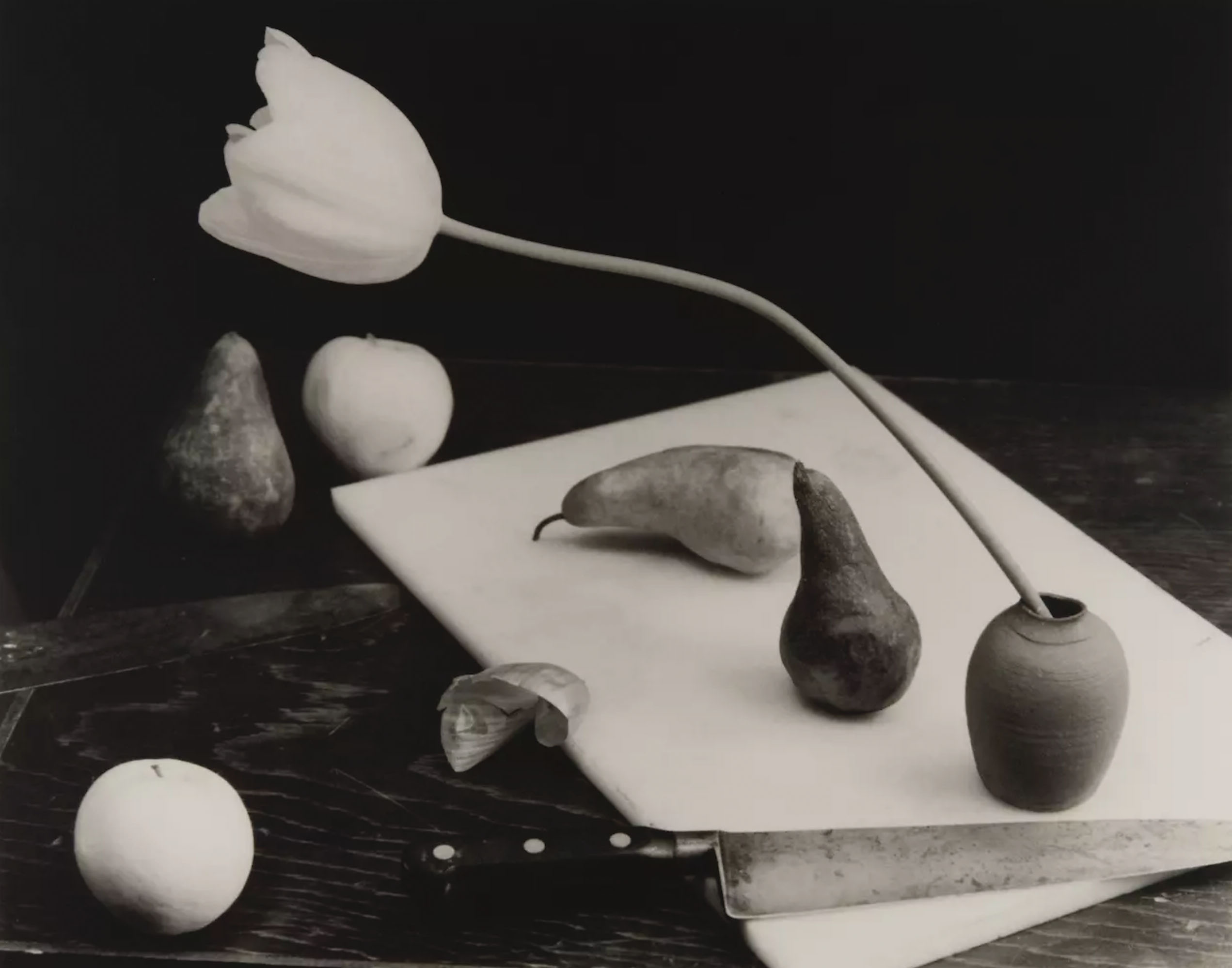
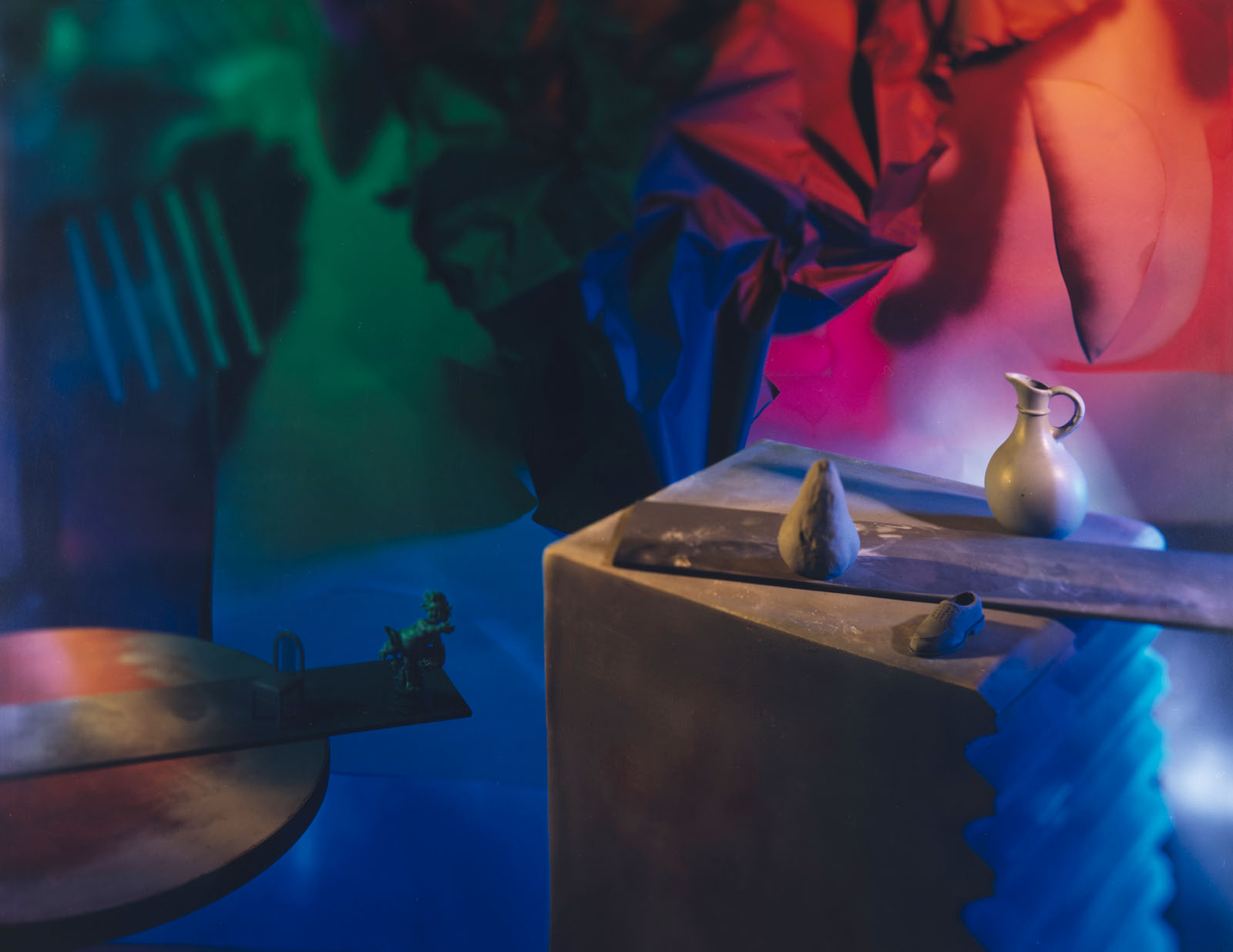
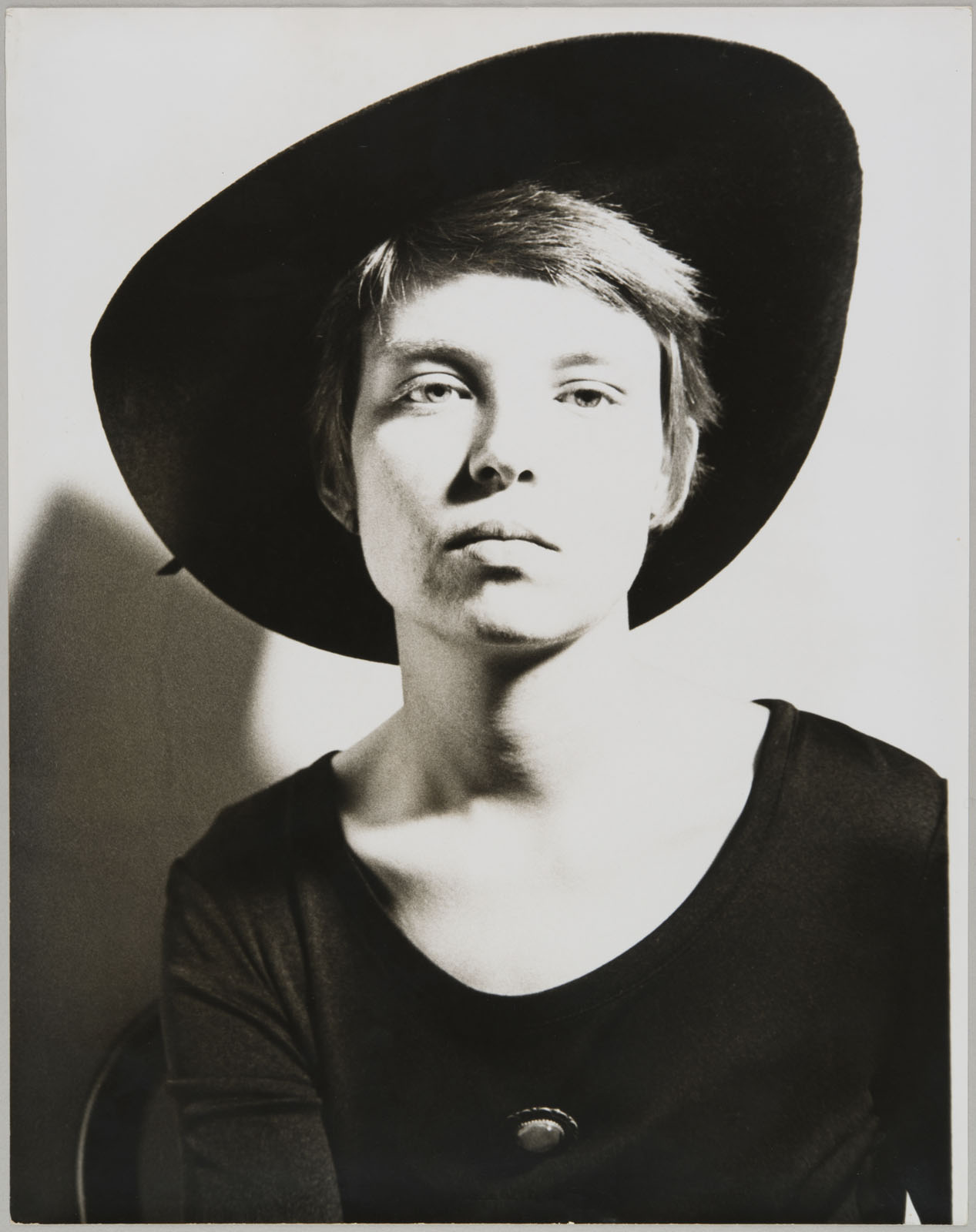

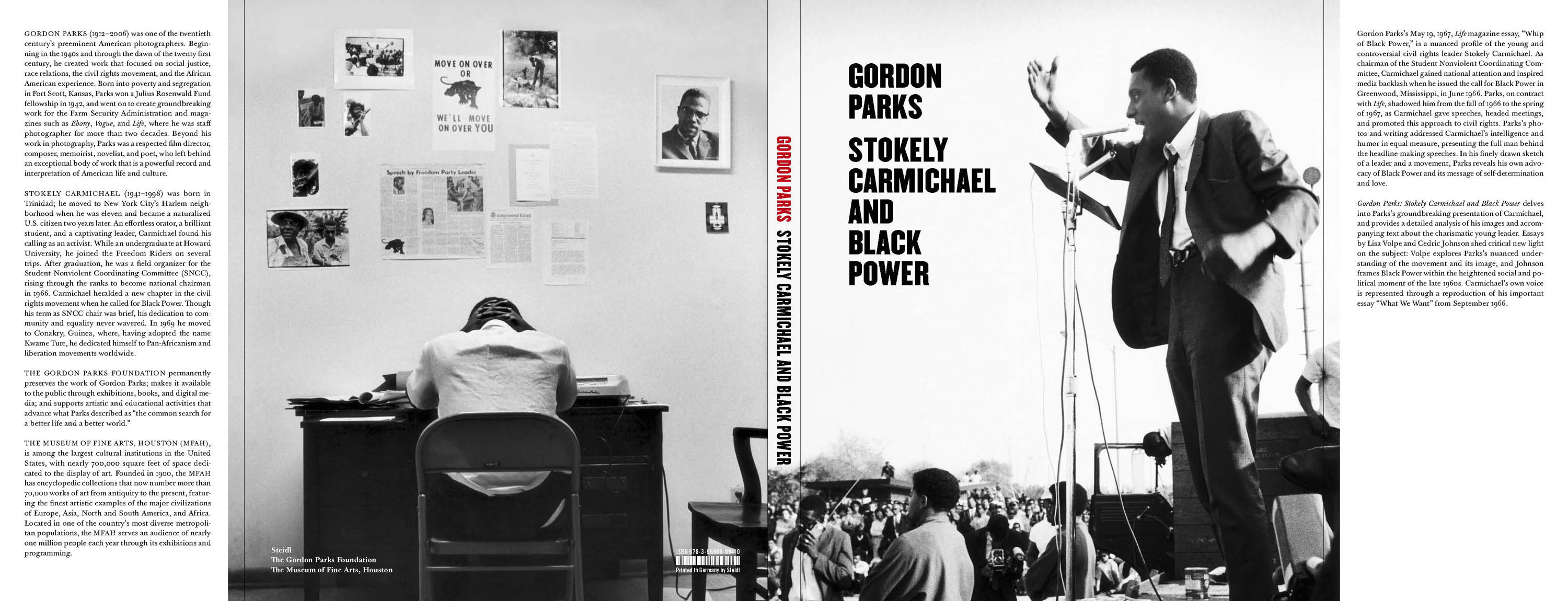


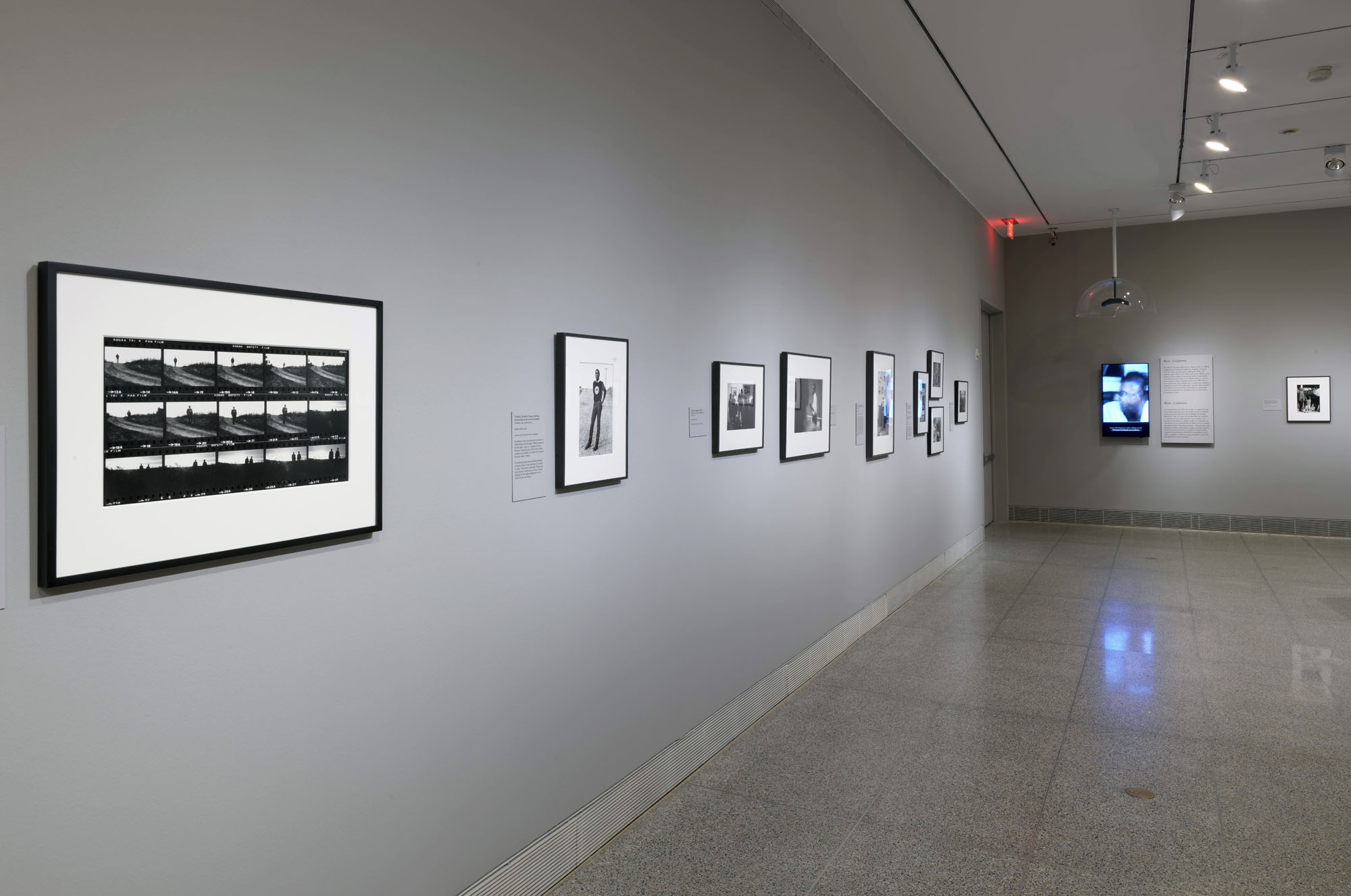


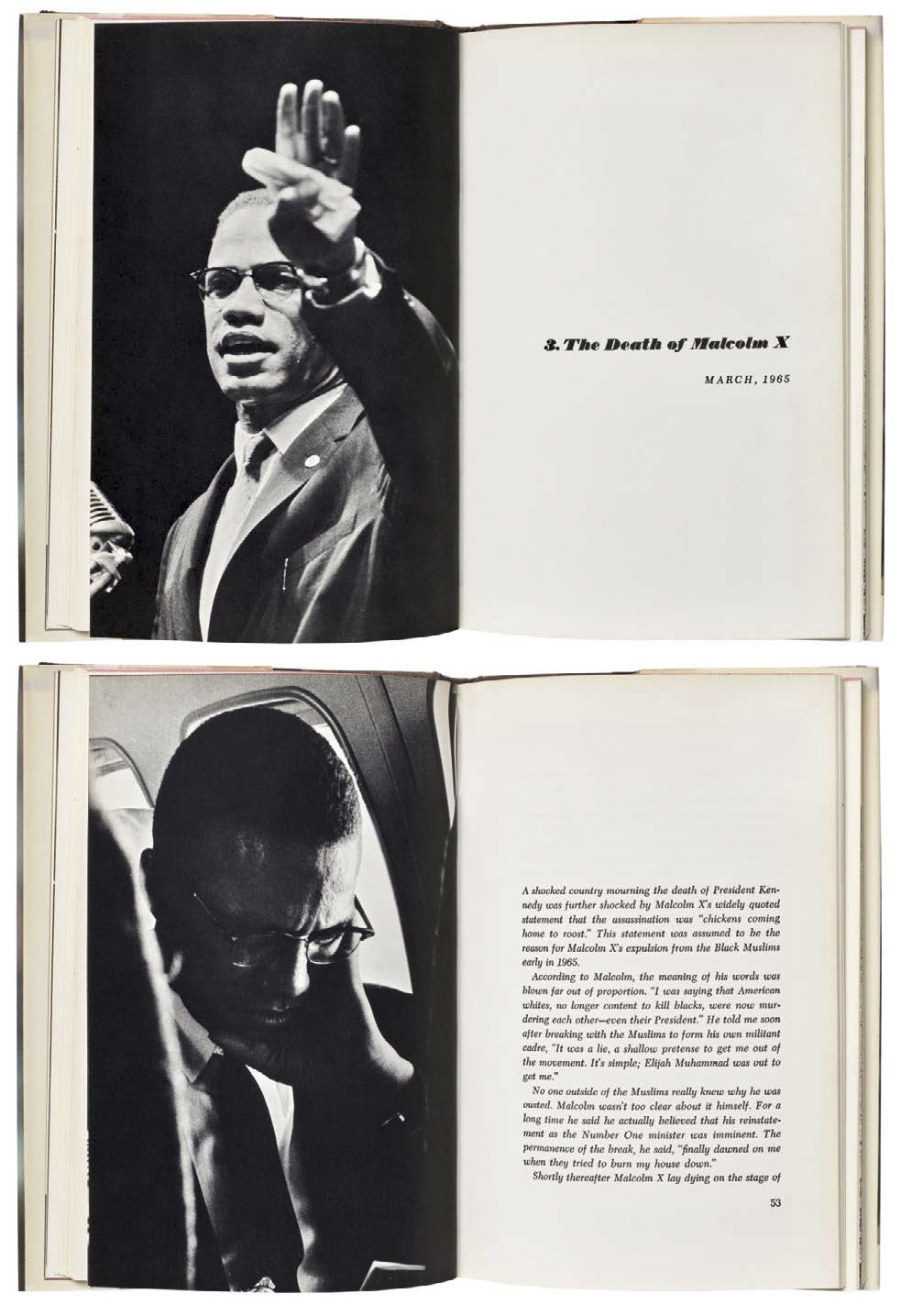

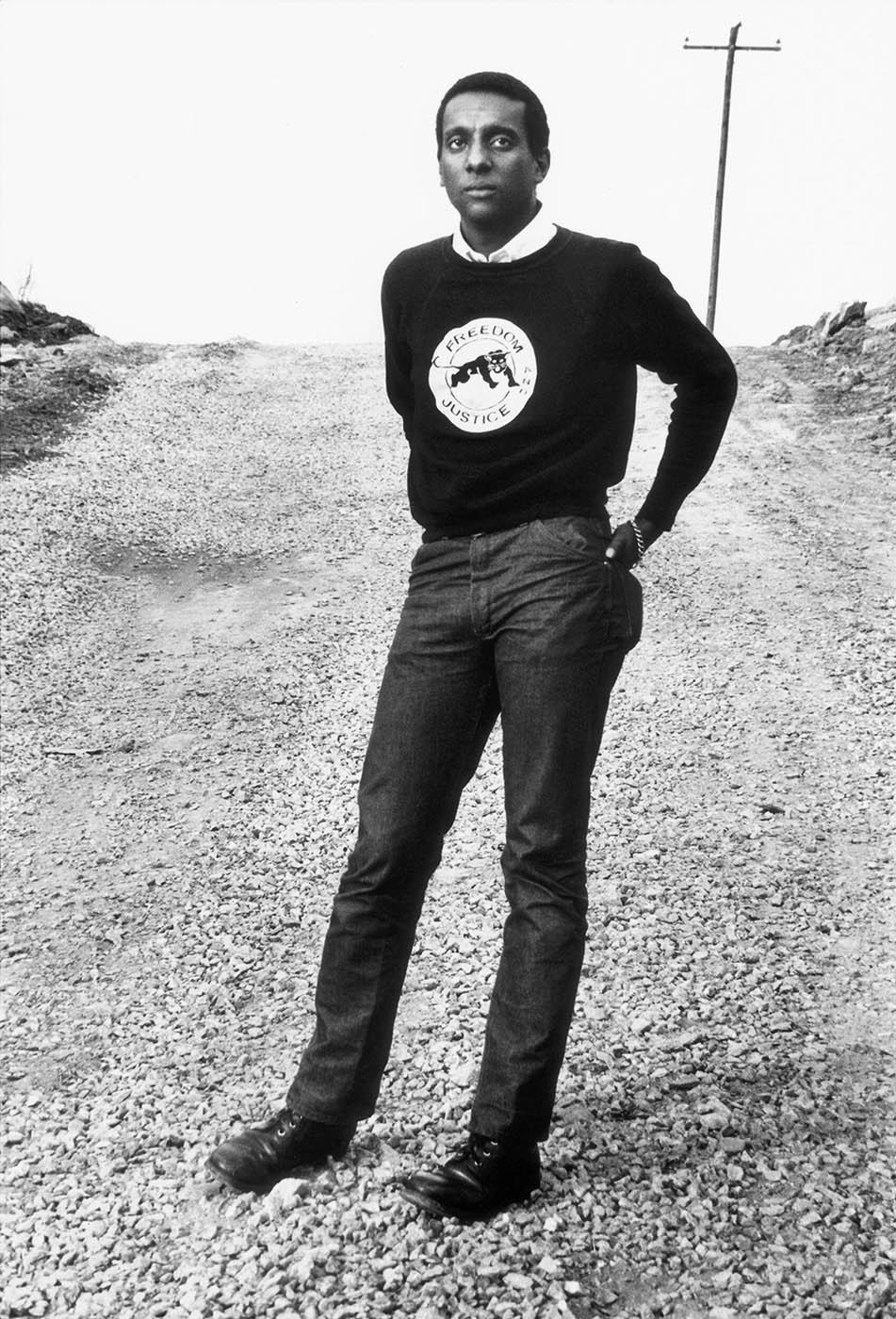
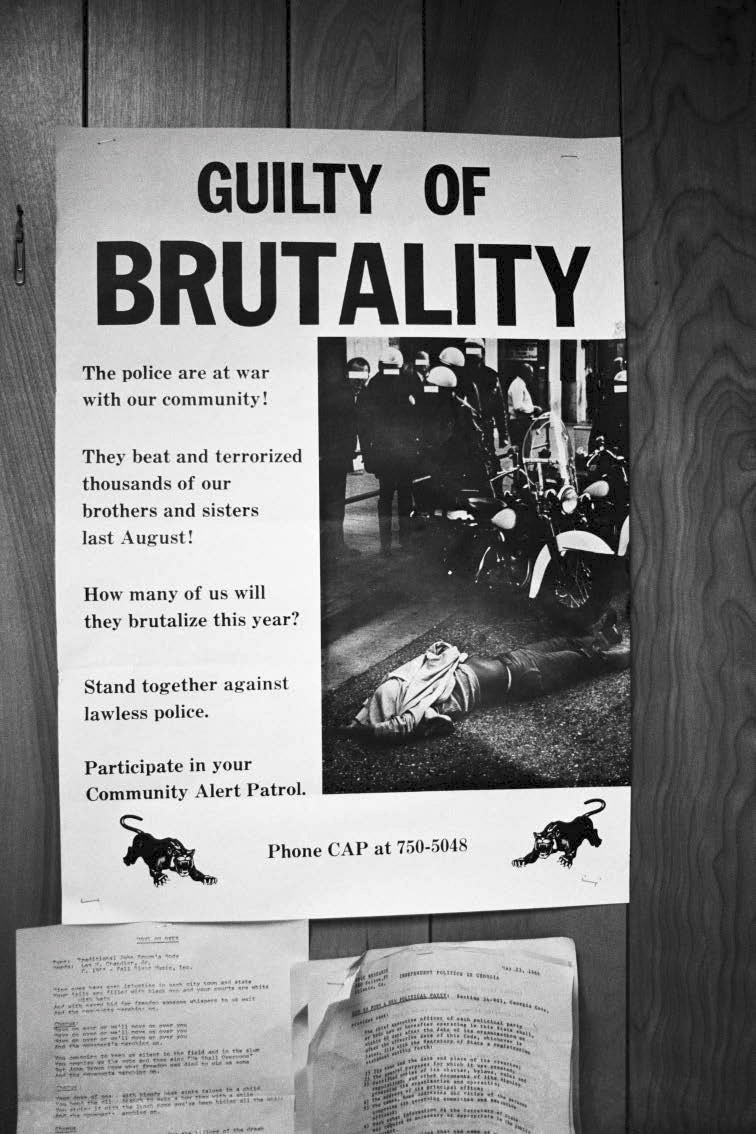


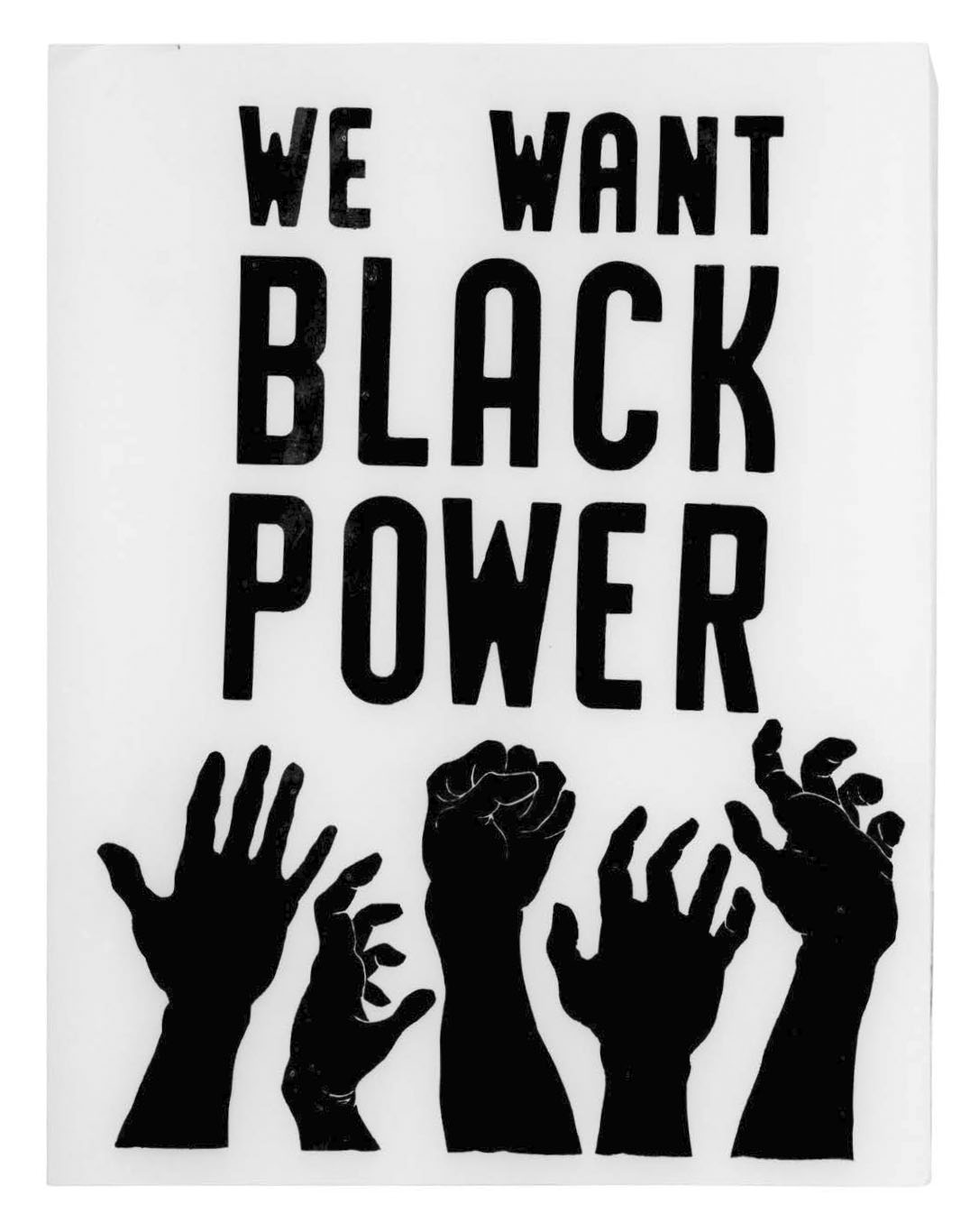
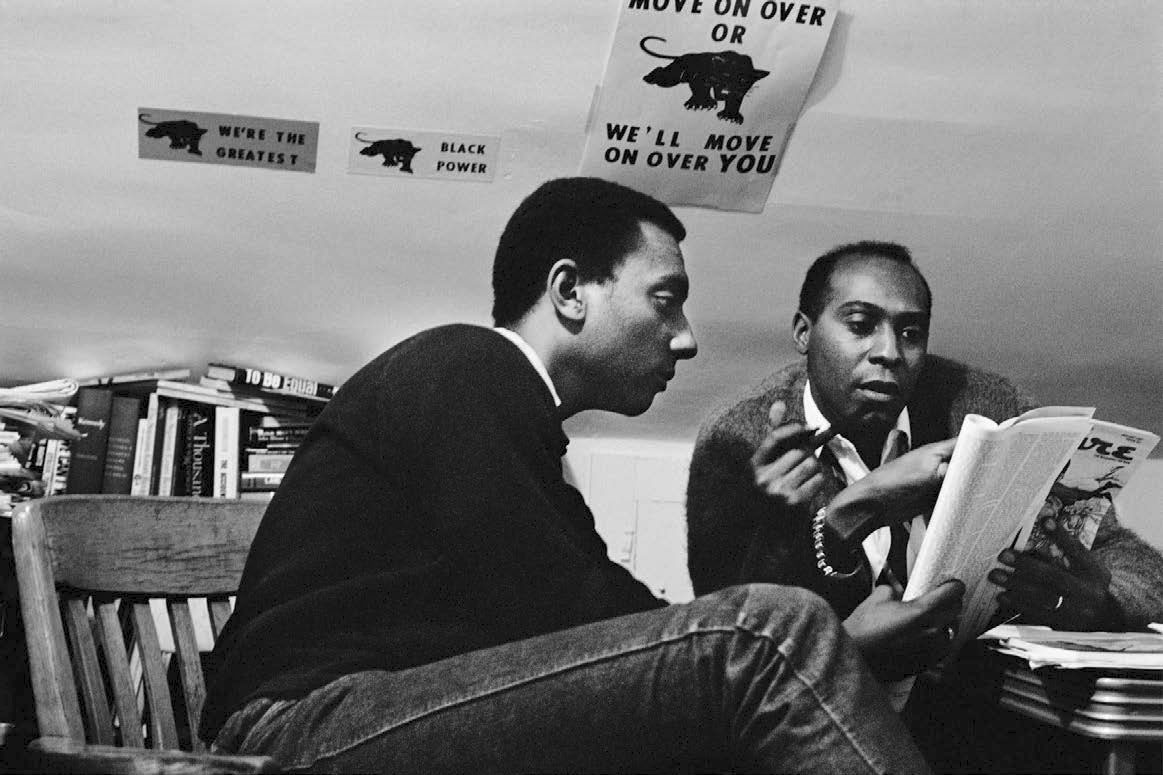


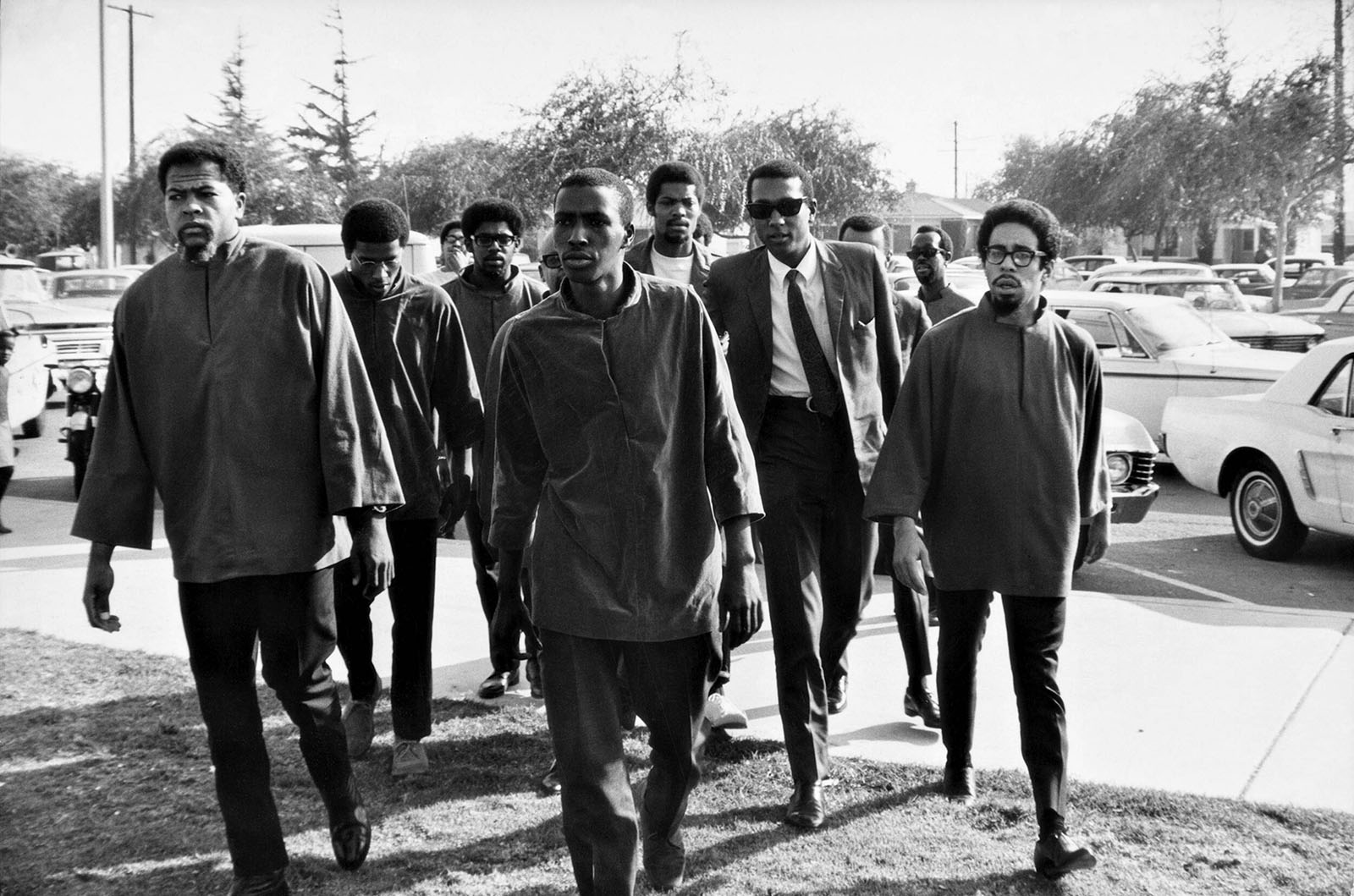

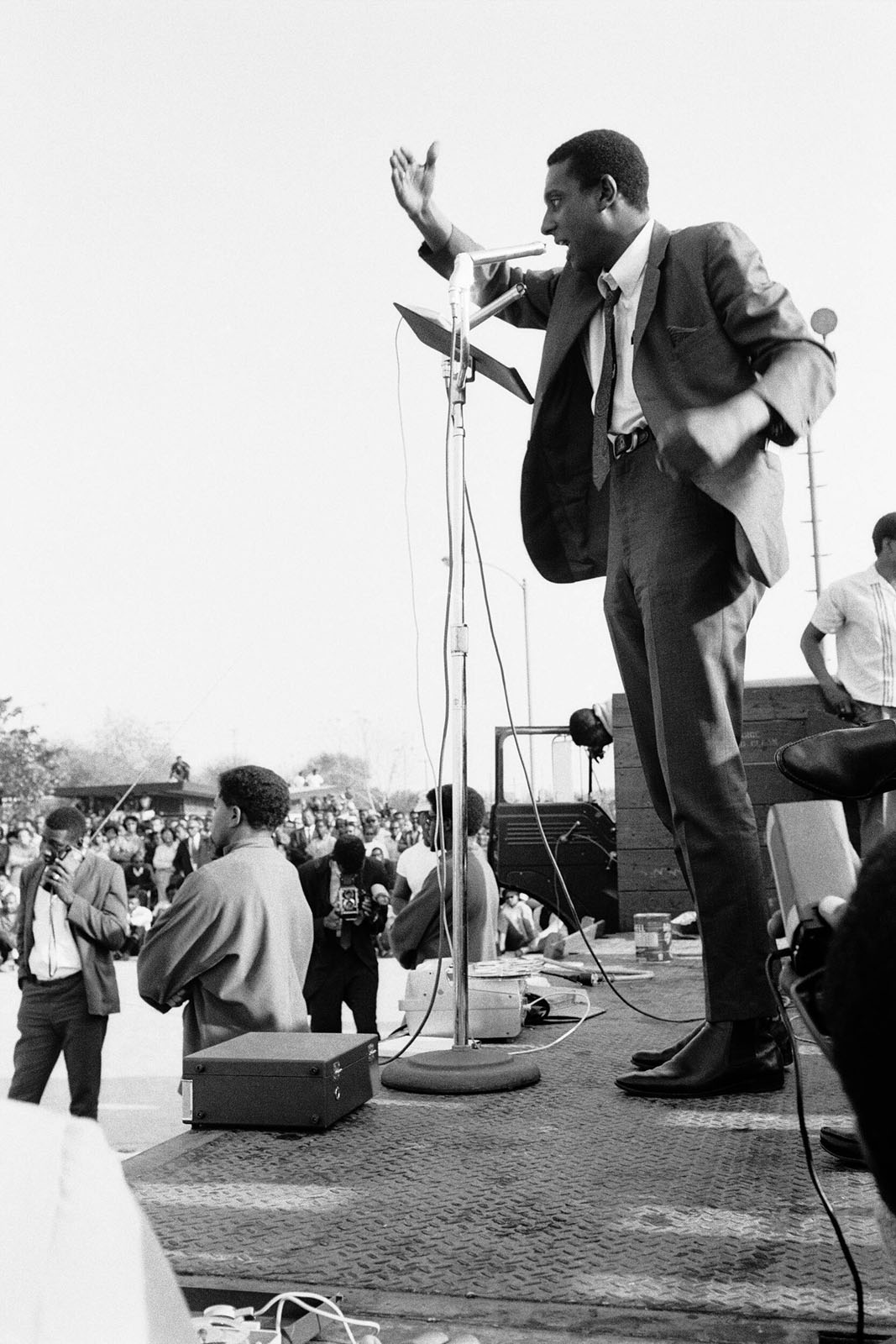


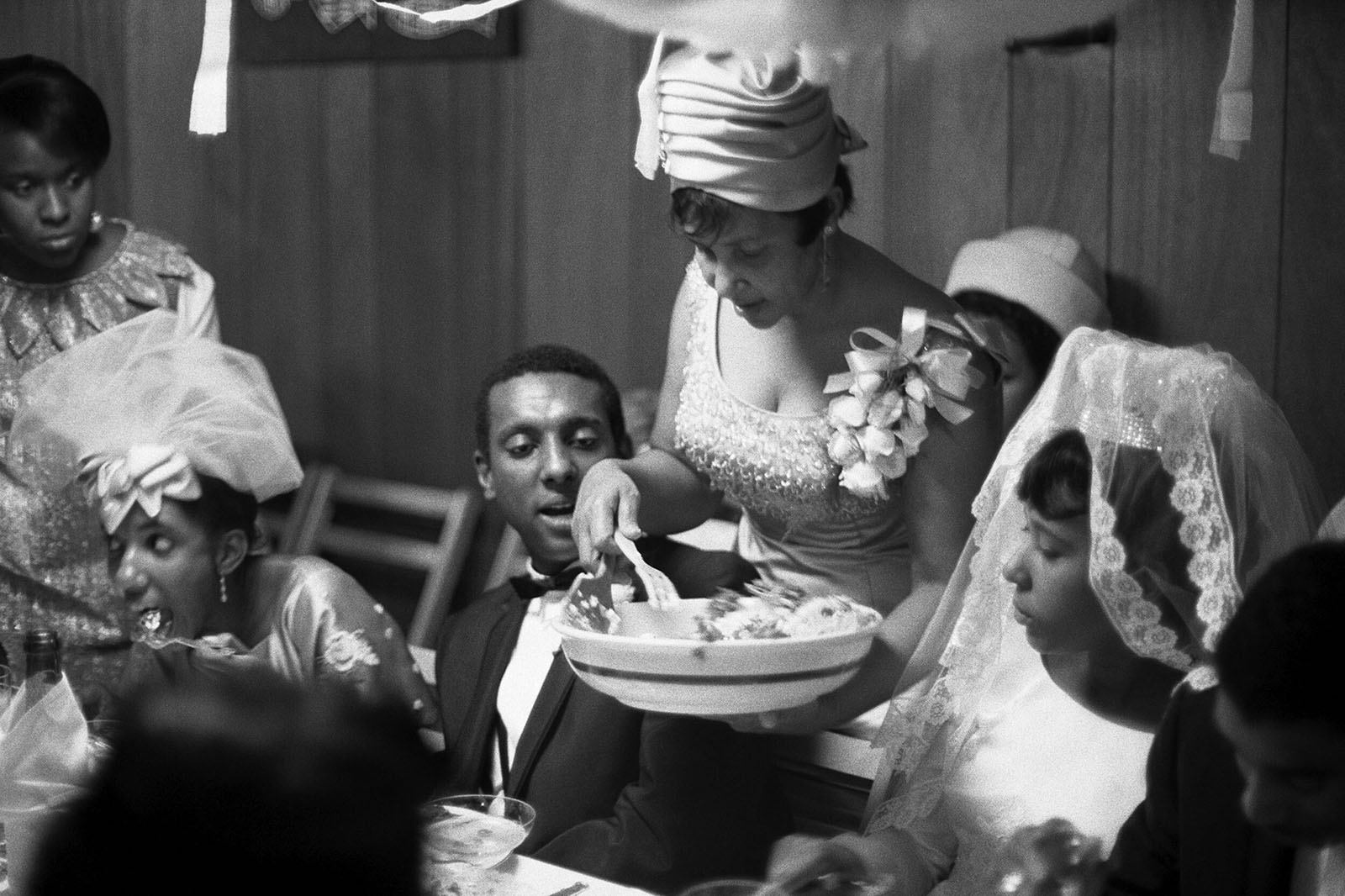

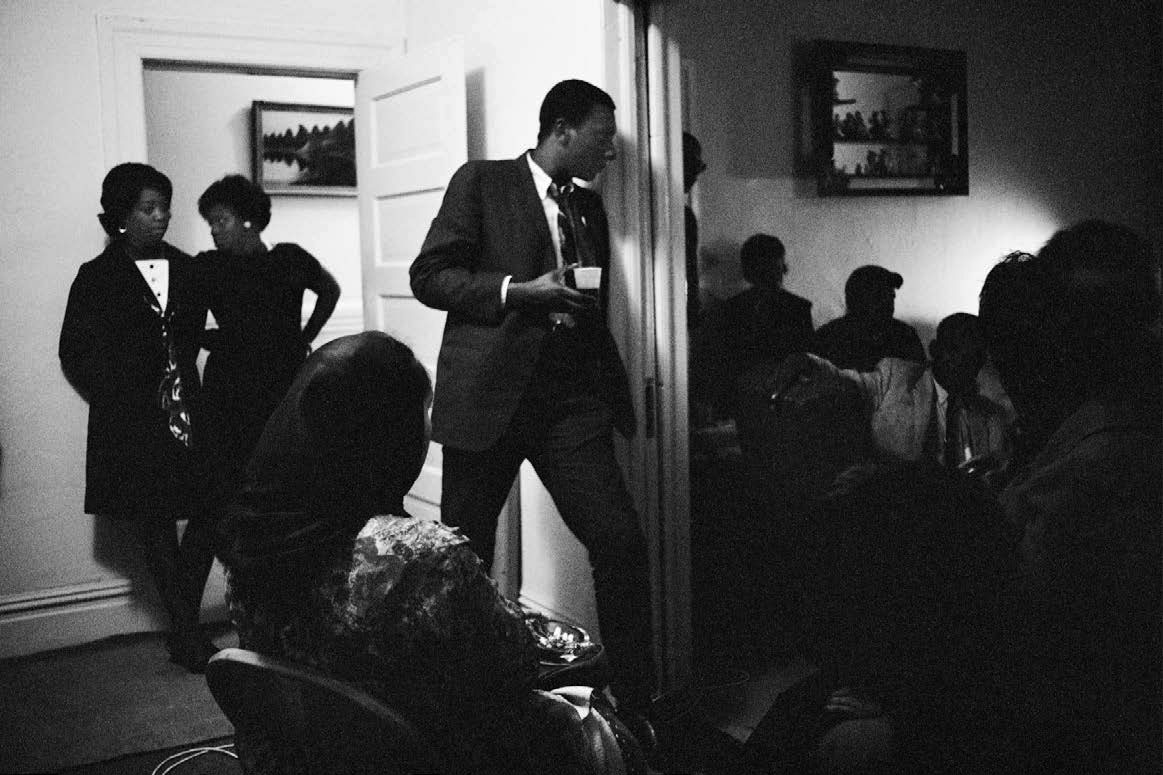
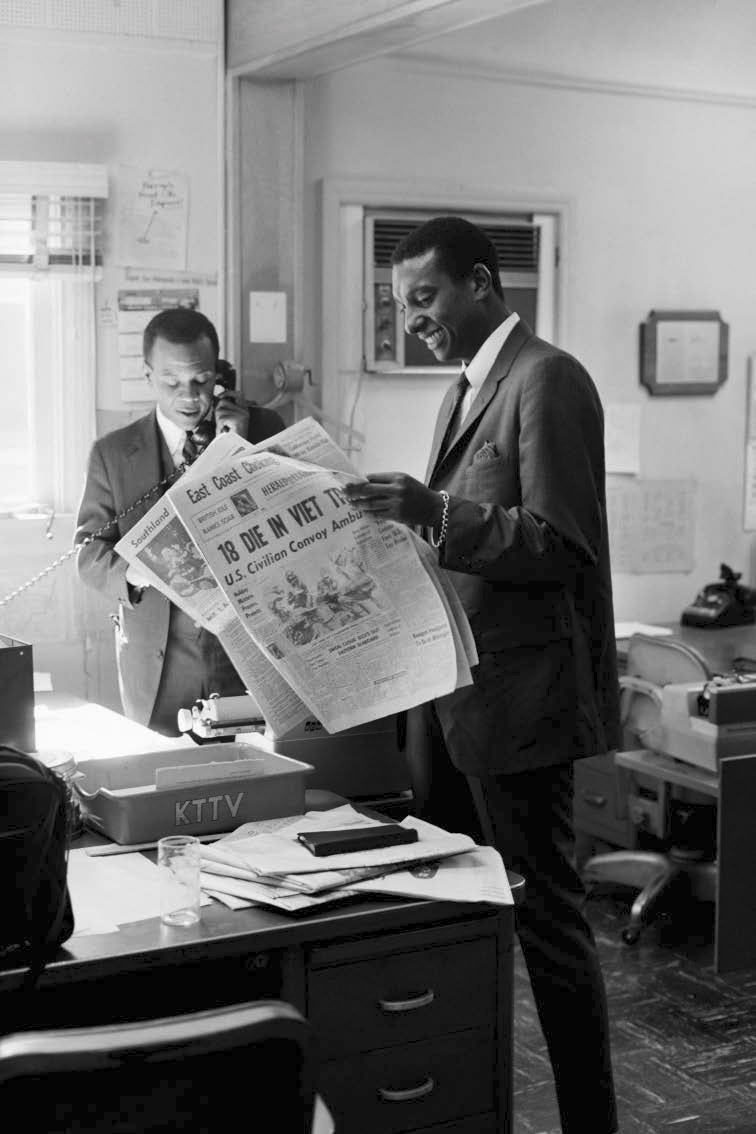
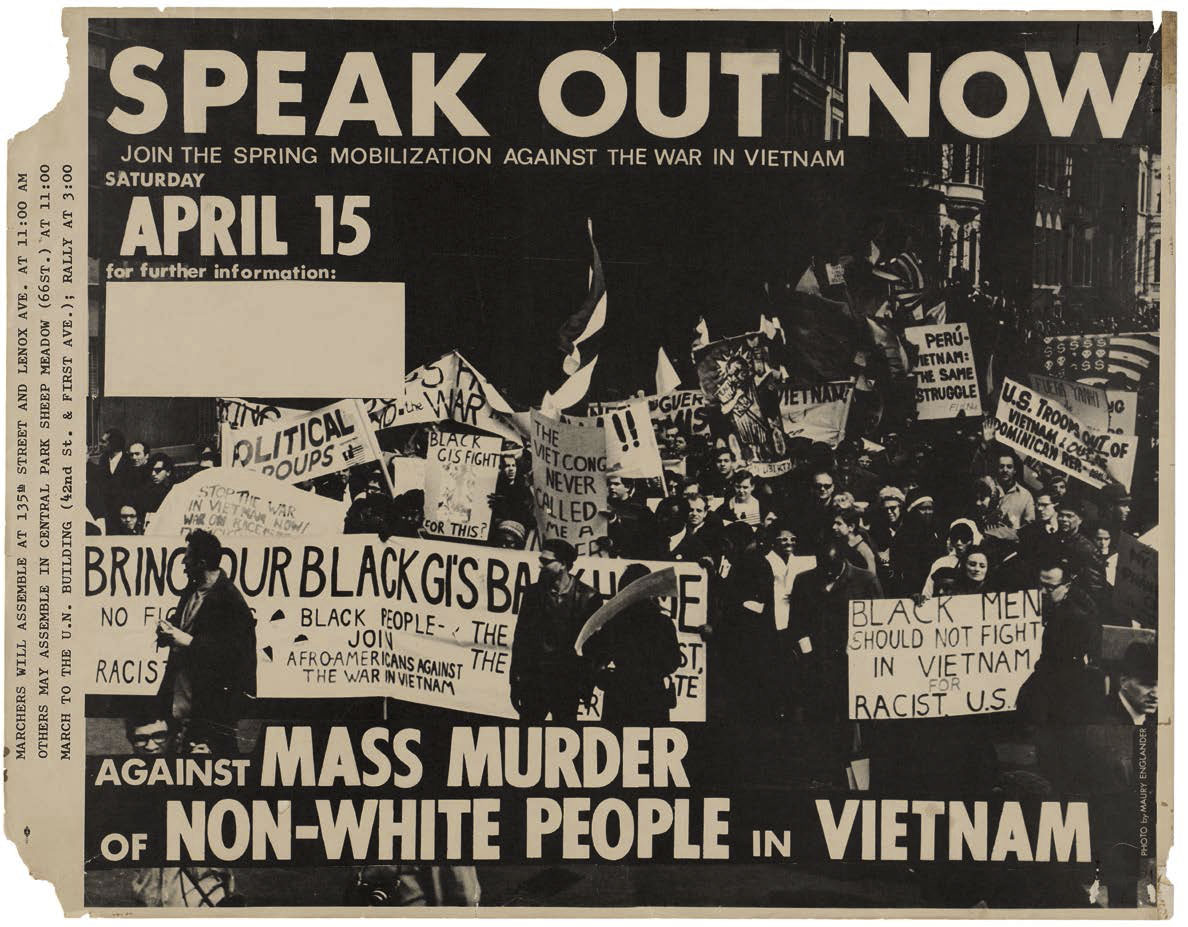


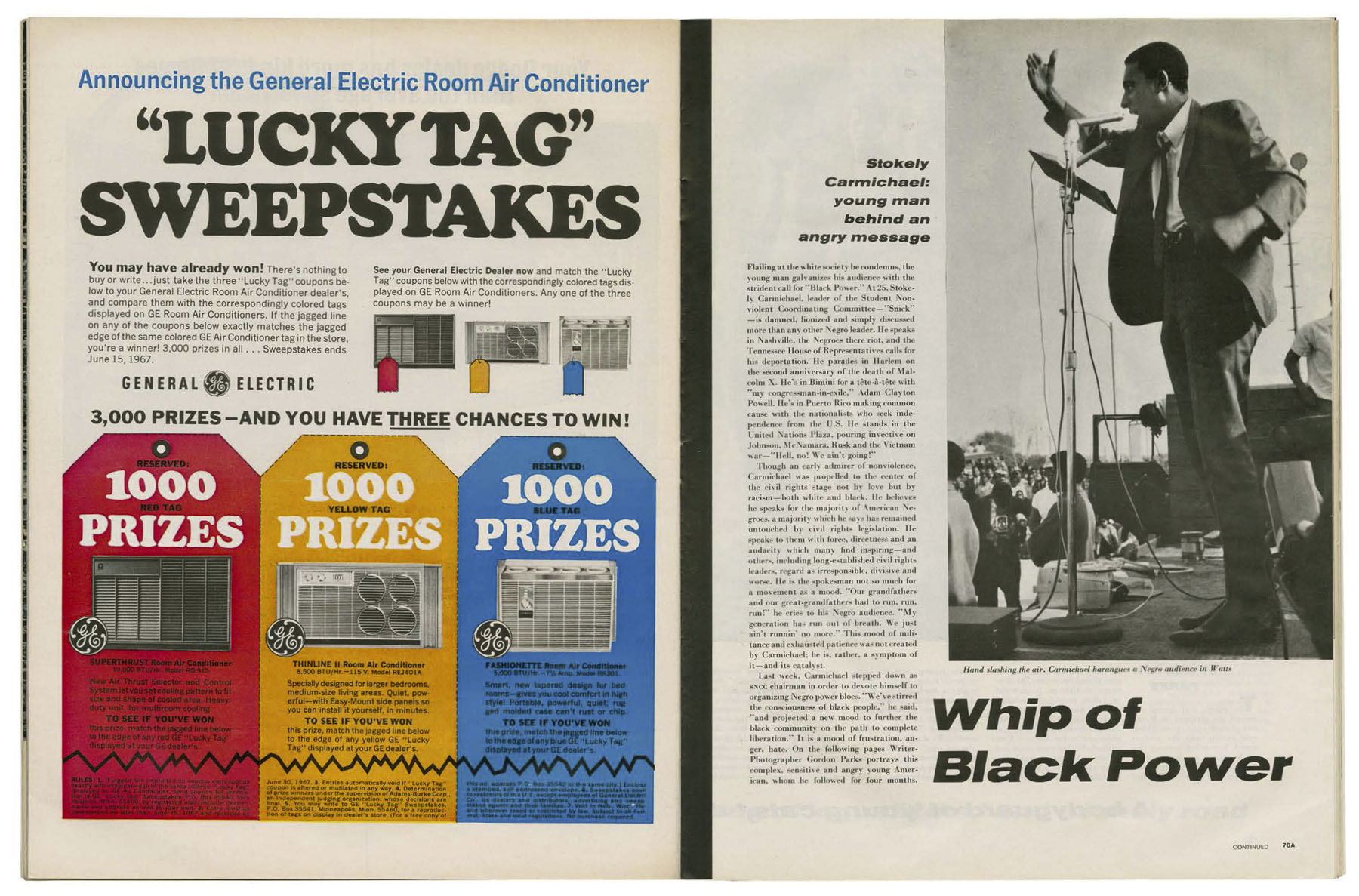

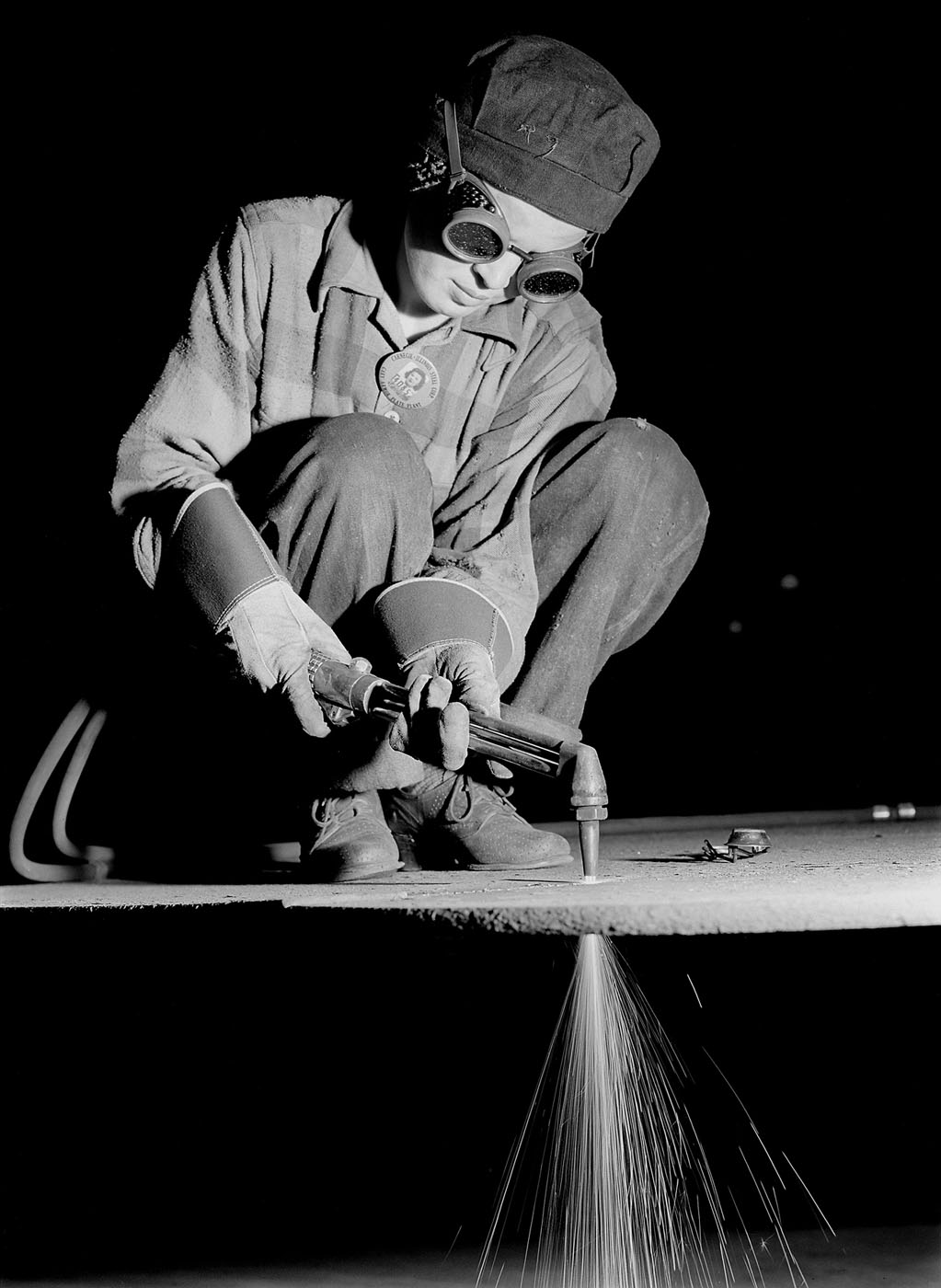


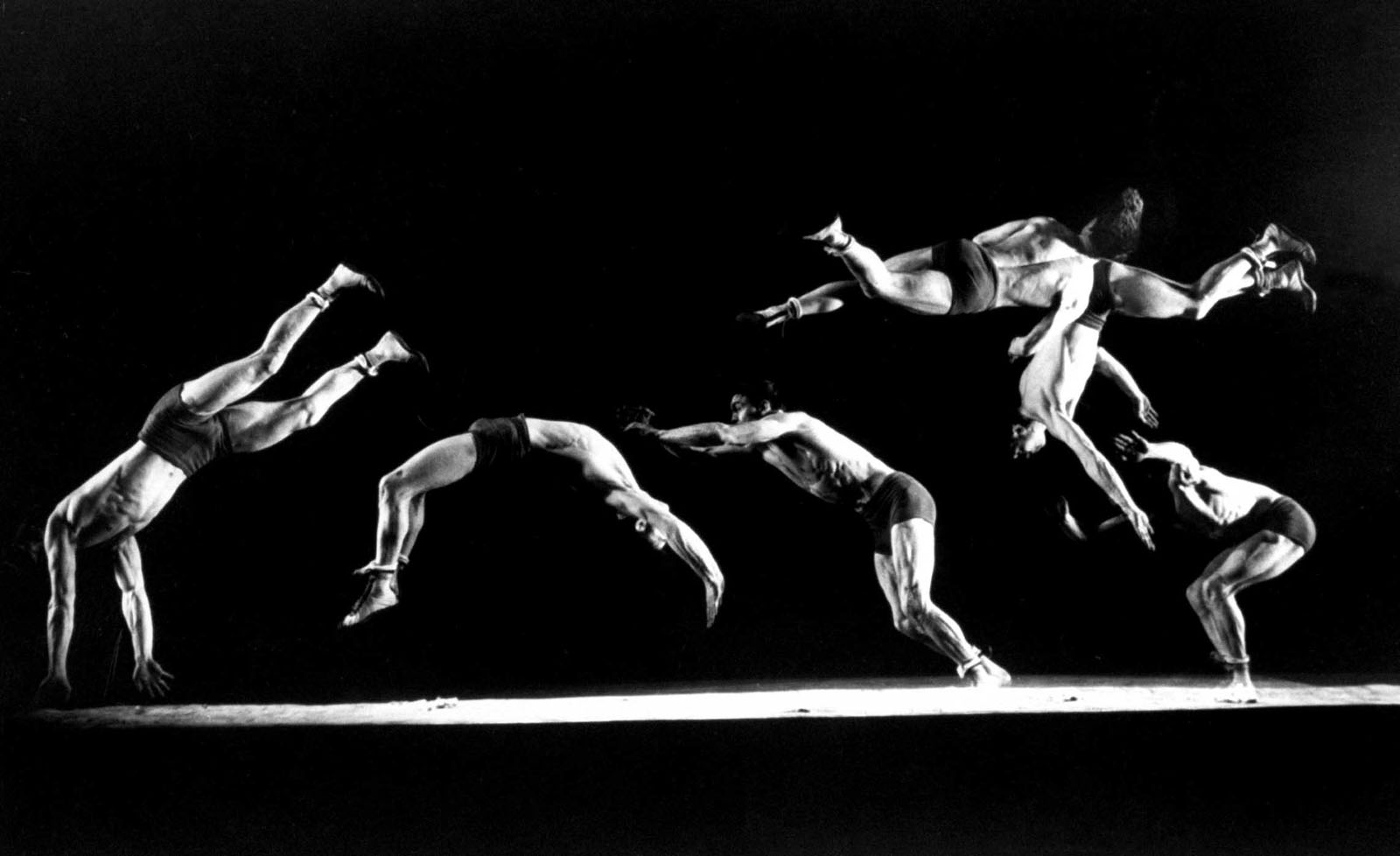


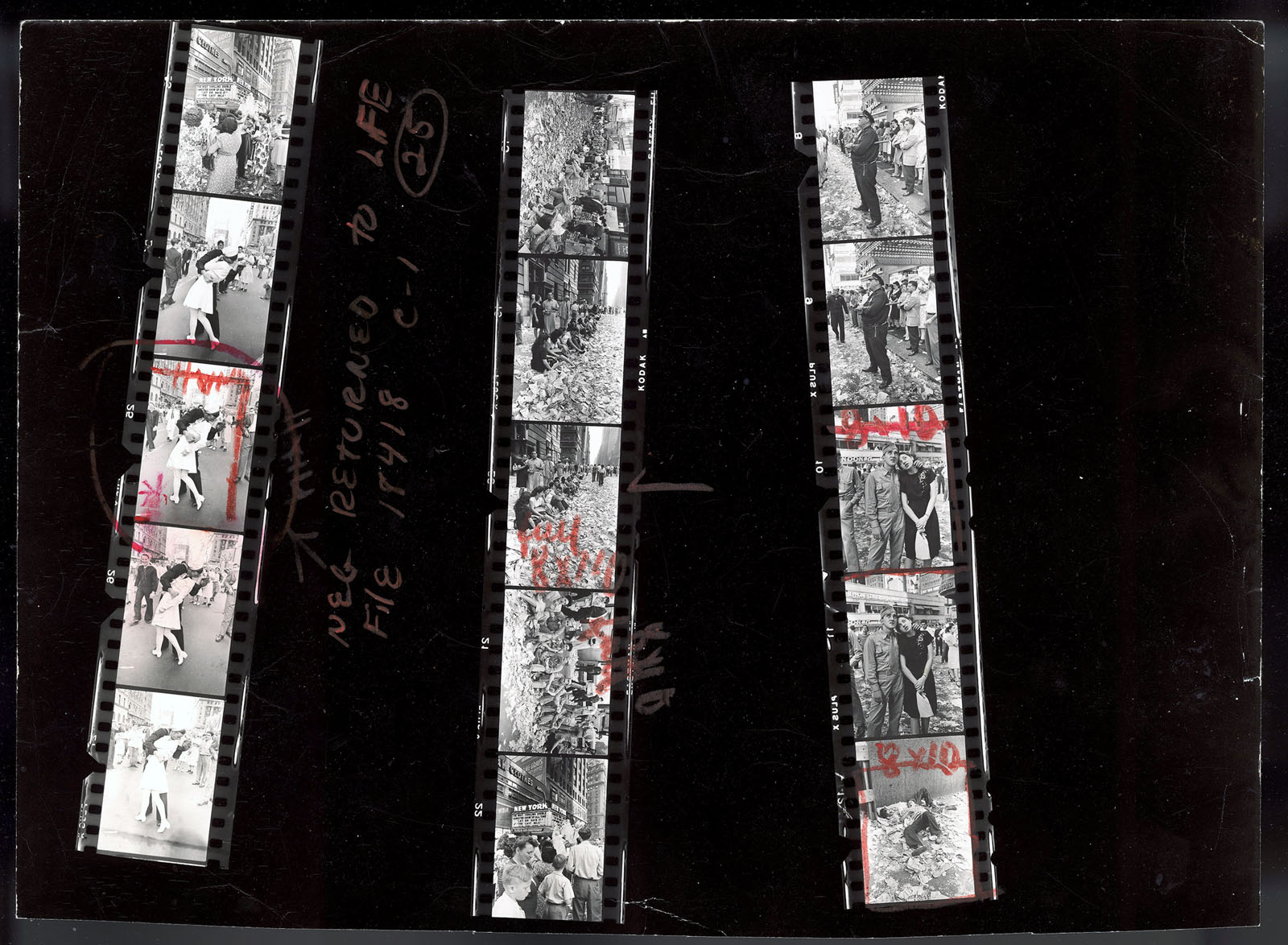


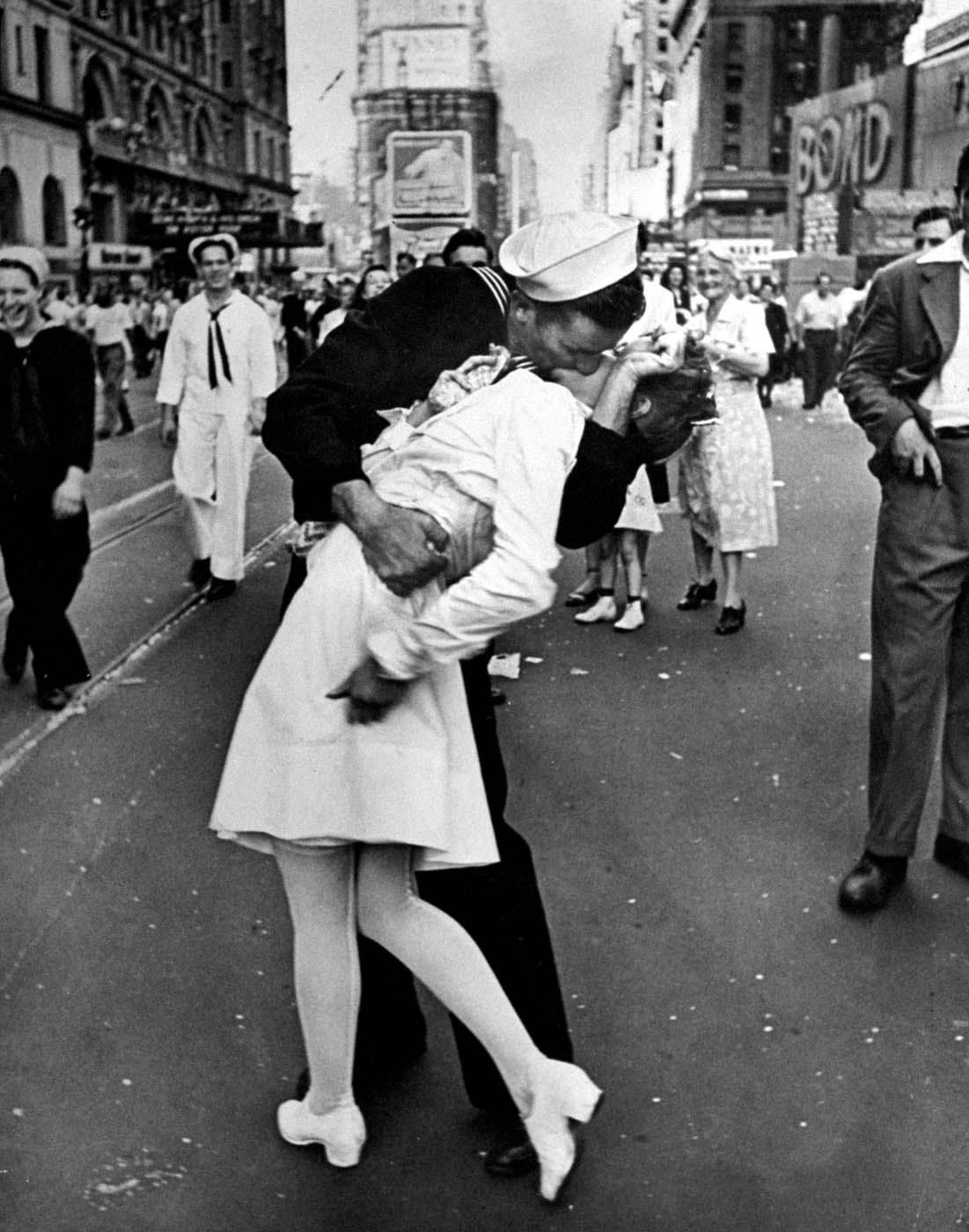

![Life Magazine (1883-1972) '[Harlem Gang Leader opening spread]' 1948](https://artblart.com/wp-content/uploads/2022/12/15_p.-96_97-harlem-gang-leader-opening-spread.jpg "Life Magazine (1883-1972) '[Harlem Gang Leader opening spread]' 1948")





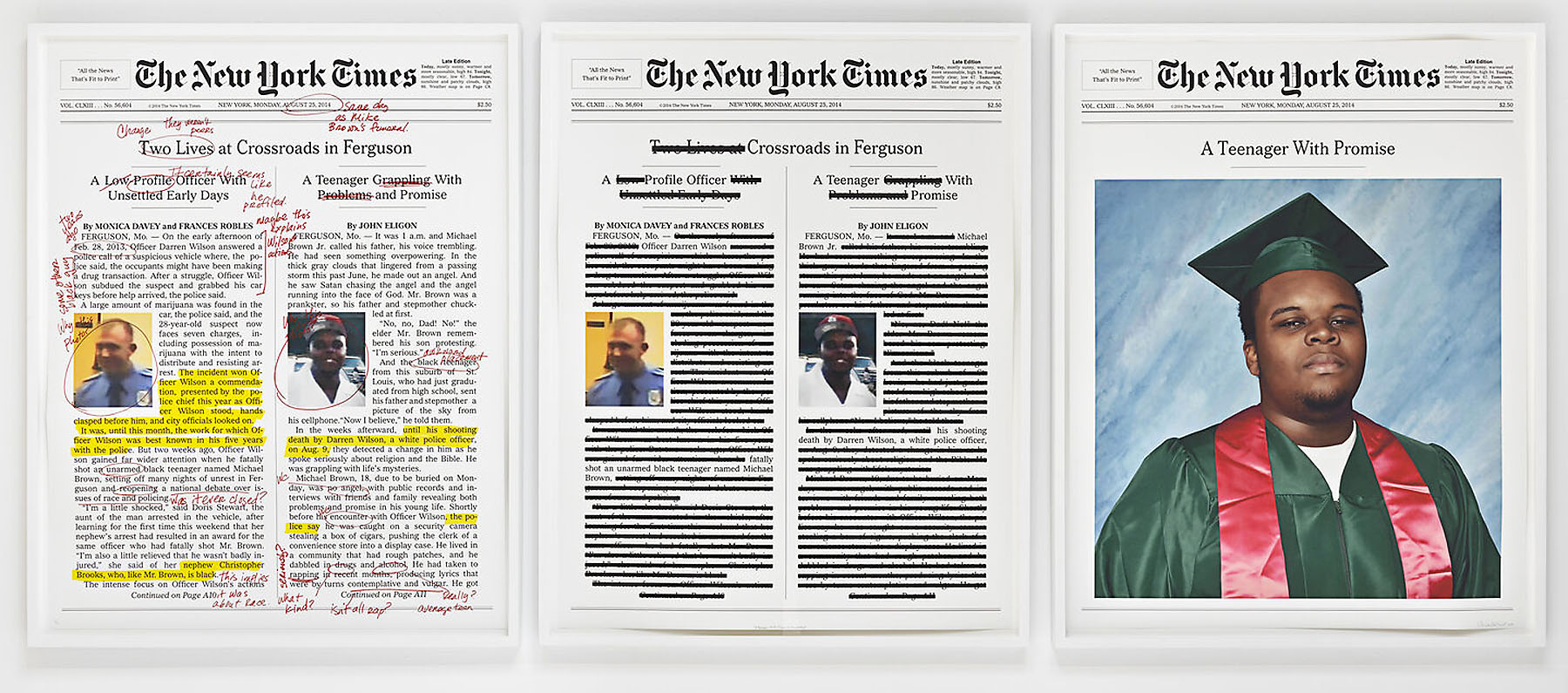
 Art Blart _ art and cultural memory archive
You must be logged in to post a comment.