Photographing subjects living outside of mainstream society, there is something of the spirit of Diane Arbus present in her photographs (see Tashara and Tanesha Reese, Twins Days Festival, Twinsburg, Ohio 1998, above) but pushed further, photographed with more sensitivity and compassion for subject matter.
As a photographer Mark blends into the background leaving her subjects to speak for themselves. Intimate moments, abandoned youths, institutionalised patients and child prostitutes are all documented with a sensitive eye. She does not judge.
Her work is not about developing novels ways of representation. As an artist it is not always about being “fashionable” or “contemporary” or coming up with new ways to represent things. With her subjects comfortable in her presence and before her lens, she records what she sees. She lets her subjects tell their own stories.
Sumeja Tulic states that the photograph Falkland Road, Mumbai, India (1978, below) “leaves one uncomfortable at the sight of girls and women performing their sexuality before her lens.” I don’t feel uncomfortable, do you?
I understand the circumstances of the photograph, I feel sadness that this is happening, I feel anger that this girl has to sell her body to men to survive. I feel the injustice of the world. I want there to be fairness and equity in the world not men controlling women… and I feel the empathy of the photographer towards her subject.
“I don’t like to photograph children as children,” Mark said. “I like to see them as adults, as who they really are. I’m always looking for the side of who they might become.”
Through her vision we might be able to access some of the many paths that life may take: from teen runaway to sex worker, to drug addict, to mother of ten.
Unbounded steps on the precious path of life.
Dr Marcus Bunyan
Many thankx to the National Museum of Women in the Arts for allowing me to publish the photographs in the posting. Please click on the photographs for a larger version of the image.
In 1965, Mark was awarded a Fulbright Scholarship to photograph in Turkey. She took this portrait in the courtyard of Emine’s home. Mark gave minimal direction, encouraging the girl to pose herself. With a hand on her hip, Emine mimics an older teen, but her unbuckled, dirt-stained shoes and hair loosening from its bow reveal markers of childhood. Calling this “the first strong photograph I made,” Mark captured a young girl’s eagerness to grow up.
In 1975, Mark visited the hospital in which Milos Forman’s film One Flew Over the Cuckoo’s Next (1975) was being shot, on assignment for The Pennsylvania Gazette. The living conditions inside Women’s Ward 81 greatly affected Mark, and she returned a year later, living inside the facility for 36 days. During this time, she made a body of work about the institutionalised patients. The exhibition includes one of these photographs: a girl, Laurie, submerged in a bathtub [featured image]. Her hair rests on the bathtub’s rim, and her eyes gaze out at Mark. The photograph excludes the institutional surroundings, transforming the frame into a scene of deceptive domesticity.
Text from Sumeja Tulic. “Mary Ellen Mark’s distinct depictions of girlhood reflect the diverse realities of that word,” on the 1854 website March 2021 [Online] Cited 03/04/2021.
Mark approached her subjects with sensitivity and compassion. While photographing on the set of the film One Flew Over the Cuckoo’s Nest (1975), shot at the Oregon State Hospital, Mark encountered young women living in a high-security ward for patients considered dangerous to themselves or others. Interested in getting to know the residents, Mark gained temporary permission to live in an adjacent ward. Laurie’s open expression in this portrait reveals little of the institutional environment, as Mark strove to capture the women’s inner selves beyond their diagnoses.
Mark was not always successful in challenging stereotypes or developing novel ways of representation. An image depicting a woman applying lipstick to the lips of a girl sitting on a bed in a dimly-lit room is a jarring example of this. There is synchronicity between the unbuttoned buttons on the girl’s dress and her slightly open mouth. Mark’s caption states that she made the photograph in a brothel, where villagers brought the girl after her husband left her. The image is part of Falkland Road (1981), a book about sex workers in Bombay, India. Although Mark invested deeply in making the series, the work leaves one uncomfortable at the sight of girls and women performing their sexuality before her lens.
Text from Sumeja Tulic. “Mary Ellen Mark’s distinct depictions of girlhood reflect the diverse realities of that word,” on the 1854 website March 2021 [Online] Cited 03/04/2021.
Mark spent three months photographing the brothels that line Falkland Road in Mumbai, India. Though she typically worked in black and white, for this project she used colour film. The vibrant saturation of the jewel-toned walls, curtains, and clothing heightens the intensity of this somber scene in which a teenage sex worker is made up for a client. Mark portrayed each of her subjects with dignity and empathy. Her photographs called international attention to the injustices faced by these overlooked young women.
This portrait of Jeanette and her boyfriend, Victor, captures the tenderness of young love. Mark met fifteen-year-old Jeanette when she was five months pregnant. Several times a week for the remainder of the teen’s pregnancy, Mark visited and photographed the couple and their families in Brooklyn, eventually documenting the birth of their daughter. “Photographing Jeanette was a great learning experience for me,” Mark said. “I learned that you can capture more intimate moments by blending into the background.”
In 1983, Mark traveled to Seattle to document runaway and abandoned youths living on the streets for Life magazine. That assignment became the basis for Streetwise, a photographic series and film documenting the challenges, complexities, and occasional joys in the lives of these children and teenagers. Many of the youths Mark photographed in Seattle fled violent homes or were forced to the streets by poverty. In this image, two girls rest against a graffitied wall on Pike Street, a popular gathering place for the city’s homeless youth.
An icon of modern photography, Mary Ellen Mark (American, 1940-2015) created compassionate and candid portraits of subjects living outside of mainstream society. From street children in Seattle to circus performers in India, Mark captured the lives and stories of individuals with empathy, humour, and candour. Through the lens of her camera, she cut through social and societal barriers to champion overlooked communities in the United States, India, Mexico, the former Soviet Union, and other countries.
Mary Ellen Mark: Girlhood examines Mark’s depictions of girls and young women living in a variety of circumstances around the globe. While Mark photographed people from all walks of life, she was particularly interested in children. “I don’t like to photograph children as children,” Mark said. “I like to see them as adults, as who they really are. I’m always looking for the side of who they might become.”
Made possible by a recent donation from the Photography Buyers Syndicate of more than 160 Mary Ellen Mark works, this presentation includes approximately 30 photographs that span the artist’s 50-year career – from her earliest work in Turkey in the 1960s to images taken on Polaroid film in the early 2000s. Mary Ellen Mark: Girlhood highlights some of the artist’s best-known series, including “Prom,” “Streetwise,” and “Twins,” offering viewers an intriguing glimpse into the artist’s wondrous and uncanny vision of girlhood.
Text from the National Museum of Women in the Arts website
In 1968, during her first visit to India, Mark encountered the Indian circus. Her photographs of the events hint at strange and wondrous sights – including this fantastically costumed trio – but focus on the performers in their down time. Mark said, “I wanted to document the lives of the people when they weren’t performing… If I had photographed from the audience’s point of view, I would have just been a spectator.”
From 2006 to 2009, Mark traveled the United States documenting high school proms. A rite of passage for American teens, the prom symbolises an impending transition to adulthood. Mark’s subjects exhibit a range of reactions; some pose seriously with their dates, while others affect more playful mannerisms. Mark used a six-foot-high, 240-pound Polaroid 20 x 24 Land Camera for these portraits. As with the smaller, more familiar Polaroid instant cameras, each shot produces just one unique print with no negative.
The exhibition also includes one photograph, which Mark took the year before her death. In J’Lisa Looks Through the Blinds (2014), a child gazes through broken window blinds. The subject is the daughter of Erin Blackwell, better known as, Tiny. Mark first photographed Tiny in 1983 while working on her most influential body of work, Streetwise. When Mark met Tiny, she was a teen sex worker. By the end of Mark’s life, Tiny was a mother of 10 children and a recovered drug addict. Streetwise also became a film in 1984, documenting runaway children living on the streets of Seattle.
Text from Sumeja Tulic. “Mary Ellen Mark’s distinct depictions of girlhood reflect the diverse realities of that word,” on the 1854 website March 2021 [Online] Cited 03/04/2021.
Mark often took personal interest in those she met and photographed, and in some instances she formed lasting connections with her subjects. Mark’s involvement with Erin Blackwell (nicknamed “Tiny”) began in 1983 while filming the Streetwise (1984) documentary, when the girl was just thirteen. Over the next thirty-two years, Mark documented Tiny’s transition from teen runaway to sex worker, to drug addict, to mother of ten. In this image, Tiny’s daughter J’Lisa peers out of a window, her expression brimming with anticipation and skepticism.
National Museum of Women in the Arts 1250 New York Ave., NW Washington, DC 20005
Early in his career, Bey realised the importance of collaborating with his subjects to make a picture that would also serve as a dialogue between artist and subject: “I wanted to photograph this man in the bowler hat who was talking to a group of three friends and I had no idea how to interrupt their conversation in order to do so. This is when I first realised that it wasn’t just about the photograph; it was also about establishing a relationship out of which comes the photograph.”
I have always admired artists who have a social conscience, who investigate their subject matter with intelligence, empathy and insight.
I have always admired artist who examine their subject matter from different perspectives, turning the diamond of the world in light, to probe the moral and existential questions of existence.
I have always admired artists who develop their practice, never repeating for the sake of it the same constructs over and over – from a lack of imagination, to be successful, or to follow the money trail.
One such artist is Dawoud Bey.
From formal to informal portraiture, through conceptual “bodies”, Bey’s work visualises Black American history in the present moment, not by using the trope of reusing colonial photographs or memorabilia, but by presenting afresh the history of injustice enacted on a people and a culture, picturing their ongoing pain and disenfranchisement – in the here and now – through powerful and deeply political photographs. As the press release observes, Bey “has used his camera to create poignant meditations on visibility, race, place, and American history.”
“His art is grounded in the concept of citizenship, community and belonging, and especially in centring the experiences and histories of Black Americans at the forefront of our culture. His photographs actively work to provide space, voice and visibility for communities who have long been excluded from dominant narratives, especially in institutions like museums.”
From his early street photographs through the later large format Polaroid work and on to the conceptual series, Bey’s photographs have an engaging directness and candour to them. There are no photographic or subjective histrionics here, just immensely rich social documentary photographs that speak truth to subject. The subjects stare directly at the camera and reveal themselves with a poignant honesty.
The series that affected me most deeply was The Birmingham Project.
“On September 15, 1963, the Ku Klux Klan dynamited the 16th Street Baptist Church in Birmingham, Alabama, murdering four African American girls inside. Two Black boys were also killed later that same day in the violence that ensued. Bey’s series The Birmingham Project commemorated the fiftieth anniversary of this horrific event, rendering it painfully immediate. Bey made formal portraits of Birmingham children the same ages as the victims and adults fifty years older – the ages the victims would have been had they lived. He then paired the photographs in diptychs that both honour the community’s unthinkable loss and make tangible the continued impact of racism, violence, and trauma in the present.”
All the suffering, all the ongoing pain and misery of an unfair world was, to me, wrapped up in these unforgettable images. The violence against other human beings, against people of difference 50 years ago brought into the present. Thinking about what these people could have achieved in the world, what life they would have led, what they would have looked like. Photography transcending time and space, Bey intelligently bringing past into present future. As Bey says, “I wanted to give those young people a more tangible, less-mythic, palpable presence… I wanted to figure out how to show the passage of time and the tragic loss of possibility.”
In my imagination I try to construct this tragic loss of possibility through the agency of Bey’s photographs. They produce sadness, anger, and empathy in me. They bring the possibility of change to the forefront of my mind, and an acknowledgment that we can all do better, that the world must do better. And that experience is a powerful thing.
Dr Marcus Bunyan.
Many thankx to the High Museum of Art for allowing me to publish the photographs in the posting. Please click on the photographs for a larger version of the image.
“I’ve come to believe that the best works tend to result not from the imposition of an idea on a situation, but to be responsive to what’s going on once you get there.”
“How can one visualise African American history and make that history resonate in the contemporary moment?”
Dawoud Bey
“Dreams are spaces that do not yet exist, except by escape through an unknown night.”
Anna Mirzayan
“I Never Had White Folks That Was Good To Me, EVER… We all worked jest like dogs and had about half enough to eat and got whupped for everything. Our days was a constant misery to us… My old Master was Dave Giles, the meanest man that ever lived. He didn’t have many slaves, my mammy, and me, and my sister, Uncle Bill, and Truman. He had owned my grandma but he give her a bad whupping and she never did git over it and died. We all done as much work as a dozen niggers – we knowed we had to. I seen old Master git mad at Truman and he buckled him down across a barrel and whupped him till he cut the blood out of him and then he rubbed salt and pepper in the raw places. It looked like Truman would die it hurt so bad. I know that don’t sound reasonable that a white man in a Christian community would do such a thing but you can’t realise how heartless he was. People didn’t know about it and we dassent tell for we knowed he’d kill us if we did. You must remember he owned us body and soul and they wasn’t anything we could do about it. Old Mistress and her three girls was mean to us too. One time me and my sister was spinning and old Mistress went to the well-house and she found a chicken snake and killed it. She brought it back and she throwed it around my sister’s neck. She jest laughed and laughed about it. She thought it was a big joke. Old Master stayed drunk all the time. I reckon that is the reason he was so fetched mean. My, how we hated him! He finally killed hisself drinking and I remember Old Mistress called us in to look at him in his coffin. We all marched by him slow like and I jest happened to look up and caught my sister’s eye and we both jest natchelly laughed – Why shouldn’t we? We was glad he was dead. It’s a good thing we had our laugh fer old Mistress took us out and whupped us with a broomstick. She didn’t make us sorry though.”
Annie Hawkins, formerly enslaved Afrikan who was sold from Georgia to Texas. This interview was done in Colbert, Oklahoma where her and her family moved after emancipation. Interview, conducted Spring, 1937 with a date stamp of August 16, 1937. Ms. Hawkins was 90 years old at the time of the interview and what she relates occurred in Texas. Source: Library of Congress
Since the beginning of his career in the 1970s, Dawoud Bey (American, b. 1953) has used his camera to create poignant meditations on visibility, race, place, and American history. From early street portraits made in Harlem to a recent series imagining an escape from slavery on the Underground Railroad, Bey explores photography’s potential to reveal communities and stories that have been underrepresented or even unseen. Both a form of personal expression and an act of political responsibility, Bey’s art insists on the power of photography to transform stereotypes, convene communities, and create dialogue.
Dawoud Bey: An American Project traces these through lines across the forty-five years of Bey’s career and his profound engagement with the young Black subject and African American history. The title intentionally inserts his photographs into a long-running conversation about what it means to represent America with a camera. The questions of who is considered an American photographer, or simply an American, and whose story is an American story are particularly urgent today. Bey’s work offers a potent corrective to the gaps in our picture of American society and history – and an emphatic reminder of the ongoing impact of those omissions.
Dawoud Bey on visualising history
Photographer Dawoud Bey’s work grapples with history. The artist asks, “How can one visualise African American history and make that history resonate in the contemporary moment?” Here he discusses several series, sited from Harlem to Birmingham to the Underground Railroad routes of northeastern Ohio, each of which works to make histories visible.
Bey’s landmark black-and-white 1975-78 series “Harlem, USA” documents portraits and street scenes with locals of the historic neighbourhood in New York. As a young man growing up in Queens, Bey was intrigued by his family’s history in Harlem, where his parents met and where he visited family and friends throughout childhood. The series premiered at the Studio Museum in Harlem in 1979, when Bey was just 26.
“His art is grounded in the concept of citizenship, community and belonging, and especially in centring the experiences and histories of Black Americans at the forefront of our culture. His photographs actively work to provide space, voice and visibility for communities who have long been excluded from dominant narratives, especially in institutions like museums.”
Throughout the 1980s, Bey continued to use a handheld 35 mm camera. This lightweight apparatus allowed him to respond intuitively and quickly to whatever captivated his eye, and his photographs during this time reflect his knowledge of contemporary street photography and his growing interest in capturing flux, movement, and the play of light and shadow. Although he continued to photograph people, he moved away from formal portraiture, instead endeavouring to capture individuals in more spontaneous ways.
In 1985, during a residency at Light Work, a photography nonprofit affiliated with Syracuse University, New York, Bey photographed the city’s African American community. For him, it was both a political and aesthetic choice: “By then I felt that was part of my agenda: to make the African American subject a visible and resonant presence through my photographs […] it was as much about making a certain kind of photograph, and operating within a certain tradition, as it was a deliberate choice to foreground the black subject […] giving them a place … on the wall of galleries and museums.”
By the end of the 1980s, Bey had thoroughly digested the lessons of working spontaneously with a small camera and desired to work in a way that would allow him to engage more directly with his subjects. He began to make formal “street portraits” with a large-format (4 × 5-inch) camera and Polaroid Type 55 film, which produced both instant pictures that he gave to the sitters and negatives that he used to make large-scale, highly detailed prints that could be enlarged to create monumental portraits. Bey was increasingly ambivalent about the ethics of traditional documentary photography and sought more equitable, reciprocal relationships with his sitters. He began to approach the strangers he wished to portray openly and deliberately, giving, as he writes, “the black subjects [a space] to assert themselves and their presence in the world, with their gaze meeting the viewer’s on equal footing.”
Few images of tenderness have such resounding power as this lush portrait of a young, stylish couple embracing in Brooklyn’s Prospect Park. Note how perfectly their bodies fit together as he relaxes his shoulders, allowing her to easily wrap her arms around him protectively, declaring with the upward tilt of her chin and her direct gaze at us that they are together, united in love. Pictures as openly intimate as this one emerged from Bey’s deep and abiding interest in “wanting to describe the Black subject in a way that’s as complex as the experiences of anyone else.”
For more than four decades, renowned photographer Dawoud Bey has created powerful and tender photographs that portray underrepresented communities and explore African American history. From portraits in Harlem and classic street photography to nocturnal landscapes and large-scale studio portraits, his works combine an ethical imperative with an unparalleled mastery of his medium. The High Museum of Art celebrates his important contributions to photography as the exclusive Southeast venue for Dawoud Bey: An American Project, the artist’s first full career retrospective in 25 years.
Co-organised by the San Francisco Museum of Modern Art (SFMOMA) and the Whitney Museum of American Art, New York, the exhibition features approximately 80 works that span the breadth of Bey’s career, from his earliest street portraits made in Harlem in the 1970s to his most recent series reimagining sites of the Underground Railroad (2017).
The High has enjoyed a long and fruitful relationship with Bey, who was commissioned in 1996 for the Museum’s inaugural “Picturing the South” series, which asks noted photographers to turn their lens toward the American South. For his project, Bey collaborated with Atlanta high school students to create empathetic, larger-than-life portraits. Made with the monumental 20-by-24-inch Polaroid camera, these photographs explore the complexity of adolescence as a time of critical identity formation and expand the concept of portraiture. The High now holds more than 50 photographs by Bey, one of the most significant museum collections of his work.
“Bey’s portraits are remarkable for their keen sensitivity and for how they elicit and honour their subjects’ sense of self, which is partly an outcome of the artist’s collaborative practice,” remarked Sarah Kennel, the High’s Donald and Marilyn Keough Family curator of photography. “Given the museum’s long relationship with Bey and the strength of our holdings, we are thrilled to present this important retrospective. We look forward to sharing the artist’s photographs and his powerful and moving reflections on African American history and identity in their country with our visitors.”
Bey, born in 1953 in Queens, New York, began to develop an interest in photography as a teenager. He received his first camera as a gift from his godmother in 1968, and the next year, he saw the exhibition “Harlem on My Mind” at The Metropolitan Museum of Art. Widely criticised for its failure to include significant numbers of artworks by African Americans, the exhibition’s representation of Black subjects nonetheless made an impression on Bey and inspired him to develop his own documentary project about Harlem in 1975. Since that time, he has worked primarily in portraiture, making tender, psychologically rich and direct portrayals, often in collaboration with his subjects. More recently, he has explored seminal moments in African American history through both portraiture and landscape.
Dawoud Bey: An American Project includes work from the artist’s eight major series and is organised to reflect the development of Bey’s vision throughout his career and to highlight his enduring engagement with portraiture, place and history.
Press release from The High Museum of Art
Installation views of the exhibition Dawoud Bey: An American Project at the High Museum of Art, Atlanta. Images courtesy of the artist and High Museum. Photos by Mike Jensen.
Dawoud Bey Photo: Sean Kelly Gallery
About Dawoud Bey
Dawoud Bey was born in Queens, New York, and began his career as a photographer in 1975 with a series of photographs, Harlem, USA, that were later exhibited in his first solo exhibition at the Studio Museum in Harlem in 1979.
Since then his work has been featured in exhibitions at numerous institutions worldwide, including the Addison Gallery of American Art, Andover, Massachusetts; the Art Institute of Chicago; the Brooklyn Museum; the Detroit Institute of Arts; the Fogg Museum, Harvard University; the High Museum of Art, Atlanta; the Museum of Contemporary Art, Chicago; the Museum of Contemporary Photography (MoCP), Chicago; the National Gallery of Art, Washington, D.C.; and the Walker Art Center, Minneapolis, among many others.
His photographs are represented in collections worldwide, and his critical writings on photography have appeared in numerous publications and exhibition catalogues. Bey received the prestigious MacArthur “Genius” fellowship in 2017 and is also the recipient of fellowships from the Guggenheim Foundation and the National Endowment for the Arts. He holds a Master of Fine Arts degree from Yale University and is currently Professor of Art and a Distinguished College Artist at Columbia College Chicago, where he has taught since 1998.
“It was a sort of snapshot of America through its young people at that particular moment. I started working in Chicago, then to New York, California and Florida. I wanted it to be geographically representative of the country. I’ve always been acutely aware that photographs tell you a lot less than what they do tell you. There’s certain things you would never know just from looking at them. You wouldn’t know from a portrait if someone is an only child, whether they have siblings, who their parents are. There’s a lot of information outside of a photograph. For Class Pictures, I thought that was important to bring that information into the construct of work and to create a space of self-representation. The young people who I photographed could give a sense of who they were.”
Summer Evans. “Photographer Dawoud Bey Shines A Light On America’s Underrepresented Communities,” on the WABE website Nov 18, 2020 [Online] Cited 01/03/2021
Bey has long understood that the act of representation – as well as the corollary act of being seen – is both powerful and deeply political. In this series, he once again turned his attention to teenagers, a population he felt was underrepresented and misjudged, seen either as “socially problematic or as engines for a certain consumerism.” Class Pictures (2001-2006) originated during a residency at the Smart Museum of Art in Chicago, where Bey began working with local high school students. He later expanded it to capture a geographically and socioeconomically diverse slice of American adolescence.
Working in empty classrooms between class periods, Bey made formal colour portraits of teens that attend, carefully and tenderly, to their gestures and expressions. He also invited them to write brief autobiographical statements, giving his subjects visibility as well as voice. Class Pictures can also be understood as a play on words, for in several cases, Bey chose to photograph students at elite private schools as well as teens from nearby, poorer neighbourhoods, bringing together these subjects in a single space.
On September 15, 1963, the Ku Klux Klan dynamited the 16th Street Baptist Church in Birmingham, Alabama, murdering four African American girls inside. Two Black boys were also killed later that same day in the violence that ensued. Bey’s series The Birmingham Project commemorated the fiftieth anniversary of this horrific event, rendering it painfully immediate. Bey made formal portraits of Birmingham children the same ages as the victims and adults fifty years older – the ages the victims would have been had they lived. He then paired the photographs in diptychs that both honour the community’s unthinkable loss and make tangible the continued impact of racism, violence, and trauma in the present.
“Together the sitters for The Birmingham Project are simultaneously surrogates, mourners, witnesses, community, and agents of their own narratives. These subjects, then are not symbols but flesh and bone.”
In 2012, the project was created as a commission from the Birmingham Museum of Art. It memorialises the victims of the 1963 bombing of the 16th Street Baptist Church in Birmingham. Four African-American girls were killed in the bombing, and two boys were later killed in riots that followed.
“I decided to make portraits of young African-Americans in Birmingham who were the exact same ages as those six young people who had been killed that day. I wanted to give those young people a more tangible, less-mythic, palpable presence.” Bey continues, “It still felt somewhat complete. I wanted to figure out how to show the passage of time and the tragic loss of possibility. Then, I started thinking about making portraits of African-Americans in Birmingham who were the ages of the six young people would have been their age today. I begun pairing those portraits with those young people, which embodied 50 years.”
Summer Evans. “Photographer Dawoud Bey Shines A Light On America’s Underrepresented Communities,” on the WABE website Nov 18, 2020 [Online] Cited 01/03/2021
Night Coming Tenderly, Black
Dawoud Bey’s large-scale photographs dive into art and literary history while trying to re-create the experience of slaves fleeing on the Underground Railroad.
“I consider myself to be making photographs both in conversation with the history of photography and also the history of Black representation within photography. I wanted to use what I learned early on from looking at photographs by Irving Penn, Richard Avedon, Walker Evans and Mike Disfarmer – along with what I learned from Roy DeCarava, who was African American – and apply all of that to my own African American subjects as I began to build my vocabulary of picture-making. Because I’m African American myself, and because so few representations of African Americans are made from inside that experience, I set out to make that my space, to make work that operated at the level of those other photographs but with Black subjects, since those were the people I knew best. I also wanted to add something to the history of Black expressive culture. …
Night Coming Tenderly, Black continues my interest in visualising African American history by visualising the past in the contemporary moment. It takes as its conceptual touchstones the photographs of DeCarava, which are about the Black subject and often printed very darkly, some almost black. The blackness of his prints is a very beautiful and materially lush blackness. And the Black subjects inhabit this wonderful material darkness in a way that is not foreboding but is beautiful.” ~ Dawoud Bey
The photographs in this series are some of the most sensual and layered. These are sights that are at first confining then liberating when you understand them through the lens of history.
In their grandeur and mystery, they transform houses masked in darkness, bodies of water, and fields into an emblematic hope. A pristine fencepost and a homestead visible through the haze of the darkness; a wetland glistening in nightfall; a jungle thick with small trees; an image of Lake Erie, with the expansive sky and horizon forewarning the freedom that lies beyond.
The Underground Railroad
Night Coming Tenderly, Black contains 25 large-scale images of homesteads with wooded or grassy grounds that are believed to have formed the part of the said Underground Railroad. The Underground Railroad is an actual invisible web of routes and safe houses believed to have made the final way station for more than 100,000 fugitive slaves escaping to Canada. But according to the artist himself, some of the images may be of actual Underground Railroad.
The meaning of the title
This series is also a tribute to poet Langston Hughes (1901-1967) and photographer Roy DeCarava (1919-2009), who each played significant roles in addressing the experience of African Americans by representing what DeCarava described as a world shaped by blackness. Bey was inspired by DeCarava’s incredible ability to print a spectrum of dark hues, making him picture landscapes of twilight uncertainty.
On the other hand, Hughes Langston wrote a poem titled Dream Variations in 1926, in which he yearned for a time when the black American worker, extremely tired by the daily hustle of hard labor and prejudice, might be truly free. However, this freedom, he imagined, would not be obtained in the glare of daylight, but instead under the ominous, protective cover of the night.
Upending a dominant literary conceit, blackness, rather than whiteness, functioned as an allegory for hope and transcendence. A night coming tenderly, black like me, (Hughes poem), helped the fight for racial equality and justice. The metaphor in the poem is central to Dawoud Bey’s series Night Coming Tenderly, Black.
Influenced by Roy DeCarava
Bey has never stopped waxing lyrical on the influence of the two figures that inspired his artistic career, especially Roy DeCarava, who was one of the most prominent photographers of his generation. The images he took were visually rich and redolent, and they pushed the aesthetic limits of photography…
Dawoud Bey noted that DeCarava’s images were characteristically printed in dark and rich colour range. In this context, the dark prints served as a symbol for black subjects and experience. Bey says:
“DeCarava used blackness as an affirmative value, as a kind of beautiful blackness through which his subjects both moved and emerged. His work was formative to my own thinking early on, and these dark landscapes are a kind of material conversation with his work, using the darkness of the landscape and the photographic print as an evocative space of blackness through which the unseen and imaginary black fugitive subject is moving.” …
The artist printed these images in a large size to encase the viewer and deliberately dark to reveal his subject matter: He took the photos of the sites in and near Cleveland associated with the Underground Railroad that guided the slaves to liberation.
Anonymous. “Dawoud Bey’s somber ‘Night Coming Tenderly, Black’ project,” on the Public Delivery website January 30, 2021 website [Online] Cited 02/03/2021
“I ranged far and wideout there since there were expansive rural landscapes that looked as they might have in the 18th and 19th centuries. The landscape and the history there have not been built over…
Some of the photographs, to the extent that we know, are actual Underground Railroad sites, and the majority of them are placed in the landscape that I identified in proximity to some of those locations, where I could make work that suggested the movement of fugitive slaves through the landscape…
I wanted the photographs to almost involuntarily pull you back to the experience of the landscape through which those fugitive black bodies were moving in the 19th century to escape slavery. So I had to learn, for the first time, how to make photographs in the kind of space…
It is a tender one, through which one moves. That is the space I imagined the fugitive black subjects moving through as they sought their self-liberation, moving through the dark landscape of America and Ohio toward freedom under cover of a munificent and blessed blackness.” ~ Dawoud Bey
Bey’s most recent work imagines the flight of enslaved Black Americans along the leg of the Underground Railroad that operated in Ohio – the last fifty or so miles before they reached the vast expanse of Lake Erie, on the other side of which lay Canada, and freedom.
“The photographs are meant to imagine or reimagine the path of self-liberation in Northeastern Ohio along what is called the ‘Underground Railroad’. Formerly slaved Africans, and then African-Americans moved towards freedom by way of Lake Eerie in Ohio. I began to think about the fugitive moving through this tender space of blackness.”
Anonymous. “Dawoud Bey’s somber ‘Night Coming Tenderly, Black’ project,” on the Public Delivery website January 30, 2021 website [Online] Cited 02/03/2021
The gelatin silver prints in Night Coming Tenderly, Black are moody and dim, overlaid with a sheen that is almost gritty in texture thanks to the coated paper they are printed on. The trees, fences, lakes, and buildings in the photos are initially obscured, purposefully made more difficult to see through Bey’s printing methods (which take advantage of the light sensitivity of silver particles as well as their ability to be chemically “toned” through the introduction of other substances). These images resist both reproduction and easy interpretation. That one also has to wait for one’s eyes to adjust to the darkness, before slowly traveling over the terrain of each picture, reminds the viewer that the formerly enslaved people who traversed these sites often did so under cover of darkness. Darkness here is multivalent: its obscuring power, which prevents viewers from immediately processing the whole of Bey’s photographs, aided formerly enslaved people in their escape. The Underground Railroad, as the artist has noted, occupies a semi-mythological place in American history, and some of the places Bey photographs are only cannot be confirmed to have been stops on the Railroad. Like the experience of slavery, these places are unrepresentable. They are half-shrouded locales that evade being captured on a map or in a photo.
Though these photographs are dark, they are shot in the daylight and processed in such a way as to make them initially appear to be taken at night. They bring to mind Hiroshi Sugimoto’s eerily beautiful “Seascapes” series (1980 – ongoing), which are shot at night, the film exposed for different lengths of time in order to reveal how light plays even after dark. Yet there is no analogous method for bringing night to the day. Bey may make his photos dark, but this is achieved through processing and glazing the finish image, which occurs after the initial act of taking the photograph. How can we account for Bey’s artificial night?
The philosopher François Laruelle’s 2011 book The Concept of Non-Photography suggests one answer to this question. In essence, Laruelle starts with the premise that works of art cannot and do not represent anything, be it objects, thoughts, concepts, or movements. He posits art as an entirely self-sufficient engagement with the world (which he calls the Real), independent even of viewer and creator. Art is a machine; the medium, processes, and even the artist are its materials. What art “shows,” Laurelle argues, is only the world according to itself – which he terms the world-in-painting, the world-in-photo, and so on. He turns to photography in part because of its connection to modern scientific advancement and its attempts literally to illuminate the world “objectively.” Non-photography aims to re-conceptualise the photographic flash, which Laruelle associates with the flash of logos or reason, as a form of potential insurrection against its traditional association with illumination, and against photography’s constant reproduction of the asymmetrical dichotomy between light and dark.
Anna Mirzayan. “”Artificial night”: on Dawoud Bey’s America,” on the Art Agenda website December 15 2020 [Online] Cited 01/03/2021
“I was thinking about this narrative of the Black subject — the unseen Black subject, in this case — a fugitive slave moving through the darkness of night,” Bey explains. “And that darkness of night being the kind of Black space that would lead to liberation.”
As a covert network of safe houses and churches, the sites of the Underground Railroad were by necessity secret, and Bey’s landscapes suggest, rather than document, the experience. Photographed by day but printed in shades of grey and black so deep they resemble nocturnes, the sensuous prints conjure a darkness at once ominous and lush. The series title, which is drawn from the last couplet of Langston Hughes’s poem “Dream Variations” (1926), suggests a black night that envelops the fugitives in a darkness that serves as a protective embrace: “Night coming tenderly / Black like me.”
The High Museum of Art 1280 Peachtree St NE Atlanta, GA 30309
As you can imagine, with the tragic situation of the ongoing COVID-19 pandemic around the world at the moment, there are few photography exhibitions on view.
This selection of images comes from the collection 1940s-1970s at the Museum of Modern Art (MoMA) in an ongoing display. Please note that not all Gordon Parks photographs shown here are on display, but I include them to give the viewer an overview, a greater understanding of the breadth of photographs included in Parks’ cinematic photo-essay.
Can you imagine the fortitude of this man: “born into poverty and segregation in Fort Scott, Kansas, in 1912. An itinerant labourer, he worked as a brothel pianist and railcar porter, among other jobs, before buying a camera at a pawnshop, training himself and becoming a photographer. He evolved into a modern-day Renaissance man, finding success as a film director, writer and composer.” “The first Black member of the Farm Security Administration’s storied photo corps; the first Black photographer for the U.S. Office of War Information; the first Black photographer for Vogue; the first Black staff photographer at the weekly magazine Life; and, years later, the first Black filmmaker to direct a motion picture (Shaft) for a major Hollywood studio.” As a photographer he learnt his craft shooting dresses for department stores, taking portraits of society women in Chicago, and studying “the Depression-era images of photographers like Dorothea Lange”. Before joining them as a member of the FSA.
This body of work is remarkable for its non-judgemental gaze, a felt response to a subject which was an assignment for LIFE magazine: an objective reporter with a subjective heart as Parks proclaimed, one who had a certain kind of empathy, “expressing things for people who can’t speak for themselves… the underdogs… in that way I speak for myself.” Park’s photographic strategy was to use colour (rare and expensive in those days), and to close in on detail. Rarely if at all are there any mid to long shots in the photo-essay, placing the photograph in a particular location, the exception being the Untitled street scene under the Chicago “L” (short for “elevated”) rapid transit system and the night-time shot of an illuminated Alcatraz Island – remote, forbidding, isolated.
Photographed with candour – using low depth of field, silhouette, chiaroscuro, natural light, low light, night photography, no blur, little flash and challenging perspective, aesthetically a mixture of Dorothea Lange, Weegee and the colour images of Saul Leiter – other intimate images in the series create an “atmosphere” of everyday life on the streets and in the prisons, capturing how the disenfranchised, the desperate and the destitute are controlled and processed by force. “Parks coaxed his camera to record reality so vividly and compellingly that it would allow Life’s readers to see the complexity of these chronically oversimplified situations.” In Raiding Detectives, Chicago, Illinois (1957) we see two detectives of Italian descent raiding a dingy run-down tenement, busting the door open unannounced, guns drawn. In the photograph underneath in the posting, taken inside the oh so red room with floral curtains, one of the detectives questions a black suspect smoking a cigarette, while on the table covered with newspapers sits a burning candle probably providing the only illumination. Cowering in the shadows is a black women, almost unnoticed until you really look at the photograph. This is what abject poverty looks like. In another photograph, Untitled, New York, New York (1957), black and white men emerge from a police van – about the only time black and white men would have sat together in the segregated society of the time (other than being in prison). Can you imagine the atmosphere inside the paddy wagon, the looks, the conversation or lack of it?
Parks’ beautiful photographs, for they are that, include challenging depictions of death, drug use and nonchalantly displayed items such as guns and knuckledusters. Violence and the outcomes of it are an ever present theme in Parks’ documentation of the policing and criminalisation of marginalised people and communities. The photographs are frequently heartbreaking, such as the scars on the legs of a Black American; or devastating, such as the photograph Knifing Victim I (1957). Park’s compresses the space of the action, attacking the nitty gritty of the mise en scène but with no rush to judgement, just telling it how it is. As Sebastian Smee so eloquently observes, “If all of this were mere history – a series of episodes confined to the past – it would be one thing. But Parks’s photographs are alive to the many ways in which crime in the 1950s was a continuation of this legacy [of slavery, of lynching]. Sixty years after he took these photographs, it’s difficult to deny the conclusion that today’s crime-related inequities, from mass incarceration to police brutality, are likewise an extension of this racist legacy.”
And so it goes, both for the marginalised in America and for Indigenous Australians. “According to the U.S. Bureau of Justice Statistics (BJS) in 2018 Black males accounted for 34% of the total male prison population, white males 29%, and Hispanic males 24%” (Wikipedia) while the percentage of US population that is black is 14%. “As of September 2019, Aboriginal and Torres Strait Islander prisoners represented 28% of the total adult prisoner population, while accounting for 3.3% of the general population.” (Wikipedia)
Dr Marcus Bunyan
Many thankx to MoMA for allowing me to publish the photographs in posting. Please click on the photographs for a larger version of the image. All photographs are used for the purposes of education and research under fair use conditions.
“I’m an objective reporter with a subjective heart,” proclaimed Gordon Parks. “I can’t help but have a certain kind of empathy… It’s more or less expressing things for people who can’t speak for themselves… the underdogs… in that way I speak for myself.” For over half a century, from the 1940s to the 2000s, Gordon Parks captured American life with his powerful photographs. After getting his first camera at the age of 25, he used this “weapon of choice” to attack issues including racism, poverty, urban life, and injustice. He became the first African American staff photographer at Life magazine – an immensely influential platform in the golden age of photo-illustrated magazines that not only allowed his art to be seen by many but also brought a critical, nuanced and, importantly, a Black perspective to the stories and depictions that he shared. For a 1957 assignment, he crisscrossed the streets of New York, Chicago, Los Angeles, and San Francisco, producing vivid colour images addressing the perceived rise in crime in the US. This series, “The Atmosphere of Crime,” challenged stereotypical images of delinquency, drug use, and corruption.
Text from the Gordon Parks Foundation website
“I don’t know that there is any one thing called “the Black experience,” but the way ‘Life magazine’ used Gordon Parks’ photographs for me actually reinscribed some of those notions of Black pathology, such as a story about a gang member (who was actually a pretty normal young man) or extreme poverty and social disenfranchisement. Parks was a much more complex photographer than that, as we came to fully know after his death, but that’s how we came to know him through ‘Life magazine’.”
Dawoud Bey quoted in Gail O’Neill. “Q&A: How Dawoud Bey uses photography to amplify his voice in the world,” on the ‘ARTS ATL’ website November 6, 2020 [Online] Cited 01/03/2021
In 1957, Life staff photographer Gordon Parks traversed New York, Chicago, Los Angeles, and San Francisco capturing crime scenes, police precincts, and prisons for “The Atmosphere of Crime,” as his photo essay was titled when it appeared in the magazine. Rather than identify or label “the criminal,” Parks – a fierce advocate for civil rights and a firm believer in photography as a catalyst for change – documented the policing and criminalisation of marginalised people and communities.
Here, Parks’s series is presented in relation to a long history of picturing criminality. In the nineteenth century, mug shots relied on photography’s supposed objectivity as the basis of their value for identification and surveillance. In the twentieth, more sensational images of victims, raids, and arrests circulated in newspapers and tabloids. In contrast, Parks urges us to look beyond individual people and events, to consider the forces of state and police power that are inextricable from any history of crime – a lesson as essential now as ever.
Text from the MoMA website
Sarah Meister, curator in the Department of Photography, looks at images from Gordon Parks’s 1957 photo essay “The Atmosphere of Crime” (1957) and is moved by the power (and, sadly, continued relevance) of his ability to confront “the great social evils of his time” with an “incredible artistic sensibility.”
Closing in on a known criminal on Chicago’s South Side, police in a scout car check tensely by radio with headquarters. City lights rainbow the storm-splattered windshield as the car approaches the hideout.
Text from LIFE magazine, September 9, 1957, p. 46.
Gordon Parks’ ethically complex depictions of crime in New York, Chicago, San Francisco, and Los Angeles, with previously unseen photographs.
When Life magazine asked Gordon Parks to illustrate a recurring series of articles on crime in the United States in 1957, he had already been a staff photographer for nearly a decade, the first African American to hold this position. Parks embarked on a six-week journey that took him and a reporter to the streets of New York, Chicago, San Francisco, and Los Angeles.
Unlike much of his prior work, the images made were in colour. The resulting eight-page photo-essay The Atmosphere of Crime was noteworthy not only for its bold aesthetic sophistication but also for how it challenged stereotypes about criminality then pervasive in the mainstream media. They provided a richly hued, cinematic portrayal of a largely hidden world: that of violence, police work and incarceration, seen with empathy and candour.
Parks rejected clichés of delinquency, drug use, and corruption, opting for a more nuanced view that reflected the social and economic factors tied to criminal behaviour and afforded a rare window into the working lives of those charged with preventing and prosecuting it. Transcending the romanticism of the gangster film, the suspense of the crime caper and the racially biased depictions of criminality then prevalent in American popular culture, Parks coaxed his camera to record reality so vividly and compellingly that it would allow Life‘s readers to see the complexity of these chronically oversimplified situations. The Atmosphere of Crime, 1957 includes an expansive selection of never-before-published photographs from Parks’ original reportage.
Anonymous. “Gordon Parks: The Atmosphere of Crime 1957,” on the Exibart Street website [Online] Cited 07/02/2021
A sidewalk puddle reflects a common tragedy. A police van drives up to a Chicago hospital’s emergency door with a knifing victim. Tired attendants, once compassionate, sit idly by.
Gordon Parks (American, 1912-2006) Untitled, Chicago, Illinois 1957 Pigmented inkjet print 16 × 20″ (40.6 × 50.8 cm) Gift of The Gordon Parks Foundation
The left hand of a man who knows the ropes nonchalantly dangles a cigaret through the bars of a Chicago prison. But the man’s right hand, grasping the bars below, betrays him: he is frustrated and locked in.
Text from LIFE magazine, September 9, 1957
MoMA acquires historic Gordon Parks series The Atmosphere of Crime
The photographs will go on view in the New York museum’s permanent collection galleries in May, along with a selection of works by other artists and a clip from the classic 1971 film Shaft
The Museum of Modern Art (MoMA) in New York has acquired a full set of photographs by Gordon Parks from The Atmosphere of Crime series, a photographic essay examining crime in America he created on assignment with Life magazine in 1957. Along with 55 modern colour inkjet prints created from Parks’s transparencies, selected and bought in consultation with the Gordon Parks Foundation, the foundation has gifted a vintage gelatin silver print that matches a work already in MoMA’s collection, given by the photographer in 1993. Around 15 pieces from the series will go on view in a dedicated gallery on the fourth floor in May, along with an excerpt from his classic 1971 film Shaft and works by other artists from the collection, as part of the next reinstallation of the permanent galleries.
The acquisition comes through years of conversations with the Gordon Parks Foundation, which has been organising in-depth exhibitions of the photographer’s work at major museums since his death in 2006. “When Sarah Meister [MoMA’s curator of photography] and I began speaking a few years ago about how the museum could make a major acquisition, it was about what body of work would really have the most impact to what’s going on in the current world,” says Peter Kunhardt, Jr, the foundation’s executive director. “And we both felt that The Atmosphere of Crime was so relevant, not only because so much hasn’t changed today in our criminal justice system and with police brutality and violence, but also because the work is in colour.”
Colour photography was prohibitively expensive to produce outside of commercial projects at the time Parks first shot the series, Meister explains, and only a selection of images from the series were printed in colour in Life. “The transparencies that Gordon Parks made have been held back for a number of years for the right institution to thoughtfully put together an exhibition and book,” Kunhardt adds. The catalogue, published by Steidl with essays by Meister, Bryan Stevenson, the founder of the Equal Justice Initiative, and the art historian Nicole Fleetwood, who also wrote Marking Time: Art in the Age of Mass Incarceration, includes all the images from the acquisition.
Extract from Helen Stoilas. “MoMA acquires historic Gordon Parks series The Atmosphere of Crime,” on The Art Newspaper website 11 February 2020 [Online] Cited 07/02/2021
Installation views of the Collection 1940s-1970s, Room 409: Gordon Parks and “The Atmosphere of Crime” at the Museum of Modern Art (MoMA), New York
None of these images is crude or cliched. A few, it’s true, are brutally direct, in the spirit of Robert Lowell (“Yet why not say what happened?”) or Walker Evans (“If the thing is there, why there it is.”). But others are oddly – and arrestingly – tentative. They’re optically blurred, obscured by visual impediments, as if filtered through the artist’s melancholy, his pity, his black-of-night bewilderment. Looking at them, you feel that something others might rush to – judgment, sentencing, finality – has been deliberately withheld. …
The presence of the word “atmosphere” in the title is apt. It captures both the cumulative impact of the imagery and the complexity of crime’s causes and effects. Park’s use of blur, his unexpected vantage points and his embrace of pooling darkness all elevate his feeling for complication and suffering over the usual simplistic story lines that crowd to the subject of crime. …
Between 1880 and 1950, lynchings were committed in open defiance of the law, terrorising a Black population that proceeded to escape to the ghettos of the North in massive numbers.
If all of this were mere history – a series of episodes confined to the past – it would be one thing. But Parks’s photographs are alive to the many ways in which crime in the 1950s was a continuation of this legacy. Sixty years after he took these photographs, it’s difficult to deny the conclusion that today’s crime-related inequities, from mass incarceration to police brutality, are likewise an extension of this racist legacy.
Big-city street crime has been in steady decline for three decades now. And yet the complexities and inequities of American crime still hinge on race and are still crudely narrated in the media.
Extract from Sebastian Smee. “With his camera, Gordon Parks humanized the Black people others saw as simply criminals,” on The Washington Post website August 5, 2020 [Online] Cited 07/02/2021
LIFE magazine, September 9, 1957 front cover
Robert Wallace. “Crime in the U.S.” LIFE magazine, September 9, 1957, pp. 46-47. Photograph by Gordon Parks.
Robert Wallace. “Crime in the U.S.” LIFE magazine, September 9, 1957. Photographs by Gordon Parks.
Robert Wallace. “Crime in the U.S.” LIFE magazine, September 9, 1957, pp. 68-69.
“BANDIT’S ROOST” in New York’s Mulberry Street in 1890s housed Italians who, like most economically exploited immigrant groups, had a high incidence of crime. As Sellin explains, this dropped as they prospered.
Unattributed photograph by Jacob Riis (see below).
Jacob Riis (American born Denmark, 1849-1914) Bandit’s Roost at 59½ Mulberry Street 1888 From How the Other Half Lives
This image is Bandit’s Roost at 59½ Mulberry Street, considered the most crime-ridden, dangerous part of New York City.
Jacob Riis (American born Denmark, 1849-1914)
Jacob August Riis (1849-1914) was a Danish-American social reformer, “muckraking” journalist and social documentary photographer. He contributed significantly to the cause of urban reform in America at the turn of the twentieth century. He is known for using his photographic and journalistic talents to help the impoverished in New York City; those impoverished New Yorkers were the subject of most of his prolific writings and photography. He endorsed the implementation of “model tenements” in New York with the help of humanitarian Lawrence Veiller. Additionally, as one of the most famous proponents of the newly practicable casual photography, he is considered one of the fathers of photography due to his very early adoption of flash in photography.
While living in New York, Riis experienced poverty and became a police reporter writing about the quality of life in the slums. He attempted to alleviate the bad living conditions of poor people by exposing their living conditions to the middle and upper classes. …
Photography
Bandit’s Roost (1888) by Jacob Riis, from How the Other Half Lives. This image is Bandit’s Roost at 59½ Mulberry Street, considered the most crime-ridden, dangerous part of New York City. Riis had for some time been wondering how to show the squalor of which he wrote more vividly than his words could express. He tried sketching, but was incompetent at this. Camera lenses of the 1880s were slow as was the emulsion of photographic plates; photography thus did not seem to be of any use for reporting about conditions of life in dark interiors. In early 1887, however, Riis was startled to read that “a way had been discovered to take pictures by flashlight. The darkest corner might be photographed that way.” The German innovation, by Adolf Miethe and Johannes Gaedicke, flash powder was a mixture of magnesium with potassium chlorate and some antimony sulfide for added stability; the powder was used in a pistol-like device that fired cartridges. This was the introduction of flash photography.
Recognising the potential of the flash, Riis informed a friend, Dr. John Nagle, chief of the Bureau of Vital Statistics in the City Health Department who was also a keen amateur photographer. Nagle found two more photographer friends, Henry Piffard and Richard Hoe Lawrence, and the four of them began to photograph the slums. Their first report was published in the New York newspaper The Sun on February 12, 1888; it was an unsigned article by Riis which described its author as “an energetic gentleman, who combines in his person, though not in practice, the two dignities of deacon in a Long Island church and a police reporter in New York”. The “pictures of Gotham’s crime and misery by night and day” are described as “a foundation for a lecture called ‘The Other Half: How It Lives and Dies in New York.’ to give at church and Sunday school exhibitions, and the like.” The article was illustrated by twelve line drawings based on the photographs.
Riis and his photographers were among the first Americans to use flash photography. Pistol lamps were dangerous and looked threatening, and would soon be replaced by another method for which Riis lit magnesium powder on a frying pan. The process involved removing the lens cap, igniting the flash powder and replacing the lens cap; the time taken to ignite the flash powder sometimes allowed a visible image blurring created by the flash.
Riis’s first team soon tired of the late hours, and Riis had to find other help. Both his assistants were lazy and one was dishonest, selling plates for which Riis had paid. Riis sued him in court successfully. Nagle suggested that Riis should become self-sufficient, so in January 1888 Riis paid $25 for a 4×5 box camera, plate holders, a tripod and equipment for developing and printing. He took the equipment to the potter’s field cemetery on Hart Island to practice, making two exposures. The result was seriously overexposed but successful.
For three years, Riis combined his own photographs with others commissioned of professionals, donations by amateurs and purchased lantern slides, all of which formed the basis for his photographic archive.
Because of the nighttime work, he was able to photograph the worst elements of the New York slums, the dark streets, tenement apartments, and “stale-beer” dives, and documented the hardships faced by the poor and criminal, especially in the vicinity of notorious Mulberry Street. …
Social attitudes
Riis’s concern for the poor and destitute often caused people to assume he disliked the rich. However, Riis showed no sign of discomfort among the affluent, often asking them for their support. Although seldom involved with party politics, Riis was sufficiently disgusted by the corruption of Tammany Hall to change from being an endorser of the Democratic Party to endorse the Republican Party. The period just before the Spanish-American War was difficult for Riis. He was approached by liberals who suspected that protests of alleged Spanish mistreatment of the Cubans was merely a ruse intended to provide a pretext for US expansionism; perhaps to avoid offending his friend Roosevelt, Riis refused the offer of good payment to investigate this and made nationalist statements.
Riis emphatically supported the spread of wealth to lower classes through improved social programs and philanthropy, but his personal opinion of the natural causes for poor immigrants’ situations tended to display the trappings of a racist ideology. Several chapters of How the Other Half Lives, for example, open with Riis’ observations of the economic and social situations of different ethnic and racial groups via indictments of their perceived natural flaws; often prejudices that may well have been informed by scientific racism.
Criticism
Riis’s sincerity for social reform has seldom been questioned, but critics have questioned his right to interfere with the lives and choices of others. His audience comprised middle-class reformers, and critics say that he had no love for the traditional lifestyles of the people he portrayed. Stange (1989) argues that Riis “recoiled from workers and working-class culture” and appealed primarily to the anxieties and fears of his middle-class audience. Swienty (2008) says, “Riis was quite impatient with most of his fellow immigrants; he was quick to judge and condemn those who failed to assimilate, and he did not refrain from expressing his contempt.” Gurock (1981) says Riis was insensitive to the needs and fears of East European Jewish immigrants who flooded into New York at this time.
Libertarian economist Thomas Sowell (2001) argues that immigrants during Riis’s time were typically willing to live in cramped, unpleasant circumstances as a deliberate short-term strategy that allowed them to save more than half their earnings to help family members come to America, with every intention of relocating to more comfortable lodgings eventually. Many tenement renters physically resisted the well-intentioned relocation efforts of reformers like Riis, states Sowell, because other lodgings were too costly to allow for the high rate of savings possible in the tenements. Moreover, according to Sowell, Riis’s own personal experiences were the rule rather than the exception during his era: like most immigrants and low-income persons, he lived in the tenements only temporarily before gradually earning more income and relocating to different lodgings.
Riis’s depictions of various ethnic groups can be harsh. In Riis’s books, according to some historians, “The Jews are nervous and inquisitive, the Orientals are sinister, the Italians are unsanitary.”
Riis was also criticised for his depiction of African Americans. He was said to portray them as falsely happy with their lives in the “slums” of New York City. This criticism didn’t come until much later after Riis had died. His writing was overlooked because his photography was so revolutionary in his early books.
“The Atmosphere of Crime” photographed for LIFE by Gordon Parks. LIFE magazine, September 9, 1957, p. 50.
Gordon Parks’ photo essay “The Atmosphere of Crime” in Life Magazine, September 9, 1957, pp. 58-59.
Because this year marks the 50th anniversary of his groundbreaking 1971 film, “Shaft”; because two fine shows of his pioneering photojournalism are on view at the Jack Shainman galleries in Chelsea; because a suite from his influential 1957 series, “The Atmosphere of Crime,” is a highlight of “In and Around Harlem,” on view at the Museum of Modern Art; and because, somehow, despite the long shadow cast by a man widely considered the preeminent Black American photographer of the 20th century, he is too little known, the time seems right to revisit some elements of the remarkable life, style and undimmed relevance of Gordon Parks.
Last born of 15 children, he made a career of firsts
Born Gordon Roger Alexander Buchanan Parks in Fort Scott, Kansas, on Nov. 30, 1912, he attended segregated schools where he was prohibited from playing sports and was advised not to aim for college because higher education was pointless for people destined to be porters and maids.
Once, he was beaten up for walking with a light-skinned cousin. Once, he was tossed into the Marmaton River by three white boys fully aware that he could not swim. Once, he was thrown out of a brother-in-law’s house where he was sent to live after his mother’s death. This was in St. Paul, at Christmas. He rode a trolley all night to keep warm.
The road to fame had plenty of detours
At various points in his early years, Parks played the piano in a brothel, was a janitor in a flophouse and was a dining car waiter on the cross-country railroad. He survived these travails to become, following a route that was anything but direct, the first Black member of the Farm Security Administration’s storied photo corps; the first Black photographer for the U.S. Office of War Information; the first Black photographer for Vogue; the first Black staff photographer at the weekly magazine Life; and, years later, the first Black filmmaker to direct a motion picture for a major Hollywood studio. By the standards of a Jim Crow era, Parks’ perseverance rose to the level of the biblical.
He got his break shooting dresses
As passengers have done everywhere and always, those on the North Coast Limited between Chicago and Seattle tossed their onboard reading when they were done. Parks scavenged the well-thumbed magazines and, taking them home, discovered both the Depression-era images of photographers like Dorothea Lange and the exotic spheres depicted in Vogue.
He bought his first camera at a pawnshop in Seattle in 1937 and taught himself how to use it. Returning to the Minneapolis area where he had lived for a time, he scouted work shooting for local department stores. All except one rebuffed him.
This, as it happened, was Frank Murphy, the most fashionable boutique in the city, a shop with a running fountain, a resident parrot and a clientele that ran to women from the Pillsbury, Ordway and Dayton dynasties and who relied on the buyers there to supply them with things like “telephone dresses,” for those who considered it unseemly to take calls in dishabille.
By legend, it was the owner’s wife, Madeleine, who insisted that her husband hire the fledgling photographer despite his inexperience, for reasons never made clear. The bet paid off, though, since the images Parks produced promptly resulted in more work, a local exhibition and a telephone call from Marva Louis, then the wife of the world heavyweight boxing champion, Joe Louis, who encouraged him to relocate to Chicago, where he began taking portraits of society women. It was a career transit compressed in a sequence of events so implausible as to seem cinematic. Yet, for Parks, it was just a beginning.
“From the start, Parks knew how to make a beautiful picture,” photography critic Vince Aletti said. And it is true that, long after Parks established his reputation with unflinching photographic series on the civil rights movement, Harlem gangs, the Black Panthers, Malcolm X and the Nation of Islam, he continued to move easily between photojournalism and the fashion work for which he maintained a lifelong regard – and which, along with his access to elements of Black life largely invisible to white readers, was among the reasons he was hired in the first place by Life.
Ruth Brown Snyder (March 27, 1895 – January 12, 1928) was an American murderer. Her execution in the electric chair at New York’s Sing Sing Prison in 1928 for the murder of her husband, Albert Snyder, was recorded in a well-publicised photograph.
Julius Rosenberg and Ethel Rosenberg were American citizens who were convicted of spying on behalf of the Soviet Union. The couple was accused of providing top-secret information about radar, sonar, jet propulsion engines, and valuable nuclear weapon designs; at that time the United States was the only country in the world with nuclear weapons. Convicted of espionage in 1951, they were executed by the federal government of the United States in 1953 in the Sing Sing correctional facility in Ossining, New York, becoming the first American civilians to be executed for such charges and the first to suffer that penalty during peacetime.
Other convicted co-conspirators were sentenced to prison, including Ethel’s brother, David Greenglass (who had made a plea agreement), Harry Gold, and Morton Sobell. Klaus Fuchs, a German scientist working in Los Alamos, was convicted in the United Kingdom.
For decades, the Rosenbergs’ sons (Michael and Robert Meeropol) and many other defenders maintained that Julius and Ethel were innocent of spying on their country and were victims of Cold War paranoia. After the fall of the Soviet Union, much information concerning them was declassified, including a trove of decoded Soviet cables (code-name: Venona), which detailed Julius’s role as a courier and recruiter for the Soviets. Ethel’s role was as an accessory who helped recruit her brother David into the spy ring and she worked in a secretarial manner typing up documents for her husband that were given to the Soviets. In 2008, the National Archives of the United States published most of the grand jury testimony related to the prosecution of the Rosenbergs.
Umberto “Albert” Anastasia (1902-1957) was an Italian-American mobster, hitman, and crime boss. One of the founders of the modern American Mafia and a co-founder and later boss of the Murder, Inc. criminal collective, Anastasia eventually rose to the position of boss in what became the modern Gambino crime family. He was also in control of the New York waterfront for most of his criminal career, including the dockworker unions. He was murdered on October 25, 1957, on the orders of Vito Genovese and Carlo Gambino; Gambino subsequently became boss of the family.
Anastasia was one of the most ruthless and feared organised crime figures in American history; his reputation earned him the nicknames “The One-Man Army”, “Mad Hatter” and “Lord High Executioner”. …
Assassination
On the morning of October 25, 1957, Anastasia entered the barber shop of the Park Sheraton Hotel, at 56th Street and 7th Avenue in Midtown Manhattan. Anastasia’s driver parked the car in an underground garage and then took a walk outside, leaving him unprotected. As Anastasia relaxed in the barber’s chair, two men – scarves covering their faces – rushed in, shoved the barber out of the way, and fired at Anastasia. After the first volley of bullets, Anastasia reportedly lunged at his killers. However, the stunned Anastasia had actually attacked the gunmen’s reflections in the wall mirror of the barber shop. The gunmen continued firing until Anastasia finally fell dead on the floor.
The Anastasia homicide generated a tremendous amount of public interest and sparked a high-profile police investigation. Per The New York Times journalist and Five Families author Selwyn Raab, “The vivid image of a helpless victim swathed in white towels was stamped in the public memory”. However, no one was charged in the case. Speculation on who killed Anastasia has centred on Profaci crime family mobster Joe Gallo, the Patriarca crime family of Providence, Rhode Island, and certain drug dealers within the Gambino family. Initially, the NYPD concluded that Anastasia’s homicide had been arranged by Genovese and Gambino and that it was carried out by a crew led by Gallo. At one point, Gallo boasted to an associate of his part in the hit, “You can just call the five of us the barbershop quintet”. Elsewhere, Genovese had traditionally strong ties to Patriarca boss Raymond L. S. Patriarca.
Anastasia’s funeral service was conducted at a Brooklyn funeral home; the Roman Catholic Diocese of Brooklyn had refused to sanction a church burial. Anastasia was interred in Green-Wood Cemetery in Greenwood Heights, Brooklyn, attended by a handful of friends and relatives. It is marked “Anastasio”. In 1958, his family emigrated to Canada, and changed the name to “Anisio”.
The Chappaquiddick incident (popularly known as Chappaquiddick) was a single-vehicle car crash that occurred on Chappaquiddick Island in Massachusetts some time around midnight between Friday, July 18, and Saturday, July 19, 1969. The crash was caused by Senator Edward M. (Ted) Kennedy’s negligence and resulted in the death of his 28-year-old passenger Mary Jo Kopechne, who was trapped inside the vehicle.
Kennedy left a party on Chappaquiddick at 11:15 p.m. Friday, with Kopechne. He maintained his intent was to immediately take Kopechne to a ferry landing and return to Edgartown, but that he accidentally made a wrong turn onto a dirt road leading to a one-lane bridge. After his car skidded off the bridge into Poucha Pond, Kennedy swam free, and maintained he tried to rescue Kopechne from the submerged car, but he could not. Kopechne’s death could have happened any time between about 11:30 p.m. Friday and 1 a.m. Saturday, as an off-duty deputy sheriff maintained he saw a car matching Kennedy’s at 12:40 a.m. Kennedy left the scene and did not report the crash to police until after 10 a.m. Saturday. Meanwhile, a diver recovered Kopechne’s body from Kennedy’s car shortly before 9 a.m. Saturday.
At a July 25, 1969, court hearing, Kennedy pled guilty to a charge of leaving the scene of an accident and received a two-month suspended jail sentence. In a televised statement that same evening, he said his conduct immediately after the crash “made no sense to me at all”, and that he regarded his failure to report the crash immediately as “indefensible”. A January 5, 1970, judicial inquest concluded Kennedy and Kopechne did not intend to take the ferry, and that Kennedy intentionally turned toward the bridge, operating his vehicle negligently, if not recklessly, at too high a rate of speed for the hazard which the bridge posed in the dark. The judge stopped short of recommending charges, and a grand jury convened on April 6, 1970, returning no indictments. On May 27, 1970, a Registry of Motor Vehicles hearing resulted in Kennedy’s driver’s license being suspended for a total of sixteen months after the crash.
The Chappaquiddick incident became national news that influenced Kennedy’s decision not to run for President in 1972 and 1976, and it was said to have undermined his chances of ever becoming President. Kennedy ultimately decided to enter the 1980 Democratic Party presidential primaries, but earned only 37.6% of the vote and lost the nomination to incumbent President Jimmy Carter.
It’s going to be really hot in Melbourne for the next few days so I won’t be able to get into the computer room to work – so a posting today, Friday 22 January, and the next one on Wednesday next week.
These iconic Walker Evans New York subway portraits of anonymous travellers (both physically and mentally) are remarkably unprepossessing. They just are. They exist. Taken with a hidden 35mm camera, they picture human beings in (allegedly) unposed, unguarded moments, unaware that they are being photographed. But un/aware in another sense – un/aware of their surroundings, the person opposite them, or the time, un/aware of their dreams – of past, present and future. Engrossed in reading, staring vacantly into space, deep in thoughtful repose, or possessing a sadness beyond belief, now, they impinge on our consciousness through their very facticity.
You could make up stories about their lives: the boy above in his postal cap(?), gay, nervous, lonely in the big city; the man with the spectacles staring down at his paper, an accountant, or a watchmaker, working all his life to support his family. The black man with his immaculate dress, coat, scarf and Fedora battling for his place in society; and the two woman together, polar opposites, she, clasping her bag, possibly an immigrant arrived through Ellis Island from Eastern Europe, and she, fur edged coat and steepling hat, severe, dour, rich, matronly.
Here they are, this panoply of archetypes, clothed in complete protection for spiritual warfare. Unguarded moments to the photographer they may be, but the mask is definitely not off. In my observation, human beings on public transport are always un/guarded, always protecting themselves from the stranger next to them, the unknown threat, or wandering off in daydreams to another time and place, absenting themselves so that only the shell, the husk, is left. Here and there, present but absent, absent but present, these creatures of the underground still roam the corridors of human consciousness.
Dr Marcus Bunyan
All photographs are used under fair use conditions for the purpose of educational research and informed comment. Please click on the photographs for a larger version of the image.
“Although the setting was public, he found that his subjects, unposed and lost in their thoughts, displayed a constantly shifting medley of moods and expressions – by turns curious, bored, amused, despondent, dreamy, and dyspeptic. “The guard is down and the mask is off,” he remarked. “Even more than in lone bedrooms (where there are mirrors), people’s faces are in naked repose down in the subway.””
Anonymous text from the Metropolitan Museum of Art website [Online] Cited 22/01/2021
The Unguarded Moment ~ The Church
So hard finding inspiration I knew you’d find me crying Tell those girls with rifles for minds That their jokes don’t make me laugh They only make me feel like dying In an unguarded moment So long, long between mirages I knew you’d find me drinking Tell those men with horses for hearts That their jibes don’t make me bleed They only make me feel like shrinking In an unguarded moment So deep, deep without a meaning I knew you’d find me leaving Tell those friends with cameras for eyes That their hands don’t make me hang They only make me feel like breathing In an unguarded moment
As photographic technology advanced – cameras became more portable and film more sensitive to light, requiring shorter exposure times – people were no longer required to stay still for pictures. Walker Evans was among the photographers who capitalised on this flexibility. Between 1938 and 1941, he took his camera underground, where he photographed subway riders in New York City. “The guard is down and the mask is off,” he wrote, “even more than when in lone bedrooms (where there are mirrors). People’s faces are in naked repose down in the subway.” (Walker Evans, quoted in Belinda Rathbone. Walker Evans. Boston: Houghton Mifflin, 1995, 170-71)
In order to discreetly capture these candid Subway Portraits, Evans came up with an undercover method of taking photographs. He concealed his 35-millimeter Contax camera by painting its shiny chrome parts black and hiding it under his topcoat, with only its lens peeking out between two buttons. He rigged its shutter to a cable release, whose chord snaked down his sleeve and into the palm of his hand, which he kept buried in his pocket. For extra assurance, he asked his friend and fellow photographer Helen Levitt to join him on his subway shoots, believing that his activities would be less noticeable if he was accompanied by someone. With these methods, Evans managed to capture people immersed in conversation, reading, or seemingly lost in their own thoughts and moods. His subjects’ faces display a range of emotions. He also succeeded in accomplishing a difficult challenge in making truly unposed portraits.
Anonymous text from the MoMA website [Online] Cited 22/01/2021
Walker Evans’ book Many Are Called is a three-year photographic study of people on the New York subway. Using a camera hidden in his jacket and a cable release running down his sleeve, Evans snapped unsuspecting passengers while they traveled through the city. Evans said that these photographs were his “idea of what a portrait ought to be,” he wrote, “anonymous and documentary and a straightforward picture of mankind.” As photographic technology advanced – cameras became more portable and film more sensitive to light, requiring shorter exposure times – people were no longer required to pose for pictures. In an effort to capture candid images of people in public places, Walker Evans affixed a right angle viewfinder to his camera to make it look as if he was pointing it off to the side rather than directly at his subjects. For his Subway Portraits, he went even further and concealed his camera by painting its shiny chrome parts black and hiding it under his topcoat, with only its lens peeking out between two buttons. He rigged its shutter to a cable release, whose chord snaked down his sleeve and into the palm of his hand, which he kept buried in his pocket. As a result, these portraits show people in unguarded moments.
Text from ‘Seeing Through Photographs’ online course, Coursera, 2016.
Exhibition dates: 30th September – 21st December, 2019, posted December 2020
Installation view of the exhibition Cy Twombly: Sculpture at Gagosian, London Photo: Marcus Bunyan
Recovered time
For my friend and mentor Ian Lobb, who is a Twombly aficionado. I posted him back three Twombly posters from the pop up shop…
“Twombly made his sculptures from found materials such as plaster, wood, and iron, as well as objects that he habitually used and handled in the studio. Often modest in scale, they embody his artistic language of handwritten glyphs and symbols, evoking narratives from antiquity and fragments of literature and poetry.”
“This thought, that within each piece there is an underlying poetry, an underlying history, to be uncovered, elucidates the potential within each sculpture.”
“I would like to think in the sculptures there is a tendency towards the fundamental principle in Homer’s world. That poetry belongs to the defeated and to the dead.”
“White paint is my marble.”
Cy Twombly
Installation views of the exhibition Cy Twombly: Sculpture at Gagosian, London Photos: Marcus Bunyan
Gagosian is pleased to present an exhibition of Cy Twombly’s sculptures, in association with the Cy Twombly Foundation. The exhibition marks the publication of the second volume of the catalogue raisonné of sculptures, edited by Nicola Del Roscio, President of the Cy Twombly Foundation, and published by Schirmer/Mosel.
Twombly made his sculptures from found materials such as plaster, wood, and iron, as well as objects that he habitually used and handled in the studio. From 1946 onward, he created many assemblages, though they were rarely exhibited before the 1997 publication of the first volume of his catalogue raisonné. Often modest in scale, they embody his artistic language of handwritten glyphs and symbols, evoking narratives from antiquity and fragments of literature and poetry.
Many of Twombly’s sculptures are coated in white paint, which unifies and neutralises the assembled materials and renders the newly formed object into a coherent whole. In referring to white paint as his “marble,” Twombly recalls traditions of Egyptian, Greek, and Roman sculpture while also subverting marble’s classical connotation of perfection through his roughly painted surfaces. The intimate scale of these works, together with their textural coats of paint, underscores their fundamentally haptic nature.
Some of Twombly’s sculptures allude to architecture, geometry, and Egyptian and Mesopotamian statuary, as in the rectangular pedestals and circular structures of Untitled (1977) and Chariot of Triumph (1990-98). Untitled (In Memory of Álvaro de Campos) (2002) comprises a rounded wooden trough stacked with a rectangular box, an elongated mound, and a vertical wooden board – all accumulating into a form that resembles a headstone or cenotaph. Thickly daubed in white, the sculpture bears the titular inscription scrawled in the graffiti-like hand so typical of Twombly’s drawings and paintings, and below it, the words “to feel all things in all ways.” Drawn from a poem by Álvaro de Campos (one of Portuguese poet Fernando Pessoa’s pseudonyms), the inscription suggests the legibility of the sculpture itself, and positions the three-dimensional object as a surface to be worked on.
In 1979, Twombly began casting some of his assemblages in bronze. The first iteration of Untitled (2002), on view in this exhibition, was made in 1955, soon after his return to New York from Europe and North Africa. Like other works from this period, this sculpture makes reference to the ancient artefacts the artist encountered in his travels. Consisting of bundled sticks, it evokes an object of private devotion or fetish. By casting this work in bronze in 2002, Twombly literally and figuratively substantiated the small sculpture into something like an archeological treasure recovered from the past.
A fully illustrated catalogue will accompany this exhibition.
Press release from the Gagosian website [Online] Cited 08/11/2020
Twombly made his sculptures from found materials such as plaster, wood, and iron, as well as objects that he habitually used and handled in the studio. Often modest in scale, they embody his artistic language of handwritten glyphs and symbols, evoking narratives from antiquity and fragments of literature and poetry.
Cy Twombly (American, 1928-2011) Untitled (In Memory Of Babur) (installation view) 2009 Bronze Photo: Marcus Bunyan
Babur (14 February 1483 – 26 December 1530), born Zahīr ud-Dīn Muhammad, was the founder of the Mughal Empire and first Emperor of the Mughal dynasty (r. 1526-1530) in the Indian subcontinent. He was a descendant of Timur and Genghis Khan through his father and mother respectively.
Installation view of the exhibition Cy Twombly: Sculpture at Gagosian, London showing from left to right, Herat (1998) and Batrachomyomachia (1998) Photo: Marcus Bunyan
The Batrachomyomachia or Battle of the Frogs and Mice is a comic epic, or a parody of the Iliad, commonly attributed to Homer, although other authors have been proposed.
In Greek mythology, Aoede was one of the three original Boeotian muses, which later grew to five before the Nine Olympian Muses were named. Her sisters were Melete and Mneme. She was the muse of voice and song. According to Greek mythology, she is the daughter of Zeus, the King of the Gods, and Mnemosyne, the goddess of memory.
She lends her name to the moon Jupiter XLI, also called Aoede, which orbits the planet Jupiter.
Gagosian is pleased to announce a pop-up shop devoted to Cy Twombly at Gagosian, Davies Street, London, to open on the occasion of the exhibition Cy Twombly: Sculpture at Gagosian, Grosvenor Hill, London.
The shop will celebrate the newly published Cy Twombly: Catalogue Raisonne of the Sculpture, vol. 2, 1998-2011, and Cy Twombly: Homes & Studios, both from Schirmer / Mosel, and will feature an extensive selection of historically important reference books on the artist. Rare ephemera from many of Twombly’s exhibitions in Italy from the 1960s will also be included, alongside vintage and contemporary posters and a selection of prints and photographs by the artist.
Text from the Gagosian website [Online] Cited 08/11/2020
Cy Twombly Shop Photo: Marcus Bunyan
Cy Twombly Shop Photo: Marcus Bunyan
Cy Twombly Shop interior showing posters Photo: Marcus Bunyan
Heiner Bastian (ed.,). Cy Twombly: The Printed Graphic Work Catalogue Raisonné 2017 book cover
Along with his celebrated drawings, paintings, sculptures, and photographs, Cy Twombly has left an imposing body of graphic work as well. As early as 1984, the Berlin-based art writer and Twombly expert, Heiner Bastian, compiled the first catalogue raisonné of the artist’s printed graphics which has been out of print for 18 years. Now back in print for the first time, this new edition of the catalogue raisonné has been updated and includes the graphic works Twombly created since 1984 until his death in 2011.
Cy Twombly’s graphic oeuvre is characterised by a variety of graphic and printing techniques. Along with monotypes, etchings, lithographs, and silkscreens, the artist tested his expertise using offset lithographs and the combination of various print and reproduction techniques.
Cy Twombly: Camino Real 2010 catalogue front cover
Published in 2010, on the occasion of the exhibition “Cy Twombly: Camino Real” at Gagosian Gallery Paris Text by Marie-Laure Bernadac 10 7/8 x 13 1/2 inches (27.6 x 34.3cm); 32 pages; Fully illustrated Designed by Graphic Thought Facility, London; Printed by Shapco Printing, Minneapolis, MN
Carlos Basualdo. Cy Twombly: Fifty Days at Iliam, 2018 book cover.
This revelatory publication provides a comprehensive and multifaceted account of Cy Twombly’s masterpiece Fifty Days at Iliam (1978), a series of ten paintings based on Alexander Pope’s 18th-century translation of Homer’s Iliad. Essays by a team of both art historians and scholars of Greco-Roman studies explore topics including the paintings’ literary and cultural references to antiquity and Twombly’s broader engagement with the theme of the Trojan War, which first appeared in his work in the early 1960s and was a subject to which he would return throughout his career. Firsthand accounts of the artist at work complement the essays. Images of the canvases and related drawings and sculptures are joined by previously unpublished photographs showing Fifty Days at Iliam in the artist’s studio at the time of their completion.
Eva Keller and Heiner Bastian. Audible Silence: Cy Twombly at Daros 2002
Cy Twombly Gaeta Sets 1987 Hine Editions 28.2 x 23.8cm (11.1 x 9.4 in.)
Colour photolithographs throughout. (4to) original cream wrappers, slipcase. One of 1500 copies
Installation views of the Cy Twombly Shop at Gagosian, London Photos: Marcus Bunyan
Edmund De Waal. Cy Twombly – Photographs. Gagosian Gallery, 2012 and Mary Jacobus. Cy Twombly – Photographs Volume II. Gagosian Gallery, 2015 book covers
Cy Twombly. Fotografie di Gaeta. Published by Fondazione Nicola Del Roscio, 2014.
Published on the occasion of the exhibition Cy Twombly. Fotografie di Gaeta on view at the Museo Diocesano, Gaeta (July 5 – September 28, 2014)
Vincent Katz. Cy Twombly: Photographs 1951-1999. Schirmer Mosel, 2004.
This world premiere is an aesthetic sensation. Since his student days in the early 50s, American painter and sculptor Cy Twombly, one of the greatest artists alive today, has concerned himself with photography. In this volume, he presents his photographic work of 50 years to the public for the first time ever. Taking up 19th-century Pictorialist traditions, Twombly’s photographs are, just like his paintings, drawings and sculptures, documents of a profound personal poetry. Studio shots, details of his own statuary, sculptures from his collection, romantic landscapes, flowers, and portraits of friends constitute the cosmos of his photographic oeuvre. Printed with matte colours on matte paper, a special “dryprint” process lends these images a velvety, porous, almost grainy quality. On the stage of today’s art, they touch long-lost chords. Resonant of the concepts of fin de siècle art they are, yet, thoroughly contemporary in their minimalism, creating an aesthetic vision by the commonest means.
Ever since his student days, Cy Twombly has concerned himself with photography, but only in recent years has he turned it into a unique artistic concept – and an aesthetic sensation. Twombly’s photographic pieces are documents of a fascinatingly enigmatic and personal poetry. His studios in Lexington and Gaeta, details of his own sculptures and collected sculptural items, landscape motifs, fruits and flowers appear in a mysteriously transformed manner on these delicate sheets. Printed in matte colours on matte paper using a dry-print process that imbues them with velvet and an almost grainy hue, the images are vaguely reminiscent of the pictorialist tradition in fin de siecle photography. In their minimalist way, however, generating aesthetic visions by the simplest of means, they are utterly contemporary. Photographs 1951-2007 presents Twombly’s photographic works of over fifty years- full of surprises and breathtaking beauty.
Hubertus von Amelunxen. Cy Twombly: Photographs 1951-2010. Schirmer Mosel, 2011.
Cy Twombly’s photographs are a late revelation. The painter, world-famous for his scribbled abstract paintings and his nervous drawings, has been a prolific photographer from his early student days. In this late stage of his career, he unveils his poetic treasures step by step. The new volume Photographs III brings together early works and combines them with flower studies and studio interiors. Most interesting are Twombly’s photographic studies on his own paintings and sculptures, casting a special light on the interpretation of these works. The book features some 130 hitherto unpublished photographs. It accompanies an exhibition that starts off in Munich in 2011 and will then travel through Europe. With an essay by art and photo historian Hubertus Von Amelunxen.
As his final creative surprise, Cy Twombly, one of the greatest 20th-century artists, has given to the world a huge body of photographic works emphasising his unique artistic vision. Contrary to his sharp and teeming drawings his photographs are not sharp at all. They are colourful, soft, and warm and generate a painterly impression. Their colouring is as unique as their fine sense of composition. The photographs reveal the artist’s vision embedded both in the world of objects and the nature that surrounds him. His own artistic creations and collection of art objects in his various homes are a favourite subject of his photographic studies. Twombly’s photographic work offers a new dimension for understanding the artist’s paintings, drawings, and sculptures. The new book features some 120 photographic prints from the Cy Twombly Estate in Gaeta, most of them previously unpublished.
Nicholas Cullinan et al. Le Temps Retrouvé: Cy Twombly photographe & artistes invites. Collection Lambert en Avignon musée d’art contemporain. Actes Sud, 2012.
Although world-famous for his paintings and sculptures, Cy Twombly (1928-2011) was also a photographer, and his practice of photographing interiors, the sea and still lifes, as well as his paintings and sculptures, spanned the duration of his 60-year career. This massive two-volume catalogue gathers this lesser-known aspect of the artist’s output, contextualising it through an exhibition that Twombly himself curated at the Collection Lambert in Avignon. His selection of works was both original and revealing: Jacques Henri Lartigue’s albums, the marine horizons of Hiroshi Sugimoto, the serial photographs of Ed Ruscha and Sol Lewitt, and the portraits of Diane Arbus and his close friend Sally Mann. With this publication, Twombly also draws a direct lineage between himself and earlier photographer-artists such as Édouard Vuillard and Edgar Degas (a lineage that provides this catalogue’s Proustian subtitle). The two volumes are held together with a blue printed ribbon.
Gagosian 20 Grosvenor Hill London w1k 3qd Phone: +44 20 7495 1500
Opening hours: Tuesday – Saturday 10am – 6pm by appointment only
Many thankx to the Hague Museum of Photography for allowing me to publish the photographs in the posting. Please click on the photographs for a larger version of the image.
People like us / People we like
I didn’t always dress up the dogs. My first dog Man Ray was spared anthropomorphic adornment. That was left for Fay Ray. Fay and I came to a mutual realisation that she had a desire to be observed. Anyway, I found myself looking at her for long periods of time. Then one day, after some looking, I made her tall. Before long I was blurring the pedestal with fabric and creating the illusion of the anthropomorphic vertical. With the birth of Fay’s puppies, my cast of characters grew. Fay’s puppies – Chundo, Battina and Crooky – grew up watching their famous mother, and when it came their turn they were not taken by surprise. They knew what to do.
Colour fields
I began by ignoring colour, using the colour Polaroid film as though it were black and white. I distrusted colour. Sensuous, romantic, elusive colour. Colour was … well … colourful. In fact, the first few days with the Polaroid camera I made only black-on-black pictures. Man Ray under a black cloth against a black background. Polaroid film is very beautiful within a limited range. Man Ray was too dark for this film but Fay was perfect. With Fay I began to explore colour and light.
Weimaraners
No other breed that I am aware of is as conducive to the illusion of transformation as Weimaraners. Weimaraners are called ‘grey ghosts’. Their fur gives off an almost iridescent glow. They inhabit their forms in a strange way, never appearing to solidify into themselves as, say, a lab, a collie or a bulldog does. When you photograph a collie, you get a collie.
Tales
One day my assistant Andrea stood behind Fay to adjust her dress and she gestured out to me with her hand. Her long human arm appeared as Fay’s. The illusion startled me. A miracle. Kind of creepy. Fay was part human. I thought of cartoons and mythology, superheroes and Egyptian gods. Next thing you know, Batty’s son Chip was playing the flute.
Sit! / Stay!
The dogs have an obvious pride in what they do. They can sense the feeling in the room when they are working. If it’s a great picture or a difficult picture, they can feel what happens because everyone stops and goes ‘Wow!’ Fay was particularly agile and for her I concocted a series of anatomically challenging poses. I came to understand her balance and points of physical tension. Fay liked the challenge of a difficult pose. I think she liked to impress me.
Vogue / Style
I have a very awkward relationship with fashion. I’m a little bit timid about it. This isn’t the attitude of the typical fashion photographer. Fortunately, my Weimaraners are the perfect fashion models. Their slinky elegant forms are covered in grey, and grey, as everyone knows, goes with anything.
Nudes / Physique
Up close, unadorned, standing, sitting or lying before the eye of the big camera, the dogs become landscapes, a forest of trees, a topography of hills and valleys, earth and boulders, in a shoreline of endless interconnectivity.
Cubists
Since 1972 I have had a habit of keeping a white box in the studio. If I can’t think of anything to do, the box is a good place to start. The original work I made with this box alluded to Sol LeWitt’s minimal sculptures of the 1960s, but this is now a fading memory. I use a box the way a philosopher uses a chair, as a physical object representing hypothetical questions: ‘How many ways can a dog fit on a box?’, ‘How many dogs can fit in a box?’, ‘Around a box?’ And on and on. On these square wheels, round questions keep rolling.
Many artists have a muse. Movie directors perfect their craft working repeatedly with their favourite actors, while choreographers create some of their best works for a specific dancer. In some cases, the muse is a silent partner, the object of an artist’s intense and obsessive gaze; in others the work emerges from a partnership so close that it is unclear which is the artist and which is the muse. For the American artist William Wegman (b. 1943), his muses have been generations of the Weimaraner breed. The inspiration came in 1970 when his first dog, Man Ray – named after Wegman’s favourite artist – sat himself in front of the camera. Instead of sending his faithful companion to his bed, Wegman seized the moment, and the rest is history. Wegman was already a well-known artist, but it is his numerous, human-like portraits of his ever-expanding cast of Weimaraners that have brought him worldwide fame. In partnership with renowned guest curator William A. Ewing and the Foundation for the Exhibition of Photography, Fotomuseum Den Haag presents a major survey of no fewer than four decades of Wegman’s wide-ranging collaboration with Man Ray, Fay Wray, Candy and their descendants.
In Mozart’s The Magic Flute, the Queen of the Night persuades Prince Tamino to rescue her daughter Pamina from captivity under the high priest Sarastro; instead, he learns the high ideals of Sarastro’s community and seeks to join it. Separately, then together, Tamino and Pamina undergo severe trials of initiation, which end in triumph, with the Queen and her cohorts vanquished. The earthy Papageno, who accompanies Tamino on his quest, fails the trials completely but is rewarded anyway with the hand of his ideal female companion, Papagena.
Many great artists have a muse. Sometimes this muse is a silent partner, the object of an artist’s obsessive gaze. At other times the relationship is a deeply collaborative act.
The history of photography has its own celebrated cases: Jacques-Henri Lartigue and Renée Perle, for example, or Alfred Stieglitz and Georgia O’Keeffe. For William Wegman, whose muses have been all these things and more, inspiration arrived almost half a century ago, when a Weimaraner who had joined the family showed both aptitude and passion for performing before the camera. In honour of one of Wegman’s most admired modern artists, he was named Man Ray, the first in a line of highly spirited performers.
William Wegman is a renowned and versatile American artist who resists an easy classification as he moves adroitly between painting, drawing, photography, film, video, books and performances. Although his famed Weimaraners are not featured in all these media, they reside at the core of his art. In the late 1970s Wegman found, in the large-format Polaroid print, his ideal means of expression – the perfect print size, exquisite colour and an ‘instantaneity’ which allowed for spontaneity and beneficial ‘accidents’. When his Polaroid chapter finally came to an end, the artist shifted to working digitally, rediscovering in this new medium what was essential to him about the Polaroid process: the print size, expressive colour and the studio set-ups.
Wegman’s world may revolve around his dogs, but his choice of sets, costumes and props betray a fascination with art history – Cubism, colour field painting, Abstract Expressionism, Constructivism, Conceptualism and the like. The diverse fields of photography also intrigue the artist, and we find in his work landscapes, nudes, portraits, reportage and fashion.
And yet, is it all really about dogs? Being Human suggests otherwise: these performers are us and we are them: housewife, astronaut, lawyer, priest, farm worker, even a dog walker! Some pose proudly and with confidence, others express doubts or vulnerabilities. It’s all about being human.
Exhibition dates: 7th September – 1st December, 2019
Visited September 2019 posted June 2020
Curator: Estrella de Diego, Professor of Modern Art at the Complutense University of Madrid
Installation view of the exhibition Berenice Abbott: Portraits of Modernity at Huis Marseille, Amsterdam Photo: Dr Marcus Bunyan
Old New York, new New York
This was an impressive exhibition from this powerhouse of a photographer in that most beautiful of galleries, Huis Marseille in Amsterdam. While her debt to that French master photographer Eugène Atget (1857-1927) is acknowledged through Abbott’s statement that she planned “to do for New York what Atget did for Paris,” Abbott’s photographs and her ‘point of view’ differ significantly to that of her Parisian hero.
Inflections of the influence of the Parisian master are present in the work, but in the project Changing New York Abbott develops a unique visual language through her representation of city life. Her photographs of shop fronts are more static and formal than that of Atget, more interested in the multiplicities of form than they are of reflections in glass, or ghostly people standing in doorways. Further, Atget would never have taken a photograph such as Gunsmith and Police Department, 6 Centre Market Place, Manhattan (1937, below) because the angle of the composition looking upwards is too severe, too modernist. Similarly, the placement by Abbott of the lamppost and U.S. Mail box in Old Law Tenements, 35-47 East 1st Street (1937, below) as the focus of attention, make this photograph uniquely her own.
Abbott photographs the co-mingled elements of old New York and new New York – the crowded tenements, rushing people, and “grand canyons” lined with monolithic skyscrapers of the bustling metropolis – as a city caught in the shadows of a piercing New York light. If you have been to New York you know that the city has that light, a hard, clinical light that bounces off surfaces until it sinks into the deepening shadows and recesses of overshadowed buildings. In her vital, still, intense, renditions of the cityscape Abbott’s photographs capture this light.
But what really changes her attitude (or altitude you might say) to the city is Abbott’s depiction of those edifices of modernism that are the crowning glory of New York: the skyscraper. Paraphrasing Karen Chambers from her article, “Paris to New York: Photographs by Eugène Atget and Berenice Abbott,” we can say that Abbott’s photographs of skyscrapers are different from the human scale of Atget’s photographs and of Abbott’s of a disappearing New York. Whether looking up from the bowls of the city (Canyon: Broadway and Exchange Place, 1936 below); across at the regimented forms of building (New York Telephone Company’s Lower Broadway Building, 1930-31 below); or down from a God-like perspective (Waterfront, from roof of Irving Trust Company Building, 1938 below), Abbott’s photographs of skyscrapers and the spaces they inhabit perfectly capture the layered forms and walls of isolation of the contemporary working metropolis, complete with Tempo of the City automatons.
Through the meritocracy of her talent, Abbott’s vision soars and plunges, meticulously, into the utopian / dystopian fabric of the city, Atget influences subsumed into American light, form and culture… the brooding hulks of towering skyscrapers; the skeletal form of bridges; and Abbott’s clear persistence of vision – seeing modernity clearly, with focus, in focus.
Dr Marcus Bunyan
All iPhone photographs by Dr Marcus Bunyan. Please click on the photographs for a larger version of the image. See Part 1 of the posting.
“When Abbott returned to New York in 1929, she planned “to do for New York what Atget did for Paris.” The project became known as ‘Changing New York’, and in her application for funding from the Federal Art Project (FAP), a part of the Farm Security Administration, best known for sending photographers, including Dorothea Lange and Walker Evans, into the American heartland to document rural poverty, she wrote that the purpose of the project was “to preserve for the future an accurate and faithful chronicle in photographs of the changing aspect of the world’s greatest metropolis”.”
Karen S. Chambers. “”Paris to New York: Photographs by Eugène Atget and Berenice Abbott,” Taft Museum of Art, through January 20, 2019,” on the AEQAI website October 28th, 2018 [Online] Cited 08/06/2020
Installation view of the exhibition Berenice Abbott: Portraits of Modernity at Huis Marseille, Amsterdam showing Abbott’s Gunsmith and Police Department Headquarters 1937 Photo: Dr Marcus Bunyan
Berenice Abbott (American, 1898-1991) Gunsmith and Police Department Headquarters (installation view) February 4, 1937 Gelatin silver print International Center of Photography Photo: Dr Marcus Bunyan
Berenice Abbott (American, 1898-1991) Gunsmith and Police Department, 6 Centre Market Place, Manhattan February 4, 1937 Gelatin silver print Wikipedia Commons, Public domain
Installation view of the exhibition Berenice Abbott: Portraits of Modernity at Huis Marseille, Amsterdam Photos: Dr Marcus Bunyan
Berenice Abbott (American, 1898-1991) New York Harbour (installation view) 1938 Gelatin silver print International Center of Photography Photo: Dr Marcus Bunyan
Berenice Abbott (American, 1898-1991) Waterfront, from roof of Irving Trust Company Building (installation view) 1938 Gelatin silver print The Miriam and Ira D. Wallach Division of Art, Prints and Photographs, Photography Collection The New York Public Library, Astor, Lenox and Tilden Foundations Photo: Dr Marcus Bunyan
Berenice Abbott (American, 1898-1991) Daily News Building, 42nd Street between 2nd and 3rd Avenues, Manhattan 1935 Gelatin silver print The Miriam and Ira D. Wallach Division of Art, Prints and Photographs, Photography Collection The New York Public Library, Astor, Lenox and Tilden Foundations Photo: Dr Marcus Bunyan
Berenice Abbott (American, 1898-1991) Daily News Building, 42nd Street between 2nd and 3rd Avenues, Manhattan 1935 Gelatin silver print The Miriam and Ira D. Wallach Division of Art, Prints and Photographs, Photography Collection The New York Public Library, Astor, Lenox and Tilden Foundations Wikipedia Commons, Public domain
Berenice Abbott (American, 1898-1991) New York Telephone Company’s Lower Broadway Building (installation view) 1930-1931 Gelatin silver print Courtesy of Howard Greenberg Gallery Photo: Dr Marcus Bunyan
Berenice Abbott (American, 1898-1991) New York Telephone Company Building, 140 West Street, Manhattan (installation view) 1936 Gelatin silver print The Miriam and Ira D. Wallach Division of Art, Prints and Photographs, Photography Collection The New York Public Library, Astor, Lenox and Tilden Foundations Photo: Dr Marcus Bunyan
Berenice Abbott (American, 1898-1991) Canyon: Broadway and Exchange Place July 16, 1936 Gelatin silver print The Miriam and Ira D. Wallach Division of Art, Prints and Photographs, Photography Collection The New York Public Library, Astor, Lenox and Tilden Foundations Photo: Dr Marcus Bunyan
Installation views of the exhibition Berenice Abbott: Portraits of Modernity at Huis Marseille, Amsterdam Photos: Dr Marcus Bunyan
Berenice Abbott (American, 1898-1991) R.C.A. building (installation view) c. 1932 (printed before 1950) Gelatin silver print Courtesy of Howard Greenberg Gallery Photo: Dr Marcus Bunyan
Berenice Abbott (American, 1898-1991) Manhattan Skyline: I. South Street and Jones Lane (installation views) 1936 Gelatin silver print The Miriam and Ira D. Wallach Division of Art, Prints and Photographs, Photography Collection The New York Public Library, Astor, Lenox and Tilden Foundations Photos: Dr Marcus Bunyan
Berenice Abbott (American, 1898-1991) Manhattan Skyline: I. South Street and Jones Lane 1936 Gelatin silver print The Miriam and Ira D. Wallach Division of Art, Prints and Photographs, Photography Collection The New York Public Library, Astor, Lenox and Tilden Foundations Public domain
Berenice Abbott (American, 1898-1991) Old Law Tenements, 35-47 East 1st Street (installation view) February 11, 1937 Gelatin silver print Courtesy of Howard Greenberg Gallery Photo: Dr Marcus Bunyan
Berenice Abbott (American, 1898-1991) Old Law Tenements, 35-47 East 1st Street February 11, 1937 Gelatin silver print Public domain
Berenice Abbott (American, 1898-1991) Shelter on the Waterfront, Coenties Slip, Pier 5, East River, Manhattan (installation view) 1938 Gelatin silver print The Miriam and Ira D. Wallach Division of Art, Prints and Photographs, Photography Collection The New York Public Library, Astor, Lenox and Tilden Foundations Photo: Dr Marcus Bunyan
Berenice Abbott (American, 1898-1991) Provincetown Playhouse, 133 MacDougal Street, Manhattan (installation view) December 29, 1936 Gelatin silver print Courtesy of Howard Greenberg Gallery Photos: Dr Marcus Bunyan
Berenice Abbott (American, 1898-1991) Country Store Interior (installation view) October 11, 1935 Gelatin silver print Gift of the Metropolitan Museum of Art, 1948 Photo: Dr Marcus Bunyan
Berenice Abbott (American, 1898-1991) Country Store Interior October 11, 1935 Gelatin silver print Public domain
Installation views of the exhibition Berenice Abbott: Portraits of Modernity at Huis Marseille, Amsterdam Photos: Dr Marcus Bunyan
Berenice Abbott (American, 1898-1991) Charles Lane, between West and Washington Street (installation view) September 20, 1938 Gelatin silver print The Miriam and Ira D. Wallach Division of Art, Prints and Photographs, Photography Collection The New York Public Library, Astor, Lenox and Tilden Foundations Photo: Dr Marcus Bunyan
Berenice Abbott (American, 1898-1991) Charles Lane, between West and Washington Street September 20, 1938 Gelatin silver print The Miriam and Ira D. Wallach Division of Art, Prints and Photographs, Photography Collection The New York Public Library, Astor, Lenox and Tilden Foundations Public domain
Berenice Abbott (American, 1898-1991) Newsstand, 32nd Street and 3rd Avenue, Manhattan (installation view) 1935 Gelatin silver print The Miriam and Ira D. Wallach Division of Art, Prints and Photographs, Photography Collection The New York Public Library, Astor, Lenox and Tilden Foundations Photo: Dr Marcus Bunyan
Berenice Abbott (American, 1898-1991) Newsstand, 32nd Street and 3rd Avenue, Manhattan 1935 Gelatin silver print The Miriam and Ira D. Wallach Division of Art, Prints and Photographs, Photography Collection The New York Public Library, Astor, Lenox and Tilden Foundations Public domain
Berenice Abbott (American, 1898-1991) Cheese Store, 276 Bleecker Street, Manhattan (installation view) 1937 Gelatin silver print The Miriam and Ira D. Wallach Division of Art, Prints and Photographs, Photography Collection The New York Public Library, Astor, Lenox and Tilden Foundations Photo: Dr Marcus Bunyan
New York must have seem to Abbott extremely photogenic, with its skyscrapers and street vendors on Hester Street on the Lower East Side. It is a city of contrasts; of light and shade, and bustling squares; of all manner of shoes overflowing with bread, bric-a-brac, ricotta in Little Italy, rope, metal objects… Abbott depicts a city that heralds the consumer society and its abundance – its excess, even.
Berenice Abbott (American, 1898-1991) Cheese Store, 276 Bleecker Street, Manhattan 1937 Gelatin silver print The Miriam and Ira D. Wallach Division of Art, Prints and Photographs, Photography Collection The New York Public Library, Astor, Lenox and Tilden Foundations Public domain
Berenice Abbott (American, 1898-1991) A & P (Great Atlantic & Pacific Tea Co.), 246 3rd Avenue, Manhattan (installation view) 1936 Gelatin silver print The Miriam and Ira D. Wallach Division of Art, Prints and Photographs, Photography Collection The New York Public Library, Astor, Lenox and Tilden Foundations Photo: Dr Marcus Bunyan
Berenice Abbott (American, 1898-1991) Hardware Store, 316-318 Bowery (installation view) 1938 Gelatin silver print Courtesy of Howard Greenberg Gallery Photo: Dr Marcus Bunyan
Berenice Abbott (American, 1898-1991) Pingpank Barber Shop, 413 Bleecker Street, Manhattan (installation view) 1938 Gelatin silver print The Miriam and Ira D. Wallach Division of Art, Prints and Photographs, Photography Collection The New York Public Library, Astor, Lenox and Tilden Foundations Photo: Dr Marcus Bunyan
Berenice Abbott (American, 1898-1991) Pingpank Barber Shop, 413 Bleecker Street, Manhattan 1938 Gelatin silver print The Miriam and Ira D. Wallach Division of Art, Prints and Photographs, Photography Collection The New York Public Library, Astor, Lenox and Tilden Foundations Public domain
Berenice Abbott (American, 1898-1991) Sumner Healey Antique Shop, 942 3rd Avenue and 57th Street, Manhattan (installation view) 1936 Gelatin silver print The Miriam and Ira D. Wallach Division of Art, Prints and Photographs, Photography Collection The New York Public Library, Astor, Lenox and Tilden Foundations Photo: Dr Marcus Bunyan
Berenice Abbott (American, 1898-1991) Sumner Healey Antique Shop, 942 3rd Avenue and 57th Street, Manhattan 1936 Gelatin silver print The Miriam and Ira D. Wallach Division of Art, Prints and Photographs, Photography Collection The New York Public Library, Astor, Lenox and Tilden Foundations Public domain
Berenice Abbott (American, 1898-1991) Union Square, 14th Street and Broadway, Manhattan (installation view) 1936 Gelatin silver print The Miriam and Ira D. Wallach Division of Art, Prints and Photographs, Photography Collection The New York Public Library, Astor, Lenox and Tilden Foundations Photo: Dr Marcus Bunyan
Berenice Abbott (American, 1898-1991) Union Square July 16, 1936 Gelatin silver photograph 6 7/8 x 8 7/8 in. (17.5 x 22.5cm) Brooklyn Museum, Brooklyn Museum Collection Public domain
Installation views of the exhibition Berenice Abbott: Portraits of Modernity at Huis Marseille, Amsterdam Photos: Dr Marcus Bunyan
Berenice Abbott (American, 1898-1991) Lewis Hine (installation view) 1930 Gelatin silver photograph International Centre of Photography Purchase with funds provided by the Lois and Bruce Henkel purchase Fund, 1984 Photo: Dr Marcus Bunyan
Berenice Abbott (American, 1898-1991) Edward Hopper (installation view) 1949 Gelatin silver photograph International Centre of Photography Gift of Jonathan A. Berg, 1984 Photo: Dr Marcus Bunyan
Installation views of the exhibition Berenice Abbott: Portraits of Modernity at Huis Marseille, Amsterdam Photos: Dr Marcus Bunyan
Berenice Abbott (American, 1898-1991) Manhattan Bridge, Manhattan (installation view) 1935 Gelatin silver print The Miriam and Ira D. Wallach Division of Art, Prints and Photographs, Photography Collection The New York Public Library, Astor, Lenox and Tilden Foundations Photos: Dr Marcus Bunyan
Berenice Abbott (American, 1898-1991) Penn Station, Manhattan (installation view) 1935 Gelatin silver print The Miriam and Ira D. Wallach Division of Art, Prints and Photographs, Photography Collection The New York Public Library, Astor, Lenox and Tilden Foundations Photo: Dr Marcus Bunyan
Berenice Abbott (American, 1898-1991) El’: 2nd & 3rd Avenue lines, looking W. from Second & Pearl St., Manhattan 1936 Gelatin silver print The Miriam and Ira D. Wallach Division of Art, Prints and Photographs, Photography Collection The New York Public Library, Astor, Lenox and Tilden Foundations Public domain
Yousuf Karsh (Armenian-Canadian, 1908-2002) Portrait of Berenice Abbott, Monson, Maine August 1989 Photography Collection, Miriam and Ira D. Wallach Division of Art, Prints and Photographs The New York Public Library, Astor, Lenox and Tilden Foundations Gift of the photographer
Curator: Sarah Hermanson Meister, with River Bullock, Beaumont & Nancy Newhall Curatorial Fellow, assisted by Madeline Weisburg, Modern Women’s Fund Twelve-Month Intern, Department of Photography, The Museum of Modern Art.
Dorothea Lange (American, 1895-1965) Six Tenant Farmers without Farms, Hardeman County, Texas 1937, printed 1965 Gelatin silver print 12 15/16 × 16 5/8″ (32.9 × 42.2cm) The Museum of Modern Art, New York. Purchase
This image appeared in Land of the Free and later in Lange and Paul Taylor’s documentary photobook An American Exodus: A Record of Human Erosion (1941), where Lange cropped out the sixth, smaller man, perhaps to simplify the idea of strength and virility conveyed there.
Dorothea Lange (American, 1895-1965) A Half-Hour Later, Hardeman County, Texas 1937, printed 1965 Gelatin silver print 12 1/8 × 15 3/16″ (30.8 × 38.6cm) The Museum of Modern Art, New York. Purchase
“All photographs – not only those that are so-called ‘documentary,’ … can be fortified by words.”
“And the assignment was… see what was really there. What does it look like, what does it feel like, what actually is the human condition.”
Dorothea Lange
“Lange took so many memorable photographs that it is challenging to shortlist them. One of the greatest is at the entrance to the MoMA show: “Migratory Cotton Picker, Eloy, Arizona” (1940). The farmworker’s hands are close to the lens of the camera. One hand is holding a wooden beam; it could be the implement of his impending crucifixion. The other hand, with its open palm and splayed fingers, covers his mouth. Unforgettably powerful, the photograph resembles self-portraits by Austrian expressionist painter Egon Schiele, who shared Lange’s interest in extremities – hands and feet, and also, wretched misery.”
Arthur Lubow
Closer and closer
While MoMA has closed temporarily due to the novel coronavirus (COVID-19) pandemic, I believe it is important to document and write about those exhibitions that would have been running during this distressing time, as a form of social inclusion, social connection if you like, in the virtual world. I know that I am feeling particularly isolated at the moment, fighting off depression, with a lack of my usual routine and coffee with friends.
Great art always inspires, engages me, makes me feel and care about the world around me. In these photographs by that most excellent of photographers Dorothea Lange, of another desperate time, The Great Depression, we can feel her sincerity and intensity, that resolute gift of seeing the world clearly, despite the abject misery that surrounds her. Fast forward future, and we see the lines of the newly unemployed, desperate, penniless, snaking around the block of the social security buildings here in Australia, this very day.
Lange’s photographs don’t need words. Words are never enough.
The faces weary, furrowed, parched under baking sun, rutted like the land, Tractored Out, Childress County, Texas (1938). Dark eyes pierce the marrow, astringent lines, heavy eyebrows, mirror, set above, tight, tight mouth, Young Sharecropper, Macon County, Georgia (July 1937). I feel what, his pain? his sadness? his despair? Hands, arms, feet, form an important part of Lange’s visual armoury, arm/ory, amour. The hand to chin of Migrant Mother, Nipomo, California (March 1936); the bony arms of Woman of the High Plains, Texas Panhandle (June 1938); hand obscuring face, steely gaze, Funeral Cortege, End of an Era in a Small Valley Town, California (1938); weathered, beaten hands, beaten, Migratory Cotton Picker, Eloy, Arizona (November 1940). These extremities are expressions not just of her subjects, but of herself. A virtual self-portrait.
“One of the greatest is at the entrance to the MoMA show: “Migratory Cotton Picker, Eloy, Arizona” (1940). The farmworker’s hands are close to the lens of the camera. One hand is holding a wooden beam; it could be the implement of his impending crucifixion. The other hand, with its open palm and splayed fingers, covers his mouth. Unforgettably powerful, the photograph resembles self-portraits by Austrian expressionist painter Egon Schiele, who shared Lange’s interest in extremities – hands and feet, and also, wretched misery.” (Press release)
Lange “is a key link in a chain of photographic history. From Evans, she learned how to frame precise images of clapboard churches. But unlike Evans, who usually preferred to keep a distance and capture a building’s architectural integrity, Lange always wanted, as she said when describing how she made “Migrant Mother,” to move “closer and closer”.” Moving closer, her photographs possess an un/bridled intimacy with troubled creatures. Moving closer, seeing clearly. Closer and closer, till death, parts.
Dr Marcus Bunyan
Many thankx to MoMA for allowing me to publish the photographs in posting. Please click on the photographs for a larger version of the image.
Dorothea Lange: Words & Pictures MoMA exhibition
Dorothea Lange: Words & Pictures introduction text
Dorothea Lange (American, 1895-1965) White Angel Bread Line, San Francisco 1933 Gelatin silver print 10 3/4 x 8 7/8″ (27.3 x 22.6cm) The Museum of Modern Art, New York. Gift of Albert M. Bender
About this photograph, one of the first made outside her studio, Lange recalled, “I was just gathering my forces and that took a little bit because I wasn’t accustomed to jostling about in groups of tormented, depressed and angry men, with a camera.”
“We use the camera as a tool of research. Upon a tripod of photographs, captions, and text we rest themes evolved out of long observations in the field.”
Dorothea Lange and Paul Taylor, 1939
Dorothea Lange (American, 1895-1965) Funeral Cortege, End of an Era in a Small Valley Town, California 1938, printed c. 1958 Gelatin silver print 9 7/16 × 8″ (24 × 20.3cm) The Museum of Modern Art, New York. Purchase
Dorothea Lange (American, 1895-1965) Grayson, San Joaquin Valley, California 1938, printed 1965 Gelatin silver print 10 3/8 x 16 15/16″ (26.3 x 43cm) The Museum of Modern Art, New York. Purchase
Regarding this picture, Dorothea Lange’s field notes report: “Grayson was a migratory agricultural labourers’ shack town. It was during the season of the pea harvest. Late afternoon about 6 o’clock. Boys were playing baseball in the road that passes this building, which was used as a church. Otherwise, this corpse, lying at the church, was alone, unattended, and unexplained.” The full negative she made there represents not just this doorway but the entire whitewashed gabled façade. The concrete steps in front of the entrance and foundation blocks are visible. Apparently the form in the doorway was what drew Lange to the scene, however; it has been suggested that she later realised this central feature was important enough to carry the composition and proceeded to concentrate on the portion of the negative with the shallow portal holding the body. She published an even more severely cut-down version in the 1940 US Camera Annual. Bearing the title Doorstep Document, it eliminates the three plain boards that frame the doorway, making the depth of the threshold less evident and the wrapped figure and worn double doors more prominent and funereal.
It is not known why Lange identified the form as a corpse rather than a homeless person. Today we are more inclined to think the latter, since such scenes are common. The relaxed, uncovered pose of the feet indicates a voluntary reclining position. Lange was also some distance away when she made the exposure. One of the playing children may have suggested the corpse idea to test its shock value, and perhaps Lange adopted it for future propaganda purposes. Grayson was just a small town southwest of Modesto, and this church was probably one of the few places of refuge it offered.
It would seem peculiar for the feet of a dead person to be exposed. Here they represent the life, the personality, of this anonymous citizen. Always sensitive to the appearance and performance of others’ feet, due to her own deformity, Lange made hundreds of photographs on the theme. This one is among the most melancholy.
Dorothea Lange (American, 1895-1965) Ex-Slave with Long Memory, Alabama c. 1937, printed 1965 Gelatin silver print 15 3/16 × 11 15/16″ (38.5 × 30.3cm) The Museum of Modern Art, New York. Purchase
Dorothea Lange (American, 1895-1965) Archibald Macleish (American, 1892-1982) Land of the Free 1938 Letterpress open: 9 7/16 x 13 1/8″ (24 x 33.4cm) The Museum of Modern Art Library, New York
Open at Lange’s Ditched, Stalled and Stranded, San Joaquin Valley, California February 1936
FOR THE ENTIRE second half of Dorothea Lange’s life, a quotation from the English philosopher Francis Bacon floated in her peripheral vision: “The contemplation of things as they are, without error or confusion, without substitution or imposture, is in itself a nobler thing than a whole harvest of invention.” She pinned a printout of these words up on her darkroom door in 1933. It remained there until she died, at 70, in 1965 – three months before her first retrospective opened at the Museum of Modern Art in New York and three decades after she took the most iconic photograph in the medium’s history.
Alice Gregory. “How Dorothea Lange Defined the Role of the Modern Photojournalist,” on the The New York Times Style Magazine website Feb. 10, 2020 [Online] Cited 25/02/2020
Dorothea Lange (American, 1895-1965) Migrant Mother, Nipomo, California March 1936 Gelatin silver print 11 1/8 x 8 9/16″ (28.3 x 21.8cm) The Museum of Modern Art, New York. Purchase
The captions used to describe Migrant Mother are as varied as the publications in which they appeared: “A destitute mother, the type aided by the WPA.” “A worker in the ‘peach bowl.'” “Draggin’-around people.” “In a camp of migratory pea-pickers, San Luis Obispo County, California.” Even in ostensibly factual settings such as newspapers, government reports, or a museum cataloguing sheet, no fixed phrase or set of words was associated with the image until 1952, when it was published as Migrant Mother.
Dorothea Lange (American, 1895-1965) Sunlit Oak c. 1957, printed 1965 Gelatin silver print 30 7/8 × 41 1/8″ (78.4 × 104.5cm) The Museum of Modern Art, New York. Purchase
Dorothea Lange (American, 1895-1965) Kern County, California 1938 Gelatin silver print 12 7/16 x 12 1/2″ (31.6 x 31.7cm) The Museum of Modern Art, New York. Purchase
Dorothea Lange (American, 1895-1965) Western Addition, San Francisco, California 1951, printed 1965 Gelatin silver print 7 3/16 × 6″ (23.8 × 17.4cm) The Museum of Modern Art, New York. Purchase
Dorothea Lange (American, 1895-1965) Crossroads Store, North Carolina July 1939, printed 1965 Gelatin silver print 9 11/16 × 13 9/16″ (24.6 × 34.4cm) The Museum of Modern Art, New York. Purchase
Dorothea Lange (American, 1895-1965) Tractored Out, Childress County, Texas 1938 Gelatin silver print 9 5/16 x 12 13/16″ (23.6 x 32.6cm) The Museum of Modern Art, New York. Purchase
Lange and Taylor’s captions in An American Exodus consider the human impact of environmental crises. The one for this image reads, “Tractors replace not only mules but people. They cultivate to the very door of the houses of those whom they replace.”
Dorothea Lange (American, 1895-1965) The Road West, New Mexico 1938, printed 1965 Gelatin silver print 9 5/8 × 13 1/16″ (24.5 × 33.2cm) The Museum of Modern Art, New York. Purchase
The image was memorialised later by Robert Frank
A seminal work in documentary studies, with powerful photographs of the Depression era made by the wife and husband team of Dorothea Lange and Paul Taylor. They were hired by the Farm Security Administration to document the 300,000 strong, Depression era exodus from rural America, and the struggles these migrant workers overcame in search of basic necessities. The documentary photographer and social scientist’s goal was to “use the camera as a tool of research. Upon a tripod of photographs, captions, and text we rest themes evolved out of long observations in the field. We adhere to the standards of documentary photography as we have conceived them. Quotations which accompany photographs report what the persons photographed said, not what we think might be their unspoken thoughts.” p. 6.
Text from the Abe Books website [Online] Cited 24/02/2020
Dorothea Lange (American, 1895-1965) Woman of the High Plains, Texas Panhandle June 1938, printed 1965 Gelatin silver print 29 3/4 × 24″ (75.6 × 61cm) The Museum of Modern Art, New York. Purchase
“IF YOU DIE, YOU’RE DEAD – THAT’S ALL”
When it was published in An American Exodus, this portrait was captioned “If you die, you’re dead – that’s all.” This line was taken from Lange’s field notes, which quote the woman at greater length: “‘We made good money a pullin’ bolls, when we could pull. But we’ve had no work since March. … You can’t get no relief here until you’ve lived here a year. This county’s a hard country. They won’t help bury you here. If you die, you’re dead, that’s all.'”
Dorothea Lange (American, 1895-1965) Young Sharecropper, Macon County, Georgia July 1937, printed 1965 Gelatin silver print 11 3/4 × 11 3/4″ (29.8 × 29.9cm) The Museum of Modern Art, New York. Purchase
Dorothea Lange (American, 1895-1965) Jobless on the Edge of a Peafield, Imperial Valley, California February 1937, printed 1965 Gelatin silver print 16 15/16 × 15 3/4″ (43 × 40.1cm) The Museum of Modern Art, New York. Purchase
Dorothea Lange and Paul S. Taylor An American Exodus. A Record of Human Erosion New York: Reynal & Hitchcock, 1939 First edition. Hardcover Letterpress open: 10 1/4 x 15 3/8″ (26 x 39.1cm) The Museum of Modern Art Library, New York
Empathy and Artistry: Rediscovering Dorothea Lange
John Szarkowski was about 13 when he saw an image by Dorothea Lange that “enormously impressed” him. After he had become the powerful director of photography at the Museum of Modern Art, he would recall that he took it to be a “picture of the hard-faced old woman, looking out of the handsome oval window of the expensive automobile with her hand to her face as if the smell of the street was offending her, and I thought, ‘Isn’t that marvellous?’ That a photographer can pin that specimen to the board as some kind of exotic moth and show her there in her true colours.”
A quarter of a century after his initial encounter with the photo, working in 1965 with Lange on his first one-artist retrospective at MoMA, he read her full caption for “Funeral Cortege, End of an Era in a Small Valley Town, California,” and realised that the fancy car belonged to an undertaker and that the expression he took for haughtiness was grief.
The wry confession of his mistake, which Szarkowski made in 1982 to an interviewer, is not mentioned in “Dorothea Lange: Words and Pictures,” which opened Sunday at MoMA. But it illustrates the curatorial theme: Lange’s pictures require verbal commentary to be read legibly.
Curiously, though, the strength of Lange’s photographs at MoMA undercuts the exhibition’s concept. With or without the support of words, Dorothea Lange (1895-1965), created some of the greatest images of the unsung struggles and overlooked realities of American life. Her most iconic photograph, which came to be called “Migrant Mother,” portrays a grave-faced woman in ragged clothing in Nipomo, Calif., in 1936, with two small children burying their faces against her shoulders, and a baby nestled in her lap. It is one of the most famous pictures of all time.
Yet Lange was not simply a Depression photographer. As this revelatory, heartening exhibition shows, she was an artist who made remarkable pictures throughout a career that spanned more than four decades. The photos she took in 1942 of interned Japanese-Americans (which the government suppressed until 1964) display state-administered cruelty with stone-cold clarity: One dignified man in a three-piece suit and overcoat is wearing a tag, like a steer, while disembodied white hands on either side examine and prod him. Her prescient photographs of environmental degradation portray the human cost of building a dam that flooded the Berryessa Valley near Napa. Her empathetic portraits of African-American field hands shine a light on a system of peonage that predated and outlasted the 1930s.
Nevertheless, her fame rests largely on the indelible images she made, starting in 1935, as an employee of the Resettlement Administration and its successor, the Farm Security Administration, both under the leadership of Roy Stryker. Lange endured a fractious relationship with Stryker, who seemed deeply discomfited by a strong-minded woman. He fired her in 1940, saying she was “uncooperative.” To his credit, however, he always acknowledged that “Migrant Mother” was the key image of the Depression.
Seeking a deeper understanding of the economic crisis, Lange and her collaborators in the field interviewed her subjects, and she incorporated their words into her captions. She was the first photographer to do that systematically. The show’s curator, Sarah Hermanson Meister, who drew from the museum’s collection of more than 500 Lange prints, includes many of the captions in the wall labels, in an installation that is patterned after Szarkowski’s 1966 Lange show. (The artist died of esophageal cancer before it opened.)
…
Lange took so many memorable photographs that it is challenging to shortlist them. One of the greatest is at the entrance to the MoMA show: “Migratory Cotton Picker, Eloy, Arizona” (1940). The farmworker’s hands are close to the lens of the camera. One hand is holding a wooden beam; it could be the implement of his impending crucifixion. The other hand, with its open palm and splayed fingers, covers his mouth. Unforgettably powerful, the photograph resembles self-portraits by Austrian expressionist painter Egon Schiele, who shared Lange’s interest in extremities – hands and feet, and also, wretched misery. …
Many wonderful Lange photographs are not overtly political. “Bad Trouble Over the Weekend” (1964) is a close-up of a woman’s hands folded over her face; one hand bears a wedding band and holds an unlit cigarette. (The subject was her daughter-in-law.) And Lange photographed multi-trunked oaks with the same acuity as fingered hands.
The fame of “Migrant Mother” has cropped Lange’s reputation unfairly. She is a key link in a chain of photographic history. From Evans, she learned how to frame precise images of clapboard churches. But unlike Evans, who usually preferred to keep a distance and capture a building’s architectural integrity, Lange always wanted, as she said when describing how she made “Migrant Mother,” to move “closer and closer.” Her 1938 photograph, “Death in the Doorway,” of a church entrance in the San Joaquin Valley reveals a blanketed corpse that someone, probably unable to afford a burial, has deposited. Evans would never have gone there.
In turn, Lange was revered by the documentary photographers who followed her. The greatest of them, Robert Frank, paid her direct homage in “The Americans,” shooting from the same vantage point the New Mexico highway that Lange had memorialised in “An American Exodus.”
But photography was heading off in a different direction. A year after his Lange exhibition, Mr. Szarkowski mounted “New Documents,” which introduced a younger generation of American photographers: Diane Arbus, Lee Friedlander and Garry Winogrand. Speaking to me in 2003, he explained that these photographers were “rejecting Dorothea’s attitude” that “documentary photography was supposed to do some good” and instead using the camera “to explore their own experience and their own life and not to persuade somebody else what to do or what to work for.” That notion was hardly foreign to Lange. In a picture of a lame person, “Walking Wounded, Oakland” (1954), she found, as did the New Documents artists, a real-life subject that mirrored her own life.
One happy consequence of our dismal political moment is a rediscovery of Lange. In 2018, a major exhibition from her archive was staged at the Barbican Center in London and the Jeu de Paume in Paris.
Perhaps now younger photographers will be inspired to pick up her banner. The need is all too apparent. Where is the photographer of clear eyed empathy and consummate artistry to depict the disquiet, hopelessness and desperate fortitude that riddle the American body politic of today? Who will bring us our “Migrant Mother”?
Arthur Lubow. “Empathy and Artistry: Rediscovering Dorothea Lange,” on The New York Times website Feb. 13, 2020 [Online] Cited 24/03/2020.
Dorothea Lange (American, 1895-1965) Migratory Cotton Picker, Eloy, Arizona November 1940 Gelatin silver print 19 15/16 × 23 13/16″ (50.7 × 60.5cm) The Museum of Modern Art, New York. Purchase
Dorothea Lange (American, 1895-1965) Edwin Rosskam (American, 1903-1985) Richard Wright (American, 1908-1960) 12 Million Black Voices: A Folk History of the Negro in the United States 1941 Offset lithography open: 10 1/4 x 14 1/2″ (26 x 36.8cm) The Museum of Modern Art Library
Dorothea Lange (American, 1895-1965) Richmond, California 1942 Gelatin silver print 9 3/4 x 7 11/16″ (24.7 x 19.5cm) The Museum of Modern Art, New York. Purchase
Dorothea Lange (American, 1895-1965) Richmond, California 1942, printed 1965 Gelatin silver print 10 7/16 × 13 3/16″ (26.5 × 33.5cm) The Museum of Modern Art, New York. Purchase
During World War II, at the height of antiJapanese sentiment, Lange documented an explicitly racist billboard advertising the Southern Pacific railroad company. Rather than portraying the billboard in isolation, she disrupted the frame with a handmade sign that seems to undermine the commodification of such political sentiments.
Dorothea Lange (American, 1895-1965) One Nation Indivisible, San Francisco 1942 Gelatin silver print 13 1/8 × 9 13/16″ (33.4 × 25cm) The Museum of Modern Art, New York. Purchase
Dorothea Lange (American, 1895-1965) Just About to Step into the Bus for the Assembly Center, San Francisco April 6, 1942, printed 1965 Gelatin silver print 10 3/8 × 9 13/16″ (26.3 × 25cm) The Museum of Modern Art, New York. Purchase
The Museum of Modern Art presents Dorothea Lange: Words & Pictures, the first major solo exhibition at the Museum of the photographer’s incisive work in over 50 years. On view from February 9 through May 9, 2020, Dorothea Lange: Words & Pictures includes approximately 100 photographs drawn entirely from the Museum’s collection. The exhibition also uses archival materials such as correspondence, historical publications, and oral histories, as well as contemporary voices, to examine the ways in which words inflect our understanding of Lange’s pictures. These new perspectives and responses from artists, scholars, critics, and writers, including Julie Ault, Wendy Red Star, and Rebecca Solnit, provide fresh insight into Lange’s practice. Dorothea Lange: Words & Pictures is organised by Sarah Meister, Curator, with River Bullock, Beaumont & Nancy Newhall Curatorial Fellow, assisted by Madeline Weisburg, Modern Women’s Fund Twelve-Month Intern, Department of Photography, The Museum of Modern Art.
Toward the end of her life, Dorothea Lange (1895-1965) remarked, “All photographs – not only those that are so-called ‘documentary,’ and every photograph really is documentary and belongs in some place, has a place in history – can be fortified by words.” Organised loosely chronologically and spanning her career, the exhibition groups iconic works together with lesser known photographs and traces their varied relationships to words: from early criticism on Lange’s photographs to her photo-essays published in LIFE magazine, and from the landmark photobook An American Exodus to her examination of the US criminal justice system. The exhibition also includes groundbreaking photographs of the 1930s – including Migrant Mother (1936) – that inspired pivotal public awareness of the lives of sharecroppers, displaced families, and migrant workers during the Great Depression. Through her photography and her words, Lange urged photographers to reconnect with the world – a call reflective of her own ethos and working method, which coupled an attention to aesthetics with a central concern for humanity.
“It seems both timely and urgent that we renew our attention to Lange’s extraordinary achievements,” said Sarah Meister. “Her concern for less fortunate and often overlooked individuals, and her success in using photography (and words) to address these inequities, encourages each of us to reflect on our own civic responsibilities. It reminds me of the unique role that art – and in particular photography – can play in imagining a more just society.”
The exhibition begins in 1933, when Lange, then a portrait photographer, first brought her camera outside into the streets of San Francisco. Lange’s increasing interest in the everyday experience of people she encountered eventually led her to work for government agencies, supporting their objective to raise public awareness and to provide aid to struggling farmers and those devastated by the Great Depression. During this time, Lange photographed her subjects and kept notes that formed the backbone of government reports; these and other archival materials will be represented alongside corresponding photographs throughout the exhibition. Lange’s commitment to social justice and her faith in the power of photography remained constant throughout her life, even when her politics did not align with those who were paying for her work. A central focus of the exhibition is An American Exodus, a 1939 collaboration between Lange and Paul Schuster Taylor, her husband and an agricultural economist. As an object and as an idea, An American Exodus highlights the voices of her subjects by pairing first-person quotations alongside their pictures. Later, Lange’s photographs continued to be useful in addressing marginalised histories and ongoing social concerns. Throughout her career as a photographer for the US Government and various popular magazines, Lange’s pictures were frequently syndicated and circulated outside of their original context. Lange’s photographs of the 1930s helped illustrate Richard Wright’s 12 Million Black Voices (1941), and her 1950s photographs of a public defender were used to illustrate Minimizing Racism in Jury Trials (1969), a law handbook published after Black Panther Huey P. Newton’s first trial during a time of great racial strife.
This collection-based exhibition would not be possible had it not been for Lange’s deep creative ties to the Museum during her lifetime. MoMA’s collection of Lange photographs was built over many decades and remains one of the definitive collections of her work. Her relationship to MoMA’s Department of Photography dates to her inclusion in its inaugural exhibition, in 1940 which was curated by the department’s director, Edward Steichen. Lange is a rare artist in that both Steichen and his successor, John Szarkowski, held her in equally high esteem. More than a generation after her first retrospective, organised by Szarkowski at MoMA in 1966, Dorothea Lange: Words & Pictures uses both historical and contemporary words to encourage a more nuanced understanding of words and pictures in circulation.
Press release from MoMA website
Dorothea Lange (American, 1895-1965) Richmond, California 1942 Gelatin silver print 7 3/8 x 6 5/8″ (18.8 x 16.9cm) The Museum of Modern Art, New York. Purchase
Dorothea Lange (American, 1895-1965) Café near Pinole, California 1956, printed 1965 Gelatin silver print 11 15/16 × 16 7/8″ (30.3 × 42.8cm) The Museum of Modern Art, New York. Purchase
Dorothea Lange (American, 1895-1965) “Guilty, Your Honor,” Alameda County Courthouse, California 1955-1957, printed 1965 Gelatin silver print 17 1/16 × 14 15/16″ (43.3 × 37.9cm) The Museum of Modern Art, New York. Purchase
Dorothea Lange (American, 1895-1965) The Defendant, Alameda County Courthouse, California 1957 Gelatin silver print 12 3/8 x 10 1/8″ (31.4 x 25.8cm) The Museum of Modern Art, New York. Purchase
Dorothea Lange (American, 1895-1965) The Witness, Alameda County Courthouse, California 1955-1957, printed c. 1958 Gelatin silver print 10 5/16 × 8 1/2″ (26.2 × 21.6cm) The Museum of Modern Art, New York. Gift of the artist
Dorothea Lange (American, 1895-1965) Walking Wounded, Oakland 1954, printed c. 1958 Gelatin silver print 7 1/2 × 9 1/2″ (19 × 24.2cm) The Museum of Modern Art, New York. Gift of the artist
Lange’s choice of title for this image was almost certainly influenced by her own experience with disability. As a child she had contracted polio, which left her with a permanent limp. Toward the end of her life she reflected, “No one who hasn’t lived the life of a semi-cripple knows how much that means. I think it perhaps was the most important thing that happened to me, and formed me, guided me, instructed me, helped me, and humiliated me. All those things at once. I’ve never gotten over it and I am aware of the force and the power of it.”
Dorothea Lange (American, 1895-1965) Man Stepping from Cable Car, San Francisco 1956 Gelatin silver print 9 3/4 x 6 7/16″ (24.8 x 16.4cm) The Museum of Modern Art, New York. Purchase
Dorothea Lange (American, 1895-1965) Woman in Purdah, Upper Egypt 1963, printed 1965 Gelatin silver print 12 7/16 × 15 15/16″ (31.6 × 40.5cm) The Museum of Modern Art, New York. Purchase
Dorothea Lange (American, 1895-1965) Bad Trouble Over the Weekend 1964, printed 1965 Gelatin silver print 7 3/16 × 5 3/4″ (18.2 × 14.6cm) The Museum of Modern Art, New York. Purchase
Lange grappled extensively with the titles of the photographs included in her 1966 MoMA retrospective. In a letter to the curator, John Szarkowski, she wrote, “I propose also to caption each print separately, beyond time and place, sometimes with two or three words, sometimes with a quotation, sometimes with a brief commentary. This textual material I shall be working on for some time, on and of.” Rather than identify the subject of this photo as her daughter-in-law, Lange’s title extends the image’s affective reach.
The Museum of Modern Art 11 West 53 Street New York, NY 10019 Phone: (212) 708-9400
Opening hours: 10.30am – 5.30pm Open seven days a week
Curators: Jim Ganz, senior curator of photographs at the Getty Museum in collaboration with Getty curators Mazie Harris, Virginia Heckert, Karen Hellman, Arpad Kovacs, Amanda Maddox, and Paul Martineau.
Imagine having these photographs in your collection!
My particular favourite is Hiromu Kira’s The Thinker (about 1930). For me it sums up our singular 1 thoughtful 2 imaginative 3 ephemeral 4 ether/real 5 existence.
“Aether is the fifth element in the series of classical elements thought to make up our experience of the universe… Although the Aether goes by as many names as there are cultures that have referenced it, the general meaning always transcends and includes the same four “material” elements [earth, air, water, fire]. It is sometimes more generally translated simply as “Spirit” when referring to an incorporeal living force behind all things. In Japanese, it is considered to be the void through which all other elements come into existence.” (Adam Amorastreya. “The End of the Aether,” on the Resonance website Feb 16, 2015 [Online] Cited 23/02/2020)
Dr Marcus Bunyan
Many thankx to the J. Paul Getty Museum for allowing me to publish the photographs in the posting. Please click on the photographs for a larger version of the image.
Carleton Watkins (American, 1829-1916) [Guadalupe Mill] 1860 Salted paper print Image (dome-topped): 33.8 × 41.6cm (13 5/16 × 16 3/8 in.) The J. Paul Getty Museum, Los Angeles
Hiromu Kira (1898-1991) was one of the most successful and well-known Japanese American photographers in prewar Los Angeles. He was born in Waipahu, O’ahu, Hawai’i on April 5, 1898, but was sent to Kumamoto, Japan, for his early education. When he was eighteen years old, he returned to the United States and settled in Seattle, Washington, where he first became interested in photography. In 1923, he submitted prints to the Seattle Photography Salon which accepted two of the photographs. In 1923, his work was accepted in the Pittsburg Salon and the Annual Competition of American Photography. He found work at the camera department of a local Seattle pharmacy and began meeting other Issei, Nisei and Kibei photographers such as Kyo Koike and joined the Seattle Camera Club.
In 1926, Kira moved to Los Angeles with his wife and two young children. Although he was never a member of the Japanese Camera Pictorialists of California, a group that was active in Los Angeles at that time, he developed strong friendships with club members associated with the pictorialist movement of the 1920s and ’30s such as K. Asaishi and T. K. Shindo. In 1928, Kira was named an associate of the Royal Photography Society, and the following year he was made a full fellow and began exhibiting both nationally and internationally. In 1929 alone, Kira exhibited ninety-six works in twenty-five different shows. In the late twenties, he worked at T. Iwata’s art store. In 1931, his photograph The Thinker, made while showing a customer how to use his newly purchased camera properly, appeared on the March 1931 issue of Vanity Fair magazine.
On December 5, two days before the attack on Pearl Harbor, Kira was selected to be included in the 25th Annual International Salon of the Camera Pictorialists of Los Angeles. Within a few months, he was forced to store his camera, photography books and prints in the basement of the Nishi Hongwanji Buddhist Temple in Little Tokyo, Los Angeles for the duration of World War II. He and his family were incarcerated at Santa Anita Assembly Center and the Gila River, Arizona concentration camp from 1942-1944, leaving the latter in April 1944.
Following his release, he lived briefly in Chicago before returning to Los Angeles in 1946, where he remained for the rest of his life. In Los Angeles, he worked as a photo retoucher and printer for the Disney, RKO and Columbia Picture studios but never exhibited again as he had before the war.
Text from the Hiromu Kira page on the Densho Encyclopedia website [Online] Cited 23/02/2020
Markéta Luskačová (born 1944) is a Czech photographer known for her series of photographs taken in Slovakia, Britain and elsewhere. Considered one of the best Czech social photographers to date, since the 1990s she has photographed children in the Czech Republic, Slovakia, and also Poland…
In the 1970s and 1980s, the communist censorship attempted to conceal her international reputation. Her works were banned in Czechoslovakia, and the catalogues for the exhibition Pilgrims in the Victoria and Albert Museum were lost on their way to Czechoslovakia.
Luskačová started photographing London’s markets in 1974. In the markets of Portobello Road, Brixton and Spitalfields, she “[found] a vivid Dickensian staging”.
In 2016 she self-published a collection of photographs of street musicians, mostly taken in the markets of east London, under the title To Remember – London Street Musicians 1975-1990, and with an introduction by John Berger.
During the 1960s Nagano observed the period of intense economic growth in Japan, depicting the lives of Tokyo’s sarariman with some humour. The photographs of this period were only published in book form much later, as Dorīmu eiji and 1960 (1978 and 1990 respectively).
Nagano exhibited recent examples of his street photography in 1986, winning the Ina Nobuo Award. He published several books of his works since then, and won a number of awards. Nagano had a major retrospective at the Tokyo Metropolitan Museum of Photography in 2000.
Nagano died two months short of his 94th birthday, on January 30, 2019.
A three-panel silkscreen print on glass, Succulent Screen depicts a detail view of one of the signature miter-cut windows of Frank Lloyd Wright’s Freeman House. The house was built in the Hollywood Hills in 1923, was listed on the National Register of Historic Places in 1971 as a California Historical Landmark and as Los Angeles Historic-Cultural Monument #247 in 1981; it was bequeathed to the USC School of Architecture in 1986.
The Getty Museum holds one of the largest collections of photographs in the United States, with more than 148,000 prints. However, only a small percentage of these have ever been exhibited at the Museum. To celebrate the 35th anniversary of the founding of the Department of Photographs, the Getty Museum is exhibiting 200 of these never-before-seen photographs and pull back the curtain on the work of the many professionals who care for this important collection in Unseen: 35 Years of Collecting Photographs, on view December 17, 2019 – March 8, 2020.
“Rather than showcasing again the best-known highlights of the collection, the time is right to dig deeper into our extraordinary holdings and present a selection of never-before-seen treasures. I have no doubt that visitors will be intrigued and delighted by the diversity and quality of the collection, whose riches will support exhibition and research well into the decades ahead,” says Timothy Potts, director of the J. Paul Getty Museum.
The exhibition includes photographs by dozens of artists from the birth of the medium in the mid-19th century to the present day. The selection also encompasses a variety of photographic processes, including the delicate cyanotypes of Anna Atkins (British, 1799-1871), Polaroids by Carrie Mae Weems (American, born 1953) and Mary Ellen Mark (American, 1940-2015) and an architectural photographic silkscreen on glass by Veronika Kellndorfer (German, born 1962).
Visual associations among photographs from different places and times illuminate the breadth of the Getty’s holdings and underscore a sense of continuity and change within the history of the medium. The curators have also personalised some of the labels in the central galleries to give voice to their individual insights and perspectives.
Growth of the collection
In 1984, as the J. Paul Getty Trust was in the early stages of conceiving what would eventually become the Getty Center, the Getty Museum created its Department of Photographs. It did so with the acquisition of several world-famous private collections, including those of Sam Wagstaff, André Jammes, Arnold Crane, and Volker Kahmen and Georg Heusch. These dramatic acquisitions immediately established the Museum as a leading center for photography.
While the founding collections are particularly strong in 19th and early 20th century European and American work, the department now embraces contemporary photography and, increasingly, work produced around the world. The collection continues to evolve, has been shaped by several generations of curators and benefits from the generosity of patrons and collectors.
Behind the scenes
In addition to the photographs on view, the exhibition spotlights members of Getty staff who care for, handle, and monitor these works of art.
“What the general public may not realise is that before a single photograph is hung on a wall, the object and its related data is managed by teams of professional conservators, registrars, curators, mount-makers, and many others,” says Jim Ganz, senior curator of photographs at the Getty Museum. “In addition to exposing works of art in the collection that are not well known, we wanted to shed light on the largely hidden activity that goes into caring for such a collection.”
Collecting Contemporary Photography
The department’s collecting of contemporary photography has been given strong encouragement by the Getty Museum Photographs Council, and a section of the exhibition will be dedicated to objects purchased with the Council’s funding. Established in 2005, this group supports the department’s curatorial program, especially with the acquisition of works made after 1945 by artists not yet represented or underrepresented in the collection. Since its founding, the Council has contributed over $3 million toward the purchase of nearly five hundred photographs by artists from Argentina, Australia, Canada, Japan, Korea, Malaysia, South Africa, and Taiwan, as well as Europe and the United States.
Looking ahead
The exhibition also looks towards the future of the collection, and includes a gallery of very newly-acquired works by Laura Aguilar (American, 1959-2018), Osamu Shiihara (Japanese, 1905-1974), as well as highlights of the Dennis Reed collection of photographs by Japanese American photographers. The selection represents the department’s strengthening of diversity in front of and behind the camera, the collection of works relevant to Southern California communities, and the acquisition of photographs that expand the understanding of the history of the medium.
“With this exhibition we celebrate the past 35 years of collecting, and look forward to the collection’s continued expansion, encompassing important work by artists all over the world and across three centuries,” adds Potts.
Unseen: 35 Years of Collecting Photographs is on view December 17, 2019 – March 8, 2020 at the Getty Center. The exhibition is organised by Jim Ganz, senior curator of photographs at the Getty Museum in collaboration with Getty curators Mazie Harris, Virginia Heckert, Karen Hellman, Arpad Kovacs, Amanda Maddox, and Paul Martineau.
Press release from the J. Paul Getty Museum [Online] Cited 09/20/2020
Julia Margaret Cameron (British born India, 1815-1879) [Spring] 1873 Albumen silver print 35.4 × 25.7cm (13 15/16 × 10 1/8 in.) The J. Paul Getty Museum, Los Angeles
Reverend William Ellis (British, 1794-1872) and Samuel Smith [Portrait of a Black Couple] about 1873 Albumen silver print 24.1 × 18.6cm (9 1/2 × 7 5/16 in.) The J. Paul Getty Museum, Los Angeles
Prince Roland Napoleon Bonaparte (French, 1858-1924) Jacobus Huch, 26 ans about 1888 Albumen silver print 15.9 × 10.9cm (6 1/4 × 4 5/16 in.) The J. Paul Getty Museum, Los Angeles
Underwood & Underwood (American, founded 1881, dissolved 1940s) Les Chiens du Front, eux-mems, portent des masques contre les gaz May 27, 1917 Rotogravure 22 × 20.4cm (8 11/16 × 8 1/16 in.) The J. Paul Getty Museum, Los Angeles
Munkácsi was a newspaper writer and photographer in Hungary, specialising in sports. At the time, sports action photography could only be done in bright light outdoors. Munkácsi’s innovation was to make sport photographs as meticulously composed action photographs, which required both artistic and technical skill.
Munkácsi’s break was to happen upon a fatal brawl, which he photographed. Those photos affected the outcome of the trial of the accused killer, and gave Munkácsi considerable notoriety. That notoriety helped him get a job in Berlin in 1928, for Berliner Illustrirte Zeitung, where his first published photo was a motorcycle splashing its way through a puddle. He also worked for the fashion magazine Die Dame.
More than just sports and fashion, he photographed Berliners, rich and poor, in all their activities. He traveled to Turkey, Sicily, Egypt, London, New York, and Liberia, for photo spreads in Berliner Illustrirte Zeitung.
The speed of the modern age and the excitement of new photographic viewpoints enthralled him, especially flying. There are aerial photographs; there are air-to-air photographs of a flying school for women; there are photographs from a Zeppelin, including the ones on his trip to Brazil, where he crossed over a boat whose passengers wave to the airship above.
On 21 March 1933, he photographed the fateful Day of Potsdam, when the aged President Paul von Hindenburg handed Germany over to Adolf Hitler. On assignment for Berliner Illustrirte Zeitung, he photographed Hitler’s inner circle, although he was a Jewish foreigner.
Munkácsi left for New York City… Munkácsi died in poverty and controversy. Several universities and museums declined to accept his archives, and they were scattered around the world.
Erwin Blumenfeld (American born Germany, 1897-1969)
Blumenfeld was born in Berlin on 26 January 1897. As a young man he worked in the clothes trade and wrote poetry. In 1918 he went to Amsterdam, where he came into contact with Paul Citroen and Georg Grosz. In 1933 he made a photomontage showing Hitler as a skull with a swastika on its forehead; this image was later used in Allied propaganda material in 1943.
He married Lena Citroen, with whom he had three children, in 1921. In 1922 he started a leather goods shop, which failed in 1935. He moved to Paris, where in 1936 he set up as a photographer and did free-lance work for French Vogue. After the outbreak of the Second World War he was placed in an internment camp; in 1941 he was able to emigrate to the United States. There he soon became a successful and well-paid fashion photographer, and worked as a free-lancer for Harper’s Bazaar, Life and American Vogue. Blumenfeld died in Rome on 4 July 1969.
Barbara Morgan (American, 1900-1992) City Shell 1938 Gelatin silver print 49.2 × 39.4cm (19 3/8 × 15 1/2 in.) Reproduced courtesy of the Barbara and Willard Morgan Photographs and Papers, Library Special Collections, Charles E. Young Research Library, UCLA The J. Paul Getty Museum, Los Angeles
Henry Holmes Smith (1909-1986) was an American photographer and one of the most influential fine art photography teachers of the mid 20th century. He was inspired by the work that had been done at the German Bauhaus and in 1937 was invited to teach photography at the New Bauhaus being founded by Moholy-Nagy in Chicago. After World War II, he spent many years teaching at Indiana University. His students included Jerry Uelsmann, Jack Welpott, Robert W. Fichter, Betty Hahn and Jaromir Stephany.
Smith was often involved in the cutting edge of photographic techniques: in 1931 he started experimenting with high-speed flash photography of action subjects, and started doing colour work in 1936 when few people considered it a serious artistic medium. His later images were nearly all abstract, often made directly (without a camera, i.e. like photograms), for instance images created by refracting light through splashes of water and corn syrup on a glass plate. However, although acclaimed as a photographic teacher, Holmes’ own photographs and other images did not achieve any real recognition from his peers.
Otto Steinert (German, 1915-1978) Schlammweiher 2 Negative 1953, print about 1960s Gelatin silver print 39.6 x 29.1cm (15 9/16 x 11 7/16 in.) The J. Paul Getty Museum, Los Angeles Courtesy Galerie Johannes Faber
The photo essay as haunting and elegiac poem: “a richly-hued, cinematic portrayal of a largely hidden world: that of violence, police work and incarceration, seen with empathy and candour.”
Parks is one of my favourite photographers. He continues to astound me with his experimentation and percipience, his sensitive insight, into his subjects becoming: “a more nuanced view that reflected the social and economic factors tied to criminal behaviour and a rare window into the working lives of those charged with preventing and prosecuting it.” All captured by his probing camera – using natural light, flash, low depth of field, blur, high angles, low angles, perspective, transience, informality and chiaroscuro.
Two photographs in the posting suffice to speak of the photographers art: pointing figure, veins, clenched first and revelation, the blue fairy of light, in the beautiful Narcotics Addict, Chicago, Illinois; and body carriage interior, overweight man, braced, shadow, fag hanging out of mouth, pulling – all dreams laid bare. The photographer crouching at the same level. Shooting Victim in Cook County Morgue, Chicago, Illinois.
Wonderful to see the layout of the Life Magazine photo essay as well. Notice how Raiding Detectives, Chicago, Illinois is cropped claustrophobically tight, giving little sense of the passage of the tenement. Similarly, the hand and cigarette in Untitled, Chicago, Illinois (cover for the new book about the series), is bound by the cropping and shadows. Other images from the shoots Drug Search, Chicago, Illinois and Untitled, San Quentin, California are also used, expanding the context of the scene.
His photographs “give shape to the ground against which poverty, addiction, and race become criminalised,” allowing “Life’s readers to see the complexity of these chronically oversimplified situations.” They also enable us to enter a liminal space, where we feel both the mundane horror and specular beauty of life in medias res.
Dr Marcus Bunyan
Many thankx to the Museum of Modern Art for allowing me to publish some of the photographs in the posting. Please click on the photographs for a larger version of the image.
MoMA Acquires 56 Photographs from Gordon Parks’s Groundbreaking 1957 Series “The Atmosphere of Crime”
The Museum of Modern Art has acquired 56 prints from American artist Gordon Parks’s series of colour photographs made in 1957 for a Life magazine photo essay titled “The Atmosphere of Crime.” The Museum and The Gordon Parks Foundation collaborated closely on the selection of 55 modern colour prints that MoMA purchased from the Foundation, and the Foundation has also given the Museum a rare vintage gelatin silver print (a companion to a print Parks himself gave the Museum in 1993). A generous selection of these prints will go on view in May 2020 as part of the first seasonal rotation of the Museum’s newly expanded and re-envisioned collection galleries. The collection installation Gordon Parks and “The Atmosphere of Crime” will be located on the fourth floor, with Parks’s work as an anchor for exploring representations of criminality in photography, with a particular focus on work made in the United States.
One of the preeminent photographers of the mid-20th century, Gordon Parks (1912-2006) left behind a body of work that documents American life and culture from the early 1940s to the 2000s. Born in Fort Scott, Kansas, Parks worked as a youth in St. Paul, Minnesota, before discovering photography in 1937. He would come to view it as his “weapon of choice” for attacking issues including race relations, poverty, urban life, and injustice. After working for the US government’s Farm Security Administration in the early 1940s, Parks found success as a fashion photographer and a regular contributor to Ebony, Fortune, Glamour, and Vogue before he was hired as the first African American staff photographer at Life magazine in 1948.
In 1957, Life assigned Parks to photograph for the first in a series of articles addressing the perceived rise of crime in the US. With reporter Henry Suydam, Parks traversed the streets of New York, Chicago, Los Angeles, and San Francisco, producing a range of evocative colour images, 12 of which were featured in the debut article, “The Atmosphere of Crime,” on September 9, 1957. Parks’s empathetic, probing views of crime scenes, police precincts, hospitals, morgues, and prisons do not name or identify “the criminal,” but instead give shape to the ground against which poverty, addiction, and race become criminalised. Shot using available light, Parks’s atmospheric photographs capture mysterious nocturnal activity unfolding on street corners and silhouetted figures with raised hands in the murky haze of a tenement hallway.
A robust selection from this acquisition will anchor a display within a fourth-floor collection gallery, titled Gordon Parks and “The Atmosphere of Crime.” Using Parks’s work as a point of departure, the installation will draw from a range of other works in the Museum’s collection, offering varied representations of crime and criminality. Since the 1940s, the Museum has collected and exhibited photographs of crime as represented in newspapers and tabloids, exemplified by the dramatic, flash-lit work of Weegee, complemented by 19th-century precedents such as mug shots, whose purported objectivity was expected to facilitate the identification of criminals, as well as acquisitions across media that point to subsequent investigations and more contemporary concerns.
While Parks’s work was first displayed at MoMA in 1948, and was included in the landmark exhibition The Family of Man in 1955, it wasn’t until 1993 that five of his photographs were approved for the Museum’s collection (including a large-scale gelatin silver print from the 1957 series on crime mentioned above). The Museum has since supported the acquisition of additional vintage prints in 2011 and 2014 (including Harlem Newsboy, currently on view on the Museum’s fifth floor).
“As an artist of the highest order and a passionate advocate for civil rights, Parks made iconic photographs that continue to speak poignantly to the complexity of cultural politics and racial bias in the United States,” said Sarah Meister, curator in MoMA’s Department of Photography. “This acquisition substantially improves the Museum’s holdings of Gordon Parks’s achievement, reflecting our commitment to the artist and fostering the possibility of situating his work within a broad range of contemporary concerns. His enduring impact on the history of photography and representation cannot be overstated.”
“MoMA’s acquisition reinforces the significance of Gordon Parks as an artist whose practice continues to inspire future generations,” said Peter W. Kunhardt, Jr., executive director of The Gordon Parks Foundation. “Parks knew that his camera could be a powerful weapon, more potent than violence, and that pictures and words could further social change. The Atmosphere of Crime series remains as timeless and relevant today as when the photographs were made more than 50 years ago.”
Sarah Meister has also collaborated on The Gordon Parks Foundation’s forthcoming publication Gordon Parks: The Atmosphere of Crime, 1957, to be published by Steidl in spring 2020. The book’s expansive selection of never-before-published photographs from Parks’s original reportage was selected and sequenced by Meister, and her illustrated text situates this critically important photo essay within both Parks’s career and historic representations of crime and criminality. Other contributors include Bryan Stevenson, founder of the Equal Justice Initiative and author of Just Mercy (Spiegel & Grau, 2014), and Nicole Fleetwood, Professor of American studies and art history at Rutgers University and author of Marking Time: Art in the Age of Mass Incarceration (Harvard University Press, 2020). The book also features a foreword by MoMA’s director Glenn D. Lowry and The Gordon Parks Foundation’s executive director, Peter W. Kunhardt, Jr.
When Life magazine asked Gordon Parks to illustrate a recurring series of articles on crime in the United States in 1957, he had already been a staff photographer for nearly a decade, the first African American to hold this position. Parks embarked on a six-week journey that took him and a reporter to the streets of New York, Chicago, San Francisco and Los Angeles. Unlike much of his prior work, the images made were in colour. The resulting eight-page photo-essay “The Atmosphere of Crime” was noteworthy not only for its bold aesthetic sophistication, but also for how it challenged stereotypes about criminality then pervasive in the mainstream media. They provided a richly-hued, cinematic portrayal of a largely hidden world: that of violence, police work and incarceration, seen with empathy and candour.
Parks rejected clichés of delinquency, drug use and corruption, opting for a more nuanced view that reflected the social and economic factors tied to criminal behaviour and a rare window into the working lives of those charged with preventing and prosecuting it. Transcending the romanticism of the gangster film, the suspense of the crime caper and the racially biased depictions of criminality then prevalent in American popular culture, Parks coaxed his camera to do what it does best: record reality so vividly and compellingly that it would allow Life‘s readers to see the complexity of these chronically oversimplified situations. The Atmosphere of Crime, 1957 includes an expansive selection of never-before-published photographs from Parks’ original reportage.
Co-published with The Gordon Parks Foundation and The Museum of Modern Art. Text by Nicole Fleetwood and Bryan Stevenson.
Text from the Steidl website [Online] Cited 16/02/2020
The Atmosphere of Crime, 1957 (cover) Text by Nicole Fleetwood and Bryan Stevenson Series edited by Peter W. Kunhardt, Jr. Edited by Sarah Hermanson Meister 168 pages, 70 images Hardback / Half-linen 25 x 29cm English ISBN 978-3-95829-696-1 Published Spring 2020
The Museum of Modern Art 11 West 53 Street New York, NY 10019 Phone: (212) 708-9400
Opening hours: 10.30am – 5.30pm Open seven days a week

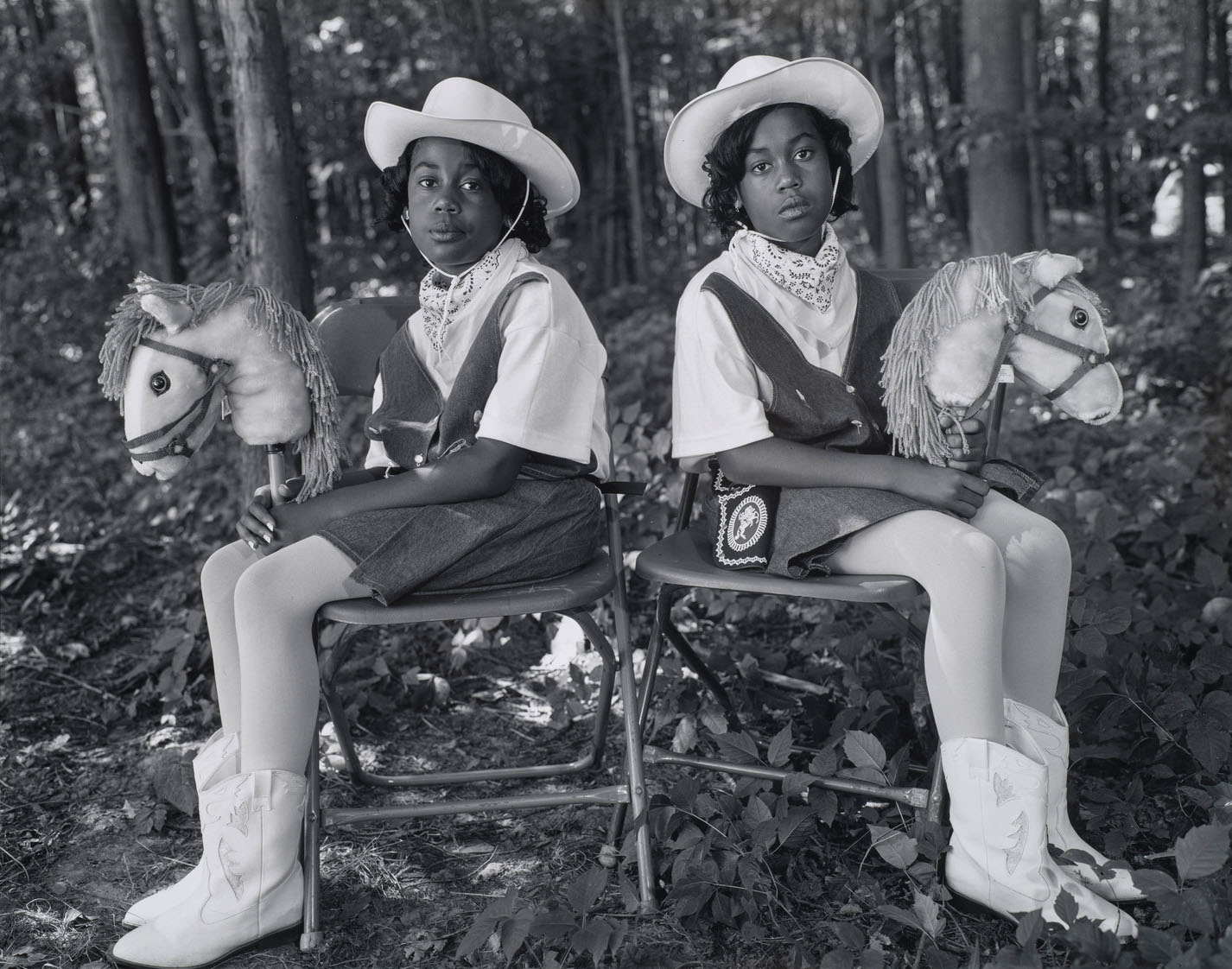


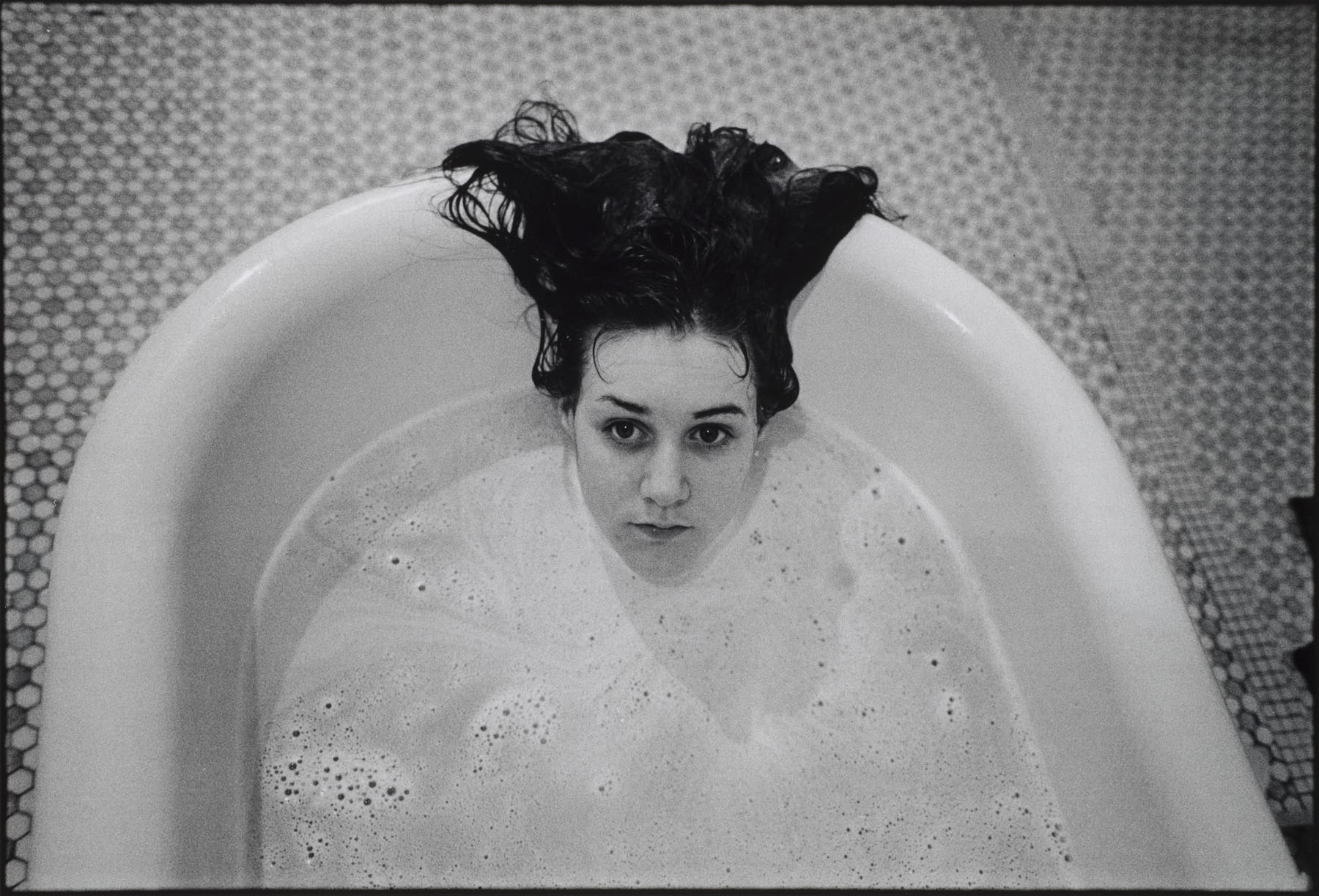

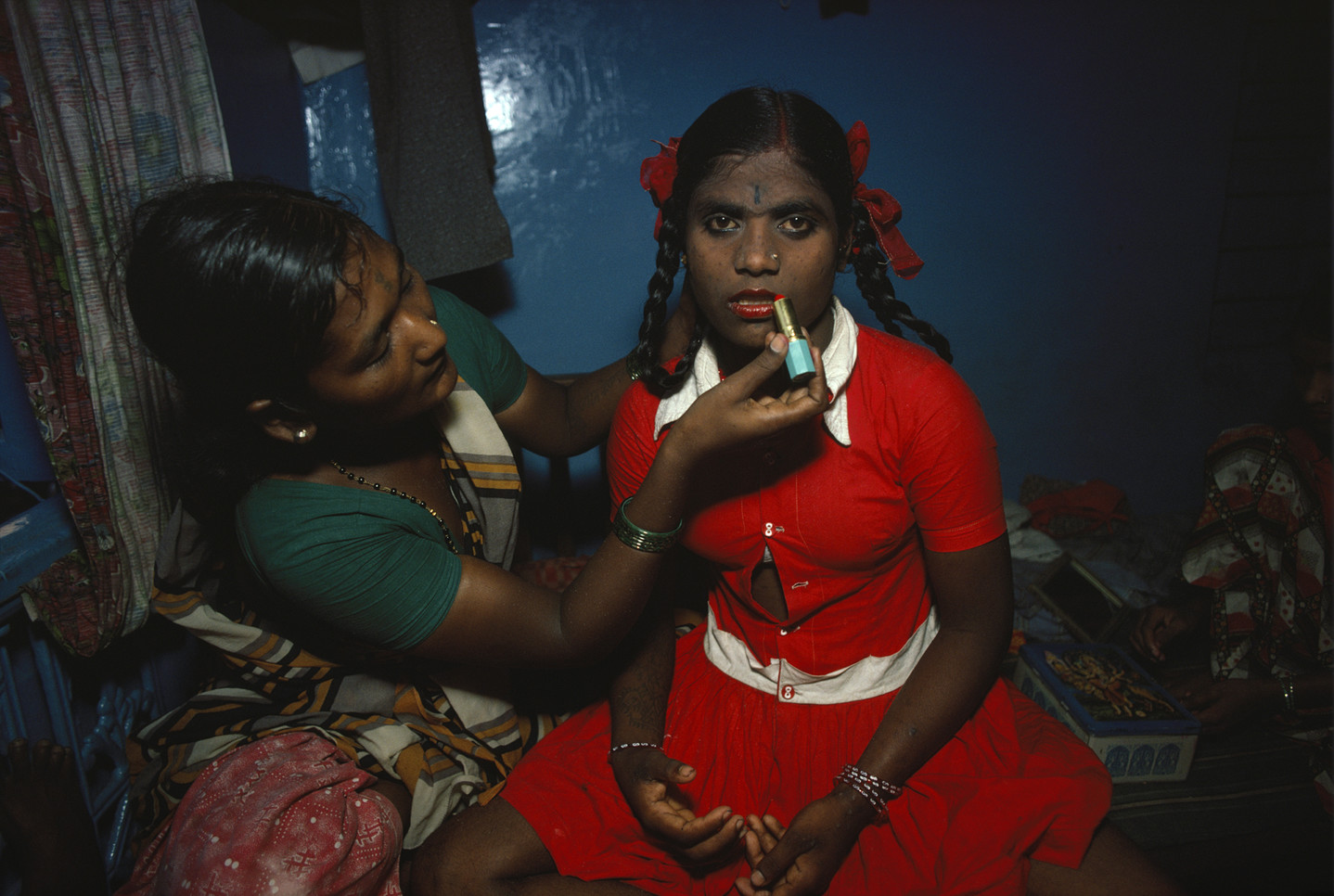
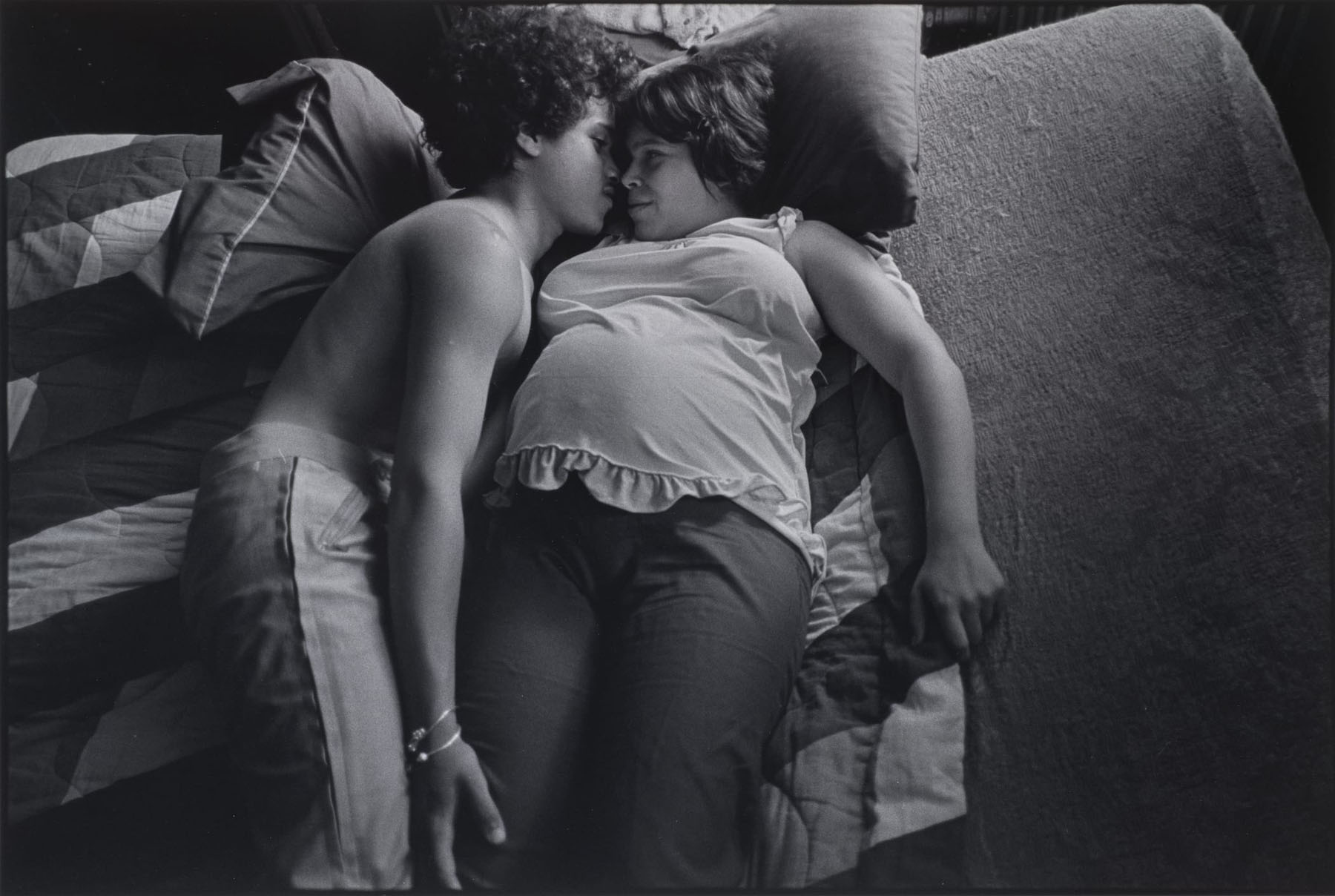
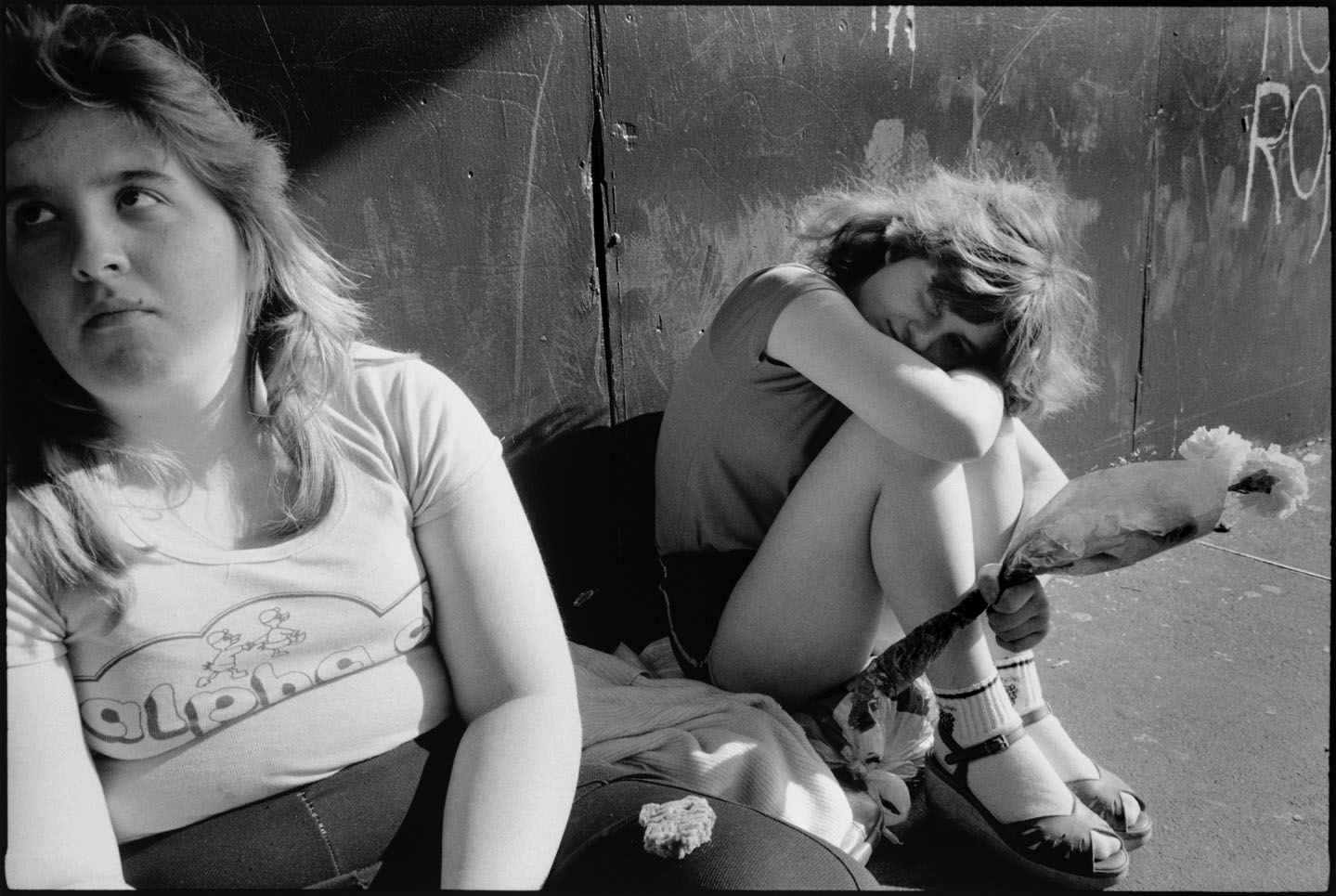
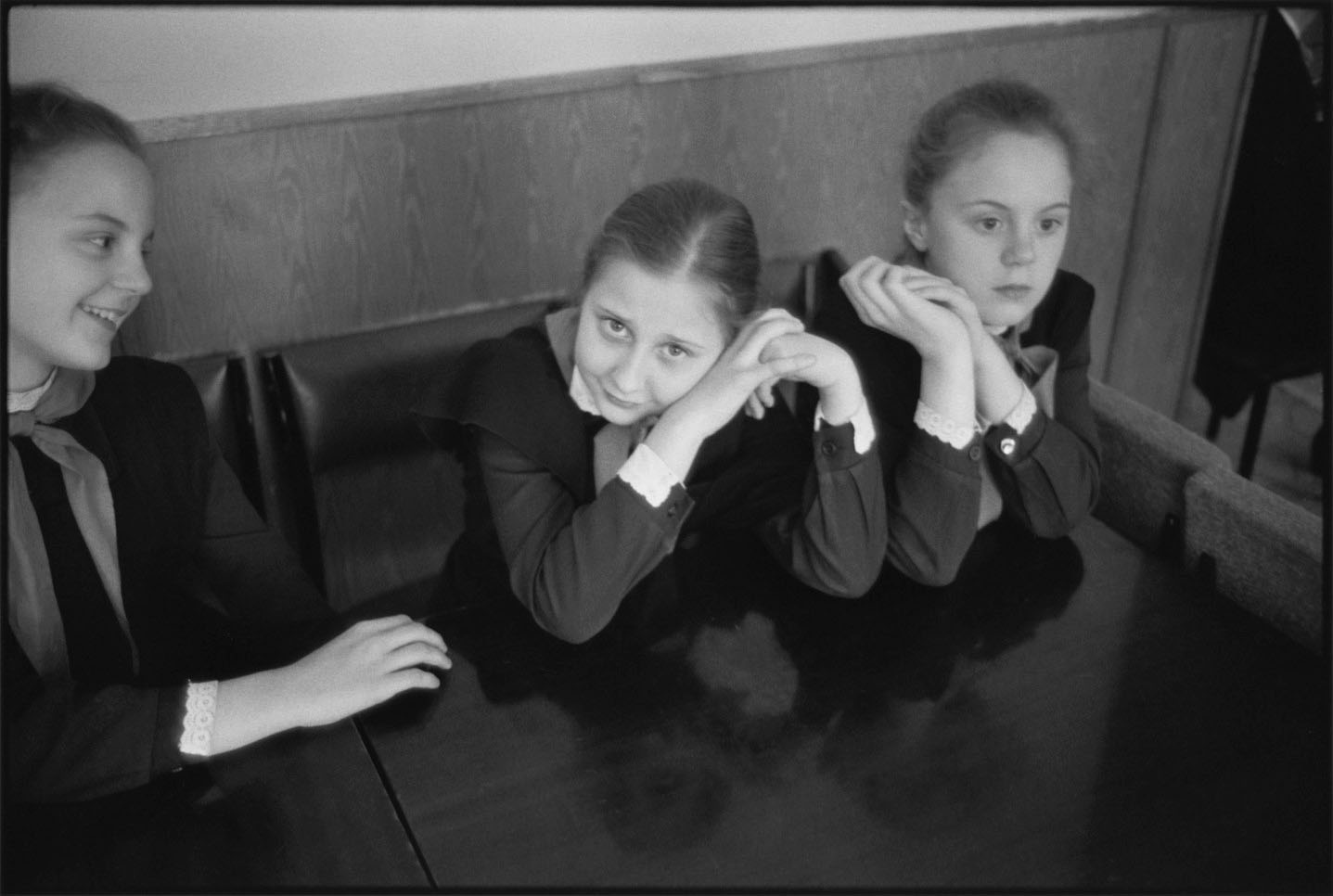

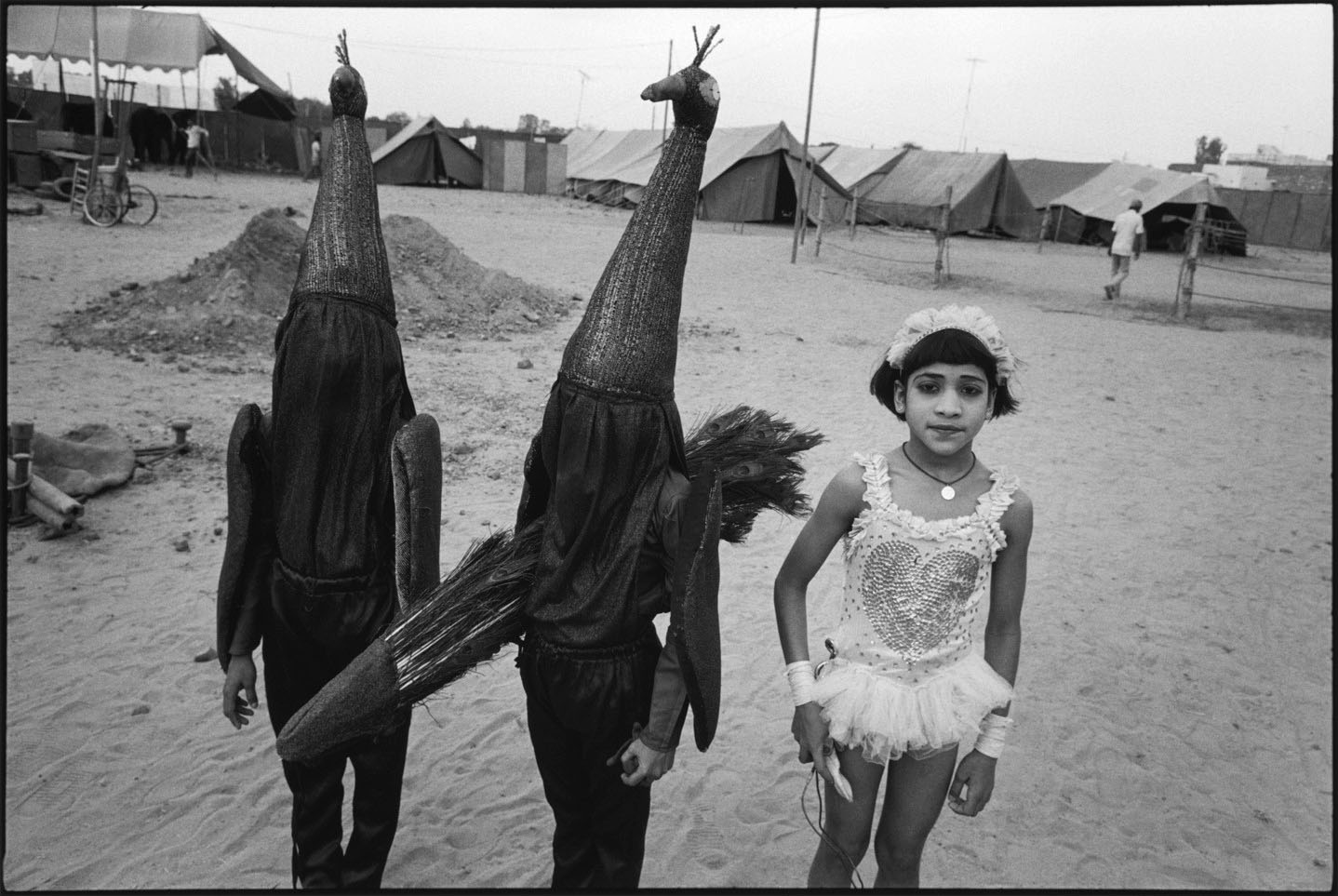
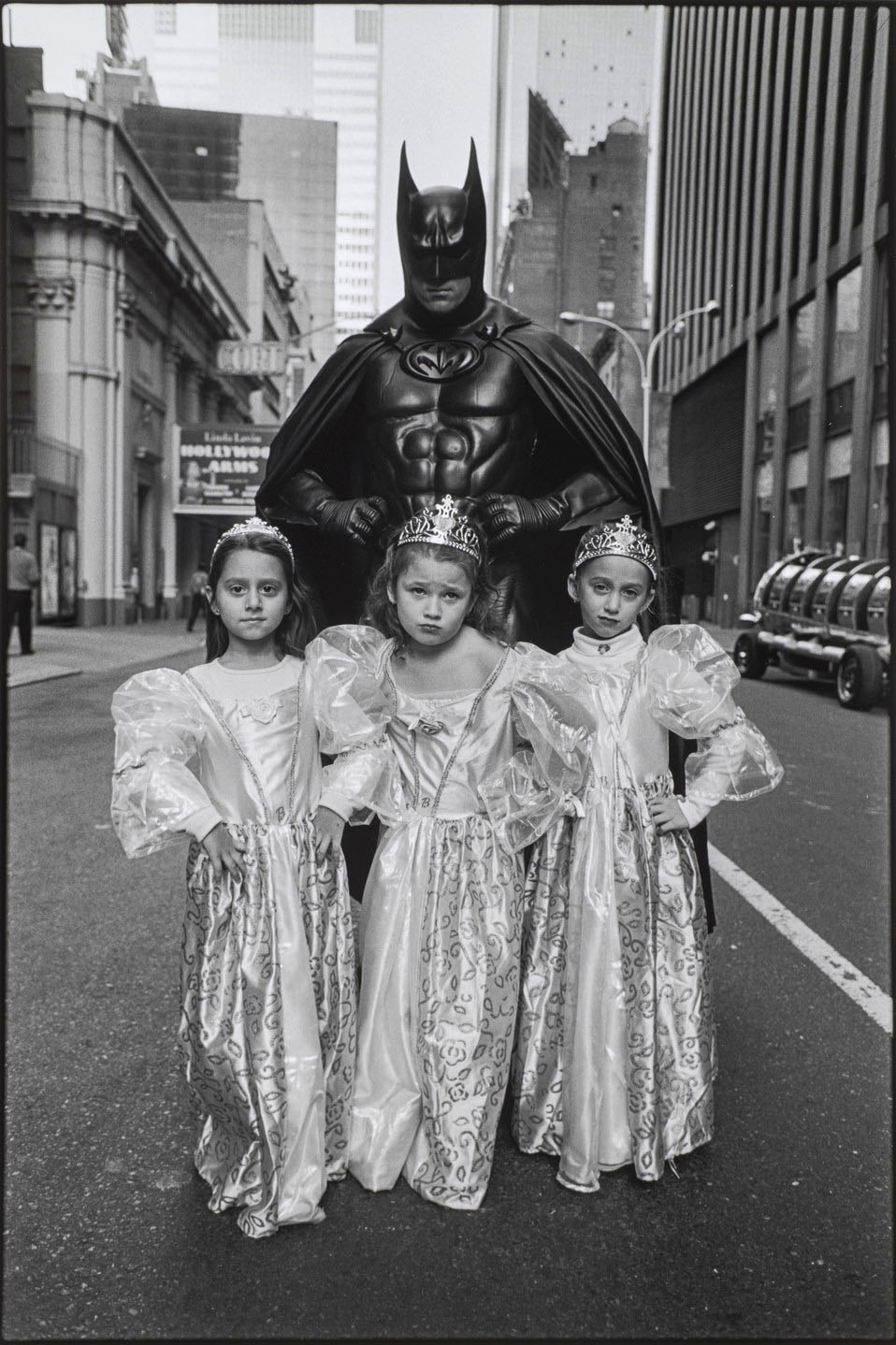
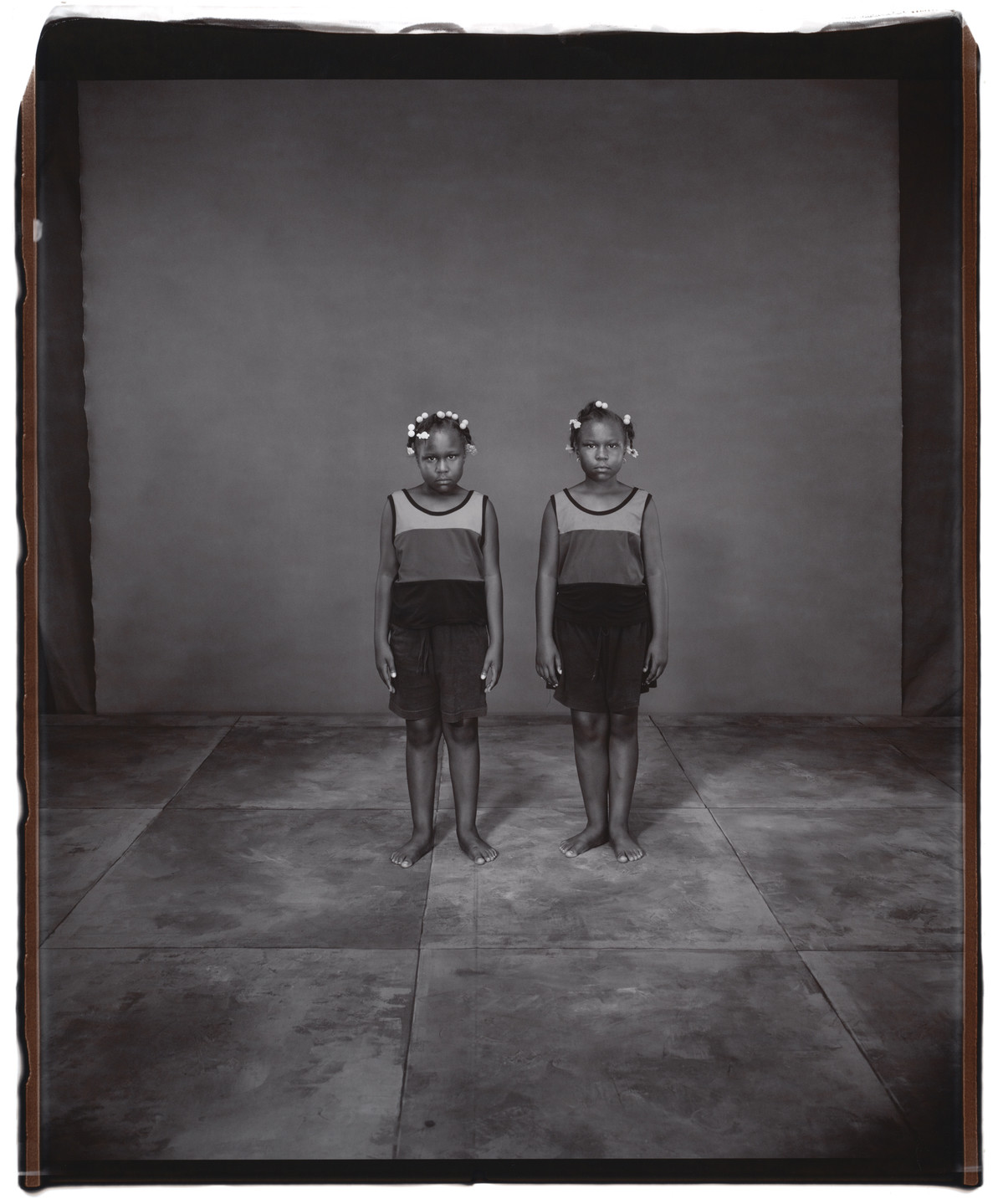
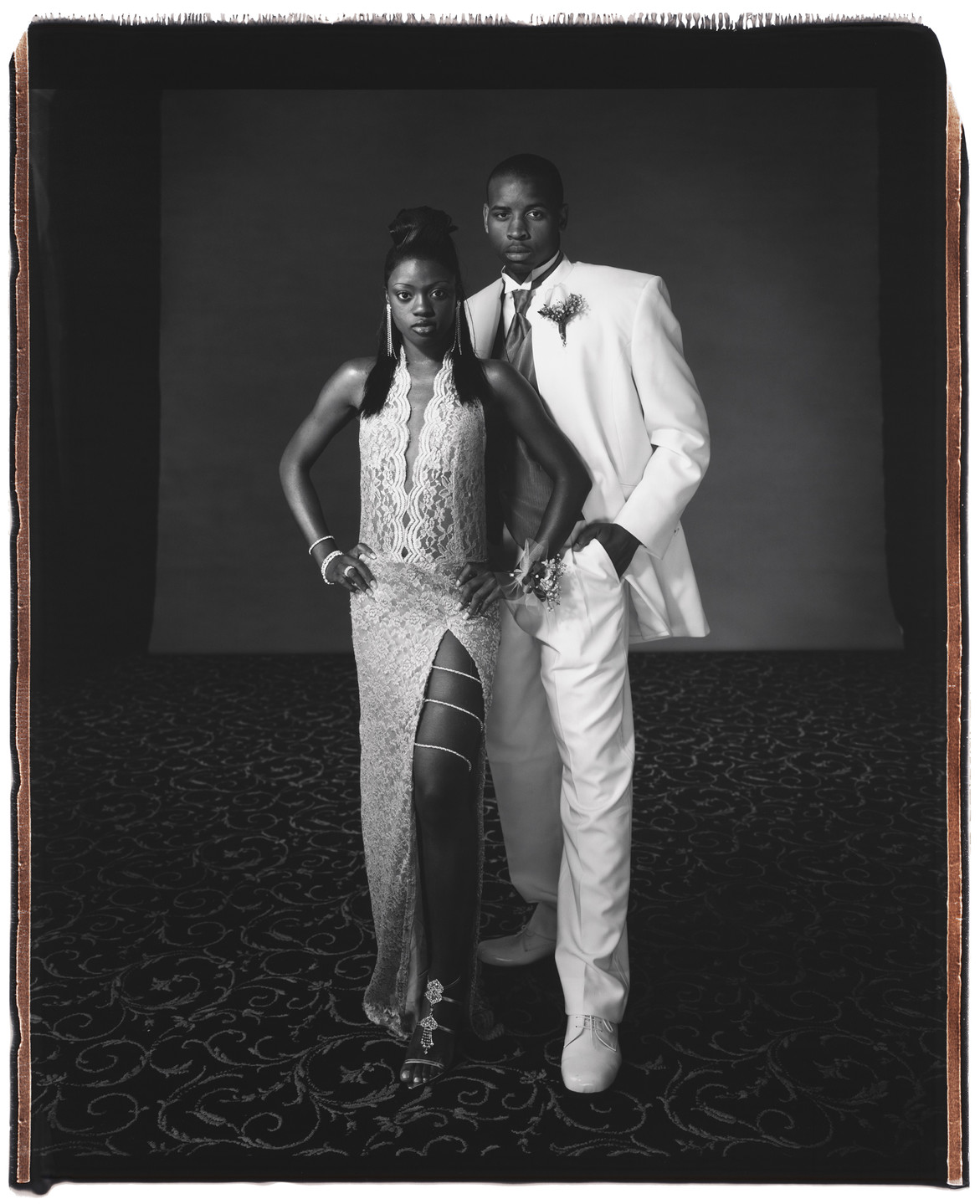


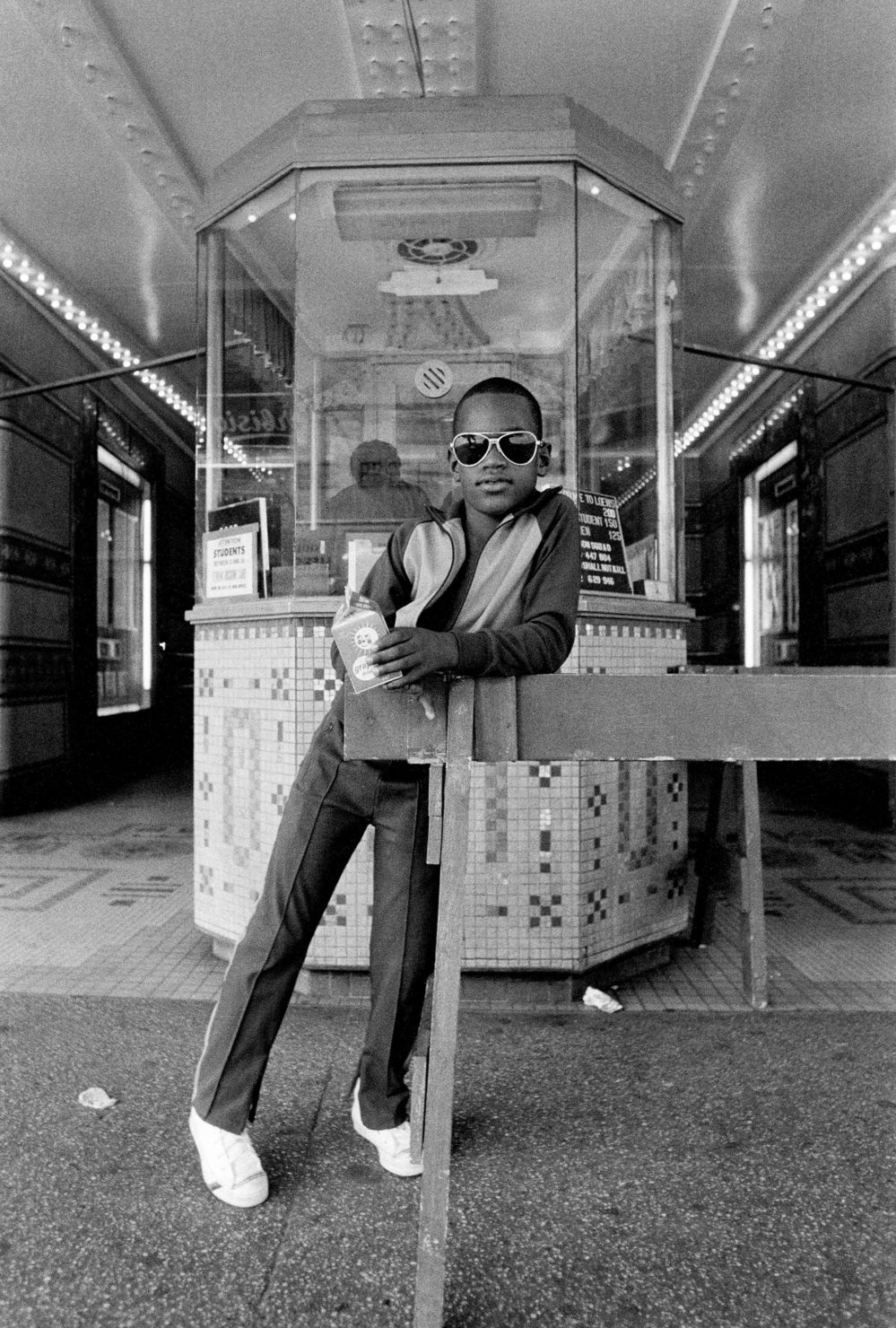


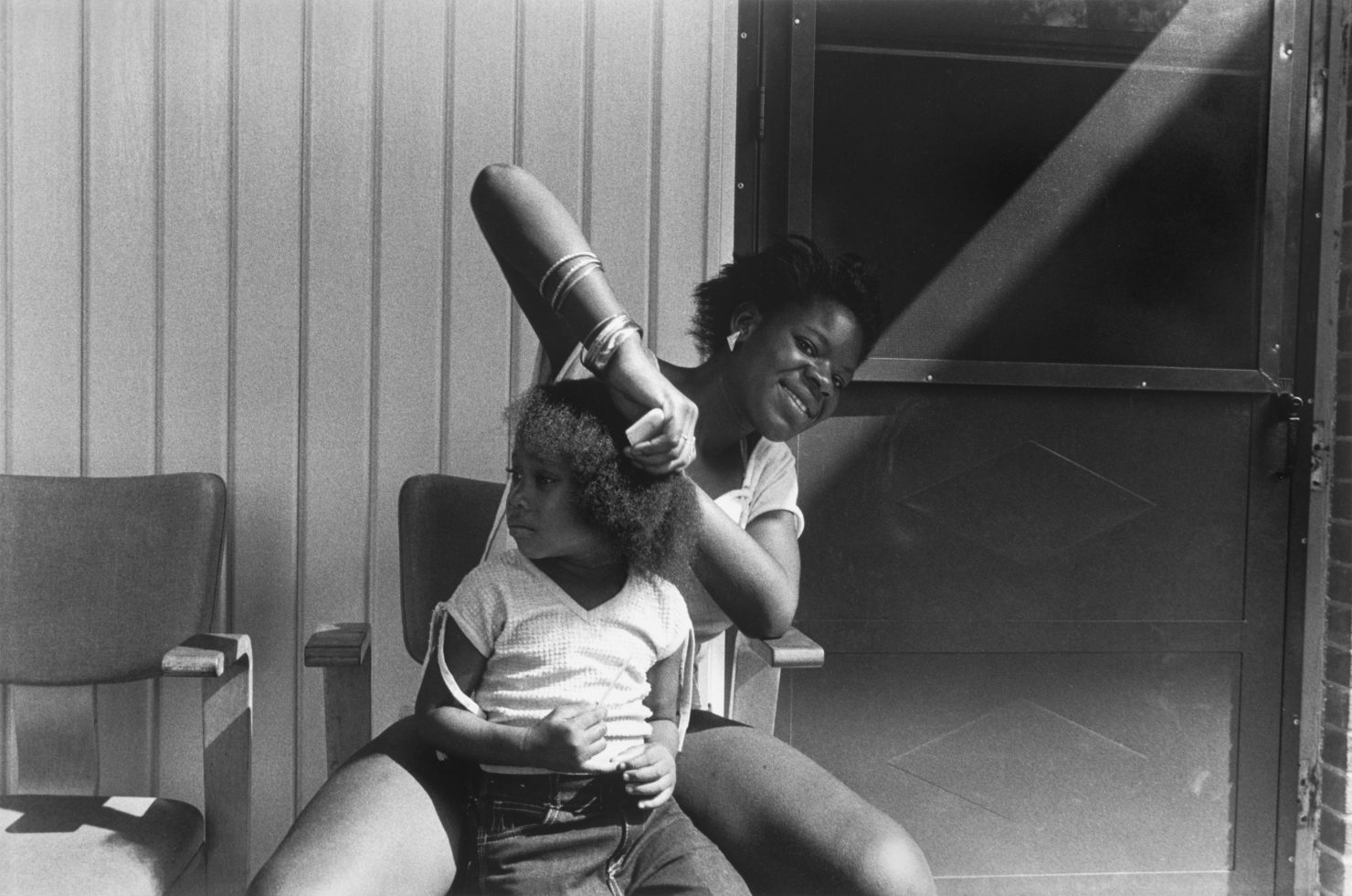


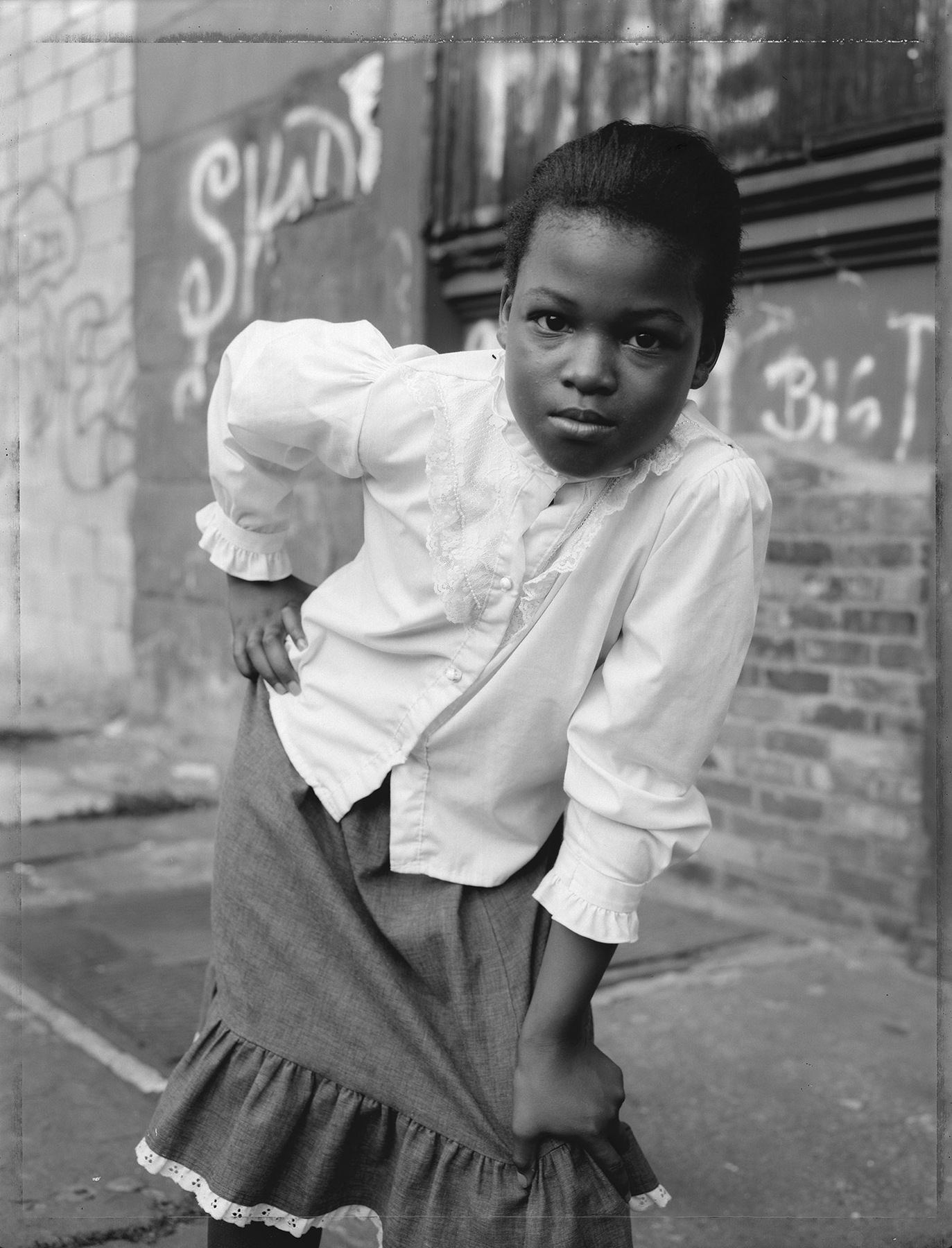


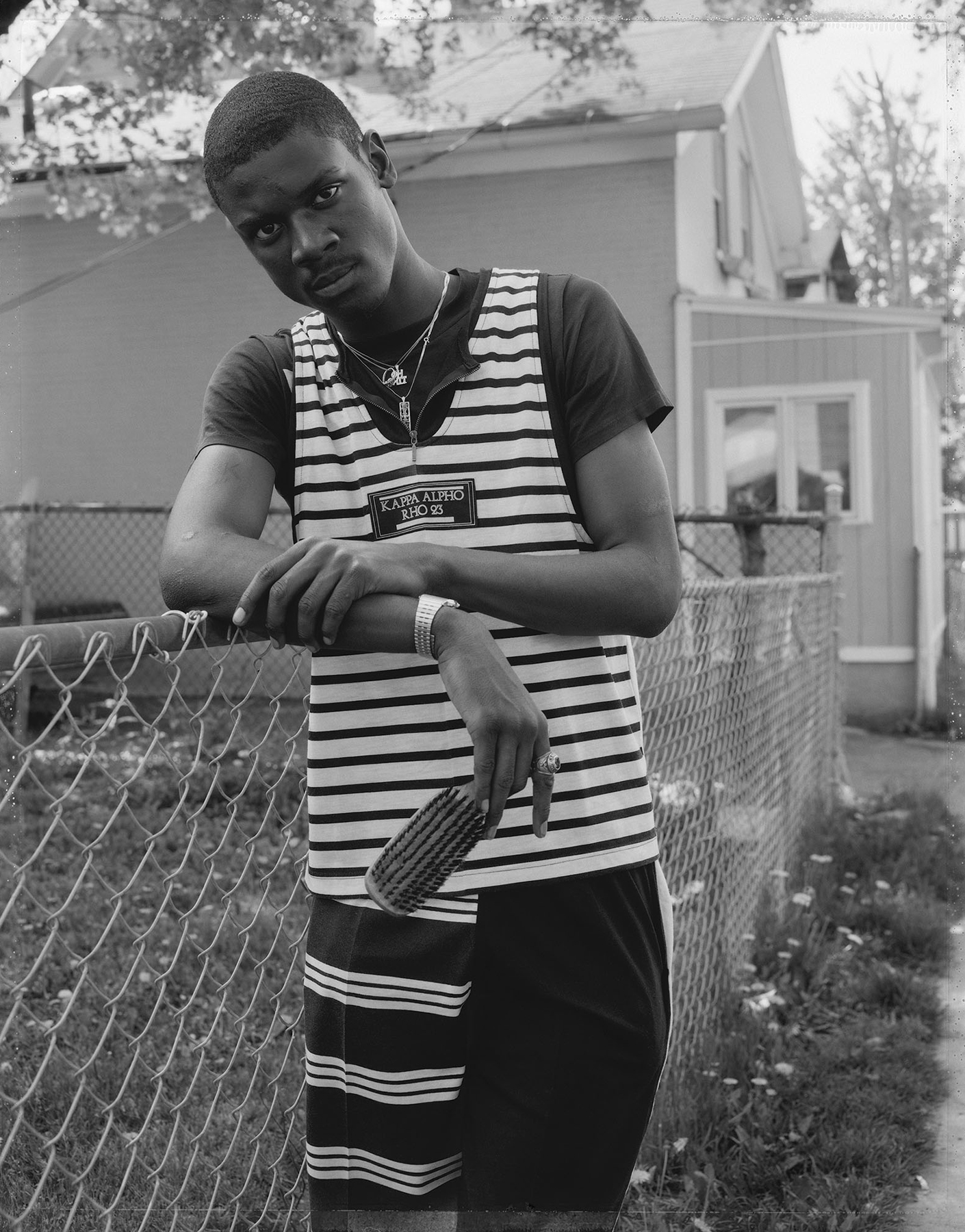


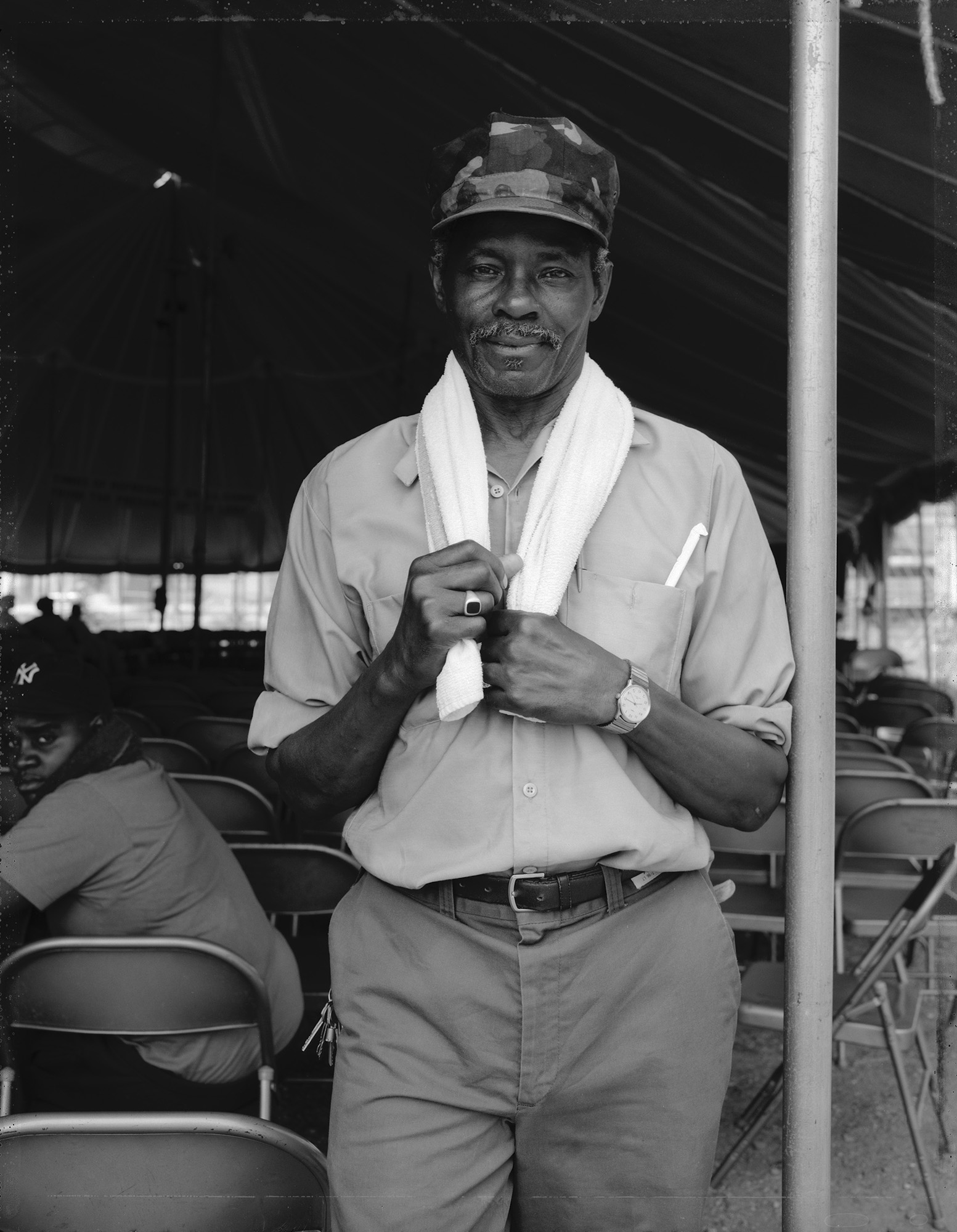




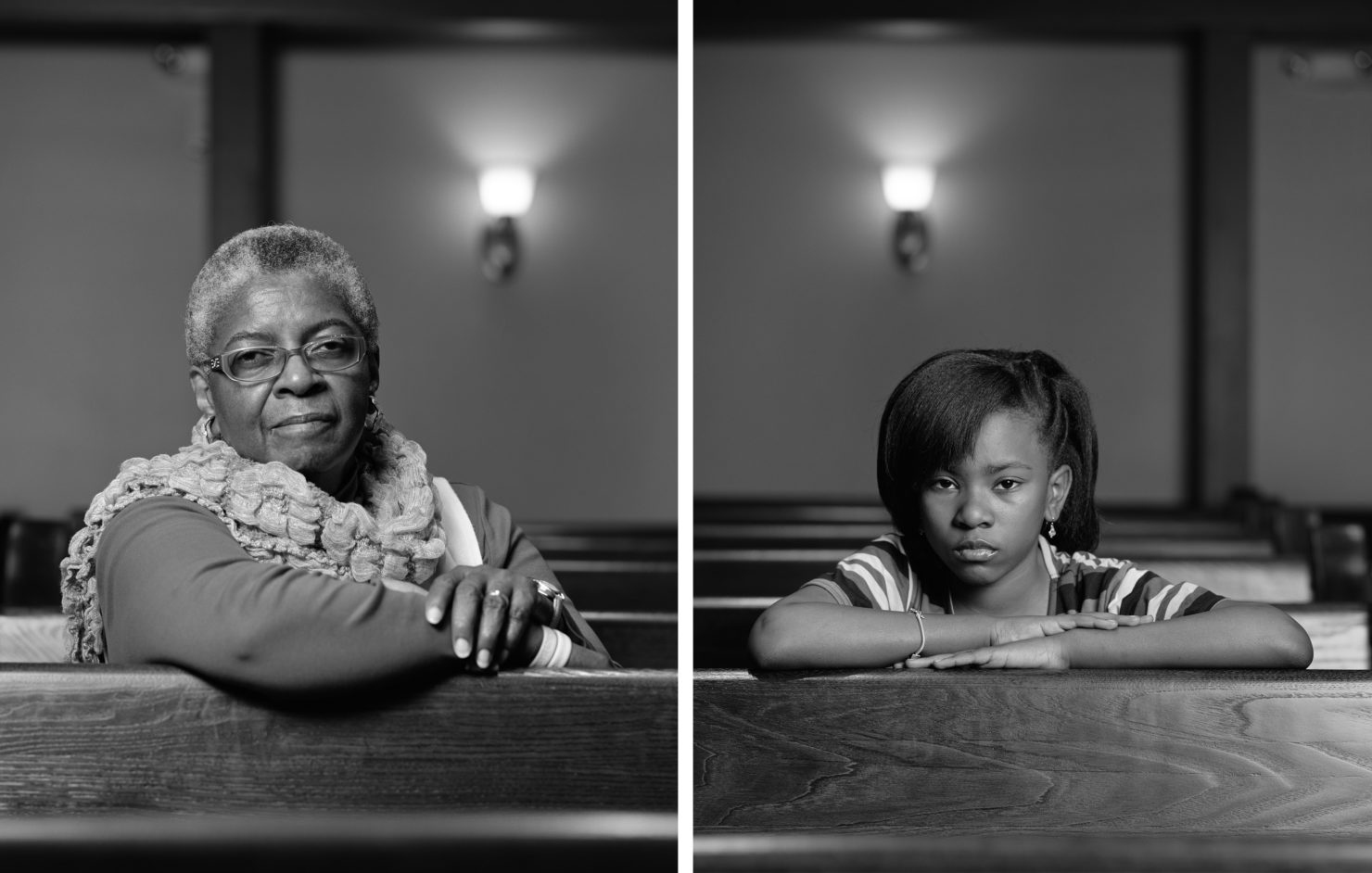

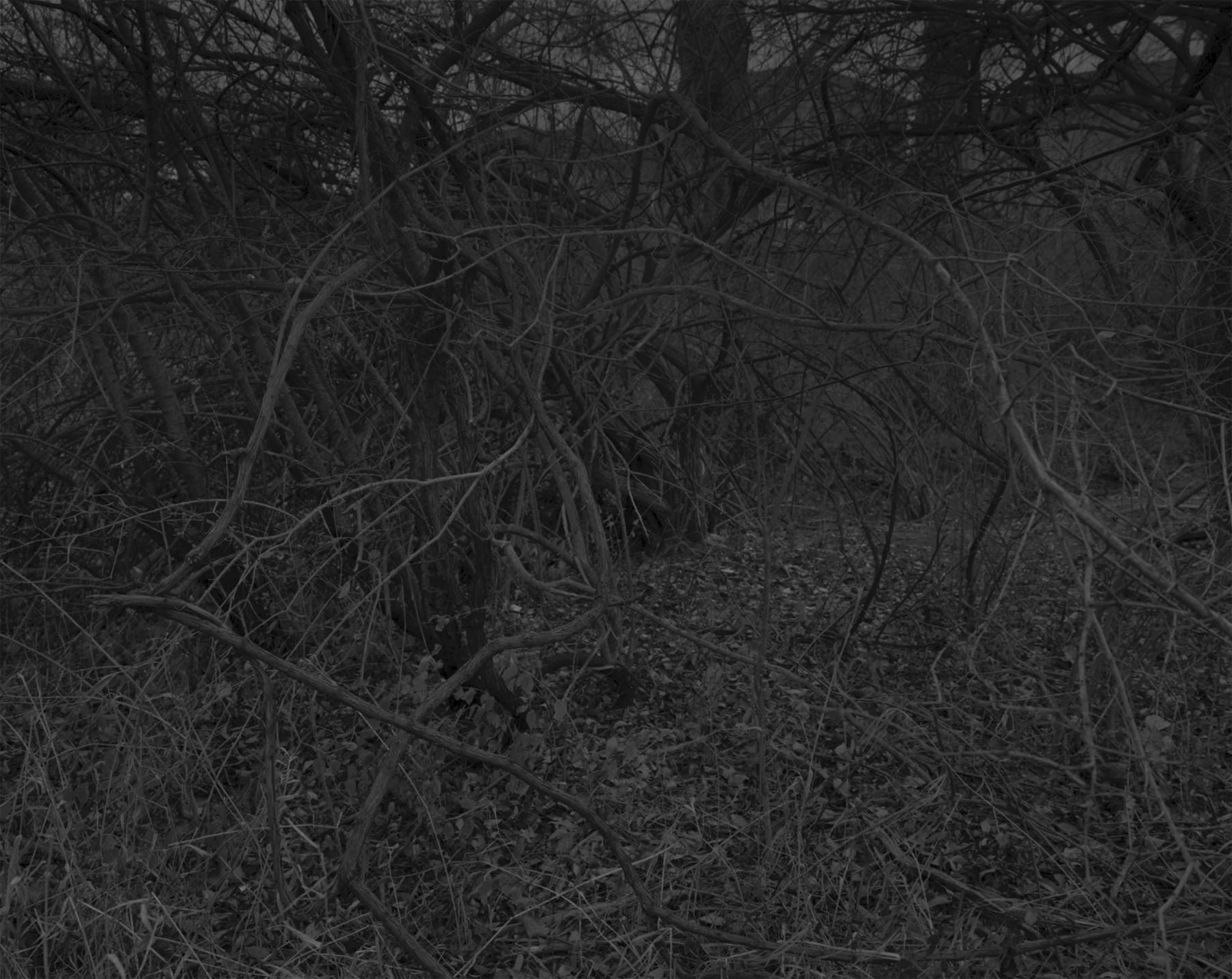


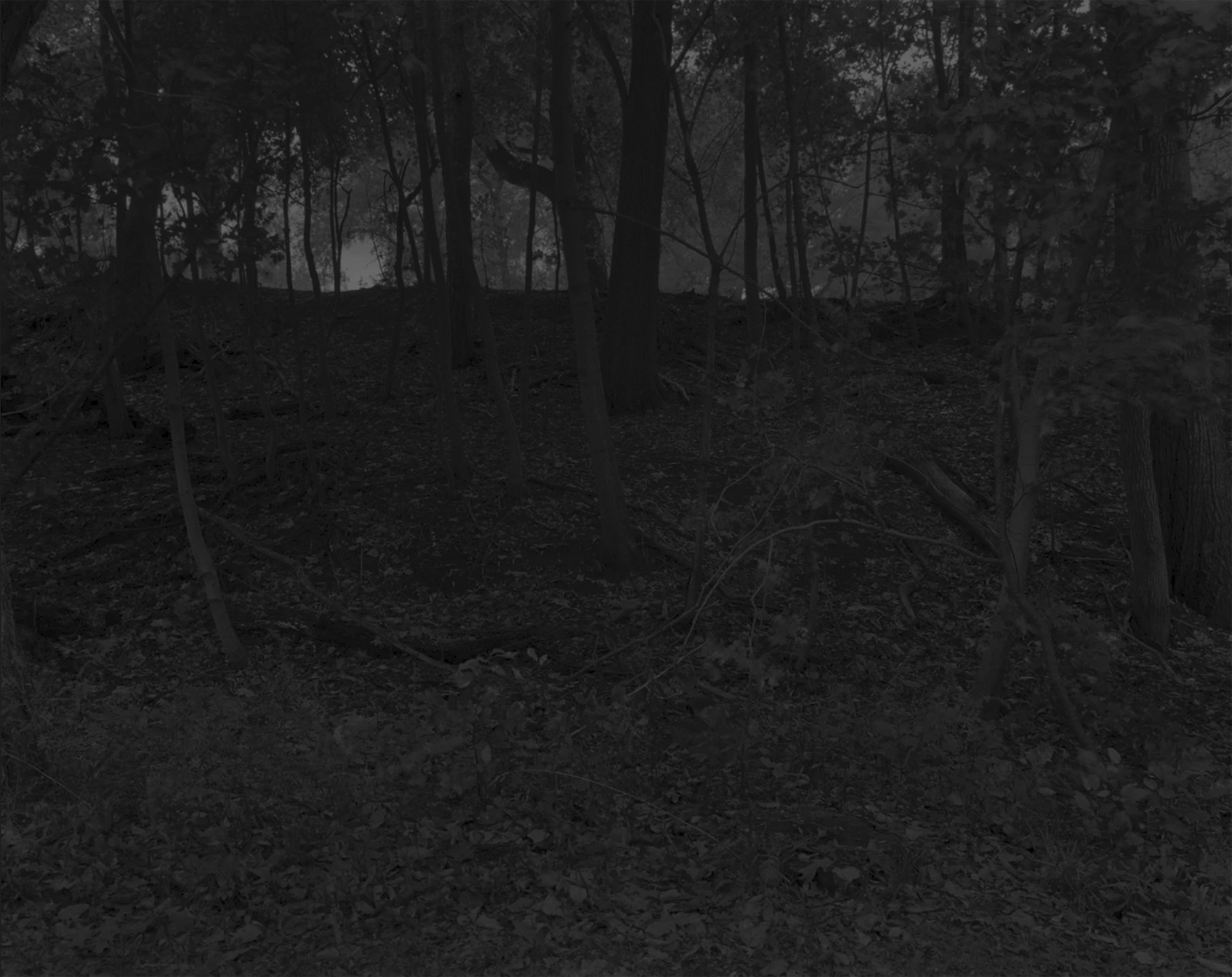


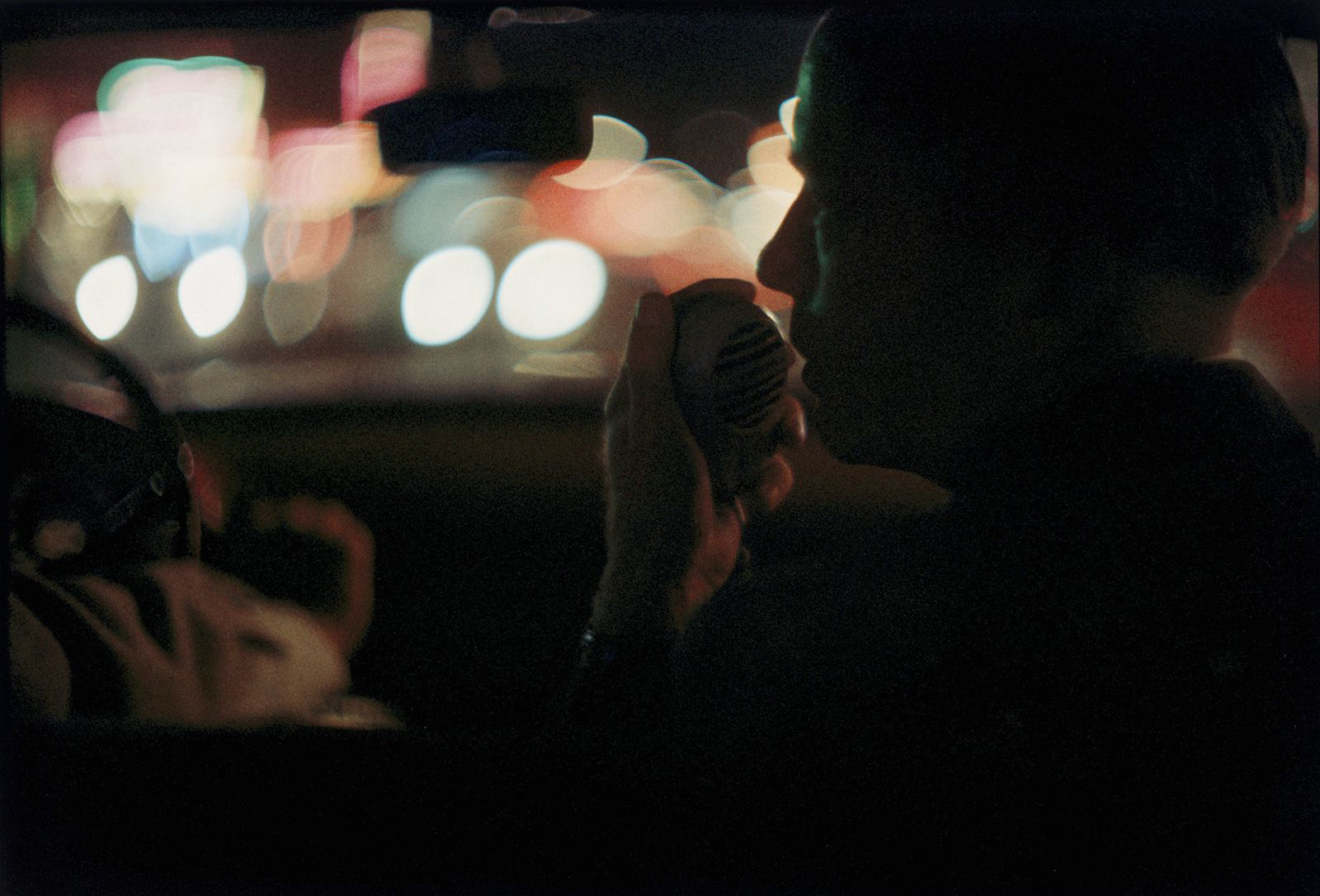
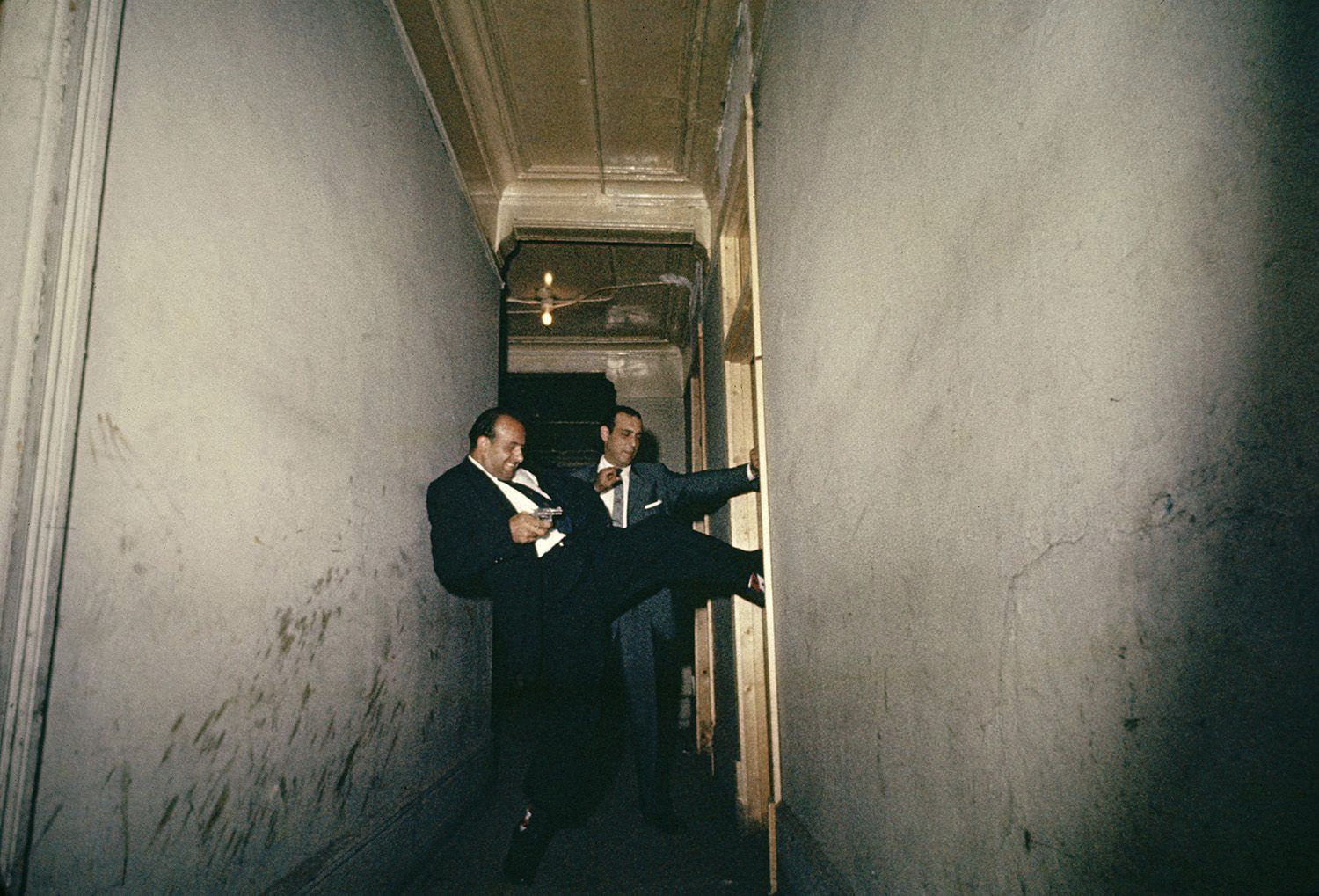
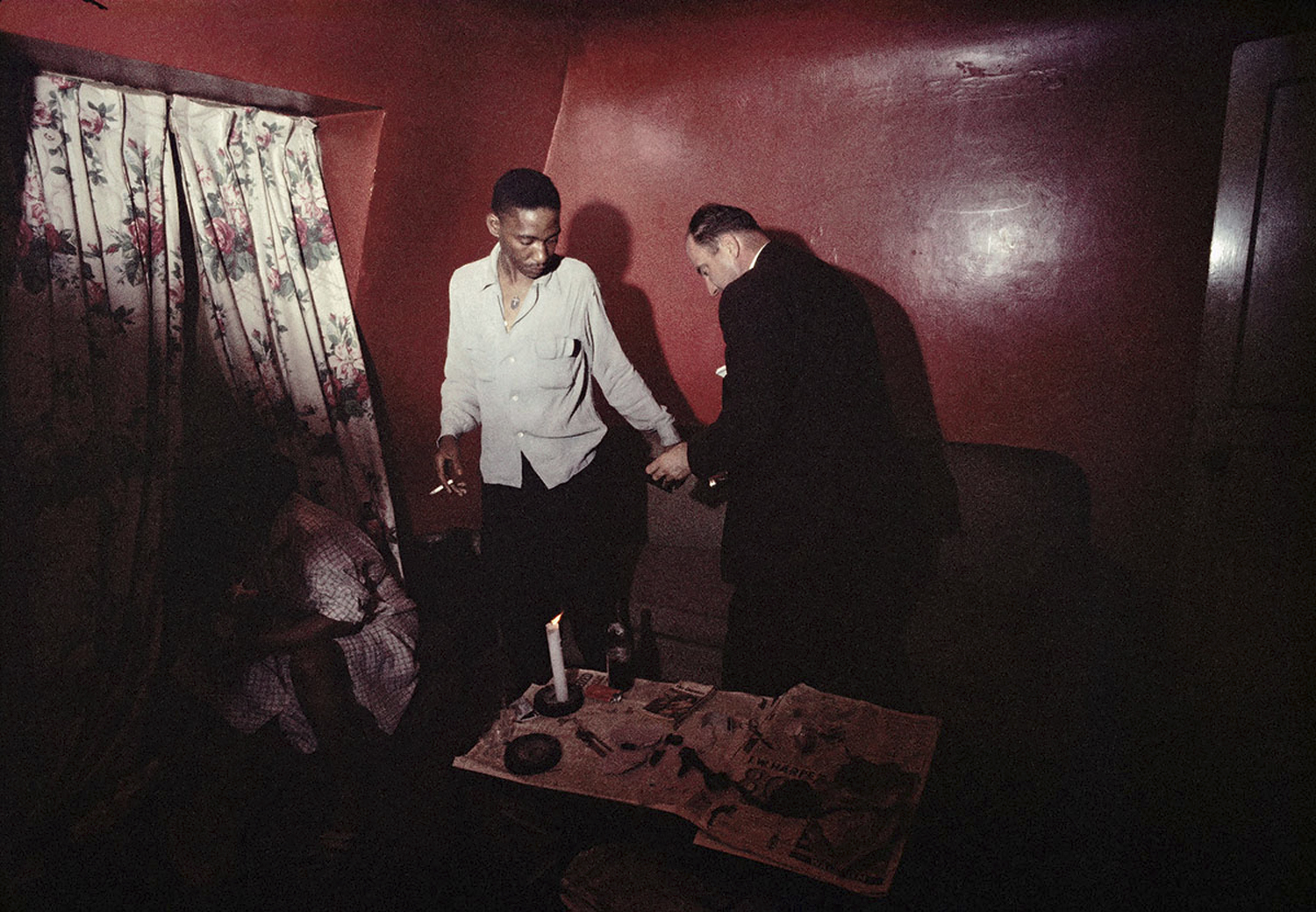
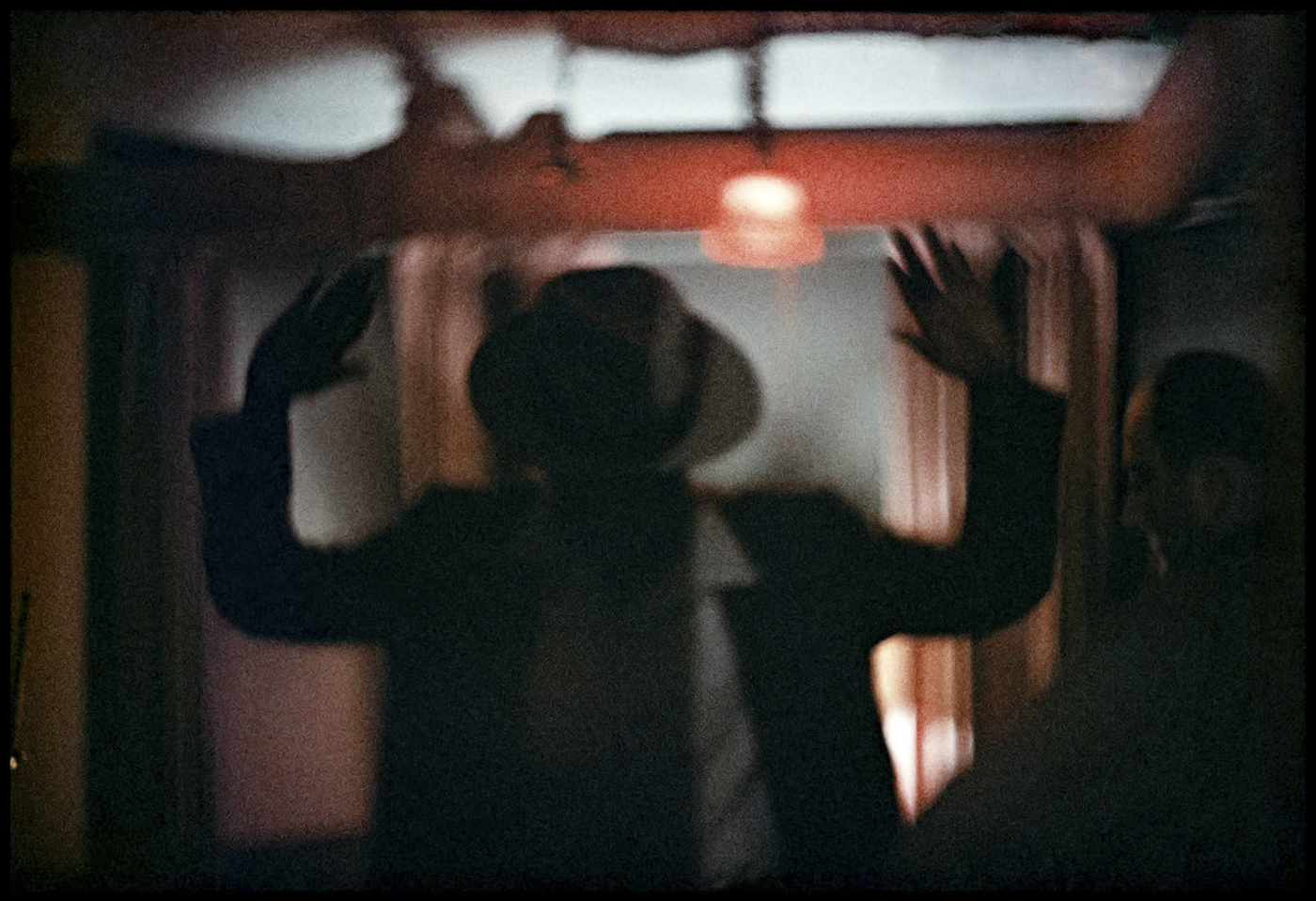
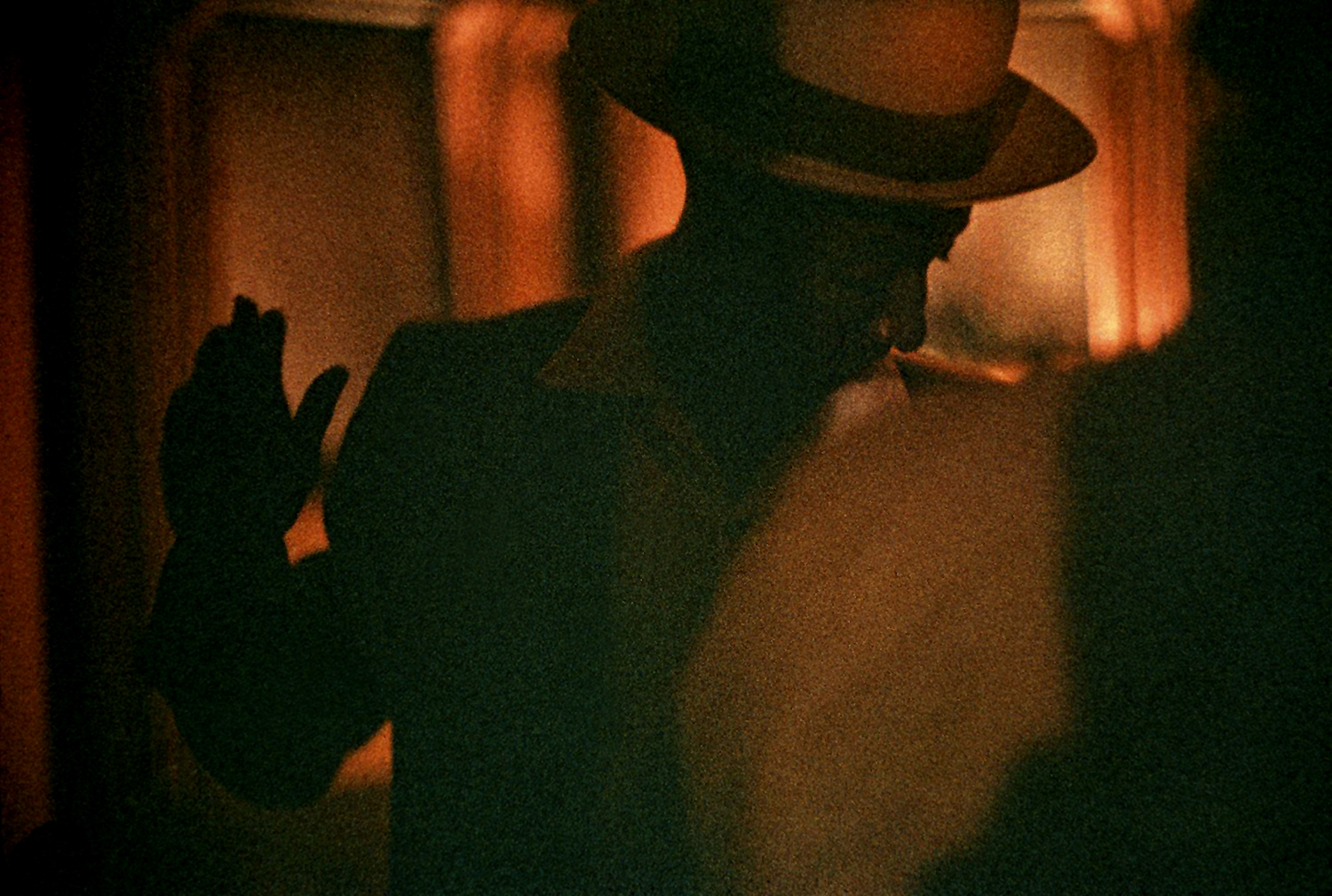
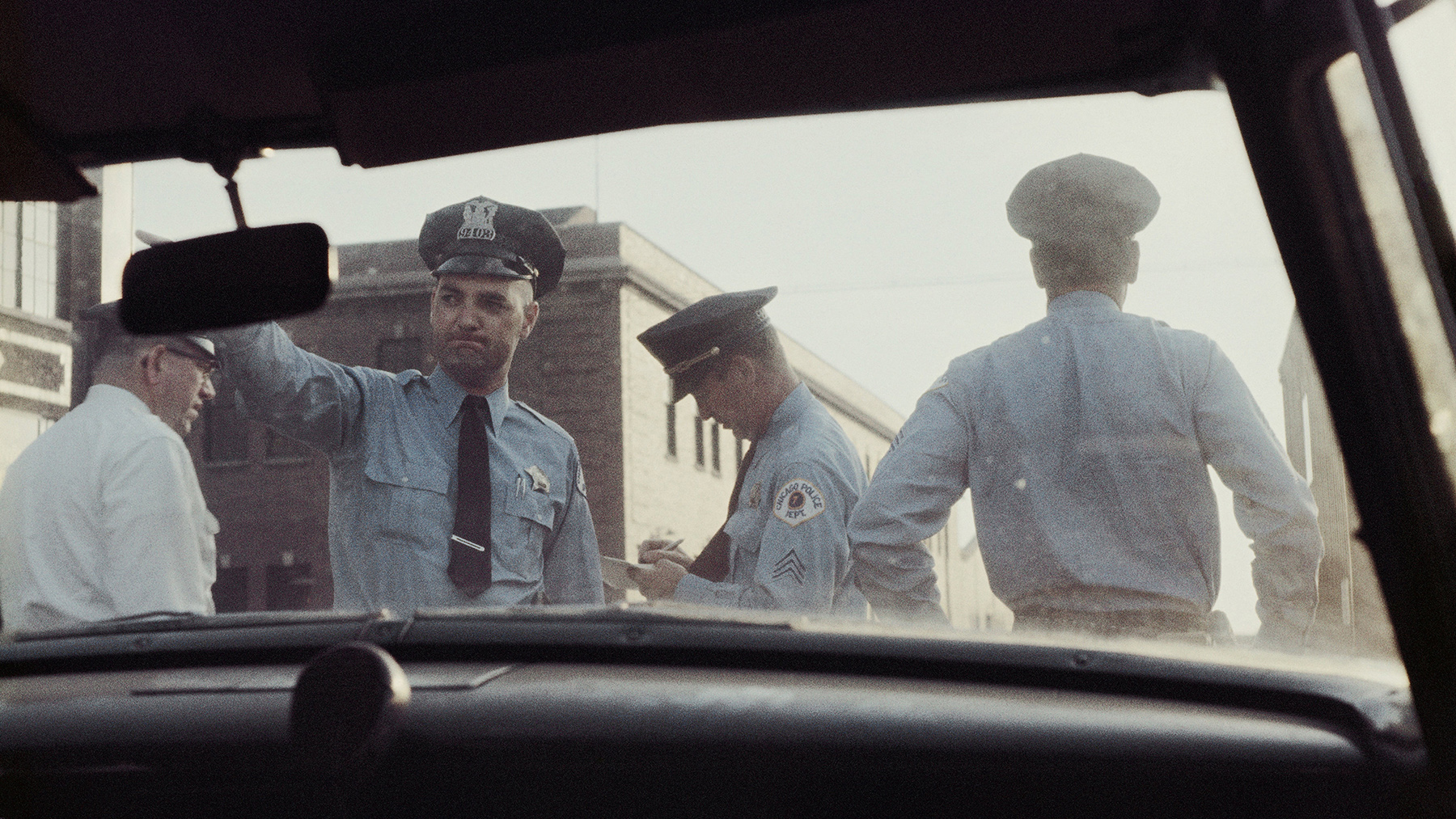
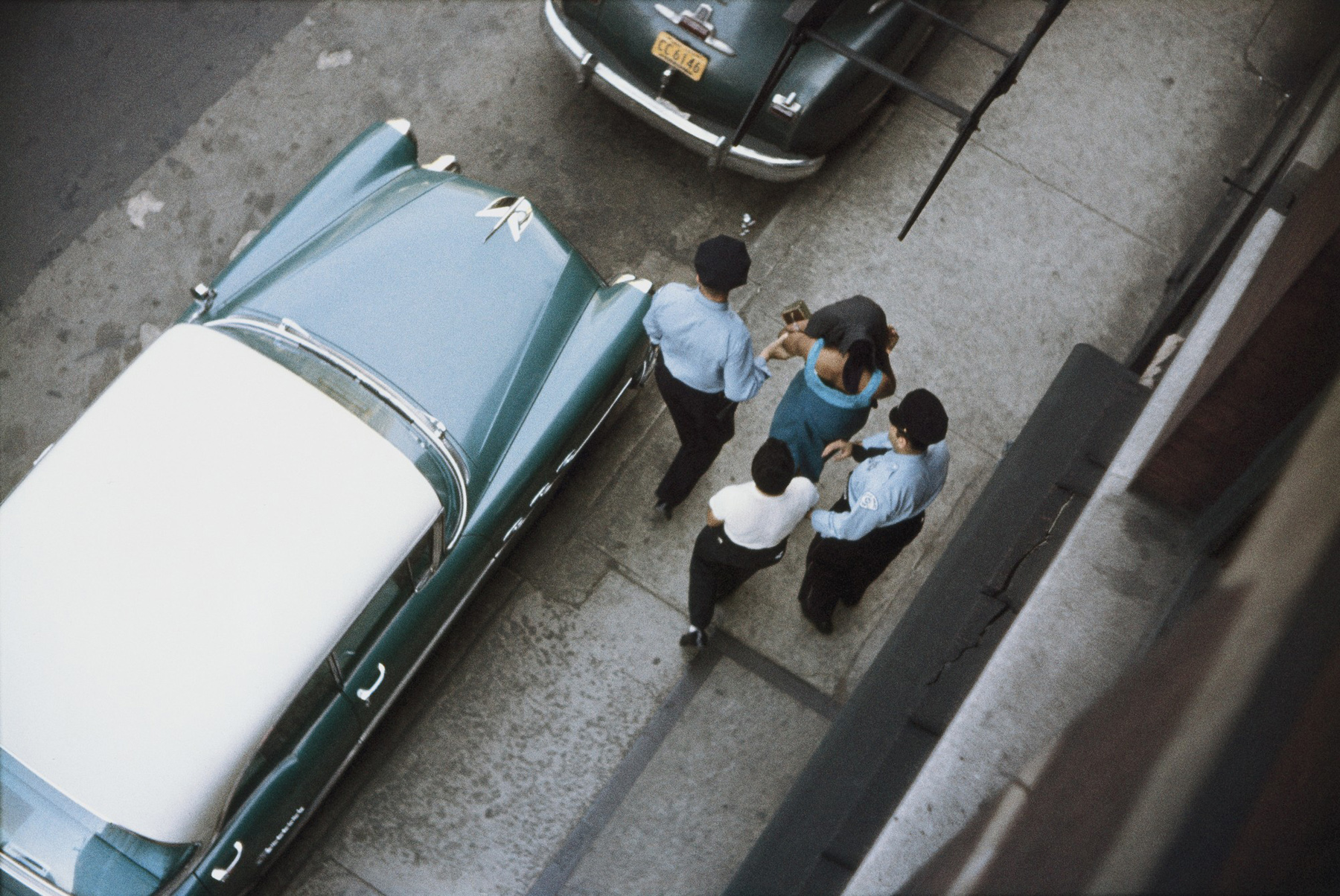
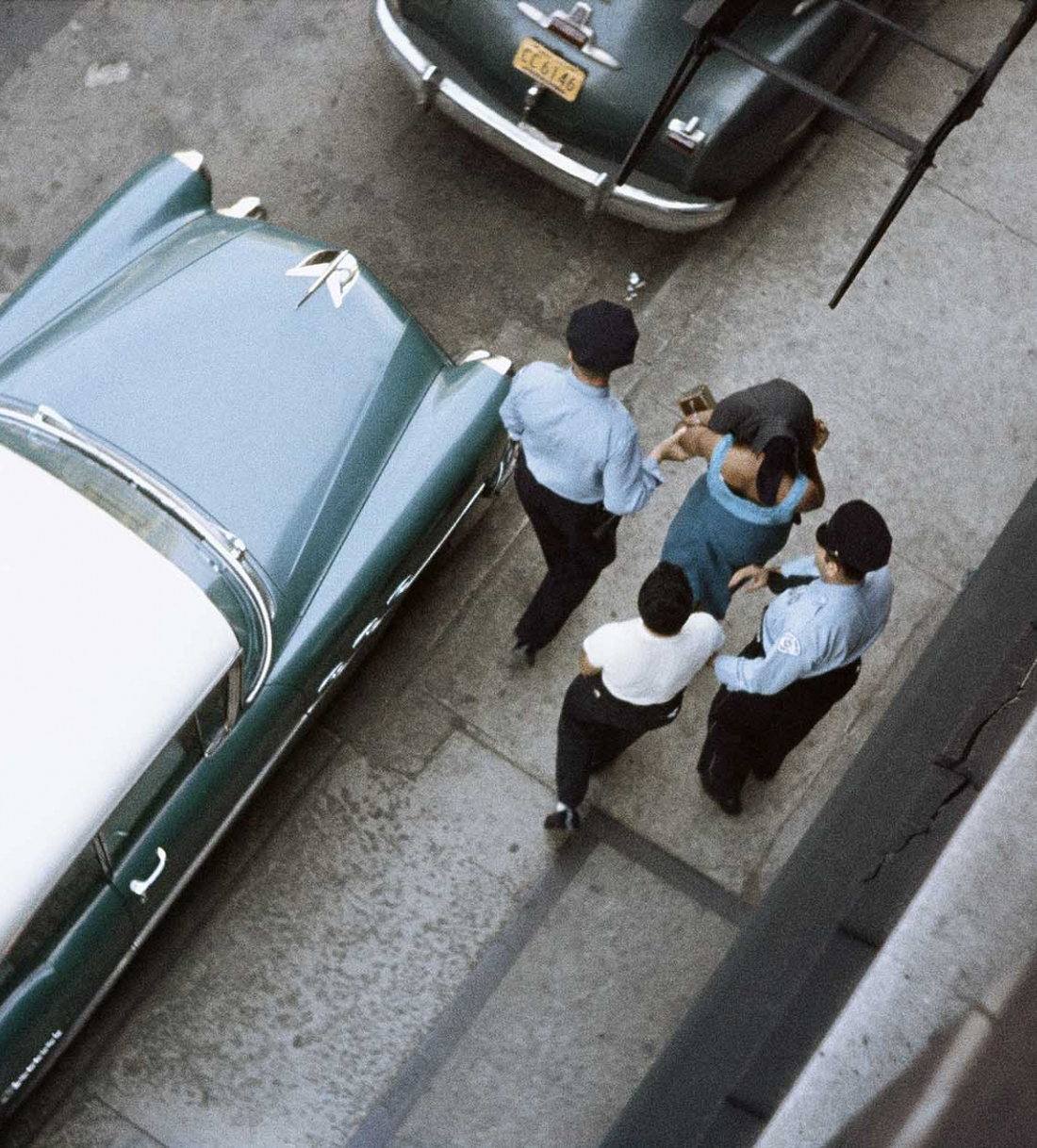
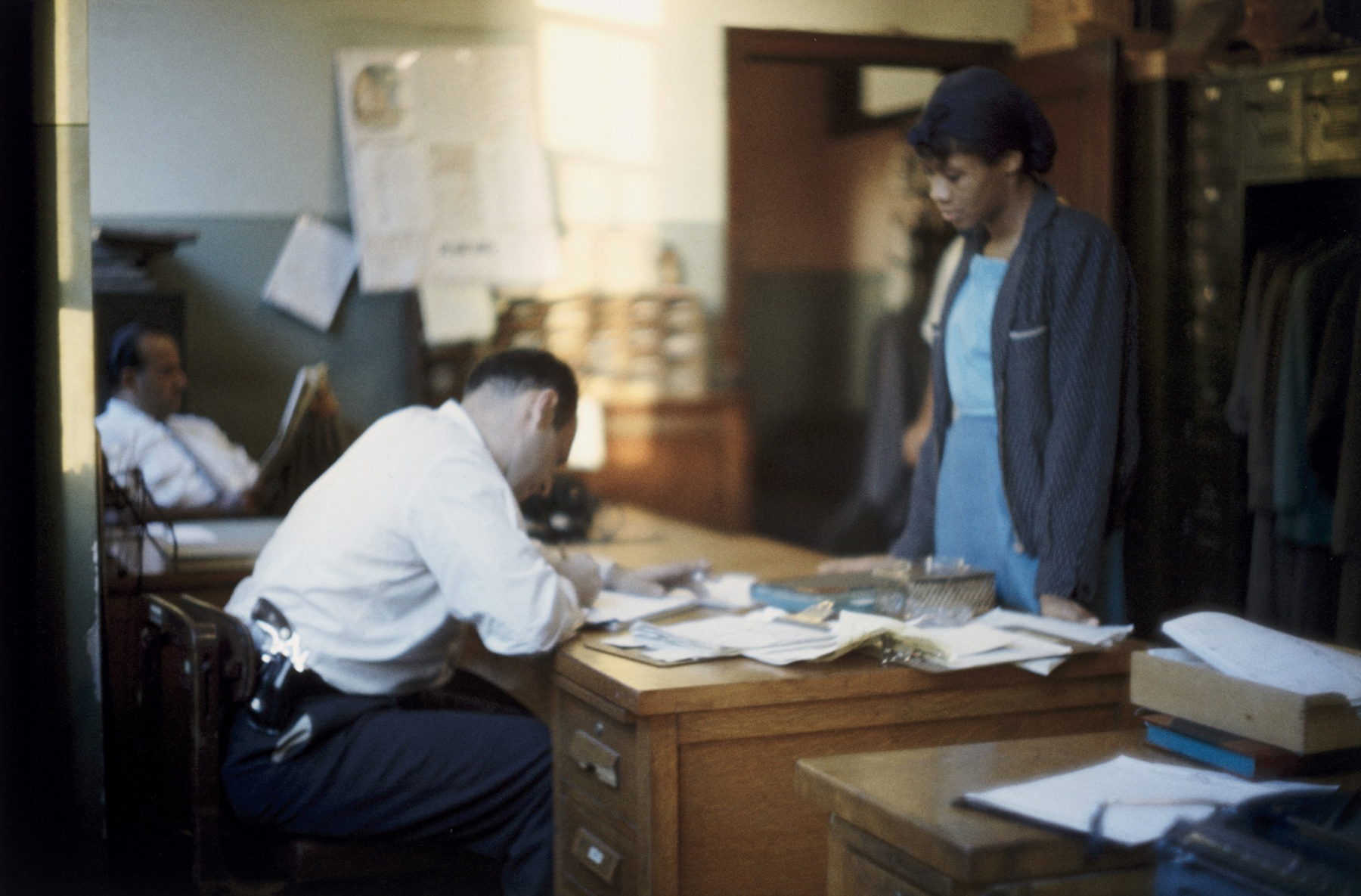
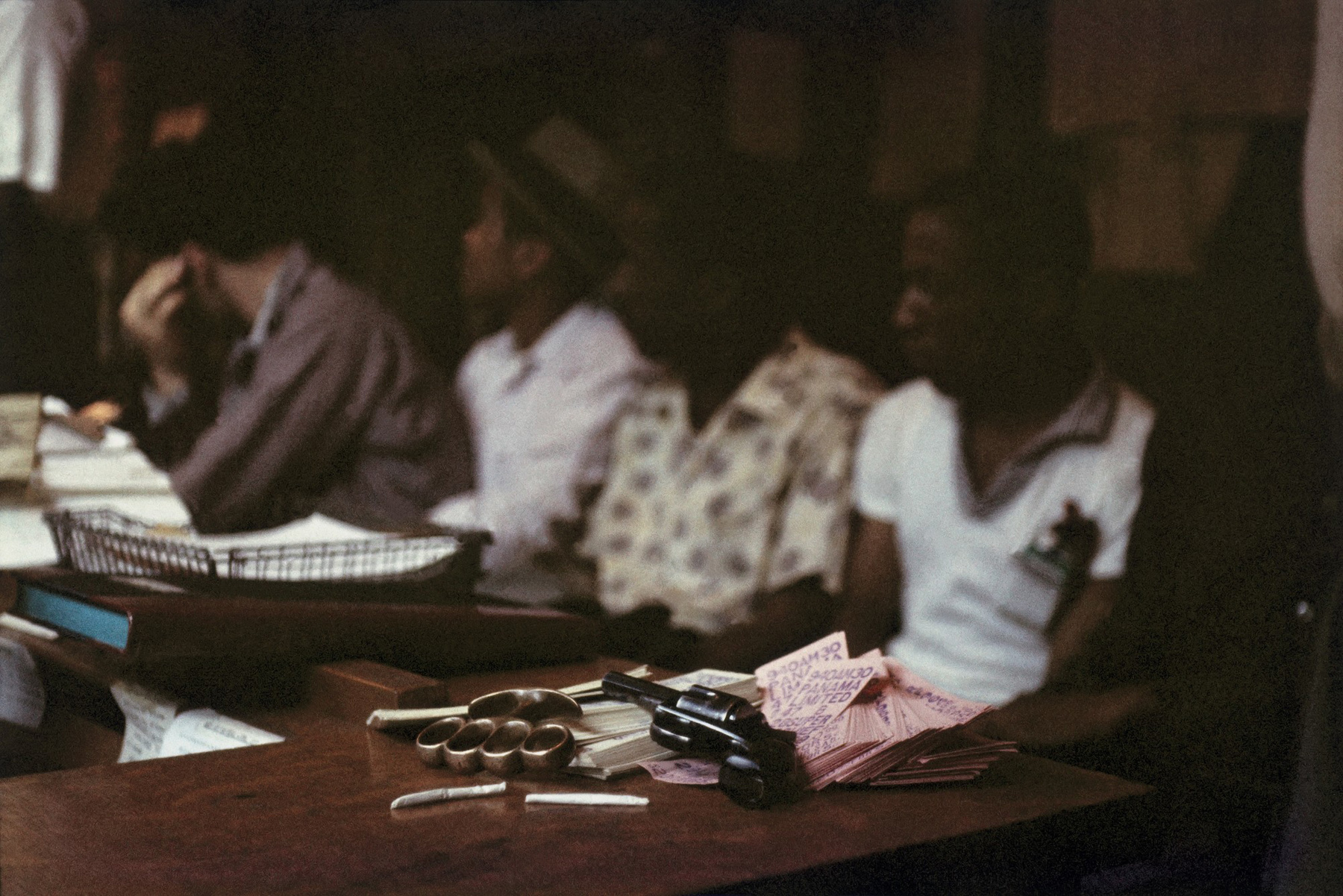
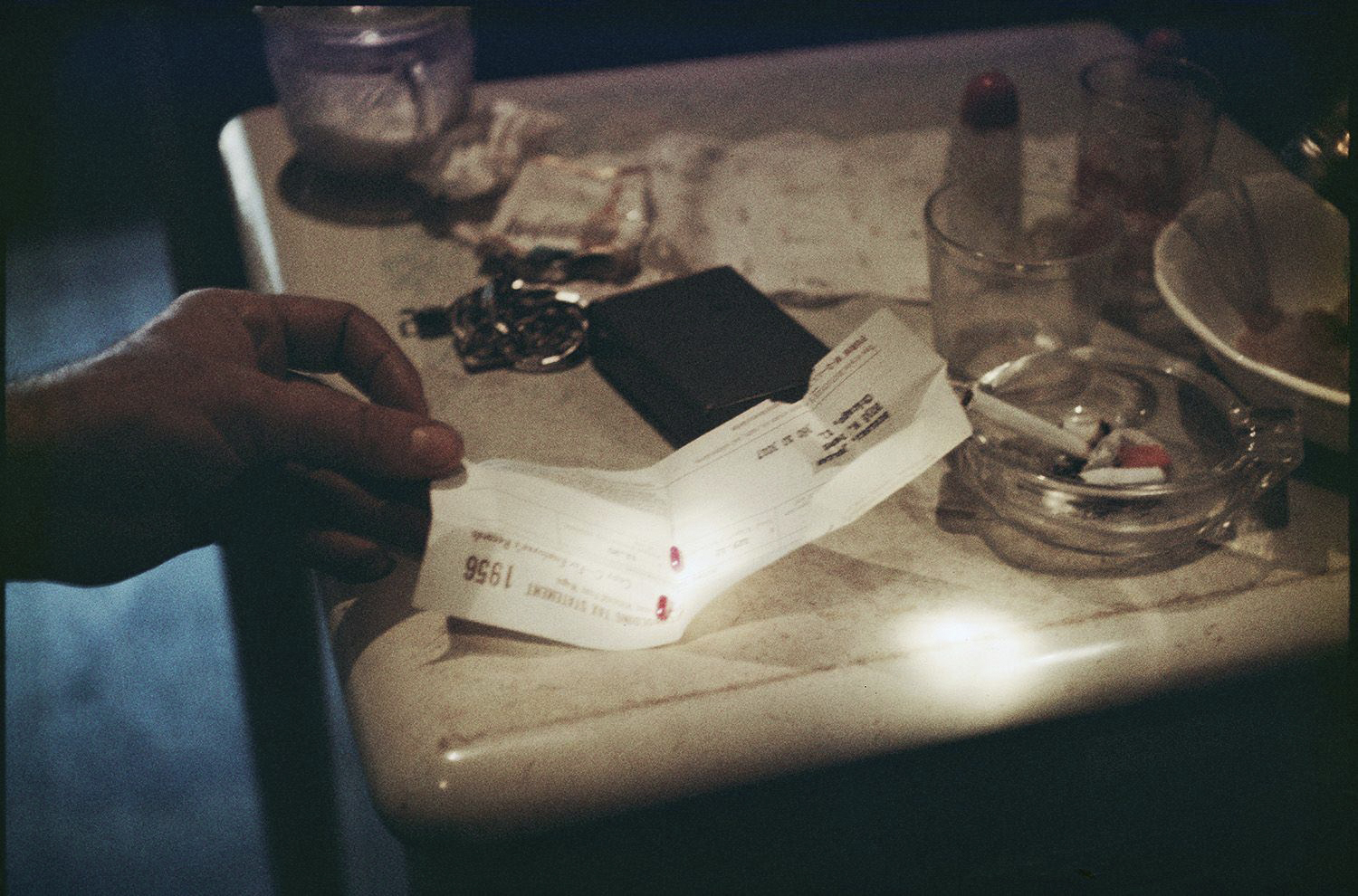
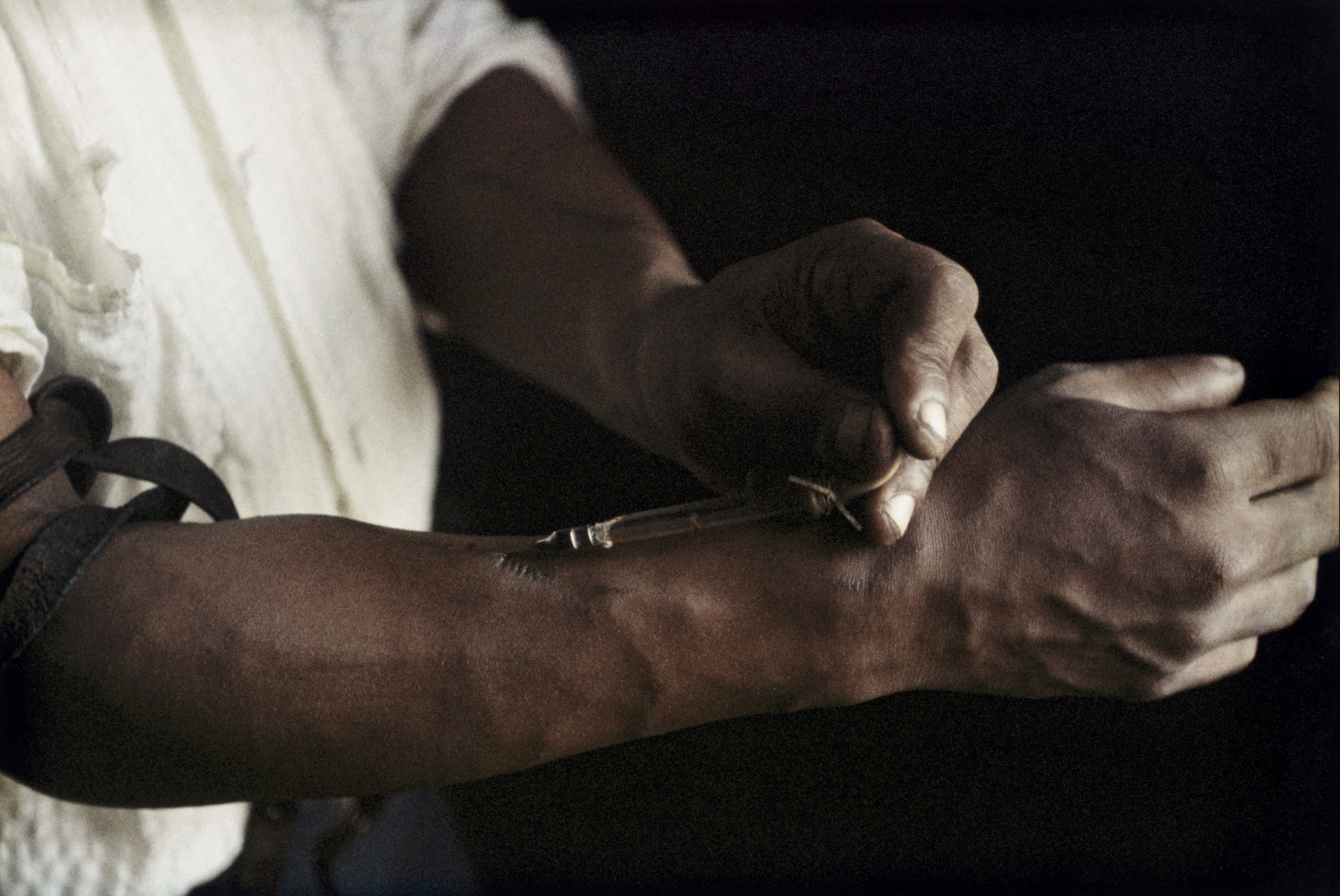
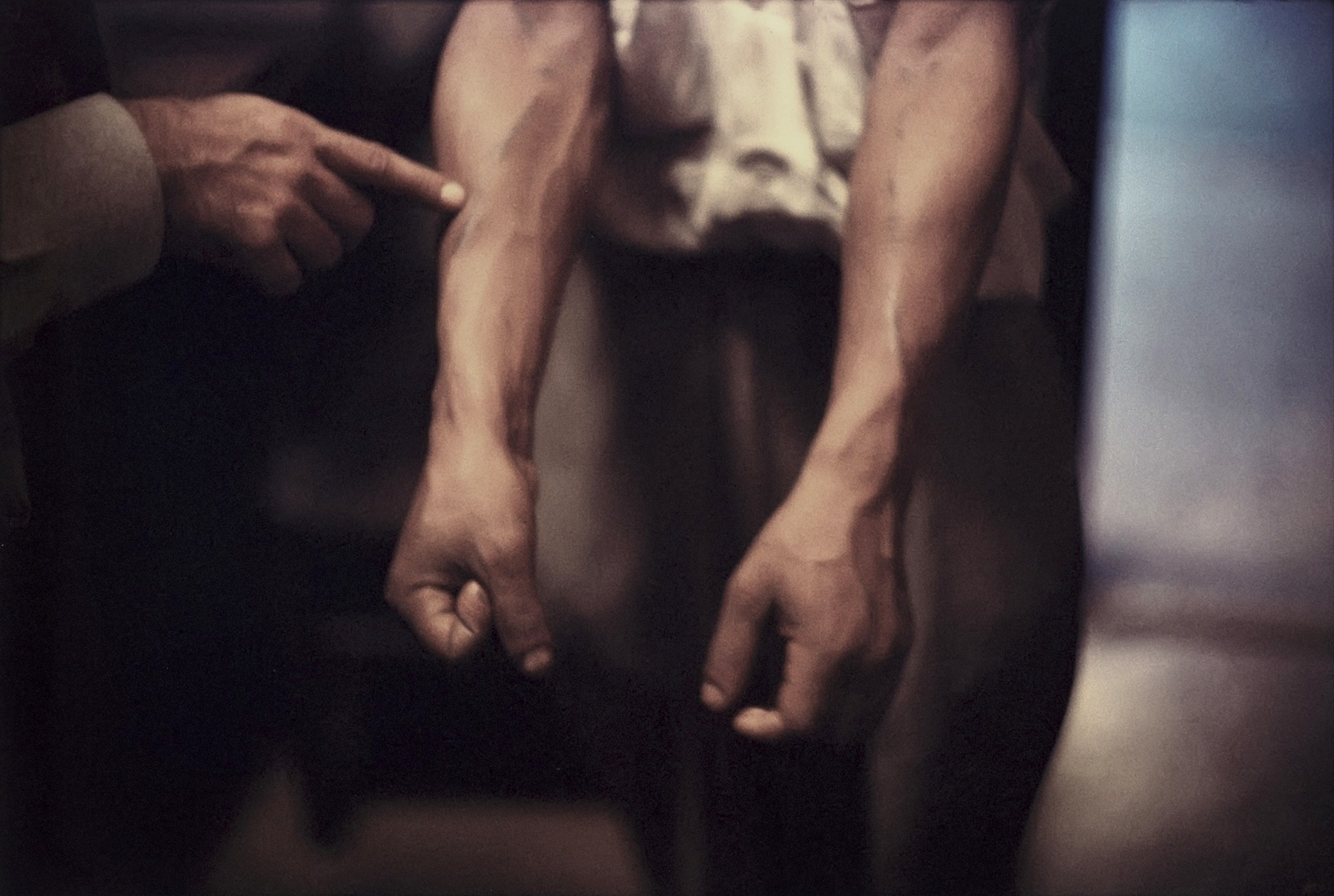
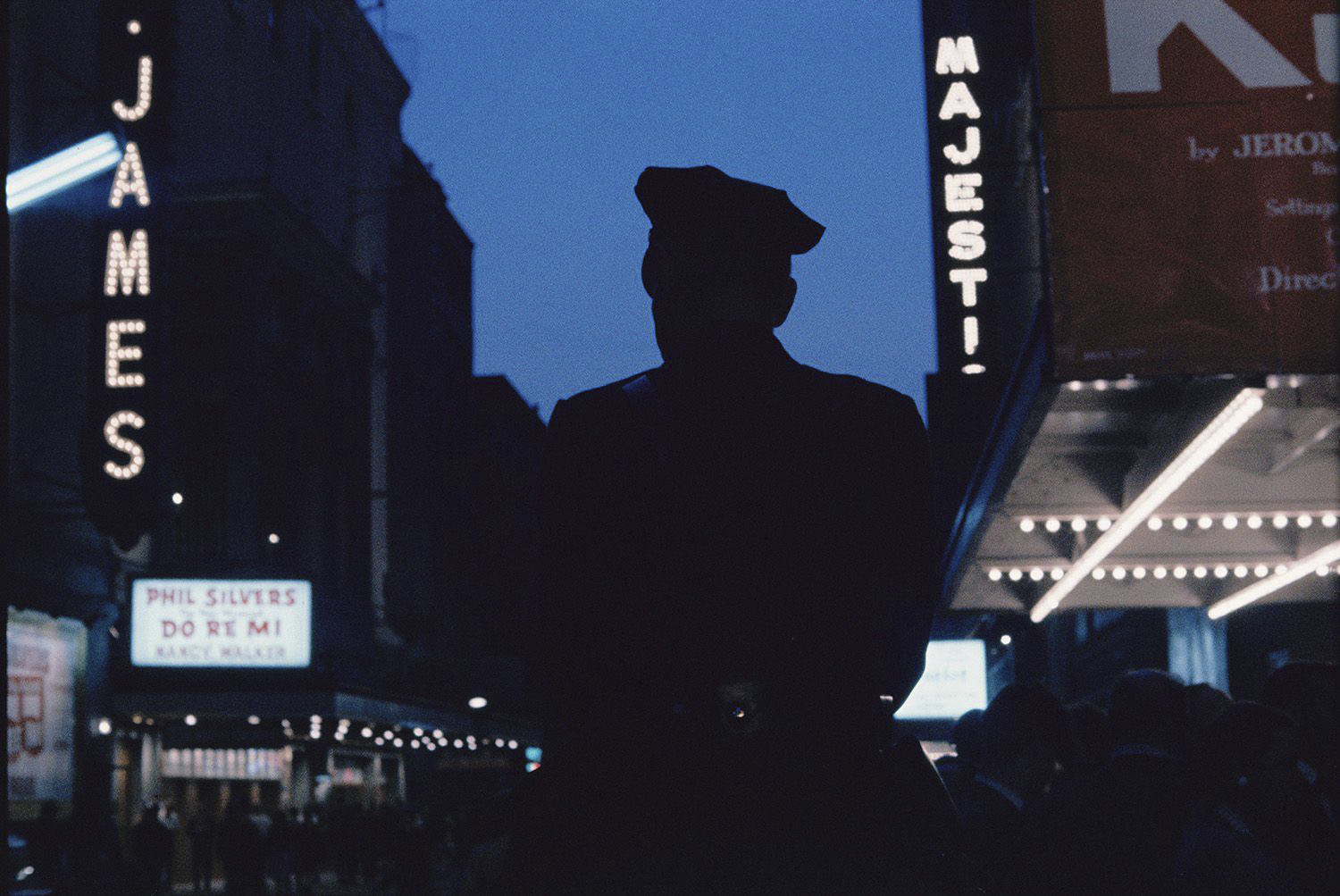
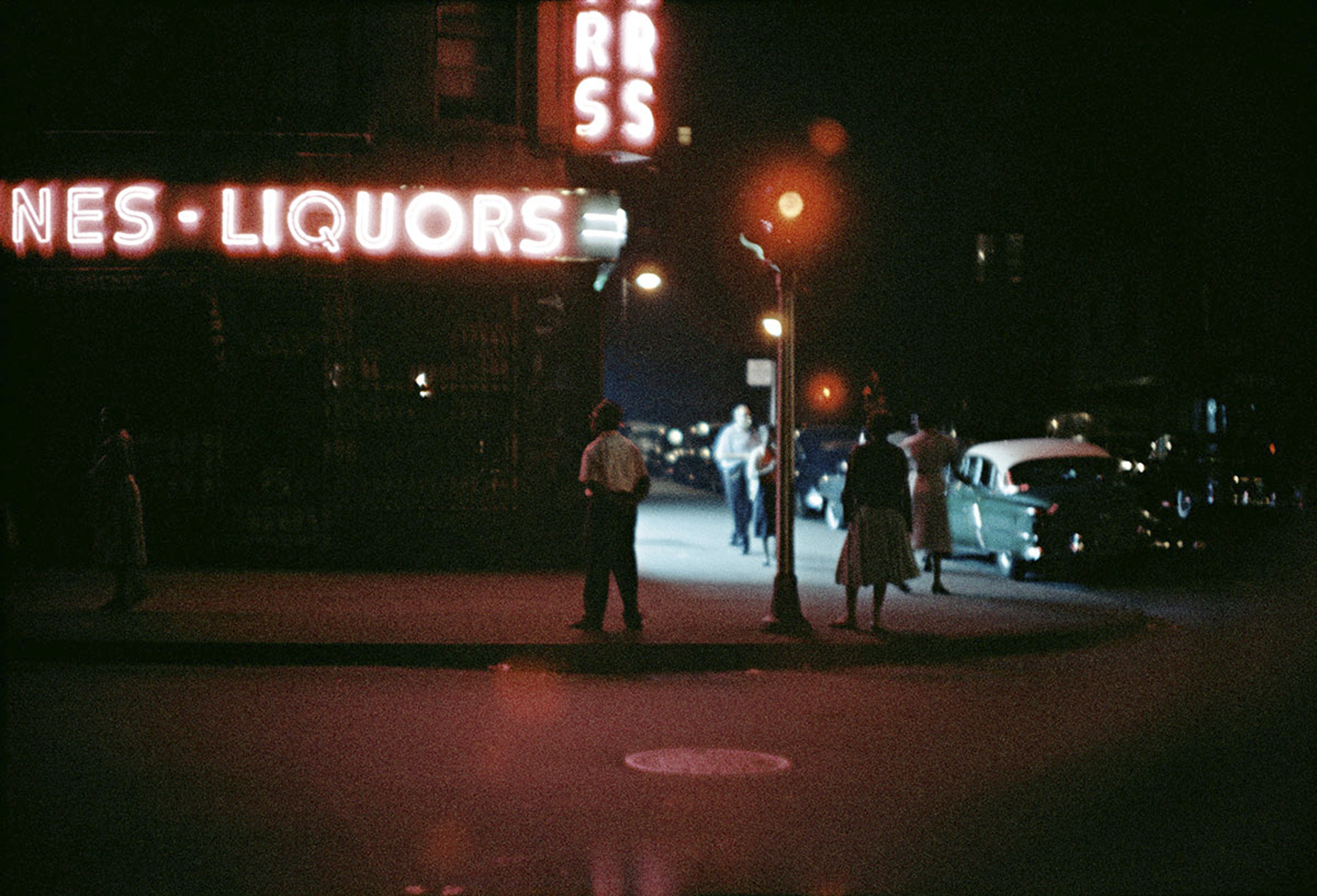
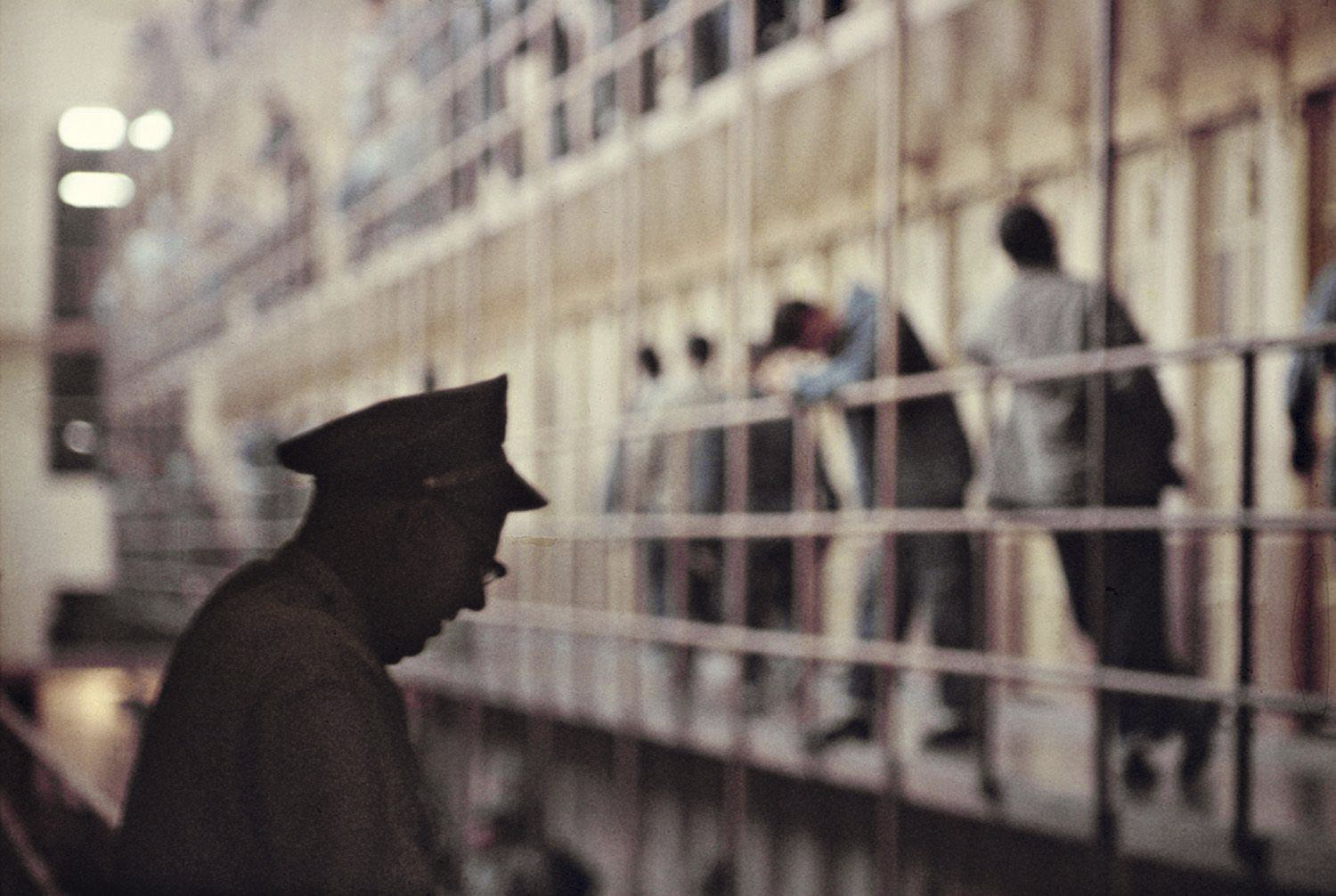
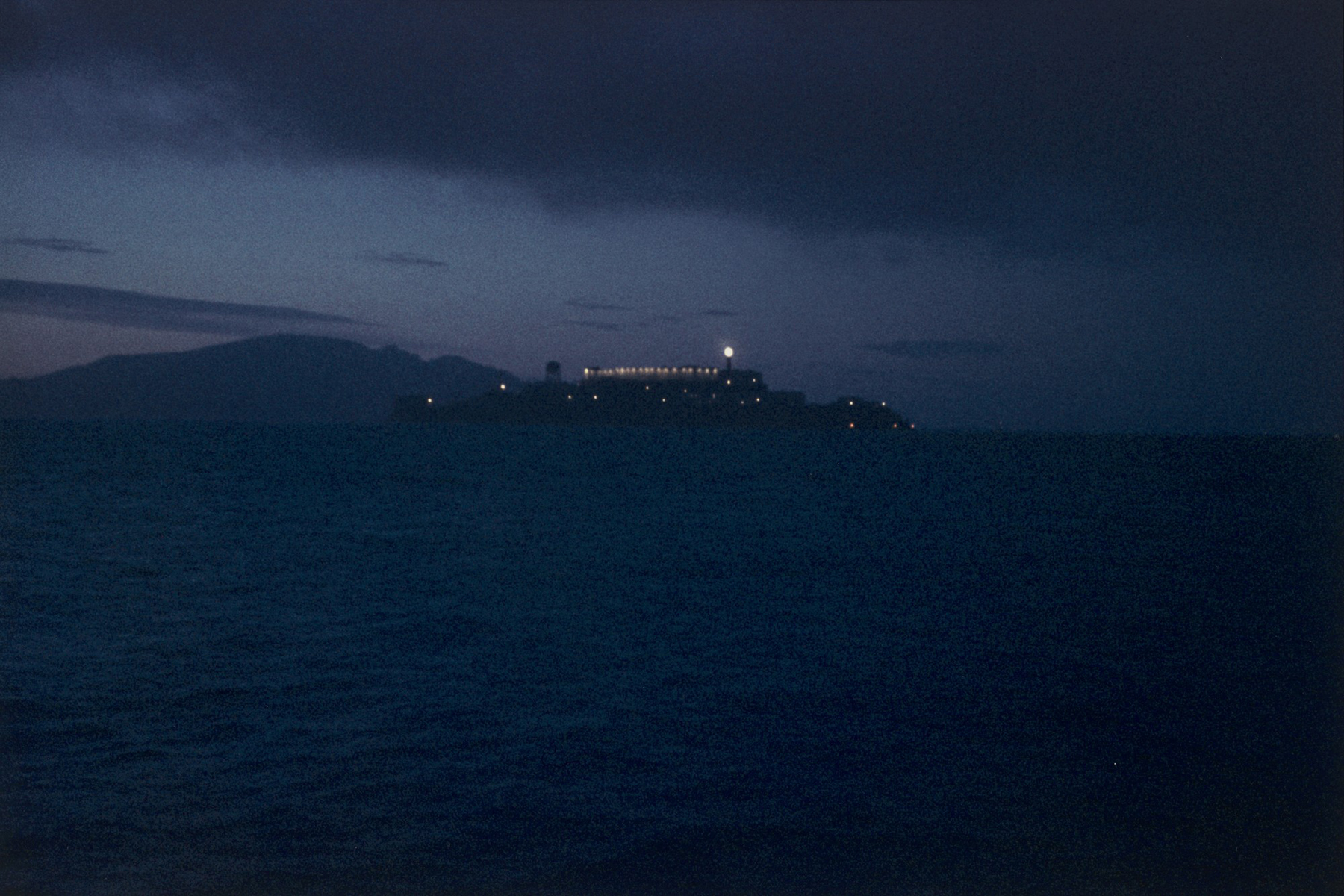
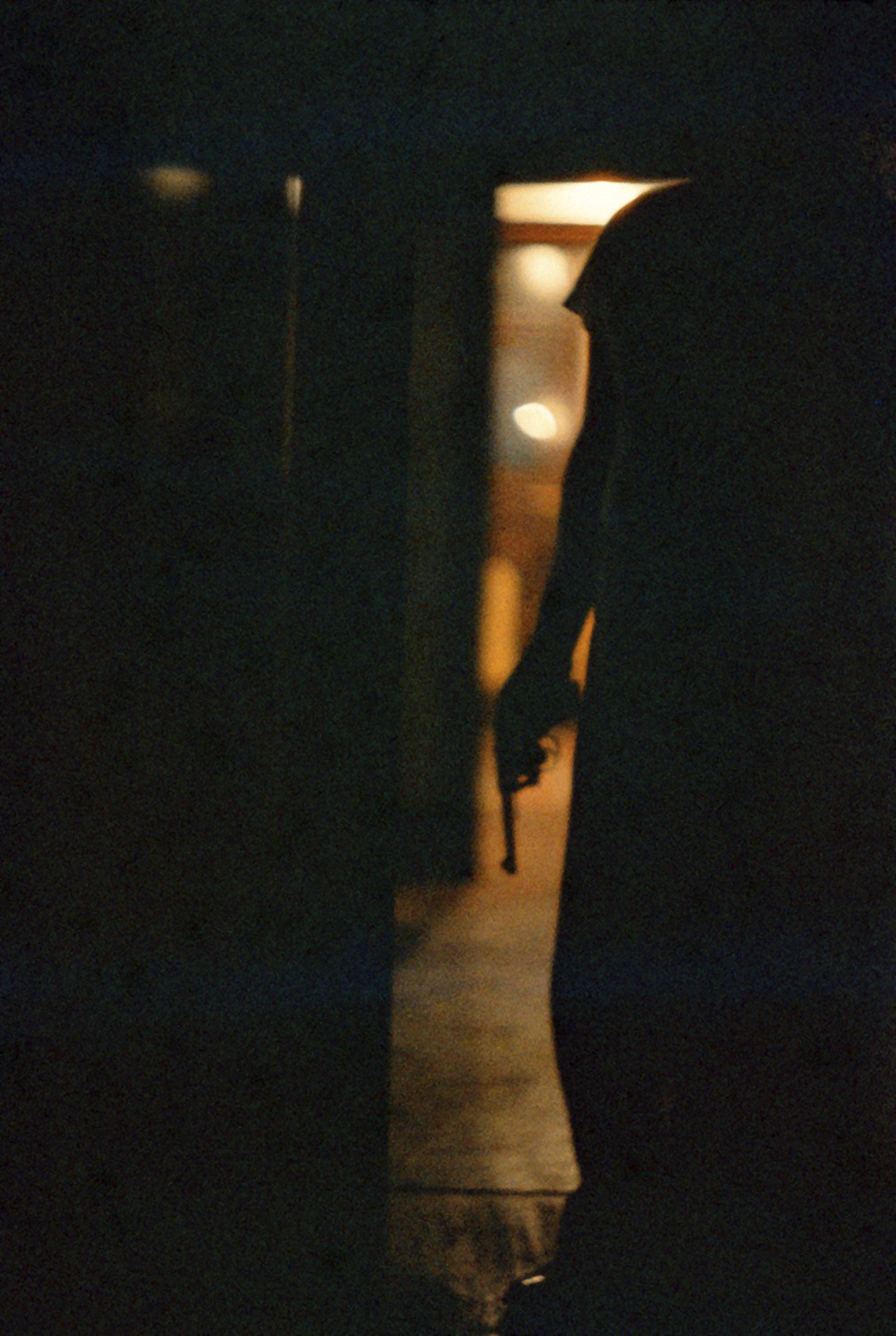
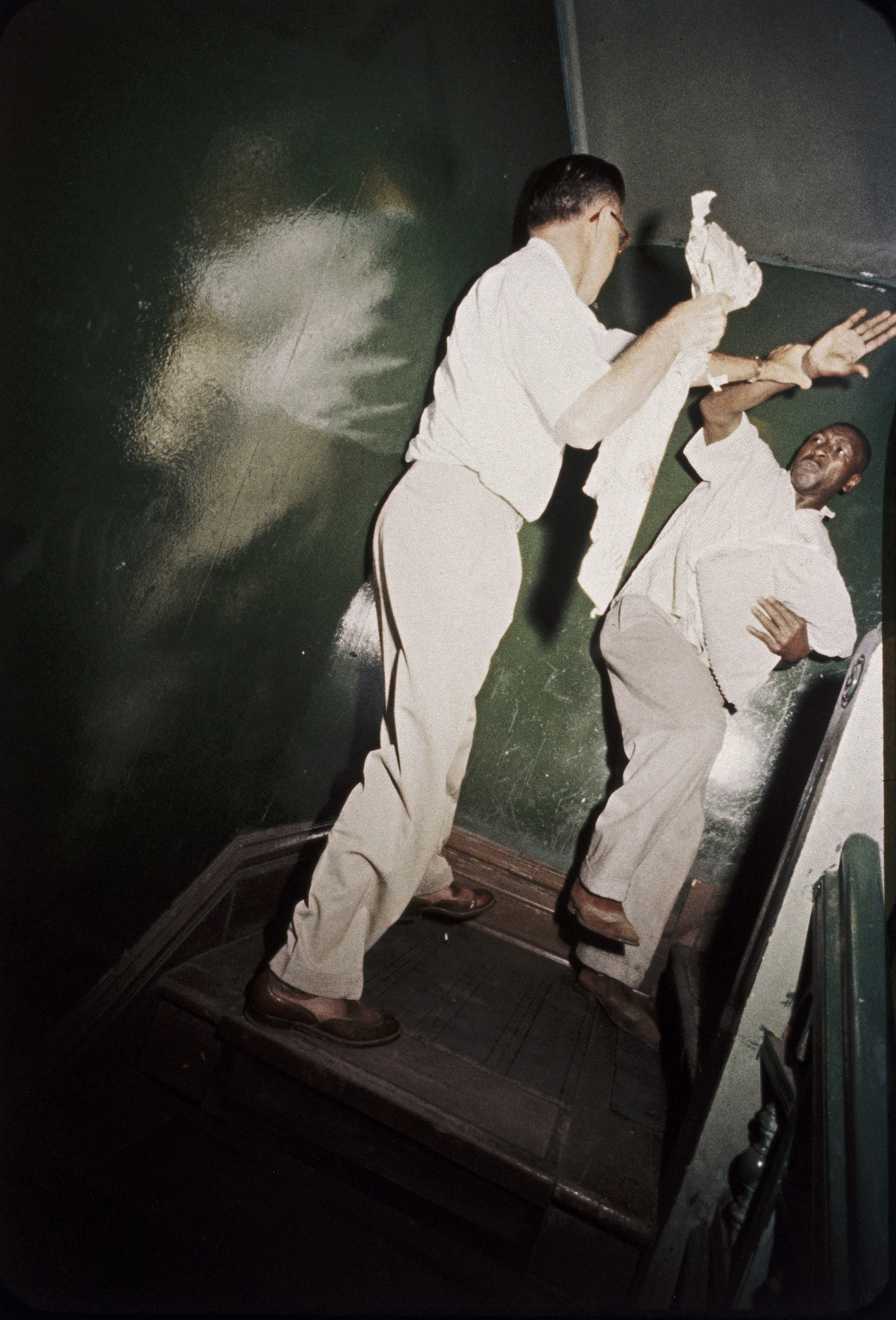
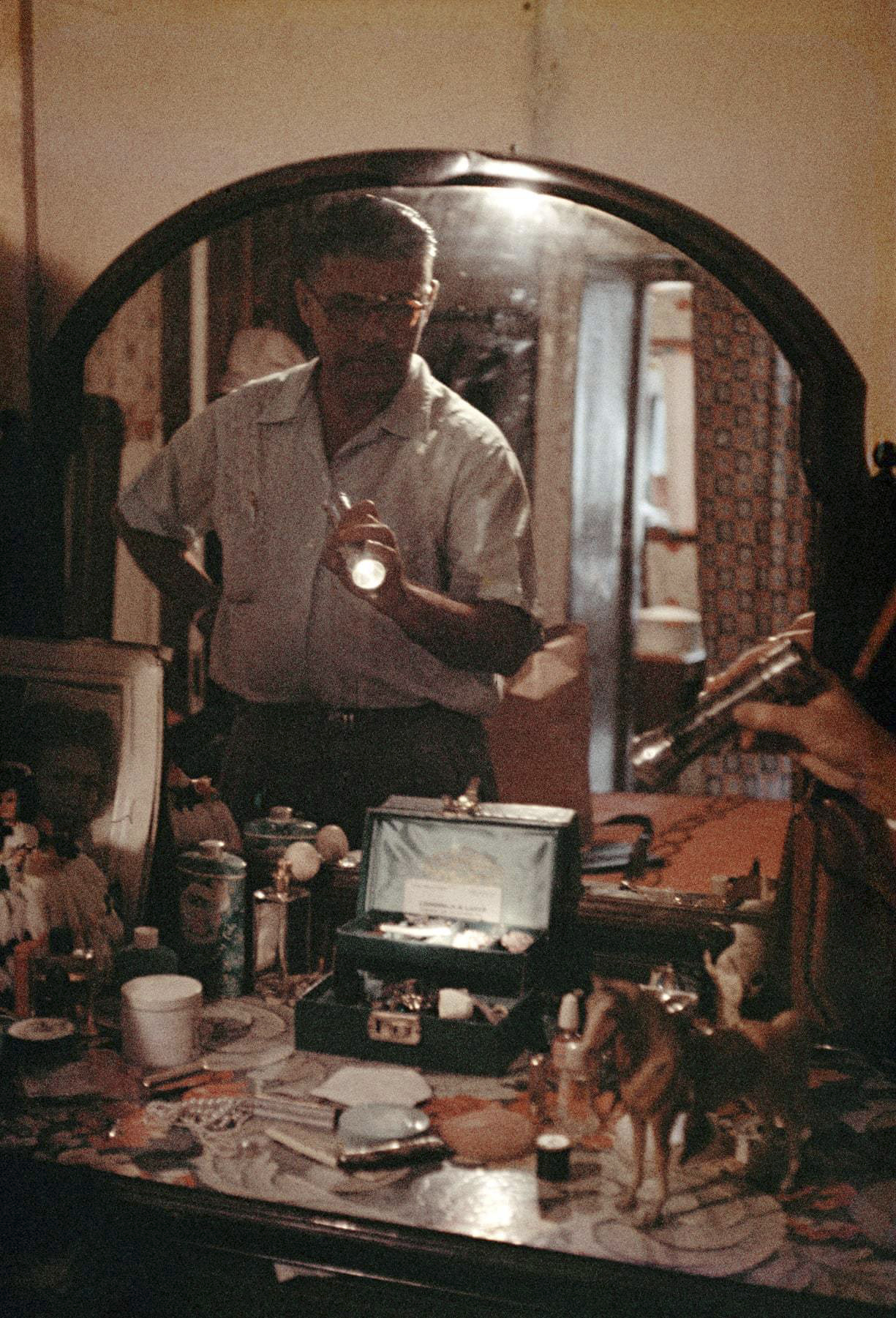
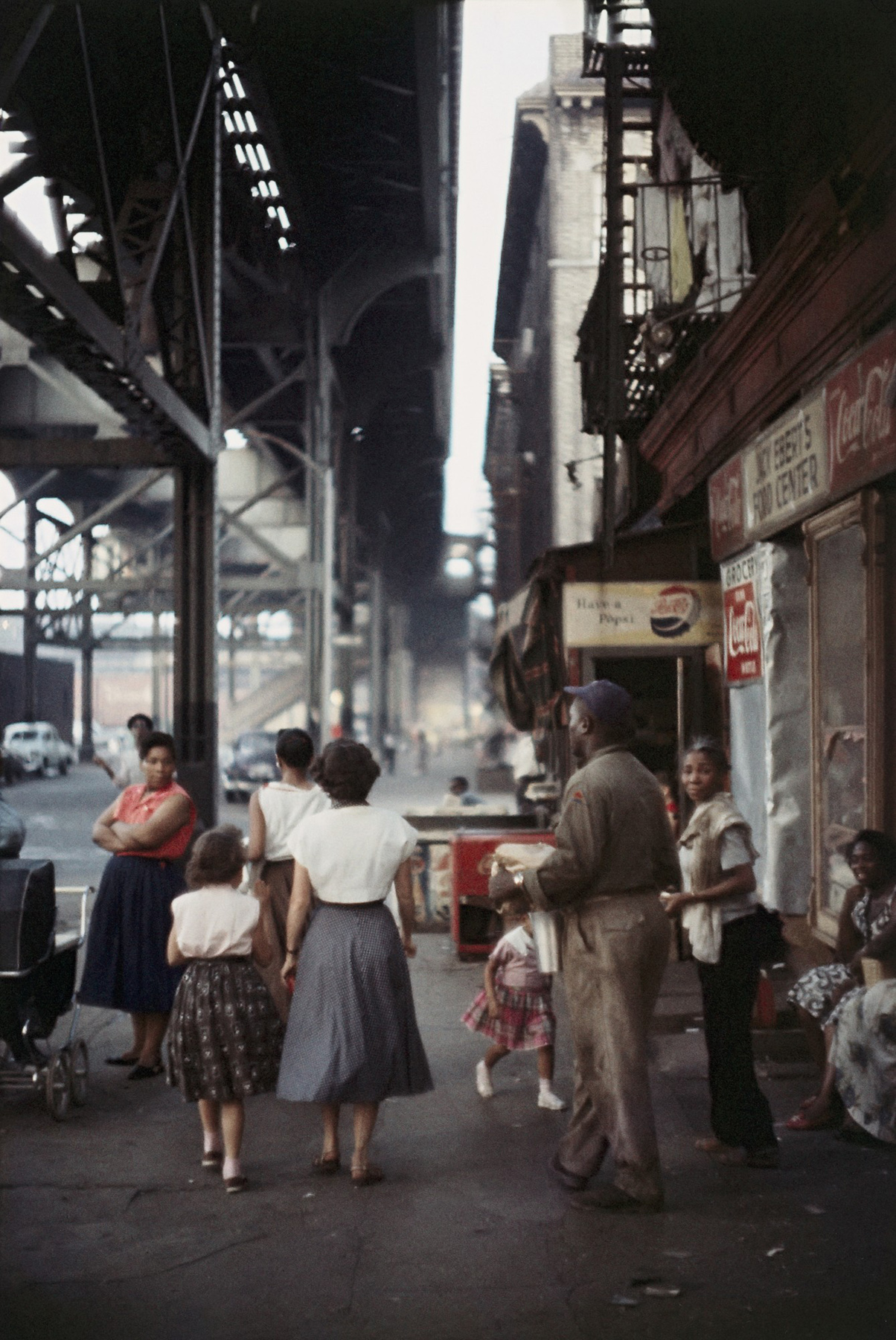
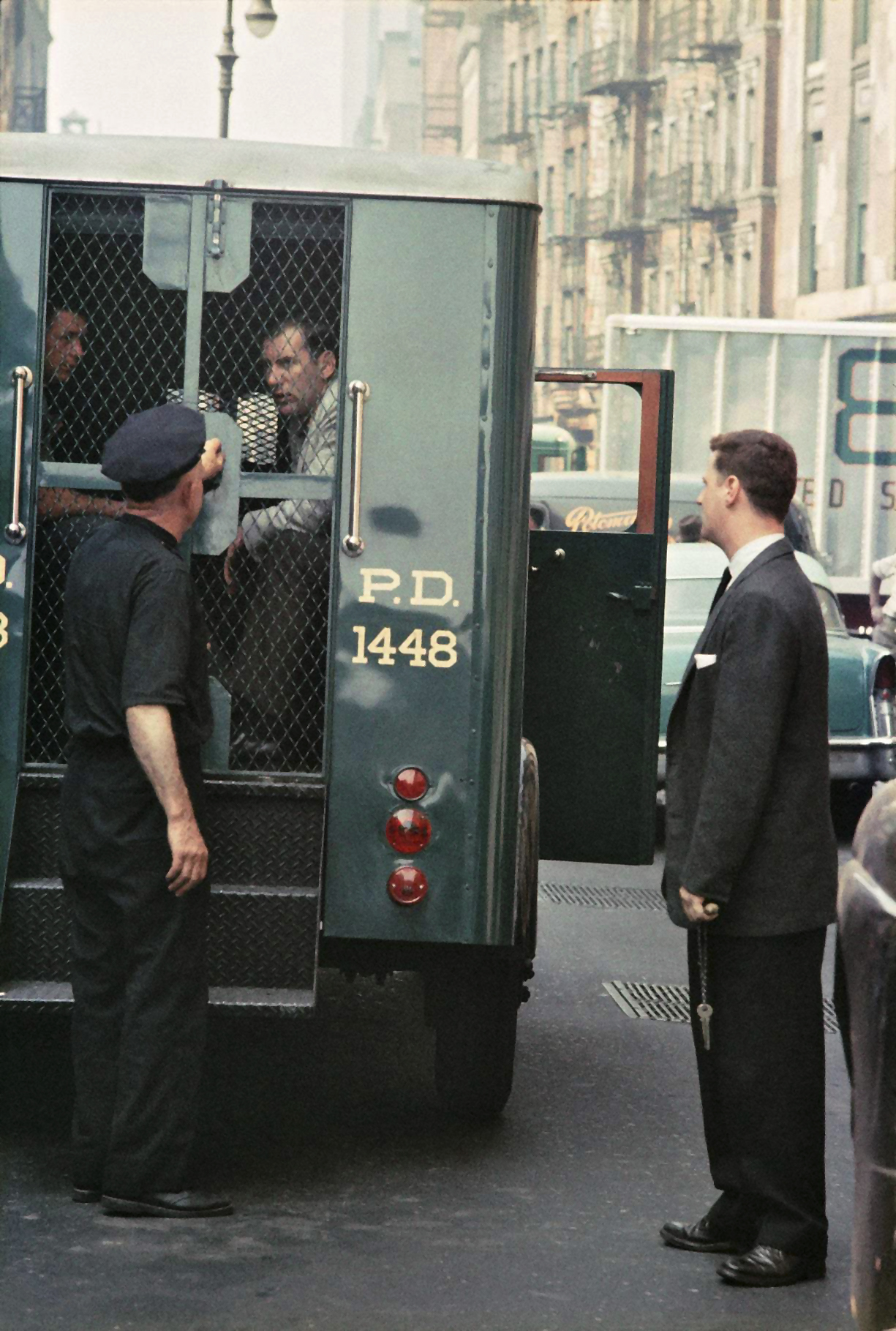
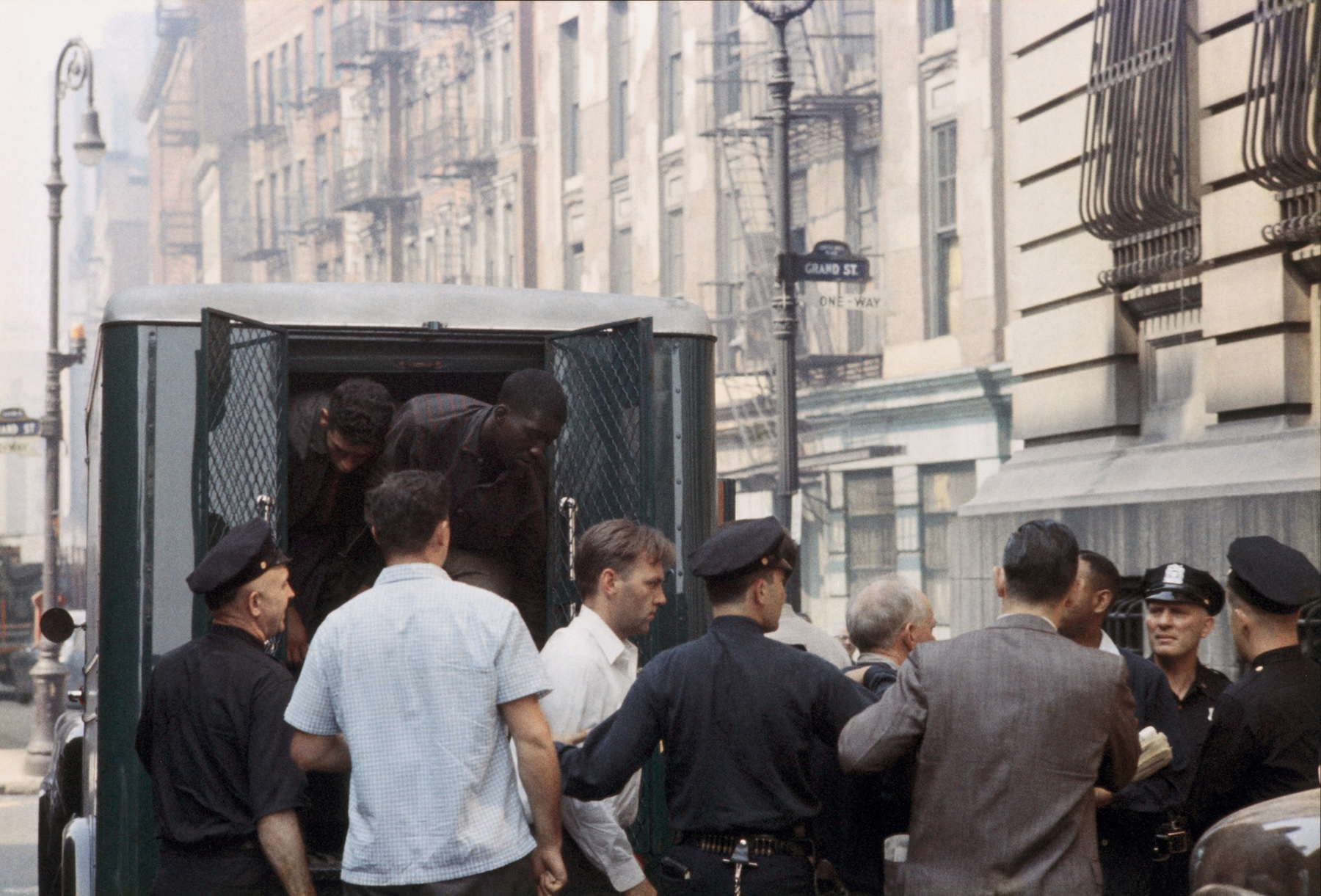
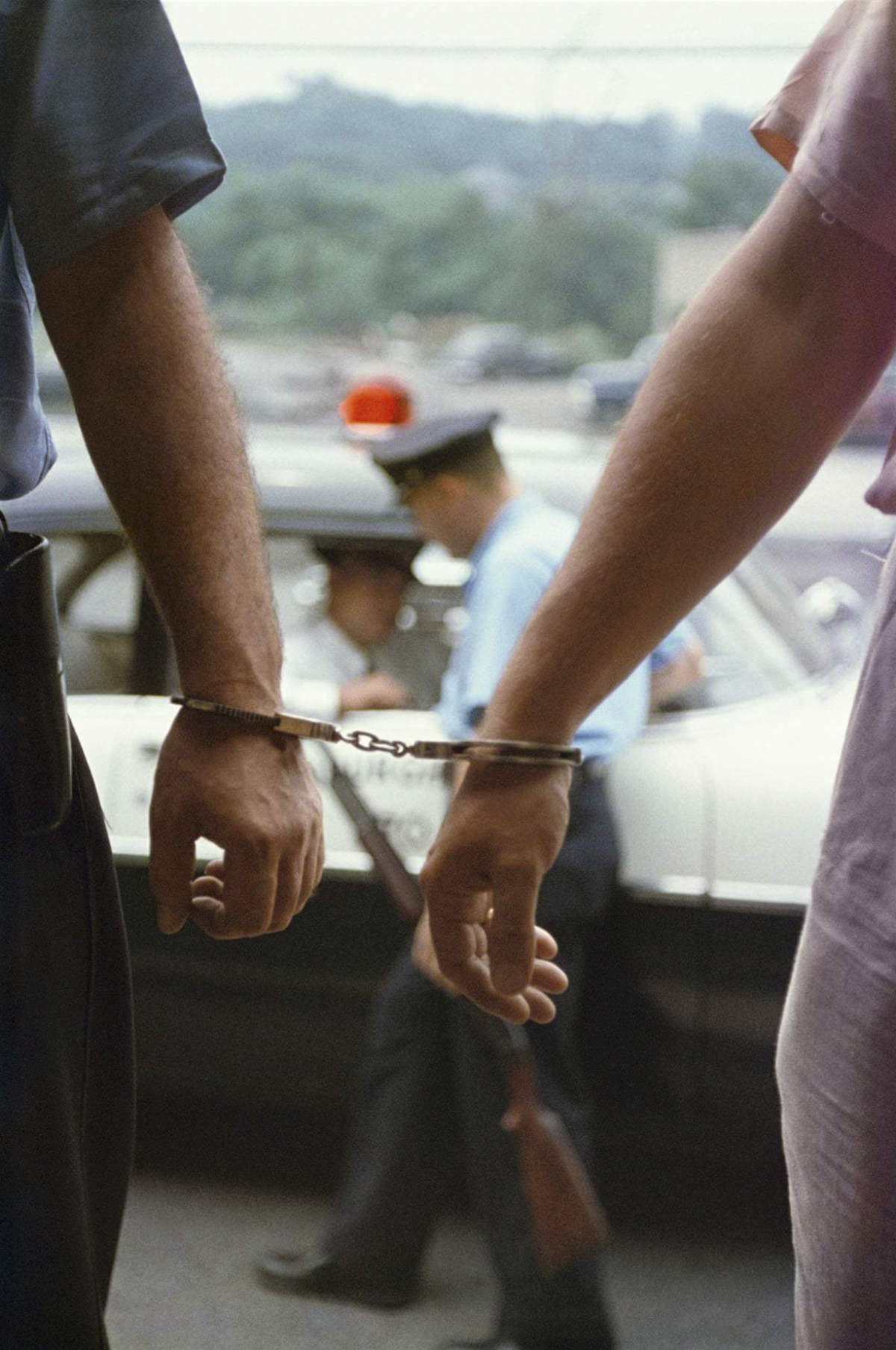
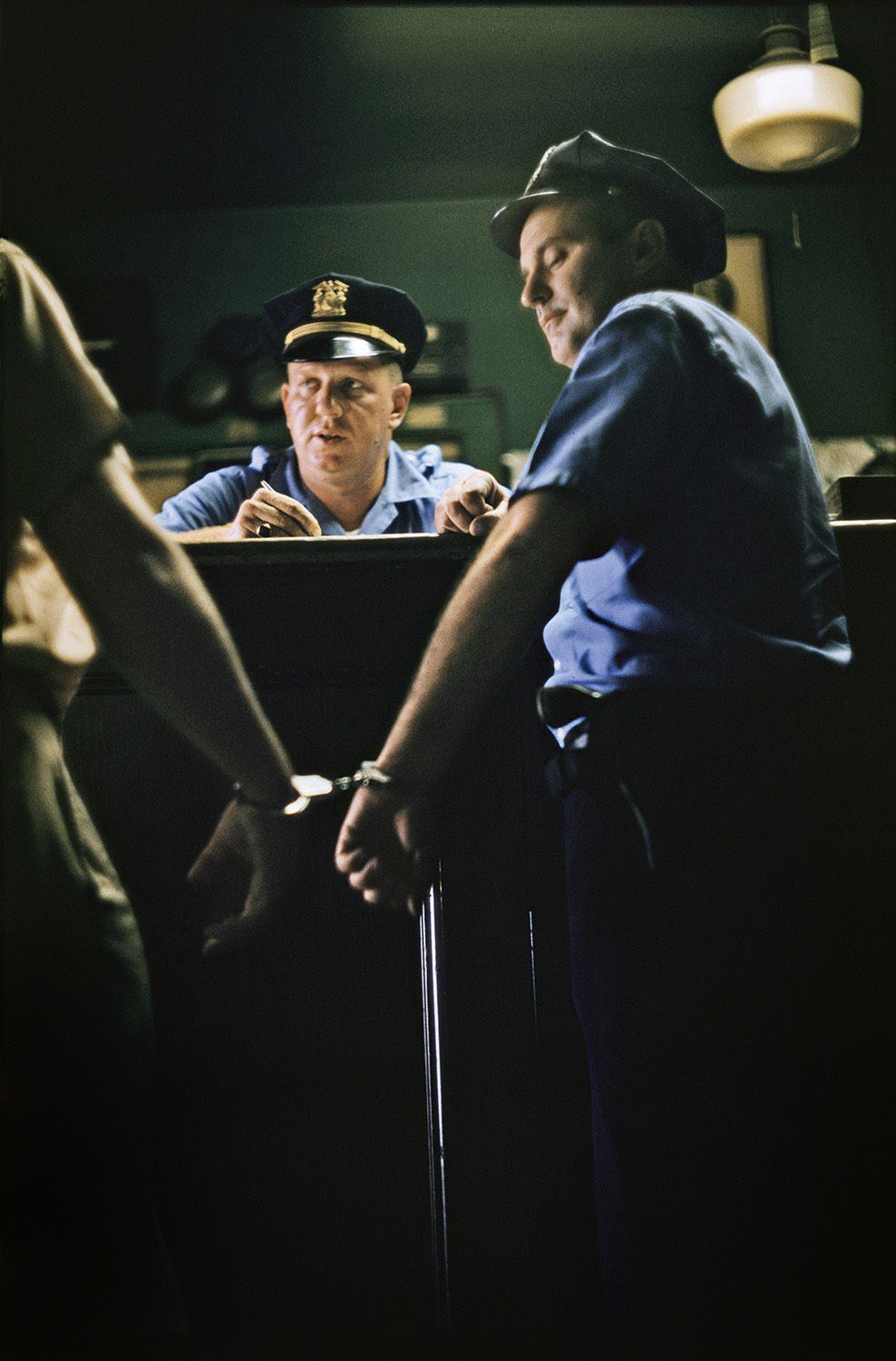
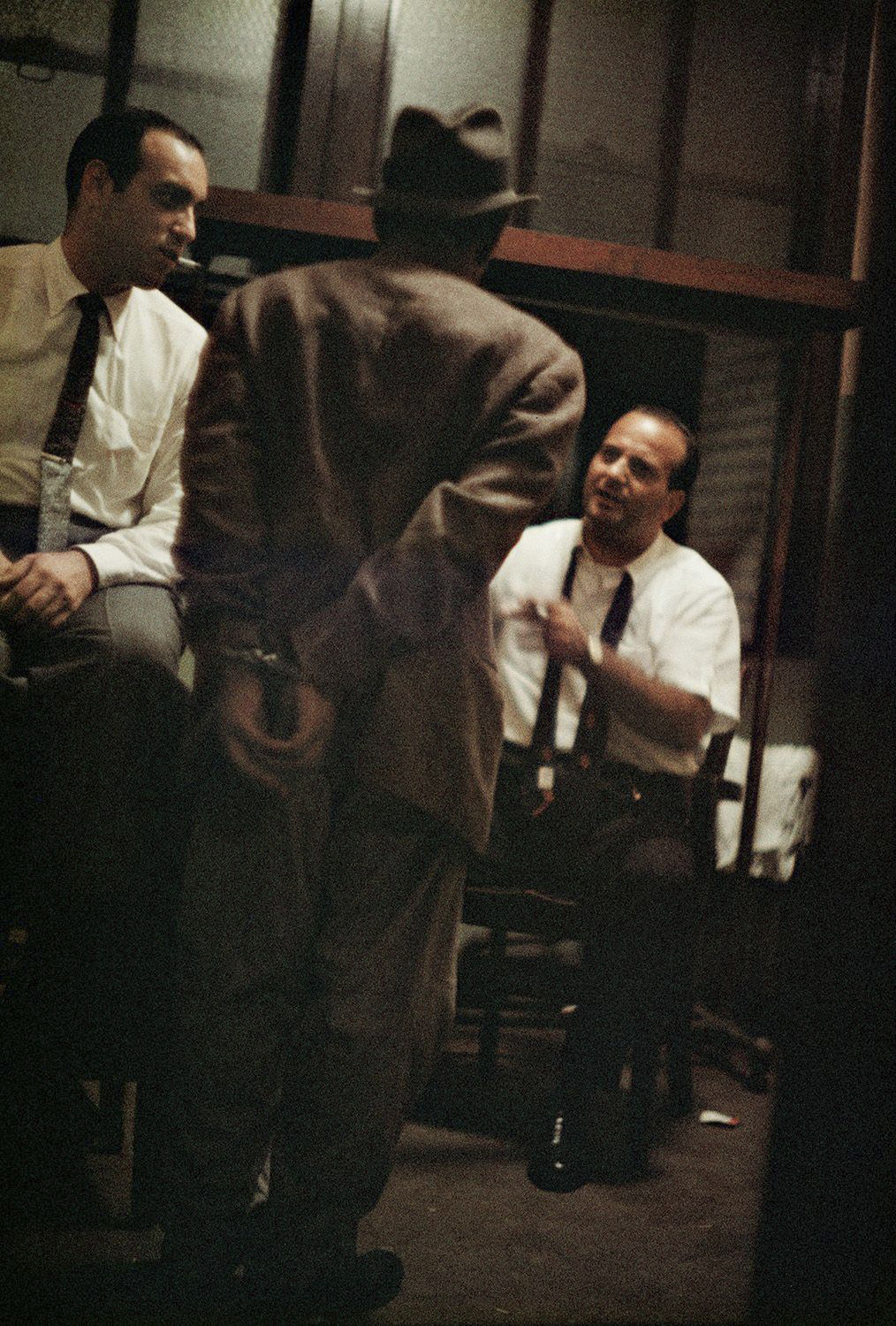
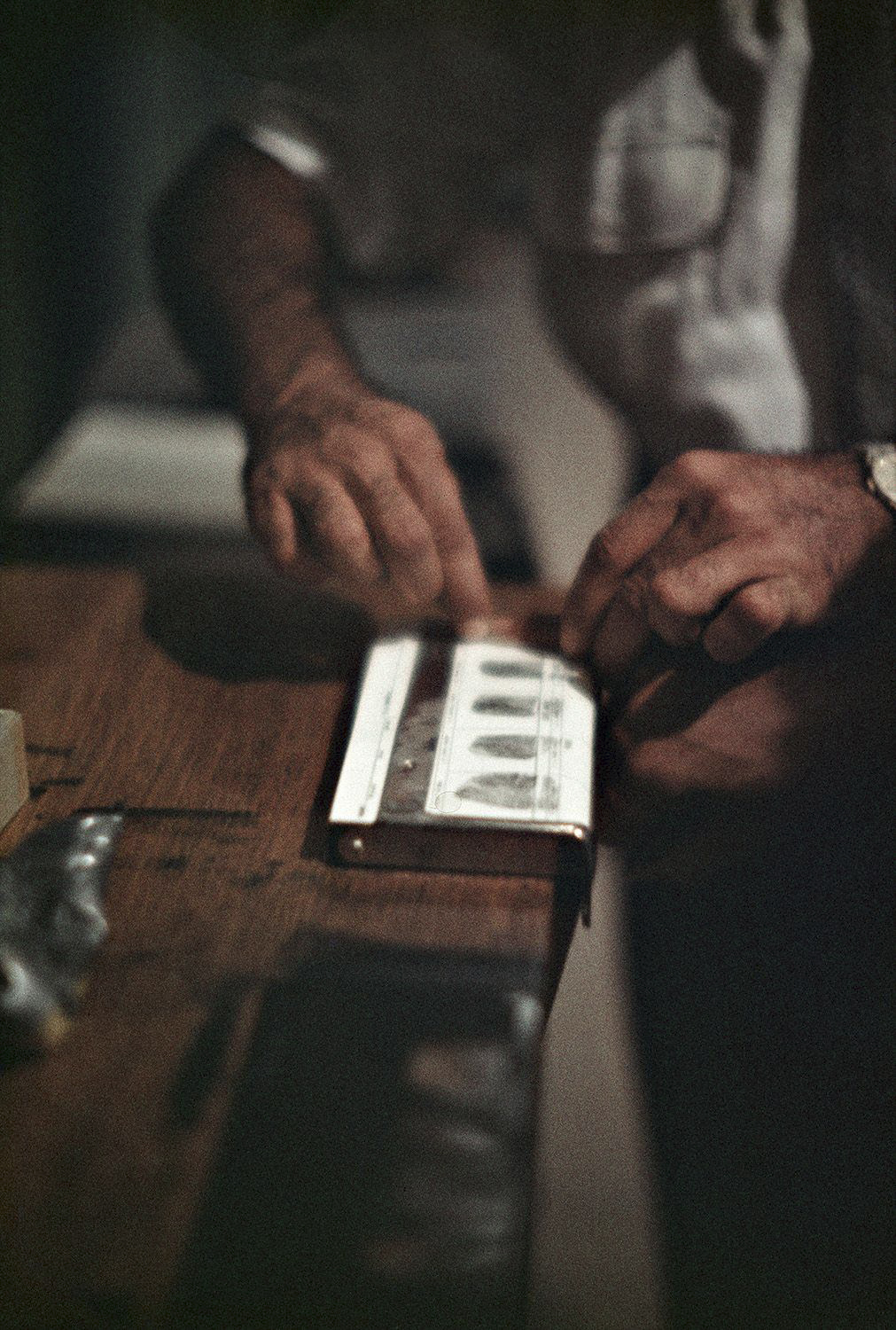
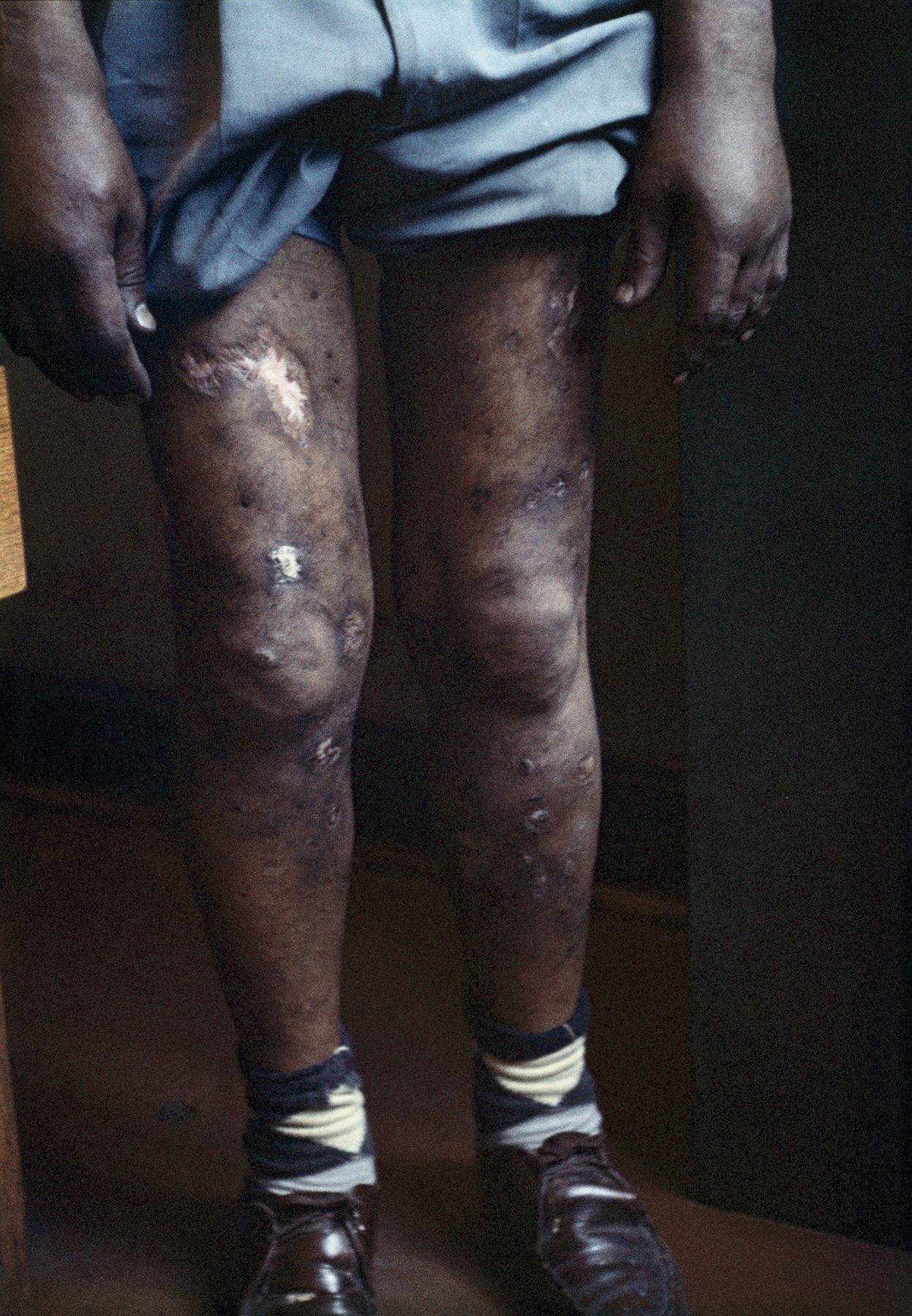
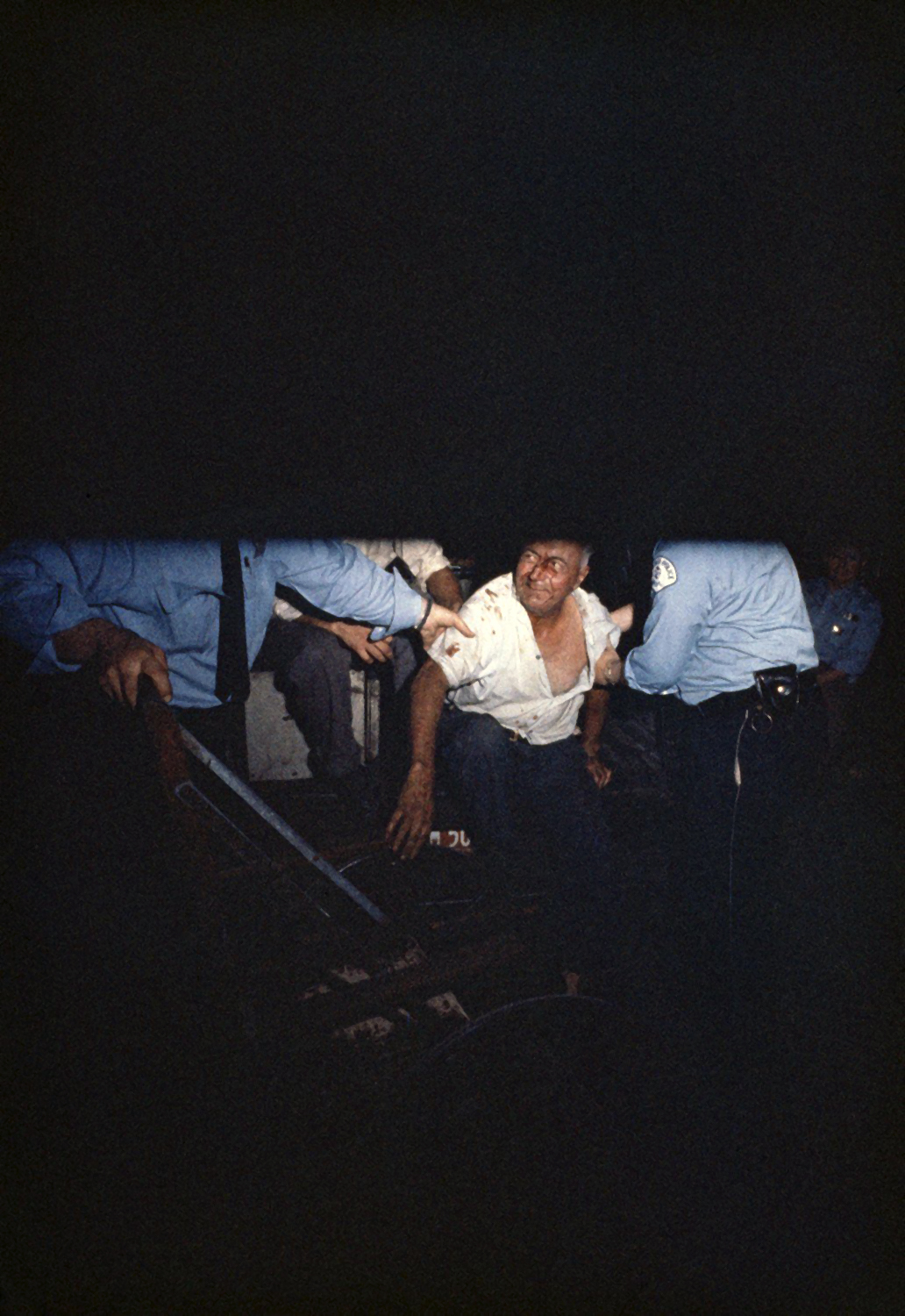
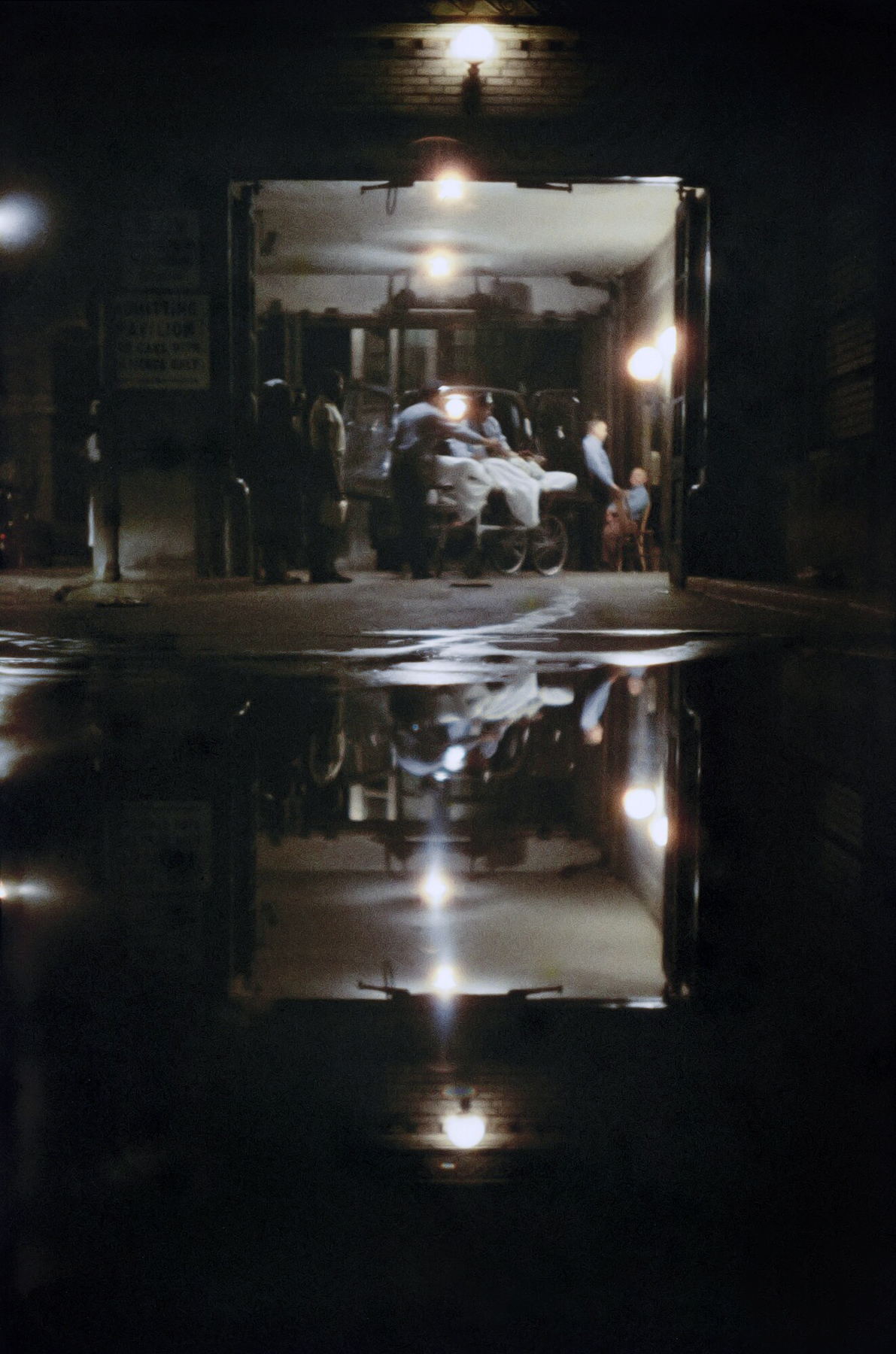
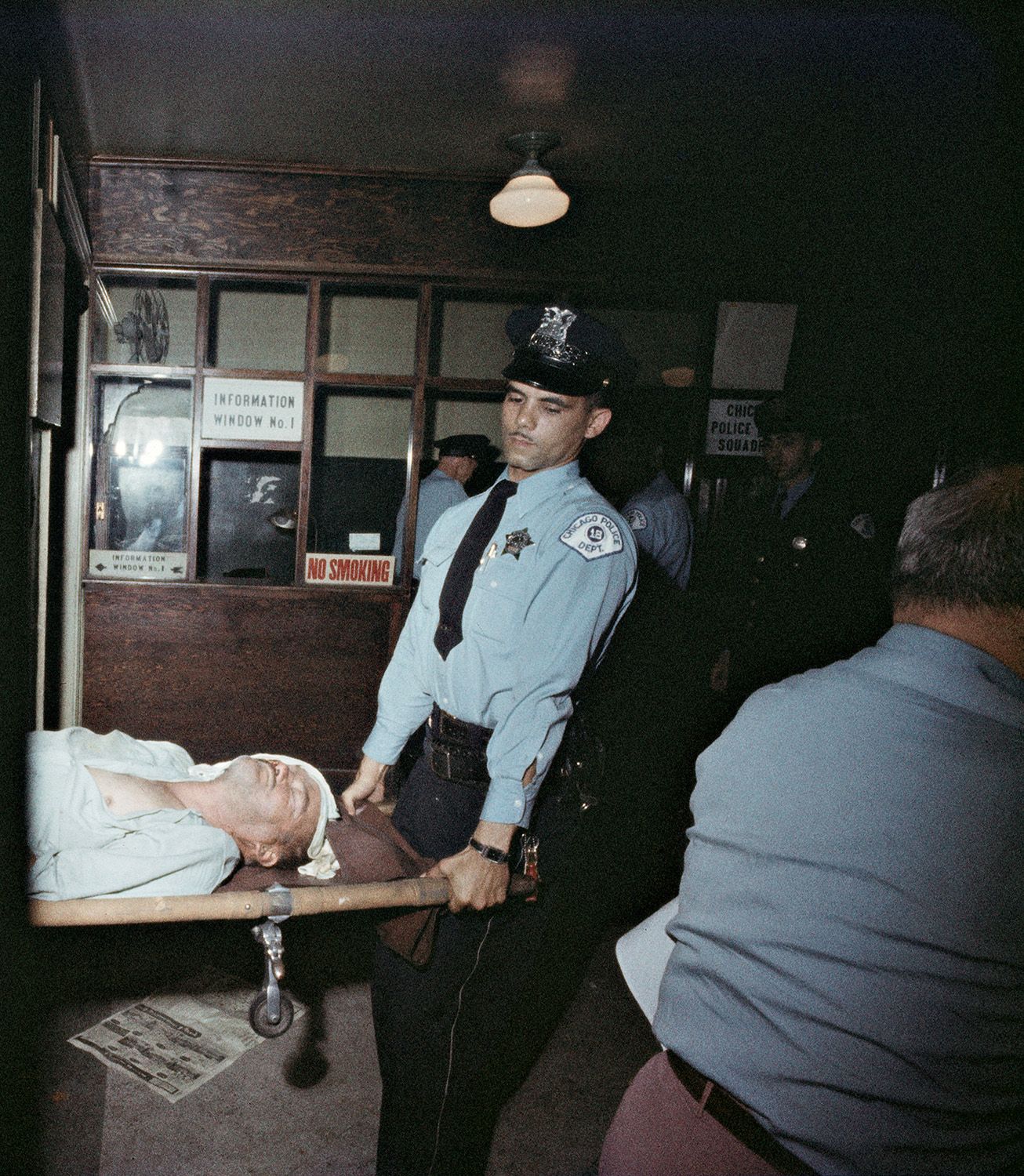
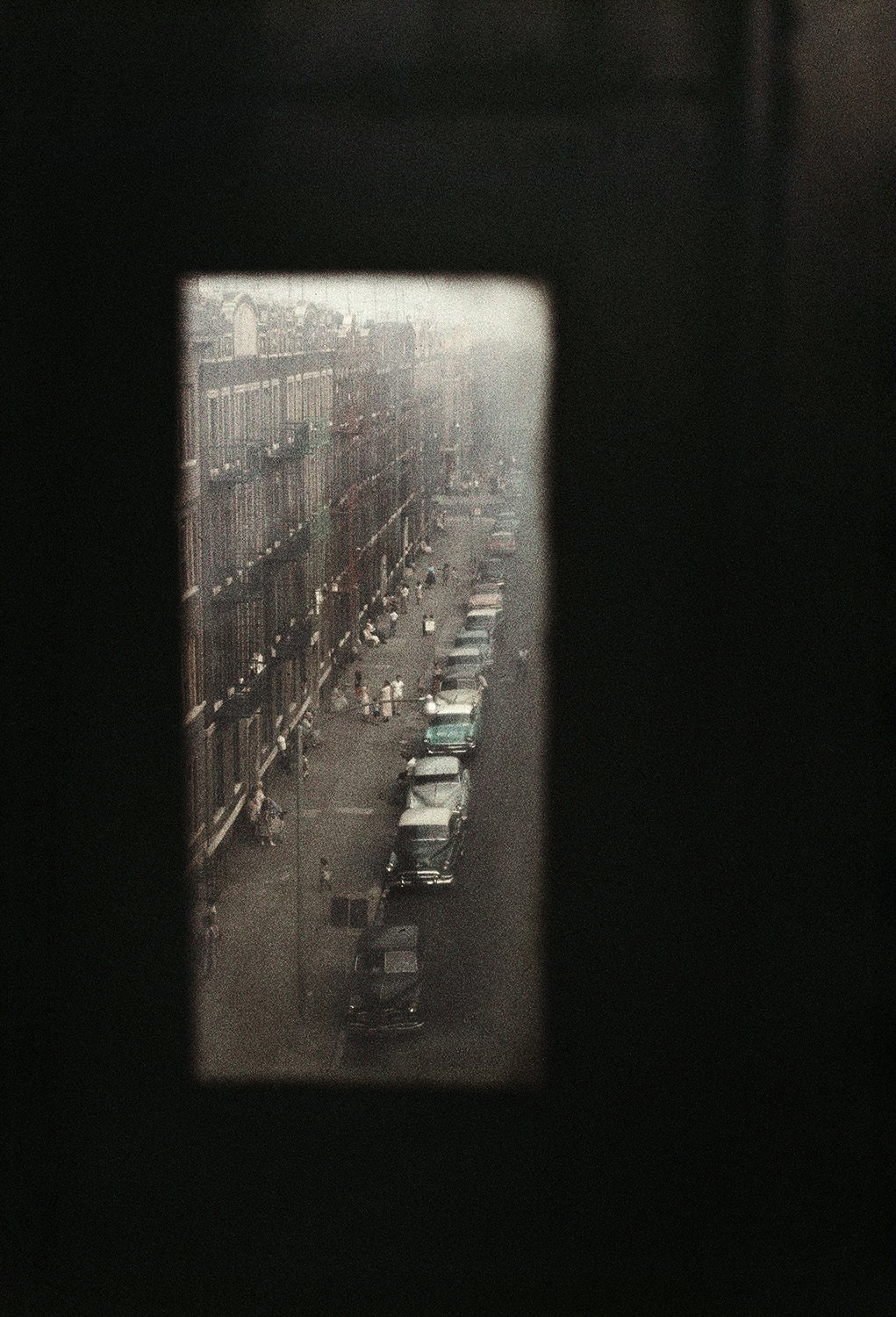
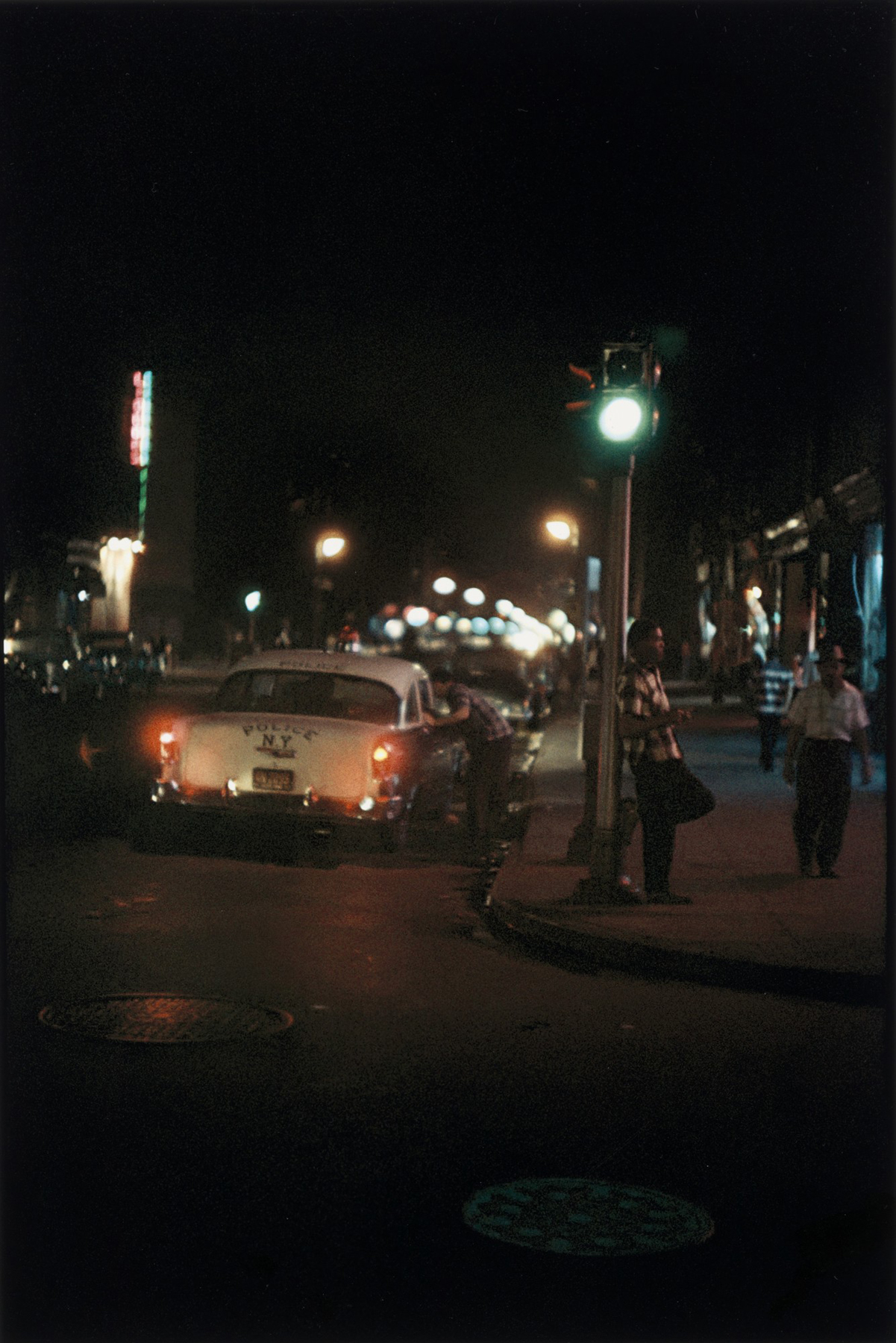
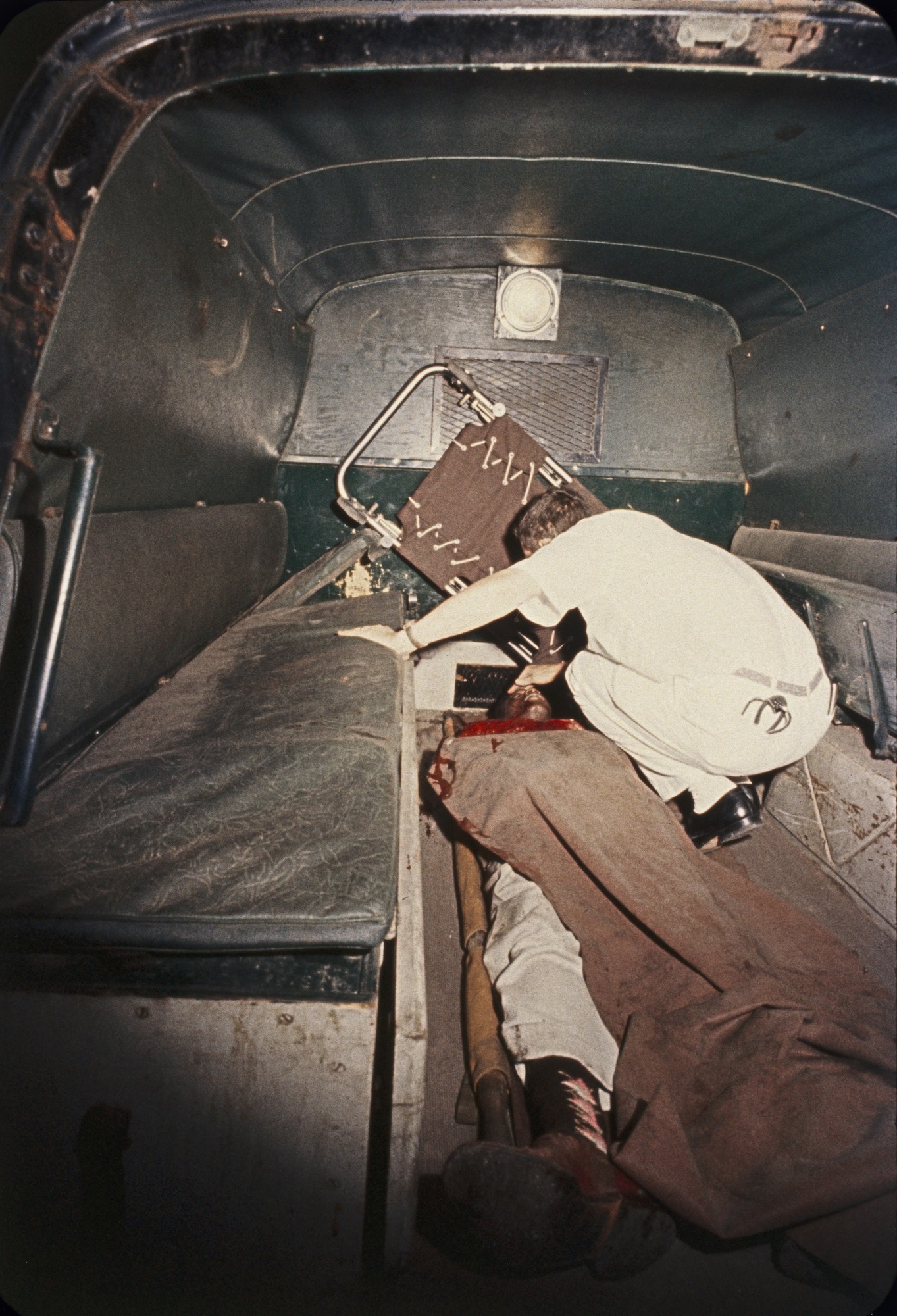
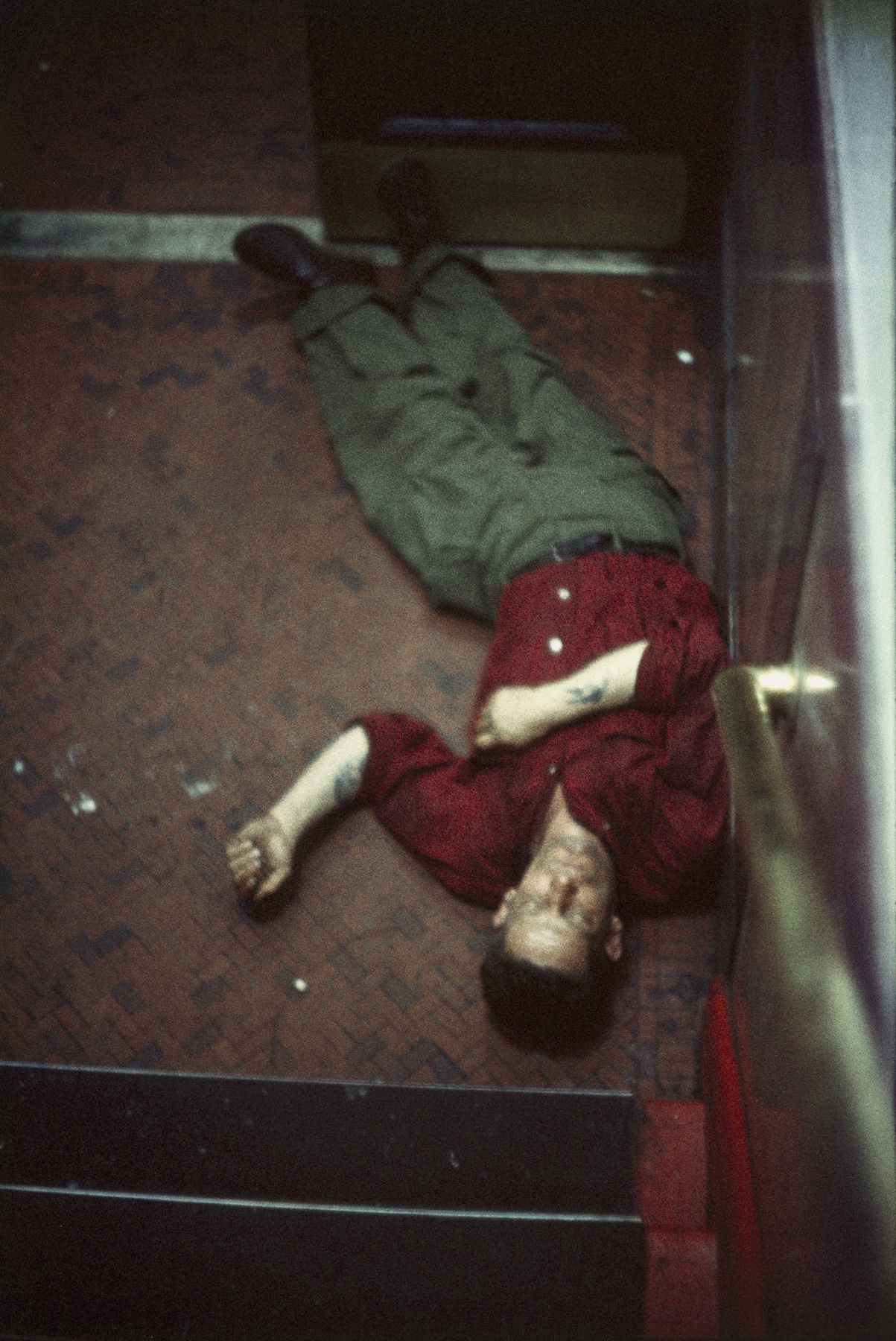
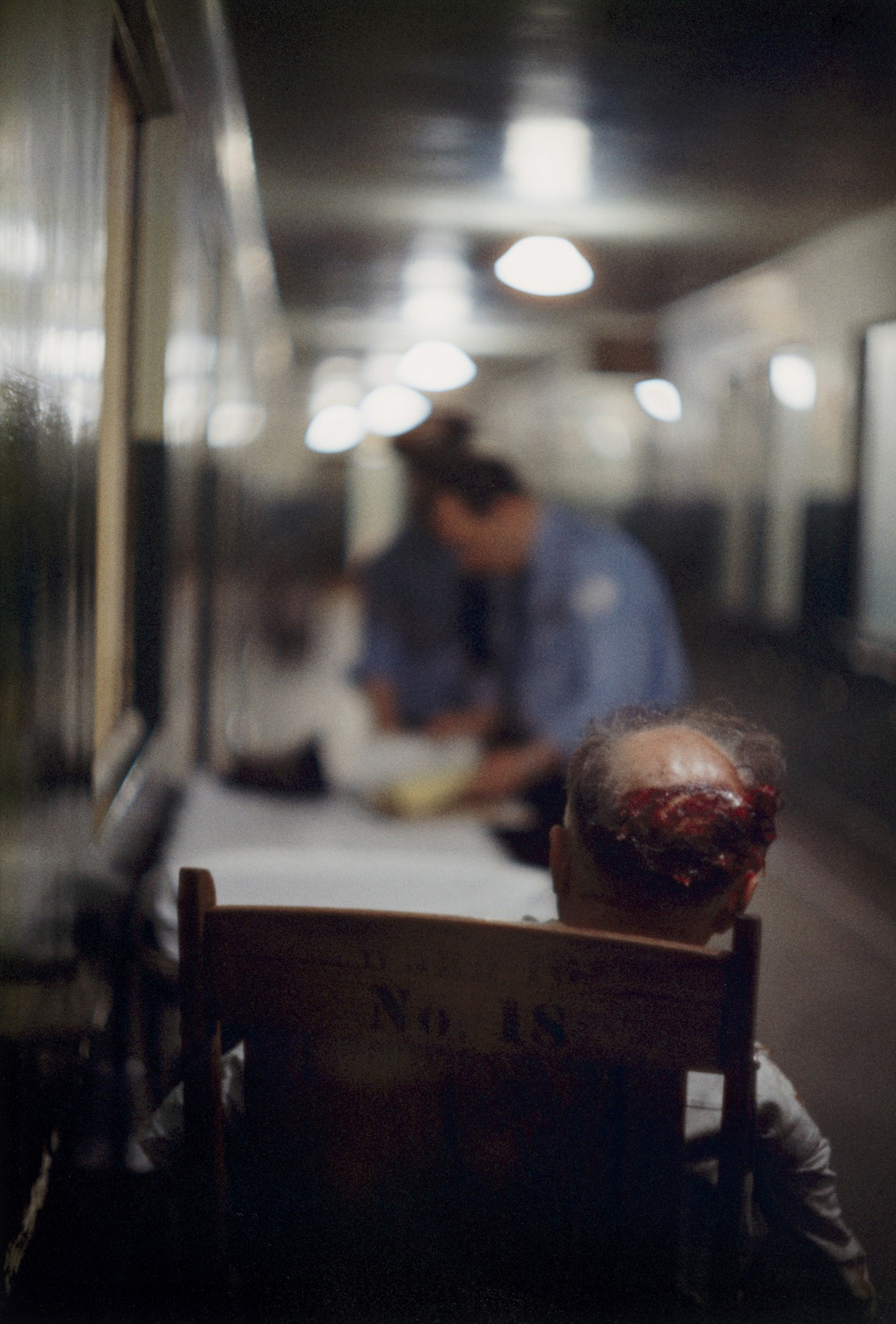
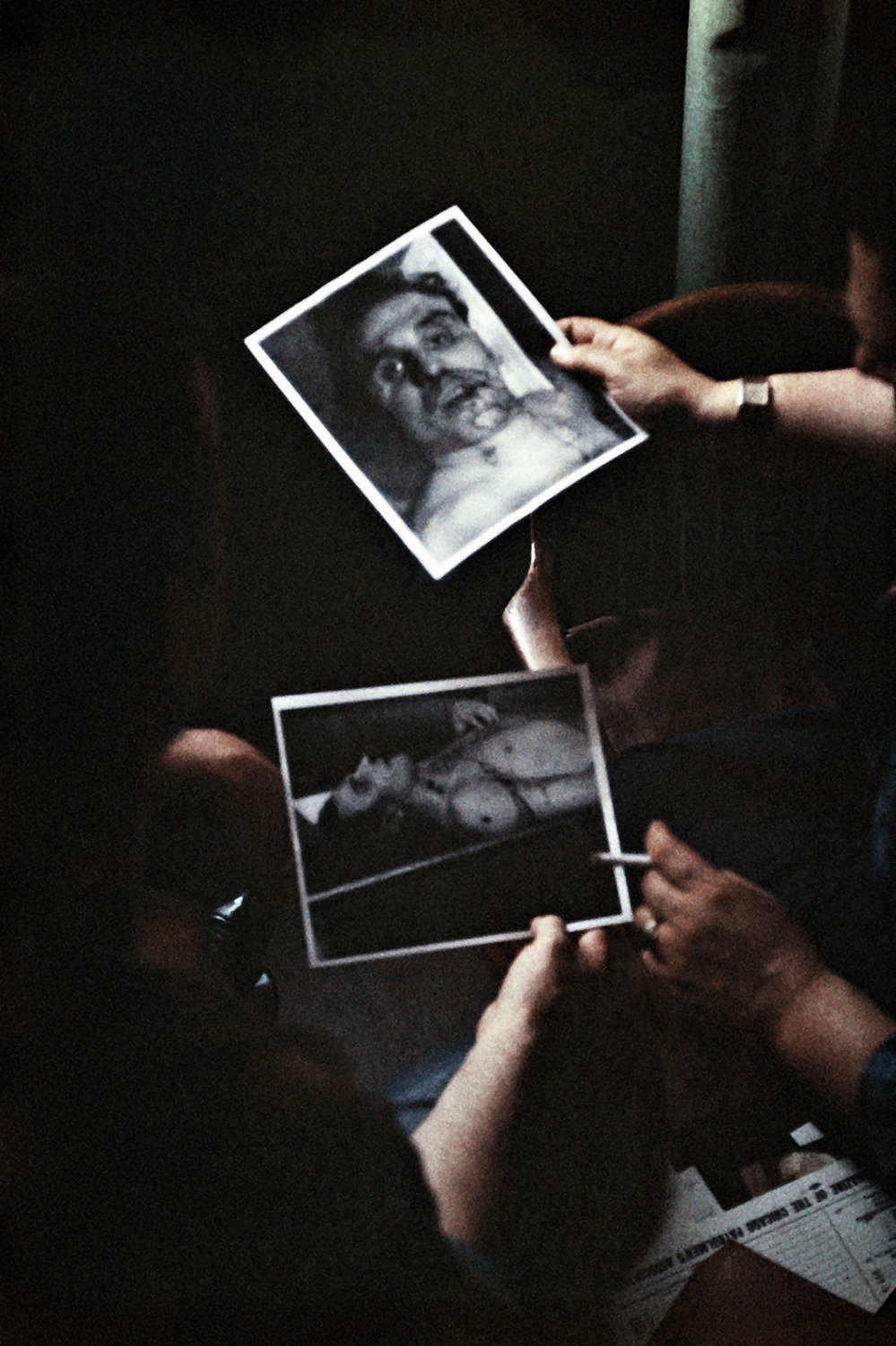
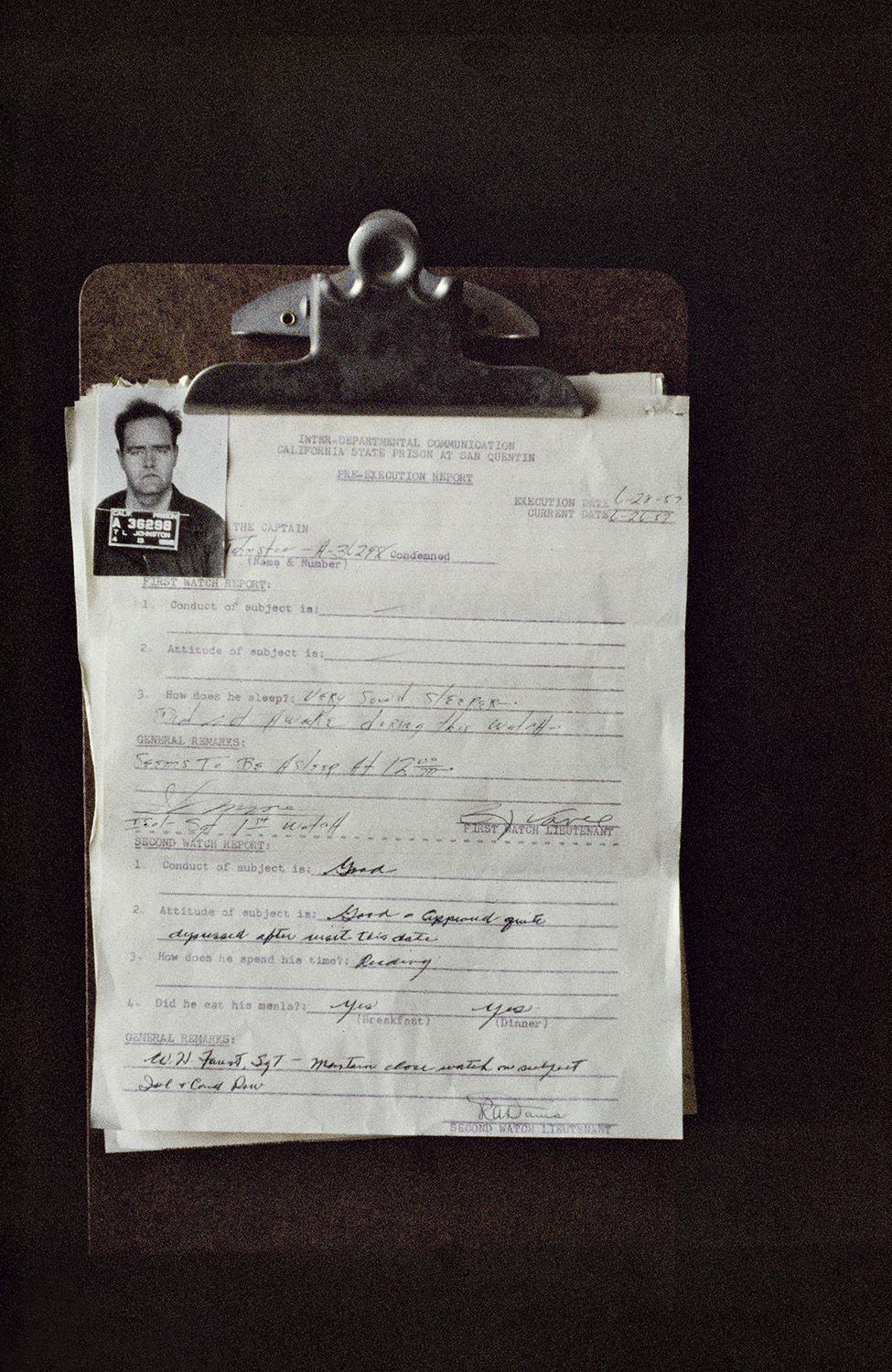
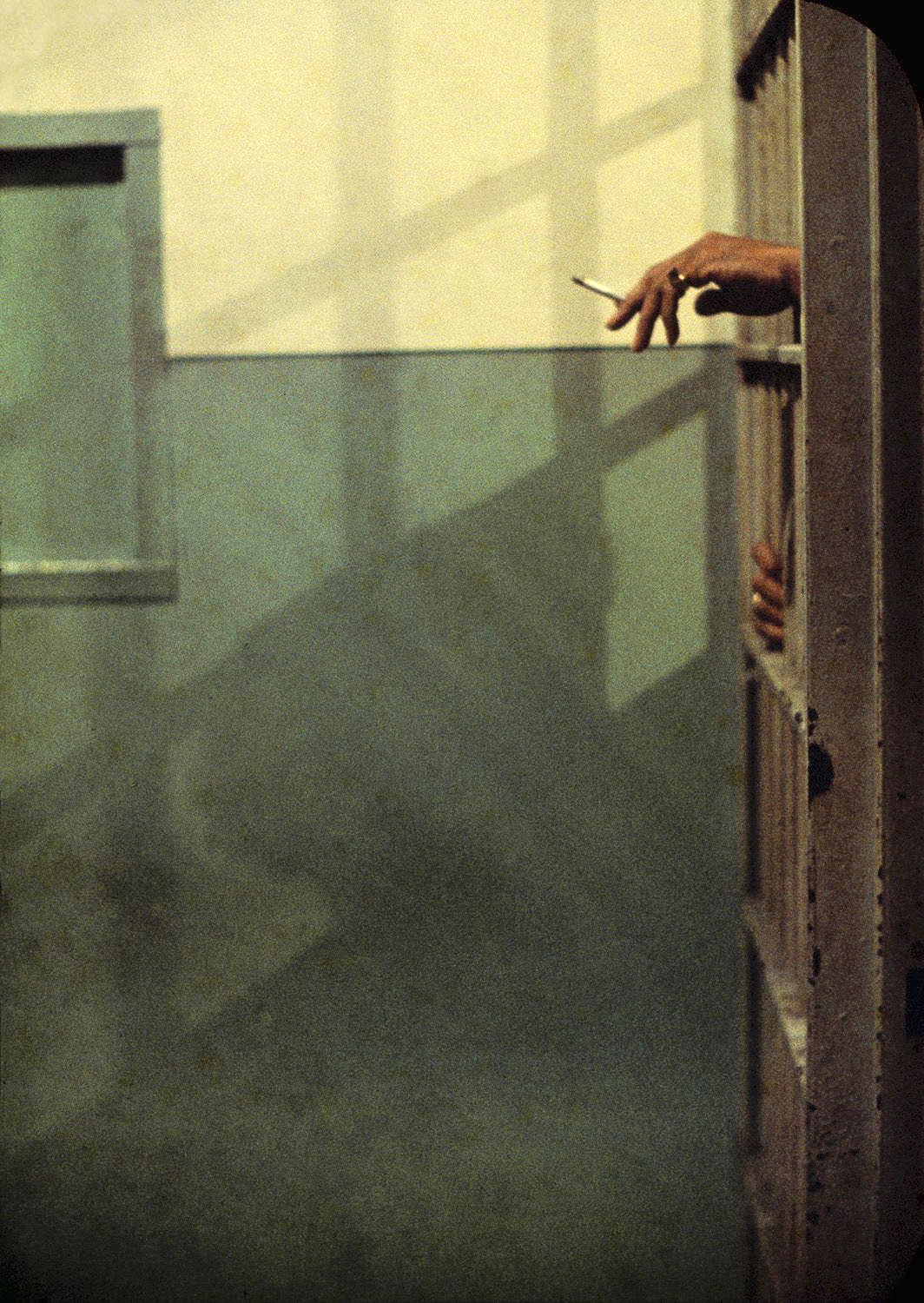
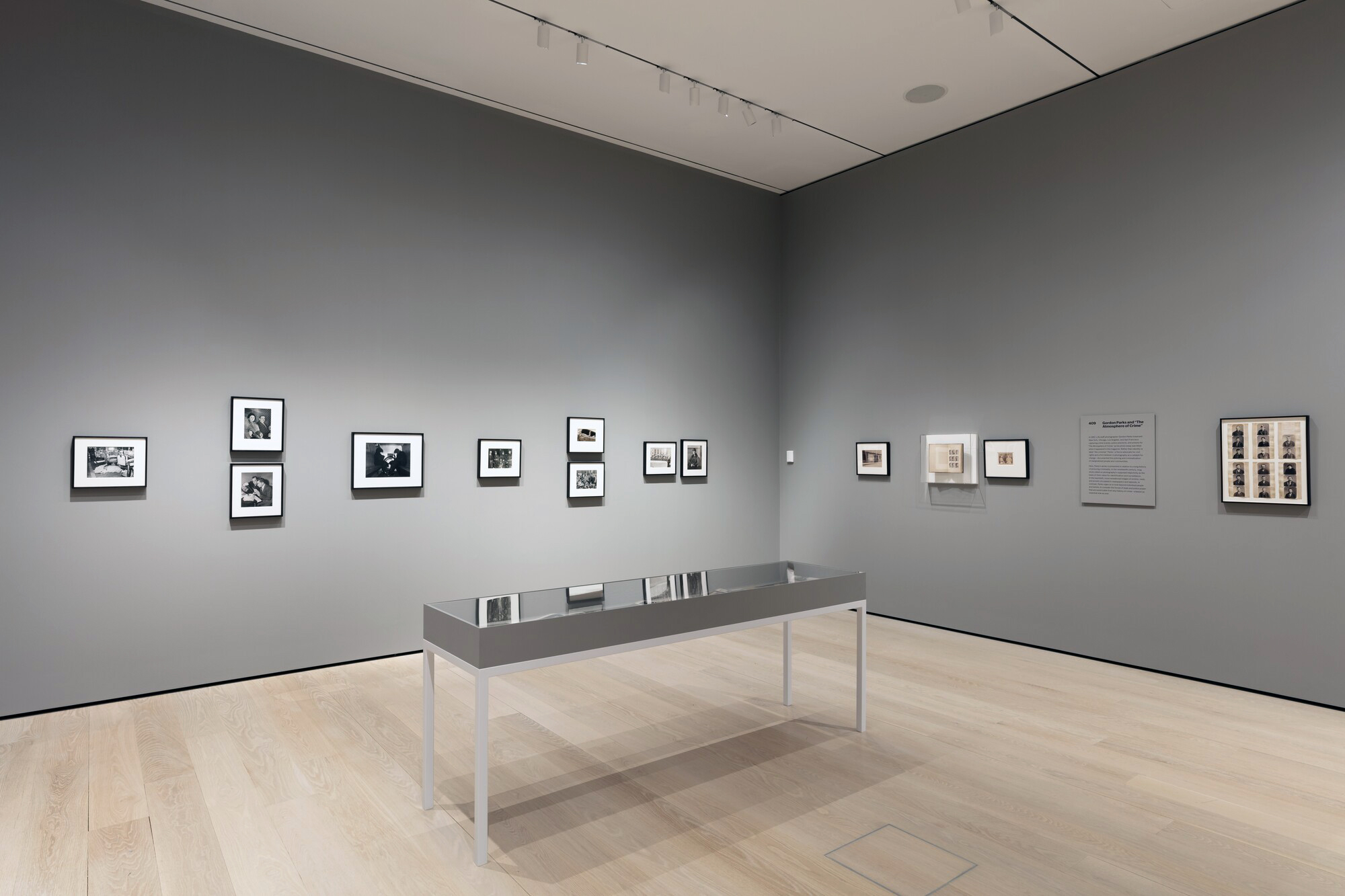
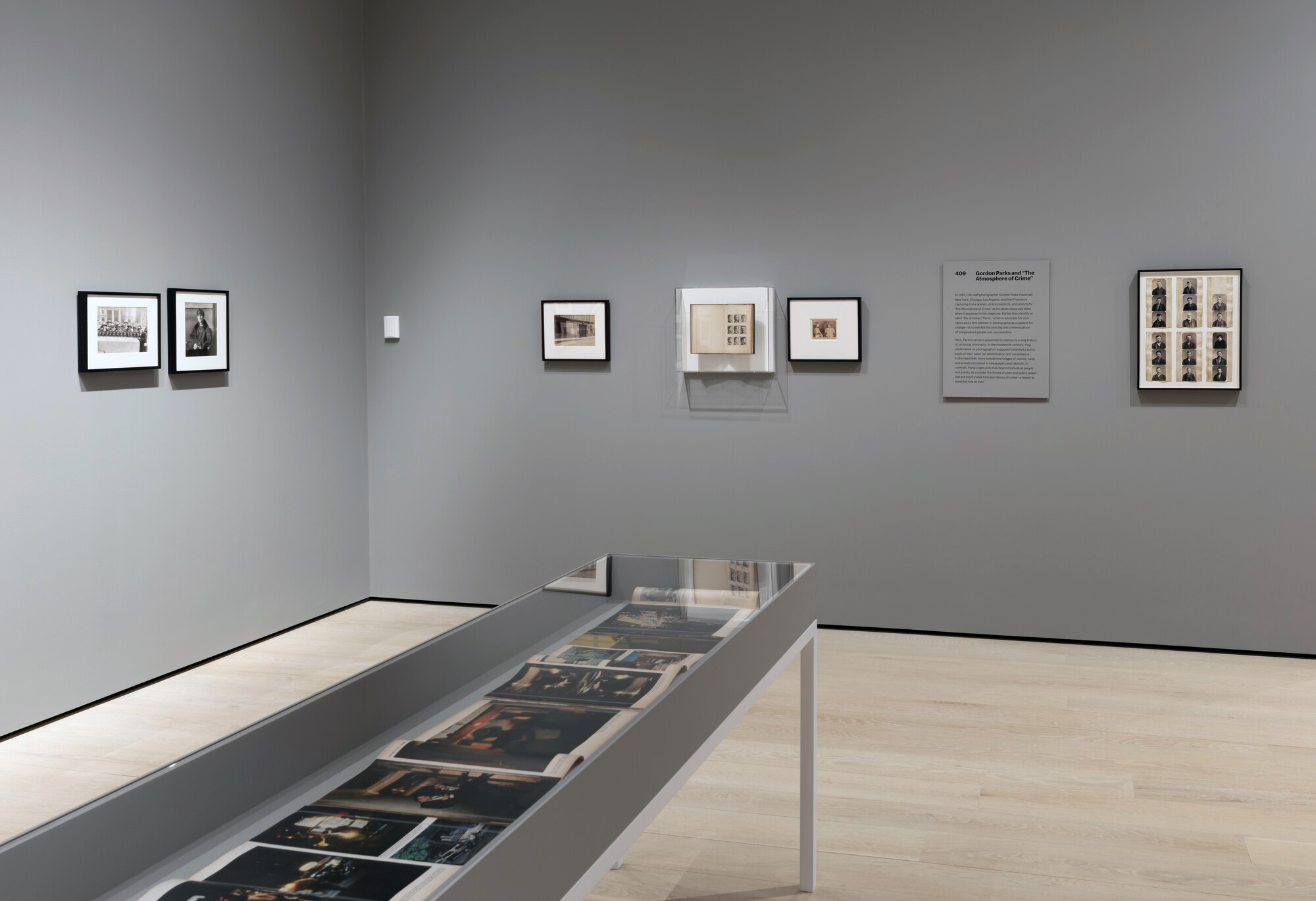
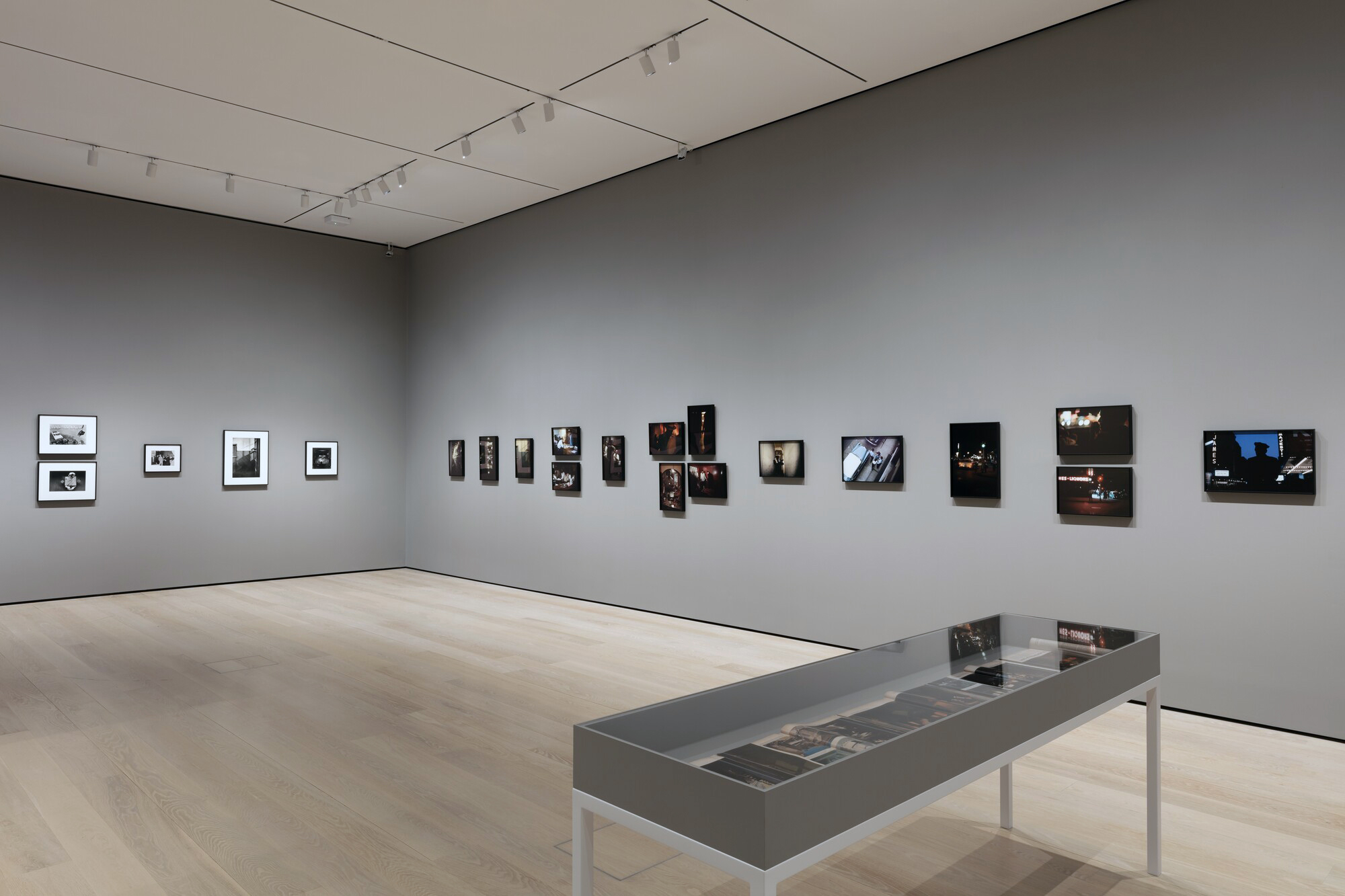
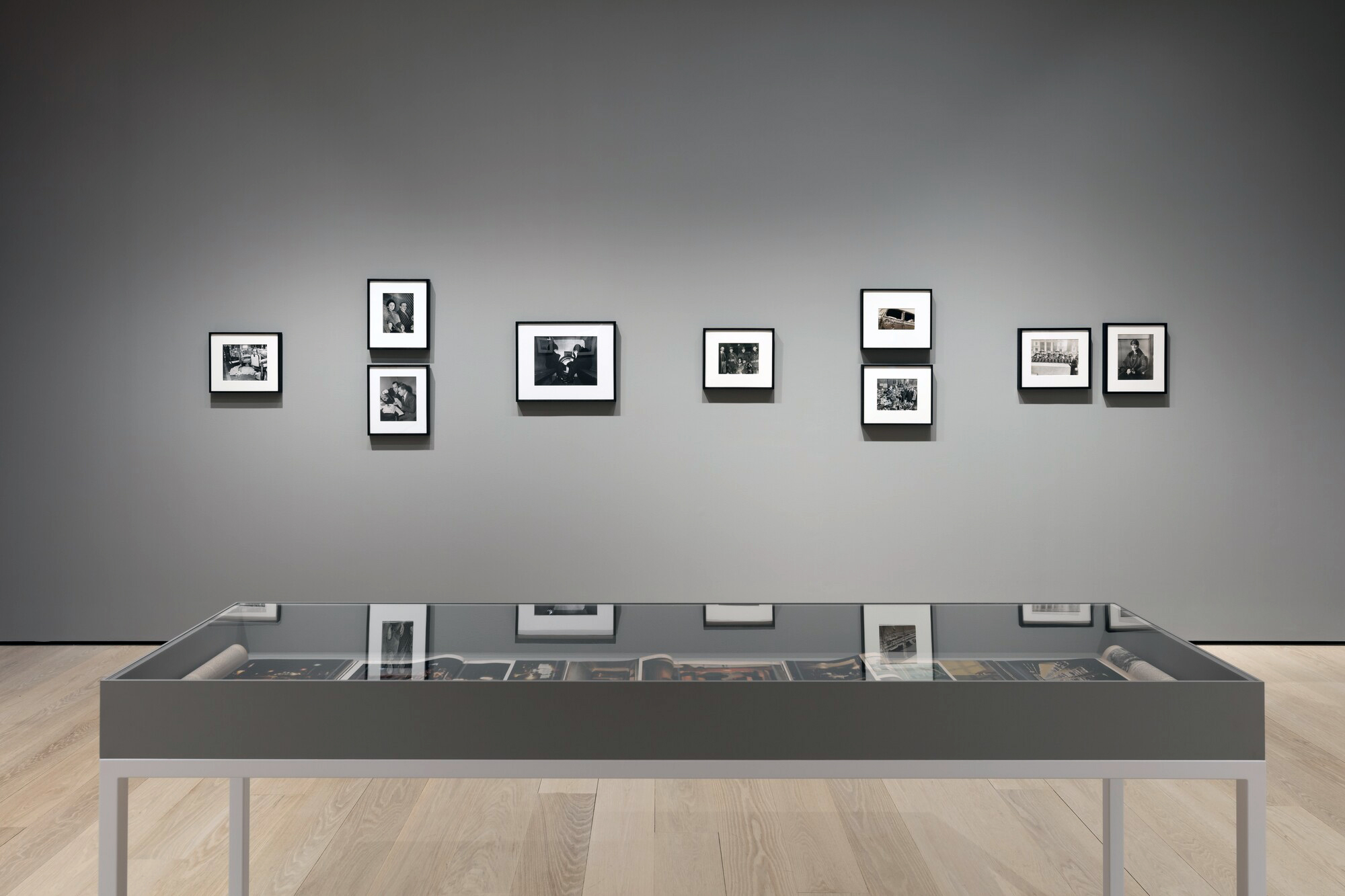
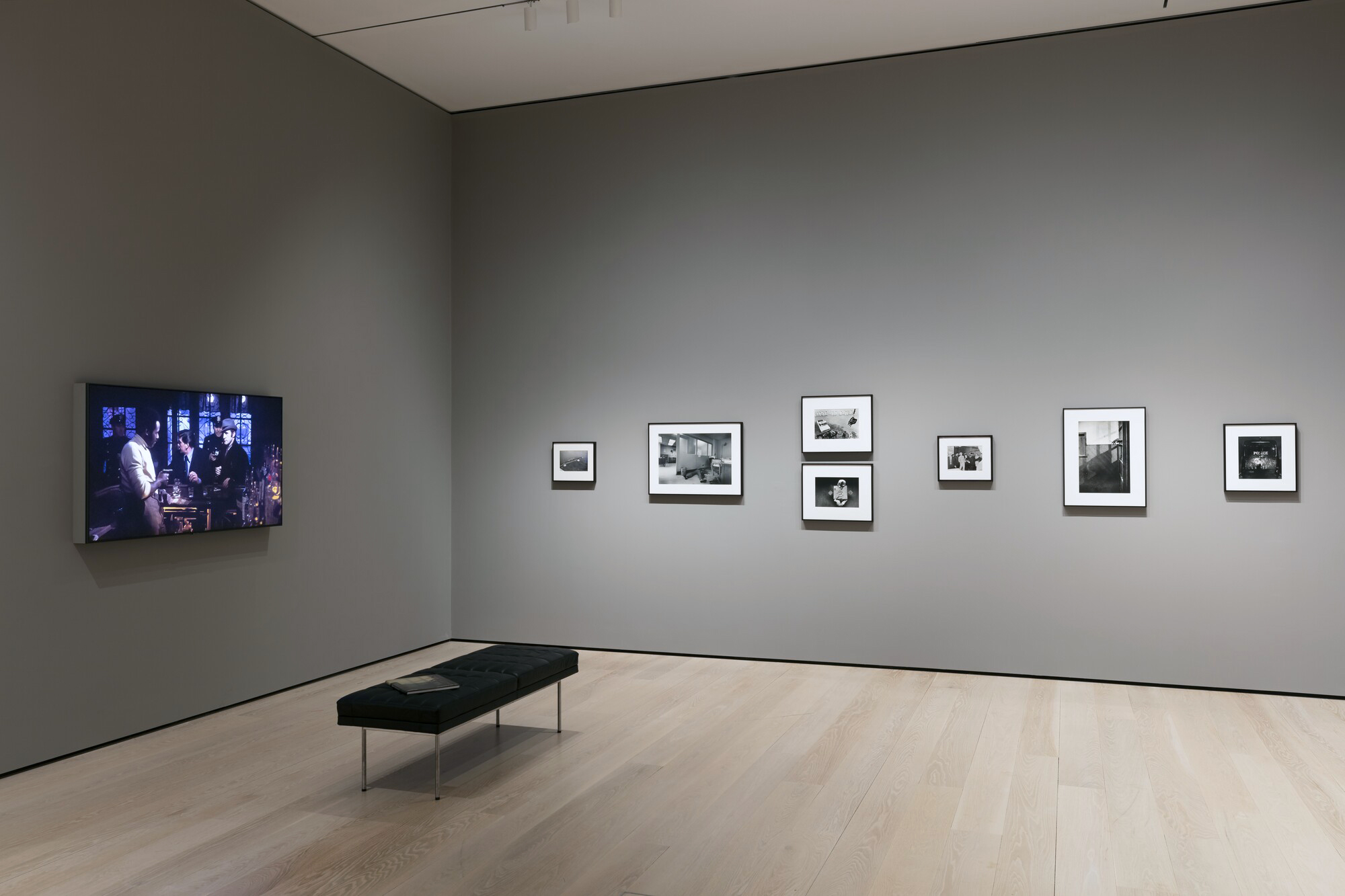
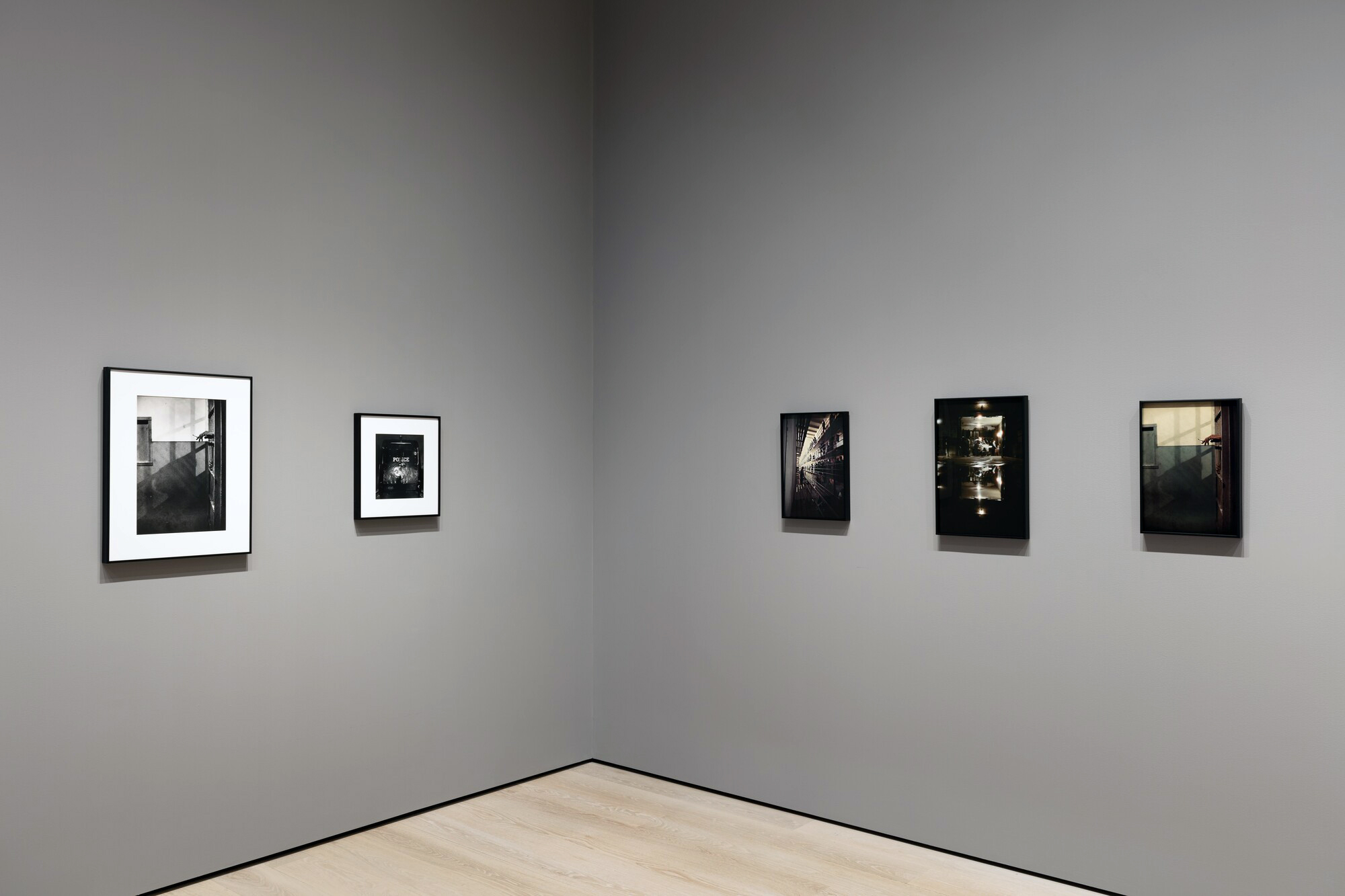
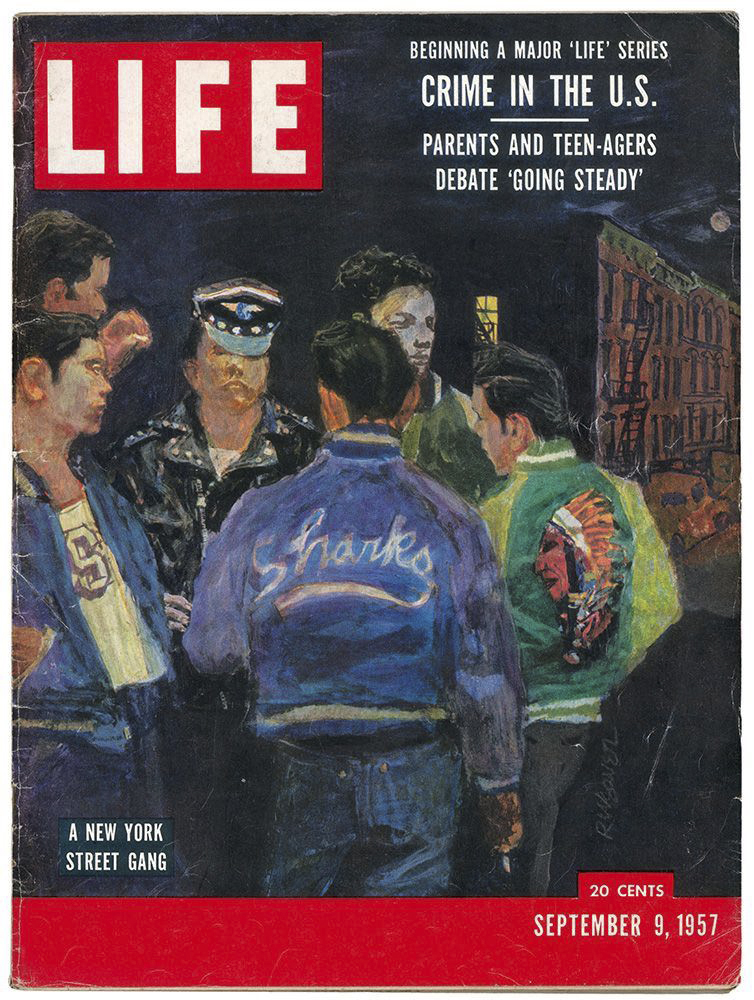
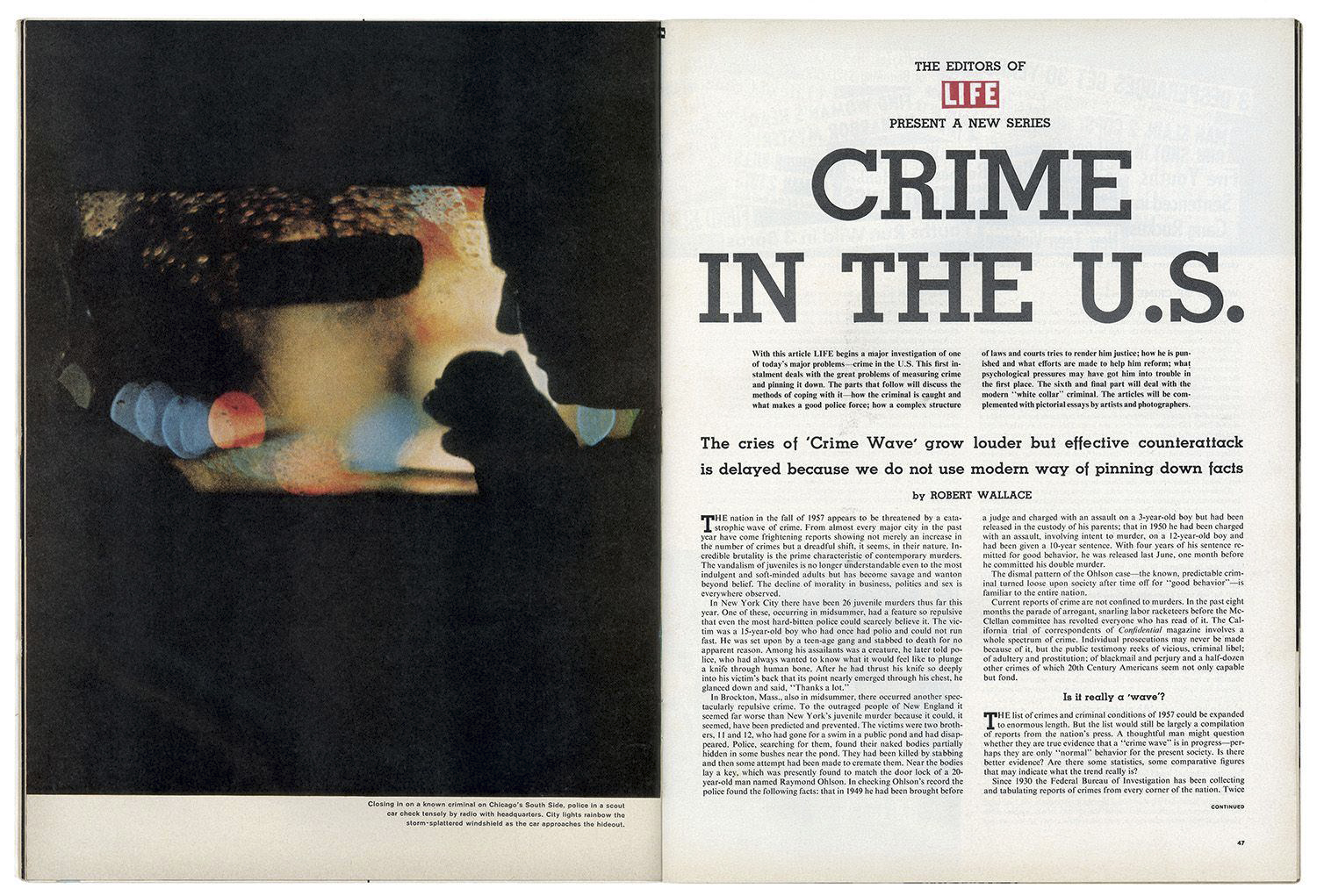
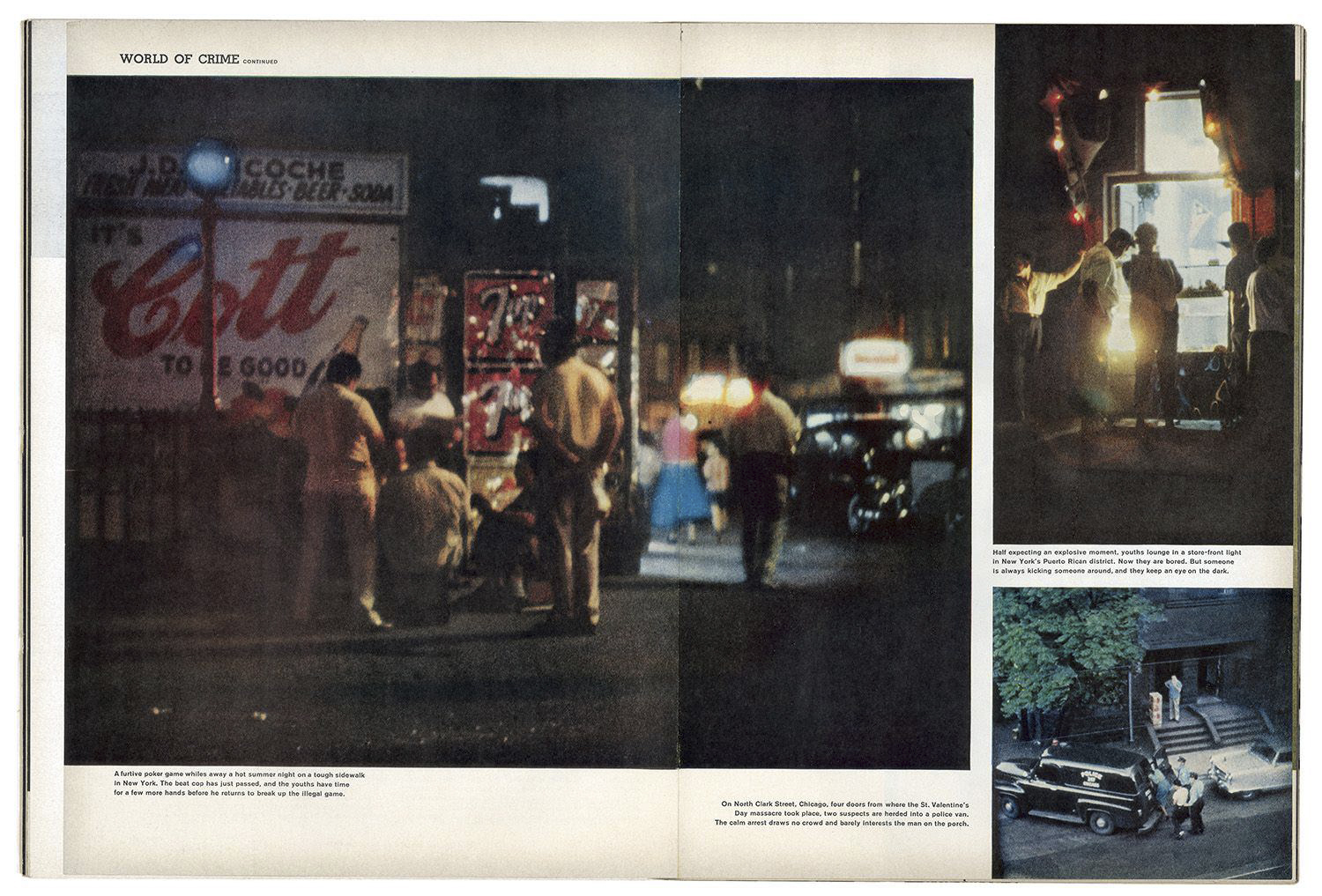
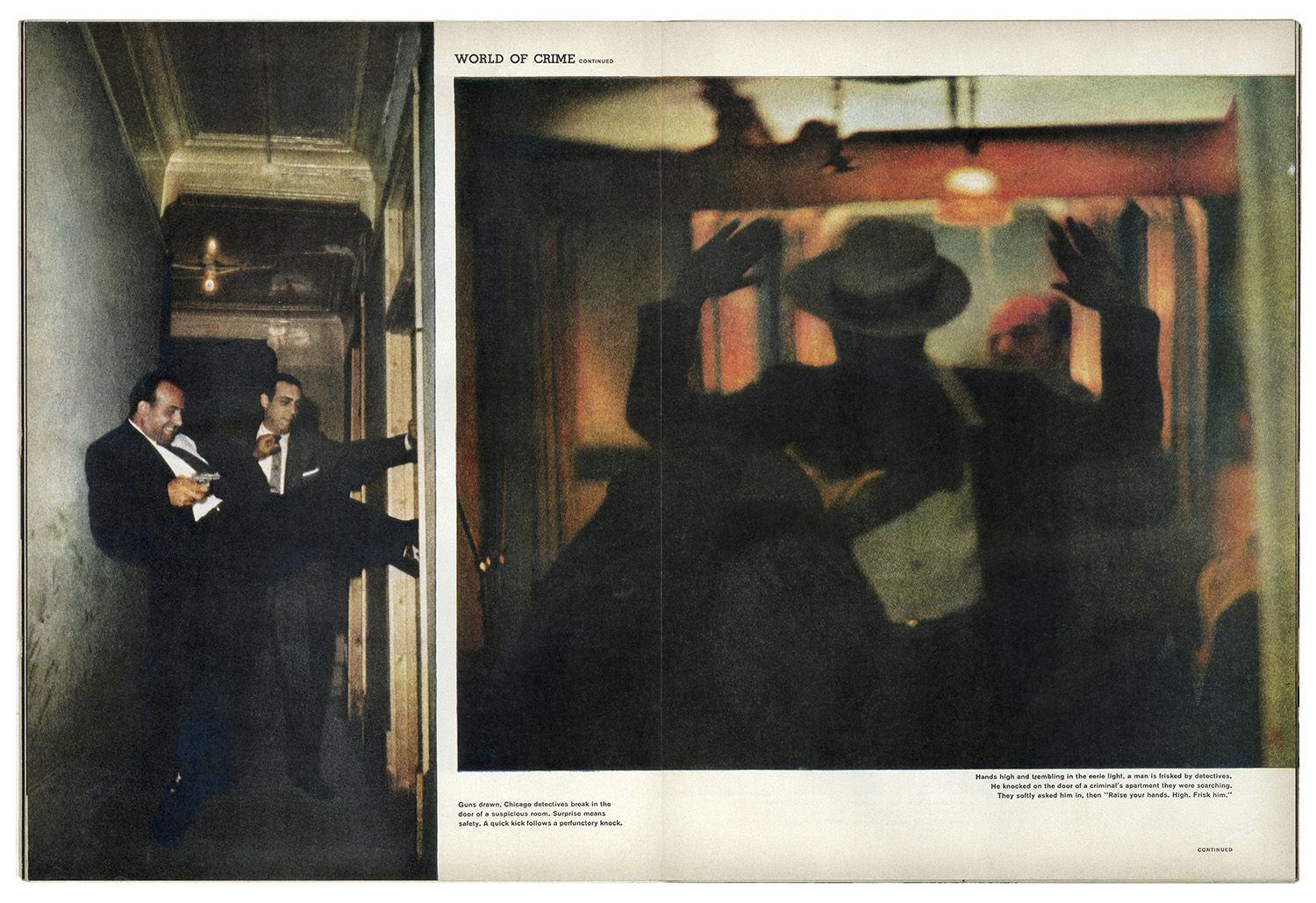
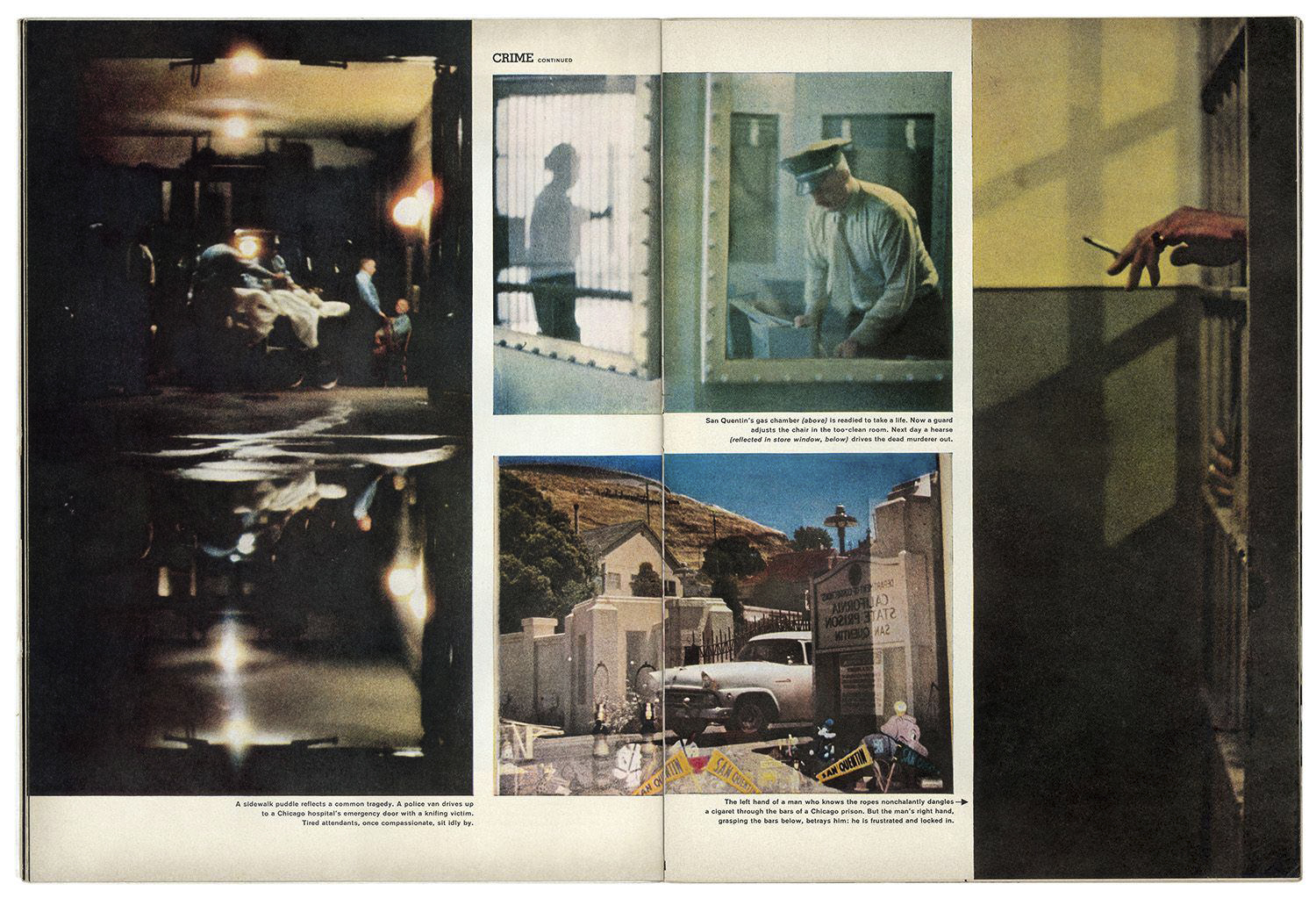
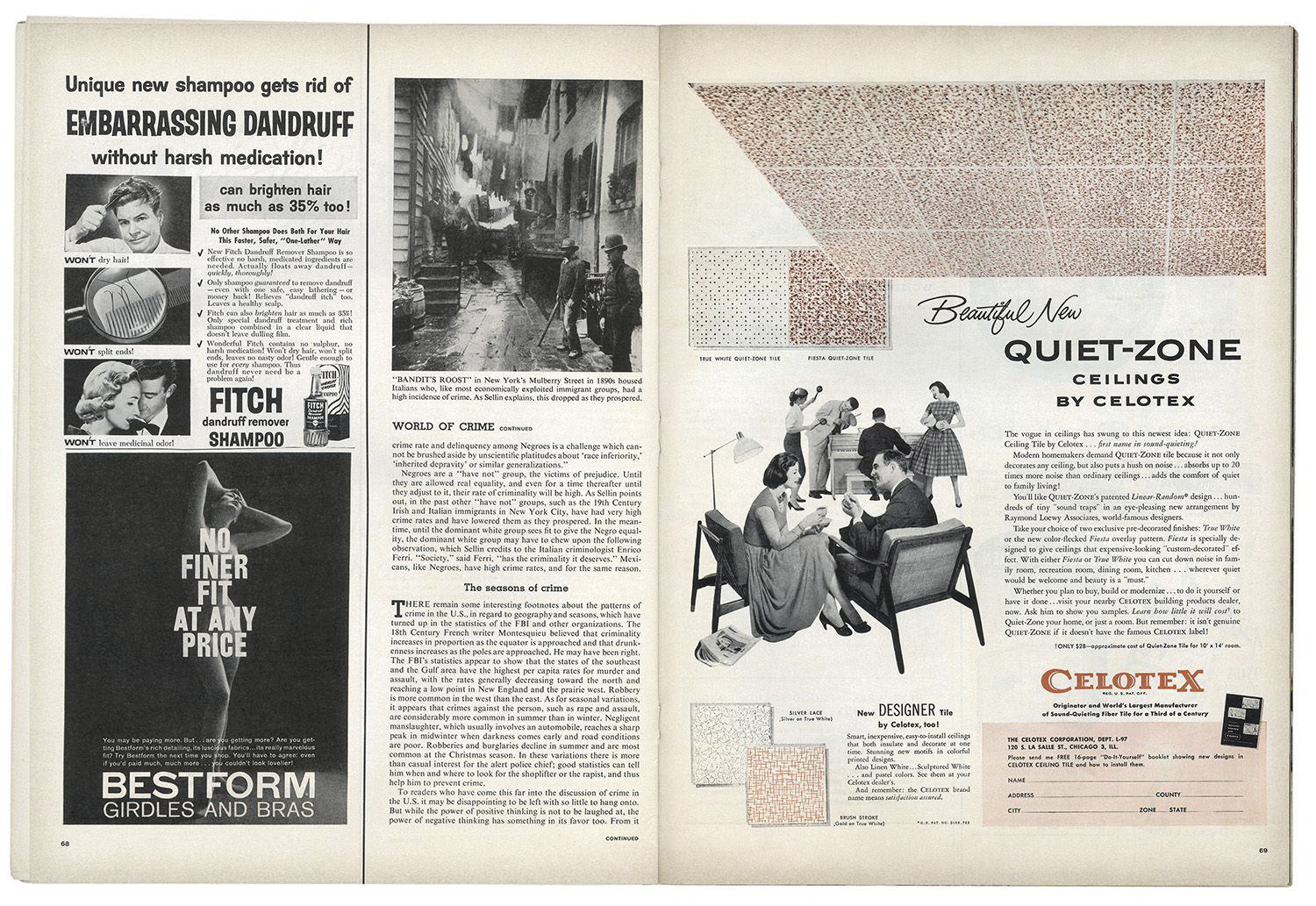
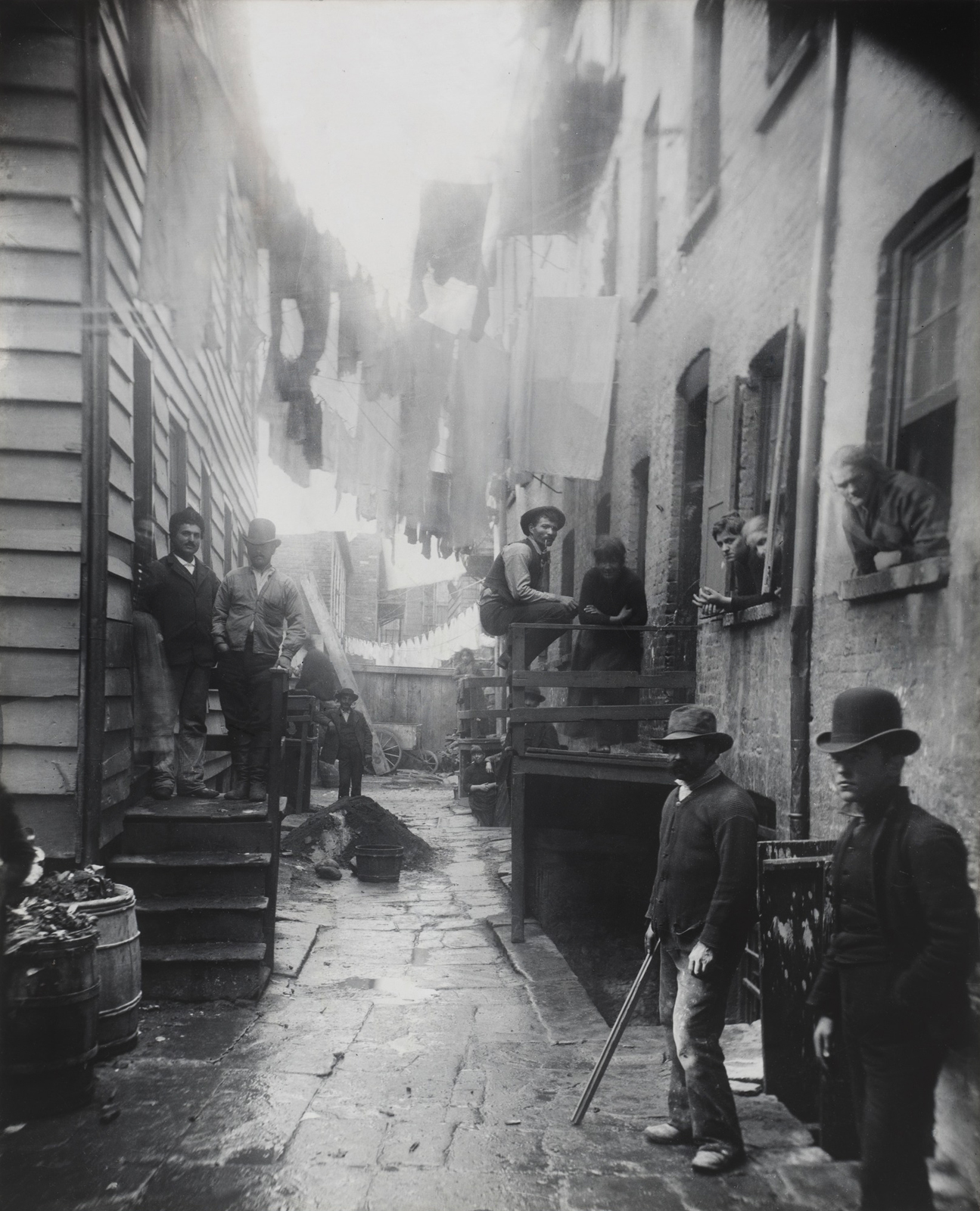
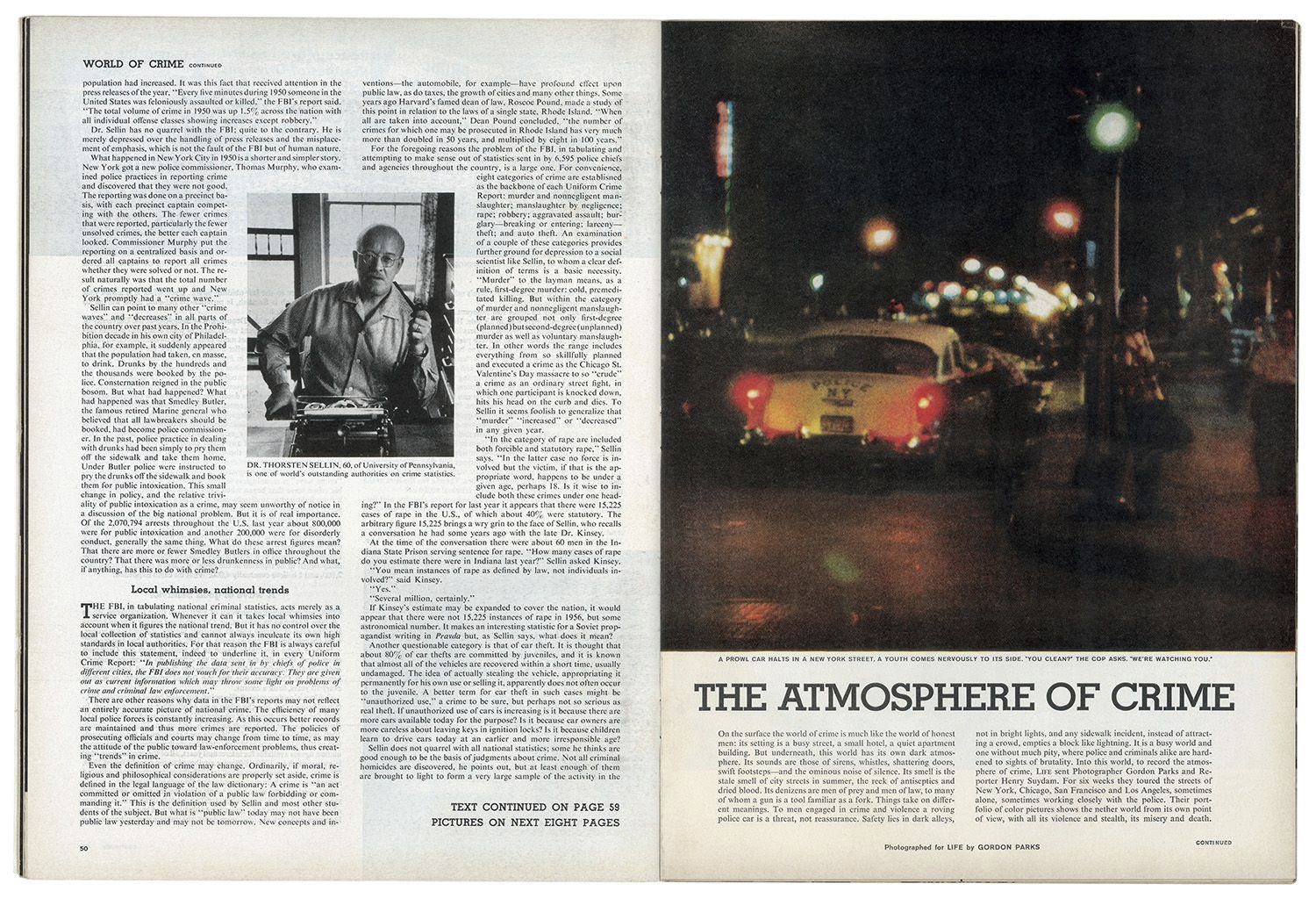
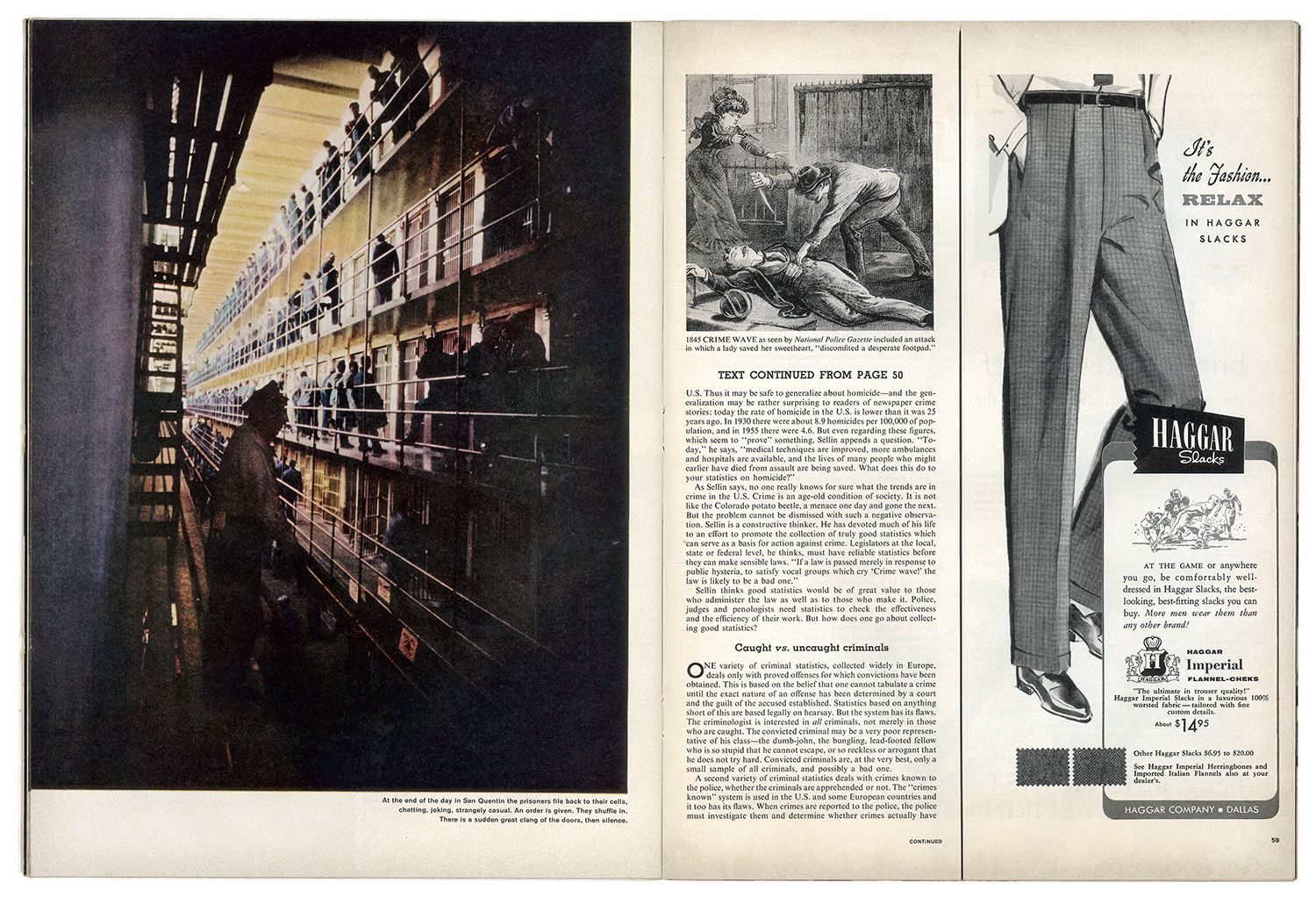
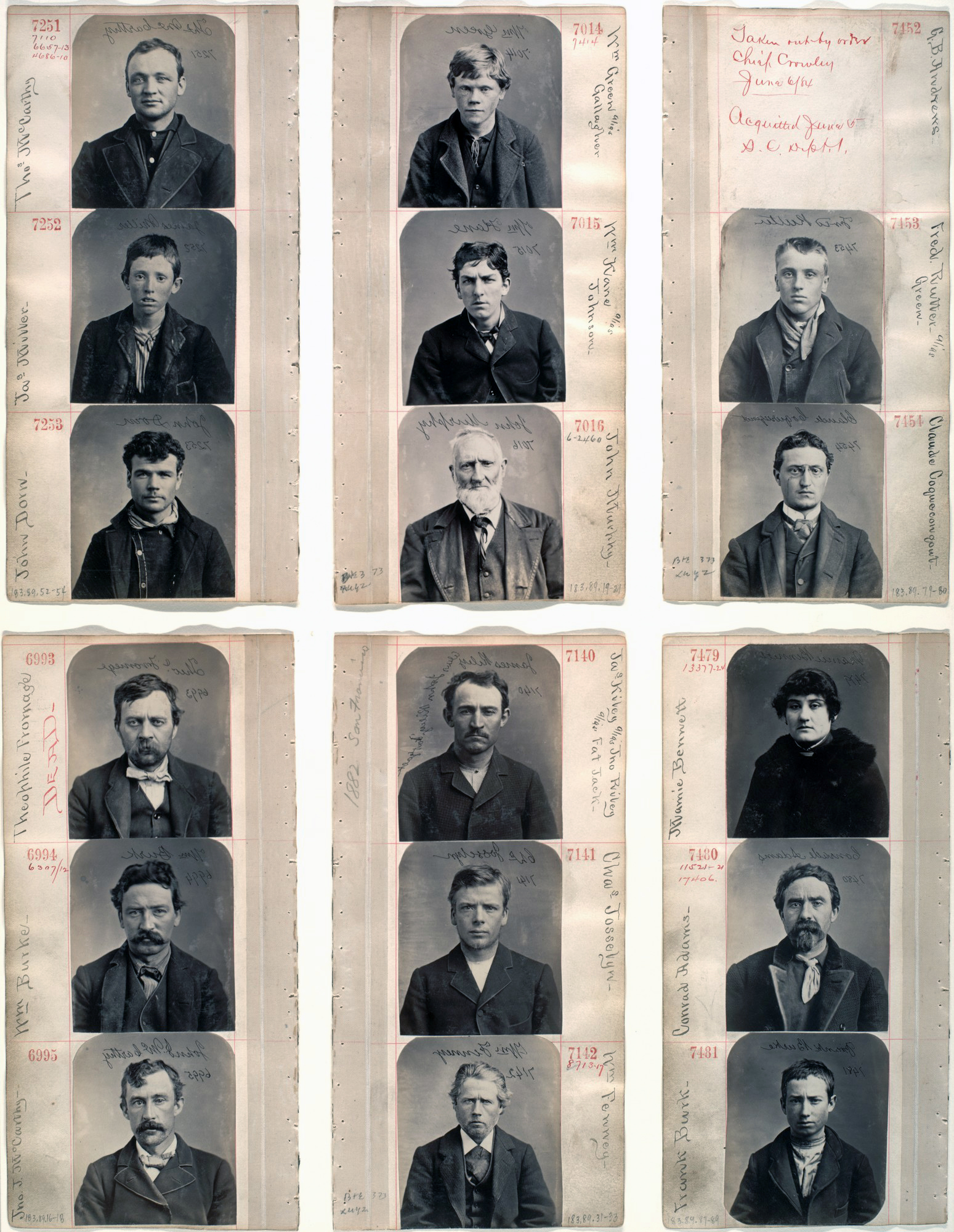
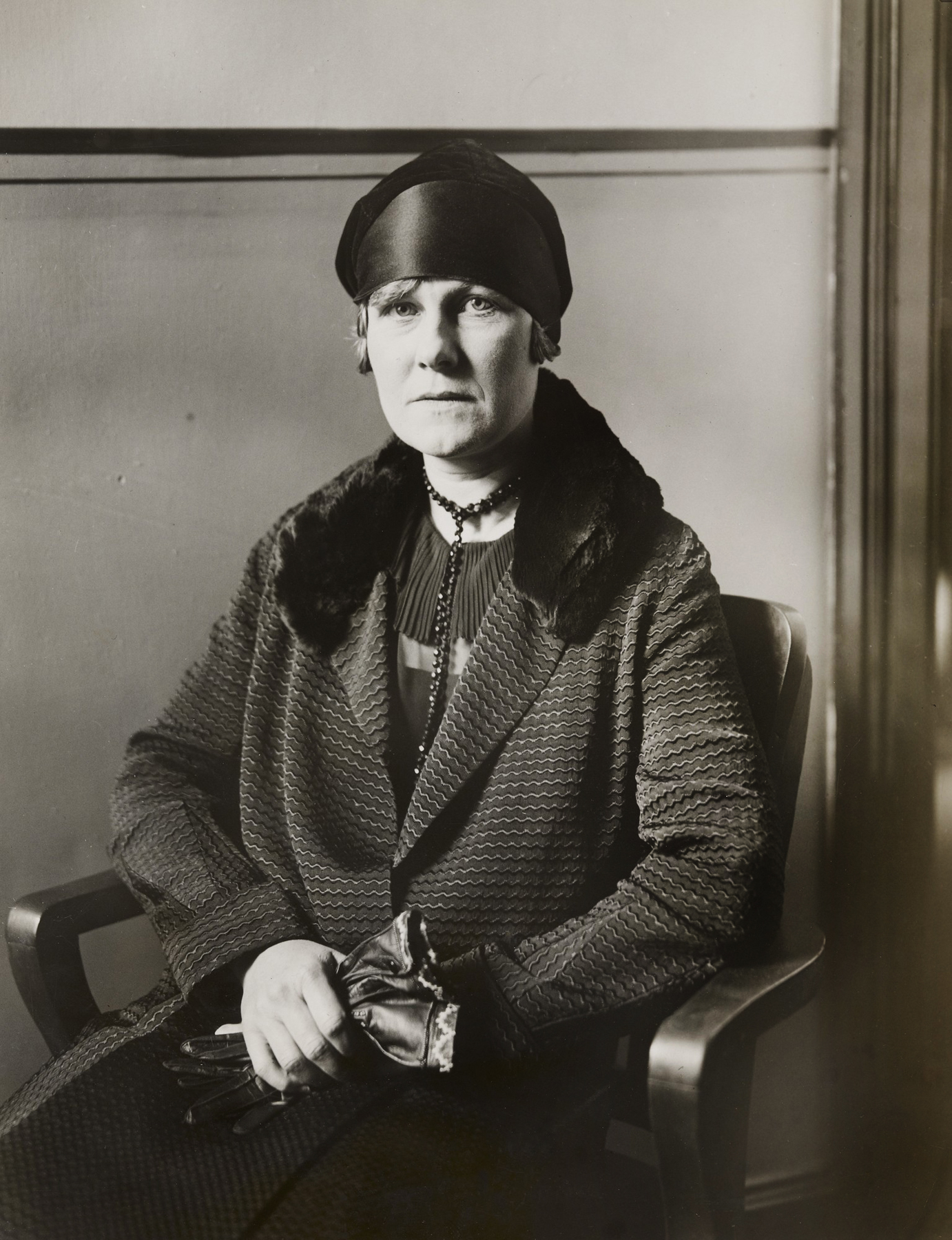
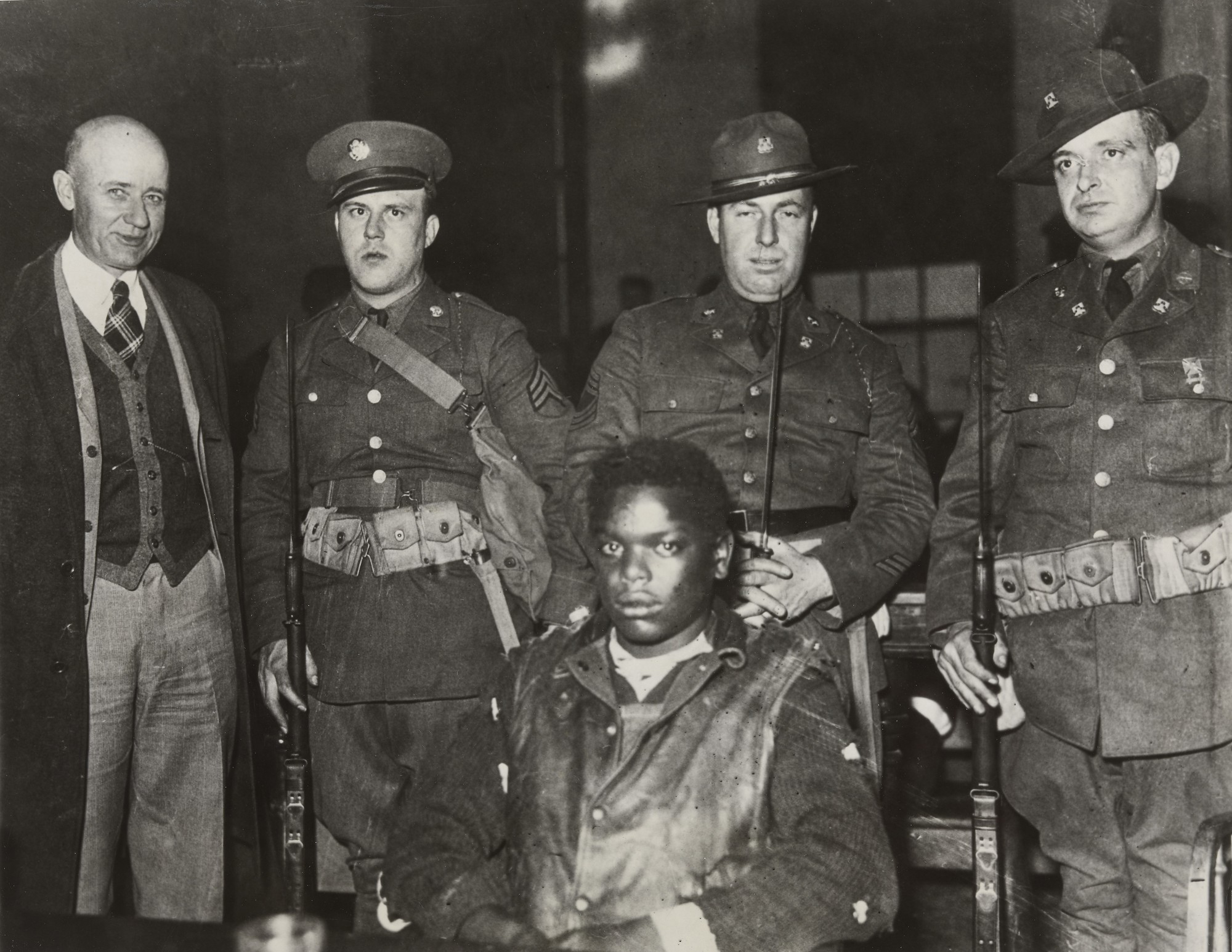
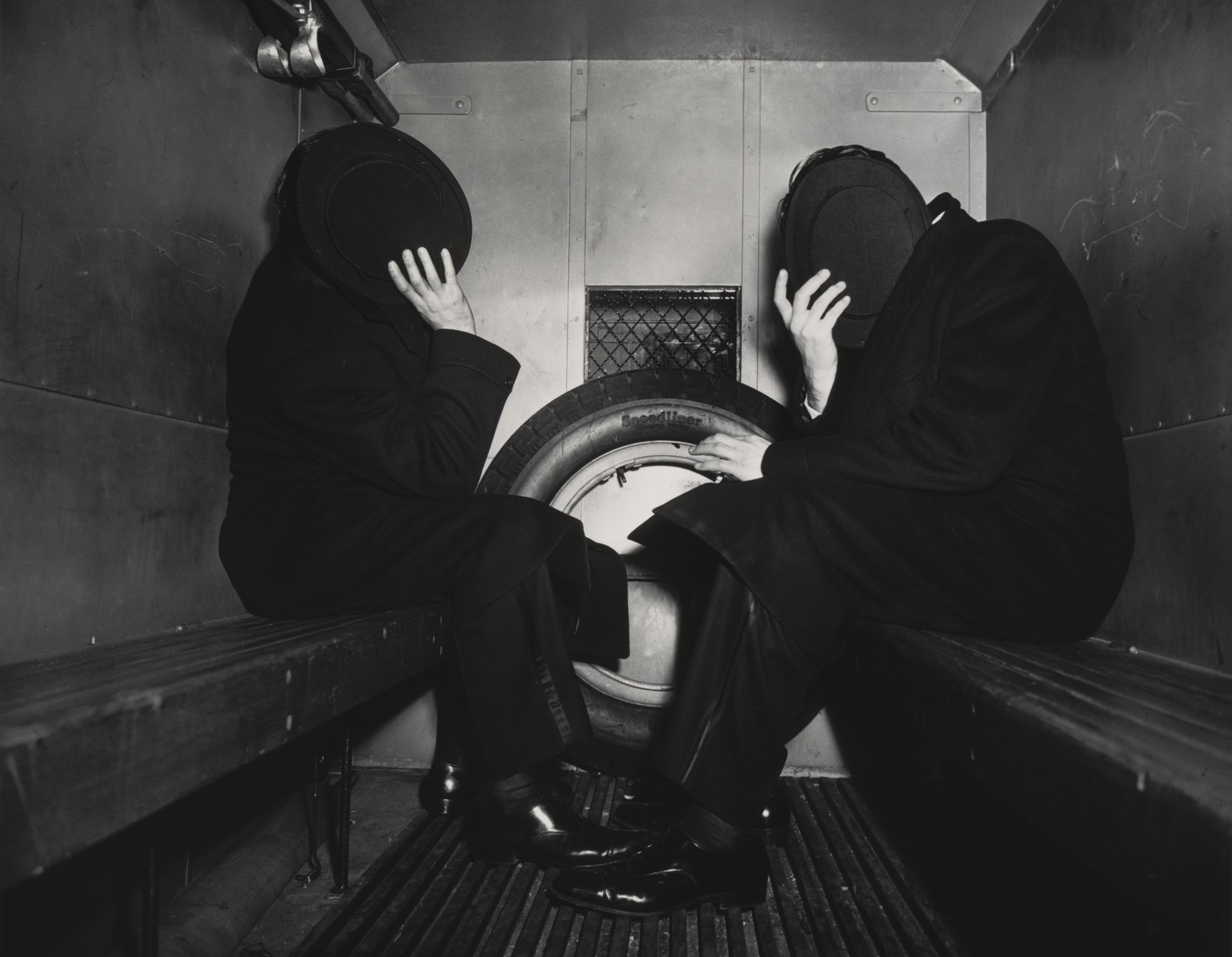
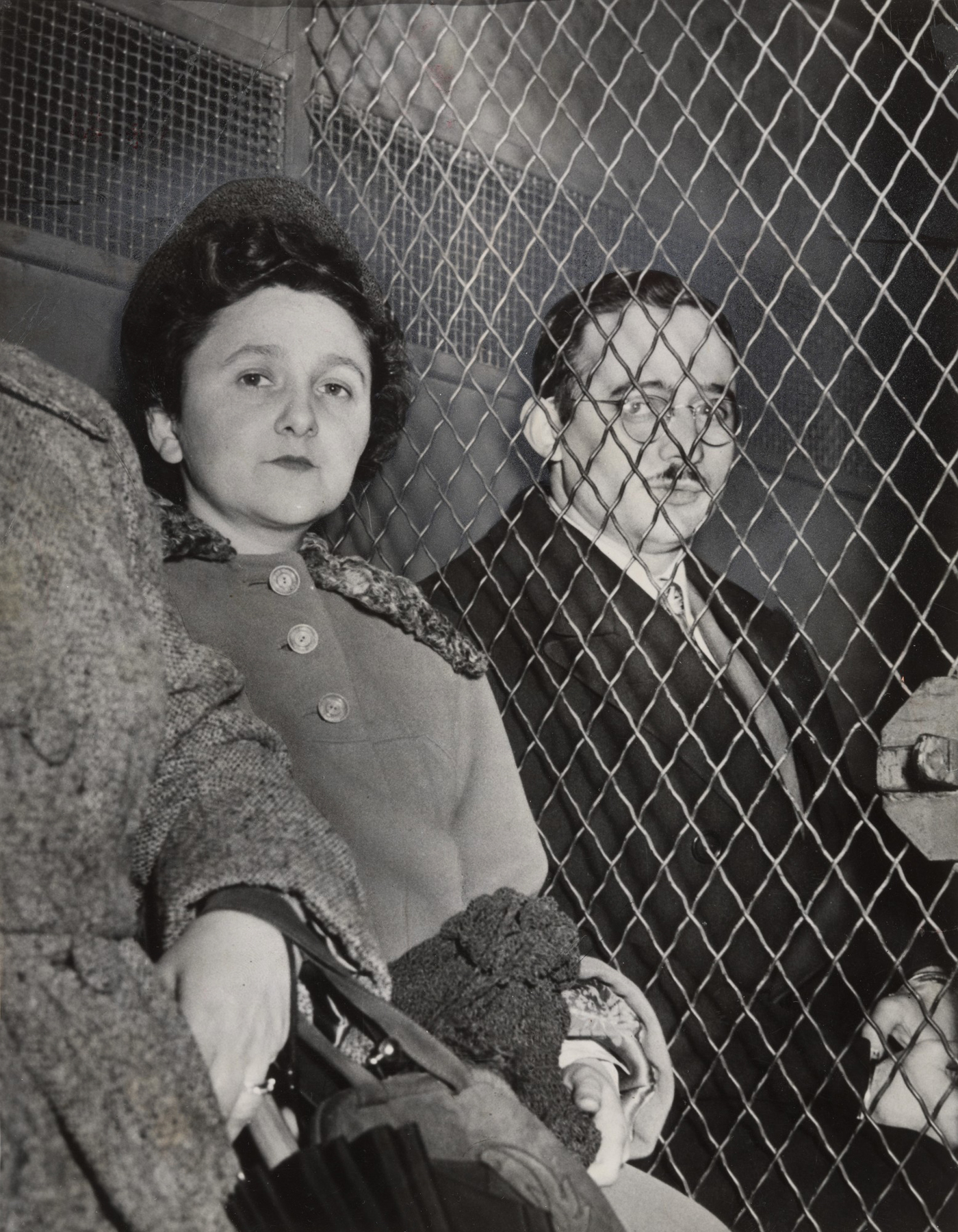
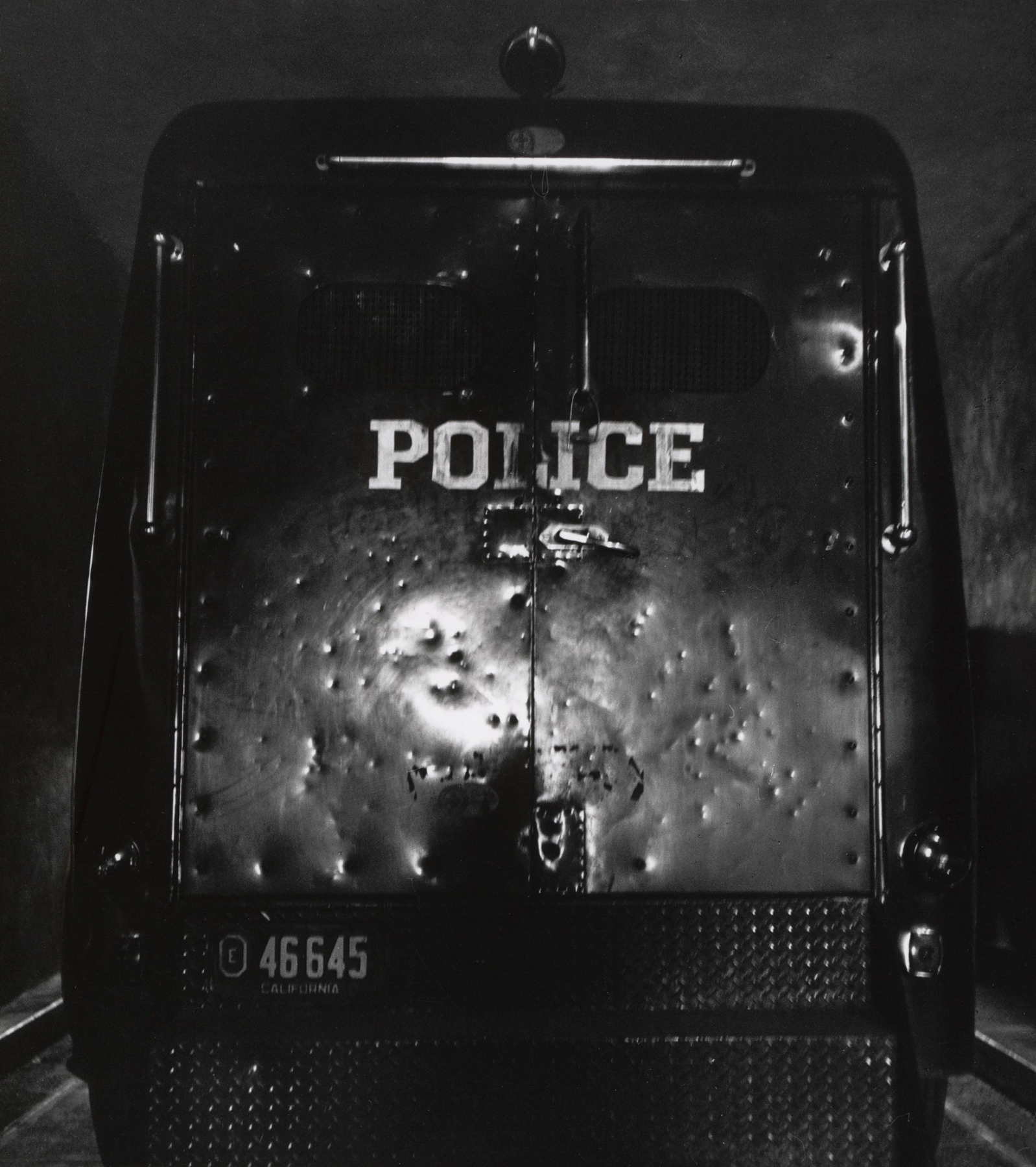
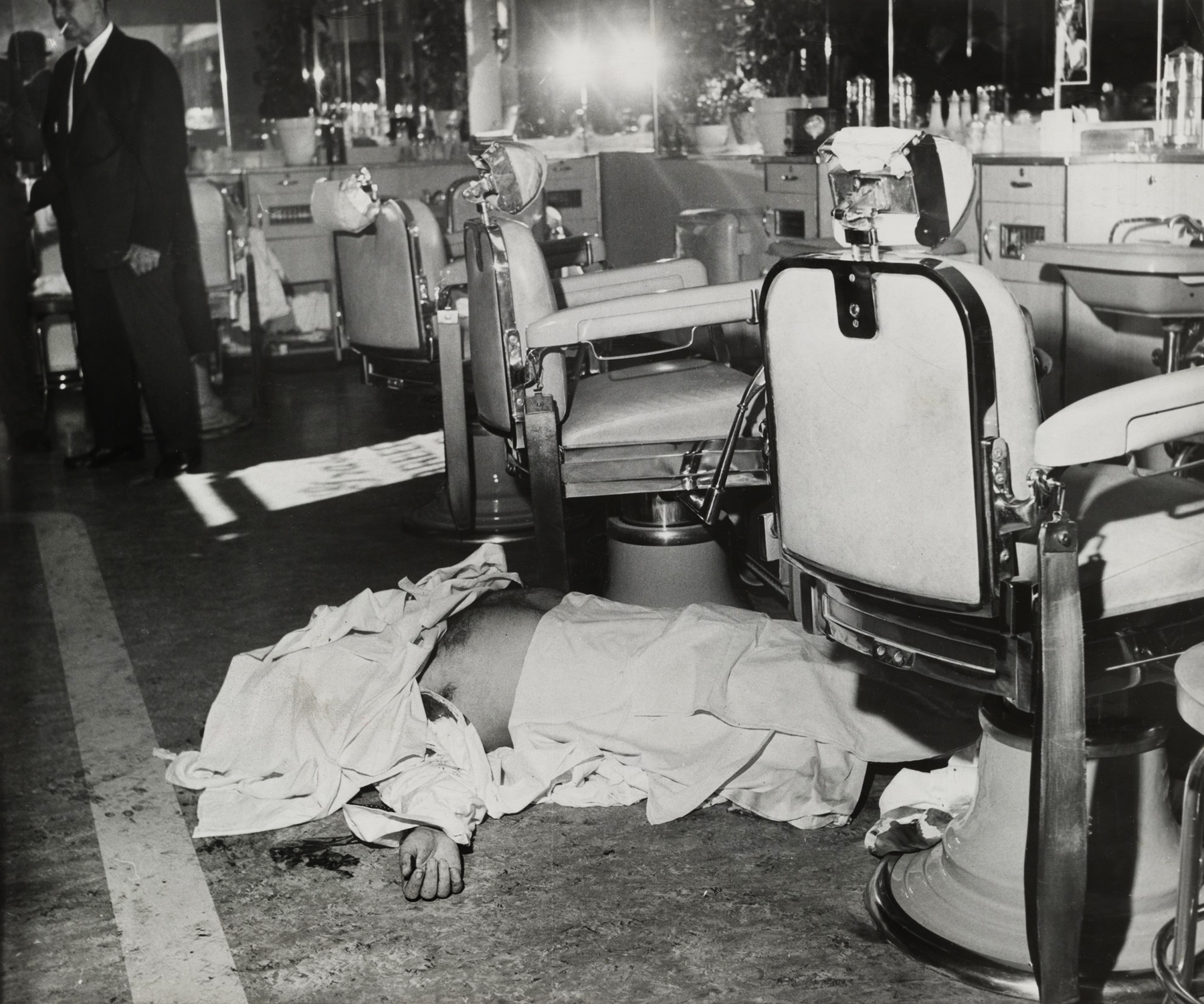
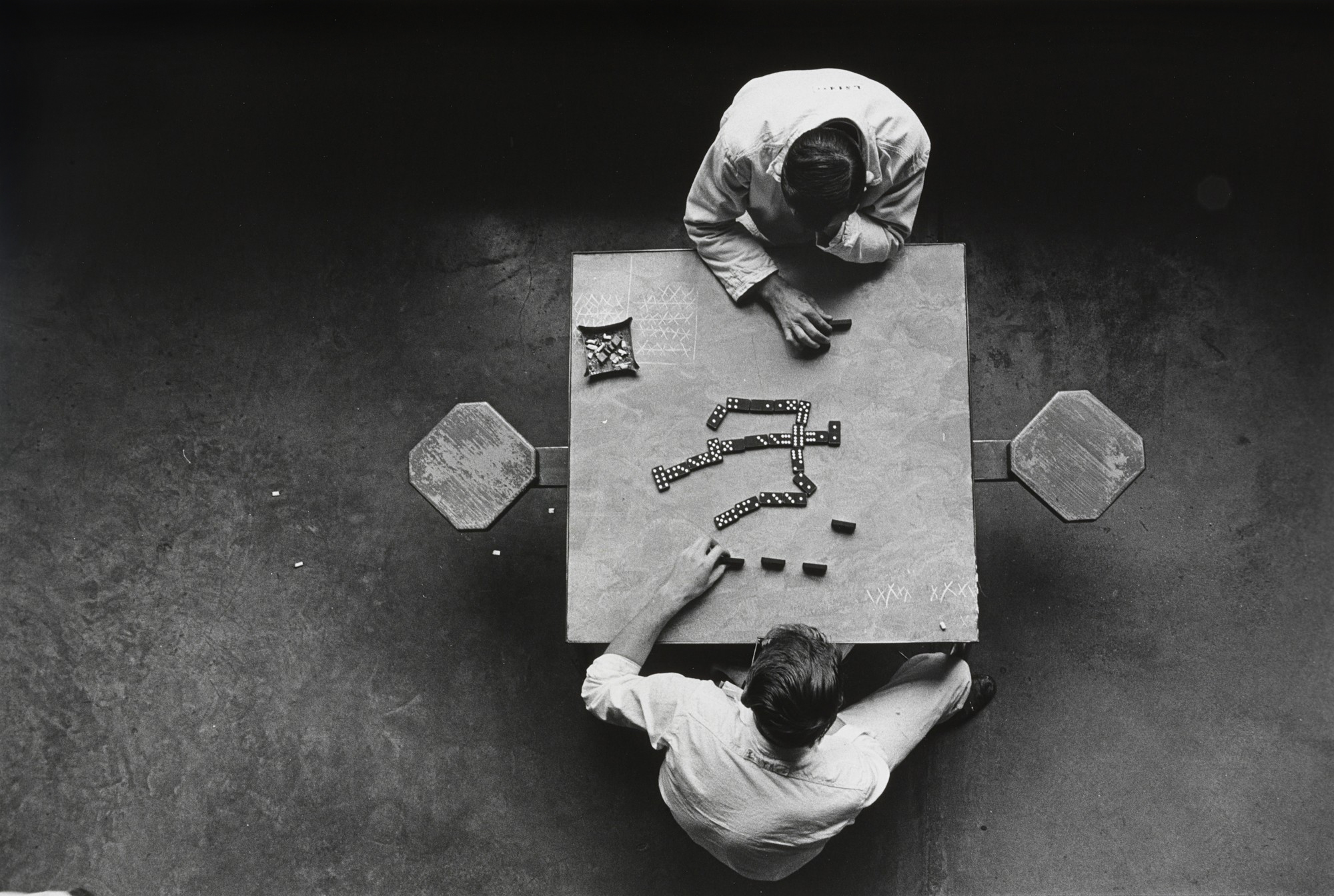
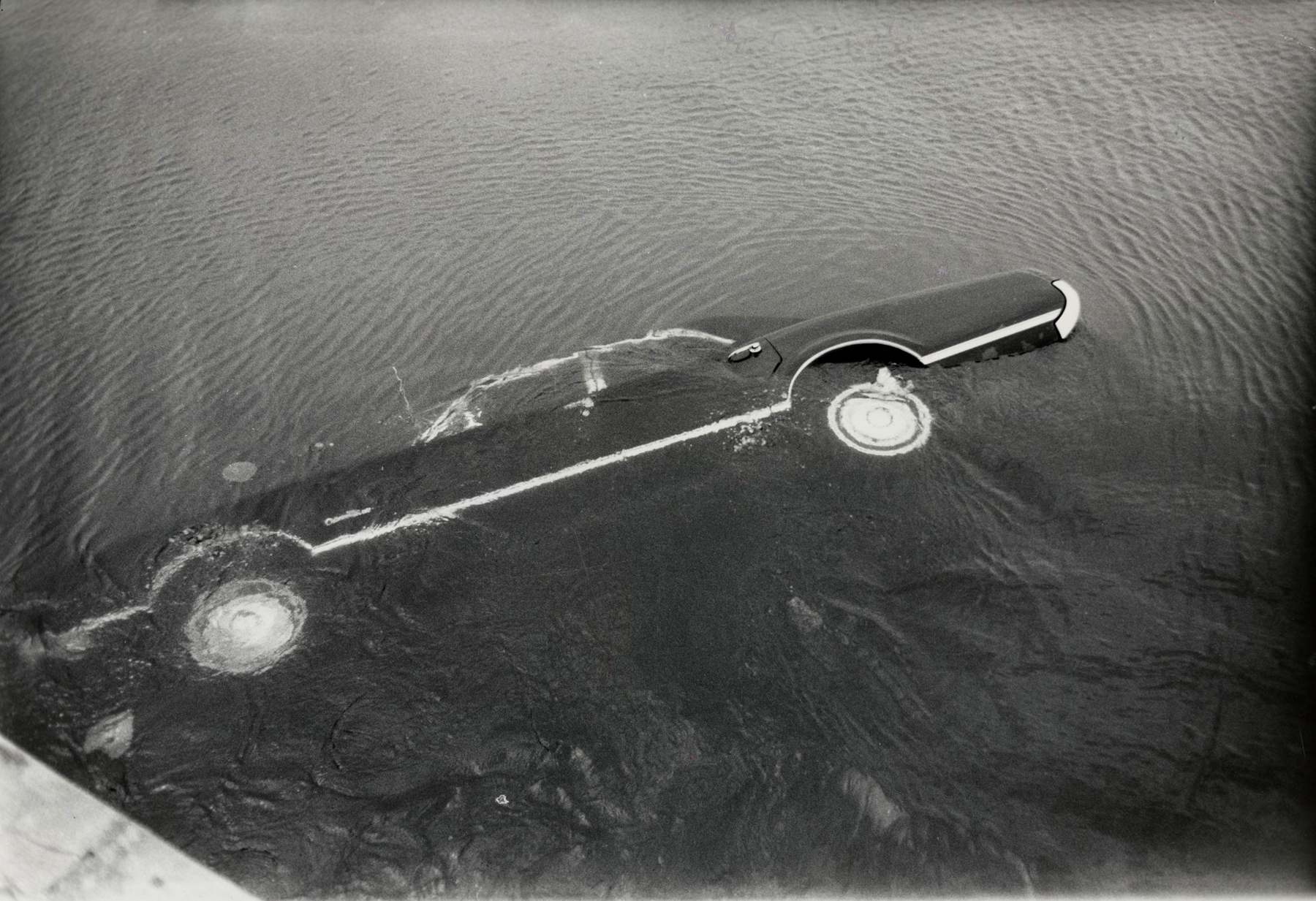
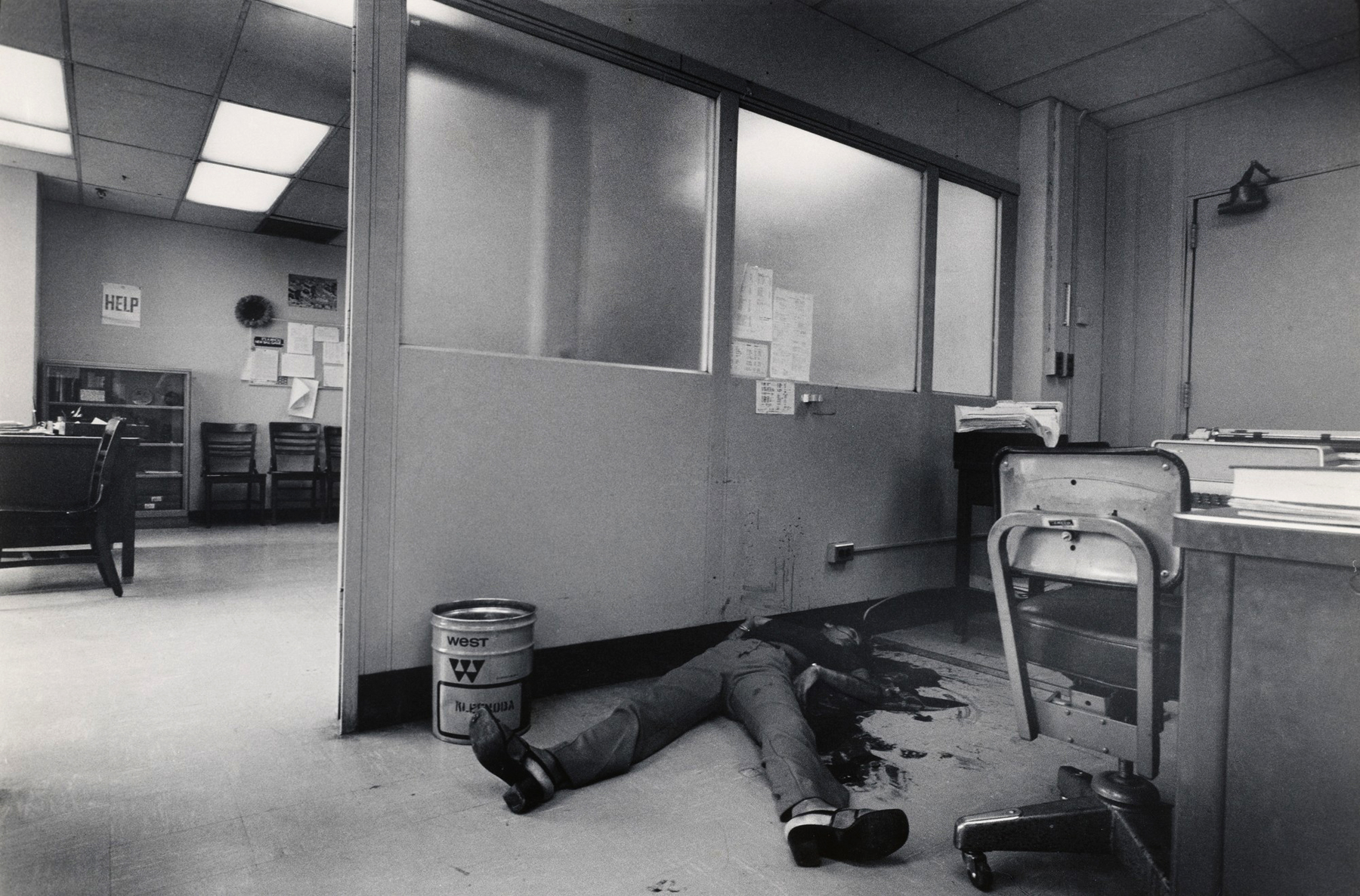
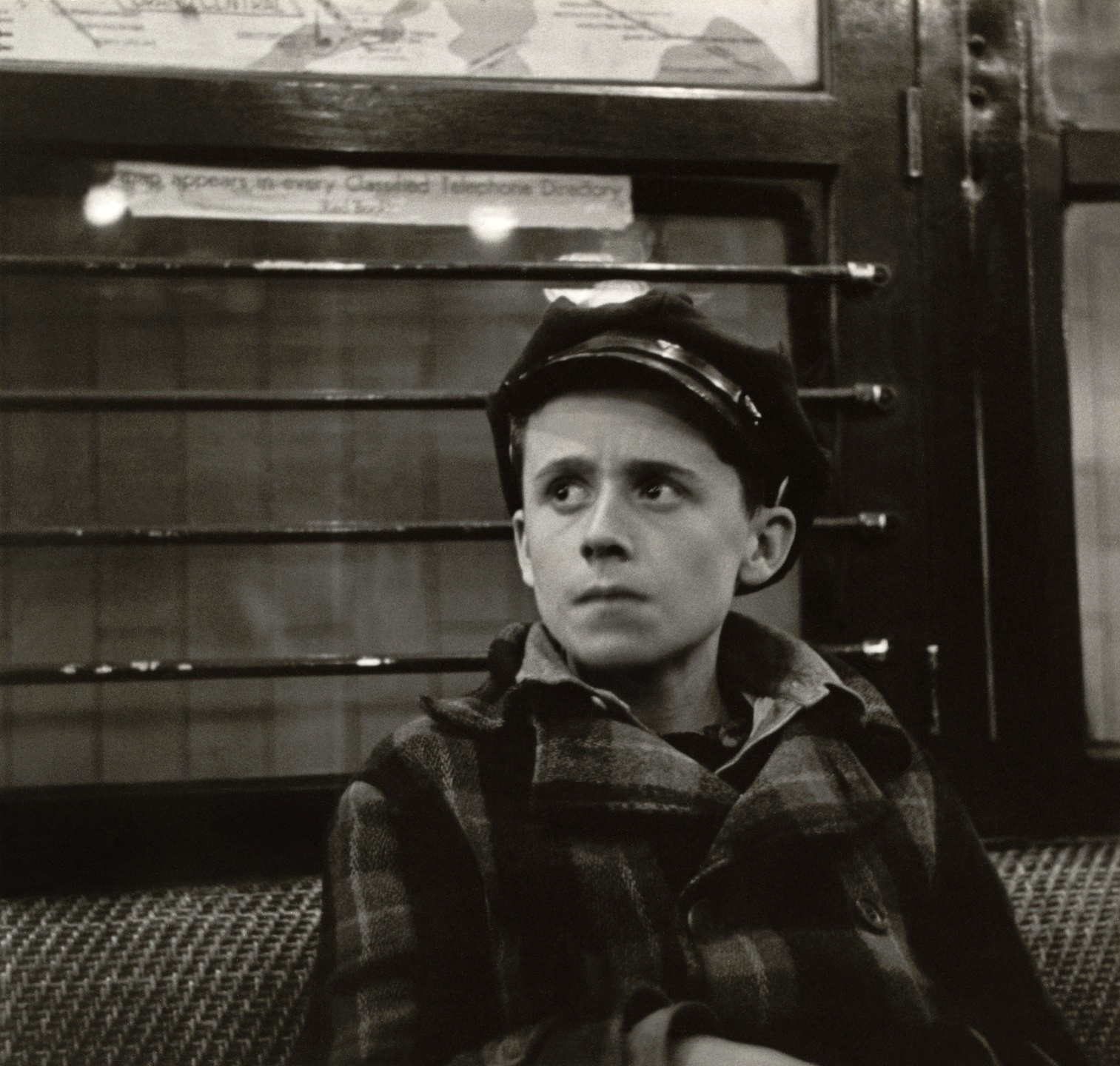


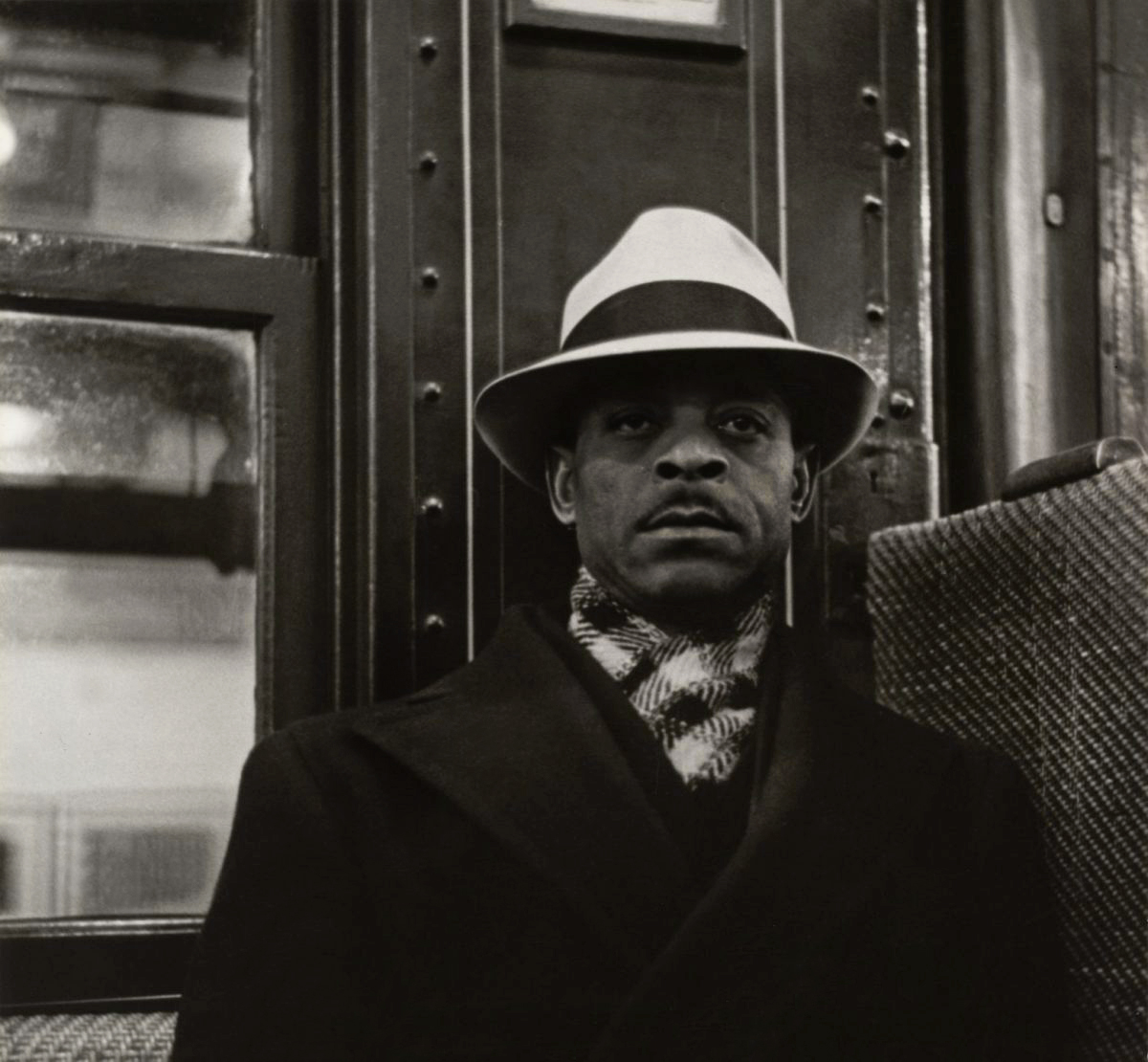
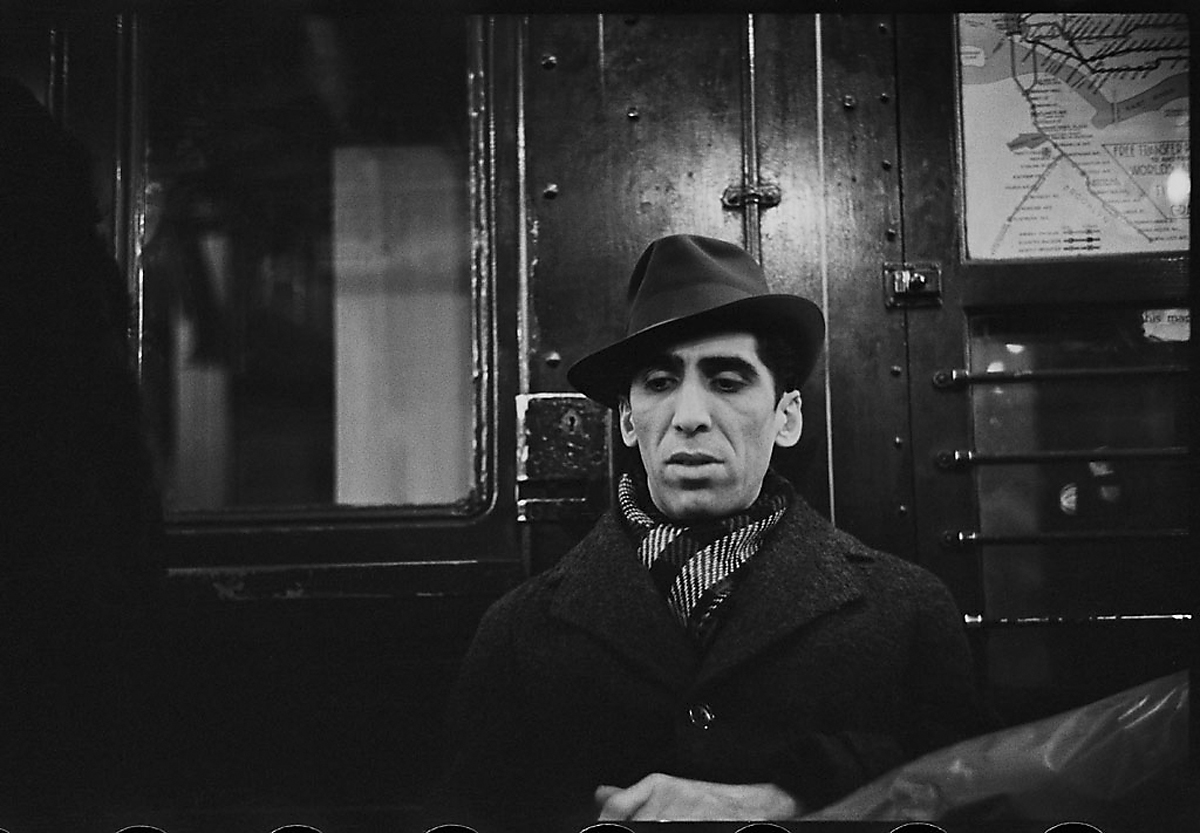
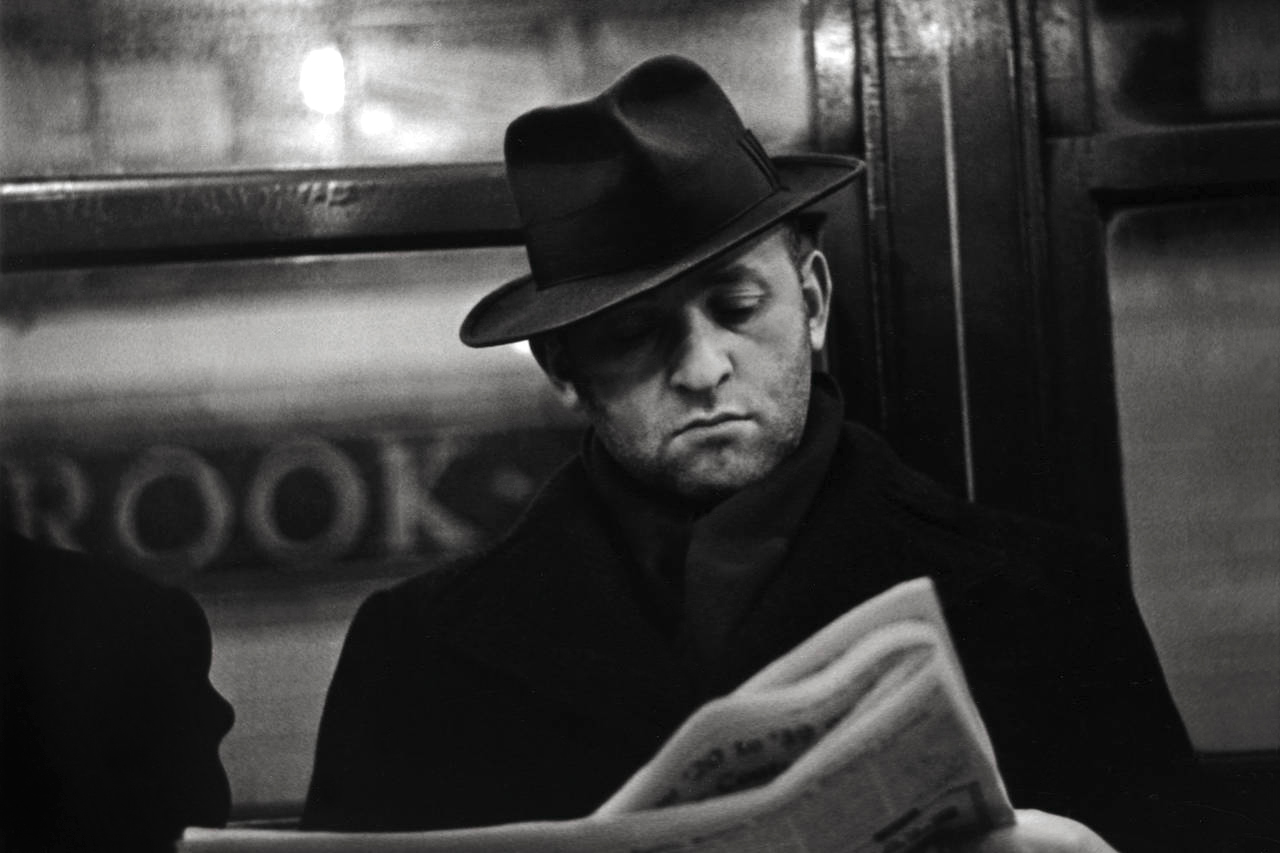


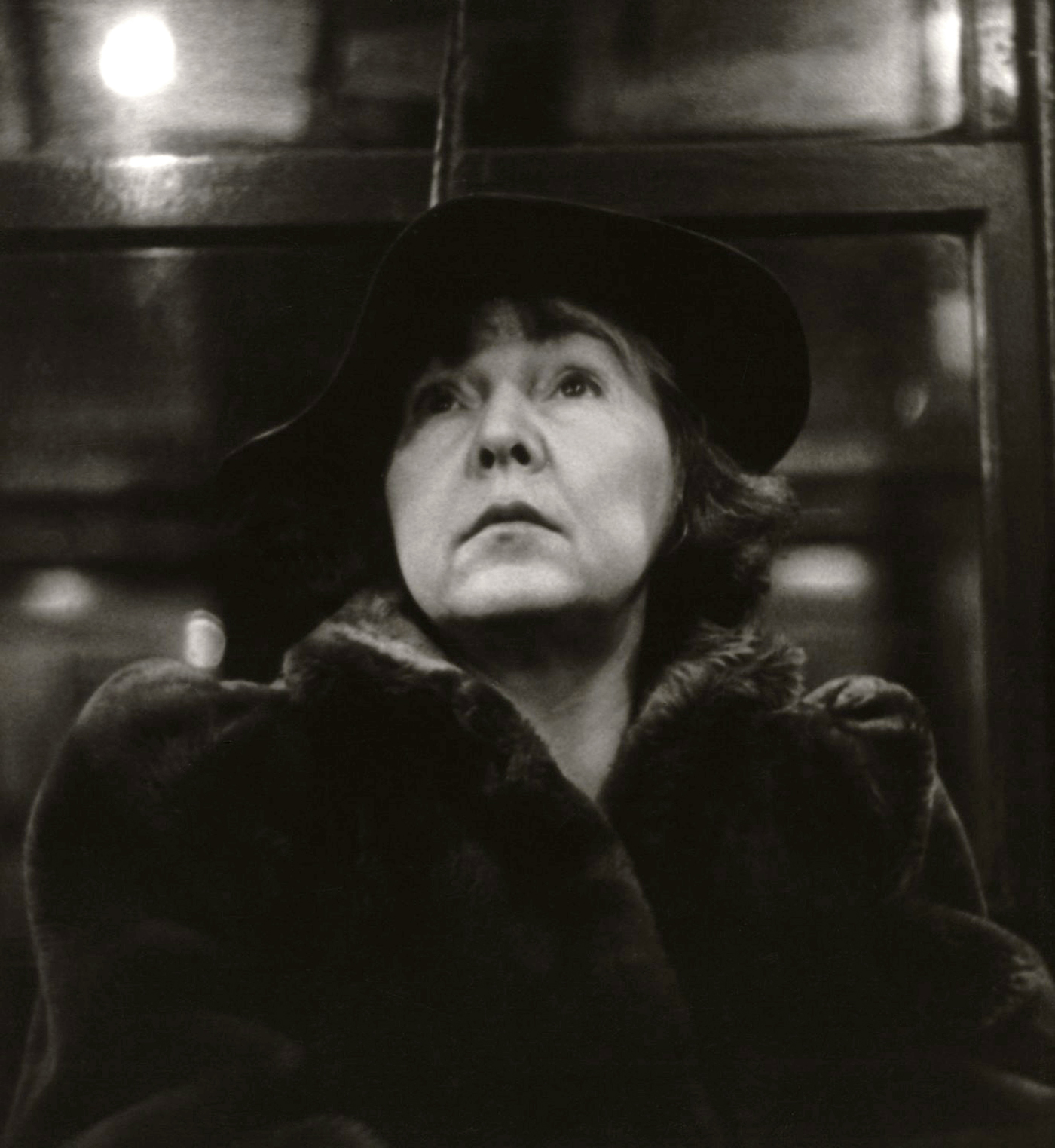












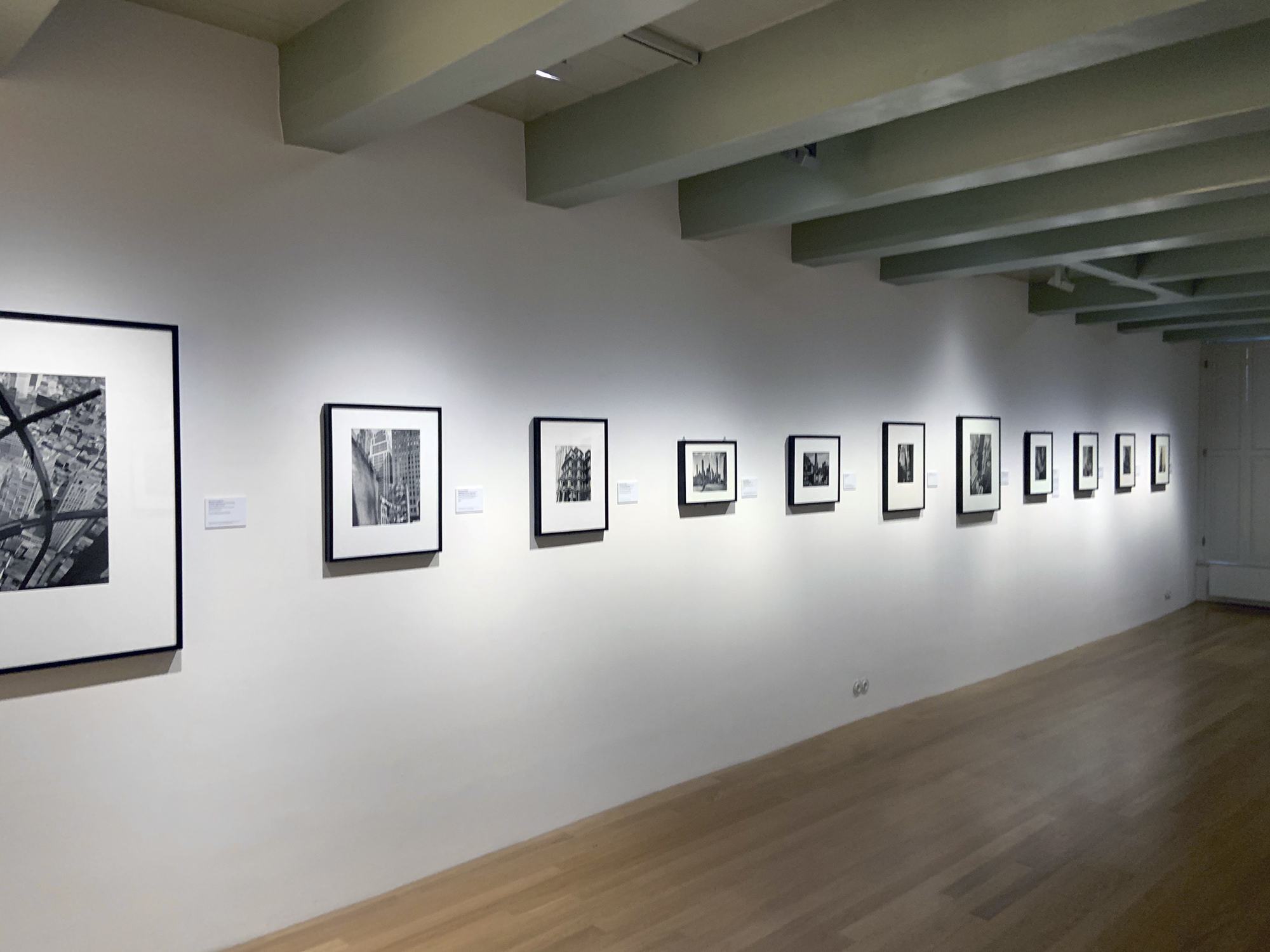
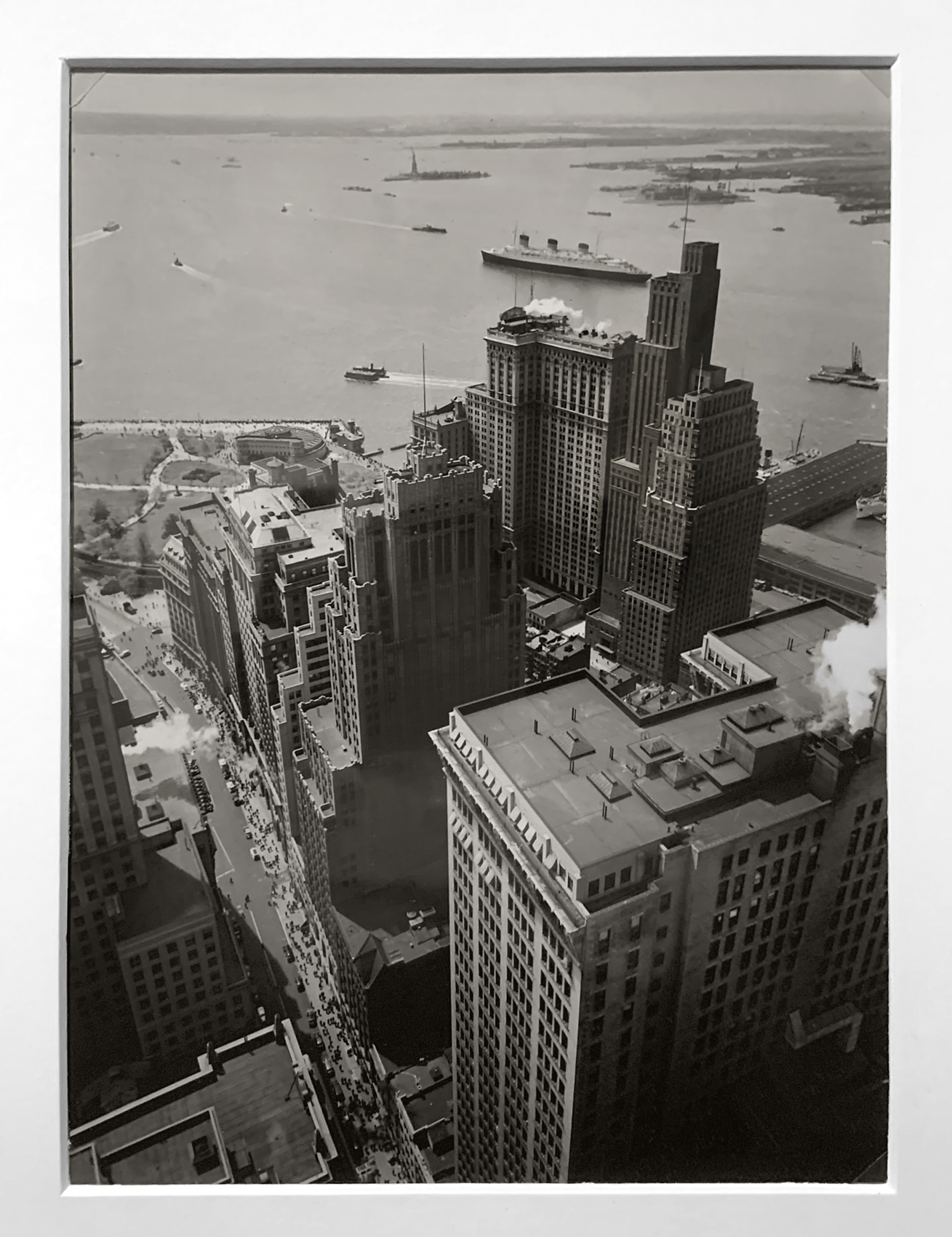

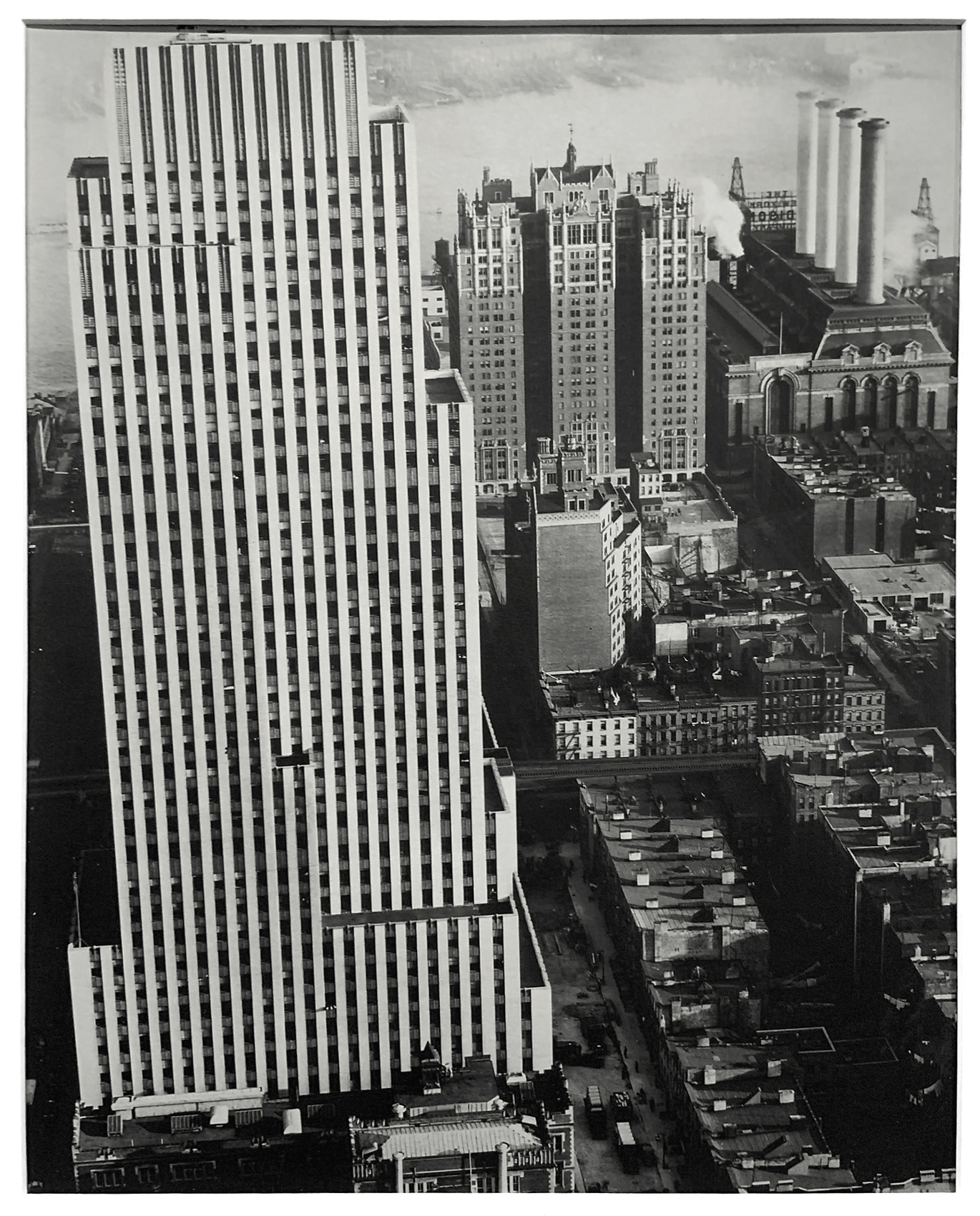




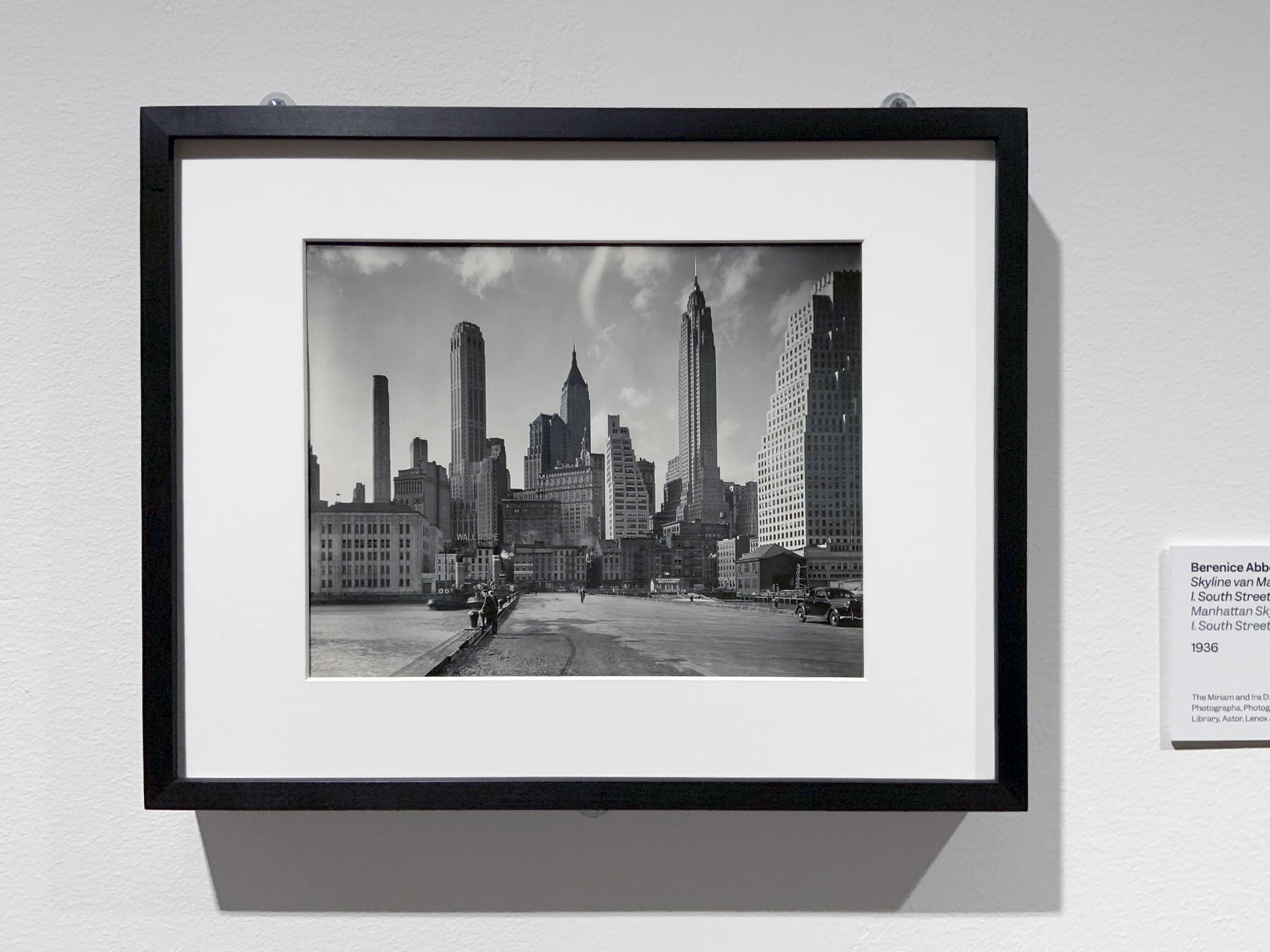


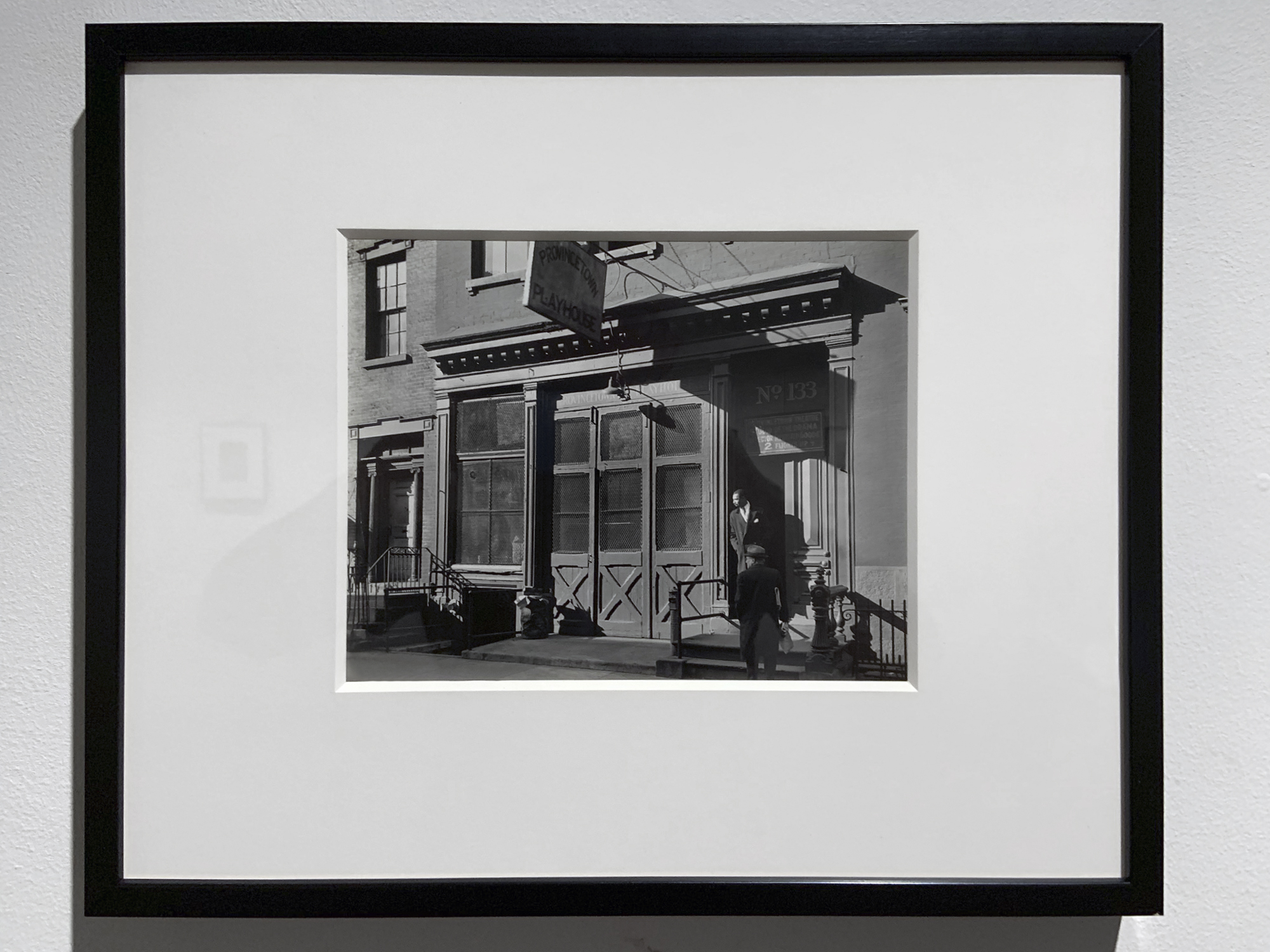


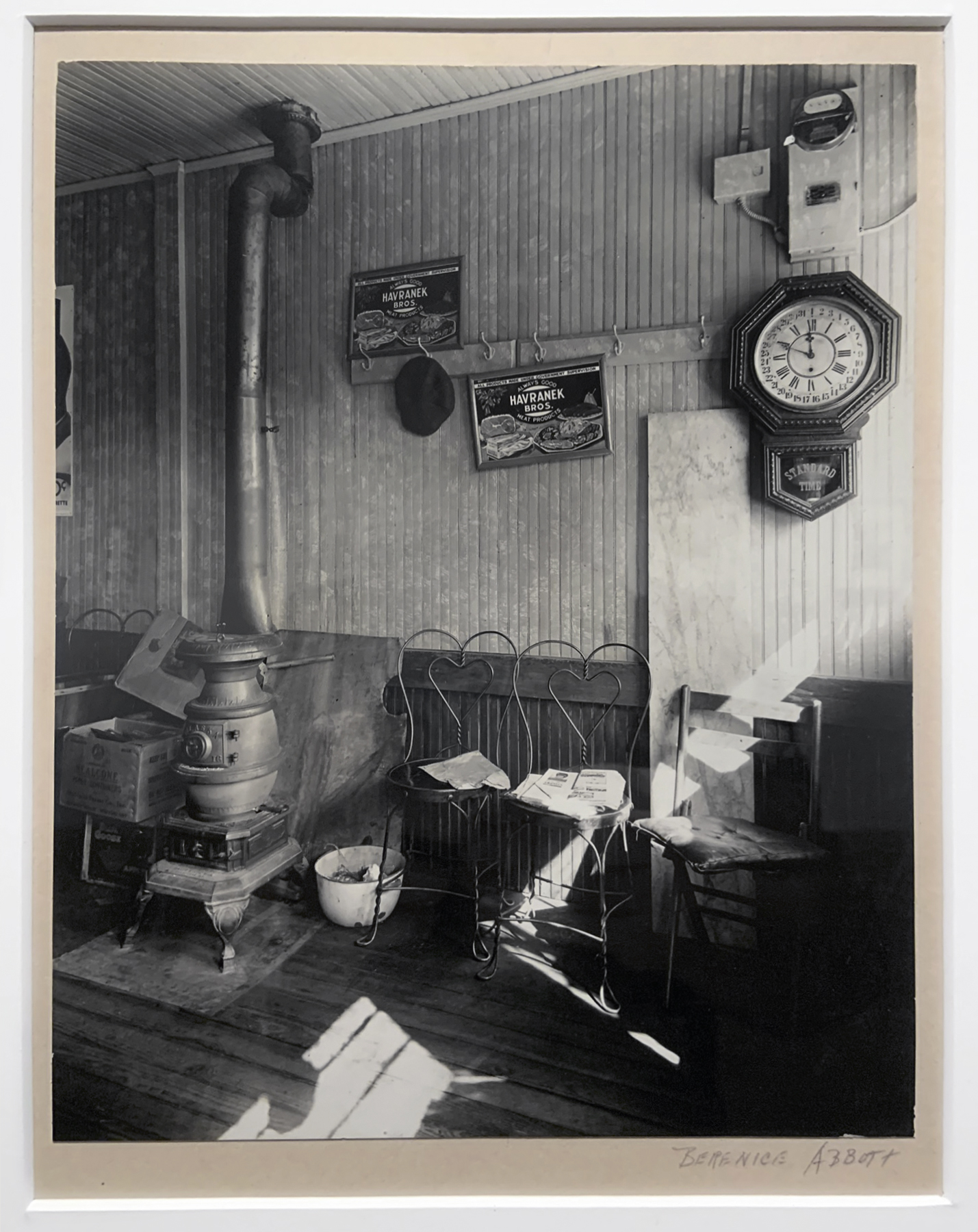












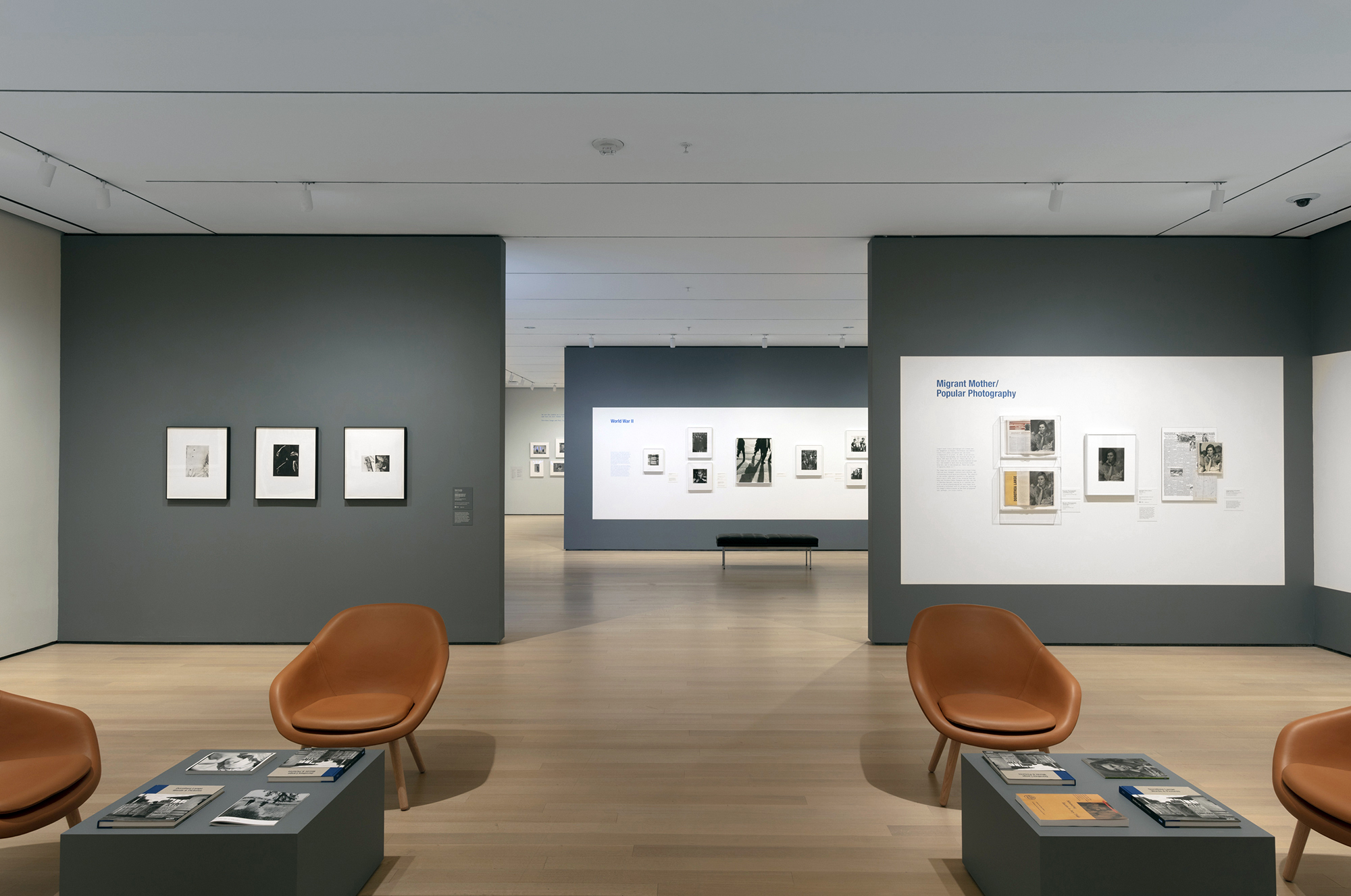
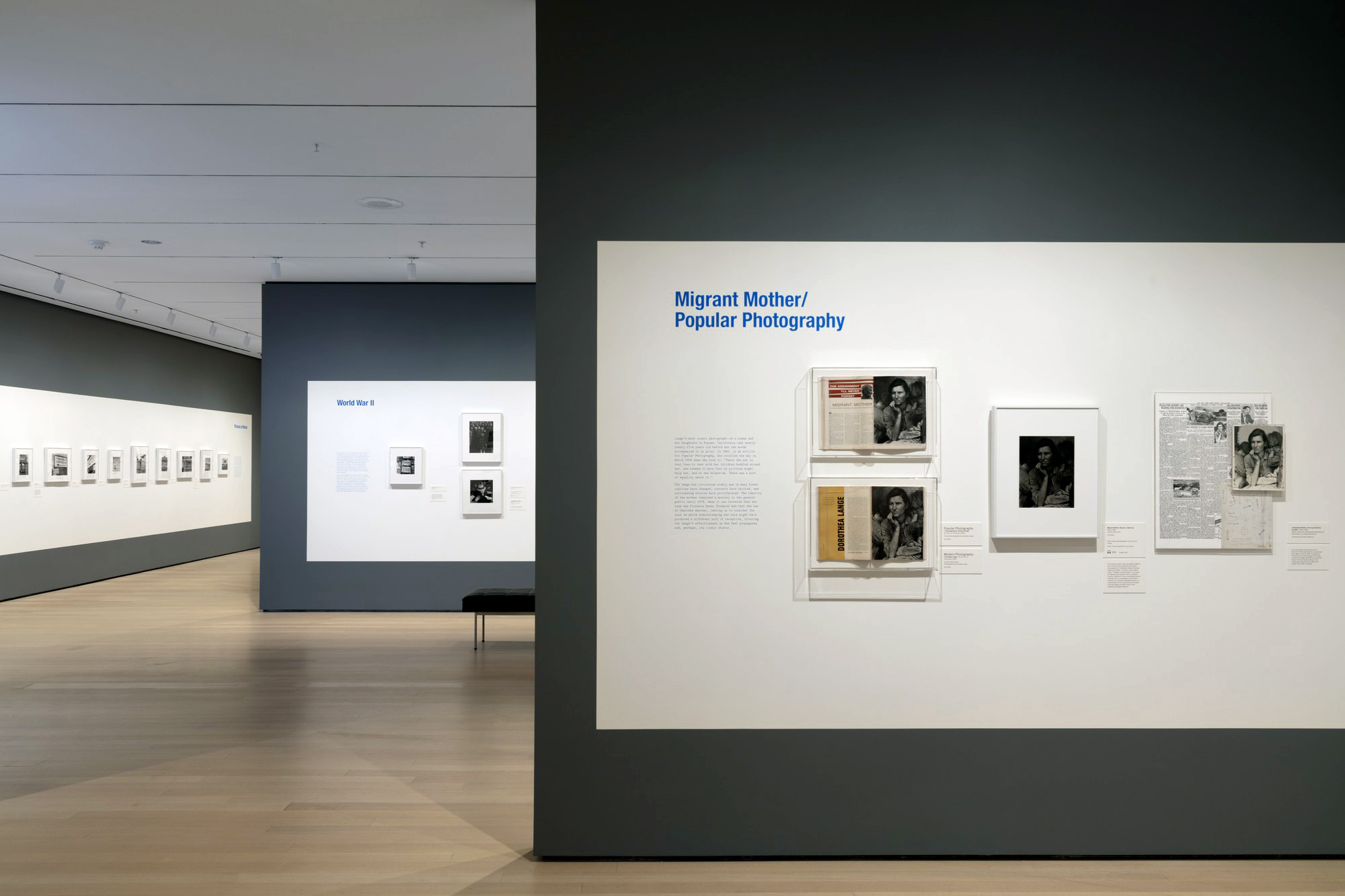
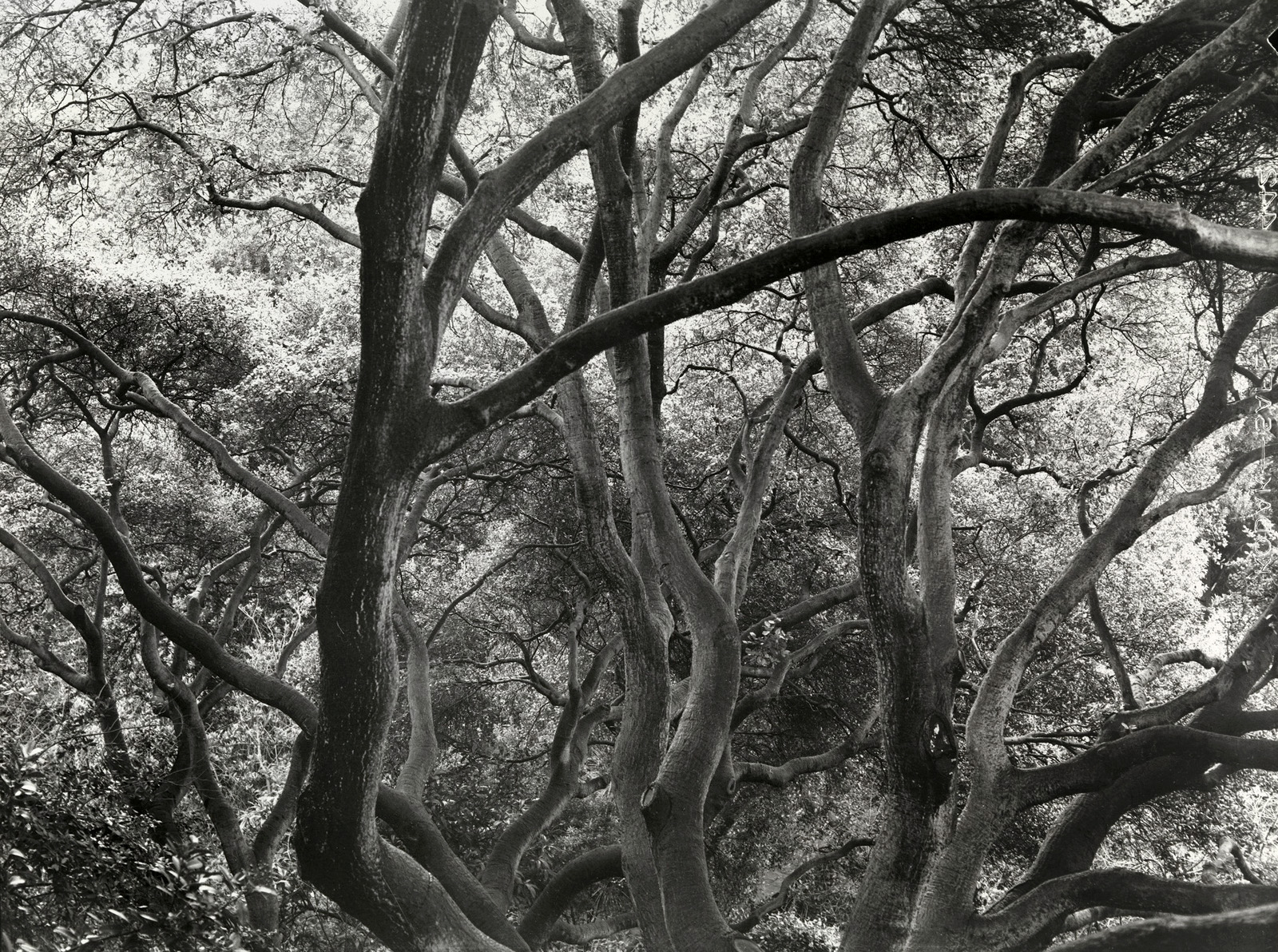


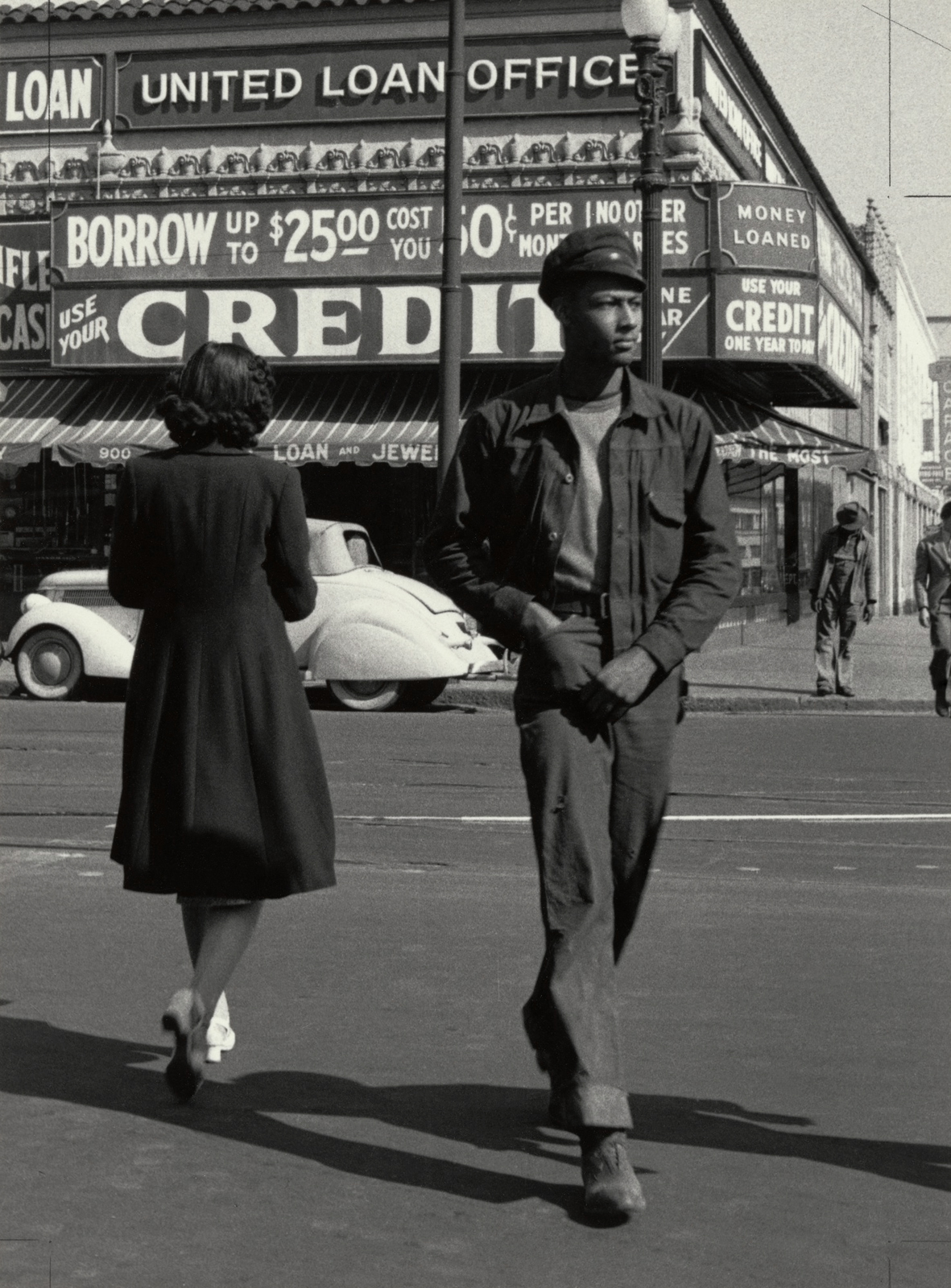




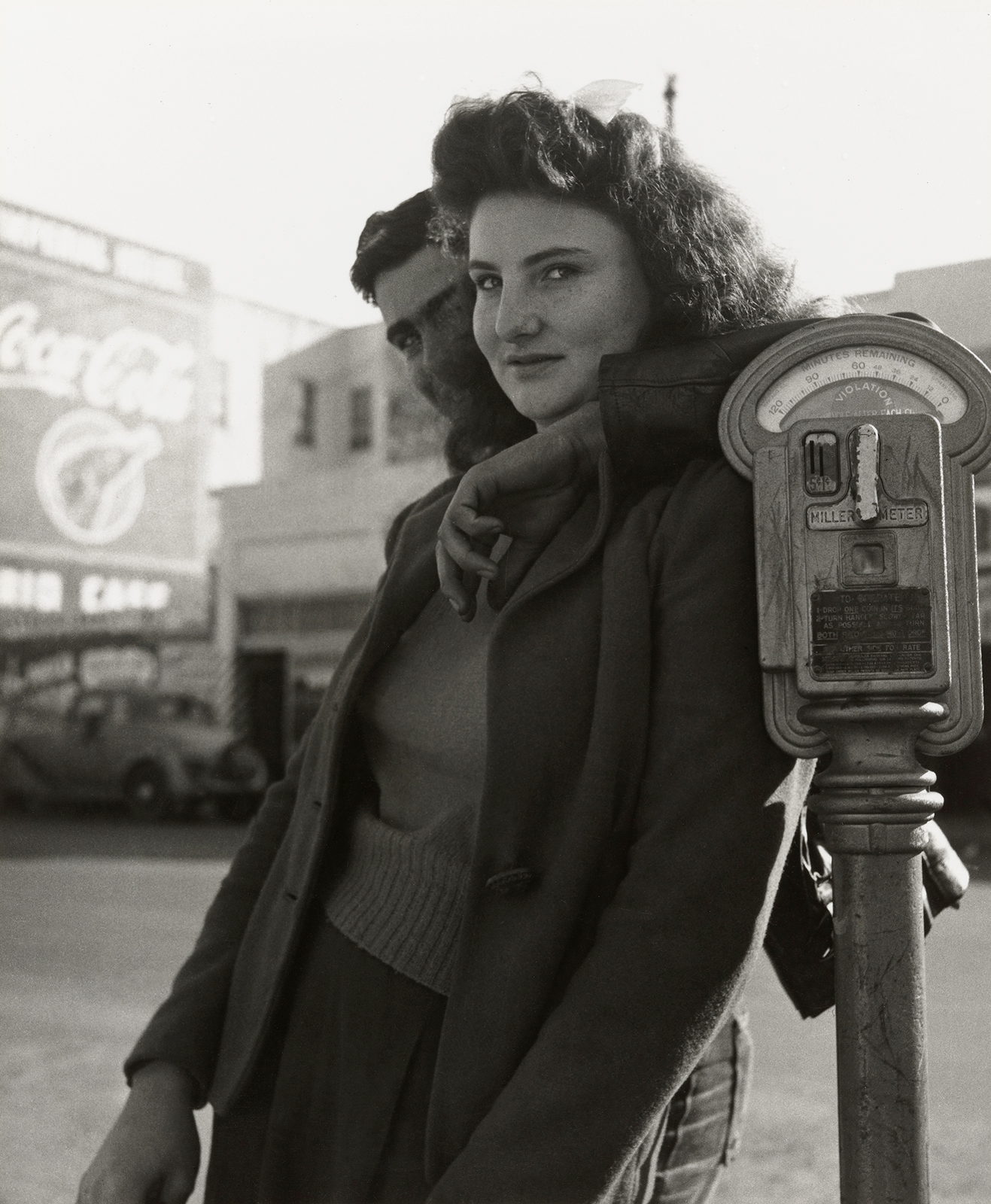


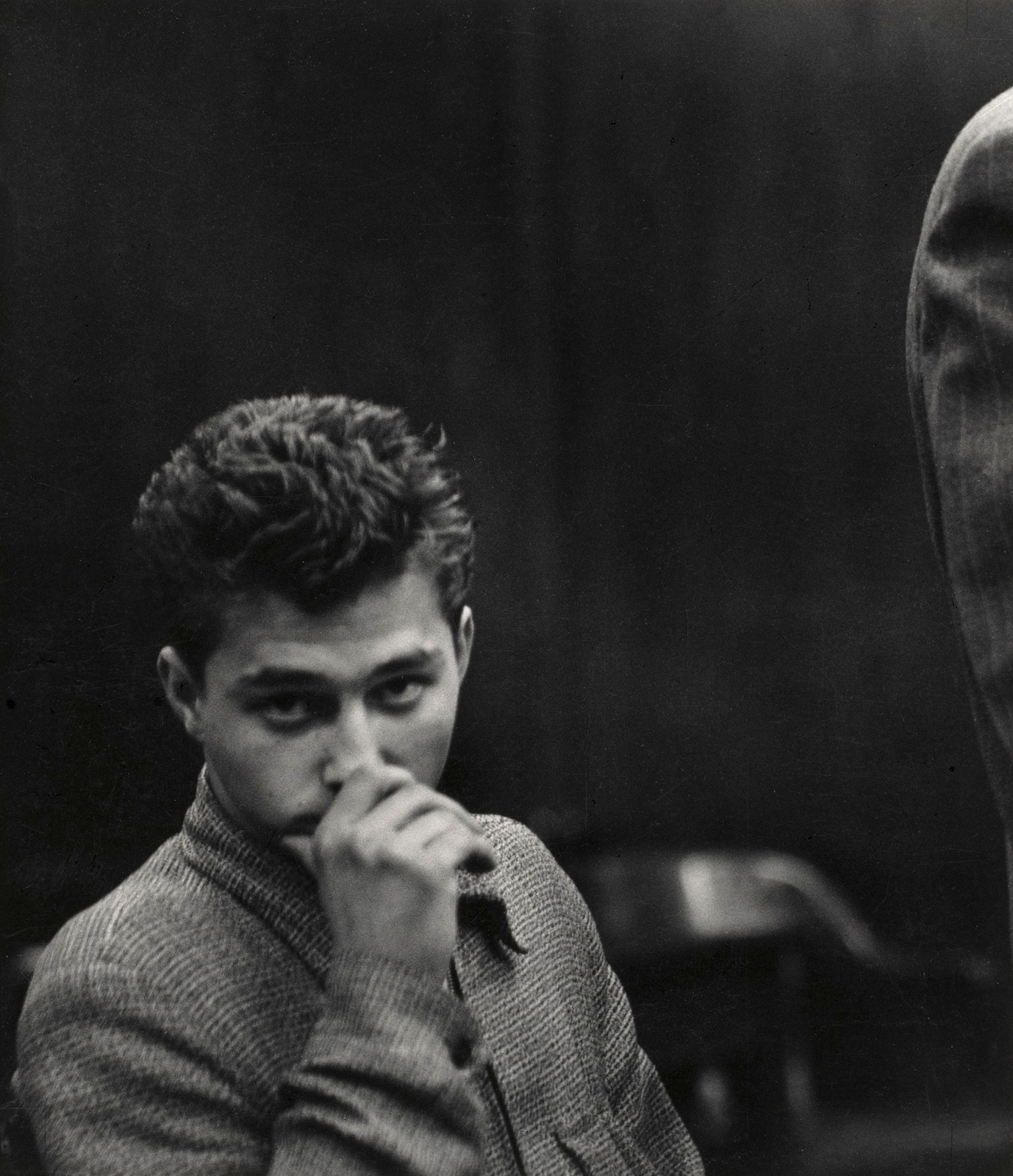





![Weegee (Arthur Fellig) (American born Austria, 1899-1968) '[Calypso]' about 1944; before 1946 from the exhibition Exhibition: 'Unseen: 35 Years of Collecting Photographs' at the J. Paul Getty Museum, Los Angeles, Dec 2019 - March 2020](https://artblart.com/wp-content/uploads/2020/02/gm_04305501_2000x2000.jpg "Weegee (Arthur Fellig) (American born Austria, 1899-1968) '[Calypso]' about 1944; before 1946 from the exhibition Exhibition: 'Unseen: 35 Years of Collecting Photographs' at the J. Paul Getty Museum, Los Angeles, Dec 2019 - March 2020")
![Carleton Watkins (American, 1829-1916) '[Guadalupe Mill]' 1860 from the exhibition Exhibition: 'Unseen: 35 Years of Collecting Photographs' at the J. Paul Getty Museum, Los Angeles, Dec 2019 - March 2020](https://artblart.com/wp-content/uploads/2020/02/gm_06196501_2000x2000.jpg "Carleton Watkins (American, 1829-1916) '[Guadalupe Mill]' 1860 from the exhibition Exhibition: 'Unseen: 35 Years of Collecting Photographs' at the J. Paul Getty Museum, Los Angeles, Dec 2019 - March 2020")


![Marinus Jacob Kjeldgaard (Danish, 1884-1964, active Paris, France late 1930s - late 1940s) '[Collage: Balance of Powers]' about 1939](https://artblart.com/wp-content/uploads/2020/02/gm_05085801_2000x2000.jpg "Marinus Jacob Kjeldgaard (Danish, 1884-1964, active Paris, France late 1930s - late 1940s) '[Collage: Balance of Powers]' about 1939")
![Paul Outerbridge (American, 1896-1958) '[Egg in Spotlight]' 1943](https://artblart.com/wp-content/uploads/2020/02/gm_32105401_2000x2000.jpg "Paul Outerbridge (American, 1896-1958) '[Egg in Spotlight]' 1943")
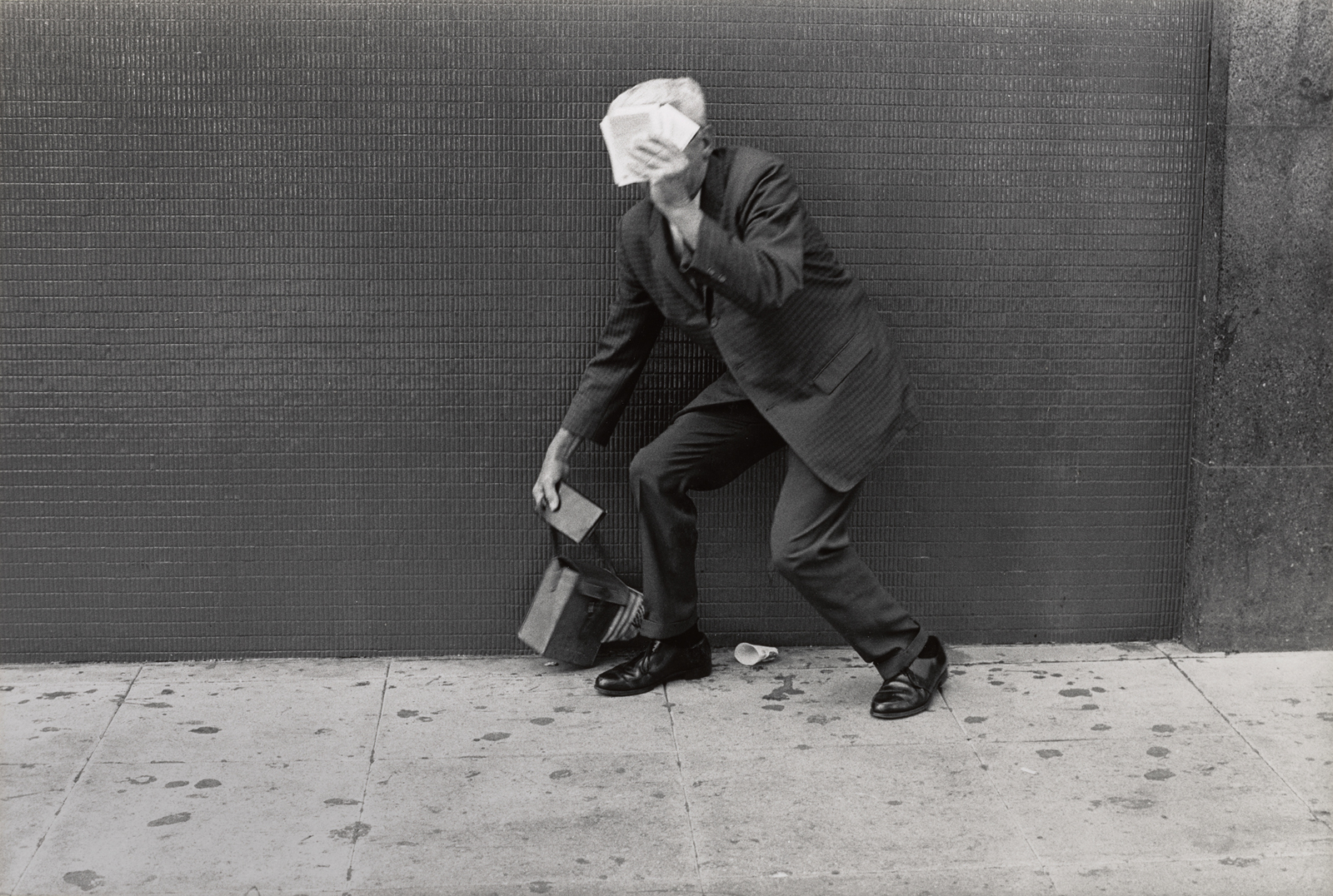


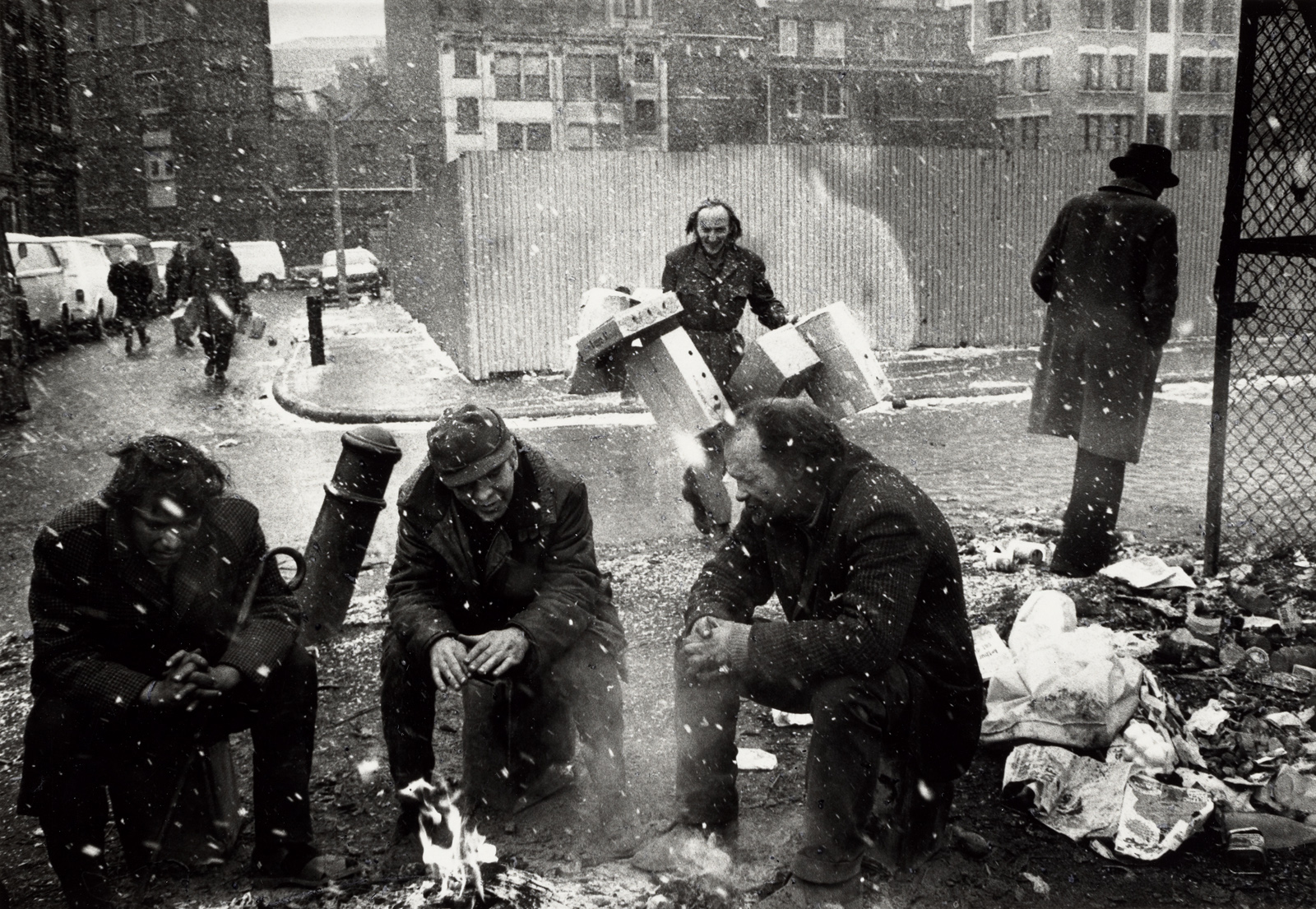
![Shigeichi Nagano (Japanese, 1925-2019, active Tokyo, Japan) '[Tokyo, Aobadai (Nishi Saigoyama Park), Meguro Ward]' 1988](https://artblart.com/wp-content/uploads/2020/02/gm_30687901_2000x2000.jpg "Shigeichi Nagano (Japanese, 1925-2019, active Tokyo, Japan) '[Tokyo, Aobadai (Nishi Saigoyama Park), Meguro Ward]' 1988")
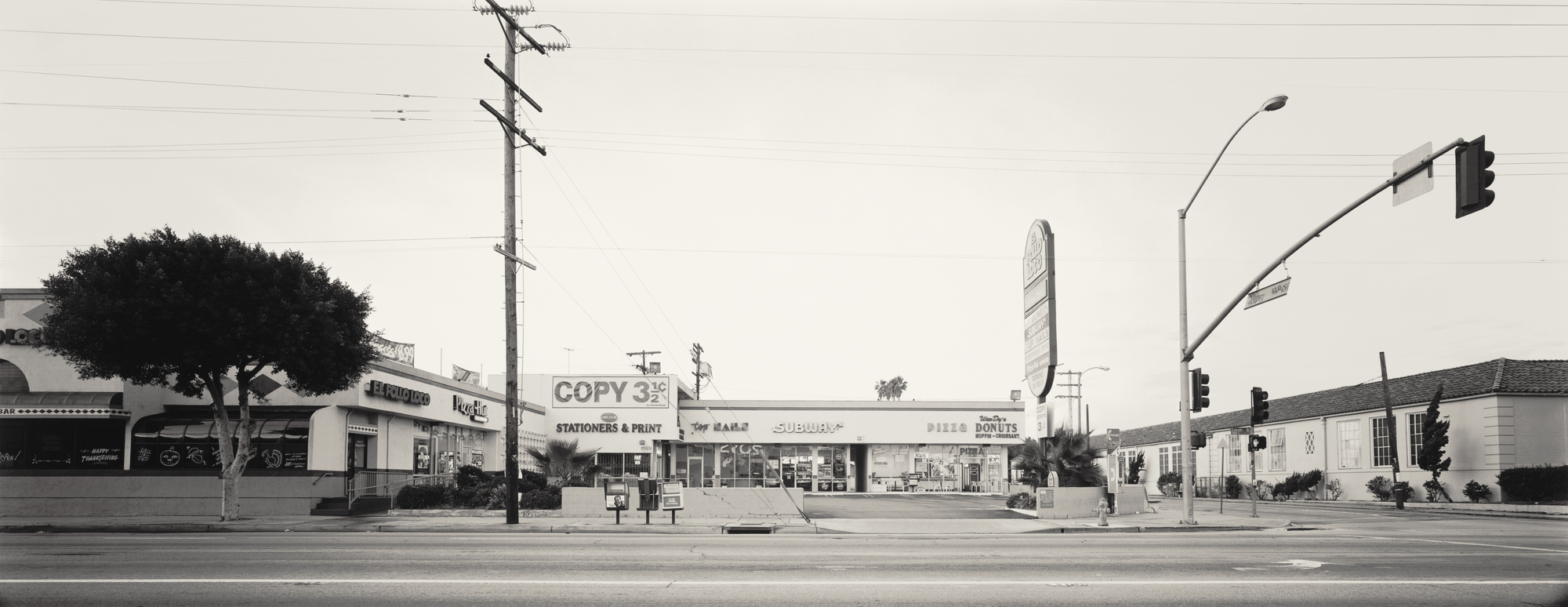

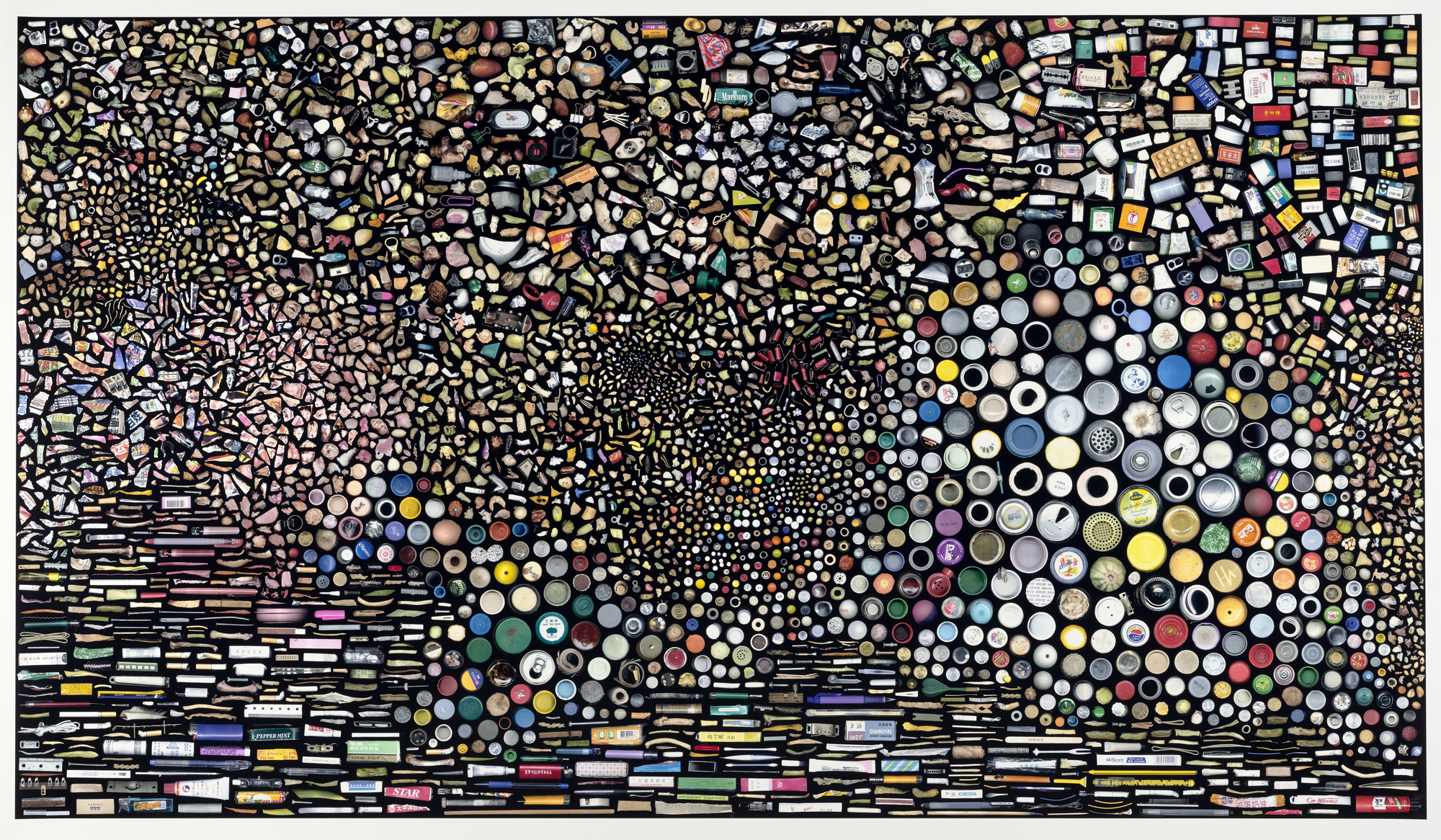


![Julia Margaret Cameron (British born India, 1815-1879) '[Spring]' 1873](https://artblart.com/wp-content/uploads/2020/02/gm_06520801_2000x2000.jpg "Julia Margaret Cameron (British born India, 1815-1879) '[Spring]' 1873")
![Reverend William Ellis (British, 1794-1872) and Samuel Smith. '[Portrait of a Black Couple]' about 1873](https://artblart.com/wp-content/uploads/2020/02/gm_133436t1v1_2000x2000.jpg "Reverend William Ellis (British, 1794-1872) and Samuel Smith. '[Portrait of a Black Couple]' about 1873")

![László Moholy-Nagy (American born Hungary, 1895-1946) '[The Law of the Series]' 1925](https://artblart.com/wp-content/uploads/2020/02/gm_05309301_2000x2000.jpg "László Moholy-Nagy (American born Hungary, 1895-1946) '[The Law of the Series]' 1925")


![Paul Wolff (German, 1887-1951) and Dr Wolff & Tritschler OHG (German, founded 1927, dissolved 1963) '[Dog at the beach]' 1936](https://artblart.com/wp-content/uploads/2020/02/gm_041552t1v1_2000x2000-1.jpg "Paul Wolff (German, 1887-1951) and Dr Wolff & Tritschler OHG (German, founded 1927, dissolved 1963) '[Dog at the beach]' 1936")
![Walker Evans (American, 1903 - 1975) '[Two Giraffes, Circus Winter Quarters, Sarasota]' 1941](https://artblart.com/wp-content/uploads/2020/02/gm_05269601_2000x2000.jpg "Walker Evans (American, 1903 - 1975) '[Two Giraffes, Circus Winter Quarters, Sarasota]' 1941")





![Myoung Ho Lee (South Korean, b. 1975) '[Tree #2]' 2006](https://artblart.com/wp-content/uploads/2020/02/gm_31977201_2000x2000.jpg "Myoung Ho Lee (South Korean, b. 1975) '[Tree #2]' 2006")
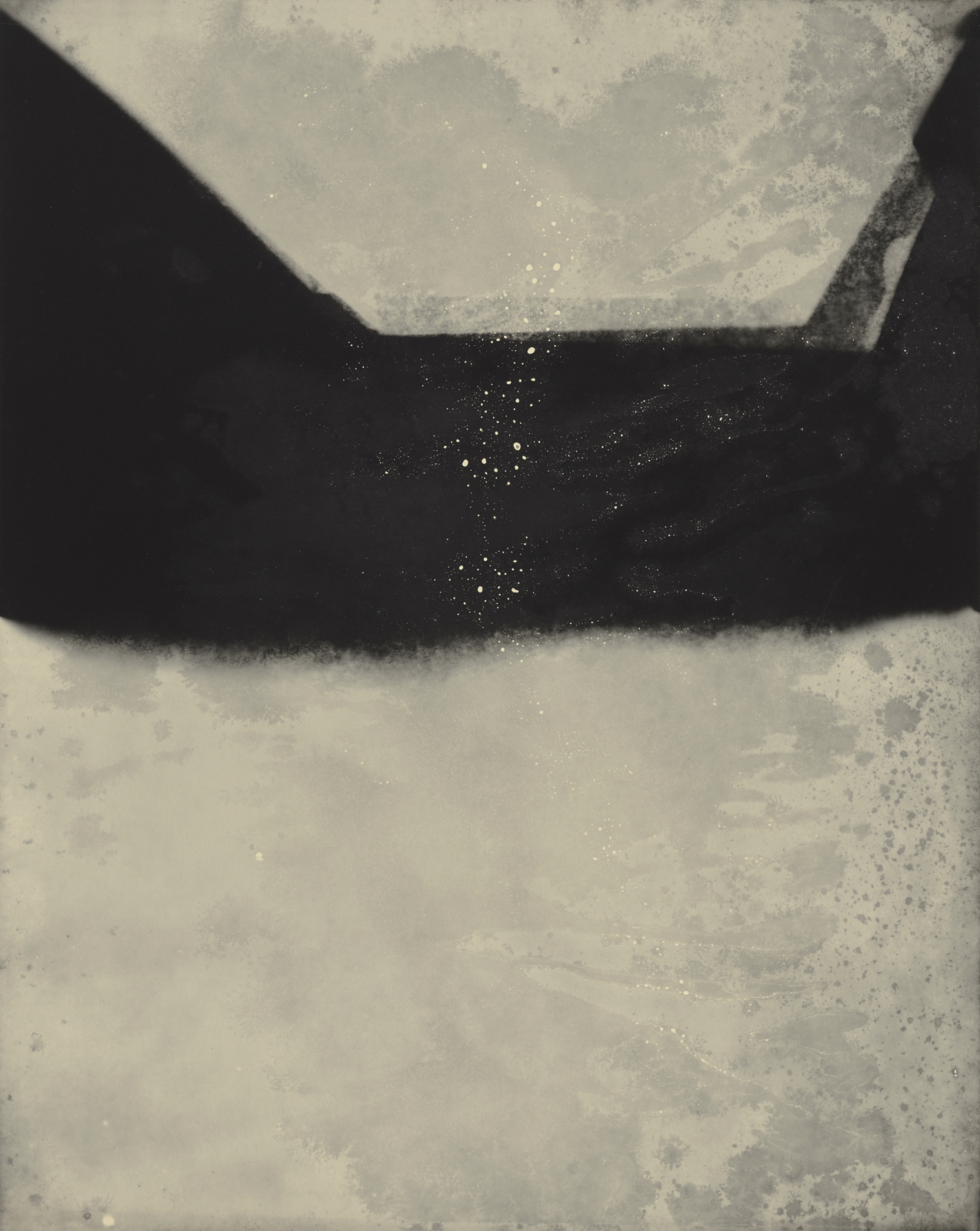
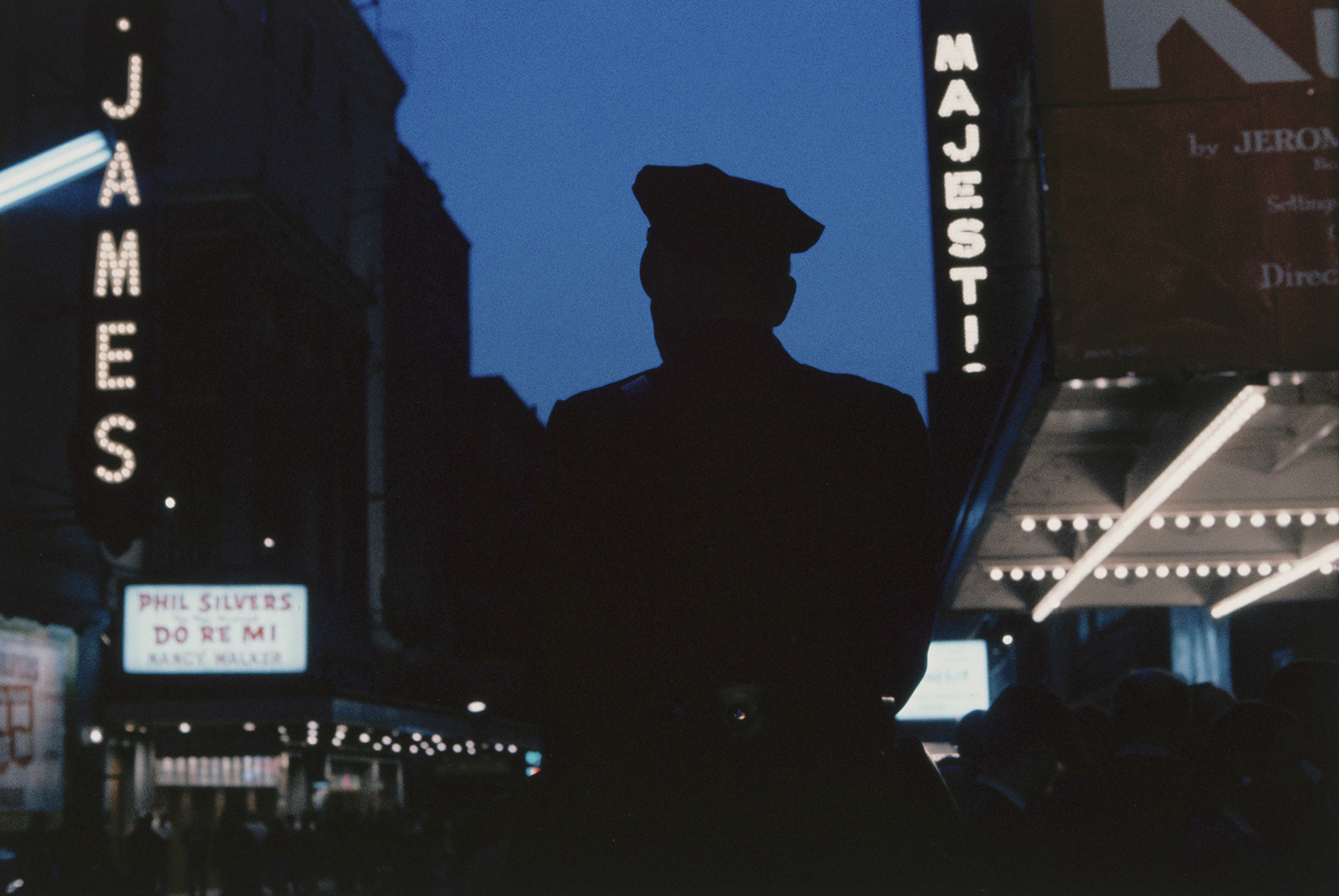
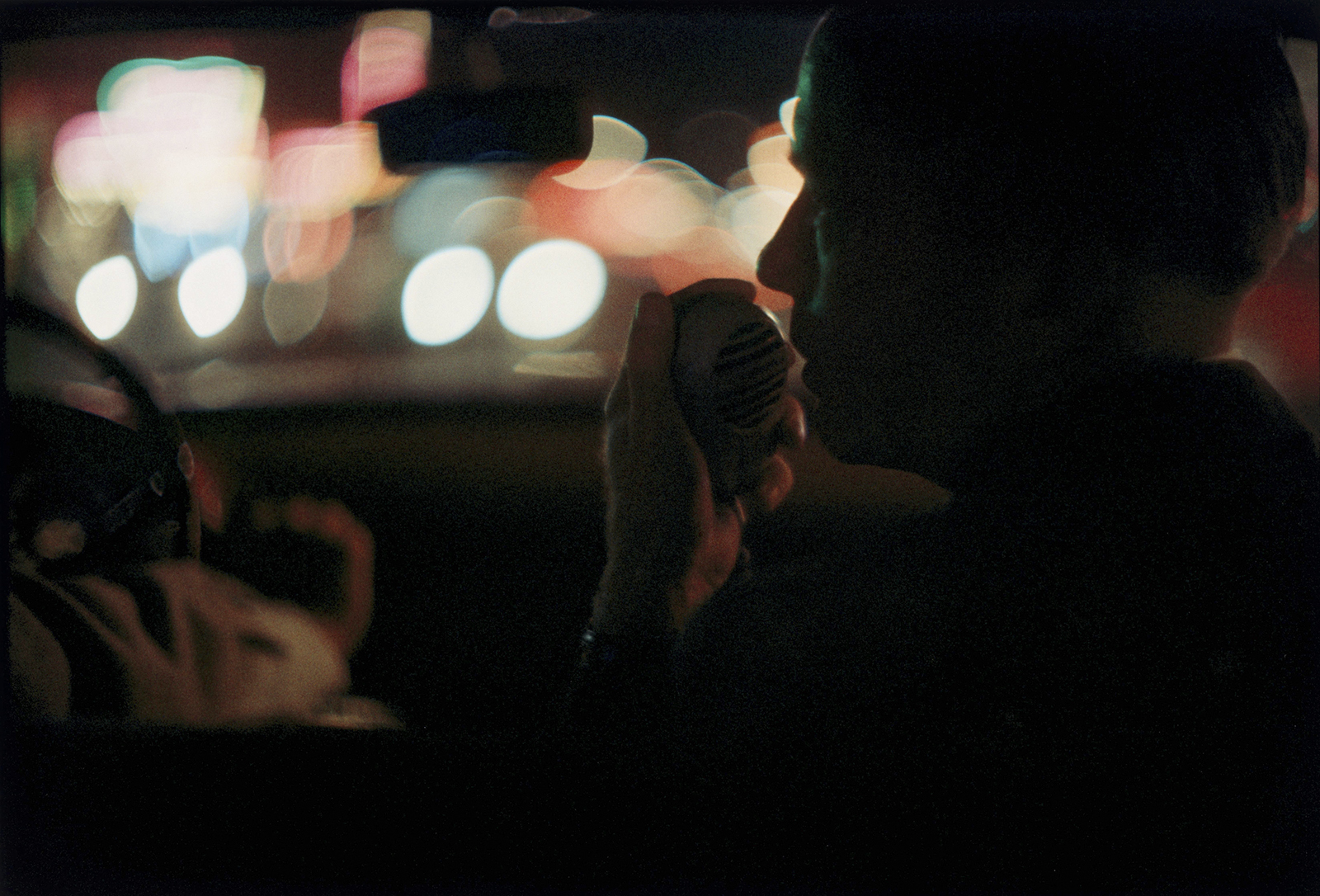
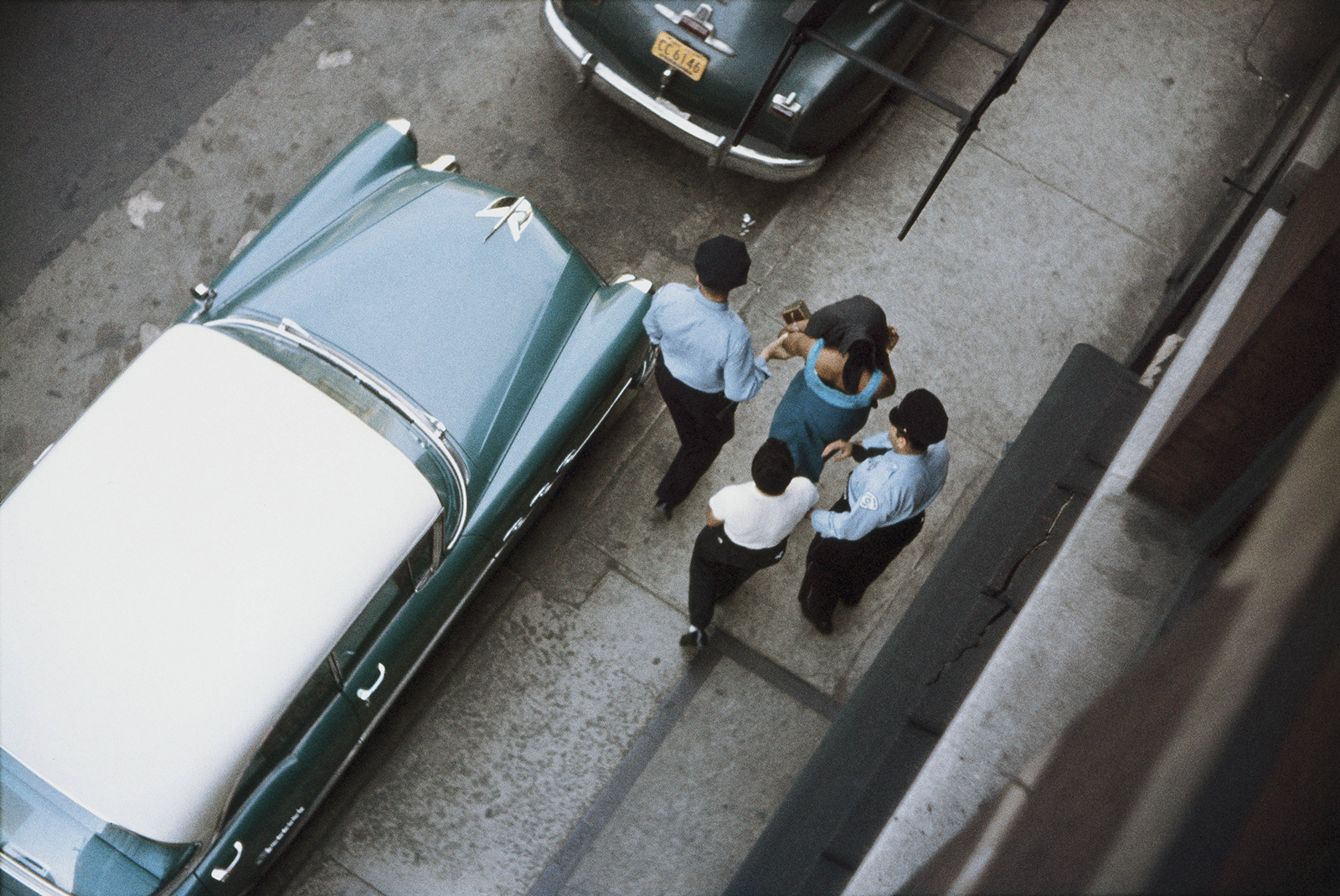
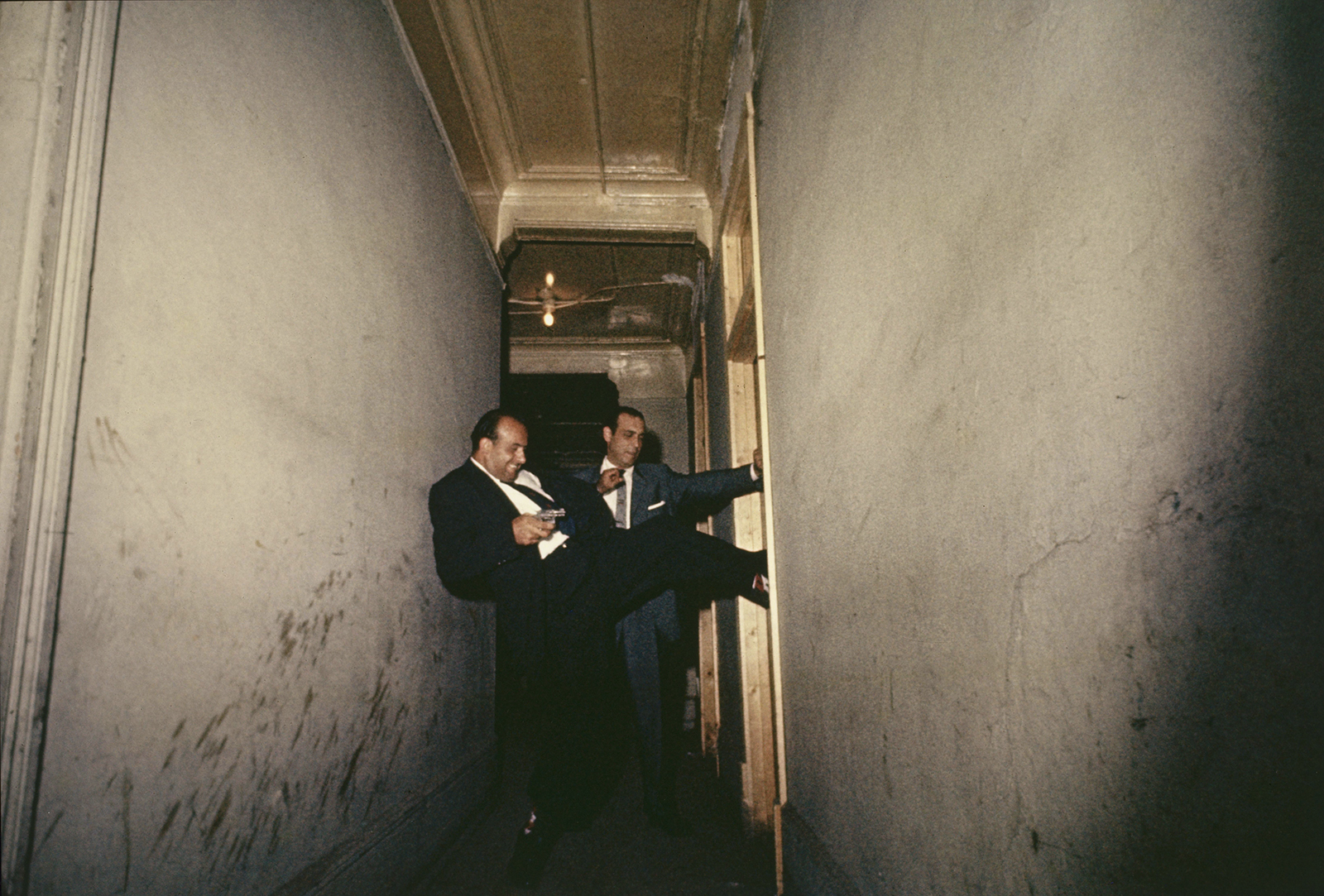
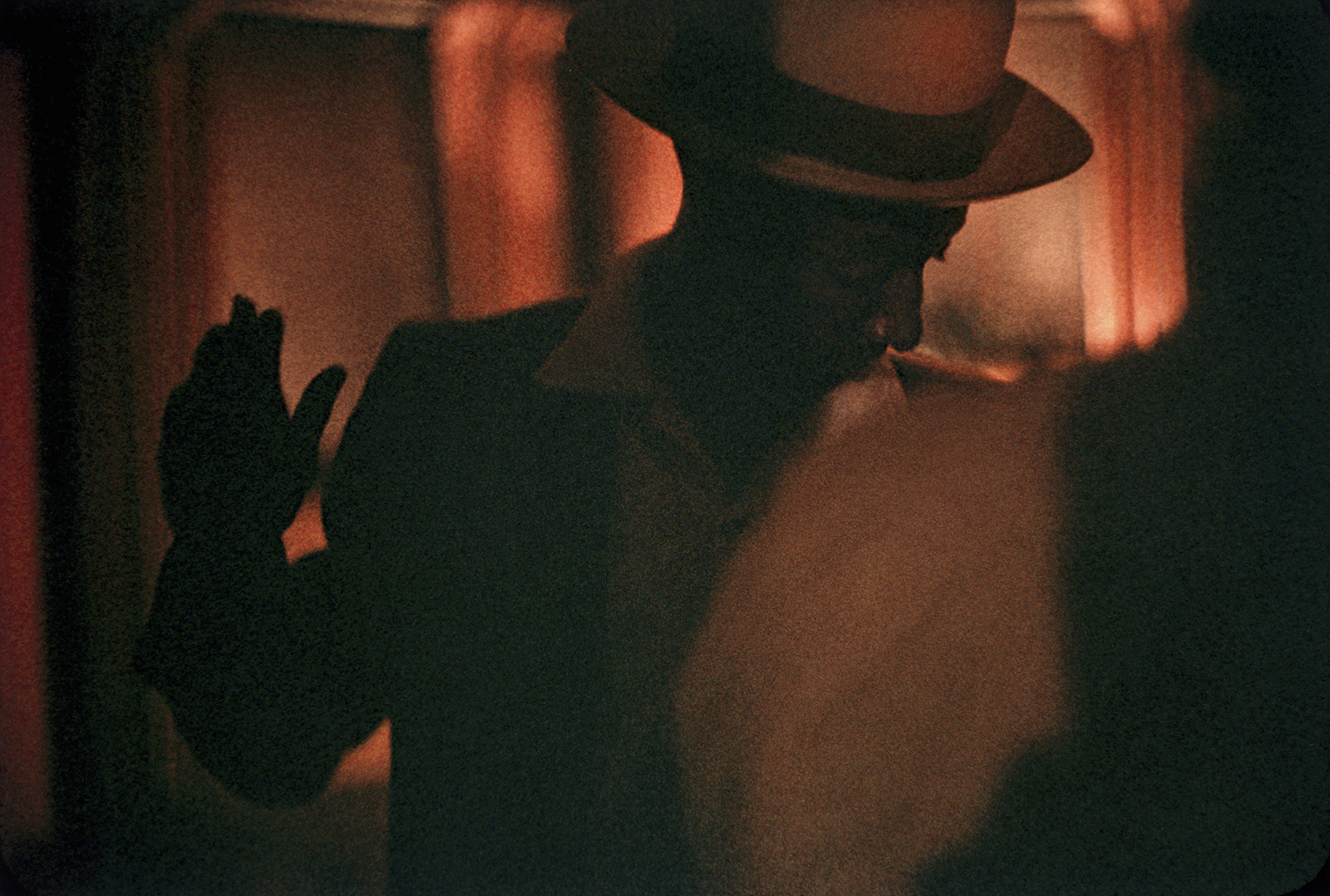
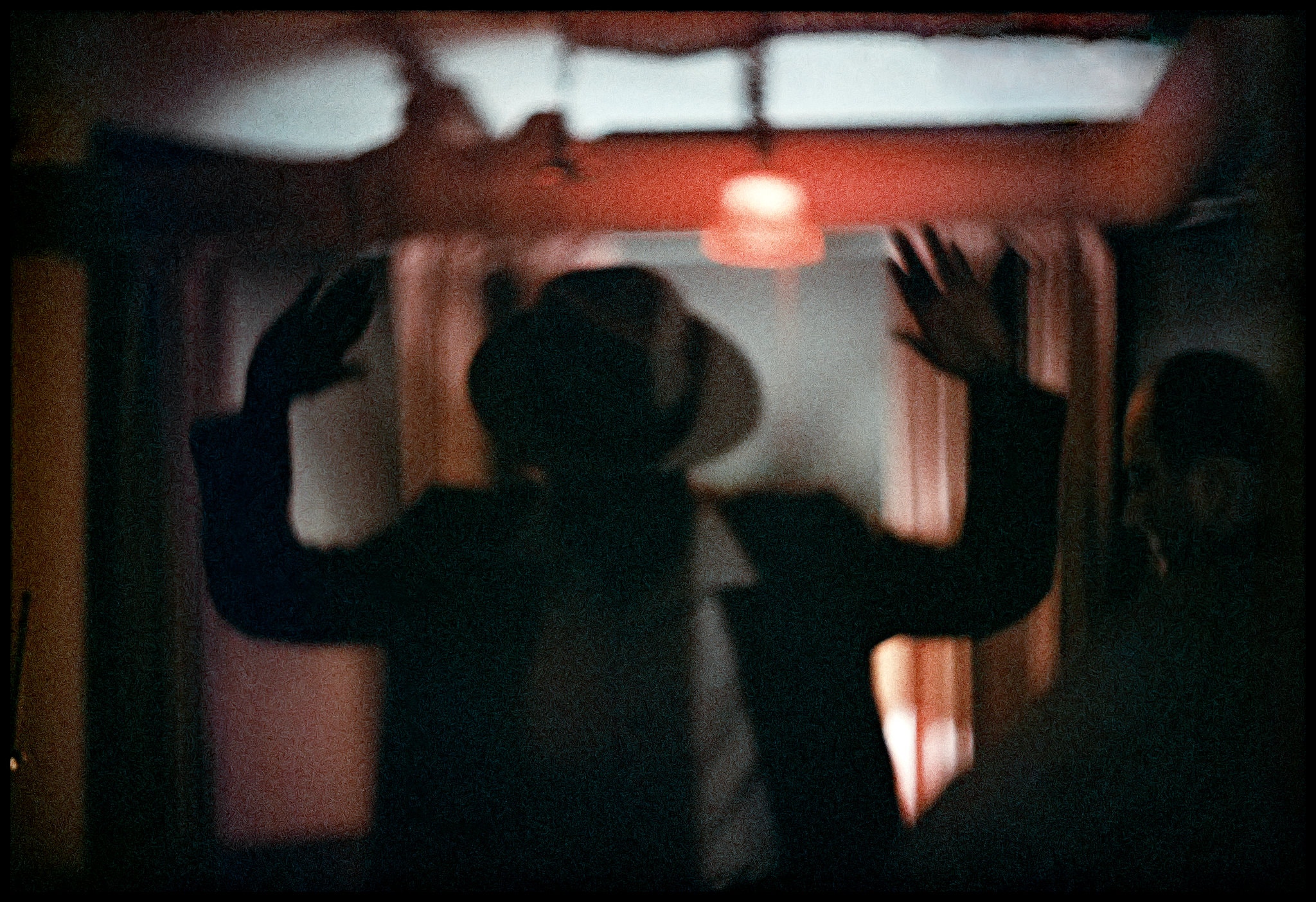
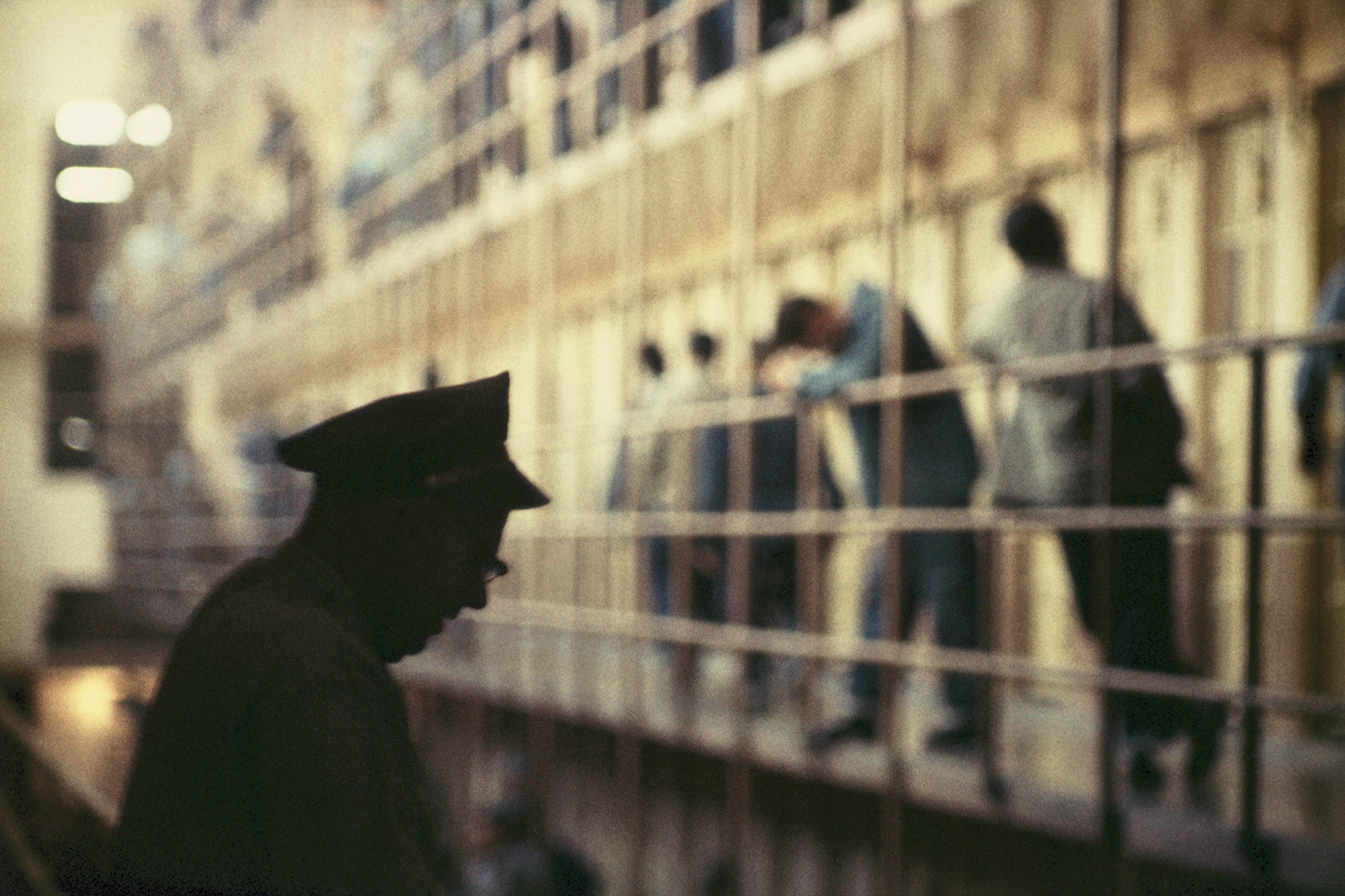
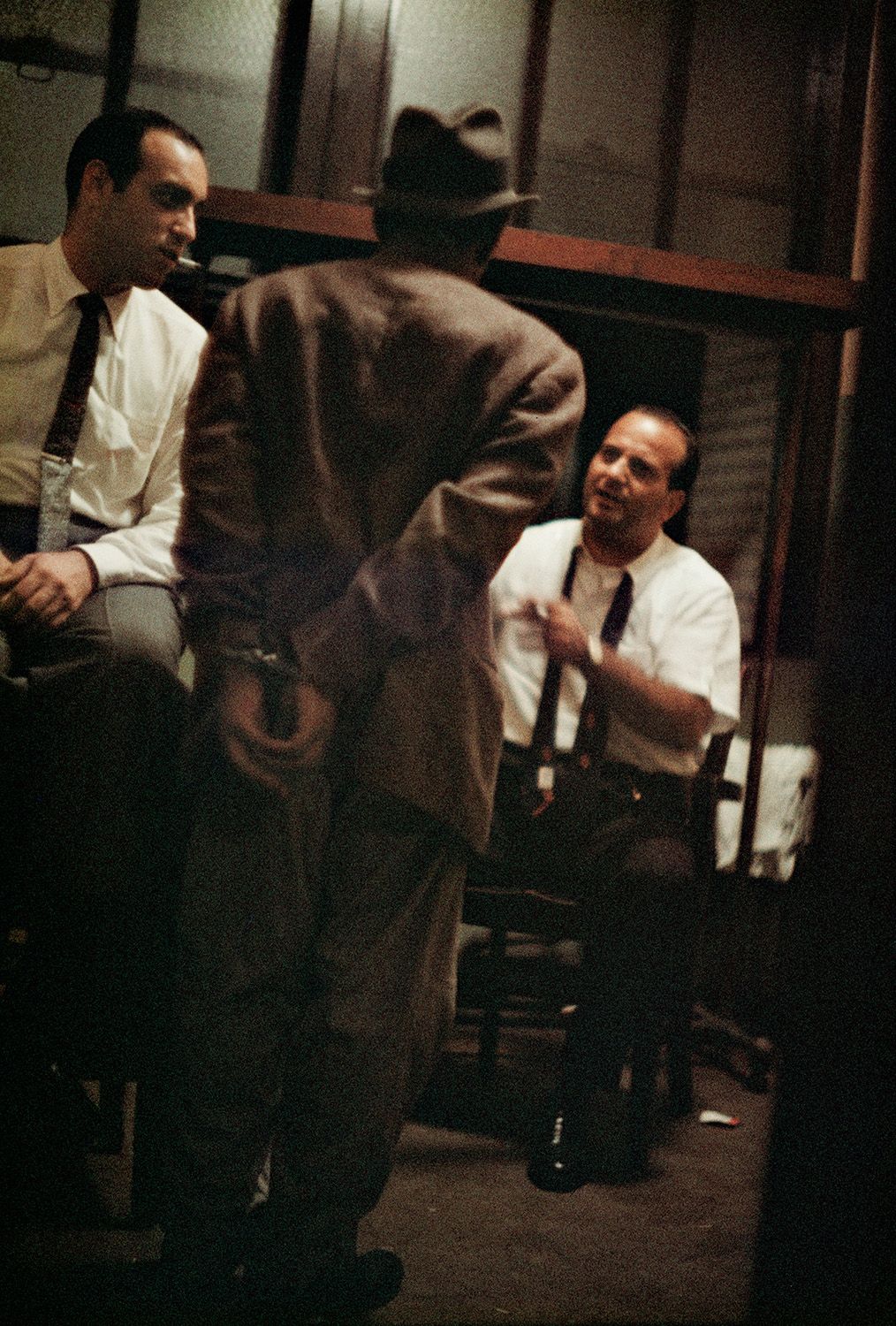
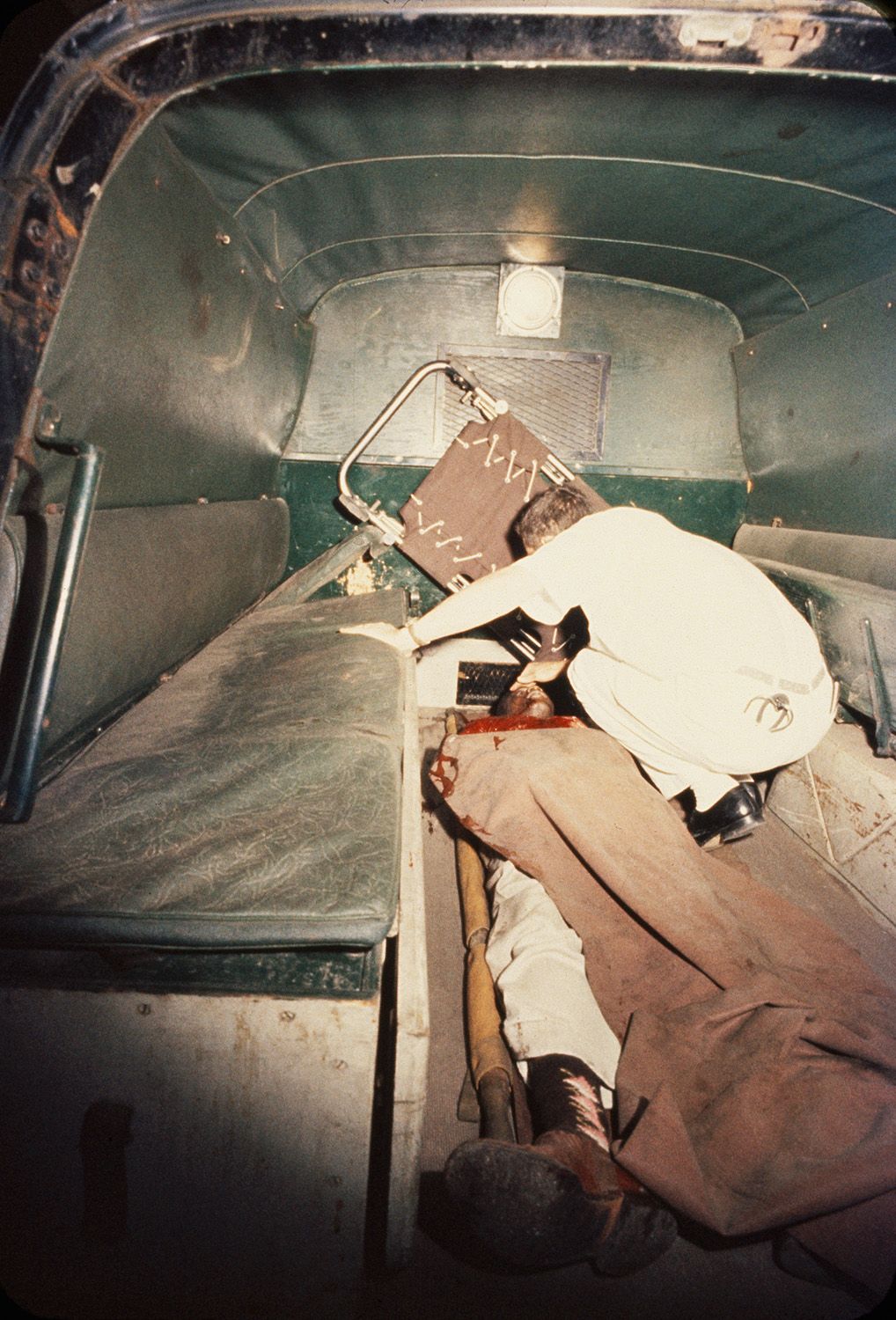
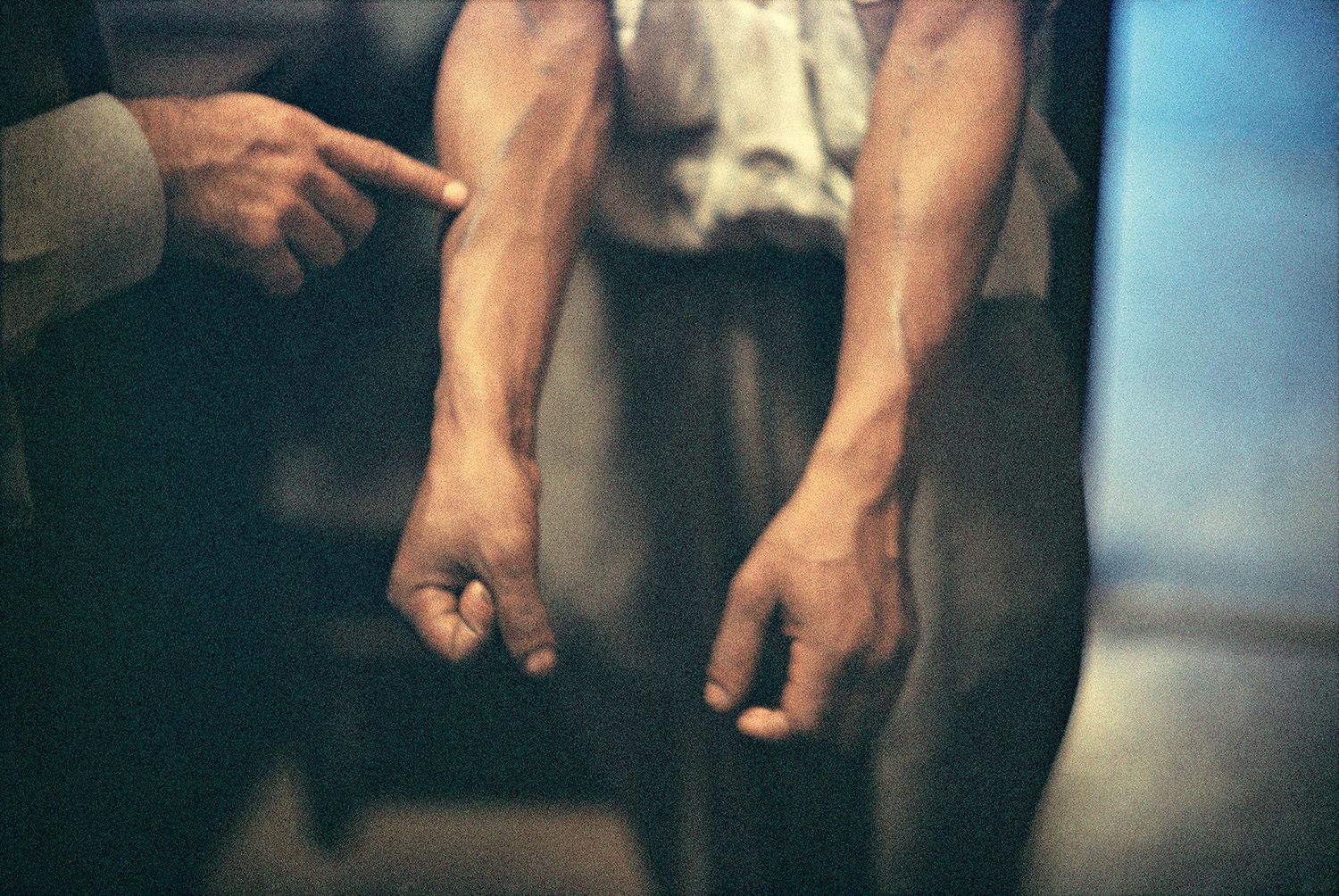
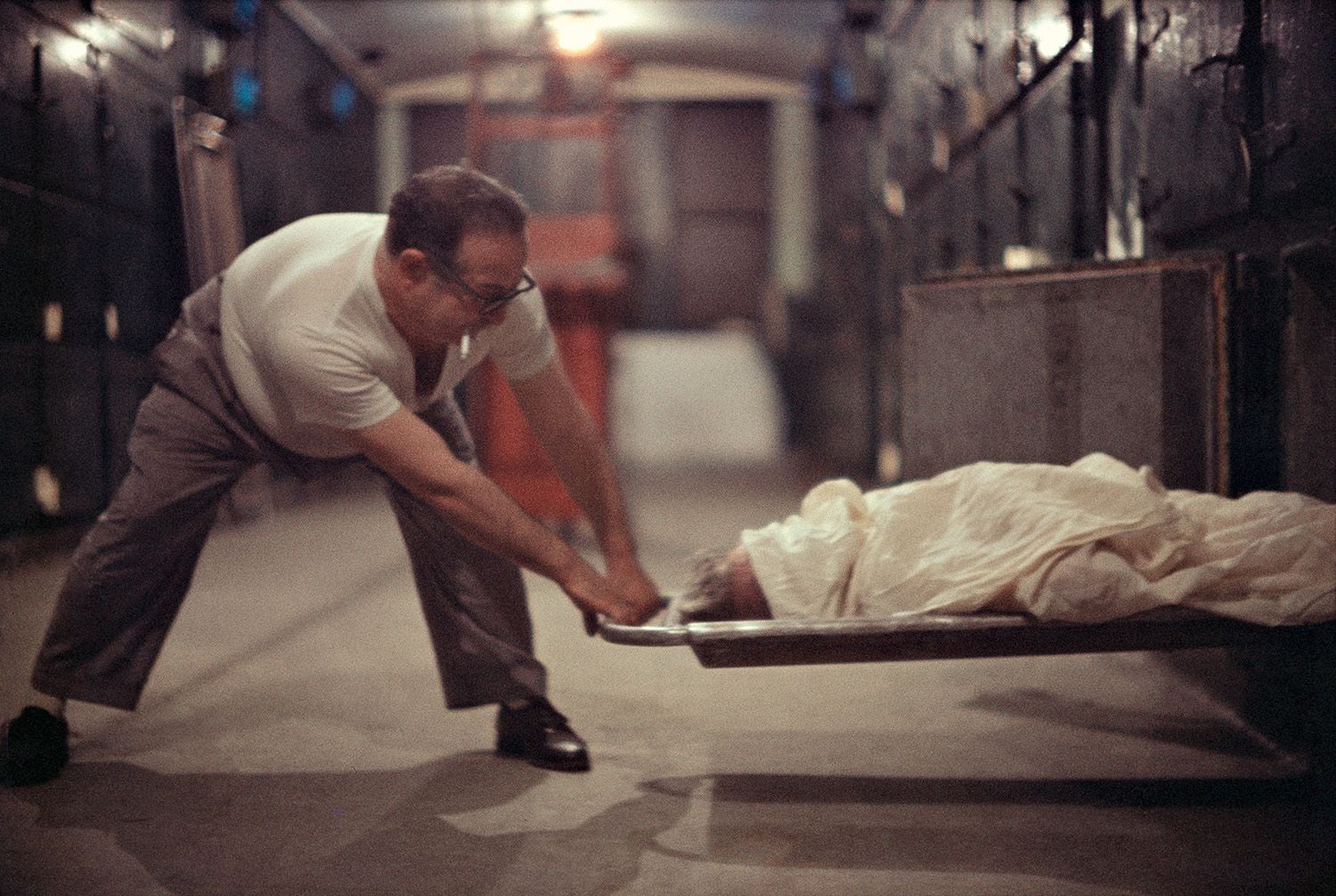
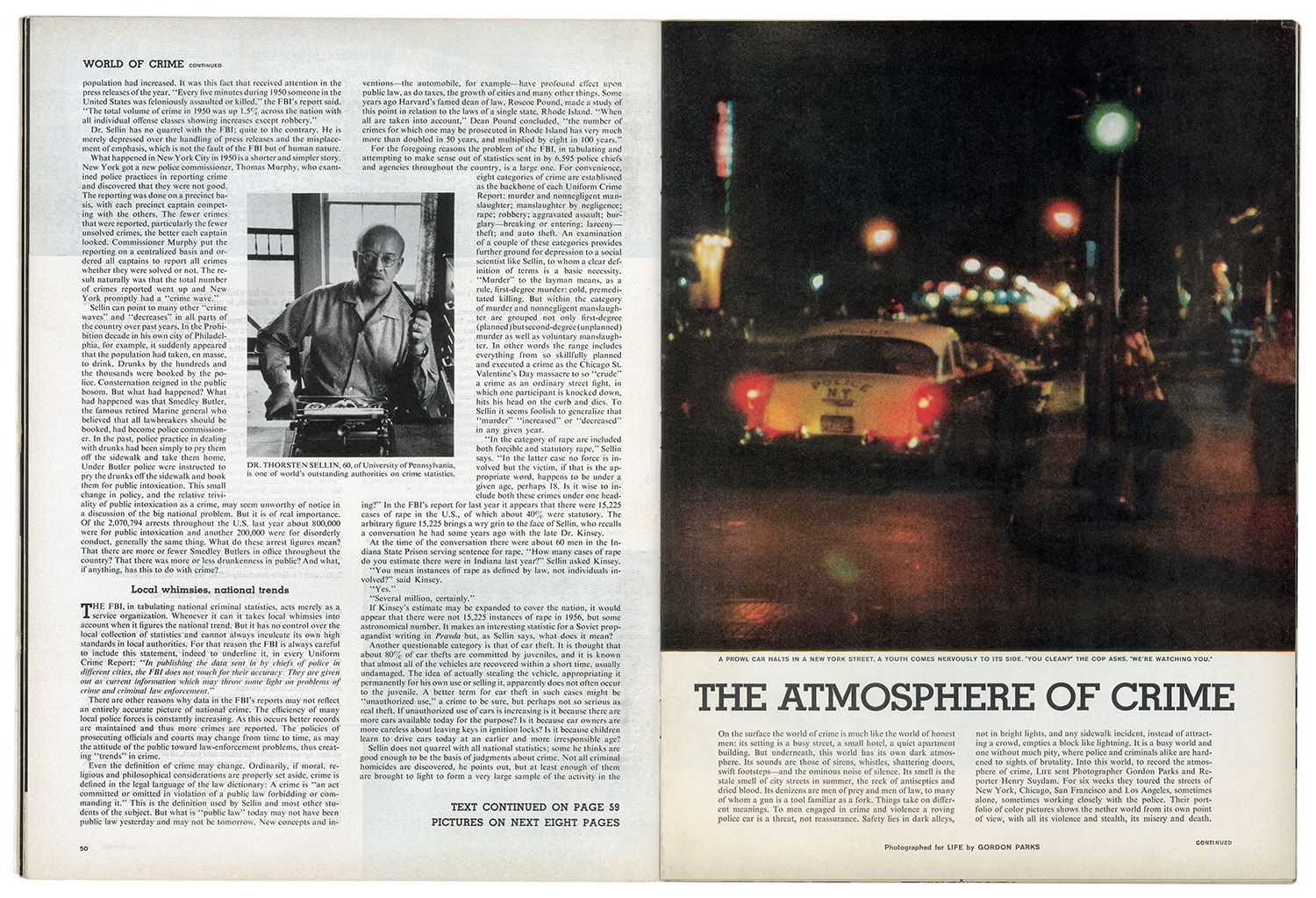
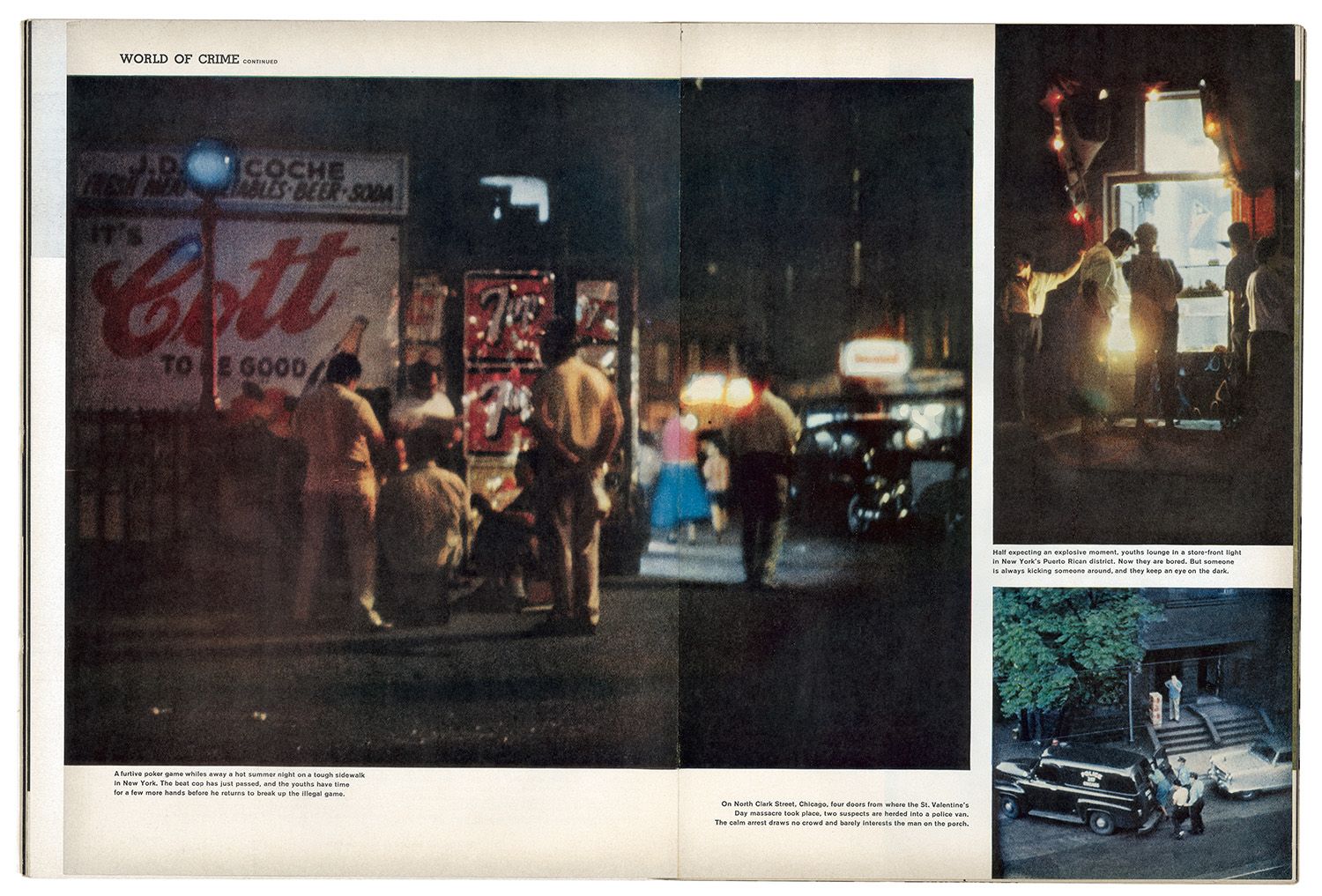
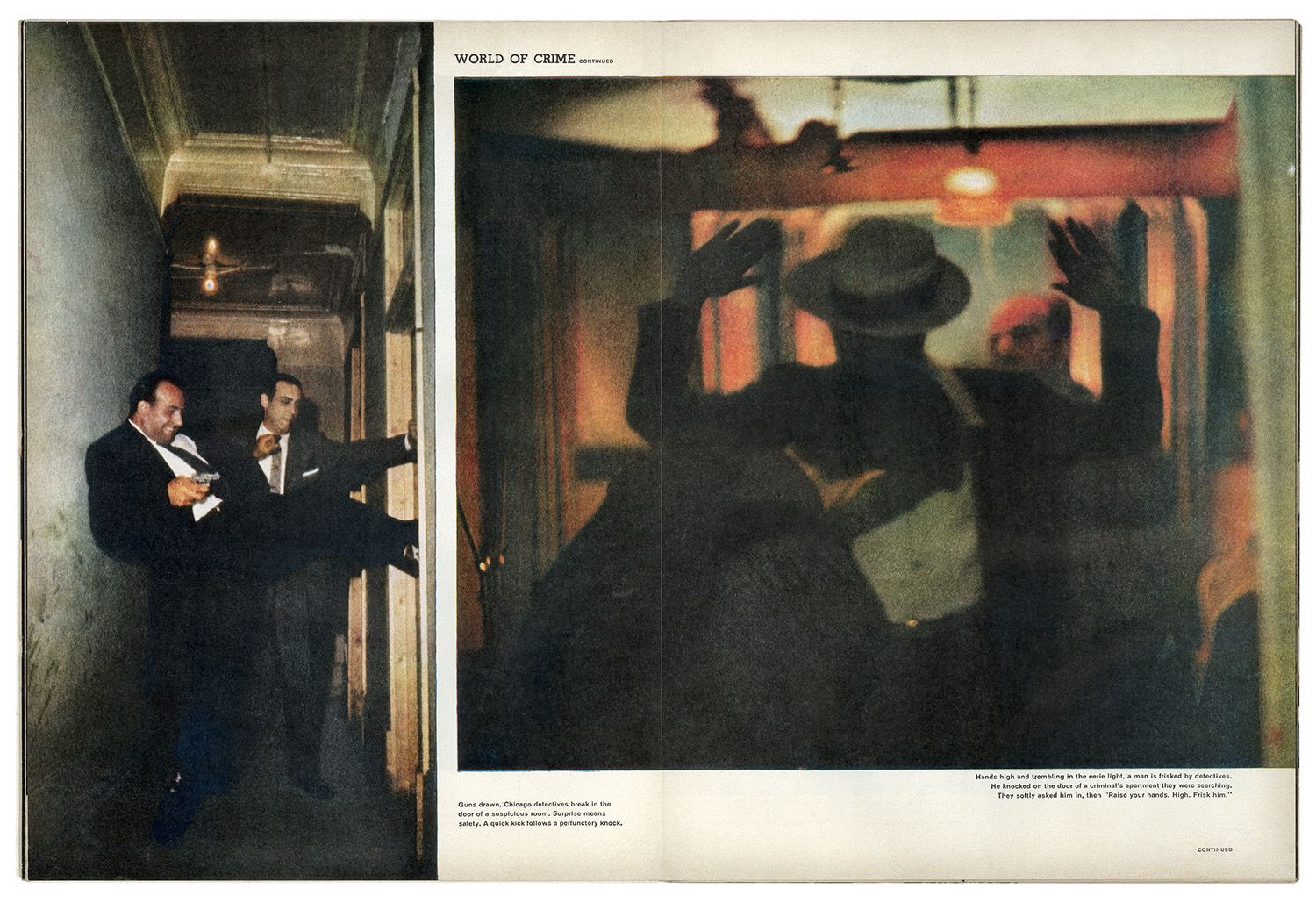
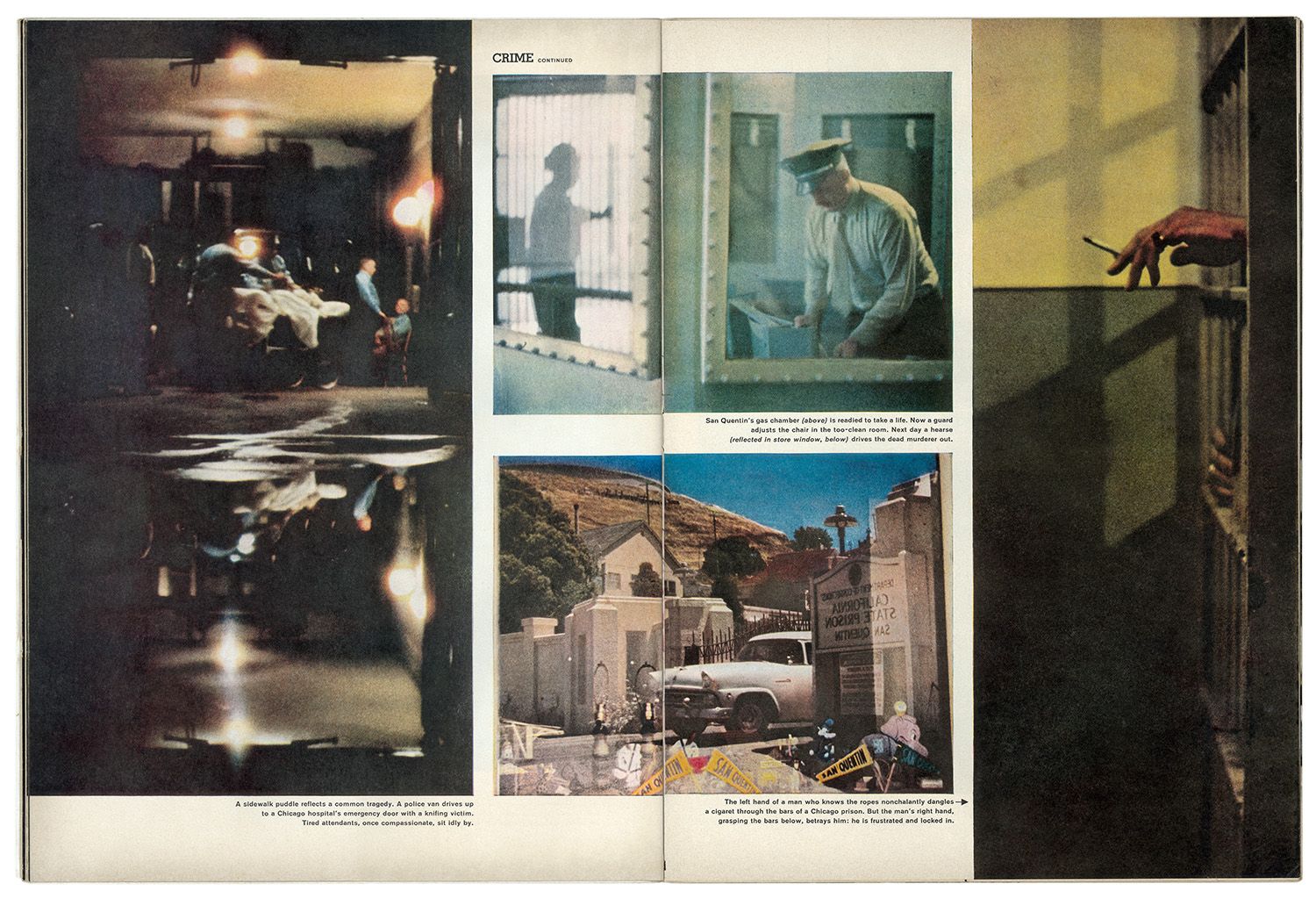
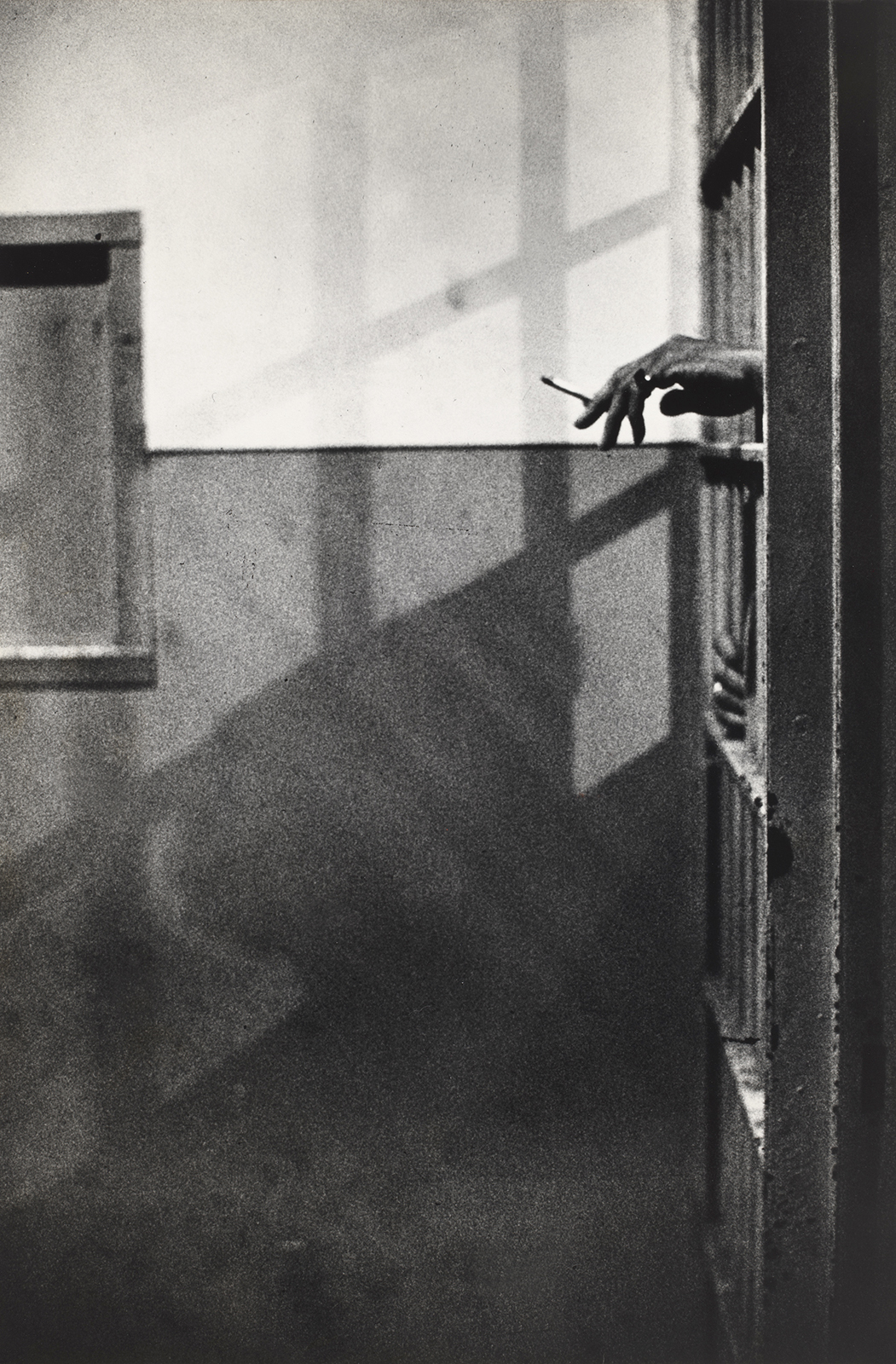
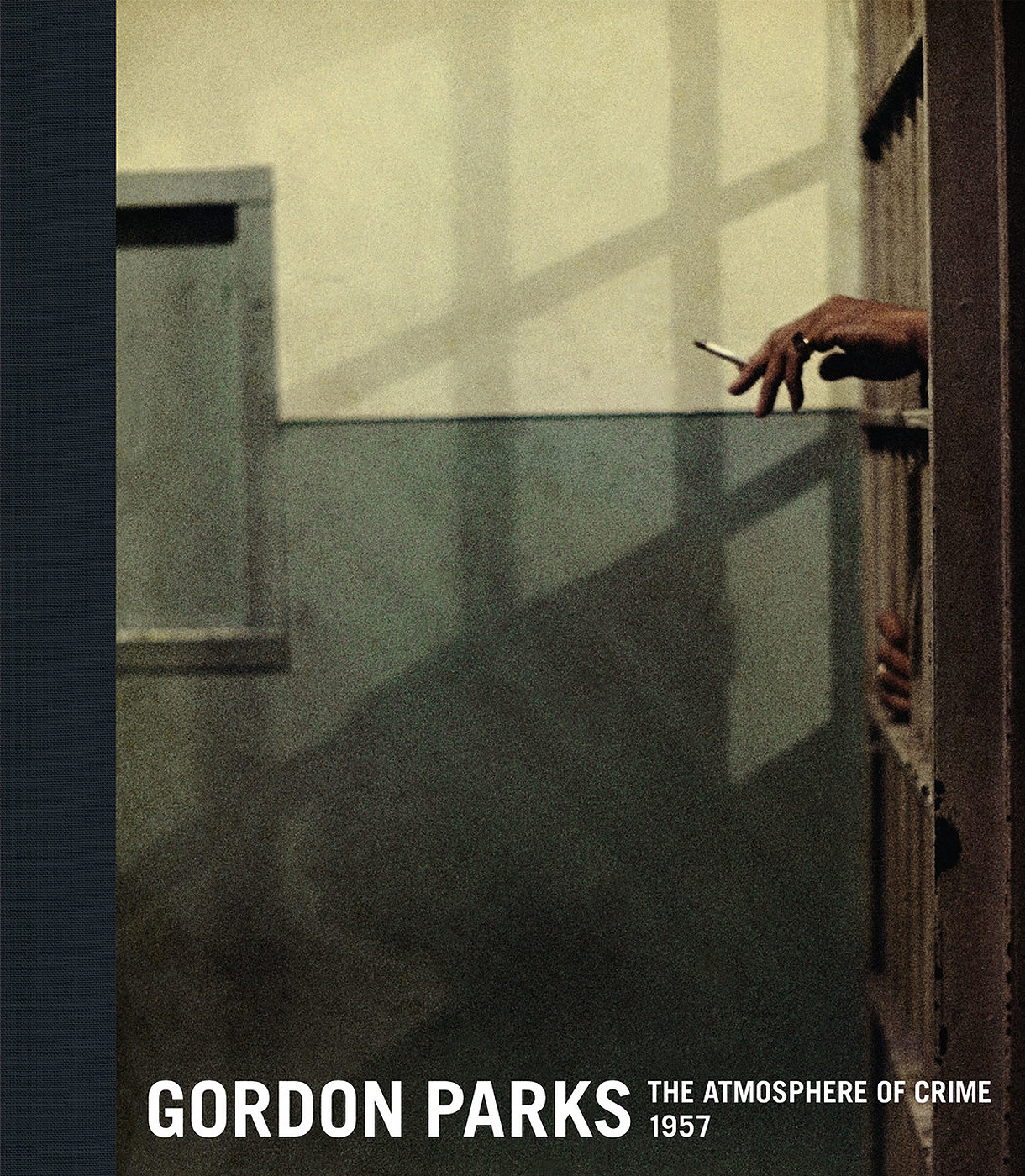
 Art Blart _ art and cultural memory archive
You must be logged in to post a comment.