Exhibition dates: 12th September – 17th November, 2012
RAY K. METZKER:Pictus Interruptus RUTH THORNE-THOMSEN:Expeditions
Ray K. Metzker (American, 1931-2014) Pictus Interruptus (77EY24)
1977
Gelatin silver print
I like both these bodies of work but it is the enigmatic Expeditions that leave the most lasting impression on my subconscious, out imagining the abstract distortions of Metzker in my mind’s eye. While the images of Pictus Interruptus are interesting in a textural way, the photographs of Thorne-Thomsen are truly magical – like a photographic version of Joseph Cornell’s boxes they engage you wistfully, holding you in a quiet, silent, attentive dreamspace. Some of the photographs are almost Jungian in their holistic balance. Photographs such as Levitating Man and Trio are truly memorable, and in our over saturated media environment it is wonderful to find images that make us slow down and inhale their aura. You contemplate these images: that is the word, contemplation. Enjoy.
PS. Prima Materia, a title of one of Thorne-Thomsen’s series, “is, according to alchemists, the alleged primitive formless base of all matter, given particular manifestation through the influence of forms… The alchemical operation consists essentially in separating the prima materia, the so-called Chaos, into the active principle, the soul, and the passive principle, Mind-body dichotomy, the body. They are then reunited in personified form in the coniunctio, the ritual combination of sol and Luna, which yields the magical child – filius philosophorum – the reborn self, known as the ultima materia.” (Wikipedia)
Jung undertook an analysis of the ritual and processes of alchemy and found that while the alchemists were trying to turn lead into gold by melting the lead down and reforming it as gold, what they were actually doing was letting go of their old identity and reforming it anew. This could be seen as an early form of psychoanalysis that encouraged the process of what Jung calls individuation, the emergence of a new identity as the ego dissolves into the Self. “The symbols of the individuation process… mark its stages like milestones’, prominent among them for Jungians being ‘”the shadow, the Wise Old Man… and lastly the anima (female) in man and the animus (male) in woman”‘. Thus ‘there is often a movement from dealing with the persona at the start… to the ego at the second stage, to the shadow as the third stage, to the anima or animus, to the self as the final stage. Some would interpose the Wise Old Man and the Wise Old Woman as spiritual archetypes coming before the final step of the Self’.” (Wikipedia)
I see elements of this inner work in the art of Ruth Thorne-Thomsen.
Dr Marcus Bunyan
Many thankx to the Laurence Miller Gallery for allowing me to publish the photographs in the posting. Please click on the photographs for a larger version of the image.
Ray K. Metzker (American, 1931-2014) Pictus Interruptus (77FK42)
1977
Gelatin silver print
Ray K. Metzker (American, 1931-2014) Pictus Interruptus (78AD23)
1978
Gelatin silver print
Ray K. Metzker (American, 1931-2014) Pictus Interruptus (78BW19)
1978
Gelatin silver print
Ray K. Metzker (American, 1931-2014) Pictus Interruptus (80FP9a)
1980
Gelatin silver print
Ray K. Metzker (American, 1931-2014) Pictus Interruptus (77FK28)
1977
Gelatin silver print
Ray K. Metzker (American, 1931-2014) Pictus Interruptus (77FW60)
1977
Gelatin silver print
Ray K. Metzker (American, 1931-2014) Pictus Interruptus (76EO4)
1976
Gelatin silver print
Laurence Miller Gallery is pleased to present Two of a Mind, photographs by Ray K. Metzker and Ruth Thorne-Thomsen, made between 1976 and 1991. Presently husband and wife, these two influential photographers independently created innovative and highly personal work that challenge our willingness to believe and stimulate our need to imagine.
Both achieved this by inserting images and objects into the view of the camera, turning reality on its head. Ray Metzker’s Pictus Interruptus series, made between 1976 and 1981, offers us inexplicable images – landscapes and cityscapes disrupted by abstract forms that combine, complement, and contrast with recognisable elements of the city or the land. Coat hangers, magazine images, folded paper and board were some of the items placed before the camera lens. Ruth Thorne-Thomsen’s Expeditions and Door series, as well as Prima Materia and Songs of the Sea, made between 1976 and 1991, also utilised the insertion of objects in front of her pin-hole camera, things like plastic and metal toys, children’s charms, ornaments and trinkets. The resulting images feel like poems come to life – credible enough to seem real, yet imaginary enough to seem like dreams.
Ray (1931-2014) and Ruth (born 1943) met in Chicago in 1980, and immediately felt a kinship of spirit and mind. Each had been pursuing a personal photographic vision which took reality as a starting point and then explored the world of the imagination to challenge the general belief that what a photograph presents is truth. Metzker was more intrigued by the possibilities of form and space, while Thorne-Thomsen pursued the possibilities of mythology and dreams. For each artist, reality and artifice became intertwined and inseparable. This is the first exhibition in which their photographs are presented together. This showing of Metzker’s images also coincides with a major retrospective of his work at the J. Paul Getty Museum in Los Angeles, opening September 25th and continuing through February 24, 2013.
Text from the Laurence Miller Gallery website
Ruth Thorne-Thomsen (American, b. 1943) Echo Wisconsin
1991
From the series Songs of the Sea Gelatin silver print
Ruth Thorne-Thomsen (American, b. 1943) Icarus Figure Wisconsin
1993
From the series Songs of the Sea Gelatin silver print
Ruth Thorne-Thomsen (American, b. 1943) Paper Palms California
1981
From the Expeditions Series Gelatin silver print
Ruth Thorne-Thomsen (American, b. 1943) Trio Wisconsin
1991
From the series Songs of the Sea Gelatin silver print
Ruth Thorne-Thomsen (American, b. 1943) Levitating Man Wisconsin
1983
From the Door Series Gelatin silver print
Ruth Thorne-Thomsen (American, b. 1943) Chair Over Point Wisconsin
1983
From the Door Series Gelatin silver print
Laurence Miller Gallery
There is no longer a physical exhibition space for this gallery. Laurence Miller Gallery currently operates as a private fine art photography dealer.
Opening hours:
We are open by appointment only, with locations in New Hope, Pa. and New York City.
This is pure indulgence. These paintings are so delicious I couldn’t resist a posting. Just imagine having ANY of them (especially the Hartigan, de Kooning or the Soulanges) on your wall at home… oh my!
Marcus
Many thankx to the Guggenheim Museum for allowing me to publish the pictures in the posting. Please click on the pictures to see a larger version of the image.
Art of Another Kind: International Abstraction and the Guggenheim, 1949-1960
Curators Tracey Bashkoff and Megan Fontanella discuss the initial apprehensions toward and eventual return to international exchange and experimentalism that defined the postwar art world.
In 1943 Alberto Burri, a doctor in the Italian army, was captured by the British and sat out the remainder of World War II in a Texas POW camp. He began to paint there, covering his stretchers with burlap when other materials were unavailable. Upon his return to Italy in 1946 Burri renounced his original profession and dedicated himself to making art.
Composition is one of his Sacchi (sacks), a group of collage constructions made from burlap bags mounted on stretchers, which the artist began making in 1949. One of Burri’s first series employing nontraditional mediums, the Sacchi were initially considered assaults against the established aesthetic canon. His use of the humble bags may be seen as a declaration of the inherent beauty of natural, ephemeral materials, in contradistinction to traditional “high” art mediums, which are respected for their ostentation and permanence. Early commentators suggested that the patchwork surfaces of the Sacchi metaphorically signified living flesh violated during warfare – the stitching was linked to the artist’s practice as a physician. Others suggested that the hardships of life in postwar Italy predicated the artist’s redeployment of the sacks in which relief supplies were sent to the country.
Yet Burri maintained that his use of materials was determined purely by the formal demands of his constructions. “If I don’t have one material, I use another. It is all the same,” he said in 1976. “I choose to use poor materials to prove that they could still be useful. The poorness of a medium is not a symbol: it is a device for painting.” The title Composition emphasises the artist’s professed concern with issues of construction, not metaphor. Underlying the work is a rigorous compositional structure that belies the mundane impermanence of his chosen mediums and points to art-historical influences. The Sacchi rely on lessons learned from the Cubist- and Dada-inspired constructions of Kurt Schwitters.
Despite Burri’s cool public stance, the Sacchi are examples of the Expressionism widely practiced in postwar Europe, where such work was called Art Informel (in the U.S. it was called Abstract Expressionism). Artists used powerfully rendered gestures and accommodated chance occurrences to express the existential angst characteristic of the period.
In the years after World War II, both Europe and America saw the rise of predominantly abstract painting concerned with materials and the expression of gesture and marking. New Yorkers dubbed the development in the United States Abstract Expressionism, while the French named the pan-European phenomenon of gestural painting Art Informel. A variety of the latter was Tachisme, from the French word tache, meaning blot or stain. Antoni Tàpies was among the artists to receive the label Tachiste because of the rich texture and pooled colour that seemed to occur accidentally on his canvases.
Tàpies reevaluated humble materials, things of the earth such as sand – which he used in Great Painting (Gran pintura, 1958) – and straw as well as the refuse of humanity such as string and bits of fabric. By calling attention to this seemingly inconsequential matter, he suggested that beauty can be found in unlikely places. Tàpies saw his works as objects of meditation that every viewer will interpret according to personal experience; he sought to inspire a contemplative reaction to reality through the integration of materials unexpected in fine art.
These images often resemble walls that have been scuffed and marred by human intervention and the passage of time. In Great Painting, an ocher skin appears to hang off the surface of the canvas; violence is suggested by the gouge and puncture marks in the dense stratum. These markings recall the scribbling of graffiti, perhaps referring to the public walls covered with slogans and images of protest that the artist saw as a youth in Catalonia – a region in Spain that experienced the harshest repression under dictator Francisco Franco. Tàpies called walls the “witnesses of the martyrdoms and inhuman sufferings inflicted on our people.”1 Great Painting suggests the artist’s poetic memorial to those who have perished and those who have endured.
Jennifer Blessing
1/ Antoni Tàpies, La pratique de l’art (Paris: Gallimard, 1974), p. 59.
After Kenzo Okada relocated from Tokyo to New York in 1950, his work came to represent a melding of Japanese traditions and American abstract trends. Rather than striving for pure abstraction, his work from the 1950s could be called “semi-abstract,” evoking the natural world through carefully composed form and a decidedly muted palette. These works are subtle, quiet, and poetic – more meditative in nature than the energetic gestural abstractions of some of his American-born counterparts. The composition of Decision (1956) is also organised to suggest natural topography. Blocky, softly defined shapes organically arrange the canvas into rough horizontal registers, creating a panoramic quality reminiscent of landscape painting. Meanwhile, small, irregular shapes hover and tumble rhythmically across the stable ground. Okada thus seeks a balance between heavy and delicate, tangible and abstract.
Kumi Sugaï lived and worked in Paris from 1952 until his death. Revered both in his native Japan and France, he used his early fascination with modern typography and his knowledge of East Asian calligraphy in his work. Combining and reinventing traditional aesthetics and contemporary forms, Sugaï reveals his syncretic approach to abstract painting in Shiro (June 1957). Here, his palette is restricted essentially to black, white, and blue, and the composition is at once spare and dynamic. The painting’s title is a reference to its central black form, the ideogram shiro, which means white. He has enlarged the character to occupy the entire composition and placed this abstract form on a white ground, both evoking and distorting its original calligraphic source.
A decisive shift in Giuseppe Capogrossi’s career took place in 1949, when he moved away from figurative, tonal painting and experimented with an abstract geometric style that led to the development of a vocabulary of irregular comb- or fork-shaped signs. With no allegorical, psychological, or symbolic meaning, these structural elements could be assembled and connected in countless variations. Intricate and insistent, Capogrossi’s signs determined the construction of the pictorial surface. Similar to mysterious lists or sequences, his paintings were immediate in their appeal yet remained hard to decode, a quality he shared with other Art Informel practitioners. These abstract comb-sign paintings, known simply as Surfaces (Superficies, 1949-1972), were first exhibited at the Galleria del secolo, Rome, in 1950. The comb sign dominated his oeuvre until the end of his career.
In his native Japan, Takeo Yamaguchi was a pioneer of modern abstract painting. This focus led him to spend time in France, where he was much influenced by the work of Cubist practitioners in Paris, until he returned to Japan in 1931. In the 1950s, Yamaguchi began executing works consisting of simple, geometric forms – largely yellow, ochre, or russet in color – painted on a black background. His thick pigments added texture to the monochromatic compositions, and as seen in Work – Yellow (Unstable Square [Fuantei shikaku], 1958), Yamaguchi’s abstract shapes increasingly dominated the canvas. It is noteworthy that the painting was prominently displayed on the ground floor of the Guggenheim’s rotunda during the 1959 inaugural exhibition, attesting to then-director James Johnson Sweeney’s keen interest in Yamaguchi’s work.
Pierre Soulages, a leading proponent of Tachisme (from the French word tache, meaning blot or stain), maintained that he decided to become a painter while inside the church of Sainte-Foy in Conques-en-Rouergue, near his birthplace in the South of France. The impressions of monumentality, stability, primitive force, and clearly organised volumes characteristic of the Romanesque style, as well as the mystery and sobriety of dark church interiors, were metaphorically transmitted in his mature style. Early on he was also drawn to the work of Claude Lorraine and Rembrandt van Rijn, whose rendering of light had an impact on his development. In 1938 he moved to Paris to prepare for the entrance exam to the École nationale supérieure des beaux-arts, but he soon abandoned his traditional studies at the school as a result of seeing exhibitions of the work of Paul Cézanne and Pablo Picasso and visiting the Louvre.
In his earliest work Soulages took leafless winter trees as his point of departure. Their essential, reduced network of branches – which Soulages regarded as abstract sculpture – provided him with an ideal vehicle for the exploration of structure and variation. During the German occupation of France, he met Sonia Delaunay, who introduced him to abstract art and set him on a new path. By the mid 1950s, Soulages had switched from a small brush, with which he had painted abstract calligraphic patterns, to palette knives, straightedges, and large house-painting brushes. These tools afforded him a greater range of motion in his wrist, allowing him to produce bold, dynamic strokes that resulted in a more gestural surface. Throughout his career, Soulages painted in a predominately black palette in order to explore the contrasts of light and shade, which endowed his paintings both an architectonic and a sculptural quality. In Painting, November 20, 1956 (Peinture, 20 novembre 1956, 1956), Soulages divided his canvas into three horizontal registers, articulating each with a repetition of slab-like black shapes that reveal a variety of red and brown nuances, as well as a certain luminosity.
Text from the Guggenheim website
From June 8 to September 12, 2012, the Solomon R. Guggenheim Museum presents Art of Another Kind: International Abstraction and the Guggenheim, 1949-1960. Comprising approximately 100 works by nearly 70 artists, the exhibition explores international trends in abstraction in the decade before the Guggenheim’s iconic Frank Lloyd Wright-designed building opened in October 1959, when vanguard artists working in the United States and Europe pioneered such influential art forms as Abstract Expressionism, Cobra, and Art Informel. In the 1950s, many countries ended their postwar isolationism and entered a phase of cultural openness and internationalism. The prominent French art critic Michel Tapié declared the existence of un art autre (art of another kind), a term embracing a mosaic of styles, but essentially signifying an avant-garde art that rejected a connection with any tradition or past idiom. With works by Karel Appel, Louise Bourgeois, Alberto Burri, Eduardo Chillida, Lucio Fontana, Grace Hartigan, Asger Jorn, Yves Klein, Willem de Kooning, Georges Mathieu, Isamu Noguchi, Kenzo Okada, Jackson Pollock, Pierre Soulages, Antoni Tàpies, Maria Helena Vieira da Silva, Takeo Yamaguchi, and Zao Wou-Ki, among others, the exhibition considers the artistic developments of the post-World War II period and draws greater attention to lesser-known artists in the museum?s collection alongside those long since canonised.
Abstract Expressionism encompasses a diverse range of postwar American painting that challenged the tradition of vertical easel painting. Beginning in the late 1940s, Pollock placed his canvases on the floor to pour, drip, and splatter paint onto them. This gestural act, with variations practiced by William Baziotes, De Kooning, Adolph Gottlieb, and others, was termed “Action painting” by American critic Harold Rosenberg, who considered it a product of the artist’s unconscious outpouring or the enactment of some personal drama. The New York school, as these artists were called due to the city’s postwar transformation into an international nexus for vanguard art, expanded in the 1950s with the unique contributions of such painters as James Brooks and Hartigan, as well as energetic collagist-assemblers Conrad Marca-Relli and Robert Rauschenberg. Other painters eliminated the gestural stroke altogether. Mark Rothko used large planes of colour, often to express universal human emotions and inspire a sense of awe for a secular world. Welder-sculptors such as Herbert Ferber and Theodore Roszak are also counted among the decade’s pioneering artists.
The postwar European avant-garde in many ways paralleled the expressive tendencies and untraditional methods of their transatlantic counterparts, though their cultural contexts differed. For artists in Spain, abstract art signified political liberation. Dissenting Italian artists correspondingly turned to abstraction against the renewed popularity of politicised realism. French artist Jean Dubuffet’s spontaneous approach, Art Brut (Raw art), retained figurative elements but radically opposed official culture, instead favouring the spontaneous and direct works of untrained individuals. His work influenced the Cobra group (1948-1951), which was founded by Appel, Jorn, and other artists from Copenhagen, Brussels, and Amsterdam. The Cobra artists preferred thickly painted surfaces that married realism to lively colour and expressive line in a new form of primitivism.
Eventually taking root in France, Germany, Italy, Japan, and Spain, Art Informel refers to the anti-geometric, anti-naturalistic, and nonfigurative formal preoccupations of many European avant-garde artists, and their pursuit of spontaneity, looseness of form, and the irrational. Art Informel is alternatively known by several French terms: Abstraction lyrique (Lyrical Abstraction), Art autre (Art of another kind), matiérisme (matter art), and Tachisme (from tache, meaning blot or stain). The movement includes the work of Burri and Tàpies, who employed unorthodox materials like burlap or sand and focused on the transformative qualities of matter. Asian émigré artists Kumi Sugaï and Zao were likewise central to the postwar École de Paris (School of Paris) and melded their native traditions with modern painting styles. By the end of the 1950s, artists such as Lucio Fontana, Klein, and Piero Manzoni were exploring scientific, objective, and interactive approaches, and introduced pure monochrome surfaces. Other abstractionists engaged viewers’ senses and explored dematerialisation, focusing on optical transformations as opposed to the art object itself, and investigating the effects of motion, light, and colour.
Through the presentation of these varied styles and innovative developments in the post-World War II years, Art of Another Kind especially highlights paintings and sculptures that entered the Guggenheim collection under James Johnson Sweeney, the museum’s second director (1952-1960). Following Solomon R. Guggenheim’s death in 1949 and the end of founding director and curator Hilla Rebay’s tenure in 1952, Sweeney championed emerging avant-garde artists and augmented the museum’s existing modern holdings with new works. Sweeney had stated, “I do not believe in the so-called ‘tastemakers,’ … but in what I would call ‘tastebreakers,’ the people who break open and enlarge our artistic frontiers.” His program of exhibitions and acquisitions considerably broadened the museum’s scope, and his vision included reconsidering the founding collection assembled by Solomon and Irene Guggenheim under Rebay’s guidance by uniting the abstract works by Vasily Kandinsky and other modernists with rarely seen representational works for a more complex perspective of the avant-garde in the first half of the twentieth century. Recently, the Guggenheim Museum highlighted his contributions to the institution in The Sweeney Decade: Acquisitions at the 1959 Inaugural, an exhibition featuring a selection of works that were first unveiled at the 1959 show in the museum’s new Wright building. On view in 2009 as part of the museum’s 50th-anniversary celebrations, The Sweeney Decade featured 24 paintings and sculptures from the 1950s collected under his leadership. Art of Another Kind offers a more comprehensive elaboration of his vision along with works that were added to the collection after his tenure.
Exhibition installation
While the exhibition explores individual styles, diversity within abstraction, and artists often working independently of established groups or affiliations, works are loosely organised according to artists’ locus of activity and stylistic trends: New York school; Art Brut and Cobra; School of Paris; Spanish and Italian Informalism; Kinetic art; and, finally, late 1950s experiments with matiérisme, performance-based painting, and the monochrome. Highlights within the installation include Outburst (Éclatement, 1956) by Judit Reigl, newly acquired in 2012, and Alexander Calder’s Red Lily Pads (Nénuphars rouges, 1956), suspended in the upper ramps and visible from the rotunda floor below. The exhibition also includes the work of 11 living artists.
Visitors will have the opportunity to browse through historic exhibition catalogues produced by the first full-time publications department established during Sweeney’s tenure. Designed by the Swiss-born typographer and designer Herbert Matter, catalogues from the era helped shape the museum’s visual identity and chronicle the development of the art championed by the Guggenheim under Sweeney in the 1950s. Selected books will be available in the museum at iPad stations and online at https://www.guggenheim.org/publications
Extensive content related to the exhibition will be available on the Guggenheim’s website, which features a selection of supporting materials from the museum’s archives, including letters between artists and director James Johnson Sweeney, invitations to exhibitions, and historic photos of Guggenheim exhibitions. In addition, 20 works and several exhibition themes will be explored through short texts. Multimedia content including video footage and interviews with the curators will be added to the site once the exhibition opens to the public.
In the decades following World War II, a new artistic vanguard emerged, particularly in New York, that introduced radical new directions in art. The war and its aftermath were at the underpinnings of the movement that became known as Abstract Expressionism. These artists, anxiously aware of human irrationality and vulnerability, expressed their concerns in an abstract art that chronicled the ardor and exigencies of modern life. Their heroic aspirations are most evident in Jackson Pollock’s innovative “drip” paintings that forever altered the course of American art.
Arriving in New York in 1930 from the West Coast, Pollock began working with figuration of both human and imaginary beings. Most of this imagery was connected to that of American Indian sand painting and the Mexican muralists he saw as a youth and that reemerged through psychoanalysis to treat his lifelong alcoholism. His first fully mature works – dating between 1942 and 1947 – use an idiosyncratic iconography he developed in part as a response to Surrealism, popular in New York with its numerous European exiles from World War II. Employing mythical subject matter, calligraphic markings, and a vibrant and distinctive colour palette, Pollock produced emotionally charged works that retain figurative subject matter yet emphasise abstract qualities. Arising from this confluence of abstraction and figuration are Pollock’s breakthrough works, commonly perceived as pure abstraction and made over the course of an explosive period between late 1947 and 1950 as represented by Untitled (Green Silver). At the time, he also broke free from the standard use of implements, usually abandoning their direct contact with the surface. Working from above the picture plane, he dripped and poured enamel paints on canvases and papers, a method that more precisely controlled the application of line. His preference for the technique of fluid paint spilling from the can or drizzling from the tips of sticks or trowels was heralded by critic Harold Rosenberg as “action painting.” These unconventional working methods and his own physical presence while creating these works have assumed epic proportions. In the last four years of his life – he died in an automobile accident on August 11, 1956 – he produced significantly fewer works, with each further refining his pouring method. Compositionally, they hark back to his earlier style through the reintroduction of figurative elements as in Ocean Greyness, which also addresses his allover abstract technique. Its dramatic, swirling forms set against a dark ground recall Pollock’s Eyes in the Heat (1946).
Emilio Vedova produced art in response to contemporary social upheavals, however his political position was contrary to that of his early modern counterparts, the Italian Futurists, who coalesced as a group in the years preceding World War I. While the Futurists romantically celebrated the aggressive energies inherent in societal conflict and technological advancement, Vedova’s feverish, violent canvases convey – in abstract terms – his horror and moral protestation in the face of man’s assault on his own kind.
Vedova expressed a political consciousness in his work for the first time during the late 1930s, when his works were inspired by the Spanish Civil War. His continuing commitment to social issues gave rise to series such as Cycle of Protest (Ciclo della protesta, 1956) and Image of Time (Immagine del tempo, 1946-1959). Although the motivation behind Image of Time (Barrier) (Sbarramento) is political, its formal preoccupations parallel those of the American Abstract Expressionists, namely Franz Kline. The drama of the angular, graphic slashes of black on white is heightened with accents of orange-red. Occupying a shallow space, pictorial elements are locked together in formal combat and emotional turmoil.
A key figure of the postwar art scene in Paris as well as a champion – and competitor – of the burgeoning movement of Abstract Expressionist painters in New York, Georges Mathieu practiced a mode of gestural abstraction that was decidedly calligraphic. His paintings were executed with controlled force, resulting in a matrix of lines bursting from a single point and thrusting outward in every direction, as seen in Painting (Peinture, 1952). The artist often squeezed paint directly from tubes onto the canvas and emphasised the necessity of rapid application in order to harness an intuitive expression. Mathieu also occasionally introduced a performative dimension to his painting in the 1950s, executing large canvases before audiences. This merger of painting and performance anticipated the work of Yves Klein and others in the late 1950s and 1960s.
The critical debate that surrounded Abstract Expressionism during the late 1940s was embodied in the work of Jackson Pollock. Clement Greenberg, a leading critic and Pollock’s champion, professed that each discrete art form should, above all else, aspire to a demonstration of its own intrinsic properties and not encroach on the domains of other art forms. A successful painting, he believed, affirmed its inherent two-dimensionality and aimed toward complete abstraction. At the same time, however, the critic Harold Rosenberg was extolling the subjective quality of art; fervent brushstrokes were construed as expressions of an artist’s inner self, and the abstract canvas became a gestural theater of private passions. Pollock’s art – from the early, Surrealist-inspired figurative canvases and those invoking “primitive” archetypes to the later labyrinthine webs of poured paint – elicited both readings. Pollock’s reluctance to discuss his subject matter and his emphasis on the immediacy of the visual image contributed to shifting and, ultimately, dialectic views of his work.
In 1951, at the height of the artist’s career, Vogue magazine published fashion photographs by Cecil Beaton of models posing in front of Pollock’s drip paintings. Although this commercial recognition signalled public acceptance – and was symptomatic of mass culture’s inevitable expropriation of the avant-garde – Pollock continuously questioned the direction and reception of his art. His ambivalence about abstract painting, marked by a fear of being considered merely a “decorative” artist, was exacerbated, and it was around this time that he reintroduced to his paintings the quasi-figurative elements that he had abandoned when concentrating on the poured canvases. Ocean Greyness, one of Pollock’s last great works, depicts several disembodied eyes hidden within the swirling coloured fragments that materialise from the dense, scumbled gray ground. “When you are painting out of your unconscious,” he claimed, “figures are bound to emerge.” Manifest in this painting is a dynamic tension between representation and abstraction that, finally, constitutes the core of Pollock’s multileveled oeuvre.
Although often cited as the originator of Action Painting, an abstract, purely formal and intuitive means of expression, Willem de Kooning most often worked from observable reality, primarily from figures and the landscape. From 1950 to 1955, de Kooning completed his famous Women series, integrating the human form with the aggressive paint application, bold colours, and sweeping strokes of Abstract Expressionism. These female “portraits” provoked not only with their vulgar carnality and garish colours, but also because of their embrace of figural representation, a choice deemed regressive by many of de Kooning’s Abstract Expressionist contemporaries, but one to which he consistently returned for many decades.
Composition serves as a bridge between the Women and de Kooning’s next series of work, classified by critic Thomas Hess as the Abstract Urban Landscapes (1955-1958). According to the artist, “the landscape is in the Woman and there is Woman in the landscapes.” Indeed, Composition reads as a Woman obfuscated by de Kooning’s agitated brushwork, clashing colours, and allover composition with no fixed viewpoint. Completed while the artist had a studio in downtown New York, Composition’s energised dashes of red, turquoise, and chrome yellow suggest the frenetic pace of city life, without representing any identifiable urban inhabitants or forms.
Painted 20 years later, after de Kooning moved to East Hampton, New York, seeking to work in greater peace and isolation, … Whose Name Was Writ in Water takes nature as its theme. Water was a favourite subject of the artist, and he devised a rapid, slippery technique of broad impasto strokes with frayed edges, speckled with drips, to convey its fluidity and breaking movement. The title, taken from an epigraph on Keats’s tomb, which de Kooning had seen on a trip to Rome in 1960, is, according to critic Harold Rosenberg, “the closest de Kooning can come to saluting overtly the impermanence of existence, and things in a state of disappearance.” Always aiming to reinforce the content of his work with his technique, de Kooning reworked his canvases over and over again, making each painting a composite of evanescent visual traces. The scrambled pictorial vocabulary and condensed space of the urban landscapes was gradually diffused in de Kooning’s later work. More open compositions, a less cluttered palette, and looser, liquid brushstrokes reveal a painter relieved of the nervous, claustrophobic atmosphere of city life and newly at peace with his rural surroundings.
Pierre Alechinsky was a central figure in Cobra, a European artists’ group that emphasised material and its spontaneous application. The abstract and concrete often merge in his work; in Vanish (Disparaître, 1959), Alechinsky focused on the appearance and disappearance of a female figure in the centre of the canvas. This emergent shape and the background coalesce into a vigorously brushed surface that is distinguished by thickly impastoed white pigment and a network of predominantly blue lines. There are still traces of the allover patterning that characterises the artist’s watercolours and earlier canvases such as The Ant Hill (La fourmilière, 1954). His work likewise exhibits a fluidity and vitality that points to the artist’s fascination with Japanese calligraphy, which he observed during his travels to Japan in 1955.
In Jean Dubuffet’s Matériologies series (1959-1960), of which The Substance of Stars (Substance d’astre, December 1959) is an example, form is subverted by an emphasis on materials, meant to stimulate mental responses and associations in the viewer. Far from being an abstraction in the usual sense, this and other such works suggest concern with topographical reality – the earth, water and sky, and the stars. These elements are not conveyed through descriptive images or through the use of materials identical with a natural substance, but through evocative effects of their artificial counterparts, here black, gray, and silver metal foil. Nature, although closely observed, is thus rendered through artifice, and reality conjured up through elaborate illusion.
Karel Appel, like Asger Jorn, was a member of the Cobra group, which emphasised material and its spontaneous application. Although the group was short-lived, its concerns have endured in his work. The single standing figures of humans or animals he developed during the 1950s are rendered in a deliberately awkward, naive way, with no attempt at modelling or perspectival illusionism. Thus, the crocodile in this painting is presented as a flat and immobile form, contoured with heavy black lines in the manner of a child’s drawing.
Appel’s paint handling activates a frenzy of rhythmic movement in The Crying Crocodile Tries to Catch the Sun (1956), despite the static monumentality of the subject. Drips and smears are interspersed with veritable stalactites of brilliant, unmodulated colour that buckle, ooze, slash, wither, and thread their way over the surface. The physicality of the impasto and its topographic variety allow it to reflect light and cast shadows dramatically, increasing the emotional intensity of violent colour contrasts. In 1956 Appel summarised the genesis of his work: “I never try to make a painting; it is a howl, it is naked, it is like a child, it is a caged tiger… My tube is like a rocket writing its own space.”1
Lucy Flint
1/ Karel Appel, quoted in Alfred Frankenstein, ed., Karel Appel (New York: Harry N. Abrams, 1980), p. 52.
Asger Jorn’s career began in 1936 when he ventured from Copenhagen to Paris with the goal of apprenticing under the legendary painter Vasily Kandinsky. On his arrival, however, Jorn promptly learned that Kandinsky did not operate his own academy. Instead, the young artist enrolled in Fernand Léger’s Académie contemporaine and worked with Le Corbusier on his Pavillon des temps nouveaux at the World Exhibition of 1937, experiencing firsthand the formal restraint and balance that characterised the art and architecture of Le Corbusier’s Purism – a movement dedicated to highly rationalised geometric forms.
But Jorn preferred methods rooted in spontaneity and would ultimately reject the techniques of his teachers in favour of a life of art, writing, and activism that amounted to an assault on rationality in all its guises – painterly, architectural, and social. In 1948 Jorn and others, including Karel Appel, founded Cobra, an international collection of like-minded experimental artists. Indebted to the style of Jorn’s friend Jean Dubuffet – whose Art Brut looked to traditions of art making commonly considered debased or vulgar by the art establishment – Cobra art combined Surrealist automatism with the materiality of gestural mark making. Many of Jorn’s early paintings exist on the boundary between abstraction and figuration, aligning his practice with that of American contemporaries including Willem de Kooning and Jackson Pollock.
In 1957 Jorn merged his anti-Bauhaus group, the Mouvement internationale pour un Bauhaus imaginiste (International movement for an imaginist Bauhaus, founded in 1954), with Guy Debord’s Lettrist International, to form the Internationale Situationiste (Situationist International, SI), a Marxist, activist group of writers, artists, and theorists who sought to destabilise societal practices and structures ranging from urban planning to the art establishment. Jorn continued to exhibit an anarchic spirit even after he left the SI in 1961. As an act of rebellion against the concept of art prizes, for instance, he refused to accept the Guggenheim Museum’s 1964 International Award for his painting Dead Drunk Danes (Døddrukne Danskere, 1960), stating in a telegram that he wanted no part of the museum’s “ridiculous game.”
During his SI period Jorn focused great effort on a series of “modification” paintings, which utilised other paintings as pre-existing supports on which to produce new images or marks, but he also continued to work within his Cobra aesthetic, making paintings such as A Soul for Sale (Ausverkauf einer Seele, 1958-59). In both its use of expressive brushwork and its collapsing of foreground and background, figuration and abstraction, A Soul for Sale articulates some of Jorn’s most significant interrogations of the precepts of geometric abstraction and rationalised art making. Barely discernible amid a field of gestural marks, the work’s central figure – demarcated by fragmented contour lines that seem to merge with the abstract ground even as they define the figure’s form – appears on the verge of disappearing. Jorn seems to deny his subject even as he represents it. In a similar fashion, rational strategies of delineating form or representing depth, seen in the contour drawing or in the crosshatching at the top right of the painting, are overcome by strikingly crude or naive methods of mark making, such as scattered soil or paint smudges – techniques Jorn first developed early on as a Cobra artist.
Text from the Guggenheim website
Yves Klein (French, 1928-1962) Large Blue Anthropometry (ANT 105) [La Grande Anthropométrie Bleue (ANT 105)]
c. 1960
Blue pigment and synthetic resin on paper on canvas
280 x 428cm
Guggenheim Museum Bilbao
Yves Klein’s first passion in life was judo. In 1952 he moved to Tokyo and studied at the Ko-do-kan Judo Institute, where he earned a black belt. When he returned to Paris in 1955 and discovered to his dismay that the Fédération Française de Judo did not extol him as a star, he shifted his attentions and pursued a secondary interest – a career in the arts. During the ensuing seven years Klein assembled a multifarious and critically complex body of work ranging from monochrome canvases and wall reliefs to paintings made with fire. He is renowned for his almost exclusive use of a strikingly resonant, powdery ultramarine pigment, which he patented under the name “International Klein Blue,” claiming that it represented the physical manifestation of cosmic energy that, otherwise invisible, floats freely in the air. In addition to monochrome paintings, Klein applied this pigment to sponges, which he attached to canvases as relief elements or positioned on wire stands to create biomorphic or anthropomorphic sculptures. First exhibited in Paris in 1959, the sponge sculptures – all essentially alike, yet ultimately all different – formed a forest of discrete objects surrounding the gallery visitors. About these works Klein explained, “Thanks to the sponges – raw living matter – I was going to be able to make portraits of the observers of my monochromes, who … after having voyaged in the blue of my pictures, return totally impregnated in sensibility, as are the sponges.”1
For his Anthropométries series, Klein famously used nude female models drenched in paint as “brushes.” His system of pressing bodies against the paper support (which was later mounted on canvas) rejected any illusion of a third dimension in the pictorial space. In these works, the subject, object, and medium become confused with one another to produce a trace of the body’s presence. Klein’s unconventional activities also included releasing thousands of blue balloons into the sky, and exhibiting an empty, white-walled room and then selling portions of the interior air, which he called “zones” of “immaterial pictorial sensibility.” His intentions remain perplexing thirty years after his sudden death. Whether Klein truly believed in the mystical capacity of the artist to capture cosmic particles in paint and to create aesthetic experiences out of thin air and then apportion them at whim is difficult to determine. The argument has also been made that he was essentially a parodist who mocked the metaphysical inclinations of many modern painters, while making a travesty of the art market.
Nancy Spector
1/ Yves Klein, “Remarques sur quelques oeuvres exposées chez Colette ‘Allendy’,” 1958, Klein archive, quoted in Nan Rosenthal, “Assisted Levitation: The Art of Yves Klein,” in Yves Klein 1928-1962: A Retrospective, exh. cat. (Houston: Institute for the Arts, Rice University, 1982), p. 111.
Text from the Guggenheim website
Solomon R. Guggenheim Museum
1071 5th Avenue (at 89th Street)
New York
Installation view of the exhibition Painting in Photography. Strategies of Appropriation at the Städel Museum, Frankfurt showing Victor Burgin’s Office at Night (Red), 1985 (below)
“To understand the production of art at the end of tradition, which in our lifetime means art at the end of modernism, requires, as the postmodern debate has shown, a careful consideration of the idea of history and the notion of ending. Rather than just thinking ending as the arrival of the finality of a fixed chronological moment, it can also be thought as a slow and indecisive process of internal decomposition that leaves in place numerous deposits of us, in us and with us – all with a considerable and complex afterlife. In this context all figuration is prefigured. This is to say that the design element of the production of a work of art, the compositional, now exists prior to the management of form of, and on, the picture plane. Techniques of assemblage, like montage and collage – which not only juxtaposed different aesthetics but also different historical moments, were the precursors of what is now the general condition of production.”
“Art Byting the Dust” Tony Fry 1990 1
They said that photography would be the death of painting. It never happened. Recently they thought that digital photography would be the death of analogue photography. It hasn’t happened for there are people who care enough about analogue photography to keep it going, no matter what. As the quotation astutely observes, the digital age has changed the conditions of production updating the techniques of montage and collage for the 21st century. Now through assemblage the composition may be prefigured but that does not mean that there are not echoes, traces and deposits of other technologies, other processes that are not evidenced in contemporary photography.
As photography influenced painting when it first appeared and vice versa (photography went through a period known as Pictorialism where where it imitated Impressionist painting), this exhibition highlights the influence of painting on later photography. Whatever process it takes photography has always been about painting with light – through a pinhole, through a microscope, through a camera lens; using light directly onto photographic paper, using the light of the scanner or the computer screen. As Paul Virilio observes, no longer is there a horizon line but the horizon square of the computer screen, still a picture plane that evidences the history of art and life. Vestiges of time and technology are somehow always present not matter what medium an artist chooses. They always have a complex afterlife and afterimage.
Dr Marcus Bunyan
PS. I really don’t think it is a decomposition, more like a re/composition or reanimation.
PPS. Notice how Otto Steinert’s Luminogramm (1952, below), is eerily similar to some of Pierre Soulages paintings.
1/ Fry, Tony. “Art Byting the Dust,” in Hayward, Phillip. Culture, Technology and Creativity in the Late Twentieth Century. London: John Libbey and Company, 1990, pp. 169-170
Many thankx to the Städel Musuem for allowing me to publish the photographs in the posting. Please click on the photographs for a larger version of the image.
Victor Burgin (British, b. 1941) Office at Night (Red)
1985
In a conceptual, analytical visual language, Burgin, who originally started out as a painter, refers to Edward Hopper’s painting “Office at Night” from 1940. It shows a New York office at night, in which the boss and secretary are still at work and alone. Burgin’s picture is part of a series about this depiction of a couple by Hopper (and the special role of the female motif in his work). Burgin’s picture consists of three panels, each of which uses a fictional register: letters (word), color (red is traditionally the color for lust and love) and photographic image (secretary).
Installation view of the exhibition Painting in Photography. Strategies of Appropriation at the Städel Museum, Frankfurt showing at left, Thomas Ruff’s Substrat 10 (2002, below)
Installation view of the exhibition Painting in Photography. Strategies of Appropriation at the Städel Museum, Frankfurt showing at centre, Wolfgang Tillmans Paper drop (window) (2006, below)
From 27 June to 23 September 2012, the Städel Museum will show the exhibition “Painting in Photography. Strategies of Appropriation.” The comprehensive presentation will highlight the influence of painting on the imagery produced by contemporary photographic art. Based on the museum’s own collection and including important loans from the DZ Bank Kunstsammlung as well as international private collections and galleries, the exhibition at the Städel will centre on about 60 examples, among them major works by László Moholy-Nagy, Hiroshi Sugimoto, Wolfgang Tillmans, Thomas Ruff, Jeff Wall, and Amelie von Wulffen. Whereas the influence of the medium of photography on the “classic genres of art” has already been the subject of analysis in numerous exhibitions and publications, less attention has been paid to the impact of painting on contemporary photography to date. The show at the Städel explores the reflection of painting in the photographic image by pursuing various artistic strategies of appropriation which have one thing in common: they reject the general expectation held about photography that it will document reality in an authentic way.
The key significance of photography within contemporary art and its incorporation into the collection of the Städel Museum offer an occasion to fathom the relationship between painting and photography in an exhibition. While painting dealt with the use of photography in the mass media in the 1960s, today’s photographic art shows itself seriously concerned with the conditions of painting. Again and again, photography reflects, thematises, or represents the traditional pictorial medium, maintaining an ambivalent relationship between appropriation and detachment.
Numerous works presented in the Städel’s exhibition return to the painterly abstractions of the prewar and postwar avant-gardes, translate them into the medium of photography, and thus avoid a reproduction of reality. Early examples for the adaption of techniques of painting in photography are László Moholy-Nagy’s (1895-1946) photograms dating from the 1920s. For his photographs shot without a camera, the Hungarian artist and Bauhaus teacher arranged objects on a sensitised paper; these objects left concrete marks as supposedly abstract forms under the influence of direct sunlight. In Otto Steinert’s (1915-1978) non-representational light drawings or “luminigrams,” the photographer’s movement inscribed itself directly into the sensitised film. The pictures correlate with the gestural painting of Jackson Pollock’s Abstract Expressionism. A product of random operations during the exposure and development of the photographic paper, Wolfgang Tillmans’ (b. 1968) work “Freischwimmer 54” (2004) is equally far from representing the external world. It is the pictures’ fictitious depth, transparency, and dynamics that lend Thomas Ruff’s photographic series “Substrat” its extraordinary painterly quality recalling colour field paintings or Informel works. For his series “Seascapes” the Japanese artist Hiroshi Sugimoto (b. 1948) seems to have “emptied” the motif through a long exposure time: the sublime pictures of the surface of the sea and the sky – which either blur or are set off against each other – seem to transcend time and space.
In addition to the photographs mentioned, the exhibition “Painting in Photography” includes works by artists who directly draw on the history of painting in their choice of motifs. The mise-en-scène piece “Picture for Women” (1979) by the Canadian photo artist Jeff Wall (b. 1946), which relates to Édouard Manet’s famous painting “Un Bar aux Folies-Bergère” from 1882, may be cited as an example for this approach. The camera positioned in the centre of the picture reveals the mirrored scene and turns into the eye of the beholder. The fictitious landscape pictures by Beate Gütschow (b. 1970), which consist of digitally assembled fragments, recall ideal Arcadian sceneries of the seventeenth and eighteenth centuries. The photographs taken by Italian Luigi Ghirri (1943-1992) in the studio of Giorgio Morandi (1890-1964) “copy” Morandi’s still lifes by representing the real objects in the painter’s studio instead of his paintings.
Another appropriative strategy sees the artist actually becoming active as a painter, transforming either the object he has photographed or its photographic representation. Oliver Boberg’s, Richard Hamilton’s, Georges Rousse’s and Amelie von Wulffen’s works rank in this category. For her series “Stadtcollagen” (1998-1999) Amelie von Wulffen (b. 1966) assembled drawing, photography, and painting to arrive at the montage of a new reality. The artist’s recollections merge with imaginary spaces offering the viewer’s fantasy an opportunity for his or her own associations.
The exhibition also encompasses positions of photography for which painting is the object represented in the picture. The most prominent examples in this section come from Sherrie Levine (b. 1947) and Louise Lawler (b. 1947), both representatives of US Appropriation Art. From the late 1970s on, Levine and Lawler have photographically appropriated originals from art history. Levine uses reproductions of paintings from a catalogue published in the 1920s: she photographs them and makes lithographs of her pictures. Lawler photographs works of art in private rooms, museums, and galleries and thus rather elucidates the works’ art world context than the works as such.
Beate Gütschow (German, b. 1970) PN #1
2000
C-Print, mounted on aluminium dibond
Acquired in 2013, property of Städelscher Museums-Verein e.V.
Städel Museum, Frankfurt am Main, Eigentum des Städelschen Museums-Vereins e.V.
… these images do not evoke a sense of the sublime. On closer inspection, not only is the virginity of nature lost forever, but the innocence of perception is also denied. The natural realms presented here are simply too beautiful to be true. The beauty, wildness, and potentially threatening aspects of nature have been skillfully merged into a decorative whole, as they were in landscape painting from the 17th through to the 19th century. Beate Gütschow’s photographic works reproduce traditional patterns of depiction, incorporating landscape elements that recall compositions by Nicolas Poussin (1594-1665), Jacob van Ruisdael (1628-1682), Claude Lorrain (1600-1682), John Constable (1776-1837), and Philipp Otto Runge (1777-1810). The subjects portrayed by these landscape painters were based on an idealised worldview, the construction of which reflected the dominant philosophical ethos of their time. The artists themselves, however, presented this ideal in a manner bordering on the absolute. …
Beate Gütschow photographs landscapes with a medium-format analog camera, then converts the images into digital files. From this archived material she then constructs new landscapes in Photoshop, basing their spatial arrangements and compositional structures on the principles of landscape painting. As part of this subsequent editing process, she adjusts the light and colours in the images, applying lighting techniques from the realm of painting to her photographs. Because Gütschow uses only the retouching tool and other traditional darkroom techniques offered by Photoshop, not its painting tools, the photographic surface is preserved and the joins between the component parts are not immediately visible. These digital tools make it possible to employ a painterly method without the resulting picture being a painting. The viewer is given the impression that this is a completely normal photograph. When, however, an ideal landscape is presented in the form of a photograph, it appears more unnatural than the painted version of the same view. In this way, Gütschow’s work explores concepts of representation, colour, and light – the formal attributes of painting and photography – as well as the distinctions between documentation and staging.
Extract from Gebbers, Anna-Catharina. “Larger than Life,” in Beate Gütschow: ZISLS. Heidelberg, 2016, pp. 8-17. Translated by Jacqueline Todd [Online] Cited 23/08/2022
Luigi Ghirri (Italian, 1943-1992) L’atelier de Giorgio Morandi, Bologne
1989
Luigi Ghirri (5 January 1943 – 14 February 1992) was an Italian artist and photographer who gained a far-reaching reputation as a pioneer and master of contemporary photography, with particular reference to its relationship between fiction and reality.
Amelie von Wulffen (German, b. 1966) Untitled (City Collages, VIII)
1998
Oil paint, photographs on paper
42 x 59.7cm
Acquired in 2009 with funds from the Städelkomitee 21. Jahrhundert, property of Städelscher Museums-Verein e.V.
Städel Museum, Frankfurt am Main, Eigentum des Städelschen Museums-Vereins e.V.
The starting point for Amelie von Wulffen’s city collages is the urban architecture which she has photographed herself. These photographs are affixed to a surface and then processed pictorially: the artist alienates the perspective, adds abstract patterns and confronts the scene with quirky objects. The painted forms and unreal connections intervene in the relationship to reality of the supposedly objective photograph. The combination of photograph and painting is accompanied by a reflection on the characteristics of the medium concerned. The photographic reproduction of a situation which has been experienced may adequately record the place but not necessarily the memory. With this in mind, the artist sees painting as a suitable medium to equip photography with an authentic means of expression. During the chemical process of photography, real objects are registered on the light-sensitive material, just as the mood of the place and the memory of the artist are translated into the painting process. With regard to form, Wulffen reveals a wealth of references to Constructivism, Surrealism and Dadaism.
In our “Art after 1945” series, artists introduce their artworks in the Städel collection. In this episode Amelie von Wulffen explains her series “Stadtcollagen”.
Jeff Wall (Canadian, b. 1946) Picture for Women
1979
Cibachrome transparency in lightbox
204.5 × 142.5cm (80.5 in × 56.1 in)
Picture for Women is a photographic work by Canadian artist Jeff Wall. Produced in 1979, Picture for Women is a key early work in Wall’s career and exemplifies a number of conceptual, material and visual concerns found in his art throughout the 1980s and 1990s. An influential photographic work, Picture for Women is a response to Édouard Manet’s Un bar aux Folies Bergère and is a key photograph in the shift from small-scale black and white photographs to large-scale colour that took place in the 1980s in art photography and museum exhibitions. …
Picture for Women is a 142.5 by 204.5 cm Cibachrome transparency mounted on a lightbox. Along with The Destroyed Room (1978), Wall considers Picture for Women to be his first success in challenging photographic tradition. According to Tate Modern, this success allows Wall to reference “both popular culture (the illuminated signs of cinema and advertising hoardings) and the sense of scale he admires in classical painting. As three-dimensional objects, the lightboxes take on a sculptural presence, impacting on the viewer’s physical sense of orientation in relationship to the work.”
“I always assumed that I would simply be forgotten and disappear from view.”
Saul Leiter
The second of two postings on the colour photography of Saul Leiter. The first posting was for the exhibition Saul Leiter: New York Reflections at the Jewish Historical Museum, Amsterdam, October 2011 – March 2012. This exhibition is the first major retrospective of his work. At last this artist seems to be getting the recognition he deserves!
The prosaic nature of the titles of the photographs belies their complexity. They remind me of the refractions of Lee Friedlander, the colour fields of Mark Rothko, the emotional intensity of Abstract Expressionism and the impression of spontaneous, subconscious creation that is Surrealism. His photographs are the glorious spirit of the city writ large – unique, atmospheric and with great psychological use of colour and space. I can’t think of any other colour photographer of the era (or for that matter, any era) that occludes the picture plane as much as Leiter does, and to such psychological affect, as in the last two photographs in this posting. The viewer becomes like a Peeping Tom, a voyeur of the world. Leiter deserves to be one of the modern masters of colour photography. I am so glad that he hasn’t disappeared from view. The world would be a poorer place without his visualisation.
Dr Marcus Bunyan
Many thankx to The House of Photography at Deichtorhallen for allowing me to publish the photographs in the posting. Please click on the photographs for a larger version of the image.
“Leiter is a rare artist, one whose vision is so encompassing, so refined, so in touch with a certain lyrical undertone, that his best photographs occasionally seem literally to transcend the medium.”
Jane Livingston
House of Photography at Deichtorhallen will from February 3 to April 15, 2012 be highlighting the oeuvre of 88-year-old photographer and painter Saul Leiter in the world’s first major retrospective. The exhibition covers more than 400 works and brings together in marvellous combination his early black-and-white and colour photographs, fashion images, painted-over nude photographs, paintings and his sketchbooks, which have never gone on public view before. Then final chapter in the exhibition is dedicated to Saul Leiter’s most recent photographic works, which he continues to take on the streets in his neighbourhood in New York’s East Village. Saul Leiter was born in 1923 in Pittsburgh and it was not until a few years ago that his work received due recognition for its pioneering role in the emergence of colour photography. As early as 1946, and thus well before the representatives of New Color Photography in the 1970s (such as William Eggleston and Stephen Shore) he was one of the first to use colour photography, despite it being despised by artists of the day, for his free artistic shots.
“The older photo-aesthetic views on the hegemony of black-and-white and the dating in photo history of the artistic use of color photography to the early 1970s need to be critically revisited. With Saul Leiter’s oeuvre, the history of photography essentially has to be rewritten,” comments curator Ingo Taubhorn. Saul Leiter has always seen himself as both painter and photograph. In his painting and in his photographs he tends clearly to abstraction and a surface feel. Often there are large, deep black surfaces caused by shadows that take up as much as three quarters of the photographs. These are images that do not present passers-by as individuals, but as blurred colour impulses, behind panes of glass or wedges between house walls and traffic signs. He espouses a fluid transition between the abstract and the figurative in his paintings and photographs. Saul Leiter’s street photography, and in this genre his work is quite without precedent, is actually painting that has become photography, as Rolf Nobel writes in the book accompanying the exhibition.
On Saul Leiter
Saul Leiter discovered his passion for art at an early date and started painting as a teenager at the end of the 1940s. His family did not support him in his artistic endeavours as his father, a renowned Talmudic rabbi and scholar, always hoped his son Saul would one day follow him in the family tradition and become a rabbi. Leiter was self-taught, but by no means uneducated. He read and learned a lot about art, such that his knowledge and understanding constantly grew. In this way, he could be certain that his own thought and artistic efforts were duly related to the historical context, as Carrie Springer, curator at the Whitney Museum in New York, points out in the catalog. In 1946, shortly after he had moved to New York, Leiter got to know Richard Poussette-Dart, who introduced him to photography, a medium that Leiter found very much to his liking and which he quickly made his own. Leiter soon resolved to make use of photography not only as a means of making art but as a way of earning a living. He started taking fashion photographs and thanks to his good eye, his playful sense of humour, and his pronounced sense of elegance, swiftly emerged as an extraordinary fashion photographer. In the 1950s, LIFE magazine brought out the first photo-spreads of Saul Leiter’s first black-and-white images. For example, he took part in the exhibition on Always the young strangers (1953) curated by Edward Steichen at the Museum of Modern Art. From 1958 to 1967, Leiter worked for Harper’s Bazaar. All in all he was to spend some 20 years photographing for both the classic magazines and more recent ones, such as Esquire and Harper’s: Show, Elle, British Vogue, Queen and Nova.
Saul Leiter was born in 1923 in Pittsburgh and has lived since 1946 in New York. For over 40 years, until her death in 2002 New York artist Soames Bantry was his partner. During the preparations for the Hamburg exhibition, Saul Leiter once remarked that he wished that Soames Bantry has received the same attention from the art world as he is now receiving. This spawned the idea of an homage to Soames Bantry, an exhibition in the exhibition at House of Photography that Saul Leiter has himself curated – with over 20 paintings: For Soames with Love Saul. In his photographs, the genres of street life, portraiture, still lifes, fashion and architectural photography meld. He comes across his themes, such as shop windows, passers-by, cars, signs and (a recurrent motif) umbrellas, in the direct vicinity of his apartment in New York, where he has now lived for almost 60 years. The lack of clear detail, the blurring of movement and the reduction in depth of field, the compensation for or deliberate avoidance of the necessary light as well as the alienation caused by photographing through windows and by reflections all blend to create a language of colour fuelled by a semi-real, semi-abstract urban space. These are the works of an as good as undiscovered modern master of colour photography of the 1940s and 1950s. The Hamburg exhibition and the major monograph by Kehrer Verlag seek to prevent this happening.
Press release from The House of Photography website
“I must admit that I am not a member of the ugly school. I have a great regard for certain notions of beauty even though to some it is an old fashioned idea. Some photographers think that by taking pictures of human misery, they are addressing a serious problem. I do not think that misery is more profound than happiness.”
“Seeing is a neglected enterprise.”
Saul Leiter
“Leiter’s sensibility… placed him outside the visceral confrontations with urban anxiety associated with photographers such as Robert Frank or William Klein. Instead, for him the camera provided an alternate way of seeing, of framing events and interpreting reality. He sought out moments of quiet humanity in the Manhattan maelstrom, forging a unique urban pastoral from the most unlikely of circumstances.”
Martin Harrison. ‘Saul Leiter Early Color’
The first of two postings on the underrated, underexposed American photographer Saul Leiter. These photographs are a delightful surprise! Some, like Through Boards (1957, below) are as illuminating as any Rothko going around. His art is not of the documentary gaze but of a brief glimpse, glanz, refulgence of desire ∞ snatched from the nonlinearity of time ∞ cleft in(to) its fabric. What wonderfully composed reflections they are. I absolutely adore them.
The media release states, “… but where his color photography is concerned, he cannot be compared with any other photographer. In the 1940s and 1950s, Leiter was virtually the only non-commercial photographer working in color.” Galleries must beware such bombastic claims: other photographers working in colour in the 1940s-50s include Paul Outerbridge, László Moholy-Nagy, Nickolas Muray, Jack Smith, Eliot Porter and William Eggleston to name but a few (also see the posting on the exhibition Beyond COLOR: Color in American Photography, 1950-1970).
The second posting will be from a major retrospective of his work at The House of Photography at Deichtorhallen.
Perhaps this photographer is finally getting the accolades he so rightly deserves.
Dr Marcus Bunyan
Many thankx to the Jewish Historical Museum for allowing me to publish the photographs in the posting. Please click on the photographs for a larger version of the image.
From 24 October 2011 to 4 March 2012 the JHM is presenting a retrospective exhibition of the work of the American photographer and painter Saul Leiter (1923-2013). Following a long period of obscurity, Leiter’s work has recently been rediscovered in the United States and Europe. This is the first exhibition of his work in the Netherlands.
Saul Leiter is celebrated particularly for his painterly colour photographs of the street life in New York, which he produced between 1948 and 1960. Amid the hectic life of the city he captured tranquil moments of everyday beauty. He was able to transform mundane objects – a red umbrella in a snowstorm, a foot resting on a bench in the metro, or a human figure seen through the condensation on a pane of glass – into what has been described as ‘urban visual poetry’. His photographs are frequently layered, near-abstract compositions of reflections and shadows, which recall paintings by abstract expressionists such as Mark Rothko and Willem de Kooning, with whom Leiter felt a strong affinity.
Saul Leiter is seen as belonging to the New York School of Photographers, a group of innovative artists, most of them Jewish, who achieved fame in New York in the period 1936-1963, primarily with their images of the street and their documentary photography. His black-and-white work displays a lyricism, dreaminess and surrealism that might prompt comparison with photographers such as Ted Croner, Leon Levinstein and Louis Faurer, but where his colour photography is concerned, he cannot be compared with any other photographer. In the 1940s and 1950s, Leiter was virtually the only non-commercial photographer working in colour.
Born in Pittsburgh, Leiter was destined to become a rabbi like his father. But his growing interest in art led him to abandon his religious studies. Instead, he went to New York and dedicated himself to painting. His friendship there with the abstract expressionist painter Richard Pousette-Dart, who was experimenting with photography, and the work of the photographer Henri Cartier-Bresson, inspired Leiter to take up photography. His friendship with the photographer W. Eugene Smith was another inspiring influence.
The exhibition Saul Leiter: New York Reflections was prepared by the JHM in collaboration with the Howard Greenberg Gallery in New York. Besides over 60 colour and 40 black-and-white examples of his street photography, a small selection of fashion photographs, paintings, and painted photographs will be shown. Visitors will also be able to watch a recent documentary about Leiter by the British film maker Tomas Leach. This autumn, the publisher Steidl will be publishing the third edition of Early Color, the first book of Leiter’s photographs, compiled in 2006 by Martin Harrison of the Victoria & Albert Museum in London.
Press release from the Jewish Historical Museum website
Many thankx to Fundació Foto Colectania for allowing me to publish the photographs in the posting. Please click on the photograph for a larger version of the image.
Foundation Foto Colectania presents for the first time in Barcelona the famous series Women Are Beautiful by Garry Winogrand.
Garry Winogrand is considered one of the greatest innovators of photography of the twentieth-century in America. He knew like no other how to capture the social transformation of females in the 60’s and 70’s through his portraits of women who stand as an allegory of women’s emancipation and their new role in society. The Foundation Foto Colectania presents his series Women Are Beautiful, including 85 photographs taken between 1960 and 1975 and collected in the book with the same title by the legendary director of photography at the MoMA, John Szarkowski. The exhibition from the collection of Lola Garrido, is part of the programming line of the foundation which is dedicated to authors who changed the course of the history of photography. The exhibition can be seen in Barcelona until June 4, 2011. In the 60’s ended the era of big images as symbols of timeless truths, by the devastating influence first from Walker Evans, and later from Robert Frank and William Klein. The pictures are focused on the reflection of reality, no retouching or other ideas added. Garry Winogrand and Lee Friedlander represent “the new American style” which broke new ground in the so-called Street Photography.
Winogrand combines spontaneity with an apparent confusion, which is more than aware of the complexity of the photography world: “I photograph to see what the world looks like in photographs.” The presence of human beings, contrasting with the crowds and the streets in his photographs reveals a new way of looking, in which the anarchy results in a wealth of shapes and structures. The biased and cold style of Winogrand is associated with Abstract Expressionism and its sharp diagonals are similar to paint brush strokes of those years. If the photographer Robert Frank was critical of the 50’s, Garry Winogrand is one of the largest photographers of the 60’s.
Press release from the Fundació Foto Colectania website
Slow Swirl at the Edge of the Sea pictures two creatures dancing between sea and sky, surrounded by arabesques, spirals, and stripes. The forms “have no direct association with any particular visible experience, but in them one recognises the principle and passion of organisms,” Rothko said. For him art was “an adventure into an unknown world”; like the Surrealists before him, Rothko looked inward, to his own unconscious mind, for inspiration and material for his work.
Gallery label from Abstract Expressionist New York, October 3, 2010 – April 25, 2011
What a privilege to post all of these works together.
Aaron Siskind has to be one of my favourite photographers of all time (and space). His Martha’s Vineyard (see photograph below), like most of his work, is superb: the abstraction and counterpose are magnificent. Team this with a couple of Rothko, a Motherwell, a de Kooning and a knockout of a Hartigan and you certainly have the start of ‘The Big Picture’. I wish I could have been there to see this exhibition – sigh!
Dr Marcus Bunyan
Many thankx to The Museum of Modern Art for allowing me to publish the photographs in the posting. Please click on the photographs for a larger version of the image.
Installation view of the exhibition, Abstract Expressionist New York: The Big Picture at MoMA, New York October 3, 2010 – February 28, 2011 Photograph by Thomas Griesel
In the early 1940s Pollock, like many of his peers, explored primeval or mythological themes in his work. The wolf in this painting may allude to the animal that suckled the twin founders of Rome, Romulus and Remus, in the myth of the city’s birth. But “She-Wolf came into existence because I had to paint it,” Pollock said in 1944. In an attitude typical of his generation, he added, “Any attempt on my part to say something about it, to attempt explanation of the inexplicable, could only destroy it.” The She-Wolf was featured in Pollock’s first solo exhibition, at Art of This Century gallery in New York in 1943. MoMA acquired the painting the following year, making it the first work by Pollock to enter a museum collection.
Gallery label from Abstract Expressionist New York, October 3, 2010 – April 25, 2011
Installation view of the exhibition, Abstract Expressionist New York: The Big Picture at MoMA, New York October 3, 2010 – February 28, 2011 showing at right, Jackson Pollock’s painting Number 1A, 1948 Photograph by Thomas Griesel
While the style of “drip” painting has become synonymous with the name Jackson Pollock, here the artist has autographed the work even more directly, with several handprints found at the composition’s upper right. Around this time Pollock stopped giving his paintings evocative titles and began instead to number them. His wife, artist Lee Krasner, later explained, “Numbers are neutral. They make people look at a painting for what it is – pure painting.” Collectors did not immediately appreciate Pollock’s radical new style, and when first exhibited, in 1949 (then titled Number 1, 1948), this painting remained unsold. Later that year the work was shown again in the artist’s second solo exhibition (Pollock added “A” to the title to avoid confusion with more recent work) and shortly thereafter was purchased by MoMA.
Gallery label from Abstract Expressionist New York, October 3, 2010 – April 25, 2011
Bradley Walker Tomlin (American, 1899-1953) Number 20 1949 Oil on canvas 7′ 2″ x 6′ 8 1/4″ (218.5 x 203.9cm) Gift of Philip Johnson
Although some of the ribbons and bars that animate Number 20 are recognisable letters of the alphabet (E, X, or Z) these and their more abstract neighbours evoke calligraphy without constituting it. A critic described these symbols as “hieroglyphs that lack only the appropriate Rosetta Stone for their deciphering.” Tomlin distributed his nonobjective imagery evenly on the canvas, depriving the work of a traditional focal point and creating a staccato rhythm and allover design that invites the viewer’s glance to travel across its surface.
Gallery label from Abstract Expressionist New York, October 3, 2010 – April 25, 2011
Installation view of the exhibition, Abstract Expressionist New York: The Big Picture at MoMA, New York October 3, 2010 – February 28, 2011 showing at left, Barnett Newman’s painting Vir Heroicus Sublimis (1950-1951) Photograph by Thomas Griesel
Vir Heroicus Sublimis, Newman’s largest painting at the time of its completion, is meant to overwhelm the senses. Viewers may be inclined to step back from it to see it all at once, but Newman instructed precisely the opposite. When the painting was first exhibited, in 1951 at the Betty Parsons Gallery in New York, Newman tacked to the wall a notice that read, “There is a tendency to look at large pictures from a distance. The large pictures in this exhibition are intended to be seen from a short distance.” Newman believed deeply in the spiritual potential of abstract art. The Latin title of this painting means “Man, heroic and sublime.”
Gallery label from Abstract Expressionist New York, October 3, 2010 – April 25, 2011
Installation view of the exhibition, Abstract Expressionist New York: The Big Picture at MoMA, New York October 3, 2010 – February 28, 2011 showing at right, David Smith’s sculpture Australia (1951) Photograph by Thomas Griesel
At the time of its completion, Australia was Smith’s largest sculpture. By welding together thin rods and plates of steel he created a work that is simultaneously delicate and strong, a masterpiece of tension, balance, and form that he described as a “drawing in space.” Sculpture has traditionally been defined by volume and mass; Australia is, in contrast, built of lines. In what might be described as an allover sculpture, the linear activity is greatest at the perimeters, while the center is nearly empty. Because of its title, the work is sometimes read as an abstracted kangaroo, its lines capturing the spring of the animal’s leap.
Gallery label from Abstract Expressionist New York, October 3, 2010 – April 25, 2011
Installation view of the exhibition, Abstract Expressionist New York: The Big Picture at MoMA, New York October 3, 2010 – February 28, 2011 showing a wall of photographs by Aaron Siskind including at second right, Martha’s Vineyard (1954-1959) Photograph by Thomas Griesel
In the 1940s Gottlieb began to emulate the art of early Native American and Middle Eastern cultures, explorations that eventually inspired his Pictograph paintings, including Man Looking at Woman. This work and others like it feature hieroglyphic-like script distributed across the canvas in a series of gridded compartments. Gottlieb avoided using decipherable signs. In 1955 he said of these works, “I frequently hear the question, ‘What do these images mean?’ That is simply the wrong question. Visual images do not have to conform to either verbal thinking or optical facts. A better question would be: ‘Do these images convey any emotional truth?'”
Gallery label from Abstract Expressionist New York, October 3, 2010 – April 25, 2011
The evocative title of this work and the fiery intensity of the palette signal a departure from Gorky’s more lyrical abstractions of the preceding years. Agony, a blazing, impassioned scene, is often understood in relation to the traumatic events of the artist’s personal life, including a fire in his studio and cancer.
Gallery label from Abstract Expressionist New York, October 3, 2010 – April 25, 2011
Subtitled The Big Picture, this installation of 100 Abstract Expressionist paintings and a rich selection of some 60 sculptures, drawings, prints, and photographs, occupies the entire fourth floor of the Museum and chronicles the era of Abstract Expressionism. The movement drew together a host of artists with greatly varying stylistic approaches, but with a common commitment to the power of an abstract art that could express personal convictions and profound human values.
Organised in a loose chronology, intermittently interrupted by monographic galleries that allow for the in-depth study of an individual artist’s practice, the installation opens with a selection of paintings and drawings that attest to the acutely self-conscious sense of new beginnings present in the work of individuals such as Jackson Pollock and Mark Rothko. In the immediate aftermath of World War II, they and their peers – not yet a cohesive group – created imagery that evoked primitive man or ancient myth, and conjured an aquatic or geological pre-human world.
Upon entering the galleries, visitors are greeted by Jackson Pollock’s The She-Wolf (1943), which was featured in the artist’s first solo exhibition, in 1943, and was the first work by Pollock to enter a museum collection when MoMA acquired it the following year. Made before Pollock developed his signature “drip” style, the canvas shows that a free-form abstraction and an unfettered play of materials were already parts of his process. Also on view is Mark Rothko’s Slow Swirl at the Edge of the Sea (1944), a canvas picturing two creatures floating between sea and sky, surrounded by arabesques, spirals, and stripes that betrays the influence of Surrealism on Rothko’s early work.
A monographic gallery devoted to the work of Barnett Newman includes Onement, I (1952), which the artist later identified as his breakthrough painting. Modest in size, it consists of a monochromatic background divided in half by a vertical band, or “zip” as the artist later called it. Every successive painting by Newman, as seen in the seven works in this gallery, features this particular compositional motif, although their formal and emotional differences are apparent. The scale and proportions of the paintings, as well as their palette and brushwork, vary from work to work, as do the number of zips and their location in the field of colour. At the other end of the spectrum from this relatively small canvas is Vir Heroicus Sublimis (1950-1951), an 18-foot-wide, vibrant red expanse that was Newman’s largest painting at the time of its creation.
The distinctive materials, techniques, and approaches developed and practiced by the Abstract Expressionists can be seen in a number of other works from the late 1940s and early 1950s. For Painting (1948), Willem de Kooning used oil and enamel sign paint to create a densely packed painting in which the paint drips, bleeds, congeals, or dissolves into delicate streaks. Lee Krasner’s Untitled (1949) shows that she applied thick paint – sometimes directly from the tube – in rhythmic and repetitive strokes, giving equal attention to every inch of the canvas and creating an allover composition. Bradley Walker Tomlin, in Number 20 (1949), and Adolph Gottlieb, in Man Looking at Woman (1949), distributed imagery evoking the alphabet and hieroglyphics evenly across their canvases.
A large gallery focusing on the work of Jackson Pollock includes Full Fathom Five (1947), one of earliest “drip” paintings, and Number 1A, 1948 (1948), the first drip painting to enter MoMA’s collection (in 1950). For One: Number 31, 1950 (1950), a masterpiece of the drip technique and one of Pollock’s largest paintings (8′ 10″ x 17′ 5 5/8″ (269.5 x 530.8 cm)), the artist laid the canvas on the floor of his studio and poured, dribbled, and flicked enamel paint onto the surface, sometimes straight from the can, or with sticks and stiffened brushes. The density of interlacing liquid threads of paint is balanced and offset by puddles of muted colours and by allover spattering.
Eight paintings made by Mark Rothko over a 14-year period are presented in a single gallery. The earliest examples from 1948, such as No. 1 (Untitled), feature variously sized abstract forms caught mid-motion as they shift on the canvas. Beginning in 1950, Rothko’s “classic” style forms as the artist creates a composition from horizontal planes of thinly layered paint and highly modulated colour, simplifying the compositional structure of his paintings and arriving at his signature style. No. 10 (1950) is divided horizontally into three dominant planes of blue, yellow, and white that softly and subtly bleed into one another. Acquired by MoMA in 1952, it was the first Rothko to enter the Museum’s collection, and was considered so radical that a trustee of the Museum resigned in protest.
MoMA’s practice of making in-depth acquisitions of work by artists that its curators judged to be of greatest importance was complemented by acquisitions of smaller numbers of works by other artist who played roles too significant to be forgotten. The Big Picture includes paintings and sculptures by more than 20 artists.
There is a gallery devoted to a selection of photographs made by individuals who used a camera to explore kindred artistic concerns – often resulting in work with striking stylistic similarities. Aaron Siskind may be the photographer most closely associated with Abstract Expressionism, and numerous works of his on display suggest the depth of this connection. Also featured in this installation is work by Harry Callahan, Robert Frank, Minor White, and others, revealing the variety of ways in which the sensibility or structure of paintings from this period manifested itself photographically.
The exhibition includes some 30 items from the MoMA Archives, documenting the relation of the Museum to Abstract Expressionism. Materials represent the institution’s influential series of “Americans” exhibitions, organised by Dorothy C. Miller, which included several Abstract Expressionist artists in four of its iterations. In addition, documentation regarding the internationally circulating New American Painting show (also organised by Miller) is presented. This important exhibition travelled to eight European cities in 1958-59 and propelled the homegrown Abstract Expressionist movement onto the international art scene. A third section includes photographs of artists and their own statements and letters. Highlights include: exhibition catalogues, installation photographs, news clippings, and ephemera; photographs of artists in the studio with their artworks; a letter from Robert Motherwell to Miller describing the four themes of his art (automatic means, pure abstractions, political or a kind of “disasters” series, and intimate pictures), a letter from Ad Reinhardt to Miller recommending a different installation of his paintings, and a statement by Grace Hartigan identifying her subject as the “vulgar and vital in American life, and the possibilities of its transcendence into the beautiful.”
Text from the Museum of Modern Art press release
Installation view of the exhibition, Abstract Expressionist New York: The Big Picture at MoMA, New York October 3, 2010 – February 28, 2011 showing a wall of the photographs of Robert Frank (Swiss-American, 1924-2019) Photograph by Thomas Griesel
Robert Frank (Swiss-American, 1924-2019) Paris 1952 Gelatin silver print
Robert Frank (Swiss-American, 1924-2019) Mississippi, St Louis 1948 Gelatin silver print
Robert Frank (Swiss-American, 1924-2019) New York c. 1949 Gelatin silver print
This sculpture represents Kwannon (also known as Kannon), the Buddhist goddess of mercy and an attendant of Buddha. Lassaw thickened steel wire with molten bronze, creating an openwork metal scaffolding of irregular lines and voids – what he called a “drawing in space.” Lassaw wrote of this abstract figure, “Although I never try to depict or narrate or communicate, I feel that something of Kwannon entered this piece of sculpture.”
Gallery label from Abstract Expressionist New York, October 3, 2010 – April 25, 2011
De Kooning famously said, “Flesh is the reason oil paint was invented,” and although he often worked in an abstract style he continually returned to the figure. Woman I took an unusually long time to complete. De Kooning made numerous preliminary studies then repainted the canvas repeatedly, eventually arriving at this hulking, wild-eyed figure of a woman. An amalgam of female archetypes, from a Paleolithic fertility goddess to a 1950s pinup girl, her threatening gaze and ferocious grin are heightened by de Kooning’s aggressive brushwork and intensely coloured palette.
Gallery label from Abstract Expressionist New York, October 3, 2010 – April 25, 2011
In Memoria in Aeturnum (Eternal memory) Hofmann remembers five American painters who died in their prime: Arthur B. Carles, an early American Cubist, and four abstract painters whose work is on display in this exhibition – Arshile Gorky, Franz Kline, Jackson Pollock, and Bradley Walker Tomlin. Painted near the end of his life, Hofmann’s work is a tribute to the preceding decades of abstract art, incorporating a wide range of techniques that evoke the spirits of the departed: stains, drips, drawn-out brushstrokes, and smooth-edged geometric forms.
Gallery label from Abstract Expressionist New York, October 3, 2010 – April 25, 2011
Installation view of the exhibition, Abstract Expressionist New York: The Big Picture at MoMA, New York October 3, 2010 – February 28, 2011 showing at right, Mark Rothko’s painting No. 5 / No. 22 (1950) Photograph by Thomas Griesel
Perhaps it’s just me, but I seem to have become a little jaded towards the recent photographs of William Eggleston.
Other than the green reflection of lights in rainwater (above) the photographs seem to have lost their unique voice, the social insight that gave his earlier work it’s zing – provocative images that challenged how we live through a meditation on subject matter, construction of space, and tone of “colour”. How the colour that surrounds us inflects our very being.
In these photographs it feels like there has been little development in his style over the years with a consequent lessening of their visual impact. Now Eggleston’s colour just feels like a party trick, performed by rote with little consequential meaning to either the colour or the image. Perhaps the way we look at the world (and how we picture it) has finally overtaken the director’s prescient creative vision – his auteurship, his authorship.
Dr Marcus Bunyan
Many thankx to the Fondation Cartier for allowing me to publish the photographs in the posting.
“In Eggleston’s best work, the work that made him famous, color is intrinsic to the meaning of the photograph. Its not simply a garnish to draw the eye. His best photographs are not ‘about’ the color; they are about larger issues that the color is used in the service of. This is whats missing in his Paris pictures. The color here is pure ornament, eye candy to seduce you into forgetting that the picture has nothing to say.”
Anonymous. “William Eggleston Mails It In From Paris,” on the Leicaphilia website April 21, 2014 [Online] Cited 06/02/2019
For the last three years, American photographer William Eggleston has photographed the city of Paris as part of a commission for the Fondation Cartier pour l’art contemporain. Taken throughout different seasons, these new images by one of the fathers of colour photography portray the local and the cosmopolitan, the glamorous and the gritty, the everyday and the extraordinary.
This exhibition also provides an exceptional occasion to bring together William Eggleston’s distinctive pictures and his recent paintings, an unknown aspect of his work that has never before been presented to the public.
William Eggleston’s recent book Paris, published by Steidl and commissioned by FoundationCartier, is a collective body of work that comprises his oeuvre of color drawings and recent Paris photographs. Similar to Ben Shahn, Charles Scheeler, Diego Rivera, Man Ray, Robert Rauschenberg and Ed Ruscha, Eggleston has reached out beyond photography to express his creative talents.
The photographs and drawings are intertwined throughout the book, creating an interesting visual cadence. The page spreads illustrate various layout designs, including a single image of either a photograph or drawing on a spread, pairs of drawings and photographs and pairs of drawing facing a photograph. All of the drawings and photographs are contained within the boundaries of the page. …
We know mostly of Eggleston’s photographs, but from the dating on one of the drawings included in this book, we can determine that Eggleston has been working with the drawing medium since 1968. It is interesting to speculate as to how one medium may have influenced the other for Eggleston. As an example, the earlier photographs by Shahn and Scheeler seem to have had an influence on how these two artists subsequently worked their framing, pictorial space, mass & line quality in their subsequent paintings.
The Paris photographs that Eggleston made of graffiti or his tight framing in conjunction with a longer lens to compress the pictorial space are visually similar in style to his drawings. The subjects he photographs are framed to create similar vibrant color masses and lines as his drawing, abstracting reality into basic graphic components. …
Eggleston’s photographs are constructed like spontaneous glances; partial views of what might be consider a traditional subject, creating color abstractions of lines, patterns and mass. Trees, pipes, people, walls, garbage, décor, wall paper, display windows are bisected and truncated, with edges and lines following out of the photographs borders. These images seem to be created by a restless and nervous energy.
With these drawings, paintings and photographs, Eggleston shows a interesting handling of these mediums and offers an insight as to how influential the period of Abstract Expressionism is to his photographic process.
Extract from Douglas Stockdale. “William Eggleston – Paris,” on The PhotoBook Journal website September 12, 2009 [Online] Cited 06/02/2019
NASA, Washington, D.C. (United States est. 1958, manufacturer) Skylab (photographer) Three Skylab 2 crewmen demonstrate effects of weightlessness 1973 Type C photograph 40.5 x 49.9cm (image and sheet) National Gallery of Victoria, Melbourne Purchased, 1980
A small but fun show at NGV International, Melbourne that is drawing in the crowds. A selection of beautiful, breathtaking images from NASA really takes you into space. I had a great time researching and finding some of the images from the exhibition on the NASA Image and Video Library website!
Dr Marcus Bunyan
. Many thankx to the National Gallery of Victoria for allowing me to publish the photographs in the posting. Please click on the photographs for a larger version of the image.
“Once a photograph of the Earth, taken from outside, is available, we shall, in an emotional sense, acquire an additional dimension … and a new idea as powerful as any in history will be let loose.”
Sir Fred Hoyle, 1948
“Every great advance in science has issued from a new audacity of the imagination.”
John Dewey, 1859-1952, American philosopher, psychologist and educational reformer
NASA, Washington, D.C. (United States est. 1958, manufacturer) Neil Armstrong (American 1930-2012, photographer) Astronaut Buzz Aldrin, lunar module pilot, walks on the surface of the Moon near the leg of the Lunar Module (LM) 1969
Note the reflection of the shadow of the astronaut, the photographer and the leg of the LM in the visor of Buzz Aldrin.
Astronaut Edwin E. Aldrin Jr., Lunar Module LM pilot, walks near the module as a picture is taken of him. Discolouration is visible on his boots and suit from the lunar soil adhering to them. Reflection of the LM and Astronaut Neil A. Armstrong is visible in Aldrin’s helmet visor. Image taken at Tranquility Base during the Apollo 11 Mission. Original film magazine was labeled S. Film Type: Ektachrome EF SO168 colour film on a 2.7-mil Estar polyester base taken with a 60mm lens. Sun angle is Medium. Tilt direction is Northeast NE.
Text from the NASA archives website
Astronaut Buzz Aldrin, lunar module pilot, stands on the surface of the moon near the leg of the lunar module, Eagle, during the Apollo 11 moonwalk. Astronaut Neil Armstrong, mission commander, took this photograph with a 70mm lunar surface camera. While Armstrong and Aldrin descended in the lunar module to explore the Sea of Tranquility, astronaut Michael Collins, command module pilot, remained in lunar orbit with the Command and Service Module, Columbia. This is the actual photograph [above] as exposed on the moon by Armstrong. He held the camera slightly rotated so that the camera frame did not include the top of Aldrin’s portable life support system (“backpack”). A communications antenna mounted on top of the backpack is also cut off in this picture. When the image was released to the public, it was rotated clockwise to restore the astronaut to vertical for a more harmonious composition, and a black area was added above his head to recreate the missing black lunar “sky”. The edited version [below] is the one most commonly reproduced and known to the public, but the original version, above, is the authentic exposure. A full explanation with illustrations can be seen at the Apollo Lunar Surface Journal.
NASA, Washington, D.C. (United States est. 1958, manufacturer) Neil Armstrong (American, 1930-2012 photographer) Astronaut Buzz Aldrin, lunar module pilot, walks on the surface of the Moon near the leg of the Lunar Module (LM) 1969 Colour transparency 50.8 × 40.6cm (image and sheet) National Gallery of Victoria, Melbourne Purchased, 1980
In 1948, the British astronomer Sir Fred Hoyle speculated that “Once a photograph of the Earth, taken from outside, is available, we shall, in an emotional sense, acquire an additional dimension … and a new idea as powerful as any in history will be let loose.” Hoyle encapsulated the immense anticipation that was felt in the mid-twentieth century, when the idea of leaving Earth and viewing it from afar was on the verge of becoming reality.
When astronauts and spacecraft began exploring our solar system, it was the photographs from these voyages which visualised the reality of the epic feats of science, engineering and human imagination. These photographs transcended a strictly scientific purpose and depicted scenes of unexpected and sublime beauty.
This exhibition brings together works from the permanent collection of the National Gallery of Victoria that depict space travel, seen in archival images from NASA, space allegories, and altered perceptions of reality inspired by ideas of science and space. These photographs also show a fascination with light, as both the means and the subject of the image.
The exhibition focuses largely on the 1960s and 1970s – an exciting time for the artistic and scientific exploration of worlds beyond our own. These were ‘light years’, in which people looked up to the skies and beyond, in a real and an imagined sense, and through photography discovered additional dimensions.
The work is from van Hout’s Untitled 1992 series. It comprises images made by photographing still life constructed from small scale models. The series is based upon B-grade 1950s and 1960s science fiction films. The photographs in the series show a single word, encapsulating an essential element of the story and constructed in 3-D text, placed within a barren / lunar model landscape.
In his Untitled series, 1992, Ronnie van Hout created models based on the mountains in New Zealand, shown as the sun was setting and they fell into silhouette, and placed a single word (‘rejoice’ or ‘visitation’) in the foreground. The influence of 1960s sci-fi aesthetics is clearly evident in the glowing lights, the desolate ground, and the potential for an otherworldly experience. As with much science fiction, van Hout’s photographs create ambiguous narratives that allude to alien visitation set in a mystical landscape.
The photographs of Raymond de Berquelle reflect excitement about the possibilities of astronomy and a fascination for science fiction. The radio telescope was a particularly significant emblem of the exploration of the universe. The primary tool of astronomy, it allowed astronomers to see beyond visible light into the expansive electromagnetic spectrum. De Berquelle frequently visited observatories and radio telescopes, including the one at Parkes, outside Canberra, that was one of a network of radio antennas around the world used to receive images from the Apollo 11 Moon landing in July 1969.
To create the fantastical photograph, Space man, Raymond de Berquelle combined different negatives to construct an image that expressed both his expectations of astronomy and his vision of a man in space. De Berquelle describes the process as beginning with an unexpected vision:
[one day] a radio telescope appeared on the horizon with a human being clinging to it as if caught in its net. It was a technician [working on] the huge instrument. In the darkroom later on the negative appeared stronger than the positive image … and an earthy radio telescope technician became a space man.
Raymond de Berquelle in correspondence with Maggie Finch, 12 November 2008, quoted in Maggie Finch, Light Years: Photography and space (exh. cat.), National Gallery of Victoria, Melbourne, 2009, p. 18.
The photograms of John Wilkins reveal methods of abstraction and distortion (the hallmarks of psychedelia) to produce lush, exploding, organic forms. Wilkins uses the photogram technique to record the object (in this case, liquid) directly onto film, which was later enlarged and printed. Wilkins’s photographs resemble cosmic worlds, and he has described how the chemical patterns were directly influenced by the psychedelic patterns meant to simulate LSD trips that were projected onto the walls of nightclubs in the 1960s and 1970s. They possess a mysterious quality that transcends a distinction between art and science.
“Light is the energy that maintains life on earth, through the plants’ marvellous process of photosynthesis: no light, no plants; no plants, no animals, and no us. This is the secret of life, and I want to celebrate this life-giving energy in images of, about, and made by light, in other words in photographs.”
Sir George Pollock, 2009
Space exploration opened up new ways of seeing and imagining the world and created new perceptions of our place in the universe.
Parallel to the exploration of outer space taking place under the auspices of science, explorations of space in other realms were contributing to new and altered perceptions of the world, and inspiring new forms of art and artmaking.
During the second half of the twentieth century, many artists rejected the illusionistic representation of three-dimensional space and form which had dominated western art for centuries and opted for a flattened pictorial space. In contrast to the closed compositions traditionally found in western art, artists such as Jackson Pollock (American, 1912-1956) worked with ‘open compositions’ which created the idea that the visual elements in an image extended beyond the confines of the picture space.
The mysterious world of ‘inner space’, including the subconscious, and the senses, was also important territory for exploration, especially within the ‘hippie’ subculture that emerged in the US in the mid-1960s. Psychedelic patterns, inspired by the hallucinations and mind-altering experiences produced by drugs such as LSD, and characterised by wild patterning and colours and dazzling light effects, had a significant effect on the art and popular culture of the period.
In 1962, English artist George Pollock commenced a conceptual photographic project comprising a series of abstract photographs that he called ‘vitrographs’. This term referred to the process of creating images by photographing pieces of glass that have been lit by a number of coloured lights. Pollock used pieces of cullet, the thick lumps of glass left in a kiln at the end of a melt.
By lighting the cullet from different angles and photographing the pieces at close range, Pollock was able to produce patterned, abstract images with an ethereal quality reminiscent of solar eruptions and the nebulae of outer space.
Pollock was influenced by scientific studies, particularly in the field of biology, as well as the literature of science fiction and the abstraction found in the art of surrealism and abstract expressionism. He was interested in using photography to reveal things that otherwise may have been overlooked.
A significant number of the works in Light Years: Photography and space have been acquired by the NGV from NASA (National Aeronautics and Space Administration). The United States government established NASA on 29 July 1958 as the agency responsible for the development of the nation’s new space program.
The 1950s and 1960s were a period of intense activity in space exploration, led by the US and the Union of Soviet Socialist Republics (USSR). The US and the Soviet Union emerged as the two most powerful forces in the world after the Second World War. During the Cold War that followed, these two superpowers competed for political, military and scientific dominance, fuelling a ‘space race’. The space race effectively began when the Soviet Union launched the first artificial satellite to orbit Earth, Sputnik 1, on 4 October 1957, and reached a milestone when NASA succeeded in landing humans on the moon on 20 July 1969 (in Australia, 21 July 1969).
The Apollo missions, in particular the Apollo 11 mission of 1969 that saw Neil Armstrong become the first man to step foot on the moon, have assumed enormous importance in the popular imagination in relation to space travel.
However, since the late 1950s NASA has been involved in many different projects, involving numerous manned and unmanned missions. These projects have ranged from exploring Earth’s orbit and mapping the lunar surface to penetrating greater and greater distances into space and exploring other planets in our solar system, including Mars, Mercury, Venus and Jupiter. These missions played a critical role in extending our knowledge of the solar system.
While information and photographs of the Russian space program were closely guarded and rarely released to the public, NASA strategically managed the publication of images drawn from its vast photographic archive, and this had a very positive impact on the public reception of the space program.
Interestingly, it was not a priority in the early days of NASA to take photographs during missions. However, the importance of photography was soon recognised and, along with rigorous flight training, astronauts who piloted the various space missions were given extensive photographic training. Unmanned probes were equipped with remotely operated cameras, allowing those back on Earth to see details of these voyages. Increasingly sophisticated technology, including advanced imaging techniques such as X-ray, ultraviolet and infrared photography, has also been employed to capture different phenomena.
The photographs in this exhibition include images taken on manned and unmanned space voyages, from the Gemini space walks of 1965 to the Pioneer missions of 1979.
While these space photographs clearly serve a documentary purpose and are a tool of scientific research, they have a unique beauty and evoke something of the mystery and wonder of space.
The NGV acquired the NASA space photographs in two groups, the first in 1971 and the second in 1980. The acquisition submission of 1980, prepared by the former Curator of Photography, Jennie Boddington, noted:
“Apart from the considerations of technology one cannot help but speculate on the philosophical and metaphysical questions which spring to mind when one sees so beautifully presented the form of nebulae which may be light years away from our small earth, or when we see spacemen performing strange exercises in a Skylab.”
Text from the NGV Education kit
NASA, Washington, D.C. (United States est. 1958, manufacturer) James McDivitt (American, 1929-2022, photographer) Astronaut Edward H. White, Gemini 4, June 1965 1965 Type C photograph laminated on aluminium 39.0 × 49.1cm (image and sheet) National Gallery of Victoria, Melbourne Presented by Photimport, 1971
This photograph by astronaut James McDivitt is taken from inside the spacecraft on the Gemini 4 mission as it orbited Earth. It shows astronaut Edward White in his spacesuit and golden visor, ‘floating’ high above the Pacific Ocean. White is attached to the spacecraft by a twisting eight-metre tether and holds a manoeuvring unit. Below him is the extraordinary vision of the vivid blue curvature of Earth and, beyond, the black abyss of deep space.
Text from the NGV Education kit
NASA, Washington, D.C. (United States est. 1958, manufacturer) Apollo 12 (photographer) View of two U.S. spacecraft on the surface of the moon, taken during the second Apollo 12 extravehicular activity (EVA-2) [Astronaut inspecting Surveyor 3, Unmanned craft resting on moon since April 1967] 1969 Gelatin silver photograph 49.0 × 39.0cm (image and sheet) National Gallery of Victoria, Melbourne Presented by Photimport, 1971
This unusual photograph, taken during the second Apollo 12 extravehicular activity (EVA), shows two U.S. spacecraft on the surface of the moon. The Apollo 12 Lunar Module (LM) is in the background. The unmanned Surveyor 3 spacecraft is in the foreground. The Apollo 12 LM, with astronauts Charles Conrad Jr. and Alan L. Bean aboard, landed about 600 feet from Surveyor 3 in the Ocean of Storms. The television camera and several other pieces were taken from Surveyor 3 and brought back to Earth for scientific examination. Here, Conrad examines the Surveyor’s TV camera prior to detaching it. Astronaut Richard F. Gordon Jr. remained with the Apollo 12 Command and Service Modules (CSM) in lunar orbit while Conrad and Bean descended in the LM to explore the moon. Surveyor 3 soft-landed on the moon on April 19, 1967.
Text from the NASA Image and Video Library website
NASA, Washington, D.C. (United States est. 1958, manufacturer) Charles Conrad (American, 1930-1999 photographer) Astronaut Bean, Apollo XII, November 1969, on moon 1969 Gelatin silver photograph 49.0 x 39.0cm (image and sheet) National Gallery of Victoria, Melbourne Presented by Photimport, 1971
NASA, Washington, D.C. (United States est. 1958, manufacturer) Apollo 8 crew (photographer) The Earth showing Southern Hemisphere 1969 Type C photograph 48.9 × 38.9cm National Gallery of Victoria, Melbourne Presented by Photimport, 1971
Project Apollo (1968-1972) sent astronauts greater distances from Earth in the quest to land humans on the Moon. The further they travelled also, crucially, allowed for more complete photographic views of Earth. In this photograph, Earth is shown as a delicate, blue, cloud-covered dot hanging in infinite space.
The spectacle of Earth suspended in a black void had a profound effect on humanity. Earth was no longer seen to be our complete ‘world’ but was recognised as a small planet spinning in the solar system. As awareness of the vulnerability and limits of the planet grew, photographs such as this one formed a strong catalyst for environmental movements.
Photographs from the Apollo missions were also used to promote the inaugural Earth Day on 22 April 1970.
Text from the NGV Education kit
NASA, Washington, D.C. (United States est. 1958, manufacturer) Voyager 1 (photographer) Photo collage of Jupiter and its four largest moons; from early March Voyager I photos 1979 Type C photograph 51.0 x 40.5cm (image and sheet) National Gallery of Victoria, Melbourne Purchased, 1980
While Jupiter had been studied through telescopes for centuries, the Voyager robotic probes that were launched into space in 1977 revealed new information about the planet and its moon system. In March 1979, the Voyager 1 mission took images of the four largest moons of Jupiter. These images were made into a photographic collage, so that the moons are seen in their relative positions (although not to scale). NASA’s arrangement of images in this montage (and others) essentially created an aesthetic rendering of scientific reality.
Text from the NGV Education kit
NASA, Washington, D.C. (United States est. 1958, manufacturer) Pioneer 11 (photographer) Image of Saturn and it’s moon Titan 1979 Type C photograph National Gallery of Victoria, Melbourne Purchased, 1980
Light Years: Photography and Space will feature around 50 works drawn entirely from the NGV Collection. Focusing largely on the 1960s and ’70s, the exhibition will include photographs taken during early NASA missions. The exhibition celebrates the International Year of Astronomy and the 40th anniversary of the first Moon walk.
Maggie Finch, Assistant Curator, Photography, NGV said that cameras were used to give form to both the fantasies and realities of space travel, revealing extra dimensions and animating space.
“The 1960s and ’70s were an exciting time for the artistic and scientific exploration of worlds beyond our own. They were ‘light years’ in which people looked up to the skies and beyond, in a real and an imagined sense, and through photography discovered additional dimensions. The photographs in ‘Light Years’ represent a giant leap forward in the collective journey into space. They retain the extraordinary sense of awe and wonderment that encapsulates our first encounters with a larger universe,” said Ms Finch.
A highlight of the exhibition is a collection of more than 30 NASA photographs, on display for the first time in over twenty years. Among the NASA selection are many celebrated space photographs, including the iconic image of Edwin E. (Buzz) Aldrin, Jr standing on the lunar surface, taken in 1969 by Neil Armstrong, the first man to step foot on the Moon.
These remarkable photographs will be on display alongside works by Sir George Pollock, John Wilkins Raymond de Berquelle, Dacre Stubbs, Val Foreman, Susan Fereday, Olive Cotton and Ronnie van Hout – artists who have been inspired by, and have responded to, the mysteries of space and science.
Frances Lindsay, Deputy Director, NGV said: “The photography from the NASA missions of the 1960s and ’70s has a fascinating yet nostalgic quality, particularly when one considers the advances in both science and photographic technology since that time. These early photographs of space changed our awareness and offered a new understanding of the Earth, the universe and our shared existence within it. Coinciding with the International Year of Astronomy and the 40th anniversary of the first Moon walk, this exhibition will delight viewers, providing a glimpse into another dimension,” said Ms Lindsay.
Press release from the National Gallery of Victoria
NASA, Washington, D.C. (United States est. 1958, manufacturer) Skylab (photographer) Solar Flare recorded by NASA Skylab, December 1973 1973 Colour transparency 50.8 × 40.6cm (image and sheet) National Gallery of Victoria, Melbourne Purchased, 1980
This photograph of the sun, taken on Dec. 19, 1973, during the third and final manned Skylab mission (Skylab 4), shows one of the most spectacular solar flares ever recorded, spanning more than 588,000 kilometres (365,000 miles) across the solar surface. The last picture, taken some 17 hours earlier, showed this feature as a large quiescent prominence on the eastern side of the sun. The flare gives the distinct impression of a twisted sheet of gas in the process of unwinding itself. Skylab photographs such quiescent features erupt from the sun. In this photograph the solar poles are distinguished by a relative absence of supergranulation network, and a much darker tone than the central portions of the disk. Several active regions are seen on the eastern side of the disk. The photograph was taken in the light of ionised helium by the extreme ultraviolet spectroheliograph instrument of the United States Naval Research Laboratory.
Text from the NASA Image and Video Library website
National Gallery of Victoria International 180, St. Kilda Road, Melbourne

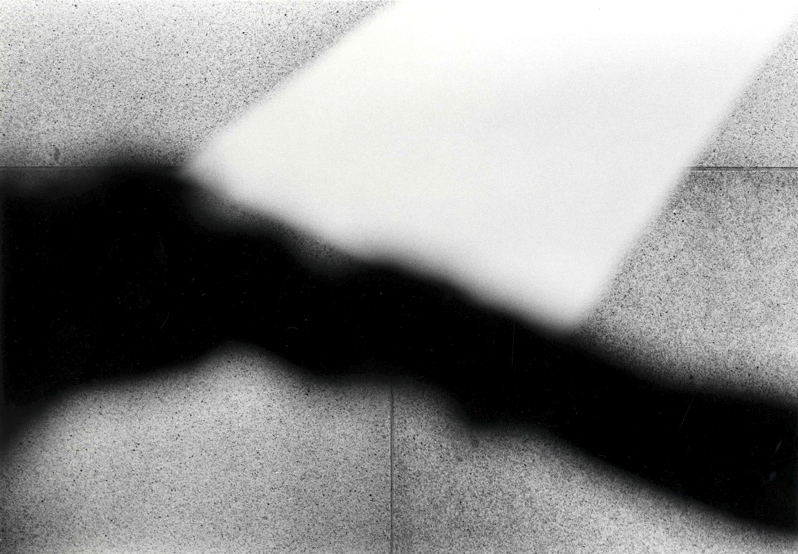
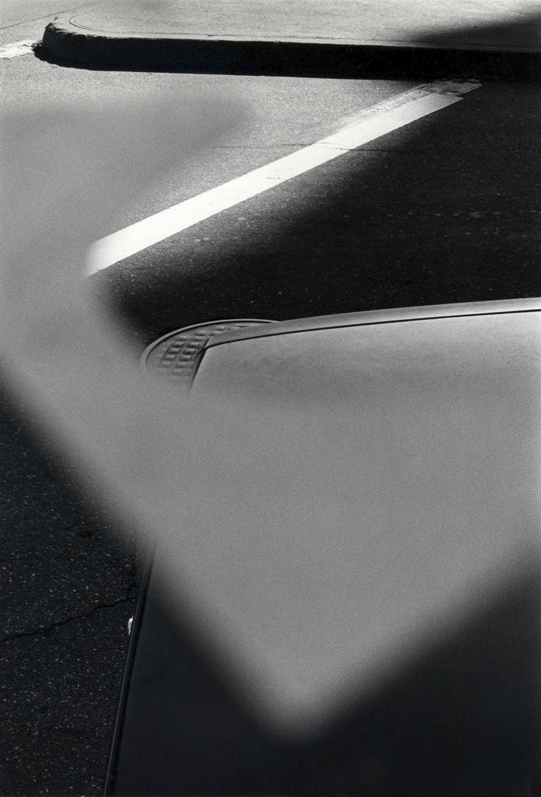
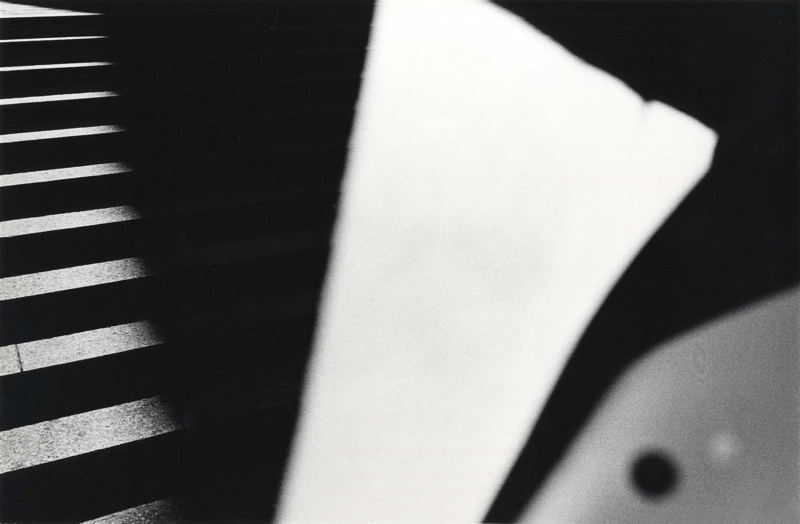
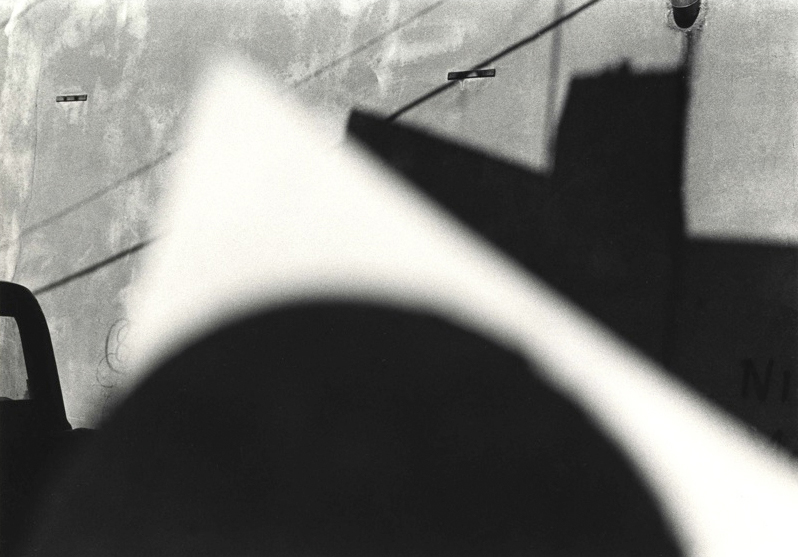

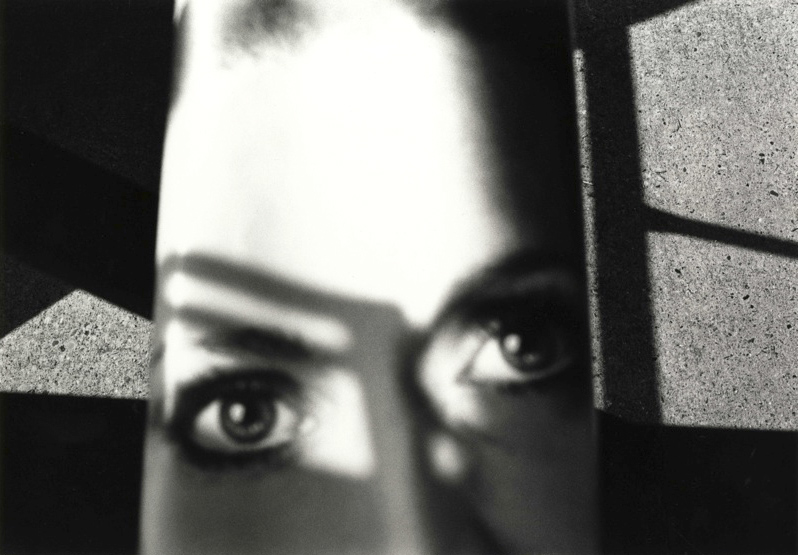

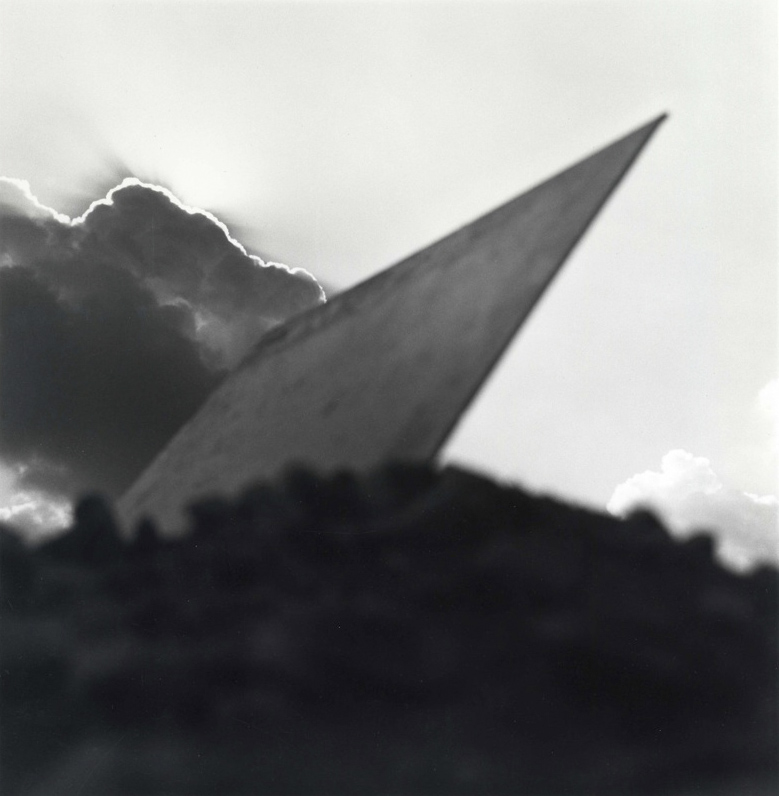

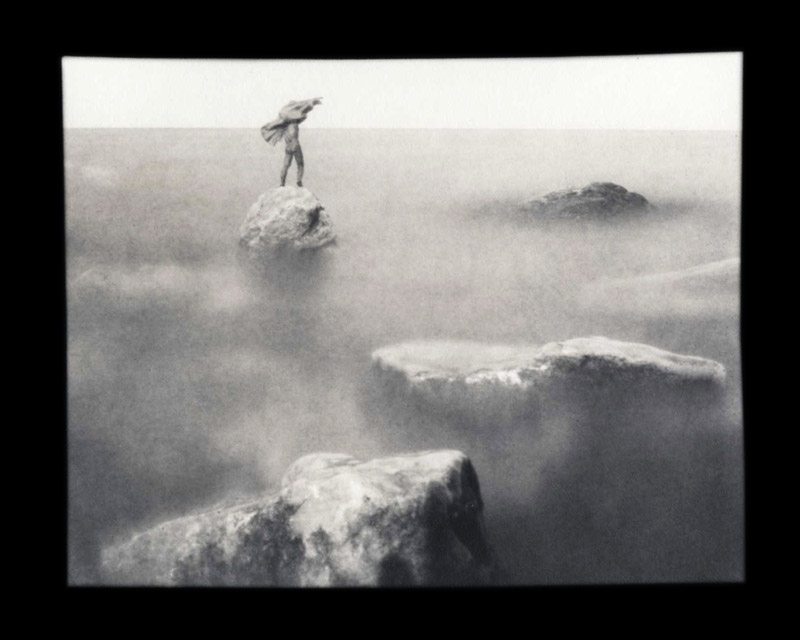
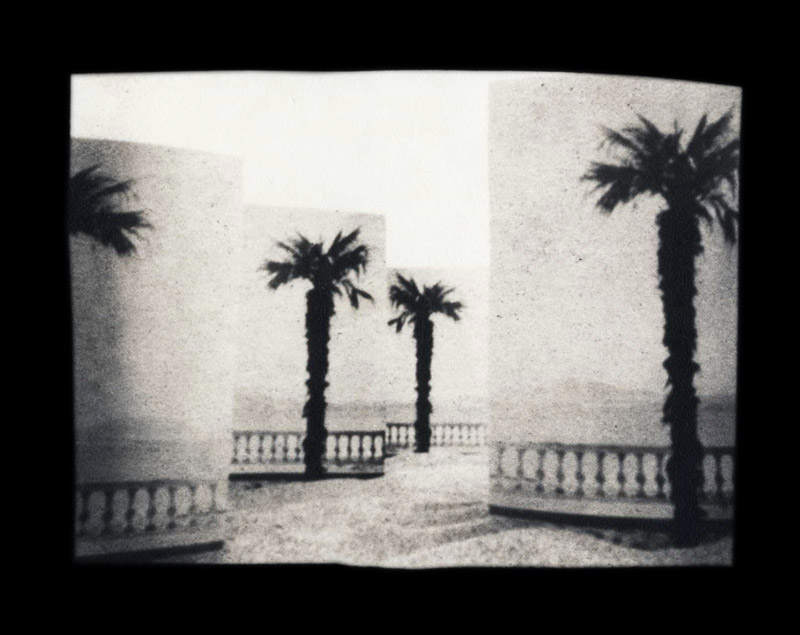
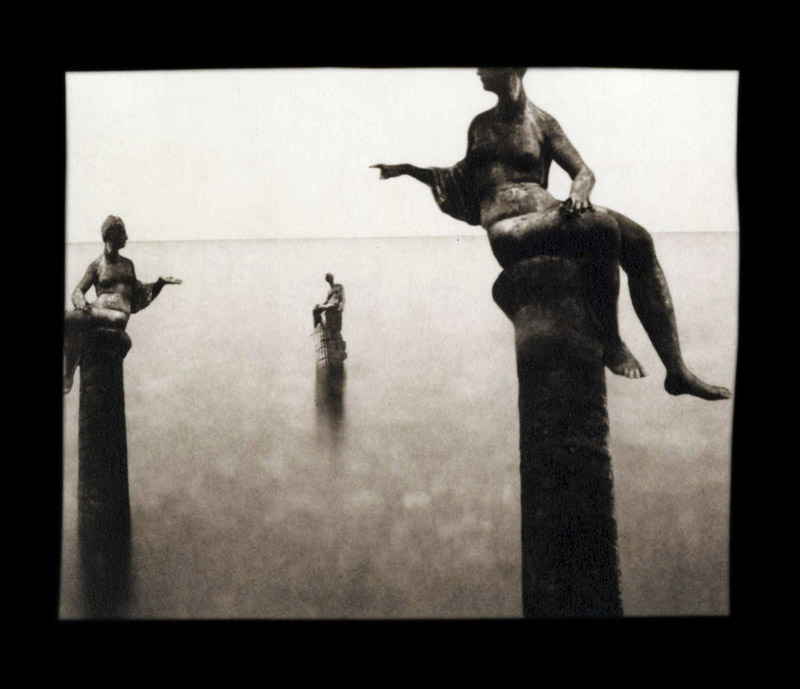


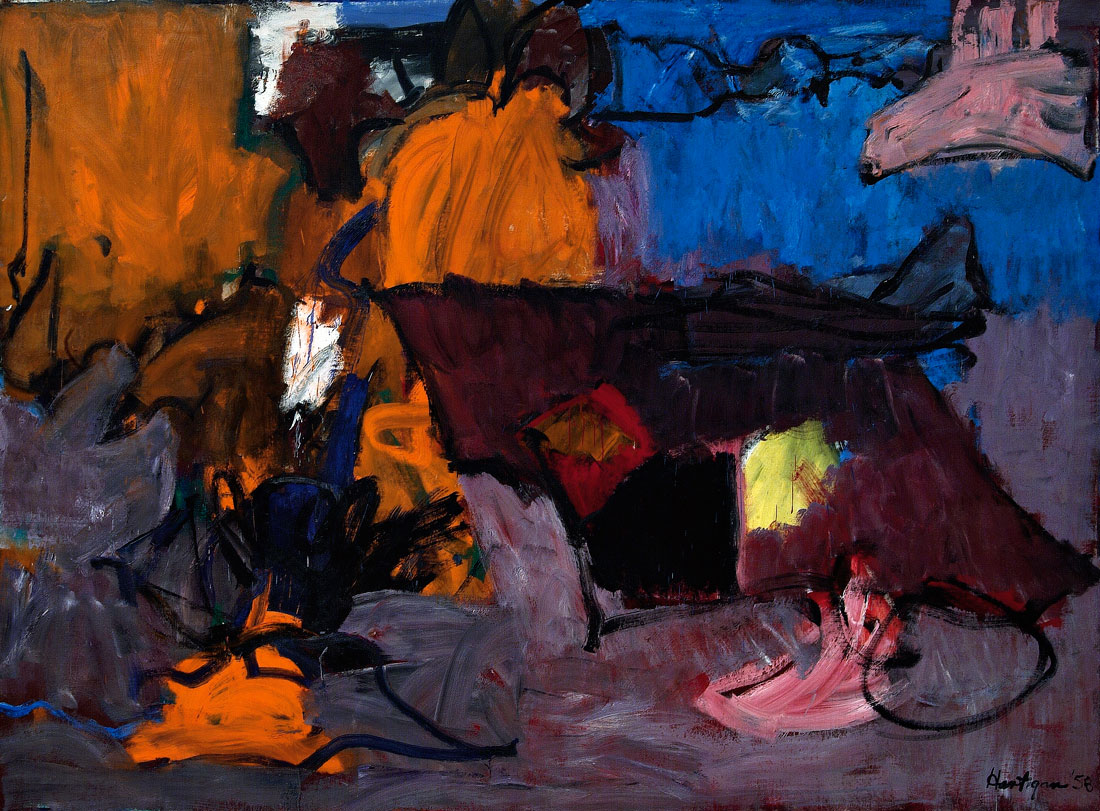
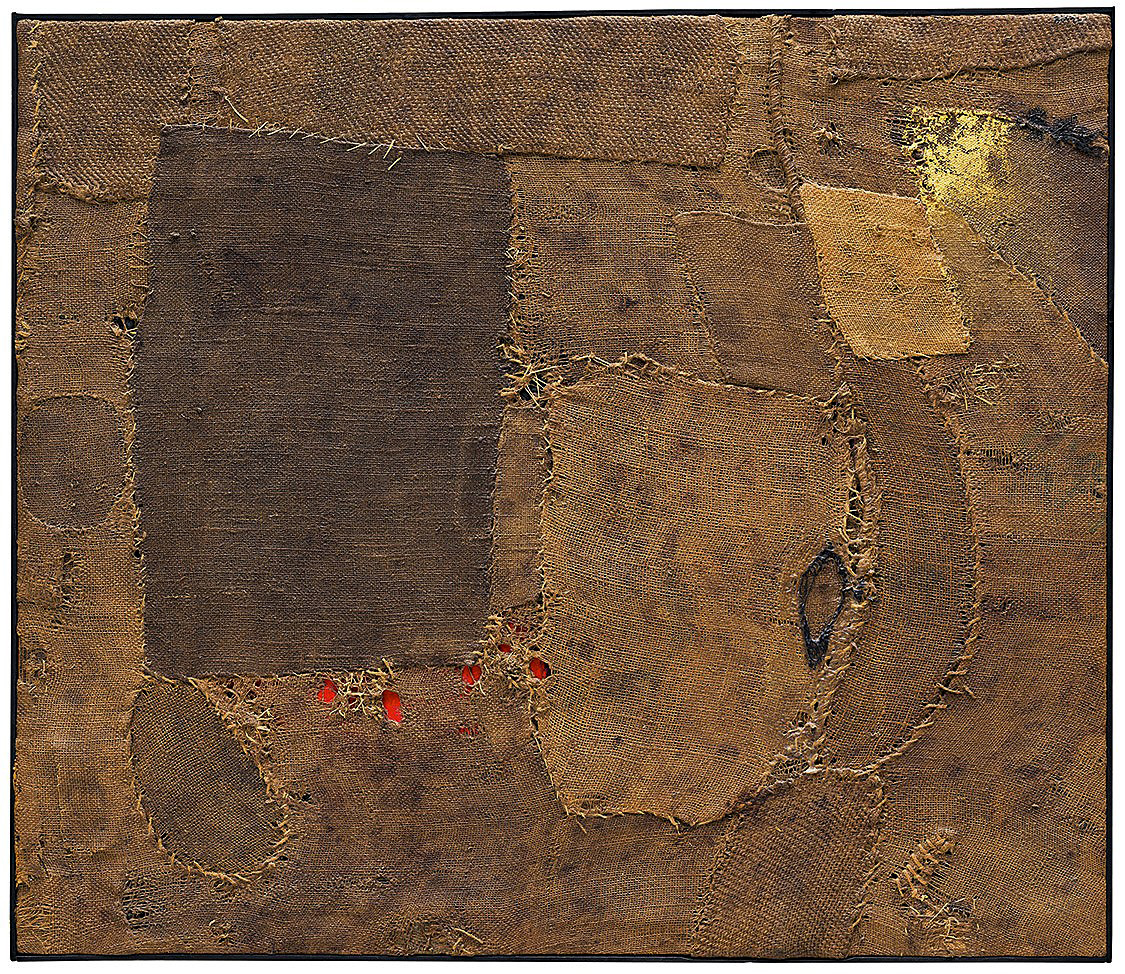


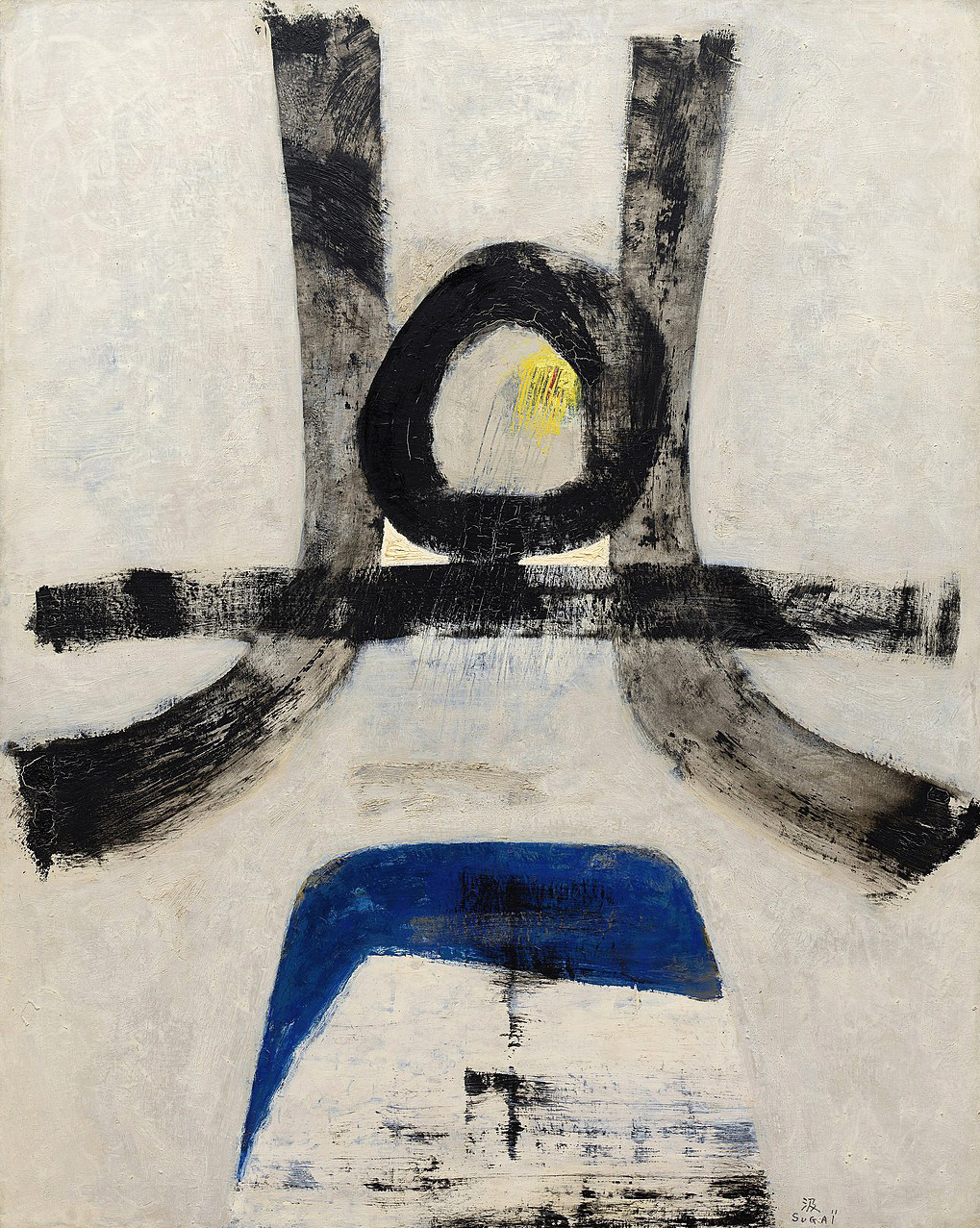

![Takeo Yamaguchi
(Japanese, 1902-1983)
'Work – Yellow (Unstable Square [Fuantei shikaku])' 1958](https://artblart.com/wp-content/uploads/2012/08/takeo-yamaguchi-web.jpg "Takeo Yamaguchi
(Japanese, 1902-1983)
'Work – Yellow (Unstable Square [Fuantei shikaku])' 1958")


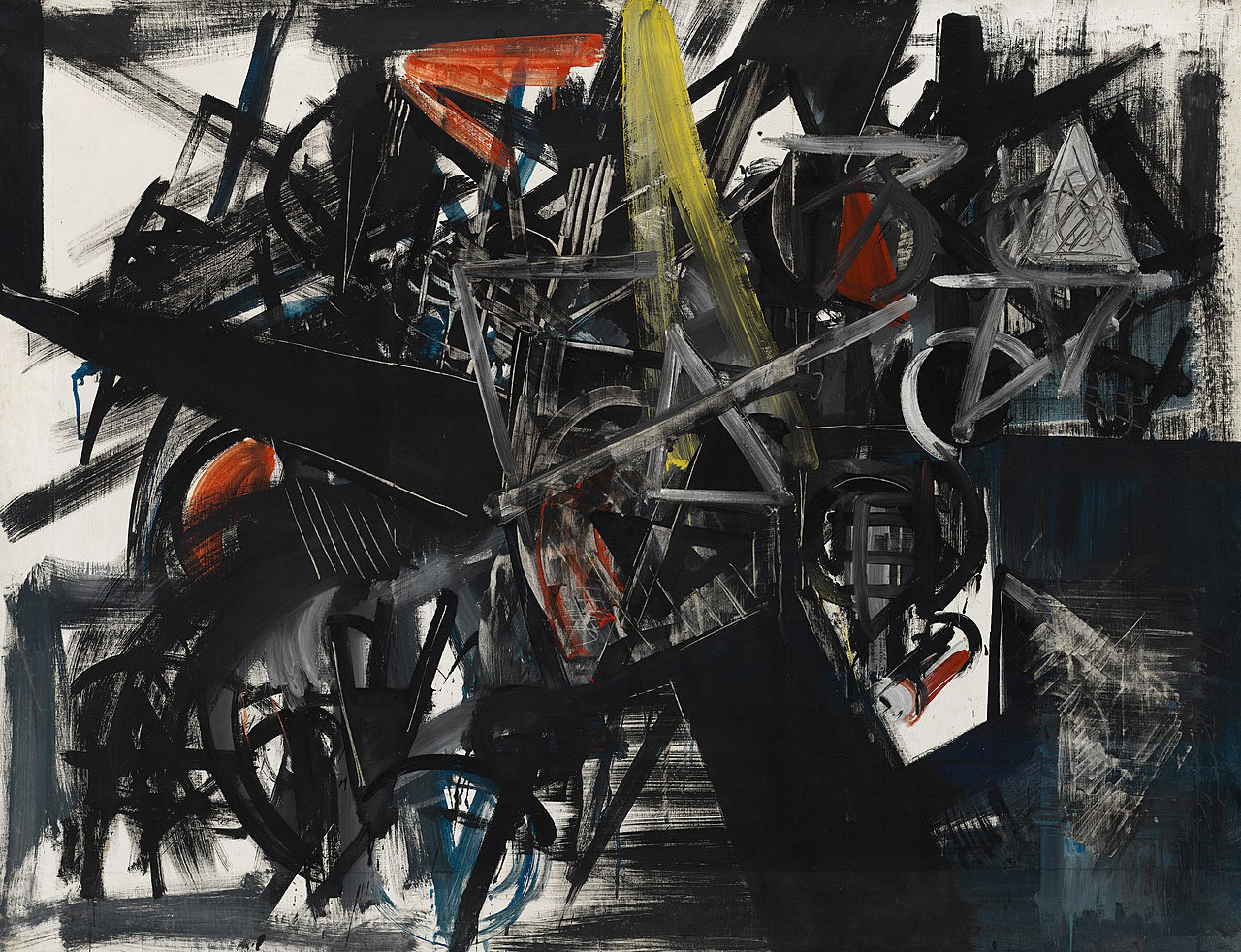
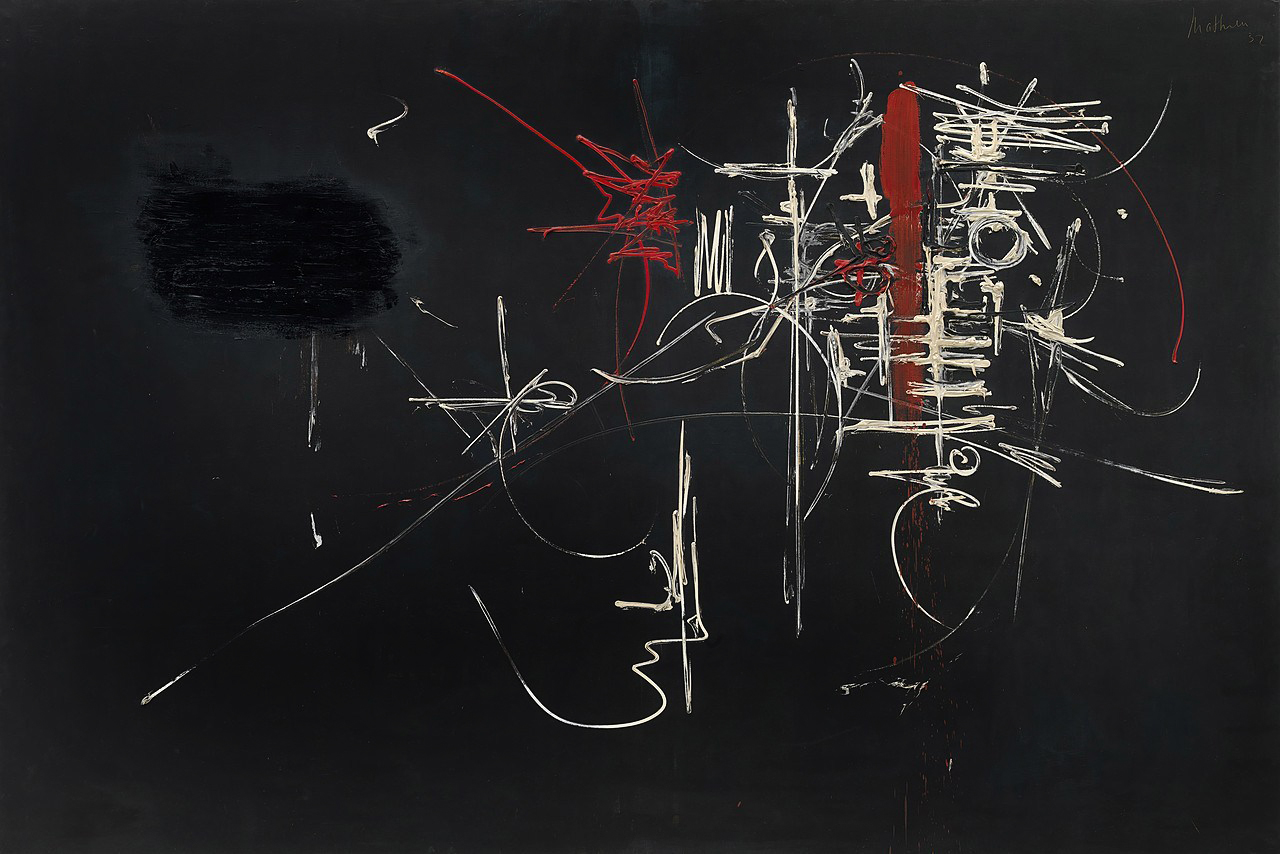
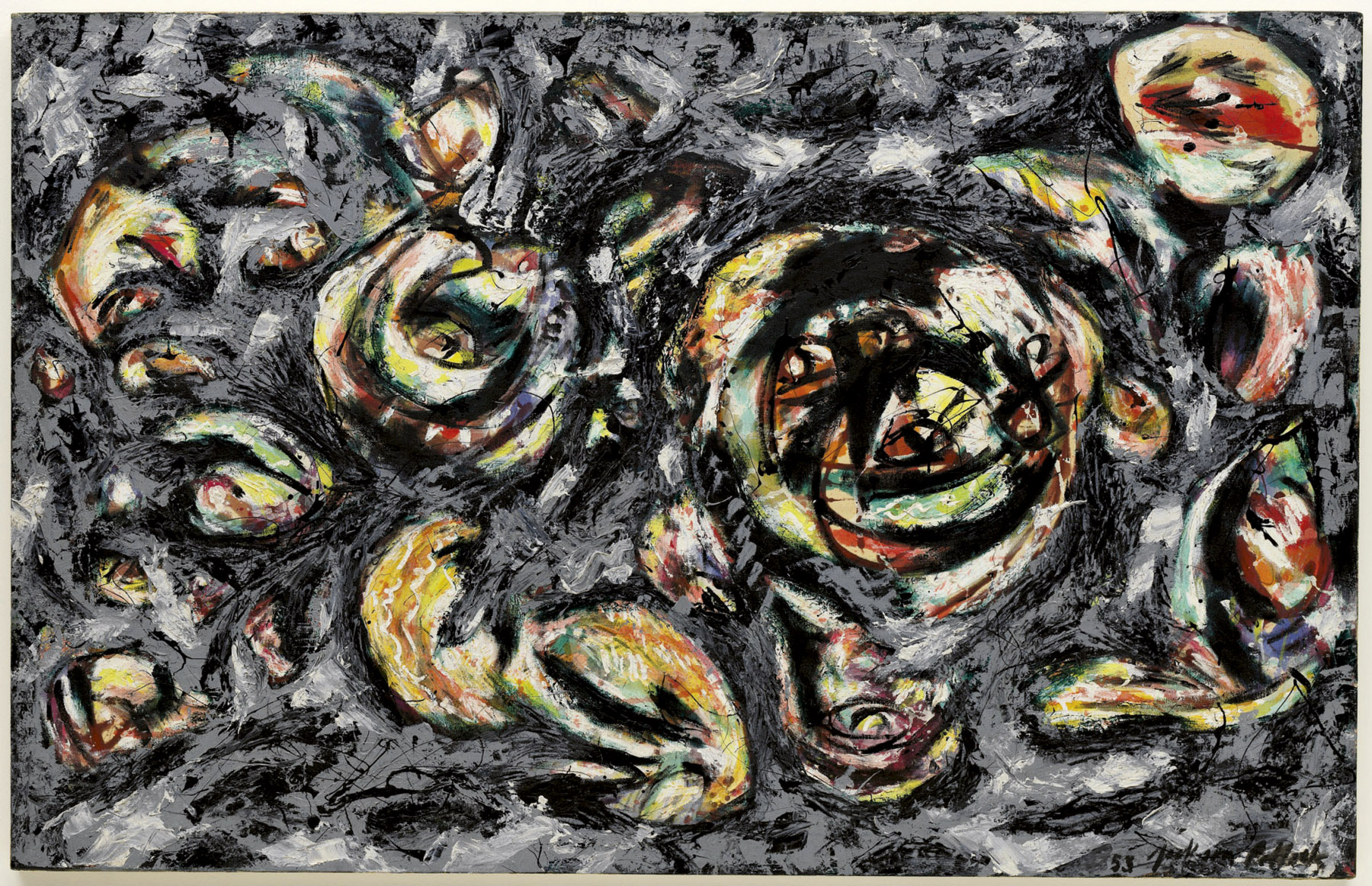
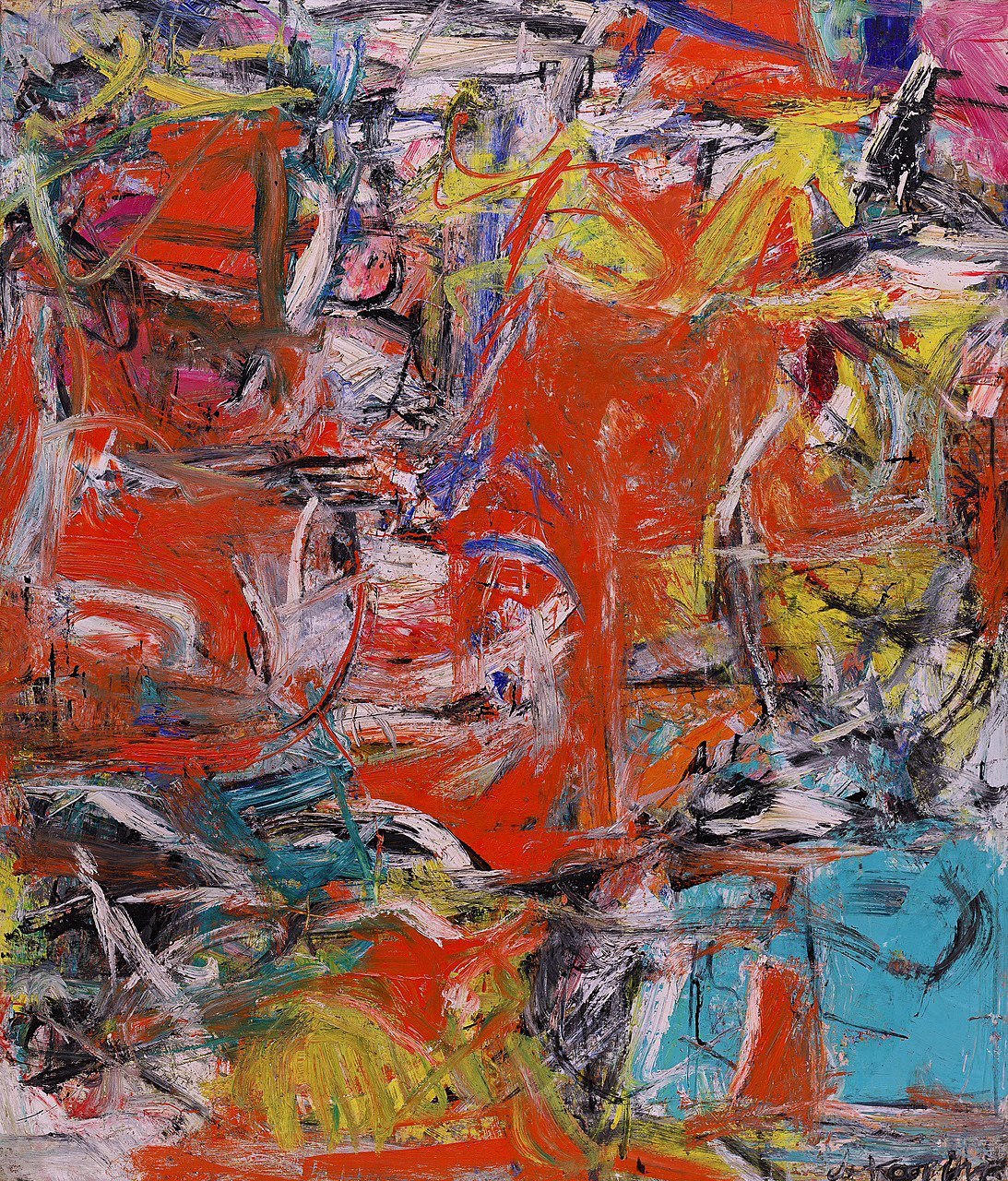

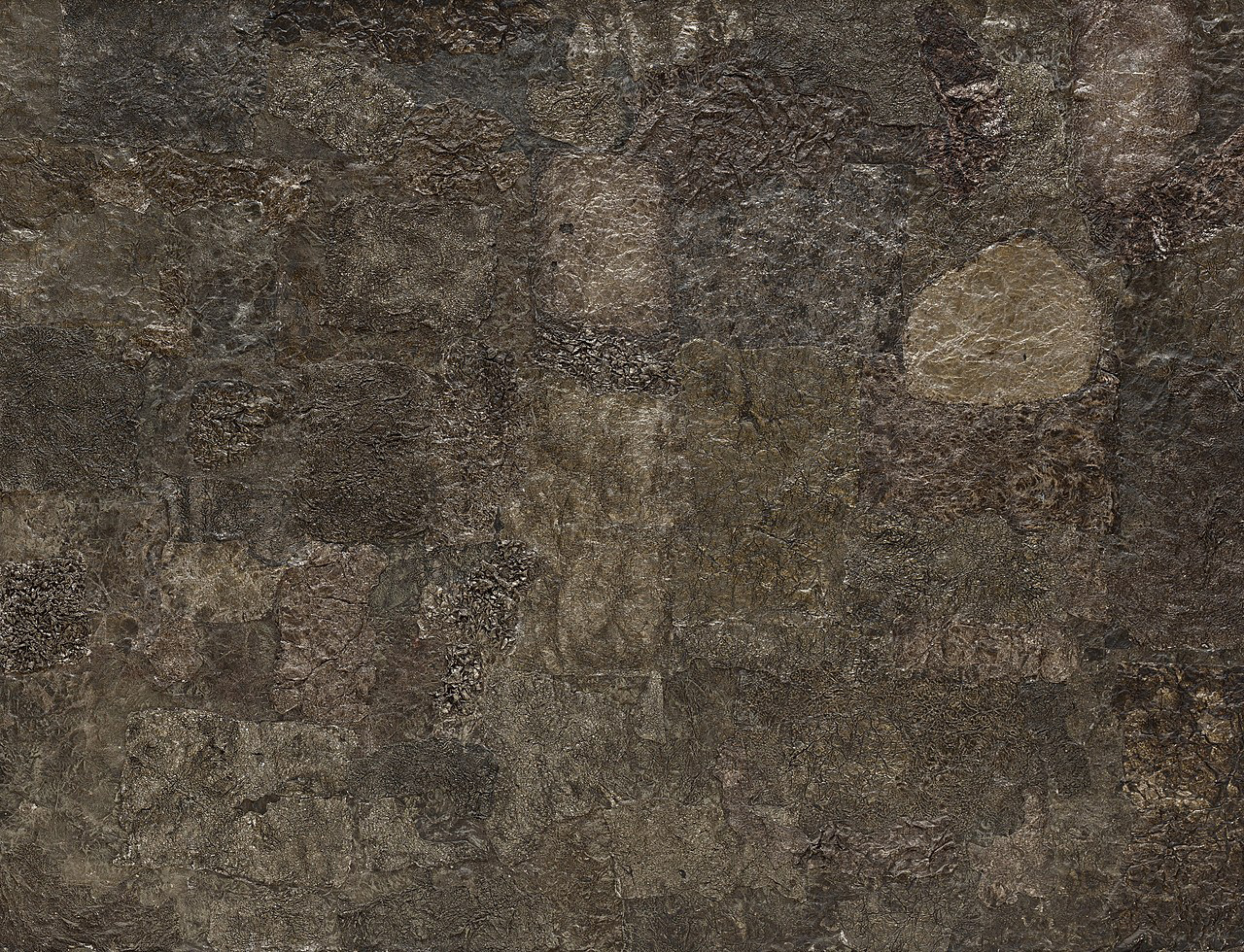

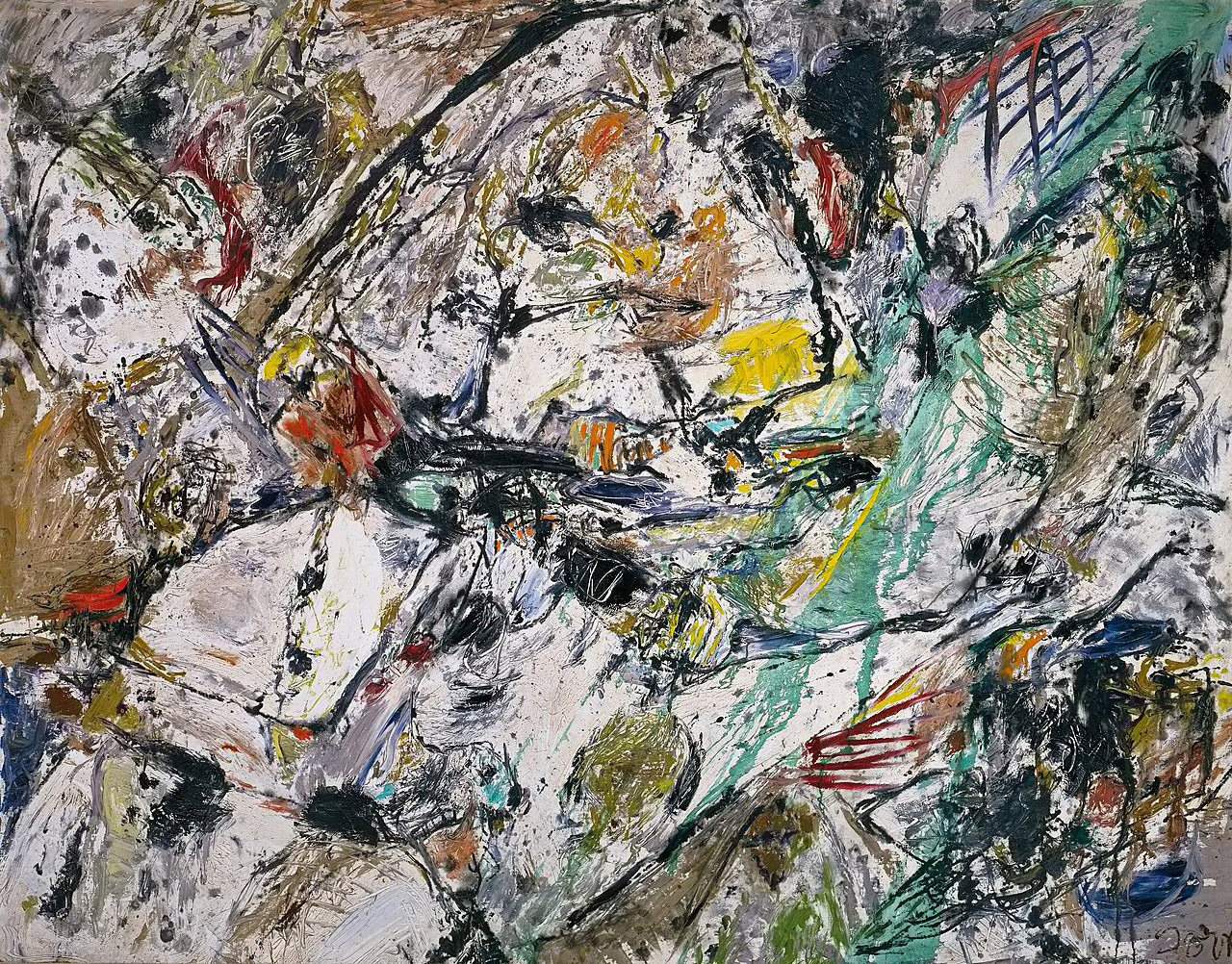
![Yves Klein (French, 1928-1962) 'Large Blue Anthropometry (ANT 105) [La Grande Anthropométrie Bleue (ANT 105)]' c. 1960](https://artblart.com/wp-content/uploads/2012/09/klein-large-blue.jpg "Yves Klein (French, 1928-1962) 'Large Blue Anthropometry (ANT 105) [La Grande Anthropométrie Bleue (ANT 105)]' c. 1960")
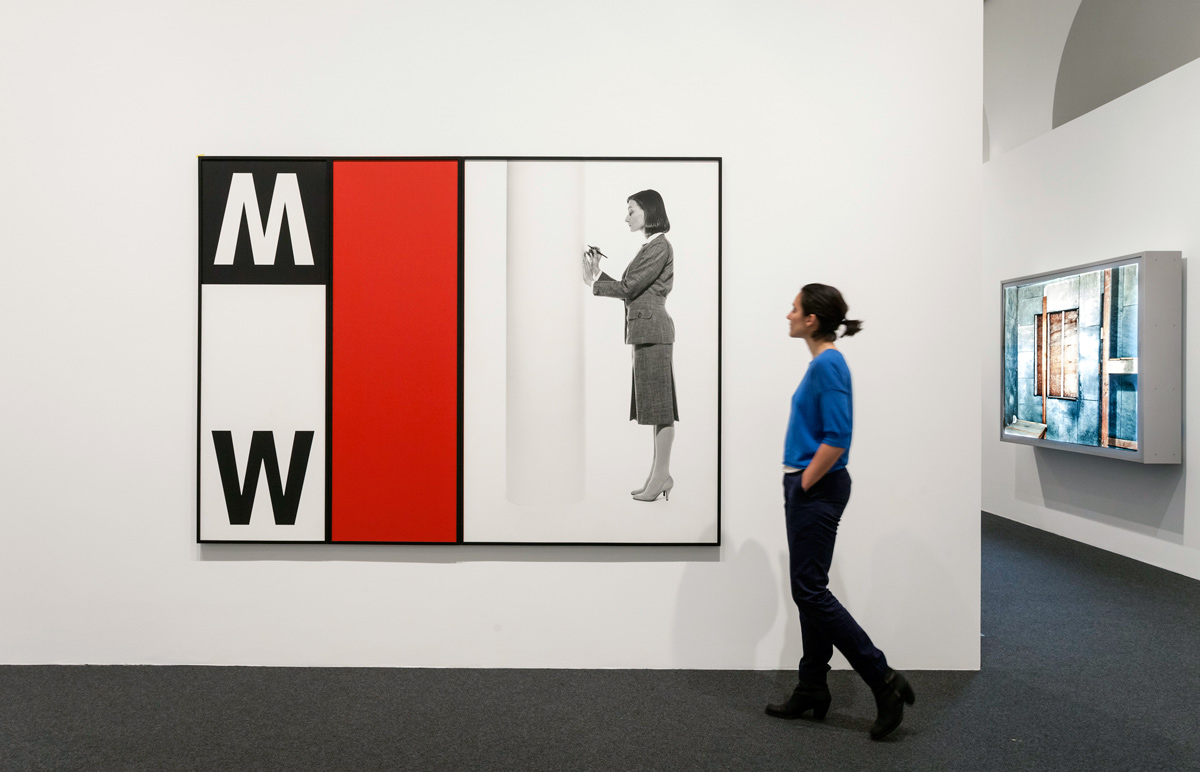

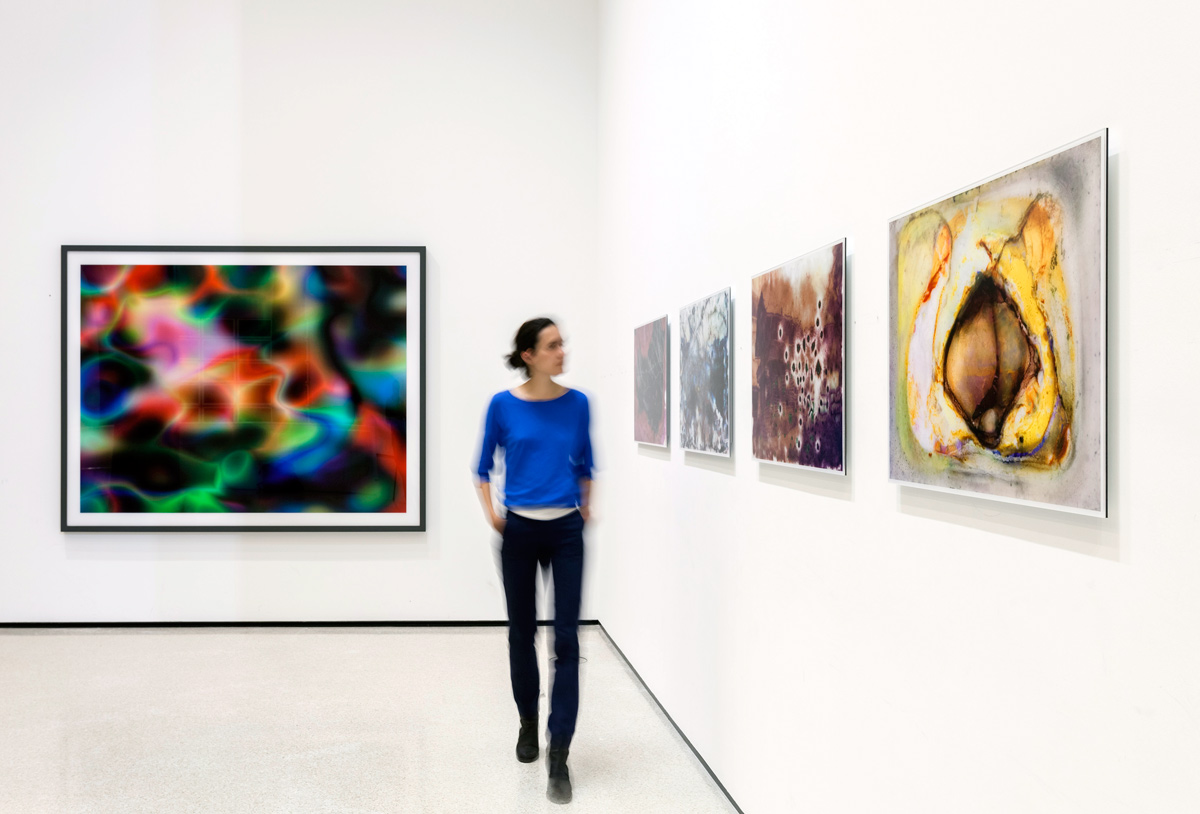

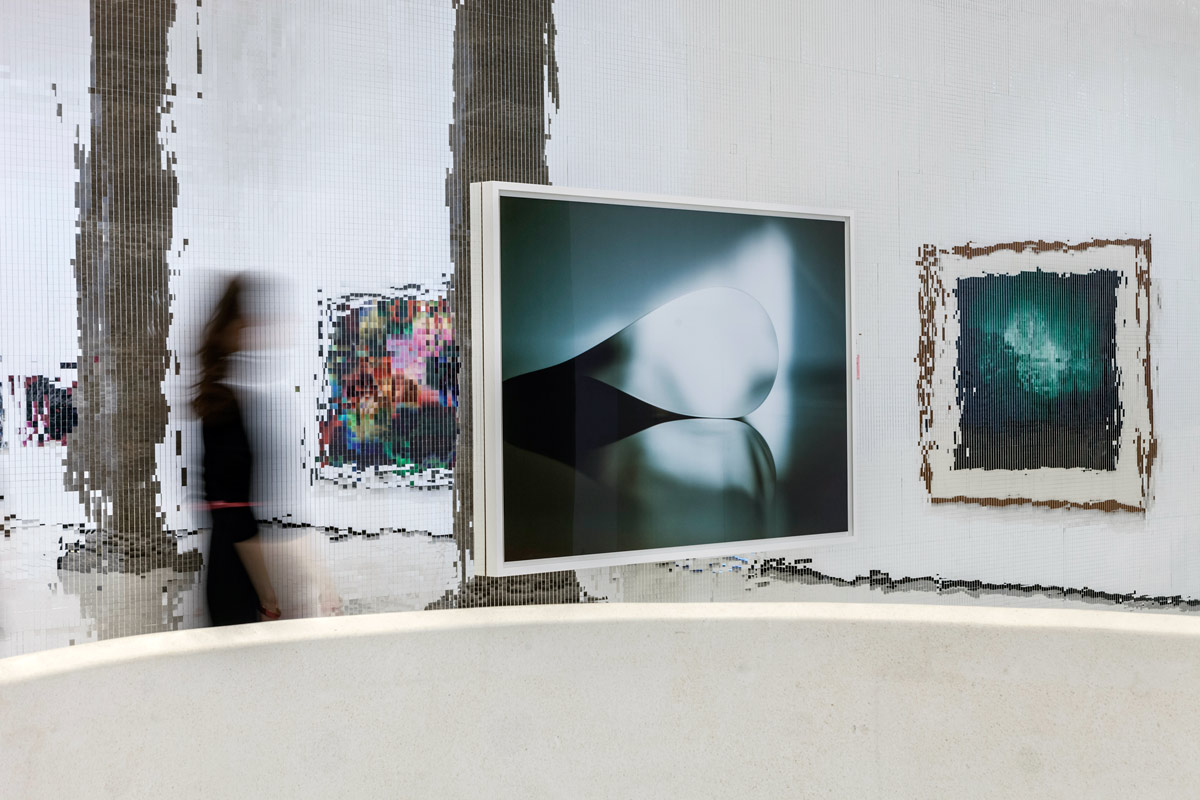

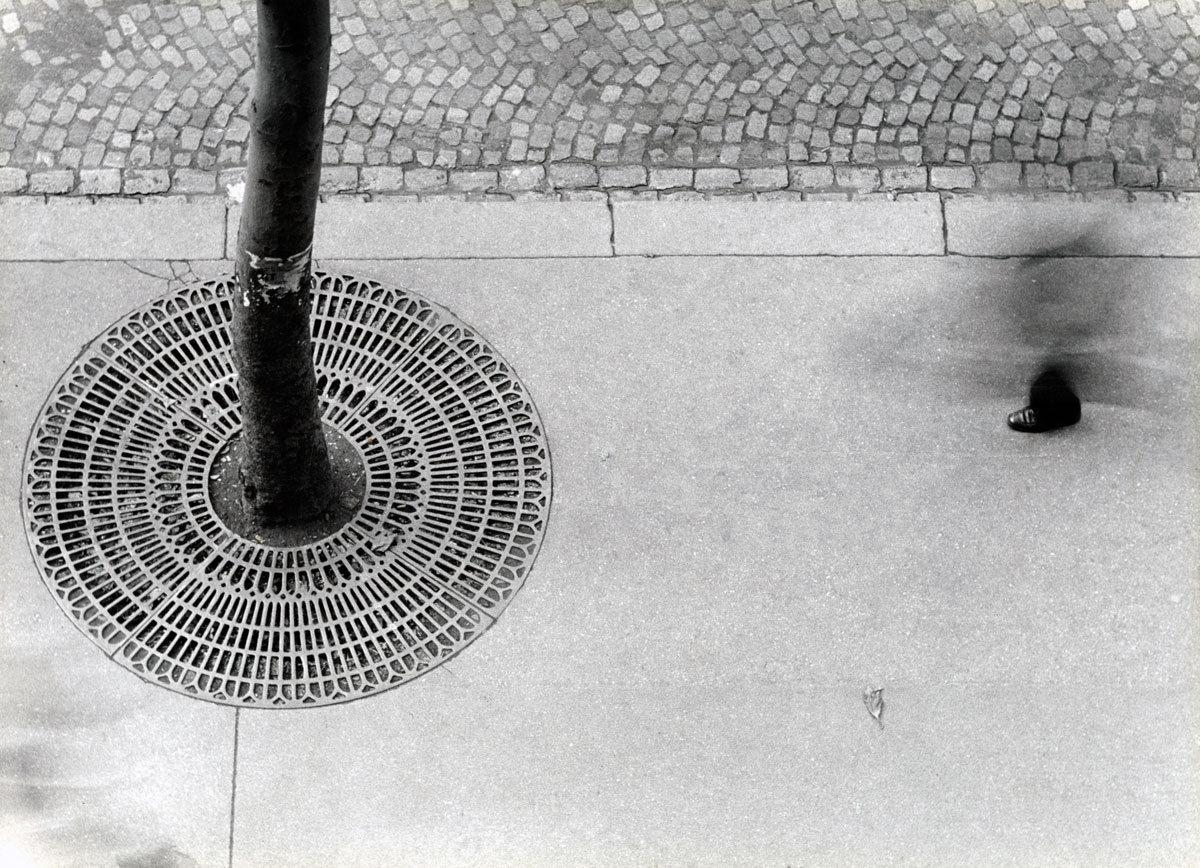
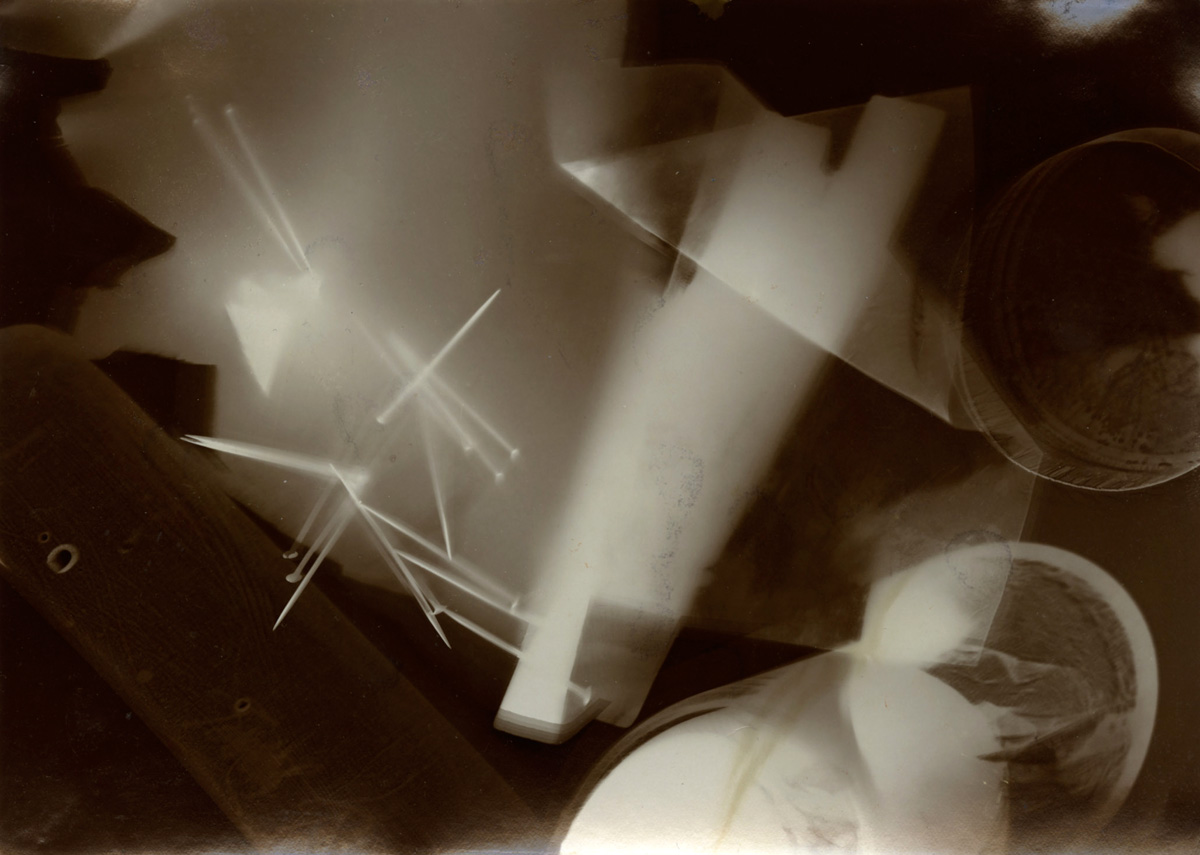


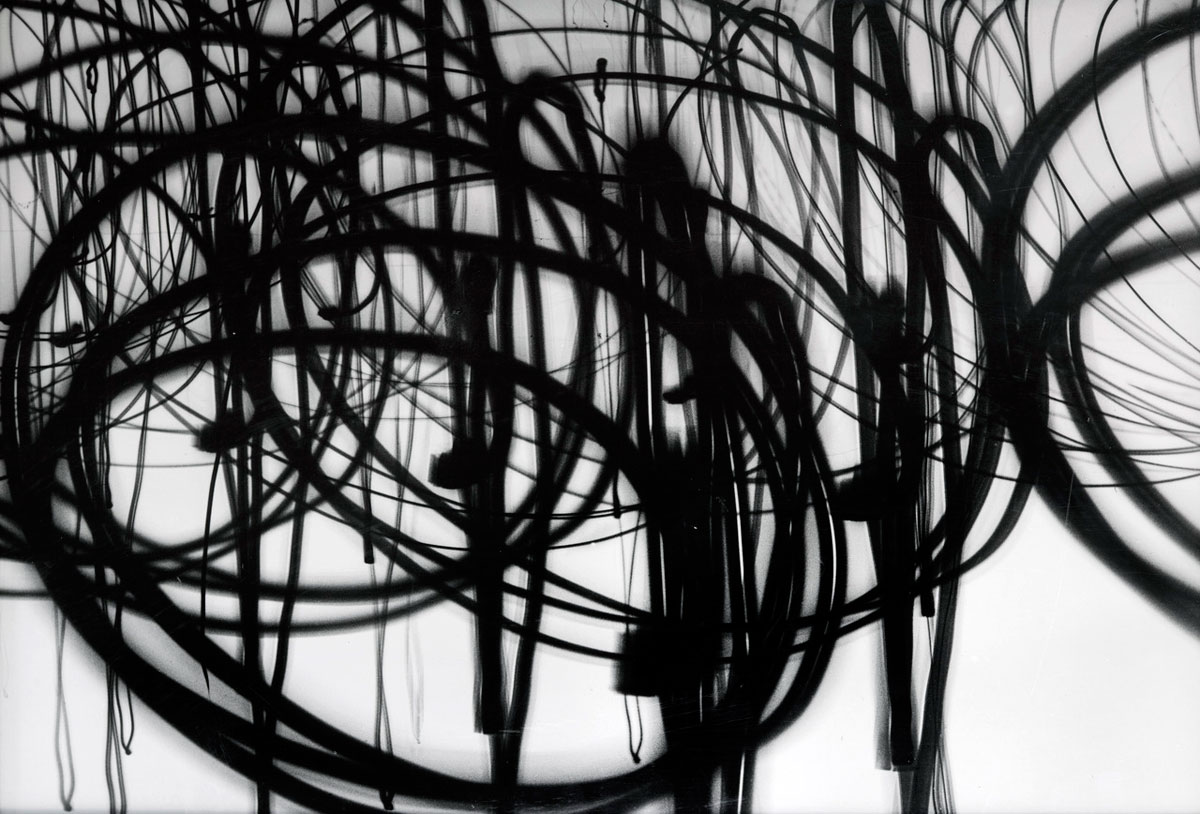

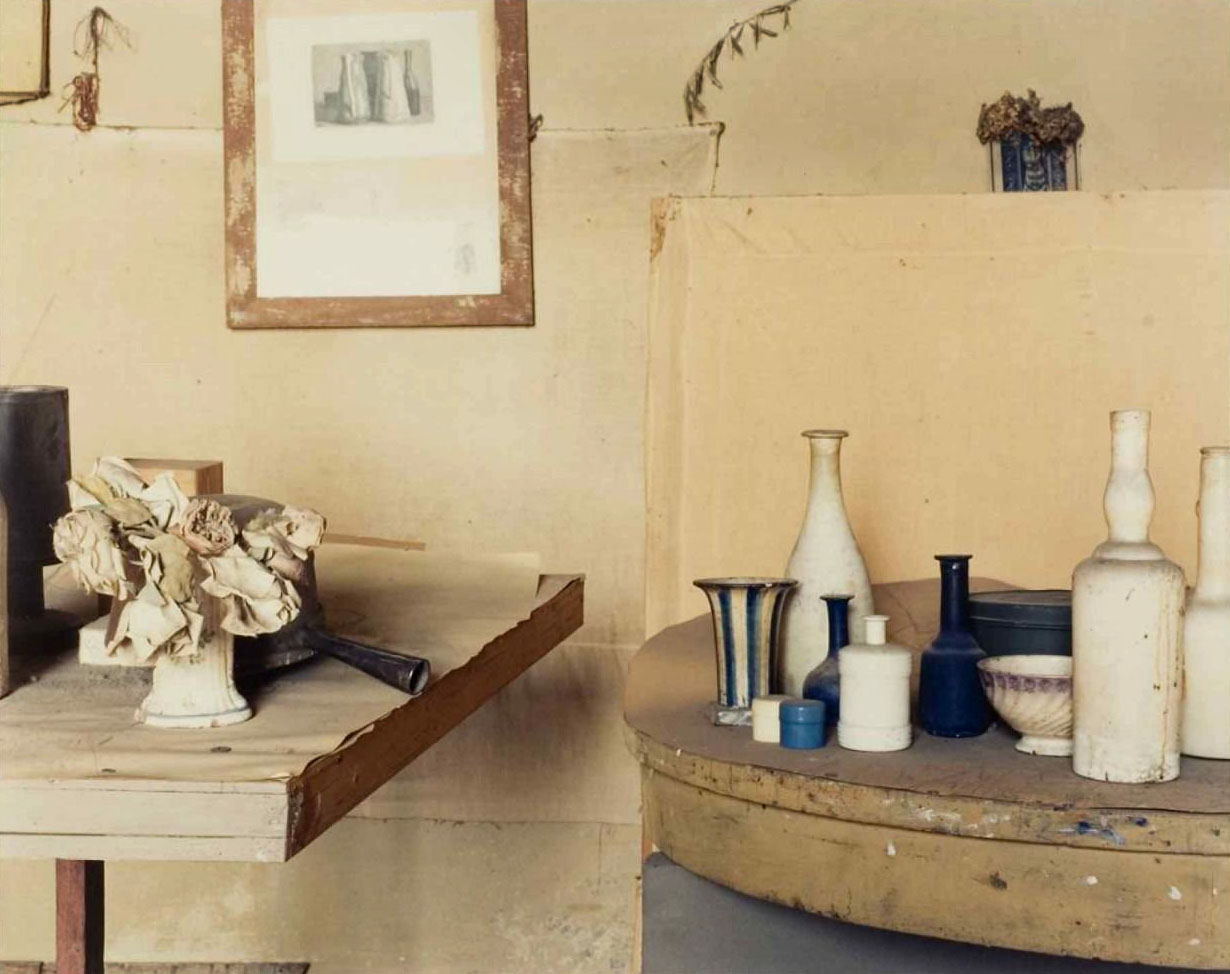


![Oliver Boberg (German, b. 1965) 'Unterführung' [Underpass] 1997](https://artblart.com/wp-content/uploads/2012/07/r_p_oliver-boberg-unterfuehrungdruckbar-web.jpg "Oliver Boberg (German, b. 1965) 'Unterführung' [Underpass] 1997")
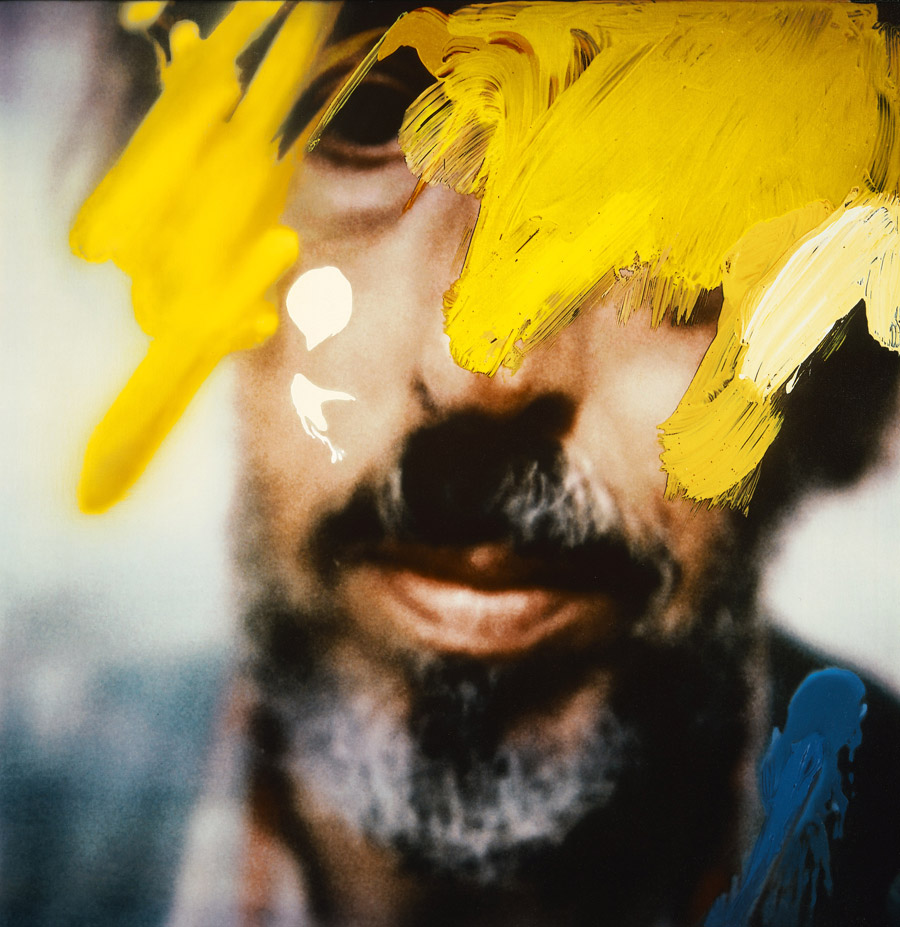


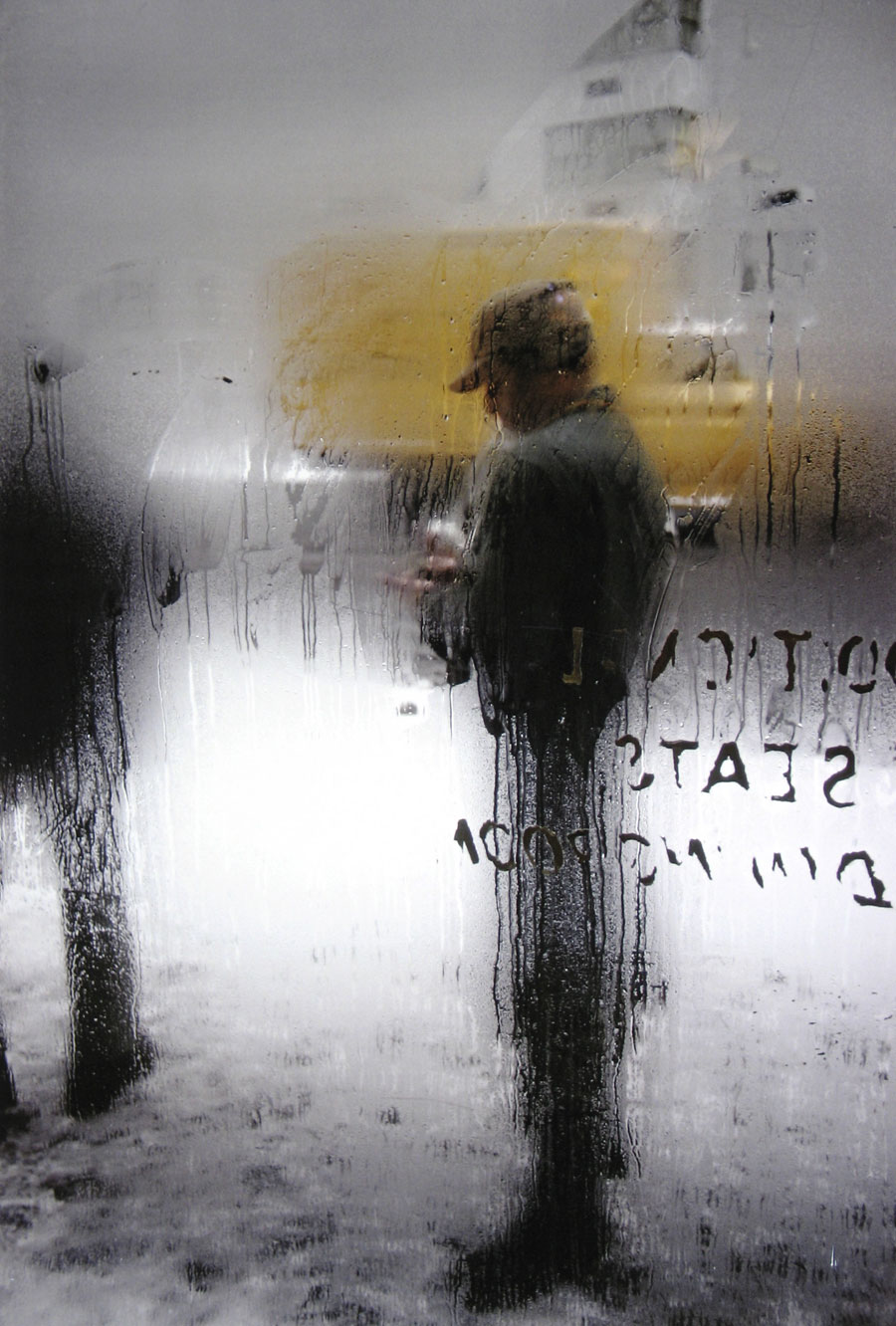

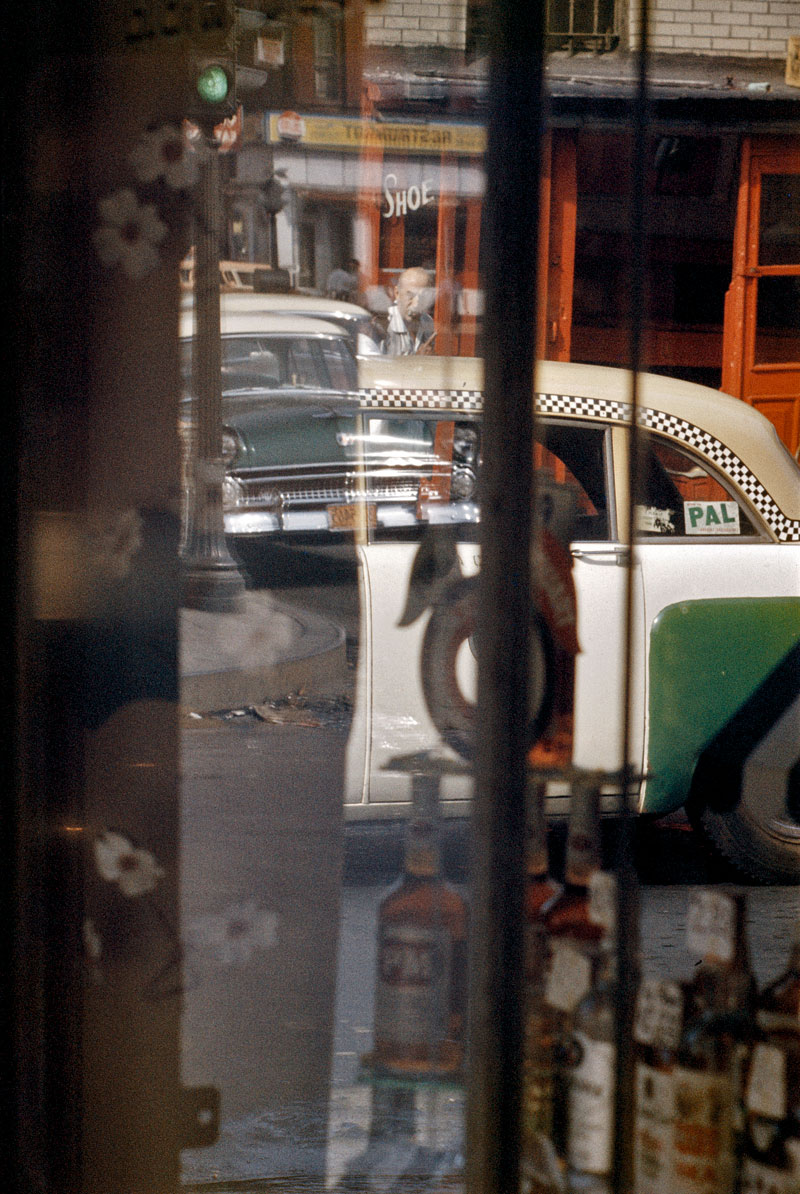


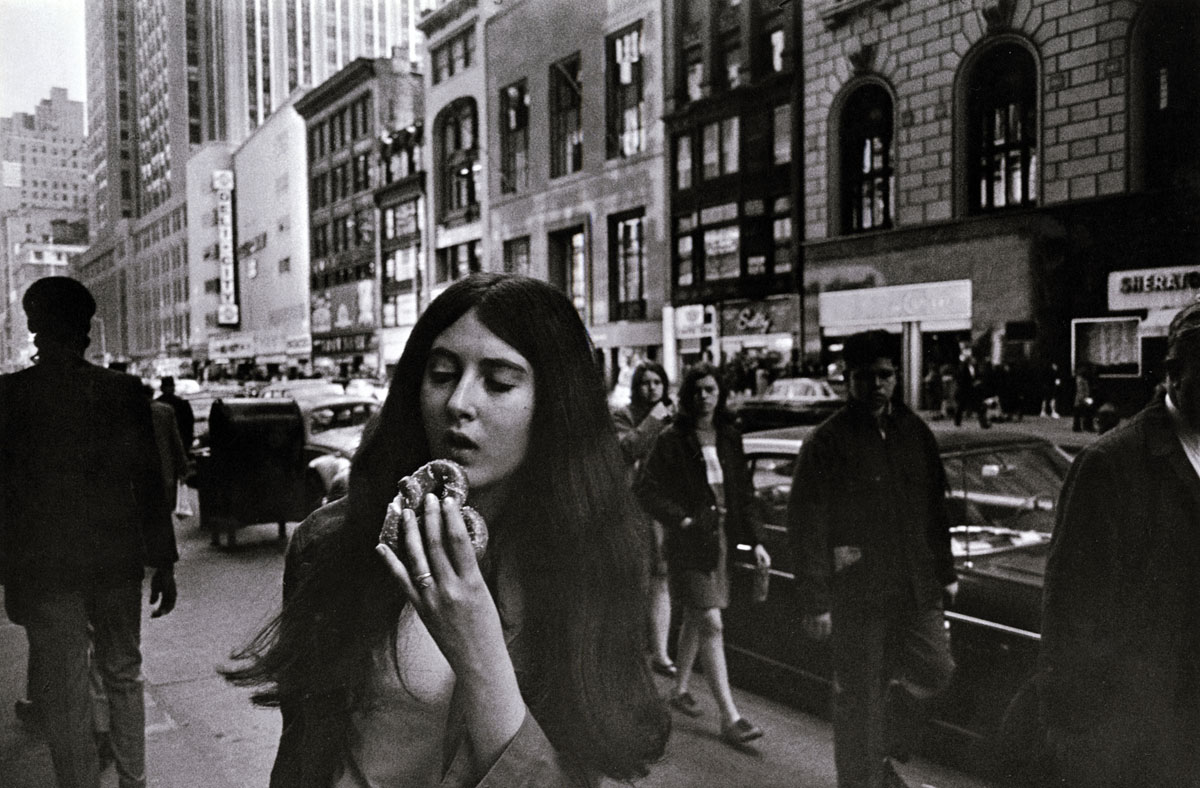


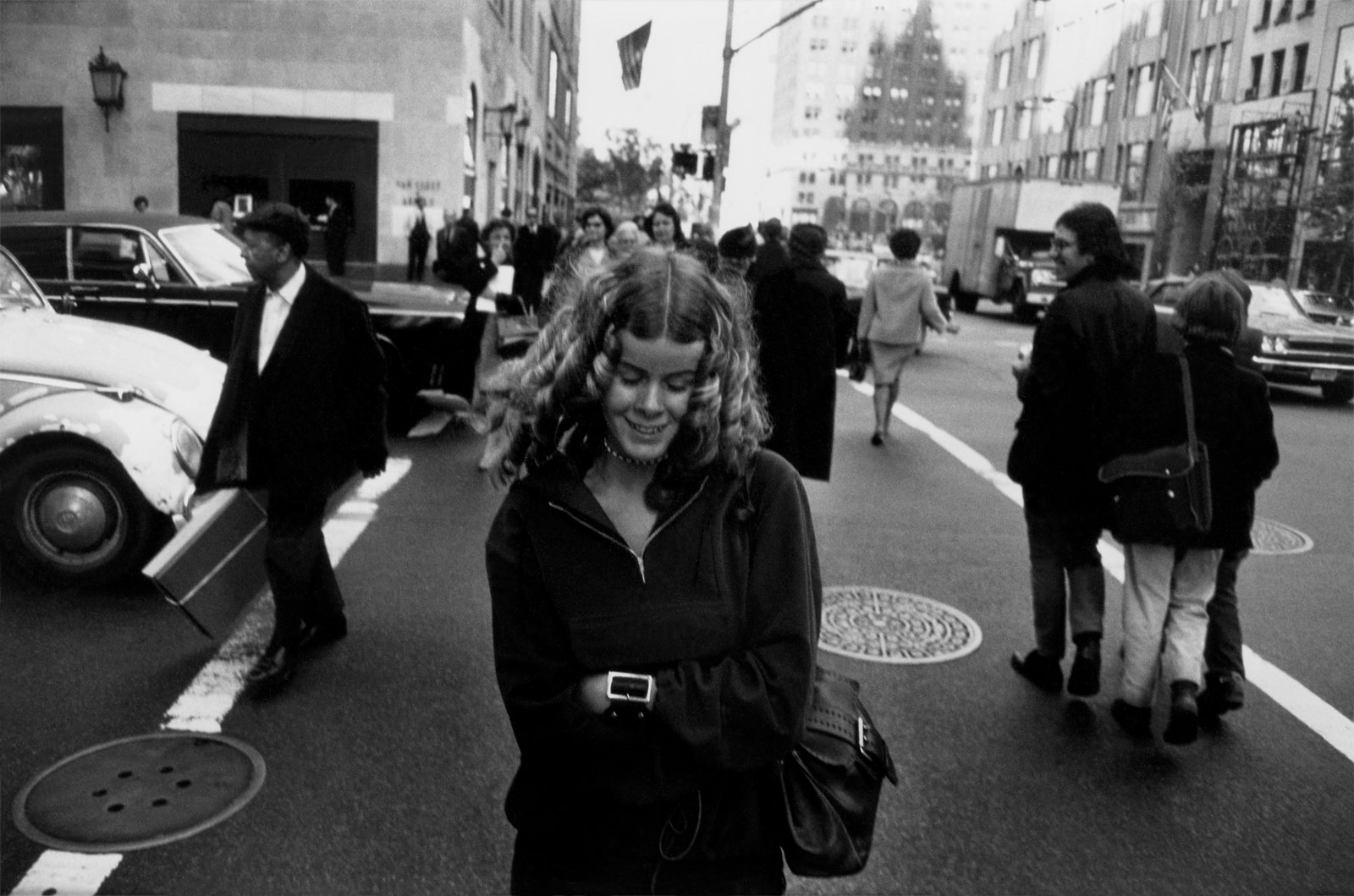
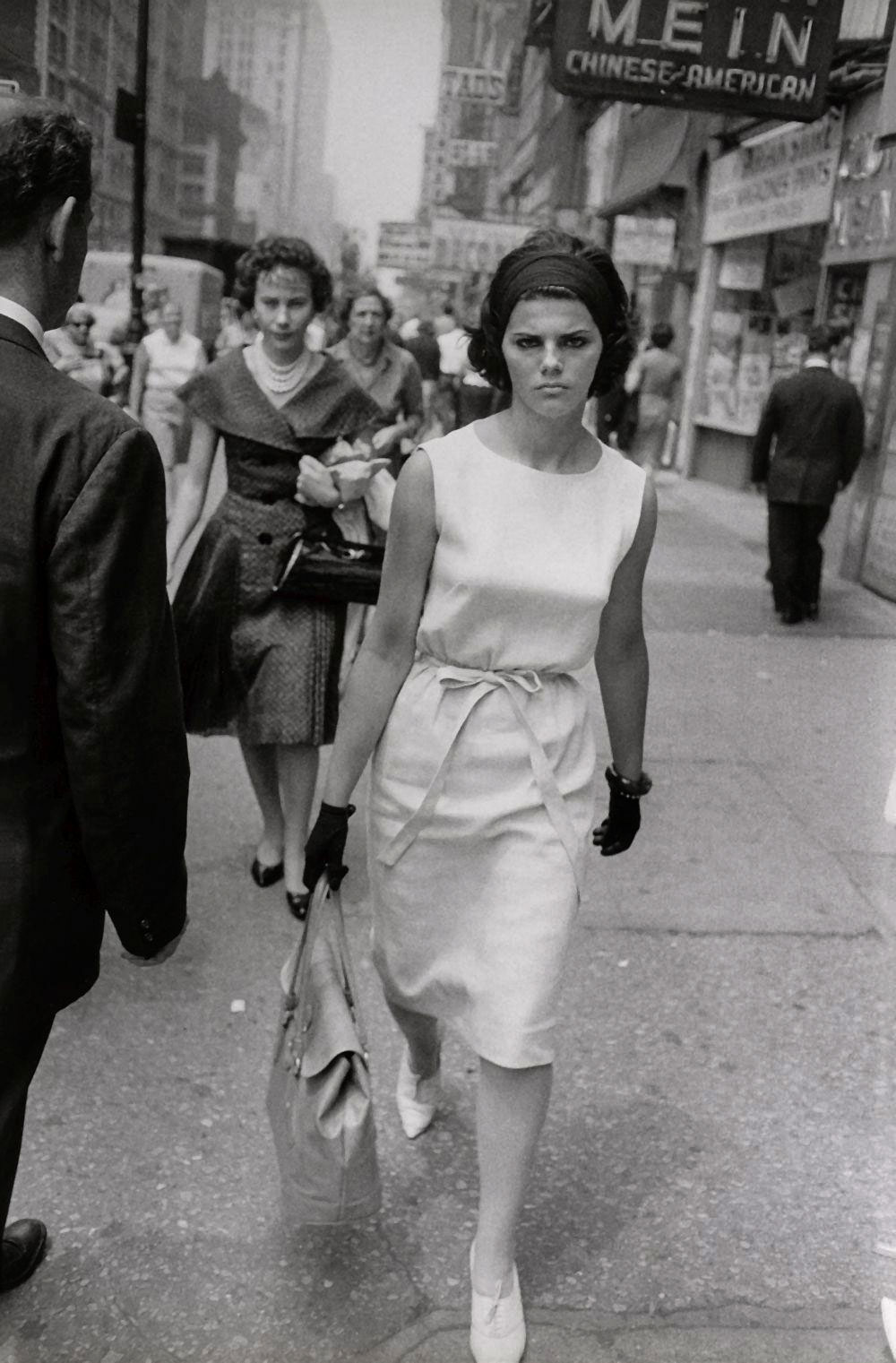

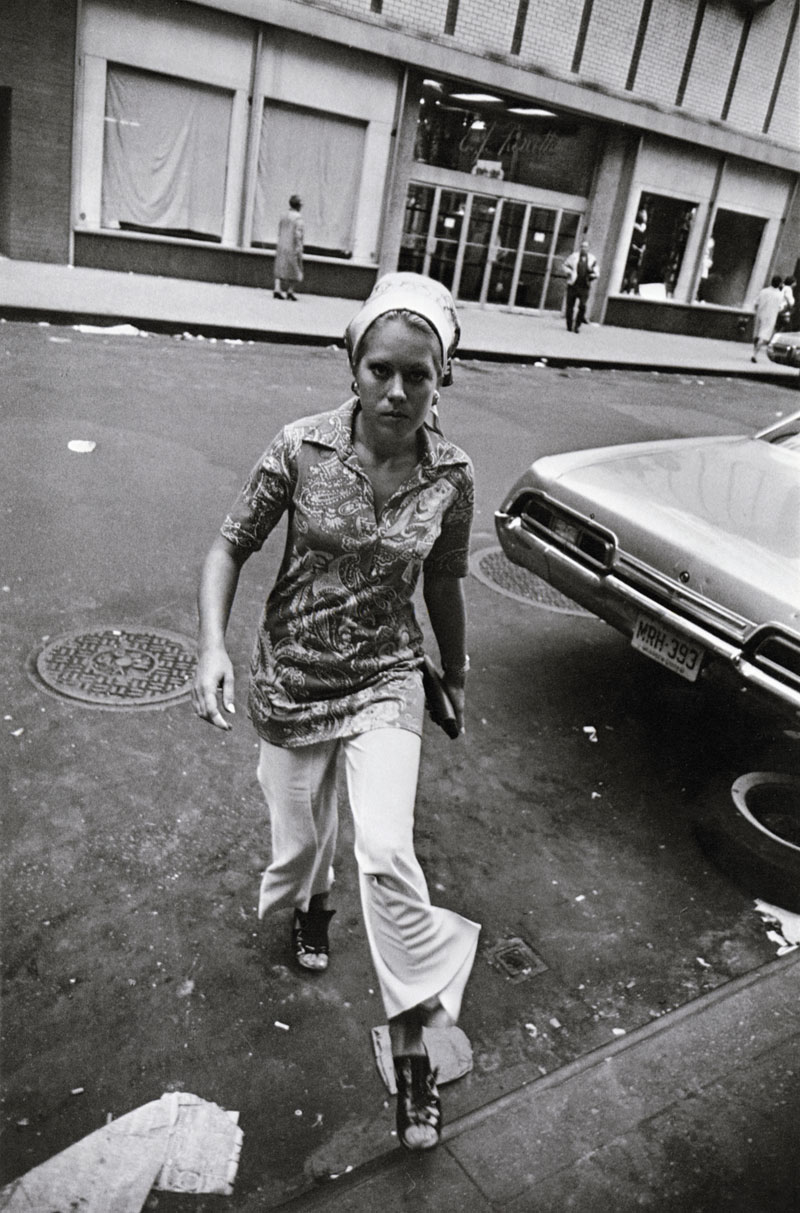

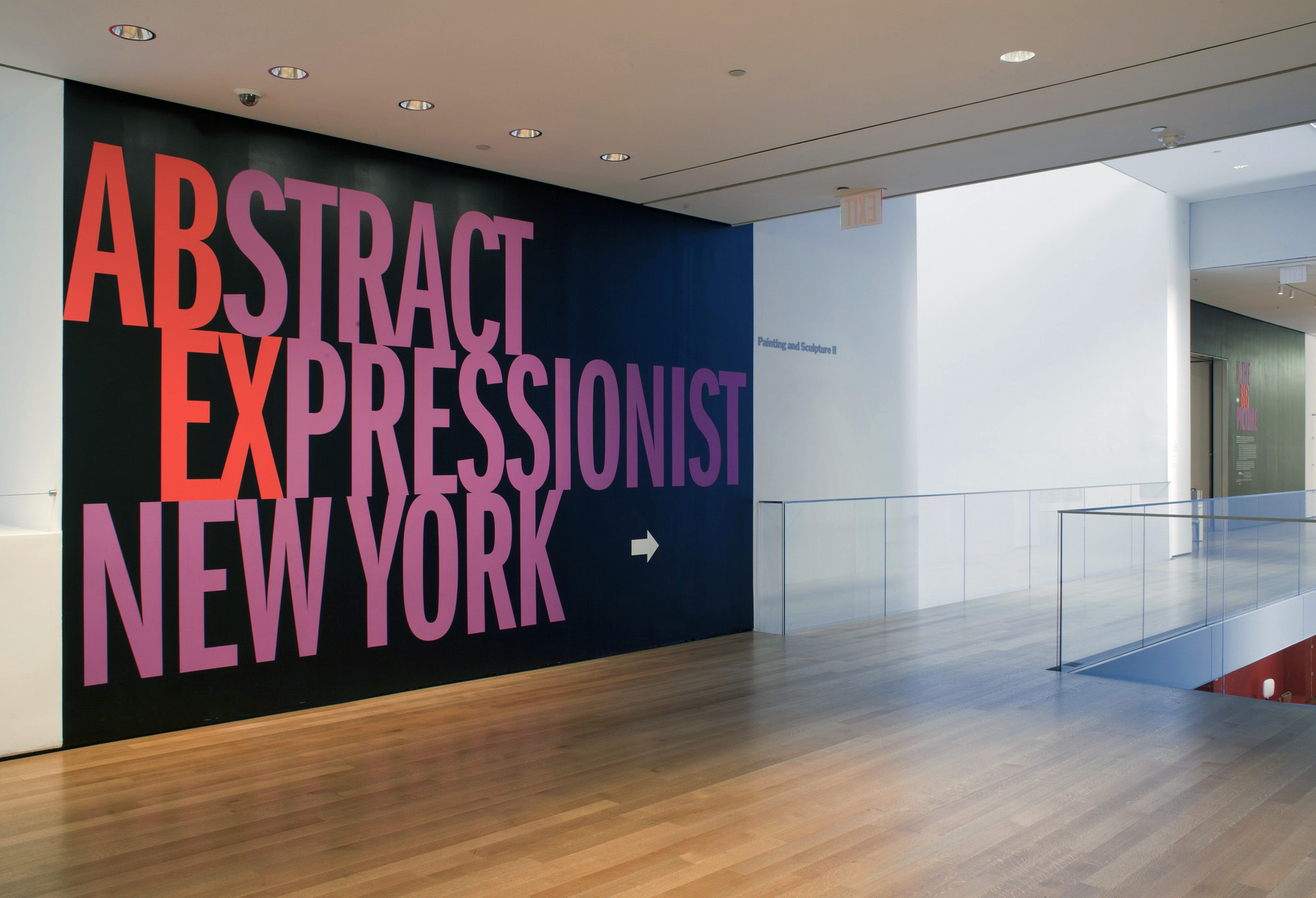

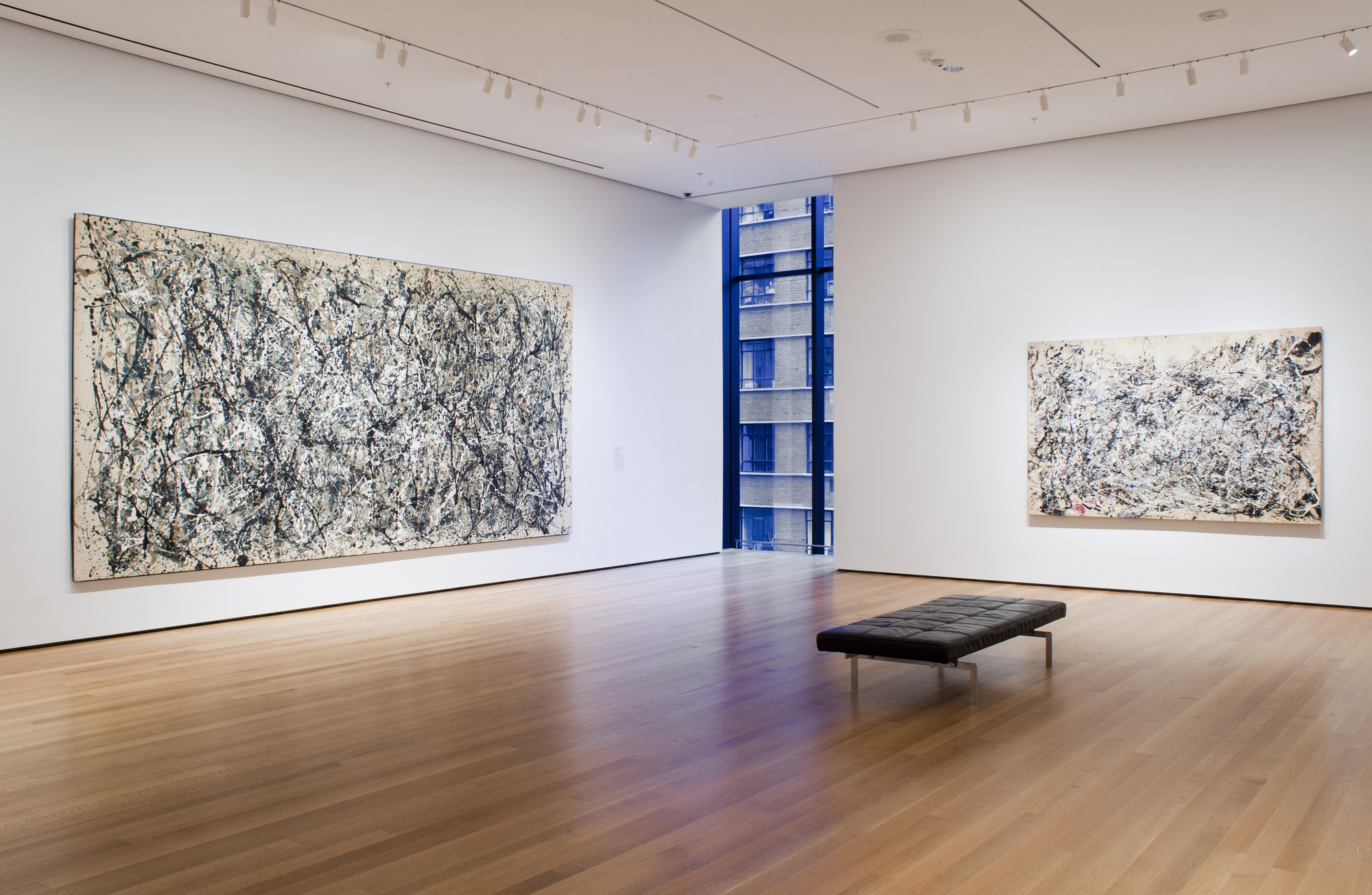
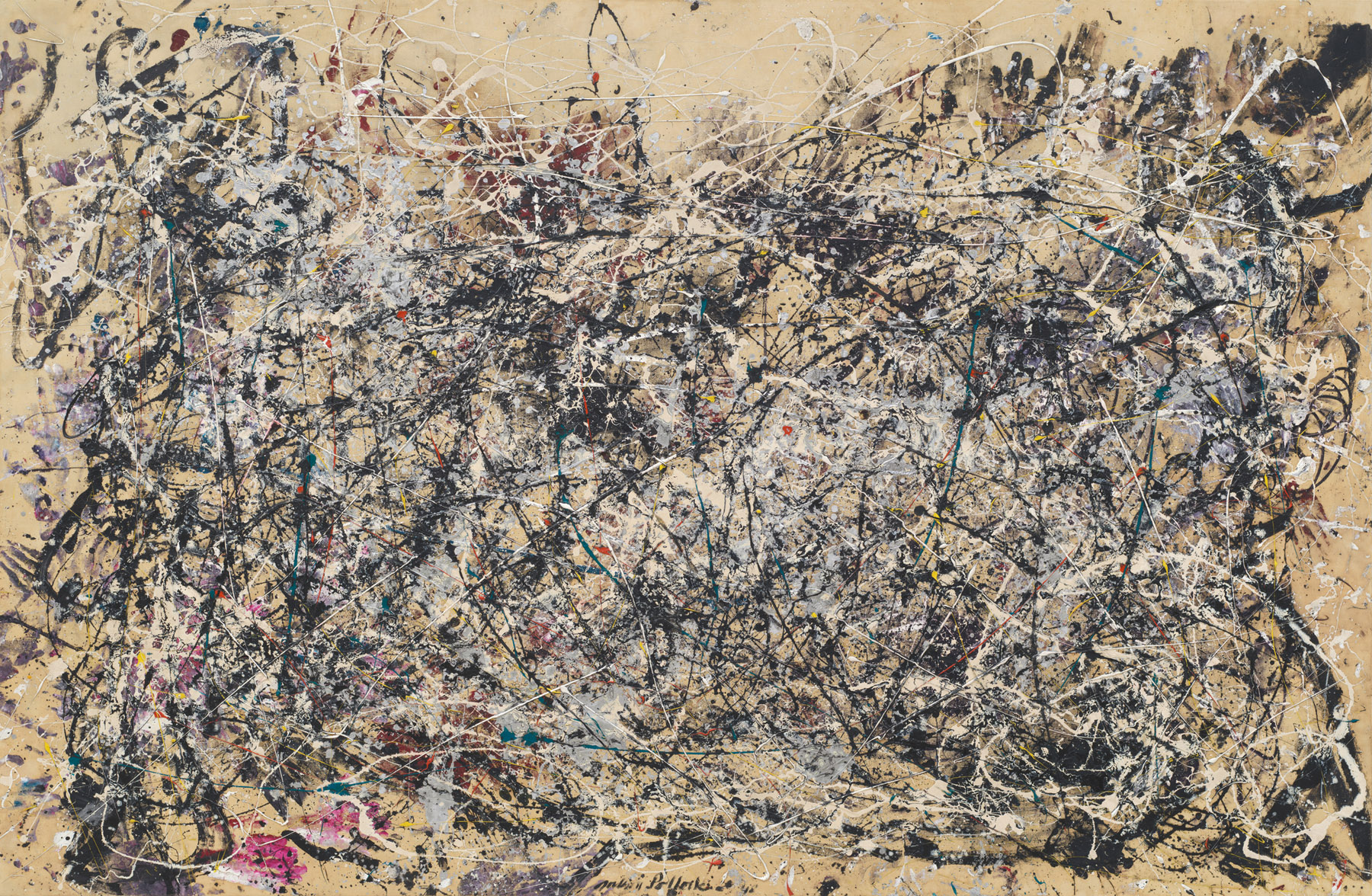
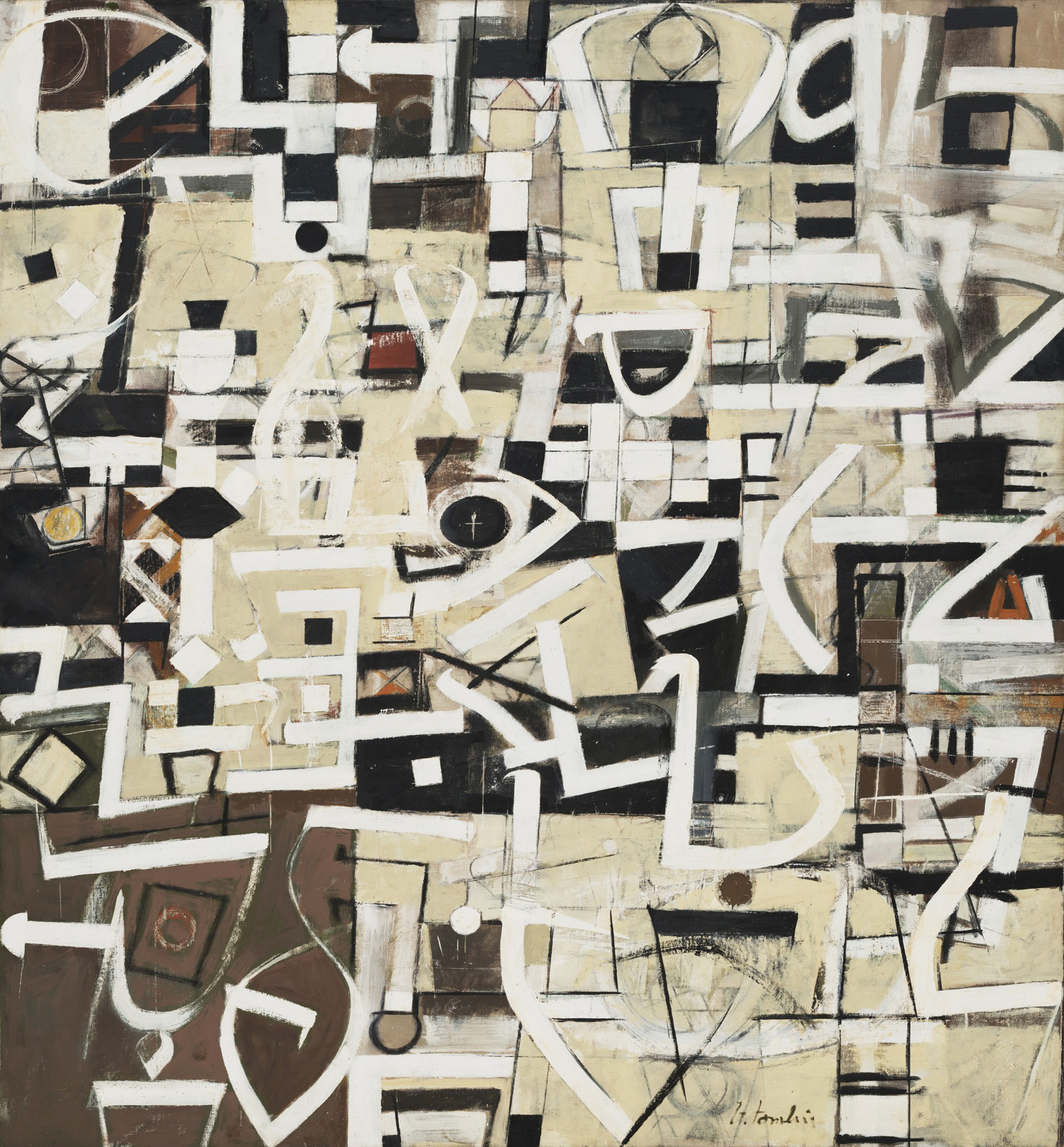

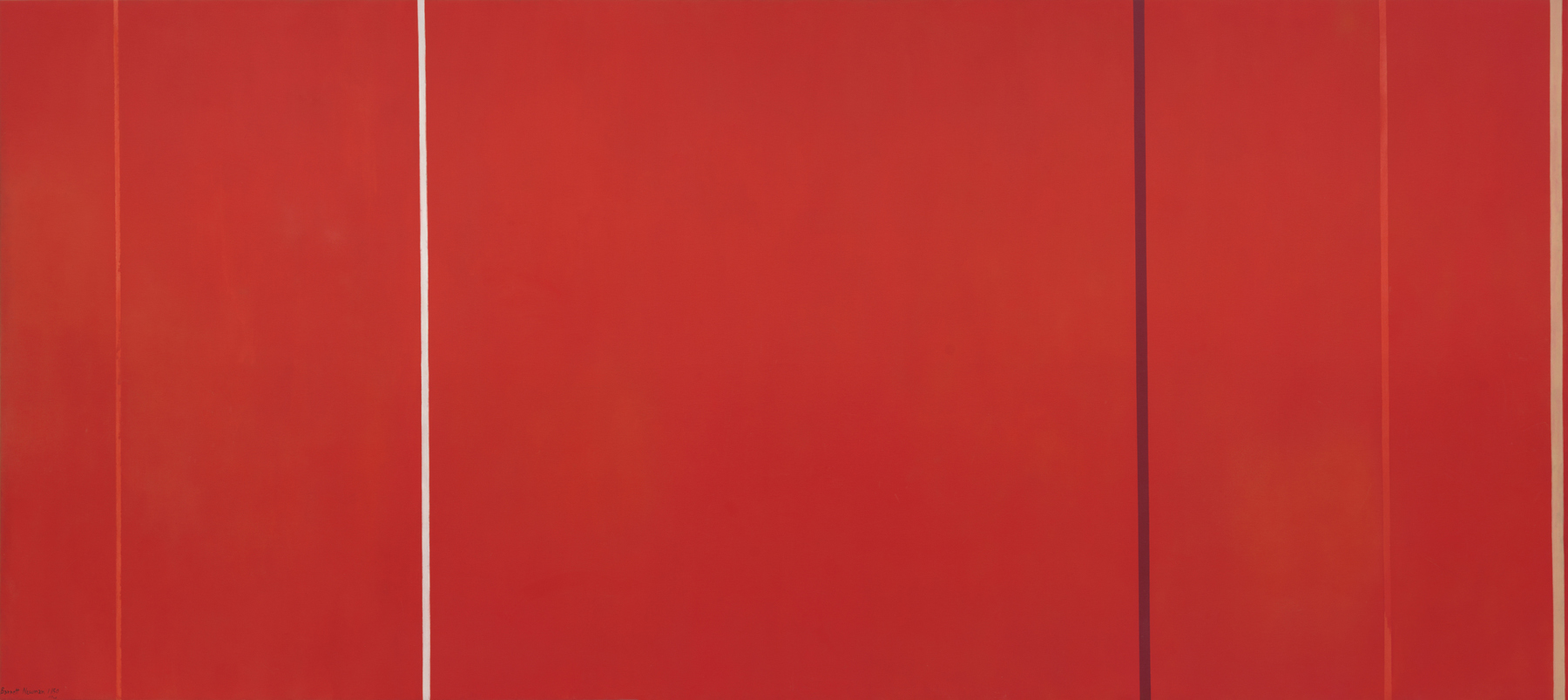

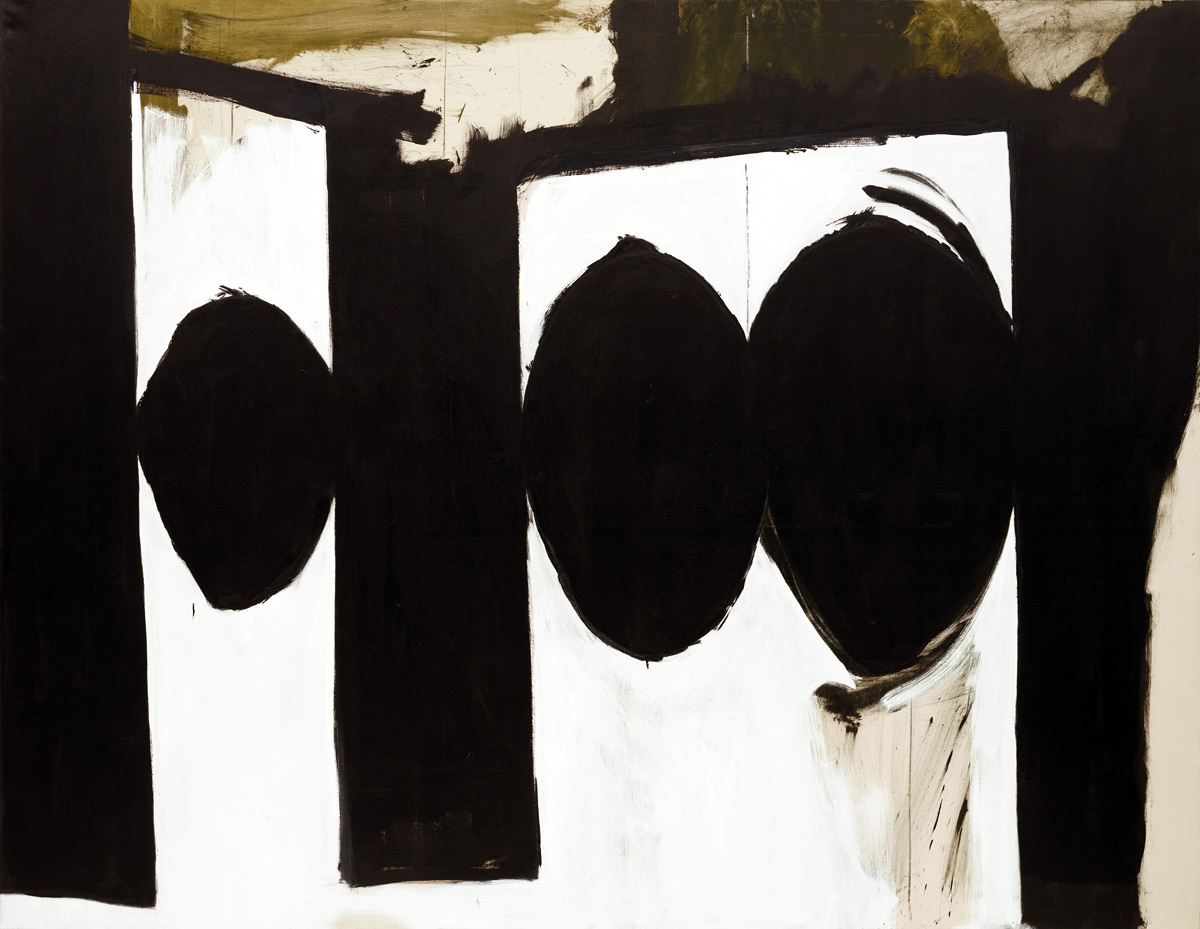
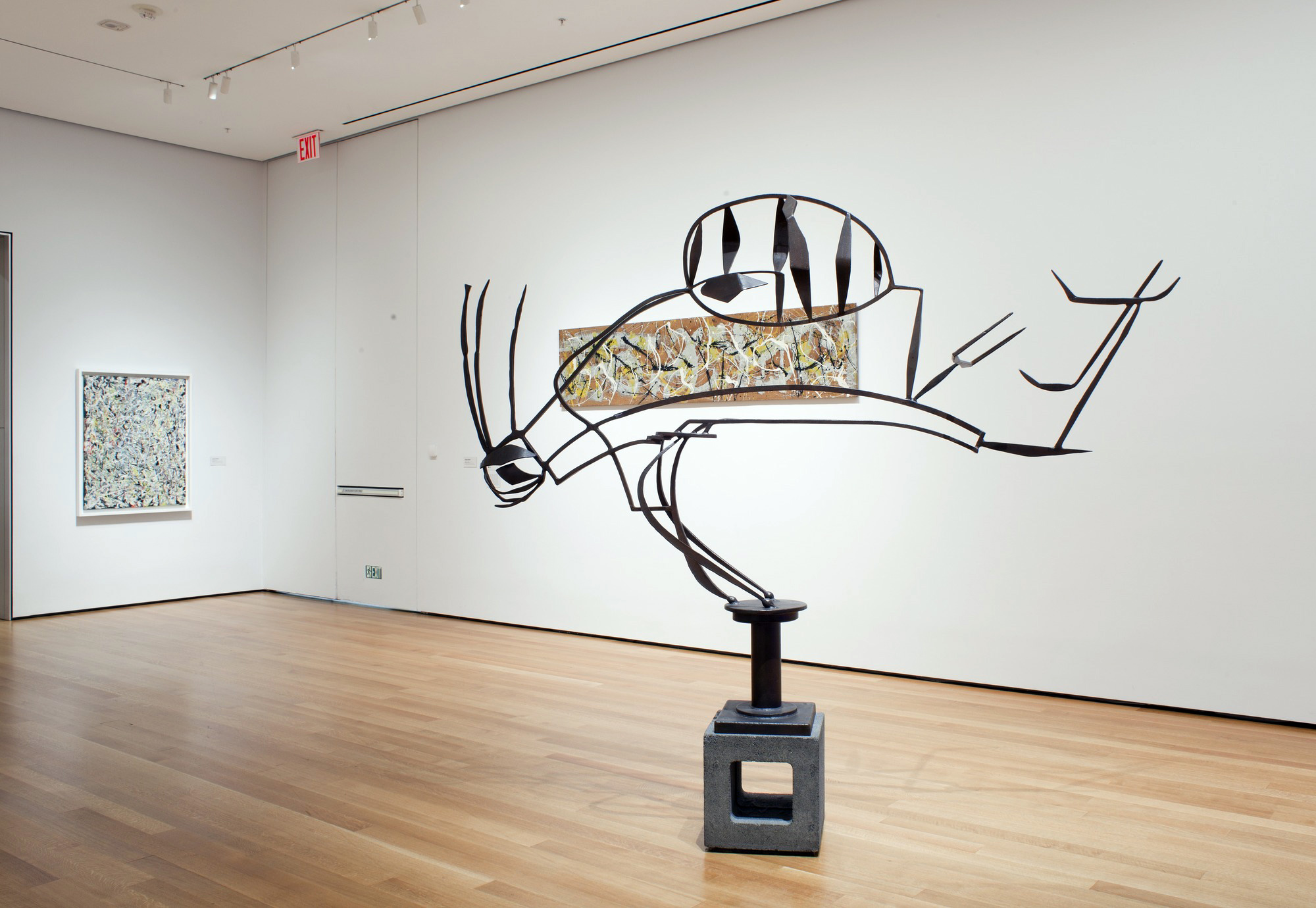
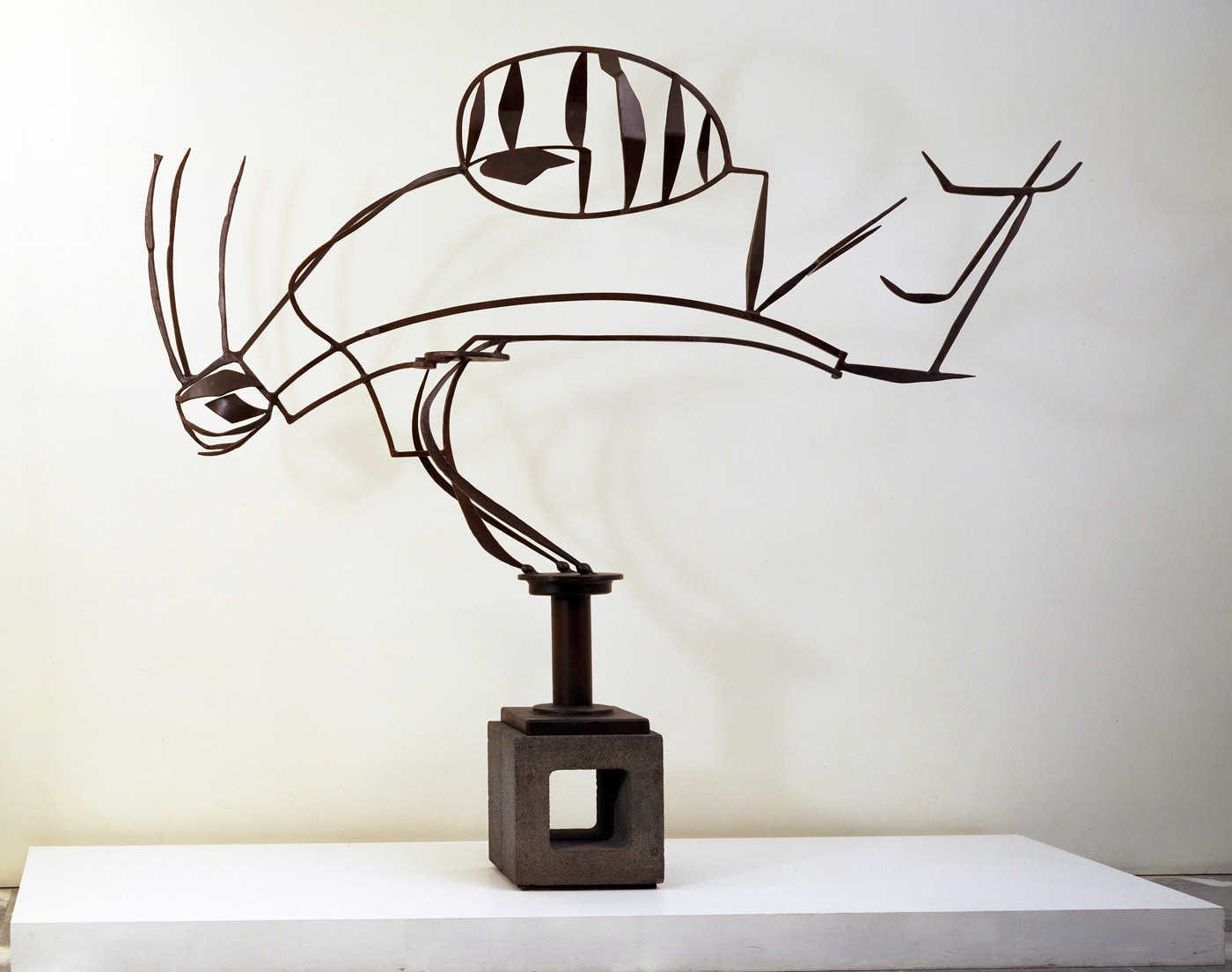
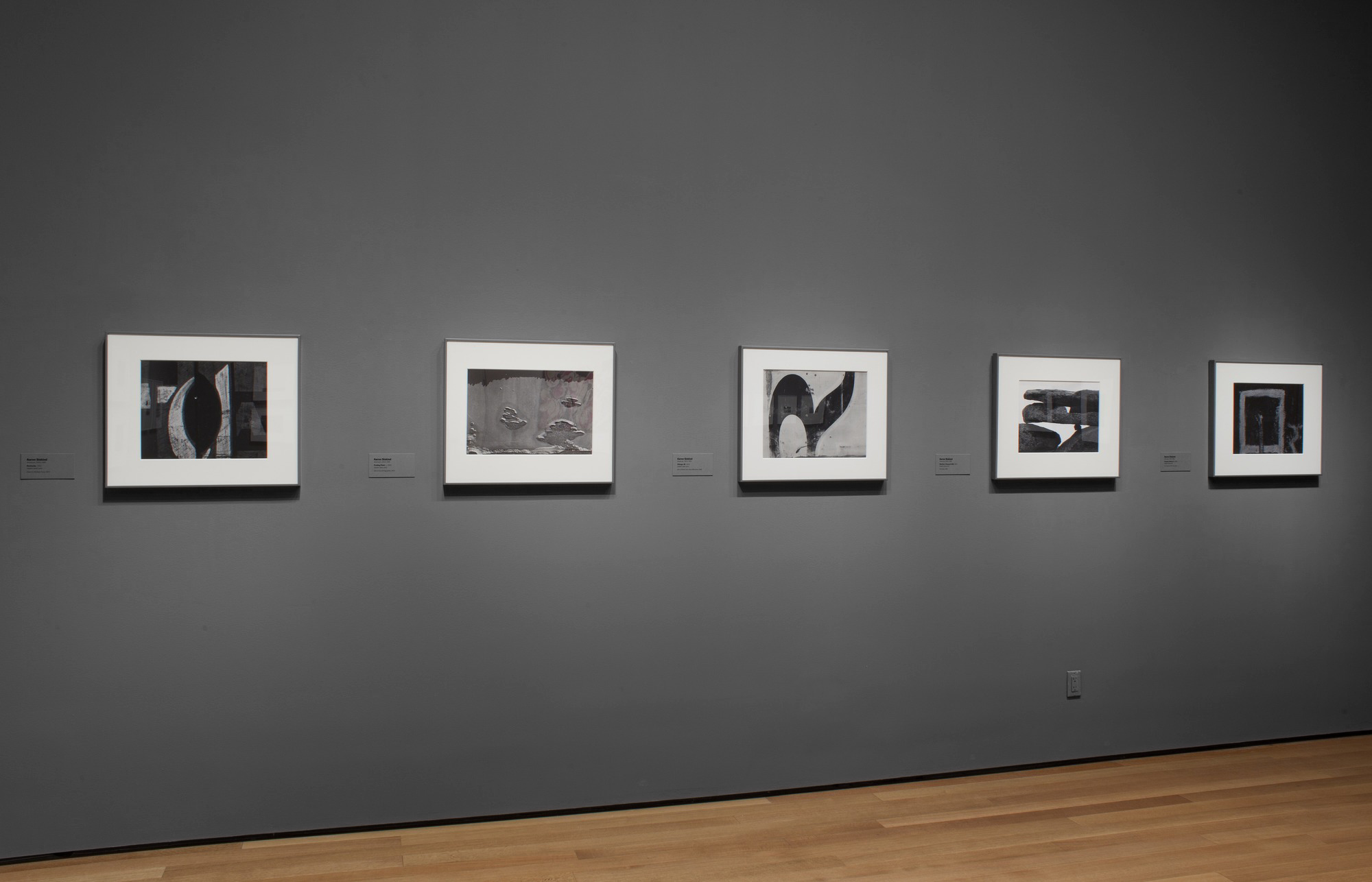
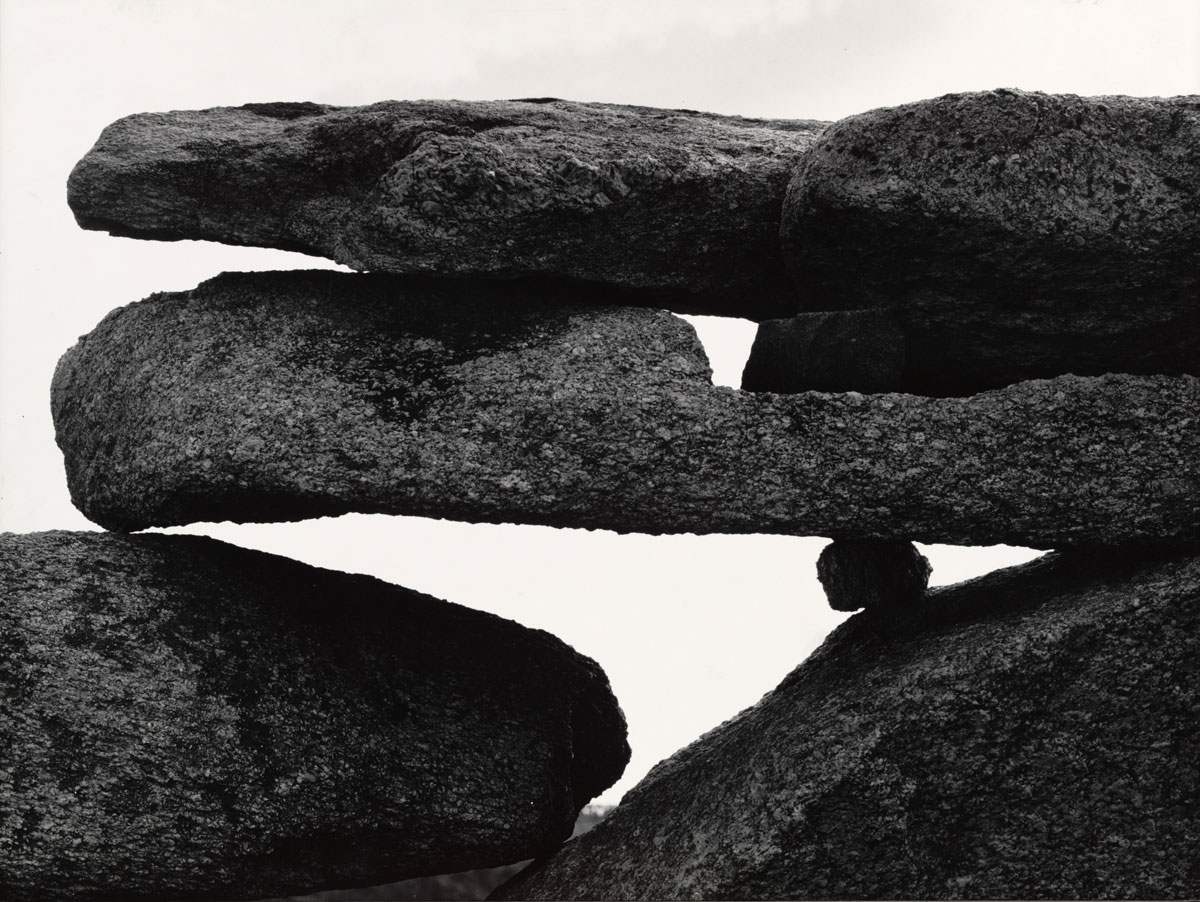

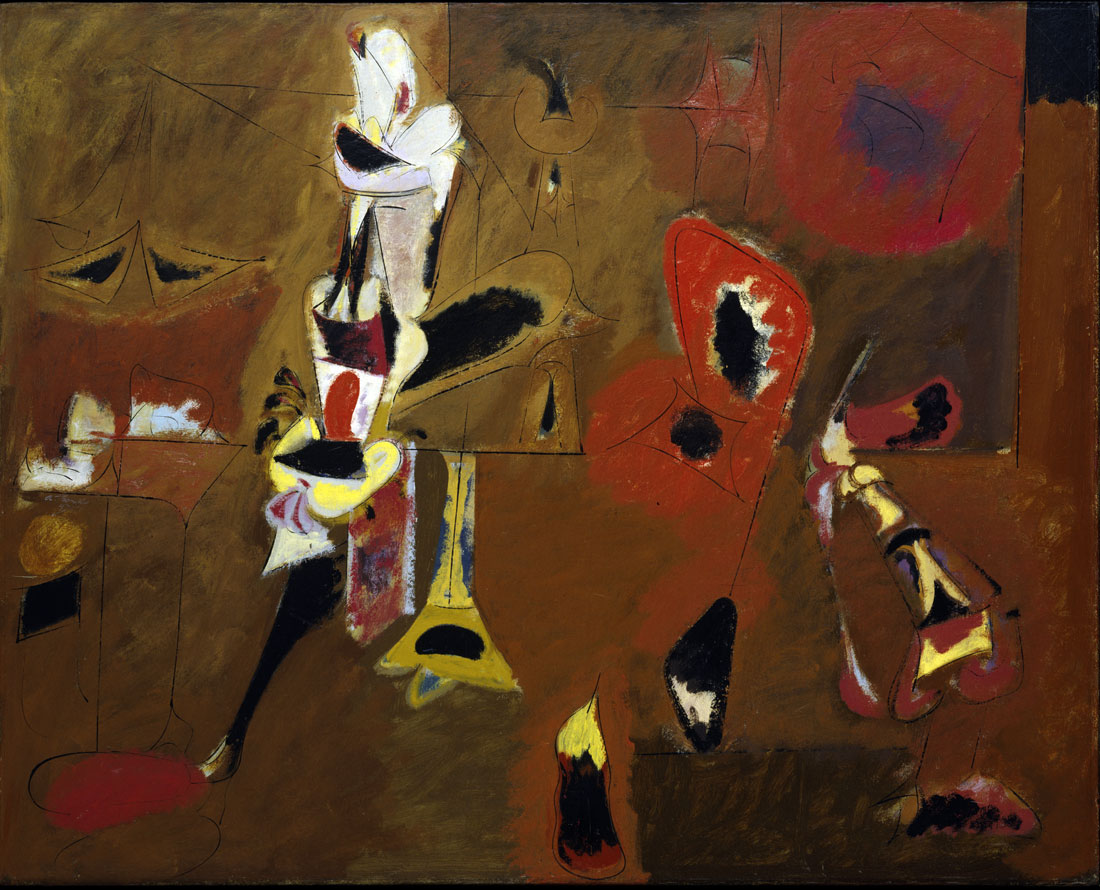
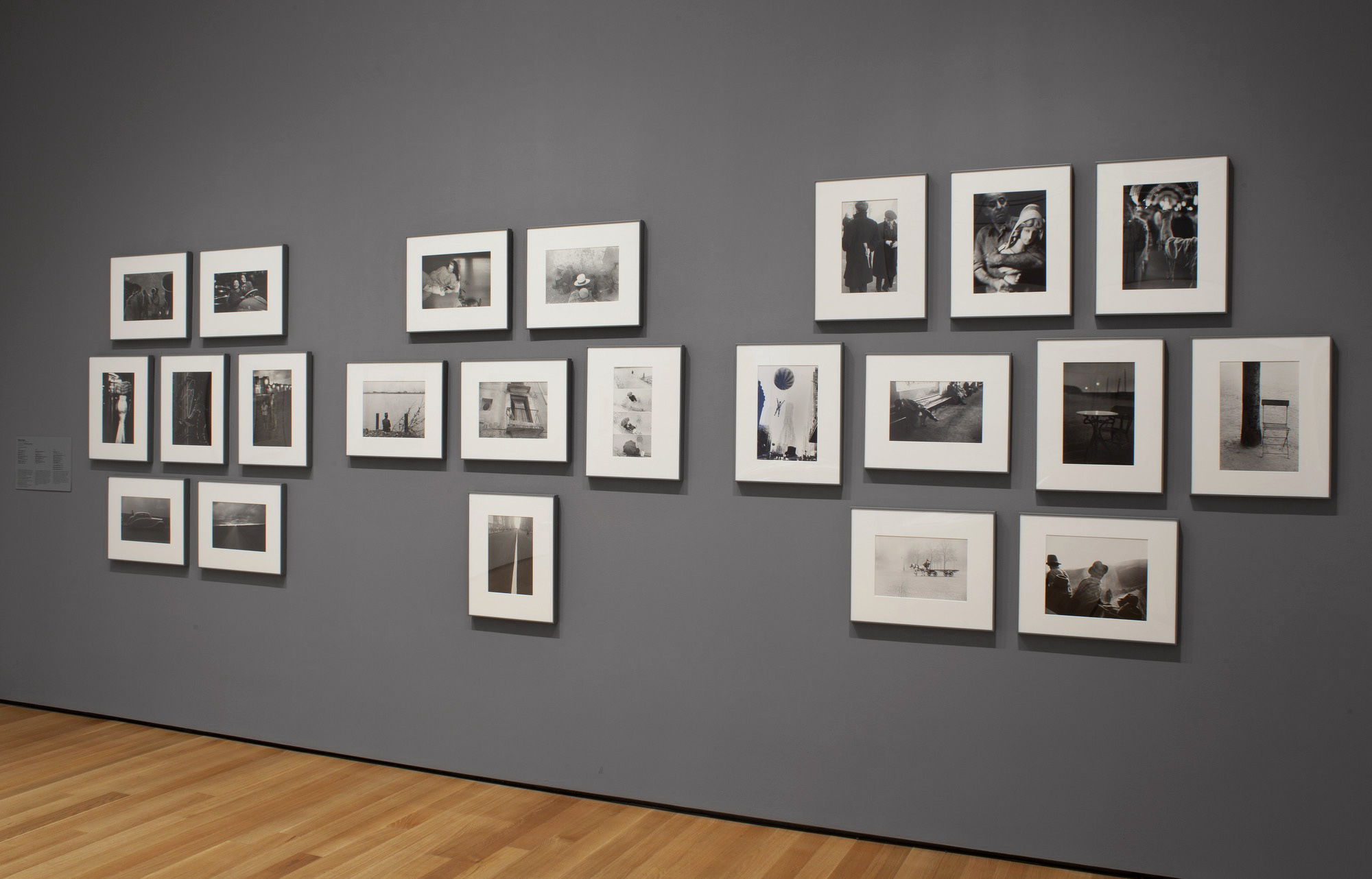
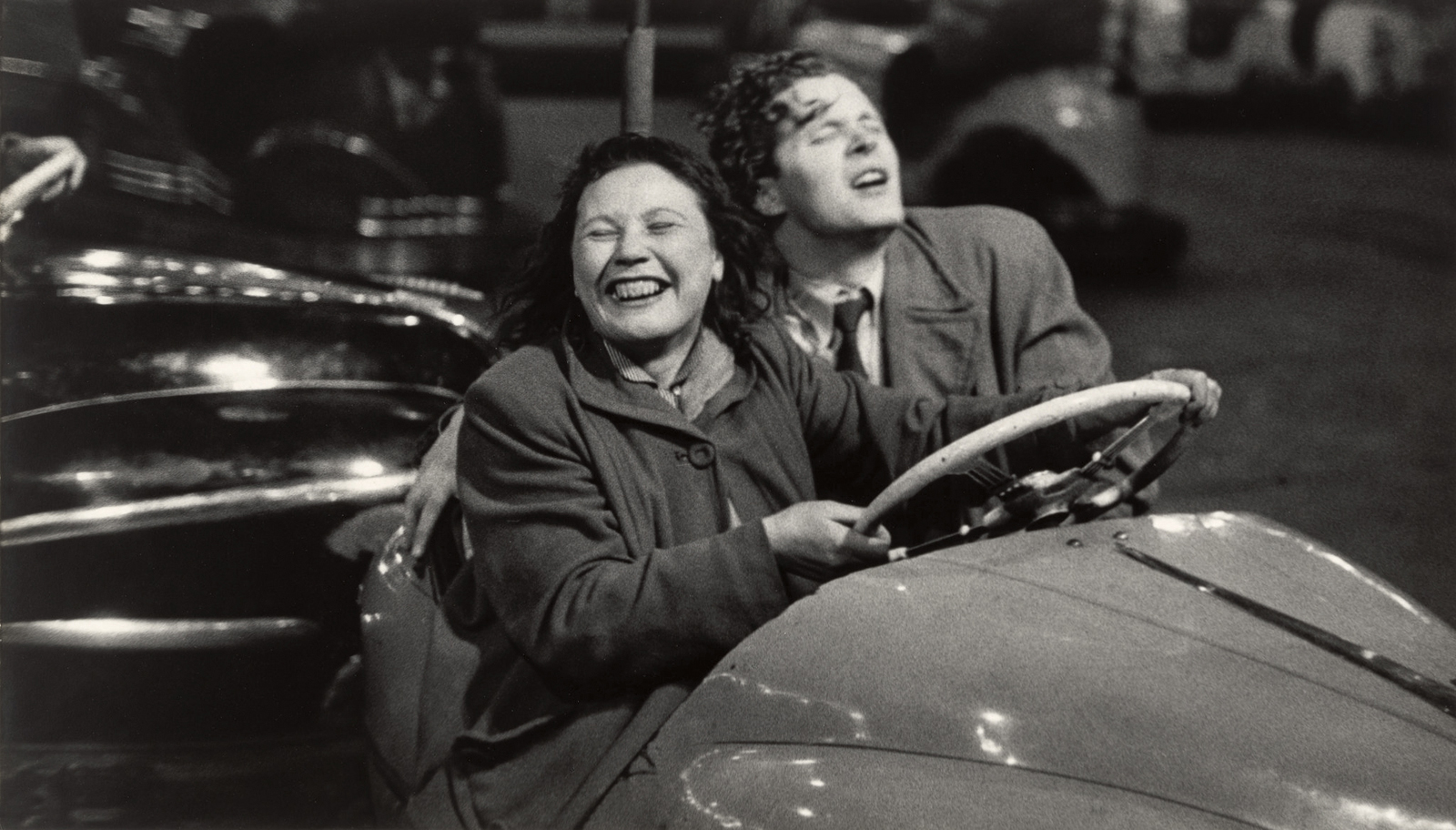

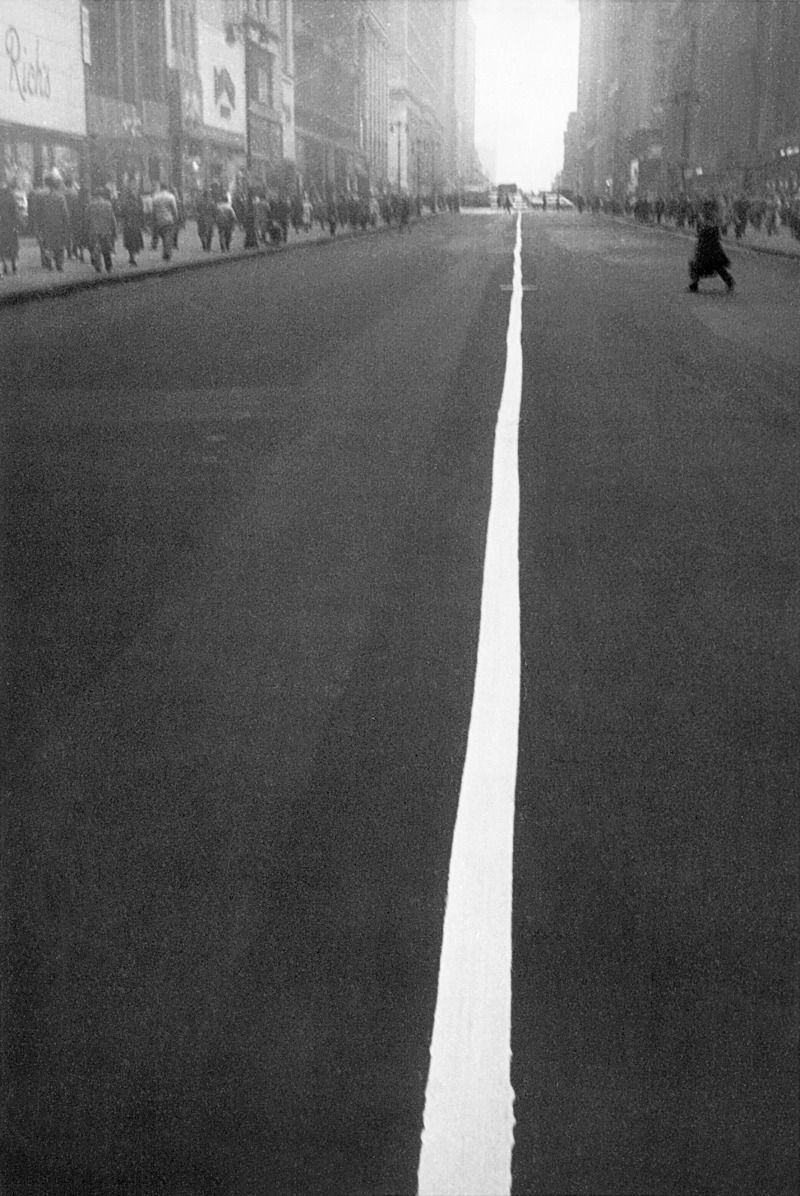

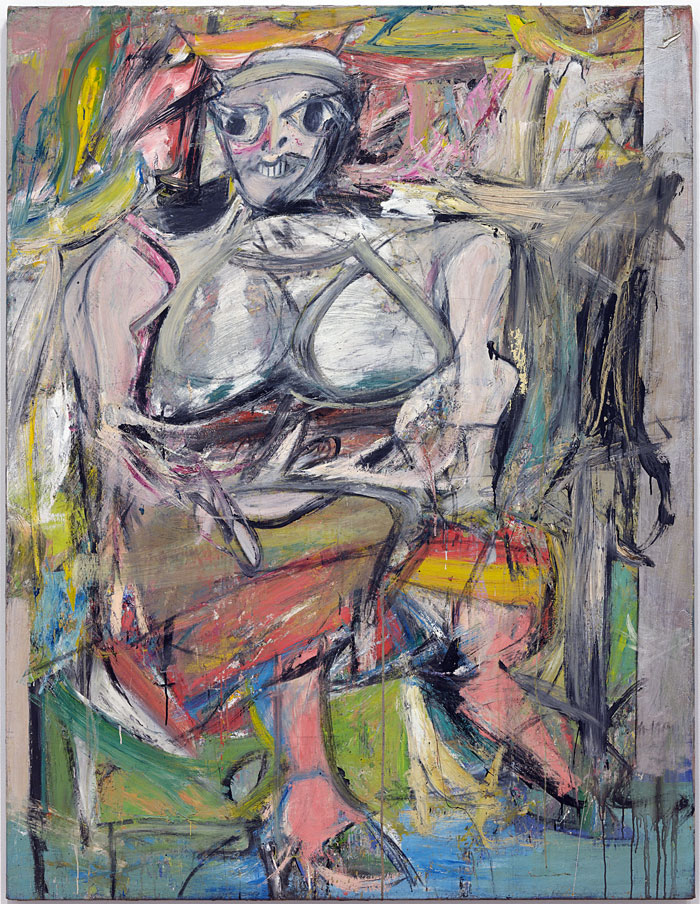
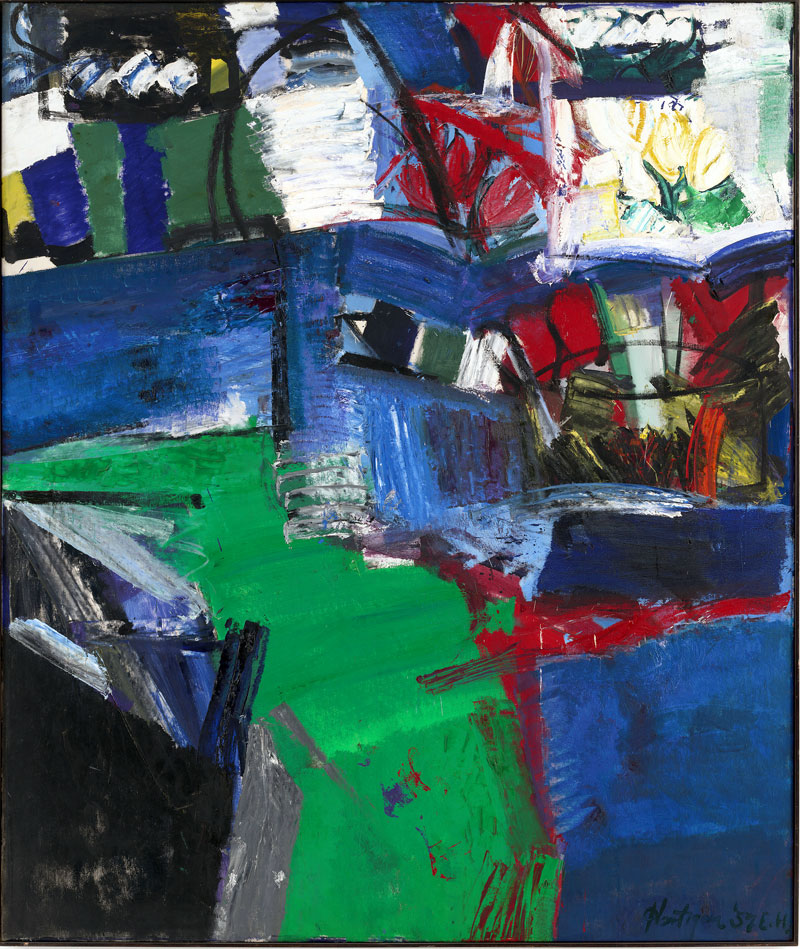
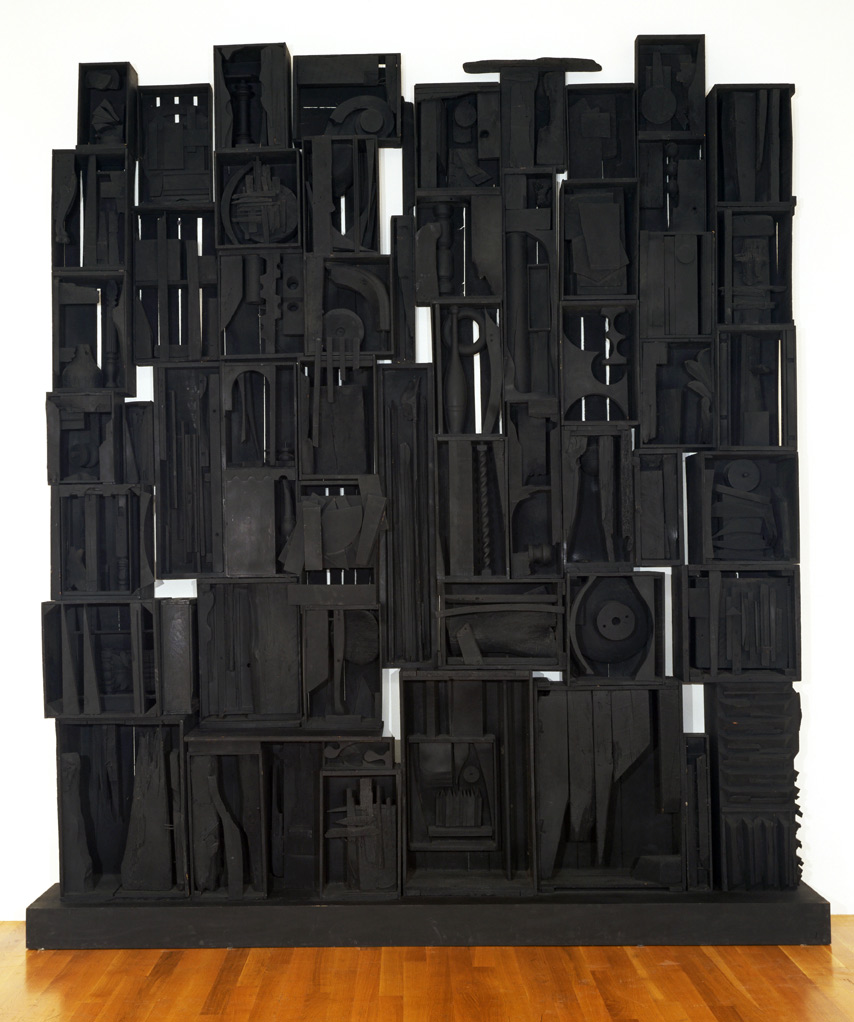
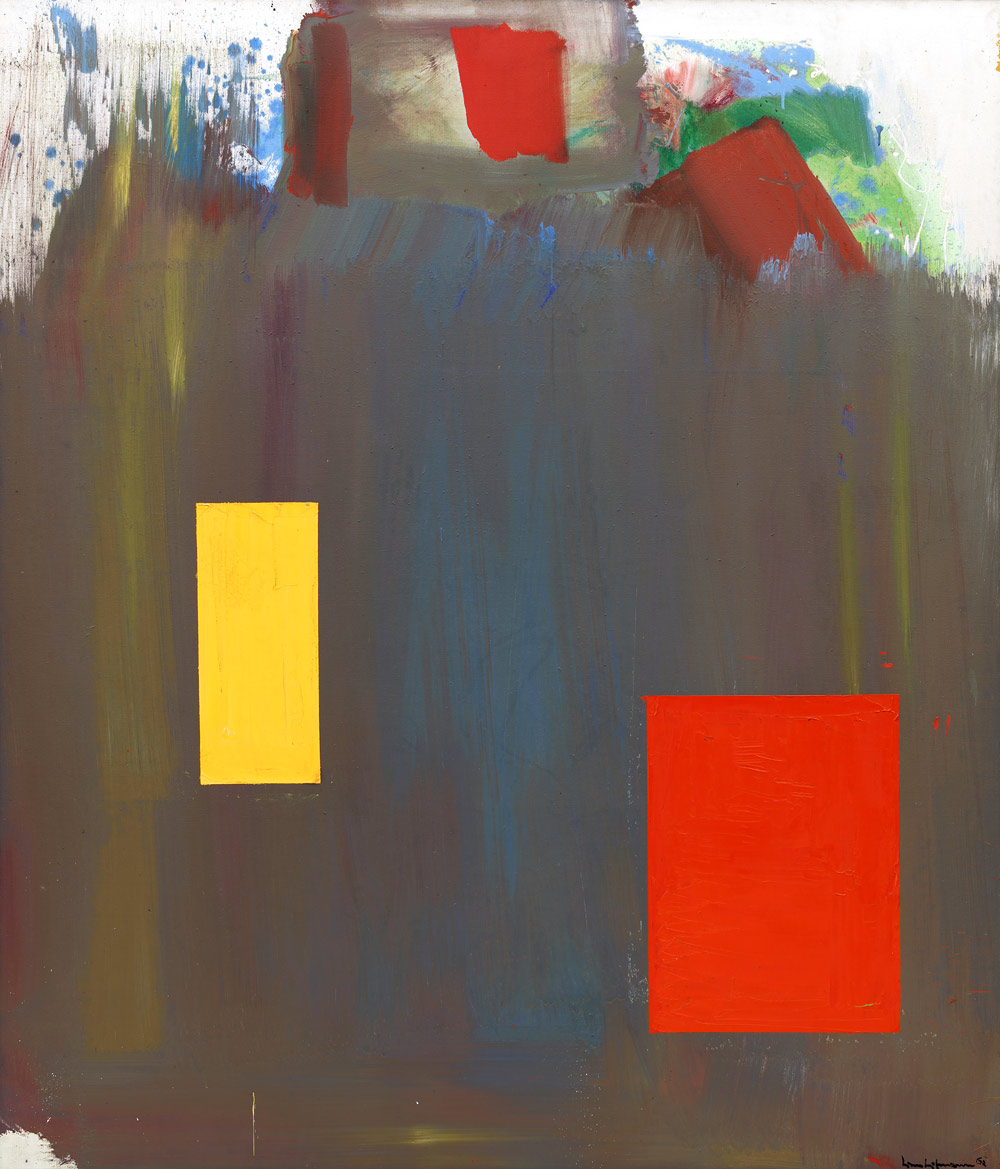
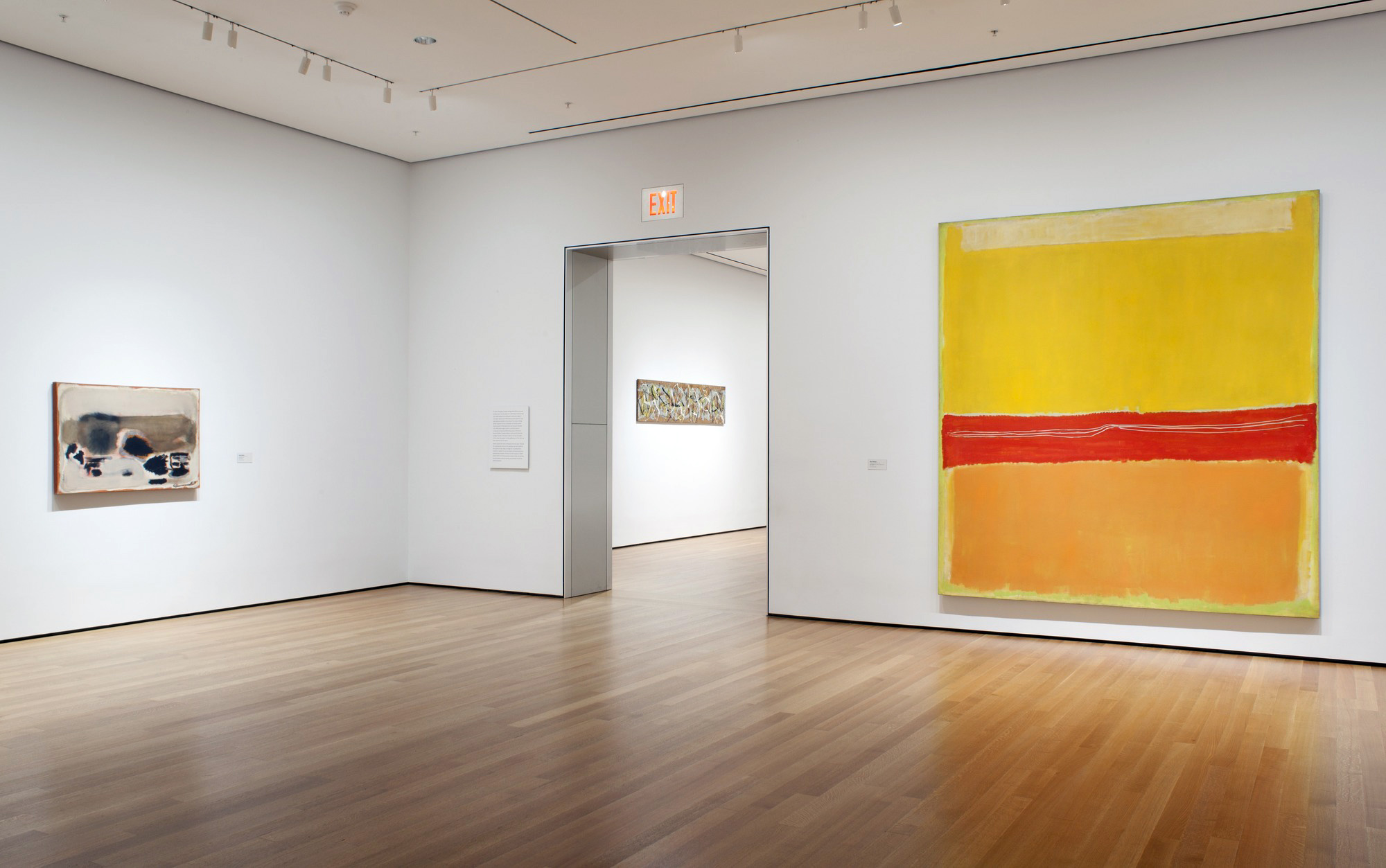
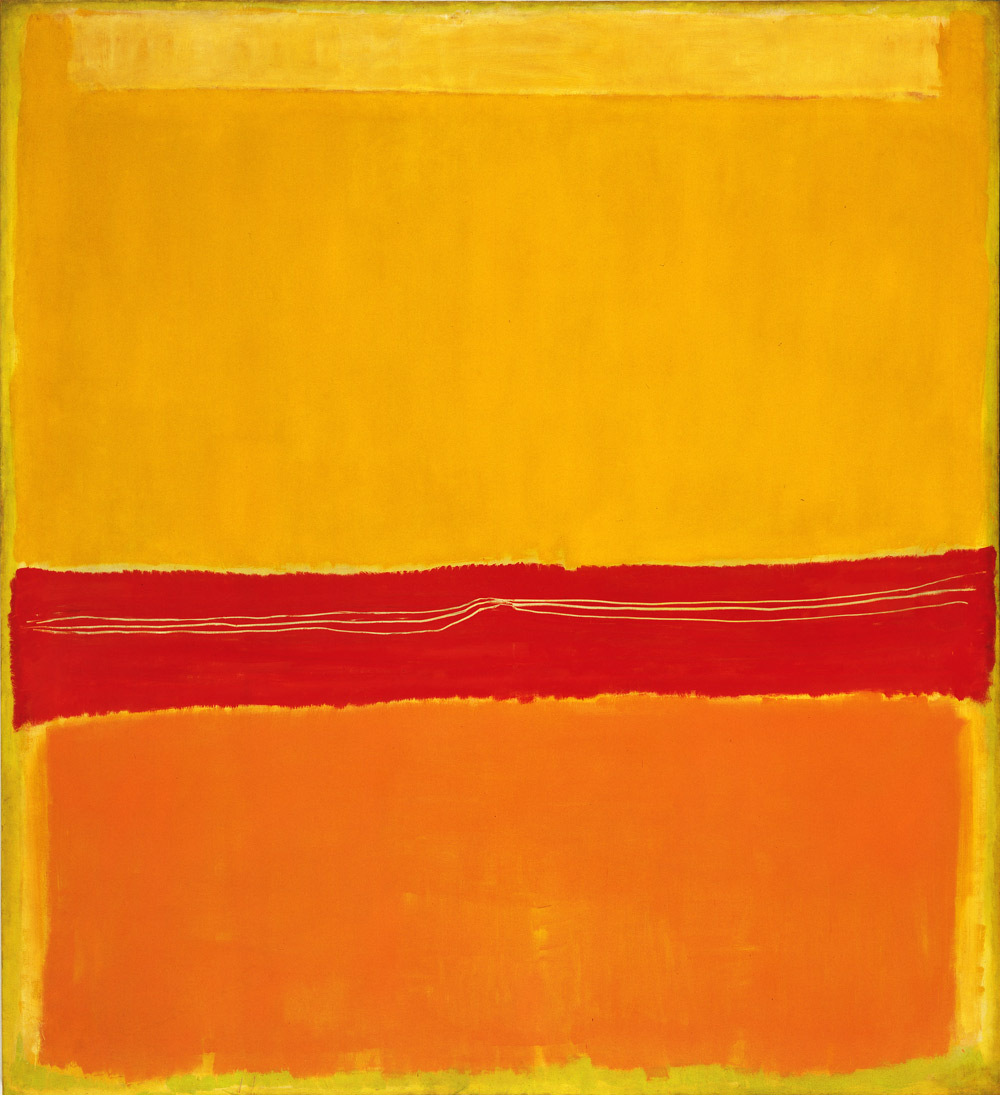
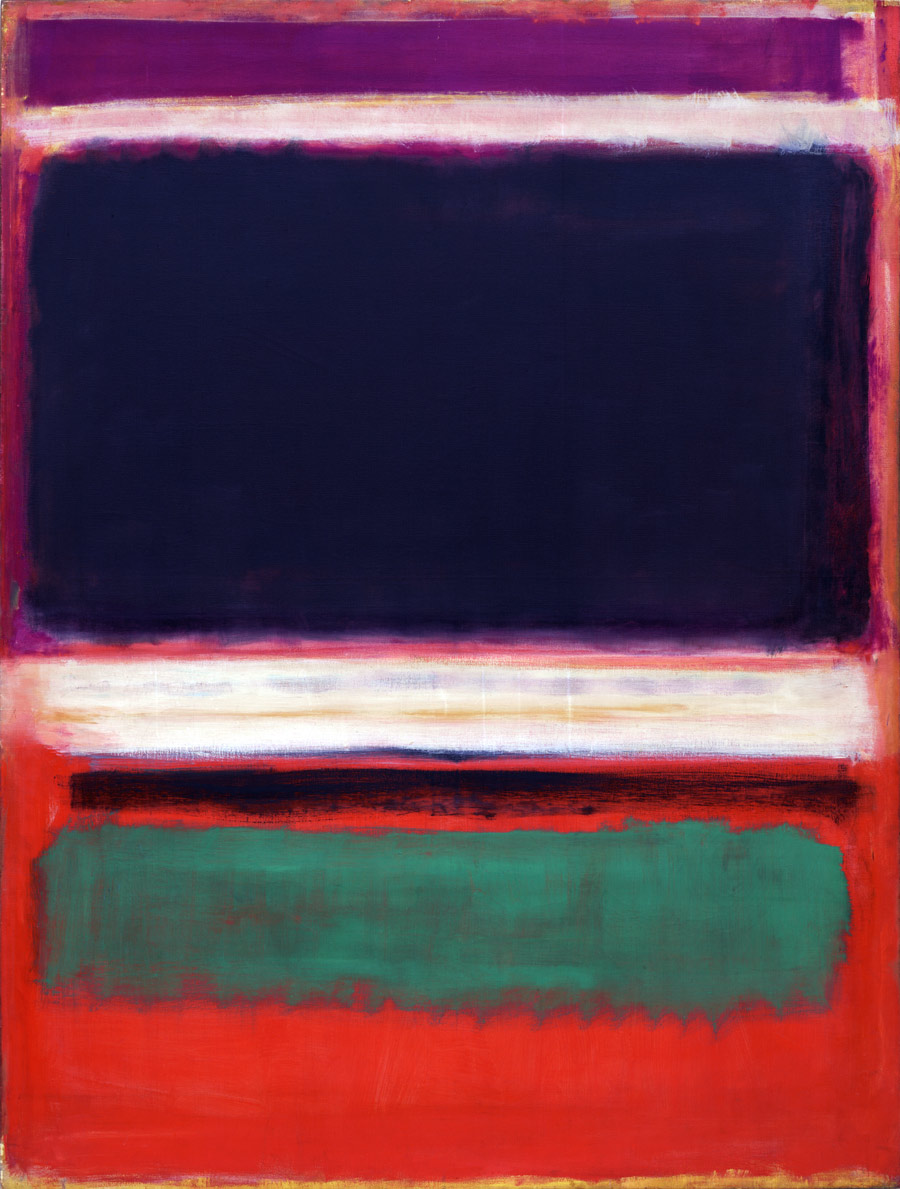


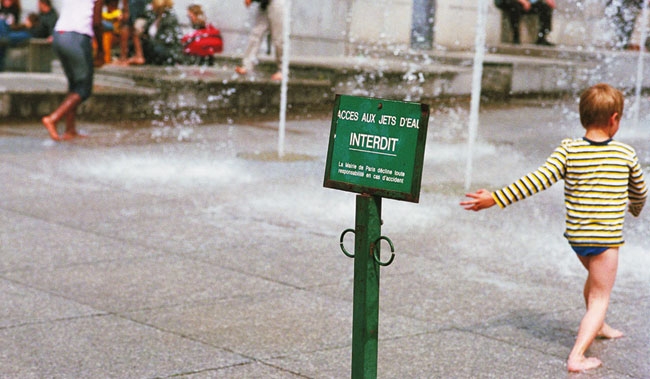


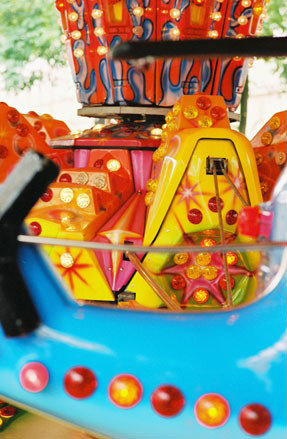
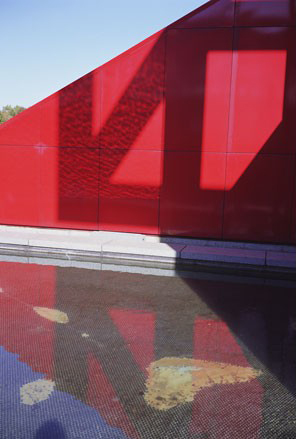




 Art Blart _ art and cultural memory archive
You must be logged in to post a comment.