Alfred Elliott (Australian, 1870-1954) Brisbane Botanic Gardens, near the Edward Street entrance 1895 City of Brisbane Collection, Museum of Brisbane
This is more like it… what a find!
There are some fascinating punctum (which denote the wounding, personally touching detail which establishes a direct relationship with the object or person within the image), contained among this recently discovered treasure trove of photographs by Alfred Elliott.
At first, what looks like a real dog is actually a toy sitting in front of Alfred Goldsbrough Elliott, Stanley Terrace, Taringa (1908). And then you notice the hard-nosed stare of the little girl in Dorothy Elliott (1911). She is not a happy camper. Then the scruffy, bare-footed urchin in ‘Welcome to Brisbane’ arch, Queen Street (1895). Or the unhappy woman staring directly into the camera in Grand Arch, Queen Street, visit of the Duke of York (1901), as though her thoughts are being transmitted to us from beyond the grave. And finally, to the two young, blurred children running in front of a white picket fence in Windmill, Wickham Terrace (1895), the smaller of the children noticing the photographer and camera and looking towards both. Just a joy!
And don’t forget, all of these early photographs were taken with a large plate camera (the photographs after 1921 were taken with a film camera and have a totally different feel to them). For an artist to obtain the street photographs and portraits out in the field with this type of camera is superb. Just look at the image Members of the QLD League of Wheelmen, Wellington Point (1897). You can tell the personality of every individual in this image through the clarity, not just of the image but of the thought of the photographer, before he exposed his plate. It is so Australian in its iconography, it could come from nowhere else in the world. This photograph deserves to be up there with one of the seminal images of Australian photography.
Dr Marcus Bunyan
Many thanks to the Museum of Brisbane for allowing me to publish the photographs in the posting. Please click on the photographs for a larger version of the image.
The view from here: The photographic world of Alfred Elliott 1890-1940
Alfred Elliott (Australian, 1870-1954) Brisbane, from the Windmill 1895 City of Brisbane Collection, Museum of Brisbane
Alfred Elliott (Australian, 1870-1954) Aborigines fishing in the Maroochy River 1890 City of Brisbane Collection, Museum of Brisbane
Alfred Elliott (Australian, 1870-1954) Central Railway Station, from Edward Street 1922 City of Brisbane Collection, Museum of Brisbane
Alfred Elliott (Australian, 1870-1954) ‘Citizens’ Welcome’ arch, Queen Street 1927 City of Brisbane Collection, Museum of Brisbane
Alfred Elliott (Australian, 1870-1954) ‘Citizens’ Welcome’ arch, Queen Street (detail) 1927 City of Brisbane Collection, Museum of Brisbane
Museum of Brisbane’s latest exhibition offers an amazing visual portrait of a lost city – Brisbane at the turn of the 20th century – through a rare collection of photographs, all shot by a single resident and left forgotten under an inner-city house for decades. The view from here: The photographic world of Alfred Elliott 1890-1940 showcases the life’s work of the avid Brisbane-based photographer, offering a fascinating chronicle of the places he visited, major events he witnessed and intimate glimpses into his family life.
The historic collection of glass-plate and film negatives remained stored in cigar boxes under a house in Red Hill until they were uncovered in 1983 and acquired by Museum of Brisbane. For the past 30 years ‘The Elliott Collection’ was thought to comprise 285 glass plate negatives, until a neglected cigar box with more than 400 film negatives was uncovered at the Museum’s storage facility last year. This significant discovery has allowed the Museum to further piece together fragments of the passionate amateur photographer’s past. The collection provides a window into both his life and the life of a quickly changing city.
Elliott’s work also captures significant moments in Brisbane’s history, including the Duke and Duchess of York’s visit in 1901 and the farewell of the troops aboard SS Cornwall from Pinkenba in 1899. Museum of Brisbane Director Peter Denham said the collection was an exceptional record of one man’s perspective of Brisbane at a very exciting time.
“These unseen photographs offer a unique view of Brisbane at a significant turning point – the city’s population was booming, grand civic structures were erected and huge social change was occurring,” Mr Denham said. “The interactive elements of The view from here offer visitors the chance to get up close with buildings from our past, as well as investigate the photographic technology from the turn of last century.”
“With the discovery of hundreds of new photos, we have learned a lot about Elliott and his family and were even able to locate his much-loved home in Taringa. It is part of our mission as the city’s museum to uncover new stories and we are thrilled to share these findings with visitors. The exhibition wonderfully captures how much our city has changed and I think it will encourage people to reflect on their own perceptions of Brisbane.” The view from here will run until 30 August 2015.
Press release from the Museum of Brisbane website
Alfred Elliott (Australian, 1870-1954) Dorothy Elliott, Amy Lock, Mrs Lock and Elizabeth Ellen Elliott Nd City of Brisbane Collection, Museum of Brisbane
Alfred Elliott (Australian, 1870-1954) Elizabeth Ellen Elliott w the Dillon sisters Mary, Clare, Margo Nd City of Brisbane Collection, Museum of Brisbane
Alfred Elliott (Australian, 1870-1954) Government House, George Street 1908 City of Brisbane Collection, Museum of Brisbane
Alfred Elliott (Australian, 1870-1954) Maroochy 1890 City of Brisbane Collection, Museum of Brisbane
Alfred Elliott (Australian, 1870-1954) Maroochy (detail) 1890 City of Brisbane Collection, Museum of Brisbane
Alfred Elliott (Australian, 1870-1954) Members of the QLD League of Wheelmen, Wellington Point 1897 City of Brisbane Collection, Museum of Brisbane
The first shipment of tricycles arrived in Brisbane in 1870 and the first race is reported to have been between a cyclist and a Cobb and Co coach from Brisbane to Sandgate. No official timing was recorded.
The initial Brisbane Bicycle Club meeting was held in 1881 at the Belle Vue Hotel. High wheel bicycles including the Penny Farthing were the only bikes available and novelty Penny Farthing races were held in the Brisbane Botanic Gardens where more riders fell off than stayed on. By 1886 Brisbane had 200 bicycles and 50 of these were used for racing…
The first Queensland championship was held at the Breakfast Creek Sports Ground in 1891 and was won by Lou Isles. Isles also rode long distance, riding from Brisbane to Sydney in 1891 a 700 mile trek which he completed in 7 days. Imported bicycles cost £30 although local bicycles could be bought for two pound ten. Successful Queensland riders of the day included Ben Goodsen, Billy Dowd and Percy Davies.
In 1895 a record of 1 hour 2 minutes and 10 seconds was set by George Stombaco for a 34 kilometre race over rough dirt roads from Brisbane and Cleveland. That same year, The League of Queensland Wheelmen held a Christmas Carnival with over 8000 attendees. Brisbane wasn’t the only town with a club as Maryborough, Townsville, Ipswich and Rockhampton also had successful clubs.
Alfred Elliott (Australian, 1870-1954) Treasury Building, William Street 1895 City of Brisbane Collection, Museum of Brisbane
Alfred Elliott (Australian, 1870-1954) Victoria Bridge, decorated for the Duke of York 1901 City of Brisbane Collection, Museum of Brisbane
Alfred Elliott (Australian, 1870-1954) Victoria Bridge, decorated for the Duke of York (detail) 1901 City of Brisbane Collection, Museum of Brisbane
The images chronicle a broad range of Elliott’s life – from private moments with friends on family trips and picnics at the Glasshouse Mountains to key moments in Brisbane’s history such as the construction of Central Railway Station in 1899 and the visit from the Duke and Duchess of York in 1901. Images were captured in locations including Mt Coot-tha, the city’s Botanic Gardens, Tweeds Heads just south of the border and the Moreton Bay Region – all undertaken by train, bus, boat, car and possibly even by horse and bicycle.
Curator Phil Manning, who discovered the last cigar box, said it was evident from the body of work that Elliott was proud of his city.
“He documented the city by walking the streets and going on travels with his family,” Mr Manning said. “He had a strong connection to the British Empire, that was probably the area he was most drawn to documenting … royal visits and the Queensland troops going off to the Boer War. But he’s also photographed Brisbane’s new buildings and structures such as the bridges that went up following the 1893 flood.”
Elliot’s first photographs were dated 1890 and captured on dry-plate glass negatives, including both single image and stereograph negatives. They were a mixture of amateur and professionally produced plates. Elliot used glass plates until 1921 when it appeared he changed to a camera with film.
Very little was known about Alfred Henrie Elliott. He was born in Paignton in England in 1870 and was the youngest of seven children. His family came to Queensland when he was seven years old, with his father taking up post as principal of Humpybong Primary School in Redcliffe, north of Brisbane. Elliott was known to have worked in Brisbane as a civil servant in a variety of roles. His working life also included jobs as a law clerk, professional shorthand writer and a bank clerk.
Alfred Elliott (Australian, 1870-1954) Eight hour day procession on Queen Street in Brisbane city 1893 City of Brisbane Collection, Museum of Brisbane
Alfred Elliott (Australian, 1870-1954) Alfred Goldsbrough Elliott, Stanley Terrace, Taringa 1908 City of Brisbane Collection, Museum of Brisbane
Alfred Elliott (Australian, 1870-1954) Dorothy Elliott 1911 City of Brisbane Collection, Museum of Brisbane
Alfred Elliott (Australian, 1870-1954) Dorothy Elliott (detail) 1911 City of Brisbane Collection, Museum of Brisbane
Alfred Elliott (Australian, 1870-1954) Grand Arch, Queen Street, visit of the Duke of York 1901 City of Brisbane Collection, Museum of Brisbane
Alfred Elliott (Australian, 1870-1954) Grand Arch, Queen Street, visit of the Duke of York (detail) 1901 City of Brisbane Collection, Museum of Brisbane
Alfred Elliott (Australian, 1870-1954) Picnic party on Brisbane River at Seventeen Mile Rocks 1898 City of Brisbane Collection, Museum of Brisbane
Alfred Elliott (Australian, 1870-1954) Picnic party on Brisbane River at Seventeen Mile Rocks (detail) 1898 City of Brisbane Collection, Museum of Brisbane
Alfred Elliott (Australian, 1870-1954) Queen Street, Brisbane 1899 City of Brisbane Collection, Museum of Brisbane
Alfred Elliott (Australian, 1870-1954) Treasury Building, Queen and William Street 1901 City of Brisbane Collection, Museum of Brisbane
Alfred Elliott (Australian, 1870-1954) ‘Welcome to Brisbane’ arch, Queen Street 1920 City of Brisbane Collection, Museum of Brisbane
Alfred Elliott (Australian, 1870-1954) ‘Welcome to Brisbane’ arch, Queen Street (detail) 1920 City of Brisbane Collection, Museum of Brisbane
Alfred Elliott (Australian, 1870-1954) Windmill, Wickham Terrace 1895 City of Brisbane Collection, Museum of Brisbane
Alfred Elliott (Australian, 1870-1954) Windmill, Wickham Terrace (detail) 1895 City of Brisbane Collection, Museum of Brisbane
Alfred Elliott (Australian, 1870-1954) Alfred Henry Elliott (1870-1954) 1899 City of Brisbane Collection, Museum of Brisbane
Alfred Elliott (Australian, 1870-1954) Elizabeth Ellen Elliott and Alfred Elliott 1899 City of Brisbane Collection, Museum of Brisbane
Museum of Brisbane
Museum of Brisbane is located on Level 3, Brisbane City Hall (Adelaide and Ann Street, Brisbane QLD)
These images are good to see… but not really what I want to see.
I want to see some of the early work, and some of the S/M photographs. You never get to see these online. It’s almost as though the Robert Mapplethorpe Foundation is too scared to authorise the online publication of these works, for fear of – heaven forbid – letting people understand all the facets of Mapplethorpe’s work.
Its the origin story and the picturing of his sexual proclivities that are some of his most powerful work… and we never get to see them. Eros (denied).
Dr Marcus Bunyan
Many thankx to the Museum of Contemporary Art Kiasma for allowing me to publish the photographs in the posting. Please click on the photographs for a larger version of the image.
The American photographer Robert Mapplethorpe (1946-1989) lived a life of passion in the New York underground and rock scenes in the 1970s and ’80s. That passion also made its way into his art.
Consisting of more than 250 works, the retrospective exhibition in the Museum of Contemporary Art Kiasma offers a broad overview of the key periods of Mapplethorpe’s career. In their aspiration for perfection, Mapplethorpe’s pictures blend beauty and eroticism with pain, pleasure and death. Mapplethorpe also photographed his celebrity friends such as Patti Smith, Andy Warhol and Richard Gere. Although solidly anchored in their time, his photographs are also universal and topical even today.
Arriving from Paris to Helsinki, the high-profile exhibition is a unique opportunity to learn about the art and life of one of the most important photographic artists of our time. The exhibition is curated by Jérôme Neutres from Paris with Director Pirkko Siitari and Chief Curator Marja Sakari from Kiasma.
This exhibition is organised by The Finnish National Gallery – Museum of Contemporary Art Kiasma and the Réunion des Musées Nationaux – Grand Palais, with the collaboration of the Robert Mapplethorpe Foundation New York.
Exhibition themes
Body sculpture
“If I had been born one hundred or two hundred years ago, I might have been a sculptor, but photography is a very quick way to see, to make sculpture.”
~ Robert Mapplethorpe
Mapplethorpe became interested in photographing sculpture during his first trip to Paris in the early 1970s. He also began taking pictures of people in poses that imitated classical sculptures. Lisa Lyon, the first World Women’s Bodybuilding Champion, was the subject in many of the pictures.
Body and geometry
Mapplethorpe prized order and purity of form in his art. He was also particular about the frames of his pictures, which he often designed himself. He had great respect for the long history of art. Some of his nude studies echo Leonardo da Vinci’s Vitruvian Man which shows an idealised human body inside a circle and a square
Still lifes and body details
“I am looking for perfection in form. I do that with portraits. I do it with cocks. I do it with flowers.”
~ Robert Mapplethorpe
Mapplethorpe’s still lifes and pictures of body parts play with stormy associations. They are distinctly corporeal and vitalistic, whether the subject is an exposed penis or an aubergine on a table. Mapplethorpe said he looked at all objects in precisely the same way. According to Patti Smith, “Robert infused objects, whether for art or life, with his creative impulse, his sacred sexual power. He transformed a ring of keys, a kitchen knife, or a simple wooden frame into art.”
Chapel and Colour bracket
“I was a Catholic boy, I went to church every Sunday. A church has a certain magic and mystery for a child.”
~ Robert Mapplethorpe
Mapplethorpe came from a Roman Catholic family, but his interest in the church was primarily aesthetic. He said he wanted his pictures to be viewed like altars. The figure of a crucified Christ appears in some of his works, as does the human skull, a traditional reminder of death. Instead of suffering, however, the images convey a sense of sinful pleasure. Mapplethorpe worked with colour film starting in the late 1970s, but did not routinely exhibit his colour photos until the end of the 1980s.
Mapplethorpe and women
“Lisa Lyon reminded me of Michelangelo’s subjects, because he did muscular women.”
~ Robert Mapplethorpe
Poet and musician Patti Smith was Mapplethorpe’s first and last model and muse. Mapplethorpe photographed covers for Smith’s albums and books of poems. Another important model was the body builder Lisa Lyon, who is the subject of Mapplethorpe’s book Lady: Lisa Lyon. Both women could be described as androgynous. Locating himself in the same intermediate space between femininity and masculinity, Mapplethorpe photographed himself in drag.
Portraits
New York and the Chelsea Hotel in particular were places where the American cultural intelligentsia used to gather in the 1970s. There Mapplethorpe met writers, musicians and artists such as William Burroughs, Iggy Pop and David Hockney, and enjoyed the attention lavished on him. He became the court photographer of certain cultural circles, his camera capturing friends, celebrities and famous figures in the art world.
Eros
“I don’t think anyone understands sexuality. It’s about an unknown, which is why it’s so exciting.”
~ Robert Mapplethorpe
Sadomasochism, S&M, was both sex and magic for Mapplethorpe. Like the French writer Jean Genet, he too wanted to elevate things into art that were not yet considered art. Mapplethorpe’s depiction of fetishes in his photographs was deliberately formal. He documented spontaneous acts only very infrequently. The sex he captured in his pictures was neither malicious nor repugnant. S&M is about desire and pleasure, and above all about trust.
Polaroids
“I’m trying to record the moment I’m living in and where I’m living, which happens to be in New York. These pictures could not have been done at any other time.”
~ Robert Mapplethorpe
Mapplethorpe got his first Polaroid camera in 1970 and fell in love with its simplicity: there were few adjustments to make and you could see the results instantly. Because the film was expensive, Mapplethorpe felt that every picture had to be perfect. Precision and economy became a habit that endured throughout his career. In 1975, he switched over to the more versatile Hasselblad 500.
Still moving
“We were like two children playing together, like the brother and sister in Cocteau’s ‘Enfants Terribles’.”
~ Patti Smith
Robert Mapplethorpe and Patti Smith began their creative careers together. Frequently they would not plan their projects in advance. The experimental short Still Moving had no script, and Smith improvised her movements and lines. The camera operator was Lisa Rinzler. “He wordlessly guided me. I was an oar in the water and his the steady hand,” Smith has said.
Robert Mapplethorpe – Portraits
New York was home to America’s cultural intelligentsia in the 1970s. Mapplethorpe was the court photographer of the cultural elite. His portraits feature his friends, celebrities and influential figures on the art scene.
Installation views of the exhibition Robert Mapplethorpe at the Museum of Contemporary Art Kiasma, Helsinki Finnish National Gallery / Pirje Mykkänen
Who’s who?
~ Princesse Diane de Beauvau French aristocrat, model and fashion muse
~ Bruno Bischofberger Swiss gallerist and art dealer known for bringing American Pop Art to Europe, long-term associate of Andy Warhol
~ Louise Bourgeois French-born sculptor known for her gigantic spider sculptures
~ Miep Brons Dutch porn dealer
~ William Burroughs Writer and primary figure of the Beat Generation
~ Alistair Butler New York dancer
~ Patrice Calmettes French photographer
~ Truman Capote American author and journalist whose best known titles include Breakfast at Tiffany’s and In Cold Blood
~ Leo Castelli American-Italian gallerist, influential promoter of contemporary art in New York
~ Katherine Cebrian San Francisco socialite
~ Francesco Clemente Italian-born contemporary artist
~ Ed and Melody Mapplethorpe’s brother Edward and his girlfriend at the time, Melody, a friend of Mapplethorpe’s
~ Richard Gere American actor, idolised at the time of this portrait following his performance in American Gigolo
~ Philip Glass and Robert Wilson Glass is a contemporary composer, Wilson a director and playwright. At the time of this portrait, they had worked together on their opera Einstein on the Beach
~ Keith Haring American Pop and graffiti artist
~ Deborah Harry Singer and actress, best known as lead singer of Blondie
~ David Hockney and Henry Geldzahler Hockney is a British artist and Pop Art pioneer. Belgian-born Geldzahler was a curator, critic and art historian
~ Grace Jones Jamaican-born singer, producer, actress and model
~ Amanda Lear French singer, performer, painter and author, friend of celebrities such as David Bowie, Salvador Dalí and Brian Jones
~ Annie Leibovitz American photographer whose work featured on the cover Rolling Stone and Vanity Fair
~ Roy Lichtenstein American painter, sculptor and leading Pop artist
~ Lisa and Robert Mapplethorpe and his long-term muse, bodybuilder Lisa Lyon
~ John McKendry Curator of prints and photographs at the Metropolitan Museum of Art and personal friend who first introduced Mapplethorpe to the MET’s fine art photography collection
~ Louise Nevelson American sculptor
~ Yoko Ono Japanese-born artist and musician
~ Philippe French socialite
~ Iggy Pop Singer, songwriter and actor known for his energetic stage presence as lead singer of The Stooges
~ Robert Rauschenberg American artist who inspired later generations of artists including Andy Warhol and Roy Lichtenstein, regarded as a major figure in the transition from Abstract Expressionism to Pop Art
~ Isabella Rossellini Italian-born actress, model, filmmaker, author, and philanthropist
~ Giorgio di Sant’Angelo Italian-born fashion designer
~ Arnold Schwarzenegger Budding actor and award-winning bodybuilder at the time of this portrait, he later achieved world renown as a Hollywood star and Governor of California
~ Cindy Sherman American contemporary artist, known for photographs analysing women’s roles and place in society
~ Holly Solomon A self-anointed ‘Pop princess’, Solomon was a prominent collector and subsequent dealer of contemporary art. She was famously immortalised by other artists such as Andy Warhol and Roy Lichtenstein
~ Susan Sontag American writer and essayist
~ Tom of Finland Finnish artist and illustrator. His drawings had a major influence on gay culture from the 1970s onwards. Mapplethorpe and Andy Warhol were among his admirers
~ Sam Wagstaff Curator, collector, Mapplethorpe’s lifetime companion and artistic mentor
~ Andy Warhol Pop Art pioneer and filmmaker, greatly admired by Mapplethorpe
~ Edmund White American author, known for his work on gay themes
Afong (Lai Afong) (Chinese, 1838 or 1839-1890) A Chinese Party Game c. 1895 Rijksmuseum, Amsterdam
For me, the standout photographs in this posting are Mee Cheung’s rhythmic Buddhist Monks in Chefoo and the work of Baron Raimund von Stillfried und Ratenitz, especially the three photographs Portrait of two Chinese Buddhist monks with rosary, bell and slit drum, Portrait of a Chinese woman and Portrait of Chinese Admiral Ting.
The latter three have a deceptively simple structure, delicate hand colouring, and a visual and metaphysical presence that is almost beyond description… as though you know the character and personality of these anonymous human beings through the rendition of their image. In a way they are humanist portraits presaging the tradition of the more scientific and archetypal portraits of August Sander.
You can see in the face of Admiral Ting that he is a prosperous and powerful man, you can see the individuality of each person in these images, the individualisation of these people, a tradition which is continued by today’s documentary photographers. But not generally by today’s art photographers looking at the portrait because, for them, the portrait is surface and detail – controlled by the photographer and not responsive to the subject.
Dr Marcus Bunyan
Many thankx to the Rijksmuseum for allowing me to publish the photographs in the posting. Please click on the photographs for a larger version of the image.
A. Chan (YA Zhen) (Chinese) Sheung-mun-tai Street in Canton c. 1870 Collectie Ferry Bertholet, Amsterdam
A. Chan (YA Zhen) (Chinese) Sheung-mun-tai Street in Canton (detail) c. 1870 Collectie Ferry Bertholet, Amsterdam
Mee Cheung & Co Buddhist Monks in Chefoo c. 1880-1890 Collection Ferry Bertholet, Amsterdam
Mee Cheung & Co Buddhist Monks in Chefoo (detail) c. 1880-1890 Collection Ferry Bertholet, Amsterdam
Afong (Lai Afong) (Chinese, 1838 or 1839-1890) Studio Portrait of Courtesans in Shanghai c. 1875-1880 Collections Ferry Bertholet, Amsterdam
Afong (Lai Afong) (Chinese, 1838 or 1839-1890) Studio Portrait of Courtesans in Shanghai (detail) c. 1875-1880 Collections Ferry Bertholet, Amsterdam
Rare photos, photo albums and stereo photos from the collection of China expert Ferry Bertholet, enhanced with photographs from the Rijksmuseum’s collection, show 19th century unknown China at the time of the last emperors for the very first time. From 5 June to 23 August 2015 the Rijksmuseum is presenting Early Photography in Imperial China in it’s Photo Gallery.
In the 19th century Imperial China was almost entirely hidden away from the world until the last Emperor was deposed in 1912. Access was limited to port cities such as Shanghai, Hong Kong and Canton, which were forced to be open to the West after 1842 so that Westerners could trade unimpeded. The advent of photography coincided with a rapidly growing interest in the unknown China. The photographs in the exhibition take the visitor into this exciting unknown world of ports, quays and rickshaws, but also of narrow crowded streets bustling with the multitude of shops and ‘tea houses’ and their hostesses.
The display includes important photographs by such as Felice Beato (his famous photograph of the Second Opium War 1857-1860) and the famous China photographer John Thomson. They were among the first Europeans able to record images of a country that – even at that time – was still barely accessible to the rest of the world. Furthermore, this is also the first time that the work of Chinese photographers such as Afong, Lan Wah and Sze Yuen Ming has ever been shown in the Netherlands. Other highlights of the exhibition include a rare Chinese family portrait from 1860 from the Bertholet collection of American photographer Milton Miller, as well as the coloured photos of ‘types of people’ by Baron Raimund Ratenitz von Stillfried.
Besides the 35 photos in the exhibition, a huge travel camera from that time is also on display, illustrating how awkward it was to photograph such material. There are also stereo photos in 3D, including a special shot of the city of Peking in 1860, and photo albums and amateur photos of travellers to China are also on display. A richly illustrated book was published recently: Ferry Bertholet & Lambert van der Aalsvoort, Among the Celestials. China in Early Photographs, Brussels 2014.
Press release from the Rijksmuseum website
Anonymous photographer Peking c. 1860 – c. 1930
Attributed to Baron Raimund von Stillfried und Ratenitz (Austrian, 1839-1911) Chinese carriers c. 1861 – c. 1880
Attributed to Baron Raimund von Stillfried und Ratenitz (Austrian, 1839-1911) Portrait of two Chinese Buddhist monks with rosary, bell and slit drum 1875
Attributed to Baron Raimund von Stillfried und Ratenitz (Austrian, 1839-1911) Portrait of two Chinese Buddhist monks with rosary, bell and slit drum 1875
Attributed to Baron Raimund von Stillfried und Ratenitz (Austrian, 1839-1911) Portrait of two Chinese Buddhist monks with rosary, bell and slit drum (detail) 1875
Attributed to Baron Raimund von Stillfried und Ratenitz (Austrian, 1839-1911) Portrait of a Chinese woman 1860 – 1870
Attributed to Baron Raimund von Stillfried und Ratenitz (Austrian, 1839-1911) Portrait of Chinese Admiral Ting c. 1861 – c. 1880
Attributed to Baron Raimund von Stillfried und Ratenitz (Austrian, 1839-1911) Portrait of Chinese Admiral Ting (detail) c. 1861 – c. 1880
Attributed to Jan Adriani (Dutch, d. 1948) A street with several people in Kinkiang, China 1907
Rijksmuseum, Amsterdam Jan Luijkenstraat 1, Amsterdam
Arthur K. Syer (Australian, d. 1935) Argyle Cut, The Rocks c. 1880s-1900 Albumen print From an album of Sydney street life, harbour and beach scenes, domestic animals 81 photographs in album: 15.2 x 20.4cm or smaller Mitchell Library, State Library of New South Wales
There is an almost Dickensian mellow dramatic feel to some of these 1880s-1900 albumen photographs by Sydney photographer Arthur K. Syer.
While the photographs offer a unique point of view (low down by the waist) of Victorian era Sydney, you get the feeling that Syer was more interested in the fact that his camera was hidden, and the game he was playing to get these photographs, than in the visual construction of the images themselves.
The best of them are photographs – such as Hawker haggling with customers, with its links to the photography of Atget, and crowd scenes like Men in street, where the different poses of the men and the rising and falling of the six items of headgear – offer a rhythmic consideration and interest that other photographs in the posting lack.
The gem in this group of images is the outstanding Forest Lodge double decker steam tram stopped on Elizabeth Street near Supreme Court N.S.W. Again, it is the attitude and rhythm of the protagonists within the image frame that makes this diorama so engaging. The man at left looks away from us with his back to the camera, while above him a man stands in the tram perpendicular to him, giving a nice play to the space between the tram carriages. Three people in alternating dark and light hats wait patiently for a old biddie to descend from the open door of the tram, the man holding on to the hand rail of the tram ready to pull himself up, just as everyone still does on old trams in Melbourne to this day. Above on the top deck sits a young man staring straight at the camera (without knowing it is there), with his legs crossed in a most unusual and uncomfortable way.
Below him to the right a gent in a bowler hat talks with his wife, cigar stuck in his mouth. His facial outline, lit by the sun, is echoed in the darkness of the interior of the tram by another man with a beard and hat sitting in shadow. In front of this husband and wife is a son with his mother / grandmother – she, clutching her bag in heavy tassel-fringed cloak, protecting herself with umbrella against the sun – he, in long gents morning coat and hat looking very dapper. It must be mid afternoon by the length of the shadows cast by the sun. To the right of this pair is an older, heavy set man with great beard and hat, looking out of the image to the right. His gaze is cut across by a man sitting in the tram, all darkness and outline, beard and hat, looking out onto the scene from the interior. Finally, to ground the foreground of the image, there is a mother and daughter at bottom right of the image, with the small child clutching at the mother’s dress.
The characters in this Dickens play rise and fall from left to right. They wash over you in their happenstance, frozen interaction. It is a superbly constructed image. Interesting as they are in their own vernacular way, it just makes the other images in this posting seem rather, well, prosaic.
Dr Marcus Bunyan
Many thankx to the State Library of New South Wales for allowing me to publish the photographs in the posting. Please click on the photographs for a larger version of the image.
Arthur K. Syer (Australian, d. 1935) George Street, The Rocks c. 1880s-1900 Albumen print From an album of Sydney street life, harbour and beach scenes, domestic animals 81 photographs in album: 15.2 x 20.4cm or smaller Mitchell Library, State Library of New South Wales
Thank you to Philip Cohen for pointing out this is Little Essex Street, looking East towards George Street; this street is no more as the underground railway now comes out at this point.
Arthur K. Syer (Australian, d. 1935) George Street, The Rocks (detail) c. 1880s-1900 Albumen print From an album of Sydney street life, harbour and beach scenes, domestic animals 81 photographs in album: 15.2 x 20.4cm or smaller Mitchell Library, State Library of New South Wales
Arthur K. Syer (Australian, d. 1935) Martin Place near the GPO Colonnade c. 1880s-1900 Albumen print From an album of Sydney street life, harbour and beach scenes, domestic animals 81 photographs in album: 15.2 x 20.4cm or smaller Mitchell Library, State Library of New South Wales
Arthur K. Syer (Australian, d. 1935) Devonshire and Chalmers Streets near Central Station c. 1880s-1900 Albumen print From an album of Sydney street life, harbour and beach scenes, domestic animals 81 photographs in album: 15.2 x 20.4cm or smaller Mitchell Library, State Library of New South Wales
Arthur K. Syer (Australian, d. 1935) Forest Lodge double decker steam tram stopped on Elizabeth Street near Supreme Court N.S.W. c. 1880s-1900 Albumen print From an album of Sydney street life, harbour and beach scenes, domestic animals 81 photographs in album: 15.2 x 20.4cm or smaller Mitchell Library, State Library of New South Wales
Thank you to Philip Cohen for the following comments:
“I’d love to know how you [the Mitchell Library that is] identified this view as being “near Supreme Court”. Does this imply that it is King Street on the left? But the building behind the tram has a window on the corner facade; the Supreme Court building has no such feature; then, the destination is Forest Lodge which implies that the tram is traveling South. The building behind the tram looks more like that one on the corner of Park Street, complete with telegraph pole; see “Trams in Elizabeth Street, Sydney, 1886” on the City of Sydney Archives & History Resources website Len Stone and Vic Solomons Collection Nd [Online] Cited 29/01/202.
Arthur K. Syer (Australian, d. 1935) Forest Lodge double decker steam tram stopped on Elizabeth Street near Supreme Court N.S.W. (detail) c. 1880s-1900 Albumen print From an album of Sydney street life, harbour and beach scenes, domestic animals 81 photographs in album: 15.2 x 20.4cm or smaller Mitchell Library, State Library of New South Wales
Arthur K. Syer (Australian, d. 1935) Forest Lodge double decker steam tram stopped on Elizabeth Street near Supreme Court N.S.W. (detail) c. 1880s-1900 Albumen print From an album of Sydney street life, harbour and beach scenes, domestic animals 81 photographs in album: 15.2 x 20.4cm or smaller Mitchell Library, State Library of New South Wales
Arthur K. Syer (Australian, d. 1935) Forest Lodge double decker steam tram stopped on Elizabeth Street near Supreme Court N.S.W. (detail) c. 1880s-1900 Albumen print From an album of Sydney street life, harbour and beach scenes, domestic animals 81 photographs in album: 15.2 x 20.4cm or smaller Mitchell Library, State Library of New South Wales
Some of the world’s earliest street photographs, capturing many previously unseen views of Sydney from the 1880s will go on public display for the first time in a new exhibition opening at the State Library of NSW, from Saturday 4 April. Crowd Source presents over 50 rare snapshots of Sydneysiders and Sydney’s bustling streets secretly taken with the world’s first hand‐held camera – branded the ‘Detective Camera’ – by amateur local photographer Arthur Syer.
“Arthur Syer took candid photographs of ordinary people in everyday situations which he supplied to illustrators to use as ‘source material’ to help them create a life-like quality and characters in their drawings,” says exhibition co-curator Margot Riley. “Syer’s distinctive low angle photographs evocatively capture the buzz of 1880s Sydney showing the shoe-shiners and fruit sellers, road workers, transport deliveries and barrow shopping, queues at Circular Quay, children playing, shipping and scenes at the horses races,” said Ms Riley.
Syer crossed into the publishing industry through his artist brother Walter, who introduced him to internationally renowned English cartoonist, Phil May. Invited to Sydney by The Bulletin in 1885, May often used Syer’s images to add authenticity to the backgrounds for his illustrations, for example drawings of people at the racecourse.
When the hand‐held camera was introduced in Australia in the mid‐1880s “it became a craze much like the smart phone or selfie stick of today, with photographs for the first time being able to be taken quickly and unnoticed,” said Ms Riley. The camera resembled “a square case… disguised as a … shoeblack’s box, or even a book. The operator places it upon the ground, or under his arm, the pressure of the pneumatic ball opening or closing the hidden lens at the required moment.” (The Sydney Mail, 2 July 1881).
No skill was required to operate the Detective Camera, signalling the beginning of mass photography. It used dry plate negatives – commercialised by George Eastman of Kodak fame – which were available over the counter at photography shops where negatives could be taken for developing and printing.
“This new technology, which also saw the introduction of other novelties like the ‘vest camera’ and ‘watch camera’, triggered debate around issues of privacy which led to the passing of new privacy laws in America,” says Ms Riley. “Manners and rules around candid photography continue to be a hot topic today.”
The State Library holds over 170 original Arthur Syer photographs – the most extensive collection of early Australian street photography known to exist. With the help of the Flickr community the Library has been able to label many of the images in the collection.
Crowd Source is a free exhibition at the State Library of NSW from 4 April to 23 August 2015. #1880Sydney @statelibrarynsw
Press release from the State Library of New South Wales
Arthur K. Syer (Australian, d. 1935) Tram, West Crescent St., North Sydney c. 1880s-1900 Albumen print From an album of Sydney street life, harbour and beach scenes, domestic animals 81 photographs in album: 15.2 x 20.4cm or smaller Mitchell Library, State Library of New South Wales
Thank you to Philip Cohen for pointing out this is in fact Elizabeth Street, near King Street.
Arthur K. Syer (Australian, d. 1935) Tram, West Crescent St., North Sydney (detail) c. 1880s-1900 Albumen print From an album of Sydney street life, harbour and beach scenes, domestic animals 81 photographs in album: 15.2 x 20.4cm or smaller Mitchell Library, State Library of New South Wales
Arthur K. Syer (Australian, d. 1935) Pyrmont Bridge looking across to City c. 1880s-1900 Albumen print From an album of Sydney street life, harbour and beach scenes, domestic animals 81 photographs in album: 15.2 x 20.4cm or smaller Mitchell Library, State Library of New South Wales
Arthur K. Syer (Australian, d. 1935) Circular Quay near First Fleet Park c. 1880s-1900 Albumen print From an album of Sydney street life, harbour and beach scenes, domestic animals 81 photographs in album: 15.2 x 20.4cm or smaller Mitchell Library, State Library of New South Wales
Arthur K. Syer (Australian, d. 1935) Children crowd around a ladder c. 1880s-1900 Albumen print From an album of Sydney street life, harbour and beach scenes, domestic animals 81 photographs in album: 15.2 x 20.4cm or smaller Mitchell Library, State Library of New South Wales
Arthur K. Syer (Australian, d. 1935) Children crowd around a ladder (detail) c. 1880s-1900 Albumen print From an album of Sydney street life, harbour and beach scenes, domestic animals 81 photographs in album: 15.2 x 20.4cm or smaller Mitchell Library, State Library of New South Wales
Arthur K. Syer (Australian, d. 1935) Royal Exchange Building in Bridge Street c. 1880s-1900 Albumen print From an album of Sydney street life, harbour and beach scenes, domestic animals 81 photographs in album: 15.2 x 20.4cm or smaller Mitchell Library, State Library of New South Wales
Arthur K. Syer (Australian, d. 1935) Men in street c. 1880s-1900 Albumen print From an album of Sydney street life, harbour and beach scenes, domestic animals 81 photographs in album: 15.2 x 20.4cm or smaller Mitchell Library, State Library of New South Wales
Arthur K. Syer (Australian, d. 1935) Hawker haggling with customers c. 1880s-1900 Albumen print From an album of Sydney street life, harbour and beach scenes, domestic animals 81 photographs in album: 15.2 x 20.4cm or smaller Mitchell Library, State Library of New South Wales
Arthur K. Syer (Australian, d. 1935) Shoe shiner with customer c. 1880s-1900 Albumen print From an album of Sydney street life, harbour and beach scenes, domestic animals 81 photographs in album: 15.2 x 20.4cm or smaller Mitchell Library, State Library of New South Wales
State Library of New South Wales Macquarie Street, Sydney NSW 2000 Australia Phone: +61 2 9273 1414
I went for a long walk through recently burnt mallee scrub in the Big Desert Wilderness Park. Some of the mallee roots had vivid amber, scarlet and mauve new growth exploding from the surviving stumps. Nearby were scatterings of tiny, bright banksia seedlings that had germinated after the fire, causing seed pods to burst open and expel their seeds. Botanists call such trees ‘seeders’, while their companions, the mallee eucalypts, are known as ‘sprouters’. Sprouters have a large root, known as a lignotuber, which stores water and nutrients – this is part of a brilliant strategy for survival in arid landscapes.
This is a wondrous exhibition by John Wolseley at NGV Australia. The whole feeling of the exhibition, its scale and intimacy, the attention to detail and the sheer beauty of the work is quite outstanding. I was fascinated with the text descriptions the artist gives with each piece of work, included here in the posting.
While Wolseley plays with time (deep time, shallow time and now time) and space here it is more than that, for deep time (or “the zone” in the alternative parlance of athletes) is also used in artistic activity to refer to the experience of being lost in the act of creation or the consumption of a work. To the viewer, so it would seem here for we become lost in the art of creation. There is a sense of timelessness, the experience of unusual freedom within time, an unawareness of time, within Wolseley’s work, yet still grounded in the past and present, flowing into the future of this planet. This sense of place, context, space and time(lessness) are lucidly resolved in the artist’s work.
As the Introduction to the exhibition states, Wolseley conceives the exhibition as gesamtkunstwerk, a total work of art, presenting new possibilities for understanding landscape in the twenty-first century. This generally works well in revealing the unique, dynamic processes of natural ecosystems when the work is on the wall. However, the floor of the gallery (natural timber boards) lessened the experience of the “total work of art” for me. If you are designing an exhibition that would seem to me to be immersive (to some extent) then the work needed more grounding than it contains here.
This is a minor observation in an otherwise superlative exhibition. The colours, the sensitivity of the painting, the flow of the images, water, music, prose… are a narrative almost like a fable if the issues were not so real. The heightened imagery and emotional effects of the work make us truly aware that now is the time for action. The future development of the new coal power stations must be stopped. Renewable energy is the energy of the future as much as it is light emanating from the past.
Dr Marcus Bunyan
Many thankx to the National Gallery of Victoria for allowing me to publish the art work in the posting. Please click on the photographs for a larger version of the image.
Artist Interview | John Wolseley
Introduction
Over the past four years, John Wolseley has travelled and painted throughout the Australian continent. He has journeyed from the swamps of the Tasmanian high country to the coastal flood plains of the tropical north, exploring the nature and action of water and how it has shaped the land.
Wolseley has worked on site beside strange and diverse wetlands – sphagnum bogs, ephemeral waterholes, bilabongs and mangrove swamps – and combined his own distinctive mark-making processes with more traditional watercolour techniques. He has ‘collaborated’ with plants, birds and insects and used a range of drawing systems that includes frottaging (rubbing against) burnt trees, burying papers in sand and swamps and nature printing from leaves, wood and rocks.
The artist’s layered and collaged papers have been assembled as an installation in the shape of a giant branching tree, surrounded by large-scale works which enclose the viewer in an immersive environment. Wolseley has rejected European landscape conventions that often reduce a complex, living system to a static and generalised representation. Instead, he endeavours to reveal the unique, dynamic processes of natural ecosystems. Conceived as gesamtkunstwerk (total work of art), Heartlands and headwaters presents new possibilities for understanding landscape in the twenty-first century.
One summer’s day I walked from my studio into the forest and followed a dry creek to some swamps and pools bursting with life. This arid landscape, so torn up and churned over, was still miraculously reinventing itself. Such resilience!
In this drawing I bring together the histories of three kinds of time: the ‘deep time’ of geology, ‘shallow time’ since European arrival, and ‘now time’ in October 2011. The history of the hidden workings of the earth I stole from a geologist’s map. Resting on this ancient framework in the painting’s centre is the green swamp. Above this is another map, which tells the story of William Johnson, a visitor to this forest 160 years ago, whose discovery of gold was the birth of the Bendigo goldfields.
When I was working on this painting, this bush was burnt in line with the government’s draconian legislation to burn all public bushland in Victoria every ten years. This often gives no time for vegetation to mature and seed, and biodiversity in certain fire-sensitive ecologies is being ravaged. My reverence for nature’s resilience was moved to a sense of deep chagrin that yet again we are destroying the matrix which is our home.
Each year in June the bar-tailed godwits fly 12,000 kilometres from their breeding grounds in Siberia to the north coast of Australia. I was standing by the sea on the north Kimberley coast when out of a clear sky the godwits arrived in vast, pulsing flocks that swooped down to rest on the mudflats. The land, with its mudflats and sandbanks, had been formed by the great king tides, dragged for eons by the cycles of the moon. And now I could see these great tides of godwit, pulled by another powerful force, flow down and merge with the waters.
I was looking at a dam in the grounds of the Loy Yang Power Station, when in flew a black-backed heron. It looked for fish in the water and then peered at a billboard declaring ‘Hazelwood Power Station – WETLAND DEVELOPMENT PROJECT’. I walked down to the vast open-cut coalmine, and looked for fish fossils and Cryptogamic flora among the seams of coal. Then I returned to the heron, which now seemed to be looking at the steam and CO2 belching out of the cooling towers – those clouds of CO2 that came from the coal which was once a carboniferous swamp.
For four years, artist John Wolseley has roamed the coastal floodplains of the Northern Territory through to the glacial lakes of Tasmania, exploring and recording in exquisite detail the diverse wetlands of Australia. The works he has created will be revealed at NGV Australia.
This series of eighteen evocative works on paper, many of them monumental in scale (up to 10 metres in size), detail the geographical features and unique plants and animals of these wetlands in works characterised by minutely-observed drawing and rich watercolour washes.
Many works combine collage and unusual markings made through burying works or hoisting large sheets of paper across the charred remains of burnt tree trunks and branches. Through this ‘collaboration’ with the natural environment, Wolseley subverts traditional approaches to the depiction of landscape and seeking to give the natural world a more active presence in the work of art.
‘Heartlands and Headwaters celebrates Australia’s unique and diverse natural environment,’ said Tony Ellwood, Director, NGV. ‘Wolseley’s work is not only of great beauty, but also demonstrates how depicting the landscape has become an important form of activism’.
The mangrove swamps of Roebuck Bay in Western Australia, the flood plains of the Gulf of Carpentaria in the Northern Territory, the Finke River in the Simpson Desert and the sphagnum swamps of Skullbone Plains in central Tasmania are just some of the sites detailed in these impressive works.
Commissioned by Sir Roderick Carnegie AC, these works celebrate the beauty of the Australian wilderness and encourage an understanding of the significance and environmental fragility of these remote and little-known sites.
About John Wolseley
Born in England in 1938, John Wolseley immigrated to Australia in 1976 and has gained recognition in the past four decades as one of Australia’s leading contemporary artists whose work engages passionately with the environment.
Over the years Wolseley has travelled extensively throughout the country, into the arid interior and remote wilderness areas in all states, camping out for extended periods and immersing himself in the landscape.
This approach is reflected in the distinctly non-traditional character of the landscape works Wolseley produces. Instead of presenting a single overarching view of a particular site they are composite images that combine precisely observed details of flora and fauna. Informed by readings in geology, biology, cartography and other disciplines, these provide multiple perspectives on the location’s topography, journal notations and observations of natural cycles or patterns of the area.
This work was made in the Murray-Sunset National Park, where I found an island of unburnt scrub remaining after a bushfire. This refugium, or sanctuary, provided shelter for plants and small creatures from which they could later gradually recolonise the surrounding sand dunes. The small, flying sheets are papers I released to blow on the desert winds for weeks and sometimes months. Each sheet records carbon traces made by the burnt fingers of trees and shrubs. Having been made soft from dews and showers, and dried and tossed by the desert winds, they have become fixed in a variety of sculptural forms.
As a creek moves down to the shores of Lake Ina in the central highlands of Tasmania, it swells out into an ancient sphagnum moss swamp. I leant over and peered into a gap between the mats of sphagnum, and a small fish emerged in the crystal water. This brief phantom – a Clarence galaxias – was only miraculously there because its ancestors had been isolated by a glacial moraine (ridge) upstream, which six million years later had saved it from the European trout, which had supplanted most of the other galaxias in the rest of Tasmania. And then, marvellously, it had been saved again by the Tasmanian Land Conservancy, which had purchased these plains to protect them from further loss and degradation.
As the grey shadows moved down the hill and melted into the lake, I soaked and painted the spongy sphagnum mats with tinctures of watercolour – viridian and crimson and Indian yellow – and laid them on several sheets of paper. I did the same with water milfoils, spike reed, tassel sedges and bladderwort, and weighted them down overnight with slabs of bark. Their images were imprinted on the paper, emerging slowly like a photograph being developed.
In June 2011 I was standing on the edge of the monsoon rainforest bordering a vast flood plain in East Arnhem Land with Djambawa Marawili, the great Yolngu leader and artist. Djambawa recounted how in the dawn of creation ancestral figures had moved up from the coast, digging for edible roots as they went, creating springs of fresh water that still bubble out along the plains. He described how when the first sun came up these ancestor women turned into brolga cranes. As he sang the song several brolgas emerged from the mists and flew slowly towards the coast.
This was the originary moment of this painting. For the next three years, guided by the Dhudi-Djapu clan leader and artist Mulkun Wirrpanda, I collected and drew specimens of plants and trees of the flood plain, and their edible roots and tubers. In the painting I have drawn many of them, along with the various trees festooned with vines.
For me the great miracle of that morning rested in that moment of time – being there, seeing the living land and sensing the ‘deep time’ so intimately linked with the life and art of the people who have lived in it for so long.
Here is a flowing tropical creek near Nauiyu, about two hours’ drive south of Darwin. It shows the fecund, flowing mass of life and aquatic plants and fish, and how they are all an integral part of one particular ecosystem. The plants were all drawn on the spot or collected and drawn later in Darwin. It was May 2012 and I went on several trips with the ethnobiologist Glenn Wightman, the Ngan’gi elder Patricia Marrfurra McTaggart AM and other artists from the arts centre at Nauiyu. They showed me the plants in their living habitat so that I could draw them in action, rather than as dried museum specimens – the Nymphaea waterlily, with its long, convulsive stems, several species of bladderwort, water chestnuts and duckweed.
In this tropical aquatic painting I have tried to show how landscape for me is made up of energy fields that I draw as passages of particular plant forms, in which the individual plants move or dance with different rhythms. My intention is to show how these rafts of different species weave in and out of one another, and across the surface of my painting, rather as a passage of a symphony changes key and mood.
I was sitting on a low sandbank and drawing the pools of water that lay on this ancient salt lake. A rust-coloured cloud erupted into the air and darkened the sky over the water. The wind grew stronger, as if emanating from the core of the fire, and it carried embers and burning branches like dismembered limbs. I felt a kind of disquiet, almost dread. I knew such fires had always been part of the natural cycles of the bush, but this was one of several I had experienced that season where it felt as if fire itself was behaving in a different, more erratic way; as if the subtle equilibrium of the climate was changing.
From out of the billowing clouds of smoke some spoonbills, ibis and cormorants emerged, and flew far out over the lake. Several of them alighted on a patch of sunlit water and remained there, as if illustrating some cycle of eternal return – from action to stillness, from noise to quiet. But as I watched, the great black cloud drifted over their resting place, moving them on as if they were being chased away from the world they had known.
Walking through the recently burnt Cobboboonee Forest in Victoria one morning, I reached a lake where fresh water rested in sand dunes bordering the sea. I stood beside a burnt banksia tree with powdery black, corrugated bark. It had been a stormy night, but now the sea and lake were calm. Several spiny-cheeked honeyeaters swooped down, perched in the tree and sung out jubilantly. It was as if they were filled with elation at all these elements coming to rest in equilibrium – the lake resting within the sand dune, the quietening of the wind and the passing of the fire.
The Ian Potter Centre: NGV Australia Federation Square Corner of Russell and Flinders Streets, Melbourne
Curators: curated at Tate Modern by Juliet Bingham, Curator International Art, with Juliette Rizzi, Assistant Curator.
The EY Exhibition: Sonia Delaunay at Tate Modern
One of my favourite female artists of all time. Up there with Georgia O’Keeffe, Lee Krasner, Agnes Martin and Louise Bourgeois.
The early portrait paintings are a revelation. And then, how avant-garde are her Electric Prisms paintings, fashion designs, theatre costumes, embroidering poetry onto fabric, turning her apartment into a three-dimensional collage… the very epitome of a “progressive woman synonymous with modernity.”
I have always loved her creativity, vibrancy, colours and asymmetric, musical rhythm – her photogeneity, in the sense of her works producing or emitting light, like an organism does. They seem to grab you, like a jolt of electricity, saying “Wake up!” and “Look at me!”
Perhaps I’m a little bit in love with this very wonderful women.
Dr Marcus Bunyan
Many thankx to the Tate Modern for allowing me to publish the art work in the posting. Please click on the photographs for a larger version of the image.
“In this case, the pram in the hall was not the enemy of promise. (In any case, surely poverty is the more likely candidate.) It is still rare, however, for a cradle cover to be given gallery space and acknowledged as an important artwork. The little blanket Sonia stitched for her son, Charles, in 1911 [see image below] is to be exhibited, and it seems to have been a breakthrough piece which moved her from figurative work to abstract. The coverlet is a patchwork medley of pinks, creams and greens with hints of maroon and black. It shows how Sonia melded Russian folk-craft with Parisian avant garde, and anticipated the experiments with colour and shape that would become the Delaunay hallmark style, simultané.
As well as the baby quilt, there is on display the child’s painted toy box, and the outfit Sonia made in the same manner, the one in the photograph mentioned above: by 1913 the Delaunays had found a babysitter and were setting off to the dancehall, the Bal Bullier. As well as making clothing for herself and her friends, Sonia still painted. Next to the dress, which is composed of swatches of fabric in different textures, is her large canvas ‘Bal Bullier’. A flow of colour and rhythm, it shows several couples (or one couple twirling) under a new Parisian sensation: coloured electric lights.”
Unknown photographer Sonia Delaunay (right) and two friends in Robert Delaunay’s studio, rue des Grands-Augustins, Paris 1924 Image courtesy of Bibliothèque nationale de France, Paris
Sonia Delaunay (French, 1885-1979) was a key figure in the Parisian avant-garde, whose vivid and colourful work spanned painting, fashion and design. Tate Modern presents the first UK retrospective to assess the breadth of her vibrant artistic career, from her early figurative painting in the 1900s to her energetic abstract work in the 1960s. This exhibition offers a radical reassessment of Delaunay’s importance as an artist, showcasing her originality and creativity across the twentieth century.
Born in Odessaand trained in Germany, Sonia Delaunay (née Stern, then Terk) came to Parisin 1906 to join the emerging avant-garde. She met and married the artist Robert Delaunay, with whom she developed ‘Simultaneism’ – abstract compositions of dynamic contrasting colours and shapes. Many iconic examples of these works are brought together at Tate Modern, including Bal Bullier 1913 and Electric Prisms 1914. Her work expressed the energy of modern urban life, celebrating the birth of electric street lighting and the excitement of contemporary ballets and ballrooms.
The EY Exhibition: Sonia Delaunay shows how the artist dedicated her life to experimenting with colour and abstraction, bringing her ideas off the canvas and into the world through tapestry, textiles, mosaic and fashion. Delaunay premiered her first ‘simultaneous dress’ of bright patchwork colours in 1913 and opened a boutique in Madrid in 1918. Her Atelier Simultané in Paris went on to produce radical and progressive designs for scarves, umbrellas, hats, shoes and swimming costumes throughout the 1920s and 1930s. Clients included the Hollywood star Gloria Swanson and the architect Erno Goldfinger, as well department stores like Metz & Co and Liberty. The exhibition reveals how Delaunay’s designs presented her as a progressive woman synonymous with modernity: embroidering poetry onto fabric, turning her apartment into a three-dimensional collage, and creating daring costumes for Diaghilev’s Ballets Russes.
The diverse inspirations behind Delaunay’s work are also explored, from the highly personal approach to colour which harked back to her childhood in Russia, to the impact of her years in Spain and Portugal where she painted The Orange Seller 1915 and Flamenco Singers 1915-1916. The show also reveals the inspiration provided by modern technology throughout Delaunay’s career, from the Trans-Siberian Railway to the aeroplane, and from the Eiffel Tower to the electric light bulb. It also includes her vast seven-metre murals Motor, Dashboard and Propeller, created for the 1937 International Exposition in Paris and never before shown in the UK.
Following her husband’s death in 1941, Sonia Delaunay’s work took on more formal freedom, including rhythmic compositions in angular forms and harlequin colours, which in turn inspired geometric tapestries, carpets and mosaics. Delaunay continued to experiment with abstraction in the post-war era, just as she had done since its birth in the 1910s, becoming a champion for a new generation of artists and an inspiring figure for creative practitioners to this day.
The EY Exhibition: Sonia Delaunayis curated at Tate Modern by Juliet Bingham, Curator International Art, with Juliette Rizzi, Assistant Curator. It was organised by the Musée d’Art Moderne de la Ville de Paris, Paris-Musées and Tate Modern, and was realised with the exceptional help of Bibliothèque nationale de France and Musée national d’art moderne, Centre Pompidou.
Sonia Delaunay was a multi-disciplinary abstract artist and key figure in the Parisian avant-garde. Alongside her husband, Robert Delaunay, she pioneered the movement Simultanism. Her exploration of the interaction between colours has created a sense of depth and movement throughout her oeuvre.
What is her background?
She was born Sonia Illinitchna Stern to a Jewish Ukrainian family. At the age of seven she went to live with her comparatively wealthy uncle Henri Terk and his wife, Anna, in St Petersburg, Russia. The Terk’s offered her a privileged and cultured upbringing in St Petersburg. Nevertheless, her childhood memories of Ukraine remained with her and she often referred back to the ‘pure’ colour and bright costumes of the Ukrainian peasant weddings.
How did she start her career as an abstract artist?
“About 1911 I had the idea of making for my son, who had just been born, a blanket composed of bits of fabric like those I had seen in the houses of Russian peasants. When it was finished, the arrangement of the pieces of material seemed to me to evoke cubist conceptions and we then tried to apply the same process to other objects and paintings.”
What does she do?
“I always changed everything around me… I made my first white walls so our paintings would look better. I designed my furniture; I have done everything. I have lived my art.”
Delaunay’s creativity expanded beyond painting to include many other outlets such as Casa Sonia, an interiors and fashion boutique that she set up 1918; The entire set and costume design of Tristan Tzara’s 1923 play Le Cœur à Gaz; An illustration for the cover of Vogue in 1926; Costumes for the films Le Vertige directed by Marcel L’Herbier and Le p’tit Parigot, directed by René Le Somptier; Furniture for the set of the 1929 film Parce que je t’aime; And her textiles label Tissus Delaunay, which sold her designs worldwide.
What is Orphism?
Orphism is a term originating from 1912 when French poet and art critic Guillaume Appollinaire identified the new style of Cubist painting. Appollinaire was inspired by the work of František Kupka and the Delaunays, who, although channelling the Cubist vision, prioritised colour in their work. Appollinaire felt this use of colour brought movement, light and musical qualities to the artwork and therefore referenced the legendary poet and singer of ancient Greek mythology, Orpheus, when naming the movement.
What is Simultanism?
Simultanism is the strand of Orphism practised by the Delaunays. The name comes from the work of French scientist Michel Eugène Chevreul who identified the phenomenon of ‘simultaneous contrast’, in which colours look different depending on the colours around them. For example, a grey will look lighter on a dark background than it does on a light one. The Delaunays dispensed with form and aimed to created rhythm, motion and depth through overlapping patches of vibrant hues.
What are her key artworks?
Prismes électriques (Electric Prisms), 1914, displays Delaunay’s trademark concentric circles at their best. Interpreted as an ode to modernity, Delaunay refracts the lights and bustle of Boulevard Saint Michel into almost complete abstraction. Everything disintegrates into colour except two figures, which remain discernible in the lower centre of the piece.
Nu jaune, 1908, juxtaposes the models’ warm yellow skin against lashings of cool emerald. This is one of Delaunay’s most striking uses of tone. The bright colours are frequently offset by black marks. These create a bold and heavy outline which is primitivist in its intention. The face of the model is mask like, suggesting melancholy. Delaunay makes no attempt to depict her as attractive, giving the artwork a brusque, modern feel.
What are her thoughts on colour?
Colour is the skin of the world.
Colour was the hue of number.
One who knows how to appreciate colour relationships, the influence of one colour on another, their contrasts and dissonances, is promised an infinitely diverse imagery.
Unknown photographer Sonia Delaunay in Simultaneous dress c. 1913
Unknown photographer Bathing suits designed by Delaunay c. 1920s
It was extremely inspiring to see a woman working with different disciplines – design, painting, textiles. Her reach was enviable. She was part of a tradition of Russian artists such as Liubov Popova and Varvara Stepanova who combined their knowledge of artisanal techniques with their beaux arts training as a way into the world of fashion. And her designs were outstanding. Look at her marvellous knitted bathing suit or patterned overcoat. If you were to walk into an exhibition and saw a woman dressed in that overcoat, she would steal the show.
Of course in Paris there were other powerful women designers, such as Madame Grès and Coco Chanel. The former’s designs were very sinuous, and Chanel was cutting back to the bone, whereas Sonia seemed to work on a frontal level. I like the powerful geometry of her designs – encasing a curvilinear body, contained and boxed-in like a walking cubist form. They were definitely not cute; they were harsh designs for husky women. I would have loved to see Gertrude Stein dressed in Sonia Delaunay’s clothes.
I admire her early paintings, especially Yellow Nude from 1908. You can’t really tell if the reclining figure that she has painted is male or female. It is coy, seductive, androgynous, as if she didn’t seem to care whether it was either. And if you read her biography, you find that she had a rather open attitude to sexuality – her first marriage was to a homosexual, and later to Robert. It was probably part of her shrewdness too – in making things work for her.
Has her work influenced mine? I came out of the Josef Albers camp, where colour was more magical and less obvious than Delaunay. I tend to go for unexpected nuanced colour combinations. So I would say not, but her workaholic attitude and willingness to experiment and try out things in different ways has. She was fearless, so why shouldn’t we be fearless. And I am very influenced by her teamwork – the big mural paintings she did for Palais de l’Air in 1937. I love those. She would have had teams of people working on them. They are such powerful works, so present and timeless. They send out a strong message – pronouncing a new world. They are not domestic works done at the easel. They are out in space. They are universal.
Curators: Dr Mikhail Dedinkin, Deputy Head of the Western European Art Department at the Hermitage, working Dr Ted Gott, Senior Curator of International Art at the National Gallery of Victoria
Installation view of room 1 of the exhibition Masterpieces from the Hermitage: The Legacy of Catherine the Great at NGV International, Melbourne featuring Alexander Roslin (Swedish 1718-93) Portrait of Catherine II 1776-77 Photo: Marcus Bunyan
A scintillating exhibition at NGV International which showcases one of the world’s greatest art collections. Exhibition design is outstanding (particularly the floor tiling), as are the Da Vinci, Titian, Rembrandt, van Dyck, Rubens and Flemish still life. Among my favourites is a small Watteau Savoyard with a Marmot (1716) which is absolutely still, delicate and exquisite: I thought of the photographs of Atget, his street sellers, when I saw this painting; and Frans Snyders’ tour-de-force Concert of birds (1630-40) which has such presence.
Well done to the curators, the Hermitage Museum and the NGV for staging such a magnificent exhibition.
Masterpieces from the Hermitage: The Legacy of Catherine the Great showcases one of the world’s greatest art collections. Featuring works by artists including Rembrandt, Rubens, Velázquez and Van Dyck, the exhibition offers a dazzling array of works including the finest group of Dutch and Flemish art to come to Australia.
This exclusive Melbourne exhibition will also highlight the innovation and vision of Catherine the Great, whose inexhaustible passion for education, the arts and culture heralded a period of enlightenment in the region. The extraordinary works sourced and commissioned by Catherine during her thirty-four year reign, created the foundations for the Hermitage today – considered to be one of the world’s greatest treasure houses of art and decorative arts. The exhibition will offer audiences an immersive experience, recreating the rich atmosphere of the Hermitage to showcase these exquisite works.
German-born Catherine the Great (Catherine II) came to power in 1762, aged thirty-three, and ruled Russia for the next thirty-four years, until her death in 1796. She saw herself as a Philosopher Queen, a new kind of ruler in the Age of Enlightenment. Guided by Europe’s leading intellectuals, she modernised Russia’s economy, industry and government, drawing inspiration both from Antiquity and contemporary cultural and political developments in Western Europe. A fluent speaker of Russian, French and German, Catherine was largely self-educated, independent, idealistic and visionary.
While her reign was not always peaceful, Catherine sought to bring order, stability and prosperity to the vast Russian Empire. Her ideals of abolishing serfdom and ensuring the equality of all citizens under the law were ahead of her time, and strongly resisted by the nobility of the day; however, she achieved numerous other reforms, including the introduction of paper money and modernisation of Russia’s education system. French philosopher Denis Diderot, who visited St Petersburg in 1773, described an audience with Catherine as being ‘more like study than anything else: she is a stranger to no subject; there is no man in the Empire who knows her nation as well as she’.
Room 1 Catherine the collector
Between 1762 and 1796, the years of her reign, Catherine the Great oversaw a period of cultural renaissance in Russia. The world of ideas in which she was deeply involved from an early age found tangible expression in the material world the Empress later created around herself. The great complexes of imperial buildings Catherine constructed reflected her informed interest in both Classical and Chinese culture.
Catherine not only assembled a collection of Old Master paintings equal in scale and quality to leading European collections, but also paid considerable attention to the acquisition of contemporary art. While the richness and technical perfection of her diverse collections of decorative arts aimed to dazzle and please, they also had the more practical purpose of raising standards of artistic production in Russia. The fact that more than 400 exemplary works of art from her personal collection, including paintings, sculptures, drawings, porcelain, silver and precious gems, are seen here for the first time in Australia is cause for celebration.
Installation views of room 1 of the exhibition Masterpieces from the Hermitage: The Legacy of Catherine the Great at NGV International, Melbourne featuring Alexander Roslin (Swedish 1718-1793) Portrait of Catherine II 1776-1777 Photos: Marcus Bunyan
Installation views of room 1 of the exhibition Masterpieces from the Hermitage: The Legacy of Catherine the Great at NGV International, Melbourne featuring in the last three photographs, the Sèvres Cameo Service. Cameo Service 1778-1779. Sevres Porcelain Factory (manufacturer) France, est. 1756. The State Hermitage Museum, St. Petersburg. Photos: Marcus Bunyan
Sèvres Cameo Service
The Sèvres Cameo Service (1778-1779) relates to Catherine’s great passion for collecting engraved gemstones. Comprising 797 individual pieces designed to serve dinner, dessert and coffee to sixty people, the Cameo Service was commissioned from the celebrated Sèvres porcelain manufactory outside Paris as a present for Catherine’s court ‘favourite’, Prince Grigory Potemkin. The Empress’s monogram, ‘E II’ (the Russian version of her name being Ekaterina), woven from garlands of flowers and surmounted by a crown, adorned almost every object in the service.
Production of the service was both time consuming and labour-intensive. The exquisite blue element alone – made from separate layers of copper enamel that gradually seeped into the porcelain and set the pure colour – required five firings. In addition to the hundreds of porcelain objects decorated with painted and sculpted cameos and related silverware, the service also included grand central table decorations fashioned from biscuit, or unglazed cream-coloured porcelain, by the sculptor Louis-Simon Boizot. These decorations illustrated tales from Greek mythology, and were presided over by a grand biscuit statue of Catherine the Great as Minerva, the Roman goddess of wisdom and the arts.
Installation views of room 1 of the exhibition Masterpieces from the Hermitage: The Legacy of Catherine the Great at NGV International, Melbourne Photos: Marcus Bunyan
Exhibition passageway
Installation view of passageway video of the exhibition Masterpieces from the Hermitage: The Legacy of Catherine the Great at NGV International, Melbourne Photo: Marcus Bunyan
Room 2 Italian art
When Catherine the Great began collecting European art, opportunities to acquire fine Italian Old Master paintings were already severely limited. Demand from wealthy collectors was high and the marketplace was saturated with misattributed works, some of which inevitably made their way to the Hermitage and other great collections.
Despite this, Catherine achieved great success collecting sixteenth and seventeenth century paintings, particularly from Venice, including great paintings by Titian, Paris Bordone and the enigmatic Lorenzo Lotto. These are complemented by fine examples of Roman and Florentine paintings, such as the famous Female nude (Donna nuda), by an artist very close to Leonardo da Vinci. This select group of paintings beautifully illustrate developments in figurative art, portraiture and religious art in Italy from the sixteenth to the eighteenth century.
In the early years of her reign, Catherine the Great acquired en masse several large collections of drawings representing all the main European schools. This set the foundations for the current Hermitage Museum’s outstanding Cabinet of Drawings. In terms of quality, Catherine’s acquisitions of Italian drawings were of the highest standard. The majority of these date from the mid sixteenth to late eighteenth centuries and include many rare and precious works.
Installation view of room 2 of the exhibition Masterpieces from the Hermitage: The Legacy of Catherine the Great at NGV International, Melbourne showing at centre, Domenico Fetti (Italian 1589-1623) Portrait of an actor 1620s Photo: Marcus Bunyan
Domenico Fetti (Italian, 1589-1623) Portrait of an actor (installation view) 1620s Oil on canvas The State Hermitage Museum, St. Petersburg Photo: Marcus Bunyan
Domenico Fetti was court painter to Gerdinand II Gonzaga, Duke of Mantua, when he made this striking portrait of an actor. It is though to be Tristano Martinelli who made his fame working in the commedia dell’arte tradition. It is believe that Marinelli created and popularised the standard roll of the Harlequin in theatre. Fetti himself was involved with the theatre in both Mantua and Venice.
Installation view of room 2 of the exhibition Masterpieces from the Hermitage: The Legacy of Catherine the Great at NGV International, Melbourne featuring at centre, Paris Bordone (Italian 1500-1571) Portrait of a lady with a boy Mid 1530s Photo: Marcus Bunyan
Paris Bordone (Italian, 1500-1571) Portrait of a lady with a boy (installation view) Mid 1530s Oil on canvas 97cm (38.1 in) x 77cm (30.3 in) The State Hermitage Museum, St. Petersburg Photo: Marcus Bunyan
This work by Venetian artist Paris Bordone is a typical example of formal Renaissance portraiture. Bordone’s main aim was to show the high social standing of the sitters, so he painted their luxurious costumes in great detail. He draws our attention to the sumptuous sleeves of this woman’s dress, the headgear resembling a turban, as well as her opulent jewellery. Bordone was one of Titian’s most talented pupils whose work is characterised by a level of precision not often present in his master’s work. This painting entered the Hermitage as a work by Giorgione.
Paris Bordone (Italian 1500-1571) Portrait of a lady with a boy Mid 1530s Oil on canvas 97cm (38.1 in) x 77cm (30.3 in) The State Hermitage Museum, St. Petersburg Public domain
Installation view of room 2 of the exhibition Masterpieces from the Hermitage: The Legacy of Catherine the Great at NGV International, Melbourne showing at left in the bottom image, Domenico Capriolo (Italian c. 1494-1528) Portrait of a young man 1512 and to the right, Lorenzo Lotto (Italian c. 1480-1556) The Rest on the Flight into Egypt with Saint Justine 1529-1530 Photos: Marcus Bunyan
Portrait of a young man by the Venetian master Domenico Capriolo captures the intellectual values of Renaissance art. Everything that surrounds this youth speaks of his interests, such as the church that indicates his piety; the statue of Venus that reveals his passion for Antiquity; and the folder (containing verses or drawings) that illustrates the richness of his inner world. The painting is dated 1512 and the artist’s name symbolised by a medallion containing a Capreolus, or deer, which is a play on his name. Such allusions were common in Renaissance art and would have been readily understood by his contemporaries.
Lorenzo Lotto (Italian c. 1480-1556) The Rest on the Flight into Egypt with Saint Justine (installation views) 1529-1530 Oil on canvas 82cm (32.2 in) x 133cm (52.3 in) The State Hermitage Museum, St. Petersburg Photos: Marcus Bunyan
Lorenzo Lotto is a much admired sixteenth-century Venetian artist. The Rest on the Flight into Egypt with Saint Justine has the typical dynamism of Lotto’s work, achieved not only through the poses, gestures and movement of the foliage, but also through his intense colour palette and the juxtaposition of resonant blues with red and yellow tones. Here, the Holy Family has been joined by Saint Justine of Padua, martyred in 304 AD, identifiable through her attribute of a sword piercing her breast. Justine was a very popular subject for artists of Northern Italy.
Lorenzo Lotto (Italian c. 1480-1556) The Rest on the Flight into Egypt with Saint Justine 1529-1530 Oil on canvas 82cm (32.2 in) x 133cm (52.3 in) The State Hermitage Museum, St. Petersburg Public domain
Installation view of room 2 of the exhibition Masterpieces from the Hermitage: The Legacy of Catherine the Great at NGV International, Melbourne showing Leonardo da Vinci (school of) Female nude (Donna Nuda) Early 16th century Photo: Marcus Bunyan
Leonardo da Vinci (school of) Female nude (Donna Nuda) (installation view) Early 16th century Oil on canvas 86.5cm (34 in) x 66.5cm (26.1 in) The State Hermitage Museum, St. Petersburg Photo: Marcus Bunyan
This painting entered the Hermitage collection as a work by Leonardo da Vinci, but is now widely accepted to be by one of his close followers, possibly his pupil Salai. Perhaps more important is that it may be a close copy of a lost painting by Leonardo. Female nude (Donna Nuda) also shares some of the qualities of the famous Mona Lisa c. 1503-1519, in the Louvre Museum, Paris; namely the repetition of the pose, the position of the hands and the landscape setting seen behind a stone ledge in front of which the figure is set. This is the most refined of numerous variants of this composition in existence.
Leonardo da Vinci (school of) Female nude (Donna Nuda) Early 16th century Oil on canvas 86.5cm (34 in) x 66.5cm (26.1 in) The State Hermitage Museum, St. Petersburg Public domain
Room 3 Flemish art
In the seventeenth century, Flanders comprised the Catholic-dominated Southern Netherlands or ‘Spanish’ Austrian Netherlands, an area larger than modern Belgium. Thanks in large part to the talents of artist Peter Paul Rubens, the Flanders or ‘Flemish’ school in this era became very prestigious. While chiefly a painter, Rubens had far-reaching stylistic influence on many visual art forms, from prints to silverware and architecture. Every leading artist of seventeenth-century Flanders studied in, passed through or was connected with Rubens’s studio.
A diplomat and court insider, Rubens operated on an international stage. His art was correspondingly monumental; characterised by large forms modelled with loose brushstrokes in glowing, brilliant colours. Rubens’s pupil Anthony van Dyck and collaborator Cornelis de Vos led the way in bringing new naturalism to portraiture. While they catered to different markets (van Dyck to the nobility and de Vos to a rich merchant class) their mutual influence is apparent.
Flanders was a nation built on trade, and Flemish artists travelled widely, especially to Italy. From Italy they brought back new pictorial trends, such as the theatrical naturalism of Caravaggio. Flemish artists excelled in naturalistic effects, which they applied even to traditionally humble subjects, such as still lifes and animal pictures, seen to brilliant effect in the art of Frans Snyders and David Teniers II.
Installation views of room 3 of the exhibition Masterpieces from the Hermitage: The Legacy of Catherine the Great at NGV International, Melbourne showing in the centre in the bottom photograph, Peter Paul Rubens and workshop (Flemish 1577-1640) The Adoration of the Magi, c. 1620 at centre Photos: Marcus Bunyan
Rubens painted the subject of the Adoration of the Magi (Matthew 2:1) more often than any other episode from Christ’s life. Rendered at life-sized scale, this painting combines the humility of Christ’s birth with splendid, worldly pageantry. Three Kings from the East are shown crowding into Christ’s stable (portrayed as a cave, in an allusion to Christ’s later interment) wearing gold- embroidered silks and satins, and offering gifts. The eldest king, Caspar, kneels before Christ with gold; behind him is Melchior, with frankincense; and Balthazar with myrrh, used for embalming. With the help of his studio, Rubens produced more than sixty altarpieces during his career.
Installation views of room 3 of the exhibition Masterpieces from the Hermitage: The Legacy of Catherine the Great at NGV International, Melbourne Photos: Marcus Bunyan
Peter Paul Rubens (Flemish 1577-1640) Roman Charity (Cimon and Pero) (installation view) c. 1612 Oil on canvas 141cm (55.5 in) x 180cm (70.8 in) The State Hermitage Museum, St Petersburg Acquired from the collection of Count Cobenzl, Brussels, 1768 Photo: Marcus Bunyan
Roman Charity (Cimon and Pero) depicts a story told by the Roman historian Valerius Maximus in his Factorum ac dictorum memorabilium libri IX (Nine Books of Memorable Deeds and Sayings), written around 30 AD. The story involves Cimon, an old man awaiting execution in prison who was not given food. Cimon’s daughter Pero visited him, and suckled him at her breast like a child. Pero’s nourishing of Cimon was considered an outstanding example of paying honour to one’s parents.
Peter Paul Rubens (Flemish 1577-1640) Roman Charity (Cimon and Pero) c. 1612 Oil on canvas 141cm (55.5 in) x 180cm (70.8 in) The State Hermitage Museum, St Petersburg Acquired from the collection of Count Cobenzl, Brussels, 1768 Public domain
Room 4 Dutch art
The Hermitage holds the finest collection of Dutch art outside the Netherlands. While Peter the Great (1672-1725) had a passion for Dutch art and acquired some notable masterpieces, Catherine the Great established the depth and breadth of this extraordinary collection, beginning in 1764 with her first acquisitions. In that year Catherine purchased 317 paintings that had been assembled for Frederick II of Prussia by the German merchant Johann Ernst Gotzkowsky. Among this substantial group were more than 100 Dutch paintings by the most notable masters.
In 1769 Catherine purchased the collection of Count Heinrich von Brühl, which included spectacular landscapes by Jacob van Ruisdael, Isaack Jansz. van Ostade and Aert van der Neer, as well as four Rembrandt portraits, including the wonderful Portrait of a scholar, 1631. For the rest of her life Catherine continued to add outstanding Dutch works to her rich collection.Although the paintings and drawings from the Dutch school included here are only a fragment of the extensive and diverse collection assembled by Catherine the Great, they reveal her artistic preferences and taste.
Installation views of room 4 of the exhibition Masterpieces from the Hermitage: The Legacy of Catherine the Great at NGV International, Melbourne with Rembrandt Harmensz van Rijn (Dutch 1606-1669) Portrait of a scholar 1631 at centre Photos: Marcus Bunyan
Rembrandt painted Portrait of a scholar shortly after moving from his native Leiden to Amsterdam in 1630. He had already established a growing reputation in Leiden and was enticed to the capital by the art dealer Hendrick van Uylenburgh, father of his future wife Saskia. Once completing the move, Rembrandt rapidly became the city’s leading artist, mainly on account of dazzling portraits such as this early masterpiece. He then secured the most prestigious commissions from wealthy and powerful citizens of Amsterdam.
Room 5 French taste
The Russian aristocracy spoke French and modelled their manners and style on those of the French Court. Catherine followed the vast intellectual strides of the French philosophes with passionate interest. She also embraced the arts, luring French artists, architects and craftsmen to St Petersburg.
Catherine relied on agents and advisors in France and Germany to identify and acquire works of art on her behalf. In this way she acquired the collection of Paris banker Louis Antoine Crozat, Baron de Thiers and other important bodies of work in France. Her holdings of French art came to encompass works by Renaissance masters as well as seventeenth-century landscapes and history paintings.
Catherine also acquired examples of work of her own century by Rococo artists such as Antoine Watteau. The playful, erotic and at times wistful art of Watteau’s generation gave rise to the intimate and worldly art of François Boucher, whose pictures Catherine also purchased. The Empress collected modern masterpieces created in reaction to French courtly and decadent styles. Her paintings by Jean-Baptiste Siméon Chardin are premier examples of a new, moralising directness in ambitious French art.
Catherine’s buying in France was not limited to French art. Also in this room are paintings by great German, Spanish and Italian masters that were acquired in Paris from prestigious collections under the direction of Catherine’s French advisors.
Installation views of room 5 of the exhibition Masterpieces from the Hermitage: The Legacy of Catherine the Great at NGV International, Melbourne Photos: Marcus Bunyan
Room 6 Catherine and the world
For Catherine the Great, collecting art was part of a wider economic and diplomatic program designed to stimulate economic and cultural activity at home and abroad. At a meeting in December 1762 with the Moscow Senate, Catherine suggested that consuls be stationed in Spain, Holland and England not only to promote maritime trade but also to source luxury goods and works of art as examples for Russian artists and manufacturers to aspire to.
Through Catherine’s consuls and agents, such items began to flow into St Petersburg, steadily elevating that city into a vibrant centre of European culture. While her cultural sympathies were French, Catherine was also very curious about Britain – the economic success story of the age. She informed herself about Britain’s trade, commerce, manufacturing, philosophy and political system, and purchased works by modern British neoclassical masters, such as Joseph Wright of Derby and Joshua Reynolds. Examples of Spanish, Italian and German art were often not sourced in their own countries of origin but acquired as a part of larger collections.
Installation views of room 6 of the exhibition Masterpieces from the Hermitage: The Legacy of Catherine the Great at NGV International, Melbourne with the 1773 sculpture Catherine II by Jean-Antoine Houdon (French 1741-1826) at centre Photos: Marcus Bunyan
Room 7 The Walpole collection
In 1779 Catherine the Great acquired 198 paintings from a celebrated collection formed by Sir Robert Walpole, 1st Earl of Orford, Britain’s first prime minister. They were bought from the family estate, Houghton Hall, and sold by Walpole’s grandson, George Walpole, 3rd Earl of Orford, who approached the Russian ambassador to Britain directly about the sale. At more than £40,000, the price was high, but the transaction was concluded in only two months. Attempts were made to keep this famous collection in Britain, to no avail.
The Walpole collection was outstanding in quality, and significantly enhanced the Hermitage’s range of Flemish and Italian works. The Russian ambassador to Great Britain, Alexey Musin-Pushkin, who organised the valuable purchase, wrote to Catherine the Great: ‘The greater part of the nobility here are displaying general dissatisfaction and regret that these paintings are being allowed out of this country, and are setting in train various projects to keep them here … No little assistance comes from Lord Orford’s zealous desire to unite [the collection for] the gallery of Your Imperial Majesty, rather than to sell it to parliament itself or, least of all, to divide it through sale to different individuals’.
Installation views of room 7 of the exhibition Masterpieces from the Hermitage: The Legacy of Catherine the Great at NGV International, Melbourne showing in the bottom image, Frans Snyders (Flemish 1579-1657) Concert of birds, 1630-1640 at right and Frans Snyders (Flemish 1579-1657) Cook at a kitchen table with dead game, c. 1636-1637 at second left Photos: Marcus Bunyan
Frans Snyders (Flemish 1579-1657) Concert of birds (installation view) 1630-1640 Oil on canvas 137cm (53.9 in) x 240cm (94.4 in) The State Hermitage Museum, St Petersburg Acquired from the collection of Sir Robert Walpole, Houghton Hall, 1779 Photo: Marcus Bunyan
An important place in Flemish seventeenth-century painting is occupied by two specific genres: animal painting and the still life. One of the most important animal and still-life painters was Frans Snyders, a very close collaborator of Peter Paul Rubens who often painted still-life details and animals on the master’s canvases. Snyders’s superb skill as a painter of animals is revealed by Concert of birds, based on a subject from Aesop’s Fables. It shows a gathering of feathered creatures screeching and singing under the direction of an owl seated on a dried branch in front of an open music score.
Frans Snyders (Flemish 1579-1657) Concert of birds 1630-1640 Oil on canvas 137cm (53.9 in) x 240cm (94.4 in) The State Hermitage Museum, St Petersburg Acquired from the collection of Sir Robert Walpole, Houghton Hall, 1779 Public domain
Frans Snyders (Flemish 1579-1657) Concert of birds (installation view detail) 1630-1640 Oil on canvas 137cm (53.9 in) x 240cm (94.4 in) The State Hermitage Museum, St Petersburg Acquired from the collection of Sir Robert Walpole, Houghton Hall, 1779 Photo: Marcus Bunyan
Frans Snyders (Flemish 1579-1657) Cook at a kitchen table with dead game (installation view detail) c. 1636-1637 Oil on canvas The State Hermitage Museum, St. Petersburg Photo: Marcus Bunyan
Frans Snyders was the son of the owner of one of Antwerp’s largest wine and eating houses. His dramatically realistic still lifes celebrate the exotic variety of rare fowls available at Antwerp’s markets. Images of dead animals being prepared for a banquet were understood in Snyder’s time as lessons in Christian morality. Many Dutch and Flemish still lifes featuring the sacrifice of an animal for the table functioned as allusions to Christ’s Passion and the transience of the flesh.
Frans Snyders (Flemish 1579-1657) Cook at a kitchen table with dead game c. 1636-1637 Oil on canvas 171cm (67.3 in) x 173cm (68.1 in) The State Hermitage Museum, St. Petersburg Public domain
Installation views of room 7 of the exhibition Masterpieces from the Hermitage: The Legacy of Catherine the Great at NGV International, Melbourne showing at left in the bottom image, Anthony van Dyck (Flemish 1599-1641) Portrait of Philadelphia and Elizabeth Wharton, 1640 Photos: Marcus Bunyan
This is one of the most charming portraits of children paint by van Dyck, who had particular talent for such works. It is one of a group of family portraits commissioned from can Dyck by Philip, Lord Wharton in the late 1630s. Van Dyck worked in England for approximately ten ears and brought a new standard of elegance and style to English portraiture. He largely conveyed this through his flair for painting lavish costumes and sumptuous fabrics, a sensibility he carried through to his portraits of children.
Anthony van Dyck (Flemish 1599-1641) Portrait of Philadelphia and Elizabeth Wharton 1640 Oil on canvas 162cm (63.7 in) x 130cm (51.1 in) Hermitage Museum Public domain
Room 8 China
Eighteenth-century Enlightenment fascination with the East, particularly China, is reflected by Catherine the Great’s architectural and landscaping works completed in St Petersburg and at her summer and winter palaces, as well as by her collecting of Oriental curiosities and philosophical texts. Russian interest in China can be traced to the reign of the Romanov tsars in the seventeenth century, when several missions brought back Chinese treasures and goods to the Russian Court. Importantly, in 1689 the first treaty between Russia and China was signed at Nerchinsk, outlining the border between the countries and rules about caravan trade.
Like many educated people of her time, Catherine was fascinated by the concept of the enlightened ruler thought to be found in China, such as the Kangxi Emperor (reigned 1662-1722), Yongzhèng Emperor (reigned 1723-35), and Qianlong Emperor (reigned 1736-95). One of her regular and most influential correspondents was French philosopher Voltaire, who praised the Celestial Kingdom, its monarchs and men of wisdom; only in China, he thought, was a man’s life, honour and property truly protected by law. Such a clear link between Catherine’s desire for justice and order in Russia and general perceptions of good Chinese government, combined with the Enlightenment fashion for curiosities of all kinds, led to great Russian interest in China in the second half of the eighteenth century.
Installation views of room 8 of the exhibition Masterpieces from the Hermitage: The Legacy of Catherine the Great at NGV International, Melbourne Photos: Marcus Bunyan
Roger Vail (American, b. 1945) SkyDiver 2 1996 Platinum/palladium print
For the length of each ride
I just love these photographs. They are thrilling, like the rides themselves.
The photographer Roger Vail comments,
“There was no initial inspiration, just an experiment. I had already been making photographs at night with a 4 x 5 (later 8 x 10) camera which involved time exposures. I went to a carnival to shoot the facades. While there I decided to see what would happen it I made a time exposure of the ferris wheel in question. First sight of the negative was thrilling so I decided to make more. Most of the fun was in not knowing what the end result would look like. I made these into large silver prints throughout the seventies. In the nineties I learned to make platinum-palladium prints and after printing one of the older negatives decided to do them again specifically for that medium. Finally in 2001, at the suggestion of my wife Carol, I did them for a third time shooting 8×10 transparencies.”
All the light is ambient light, with the exposures usually around 3 minutes (hence the ghostly shadows of people moving in the foregrounds of some of the photographs). Vail observes, “Carnival grounds are often flooded with fairly bright light, so balancing the exposures is not that difficult. I found out early on that virtually all carnival rides last around 3 minutes. So I would adjust the F stop accordingly to get the maximum rotation and therefore pattern.”
I am in awe of this extended investigation. What a passion for what is coming on 45 years working on one idea.
Just as Hiroshi Sugimoto’s time lapse movie screens (where the exact length of a movie was captured by the open lens of the camera, the substance of time and space evidenced by a seemingly empty screen) were wonderfully poetic and transformational – the gesture of compressing the narrative, reality and action of a movie into a single frame of light – so Vail’s photographs focus on the process of transition, the process of transition in the flow of time and space. Whereas Sugimoto captures the exact length of a movie, Vail’s photographs, ‘for the length of each ride’, could be a metaphor for the length of a life, for these rides contain the body of human beings, their embodiment, even though we can’t see them.
All the signs are there. The concentric circles with no beginning and no end. The YoYo circus of circuits or Wave Swinger with atomic cloud remind me of Fritz Lang’s seminal film Metropolis (1927). And then the colour work – Inverter with its Möbius strip non-orientable boundary, giving life a half-twist, SpinOut‘s nuclear intensity, and Evolution‘s DNA-like strands. And all of this done through serendipity, a fortunate happenstance, with the artist not knowing exactly what each negative will bring, but ultimately thrilling when (exposure) time – overseer of all things – is right. No wonder Vail was excited when he saw his first negative.
A total surprise, these photographs proffer a liminal space, one beyond our usual realm of understanding. Our cycle of life. The process of transition in the flow of space and time.
Dr Marcus Bunyan
Many thankx to Joseph Bellows Gallery for allowing me to publish the photographs in the posting. Please click on the photographs for a larger version of the image.
Roger Vail (American, b. 1945) Spinning Carnival Ride 1971 Gelatin silver print
“I started making urban night photographs at the end of graduate school in 1969. I used a 4×5 and later an 8×10 view camera which required time exposures of 30 seconds or more. At a carnival in 1971 I decided to set up in front of a ferris wheel, clueless about what the result would look like. I was greatly excited by what I saw when I looked at the first negative and print – a total surprise. The later color images are exposed for the length of each ride cycle.”
Roger Vail
In 1970, Vail began photographing carnivals and their thrill rides with his 8 x 10 inch view camera. His pictures were made in the evening hours with long exposure times, resulting in images that track the momentum of the ride with a sense wonderment that is both tangible and otherworldly. Carnival will feature Vail’s extraordinary, large-scale photographs of carnival rides in full motion; tracing the kaleidoscopic light play seen only through an extended moment that photography permits. In addition to the large-scale colour and black and white images, his smaller, more intimate platinum/palladium prints will be featured in the atrium gallery.
Vail’s carnival rides are described and transformed through the act of photography. He allows the viewer to experience the flux of the ride in a single scene, rendering both the atmosphere of the night and the energy of his subject, against the recognisable background of the state fair.
Roger Vail earned his BFA and MFA degrees from the Art Institute of Chicago. His photographs are in the collection of numerous institutions, including: Art Institute of Chicago, Museum of Contemporary Photography, Nelson-Atkins Museum of Art, Museum of Modern Art, NY, San Francisco Museum of Modern Art, and the Princeton University Art Museum.
Roger Vail (American, b. 1945) Untitled 1996 Platinum/palladium print
Roger Vail (American, b. 1945) YoYo 1996 Gelatin silver print 18 x 23.5 inches
Roger Vail (American, b. 1945) YoYo #2 1996 Platinum/palladium print
Roger Vail (American, b. 1945) Wave Swinger 1996 Gelatin silver print
Roger Vail (American, b. 1945) Kamikaze #3 1996 Platinum/palladium print 10 x 8 inches
Joseph Bellows Gallery is pleased to announce its upcoming exhibition, Carnival: Photographs by Roger Vail. This solo shows will open on July 11th, with a reception for the artist from 6-8 p.m., and will continue through the 22nd of August. The exhibition will feature Vail’s extraordinary large-scale photographs of carnival rides in full motion; tracing the kaleidoscopic light play seen only through the extended moment that photography permits. In addition to the large-scale colour and black and white images, his smaller, more intimate platinum/palladium prints will be featured in the atrium gallery.
In 1970, Vail began photographing carnivals and their thrill rides with his 8 x 10 inch view camera. His pictures were made in the evening hours with long exposure times, resulting in extended moments which track the momentum of the ride with a sense wonderment that is both tangible and otherworldly.
One such image graced the cover of Life magazine, introducing a picture essay with an accompanying text by Garrison Keilor titled, A Magical Spin on a Summer Night (2006). Vail’s carnival rides are described and transformed through the act of photography. He allows the viewer to experience the flux of the ride in a single scene, rendering both the atmosphere of the night and the energy of his subject, against the recognisable background of the state fair.
Press release from the Joseph Bellows Gallery
Roger Vail (American, b. 1945) Evolution 3 2001 Chromogenic print mounted to aluminium
Roger Vail (American, b. 1945) Giant Wheel 2001 Chromogenic print mounted to aluminium
Roger Vail (American, b. 1945) Inverter 2001 Chromogenic print mounted to aluminium 30 x 37.5 inches
Roger Vail (American, b. 1945) Kamakazi 2002 Chromogenic print mounted to aluminium
Roger Vail (American, b. 1945) SpinOut 2001 Chromogenic print mounted to aluminium
Roger Vail (American, b. 1945) Wave Swinger 2001 Chromogenic print mounted to aluminium
Roger Vail (American, b. 1945) Evolution 2001 Chromogenic print mounted to aluminium
Joseph Bellows Gallery 7661 Girrard Avenue La Jolla, California Phone: 858 456 5620
Opening hours: Tuesday – Saturday 11am – 5pm and by appointment
Unknown photographer Shearing, Quandong 1887 Albumen print on cabinet card 10 x 8cm
A fascinating set of albumen prints mounted on cabinet cards of Quandong, New South Wales, Australia in 1887. These images are probably among the first ever taken of the area, most likely by a travelling photographer. The reverse of the cards bearing the monogram C.A. or A.C. Each image measures 10 x 8cm (c. 4 x 3 inches), on slightly larger card (12 x 9.2cm / 4.8 x 3.6 inches).
It is instructive to look at the structure of the images to see how this unnamed photographer visualised his subject matter.
Firstly, the three photographs of the house. Taken from the top of a barn (imagine lugging a large camera up there!), one image offers a three-quarter profile of the homestead, in the background wildness, with two white picket gates providing entry through a guardian hedge that protects the habitation. Next the photographer swings the camera around 180 degrees, photographing the homestead not from front on but again on an angle for dramatic effect, framing the foreground with a fence made of chopped down trees which encloses a sparse, newly planted garden. In one dark exposure, two men stand in formal pose stand with the grandmother sitting wrapped in a shawl beside one of the men. In the other lighter exposure (the photographer obviously had trouble here), we again have a formal placement of people, this time with the grandmother (without shawl) and grandfather sitting opposite each other, probably with their grandsons with dogs in front of them. Anyone who has lived in rural Australia would understand the significance of the verandah as a gathering place and congregational space to sit, and for youngsters, to play with their dogs.
Secondly, we observe the two side-on photographs of the horse and carts. Both show a distinctly formal placement of the objects within the picture plane with a limited spatial depth to the photographs, with no vanishing point. But there are distinctive differences between the two photographs. The horse and trap evidence the status of the people involved, the two horses and large carriage being held steady by a third person and far left of picture. The second photograph is much more informal… the horse and young foal, the man in relaxed pose, hand on knee and then, in the foreground – as though to emphasise the working nature of this cart – a pile of logs and trees fill our vision, a stark contrast to the dark trees in the background. There is nothing in the foreground of the first photograph, forcing the eye to rest on the formal structure of man/horse/men/trap.
Next we observe two photographs of a flock of sheep and men. In the first image the photographer has framed the man and dog at left with horse behind the flock of sheep, while at right a group of three men stand close together before a wooden fence… holding up the right hand side of the image. Wilderness can be seen beyond. Notice how there is a flat empty area at the front of the image which leads the eye to the right and up to the men, thence to the tall trees beyond. Lovely spaces in this image, with the grouping of the sheep and men, the horizontal line of the fence dividing the tonality of the image – dark at the bottom, light at the top.
In the second image the photographer has not moved the camera but he has moved the men at right. The framing of the man at left and the horse and flock of sheep are still the same, but now he has removed one man and moved the other two men to be slightly behind the spatial plane of the man with the dog. The sun has come out as we can see the shadow of the two men on the ground, and the exposure must have been short, for we can see the paw of the dog caught in mid-air. It is interesting to note that the photographer does not mind the two trees coming out of the tops of the men’s heads at right, instead of placing them in the negative space between the trees.
Further evidence of the nature of the environment in which this homestead was evolving can be found in the photograph At Quandong, an almost modernist rendition of the wilderness, in which the image is divided into a series of horizontal lines – foreground fence, mid-ground fence, horizon line with the wild beyond. The photographer thought this view important enough to warrant a photograph, even though there is nothing obviously substantial contained in the image. It does, however, graphically illustrate the isolation of the homestead within the environment.
Lastly we have the images of Shearing in Woolshed and Shearing, Quandong. The light is absolutely beautiful in both of these images, entering as it does through the door at bottom left of the images and, as an opposite, through the open doors at the top left of the image. Shearing, Quandong is the more successful of the two images through its pure simplicity. Note the strong diagonal from top left to bottom right, which in Shearing in Woolshed is disturbed by the presence of the two overseers. Also note how in the image that was likely taken first, Shearing in Woolshed, the camera is placed higher up. We can tell this by the visibility of the poles behind the overseer and the fact that we can’t see the base of the wooden pole at right. In this image the lad at right has his hat on. In Shearing, Quandong the distance between the door, poles and the top of the image at back is much shorter and we can now see the base of the wooden pole at right. The lad has taken off his hat and put in on the floor there.
How young both of these lads are, with their crew cut hair, using huge manual shears. What backbreaking work it must have been in the heat and humidity… and the one thing that you cannot get an idea of, is the smell of these woolsheds. If you have ever been in one of these woolsheds you know what a pungent aroma these places have.
These photographs were taken a year before the iconic Australian painting by Tom Roberts Shearing the Rams (1888-1890), an archetypal vision of Australian pastoral life, and through them we can see how much they confirm Roberts’ vision of Australian rural life. Leigh Astbury observes that,
“Roberts was not, however, the first artist to depict the subject of shearing sheep. It had been previously treated in a few isolated paintings but, more frequently, shearers were shown at work in photographs and in illustrated newspapers and magazines during the 1870s and 80s. An exploration of the contemporary pictorial tradition reveals that in the formulation of his painting Roberts followed an established photographic and illustrative convention, as opposed to originating a new subject for artistic attention.”
“Roberts began preparatory studies for the picture at the Brocklesby station during the spring of 1888 when he made between seventy and eighty sketches of ‘the light, the atmosphere, the sheep, the men and the work’. … During the following spring of 1889 Roberts set out his canvas in the Brocklesby shed and began to paint the final work. He ‘picked out the most characteristic and picturesque of the shearers, the “rouseabouts” and the boy’, and carefully posed them in the manner he required… Shearing the rams was a carefully and consciously formulated painting executed over a long period, not an informal, ‘slice of life’ glimpsed in an Australian shearing shed.”
“Roberts, who worked as a photographer’s assistant, may have been aware of shearing scenes which appeared in contemporary photographs. A photograph entitled Shearing [see below], by a well-known Melbourne photographer, Charles Nettleton, anticipates the construction of pictorial space found in Shearing the rams. There is the same slightly diagonal thrust into distance, accentuated by the lines of the floorboards. The structure of the shearing shed roof plays a similar role in the composition, while one gains the same sense of rhythmic interval as the central poles recede into the background. Equally significant is the way the photograph conveys the quality and sources of light in the shed: the light filters through from outside and permeates the atmosphere.”1
This carefully planned composition, based on photographs and black and white illustrations, is a (social) construction and performance based on a reality that excludes outsiders and Other (namely Indigenous Australians in this case in point). Artist Dianne Jones rightly questions this deterministic, colonial envisioning of Australian heritage and national identity.
“Jones uses appropriation and reinterpretation to create conversations about issues that are important to her. By placing Aboriginal figures into historical artworks where previously there were none, Jones makes us aware of their absence from Australian art and from Australian history…
Shearing the Rams provides an example of Jones’ ongoing concern with the lack of accurate Indigenous representation within Australian culture, particularly within iconic nationalistic images. The original oil painting created by Tom Roberts in 1890 celebrated pastoral life and labour, and came to be considered an icon of Australian Impressionism and popular history. Even if the painting itself is not instantly recognisable to the viewer, the sentiment behind it is familiar, it is a sentiment repeated within iconic images of Australia’s post-colonial history. By replacing some of the figures, who are all white men in Roberts’ painting, with male members of her own family, Jones is reasserting their previously unrecognised presence in this part of Australian history. Her family were actively involved in the pastoral industry, but this involvement has not previously been acknowledged or celebrated in any way.”2
This blindness and bigotry towards others continues to this day in rural and regional Australia. I have experienced it myself in rural areas of New South Wales. A certain right-wing conservatism permeates the land, is almost embedded in its ongoing structures. We need artists like Jones to shine a light into the dark corners of the Australian psyche, for only then will we begin to understand the long path as a nation that we have to travel, the new narratives that we must construct.
Please click on the photographs for a larger version of the image.
Unknown photographer Shearing, Quandong (detail) 1887 Albumen print on cabinet card 10 x 8cm
Unknown photographer Shearing in Woolshed, Quandong 1887 Albumen print on cabinet card 10 x 8cm
Unknown photographer Shearing in the Woolshed, Quandong (detail) 1887 Albumen print on cabinet card 10 x 8cm
Charles Nettleton (Australian, 1826-1902) Seven Creeks Station near Longwood. Shearing c. 1880 Albumen silver photograph 23.5 x 28.5cm on mount Currie collection, State Library of Victoria
Tom Roberts (Australian, 1856-1931) Shearing the Rams 1888-1890 Oil on canvas on composition board 122.4 x 183.3cm
Please note: This image is used under conditions of “fair use” for the purpose of academic scholarship and art criticism.
Dianne Jones: Revisiting/Revising Australian Icons
Imagery plays an influential role in the formation of national identity. When this imagery is dominated by a particular cultural and ethnic perspective it results in the formation of a mythology that does not accurately reflect the culture it informs. Through her art practice Jones examines the relationship between popular imagery and national and personal identity. By questioning the validity of the imagery that has illustrated Australian history and has long been considered representative of Australian culture, Jones gives a voice, and a face, to those who were previously denied a place within the paradigm of Australian art.
Jones creates reproductions of classic Australian paintings in which the original image has been altered and reinterpreted. Images by artists such as Tom Roberts, Eugene von Guerard and Max Dupain have come to be representative of a romanticised Australian history. These well-known and well-loved images have had a significant role in defining Australian national identity, their nationalistic tone reflects a particular viewpoint of Australia’s post-colonial history. This viewpoint is limited and denies the experiences of many Australians, including the history of Jones’ family. In spite of these limitations, these images continue to hold significant cultural value for many Australians. The status of the original paintings Jones reinterprets, as highly valued and iconic works, make them ideal choices for affective reinterpretation.
Jones uses appropriation and reinterpretation to create conversations about issues that are important to her. By placing Aboriginal figures into historical artworks where previously there were none, Jones makes us aware of their absence from Australian art and from Australian history. She tries to make us aware of the lack of diversity in the images that are seen to illustrate Australian history and represent Australian culture. She highlights the absence of certain cultural groups by placing them back into the picture. In doing this she shows us how we can create a new and more accurate history that is inclusive rather than exclusive…
Shearing the Rams provides an example of Jones’ ongoing concern with the lack of accurate Indigenous representation within Australian culture, particularly within iconic nationalistic images. The original oil painting created by Tom Roberts in 1890 celebrated pastoral life and labour, and came to be considered an icon of Australian Impressionism and popular history. Even if the painting itself is not instantly recognisable to the viewer, the sentiment behind it is familiar, it is a sentiment repeated within iconic images of Australia’s post-colonial history. By replacing some of the figures, who are all white men in Roberts’ painting, with male members of her own family, Jones is reasserting their previously unrecognised presence in this part of Australian history. Her family were actively involved in the pastoral industry, but this involvement has not previously been acknowledged or celebrated in any way.
Exhibition dates: 26th June – 13th September, 2015
Hugo Gellert (Hungarian-American, 1892-1985) Daily Worker c. 1935 Lithograph on paper Collection of Merrill C. Berman Courtesy Mary Ryan Gallery, New York
It has given me greater insight after researching the artists and the issues for this posting. Strong graphics for just social causes. Words and images are powerful tools against bigotry, racism and extremism of any form.
The older I get the more fiercely liberal and socially conscious I become.
Dr Marcus Bunyan
Many thankx to the New-York Historical Society Museum and Library for allowing me to publish the photographs in the posting. Please click on the photographs for a larger version of the image.
Great Depression to World War II
Featuring three main sections, Art as Activism opens with works dating from the Great Depression to World War II. The posters and broadsides from the era focus on the American labor movement, Communism, racism in the South, housing in the North, and the legacy of the Harlem Renaissance.
The Scottsboro Boys
The Scottsboro Boys were a group of nine black teenagers accused of rape in the 1930s South. The blatant injustice given to them during their trial lead to several legal reforms. Watch as Emory’s Associate Professor of African American Studies, Carol Anderson, discusses what happened to these boys both during and after their trial.
J. Louis Engdahl (American, 1884-1932) Labor Defender June 1931 Lithograph on paper Collection of Merrill C. Berman
Scottsboro Boys
The Scottsboro Boys were nine African-American teenagers accused in Alabama of raping two White American women on a train in 1931. The landmark set of legal cases from this incident dealt with racism and the right to a fair trial. The cases included a lynch mob before the suspects had been indicted, a frameup, all-white juries, rushed trials, and disruptive mobs. It is frequently cited as an example of an overall miscarriage of justice in the United States legal system.
On March 25, 1931, several people were hoboing on a freight train traveling between Chattanooga and Memphis, Tennessee. Several white teenagers jumped off the train and reported to the sheriff that they had been attacked by a group of African-American teenagers. The sheriff deputised a posse comitatus, stopped and searched the train at Paint Rock, Alabama and arrested the African Americans. Two young white women also got off the train and accused the African-American teenagers of rape. The case was first heard in Scottsboro, Alabama, in three rushed trials, in which the defendants received poor legal representation. All but 12-year-old Roy Wright were convicted of rape and sentenced to death, the common sentence in Alabama at the time for black men convicted of raping white women, even though there was medical evidence to suggest that they had not committed the crime.
With help from the Communist Party USA (CPUSA), the case was appealed. The Alabama Supreme Court affirmed seven of the eight convictions, and granted 13-year-old Eugene Williams a new trial because he was a minor. Chief Justice John C. Anderson dissented, ruling that the defendants had been denied an impartial jury, fair trial, fair sentencing, and effective counsel. While waiting for their trials, eight of the nine defendants were held in Kilby Prison. The cases were twice appealed to the United States Supreme Court, which led to landmark decisions on the conduct of trials. In Powell v. Alabama (1932), it ordered new trials.
The case was returned to the lower court and the judge allowed a change of venue, moving the retrials to Decatur, Alabama. Judge Horton was appointed. During the retrials, one of the alleged victims admitted fabricating the rape story and asserted that none of the Scottsboro Boys touched either of the white women. The jury found the defendants guilty, but the judge set aside the verdict and granted a new trial.
The judge was replaced and the case tried under a more biased judge, whose rulings went against the defence. For the third time a jury – now with one African-American member – returned a third guilty verdict. The case returned to the US Supreme Court on appeal. It ruled that African Americans had to be included on juries, and ordered retrials. Charges were finally dropped for four of the nine defendants. Sentences for the rest ranged from 75 years to death. All but two served prison sentences. One was shot in prison by a guard and permanently disabled. Two escaped, were later charged with other crimes, convicted, and sent back to prison. Clarence Norris, the oldest defendant and the only one sentenced to death, “jumped parole” in 1946 and went into hiding. He was found in 1976 and pardoned by Governor George Wallace, by which time the case had been thoroughly analysed and shown to be an injustice. Norris later wrote a book about his experiences. The last surviving defendant died in 1989.
“The Scottsboro Boys,” as they became known, were defended by many in the North and attacked by many in the South. The case is now widely considered a miscarriage of justice, particularly highlighted by use of all-white juries. African Americans in Alabama had been disenfranchised since the turn of the century and thus were generally disqualified from jury duty. The case has been explored in many works of literature, music, theatre, film and television. On November 21, 2013, Alabama’s parole board voted to grant posthumous pardons to the three Scottsboro Boys who had not been pardoned or had their convictions overturned.
Not the usual version of this song by Billie Holiday, but a different rendition by the great Nina Simone (no date to the recording). White southerners lynched nearly 4,000 black men, women and children between the years 1877 and 1950.
This song, written by white teacher Abel Meeropol as a poem and published in 1937, was performed by many artists (but most notably, Billie Holiday and Nina Simone,) is a dark and profound song about the lynching of African Americans in the Southern United States during the Jim Crow Era. In the lyrics, black victims are portrayed as “strange fruit,” as they hang from trees, rotting in the sun, blowing in the wind, and becoming food for crows upon being burned.
Southern trees Bearing strange fruit Blood on the leaves And blood at the roots Black bodies Swinging in the southern breeze Strange fruit hangin’ From the poplar trees Pastoral scene Of the gallant south Them big bulging eyes And the twisted mouth Scent of magnolia Clean and fresh Then the sudden smell Of burnin’ flesh Here is a fruit For the crows to pluck For the rain to gather For the wind to suck For the sun to rot For the leaves to drop Here is strange and bitter crop
Vera Bock (American born Russia, 1905-1973) Haiti; A Drama of the Black Napoleon by William Du Bois at Lafayette Theatre 1938 Screenprint on board Collection of Merrill C. Berman
François-Dominique Toussaint Louverture (20 May 1743 – 7 April 1803), also known as Toussaint L’Ouverture, Toussaint-Louverture, Toussaint Bréda, and nicknamed the “Napoléon Noir” (Black Napoleon), was the leader of the Haitian Revolution. His military genius and political acumen transformed an entire society of slaves into the independent state of Haiti. The success of the Haitian Revolution shook the institution of slavery throughout the New World.
Toussaint Louverture began his military career as a leader of the 1791 slave rebellion in the French colony of Saint-Domingue; he was by then a free black man. Initially allied with the Spaniards of neighbouring Santo Domingo, Toussaint switched allegiance to the French when they abolished slavery. He gradually established control over the whole island and used political and military tactics to gain dominance over his rivals. Throughout his years in power, he worked to improve the economy and security of Saint-Domingue. He restored the plantation system using paid labour, negotiated trade treaties with Britain and the United States, and maintained a large and well-disciplined army.
In 1801 he promulgated an autonomist constitution for the colony, with himself as governor for life. In 1802 he was forced to resign by forces sent by Napoleon Bonaparte to restore French authority in the former colony. He was deported to France, where he died in 1803. The Haitian Revolution continued under his lieutenant, Jean-Jacques Dessalines, who declared independence in early 1804. The French had lost two-thirds of forces sent to the island in an attempt to suppress the revolution; most died of yellow fever.
Unidentified artist Negro Peoples Theatre Presents: Langston Hughes’ Great Play, “Don’t You Want to be Free?” Directed by Fanny McConnell, Lincoln Centre 1938 Screenprint on paper mounted on board Collection of Merrill C. Berman
James Mercer Langston Hughes (American, 1902-1967)
James Mercer Langston Hughes (February 1, 1902 – May 22, 1967) was an American poet, social activist, novelist, playwright, and columnist from Joplin, Missouri. He was one of the earliest innovators of the then-new literary art form called jazz poetry. Hughes is best known as a leader of the Harlem Renaissance. He famously wrote about the period that “the negro was in vogue”, which was later paraphrased as “when Harlem was in vogue”.
When Langston Hughes returned from his assignment in Spain as a war correspondent, he told Louise Patterson of his idea for establishing a people’s theatre. She suggested the hall of the International Workers Order (a leftist labor-cultural group) above Frank’s Restaurant on 125th Street. This was the first home of the Harlem Suitcase Theatre, in 1937.
Named for its arena staging and lack of scenic properties, Suitcase Theatre was a peoples’ theatre composed of amateur actors. The audiences were seventy-five per cent black; admission was thirty-five cents. The program was usually two or three short pieces; The Slave, or The Man Who Died at Twelve O’Clock, or several skits written by Mr. Hughes lampooning white caricatures of blacks: Em-Fueher Jones, Limitations of Life, and Little Eva’s End. The piece de resistance was always Don’t You Want To Be Free? We had no play so the suggestion came up one evening as we were sitting there plotting the theatre, that Langston should do a play and why not a play of music-drama of many of his folk poems? So that he went home that night after we had had that discussion and sat up all night writing it and came back the next night with Don’t You Want To Be Free? (from an interview with Louise Patterson by Norma Markman, 1969)
Although Suitcase Theater lasted only two years (it did not survive its transplant to the library basement on 135th Street) the idea of a Negro People’s Theater spread to other cities. In March 1939, Mr. Hughes founded the New Negro Theater in Los Angeles.
The success of Don’t You Want To Be Free?, which opened in February 1937 and ran for 135 performances, may be found in three factors: (1) the direct appeal to the problems of the audience (most businesses in Harlem were owned by whites and only one of every six employees of the businesses were black), (2) the simplicity and beauty of the poetry and songs, (3) the appeal to unite poor whites and blacks in a fight against exploitation by the rich.
Text from The University Theatre website Cited [Online] Cited 20/07/2015. No longer available online
Lester Beall (1903-1969) was an American graphic designer notable as a leading proponent of modernist graphic design in the United States.
His clear and concise use of typography was highly praised both in the United States and abroad. Throughout his career he used bold primary colours and illustrative arrows and lines in a graphic style that became easily recognisable as his own. He eventually moved to rural New York and set up an office, and home, at a premises that he and his family called “Dumbarton Farm”. He remained at the farm until his death in 1969.
Lester Thomas Beall was born in Kansas City, Missouri. His family soon moved to St. Louis, Missouri, and later to Chicago, Illinois. Beall studied at the University of Chicago and was active on the varsity track team coached by Amos Alonzo Stagg. Beall also took classes at the Art Institute of Chicago. After a short period of experimentation and professional work in Chicago, Beall moved to New York in 1935. The following year he established his home / office in Wilton, Connecticut.
According to his online AIGA biography by R. Roger Remington: “Through the 1930s and 1940s Beall produced innovative and highly regarded work for clients including the Chicago Tribune, Sterling Engraving, The Art Directors Club of New York, Hiram Walker, Abbott Laboratories and Time magazine. Of particular interest was his work for the Crowell Publishing Company which produced Colliers magazine. The promotional covers “Will There Be War?” and “Hitler’s Nightmare” are powerful designs which distill messages of the time. In these works he utilises angled elements, iconic arrows, silhouetted photographs and dynamic shapes, all of which captures the essence of his personal style of the late 1930s. Also of interest in this period are the remarkable poster series for the United States Government’s Rural Electrification Administration.”
Unidentified artist Vote American Labor Party; Roosevelt and Lehman 1936 Lithograph on paper Collection of Merrill C. Berman
Long before digital technology made worldwide communication possible, political protests and calls for action reached the public through posters. Posted on walls and bulletin boards, slapped up on store windows and church doors, these works often featured bright colours and modernist art-inspired graphics, and were quickly mass-produced to inform communities, stir audiences, and call attention to injustice. This summer, the New-York Historical Society will present 72 posters dating from the early 1930s through the 1970s, drawn from one of the world’s finest collections of American protest art in Art as Activism: Graphic Art from the Merrill C. Berman Collection, on view June 26 through September 13, 2015.
“These seemingly ephemeral activist artefacts are of tremendous historical and artistic importance, with deep roots in the past and a lasting influence,” said Dr. Louise Mirrer, President and CEO of the New-York Historical Society. “Merrill Berman’s collection rivals the graphic design holdings of the Museum of Modern Art in New York and the Stedelijk Museum in Amsterdam, and we are thrilled to be able to share some highlights with the public this summer.”
Art as Activism presents a wide selection of posters addressing movements that arose in reaction to the Great Depression, World War II, racial inequality, the Vietnam War, and environmental concerns. Featured posters include works by artists such as Emory Douglas, Hugo Gellert, James Rosenquist and Tomi Ungerer, as well as numerous unidentified designers.
“Art as Activism will showcase imagery that served as the wallpaper of public discontent,” said New-York Historical’s Chief Curator Stephen Edidin. “Posters shaped the visual language of protest for generations, “going viral” decades before the term was born, until they were replaced by other forms of social media, including street art and ultimately the Internet.”
Exhibition highlights
Featuring three main sections, Art as Activism opens with works dating from the Great Depression to World War II, with themes that include electoral politics, workers’ marches and the political, social, and economic inequalities endured by African Americans. Featured works include a poster for Langston Hughes’ political play Don’t You Want to be Free?: From Slavery Through the Blues to Now – and then some! (1938), with bright red and yellow graphics of a whip in a raised fist. A colourful 1941 poster Cross Out Slums promoted the U.S. Housing Authority, which cleared slums and built new low-income housing. Using photomontage and European modernist design, graphic artist Lester Beall shows a bucolic neighbourhood in the form of a hand, crossing out substandard accommodations with a large “X.”
The second section of the exhibition explores the Black Panther organisation, beginning with its founding in California in 1966 and tracing its rise to national prominence. The Panthers used posters and the press to spread their message, leveraging advertising techniques and celebrity culture to compose and disseminate powerful imagery. One of the most defining photographs of this era is the iconic image Huey Newton seated in a wicker chair (1967), featuring the Panthers’ Minister of Defense enthroned in a wicker chair, holding a rife and a spear. Another highlight is the poster An Attack Against One is An Attack Against All, The Slaughter of Black People Must be Stopped by Any Means Necessary! (circa 1970), featuring the image of a black panther with massive claws and a sinuous body, poised to attack.
The final section of Art as Activism focuses on the anti-Vietnam War movement and other protest movements of the era, such as the American Indian movement and the nascent Environmentalist effort. To cut costs and distribute the message by any means available, activists printed posters on computer paper. In 1970, U.C. Berkeley students protested President Nixon’s bombing of Cambodia with the poster Amerika is Devouring Its Children, making a powerful anti-war statement by appropriating Francisco Goya’s terrifying image of the god Saturn fiendishly eating his own son. Another highlight on view is a poster from the 1975 Central Park rally celebrating the end of the Vietnam War, featuring a photograph of a Hanoi circus performer with doves balanced on her outstretched arms, offering an uplifting image and global message.
Press release from the New-York Historical Society Museum and Library
Black Panther Party
The second section of the exhibition explores the Black Panther Party, beginning with its founding in California in 1966 and traces its rise to international prominence. Their policies of self-defense and anti-imperialism prompted FBI Director J. Edgar Hoover to notoriously condemn them as “the greatest threat to internal security.” Their legacy of lesser-known initiatives to aid impoverished black communities, including a breakfast program that at its height served 10,000 kids in need every day was overshadowed as a result.
Unidentified artist Free Angela Davis c. 1970-72 Lithograph on paper Collection of Merrill C. Berman
Angela Yvonne Davis (American, b. 1944)
Angela Yvonne Davis (born January 26, 1944) is an American political activist, scholar, and author. She emerged as a prominent counterculture activist and radical in the 1960s as a leader of the Communist Party USA, and had close relations with the Black Panther Party through her involvement in the Civil Rights Movement, although she was never a party member. Her interests included prisoner rights; she founded Critical Resistance, an organisation working to abolish the prison-industrial complex. She is a retired professor with the History of Consciousness Department at the University of California, Santa Cruz, and a former director of the university’s Feminist Studies department.
Davis was arrested, charged, tried, and acquitted of conspiracy in the 1970 armed take-over of a Marin County courtroom, in which four persons died.
On August 7, 1970, Jonathan Jackson, a heavily armed 17-year-old African-American high-school student, gained control over a courtroom in Marin County, California. Once in the courtroom, Jackson armed the black defendants and took Judge Harold Haley, the prosecutor, and three female jurors as hostages.
As Jackson transported the hostages and two black convicts away from the courtroom, the police began shooting at the vehicle. The judge and the three black men were killed in the melee; one of the jurors and the prosecutor were injured. The firearms used in the attack, including the shotgun used to kill Haley, had been purchased by Davis two days prior and the barrel of the shotgun had been sawed off. Davis was also corresponding with one of the inmates involved. Since California considers “all persons concerned in the commission of a crime, whether they directly commit the act constituting the offence… principals in any crime so committed”, Marin County Superior Judge Peter Allen Smith charged Davis with “aggravated kidnapping and first degree murder in the death of Judge Harold Haley” and issued a warrant for her arrest. Hours after the judge issued the warrant on August 14, 1970, a massive attempt to arrest Angela Davis began. On August 18, 1970, four days after the initial warrant was issued, the FBI director J. Edgar Hoover made Angela Davis the third woman and the 309th person to appear on the FBI’s Ten Most Wanted Fugitive List.
Soon after, Davis became a fugitive and fled California. According to her autobiography, during this time she hid in friends’ homes and moved from place to place at night. On October 13, 1970, FBI agents found her at the Howard Johnson Motor Lodge in New York City. President Richard M. Nixon congratulated the FBI on its “capture of the dangerous terrorist, Angela Davis”.
On January 5, 1971, after several months in jail, Davis appeared at the Marin County Superior Court and declared her innocence before the court and nation: “I now declare publicly before the court, before the people of this country that I am innocent of all charges which have been levelled against me by the state of California.” John Abt, general counsel of the Communist Party USA, was one of the first attorneys to represent Davis for her alleged involvement in the shootings. While being held in the Women’s Detention Center there, she was initially segregated from the general population, but with the help of her legal team soon obtained a federal court order to get out of the segregated area.
Across the nation, thousands of people who agreed with her declaration began organising a liberation movement. In New York City, black writers formed a committee called the Black People in Defense of Angela Davis. By February 1971 more than 200 local committees in the United States, and 67 in foreign countries worked to liberate Angela Davis from prison. Thanks, in part, to this support, in 1972 the state released her from county jail. On February 23, 1972, Rodger McAfee, a dairy farmer from Fresno, California, paid her $100,000 bail with the help of Steve Sparacino, a wealthy business owner. Portions of her legal defence expenses were paid for by the United Presbyterian Church.
Davis was tried, and the all-white jury returned a verdict of not guilty. The fact that she owned the guns used in the crime was judged not sufficient to establish her responsibility for the plot. She was represented by Leo Branton Jr., who hired psychologists to help the defence determine who in the jury pool might favour their arguments, a technique that was uncommon at the time, and also hired experts to undermine the reliability of eyewitness accounts.
Her research interests are feminism, African-American studies, critical theory, Marxism, popular music, social consciousness, and the philosophy and history of punishment and prisons. Her membership in the Communist Party led to Ronald Reagan’s request in 1969 to have her barred from teaching at any university in the State of California. She was twice a candidate for Vice President on the Communist Party USA ticket during the 1980s.
Photography attributed to Blair Stapp Composition by Eldridge Cleaver Huey Newton seated in wicker chair 1967 Lithograph on paper Collection of Merrill C. Berman
Huey Percy Newton (American, 1942-1989)
Huey Percy Newton (February 17, 1942 – August 22, 1989) was an African-American political and urban activist who, along with Bobby Seale, co-founded the Black Panther Party in 1966. Newton had a long series of confrontations with law enforcement, including several convictions, while he participated in political activism. He continued to pursue an education, eventually earning a Ph.D. in Social Science. Newton spent time in prison for manslaughter and was involved in a shooting that killed a police officer, for which he was later acquitted. In 1989 he was shot and killed in Oakland, California by Tyrone “Double R” Robinson, a member of the Black Guerrilla Family.
Emory Douglas (born May 24, 1943) was born in Grand Rapids, Michigan and grew up in the San Francisco Bay Area. As a teenager, Douglas was incarcerated at the Youth Training School in Ontario, California; during his time there he worked in the prison’s printing shop. He later studied commercial art, taking graphic design classes, at San Francisco City College. As Erika Doss wrote, “He also joined the college’s Black Students Union and was drawn to political activism.”
In 1967 Douglas became Minister of Culture for the Black Panther Party. In 2007, The San Francisco Chronicle reporter Jessica Werner Zack reported that he “branded the militant-chic Panther image decades before the concept became commonplace. He used the newspaper’s popularity to incite the disenfranchised to action, portraying the poor with genuine empathy, not as victims but as outraged, unapologetic and ready for a fight.”
Douglas worked at the black community-oriented San Francisco Sun Reporter newspaper for over 30 years after The Black Panther newspaper was no longer published. He continued to create activist artwork. According to Greg Morozumi, of the Bay Area EastSide Arts Alliance, his artwork stayed relevant. “Rather than reinforcing the cultural dead end of “post-modern” nostalgia, the inspiration of his art raises the possibility of rebellion and the creation of new revolutionary culture.”
In 2006, artist and curator Sam Durant edited a comprehensive monograph of Black Panther artist Emory Douglas’ work, Black Panther: The Revolutionary Art of Emory Douglas, with contributors including Danny Glover, Kathleen Cleaver, St. Clair Bourne, Colette Gaiter (associate professor at the University of Delaware), Greg Morozumi (artistic director of the EastSide Arts Alliance in Oakland, California), and Sonia Sanchez.
“Douglas was the most prolific and persistent graphic agitator in the American Black Power movements. Douglas profoundly understood the power of images in communicating ideas…. Inexpensive printing technologies – including photostats and presstype, textures and patterns – made publishing a two-colour heavily illustrated, weekly tabloid newspaper possible. Graphic production values associated with seductive advertising and waste in a decadent society became weapons of the revolution. Technically, Douglas collaged and re-collaged drawings and photographs, performing graphic tricks with little budget and even less time. His distinctive illustration style featured thick black outlines (easier to trap) and resourceful tint and texture combinations. Conceptually, Douglas’s images served two purposes: first, illustrating conditions that made revolution seem necessary; and second, constructing a visual mythology of power for people who felt powerless and victimised. Most popular media represents middle to upper class people as “normal.” Douglas was the Norman Rockwell of the ghetto, concentrating on the poor and oppressed. Departing from the WPA / social realist style of portraying poor people, which can be perceived as voyeuristic and patronising, Douglas’s energetic drawings showed respect and affection. He maintained poor people’s dignity while graphically illustrating harsh situations.”
Colette Gaiter quoted in the Wikipedia entry for Emory Douglas.
Distributed by the Robert Brown Elliott League An Attack Against One is An Attack Against All c. 1970 Lithograph on paper Collection of Merrill C. Berman
Art as Activism
The final section of Art as Activism focuses on the anti-Vietnam War movement and other protest movements of the 1960s and 1970s. The mass protest movements varied greatly in their demands and their activist style. Some were violent, others peaceful. Some pushed for reform, others revolution. Regardless of their messages, these movements brought millions to the streets and forever changed American society; they helped end the Vietnam War and gave rise to watershed legislation and fundamental social change.
Jay Belloli (American, 1944-2021) Berkeley, California Amerika is Devouring Its Children 1970 Screenprint on computer paper Collection of Merrill C. Berman
Decade of Dissent – Jay Belloli
Jay Belloli is an independent contemporary art curator and writer who created an iconic political poster while a student at UC Berkeley during the strike to oppose Nixon’s bombing of Cambodia in 1970. In this video, Jay discusses his developing politicisation during the Vietnam War era and describes the urgent activity of students across the country to use political posters to define the pressing issues of the day.
This interview is part of a video series in which poster artists share stories about art and activism. The interviews accompany Decade of Dissent: Democracy in Action 1965-1975, a traveling political poster art exhibition that premiered at the West Hollywood Library, February – April 2012. Both the exhibition and interviews were produced by the Center for the Study of Political Graphics.
1965-1975 – years that span the U.S. war in Viet Nam – was a watershed decade for California and the country as a whole. Through legislation and demonstrations, democracy was both advanced and challenged at the ballot box, in the classroom and in the streets. U.S. democracy embraces free speech, yet California’s students fought for the right to engage in free speech in high schools and college campuses. Our democracy ensures freedom of assembly, yet the police often attacked peaceful demonstrators. The Constitution protects civil liberties and civil rights regardless of race, gender, class or ethnicity, yet African Americans, Asians, Latinos, women, lesbians, gays and others fought – and continue to fight – for their equality.
Whenever people organise and protest, artists are in the forefront of the struggles for greater democracy and justice. This exhibition documents the importance of poster art for developing and promoting the ideas and ideals of democracy in California during a very turbulent decade – not unlike the present. The posters forcefully and graphically demonstrate that democracy includes the obligation to speak-out and struggle for justice. Dissent is patriotic. The exhibition also shows the power of art to recall historical events and views of the world that can create a deeper context for understanding contemporary society.
Text from the YouTube website
Unidentified artist Red Power 1970 Lithograph on paper Collection of Merrill C. Berman
Phil Ochs (American, 1940-1976), Cora Weiss (American, b. 1934) and Dan Luce The War is Over! 1975 Lithograph on paper Collection of Merrill C. Berman
New-York Historical Society 170 Central Park West at Richard Gilder Way (77th Street) New York, NY 10024 Phone: (212) 873-3400


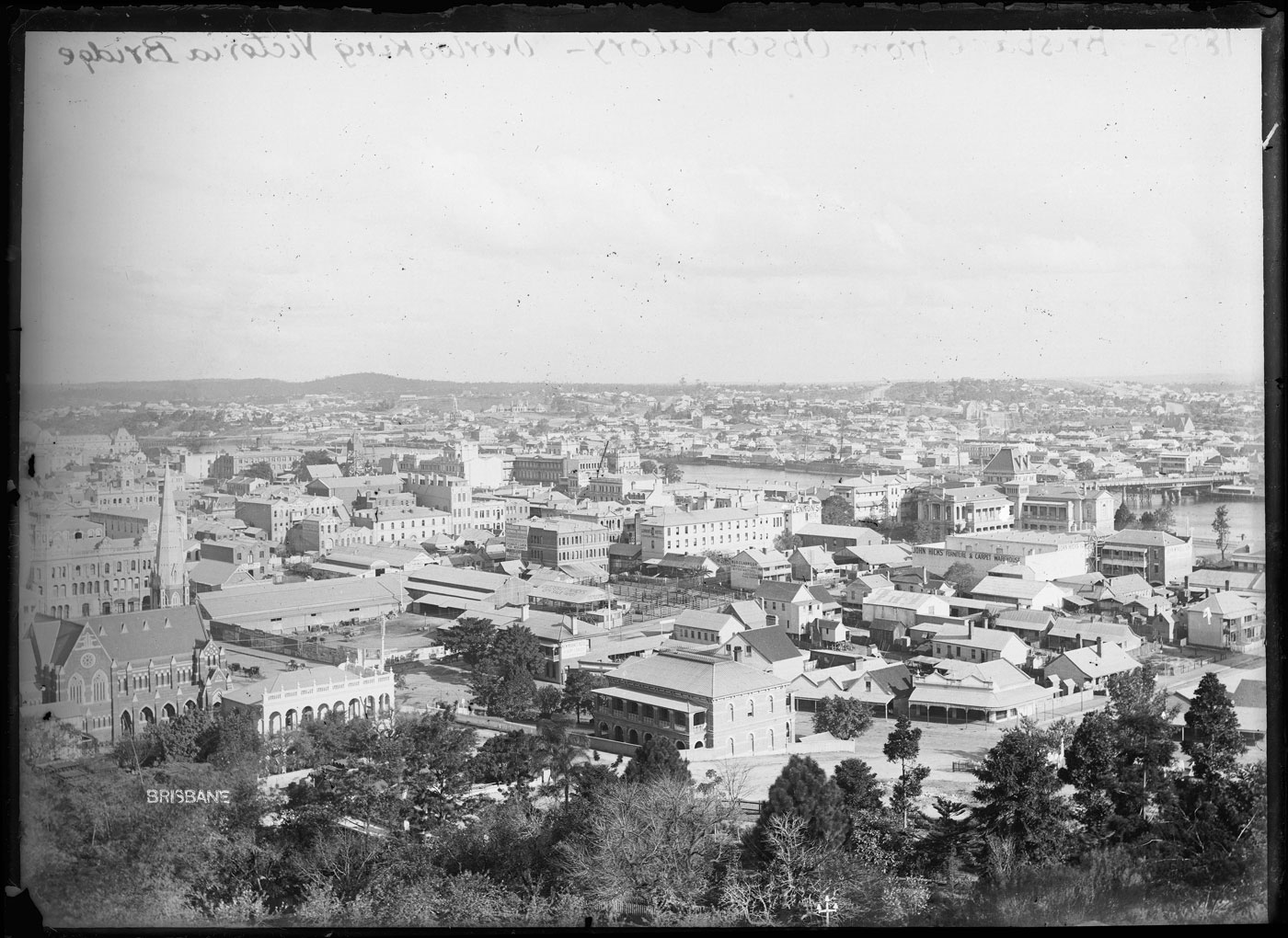
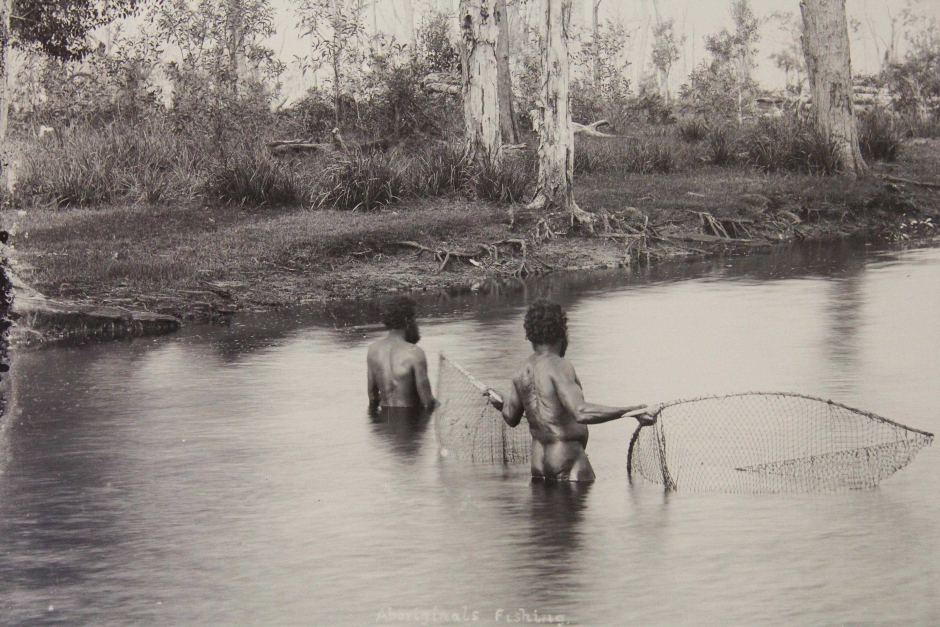
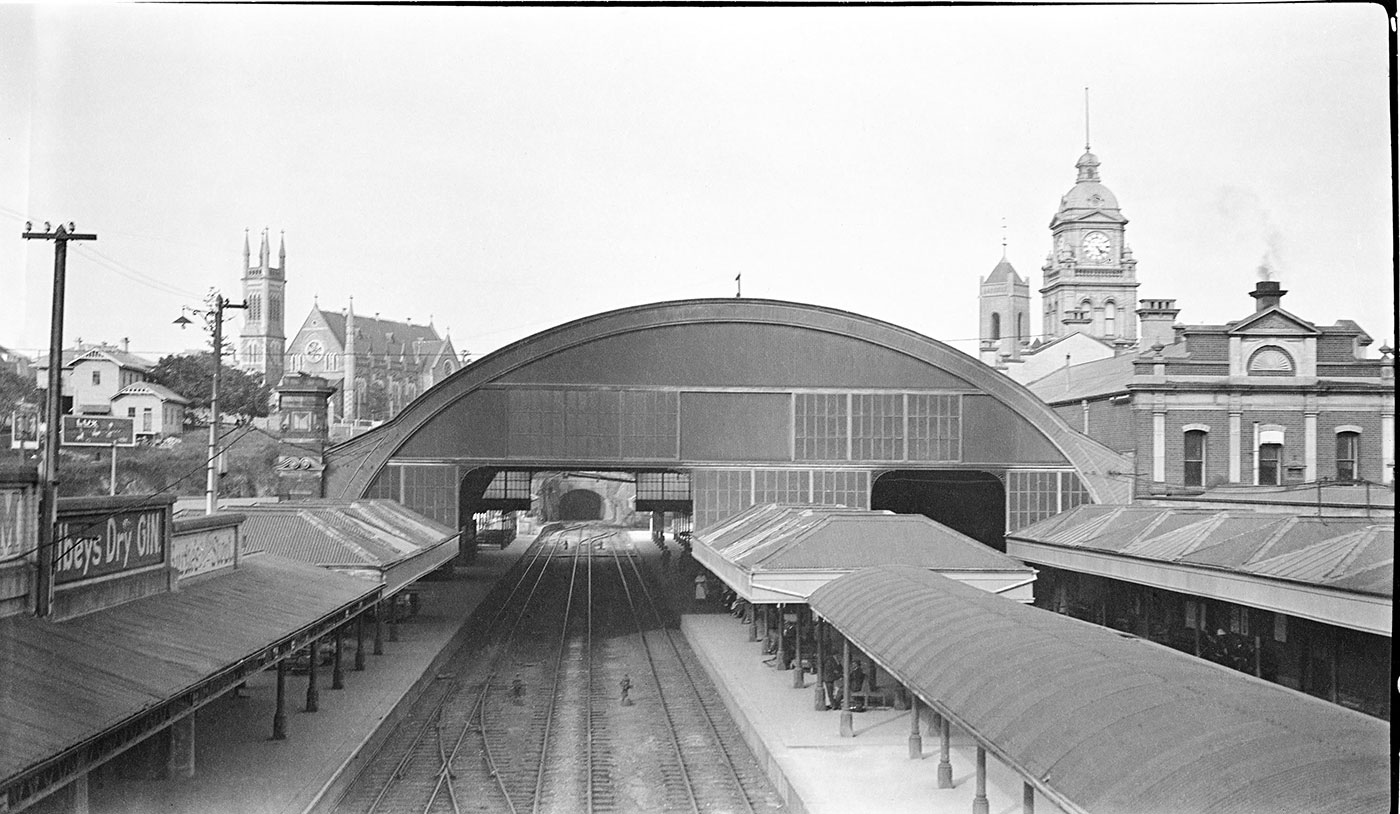


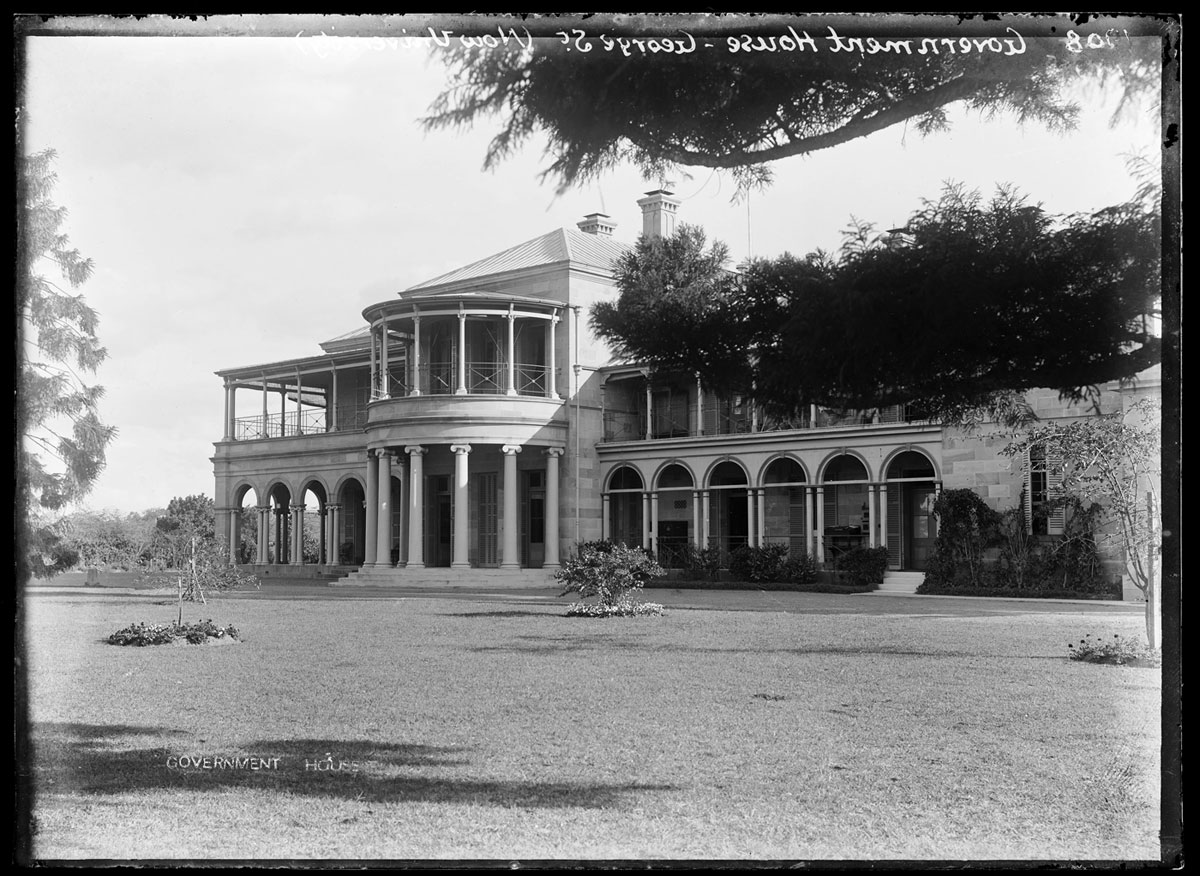
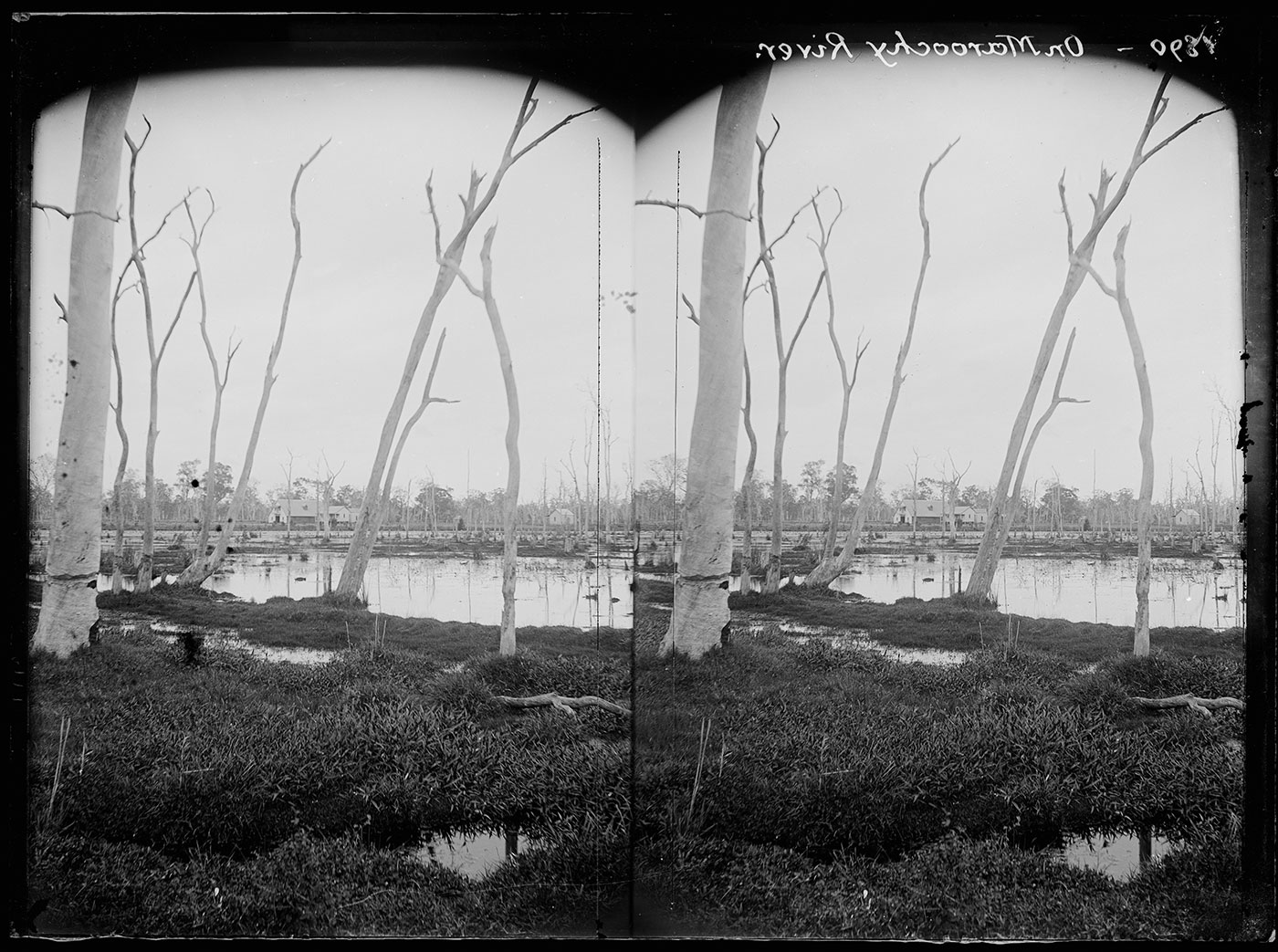

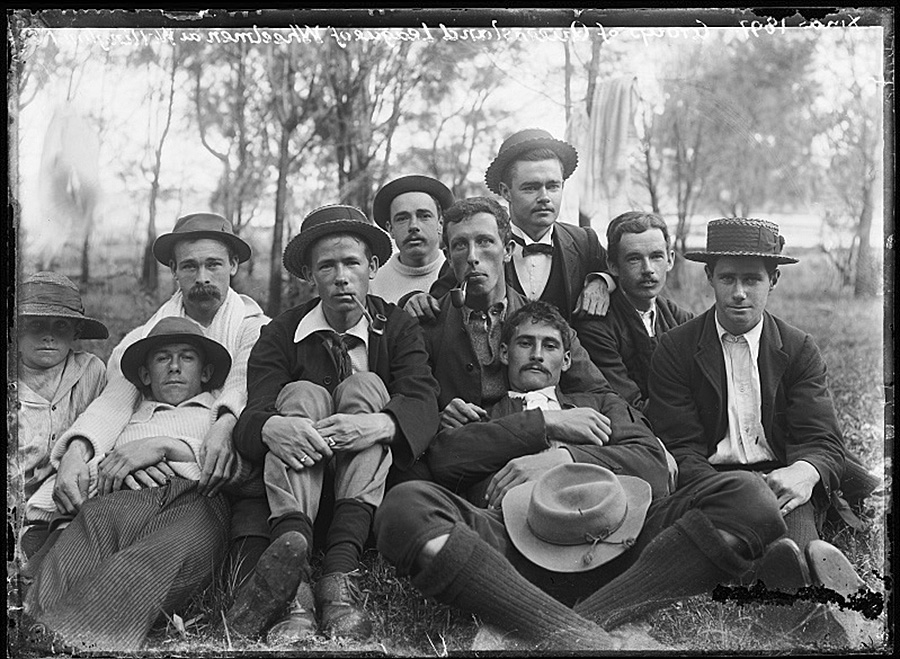
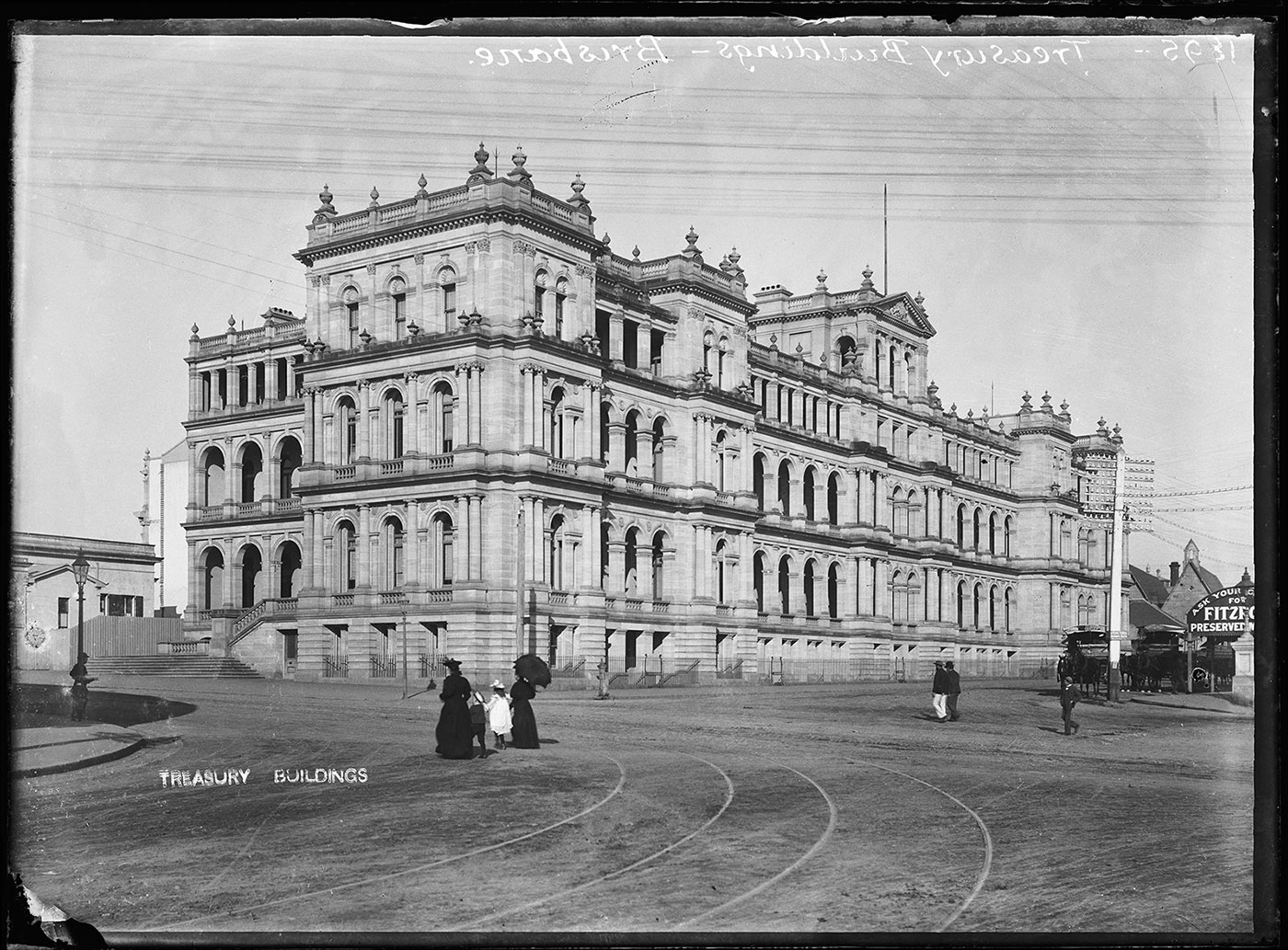

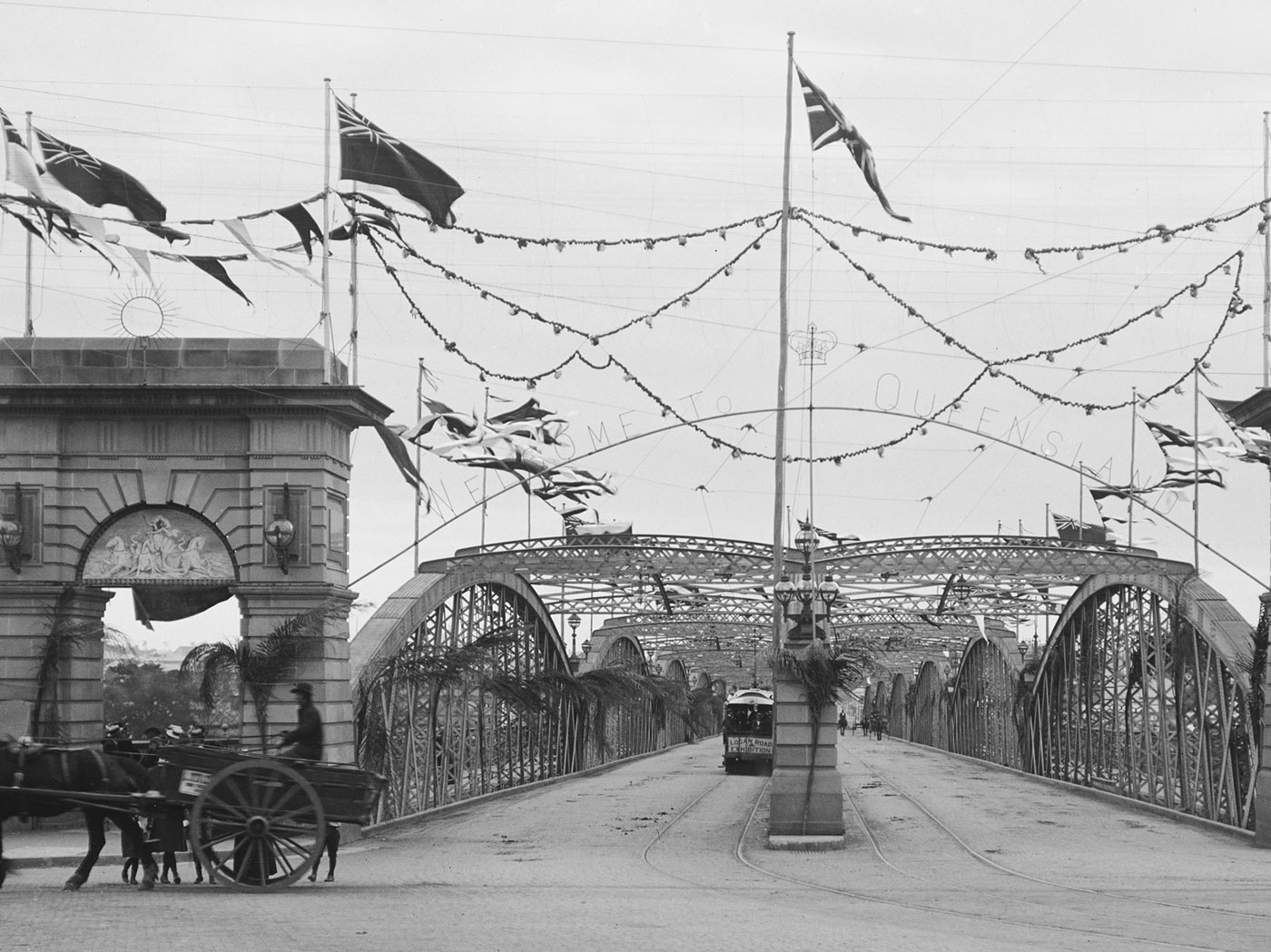
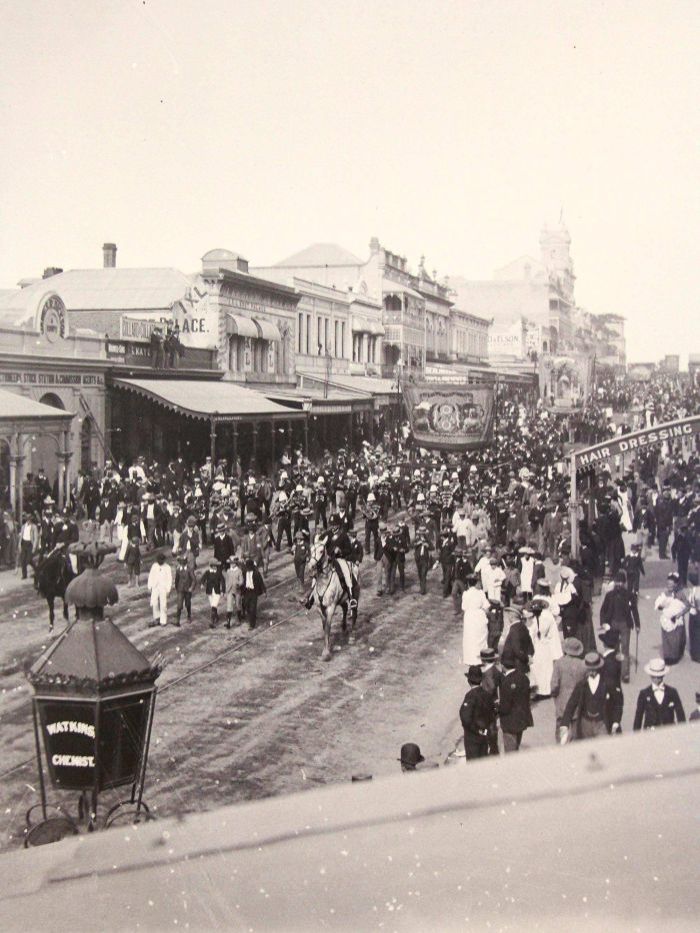

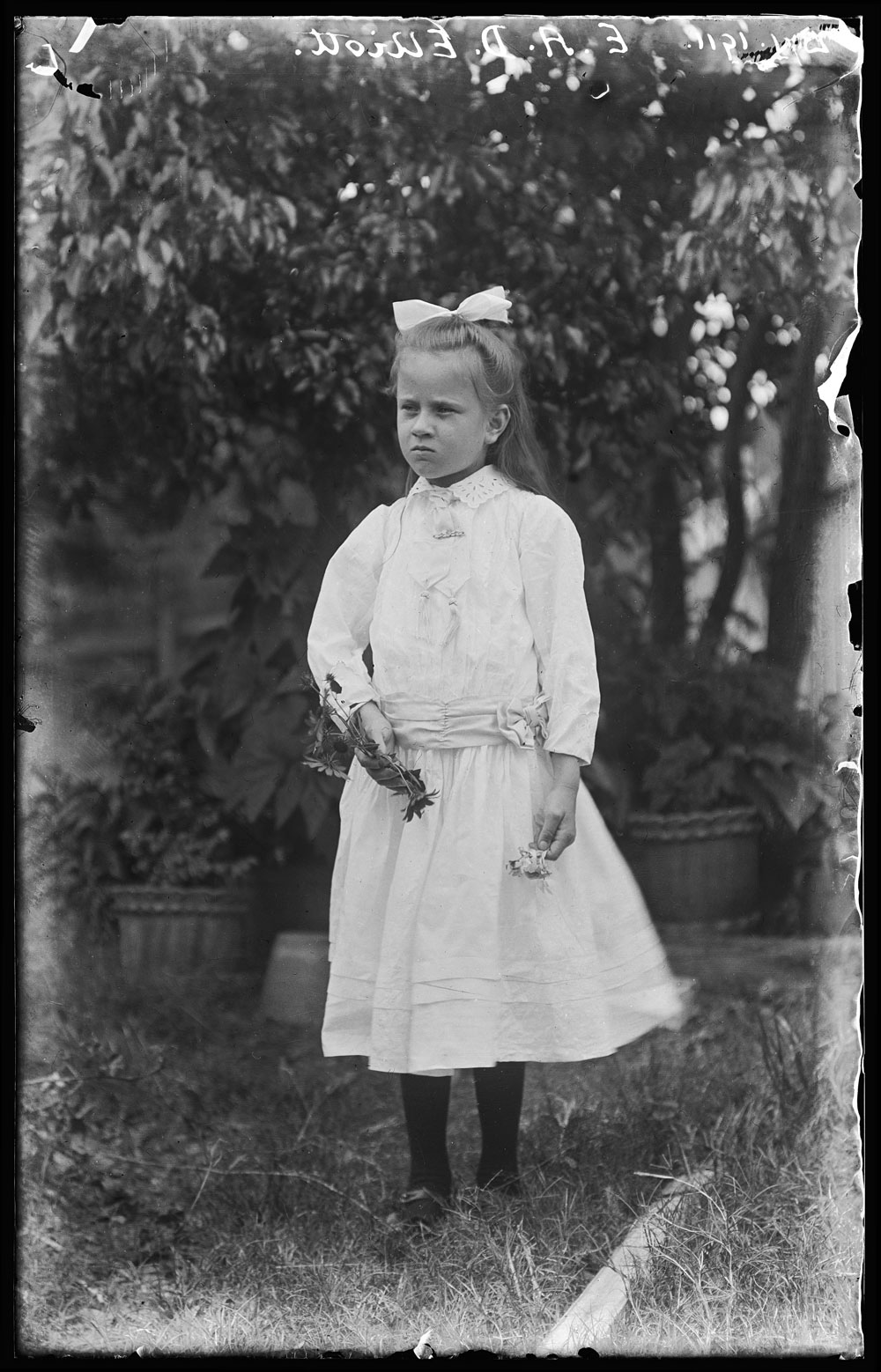
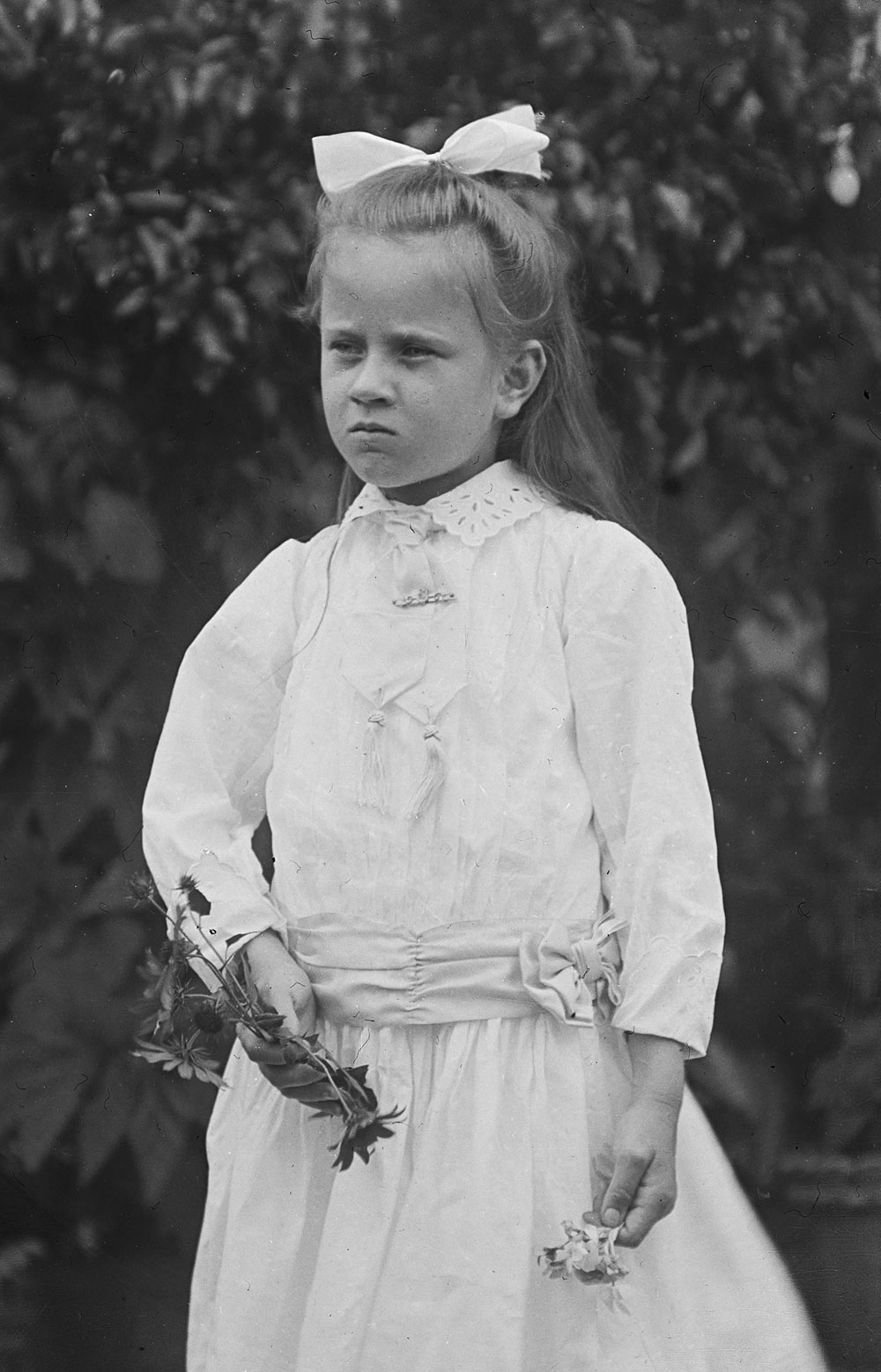

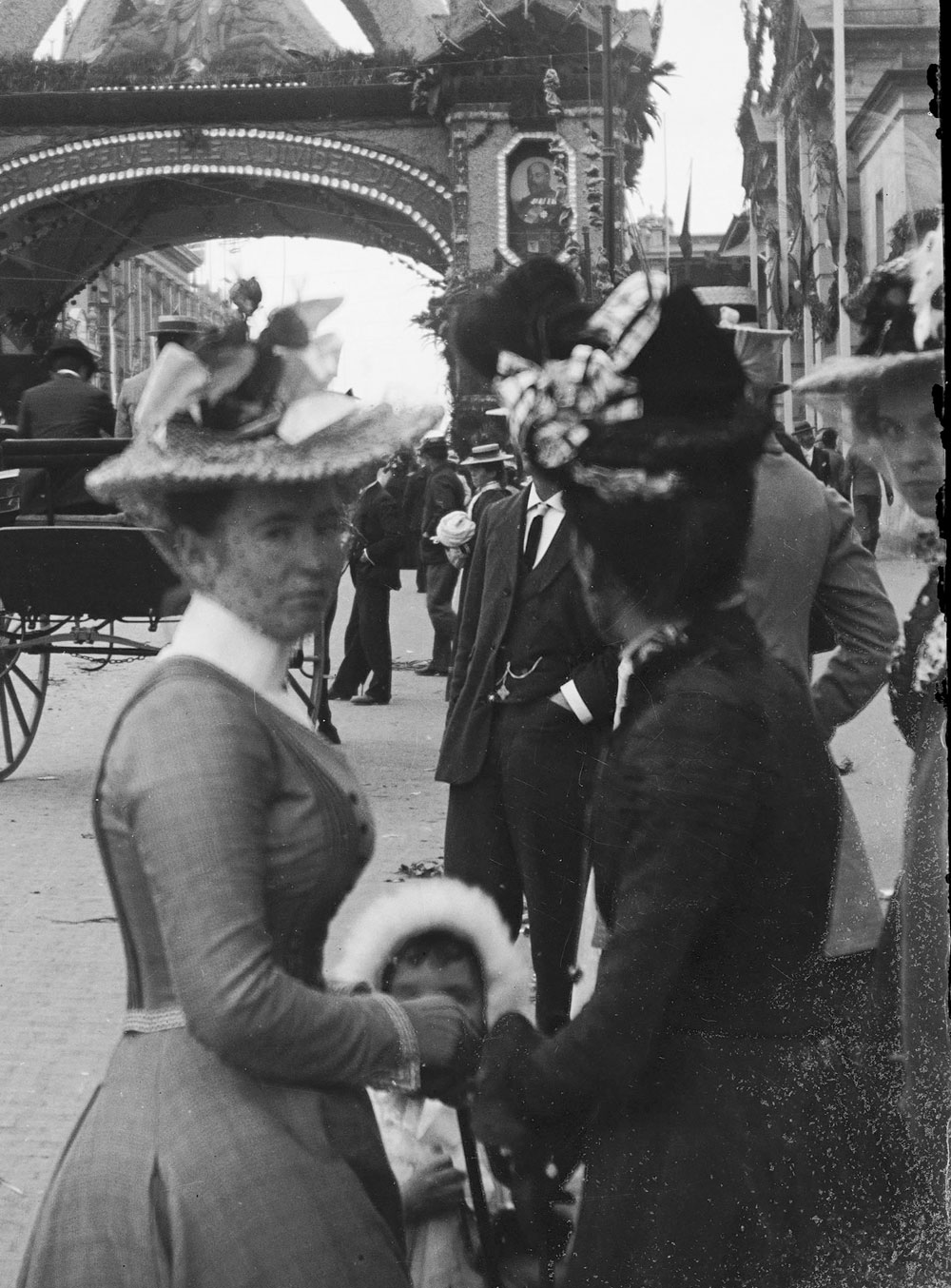
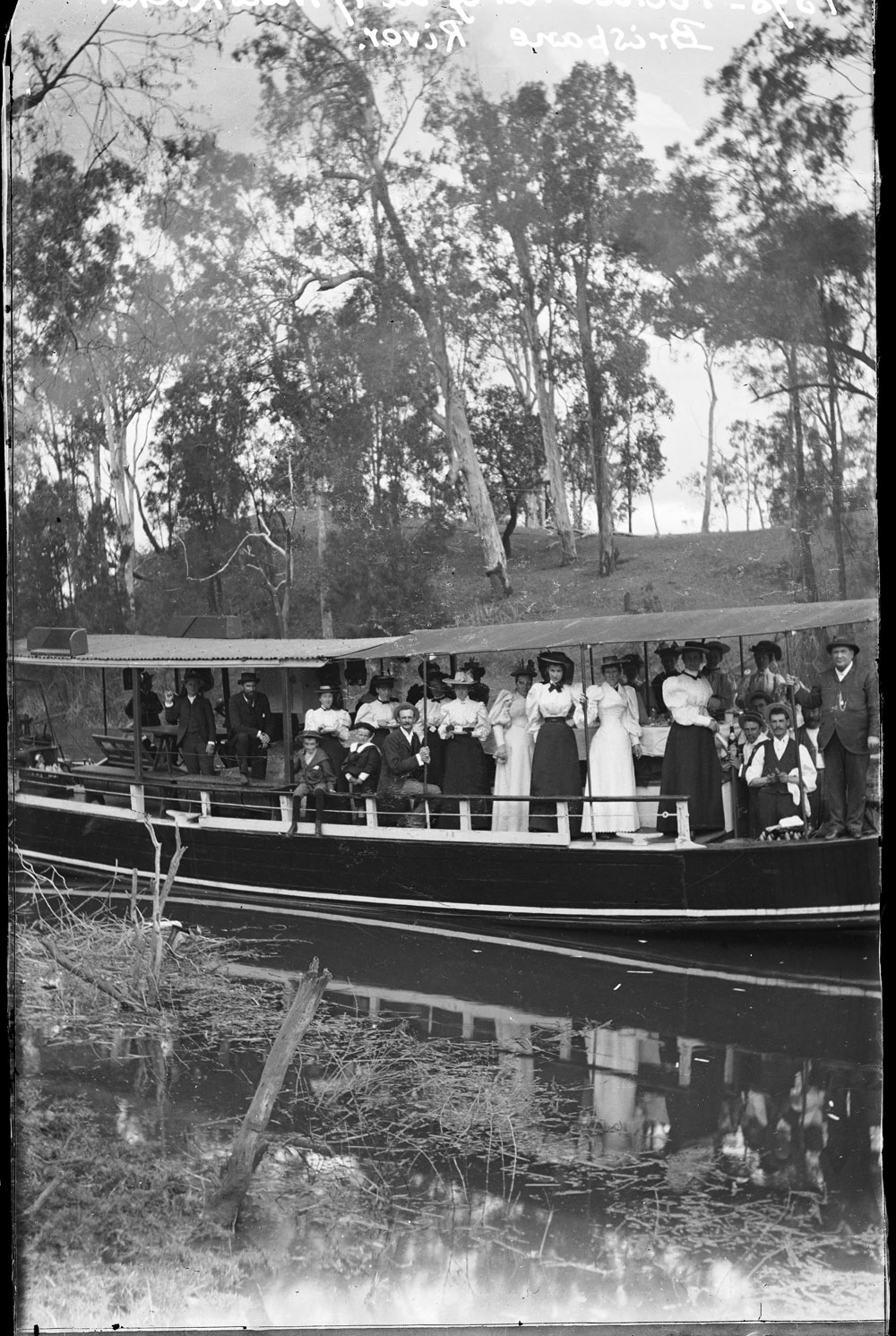
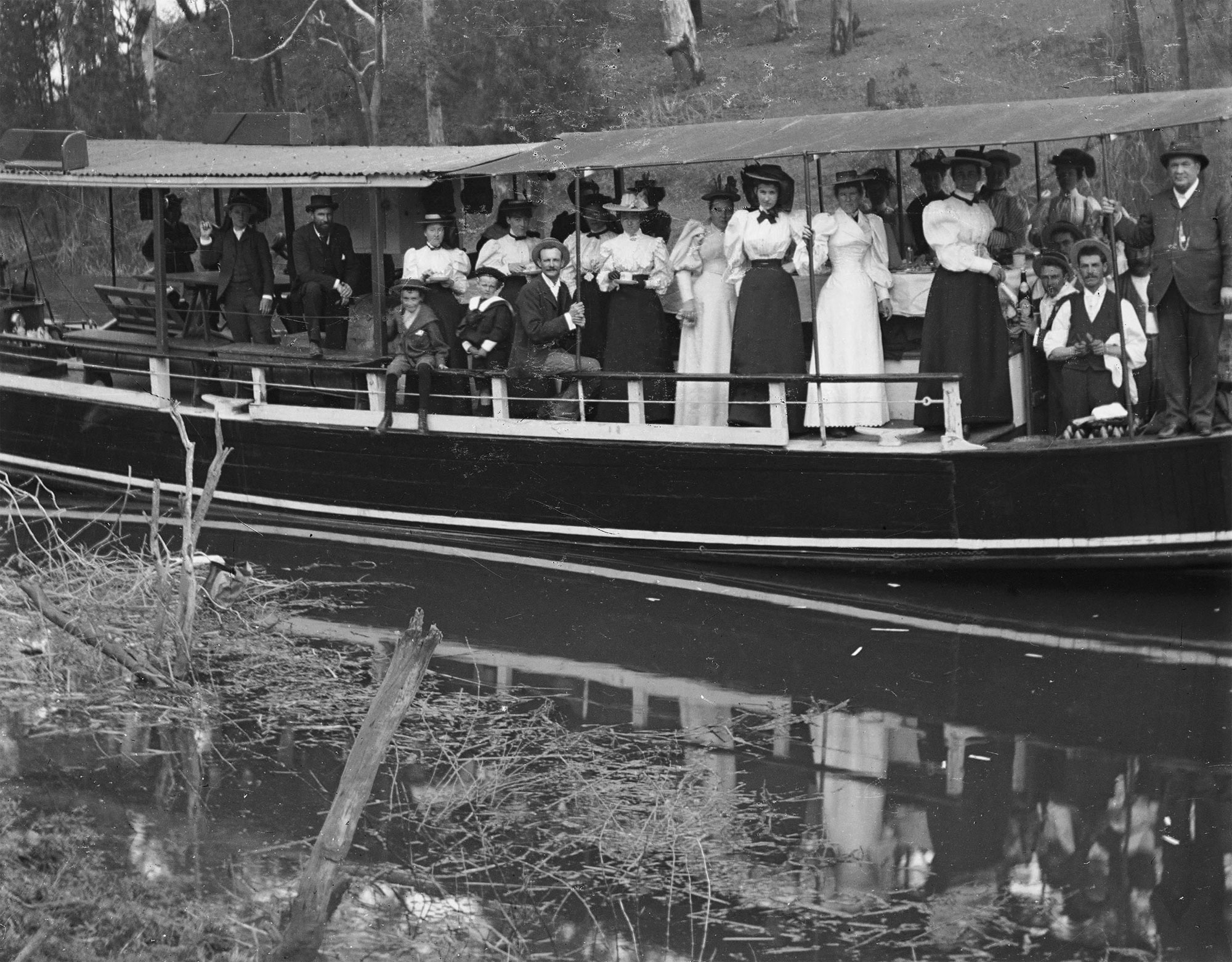


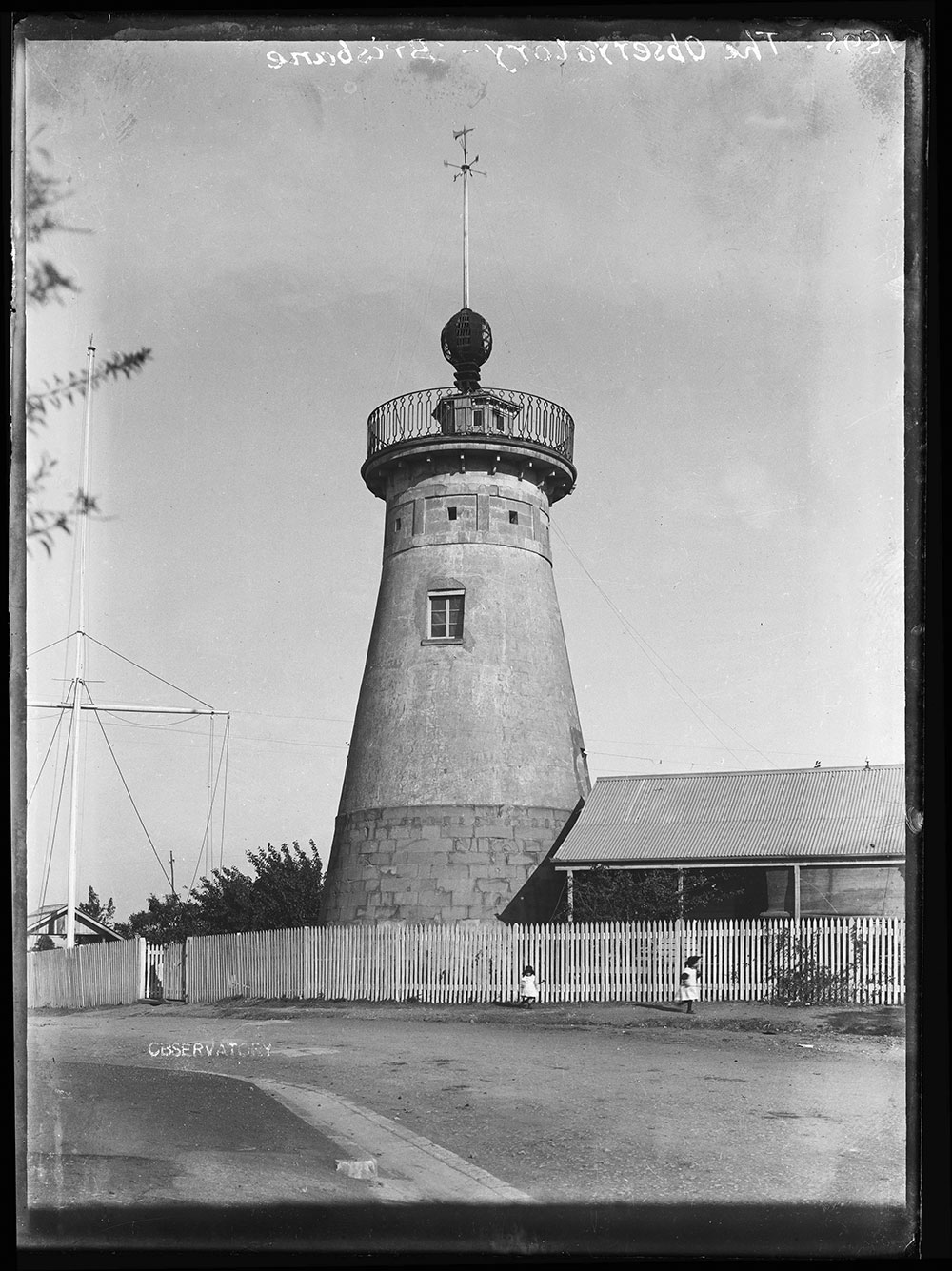
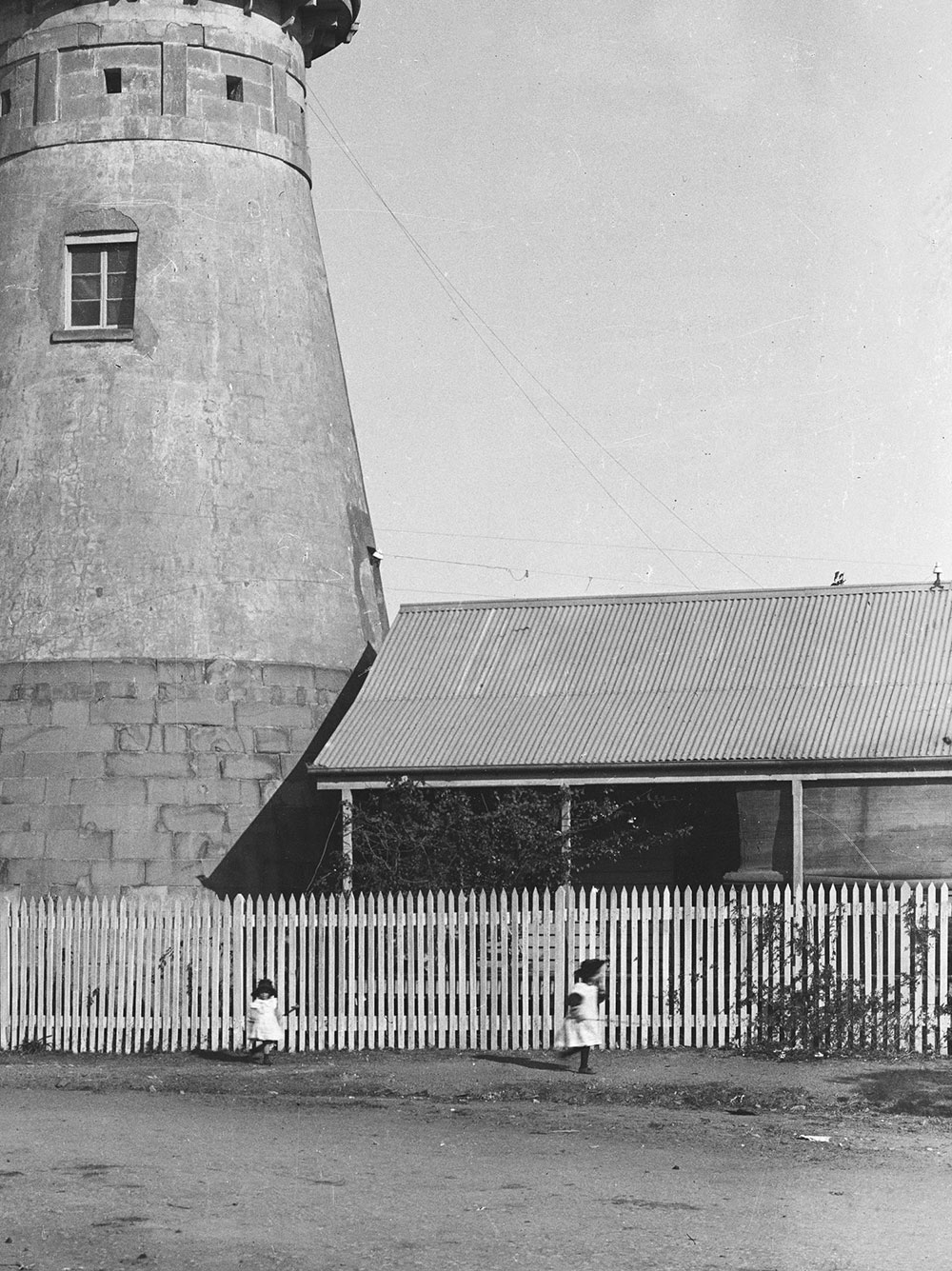


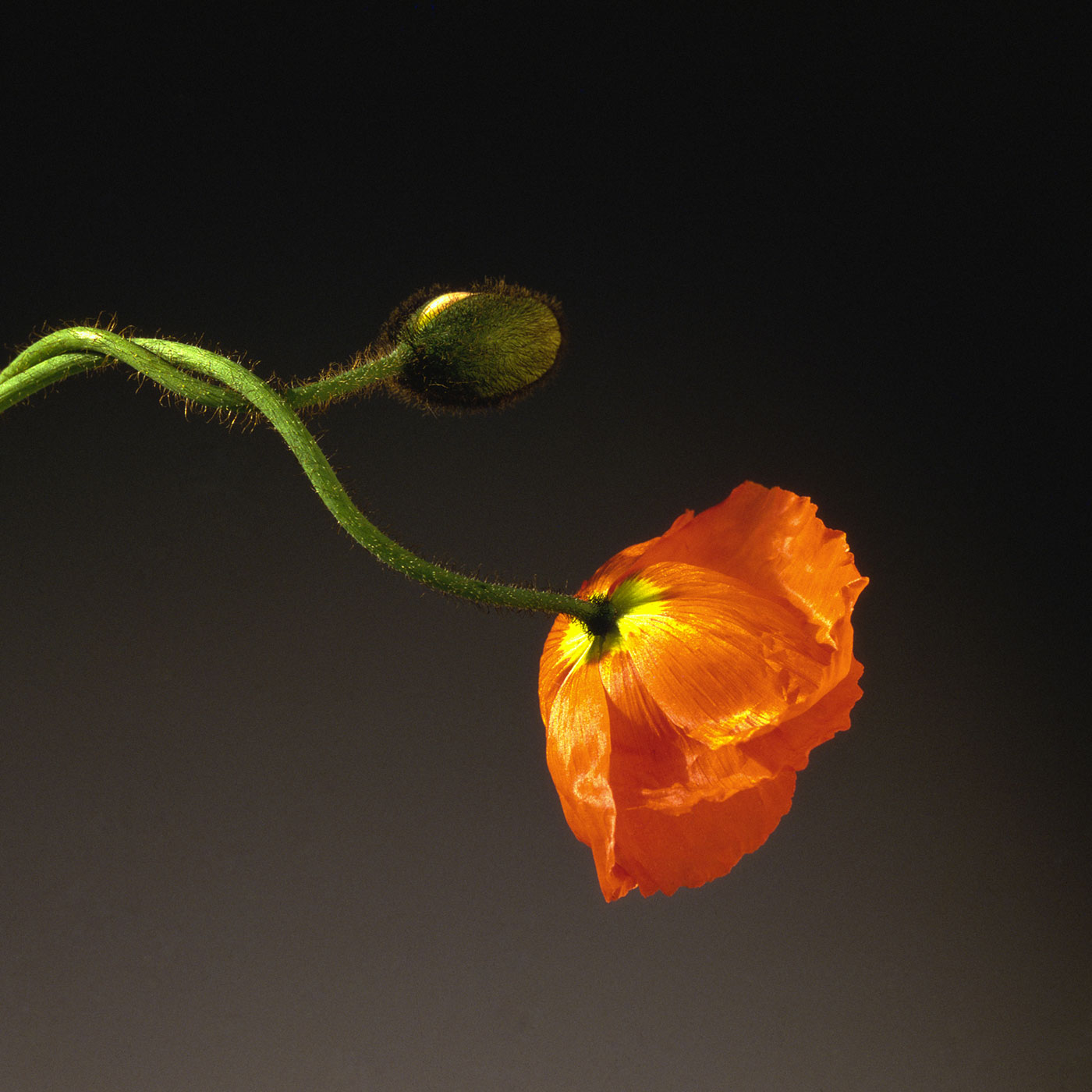


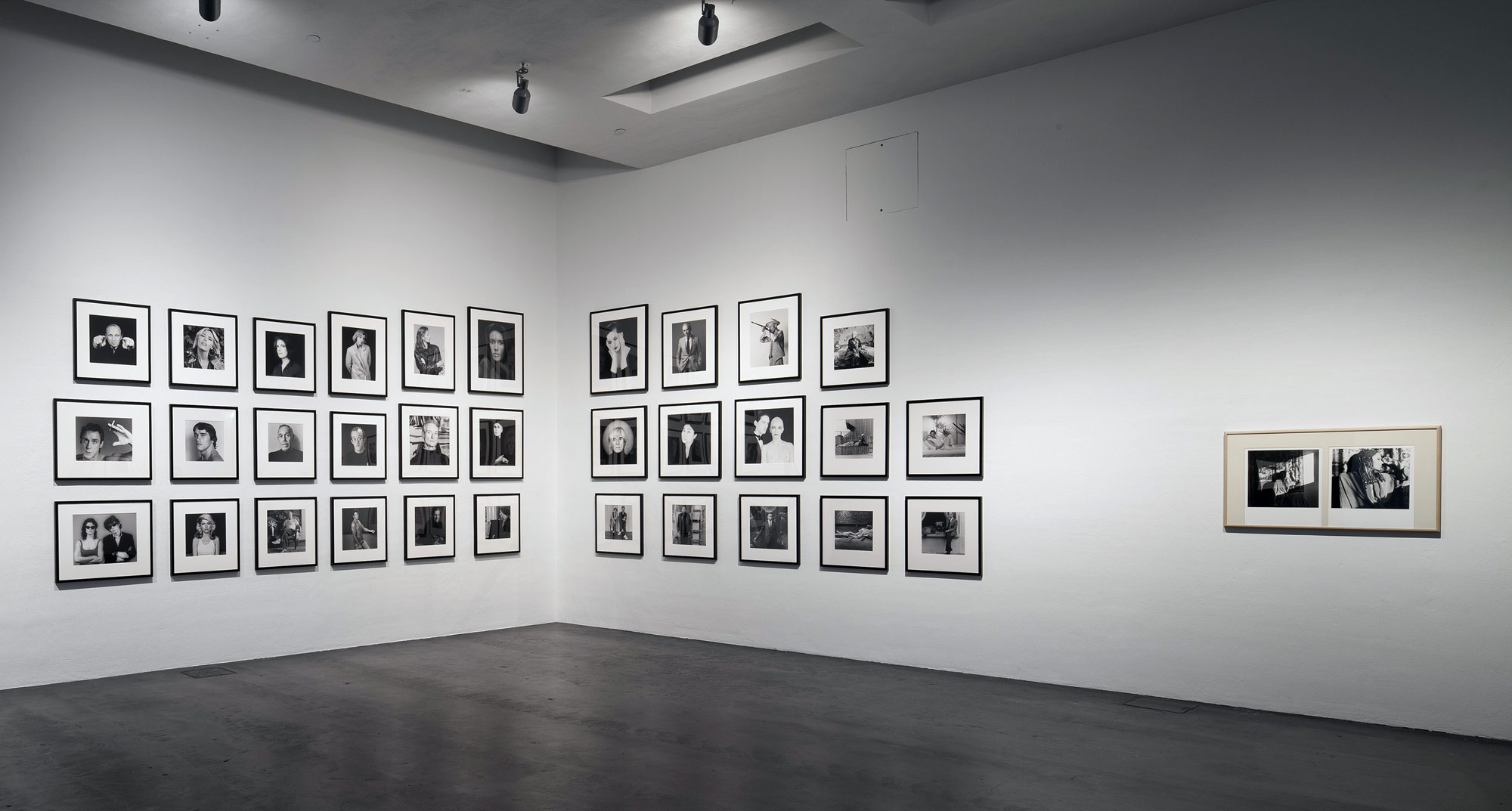

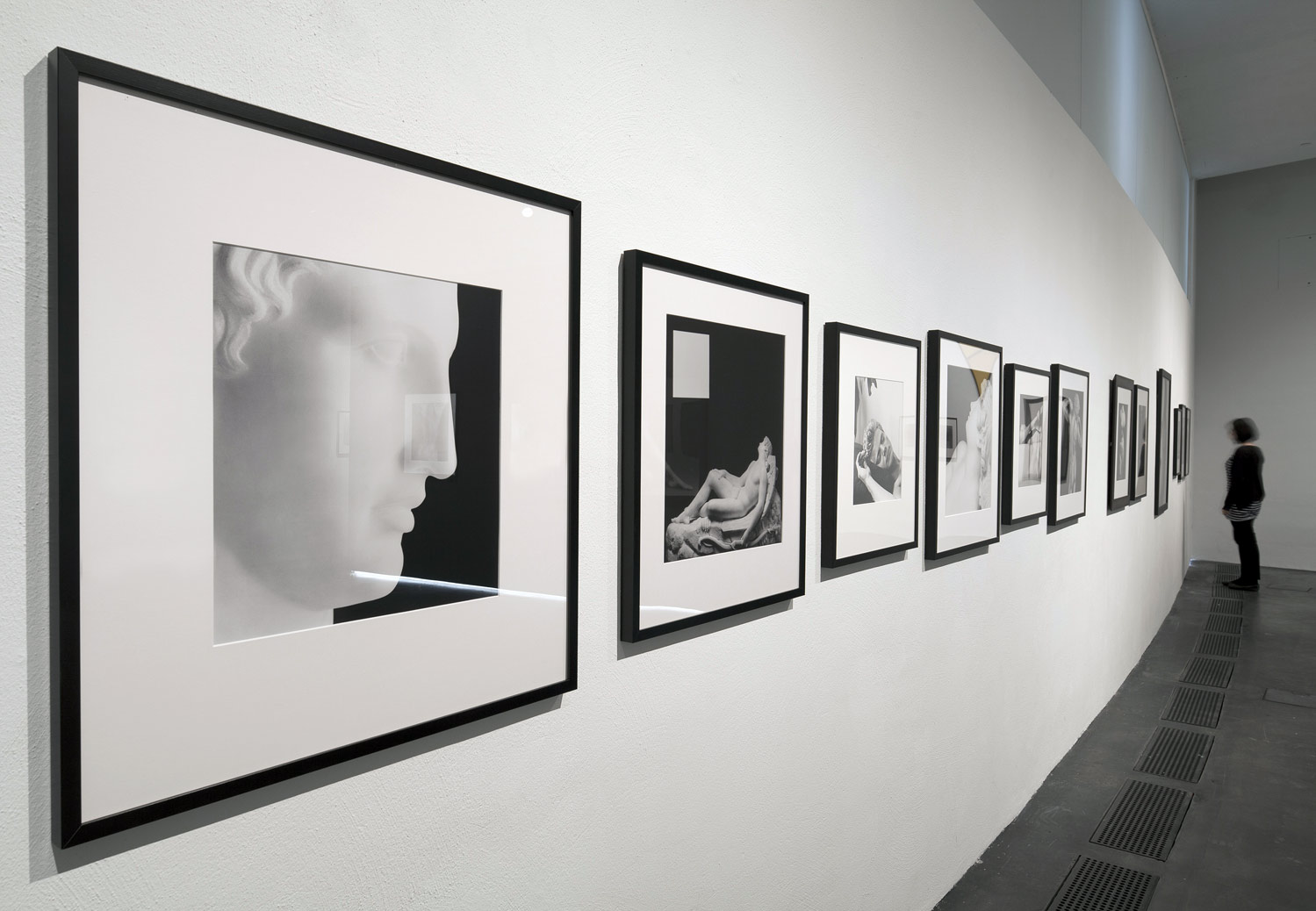
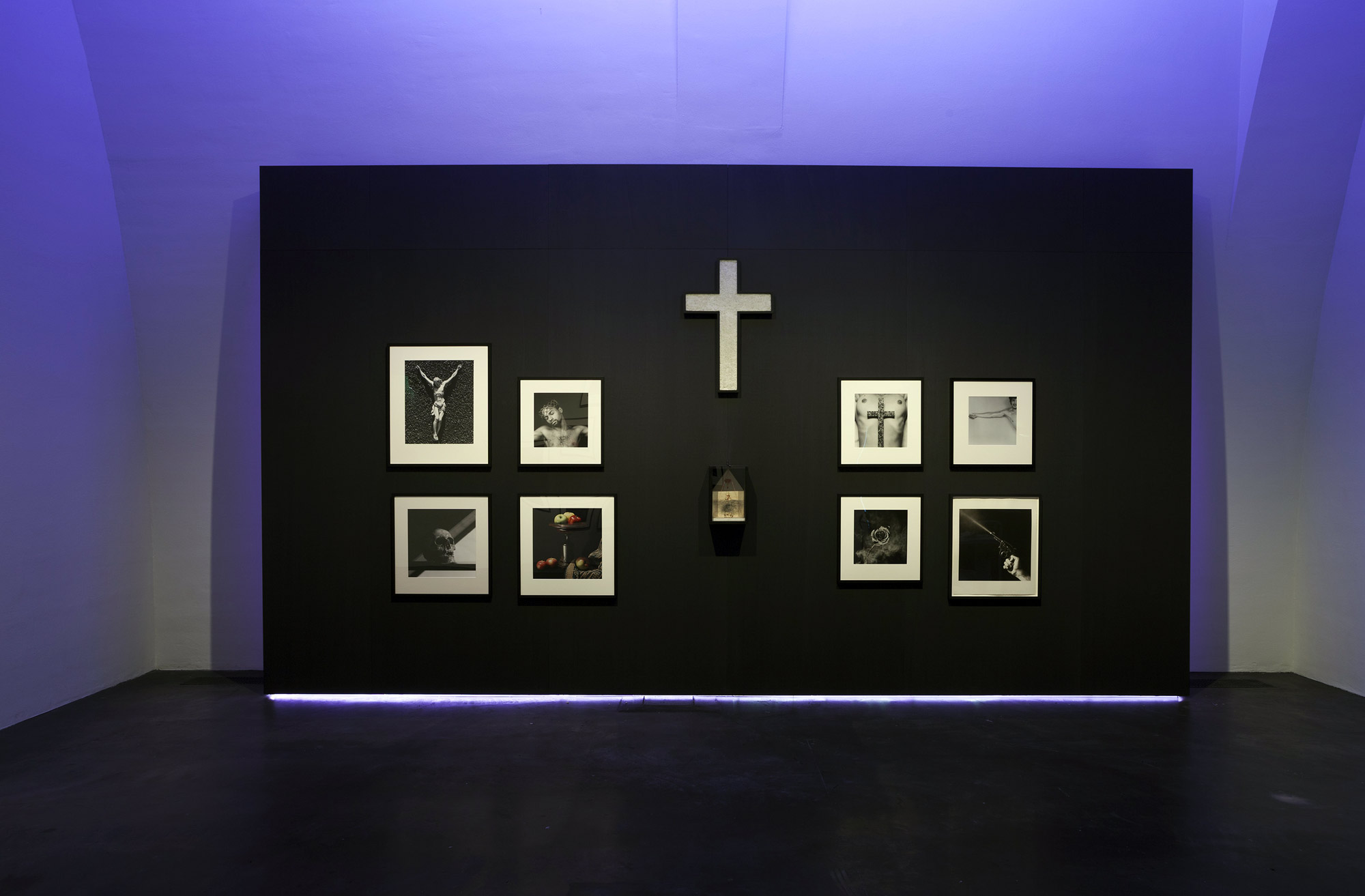


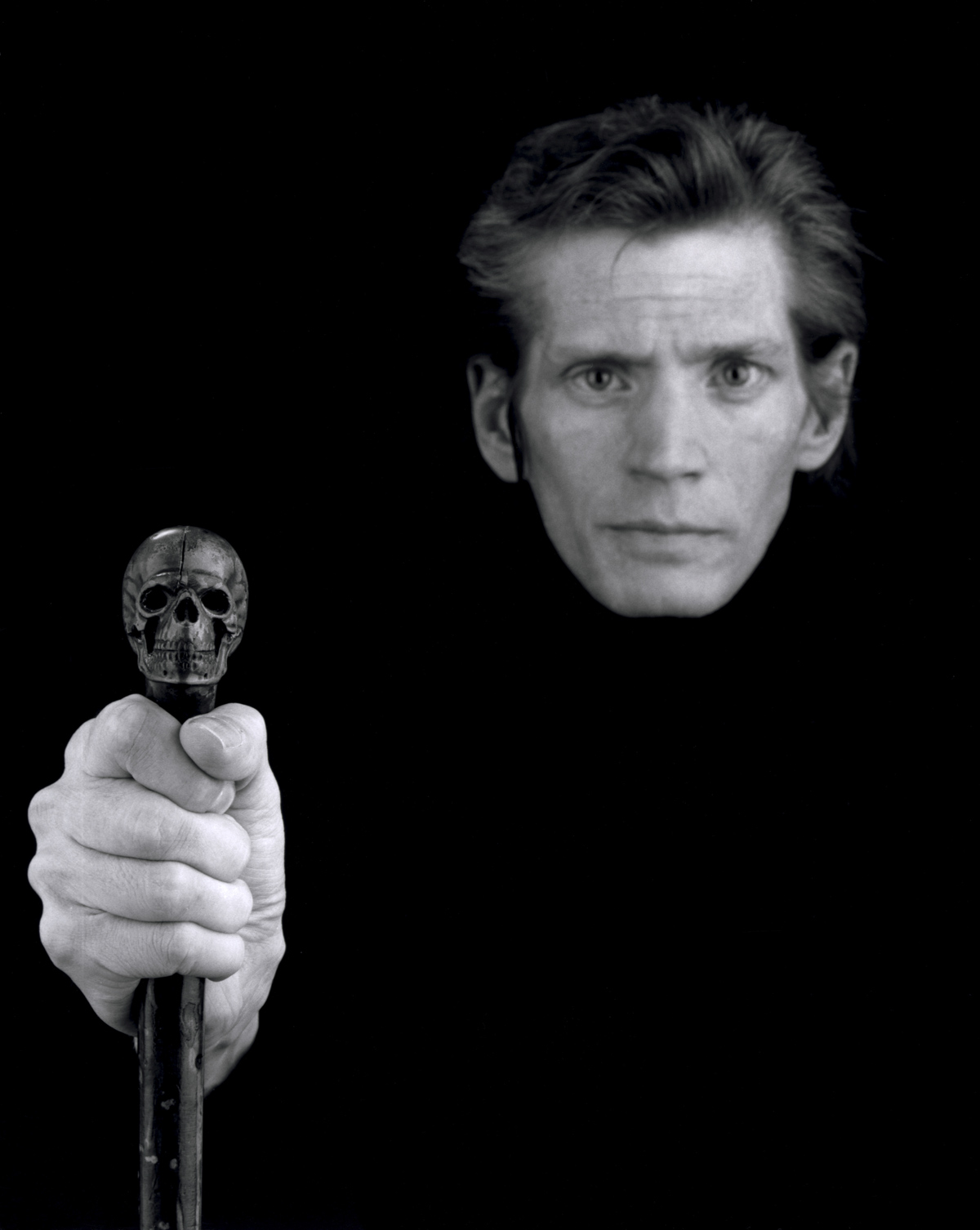
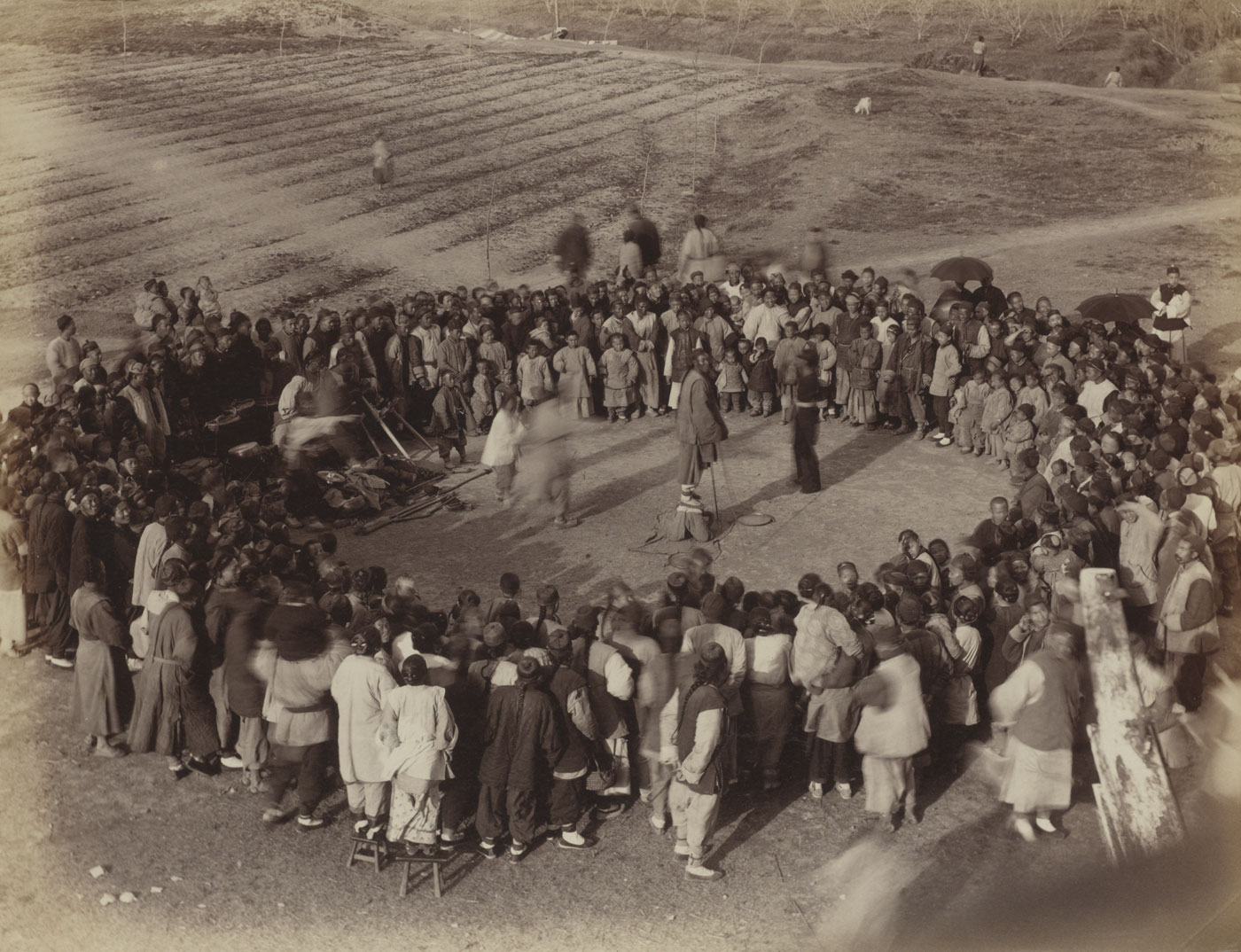
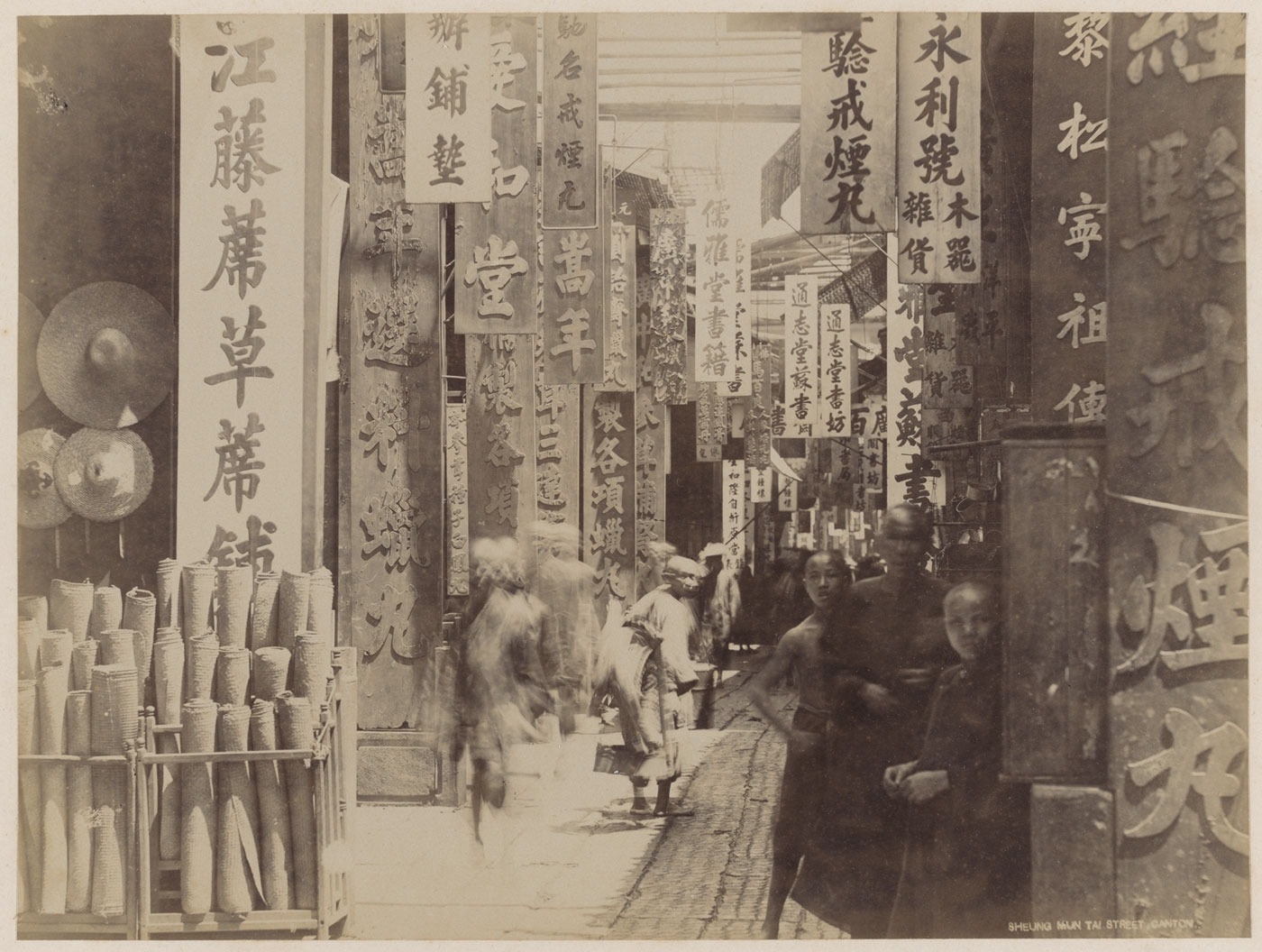
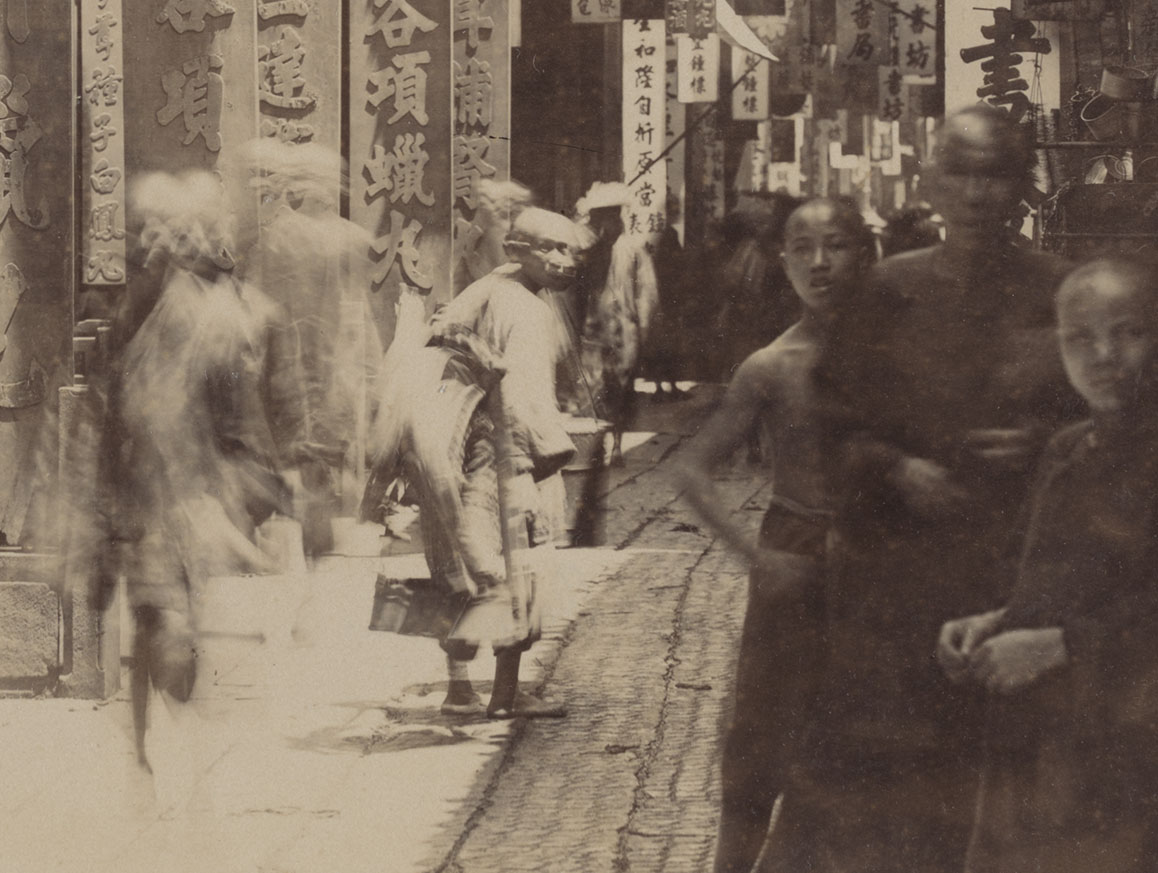
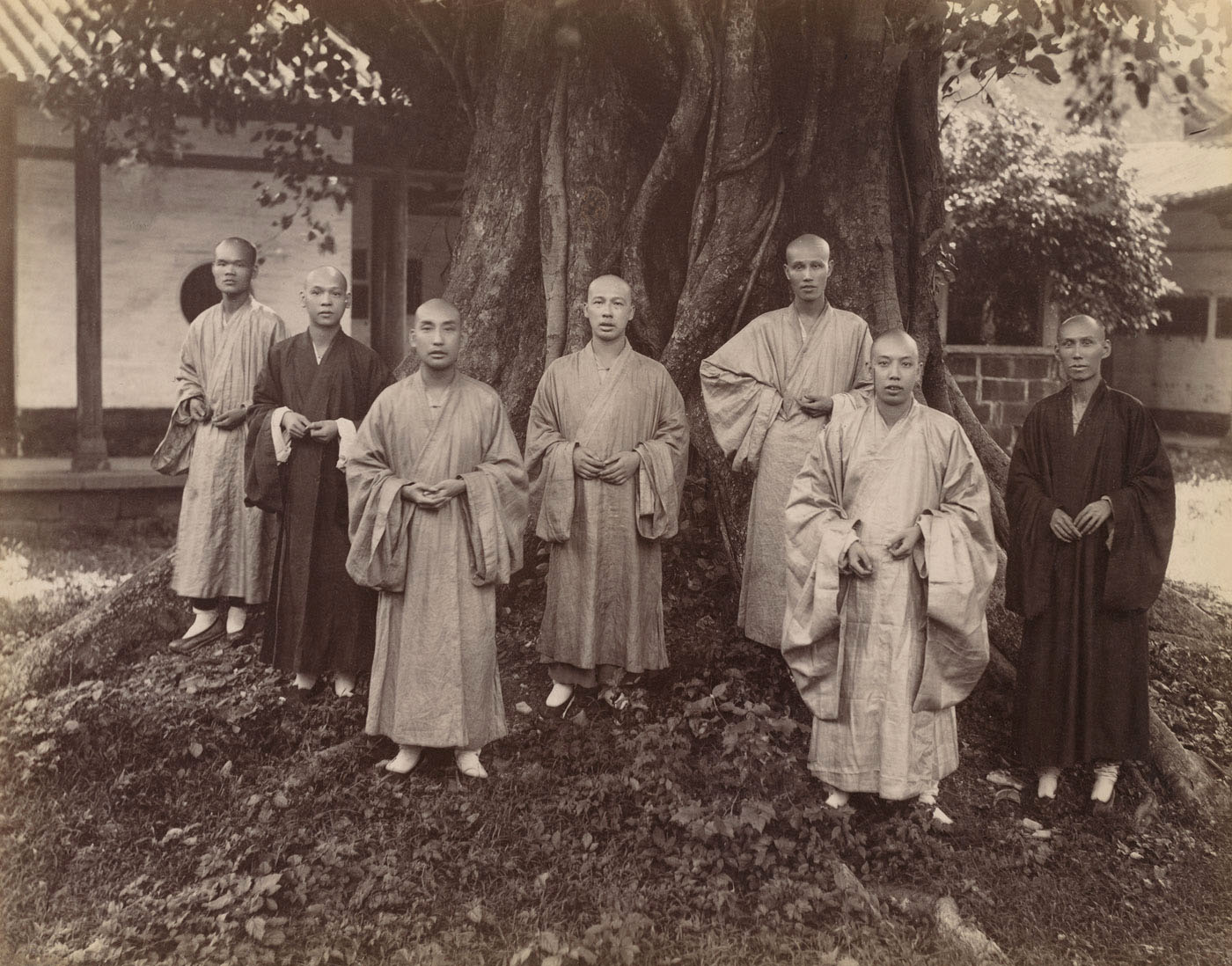
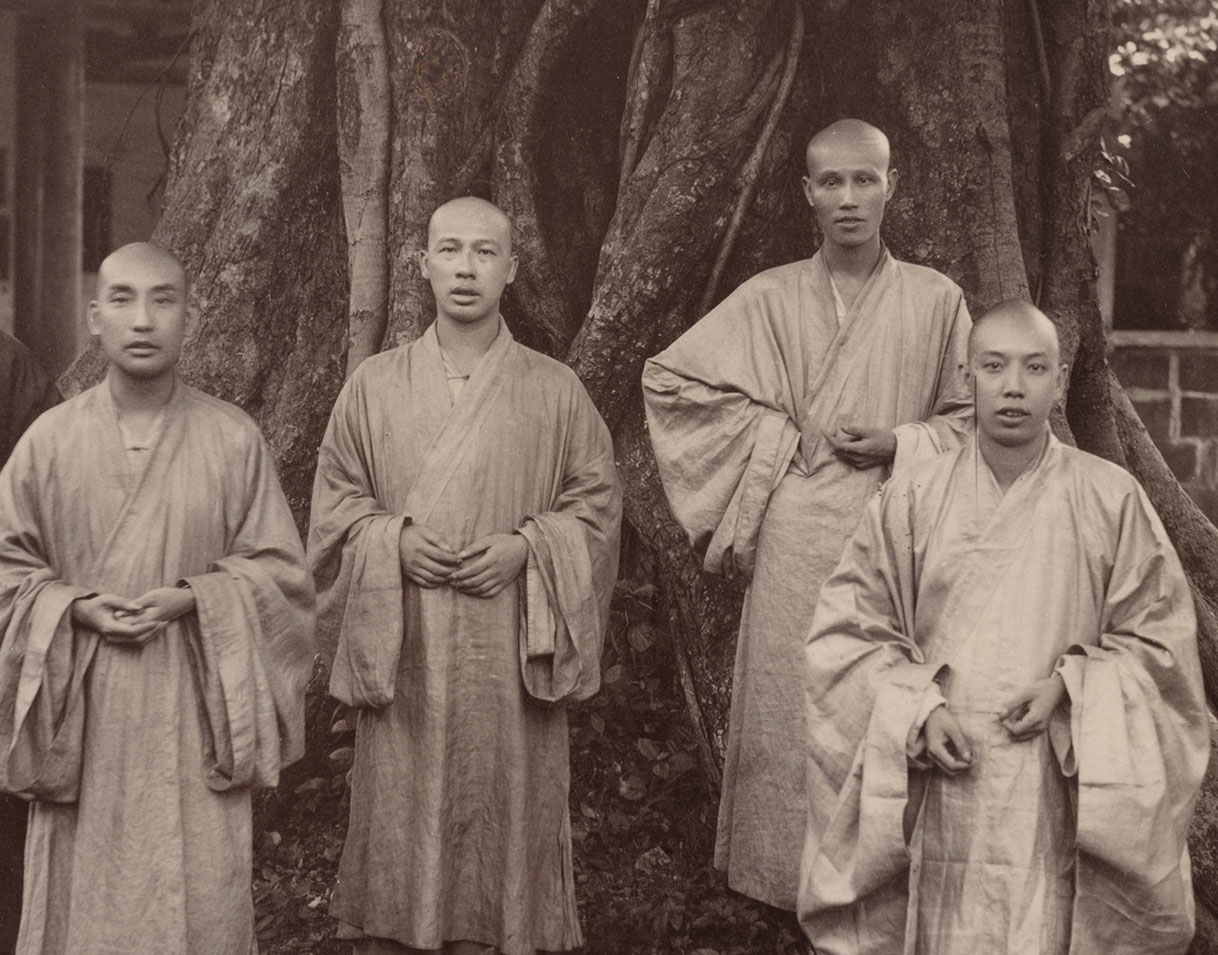
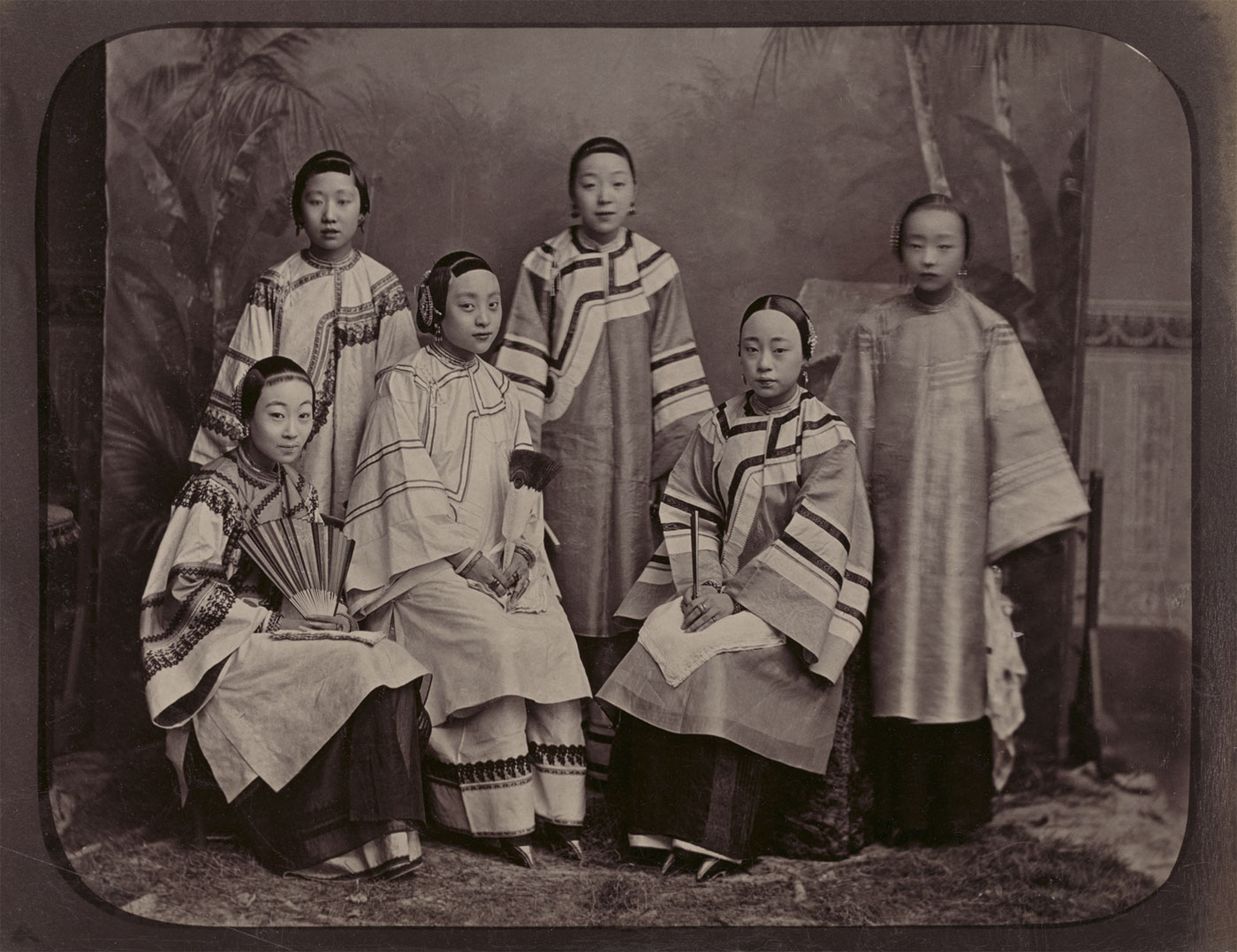
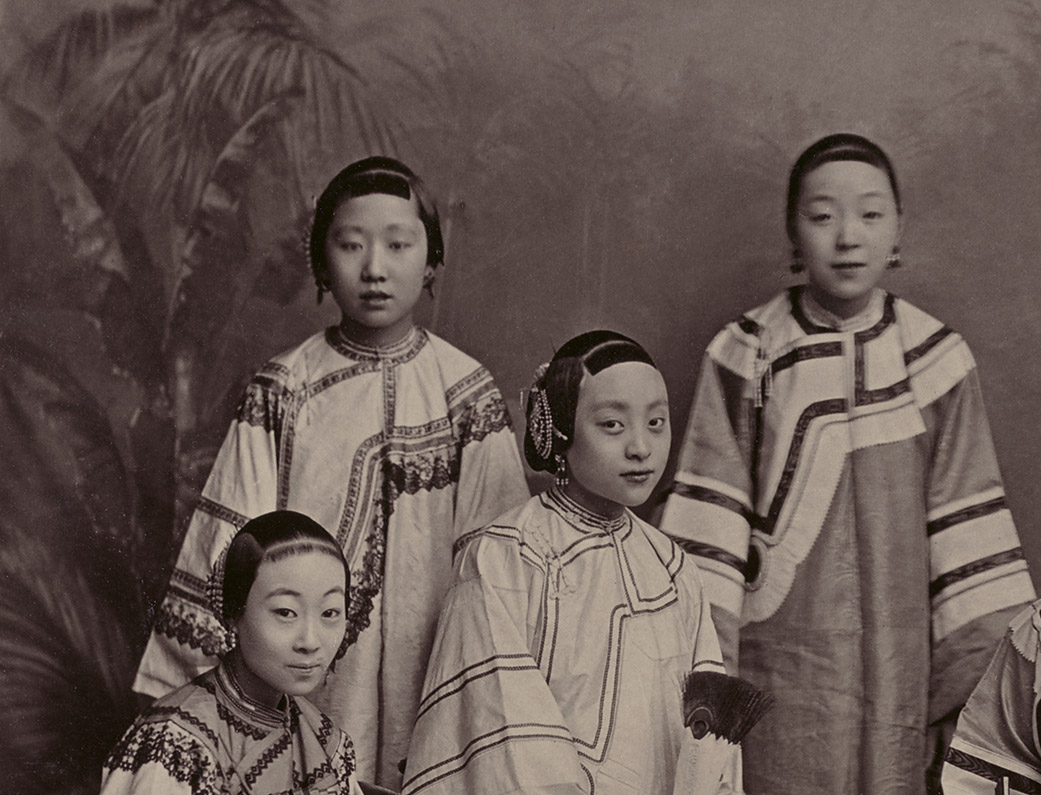
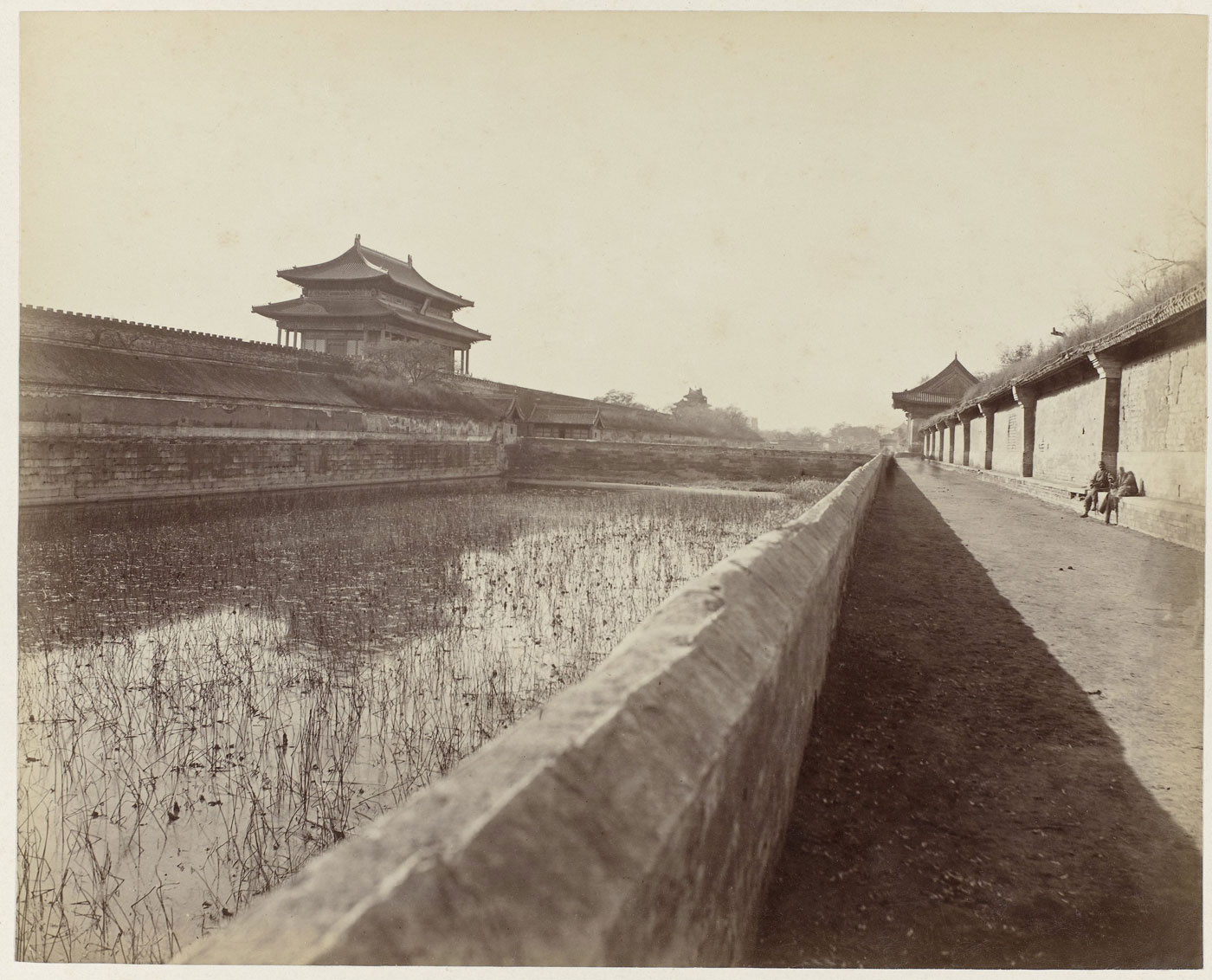
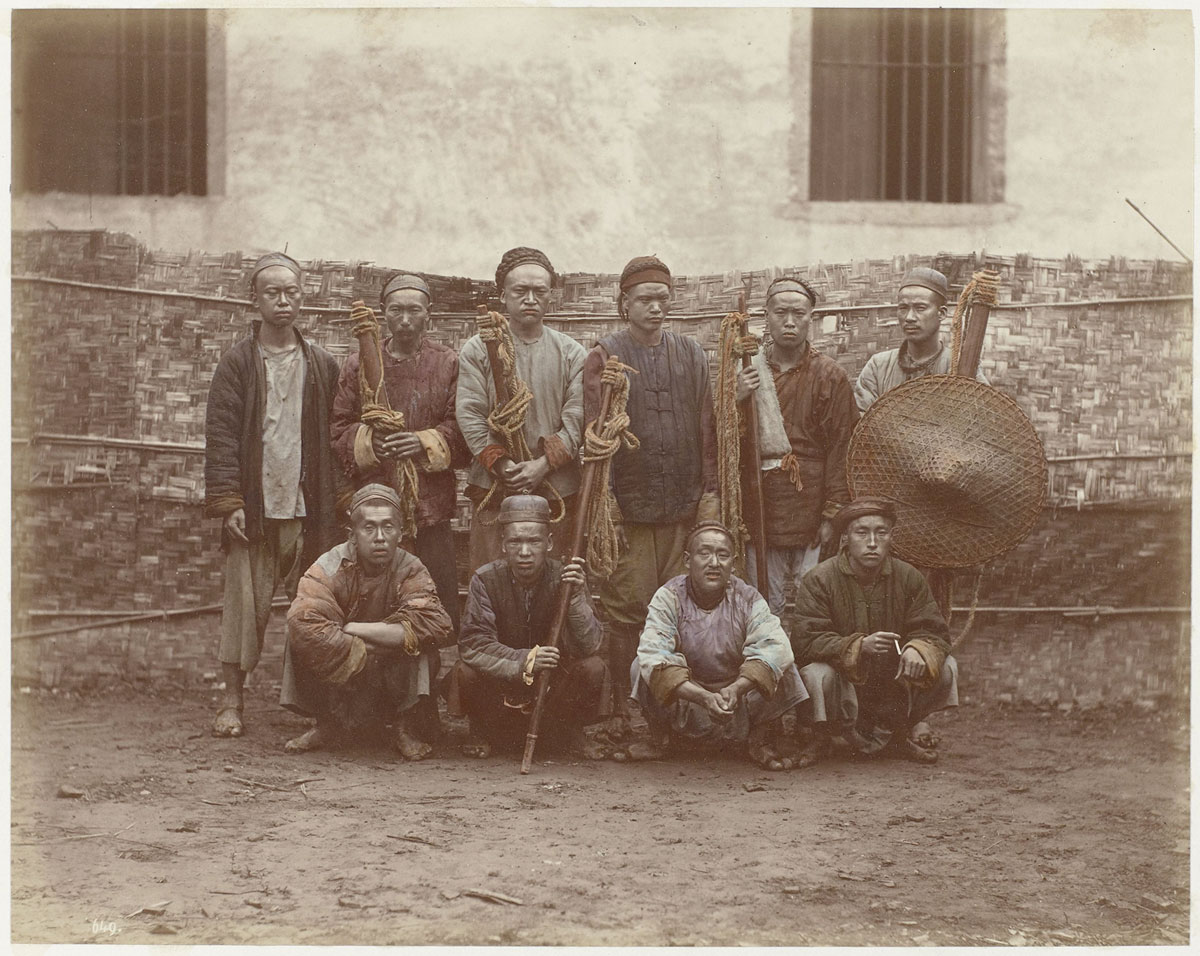
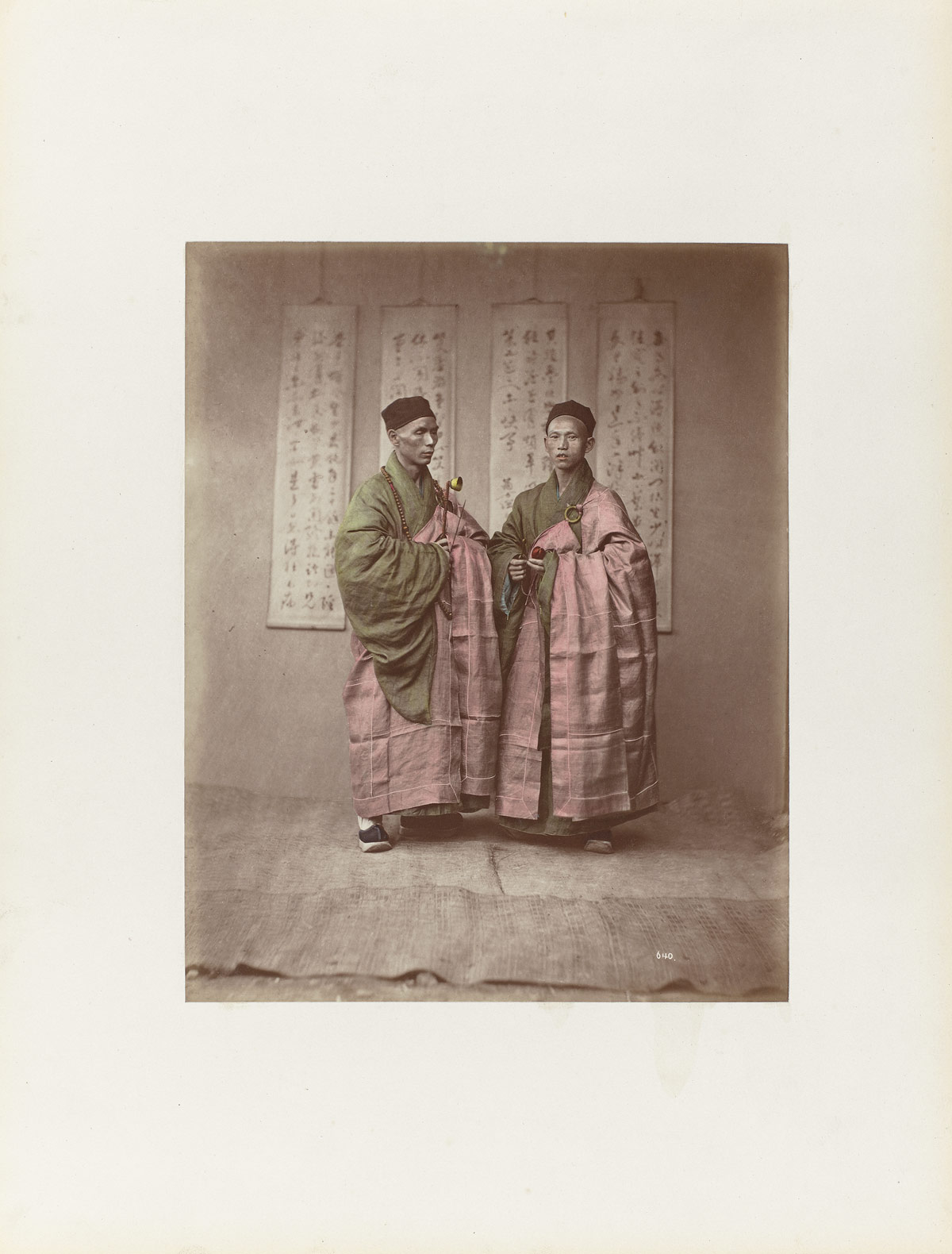
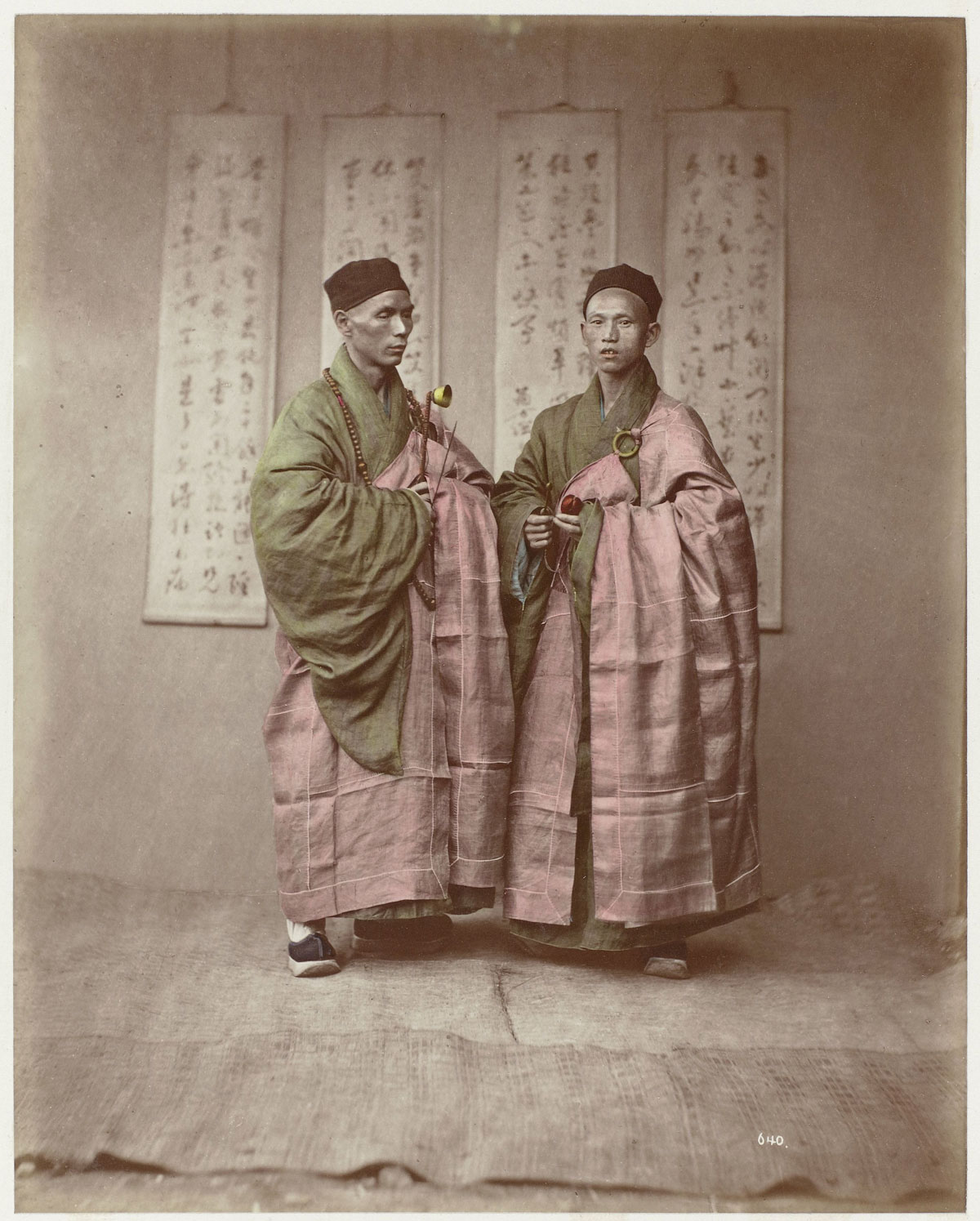
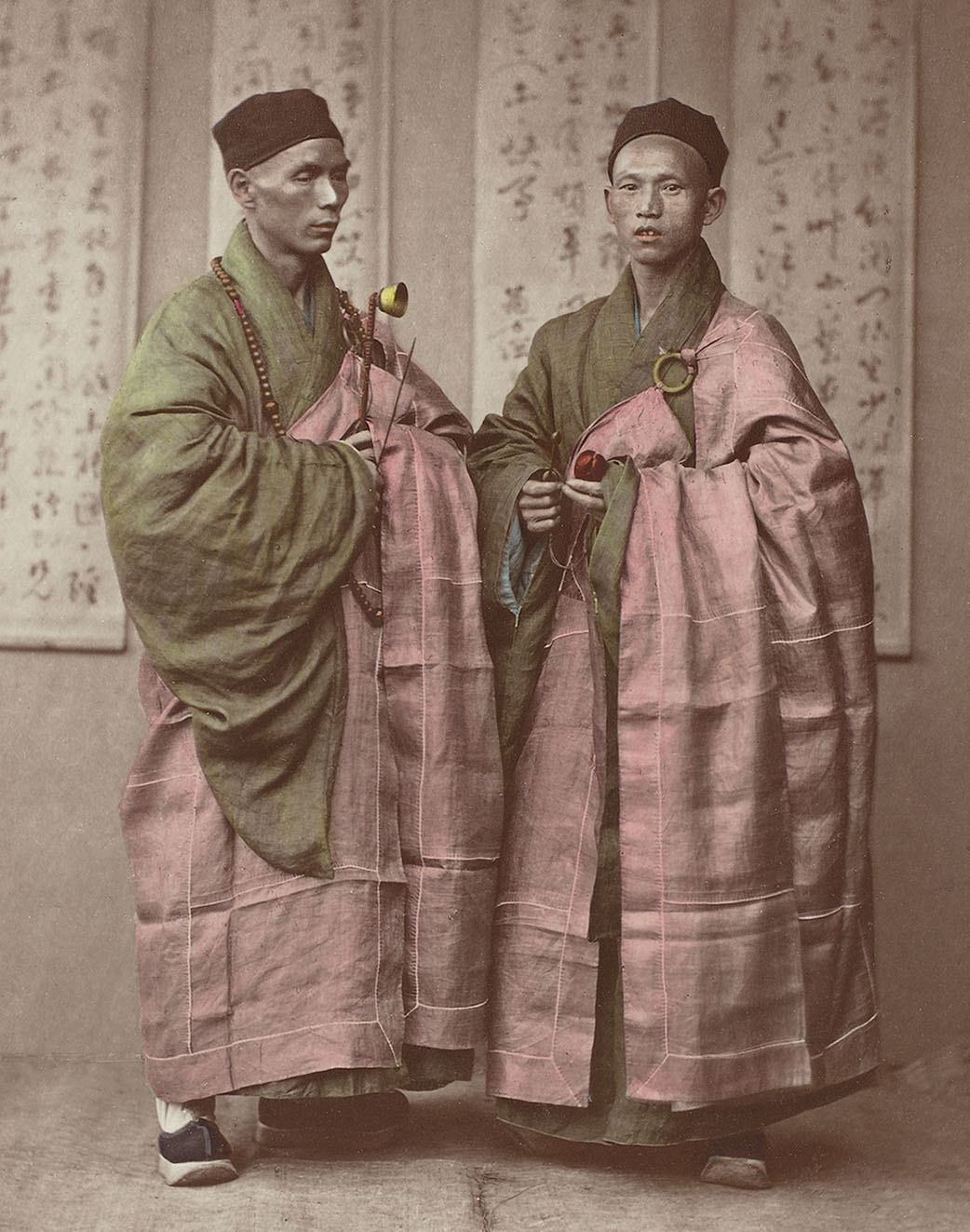
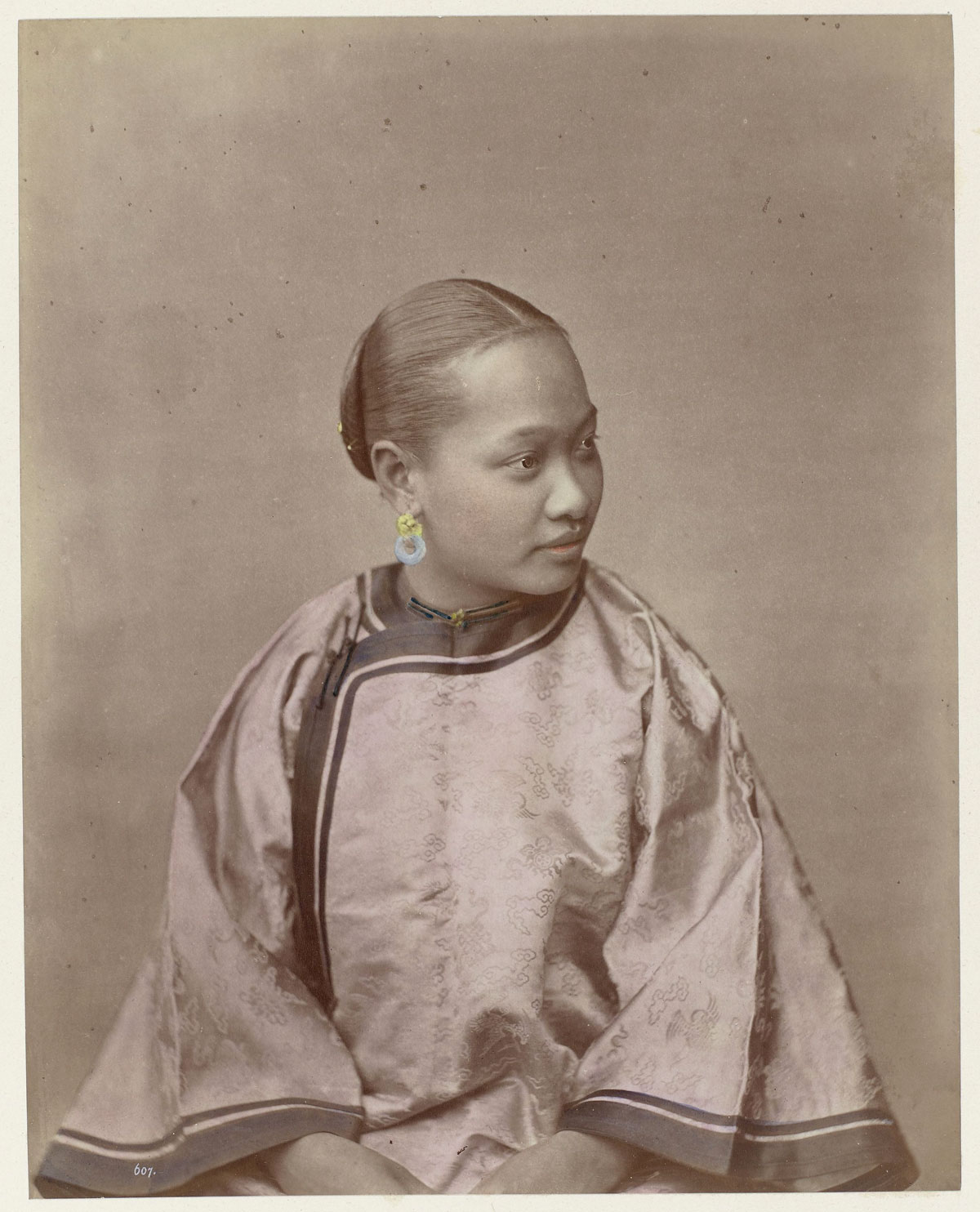
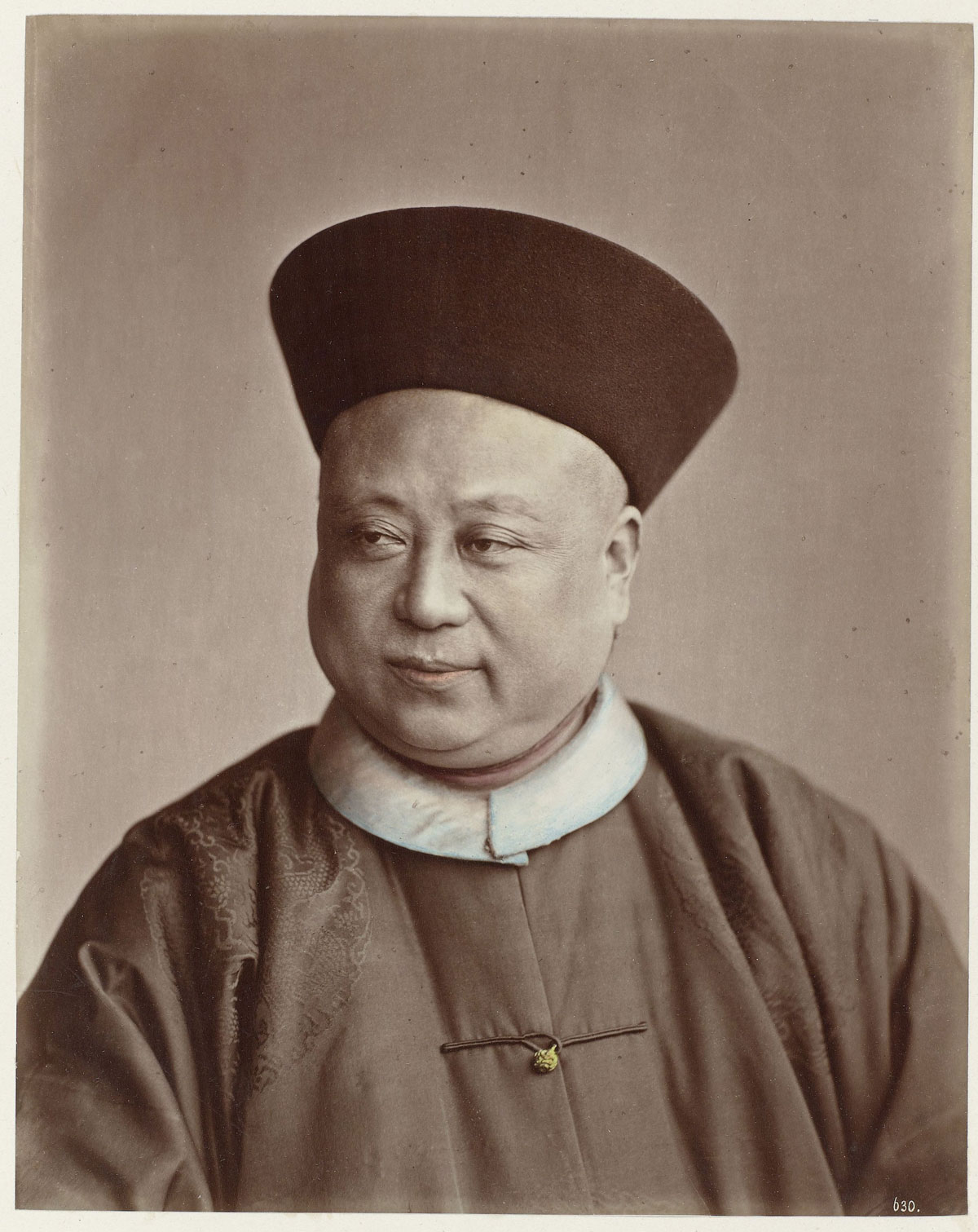
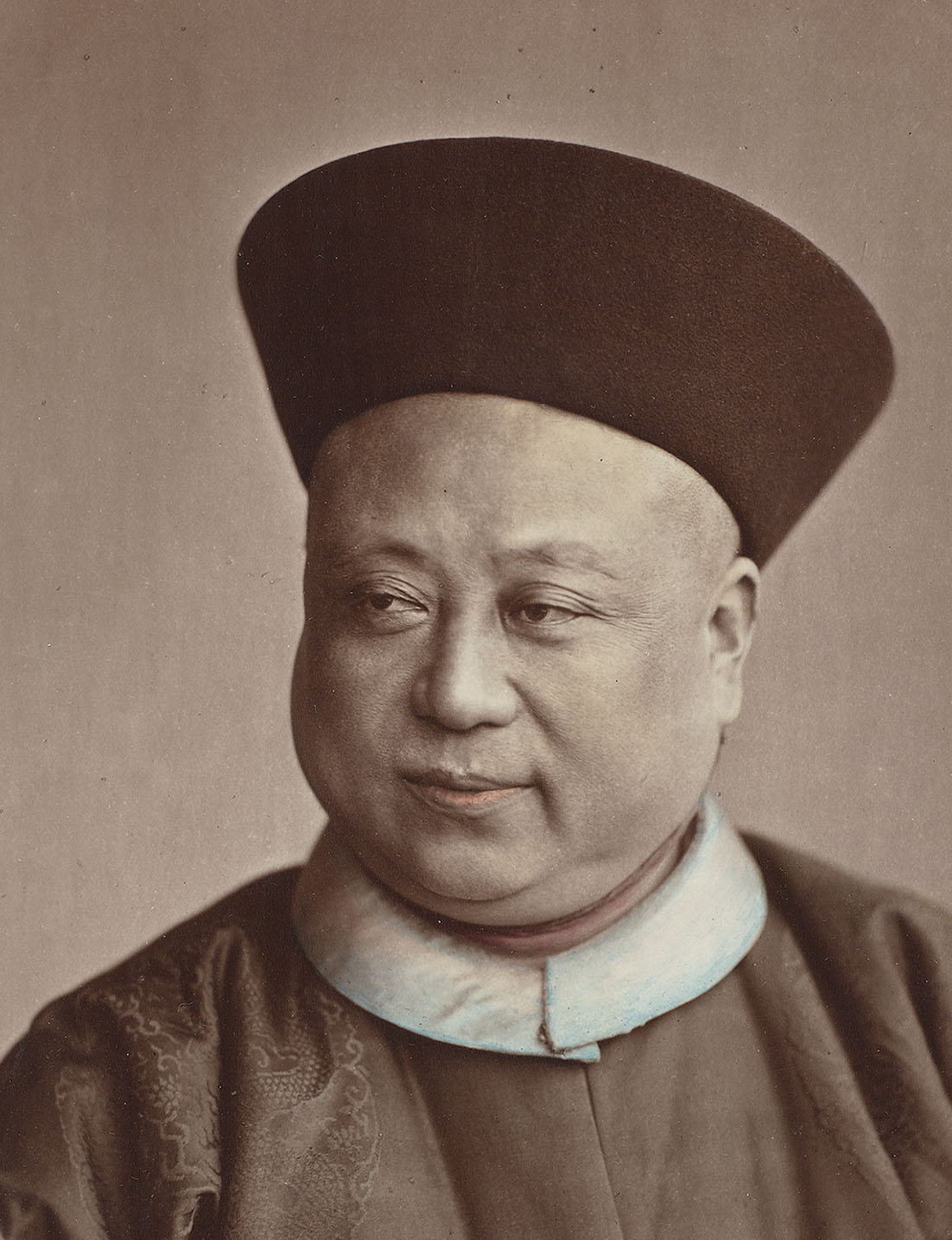
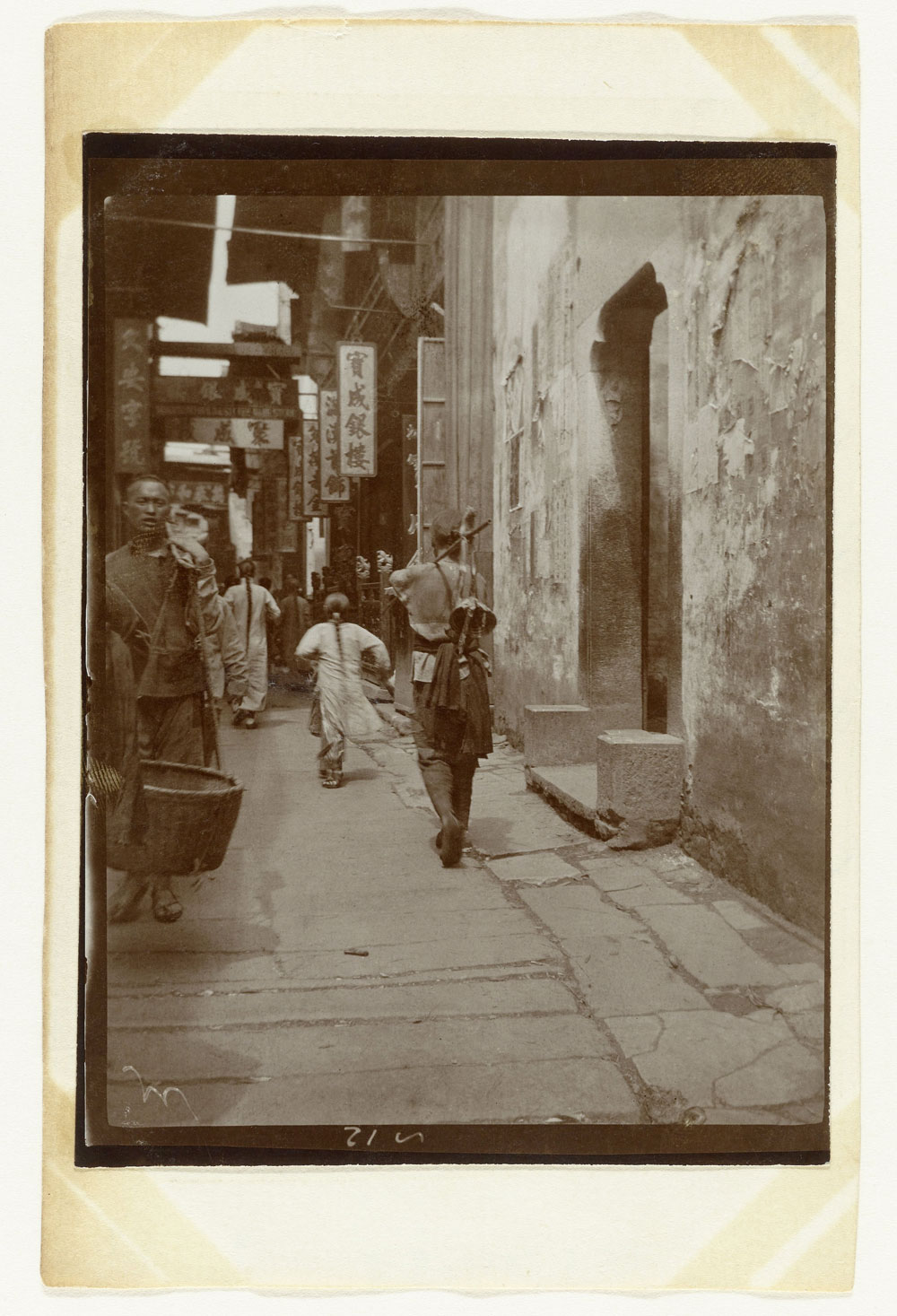

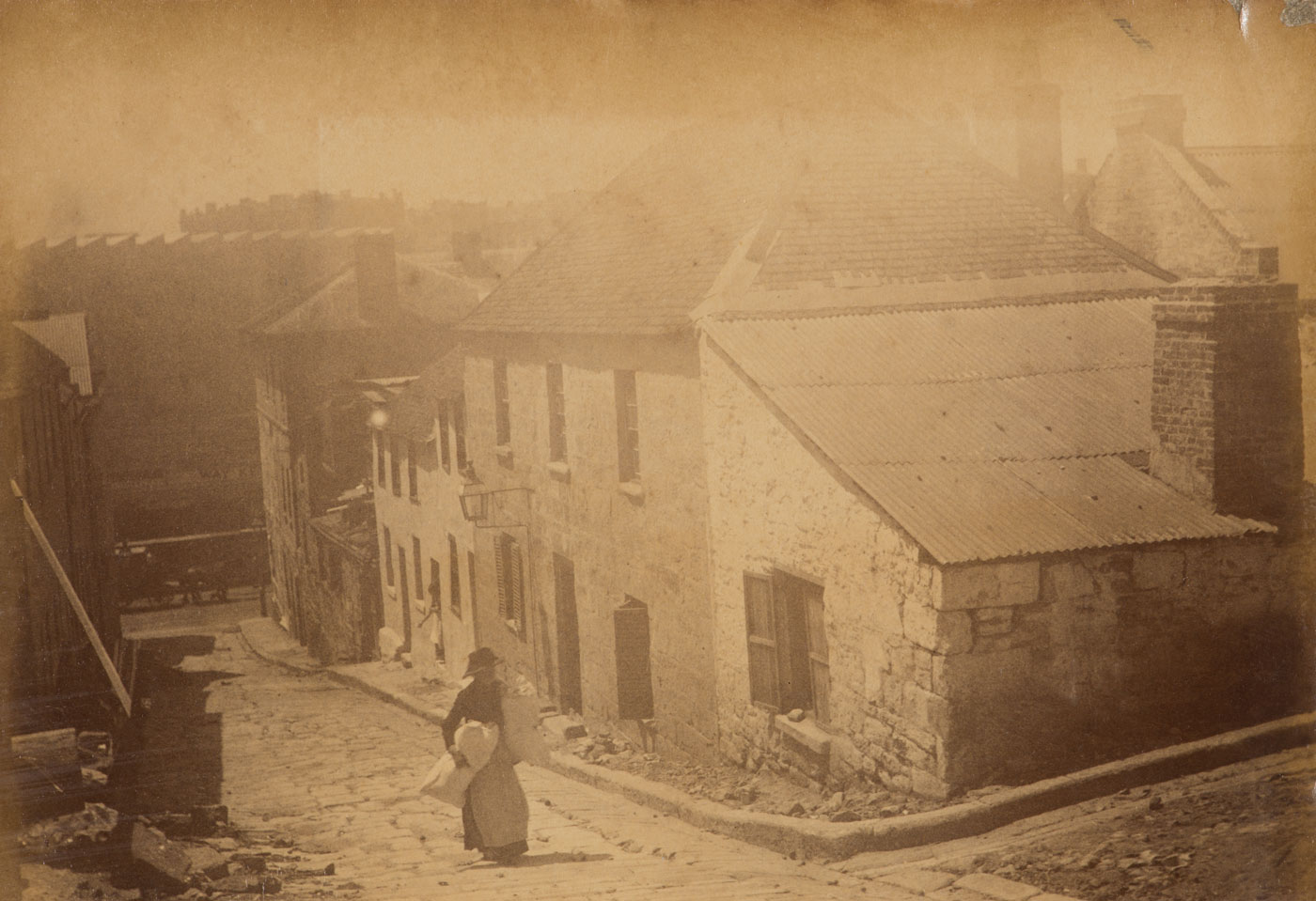
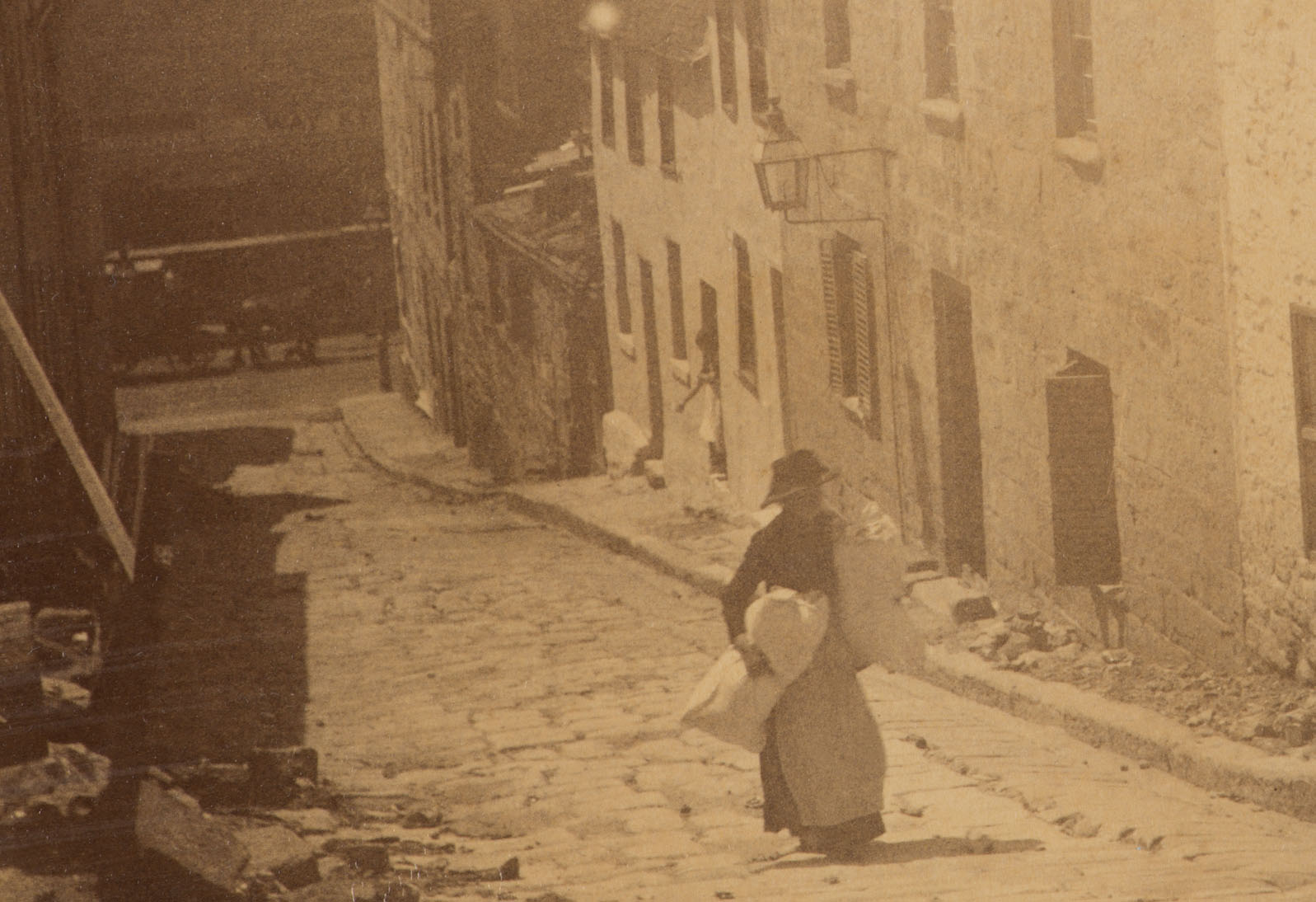
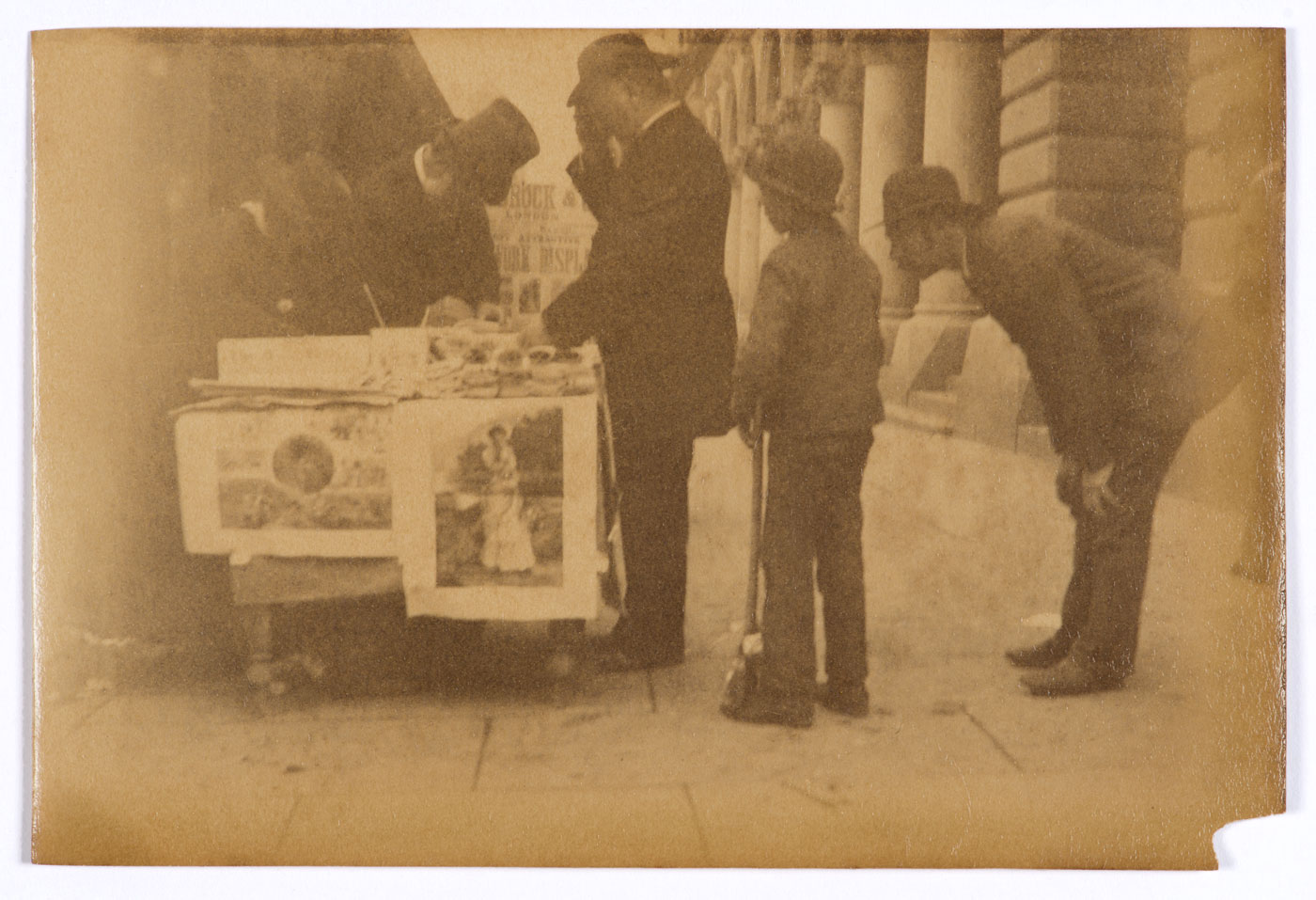

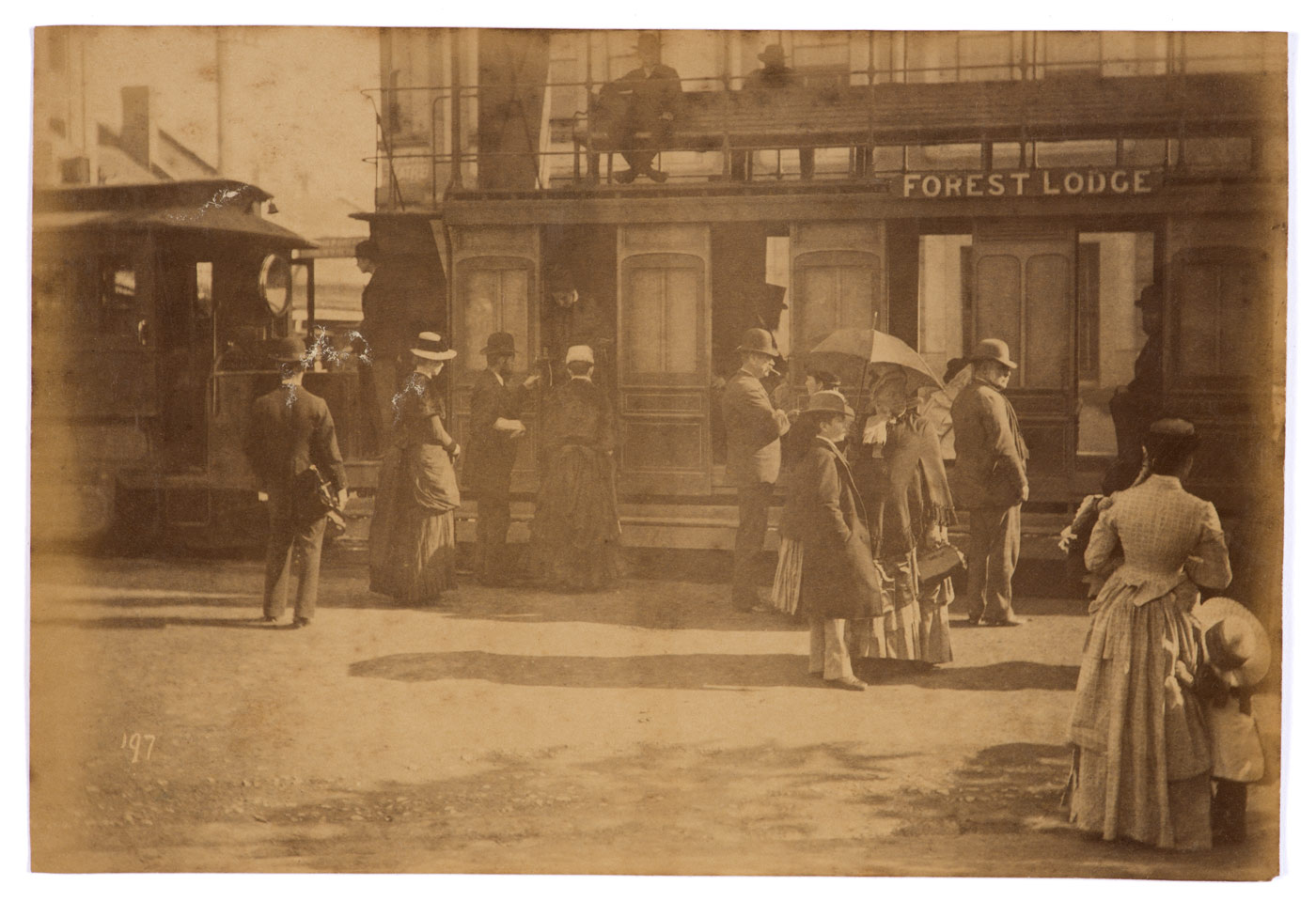
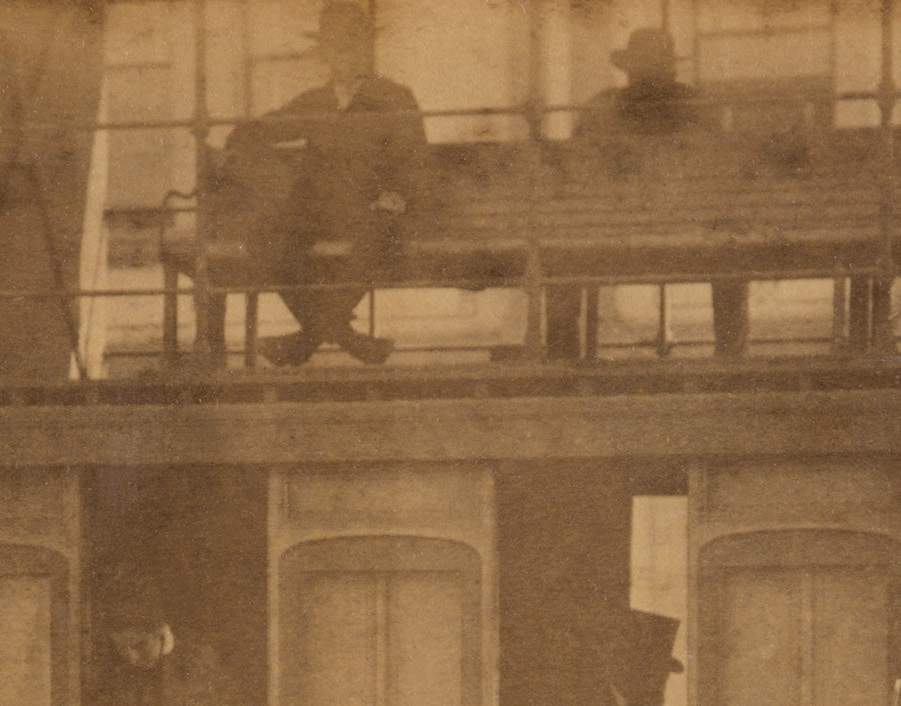
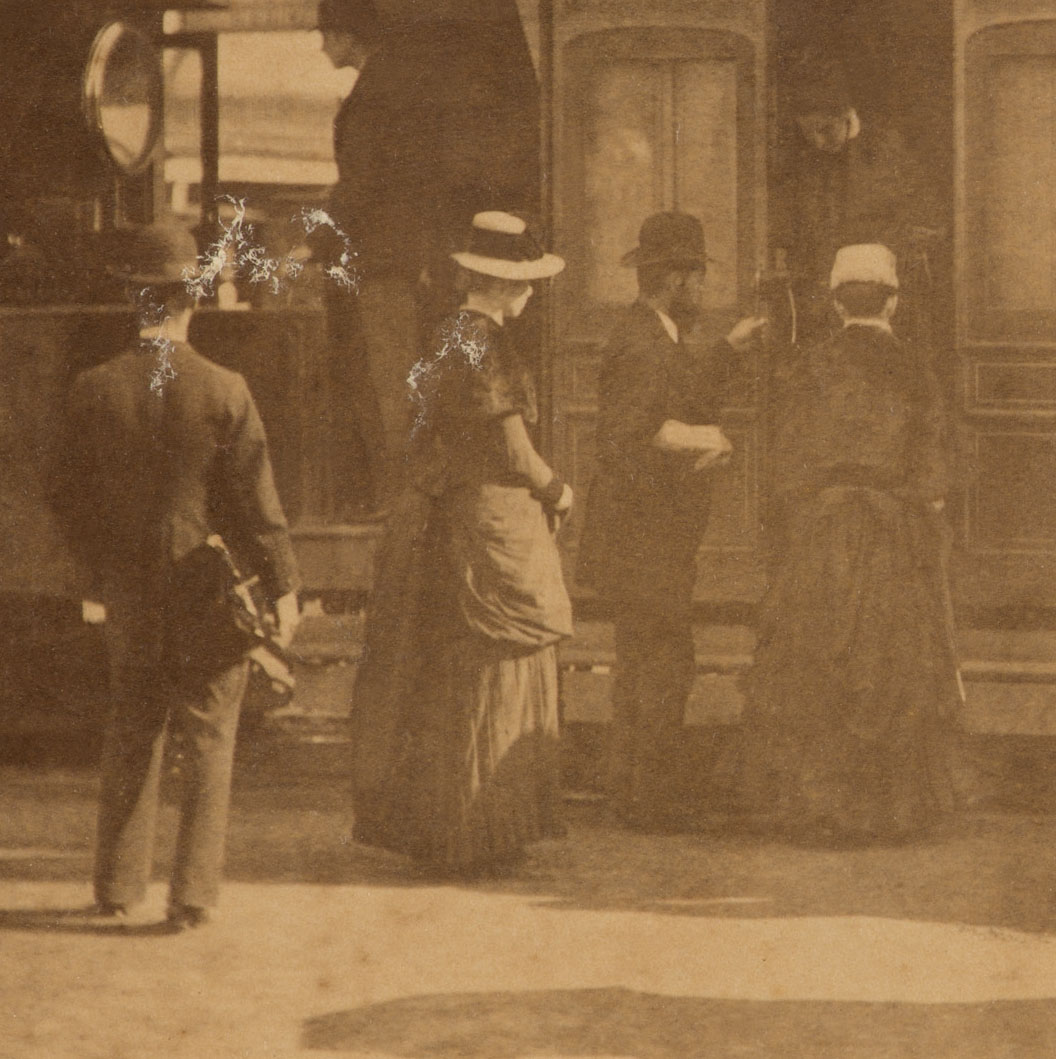
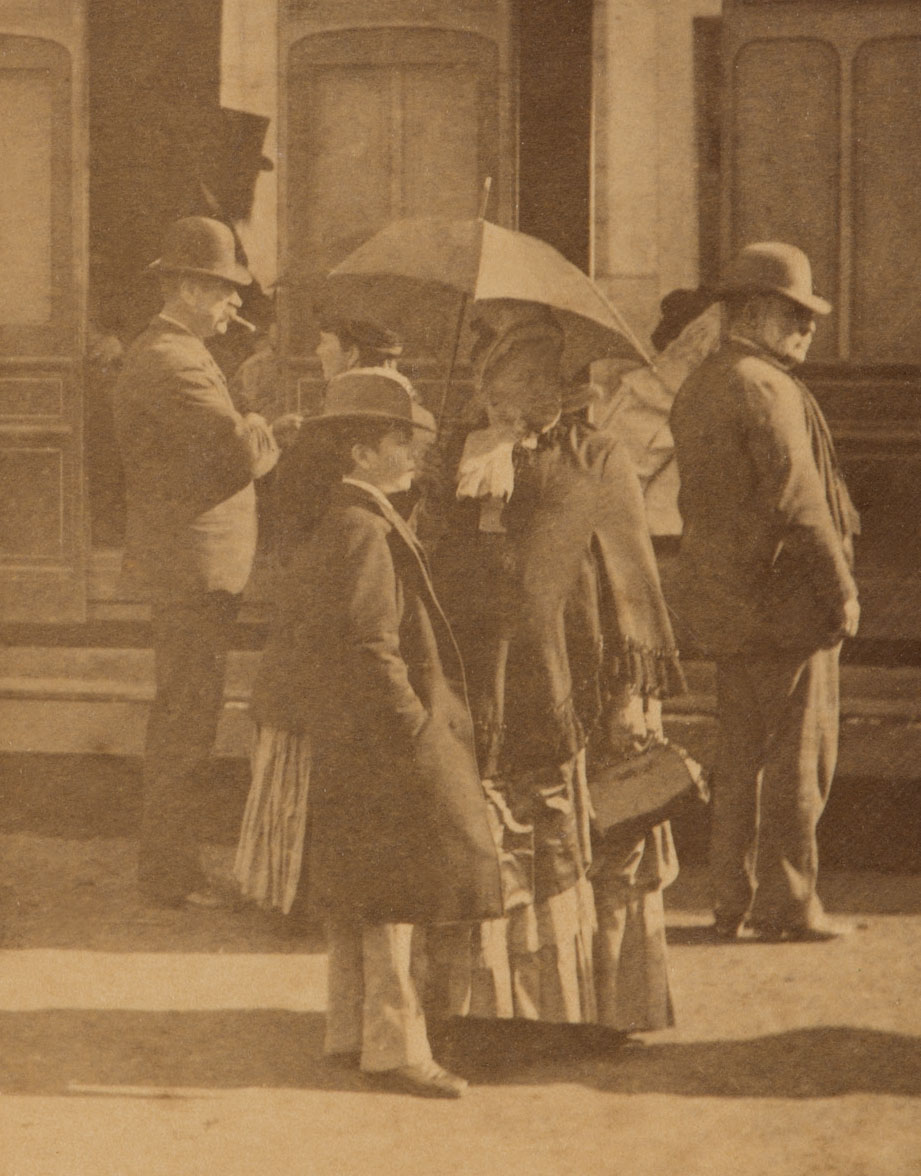

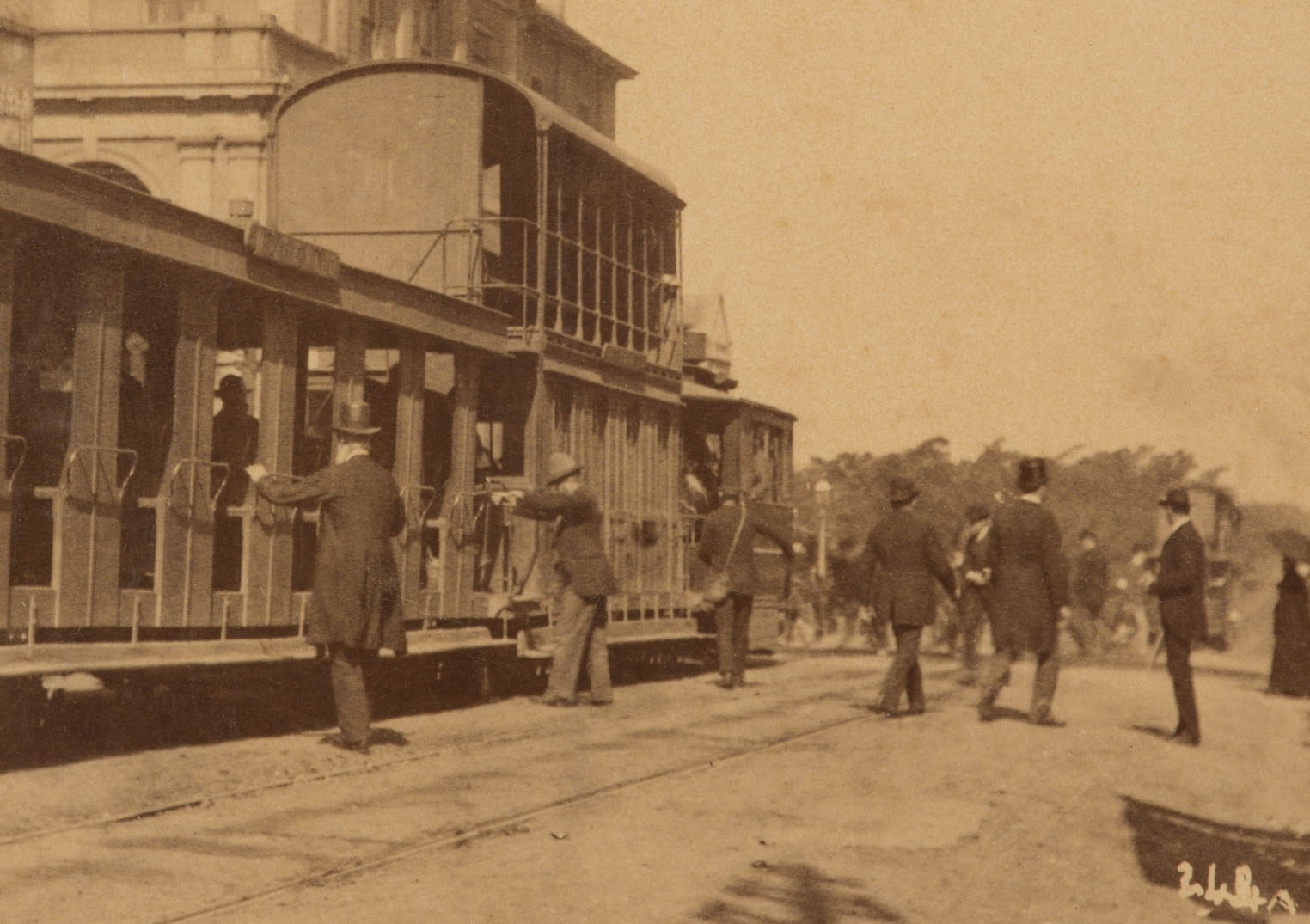
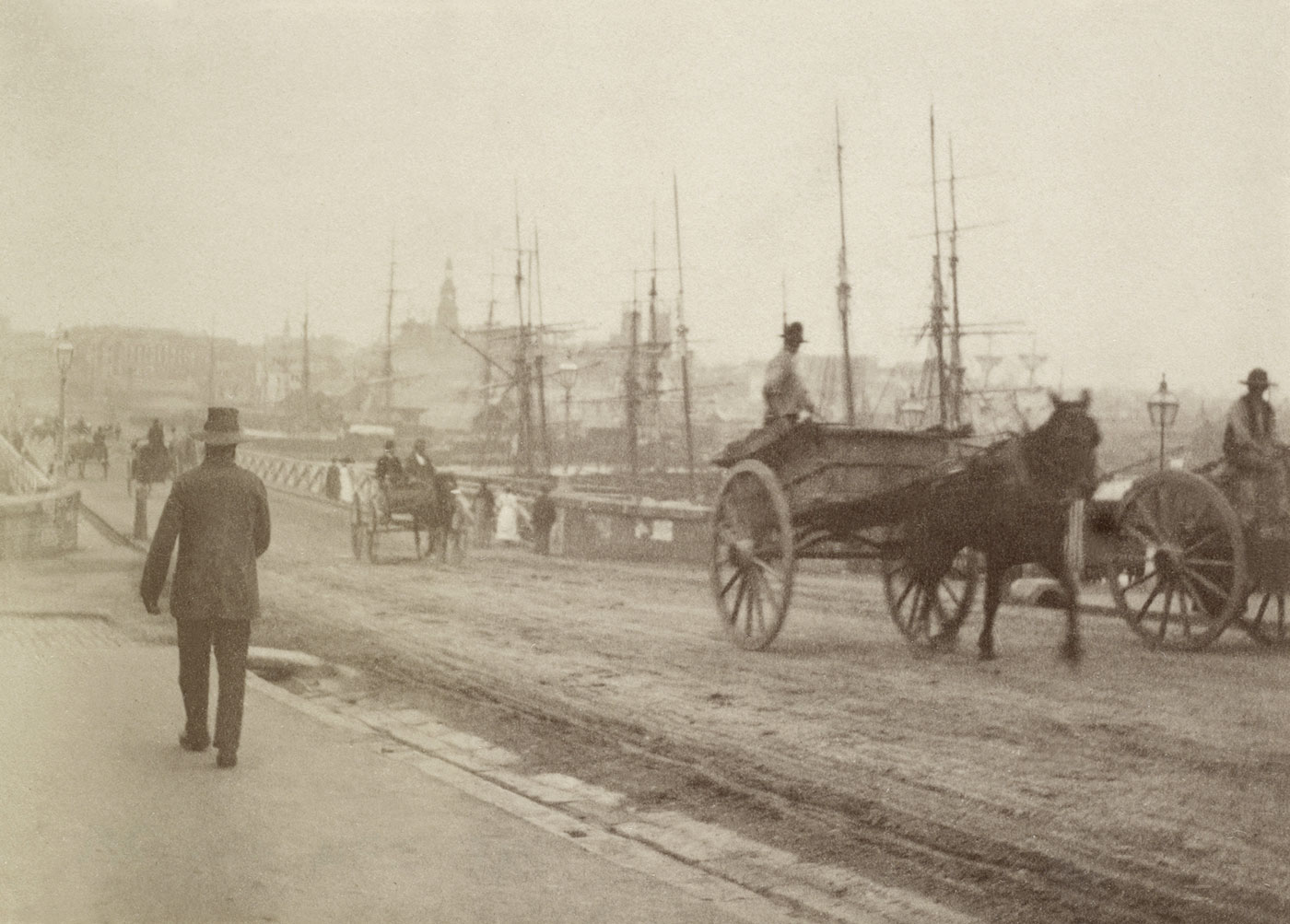

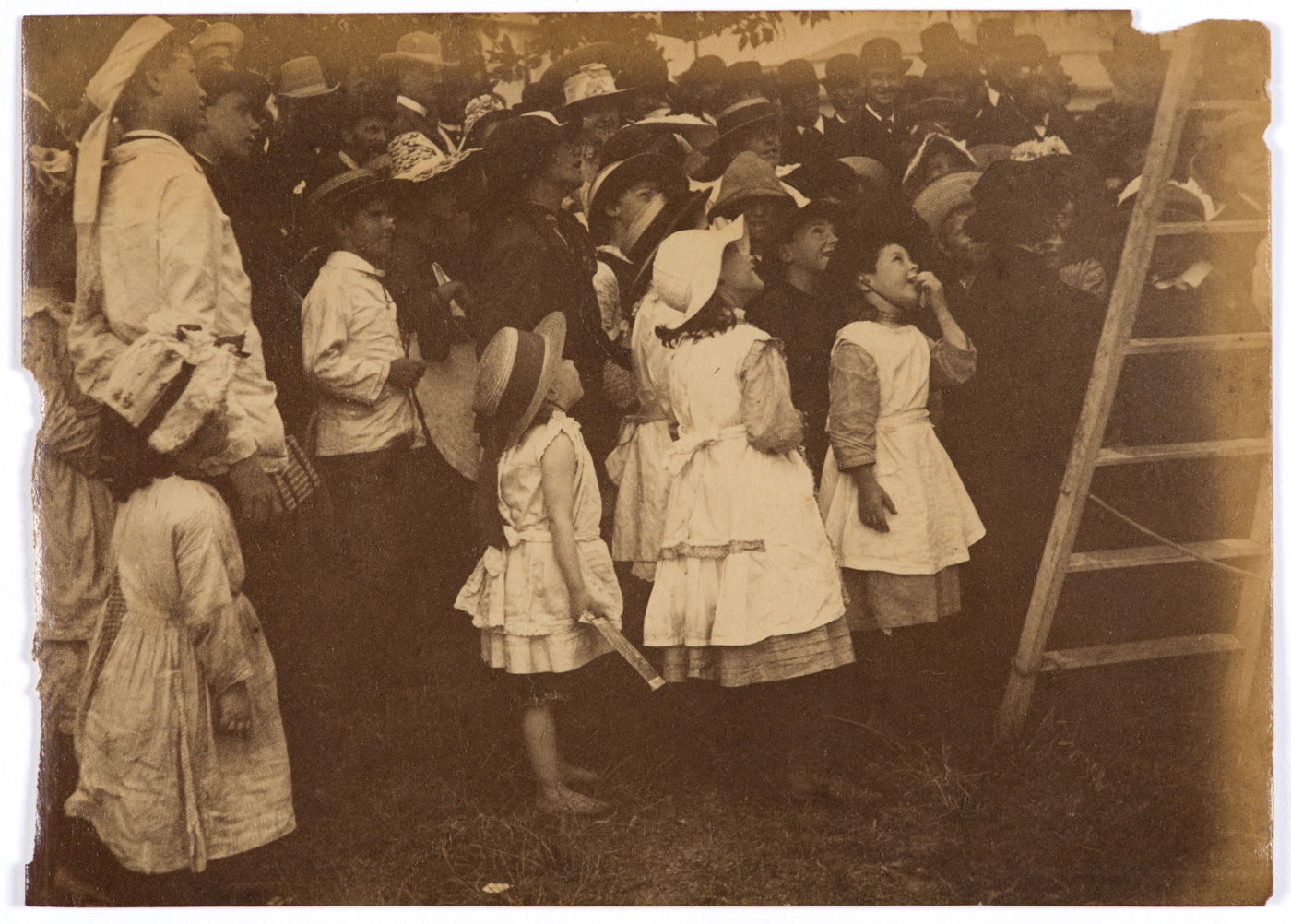
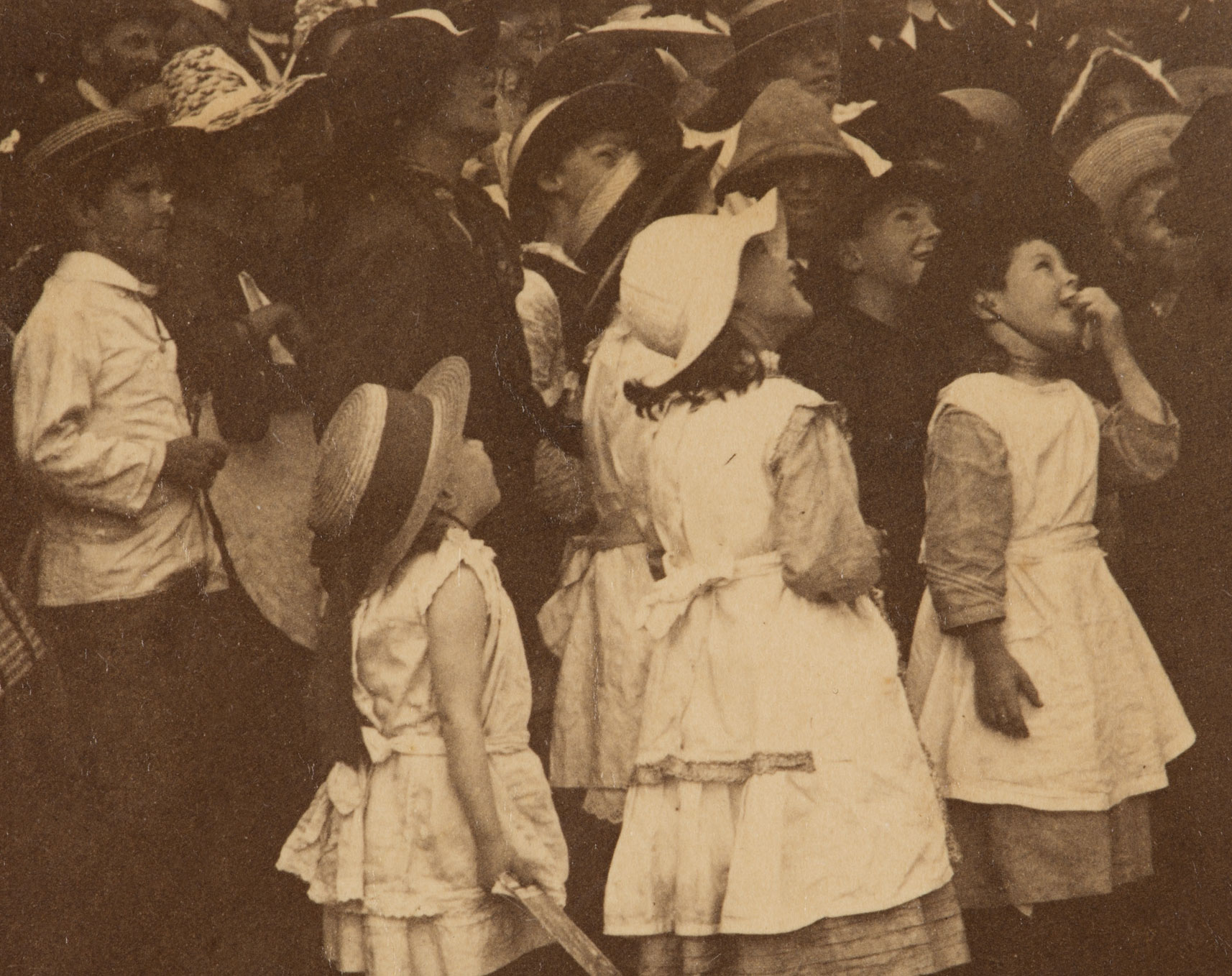
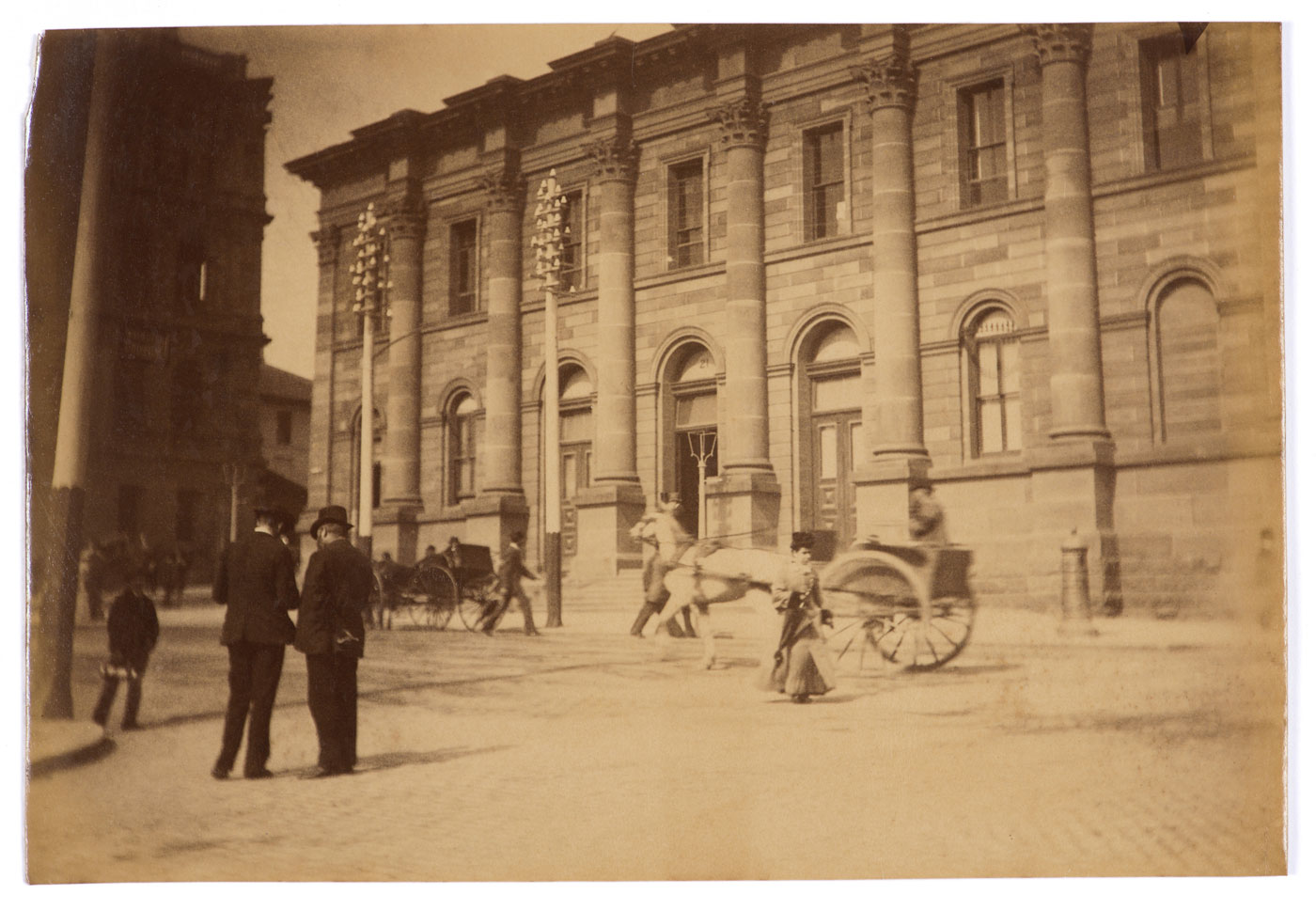
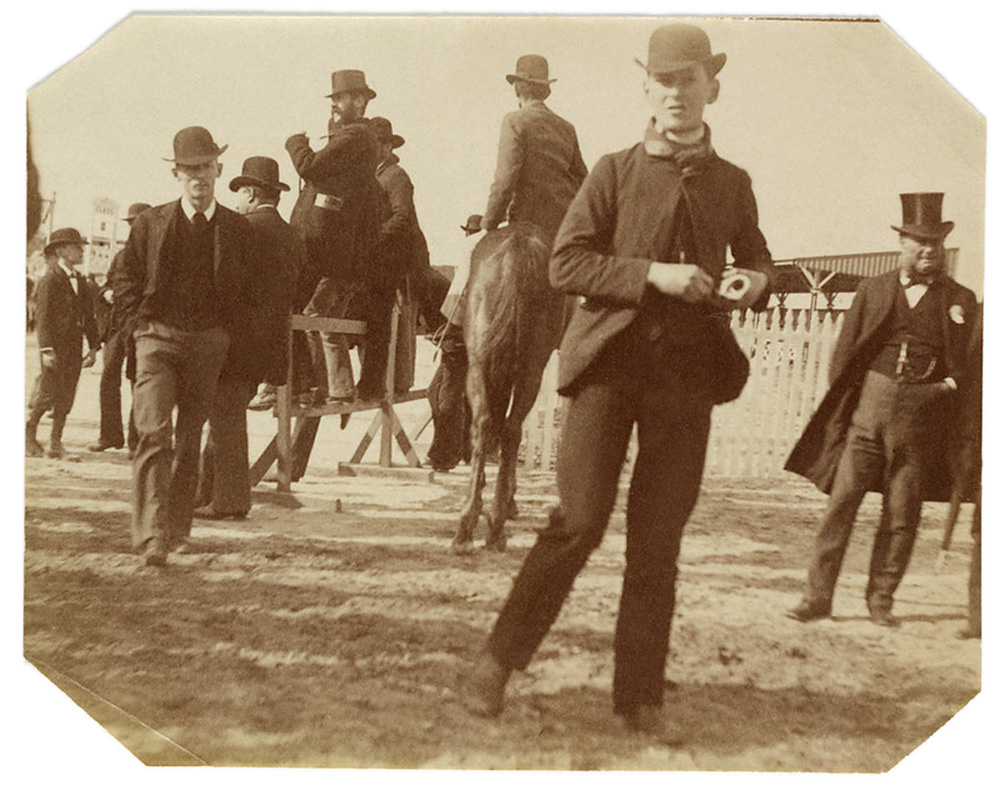
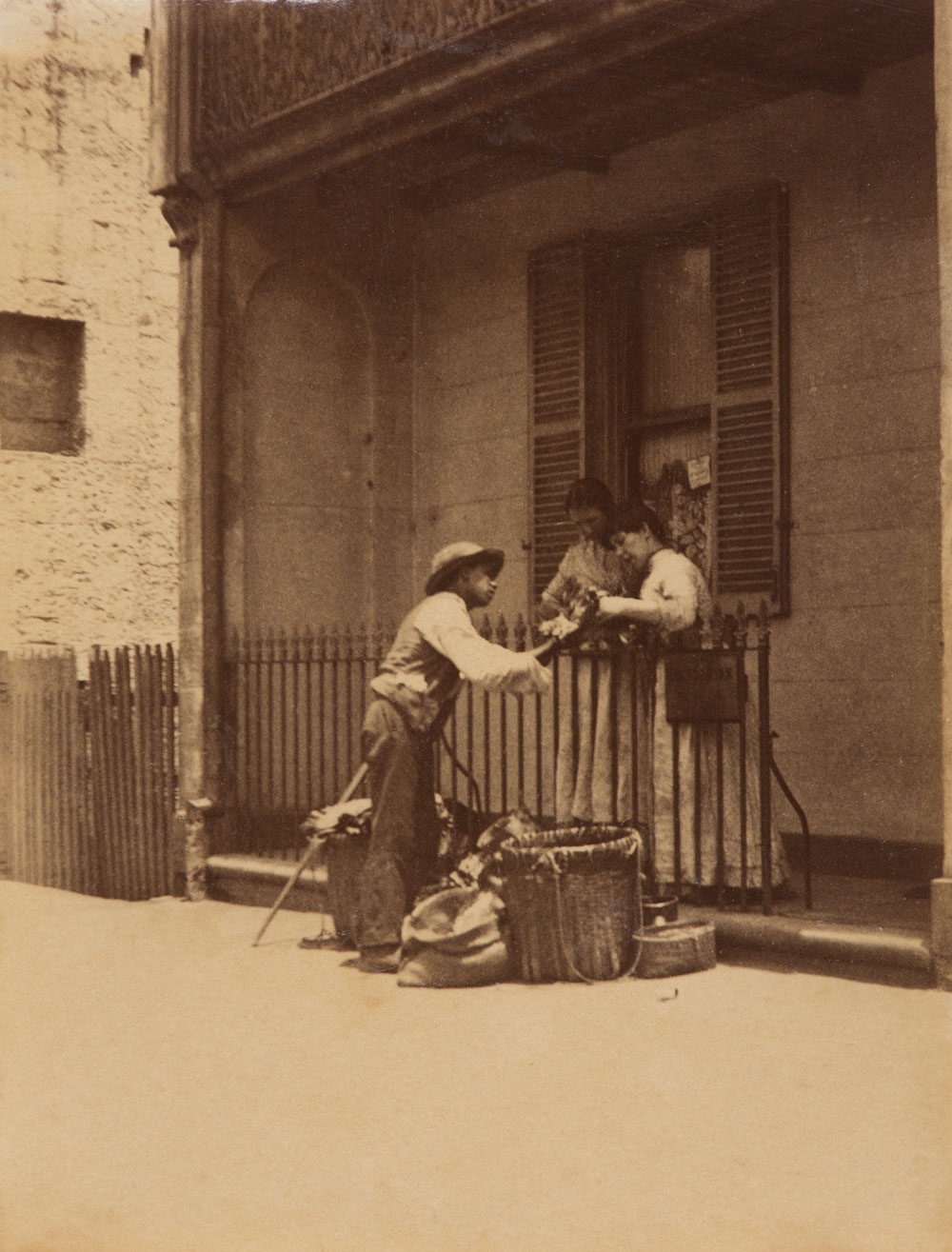


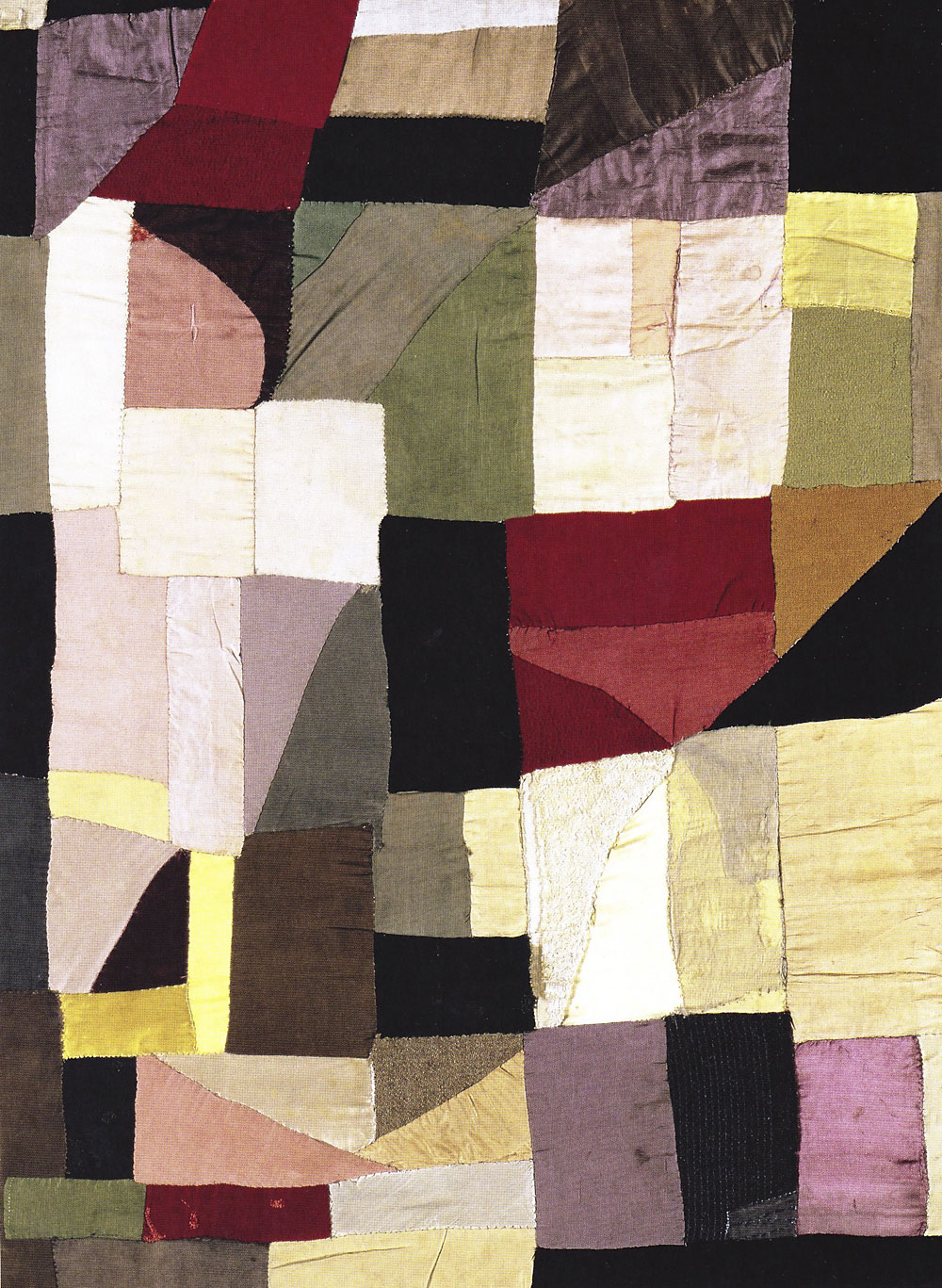
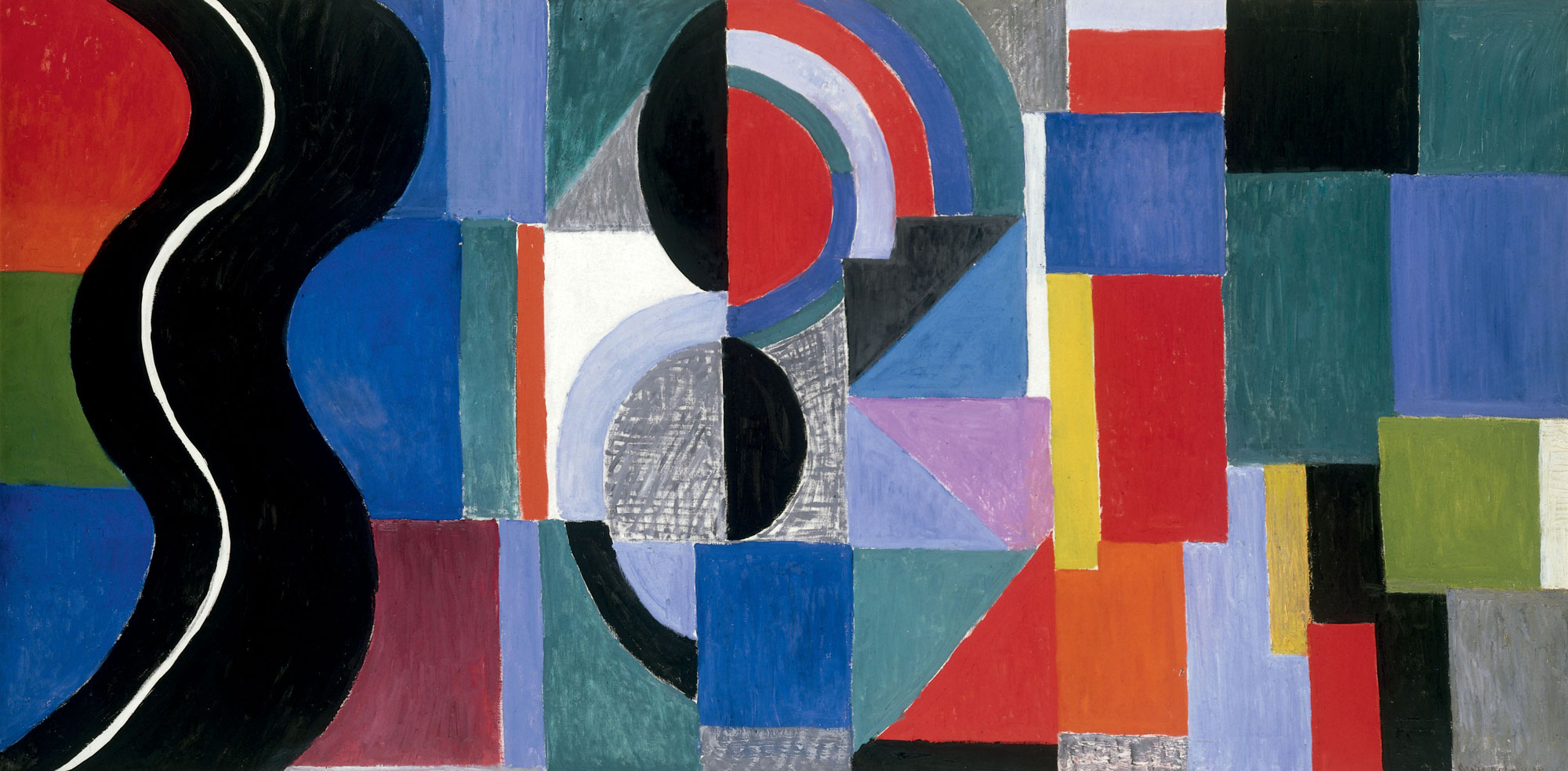
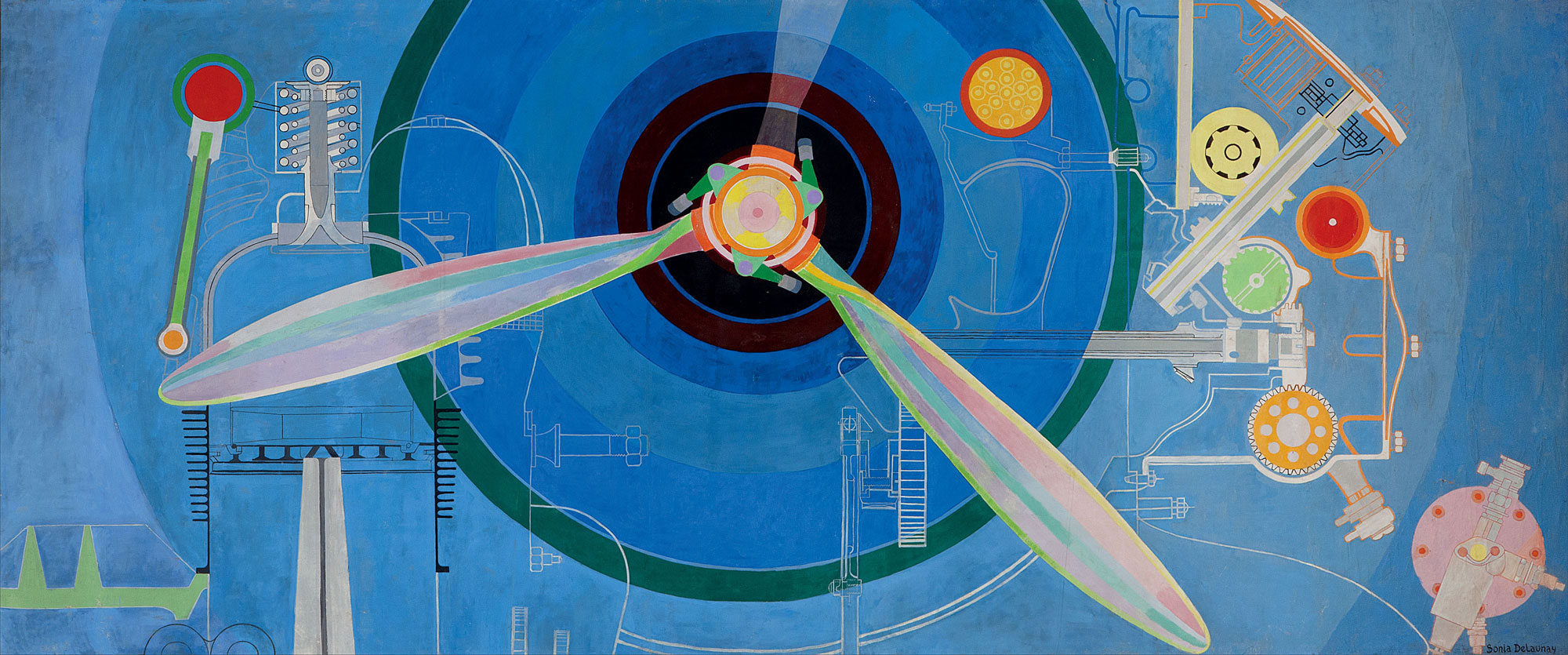
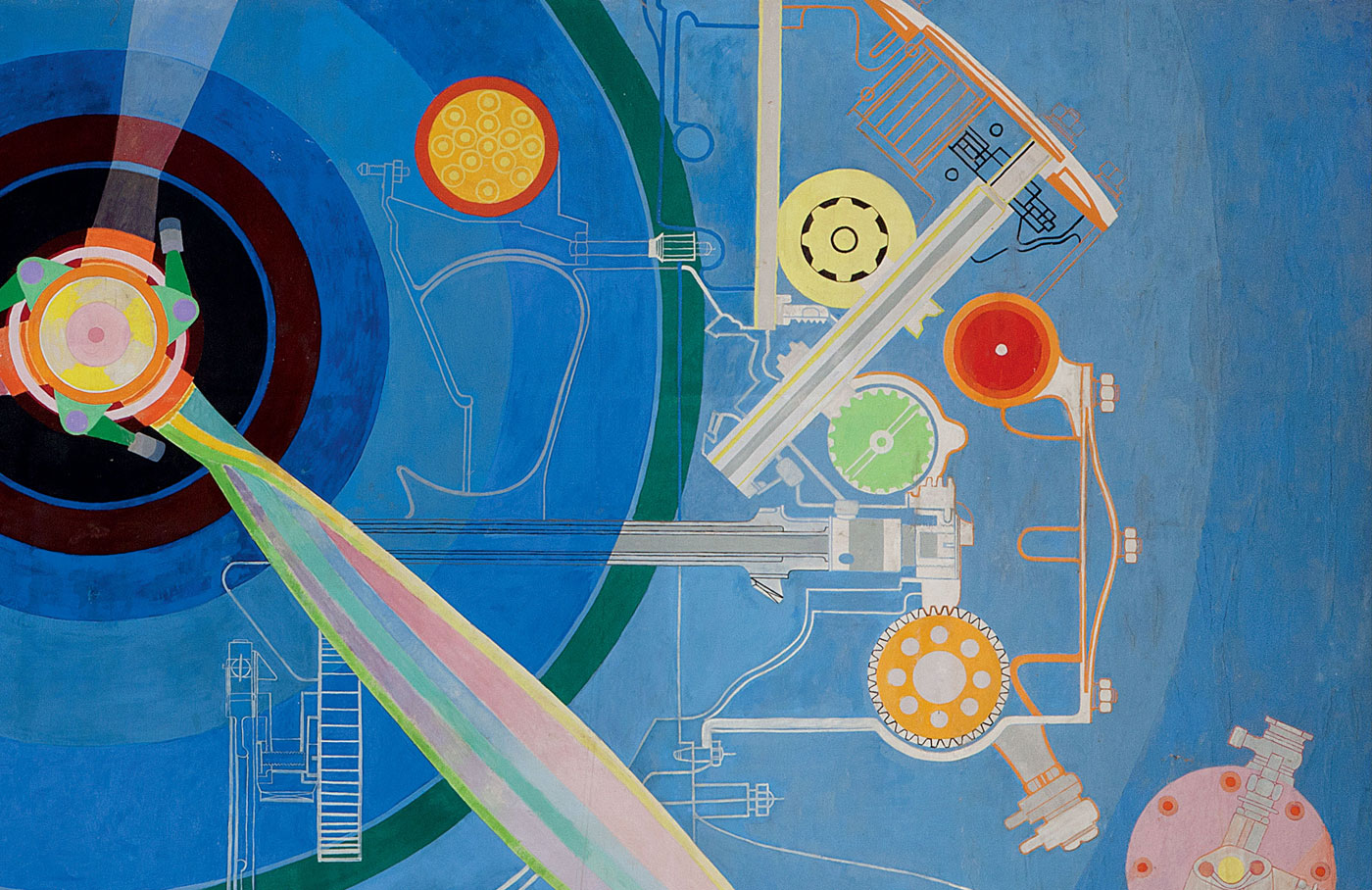
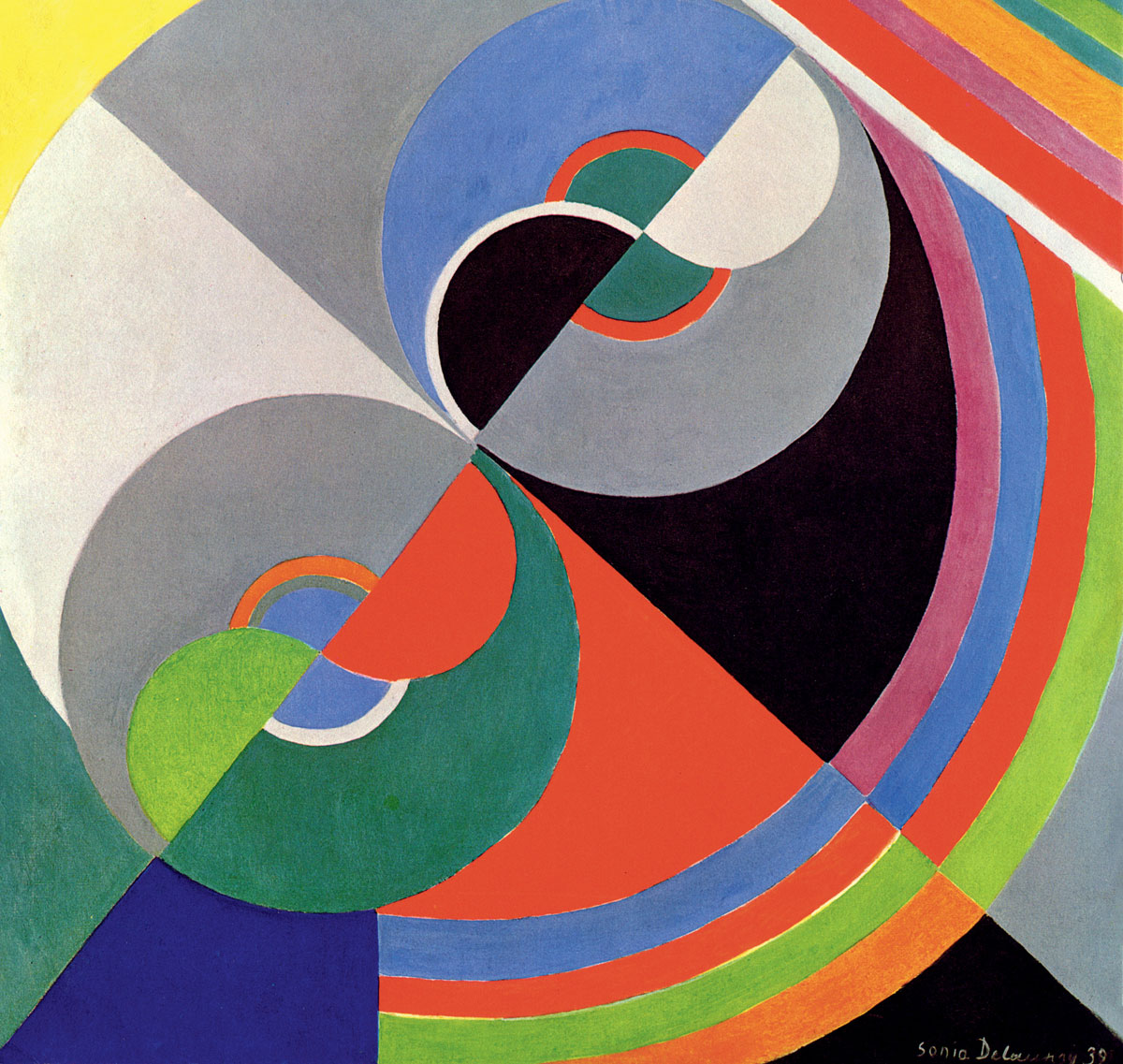
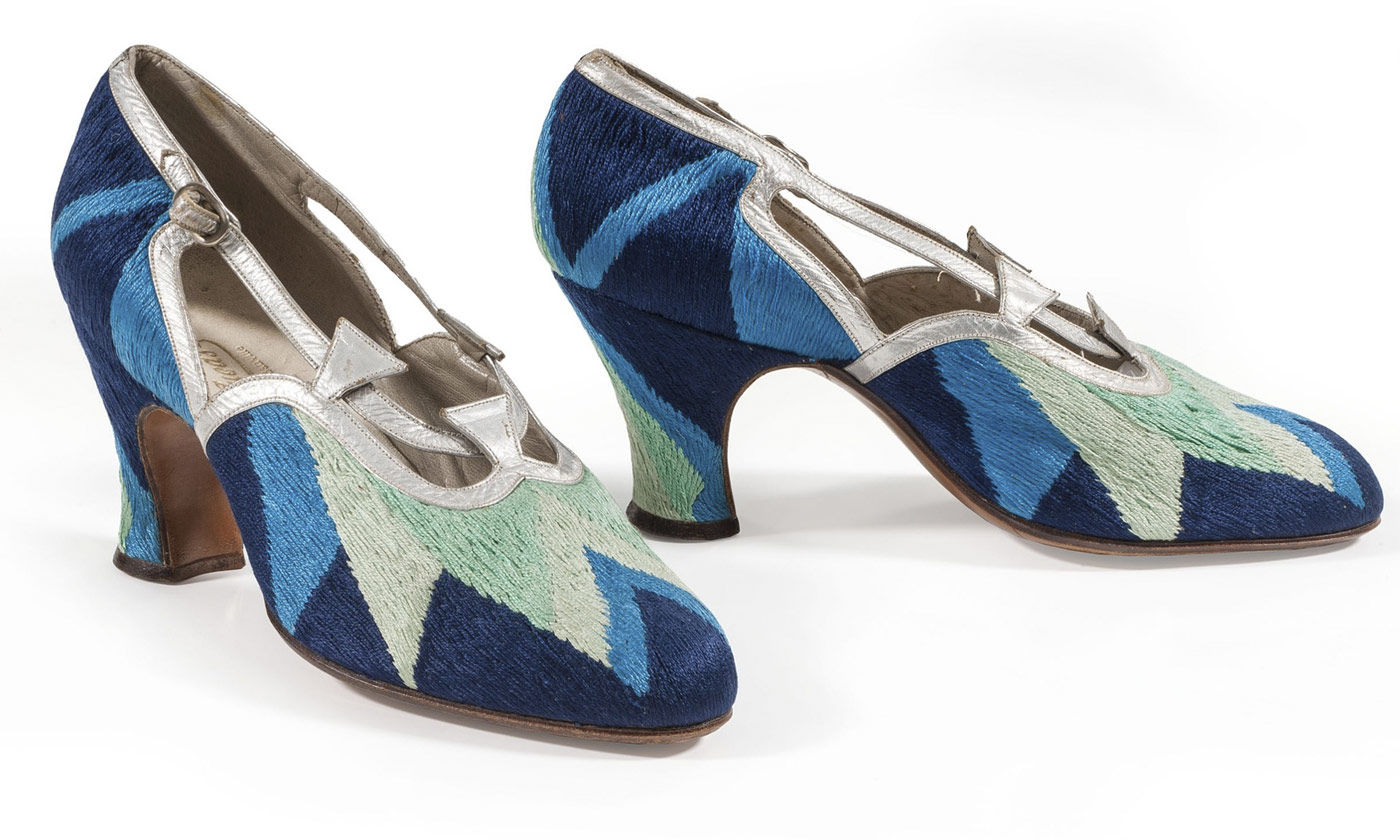
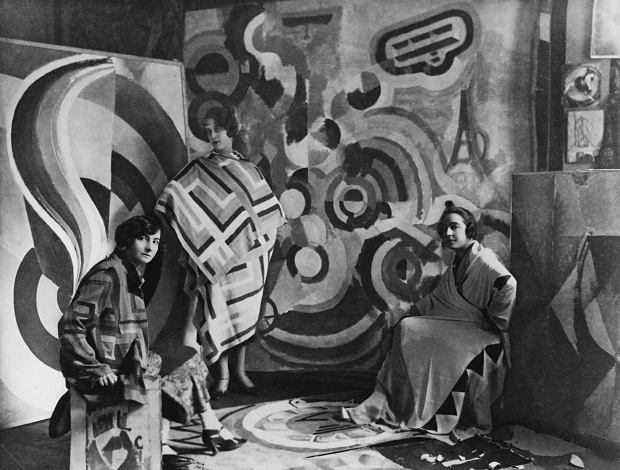
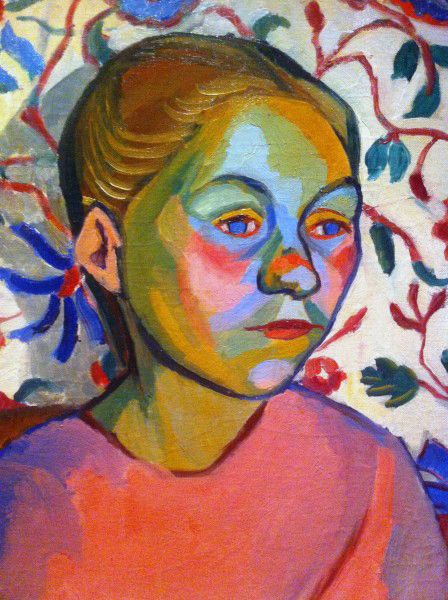
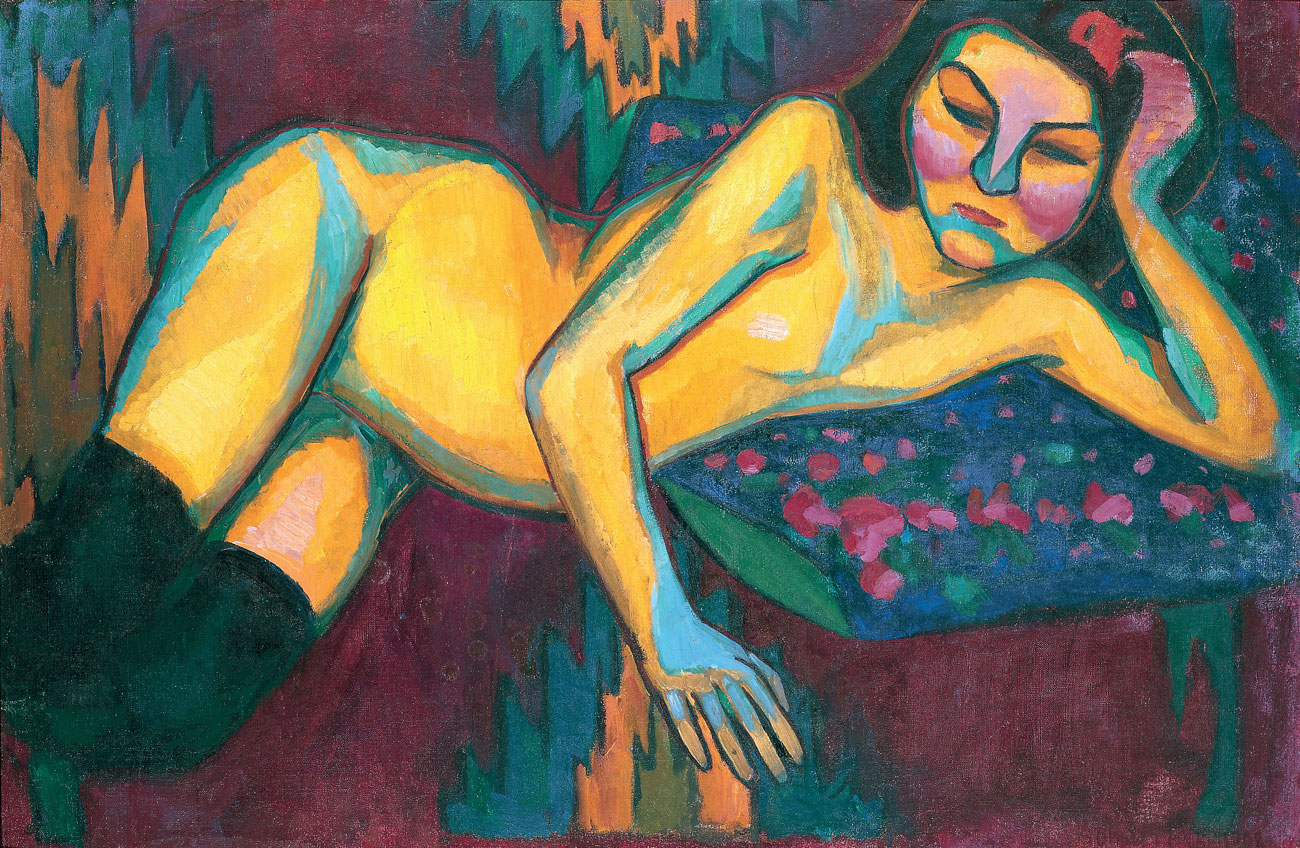
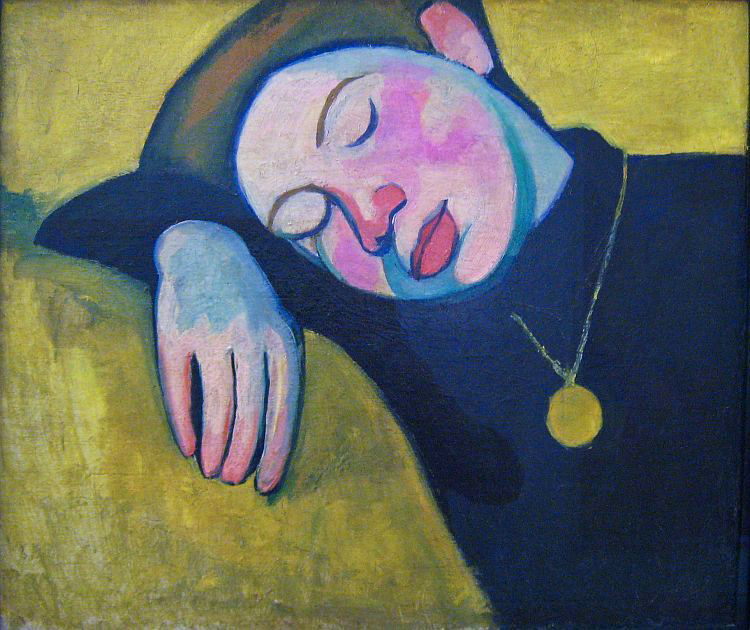
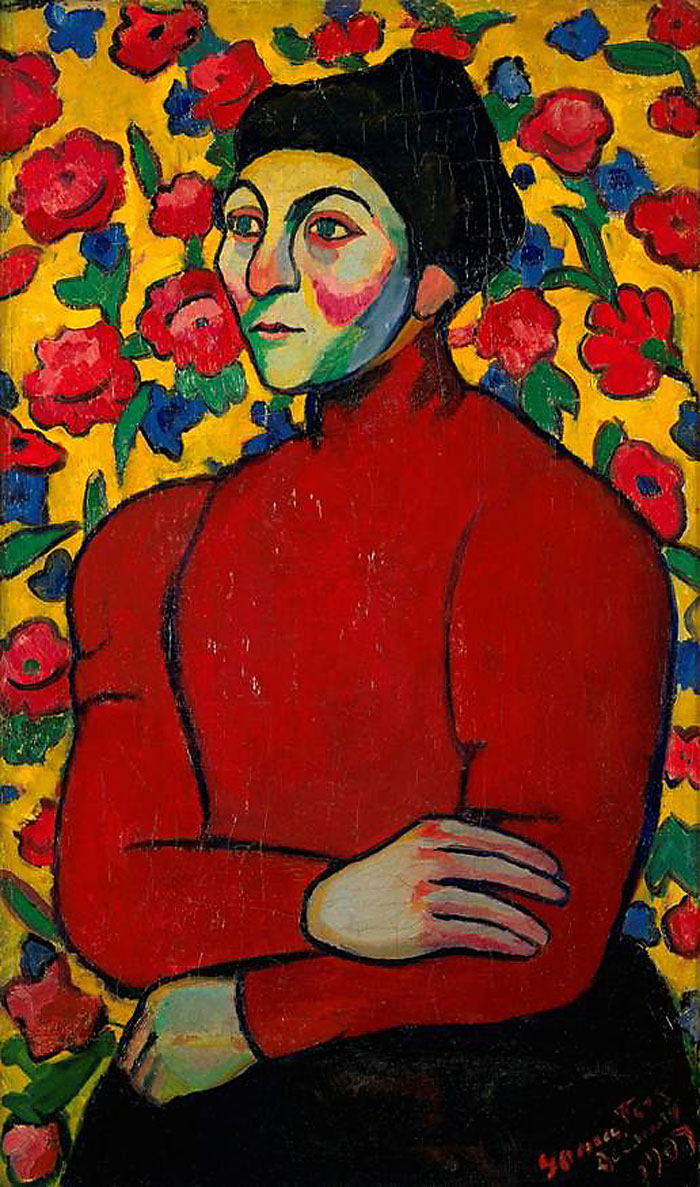
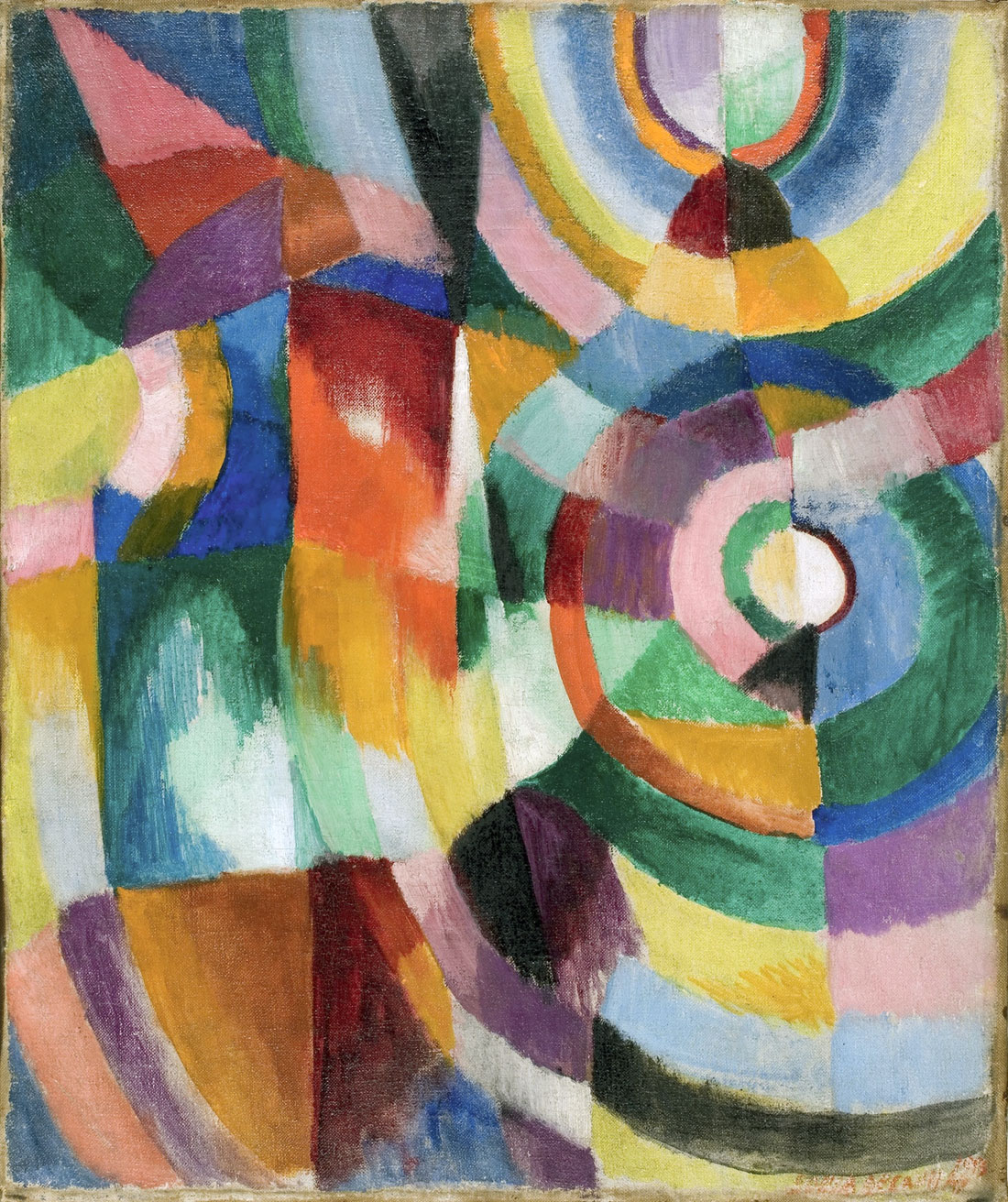
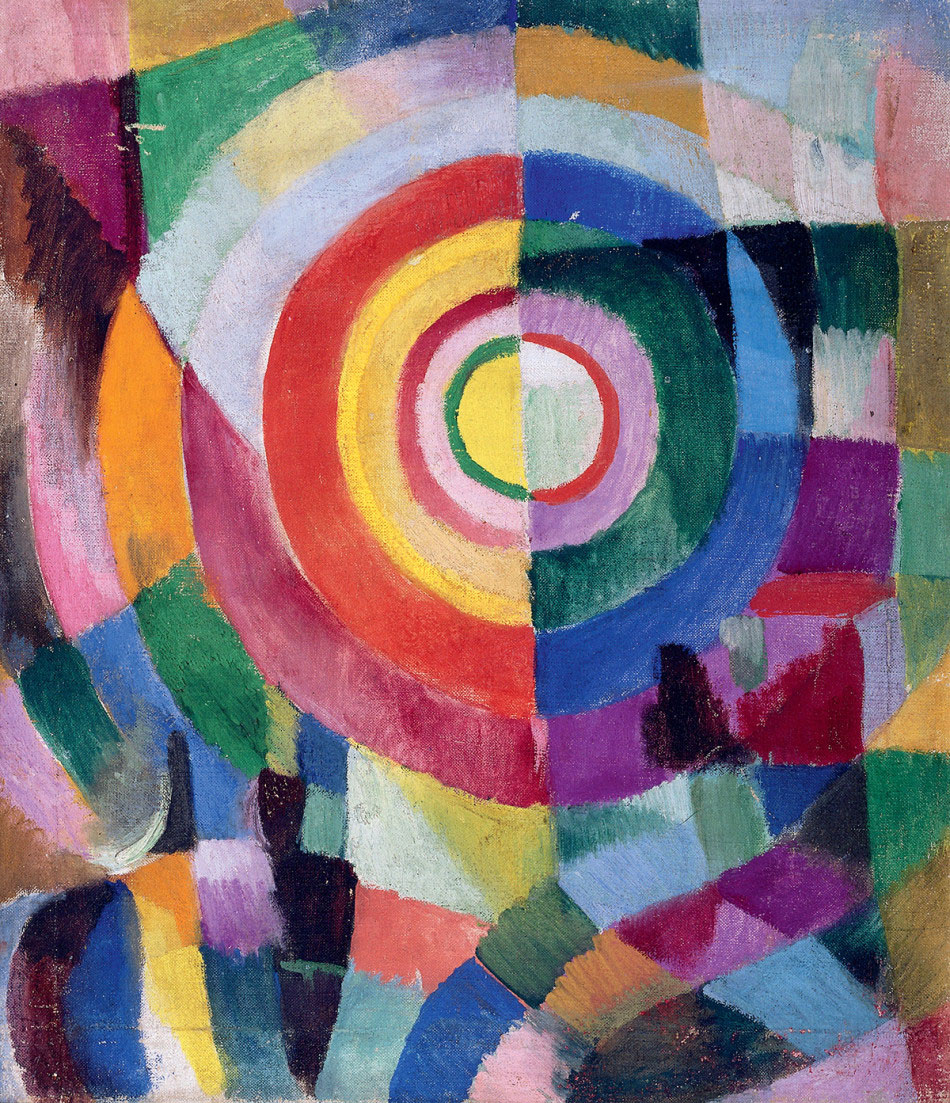
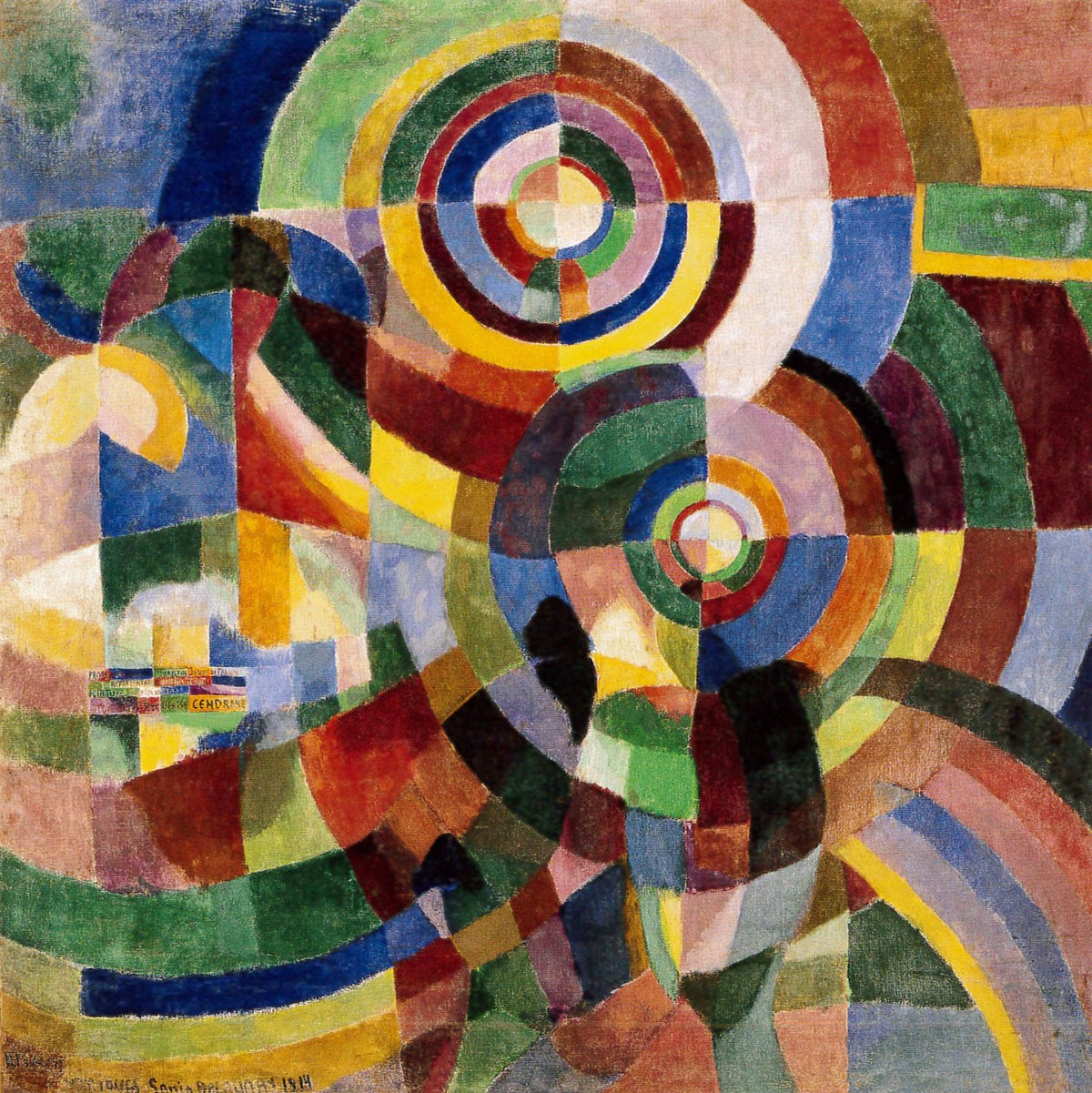
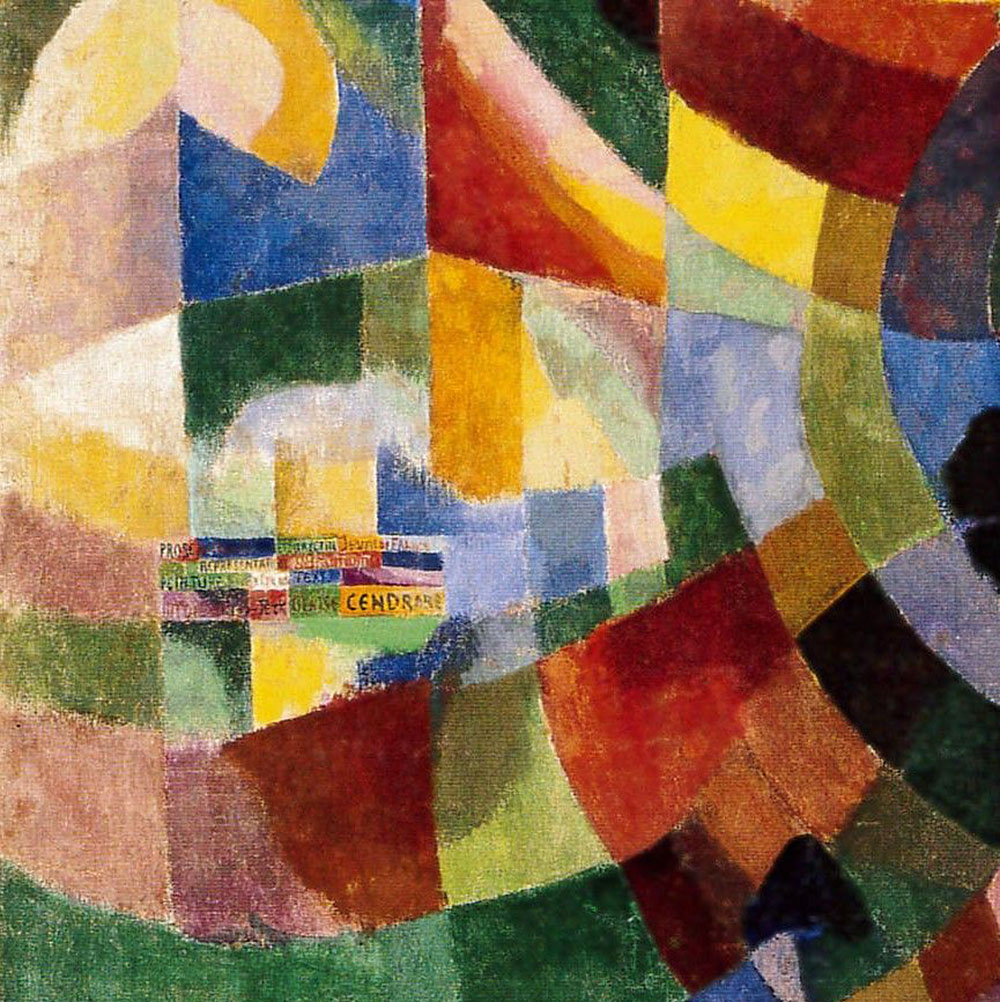
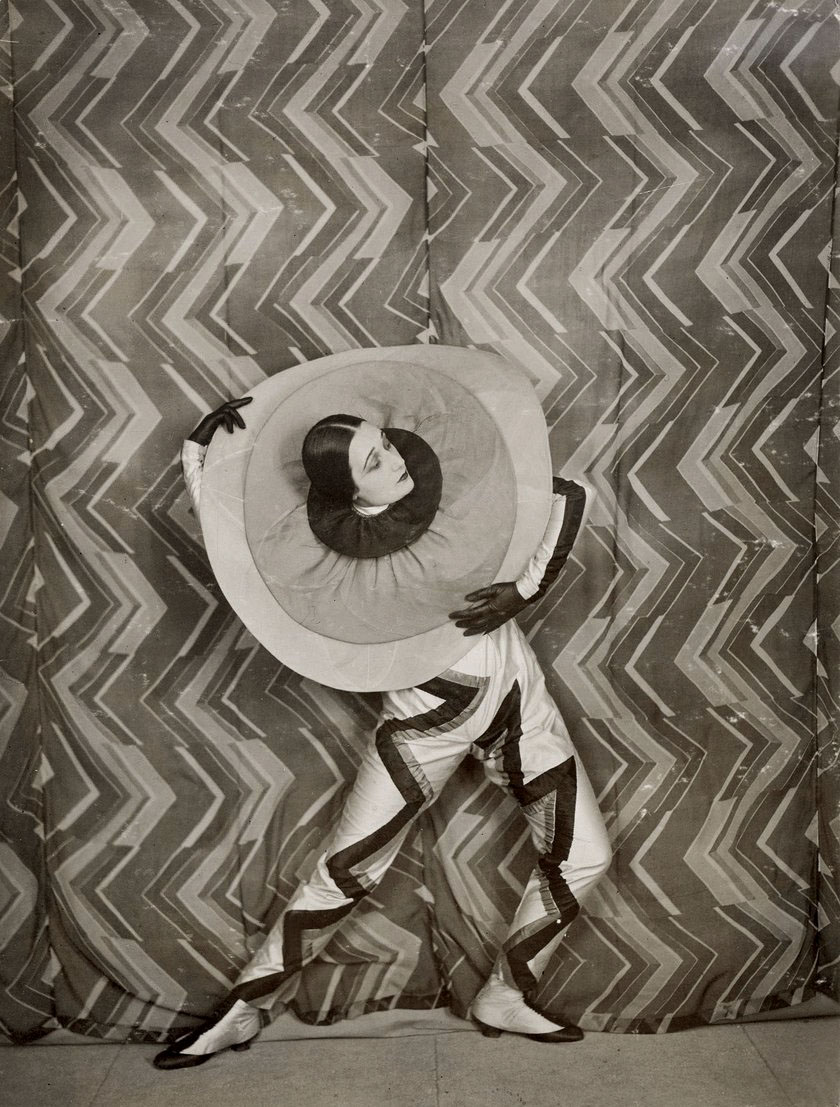
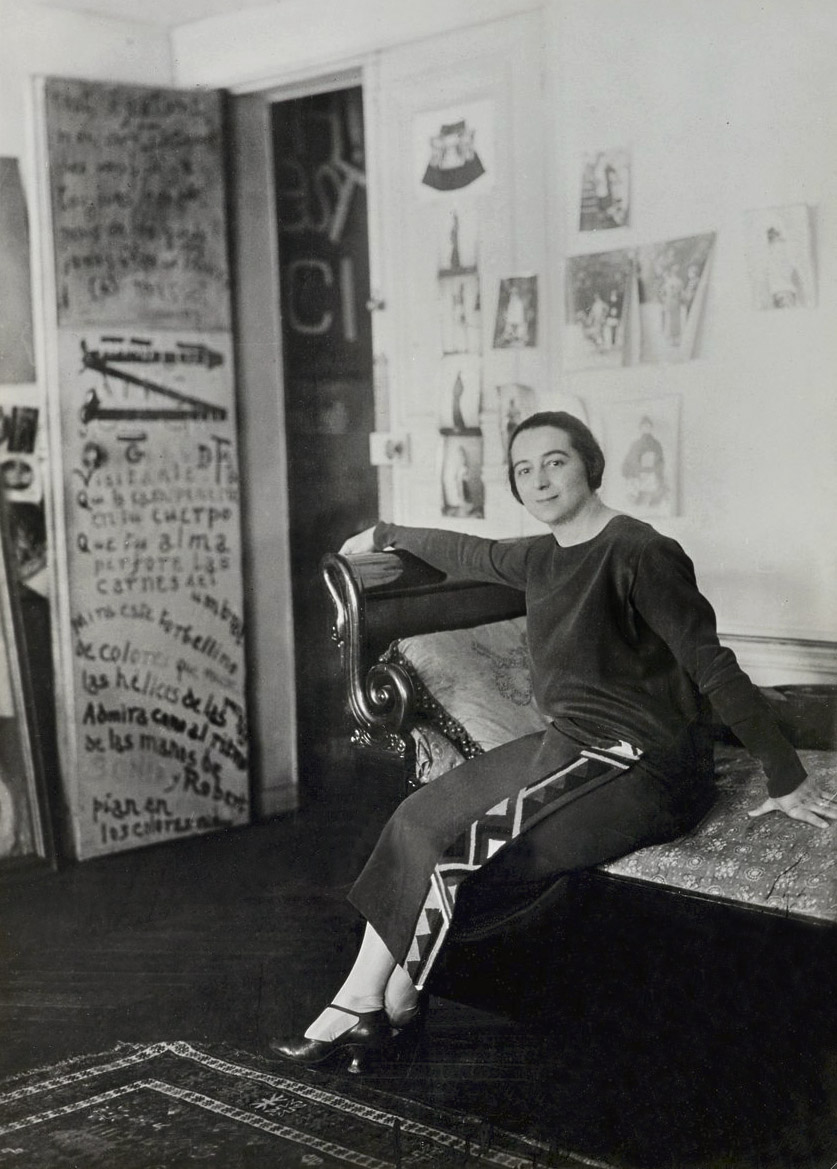
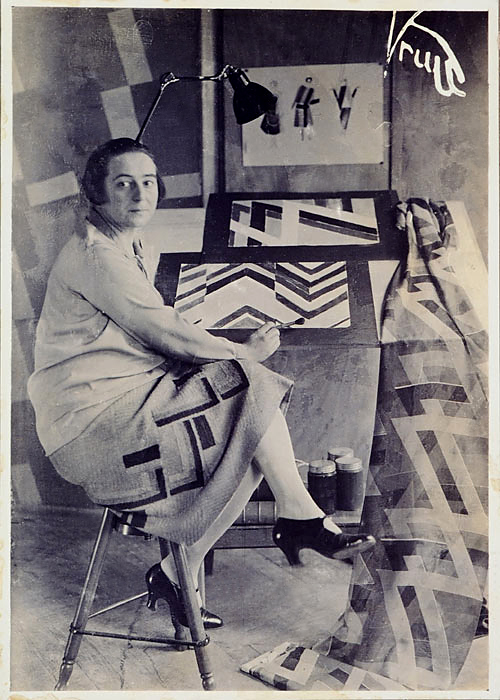
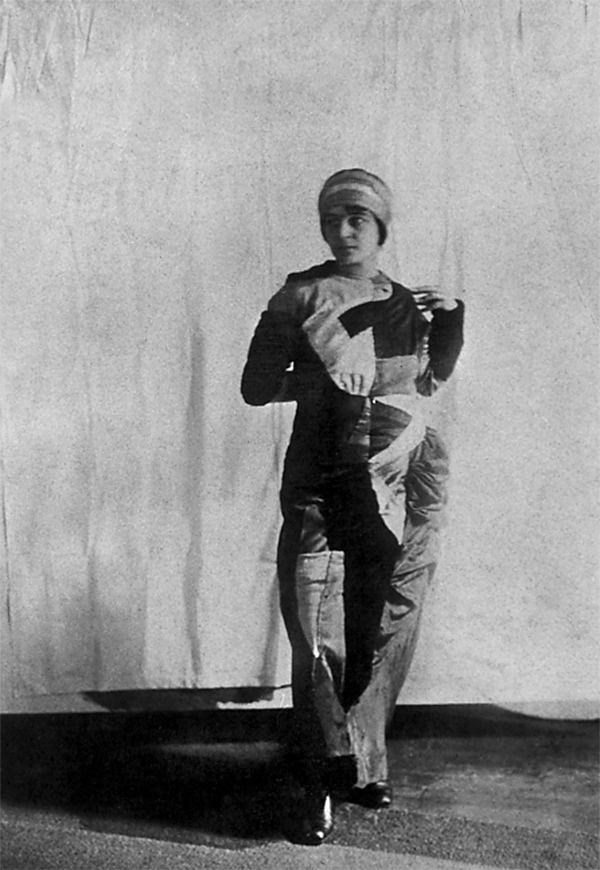
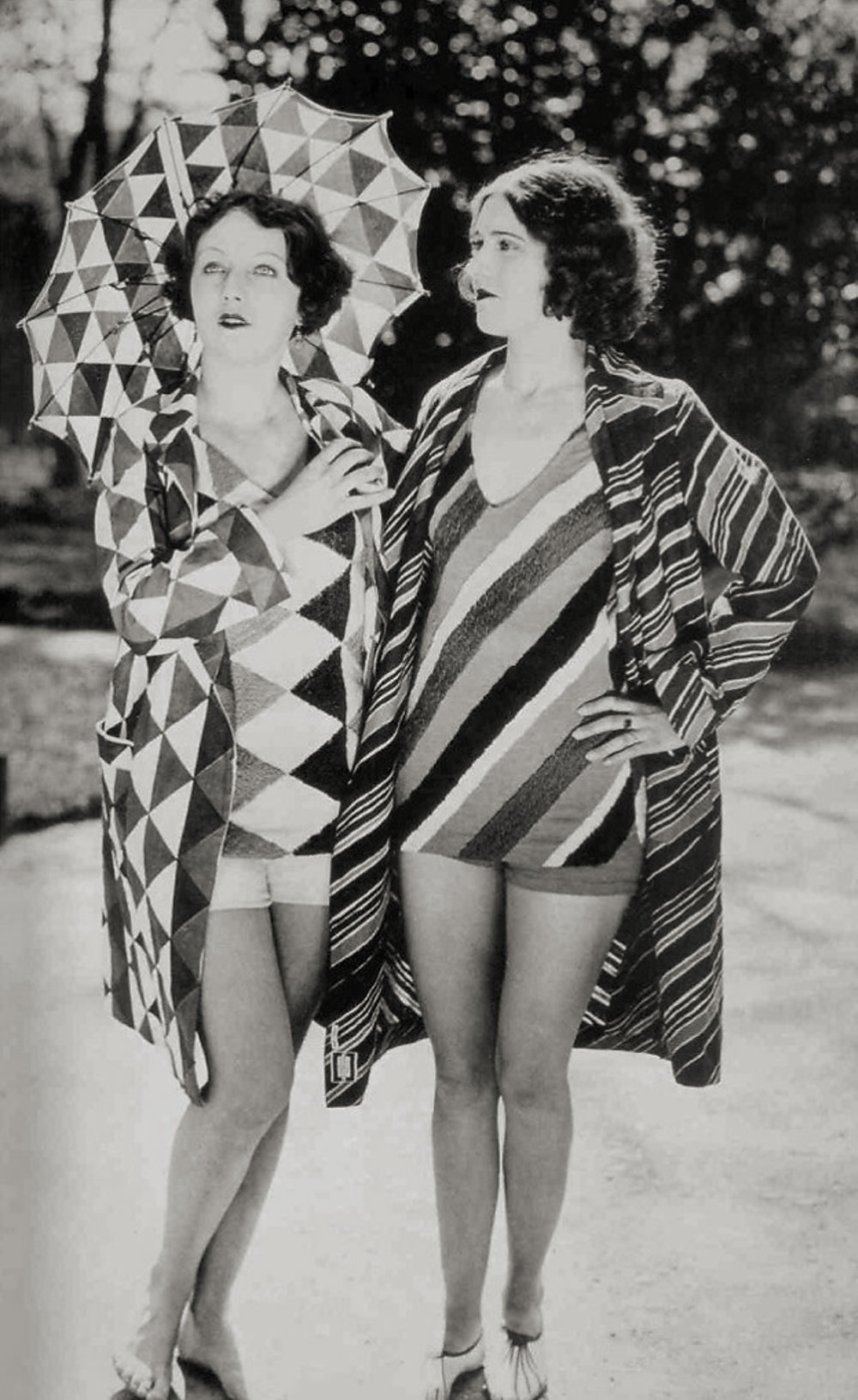
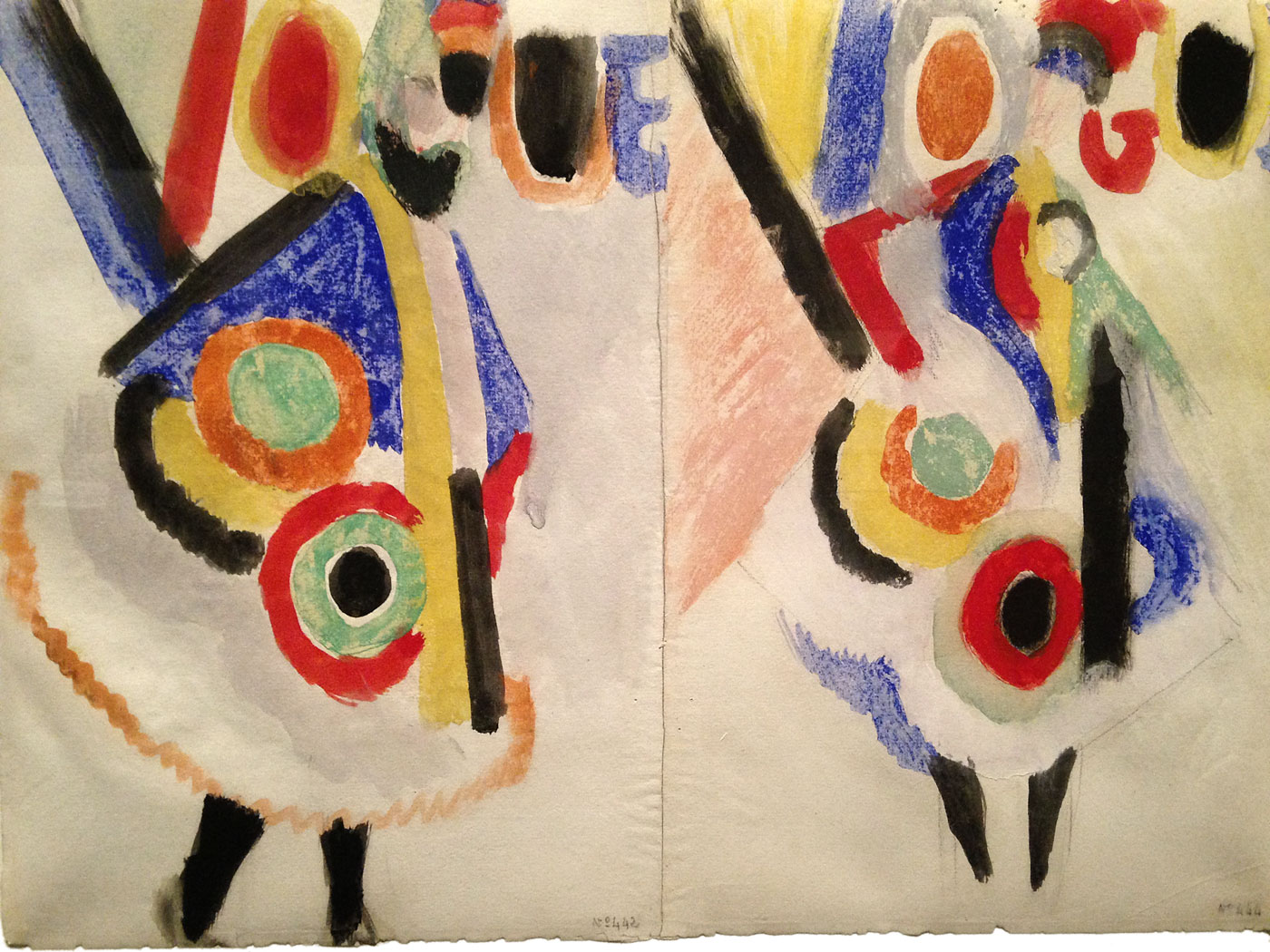
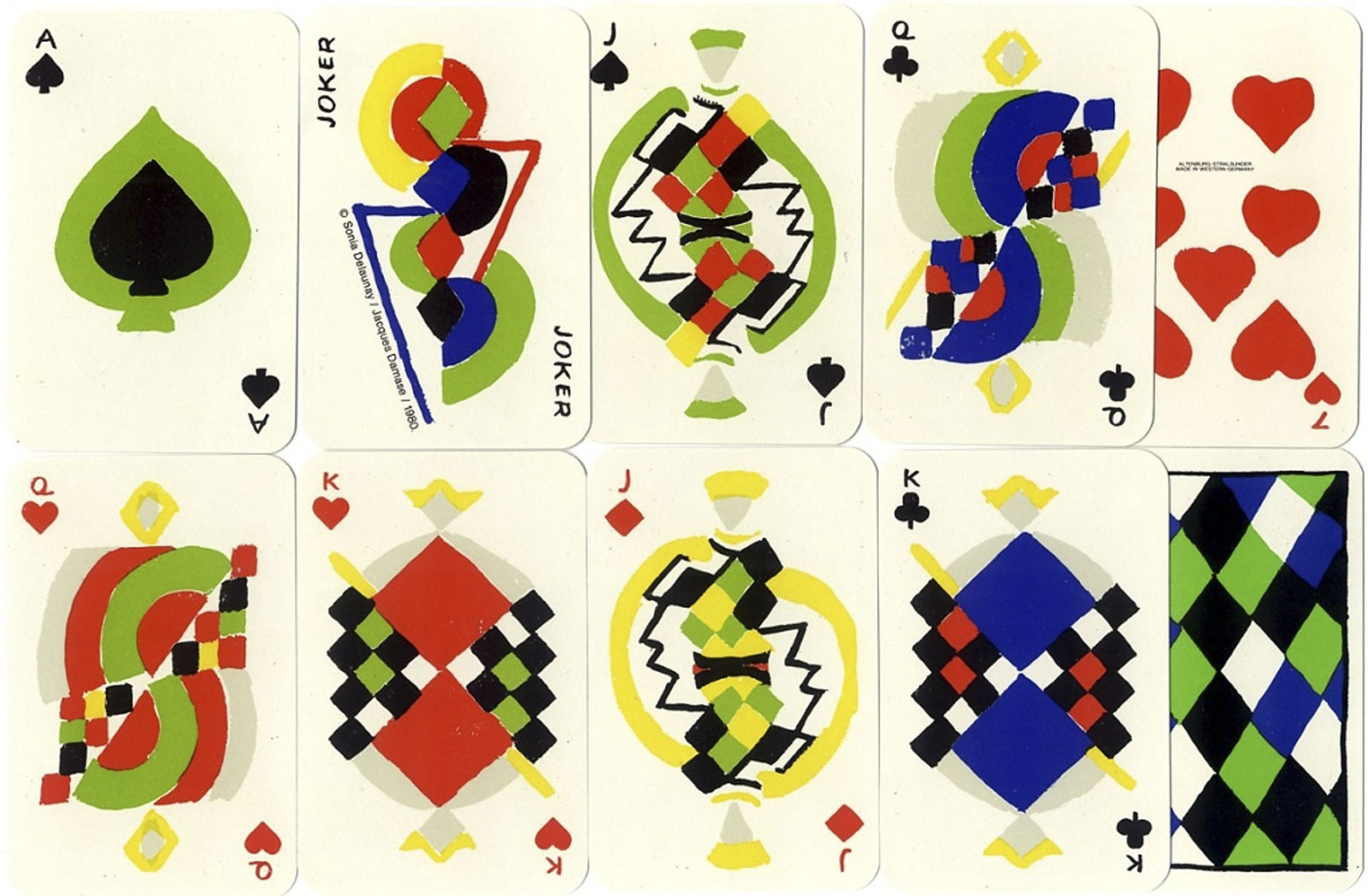
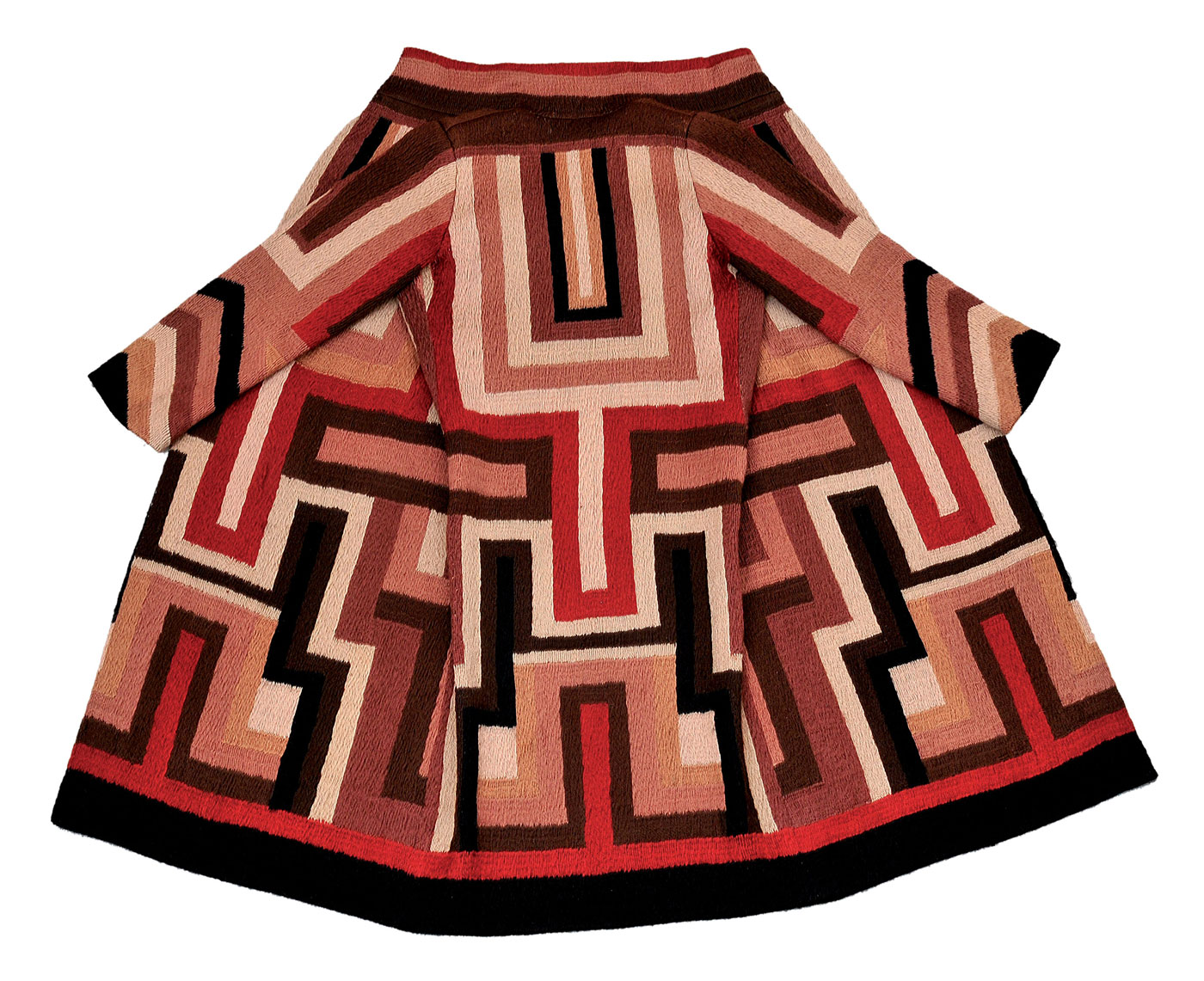
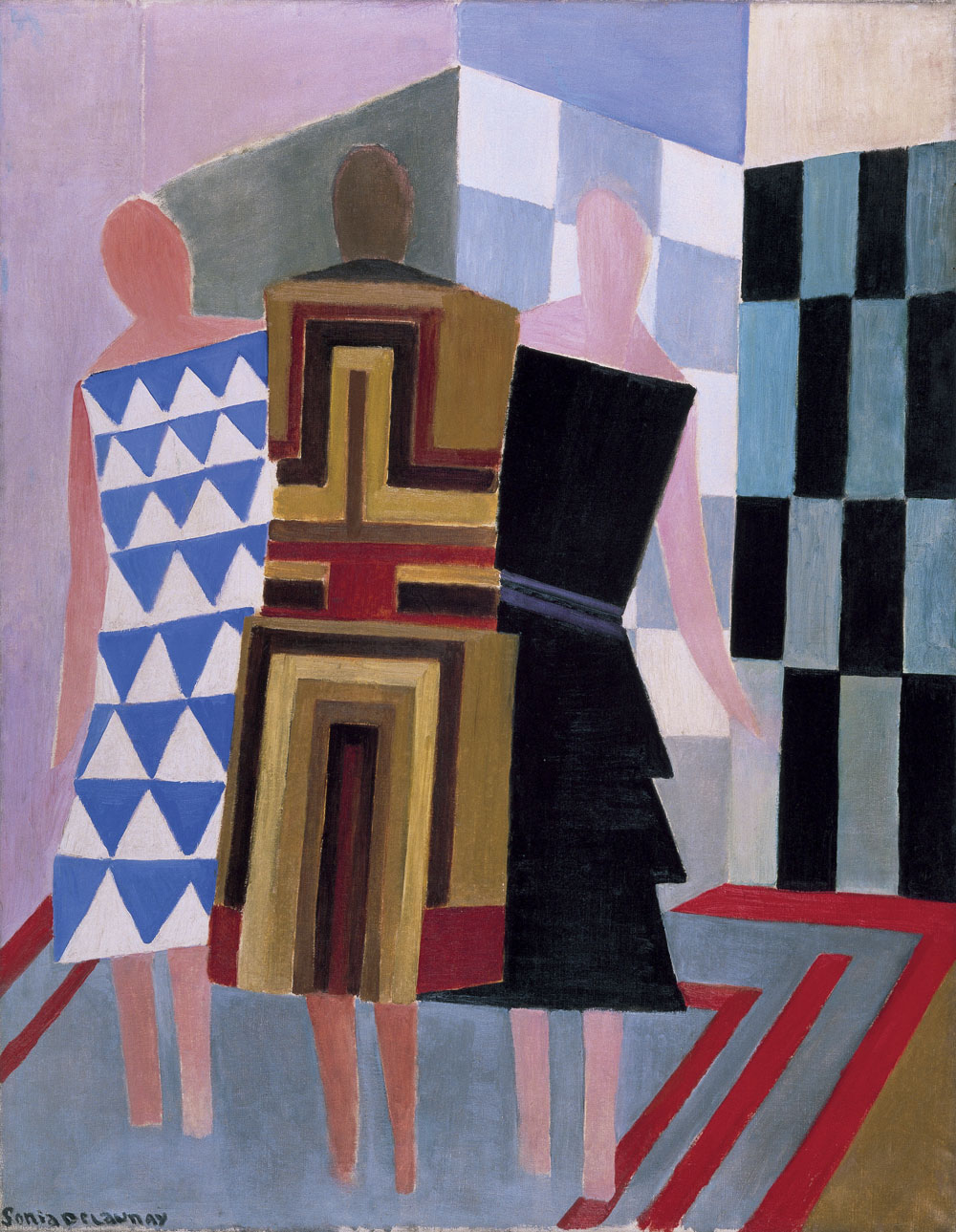
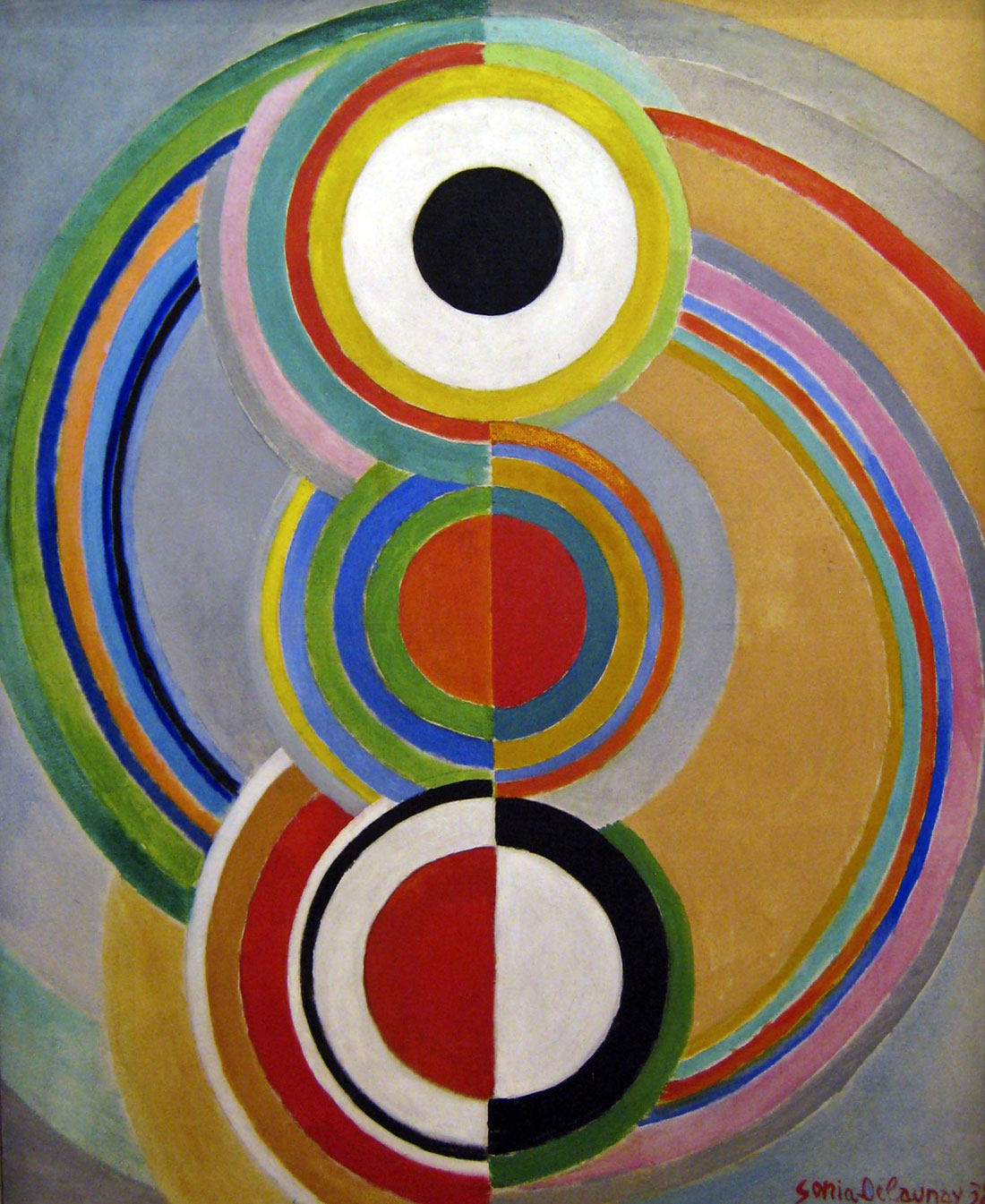
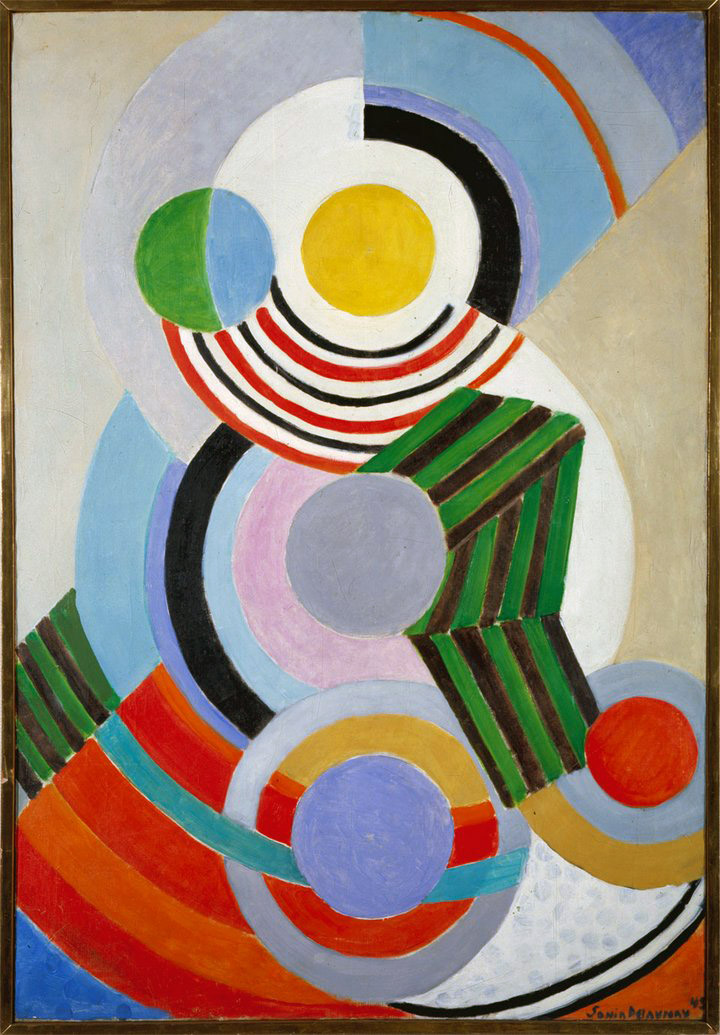


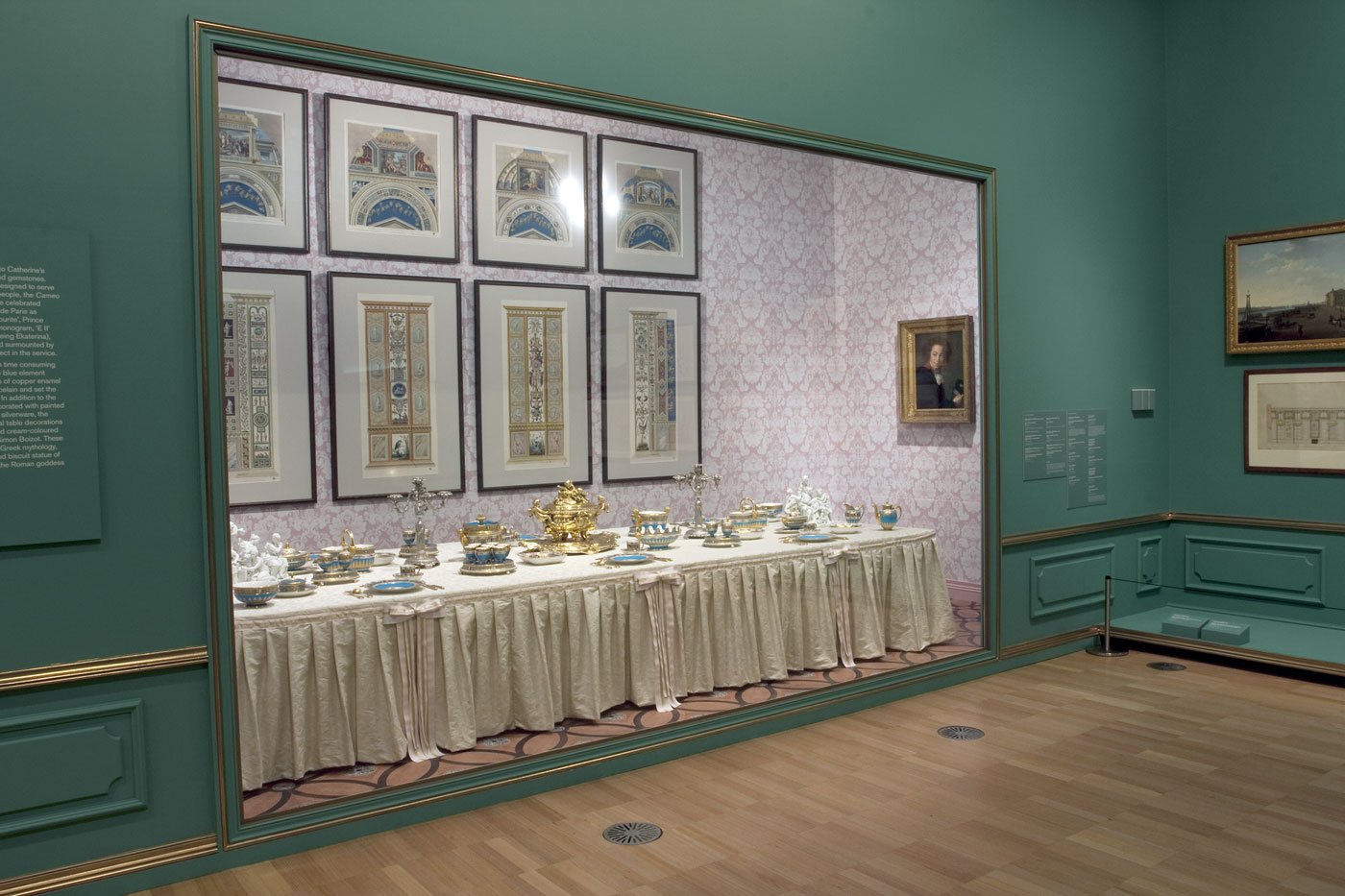


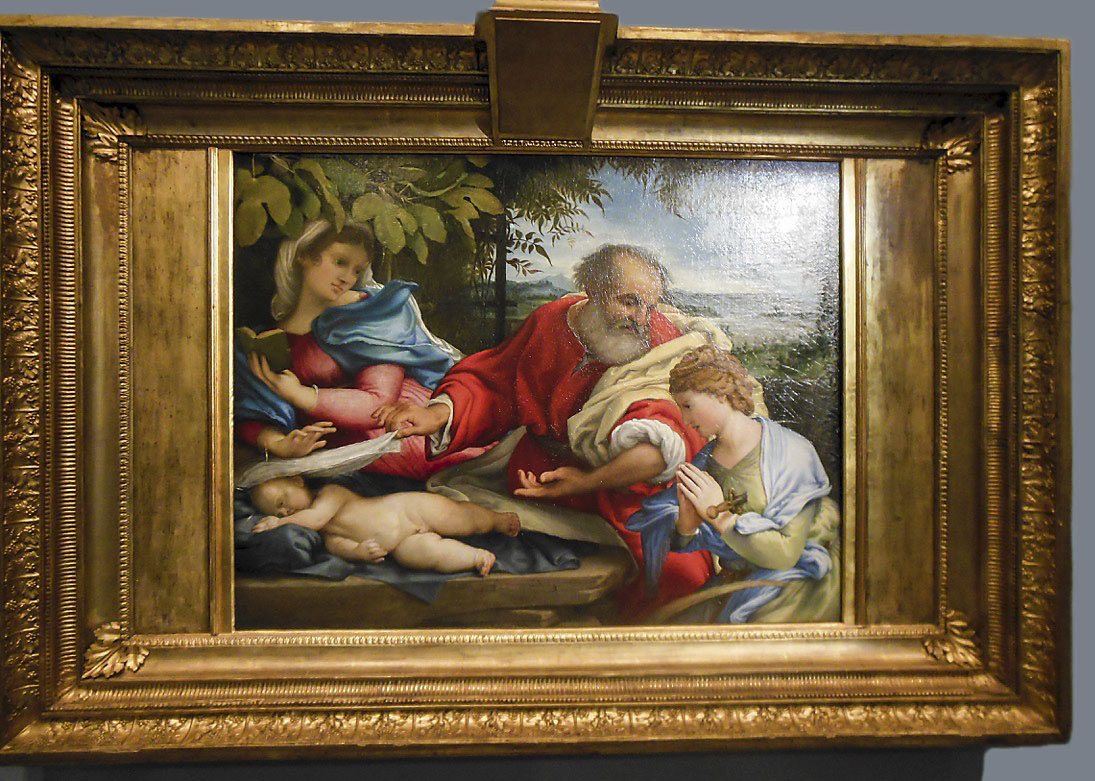


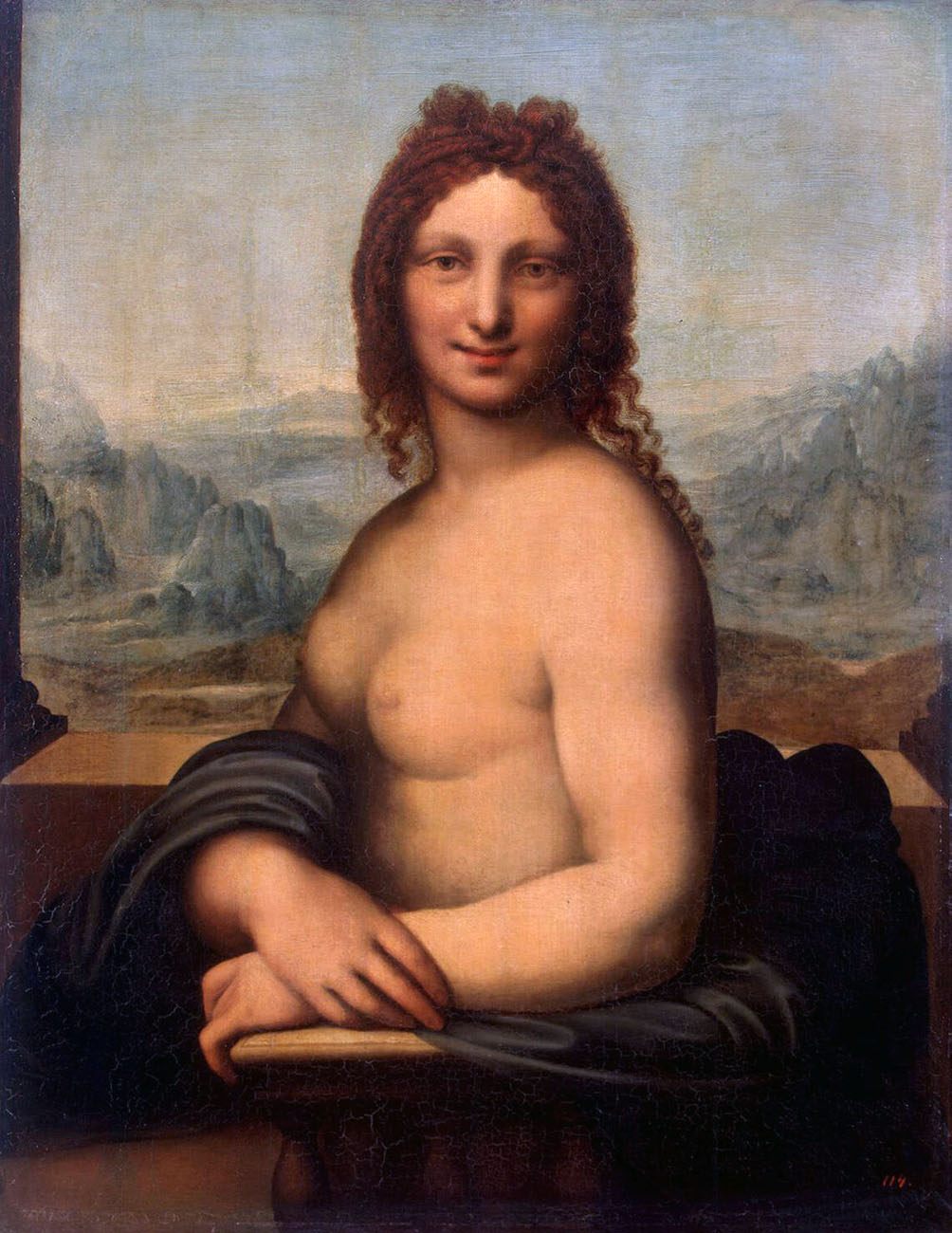


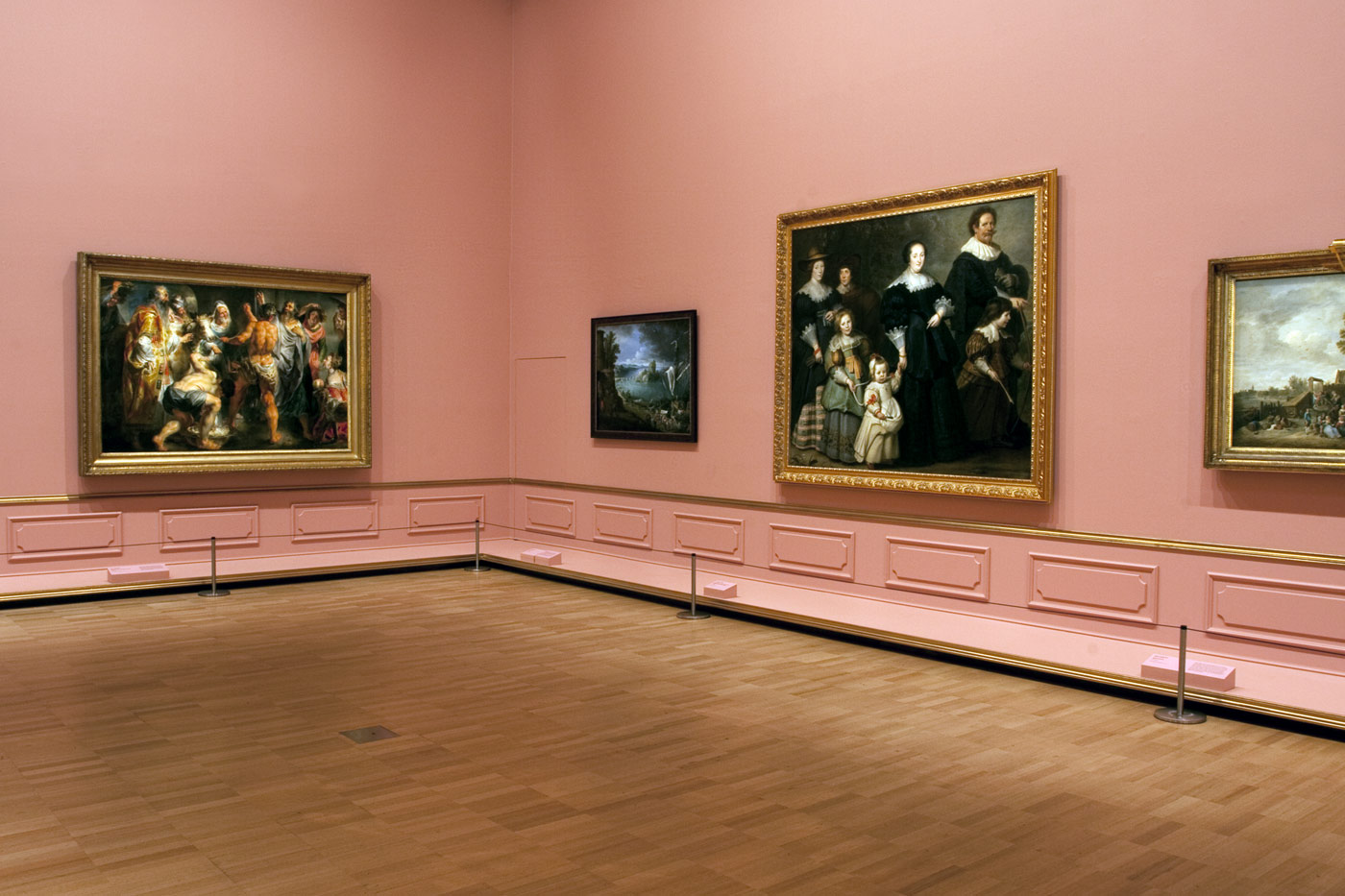


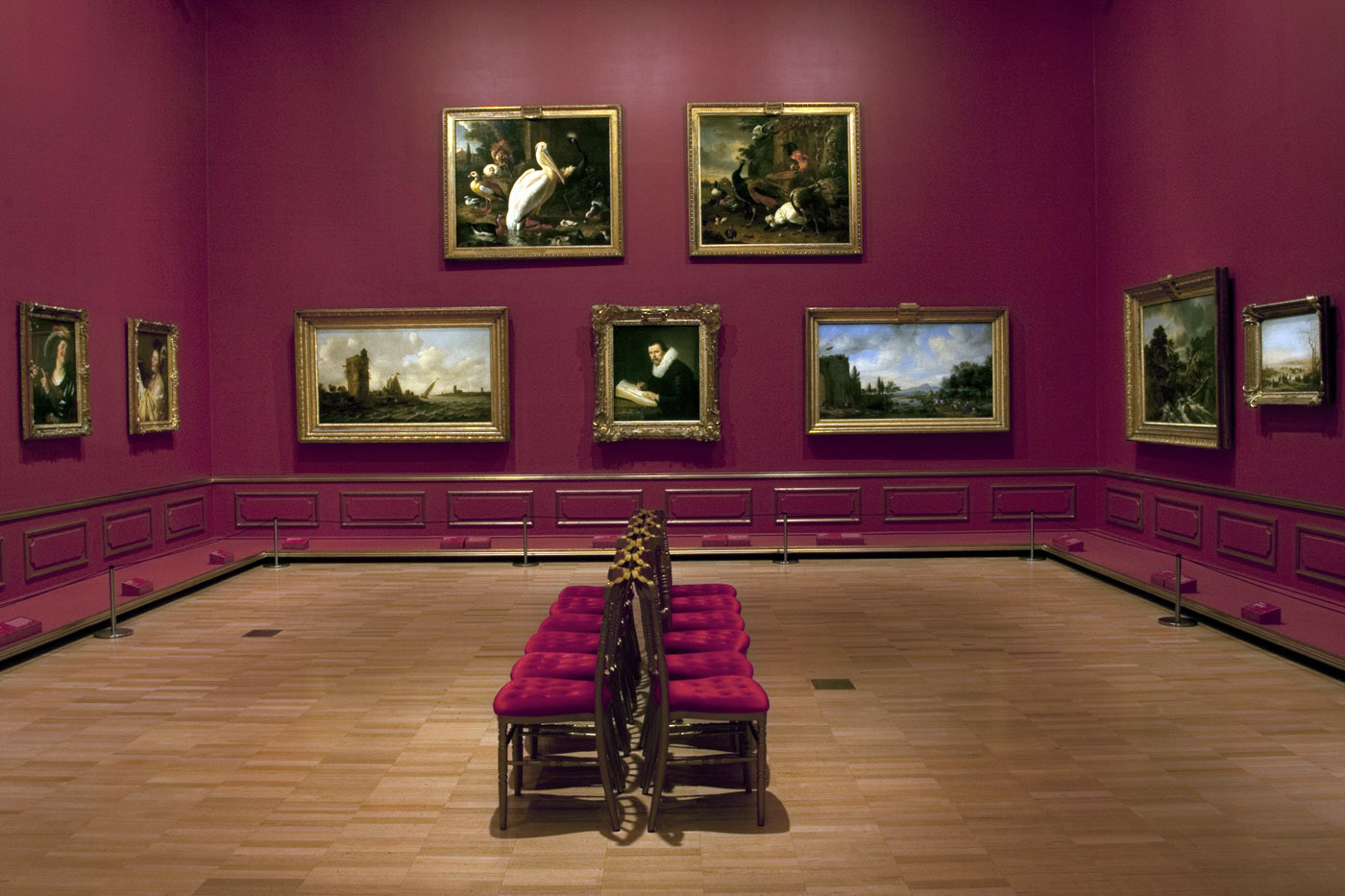
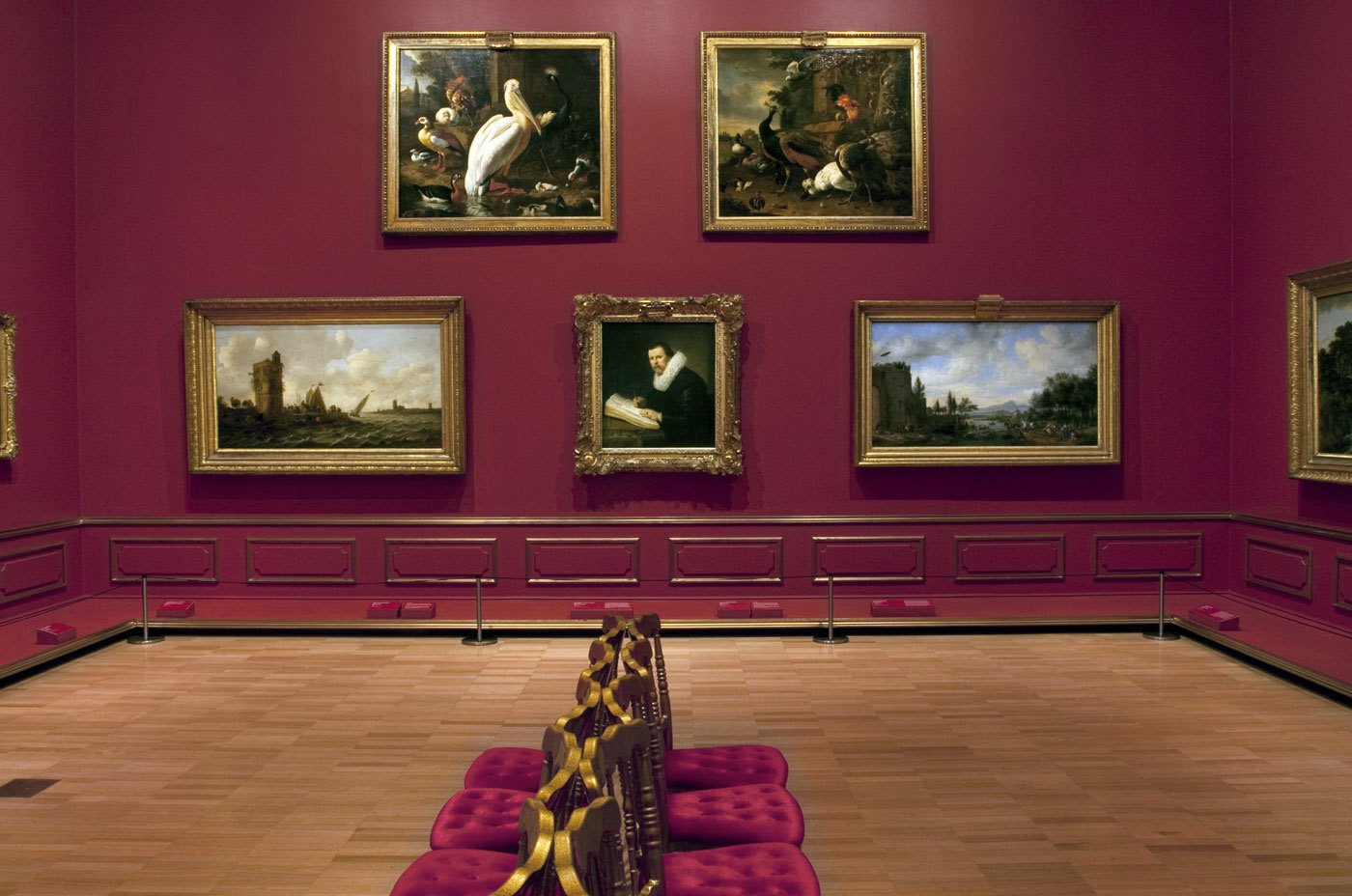


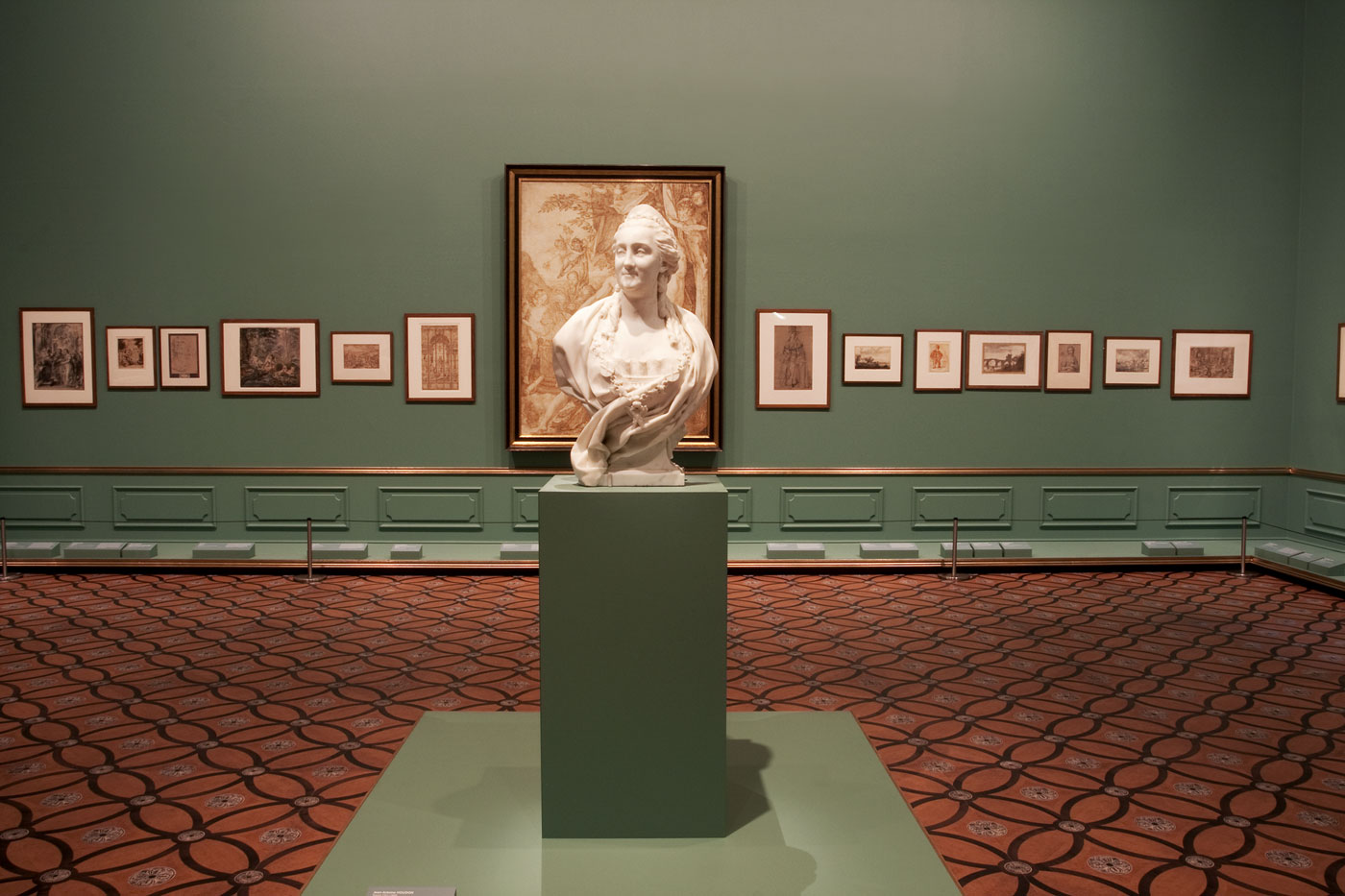


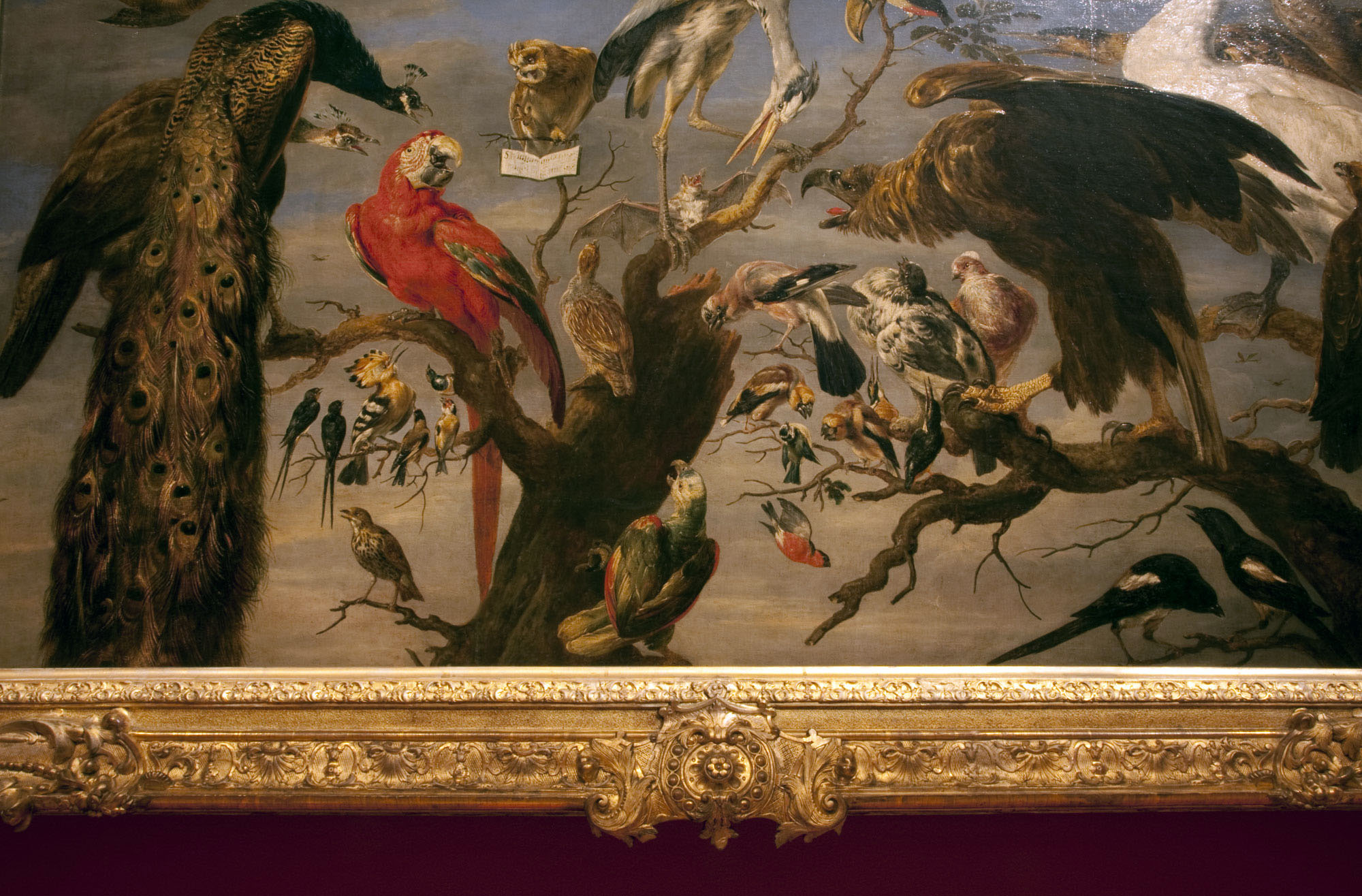


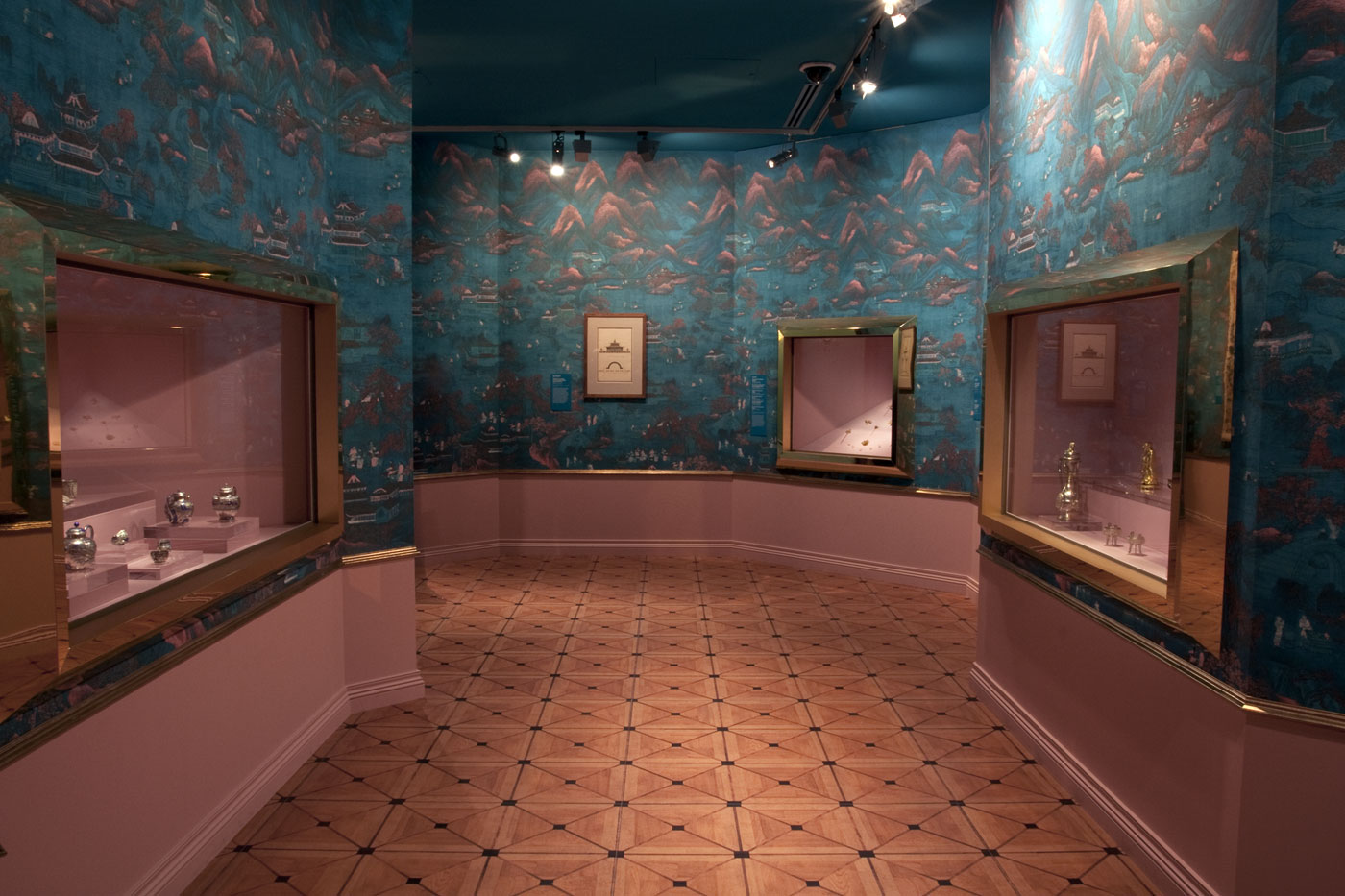


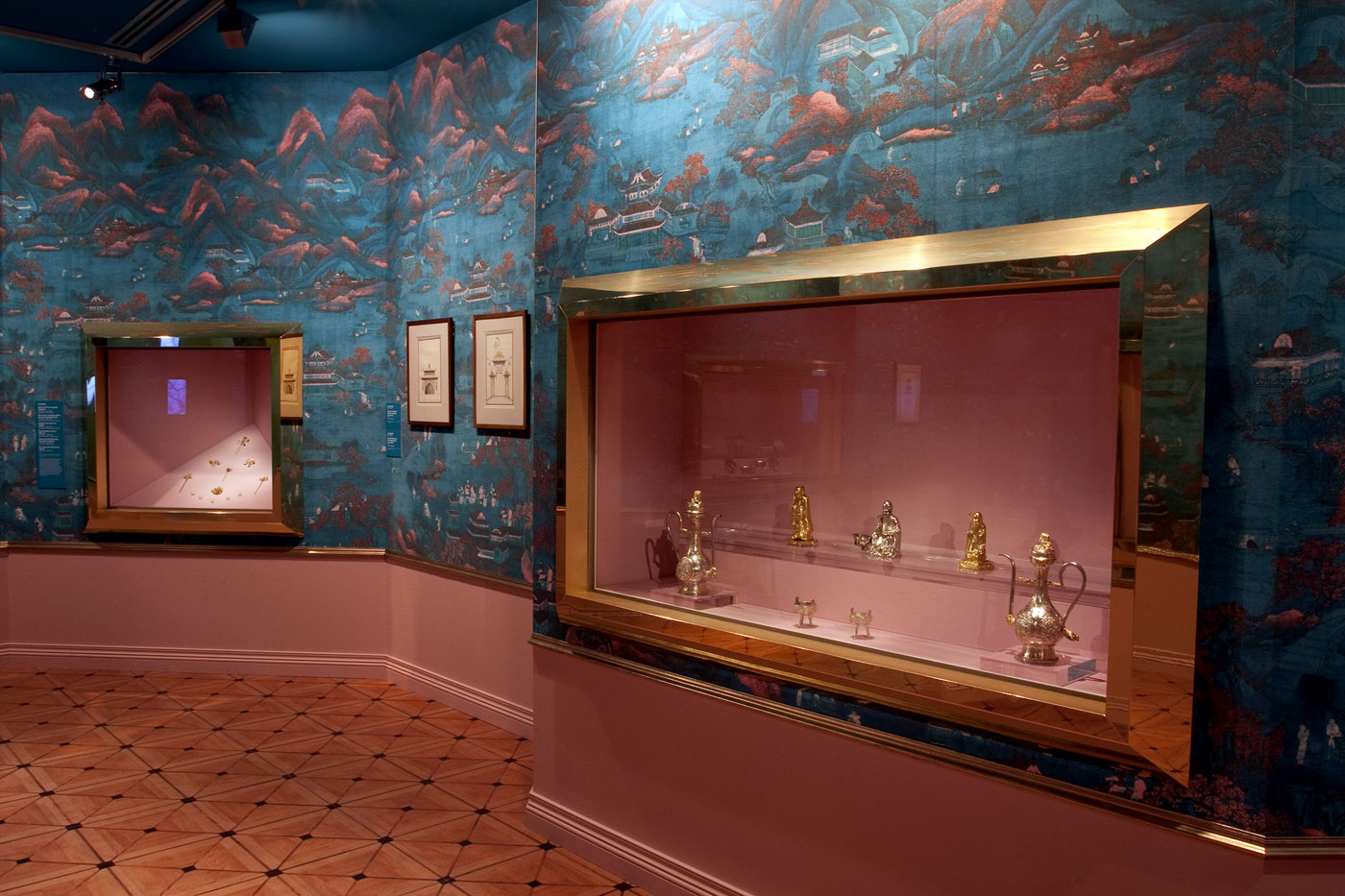

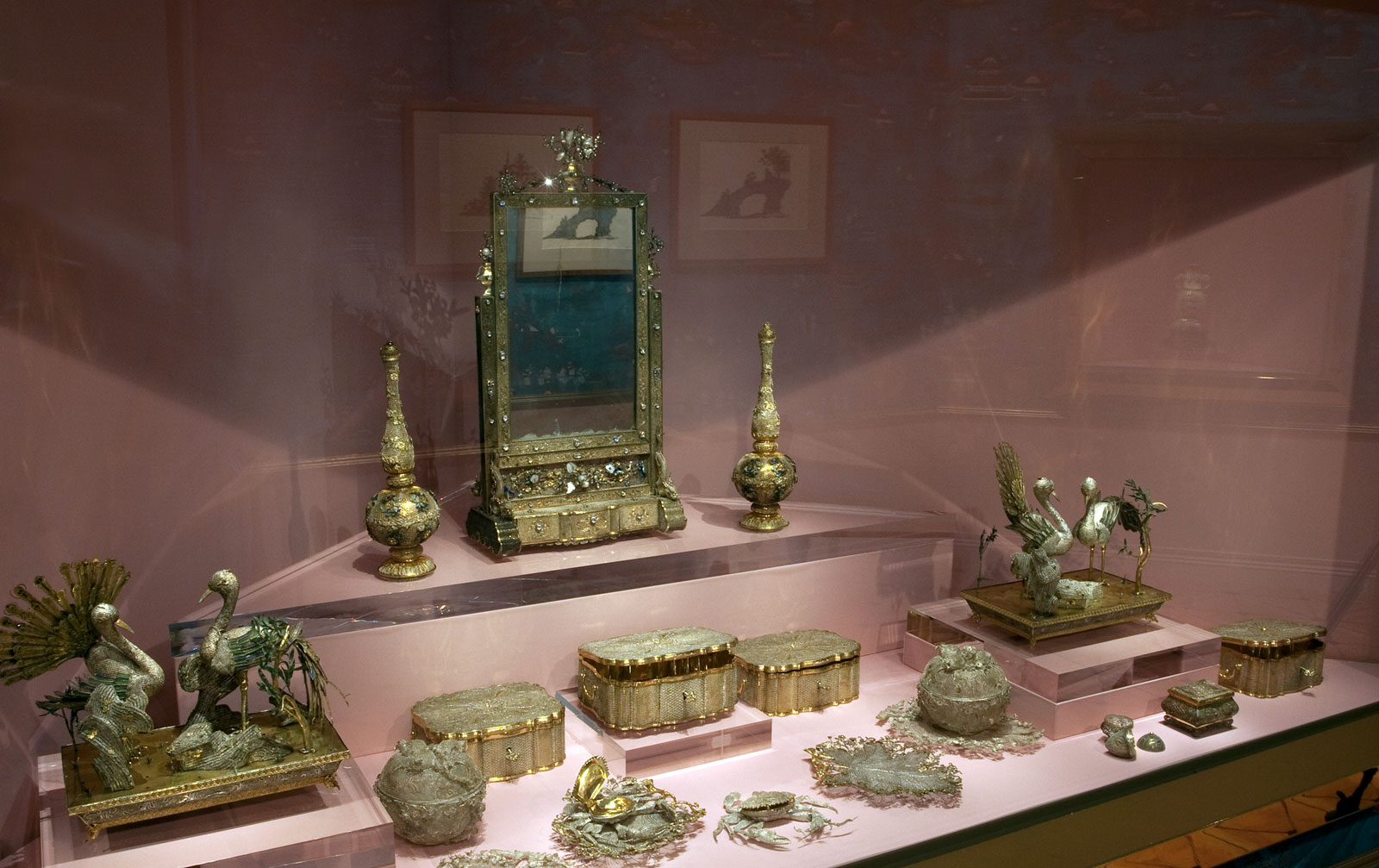
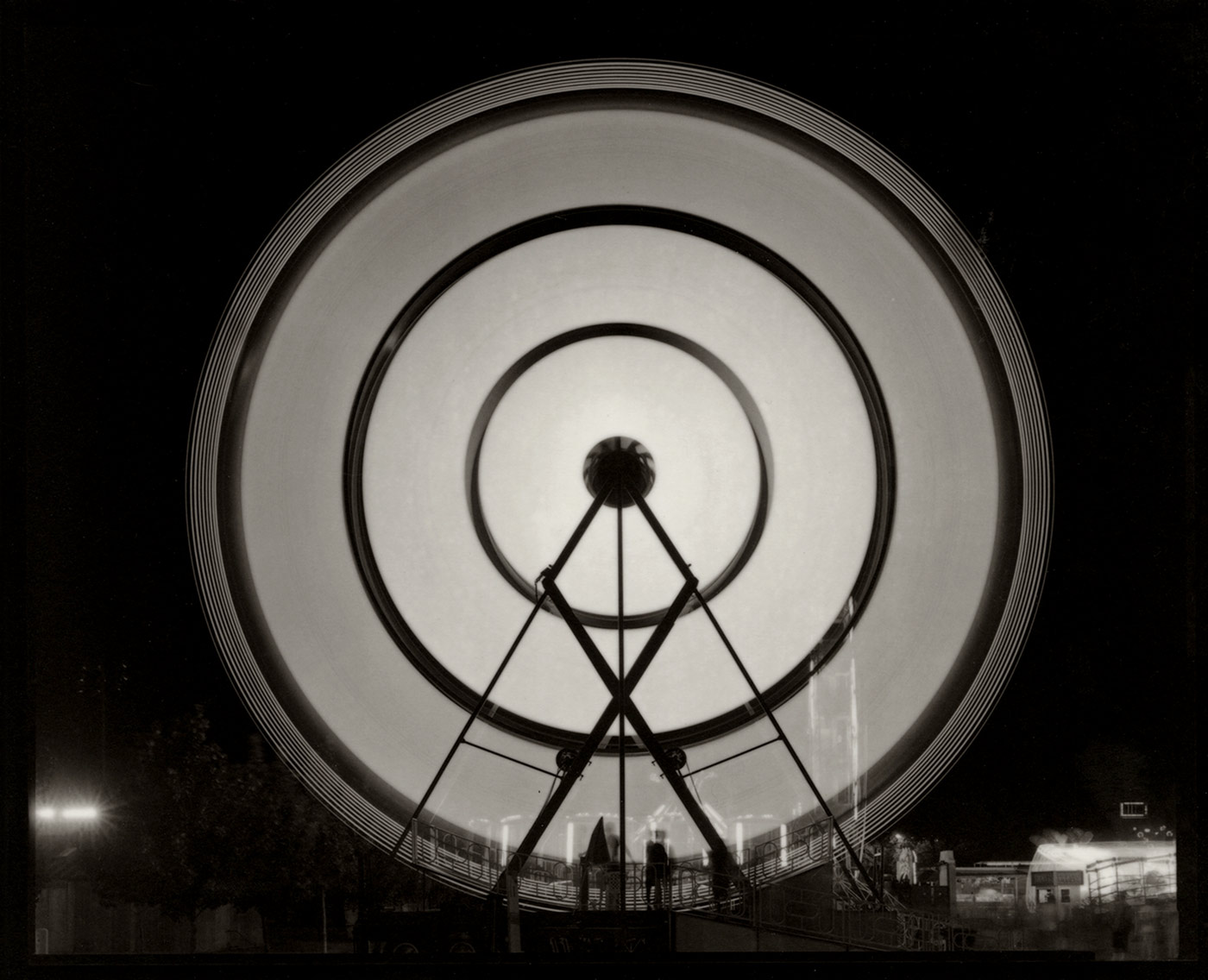

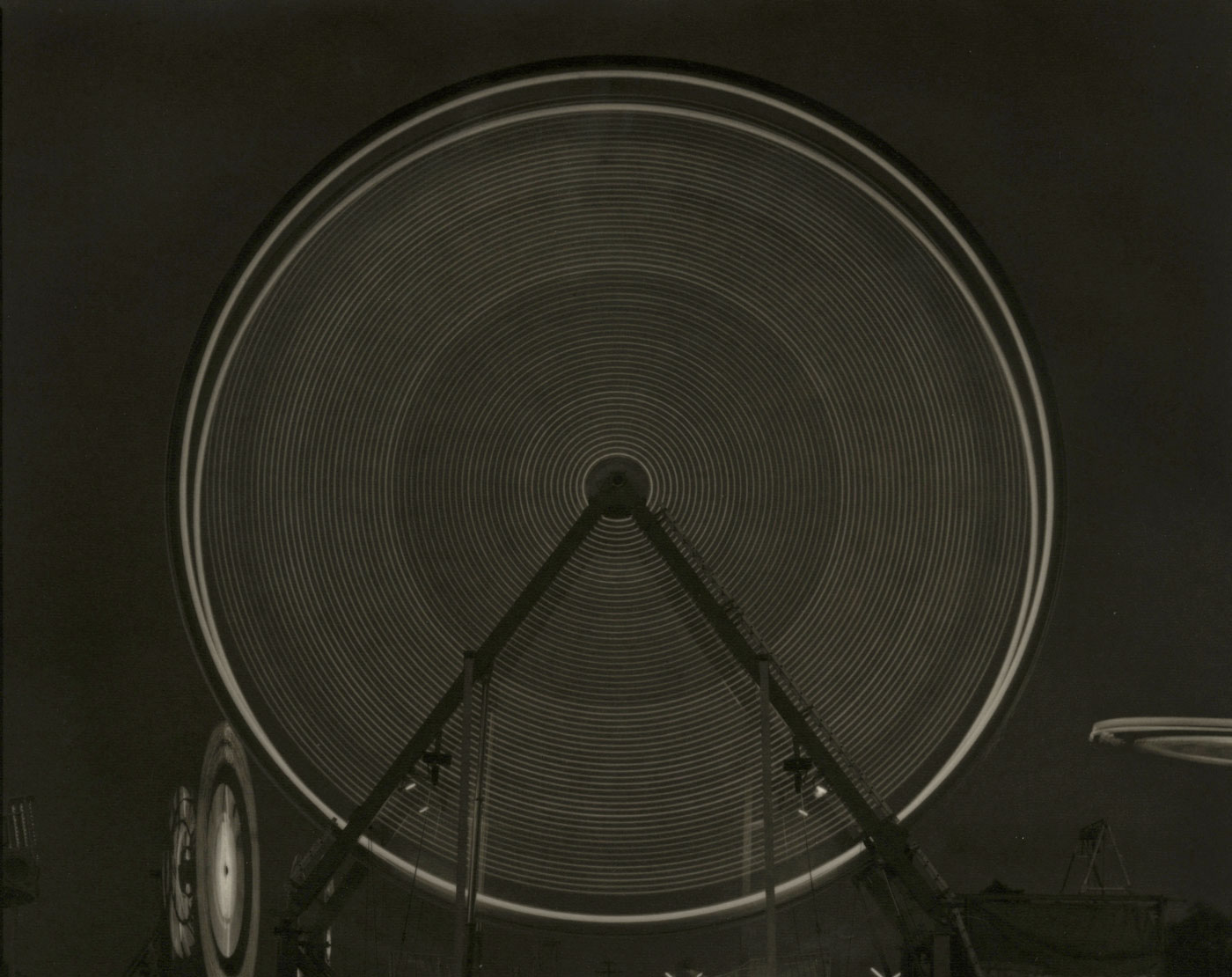


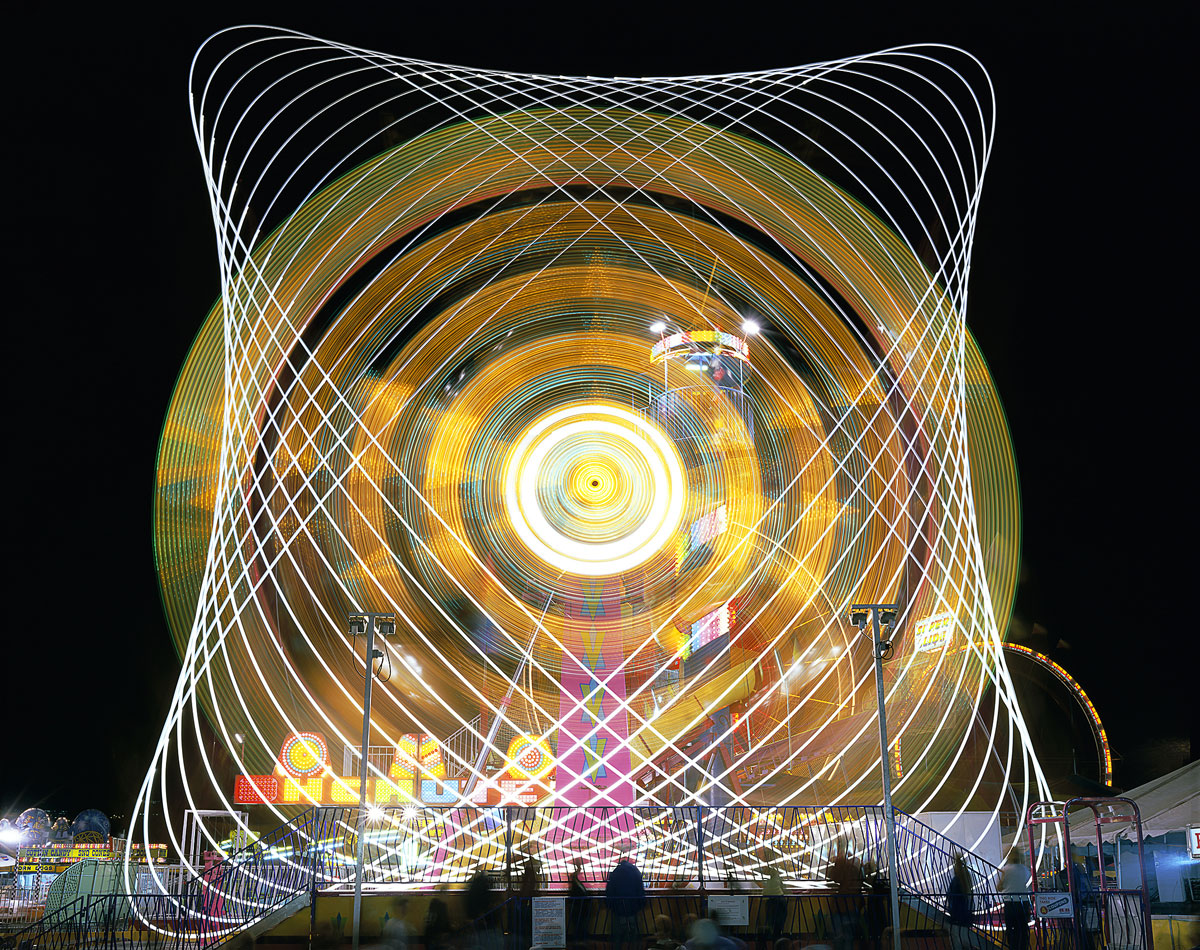


![Unknown photographer. 'Untitled [Horse and trap], Quandong' 1887](https://artblart.com/wp-content/uploads/2015/05/quandong11.jpg "Unknown photographer. 'Untitled [Horse and trap], Quandong' 1887")
![Unknown photographer. 'At Quandong [Horse, foal and cart]' 1887](https://artblart.com/wp-content/uploads/2015/05/quandong9.jpg "Unknown photographer. 'At Quandong [Horse, foal and cart]' 1887")




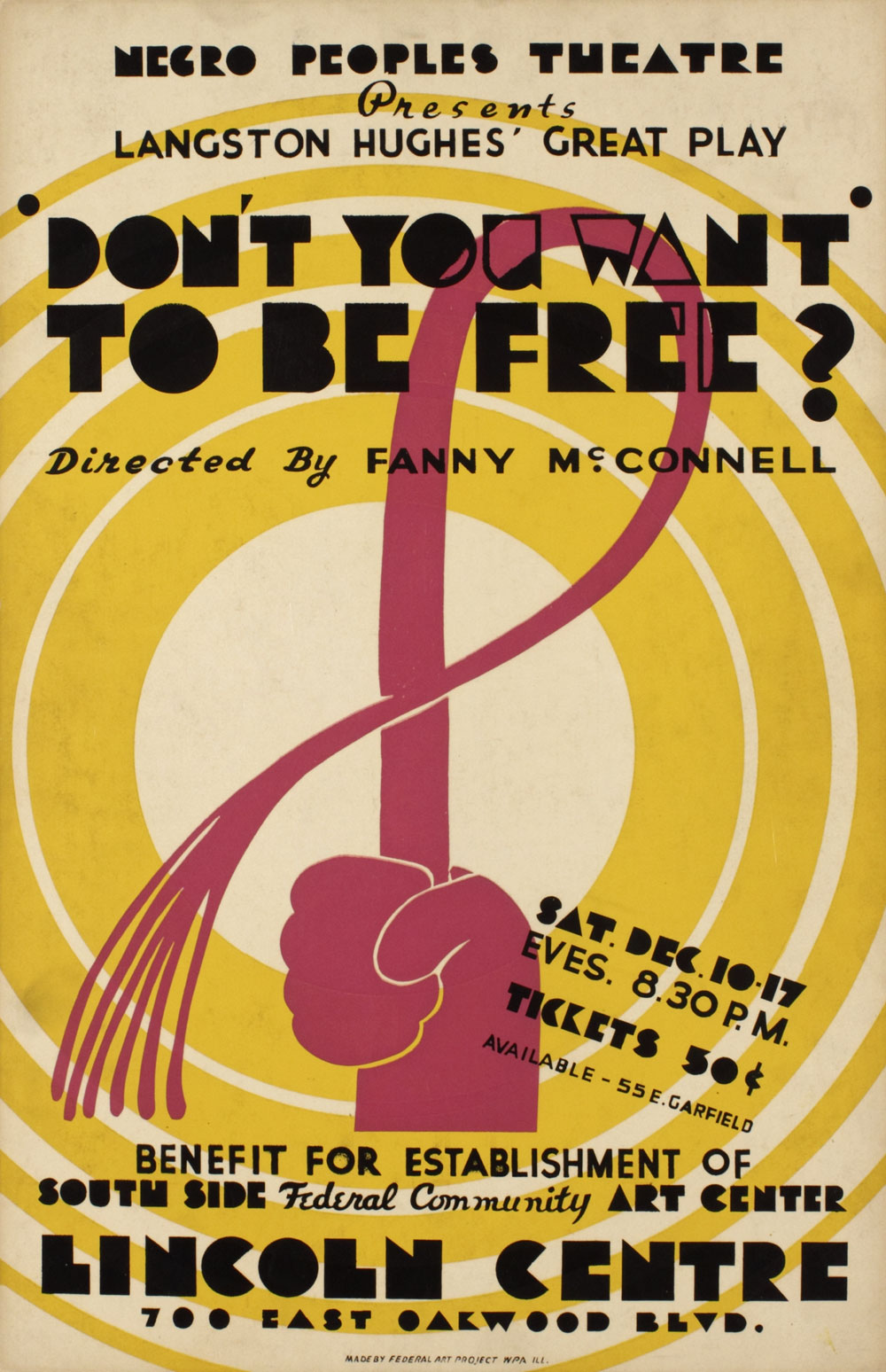


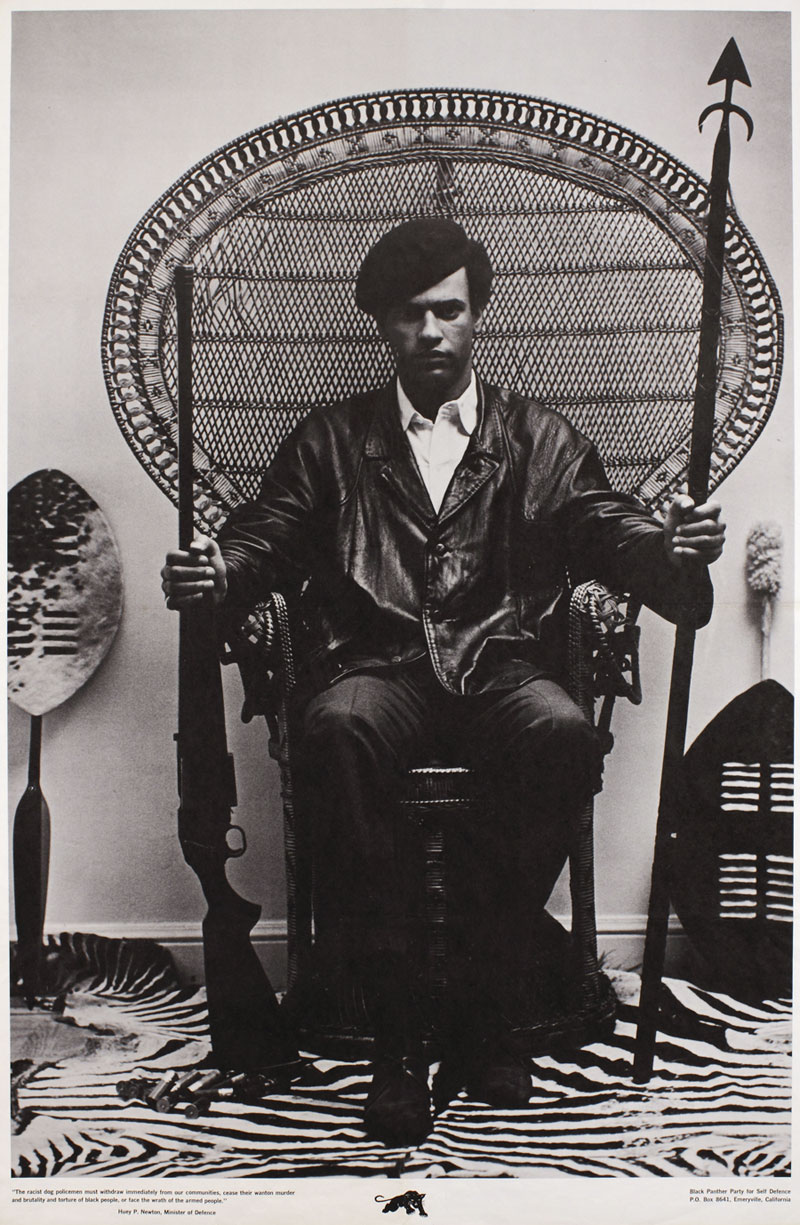


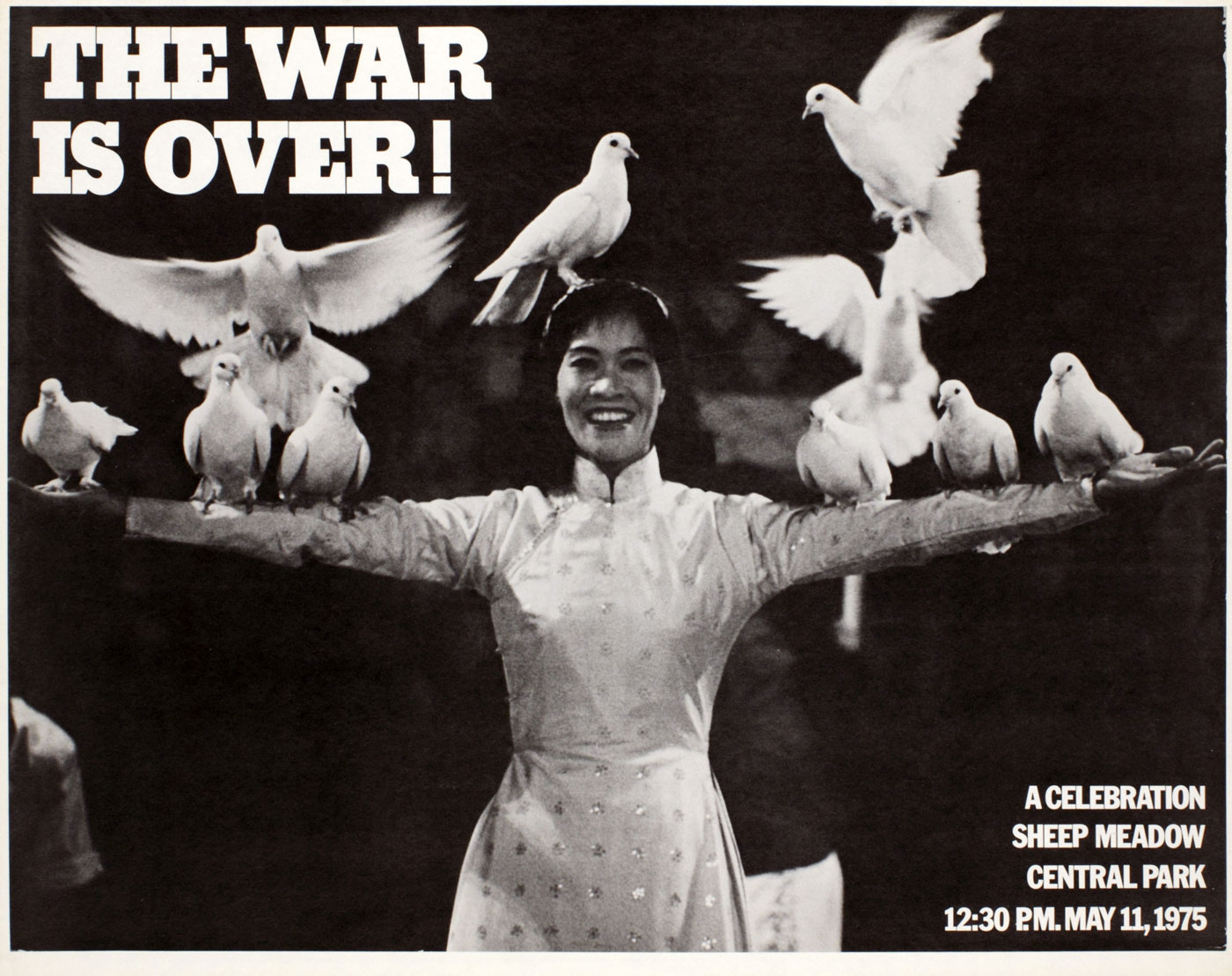
 Art Blart _ art and cultural memory archive
You must be logged in to post a comment.