I am opening the exhibitions Movement and Emotion and Jodie Noble Solo at Arts Project Australia, Northcote on Wednesday 19th October 2011 from 6 – 8pm.
All welcome, would be great to see you there. Details on the flyer!
Exhibition dates: 15th September – 16th October, 2011
Short-listed artists: Warwick Baker, Kate Bernauer, Magdalena Bors, Chris Budgeon, Elaine Campaner, Michael Corridore, Jagath Dheerasekara, Jackson Eaton, Cherine Fahd, Sean Fennessy, Anne Ferran, Phillip George, Dean Golja, Natalie Grono, David Manley, Olivia Martin-McGuire, Prudence Murphy, Harry Nankin, Catherine Nelson, Matthew Newton, Selina Ou, Max Pam, Polixeni Papapetrou, Geoff Parr, Sonia Payes, Drew Pettifer, Helen Pynor, Jacky Redgate, Simone Rosenbauer, Julie Rrap, Martin Smith, Simon Terrill, Claudia Terstappen, Glenn Walls, Rudi Williams, Alex Wisser, Yiwen Yao.
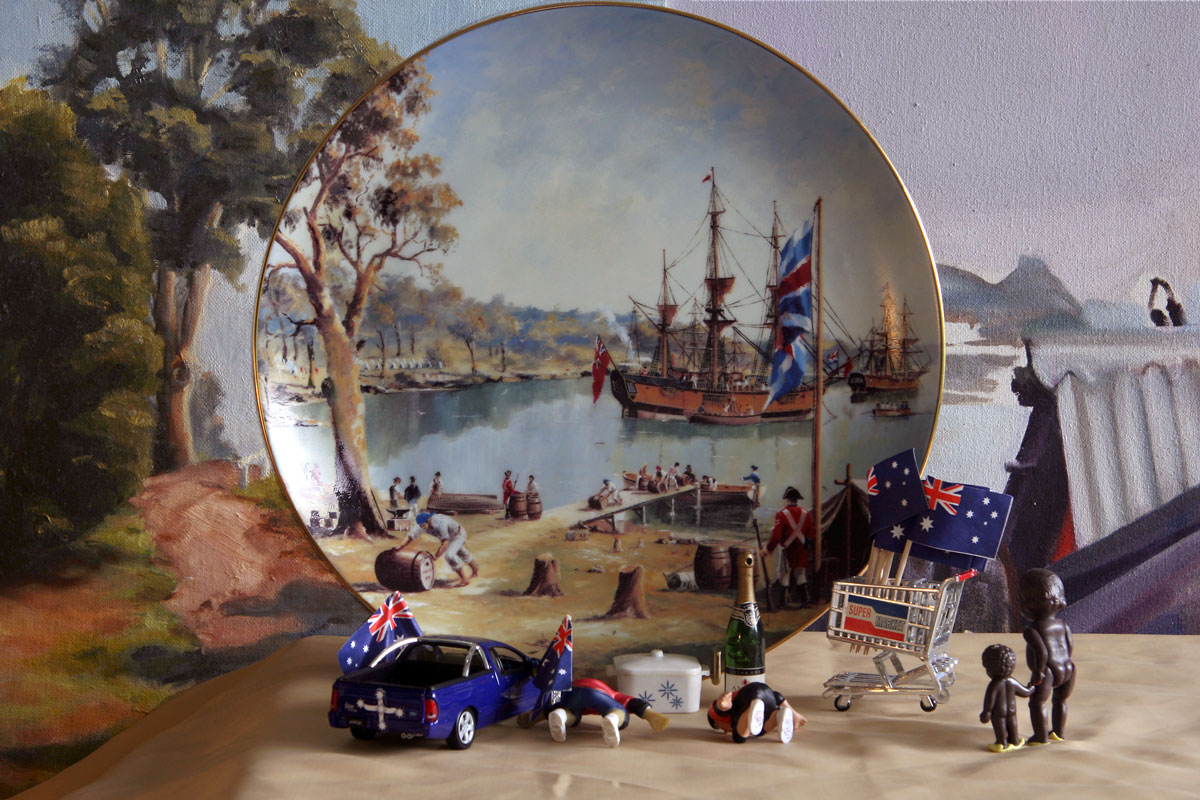
Elaine Campaner (Australian, b. 1969) Australia Day #1 (Ford Falcon XR8) 2011 From the series Citizenship Pigment ink-jet print 93.3 x 140cm Courtesy of the artist
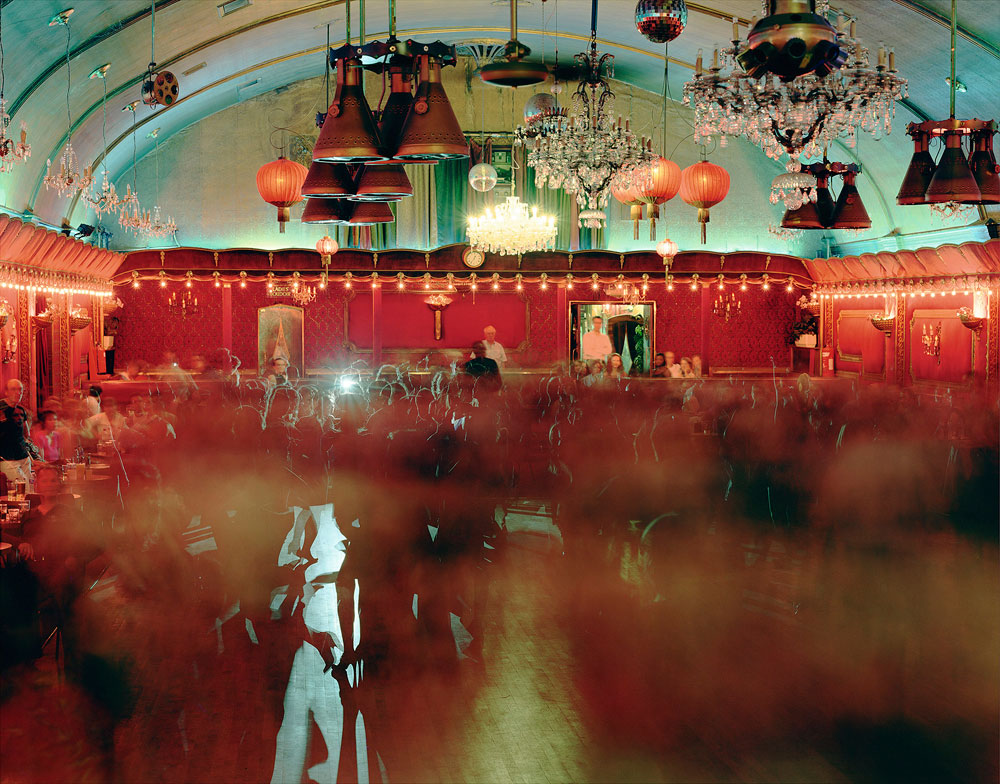
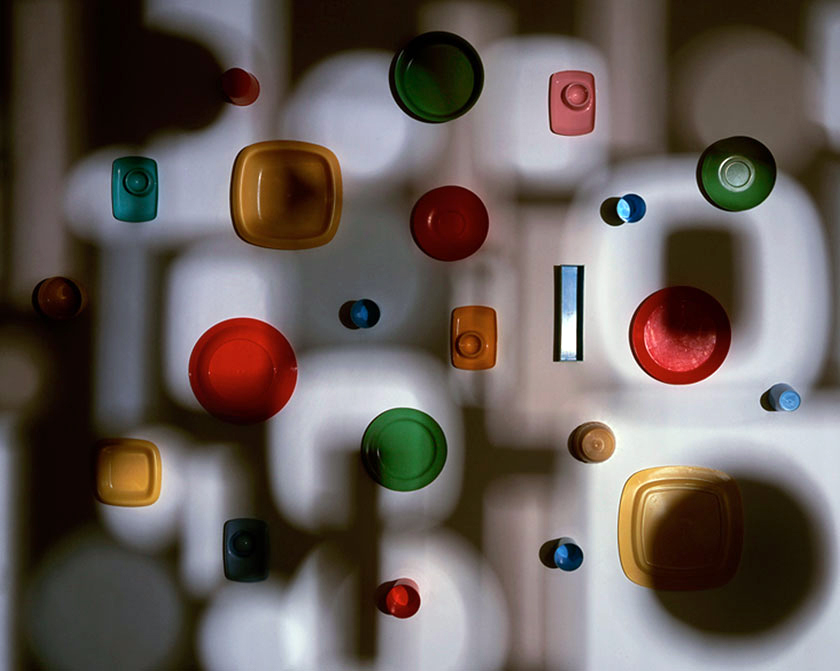
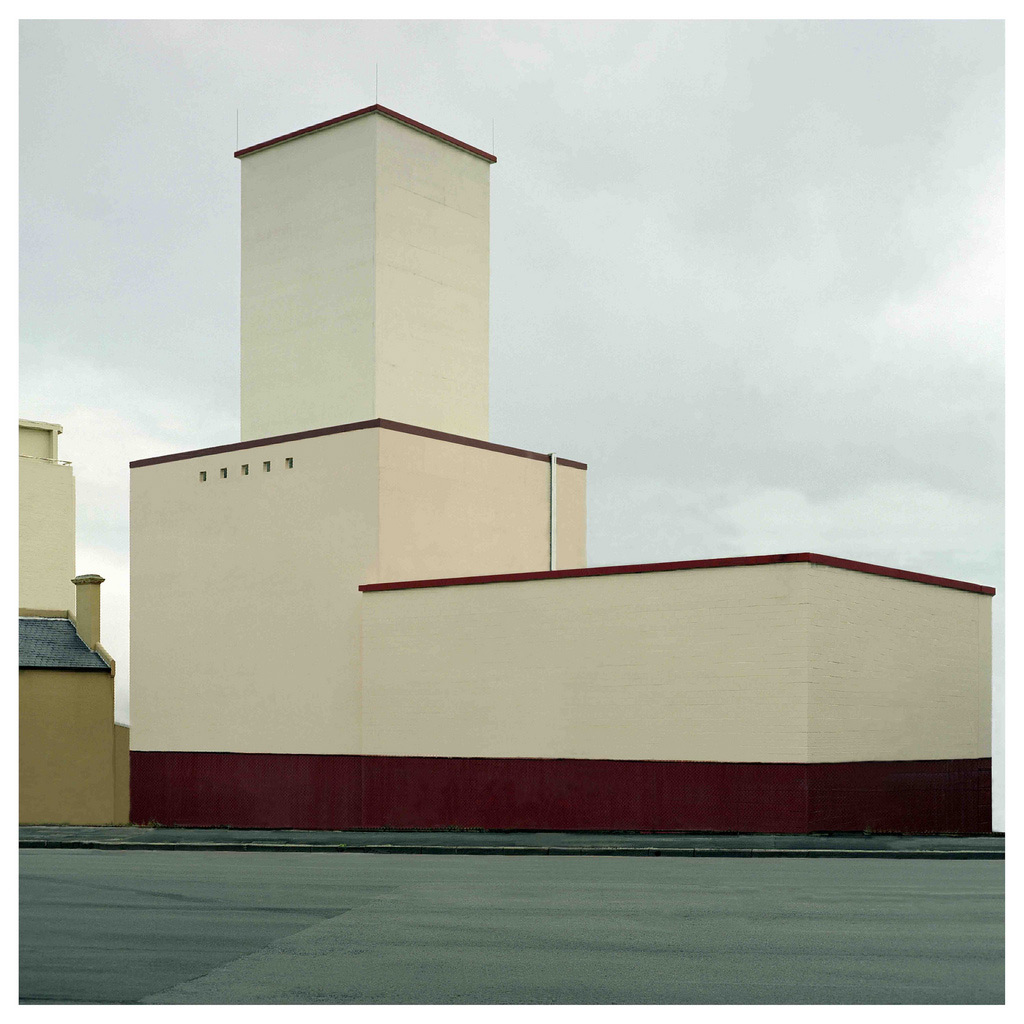
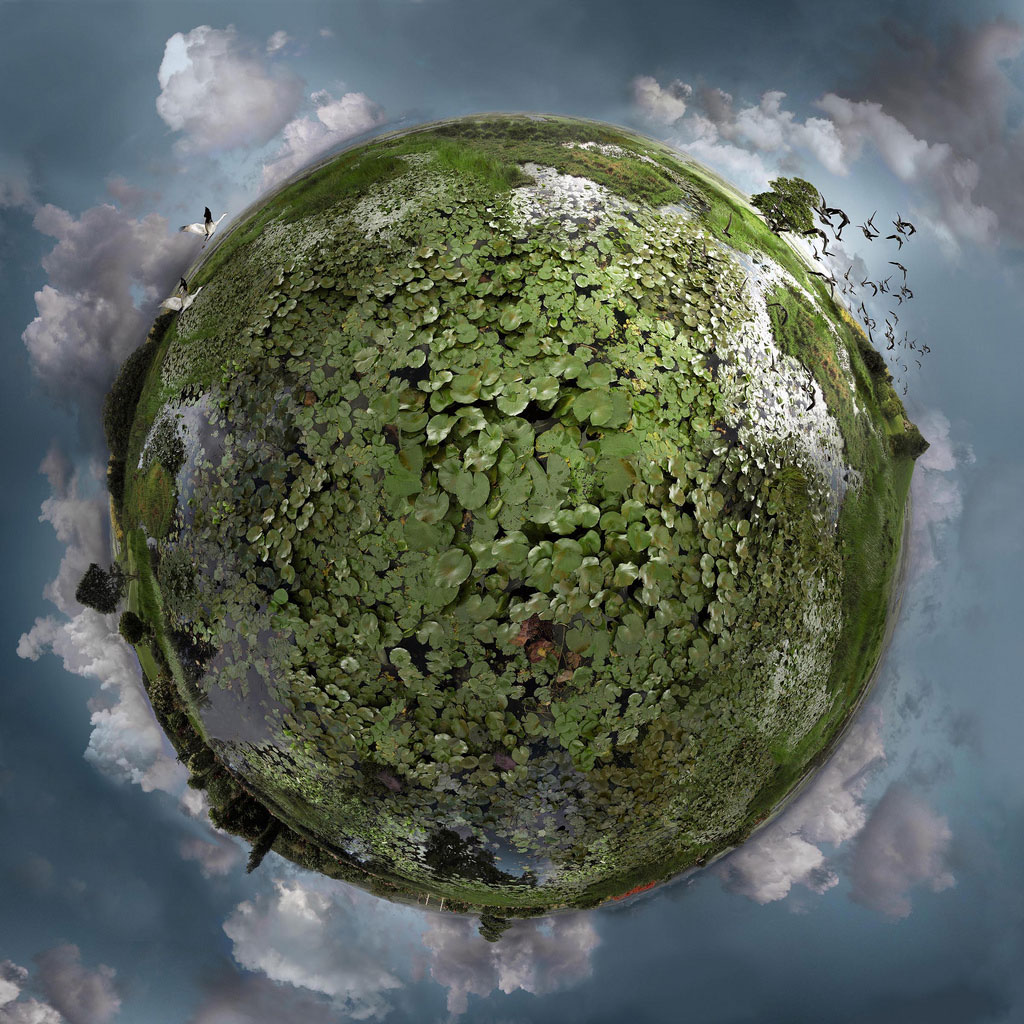
Excellent photographs in the Bowness Photography Prize this year. A small selection of the short-listed artists are featured below. The dazzling winner was Light throw (mirrors) #4, 2011 by Jacky Redgate (see below). My particular favourites include David Manley’s sensual Eastern Distributer exhaust stack (2010); Simon Terrill’s textural Rivoli #2 (2010); and Catherine Nelson’s ocular world, Cloverdowns (2010).
Dr Marcus Bunyan
Simon Terrill (Australian, b. 1969) Rivoli #2 2010 Chromogenic print 120 x 150cm Courtesy of the artist and Sutton Gallery, Melbourne
Established in 2006 to promote excellence in photography, the annual non-acquisitive William and Winifred Bowness Photography Prize is an initiative of the MGA Foundation. Among Australia’s most important art prizes, the Bowness Photography Prize is the country’s most coveted photography prize. The finalist’s works were selected from approximately 2,000 photographs submitted by 432 entrants. In 2011, photographers competed for the $25,000 first prize.
Text from the MGA website
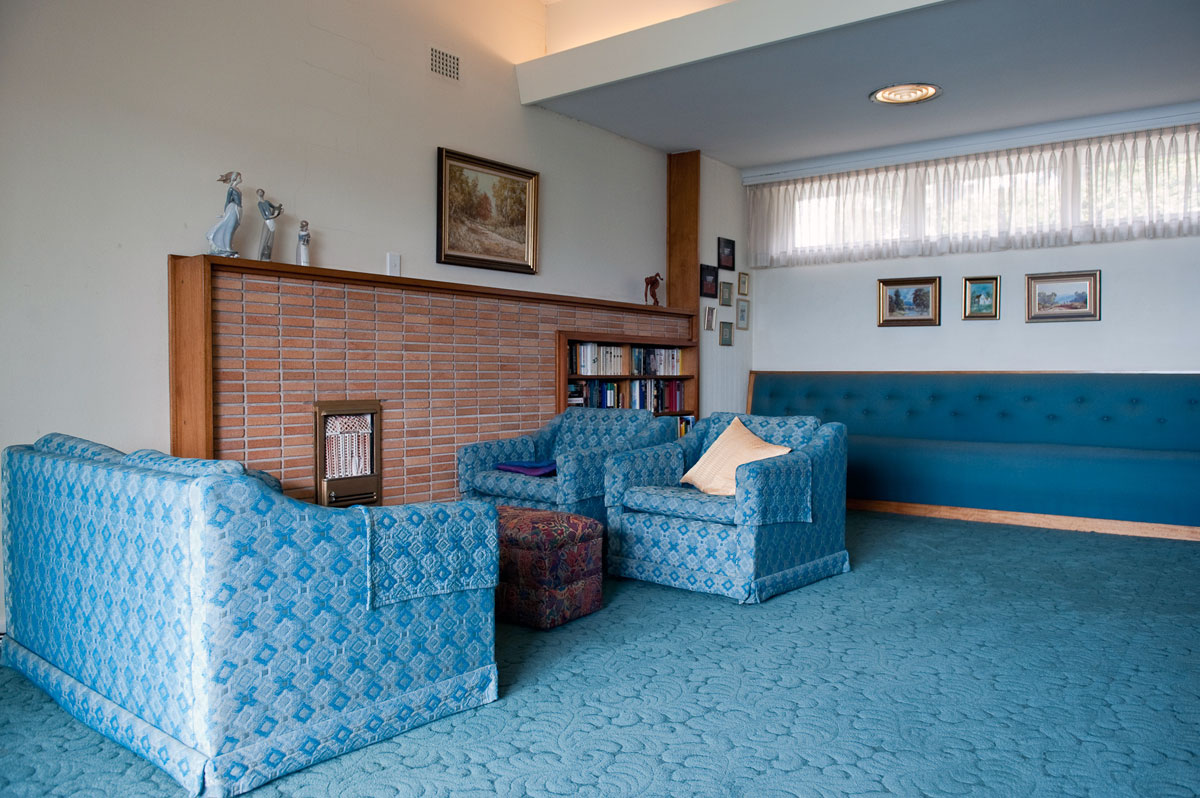
Alex Wisser (American, b. 1967, arrived Australia 1995) Blank canvass 2 2011 From the series Blank canvass Pigment ink-jet print 100 x 150cm Courtesy of the artist
This photograph is from a series called Blank canvass, taken during the course of my work as a real estate photographer for local newspapers. They were taken in houses that have been lived in by a single occupant or family for more than 30 years on the day of their sale by auction. Afterwards, we can only assume that they have been torn down and rebuilt or renovated beyond recognition. Like an anthropologist, I consider these dwellings from a distance, at the moment of their disappearing, wondering at the decisions of taste that are layered decade upon decade to compose or otherwise synthesise the identity of the people who have lived in them.
Jacky Redgate (English b. 1955, arrived Australia 1967) Light throw (mirrors) #4 2011 From the series Light throw (mirrors) 2009 – 11 Chromogenic print 126 x 158cm Courtesy of the artist, WILLIAM WRIGHT ARTISTS, Sydney and Arc One Gallery, Melbourne
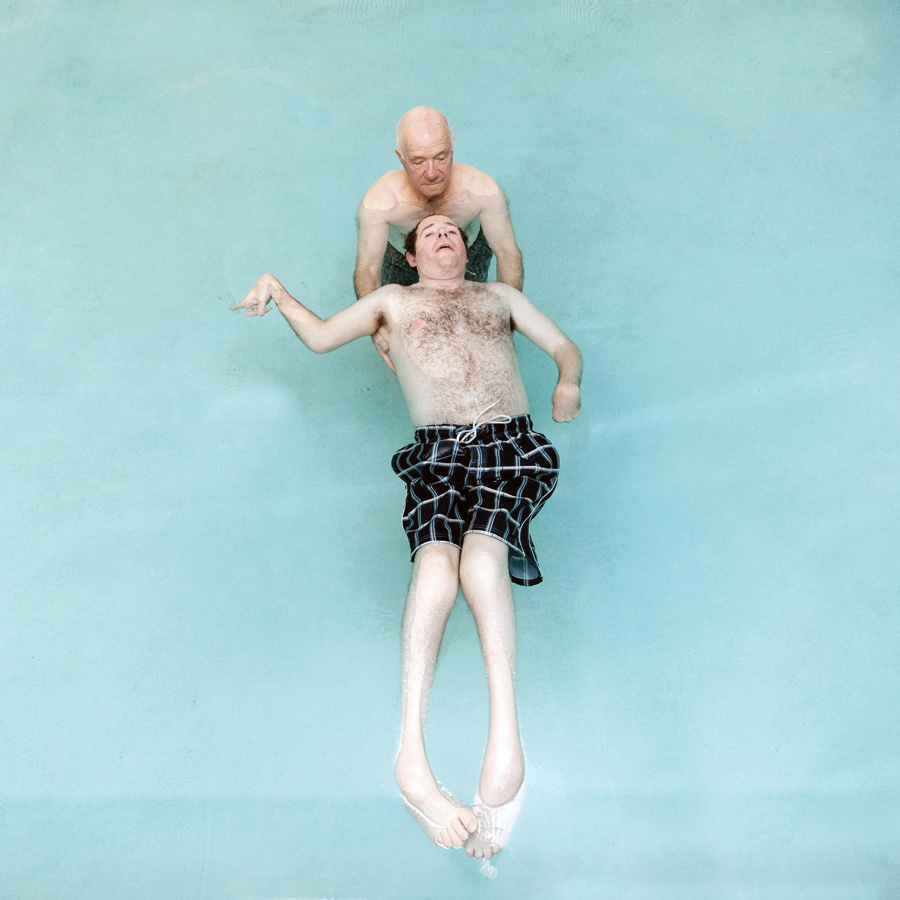
Sean Fennessey (Australia, b. 1982) Father and son 2010 From the series Portraits of invisible people Pigment ink-jet print 95 x 95cm Courtesy of the artist
David Manley (Australian, b. 1963) Eastern Distributer exhaust stack 2010 From the series Entropy Pigment ink-jet print 55 x 55cm Courtesy of the artist
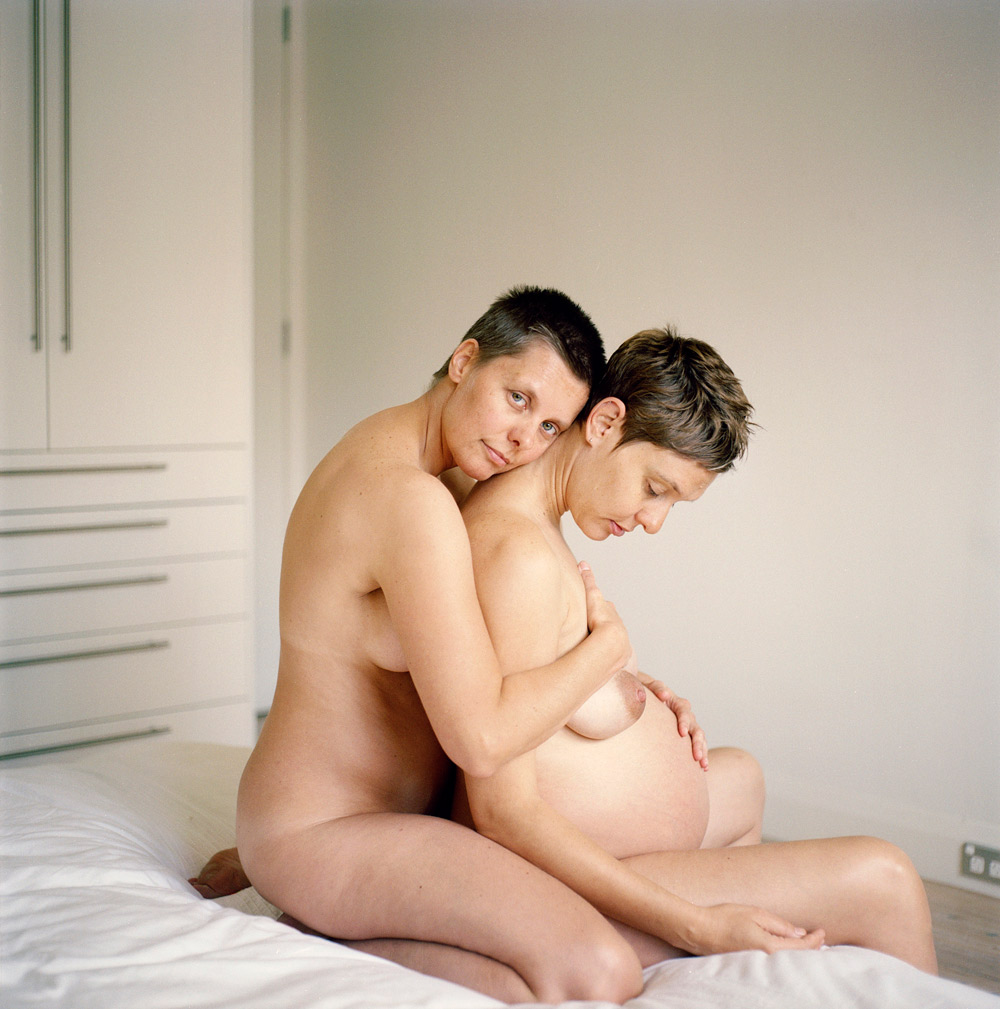
Olivia Martin-McGuire (Australian, b. 1976) Kris and Mier #1 2011 From the series Mother Chromogenic print 85 x 85cm Courtesy of the artist
Catherine Nelson (Australian, b. 1970) Cloverdowns 2010 From the series Future memories Pigment ink-jet print 100 x 100cm Courtesy of the artist and Gallerysmith, Melbourne
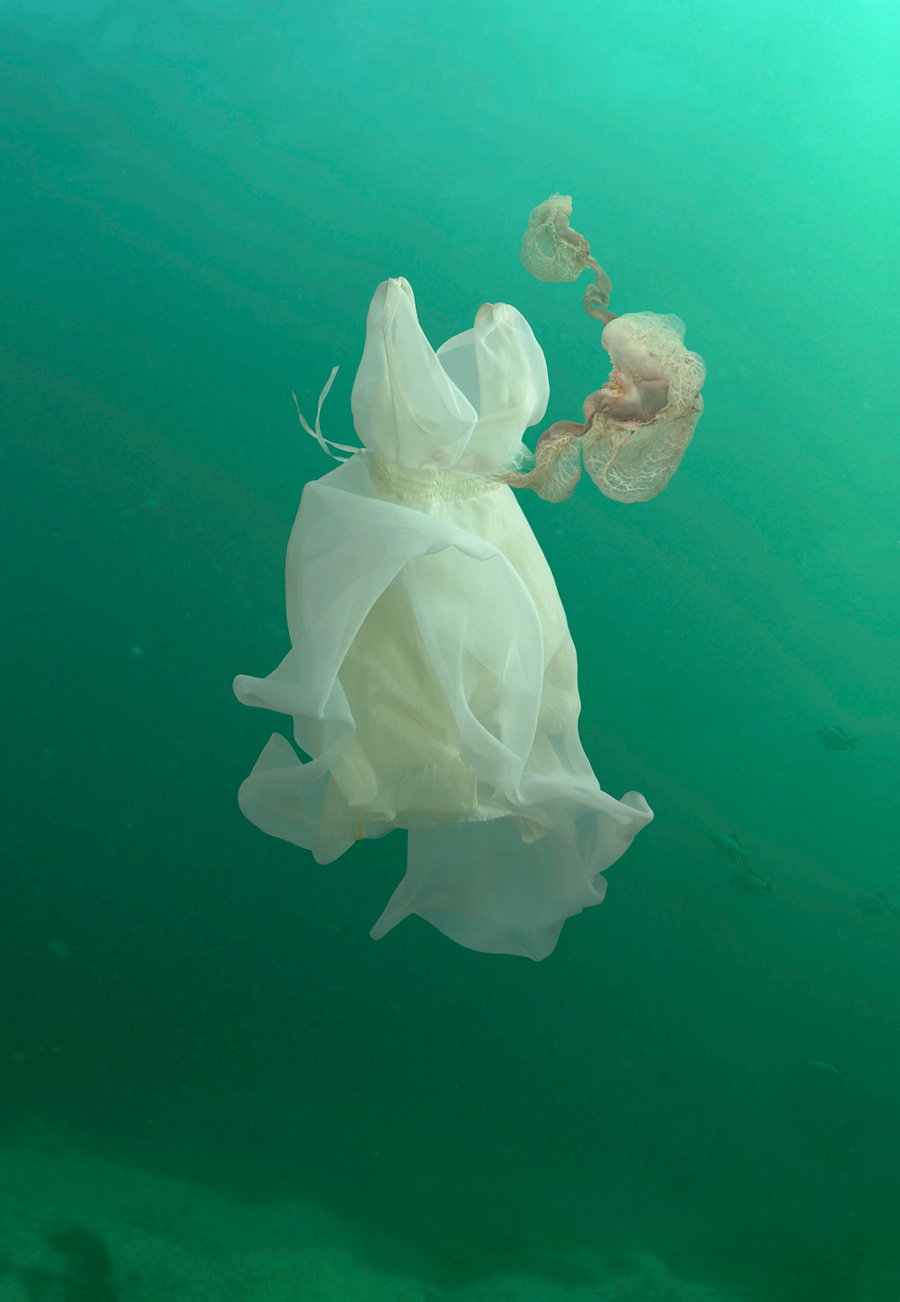
Helen Pynor (Australian, b. 1964) Liquid ground 1 2010 From the series Liquid ground Chromogenic print 160 x 110cm Courtesy of the artist, Dianne Tanzer Gallery + Projects, Melbourne, and Dominik Mersch Gallery, Sydney
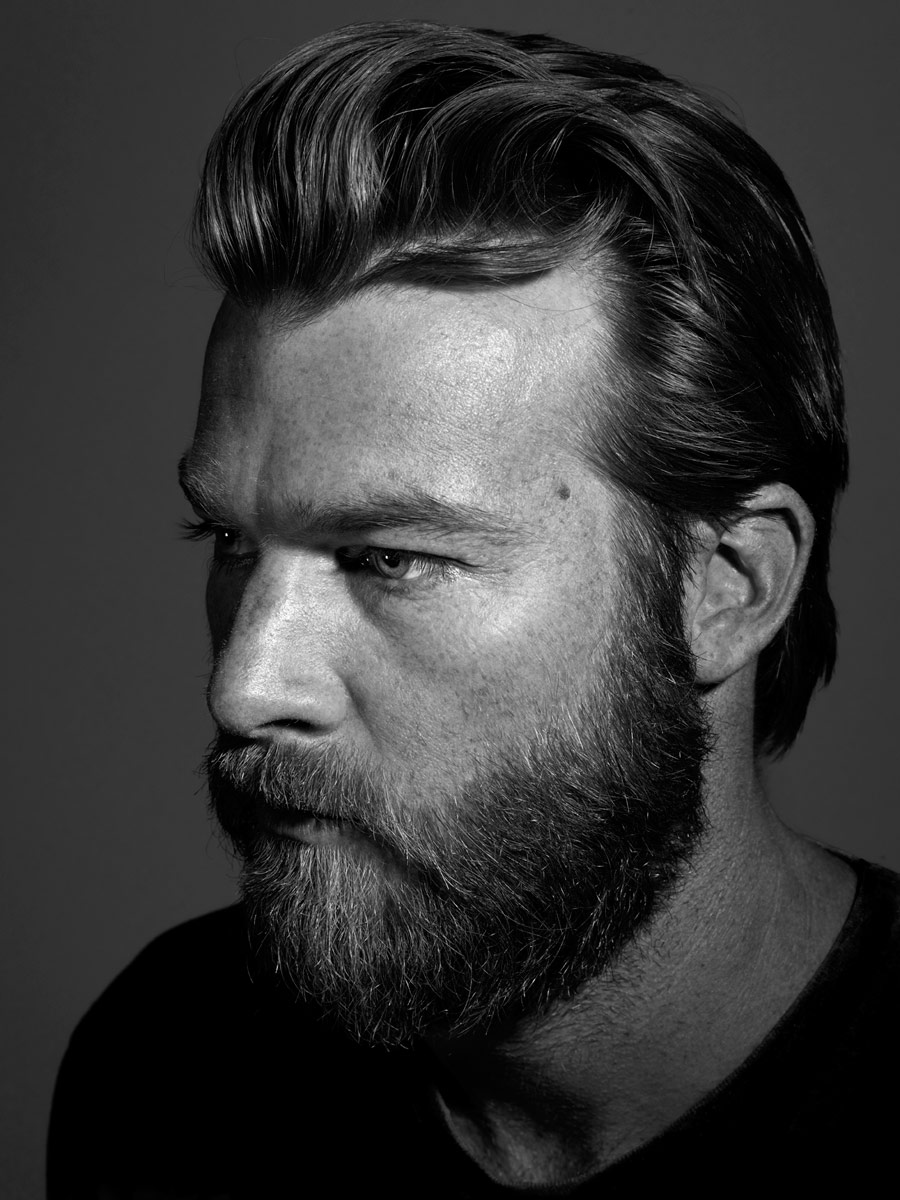
Chris Budgeon (Canada b. 1955, arrived Australia 1984) Cory 2011 From the series Are we not men Pigment ink-jet print 90 x 67.5cm Courtesy of the artist
Monash Gallery of Art 860 Ferntree Gully Road, Wheelers Hill Victoria 3150 Australia Phone: + 61 3 8544 0500
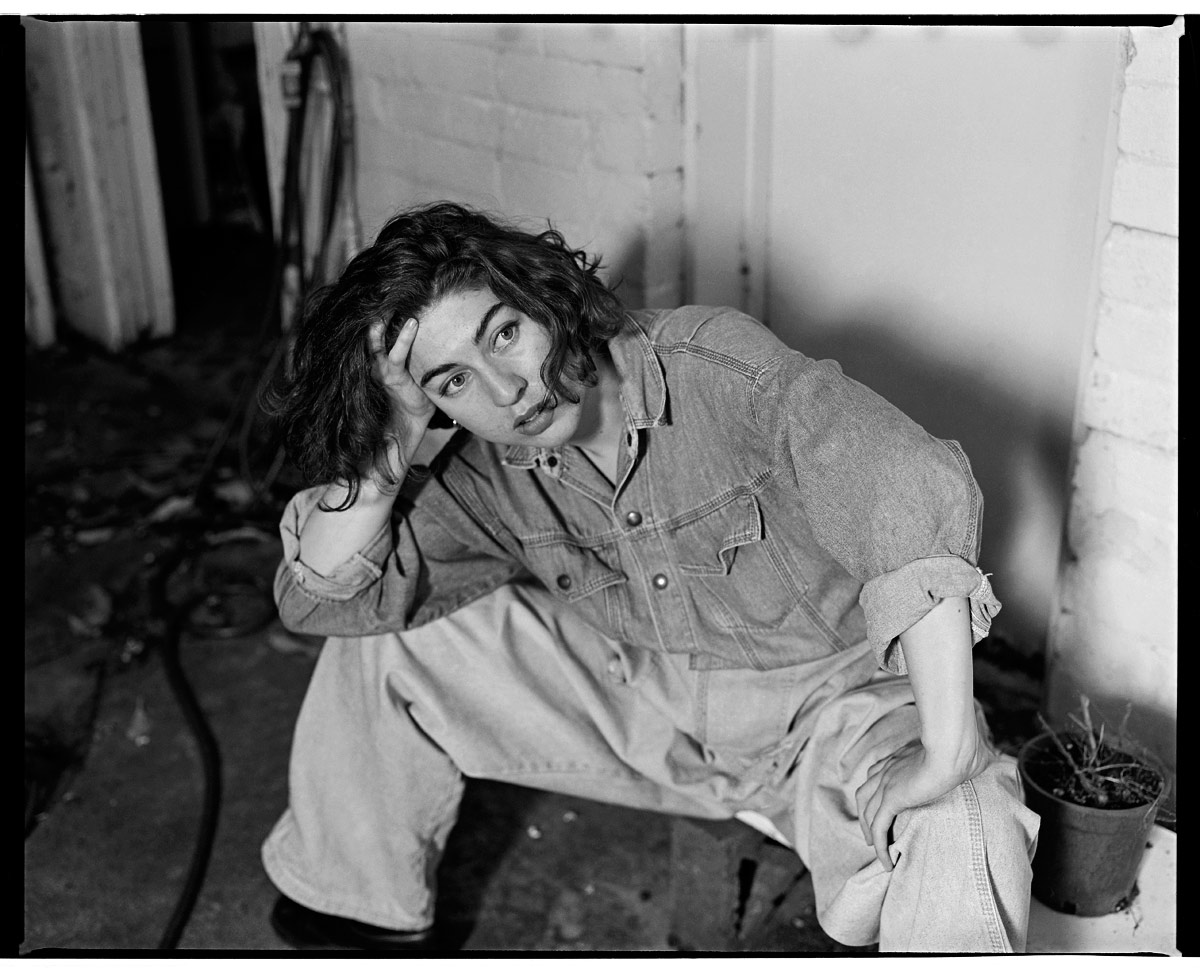
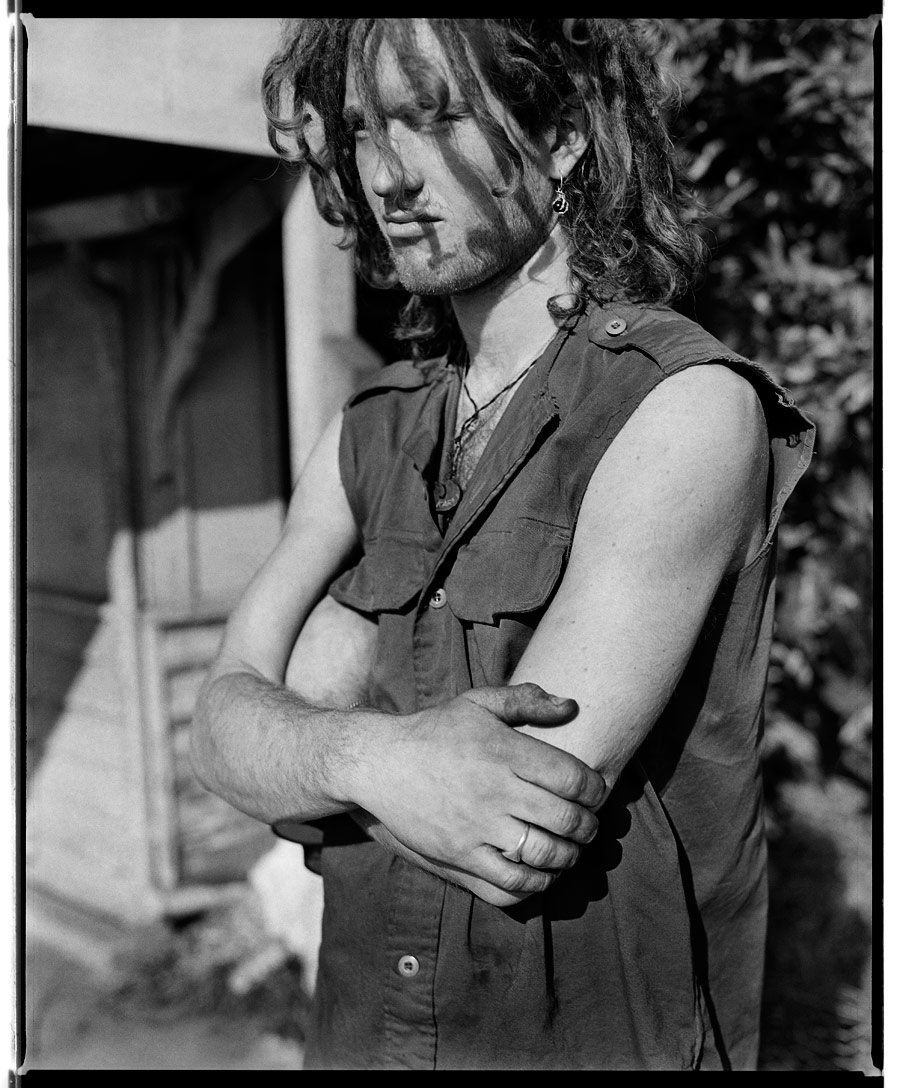
Marcus Bunyan (Australian, b. 1958) Andrea with long hair 1991-1992 Gelatin silver print
Portraits, South Yarra, Melbourne
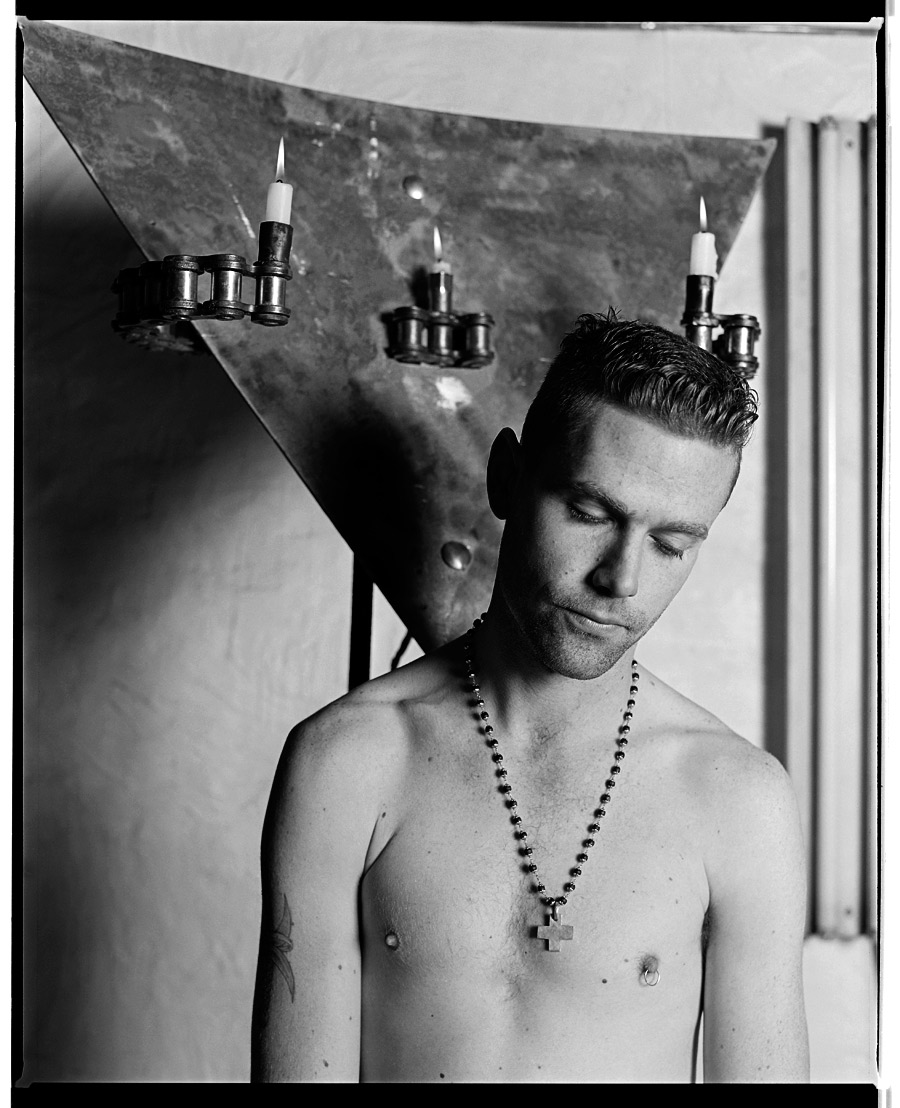
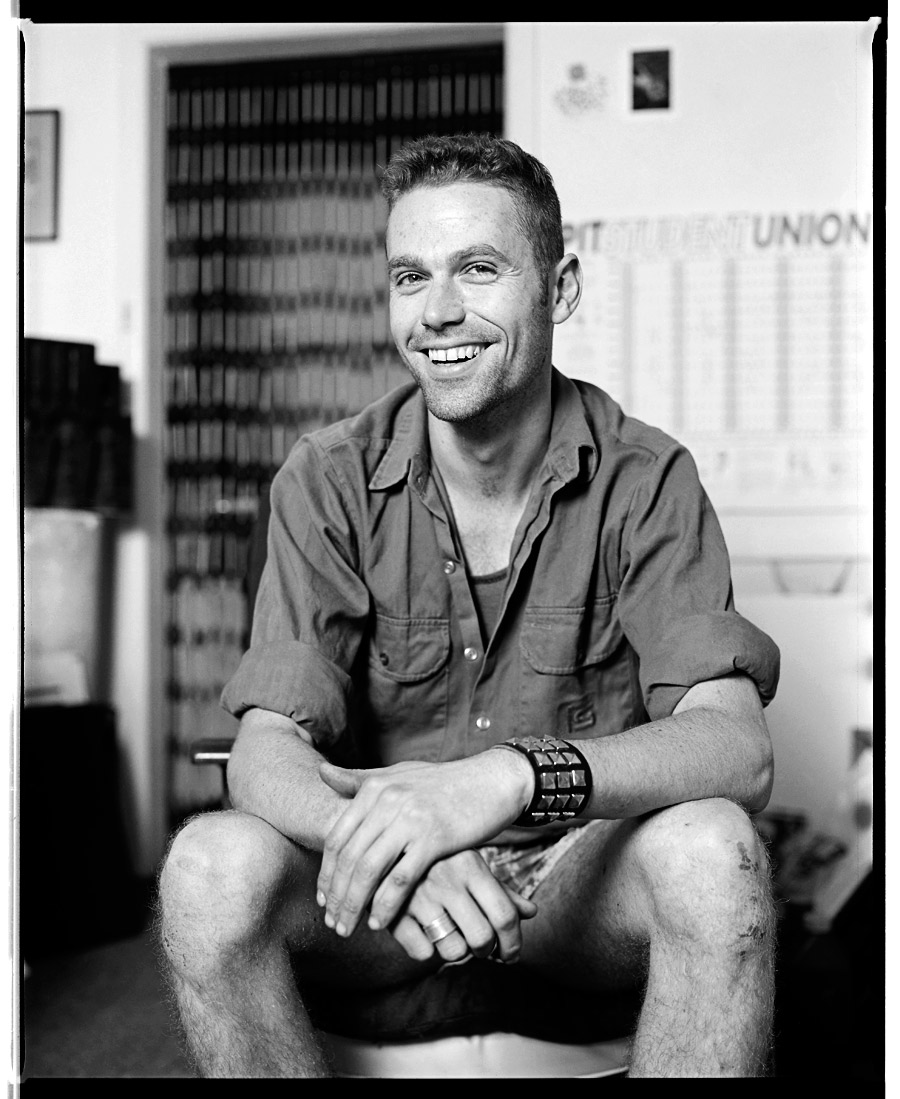
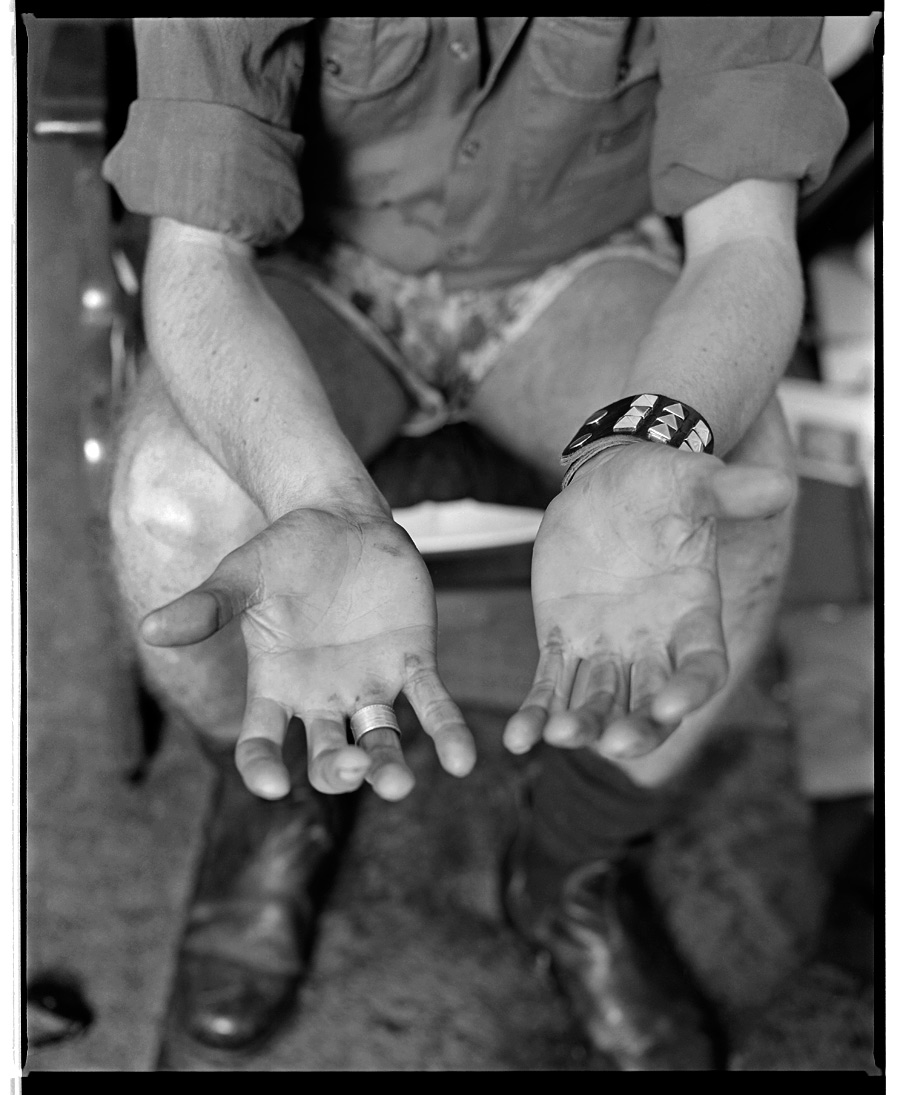
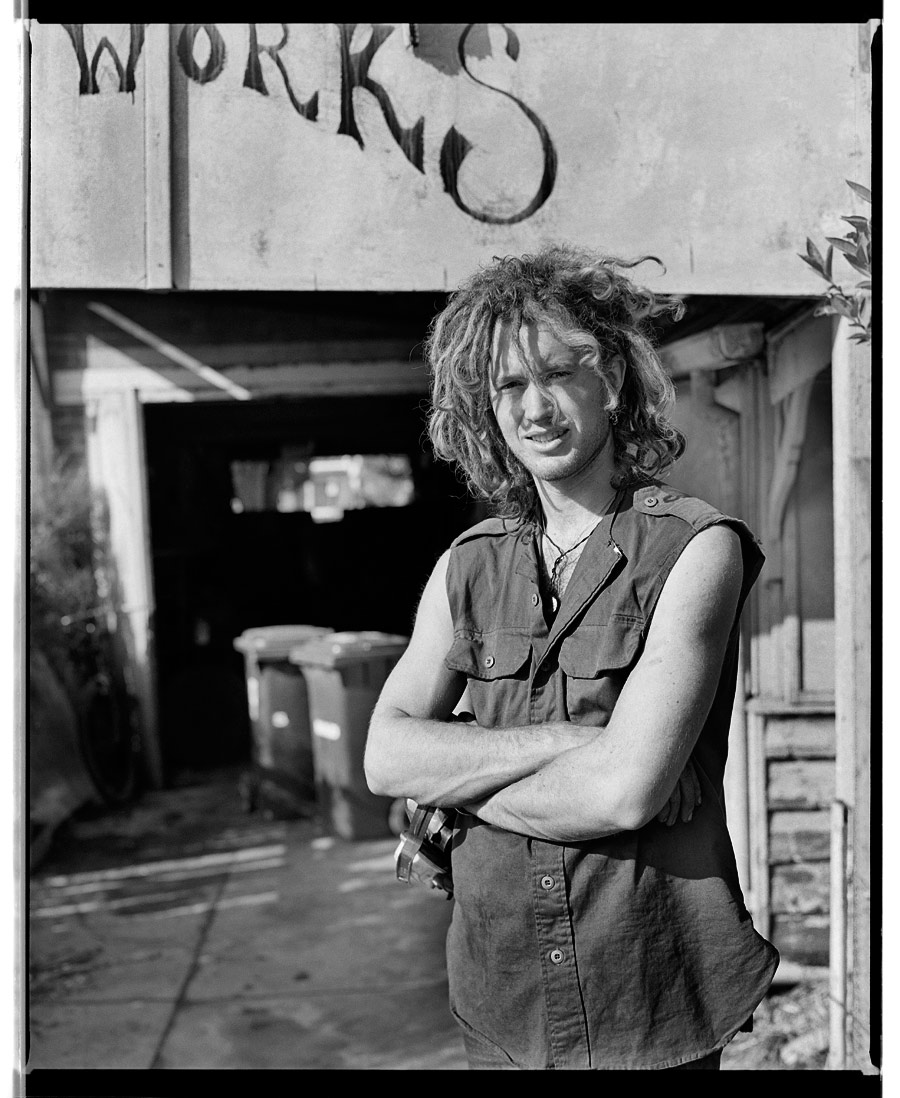
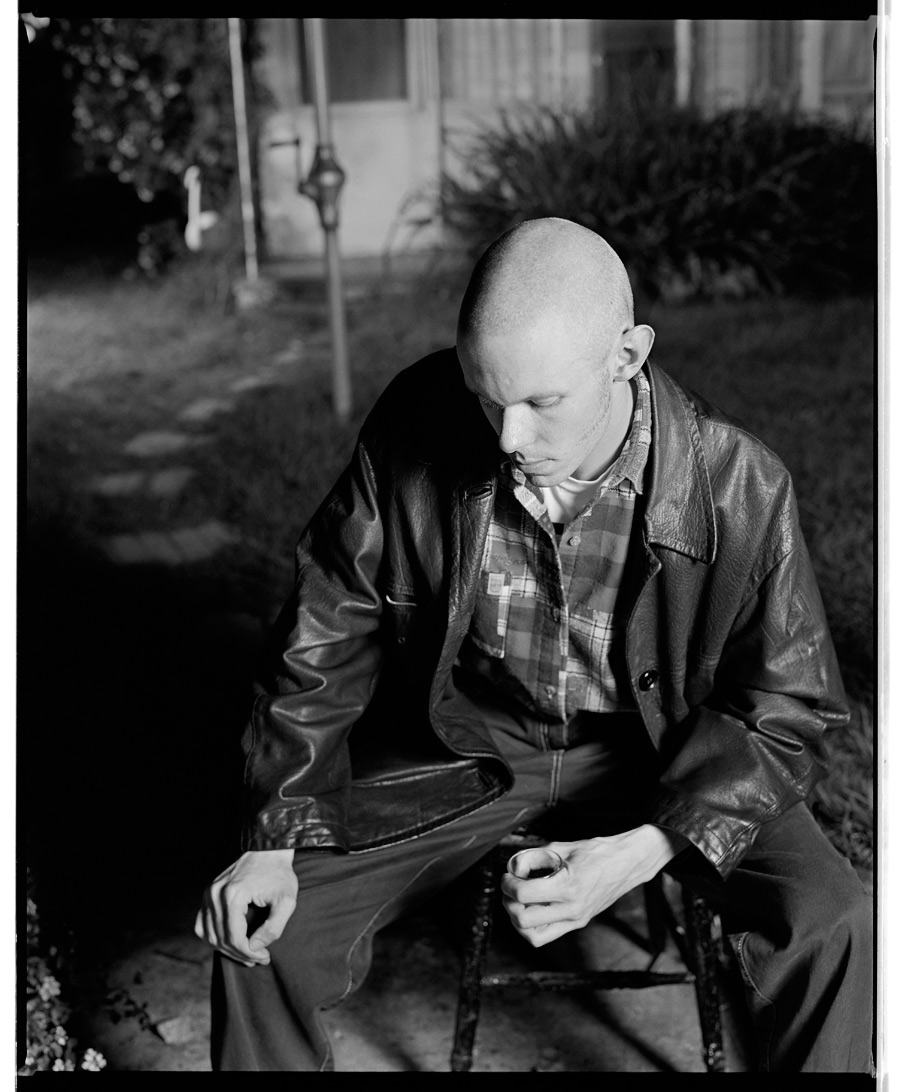
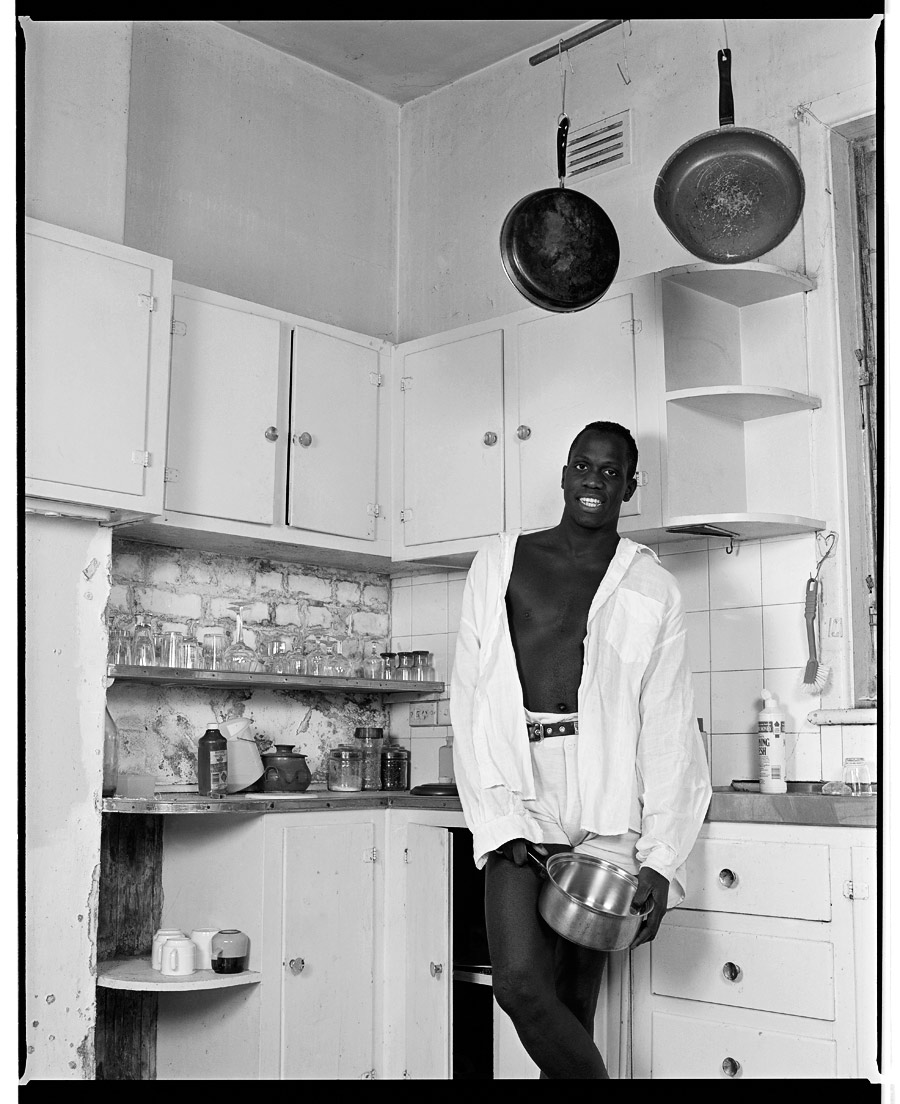
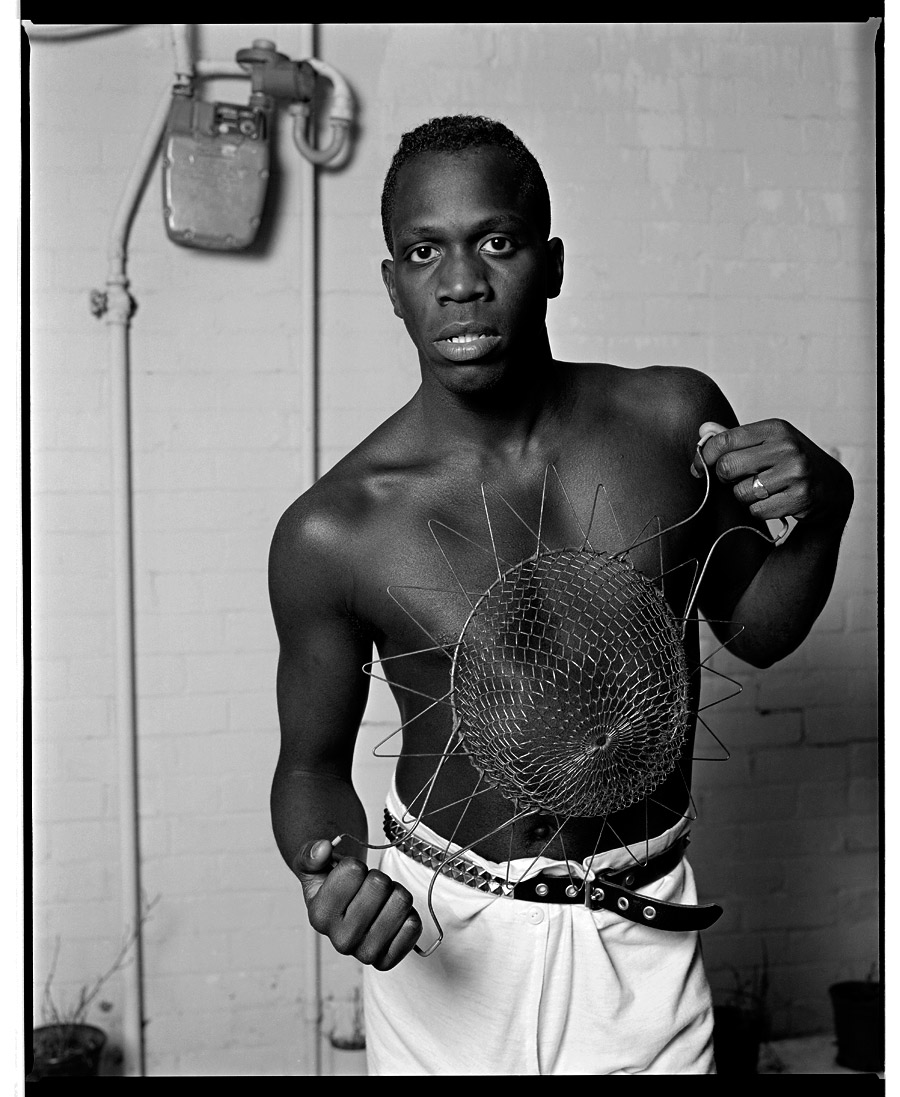
I am scanning my negatives made during the years 1991-1997 to preserve them in the form of an online archive as a process of active memory, so that the images are not lost forever. These photographs were images of my life and imagination at the time of their making, the ideas I was thinking about and the people and things that surrounded me.
Photographs are available from this series for purchase. As a guide, a vintage 8″ x 10″ silver gelatin print costs $700 plus tracked and insured shipping. For more information please see my Store web page.
Marcus Bunyan (Australian, b. 1958) Andy in the flat, Punt Road, South Yarra 1991-1992 Gelatin silver print
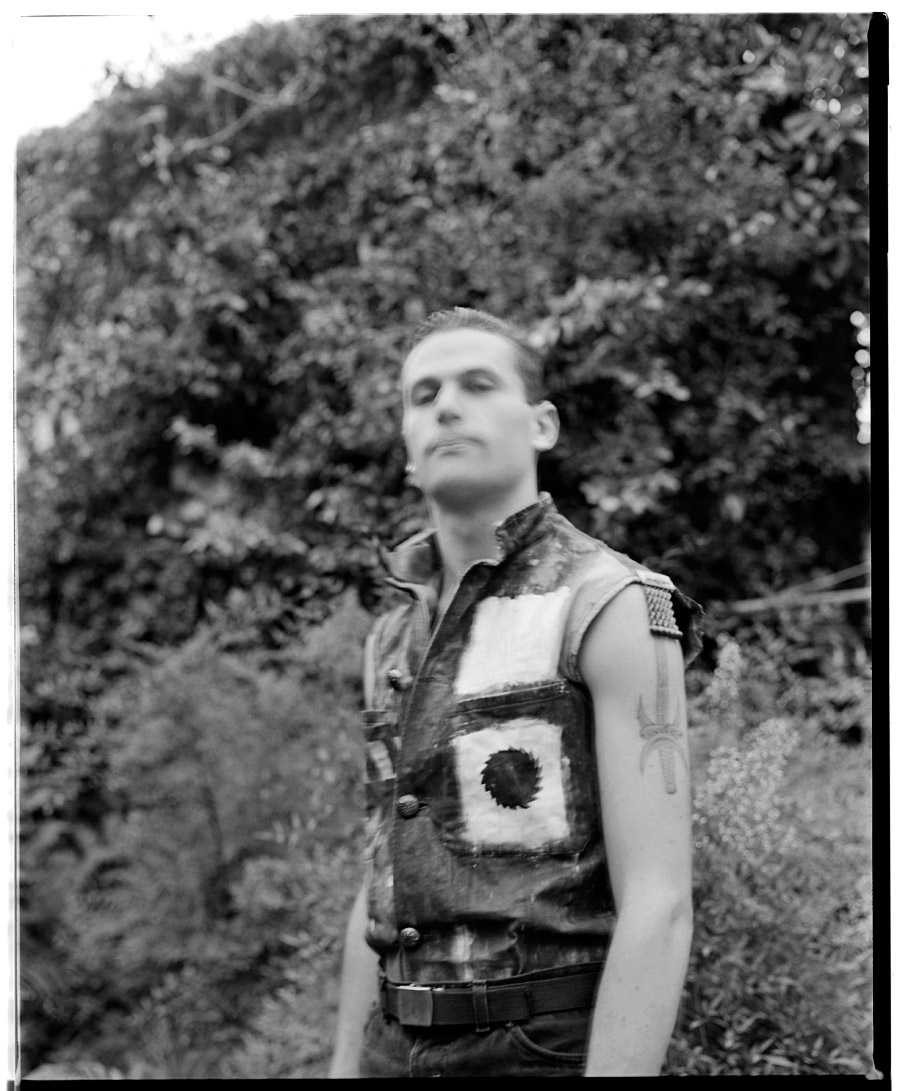
Marcus Bunyan (Australian, b. 1958) Fredrick White, Weapon-Maker 1991-1992 Gelatin silver print
Marcus Bunyan (Australian, b. 1958) Fredrick White 1991-1992 Gelatin silver print
Marcus Bunyan (Australian, b. 1958) Fred smiling in the flat, Punt Road, South Yarra 1991-1992 Gelatin silver print
Marcus Bunyan (Australian, b. 1958) Fred’s hands 1991-1992 Gelatin silver print
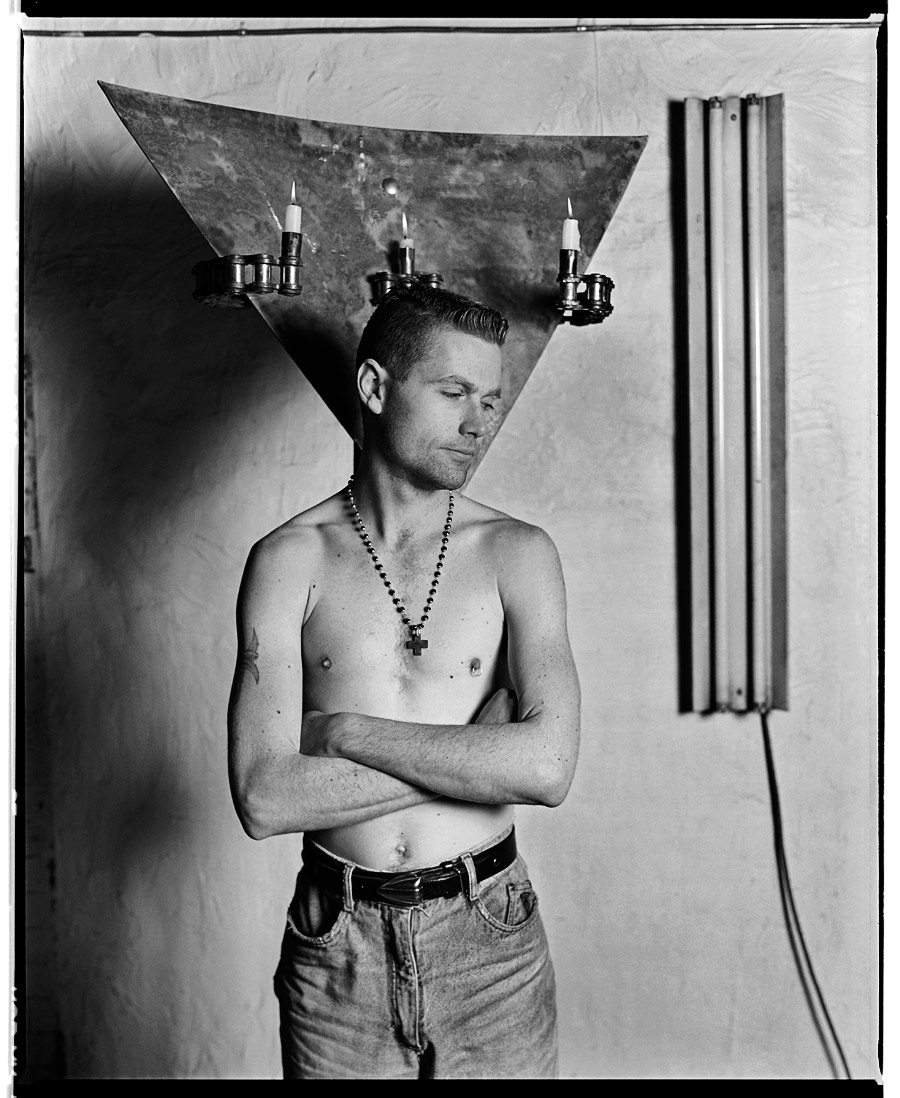
Marcus Bunyan (Australian, b. 1958) Jerry, Bent Metal, Punt Road, South Yarra 1991-1992 Gelatin silver print
Marcus Bunyan (Australian, b. 1958) Jerry, Bent Metal, Punt Road, South Yarra 1991-1992 Gelatin silver print
Marcus Bunyan (Australian, b. 1958) Brent in the backyard 1991-1992 Gelatin silver print
Marcus Bunyan (Australian, b. 1958) Lawrence in the kitchen, Punt Road, South Yarra 1991-1992 Gelatin silver print
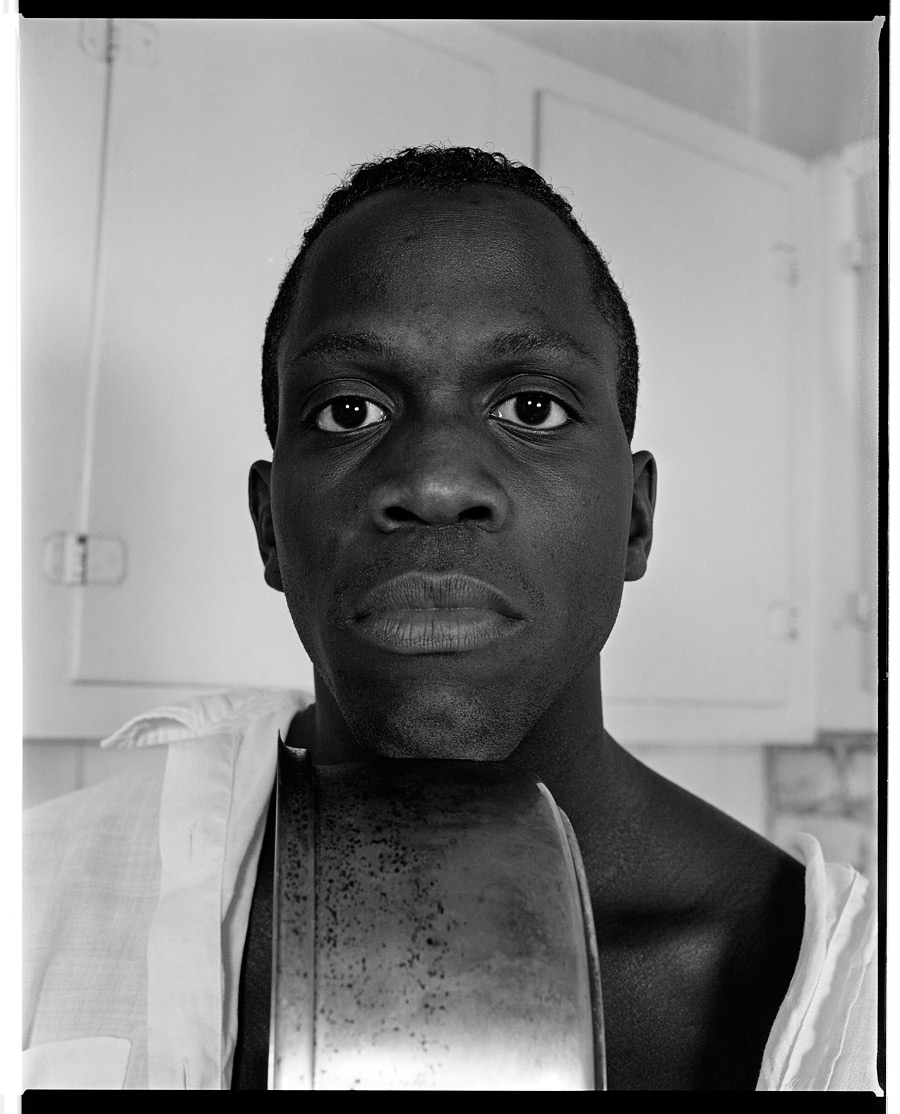
Marcus Bunyan (Australian, b. 1958) Lawrence with strainer 1991-1992 Gelatin silver print
Marcus Bunyan (Australian, b. 1958) Portrait of Lawrence 1991-1992 Gelatin silver print
Marcus Bunyan (Australian, b. 1958) Fredrick White 1991-1992 Gelatin silver print
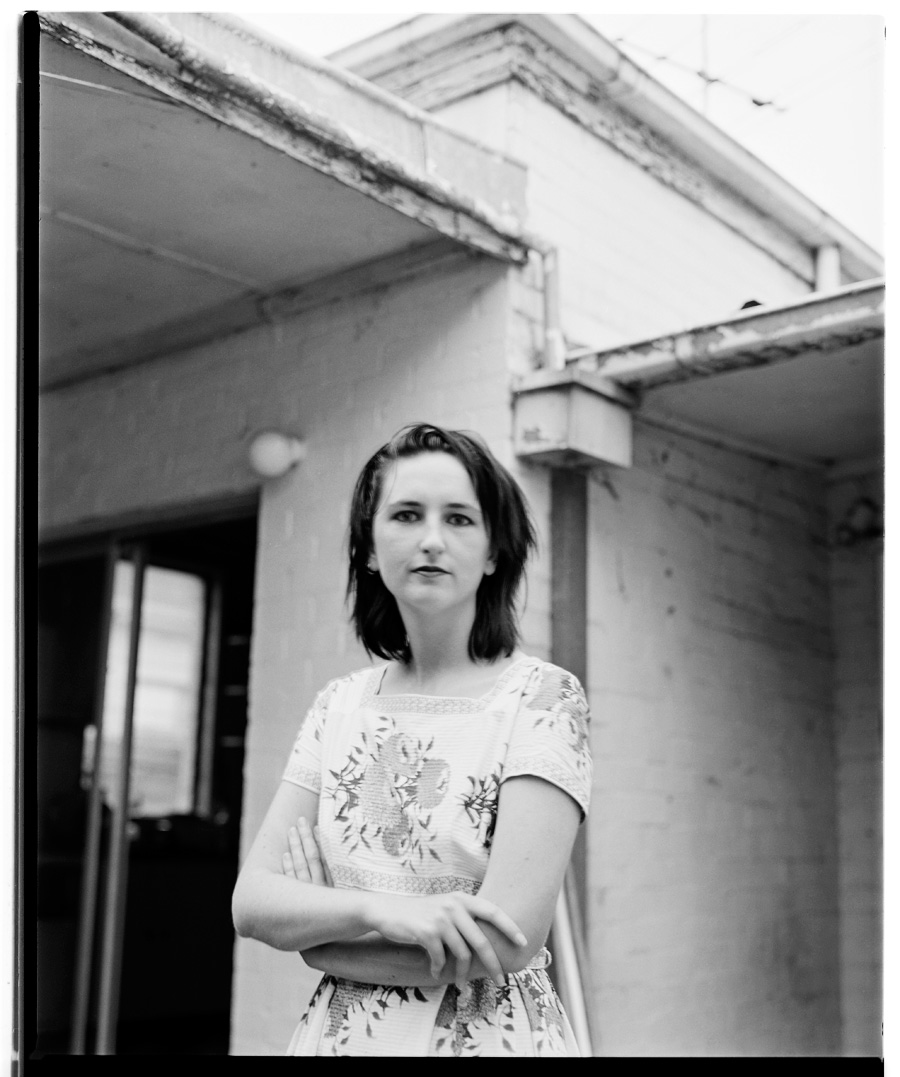
Marcus Bunyan (Australian, b. 1958) Yvonne Kendall 1991-1992 Gelatin silver print
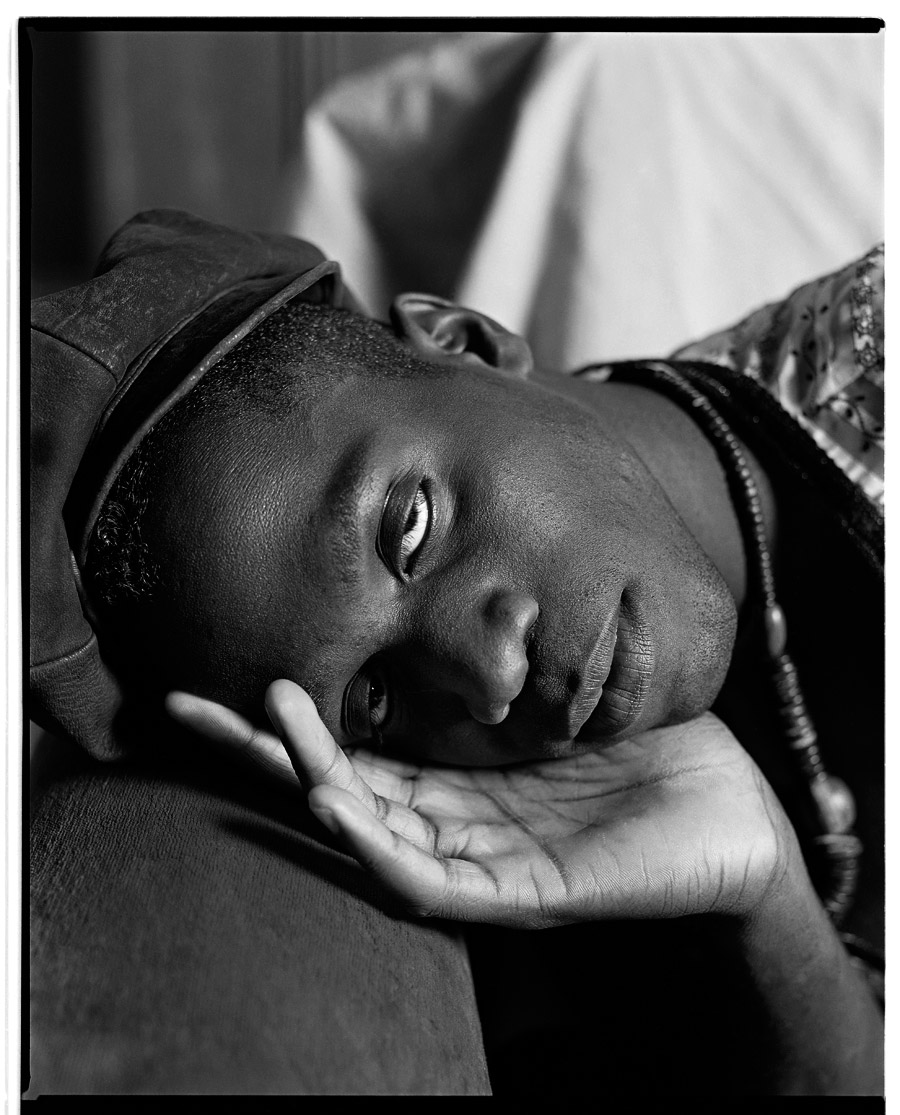
Marcus Bunyan (Australian, b. 1958) Lawrence sleeping 1991-1992 Gelatin silver print
Marcus Bunyan (Australian, b. 1958) Untitled (Lawrence clasping his arms to his back) 1991-1992 Gelatin silver print
Curator: Judith Keller, Senior Curator of Photographs at the J. Paul Getty Museum, Los Angeles
Many thankx to the J. Paul Getty Museum for allowing me to publish the photographs in the posting. Please click on the photographs for a larger version of the image.
Exhibition Marks First Showing of Getty’s Walker Evan’s Cuban Photographs; Also on view are Cuban Revolutionary Photographs and Contemporary Work by Virginia Beahan, Alex Harris, and Alexey Titarenko
Cuba’s attempt to forge an independent state with an ambitious set of social goals, all the while moored to powerful political and economic interests, has been a source of fascination for nations, intellectuals, and artists alike. On display at the J. Paul Getty Museum, the Getty Center, May 17 – October 2, 2011, A Revolutionary Project: Cuba from Walker Evans to Now, looks at three critical periods in the island nation’s history as witnessed by photographers before, during, and after the country’s 1959 Revolution.
A Revolutionary Project juxtaposes Walker Evans’s 1933 images from the end of the Gerardo Machado dictatorship with views by contemporary foreign photographers Virginia Beahan (American, b. 1946), Alex Harris (American, b. 1949), and Alexey Titarenko (Russian, b. 1962), who have explored Cuba since the withdrawal of Soviet support in the 1990s. A third section bridging these two eras presents pictures by Cuban photographers who participated in the country’s 1959 Revolution, including Alberto Korda, Perfecto Romero, and Osvaldo Salas.
“The Museum’s collection of Walker Evans prints is the largest in the U.S., but until now, we have not shown his photographs of Cuba,” explains Judith Keller, senior curator of photographs. “This exhibition allows us the opportunity to showcase this body of work, alongside newer work in the collection.”
1933: Evans in Havana
Walker Evans (1903-1975) is one of the photographers most responsible for the way we now imagine American life in the 1930s. His distinctive photographic style, which he declared “transcendent documentary,” was nurtured in New York in the late 1920s and fully formed by his experience in Cuba in 1933. In the spring of that year, Walker Evans was asked by publisher J. B. Lippincott to produce a body of work about Cuba to accompany a book by the radical journalist Carleton Beals (1893-1979). This book, The Crime of Cuba, would be a scathing indictment of the then-current regime of Cuban President Gerardo Machado. Leaving the country less than two months before Machado was forced out of office, Evans was able to capture Cuba at the start of the revolutionary movement but almost 30 years before the 1959 Revolution.
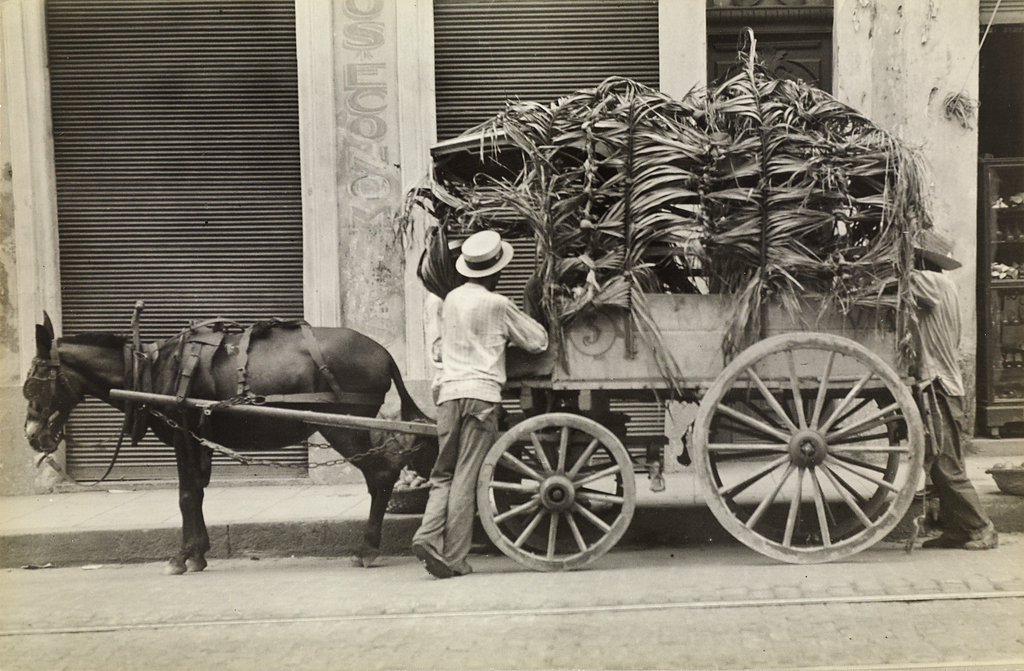
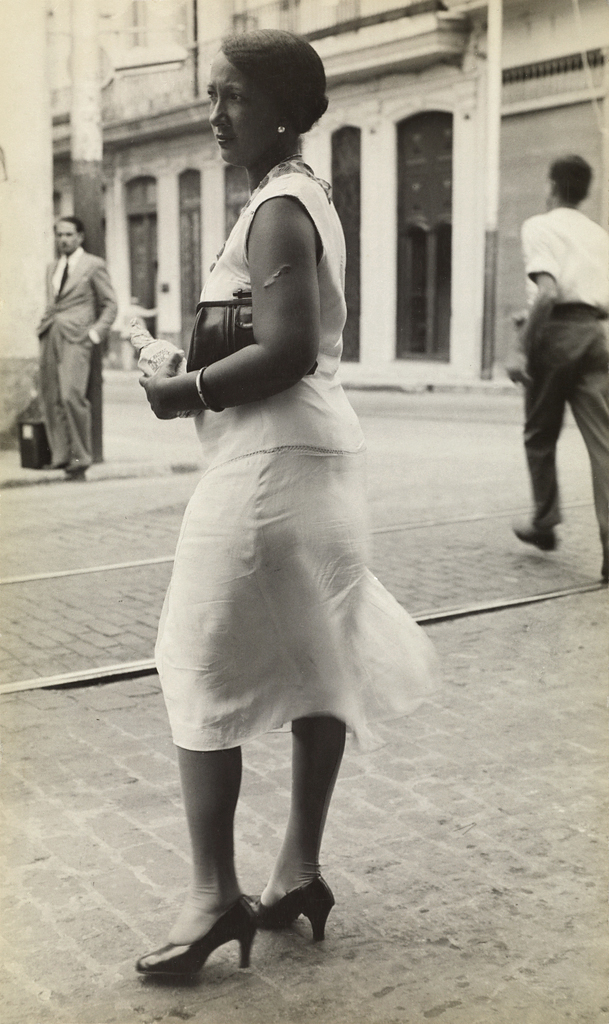
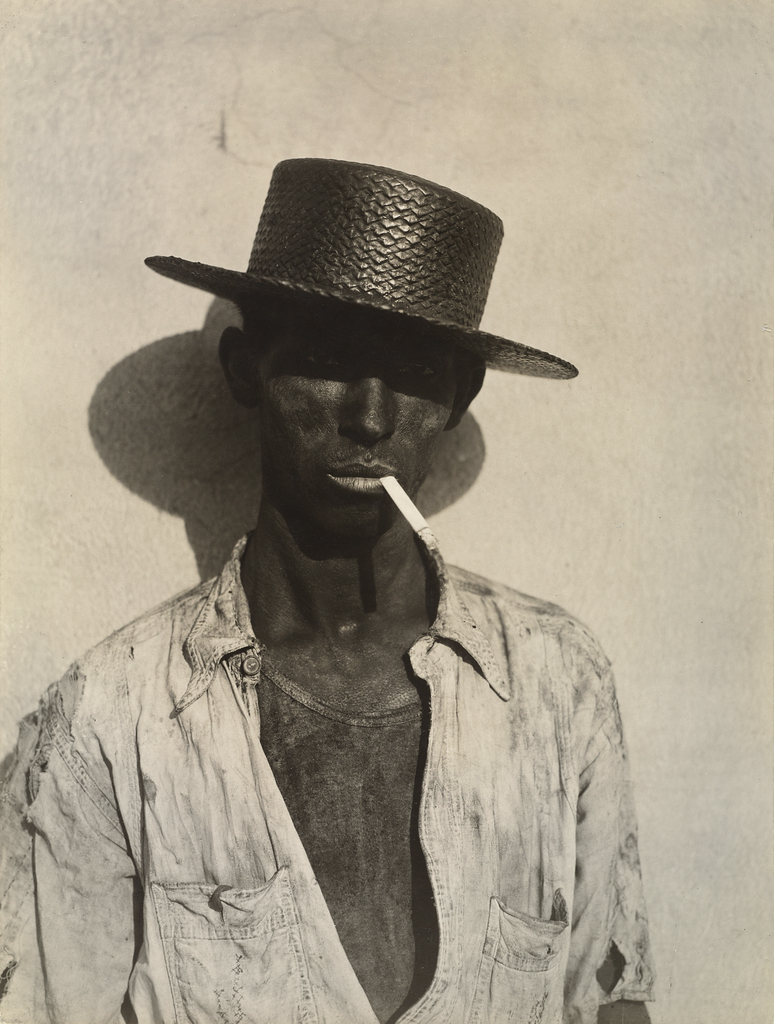
During Evans’s time in Cuba, he made substantial strides in his photographic practice. There he worked with different format cameras, large and small, one more deliberate and descriptive, the other more spontaneous and agile. He created both close-up and wide, inclusive compositions that he could then combine in intense sequences to best communicate his response to the poverty, the ferment, and the beauty of his environment. While in Havana, Evans met the American writer, Ernest Hemingway (1899-1961), whose acclaimed avant-garde work he knew and admired. Hemingway’s terse narrative style, which he was then applying to his own Harry Morgan stories set in Havana and Key West, no doubt influenced Evans’s approach to the subject of Cuba’s current political and economic struggles. Evans’s photographs also reflect the inspiration of French photographer Eugène Atget’s Parisian pictures that Evans critiqued for an arts journal in 1931. The series that comprised Atget’s thorough study of “Old Paris” seem to have provided additional motivation for Evans’s selection of Havana subjects: the signage of urban storefronts, the abundant street offerings of fresh produce, the decorative balconies of old houses, the many studies of archaic horse-drawn wagons and carriages, and the portraits of women, some of whom appear to be prostitutes.
1958-1966: Revolution
Machado’s fall from rule in 1933 resulted in a long power struggle that culminated in the country’s 1959 socialist revolution to overthrow dictator Fulgencio Batista, anchoring Cuba to the Soviet bloc for the next thirty years and defining a relationship with the United States that still exists today. Fidel Castro, Ernesto “Che” Guevara, and their new government harnessed photography as a means of keeping the project of the Revolution at the forefront of Cuba’s collective consciousness. As both genuine records of popular insurrection and propagandistic documents used for political purposes, pictures of the Revolution and its aftermath have shaped how both Cubans and Americans understand the significance of that revolutionary moment. Photographs in the second section of the exhibition are drawn from the work of nine Cuban photographers who participated in recording the political context and triumphs of the emerging state in the years surrounding 1959.
Included in the exhibition is an iconic image of the revolutionary hero Che Guevara by Alberto Korda titled Guerrillero Heroico (March 5, 1960). One of the world’s most reproduced images, it has been adopted for political causes, appearing on countless numbers of t-shirts, banners, and street art around the globe. The print on view in the exhibition is among the earliest versions of the photograph known to exist. Made as a press print, it was used as a source to reproduce the image in media outlets a year after Korda photographed Guevara at a rally in Havana.
Also on display in the exhibition is the well-known revolutionary photograph Patria o Muerte, Cuba (Negative, January 1959; print, 1984) by Osvaldo Salas, one of Cuba’s most important photographers. Salas effectively captures and conveys the populist fervour in Cuba shortly after the movement’s triumph with an image of a patriotic sign framed by a celebratory crowd.
The photographs included in this section of the exhibition are culled from the extensive holdings of Cuban photography assembled by the Austrian collector, Christian Skrein, including a number of recent acquisitions by the Museum.
Since 1991: The Special Period
After Soviet troops began to withdraw from Cuba in September of 1991, the troubled Cuban economy suffered severe internal shortages, and Fidel Castro declared what is known as the “Special Period” (período especial), marked by food rationing, energy conservation, and a decline of public services. In the nearly twenty years since the Soviet withdrawal, Cubans have managed to survive through perseverance, the forging of new political relationships, and the easing of socialist systems. This period of transition, which continues today with the recent transfer of power from Fidel Castro to his brother Raúl, has attracted the attention of photographers from around the world who are interested in exploring the relationship between Cuba’s revolutionary past and its uncertain future. The final section of the exhibition looks specifically at the work of three contemporary photographers with diverse approaches to documenting the island in recent decades: Virginia Beahan, Alex Harris, and Alexey Titarenko.
Virginia Beahan’s work concentrates on the landscape’s relationship to history and culture. In 2001, she began a multiyear project on Cuba, photographing its topography in search of remnants of the island’s diverse past. The work resulted in a publication in 2009 called Cuba: Singing with Bright Tears. Beahan’s Cuba is a land of contradictions, full of disappointments and hope, decay and rejuvenating beauty, simultaneously anchored to the past while looking beyond the present. Born and raised in Leningrad (now Saint Petersburg), Russia, Alexey Titarenko became fascinated with Cuba in 2003, when he made his first trip to Havana. Titarenko’s goal was to represent the soul of the Cuban capital. In the artist’s photographs, the city is shown with little overt reference to its politics. Instead, Titarenko describes the conditions of life in the communist country, depicting people persevering amid varying states of ruin. Venturing out of the tourist zones of Havana into the network of dilapidated avenues beyond the old city walls, his images depict a grey metropolis whose inhabitants congregate on the streets to collect food rations, fix long-outmoded cars, and play baseball.
A former student of Walker Evans, Alex Harris made several trips to Cuba following the collapse of the eastern bloc and the dissolution of the Soviet Union, developing a powerful body of colour work that addresses the country’s cultural fabric during a period of difficult economic circumstances. His photographs focus on portraits of women whose lives are affected by the tourist-fuelled sex trade, landscapes made through the windshields of refurbished 1950s American cars, and monuments to the Cuban national hero José Martí. His study was published in the form of a book, The Idea of Cuba, in 2007. Through these distinct vantage points, Harris probed the country’s propensity for ingenuity as it underwent great transition.
Press release from the J. Paul Getty Museum website
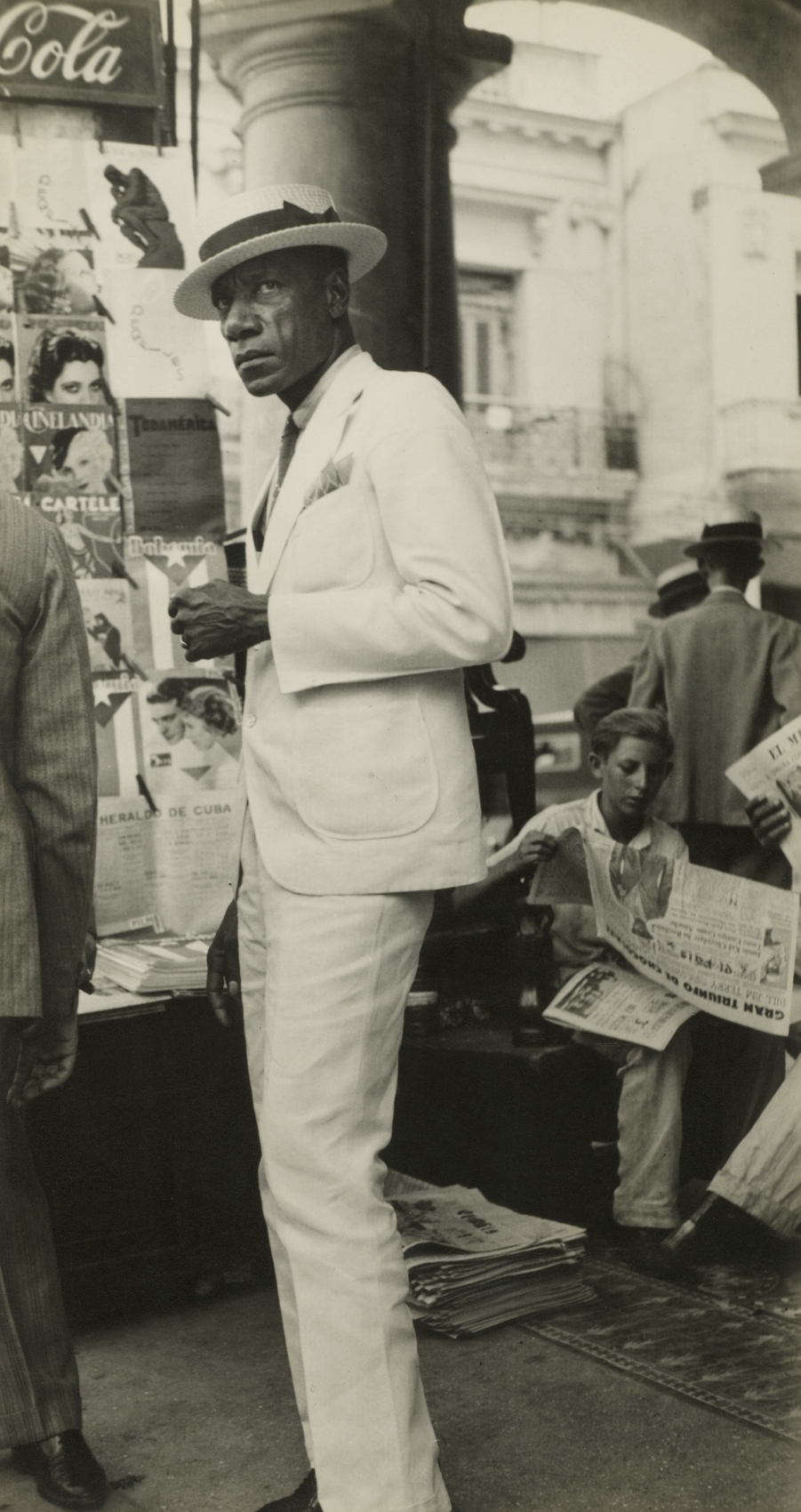
Walker Evans (American, 1903-1975) Citizen in Downtown Havana 1933 Gelatin silver print 22.2 x 11.7cm (8 3/4 x 4 5/8 in.) The J. Paul Getty Museum, Los Angeles
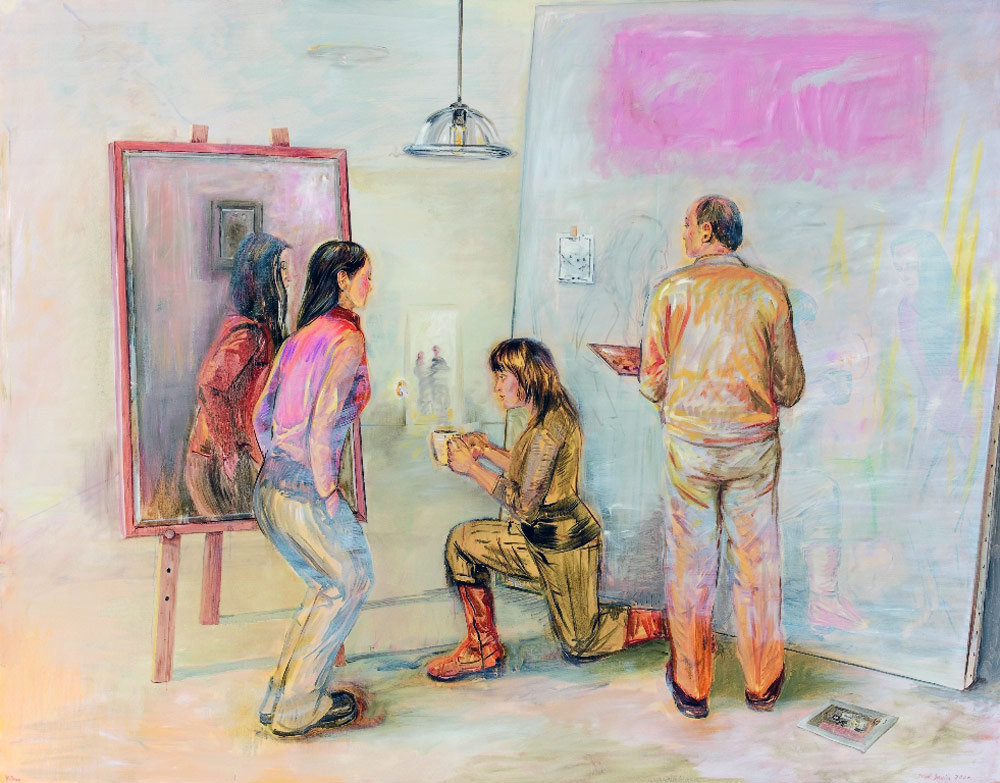
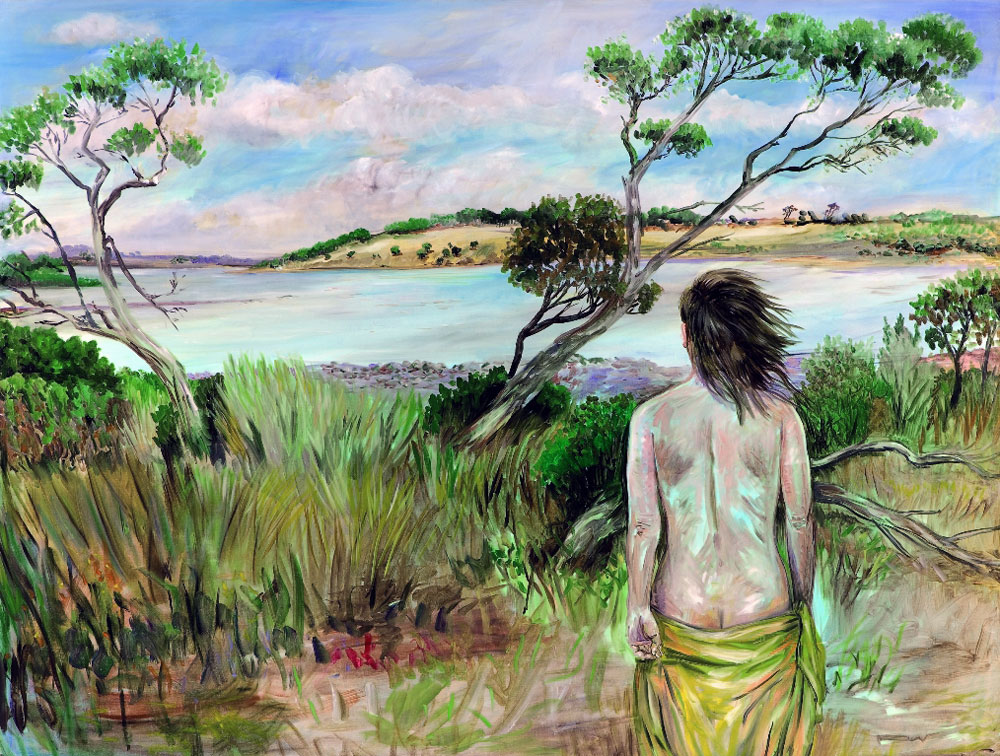
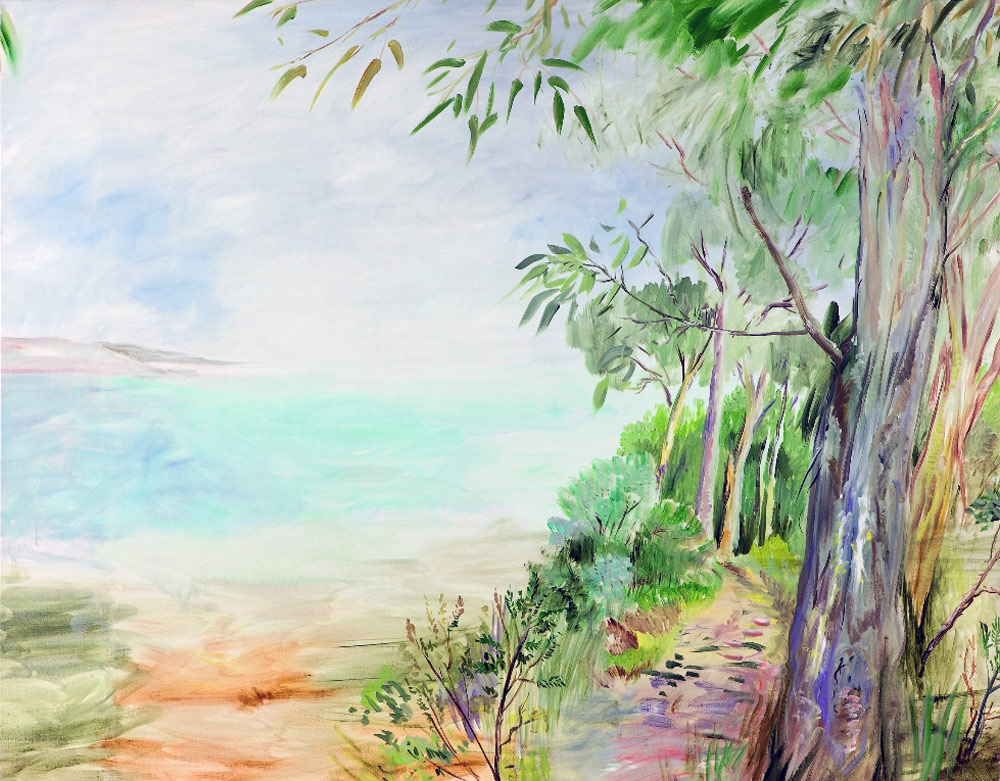
“The ‘Moral Meaning of Wilderness’ exhibition is a tour of the various approaches to the landscape: ‘plein air’ painting, studio landscape work, sublime landscape, historical evocation of landscape, modernity and the landscape, natural disaster, childhood memory of a landscape, woman in the wilderness. The ‘After Image’ works seem to refer to fantasies, inner space, unnameable objects, microcosm and immense space. Within the representation of “the land” one easily forgets that we are dealing with complexity and a field of projections. The political, the sublime, the moral stance, corporate destruction and the future of our environment come to mind.”
Juan Davila 1
“In a state of grace, one sometimes perceives the deep beauty, hitherto unattainable, of another person. And everything acquires a kind of halo which is not imaginary: it comes from the splendour of the almost mathematical light emanating from people and things. One starts to feel that everything in existence – whether people or things – breathes and exhales the subtle light of energy. The world’s truth is impalpable.”
Clarice Lispector 2
Simply put, this is the best exhibition I have seen in Melbourne this year.
Feminine jouissance is critical to an understanding of the work of Juan Davila (see quotation below). It is the jouissance of the Other: ineffable, incapable of being expressed, indescribable, unutterable. Also critical is an understanding of the meaning of ‘wilderness’ and ‘after image’:
Wilderness “is a relative term suggesting the perspective of a visitor or interloper for whom the landscape is wild and Other – for the landscape was neither wild nor foreign to its original inhabitants, at least not until its transformation through colonising, farming and displacement.”3
“An after image … is an optical illusion that refers to an image continuing to appear in one’s vision after the exposure to the original image has ceased.”4
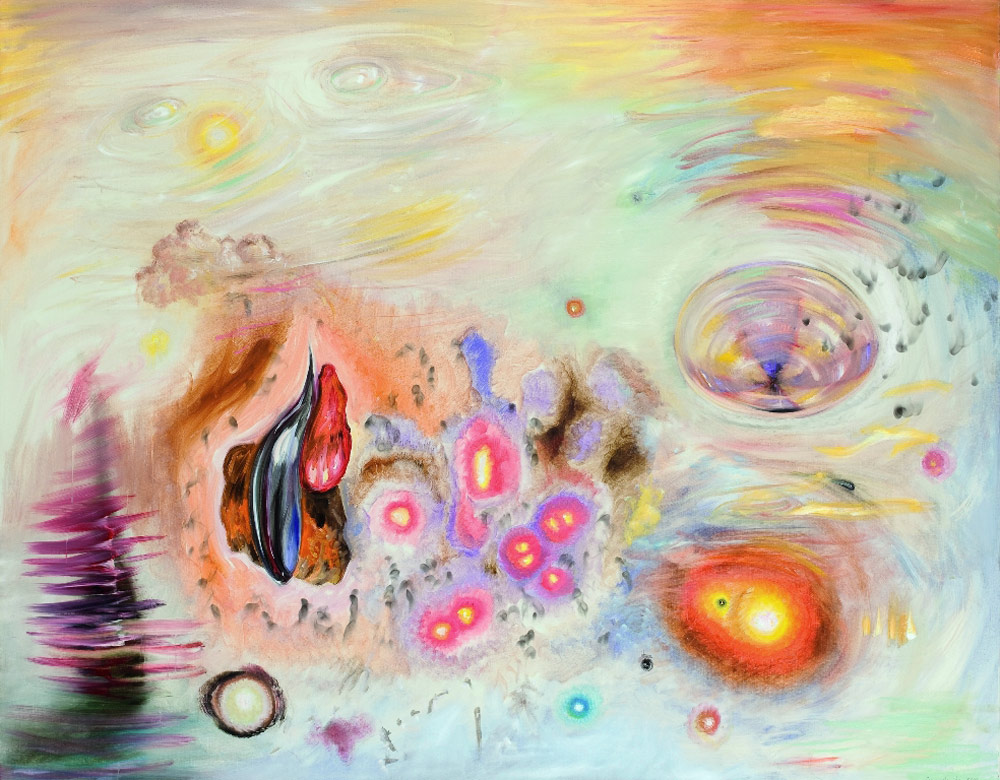
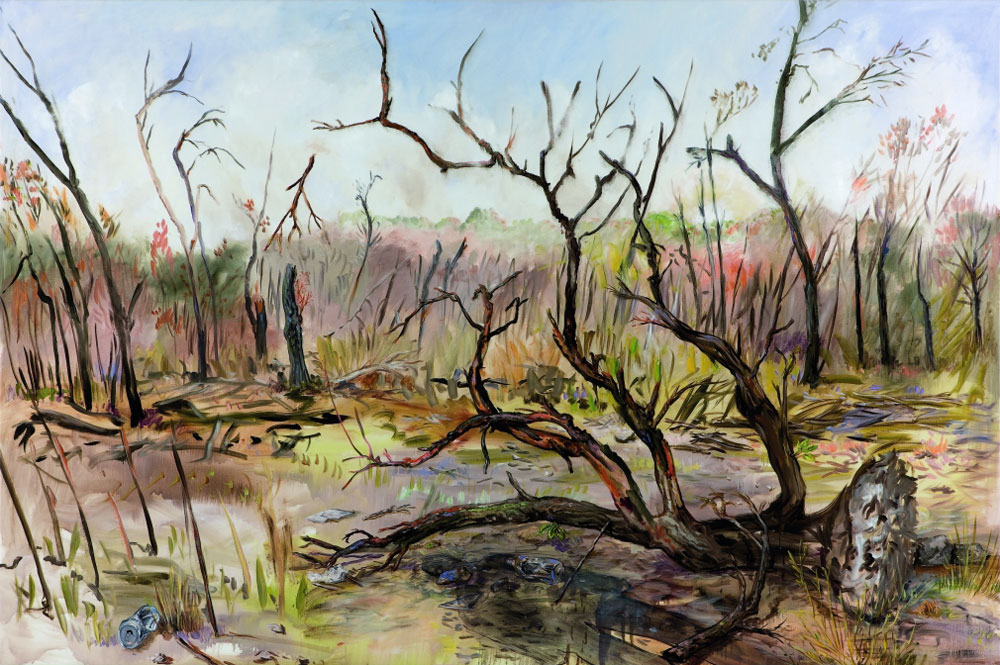
The most powerful works are the Wilderness and After Image paintings. Grouped together in a room at the far end of the gallery, the effect of these paintings is to be physically surrounded by the nebula of the unconscious mind. The feeling is not dissimilar to being consumed by the abstract, elemental quality of Monet’s Nymphéas (Water Lilies) at the Orangerie in Paris. Pair to more earthly landscapes (see images 2 and 3 below) the paintings are the closest experience in approaching the divine that I have felt in a long time. Their visual and noumenal ‘energy’ is superlative.
Robert Nelson observes that, “The after-image is a momentary body-memory – not intellectual but bizarrely willed – perhaps a bit like the recollection of a dream or the instant slip that uncannily reveals the unconscious. In monumentalising this trace, Davila delivers us to another ethereal zone: the breath of libido, buffeted by clouds of repression and misty internalised myths. As portraits of evanescent memory, they are wantonly memorable.”5
Indeed, they are memorable. I had a spiritual experience with this work for the paintings promote in the human a state of grace. The non-material, the unconceptualisable, things which are outside all possibility of time and space are made visible. This happens very rarely but when it does you remember, eternally, the time and space of occurrence.
I hope you have the same experience.
Dr Marcus Bunyan
Many thankx to MUMA for allowing me to publish the images in the posting. Please click on the images for a larger version.
“The term jouissance, in French, denotes “pleasure” or “enjoyment.” The term has a sexual connotation (i.e., orgasm) lacking in the English word “enjoyment”, and is therefore left untranslated in English editions of the works of Jacques Lacan. In his Seminar “The Ethics of Psychoanalysis” (1959-1960) Lacan develops his concept of the opposition of jouissance and pleasure. The pleasure principle, according to Lacan, functions as a limit to enjoyment: it is the law that commands the subject to ‘enjoy as little as possible’. At the same time the subject constantly attempts to transgress the prohibitions imposed on his enjoyment, to go beyond the pleasure principle. Yet the result of transgressing the pleasure principle, according to Lacan, is not more pleasure but pain, since there is only a certain amount of pleasure that the subject can bear. Beyond this limit, pleasure becomes pain, and this ‘painful principle’ is what Lacan calls jouissance.
In his Seminar “Encore” (1972-1973) Lacan states that jouissance is essentially phallic. That is, insofar as jouissance is sexual it is phallic, meaning that it does not relate to the Other as such. Lacan admits, however, that there is a specifically feminine jouissance, a supplementary jouissance, which is beyond the phallus, a jouissance of the Other. This feminine jouissance is ineffable, for both women and men may experience it but know nothing about it.”6
Footnotes
1/ Davila, Juan quoted in “After Image: A conversation between Juan Davila and Kate Briggs,” in Juan Davila: The Moral Meaning of Wilderness catalogue. Canberra: ANU Drill Hall Gallery, 2011, p. 53.
2/ Lispector, Clarice. Discovering the World. Manchester: Carcanet Press, 1992, p. 122 quoted in Briggs, Kate. “Painting, an act of faith: Moments in the work of Juan Davila,” in Juan Davila: The Moral Meaning of Wilderness catalogue. Canberra: ANU Drill Hall Gallery, 2011, p. 8.
3/ Delany, Max. Introductory speech for “Contemporary Visions & Critiques of the Landscape.” Video of session. The Festival of Ideas, The Pursuit of Identity: Landscape, History and Genetics. The University of Melbourne [Online] Cited 21/09/2011. No longer available online
4/ Anon. “Afterimage,” on the Wikipedia website [Online] Cited 21/09/2011.
5/ Nelson, Robert. “Exhibition does not take air lightly,” in The Age newspaper. Wednesday, September 21st, 2011, p. 17.
6/ Anon. “Jouissance,” on the Wikipedia website [Online] Cited 21/09/2011.
The Moral Meaning of Wilderness features recent work by Juan Davila, one of Australia’s most distinguished artists. The exhibition sees Davila turn to the genres of landscape and history painting, at a time when the environment is as much a political as a cultural consideration. With technical virtuosity, Davila’s striking representations of nature achieve monumental significance, depicting beauty and emotion while addressing modern society’s ambivalence to nature and increasing consumerism.
The Moral Meaning of Wilderness represents a radical shift in Davila’s practice, whilst continuing to explore art’s relationship to nature, politics, identity and subjectivity in our post-industrial age. Davila pursues his exploration of the role of art as a means of social, cultural and political analysis.
While many contemporary artists turned away from representation of the landscape, due to its perceived allegiance to outmoded forms of national identity and representation, Davila has recently sought to revisit and reconsider our surroundings au natural.
His paintings are, at first view, striking representations of nature. The paintings, created since 2003, are undertaken en plain air, a pre-modern technique based on speed of execution in situ, and the use of large scale canvases characteristic of history painting. He has also employed other techniques such as studio painting and representations of the landscape with reference to the sublime, the historical, memory and modernity.
Monash University Museum of Art (MUMA) Ground Floor, Building F. Monash University Caulfield campus 900 Dandenong Road Caulfield East, VIC 3145 Phone: 61 3 9905 4217
Presented by the Scottish National Gallery of Modern Art and the Edinburgh International Festival Exhibition dates: 4th August – 25th September, 2011
Curator: Simon Groom, Director of Modern and Contemporary Art at the National Galleries of Scotland
Many thankx to the Scottish National Gallery of Modern Art for allowing me to publish the photographs in the posting. Please click on the photographs for a larger version of the image.
The Scottish National Gallery of Modern Art and the Edinburgh International Festival are delighted to announce a major new exhibition of one of the world’s leading artists, the renowned Japanese photographer Hiroshi Sugimoto. Consisting entirely of works which are being shown in Europe for the first time, this exhibition will feature 26 large-scale works from two of Sugimoto’s most recent, and visually poetic series, Lightning Fields and Photogenic Drawings. This revelatory exhibition will allow audiences to experience first hand Sugimoto’s exploration of the very nature of photography. The show has been extended by one week and will now run until 25 September instead of the 18 September as previously published.
Simon Groom, Director of Modern and Contemporary Art, National Galleries of Scotland said: “Sugimoto has developed an international reputation for the sheer beauty of his images, which are as thought-provoking as they are technically stunning. We are thrilled to be premiering work from his newest series in Europe, which demonstrates a master at the very top of his game, and are delighted to be working again in partnership with Edinburgh International Festival to bring the very best of contemporary visual art to Scotland.”
Jonathan Mills, Edinburgh International Festival Director added: “Hiroshi Sugimoto’s extraordinary work presented at the Scottish National Gallery of Modern Art is an exciting part of Festival 2011’s exploration of contemporary and classical Asian artists and their long influence on artists in the West. These are stunning images created in fascinating ways and I urge people to engage with this exhibition as part of their Festival experience.”
Hiroshi Sugimoto was born in Tokyo in 1948 and now divides his time between Japan and his studio in New York. He has exhibited extensively in major museums and galleries throughout the world, including the Museum of Contemporary Art in Los Angeles; the Museum of Modern Art and the Metropolitan Museum of Art, New York; Deutsche Guggenheim, Berlin; the Serpentine Gallery, London; and the Fondation Cartier pour l’Art Contemporain, Paris. In 2009 he was awarded the Praemium Imperiale, an arts prize awarded by the imperial family of Japan on behalf of the Japan Art Association. His image, Boden Sea, Uttwil (1993) featured on the cover of No Line on the Horizon, the 2009 album by Irish rock band U2.
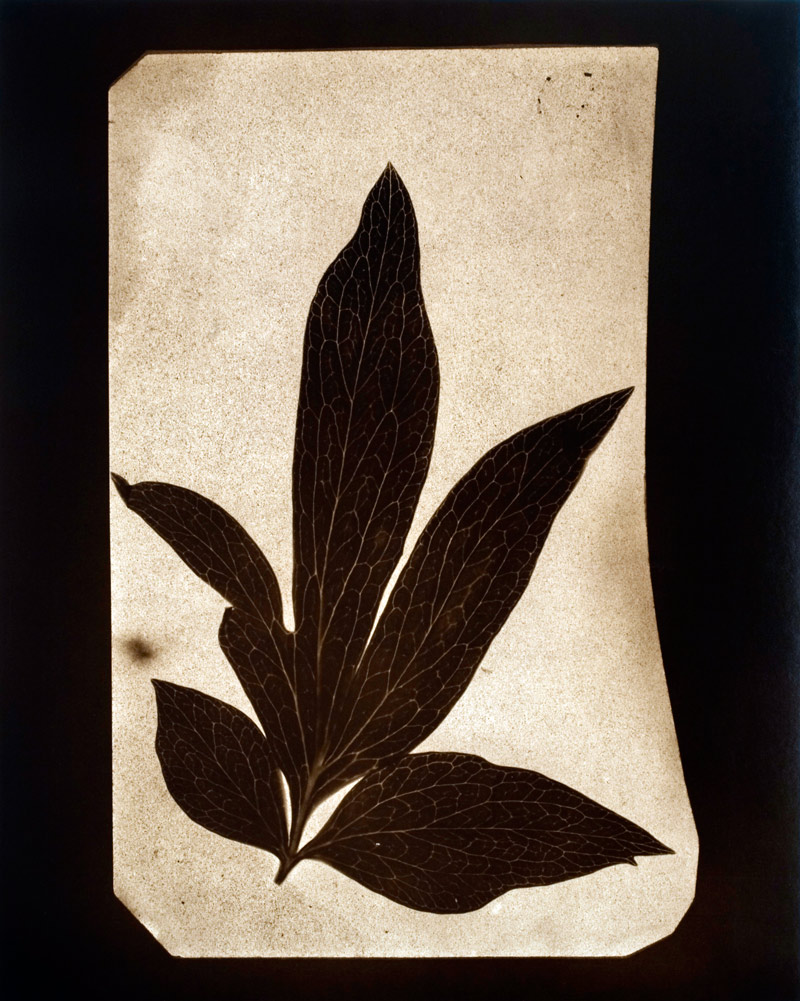
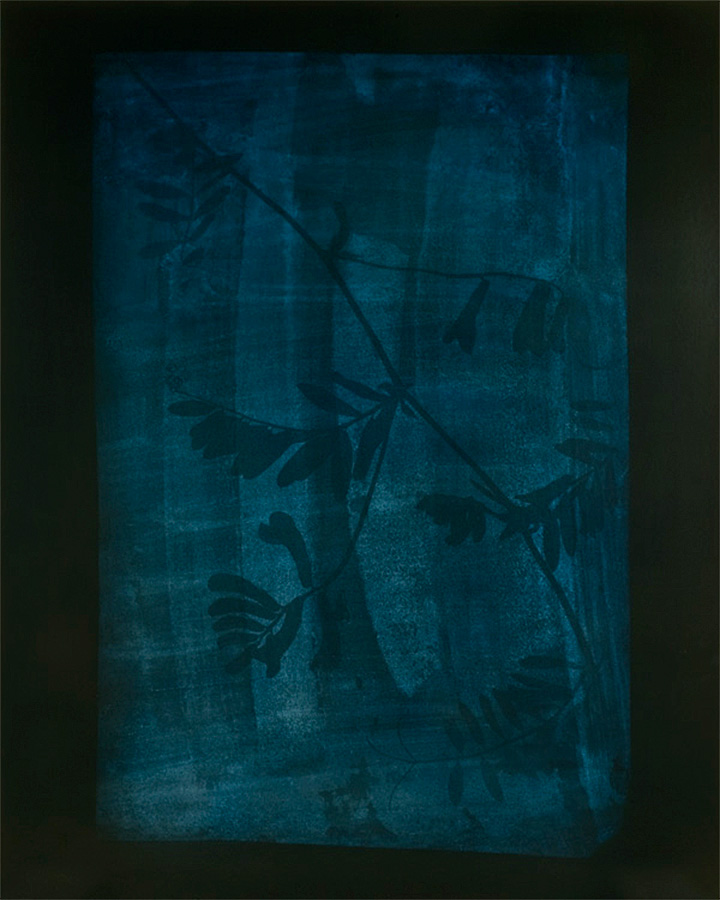
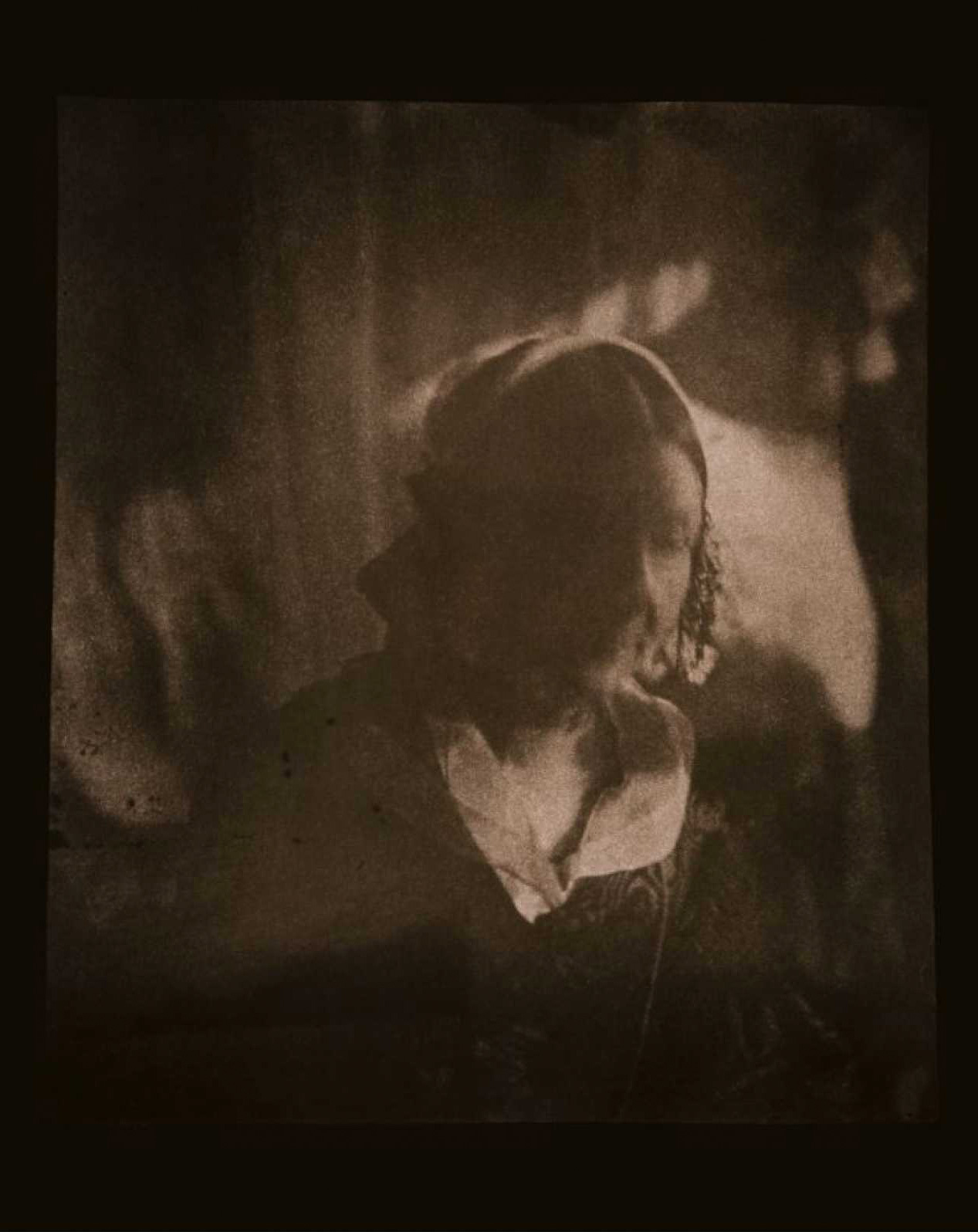
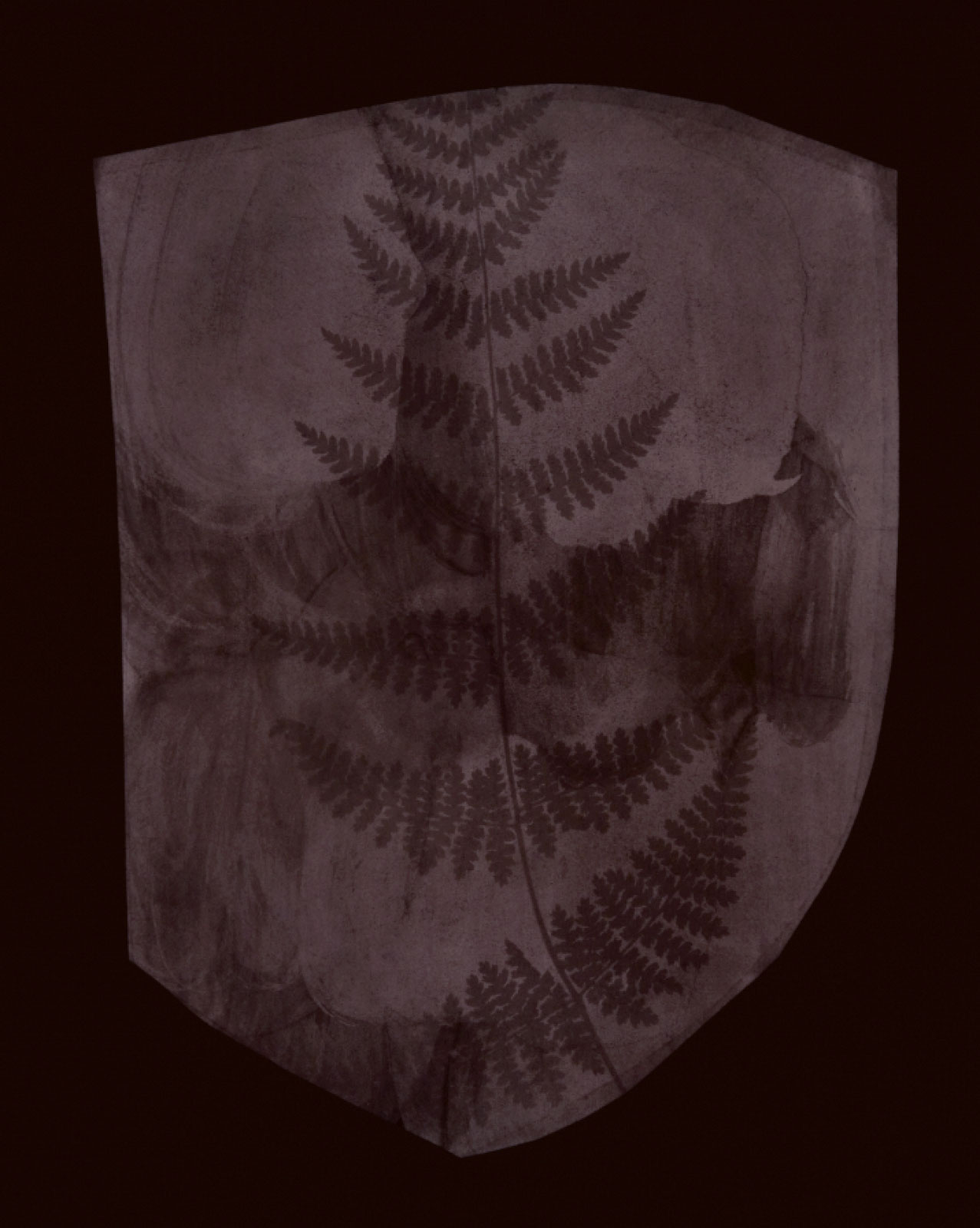
The Photogenic Drawings series was inspired by the innovative techniques of the 19th century photographer, Henry Fox Talbot. This pioneering artist invented ‘photogenic drawings’ by using light-sensitive paper to produce a negative in the early experimental days of photography. This process was especially influential in Scotland shaping the careers of Robert Adamson and David Octavius Hill, who went on to become one of the most famous collaborations in photographic history. Sugimoto has spent several years locating and acquiring Fox Talbot’s rare and vulnerable negatives from which to make his own photographs. The small scale of Fox Talbot’s work has been greatly enlarged by Sugimoto to reveal images that are haunting, almost painterly in their evocative power.
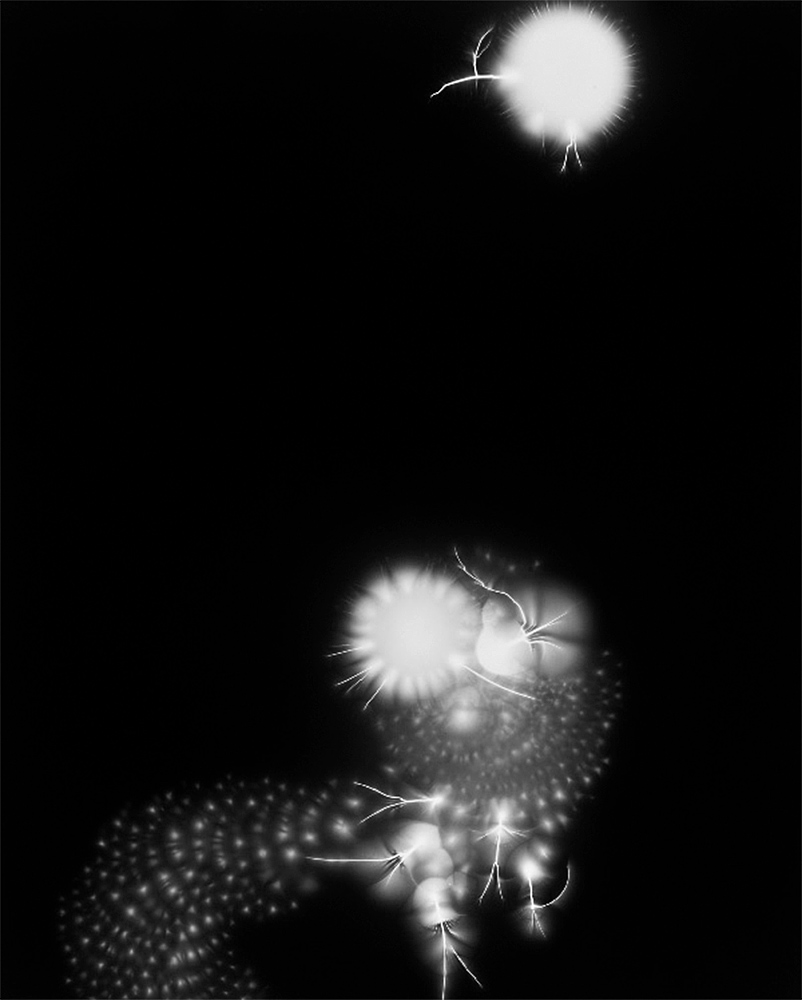
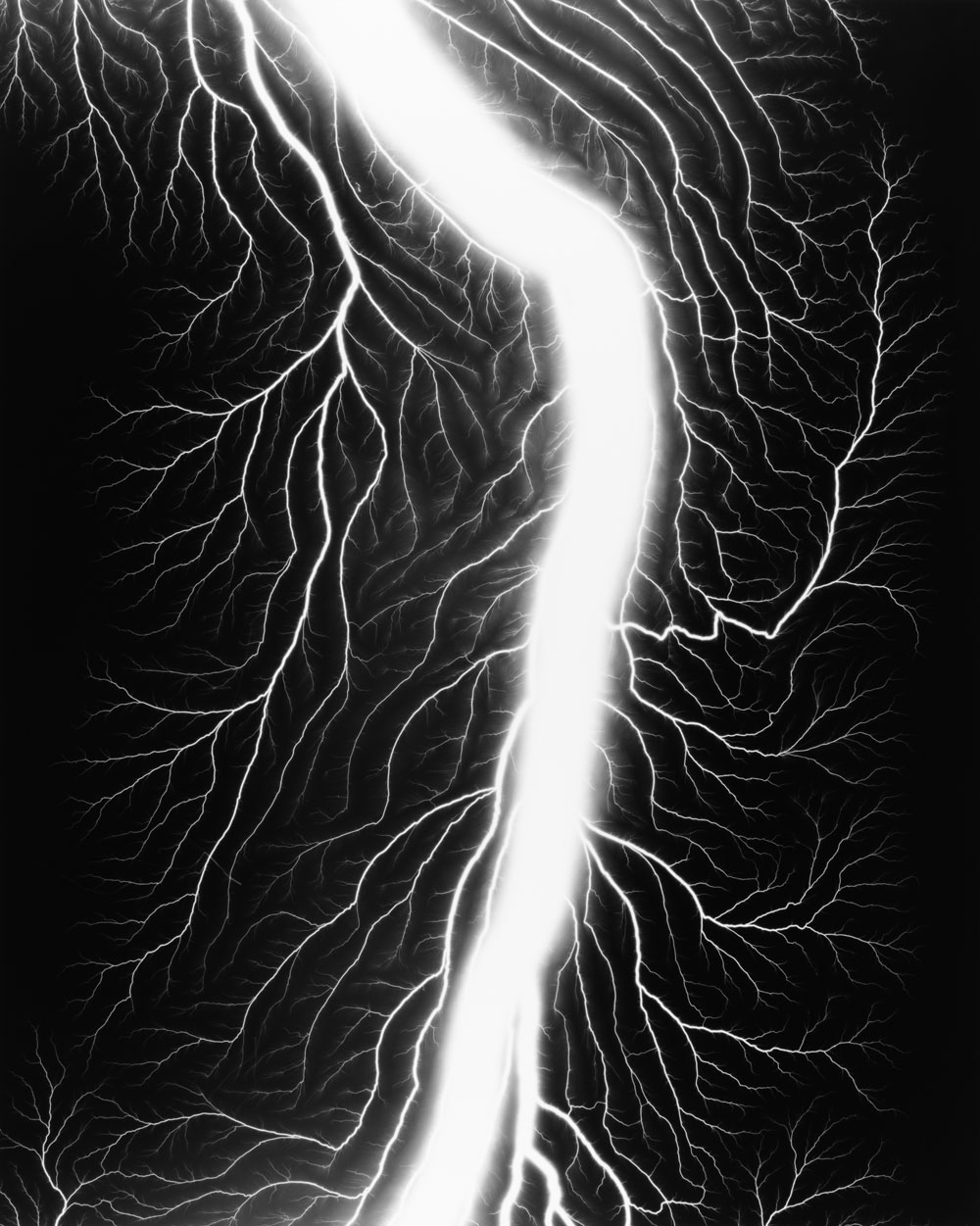
Lightning Fields is a series of dramatic and spectacular photographs produced through the play of violent electrical discharges on photographic film. Sugimoto moved his studio six times in an attempt to overcome a problem of static electricity which would often ruin his photographs with their tell-tale white flashes on the finished image. He decided to investigate further the phenomenon and to make ‘an ally of my nemesis’. Eventually, rather than try to suppress the random acts of nature, Sugimoto found ways to generate them by using a Van de Graaf Generator to induce electrical charges on the film. His large photographs expose in minute detail the remarkable effects of light particles not visible to the human eye. The results offer a fascinating range of interpretations, from powerful lightning strikes to images of weird and wonderful life forms.
This exhibition will be complemented by Towards the Light, a free display of prints from the National Galleries of Scotland collection that will examine the influence of 19th century Japanese colour woodcuts on artists working in Britain and Japan during the first decades of the 20th century. 19th century Japanese prints will feature as well as prints by artists using traditional colour woodcut techniques in the 1920s and 30s.
Press release from the Scottish National Gallery of Modern Art website
Curator: overall curatorial concept of Oliva Maria Rubio (director of Madrid’s la Fábrica). The Budapest presentation was additionally shaped with the participation of renowned Hungarian art historians and experts Krisztina Passuth and Éva Bajkay
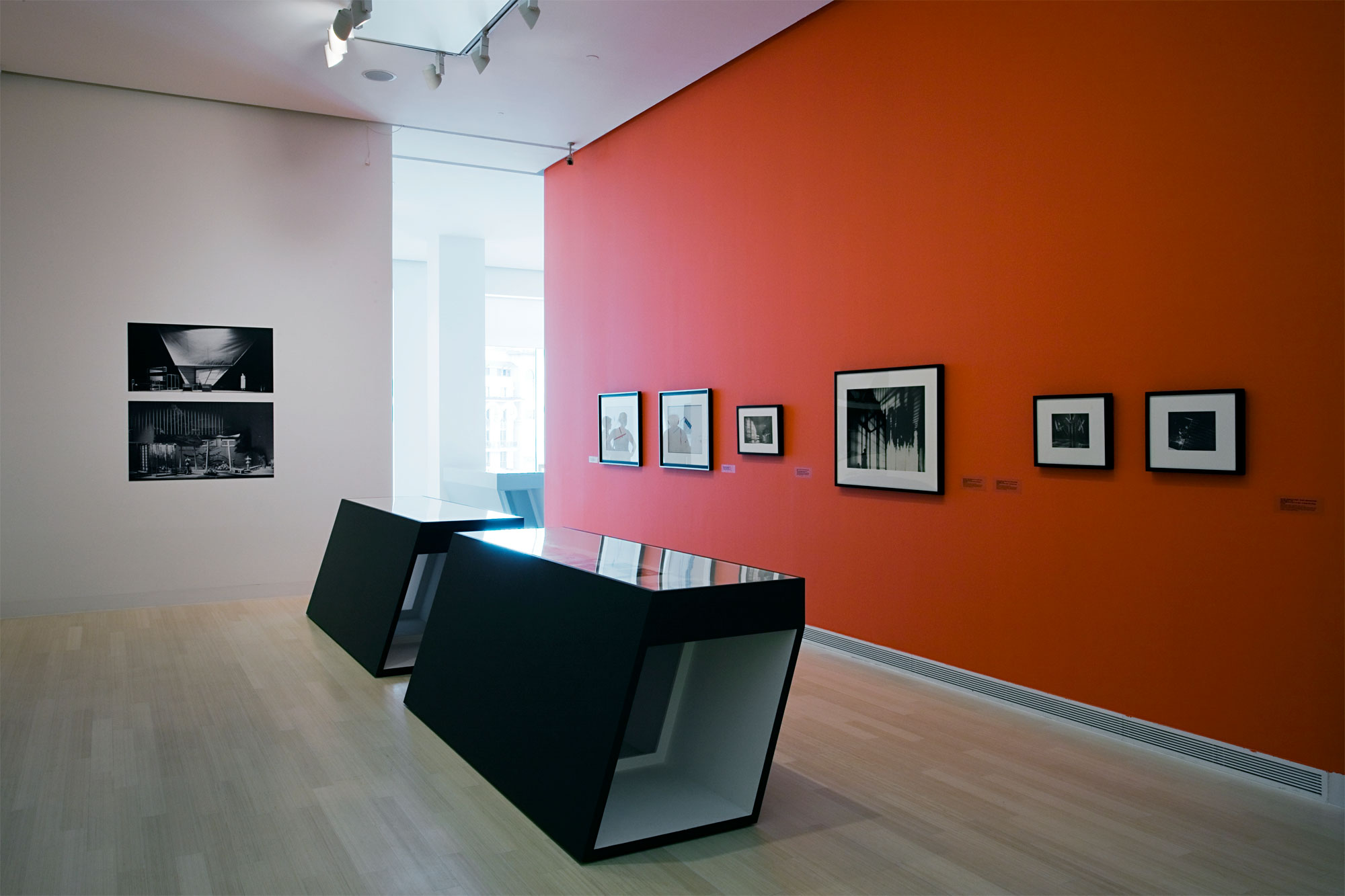
Different press photographs from this exhibition, one that I last posted when it was at Martin Gropius-Bau, Berlin.
Dr Marcus Bunyan
Many thankx to the Ludwig Museum for allowing me to publish the photographs in the posting. Please click on the photographs for a larger version of the image.
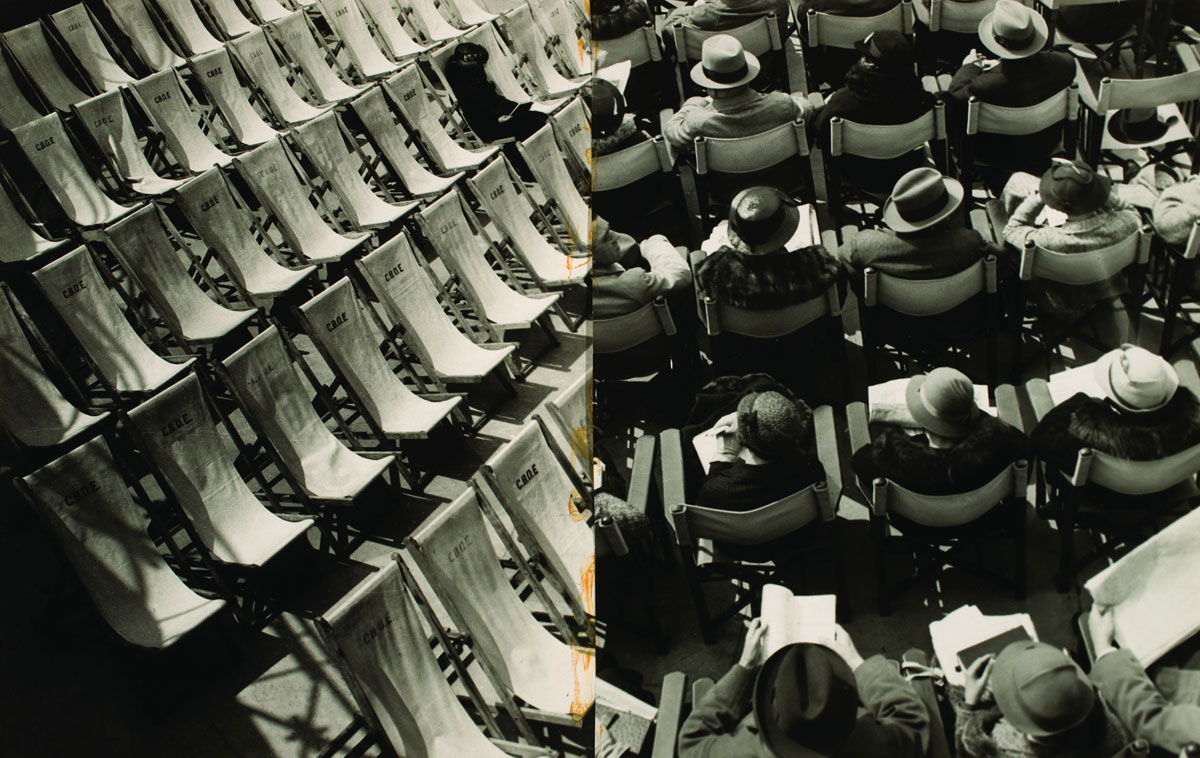
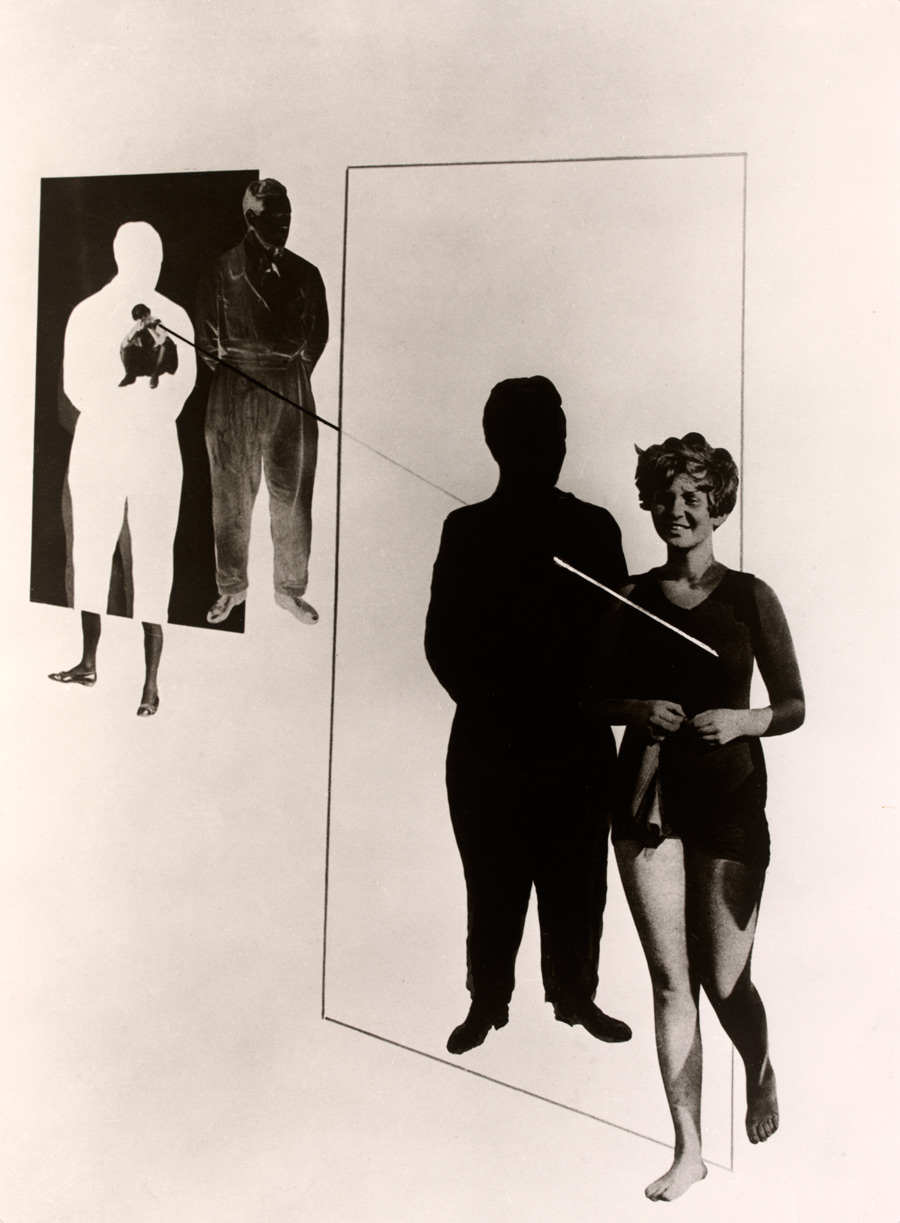
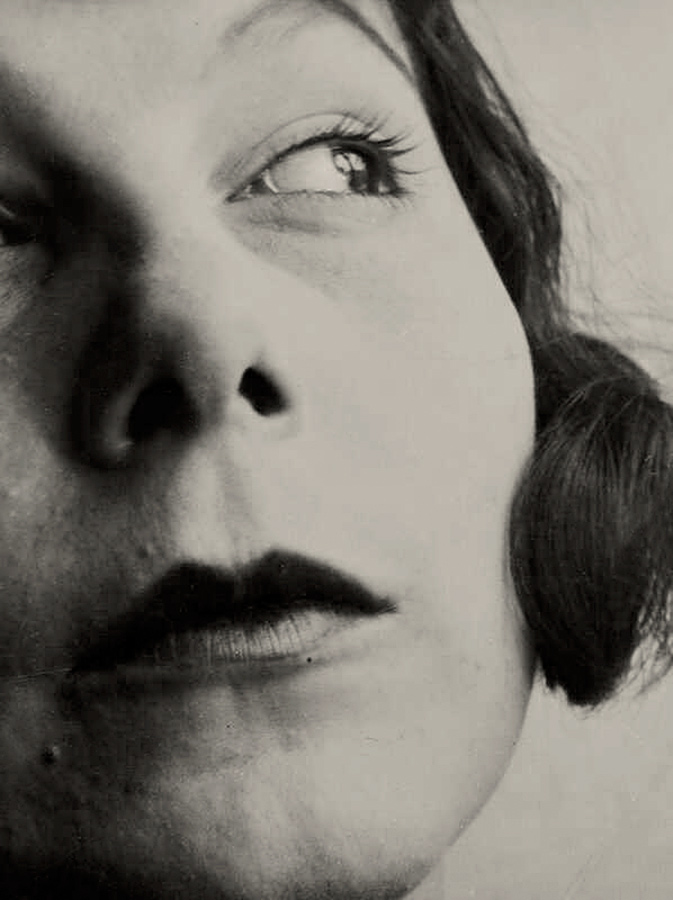
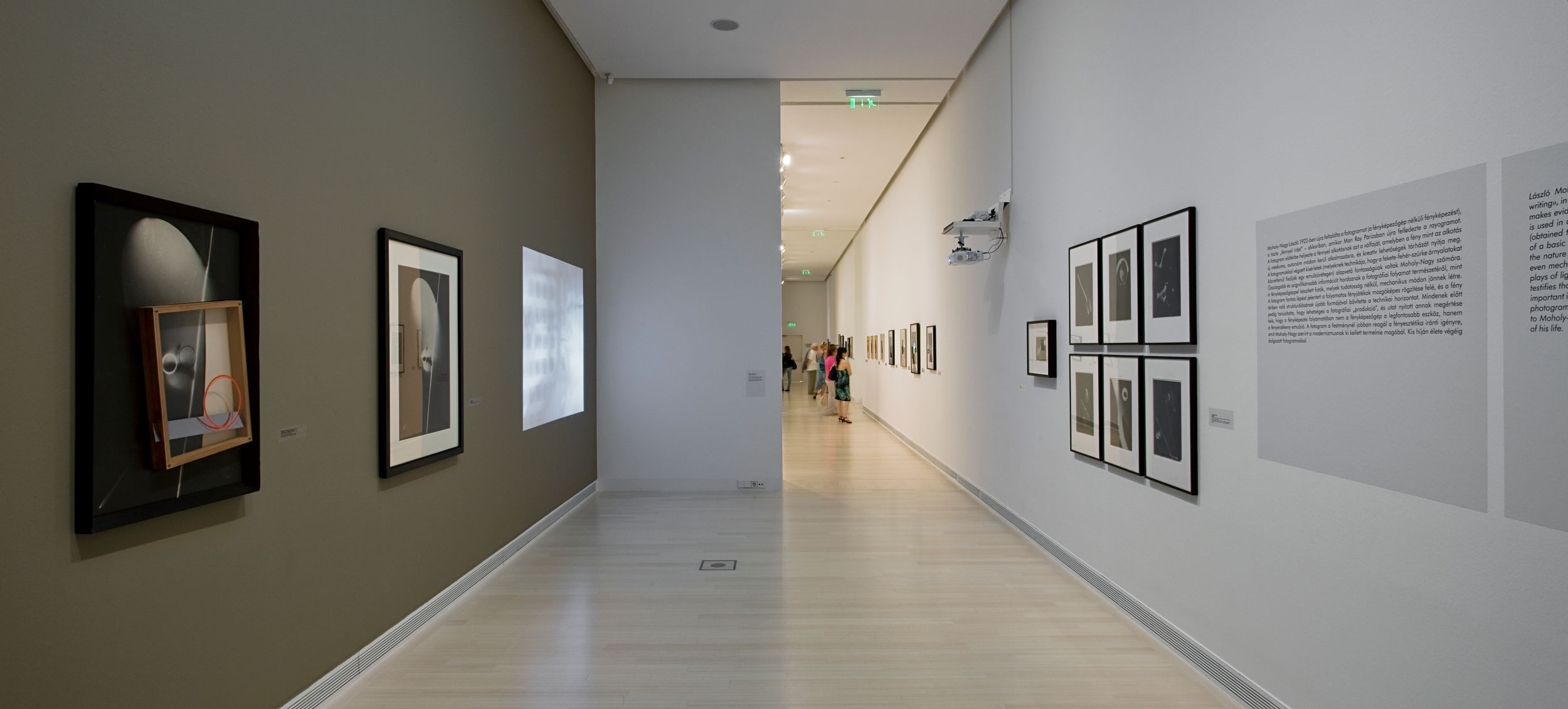
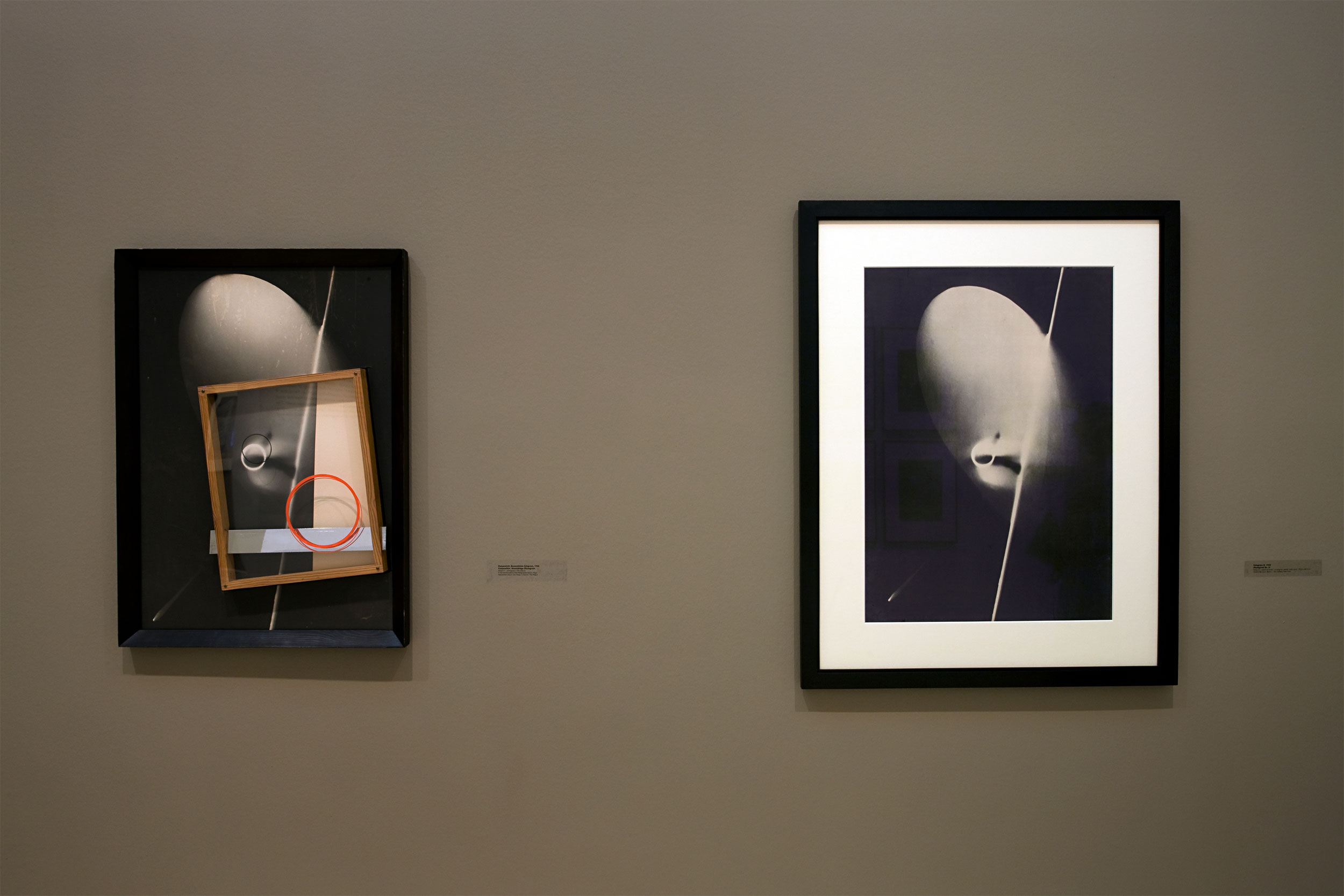
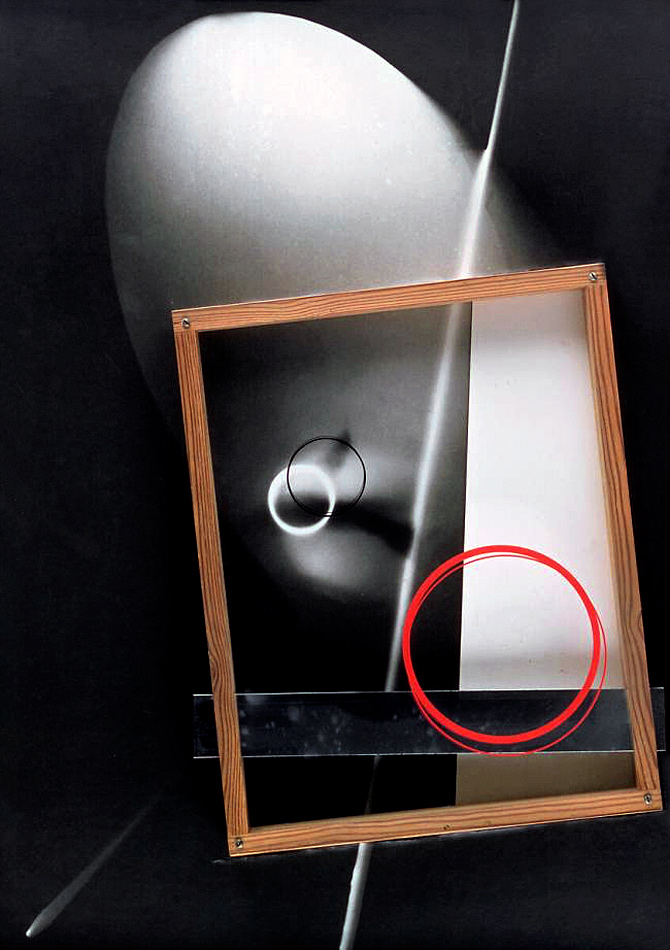
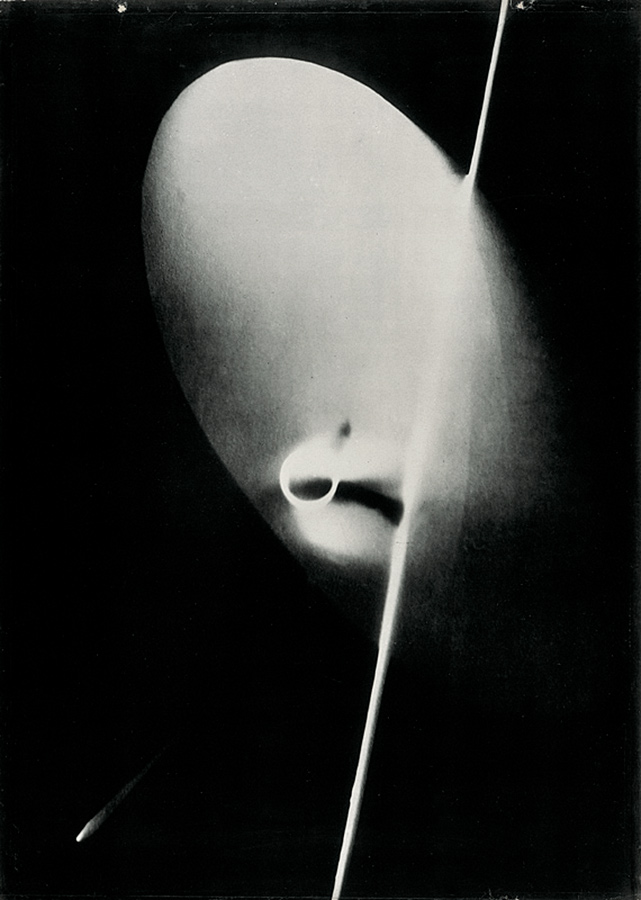
László Moholy-Nagy is a world-famous figure of twentieth-century avant-garde art. His visual art and theoretical works, photographs, films, educational activities and photograms – taken without a camera and now synonymous with his name – were of such significance that it is no exaggeration to say that since Moholy-Nagy, we see things differently; since Moholy-Nagy, our thinking about art has been transformed. His innovations over the decades have become so natural, his influence so pervasive, that we now almost have to rediscover him once again. In the series of Hungarian photographers who accomplished world fame – Robert Capa, Martin Munkácsi, György Kepes – the Ludwig Museum – Museum of Contemporary Art now presents the work of László Moholy-Nagy (1895-1946), focussing primarily his photography. This is a long-overdue show: Hungary has not held such an exhibition of Moholy-Nagy’s work since 1975, not even on the centenary of his birth in 1995.
Moholy-Nagy began his creative career in the first half of the twentieth century in Lajos Kassák’s activist circle where, at twenty years old, he was one of Hungary’s youngest avant-garde artists. In 1919 he left for Vienna then Berlin, where he came under the influence of Dadaism and Constructivism, which he later developed further independently. On the invitation of director Walter Gropius in 1923, he became a teacher at the Weimar Bauhaus, then the most progressive art school. There, alongside the Metal Workshop, he also led the definitive course in new arts education, the Foundation. The Bauhaus was more than a school: it was a way of life that unified life, art and science. As well as exploring painting, leading the Metal Workshop, writing and editing books and applying new typographies at the experimental, innovative Bauhaus school, Moholy-Nagy also turned towards photography and film as forms offering new possibilities in art. Photography, and in particular film represented new technologies that questioned the traditional principles of art, among them the uniqueness of the artefacts and the personal signature of the artist.
The central organising principle in Moholy-Nagy’s diverse activities was light: light defined his paintings, sculptures, photoplastics, photograms, photographs, typography and theatre sets. He did not regard photography as a tool for the perfect imaging of reality, rather, it was his conviction that the camera offered new discoveries and possibilities for modern people to finally liberate themselves from the obligation to depict, to copy reality. The years at the Bauhaus proved to be an experience that defined his entire life. After Berlin, Weimar and Dessau, he settled in Chicago in 1937, where he founded the ‘New Bauhaus’ and remained until the end of his life, working as an experimental, innovative artist and theorist. He regarded art as an activity that embraced the whole of life which was non-hierarchical, accessible and cultivatable by everyone, and he was a firm believer in the educational role of art.
The Ludwig Museum’s exhibition presents his diverse life achievement from 1922, with Moholy-Nagy’s photography, films, and works ‘made with light’ in central focus. His first writings on light as a medium were published in 1923, in the Broom magazine, New York. One of the most exciting parts of the exhibition is the compilation of all Moholy-Nagy’s films, shown together here for the first time and according to the artist’s original conception. Such an ambitious and large-scale exhibition of Moholy-Nagy’s oeuvre could only have been realised with international collaboration. This exhibition brings together over 200 pieces and documents from over twenty museums around the world (Tate, Whitney, Tokyo Metropolitan, etc.) as well as private collections. It is based on the curatorial concept of the director of Madrid’s la Fábrica, Oliva Maria Rubio, and is the result of joint work between the Martin-Gropius-Bau in Berlin and the Gemeentemuseum in The Hague. The exhibition has previously shown in Madrid, Berlin and The Hague, and will open to audiences in Budapest until the end of September.
Moholy-Nagy’s rich oeuvre also allows us to make slightly different emphases according to location. In Berlin, the legendary 1929 Film und Foto (FiFo) exhibition and his pedagogical works were emphasised, while in The Hague, the focus was on the time he spent in the Netherlands between 1933 and 1935. With the participation of two internationally-renowned Hungarian art historians, experts of Moholy-Nagy, Krisztina Passuth and Éva Bajkay, the Budapest exhibition is complemented by photographs and publications from Hungarian collections. Thanks to László Moholy-Nagy’s family, valuable documents that have not been seen in any of the earlier locations have been added to the exhibition.
Press release from the Ludwig Museum
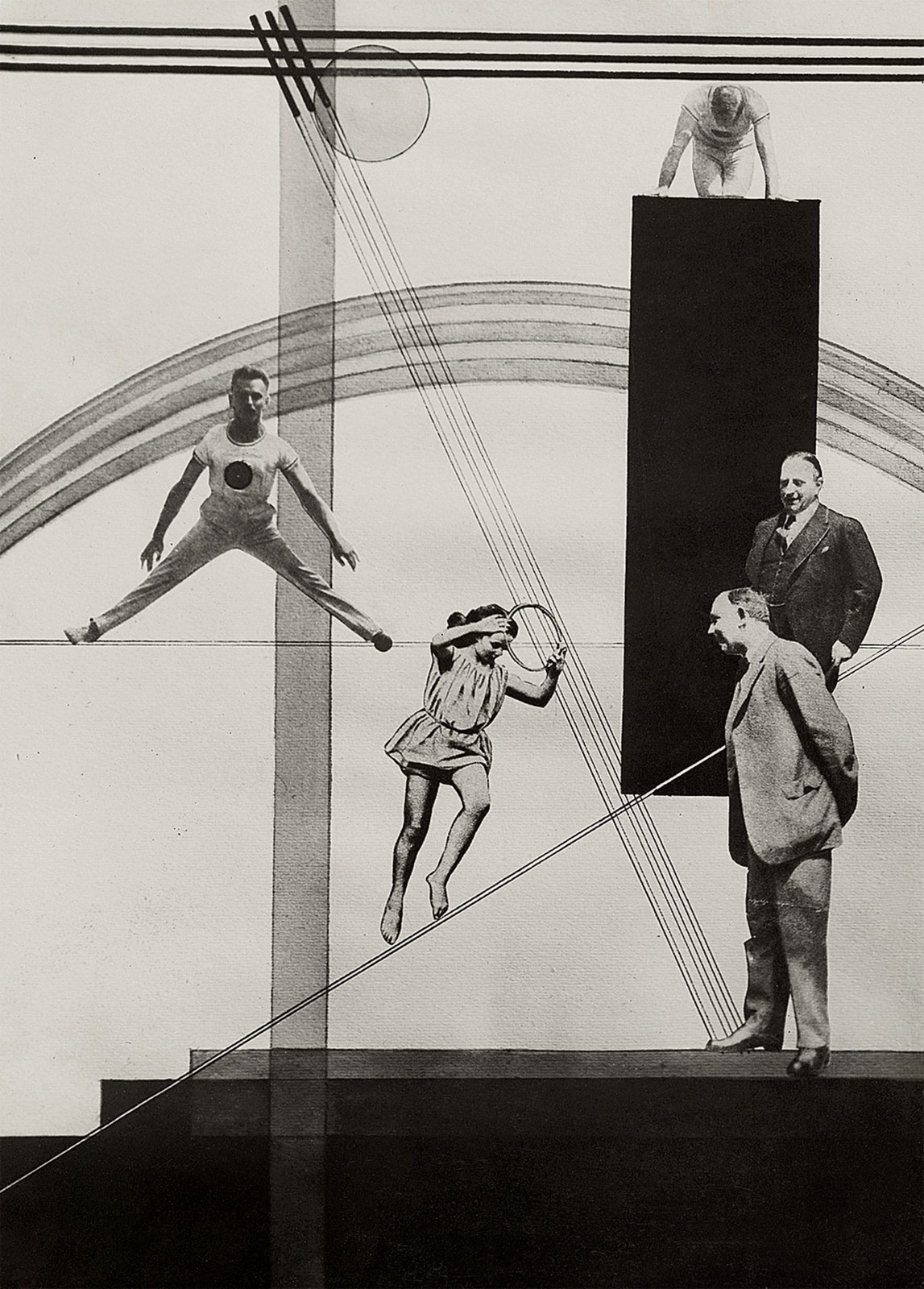
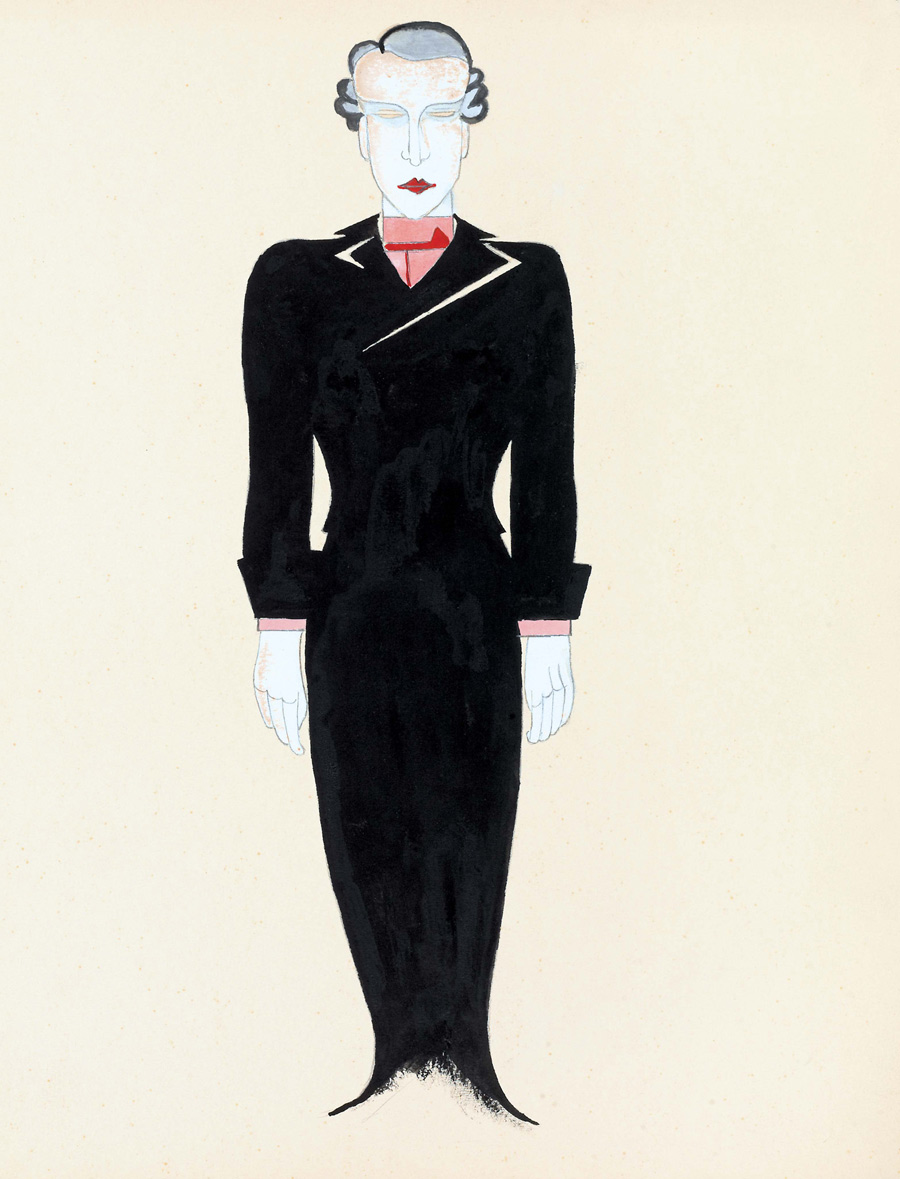
László Moholy-Nagy (Hungarian, 1895-1946) The Benevolent Gentleman 1924 Photoplastic, gelatin silver print
Exhibition dates: 7th September – 18th September, 2011
Co-curated by Dominic Johnson
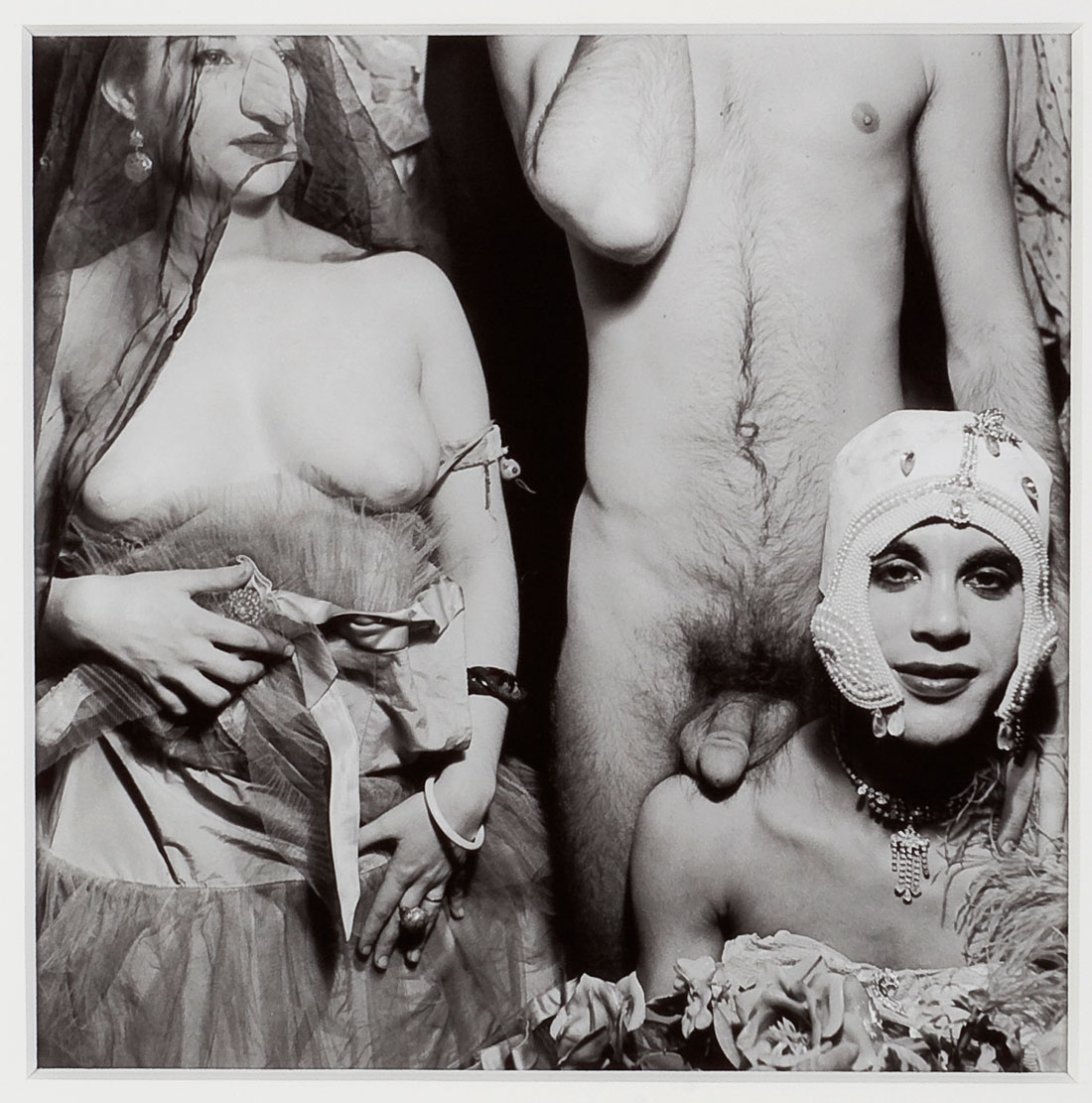
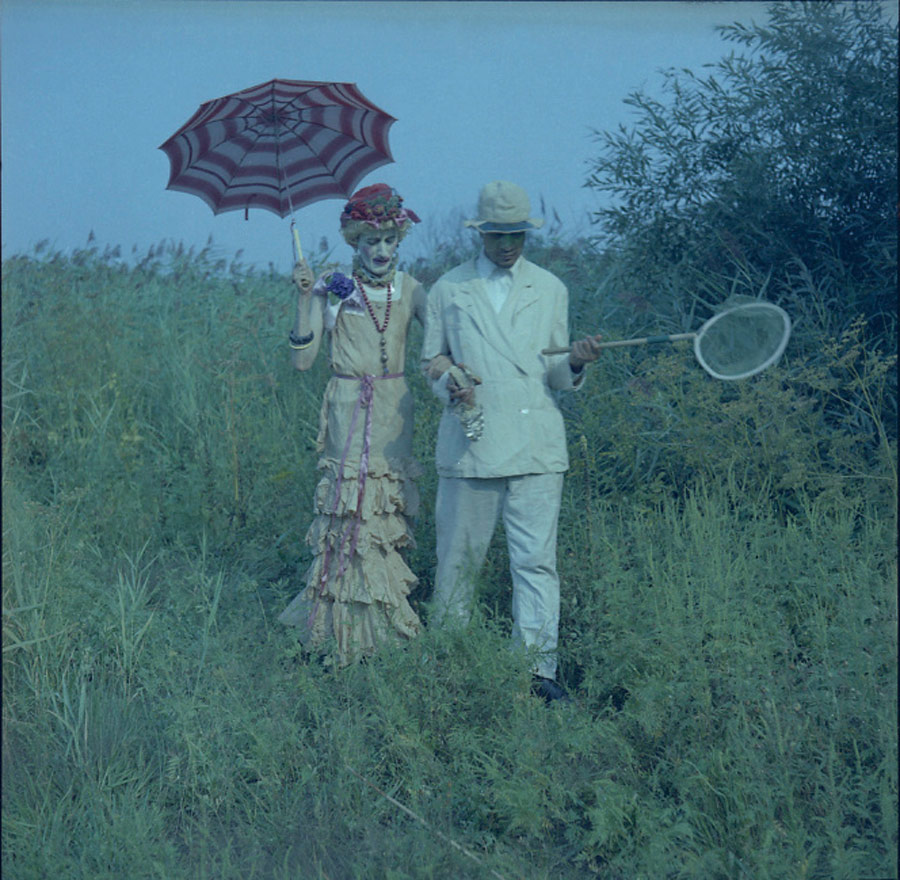
Jack Smith (American, 1932-1989) Untitled c. 1958-1962/2011 Analog C-print hand printed from original colour negative on Fuji Crystal Archive paper 14 x 11 inches (35.6 x 27.9cm) Copyright Estate of Jack Smith Courtesy Gladstone Gallery, New York and Brussels
His photographic works are rare and remain largely unknown according to Wikipedia. They shouldn’t be.
Dr Marcus Bunyan
Many thankx to the ICA for allowing me to publish the photographs in the posting. Please click on the photographs for a larger version of the image.
Jack Smith: A Feast for Open Eyes
‘The only true underground filmmaker’ – John Waters
ICA director Gregor Muir introduces the work of Jack Smith in this two week season. Jack Smith: A Feast for Open Eyes is on from 7 – 18 September 2011
Jack Smith (American, 1932-1989) Untitled 1982 Mixed media on paper 6 1/8 x 8 7/8 inches (15.6 x 22.5cm) Copyright Estate of Jack Smith Courtesy Gladstone Gallery, New York and Brussels
Jack Smith (American, 1932-1989) Untitled c. 1958-1962/2011 Black and white gelatin silver print 10 x 8 inches (25.4 x 20.3cm) Copyright Estate of Jack Smith Courtesy Gladstone Gallery, New York and Brussels
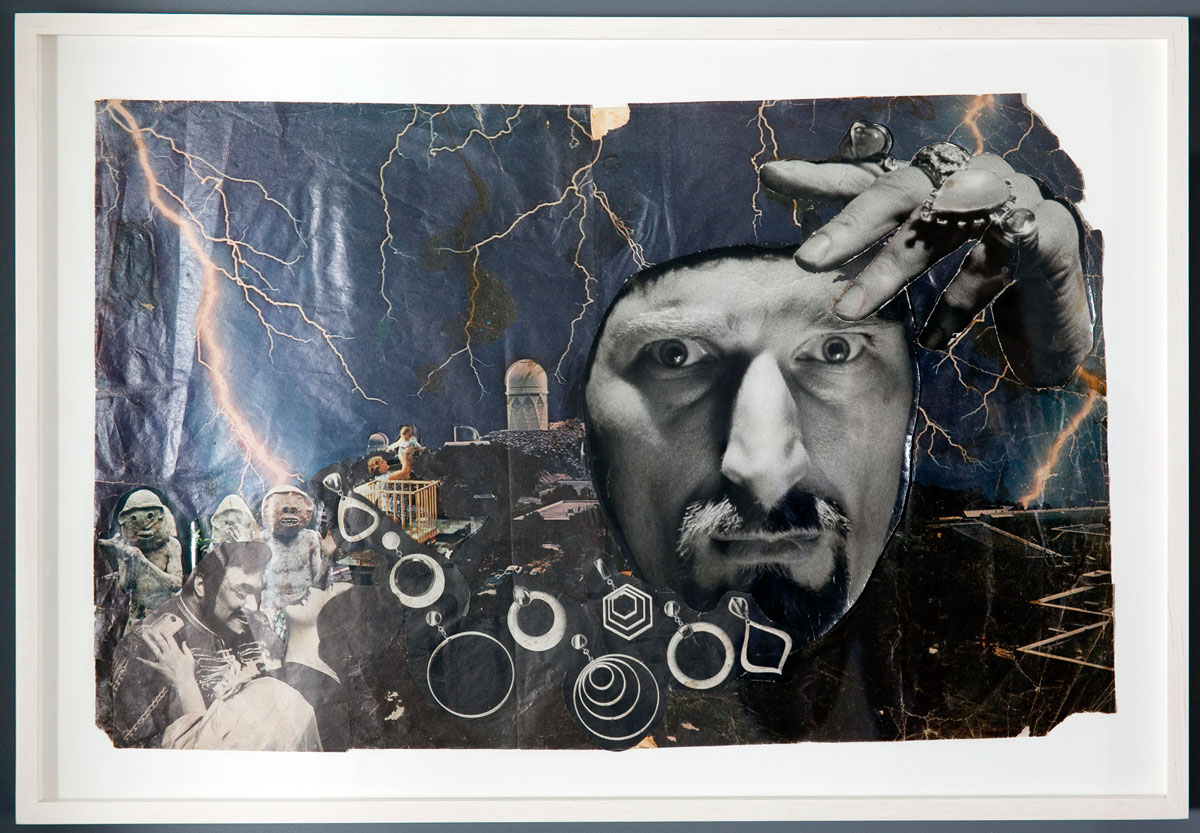
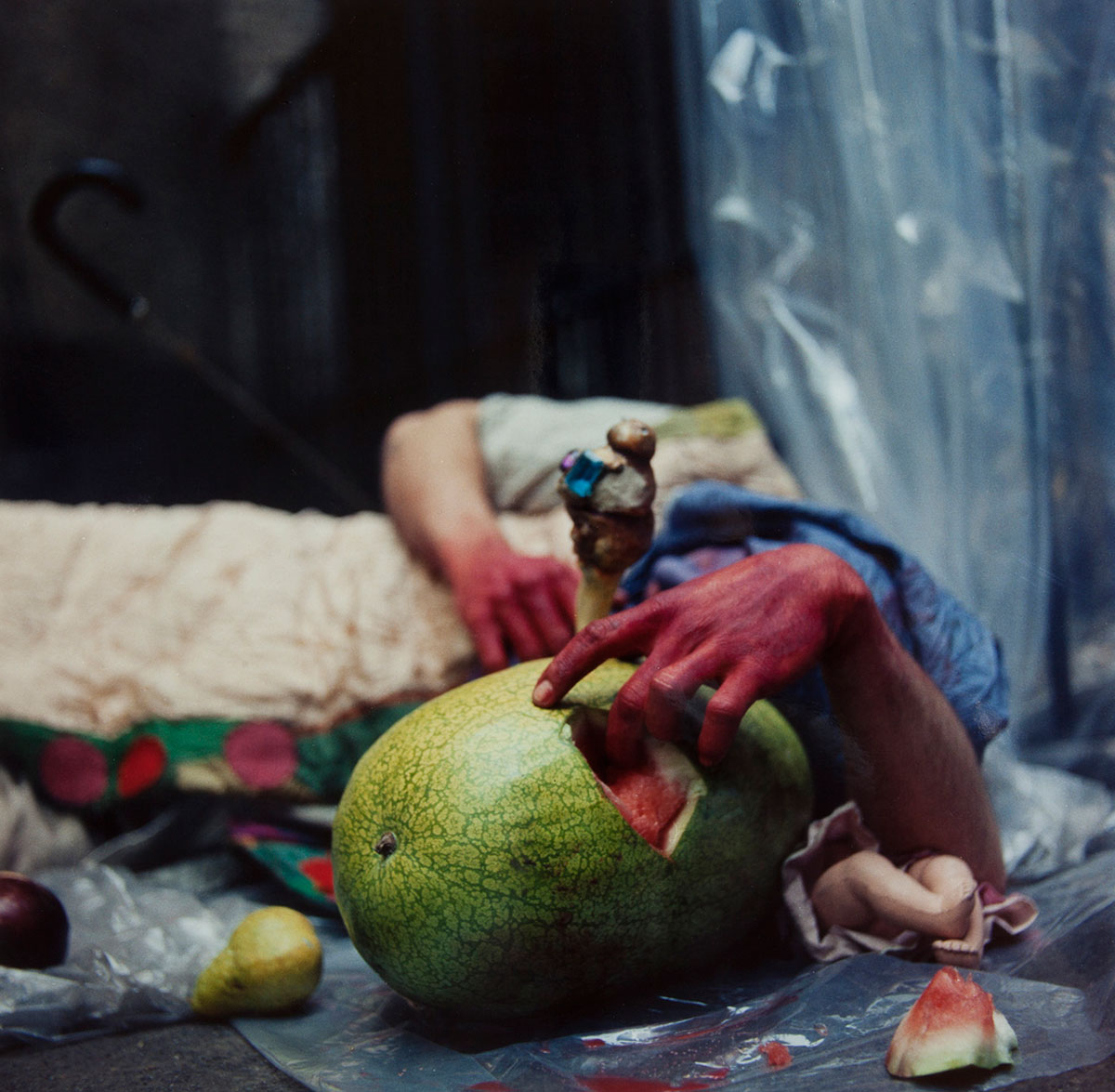
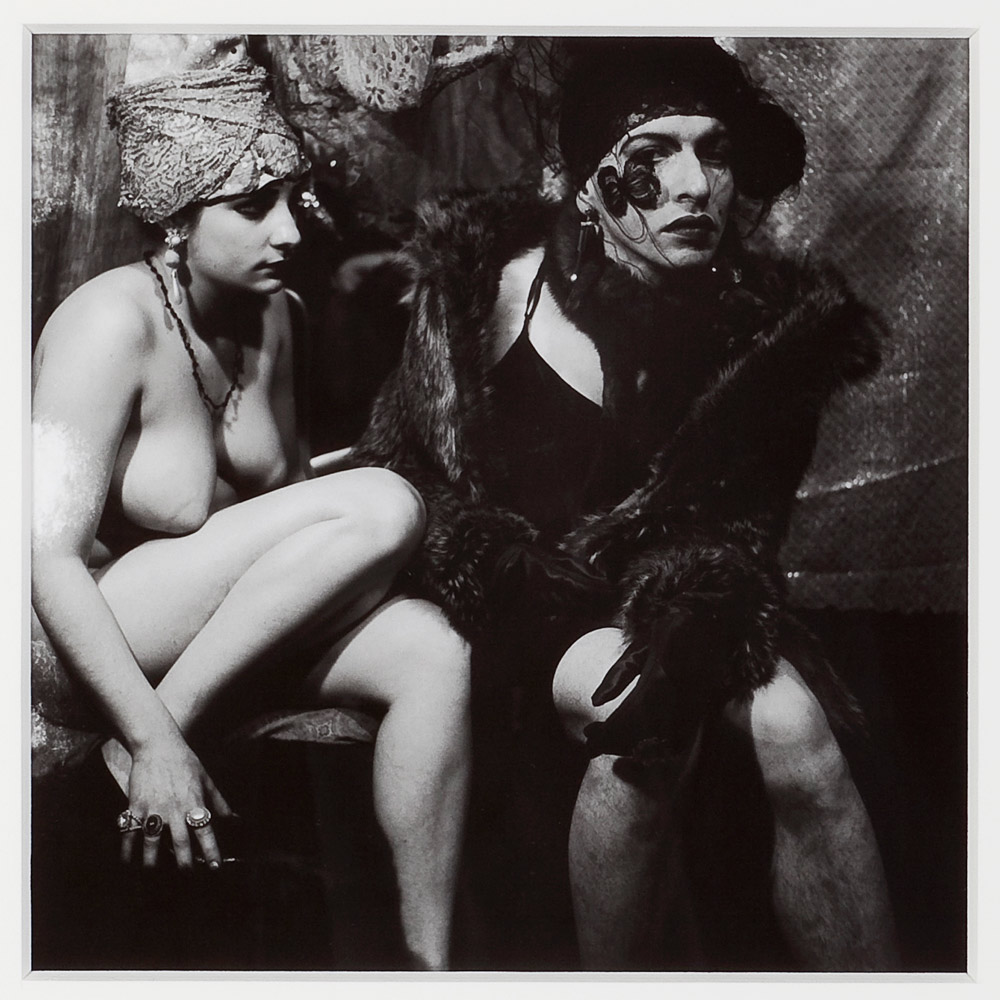
“Jack Smith (November 14, 1932 in Columbus, Ohio – September 25, 1989 in New York City) was an American filmmaker, actor, and pioneer of underground cinema. He is generally acclaimed as a founding father of American performance art, and has been critically recognised as a master photographer, though his photographic works are rare and remain largely unknown.
Smith was one of the first proponents of the aesthetics which came to be known as ‘camp’ and ‘trash’, using no-budget means of production (e.g. using discarded colour reversal film stock) to create a visual cosmos heavily influenced by Hollywood kitsch, orientalism and with Flaming Creatures created drag culture as it is currently known. Smith was heavily involved with John Vaccaro, founder of The Playhouse of The Ridiculous, whose disregard for conventional theater practice deeply influenced Smith’s ideas about performance art. In turn, Vaccaro was deeply influenced by Smith’s aesthetics. It was Vaccaro who introduced Smith to glitter and in 1966 and 1967, Smith created costumes for Vaccaro’s Playhouse of The Ridiculous. Smith’s style influenced the film work of Andy Warhol as well as the early work of John Waters. While all three were part of the 1960s gay arts movement, Vaccaro and Smith refuted the idea that their sexual orientation was responsible for their art.
After his last film, No President (1967), Smith created performance and experimental theatre work until his death on September 25, 1989 from AIDS-related pneumonia.”
Jack Smith (American, 1932-1989) Untitled c. 1958-1962/2011 Analog C-print hand printed from original colour negative on Fuji Crystal Archive paper 14 x 11 inches (35.6 x 27.9cm) Copyright Estate of Jack Smith Courtesy Gladstone Gallery, New York and Brussels
Legendary American artist, filmmaker and actor Jack Smith (1932-1989), described by Andy Warhol as the only person he would ever copy and by John Waters as “the only true underground filmmaker”, is celebrated at the Institute of Contemporary Arts (ICA) in film, performance and debate with a retrospective of Smith’s work from 7 to 18 September 2011.
Working in New York from the 1950s until his death in 1989, Smith unequivocally resisted and upturned accepted conventions, whether artistic, moral or legal. Irreverent in tone and delirious in effect, Smith’s films, such as the notorious Flaming Creatures (1963), are both wildly camp and subtly polemical. Smith is best known for his contributions to underground cinema but his influence extends across performance art, photography and experimental theatre.
A Feast for Open Eyes: Jack Smith maps out the breadth of Smith’s practice, from his collaborative film productions to his individual writings, and looks at his legacy in the UK drawing upon a generation of New York artists with whom Smith was closely involved, including Jonas Mekas and Penny Arcade, and younger artists and filmmakers whom he influenced. John Zorn, a long-term Smith collaborator selects records to accompany an installation of slides documenting Smith’s work, as he used to in collaboration with Smith in the 1970s and 80s.
The retrospective opens with a screening of Flaming Creatures introduced by Chris Dercon, Director of Tate Modern, who was a close friend of Smith’s. The film is followed by the screening of an interview, recorded exclusively for the ICA this summer, with Jonas Mekas, a founder member of Anthology Film Archives who faced obscenity charges for defending Flaming Creatures in the 1960s. The presentation is introduced by Dominic Johnson, author of the forthcoming monograph Glorious Catastrophe: Jack Smith, Performance and Visual Culture (Manchester University Press) and co-curator of A Feast for Open Eyes.
Press release from the ICA website
Jack Smith (American, 1932-1989) Untitled c. 1978 Mixed media on paper 13 x 20 3/4 inches (33 x 52.7cm) Copyright Estate of Jack Smith Courtesy Gladstone Gallery, New York and Brussels
Jack Smith (American, 1932-1989) Untitled c. 1958-1962/2011 Analog C-print hand printed from original colour negative on Fuji Crystal Archive paper 14 x 11 inches (35.6 x 27.9cm) Copyright Estate of Jack Smith Courtesy Gladstone Gallery, New York and Brussels
Jack Smith (American, 1932-1989) Untitled c. 1958-1962/2011 Black and white gelatin silver print 10 x 8 inches (25.4 x 20.3cm) Copyright Estate of Jack Smith Courtesy Gladstone Gallery, New York and Brussels
Jack Smith (American, 1932-1989) Untitled c. 1958-1962/2011 Black and white gelatin silver print 10 x 8 inches (25.4 x 20.3cm) Copyright Estate of Jack Smith Courtesy Gladstone Gallery, New York and Brussels
Jack Smith (American, 1932-1989) Untitled c. 1958-1962 Color negative 2 1/4 x 2 1/4 inches (5.7 x 5.7cm) Copyright Estate of Jack Smith Courtesy Gladstone Gallery, New York and Brussels
Institute of Contemporary Arts The Mall, London, SW1Y 5AH
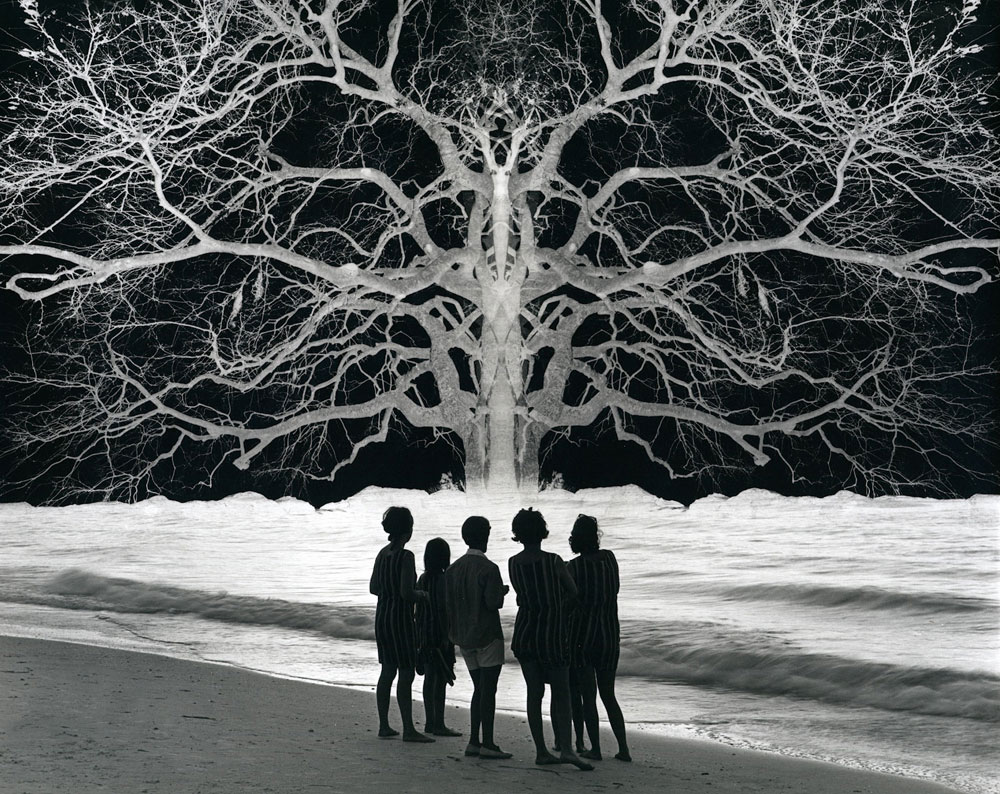
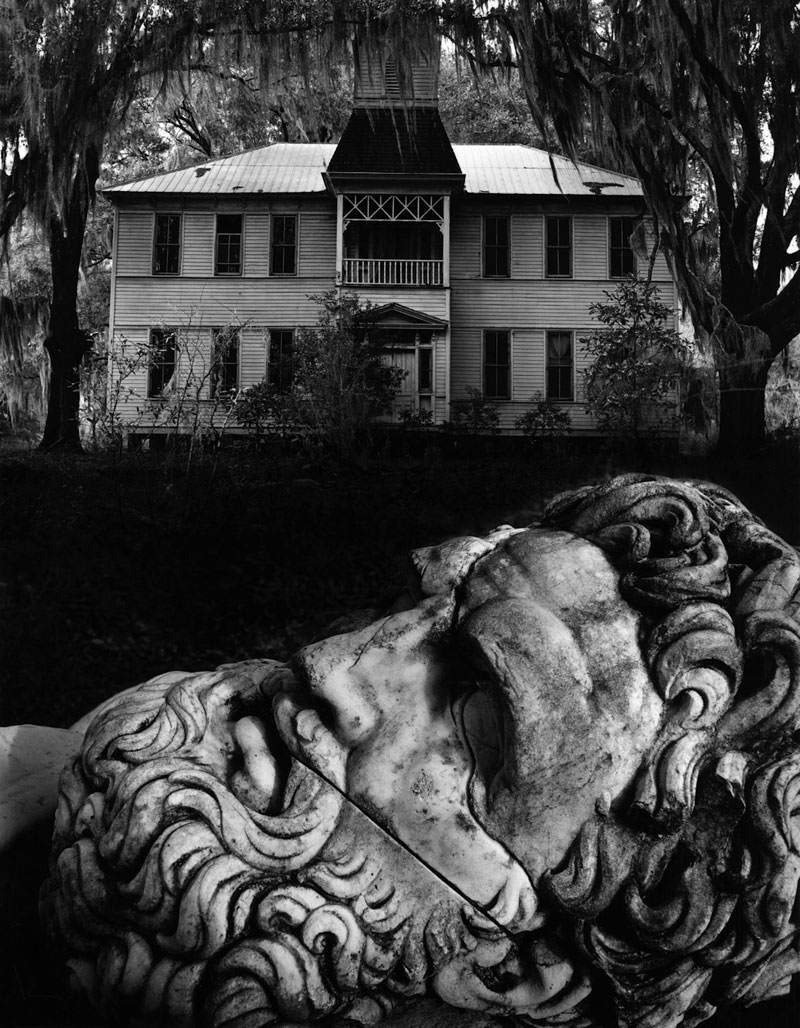
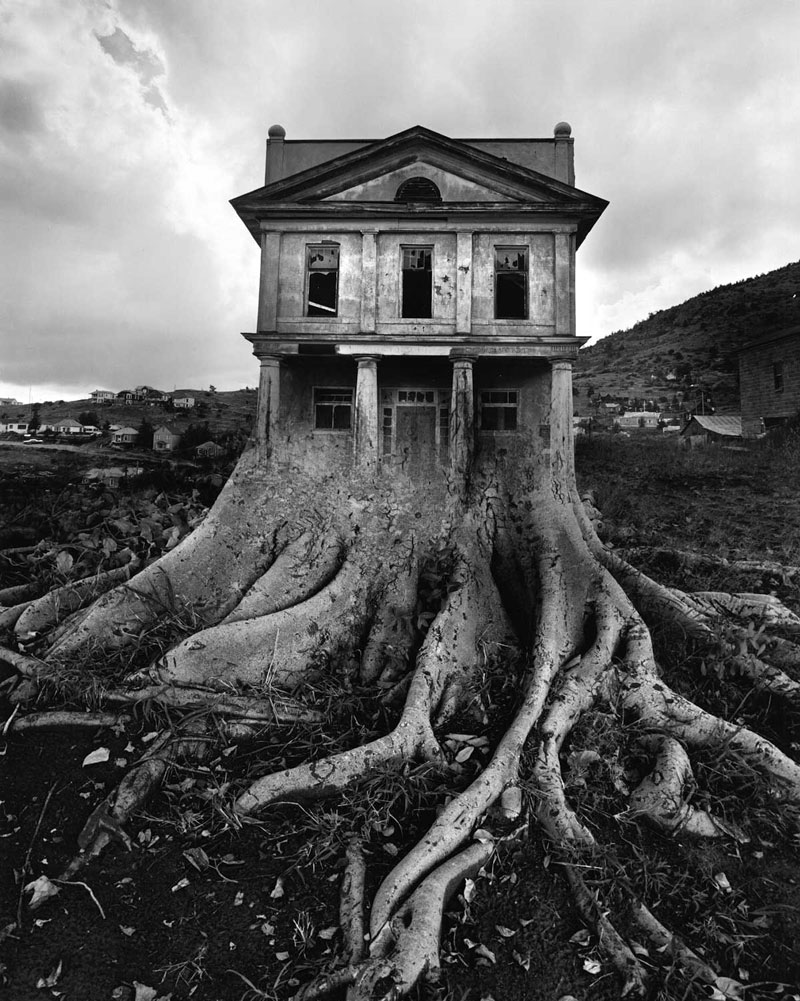
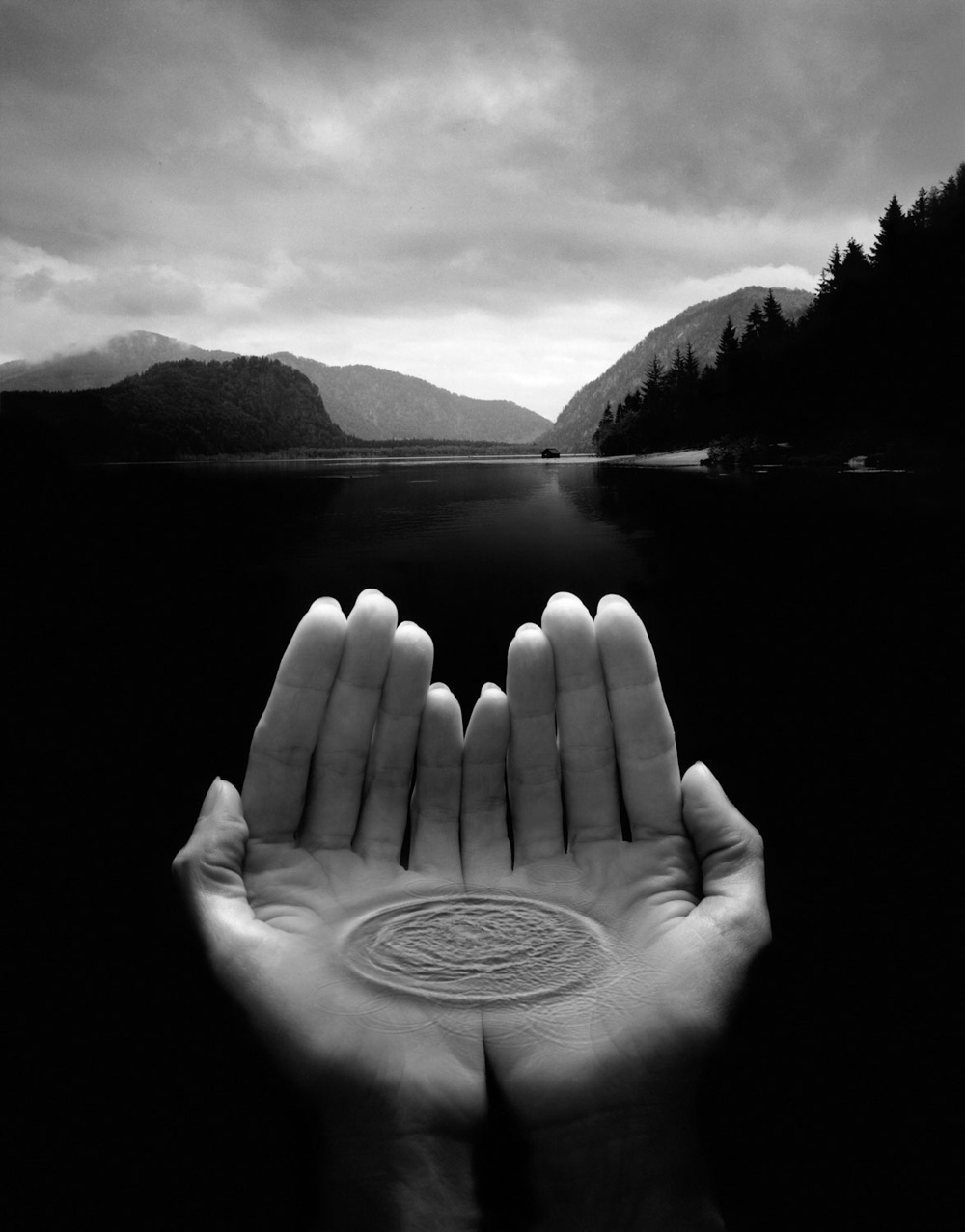
Uelsmann is one of my favourite artists. His unique vision and the skill required to execute that vision using multiple exposure of negatives in the darkroom (remember, this is all done with no Photoshop!) is outstanding.
Observe the sensitivity to subject matter and the placement of disparate elements in the surrealist landscape. Uelsmann’s photographs have real allegorical power and lodge in the viewer’s psyche. He achieves wonderful resolution to inner visions and then makes the dream-like tableaux accessible to the viewer.
My particular favourites are the library and the house on the tree stump. As one who started as a black and white photographer and who experimented with multiple exposures on one piece of silver gelatin paper in the darkroom, I can attest to how enormously difficult this process is.
“Uelsmann is a master printer producing composite photographs with multiple negatives and extensive darkroom work. He uses up to a dozen enlargers at a time to produce his final images … Uelsmann is a champion of the idea that the final image need not be tied to a single negative, but may be composed of many … he does not seek to create narratives, but rather allegorical surrealist imagery of the unfathomable … Today, with the advent of digital cameras and Photoshop, photographers are able to create a work somewhat resembling Uelsmann’s in less than a day, however, at the time Uelsmann was considered to have almost “magical skill” with his completely analog tools.”
I thank him for having the creative energy to be a magician.
Many thankx to the Harn Museum of Art for allowing me to publish the photographs in the posting. Please click on the photographs for a larger version of the image.
The first critical retrospective of American photographer Jerry Uelsmann’s work will open at the Harn Museum of Art at the University of Florida on June 14, 2011. Uelsmann, known for his iconic, surreal style and his innovative composite printing techniques, has spent more than 50 years challenging and advocating for the acceptance of photography as an experimental art form. The Mind’s Eye, 50 Years of Photography by Jerry Uelsmann, organised by the Peabody Essex Museum in Salem, Massachusetts will feature 89 works from every phase of the artist’s wide-ranging career, including a selection of rare pieces that have never before been on public view. Additional works from the artist’s collection will be on view only during this leg of the exhibition, open through September 11, 2011.
“The Harn Museum of Art is delighted to welcome this important exhibition of photographic works by the University of Florida’s own Jerry Uelsmann, a graduate research professor in the art department from 1960 to 1998,” said Rebecca Nagy, director of the Samuel P. Harn Museum of Art. “Jerry has been, and continues to be a leader in the field and we are delighted to celebrate and look back on such a long, important, and innovative career.”
The exhibition will emphasise Uelsmann’s profound influence on the field of photography through his revolutionary mastery of composite photography. Through the presentation of images from different stages of his works, viewers will gain a new understanding of the artist’s creative process and the evolution of Uelsmann’s ideas throughout his career. The pieces on view will be drawn from the artist’s personal archive of vintage materials, and are the definitive prints of the images. A few examples of the artist’s photo sculptures, artist’s books and albums will give viewers first-hand insight into Uelsmann’s creative process.
“From the beginning of his career, Uelsmann has advocated for the acceptance of photography as an experimental art form,” said Phillip Prodger, curator of photography at the Peabody Essex Museum. “Uelsmann’s photography provides a valuable touchstone for understanding new trends in photographic art. His ideas and work have become even more relevant as photography embraces Photoshop and other computer technologies for altering and manipulating photographic pictures.”
Beginning in the late 1950s, Uelsmann succeeded in combining negatives in the darkroom to create synthetic compositions that conjure the illusion of photographic truth. Although these pictures are visually convincing, they depict scenes that often have no analogue in the real world. Evocative, unsettling, and often humorous, Uelsmann’s photographs are seldom easily resolved, inviting reflection without obvious resolution. His most famous technique, seamlessly fabricating photographs from unrelated negatives to create imaginary scenes, helped build his reputation as an experimental photographer, and cemented his standing as a leader of non-literal photography.
“My visual quest is driven by a desire to create a universe capable of supporting feelings and ideas,” said Jerry Uelsmann. “I am drawn to art that challenges one’s sense of reality.”
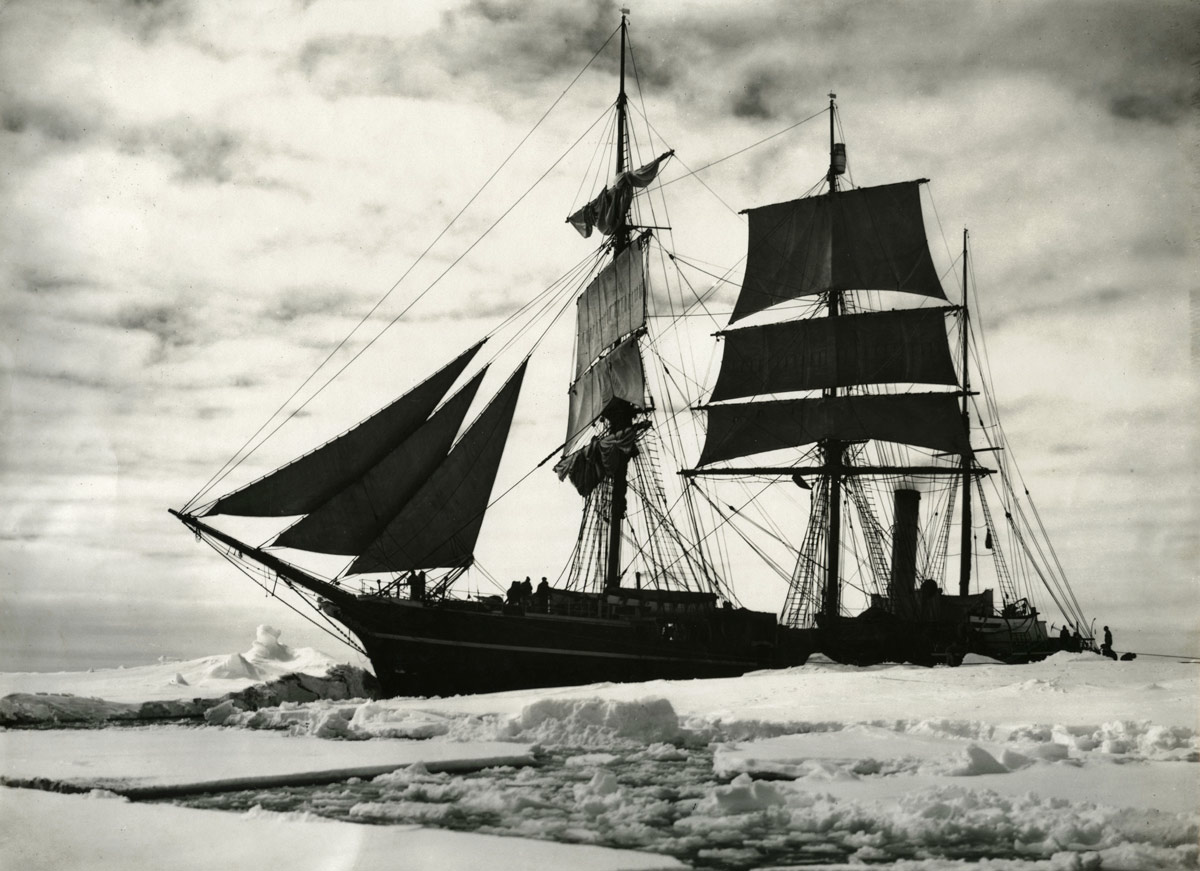
Herbert Ponting (British, 1870-1935) The former whaling ship, the ‘Terra Nova’ 1911 Gelatin silver print Canterbury Museum NZ
“Greater love hath no man than this, that a man lay down his life for his friends.”
John 15:13
It is difficult to describe how heroic a figure Robert Scott, ‘Scott of the Antarctic’ was to a child of the Empire growing up in the 1960s. He and his doomed party were, and still are, the quintessential heroes of my youth. Despite what we now know of Scott’s failures in leadership and organisation, he and his comrades remain embedded in English consciousness as all that is noble about the explorers of the time. They may have failed to become the first to reach the South Pole and died on the return journey but what a magnificent effort it was, what camaraderie and fortitude they showed in the face of adversity.
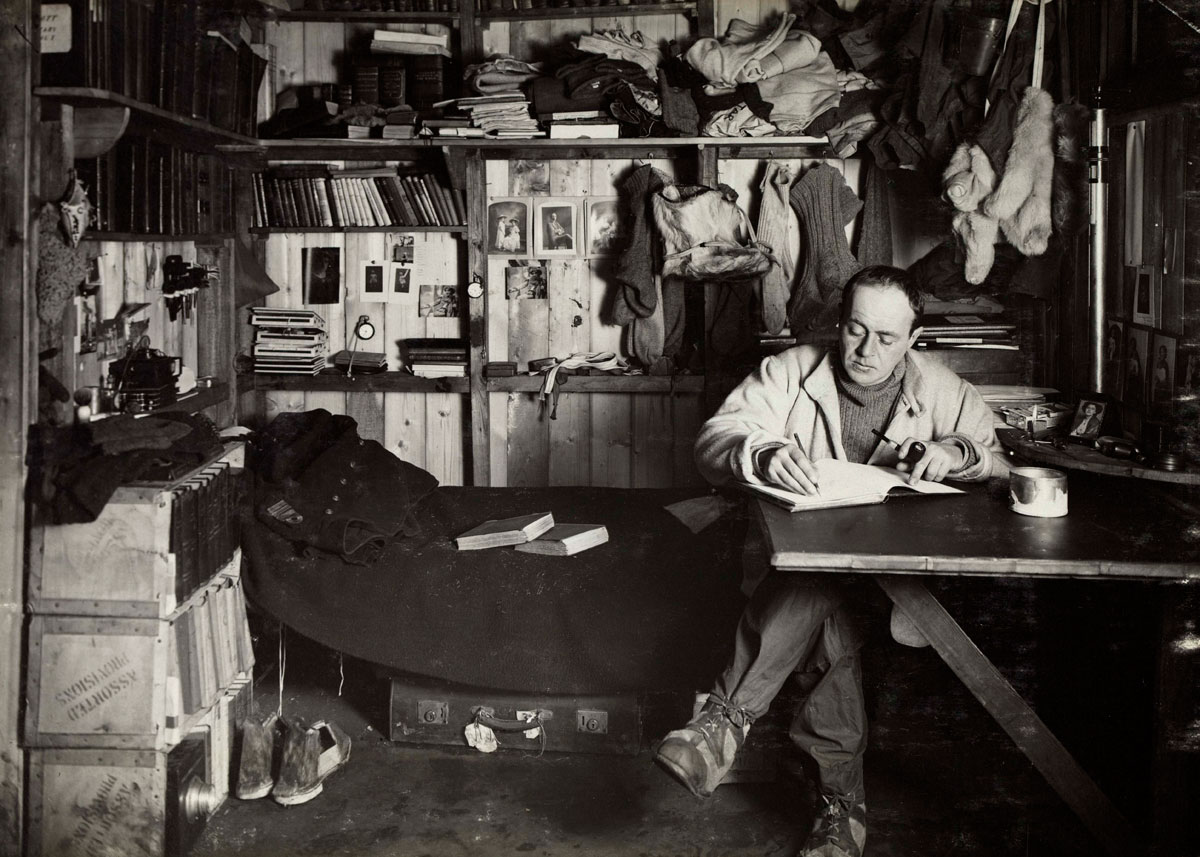
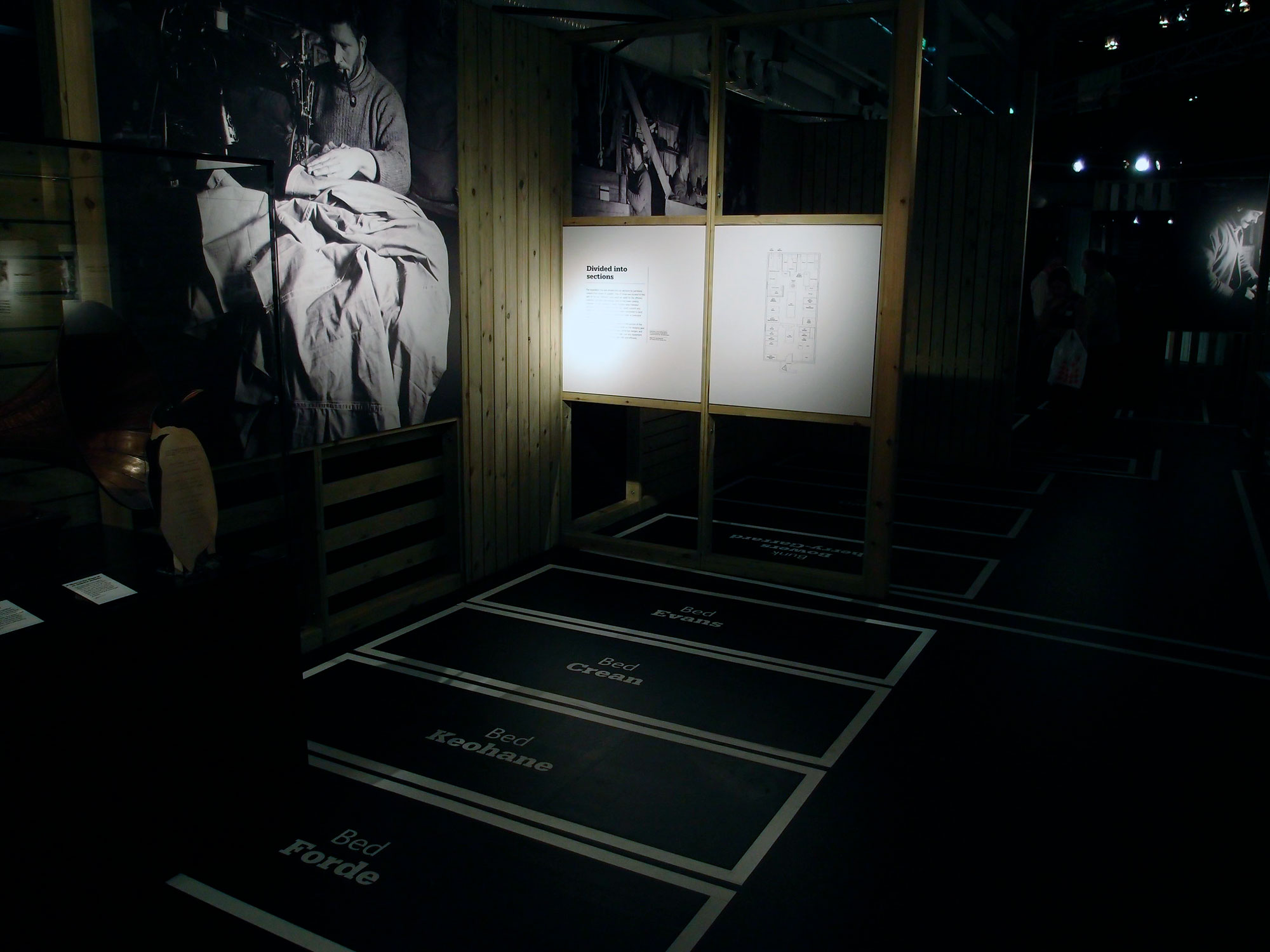
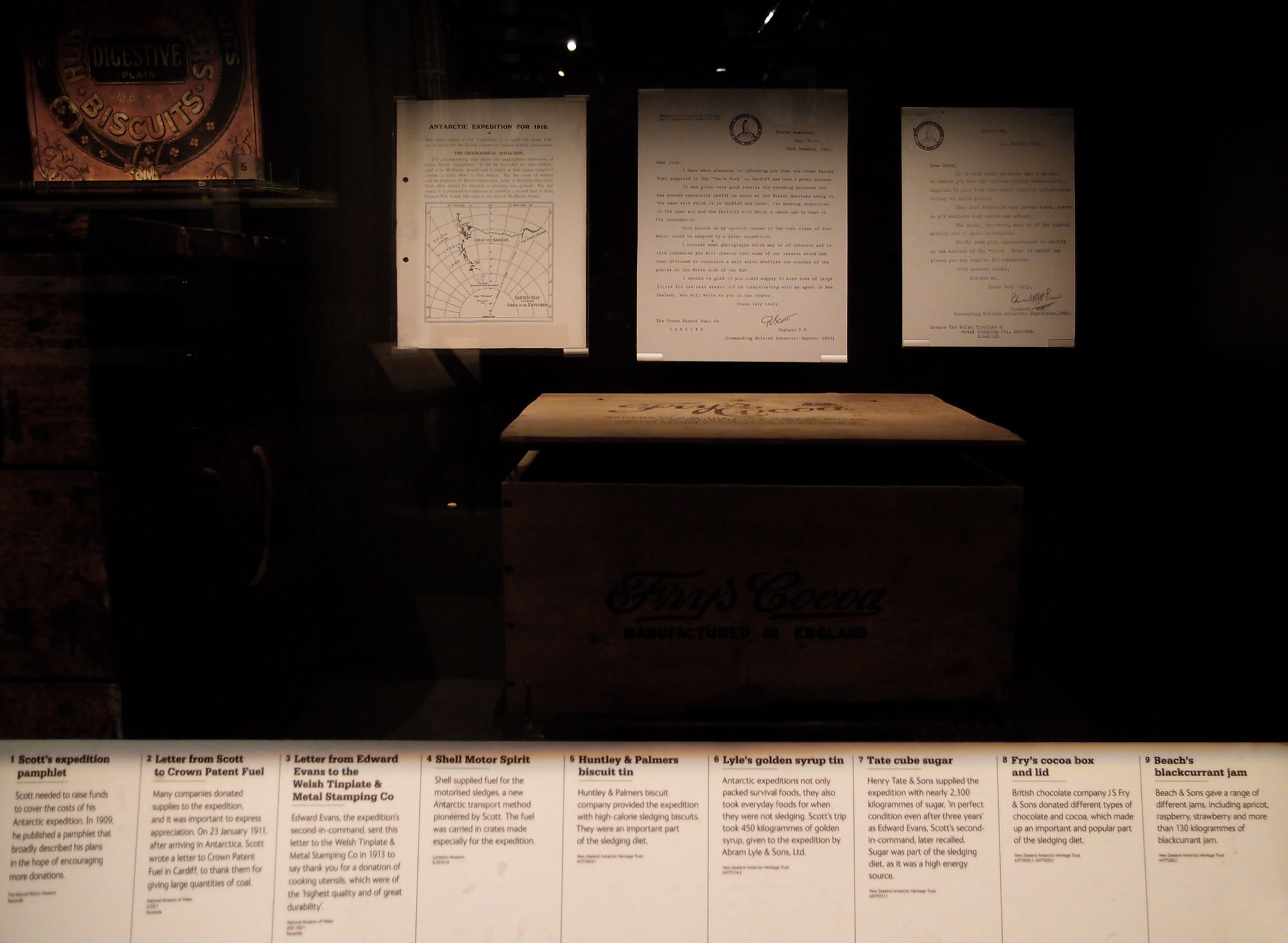
At the centre of the exhibition at the Australian National Maritime Museum, Sydney is a representation of Scott’s base camp at Cape Evans. Visitors can walk inside the life-size hut and get a sense of the everyday realities for the 25 expedition members, from the cramped conditions and homeliness of the hut, to the wealth of specimens collected and experiments conducted. The exhibition also reunites the artefacts used by Scott and his team together with scientific specimens collected during the 1910-1913 expedition for the first time since their use in Antarctica. The exhibition uses life-size reproductions of the photographs of Herbert Ponting. At this scale it enables the viewer to inspect in intimate detail the habitus of their lives.
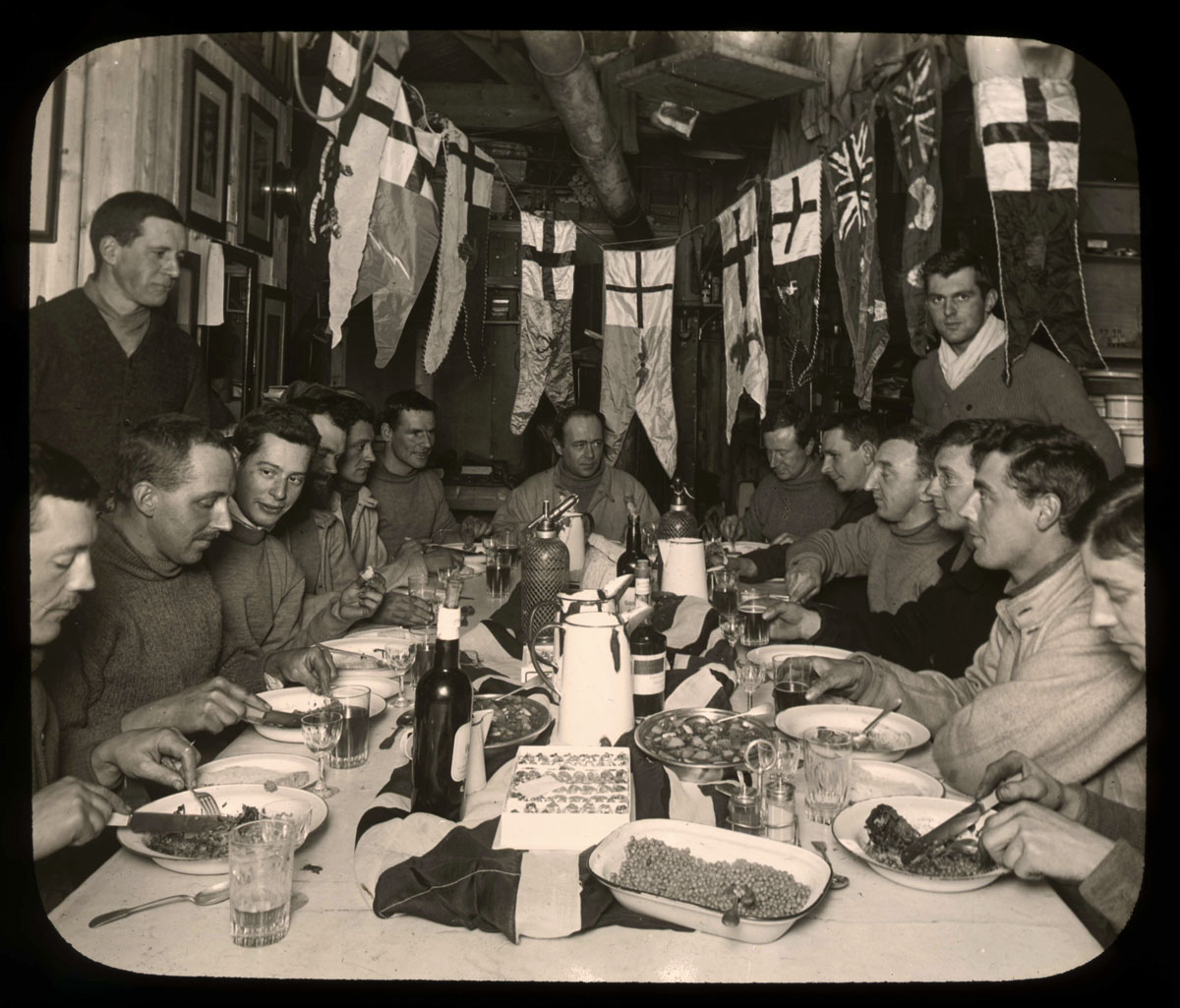
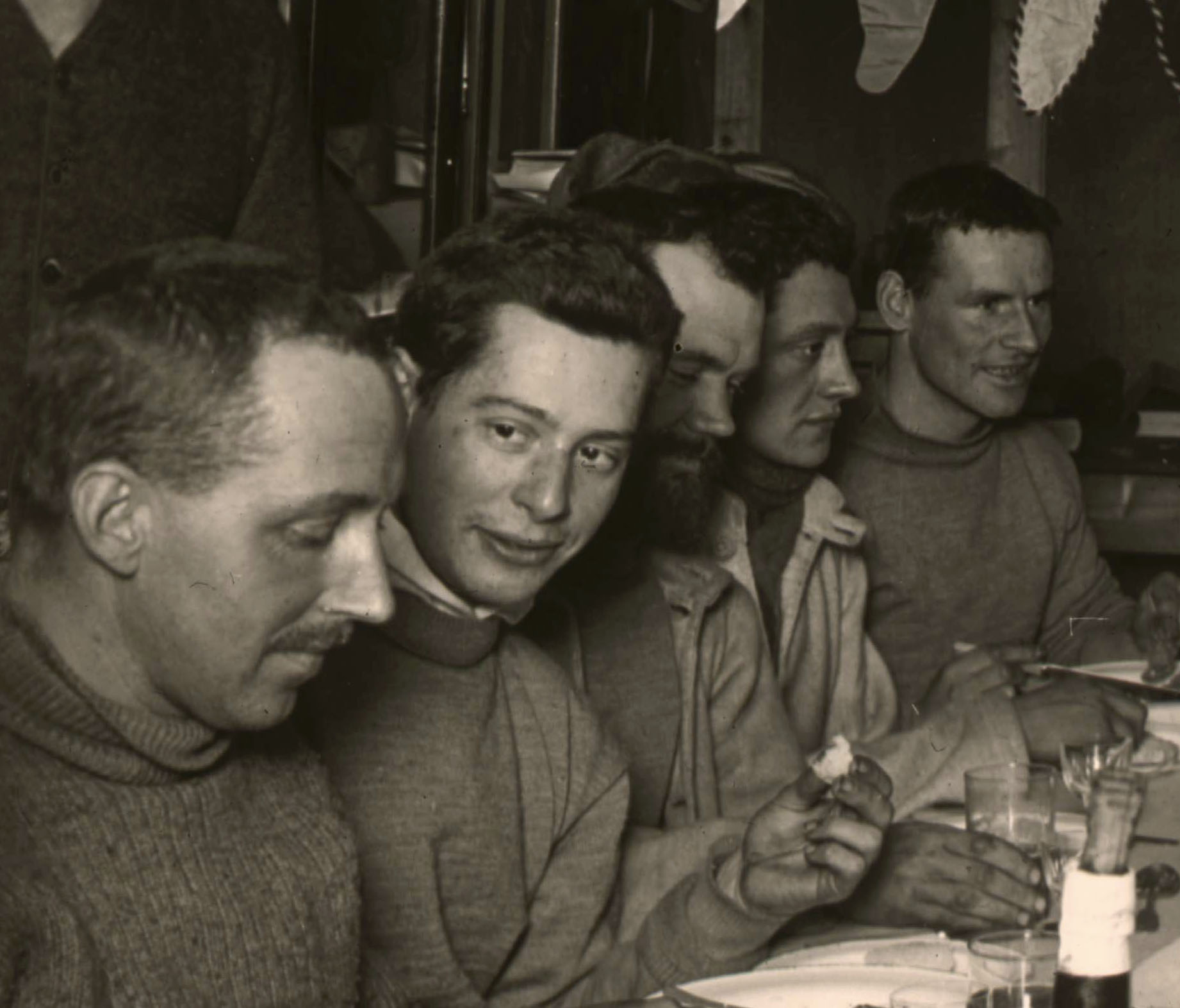
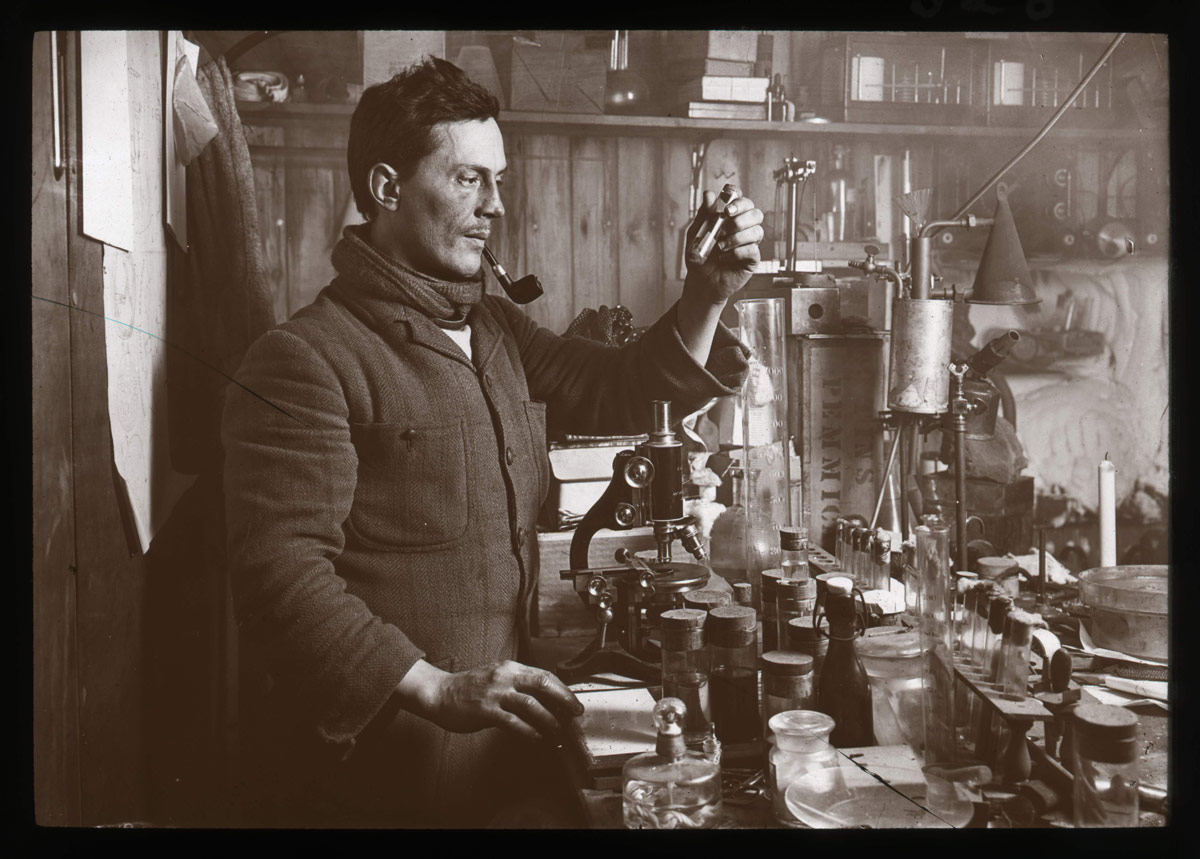
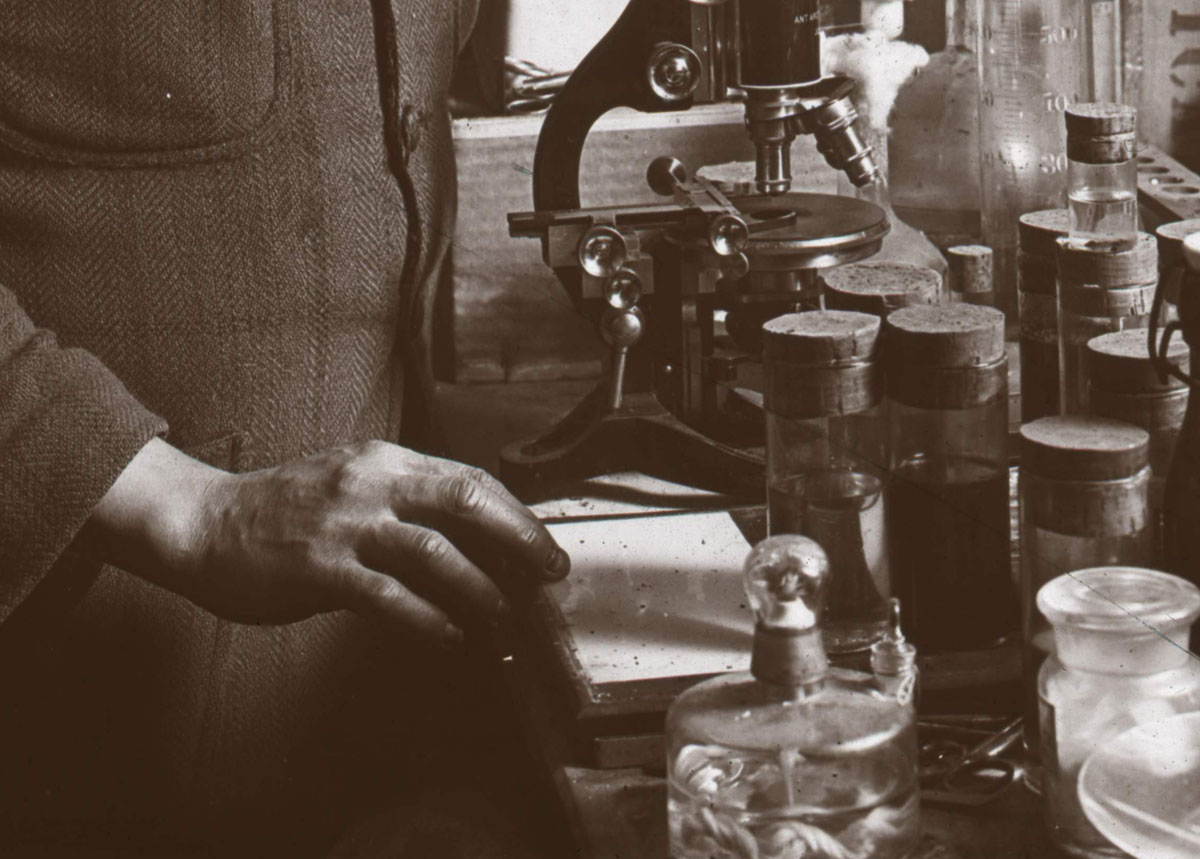
What a master of photography Ponting was. His photographs are classically framed and formally restrained; his use of light is magical. The camera always seems to be in the perfect position to capture the subject, neither too high or low but beautifully balanced so that the eye is led into the photograph, to investigate those wonderful nooks and crannies of the image plane. Because of the excellent quality press images I have been able to close in on details of the photographs (a la Ken Burns). The receding row of male faces to the left of Scott’s birthday dinner, June 1911 (below) that lead to Scott as the focal point at the head of the table, flags of St. George flying above, the two standing men acting as vertical counterpoints to the equipoise of the horizontal perspectival point – and then we glimpse the punctum of the piece of bread held between darkened fingers and thumb of the man caught in mid-conversation with his neighbour. Also note the framed images on the wall behind at top left, bearing witness to the fact that living is more civilised in such a desolate place if you are surrounded by images of culture and home.
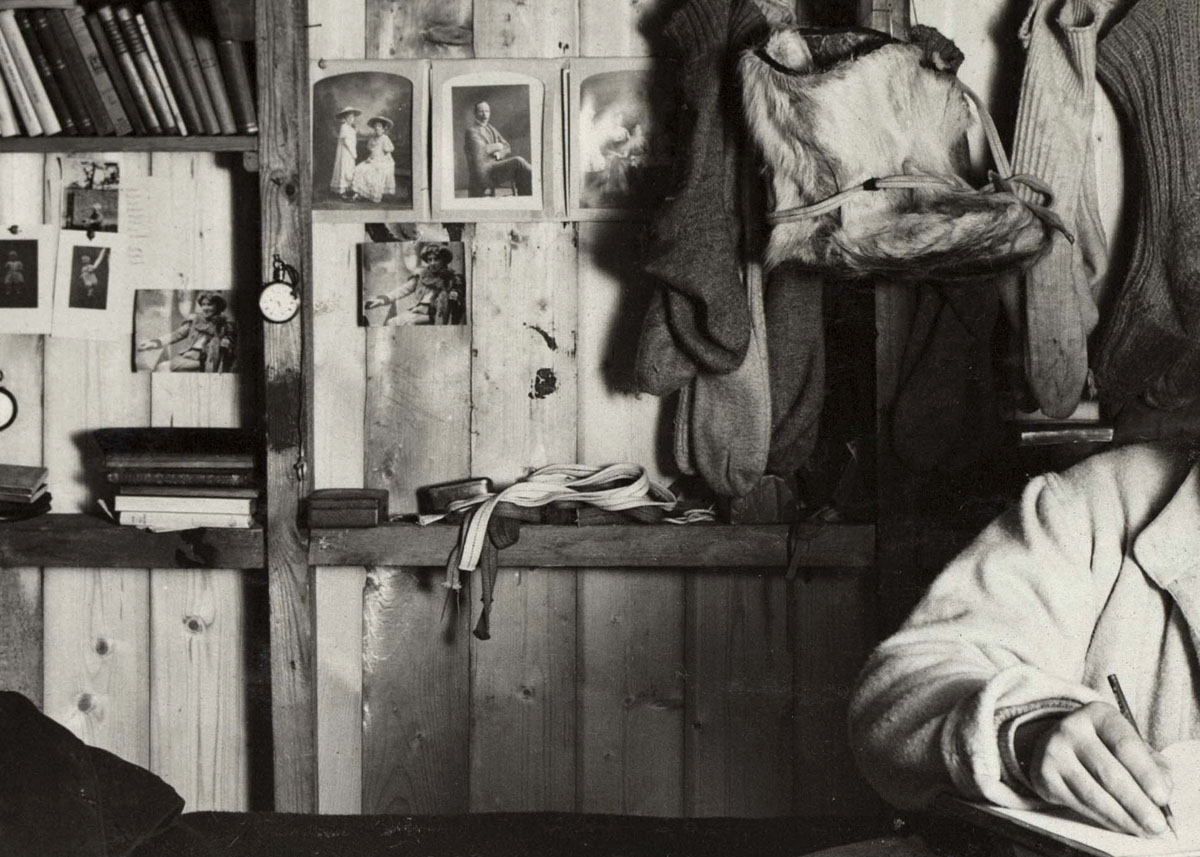
This remembrance becomes poignant in the photograph Scott writing in his area of the expedition hut, Scott’s cubicle (below). In the detail of the image we observe candid photographs of what are presumably Scott’s wife in two photographs that are slightly different from each other, his wife and child, his father and small photographs of his children pinned to the hut’s wall. Memories of home and family that become multiple momenti mori – the death of the people in the images pinned to the wall, the death present in Pontings’ photograph (the little death at the point in time that the photograph was taken) and the death of Scott himself. The pocket watch hung from a wooden post only adds to this sense of refractive timelessness.
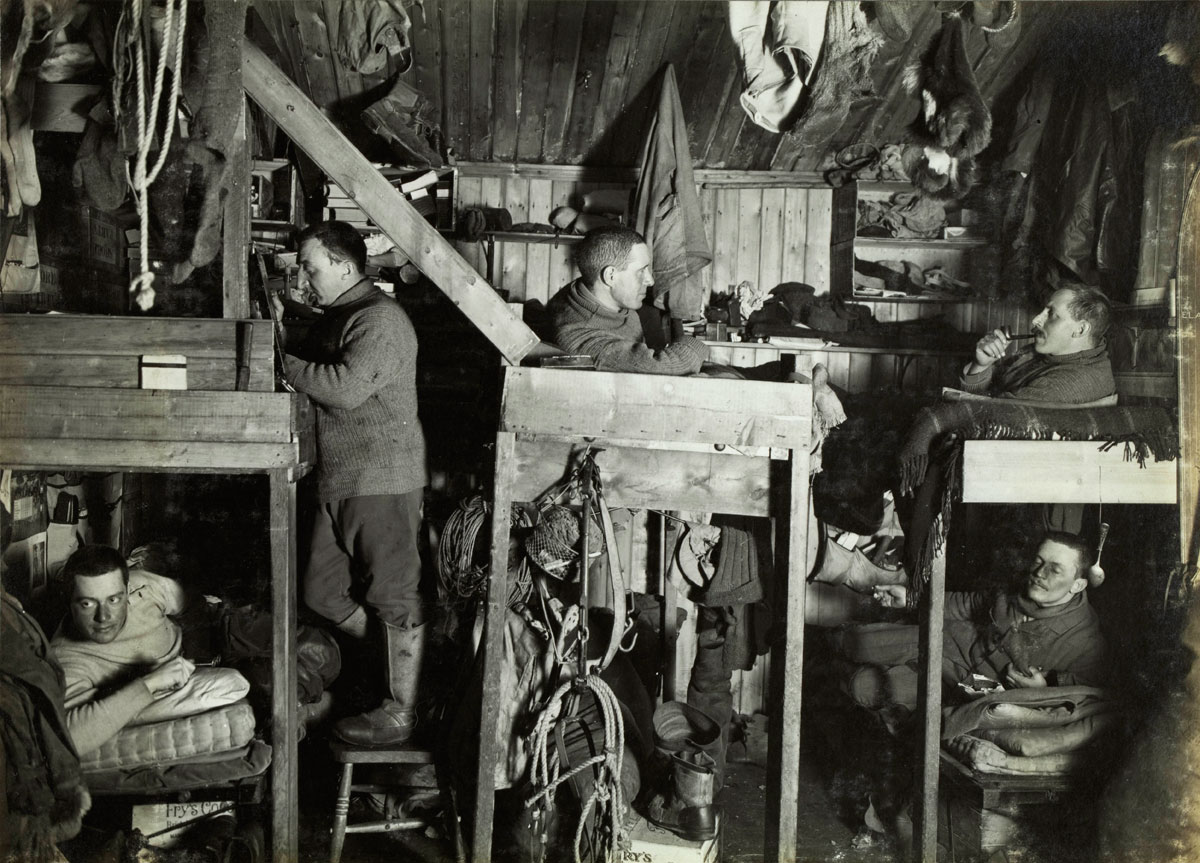
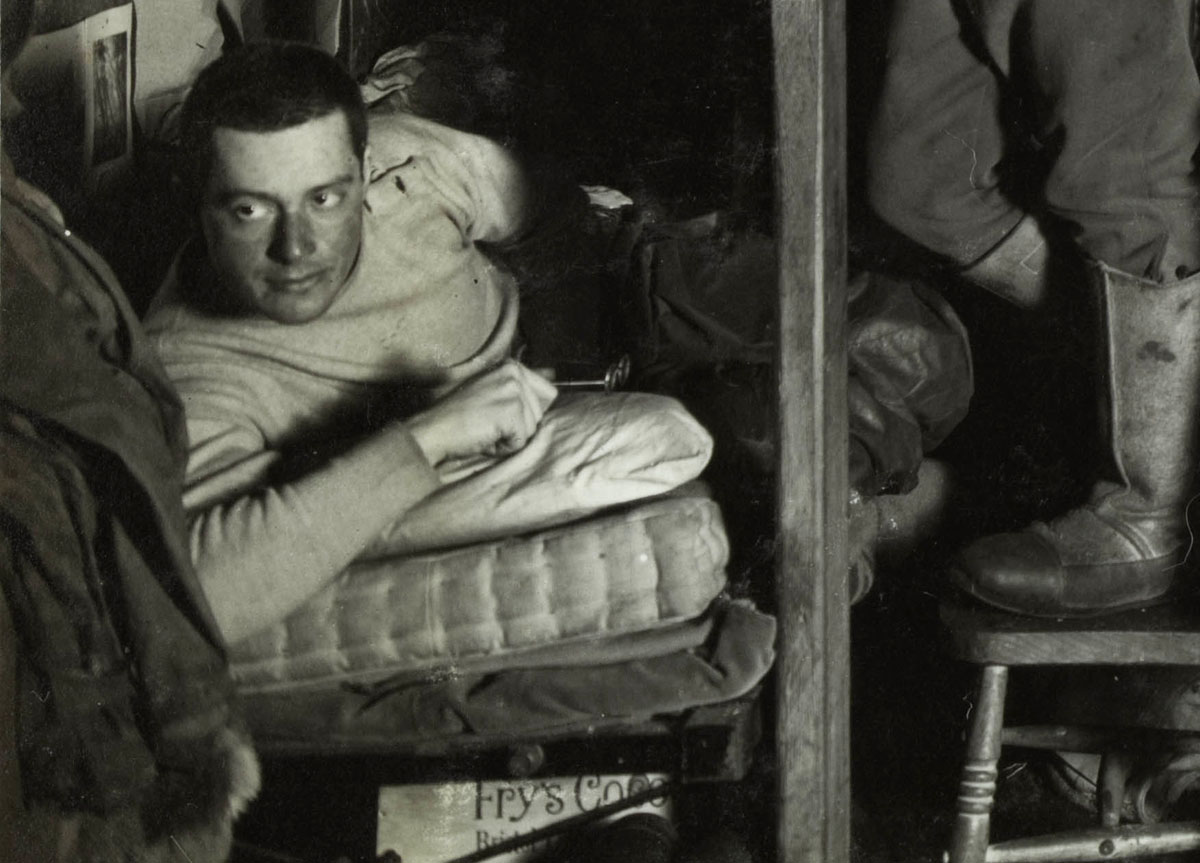
The sense of these men living in close quarters in this community is beautifully captured in Ponting’s photograph The Tenements, 9 October 1911 (below). Three vertical lozenges project into the space from the bottom of the image, each containing its own theatrical diorama. The balance and space between the men looking across, down, up and out of the image is outstanding. The distance between Oates in the top centre and the man on the right seems somehow infinite in the photograph, like the distance in Alfred Hitchcock’s film North by Northwest where Cary Grant is waiting for the bus in the middle of nowhere and on the other side of the road is another man, also waiting. The spatial tension between the two men in the photograph is palpable, emphasised by the stacked horizontal shelf behind them. The gaze of the man at bottom left allows the viewer some room for escape from the confines of the tenements and the confines of the image plane, for without that gaze the viewer would be caught with no way out. In the detail of this man we can, as before, note the importance of personal remembrances of home with a picture pinned on the wall behind his bunk and a Fry’s Cocoa box stored underneath.
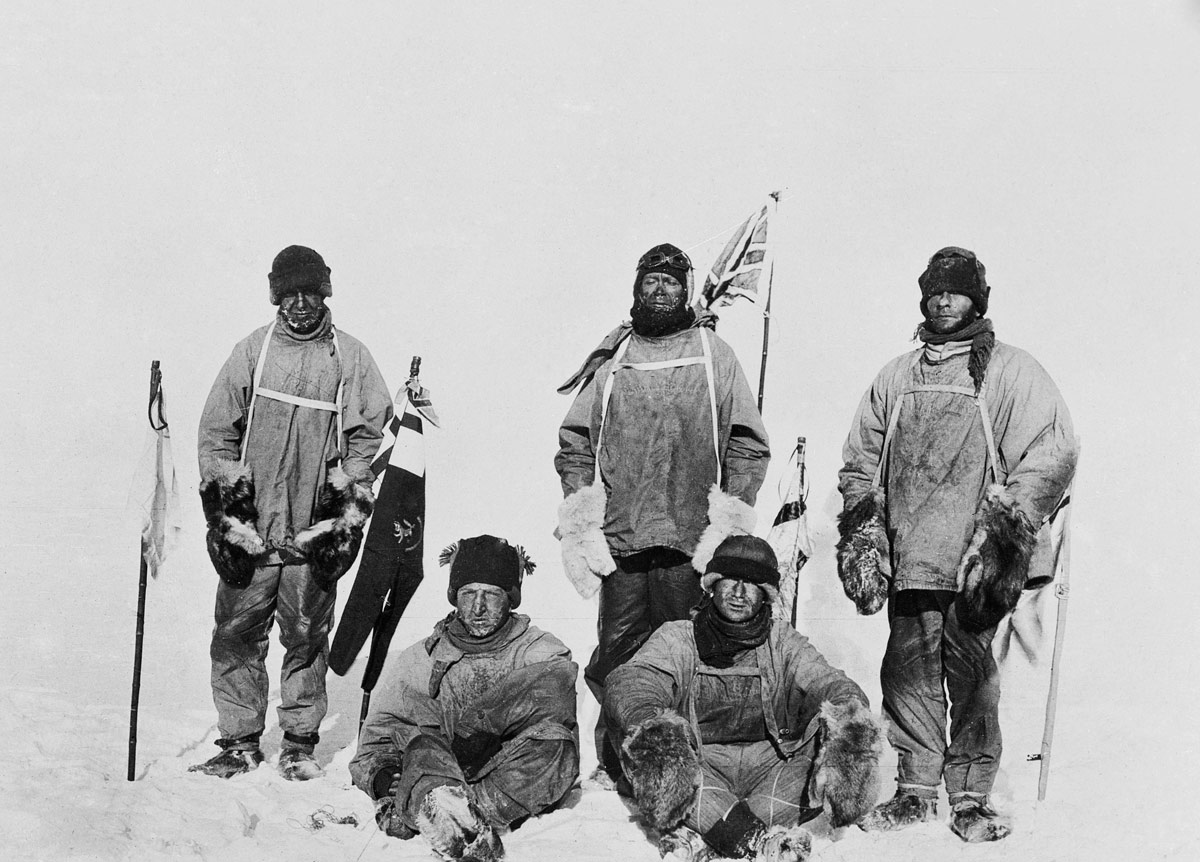
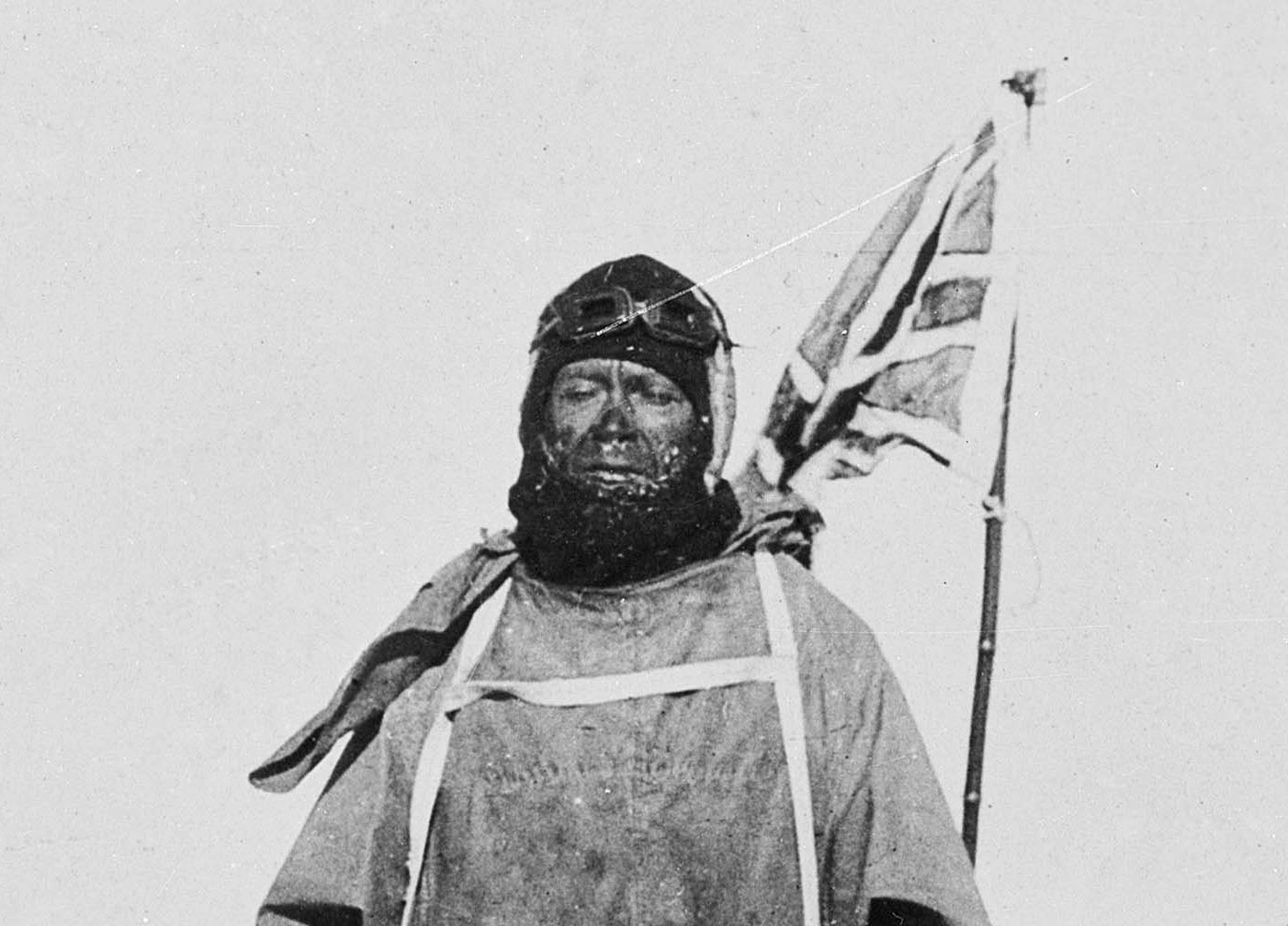
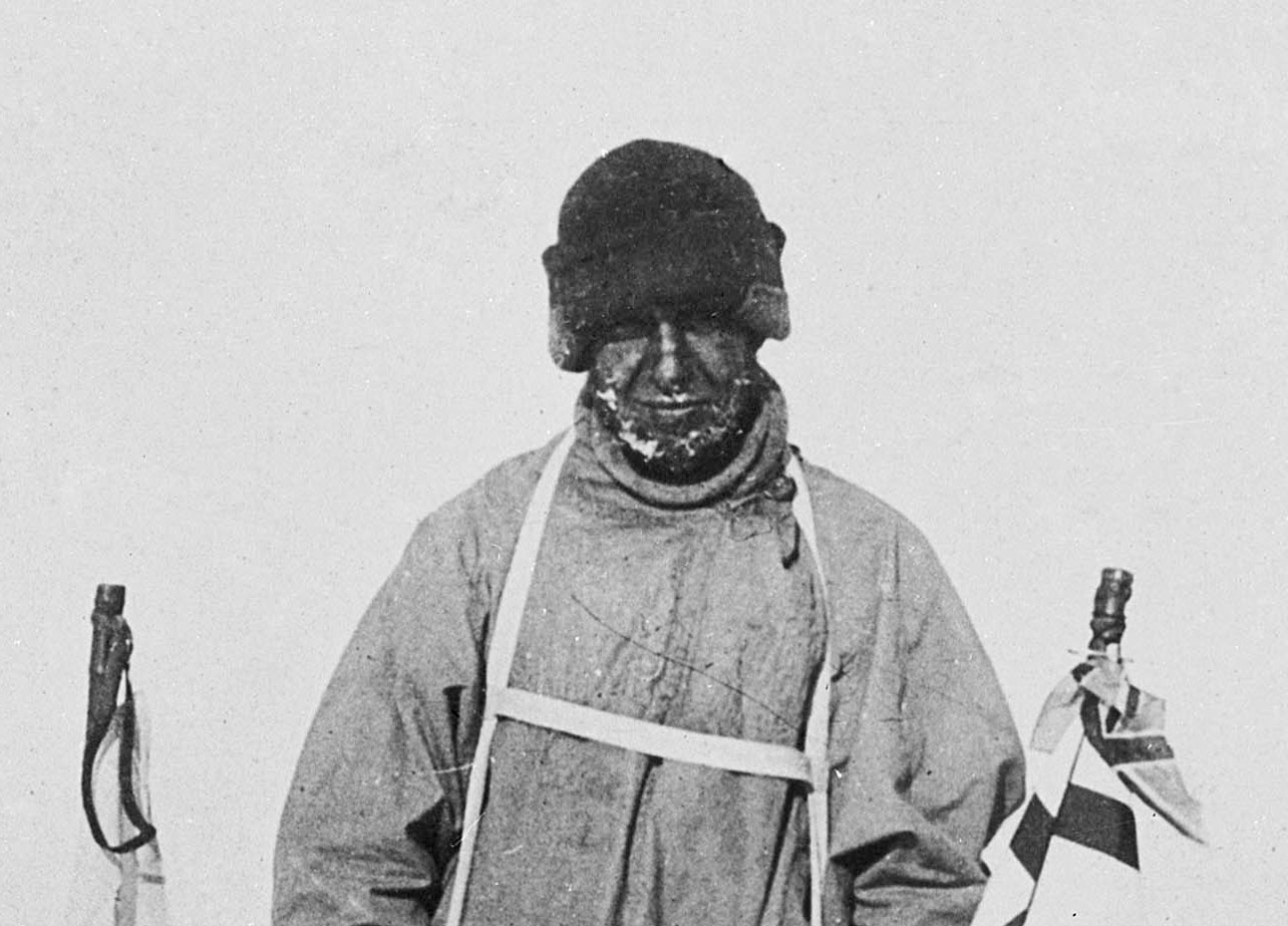
And so to the final few photographs in the posting: the famous photograph of Scott and the Polar Party at the South Pole (below) taken by Henry Bowers. Taken the day after the party had arrived at the South Pole, only to discover that Roald Amundsen had beaten them to their goal by five weeks, Bowers (seated at bottom left) used a string to release the shutter of the camera that can just be seen in his right hand in the photograph – a photograph that was then printed by Herbert Ponting from the recovered glass plate negative. In the detail of Scott and Oates in this photograph you can see the weariness, anguish and defeat in faces that are sun and wind damaged, knowing that they had to trek all the way back from this awful place (as Scott himself said, “Great God! This is an awful place”).
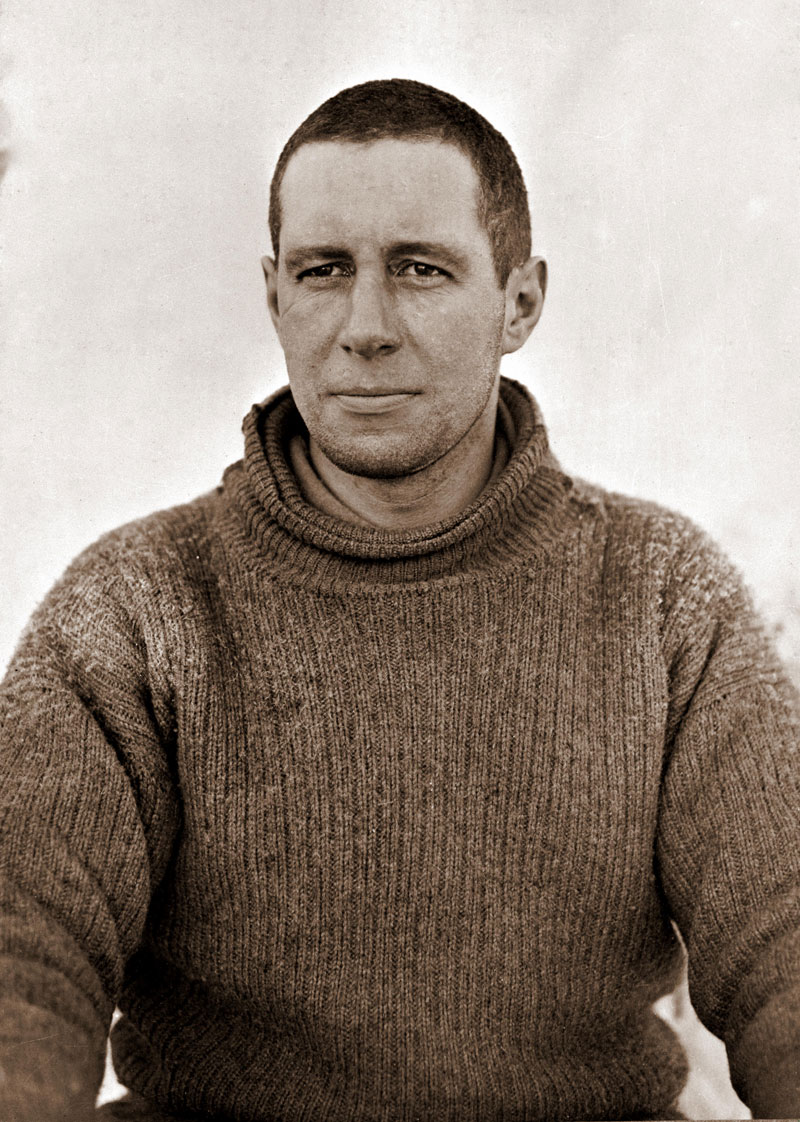
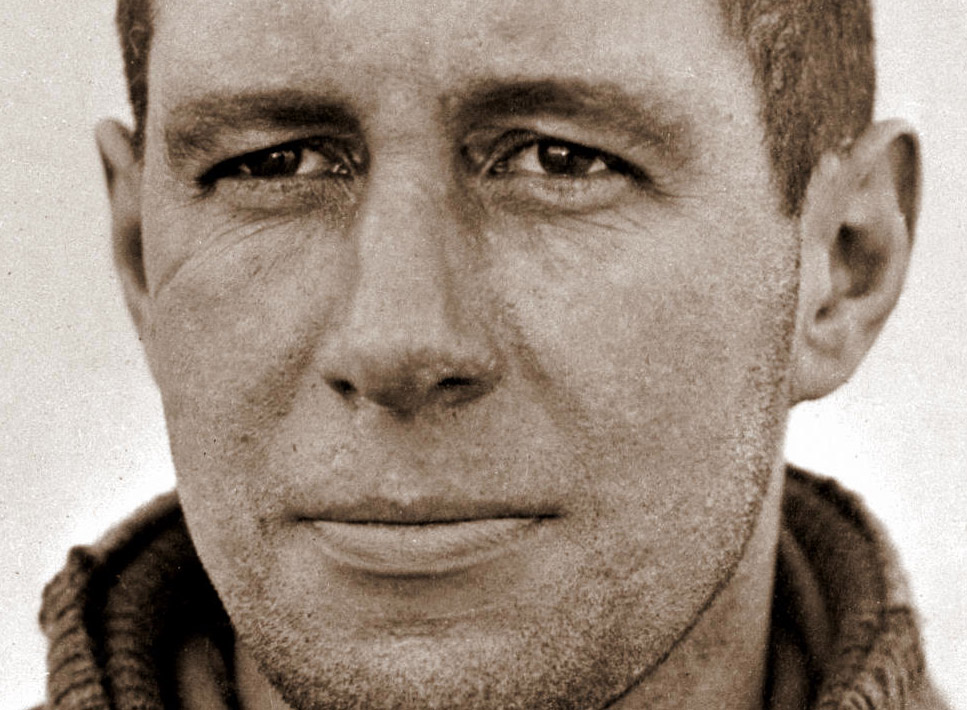
I have put a photograph by Herbert Ponting, Captain Lawrence Edward Grace Oates during the British Antarctic Expedition of 1911-1913, below the detail of him at the South Pole. The face is almost unrecognisable from the strong, handsome face in Ponting’s picture, the prominent nose now blackened and dark being the only thing that make it recognisably the same person.
In the detail of Ponting’s photograph, if you enlarge it, you can see two small points of light in his eyes, probably the light of the polar sun when Ponting took the photograph. For me these two spots of light become portents of what was to come as Oates walked out into a blizzard saying those immortal words, “I am just going outside and may be some time”. To me these points of light seared into his retina are like the driving snow that he walked out into in such a selfless act. It is very emotional for me as an Englishman and as a human being to look into the face of this man knowing what he was eventually to go through.
Though they failed in their quest to become the first to the South Pole, though Scott had his faults, for this child, for this man they will forever remain my heroes.
Dr Marcus Bunyan
Many thankx to the Australian National Maritime Museum for allowing me to publish the photographs in the posting. Please click on the photographs for a larger version of the image.
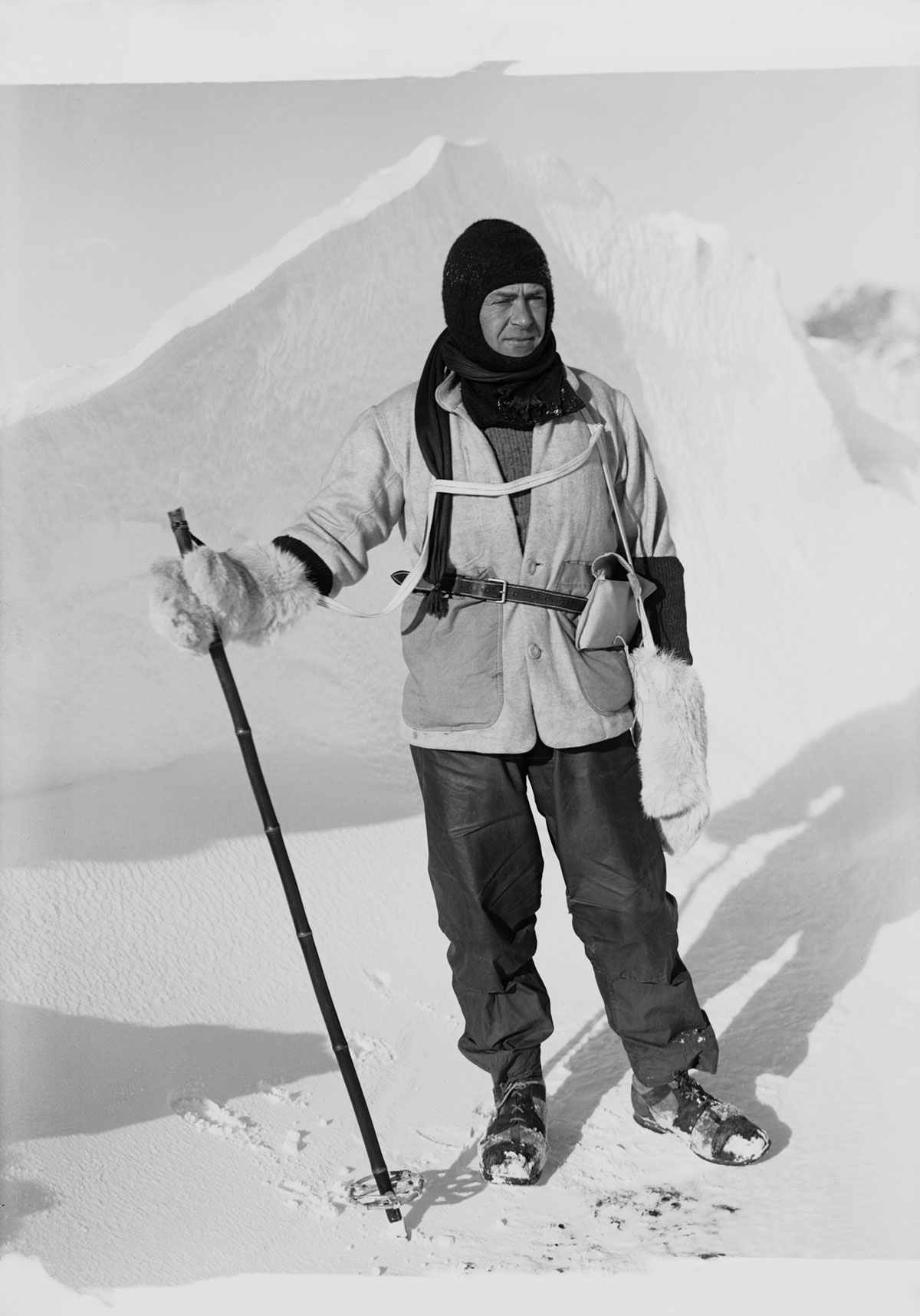
Anonymous photographer Captain Robert Falcon Scott Nd Gelatin silver print Licensed with permission of the Scott Polar Research Institute, University of Cambridge
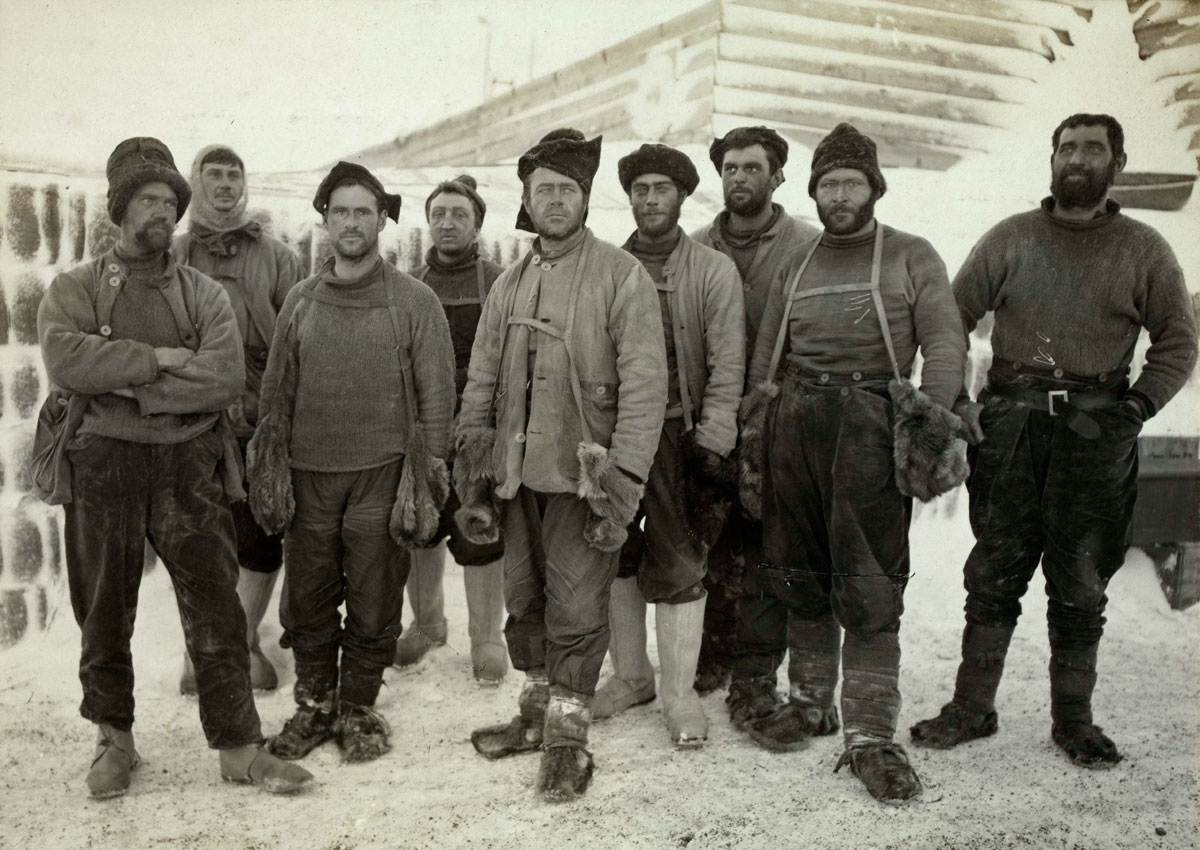
Herbert Ponting (British, 1870-1935) Members of the ‘Terra Nova’ expedition with Scott in the centre 1911 Gelatin silver print Canterbury Museum NZ
Herbert Ponting (British, 1870-1935) Scott’s birthday dinner, June 1911 1911 Gelatin silver print Canterbury Museum NZ
Herbert Ponting (British, 1870-1935) Scott’s birthday dinner, June 1911 (detail) 1911 Gelatin silver print Canterbury Museum NZ
Herbert Ponting (British, 1870-1935) Scott writing in his area of the expedition hut, Scott’s cubicle 1911 Gelatin silver print Pennell Collection, Canterbury Museum NZ
Herbert Ponting (British, 1870-1935) Scott writing in his area of the expedition hut, Scott’s cubicle (detail) 1911 Gelatin silver print Pennell Collection, Canterbury Museum NZ
Herbert Ponting (British, 1870-1935) The Tenements, 9 October 1911 1911 Gelatin silver print Pennell Collection, Canterbury Museum NZ
Herbert Ponting (British, 1870-1935) The Tenements, 9 October 1911 (detail) 1911 Gelatin silver print Pennell Collection, Canterbury Museum NZ
Herbert Ponting (British, 1870-1935) Edward Atkinson in the laboratory 1911 Silver gelatin print Canterbury Museum NZ
Herbert Ponting (British, 1870-1935) Edward Atkinson in the laboratory (detail) 1911 Silver gelatin print Canterbury Museum NZ
One hundred years after its tragic end, the definitive story of British explorer Captain Robert Falcon Scott’s Terra Nova expedition to Antarctica is being told in a major international exhibition coming to the Australian National Maritime Museum this June.
Scott’s Last Expedition will reunite real artefacts used by Scott and his team together with rare scientific specimens collected during the 1910-1913 expedition for the first time since their use in Antarctica.
When Scott set off on what was his second journey to explore the Antarctic on board the former whaling ship Terra Nova, he could not have predicted it would be his last. Tragically he and four of his colleagues died on the return trek to the South Pole two years later, having lost the race to be first. The exhibition however will go beyond the familiar tales of the journey to the Pole and the death of the Polar party to explore the Terra Nova expedition from every angle.
“Over the years public perceptions of Scott have varied greatly, from hero to flawed leader, and discussions of what really happened still captivate people,” said museum director Mary-Louise Williams today. “This exhibition will give visitors a unique opportunity to immerse themselves in this epic journey and the remarkable landscape of Antarctica,” she said.
Visitors will uncover Scott the man, learn more about the people who made up the expedition and explore every fascinating detail of this historic journey. At the centre of the exhibition will be a life-size representation of Scott’s Cape Evans’ base camp. Visitors can walk inside and get a sense of the everyday realities for the expedition’s members… from the cramped conditions and homeliness of the hut to the wealth of specimens collected and scientific investigations conducted.
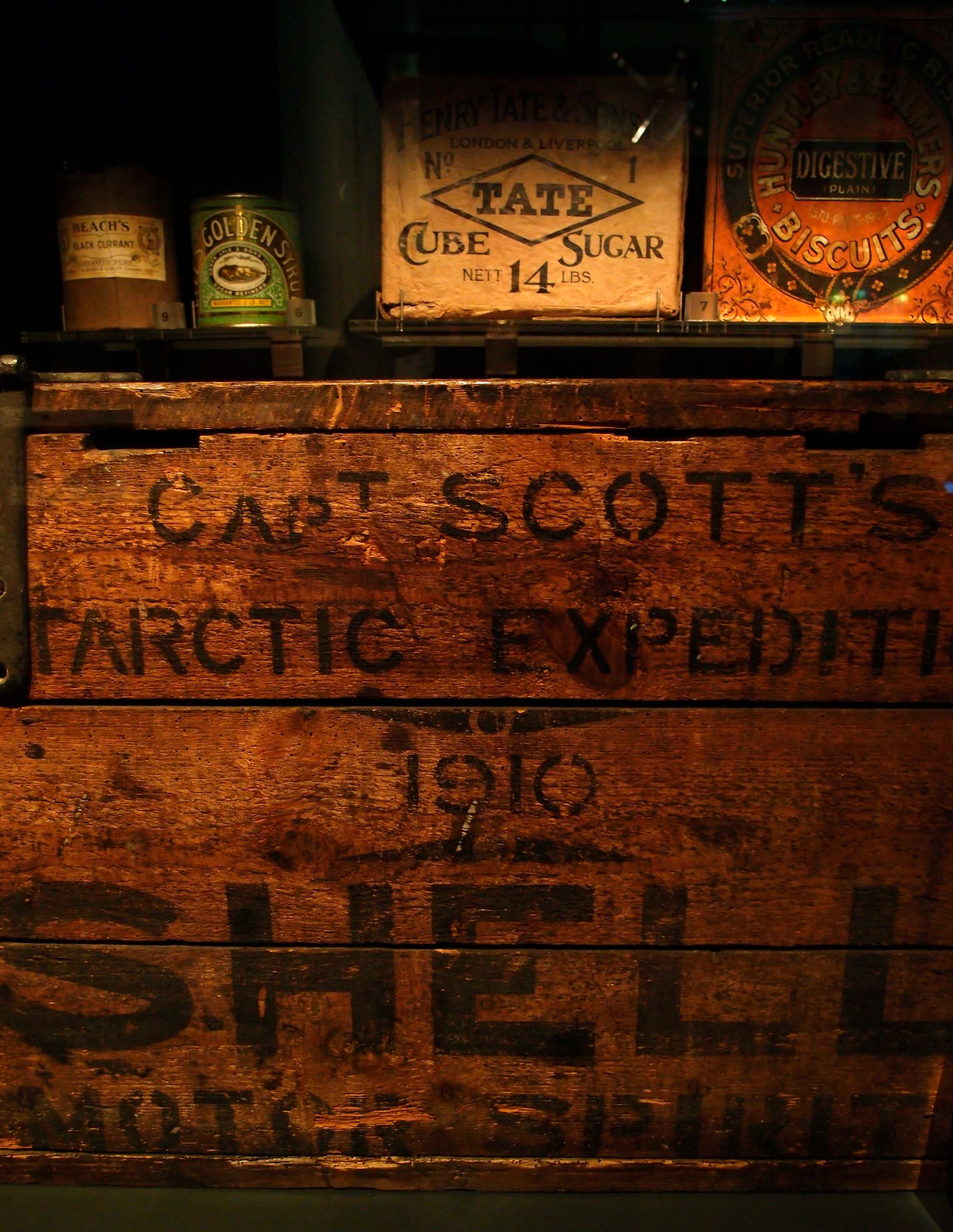
Original artefacts, equipment, clothes, and personal effects will be displayed for the first time in Australia and show the group’s attempts to make life in one of the most hostile environments on Earth as bearable as possible. Food tins including Fry’s Cocoa, Trufood Trumilk, and Symington’s Pea Flour recovered from the hut will be on display together with instruments, a microscope, and even Scott’s gramophone.
Photographs of the environment and life in camp taken by expedition photographer Herbert Ponting and poignant letters and diaries by various expedition members create a vivid picture of what life was like… working in hostile conditions, the struggles for survival and the strength of human endurance and courage.
Scott’s Terra Nova expedition made a significant contribution to Antarctic science. The expedition included a full scientific program with a large team of scientists making new discoveries which directly led to a greater understanding of Antarctica. The scientists had to endure harsh Antarctic conditions to carry out their work. It was cold, windy and completely dark in winter and, if not careful, the scientists could easily get frostbitten. And yet despite the conditions, the expedition left a rich legacy that continues to inspire and inform today.
Natural History Museum, London, the Canterbury Museum, Christchurch, New Zealand and the Antarctic Heritage Trust, New Zealand, have collaborated to create this exhibition to commemorate the centenary of the expedition and celebrate its achievements.
Press release from the Australian National Maritime Museum
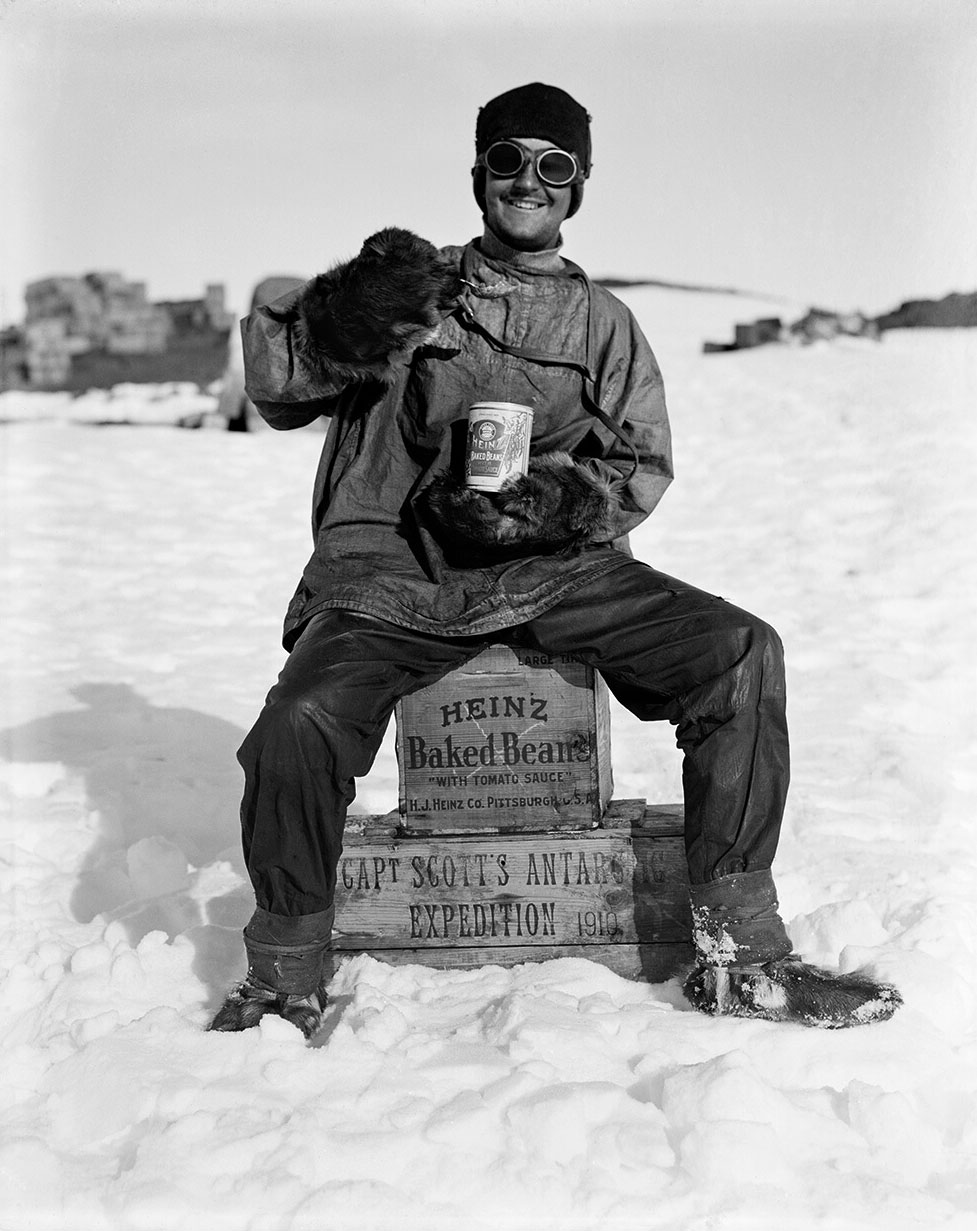
Herbert Ponting (British, 1870-1935) A member of the team tucks into a tin of Heinz baked beans in the Ross Dependency, during Captain Robert Falcon Scott’s Terra Nova Expedition to the Antarctic, January 1912 1912 Silver gelatin print Canterbury Museum NZ
Neerav Bhatt (photographer) Installation view of the exhibition Scott’s Last Expedition at the Australian National Maritime Museum, Sydney, June – October 2011 CC BY-NC-SA 2.0
Scott and the Polar Party at the South Pole Left to right: Captain Lawrence Oates, Lieutenant Henry Bowers (seated), Captain Robert Falcon Scott, Dr Edward Wilson (Seated), Petty Officer Edgar Evans 1912 Licensed with permission of the Scott Polar Research Institute, University of Cambridge
Notice the camera release cord in the right hand of Lieutenant Henry Bowers.
The fatal journey
Scott’s 1,450 km journey to the geographic South Pole began on 1 November 1911, two weeks after the Norwegian polar explorer Roald Amundsen left his base camp at the Bay of Whales. Amundsen reached the pole first – on 14 December 1911 – and then raced back to tell the world their news. Scott and his team reached the Pole a month later on 17 January 1912 having been beset by fierce weather conditions. The disappointment was immense. The return journey was undertaken in horrid weather with harsh, intense cold and violent blizzards that, in the end, defeated them. Evans failed first, suffering concussion from a fall; Oates suffered dramatic frostbite to his feet – gangrene had set in – and he crawled out of the tent saying the now famous words, “I am just going outside and may be some time”. The remaining men – Scott, Wilson and Bowers – were weak with malnutrition, starvation and exhaustion and perished on or around 29/30 March 1912 – some three weeks after the world learned that Amundsen had reached the Pole first.
Captain Robert Falcon Scott at the South Pole (detail)
Captain Lawrence Oates at the South Pole (detail)
Herbert Ponting (British, 1870-1935) Captain Lawrence Edward Grace Oates during the British Antarctic Expedition of 1911-1913 c. 1911 Silver gelatin print Photographic Archive, Alexander Turnbull Library
Herbert Ponting (British, 1870-1935) Captain Lawrence Edward Grace Oates during the British Antarctic Expedition of 1911-1913 (detail) c. 1911 Silver gelatin print Photographic Archive, Alexander Turnbull Library
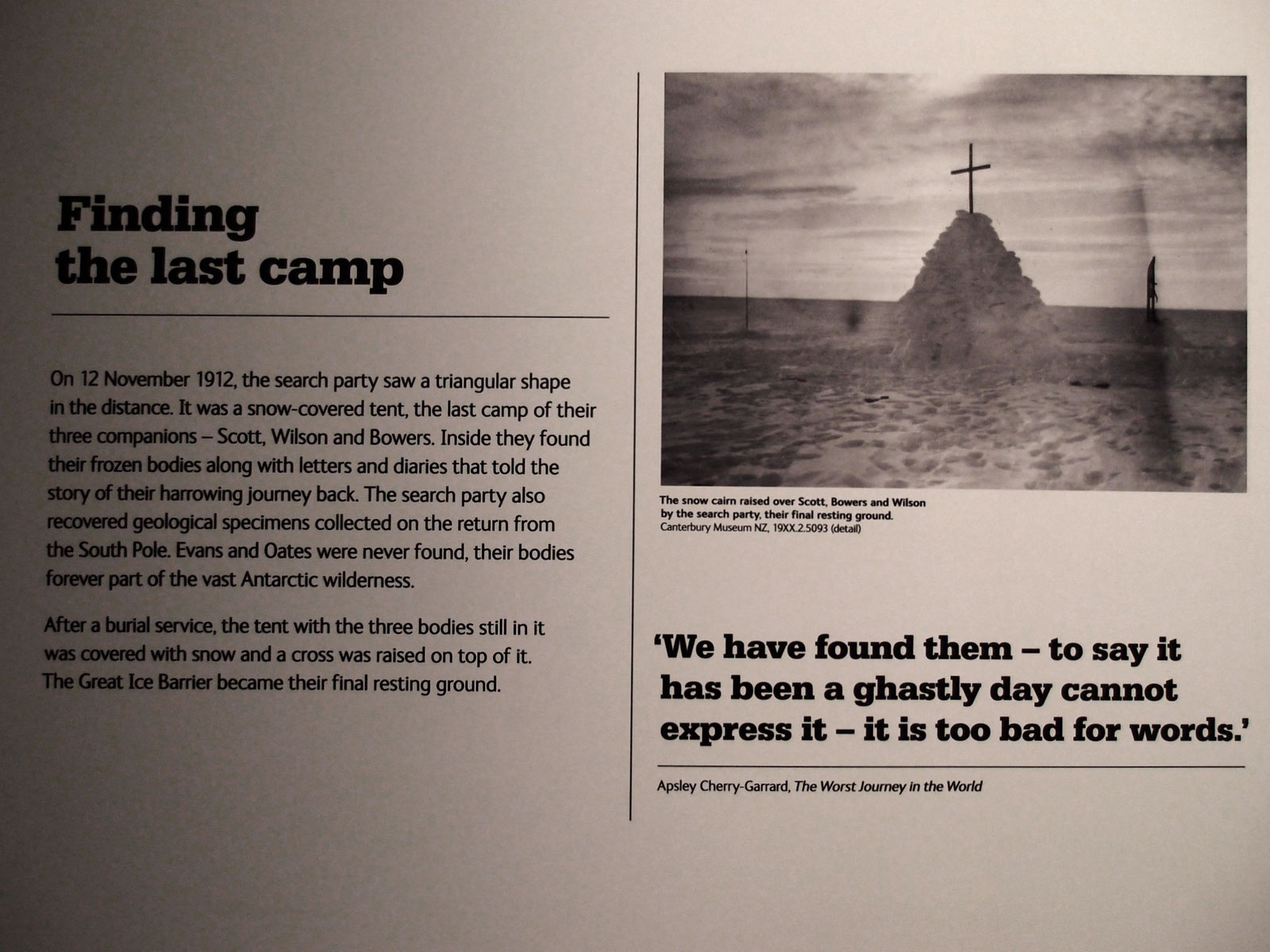
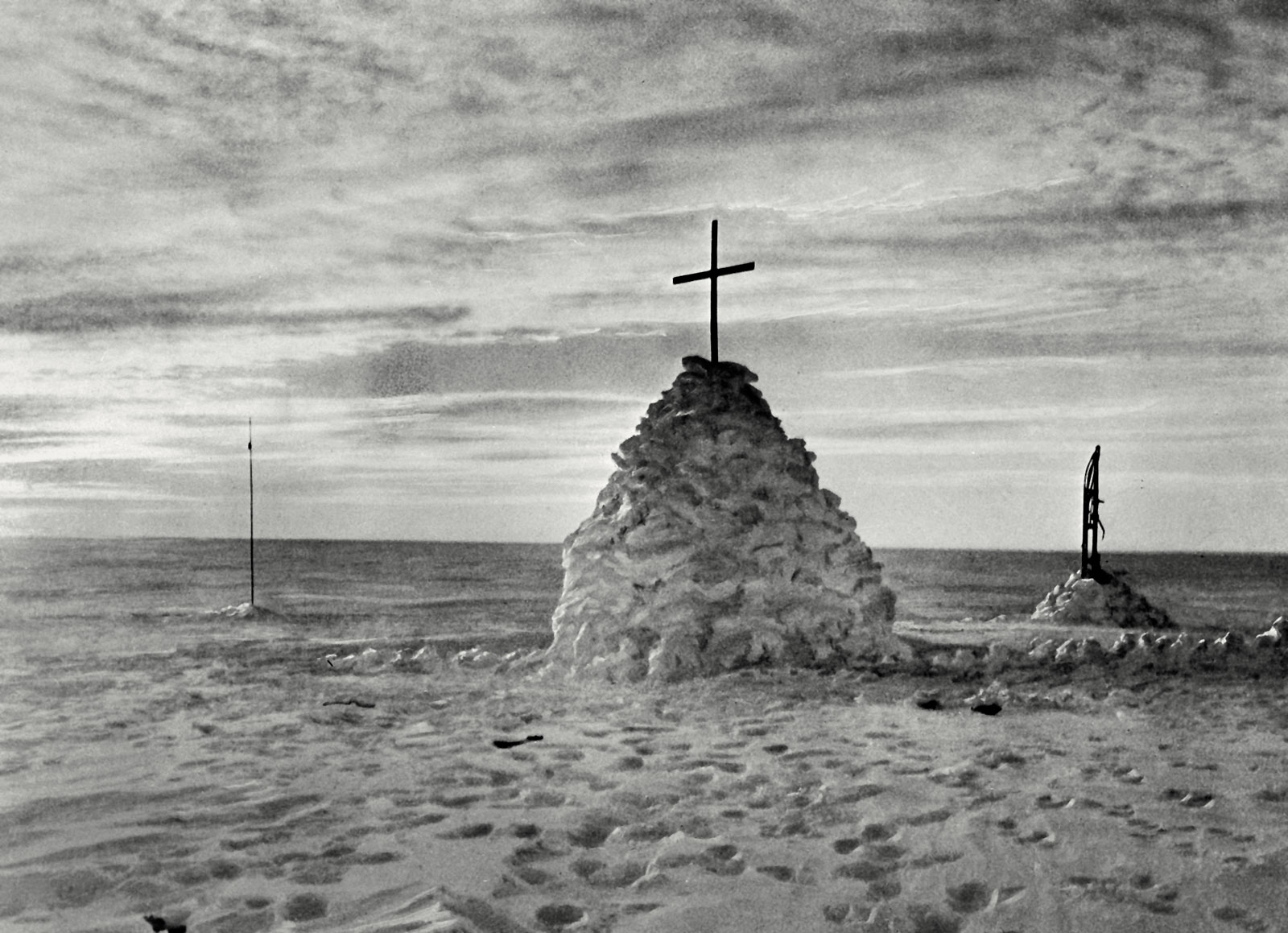
Anonymous photographer The snow cairn raised over Scott, Bowers and Wilson by the search party, their final resting ground (detail) 1912 Silver gelatine print Canterbury Museum NZ
Australian National Maritime Museum 2 Murray Street Darling Harbour Sydney NSW 2000 Australia




























 Art Blart _ art and cultural memory archive
You must be logged in to post a comment.