Curators: Kate Addleman-Frankel, the Gary and Ellen Davis Curator of Photography at the Johnson, and Stacey Lambrow, curator of the Loewentheil Photography of China Collection, with the assistance of Yuhua Ding, curatorial assistant for Asian art at the Johnson.
Lai Fong (Chinese, c. 1839-1890) [Actors] 1870s Albumen print Collection of Stephan Loewentheil, Cornell JD 1975
Such a rare commodity (and I use the word deliberately) – an Indigenous photographer – in a world educated “in the colonial view of photography’s history that has privileged Western travel photographers.” And yet, Lai Fong buys into the photographic conventions of the day, based on Western ideals of ethnographic portraiture and documentary landscape photography, to sell his impressive product range. In a photograph such as [Group portrait near Fangguangyan Monastery, Fujian] (c. 1869, below) the positioning of the European figures could have come straight out of an Édouard Manet painting, complete with their air of posed insouciance. Even in the photograph of a brothel, a Canton boat which served only wealthy Chinese clients [Flower boat, Guangzhou] (1870s, below), the West encroaches, as can be seen by the funnels and sails of a ship that lurks behind the traditional floating pleasure den.
Only rarely do we glimpse Lai Fong’s individuality as an artist… the low camera position, long vanishing point and panoramic landscape of the two magnificent images [Ming Tombs, Beijing] (1879, below); or the sublime construction of the image in photographs such as [Piled Stone Peaks in Mount Wuyi] (c. 1869, below) with its reference to Chinese brush-and-ink landscape painting known as Shan shui.
Dr Marcus Bunyan
Many thankx to the Johnson Museum of Art for allowing me to publish the photographs in the posting. Please click on the photographs for a larger version of the image.
Installation views of the exhibition Lai Fong (ca. 1839-1890): Photographer of China at the Herbert F. Johnson Museum of Art, Cornell University Credit: David O. Brown, Johnson Museum
This exhibition introduces viewers to the work of Lai Fong, arguably the most ambitious and successful photographer of nineteenth-century China. He began practicing under the name Afong in Hong Kong in the 1860s, and over the next twenty years built a towering reputation on his illustrious clientele, his impressive product range, and a catalogue of views of China “larger, choicer, and more complete… than any other in the Empire,” according to his advertisements. His photographs of Chinese cities, monuments, people, and land – however shaped by the desires of his cosmopolitan clientele – stand as records of places that have changed often beyond recognition, and of his own artistry, exuberance, and entrepreneurial brilliance. Managed by his son and daughter-in-law after his death, his studio persisted into the 1940s, an instance of remarkable longevity in a famously difficult field.
“Despite the historical fame of Lai’s studio and the reach of his photographs, which exist today in collections worldwide, Lai remains little known outside of specialist circles,” said Kate Addleman-Frankel, the Gary and Ellen Davis Curator of Photography at the Johnson Museum. “His work is understudied and rarely exhibited, the result in part of a colonial view of photography’s history that has privileged Western travel photographers over indigenous practitioners. Lai Fong: Photographer of China is not only the first exhibition dedicated to Lai, but to any Chinese photographer working in the initial decades of photography’s global proliferation.”
The exhibition brings together almost fifty images, many of which have never been previously published or exhibited, suggesting them as emblematic of one of the nineteenth century’s most significant, and significantly overlooked, photographic careers. They are drawn primarily from the singular collection of Stephan Loewentheil, JD ’75, who over three decades has assembled one of the world’s foremost collections of early photographs of China. Other lenders to the exhibition include the Cornell Library’s Division of Rare and Manuscript Collections, the Metropolitan Museum of Art, and the Getty Research Institute.
Of special note is the Ming Tombs album from Cornell Library’s Division of Rare and Manuscript Collections. This album of ninety-five photographs of Beijing has been in the collection of the Cornell Library since 1940. In 2019, the photographs were attributed to Lai by Kate Addleman-Frankel, the Gary and Ellen Davis Curator of Photography at the Johnson, as part of ongoing research on the university’s collections of Asian photographs. The album is a remarkable compendium, the most complete collection of Lai’s images of the Chinese capital yet discovered. At least nineteen of them may have been entirely unknown previously; they do not appear in the only catalogue of Lai’s photographs reconstructed to date, by the historian Terry Bennett.
This exhibition was curated by Kate Addleman-Frankel, the Gary and Ellen Davis Curator of Photography at the Johnson, and Stacey Lambrow, curator of the Loewentheil Photography of China Collection, with the assistance of Yuhua Ding, curatorial assistant for Asian art at the Johnson. It is supported in part by the Helen and Robert J. Appel Exhibition Endowment.
Press release from the Herbert F. Johnson Museum of Art
Lai Fong (Chinese, c. 1839-1890) [Itinerant barber] 1870s Albumen print Collection of Stephan Loewentheil, Cornell JD 1975
Genre images like these, along with views of monuments, cities, and natural scenery, were central to the Chinese photography market. Lai created them both at home and on expedition, setting up makeshift studios where necessary. The photographs feature people who may or may not have actually inhabited the traditional roles they play for the camera: Lai had a talent for summoning natural postures and expressions from subjects he had costumed and arranged.
Lai’s photographs certainly appealed to Chinese buyers but, like most nineteenth-century photographs of China, they were largely produced for export. They left Hong Kong as souvenirs with the international officials, merchants, missionaries, and tourists who began to enter Chinese cities in great numbers in the 1860s, after successive incursions by the British military forced the Qing dynasty to expand foreigners’ access to the country.
Lai Fong (Chinese, c. 1839-1890) [Flower boat, Guangzhou] 1870s Albumen print Collection of Stephan Loewentheil, Cornell JD 1975
For hundreds of years, floating brothels existed on the Pearl River Delta, part of a river scene that grew alongside maritime trade between China and Europe in the eighteenth century. The boats in most harbours were open to men from any nation, but the Canton boats served only Chinese clients, primarily the wealthy elite. Called flower boats, they were places of lavish entertainment. They could be exquisitely constructed and outfitted, and were often romantically depicted in souvenir paintings.
Despite the boats’ glamorous reputation, the industry turned on slavery. The women and girls working aboard were the property of the boats’ owners, purchased as children and trained in appealing to men of high society. When age or disease rendered them no longer lucrative, they were sold or discarded. Such cruelty was increasingly reviled as the century wore on. The last boats disappeared in the 1930s.
Lai Fong (Chinese, c. 1839-1890) [Beijing] 1879 Albumen print Division of Rare and Manuscript Collections, Cornell University Library
Lai Fong (Chinese, c. 1839-1890) [Ming Tombs, Beijing] 1879 From an album of albumen prints Cornell University Library, Division of Rare and Manuscript Collections
Lai Fong (Chinese, c. 1839-1890) [Ming Tombs, Beijing] 1879 From an album of albumen prints Cornell University Library, Division of Rare and Manuscript Collections
This album of ninety-five photographs of Beijing has been in the collection of the Cornell Library since 1940. In 2019, the photographs were attributed to Lai by Kate Addleman-Frankel, the Gary and Ellen Davis Curator of Photography at the Johnson Museum, as part of ongoing research on the university’s collections of Asian photographs. The album is a remarkable compendium, the most complete collection of Lai’s images of the Chinese capital yet discovered. At least nineteen of them may have been entirely unknown previously; they do not appear in the only catalogue of Lai’s photographs reconstructed to date, by the historian Terry Bennett.
Lai traveled to what was then Peking in 1879, possibly on the invitation of the foreign diplomats whose portraits are included in the album. Alongside these portraits are views of the monuments of the ancient city, including temples, pagodas, the observatory, the Summer Palace, and the Ming Tombs. As here, many of these monuments are pictured from a distance. Lai makes the approach to the subject as central to the picture as the subject itself.
Lai Fong (Chinese, c. 1839-1890) Part of the Bund, Shanghai 1870s From an album of albumen prints Getty Research Institute, Clark Worswick collection of photographs of China and Southeast Asia
Lai Fong (Chinese, c. 1839-1890) Part of the Bund, Shanghai 1870s From an album of albumen prints Getty Research Institute, Clark Worswick collection of photographs of China and Southeast Asia
Contrary to accounts first propagated by its early European and American inhabitants, Shanghai had not been an inconsequential place – a “fishing village on a mudflat,” as one famous city guide put it – before it was opened to foreign settlement and trade by the 1842 Treaty of Nanking. In fact, for centuries it had been an important point along trade routes between China and Southeast Asia, and by the 1830s it had a quarter of a million inhabitants. Nonetheless, its growth after 1842 was explosive. By the start of the new century its physical size had more than doubled, its population quadrupled, and it had become a global commercial capital.
The landmarks of the early decades of this era – the Hong Kong and Shanghai Bank, the Shanghai Club, many of the important mercantile hongs, or trading houses – were clustered along the Shanghai Bund. This waterfront embankment district reached the International Settlement at one end and the French Concession at the other.
Lai Fong (Chinese, c. 1839-1890) [Group portrait near Fangguangyan Monastery, Fujian] c. 1869 Albumen print Metropolitan Museum of Art, Gilman Collection Purchase, Robert Rosenkranz Gift, 2005
Around 1869, Lai was invited by foreign residents of Fuzhou to record a private excursion by boat to the Fangguangyan Monastery, a “hanging temple” known for its spectacular location and design. Lai posed the group for photographs at several spots along the route.
The rather illustrious expedition party included Charles Sinclair, the British Consult of Fuzhou, who sits on the stool at left; Sinclair’s wife, who leans against the rock wall; Baron de Méritens, an Imperial Maritime Customs Service commissioner, who perches on a rock at center; Prosper Giquel, Director of the Fuzhou Arsenal, who stands by Sinclair’s wife; and Francis Temple, an accountant at the Shanghai branch of the Oriental Bank, who is stretched out informally in the foreground. The man adopting a similar pose in the background remains unidentified.
Lai Fong (Chinese, c. 1839-1890) [Piled Stone Peaks in Mount Wuyi] c. 1869 Metropolitan Museum of Art, Gilman Collection Purchase, Robert Rosenkranz Gift, 2005
Shan shui was a traditional form of Chinese brush-and-ink landscape painting that followed a complex set of compositional and conceptual rules. Lai refers to it in his images of magnificent natural forms, but photography grounded his representations in the observed, external world – a key difference from the idealism of shan shui pictures.
In his picture of Mount Wuyi, Lai monumentalises the Danxia landform that characterises the mountain, located in the southern suburb of Wuyishan, Fujian. Danxia comprise isolated hills and steep layered rocks of red sandstone that have been shaped by eons of weathering and fluvial erosion. Lai was among the first Chinese photographers to photograph Mount Wuyi’s marvellous stone peaks.
Lai Fong (Chinese, 1839-1890) Bridal Carriage 1870s Albumen silver print from glass negative Courtesy of the Loewentheil Collection
Lai Fong (Chinese, 1839-1890) Chinese Junks, Hong Kong 1870s Albumen silver print from glass negative Courtesy of the Loewentheil Collection
Lai Fong (Chinese, 1839-1890) Dragon Boat Race, Guangzhou 1870s Albumen silver print from glass negative Courtesy of the Loewentheil Collection
Lai Fong (Chinese, 1839-1890) Waterfall in the Dinghu Mountains 1870s Albumen silver print from glass negative Courtesy of the Loewentheil Collection
Lai Fong (Chinese, 1839-1890) Portrait of an Official 1870s Albumen silver print from glass negative Courtesy of the Loewentheil Collection
Attributed to Lai Fong (Chinese, 1839-1890) Culling Tea c. 1869 Albumen silver print from glass negative 6 15/16 × 9 3/8 in. (17.6 × 23.8cm) Gilman Collection, Purchase, Robert Rosenkranz Gift, 2005 CC0 1.0 Universal (CC0 1.0) Public Domain
Lai Fong (Chinese, 1839-1890) Portrait of a Merchant c. 1870 Albumen print 29 cm x 22cm Loewentheil Photography of China Collection
Herbert F. Johnson Museum of Art Cornell University, 114 Central Avenue, Ithaca, NY 14853
There is no more important book to understand our times than Albert Camus’s The Plague, a novel about a virus that spreads uncontrollably from animals to humans and ends up destroying half the population of a representative modern town. Camus speaks to us now not because he was a magical seer, but because he correctly sized up human nature. As he wrote: ‘Everyone has inside it himself this plague, because no one in the world, no one, can ever be immune.’
Text from the YouTube website
Albert Camus La Peste (The Plague) 1947
What does plague mean for humanity – in his philosophy… we are all, unbeknownst to us, already living through a plague. That is, a widespread, silent invisible disease that may kill any of us at any time and destroy the lives we assumed were solid [death].
The actual historical incidents we call plagues are merely concentrations of a universal precondition, they are dramatic instances of a perpetual rule: that we are vulnerable to being randomly exterminated, by a bacillus, an accident or the actions of our fellow humans. Our exposure to plague is at the heart of Camus’s view that our lives are fundamentally on the edge of what he termed ‘the absurd’.
For Camus, when it comes to dying, there is no progress in history, there is no escape from our frailty; being alive always was and will always remain an emergency, as one might put it, truly an inescapable ‘underlying condition’.
Plague or no plague, there is always – as it were – the plague, if what we mean by this is a susceptibility to sudden death, an event that can render our lives instantaneously meaningless.
Life is a hospice, never a hospital.
Camus writes: ‘Pestilence is so common, there have been as many plagues in the world as there have been wars, yet plagues and wars always find people equally unprepared.’
In one of the most central lines of the book, Camus writes: ‘This whole thing is not about heroism. It’s about decency. It may seem a ridiculous idea, but the only way to fight the plague is with decency.’
In the words of one of his characters, Camus knew, as we do not, that ‘everyone has inside it himself this plague, because no one in the world, no one, can ever be immune.’
Curator: Arpad Kovacs, assistant curator of photographs at the museum
Peter Henry Emerson (British born Cuba, 1856-1936) Coming Home from the Marshes 1886 Platinum print Image: 19.8 × 28.9cm (7 13/16 × 11 3/8 in.) The J. Paul Getty Museum, Los Angeles
Glorious. adjective: having a striking beauty or splendour.
I have seen quite a few vintage platinum prints over the years, from Paul Strand to Robert Mapplethorpe (even though he didn’t print them himself). And there has always struck me about them a lusciousness, a pleasingly rich “atmosphere” which appeals strongly to the senses, through an almost erotic charge of intensity.
Contrary to the contemporary mania for pure blacks and whites in an image, platinum prints, with their wide gamut, can have an innumerable number of greys in their tonal range which form a holistic whole in the rendition of the subject. For example, Frederick H. Evans’ Kelmscott Manor: In the Attics (2) (1896, below) has a delicacy of description and a glowing aura seemingly emanating from the very depths of the image, which fetishises the photographic object, itself.
As in a drizzle of light rain – and emerging from Pictorialist conventions of sfumato – there is a liquidity to the tonality of platinum prints, as though there is mercury flowing under the surface of the paper. Glorious.
Dr Marcus Bunyan
Many thankx to the J. Paul Getty Museum for allowing me to publish the photographs in the posting. Please click on the photographs for a larger version of the image.
Admired for their velvety matte surface, wide tonal range, and neutral palette, platinum prints helped establish photography as a fine art. Introduced in 1873, the process was championed by prominent photographers until platinum’s use was restricted in World War I and manufacturers were forced to introduce alternatives. The process attracted renewed interest in the mid-twentieth century from a relatively small but dedicated community of practitioners. This exhibition draws from the Museum’s collection to showcase some of the most striking prints made with platinum and the closely related palladium processes.
Text from the J. Paul Getty Museum website
Eveleen W. H. Myers (British, 1856-1937) Leopold Hamilton Myers as ‘The Compassionate Cherub’ about 1888-1891 Platinum print Image: 24.4 × 29cm (9 5/8 × 11 7/16 in.) The J. Paul Getty Museum, Los Angeles
Sarah Choate Sears (American, 1858-1935) Helen Sears 1895 Platinum print Image: 22.8 × 18.7cm (9 × 7 3/8 in.) The J. Paul Getty Museum, Los Angeles
Sarah Choate Sears (American, 1858-1935)
Sarah Choate Sears (1858-1935) was an American art collector, art patron, cultural entrepreneur, artist and photographer
About 1890 she began exploring photography, and soon she was participating in local salons. She joined the Boston Camera Club in 1892, and her beautiful portraits and still life attracted the attention of fellow Boston photographer F. Holland Day. Soon her work was gaining international attention.
At the same time she was pursuing her photography interest, she and her husband were hosting some of the most elegant cultural and artistic parties in Boston. They often featured private symphonic performances and included many international composers and performers, including Ignacy Paderewski, Serge Koussevitsky and Dame Nellie Melba.
In 1899 she was given a one-woman show at the Boston Camera Club, and in 1900 she had several prints in Frances Benjamin Johnson’s famous exhibition in Paris. In early 1900 she met American Impressionist Mary Cassatt, and the two continued to be friends for the remainder of their lives. During this same period she was elected as a member of the prestigious photographic associations: the Linked Ring in London and Alfred Stieglitz’s Photo-Secession in New York…
In 1907, two of her photographs were published in Camera Work, but by that time she had lost much of her interest in photography.
Frederick H. Evans (British, 1853-1943) Kelmscott Manor: In the Attics (2) 1896 Platinum print Image: 19.9 × 14.9cm (7 7/8 × 5 7/8 in.) The J. Paul Getty Museum, Los Angeles
Gertrude Käsebier (American, 1852-1934) [Gertrude O’Malley and son Charles] 1900 Platinum print Image: 20.2 × 15.6cm (7 15/16 × 6 1/8 in.) The J. Paul Getty Museum, Los Angeles
Edward Steichen (American, born Luxembourg, 1879-1973) La Cigale (The cicada) Negative 1901; print 1908 Waxed gum bichromate over platinum print Image: 31.4 × 27cm (12 3/8 × 10 5/8 in.) The J. Paul Getty Museum, Los Angeles
The J. Paul Getty Museum presents In Focus: Platinum Photographs, featuring more than two dozen striking prints made with platinum and the closely related palladium photographic process.
Drawn from the museum’s collection, the exhibition explores the wide variety of visual characteristics that have come to define the allure and beauty of this medium, which include a velvety matte surface, wide tonal range, and neutral palette. Introduced in 1873 by scientist William Willis Jr. (British, 1841-1923), the use of platinum was quickly embraced by both professional and amateur photographers alike and helped to establish photography as a fine art.
The visual qualities of each print could be individualised by changing the temperature of the developer or adding chemicals such as mercury or uranium. Photographers further enhanced their works by using an array of commercially available papers with rich textures and by employing inventive techniques such as the application of pigments and layered coatings to mimic effects associated with painting and drawing.
Platinum printing became widely associated with Pictorialism, an international movement and aesthetic style popular at the end of the 19th century. Advocates of Pictorialism favoured visible marks of the artist’s hand that might be achieved by manipulating either the negative or the print, or both. These hand-crafted prints differentiated themselves from the crisp images produced by commercial photographers and snapshots made with hand-held cameras recently introduced by Kodak.
Among the works on view is a triptych of a mother and child by Gertrude Käsebier (American, 1852-1934), one of the most technically innovative photographers associated with Pictorialism, an atmospheric nude by Edward Steichen (American, born Luxembourg, 1879-1973), and a view of Venice by Alvin Langdon Coburn (British, born United States, 1882-1966). Other images by Paul Strand (American, 1890-1976) and Karl Struss (American, 1886-1981) incorporate geometric forms or unusual vantage points to introduce abstraction into their compositions.
The popularity of platinum paper declined in the years leading up to the First World War. The soaring price of the metal forced manufacturers to introduce alternatives, including papers made with palladium and a platinum-and-silver hybrid. As platinum became crucial in the manufacture of explosives, governments prohibited its use for any purpose outside the defence industry. The scarcity of materials and eventual shifting aesthetic preferences led many photographers to abandon the process in favour of gelatin silver prints.
Interest in the process was renewed in the mid-20th century, and a relatively small but dedicated number of photographers continue to use the process today. The fashion photographer Irving Penn (American, 1917-2009) began hand coating papers with platinum in the 1960s and created prints that simultaneously emphasise intense and detailed shadows and subtle luminous highlights. More recent examples include a double portrait by artist Madoka Takagi (American, born Japan, 1956-2015) featuring herself, arms crossed and a shirtless man covered in tattoos, both gazing stoically into the camera’s lens; a suburban night scene by Scott B. Davis (American, born 1971); and an experiment in abstraction by James Welling (American, born 1951).
In Focus: Platinum Photographs is on view January 21-May 31, 2020 at the J. Paul Getty Museum. The exhibition is curated by Arpad Kovacs, assistant curator of photographs at the museum.
Press release from The J. Paul Getty Museum
Gertrude Käsebier (American, 1852-1934) Gertrude and Charles O’Malley: A Triptych, summer 1903 1903 Platinum print Image: 19.4 × 15.2cm (7 5/8 × 6 in.) Later overmat and mount -irregular: 58.3 × 71.1cm (22 15/16 × 28 in.) The J. Paul Getty Museum, Los Angeles
Gertrude Käsebier (American, 1852-1934) Gertrude and Charles O’Malley: A Triptych, summer 1903 1903 Platinum print Image: 18.7 × 14.9cm (7 3/8 × 5 7/8 in.) Later overmat and mount -irregular: 58.3 × 71.1cm (22 15/16 × 28 in.) The J. Paul Getty Museum, Los Angeles
Gertrude Käsebier (American, 1852-1934) Gertrude and Charles O’Malley: A Triptych, summer 1903 1903 Platinum print Image: 20 × 14.8cm (7 7/8 × 5 13/16 in.) Later overmat and mount -irregular: 58.3 × 71.1cm (22 15/16 × 28 in.) The J. Paul Getty Museum, Los Angeles
Gertrude Käsebier (American, 1852-1934) Gertrude and Charles O’Malley: A Triptych, summer 1903 1903 Platinum print Image: 19.4 × 15.2cm (7 5/8 × 6 in.) Later overmat and mount -irregular: 58.3 × 71.1cm (22 15/16 × 28 in.) The J. Paul Getty Museum, Los Angeles
Joseph Turner Keiley (American, 1869-1914) Untitled 1900-1905 Platinum print The J. Paul Getty Museum, Los Angeles
Joseph Turner Keiley (American, 1869-1914)
Joseph Turner Keiley (26 July 1869 – 21 January 1914) was an early 20th-century photographer, writer and art critic. He was a close associate of photographer Alfred Stieglitz and was one of the founding members of the Photo-Secession. Over the course of his life Keiley’s photographs were exhibited in more than two dozen international exhibitions, and he achieved international acclaim for both his artistic style and his writing.
He began photographing in the mid-1890s and met fellow New York photographer Gertrude Käsebier, who at that time was engaged in photographing American Indians who were performing in Buffalo Bill’s Wild West Show. Keiley also photographed some of the same subjects, and in 1898 nine of his prints were exhibited in the Philadelphia Photographic Salon. One of the judges for the Salon was Stieglitz, who also wrote a glowing review of Keiley’s work.
Due to his success in Philadelphia the next year Keiley became the fourth American elected to the Linked Ring, which at that time was the most prominent photographic society in the world promoting pictorialism.
In 1900 he joined the Camera Club of New York and had a one-person exhibition in the Club’s gallery. At that time Stieglitz was serving as the Vice President of the Club and editor of the Club’s journal Camera Notes, and Keiley soon became his closest ally. Stieglitz asked him to become Associate Editor of the journal, and over the next few years Keiley was one of its most prolific writers, contributing articles on aesthetics, exhibition reviews and technical articles. He also had several of his photographs published in the journal.
While working with Stieglitz the two began experimenting with a new printing technique for glycerine-developed platinum prints, and they co-authored an article on the subject that was later published in Camera Notes.
In 1902 Stieglitz included Keiley as one of the founding members of the Photo-Secession, and he had fifteen of his prints (one more than Edward Steichen) included in the inaugural exhibition of the Photo-Secession at the National Arts Club.
When Stieglitz started Camera Work in 1903 he asked Keiley to become Associate Editor, and for the next eleven years he was second only to Stieglitz in the details of publishing the journal. He contributed dozens of essays, reviews and technical articles, and he advised Stieglitz about promising new photographers from Europe.
Keiley had seven gravures published in Camera Work, one in 1903 and six in 1907.
Alvin Langdon Coburn (British born United States, 1882-1966) Grand Canal, Venice 1908 Platinum print 40.8 × 21.3cm (16 1/16 × 8 3/8 in.) The J. Paul Getty Museum, Los Angeles
Alfred Stieglitz (American, 1864-1946) Georgia O’Keeffe – Hands 1918 Palladium print The J. Paul Getty Museum, Los Angeles
Doris Ulmann (American, 1882-1934) Landscape with Pump and Barn about 1920-1934 Platinum print The J. Paul Getty Museum, Los Angeles
Doris Ulmann (May 29, 1882 – August 28, 1934) was an American photographer, best known for her portraits of the people of Appalachia, particularly craftsmen and musicians, made between 1928 and 1934.
Tina Modotti (American born Italy, 1896-1942) Hands Resting on Tool 1927 Palladium print Image: 19.7 × 21.6cm (7 3/4 × 8 1/2 in.) The J. Paul Getty Museum, Los Angeles
James Welling (born 1951 in Hartford, Connecticut) is a postmodern artist. He earned both a BFA and an MFA at California Institute of the Arts in Valencia, California, where he studied with, among others, Dan Graham. He emerged in the 1970s as a post-conceptual artist for whom photographic norms and the representational field itself were and remain contested and problematised. Welling lives and works in Los Angeles.
The J. Paul Getty Museum 1200 Getty Center Drive Los Angeles, California 90049
“Moments even of beauty. “Well I speak of ‘the lust of the eye’ – a biblical phrase – because much of the appeal of battle is simply this attraction of the outlandish, the strange… but, there is of course an element of beauty in this. And I must say that this, is, surely from ancient times one of the most enduring appeals of battle.””
Anonymous. From Episode 26 of ‘The World At War’, 1973-1974
The lust of the eye
While “there has been a long tradition of female photographers working in crisis zones”, and this exhibition “explodes the commonly held notion that war photography is a professional world entirely populated by men,” how do war photographs taken by women differ from their male counterparts? What does being a woman bring to the table of war photography that is different, in terms of engagement with people, feeling, context, and time and place? Do they have to differ?
The press release states that, “Even though the staging and narrative strategies of female photographers do not differ in any fundamental way from those of their male colleagues, women have had to repeatedly carve out their position on the front line and operate outside the structures envisaged for them.” In other words they defy the patriarchal structures that define contemporary society, because they operate outside what is expected of them. But does that make their photographs any different to that of men? Or, while defying hegemonic structures, do they still buy into a systematic photographic representation of war that has existed for decades?
While the press release offers a sop to difference – positing that, “in some regions and cultural milieus, their gender has also given them privileges denied to their male colleagues granting them access to families and to people affected by the conflict. This has enabled them to paint a nuanced picture of the effects of war on the civilian population” – this nuancing is not greatly evident in the photographs in this posting.
Personally what I am looking for is a more empathetic way photography can portray the effects of war through storytelling, not just the physical evidence – I was there, I captured this – but the feelings that war evokes. I, for one, never get this from the war photography of the photojournalists. The images they make are made for the fast-moving world of news reportage, and they are always working to find the one image, the one instance, that bears “witness to unimaginable realities, to move viewers.” Rarely does this strategy work.
Much of the display of the appeal of battle in the history of war photography “is simply this attraction of the outlandish, the strange…” With much war photography, “there is of course an element of beauty in this.” Consider Carolyn Cole’s ethereally beautiful photograph Dozens of bodies are laid in a mass grave on the outskirts of Monrovia, Liberia (2003, below). Who could not agree with the artist that there is not an element of beauty in this – held in opposition to its being “other” than reportage.
But if you read the poem Vergissmeinnicht (Forget Me Not) by the British war poet Keith Douglas (below), dead at 24 on the battlefield of Normandy, this poem has more engagement, more heartfelt feeling about war, death, love and loss in its prophetic lines than a thousand images I will never remember.
Dr Marcus Bunyan
Many thankx to Fotomuseum Winterthur for allowing me to publish the photographs in the posting. Please click on the photographs for a larger version of the image.
Vergissmeinnicht (Forget Me Not) (1943)
Keith Douglas
Three weeks gone and the combatants gone, returning over the nightmare ground we found the place again, and found the soldier sprawling in the sun.
The frowning barrel of his gun overshadowing. As we came on that day, he hit my tank with one like the entry of a demon.
Look. Here in the gunpit spoil the dishonoured picture of his girl who has put: Steffi. Vergissmeinnicht. in a copybook gothic script.
We see him almost with content, abased, and seeming to have paid and mocked at by his own equipment that’s hard and good when he’s decayed.
But she would weep to see today how on his skin the swart flies move; the dust upon the paper eye and the burst stomach like a cave.
For here the lover and killer are mingled who had one body and one heart. And death who had the soldier singled has done the lover mortal hurt.
Remember the war poet Keith Douglas (English, 1920-1944) killed in the Invasion of Normandy on June 9, 1944 at the age of 24.
Lee Miller wrote: ‘Prisoners were prowling these heaps, some of which were burning, in the hope of finding something more presentable than what they were wearing already’
Catherine Leroy (French, 1944-2006) Vietnam. US Navy officer Vernon Wike with a dying US Marine at the Battle of Hill 881, near Khe Sanh April 1967 Gelatin silver print
Catherine Leroy (French, 1944-2006) Vietnam. US bombs pummel Binh Dinh province September 1966 Gelatin silver print
The exhibition Women War Photographers – From Lee Miller to Anja Niedringhaus is devoted to photojournalistic coverage of international wars and conflicts. On display are some 140 images shot between 1936 and 2011 by a number of women photojournalists and documentary photographers: Carolyn Cole (b. 1961), Françoise Demulder (1947-2008), Catherine Leroy (1944-2006), Susan Meiselas (b. 1948), Lee Miller (1907-1977), Anja Niedringhaus (1965-2014), Christine Spengler (b. 1945) and Gerda Taro (1910-1937). Their pictures provide a fragmentary insight into the complex reality of war, taking in a range of military theatres from the Spanish Civil War, World War II and the Vietnam War to more recent international conflicts in the Balkans, Afghanistan, Iraq and Libya.
The positions of the eight photographers present different ways of engaging with war and its effects – from traditional war reporting and embedded photojournalism to innovative approaches to social documentary photography. The particular perspectives chosen for the exhibition shift between objective distance and personal emotional involvement.
Curated by Anne-Marie Beckmann and Felicity Korn and adapted by Nadine Wietlisbach for Fotomuseum Winterthur, the exhibition focuses on women’s positions, making clear the long tradition of female photographers working in crisis zones. In the process, it explodes the commonly held notion that war photography is a professional world entirely populated by men. Even though the staging and narrative strategies of female photographers do not differ in any fundamental way from those of their male colleagues, women have had to repeatedly carve out their position on the front line and operate outside the structures envisaged for them. On the other hand, in some regions and cultural milieus, their gender has also given them privileges denied to their male colleagues granting them access to families and to people affected by the conflict. This has enabled them to paint a nuanced picture of the effects of war on the civilian population.
The pictures shown in the exhibition were primarily intended for the fast-moving world of news reportage. Their distribution via mass media has made them a significant force, influencing the discourses being conducted around war and discussions about the controversial impact of images of war. Shot over a period of almost a century, these pictures also bear witness to the evolution of photojournalism as a professional field – especially when seen in the context of a constantly changing media landscape that is once again undergoing radical upheaval as the digital revolution takes its course.
The photographers’ choice of visual and narrative strategies is the product of an ongoing quest, as they seek to bear witness to unimaginable realities, to move viewers, to sensitise them to the complex geo- and sociopolitical circumstances in the combat zones, and ultimately to have an effect on people’s attitudes and actions by making these situations visible. In an age when global conflict is a constant, these strategies continue to express the belief that engaging with images of violence can help us to take responsibility and bring about change.
The Women behind the Camera
In her pictures of the Spanish Civil War, German Jewish photographer Gerda Taro (1910-1937) sided with the political agenda of the Republicans. With the genre of photo essays still in its infancy, her pictures found their way into magazines like Vu and Regards. Taro was the first woman war photographer to be killed in the field: her tragic death in 1937 at the age of only twenty-six garnered international attention. However, she faded into oblivion soon afterwards, as picture agencies increasingly accredited her photographs to her partner Robert Capa.
In 1944, as a correspondent for the fashion magazine Vogue, American photographer Lee Miller (1907-1977) began documenting the Allied push against the German Reich. Initially commissioned to take pictures in a military hospital, Miller found herself on the front line owing to an internal error in military communications. She accompanied the Allied troops as they advanced from Normandy into southern Germany. Miller was one of the group of photojournalists who witnessed the Dachau and Buchenwald concentration camps at firsthand directly after their liberation.
One of the best-known photojournalists of the Vietnam War is French photographer Catherine Leroy (1944-2006). Her pictures give a clear indication of the freedom of movement she enjoyed on the front lines, where she took photographs of the conflict both from the air and on the ground, often creating short sequences of images showing a particular chain of events. Magazines like Paris Match and Life made use of the narrative potential of these pictures and printed full-page spreads of her work.
Françoise Demulder (1947-2008) likewise began her career in Vietnam, where in 1975, after most foreign journalists had already left the country, she took exclusive pictures of North Vietnamese troops invading Saigon. While working for the Gamma and Sipa Press photo agencies, Demulder also turned her attention to military actions and their impact on the civilian population.
Christine Spengler (b. 1945), who was born in Alsace, took her first photographs of an armed conflict in Chad. Later, in the 1970s, she began documenting a range of conflicts and crises in different parts of the world, including Vietnam as well as Cambodia, Iran, Western Sahara and Lebanon. A particular focus of her photographs are the local women and children and the lives they lead behind the front lines.
As an independent photographer, American Susan Meiselas (b. 1948) documented the Sandinista uprising against the Somoza regime in Nicaragua in the late 1970s. Her photo of the “Molotov Man” went on to become a cult image and is still in circulation today as a symbol of protest used in a wide range of contexts. Meiselas, who would become a Magnum photographer, chose colour as a medium for her documentary work at a time when its use was mainly limited to commercial projects. Her book Nicaragua is one of the earliest colour publications documenting war.
American Carolyn Cole (b. 1961), who has worked for the Los Angeles Times since 1994, also takes pictures in colour. She has worked as a photojournalist in the Kosovo War, Afghanistan, Liberia and Iraq. Her photographs, which are still used today in both print and online media, reveal a contemporary approach to war photography that is a reflection as much as anything of technical changes within the profession.
In the 1990s German photographer Anja Niedringhaus (1965-2014) began working in war and crisis zones ranging from the Balkans to Iraq, Afghanistan and Libya. Niedringhaus felt a special sense of connection to the civilian population, whose living conditions she documented. As an “embedded journalist”, she would accompany soldiers on operations, reporting up-close on their deployment in the different combat zones. On 4 April 2014, Niedringhaus was shot and killed inside a base used by security forces in Khost Province during her coverage of the elections in Afghanistan.
Press release from the Fotomuseum Winterthur website [Online] Cited 11/03/2020
Women War Photographers – From Lee Miller to Anja Niedringhaus book cover
Discover eight remarkable women war photographers who have documented harrowing and unforgettable crises and combat around the world for the past eighty years.
Women have been on the front lines of war photography for more than a century. With access to places men cannot go and with startling empathy in the face of danger, the women who photograph war lend a unique perspective to the consequences of conflict. From intimate glimpses of daily life to the atrocities of conflict, this powerful book reveals the range and depth of eight women photographers’ contributions to wartime photojournalism.
Each photographer is introduced by a brief, informative essay followed by reproductions of a selection of their works. Included here are images by Lee Miller, who documented the liberation of Dachau and Buchenwald. The first woman to parachute into Vietnam, Catherine Leroy was on the ground during the Tet Offensive and was captured by the North Vietnamese Army at the age of 22. Susan Meiselas raised international awareness around the Somoza regime’s catastrophic effects in Nicaragua.
German reporter Anja Niedringhaus worked on assignment in nearly every major conflict of the 1990s, from the Balkans to Libya, Iraq to Afghanistan. The work of Carolyn Cole, Francoise Demulder, Christine Spengler, and Gerda Taro round out this collective profile of courage under pressure and of humanity in the face of war.
163 colour photographs
About the Authors
Anne-Marie Beckmann is an art historian and curator. She is Director of the Deutsche Borse Photography Foundation in Frankfurt, Germany. She has published several books on photography. Felicity Korn is an art historian, curator, and an advisor to the Director General at the Museum Kunstpalast in Dusseldorf, Germany. She was previously a curator at the Stadel Museum in Frankfurt.
Women War Photographers – From Lee Miller to Anja Niedringhaus book pages
Exhibition dates: 14th June, 2019 – 31st May, 2020
Curator: Ann Shumard
Unidentified Artist Charlotte Cushman (detail) c. 1850 Half-plate daguerreotype Image: 12 × 9cm (4 3/4 × 3 9/16″) National Portrait Gallery, Smithsonian Institution
Let us celebrate strong, creative, (com)passionate women.
Marcus
Many thankx to the National Portrait Gallery for allowing me to publish the photographs in the posting. Please click on the photographs for a larger version of the image.
Seriousness of their intent and purpose writ large upon their faces. Portraits of the self, as if alone, without decorous engagement for the camera.
Elizabeth Gertsakis
In mid-nineteenth-century America, the growing presence of women in public life coincided with the rise of portrait photography. This exhibition of daguerreotypes and ambrotypes from the 1840s and 1850s features portraits of early feminist icons, women’s rights advocates Margaret Fuller and Lucy Stone, abolitionist Lucretia Mott and best-selling author Harriet Beecher Stowe.
Unidentified Artist Charlotte Cushman c. 1850 Half-plate daguerreotype Image: 12 × 9cm (4 3/4 × 3 9/16″) National Portrait Gallery, Smithsonian Institution
Charlotte Saunders Cushman (July 23, 1816 – February 18, 1876) was an American stage actress. Her voice was noted for its full contralto register, and she was able to play both male and female parts. She lived intermittently in Rome, in an expatriate colony of prominent artists and sculptors, some of whom became part of her tempestuous private life.
Charlotte Cushman was the foremost American-born actress of her day and the first to enjoy critical and popular acclaim at home and abroad. Following her 1836 New York City stage debut as Lady Macbeth, she honed her craft there and in Philadelphia, where she managed the Walnut Street Theatre from 1842 to 1844. With a dramatic range and commanding stage presence that more than compensated for her lack of conventional beauty, Cushman boldly developed a repertoire that included male as well as female roles. Taking London by storm in 1845, she returned to universal acclaim in the United States in 1849.
Unidentified Artist Lucy Stone c. 1855 Half-plate daguerreotype Case Open: 19.9 × 32.9 × 0.8cm (7 13/16 × 12 15/16 × 5/16″) National Portrait Gallery, Smithsonian Institution
Lucy Stone (August 13, 1818 – October 18, 1893) was a prominent U.S. orator, abolitionist, and suffragist, and a vocal advocate and organiser promoting rights for women. In 1847, Stone became the first woman from Massachusetts to earn a college degree. She spoke out for women’s rights and against slavery at a time when women were discouraged and prevented from public speaking. Stone was known for using her birth name after marriage, the custom being for women to take their husband’s surname.
Lucy Stone was unequivocal in her opposition to slavery and her support for women’s rights. Yet, when some abolitionists argued that her antislavery efforts should take precedence, she replied, “I was a woman before I was an abolitionist.” Stone helped to organise the first national women’s rights conference in Worcester, Massachusetts, in 1850, and lectured widely on the topic of women’s suffrage. When she married Henry Blackwell in 1855, she defied tradition by retaining her maiden name. In 1866, Stone became a founder of the American Equal Rights Association, which sought to secure voting rights for African Americans and women.
Unidentified Artist Harriet Beecher Stowe 1852 Sixth-plate daguerreotype Image: 3.9cm x 3.4cm (1 9/16″ x 1 5/16″) National Portrait Gallery, Smithsonian Institution
Harriet Elisabeth Beecher Stowe (June 14, 1811 – July 1, 1896) was an American abolitionist and author. She came from the Beecher family, a famous religious family, and is best known for her novel Uncle Tom’s Cabin (1852), which depicts the harsh conditions for enslaved African Americans. The book reached millions as a novel and play, and became influential in the United States and Great Britain, energising anti-slavery forces in the American North, while provoking widespread anger in the South. Stowe wrote 30 books, including novels, three travel memoirs, and collections of articles and letters. She was influential for both her writings and her public stances and debates on social issues of the day.
Harriet Beecher Stowe authored numerous articles, essays, and books during her long career, but it was her dramatic, antislavery novel Uncle Tom’s Cabin that brought her fame at home and abroad. First serialised in the National Era newspaper, Uncle Tom’s Cabin appeared in book form in 1852 and sold more than 300,000 copies during its first year in print. Lionised by Northern abolitionists and vilified by Southern slaveholders, Stowe became the subject of intense public interest. When requests for her portrait multiplied, she responded by posing for several daguerreotype likenesses that were soon copied and distributed widely.
Ezra Greenleaf Weld (American, 1801-1874) Frederick Douglass with the Edmonson Sisters at Fugitive Slave Law Convention, Cazenovia, New York 1850 Half-plate copy daguerreotype Case Open: 15.2 x 24.4 x 1.3 cm (6 x 9 5/8 x 1/2″) National Portrait Gallery, Smithsonian Institution; on loan from Mr. and Mrs. Set Charles Momjian
Ezra Greenleaf Weld (October 26, 1801 – October 14, 1874), often known simply as “Greenleaf”, was a photographer and an operator of a daguerreotype studio in Cazenovia, New York. He and his family were involved with the abolitionist movement.
Weld opened his first studio in his home in 1845. In 1850, Cazenovia hosted the abolitionist meeting known as the Fugitive Slave Law Convention. This gave Weld the opportunity to photograph the legendary orator Frederick Douglass with the Edmonson sisters, Gerritt Smith and Abby Kelley Foster. This daguerreotype was given to the imprisoned abolitionist William Chaplin who had helped many of the attendees escape to freedom.
Of the six daguerreotypes of Douglass that have survived, only one besides Greenleaf’s image has had its daguerreotypist identified. Greenleaf’s image is unique because it is a group shot at an outdoor meeting rather than a studio portrait. Daguerreotypes were seldom attempted under these circumstances because the long exposure time required made it difficult to get a satisfactory result. Weld’s is the only daguerreotype of Douglass whose date is known with certainty. This daguerreotype is also unique in the paradoxical sense that it is the only one known to have been copied. Two original half-plates exist: One is held by the Madison County Historical Society in Oneida, New York, the other is in a private collection and currently on display at the Smithsonian Institution in Washington, D.C.
The Fugitive Slave Law Convention was held in Cazenovia, New York, August 21-22, 1850. Organised to oppose passage of the Fugitive Slave Act of 1850 by the United States Congress, participants included Frederick Douglass, the Edmonson sisters, Gerrit Smith, Samuel Joseph May, and Theodore Dwight Weld, among others. The convention opened at the First Congregational Church of Cazenovia (now Cazenovia College’s theater building), then moved to “the orchard of Grace Wilson’s School, located on Sullivan Street,” to accommodate the estimated 2000 to 3000 participants. It was chaired by Douglass.
Frederick Douglass (born Frederick Augustus Washington Bailey; c. February 1818 – February 20, 1895) was an American social reformer, abolitionist, orator, writer, and statesman. After escaping from slavery in Maryland, he became a national leader of the abolitionist movement in Massachusetts and New York, gaining note for his oratory and incisive antislavery writings. In his time, he was described by abolitionists as a living counter-example to slaveholders’ arguments that slaves lacked the intellectual capacity to function as independent American citizens. Northerners at the time found it hard to believe that such a great orator had once been a slave. …
Douglass was a firm believer in the equality of all peoples, whether white, black, female, Native American, or Chinese immigrants. He was also a believer in dialogue and in making alliances across racial and ideological divides, and in the liberal values of the U.S. Constitution. When radical abolitionists, under the motto “No Union with Slaveholders”, criticised Douglass’ willingness to engage in dialogue with slave owners, he replied: “I would unite with anybody to do right and with nobody to do wrong.”
Mary Edmonson (1832-1853) and Emily Edmonson (1835-1895), “two respectable young women of light complexion”, were African Americans who became celebrities in the United States abolitionist movement after gaining their freedom from slavery. On April 15, 1848, they were among the 77 slaves who tried to escape from Washington, DC on the schooner The Pearl to sail up the Chesapeake Bay to freedom in New Jersey.
Although that effort failed, they were freed from slavery by funds raised by the Congregational Church in Brooklyn, New York, whose pastor was Henry Ward Beecher, an abolitionist. After gaining freedom, the Edmonsons were supported to go to school; they also worked. They campaigned with Beecher throughout the North for the end of slavery in the United States.
Gerrit Smith (March 6, 1797 – December 28, 1874), also spelled Gerritt, was a leading American social reformer, abolitionist, politician, and philanthropist. Spouse to Ann Carroll Fitzhugh, Smith was a candidate for President of the United States in 1848, 1856, and 1860, but only served 18 months in the federal government – in Congress as a Free Soil Party Representative, in 1853-1854.
In 1850, as Congress considered passage of a harsh new Fugitive Slave Law, more than 2,000 people heeded the call of abolitionist Gerrit Smith (standing, center) to meet in Cazenovia, New York, and protest the impending legislation. Among the nearly fifty escaped slaves to participate were Emily and Mary Edmonson (in plaid shawls), whose freedom had been purchased by abolitionists in 1848, and Frederick Douglass (seated, center right), who served as the convention’s presiding officer. On the gathering’s second day, the overflowing crowd moved from its initial meeting place in a church to a nearby orchard. There, a local daguerreotypist made this extraordinary record of the convention.
Marcus Aurelius Root (American, 1808-1888) Lucretia Coffin Mott 1851 Half-plate daguerreotype Case Open: 15 x 23.2 x 1cm (5 7/8 x 9 1/8 x 3/8″) National Portrait Gallery, Smithsonian Institution
Marcus Aurelius Root (1808-1888) was a writing teacher and photographer. He was born in Granville, Ohio and died in Philadelphia, Pennsylvania.
On 20 June 1846, he bought John Jabez Edwin Mayall’s Chestnut Street photography studio that was in the same building as Root’s residence in Philadelphia, Pennsylvania. Root had success as a daguerreotypist working with his brother, Samuel Root. The Root Brothers had a gallery in New York City from 1849 to 1857. Marcus Aurelius Root authored an important book on photography entitled The Camera and the Pencil.
Lucretia Mott (née Coffin; January 3, 1793 – November 11, 1880) was a U.S. Quaker, abolitionist, women’s rights activist, and social reformer. She had formed the idea of reforming the position of women in society when she was amongst the women excluded from the World Anti-Slavery Convention in 1840. In 1848 she was invited by Jane Hunt to a meeting that led to the first meeting about women’s rights. Mott helped write the Declaration of Sentiments during the 1848 Seneca Falls Convention.
Her speaking abilities made her an important abolitionist, feminist, and reformer. When slavery was outlawed in 1865, she advocated giving former slaves who had been bound to slavery laws within the boundaries of the United States, whether male or female, the right to vote. She remained a central figure in the abolition and suffrage movement until her death in 1880.
A devout Quaker whose activism proved unsettling to some members of her faith, Lucretia Mott assumed a highly visible role in the abolitionist movement. After joining William Lloyd Garrison at the launch of the American Anti-Slavery Society, she helped to found Philadelphia’s Female Anti-Slavery Society. Her concern for women’s rights was a natural outgrowth of her abolitionist efforts. In 1848, Mott and Elizabeth Cady Stanton organised the convention at Seneca Falls, New York, that galvanised the women’s suffrage movement.
Marcus Aurelius Root (American, 1808-1888) Lucretia Coffin Mott (detail) 1851 Half-plate daguerreotype Case Open: 15 x 23.2 x 1cm (5 7/8 x 9 1/8 x 3/8″) National Portrait Gallery, Smithsonian Institution
The Smithsonian’s National Portrait Gallery will display photographs of 19th-century activists and professionals in “Women of Progress: Early Camera Portraits,” a presentation of 10 daguerreotypes and two ambrotypes from the museum’s extensive collection of antebellum portraits. This focused exhibition will explore the increasing visibility of American women in society before the Civil War and the corresponding advent of portrait photography. Organised by Ann Shumard, senior curator of photographs, “Women of Progress” is part of the Smithsonian American Women’s History Initiative, “Because of Her Story,” and is one of seven exhibitions in the Portrait Gallery’s 2019 – 2020 program to highlight women in history. “Women of Progress: Early Camera Portraits” will be displayed on the museum’s first floor June 14 through May 31, 2020.
The Portrait Gallery’s exhibition will reacquaint visitors with the fascinating lives of 13 memorable Americans. “In the 1840s and 1850s, the growing presence of women in public life coincided with the rise of portrait photography,” Shumard said. “As a result, women who were making their mark in endeavours as varied as journalism, literature, abolitionism and the burgeoning women’s rights movement became sought-after subjects for the camera.”
Those featured in the exhibition will include Dorothea Lynde Dix, activist and educator who sought humane treatment for people with mental illness; Margaret Fuller, editor and women’s rights advocate; Lucretia Mott, abolitionist and co-organiser of the Seneca Falls Convention; Lucy Stone, suffragist and a founder of the American Equal Rights Association; and Harriet Beecher Stowe, author of Uncle Tom’s Cabin. Other pioneers are the actress Laura Keene, the first woman manager of a major theatre in New York City and Mary Ann Brown Patten, the first woman to command a sailing ship around Cape Horn. The exhibition will also highlight the abolitionists Emily and Mary Edmonson, who are pictured in a daguerreotype with Frederick Douglass at the 1850 Fugitive Slave Law Convention in Cazenovia, New York. Funding for the exhibition was made possible by the National Portrait Gallery’s Women’s Initiative Leadership Committee including Capital One and the Smithsonian American Women’s History Initiative.
Press release from the National Portrait Gallery [Online] Cited 03/11/2019
Rufus Anson (American, c. 1821-?) Laura Keene c. 1855 Sixteenth-plate daguerreotype Case Open: 5.4 × 9.7cm (2 1/8 × 3 13/16″) National Portrait Gallery, Smithsonian Institution Acquired through the generosity of Bill and Sally Wittliff
Rufus Anson (active 1851-1867), American daguerreotypist who operated a studio in New York City.
An accomplished comedic actress, Laura Keene (20 July 1826 – 4 November 1873) rattled New York City’s theatrical establishment in 1855 when she became the first woman manager of a major theatre in that city. After leasing the Metropolitan Theatre, she opened Laura Keene’s Varieties, serving as manager, director, and principal star. Keene faced hostility from New York’s male theatrical managers. Her theatre was vandalised, and she lost her lease. Undeterred, she opened the Laura Keene Theatre in a new building in 1856. Well versed in all aspects of her craft, Keene was a highly successful manager who championed emerging playwrights and attracted the brightest stars to her acting company.
Rufus Anson (American, c. 1821-?) Laura Keene (detail) c. 1855 Sixteenth-plate daguerreotype Case Open: 5.4 × 9.7cm (2 1/8 × 3 13/16″) National Portrait Gallery, Smithsonian Institution Acquired through the generosity of Bill and Sally Wittliff
John Plumbe, Jr. (American born Wales, 1809-1857) Margaret Fuller 1846 Sixth-plate daguerreotype National Portrait Gallery, Smithsonian Institution
Short on funds and waiting to receive a commission from the United States Congress to survey the route for a transcontinental railroad, an idea which he is credited with originating, civil engineer John Plumbe, Jr., took up photography in 1840 after seeing the work of an itinerant daguerreotypist in Washington, D.C. A Welshman by birth, Plumbe opened a gallery in Boston the following year. He eventually maintained galleries in thirteen cities, making his name recognisable in numerous cities across the country. Plumbe opened his Washington, D.C., gallery in 1844, the first in the nation’s capital. By the time he established the National Plumbeotype Gallery of engraved and lithographic reproductions of his own images in 1846, Plumbe had been dubbed “the American Daguerre” by the press. In 1847 Plumbe found himself in financial trouble and he sold his business to his employees. Two years later he gave up photography and retired to Dubuque, Iowa, where [suffering from the prolonged effects of malaria and from acute depression] he met an untimely end by cutting his own throat [at his brother’s residence in Dubuque on May 28, 1857].
After working briefly for the Wisconsin territorial legislature in late 1839, Plumbe went east to continue his campaign for a Pacific railroad. He turned to the newly introduced daguerreotype process of photography as a means of support and excelled in that endeavour. Within six years Plumbe had attained a national reputation through photographic competitions and by establishing a chain of 23 galleries. Plumbe’s Dubuque gallery, opened in 1841 and operated by his brother Richard (1810-1896), was the first photographic establishment west of the Mississippi. Plumbe manufactured and imported photographic materials, gave instruction to the first generation of photographers, and published dozens of lithographic prints of noted Americans based on his daguerreotypes. Among his many achievements are the earliest photographs of the U.S. Capitol and White House (exterior and interior), the earliest photograph of a president in office (James K. Polk), and thousands of portraits of the most noted personalities of the era. Plumbe pioneered brand name recognition, obtained patent rights for colour photography, and published a magazine filled with illustrations based on his photographs. By late 1848, however, Plumbe had experienced severe financial reverses due to competition and mismanagement and was forced to sell his galleries to pay his debts.
John Plumbe, Jr. (American born Wales, 1809-1857) Margaret Fuller (detail) 1846 Sixth-plate daguerreotype National Portrait Gallery, Smithsonian Institution
The only known daguerreotype of Margaret Fuller.
Sarah Margaret Fuller Ossoli (May 23, 1810 – July 19, 1850), commonly known as Margaret Fuller, was an American journalist, editor, critic, and women’s rights advocate associated with the American transcendentalism movement. She was the first full-time American female book reviewer in journalism. Her book Woman in the Nineteenth Century is considered the first major feminist work in the United States. …
Fuller was an advocate of women’s rights and, in particular, women’s education and the right to employment. She also encouraged many other reforms in society, including prison reform and the emancipation of slaves in the United States. Many other advocates for women’s rights and feminism, including Susan B. Anthony, cite Fuller as a source of inspiration. Many of her contemporaries, however, were not supportive, including her former friend Harriet Martineau. She said that Fuller was a talker rather than an activist. Shortly after Fuller’s death, her importance faded; the editors who prepared her letters to be published, believing her fame would be short-lived, censored or altered much of her work before publication.
Unidentified Artist Olive Oatman Nd Ambrotype National Portrait Gallery, Smithsonian Institution
In the spring of 1851, a band of Apache men in present-day Arizona captured thirteen-year-old Olive Oatman and her younger sister. They killed or seriously injured the rest of the family during the attack. At the time, the Oatman family-originally from Illinois-was headed west to California to start their lives anew. Shortly thereafter the Apache sold the two sisters to a Mohave family. While living with this family, Oatman was tattooed on the chin, a custom common among members of the tribe. In 1856, after enduring five years in captivity and the death of her sister, Oatman had her freedom negotiated, and she was given over to authorities at Fort Yuma. Accounts of her release were published widely, and her biography became a best-seller. Though Oatman stated that her Mojave family treated her well, stories such as hers reinforced commonly held assumptions that Native Americans were violent savages.
Olive Ann Oatman (September 7, 1837 – March 21, 1903) was a woman born in Illinois. While traveling from Illinois to California with a company of Mormon Brewsterites, her family was killed in 1851, in present-day Arizona by a Native American tribe. The town of Oatman, Arizona is named after the Oatman family and the massacre which occurred therein. Though she identified her family’s attackers as Apache, they were most likely Tolkepayas (Western Yavapai). This small group of Native Americans clubbed Olive’s family to death. They captured Olive and her younger sister, Mary Ann, and enslaved them for one year. The girls were traded to the Mohave people. Olive spent four years with the Mohave. During her time with the Mohave tribe her sister, Mary Ann, died from starvation. Olive returned to white society five years after the Oatman Massacre, wearing a blue tattoo on her chin as a reminder of her time with the Mohave people.
Following her repatriation into American society, Olive’s story began to be retold with dramatic license in the press, as well as in her own “memoir” and speeches. Novels, plays, movies, and poetry have been inspired by Olive’s story, which resonated in the media of the time and long afterward. She had become an oddity in 1860s America, partly owing to the prominent blue tattooing of Oatman’s face by the Mohave, making her the first known tattooed American woman on record. Much of what actually occurred during her time with the Native Americans remains unknown.
Unidentified Artist Olive Oatman (detail) Nd Ambrotype National Portrait Gallery, Smithsonian Institution
In the United States, the rise of studio portrait photography during the 1840s and ’50s coincided with a period of heightened visibility for women, who were emerging as prominent players in arenas including activism, literature, journalism and theatre. Harriet Beecher Stowe’s Uncle Tom’s Cabin, for example, sold 300,000 copies across the nation in the first year following its publication, while in 1855, comedic stage actress Laura Keene became the first female manager of a major New York City theatre. These women, as well as others making their mark in antebellum America, increasingly found themselves in front of the camera, posing for portraits to be shared with the public or exchanged among loved ones as tokens of affection.
“Women of Progress” catalogues the stories of 13 such mid-19th century figures through the lens of ten daguerreotypes and two ambrotypes. Some of these individuals remain household names today – Beecher Stowe, Lucretia Mott and Dorothea Dix, for example. Others, including Mary Ann Brown Patten, the first woman to sail a clipper ship around Cape Horn; Charlotte Cushman, a popular actress who played both male and female parts; and Mary Ann Meade, a daguerreotypist in her own right – are lesser known. Regardless, the women are united by both their progressive bent and the fact that their camera likenesses survive as a direct result of the burgeoning popularity of photography.
An 1846 photograph of journalist Margaret Fuller falls into the first of these categories: In a letter to her brother, the writer explains that photographer John Plumbe Jr. asked her to pose for a portrait. The resulting image, a sixth-plate daguerreotype, depicts its sitter reading a hefty tome, seemingly so engrossed in the text that she remains unaware of the camera’s presence. The image was later displayed in Plumbe’s studio to attract future clientele.
The circumstances surrounding the production of an 1851 half-plate daguerreotype of abolitionist and women’s rights advocate Lucretia Mott are far hazier. Taken by photographer Marcus Aurelius Root, the portrait served as the basis for a widely circulated lithographic print by Boston-based artist Leopold Grozelier. Unlike daguerreotypes, lithographic prints could be produced in multiple copies. Lithographs also conveyed a greater variety of tones than earlier printing methods, allowing for more accurate copies of original works such as daguerreotypes and paintings.
Shumard says it’s possible Root’s photograph was taken with the direct intention of serving as the basis for Grozelier’s print. Whereas a daguerreotype sitting typically produced just one plate, lithographs could be easily mass-produced for public purchase. …
To make copies of daguerreotypes, photographers placed original plates on specialised copy stands and then reshot the image – a process known as redaguerreotyping. Although these copies often lacked the level of contrast and subtle gradation seen in the original daguerreotypes, they were more accurate than lithographs and could be circulated on a smaller scale. “Women in Progress” features two copies – an 1852 picture of Beecher Stowe and a half-plate depicting sisters Mary and Emily Catherine Edmonson in a group photograph taken at an 1850 gathering of abolitionists protesting the impending passage of the new federal Fugitive Slave Law. The Edmonsons earned their freedom from slavery with the help of the Uncle Tom’s Cabin author’s brother, Henry Ward Beecher.
Shumard notes that the group portrait had previously been exhibited in relation to two of its better-known sitters, abolitionists Frederick Douglass and Gerrit Smith. Now, however, the scene’s female subjects are the ones commanding visitors’ attention. “In this instance,” she says, “it’s really nice to be able to highlight the Edmonson sisters.” The Beecher Stowe copy, Shumard says, stems from one of several studio sittings that yielded multiple plates ready for reproduction and distribution to an eager public.
The majority of daguerreotypes produced in mid-19th century America were designed for private rather than public consumption. “They are very intimate objects, [made] to be held in your hand and looked at,” says Shumard, or perhaps gifted to a loved one as a personal memento.
The medium’s capacity for conveying familiarity is apparent in an 1855 half-plate of abolitionist and women’s rights advocate Lucy Stone, who took the then-unheard of step of keeping her maiden name upon marrying husband Henry Blackwell. In the portrait, Stone’s features and clothing – including hand-coloured peach-tinted flesh and a pink pigmented skirt – are accentuated in an attempt to make the keepsake image look more lifelike.
Other notable images not to be missed include an 1850 quarter-plate daguerreotype of poet Sarah T. Bolton, who urged readers to “Battle for the right. / And break the chains that bind / the mighty to the few,” and a sixth-plate ambrotype of Olive Oatman, a young woman who was abducted by Native Americans and spent five years in captivity, first as a slave of the tribe that murdered most of her family and later as an adopted member of the Mohave people.
Oatman’s 1856 return attracted national attention. She was the subject of an exaggerated 1857 account, Life Among the Indians: Captivity of the Oatman Girls, and traveled the country on a publicity lecture circuit. Her likeness, meanwhile, was cemented in the public’s imagination by blue markings tattooed across the length of her chin. This facial tattoo, applied with cactus ink, is just discernible in the exhibition ambrotype, which is among the National Portrait Gallery’s most recent acquisitions.
Referencing the Oatman and Brown Patten ambrotypes, Shumard concludes, “I’m so excited that we have these ambrotypes of [women] who are not household names but… who experienced such trying circumstances and managed to survive.”
Unidentified Artist Dorothea Lynde Dix c. 1849 Half-plate daguerreotype Case Open: 15.4 x 24.4 x 1.3cm (6 1/16 x 9 5/8 x 1/2″) National Portrait Gallery, Smithsonian Institution
In 1841, teacher, humanitarian, and reformer Dorothea Dix launched a vigorous campaign to secure humane treatment for those afflicted with mental illness. At a time when such individuals were more often imprisoned and abused than cared for and treated, Dix became a tireless advocate for their welfare. Personally investigating the “cages, cellars, stalls, [and] pens” where sufferers were confined, she reported her findings in speeches and articles, as well as in the petitions she submitted to lawmakers. Thanks to her efforts, facilities for the mentally ill were greatly expanded and improved.
Unidentified Artist Dorothea Lynde Dix (detail) c. 1849 Half-plate daguerreotype Case Open: 15.4 x 24.4 x 1.3cm (6 1/16 x 9 5/8 x 1/2″) National Portrait Gallery, Smithsonian Institution
Meade Brothers Studio Mary Ann Meade c. 1850 Sixth-plate daguerreotype Case Open: 9.6 × 15.9 × 1.6cm (3 3/4 × 6 1/4 × 5/8″) National Portrait Gallery, Smithsonian Institution Gift of Mr. and Mrs. Dudley Emerson Lyons
A daguerreotypist in her own right, Mary Ann Meade began her career in the successful photography business founded around 1840 by her brothers, Charles and Henry Meade. After Charles’s death in 1858, Mary Ann gained greater visibility in the gallery’s operations. At a time when few women worked behind the camera, she was listed as a photographer in Trow’s New York City Directory (1861-62). In 1861, an article about the Meade Brothers gallery noted, “Mr. [Henry] Meade and his sister attend personally to visitors.” By June 1863, Mary Ann had become the gallery’s director and was billed as “Successor to MEADE BROTHERS.”
The brothers opened their daguerreian gallery in Albany, N.Y., in 1842, and their business later expanded to other cities. They each traveled to Europe and in 1848, Charles Meade became the first American to photograph Frenchman Louis-Jacques-Mandé Daguerre – the originator of the daguerreotype process. In 1850, the Meade brothers established their flagship American Daguerreotype Gallery on Broadway in New York City, where they photographed such famous subjects as statesman Daniel Webster and entertainer Lola Montez.
Meade Brothers Studio Mary Ann Meade (detail) c. 1850 Sixth-plate daguerreotype Case Open: 9.6 × 15.9 × 1.6cm (3 3/4 × 6 1/4 × 5/8″) National Portrait Gallery, Smithsonian Institution Gift of Mr. and Mrs. Dudley Emerson Lyons
Unidentified Artist Mary Ann Brown Patten c. 1857 Ninth-plate ambrotype Case Open: 7.4 x 12.4 x 0.9cm (2 15/16 x 4 7/8 x 3/8″) National Portrait Gallery, Smithsonian Institution Gift of Dorthy Knouse Koepke
Mary Ann Brown Patten (April 6, 1837 – March 18, 1861) was the first female commander of an American merchant vessel. She was the wife of Joshua Patten, captain of the merchant clipper ship Neptune’s Car. The ship was bound around Cape Horn from New York towards San Francisco when Joshua Patten collapsed from fatigue in 1856. His wife took command for 56 days, faced down a mutiny, and successfully managed to navigate the clipper ship into San Francisco. At the time she was 19 years old and pregnant with her first child.
In 1856, Mary Ann Brown Patten became the first woman to sail a clipper ship around Cape Horn, through the notoriously treacherous waters at the tip of South America. Schooled in navigation by her sea captain husband, she took helm of his ship after he fell seriously ill and the first mate proved untrustworthy. Only nineteen years old and pregnant at the time, Patten captained the San Francisco-bound Neptune’s Car for fifty-one days, during the most hazardous portion of its 15,000-mile voyage. Upon bringing the vessel safely to its destination, she was hailed for her skill as well as her courage.
Since we can’t go travelling ourselves at the moment let us travel, virtually, through time – back to the 19th century – and space, to journey with Scottish-born travel photographer up the River Min to the Chinese city of Fuzhou (Foochow). Let us wonder at these European colonial photographs, reflections of pagoda, bucolic landscapes, Eastern temples, Western churches and dangerous rapids. Thomson “portrayed a halcyon land, with romanticised vistas that reference the ethereal atmosphere of Chinese paintings and the sweeping panoramas of European paintings.”
Let us luxuriate, then, in these stunning carbon prints – their rich colour, their stillness – as lasting mementos of a vanished land, as memory objects reanimated in our imagination, so that we can travel beyond our current confinement.
Dr Marcus Bunyan
Many thankx to the Peabody Essex Museum for allowing me to publish the photographs in the posting. Please click on the photographs for a larger version of the image.
As far as travel souvenirs go, few can beat John Thomson’s leather-bound photo album Foochow and the River Min. From 1870 to 1871, the Scottish-born photographer traveled 160 miles up the River Min to document the area in and around the city of Fuzhou (Foochow), an important centre of international trade and one of the most picturesque provinces in China. Thomson sold his book by advance subscription to the foreign residents of Fuzhou – tea planters, merchants, missionaries and government officials 0 who wanted a way to share their experiences with friends and family back home.
Fewer than 10 of the original 46 copies of this album survived, and the Peabody Essex Museum is privileged to own two of them. A Lasting Memento: John Thomson’s Photographs Along the River Min presents this rare collection of photographs for the first time at PEM. The exhibition also features 10 works by contemporary Chinese photographer Luo Dan.
Installation view of the exhibition A Lasting Memento: John Thomson’s Photographs Along the River Min at the Peabody Essex Museum (PEM), Salem MA
Photographic Journeys Past and Present Show China in a New Light
The Peabody Essex Museum (PEM) presents a voyage into 19th-century China through one of PEM’s photographic treasures, John Thomson’s rare album Foochow and the River Min. More than forty striking landscapes, city views, and portrait studies will be on view, captured by Thomson as he travelled in the Fujian province in Southeast China from 1870 to 1871. These prints are complemented by a selection of photographs by contemporary artist Luo Dan, who was inspired by Thomson to undertake his own journey in southwestern China in 2010. A Lasting Memento: John Thomson’s Photographs Along the River Min is on view at PEM from June 1, 2019 through May 17, 2020.
From 1870 to 1871, Scottish-born photographer John Thomson traveled 160 miles up the River Min to document the area in and around the city of Fuzhou (Foochow), one of the most picturesque regions in China. Thomson gathered eighty photographs from this voyage into an album titled Foochow and the River Min which was sold by advance subscription to the foreign residents of Fuzhou – tea planters, merchants, missionaries and government officials – who wanted a way to share their experiences with friends and family back home. Of the 46 copies originally published, fewer than 10 survive today and PEM is privileged to own two of them, both of which are featured in the exhibition.
“Many people have a conception of China as very industrialised and modern, even sterile, but these photographs complicate that notion and reveal the country’s incredible beauty and geographic diversity,” says Sarah Kennel, PEM’s Byrne Family Curator of Photography. “The roots of China’s rapid modernisation go back to the 19th-century and are part of a larger history of maritime culture, trade, and globalisation that are also entwined with PEM’s origin story. This exhibition affirms how photography can bring us back to another place in time and can change the way we see the world.”
Thomson was a renowned photographer, focusing on fine art, landscape, and architectural photos, and was often credited with being one of the first photographers to use pictures in conjunction with journalistic commentary. Foochow and the River Min is accompanied by introductory text, presenting a pictorial journey featuring the character of the growing city of Fuzhou, the beauty of the landscapes surrounding the River Min, as well as Thomson’s studies of the people he encountered there.
Documenting Eastern culture
Thomson is considered one of the first photographers to document East and South Asia. Born in Scotland, he learned photography while still in school, working as an apprentice to a maker of optical and scientific instruments. In 1862, he joined his older brother William, also a photographer and watchmaker, in Singapore, where they established a studio. Thomson spent the next several years photographing throughout Asia, including Cambodia, India, and Thailand. By 1866, he had joined the Royal Ethnological Society of London, was elected a Fellow member of the Royal Geographic Society, and styled himself as an expert on Eastern cultures. In 1868, he established a studio in Hong Kong, a burgeoning centre of photography and trade. For the next four years, Thomson traveled and photographed throughout China before returning in 1872 to Britain, where he remained until his death in 1921.
The exhibition follows Thomson’s journey up the River Min, from the city of Fuzhou to Nanping. “Thomson’s extraordinary gifts as a photographer are evident in his compositions, including his famous view of the floating island pagoda,” says Kennel. “You can look at these as merely beautiful pictures, but if you unlock them a little bit they tell the story of an important moment of economic trade, cultural exchange, and political tension.”
Among the works on view are an extraordinary series on the Yuen Fu monastery, tucked high up a steep, rocky ravine. A strain of wistful romanticism is present, particularly in landscape photographs that incorporate a solitary figure.
In order to make his negatives, Thomson used the wet-collodion process. This required him to set up a large camera on a tripod and prepare the photographic plate on the spot by dipping it into light-sensitive chemicals in a makeshift darkroom, putting it in a plate holder and making the exposure within five minutes. He experimented with these processes while traveling by boat or ascending very steep hills and traversing rough terrain with a coterie of Chinese employees who not only hauled his equipment but also sometimes carried Thomson himself. Missionary and business colleagues helped facilitate introductions and provide access to unique locations so that Thomson could make his landscapes and portraits. The albums were printed using the carbon process, which imbues them with a rich, purplish tonality.
Inspired by Thomson
Contemporary Chinese photographer Luo Dan’s work focuses on the impact of modernisation and globalisation in China. Inspired by Thomson’s example, Luo traveled to the remote Nu River Valley in southwestern China, where he lived with and photographed the Lisu and Nu Christian ethnic minority communities for nearly two years, using the same hand-made wet-collodion process that Thomson had employed some 150 years earlier. Luo was especially interested in what he perceived as the villagers’ connection to local cultural traditions. A Lasting Memento features 10 works by Luo that reflect on and reverberate with the spirit and enterprise of Thomson’s 19th-century project.
Press release from the Peabody Essex Museum website
“In an eerie parallel to today, the late 1800’s represented an international inflection point, with rampant Western industrialisation spurring expansive global trade, cultural exchange and attendant political tension. The invention of photography in 1839 enabled our earliest photographs of faraway lands and exotic cultures, most often brought back by wealthy amateurs (many of those images are held in the rich archives of the PEM.) Not so with John Thomson, a renowned professional photographer who garnered capital through pre-paid subscriptions to his album “Foochow and the River Min.” Thomson photographed the project on a two-year journey, traveling 160 miles up the River Min, from the city of Fuzhou (Foochow) to Nanping, considered one of the most picturesque regions in China.
In this scenic southeast region of China, a new British tea trade was flourishing. Thomson’s album catered to the interests of foreign tea planters, merchants, missionaries and governmental officials. These ex-patriots clamoured to share with their European family and friends Thomson’s skilfully crafted documentary photographs of the Chinese land and people who shaped their new lives. Interestingly, Thomson did not photograph much industry or commerce. Rather, he portrayed a halcyon land, with romanticised vistas that reference the ethereal atmosphere of Chinese paintings and the sweeping panoramas of European paintings. …
Thomson’s carbon prints are technically awe-inspiring. Utilising the cumbersome wet-plate collodion method of creating negatives on large, delicate glass plates that must be exposed while still wet in a hefty view camera on a tripod, Thomson then created his photographic prints on paper with the tricky but stable carbon method in his studio. I imagine this undertaking bore similarities to Hannibal crossing the Alps and that Thomson must have been a robust and determined 33 year-old. Perhaps he was also a perfectionist, because Thomson’s prints from the 1870’s are impeccably pristine. Come see, it is uncanny.”
Elin Spring. “Images of China, Then & Now,” on the What Will You Remember? website [Online] Cited 29/03/2020
John Thomson (14 June 1837 – 29 September 1921) was a pioneering Scottish photographer, geographer, and traveller. He was one of the first photographers to travel to the Far East, documenting the people, landscapes and artefacts of eastern cultures. Upon returning home, his work among the street people of London cemented his reputation, and is regarded as a classic instance of social documentary which laid the foundations for photojournalism. He went on to become a portrait photographer of High Society in Mayfair, gaining the Royal Warrant in 1881. …
Travels in China
After a year in Britain, Thomson again felt the desire to return to the Far East. He returned to Singapore in July 1867, before moving to Saigon for three months and finally settling in Hong Kong in 1868. He established a studio in the Commercial Bank building, and spent the next four years photographing the people of China and recording the diversity of Chinese culture.
Thomson traveled extensively throughout China, from the southern trading ports of Hong Kong and Canton to the cities of Peking and Shanghai, to the Great Wall in the north, and deep into central China. From 1870 to 1871 he visited the Fukien region, travelling up the Min River by boat with the American Protestant missionary Reverend Justus Doolittle, and then visited Amoy and Swatow.
He went on to visit the island of Formosa (modern-day Taiwan) with the missionary Dr James Laidlaw Maxwell, landing first in Takao in early April 1871. The pair visited the capital, Taiwanfu (now Tainan), before travelling on to the aboriginal villages on the west plains of the island. After leaving Formosa, Thomson spent the next three months travelling 3,000 miles up the Yangtze River, reaching Hupeh and Szechuan.
Thomson’s travels in China were often perilous, as he visited remote, almost unpopulated regions far inland. Most of the people he encountered had never seen a Westerner or camera before. His expeditions were also especially challenging because he had to transport his bulky wooden camera, many large, fragile glass plates, and potentially explosive chemicals. He photographed in a wide variety of conditions and often had to improvise because chemicals were difficult to acquire. His subject matter varied enormously: from humble beggars and street people to Mandarins, Princes and senior government officials; from remote monasteries to Imperial Palaces; from simple rural villages to magnificent landscapes.
Luo Dan was born in Chongqing, China, in 1968 and graduated from the Sichuan Fine Art Academy in 1992. He currently lives and works in Chengdu, China.
On another trip, Luo Dan found a remote village, in the Nu River valley in the western part of Yunnan Provence that still remained authentic to a simple agricultural life. This was a predominantly Christian village, the Lisu (a Chinese minority nationality), who were converted to Christianity by missionaries many years before. Luo Dan was attracted to their lifestyle and beliefs.
Luo Dan returned to photograph the villagers with a wooden box camera that he had found in Shandong. The camera was really a museum piece with a lens from 1900 that was slightly soft in its focus. Luo Dan decided to use a wet plate collodion process. This process was first used in the 1850s, using glass plates to make a negative. The process required the photographic material to be coated, sensitised, exposed and developed within the span of about fifteen minutes, necessitating a portable darkroom for use in the field. Luo Dan converted a minivan to a travelling darkroom.
Luo himself says,
“As photography grew ever more technologically complete, it drifted ever farther from its earliest starting point. External factors entered in, and its purity was gradually lost. …
The collodian process is from the earliest times of photography and although laborious, produces remarkable detail and a sense of timelessness that comes from the historic nature of the process. This area is very remote and has almost been forgotten by the modern world. In his photographs, titled “Simple Song”, Luo Dan wishes to show something of the human condition that goes beyond the preoccupations of modern China; materialism, urban development and economic growth. China’s economic achievements are remarkable but on other levels there are many gaps and voids in human experience due to this rapid development. Luo Dan’s work holds a mirror to show that there is an alternate view, one that may have a more spiritual value.
Luo Dan photographs his subjects with a very clear, steady gaze with an awareness of placement and composition. The collodion process makes very slow exposures and the subject must hold the position for up to a minute depending on the light. Often the images are slightly soft due to the movement of the subject or the surroundings. There is also a limited depth of field at times that selectively isolates the subject in front of the softer focus of the background.
His interest in this place and its people has some reference to anthropology in his scrutiny, however the photographs are so much more than an anthropological or ethnographic study by an outsider. The photographs document the lives of the Lisu people through their daily activities, their possessions and traditional costumes. The people are often posed in their Sunday best. They have a timelessness, a ‘difficult to place’ sense of being from the past but also the present and the future. The villagers could continue with this traditional lifestyle for many years to come. There is some concern however, that China’s demand for power will result in dams for hydropower, forever changing this region. Luo Dan stayed in the villages for about twelve months while making this series and he keeps returning.
The wet-plate process necessitates a very hands-on approach by the photographer. It reaches back to the basic fundamentals of photography; the effect of light on silver halide crystals that results in an image. Luo Dan’s photographs show the collodion process through the peeling and painterly edges of the prints, the marks and imperfections and the incredible detail of the collodion. The final works are the result of scanning the glass plates and printing the works to a larger scale on Ilford gold silk fibre paper. They are incredibly beautiful and capture a moment in time with great sensitivity. For some photographers who use this process it becomes all about the technique, however this is not the case. Luo Dan uses the wet-plate collodion technique as a way to return to a handcrafted skill of the past that mirrors the primitive tools and farming methods of the villagers. He is an alchemist in the way he creates ‘magic’ with his wooden box, glass and chemicals. The immediacy of the technique enables the villages to share this magic in the making of the glass plates. He is an authentic cultural observer.
In his words, “I travelled a long road, saw a lot of things, and in the end realised that all differences are actually similarities. And so I stopped, and looked in a single place for something unchanging, tried to figure out why this place had the power to stand still in time.”
Anonymous text from the China Photo Education website [Online] Cited 31/03/2020
Unknown photographer (Australian) Untitled (Flinders Street railway station) 1946-1947 Medium format negative Collection of Nicholas Henderson
Another mountain of work scanning and cleaning 50 of these 2 1/4″ square (6 x 6 cm) medium format black and white negatives which come from the collection of my friend Nick Henderson. In Part 2 of the posting the family travel to Melbourne, Colac and Tasmania. The photographs of postwar Melbourne are fascinating. There are also pictures of mining works, a speedcar racer, picnic, pub, dogs, ballerinas, actors, children and some stunning, Frank Hurley-esque photographs of Sydney Harbour Bridge.
The photographs seem as though from another world. The Pacific Highway in North Sydney is almost deserted of traffic. A fascinating set of four photographs are Road accident, hay truck, Albion Park, New South Wales. In the first photograph from a distance we observe that a hay truck has lost its load, possibly after rounding the corner from left at too fast a speed, the intersection marked in the road by a small metal bollard. Small children inspect the underside of the truck while a boy on a bike rides to join them. What strikes one is the openness of the scene, the lack of other cars, and the spareness of the landscape, with only the “milk bar” with the Peters ice cream sign showing any sign of commerce. In the second image the photographer has moved around to the front side of the truck which tilts at a crazy angle. Two forty-gallon oil drums, possibly from the truck, have been placed upright on the road while bales of hay little the bitumen. In the background a petrol station advertises PLUME, Mobiloil, and Atlantic tyres(?) and on the right we can make out the Albion Park Hotel and the intersection around which the truck came.
In the third image which again shows the underside of the truck men have joined the scene, talking to presumably the shirtless truck driver in peaked cap, sheepishly standing among the twisted axles and staring at the camera. To the left two shoeless boys observe the scene. In the last photograph of the front of the truck we see kids sitting on the hay bails posing for the camera, while at far right the shirtless truck driver may be in conversation with others. What a glorious sequence of Walker Evans type social documentary photography… a brief context, an accident, a shooting star in the timeline of the galaxy.
My two favourite photographs in the posting: the almost solarised image of the Convict-built church at Port Arthur convict colony ruins; but more especially Number 42 tram going to Mont Albert. This photograph should become a classic in the annals of Australian photography. In one dynamic image the photographer has captured the hustle and bustle of postwar Melbourne – the women striding purposefully towards us, the Silver Top taxi cresting the rise at speed, the number 42 tram to Mont Albert kicking up dust from the tracks, the shadows, the gothic buildings, the towers behind and the vanishing point. A superlative image.
Hopefully there will be part 3 of this series when I get chance to scan some more negatives. In the meantime you can view Part 1 and these images. Enjoy!
Dr Marcus Bunyan
Many thankx to Nick Henderson for allowing me to publish the photographs in the posting. All photographs collection of Nick Henderson. Please click on the photographs for a larger version of the image.
Unknown photographer (Australian) Untitled (Y.M.C.A, City Road, South Melbourne) 1946-1947 Medium format negative Collection of Nicholas Henderson
Unknown photographer (Australian) Untitled (Collins Street, Melbourne looking west from just above the Swanston Street intersection, Town Hall on the right, and then the Manchester Unity building across Swanston Street, probably taken from in front of the Regent Theatre) 1946-1947 Medium format negative Collection of Nicholas Henderson
Unknown photographer (Australian) Untitled (Looking at Flinders Street railway station on Elizabeth Street, Melbourne) 1946-1947 Medium format negative Collection of Nicholas Henderson
Unknown photographer (Australian) Untitled (Centreway Building on Collins Street, 259-263 Collins Street) 1946-1947 Medium format negative Collection of Nicholas Henderson
Unknown photographer (Australian) Untitled (Melbourne street) 1946-1947 Medium format negative Collection of Nicholas Henderson
Unknown photographer (Australian) Untitled (A. C. Goode House at 389-399 Collins) (the Gothic building at right) 1946-1947 Medium format negative Collection of Nicholas Henderson
Unknown photographer (Australian) Untitled (Russell Street taken from near Collins Street) 1946-1947 Medium format negative Collection of Nicholas Henderson
Russell Street with police radio tower viewed from Collins street. American 1930’s car’s that where popular then, Dodge, Chevy, Lincoln & Fords! Yellow cab at left, and the cars are facing the same way both sides of the road. The Holden Motor Company built Buick, Chevy & Pontiac from “CKD” kits from the USA. Parking in the middle of the road (so we are not seeing the other side of the road).
Unknown photographer (Australian) Untitled (Exhibition Street, looking from Collins Street, down past Flinders Lane) 1946-1947 Medium format negative Collection of Nicholas Henderson
Unknown photographer (Australian) Untitled (Collins Street looking up towards Old Treasury Building) 1946-1947 Medium format negative Collection of Nicholas Henderson
Unknown photographer (Australian) Untitled (Number 42 tram going to Mont Albert) 1946-1947 Medium format negative Collection of Nicholas Henderson
Photograph taken where – Collins and Swanston Street? The lady is walking towards or just beyond the Melbourne Town Hall, the tram is on the other side of the road going the opposite way towards Mont Albert. In the centre background is the APA Tower and in front of it is the Mutual Life and Citizens Assurance Co (MLC) building. In the far distance is the Federal Hotel and Coffee Palace. Silver Top Pontiac Taxi (1937) slippery leather seats! Front bench seats with full length grab bar too hold on when cornering! (centre of image).
Many thankx to James Nolen for help identifying this image.
Unknown photographer (Australian) Untitled (St Paul’s Cathedral, Melbourne looking from Flinders Street railway station) 1946-1947 Medium format negative Collection of Nicholas Henderson
Unknown photographer (Australian) Untitled (Princes Bridge, Melbourne on the Yarra River with Flinders Street railway station to the right) 1946-1947 Medium format negative Collection of Nicholas Henderson
Unknown photographer (Australian) Untitled (Seagulls, rowing sheds on the Yarra River, Melbourne) 1946-1947 Medium format negative Collection of Nicholas Henderson
Unknown photographer (Australian) Untitled (Bill Edwards speedcar, Victoria) 1946-1947 Medium format negative Collection of Nicholas Henderson
Unknown photographer (Australian) Untitled (Bill Edwards speedcar, Victoria) 1946-1947 Medium format negative Collection of Nicholas Henderson
Unknown photographer (Australian) Untitled (Union Club Hotel, Colac) 1946-1947 Medium format negative Collection of Nicholas Henderson
Union Club Hotel, Colac 2010 Wikimedia Commons Creative Commons Attribution-Share Alike 3.0 Unported
Unknown photographer (Australian) Untitled (Picnic, family and car) 1946-1947 Medium format negative Collection of Nicholas Henderson
Unknown photographer (Australian) Untitled (Two women and two girls) 1946-1947 Medium format negative Collection of Nicholas Henderson
Unknown photographer (Australian) Untitled (Girl) 1946-1947 Medium format negative Collection of Nicholas Henderson
Unknown photographer (Australian) Untitled (Girl) 1946-1947 Medium format negative Collection of Nicholas Henderson
Unknown photographer (Australian) Untitled (Two lads and two children) 1946-1947 Medium format negative Collection of Nicholas Henderson
Unknown photographer (Australian) Untitled (Three dogs) 1946-1947 Medium format negative Collection of Nicholas Henderson
Unknown photographer (Australian) Untitled (Port Arthur convict colony ruins, Tasmania) 1946-1947 Medium format negative Collection of Nicholas Henderson
Unknown photographer (Australian) Untitled (Port Arthur convict colony ruins, Tasmania) 1946-1947 Medium format negative Collection of Nicholas Henderson
Unknown photographer (Australian) Untitled (Port Arthur convict colony ruins, Tasmania) 1946-1947 Medium format negative Collection of Nicholas Henderson
Unknown photographer (Australian) Untitled (Convict-built church at Port Arthur convict colony ruins, Tasmania) 1946-1947 Medium format negative Collection of Nicholas Henderson
Unknown photographer (Australian) Untitled (Pirates Bay Lookout, Tasmania) 1946-1947 Medium format negative Collection of Nicholas Henderson
One of the Tasman Peninsula’s finest coastal lookouts is actually on the Forestier Peninsula, high on the hillsides above the Tesselated Pavement. Pirates Bay Lookout gives panoramic views down the east coast of Tasmania Peninsula and overs spectacular vistas towards Cape Hauy and Cape Pillar, which are both visible on a clear day. The lookout is on Pirates Bay Drive, the turnoff to the left off Tasman Highway being around 2 km before reaching Eaglehawk Neck when approaching from Dunalley. The lookout can also be accessed from Eaglehawk Neck. Simply take the Scenic drive past the Lufra Hotel.
Text from the Our Tasmania website [Online] Cited 29/03/2020
Unknown photographer (Australian) Untitled (Men and shark)(location unknown) 1946-1947 Medium format negative Collection of Nicholas Henderson
Unknown photographer (Australian) Untitled (Mining landscape) (location unknown) 1946-1947 Medium format negative Collection of Nicholas Henderson
Unknown photographer (Australian) Untitled (Mining landscape) (location unknown) 1946-1947 Medium format negative Collection of Nicholas Henderson
Unknown photographer (Australian) Untitled (Mining landscape) (location unknown) 1946-1947 Medium format negative Collection of Nicholas Henderson
Unknown photographer (Australian) Untitled (Three dogs) 1946-1947 Medium format negative Collection of Nicholas Henderson
Unknown photographer (Australian) Untitled (Two dogs) 1946-1947 Medium format negative Collection of Nicholas Henderson
Unknown photographer (Australian) Untitled (Smiling girl with pigtails) 1946-1947 Medium format negative Collection of Nicholas Henderson
Unknown photographer (Australian) Untitled (Two ballerinas) 1946-1947 Medium format negative Collection of Nicholas Henderson
Unknown photographer (Australian) Untitled (Man and ballerina) 1946-1947 Medium format negative Collection of Nicholas Henderson
Unknown photographer (Australian) Untitled (Women in gown) 1946-1947 Medium format negative Collection of Nicholas Henderson
Unknown photographer (Australian) Untitled (Three girls) 1946-1947 Medium format negative Collection of Nicholas Henderson
Unknown photographer (Australian) Untitled (Two women, a man and a dog) 1946-1947 Medium format negative Collection of Nicholas Henderson
Unknown photographer (Australian) Untitled (Road accident, hay truck, Albion Park, New South Wales) 1946-1947 Medium format negative Collection of Nicholas Henderson
Unknown photographer (Australian) Untitled (Road accident, hay truck, Albion Park, New South Wales) 1946-1947 Medium format negative Collection of Nicholas Henderson
Unknown photographer (Australian) Untitled (Road accident, hay truck, Albion Park, New South Wales) 1946-1947 Medium format negative Collection of Nicholas Henderson
Unknown photographer (Australian) Untitled (Road accident, hay truck, Albion Park, New South Wales) 1946-1947 Medium format negative Collection of Nicholas Henderson
Unknown photographer (Australian) Untitled (Bridgeview Motors, 267 Pacific Highway, North Sydney with Sydney Harbour Bridge in the background) 1946-1947 Medium format negative Collection of Nicholas Henderson
Unknown photographer (Australian) Untitled (Lavender street, Lavender Bay looking towards the Sydney Harbour Bridge) 1946-1947 Medium format negative Collection of Nicholas Henderson
Unknown photographer (Australian) Untitled (Dawes Point ferry, under the Sydney Harbour Bridge looking to Fort Denison) 1946-1947 Medium format negative Collection of Nicholas Henderson
Unknown photographer (Australian) Untitled (Sydney Harbour Bridge, south looking north showing the North Sydney Olympic Pool in the background left) 1946-1947 Medium format negative Collection of Nicholas Henderson
The North Sydney Olympic Pool is a swimming and exercise complex located adjacent to Sydney Harbour at Milsons Point in North Sydney between the Sydney Harbour Bridge and Luna Park. Designed by architects Rudder & Grout in the Inter-War Free Classical style with art deco-style decorations, the Olympic-sized outdoor pool was built on part of the Dorman Long workshops site following the completion of the Harbour Bridge. The pool opened 4 April 1936 and hosted the swimming and diving events for the 1938 Empire Games.
Unknown photographer (Australian) Untitled (Sydney Harbour Bridge, north looking south showing DC current power station stack to the left) 1946-1947 Medium format negative Collection of Nicholas Henderson
Unknown photographer (Australian) Untitled (Under the Sydney Harbour Bridge, north looking south showing DC current power station stack to the left) 1946-1947 Medium format negative Collection of Nicholas Henderson
Curator: Sarah Hermanson Meister, with River Bullock, Beaumont & Nancy Newhall Curatorial Fellow, assisted by Madeline Weisburg, Modern Women’s Fund Twelve-Month Intern, Department of Photography, The Museum of Modern Art.
Dorothea Lange (American, 1895-1965) Six Tenant Farmers without Farms, Hardeman County, Texas 1937, printed 1965 Gelatin silver print 12 15/16 × 16 5/8″ (32.9 × 42.2cm) The Museum of Modern Art, New York. Purchase
This image appeared in Land of the Free and later in Lange and Paul Taylor’s documentary photobook An American Exodus: A Record of Human Erosion (1941), where Lange cropped out the sixth, smaller man, perhaps to simplify the idea of strength and virility conveyed there.
Dorothea Lange (American, 1895-1965) A Half-Hour Later, Hardeman County, Texas 1937, printed 1965 Gelatin silver print 12 1/8 × 15 3/16″ (30.8 × 38.6cm) The Museum of Modern Art, New York. Purchase
“All photographs – not only those that are so-called ‘documentary,’ … can be fortified by words.”
“And the assignment was… see what was really there. What does it look like, what does it feel like, what actually is the human condition.”
Dorothea Lange
“Lange took so many memorable photographs that it is challenging to shortlist them. One of the greatest is at the entrance to the MoMA show: “Migratory Cotton Picker, Eloy, Arizona” (1940). The farmworker’s hands are close to the lens of the camera. One hand is holding a wooden beam; it could be the implement of his impending crucifixion. The other hand, with its open palm and splayed fingers, covers his mouth. Unforgettably powerful, the photograph resembles self-portraits by Austrian expressionist painter Egon Schiele, who shared Lange’s interest in extremities – hands and feet, and also, wretched misery.”
Arthur Lubow
Closer and closer
While MoMA has closed temporarily due to the novel coronavirus (COVID-19) pandemic, I believe it is important to document and write about those exhibitions that would have been running during this distressing time, as a form of social inclusion, social connection if you like, in the virtual world. I know that I am feeling particularly isolated at the moment, fighting off depression, with a lack of my usual routine and coffee with friends.
Great art always inspires, engages me, makes me feel and care about the world around me. In these photographs by that most excellent of photographers Dorothea Lange, of another desperate time, The Great Depression, we can feel her sincerity and intensity, that resolute gift of seeing the world clearly, despite the abject misery that surrounds her. Fast forward future, and we see the lines of the newly unemployed, desperate, penniless, snaking around the block of the social security buildings here in Australia, this very day.
Lange’s photographs don’t need words. Words are never enough.
The faces weary, furrowed, parched under baking sun, rutted like the land, Tractored Out, Childress County, Texas (1938). Dark eyes pierce the marrow, astringent lines, heavy eyebrows, mirror, set above, tight, tight mouth, Young Sharecropper, Macon County, Georgia (July 1937). I feel what, his pain? his sadness? his despair? Hands, arms, feet, form an important part of Lange’s visual armoury, arm/ory, amour. The hand to chin of Migrant Mother, Nipomo, California (March 1936); the bony arms of Woman of the High Plains, Texas Panhandle (June 1938); hand obscuring face, steely gaze, Funeral Cortege, End of an Era in a Small Valley Town, California (1938); weathered, beaten hands, beaten, Migratory Cotton Picker, Eloy, Arizona (November 1940). These extremities are expressions not just of her subjects, but of herself. A virtual self-portrait.
“One of the greatest is at the entrance to the MoMA show: “Migratory Cotton Picker, Eloy, Arizona” (1940). The farmworker’s hands are close to the lens of the camera. One hand is holding a wooden beam; it could be the implement of his impending crucifixion. The other hand, with its open palm and splayed fingers, covers his mouth. Unforgettably powerful, the photograph resembles self-portraits by Austrian expressionist painter Egon Schiele, who shared Lange’s interest in extremities – hands and feet, and also, wretched misery.” (Press release)
Lange “is a key link in a chain of photographic history. From Evans, she learned how to frame precise images of clapboard churches. But unlike Evans, who usually preferred to keep a distance and capture a building’s architectural integrity, Lange always wanted, as she said when describing how she made “Migrant Mother,” to move “closer and closer”.” Moving closer, her photographs possess an un/bridled intimacy with troubled creatures. Moving closer, seeing clearly. Closer and closer, till death, parts.
Dr Marcus Bunyan
Many thankx to MoMA for allowing me to publish the photographs in posting. Please click on the photographs for a larger version of the image.
Dorothea Lange: Words & Pictures MoMA exhibition
Dorothea Lange: Words & Pictures introduction text
Dorothea Lange (American, 1895-1965) White Angel Bread Line, San Francisco 1933 Gelatin silver print 10 3/4 x 8 7/8″ (27.3 x 22.6cm) The Museum of Modern Art, New York. Gift of Albert M. Bender
About this photograph, one of the first made outside her studio, Lange recalled, “I was just gathering my forces and that took a little bit because I wasn’t accustomed to jostling about in groups of tormented, depressed and angry men, with a camera.”
“We use the camera as a tool of research. Upon a tripod of photographs, captions, and text we rest themes evolved out of long observations in the field.”
Dorothea Lange and Paul Taylor, 1939
Dorothea Lange (American, 1895-1965) Funeral Cortege, End of an Era in a Small Valley Town, California 1938, printed c. 1958 Gelatin silver print 9 7/16 × 8″ (24 × 20.3cm) The Museum of Modern Art, New York. Purchase
Dorothea Lange (American, 1895-1965) Grayson, San Joaquin Valley, California 1938, printed 1965 Gelatin silver print 10 3/8 x 16 15/16″ (26.3 x 43cm) The Museum of Modern Art, New York. Purchase
Regarding this picture, Dorothea Lange’s field notes report: “Grayson was a migratory agricultural labourers’ shack town. It was during the season of the pea harvest. Late afternoon about 6 o’clock. Boys were playing baseball in the road that passes this building, which was used as a church. Otherwise, this corpse, lying at the church, was alone, unattended, and unexplained.” The full negative she made there represents not just this doorway but the entire whitewashed gabled façade. The concrete steps in front of the entrance and foundation blocks are visible. Apparently the form in the doorway was what drew Lange to the scene, however; it has been suggested that she later realised this central feature was important enough to carry the composition and proceeded to concentrate on the portion of the negative with the shallow portal holding the body. She published an even more severely cut-down version in the 1940 US Camera Annual. Bearing the title Doorstep Document, it eliminates the three plain boards that frame the doorway, making the depth of the threshold less evident and the wrapped figure and worn double doors more prominent and funereal.
It is not known why Lange identified the form as a corpse rather than a homeless person. Today we are more inclined to think the latter, since such scenes are common. The relaxed, uncovered pose of the feet indicates a voluntary reclining position. Lange was also some distance away when she made the exposure. One of the playing children may have suggested the corpse idea to test its shock value, and perhaps Lange adopted it for future propaganda purposes. Grayson was just a small town southwest of Modesto, and this church was probably one of the few places of refuge it offered.
It would seem peculiar for the feet of a dead person to be exposed. Here they represent the life, the personality, of this anonymous citizen. Always sensitive to the appearance and performance of others’ feet, due to her own deformity, Lange made hundreds of photographs on the theme. This one is among the most melancholy.
Dorothea Lange (American, 1895-1965) Ex-Slave with Long Memory, Alabama c. 1937, printed 1965 Gelatin silver print 15 3/16 × 11 15/16″ (38.5 × 30.3cm) The Museum of Modern Art, New York. Purchase
Dorothea Lange (American, 1895-1965) Archibald Macleish (American, 1892-1982) Land of the Free 1938 Letterpress open: 9 7/16 x 13 1/8″ (24 x 33.4cm) The Museum of Modern Art Library, New York
Open at Lange’s Ditched, Stalled and Stranded, San Joaquin Valley, California February 1936
FOR THE ENTIRE second half of Dorothea Lange’s life, a quotation from the English philosopher Francis Bacon floated in her peripheral vision: “The contemplation of things as they are, without error or confusion, without substitution or imposture, is in itself a nobler thing than a whole harvest of invention.” She pinned a printout of these words up on her darkroom door in 1933. It remained there until she died, at 70, in 1965 – three months before her first retrospective opened at the Museum of Modern Art in New York and three decades after she took the most iconic photograph in the medium’s history.
Alice Gregory. “How Dorothea Lange Defined the Role of the Modern Photojournalist,” on the The New York Times Style Magazine website Feb. 10, 2020 [Online] Cited 25/02/2020
Dorothea Lange (American, 1895-1965) Migrant Mother, Nipomo, California March 1936 Gelatin silver print 11 1/8 x 8 9/16″ (28.3 x 21.8cm) The Museum of Modern Art, New York. Purchase
The captions used to describe Migrant Mother are as varied as the publications in which they appeared: “A destitute mother, the type aided by the WPA.” “A worker in the ‘peach bowl.'” “Draggin’-around people.” “In a camp of migratory pea-pickers, San Luis Obispo County, California.” Even in ostensibly factual settings such as newspapers, government reports, or a museum cataloguing sheet, no fixed phrase or set of words was associated with the image until 1952, when it was published as Migrant Mother.
Dorothea Lange (American, 1895-1965) Sunlit Oak c. 1957, printed 1965 Gelatin silver print 30 7/8 × 41 1/8″ (78.4 × 104.5cm) The Museum of Modern Art, New York. Purchase
Dorothea Lange (American, 1895-1965) Kern County, California 1938 Gelatin silver print 12 7/16 x 12 1/2″ (31.6 x 31.7cm) The Museum of Modern Art, New York. Purchase
Dorothea Lange (American, 1895-1965) Western Addition, San Francisco, California 1951, printed 1965 Gelatin silver print 7 3/16 × 6″ (23.8 × 17.4cm) The Museum of Modern Art, New York. Purchase
Dorothea Lange (American, 1895-1965) Crossroads Store, North Carolina July 1939, printed 1965 Gelatin silver print 9 11/16 × 13 9/16″ (24.6 × 34.4cm) The Museum of Modern Art, New York. Purchase
Dorothea Lange (American, 1895-1965) Tractored Out, Childress County, Texas 1938 Gelatin silver print 9 5/16 x 12 13/16″ (23.6 x 32.6cm) The Museum of Modern Art, New York. Purchase
Lange and Taylor’s captions in An American Exodus consider the human impact of environmental crises. The one for this image reads, “Tractors replace not only mules but people. They cultivate to the very door of the houses of those whom they replace.”
Dorothea Lange (American, 1895-1965) The Road West, New Mexico 1938, printed 1965 Gelatin silver print 9 5/8 × 13 1/16″ (24.5 × 33.2cm) The Museum of Modern Art, New York. Purchase
The image was memorialised later by Robert Frank
A seminal work in documentary studies, with powerful photographs of the Depression era made by the wife and husband team of Dorothea Lange and Paul Taylor. They were hired by the Farm Security Administration to document the 300,000 strong, Depression era exodus from rural America, and the struggles these migrant workers overcame in search of basic necessities. The documentary photographer and social scientist’s goal was to “use the camera as a tool of research. Upon a tripod of photographs, captions, and text we rest themes evolved out of long observations in the field. We adhere to the standards of documentary photography as we have conceived them. Quotations which accompany photographs report what the persons photographed said, not what we think might be their unspoken thoughts.” p. 6.
Text from the Abe Books website [Online] Cited 24/02/2020
Dorothea Lange (American, 1895-1965) Woman of the High Plains, Texas Panhandle June 1938, printed 1965 Gelatin silver print 29 3/4 × 24″ (75.6 × 61cm) The Museum of Modern Art, New York. Purchase
“IF YOU DIE, YOU’RE DEAD – THAT’S ALL”
When it was published in An American Exodus, this portrait was captioned “If you die, you’re dead – that’s all.” This line was taken from Lange’s field notes, which quote the woman at greater length: “‘We made good money a pullin’ bolls, when we could pull. But we’ve had no work since March. … You can’t get no relief here until you’ve lived here a year. This county’s a hard country. They won’t help bury you here. If you die, you’re dead, that’s all.'”
Dorothea Lange (American, 1895-1965) Young Sharecropper, Macon County, Georgia July 1937, printed 1965 Gelatin silver print 11 3/4 × 11 3/4″ (29.8 × 29.9cm) The Museum of Modern Art, New York. Purchase
Dorothea Lange (American, 1895-1965) Jobless on the Edge of a Peafield, Imperial Valley, California February 1937, printed 1965 Gelatin silver print 16 15/16 × 15 3/4″ (43 × 40.1cm) The Museum of Modern Art, New York. Purchase
Dorothea Lange and Paul S. Taylor An American Exodus. A Record of Human Erosion New York: Reynal & Hitchcock, 1939 First edition. Hardcover Letterpress open: 10 1/4 x 15 3/8″ (26 x 39.1cm) The Museum of Modern Art Library, New York
Empathy and Artistry: Rediscovering Dorothea Lange
John Szarkowski was about 13 when he saw an image by Dorothea Lange that “enormously impressed” him. After he had become the powerful director of photography at the Museum of Modern Art, he would recall that he took it to be a “picture of the hard-faced old woman, looking out of the handsome oval window of the expensive automobile with her hand to her face as if the smell of the street was offending her, and I thought, ‘Isn’t that marvellous?’ That a photographer can pin that specimen to the board as some kind of exotic moth and show her there in her true colours.”
A quarter of a century after his initial encounter with the photo, working in 1965 with Lange on his first one-artist retrospective at MoMA, he read her full caption for “Funeral Cortege, End of an Era in a Small Valley Town, California,” and realised that the fancy car belonged to an undertaker and that the expression he took for haughtiness was grief.
The wry confession of his mistake, which Szarkowski made in 1982 to an interviewer, is not mentioned in “Dorothea Lange: Words and Pictures,” which opened Sunday at MoMA. But it illustrates the curatorial theme: Lange’s pictures require verbal commentary to be read legibly.
Curiously, though, the strength of Lange’s photographs at MoMA undercuts the exhibition’s concept. With or without the support of words, Dorothea Lange (1895-1965), created some of the greatest images of the unsung struggles and overlooked realities of American life. Her most iconic photograph, which came to be called “Migrant Mother,” portrays a grave-faced woman in ragged clothing in Nipomo, Calif., in 1936, with two small children burying their faces against her shoulders, and a baby nestled in her lap. It is one of the most famous pictures of all time.
Yet Lange was not simply a Depression photographer. As this revelatory, heartening exhibition shows, she was an artist who made remarkable pictures throughout a career that spanned more than four decades. The photos she took in 1942 of interned Japanese-Americans (which the government suppressed until 1964) display state-administered cruelty with stone-cold clarity: One dignified man in a three-piece suit and overcoat is wearing a tag, like a steer, while disembodied white hands on either side examine and prod him. Her prescient photographs of environmental degradation portray the human cost of building a dam that flooded the Berryessa Valley near Napa. Her empathetic portraits of African-American field hands shine a light on a system of peonage that predated and outlasted the 1930s.
Nevertheless, her fame rests largely on the indelible images she made, starting in 1935, as an employee of the Resettlement Administration and its successor, the Farm Security Administration, both under the leadership of Roy Stryker. Lange endured a fractious relationship with Stryker, who seemed deeply discomfited by a strong-minded woman. He fired her in 1940, saying she was “uncooperative.” To his credit, however, he always acknowledged that “Migrant Mother” was the key image of the Depression.
Seeking a deeper understanding of the economic crisis, Lange and her collaborators in the field interviewed her subjects, and she incorporated their words into her captions. She was the first photographer to do that systematically. The show’s curator, Sarah Hermanson Meister, who drew from the museum’s collection of more than 500 Lange prints, includes many of the captions in the wall labels, in an installation that is patterned after Szarkowski’s 1966 Lange show. (The artist died of esophageal cancer before it opened.)
…
Lange took so many memorable photographs that it is challenging to shortlist them. One of the greatest is at the entrance to the MoMA show: “Migratory Cotton Picker, Eloy, Arizona” (1940). The farmworker’s hands are close to the lens of the camera. One hand is holding a wooden beam; it could be the implement of his impending crucifixion. The other hand, with its open palm and splayed fingers, covers his mouth. Unforgettably powerful, the photograph resembles self-portraits by Austrian expressionist painter Egon Schiele, who shared Lange’s interest in extremities – hands and feet, and also, wretched misery. …
Many wonderful Lange photographs are not overtly political. “Bad Trouble Over the Weekend” (1964) is a close-up of a woman’s hands folded over her face; one hand bears a wedding band and holds an unlit cigarette. (The subject was her daughter-in-law.) And Lange photographed multi-trunked oaks with the same acuity as fingered hands.
The fame of “Migrant Mother” has cropped Lange’s reputation unfairly. She is a key link in a chain of photographic history. From Evans, she learned how to frame precise images of clapboard churches. But unlike Evans, who usually preferred to keep a distance and capture a building’s architectural integrity, Lange always wanted, as she said when describing how she made “Migrant Mother,” to move “closer and closer.” Her 1938 photograph, “Death in the Doorway,” of a church entrance in the San Joaquin Valley reveals a blanketed corpse that someone, probably unable to afford a burial, has deposited. Evans would never have gone there.
In turn, Lange was revered by the documentary photographers who followed her. The greatest of them, Robert Frank, paid her direct homage in “The Americans,” shooting from the same vantage point the New Mexico highway that Lange had memorialised in “An American Exodus.”
But photography was heading off in a different direction. A year after his Lange exhibition, Mr. Szarkowski mounted “New Documents,” which introduced a younger generation of American photographers: Diane Arbus, Lee Friedlander and Garry Winogrand. Speaking to me in 2003, he explained that these photographers were “rejecting Dorothea’s attitude” that “documentary photography was supposed to do some good” and instead using the camera “to explore their own experience and their own life and not to persuade somebody else what to do or what to work for.” That notion was hardly foreign to Lange. In a picture of a lame person, “Walking Wounded, Oakland” (1954), she found, as did the New Documents artists, a real-life subject that mirrored her own life.
One happy consequence of our dismal political moment is a rediscovery of Lange. In 2018, a major exhibition from her archive was staged at the Barbican Center in London and the Jeu de Paume in Paris.
Perhaps now younger photographers will be inspired to pick up her banner. The need is all too apparent. Where is the photographer of clear eyed empathy and consummate artistry to depict the disquiet, hopelessness and desperate fortitude that riddle the American body politic of today? Who will bring us our “Migrant Mother”?
Arthur Lubow. “Empathy and Artistry: Rediscovering Dorothea Lange,” on The New York Times website Feb. 13, 2020 [Online] Cited 24/03/2020.
Dorothea Lange (American, 1895-1965) Migratory Cotton Picker, Eloy, Arizona November 1940 Gelatin silver print 19 15/16 × 23 13/16″ (50.7 × 60.5cm) The Museum of Modern Art, New York. Purchase
Dorothea Lange (American, 1895-1965) Edwin Rosskam (American, 1903-1985) Richard Wright (American, 1908-1960) 12 Million Black Voices: A Folk History of the Negro in the United States 1941 Offset lithography open: 10 1/4 x 14 1/2″ (26 x 36.8cm) The Museum of Modern Art Library
Dorothea Lange (American, 1895-1965) Richmond, California 1942 Gelatin silver print 9 3/4 x 7 11/16″ (24.7 x 19.5cm) The Museum of Modern Art, New York. Purchase
Dorothea Lange (American, 1895-1965) Richmond, California 1942, printed 1965 Gelatin silver print 10 7/16 × 13 3/16″ (26.5 × 33.5cm) The Museum of Modern Art, New York. Purchase
During World War II, at the height of antiJapanese sentiment, Lange documented an explicitly racist billboard advertising the Southern Pacific railroad company. Rather than portraying the billboard in isolation, she disrupted the frame with a handmade sign that seems to undermine the commodification of such political sentiments.
Dorothea Lange (American, 1895-1965) One Nation Indivisible, San Francisco 1942 Gelatin silver print 13 1/8 × 9 13/16″ (33.4 × 25cm) The Museum of Modern Art, New York. Purchase
Dorothea Lange (American, 1895-1965) Just About to Step into the Bus for the Assembly Center, San Francisco April 6, 1942, printed 1965 Gelatin silver print 10 3/8 × 9 13/16″ (26.3 × 25cm) The Museum of Modern Art, New York. Purchase
The Museum of Modern Art presents Dorothea Lange: Words & Pictures, the first major solo exhibition at the Museum of the photographer’s incisive work in over 50 years. On view from February 9 through May 9, 2020, Dorothea Lange: Words & Pictures includes approximately 100 photographs drawn entirely from the Museum’s collection. The exhibition also uses archival materials such as correspondence, historical publications, and oral histories, as well as contemporary voices, to examine the ways in which words inflect our understanding of Lange’s pictures. These new perspectives and responses from artists, scholars, critics, and writers, including Julie Ault, Wendy Red Star, and Rebecca Solnit, provide fresh insight into Lange’s practice. Dorothea Lange: Words & Pictures is organised by Sarah Meister, Curator, with River Bullock, Beaumont & Nancy Newhall Curatorial Fellow, assisted by Madeline Weisburg, Modern Women’s Fund Twelve-Month Intern, Department of Photography, The Museum of Modern Art.
Toward the end of her life, Dorothea Lange (1895-1965) remarked, “All photographs – not only those that are so-called ‘documentary,’ and every photograph really is documentary and belongs in some place, has a place in history – can be fortified by words.” Organised loosely chronologically and spanning her career, the exhibition groups iconic works together with lesser known photographs and traces their varied relationships to words: from early criticism on Lange’s photographs to her photo-essays published in LIFE magazine, and from the landmark photobook An American Exodus to her examination of the US criminal justice system. The exhibition also includes groundbreaking photographs of the 1930s – including Migrant Mother (1936) – that inspired pivotal public awareness of the lives of sharecroppers, displaced families, and migrant workers during the Great Depression. Through her photography and her words, Lange urged photographers to reconnect with the world – a call reflective of her own ethos and working method, which coupled an attention to aesthetics with a central concern for humanity.
“It seems both timely and urgent that we renew our attention to Lange’s extraordinary achievements,” said Sarah Meister. “Her concern for less fortunate and often overlooked individuals, and her success in using photography (and words) to address these inequities, encourages each of us to reflect on our own civic responsibilities. It reminds me of the unique role that art – and in particular photography – can play in imagining a more just society.”
The exhibition begins in 1933, when Lange, then a portrait photographer, first brought her camera outside into the streets of San Francisco. Lange’s increasing interest in the everyday experience of people she encountered eventually led her to work for government agencies, supporting their objective to raise public awareness and to provide aid to struggling farmers and those devastated by the Great Depression. During this time, Lange photographed her subjects and kept notes that formed the backbone of government reports; these and other archival materials will be represented alongside corresponding photographs throughout the exhibition. Lange’s commitment to social justice and her faith in the power of photography remained constant throughout her life, even when her politics did not align with those who were paying for her work. A central focus of the exhibition is An American Exodus, a 1939 collaboration between Lange and Paul Schuster Taylor, her husband and an agricultural economist. As an object and as an idea, An American Exodus highlights the voices of her subjects by pairing first-person quotations alongside their pictures. Later, Lange’s photographs continued to be useful in addressing marginalised histories and ongoing social concerns. Throughout her career as a photographer for the US Government and various popular magazines, Lange’s pictures were frequently syndicated and circulated outside of their original context. Lange’s photographs of the 1930s helped illustrate Richard Wright’s 12 Million Black Voices (1941), and her 1950s photographs of a public defender were used to illustrate Minimizing Racism in Jury Trials (1969), a law handbook published after Black Panther Huey P. Newton’s first trial during a time of great racial strife.
This collection-based exhibition would not be possible had it not been for Lange’s deep creative ties to the Museum during her lifetime. MoMA’s collection of Lange photographs was built over many decades and remains one of the definitive collections of her work. Her relationship to MoMA’s Department of Photography dates to her inclusion in its inaugural exhibition, in 1940 which was curated by the department’s director, Edward Steichen. Lange is a rare artist in that both Steichen and his successor, John Szarkowski, held her in equally high esteem. More than a generation after her first retrospective, organised by Szarkowski at MoMA in 1966, Dorothea Lange: Words & Pictures uses both historical and contemporary words to encourage a more nuanced understanding of words and pictures in circulation.
Press release from MoMA website
Dorothea Lange (American, 1895-1965) Richmond, California 1942 Gelatin silver print 7 3/8 x 6 5/8″ (18.8 x 16.9cm) The Museum of Modern Art, New York. Purchase
Dorothea Lange (American, 1895-1965) Café near Pinole, California 1956, printed 1965 Gelatin silver print 11 15/16 × 16 7/8″ (30.3 × 42.8cm) The Museum of Modern Art, New York. Purchase
Dorothea Lange (American, 1895-1965) “Guilty, Your Honor,” Alameda County Courthouse, California 1955-1957, printed 1965 Gelatin silver print 17 1/16 × 14 15/16″ (43.3 × 37.9cm) The Museum of Modern Art, New York. Purchase
Dorothea Lange (American, 1895-1965) The Defendant, Alameda County Courthouse, California 1957 Gelatin silver print 12 3/8 x 10 1/8″ (31.4 x 25.8cm) The Museum of Modern Art, New York. Purchase
Dorothea Lange (American, 1895-1965) The Witness, Alameda County Courthouse, California 1955-1957, printed c. 1958 Gelatin silver print 10 5/16 × 8 1/2″ (26.2 × 21.6cm) The Museum of Modern Art, New York. Gift of the artist
Dorothea Lange (American, 1895-1965) Walking Wounded, Oakland 1954, printed c. 1958 Gelatin silver print 7 1/2 × 9 1/2″ (19 × 24.2cm) The Museum of Modern Art, New York. Gift of the artist
Lange’s choice of title for this image was almost certainly influenced by her own experience with disability. As a child she had contracted polio, which left her with a permanent limp. Toward the end of her life she reflected, “No one who hasn’t lived the life of a semi-cripple knows how much that means. I think it perhaps was the most important thing that happened to me, and formed me, guided me, instructed me, helped me, and humiliated me. All those things at once. I’ve never gotten over it and I am aware of the force and the power of it.”
Dorothea Lange (American, 1895-1965) Man Stepping from Cable Car, San Francisco 1956 Gelatin silver print 9 3/4 x 6 7/16″ (24.8 x 16.4cm) The Museum of Modern Art, New York. Purchase
Dorothea Lange (American, 1895-1965) Woman in Purdah, Upper Egypt 1963, printed 1965 Gelatin silver print 12 7/16 × 15 15/16″ (31.6 × 40.5cm) The Museum of Modern Art, New York. Purchase
Dorothea Lange (American, 1895-1965) Bad Trouble Over the Weekend 1964, printed 1965 Gelatin silver print 7 3/16 × 5 3/4″ (18.2 × 14.6cm) The Museum of Modern Art, New York. Purchase
Lange grappled extensively with the titles of the photographs included in her 1966 MoMA retrospective. In a letter to the curator, John Szarkowski, she wrote, “I propose also to caption each print separately, beyond time and place, sometimes with two or three words, sometimes with a quotation, sometimes with a brief commentary. This textual material I shall be working on for some time, on and of.” Rather than identify the subject of this photo as her daughter-in-law, Lange’s title extends the image’s affective reach.
The Museum of Modern Art 11 West 53 Street New York, NY 10019 Phone: (212) 708-9400
Opening hours: 10.30am – 5.30pm Open seven days a week
Portrait Engravings in stipple by W. Ridley, and his associates, W. Holl & T. Blood. 1796-1822 album cover 45 tipped in stipple engravings (including one proof engraving, number 23) 1796-1822 Assembled c. 1920s-1930s Baillieu Library Print Collection, The University of Melbourne. Gift of Marcus Bunyan
It’s incredible the number of disparate objects that I have in my collection, assembled mainly from purchases at op shops (in Australia, opportunity shops; in America, thrift stores).
I feel that I am just the custodian of these objects and if possible, I like placing them in a context where they will be appreciated. Such is the case with this album of forty five stipple engravings from 1796-1822 bought recently at an op shop. It’s not really my thing, but the plates are so old, the letter from the British Museum so interesting, that I thought I would rescue it before someone else bought it and broke it up. As so happens with the synchronicity of the world I found from my dear friend Assoc. Professor Alison Inglis, that the University of Melbourne celebrated a 50 year relationship with the British Museum last year. And since I work at the University, nothing could be better than donating the album to the Baillieu Library Print Collection, one of the best print collections in Australia.
Looking at the plates themselves (the engravings adaptations taken from paintings) we observe a mainly patriarchal society, dominated by religious and military figures, the latter well known to each other in the small circle of high-up society figures, forming friendships and enmities along the way. The other societal group well represented are the theatrical performers, whether female or male. Both groups would have been known to each other, often joined through the auspices of the artists who painted their portraits, for example Gainsborough, Joshua Reynolds and Samuel Drummond.
Networks of association can be teased out of the bibliographic information. For example, English novelist, actress, and dramatist Elizabeth Inchbald successful play Lovers’ Vows was a translation of August von Kotzebue’s original piece and was much admired by Jane Austen, both Inchbald and von Kotzebue being represented in the album. Another example is the English portrait painter George Romney whose artistic muse was Emma Hamilton, mistress of Lord Nelson. In the album we find a stipple engraving by William Ridley taken from a painting by George Romney of Sir John Orde, remembered as a professional enemy of Nelson. And so the circle of intrigue, passion, friendship and enmity continues to spiral around the players in this Georgian era.
Of most interest to me are the strong, independent women who, often pulling themselves up from the bootstraps, made outstanding contributions to the society of the time, and the history of female emancipation. Frances Abington began her career as a flower girl and a street singer (and for a short period of time was a prostitute to help her family in the hard times) who went on to be amongst the foremost rank of comic actresses, known for her avant-garde fashion and great beauty. “Her ambition, personal wit and cleverness won her a distinguished position in society, in spite of her humble origin.” Elizabeth Inchbald is the story of an unknown actress who became a celebrated playwright and author. Elizabeth Montagu was a British social reformer, patron of the arts, salonnière, literary critic and writer, who helped to organise and lead the Blue Stockings Society (an informal women’s social and educational movement).
Of most importance is the English writer, philosopher, and advocate of women’s rights, pioneering feminist Mary Wollstonecraft (1759-1797) who is today, “regarded as one of the founding feminist philosophers, and feminists often cite both her life and her works as important influences. During her brief career, she wrote novels, treatises, a travel narrative, a history of the French Revolution, a conduct book, and a children’s book. Wollstonecraft is best known for A Vindication of the Rights of Woman (1792), in which she argues that women are not naturally inferior to men, but appear to be only because they lack education. She suggests that both men and women should be treated as rational beings and imagines a social order founded on reason.” (Wikipedia) Wollstonecraft married the philosopher William Godwin, one of the forefathers of the anarchist movement but died at the age of 38 giving birth to her second daughter, Mary Shelley, who would become an accomplished writer and author of Frankenstein. After her death her widower published Memoirs of the Author of A Vindication of the Rights of Woman in January 1798 which, “inspired by Jean-Jacques Rousseau’s Confessions, [is] unusually frank for its time. He did not shrink from presenting the parts of Wollstonecraft’s life that late eighteenth-century British society would judge either immoral or in bad taste, such as her close friendship with a woman, her love affairs, her illegitimate child, her suicide attempts and her agonising death.” (Wikipedia) The stipple engraving in this album was published just over a year and half before her death – so, taken “from life” – as she was soon to be.
Truly, this is a human being that I would have liked to have met.
Dr Marcus Bunyan
Many thankx to the Baillieu Library Print Collection for allowing the publication of the images. Please click on the photographs for a larger version of the image.
William Ridley: b. 1764; d. Aug. 15th, 1838, at Addlestone. Worked mostly for periodicals and book-illustrations, and engraved portraits in stipple after Gainsborough, Reynolds etc, etc. See
~ Redgrave: ‘Dictionary of English Artists’ 1878 ~ Le Blanc: ‘Manuel de l’Amateur d’Estampes’, Vol. iii ~ Hayden: ‘Chats on Old Prints’, 1909
William Holl, the Elder: b. 1771; d. Dec 1st, 1838. Pupil of Benjamin Smith; engraved, mostly in stipple, after portraits for various publications including Lodge’s ‘Portraits’; also two mythological subjects after Richard Westall. See:
~ Redgrave: ‘Dictionary of English Artists’ 1878 ~ Dictionary of National Biography
T. or J. Blood: worked about 1782-1823. Engraved portrait in stipple after Russell, Drummond, et. also worked from the ‘European Magazine’.
Portrait Engravings in stipple by W. Ridley, and his associates, W. Holl & T. Blood. 1796-1822 bill of sale 1979 Baillieu Library Print Collection, The University of Melbourne. Gift of Marcus Bunyan
Portrait Engravings in stipple by W. Ridley, and his associates, W. Holl & T. Blood. 1796-1822 Index 45 tipped in stipple engravings (including one proof engraving, number 23) 1796-1822 Assembled c. 1920s-1930s Baillieu Library Print Collection, The University of Melbourne. Gift of Marcus Bunyan
Letter from the British Museum dated January 1937 pasted into Portrait Engravings in stipple by W. Ridley, and his associates, W. Holl & T. Blood. 1796-1822 Baillieu Library Print Collection, The University of Melbourne. Gift of Marcus Bunyan
(1) William Ridley (British, 1764-1838) (sculptor) L. Gold (British) (103, Shoe Lane) (publisher) Sir John Orde, Bart, Admiral of the White Squadron 1 April 1804 Stipple engraving Baillieu Library Print Collection, The University of Melbourne. Gift of Marcus Bunyan
George Romney (English, 1734-1802) Admiral Sir John Orde 18th century oil on canvas 30 x 24¼ in. (76.1 x 63cm) Public domain
George Romney
George Romney (26 December 1734 – 15 November 1802) was an English portrait painter. He was the most fashionable artist of his day, painting many leading society figures – including his artistic muse, Emma Hamilton, mistress of Lord Nelson.
(2) William Ridley (British, 1764-1838) (sculptor) Bellamy & Roberts (British) (King Street, Covent Garden) (publisher) George Colman Esqr September 1, 1797 Engraved by Ridley from an Original Painting in the possession of Mr Jewell Pubd for the Proprietors of the Monthly Mirror Stipple engraving Baillieu Library Print Collection, The University of Melbourne. Gift of Marcus Bunyan
George Colman
George Colman (21 October 1762 – 17 October 1836), known as “the Younger”, was an English dramatist and miscellaneous writer. He was the son of George Colman the Elder. …
His comedies are a curious mixture of genuine comic force and sentimentality. A collection of them was published (1827) in Paris, with a life of the author, by J. W. Lake.
His first play, The Female Dramatist (1782), for which Smollett’s Roderick Random supplied the materials, was unanimously condemned, but Two to One (1784) was entirely successful. It was followed by Turk and no Turk (1785), a musical comedy; Inkle and Yarico (1787), an opera; Ways and Means (1788); The Battle of Hexham (1793); The Iron Chest (1796), taken from William Godwin’s Adventures of Caleb Williams; The Heir at Law (1797), which enriched the stage with one immortal character, “Dr Pangloss” (borrowed of course from Voltaire’s Candide); The Poor Gentleman (1802); John Bull, or an Englishman’s Fireside (1803), his most successful piece; and numerous other pieces, many of them adapted from the French.
Colman, whose witty conversation made him a favourite, was also the author of a great deal of so-called humorous poetry (mostly coarse, though much of it was popular) – My Night Gown and Slippers (1797), reprinted under the name of Broad Grins, in 1802; and Poetical Vagaries (1812). Some of his writings were published under the assumed name of Arthur Griffinhood of Turnham Green.
(3) William Ridley (British, 1764-1838) (sculptor) J. Asperne (British) (publisher) Sir Charles Morice Pole, Bart 1 June 1805 European Magazine Engraved by Ridley from a Picture, by J. Northcote, R.A. Published by J. Asperne, at the Bible, Crown & Constitution, Cornhill Stipple engraving Baillieu Library Print Collection, The University of Melbourne. Gift of Marcus Bunyan
European Magazine
The European Magazine was a monthly magazine published in London. Eighty-nine semi-annual volumes were published from 1782 until 1826. It was launched as the European Magazine, and London Review in January 1782, promising to offer “the Literature, History, Politics, Arts, Manners, and Amusements of the Age.” It was in direct competition with The Gentleman’s Magazine, and in 1826 was absorbed into the Monthly Magazine.
Soon after launching the European Magazine, its founding editor, James Perry, passed proprietorship to the Shakespearean scholar Isaac Reed and his partners John Sewell and Daniel Braithwaite, who guided the magazine during its first two decades.
The articles and other contributions in the magazine appeared over initials or pseudonyms and have largely remained anonymous. Scholars believe that the contributions include the first published poem by William Wordsworth (1787) and the earliest known printing of “O Sanctissima”, the popular Sicilian Mariners Hymn (1792).
Admiral of the Fleet Sir Charles Morice Pole, 1st Baronet GCB (18 January 1757 – 6 September 1830) was a Royal Navy officer and colonial governor. As a junior officer he saw action at the Siege of Pondicherry in India during the American Revolutionary War. After taking command of the fifth-rate HMS Success he captured and then destroyed the Spanish frigate Santa Catalina in the Strait of Gibraltar in the action of 16 March 1782 later in that War.
After capturing the French privateer Vanneau in June 1793, Pole took part in the Siege of Toulon at an early stage of the French Revolutionary Wars. He went on to be governor and commander-in-chief of Newfoundland and then commanded the Baltic Fleet later in the War. He also served as a Lord Commissioner of the Admiralty on the Admiralty Board led by Viscount Howick during the Napoleonic Wars.
(5) William Ridley (British, 1764-1838) (sculptor) Bellamy & Roberts (British) (King Street, Covent Garden) (publisher) Mrs Abington Dec 30, 1797 Engraved by Ridley from a Picture by Sir Joshua Reynolds Published as the Act directs by T. Belamy at the Monthly Mirror Office, King Street Covent Garden Stipple engraving Baillieu Library Print Collection, The University of Melbourne. Gift of Marcus Bunyan
Frances Barton, Mrs Abington (1737-1815) as ‘Roxalana’ in Isaac Bickerstaff’s ‘The Sultan’ (after Sir Joshua Reynolds PRA)
Monthly Mirror
The Monthly Mirror was an English literary periodical, published from 1795 to 1811, founded by Thomas Bellamy, and later jointly owned by Thomas Hill and John Litchfield. It was published by Vernor & Hood from the second half of 1798.
The Mirror concentrated on theatre, in London and the provinces. The first editor for Hill was Edward Du Bois. From 1812 it was merged into the Theatrical Inquisitor.
Frances “Fanny” Abington (1737 – 4 March 1815) was a British actress, known not only for her acting, but her sense of fashion. …
Her Shakespearean heroines – Beatrice, Portia, Desdemona and Ophelia – were no less successful than her comic characters – Miss Hoyden, Biddy Tipkin, Lucy Lockit and Miss Prue. Mrs. Abington’s Kitty in “High Life Below Stairs” put her in the foremost rank of comic actresses, making the mob cap she wore in the role the reigning fashion. This cap was soon referred to as the “Abington Cap” and frequently seen on stage as well as in hat shops across Ireland and England. Adoring fans donned copies of this cap and it became an essential part of the well-appointed woman’s wardrobe. The actress soon became known for her avant-garde fashion and she even came up with a way of making the female figure appear taller. She began to wear this tall-hat called a ziggurat complete with long flowing feathers and began to follow the French custom of putting red powder on her hair (Richards).
It was as the last character in Congreve’s Love for Love that Sir Joshua Reynolds painted the best-known of his half-dozen or more portraits of her. In 1782 she left Drury Lane for Covent Garden. After an absence from the stage from 1790 until 1797, she reappeared, quitting it finally in 1799. Her ambition, personal wit and cleverness won her a distinguished position in society, in spite of her humble origin.
Joshua Reynolds (British, 1723-1792) Portrait of Mrs. Abington (1737-1815) 18th century Oil on canvas 74cm (29.1″); Width: 61.5cm (24.2″) Denver Art Museum, Berger Collection Public domain
(7) William Ridley (British, 1764-1838) (sculptor) Revd John Yockney, Staines Nd Stipple engraving Baillieu Library Print Collection, The University of Melbourne. Gift of Marcus Bunyan
(8) William Ridley (British, 1764-1838) (sculptor) Vernor & Hood (British) (31 Poultry) (publisher) August von Kotzebue April 30, 1799 Engraved by Ridley from an Original Picture Painted at Berlin Published as the Act directs by Vernor & Hood, 31 Poultry Stipple engraving Baillieu Library Print Collection, The University of Melbourne. Gift of Marcus Bunyan
August von Kotzebue
August Friedrich Ferdinand von Kotzebue (German 1761 – 23 March [O.S. 11 March] 1819) was a German dramatist and writer who also worked as a consul in Russia and Germany.
In 1817, one of Kotzebue’s books was burned during the Wartburg festival. He was murdered in 1819 by Karl Ludwig Sand, a militant member of the Burschenschaften. This murder gave Metternich the pretext to issue the Carlsbad Decrees of 1819, which dissolved the Burschenschaften, cracked down on the liberal press, and seriously restricted academic freedom in the states of the German Confederation.
(9) William Ridley (British, 1764-1838) (sculptor) J. Sewell (British) (32 Cornhill) (publisher) General Washington April 1st 1800 European Magazine Engraved by Ridley from an Original Picture in the Possession of Saml. Vaughan Esq. Stipple engraving Baillieu Library Print Collection, The University of Melbourne. Gift of Marcus Bunyan
This engraving was probably published to memorialise Washington’s death in December 1799
George Washington
George Washington (February 22, 1732 – December 14, 1799) was an American political leader, military general, statesman, and Founding Father who served as the first president of the United States from 1789 to 1797. Previously, he led Patriot forces to victory in the nation’s War for Independence. He presided at the Constitutional Convention of 1787, which established the U.S. Constitution and a federal government. Washington has been called the “Father of His Country” for his manifold leadership in the formative days of the new nation.
Washington received his initial military training and command with the Virginia Regiment during the French and Indian War. He was later elected to the Virginia House of Burgesses and was named a delegate to the Continental Congress, where he was appointed Commanding General of the Continental Army. He commanded American forces, allied with France, in the defeat and surrender of the British during the Siege of Yorktown. He resigned his commission after the Treaty of Paris in 1783.
Washington played a key role in adopting and ratifying the Constitution and was then elected president (twice) by the Electoral College. He implemented a strong, well-financed national government while remaining impartial in a fierce rivalry between cabinet members Thomas Jefferson and Alexander Hamilton. During the French Revolution, he proclaimed a policy of neutrality while sanctioning the Jay Treaty. He set enduring precedents for the office of president, including the title “President of the United States”, and his Farewell Address is widely regarded as a pre-eminent statement on republicanism.
Washington owned slaves, and in order to preserve national unity he supported measures passed by Congress to protect slavery. He later became troubled with the institution of slavery and freed his slaves in a 1799 will. He endeavoured to assimilate Native Americans into Anglo-American culture but combated indigenous resistance during occasions of violent conflict. He was a member of the Anglican Church and the Freemasons, and he urged broad religious freedom in his roles as general and president. Upon his death, he was eulogised as “first in war, first in peace, and first in the hearts of his countrymen”. He has been memorialised by monuments, art, geographical locations, stamps, and currency, and many scholars and polls rank him among the greatest U.S. presidents.
(10) William Ridley (British, 1764-1838) (sculptor) Bellamy & Roberts (British) (Cornhill) (publisher) Mr Dignum, of the Theatre Royal, Drury Lane Jany. 1, 1799 European Magazine Painted by Drummond Published by J. Sewell Stipple engraving Baillieu Library Print Collection, The University of Melbourne. Gift of Marcus Bunyan
Charles Dignum
Charles Dignum (c. 1765 – 29 March 1827) was a popular tenor singer, actor and composer of English birth and Irish parentage who was active in recital, concert and theatre stage, mainly in London, for about thirty years. …
Dignum and William Shield, Charles Incledon, Charles Bannister, ‘Jack’ Johnstone, Charles Ashley and William Parke (oboeist) in 1793 formed themselves into ‘The Glee Club’, a set which met on Sunday evenings during the season at the Garrick’s Head Coffee House in Bow Street, once a fortnight, for singing among themselves and dining together. A project to erect a bust to Dr Thomas Arne, which this group proposed to fund by charitable performances, was vetoed by the management of Covent Garden.
His obituarist remarked, ‘Dignum, with many ludicrous eccentricities, was an amiable, good-natured, jolly fellow.’ He married Miss Rennett, the daughter of an attorney, whose fortune helped to sustain them. After her death he suffered a period of ‘mental derangement’ in misery at her loss, and also suffered from much unhappiness when his granddaughter was kidnapped for a period, for which the offender was prosecuted and transported. A contemporary of the great Michael Kelly, of Charles Incledon and (latterly) of John Braham, he had to work hard for public favour and to withstand attacks referring to his humble origins, his religion and his physical ungainliness (he became quite fat): but, having obtained respect for his skills and good character, he held his place in the affection of his admirers, made large sums at his benefits in later years, and was able to retire with some fortune. He died of inflammation of the lungs in Gloucester Street, London, aged 62 in 1827.
Samuel Drummond ARA (25 December 1766, London – 6 August 1844, London) was a British painter, especially prolific in portrait and marine genre painting. His works are on display in the National Portrait Gallery, the National Maritime Museum and the Walker Art Gallery.
Drummond was born to Jane Bicknell and James Drummond, a London baker. At about thirteen Drummond was apprenticed to the sea service, working on the Baltic trade routes for six or seven years. After the navy, Drummond worked briefly as a clerk before entering the Royal Academy Schools on 15 July 1791. Drummond started his portraying with crayons and oil and within several years exhibited over three hundred pictures at the Royal Academy. In 1808 he was elected an associate of the Royal Academy.
Among Drummond’s sitters were Walter Scott, Francis Place, Elizabeth Fry and Marc Isambard Brunel. He also painted such persons as Admiral Edward Pellew, Captain William Rogers and Rear-Admiral William Edward Parry. After 1800, Drummond started large oil paintings on maritime history of the United Kingdom (The Battle of the Nile, 1st August 1798, Captain William Rogers Capturing the Jeune Richard, 1 October 1807, Admiral Duncan at the Battle of Camperdown, 11 October 1797 (1827) and a series of paintings on the death of Horatio Nelson.
For some time Drummond was employed by The European Magazine and London Review to make portraits of leading personalities of the day. Among the portraits published in The European Magazine were those of Lord Gerald Lake, Sir John Soane and Friedrich Accum.
Towards the end of the life, despite of continuing his craft, Drummond struggled financially and was frequently supported from the funds of the Royal Academy. Nearly all Drummond’s children from his three marriages became artists (five daughters and one son): Rose Emma from the first, Ellen, Eliza Ann and Jane from the second to Rose Hudson and Rosa Myra and Julian from the third one.
(12) William Ridley (British, 1764-1838) (sculptor) Bellamy & Roberts (British) (King Street, Covent Garden) (publisher) Mrs Wollstonecraft Feb. 1st, 1796 Engraved by Ridley from a Painting by Opie Pub.d for the Proprietors of the Monthly Mirror by T. Belamy, King St. Covent Garden Stipple engraving Baillieu Library Print Collection, The University of Melbourne. Gift of Marcus Bunyan
Mary Wollstonecraft
Mary Wollstonecraft (27 April 1759 – 10 September 1797) was an English writer, philosopher, and advocate of women’s rights. Until the late 20th century, Wollstonecraft’s life, which encompassed several unconventional personal relationships at the time, received more attention than her writing. Today Wollstonecraft is regarded as one of the founding feminist philosophers, and feminists often cite both her life and her works as important influences.
During her brief career, she wrote novels, treatises, a travel narrative, a history of the French Revolution, a conduct book, and a children’s book. Wollstonecraft is best known for A Vindication of the Rights of Woman (1792), in which she argues that women are not naturally inferior to men, but appear to be only because they lack education. She suggests that both men and women should be treated as rational beings and imagines a social order founded on reason.
After Wollstonecraft’s death, her widower published a Memoir (1798) of her life, revealing her unorthodox lifestyle, which inadvertently destroyed her reputation for almost a century. However, with the emergence of the feminist movement at the turn of the twentieth century, Wollstonecraft’s advocacy of women’s equality and critiques of conventional femininity became increasingly important.
After two ill-fated affairs, with Henry Fuseli and Gilbert Imlay (by whom she had a daughter, Fanny Imlay), Wollstonecraft married the philosopher William Godwin, one of the forefathers of the anarchist movement. Wollstonecraft died at the age of 38 leaving behind several unfinished manuscripts. She died eleven days after giving birth to her second daughter, Mary Shelley, who would become an accomplished writer and author of Frankenstein.
A Vindication of the Rights of Woman: with Strictures on Political and Moral Subjects (1792), written by the 18th-century British proto-feminist Mary Wollstonecraft, is one of the earliest works of feminist philosophy. In it, Wollstonecraft responds to those educational and political theorists of the 18th century who did not believe women should receive a rational education. She argues that women ought to have an education commensurate with their position in society, claiming that women are essential to the nation because they educate its children and because they could be “companions” to their husbands, rather than mere wives. Instead of viewing women as ornaments to society or property to be traded in marriage, Wollstonecraft maintains that they are human beings deserving of the same fundamental rights as men.
Wollstonecraft was prompted to write the Rights of Woman after reading Charles Maurice de Talleyrand-Périgord’s 1791 report to the French National Assembly, which stated that women should only receive a domestic education; she used her commentary on this specific event to launch a broad attack against sexual double standards and to indict men for encouraging women to indulge in excessive emotion. Wollstonecraft wrote the Rights of Woman hurriedly to respond directly to ongoing events; she intended to write a more thoughtful second volume but died before completing it.
While Wollstonecraft does call for equality between the sexes in particular areas of life, such as morality, she does not explicitly state that men and women are equal. Her ambiguous statements regarding the equality of the sexes have since made it difficult to classify Wollstonecraft as a modern feminist, particularly since the word and the concept were unavailable to her. Although it is commonly assumed now that the Rights of Woman was unfavourably received, this is a modern misconception based on the belief that Wollstonecraft was as reviled during her lifetime as she became after the publication of William Godwin’s Memoirs of the Author of A Vindication of the Rights of Woman (1798). The Rights of Woman was actually well received when it was first published in 1792. One biographer has called it “perhaps the most original book of [Wollstonecraft’s] century”. Wollstonecraft’s work had a profound impact on advocates for women’s rights in the nineteenth century, in particular on the Declaration of Sentiments, the document written at the Seneca Falls Convention in 1848 that laid out the aims of the suffragette movement in the United States.
John Opie (British, 1761-1807) Mary Wollstonecraft (Mrs William Godwin) c. 1790-1791 Oil paint on canvas Support: 759 × 638 mm Tate. Purchased 1884 Creative Commons CC-BY-NC-ND (3.0 Unported)
Wollstonecraft was a ground-breaking feminist. This portrait shows her looking directly towards us, temporarily distracted from her studies. Such a pose would more typically be used for a male sitter. Women would normally be presented as more passive, often gazing away from the viewer. The painting dates to around the time she published A Vindication of the Rights of Women (1792). This argued against the idea that women were naturally inferior to men and emphasised the importance of education.
Henry Fuseli (Swiss, 1741-1825) La débutante (The Debutante) 1807 Pencil, ink, watercolour on cardboard 37 × 24cm Tate Public domain
The Debutante (1807) by Henry Fuseli; “Woman, the victim of male social conventions, is tied to the wall, made to sew and guarded by governesses. The picture reflects Mary Wollstonecraft’s views in The Rights of Women [sic]”1
1/ Tomory, Peter. The Life and Art of Henry Fuseli. New York: Praeger Publishers, 1972, p. 217.
(14) William Ridley (British, 1764-1838) (sculptor) Bellamy & Roberts (British) (King Street, Covent Garden) (publisher) Mrs Inchbald June 1, 1797 Engraved by Ridley from an Original Painting by Drummond Publish’d for the Proprietors of the Monthly Mirror by T. Belamy, King St. Covent Garden Stipple engraving Baillieu Library Print Collection, The University of Melbourne. Gift of Marcus Bunyan
Elizabeth Inchbald
Elizabeth Inchbald (née Simpson) (1753-1821) was an English novelist, actress, and dramatist. Her two novels are still read today. …
Due to success as a playwright, Inchbald did not need the financial support of a husband and did not remarry. Between 1784 and 1805 she had 19 of her comedies, sentimental dramas, and farces (many of them translations from the French) performed at London theatres. Her first play to be performed was A Mogul Tale, in which she played the leading feminine role of Selina. In 1780, she joined the Covent Garden Company and played a breeches role in Philaster as Bellarion. Inchbald had a few of her plays produced such as Appearance is Against Them (1785), Such Things Are (1787), and Everyone Has Fault (1793). Some of her other plays such as A Mogul Tale (1784) and I’ll Tell You What (1785) were produced at the Haymarket Theatre. Eighteen of her plays were published, though she wrote several more; the exact number is in dispute though most recent commentators claim between 21 and 23. Her two novels have been frequently reprinted. She also did considerable editorial and critical work. Her literary start began with writing for The Artist and Edinburgh Review. A four-volume autobiography was destroyed before her death upon the advice of her confessor, but she left some of her diaries. The latter are currently held at the Folger Shakespeare Library and an edition was recently published.
Her play Lovers’ Vows (1798) was featured as a focus of moral controversy by Jane Austen in her novel Mansfield Park.
After her success, she felt she needed to give something back to London society, and decided in 1805 to try being a theatre critic.
A political radical and friend of William Godwin and Thomas Holcroft, her political beliefs can more easily be found in her novels than in her plays, due to the constrictive environment of the patent theatres of Georgian London. “Inchbald’s life was marked by tensions between, on the one hand, political radicalism, a passionate nature evidently attracted to a number of her admirers, and a love of independence, and on the other hand, a desire for social respectability and a strong sense of the emotional attraction of authority figures.” She died on 1 August 1821 in Kensington and is buried in the churchyard of St Mary Abbots. On her gravestone it states, “Whose writings will be cherished while truth, simplicity, and feelings, command public admiration.” In 1833, a two-volume Memoirs of Mrs. Inchbald by James Boaden was published by Richard Bentley.
In recent decades Inchbald has been the subject of increasing critical interest, particularly among scholars investigating women’s writing.
Reception history
The reception history of Elizabeth Inchbald is the story of an unknown actress who became a celebrated playwright and author. As an actress, who at the start of her career was overshadowed by her husband, Inchbald was determined to prove herself to the acting community. Some scholars recognised this describing her as “richly textured with strands of resistance, boldness, and libidinal thrills”. A very important aspect of Inchbald’s reception history is her workplace and professional reputation. Around the theatre she was known for upholding high moral standards. Inchbald described having to defend herself from the sexual advances brought on by stage manager James Dodd and theatre manager John Taylor.
Her writing history began with various plays that Inchbald soon earned a reputation for publishing in times of political scandal. One of the things that separated Inchbald from her competitors at the time was her ability to translate plays from German and French into English works of art. These translations were popular with the public due to Inchbald’s ability to make characters in her writings come to life. The majority of what she translated consisted of farces that received positive feedback from her reading audience. Over the next twenty years, she translated a couple of successful pieces a year, one of these was the very successful play, Lovers’ Vows. In this translation of August von Kotzebues original piece, Inchbald gained complements from Jane Austen, who put the translation in her popular book, Mansfield Park. Although Austen’s book brought more fame to Inchbald, Lovers’ Vows ran for forty-two nights when it was originally performed in 1798. Not only were her plays well liked, but her famous novel A Simple Story always received praise. Terry Castle once referred to it as “the most elegant English fiction of the eighteenth century”. As she ended her career and decided to start critiquing in the theatre, the reception of her work from contemporary critics was low. For example, S. R. Littlewood suggested that Inchbald was ignorant of Shakespearian literature.
(15) William Ridley (British, 1764-1838) (sculptor) Bellamy & Roberts (British) (King Street, Covent Garden) (publisher) Sir John Jervis. K.B., Vice Admiral of the White April 1, 1797 Engraved by Ridley from a Picture in he possession of Mrs Ricketts Publish’d for the Proprietors of the Monthly Mirror by T. Belamy, King St. Covent Garden Stipple engraving Baillieu Library Print Collection, The University of Melbourne. Gift of Marcus Bunyan
Sir John Jervis
Admiral of the Fleet John Jervis, 1st Earl of St Vincent GCB, PC (9 January 1735 – 13 March 1823) was an admiral in the Royal Navy and Member of Parliament in the United Kingdom. Jervis served throughout the latter half of the 18th century and into the 19th, and was an active commander during the Seven Years’ War, American War of Independence, French Revolutionary War and the Napoleonic Wars. He is best known for his victory at the 1797 Battle of Cape Saint Vincent, from which he earned his titles, and as a patron of Horatio Nelson.
Jervis was also recognised by both political and military contemporaries as a fine administrator and naval reformer. As Commander-in-chief of the Mediterranean, between 1795 and 1799 he introduced a series of severe standing orders to avert mutiny. He applied those orders to both seamen and officers alike, a policy that made him a controversial figure. He took his disciplinarian system of command with him when he took command of the Channel Fleet in 1799. In 1801, as First Lord of the Admiralty he introduced a number of reforms that, though unpopular at the time, made the Navy more efficient and more self-sufficient. He introduced innovations including block making machinery at Portsmouth Royal Dockyard. St Vincent was known for his generosity to officers he considered worthy of reward and his swift and often harsh punishment of those he felt deserved it.
Jervis’ entry in the Oxford Dictionary of National Biography by P. K. Crimmin describes his contribution to history: “His importance lies in his being the organiser of victories; the creator of well-equipped, highly efficient fleets; and in training a school of officers as professional, energetic, and devoted to the service as himself.”
(17) William Ridley (British, 1764-1838) (sculptor) Bellamy & Roberts (British) (King Street, Covent Garden) (publisher) Mrs Montagu Septemr 30th, 1798 Engraved by Ridley from a Picture by Sir Joshua Reynolds Published as the Act directs by T. Belamy at the Monthly Mirror Office, King Street Covent Garden Stipple engraving Baillieu Library Print Collection, The University of Melbourne. Gift of Marcus Bunyan
Elizabeth Montagu
Elizabeth Montagu (née Robinson; 2 October 1718 – 25 August 1800) was a British social reformer, patron of the arts, salonnière, literary critic and writer, who helped to organise and lead the Blue Stockings Society. Her parents were both from wealthy families with strong ties to the British peerage and learned life. She was sister to Sarah Scott, author of A Description of Millenium Hall and the Country Adjacent. She married Edward Montagu, a man with extensive landholdings, to become one of the richer women of her era. She devoted this fortune to fostering English and Scottish literature and to the relief of the poor.
(18) William Ridley (British, 1764-1838) (sculptor) T. Chapman (British) (Fleet Street) (publisher) Mr. Saml. Turner, late Missionary Surgeon Mar 1, 1801 Evangelical Magazine Stipple engraving Baillieu Library Print Collection, The University of Melbourne. Gift of Marcus Bunyan
Evangelical Magazine
The Evangelical Magazine was a monthly magazine published in London from 1793 to 1904, and aimed at Calvinist Christians. It was supported by evangelical members of the Church of England, and by nonconformists with similar beliefs. Its editorial line included a strong interest in missionary work.
John Eyre, an Anglican, played a significant role in founding the Evangelical Magazine, and as its editor, to 1802. Robert Culbertson was involved in the early times, and was an editor. William Kingsbury contributed from the start. John Townsend (1757-1826) was a supporter; Edward Williams was another founder and editor.
In 1802 the Christian Observer began publication. It catered for evangelical Anglicans, and from this point the Evangelical Magazine came into the hands of Congregationalists.
Samuel Turner was appointed Surgeon to the convict ship Royal Admiral transporting 300 prisoners to New South Wales in 1800. Gaol fever (typhus) raged on the voyage and 43 prisoners died as well as four seamen, a convict’s wife and a convict’s child. Samuel Turner also succumbed to the disease. He was only twenty-six of age.
Extracts from the Journal of the Royal Admiral. May 24, 1800
The Surgeon, Mr. Turner, very ill
26th. Dr. Turner is in a very dangerous fever; we are much alarmed at the increase of this epidemical disease. To-day there are fifteen convicts in the hospital taken ill of that fever, which is exactly described by Buchan in his Domestic Medicine
One of the births in our study being given to Dr. Turner at the beginning of his illness, consequently he was continually attended by the brethren; and for some nights we have sat up with him. Now he grows delirious! but at times he enjoys his senses; and last night at intervals expressed an earnest desire to be clothed with the righteousness of Christ.
June 1st. In the afternoon held a Prayer Meeting in behalf of our brother Turner, he seems to be considerably worse since yesterday forenoon.
Monday 2d. Since last Saturday morning Dr. Turner spoke but little. To-day he was quite speechless. Almost through his illness he had some expectation of getting better, though for some time past we had not the least hopes of his recovery. This day perceiving his dissolution drawing near, some of the brethren engaged in prayer (as we have done several times before) on his behalf.
Just as they concluded, about forty minutes past three in the afternoon, his soul being freed from his earthly tabernacle, departed to be with Christ. His body was put in a coffin, and at half past six deposited in the great deep; till the time when the sea shall give up its dead.
J. Youl read the burial service. All that were present behaved decently; some were much affected, especially the brethren that had been with him in the Duff. Thus ended the life of our brother Turner, after an illness of fourteen days, which he bore with patience. His death was regretted by all on board, as he was much esteemed both as a Surgeon and as a Christian.
(21) William Ridley (British, 1764-1838) (sculptor) J. Sewell (British) (Cornhill) (publisher) Sir Charles Grey, K.B. Jany. 1, 1797 European Magazine Engraved by Ridley from an original Miniature Stipple engraving Baillieu Library Print Collection, The University of Melbourne. Gift of Marcus Bunyan
Charles Grey, 1st Earl Grey
Charles Grey, 1st Earl Grey, KB, PC (circa 23 October 1729 – 14 November 1807) served as a British general in the 18th century. A distinguished soldier in a generation of exceptionally capable military and naval personnel, he served in the Seven Years’ War of 1756-1763, taking part in the defeat of France. He later served in the American War of Independence (1775-1783) and in the early campaigns against France during the French Revolutionary War. Following the Battle of Paoli in Pennsylvania in 1777 he became known as “No-flint Grey” for, reputedly, ordering his men to extract the flints from their muskets during a night approach and to fight with the bayonet only.
(22) William Ridley (British, 1764-1838) (sculptor) J. Sewell (British) (Cornhill) (publisher) Sir James Saumarez Bart., K.B., Rear Admiral of the Blue Squadron Jany. 1, 1797 European Magazine Stipple engraving Baillieu Library Print Collection, The University of Melbourne. Gift of Marcus Bunyan
Admiral James Saumarez, 1st Baron de Saumarez (or Sausmarez), GCB (11 March 1757 – 9 October 1836) was an admiral of the British Royal Navy, notable for his victory at the Second Battle of Algeciras.
Stipple engraving
Stipple engraving is a technique used to create tone in an intaglio print by distributing a pattern of dots of various sizes and densities across the image. The pattern is created on the printing plate either in engraving by gouging out the dots with a burin, or through an etching process. Stippling was used as an adjunct to conventional line engraving and etching for over two centuries, before being developed as a distinct technique in the mid-18th century. The technique allows for subtle tonal variations and is especially suitable for reproducing chalk drawings. …
The process of stipple engraving is described in T.H. Fielding’s Art of Engraving (1841). To begin with an etching “ground” is laid on the plate, which is a waxy coating that makes the plate resistant to acid. The outline is drawn out in small dots with an etching needle, and the darker areas of the image shaded with a pattern of close dots. As in mezzotint use was made of roulettes, and a mattoir to produce large numbers of dots relatively quickly. Then the plate is bitten with acid, and the etching ground removed. The lighter areas of shade are then laid in with a drypoint or a stipple graver; Fielding describes the latter as “resembling the common kind, except that the blade bends down instead of up, thereby allowing the engraver greater facility in forming the small holes or dots in the copper”. The etched middle and dark tones would also be deepened where appropriate with the graver. …
In England the technique was used for “furniture prints” with a similar purpose, and became very popular, though regarded with disdain by producers of the portrait mezzotints that dominated the English portrait print market. Stipple competed with mezzotint as a tonal method of printmaking, and while it lacked the rich depth of tone of mezzotint, it had the great advantage that far more impressions could be taken from a plate.
(23) William Ridley (British, 1764-1838) (sculptor) Williams & Smith (British) (Stationess Court) (publisher) Revd. Mr Wilkins of Abington 1 Sept 1809 Pubd. by Williams & Smith, Stationess Court Proof stipple engraving Baillieu Library Print Collection, The University of Melbourne. Gift of Marcus Bunyan
(25) William Ridley (British, 1764-1838) (sculptor) Bellamy & Roberts (British) (King St., Covt. Garden) (publisher) Mr. Elliston Oct. 1st, 1796 Engraved by Ridley from a Picture by Drummond Publish’d for the Proprietors of the Monthly Mirror by T. Belamy, King St., Covt. Garden Stipple engraving Baillieu Library Print Collection, The University of Melbourne. Gift of Marcus Bunyan
Robert William Elliston
Robert William Elliston (7 April 1774 – 7 July 1831) was an English actor and theatre manager. He was born in London, the son of a watchmaker. He was educated at St Paul’s School, but ran away from home and made his first appearance on the stage as Tressel in Richard III at the Old Orchard Street Theatre in Bath in 1791. There he was later seen as Romeo, and in other leading parts, both comic and tragic, and he repeated his successes in London from 1796. In the same year he married Elizabeth, the sister of Mary Ann Rundall, and they would in time have ten children.
He acted at Drury Lane from 1804 to 1809, and again from 1812. From 1819 he was the lessee of the house, presenting Edmund Kean, Mme Vestris, and Macready.
He bought the Olympic Theatre in 1813 and also had an interest in a patent theatre, the Theatre Royal, Birmingham. Ill-health and misfortune culminated in his bankruptcy in 1826, when he made his last appearance at Drury Lane as Falstaff. As the lessee of the Surrey Theatre, he acted almost up to his death in 1831, which was hastened by alcoholism. At the Surrey, where he was the lessee first from 1806-1814 and then again beginning in 1827, to avoid the patent restrictions on drama outside the West End, he presented Shakespeare and other plays accompanied by ballet music.
Leigh Hunt compared him favourably as an actor with David Garrick; Lord Byron thought him inimitable in high comedy; and Macready praised his versatility.
Elliston was the author of The Venetian Outlaw (1805), and, with Francis Godolphin Waldron, of No Prelude (1803), in both of which plays he appeared.
Exhibition dates: 7th June – 22nd September, 2019 Visited September 2019 posted March 2020
Curator: Barbara Engelbach
Benjamin Katz (Belgian, b. 1939) Untitled 1960-1961 From the series Berlin Havelhöhe (1960/1961) Gelatin silver print
The eye of the law guards
I saw this TERRIFIC exhibition at Museum Ludwig while I was on my European photography research trip. None of the photographs are available online, so I am grateful that I took some iPhone installation images while I was there.
Tight, focused social documentary images that have real presence and power. They feel cooly and directly observed, essential, gritty, a unique take on an in/hospitable institution and the people in it. The word Havelhöhe translates to “hospital”. Katz was there for 18 months for the treatment of tuberculosis.
I admire the light, subject matter and the photographer’s point of view, his frontal and demanding perspective.
Dr Marcus Bunyan
All iPhone installation images taken by Marcus Bunyan. Please click n the photographs for a larger version of the image.
Installation views of the exhibition Benjamin Katz Berlin Havelhöhe, 1960/61 at the Museum Ludwig, Cologne Photos: Marcus Bunyan
Benjamin Katz became known in the 1980s as a fixture of the art scene in West Germany. He took portraits of artists such as Georg Baselitz, James Lee Byars, A.R. Penck, Cindy Sherman, and Rosemarie Trockel, photographed the bustling art scene at openings, and documented the creation of major exhibitions such as Westkunst in Cologne in 1981, documenta 7 in Kassel in 1982, and von hier aus in Düsseldorf in 1984.
On the occasion of the eightieth birthday of Benjamin Katz (born on June 14, 1939, in Antwerp, Belgium), the Museum Ludwig will present his series of photographs Berlin Havelhöhe (1960/1961), which has never before been shown in its entirety. The series was recently acquired directly from the artist’s archive. Even before Katz devoted himself professionally to photography, he captured his surroundings in 1960 and 1961 during an eighteen-month stay at the Havelhöhe hospital. Suffering from tuberculosis, he spent his time there as a patient and photographed everyday life: his fellow patients, the hospital staff, the buildings built during the Nazi era as an air force academy, and the surrounding area. The photographs represent a socio-historical as well as an artistic and personoal document, since they record Katz’s beginnings as a photographer. Berlin Havelhöhe also exemplifies the image of the artist as a young man.
Director Yilmaz Dziewior: “The Museum Ludwig has a large collection of Katz’s portraits of artists spanning several decades. It also includes his extensive documentation of the 1981 exhibition Westkunst as well as photographs from the installation of many exhibitions. I am all the more delighted that we were able to acquire Berlin Havelhöhe, a significant early series by Katz. We would like express our warmest thanks for his trust and for sharing his memories with us.”
The entire series will be shown in the form of forty-one photographs printed in three different sizes and 318 vintage prints mounted on A4 paper. On the first floor, as part of the permanent collection, the Museum Ludwig will also present Katz’s well-known portraits of artists, which he took during his studio visits beginning in the 1980s, including Georg Baselitz, A.R. Penck, Gerhard Richter, and Rosemarie Trockel.
Benjamin Katz: Berlin Havelhöhe, 1960/1961 is the sixth presentation in the photography room, which since 2017 has featured changing selections of the approximately 70,000 works from the Museum Ludwig photography collection. The photography room is located in the permanent collection on the second floor.
Text from the gallery website [Online] Cited 04/03/2020
Wall text from the exhibition Benjamin Katz Berlin Havelhöhe, 1960/61 at the Museum Ludwig, Cologne Photo: Marcus Bunyan
Benjamin Katz (Belgian, b. 1939) Untitled (installation view) 1960-1961 From the series Berlin Havelhöhe (1960/1961) Gelatin silver print Photo: Marcus Bunyan
Benjamin Katz (Belgian, b. 1939) Untitled 1960-1961 From the series Berlin Havelhöhe (1960/1961) Gelatin silver print
Installation view of the exhibition Benjamin Katz Berlin Havelhöhe, 1960/61 at the Museum Ludwig, Cologne Photo: Marcus Bunyan
Benjamin Katz (Belgian, b. 1939) Untitled (installation view) 1960-1961 From the series Berlin Havelhöhe (1960/1961) Gelatin silver print Photo: Marcus Bunyan
Benjamin Katz (Belgian, b. 1939) Untitled 1960-1961 From the series Berlin Havelhöhe (1960/1961) Gelatin silver print
Benjamin Katz (Belgian, b. 1939) Untitled (installation view) 1960-1961 From the series Berlin Havelhöhe (1960/1961) Gelatin silver print Photo: Marcus Bunyan
Installation view of the exhibition Benjamin Katz Berlin Havelhöhe, 1960/61 at the Museum Ludwig, Cologne Photo: Marcus Bunyan
Benjamin Katz (Belgian, b. 1939) Untitled (installation view) 1960-1961 From the series Berlin Havelhöhe (1960/1961) Gelatin silver print Photo: Marcus Bunyan
Benjamin Katz (Belgian, b. 1939) Untitled 1960-1961 From the series Berlin Havelhöhe (1960/1961) Gelatin silver print
Installation view of the exhibition Benjamin Katz Berlin Havelhöhe, 1960/61 at the Museum Ludwig, Cologne Photo: Marcus Bunyan
Benjamin Katz (Belgian, b. 1939) Untitled (installation view) 1960-1961 From the series Berlin Havelhöhe (1960/1961) Gelatin silver print Photo: Marcus Bunyan
Benjamin Katz (Belgian, b. 1939) Untitled 1960-1961 From the series Berlin Havelhöhe (1960/1961) Gelatin silver print
Installation view of the exhibition Benjamin Katz Berlin Havelhöhe, 1960/61 at the Museum Ludwig, Cologne Photo: Marcus Bunyan
Benjamin Katz (Belgian, b. 1939) Untitled (installation view) 1960-1961 From the series Berlin Havelhöhe (1960/1961) Gelatin silver print Photo: Marcus Bunyan
Benjamin Katz (Belgian, b. 1939) Untitled (installation view) 1960-1961 From the series Berlin Havelhöhe (1960/1961) Gelatin silver print Photo: Marcus Bunyan
Benjamin Katz (Belgian, b. 1939) Untitled (installation view) 1960-1961 From the series Berlin Havelhöhe (1960/1961) Gelatin silver print Photo: Marcus Bunyan
Benjamin Katz (Belgian, b. 1939) Untitled (installation view) 1960-1961 From the series Berlin Havelhöhe (1960/1961) Gelatin silver print Photo: Marcus Bunyan
Benjamin Katz (Belgian, b. 1939) Untitled (installation view) 1960-1961 From the series Berlin Havelhöhe (1960/1961) Gelatin silver print Photo: Marcus Bunyan
Benjamin Katz (Belgian, b. 1939) Untitled (installation view) 1960-1961 From the series Berlin Havelhöhe (1960/1961) Gelatin silver print Photo: Marcus Bunyan
Benjamin Katz (Belgian, b. 1939) Untitled (installation view) 1960-1961 From the series Berlin Havelhöhe (1960/1961) Gelatin silver print Photo: Marcus Bunyan
Some of the text translates as: ‘The English finder’ (bottom left) and ‘The eye of the law guards’ (centre)
Benjamin Katz (Belgian, b. 1939) Untitled (installation view) 1960-1961 From the series Berlin Havelhöhe (1960/1961) Gelatin silver print Photo: Marcus Bunyan
Benjamin Katz (Belgian, b. 1939) Untitled (installation view) 1960-1961 From the series Berlin Havelhöhe (1960/1961) Gelatin silver print Photo: Marcus Bunyan
Installation view of the exhibition Benjamin Katz Berlin Havelhöhe, 1960/61 at the Museum Ludwig, Cologne Photo: Marcus Bunyan
Benjamin Katz (Belgian, b. 1939) Untitled (installation view) 1960-1961 From the series Berlin Havelhöhe (1960/1961) Gelatin silver print Photo: Marcus Bunyan
Benjamin Katz (Belgian, b. 1939) Untitled 1960-1961 From the series Berlin Havelhöhe (1960/1961) Gelatin silver print
Benjamin Katz (Belgian, b. 1939) Untitled (installation view) 1960-1961 From the series Berlin Havelhöhe (1960/1961) Gelatin silver print Photo: Marcus Bunyan
Benjamin Katz (Belgian, b. 1939) Untitled (installation view) 1960-1961 From the series Berlin Havelhöhe (1960/1961) Gelatin silver print Photo: Marcus Bunyan
Benjamin Katz (Belgian, b. 1939) Untitled 1960-1961 From the series Berlin Havelhöhe (1960/1961) Gelatin silver print
Museum Ludwig Heinrich-Böll-Platz, 50667 Köln, Germany
Opening hours: Tuesday through Sunday: 10 am – 6 pm

![Lai Fong (Chinese, c. 1839-1890) '[Actors]' 1870s from the exhibition 'Lai Fong (ca. 1839-1890): Photographer of China' at the Herbert F. Johnson Museum of Art, Ithaca, NY, Feb - June, 2020](https://artblart.com/wp-content/uploads/2020/04/hfj-laifong-actors-sl.jpg "Lai Fong (Chinese, c. 1839-1890) '[Actors]' 1870s from the exhibition 'Lai Fong (ca. 1839-1890): Photographer of China' at the Herbert F. Johnson Museum of Art, Ithaca, NY, Feb - June, 2020")
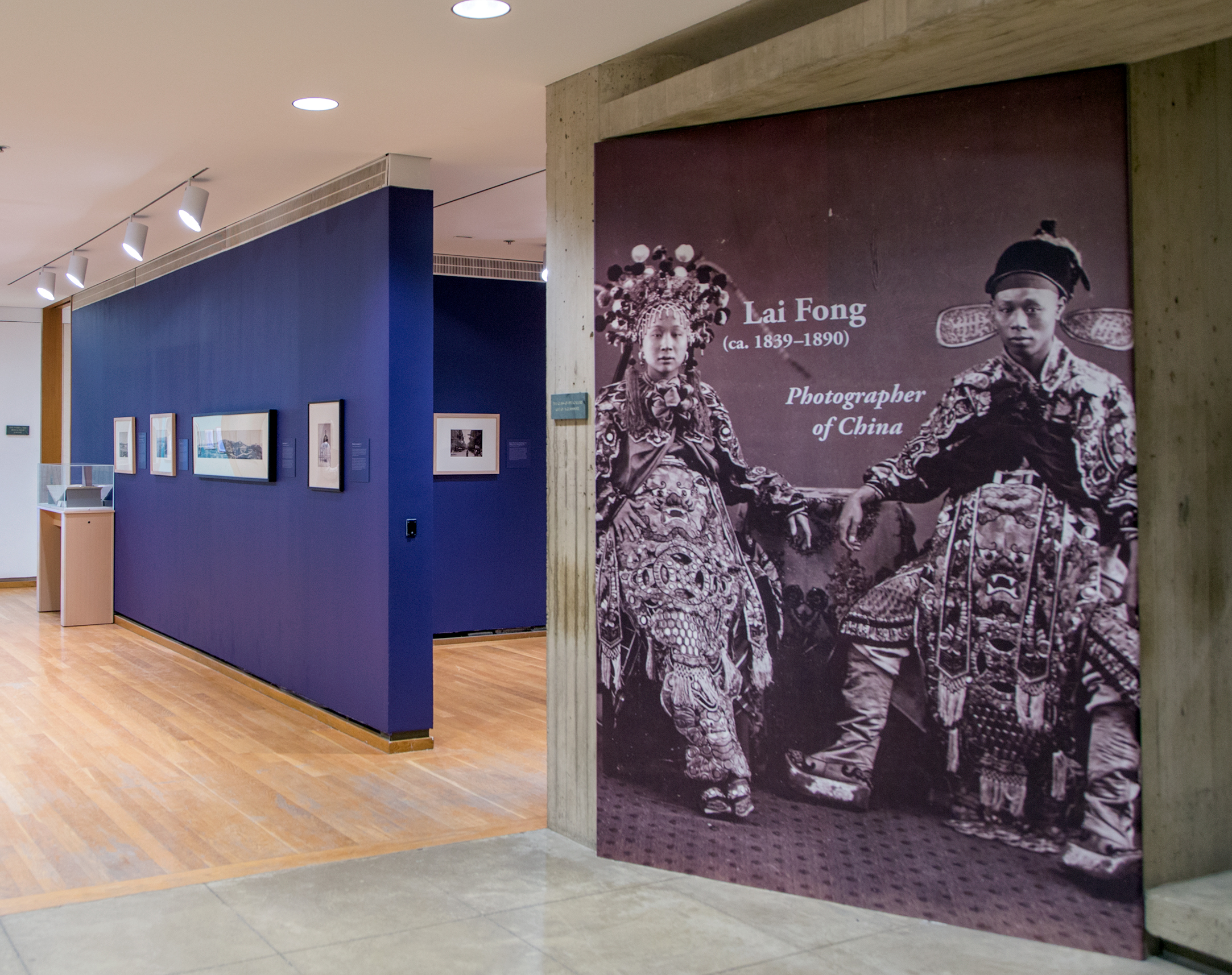
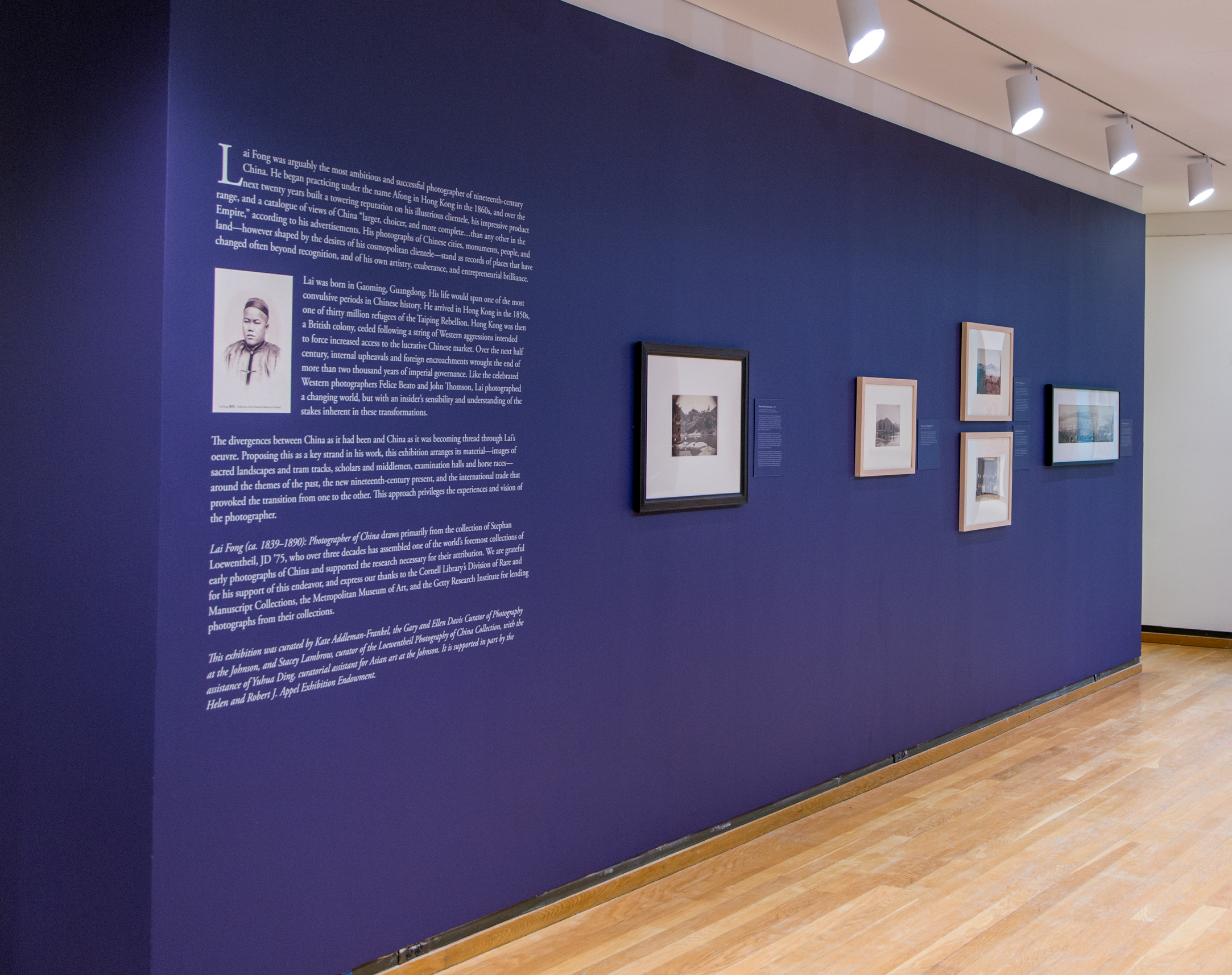
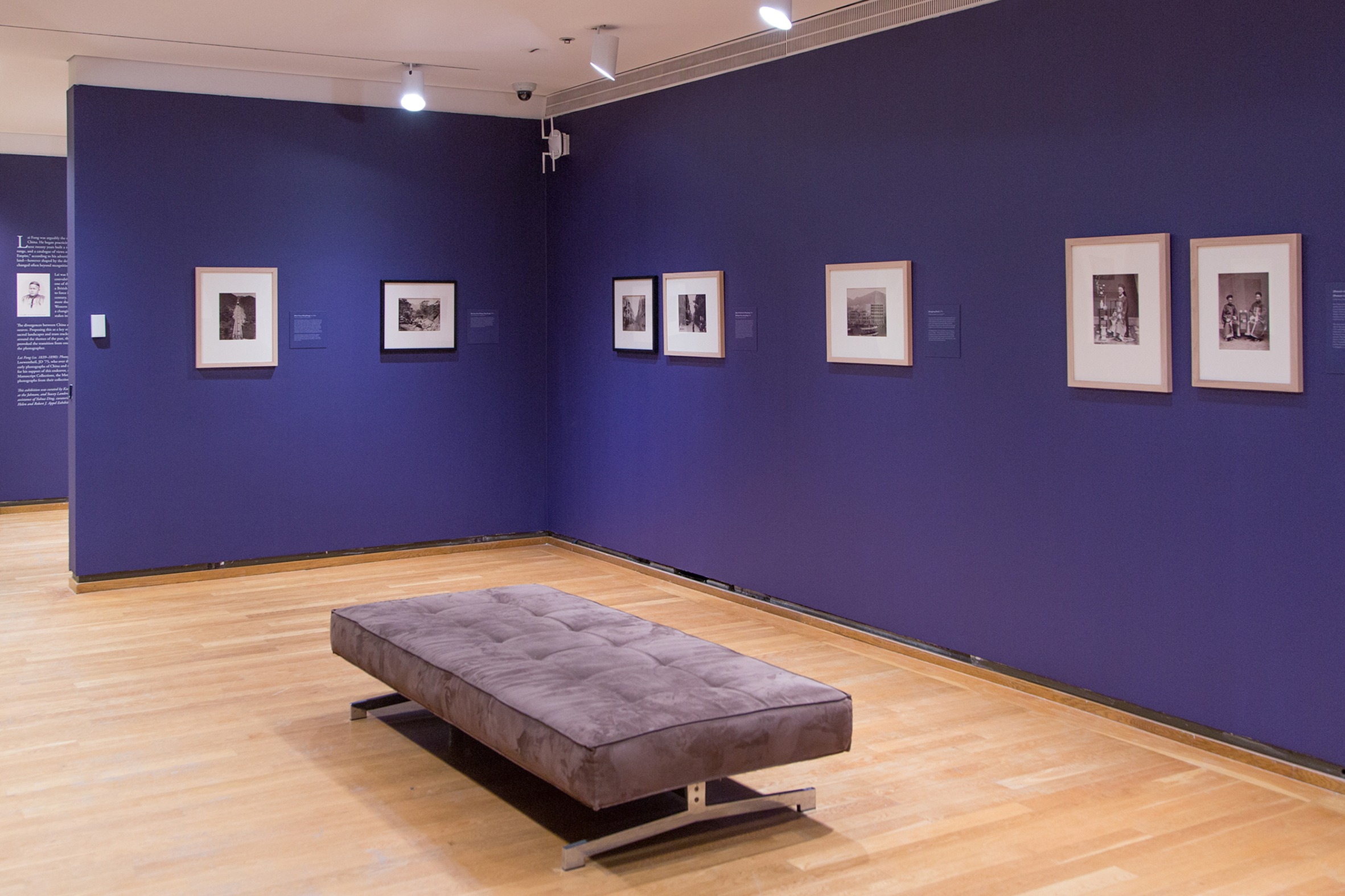
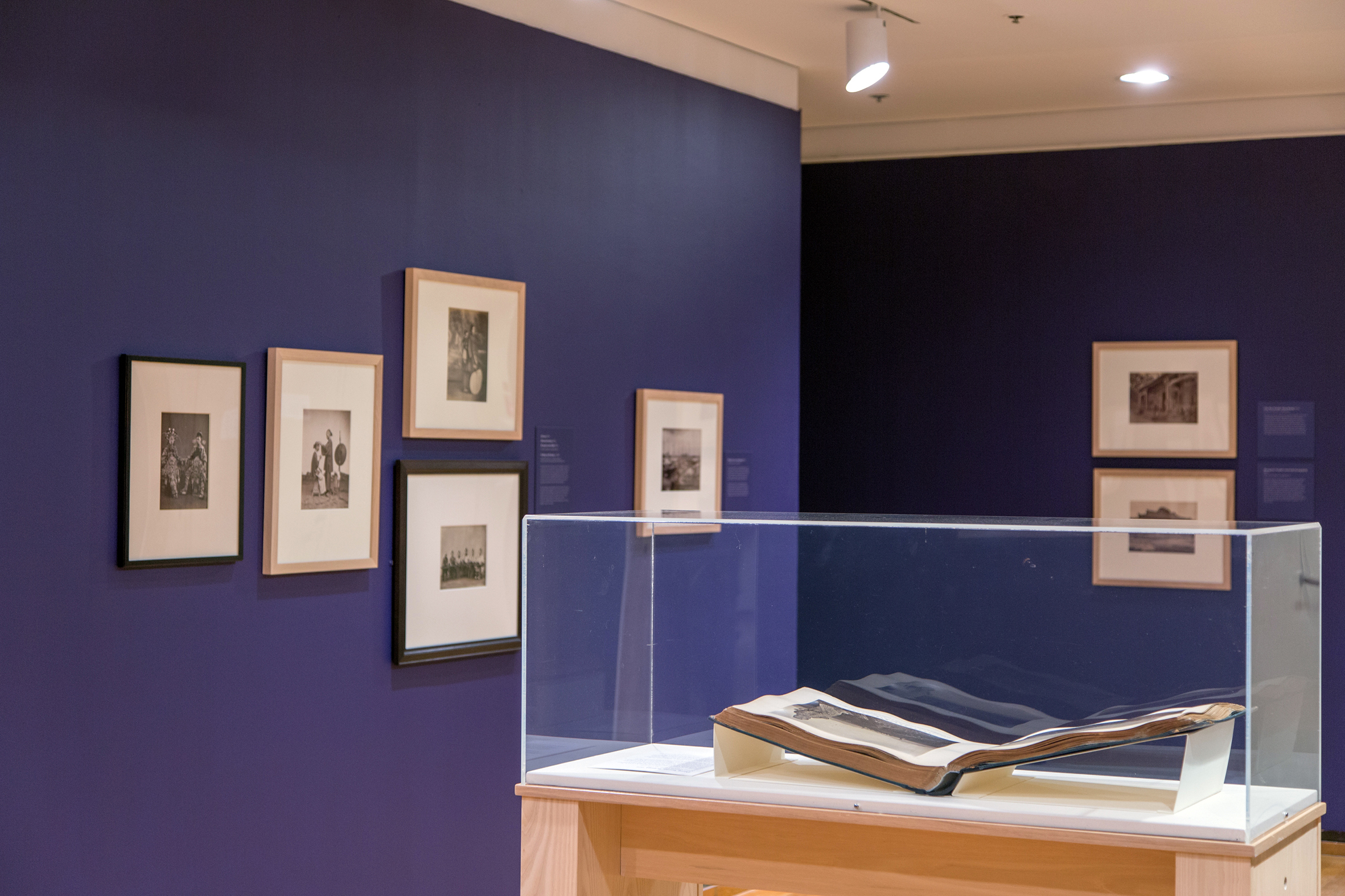
![Lai Fong (Chinese, c. 1839-1890) '[Itinerant barber]' 1870s from the exhibition 'Lai Fong (ca. 1839-1890): Photographer of China' at the Herbert F. Johnson Museum of Art, Ithaca, NY, Feb - June, 2020](https://artblart.com/wp-content/uploads/2020/02/hfj-laifong-barber-sl.jpg "Lai Fong (Chinese, c. 1839-1890) '[Itinerant barber]' 1870s from the exhibition 'Lai Fong (ca. 1839-1890): Photographer of China' at the Herbert F. Johnson Museum of Art, Ithaca, NY, Feb - June, 2020")
![Lai Fong (Chinese, c. 1839-1890) '[Flower boat, Guangzhou]' 1870s](https://artblart.com/wp-content/uploads/2020/04/hfj-laifong-flowerboat-sl.jpg "Lai Fong (Chinese, c. 1839-1890) '[Flower boat, Guangzhou]' 1870s")
![Lai Fong (Chinese, c. 1839-1890) '[Beijing]' 1879](https://artblart.com/wp-content/uploads/2020/04/hfj-laifong-beijing-cornellrare.jpg "Lai Fong (Chinese, c. 1839-1890) '[Beijing]' 1879")
![Lai Fong (Chinese, c. 1839-1890) '[Ming Tombs, Beijing]' 1879](https://artblart.com/wp-content/uploads/2020/04/hfj-laifong-mingtombs-cornellrare-web.jpg "Lai Fong (Chinese, c. 1839-1890) '[Ming Tombs, Beijing]' 1879")
![Lai Fong (Chinese, c. 1839-1890) '[Ming Tombs, Beijing]' 1879](https://artblart.com/wp-content/uploads/2020/04/lai-fong-ming-tombs-beijing-1879.jpg "Lai Fong (Chinese, c. 1839-1890) '[Ming Tombs, Beijing]' 1879")
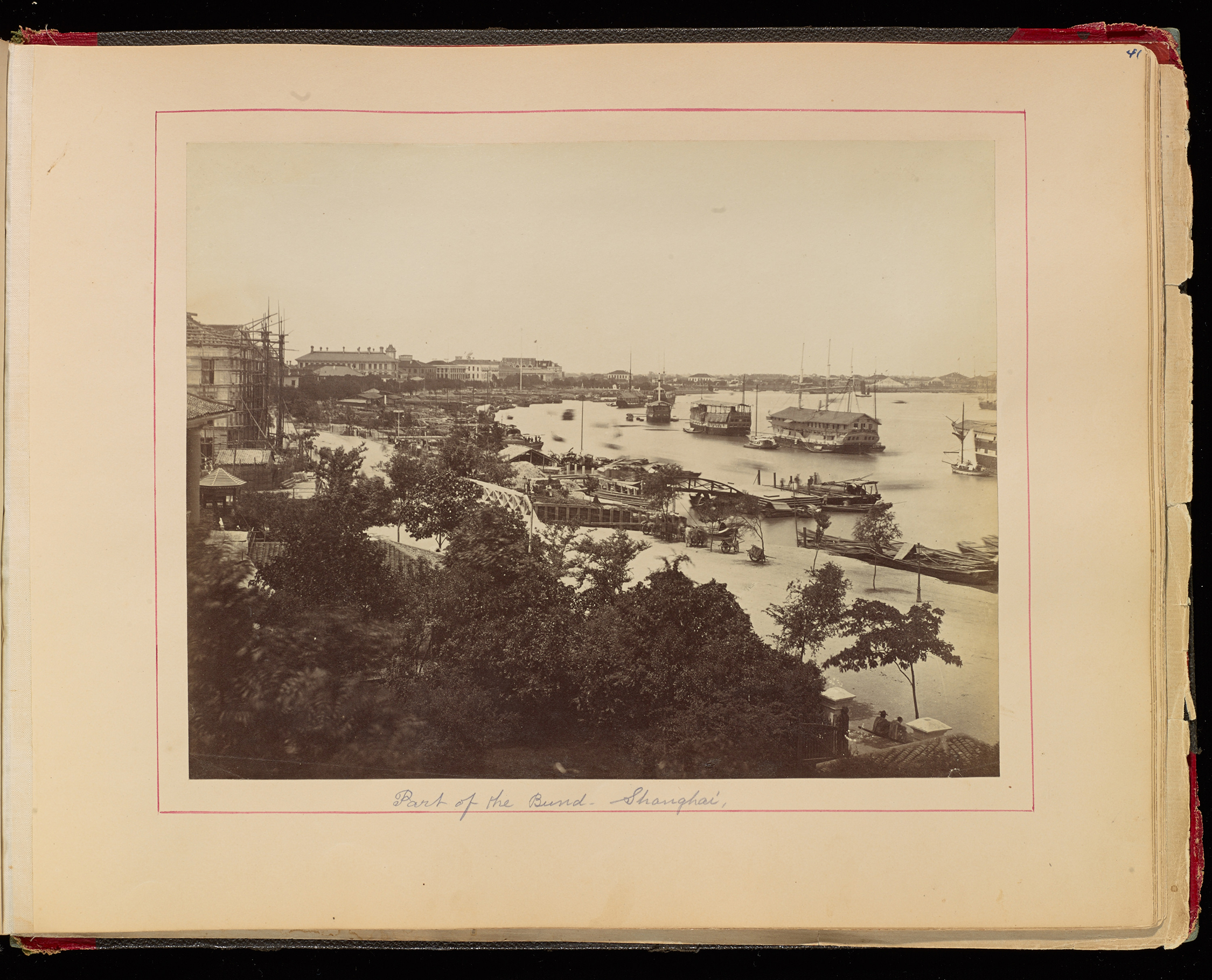
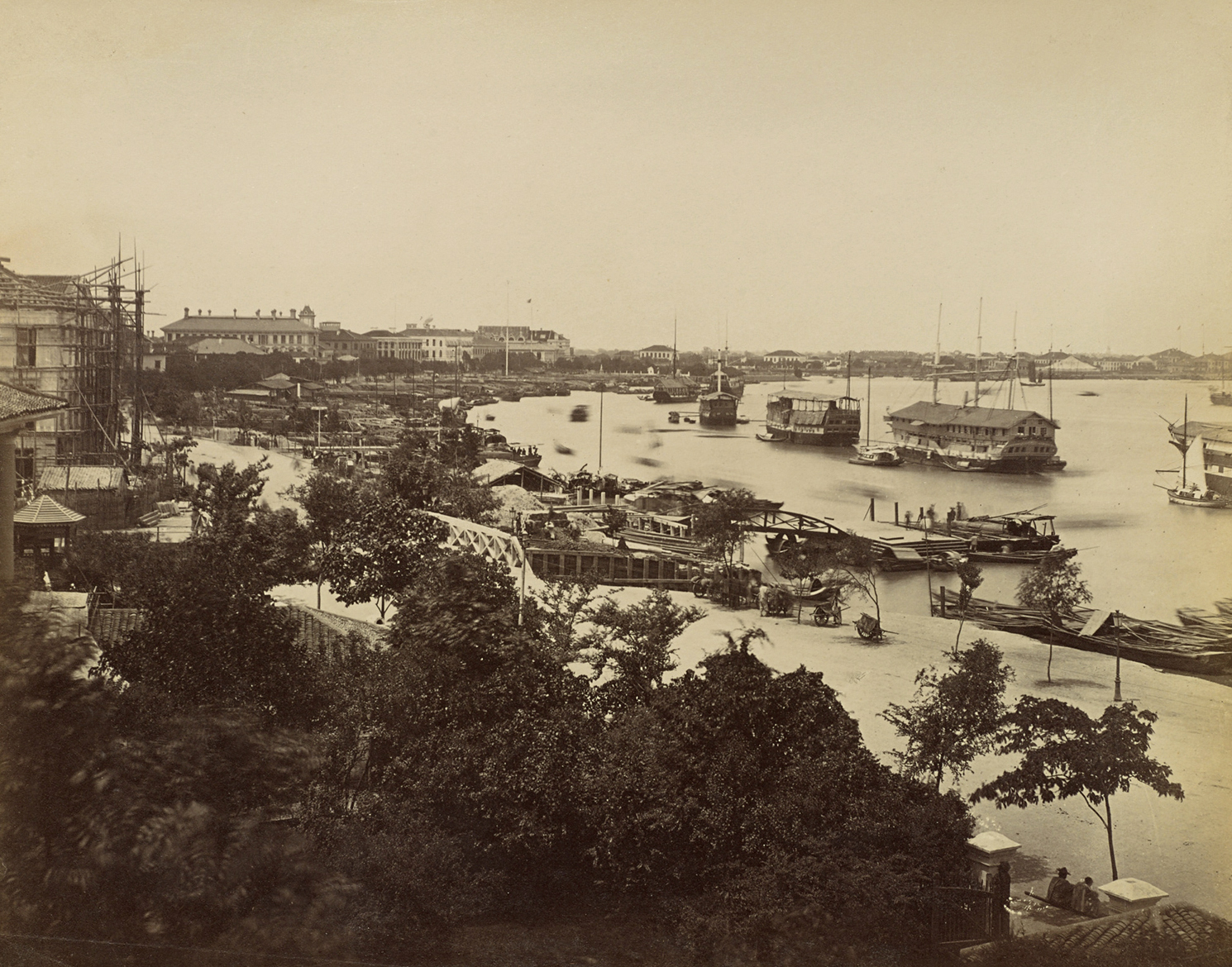
![Lai Fong (Chinese, c. 1839-1890) '[Group portrait near Fangguangyan Monastery, Fujian]' c. 1869](https://artblart.com/wp-content/uploads/2020/02/hfj-laifong-group-met.jpg "Lai Fong (Chinese, c. 1839-1890) '[Group portrait near Fangguangyan Monastery, Fujian]' c. 1869")
![Lai Fong (Chinese, c. 1839-1890) '[Piled Stone Peaks in Mount Wuyi]' c. 1869](https://artblart.com/wp-content/uploads/2020/02/hfj-laifong-stonepeaks-met.jpg "Lai Fong (Chinese, c. 1839-1890) '[Piled Stone Peaks in Mount Wuyi]' c. 1869")
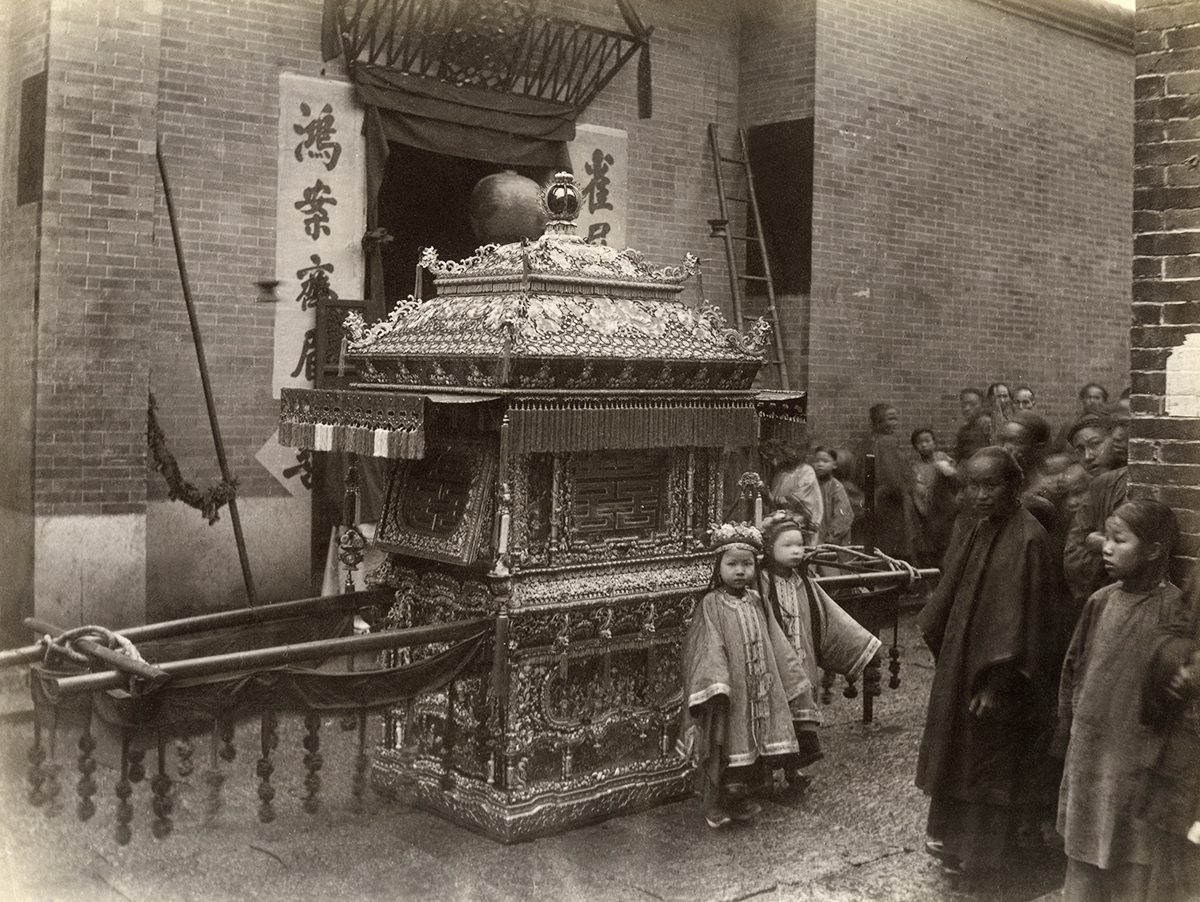
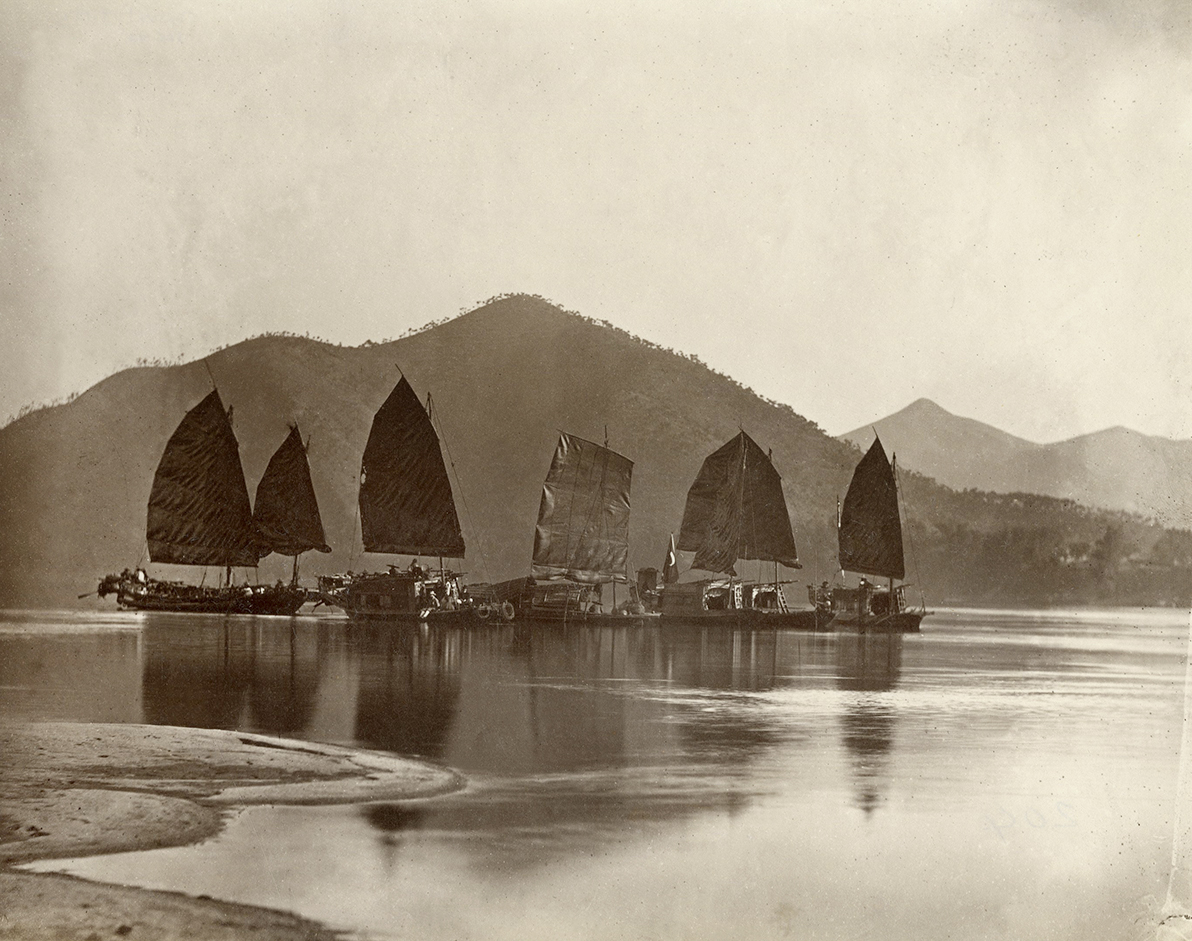
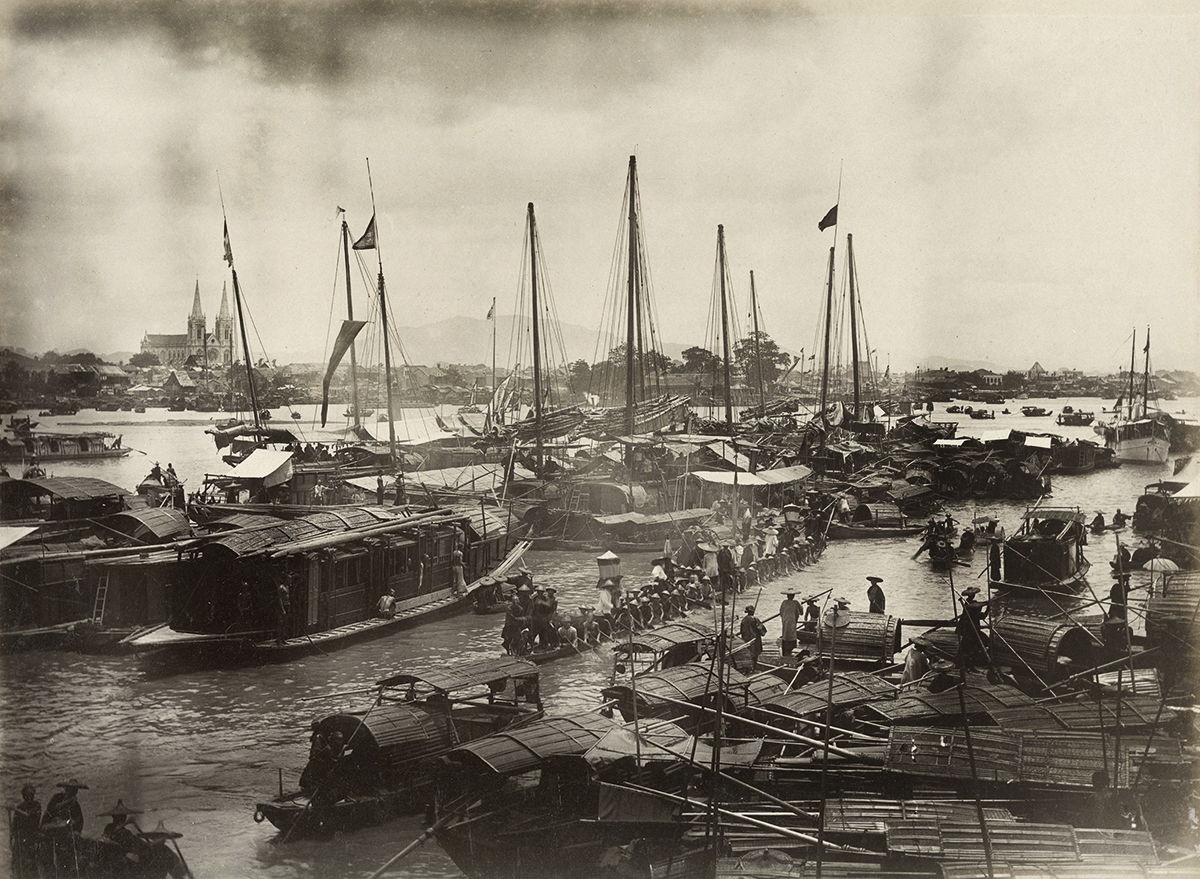
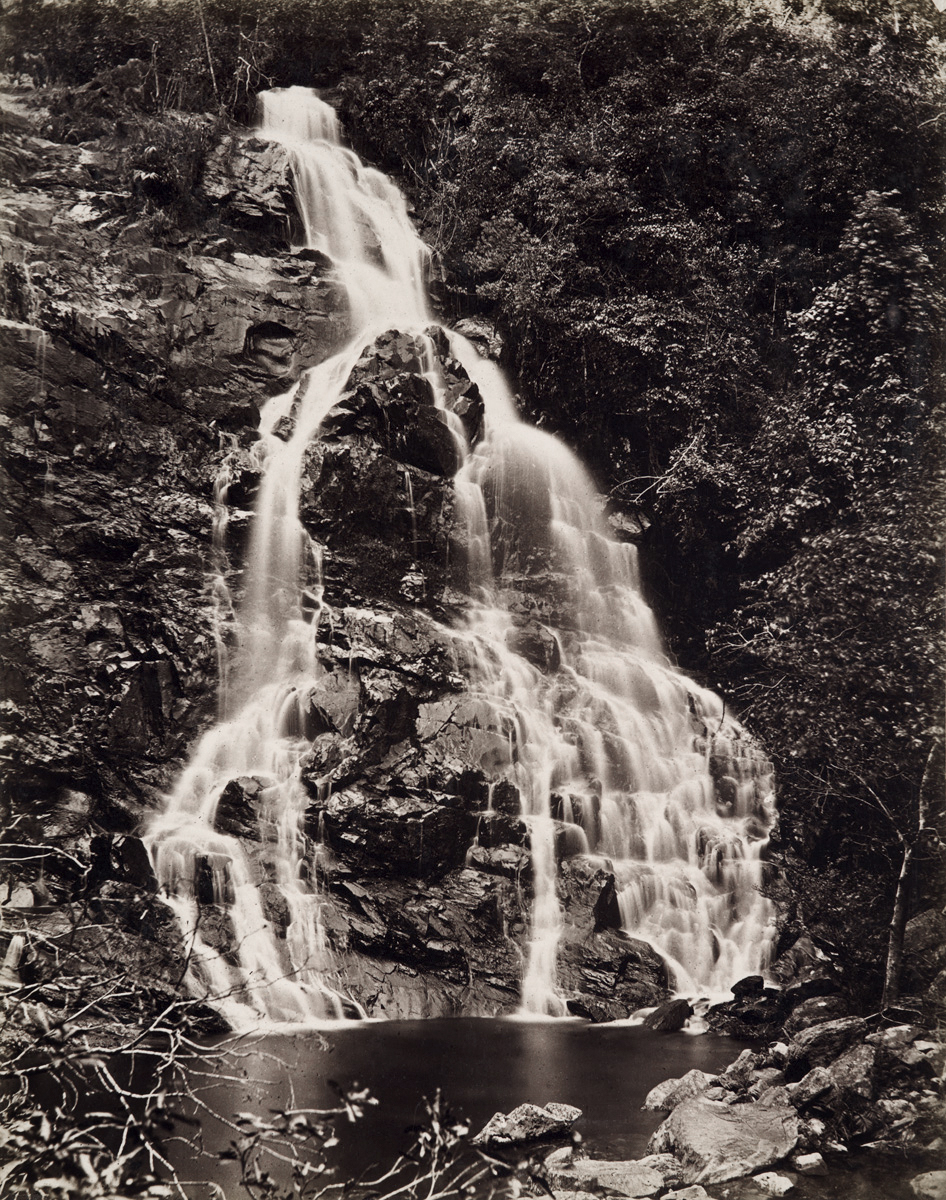
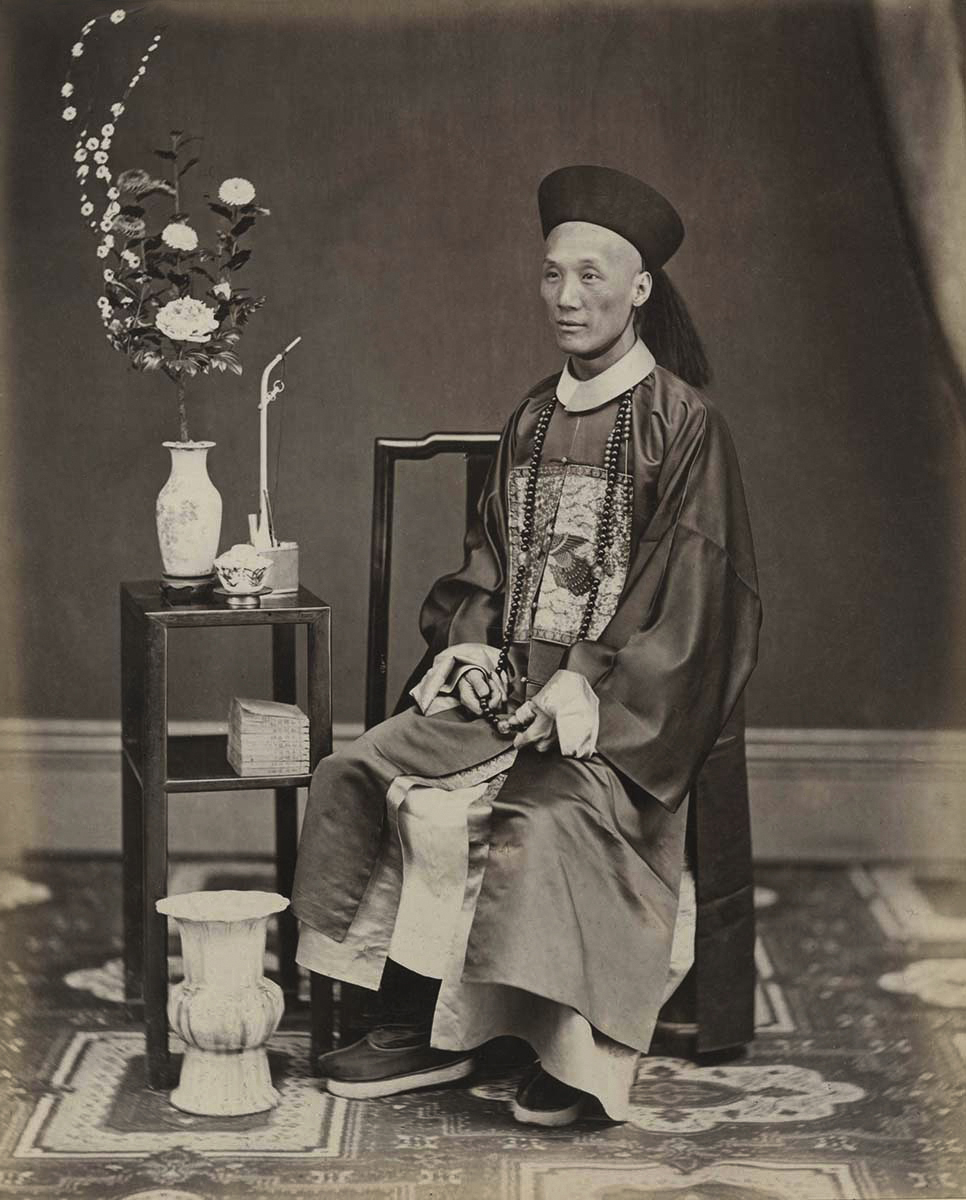
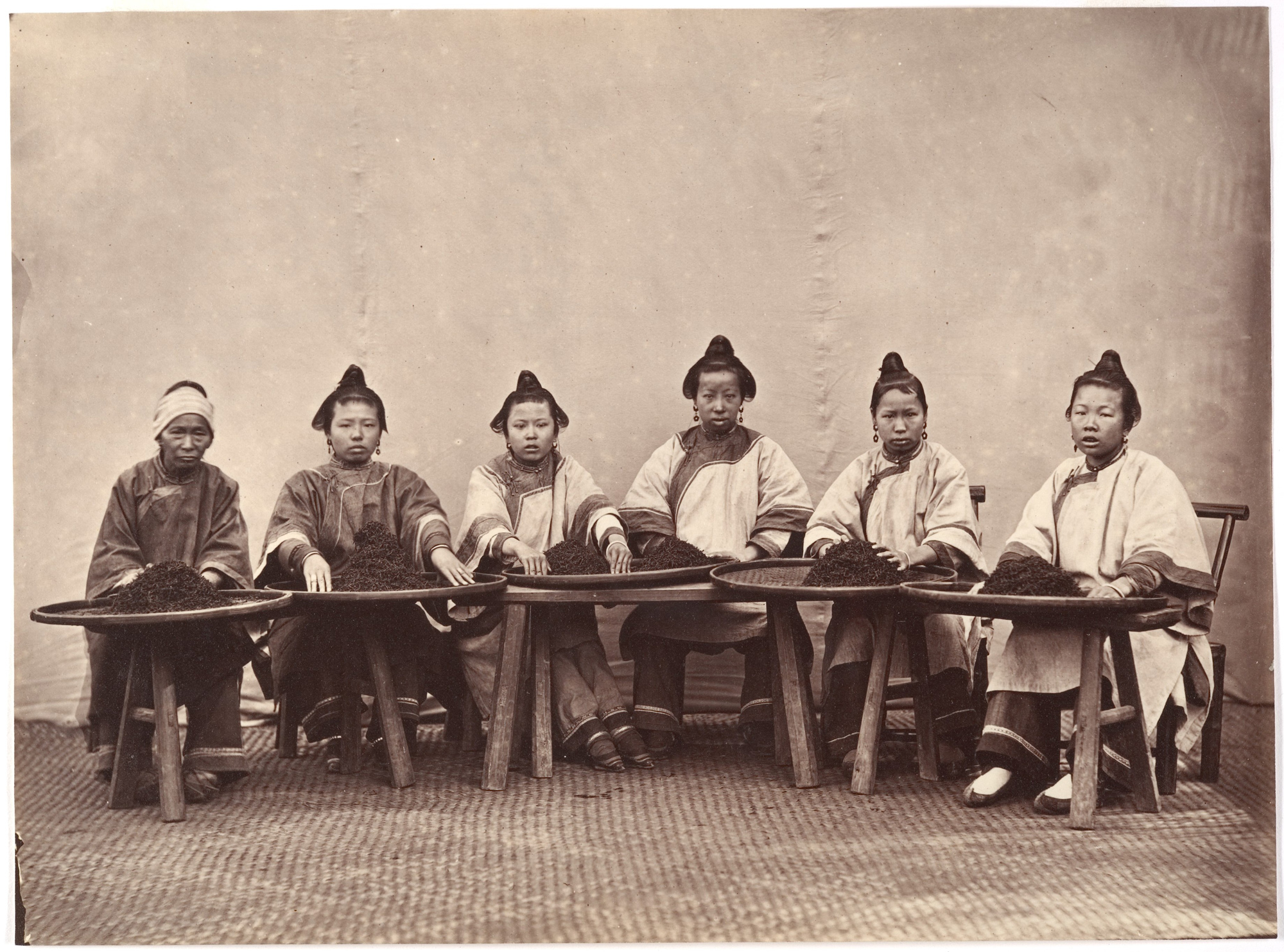
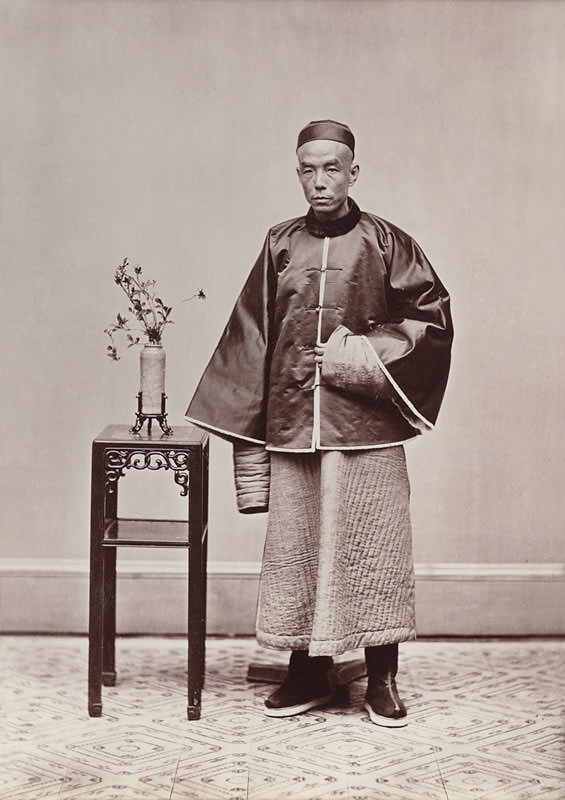


![Gertrude Käsebier (American, 1852-1934) '[Gertrude O'Malley and son Charles]' 1900](https://artblart.com/wp-content/uploads/2020/03/kacc88sebier-son.jpg "Gertrude Käsebier (American, 1852-1934) '[Gertrude O'Malley and son Charles]' 1900")


![Manuel Álvarez Bravo (Mexican, 1902-2002) '[Wounded Agaves]' Negative 1950; print late 1970s - early 1980s](https://artblart.com/wp-content/uploads/2020/03/bravo-agaves.jpg "Manuel Álvarez Bravo (Mexican, 1902-2002) '[Wounded Agaves]' Negative 1950; print late 1970s - early 1980s")


![Madoka Takagi (American, born Japan, 1956-2015) 'Untitled [Self-portrait with Bare-chested, Tattooed Latino Man]' 1986](https://artblart.com/wp-content/uploads/2020/03/gm_31474001_2000x2000.jpg "Madoka Takagi (American, born Japan, 1956-2015) 'Untitled [Self-portrait with Bare-chested, Tattooed Latino Man]' 1986")


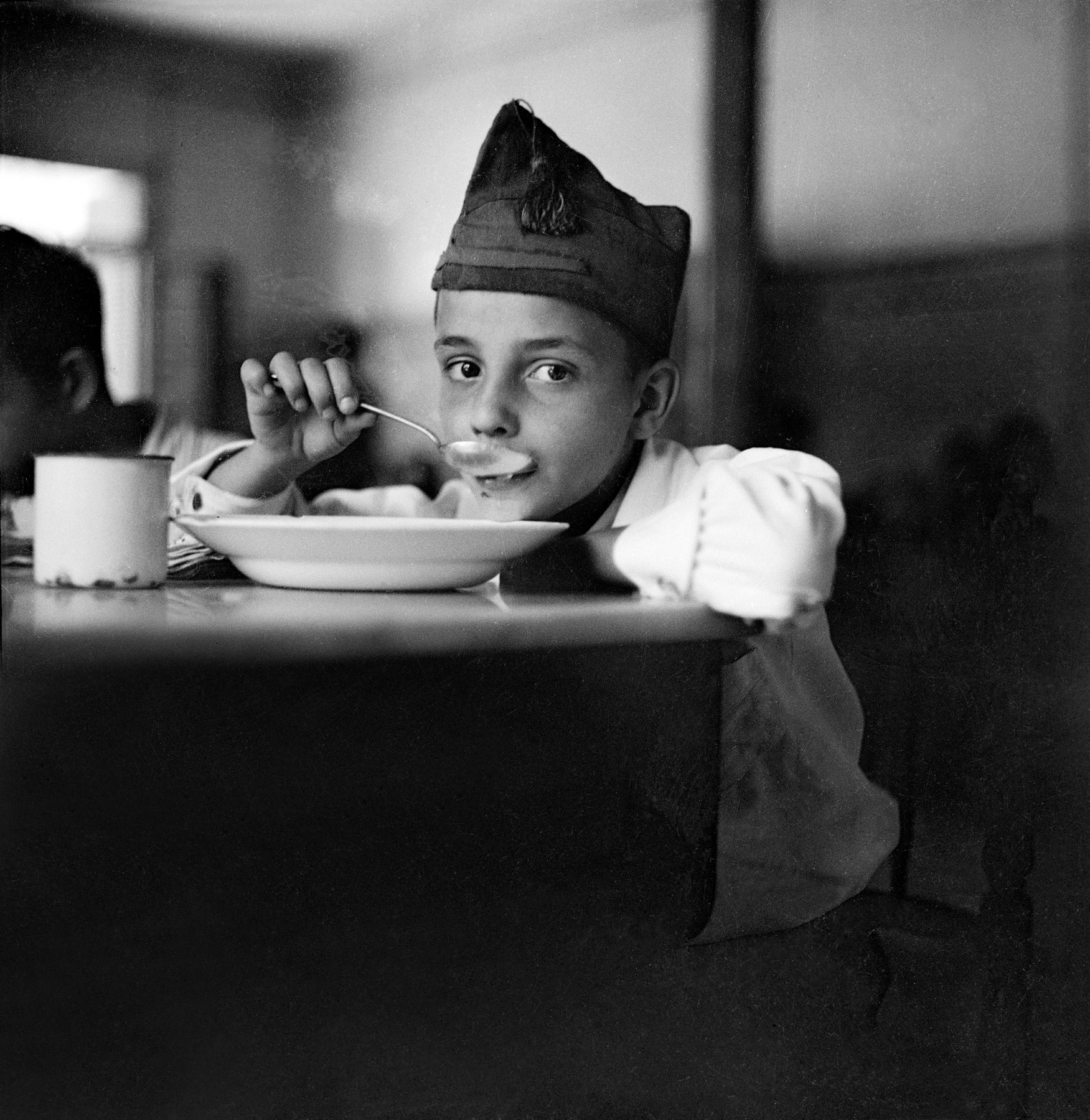

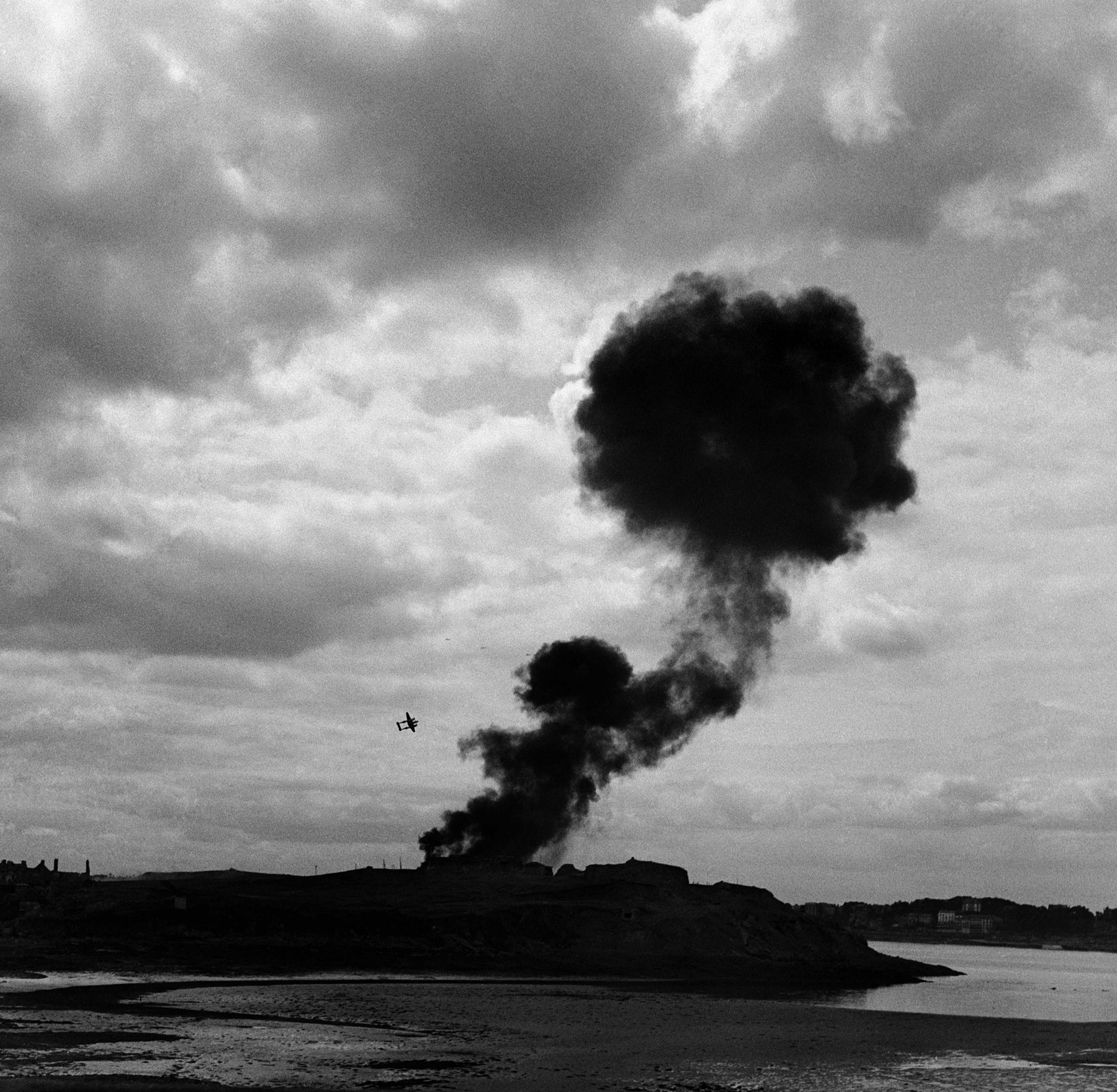


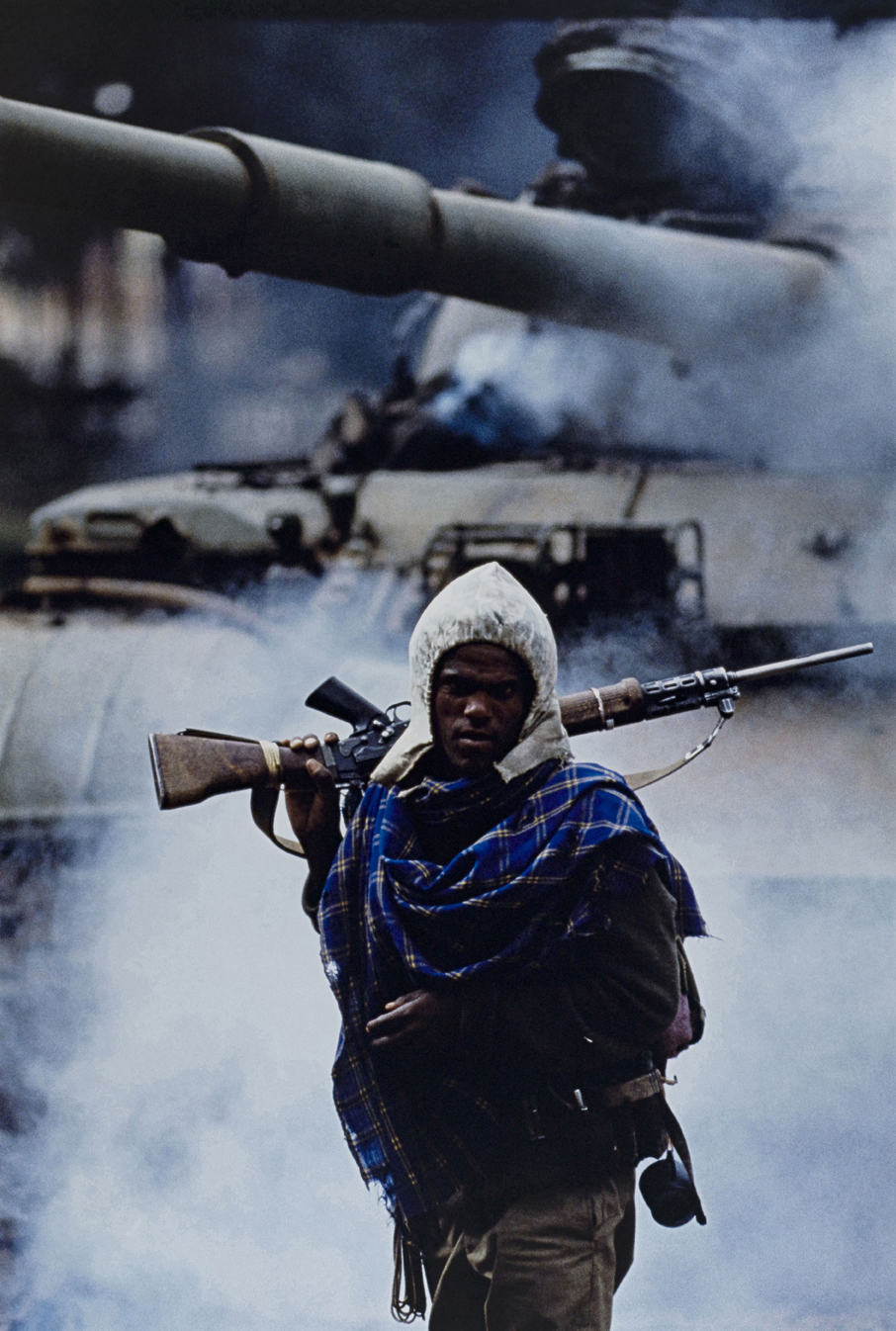

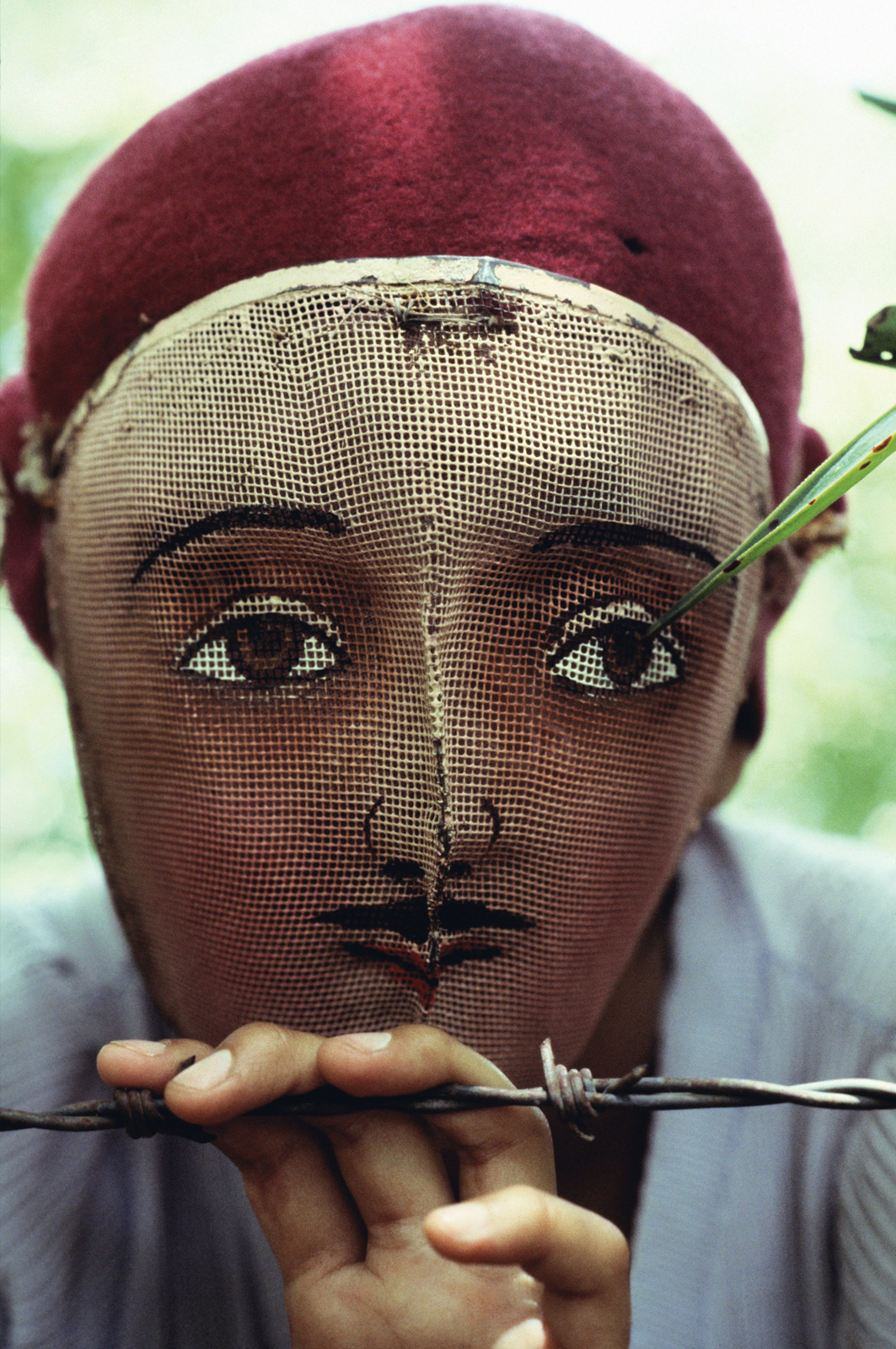
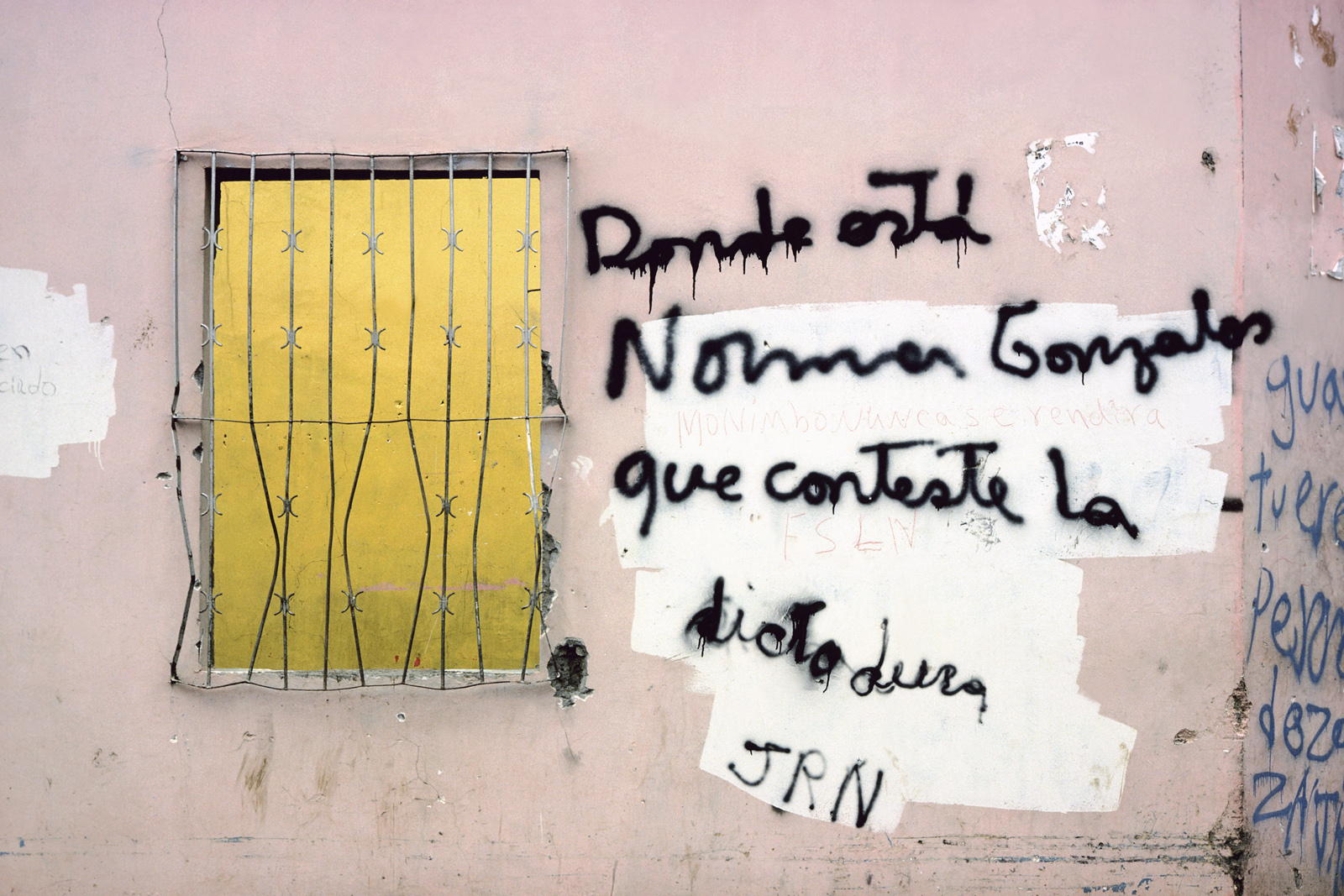


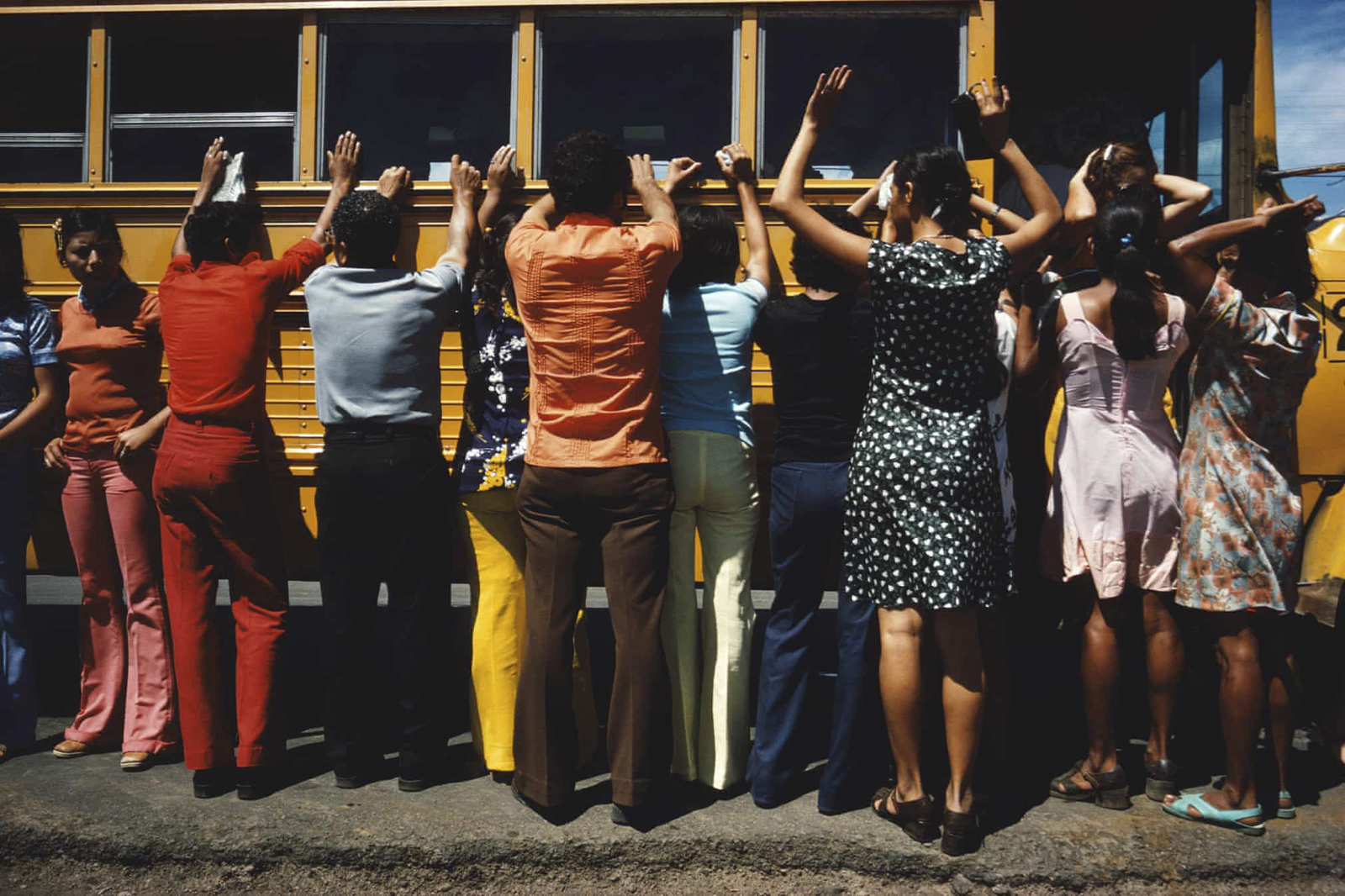
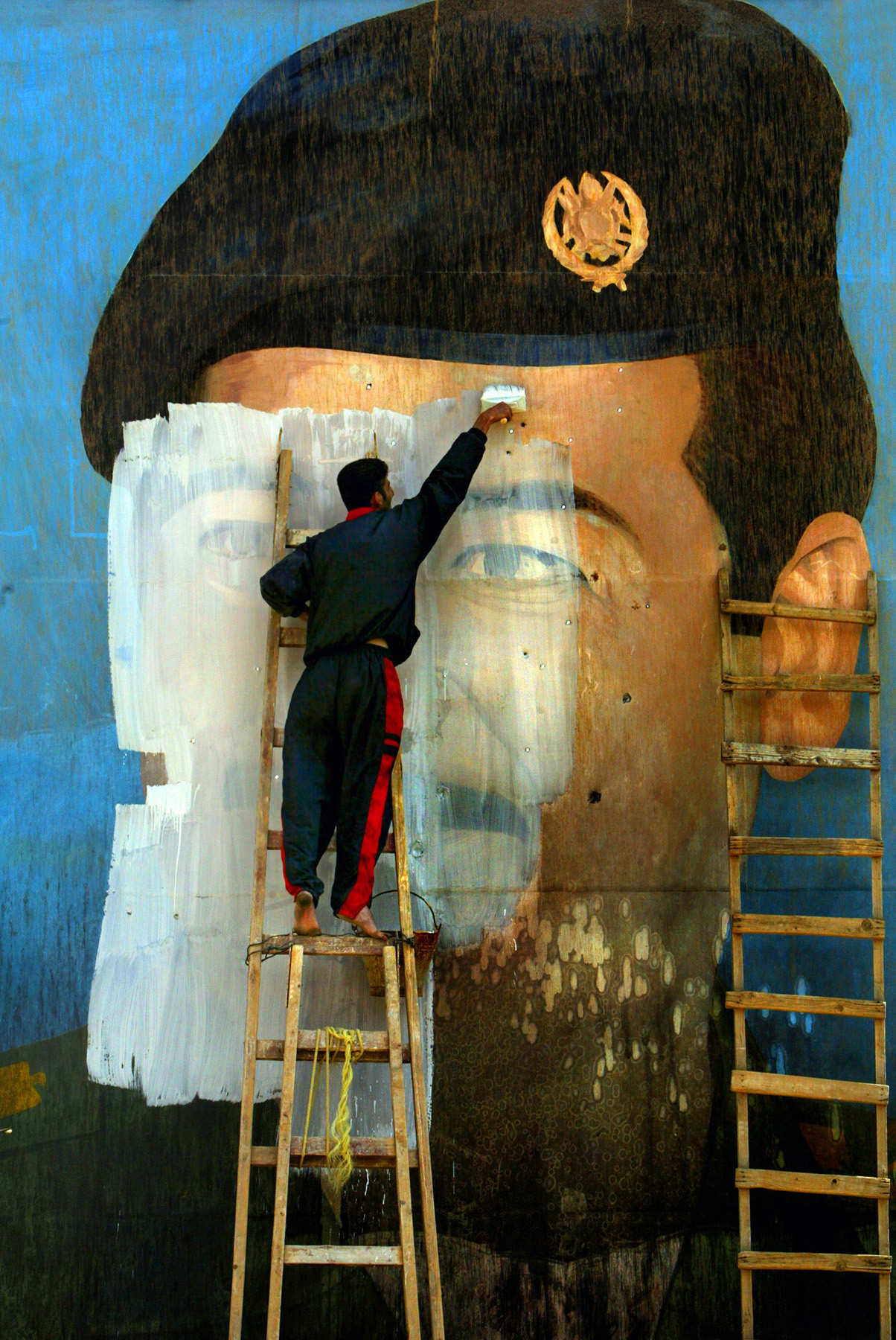


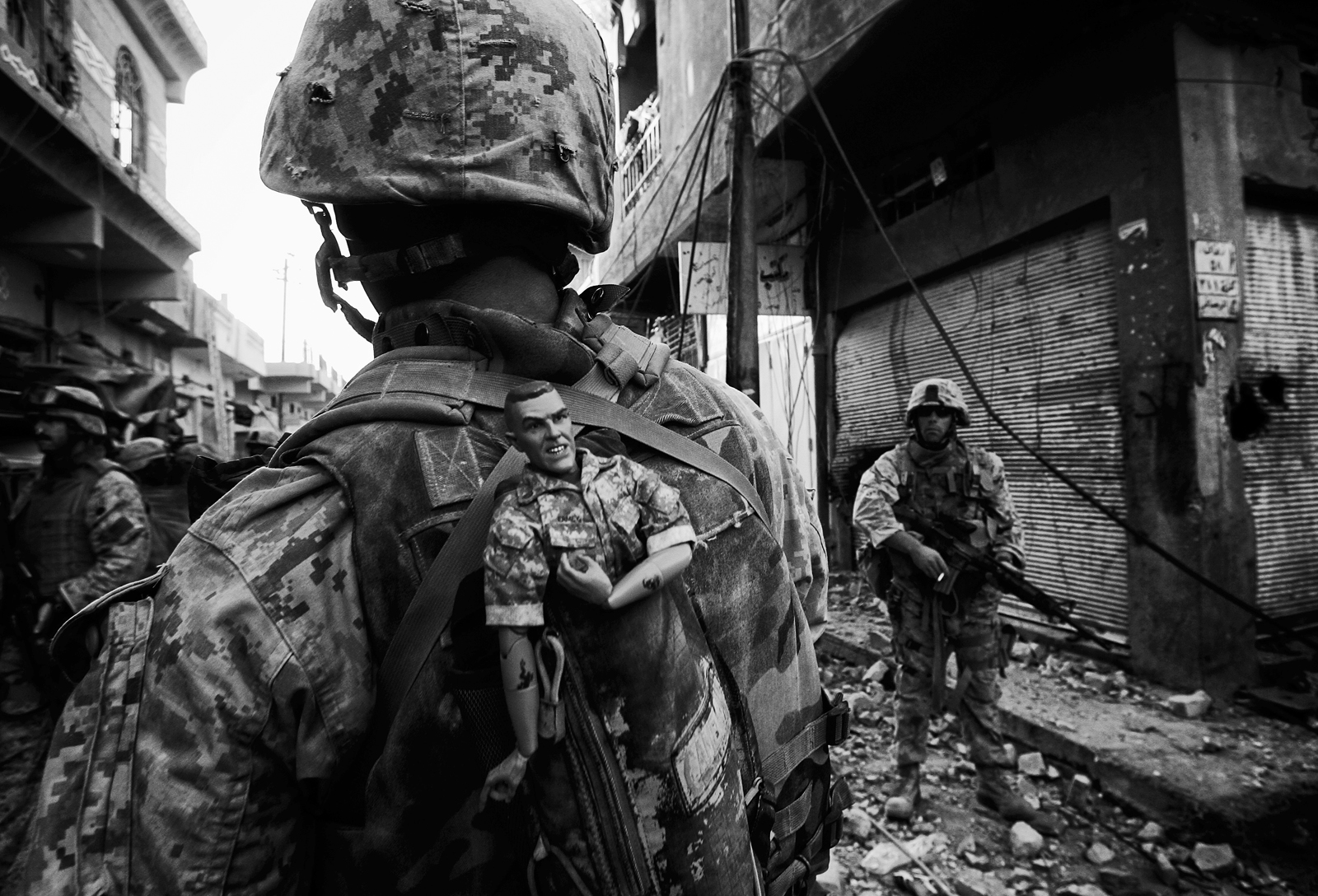


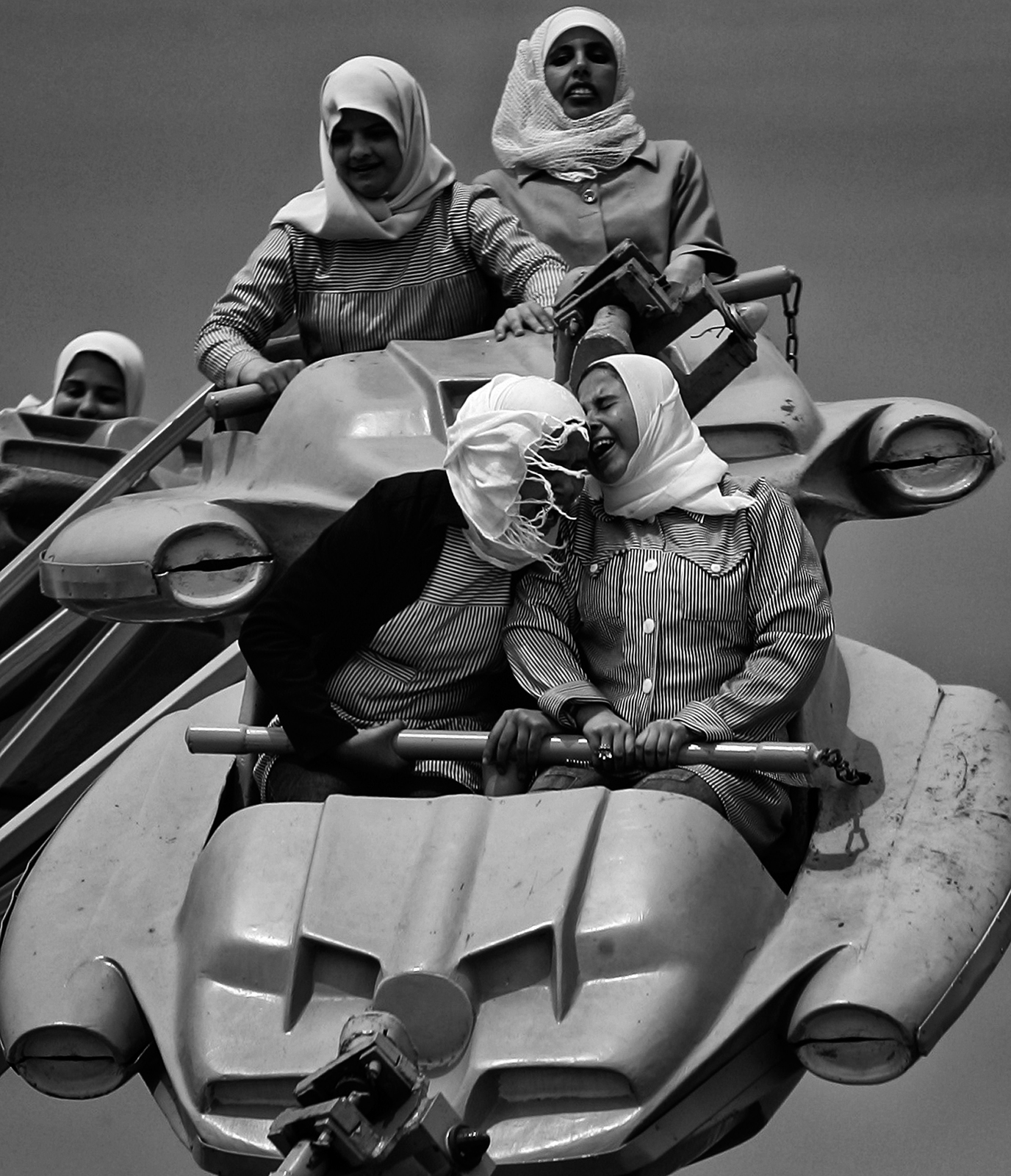

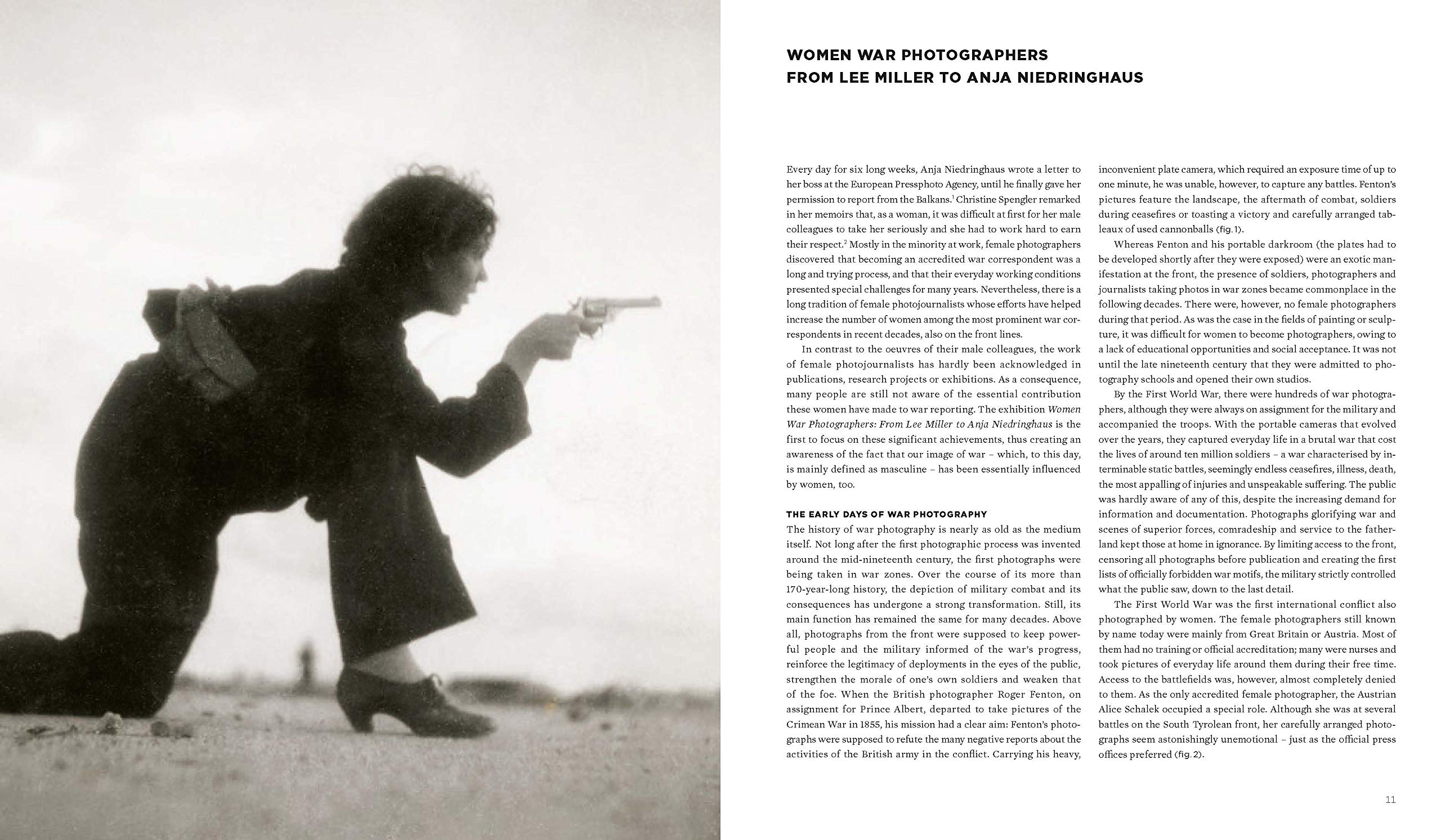


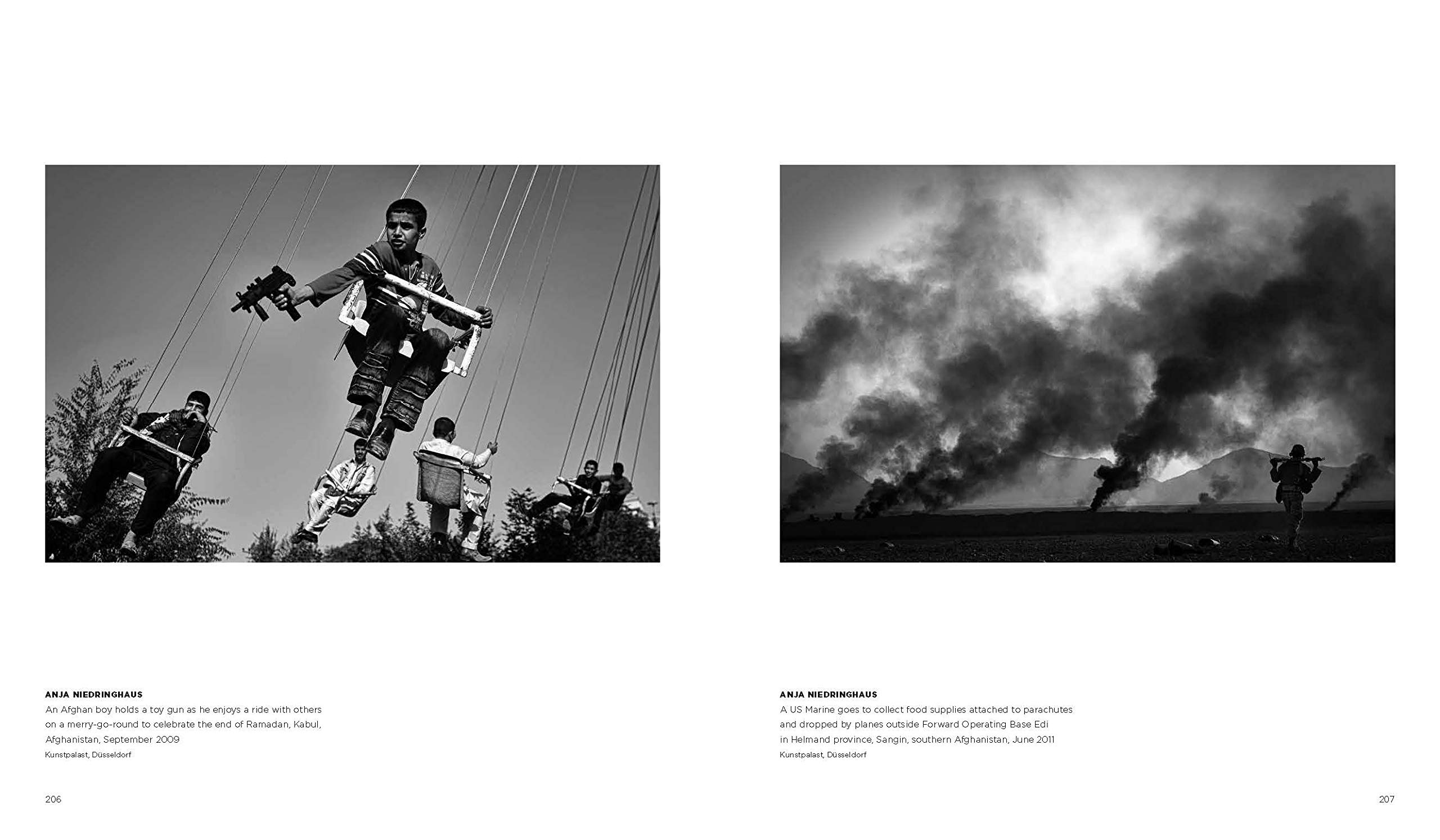
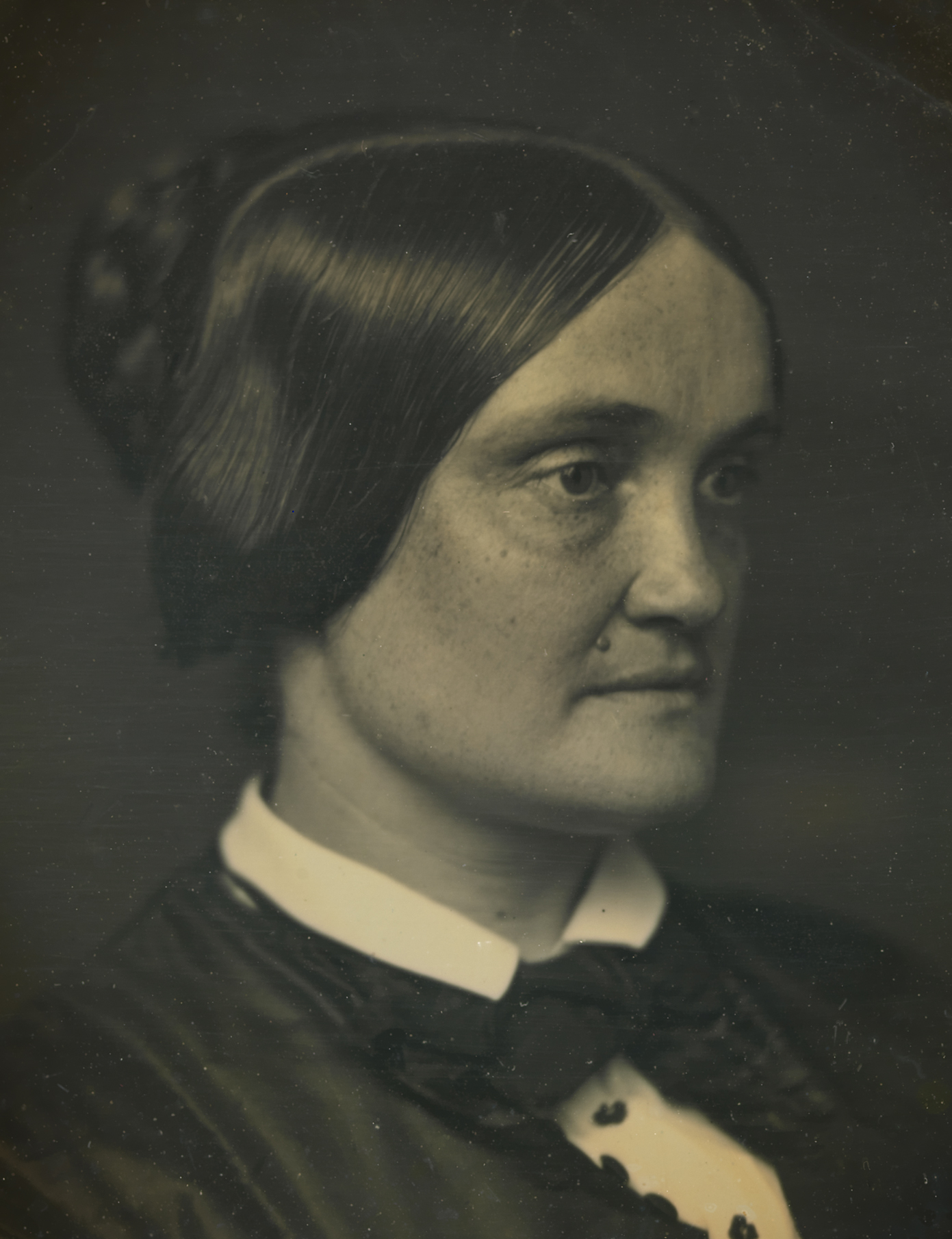
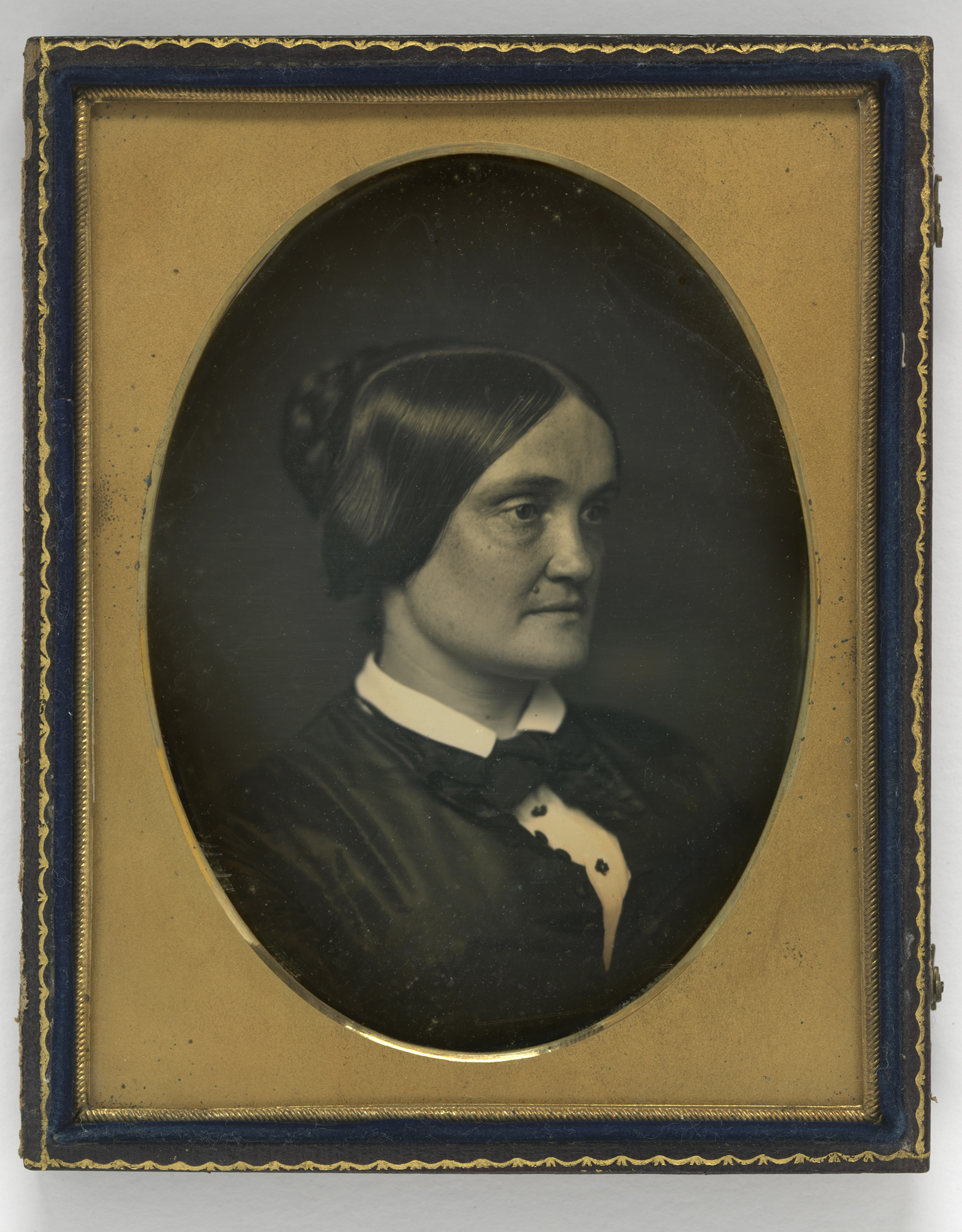
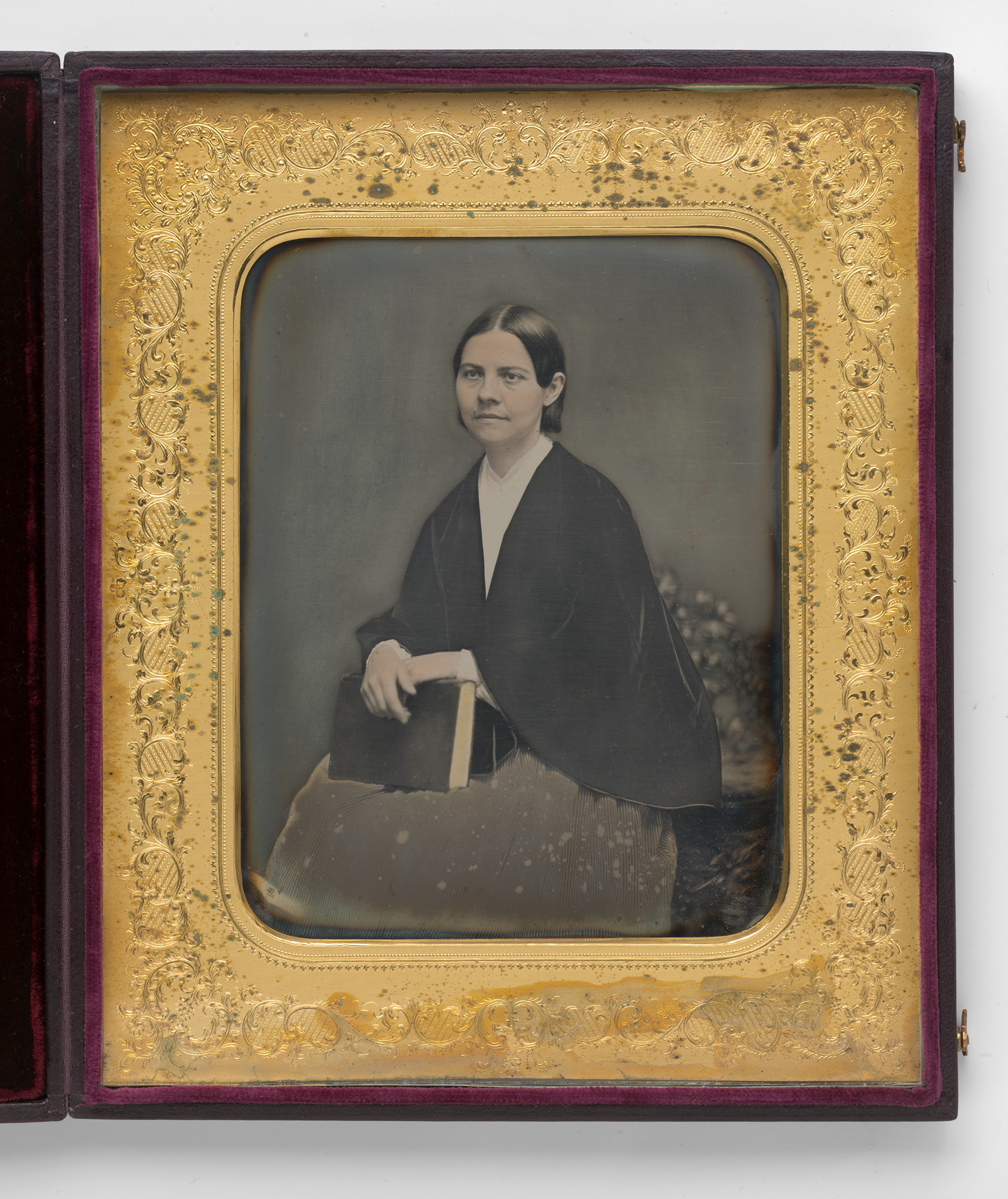
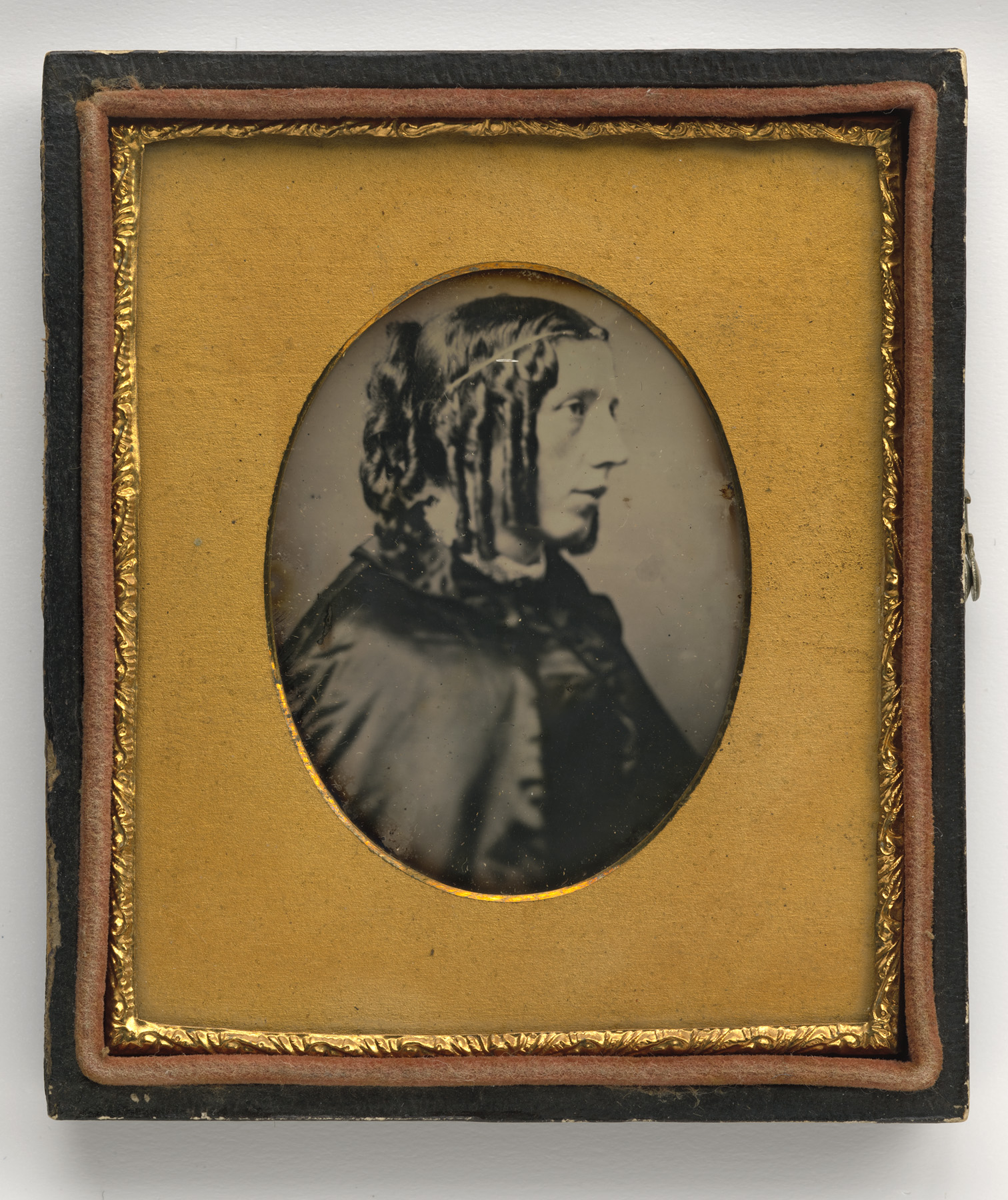
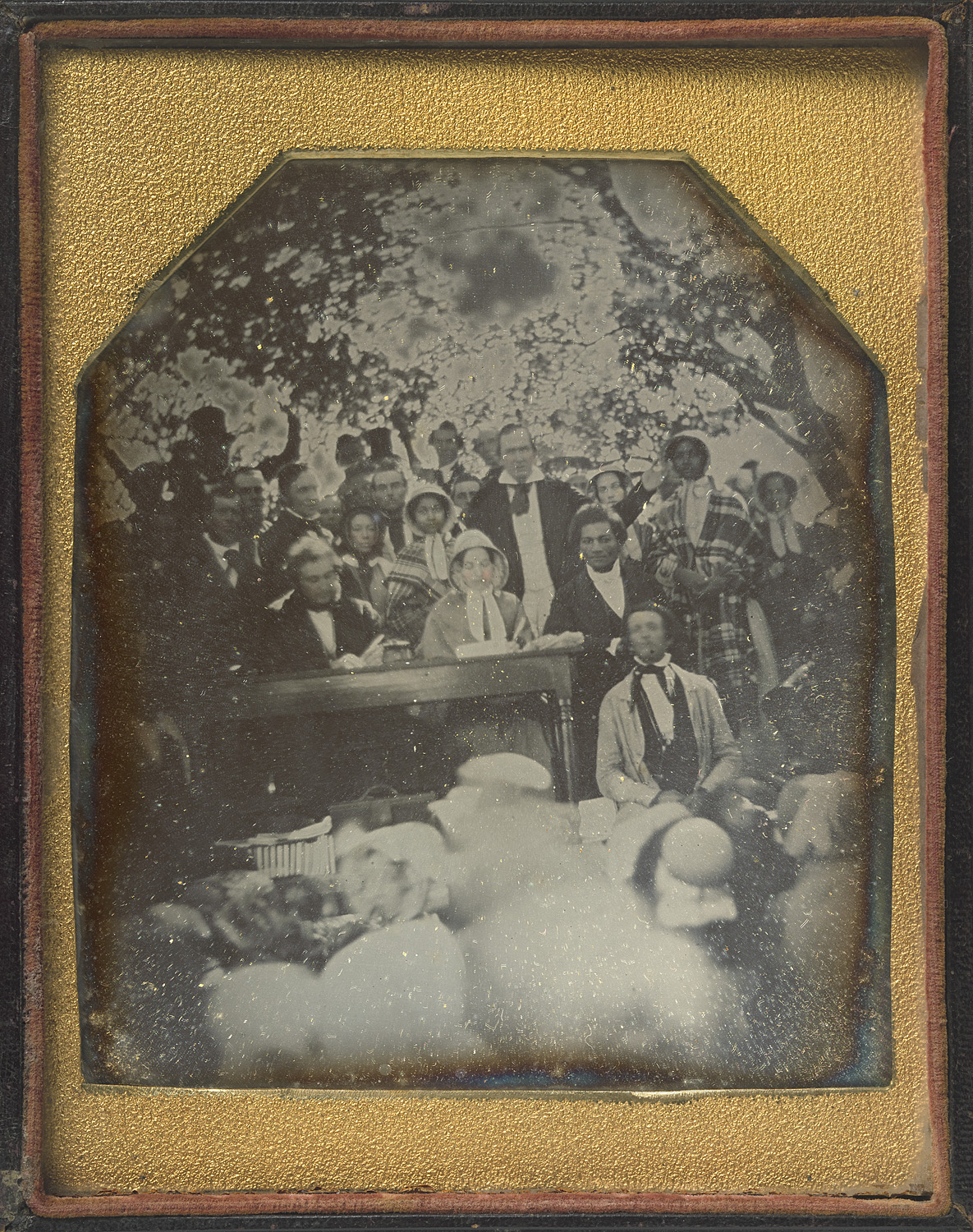
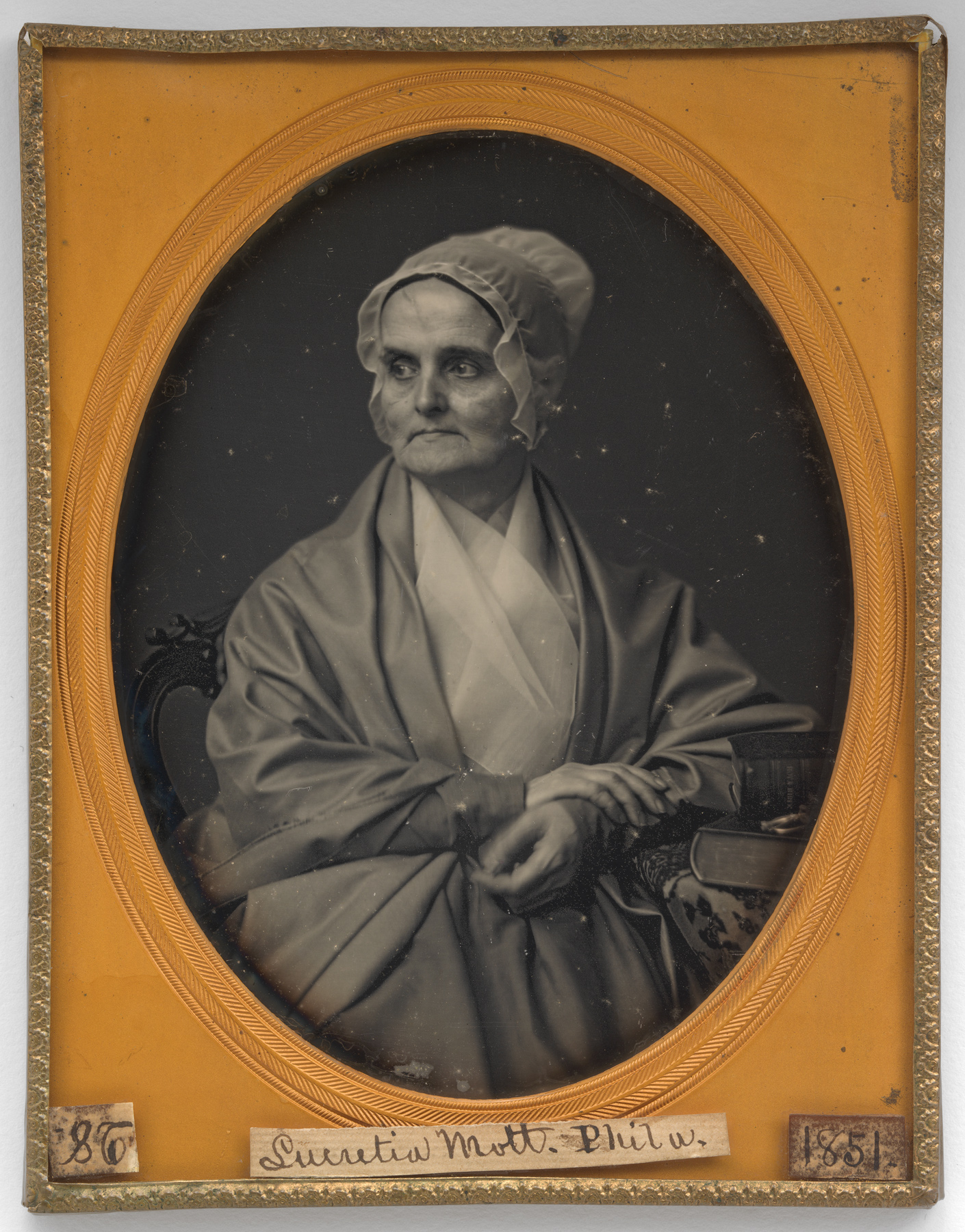
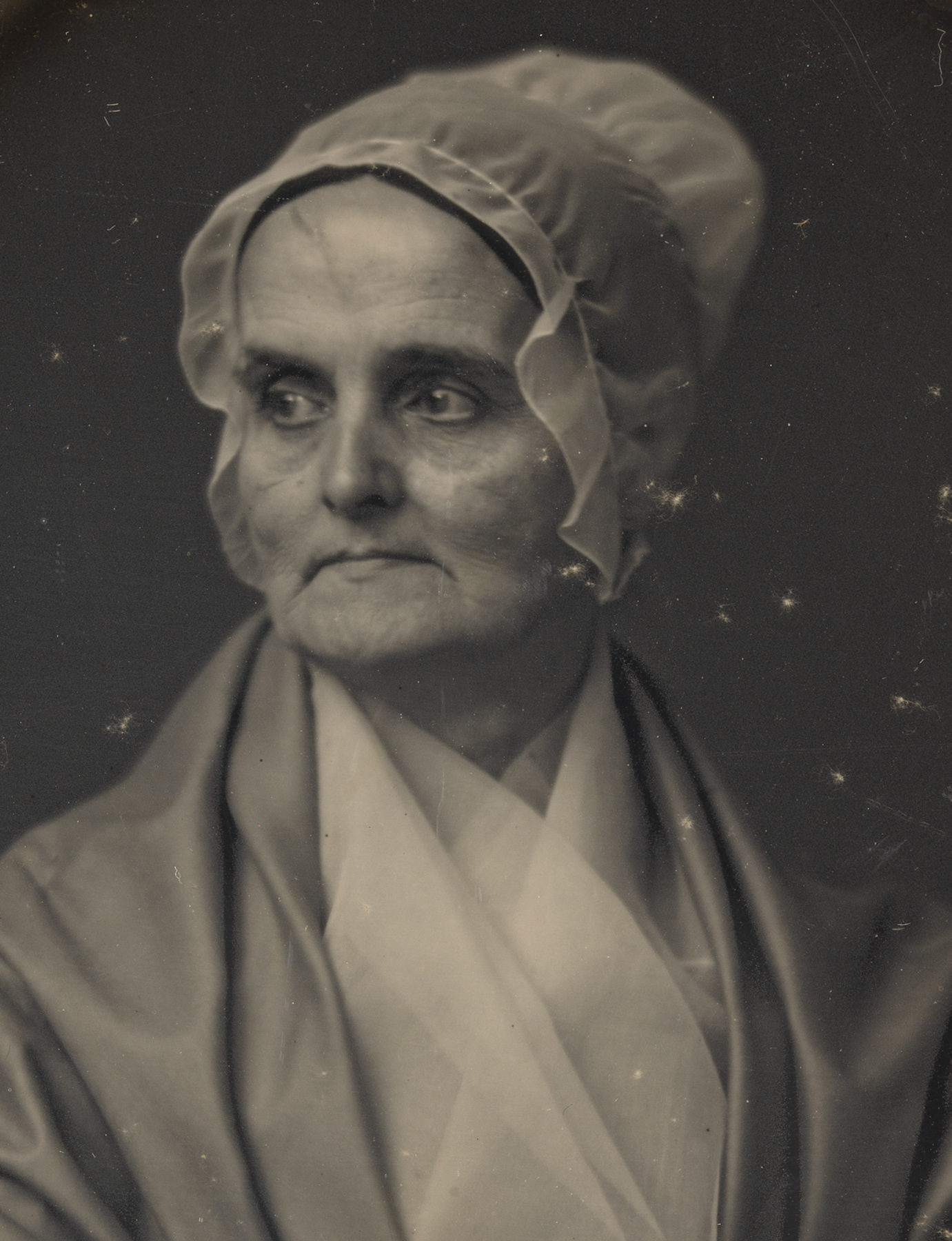
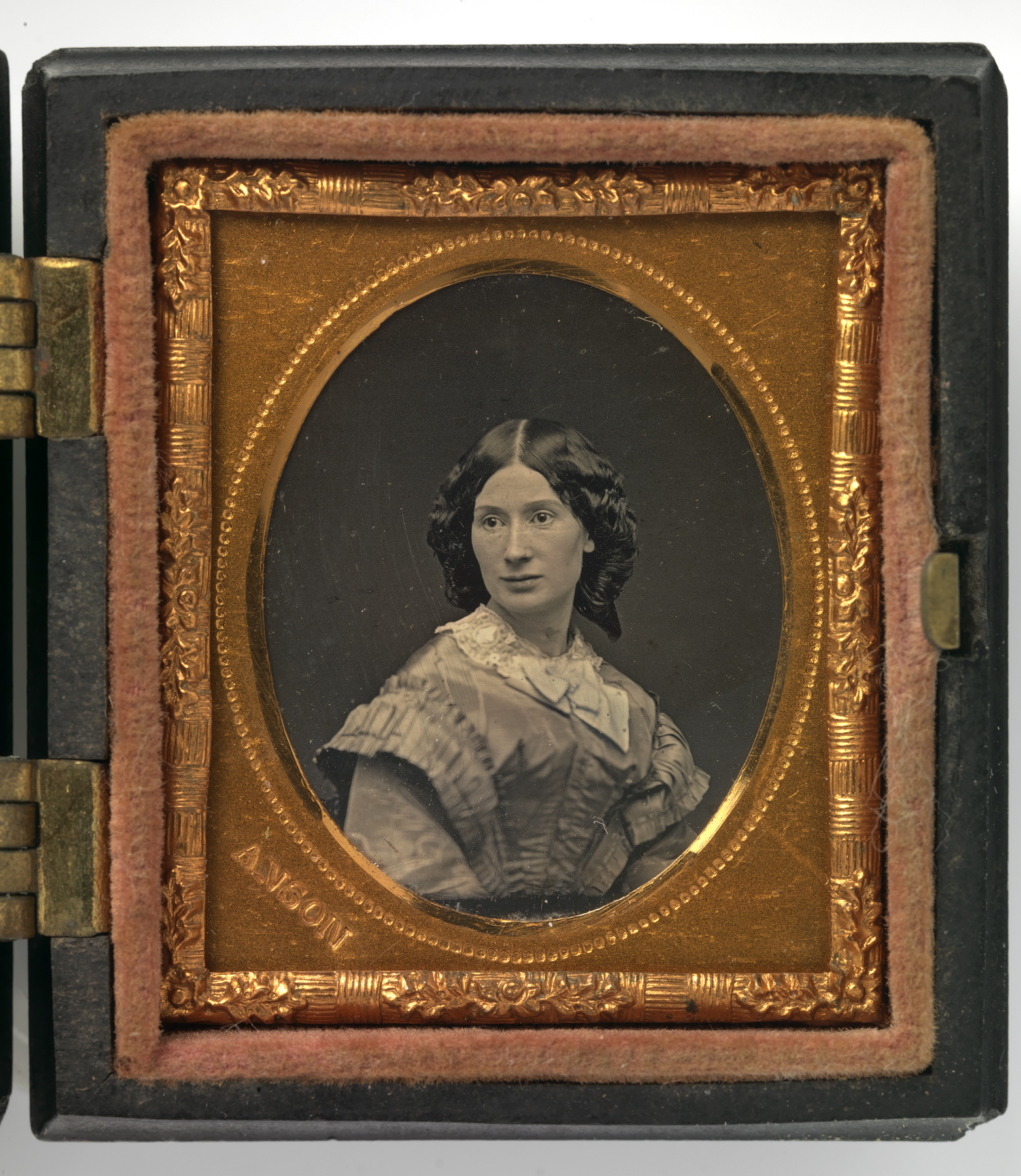
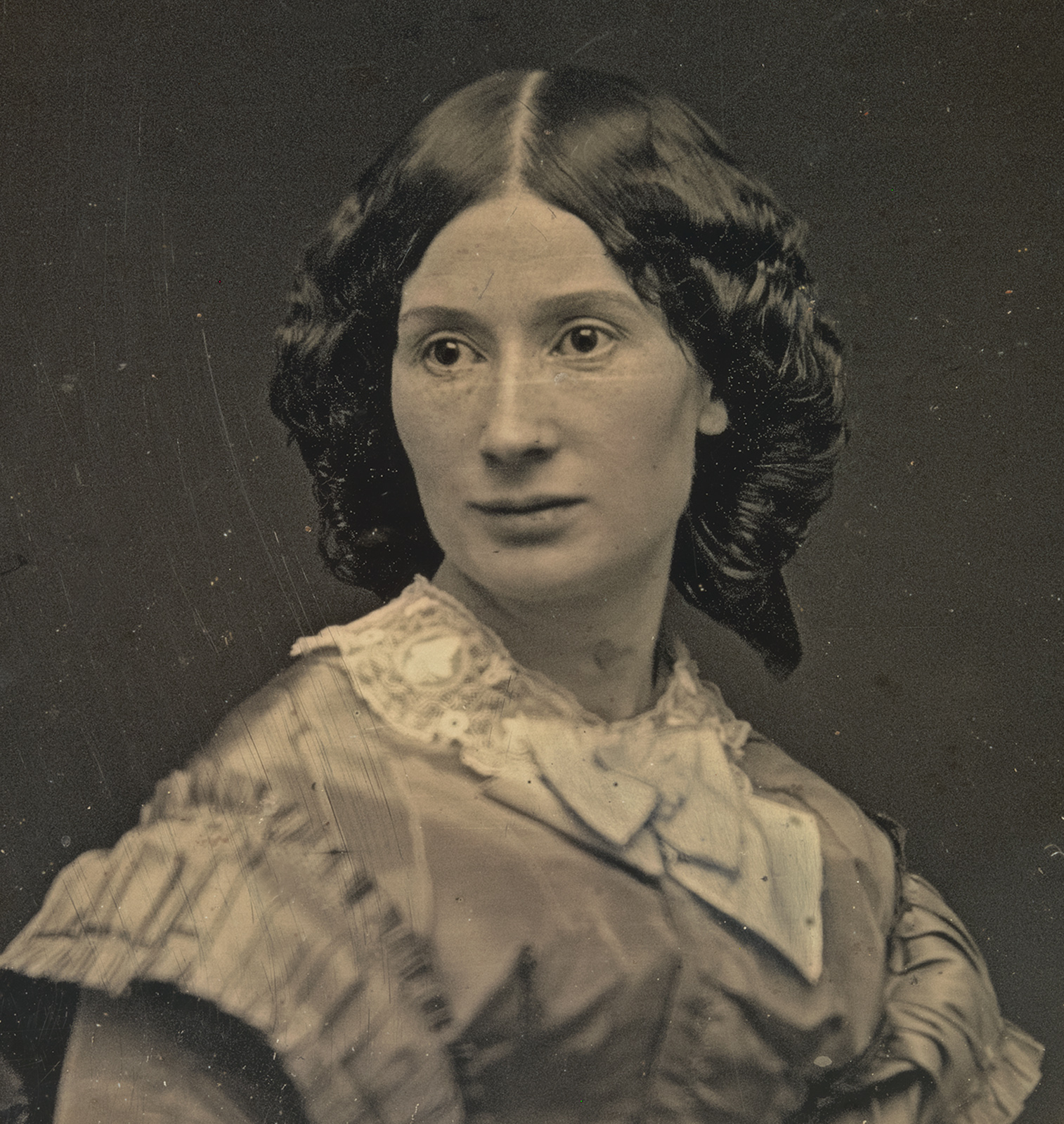
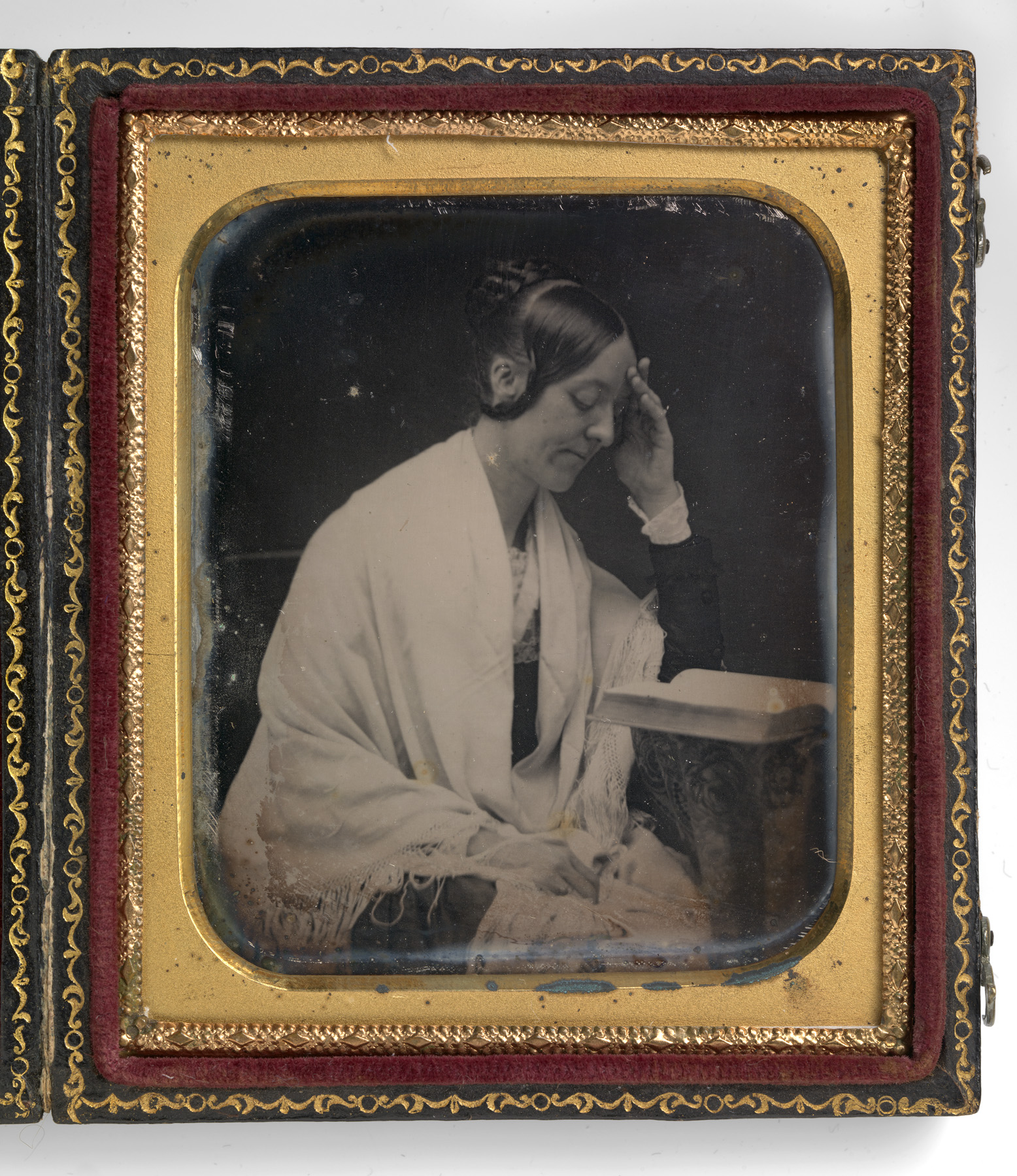
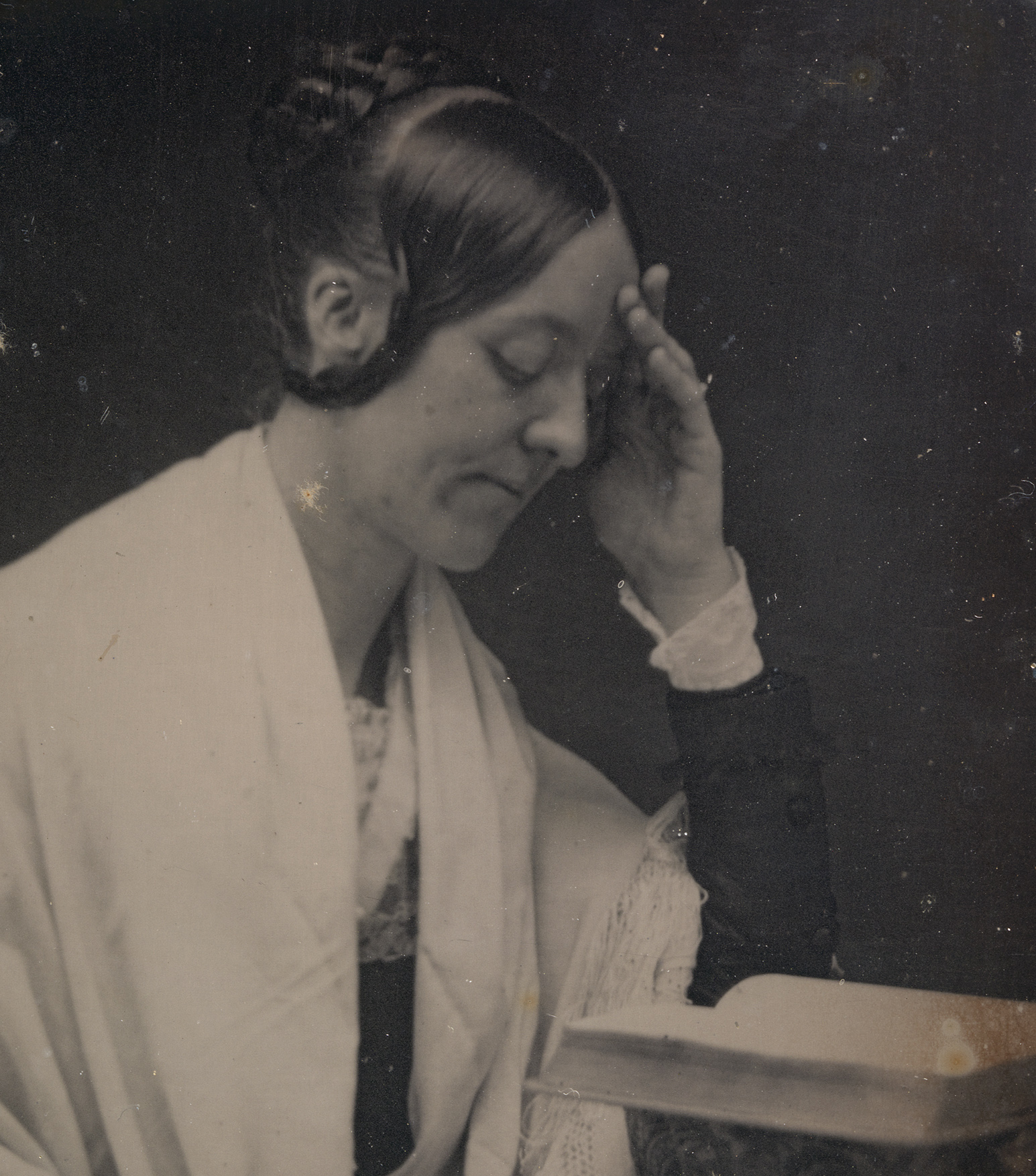
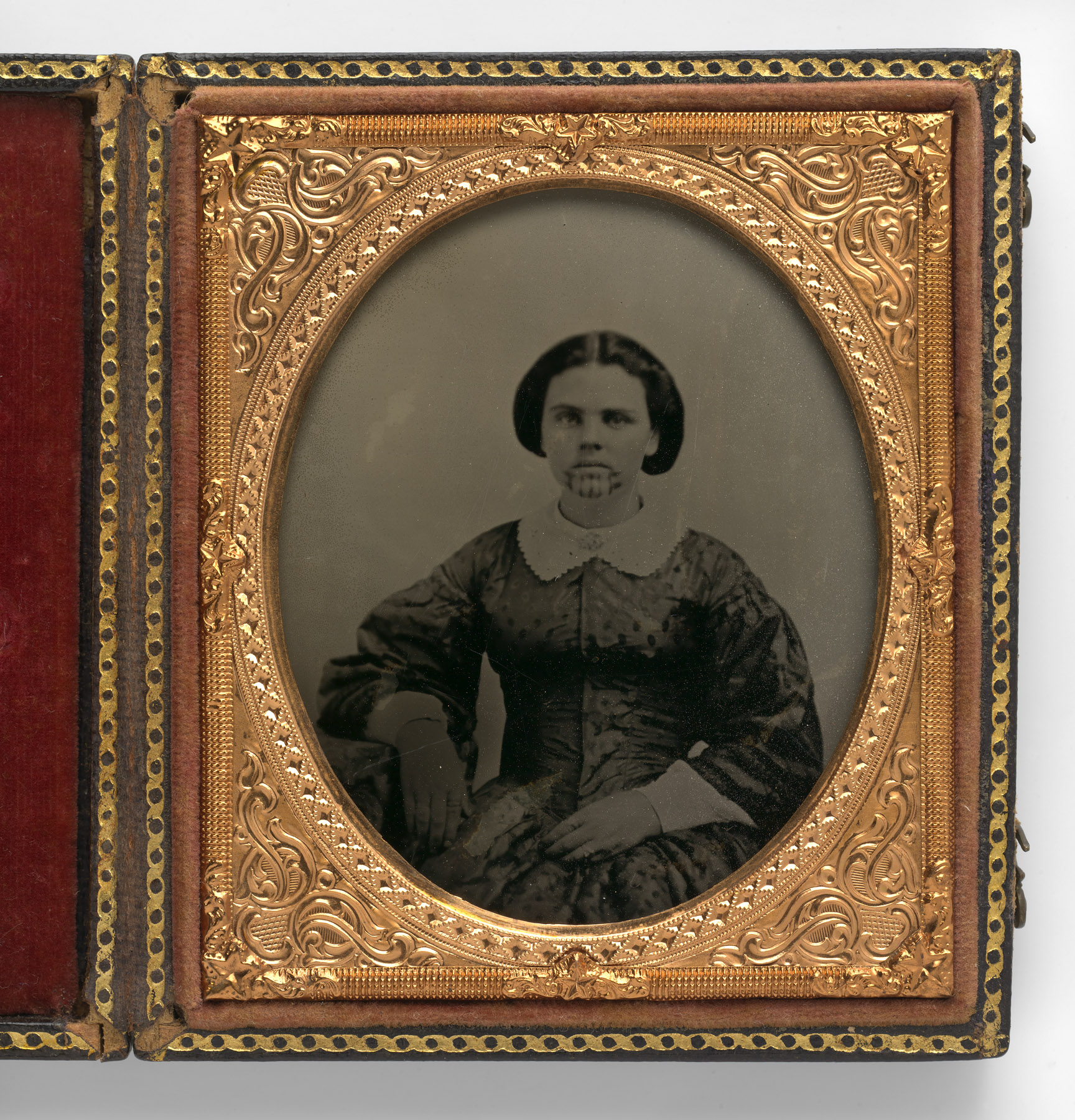
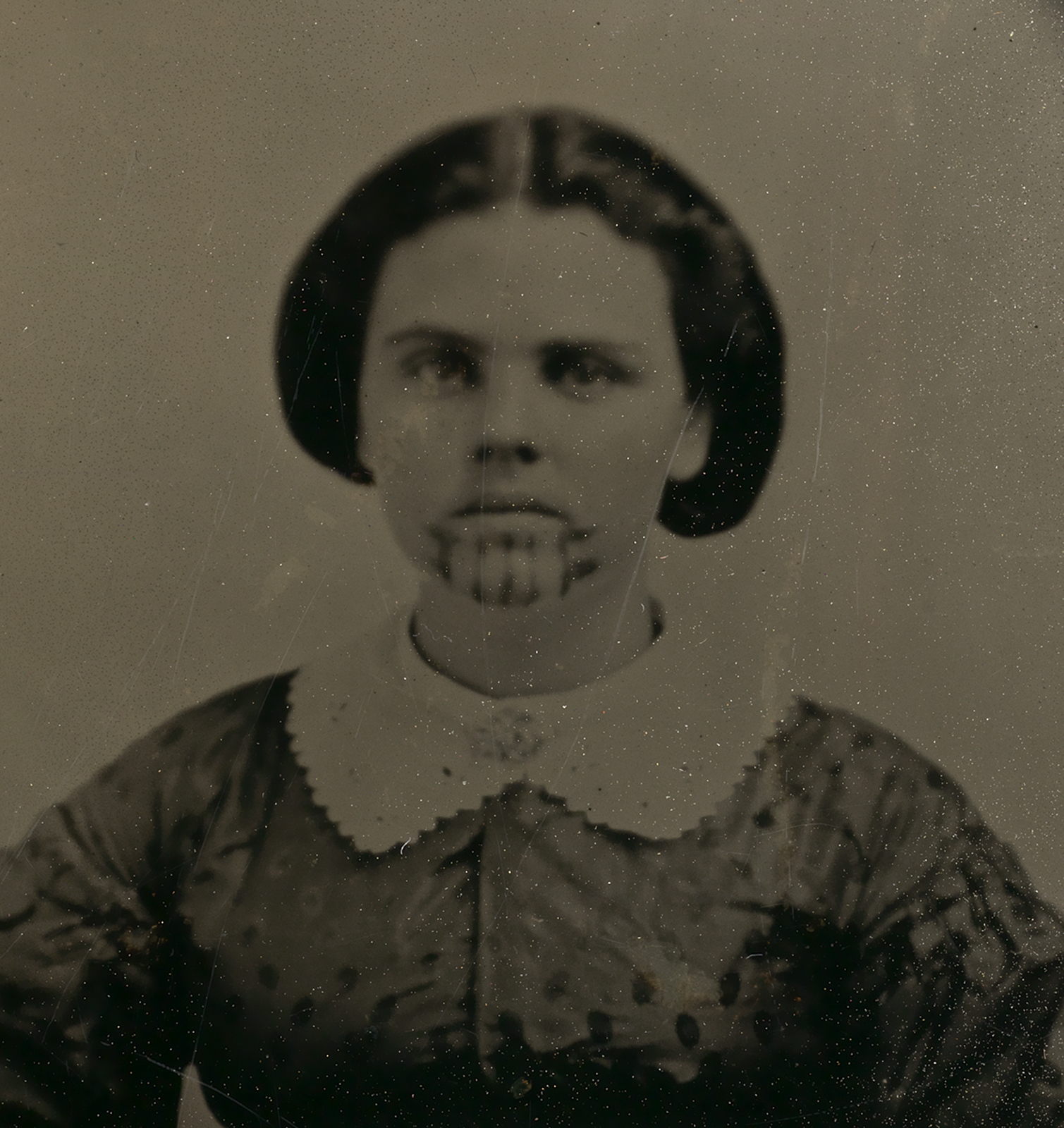
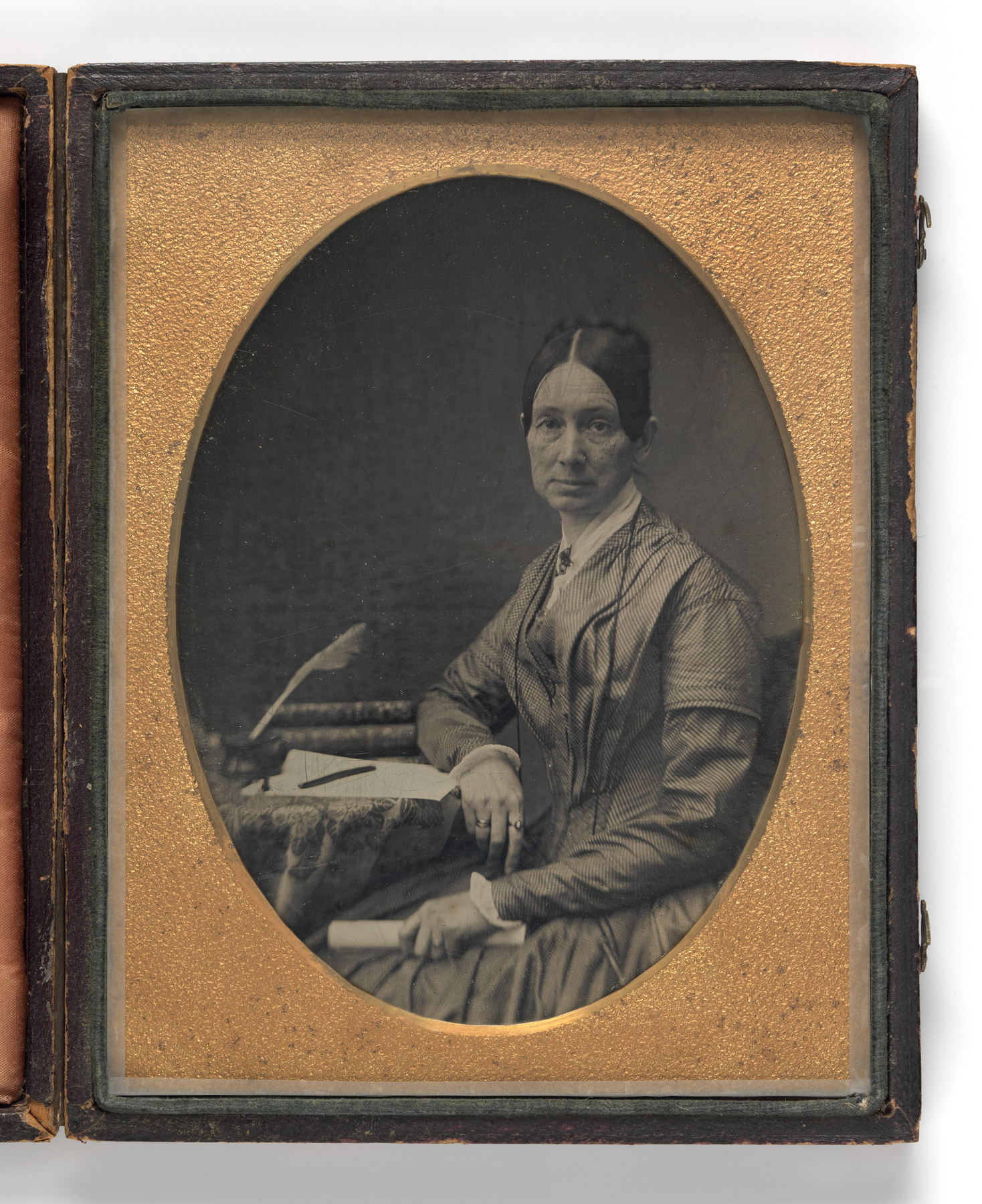
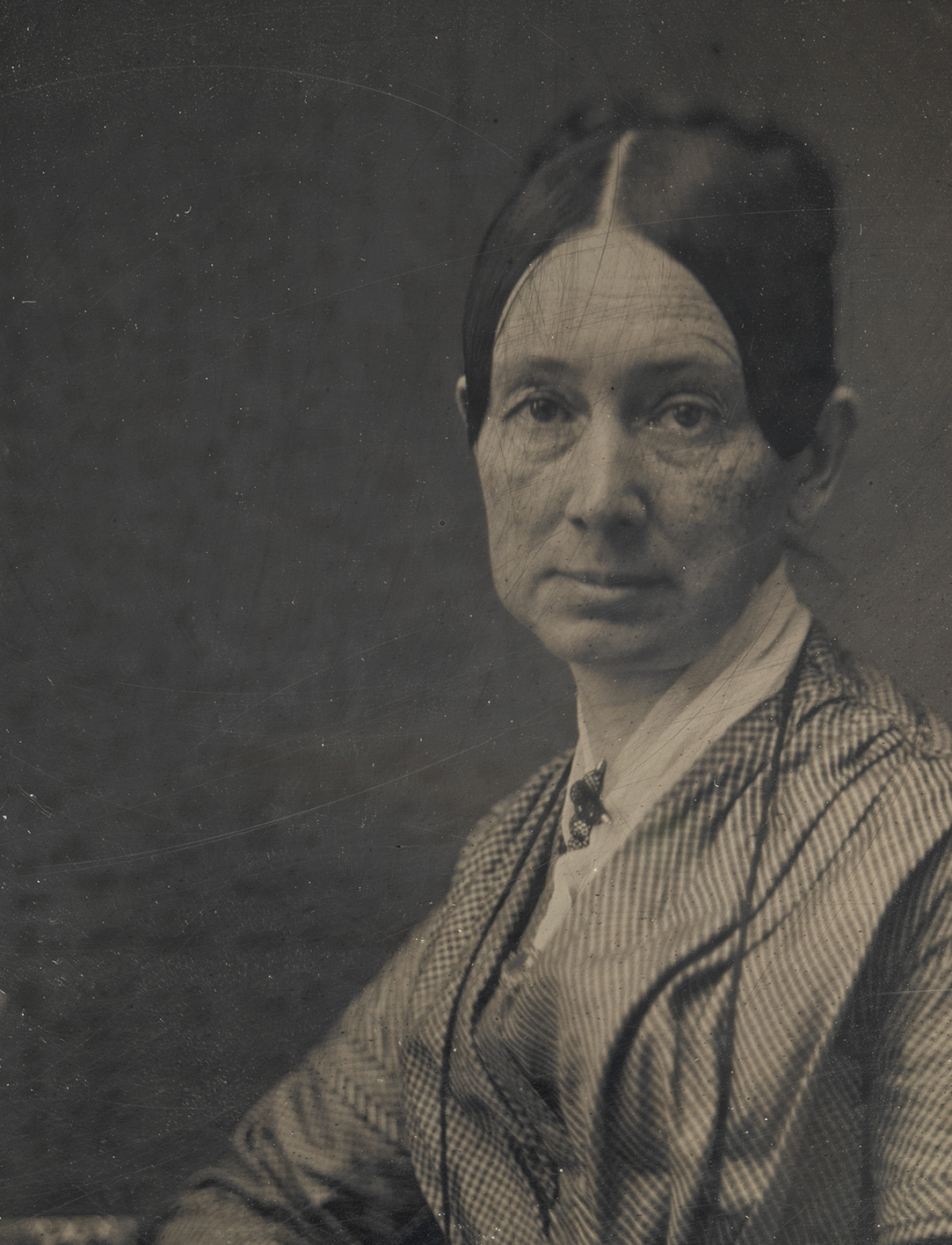
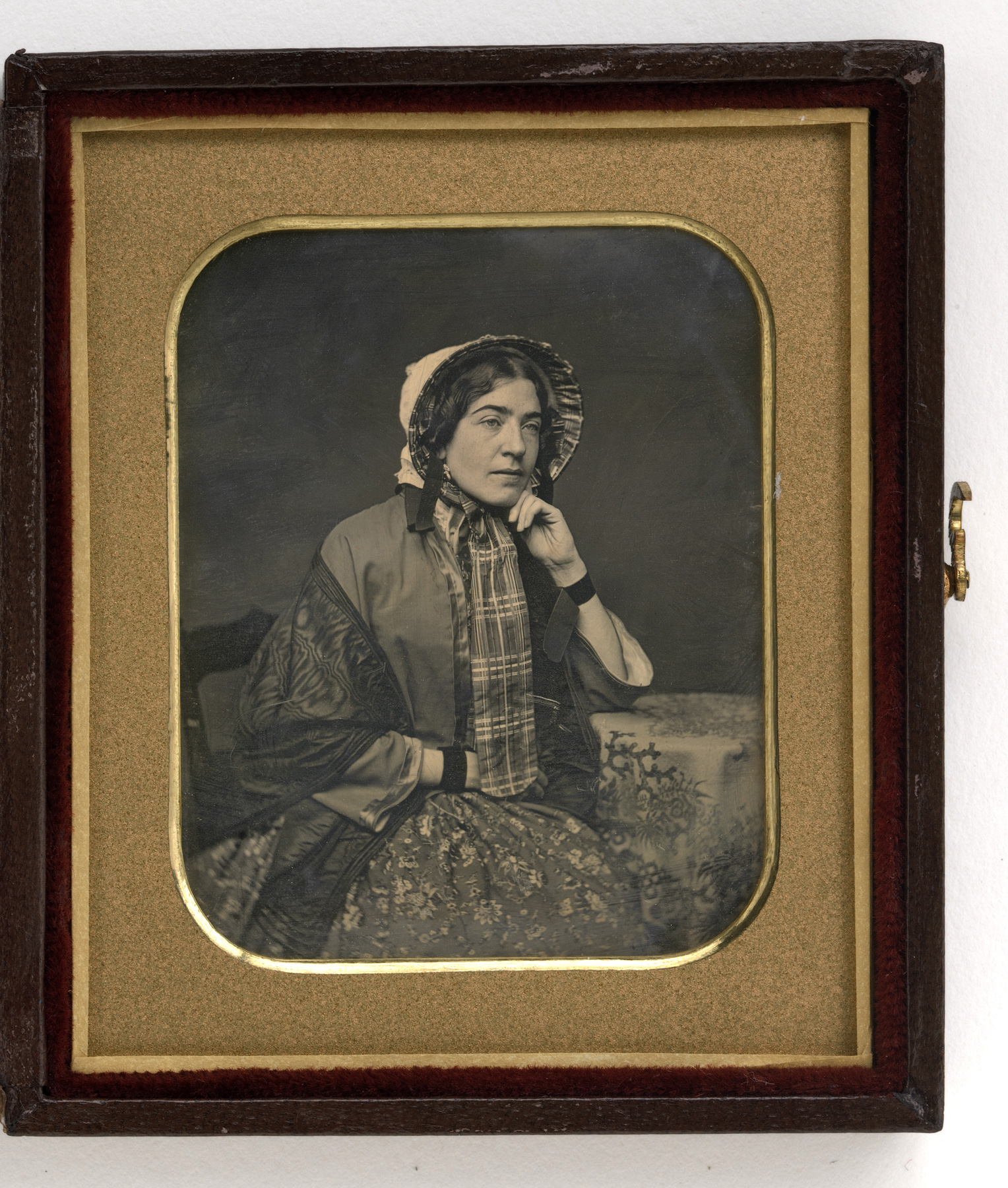
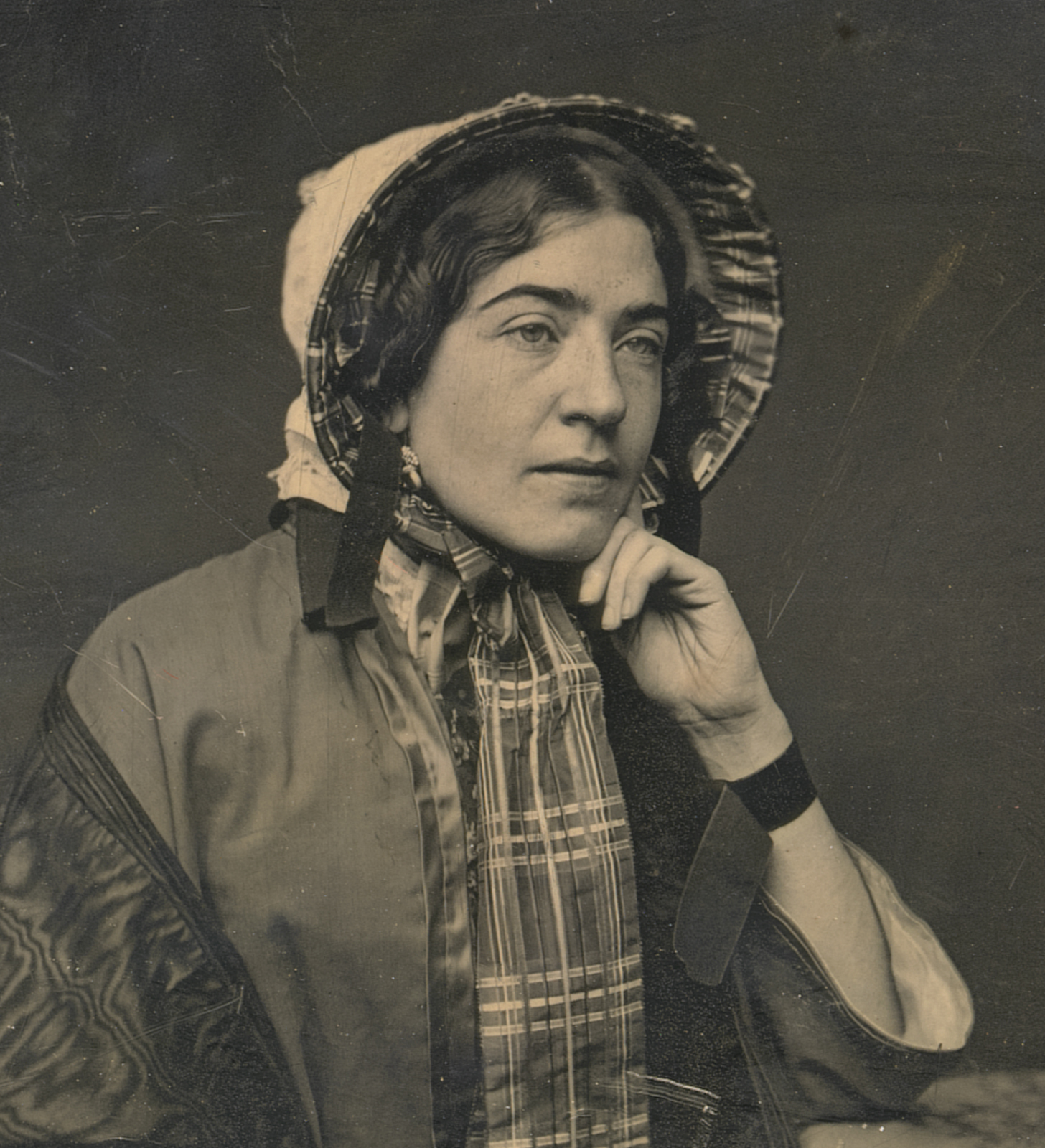
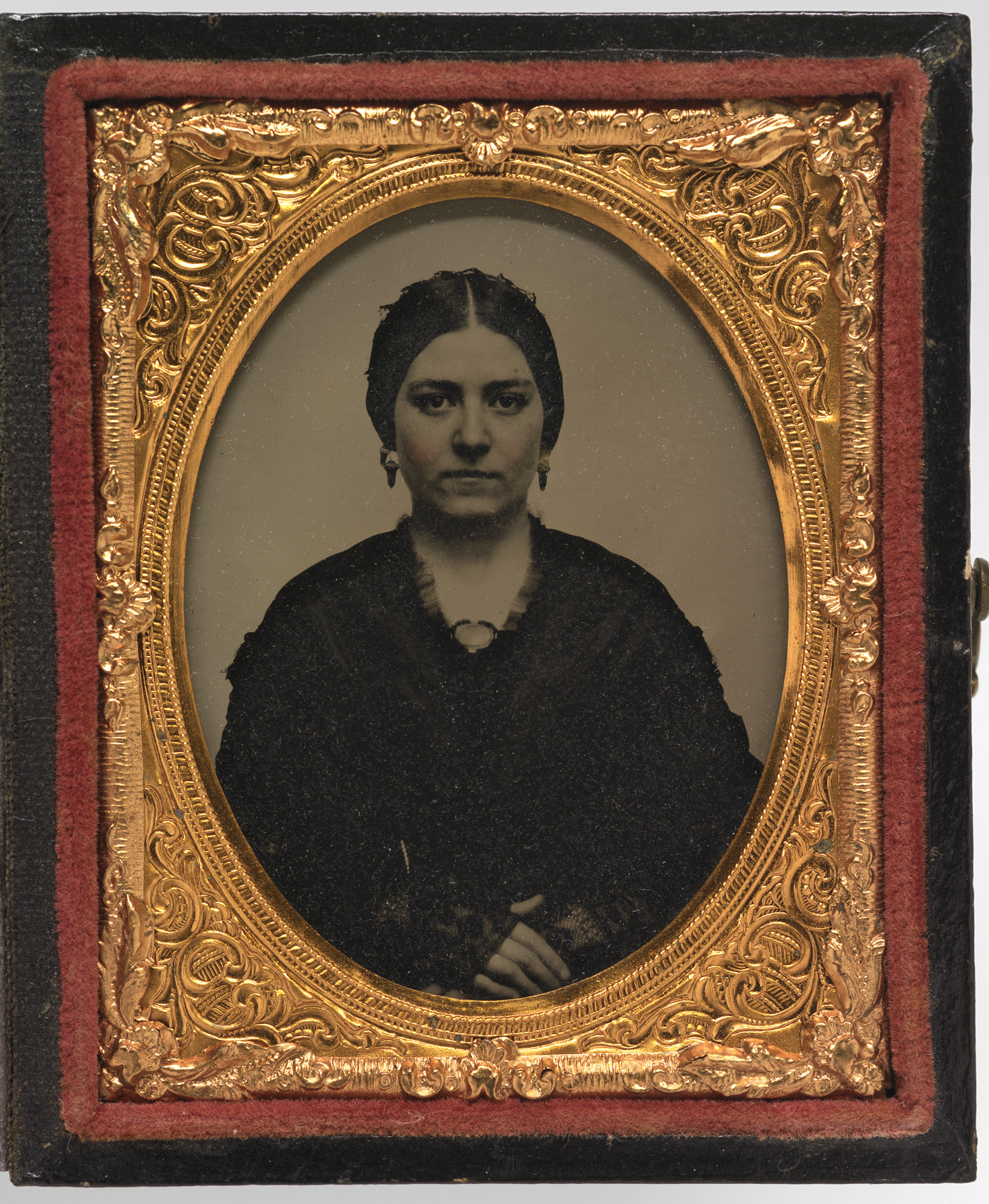
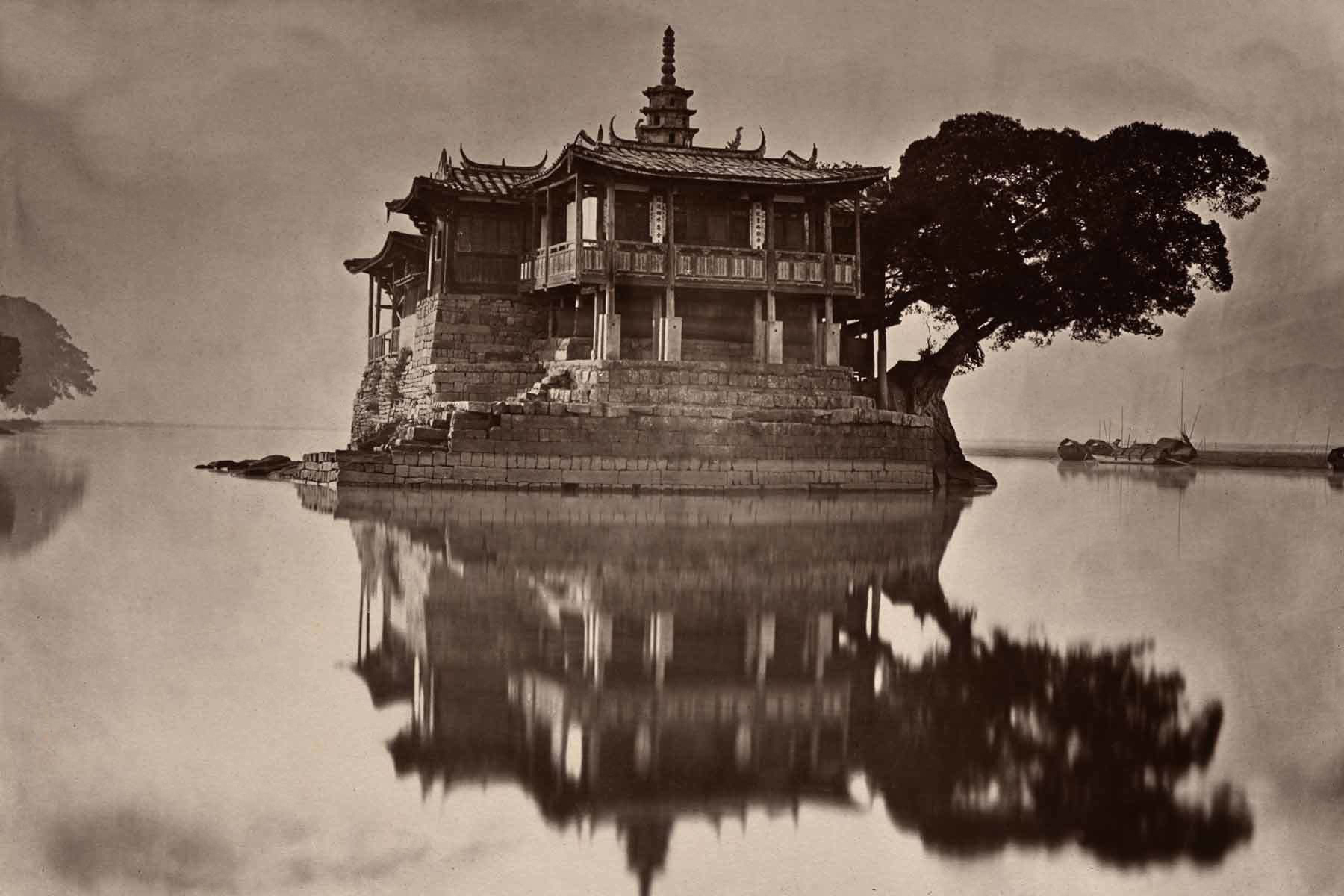

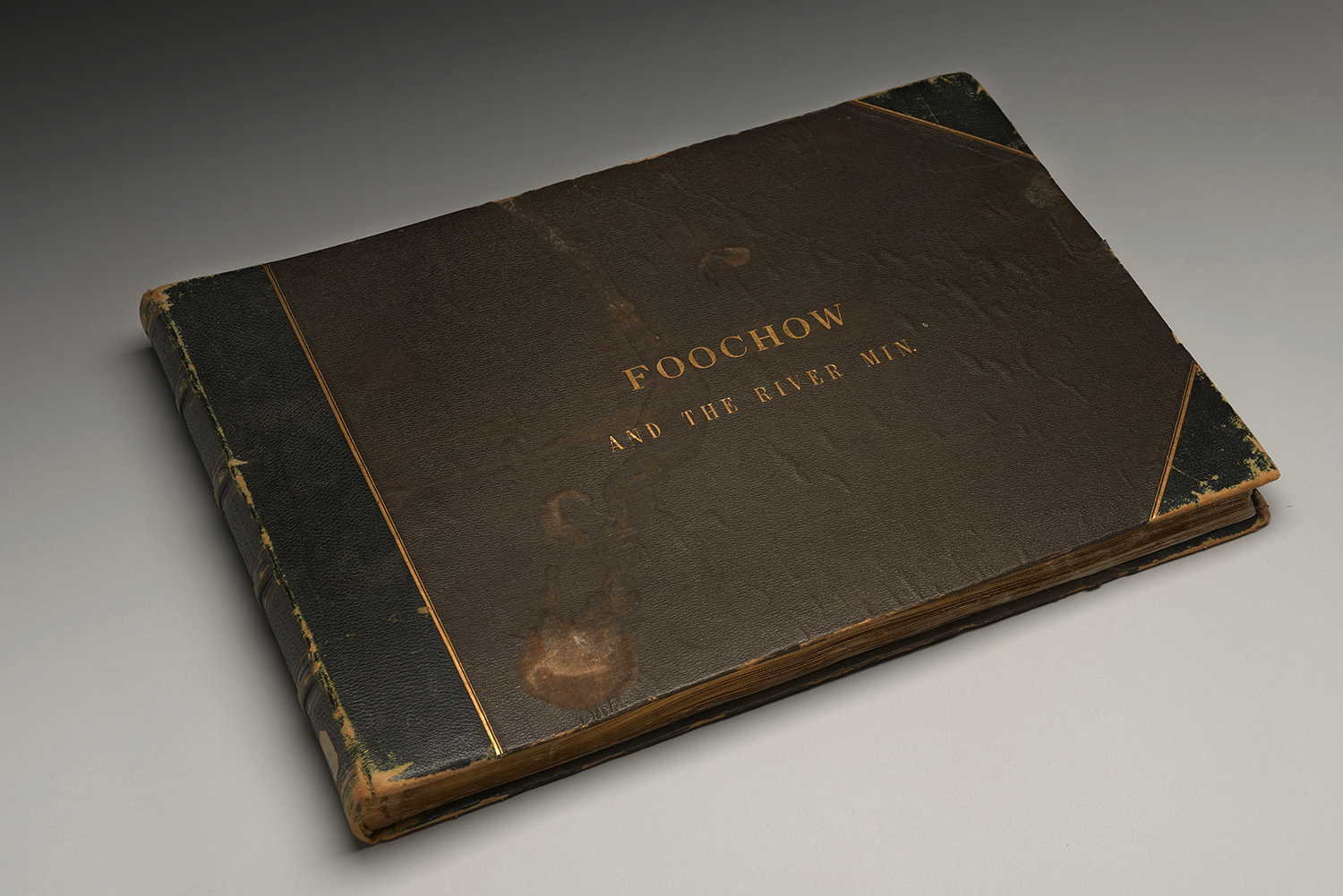

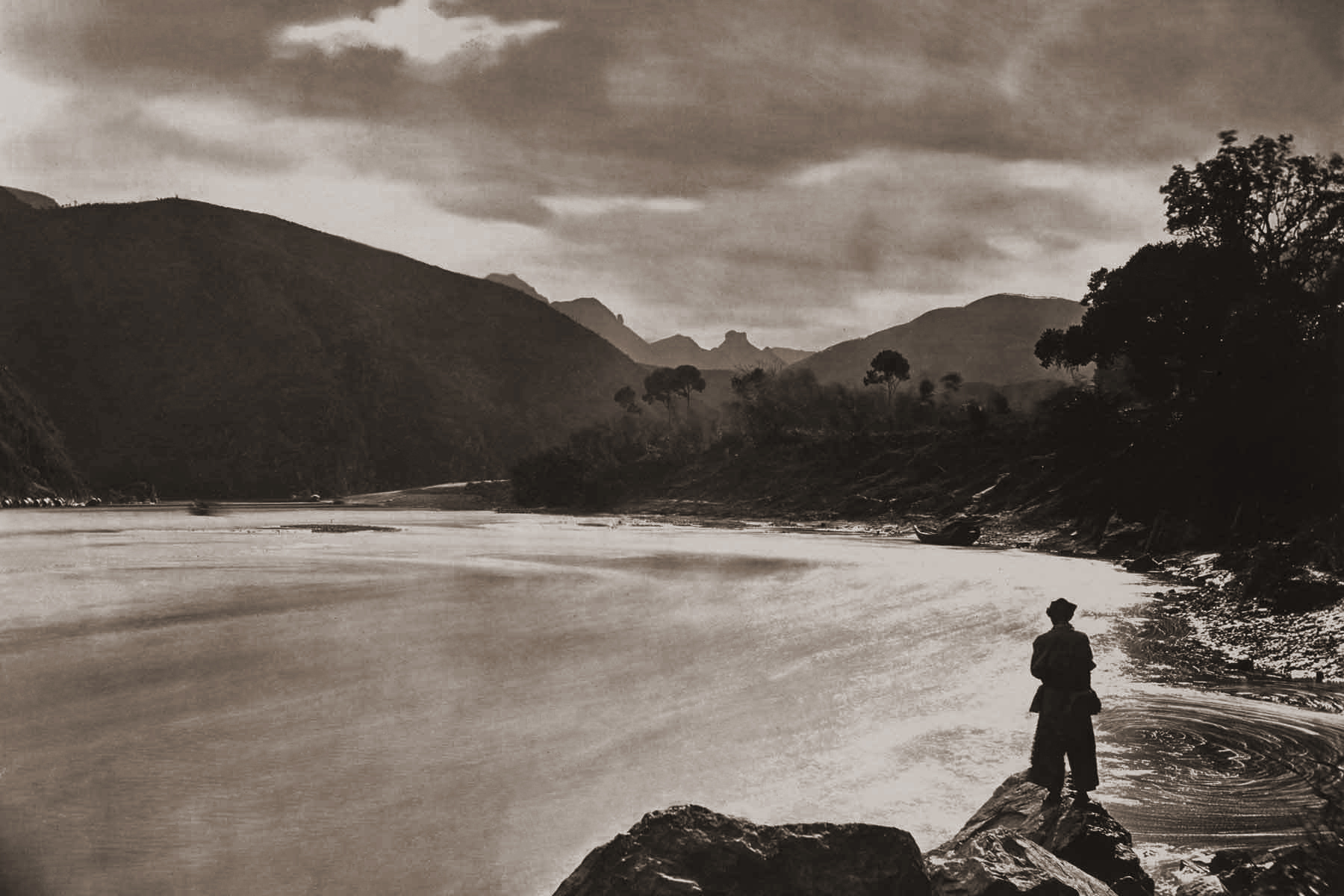

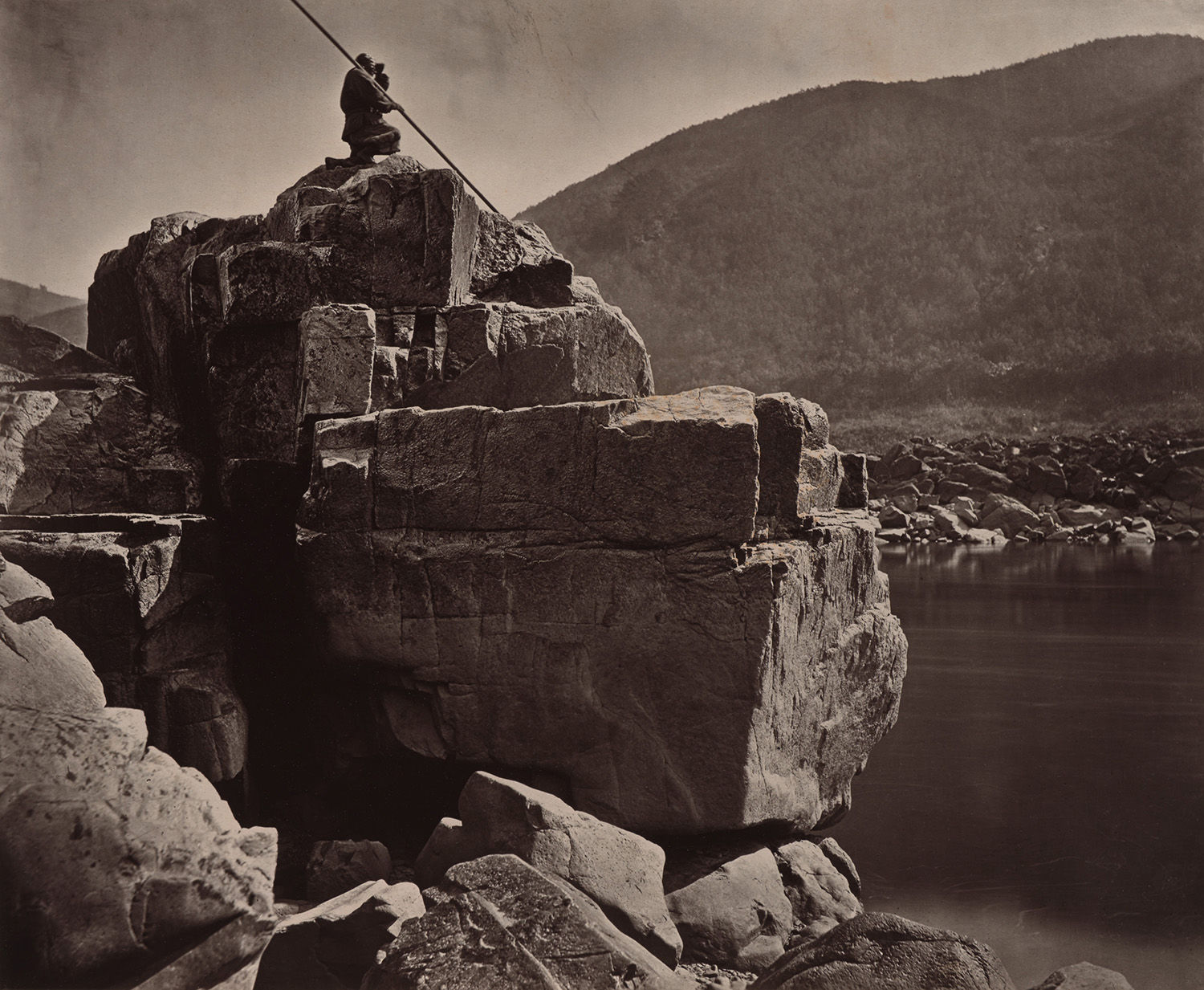
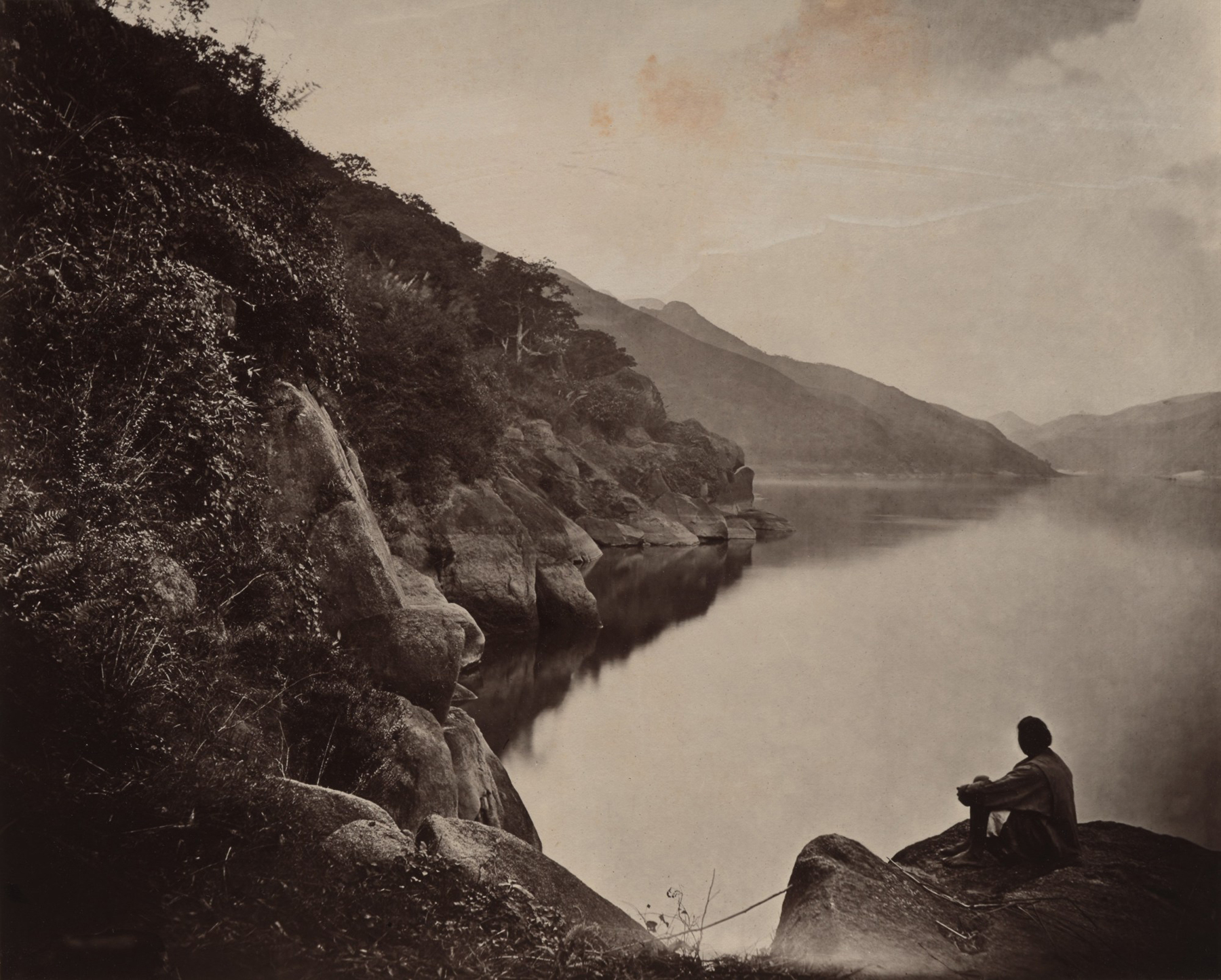
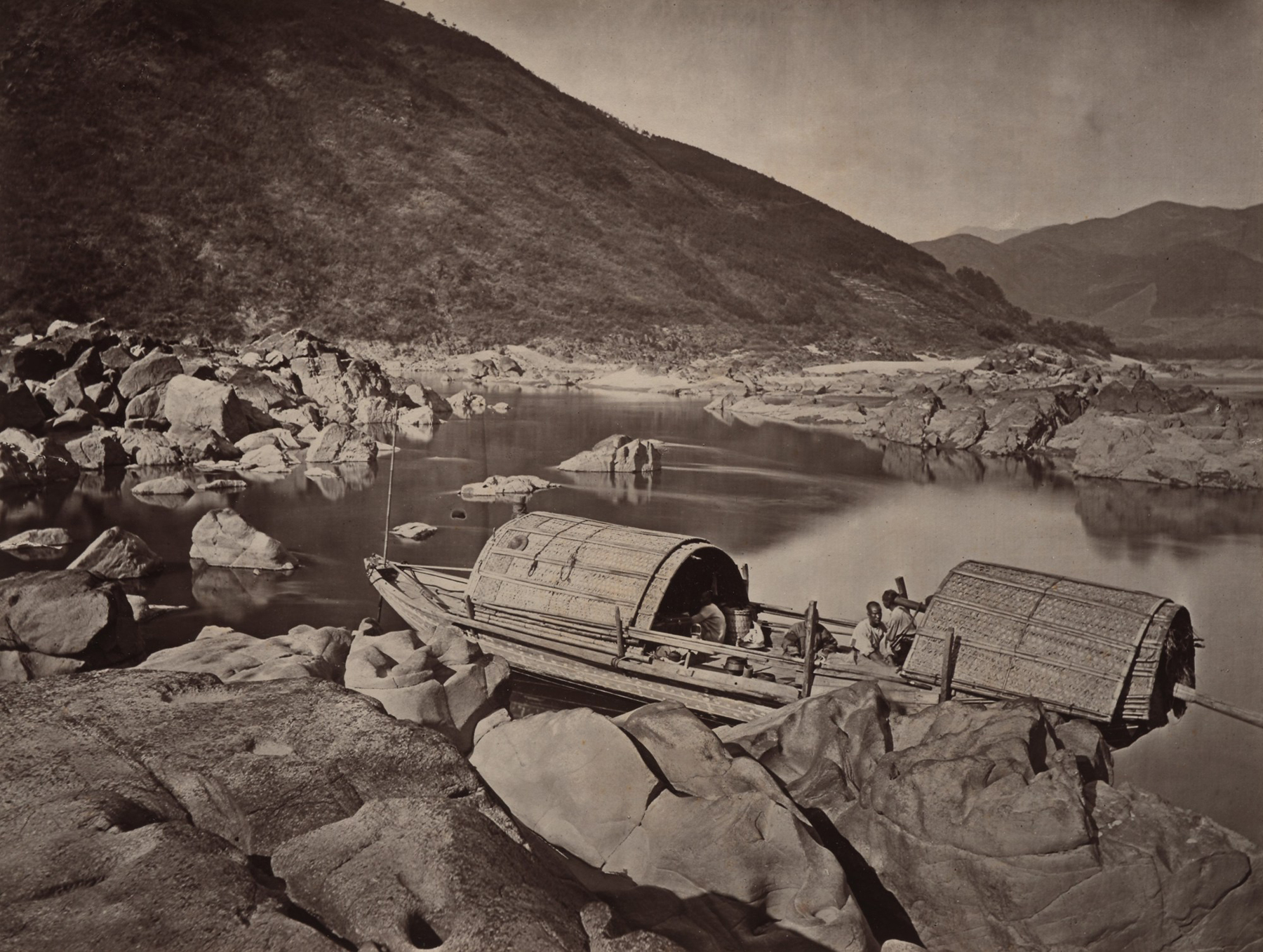
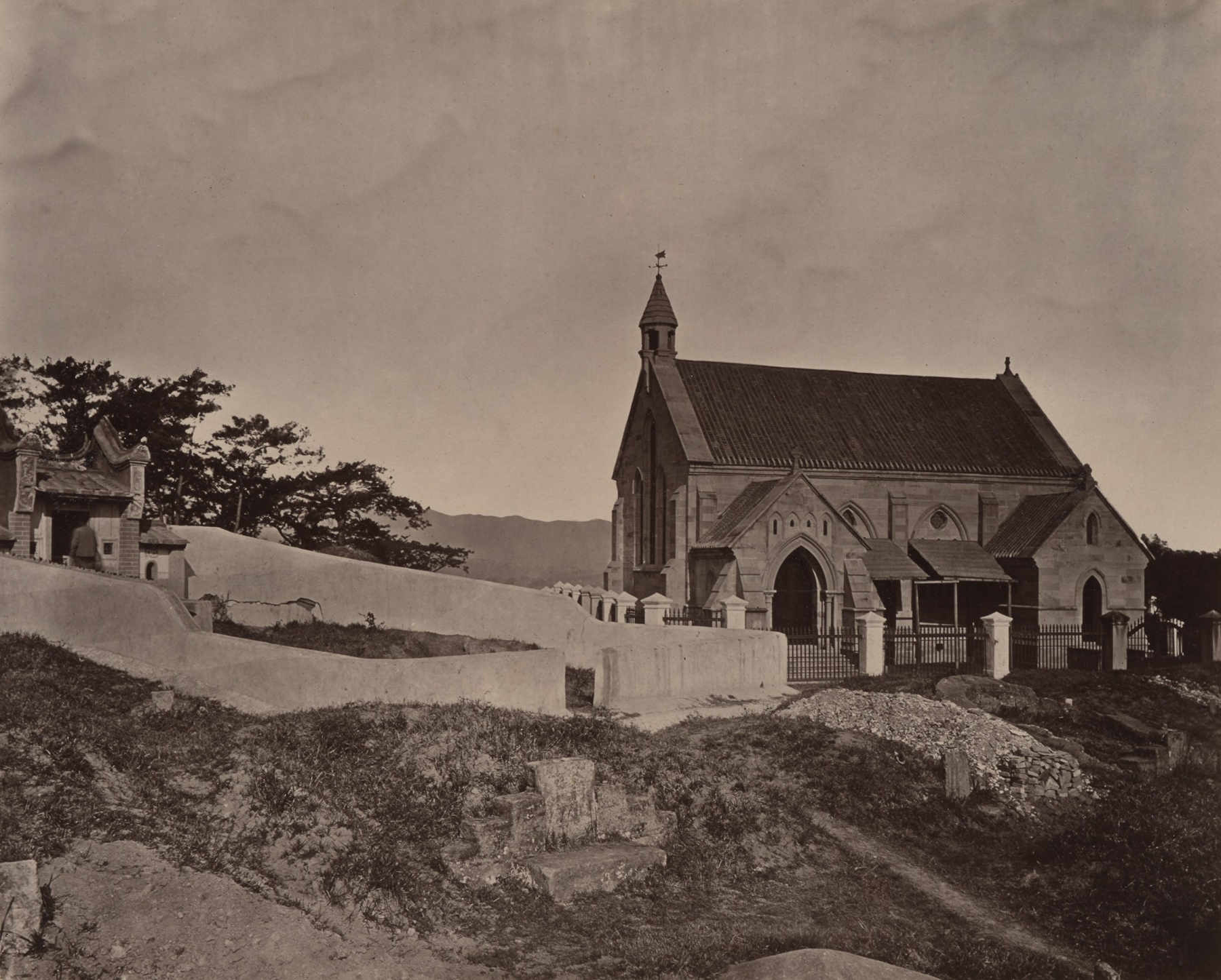
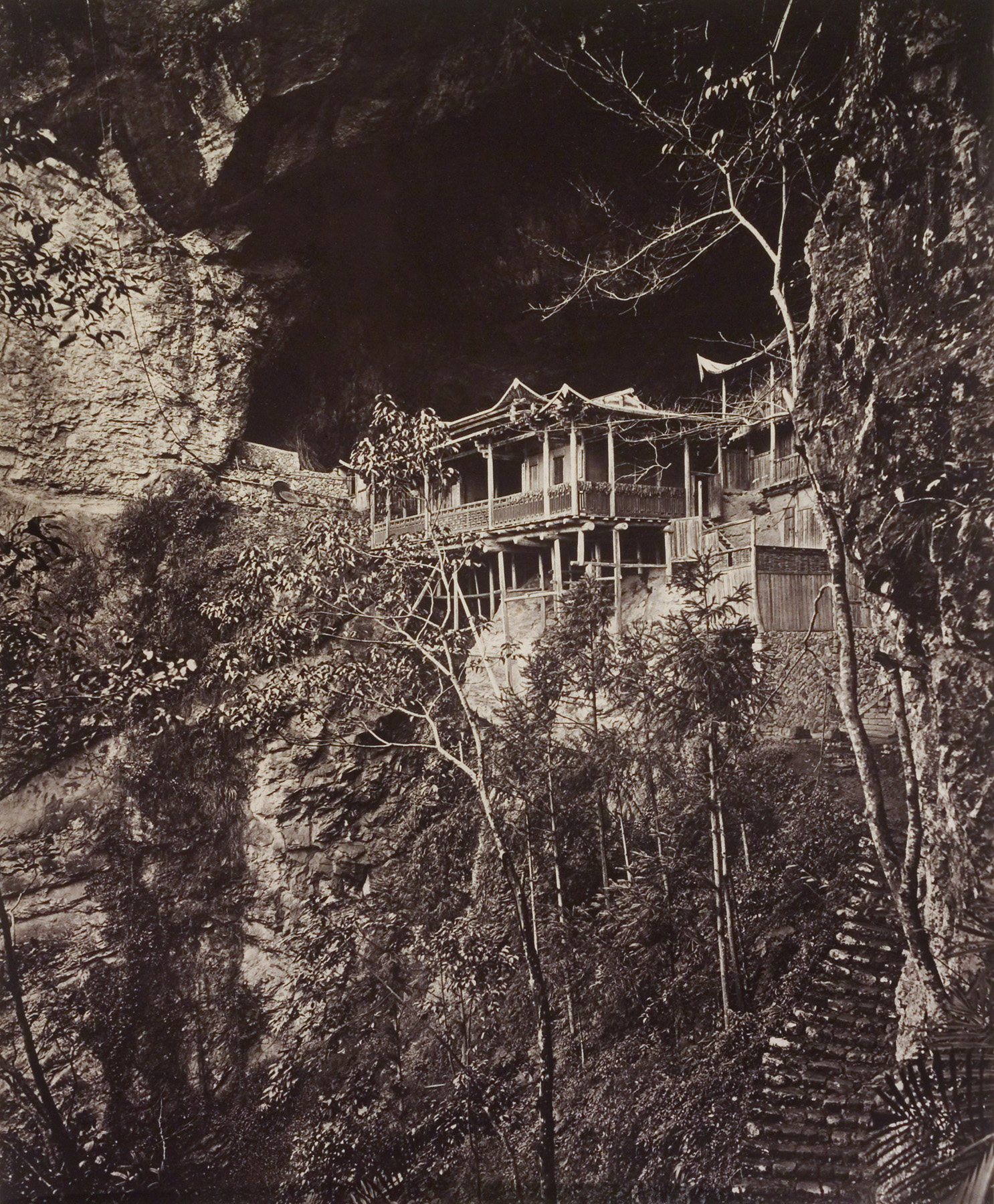
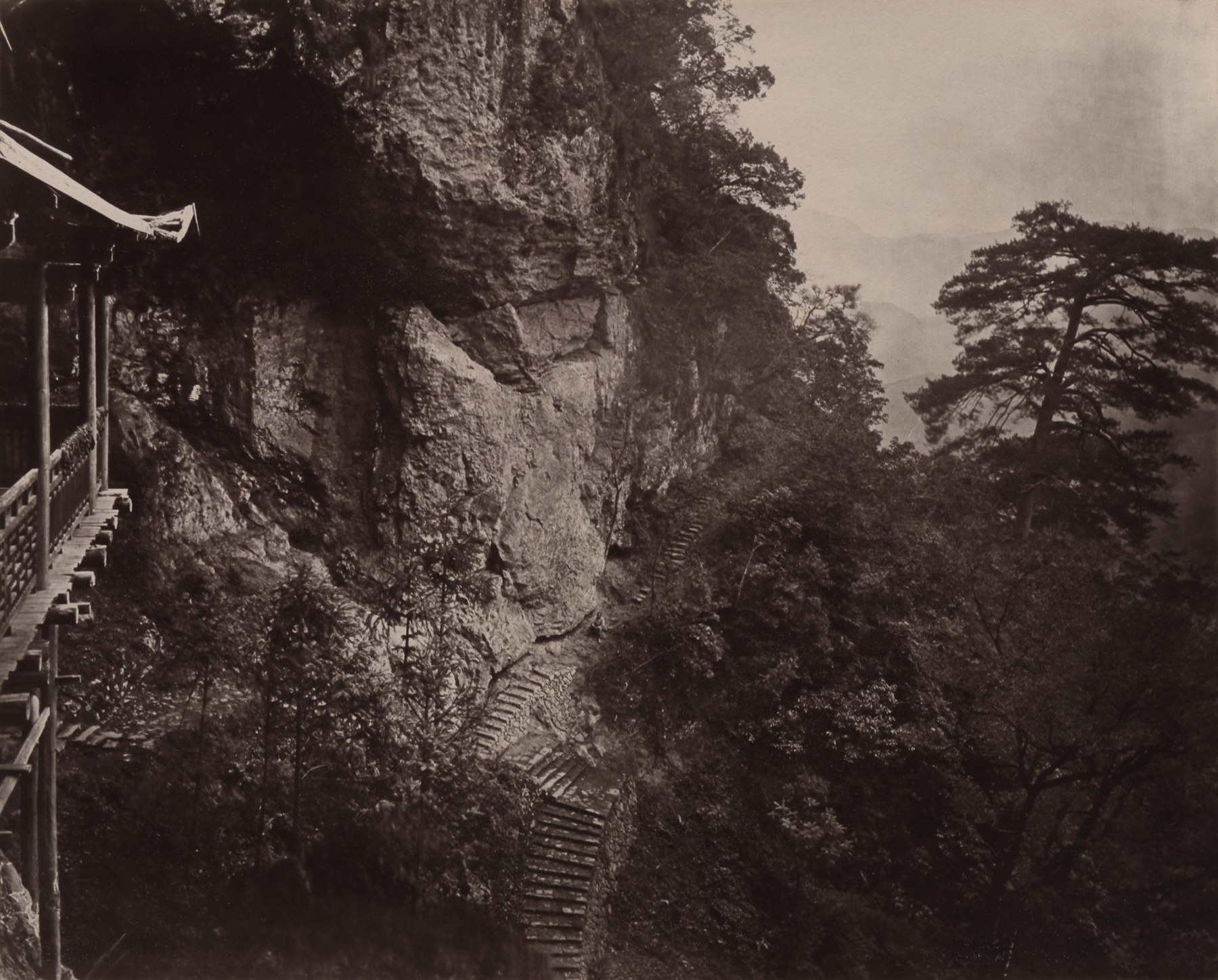
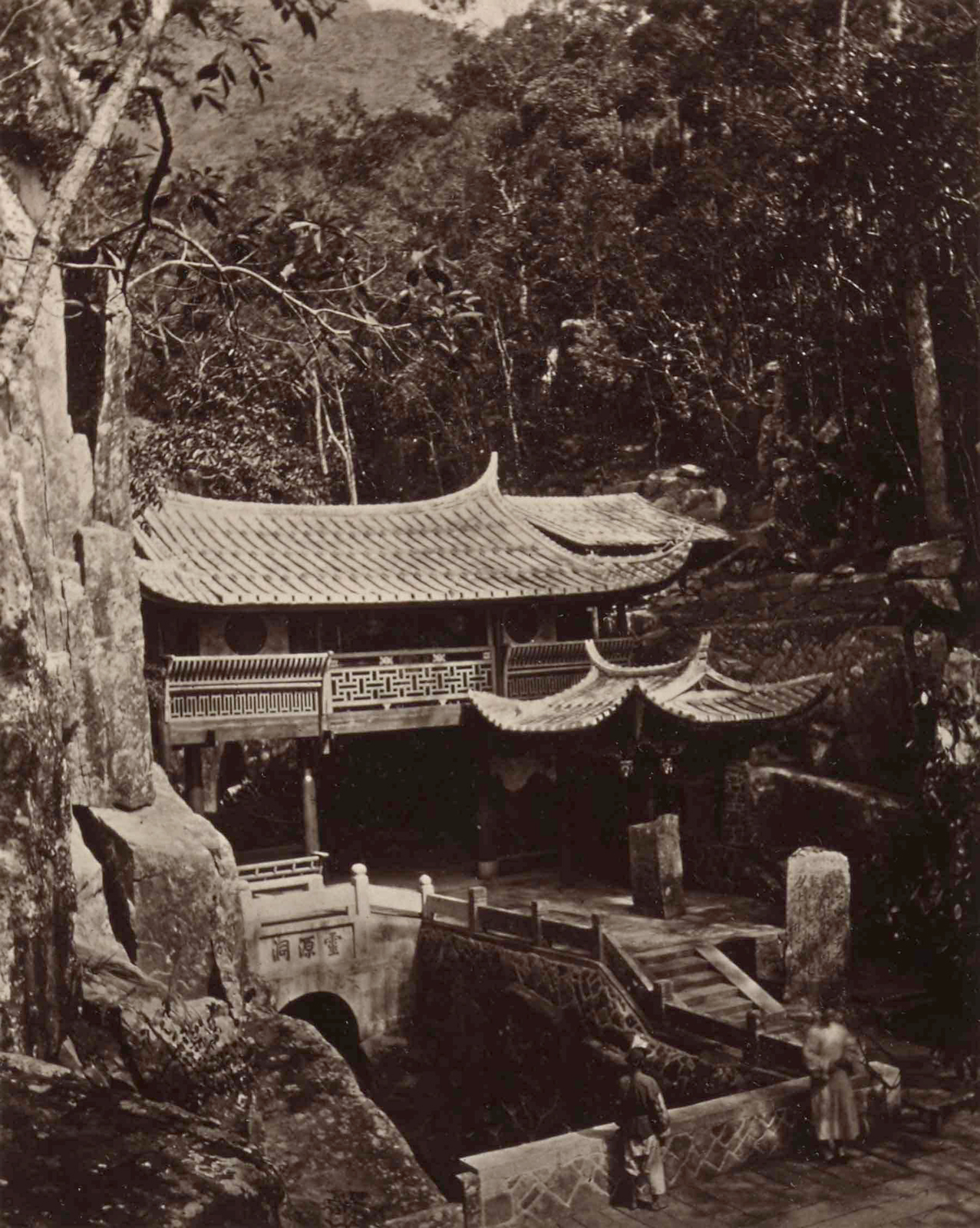
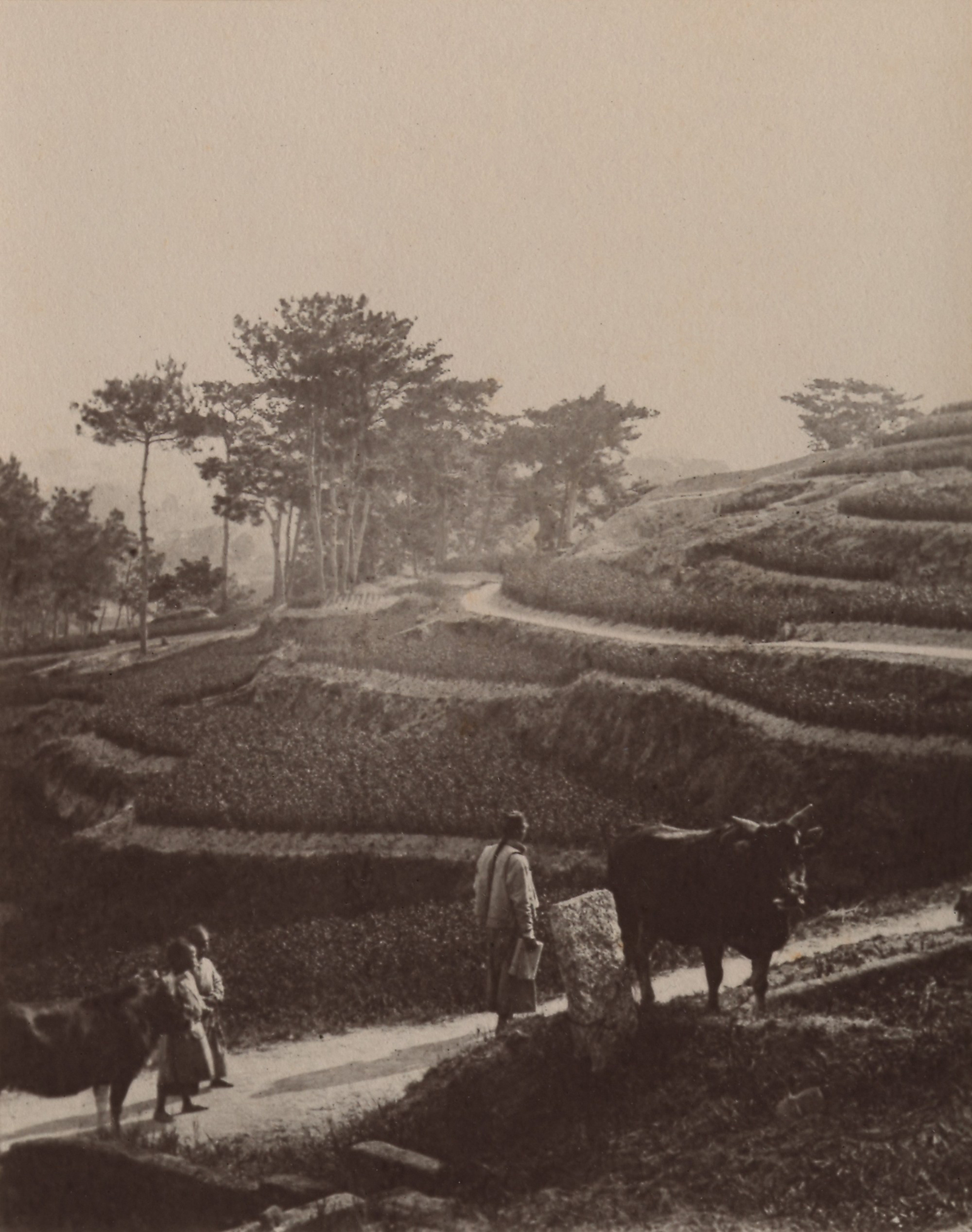
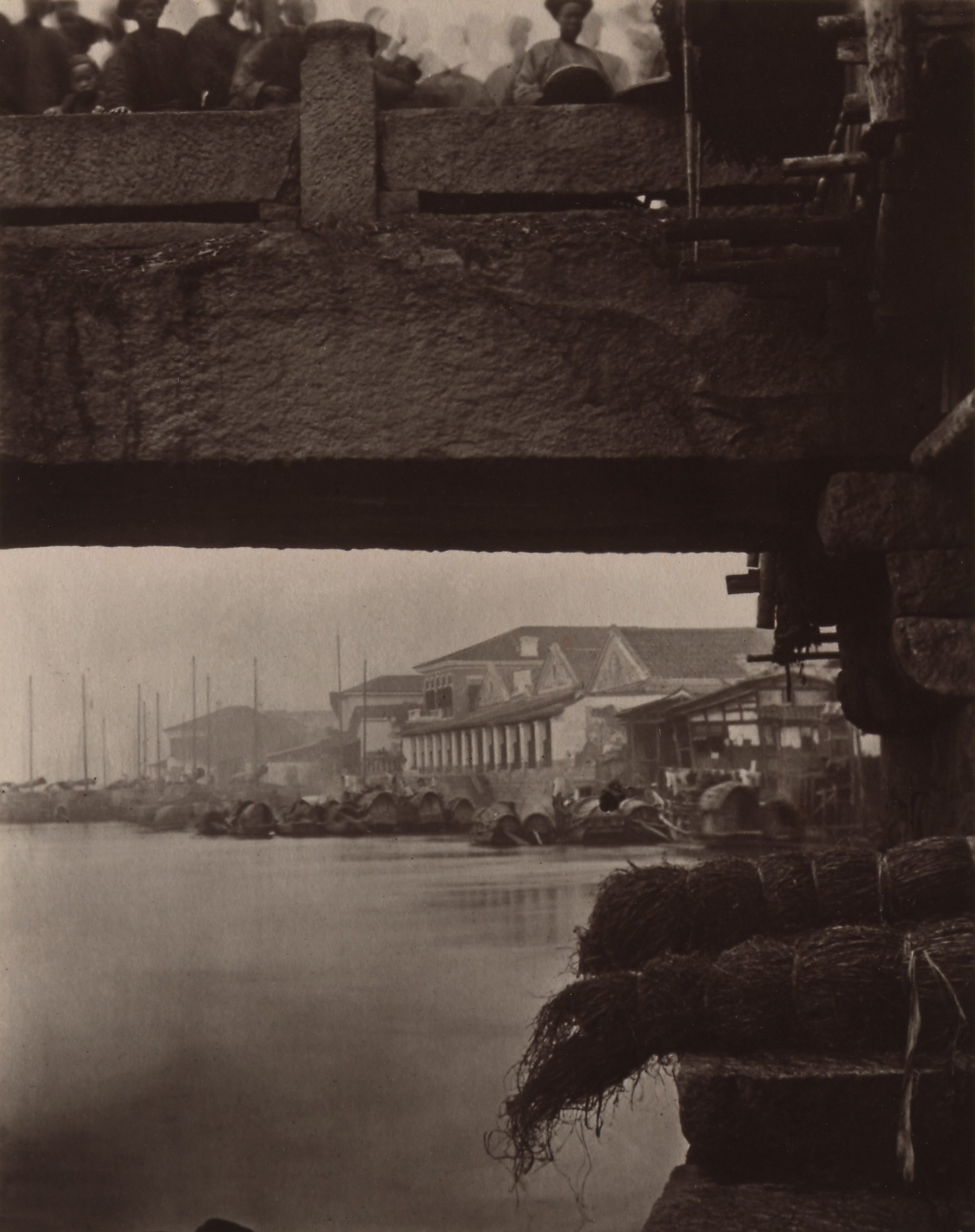
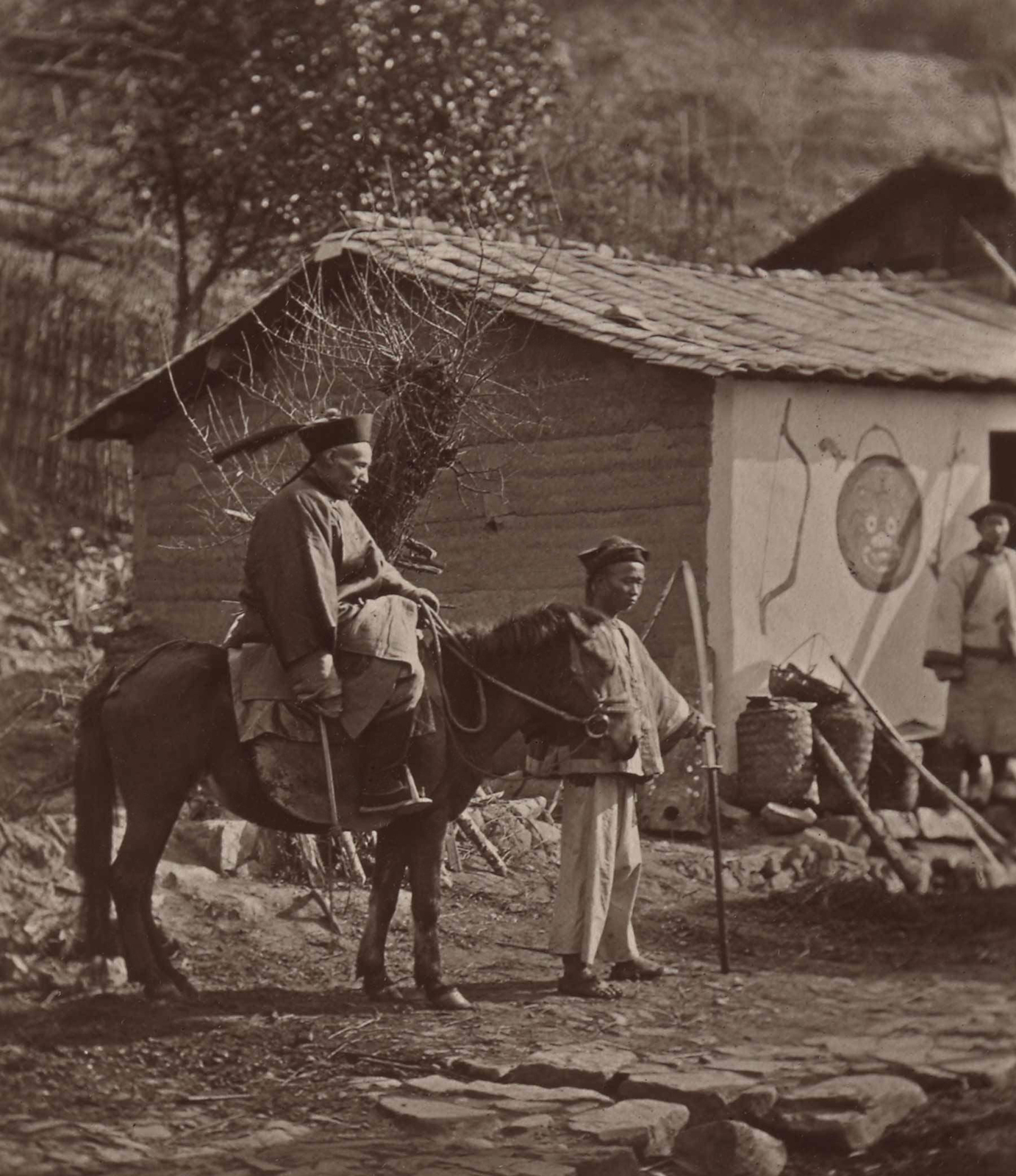
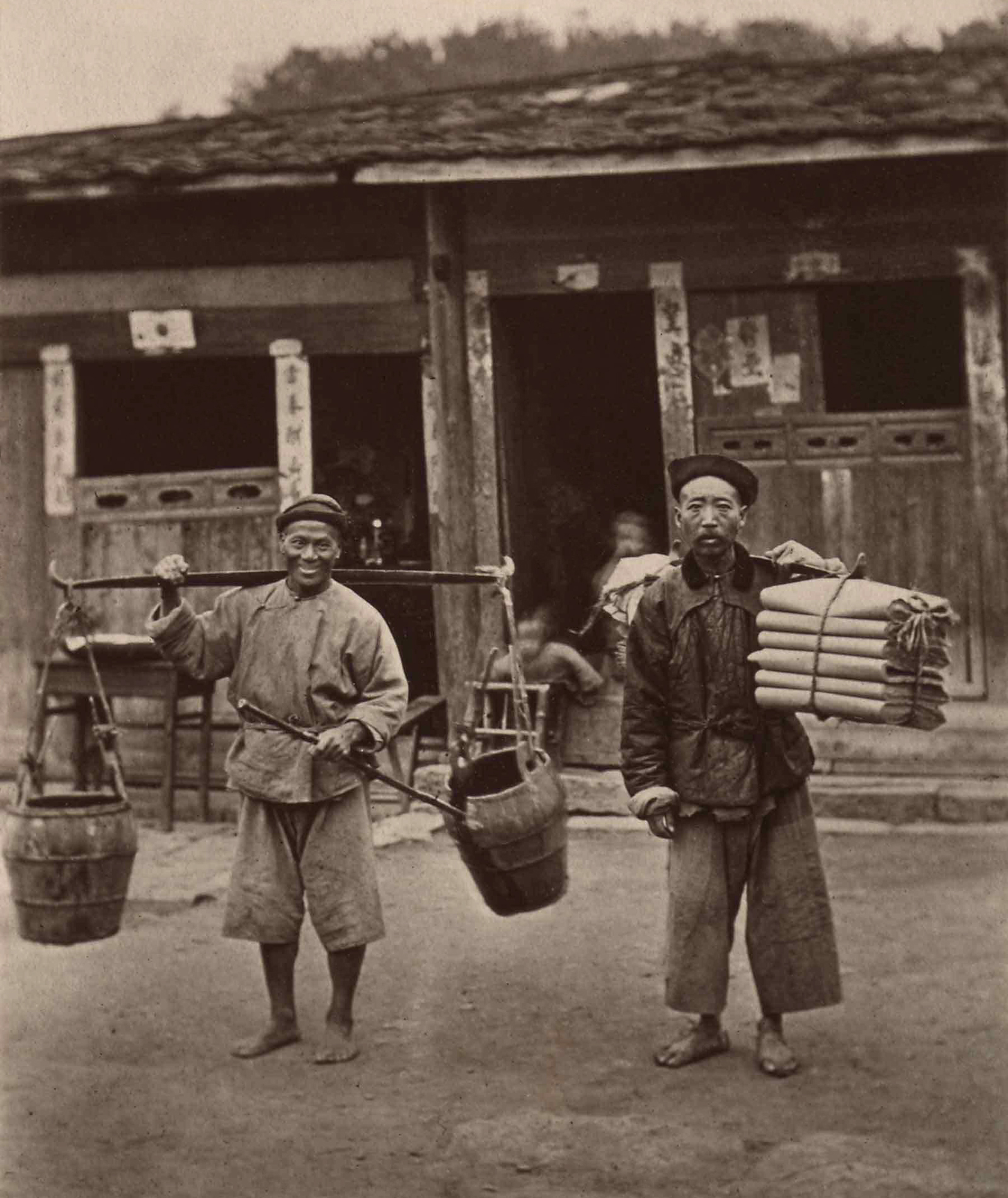
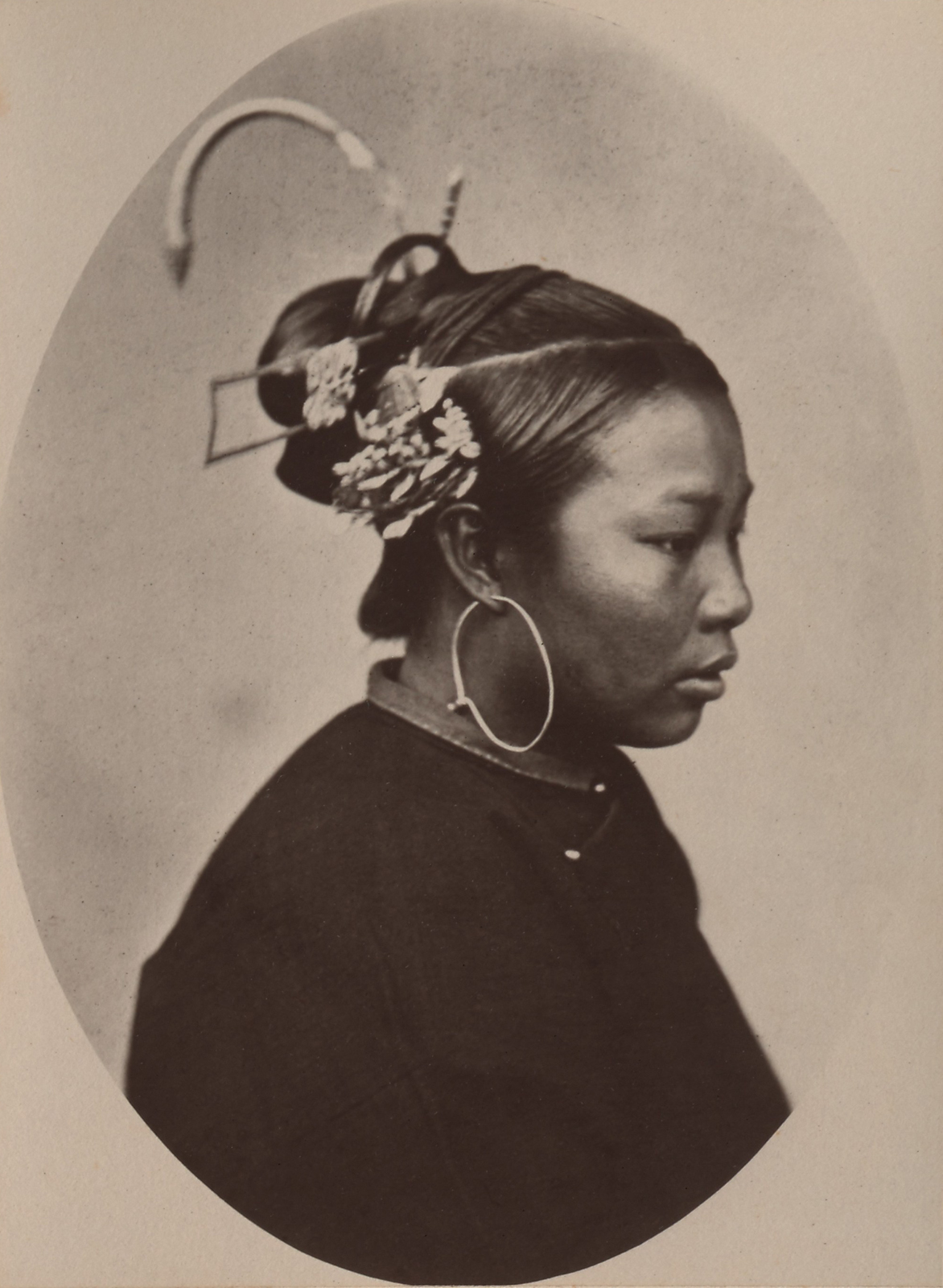
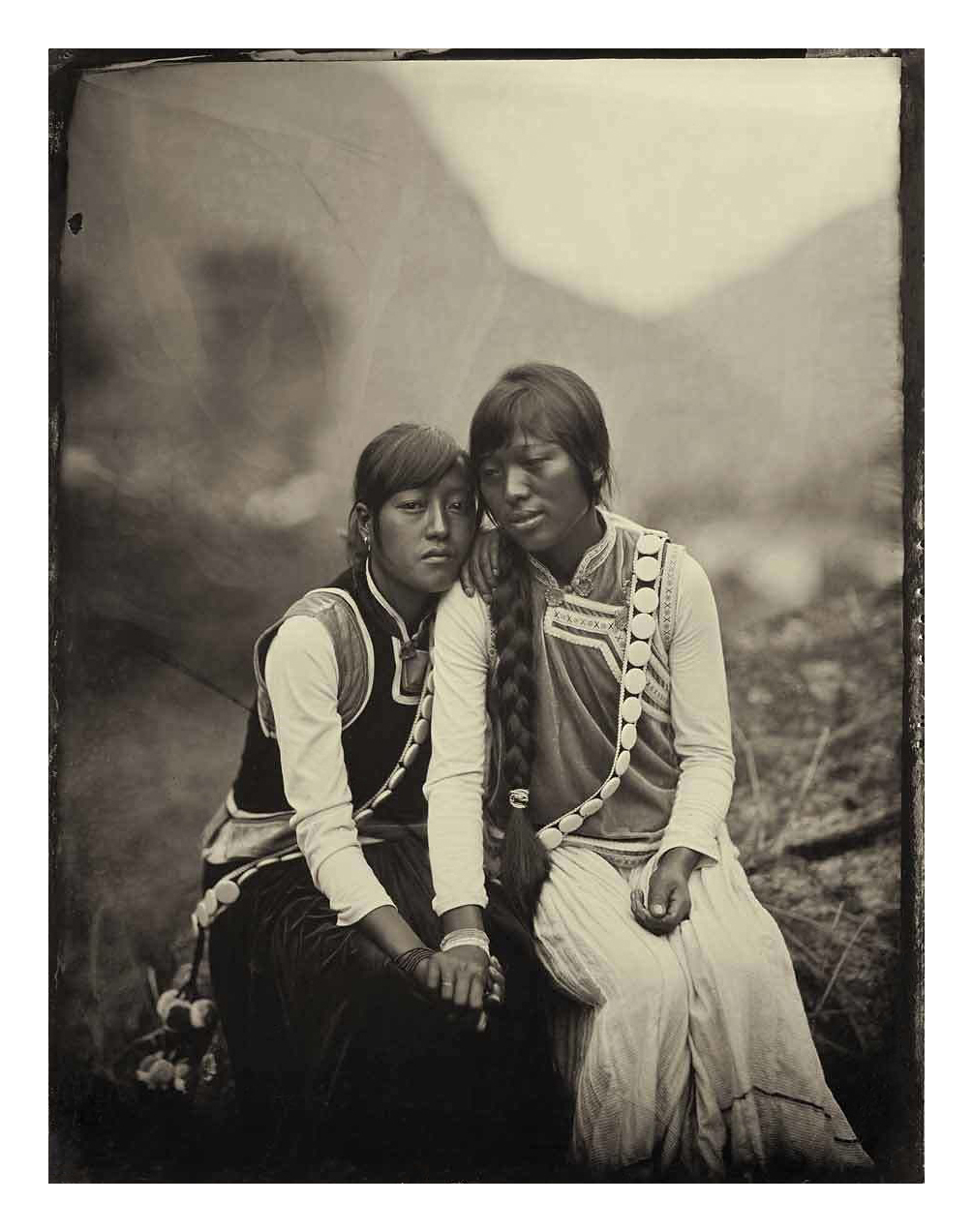
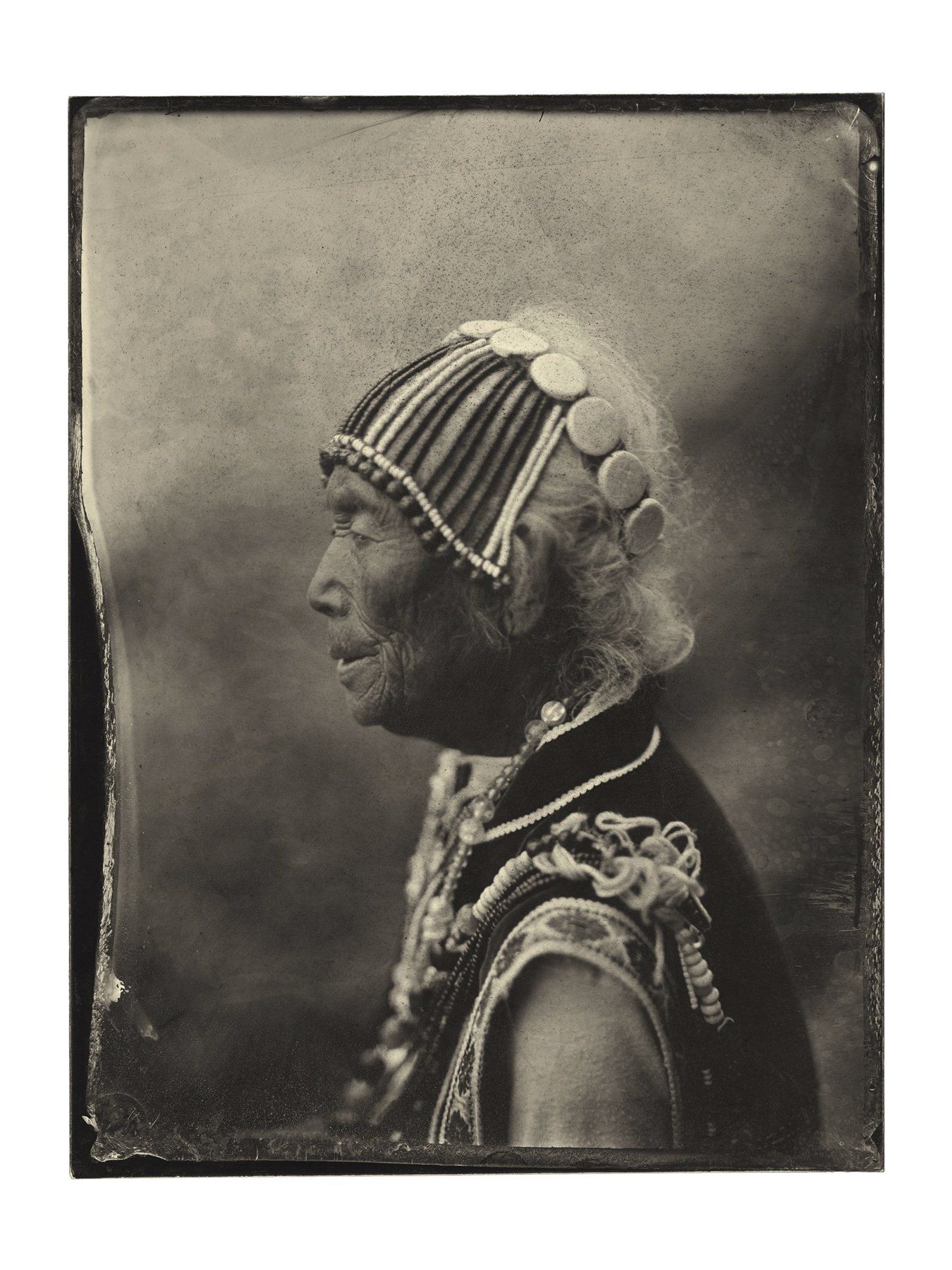
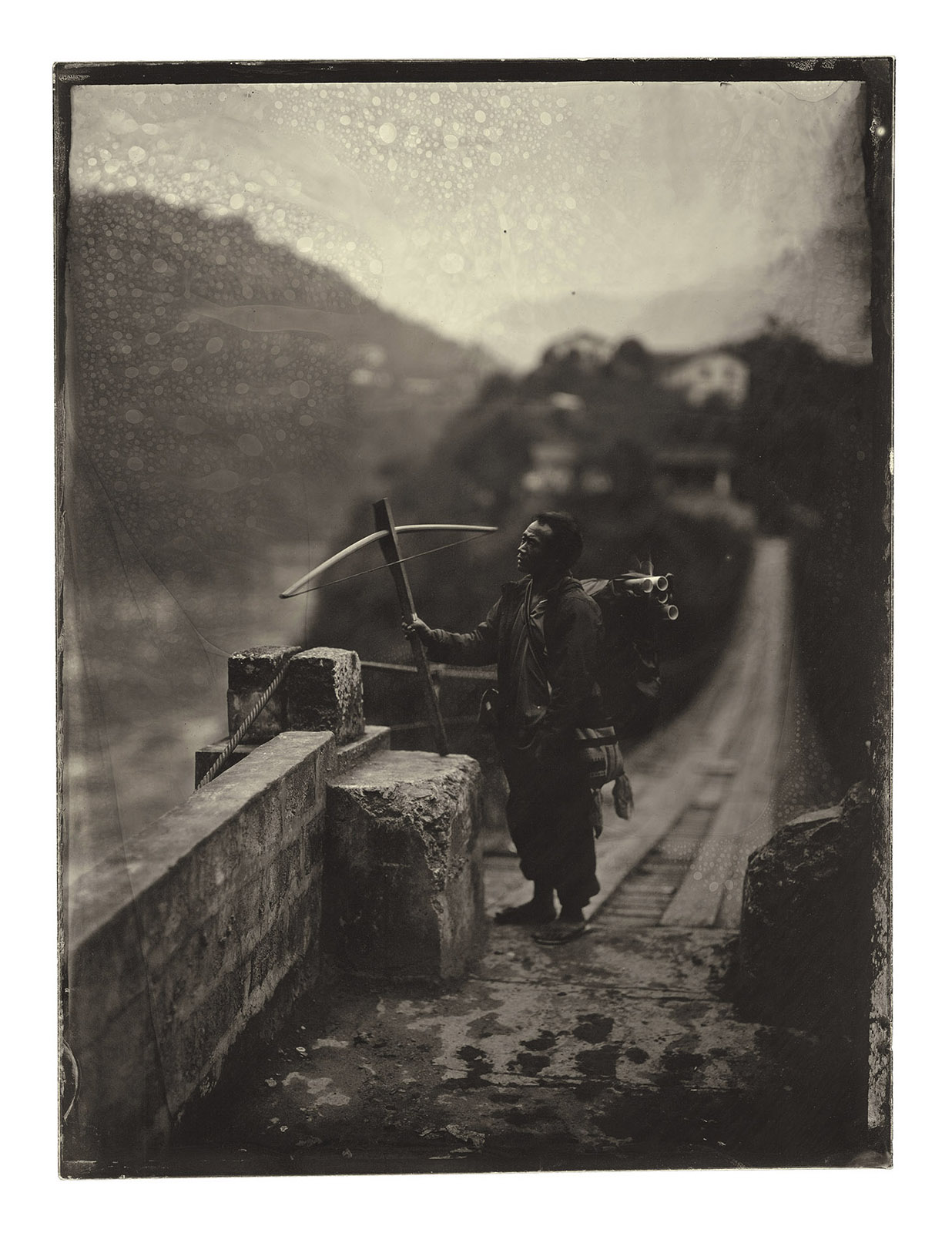
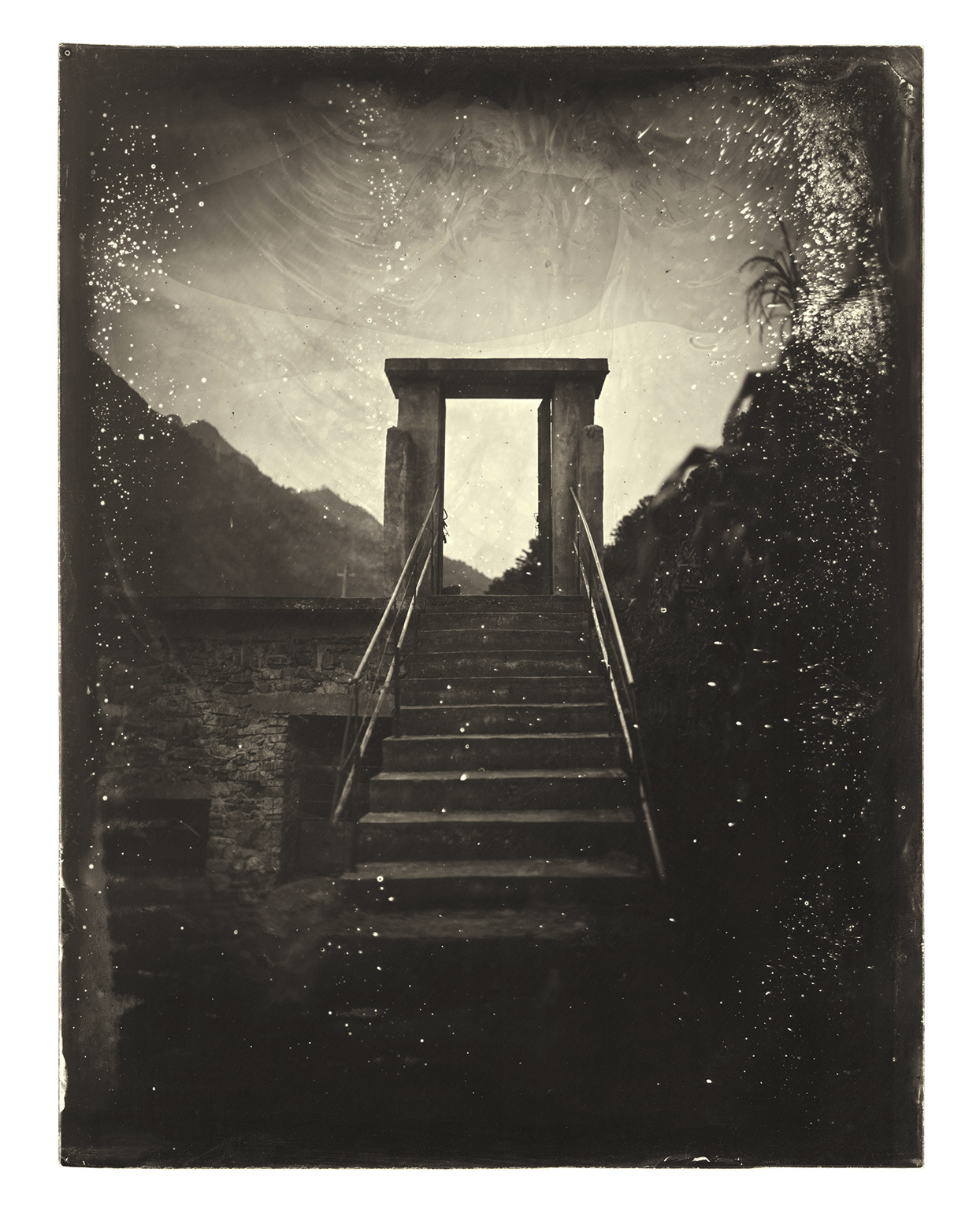


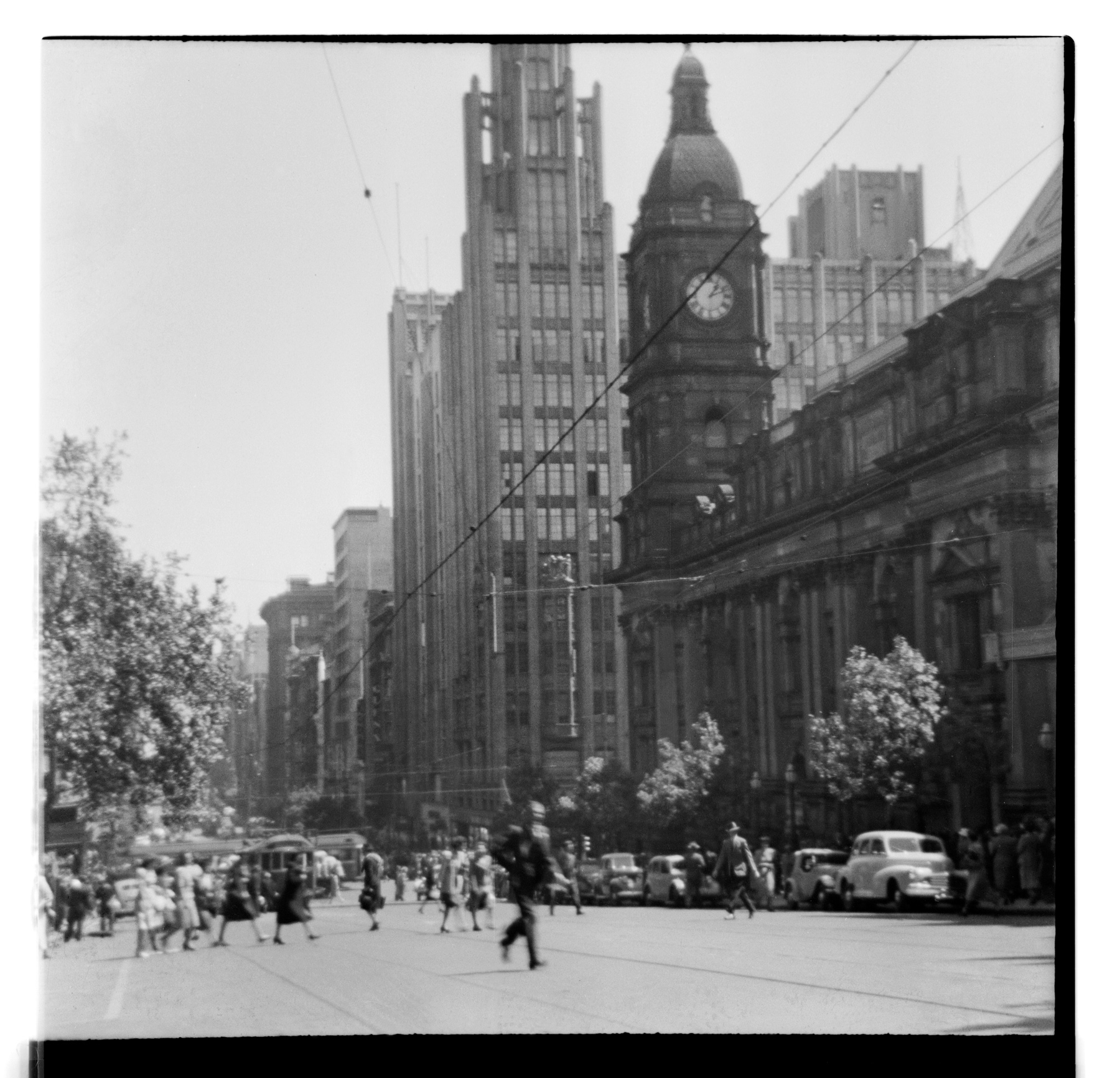


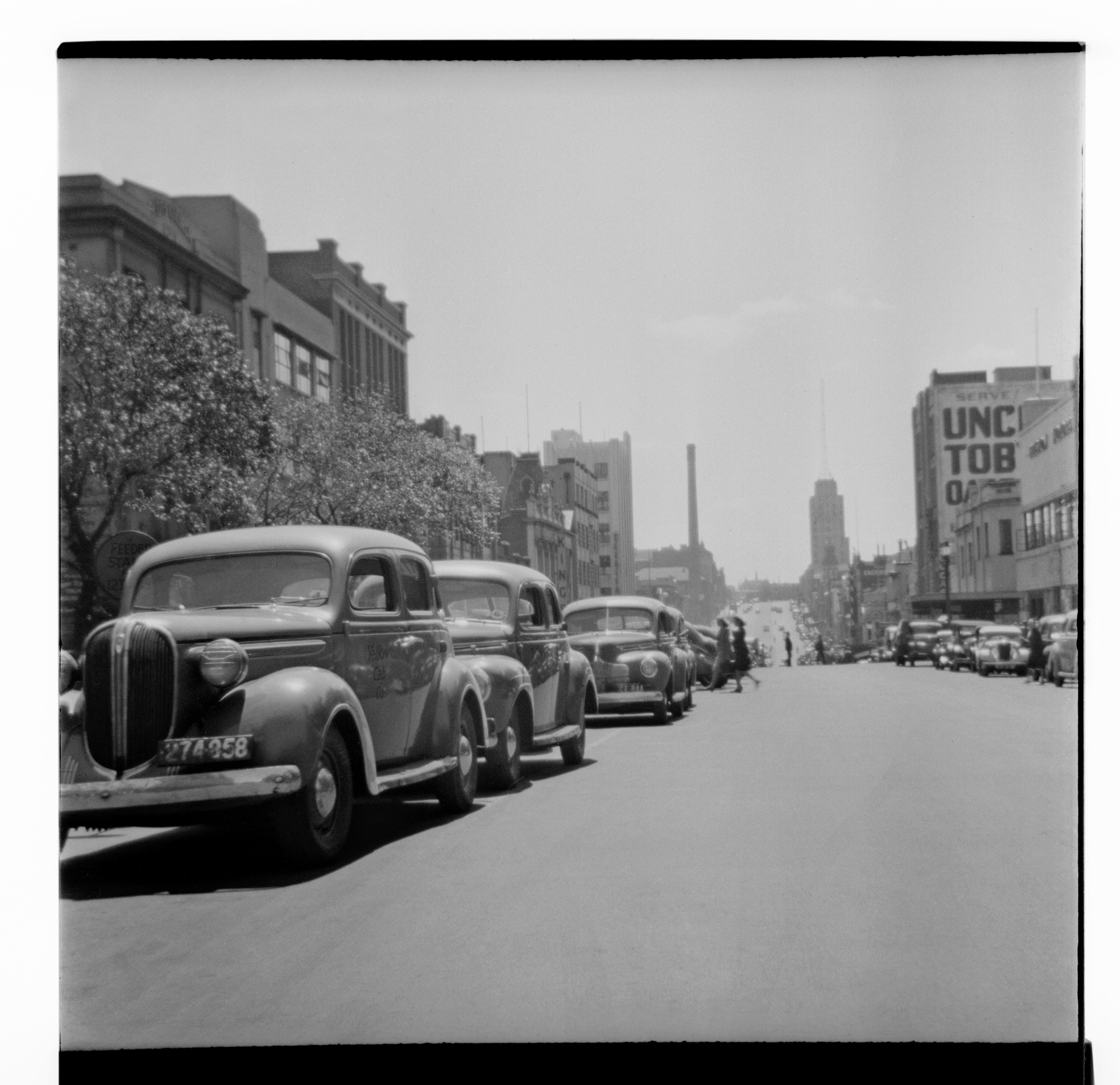


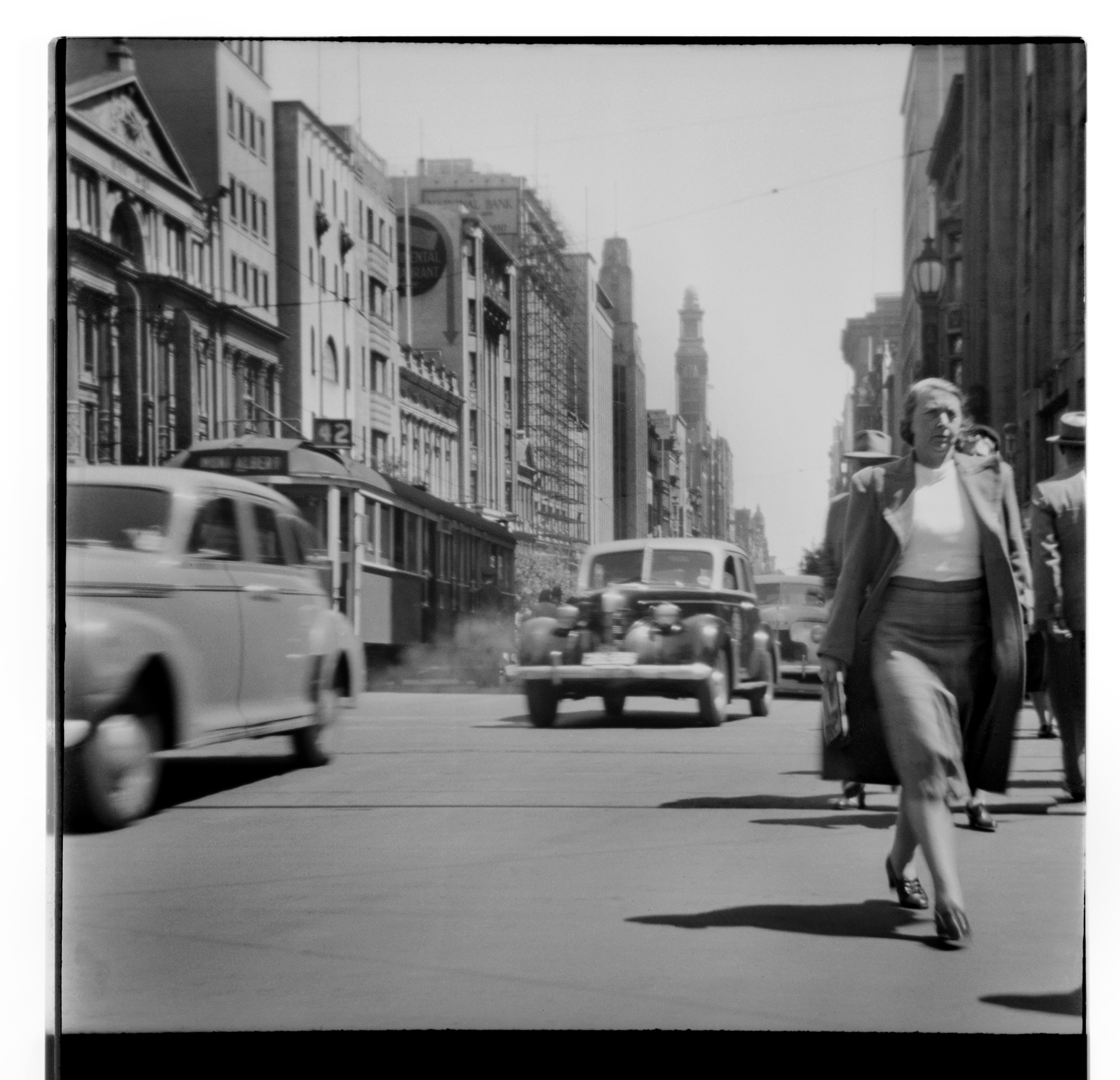
















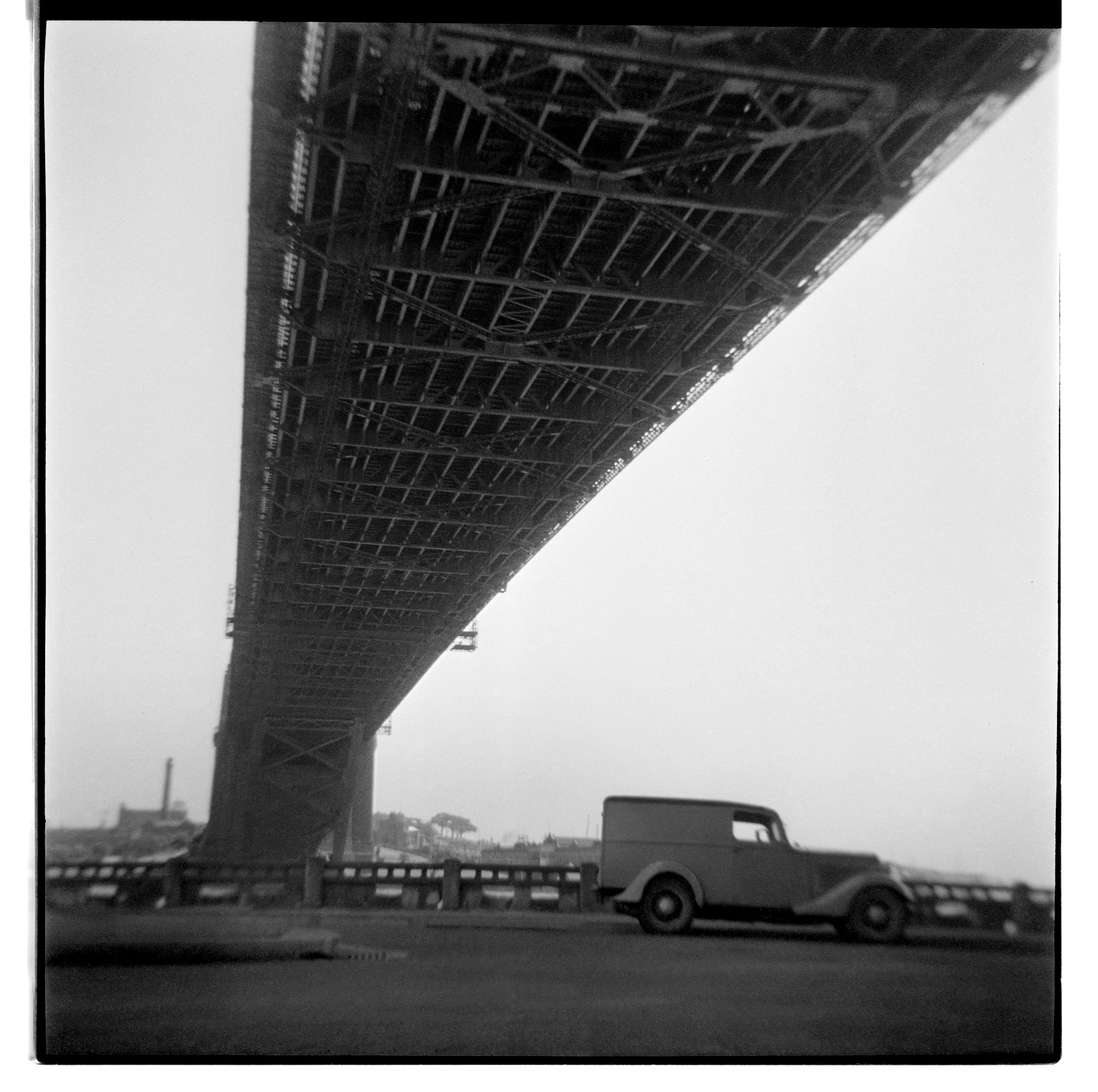


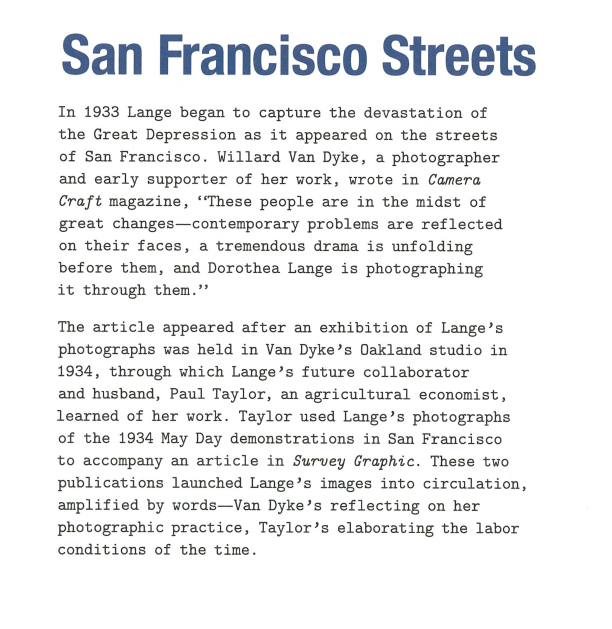
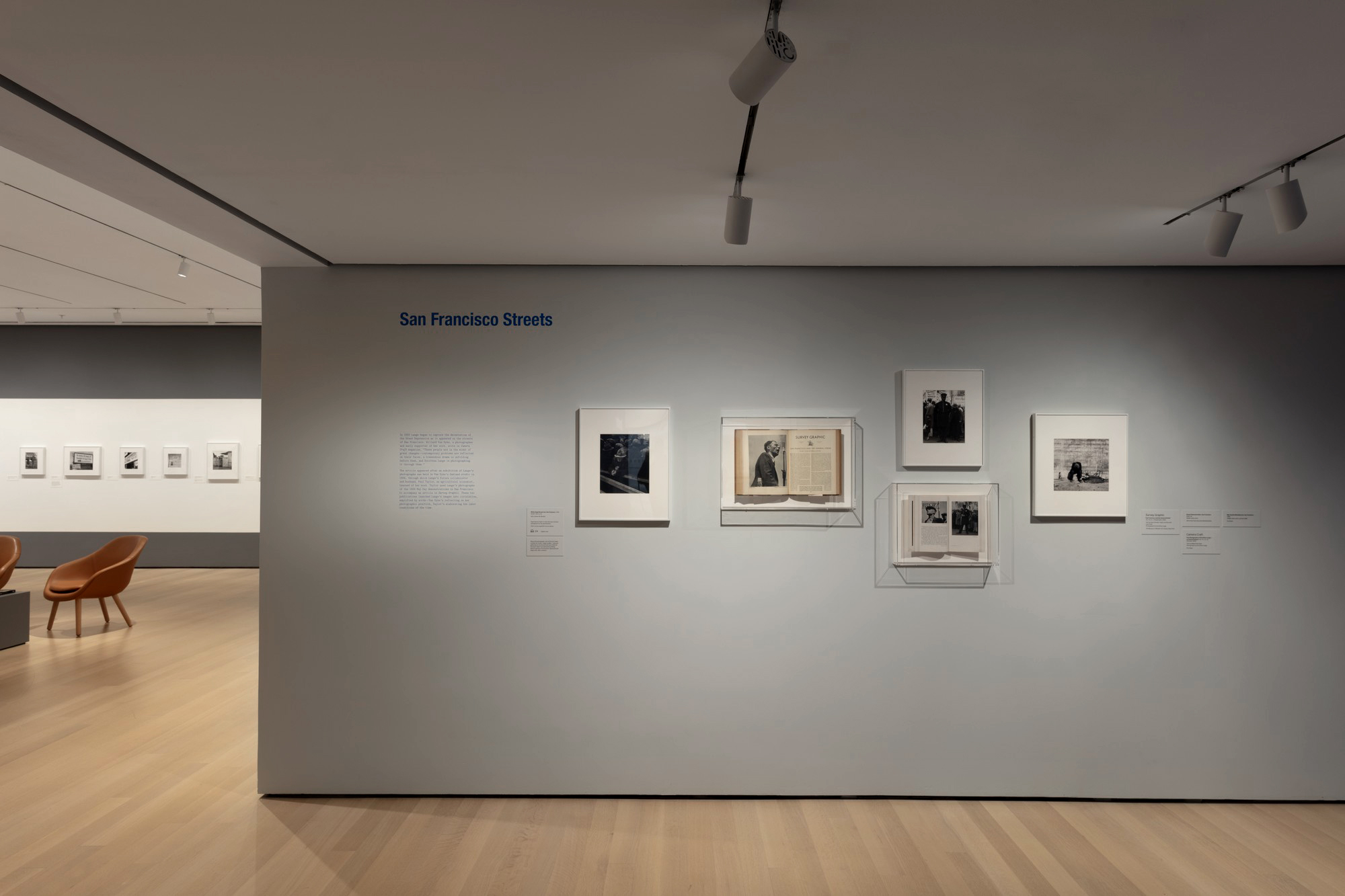


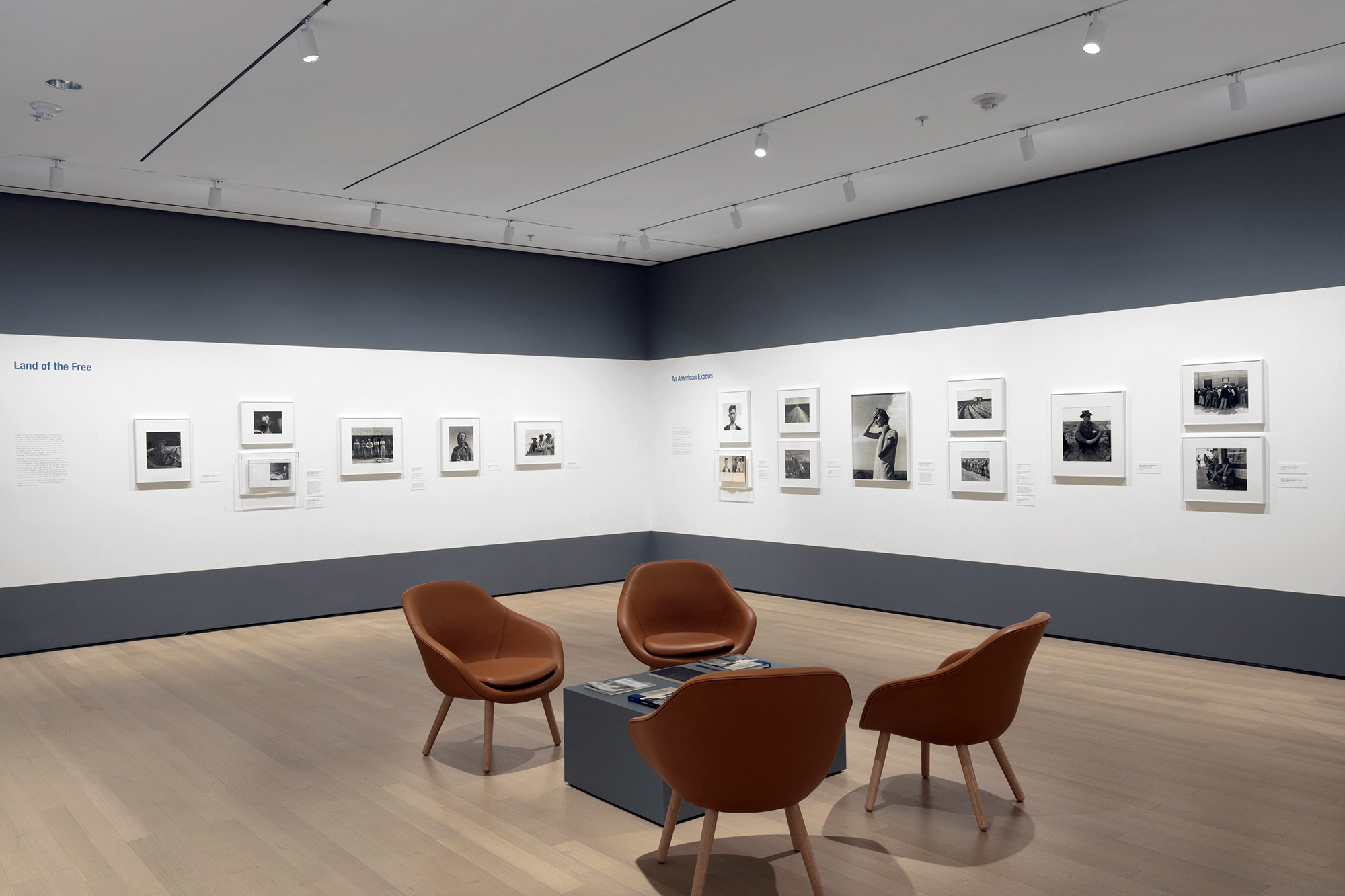


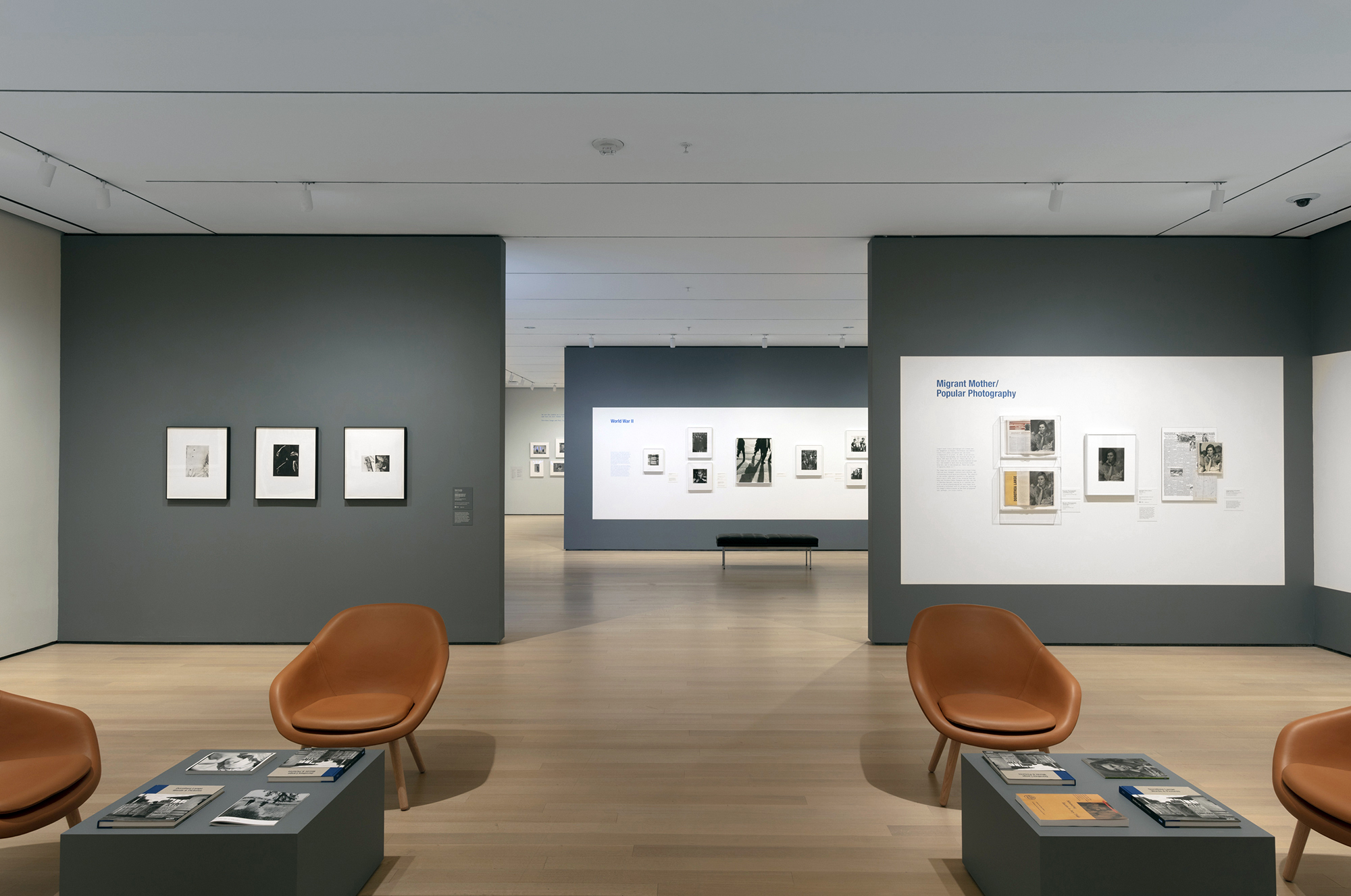
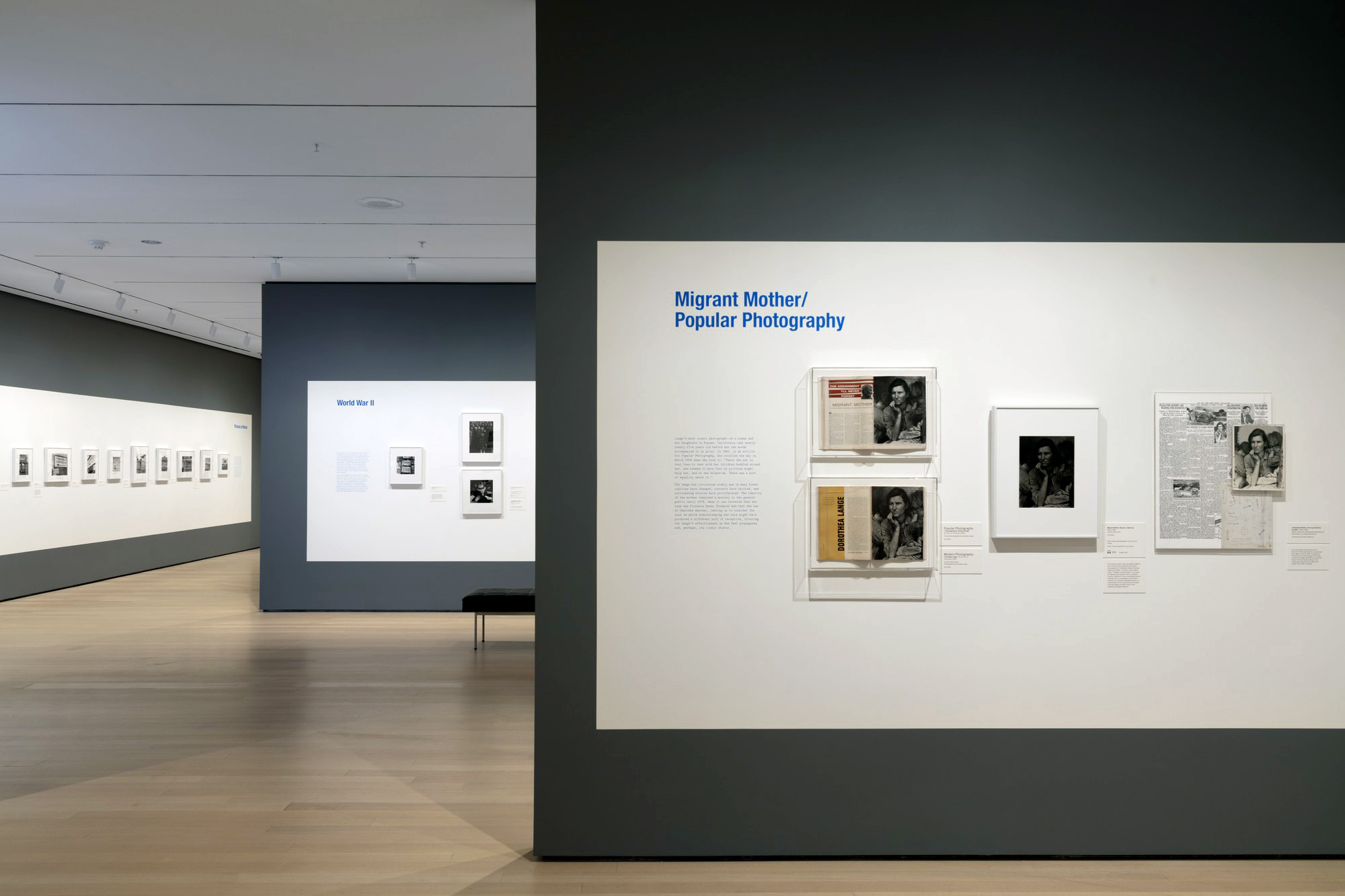
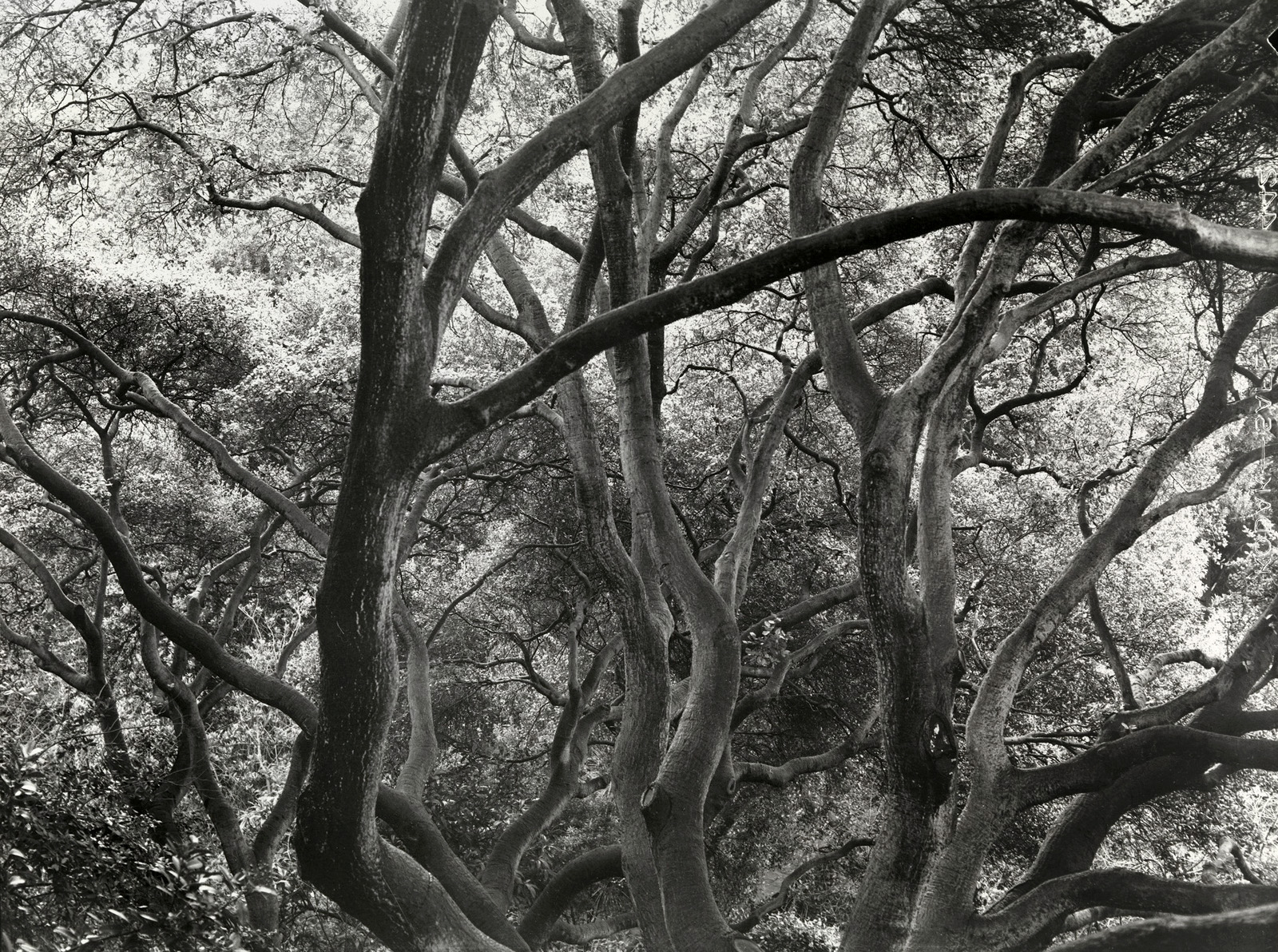


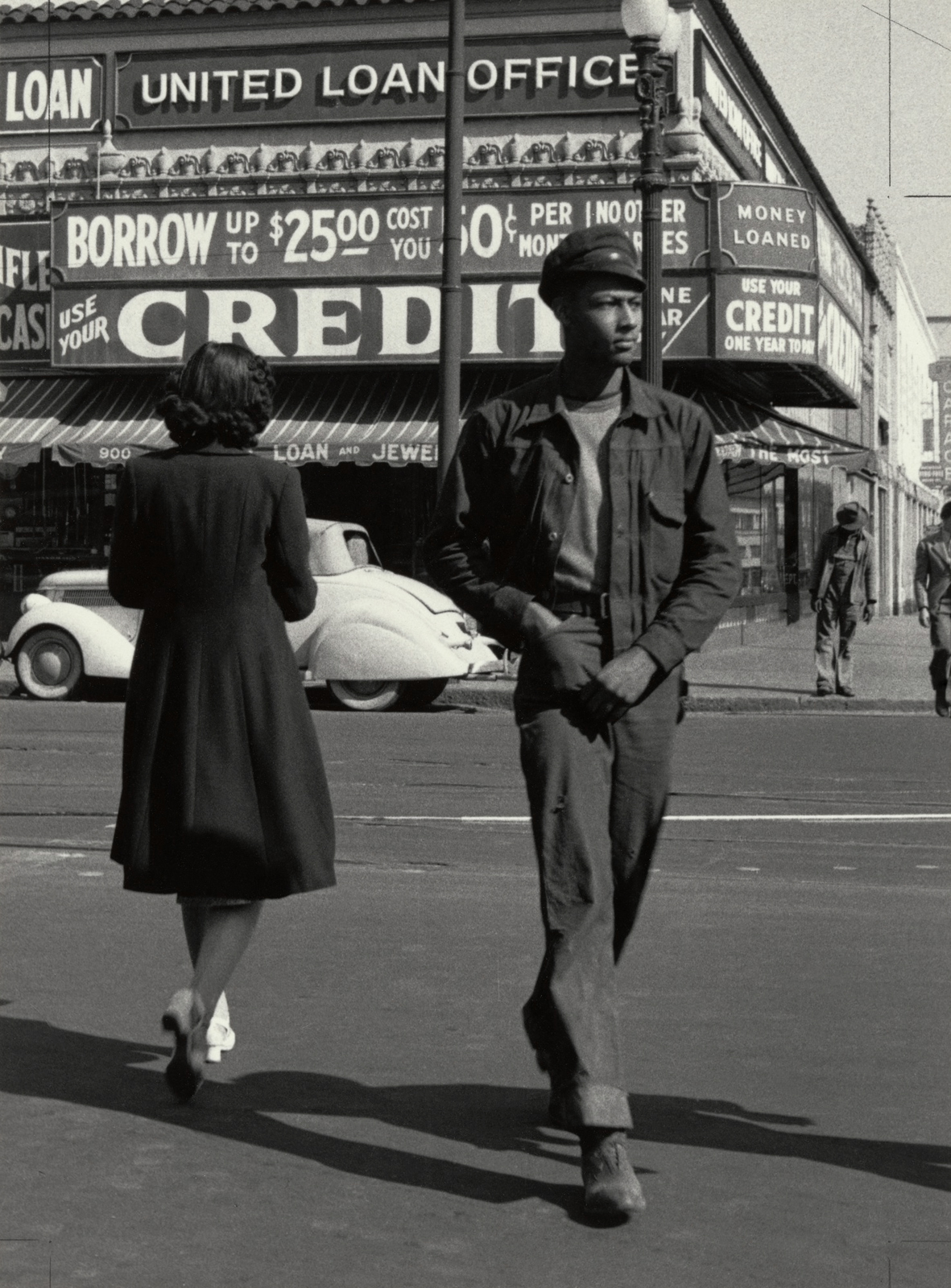




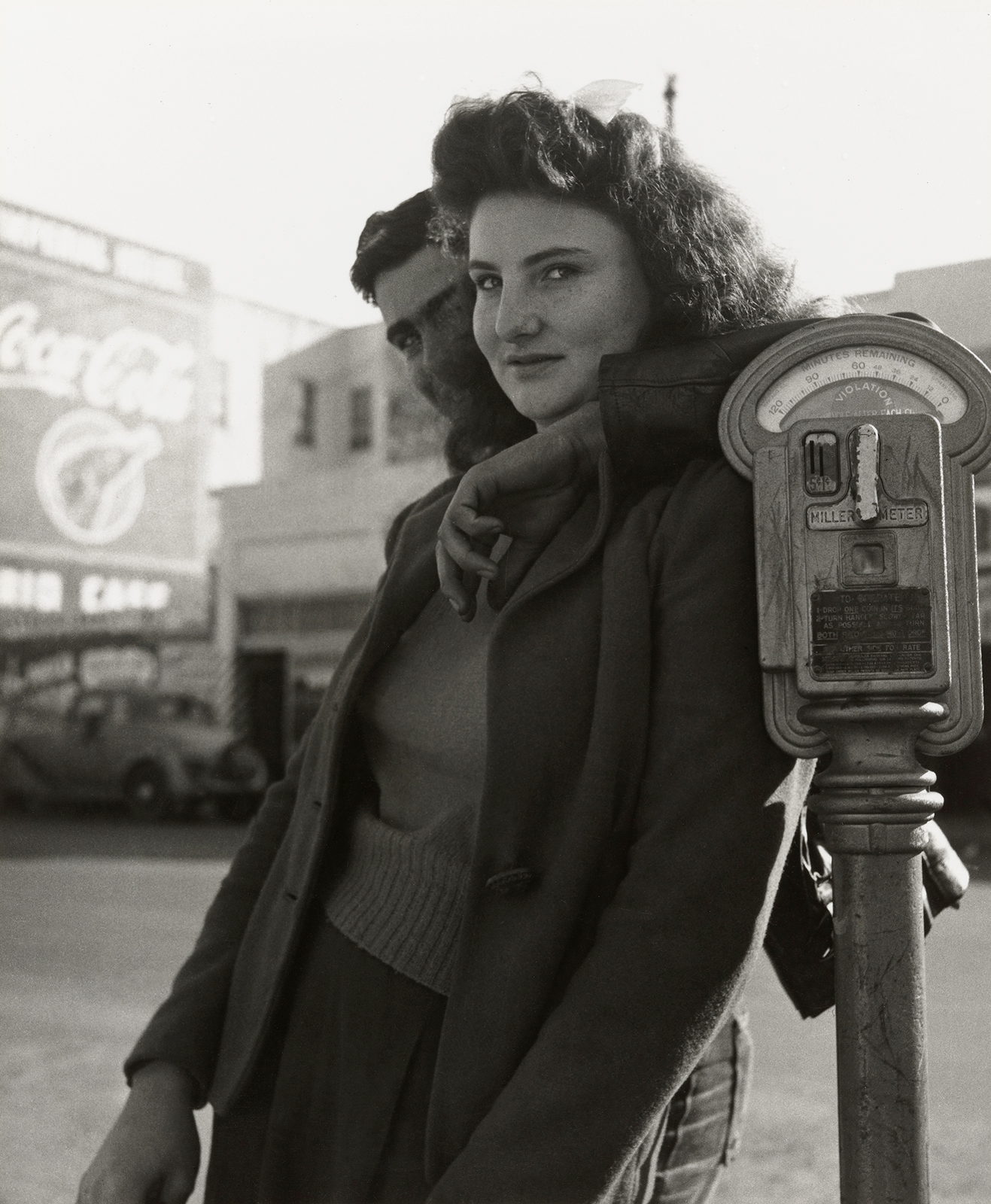


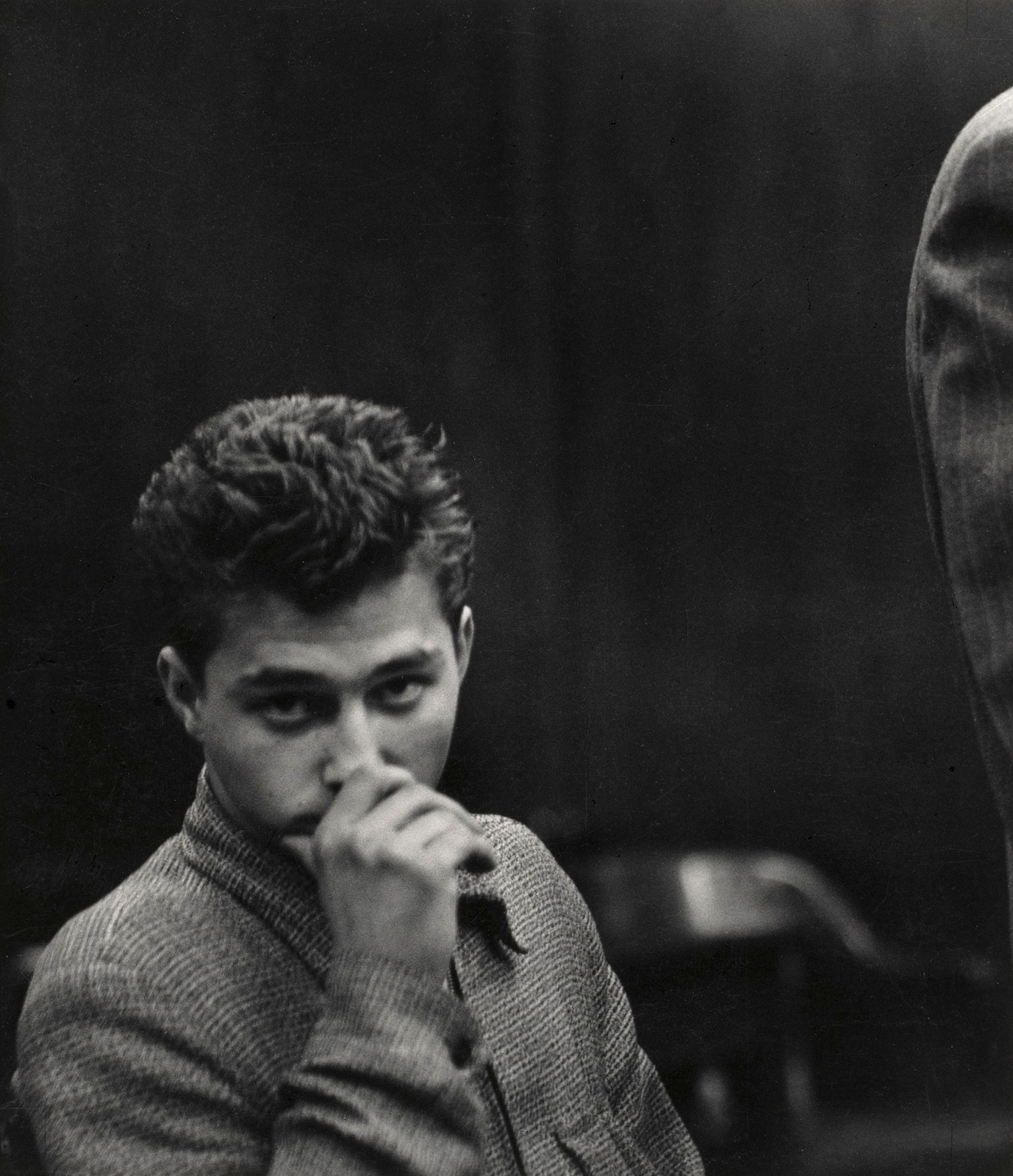













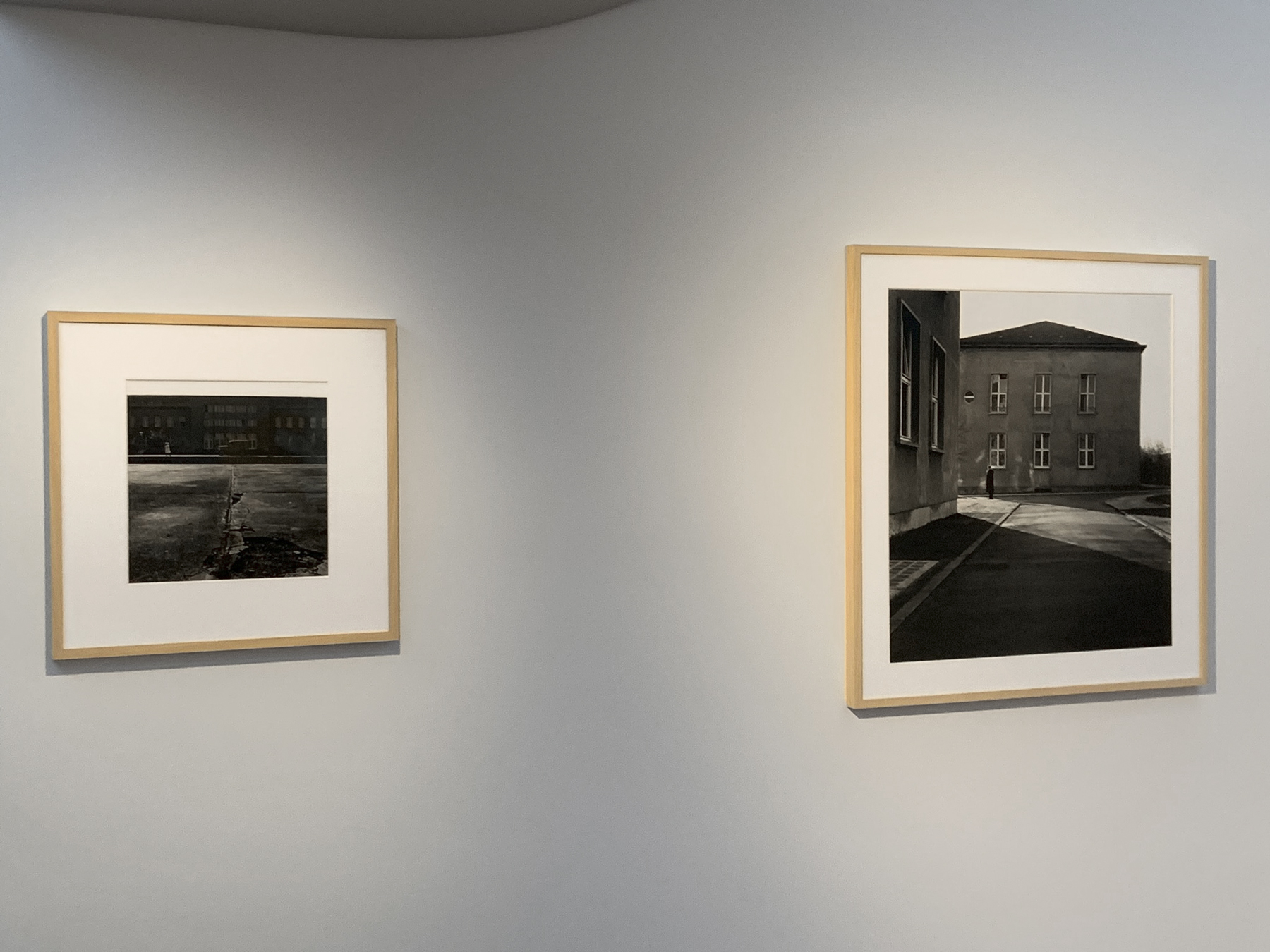



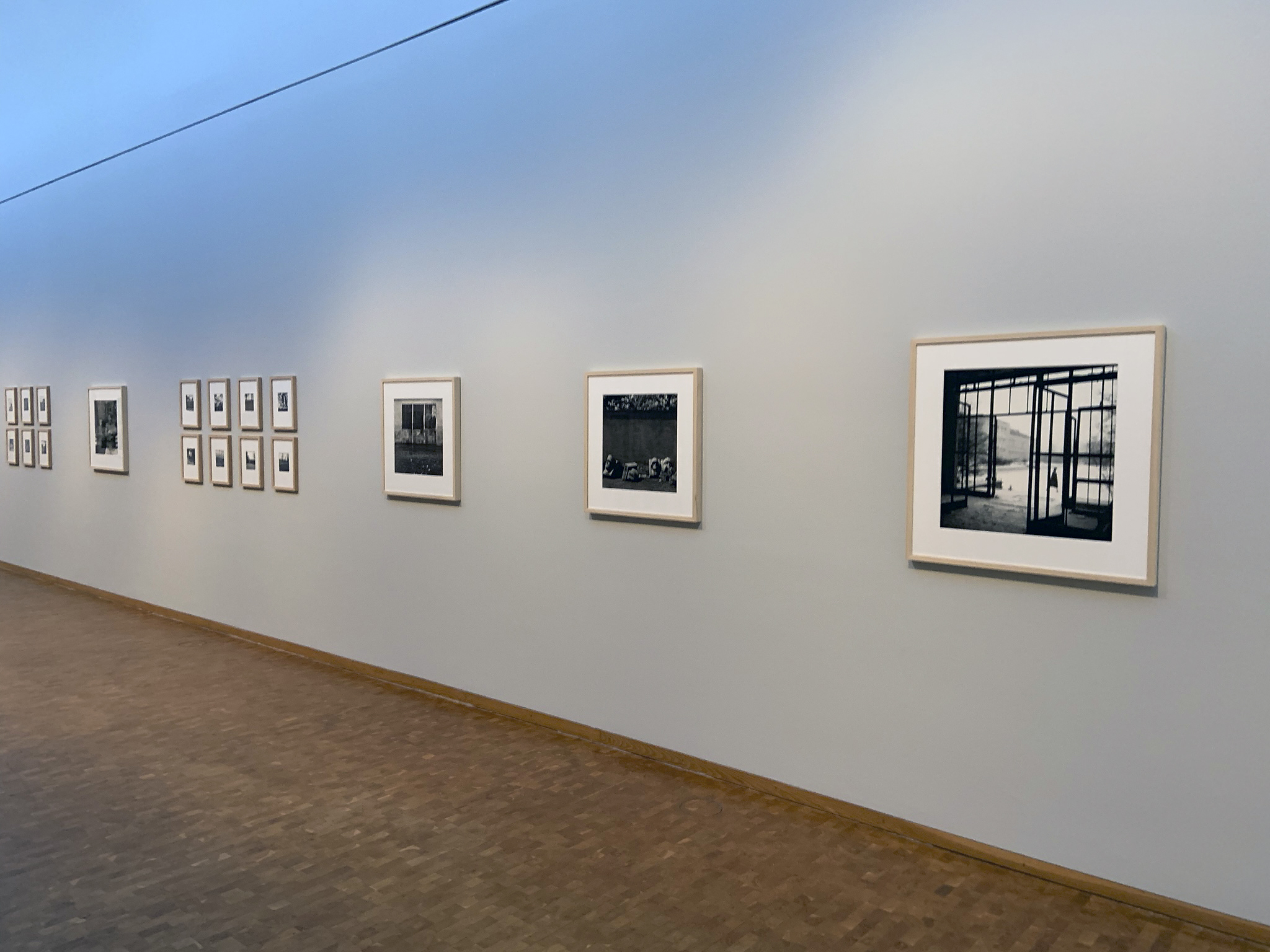


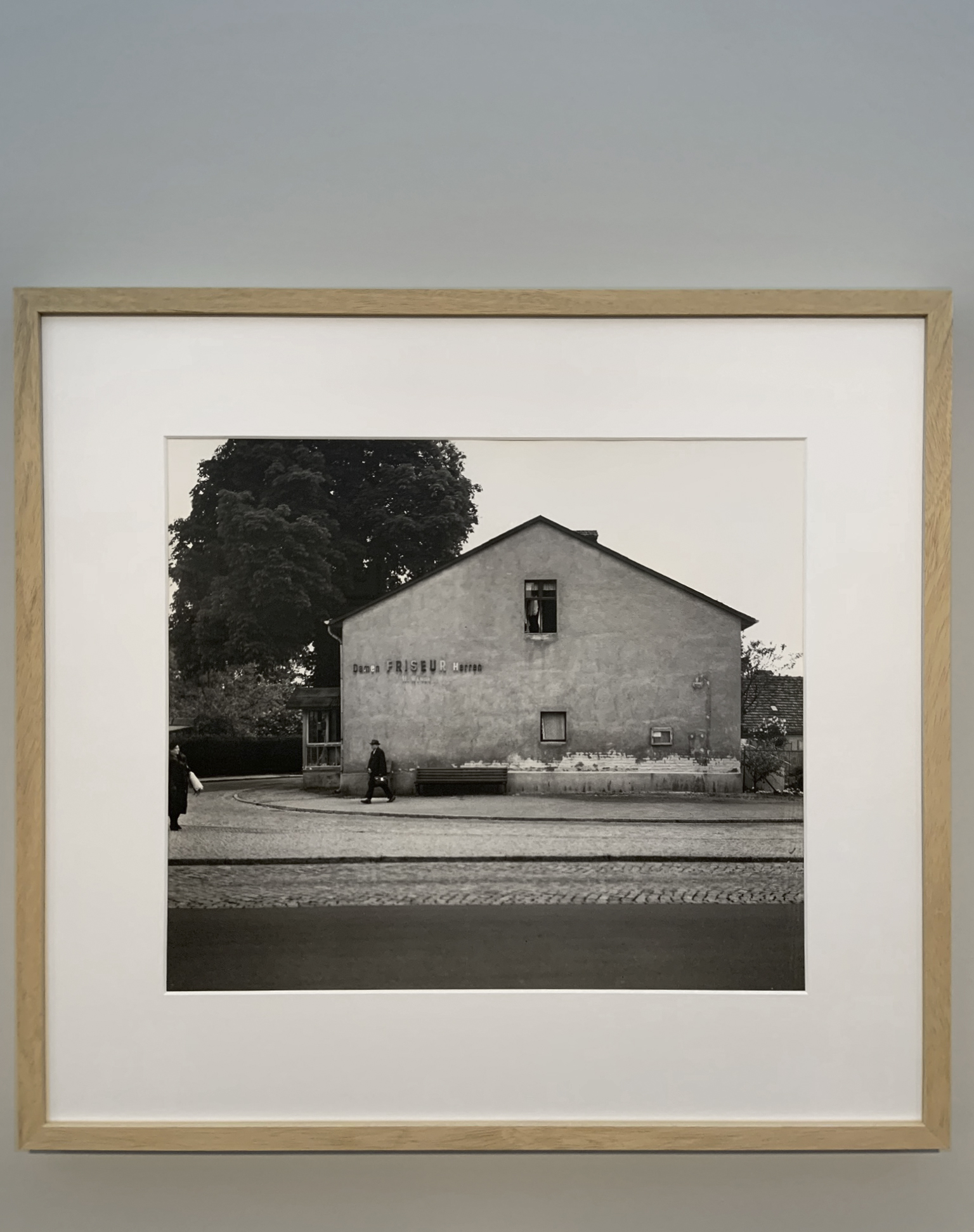

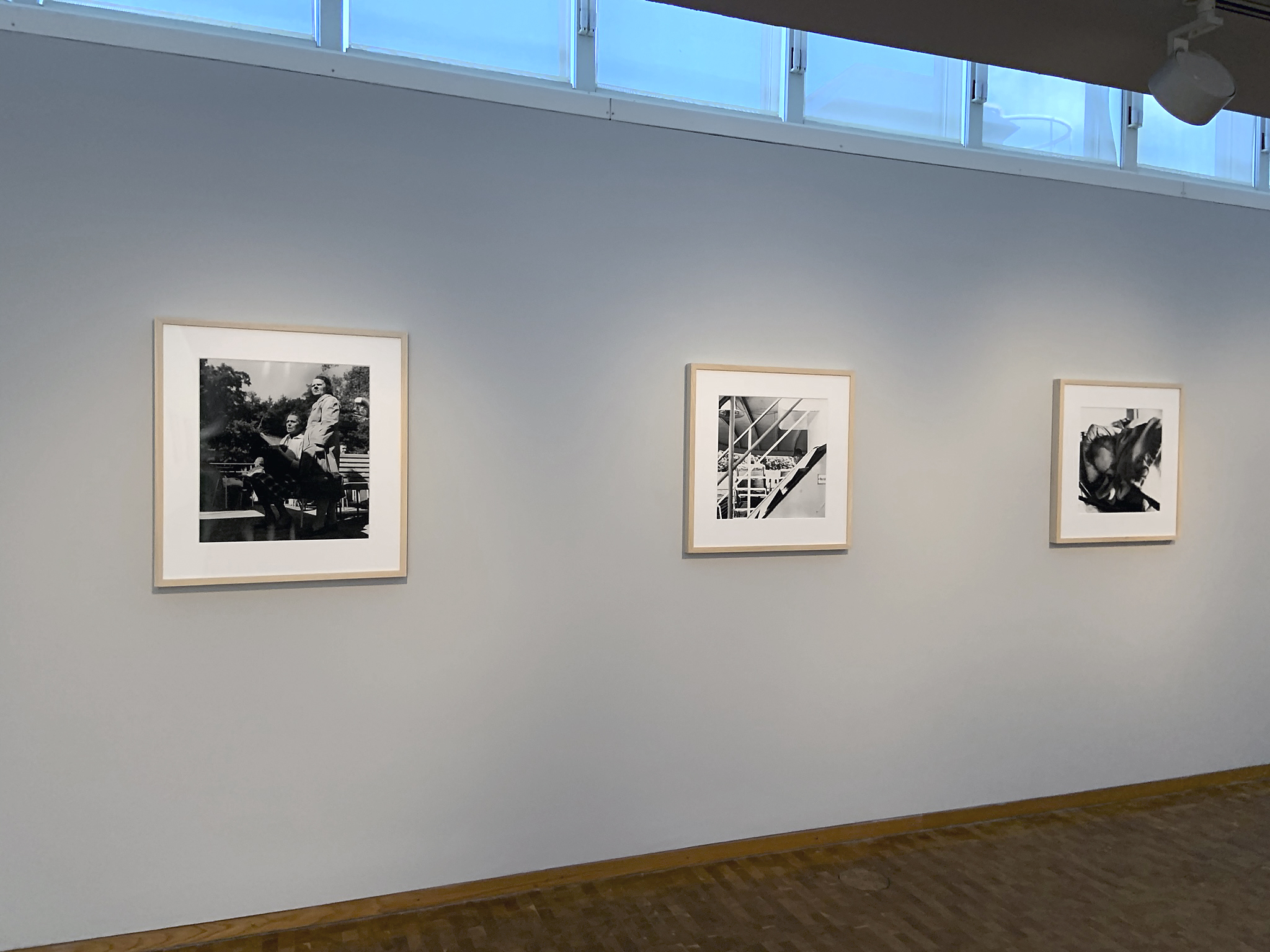








You must be logged in to post a comment.