This is the most difficult restoration of a photograph that I have ever undertaken. The photograph is of William the great grandfather of my friend Daniel who asked me to restore the photograph for him.
It was such a challenge because I had to reconstruct the parts of the photograph that were completely missing because of the cut and sellotape, match the different tonalities of the two halves and then also match the bicycle spokes across the gap (the two halves were misaligned meaning the spokes did not match up) … talk about a labour of love!
I hope it came out reasonably well as this image means a lot to Daniel, the only photograph he has of his great grandfather.
Dr Marcus Bunyan
Please click on the photographs for a larger version of the image.
You can see the difficulty with restoring such a bad tear and sellotape – the left hand side was even worse!
I started the archive 6 years ago with 11 people a day reading it. Today the archive averages between 3-4,000 people a day and has over 3,000 Likes on Facebook.
Reproduced below are a couple of postings from the archive on its very first day 13/11/2008 – just text please note, no images – and a mandala image of the Sahasrãra or Crown Chakra (for creativity) to celebrate the milestone.
Namaste
Marcus
The artist does not turn money into time
“The artist does not turn time into money, the artist turns time into energy, time into intensity, time into vision. The exchange that art offers is an exchange in kind; energy for energy, intensity for intensity, vision for vision… Can we afford to live imaginatively, contemplatively?”
Winterson, Jeanette. Art Objects. London: Vintage, 1996, p. 139.
After Light
“And on the other end of the spectrum, there is the AFTER LIGHT, a light of the past, which are echoes from past experiences so intense that they sometimes appear in front of us in the form of unexpected shadows. They hide on clear days under the roofs of houses. It is believed to be the same light seen by people we knew many years ago that survives like a message in a bottle, but always in a precarious way and often vanishes into thin air.”
Helguera, Pablo. “How to Understand the Light on a Landscape,” in Patt, Lise (ed.,). Searching for Sebald: Photography After W. G. Sebald. Los Angeles: The Institute of Cultural Inquiry, 2007, p. 119.
Sahasrãra or Crown Chakra / Thousand Petal Lotus
“That for which they seek is that which searches.”
Saint Francis of Assissi
Symbol
The Crown Chakra is known as the Thousand Petal Lotus. The number 1000, adds up and reduces to the number 1 in numerology. The number one represents strong leadership and will power, a courageous person who is goal oriented and driven. A number one person is a pioneer who is independent and individualistic and approaches issues from a unique perspective. A number one is original and sometimes unconventional. They possess tremendous potential for success in life.
Throughout history it has been depicted in paintings of Jesus the Christ, Buddha, Saints, Angels and other highly evolved beings as a golden white halo around their heads.
Colour
The Crown Chakra is associated with the colour violet. Some references link it to the colour white as well. Violet is the highest colour in the light spectrum. It represents the spiritual or higher self, wisdom, vitality, intuitive awareness, passion and dignity. White is purity and the colour of the Divine light. Red, which is the lowest colour on our physical perceptual light spectrum, and just above infrared light, rules the Root Chakra. Conversely, violet, the highest colour on our physical perceptual light spectrum, and just below ultra-violet light, rules the Crown Chakra.
Sense
Our multidimensional and extrasensory senses are ruled by the seventh chakra. Once this chakra is opened, our sense of empathy and unity expands. When we raise our consciousness, we experience another person, place or object as if we are inside of them or as if we are “being” them. It is important, then, that we remember that with this power comes responsibility. We should activate these senses only to provide help or healing – NEVER for mere curiosity or with any malicious intent.
Compassion is the main sense that develops as our Crown Chakra opens. We have two kinds of compassion: Crown Compassion, which is more about perception and communication, and Heart Compassion, which is more about emotions and empathy.
Element
The element of this Chakra is the Cosmic Energy, which is often experienced as an inner light emanating from the deepest part of our being. This Cosmic Energy, which rules the higher kingdoms and stems from the Source, feels like an ultimate intelligence and a sense of all-knowing. When our Crown Chakra opens we can also experience the complete isolation and blackness of the Great Void. This Void, which resonates just below the fifth dimension, represents the raw potential for all that can, or will be. The total darkness is representative of the centre of a seed before it opens into the light of manifestation. when we can perceive from our Crown Chakra, we can identify both extremes of all polarities.
The opening of the Crown Chakra expands our perception into the fifth dimension where there are NO polarities. Therefore, there are many paradoxes associated with this Chakra as it represents the “end of all paradox.” As we travel through the higher dimensions, it is important that we release all judgments associated with the polarities of light and dark. We must instead consult our own inner knowing and higher consciousness to navigate us through our inner worlds. Eventually, we will all be aware of our fifth dimensional selves; they know no judgment and hold no fear. For what is judgment, if not a form of fear?
Consciousness
Since our Crown Chakra represents our multidimensional consciousness, as we open this Chakra our reality will no longer be limited to the third and fourth dimension. When our Brow Chakra, the sixth Chakra, opens we begin to travel into the higher sub planes of the fourth dimension. With the opening of our seventh Chakra, and the subsequent activation of our Third Eye, our consciousness can now enter the fifth dimension. It is then that the many realities around and within us gradually become consciously apparent to us.
The process of our awakening begins with expanding the consciousness of our physical selves and working to clear our etheric bodies. Then the astral, the mental, the causal and the spiritual I AM consciousness can align themselves in preparation to ascend into the fifth dimension. Until we reach the fifth dimension we can “work” towards enlightenment, but from the fifth dimension on, we must simply “BE”. “Doing” is not important then; consciousness alone is important. And finally, in the sixth and seventh dimensions even consciousness is not important as there is only the “Isness”, the “Nowness” and the “Hereness.”
Co-curators: Simon Maidment, NGV and Dr Sally Gray, guest curator
Unidentified photographer David McDiarmid at his first one-man show ‘Secret Love’, Hogarth Gallery, Sydney, 1976 1976 Silver gelatin photograph Dennis Altman Collection, Australian Lesbian and Gay Archives (ALGA)
Here’s winking at you, sweetie…
My apologies for the slightly out of focus nature of some of the installation photographs, but I had to take them quickly as I walked through the gallery with co-curator Simon Maidment. If you relied on the nine press images supplied by the NGV (bottom of the posting), you would have no idea of the complexity of this artists work nor would you possess an understanding of the scale, intimacy, brashness, beauty and confrontational visibility of the art. You would also have no idea what a stunning installation the NGV has produced to display the work.
Simply put, this is the best exhibition I have seen in Melbourne this year.
David McDiarmid – activist (the first gay person ever to be arrested in Australia) and multi-dimensional artist – proves the personal IS political AND influential. His work moves from early personal narratives through decorative to visually commanding and confrontational art. As homosexual identity transits from camp to gay to queer, McDiarmid deconstructs and redefines this identity using context as a FOIL for his art making. As Robert Nelson in his excellent review of the exhibition in The Age newspaper observes, “McDiarmid’s expression of the erotic is an act of protest as well as festivity. When McDiarmid began in full fervour, gay sex was not only reviled but illegal; and as he ended his career, homosexuality seemed to pass from the police to the undertaker. He began his expose of gay eroticism in the spirit of a demonstration and ended it as an act of compassion.”1
Well said. Homosexuality was illegal were McDairmid started making art and was deathly when he himself succumbed to the Grim Reaper. But during the journey that he took the key thing to remember is that McDiarmid never “passed” as something he was not. He was always up front, out there, doing his thing since he was first arrested in 1971. He was always pushing the boundaries, offering a wider perspective on social histories and political contexts. He questioned the marginalisation of minorities (Secret Love, 1976), the boundaries of self and society and examined taboo and transgression in a conservative society. He lived at the cutting edge of culture. Later, he waged a life and death struggle for HIV/AIDS funding, awareness and compassion with a fierce determination combined with sparkling wit, humour and sardonic aphorisms. Sexual politics and safe sex campaigns went hand in hand.
Of course, sexuality and sexual identity were at the core of his creativity. He explored the urban gay male world and the struggle for gay rights, sexual and emotional sensibilities and the cultural politics of HIV/AIDS. Early work was influenced by time spent in New York (where he knew Keith Haring) and San Francisco, where he experienced the development of the clone scene and the music of the clubs. His mode of construction has a lot in common with folk and women’s art (in particular patchwork and quilting) coupled with the use of contemporary materials (such as holographic foil).
McDiarmid’s later work becomes more symbolic and universal but still contains that cutting edge of the personal (DEMENTED QUEEN REMEMBERS HER NAME – forgets to die; POSITIVE QUEEN FEELS NEGATIVE – goes shopping). In the most amazing room of art I have seen this year, McDiarmid uses reflective cut and tiled holographic foils to create moving tribute and biting comment on the HIV/AIDS epidemic. In this darkened room the viewer is surrounded by tiles that “scintillate in spectral transience, changing their colours holographically according to your movement. The image is blunt and horny but also melancholy and scary; and similarly the medium impenetrable, deflecting the gaze and forcing you to change perspective.” (Robert Nelson)
But it’s more than that. You are surrounded by metallic flesh and embedded amongst the iridescence is both love and hate, life and death, winking eyes and holographic rainbow coloured skulls. Body language (1990, below) contains the names of McDairmid’s dead lovers woven into its fabric, a Swastika with the word AIDS for a head and the desire for the anus as a man pulls his arse cheeks apart. But here’s the rub – the tiny, puckered hole contains a holographic image of a winking eye, inviting you in, sharing the death/life joke with you. It’s a classic. In this room it feels as though you are surrounded by the fires of hell as the opalescence of the work changes from footstep to footstep, from positive to negative, from love to hate – and the pure beauty of the work is overwhelming. These are absolutely stunning works of art by any mark of the imagination, up there with the very best art ever made in Australia. His famous Rainbow Aphorisms series 1994 (below) are strong but they are are not a patch on the silver foil works. Less successful are the textile and costume designs, the weakest part of the exhibition.
One question springs to mind. Would his art have been as strong without the impetus of “death art” behind it? What would it have looked like?
I wonder which direction his art would have taken after his initial investigation of gay male identity had he not contracted HIV / AIDS and started making art about the disease. This strong focus gives the work the impetus and grunt it needed to move from the purely decorative and graphic, ney camp in some cases, to work with serious gravitas. In these later works McDiarmid lays it all on the line and just goes for it. I am so glad he did. They are powerful, concise, confrontational, beautiful, shimmering renditions of a soul living life to the full while he still had time.
It’s a pity the NGV has not advertised and promoted this exhibition more extensively. With a stunning catalogue, insightful research, amazing installation and world class art this is one exhibition you shouldn’t miss in Melbourne this winter.
Dr Marcus Bunyan
ART BLART: THE ONLY PLACE TO SEE INSTALLATION PHOTOGRAPHS OF THIS EXHIBITION ON THE WEB.
David McDiarmid (Australian 1952-1995, worked in United States 1979-1987) Installation photograph of early works including, in the case, Vest (c. 1972), hand-embroidered by McDiarmid with the words ‘sydney gay liberation’ as a gift for John Lee with photographs of McDiarmid and artist Peter Tully used as a wallpaper on the wall behind at the exhibition David McDiarmid: When This You See Remember Me at NGV Australia, Melbourne Photos: Marcus Bunyan
David McDiarmid (Australian 1952-1995, worked in United States 1979-1987) Installation photograph of early works including Secret Love art show, poster (1976, far left), Secret Love (1976, top centre left), Ken’s Karate Klub (1976, centre below left) and Tube of joy (1976, above right) – all from the Secret Love series, 1976 except KKK – at the exhibition David McDiarmid: When This You See Remember Me at NGV Australia, Melbourne Photo: Marcus Bunyan
David McDiarmid (Australian 1952-1995, worked in United States 1979-1987) Secret Love (installation view) 1976 From the Secret Love series, 1976 Metallic paint, red fibre-tipped pen, coloured pencil, collage of cut photo-offset lithograph and red and black ink on graph paper 78 x 66cm Collection of Paul Menotti and Bryce Kerr, Sydney Photo: Marcus Bunyan
David McDiarmid (Australian 1952-1995, worked in United States 1979-1987) Secret Love (installation view) 1978 Collage of cut colour photo-offset lithographs on plastic, metal and plastic 135 x 142.8cm Collection of Bernard Fitzgerald, Sydney Photo: Marcus Bunyan
David McDiarmid (Australian 1952-1995, worked in United States 1979-1987) Secret Love (installation view detail) 1978 Collage of cut colour photo-offset lithographs on plastic, metal and plastic 135 x 142.8cm Collection of Bernard Fitzgerald, Sydney Photo: Marcus Bunyan
David McDiarmid (Australian 1952-1995, worked in United States 1979-1987) Installation view of various artworks from 1978 including Strangers in the night (top second left), Mardi Gras (top fourth left), Juicy fruit (top second right) and Real confessions (bottom second left) All National Gallery of Victoria Photo: Marcus Bunyan
Bush Couture, Sydney (fashion house) (front) Linda Jackson (designer) David McDiarmid (Australian 1952-1995, worked in United States 1979-1987) (painter) Paua kimono (installation view) 1984 National Gallery of Victoria, Melbourne Photo: Marcus Bunyan
Interview with co-curator Simon Maidment
MB: First of all Simon, can I ask how long have you been at the National Gallery of Victoria and what brought you to the institution?
SM: I’ve been at the NGV since June 2013 and I joined because of a new vision for the gallery which is making contemporary art a priority, both in collecting practices in the exhibitions that the NGV holds. Recently, there has been a real push for change, precipitated by the appointment of Max Delany who is a friend and colleague I respect a lot and who has been really supportive of my career.
MB: So what was your background in terms of training?
SM: I studied as an artist and immediately before coming to the NGV I was undertaking my PhD at The University of Melbourne’s Victorian College of the Arts Centre for Ideas with Elizabeth Presa as one of my supervisors.
MB: And what new knowledge was your PhD based around?
SM: It investigated curatorial practices that could be thought of as context responsive, looking at artists who seek to enact some sort of social and/or political change.
MB: So this exhibition would be perfect to fit into that…
SM: Yes, indeed… so largely my background has been working with living artists. I have done a few shows in which I have worked with existing bodies of work, but I have done a lot of shows where I have been facilitating artists works. I started as an artist working in media arts – sound, video, projection and digital technologies – and often worked as a studio assistant for more senior artists, people like Sue Ford, Susan Fereday, Ian de Gruchy and my role with them became more and more about facilitation. Then the directorship of Westspace came up and I got that, and my focus turned more from collaboration and working as a studio assistant to facilitation. I became a curator because basically that is what I was doing.
MB: So can you tell me Simon, what was the lead in time for this exhibition? I know it was postponed and delayed at various times, what were the reasons for that?
SM: It was kind of before my time so I am not really sure, but there have been different curators at different times from the NGV involved with the project. So Ted Gott was involved with the exhibition, even before he began work at the NGV. Ted was involved with David’s estate with Sally Gray, my co-curator, right from the start, so he’s been an advisor to Sally right from the start of this long journey. I think the initial discussion about the show was with Ted, and then when Jason Smith was in my position he was involved in this project. When I was talking with Sally the very first discussions about holding the exhibition at the NGV was maybe 15 years ago…
MB: So to finally get it here and up on the walls…
SM: So when I started 11 months ago there was really very little in place. So Max Delany and Sally started a conversation about working towards this show probably about 14 months ago. When Tony Ellwood started he was like, “We’re doing this show.” He’s a big fan of David McDiarmid. He was very familiar with his work so I think that helped speed things along and he really facilitated getting this exhibition done. It was scheduled for 2011.
MB: To get it together from start to finish in 14 months is pretty amazing really…
SM: It was a lot of work but bearing in mind how familiar Sally is with the material we kind of had a real head start.
MB: But then you have to pull it all together from lenders and institutions that hold works and that would have been very intensive. Then to design it all and to make it look like it does. It looks fantastic! Everyone at the opening was just smiling and having a good time, looking at the work, remembering.
SM: I knew the work en masse would blow people away.
MB: Reading the catalogue, you can see that David comes from a period where there was a ground swell of social movements, which was almost like one movement. Everybody went to everyone else’s rallies and they all protested together. David McDiarmid was the very first gay person to get arrested in Australia and at the moment I am digitally restoring the image of him being marched away by two policemen at the ABC protest in Sydney. It is so degraded it will take a long time to restore but it is a really important image. Out of that there comes a real social conscience, fighting for your rights and freedom. So leading on from that, when you think about having this exhibition here now (after Ted Gott’s seminal exhibition Don’t Leave Me This Way: Art in the Age of AIDS at the National Gallery of Australia in 1994), you observe that marginalised voices rarely enter institutional centres of art, rarely enter the mainstream art. It’s usually ARI’s or small public galleries. Not that the artist is gay (because they are just artists) but that the CONTENT addresses gay issues – which is why it’s so fantastic to see this exhibition here at the NGV.
So were there any barriers here to doing David’s show?
SM: No, not really. I think one of the really important things to note is that they show would not have really happened without the large gift from the estate. Becoming the key holder and custodian of David McDiarmid’s work added extra emphasis and responsibility about doing the right thing. At that point the organisation is implicated in that legacy and somehow we have to disseminate the work out into the community.
MB: It is quite a confronting show, how do you think the general public will respond to it?
SM: I have done a couple of tours of people through the exhibition, members and other, and one of the things that has been surprising to me, in a way, which has only become apparent when I have been describing the show in which David makes work in response to particular social and political conditions and contexts… is how different things are. AIDS is now not a terminal illness. To speak to a younger generation than even myself, they have no idea about dying from lack of a viable treatment, of AIDS being a death sentence.
MB: Last night I had a cry for all the people I had loved and lost. But it’s not just the public coming in to see this exhibition, it’s young gay men who don’t ever see anybody ill, don’t understand about the side effects of taking the medication, about what living with HIV is like. They don’t understand the struggle that went on for them to live as they do now. Do you think they will engage with that?
SM: We have structured the show in a way that teases those things out. One of the aspects of McDiarmid as a figure that I find very interesting is that, in 20 short years of practice, he spanned incredible key moments and periods of change in broader society and also within gay society. The legal, medical, institutional change… and really looking at that 20 years is looking at a period of immense social change. The narrative of the exhibition is then to reflect on that broader cultural shift through the biography of one person.
MB: It’s interesting when I looked at the show, when you start making work as an artist it’s always about personal narratives – lovers, friends, places – which then widens out into more universal concerns. You can see in David’s early work him scribbling, writing and really intimately notating his world, investigating his self and his relations to the world around him. And then to take that insight and then to mould it into these reflective images into the Rainbow Aphorisms at the end is an incredible journey. Stephen Alkins was saying to be last night that even the last works were still grounded in this humorous, ironic look at life. He as a really important multimedia artist when you actually study the work.
SM: Just to pick up on one aspect that you are mentioning, and going back into my own background, one of things that Max Delany and I have been talking about that has in some ways illuminated this project is that, in the 1970s and 80s that saying ‘The personal is political’, is very important. David’s work is talking very much about the political as his own biography. Perhaps there is a shift in his later work to a more symbolic realm, and I would argue that nowadays artists working in a political and social context and to affect social change is not so much now as a personal identity – a woman, a black man, a gay man – it’s not necessarily about individual identities anymore, in some ways those battles seem to have been won within Western society. Actually for artists now in this context it’s more about neo-liberalism or capitalism. So it tends to be more on an institutional level and people tackling that in a much more symbolic realm. For instance I am thinking of such people as Jeremy Deller, an English artist who engages with British history and in particular his Battle of Orgreave, a reenactment of the actual Battle of Orgreave which occurred during the UK miners’ strike in 1984.
MB: People like Tom Nicholson in Australia, then, who did the Monument for the flooding of Royal Park (2008-2010), a proposition for the scattering of nardoo sporocarp throughout Royal Park, a vast Park in Melbourne’s inner north which was Burke and Wills departure point, now commemorated by a small cairn.
SM: Exactly. Artists like Tom are working in very propositional ways about memory, social imagination, monuments and memorialisation. All those kind of things are very much within a symbolic realm now. McDiarmid’s work fills the personal and then moves into the symbolic.
MB: But then Stephen Alkins said it was always personal to David, still based in the personal. He was very loyal to his friends, he was a very quiet person, very loving person with great energy. But he didn’t suffer fools gladly, and I think that this comes out of that culture of standing up for yourself and being strong because of the stuff we had to go through to where we are today. Seeing this exhibition actually shows you that difference and what we had to fight for.
SM: There’s a real drive there in that last room. He made so much work, across so much media, at the end of his life – that impending death drive was the source of so much creativity.
MB: McDiarmid was heavily influenced by international artists such as Keith Haring but he never really showed overseas. What do you think about that diaspora, that going overseas and then returning home to then begin exhibiting?
SM: Well the earlier work is, as you say, heavily influenced by the New York scene, the clone scene that was prevalent in the 80s – San Francisco, New York – so he’s definitely channelling those places… Interestingly, unlike many other artists, his art practice is nearly all Australian.
MB: Finally, what do you think is is his legacy in terms of his standing as an artist?
SM: In the last ten years of his life he was heavily involved as a community artist. He was incredibly busy and incredibly involved with things like the organisation of the Sydney Gay Mardi Gras and the design of the posters and floats. He was director of Mardi Gras from 1988-90 and he worked up float designs for various groups. You really get a sense of, as you said, of the solitary work of an artist and a real commitment to that work. In terms of his legacy as an artist, I don’t think that we will know until the exhibition is over. His work, such as the Rainbow Aphorisms, has been distributed widely but not really in an art context, and certainly not in a museum show such as this. People have not had the opportunity to visualise his work as a whole body of work until now.
MB: That brings me to the international context. The Keith Haring Foundation relentlessly promotes his work through books, exhibitions and conferences throughout the world. Do you think that you will start promoting his work overseas to other galleries and getting it into international exhibitions?
SM: I think the book will open a lot of doors. Because his work reproduces so well, because his writing is so interesting there is a broad range of voices for the scholars to investigate. But I think because the work reproduces so beautifully that will be hugely important. One of the aspects that the book will hopefully communicate to a younger audience is that of an infected muscular, sexually active, virile man not an emaciated artist… but to understand that and where that came from, and how radical that was at the time. I think that is one of the legacies that people will take away from David’s work. He is one of the artists that has been really instrumental in redefining that imaginary representation of a dying gay man.
MB: I remember seeing those + and – posters in gay sex venues, and thinking to myself, wow those are so amazing, who did those!
SM: Yes, those posters are about not closing down, about always been open to possibilities.
MB: Thank you so much Simon for taking the time to talk to me, it’s been great.
SM: Always a pleasure.
Dr Marcus Bunyan with Simon Maidment for Art Blart, June 2014
Simon Maidment is Curator of Contemporary Art at the NGV.
David McDiarmid (Australian 1952-1995, worked in United States 1979-1987) Installation views of various Sydney party posters with a black and white background wallpaper of David and the HIV Living group’s Day of the dead skeleton for the Sydney Gay and Lesbian Mardi Gras, 1992 (commissioned by the AIDS Council of NSW) at the exhibition David McDiarmid: When This You See Remember Me at NGV Australia, Melbourne Photos: Marcus Bunyan
David McDiarmid (Australian 1952-1995, worked in United States 1979-1987) Sleaze Ball, Horden Pavilion, 12 October 1985 (installation view) 1985 Screenprint printed in black and gold ink 91.2 x 65cm (sheet) National Gallery of Australia, Canberra Gift of the artist, 1991 Photo: Marcus Bunyan
David McDiarmid (Australian 1952-1995, worked in United States 1979-1987) So I walked into the theatre (installation view) 1984-1985 Synthetic polymer paint, iron-on transfer, and cotton thread on cotton Heide Museum of Modern Art, Melbourne Gift of the Estate of David McDiarmid, 1998 Photo: Marcus Bunyan
David McDiarmid (Australian 1952-1995, worked in United States 1979-1987) So I walked into the theatre (installation view detail) 1984-1985 Synthetic polymer paint, iron-on transfer, and cotton thread on cotton Heide Museum of Modern Art, Melbourne Gift of the Estate of David McDiarmid, 1998 Photo: Marcus Bunyan
So I walked into the
theatre and lit a cigarette
I looked around. Then I
saw Tony. He lives in
Brooklyn and has a nice
beard and greasy hair.
He didn’t acknowledge
me, but I expected that.
I’d already made it with
him several times before
and each time, he pretended
was the first. He had
even told me his name
once, and that he lived
with a lover. We always
have great sex, but he doesn’t
want me to do anything
but stand there. He has
an incredible mouth…
David McDiarmid (Australian 1952-1995, worked in United States 1979-1987) Disco kwilt (installation view) c. 1980 Artbank collection Photo: Marcus Bunyan
David McDiarmid (Australian 1952-1995, worked in United States 1979-1987) Installation view of works from the series Kiss of Light, 1990-1992 including at left Mighty real 1991 with Kiss of Light 1990 right at the exhibition David McDiarmid: When This You See Remember Me at NGV Australia, Melbourne Collage of cut self-adhesive holographic film on enamel paint on plywood Photo: Marcus Bunyan
David McDiarmid (Australian 1952-1995, worked in United States 1979-1987) Mighty real (installation view detail) 1991 From the Kiss of light series 1990-1992 Collage of cut self-adhesive holographic film on enamel paint on plywood 144.5 x 123.6cm Collection of Bernard Fitzgerald, Sydney Photo: Marcus Bunyan
Detail of one of David McDiarmid’s holographic film art works showing the winking eyes Photo: Marcus Bunyan
David McDiarmid (Australian 1952-1995, worked in United States 1979-1987) Body language (installation view) 1990 From the Kiss of light series 1990-1992 Collage of cut self-adhesive holographic film on enamel paint on plywood 152.4 x 121.8cm National Gallery of Victoria, Melbourne Photo: Marcus Bunyan
There is a holographic winking eye in the arsehole of this work
David McDiarmid (Australian 1952-1995, worked in United States 1979-1987) Thinking of you (installation view detail) 1990 Collage of cut self-adhesive holographic film on enamel paint on plywood 140 x 120cm Collection of Steven Alkins, Mullumbimby, New South Wales Photo: Marcus Bunyan
Installation photograph of the last room showing, at left on the wall, work from the Rainbow Aphorisms series 1994 with in front Totem works 1992-1995 at the exhibition David McDiarmid: When This You See Remember Me at NGV Australia, Melbourne Photo: Marcus Bunyan
David McDiarmid (Australian 1952-1995, worked in United States 1979-1987) Standard bold condensed (installation view) 1994 Screenprint on mylar on colour laser print 255.7 x 242.3cm (overall) National Gallery of Victoria, Melbourne Gift of the Estate of David McDiarmid, 1998 Photo: Marcus Bunyan
David McDiarmid (Australian 1952-1995, worked in United States 1979-1987) Works from the Rainbow Aphorisms series (installation views) 1994, printed 2014 Computer generated colour inkjet prints 149.1 x 110cm (image and sheet each) Collection of the McDiarmid Estate, Sydney Photos: Marcus Bunyan
Peter Tully (Australian, 1947-1992)
David McDiarmid (Australian 1952-1995, worked in United States 1979-1987) Lived in United States 1979-1987
Ron Smith(Australian, b. 1950s) Totem works 1992-1995 Anodised aluminium, found objects (installation) Dimensions variable Collection of Ron Smith, Woonona, New South Wales
Installation photograph of the last room showing, at right on the wall, work from the Rainbow Aphorisms series 1994 with in front Totem works 1992-1995, then at left on the wall Pictograms 1995 at the exhibition David McDiarmid: When This You See Remember Me at NGV Australia, Melbourne Photo: Marcus Bunyan
David McDiarmid (Australian 1952-1995, worked in United States 1979-1987) Pictograms 1995 Vinyl and reflective plastic on aluminium Photo: Marcus Bunyan
“I never saw art as being a safe thing. I know that exists but that’s not something that involves me.”
~ David McDiarmid, 1993
The vibrant, provocative and pioneering work of leading Australian artist, designer and gay activist David McDiarmid will be presented in a retrospective exhibition at the National Gallery of Victoria. Defying classification, McDiarmid’s work encompasses the complex and interconnected histories of art, craft, fashion, music, sex, gay liberation and identity politics.
David McDiarmid: When This You See Remember Me will bring together more than 200 works, including the artist’s early gay liberation work; New York graffiti and disco quilts; fashion collaborations with Linda Jackson; his pioneering Rainbow aphorisms and Gothic aphorisms digital work; material he produced as Sydney Mardi Gras Artistic Director; posters created for the AIDS Council of NSW; and, his significant and highly influential international campaigns developed in the context of AIDS, sexual politics and safe sex in the 1990s.
Tony Ellwood, Director, NGV, said, “The NGV is pleased to be staging this retrospective of an artist whose work had enormous impact on both the gay liberation movement and the international dialogue around AIDS, and whose clear messages of liberation, equality and emancipation continue to resonate today. David McDiarmid: When This You See Remember Me explores the social history, as well as political and art historical context, that informed McDiarmid’s work, which inspires through its courage, poetry, exuberance and cultural impact.”
Defying classification, the work of David McDiarmid encompasses the complex and interconnected histories of art, craft, fashion, music, sex, gay liberation and identity politics; happily residing in the spaces between high and low art, popular culture and community engagement. At once kaleidoscopic, celebratory and darkly humorous in tone, the artist’s idiosyncratic, highly personal and at times, confessional work highlights the redefinition and deconstruction of identities – “from camp to gay to queer” – drawing on the experiences of a life intensely lived in Melbourne, Sydney and New York. Charting the shifts in politics and individual and community expression that unfold across the decades of the 1970s, 80s and 90s, this exhibition also reveals McDiarmid’s artistic and grassroots political response to the impact of HIV/AIDS during the 1980s and beyond, for which he is best known internationally.
Recognising the cultural climate in which the artist worked, including the burgeoning of the gay rights movement, and a decade later, the advent of the AIDS crisis, the playful and provocative nature of McDiarmid’s work was critically related to changes that were occurring throughout this time to sexual identity and politics in Australia.
Dr Sally Gray, Guest Curator, said, “McDiarmid’s work speaks so eloquently of its time yet its importance and relevance endures today.David McDiarmid: When This You See Remember Me is the first exhibition in which the full scope of McDiarmid’s creative oeuvre is on display and is the culmination of painstaking research, with the support of many of his collaborators, friends and fans.”
David McDiarmid: When This You See Remember Me will coincide with the 20th International AIDS Conference in Melbourne in July 2014.
This exhibition includes coarse language and sexual content. Press release from the NGV
This is the catalogue essay for the exhibition Hidden Talents, an exhibition of the hidden talents of professional staff at the Faculty of the VCA & MCM, The University of Melbourne, Australia. The exhibition has been postponed until a later date but I did not want the catalogue essay to metaphorically sit under the bed with no one reading it.
The essay was written without seeing any of the art work for the exhibition (which is going to consist of knitting, performance, video, sculpture, painting, etc…). I have used my imagination to write about the subject matter, asking why it is important to reveal hidden aspects of the self.
Curator Tracey Claire observes, “Practicing artists are as likely to be found behind a desk as in front of a class at the VCA & MCM… Be it dancing, cycling, sailing, knitting, painting, writing, film making or performing, all the individuals in this exhibition are creative artists thriving in a melting hot pot of creativity… Professional staff tend to go about their business quietly, excelling in the dark arts of spreadsheet wizardry and effortless administration but in their private lives, conjuring mysterious creations. Toiling endlessly in the hours beyond their professional lives, yet inspired and nurtured by precisely this environment, they distill these experiences and produce magic.
This catalogue essay examines the significance of these activities and is accompanied by 5 of the very first black and white images that I ever took, long before I ever started studying photography in 1989.
Dr Marcus Bunyan
Keywords
Hidden Talents, The Self, Aspects of the Self, self-expression, image man, essence man, actual self, networked society, perfomative self, citational self, cosmopolitanism, hybridity, visibility, bricolage, Goethe, hybrid identities, identity formation, self actualisation, social transparency, The University of Melbourne, Australia, Victorian College of the Arts, Melbourne Conservatorium of Music, VCA.
“In our era of internet ubiquity, the line that separates our selves from the media with which we self-express has dissolved, and the distinction between medium and maker is confused. As we publicise our private stories, and perpetually alter, rebrand, and repaint ourselves to the world, performances of self are status quo and everyone is an artist.”
Josephine Skinner 1
We are all performance artists. And this text is a performance piece, an aspect of myself as I choose to express it in this place and time. An aspect – appearance, look, character, view, interpretation, phase, countenance2 – which, like the word itself, is both stable and fluid, and will change at any time: perhaps even now; or in the future.
Having noted the amorphous nature of the wor(l)d, what I will do in this performance is examine the truths and separate them from the platitudes of Josephine Skinner’s quotation (above) in order to understand not only that the private be made public but also why the hidden should be revealed. Of course, our sense of self changes when the private becomes open, public and possibly universal. I will ask why this is important and how it affects our sense of connection to other human beings. To do this I will examine my own private story, not to rebrand or repaint myself to the world, far from it, but because every life path has important lessons for us all.
In the beginning, I grew up on a farm. My parents were impoverished. It was subsistence living and we were the working poor. We had no running hot water and my mother used to have to boil water on a stove and fill a bathtub on the kitchen floor so that we could be cleaned. I used to explore the remote reaches of the land, out behind the pond at the front of the farmhouse and up the cart path into the forests, creating fantasy worlds to escape what was going on at home. There, fantasies became a form of escapism, for my imagination, for action,3 a place where I could create new worlds of magic, light and freedom.
My mother was a piano teacher and my father was a part-time singer. I started to study piano at the age of 5 years old under my mother’s tutelage. I had a natural gift and became a child prodigy, the youngest person at that time to attain a distinction in Associated Board Grade 8 examination, at age 11. I was sent to boarding school on a music scholarship at the age of 12, leaving all my school friends behind. There, in that upper class boarding school, I was ostracised because they found out I was gay (just as I was discovering it myself), and because I was a music scholar. My parent’s adage to life was what I would come to call Protestant work ethic: ‘you never work hard enough, you’ll never be good enough, you’ll never make anything of yourself.” This damnation has stuck with me and I have struggled against its prophecy, working hard to make something of myself, something I can be proud of. Even now my mother (I don’t see my father) still fails to recognise my achievements, my life path.
At boarding school I developed what I was told was depression but which was actually bipolar disorder, undiagnosed until I was in my forties. At the age of 16, I was one of the youngest people to go to the Royal Academy of Music and at 17 I went to the Royal College of Music full time. I moved away from home, which was a blessing, and started living on my own. It was a tough initiation into adult life but I was determined not to be dependent on anyone else. My parents finally divorced when I was 17 and, at the same age, the stress of my hidden sexuality leading me to have a nervous breakdown. After nearly a year recovering I came out as a gay man. I graduated with my degree at 21 and gave up being a concert pianist the same year. The time to start living my own life had begun.
I worked in pubs around London for years. I hated classical music (a rejection of the past) and was really into the funk scene. I was a dilettante, a person without real commitment or knowledge. Not once did I ever think of myself as intelligent or creative, it just wasn’t in my vocabulary. I enjoyed partying, holidays, friends and motor racing and started taking a few photographs. That was it until I was about 28 when I returned to Year 12 and university to study, study, study, to read Carlos Castaneda, Robert Johnson and Joseph Campbell, to devour Borges, Jung and Foucault – not the usual university curriculum for an artist, but I was searching for a spiritual way in life. These authors offered wisdom and learning, and a network to other authors and artists investigating similar subject matter. The start of a path had been found and an inquiring mind slowly emerged. I tell you all of this simply as a statement of fact – this was my beginning, this is what I went through, and this journey and learning informs my being and relation to other people and to the world.
Today, we need to understand our own paradigm of sharing, what we are prepared to reveal of ourselves now that we live in a networked society. In a networked society the private and the public self are no longer two endpoints of a linear dichotomy for the boundaries have well and truly been breached: mobile technologies, computers and social media bring the outside world into our home and we willingly promote our point of view to others. Our interior thoughts are advertised through our exterior relations and appearance – on videos, on mobile phones, through millions of images and informational flows that surround us everyday. Our performative self, our citational self constantly performs and citationally quotes our relations of our self to others through different nodal points, or contexts of connection. But our interiority is still different from our exteriority, even as we perform the self.
Yet, while it is correct that in our era of internet ubiquity, the line that separates our selves from the media with which we self-express has dissolved – we are still not yet fully immersed in this system. Critically, we still have a choice about what we reveal of ourselves to others. My degree as a concert pianist may appear at the bottom of my CV, and I may not tell many people about it, but how I imagine my art, how I write my words and my worlds, is inherently related to the line and ‘magic’ of music. How I relate to other people is based on my core values (strong moral code, loyalty, love of helping people) developed during childhood, core values that have remained stable but whose context may have changed over the journey from youth to adulthood. And because of our class (our position in the world and our contexts), we inhabit the privilege of that disclosure. In this moment, we can still prioritise what other people know of us. What we should not do is divest this choice from our whole selves, partitioning ourselves off in different contexts. We cannot act within our core values in one situation and not in another – unless we want to deceive ourselves and those around us – AND YET WE DO!
While our fundamental values remain consistent (the actual self) what is rapidly changing is the environment in which our social self operates.4 As Sally Shaw notes, “We are experiencing an important cultural moment: the next generation will not be able to recall a time without smartphones, the internet or other enhanced means of communication.”5 Globalised mass media, technological advances in communications, future generations’ normalising of the constant barrage of information and the endless pursuit of “stuff”6 (materialism gone mad) means that “image man” takes precedence over “essence man.”7 But all is not lost if we are prepared to be open to possibilities, to be brave in our choice of engagement with others, and be accepting in our attitude and perspective on life. As the artist Bill Henson observes, “Of course, we live with each other and get along using “civilisational logic” – go at a green light, stop at a red light. But there is a deeper logic – no less exacting or emphatic.”8
This deeper logic, a logic that opens up spaces of inquiry, has links to creative, moderate cosmopolitanism,9 hybridity,10 bricolage and visibility. It is how creativity is changing how our talents are recognised by our friendship networks, our work colleagues or students, without having to justify or hide their existence. It is how the networked personality extends along a horizontal consciousness (not a vertical hierarchy), in which interior / exterior, self / other, is re/formed. Through respect, authenticity (and not anxiety about it!) and openness, we can embed the self into naturalised flows of increasingly open (media) systems. We have a new freedom to construct social relations across time and space for the horizon of social relationship – my body, the social body, the actual self – can become open constellations. Here there is fluidity in identity representation in which stable dimensions, persistent appearances and secure meanings are disavowed. This is coupled, however, with a paradoxical insecurity of those in power, evidenced by the proliferation of borders, walls, security cameras and protected areas.11
This new process of self actualisation enables a creative context, the context for understanding creativity, intelligence, self and what you bring to an encounter, what you are prepared to reveal of your self during that encounter – whether it be baking cakes, knitting scarves, making a video, documenting the self or creating, as I did in my childhood and still do in my art, imaginative worlds to express inner self. Through the lived practice of social transformation we, as social actors, have to rethink our hybrid identities and the function of our imagination as a world-making process.12 This process is about the exposure of the hidden; it is about social transparency; and it is about the emergence of something new.13
Finally, we can say it is neither about the roles we play nor the destination that many seek, but it is about the journey that we take and about rejoicing in that journey. It’s about the moment before ecstasy, the anticipation: of company, of environment, of friends, places, being human, that joy of being human. It’s an inquiring instability that leads, as in Beethoven, to the resolution of stability, a love of the human being and our existence. It’s about understanding the personality and possibility of being.
Instead of the byte sized tweet (in which we understand everything, in an instant), we understand our hybrid being only by moving mentally and physically through heterogenous spaces via flows, nodes and lexias, accessing different perspectives and viewpoints. If we are attentive and aware of these viewpoints, we can open up lines of inquiry and access spaces of plurality which may allow us to be better informed as to the value of self and others. Through an understanding of difference. Through an understanding of the obligation of all human beings to each other.
This challenge to established rhythms, institutions and boundaries – the polity of the state, the indifference of the masses, and the speed of informational flows – can be accomplished by both stepping back and contemplating but also by moving forward and engaging in acts of informed choice, thinking, believing, and relating to other people. This is where I disagree with Josephine Skinner’s quote at the beginning of this aspect of myself: performances of self should never become just so, status quo – for we must not be afraid to reveal aspects of our self and expose the hidden to light. In the day-to-day world, the roles we play and the masks we wear must never come to define who we really are. As Lou Benson observes, “If people begin to see their roles as their true selves and deny thoughts and feelings that are really present, they become estranged from themselves.”14
By not being secret but secreting wisdom and seeking creation we may ultimately find better paths through life. This journey is about being extra/ordinary, however that may be. It is about the ‘making present’ of our imagination in the moment we are in, being consciously aware of that moment, being happy in that moment without ego. It’s about what you do and who you are, not cowering behind the bulkheads.
“O God, how the world and heaven shrink together when our heart cowers in its barriers.”
~ Appearance to the eye or mind; look: the physical aspect of the country.
~ Nature; quality; character: the superficial aspect of the situation. ~ A way in which a thing may be viewed or regarded; interpretation; view: both aspects of a decision. ~ Part; feature; phase: That is the aspect of the problem that interests me most. ~ Facial expression; countenance: He wore an aspect of gloom. Hers was an aspect of happy optimism.
3/ “The ubiquity of images and the constant enhancement of the modes for public participation have not only disrupted the conventional division between the agency of the artist and collective authorship but also underscore the necessity to rethink the function of the imagination as world-making process. Arjun Appadurai stated it most succinctly: ‘the imagination is today a staging ground for action, and not only escape’.”
Appadurai, Arjun. Modernity at Large. Minneapolis: University of Minnesota Press, 1996, p. 7 quoted in Papastergiadis, Nikos. Cosmopolitanism and Culture. Cambridge: Polity Press, 2012, p. 95.
4/ “A natural extension of social comparison theory is the development of the self-concept. Self-concept is a person’s perceptions and perceptual organization of his/her own characteristics, roles, abilities and appearance. One’s self-concept is based in part on how one compares to other individuals with regards to traits, opinions and abilities … Self concept can have a number of dimensions which evolve from social comparisons and evaluations. The self-concept consists of:
~ the actual self (how a person perceives him/herself),
~ the ideal self (how a person would like to perceive him/herself), and
~ the social self (how a person presents him/herself to others).
Sproles, George and Burns, Leslie Davis. Changing Appearances: Understanding Dress in Contemporary Society. New York: Fairchild Publications, 1994, pp. 208-209.
5/ Shaw, Sally quoted in Beesley, Ruby. “Challenging Normality,” in Aesthetica, Issue 59, June/July 2014, p. 52.
6/ Ibid.,
7/ “Essence man approaches life from the standpoint of being who he is without concern for the way he is perceived by others. Image man, on the other hand, focuses on what he wishes to appear to be. In reality, Buber admits, we are all a combination of both. But the tendency is to develop a life-style that is dominated by one pole of this duality.”
Benson, Lou. Images, Heroes and Self-Perceptions. New Jersey: Prentice-Hall, 1974, pp. 26-29.
8/ Henson, Bill. “Unfinished Symphony,” in the Weekend Australian Review, June 14-15, 2014, p. 5.
9/ “The more moderate [cosmopolitan] alternative “is to say that, in addition one to one’s relationships and affiliations with particular individuals and groups, one also stands in an ethically significant relation to other human beings in general” … This second approach starts with rights rather than obligations, and holds that wherever people are joined in significant social relations they have a collective right to share in control of these.”
Calhoun, Craig. “‘Belonging’ in the cosmopolitan imaginary,” in Ethnicities, 3 (4), 2003, pp. 531-553.
10/ “At the first level, hybridity refers to the visible effects of difference within identity as a consequence of the incorporation of foreign elements… Recognition of the second level refers to the process by which cultural differences are either naturalized or neutralized within the body of the host culture… The third level of hybridity is linked to aesthetic processes and can be thematized through the early modernist techniques of juxtaposition, collage, montage and bricolage.”
Papastergiadis, Op. cit., p. 117.
11/ For these ideas I am indebted to the “Introduction: The Uncanny Home,” in McQuire, Scott. The Media City: Media, Architecture and Urban Space. London: Sage Publications, 2008, pp. 22-24.
12/ Papastergiadis, Op. cit., p. 95.
13/ “Hybridity refers not only to the ambivalent consequences of mixture but also to the shift in the mode of consciousness. By mixing thing that were previously kept apart there is both a stimulus for the emergence of something new and a shift in position that can offer a perspective for seeing newness as it emerges.”
Papastergiadis, Op. cit., p. 131.
14/ “This is not to say that it is possible or even desirable to try to live in the day-to-day world without playing certain roles and wearing certain masks. Societies function through the role play of their inhabitants. But if people begin to see their roles as their true selves and deny thoughts and feelings that are really present, they become estranged from themselves.”
Benson, Lou. Images, Heroes and Self-Perceptions. New Jersey: Prentice-Hall, 1974, pp. 26-29.
Artists represented: Philip Potter, John Storey, John Englart, Barbara Creed, Ponch Hawkes, Rennie Ellis
Curators: Dr Marcus Bunyan and Nicholas Henderson
LAST DAY TOMORROW = MAKE SURE YOU DON’T MISS IT IF YOU ARE IN MELBOURNE!
Dr Marcus Bunyan
Many thankx to all the artists for allowing me to publish the photographs in the posting. Please click on the photographs for a larger version of the image.
Curator Dr Marcus Bunyan talks about the exhibition Out of the closets, into the streets: Gay Liberation photography 1971-73 at Edmund Pearce Gallery, Melbourne July 2014
John Storey was a self-taught photographer who ran his own commercial photography business from 1979 until his move into academia in 1985. As a free-lance photographer, he documented the Gay Liberation Movement in Sydney as well as contributing photography to several publications including Peter Spearitt’s Sydney since the Twenties (1978); Waterfront Sydney 1860-1920, (1984, 1991) co-authored with Graeme Applin; and Anne Richter’s 1994 publication, Arts and Crafts of Indonesia, (1994). Photographs by John Storey are also included in Peter Spearitt’s history: The Sydney Harbour Bridge: a life (2007, 2011).
John took-up a part-time lecturer’s position in Photography at Charles Sturt University, Wagga Wagga in 1985 where he also established a film society and camera club. In 1986 he accepted a position as Lecturer in Photography at RMIT, where he worked until 2004, by which time he was Associate Professor and Post Graduate Coordinator in the School of Creative Arts. John’s commitment to practice based PhDs and the intersection between the creative and the scholarly was critical to the establishment of that programme. His Doctorate of Creative Arts from the University of Wollongong in 2992 entitled Journals of a Stranger: documents of a life, brings together image and text in a discontinuous narrative using photography, creative and exegetical writing.
As an artist, John’s work was exhibited both nationally and internationally, and he curated a number of exhibitions that reflected his interests in social justice, urban landscape, gender and intimacy for hospitals and old people’s homes. He was a member of the Stills Art Co-operative Melbourne and sat on the Board of Directors at Melbourne’s Centre of Contemporary Photography.
Dogged by ill health for many years, Dr John Storey is remembered as a committed, tenacious and caring teacher, artist and researcher. Charming, witty and a rigorous and progressive thinker, he is greatly missed by his family, friends and colleagues.
Anonymous text. “Obituary: Dr John Storey (1950-2019),” on the Non | Traditional Research Outcomes website April 18, 2019 [Online] Cited 02/11/2022. No longer available online. Used under fair use conditions for the purposes of education and research
Gays held a picnic in the Botannical Gardens, Melbourne during Gay Pride Week. They decided to play spin the bottle after forming a circle – the bottle can be seen at bottom left – and much kissing ensued. Lots of straights stopped to watch and laugh. Someone called the cops and the confrontation occurred that can be seen in the photograph below. Apparently, they were breaking some council by law about not playing games in the gardens, even though families were kicking footballs right next to them on the lawn.
Anonymous photographers Graffiti on Melbourne streets 1971-1973
Phillip Potter Portraits for CAMP Ink magazine 1973
Gay activist Lex Watson is the person in the bottom photograph. Lex sadly died very recently.
Installation photographs
Around the room, surrounded by colour and movement with elements of stillness
Title of the exhibition and opening images
Title of the exhibition with Barbara Creed’s three 35mm black and white photographs
Phillip Potter and John Storey photographs of the first ever Gay Liberation protest in Sydney in 1971 to the right; then Ponch Hawkes four photographs followed by three photographs by Rennie Ellis
Phillip Potter and John Storey photographs of the first ever Gay Liberation protest in Sydney in 1971.
From a series of photographs of the very first gay rights demonstration which attracts 70 people outside NSW Liberal Party headquarters in support of the pre-selection of Tom Hughes against a right wing challenge following his support for homosexual law reform.
John Englart’s five photographs of Sydney Gay Pride Week march 1973 in the centre with Rennie Ellis at right of these
Phillip Potter portraits for CAMP Ink magazine 1973 at left with Graffiti in Melbourne 1971-73 at right
Graffiti in Melbourne 1971-73
Stills from a super 8mm Women’s Liberation march by Barbara Creed, 1973, at left with Phillip Potter portraits for CAMP Ink magazine 1973 at right
Barbara Creed (Australian, b. 1943) Stills from a Super 8mm film of a Women’s Liberation march Melbourne, 1973, printed 2014
Sponsored by
For photographic services in Australia, Art Blart highly recommends CPL Digital (03) 8376 8376 cpldigital.com.au
Dr Marcus Bunyan and the best photography archive in Australia sponsor this event artblart.com
The Archives actively collects and preserves lesbian and gay material from across Australia queerarchives.org.au
Supported by
Rennie Ellis is an award winning photographer and writer (03) 9525 3862 www.rennieellis.com.au
Exhibition dates: Tuesday 22nd July – Saturday 26th July, 2014
Artists represented: Philip Potter, John Storey, John Englart, Barbara Creed, Ponch Hawkes, Rennie Ellis
Curators: Dr Marcus Bunyan and Nicholas Henderson
Figure 1 Photographer unknown The original eight hour day banner 1856
This is my catalogue essay that accompanies the exhibition Out of the closets, into the streets: gay liberation photography 1971-73 at Edmund Pearce Gallery, Melbourne. It’s a bit of a read (3,000 words) but stick with it. I hope you like the insights into the background of the images and the people in the exhibition.
Dr Marcus Bunyan
Many thankx to all the artists for allowing me to publish the photographs in the posting. Please click on the photographs for a larger version of the image. Download the Being (t)here catalogue essay (2.2Mb pdf)
Being (t)here: Gay liberation photography in Australia 1971-73
“For the colour and the soundtrack to be part of the politics, even a central part of the politics… meant something new by way of embodiment. Much of the political action was about being there, about putting one’s body on the line. A demonstration, sit-in or blockade is centrally about occupying space. A nonviolent movement tried to occupy space with bodies, not bullets.
It was a key feature of the new left that this embodied politics couldn’t stop in the streets: that is, the public arena as conventionally understood. ‘Being there’ politically also applied to households, classrooms, sexual relations, workplaces and the natural environment.”1
I came out as a gay man in 1975, six years after Stonewall and only a few short years after the photographs in this exhibition were taken. The first open acknowledgement of my nascent sexuality was to walk into a newsagent in Notting Hill Gate, London, head down, red as a beetroot and pick up a copy of Gay Times. I literally flung the money at the person behind the counter and ran out. I was so embarrassed. I was seventeen.
From the gay rag I found the name of the local convenor of the Campaign for Homosexual Equality (CHE) and went to meet him at his home. John was the very first openly gay man that I had ever met. We became lifelong friends. He used to hold coffee evenings a couple of times a week in his flat so that the local gay men had somewhere safe and secure to meet – to chat and laugh, to talk about love and life. Once a month there was a pub that we all went to in the country for a bit of a dance night, but that was it unless you went up to London to a nightclub.
None of us were very active politically, although we kept an eye on the papers and we all understood the discrimination and persecution we faced. But by the very act of being openly gay, as most of us were, we were making a political statement. I was openly gay at college in London and stopped “passing” as something I was not (a straight man) by coming out to my family and friends. I placed my being – there, there and there, in different contexts, so that my family, friends and the community could not ignore my sexuality. I never lived in fear but there was a great deal of self-loathing going on behind the scenes. In those days you were always thought of as “abnormal” and defective if you were a poofter. And there was the guilt of that association. As James Nichols observes, “To be gay or lesbian meant belonging to a genealogy of suffering, to have a dramatic, if not a tragic, destiny. Despite the many battles and certain victories that ensued, the homosexual remained a victim in the collective consciousness; a hidden man.”2 William Leonard continues the theme: “If concealment is a psychic wounding that divides each gay man against himself, it is also a collective division that precludes the forms of public association and political affiliation on which gay liberation depends. As gay men confront their own internalised feelings of self-recrimination, if not disgust, they begin to rattle the closet door and seek out, in public, others of their own kind.”3 And rattle the closet door I did. I flaunted my hi-vis identity for all to see. If the liberation movement meant putting your body on the line – not so much by consciously protesting on the streets but by being visible in whatever setting as a gay man – then I certainly did that.
Photography documented this Gay Liberation thing, the emergence in public and private of gay people. It not only documented this visibility but also represented it in very aesthetic and artistic ways that up until now have not really been recognised as such. This is where the photographs in this exhibition make their presence known. As gay people found their voice in the early 1970s artists, often at the very beginning of their careers, were there to capture meetings in lounge rooms, consciousness raising groups and street protests. The photographer as artist was not just a witness to these events but actively participated in these actions, which they envisioned in a subjective way. Unlike earlier images of protest marches where there is an observational distance between the photographer / event which allowed for the depiction of environment and numbers (for example in the 8 hour day marches, see figures 1-4) – from the mid-1960s onwards there is a seismic shift in how photographs represent social change and observed history. Now the photographer marches with the inmates and becomes an intimate participant in the proceedings (see figures 5-6).
In this revolutionary era, the artist evidences an empathy with the events being photographed, an up close and personal point of view. Whatever meeting or protest they were there to record was important to them, be it anti-Vietnam war, anti-Apartheid, pro abortion, nuclear disarmament, Gay Liberation, Women’s Liberation, Aboriginal rights, anti-fascist marches and student protests from around the world. And it didn’t matter whether the photographers were gay, straight or whatever. People appropriated public and private space as a form of collective activism, using social movement cultures to re-make the world. The ways of imagining life and transformation, of imaging life and transformation were enabled by the photographer actively participating in these events. The photographer’s “second sight” did not consist in “seeing” but in being there.
As Professor Barbara Creed states of her interest in artistically documenting these actions, “I was very keen on the slogan – ‘The personal is political’. I was in favour of political action of all kinds – direct action, demonstrations, marches, meetings, consciousness raising groups, media publicity, television appearances, coming out at work, talks to schools etc. I was also very interested in the possibility of using artistic practices (film, photography, poetry, fiction, art) to build solidarity among gay people and to help change public opinion.”4
While “the early demonstrations illustrated in this exhibition did often include sympathetic “straights” – a term that seems to have disappeared from the language – for whom gay liberation was part of a wider set of cultural issues,”5 for gay men pictured in the photographs these meetings and marches could be seen as a form of “coming out”, or a place to find solidarity, friendship or sex.6 Gay Pride Week in 1973, for example, was seen as a chance to target, “all the institutions of our oppression: the police courts, job discrimination, the bigoted churchmen and politicians, the media, the psychiatrists, the aversion therapists, the military, the schools, the universities, the work-places … It will also seek to change the mind of the prejudiced, the fearful, the conditioned, the sexually repressed, all those who in oppressing us, oppress themselves.”7 It was also intended to say to gay and straight alike, “gay is good, gay is proud, gay is aggressively fighting for liberation. It will say to gays: come out and stand up. Only you can win your own liberation. Come out of the ghettos, the bars and beats, from your closets in suburbia and in your own minds and join the struggle for your own liberation.”8
For photographers it was a chance to picture a changing world. As Sydney photographer Roger Scott has observed, “I knew I could make a point with my camera. It was exciting. The old conservative world was ending and a new Australia was beginning.”9 With the birth of a new Australia came the end of the White Australia policy when the Whitlam Government passed laws to ensure that race would be totally disregarded as a component for immigration to Australia in 1973; with it came the presence of gay people on the streets shouting ‘come out, come out, wherever you are’ – but certainly not in the newspapers or on television for there was, essentially, the suppression of any reference to, or reportage of ‘homosexuals’ in the mainstream press in Australia.10 If they were pictured, gay people still usually turned away from the camera or had their faces blacked out for fear of discrimination and abuse. As artist John Storey notes, “Conservatism flooded the media, government and all the rest. Homophobia was everywhere but was not a term used in public.”11
As for what prompted artists to document organisations and events, Professor Creed remarks, “I loved to film life around me. I had access to good equipment. I thought it was important to have a visual record of the emergence of Gay Liberation. I believed that films and photos would help to create a sense of community for everyone involved in Gay Liberation. Many members of Gay Lib had been ‘closeted’ all of their lives and so it was a new experience for them to join what is best described as an alternative family. In those days, the Gay Lib group was relatively small – perhaps 30-40 members, so we all knew each other. We held regular meetings, joined CR groups, took part in demonstrations, went away for weekend group events, held dances etc. I also wanted to capture the way we looked, couples together, friends, what we wore, our fashions and styles. Some of the guys had a fantastic sense of style – much more than many of the women who were in revolt against ‘feminine’ fashion. I hoped my films and photos would give support to the gay community and to our emerging sense of forming a new identity.”12
By their very embodiment, the art and politics of these photographs awakens what Roland Barthes calls the “intractable reality” of the image 13 – that prick of consciousness (the punctum), that madness that documents activism and freedom from persecution as both aesthetic and ethical, performative and political. Here, the idea of “being there” – being fully present, in mind and body; being there at the marches; being in the images; being in front of the image looking at it; coupled with the physical presence of the photograph, manifests itself most strongly. Even today, the photographs shock the viewer with their intractable reality. You can just feel the passion of these people, the police presence, the fear, and the authenticity of the photographers’ voice – raw, in your face, people really standing up to be counted.
There is also another side to these photographs – the documentation of the more private moments (meetings, consciousness raising groups, friends in the car etc) and the portrayal of gays one on one, close up and personal with the camera in mugshots used in a grid for the cover of CAMP Ink magazine in 1972. Only today can we truly appreciate the intimacy and beauty of these photographs: the photographs of two young gay men in the back of a VW Kombi van that exists only as a 35mm contact print, now scanned and rescued from oblivion; or the presence of gays posing for the camera against a neutral backdrop, every pore of their skin able to be seen (a precursor to the large colour portraits of Thomas Ruff). As Professor Creed states of her desire to capture these intimate moments, “In the 70s film, media and television rarely if ever depicted us at all – let alone our public or private lives. I have always been drawn to the aesthetic power of film and photography to represent the inner world and inner lives of people. The visual image is a great leveller – it reveals the commonality of living things, the need for affection, companionship, community. Contrary to popular myths of the time, gays and lesbians also have a need for intimacy, as does everyone else. When I made my documentary, Homosexuality A Film For Discussion, I included a segment of intimate moments between couples before the commencement of the documentary street interviews, to link the two (private and public together) and to show that many of the negative comments from the general public about loneliness did not match the actual lives of gay people.”14
So where did the photographs that were taken by these artists end up? Often they were collectively passed from hand to hand and used in newsletters, pamphlets and magazines such as CAMP Ink. As Jill Matthews, who compiled the album of Adelaide photographs observes, “The groups and events were very collective enterprises. In those days anyone who had a camera took photos. If people took photos of you, you asked for copies or they gave you prints. There were many prints made and various people had copies. At the time the use of the photos was personal and collective. The newsletters were collective enterprises with everyone chipping in, using whatever was to hand. There was no editor, although some efforts were made to achieve a sense of continuity. Making the newsletters were always fun group events, with a lot of different things you could do, they were basically parties really.”15
Eventually the photographs settled in personal archives and were largely forgotten or were donated to institutions such as the Australian Lesbian and Gay Archives (now the Australian Queer Archives). And then they all but disappeared from view.
A second (but different) “coming out”
With this exhibition these eclectic photographs re-emerge in a kind of second “coming out.” Having been put away for so many years they appear in the clear light of day, in the clear light of new thinking about their artistic merit and how they act as memory aids to feelings and relationships, events and politics.
While analogue photographic images carry Roland Barthes imprint ‘this has been’ – in other words, a photograph is a depiction of something that has already happened, that is already dead – images do not have fixed or settled meanings. As Scott McQuire insightfully observes, meaning in images “is always transactive: it is the result of complex and dynamic processes of interpretation, contestation and translation. Evidence and testimony is always to be actively produced in the complex present… the photograph’s combination of unprecedented visual detail, which seems to anchor the image in a particular time and place, [is] coupled to the endless capacity for images to travel into new times and places.”16 He goes on to say that photographic history is littered with images that have their meaning altered by entry into a new setting. The images in this exhibition are a case in point for I am examining them as artworks as much as they can be seen as documentary evidence of things that have been.
We should not be afraid of this new interpretation for, as McQuire notes, “Too often when we talk about ‘context’ in relation to a photograph, it is as if there is a finite set of connections that might be fully reproduced, if only we had the time or resources. In other words, the polysemy of the image is given a cursory and limited acknowledgement, in the hope that it can be thereby tamed. Rather than this partial, rather defensive acknowledgement of the fragility of meaning, I am arguing that we need to begin with acceptance of the irreducible openness of technological images. This quality is integrally related to the capacity of any image to circulate and appear in new situations.”17 In other words there is no definitive context for any image and we should not be afraid to approach new interpretations of the work or the coexistence of many possible meanings within that work. This process can be seen as analogous in a contextual sense to the construction of what the French philosopher Henri Bergson (1859-1941) called the ‘composite’ in the physical sense, which he defined as, “construction / model where things different in kind are reconciled through our experience over time. Differences are reconciled not unified. The composite embraces ideas of complexity and multiplicity, allowing different conventions, materials and contents to coexist in an artwork. It therefore permits complexities and relationships of readings to coexist. The viewer becomes aware of new and shifting layers of content revealed over the time of viewing, and of our role in constructing, interpreting and experiencing content(s). This is not just theoretical, it is the way we experience and negotiate the world everyday, as complexity in the continuum of time and space.”18 The viewer thus creates a composite view of these images in the here and now.
The images importance, then, lies in the interplay between the historical and the contemporary, between self-representation and imposed representation, and the relationship between subject and photographer. Their residence in the Australian Lesbian and Gay Archives (ALGA) archive (now the Australian Queer Archives (AQuA), which undoubtedly preserves them, marks this institutional passage, this transition of marginalised histories from private to public, “which does not always mean from the secret to the non-secret.” Under the privileged topology of ALGA they are classified and ordered and made available for study and research, but we must also acknowledge that archives give shape to and regulate cultural memory. They influence our perception of the past and present. As Jacques Derrida writes in Archive Fever: “”There is no political power without control of the archive, if not of memory.” He indicates that the stakes are high over the memorialisation and excavation of sites and people’s histories.”19 This does not mean that ALGA does not promote an active engagement with the works it holds in safe keeping, far from it. They encourage the use of the archive by artists and the recontextualisation and renarrativisation of the images in this exhibition, from documentary objects to visual art works and back again, could not have occurred without their forthright help. But as Mathias Danbolt notes in his excellent article Not Not Now: Archival Engagements in Queer Feminist Art, archives will always be sites of contestation: “The conversations on archives in queer and feminist contexts tend to center on ways to break with the strictures and structures of archival logics, in order to give room for alternative forms of historical (and herstorical) transmissions. But even though archival logics tend to be a continual object of critique in feminist and queer work, the desire for archives is still present… If the process of archivisation is fundamentally about conferring historical status upon material, how to avoid that the status as archival disconnect the queer feminist “past” from the “present” – the “then” from the “now”?”20 Danbolt goes on to suggest that this process is a balancing act, “between the desire for having a history, and the anxiety for being historicised, in the sense of being cut off – metaphorically, practically, systemically – from the present.”21
For me, then, this exhibition is as much about freeing these images from the guardianship of the archive, if ever so briefly, to let them live again in the real world, to let them speak for themselves, as those first gay protesters did all those years ago. To free them of the shackles of being seen as “historical” documentary photographs, the official history of gay liberation in Australia and for them to be seen works of art in their own right. It is about the representation of queer identity through the evidence of photography – from that place, in that time, now breathing in a different era, these people fighting for their liberty.
It is about these images and the people in them being (t)here.
In contemporary society, where we are flooded with a maelstrom of images, I believe it is important to contemplate these images for more than just a few seconds in order to understand their history and importance not just for the past, but also for the present and the future. Today, we compose our stories and our histories out of fragments and alterations of spaces. We gather together our sources (in archives, for example) and try and make sense of the past in the present for the future. This process of understanding is about an acknowledgement of the past in the present for the future.
Again I say, it is about being (t)here.
In an era of ubiquitous media images, the photographs in this exhibition deserve our attention and contemplation for they are survivors – images that perceptively visualise the initial stages of Gay Liberation in Australia, images that are still alive in the present. Their contemporary re-emergence may lead the community to finally have some iconographic images of the early stages of gay resistance and visibility – intimate representations of protests, meetings and events that ultimately changed the lives of many GLBTI people. They may also have some damn good art upon which to feast their eyes.
Dr Marcus Bunyan July 2014
Word count: 3,423
Endnotes
1/ Connell, Raewyn. “Ours is in colour: the new left of the 1960s,” in Carolyn D’Cruz and Mark Pendleton (eds.,). After Homosexual: The Legacies of Gay Liberation. Perth: UWA Publishing, 2013, p. 43.
3/ Leonard, William. “Altman on Halperin: politics versus aesthetics in the constitution of the male homosexual,” in Carolyn D’Cruz and Mark Pendleton (eds.,). After Homosexual: The Legacies of Gay Liberation. Perth: UWA Publishing, 2013, p. 197.
4/ Email text in response to the question ‘What were your politics during your involvement with Gay Liberation/events (Gay Pride Week etc)’ to co-curator Nicholas Henderson 01/06/2014.
7/ Anon. “Gay Pride Week,” in Melbourne Gay Liberation Newsletter, 1973 quoted in Ritale, Jo and Willett, Graham. “Rennie Ellis at Gay Pride Week, September 1973,” in The La Trobe Journal No. 87, May 2011, pp. 87-88 [Online] Cited 11/07/2014.
8/ Ibid., p. 88.
9/ Scott, Roger quoted in Scott, Roger; McFarlane, Robert and Hock, Peter. Roger Scott: from the street. Neutral Bay, N.S.W.: Chapter & Verse, 2001, p. 13.
10/ Email text from co-curator Nicholas Henderson 12/03/2014.
11/ Email text from John Storey to co-curator Nicholas Henderson 17/05/2014.
12/ Email text in response to the question ‘What prompted you to document the organisations/events?’ to co-curator Nicholas Henderson 01/06/2014.
13/ Barthes, Roland. Camera lucida: Reflections on photography. Hill and Wang, 1st American edition, 1981.
14/ Email text in response to the question ‘One of the aspects of your photographs that I am quite intrigued by is the documentation of the more private moments (meetings, consciousness raising groups, friends in the car etc), what brought you to photograph these subjects?’ to co-curator Nicholas Henderson 01/06/2014.
15/ Jill Matthews notes from telephone conversation to Nicholas Henderson, Tuesday 22 April 2014.
16/ McQuire, Scott. “Photography’s afterlife: Documentary images and the operational archive,” in Journal of Material Culture 18(3) 2013, p. 227.
17/ Ibid.,
18/ Thomas, David. “Composite Realities Amid Time and Space: Recent Art and Photograph,” on the Centre for Contemporary Photography website [Online] Cited 12/07/2014. No longer available online
19/ Derrida, Jacques. Archive Fever. Chicago: University of Chicago Press, 1996, 4, note 1 quoted in Eckersall, Peter. “The Site is a Stage/The Stage is a Site,” on the Archaeology and Narration blog, Saturday, April 9, 2011 [Online] Cited 05/07/2014.
20/ Danbolt, Mathias. “Not Not Now: Archival Engagements in Queer Feminist Art,” in Imhoff, Aliocha and Quiros, Kantuta (eds.,). Make an effort to remember. Or, failing that, invent. Bétonsalon No. 14, 2013, p. 4. ISSN: 2114-155X.
21/ Ibid., p. 5.
Figure 2 John F. Shale (Australian, 1855-1924) Mounted police assembled in the square during the General Strike, Brisbane 1912
Figure 3 Photographer unknown Eight Hour Day parade in Brisbane 1912
Figure 4 Photographer unknown Women evening students’ float on Park Street in the 1940s Photo, Mitchell Library, State Library of NSW
Exhibition dates: Tuesday 22nd July – Saturday 26th, July, 2014
Opening: Tuesday 22nd July 6-8pm
Nite Art: Wednesday 23rd July until 11pm Artists represented: Philip Potter, John Storey, John Englart, Barbara Creed, Ponch Hawkes, Rennie Ellis Curators: Dr Marcus Bunyan and Nicholas Henderson Catalogue essays: Professor Dennis Altman (below) and Dr Marcus Bunyan (Being (t)here)
Five days, that’s all you’ve got! Just five days to see this fabulous exhibition. COME ALONG TO THE OPENING (Tuesday 22nd July 6-8pm) or NITE ART, the following night!
The exhibition Out of the closets, into the streets: gay liberation photography 1971-73 pictures the very beginning of the gay liberation movement in Australia through the work of Philip Potter, John Storey, John Englart, Barbara Creed, Ponch Hawkes and Rennie Ellis. The exhibition examines for the first time images from the period as works of art as much as social documents. The title of the exhibition is a slogan from the period.
As gay people found their voice in the early 1970s artists, often at the very beginning of their careers, were there to capture meetings in lounge rooms, consciousness raising groups and street protests. The liberation movement meant ‘being there’, putting your body on the line. “It was a key feature of the new left that this embodied politics couldn’t stop in the streets: that is, the public arena as conventionally understood. ‘Being there’ politically also applied to households, classrooms, sexual relations, workplaces and the natural environment.”1
Curated by Dr Marcus Bunyan and Nicholas Henderson and with catalogue essays by Professor Dennis Altman (below) and Dr Marcus Bunyan (Being (t)here: Gay Liberation Photography in Australia 1971-73), the show is a stimulating experience for those who want to be inspired by the history and art of the early gay liberation movement in Australia.
The exhibition coincides with AIDS 2014: 20th International AIDS Conference (20-25 July 2014) and Nite Art which occurs on the Wednesday night (23rd July 2014). The exhibition will travel to Sydney to coincide with the 14th Australia’s Homosexual Histories Conference in November at a venue yet to be confirmed.
Dr Marcus Bunyan
1/ Connell, Raewyn. “Ours is in colour: the new left of the 1960s,” in Carolyn D’Cruz and Mark Pendleton (eds.,). After Homosexual: The Legacies of Gay Liberation. Perth: UWA Publishing, 2013, p. 43.
Many thankx to all the artists for allowing me to publish the photographs in the posting. Please click on the photographs for a larger version of the image.
This exhibition chronicles a very specific time in several Australian cities, the period when lesbians and gay men first started demonstrating publicly in a demand to be accorded the basic rights of recognition and citizenship. Forty years ago to be homosexual was almost invariably to lead a double life; the great achievement of gay liberation was that a generation – although only a tiny proportion of us were ever Gay Liberationists – discovered that was no longer necessary.
The Archives have collected an extraordinary range of materials illustrating the richness of earlier lesbian and gay life in Australia, but this does not deny the reality that most people regarded homosexuality as an illness, a perversion, or a sin, and one for which people should be either punished or cured. It is revealing to read the first avowedly gay Australian novel, Neville Jackson’s No End to the Way [published in 1965 – in Britain – and under a pseudonym] to be reminded of how much has changed in the past half century.
Gay Liberation had both local and imported roots; the Stonewall riots in New York City, which sparked off a new phase of radical gay politics – when ‘gay’ was a term understood to embrace women, men and possibly transgender – took place in June 1969. They were barely noticed at the time in Australia, where a few people in the civil liberties world, most of them not homosexual, had started discussing the need to repeal anti-sodomy laws.
Small law reform and lesbian groups had already existed, but the real foundation of an Australian gay movement came in September 1970 when Christabel Pol and John Ware announced publicly the formation of CAMP, an acronym that stood for the Campaign Against Moral Persecution but also picked up on the most used Australian term for ‘homosexual’. Within two years there were both CAMP branches in most Australian capital cities, as well as small gay liberation groups that organised most of the demonstrations illustrated in this exhibition.
The differences between gay liberation and CAMP were in practice small, but those of us in Gay Liberation prided ourselves on our radical critique, and our commitment to radical social change. CAMP, with its rather daggy social events and its stress on law reform – at a time in history when homosexual conduct between men was illegal across the country – seemed to us too bourgeois, though ironically it was CAMP which organised the first open gay political protest in Australia [immediately identified by the balloons in the Exhibition photos].
It is now a cliché to say “the sixties” came to Australia in the early 1970s, but a number of forces came together in the few years between the federal election of 1969, when Gough Whitlam positioned the Labor Party as a serious contender for power, and 1972, the “It’s Time” election, when the ALP took office for the first time in 23 years. We cannot understand how a gay movement developed in Australia without understanding the larger social and cultural changes of the time, which saw fundamental shifts in the nature of Australian society and politics.
The decision of the Menzies government in 1965 to commit Australian troops to the long, and ultimately futile war in Vietnam, led to the emergence of a large anti-war movement, capable of mobilising several hundred thousand people to demonstrate by the end of the decade. Already under the last few years of Liberal government the traditional White Australia Policy was beginning to crumble, as it became increasingly indefensible, and awareness of the brutal realities of dispossession and discrimination against indigenous Australians was developing. Perhaps most significant for a movement based on sexuality, the second wave feminist movement, already active in the United States and Britain, began challenging the deeply entrenched sexist structures of society.
To quote myself, this at least reduces charges of plagiarism: “Anyone over fifty in Australia has lived through extraordinary changes in how we imagine the basic rules of sex and gender. We remember the first time we saw women bank tellers, heard a woman’s voice announce that she was our pilot for a flight, watched the first woman read the news on television. Women are now a majority of the paid workforce; in 1966 they made up twenty-nine per cent. When I was growing up in Hobart it was vaguely shocking to hear of an unmarried heterosexual couple living together and women in hats and gloves rode in the back of the trams (now long since disappeared). As I look back, it seems to me that some of the unmarried female teachers at my school were almost certainly lesbians, although even they would have been shocked had the word been uttered.”
In Australia Germaine Greer’s book The Female Eunuch became a major best seller, and Germaine appeared [together with Liz Fell, Gillian Leahy and myself] at the initial Gay Liberation forum at Sydney University in early 1972; looking back it is ironic that a woman who has been somewhat ambivalent in her attitudes to homosexuality was part of the public establishment of the gay movement.
But the early demonstrations illustrated in this exhibition did often include sympathetic “straights” – a term that seems to have disappeared from the language – for whom gay liberation was part of a wider set of cultural issues. It is essential to recognise that while political demonstrations may seem to assert certain claims they play widely different roles for those who participate. For some of us a public protest is a form of “coming out”; indeed many people had never been public about their sexuality before they attended their first demonstration. For others a demonstration is primarily a place to find solidarity, friendship, and, if lucky, sex.
For the gay movement more than any other just to declare oneself as gay was to take an enormous step, a step that some found remarkably easy while others had to wait until late in life to discover that actually almost everyone knew anyway. I remember the now dead Sydney playwright, Nick Enright, who was one of the first people to be open about his homosexuality, and was so without any sense of difficulty; at the same time there are still people who go to great lengths to hide their sexuality even while acknowledging they would face little risk of discrimination were they not to do so
Maybe there is a parallel for people who now declare their lost Aboriginal heritage, unsure how they will be regarded but aware that this is crucial to their sense of self. Every generation has its own version of coming out stories, this exhibition hones in on that time in our national history when everything seemed in flux, and gay liberation seemed a small part of creating a brave new world in which old hierarchies and restraints would disappear.
Looking back at the photos creates a certain nostalgia – we all look so young, so sure that we were changing the world, though in reality most of us were putting on a brave front. The oddest thing is that in some ways we did change the world. Forty years ago we looked at the police as threatening, symbolised in the photograph from Melbourne Gay Pride 1973 where the policeman is clearly telling people to move on. Today openly lesbian and gay cops march with us in the streets, and the very idea that homosexuality could be criminalised, as it still is in many parts of the world, has largely disappeared from historical memory. Indeed to many people attending this exhibition that may be the first time they confront the reality that being gay in Australia in the early 1970s was to live in a world of silence, evasion and fear.
As Minor White’s artist bookThe Temptation of St. Anthony is Mirrors (1948) is a visual love poem to Tom Murphy, so my artist book The Songs of Eternity (1994) is a visual love poem to my then long-time partner Paul. Both are exceedingly rare books: there are two copies of White’s book and there is one copy of mine.
The prints are even more beautiful in the flesh (so to speak).
Marcus
I am scanning my negatives made during the years 1991-1997 to preserve them in the form of an online archive as a process of active memory, so that the images are not lost forever. These photographs were images of my life and imagination at the time of their making, the ideas I was thinking about and the people and things that surrounded me.
Photographs are available from this series for purchase. As a guide, a vintage 8″ x 10″ silver gelatin print costs $700 plus tracked and insured shipping. For more information please see my store web page.
*PLEASE NOTE THIS POSTING CONTAINS ART PHOTOGRAPHS OF MALE NUDITY – IF YOU DO NOT LIKE PLEASE DO NOT LOOK, FAIR WARNING HAS BEEN GIVEN*
The Songs of Eternity
Images and poetry by M. Bunyan 1994
I stood at the edge of the precipice / and peered in as William Blake would say
The timepiece of eternity / swung hands through all the hours
so how naive I’ve been / not to see its powers
Did I deceive / or was I led
What a rude awakening / throughout my head
Many fabulous things were said /
many a doubt was in silence bled …
Nothing is certainty but the change – I was must be strong to attain
Depth, spirit, integrity and the rest
This affirmation I will confirm – not in conformity but in my own special way
Not this way nor that but my own path / that one day will whisper gently in my ear
Be strong, for we have much to say / when the sea becomes the sky.
Strong in your arms I become your scent
Lying in my bed the sheets of flowers enfold me
Trusting in my heart I know
Today Yesterday Tomorrow
The Songs of Eternity
Marcus Bunyan (Australian, b. 1958) Shroud 1994 From the series The Songs of Eternity Silver gelatin photograph
I stood at the edge of the precipice / and peered in as William Blake would say
Marcus Bunyan (Australian, b. 1958) Paul, shadows 1994 From the series The Songs of Eternity Silver gelatin photograph
The timepiece of eternity / swung hands through all the hours
Marcus Bunyan (Australian, b. 1958) Eternal timepiece 1994 From the series The Songs of Eternity Silver gelatin photograph
so how naive I’ve been / not to see its powers
Marcus Bunyan (Australian, b. 1958) Paul, head covered 1994 From the series The Songs of Eternity Silver gelatin photograph
Did I deceive / or was I led
Marcus Bunyan (Australian, b. 1958) Pendent #1 1994 From the series The Songs of Eternity Silver gelatin photograph
What a rude awakening / throughout my head
Marcus Bunyan (Australian, b. 1958) Untitled 1994 From the series The Songs of Eternity Silver gelatin photograph
Many fabulous things were said /
Marcus Bunyan (Australian, b. 1958) Untitled 1994 From the series The Songs of Eternity Silver gelatin photograph
many a doubt was in silence bled …
Marcus Bunyan (Australian, b. 1958) Suspension #1 1994 From the series The Songs of Eternity Silver gelatin photograph
Nothing is certainty but the change – I was must be strong to attain
Marcus Bunyan (Australian, b. 1958) Chrysalis 1994 From the series The Songs of Eternity Silver gelatin photograph
Depth, spirit, integrity and the rest
Marcus Bunyan (Australian, b. 1958) Décolleté 1994 From the series The Songs of Eternity Silver gelatin photograph
This affirmation I will confirm – not in conformity but in my own special way
Marcus Bunyan (Australian, b. 1958) Paul, doorway (for Georgia O’Keeffe) 1994 From the series The Songs of Eternity Silver gelatin photograph
Not this way nor that but my own path / that one day will whisper gently in my ear
Marcus Bunyan (Australian, b. 1958) Pendent #2 1994 From the series The Songs of Eternity Silver gelatin photograph
Be strong, for we have much to say / when the sea becomes the sky.
Marcus Bunyan (Australian, b. 1958) Shadow, wreath 1994 From the series The Songs of Eternity Silver gelatin photograph
Strong in your arms I become your scent
Marcus Bunyan (Australian, b. 1958) Madonna, male 1994 From the series The Songs of Eternity Silver gelatin photograph
Lying in my bed the sheets of flowers enfold me
Marcus Bunyan (Australian, b. 1958) Suspension #2 1994 From the series The Songs of Eternity Silver gelatin photograph
Trusting in my heart I know
Marcus Bunyan (Australian, b. 1958) Paul, wreath and hands 1994 From the series The Songs of Eternity Silver gelatin photograph
Today Yesterday Tomorrow
Marcus Bunyan (Australian, b. 1958) Untitled 1994 From the series The Songs of Eternity Silver gelatin photograph
Artists include: Marcus Bunyan, Juan Davila, Andrew Foster, Brent Harris, Mathew Jones, Peter Lyssiotis, Lex Middleton, Andi Nellsün, Marcus O’Donnell, Scott Redford, and Ross T Smith.
Opening: Wednesday 16 July 5.30 pm – 7.30 pm
Unknown photographer ACT UP D-Day on the steps of Flinders St. Station, 6 June 1991
1991
Image courtesy of the Australian Queer Archives
Another important exhibition to coincide with the 20th International AIDS Conference to be held in Melbourne this July. The exhibition – which focuses on the seminal exhibition Don’t Leave Me This Way: Art In The Age Of AIDS, curated by Ted Gott at the National Gallery of Australia in Canberra in 1994 – is supported by an extensive program of public events (see below) some of which I hope to get to. The community lost so many good people.
I just want to say ‘good on ya, Andi’, hope your smiling up there somewhere!
Dr Marcus Bunyan
Many thankx to Michael Graf and The George Paton Gallery for allowing me to publish the art work in the posting. Please click on the photographs for a larger version of the image. The exhibition will be open until 9pm on Wednesday 23 July as part of the Nite Art Walk.
Andi Nellsün (Australian) Matr’x 1993
To coincide with the 20th International AIDS Conference to be held in Melbourne in July, TRANSMISSIONS | Archiving HIV/AIDS | Melbourne 1979-2014 is an exhibition of artworks, manuscripts, and other material from private collections and public archives. It will focus on the partnership between government, health professionals, and Melbourne’s gay community, and on relations between activism, art and design.
Australia is recognised for having implemented one the world’s most successful HIV/AIDS prevention campaigns. The exhibition and conference, however, coincide with a twenty-year high in infection rates. To be able to reach a younger generation,current health promotion campaigns have become increasingly sophisticated. TRANSMISSIONS will investigate several of these campaigns in relation to others from the past thirty years.
TRANSMISSIONS will feature artworks by Marcus Bunyan, Juan Davila, Andrew Foster, Brent Harris, Mathew Jones, Peter Lyssiotis, Lex Middleton, Andi Nellsün, Marcus O’Donnell, Scott Redford, and Ross T Smith.
A publication and a comprehensive public program will accompany this two-week exhibition.
Exhibition curated by Michael Graf and Russell Walsh.
~ Thursday 17 July, 5.30 pm – 6.30 pm – Introduction to the archives
Nick Henderson (Australian Queer Archives) and Katie Wood (University of Melbourne Archives) in conversation with Russell Walsh.
~ Friday 18 July, 5.30 pm – 6.30 pm – Activism, archives and history
Graham Willett (Australian Lesbian & Gay Archives) in conversation with Russell Walsh.
~ Saturday 19 July, 3 pm – 4 pm – Curator floor-talk with Michael Graf and Russell Walsh
~ Wednesday 23 July – exhibition open till 9pm for Nite Art Walk
~ Wednesday 23 July 7.00 pm – 8.00 pm – Hares and Hyenas Word is Out presents: Charles Roberts, Infected Queer – 20 years on
Melbourne writer Javant Biarujia will read from the polemical AIDS diary that he helped edit and publish in 1994.
~ Thursday 24 July, 5.30 pm – 6.30 pm – Don’t Leave Me This Way: Art In The Age Of AIDS: 20 years on
Ted Gott, Curator of the seminal exhibition at the National Gallery of Australia in 1994, in conversation with Michael Graf, with several of the exhibition’s artists present for comment.
~ Friday 25 July, 5.30 pm – 6.30 pm – The Face of HIV/AIDS: Photographic Portraiture and HIV/AIDS 1984-1994
Susannah Seaholm-Rolan reflecting on why many of the artists featured in Don’t Leave Me This Way: Art In The Age Of AIDS worked in the medium of photographic portraiture and self-portraiture (includes exhibition closing drinks).
Please note: all events will commence sharply at advertised times owing to the early closure of the Student Union Building
The central theme of the exhibition is the response from Melbourne’s LGBT community to the HIV/AIDS epidemic. It will contain artworks from this period as well as activist, government and other cultural responses – some of the works have never been exhibited before.
Michael Graf is co-curator of Transmissions, along with Russell Walsh. Both Graf and Walsh have spent the past seven months trawling through the Australian Queer Archives (AQuA) and the University of Melbourne Archives, where they have discovered some of the most moving and unique stories in Melbourne’s LGBT history.
“We wanted to focus on some of the cultural responses to the crisis,” Graf says. “The main part of that has been Ted Gott’s exhibition at the National Gallery of Australia in 1994: Don’t leave me this way: art in the age of AIDS. That exhibition became an incredibly important event for a lot of people. The NGA actually thought they would get 10,000 people through the space in four or five months – they got 140,000 people.
“It became a kind of pilgrimage for people from Melbourne and Sydney and other places around Australia. They went to Canberra specifically to see that exhibition. It was the first time a national gallery anywhere in the world put on an exhibition about HIV/AIDS.”
Transmissions includes copies of the visitors books from Don’t leave me this way: art in the age of AIDS. As the exhibition became a place where people remembered those they had lost, they poured their emotions and their experiences of the exhibition into the visitors books.
“There are some extraordinary accounts,” Graf says. “They had this experience in a national gallery to actually grieve.”
Graf and Walsh also tracked down artists from this exhibition. While many concede that Don’t leave me this way has been long forgotten, the milieu surrounding Transmissions is that it is time for this work to be considered again.
“They [the artists] have also said this is the perfect time to remember it,” Graf says. “Sometimes these things have to wait until they have receded enough back into history before they can be looked at again.” …
Graf hopes people visiting Transmissions will take away the richness of these collections. He also hopes they attract a younger audience as well as those who will remember what life was like in the gay community at the height of the HIV/AIDS epidemic.
“We’re hoping people might be inspired to access places such as the Australia Lesbian and Gay Archives and for a younger generation of people in Melbourne to be exposed to this incredible important history.”
Rachel Cook. “Transmissions: Archiving HIV/AIDS – Melbourne 1979 – 2014,” on the Gay News Network website, 2nd July 2014 [Online] Cited 06/07/2014. No longer available online. Used under fair use conditions for the purposes of education and research
Marcus Bunyan (Australian, b. 1958) How will it be when you have changed 1994 Silver gelatin photograph
Marcus Bunyan (Australian, b. 1958) Tell me your face before you were born 1994 Silver gelatin photograph
George Paton Gallery Level 1 Arts and Cultural Building Monash Road, the University of Melbourne
Artists: Marcus Bunyan, Penny Byrne, Ray Cook, Deborah Kelly, Peter Lambropoulos, Salote Tawale Curated by: Angela Bailey and Nick Henderson
Nite Art Melbourne: Wednesday 23rd July 6 – 11pm
Short and sharp – on the hour, every hour – featuring artists and curator talks, music and performance. As part of the Nite Art CBD program Blindside is one of many galleries staying open late.
Queering the Archive panel discussion: Saturday 12th July 2.30 – 4pm
A panel discussion on GLBTQI representation in collections and its interpretations with: Susan Long (Artist and SLV Librarian); Nick Henderson (Archivist, AQuA Committee Member); Peter Lambropoulos (Vital Signs Artist). All welcome.
Penny Byrne (Australian) Badge of Honour (installation view detail) 2014
Vital Signs presents a unique opportunity for contemporary artists to engage with and creatively interpret the collection of the Australian Queer Archives (AQuA). Each of the artists have a rich art practise that considers social justice, activism and GLBTQI cultures and will engage with different aspects of the collection to inform their work.
The Archives (until 2020 the Australian Gay and Lesbian Archives) were established in 1978 and for the last 35 years has actively collected and preserved GLBTQI material from across Australia and actively sought to educate a wider audience about Australian GLBTQI history. The Archives is a community-orientated organisation committed to preserving and sharing the rich and diverse histories of the GLBTQI communities for future generations. The exhibition is presented as part of the Cultural Program of the 2014 20th International AIDS Conference in Melbourne and considers the shared histories of the GLBTQI and HIV communities in a contemporary representation.
Press release from the Blindside website. Please click on the photographs for a larger version of the image.
Peter Lambropoulos (Australian) Side A (video still) 2014 Duration 31 minutes Digital video on iPad (continuous loop)
Peter Lambropoulos (Australian) Side A, Side B and Master (still) 2014 Digital video on iPad (continuous loop)
Salote Tawale (Australian born Fiji) Pocari Sweat (video still) 2014 Video
Ray Cook (Australian, b. 1962) Arm 2009 Photograph 80 x 80cm Image courtesy the artist
Ray Cook (Australian, b. 1962) Untitled from the series Conversations with Ancestors 2014 (Lottie, Melbourne 1960’s from the ALGA collection) Digital photograph
Deborah Kelly (Australian, b. 1962) Acting up (in memory of the Floral Clock action, 1991) 2014 Paper collage on Stonehenge cotton paper with pigment ink 56 x 76.5cm
Marcus Bunyan(Australian, b. 1958) Untitled from the series Deep Water 2014 Digital photograph on archival rag paper 70 x 97cm
Marcus Bunyan (Australian, b. 1958) Untitled from the series Deep Water 2014 Digital photograph on archival rag paper 70 x 97cm
Blindside Level 7, Room 14, Nicholas Building 37 Swanston Street, Melbourne VIC 3000 Australia Phone: (+61 3) 9650 0093
Opening hours: Wednesday to Saturday, 12 – 6pm (during exhibition program) Closed on public holidays

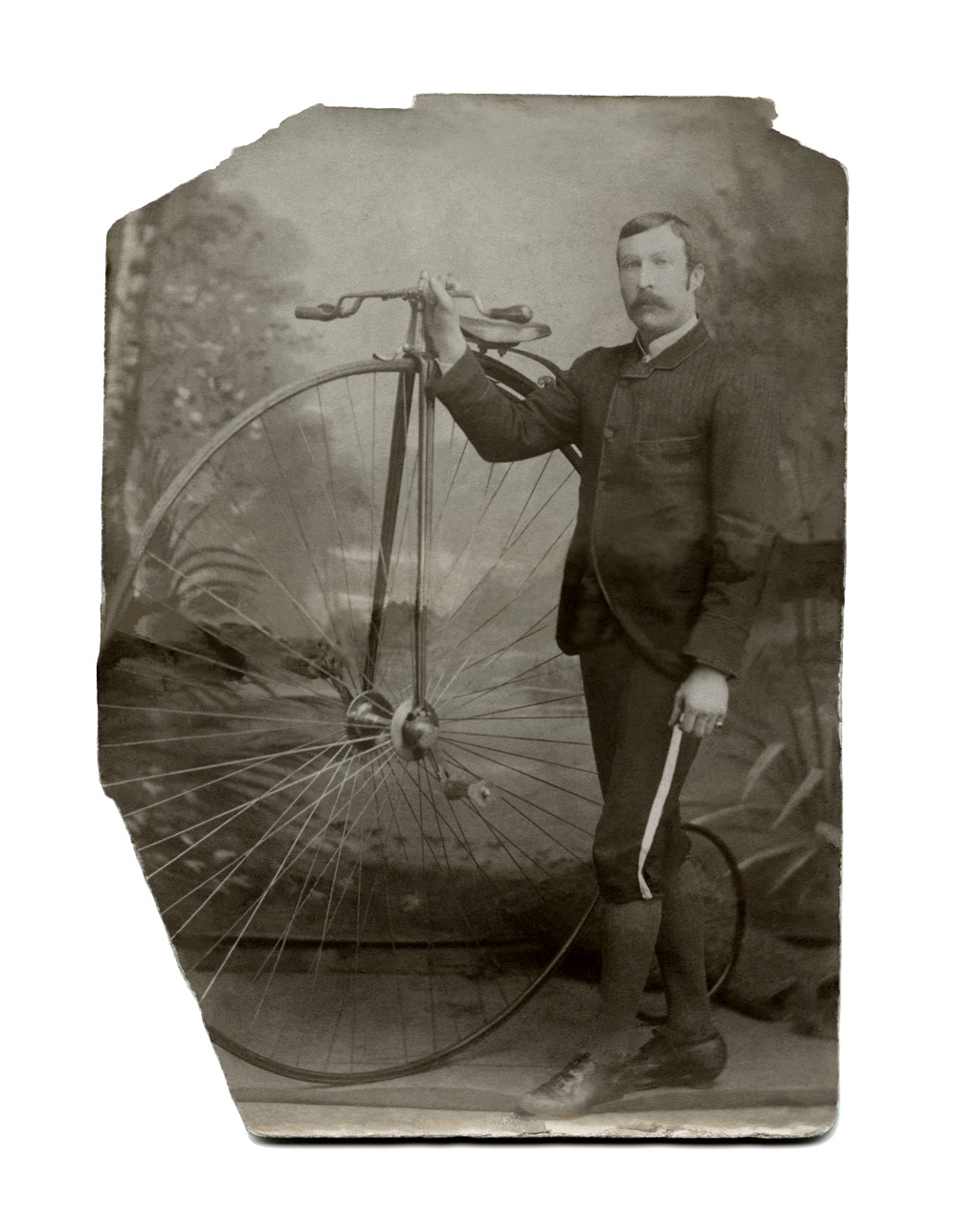
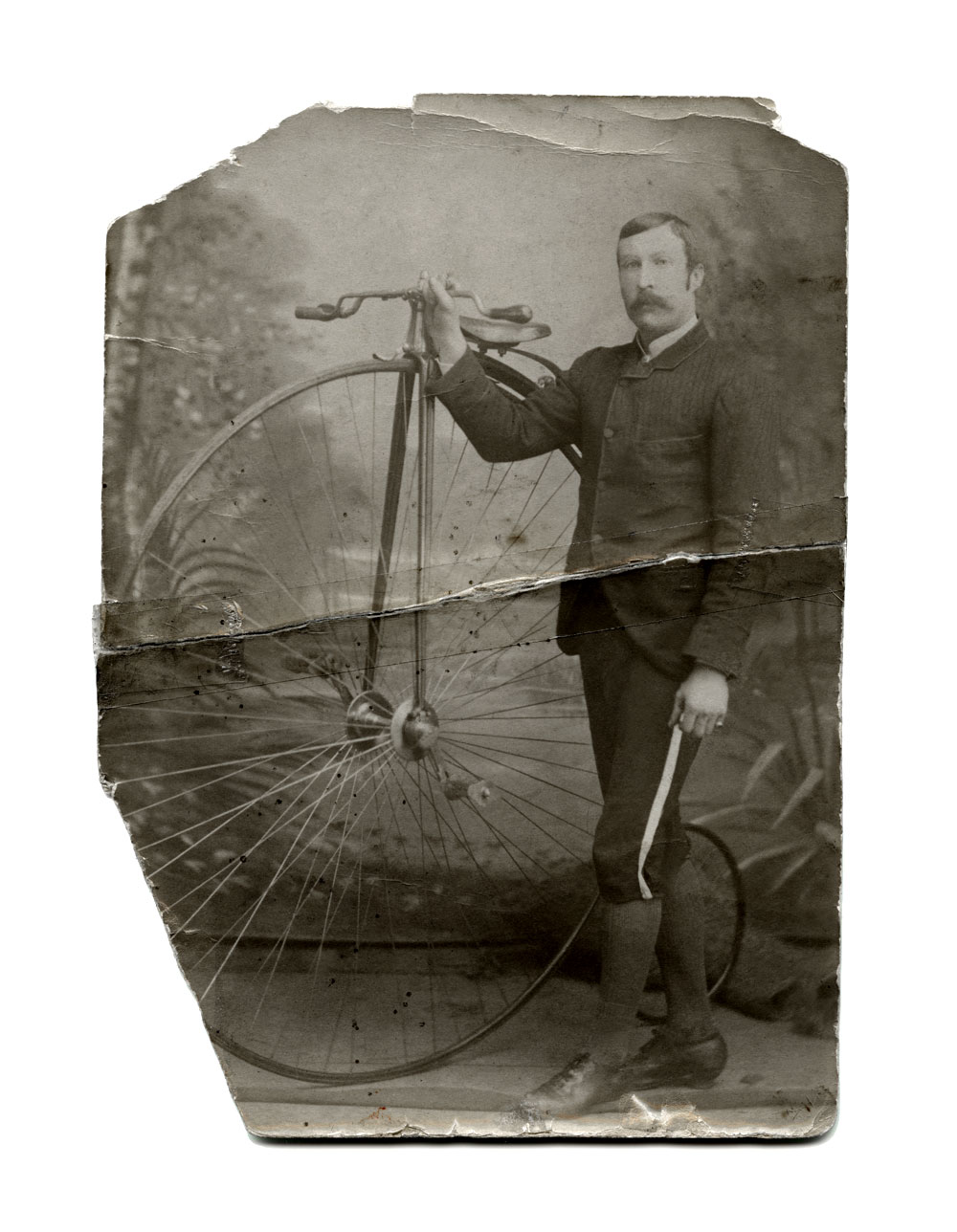
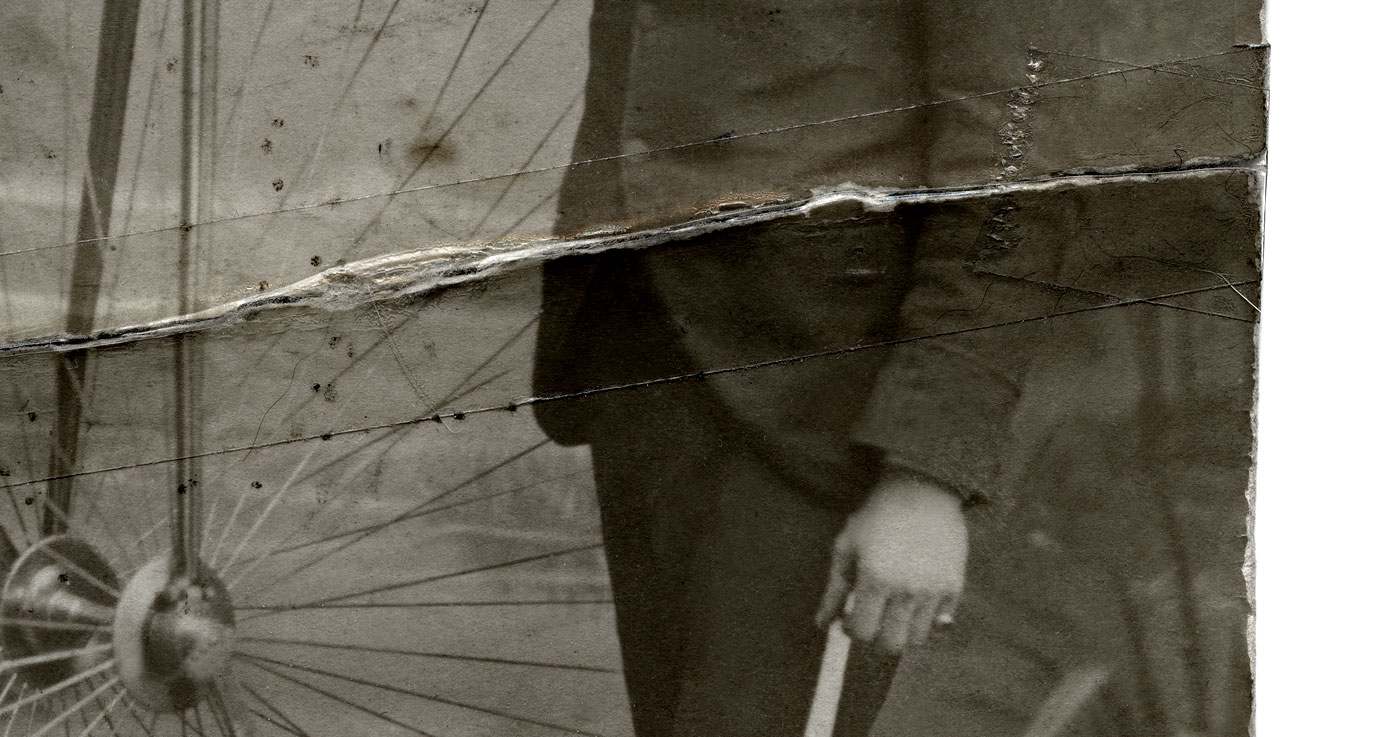
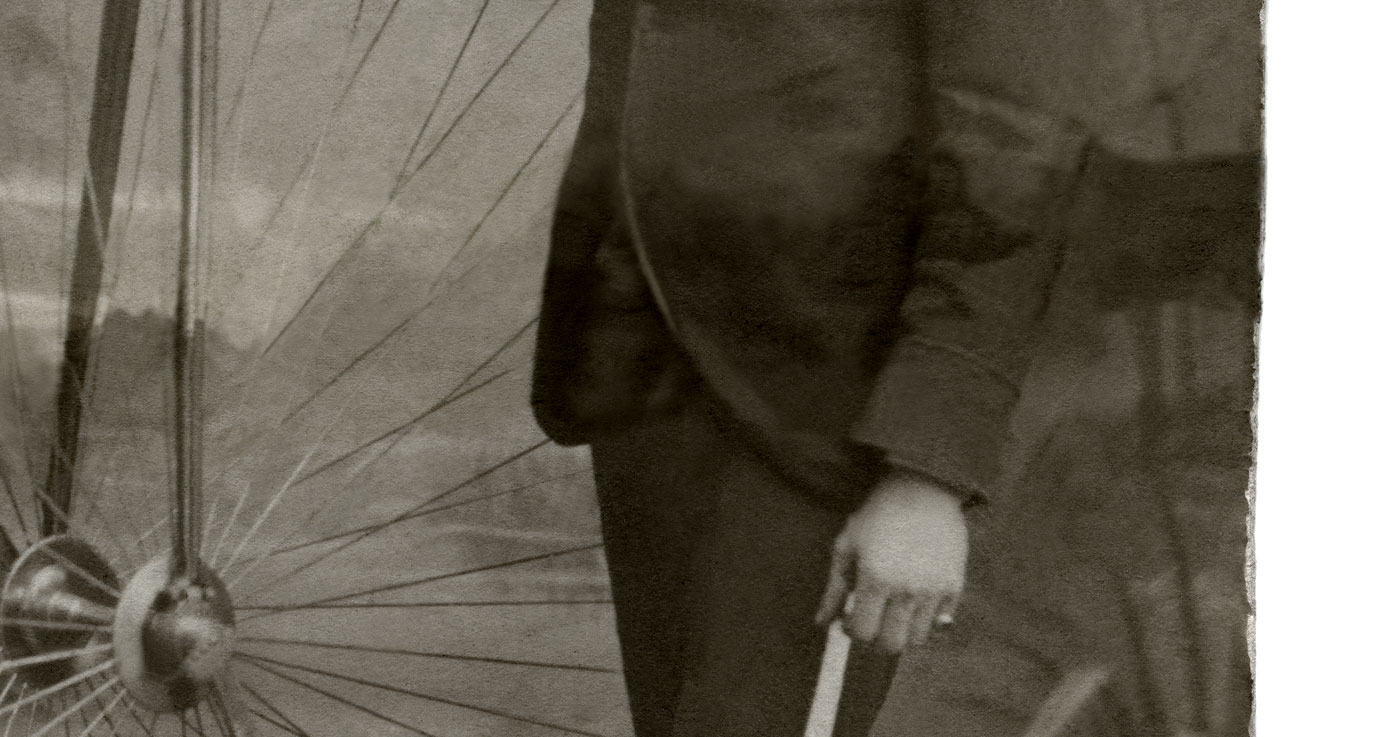

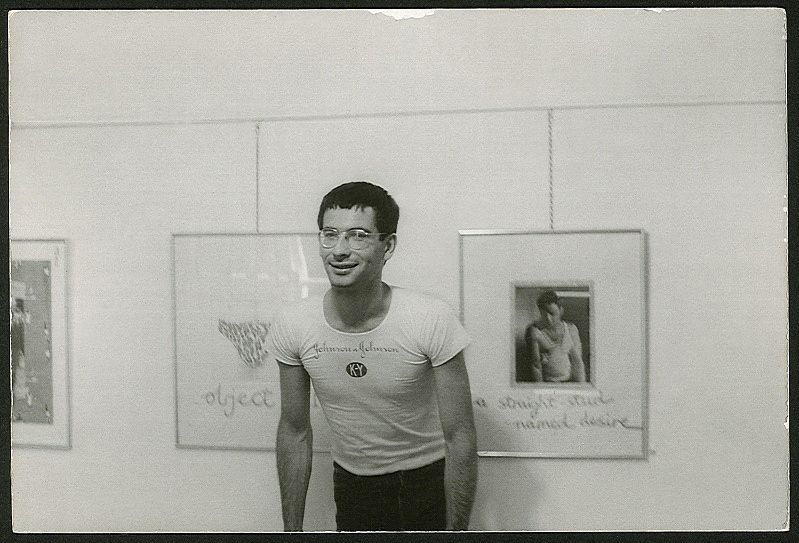
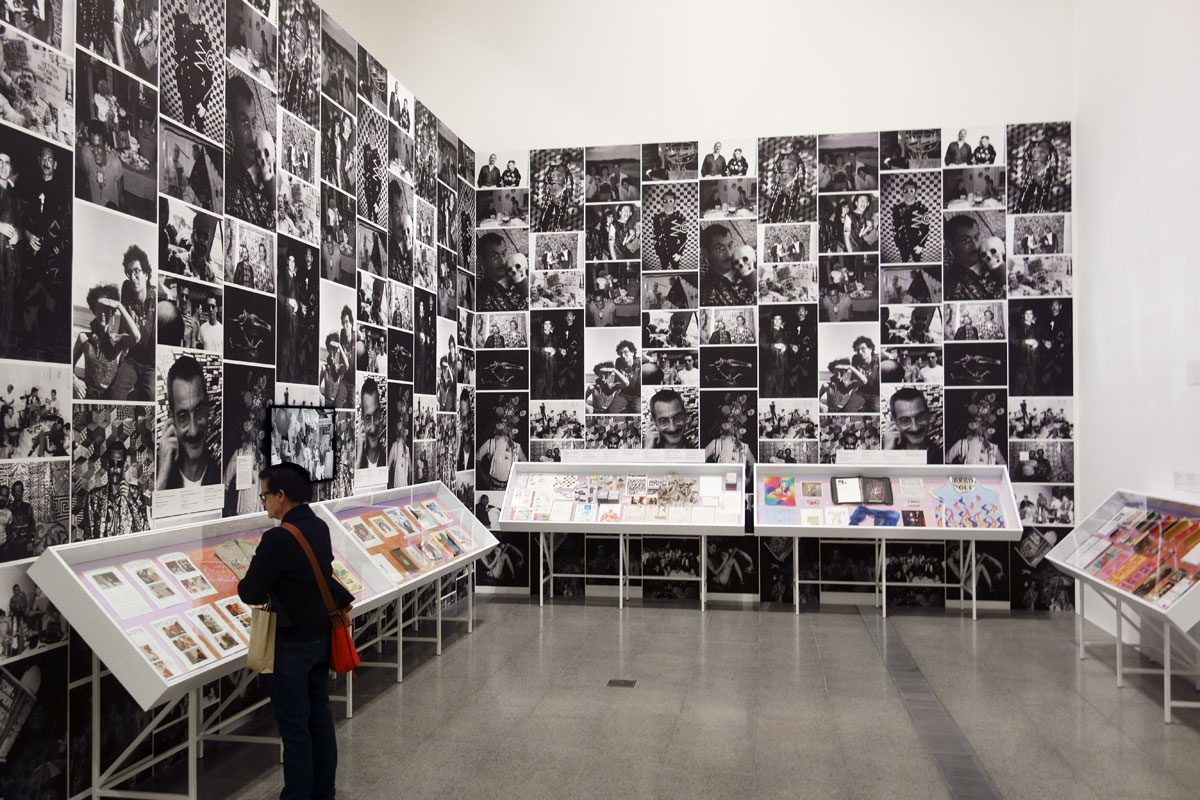
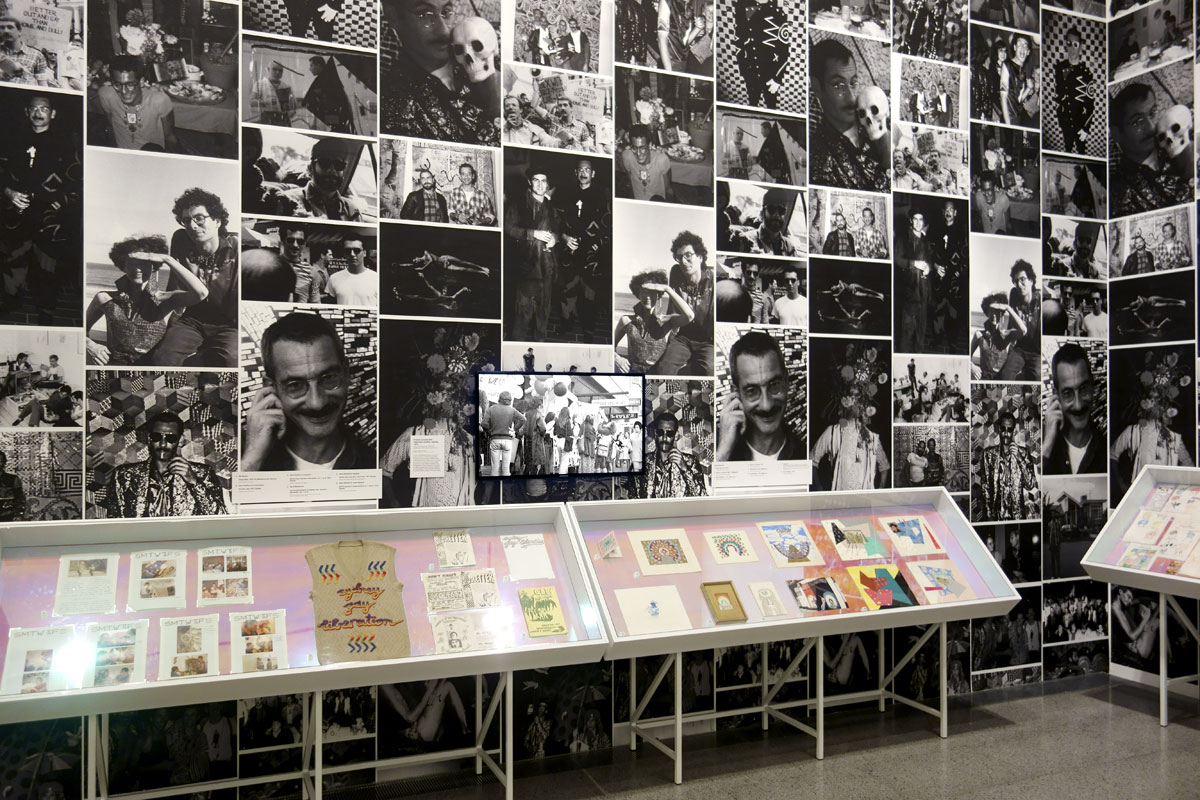


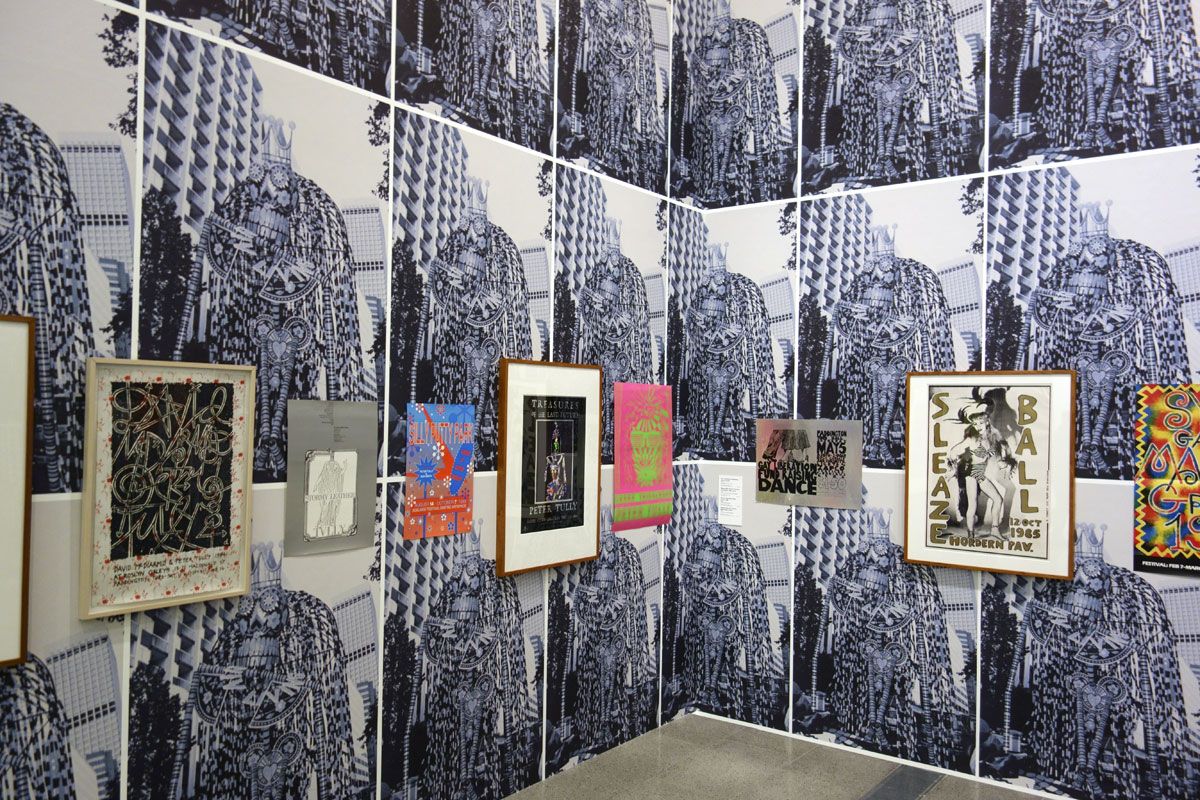


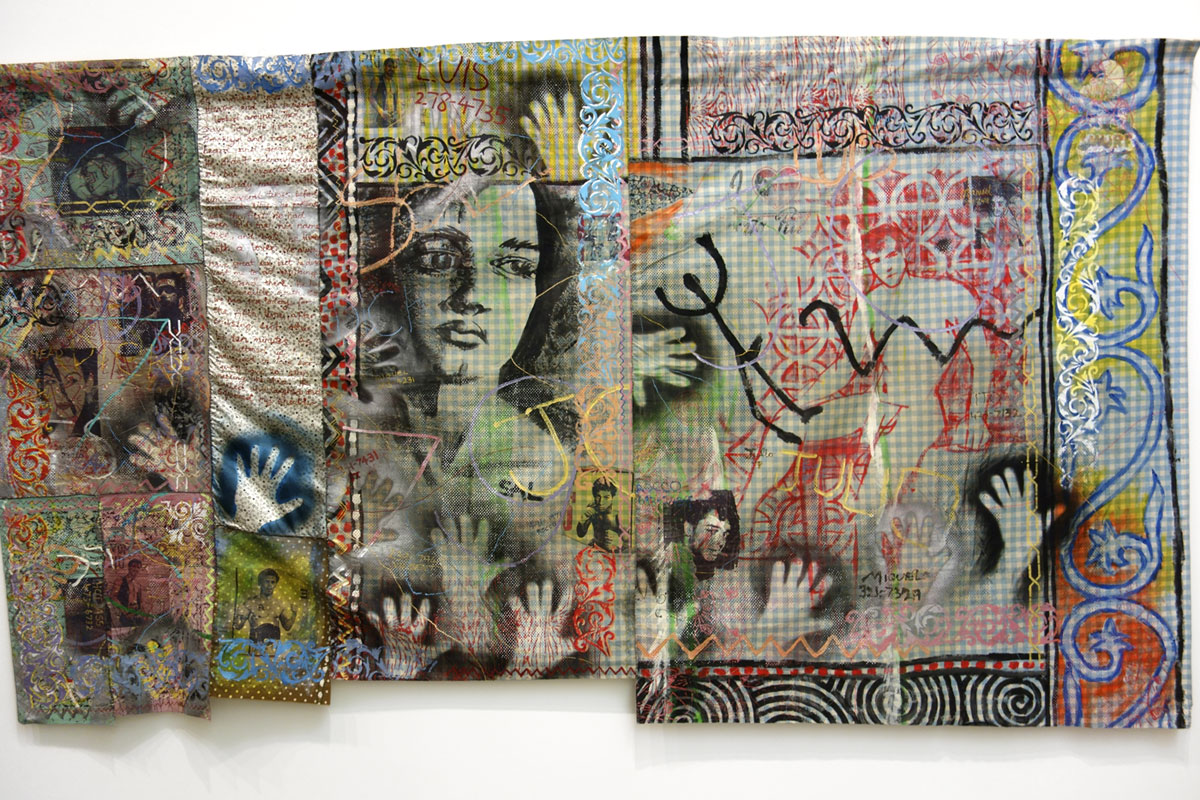


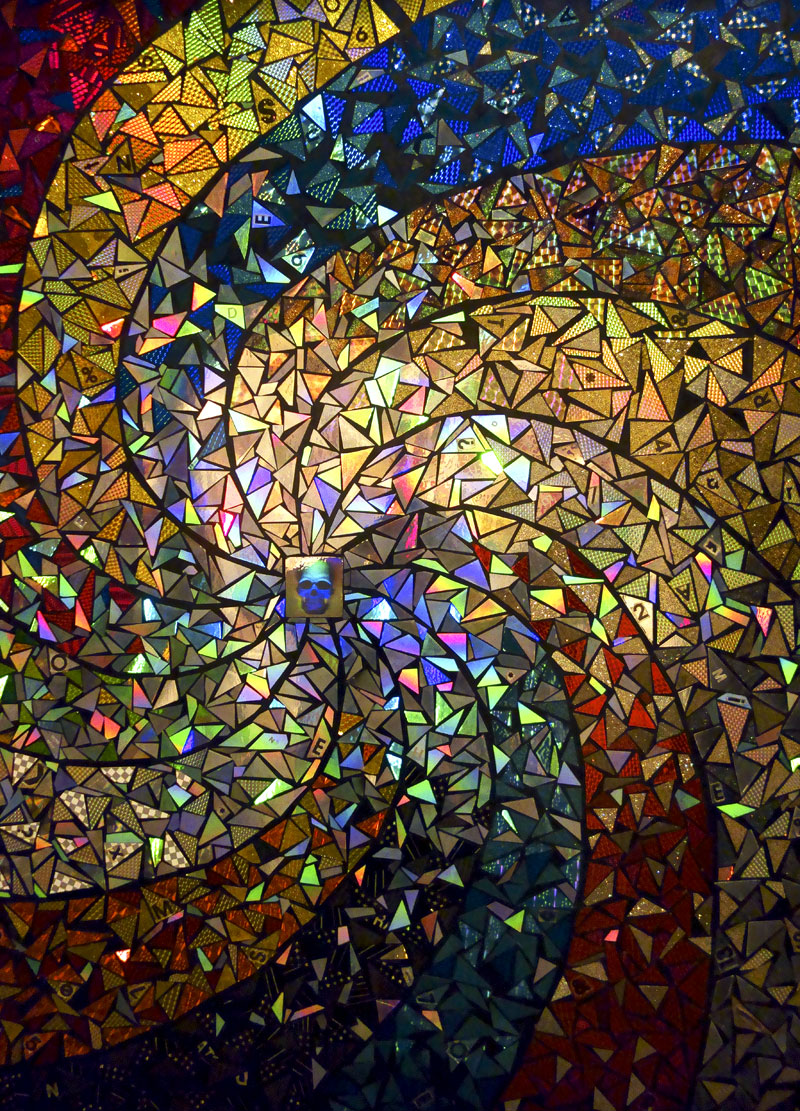

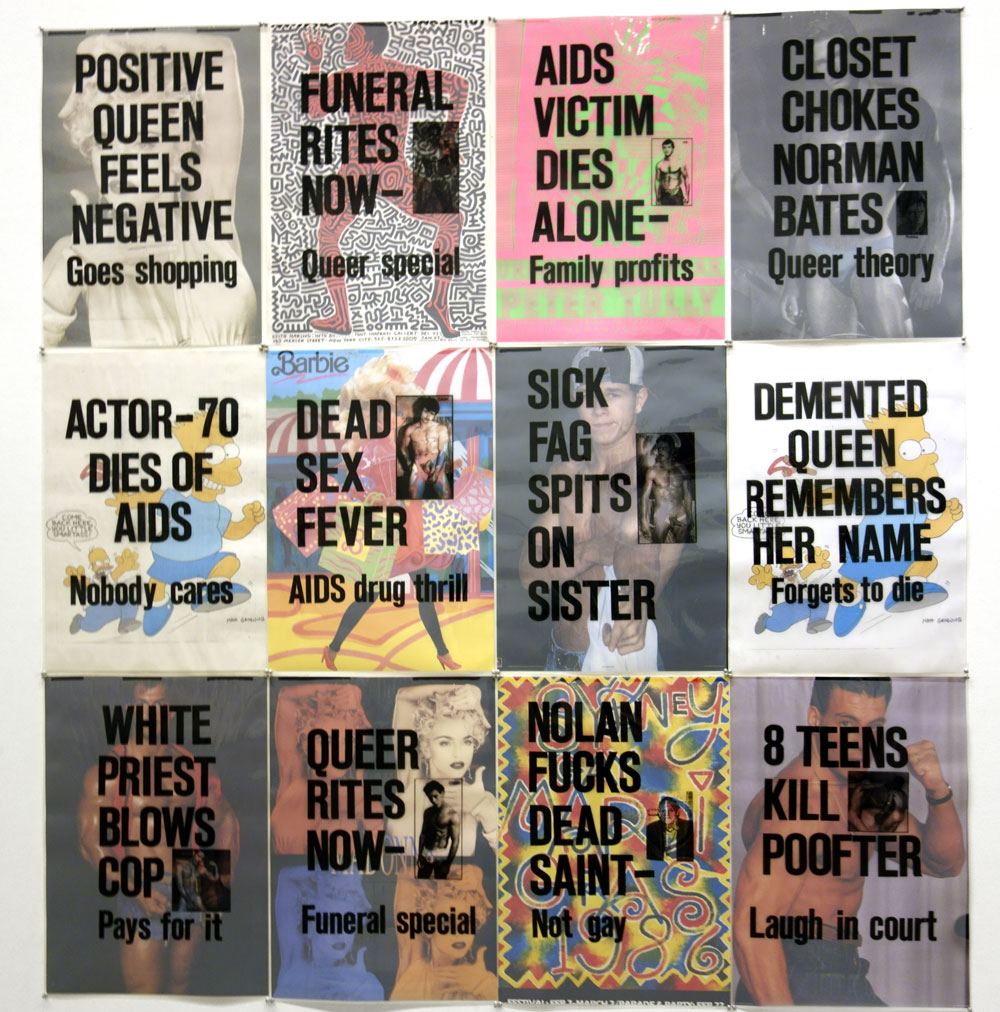

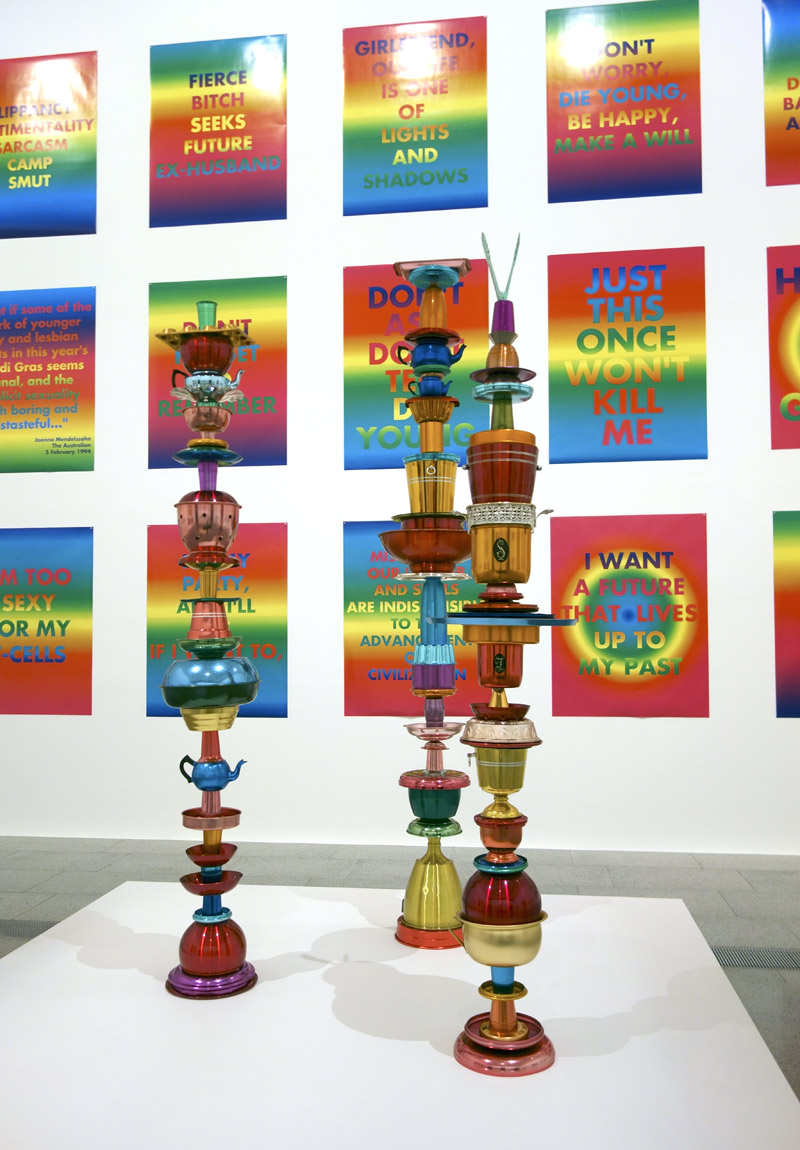
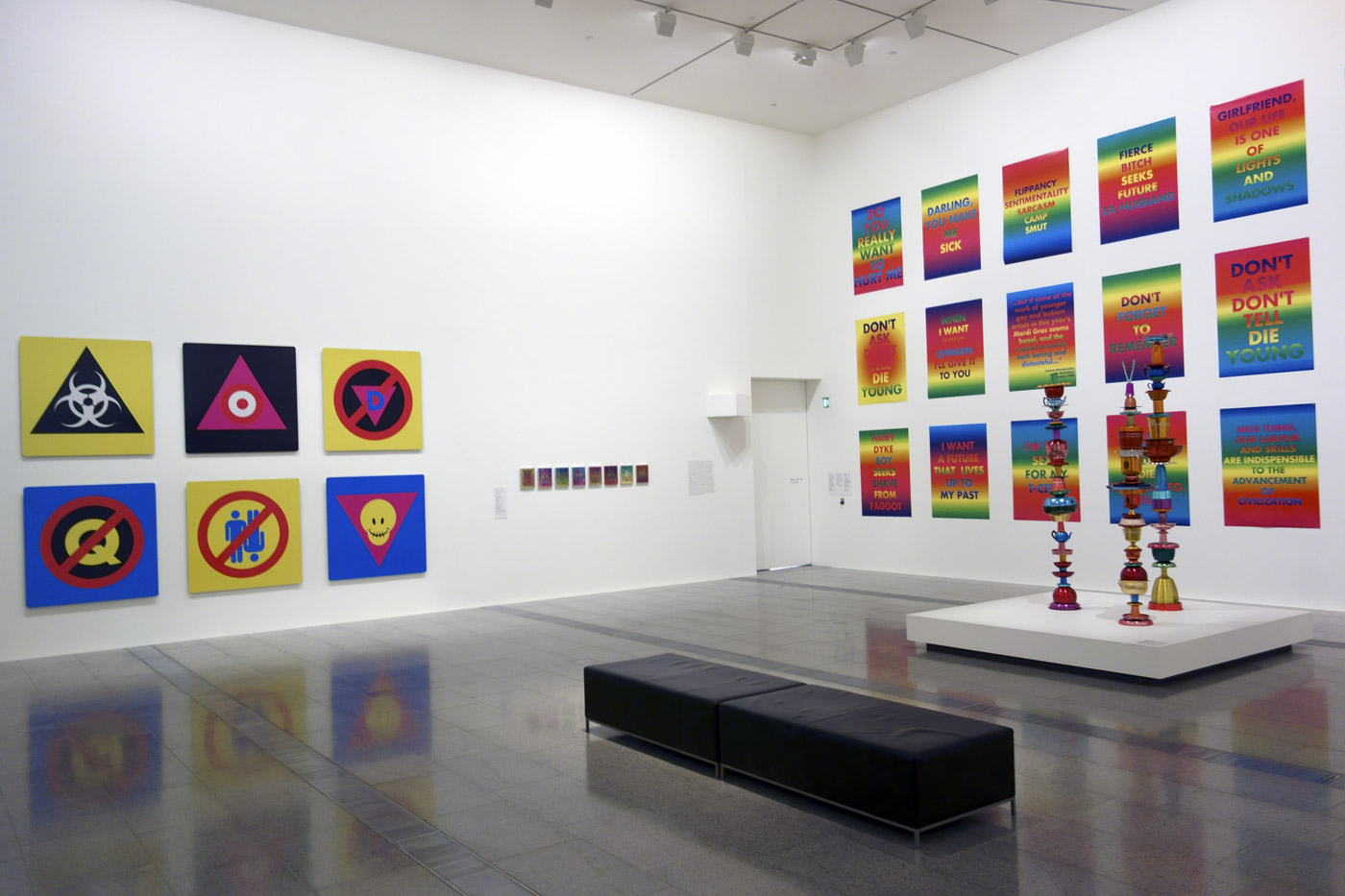

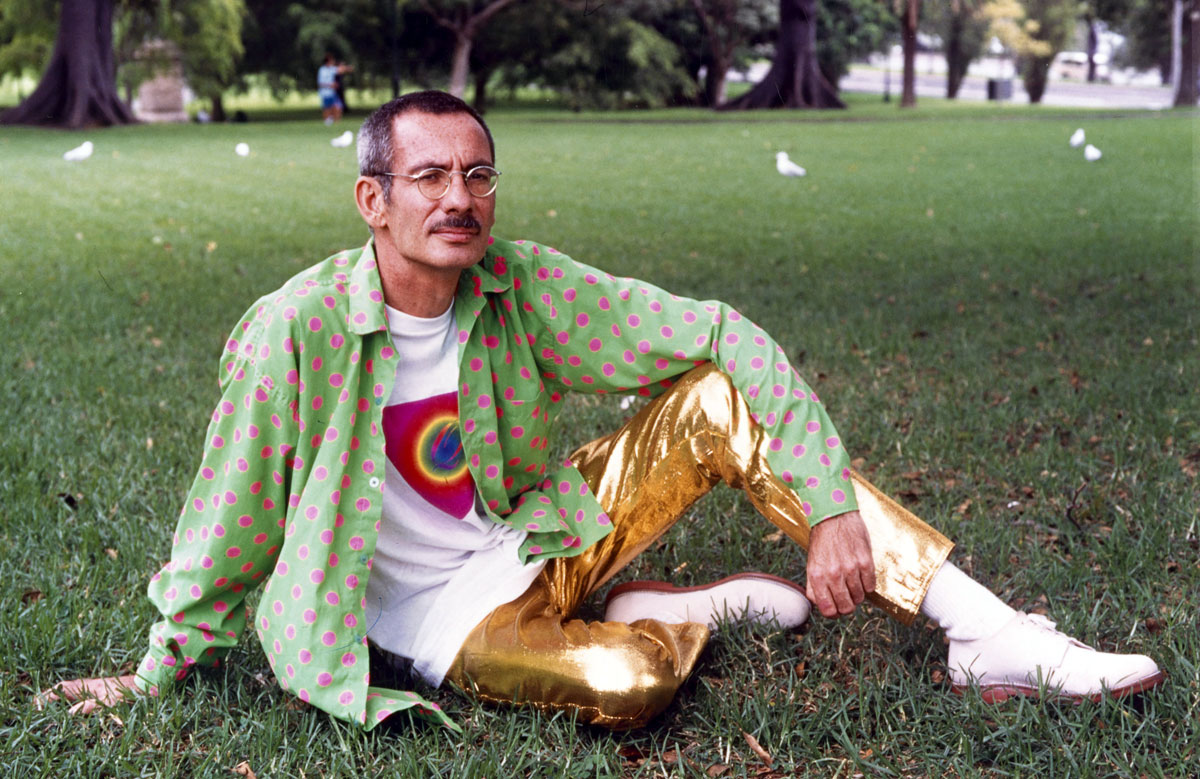
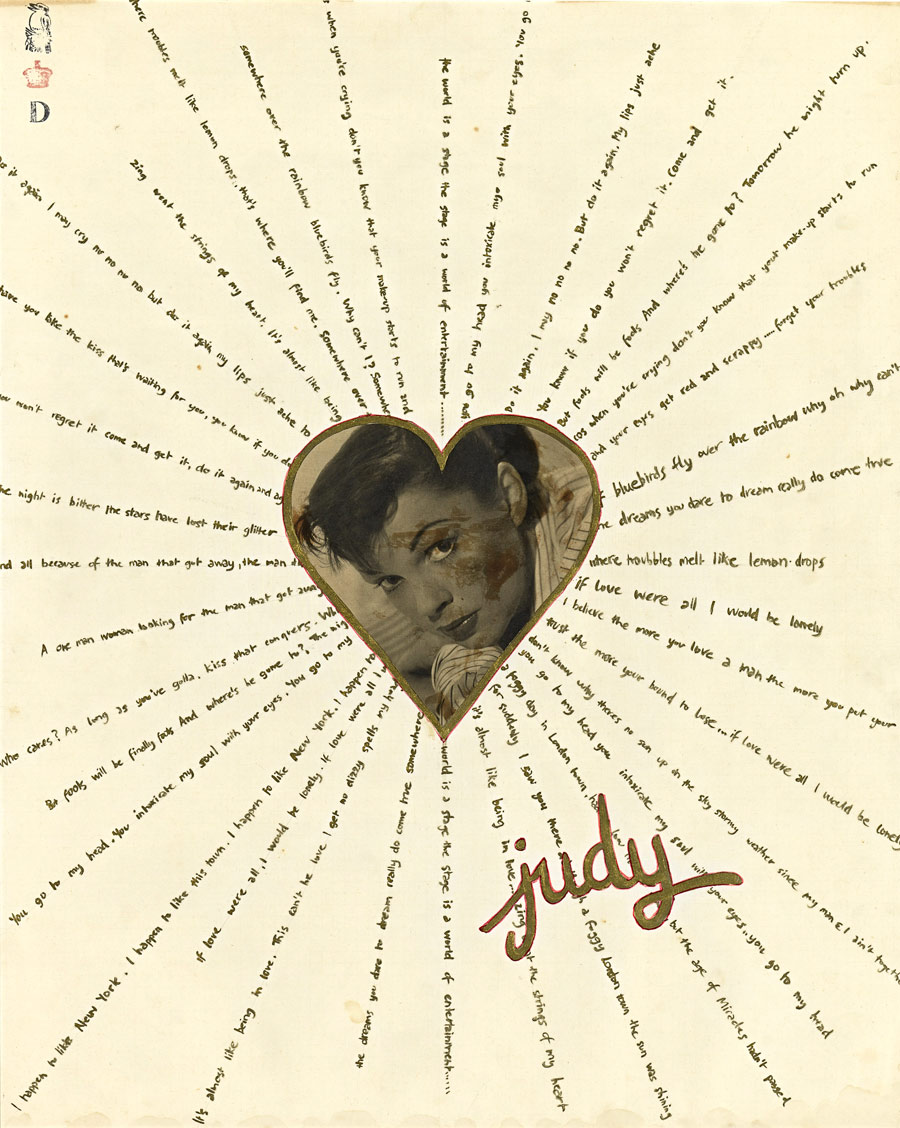

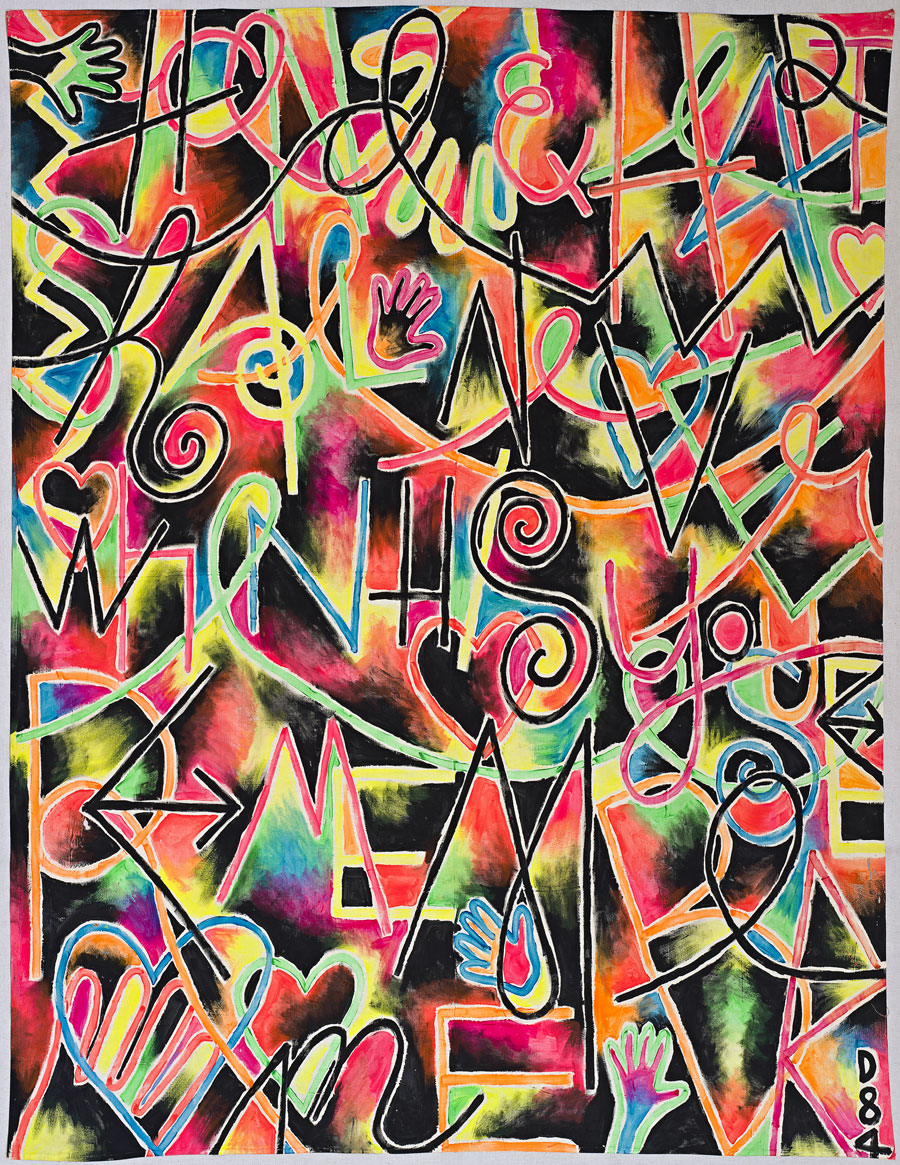


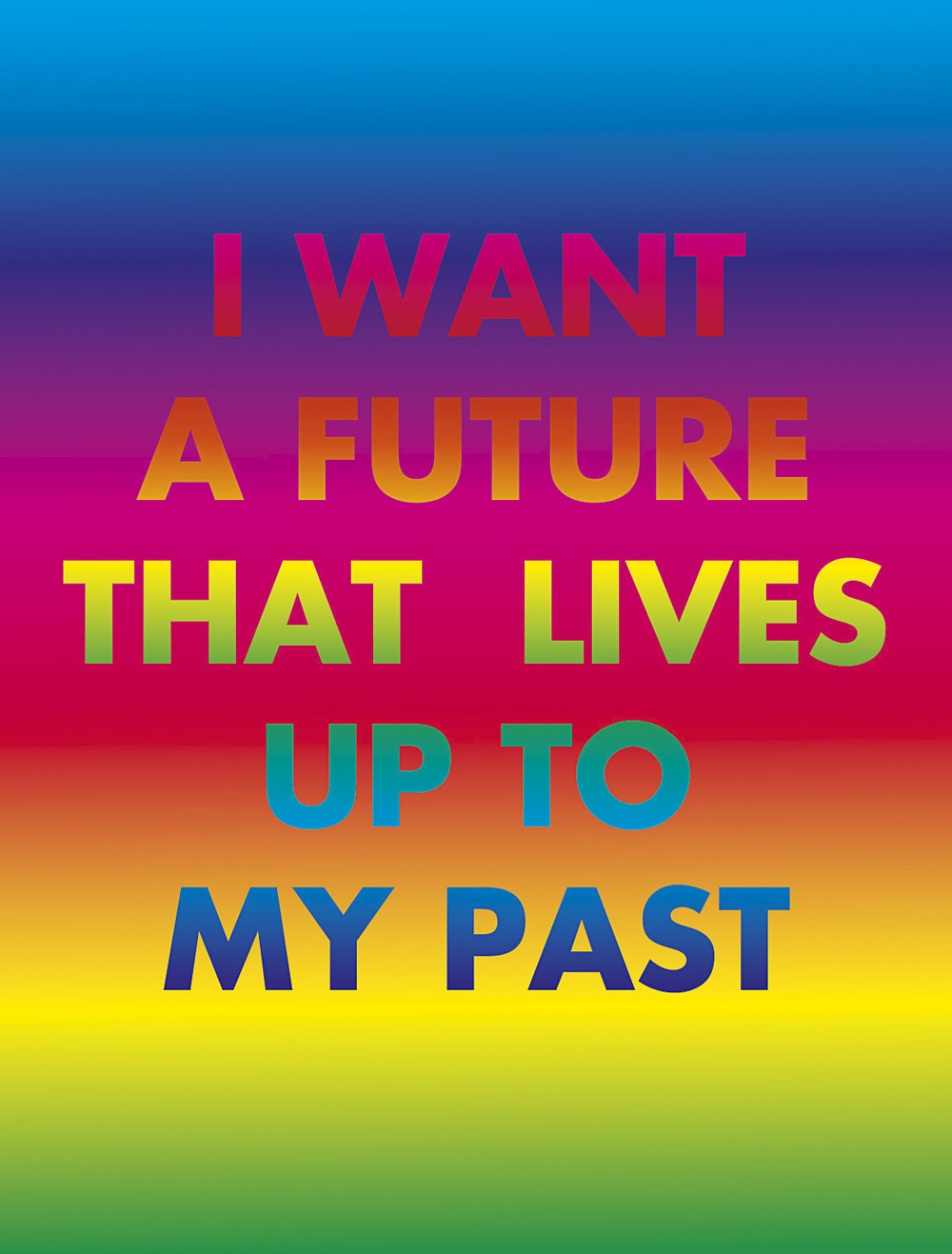


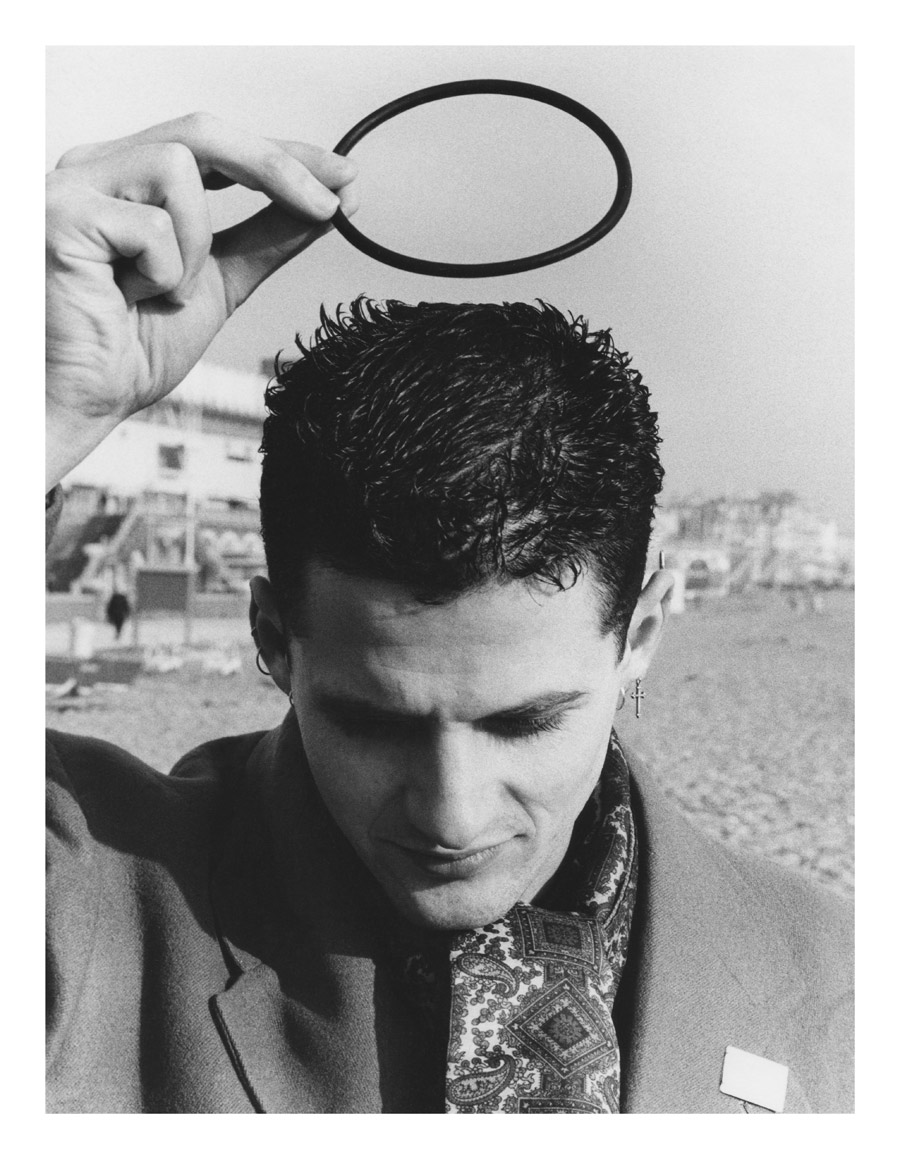

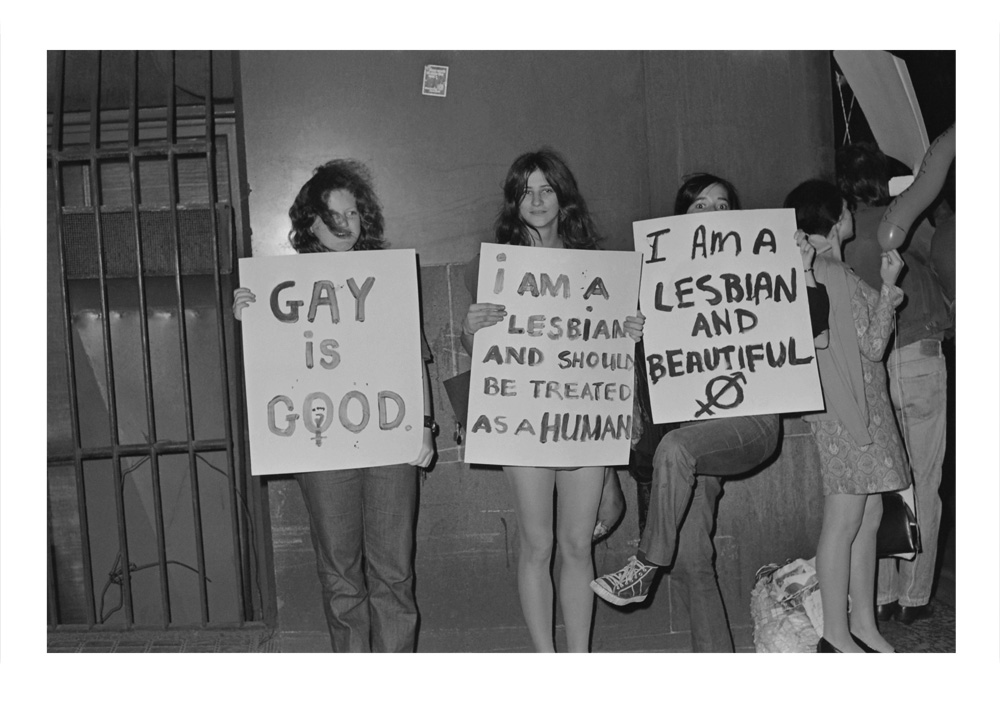


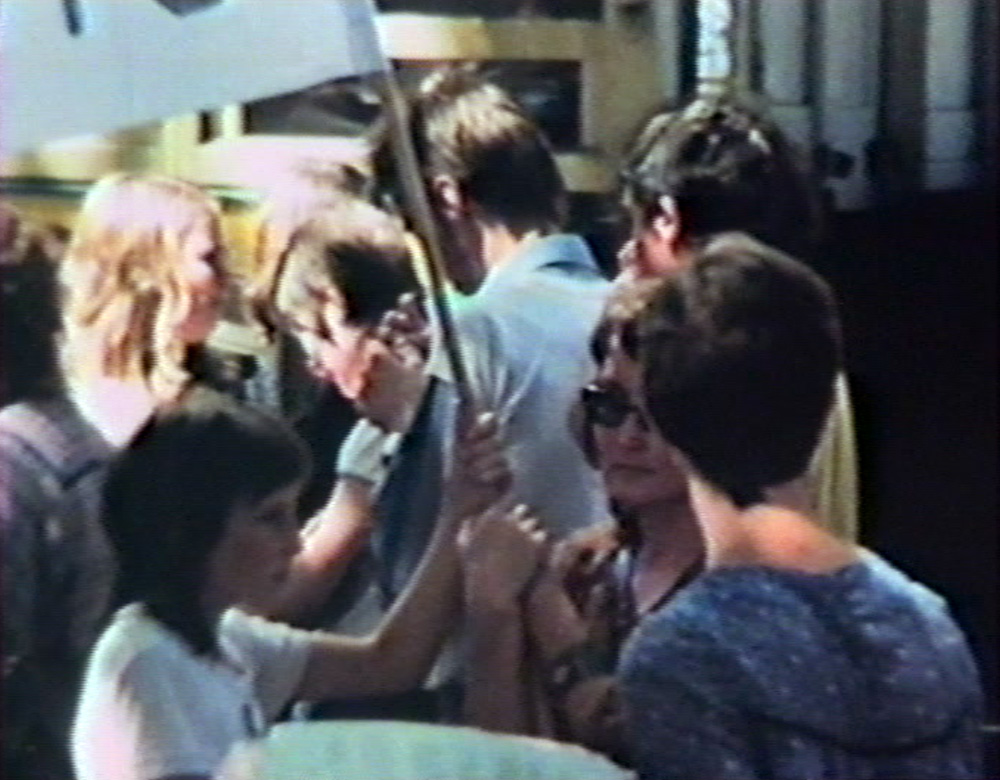
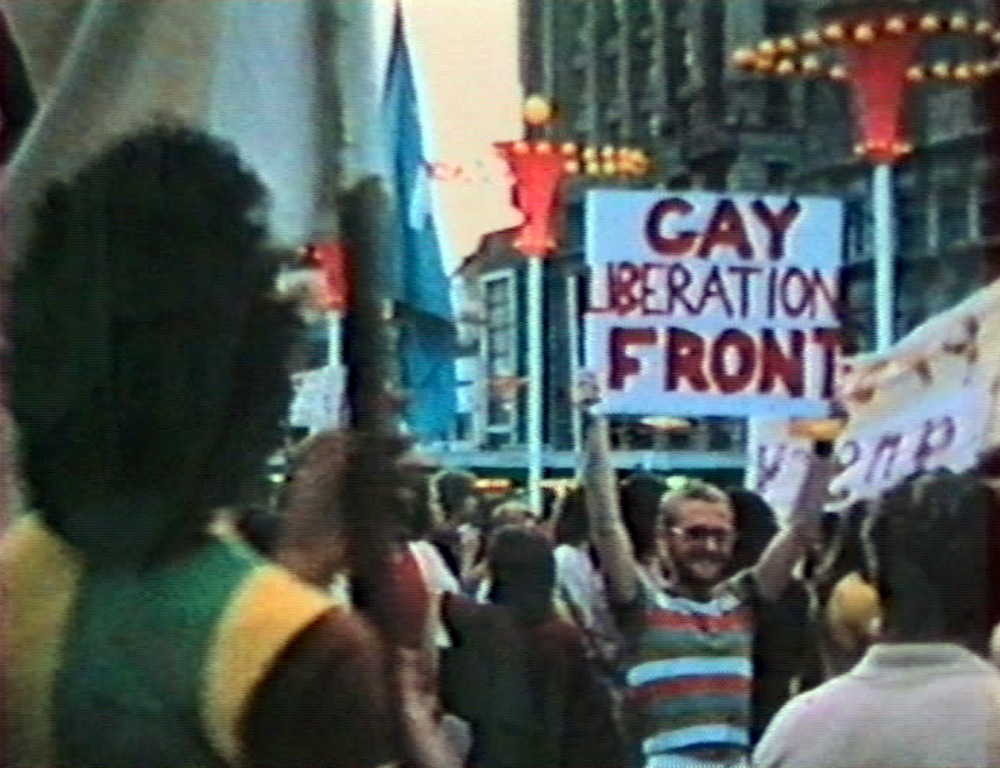
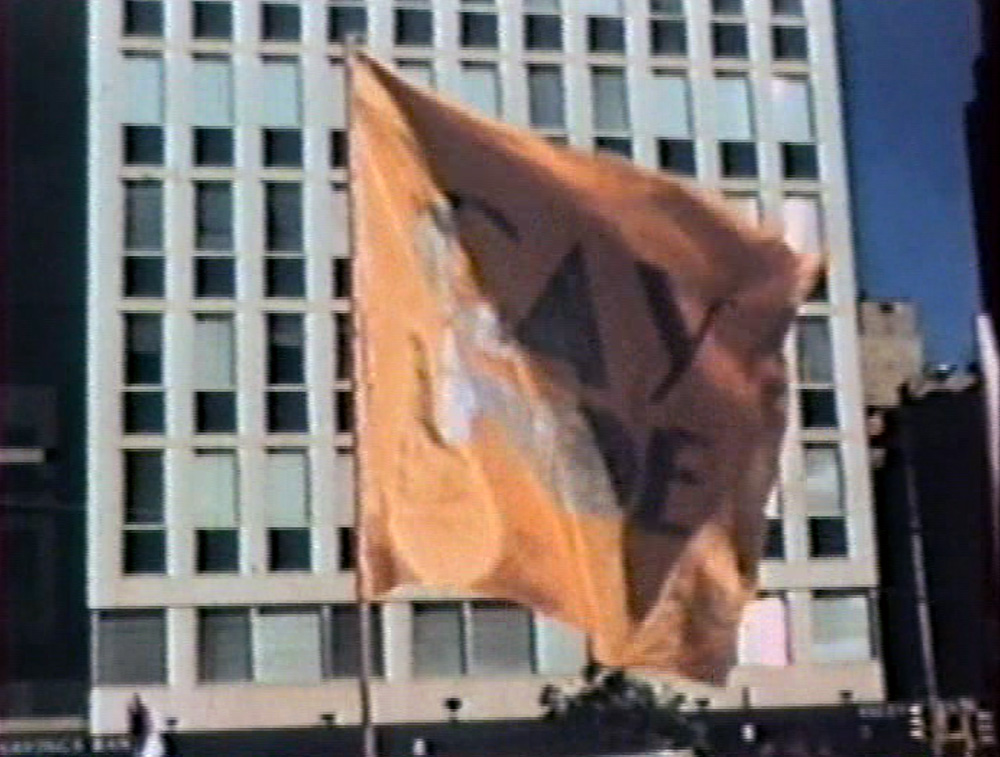


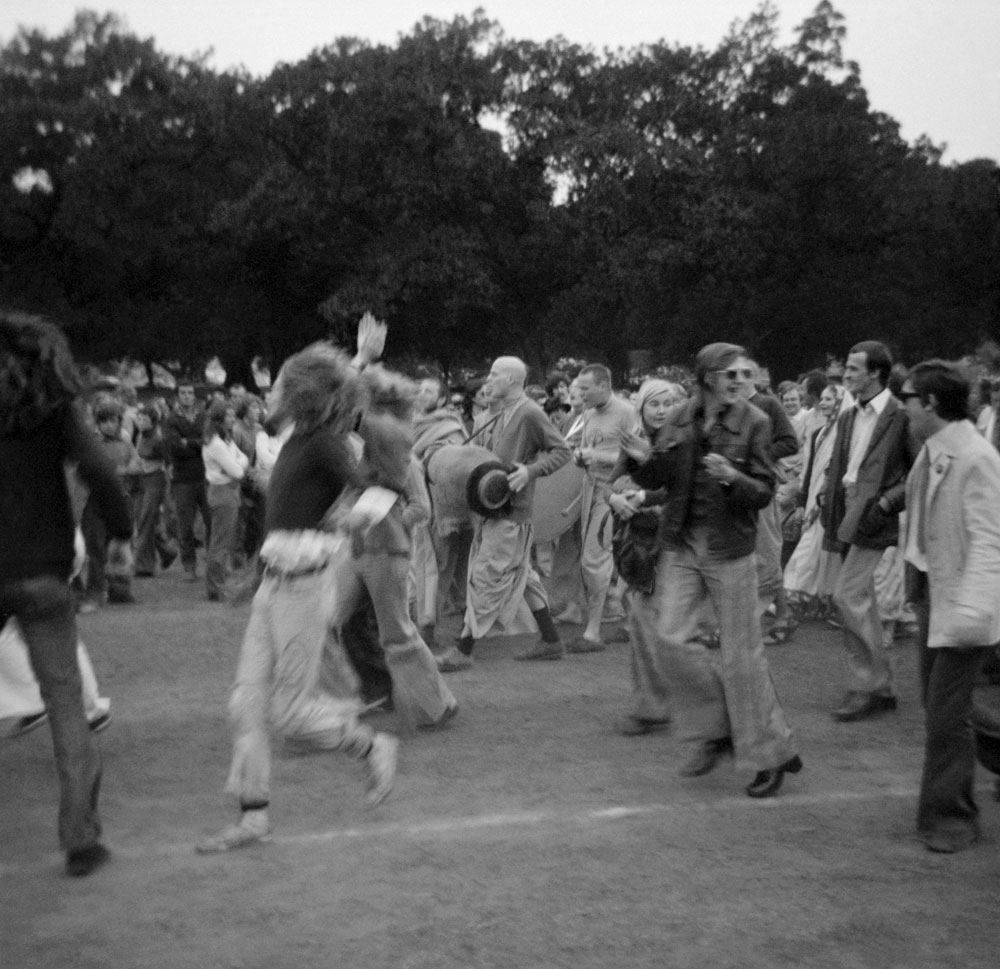


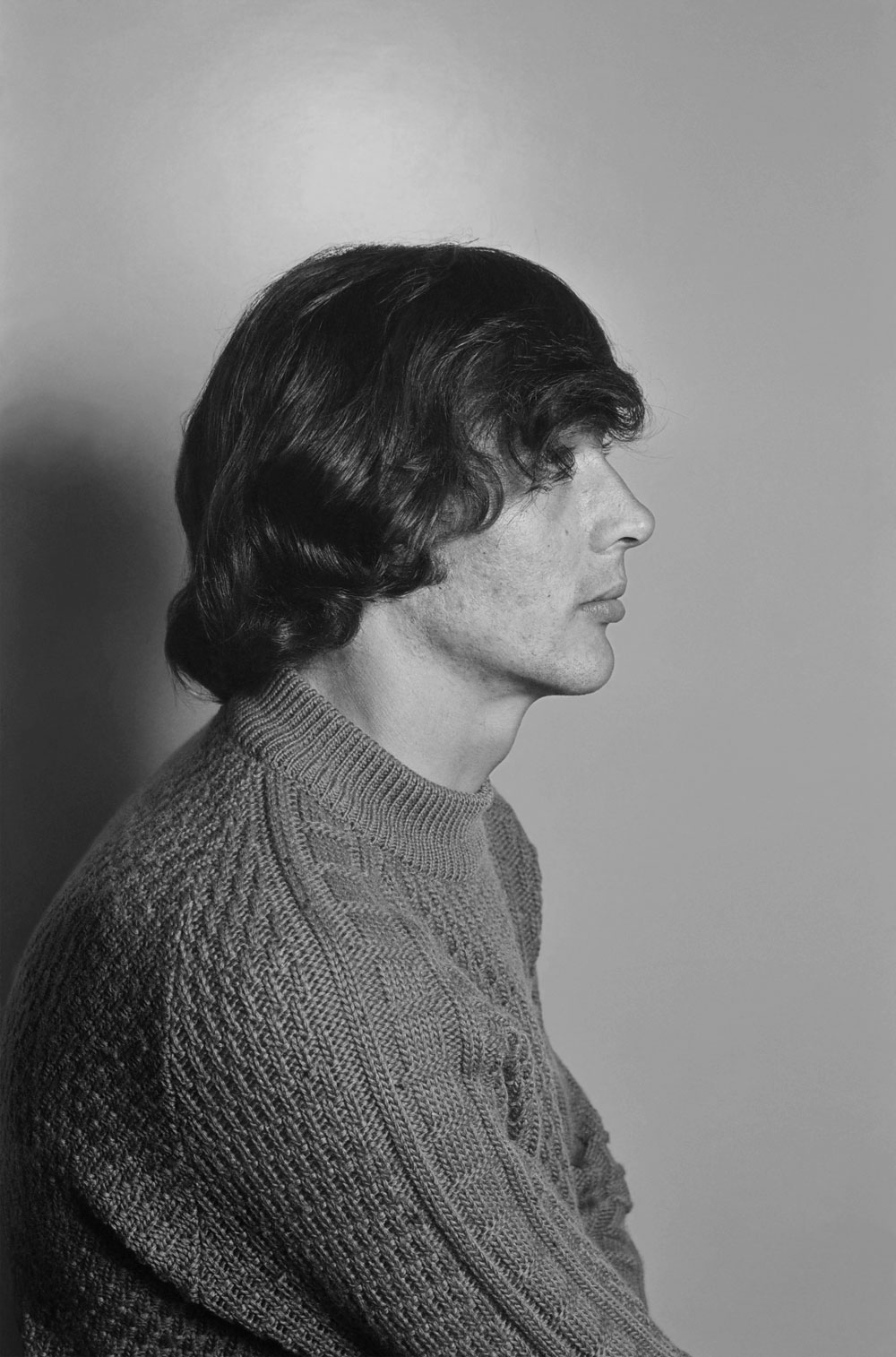


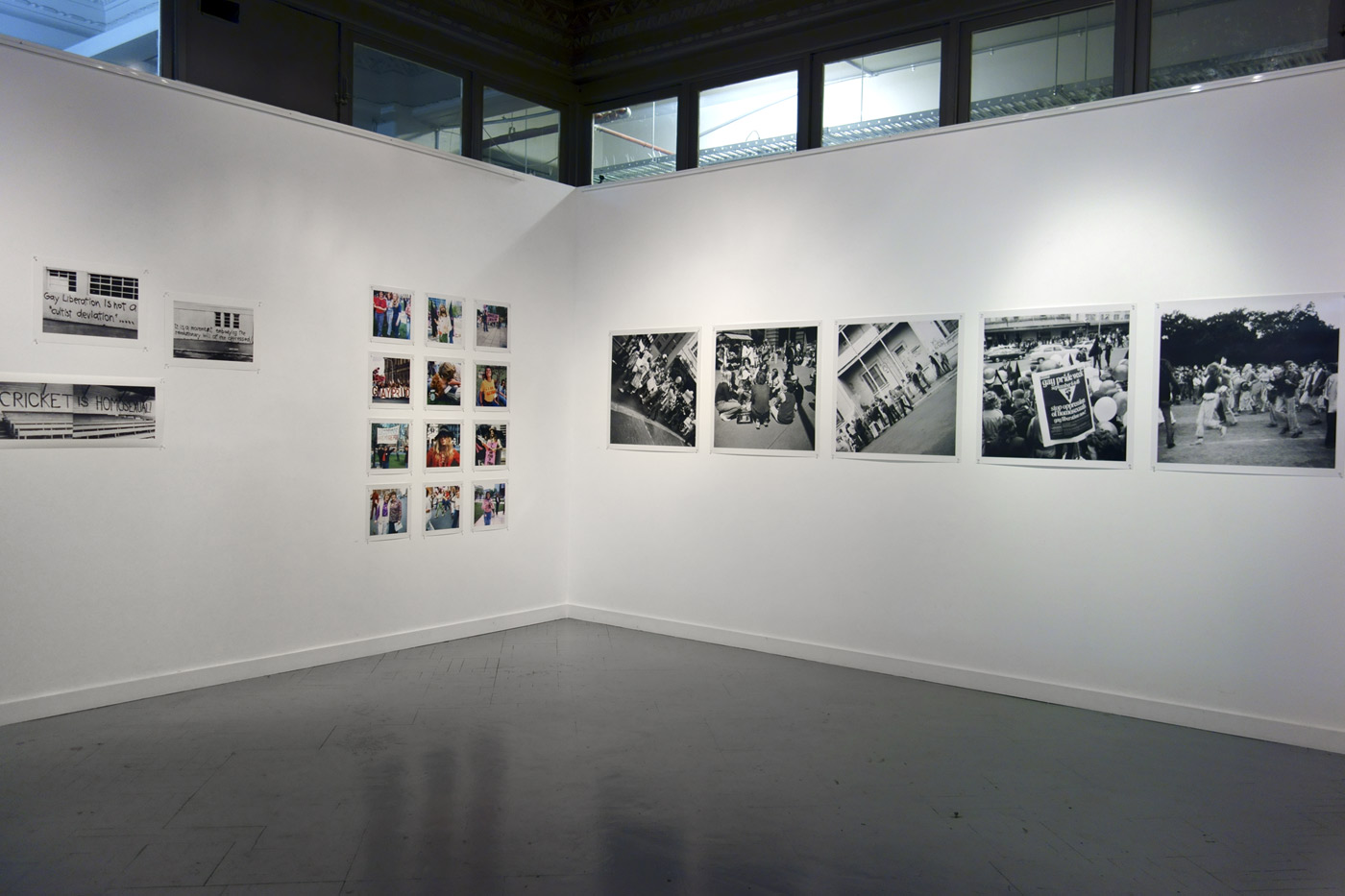
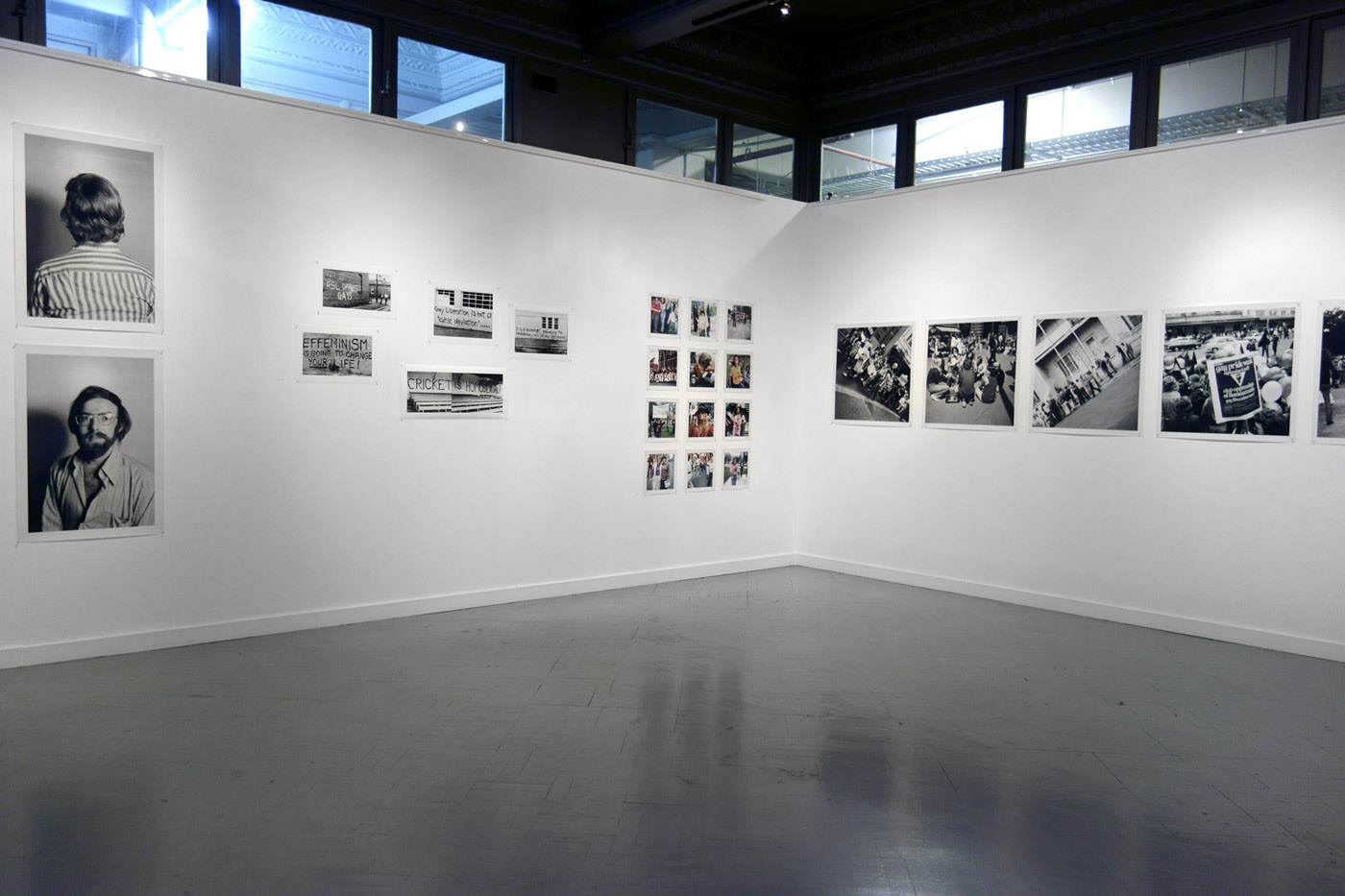


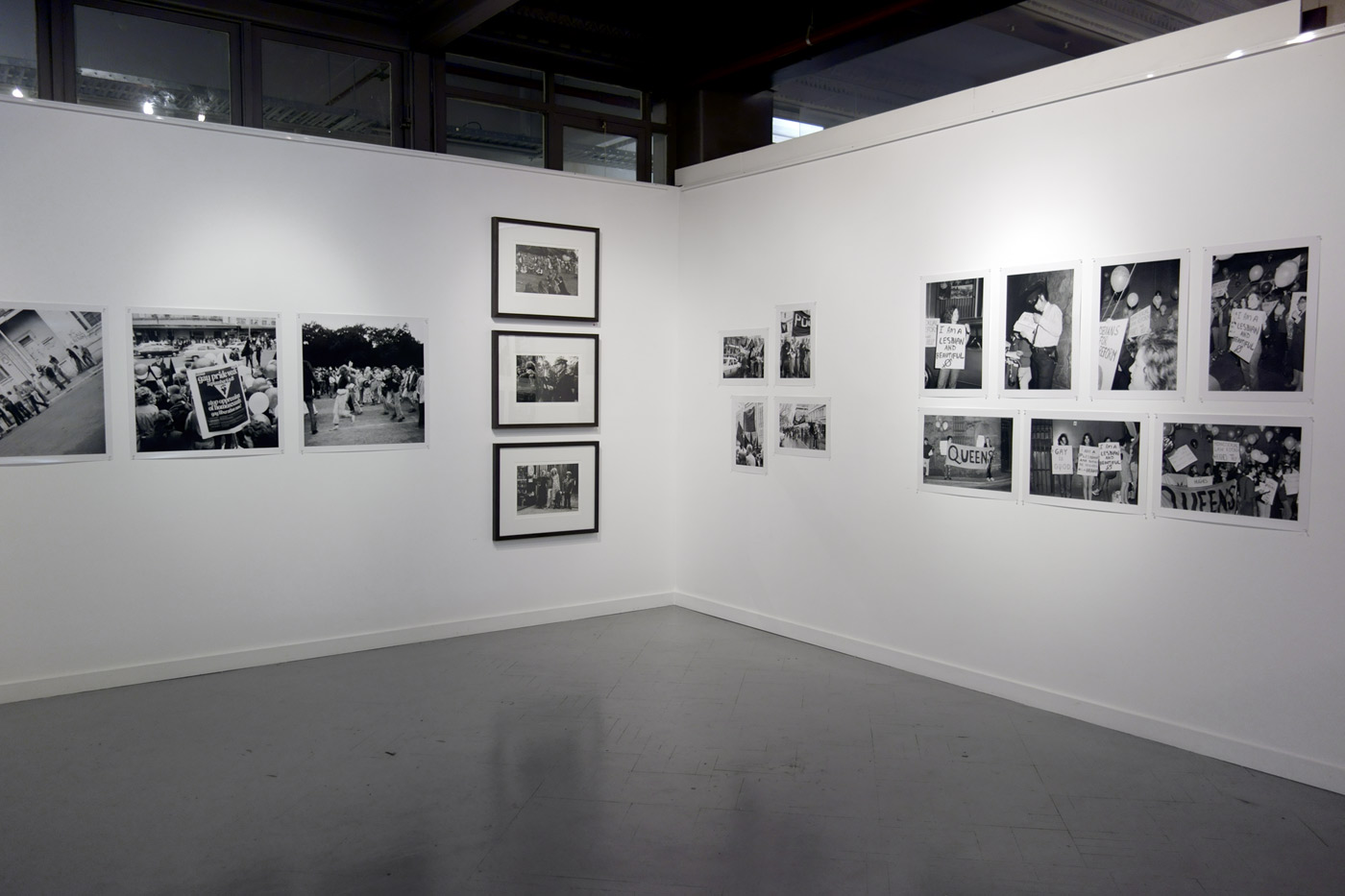


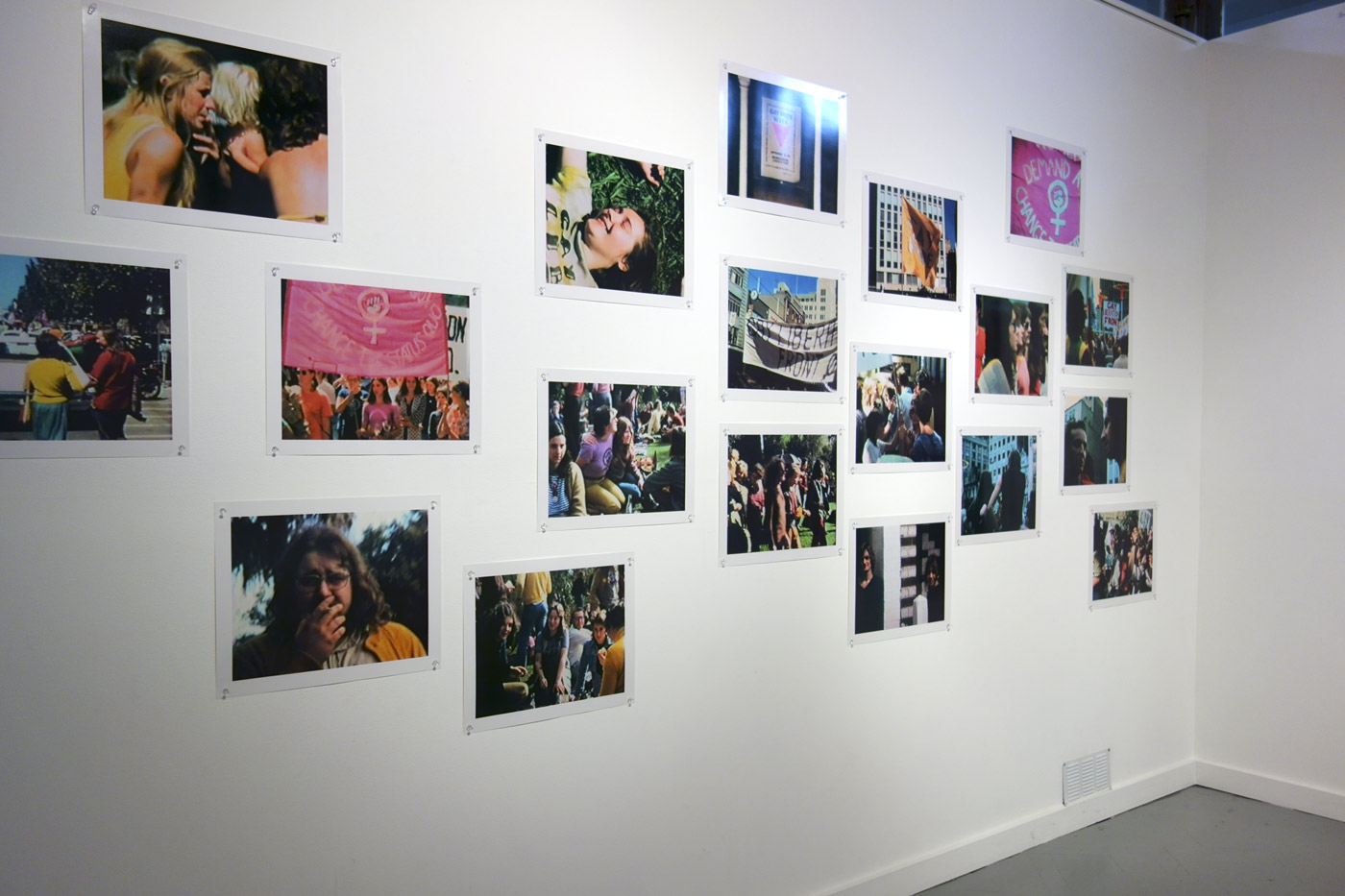







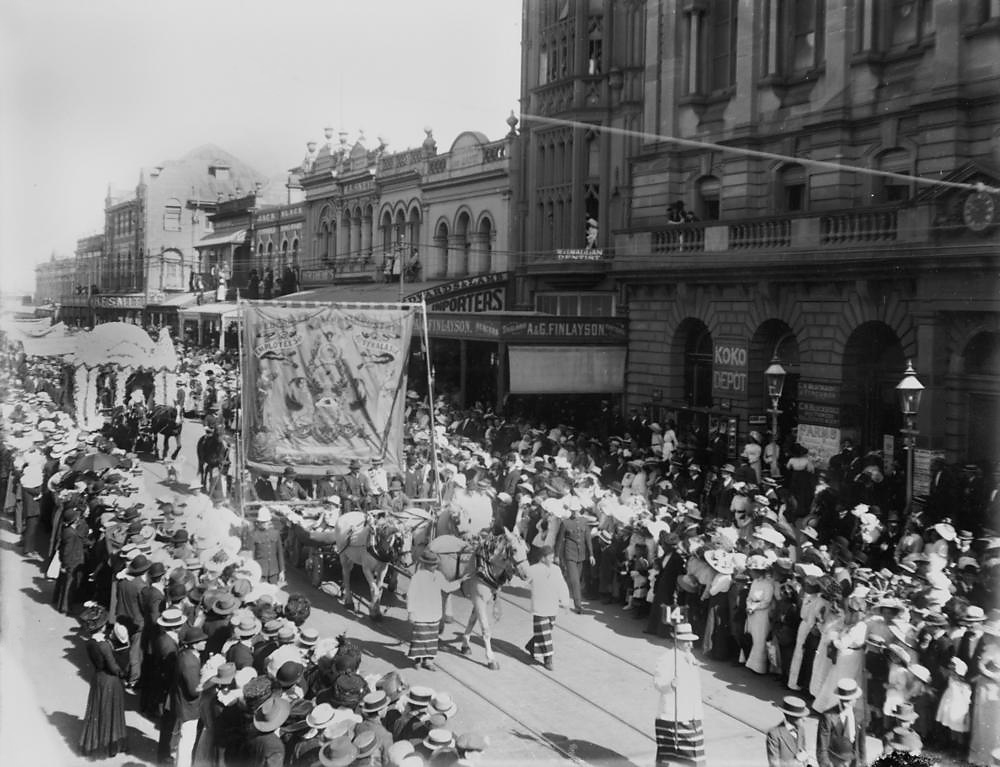


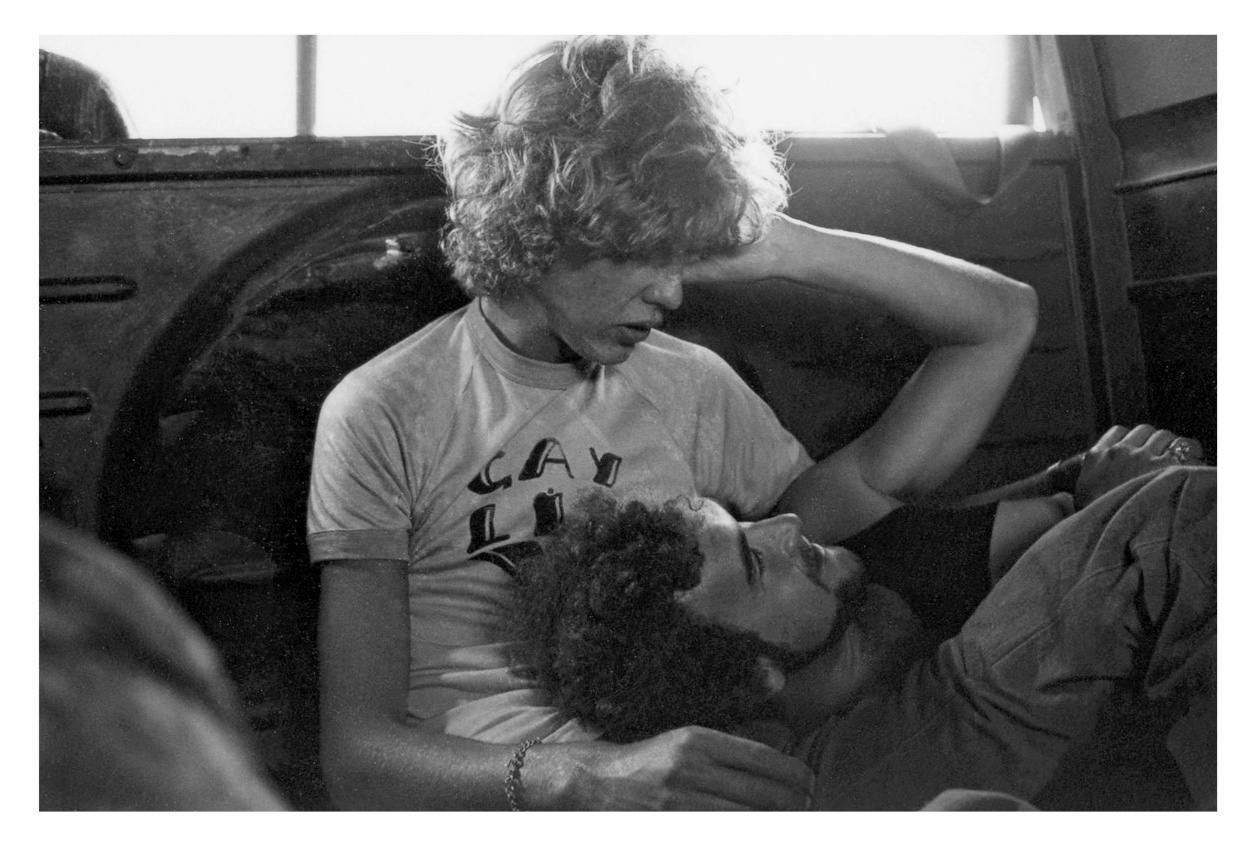
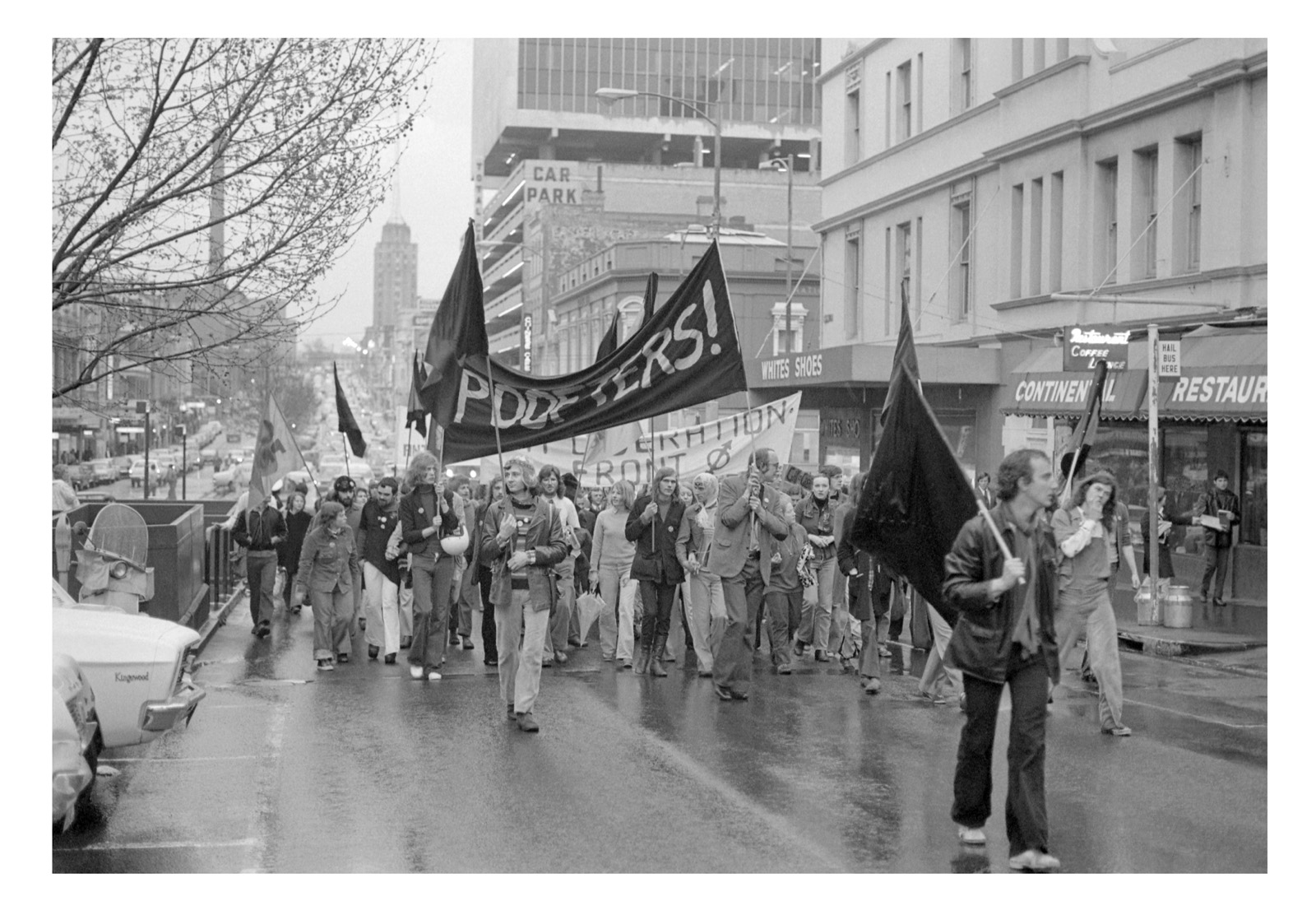
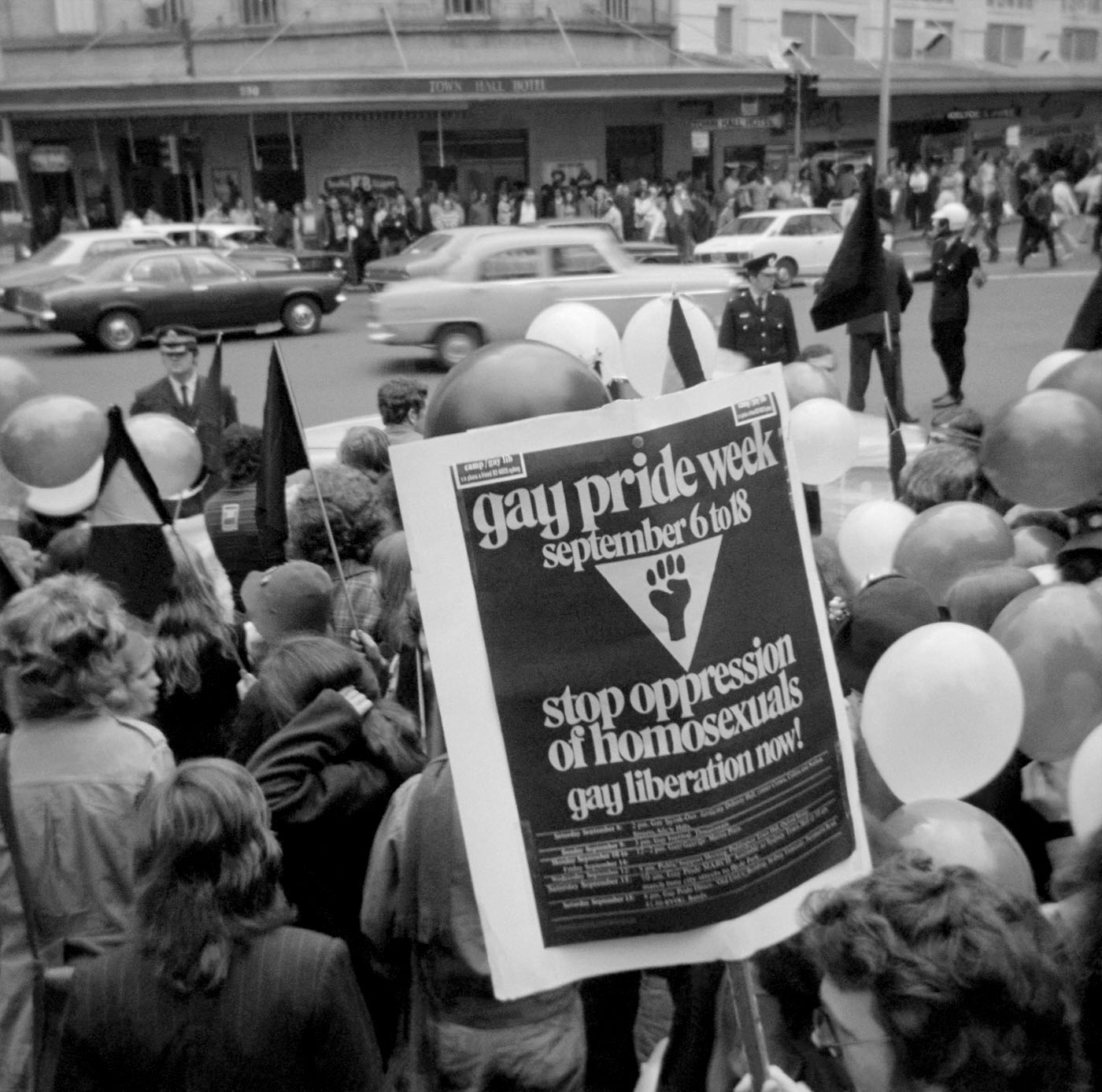
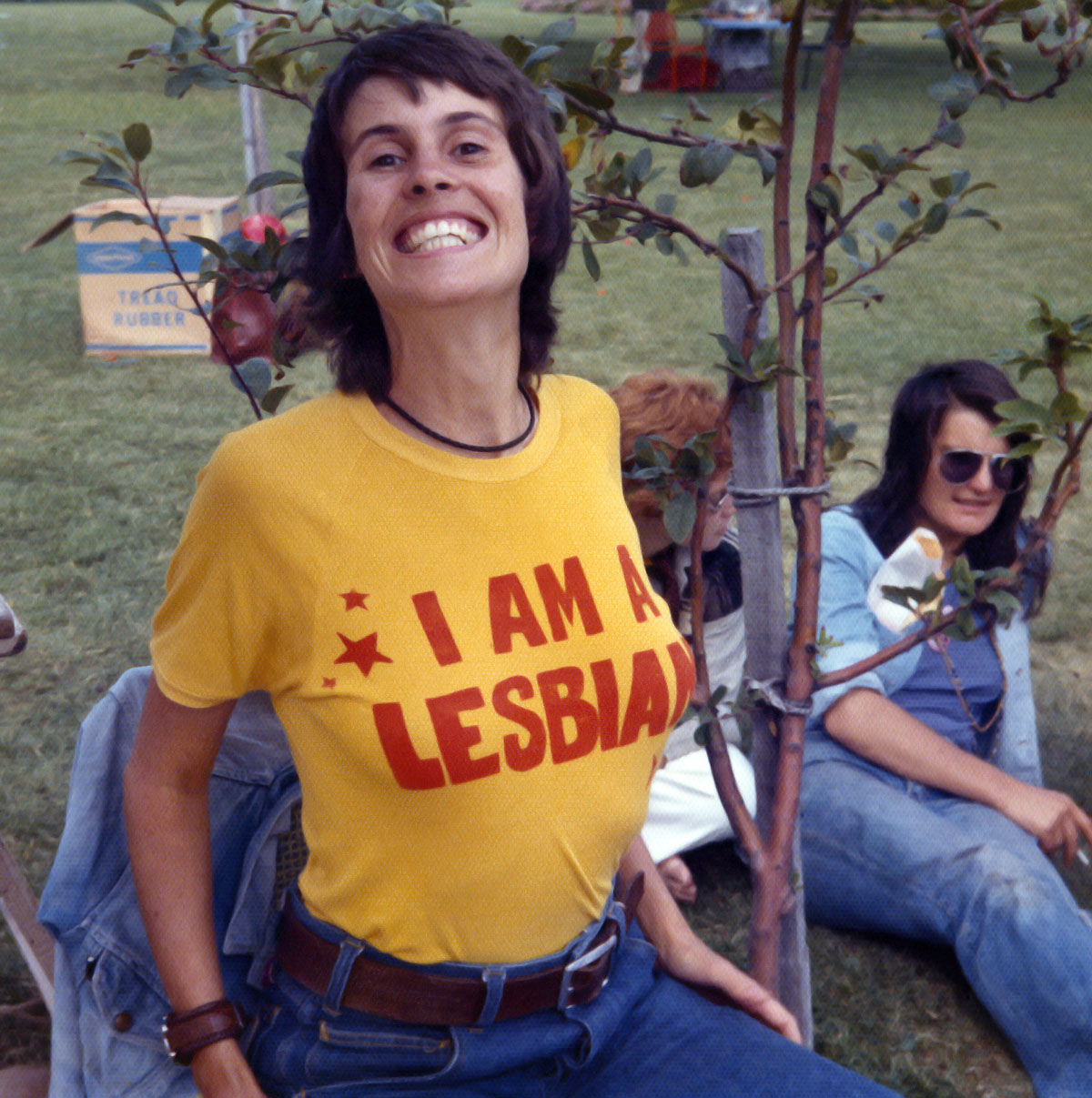
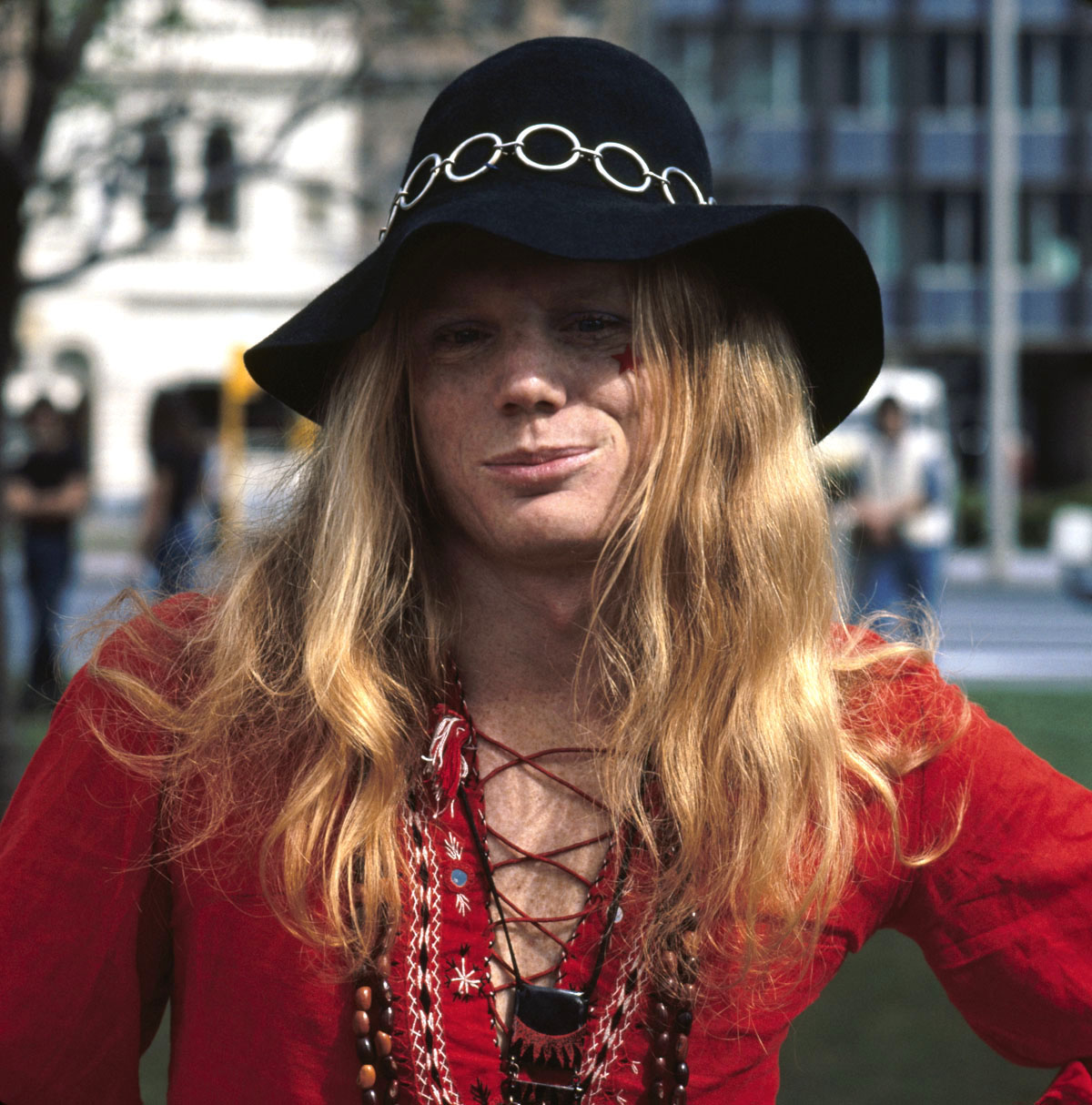

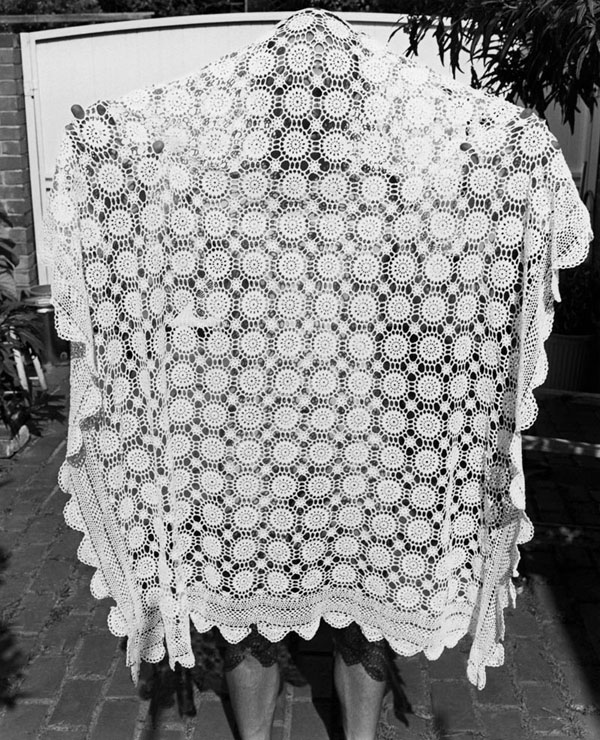
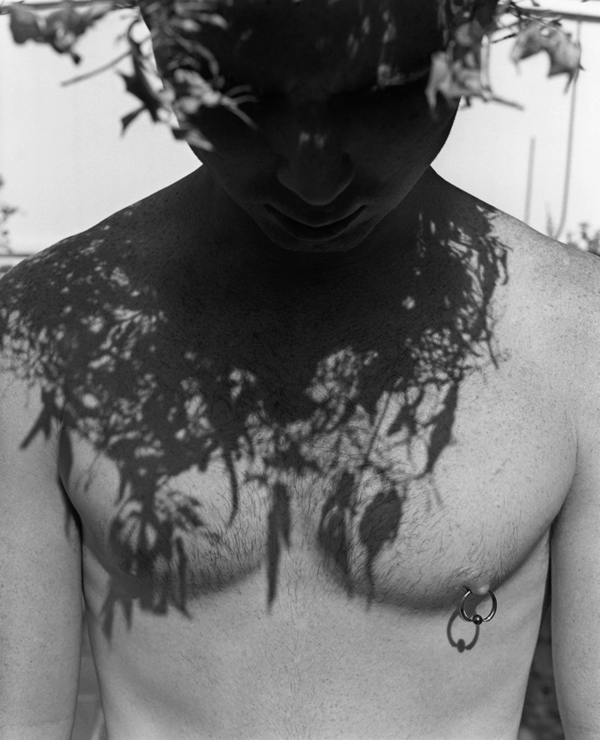
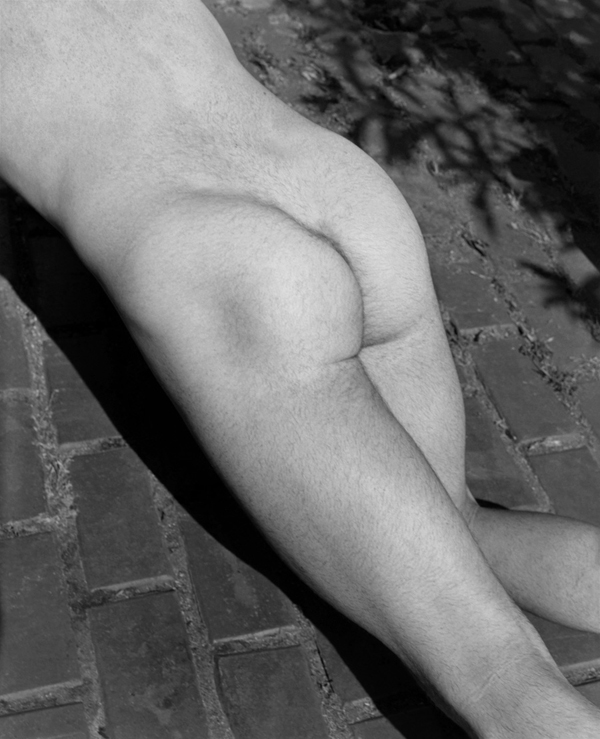
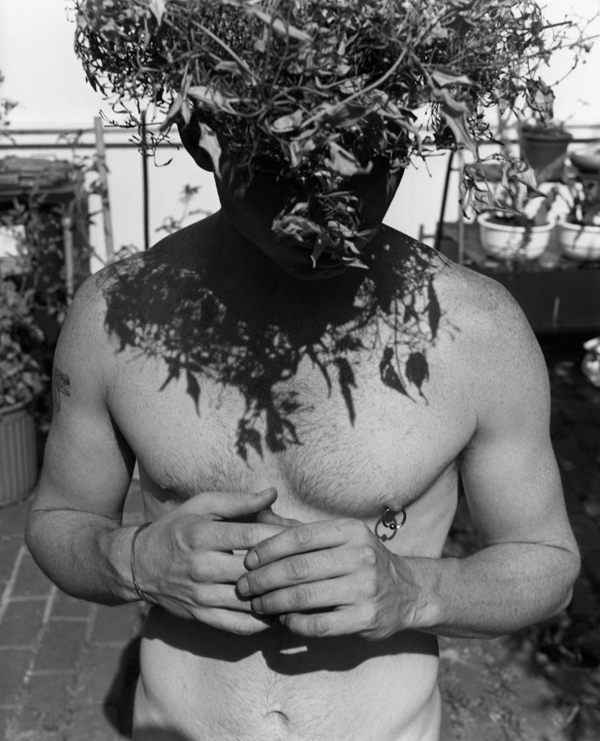
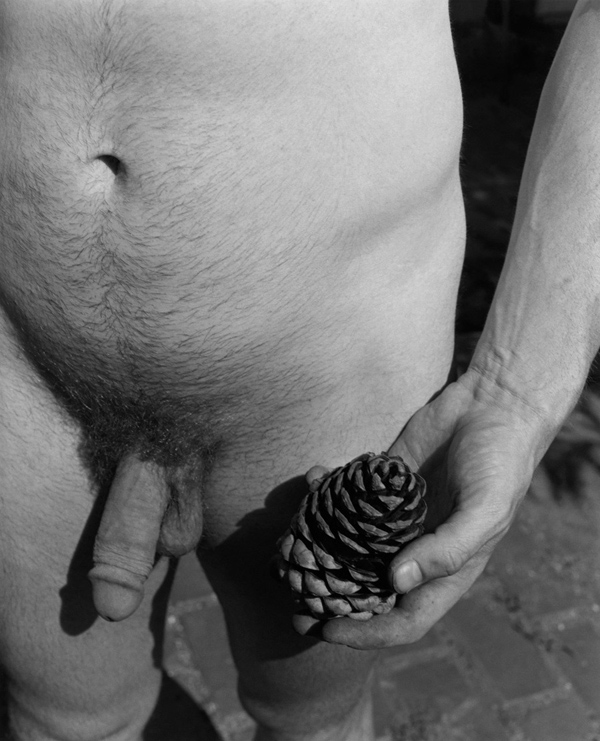
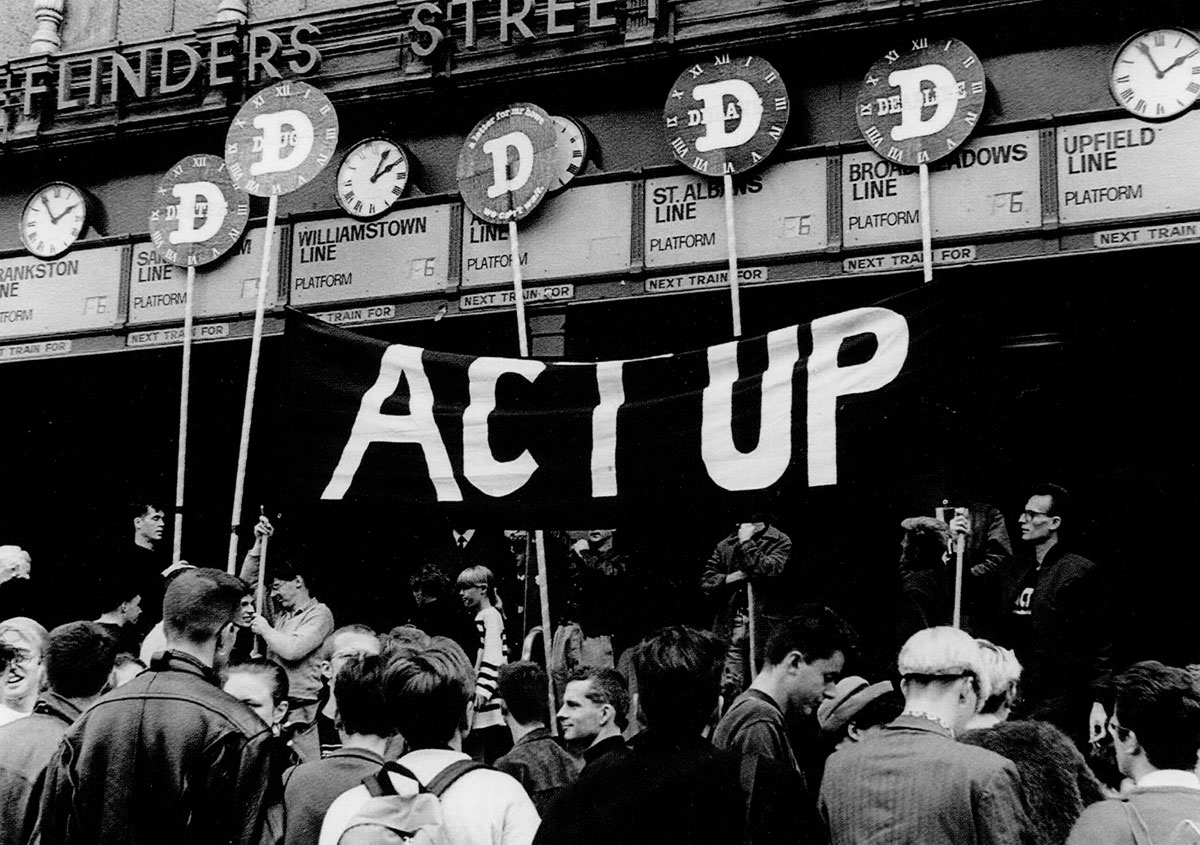
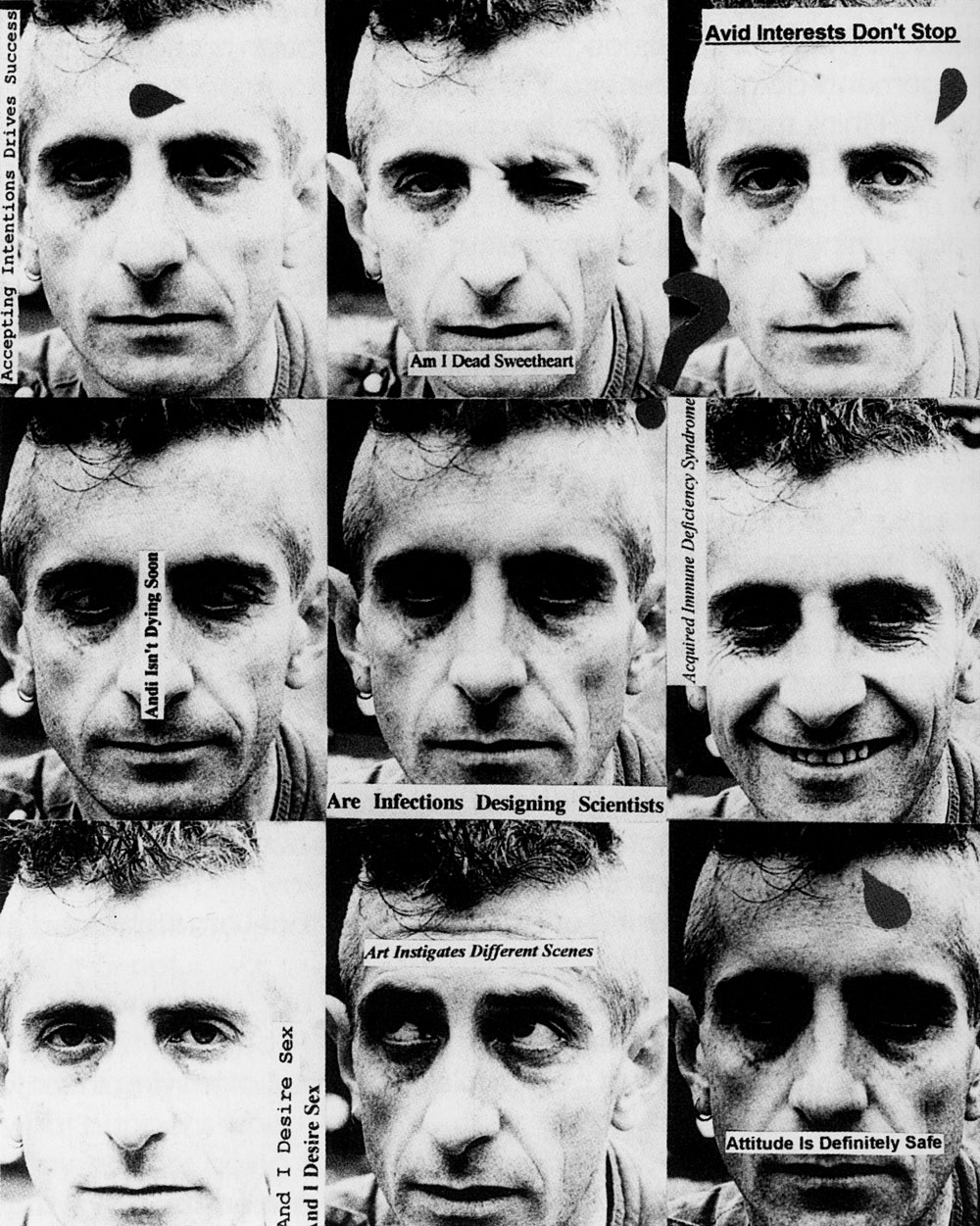
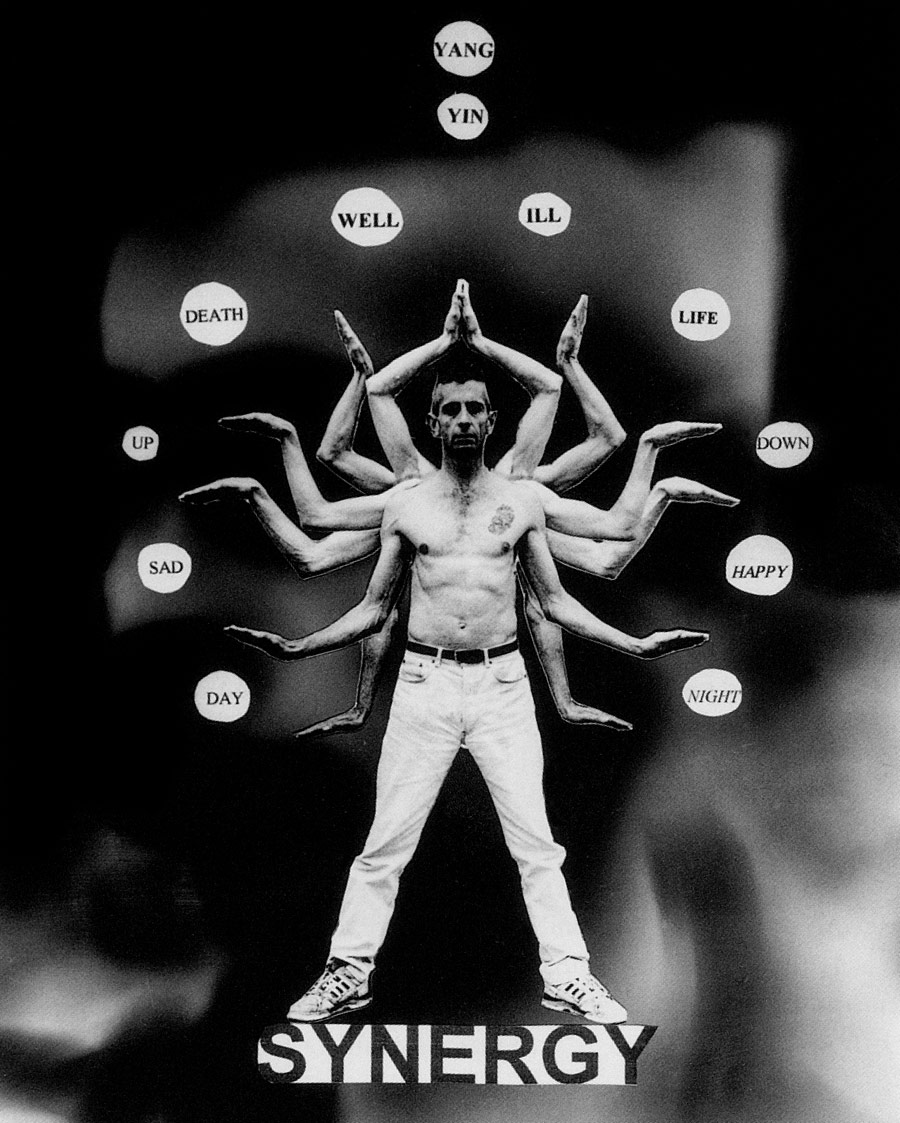
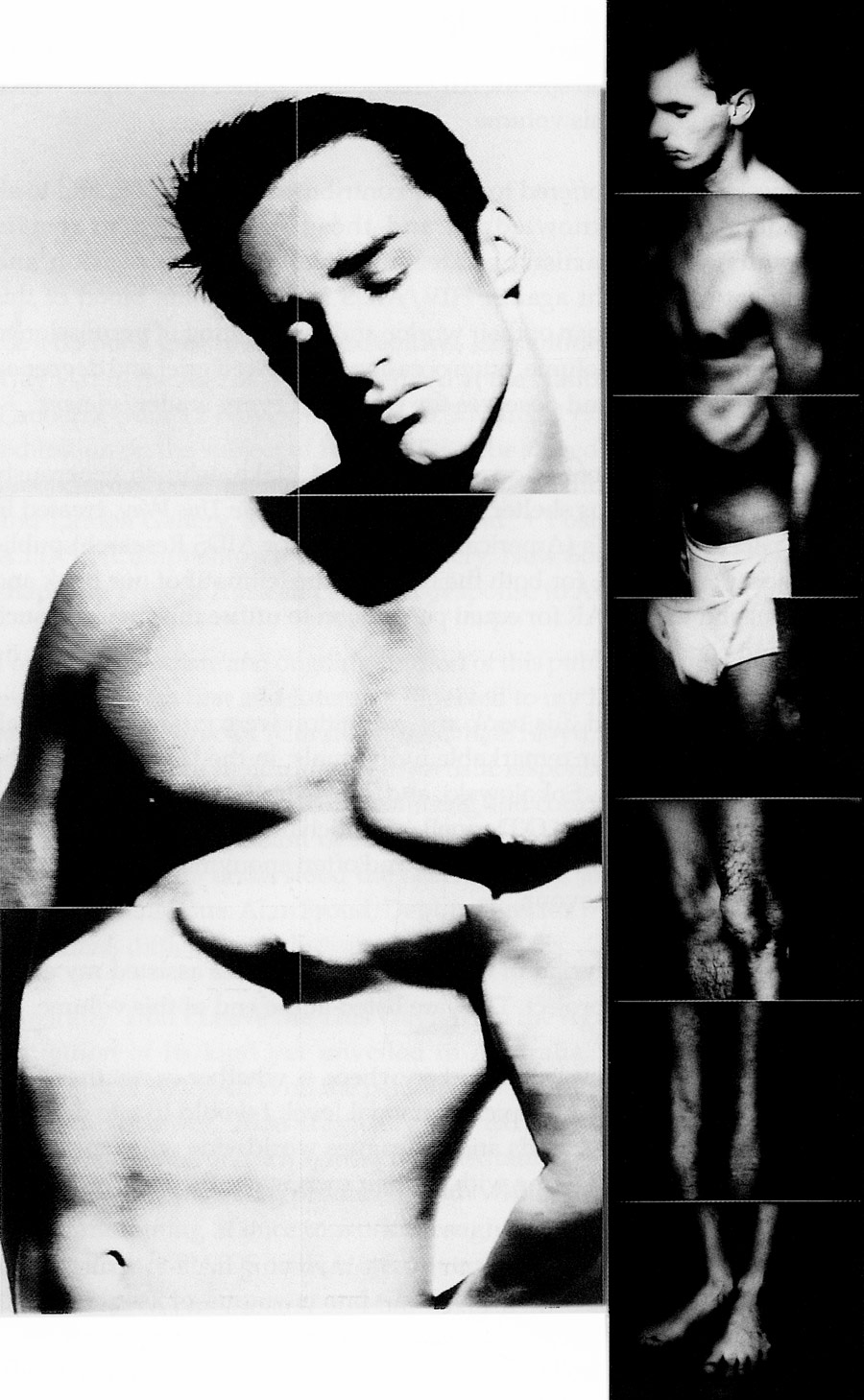
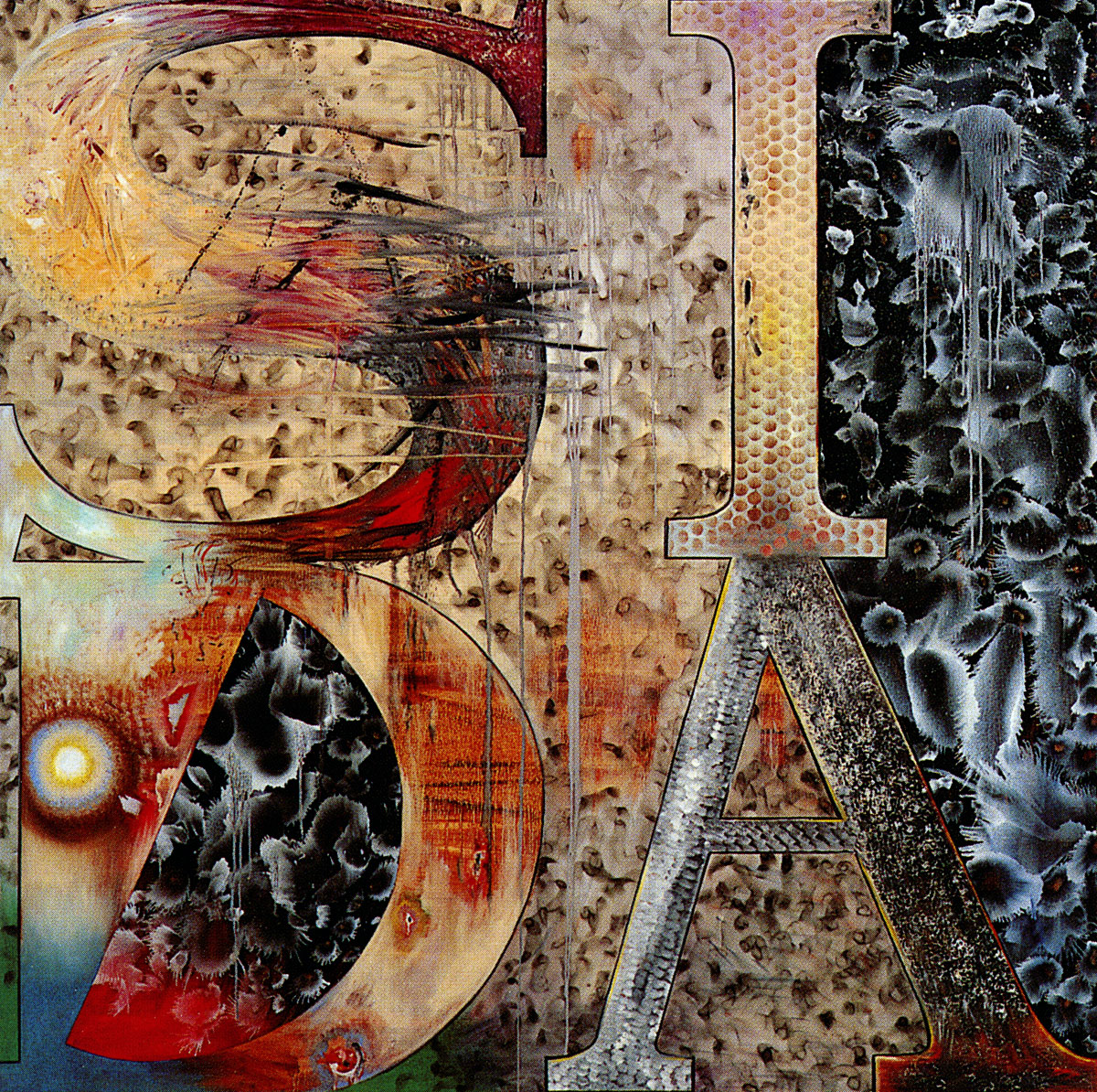






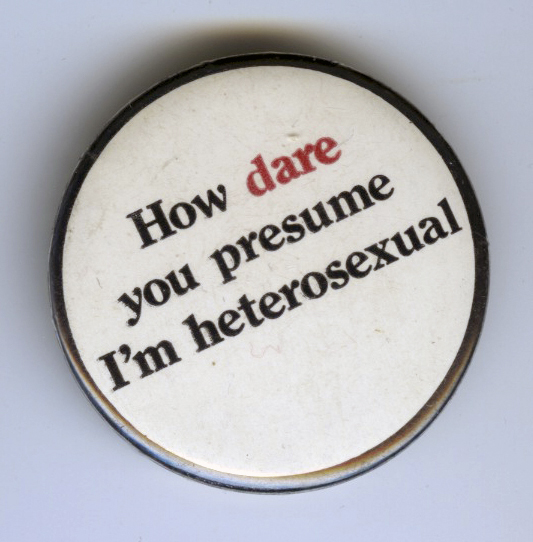


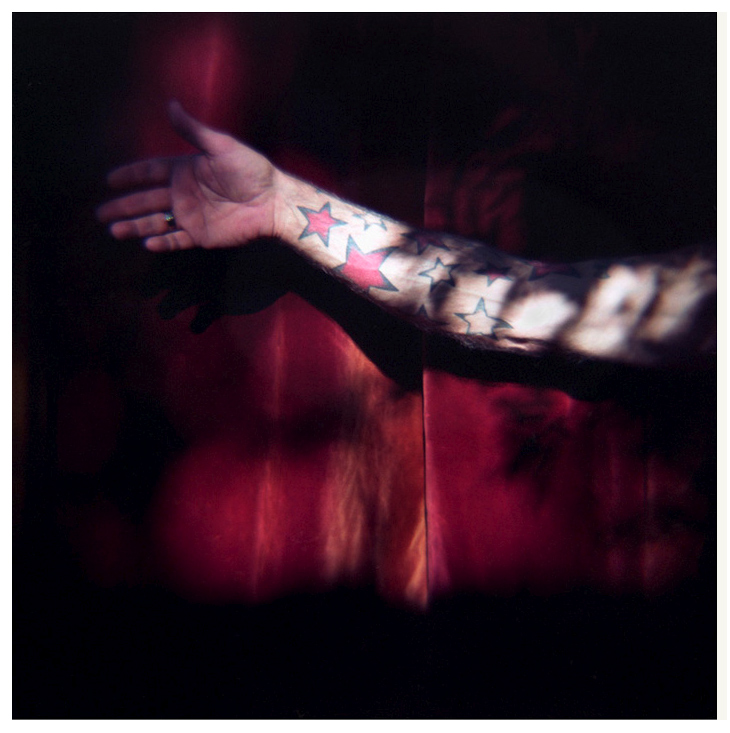
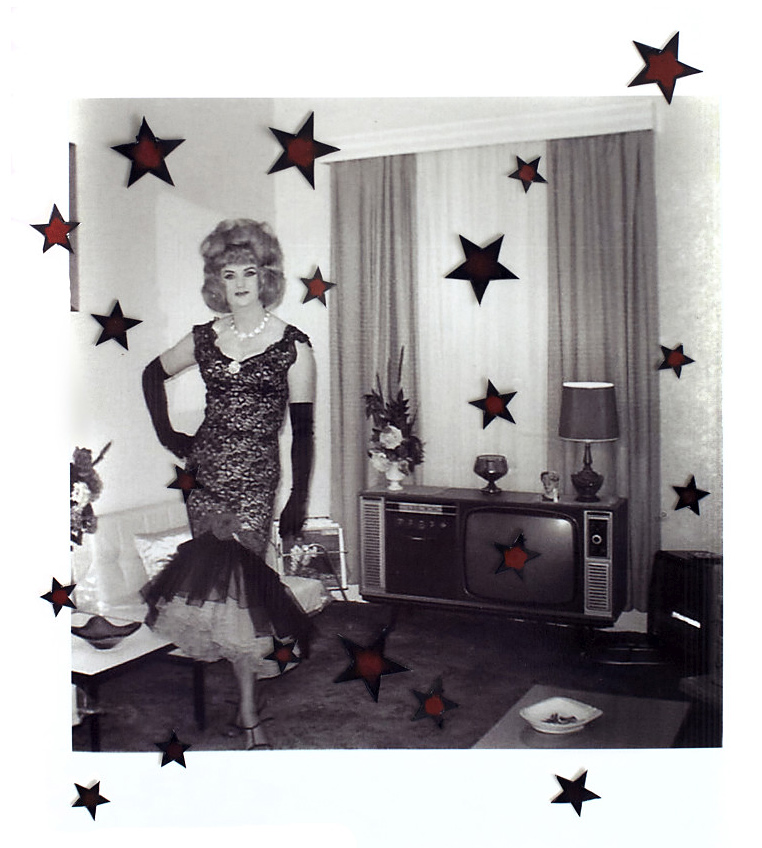
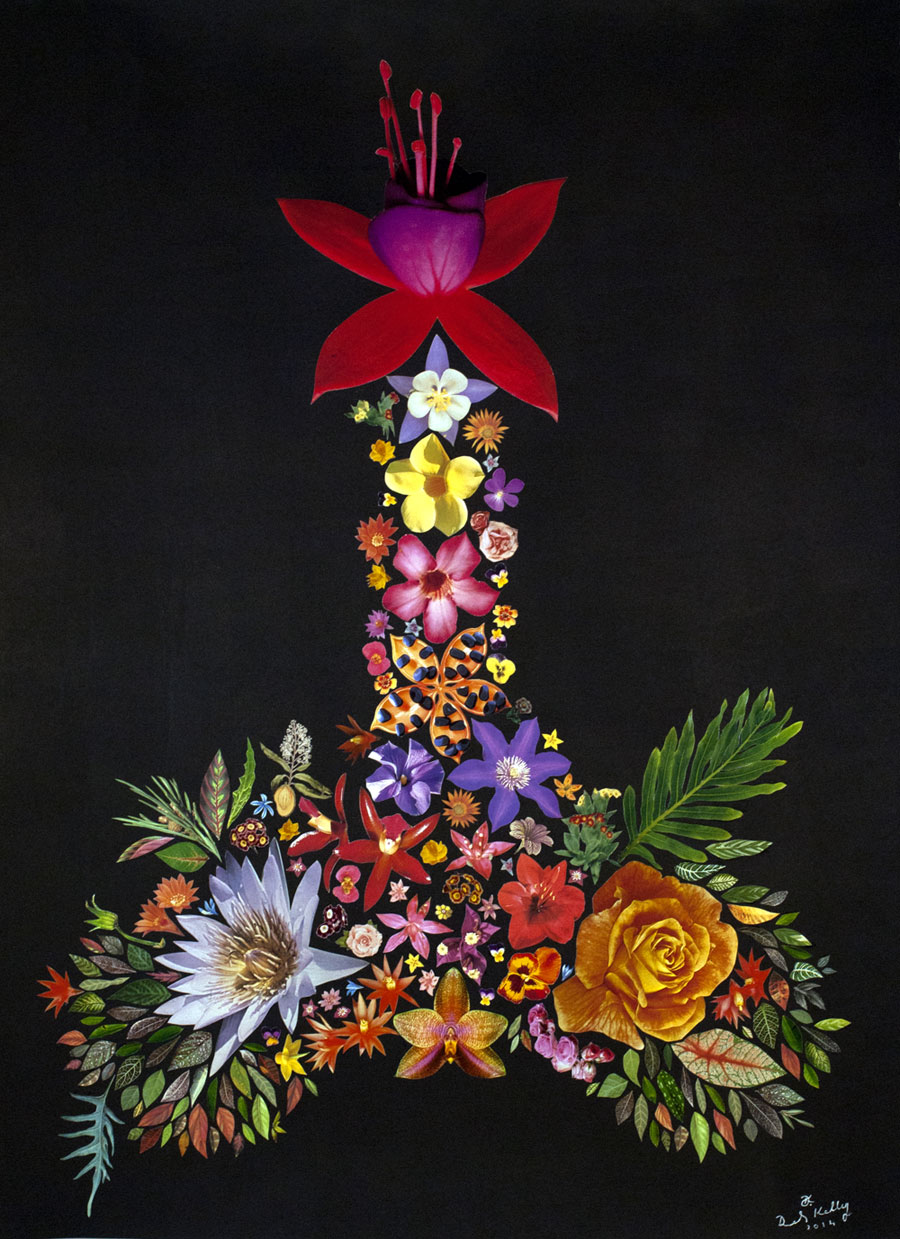
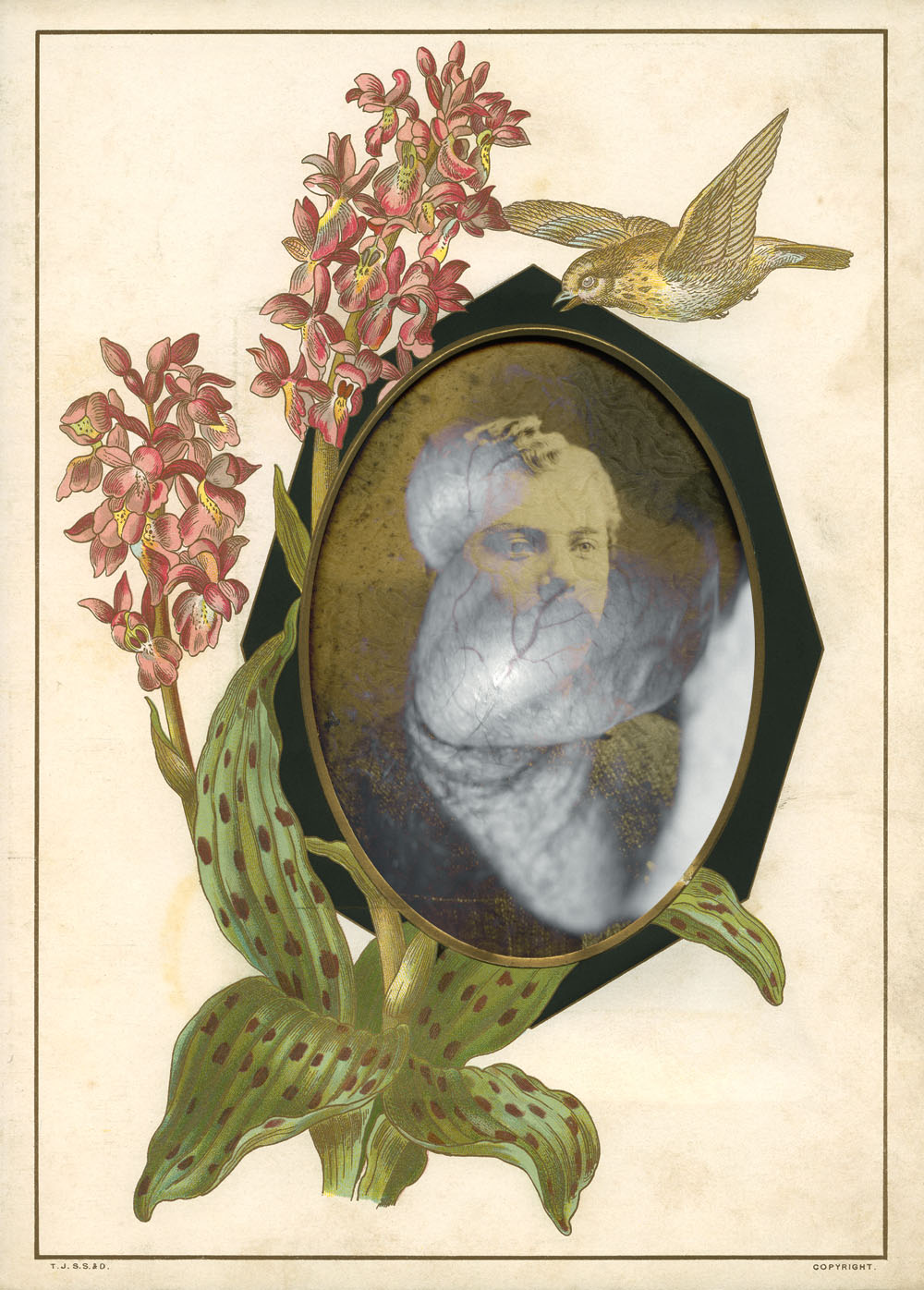
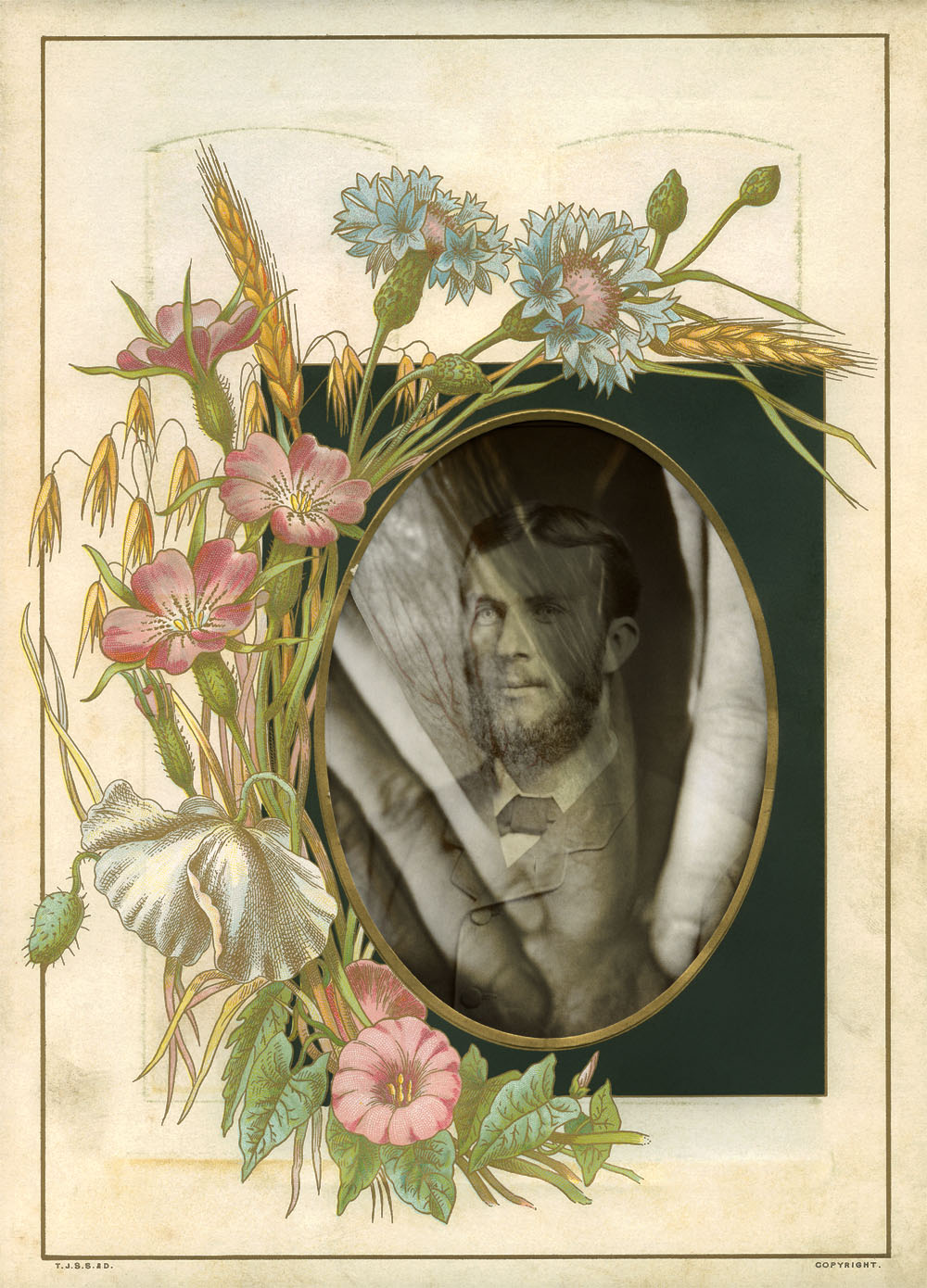



You must be logged in to post a comment.