“By repositioning Vishniac’s iconic photographs of Eastern Europe within the broader tradition of social documentary photography, and introducing recently discovered and radically diverse bodies of work, this exhibition stakes Vishniac’s claim as a modern master.”
ICP Adjunct Curator Maya Benton
Rediscovered! Rediscovered? Surely, such a splendid artist as Vishniac has never been away…
Revealing “a compositional acuity, inventiveness, and surprising stylistic range” – in other words traces of Josef Sudek, Walker Evans, Rodchenko and New Photography – Vishniac’s best work is a record of its troubled time: a photographic record of Jewish life in Eastern Europe between the two World Wars. What the viewing public must be made aware of is the curatorial reinterpretation of his work, seeking as it does to solidify his place “among the 20th century’s most accomplished photographers.”
While some of the work on view may be new, the claims of curator Maya Benton (above) must be observed with a good deal of scepticism. What we need to understand is how his photographs are being interpreted across a range of frames of reference – from photojournalism, to social documentary photography and art – in order, as Maya Benton says, to “reposition” his iconic photographs within the broader tradition of social documentary photography. This repositioning is a form of re/visioning of an artist’s work to place it in a different context or frame of reference in order to increase its significance; or, by exclusion (as in the case of the S/M photographs by Robert Mapplethorpe that have been occluded by the Mapplethorpe Foundation), another context, make the work of an artist more socially palatable than would otherwise be the case.
The interpretation of Vishniac’s photographs becomes problematic depending on what frame of reference one applies to them and how their interpretation is negotiated between multiple, fluid points of view. Repositioning an artist’s work within a broader context changes the nature of the interpretation of that artist’s work and raises the pertinent question: who is repositioning this work and for what reason(s); who is pushing that agenda and curatorial barrow (in Benton’s case it is because she wants Vishniac’s work to be seen as that of a modern master, to make the credibility of the exhibition and the artist more than it possibly is). What we must be fully aware of is the time and place in which Vishniac made the work and the conditions for its initial reception, not some stake in the ground claim of modern mastership.
Vishniac’s photographs frame the historical discourse of the end of Jewish culture in Eastern Europe and the rise of Fascism in Germany with erudition – for the past, present and future. Any other claims to eclecticism, applying different “repositioning” in particular cases, seems inelegant and shows a lack of consistency in clear thinking. When you really look at his work there is a sensitivity to the human condition in his work that is outstanding, coupled with a clear compositional structure and use of chiaroscuro. He was an excellent visual artist who had strong previsualisation that is evidenced in the prints. These photographs make insightful comment on the surrounding culture at the time of their production. Nothing more grandiose need be said.
Dr Marcus Bunyan
Many thankx to the ICP for allowing me to publish the photographs in the posting. Please click on the photographs for another version of the image.
Roman Vishniac Rediscovered, on view at the International Center of Photography (1133 Avenue of the Americas at 43rd Street) January 18 – May 5, 2013, brings together four decades of work by a remarkably versatile and innovative photographer. The exhibition includes recently discovered vintage prints, moving film footage, personal correspondence, and exhibition prints made from Vishniac’s recently digitised negatives. His complex and visionary work, much of which is shown here for the first time, reveals a compositional acuity, inventiveness, and surprising stylistic range that solidifies his place among the 20th century’s most accomplished photographers.
Vishniac created the most widely recognised and reproduced photographic record of Jewish life in Eastern Europe between the two World Wars. Yet only a fraction of his work was published during his lifetime, most notably in A Vanished World (1983). Over the course of his career, Vishniac witnessed the sweeping artistic and photographic innovation of Weimar Berlin, the ominous rise to Nazi power in Germany, the final years of Jewish life in Eastern Europe, and immigrant life in America during and after the war.
“By repositioning Vishniac’s iconic photographs of Eastern Europe within the broader tradition of social documentary photography, and introducing recently discovered and radically diverse bodies of work, this exhibition stakes Vishniac’s claim as a modern master,” said ICP Adjunct Curator Maya Benton, who organised the exhibition.
Born in 1897 to a wealthy Russian-Jewish family, Vishniac immigrated to Berlin in 1920 in the aftermath of the Russian Revolution. As an amateur photographer, he took to the streets with his camera throughout the 1920s and ’30s, offering astute, often humorous visual commentary on his adopted city and experimented with new and modern approaches to framing and composition. Documenting the rise of Nazi power, he focused his lens on the signs of oppression and doom that soon formed the backdrop of his Berlin street photography. From 1935 to 1938, while living in Berlin and working as a biologist and science photographer, he was commissioned by the American Jewish Joint Distribution Committee (JDC), then the world’s largest Jewish relief organisation, to photograph impoverished Jewish communities in Central and Eastern Europe. On New Year’s Day, 1941, he arrived in New York and soon opened a portrait studio. At the same time, he began documenting American Jewish communal and immigrant life and established himself as a pioneer in the field of photomicroscopy. In 1947, Vishniac returned to Europe and documented Jewish displaced persons camps and the ruins of Berlin. During this time, he also recorded the efforts of Holocaust survivors to rebuild their lives, and the work of the JDC and other Jewish relief organisations in providing them with aid and emigration assistance.
Roman Vishniac Rediscovered is a comprehensive reappraisal of Vishniac’s total photographic output, from the early years in Berlin through the postwar period. The exhibition also includes a slideshow of 100 colour science transparencies – digitised for the first time – of Vishniac’s microphotoscopy, taken from the early 1950s to the late 1970s. In addition to the exhibition, a primary task of the archive is to make this work available for research, in partnership with the United States Holocaust Memorial Museum.
Press release from the ICP website
Sections of the exhibition
~ Introduction: Roman Vishniac Rediscovered
~ Berlin Street Photography, 1920s-30s
~ Nazi Rise to Power in Germany, 1933-1938
~ German Jewish Relief and Community Organizations, Berlin, mid- to late 1930s
~ Jewish Life in Eastern Europe, c. 1935-38
~ Werkdorp Nieuwesluis Agrarian Training Camp, Wieringermeer, The Netherlands, c. 1938
~ Travel, Refuge, and Internment in France: Paris, Nice, and Marseille, c. 1939
~ Portrait Studio and Nightclubs, America, 1941 – early 1950s
~ YIVO Exhibitions in New York, January 1944 and January 1945
~ Immigrants and Refugees, New York, 1941 – early 1950s
~ “The Face of America at War”: New York, 1941-1944
~ Jewish Community Life, New York, 1941 – early 1950s
~ Berlin in Ruins, 1947
~ Refugees and Displaced Persons Camps, Germany and France, 1947
~ Scientific Work and Photomicroscopy, America, early 1950s – late 1970s
~ Vishniac’s Scrapbook
Vishniac’s daughter Mara, age seven, was photographed standing in front of this 1933 poster celebrating Hitler’s recent appointment as German chancellor. The poster advertises a plebiscite to permit withdrawal from the League of Nations and Geneva Disarmament Conference, which restricted Germany’s ability to develop a military. Other posters include the slogans “Mothers, fight for your children!,” “The coming generation accuses you!,” and “In 8 months… 2,250,000 countrymen able to put food on the table. Bolshevism destroyed. Sectionalism overcome. A kingdom and order of cleanliness built… Those are the achievements of Hitler’s rule…”
Another fascinating exhibition and a bumper posting to boot (pardon the pun!)
A panoply of famous photographers along with a few I had never heard of before (such as Georges Hugnet) are represented in this posting. As the press blurb states, through “key photographic projects, experimental films, and photobooks, The Shaping of New Visions offers a critical reassessment of photography’s role in the avant-garde and neo-avant-garde movements, and in the development of contemporary artistic practices.”
The large exhibition seems to have a finger in every pie, wandering from the birth of the 20th-century modern metropolis, through “New Vision” photography in the 1920s, experimental film, Surrealism, Constructivism and New Objectivity, Dada, Rayographs, photographic avant-gardism, photocollages, photomontages, street photography of the 1960s, colour slide projection performance, through New Topographics, self-published books, and conceptual photography, featuring works that reevaluate the material and contextual definitions of photography. “The final gallery showcases major installations by a younger generation of artists whose works address photography’s role in the construction of contemporary history.”
Without actually going to New York to see the exhibition (I wish!!) – from a distance it does seem a lot of ground to cover within 5 galleries even if there are 250 works. You could say this is a “meta” exhibition, drawing together themes and experiments from different areas of photography with rather a long bow. Have a look at the The Shaping of New Visions exhibition checklist to see the full listing of what’s on show and you be the judge. There are some rare and beautiful images that’s for sure. From the photographs in this posting I would have to say the distorted “eyes” have it…
Dr Marcus Bunyan
Many thankx to MoMA for allowing me to publish the photographs in the posting. Please click on the photographs for a larger version of the image.
In 1920 Paul Strand and artist Charles Sheeler collaborated on Manhatta, a short silent film that presents a day in the life of lower Manhattan. Inspired by Walt Whitman’s book Leaves of Grass, the film includes multiple segments that express the character of New York. The sequences display a similar approach to the still photography of both artists. Attracted by the cityscape and its visual design, Strand and Sheeler favoured extreme camera angles to capture New York’s dynamic qualities. Although influenced by Romanticism in its view of the urban environment, Manhatta is considered the first American avant-garde film.
Aleksandr Rodchenko (Russian, 1891-1956) Sovetskoe foto (Soviet Photo) No. 10
October 1927
Letterpress
10 3/8 x 7 1/4″ (26.3 x 18.4cm) Publisher: Ogonek, Moscow
The Museum of Modern Art, New York. Gift of the Judith Rothschild Foundation
Dziga Vertov (Russian, 1896-1954) Chelovek s kinoapparatom (Man with a Movie Camera) (still) 1929
35mm film
65 min ( black and white, silent)
The Museum of Modern Art, New York
Department of Film
Dziga Vertov (Russian, 1896-1954) Chelovek s kinoapparatom (Man with a Movie Camera)
1929
Film
1 hr 6 mins 49 secs
Excerpt from a camera operators diary
ATTENTION VIEWERS:
This film is an experiment in cinematic communication of real events
Without the help of Intertitles
Without the help of a story
Without the help of theatre
This experimental work aims at creating a truly international language of cinema based on its absolute separation from the language of theatre and literature
Man with a Movie Camera (Russian: Человек с киноаппаратом (Chelovek s kinoapparatom) is an experimental 1929 silent documentary film, with no story and no actors by Soviet-Russian director Dziga Vertov, edited by his wife Elizaveta Svilova.
Vertov’s feature film, produced by the film studio VUFKU, presents urban life in the Soviet cities of Kiev, Kharkov, Moscow and Odessa. From dawn to dusk Soviet citizens are shown at work and at play, and interacting with the machinery of modern life. To the extent that it can be said to have “characters,” they are the cameramen of the title, the film editor, and the modern Soviet Union they discover and present in the film.
This film is famous for the range of cinematic techniques Vertov invents, deploys or develops, such as double exposure, fast motion, slow motion, freeze frames, jump cuts, split screens, Dutch angles, extreme close-ups, tracking shots, footage played backwards, stop motion animations and self-reflexive visuals (at one point it features a split-screen tracking shot; the sides have opposite Dutch angles).
In the British Film Institute’s 2012 Sight & Sound poll, film critics voted Man with a Movie Camera the 8th best film ever made. In 2014 Sight & Sound also named it the best documentary of all time.
Text from the YouTube website
László Moholy-Nagy (Hungarian, 1895-1946) Ein Lichtspiel: schwarz weiss grau (A Lightplay: Black White Gray) (excerpt)
1930
This short film made by László Moholy-Nagy is based on the shadow patterns created by his Light-Space Modulator, an early kinetic sculpture consisting of a variety of curved objects in a carefully choreographed cycle of movements. Created in 1930, the film was originally planned as the sixth and final part of a much longer work depicting the new space-time.
Georges Hugnet (French, 1906-1974) Untitled [Surrealist beach collage]
c. 1935
Collage of photogravure, lithograph, chromolithograph and gelatin silver prints on gelatin silver print
11 7/8 x 9 7/16″ (30.2 x 24cm)
The Museum of Modern Art, New York
Gift of Timothy Baum in memory of Harry H. Lunn, Jr.
William Klein (American, 1928-2022) Gun, Gun, Gun, New York
1955
Gelatin silver print
10 1/4 x 13 5/8″ (26 x 34.6cm)
The Museum of Modern Art, New York
Gift of Arthur and Marilyn Penn
Martha Rosler (American, b. 1943) Red Stripe Kitchen
1967-1972
From the series Bringing the War Home: House Beautiful
Pigmented inkjet print, printed 2011
23 3/4 x 18 1/8″ (60.3 x 46cm)
The Museum of Modern Art, New York
Purchase and The Modern Women’s Fund
The Museum of Modern Art draws from its collection to present the exhibition The Shaping of New Visions: Photography, Film, Photobook on view from April 18, 2012, to April 29, 2013. Filling the third-floor Edward Steichen Photography Galleries, this installation presents more than 250 works by approximately 90 artists, with a focus on new acquisitions and groundbreaking projects by Man Ray, László Moholy-Nagy, Aleksandr Rodchenko, Germaine Krull, Dziga Vertov, Gerhard Rühm, Helen Levitt, Robert Frank, Daido Moriyama, Robert Heinecken, Edward Ruscha, Martha Rosler, Bernd and Hilla Becher, Philip-Lorca diCorcia, Paul Graham, and The Atlas Group / Walid Raad. The exhibition is organised by Roxana Marcoci, Curator, Department of Photography, The Museum of Modern Art.
Punctuated by key photographic projects, experimental films, and photobooks, The Shaping of New Visions offers a critical reassessment of photography’s role in the avant-garde and neo-avant-garde movements, and in the development of contemporary artistic practices. The shaping of what came to be known as “new vision” photography in the 1920s bore the obvious influence of “lens-based” and “time-based” works. The first gallery begins with photographs capturing the birth of the 20th-century modern metropolis by Berenice Abbott, Edward Steichen, and Alfred Stieglitz, presented next to the avant-garde film Manhatta (1921), a collaboration between Paul Strand and Charles Sheeler.
The 1920s were a period of landmark constructions and scientific discoveries all related to light – from Thomas Edison’s development of incandescent light to Albert Einstein’s theory of relativity and light speed. Man Ray began experimenting with photograms (pictures made by exposing objects placed on photosensitive paper to light) – which he renamed “rayographs” after himself – in which light was both the subject and medium of his work. This exhibition presents Man Ray’s most exquisite rayographs, alongside his first short experimental film, Le Retour à la raison (Return to Reason, 1923), in which he extended the technique to moving images.
In 1925, two years after he joined the faculty of the Bauhaus school in Weimar Germany, László Moholy-Nagy published his influential book Malerei, Fotografie, Film (Painting, Photography, Film) – part of a series that he coedited with Bauhaus director Walter Gropius – in which he asserted that photography and cinema are heralding a “culture of light” that has overtaken the most innovative aspects of painting. Moholy-Nagy extolled photography and, by extension, film as the quintessential medium of the future. Moholy-Nagy’s interest in the movement of objects and light through space led him to construct Light-Space Modulator, the subject of his only abstract film, Ein Lichtspiel: schwarz weiss grau (A Lightplay: Black White Gray, 1930), which is presented in the exhibition next to his own photographs and those of Florence Henri.
The rise of photographic avant-gardism from the 1920s to the 1940s is traced in the second gallery primarily through the work of European artists. A section on Constructivism and New Objectivity features works by Paul Citroën, Raoul Hausmann, Florence Henri, Germaine Krull, El Lissitzky, Albert Renger-Patzsch, and August Sander. A special focus on Aleksandr Rodchenko underscores his engagement with the illustrated press through collaborations with Vladimir Mayakovsky and Sergei Tretyakov on the covers and layouts of Novyi LEF, the Soviet avant-garde journal of the “Left Front of the Arts,” which popularised the idea of “factography,” or the manufacture of innovative aesthetic facts through photomechanical processes. Alongside Rodchenko, film director Dziga Vertov redefined the medium of still and motion-picture photography with the concept of kino-glaz (cine-eye), according to which the perfectible lens of the camera led to the creation of a novel perception of the world. The exhibition features the final clip of Vertov’s 1929 experimental film Chelovek s kinoapparatom (Man with a Movie Camera), in which the eye is superimposed on the camera lens to form an indivisible apparatus fit to view, process, and convey reality, all at once. This gallery also features a selection of Dada and Surrealist works, including rarely seen photographs, photocollages, and photomontages by Hans Bellmer, Claude Cahun, George Hugnet, André Kertész, Jan Lukas, and Grete Stern, alongside such avant-garde publications as Documents and Littérature.
The third gallery features artists exploring the social world of the postwar period. On view for the first time is a group of erotic and political typo-collages by Gerhard Rühm, a founder of the Wiener Gruppe (1959-1960), an informal group of Vienna-based writers and artists who engaged in radical visual dialogues between pictures and texts. The rebels of street photography – Robert Frank, William Klein, Daido Moriyama, and Garry Winogrand – are represented with a selection of works that refute the then prevailing rules of photography, offering instead elliptical, off-kilter styles that are as personal and controversial as are their unsparing views of postwar society. A highlight of this section is the pioneering slide show Projects: Helen Levitt in Color (1971-1974). Capturing the lively beat, humour, and drama of New York’s street theatre, Levitt’s slide projection is shown for the first time at MoMA since its original presentation at the Museum in 1974.
Photography’s tradition in the postwar period continues in the fourth gallery, which is divided into two sections. One section features “new topographic” works by Robert Adams, Bernd and Hilla Becher, Stephen Shore, and Joel Sternfeld, along with a selection of Edward Ruscha’s self-published books, in which the use of photography as mapmaking signals a conceptual thrust. This section introduces notable works from the 1970s by artists who embraced photography not just as a way of describing experience, but as a conceptual tool. Examples include Eleanor Antin’s 100 Boots (1971-1973), Mel Bochner’s Misunderstandings (A theory of photography) (1970), VALIE EXPORT’s Einkreisung (Encirclement) (1976), On Kawara’s I Got Up… (1977), and Gordon Matta-Clark’s Splitting (1974), all works that reevaluate the material and contextual definitions of photography. The other section features two major and highly experimental recent acquisitions: Martha Rosler’s political magnum opus Bringing the War Home (1967-1972), developed in the context of her anti-war and feminist activism, for which the artist spliced together images of domestic bliss clipped from the pages of House Beautiful with grim pictures of the war in Vietnam taken from Life magazine; and Sigmar Polke’s early 1970s experiments with multiple exposures, reversed tonal values, and under-and-over exposures, which underscore the artist’s idea that “a negative is never finished.” The unmistakably cinematic turn that photography takes in the 1980s and early 1990s is represented with a selection of innovative works ranging from Robert Heinecken’s Recto/Verso (1988) to Philip-Lorca diCorcia’s breakthrough Hustler series (1990-1992).
The final gallery showcases major installations by a younger generation of artists whose works address photography’s role in the construction of contemporary history. Tapping into forms of archival reconstitution, The Atlas Group / Walid Raad is represented with My Neck Is Thinner Than a Hair: Engines (1996-2004), an installation of 100 pictures of car-bomb blasts in Beirut during the Lebanese civil war (1975-1990) that provokes questions about the factual nature of existing records, the traces of war, and the symptoms of trauma. A selection from Harrell Fletcher’s The American War (2005) brings together bootlegged photojournalistic pictures of the U.S. military involvement in Southeast Asia, throwing into sharp focus photography’s role as a documentary and propagandistic medium in the shaping of historical memory. Jules Spinatsch’s Panorama: World Economic Forum, Davos (2003), made of thousands of still images and three surveillance video works, chronicles the preparations for the 2003 World Economic Forum, when the entire Davos valley was temporarily transformed into a high security zone. A selection of Paul Graham’s photographs from his major photobook project a shimmer of possibility (2007), consisting of filmic haikus about everyday life in today’s America, concludes the exhibition.
Helen Levitt (American, 1913-2009) Projects: Helen Levitt in Color (detail)
1971-1974
40 colour slides shown in continuous projection
Originally presented at The Museum of Modern Art, New York, September 26-October 20, 1974
On Kawara (Japanese, 1932-2014) I Got Up At…
1974-1975
(Ninety postcards with printed rubber stamps)
The semi autobiographical I Got Up At… by On Kawara is a series of postcards sent to John Baldessari. Each card was sent from his location that morning detailing the time he got up. The time marked on each card varies drastically from day to day, the time stamped on each card is the time he left his bed as opposed to actually waking up. Kawara’s work often acts to document his existence in time, giving a material form to which is formally immaterial. The series has been repeated frequently sending the cards to a variety of friends and colleagues.
Atlas Group, Walid Raad My Neck is Thinner Than a Hair: Engines (detail)
1996-2004
100 pigmented inkjet prints
9 7/16 x 13 3/8″ (24 x 34cm) each
The Museum of Modern Art, New York
Fund for the Twenty-First Century
The Museum of Modern Art 11 West 53 Street
New York, NY 10019 Phone: (212) 708-9400
Opening hours:
10.30am – 5.30pm
Open seven days a week
Aliza Levi (South African, b. 1969) Across Australia
2011
Archival Inkjet Print
59 x 42cm
Aura of white
Shadow of black
Books for the boys *
Black bodies out the back
* Books for the bourgeois
* Books for the parlour
* Books for the burning
* Books to hide memories
* Books lost in archives
* Books still in libraries
* Books for the tower (implying Babel)
* Books for the scrapheap
* Books for academics
* Books for the garbo
* Books for the church stall
* Books to forget
Dr Marcus Bunyan
Many thankx to Edmund Pearce Gallery for allowing me to publish the photographs in the posting. Please click on the photographs for a larger version of the image.
Aliza Levi (South African, b. 1969) Australia, its History and Present Condition
2013
Archival Inkjet Print
59 x 42cm
Aliza Levi (South African, b. 1969) Australia the Land of Promise
2012
Archival Inkjet Print
59 x 42cm
Aliza Levi (South African, b. 1969) Black But Comely
2013
Archival Inkjet Print
59 x 42cm
Aliza Levi (South African, b. 1969) Malthus on Population
2012
Archival Inkjet Print
59 x 42cm
“I began this series by choosing books that reflected the assumptions and behaviour of the nineteenth century colonists, the persistent notations of self and other. I soon started to notice, that many of the titles were pertinent to today. A blurring of time and relevance, where views from a hundred years ago were intersecting with current attitudes and events.”
Aliza Levi
South African born artist, Aliza Levi premiers her latest body of work Books on a White Background at Edmund Pearce Gallery. Camera and lights in hand, Aliza has been photographing nineteenth century books in small town junk shops, second-hand book dealers, flea markets, rare book collections and libraries both here and in her native South Africa. Books authored by anthropologists, ethnologists and laypersons who took it upon themselves to comment on their travels. To date she has captured nearly 250 books.
The books, were initially chosen to reflect the ideologies and assumptions of the nineteenth century West. However, Aliza soon realised, that some of the titles were pertinent to today. A blurring of time and relevance where titles from a hundred years ago were intersecting with current attitudes and events. For example, the book Strangers May be Present, in its evocation of colonial settlers viewing the other as stranger also evoked for her the more recent, disturbing events in which the other is articulated: xenophobic attacks and corrective rapes in South Africa. Closer to home, the century old book entitled Australia, the Land of Promise immediately raises questions around certain stark realities such as refugee detention centres.
Kate Warren writes in the accompanying exhibition essay: “The precise regularity of her photographic compositions create a compelling visual plane that immediately draws the viewer’s attention. But look closer. In the situation that Levi presents us with, the seductive nature of the visual cannot escape the immediacy of language. The force of their titles – often starkly confronting and potentially upsetting – leaves the embossing, decoration and materiality of the books themselves as an ironic supplement.”
Born in 1969 in South Africa, Aliza Levi’s practice is multidisciplinary in form yet single-minded in concept. Much of her work presents a relationship to land, consciousness and memory brought on by her South African and Australian citizenship. Having recently presented her work in the UK, this is her first solo show in Melbourne, where she has been producing art as well as facilitating women’s art groups with refugees from Sudan. Levi is currently completing a Masters Degree in Fine Art at Monash University.
Press release from the Edmund Pearce Gallery website
Aliza Levi (South African, b. 1969) Ourselves Writ Strange
2011
Archival Inkjet Print
59 x 42cm
Aliza Levi (South African, b. 1969) Scenes and Sports of Savage Lands
2012
Archival Inkjet Print
59 x 42cm
Aliza Levi (South African, b. 1969) Strangers May Be Present
2010
Archival Inkjet Print
59 x 42cm
Aliza Levi (South African, b. 1969) The Art of Living in Australia
2012
Archival Inkjet Print
59 x 42 cm
Textual thresholds: The uncomfortable nature of titles in Books on a White Background
Kate Warren
Aliza Levi’s research-based photographic project, Books on a White Background (2012), confronts the viewer with an array that is at once visually compelling and profoundly difficult to look at. The precise regularity of her photographic compositions, the ‘grid-like’ repetition of these images’ installation, the consistent form and shape of her subject matter, and the contrast between the stark white background and the darker shadows thrown, all create a compelling visual plane that immediately draws the viewer’s attention. But look closer. In the situation that Levi presents us with, the seductive nature of the visual cannot escape the immediacy of language. The force of their titles – often starkly confronting and potentially upsetting – leaves the embossing, decoration and materiality of the books themselves as an ironic supplement.
This is not a ‘library’. Although developed from Levi’s archival research, the final photographic project is not an ‘archive’. Rather than displaying the original books themselves as objets trouvés, Levi disavows their materiality and tactility. Photographing the books’ ‘spines’, she not only flattens but removes entirely from view their ‘flesh’ the pages and the content – and in doing so opens up a liminal space that can accommodate and illuminate a multiplicity of (sometimes uncomfortable) and connections between the past and the present.
In the human form, our spines form the connection between the psychical realm of our brains and the physicality of our bodies; between our ‘inner’ subjectivity and our ‘outer’ ability to move, communicate and interact with our surroundings. Likewise in the case of the books that Levi photographs; the spines and titles are liminal spaces that mediate their content and the cultural and historical contexts in which they exist. Gérard Genette calls this the ‘paratext’, the “fringe [which] constitutes a zone between text and off-text, a zone not only of transition but also of transaction: a privileged place of a pragmatics and a strategy, of an influence on the public.” Levi’s project works at this juncture. By denying access to the detailed substance and content of these books she denies their overt ‘authority’, yet at the same time she reveals uncomfortable legacies that persist and cannot be wholly escaped.
The various ‘post’ discourses (post-colonialism, post-structuralism, post-modernism) and their influential theorists and practitioners have done enormous amounts of work to deconstruct and destabilise dominant narratives and histories. The process is necessarily ongoing and open-ended; because although many narratives that were once unquestioned have been removed from their dominance and acceptability, it is often through language that their traces and legacies remain.
Thus in the selection of Australian books included in this exhibition, there emerges jarring and disturbing contrasts between titles that clearly belie values that are no longer widely accepted (such as The Aboriginal as Human Being), and other titles which still resonate with national myths (such as Australia the Land of Promise). Other titles like Ourselves Writ Large and The Gulf Between become more ambiguous; for without access to the specificities of their content, these books’ paratexts are revealed in Levi’s project as (necessarily) multifaceted signifiers. They immediately open up a ‘zone of transaction’ that reveals the past as an immanent presence, constantly transformed by and transforming of the present. These now abstracted titles retain a force and power to reveal uncomfortable truths and forgotten narrative tropes, speaking to the way that Australian history and presumed cultural values are constructed and repeated in our contemporary life.
Kate Warren would like to thank Aliza Levi for the stimulating and ongoing discussions; and David Wlazlo for his timely and astute insights.
Gérard Genette, Paratexts: Thresholds of Interpretation (Cambridge: Cambridge University Press, 1997), p. 2.
Aliza Levi (South African, b. 1969) The Aboriginal as Human Being
2012
Archival Inkjet Print
59 x 42cm
Aliza Levi (South African, b. 1969) The Gulf Between
2012
Archival Inkjet Print
59 x 42cm
Aliza Levi (South African, b. 1969) The Report of the Aborigines Committee of the Meeting for Sufferings 1840
2012
Archival Inkjet Print
59 x 42cm
Aliza Levi (South African, b. 1969) White Settlers and Native Peoples
2012
Archival Inkjet Print
59 x 42cm
What an admirable photographer Gordon Parks was. It is a joy to see five of his colour photographs in this posting because I have never seen any before. They are glorious, complex compositions that ebb and flow like music whilst at the same time they are also damning indictments of the racially segregated society that was America in the 1950s (and still is today). Bitterness, discrimination and racism have deep roots in any country – just look at contemporary Australia. The little girl looks on in Ondria Tanner and Her Grandmother Window-shopping (1956, above), her left index finger bent upward on the pane of glass as the prettily dressed white, automaton mannequins march on, oblivious to her gaze; Mr. and Mrs. Albert Thornton, Mobile, Alabama (1956, below) are surrounded by photographs, their pose mimicking that of their parents hanging behind them, while before them on the coffee table (under glass) are other, younger members of their extended family. Past, present and future coalesce in this one poignant image.
“Sensibility” is based on personal impressions of pleasure or pain. The sensibility of Parks photographs is a refined sensitivity based on experience – his experience of the discrimination of human beings toward each other. These hard-wired responses toward such a situation will vary from person to person.
These photographs were his hard-wired response. This was his feeling towards subject matter and that is why these insightful photographs still matter to us today.
Dr Marcus Bunyan
Many thankx to the Jenkins Johnson Gallery for allowing me to publish the photographs in the posting. Please click on the photographs for a larger version of the image.
Gordon Parks is the most important black photographer in the history of photojournalism. Long after the events that he photographed have been forgotten, his images will remain with us, testaments to the genius of his art, transcending time, place and subject matter.
In celebration of the 100th birthday of Gordon Parks, one of the most influential African American photographers of the 20th century, Jenkins Johnson Gallery in collaboration with The Gordon Parks Foundation presents Gordon Parks: Centennial, on view from February 21 through April 27, 2013. Gordon Parks, an iconic photographer, writer, composer, and filmmaker, would have turned 100 on November 30, 2012. This will be the first solo exhibition for Parks on the West Coast in thirteen years. The exhibition will survey works spanning six decades of the artist’s career starting in 1940. The exhibition consists of more than seventy-five gelatin silver and pigment prints, including selections from Life magazine photo essays: Invisible Man, 1952; Segregation Story, 1956; The Black Panthers, 1970; and Flavio, 1960, about favelas in Brazil. Also included in the exhibition is his reinterpretation of American Gothic and his elegant depictions of artists like Alexander Calder, fashion models, and movie stars.
Noteworthy highlights include groundbreaking prints from the Invisible Man series which unfolds a visual narrative based on Ralph Ellison’s award winning novel. The images capture the essence of social isolation and the struggle of a black man who feels invisible to the outside world. Also on view will be a number of colour prints from Segregation Story, 1956, which are a part of a limited edition portfolio of twelve colour photographs with an essay by Maurice Berger. Newly released, these images were produced from transparencies found in early 2012, discovered in a storage box at The Gordon Parks Foundation. In the late 1960s Life magazine asked Gordon Parks to report on the Oakland, California-based Black Panther Party, including Eldridge Cleaver. Parks’ striking image of Eldridge Cleaver and His Wife, Kathleen, Algiers, Algeria, 1970 depicts Cleaver recovering from gun wounds after being ambushed by the Oakland police as well as an insert of Huey P. Newton, co-founder of the party along with Bobby Seale.
About Gordon Parks
Parks was born into poverty in Fort Scott, Kansas in 1912, the youngest of fifteen children. He worked several odd jobs until he bought a camera at a Pawn Shop in 1937 in Seattle and was hired to photograph fashion at a department store in Minneapolis. In 1942 Parks received a photography fellowship from the Farm Security Administration, succeeding Dorothea Lange among others. While at the F.S.A., Parks created American Gothic, now known as one of his signature images, in which he shows Ella Watson, a cleaning women, holding a mop and broom, standing in front of an American flag. The image makes a poignant commentary on social injustice whilst referencing Grant Wood’s celebrated painting American Gothic which it is also named after. He became a freelance photographer working for Vogue as well as publishing two books, Flash Photography (1947) and Camera Portraits: Techniques and Principles of Documentary Portraiture (1948). In 1948 Parks was hired by Life magazine to do a photographic essay on Harlem gang leader, Red Jackson, which led to a permanent position at Life, where he worked for twenty years. Parks developed his skills as a composer and author and in 1969 he became the first African American to direct a major motion picture, The Learning Tree based on his best selling novel and in 1971 he directed Shaft. A true Renaissance man, Gordon Parks passed away in 2006.
As Philip Brookman, curator of photography and media arts at the Corcoran, states, “Gordon Parks’ art has now changed the way we perceive and remember chronic issues, such as race, poverty, and crime, just as it has influenced our understanding of beauty: of nature, landscape, childhood, fashion, and memory.”
Press release from the Jenkins Johnson Gallery website
PLEASE NOTE: THIS POSTING CONTAINS ART PHOTOGRAPHS OF MALE NUDITY – IF YOU DO NOT LIKE PLEASE DO NOT LOOK, FAIR WARNING HAS BEEN GIVEN
Marcus Bunyan (Australian, b. 1958) Untitled
1994
From the series Ignudi Silver gelatin photograph
This series of photographs is a reconceptualisation of Michelangelo’s Ignudi from the Sistine Chapel. The Ignudi (singular: ignudo, from the Italian adjective nudo, meaning “naked”) are the 20 athletic, nude male figures that Michelangelo painted at the four corners of the five smaller scenes of Creation. Recontextualising the figures implicitly fetches elements from other texts, the meaning of the male body based on its meaning in other contexts and ages (beauty, desire, homoeroticism, nudity, power of the body/phallus), realising a continual unfolding of texts, discourses and conversations in a field of production.
These prints are incredibly rare. There are probably 3 vintage photographs on fibre-base paper of each image at 12″ x 16″ size.
I am scanning my negatives made during the years 1991-1997 to preserve them in the form of an online archive as a process of active memory, so that the images are not lost forever. These photographs were images of my life and imagination at the time of their making, the ideas I was thinking about and the people and things that surrounded me.
Photographs are available from this series for purchase. As a guide, a vintage 8″ x 10″ silver gelatin print costs $700 plus tracked and insured shipping. For more information please see my Store web page.
Marcus Bunyan (Australian, b. 1958) Untitled
1994
From the series Ignudi Silver gelatin photograph
Marcus Bunyan (Australian, b. 1958) Untitled
1994
From the series Ignudi Silver gelatin photograph
Marcus Bunyan (Australian, b. 1958) Untitled
1994
From the series Ignudi Silver gelatin photograph
Marcus Bunyan (Australian, b. 1958) Untitled
1994
From the series Ignudi Silver gelatin photograph
Marcus Bunyan (Australian, b. 1958) Untitled
1994
From the series Ignudi Silver gelatin photograph
Marcus Bunyan (Australian, b. 1958) Untitled
1994
From the series Ignudi Silver gelatin photograph
Marcus Bunyan (Australian, b. 1958) Untitled
1994
From the series Ignudi Silver gelatin photograph
Marcus Bunyan (Australian, b. 1958) Untitled
1994
From the series Ignudi Silver gelatin photograph
Marcus Bunyan (Australian, b. 1958) Untitled
1994
From the series Ignudi Silver gelatin photograph
Marcus Bunyan (Australian, b. 1958) Untitled
1994
From the series Ignudi Silver gelatin photograph
Marcus Bunyan (Australian, b. 1958) The Lovers (Major Arcana)
1994
From the series Ignudi Silver gelatin photograph
“Photography for me is not looking, it’s feeling. If you can’t feel what you’re looking at, then you’re never going to get others to feel anything when they look at your pictures”
“You do not go away from here without carrying a huge burden, if you are a decent human being and you have a conscience.”
“I photograph the humble, the anonymous, who are spontaneous and mirror all of us.”
Don McCullin, Sleeping With Ghosts: A Life’s Work in Photography
Many thankx to the National Gallery of Canada for allowing me to publish the photographs in the posting. Please click on the photographs for a larger version of the image.
For the first time ever, the National Gallery of Canada is organising an monographic exhibition dedicated to the work of a contemporary British photographer. Don McCullin: A Retrospective features a collection of 134 exceptional black-and-white photographs taken by McCullin, an unflinching photojournalist best known for his coverage of the world’s most dangerous conflict zones. His photographs have been published in major newspapers and magazines, including The Observer, The Sunday Times and The Daily Telegraph. McCullin has also created an important body of social documentary work and a series of lyrical landscapes in his native Britain. Several of these photographs are included in the exhibition, which will be on display until April 14, 2013 in the NGC’s Prints, Drawings and Photographs Galleries. “McCullin’s photographs belong in an art gallery because they consistently bring clarity and compositional grace to their compelling subject matter. These pictures are both hard to look at and hard not to,” said NGC director and CEO Marc Mayer.
Don McCullin: A Retrospective highlights works from all of McCullin’s major series: portraits of the poor and the homeless in London and northern England (1950s to 1980s); the construction of the Berlin Wall (1961); war and famine in Cyprus, the Congo, Biafra, Vietnam, Bangladesh, Cambodia, Lebanon and Northern Ireland (1964-1982); peoples of Southeast Asia and Africa (1988-2004); and landscapes in Somerset, England, and northern France (1970-2011). In this exhibition, the artist’s journey from working class England to the killing fields and to the landscape of Arthurian myth reveals his searing outrage and profound compassion. Also included are magazines and newspapers relating to past assignments.
McCullin covered war zones on four continents, primarily from the 1960s to the 1980s. His photographs from the battlefields belong to a tradition of war art practiced by Francisco de Goya, Otto Dix and photographer Robert Capa, artists who, like himself, sought to communicate in images the horrors of human conflict. Particularly compelling for their narrative depth, sombre lighting and powerful composition, McCullin’s photographs convey the intensity and intimacy of his human encounters. His landscapes, although also dark and brooding, speak to his desire to distance himself from the subject of human suffering.
Although, McCullin did travel to Syria recently for The Times on one final war assignment (these photographs are not included in the exhibition), his exposure to the worst human atrocities took such a toll on him that he more or less retreated from conflict zones beginning in the 1980s. McCullin does not like being called a war photographer. Nor does he think of himself as an artist, but rather as a photojournalist, or simply, a photographer. In her insightful essay in the exhibition catalogue, Sobey Curatorial Assistant Katherine Stauble writes of the war photographs: “Likely (these images) were not meant to hang on a gallery wall, but rather, to communicate information, to reveal truths and to mobilise action. Now that McCullin has escaped the battlefield and for the past twenty years has been focusing his lens on landscape and still life, one might expect the artist moniker to sit more comfortably with him.”
Press release from the National Gallery of Canada website
Ah symmetry, that vague sense of harmonious and beautiful proportion and balance, that patterned self-similarity that, through Hofer’s large format photographs, reflects the vainglorious human edifices of Northern Italy, superbly beautiful in their empty pride. Customarily devoid of human presence, Hofer’s photographs are technically and aesthetically superb. One has to examine the photographs with respect to their relationship to the passage of time, utilising spatial awareness to try to understand why things exist in specific locations within human culture.
“Both in ancient and modern times, the ability of a large structure to impress or even intimidate its viewers has often been a major part of its purpose, and the use of symmetry is an inescapable aspect of how to accomplish such goals.” (Wikipedia) Symmetries are informative of the world around us, and peer relationships are based on symmetry sending the message “we are all the same.” So Hofer’s symmetrical photographs possess opposing messages: we are all the same but some of us are more important (read powerful) than others.
Hofer’s highly symmetrical rooms are unavoidably also rooms in which anything out of place or potentially threatening can be identified easily and quickly, which has implications for safety, security, and familiarity. In this case it is the absence of human presence. To me this is the critical reading of Hofer’s photographs: they comment on the foibles of the human race, a race nearing the destruction of its only place of habitation, reaching the tipping point on the path to annihilation, yet indulging itself in a continuing race of construction and consumption. There will come a point when these edifices are crumbling and in ruins, as an Ebola-like virus races airborne around the world, destroying 90 percent of the population of the earth within months. The Earth will self balance and all we will be left with will be the memory of an empty symmetry.
Symmetry can be a source of comfort not only as an indicator of biological health, but also of a safe and well-understood living environment. The paradox of Hofer’s environments is that in these colourful, exuberant, profuse environments nothing is alive, the interiors becoming meaningless “noise” in an empty, vacuous world. The human race will have left the building.
Dr Marcus Bunyan
Many thankx to Ben Brown Fine Arts for allowing me to publish the photographs in the posting. Please click on the photographs for a larger version of the image.
German photographer Candida Höfer makes a significant return to Ben Brown Fine Arts in London on 12 February with a major solo show, unveiling thirteen new and previously unseen photographs which catalogue the architectural treasures of Northern Italy.
Mantova, Vicenza, Sabbioneta, Venice and Carpi provide the glorious setting for this new series shot over the past two years, a continuation of Höfer’s previous work in Central and Southern Italy. The interiors of palaces, opera houses, libraries and theatres, which Höfer captures with incredible skill, are part of her meticulous documentation of public spaces – places of culture, knowledge, communication and exchange with a rich history and clear functionality. Having rarely visited the Northern region, Höfer was particularly touched by the naturalness and ease with which the local people there accepted this extraordinary architecture as a part of their daily lives.
Höfer’s portraits of interiors, customarily devoid of human presence, emphasise the solemn magnificence of the Palazzo Ducale, Teatro La Fenice and Biblioteca Teresiana, amongst others. By featuring spaces that celebrate mankind’s greatness, yet where people are nowhere to be found, Höfer’s images possess an unexpected poignancy which has become the hallmark of her work. Höfer produces these large-format photographs without digital enhancement or alteration, using long exposure and working solely with the existing light source. The effect is a rare combination of intimacy and scale, in which intricate architectural detail is captured without sacrificing the sense of space and civilised order.
Höfer, a member of the Düsseldorf School (Kunstakademie Düsseldorf), was a noted pupil of the Bechers, who were heavily influenced by the 1920s German art tradition of Neue Sachlichkeit and pioneered a type of detached objectivity. The Bechers’ black and white photographs of industrial landscapes and architecture embodied a clinical, documentary style, which Höfer has retained in her work through the same neutral and methodical process. Yet Höfer’s large-scale colour prints differ in their more sympathetic approach to the building’s culture and history.”
Exhibition dates: 13th November 2012 – 7th April 2013
From the Art Fund Collection of Middle Eastern Photography at the V&A and the British Museum
Newsha Tavakolian (Iranian, b. 1981)
From the series Mothers of Martyrs
2006
Digital C-print
Art Fund Collection of Middle Eastern Photography at the V&A and the British Museum
A massive posting on a fascinating subject. I know little about this area of (sometimes postcolonial) photography. The images are really strong, powerful and laden with symbology – the signifier (photograph) and signified (meaning of the photograph) evidencing signs that interrogate “the creative responses to the social challenges and political upheavals that have shaped the Middle East over the past 20 years.”The three concepts Recording, Reframing and Resisting are critical to understanding the practices of these artists as they investigate the historicity, sacrifice, repression and persecution of their peoples.
Dr Marcus Bunyan
Many thankx to the Victoria and Albert Museum for allowing me to publish the photographs in the posting. Please click on the photographs for a larger version of the image.
Nermine Hammam (Egyptian, b. 1967) The Break
2011
From the series Upekkha Archival inkjet print
The Art Fund Collection of Middle Eastern Photography at the V&A and the British Museum
Light from the Middle East: New Photography is the first major museum exhibition of contemporary photography from and about the Middle East. It features more than 90 works by some of the most exciting artists from the region, spanning North Africa to Central Asia. The exhibition is part of a collaboration between the British Museum and the V&A, which has over the last three years seen the development of a major collection of Middle Eastern photography thanks to substantial funding from the Art Fund. The collection of 95 works has been built in response to a surge of interest in the visual arts in the region and is beginning to remedy the under-representation of Middle Eastern photography in UK collections. Light from the Middle East includes 87 of the works from this shared collection.
The photographs on display show the creative responses to the social challenges and political upheavals that have shaped the Middle East over the past 20 years and include work made following the recent revolution in Egypt. The photographs present multiple viewpoints of a region where collisions between personal, social, religious and political life can be emotive and complex. The exhibition showcases the work of 30 artists from 13 different countries including internationally established practitioners such as Abbas (Iran), Youssef Nabil (Egypt) and Walid Raad (Lebanon) as well as emerging talents such as Taysir Batniji (Palestine), Shadi Ghadirian (Iran) and Abdulnasser Gharem (Saudi Arabia). The work covers a wide range of techniques and subject matter, from photojournalism to staged and digitally manipulated imagery.
Marta Weiss, curator of the exhibition said: “In the past few years contemporary photographic practice from and about the Middle East has been some of the most exciting, innovative and varied art anywhere in the world. The exhibition celebrates the creative and sophisticated ways that contemporary artists use photography to respond to the complexities of the Middle East.”
The exhibition is structured around three key themes; Recording, Reframing and Resisting. Each explores a range of strategies Middle Eastern artists have used to engage with the medium of photography.
The opening section shows how photography can be used as a powerful tool for recording people, places and events. From Newsha Tavakolian’s series Mothers of Martyrs (2006) featuring elderly mothers holding framed pictures of their sons who were killed in the Iran-Iraq war during the 1980s, to Jananne Al-Ani’s disorienting aerial views of the desert in her video Shadow Sites II (2011), this section demonstrates various ways in which the camera has been used to document and record. The work in the second section explores an interest in reframing and reworking preexisting photographs. Shadi Ghadirian’s series Qajar (1998) recreates 19th-century Iranian studio portraits, updating them with contemporary props such as sunglasses and Pepsi cans, while Taysir Batniji applies the modernist style of the German photographers Bernd and Hilla Becher to his series of photographs of Israeli watchtowers in the West Bank.
The final section looks at practitioners who resist the authority of the photograph, questioning the medium’s ability to record factual information. Whether manipulating or digitally altering images, or physically attacking the print surface by scratching and burning, these artists demonstrate a desire to undermine the legibility and reliability of the photograph. In the intimate and poetic series Le Retour Imaginaire (2002), Afghan artist Atiq Rahimi rejects new technology, opting instead to photograph war-ravished Kabul with a primitive box camera. The recent series Uphekka by Nermine Hammam reworks photographs of Egyptian soldiers taken during the protests in Tahrir Square, Cairo in 2011 and transports them to multicoloured fantasy settings that are far removed from the struggles of the Arab Spring.
Press release from the V&A website
Recording
Photography is a seemingly accurate means of recording people, places and events. A photograph can serve a commemorative purpose or document a historic moment. It can reveal something not otherwise visible, such as a place or event the viewer would not have access to, or a particular vantage point available only to the photographer. It can also create a lasting image of a fleeting performance, or of a scene staged only for the camera.
But how reliable is a photograph? Despite the apparent authority of photographic images, they can trick or disorient. They can be ambiguous and difficult to decipher. Their meaning can shift according to context, cropping or captioning. What are the limitations of photography?
The photographers in this section use a range of approaches to exploit and explore the camera’s capacity to record.
Abbas (Iranian, 1944-2018) Rioters burn a portrait of the Shah as a sign of protest against his regime. Tehran, December 1978
1978-1979
From the series Iran Diary
Gelatin silver print
Art Fund Collection of Middle Eastern Photography at the V&A and the British Museum
Abbas@Magnum Photos, courtesy Magnum Gallery
Issa Touma (Syrian, b. 1962)
From the series Sufis: The day of al-Ziyara
1995-2005
Gelatin silver print
Art Fund Collection of Middle Eastern Photography at the V&A and the British Museum
Issa Touma is a prominent figure in the Syrian art scene. Self-taught, he began his career as a photographer in the early 1990s. In 1996 he founded Le Pont Organisation and Gallery, an independent art organisation to promote freedom of expression and stimulate the local art scene through international events.
His series on the day of al-Ziyara documents an annual procession of Sufi pilgrims in northern Syria. Sufism is a mystical path within Islam. Touma photographed the event over the course of ten years, gradually gaining the trust of his subjects. The resulting images convey his sense of immersion in the festival and capture the fervour of the worshippers.
Jananne Al-Ani (Born Kirkuk, Iraq, 1966. Lives London, UK) Still from ‘Shadow Sites II’
2011
Single channel digital video. Duration 8 mins 38 secs
Photography by Adrian Warren
Courtesy the Artist and Rose Issa Projects, London
Al-Ani works with photography, film and video, producing bodies of work that explore the power of testimony and interrogate the documentary tradition, often characterised by an interweaving of intimate recollections of loss and trauma with more formal, official accounts of historic events.
This is a still from a video composed of a series of aerial views, which show that the desert is inhabited and not the unoccupied wilderness it is sometimes believed to be. The title draws on a phenomenon familiar to archaeologists: when the sun is at its lowest, shadows make visible the remains of otherwise undetectable settlements. Al-Ani’s images are presented without explanation and the scale of the landscapes is difficult to interpret. They are deliberately ambiguous and point to the limitations of photography.
Shadow Sites II by Jananne Al-Ani
Extracts from Jananne al Ani’s film Shadow sites II 2011
Waheeda Malullah (Bahrain, b. 1978)
From the series Light
2006
Inkjet print on rag paper
Art Fund Collection of Middle Eastern Photography at the V&A and the British Museum
Waheeda Malullah uses playfulness and humour to explore social rules, and in particular the roles women play in Islamic society. In the series Light she records a performance staged expressly for the camera. By lying down next to tombs in Bahrain she exaggerates the Shi’i Muslim custom of seeking blessing by touching the tombs of revered people. These stylised compositions are also studies of form, light and shadow.
Ahmed Mater (Saudi Arabian, b. 1979) Magnetism II
2012
Photogravure
Acquired thanks to Mr Abdulaziz al-Turki
Ahmed Mater is a Saudi artist and qualified GP. Working in photography, calligraphy, painting, installation and video, Mater reflects his experiences as a doctor and the ways this has challenged his traditional background and beliefs, and explores wider issues about Islamic culture in an era of globalisation. In the series Magnetism, what at first appear to be pilgrims circling the Ka’ba, the sacred building at the heart of the sanctuary at Mecca, are in fact iron filings spiralling around a cube-shaped magnet. Mater refers to the spiritual force that Muslim believers feel during Hajj, the pilgrimage to Mecca. By creating photographs that recall well-known images on a dramatically different scale, Mater also questions the reliability of photography.
Newsha Tavakolian (Iranian, b. 1981)
From the series Mothers of Martyrs
2006
Digital C-print
Art Fund Collection of Middle Eastern Photography at the V&A and the British Museum
Newsha Tavakolian started her career at the age of 16, as a junior photographer for the Iranian women’s daily Zan-e Rooz. She also worked with other reformist newspapers and by the early 1990s had established herself as one of Tehran’s few female photojournalists, working internationally and particularly focussing on women’s issues. She is a founder member of the EVE international collective of women photojournalists, established in 2006 and of Rawiya, a collective of women photographers from the Middle East, founded in 2011. Her series Mothers of Martyrs shows elderly Iranian women holding framed photographs of their sons who died decades earlier in the Iran-Iraq war (1980-1988). The double portraits attest to photography’s emotive power.
Abbas Kowsari (Iranian, b. 1970) Halabche
2003
Digital C-print
Art Fund Collection of Middle Eastern Photography at the V&A and the British Museum
Abbas Kowsari began his career as a photojournalist for the Tehran Times in 1994 and is currently Senior Picture Editor for Shargh, a popular reformist title. This photograph made in nothern Iraq presents a portrait within a portrait. The figure of a peshmerga (a Kurdish combatant) is tightly framed to exclude his face. Instead, the face of rock musician Bryan Adams, on the soldier’s T-shirt, fills a central portion of the composition. The faded black-and-white image is surrounded by saturated colours and brightly gleaming metal. The contrast reinforces the incongruity between warfare in Iraq and western pop culture.
Abdulnasser Gharem (Saudi Arabian, b. 1973) The Path (Siraat)
2009
Inkjet print on aluminium
Art Fund Collection of Middle Eastern Photography at the V&A and the British Museum
Abdulnasser Gharem works across a variety of media to explore local Saudi issues. Amongst his best-known works are ‘stamp paintings’, made from industrial paint on rubber stamps, a technique devised to negotiate and comment on censorship. He combines service in the Saudi armed forces (he is currently Lieutenant Colonel) with his activities as an artist.
The subject of this photograph is a bridge in southern Saudi Arabia that was severely damaged in the early 1980s when villagers attempted to take shelter on it during a flash flood. Instead of providing a safe high ground above the floodwaters the bridge collapsed, resulting in the loss of many lives. Gharem spray-painted the word siraat repeatedly on the bridge. The word means path, and in the Qur’an it refers to ‘the path to God’.
Tal Shochat (Israeli, b. 1974) Pomegranate (Rimon)
2010
C-print
Art Fund Collection of Middle Eastern Photography at the V&A and the British Museum
In her photographs Shochat stages both figures and objects to create symbolically-laden images that often question the boundary between nature and artifice. Here she applies the conventions of studio portraiture to photographing trees. The first stage in her meticulous process is to identify the perfect specimen of a particular type of tree. When the fruit is at the height of maturity, she cleans the dust off the branches, leaves and fruit. Finally, Shochat photographs the tree, artificially lit and isolated against a black cloth background. The photographs present a view of nature that would never actually exist in a natural environment. The work highlights the tensions in photography between reality and artifice.
Yto Barrada (French, b. 1971) Bricks (Briques)
2003/2011
C-print
Art Fund Collection of Middle Eastern Photography at the V&A and the British Museum
Yto Barrada grew up in Paris and Tangier and studied in Paris and New York. Since 2006 she has directed the Cinématèque de Tanger, a cultural centre home to an archive of Maghrebi and Arabic film and video. Barrada’s hometown of Tangier is the subject of much of her work. In this view, recently constructed buildings in various states of completion are scattered across the hillsides. The pile of bricks in the foreground seems to parallel the haphazard nature of the surrounding building projects. The untidy man-made heap echoes the form of the natural hills in the background.
Mehraneh Atashi (Iranian, b. 1980) Bodiless I
2004
From the series Zourkhaneh Project (House of Strength)
Digital C-print
Art Fund Collection of Middle Eastern Photography at the V&A and the British Museum
Mehraneh Atashi explores the relationship between photography and power in her ongoing investigation into the possibilities of self-portraiture. Her photographic series reveal lesser-known aspects of Iranian life.
This photograph shows the inside of a zurkhana, a traditional Iranian wrestling gym, in Tehran. The artist has explained that ‘tradition forbids the breath of women’ in the zurkhana. Atashi includes herself in the scene through a reflection in a mirror. This picture within a picture emphasises her incongruous presence in a place from which women are normally excluded.
Reframing
The artists in this section appropriate or imitate images from the past in order to make statements about the present. Their sources range from studio portraiture to fashion photography, from Old Master paintings to Modernist photographs. Using a variety of techniques, they update and interrogate, knowingly combining past and present, East and West, fact and fiction. Whether emulating or critiquing, these artists reframe existing images to new ends.
Raeda Saadeh (Palestinian, b. 1977) Who will make me real?
2003
Digital C-print
Art Fund Collection of Middle Eastern Photography at the V&A and the British Museum
In her photographs, videos and performances, Raeda Saadeh assumes various roles to explore issues of displacement, gender and identity, with particular reference to the Israeli-Palestinian conflict. Here the artist lies in a pose that recalls 19th-century European paintings of reclining nudes. These often featured non-European women and ‘Orientalist’ costumes and scenery. Saadeh is encased in Palestinian newspapers, which conceal her body from neck to ankle while revealing its contours. The covering is both flimsy and apparently immobilising, resembling a papier-mâché body cast. Any sensuality implied by her pose is disrupted by the harsh realities reported in the newspaper.
Jalali was a photographer and teacher who played a leading role in collecting and preserving historical photographs in Iran. He was an influential teacher, mentored many of the younger generation of Iranian photographers, and was instrumental in setting up Tehran’s first Museum of Photography (also known as Akskhaneh Shahr).
In this montage he layered Qajar-period (1786-1925) portraits and an enlarged detail of an old photographic studio sign that had been crossed out with red paint. Jalali speculated that this defacement occurred during the Islamic revolution (1978-1979), perhaps as an attack on a studio where unveiled women had been photographed.
Shadi Ghadirian (Iranian, b. 1974)
From the series Qajar
1998
Gelatin silver print
Art Fund Collection of Middle Eastern Photography at the V&A and the British Museum
Shadi Ghadirian was among the first students to graduate in photography from the Azad University, Tehran. Her work addresses concerns of Iranian women of her generation, exploring ideas such as censorship, religion and modernity, often with a wry humour.
The series Qajar is based on a style of photograph made during Iran’s Qajar period (1786-1925). In those portraits, sitters posed with props representing their aspirations. Here, the sitters wear costumes that approximate Qajar fashion, but the objects they pose with are jarringly modern and western – a mountain bike, a stereo or a can of Pepsi. The contrast makes a comment on the tensions between tradition and modernity that women in Iran face today.
Youssef Nabil (Egyptian, b. 1972) The Yemeni Sailors of South Shields (detail)
2006
Hand-coloured gelatin silver print
Art Fund Collection of Middle Eastern Photography at the V&A and the British Museum
Youssef Nabil’s photographs and films evoke the glamour and melodrama of the golden age of Egyptian cinema in the 1940s and 50s, known as Hollywood on the Nile. This is one of a dozen portraits made as part of a project to document the last surviving Yemeni men to settle as ship-workers in South Shields, in the north of England. The area is home to one of the oldest Muslim communities in the UK. Nabil hand-coloured the black-and-white photographs in the manner of mid 20th-century Egyptian studio portraiture.
Hassan Hajjaj (Moroccan, b. 1961) Saida in Green
2000
Digital C-print and tyre frame
Art Fund Collection of Middle Eastern Photography at the V&A and the British Museum
Hajjaj is inspired by fashion photography, while also mocking its methods. He creates playful juxtapositions between global brand names and local motifs such as veils and babouches (traditional Moroccan slippers). The result is an exuberant collision of the stereotypical symbols of western consumerism and Middle Eastern tradition. The frames, which Hajjaj constructs from recycled materials, transform the photographs into three-dimensional, sculptural objects.
Resisting
The artists in this section question the idea that a photograph can tell the truth. Some digitally alter images. Some scratch negatives and prints, or even burn them. Other artists reject clarity and detail in favour of processes that rely on chance. The results are murky, atmospheric images that require effort to interpret. These manipulations demonstrate the fragility of the photograph, whether at the hands of artists or censors. They also lay bare the power of photographic imagery to influence and control through propaganda or surveillance. These works resist photography’s claim to accuracy and authority.
Atiq Rahimi (Afghanistan, b. 1962) On the threshold of time (Au seuil du temps)
2002
From the series The Imaginary Return (Le retour imaginaire)
Gelatin silver print
Art Fund Collection of Middle Eastern Photography at the V&A and the British Museum
Atiq Rahimi is a writer, film director and photographer who fled Afghanistan after the Soviet invasion in 1984, seeking political refuge in France, where he is now based. He returned to Afghanistan in 2002, after the fall of the Taliban. Confronted by the ruins of Kabul, he decided not to photograph the city with his digital camera. Instead he chose a primitive box camera normally used to take identity portraits in the streets of Kabul. The unpredictable process resulted in dreamlike photographs. They convey the nostalgia and brutal feelings of loss that Rahimi experienced when revisiting the war-wounded city.
Jowhara AlSaud (Saudi Arabian, b. 1978) Airmail
2008
From the series Out of Line
C-print
Art Fund Collection of Middle Eastern Photography at the V&A and the British Museum
Jowhara AlSaud’s photographs explore the language of censorship and the malleability of photography. AlSaud scratches the outlines of figures from her personal photographs into photographic negatives, which she then prints. By reducing the figures to line drawings she renders them anonymous. The embracing figures hint at farewells and longing. The envelopes suggest thwarted attempts at communication. AlSaud’s hybrid technique of drawing and photography critiques the censorship of visual communication in Saudi Arabia.
Şükran Moral (Turkish, b. 1962) Despair
2003
Digital C-print
Art Fund Collection of Middle Eastern Photography at the V&A and the British Museum
Şükran Moral works in photography, sculpture, video and performance, creating bold and often controversial works that critique society and its institutions. Violence against women is a major theme. She has also made work about other groups who lack societal power, including the mentally ill, children, immigrants and prostitutes.
In this image, brightly-coloured birds, what Moral calls ‘digital nightingales’, perch on a group of migrant workers huddled in a boat. According to the artist, in Turkish literature nightingales are a symbol of hope, love and separation. The men and boys are shown in black-and-white, at the mercy of their situation. The birds, however, are free to fly away.
Nermine Hammam (Egyptian, b. 1967) Armed Innocence II
2011
From the series Upekkha
Archival inkjet print
Art Fund Collection of Middle Eastern Photography at the V&A and the British Museum
Influenced by a background in film and graphic design, Nermine Hammam works in series, making prints that combine elements of painting and photography, often digitally manipulating and layering images to represent subjects in states of abandonment or altered consciousness. When the army was called in to respond to the protests in Cairo’s Tahrir Square in January 2011, Hammam was struck by the vulnerability of the soldiers. They seemed to want to be anywhere but there. In the Uppekkha series she transports these soldiers into vibrant fantasy settings. Reminiscent of postcards, the series likens the events of Tahrir Square to a tourist attraction that drew the world’s attention, but was not fully understood.
Joana Hadjithomas (Lebanon, b. 1969) and Khalil Joreige (Lebanon, b. 1969) Wonder Beirut #13, Modern Beirut, International Centre of Water-skiing
1997-2006
From the series Wonder Beirut: The Story of a Pyromaniac Photographer
C-print mounted on aluminium with face mounting
Art Fund Collection of Middle Eastern Photography at the V&A and the British Museum
Courtesy of the artists and CRG Gallery, New York and In Situ / Fabienne Leclerc, Paris
Joana Hadjithomas and Khalil Joreige collaborate as filmmakers and artists, producing cinematic and visual art work that intertwine. In the series Wonder Beirut they use photography to blur fact and fiction. The artists noticed that tourist postcards of pre-civil war Beirut were still for sale after the war ended in 1990. They invented a fictional photographer named Abdallah Farrah who, in 1968, was commissioned by the tourist board to make postcard views of Beirut’s attractions. When the civil war broke out in 1975, he began to burn his negatives to reflect the surrounding destruction. The artists present these works as prints from the fictional photographer’s damaged negatives.
John Jurayj (American, b. 1968) Untitled (Large Embassy with Red Mirror #1)
2007
Inkjet print on watercolour paper, with burn holes and mirrored Plexiglas
Art Fund Collection of Middle Eastern Photography at the V&A and the British Museum
Using a variety of media, including painting, print-making, sculpture and video, John Jurayj explores the impact of the Lebanese civil war (1975-1990), as both a world conflict and an identity trauma. He often re-works photographs of Lebanon from family albums, press archives and online databases. Here he translates the brutality of war into an attack on the photograph itself. He enlarges to near abstraction a news photograph of the bombed US embassy in Beirut in 1984. The image is further disrupted by the holes burnt into the paper. The holes are then filled in with red, mirrored Plexiglas.
Victoria and Albert Museum
Cromwell Road
London
SW7 2RL Phone: +44 (0)20 7942 2000
Exhibition dates: 22nd December 2012 – 7th April 2013
Many thankx to the Philadelphia Museum of Art for allowing me to publish the photographs in the posting. Please click on the photographs for a larger version of the image.
William Henry Fox Talbot (British, 1800-1877) Group of Persons Selling Fruit and Flowers
1845
Salted paper print from a paper negative
6 11/16 x 8 1/4 inches (17 x 21cm)
Philadelphia Museum of Art, Purchased with the Robert A. Hauslohner Fund, 1967
Felice Beato (English born Italy, 1825-1913) Confucius, Canton, April 1860
April 1860
Albumen silver print
10 x 12 inches (25.4 x 30.5cm)
Philadelphia Museum of Art, Purchased with funds contributed by Dr. Chaoying Fang, Harvey S. Shipley Miller and J. Randall Plummer, and with the Alice Newton Osborn Fund, 1978
Dorothy Norman (American, 1905-1997) Harbor II, (Osterville), Cape Cod
1930s
Gelatin silver print
Sheet: 2 7/8 x 3 7/8 inches (7.3 x 9.8cm)
Philadelphia Museum of Art, From the Collection of Dorothy Norman, 1980
Edward Weston (American, 1886-1958) Dunes, Oceano
1936
Gelatin silver print
Philadelphia Museum of Art
Louise Lawler (American, b. 1947) Living Room Corner Arranged by Mr. and Mrs. Burton Tremaine, Sr.,
1984
Dye destruction print Sheet: 18 1/4 x 23 3/4 inches (46.4 x 60.3cm)
Philadelphia Museum of Art, Gift of Henry S. McNeil, Jr., 1988
Richard Misrach (American, b. 1949) Pink Lightning, Salton Sea
1985
Chromogenic print
18 5/16 x 23 1/16 inches (46.5 x 58.6cm)
Philadelphia Museum of Art, Gift of the Friends of the Philadelphia Museum of Art, 1986
Joachim Koester (Danish active United States, b. 1962) Room of Nightmares #1
2005
Chromogenic print
18 7/8 x 23 7/8 inches (47.9 x 60.6cm)
Philadelphia Museum of Art, Gift of Lynne and Harold Honickman
This exhibition presents a survey of photographs from the permanent collection and includes an important group of works by Dorothy Norman and her mentor Alfred Stieglitz, one of the greatest figures in twentieth-century American art. There are also early masterworks by Gustave Le Gray, whose images of light and motion inspired the Impressionists; Edward Weston; Julia Margaret Cameron; and Charles Aubry. These striking images are complemented by an array of modern and contemporary works that trace the medium’s history as a visual art form, including recent acquisitions by artists such as Florence Henri, Roy DeCarava, and Hiroh Kikai, many on view for the first time in Philadelphia.
The mainly black-and-white photographs reflect the strengths of the Museum’s photography collection, ranging from the 1840s to 2005. Nineteenth-century photographs include works by William Henry Fox Talbot, an early inventor of photography; a group of views from Felice Beato’s 1860 album China; and Rue des Prêtres Saint‑Étienne, de la rue Descartes by Charles Marville, who documented the narrow quarters of nineteenth-century Paris.
Post-World War II American and Japanese photography is seen through a number of works by Robert Frank including Jehovah’s Witness, Los Angeles (1955), Diane Arbus’s Untitled (6) (1970-71), and Masahisa Fukase’s Untitled (1976). The exhibition continues with contemporary photography by a broad range of international artists, including Joachim Koester’s Room of Nightmares #1 (2005) and Gerhard Richter’s Guildenstern (Rhombus II) (1998), a cunning investigation of the shared terrain between painting and photography.
The works by Norman and Stieglitz were made during the years of their creative exchange, from 1929 until Stieglitz’s death in 1946. These include a number of portraits, such as Norman’s cropped close-up Alfred Stieglitz IX, New York (1933); cityscapes and landscapes, as seen in Stieglitz’s New York from the Shelton (1935), showing the interplay of light and shadow on the skyscrapers of a changing New York skyline; and Norman’s Harbor II, Osterville, Cape Cod (1930s), a study in line and composition. These images are complemented by photographs made by their contemporaries, including Man Ray’s surrealist Marquise Casati (1922) and Florence Henri’s Portrait (c. 1930).
Press release from the Philadelphia Museum of Art website
Charles Marville (French, 1816-1879) Rue des Prêtres Saint-Étienne, de la rue Descartes
c. 1865
Albumen silver print
Image and sheet: 12 13/16 x 10 3/8 inches (32.5 x 26.4cm)
Philadelphia Museum of Art, Purchased with the Lola Downin Peck Fund, 2009
Dorothy Norman (American, 1905-1997) Alfred Stieglitz IX, New York
1933
Gelatin silver print Sheet: 2 5/8 x 2 11/16 inches (6.7 x 6.8cm)
Philadelphia Museum of Art, From the Collection of Dorothy Norman, 1968
Varvara Stepanova (Russian, 1894-1958) Red Army Men
1930
Photomontage for Abroad magazine
A bumper posting on a fascinating subject. The portrait of Tolstoy is incredible; more poignant are the photographs pre-World War I (the last days of the Tsarist dynasty), and pre-World War 2 (Portrait of Yury Rypalov, below). People stare into the camera with no idea of the maelstrom about to descend…
Dr Marcus Bunyan
Many thankx to Foam for allowing me to publish the text and photographs in the posting. Please click on the photographs for a larger version of the image.
Boris Mikhailov (Ukranian, b. 1938) Untitled
1971-1985
From the series Luriki
The exhibition Primrose – Russian Colour Photography takes place as part of Netherlands-Russia 2013. The title refers to the primrose flower, used metaphorically here to represent the many colours in which it appears during early spring. Primrose – Russian Colour Photography presents a retrospective of the various attempts in Russia to produce coloured photographic images. This process began in the early 1850s, almost simultaneously with the discovery of the new medium itself. The colouring technique, based on the traditional methods of craftsmen who added colour into a certain contour design, has determined a whole independent trend in the history of photography in Russia, from ‘postcard’ landscapes and portraits to Soviet propaganda and reportage photography.
The use of colour in Russia stems from the early 1850s and practically coincides with the invention of the medium itself. The term colour photography is slightly disingenuous, since at first it referred to a toning technique in which black and white photographs were painted by hand. Traditionally this technique was used by specialised tradesmen who added colour to the photographs according to certain methods and within the contours of the image. This technique became so popular that it started a trend in and of itself and to a large extent determined the appearance and aesthetics of colour photography in Russia. Initially used especially for portraits, Pictorialist landscapes and nudes, it later also found favour with avant-garde artists. Interestingly enough these aesthetics also formed the starting point for Soviet propaganda and for portraits, political leaders and reportage.
Primrose – Russian Colour Photography can be viewed as a journey through various techniques and genres, meanings and messages, mass practices and individual experiments. The exhibition contains works by renowned photographers and artists such as Sergey Produkin-Gorsky, Ivan Shagin, Dmitry Baltermants and Robert Diament. But is also shows unique photos of Alexander Rodchenko and Varvara Stephanova, and recent works from the famous Luriki series by Boris Mikhailov, in which he mocked the visual culture of the Soviet propaganda.
Press release from the Foam website [Online] Cited 24/03/2020 no longer available online
Showing at second left, Dmitry Baltermants’s Men’s talk (1950, above); and at second right, Dmitry Baltermants’s Rain (1960s, above)
Installation photographs of the exhibition Primrose – Russian Colour Photography at Foam, Amsterdam showing in the bottom image at left, Elena Mrozovskaya’s Portrait of girl in Little Russia costume. Saint Petersburg (1900s, below)
Primrose
This exhibition with the metaphorical title Primrose demonstrates the appearance and development of colour in Russian photography from the 1860s to 1970s, and at the same time reveals the history of Russia in photography. With examples of works from classics of Russian photography such as P. Pavlov, K. Bergamasko, A. Eikhenvald, A. Rodchenko, V. Mikoshi, G. Petrusov, D. Baltermants and B. Mikhailov, as well as unknown photographers, we can see how life in Russia changed in the course of a century as it endured historical and socio-political catastrophes, also the diverse roles that photography played during this period.
Colour became widespread in Russian photography at approximately the same time as in Europe – in the 1860s. This was dependent on the manual tinting of photographic prints with watercolour and oil paints, either by the photographers themselves or by artists working with them. Above all this applies to solo or family portraits commissioned as a keepsake. The photographic studios of Nechayev, Ushakov & Eriks and Eikhenvald produced thousands of tinted portraits that became an important part of the domestic interior.
People were eager to see their own image in colour, and moreover in a picturesque form. The colouring of early photographic shots could also hide imperfections in the prints, including those introduced on albumenised paper. With time this paper turned yellow. To conceal this, the paper was tinted green, pink and other colours and coloured with watercolours, gouache, oils, or later aniline dyes. Sometimes the photograph was partially redrawn during the process of tinting, and foliate embellishments or different items of interior decoration appeared in the background.
By the end of the 19th century, by the 1880s and 1890s, colour photography was extended to architectural, landscape and industrial subject matter. For instance, the photographic studio of the Trinity and St. Sergius Monastery (photographic studios attached to Russian monasteries became a very common phenomenon) produced numerous coloured architectural images of Orthodox churches.
In the late 19th and early 20th centuries Russia was on the one hand undergoing active europeanisation, as reflected in the style of architectural structures, interiors, costume and way of life, but meanwhile there was also a search for national identity, and new interest in the national particularities of inhabitants in the Russian Empire. Entire series of tinted photographs appeared, depicting people in national costumes – Russian, Tatar, Caucasian, Ukrainian, and so on.
With the industrial boom of the late 19th and early 20th centuries people began to decorate their walls not only with tinted landscapes, but also photographs of industrial structures (eg Dmitri Yezuchevsky’s photograph Building the Bridge). In the early 20th century, in the 1910s, coloured photographs of Russian military officers, an important social class before the outbreak of the First World War, were particularly popular.
The photographic documentation of life in the Russian Empire in the early 20th century acquired the status of a State objective, largely because Tsar Nicholas II and his family were enthusiastic amateur photographers. In May 1909 Emperor Nicholas II gave an audience to the photographer Sergei Prokudin-Gorsky. In 1902 Prokudin-Gorsky had first announced a technique for creating colour photographs, and in 1903 he published a brochure entitled ‘Isochromatic Photography with Manual Cameras’. Prokudin-Gorsky used black-and-white plates sensitised according to his own formulae, and a camera of his own construction. Three rapid shots were taken successively through light filters coloured blue, green and red (the photographer managed to reduce the exposure time to an absolute minimum). From this triple negative a triple positive was prepared. A projector with three lenses in front of three frames on the photographic plate was used to view the shots. Each frame was projected through a colour filter of the same colour as that through which it had been photographed. A full-colour image appeared on the screen as the three images combined. Prokudin-Gorsky succeeded in making polygraphic reproductions of his shots, printed in the form of photo cards, and also as inserts for illustrated magazines.
Delighted with this invention, Emperor Nicholas II asked the photographer to take colour photographs of every aspect of life in the various regions that then constituted the Russian Empire. For this the photographer was issued with a specially equipped railway car. The government provided him with a small manned steamship able to traverse the shallows for his work on waterways, and a motorboat for the River Chusova. A Ford automobile was dispatched to Yekaterinburg for his shots of the Urals and the Ural mountain range. Prokudin-Gorsky was presented with official imperial documents that gave him access to all parts of the Empire, and government officials were ordered to assist Prokudin-Gorsky on his travels.
Meanwhile autochrome pictures by the Lumière brothers, with whom Prokudin-Gorsky worked after emigrating from Soviet Russia, became very popular in early 20th-century Russia. Autochromes, colour transparencies on a glass backing, were first produced on an industrial scale in 1907. Granules of potato starch tinted red, yellow and blue were applied to a glass plate. The granules worked as colour filters. Addition of a second layer of granules provided orange, violet and green hues. After that a light-sensitive emulsion was applied. The plate was exposed and developed. Autochromes could be viewed against the light, or projected with the aid of special apparatus, which at that time was manufactured by the Lumière brothers’ own company (diascopes, chromodiascopes, mirrored stereoscopes, etc.). The Lumière brothers’ autochromes were used, for example, by Pyotr Vedenisov, a prosperous nobleman and graduate of the Moscow Conservatoire, who settled in Yalta, in the Crimea, in the late 1880s. As was the case with the Lumière brothers’ autochromes, Vedenisov’s favoured subject matter was the photographer’s own family life. However, what was at first sight very private and personal photography later provided an excellent description of the typical lifestyle enjoyed by educated Russian noblemen in the early 20th century.
The onset of the First World War in 1914 and October Revolution in 1917 annihilated the Russia whose memory is preserved in the tinted photographs and autochromes of the second half of the 19th to early 20th centuries.
Vladimir Lenin and the new Soviet government actively supported photography in the early post-revolutionary years, seeing it as an important propaganda weapon for a country where 70% of the population were unable to read or write. At first there was emphasis on photo reportage, but very soon it became clear real change in a country where hunger and devastation ruled after the Revolution and Civil War was as insubstantial as the utopian dreams of ardent revolutionaries. From the mid-1920s photomontage was widespread in the Soviet Union, enthusiastically encouraged by the Bolsheviks. Photomontage allowed for a combination of documentary veracity and the new Soviet myths. In the 1920s it was practised by such highly talented modernists as A. Rodchenko, G. Klutsis, El Lissitzky, V. Stepanova and others. Photomontage embraced colour and became an ideological ‘visual weapon’.
From the mid-1920s A. Rodchenko regenerated the forgotten technique of hand colouring his own photographs. His use of tinting profited from his experience with photomontage (Mosselprom House Advertising Wall, Dynamo Running Stadium, etc.), and he also applied it to develop experiments with positive-negative printing (scenes from the film Albidum) and for very personal and even intimate portraits of his muse Regina Lemberg – Girl with Watering Can. In 1937, at the height of Stalin’s repression, A. Rodchenko began photographing classical ballet and opera, using the arsenal of his aesthetic opponents, the Russian Pictorialists, who by that time were subject to even harsher repression in the Soviet Union than modernist photographers. For Alexander Rodchenko soft focus, classical subject matter and toning typical of pictorial photography were a mediated way of expressing his internal escapism and tragic disillusionment with the Soviet utopia.
In 1932 general rules for socialist realism were published in the USSR, as the only creative method for all forms of art, including photographic. Soviet art had to reflect Soviet myths about the happiest people in the happiest country, not real life and real people. On this Procrustean bed it was hard not only for modernism with its constructivist aesthetics, but even Pictorialism, to fit into the aesthetics of Socialist realism.
Pictorialism was one of the most important tendencies of early 20th-century Russian photography, and Russian Pictorialist photographers were awarded gold and silver medals at international exhibitions. Pictorial photography differed not only by the method of shooting and complex printing techniques intended to bring photography closer to painting, but also by the selection of traditional themes. Romantic landscapes and architectural ruins or nude studies were from the point of view of socialist realism dangerous remnants from the past. Some of the Pictorialist photographers ended up in Stalin’s prison camps, and were forbidden from practising their profession or settling in the capital or other large cities. Those who remained at liberty – for example, Vasily Ulitin, a participant in major international photo exhibitions and recipient of medals and diplomas in Paris, London, Berlin, Los Angeles, Toronto, Tokyo and Rome – tried with difficulty to adapt to the new reality and attempted to depict revolutionary subjects (Flames of Paris, Red Army Soldier), thereby gaining indulgence and the right to work from the Bolsheviks.
Almost simultaneously, in 1936 the German company Agfa and American company Kodak introduced colour film. Broad distribution and introduction to the amateur photography market were delayed by the outbreak of the Second World War. In the USSR colour photography only appeared at the end of the war. Production of Soviet-made colour film in the USSR was facilitated by German trophy equipment in 1946. From that year onwards Ivan Shagin and several other photographers began to relay their colour news chronicle to the country.
Before 1946 colour photographs of Soviet Russia were made only in isolated cases, on German or American film. Until the mid-1970s, in the USSR negative film for printing colour photographs was a luxury only available to a few official photographers who worked for major Soviet publications. It was used by such classics of Soviet photography as V. Mikosha, G. Petrusov, D. Baltermants, V. Tarasevich, and others. All of them were in one way or another obliged to follow the canons of socialist realism and practise staged reportage. In those days even still life studies of fruit bore an ideological message, being photographed for cookery books in which the Soviet people could see produce that remained absent in a hungry postwar country, where the ration-card system of food distribution was still functioning (Ivan Shagin, Lemons and Fruit, 1949).
From the late 1950s, in the Khrushchev Thaw after the debunking of Stalin’s cult of personality, the canons of socialist realism softened and permitted a certain freedom in aesthetics, allowing photography to move closer to reality (Dmitri Baltermants’ series Arbat Square). In the postwar period, during the 1950s to 1960s life gradually improved and coloured souvenir photo portraits again appeared on the mass market. They were usually produced by unknown and ‘unofficial’ photographers, since private photo studios that had carried out such commissions since the mid-19th century were now forbidden, and the State exercised a total monopoly on photography by the 1930s. Boris Mikhailov copied and enlarged such kitsch colour photographs as souvenirs to supplement his income at his photo laboratory in Kharkov in the early 1970s. He began collecting them. They form the basis for a new aesthetics he developed in the Lyrics series from the early 1980s. By tinting these naïve photographs he revealed and deconstructed the nature of Soviet myths.
Colour transparency film appeared on the Soviet mass market in the 1960s and 1970s. As opposed to colour negative film that requires a complicated and expensive development process for subsequent printing, colour slide film could be developed even in domestic surroundings. Above all it was widely used by amateurs, who created transparencies that could be viewed at home with a slide projector. An unofficial art form emerging in the USSR at this time developed the aesthetics and means for a new artistic conceptualisation of reality, quite different from the socialist realism that still prevailed, although somewhat modified. Photography took a significant role in this unofficial art. It was in the late 1960s and early 1970s that Boris Mikhailov began photographing his series Suzi Et Cetera on colour slide film.
More than half a century of Soviet power after the 1917 Revolution radically altered Russia. The surrounding reality has fallen into decline, and people brought up on Soviet slogans never thought to pay attention. But this was the only reality offered by our perception, and Boris Mikhailov tries to develop its colour, humanise it with his attention and give it the right of existence. Photography textbooks of that period were made up of one-third technical formulae and two-thirds description of what to photograph, and how. The photographer was certainly not required or even allowed to take nude studies. Corporeality and sexuality are inherent signs of an independent individual, of selfhood. The Soviet system specifically tried to level out any sense of selfhood, smothering it and challenging such ideas with the collective community and the impersonal ‘we’ of the Soviet nation. In photographing Suzi Et CeteraBoris Mikhailov disrupts the norms and reveals characters, his own and that of his subjects. It was impossible to show these shots in public, but slides could be projected at home, in the workshops of his artist friends or the small, often semi-underground clubs of the scientific and technical intelligentsia, who began to revive during Khrushchev’s Thaw after the Stalinist repression. Boris Mikhailov’s slide projections are now analogous to the apartment exhibitions of unofficial art. By means of colour he displayed the dismal standardisation and squalor of surrounding life, and his slide performances helped to unite people whose consciousness and life in those years began to escape from the dogmatic network of Soviet ideology, which permitted only one colour – red.
Curator Olga Sviblova
Director, Multimedia Art Museum, Moscow
Boris Mikhailov (Ukranian, b. 1938) Untitled
1971-1985
From the series Luriki
Vladislav Mikosha (Russian, 1909-2004) Portrait of Yury Rypalov
1938-1939
The scenes in Vedenisov’s autochromes take place in Yalta or in the Simbirsk Government, where the Kozakov family, the photographer’s relations, resided. Piotr Vedenisov chooses his models among the members of this single large family. Vedenisov’s photos are mostly staged portraits. Other subjects include everyday life and travelling, feasts, pets, interiors and landscapes. Vedenisov’s autochromes are shot over a relatively short period of time, roughly from 1909 to 1914.
About the photographer
Piotr Ivanovich Vedenisov (1866-1937) was a Russian nobleman living in Yalta, who graduated at the Moscow Conservatorium in 1888. Beside his ultimate passion for music, he was enthusiastic about the history of Crimea and photography. In the early 20th century, Vedenisov masters a technical innovation: he could make colour autochromes on glass. It was a technique of creating works in colour, based on three stages of consecutive shooting through colour filters. It was further developed by the Lumière brothers who succeeded in placing all the filters on a single plate.
Text from the Foam website Nd [Online] Cited 19/09/2022

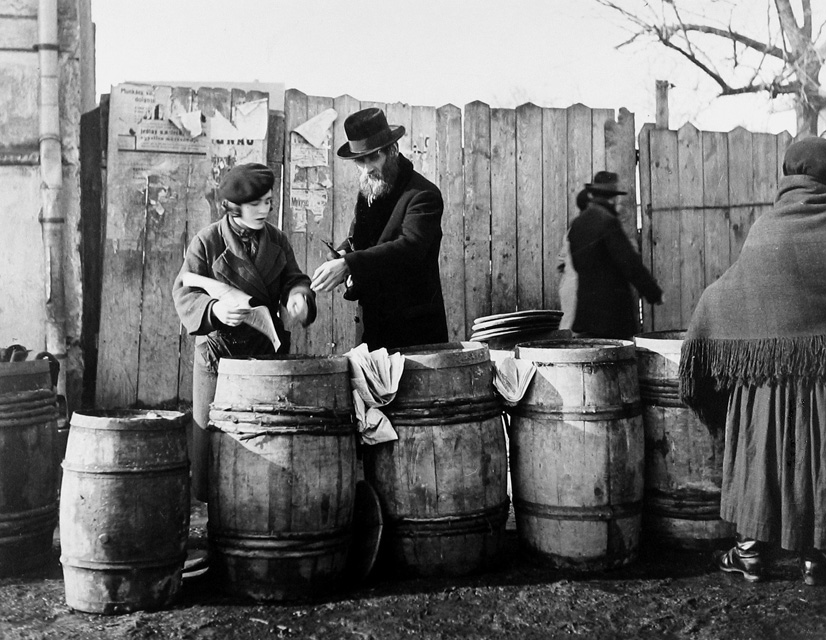
![Roman Vishniac (Russian-American, 1897-1990) 'Untitled [Jewish schoolchildren, Mukacevo]' c. 1935-1938](https://artblart.com/wp-content/uploads/2013/04/vishniac_jewish-school-children-web.jpg "Roman Vishniac (Russian-American, 1897-1990) 'Untitled [Jewish schoolchildren, Mukacevo]' c. 1935-1938")
![Roman Vishniac (Russian-American, 1897-1990) '[Boys admiring a motorcycle, Brandenburg, outskirts of Berlin]' 1929 - early 1930s (printed 2012)](https://artblart.com/wp-content/uploads/2014/08/vishniac-boys-admiring-a-motorbike.jpg "Roman Vishniac (Russian-American, 1897-1990) '[Boys admiring a motorcycle, Brandenburg, outskirts of Berlin]' 1929 - early 1930s (printed 2012)")
![Roman Vishniac (Russian-American, 1897-1990) 'Untitled [Boy with kindling in basement dwelling, Krochmalna Street, Warsaw]' c. 1935-1938](https://artblart.com/wp-content/uploads/2013/04/vishniac_boy-with-kindling-in-basement-dwelling-web.jpg "Roman Vishniac (Russian-American, 1897-1990) 'Untitled [Boy with kindling in basement dwelling, Krochmalna Street, Warsaw]' c. 1935-1938")
![Roman Vishniac (Russian-American, 1897-1990) 'Untitled [Interior of the Anhalter Bahnhof, a railway terminus near Potsdamer Platz, Berlin]' late 1920s - early 1930s](https://artblart.com/wp-content/uploads/2013/04/vishniac_interior-of-the-anhalter-bahnhof-web.jpg "Roman Vishniac (Russian-American, 1897-1990) 'Untitled [Interior of the Anhalter Bahnhof, a railway terminus near Potsdamer Platz, Berlin]' late 1920s - early 1930s")
![Roman Vishniac (Russian-American, 1897-1990) 'Untitled [Street scene with swastika flag in background, Berlin]' c. 1935-36](https://artblart.com/wp-content/uploads/2013/04/vishniac_street-scene-with-swastika-flag-in-background-web.jpg "Roman Vishniac (Russian-American, 1897-1990) 'Untitled [Street scene with swastika flag in background, Berlin]' c. 1935-36")
![Roman Vishniac (Russian-American, 1897-1990) 'Untitled [Nazi Storm Troopers marching next to the Arsenal in front of the Berlin Cathedral]' c. 1935](https://artblart.com/wp-content/uploads/2013/04/vishniac_nazi-storm-troopers-web.jpg "Roman Vishniac (Russian-American, 1897-1990) 'Untitled [Nazi Storm Troopers marching next to the Arsenal in front of the Berlin Cathedral]' c. 1935")
![Roman Vishniac (Russian-American, 1897-1990) 'Untitled [Beach dwellers in the afternoon, Nice, France]' c. 1939](https://artblart.com/wp-content/uploads/2013/04/vishniac_beach-dwellers-web.jpg "Roman Vishniac (Russian-American, 1897-1990) 'Untitled [Beach dwellers in the afternoon, Nice, France]' c. 1939")
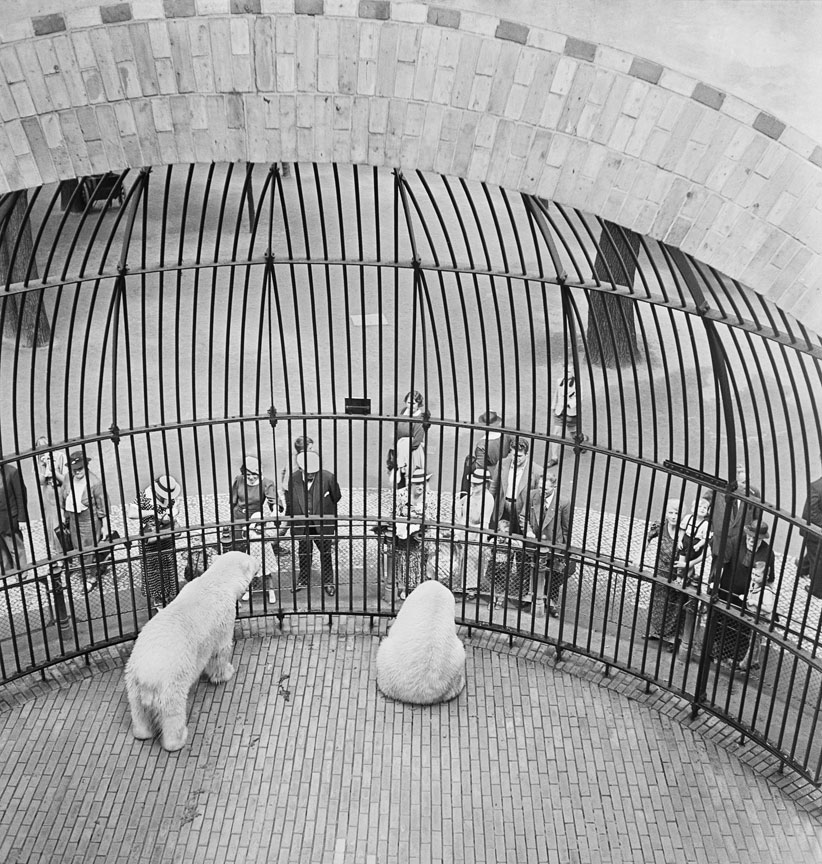
![Roman Vishniac (Russian-American, 1897-1990) 'Untitled [Zionist youth building a school and foundry while learning construction techniques, Werkdorp Nieuwesluis, Wieringermeer, The Netherlands]' 1939](https://artblart.com/wp-content/uploads/2013/04/vishniac_zionist-youth-building-a-school-web.jpg "Roman Vishniac (Russian-American, 1897-1990) 'Untitled [Zionist youth building a school and foundry while learning construction techniques, Werkdorp Nieuwesluis, Wieringermeer, The Netherlands]' 1939")
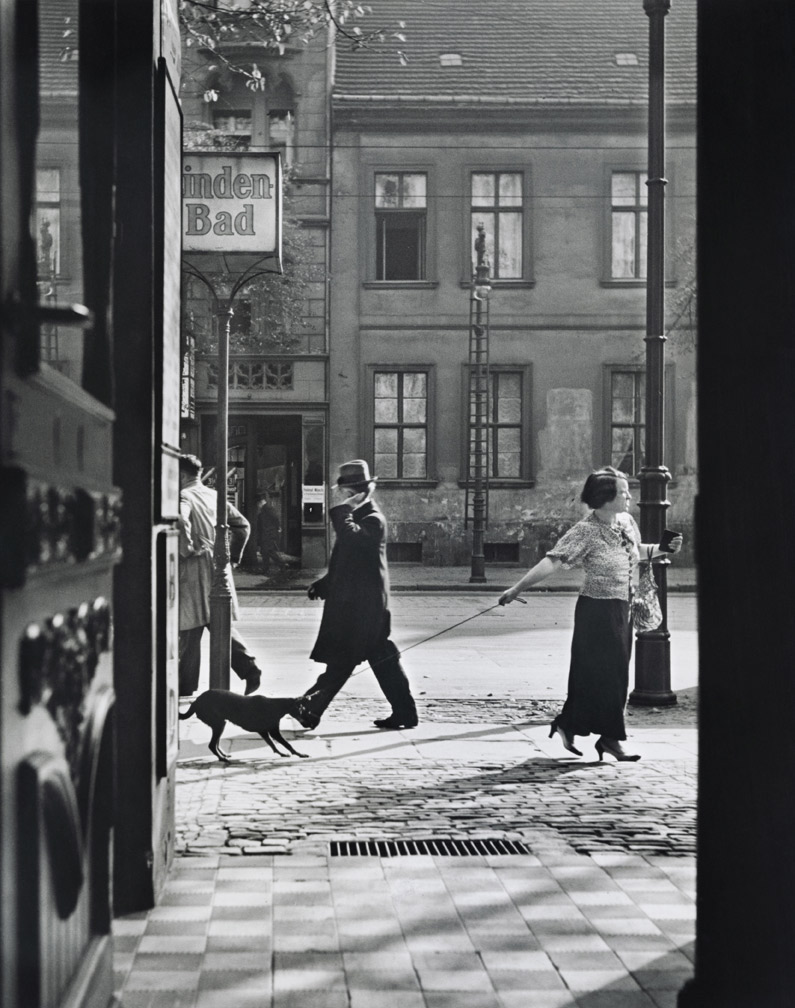

![Roman Vishniac (Russian-American, 1897-1990) '[Vishniac's daughter Mara posing in front of an election poster for Hindenburg and Hitler that reads "The Marshal and the Corporal: Fight with Us for Peace and Equal Rights," Wilmersdorf, Berlin]' 1933](https://artblart.com/wp-content/uploads/2014/08/icp_vishniac_pressimage_3-web.jpg "Roman Vishniac (Russian-American, 1897-1990) '[Vishniac's daughter Mara posing in front of an election poster for Hindenburg and Hitler that reads \"The Marshal and the Corporal: Fight with Us for Peace and Equal Rights,\" Wilmersdorf, Berlin]' 1933")


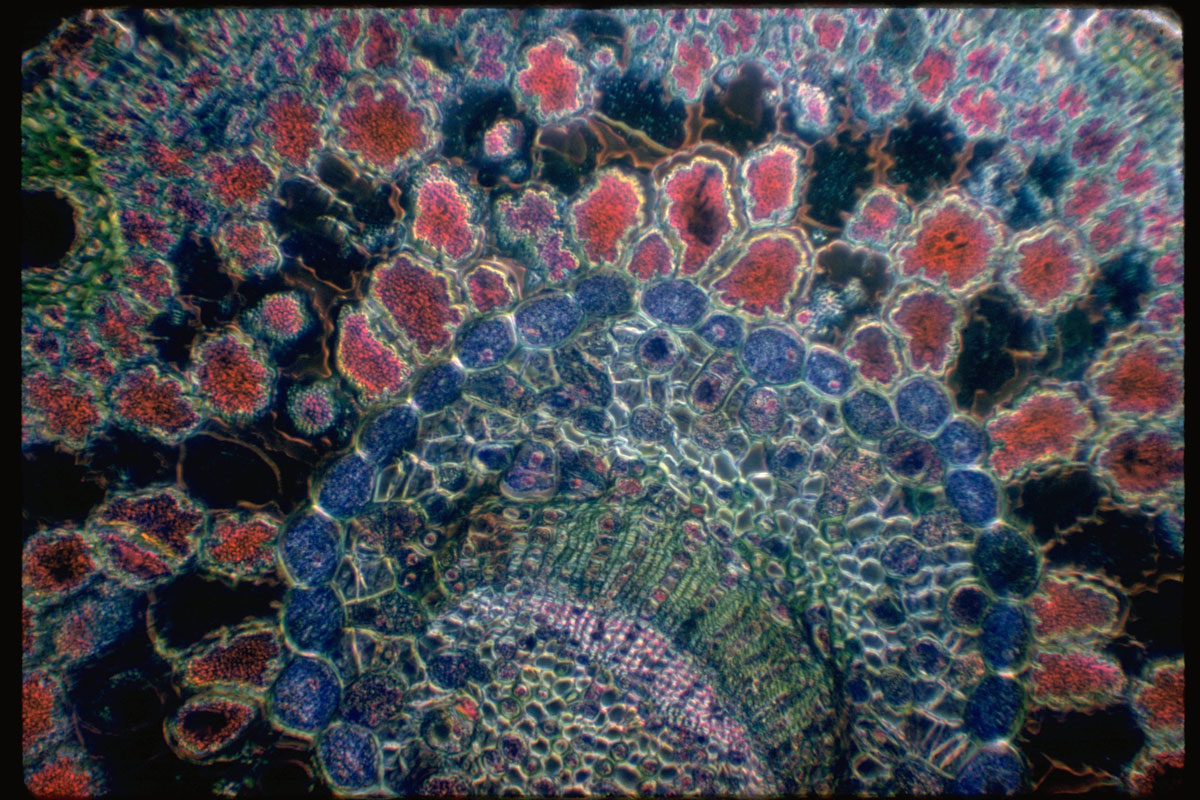
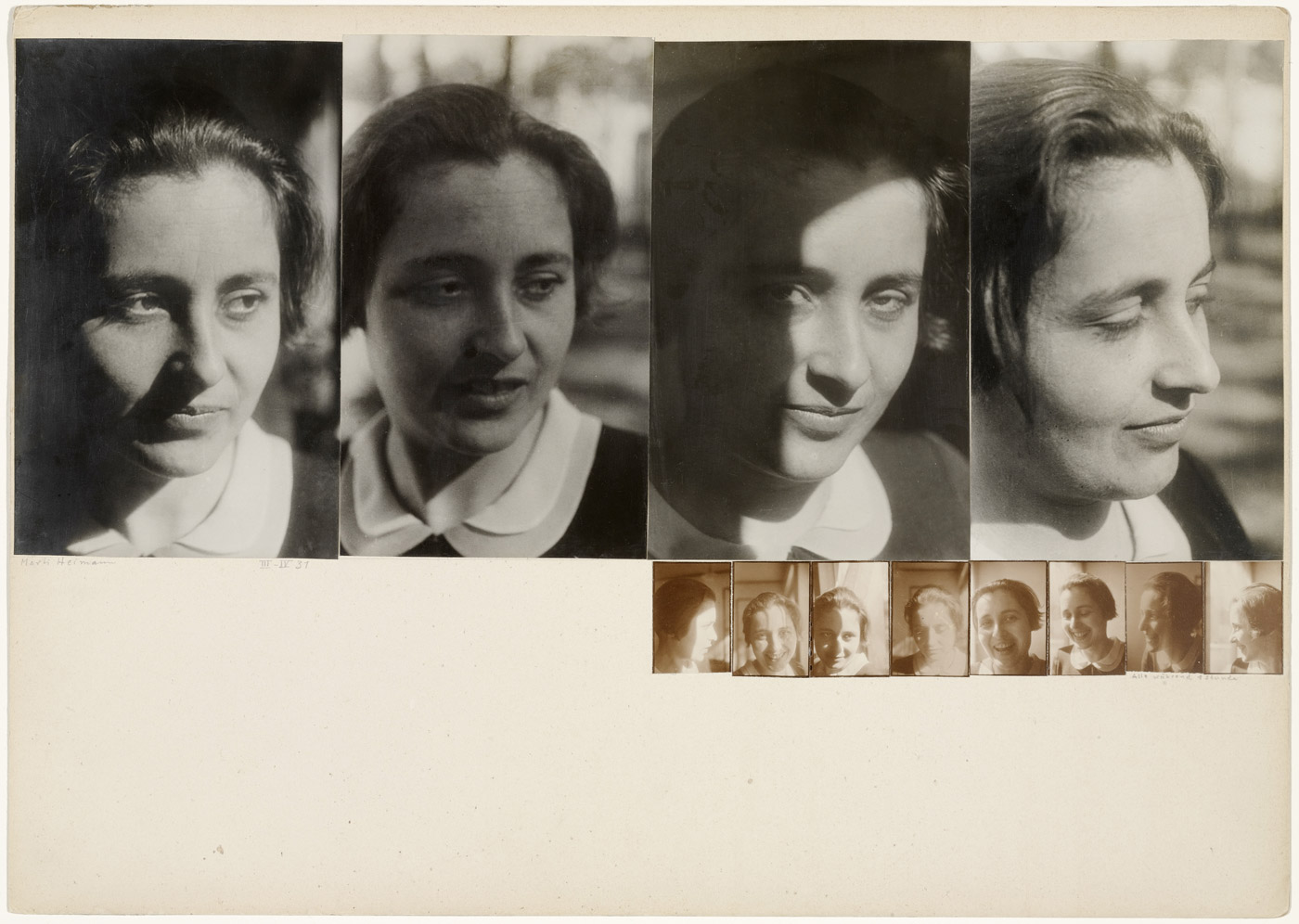

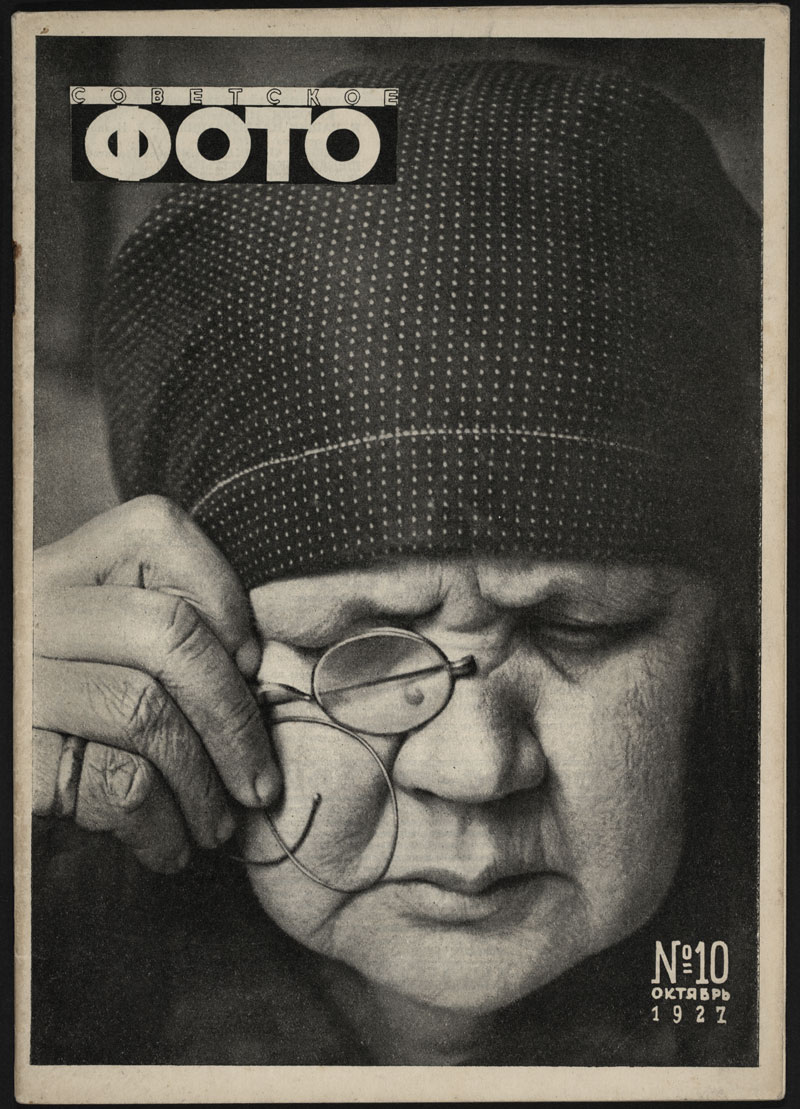


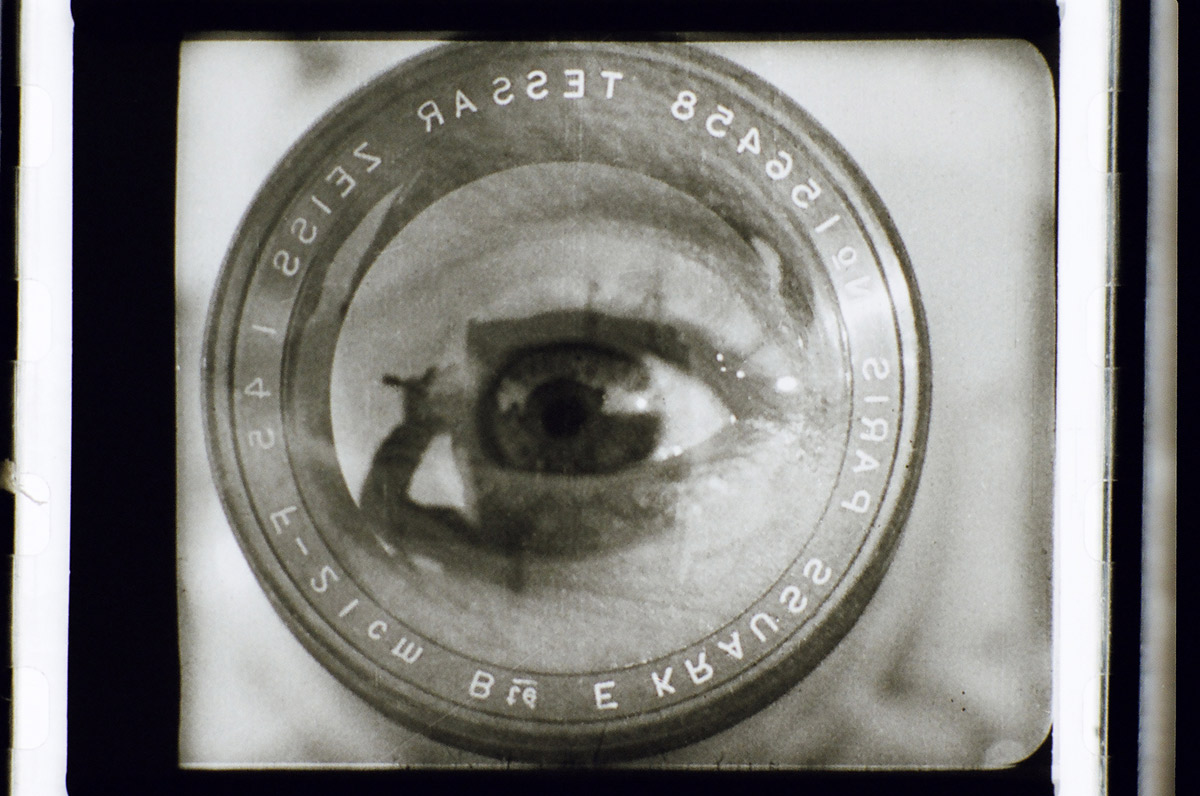

![Georges Hugnet (French, 1906-1974) 'Untitled [Surrealist beach collage]' c. 1935](https://artblart.com/wp-content/uploads/2013/04/georges-hugnet-untitled-surrealist-beach-collage.jpg "Georges Hugnet (French, 1906-1974) 'Untitled [Surrealist beach collage]' c. 1935")
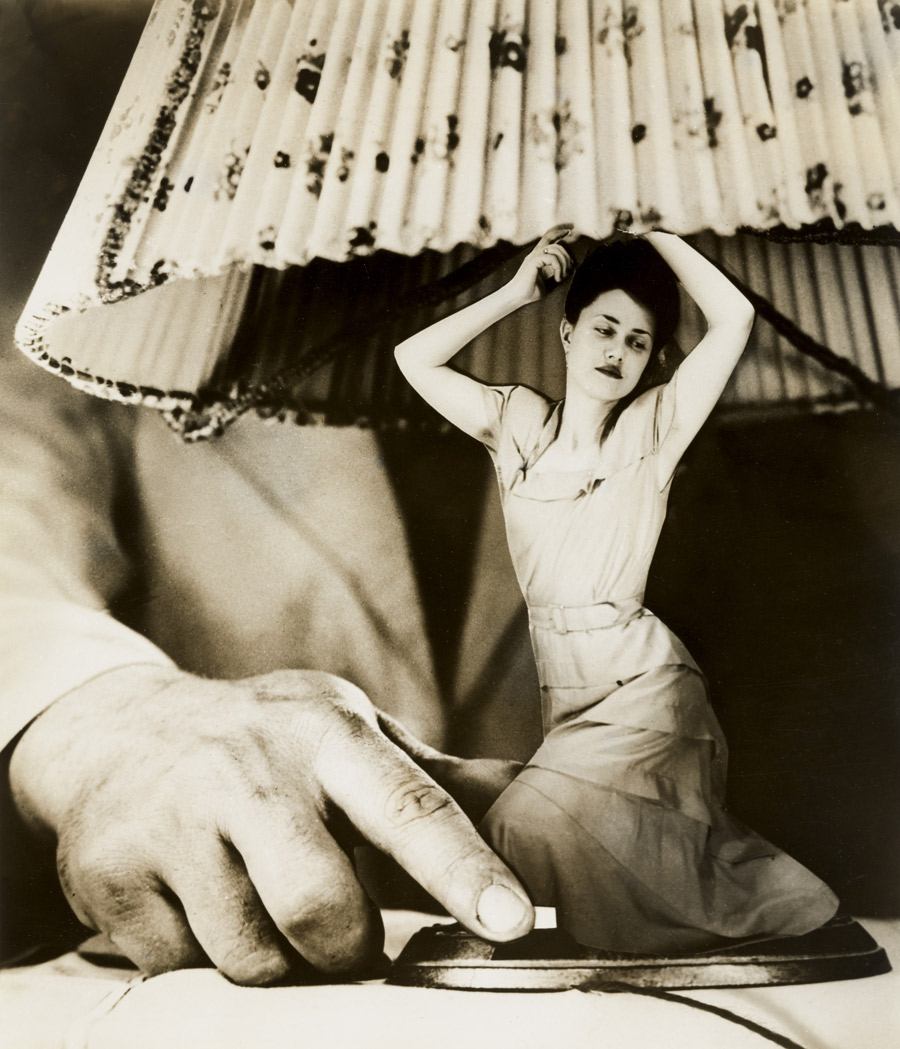
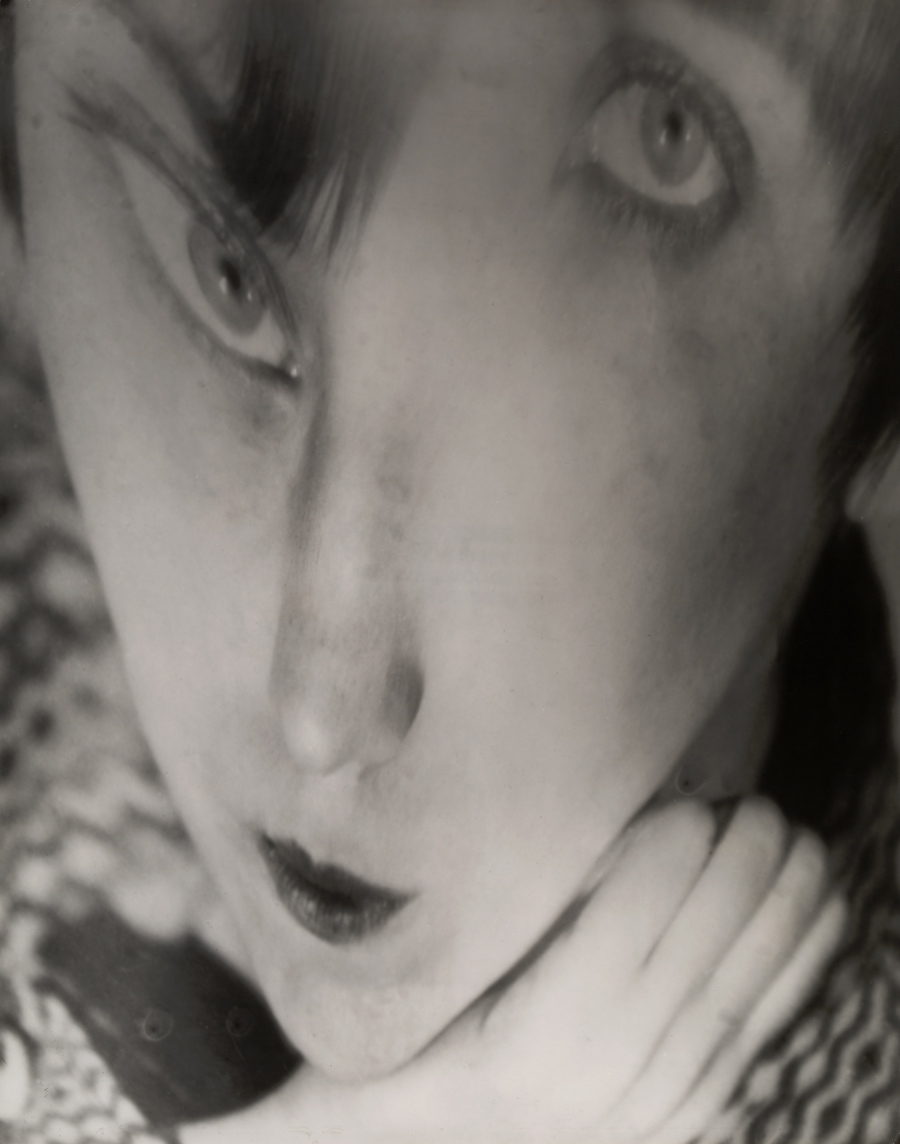
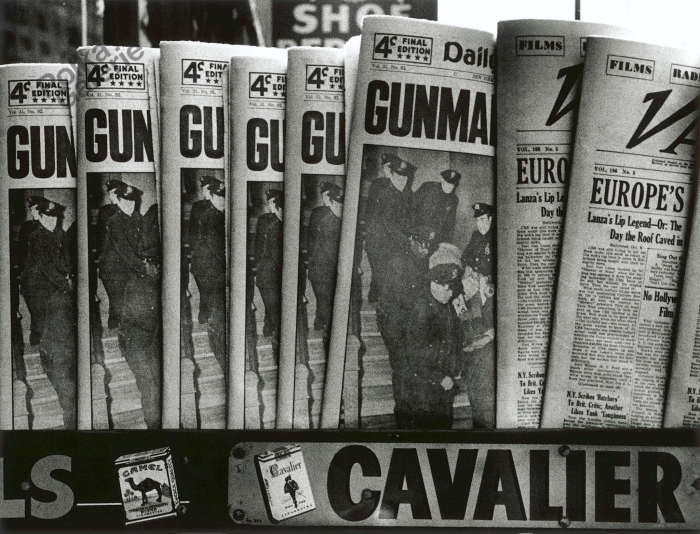
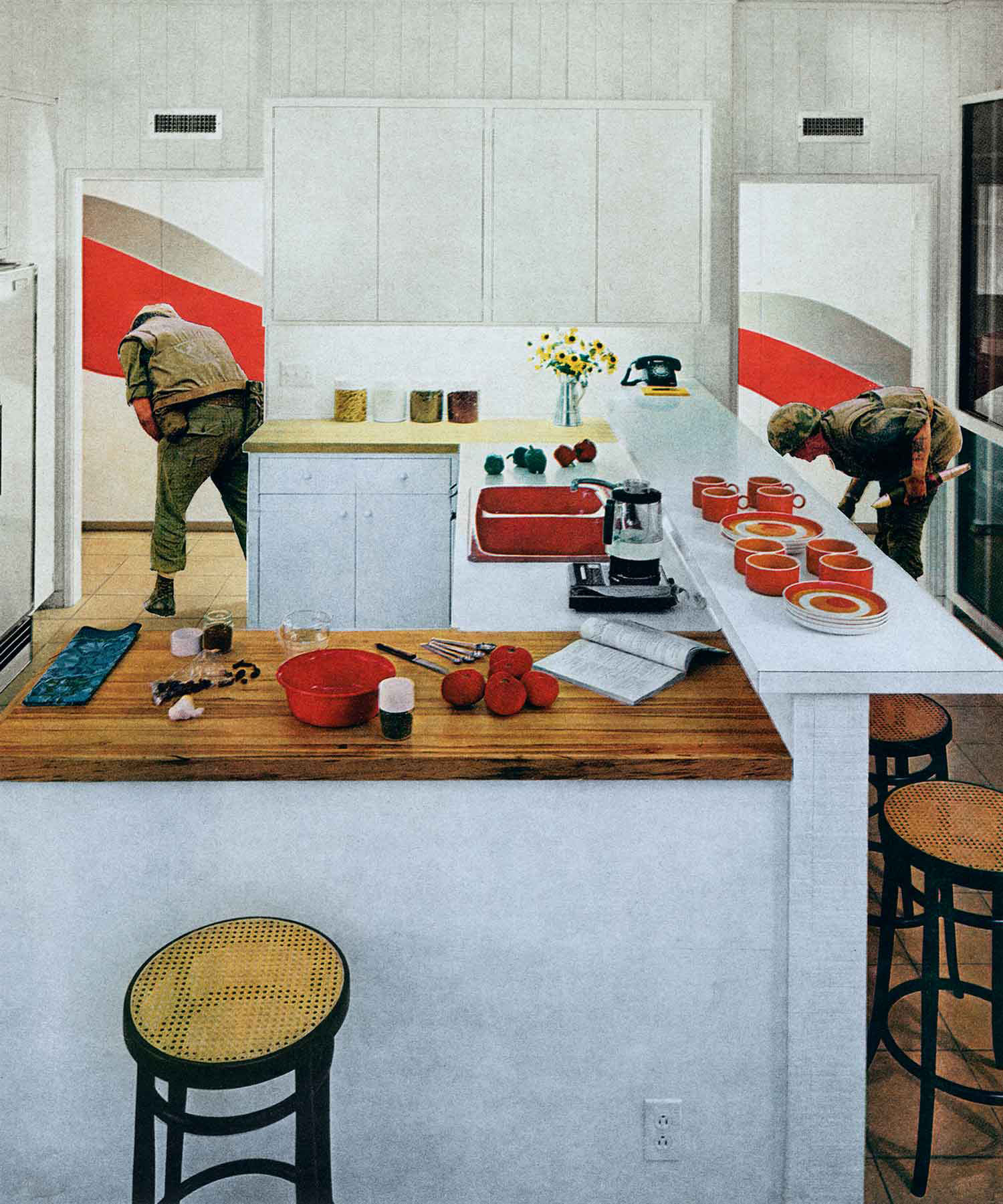
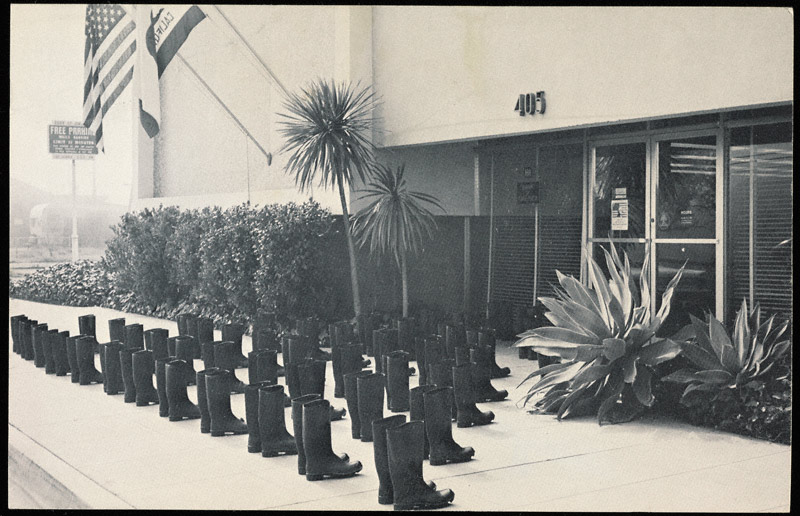


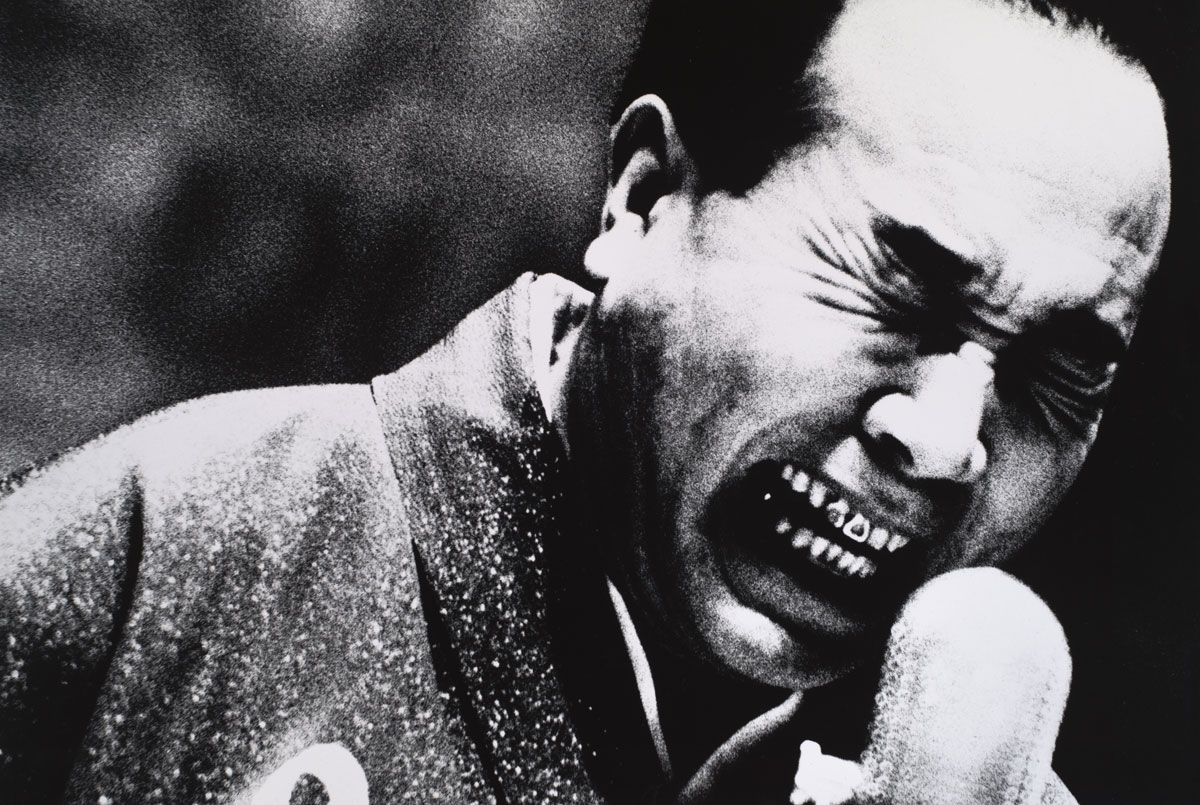

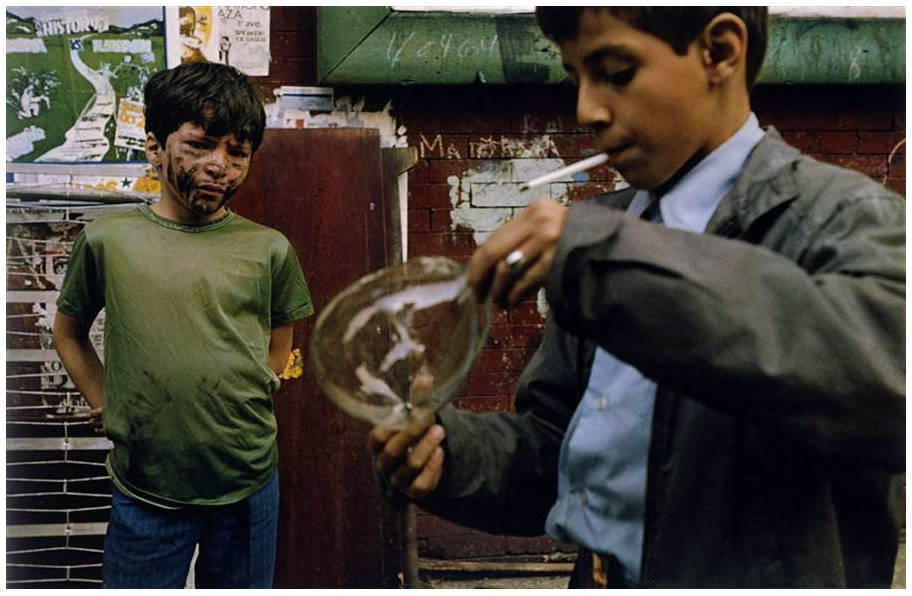

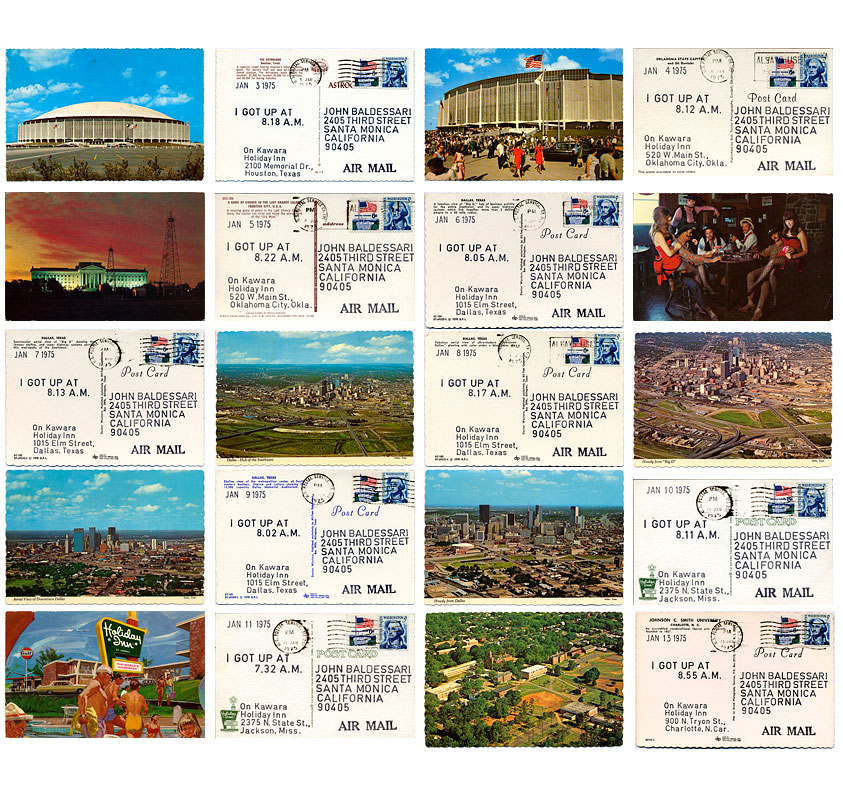
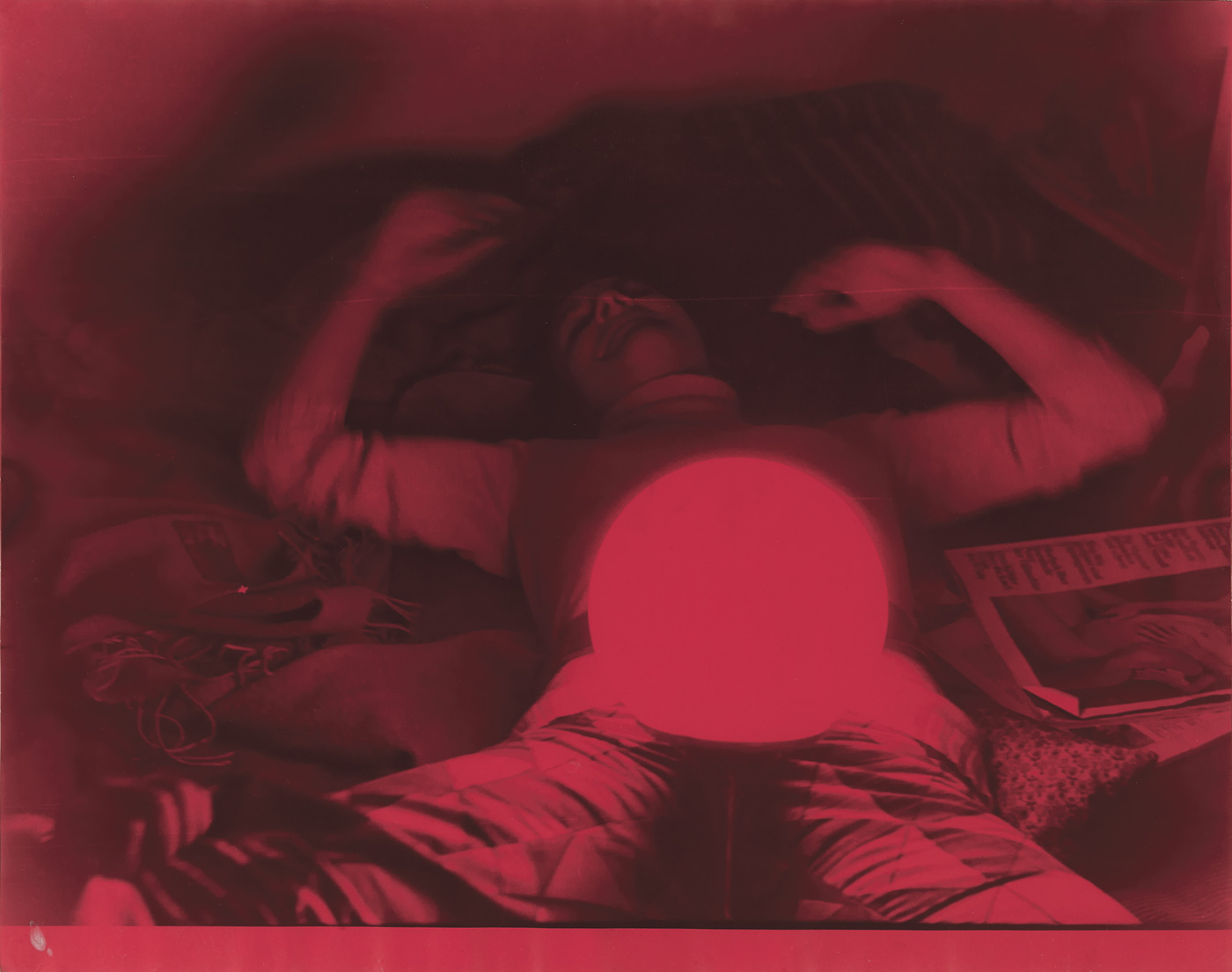
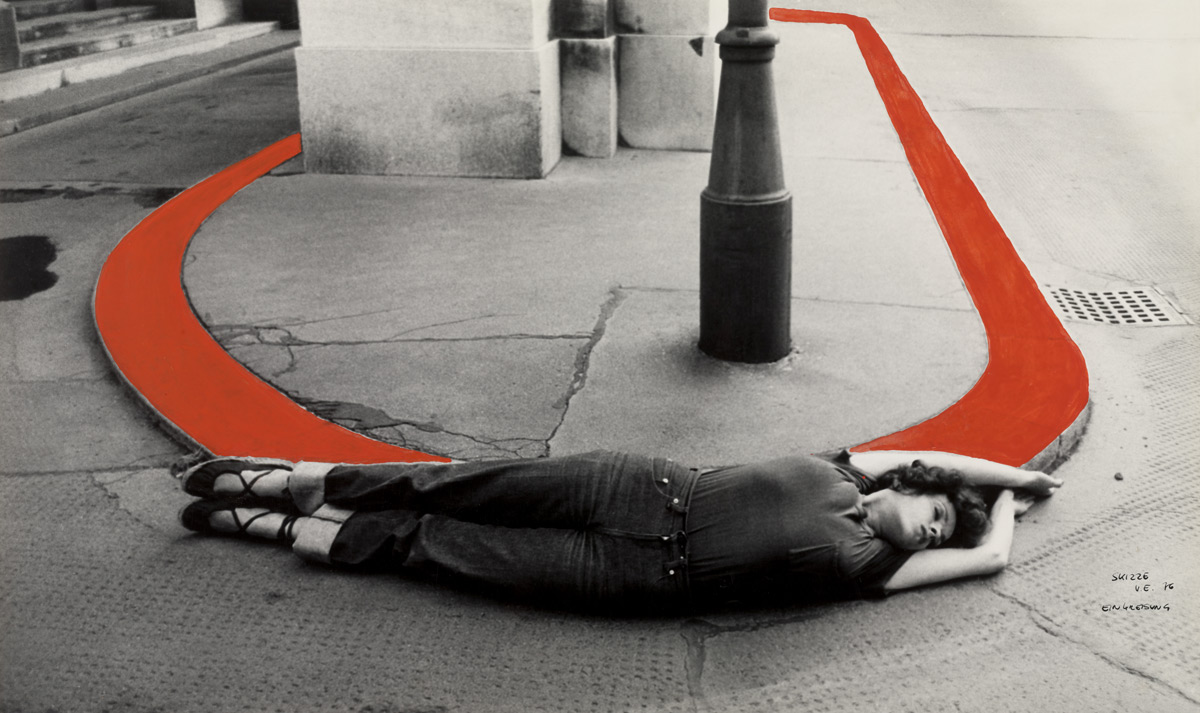
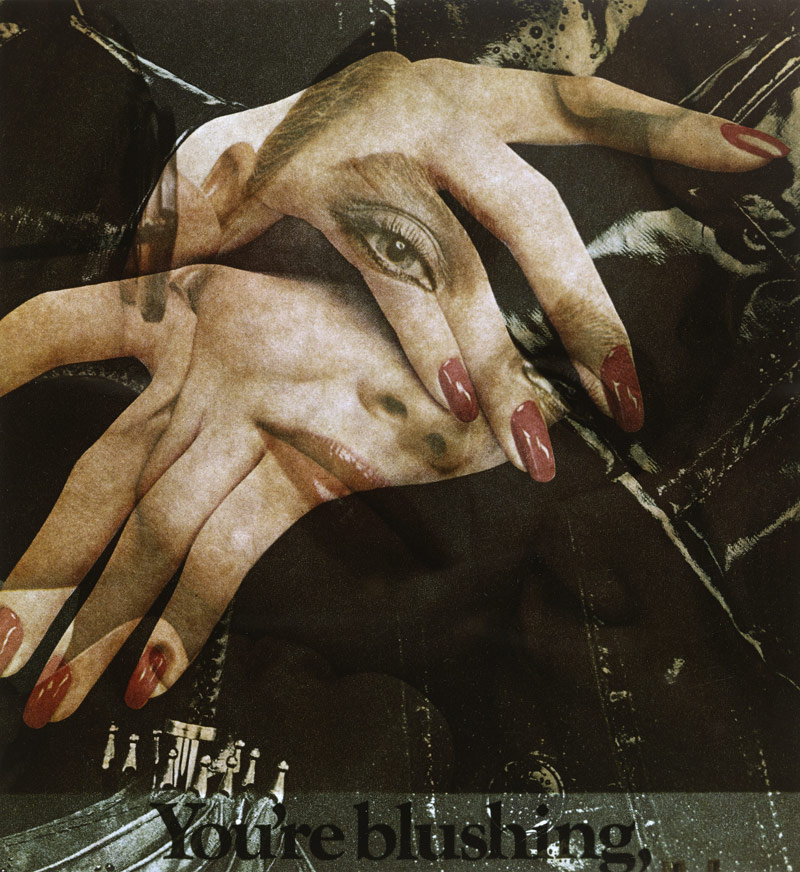
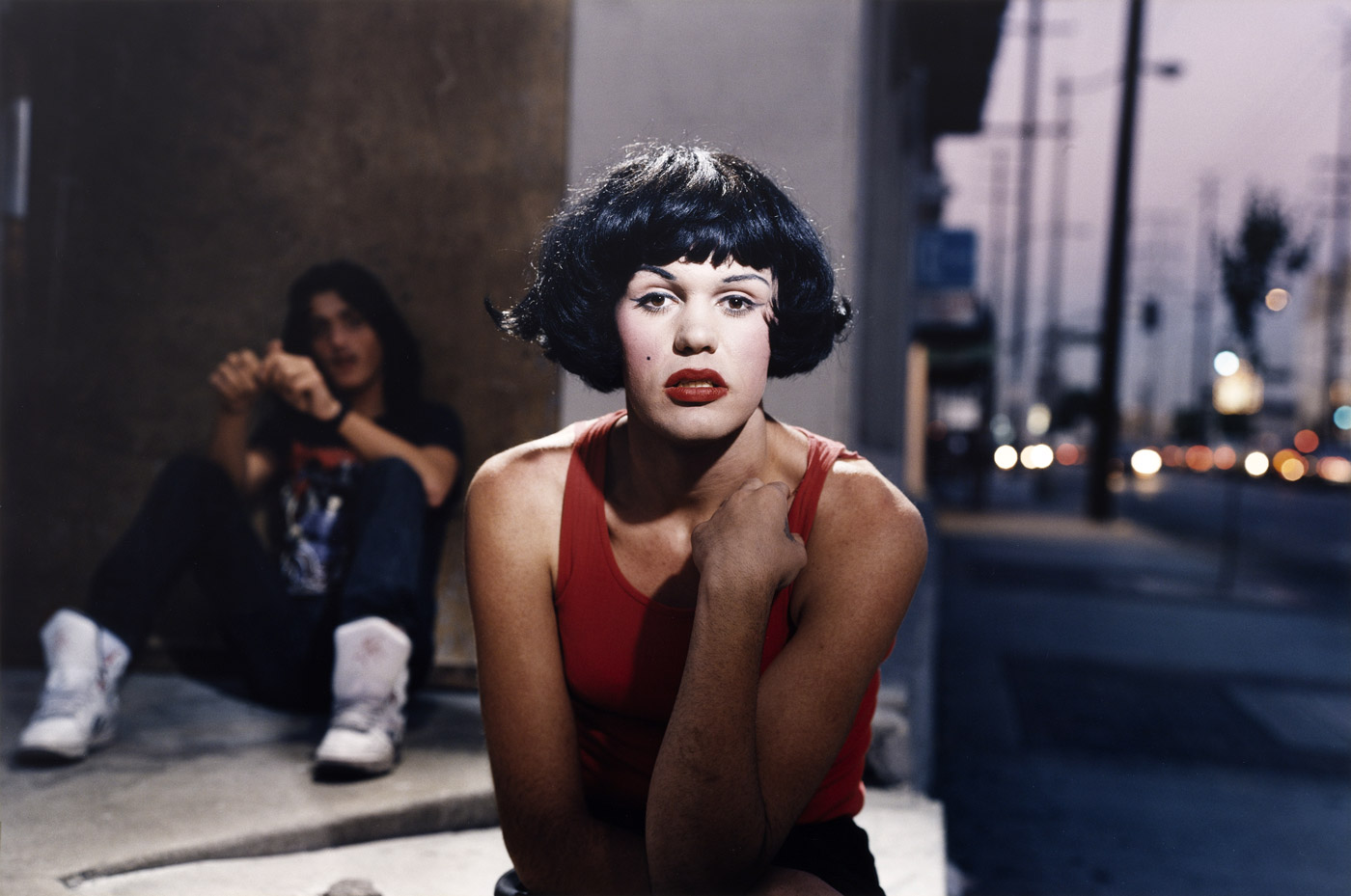
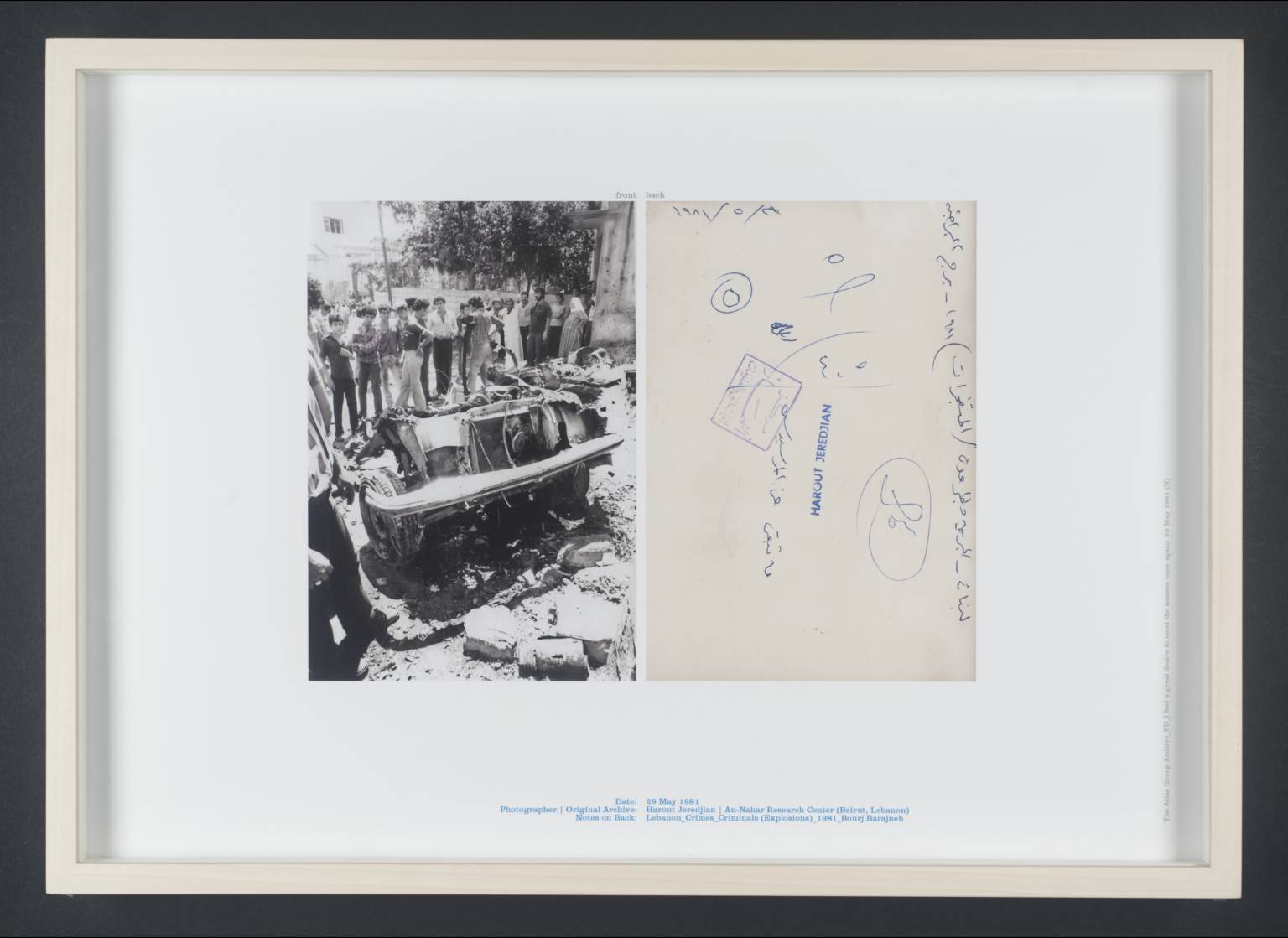
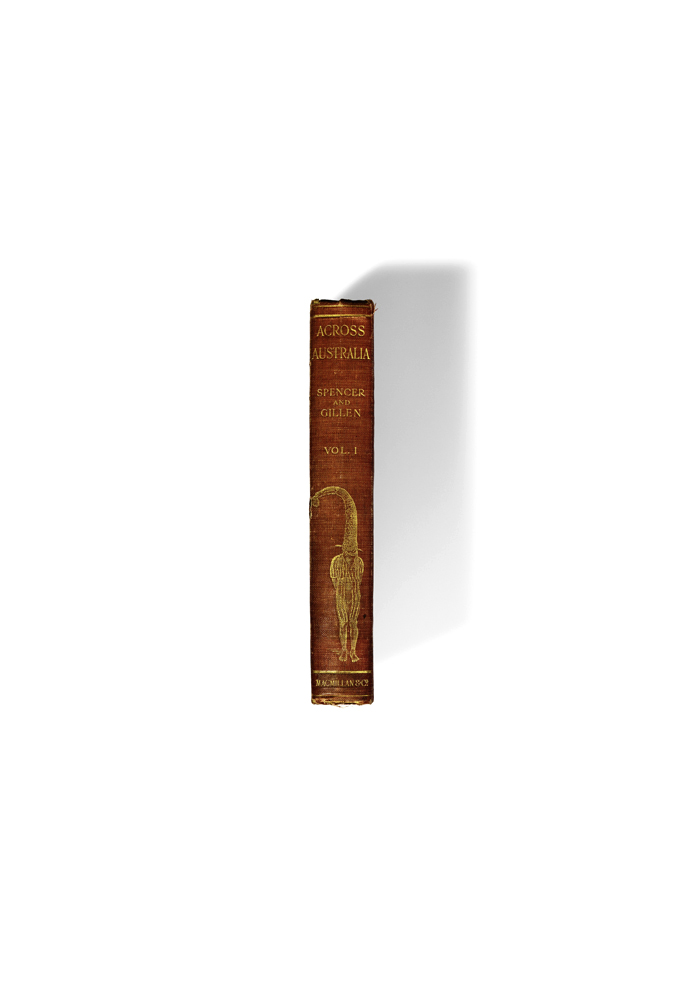
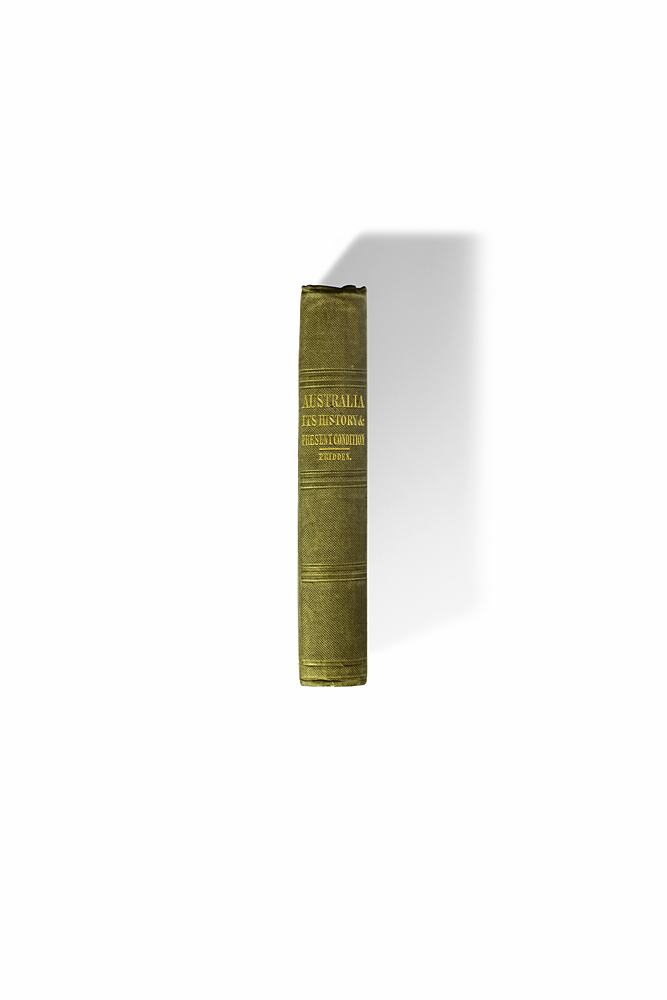
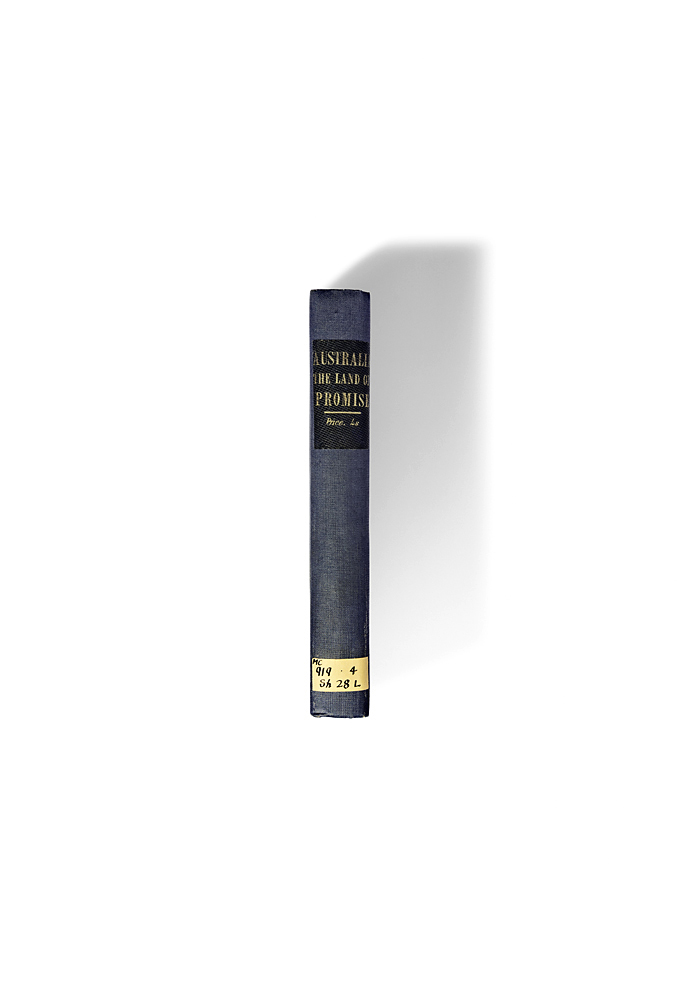
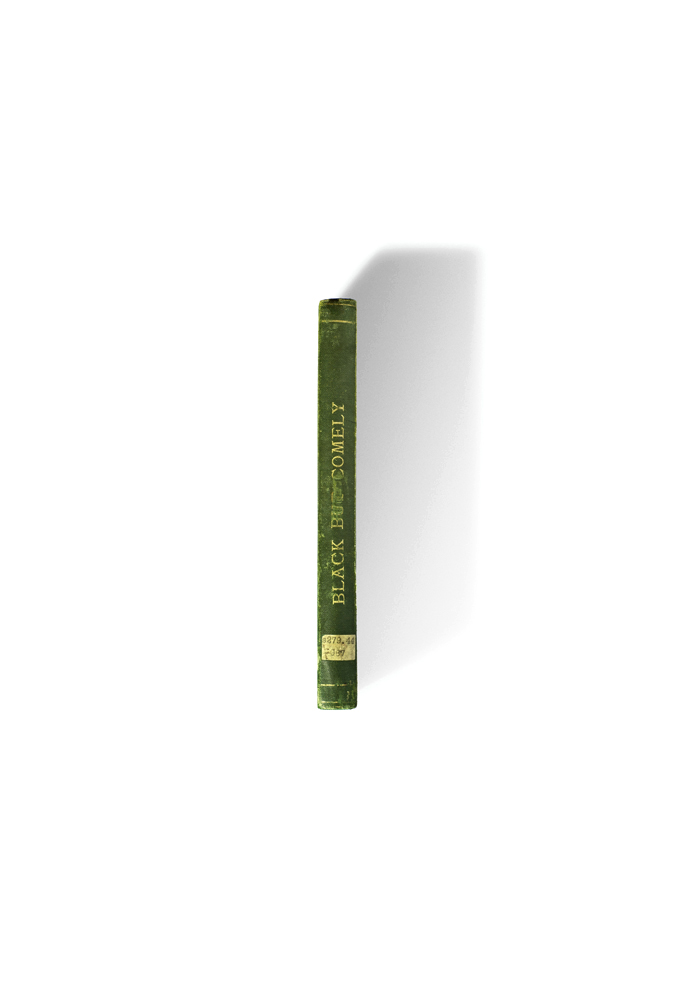
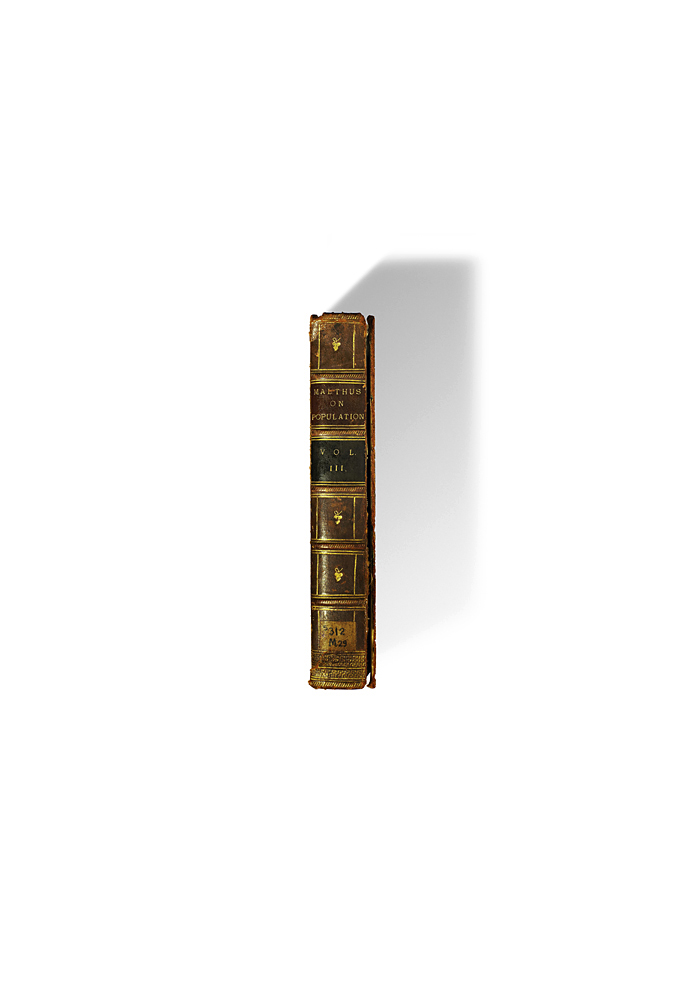
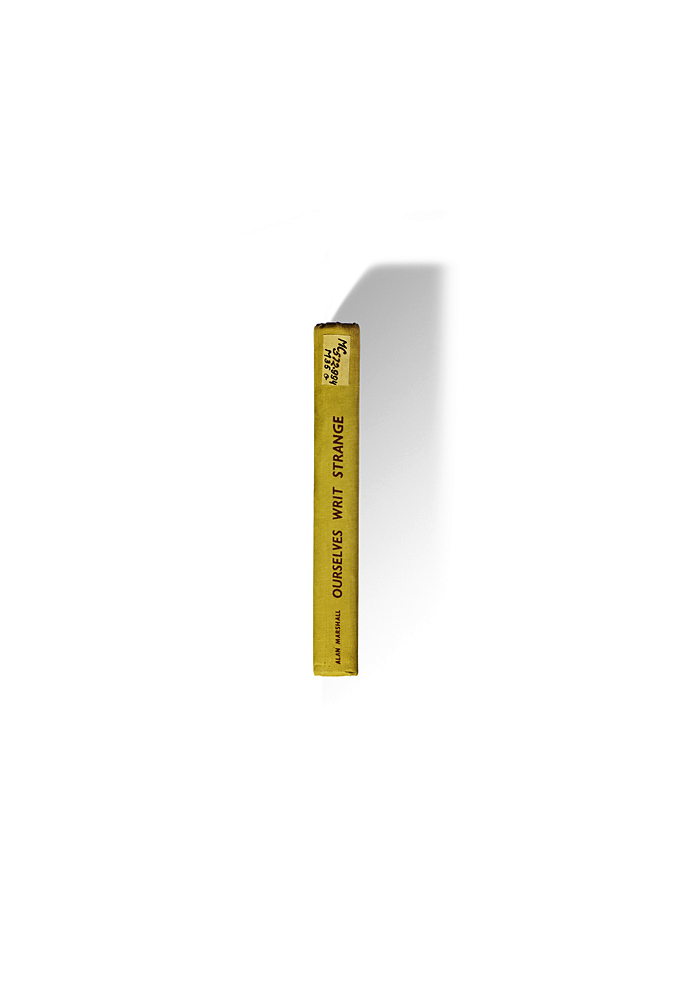
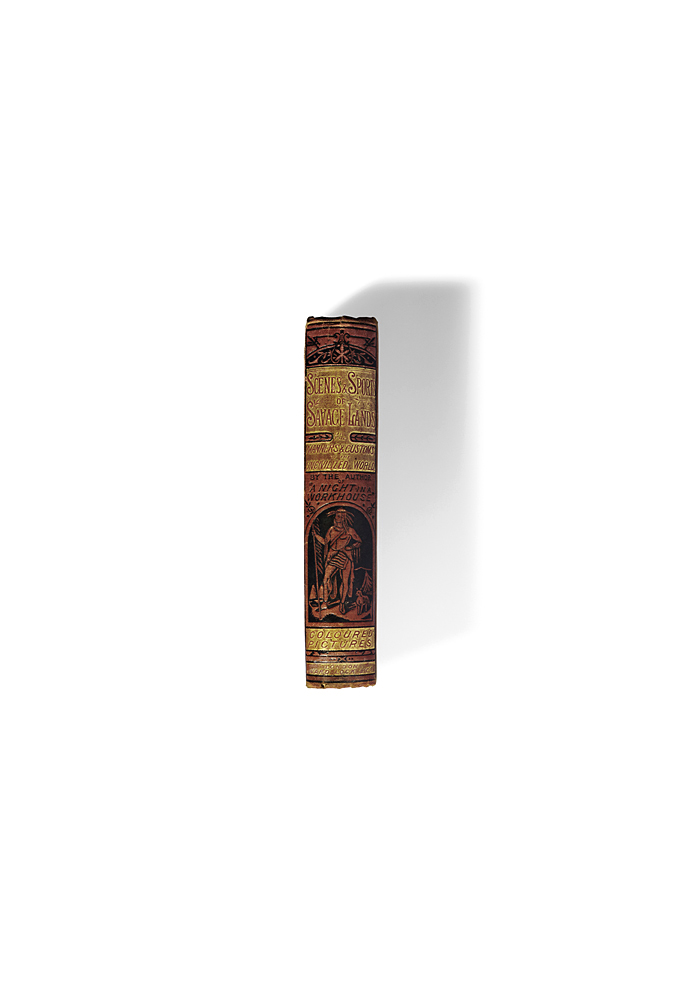
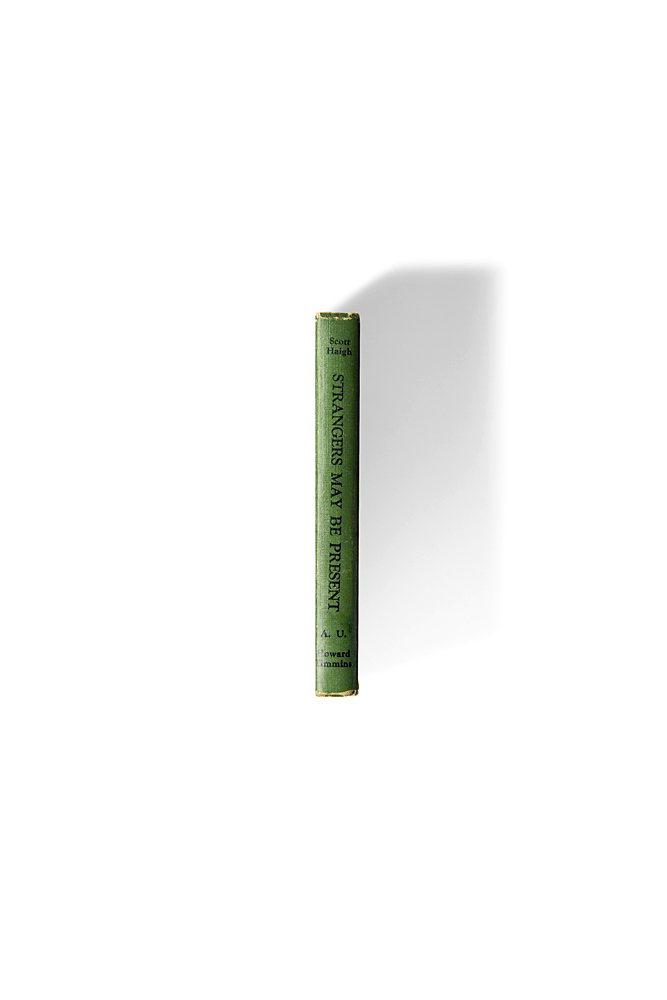
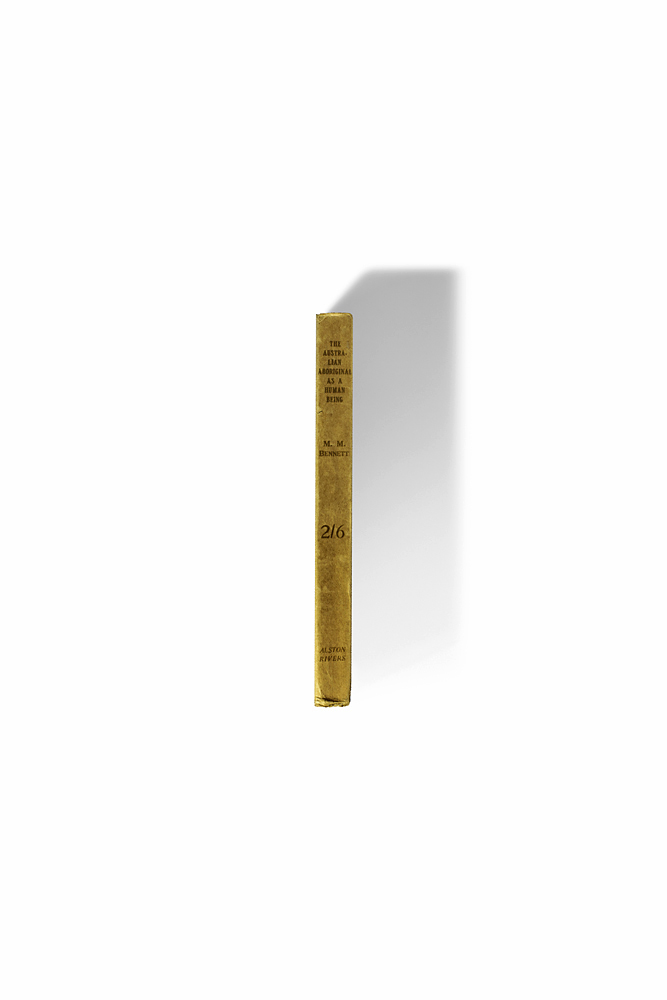
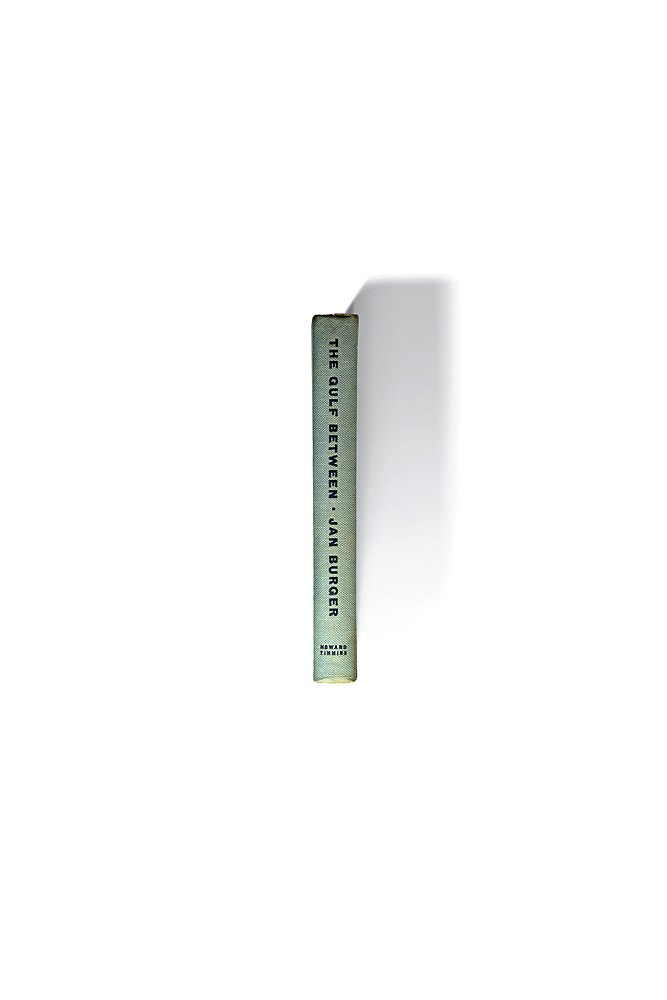

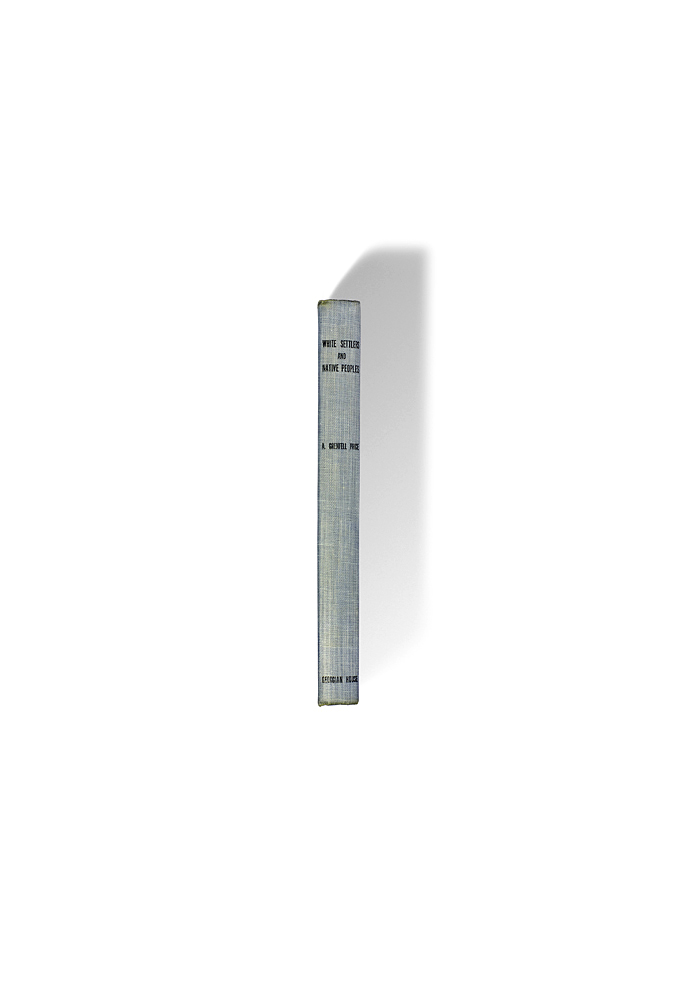


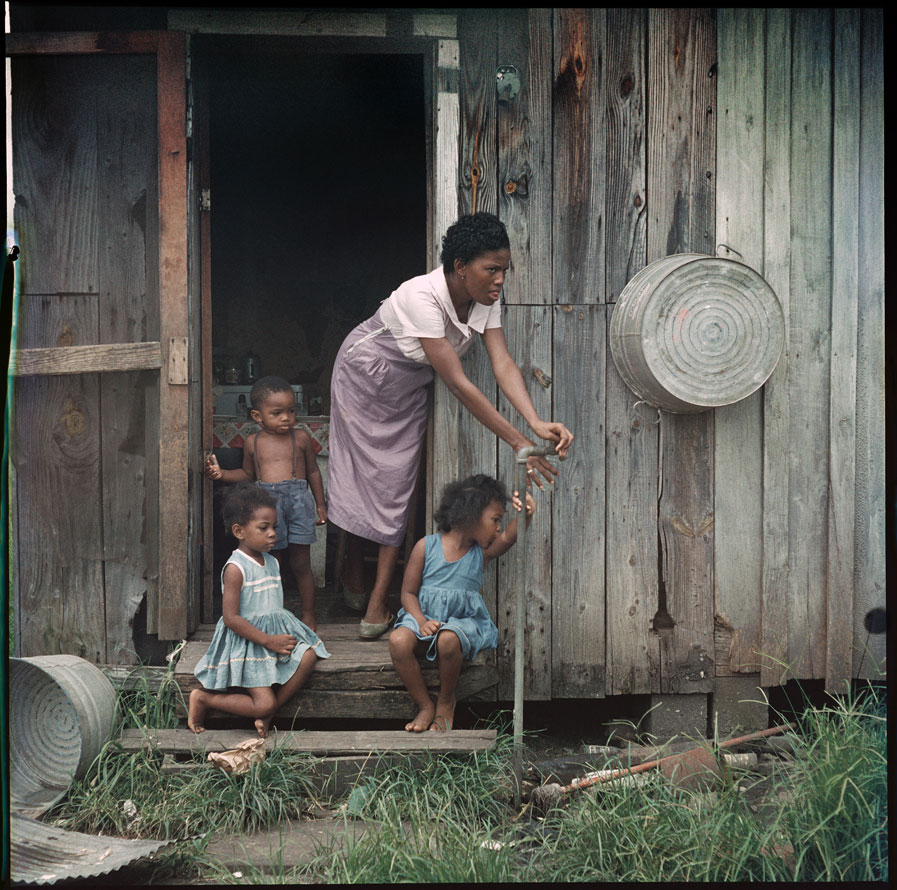
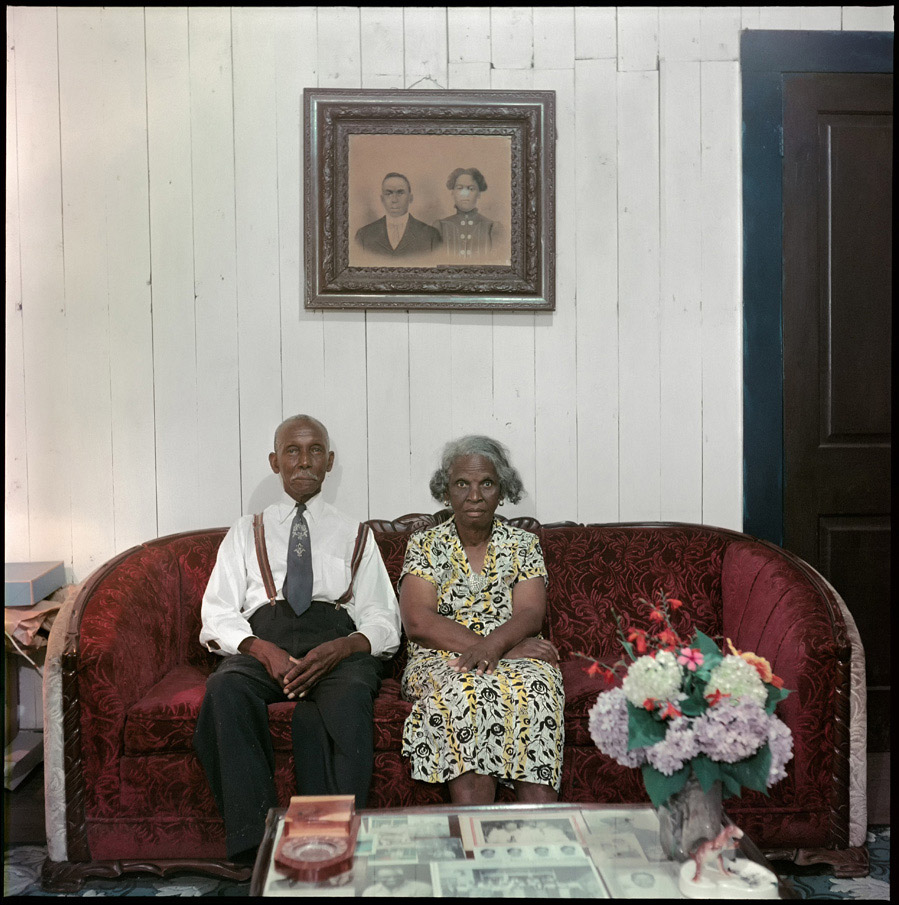
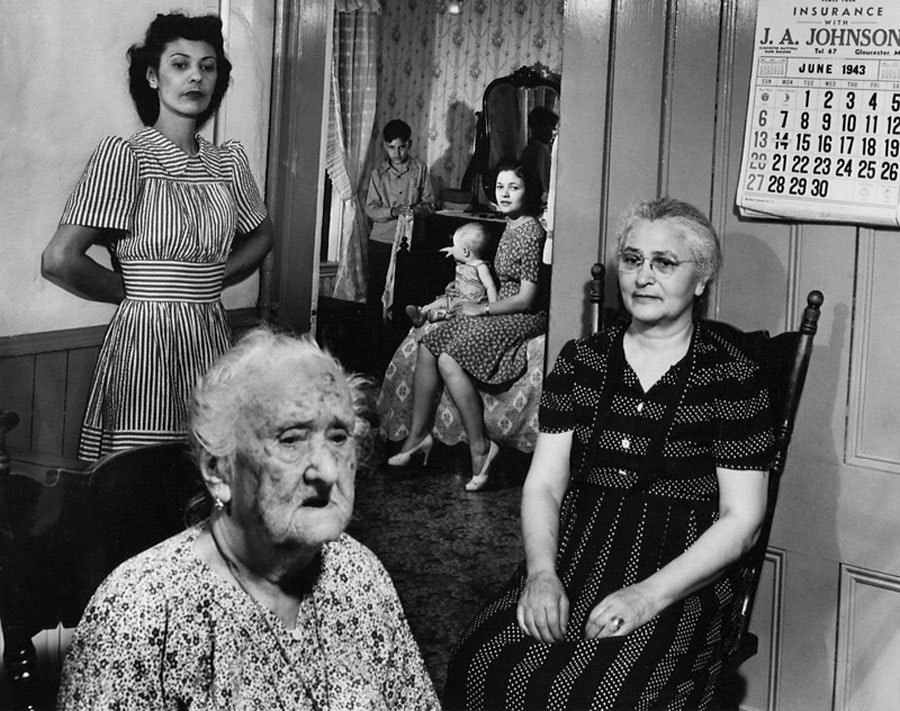
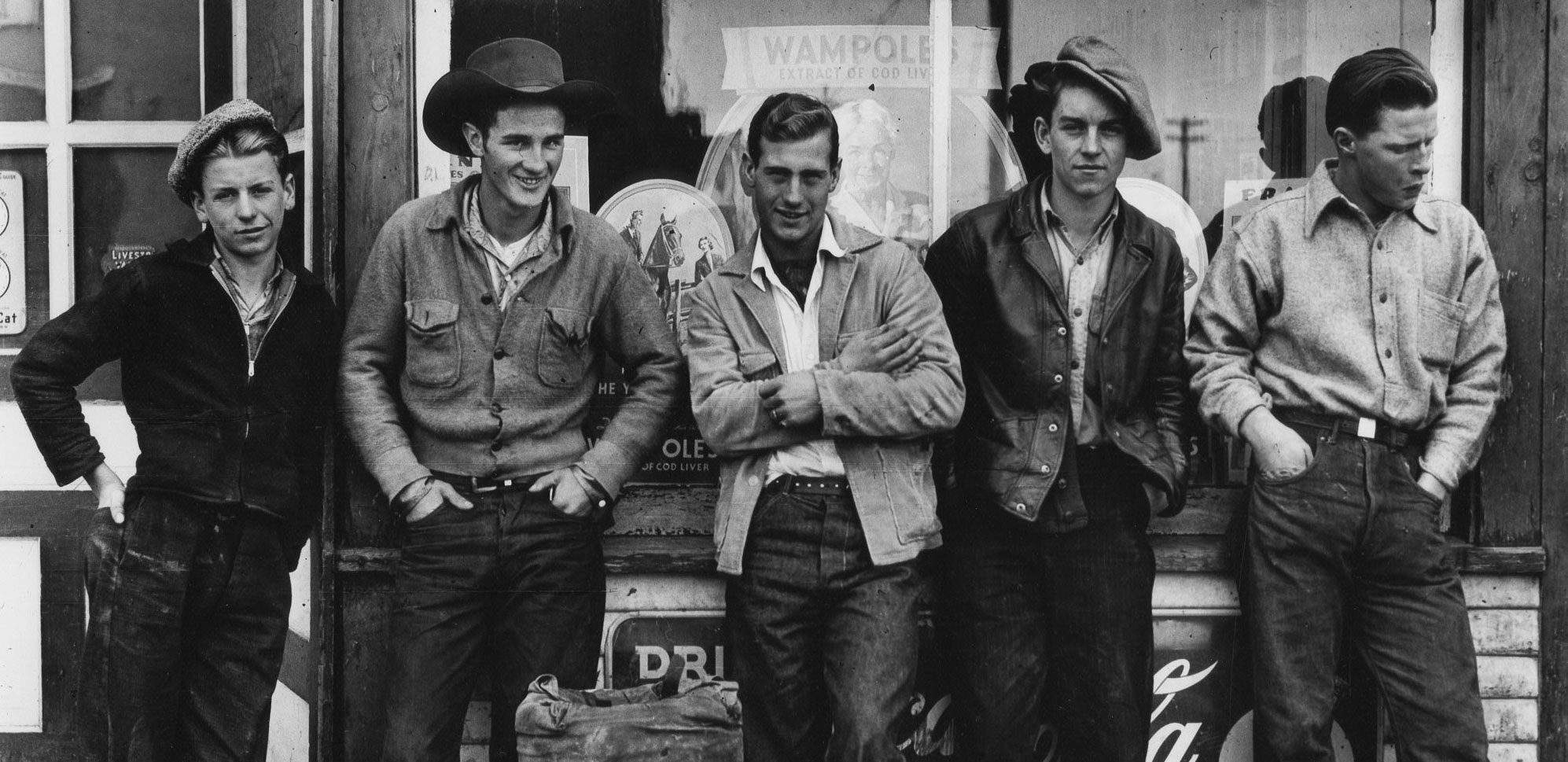


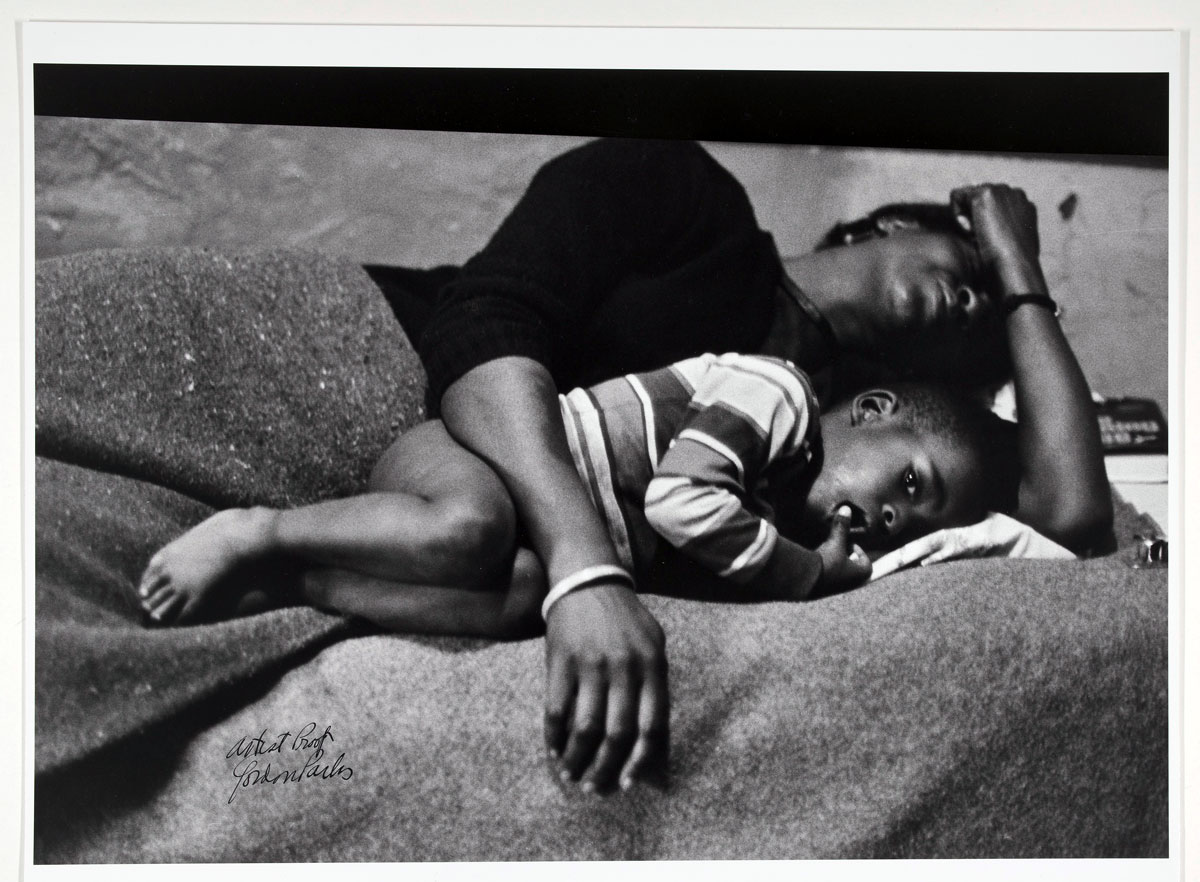


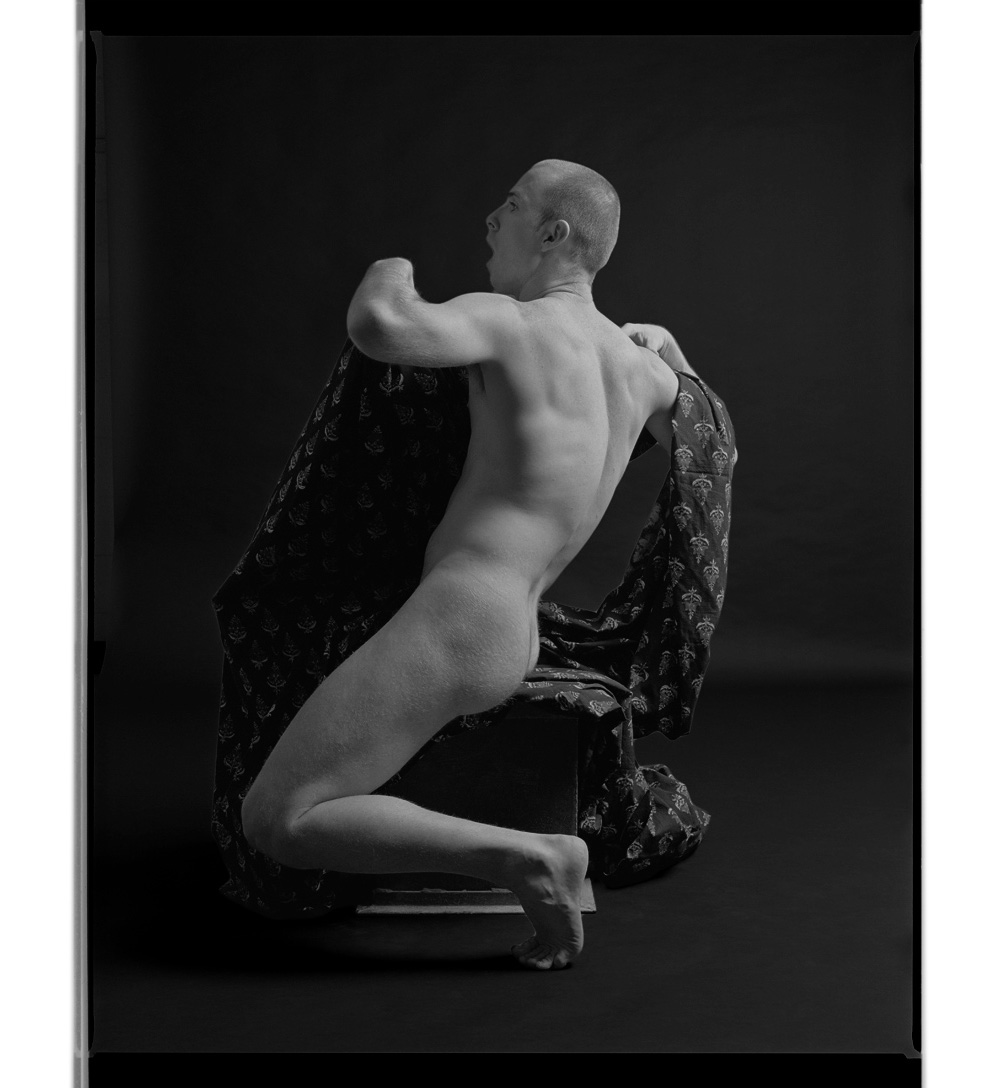
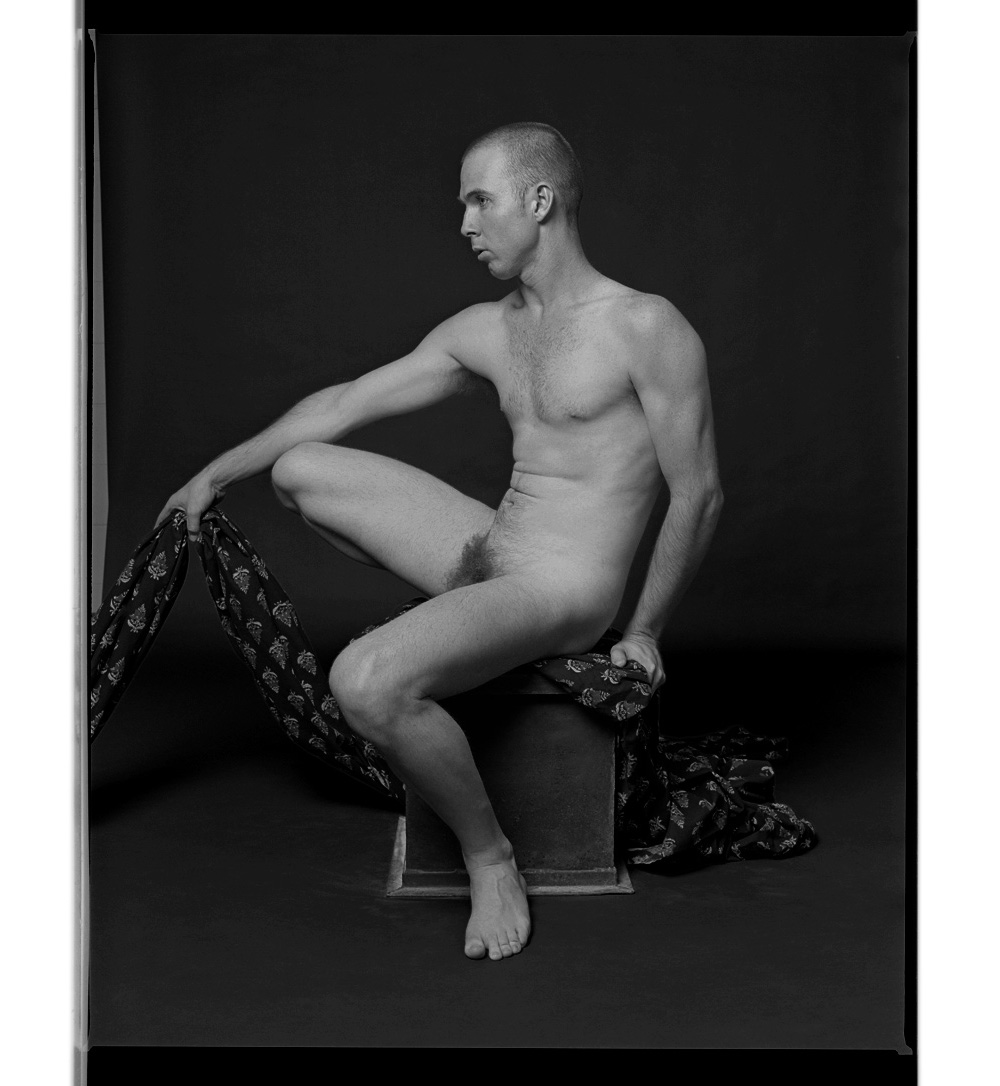


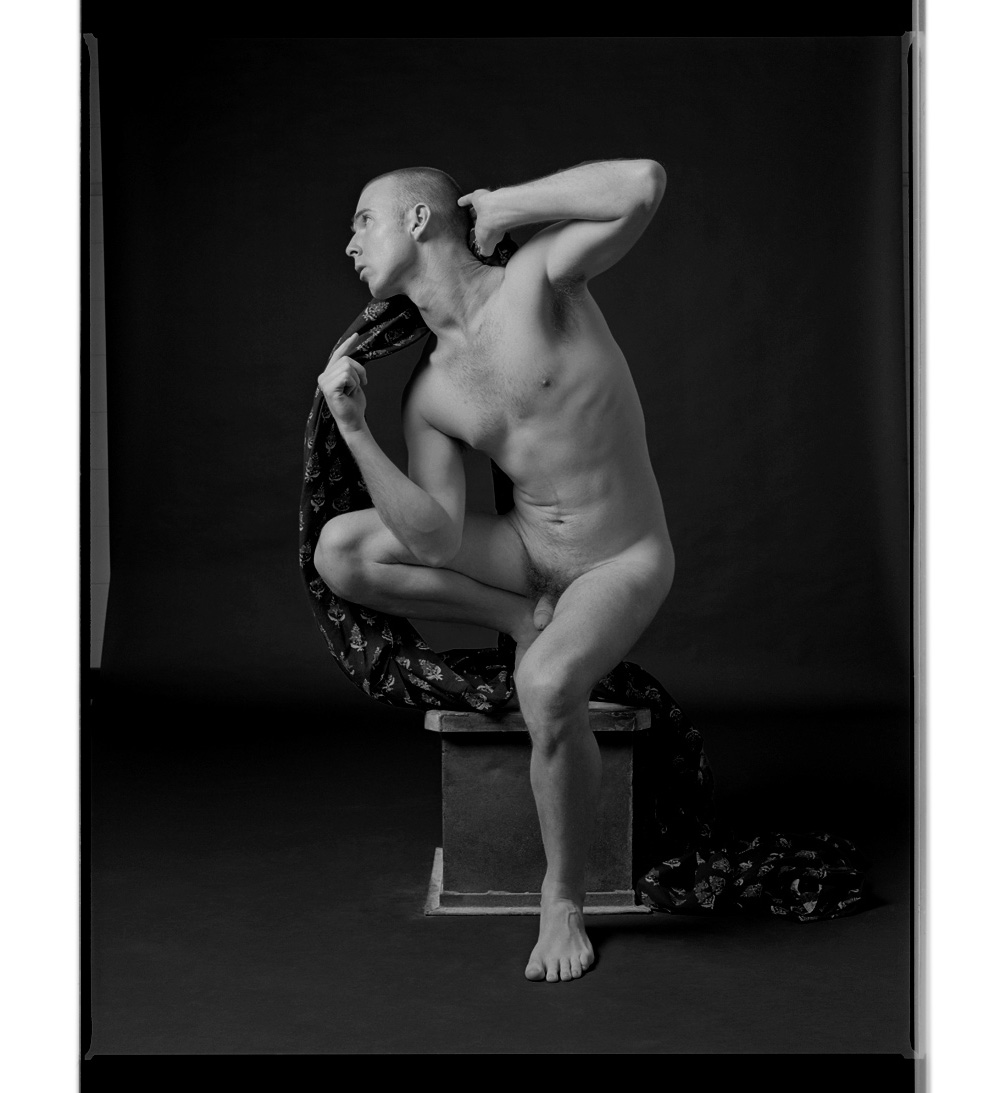
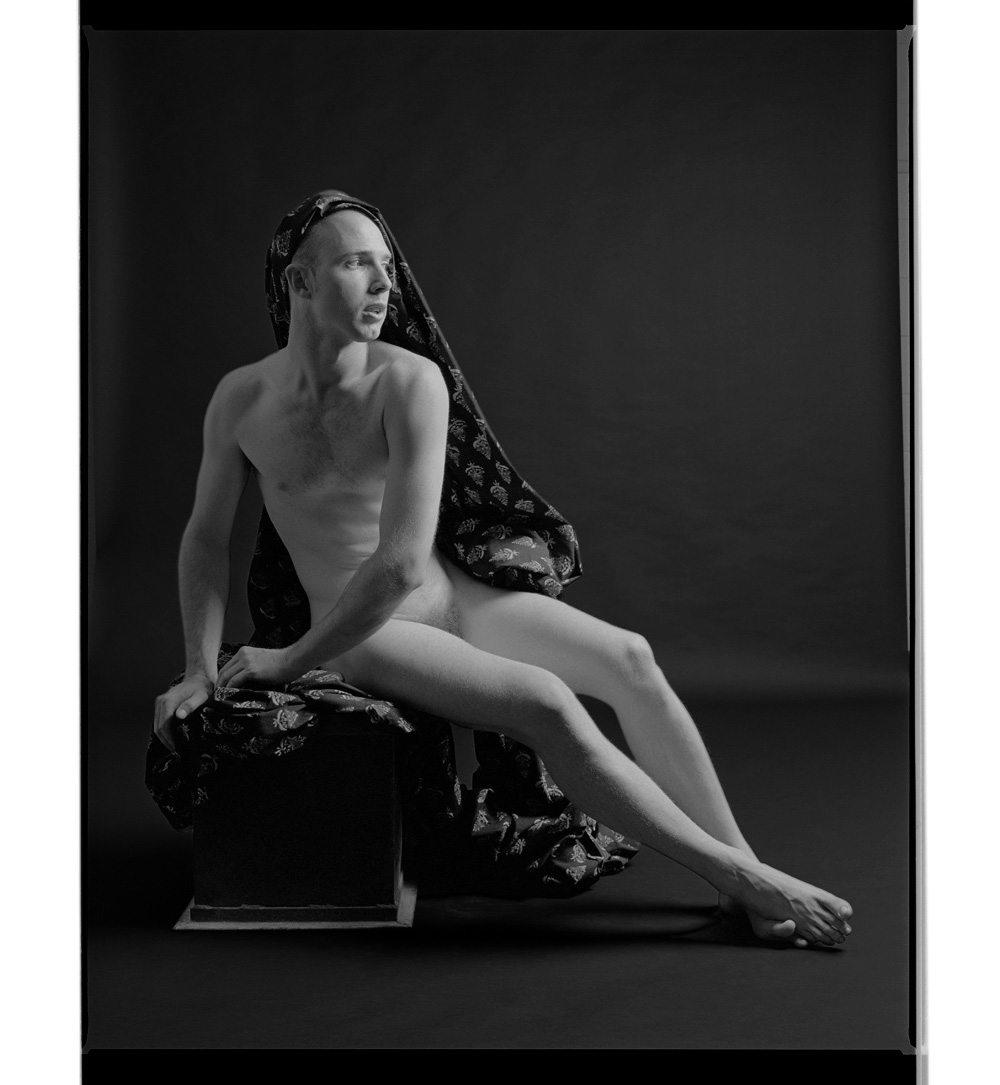
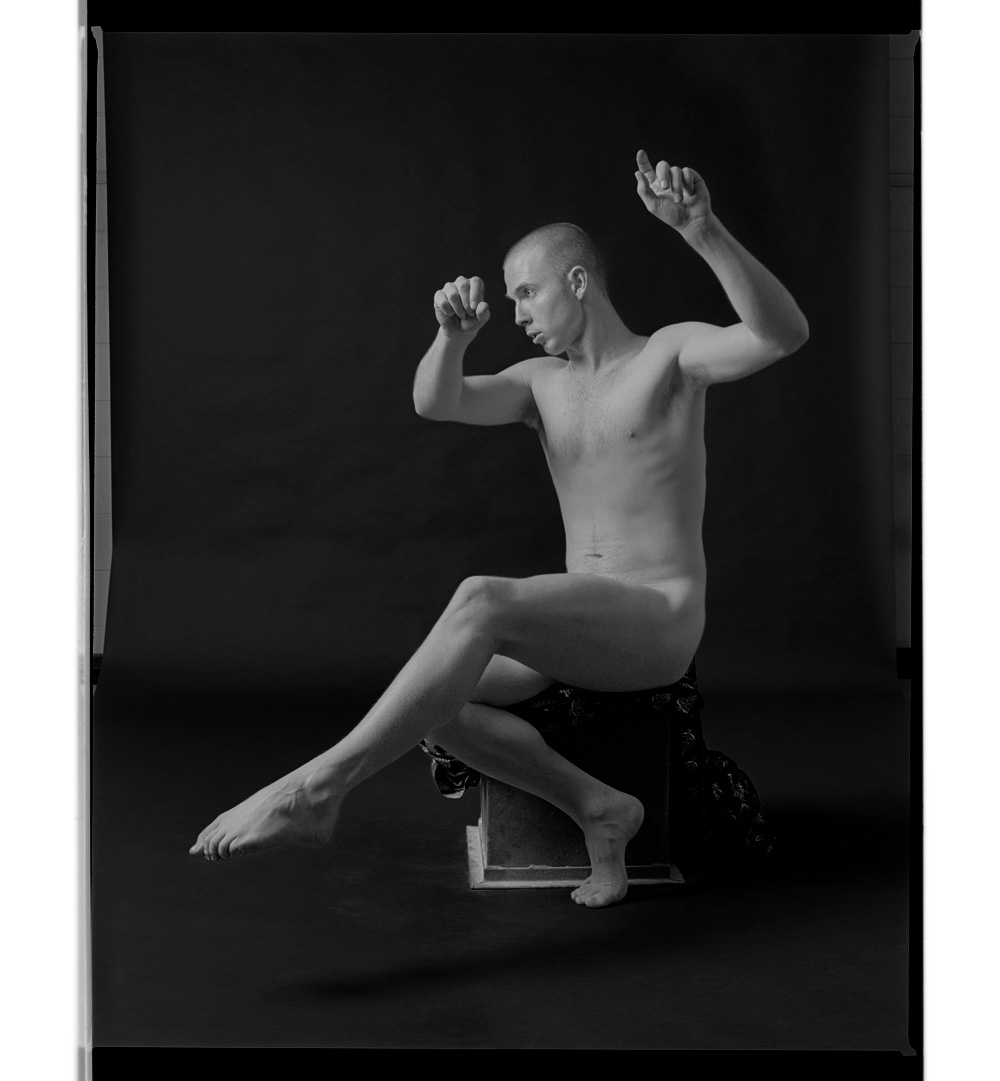


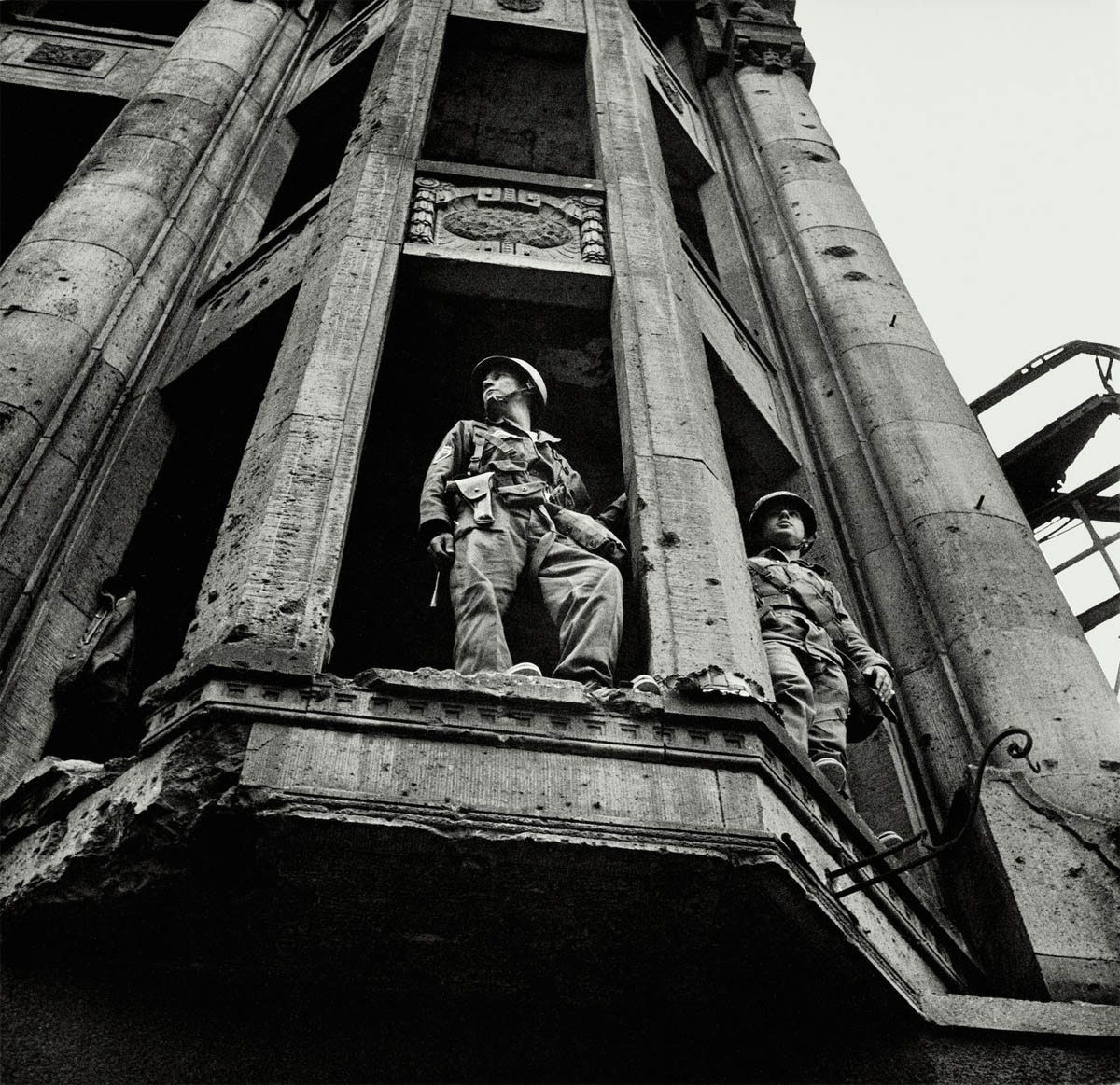


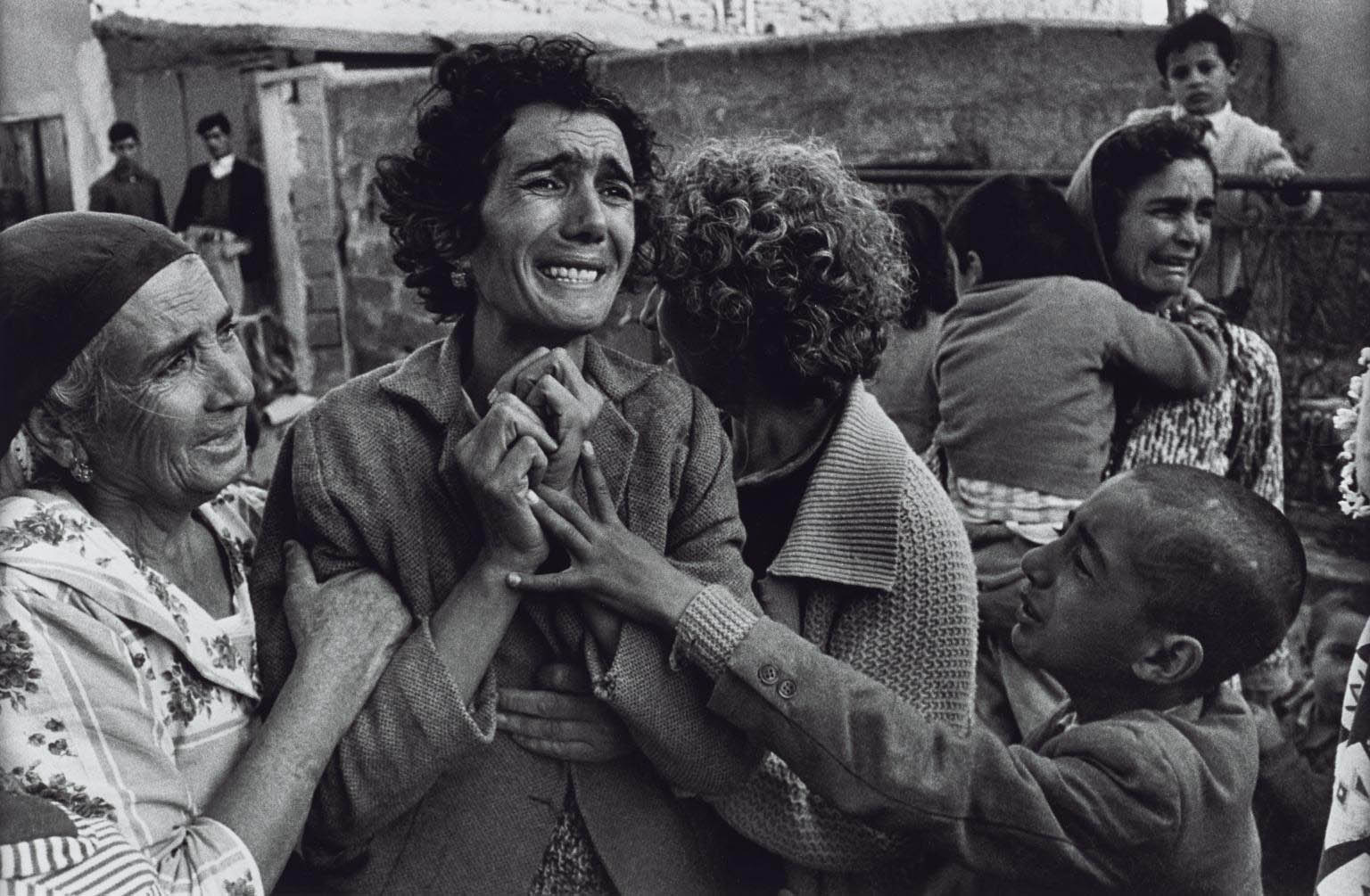
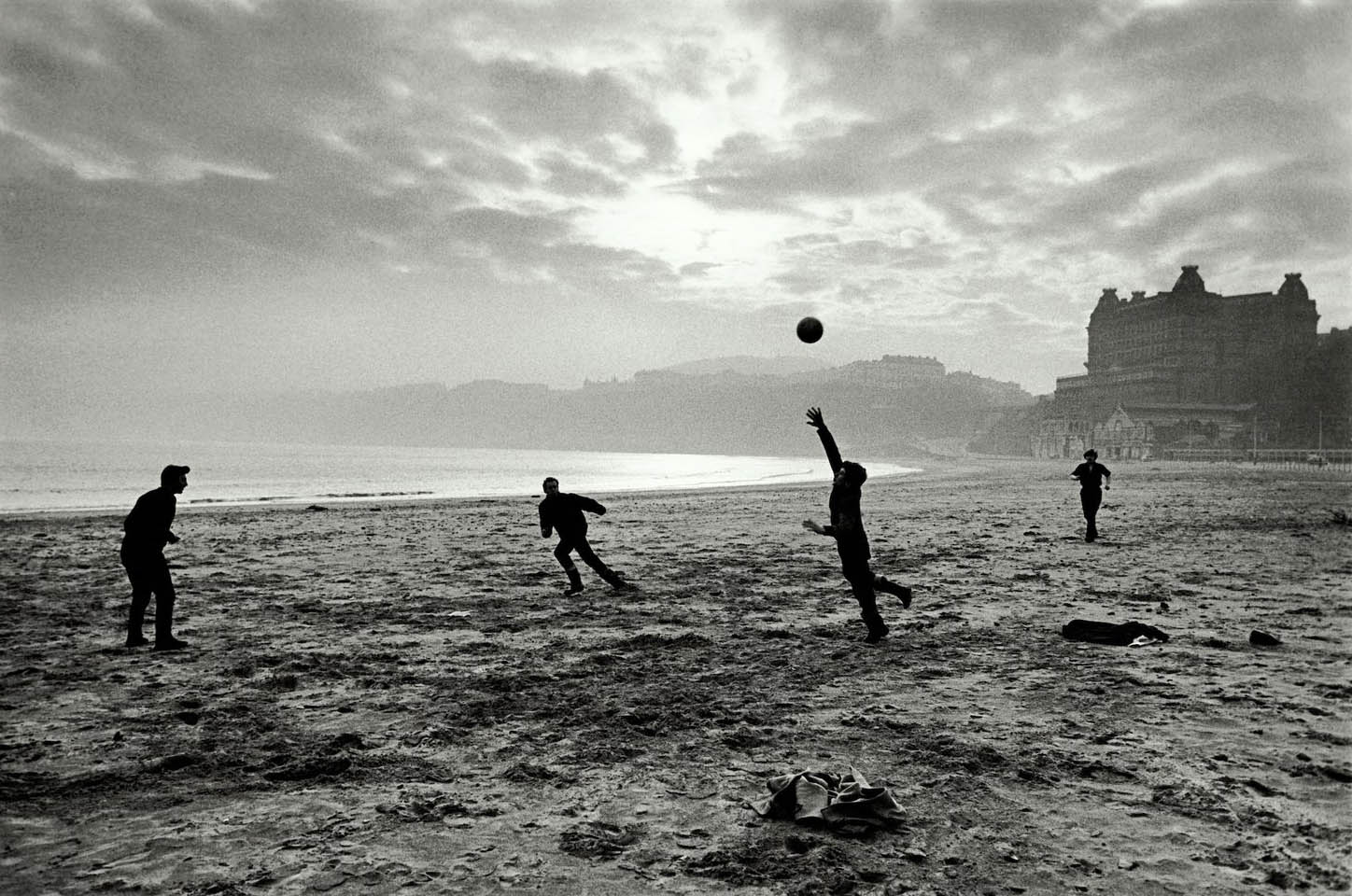

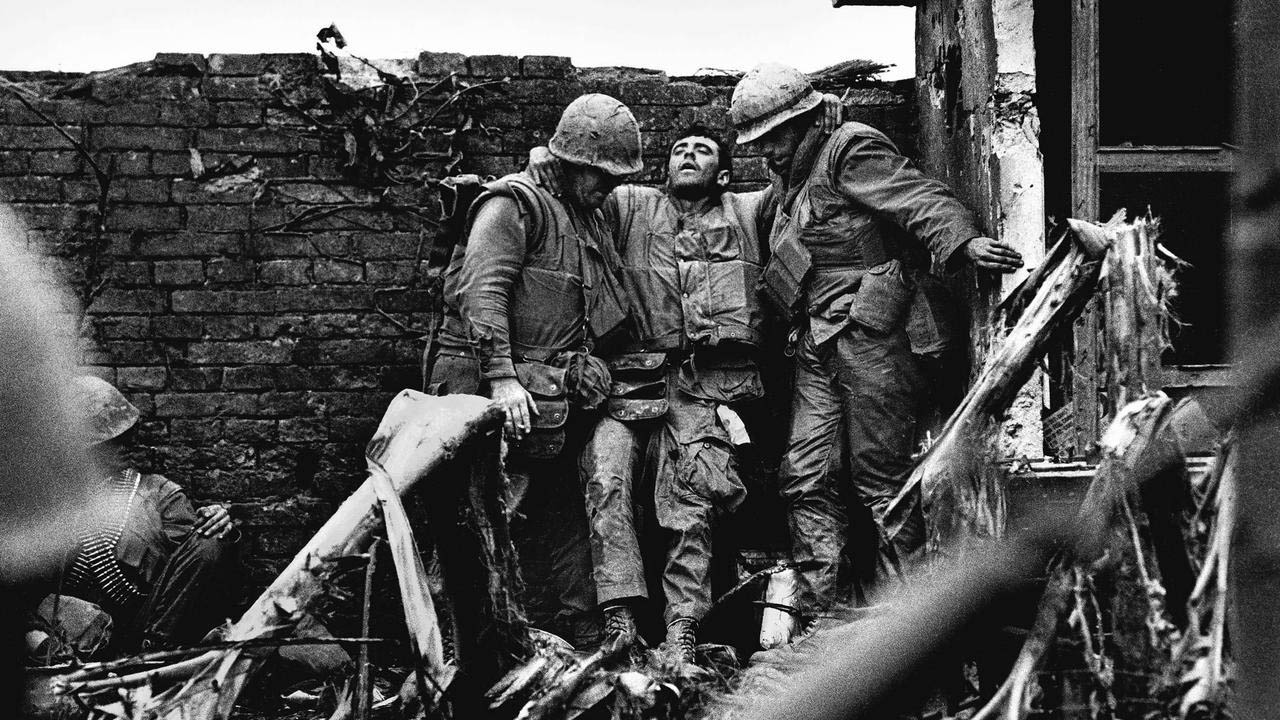
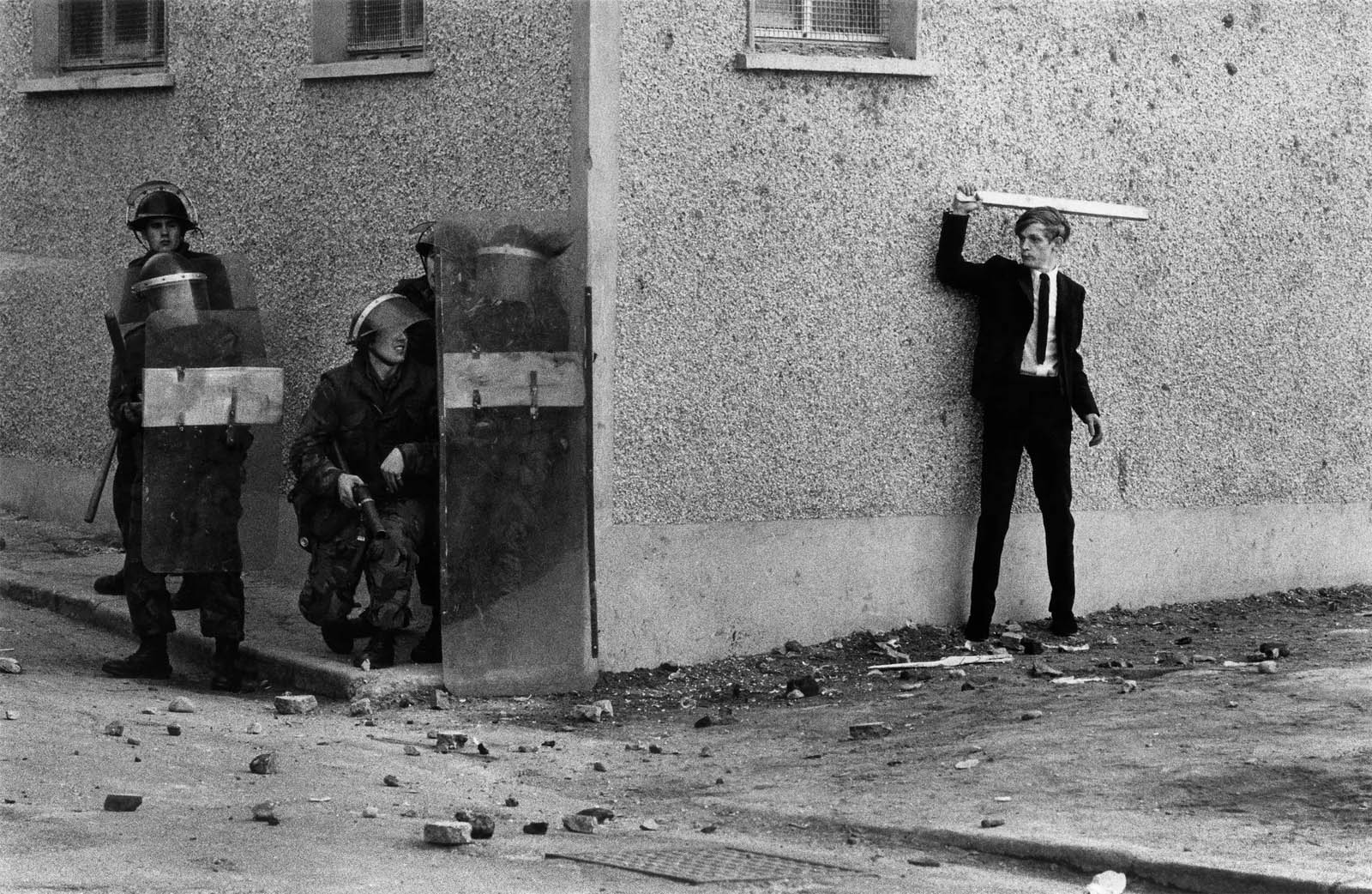
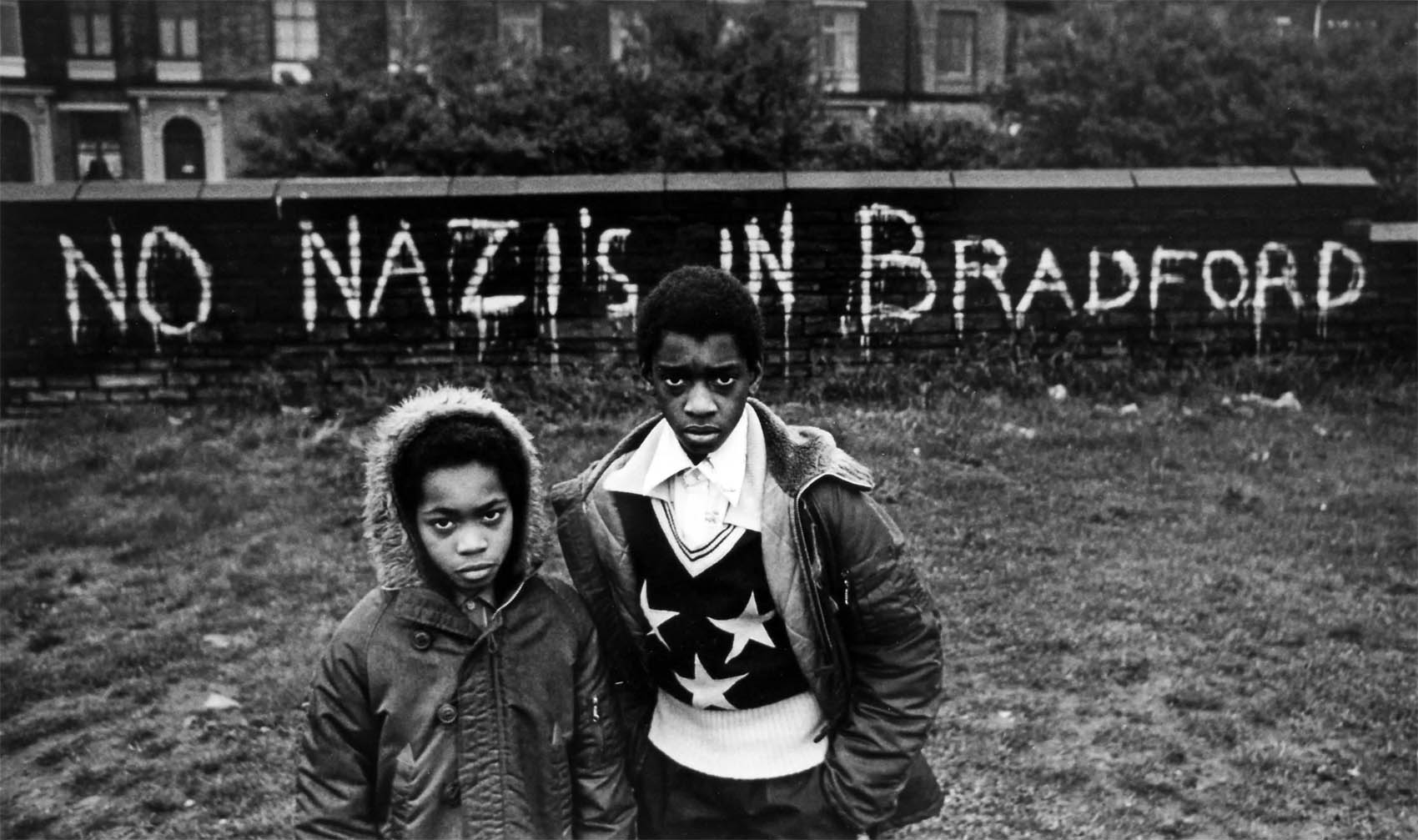


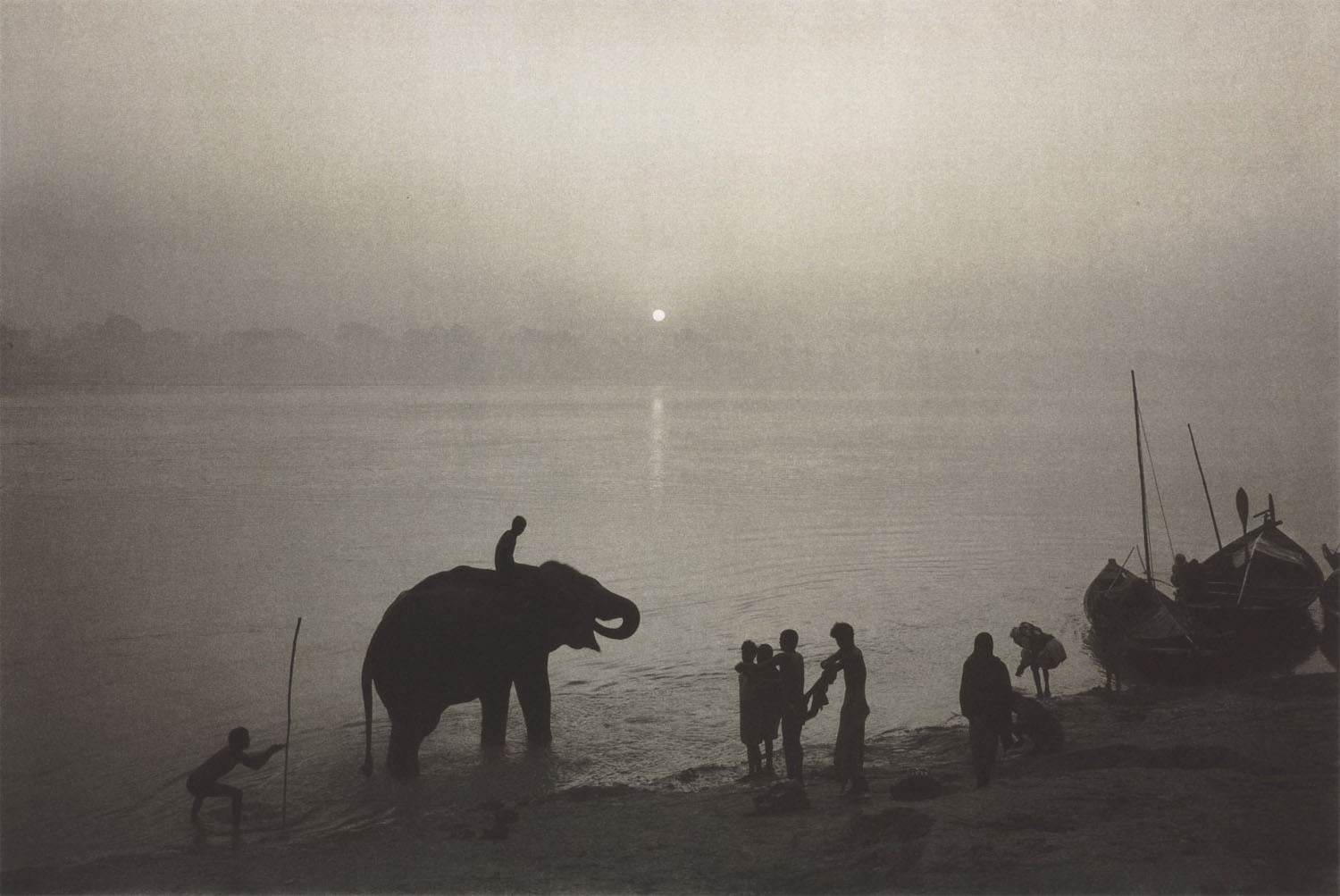

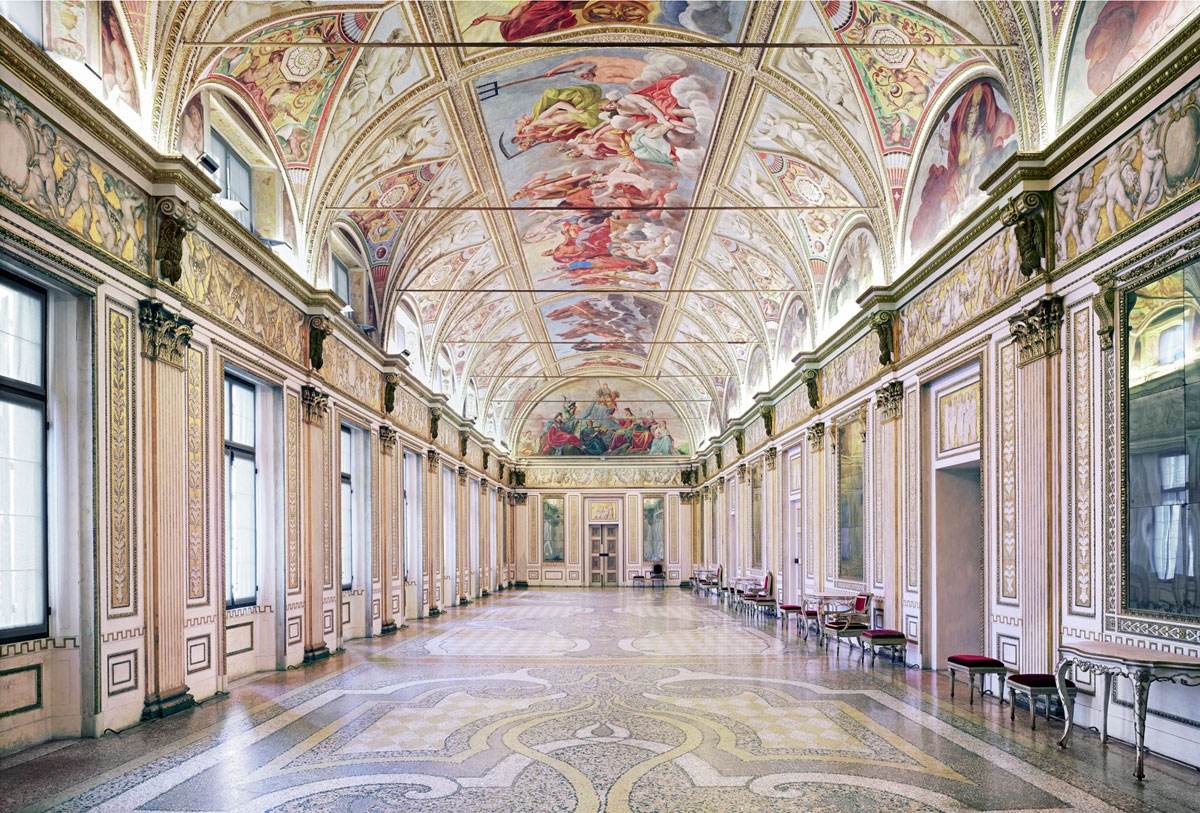
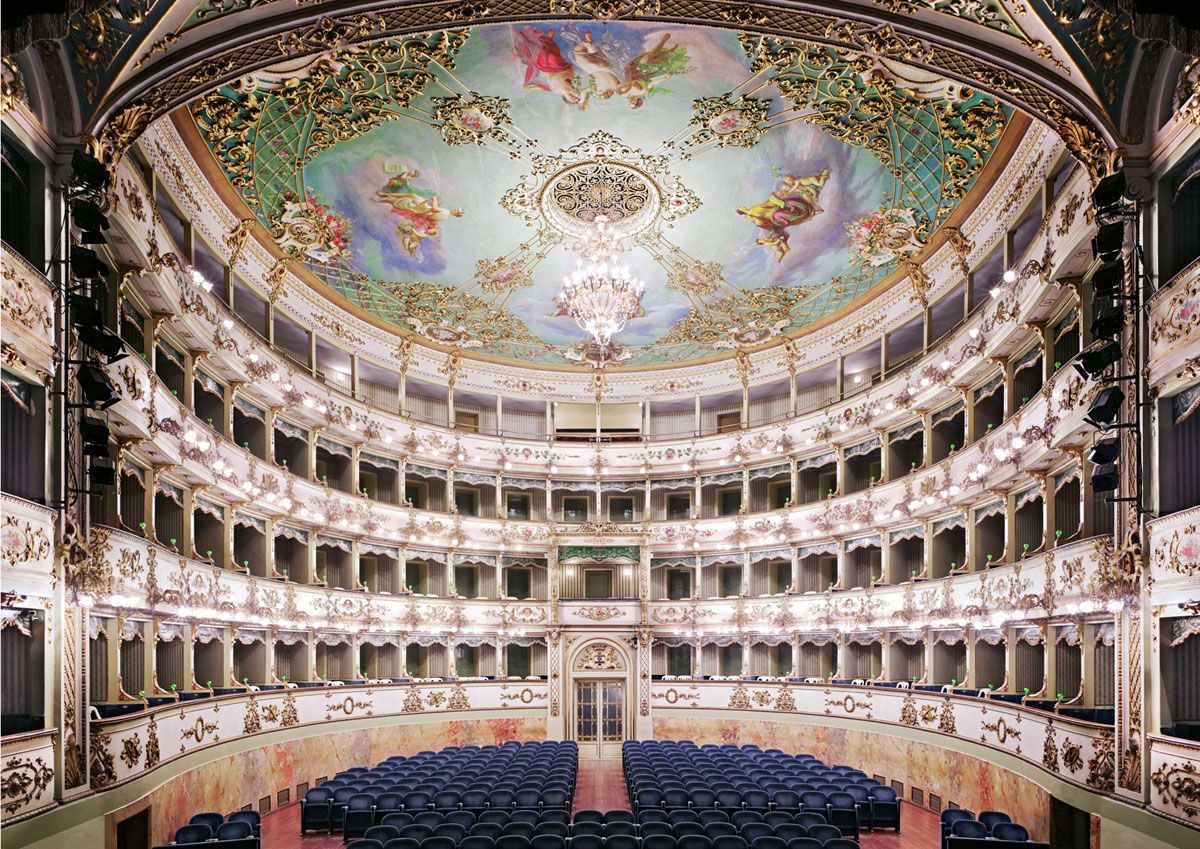
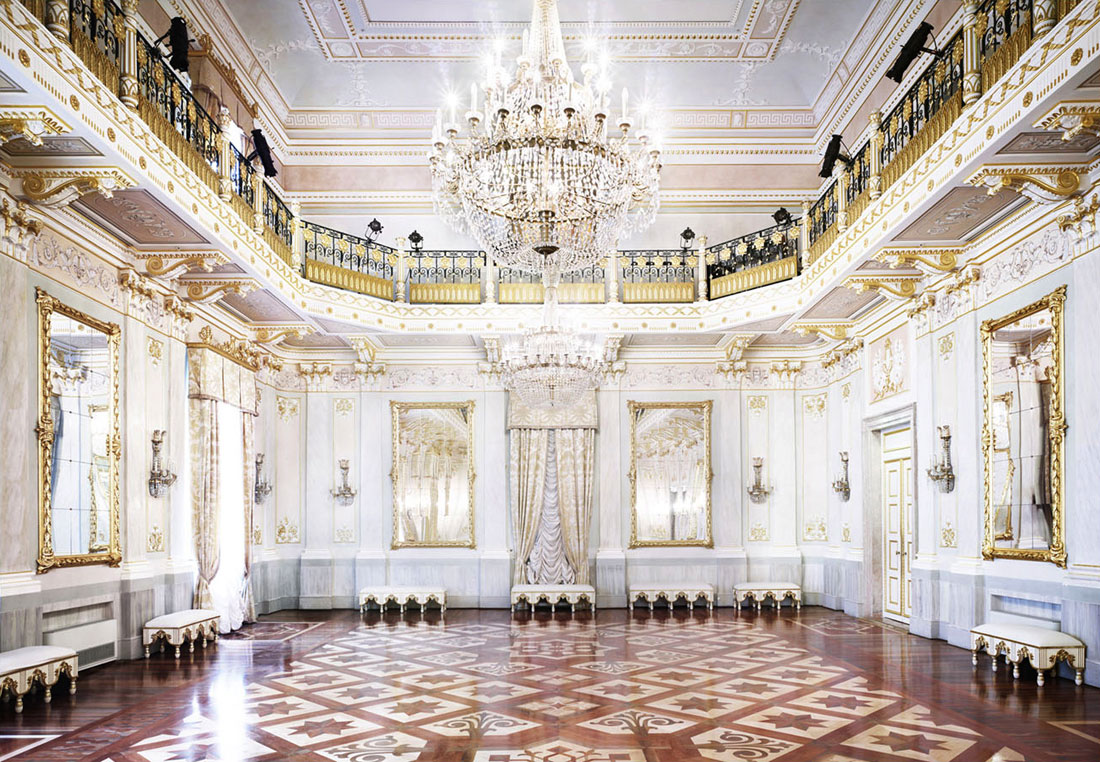

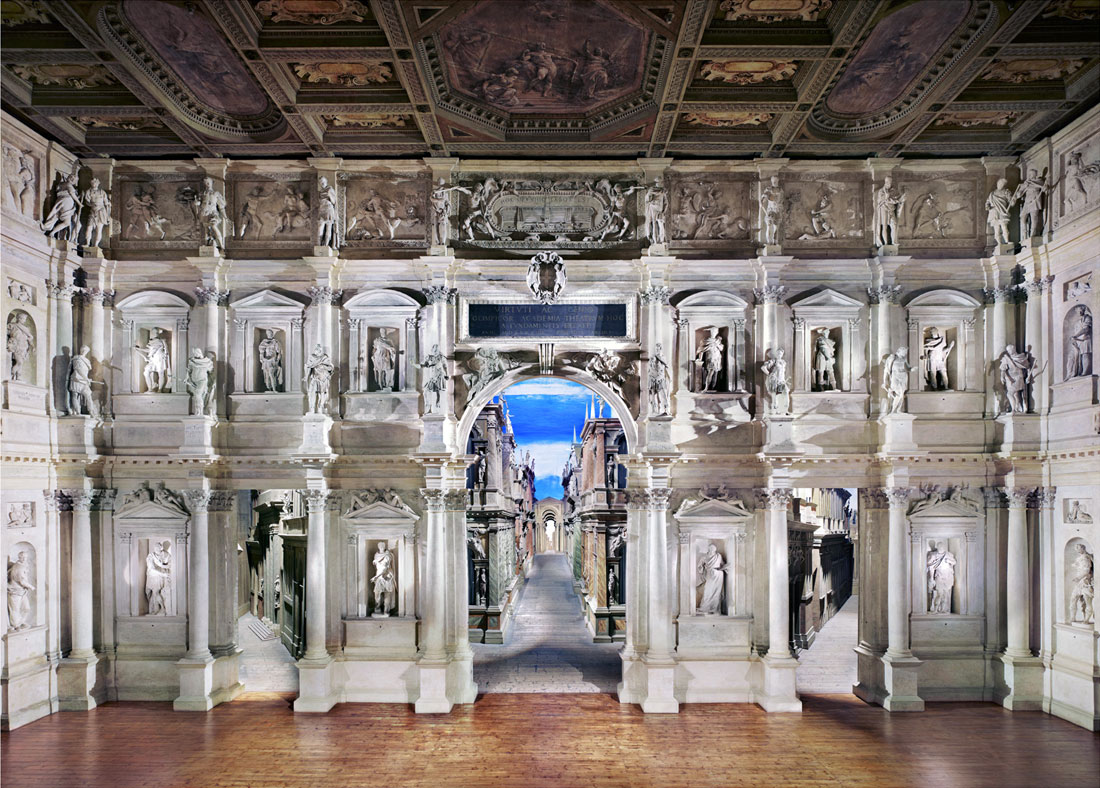


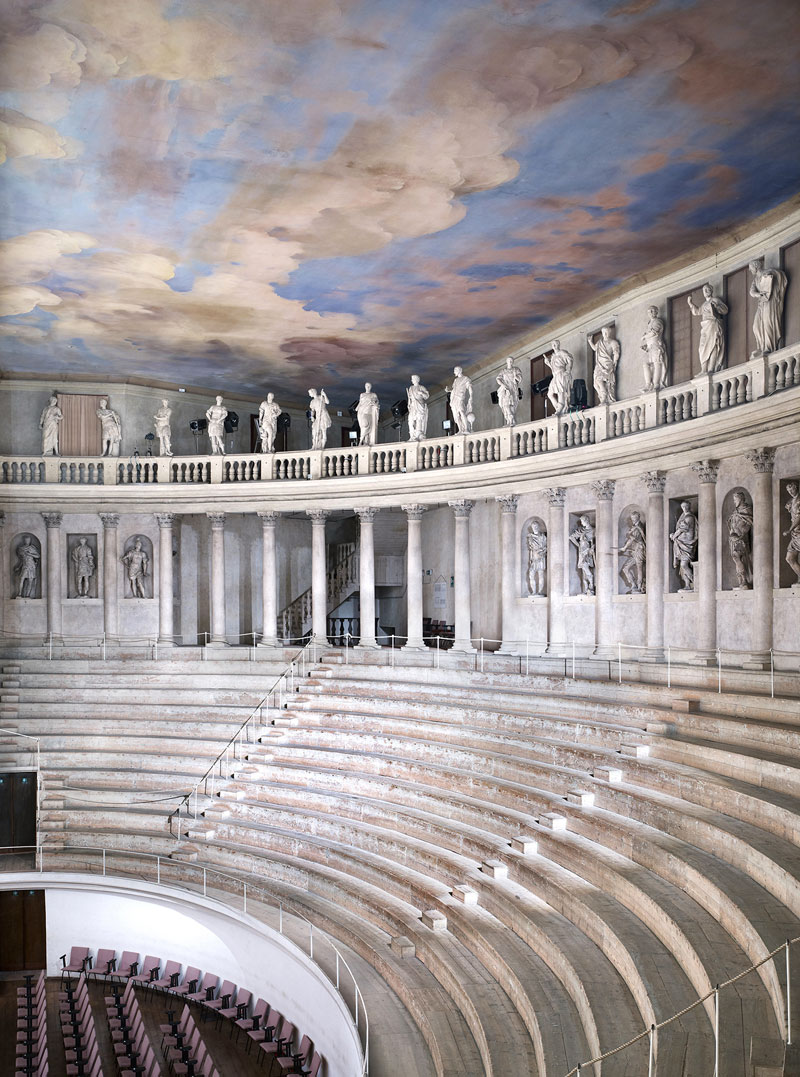


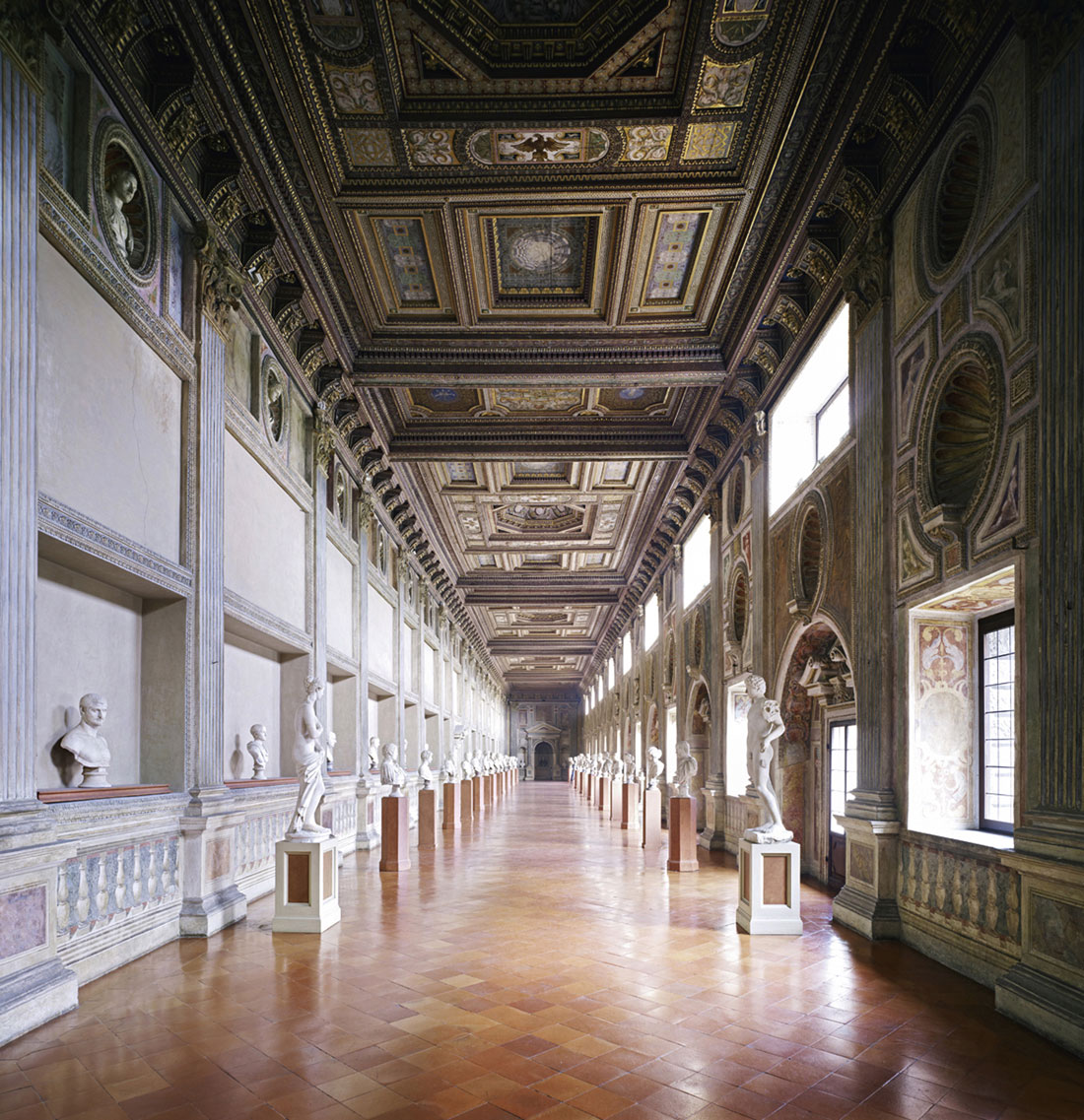


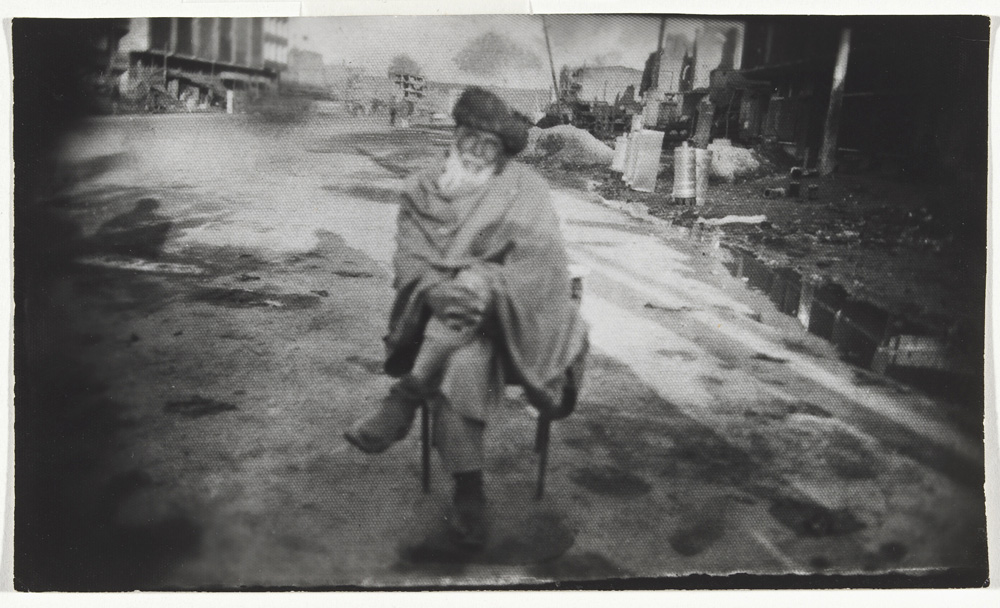








 Art Blart _ art and cultural memory archive
You must be logged in to post a comment.