Josephine Kuperholz presents a beautifully engineered set of photographs in her exhibition Blight at Gallery 101, Melbourne. Featuring hand coloured silver gelatin photographs of endangered Australian insects sourced from the Entomology collection of the Victoria Museum, Kuperholz literally weaves multiple narratives into the photographs. The execution (an apt word for the circumstances of extinction facing these insects) of these images is fastidious, the weaving superlative, almost clinical.
The layering of the photographs disrupts their surface tension. There is a disjunction between the dead specimen and the singular photograph of it, a disruption of the smooth surface of the photograph by the hand colouring and a further fragmentation of the original photograph by cutting and weaving. Through these processes the photographs become intertextual in their construction, assemblages, creating new tissues of past citations: animal, colour, silver, artist, text, photograph, environment. At their best the work subverts the concept of the text as self-sufficient and hermetically sealed, blurring the outlines of the fixed image, “dispersing its image of totality into an unbounded, illimitable tissue of connections and associations, paraphrases and fragments, texts and con-texts.”1
Kuperholz’s mutations, ‘differance’ in Derrida’s terminology, produce spaces that are both fluid and fixed at one and the same time; neither her nor there.Though the original specimens and photographs are already narrativised, already textualised, Kuperholz disrupts this marking, the continual reiteration of norms, by weaving a lack of fixity into her objects; in her reconceptualisations of space and matter Kuperholz redefines the significations of the body of the animal in the fold of inscription, through a process of materialisation. Kuperholz attempts to ground these re-inscriptions through the naming of these disrupted surfaces, equating the images back to the scientific labels for the original specimen, Trapezites eliena for example (see below), and through the box frames surrounding the work that are much like museum cases. Unfortunately I found the constant reference to the habitat of the insect, it’s Latin name inscribed in pencil under the images and the use of plain brown box frames somewhat irritating. These tropes are not necessary for the work is strong enough to stand on it’s own without having to tell the viewer what to think.
The singular beetles (as seen above) are beautiful images and the multiple images where the weaving intermingles, the self decentred and multiple, fluttering and vibrating like the strobing of a time lapse photograph caught in three-dimensional space, are fantastic. Other photographs are less successful: the reflected beetles are a little passe, while the grid photographs of insects lack presence and intensity (see bottom installation photograph below). Where the concept works it is pushed hard, the fragmentation and interweaving causes an anxiety of identity and a meditation on the problematic nature of existence, revealing the changing sizes, shapes and rhythms of space and structure.
Perhaps a loosening of the rigid structure surrounding the works (the text, the frame, the incantations) would have let the photographs ascend into the ether, further releasing the work from the constraints of author, text and earth. It will be interesting to see future developments of this work. Perhaps the incorporation of gentle, subtle physical elements into the photographs (through the sowing of patterns, through the sowing of objects directly onto the photograph?), will elevate these already beautiful photographs to an-other plane of existence.
Dr Marcus Bunyan
Many thankx to Gallery 101 for allowing me to publish the photographs in the posting. Please click on the photographs for a larger version of the image.
Josephine Kuperholz (Australian) Trapezites eliena 2008 Common name – Eliena Skipper Woven hand coloured silver gelatin photographic image
Josephine Kuperholz (Australian) Dryococelus australis 2008 Common name – Lord Howe Island Phasmid Woven hand coloured silver gelatin photographic image
Josephine Kuperholz Blight exhibition, Gallery 101 website text
Josephine Kuperholz Blight exhibition installation views at Gallery 101, Melbourne Photos: Marcus Bunyan
Artists: Bindi Cole, Tamara Dean, Lee Grant, June Indrefjord, Bronek Kozka, Ka-Yin Kwok, Tracey Moffatt, Fiona Morris, Aaron Seeto, Martin Smith and Toni Wilkinson
Many thankx to the ACP for allowing me to publish the photographs in the posting. Please click on some of the photographs for a larger version of the image.
June Indrefjord Piano 2005 From the series Landaas
Aaron Seeto (Australian) Oblivion 2006 From the series Oblivion Daguerreotype
Aaron Seeto makes alternate historical positions and experiences visible through an exploration of archives, family photo albums and photographic records. In recent bodies of work Fortress and Oblivion, Seeto has utilised the daguerreotype, one of the earliest and most primitive photographic techniques, to highlight the malleability of narratives within archive records. Not only is the chemical process itself highly toxic and temperamental but the daguerreotype’s mirrored surface means the image appears as both positive and negative, depending on the angle of view. For Seeto, this mutability captures the essence of our experience of history and memory, reflecting how images degrade, how stories are formed and privileged, how knowledge and history are written. …
For his ongoing series Oblivion Seeto sourced details from images of the Cronulla riots – beachside riots around race and territory – of 2005 found on the internet. In reproducing these as daguerrotypes he seeks less to represent the incident than to look at how it was reported, understood and remembered. The instability of the virtual information found online is echoed in the photographic process.
Text from the Stills Gallery website [Online] Cited 14/02/2019
Tracey Moffatt (Australian, b. 1960) Useless 1974 1994 From the series Scarred for Life
Useless, 1974 is a photo-lithograph by the Australian artist Tracey Moffatt. The work shows a girl stooping down to wash a car, with one hand wiping a headlight with a sponge and the other resting on the bonnet. She looks towards the camera rather than at the car, her face bearing a serious and potentially hurt or angry expression. The caption accompanying the photograph explains that ‘Her father’s nickname for her was “useless”‘. Despite this, it seems that in this picture she is being put to use, and perhaps the car she washes is her father’s. The caption, her expression and the direction of her gaze may suggest that the viewer occupies the position of the girl’s father looking down on and supervising his daughter while she carries out her chore. …
The work’s title is a reference to the cruel nickname given to the girl in the photograph, and the date in the title, 1974, suggests the year according to which the photograph has been styled by Moffatt, who employs actors and constructed scenes to create her photographs. Curator Filippo Maggia has compared Moffatt’s photographic method to that of a film director, stating that she ‘often does not take the photographs herself but directs a sort of bona fide movie set that she organises and controls after having pictured it in her mind again and again, meticulously decomposing and recomposing it’ (Maggia 2006, p.12). As the artist has stated, ‘I often use technicians when I make my pictures. I more or less direct them. I stand back and call the shots.’ (Quoted in Maggia 2006, p.12.)
Moffatt’s photographic series often deal with themes such as race, gender and the politics of identity. Drawing on memories from the artist’s childhood, the Scarred for Life series mimics photo spreads from the American magazine Life, with their explanatory captions and focus on the family environment. The captions’ terse descriptions hint at the traumatic stories behind the images. Moffatt has commented: ‘a person can make a passing comment to you when you are young and this can change you forever. You can be “scarred for life” but it isn’t necessarily a bad thing. The photographs can be read as both tragic and comic – there is a thin line between both.’ (Quoted in display caption, Tracey Moffatt, Birth Certificate 1994, Tate P78101, accessed 28 August 2015.) Furthermore, Maggia has argued that the Scarred for Life series ‘gives us life as it is, the harshness and aridity of human relations, adolescence with its fears of not being accepted’ (Maggia 2006, p.13).
Louise Hughes August 2015
Filippo Maggia, Tracey Moffatt: Between Dreams and Reality, exhibition catalogue, Spazio Oberdan, Milan 2006, p. 13, reproduced p. 117.
Extract from Louise Hughes. “Useless, 1974,” on the Tate website [Online] Cited 14/02/2019
Lee Grant (Korean-Australian, b. 1973) The Day Meg Wore a Dress from the series Brothers and Sisters 2007
“You can choose your friends, but you can’t choose your family.”
From the tight nuclear unit to the multi-generational extended family, from refuges for the homeless to middle class suburbia, Inheritance examines the way our families shape the person we become; for better or for worse.
Taking Tracey Moffatt’s acclaimed series Scarred for Life as a starting point, the exhibition includes the work of eleven Australian artists who explore the modern family through a range of photographic disciplines, including documentary, portraiture and video. Sometimes serious and sometimes satirical, Inheritance is a family album that celebrates the skeletons and the psychodramas alongside the newborns and the nuptials.
Text from the Australian Centre for Photography website [Online] Cited 20/05/2009. No longer available online
Lee Grant (Australian, b. 1973) Nathan & Mac, BMX bros 2009 Archival pigment print 60 x 60cm Edition of 8 + 2 AP
Bindi Cole Chocka (Australian / Wathaurung, b. 1975) Wathaurung Mob 2008 From the series Not really Aboriginal Pigment print on rag paper 1035 x 1235cm
Our Past Is Our Strength – Culture and Identity
I’ve always been told that l was Aboriginal. I never questioned it because of the colour of my skin or where I lived. My Nan, one of the Stolen Generation, was staunchly proud and strong. She made me feel the same way. My traditional land takes in Ballarat, Geelong and Werribee and extends west past Cressy to Derrinallum. I’m from Victoria and I’ve always known this. All the descendants of traditional Victorian Aboriginal people are now of mixed heritage. I’m not black. I’m not from a remote community. Does that mean I’m not really Aboriginal? Or do Aboriginal people come in all shapes, sizes and colours and live in all areas of Australia, remote and urban?
Bindi Cole Chocka, Wathaurung text from the Culture Victoria website [Online] Cited 14/02/2019
Wathaurung Mob is a group portrait depicting members of Cole’s family sitting in their lounge room, their faces blackened with minstrel paint, and wearing red headbands traditionally worn by indigenous elders. The controversial practice of “blackfacing” refers to the populist minstrel shows of the 19th and 20th centuries in which a white actor put on blackface, then performed a racist caricature.
As we stand before the work, Alessi says he finds it confronting and uncomfortable. “Wathaurung Mob is quite powerful because what stands out are the eyes of each sitter; they look directly at the viewer, so you can’t help but feel challenged by that,” he says.
“There is also something quite uncomfortable about the work because, in some ways, you are being implicated in Andrew Bolt’s view, as white Australians having to own up to the broader history of the relationship between white and indigenous Australia.
“And more broadly it is about coming to grips with what is still a major issue in Australia around reconciliation and the way that we treat indigenous people. In one single frame this photograph captures 200 years of history, and I think it is an area that people like Bindi Cole are really courageous to navigate through because they have been open to criticism by people like Andrew Bolt, which is completely unfounded.”
Extract from Bronwyn Watson. “Facing up to the stereotypes,” on The Australian website November 16, 2013 [Online] Cited 14/02/2019
Fiona Morris (Australian) Sean and Jade, Wesley Mission 2006
Sean with his daughter Jade outside their tempoary accomodation provided by Wesley Mission. They can only stay their for a maximum of two months. Leah and Sean became homeless with their children after increasing rent rises in Sydney and the cost of living.
Tamara Dean (Australian, b. 1976) Alex and Maeve 2006
An exhibition of the work of the renowned photographer Thomas Ruff that concentrates on his new Cassini and Zycles series. His clinical photographs with their catatonic rigidity promote stupor in the viewer. The viewer becomes complicit in a platonic relationship (of forms) with the non-reality presented by the camera, directed by Ruff’s ironic, surgical gaze. Ruff corrupts and disturbs traditional binaries of presence / absence, truth / reality, surfaces / depths to challenge the very basis of seeing, the very basis of photography’s link to indexicality and presence in a contemporary digital world, something that William Eggleston seems to have lost the art of doing (please see the previous post).
As Maurice Blanchot has observed,
“The image has nothing to do with signification, meaning, as implied by the existence of the world, the effort of truth, the law and the brightness of the day. Not only is the image of an object not the meaning of that object and of no help in comprehending it, but it tends to withdraw it from its meaning by maintaining it in the immobility of a resemblance that it has nothing to resemble.”1
There is no single truth; there are only competing narratives and interpretations of a world that cannot be wholly, accurately described.2 In the splitting apart of image and meaning there is a crisis in control: it becomes illusory and is marked by doubt.
In Ruff’s photographs the relationship between image and context, between cause and effect becomes further layered until the very act of seeing is no longer framed or presupposed through relations of distance or perspective.3 Ruff’s photographs become a struggle of and for positionality in the physical, mental and emotional conflicts evidenced in the viewer as we look, askance? with a paradoxical intent? at these unemotional images.
Dr Marcus Bunyan
1/ Blanchot, Maurice. The Gaze of Orpheus. New York: Barrytown, 1981, p. 85
2/ Townsend, Chris. Vile Bodies: Photography and the Crisis of Looking. Munich: Prestel, 1998, p. 10
3/ Burnett, Ron. Cultures of Vision: Images, Media, & the Imaginary. Bloomington: Indiana University Press, 1995, pp. 137-138
Many thankx to Kunsthalle Wien for allowing me to publish the photographs in the posting. Please click on the photographs for a larger version of the image.
Yet Ruff has always treated the medium of photography with skepticism: for him, the photographic surface is a thin foil which tricks the viewer with its illusion of extreme realism and at the same time reveals the fundamental impossibility of experiencing the world in our digital age. Ruff’s images seem emphatically to deny photography’s main attribute – that is, the offer of a reliable record of reality. Instead, through his mute images devoid of all emotion, Ruff presents us with a contemporary subjectivity defined by amnesia.
Text from the Castello di Rivoli website [Online] Cited 24/05/2009. No longer available online
During the late 1980s Ruff photographed his fellow students at the Düsseldorf Academy of Art, combining the typological mode of his teacher Bernd Becher with the serial progressions and primary structures of Minimalism. The large scale and technical perfection of Ruff’s portraits refer to both the museum and the street – to billboards and heroic painting – while elevating the anonymous sitter to the stature and visibility of a public figure. Instead of presuming to depict the transcendent, individual essence of the sitter, however, Ruff’s portraits deliberately assume the neutrality of the mug shot, physiognomic study, and identity card, and, by extension, the entire brightly lit world of surveillance in which his subjects were raised. The age and milieu of his sitters are crucial to the pictures’ meaning: these young media-savvy people are not threatened by the camera eye but adjust themselves comfortably yet firmly to its probing vision. The results are both seductive and subtly disquieting, like studying a human specimen whose every pore and hair is available for careful study, yet whose thoughts and feelings are always just out of reach.
“The reality in front of the camera is reality of the first degree, the representation of the reality in front of the camera is reality of the second degree, and then come any number of possible gradations and distortions.”
“The difference between my predecessors and me is that they believed to have captured reality and I believe to have created a picture. We all lost, bit by bit, the belief in this so-called objective capturing of real reality.”
Thomas Ruff
“To try to see more and better is not a matter of whim or curiosity or self-indulgence. To see or to perish is the very condition laid upon everything that makes up the universe, by reason of the mysterious gift of existence.”
Teilhard de Chardin, “Seeing” 1947
The work of Thomas Ruff, who numbers among today’s most important photographers, focuses our attention on such diverse everyday subjects as people, architecture, the universe, and the Internet. With its extensive solo presentation with a total of about 150 exhibits from 11 groups of works, Kunsthalle Wien offers a first comprehensive survey of the artist’s manifold oeuvre in Austria.
Thomas Ruff studied at the Dusseldorf Academy of Arts, graduating as a student of Bernd and Hilla Becher besides Andreas Gursky, Candida Höfer, Axel Hütte, and Thomas Struth, all of them celebrating an international career these days. The photographer strikes us as a sharp and concentrated observer of his motifs. To him, objectivity is nothing neutral though, but has to be redefined with each new photograph. The series of large-scale portraits which Ruff started working on in 1986 and for which he became known internationally, for example, fascinates us because of the determined detachment with which he captured his models that were mostly acquainted with him. This approach makes for a hyper-precise, chirurgic gaze reproducing everything down to the last detail as equivalent. It also demonstrates the degree of the artist’s interest in the history of photography, how critically he considers its subject, and the skeptical attitude he sometimes adopts toward the medium.
From his stereoscopic views of the urban development myth of Brasilia and his apparently anti-essayistic architectural photographs of buildings by Herzog & de Meuron, which are based on instructions, to his digital processing of images of the planet Saturn available free of charge on the NASA website, the artist explores the concepts of the exemplary, of objectivity, of reality, and of zeitgeist. Based on half of his about twenty thematic groups of works created so far, the exhibition examines the concept pair surface / depth, which seems to be quite simple at first sight, but reveals itself as strongly discursive on closer inspection, and focuses the attention on formal aspects one comes upon again and again in his entire oeuvre.
Right in time for the International Year of Astronomy 2009, Thomas Ruff presents works from his most recent series Cassini – subtly manipulated pictures of Saturn and its moons taken by the Cassini spacecraft. It was the Italian astronomer Galileo Galilei who opened a window to the skies with his telescope 400 years ago. He thus revolutionised man’s image of himself in regard to the universe, but also his understanding of and his way of dealing with the concepts of nearness and distance, surface and depth.
Thomas Ruff. Surfaces, Depths conveys what these concepts, translated into pictures, do to the viewer on a phenomenological level and how they challenge him. The curves of Ruff’s zycles, distorted into the three-dimensional sphere, unfold the sensory experience of roaming virtual depths only reserved to the human eye. Yet, gazing at the represented motifs also elucidates the artist’s contextual objective of providing a critical comment on the various possibilities of the photographic apparatus to depict and manipulate reality.
Press release from the Kunsthalle Wien website [Online] Cited 24/05/2009. No longer available online
Thomas Ruff numbers among today’s most important photographers, his oeuvre encompassing such diverse subject areas as people, architecture, the universe, and the Internet. With its extensive solo exhibition presenting a total of about 150 works, the Kunsthalle Wien offers the first comprehensive survey of the artist’s manifold production in Austria.
Thomas Ruff strikes us as a sharp and concentrated observer rendering his motifs with a hyper-precise, chirurgic gaze. To him, the objective representation of reality is no neutral process, but something questioned with each new photograph. Running through the exhibition like a thread is the apparent pair of opposites of surface and depth and its highly variable manifestations. Next to his series of large-format portraits from the 1980s, for which Ruff received international acclaim, and his architectural photographs of buildings by Herzog & de Meuron, which are based on instructions, the show focuses on his most recent cassini and zycles series. Digitally processing images of the planet Saturn and its moons from the NASA website, the artist explores the notions of the exemplary, of reality, and of zeitgeist. Also depicting the pair of concepts surfaces/depths, the seemingly three-dimensional curves of Ruff’s zycles unfold the sensory experience of roaming virtual depths reserved to the human eye alone.
Thomas Ruff first became known through his portraits of houses and factory buildings, as well as the night sky, portrayed in a natural and objective manner. Ruff photographed the buildings either in strict frontality or at right angles to one another, always paying attention to regular sharpness and neutral lighting, and from the same standpoint. With his controversially discussed nudes of erotic, sometimes pornographic scenes from the Internet, which he projected onto unsharp large formats, he expanded the borders of photography in 1999. Since then, his Internet blow-ups with clearly emphasised pixel structures have been regarded as his ‘trademark’. Thomas Ruff started concerning himself with the medium of the image at the very beginning of his artistic career. In addition to self-produced analogue and digital photographs, he worked from the basis of existing pictures. He liked working with unspectacular, historically typical motifs and elaborated the images on the computer, whereby he was particularly interested in the technical side of photography. Often, a new group of works would start with the choice of a specific technique, for example, the night sky pictures from 1992 to 1995 which were made with the help of a camera and a night vision enhancer. Since the night vision enhancer is a visual instrument developed for the Gulf War, this series is a subliminal play on the medial dimension created by this war.
After digitally creating the Substrat series of 2002 abstract, psychedelic colour images from Manga comics, he began his latest zycles series, in which he worked with far more complexly abstract dimensions. These consisted of large-format inkjet prints on canvas that already created a furore at this year’s Art Unlimited in Basel. It is hard to believe that these compositions, which consisted of curved lines and were spread all over the image, originated in mathematics, or more precisely, in antiquated 19th century books on electro-magnetism that portrayed magnetic fields on copperplates. Thomas Ruff was particularly interested in translating these drawings into three-dimensional space. For this he used a 3D computer programme that translated mathematic formulas into complex, three-dimensional linear structures. Ruff recorded different detailed views from these virtually produced linear structures. The weave of lines developed in front of an open space of unspecified depth, sometimes filigree, sometimes accentuated. Their dynamics are reminiscent of the lines of magnetic fields, but also of informal line drawings. Either way, they invite the viewers to play with their own perceptions.
Text by Dominique von Burg; translation: Maureen Oberli-Turner from the Mai 36 Galerie website [Online] Cited 24/05/2009. No longer available online
Thomas Ruff (German, b. 1958) Jpeg icbm05 2007 Chromogenic print
Kramer has argued that appropriating images helps Ruff draw attention to the materiality of pictures, writing in his introduction to his book that doing so accentuates “the conceptual knowledge gain, since it is not the ‘artistic’ picture, but the structures and characteristics of the medium itself that come into focus.” Ruff, for his part, says appropriating images allows him to investigate contemporary photographic practice, in an era where images are more numerous, and more easily shared, than ever before. He started his nudes in 1999, for example, just as the internet was coming into more widespread usage, bringing online pornography into the mainstream.
“What I always want to do is comment on the state of where photography is right now,” he says. “So if the structure of photography changes from grain to pixel, yes I will make a research on the structure of the image. But if you have the pixel as the smallest element the construction of a picture, you also have [the fact that] if you compress the image you can send it easily out into the world via email. So we have the distribution too. We not only have the structure of the image, there are several issues to pull out. That’s one of the things I want to make obvious or visible.”
Diane Smyth. “From the BJP Archive: Thomas Ruff,” originally published April 2012 on the British Journal of Photography website 27th September, 2017 [Online] Cited 14/07/2025
Thomas Ruff (German, b. 1958) Jpeg rl104 2007 Chromogenic print
Perhaps it’s just me, but I seem to have become a little jaded towards the recent photographs of William Eggleston.
Other than the green reflection of lights in rainwater (above) the photographs seem to have lost their unique voice, the social insight that gave his earlier work it’s zing – provocative images that challenged how we live through a meditation on subject matter, construction of space, and tone of “colour”. How the colour that surrounds us inflects our very being.
In these photographs it feels like there has been little development in his style over the years with a consequent lessening of their visual impact. Now Eggleston’s colour just feels like a party trick, performed by rote with little consequential meaning to either the colour or the image. Perhaps the way we look at the world (and how we picture it) has finally overtaken the director’s prescient creative vision – his auteurship, his authorship.
Dr Marcus Bunyan
Many thankx to the Fondation Cartier for allowing me to publish the photographs in the posting.
“In Eggleston’s best work, the work that made him famous, color is intrinsic to the meaning of the photograph. Its not simply a garnish to draw the eye. His best photographs are not ‘about’ the color; they are about larger issues that the color is used in the service of. This is whats missing in his Paris pictures. The color here is pure ornament, eye candy to seduce you into forgetting that the picture has nothing to say.”
Anonymous. “William Eggleston Mails It In From Paris,” on the Leicaphilia website April 21, 2014 [Online] Cited 06/02/2019
For the last three years, American photographer William Eggleston has photographed the city of Paris as part of a commission for the Fondation Cartier pour l’art contemporain. Taken throughout different seasons, these new images by one of the fathers of colour photography portray the local and the cosmopolitan, the glamorous and the gritty, the everyday and the extraordinary.
This exhibition also provides an exceptional occasion to bring together William Eggleston’s distinctive pictures and his recent paintings, an unknown aspect of his work that has never before been presented to the public.
William Eggleston’s recent book Paris, published by Steidl and commissioned by FoundationCartier, is a collective body of work that comprises his oeuvre of color drawings and recent Paris photographs. Similar to Ben Shahn, Charles Scheeler, Diego Rivera, Man Ray, Robert Rauschenberg and Ed Ruscha, Eggleston has reached out beyond photography to express his creative talents.
The photographs and drawings are intertwined throughout the book, creating an interesting visual cadence. The page spreads illustrate various layout designs, including a single image of either a photograph or drawing on a spread, pairs of drawings and photographs and pairs of drawing facing a photograph. All of the drawings and photographs are contained within the boundaries of the page. …
We know mostly of Eggleston’s photographs, but from the dating on one of the drawings included in this book, we can determine that Eggleston has been working with the drawing medium since 1968. It is interesting to speculate as to how one medium may have influenced the other for Eggleston. As an example, the earlier photographs by Shahn and Scheeler seem to have had an influence on how these two artists subsequently worked their framing, pictorial space, mass & line quality in their subsequent paintings.
The Paris photographs that Eggleston made of graffiti or his tight framing in conjunction with a longer lens to compress the pictorial space are visually similar in style to his drawings. The subjects he photographs are framed to create similar vibrant color masses and lines as his drawing, abstracting reality into basic graphic components. …
Eggleston’s photographs are constructed like spontaneous glances; partial views of what might be consider a traditional subject, creating color abstractions of lines, patterns and mass. Trees, pipes, people, walls, garbage, décor, wall paper, display windows are bisected and truncated, with edges and lines following out of the photographs borders. These images seem to be created by a restless and nervous energy.
With these drawings, paintings and photographs, Eggleston shows a interesting handling of these mediums and offers an insight as to how influential the period of Abstract Expressionism is to his photographic process.
Extract from Douglas Stockdale. “William Eggleston – Paris,” on The PhotoBook Journal website September 12, 2009 [Online] Cited 06/02/2019
Opening and installation views of John Bodin’s exhibition Urban Edge at Anita Traverso Gallery, Melbourne
“Each one of us, then, should speak of his roads, his crossroads, his roadside benches; each one of us should make a surveyor’s map of his lost fields and meadows … Thus we cover the universe with drawings we have lived …
Space calls for action, and before action, the imagination is at work. It mows and ploughs. We should speak of the benefits of all these imaginary actions.”
Gaston Bachelard The Poetics of Space
More interesting are the eerie contemplative photographs of John Bodin presented at Anita Traverso Gallery, Melbourne, our second opening of the night. In a well presented show Bodin’s hyper-real photographs employ a limited colour palette to portray the constructed landscape of the urban fringe. The images work well because the artist leaves room for doubt in the mind of the viewer – what am I looking at, where is it, do I subconsciously remember these places? How do the photographs make me feel about the edges of the world, this strangeness that we inhabit? They engage the viewer in a fluid architecture of space and place.
Light and colour are important tools for Bodin and he plays with their form, darkening pavements, shooting at night, making subtle negative interpretations of roads and underground car-parks while desaturating buildings, landscapes and skies of ‘natural’ colour. Walls bleed in Witchhunt (2007) and then you work out the photograph is taken under a bridge with a pavement, graffiti providing the title of the work. Blue light emotes from behind the cloaked window of a house in Shrouded (2005) and you are left wondering by the crazed cellular like constructions of As if by Nature (2007).
Haunting and elegiac these compositions are worthy of your attention.
Lovely to meet Catherine Fogarty and John Bodin. Thank you for your help!
Dr Marcus Bunyan
John Bodin (Australian) Witchhunt 2007
John Bodin (Australian) Shrouded 2005
John Bodin (Australian) As If By Nature 2007
“Urban Edge continues on from the 2006 ‘Urban Abstraction’ exhibition at Anita Traverso Gallery by introducing contrasting elements and structure from the natural world alongside stark semi-abstracted urban scapes. Whilst we may at first perceive these as opposing forces, I contend that the integration is more harmonious than we think.”
John Bodin
When John Bodin takes a risk – which indeed he seems to do aplenty – he does so with a self-assurance that would make many photographers – and artists in general – weep.
All the clichés are there in his work – the towering skyscraper, the car traversing the road at dusk, the pitted track through the woods. But when Bodin frames his image something quite magical occurs. Rather than raise an eyebrow and say – ‘seen it all before’ – instead we are seduced into the deep chiaroscuro, the inarguably romantic, shadowy mis en scene.
Bodin has said that his photographs “comment on the conditioning process of familiarisation.” Indeed, the strange moment of familiarity is immediately cushioned by the sensual softness of tone he employs. If anything, it is the shock of the old.
Bodin has said that his study in philosophy and meditation serve as a visual source of reflection and are integral to his image making.
Whether it is a distinctly phallic office tower or the moments of surrealism in a found structure in the rural countryside, Bodin’s work exudes a strange peacefulness, a distinctly contemplative air. Everything he grabs from reality is given Bodin’s own air of tranquility. He doesn’t eschew colour exactly, but he tones it down, blanketing his subjects in a kind of downy, nostalgic but not quite melancholic fashion that links his entire oeuvre.
A work such as Lover’s Lane – a sandy track somewhere by the coast – links his sensual eye with a not altogether comforting sense of intimacy. The shadows of the trees encroach in an almost threatening tangle of dark shapes – the ideal place to reassure a trembling lass as they wander into the dark.
In 2006, the renowned fellow-photographer Les Horvat said in an opening speech that Bodin’s “stated interests in philosophy and meditation serve as a fertile source of reflection, integral to his image making. His images cleverly explore the contrast between the form and the aesthetic of the landscape. They do this by examining the utility of urban structure, and juxtaposing it against an aesthetic emotional sensibility that is evocatively expressed through his images.
“The paradox he lays before us is that on one hand, they ingeniously remind us of our human incursions in the natural world; on the other, they suggest that the significance of the landscape is actually assigned by these incursions,” stated Horvat.
Bodin has travelled extensively and in 2003 he served a short residency in New Delhi, India. Closer to home he held a solo show in May 2006 and participated in 11 group exhibitions over the last six years. He was a finalist in the 2005 New Social Commentaries Acquisitive Prize and the acclaimed Prometheus Visual Art Award in 2007. The respect Bodin holds amongst his peers is renowned and, as this show attests, will only grow with time.
Ashley Crawford. “John Bodin,” in Photofile 86 2009, p. 14
Artist John Bodin in front of his work Lover’s Lane (2007, left) and Object of Speculation (2008, right) at the opening of his exhibition Urban Edge at Anita Traverso Gallery, Melbourne
John Bodin (Australian) Midnight Solitude 2005
John Bodin (Australian) Stumbling into Grace 2008 Type c print 120 x 80 cm
John Bodin (Australian) Mondrian in Berlin 2005 Type C-print 60 x 80cm
John Bodin (Australian) Adrenalin Addiction 2006 Type-C photograph 108 x 183cm
Anita Traverso Gallery PO Box 7001, Hawthorn North 3122
Mark Klett and Byron Wolfe Rock formations on the Road to Lee’s Ferry, Arizona 2008 Digital inkjet print 36″ h x 76″ w
Left inset: William Bell. Plateau North of the Colorado River near the Paris 1872 (courtesy National Archives) Right inset: William Bell. Headlands North of the Colorado River 1872 (courtesy National Archives)
An interesting concept but I’m not entirely sure that the images are successful. Some work better than others. Perhaps it is not necessary for there to be an absolute registration across time and space, the continuation of a horizon line for example. The famous photographic collages by David Hockney are a case in point.
It doesn’t matter when the images were made, whether there is a second, or a century, between compositions. The camera and the artist are always selective, the camera always privileging one view over another view: all images are therefore constructions. Hockney pushes the boundaries of these constructions whereas I don’t think these images do to anywhere near the same extent.
There were some vaguely interesting videos on the Phoenix Art Museum website about the starting point, discovery, process and collaboration for the work which are no longer available. There is one video available on the Klett and Wolfe website.
Dr Marcus Bunyan
Many thankx to Phoenix Art Museum for allowing me to publish the photographs in the posting. Please click on the photographs for a larger version of the image.
William H. Bell (American, 1830-1910) Headlands North of the Colorado River 1872 Still Picture Records Section, Special Media Archives Services Division Courtesy National Archives
Arizona’s Grand Canyon – natural wonder, national park, tourist attraction, sacred land – is perhaps the world’s best “photo op.” The collaborative photographic team of Mark Klett and Byron Wolfe have set out to explore this celebrated place of dramatic beauty, and Phoenix Art Museum is proud to be the first to show a comprehensive look at their powerful, thoughtful, and playful approach to the Grand Canyon.
Drawn from two seasons of fieldwork, Charting the Canyon will include about 30 photographs ranging from a modest 20 by 20-inch print to a panorama nearly 10 feet wide. Mark Klett, a Regents Professor at Arizona State University, and Byron Wolfe, a former student of Klett’s who is now a Lantis’ University Professor teaches at California State University at Chico, have been interested in rephotographing historic images since their collaboration began in 1997.
Now the pair combines their own colour photographs with imagery by 19th-century photographer J. K. Hillers and artist William Holmes and by Ansel Adams and Edward Weston, who worked at the Canyon in the early 20th century. Klett and Wolfe respond to the historic images and the Canyon itself, yielding artworks that reconsider an icon, challenge how we perceive the land, and bring a new perspective to its portrayals.
Charting the Canyon offers visual delights: the humorous layering of a 19th-century drawing with contemporary photographic details, the extension of an Ansel Adams view into a serene panorama, and the illusion of three-dimensions with a stereopticon viewer built for the twenty-first century, among others to be discovered in this unique exhibition.
Text from the Phoenix Art Museum website [Online] Cited 20/04/2009. No longer available online
Mark Klett and Byron Wolfe Sixty-six years after Edward Weston’s “Storm, Arizona” From the Marble Canyon Trading Post 2007 Digital inkjet print 16″ h x 38.75″ w
Left: Edward Weston. Storm, Arizona 1941 (courtesy of the Center for Creative Photography, Tucson)
Mark Klett and Byron Wolfe Desert View: from the window of the Watchtower gift shop 2008
The Grand Canyon – natural wonder, sacred ground, national park, international tourist attraction – is perhaps the world’s best “photo op.” Vivid colours, breathtaking vistas and jaw dropping canyon depths have lured photographers to Northern Arizona for years. A new exhibition, Charting the Canyon: Photographs by Mark Klett and Byron Wolfe on view at Phoenix Art Museum through July 12, 2009, explores this celebrated place of dramatic beauty with large-scale sweeping panoramas that marry 21st century colour photographs with historic drawings and images.
In 2007, Mark Klett, a Regents Professor at Arizona State University, and Byron Wolfe, a former student of Klett’s and now a Lantis’ University Professor at California State University at Chico, headed to the Grand Canyon to re-envision the many images made at the site over the last 150 years. During two summers of field work, they identified the exact locations portrayed in early photographs and drawings. From those geographic points they created new photographs that incorporate the original view. Digital versions of the historic images are inserted within the contemporary photograph, creating combined images that convey the big picture surrounding earlier artists’ depicted view.
Working collaboratively, Klett and Wolfe challenge one another to invent new ways to integrate the historic images they discover. Charting the Canyon reveals their combined invention, offering provocative ways to think about the land, its history and our role in seeing it.
“Many of the things we’re trying to do seemed impossible at first – like merging several views of a scene from different times into a continuous space, or extending one photo’s frame to include spaces from multiple vantage points,” commented Klett. “We’re intentionally using playfulness as a way to stretch ideas, a kind of free form exploration that puts a premium on creative solutions to complex space and time problems.”
“The pleasure the artists experienced in the creative process comes through in their work. Charting the Canyon is a joyful exploration allowing Museum visitors to discover the Grand Canyon in a new and thought-provoking way,” commented Rebecca Senf, Norton Family Assistant Curator of photography, Phoenix Art Museum. “Phoenix Art Museum is proud to be the first to show a comprehensive look at Klett and Wolfe’s powerful, thoughtful and playful images.”
Charting the Canyon includes 26 photographs ranging from a modest 20 by 20-inch print to a panorama 10 feet wide. Exhibition highlights include: The humorous layering of a 19th-century drawing with contemporary photographic details. The extension of an Ansel Adams view into a serene panorama. The pairing of a black-and-white Edward Weston view with a colour image made 66 years later. The illusion of three-dimensions with a stereopticon viewer built for the 21st century.
Text from Artdaily.org website
Mark Klett and Byron Wolfe Point Imperial on the Grand Canyon, 50% Ansel Adams, 50% Red Wall Limestone 2008
Left: Ansel Adams. Grand Canyon National Park, Arizona 1941
Ansel Adams (American, 1902-1984) Grand Canyon National Park, Arizona 1941 Gelatin silver print
Mark Klett and Byron Wolfe Panorama from Hopi Point on the Grand Canyon, made over two days extending the view of Ansel Adams 2007
Right: Ansel Adams. Grand Canyon National Park, Arizona 1941 (Courtesy of the Center for Creative Photography, Tucson, AZ)
Ansel Adams (American, 1902-1984) Grand Canyon National Park, Arizona 1941 Gelatin silver print Courtesy of the Center for Creative Photography, Tucson, AZ
“We’re intentionally using playfulness as a way to extend ideas, a kind of free-form exploration that puts a premium on creative solutions to complex space and time problems. Many of the things we’re trying to do seemed impossible at first – like merging several views of a scene from different times into a continuous space, or extending one photo’s frame to include spaces from multiple vantage points.”
Klett and Wolfes process of inserting historic views within contemporary photographs, or linking a number of different historic views, emphasises the possibilities of multiple interpretations of a single landscape. If we look at a photograph of the Grand Canyon, we bring to it our own cultural notions, myths, and memories, and read it based on our personal point of view. By bringing together images made throughout time, Klett and Wolfe remind us that any terrain is not only what we see and think about it in this present moment, but it is part of a long evolution of thought and use that includes the past and future, as well. The team’s photographs present time as overlapping layers, much like the stratigraphic rock of the Canyon. This unconventional presentation encourages viewers to see time as a flexible construction.
Text by Rebecca Senf, Assistant Curator of photography, Phoenix Art Museum from the exhibition brochure [Online] Cited 20/04/2009. No longer available online
Mark Klett and Byron Wolfe Details from the view at Point Sublime on the north rim of the Grand Canyon, based on the panoramic drawing by William Holmes (1882) 2007
Lithograph by William Henry Holmes, 1882. From Clarence Dutton, Atlas to Accompany the Monograph on the Tertiary History of the Grand Cañon District. (Courtesy of the Library of Congress).
David Hockney (English, b. 1937) Pearblossom Highway., 11-18th April 1986 #2 1986
Phoenix Art Museum McDowell Road & Central Avenue 1625 N. Central Avenue Phoenix, AZ 85004
Curator: Eva Respini, Associate Curator, Department of Photography, The Museum of Modern Art
Carelton Watkins (American, 1829-1916) Views from the Sentinel Dome, Yosemite 1865-1866 Albumen silver prints from glass negatives Museum of Modern Art, New York
The Museum of Modern Art presents Into the Sunset: Photography’s Image of the American West, a survey of 138 photographic works dating from 1850 to 2008 that chart the West’s complex, rich, and often compelling mythology via photography. The exploration of a large part of the American West in the mid-nineteenth century by European Americans coincided with the advent of photography, and photography and the West came of age together. The region’s seemingly infinite bounty and endless potential symbolised America as a whole, and photography, with its ability to construct persuasive and seductive images, was the perfect medium with which to forge a national identity. This relationship has resulted in a complex association that shapes the perception of the West’s social and physical landscape to this day. With political, cultural, and social attitudes constantly shifting in the region over the last 150 years, Into the Sunset further examines the way photographers have responded to these changes. The exhibition is organised by Eva Respini, Associate Curator, Department of Photography, The Museum of Modern Art, and is on view in the Special Exhibitions Gallery on the third floor from March 29 to June 8, 2009.
Organised thematically rather than chronologically, Into the Sunset brings together the work of over 70 photographers, including Robert Adams, John Baldessari, Dorothea Lange, Timothy O’Sullivan, Cindy Sherman, Joel Sternfeld, Carleton E. Watkins, and Edward Weston, among others. The exhibition draws extensively from MoMA’s collection, along with private and public collections in the United States, and features new acquisitions from Adam Bartos, Katy Grannan, and Dennis Hopper, with each work also on view for the first time at the Museum.
Ms. Respini states: “Ranging from grand depictions of paradise to industrial development, from pictures taken on the road to prosaic suburban scenes, the photographs included in Into the Sunset do not all picture the West from the same point of view, or even perhaps, picture the same West. Rather, each is one part in a continually shifting and evolving composite image of a region that has itself been growing and changing since the opening of the frontier.”
Into the Sunset begins with the birth of photography and the American West. In the mid-nineteenth century, the region’s seemingly infinite bounty and endless potential symbolised America as a whole, and Carleton E. Watkins (American, 1829-1916) captured the grand depictions of an American paradise in his photographs of Yosemite Valley in California. Arguably the world’s first renowned landscape photographer, Watkins made his first photographs there in 1861 – large sized prints made with an 18-by-22-inch mammoth plate camera, well suited to the grandeur of the land. Included are the three contiguous photographs that make up his extraordinarily detailed View from the Sentinel Dome (1865-1866).
The exhibition balances the early work of landscape photographers with the twentieth century focus on the failure of the West’s promised bounty. In Joel Sternfeld’s (American, b. 1944) After a Flash Flood, Rancho Mirage, California (1979), the photographer documents the impact of a natural disaster, specifically a landslide, shot with neutral tones softly camouflaging the extent of flash flood on this suburban neighbourhood. And in Karin Apollonia Müller’s (German, b. 1963) Civitas (1997), the photographer shows a very different view of California than that of Watkins, with Müller revealing a contemporary Los Angeles as a littered wasteland of freeways and anonymous glass towers.
As highways and interstate travel became more prevalent, the automobile and the open road became synonymous with the region, with Edward Weston (American, 1886-1958) as the first great photographer of these open roads. Included is Weston’s iconic Hot Coffee, Mojave Desert (1937), a humorous black-and-white photograph of a road sign revealing a greater thematic shift to the highway and its signage as an inescapable element in picturing the West in the twentieth century.
Once the West became more populated, photographers began to showcase humans’ effects on the land, including images of industrial development. In the 1950s William Garnett (American, 1916-2006) was hired by a real estate company to record the efficiency of mass-produced housing. For this series, Lakewood, California (1950), Garnett took photographs of the neighbourhood from an airplane, resulting in images that are completely devoid of people and focus on the progress of mass-produced construction. However, the series subsequently came to represent all that was wrong with such development and the massive sprawl of the West in the eyes of its critics.
Photographs of the people of the West represent a diversity of archetypes: gold miners and loggers, Native Americans, cowboys, suburbanites, city dwellers, starlets, dreamers, and drifters. Into the Sunset explores these archetypes, and their mutability into the twenty-first century. Included is Half Indian / Half Mexican (1991), from the photographer James Luna (Native American, Pooyukitchum / Luiseno, b. 1950), an artist of Native American ancestry. This tongue-in-cheek self-portrait captures in profile both an identity photograph and a mug shot, and works as a counterpoint to the tokenised portrayals of Native Americans from the past 150 years.
A similar reevaluation of past archetypes occurs in Richard Prince’s (American, b. 1949) Cowboy series from 1980, with one work from the series included in the exhibition. For that series Prince famously photographed Marlboro advertisements, cutting out the text, cropping the images, and enlarging them, highlighting the artifice of the virile image of the cowboy and its potency as a deeply ingrained figure in American mythology.
The suburbs and their inhabitants have been a rich subject for photographers of the West, and included are Larry Sultan’s (American, b. 1946) Film Stills from the Sultan Family Home Movies (1943-1972), in which Sultan chose individual frames from his family’s home movies and enlarged them. Although the images feature the activities that epitomise suburban life, a sense of unease lurks beneath the surface of these images; cropped and grainy, they resemble surveillance or evidence photographs.
Into the Sunset concludes with the theme of the failed promise of Western migration. Dorothea Lange’s well-known 1936 photograph Migrant Mother, Nipomo, California, photographed when Lange was employed by the Farm Security Administration, is included and documents the conditions of the West in rural areas during the Great Depression. Her photographs had a humanist purpose and resulted in putting a face on the hardships of that era.
This tradition of capturing the downtrodden of the West continues into this century with Katy Grannan (American, b. 1969), a photographer who recently completed a series of new pioneers, individuals struggling to define themselves in the West of today. In Nicole, Crissy Field Parking Lot (I) (2006), a woman, “Nicole,” poses seductively on a gravel parking lot, with her makeup-streaked face and harsh light alluding to her perilous existence on the fringe of society.”
Text from the MoMA website [Online] Cited 12/04/2009. No longer available online
Many thankx to MoMA for allowing me to publish the photographs in the posting. Please click on the photographs for a larger version of the image.
Installation view of the exhibition Into the Sunset: Photography’s Image of the American West at The Museum of Modern Art (MoMA), New York showing Ed Ruscha’s Every Building on the Sunset Strip 1966
Joel Sternfeld (American, b. 1944) After a Flash Flood, Rancho Mirage, California 1979 Chromogenic colour print, printed 1987 15 15/16 x 20″ (40.5 x 50.8cm) Museum of Modern Art, New York Gift of Beth Goldberg Nash and Joshua Nash
During the 1970s, Joel Sternfeld’s work reflected a trend towards a newly dispassionate, less idealised approach to nature and culture. His photographs have a seductive beauty, even though they often focus on those places where the natural and man-made worlds come together in uncomfortable ways. Working with a large-format camera and luminous colour to create images that are frequently ironic or even humorous, his compositions appear simple but in fact are surprisingly complex and often unsettling. In this photograph of a suburban California neighbourhood in the aftermath of a flash flood, the lovely monochrome tones trick us into not immediately seeing the car that has toppled into the gaping sinkhole or realising that the buildings above could be on the verge of falling, too.
“I was hired commercially to illustrate the growth of that housing project. I didn’t approve of what they were doing. Seventeen thousand houses with five floor plans, and they all looked alike, and there was not a tree in sight when they got through.”
“I was discharged and heard you could hitchhike on the transport taking GIs home. The airplane was full, but the captain let me sit in the navigator’s seat so I had a command view. I was amazed at the variety and beauty of these United States. I had never seen anything like that – in a book, in school, or since then. So I changed my career.”
William A. Garnett
Lakewood, located on the outskirts of Los Angeles, was the location for the second major postwar housing development built in the United States. Some 17,500 tract houses were constructed assembly-line style on 3,500 acres of cleared farmland. Mass production made the houses affordable, so a greater number of people could take part in the American dream of home ownership. The developers hired William Garnett to document different phases of the subdivision’s construction from his Cessna airplane. He often photographed his subjects early in the day, so the angled light would emphasise their otherwise flat-looking forms. The photographs serve a utilitarian purpose but also demonstrate Garnett’s impeccable sense of design. In Trenching Lakewood, California, stacked lumber appears for the foundations, utility poles are installed, and the main roads are carved out. …
William Garnett took his first cross-country flight after serving as a United States Army Signal Corps cameraman during World War II. What he saw below inspired him to learn how to pilot a plane so he could photograph the American landscape. Garnett’s aerial photographs resemble abstract expressionist paintings or views through a microscope. As landscapes, they do not have the conventional grounding of a horizon line. All reveal astonishing patterns that are not seen from the ground. Garnett honed his elegant design sensibility well before earning a pilot’s license. Before the war, he attended Art Center College of Design in Los Angeles. Later, he headed the Pasadena Police Department’s photography lab. In the 1940s and 1950s, he began to rack up flying hours around Los Angeles, speaking out about the area’s increasing air pollution. He illustrated Nathaniel Owings’s American Aesthetic, a book about land-use practices. During ten thousand hours of flying, Garnett simultaneously piloted a plane while photographing out the window – traveling above every state and many parts of the world. His light 1956 Cessna plane allowed him to fly to just the right location to capture subjects with precision. At first, he experimented with a variety of camera formats and films but found that two 35mm cameras (one loaded with black-and-white film, the other with colour film) best suited his needs. Garnett’s work defies the stereotype of aerial photography as purely scientific and devoid of artistry. He became the first aerial photographer to earn a prestigious Guggenheim fellowship.
Anonymous. “Historical Witness, Social Messaging,” from the J. Paul Getty Museum Education Department [Online] Cited 13/01/2019
Installation view of the exhibition Into the Sunset: Photography’s Image of the American West at The Museum of Modern Art (MoMA), New York showing at left, Robert Frank’s Covered Car – Long Beach, California (1956, below); and at centre right, photographs by William A. Garnett (above)
Robert Frank (American, 1924-2019) Covered Car – Long Beach, California 1956 From The Americans (1955-1956) Gelatin silver print Museum of Modern Art, New York
Robert Frank (American, 1924-2019) Rodeo – New York City 1954 From The Americans (1955-1956) Gelatin silver print Museum of Modern Art, New York
Dorothea Lange (American, 1895-1965) Migrant Mother, Nipomo, California 1936 Gelatin silver print 11 1/8 x 8 9/16″ (28.3 x 21.8cm) Museum of Modern Art, New York
Dorothea Lange took this photograph on assignment for the U.S. government’s Farm Security Administration (FSA) program, formed during the Great Depression to provide aid to impoverished farmers. FSA photographers documented the conditions that Americans faced throughout the course of the Great Depression, a period of economic crisis. Lange’s photograph suggests the impact of these harsh conditions on a 32-year-old mother of seven. She took a number of pictures of the mother with her children and chose this image as the most effective. Her keen sense of composition and attentiveness to the power of historical images of the Madonna and Child have helped this photograph transcend its original documentary function and become an iconic work of art.
Text from the MoMA website
Edward S. Curtis (American, 1868-1952) Watching the Dancers 1906 Photogravure Museum of Modern Art, New York
James Luna (American, 1950-2018) Half Indian/Half Mexican (installation view) 1991 Gelatin silver print
James Luna (February 9, 1950 – March 4, 2018) was a Payómkawichum, Ipi, and Mexican-American performance artist, photographer and multimedia installation artist. His work is best known for challenging the ways in which conventional museum exhibitions depict Native Americans. With recurring themes of multiculturalism, alcoholism, and colonialism, his work was often comedic and theatrical in nature. In 2017 he was awarded a Guggenheim Fellowship.
In the mid-1970s Prince was an aspiring painter who earned a living by clipping articles from magazines for staff writers at Time-Life Inc. What remained at the end of the day were the advertisements, featuring gleaming luxury goods and impossibly perfect models; both fascinated and repulsed by these ubiquitous images, the artist began rephotographing them, using a repertoire of strategies (such as blurring, cropping, and enlarging) to intensify their original artifice. In so doing, Prince undermined the seeming naturalness and inevitability of the images, revealing them as hallucinatory fictions of society’s desires.
“Untitled (Cowboy)” is a high point of the artist’s ongoing deconstruction of an American archetype as old as the first trailblazers and as timely as then-outgoing president Ronald Reagan. Prince’s picture is a copy (the photograph) of a copy (the advertisement) of a myth (the cowboy). Perpetually disappearing into the sunset, this lone ranger is also a convincing stand-in for the artist himself, endlessly chasing the meaning behind surfaces. Created in the fade-out of a decade devoted to materialism and illusion, “Untitled (Cowboy)” is, in the largest sense, a meditation on an entire culture’s continuing attraction to spectacle over lived experience.
Text from the Metropolitan Museum of Art website
Robert Adams (American, b. 1937) East from Flagstaff Mountain, Boulder County, Colorado 1975 Gelatin silver print Museum of Modern Art, New York
Robert Adams (American, b. 1937) Colorado Springs 1968 Gelatin silver print Museum of Modern Art, New York
Robert Adams (American, b. 1937) Burning oil sludge, north of Denver, Colorado 1973-1974 Gelatin silver print Museum of Modern Art, New York
Stephen Shore (American, b. 1947) Beverly Boulevard and La Brea Avenue, Los Angeles, California, June 21, 1975 1975 From the series Uncommon Places, 1973-1986 Museum of Modern Art, New York
Cindy Sherman (American, b. 1954) Untitled Film Still #43 1979 Gelatin silver print 7 9/16 x 9 7/16″ (19.2 x 24cm) Acquired through the generosity of Sid R. Bass Museum of Modern Art, New York
Cindy Sherman’s Untitled Film Stills is a suite of seventy black-and-white photographs in which the artist posed in the guises of various generic female film characters, among them, ingénue, working girl, vamp, and lonely housewife. Staged to resemble scenes from 1950s and ’60s Hollywood, film noir, B movies, and European art-house films, the printed images mimic in format, scale, and quality the often-staged “stills” used to promote films. By photographing herself in such roles, Sherman inserts herself into a dialogue about stereotypical portrayals of women. Whether she was the one to release the camera’s shutter or not, she is considered the author of the photographs. However, the works in Untitled Film Stills are not considered self-portraits.
Richard Avedon (American, 1923-2004) Carl Hoefert, unemployed blackjack dealer, Reno, Nevada August 30, 1983 From the series In the American West Gelatin silver print Museum of Modern Art, New York
The Museum of Modern Art 11 West 53 Street New York, NY 10019 Phone: (212) 708-9400
Opening hours: Sun – Fri 10.30am – 5.30pm Sat 10.30am – 7.00pm
Monday mornings from 10.30am to 1.00pm are reserved exclusively for members and their guests.
Installation photograph of the opening of Nicola Loder’s exhibition Tourist #3 sighted child 1-11 at Helen Gory Gallery, Melbourne
A wonderful, social opening at Helen Gory Gallery of Nicola Loder’s latest work in her ongoing Tourist photographic series. As always Loder’s work looks superb, the mounting of the images at the back of thick perspex giving the images an almost holographic 3D effect. I still remember her exhibition of black and white children’s faces at the sadly closed Stop 22 Gallery in St Kilda many years ago: those images still impinge on the subconscious. This work continues those themes of instability in the mapping of identity, how we begin to see, to represent ourselves as an individual entity. Speaking of Stop 22 it was great to see Marianne, ex curator of that gallery at the opening with new bub in tow! There is an excellent catalogue essay by Stuart Koop (below).
Dr Marcus Bunyan
Many thankx to Nicola Loder and Helen Gory Gallery for allowing me to publish the photographs in the posting. Please click on the photographs for a larger version of the image.
Installation photograph of the opening of Nicola Loder’s exhibition Tourist #3 sighted child 1-11 at Helen Gory Gallery, Melbourne
“We might think of Loder’s work as ‘undoing’ visuality. She sets technology in reverse, working against the imperatives of photography to clarify, focus, refine and sharpen images, as if our eyes worked backwards, as if acuity worsened. The face is an obvious (originary) limit beyond which chaos prevails and other senses are engaged to interpret what looks like abstract static but which many now believe is an unstriated sensory realm, a liberated space of interrelated, undifferentiated holistic sensory experiences; the original synaesthesia from which perception emerges as a travesty according to 5 distinct categories.
So it’s not blindness after all that the work references, not the failing of vision, but the first moments of looking, when ‘seeing’ begins to separate from the other senses and consolidates into a face, a percept, then into a code, a genre, a representation.”
ACCA’s annual commissions exhibition – this year curated by Charlotte Day with new works from eight contemporary Australian artists including Justine Khamara, Brodie Ellis, Marco Fusinato, Simon Yates, Matthew Griffin, Benjamin Armstrong and Pat Foster and Jen Berean.
Simon Yates (Australian, b. 1973) Rhabdomancy Tissue paper, wood, fishing rods, tape, string, electrical components, helium balloons dimensions variable 2009 Photo: Marcus Bunyan
“That’s what art is, he said, the story of a life in all its particularity. It’s the only thing that really is particular and personal. It’s the expression and, at the same time, the fabric of the particular. And what do you mean by the fabric of the particular? I asked, supposing he would answer: Art. I was also thinking, indulgently, that we were pretty drunk already and that it was time to go home. But my friend said: What I mean is the secret story … The secret story is the one we’ll never know, although we’re living it from day to day, thinking we’re alive, thinking we’ve got it all under control and the stuff we overlook doesn’t matter. But every damn thing matters! It’s just that we don’t realise. We tell ourselves that art runs on one track and life, our lives, on another, we don’t even realise that’s a lie.”
From the story “Dentist” from the book ‘Last Evenings on Earth’ by Roberto Bolaño1
“A work of art reminds you of who you are now”
Kepesh from the film ‘Elegy’
The curator Charlotte Day has assembled an interesting selection of artists for New 09 at ACCA, Melbourne. It is an exhibition whose ‘presences’ challenge through dark and light, sound and light, contemplation and silence. The journey is one of here and now moments that transport the viewer to states of being that address the fabric of the particular: doubt, anxiety and enlightenment crowd every corner. The particularities of the experience (material, social, psychological and imaginative) impinge on the viewers interior states of being transcending the very physicality and symbolic realism of the works.2
On entering the gallery you are greeted by Simon Yates self-propelled figures that make up the work Rhabdomancy (2009, above). Suspended, tethered, floating just above the floor the figures move eerily about the entrance to the gallery, startling people who have not seen them move before. They stand silent witness, a simulation of self in tissue paper searching for meaning by using a dowsing rod. The word rhabdomancy has as one of it’s meanings ‘the art or gift of prophecy (or the pretence of prophecy) by supernatural means’. Here the figures are divining and divination rolled into one: grounded they seek release through the balloons but through augury they become an omen or portent from which the future is foretold.
“… cutting and slicing in order to see them better, willing them into three dimensions; an attempt to cheat death, or rather, to ward off forgetting of them as they are/were and as I was when the work was made.”
~ Justine Khamara
In the first gallery, a very minimal installation by Justine Khamara of two fractured faces stare out at you from the wall, my favourite work of the show. These are unsettling faces, protruding towards you like some topographical map, one eyes screwed shut the other beadily following you as you walk around the gallery space. Here the images of brother and sister presence anterior, already formed subjects not through memory (as photographs normally do) but through the insistence of the their multiple here and now planes of existence. Rather than ‘forgetting’ the images authenticate their identity through their ongoing presence in an ever renewing present.3 Their dissection of reality, the affirmation of their presence (not the photographic absence of a lost subject) embodies their secret story on the viewer told through psychological and imaginative processes: how do they make me feel – about my life, my death and being, here, now.
The pathos of the show is continued with the next work Noosphere (2008) by Brodie Ellis (the noosphere is best described as a sort of collective consciousness of human-beings).4 In this work a video above the clouds is projected onto a circular shape on the ceiling in a darkened room. The emotional and the imaginative impact of the message on the audience is again disorientating and immediate. The images look across the clouds to vistas of setting suns, look down on the clouds and the sea and land below. The images first move one way and then another, disorientating the viewer and changing their perspective of the earth; these are alien views of the earth accompanied by heart beat like ambient music. The perspective of the circle also changes depending on where the viewer stands like some anamorphic distortion of reality. On a stand a beaded yoke for a horse adds to the metaphorical allegory of the installation.
In the next gallery is the literal climax to the exhibition, Marco Fusinato’s Aetheric Plexus (2009). (Aether: medium through which light propagates; Plexus: in vertebrates, a plexus is an area where nerves branch and rejoin and is also a network of blood vessels).
Consisting of scaffolding that forms a cross and supports large numbers of silver spotlights with visible wiring and sound system the installation seems innocuous enough at first. Walking in front of the work produces no effect except to acknowledge the dull glow of red from the banks of dormant lights trained on the viewer. The interaction comes not in random fashion but when the viewer walks to the peripheries of the gallery corners triggering the work – suddenly you are are blasted with white light and the furious sound of white noise for about 15 seconds: I jumped half out of my skin! Totally disorientated as though one has been placed in a blast furnace or a heavenly irradiated crematorium one wonders what has just happened to you and it takes some time to reorientate oneself back in the afterlife of the here and now. Again the immediacy of the work, the particularities of the experience affect your interior states of being.
After a video installation by Matt Griffin you wander into the next gallery where two works by Benjamin Armstrong inhabit the floor of the gallery. And I do mean inhabit. Made of blown glass forms and wax coated tree branches the works have a strange affect on the psyche, to me seemingly emanations from the deep subconscious. Twin glass hemispheres of what look like a brain are surrounded by clasping synaptic nerve endings that support an egg like glass protrusion – a thought bubble? a spirit emanation? These are wonderful contemplative but slightly disturbing objects that have coalesced into shape only in another form to melt and disappear: molten glass and melted wax dissipating the very form of our existence.
Finally we come to the three part installation by Pat Foster and Jen Berean (below). On the right of the photograph you can see three aluminium and glass doors, closed, sealed leading to another gallery. What you can’t see in the photograph is the three pieces of gaffer tape stretched across the glass doors, like they do on the building sites of new homes. No entry here. Above your head is a suspended matrix of aluminium and glass with some of the glass planes smashed. Clean, clinical, safe but smashed, secure but threatening the matrix presses down on the viewer. It reminded me of the vertical standing shards of the World Trade Centre set horizontal suspended overhead. Only the steel cable seemed to ruin the illusion and seemed out of place with the work. It would have been more successful if the matrix was somehow suspended with fewer tethers to increase the sense of downward pressure. Finally you sit on the aluminium benches and contemplate in silence all that has come before and wonder what just hit you in a tidal wave of feelings, immediacies and emotions. The Doing and Undoing of Things.
An interesting journey then, one to provoke thought and emotion. The fabric of the particular. The pathos of the art-iculate.
My only reservations are about the presence, the immediacy, the surface of it all. How persistent will these stories be? Will the work sustain pertinent inquiry above and beyond the here and now, the shock and awe. Or will it be like a meal one eats and then finds one is full but empty at the same time. A journey of smoke and mirrors.
Dr Marcus Bunyan
1/ Bolano, Robert. Last Evenings on Earth. New Directions, 2007. Available on Amazon.
2/ Blair, French. The Artist, The Body. [Online] Cited on 12/04/2009. No longer available online
3/ Ibid.,
4/ “For Teilhard, the noosphere is best described as a sort of ‘collective consciousness’ of human-beings. It emerges from the interaction of human minds. The noosphere has grown in step with the organisation of the human mass in relation to itself as it populates the earth. As mankind organizes itself in more complex social networks, the higher the noosphere will grow in awareness.” From the concept of Nooshpere on Wikipedia.
Justine Khamara (Australian, b. 1971) Dilated Concentrations 2009 UV print on laser cut stainless steel Photos: Marcus Bunyan
Benjamin Armstrong (Australian, b. 1975) Hold Everything Dear I 2008 Photo: Marcus Bunyan
Pat Foster (Australian, b. 1981) and Jen Berean (Canadian, b. 1981) Untitled from the series The Doing and Undoing of Things 2009 Aluminium, safety glass, steel cable Photo: Marcus Bunyan
Pat Foster (Australian, b. 1981) and Jen Berean (Canadian, b. 1981) Untitled from the series The Doing and Undoing of Things (detail) 2009 Aluminium, safety glass, steel cable Photo: Marcus Bunyan
Australian Centre for Contemporary Art (ACCA) 111 Sturt Street Southbank Victoria 3006 Australia
Siri Hayes (Australian, b. 1977) Gunnai man land 2008
A handsome group of large photographs in crisp white frames is displayed in the large space of Gallerysmith, Melbourne. Undoubtably they are well taken and printed photographs but conceptually their thematic development is confused. The photographs purport to investigate how industrialisation has changed the Gippsland landscape since colonisation whilst referencing human interactions that ‘are sometimes’ associated with Western art.
Gunnai land man (above) is very effective in this quest juxtaposing as it does an Indigenous Australian and fallen tree on a bare track with a smoke billowing power station (symbolic of the industrialisation of the area) looming in the background. Other photographs are less successful. What a man flying a kite has to do with the pre-colonial Gippsland landscape is beyond me and the juxtapositional incongruity sought by the artist simply does not work, despite the presence of the power station on the plains in the distance. The symbology has more to do with Japanese art than it has to do with Western art.
The conceptual narrative of the photograph Moe Madonna (below) works only partially as well. The destruction of the landscape has been caused by pastoralisation not industrialisation. In the image that Hayes is referencing the Madonna is front and centre set in an idyllic landscape. In the work by Hayes the incongruity has to be explained, has to be verbalised in text for the association to be didactically made. The interpretation leaves no room for personal reflection and when I looked at this image, the mother and child were so small in the landscape, the placement so obviously constructed that there incongruity turned to disbelief: namely that I simply did not believe the mise en scène being created.
Other narratives are equally confusing. In Paper bag lovers (below) I had to ask the gallery director what was going on in the photograph because the bodies where so small in the landscape (in fact it looks like one body) and you can’t really see the paper bags on their heads because the bodies are just an amorphous mass containing no detail at all (you can just see the body in the photograph below in the mid distance just below the large central tree). Why paper bags anyway? If something intentionally odd and incongruous is sought to be portrayed in the landscape perhaps Hayes should look at the work of Eugene Meatyard (see below) to see a real subversion of the body/landscape dichotomy.
The one standout photograph of the exhibition is Plein air explorers (below). This is confirmed in the sales of the show as all six prints of this photograph have been sold. One can see why!
The title is perfect, the construction of the image faultless. The naked white man stands proudly surveying his conquered domain, the land, whilst around him artists (reminding me of the dilettantes of the Victorian age going on day trips), hunker down into the ground with their easels oblivious to the desiccated trees around them. Here the photographer just observes, doesn’t construct, the incongruity of it all. The artists draw the white man based on direct observation of him and not on their conceptions or conventional images or memories of him while ignoring their surroundings. Here is the paradox, the ironic perfect storm that the artist was conceptually seeking: the representation of landscape based upon direct observation “in the open air” ignored for a perfect white arse while on the horizon smoke stacks of a power station stand in silent witness to the present and imminent destruction of the world. What a photograph! Can I have one now please?
Dr Marcus Bunyan
Many thankx to Gallerysmith for allowing me to publish the photographs in the posting. Please click on the photographs for a larger version of the image.
Siri Hayes (Australian, b. 1977) Moe Madonna 2008
Siri Hayes (Australian, b. 1977) Kite 2008
Raphael (Italian, 1483-1520) Madonna of the Goldfinch 1505-1506 Oil on panel 107 x 77cm Galleria degli Uffizi
Siri Hayes (Australian, b. 1977) Paper Bag Lovers 2008
I have predominantly focused on the parts of the Gippsland landscape that have been impacted by white settlement. I have composed various human interactions that are sometimes associated with Western art and its construction. For example, Moe Madonna references Raphael’s Goldfinch Madonna. The narratives are intentionally odd and incongruous with the surrounding location. My son and I seem out-of-place in a barren paddock while the autumn mist shrouds distant gum trees and electricity pylons. The soil here has been compacted beyond repair by cattle hooves – an inappropriate animal in Australia’s delicate ecosystems. As we sit on this barren plain, I read to Oliver from a European pre-schooler book titled Autumn, creating an interesting juxtaposition with the antipodean equivalent season.
The work in this exhibition considers the pre-colonial Gippsland landscape and how industrial ‘progress’ has altered it. Hopefully it provides pause for thought.
Siri Hayes exhibition notes. March 2009
Siri Hayes (Australian, b. 1977) Plein air explorers 2008
Gallerysmith 170-174 Abbotsford St, North Melbourne, Victoria, 3051 Australia

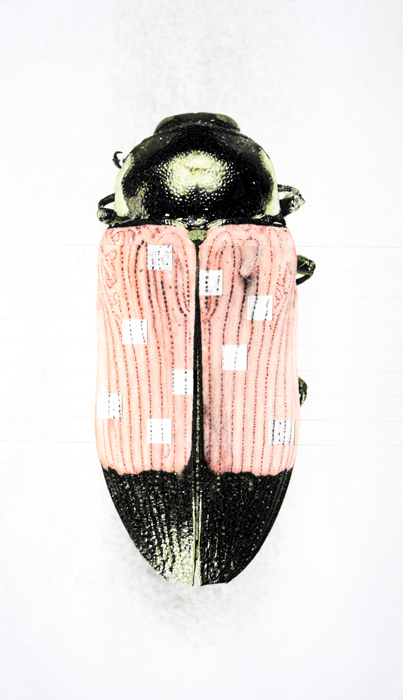
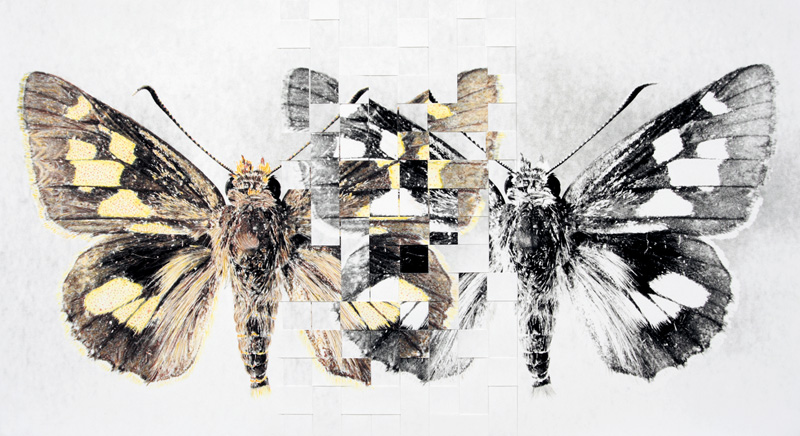
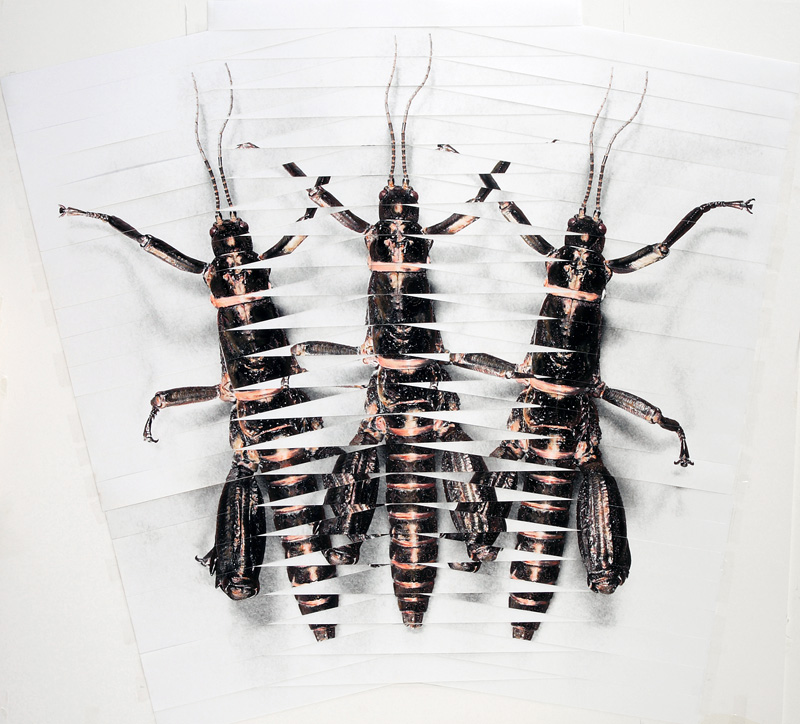
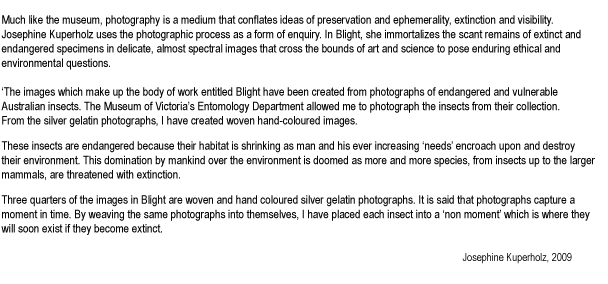
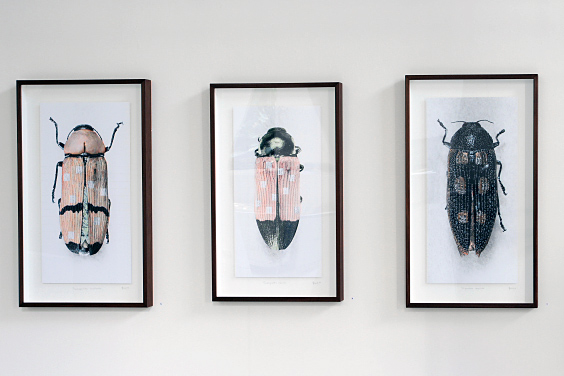
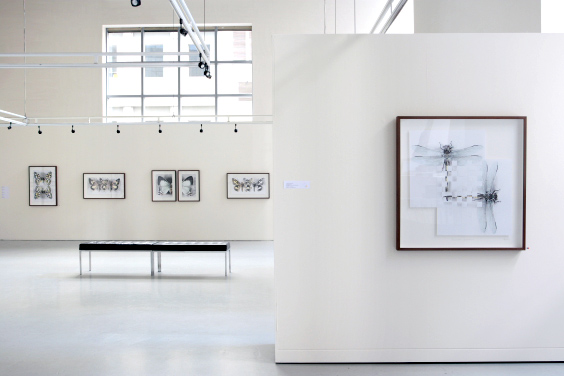
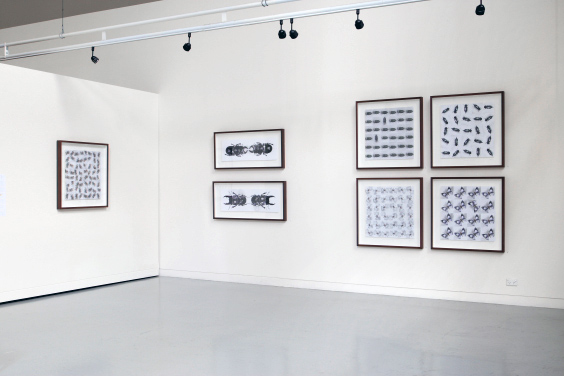


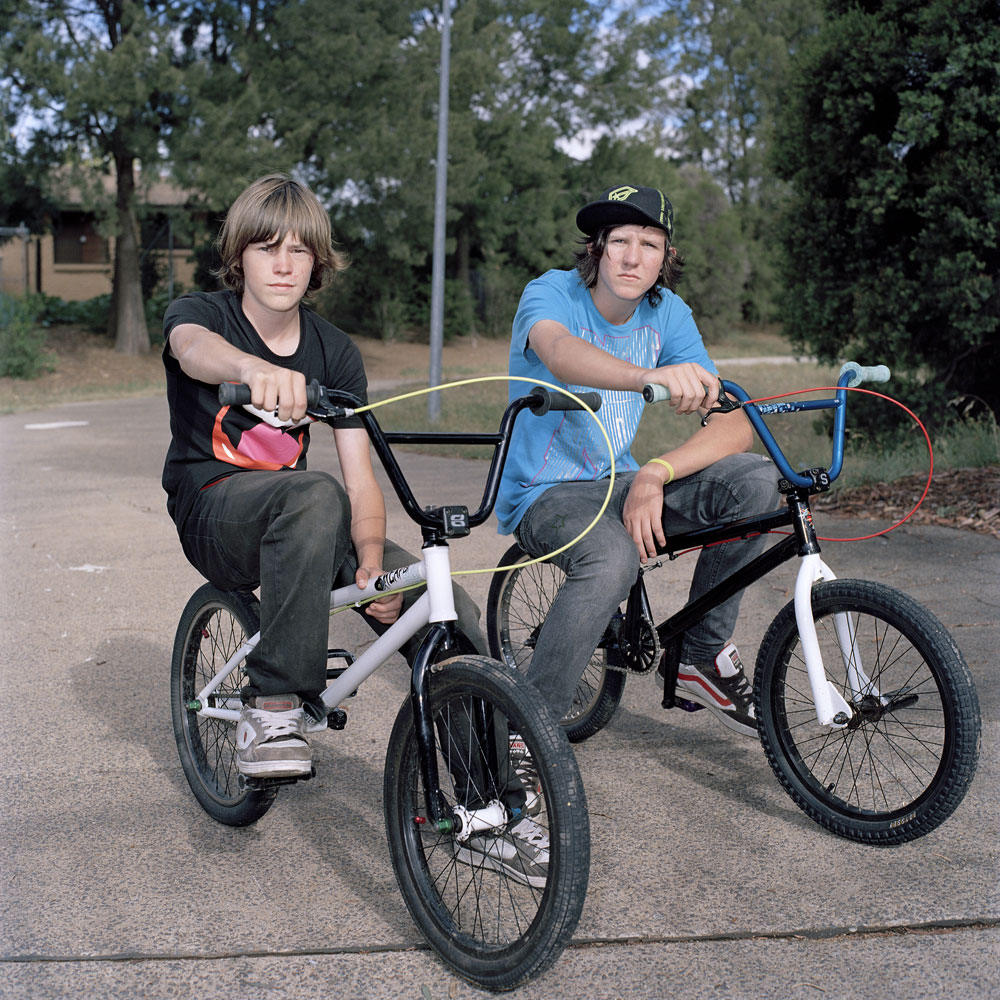
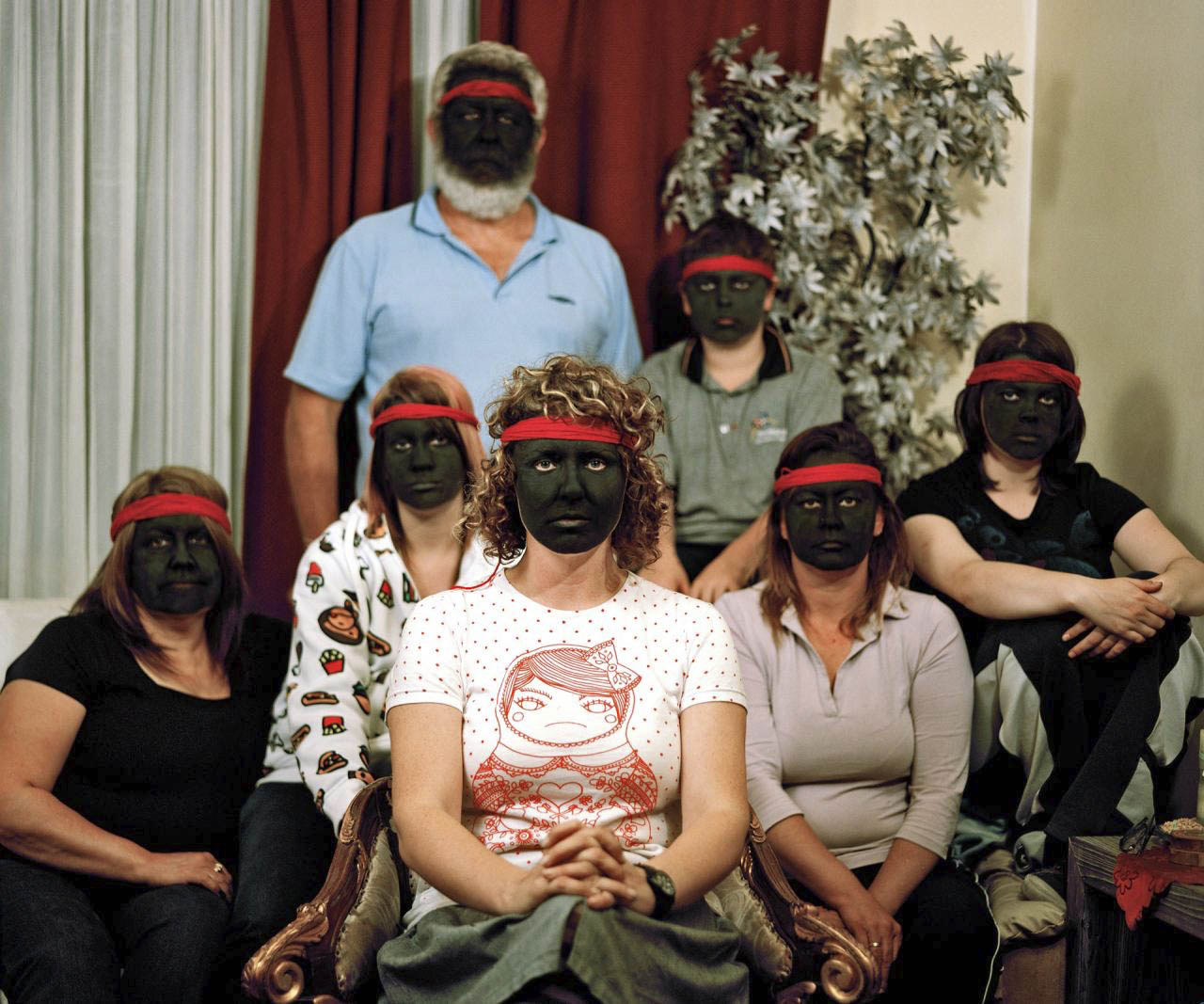
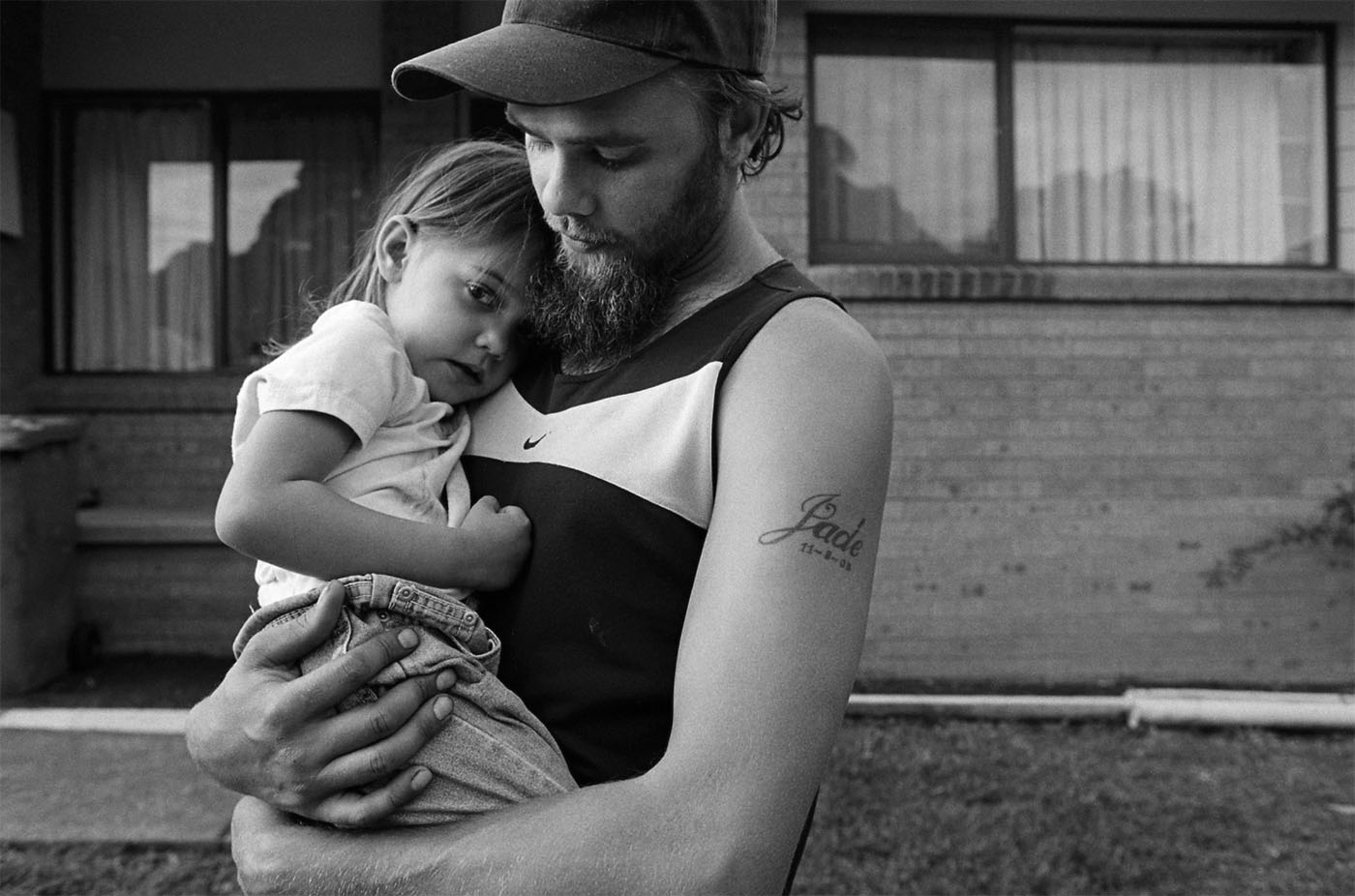
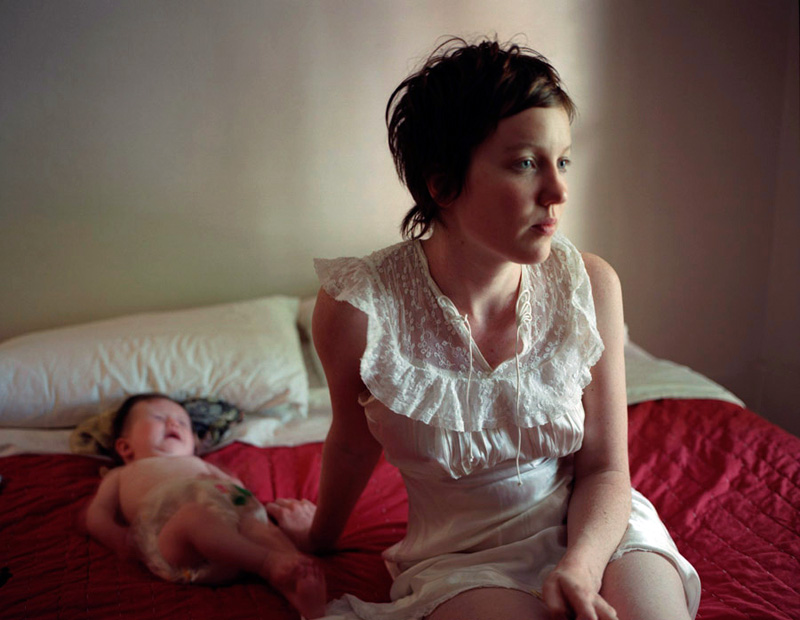


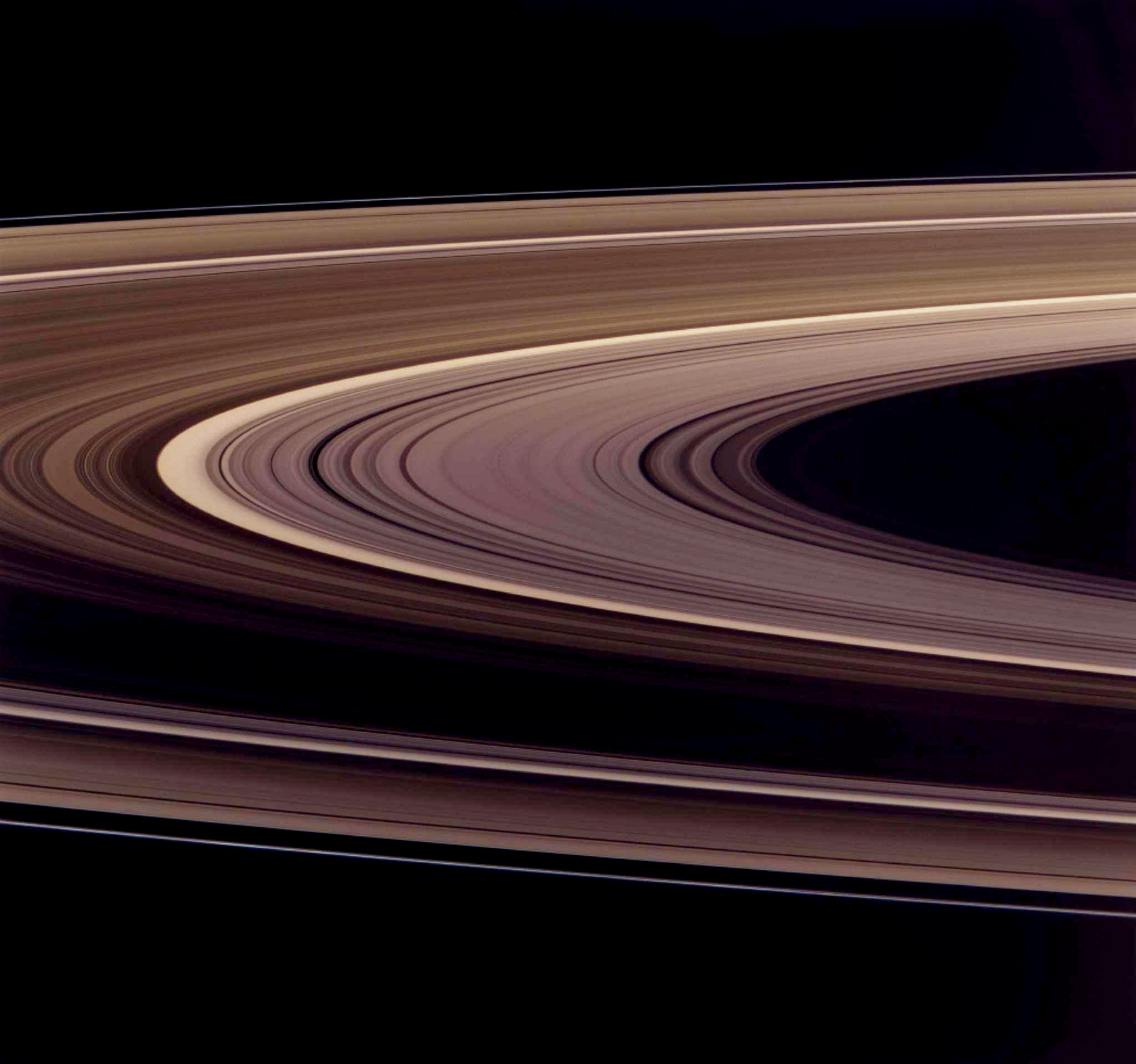


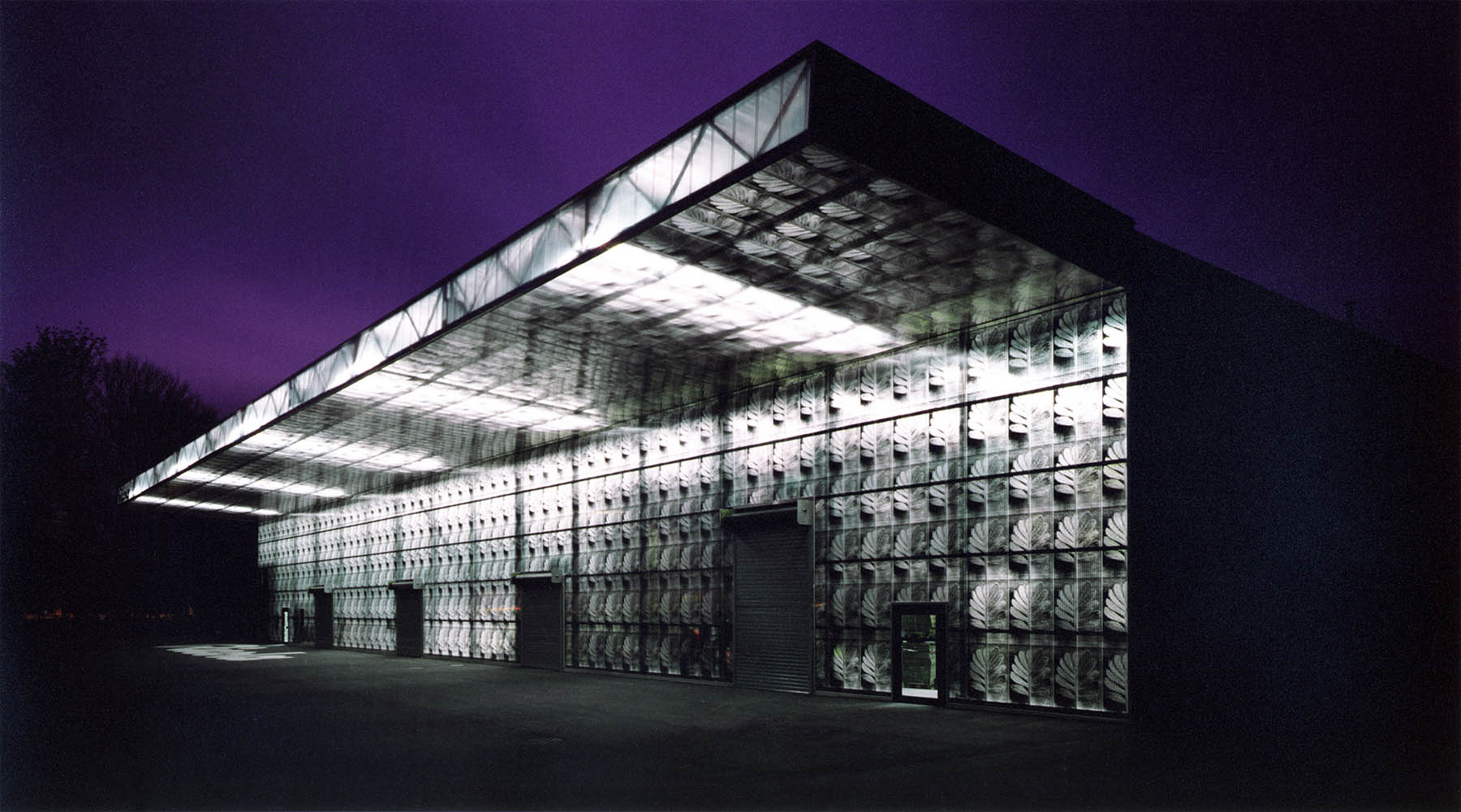
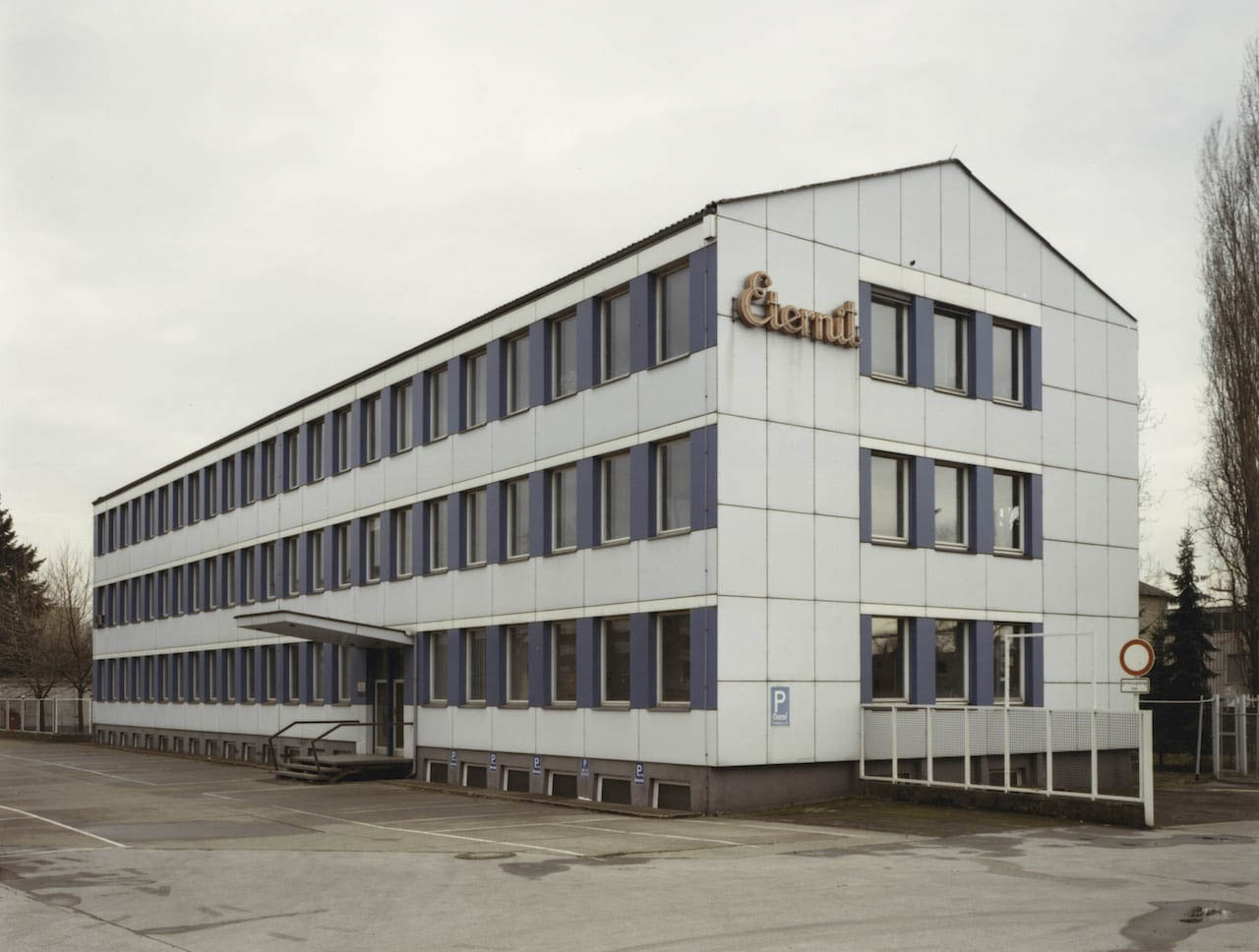



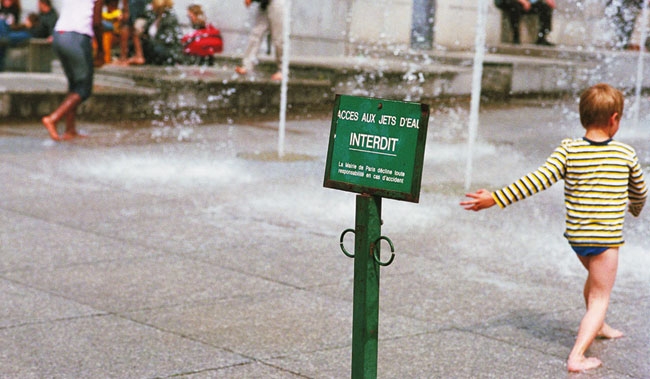




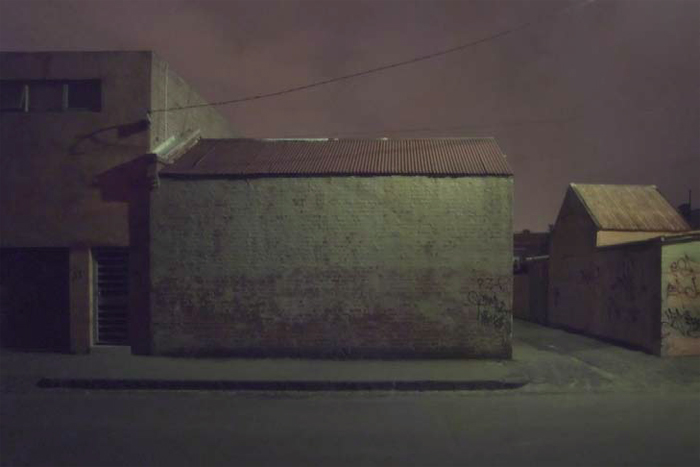


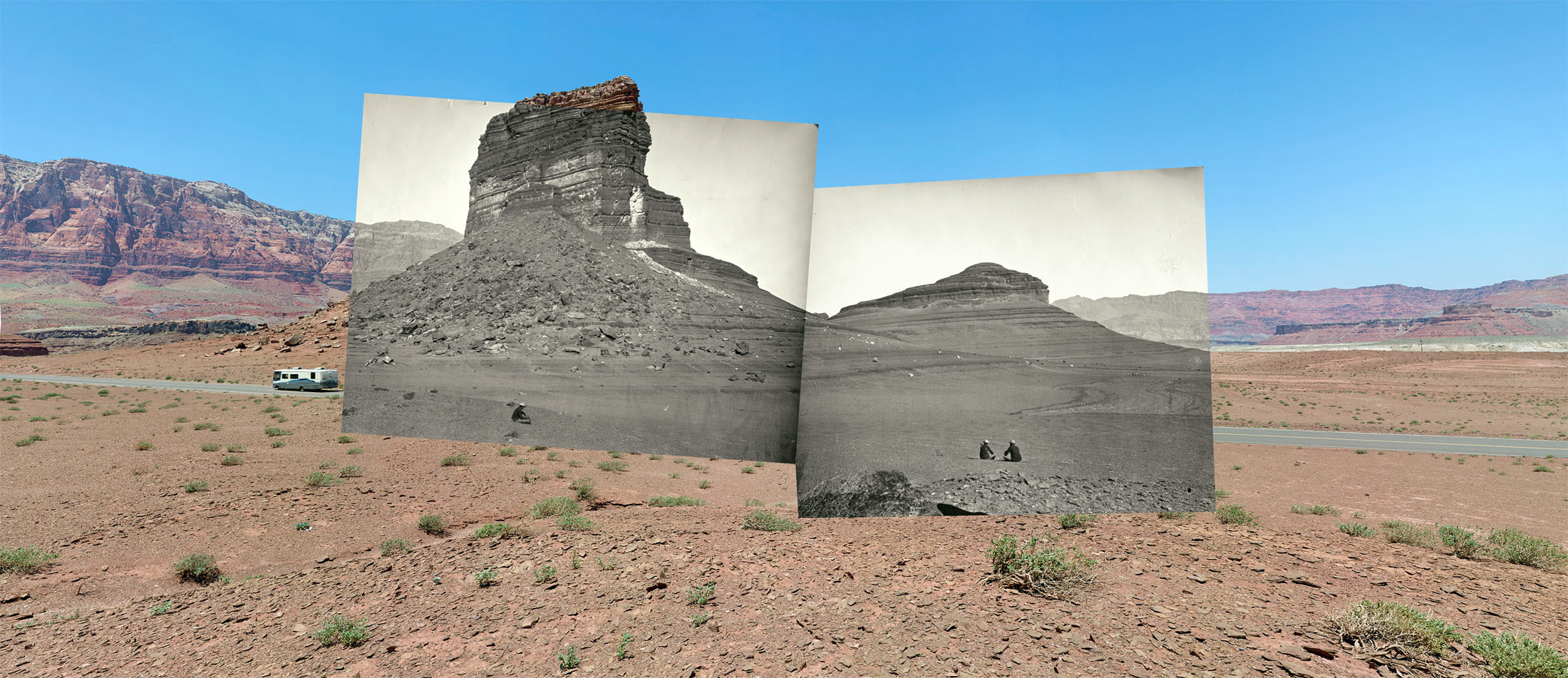
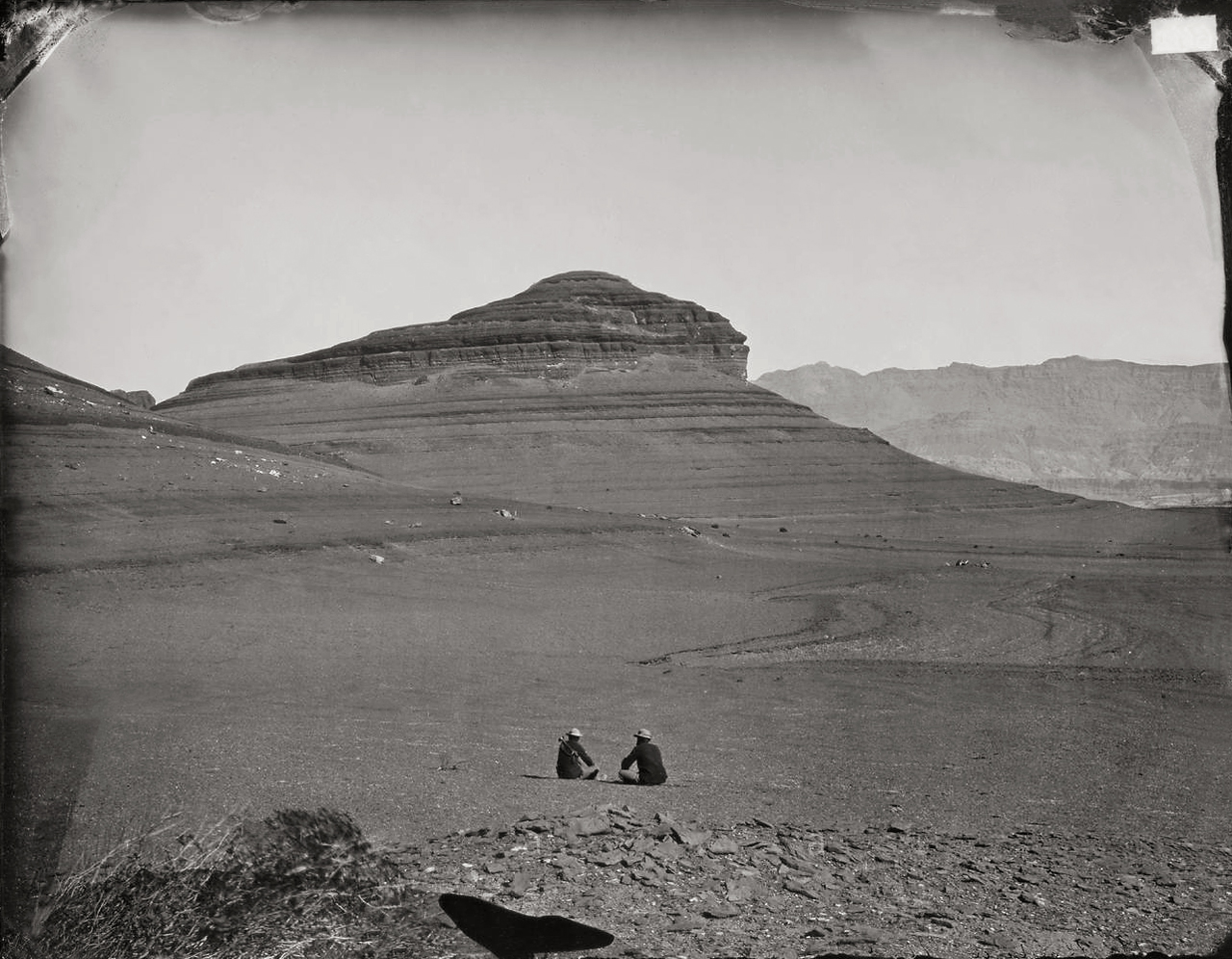
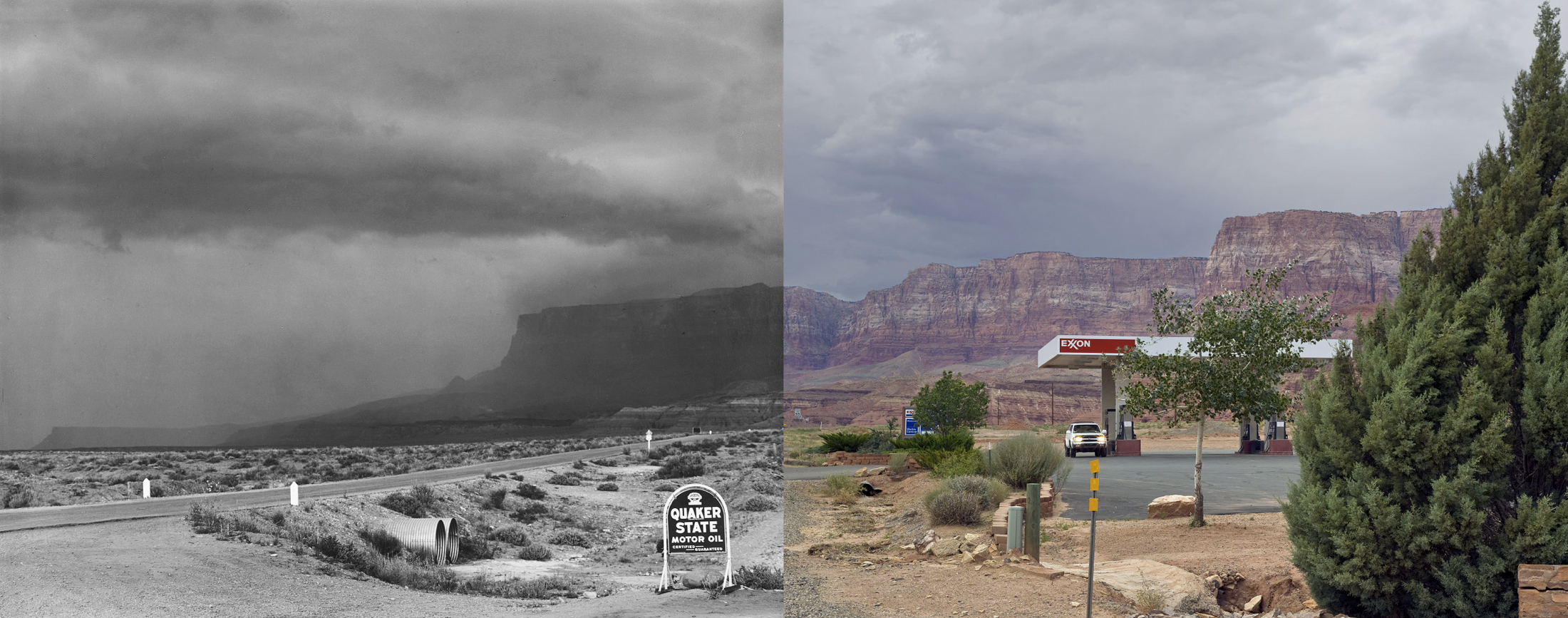
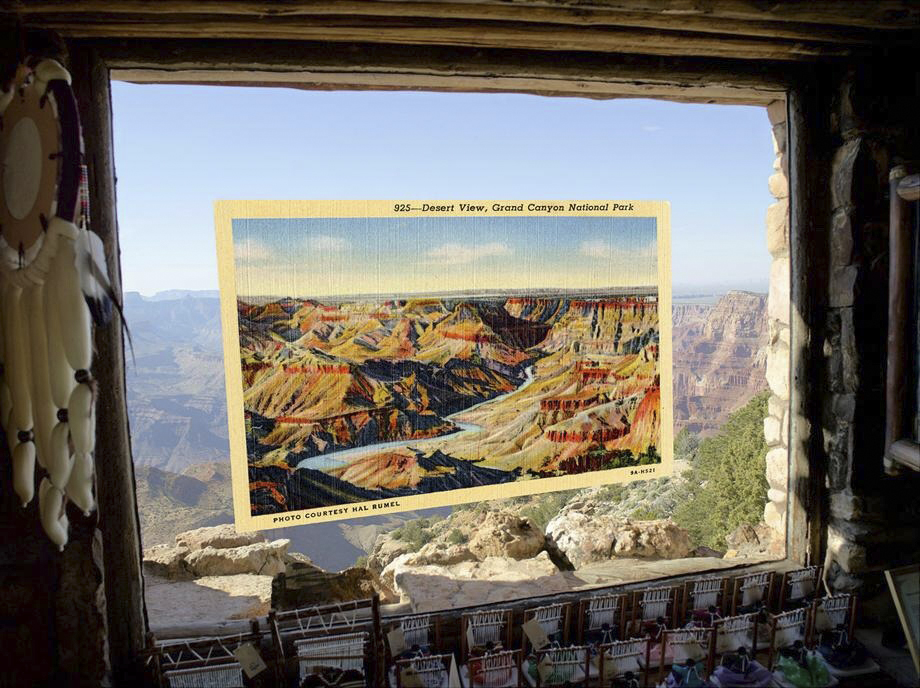

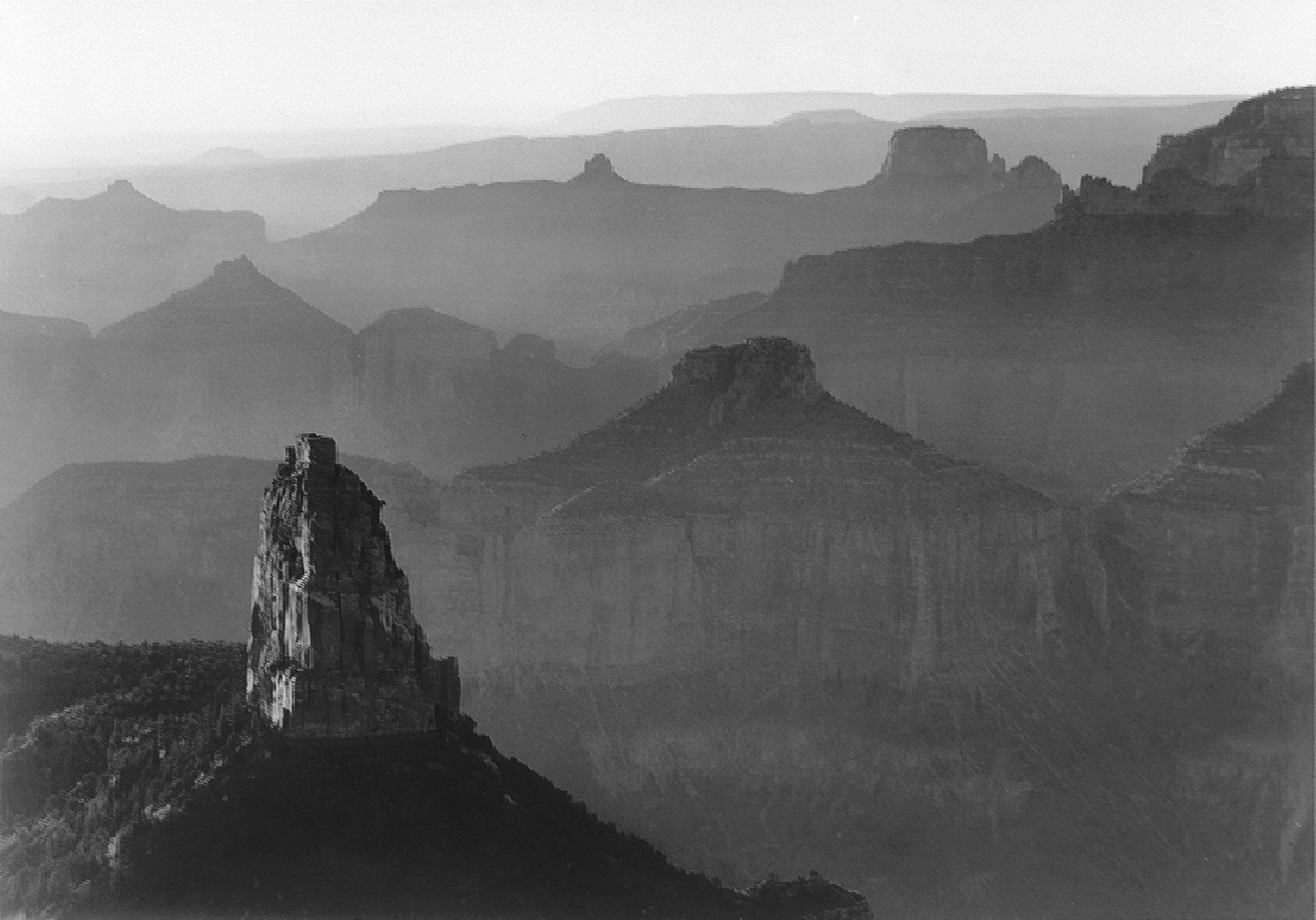


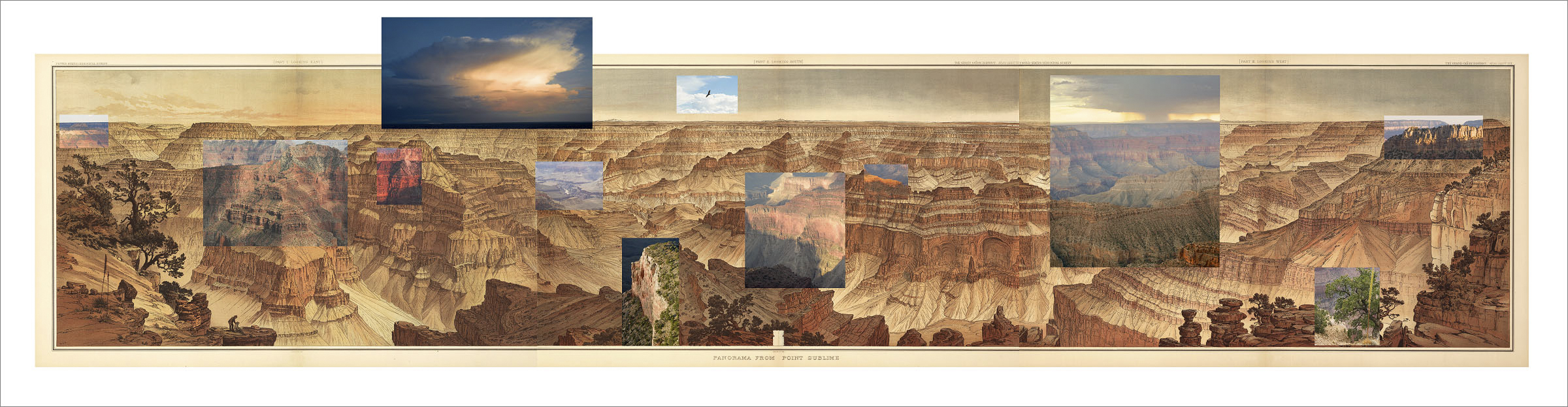
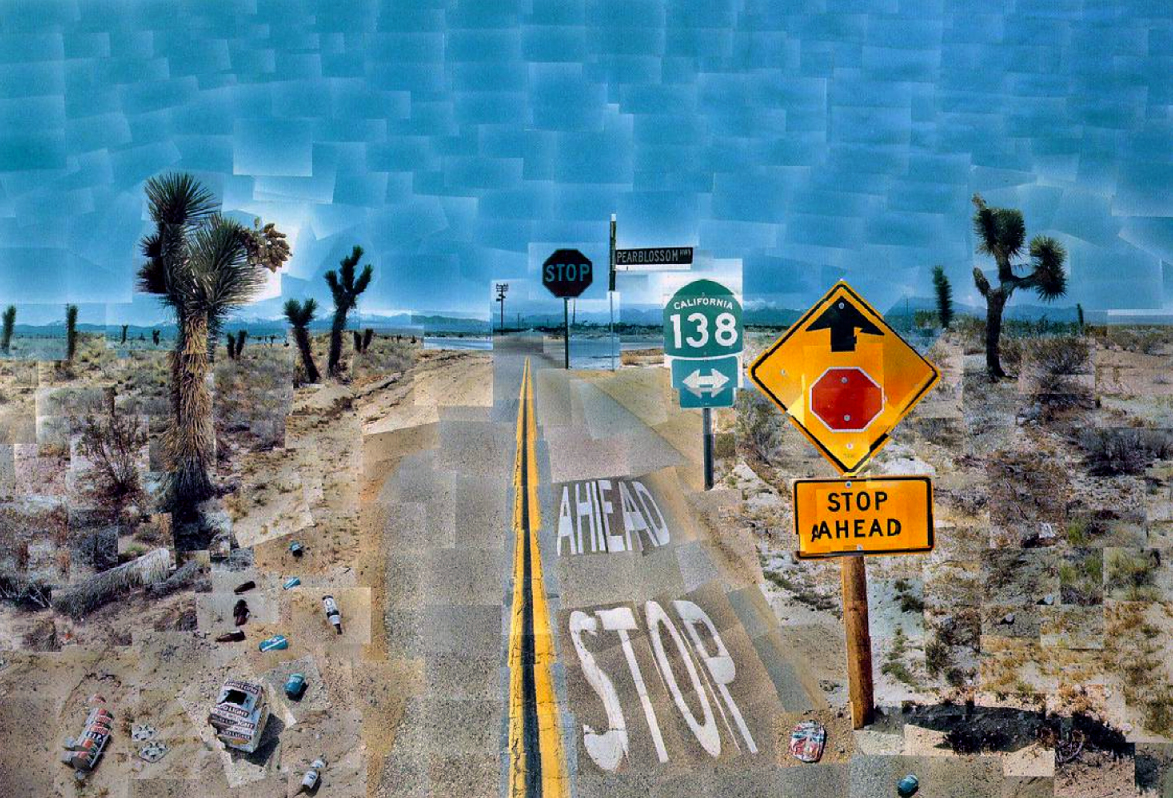


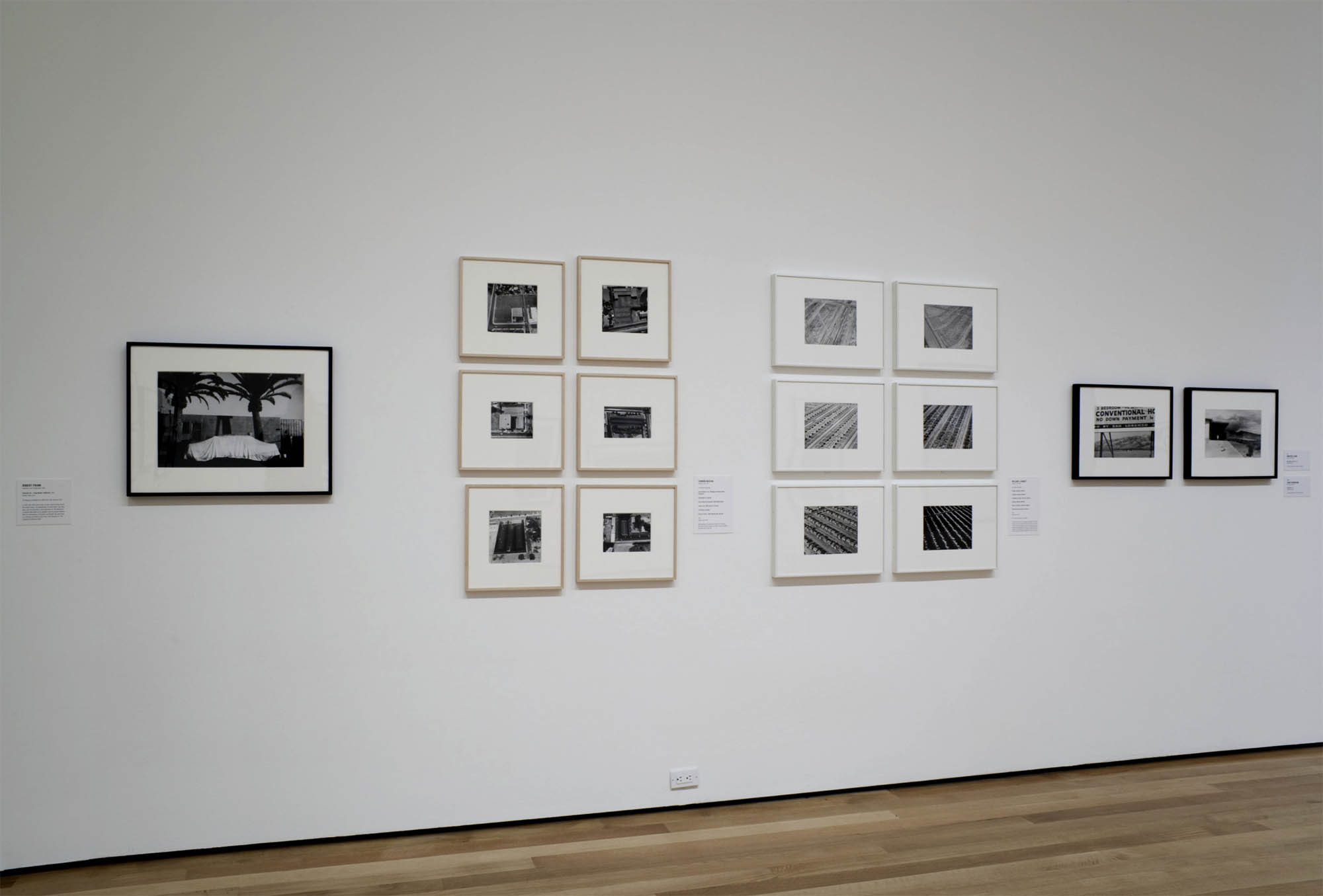
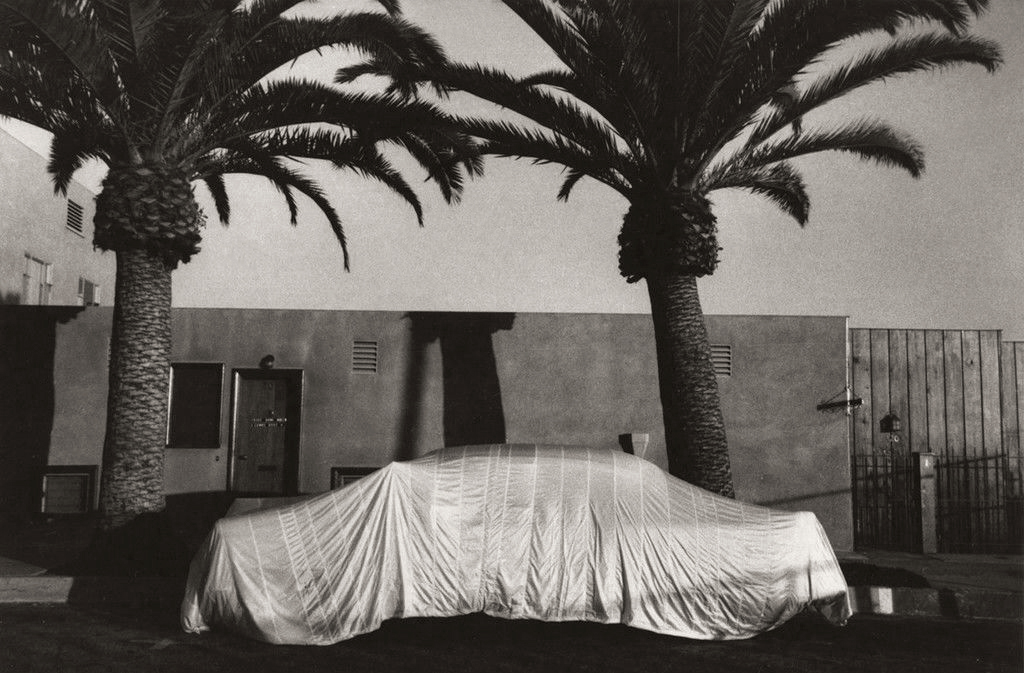
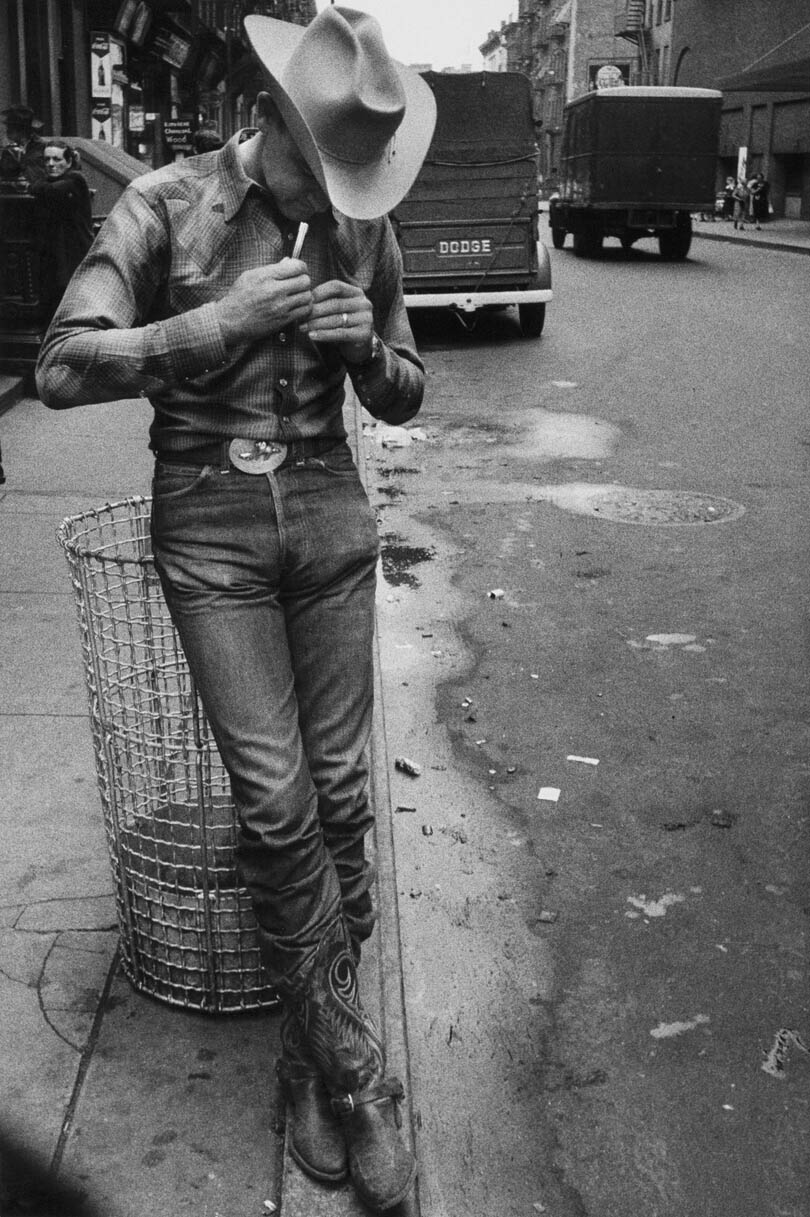

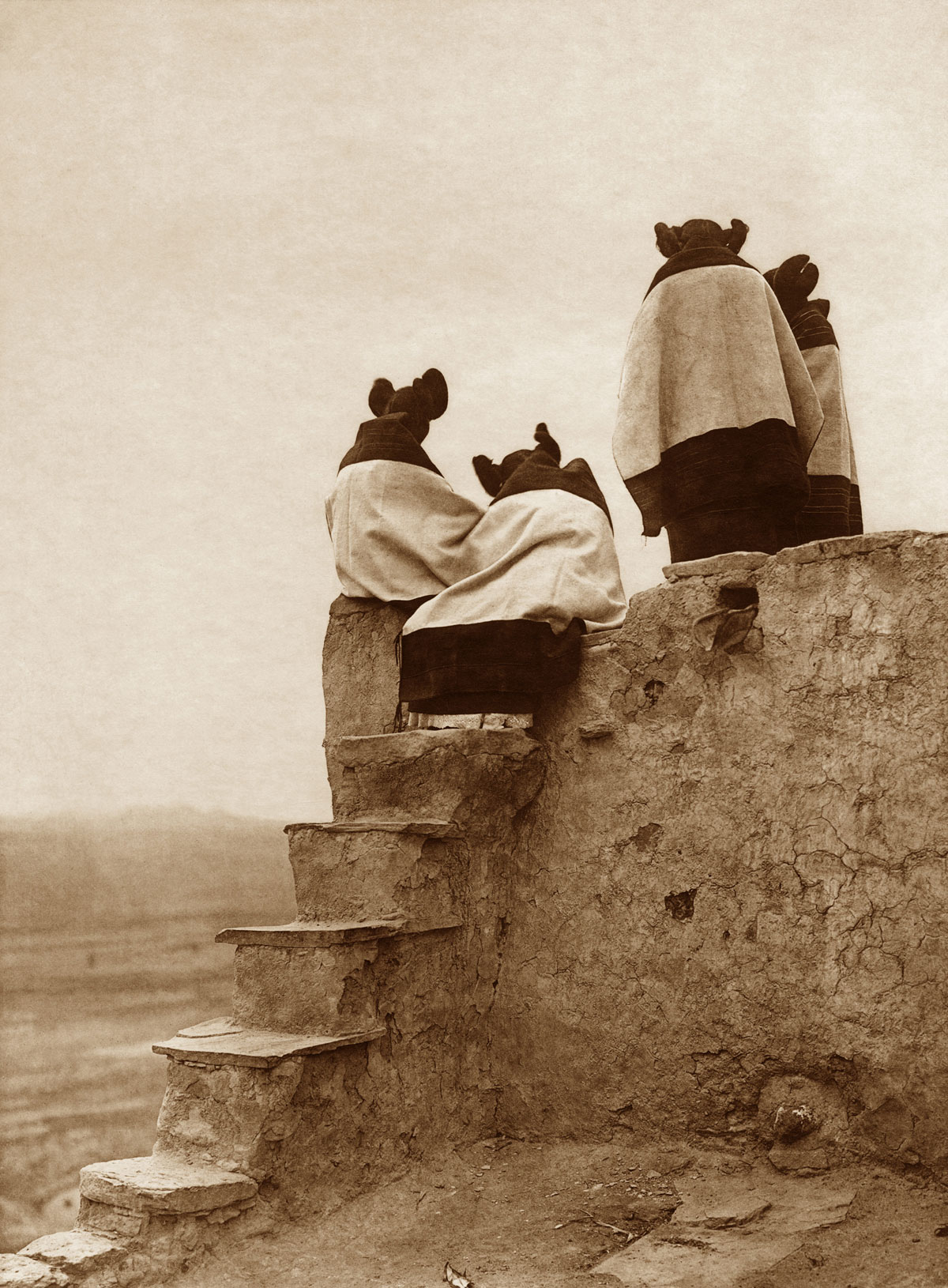


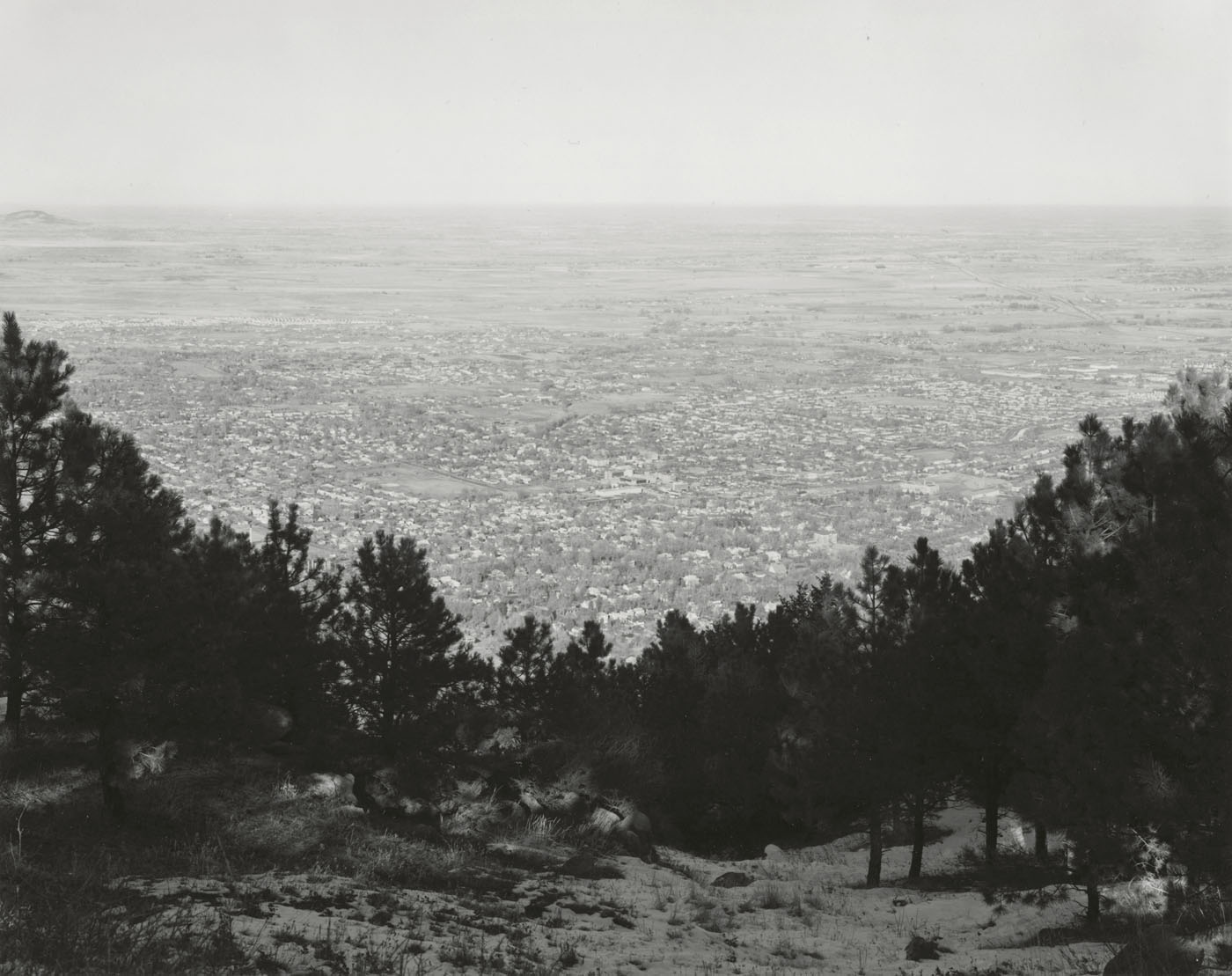
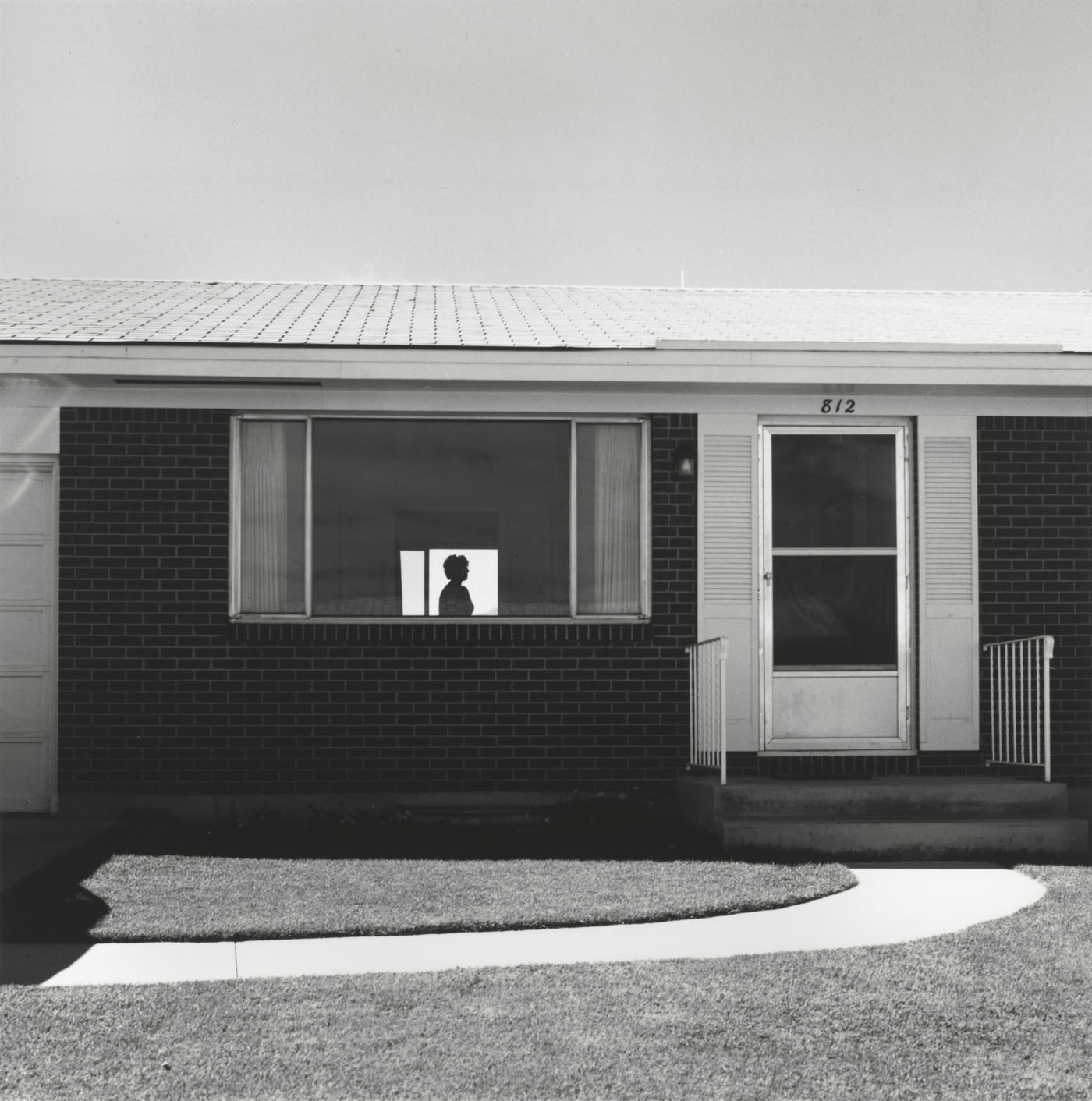


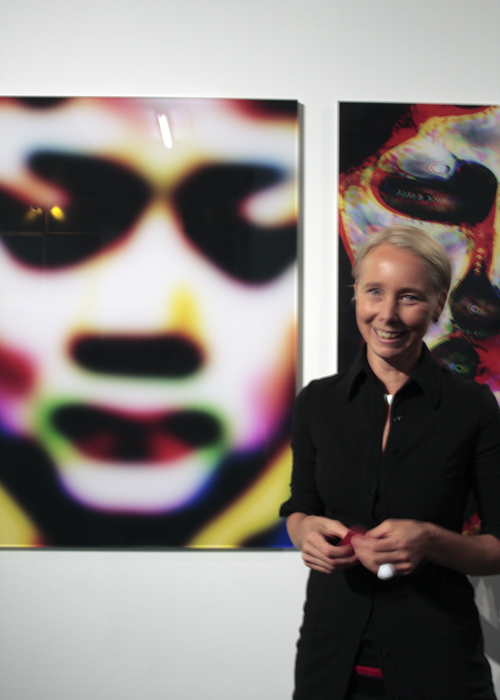


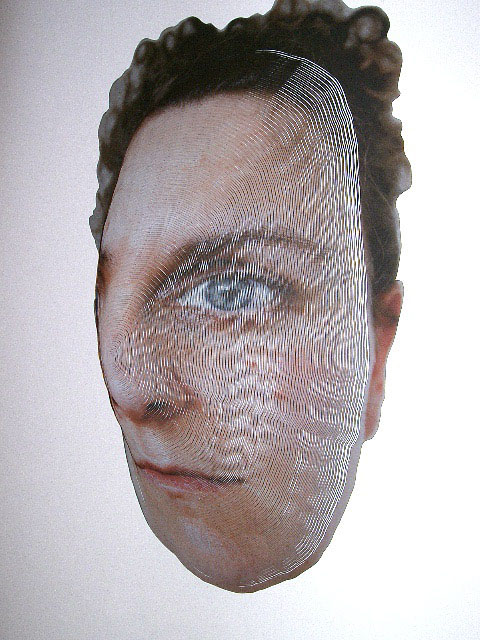
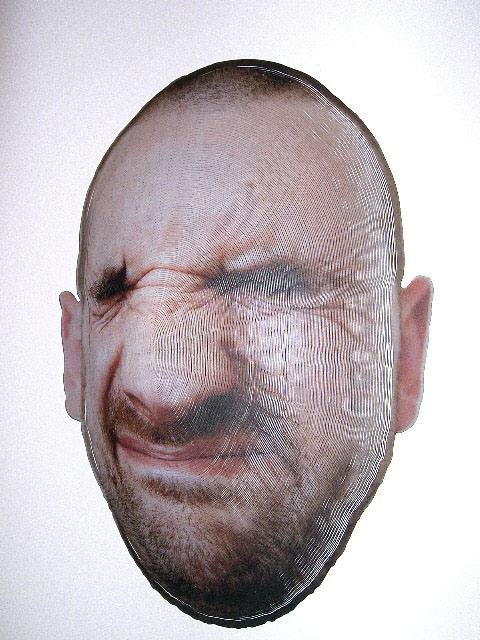
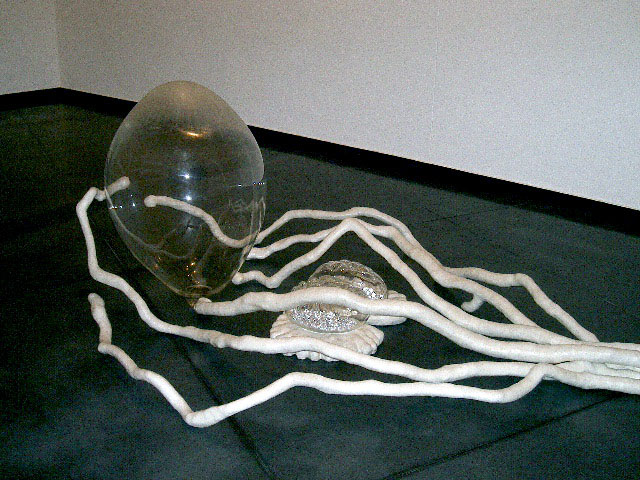
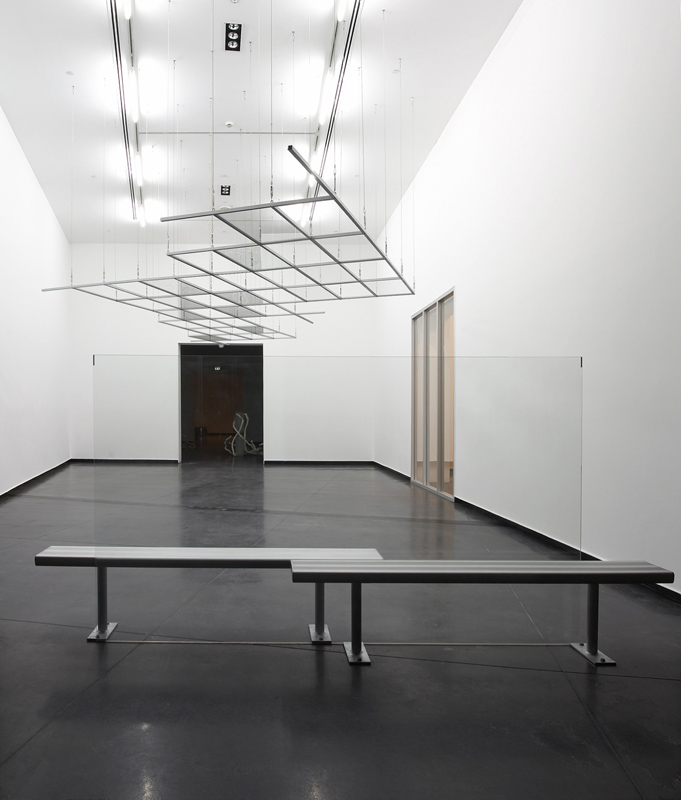


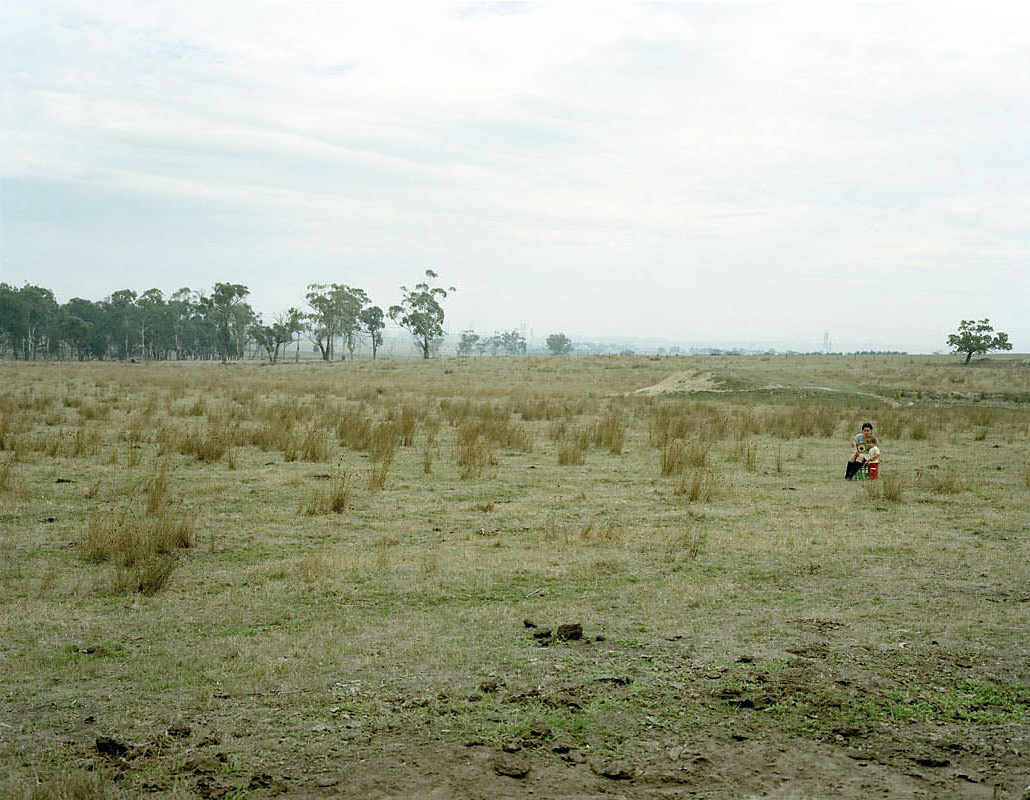
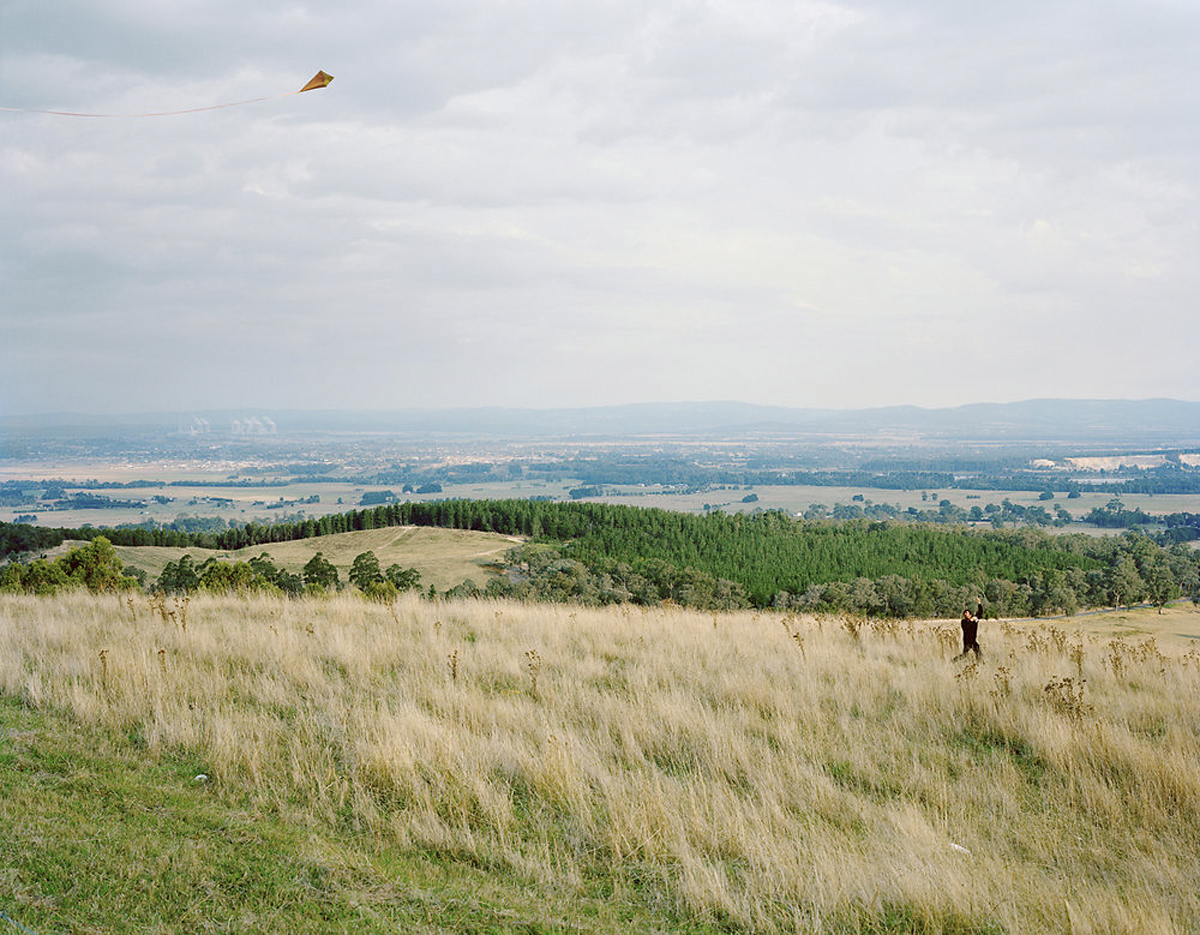
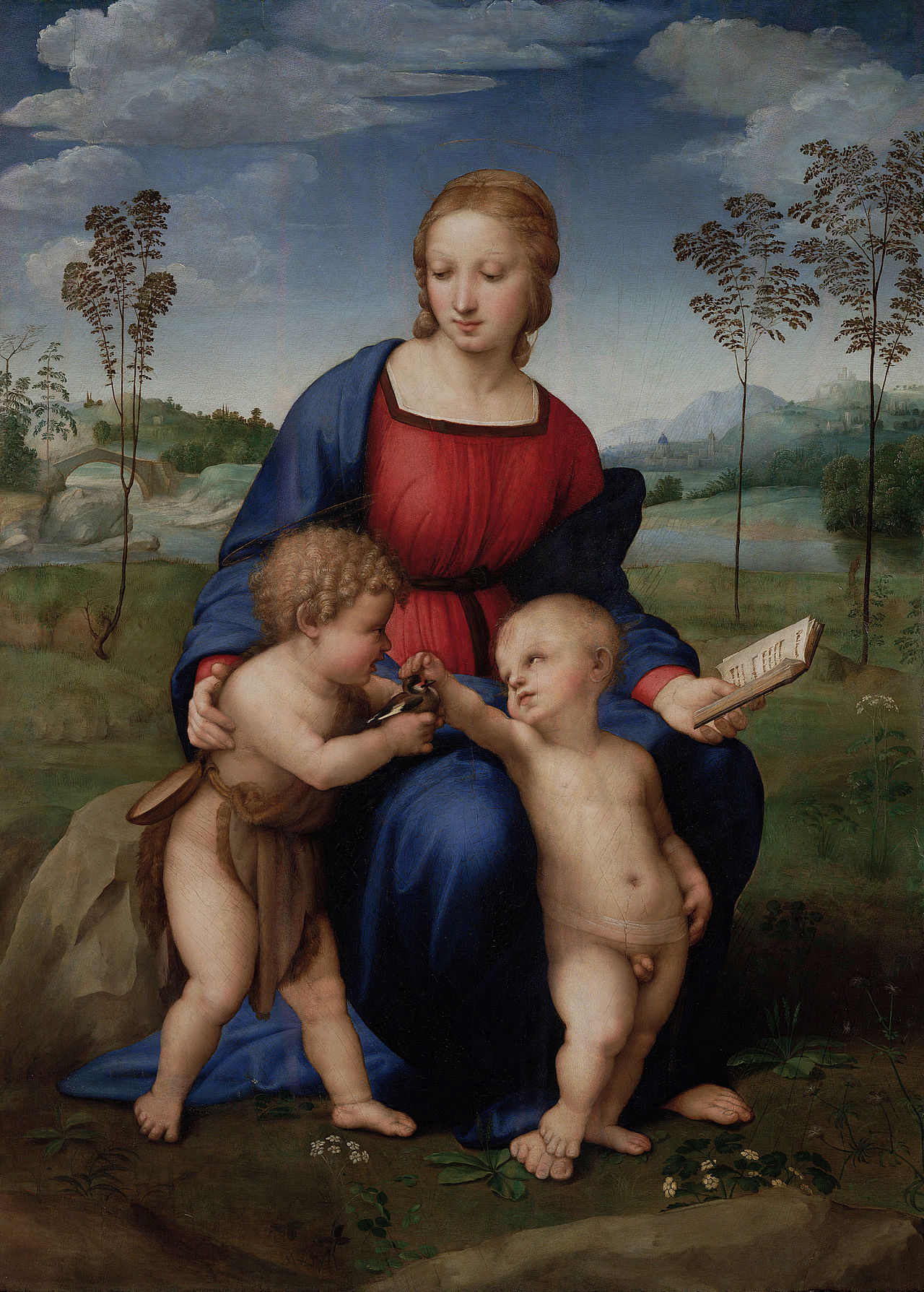

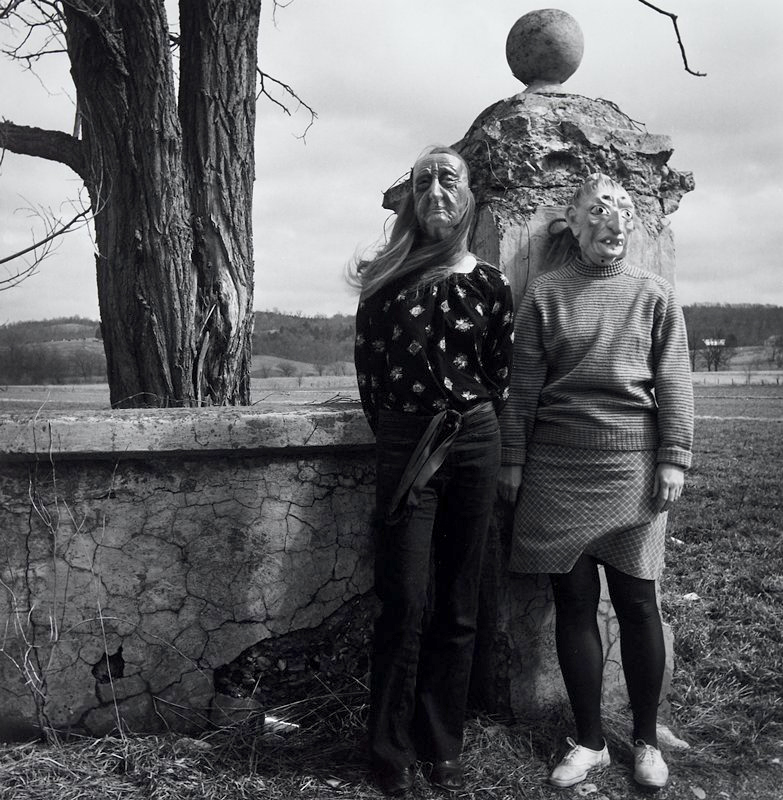

 Art Blart _ art and cultural memory archive
You must be logged in to post a comment.