This is an excellent exhibition by Greg Elms at Edmund Pearce Gallery, Melbourne. The photographs, made using a film scanner re-purposed into a lens-less camera, have great fidelity. Fidelity refers to the degree to which a model or simulation reproduces the state of a real world object and is therefore a measure of the realism of a model or simulation. These photographs have great overall presence – as the artist himself puts it, “Focus of the subject is likewise abnormal, sharp only where features press against the glass platen screen, dissolving into darkness and blur as they recede, implying a sense of entrapment behind the image surface.” This limited depth of field means that the taxidermies loom out of the intimate darkness into the artificial light, the scanners passing recorded as a crescent moon in the eyes of the preserved, the deceased.
Ashely Crawford, in an excellent piece of writing, notes how Elms captures the notion of the animal as ‘other’ while observing that there is much to say about the permeable membrane between human and non-human in postmodern culture. The press release states that, “Preserved raises allusions to the history of zoological inquiry and highlights the sense of loss intrinsic to mortality. Indeed, the works can be read as a series of ecological memento mori.”
These ideas can be further interrogated. Personally, I think it is more than just a singular, momentary death. There is the original death of the animal, its re/animation through the art of preservation, taxidermy, and then a second little death due to the light of the scanner. These photographic animalia may be a reflection on our ecological relationship to the world, caught in a double time-freeze – a postmodern reflection on our memories, histories and interactions with the animal world that are becoming released from the historical contexts on which they are traditionally based, the referent silently split from its once powerful reality. Much as we humans objectify our death through ritual (the dressing of the body, the viewing of the body, the singing of songs, the saying of validations for a life; the coffin, the priest, the burial, the burning) these photographs objectify a simulation of death, as though the death of these animals has been pre-served, like warming up a TV dinner in the microwave and then letting it go cold again. Our relationship to the animals of this world is now mainly about death (live sheep exports, eat your heart out!)
Gothic, nocturnal and now immortal, Elms photographs transcend the animal-human connection and evoke primal emotional responses in the viewer causing us to ask, yet again, what the hell we are doing to this planet.
Greg Elms (Australian, b. 1960) Female Red Kangaroo, Macropus Rufus
2010
Archival Inkjet Print
Gregory Elms pursues the rupture of photography’s implicit claim to realism. To this end his current series, Preserved, investigates the staged realism of taxidermy. Both zoological document and faux wildlife imagery, the work oscillates between life and death, veracity and fiction, the horrific and the sublime. It documents the lifelike lifelessness of taxidermy, presenting a zoological menagerie that is both hyper-real and otherworldly. The work was inspired by childhood memories of taxidermy hunting trophies on the walls of the Sportsmans Bar, at his father’s suburban hotel. But it’s also a gothic investigation of our relationship with animals, influenced by the Romantic movement, the Age of Enlightenment, and the tradition of vanitas painting with it’s metaphorical associations to mortality. According to curator Simon Gregg it “erects an invisible barrier between us and the animals; a physical barrier but in many ways and with more consequence to us, a psychological barrier.”
As the artist observes,
“I grew up in a suburban hotel with a public bar festooned in taxidermy hunting trophies. I’d spend ages gazing at them and have remained enthralled by their life-like lifelessness ever since. For me taxidermy is akin to photography: it too presents a frozen moment as a copy of the real thing. On one level, the work explores our primal emotional responses when in close proximity to animals and insects. But it also explores what truth means in photography – is a contrived photograph still real? And doesn’t photography always render the real as contrived? I seek to highlight this conundrum with the further contrivance of taxidermy.
Inspired by gothic and nocturnal precursors in art, and the history of zoology, the fauna are recontextualised into a menagerie of lost lives – some of them, presumably, the celebration of a now forgotten hunting spree. Each one echoes the story of their demise and surrender to human intervention, their poses animated by a taxidermist’s skills of presentation and reality re-enactment. To document the series, I have employed the idiosyncratic image making qualities of a film scanner re-purposed into a lens-less camera, its simplicity reminiscent of a camera obscura. Set in an otherwise unlit studio, the resultant image reveals a constructed twilight that fuels a dark narrative. Focus of the subject is likewise abnormal, sharp only where features press against the glass platen screen, dissolving into darkness and blur as they recede, implying a sense of entrapment behind the image surface.”
Preserved raises allusions to the history of zoological inquiry and highlights the sense of loss intrinsic to mortality. Indeed, the works can be read as a series of ecological memento mori.”
Press release from the Edmund Pearce Gallery website
Greg Elms (Australian, b. 1960) Red Fox, Vulpes Vulpes
2010
Archival Inkjet Print
The Art of Preservation
Ashley Crawford
In the world of Ridley Scott’s 1982 Science fiction classic Blade Runner one of the most prized possessions is a perfectly replicated owl. The film is based on a 1968 Philip K. Dick novel, Do Androids Dream of Electric Sheep in which social status is most often based on the ‘model’ of animal one can afford – or even better, the ownership of a real animal in a world where most species have been killed by nuclear fallout. This is the background to a more complex story, but it is one that is infused with melancholy and a powerful sense of loss. What is humanity without the context of the animal?
But humanity and the animal and insect kingdoms have long maintained an imbalanced sense of symbiosis. On the one hand we ogle animals in zoos or more regularly via television documentaries. Only the most hardy of tourists today bother venturing into what remains of natural habitats – all too often zones of environmental Armageddon. Very few species are truly ‘domesticated’. Indeed almost all animals remain the ‘other’, psychologically impregnable – some are good for eating, some are pests but they all, in one way or another, remain objects of fascination.
Gregory Elms captures this sense of fascination with unnerving potency. His menagerie of misfits, malcontents and monsters are captured with alluring charm. Elms reveals no prejudice when it comes to selecting his portraits; the pestilent hyena alongside the strangely elegant and impelling Dead Leaf Mantis, the odious Cane Toad against the loyal Jack Russell. Via Elms’ aesthetic each and every one of them carries a peculiar charm, as though they had been groomed for their portraiture session. With his deliberately formalised composition, his animals become indisputably individualistic. They are not generic dogs, toads or birds. They are members of a bestiary noblesse.
Animals have, of course, long been the stuff of artistic inspiration, from Durer’s famous rabbit to Hirst’s infamous shark. In Australia, Elms fits alongside an enduring history of animal as subject, seen contemporaneously in the powerful 2004 exhibition Instinct at the Monash Faculty Gallery, which featured artists as diverse as Emily Floyd, Sharon Goodwin, Irene Hanenbergh, Louise Hearman, Ronnie van Hout, David Noonan and Lisa Roet.
And while Elms may capture the notion of the animal as ‘other’ he also taps into the strange connections we feel toward other species. The animal-human connection is obviously a fertile one. In light of the success of recent works in the firecracker-hot field of comparative ethology, delving into the minds and emotional lives of animals, there is much to say about the permeable membrane between human and non-human in postmodern culture. Animals have also played an intriguing, little-examined role in the emergence of technological modernity, from NASA’s space monkeys to experiments on animal behaviour and intelligence.
But Elms work also hints at the pre-history of animal-human interaction. Throughout art history, animals have been utilised by artists to represent human character traits – a man is a ‘snake’ or a ‘dog’ or a ‘pig’ depending on their personality. Animals have also featured in mythology and the supernatural – the werewolf, the vampire. Elms also turns the gallery into the scientific laboratory, the taxidermists studio and, inevitably, the Hunting Lodge.
Yes, often sadly, (the Cane Toad aside), Elms’ subjects are dead. But they live on with a strange majesty via Elms’ lens.
Exhibition dates: 5th September – 2nd December 2012
Ishiuchi Miyako (Japanese, b. 1947) 1906#38
Nd
Courtesy by The Third Gallery Aya
“The past neglect of the body in social theory was a product of Western mind-body dualism that divided human experience into bodily and cognitive realms. The knowledge-body distinction identifies knowledge, culture, and reason with masculinity and identifies body, nature, and emotion with femininity. Viewing human reason as the principal source of progress and emancipation, it perceives “the rational” as separate from, and exalted over, the corporeal. In other words, consciousness was grasped as separate from and preceding the body (Bordo 1993; Davis 1997). Following feminist thinking about women’s bodies in patriarchal societies, contemporary social theories shifted focus from cognitive dimensions of identity construction to embodiment in the constitution of identities (Davis 1997). Social construction theories do not view the body as a biological given but as constituted in the intersection of discourse, social institutions, and the corporeality of the body. Body practices, therefore, reflect the basic values and themes of the society, and an analysis of the body can expose the intersubjective meaning common to society. At the same time, discourse and social institutions are produced and reproduced only through bodies and their techniques (Frank 1991, 91). Thus, social analysis has expanded from studying the body as an object of social control and discipline “in order to legitimate different regimes of domination” (Bordo 1993; Foucault 1975, 1978, 1980) to perceiving it as a subject that creates meaning and performs social action (Butler 1990). The body is understood as a means for self-expression, an important feature in a person’s identity project (Giddens 1991), and a site for social subversiveness and self-empowerment (Davis 1997).”
Orna Sasson-Levy and Tamar Rapoport. “Body, Gender, and Knowledge in Protest Movements: The Israeli Case,” in ‘Gender & Society’ 17, 2003, p. 381. No longer available online
Despite my great admiration for John Coplans’ photographs of his body, on the evidence of these press photographs and the attached video, this exhibition seems a beautiful if rather tame affair considering the subject matter. Of course these photographs of the body can be understood as a means for self-expression and self-empowerment but there seems little social subversiveness in the choice of work on display.
The two Mapplethorpe’s are stylised instead of stonkingly subversive. The exhibition could have been taken photographs from his ‘X’ portfolio (the self portrait of him with a bull whip up his arse would have been particularly pleasing to see in this context). The exhibition could also have included some of the many artists using the body as protest during the AIDS crisis (perhaps some photographs by David Wojnarowicz or William Yang’s Sadness), the famous Burning Monk – The Self-Immolation (1963) by Malcolm Browne, photographs by Stellarc, Arthur Tress, Duane Michals, Nan Goldin, Diane Arbus, Francesca Woodman, Sally Mann, Cindy Sherman to name but a few; even the Farm Security Administration photographs of share cropper families by Walker Evans and Dorothea Lange would have had more impact than some of the photographs on display here.
Having not seen the entire exhibition it is hard to give an overall reading, but on the selection presented here it would seem that this was a missed opportunity, an exhibition where the body did not protest enough.
Dr Marcus Bunyan
Many thankx to the Albertina, Vienna for allowing me to publish the photographs in the posting. Please click on the photographs for a larger version of the image.
John Coplans (British, 1920-2003) Self Portrait Interlocking Fingers No 6
1999
Silbergelatinepapier
Albertina, Wien
The exhibition The Body as Protest highlights the photographic representation of the human body – a motif that has provided a wide variety of photographers with an often radical means of expression for their visual protest against social, political, but also aesthetic norms.
The show centres on an outstanding group of works by the artist John Coplans from the holdings of the Albertina. In his serially conceived large-format pictures, the photographer focused on the rendering of his own nude body, which he defamiliarised through fragmentation far from current forms of idealisation. Relying on extremely sophisticated lighting, he presented himself in a monumental and sculptural manner over many years. His photographs can be understood as amalgamations of theoretical and artistic ideas, which in the show are accentuated through selective juxtapositions with works by other important exponents of body-related art.
The body also features prominently in the work of other artists such as Hannah Wilke, Ketty La Rocca, Hannah Villiger, Vito Acconci, Bruce Nauman, Robert Mapplethorpe, and Miyako Ishiuchi. By means of these positions, such diverse themes as self-dramatisation, conceptual photography, feminism, body language, and even transience are analysed within an expanded artistic range. Moreover, the exhibition offers a differentiated view of the critical depiction of the human body as it has been practiced since 1970.
Text from the Albertina website
Ketty La Rocca (Italian, 1938-1976) Craniologia
1973
Radiografie mit überblendeter Fotografie
SAMMLUNG VERBUND
“If, having fixed the original form in our mind’s eye, we ask ourselves how that form comes alive and fills with life, we discover a new dynamic and vital category, a new property of the universe: reverberation (retentir). It is as though a well-spring existed in a sealed vase and its waves, repeatedly echoing against the sides of this vase, filled it with their sonority. Or again, it’s as though the sound of a hunting horn, reverberating everywhere through its echo, made the tiniest leaf, the tiniest wisp of moss shudder in a common movement and transformed the whole forest, filling it to its limits, into a vibrating, sonorous world.”
Eugene Minkowski. ‘Vers une Cosmologie’ (translated by Maria Jolas) quoted on Michael Ormerod. “Minkowski’s Reverberating Forest,” on the ‘The Spirit of the Mass’ blog 23rd April 2012 [Online] Cited 24th October 2012 and again on 3rd September 2020
The Australian artist Rosemary Laing moves between different genres in her work, drawing upon installation, performance and photography at the same time. The groundspeed series is the result of a sort of “field trip” to the eucalyptus forests of southern Australia. Together with a team of assistants, Laing produced a series of images of landscapes in which reality and fiction combine through the insertion of ordinary industrially produced carpets in practically unspoilt natural settings. Her work thus weds the open landscape of the image in the background with an element in the foreground that instead recalls an interior, an inhabited human environment. But where is the reality or where is the fiction? Are we sure we can believe in the reality of pure and idyllic nature?
The artist’s working method is comparable to filmmaking. A team of professionals goes to the selected location and creates a set that meets all of the artist’s requirements and is therefore ready to be photographed. This procedure enables Laing to achieve results that would be impossible through digital manipulation of the images alone. The flower-patterned carpets Laing uses belong to a European tradition that was very popular and widespread in Australia when she was young. She thus “grafts” a piece of European culture onto the Australian landscape. She intervenes in nature and alters it. Reverberating in her works is an explicit criticism of the appropriation of the Australian continent by European colonisers, a process underway for at least 200 years. In the light of these considerations, Laing’s apparently idyllic and fantastic images suddenly take on a bitter and dramatic aftertaste. The artistic representation thus succeeds in arriving at a higher level of truth than that of the concrete visual reality it uses.”
Text from the Manipulating Reality: How Images Redefine the World website [Online] Cited 24th October 2012 and again on 3rd September 2020. No longer available online
“groundspeed (Red Piazza) #4 is from the series groundspeed, in which patterned Feltex carpet is laid on the forest floor or on the edge of a rocky coastal setting. This particular image uses retro Red Piazza carpet in the forest at the George Boyd Lookout in southern New South Wales. The carpet is obviously incongruous to the forest, even though its floral pattern is inspired by nature. The lush saturated colours are typical of Laing’s work. Here, red and green – opposites on the colour spectrum – are placed in combination, heightening the tone and conceptual vigour of the union. In each photograph from the series, nature is shown as living and abundant; from the fecund, green forest to, in other images, the ferocity of waves breaking against the coast.
The title is an amalgamation of Laing’s concerns: ‘ground’ refers to land and solidity, and ‘speed’ references flight and impermanence. Placed together these terms conceptually summarise the visual considerations at work. In a reversal of accepted norms in which nature is distanced from domestic living and where nature is historically sidelined by cultural pursuits, Laing figuratively brings the inside out. In so doing groundspeed makes concrete the unstable and provocative rapport between habitation and inhabitation, stillness and movement, growth and decay. Laing’s vibrant images subsume the visual in a historical, social and cultural dialogue where the ground keeps shifting.”
Exhibition dates: 28th September – 11th November 2012
Installation photographs of the series Beneath the Roses (2003-2008) from the exhibition Gregory Crewdson: In A Lonely Place at the Centre for Contemporary Photography (CCP), Fitzroy, Melbourne Photos: Dr Marcus Bunyan
Downfall of a dream: (n)framing the enigma in Gregory Crewdson’s Beneath the Roses
After the excoriating diatribe by Robert Nelson in The Age newspaper (“Unreal stills, unmoving images” Wednesday October 17 2012) I hope this piece of writing will offer greater insight into the work of this internationally renowned artist. With some reservations, I like Crewsdon’s work, I like it a lot – as do the crowds of people flocking to the Centre for Contemporary Photography, Fitzroy to see the exhibition. Never have I seen so many people at the CCP looking at contemporary photography before and that can only be a good thing.
Let’s get the basics out of the way first. The early series Fireflies are small silver gelatin photographs that capture “the tiny insects’ transient moments of light as they illuminate the summer night.” These are minor works that fail to transcend the ephemeral nature of photography, fail to light the imagination of the viewer when looking at these scenes of dusky desire and discontinuous lives. The series of beautiful photographs titled Sanctuary (2010) evidence the “ruin of the legendary Cinecittà studios, which was founded by Mussolini in the 1930s and is associated with the great Italian film director Federico Fellini.” Wonderful photographs of doorways, temples, dilapidated stage sets with excellent use of soft miasmic light creating an atmosphere of de/generation (as though a half-remembered version of Rome had passed down through the generations) interfaced with contemporary Rome as backdrop. The digital prints show no strong specular highlights, no deep blacks but a series of transmutable grey and mid tones that add to the overall feeling of romantic ruin. It is a pity that these photographs are not printed as silver gelatin photographs, for they would have had much more depth of feeling than they presently possess. They just feel a little “thin” to me to sustain the weight of atmosphere required of them.
But it is the series Beneath the Roses (2003-2008) that has made Crewdson truly famous. Shot using a large format camera, Crewdson makes large-scale photographs of elaborate and meticulously staged tableaux, which have been described as “micro-epics” that probe the dark corners of the psyche. Working in the manner of a film director, he leads a production crew, which includes a director of photography, special effects and lighting teams, casting director and actors. He typically makes several exposures that he later digitally combines to produce the final image. Photographs in the series of “brief encounters” include external dioramas (shot in a down at heel Western Massachusetts town), where Crewdson shuts down streets and lights the whole scene; to interior dialogues where houses are built on sound stages and the artist can control every detail of the production. Influences on these works include, but are not limited to:
David Lynch (Blue Velvet, Twin Peaks), Alfred Hitchcock (Vertigo), Steven Spielberg (Close Encounters), the paintings of Edward Hopper, Diane Arbus (the detritus of her photographic interiors), film noir, psychoanalysis, American suburbia, the American dream, the photographs of Walker Evans, Cindy Sherman and surrealism. Concepts that you could link to the work include loneliness, alienation, apathy, resignation, mystery, contemplation and confusion, identity, desire, memory and imagination.
Now to the nuts and bolts of the matter.
Another major influence that I will add is that of the great Italian director Federico Fellini (La Dolce Vita – The Sweet Life) who shot most of that film on the sets at Cinecittà studios in Rome. It is perhaps no coincidence that Crewdson, on his first overseas film shoot, shot the series Sanctuary at the very same location. Crewdson’s photographs in the series Beneath the Roses are an American form of “The Sweet Life.” In 1961, the New York Times film critic Bosley Crowther praised Fellini’s “brilliantly graphic estimation of a whole swath of society in sad decay and, eventually, a withering commentary on the tragedy of the over-civilized… Fellini is nothing if not fertile, fierce and urbane in calculating the social scene around him and packing it onto the screen. He has an uncanny eye for finding the offbeat and grotesque incident, the gross and bizarre occurrence that exposes a glaring irony. He has, too, a splendid sense of balance and a deliciously sardonic wit that not only guided his cameras but also affected the writing of the script. In sum, it is an awesome picture, licentious in content but moral and vastly sophisticated in its attitude and what it says.”1 The same could equally be said of the Crewdson and his masterpieces in Beneath the Roses. Crewdson is in love with Fellini’s gesture – of the uplifting of the characters and their simultaneous descent into “sweet” hedonism, debauchery and decadence using the metaphor of downfall (downfall links each scene in La Dolce Vita, that of a “downward spiral that Marcello sets in motion when descending the first of several staircases (including ladders) that open and close each major episode.”)2 Crewdson’s “spectacular apocalypses of social enervation”3 mimic Fellini’s gestural flourishes becoming Crewdson’s theme of America’s downfall, America as a moral wasteland. Crewdson’s is “an aesthetic of disparity” that builds up a cumulative impression on the viewer that finds resolution in an “overpowering sense of the disparity between what life has been or could be, and what it actually is.”4
Crewdson’s cinematic encounters are vast and pin sharp when seen in the flesh. No reproduction on the web can do their physical presence justice; it is the details that delight in these productions. You have to get up close and personal with the work. His dystopic landscapes are not narratives as such, not stills taken from a movie (for that implies an ongoing story) but open-ended constructions that allow the viewer to imagine the story for themselves. They do not so much evoke a narrative as invite the viewer to create one for themselves – they are an “invitation” to a narrative, one that explores the anxiety of the (American) imagination, an invitation to empathise with the dramas at play within contemporary environments. For me, Crewdson’s extra ordinary photographs are a form of enigma (a puzzling or inexplicable occurrence or situation), the picture as master puzzle (where all the pieces fit perfectly together in stillness) that contains a riddle or hidden meaning. Clues to this reading can be found in one of the photographs from the series (Blue Period, see detail image, below) where Crewdson deliberately leaves the door of a bedside cupboard open to reveal a “Perfect PICTURE PUZZLE” box inside. The viewer has to really look into the image and understand the significance of this artefact.
Another reading that I have formulated is of the transience of space and time within Crewdson’s series. In the disquieting, anonymous townscapes people look out from their porches (or the verandas are lit and empty), they abandon their cars or walk down desolate streets hardly ever looking directly out at the viewer. The photographs become sites of mystery and wonder hardly anchored (still precisely anchored?) in time and space. This disparity is emphasised in the interior dialogues. The viewer (exterior) looks at a framed doorway or window (exterior) looking into an scene (interior) where the walls are usually covered with floral wallpaper (interior / exterior) upon which hangs a framed image of a Monet-like landscape (exterior) (see detail image, above). Exterior, exterior, interior, interior / exterior, exterior. The trees of the landscape invade the home but are framed; exterior/framed, interior/mind. There is something mysterious going on here, some reflection of an inner state of mind.
In his visual mosaics Crewdson engages our relationship with time and space to challenge the trace of experience. His tableaux act as a kind of threshold or hinge of experience – between interior and exterior, viewer and photograph. His photographs are a form of monism in which two forces (interior / exterior) try to absorb each other but ultimately lead to a state of equilibrium. It is through this “play” that the context of the photographs and their relationship to each other and the viewer are “framed.” This device emphasises the aesthetic as much as information and encourages the viewer to think about the relationship between the body, the world of which it is part and the dream-reason of time.5 This intertextual (n)framing (n meaning unspecified number in mathematics) encourages the viewer to explore the inbetween spaces in the non-narrative / meta-narrative,”and by leaps (intuitive leaps, poetic leaps, leaps of faith)”6 encourage escapism in the imagination of the viewer. It is up to us as viewers to seek the multiple, disparate significances of what is concealed in each photograph as “felt knowledge” (Walter Benjamin), recalling to mind the sensory data placed before our eyes, something that can be experienced but cannot be explained by man: “the single moment of the present amidst the transience of life and searching for some kind of eternal truth.”7
Finally, in a more adverse reading of the photographs from the series Beneath the Roses, I must acknowledge the physically (not mentally) static nature of the images where every detail of the mise-en-scène is fully articulated and locked down: from the perfect trickle of blood running from the woman’s vagina in Blue Period, to the reflections in mirrors, the detritus of living scattered on the bedroom floor, the dirty telephone, packed suitcases and keys in locks to the desolate looks of the participants that never engage with the viewer. Despite allusions of despair, in their efficacy (their static and certain world order), there is no real chthonic madness here, no real messiness of the capture of death, murder and the wastage of human life (famine, AIDS, cancer or the blood running over the pavement in one of Weegee’s murder scenes for example). This is Fellini’s gross and bizarre LITE. Americurbana “is being addressed with the same reserve and elegance that ensures that the institution – artistic, political, what you will – is upheld and never threatened. It is pre-eminently legible, it elicits guilt but not so much as to cause offence.”8 I must also acknowledge the male-orientated viewpoint of the photographs, where men are seated, clothed, lazy or absent and all too often women are doing the washing or cooking, are naked and vulnerable. In their portrayal of (usually) half dressed or naked females the photographs evidence a particularly male view of the world, one that his little empathy or understanding of how a female actually lives in the world. For me this portrait of the feminine simply does not work. The male photographer maintains control (and power) by remaining resolutely (in)visible.
Overall this is a outstanding exhibition that thoroughly deserves that accolades it is receiving. Sitting in the gallery space for an hour and a half and soaking up the atmosphere of these magnificent works has been for me one of the art experiences of 2012. Make sure that you do not miss these mesmerising prophecies.
Dr Marcus Bunyan
1/ Crowther’s review first published in The New York Times, April 20, 1961. In Fava and Vigano, 105 quoted in Anon. “La Dolce Vita,” on Wikipedia Footnote 30 [Online] Cited 20/10/2012. en.wikipedia.org/wiki/La_Dolce_Vita
3/ Sultanik, Aaron. Film, a Modern Art. Cranbury, N.J: Cornwall Books, 1986, p. 408
4/ Richardson, Robert. “Waste Lands: The Breakdown of Order,” in Bondanella (ed.), Federico Fellini: Essays in Criticism, p. 111 quoted in Anon. “La Dolce Vita,” on Wikipedia Footnote 30 [Online] Cited 20/10/2012. en.wikipedia.org/wiki/La_Dolce_Vita
5/ Bacon, Julie Louise. “Liquid Archive: On Ambivalence,” in Liquid Archive. Melbourne: Monash University Museum of Art (MUMA), 2012, p. 119
6/ Kirshenblatt-Gimblett, Barbara. “The Museum – A Refuge for Utopian Thought,” in Rüsen, Jörn; Fehr Michael, and Ramsbrock, Annelie (eds.). Die Unruhe der Kultur: Potentiale des Utopischen. Velbrück Wissenschaft, 2004. In German.
7/ Kataoka, Mami commenting on the work of Allan Kaprow. “Transient Encounters,” in Broadsheet: Criticism, Theory, Art Vol 41.3, September 2012, p. 174
8/ Geczy, Adam. “A dish served lukewarm,” in Broadsheet: Criticism, Theory, Art Vol 41.3, September 2012, p. 177
Many thankx to the artist, Gagosian Gallery and the Centre for Contemporary Photography for allowing me to publish the photographs in the posting. Special thankx to Director of the CCP Naomi Cass and Ms. James McKee from Gagosian Gallery for facilitating the availability of the media images. Please click on the photographs for a larger version of the image.
Details from Gregory Crewdson’s Untitled (Blue Period) (2003-2005, above) from the series Beneath the Roses (2003-2008) Photos: Dr Marcus Bunyan
“The American middle-class nightmare: nothing is clean, orderly, idyllic, or romantic. In his perfectly staged, hyperrealistic tableaux, photographer Gregory Crewdson reveals the claustrophobic limbo and abyss of spiritual repression that is the typical suburb. Here, hushed-up violence, alienation, isolation, and emptiness are nothing new or unfamiliar, but rather part of the everyday neighbourhood experience.”
Gregory Crewdson, In a Lonely Place, Abrams Publishing, New York, 2011
“I have always been fascinated by the poetic condition of twilight. By its transformative quality. Its power of turning the ordinary into something magical and otherworldly. My wish is for the narrative in the pictures to work within that circumstance. It is that sense of in-between-ness that interests me.”
In a Lonely Place presents selections from three major series by Gregory Crewdson, Fireflies (1996), Beneath the Roses (2003-2008), Sanctuary (2010) and, presented for the first time, the video Field Notes (2009). The exhibition title comes from Nicholas Ray’s 1950s film noir of the same name, one of many films that inspired Crewdson. In a Lonely Place is evocative of an underlying mood-a quiet feeling of alienation and loneliness that links the three series selected by curators Estelle Af Malmborg, Jens Erdman Rasmussen and Felix Hoffmann. In a Lonely Place presents the first comprehensive exhibition of Crewdson’s work in Australia.
In Beneath the Roses, anonymous townscapes, forest clearings and broad, desolate streets are revealed as sites of mystery and wonder; similarly, ostensibly banal interiors become the staging grounds for strange human scenarios. Crewdson’s scenes are tangibly atmospheric: visually alluring and often deeply disquieting. Never anchored precisely in time or place, these and the other narratives of Beneath the Roses are located in the dystopic landscape of the anxious American imagination. Crewdson explores the American psyche and the dramas at play within quotidian environments.
In his most recent series, Sanctuary (2010), Crewdson has taken a new direction, shooting for the first time outside the US. During a trip to Rome, he visited the legendary Cinecittà studios, which was founded by Mussolini in the 1930s and is associated with the great Italian film director Federico Fellini. Crewdson discovered fragments of a past glory, with occasional unexpected views of the surrounding contemporary Roman suburbia. Cinecittà is a lonely place deserted by the film crews who once used the site to recreate settings of ancient Rome, medieval Italy and nineteenth-century New York.
In the intimate photographs of Fireflies, Crewdson portrays the mating ritual of fireflies at dusk, capturing the tiny insects’ transient moments of light as they illuminate the summer night. Unlike the theatrical scale of the Beneath the Roses and Sanctuary series, Fireflies is a quiet meditation on the nature of light and desire, as the images reflect not only upon the fleeting movements of the insects in their intricate mating ritual, but upon the notion of photography itself, in capturing a single ephemeral moment.
Gregory Crewdson received a BA from the State University of New York, Purchase, New York in 1985 and an MFA in Photography from Yale School of Art, Yale University, New Haven, Connecticut in 1988. He has exhibited widely in the United States and Europe. He is Associate Professor and Director of Graduate Studies in Photography at the Yale School of Art, Yale University. Gregory Crewdson is represented by Gagosian Gallery and White Cube Gallery.
Press release from the Gagosian Gallery website
Installation photographs of the series Sanctuary (2010) from the exhibition Gregory Crewdson: In A Lonely Place at the Centre for Contemporary Photography (CCP), Fitzroy, Melbourne Photos: Dr Marcus Bunyan
In this Ovation TV original special, acclaimed photographers Albert Maysles, Sylvia Plachy, Andrew Moore and Timothy Greenfield-Sanders discuss the impact their work has on their lives and on culture as a whole.
Gregory Crewdson is an American photographer who is best known for elaborately staged, surreal scenes of American homes and neighborhoods.
In this interview, acclaimed photographer, Gregory Crewdson shares with us insight into his techniques.
Many thankx to the Albertina for allowing me to publish the photographs in the posting. Please click on the photographs for a larger version of the image.
This exhibition offers the first survey of the US artist Joel Sternfeld’s work in Austria. The Albertina shows eleven series by the photographer dating from between the early 1970s and 2007. Influenced by William Eggleston, but also by the colour theories of the Bauhaus, Joel Sternfeld, who was born in New York in 1944, began to experiment with colour photography in the 1970s and soon developed his own style. He brought colour to bear on a subject that had a long photographic tradition in the United States: the American social landscape. A critical observer, Sternfeld travelled across the USA for years, capturing the country and its inhabitants in all their peculiarities and contradictions. Most of his pictures explore political and social issues by representing their subjects’ relationship to nature or the landscape around them. Sternfeld’s photographs combine a documentary objective with an artist’s view. Their visual language has its predecessors in Walker Evans and Robert Frank, who were advocates of black-and-white photography, though. Seen against this background, Sternfeld’s photographs are to be understood not only as a chronicle of the last forty years’ American history, but also evidence a development process in the course of which colour came to bring forth an entirely specific visual language.
Nags Head
Next to William Eggleston and Stephen Shore, Joel Sternfeld ranks among the most important representatives of New Color Photography, a quite heterogeneous group of photographers who have relied on colour as a stylistic device for artistic photography since the 1970s. A perfectly natural means of expression today, colour was frowned upon in artistic photography in those days. While colour was used in popular photography, like in the fields of advertising and fashion, traditional artistic photographs were black-and-white. William Eggleston’s exhibition in the Museum of Modern Art New York in 1976, which was regarded as scandalous when it opened, proved to be a landmark event for the recognition of colour photography. Dating from 1975, Joel Sternfeld’s series Nags Head clearly testifies to the role of colour as a means of artistic expression. Precise colour areas are as important for the pictures’ composition as the motifs the photographer encountered on the beach of the town Nags Head in North Carolina.
First Pictures
Next to Nags Head, two series of colour photographs from the 1970s, Happy Anniversary Sweetie Face! and Rush Hour, stand for Joel Sternfeld’s early work. Following in the tradition of street photography, these series explore various scenes of American everyday culture in a humorous vein, capturing them in a seemingly spontaneous and random visual language. Supposed exposure mistakes and blurs as well as angles fragmentising the subjects suggest an intuitive and dynamic view of the world. The instantaneous character of the photographs manifests itself in the Rush Hour series in a particularly striking manner. Using a manual flash lighting up the faces of the passers-by for his compositions, Sternfeld emphasises the fleeting moment a photograph snatches from the continuum of time.
Colour proves to be key for the composition. Rich and full colour areas not only rhythmise and structure the arrangement, but represent pictorial values in their own right, which are not integrated in a homogeneous whole. This kind of photography which connects everyday motifs with the autonomy of colour has been influenced not least by William Eggleston, whom Sternfeld got to know in Harvard in 1976.
American Prospects
Sternfeld shot the series American Prospects while travelling through the United States in a Volkswagen bus for some years. Dating from between 1978 and 1987, the pictures explore people’s relationship to the American landscape as formed and informed by them. The microcosm of often bizarre everyday events that becomes visible here does more than just illustrate man’s problematic use and transformation of the landscape: it also offers a possibility for drawing conclusions on contemporary political and social conditions in the United States.
In American Prospects, Sternfeld frequently renders critical contents by relying on the sovereign use of sublime, vivid colour values and contrasts that seem to contradict the depicted serious circumstances. Colour, format, and static composition are grounded in Sternfeld’s use of a large-format camera. While he photographed his early series with a small-format camera, which allowed flexible movements and, thus, a spontaneous visual language, the more complicated handling of a large-format camera slows down the picture-taking process. Sternfeld selected his motifs very carefully and precisely planned his pictures’ composition in advance. Both the composition and the general motif of people in a landscape were essentially inspired by solutions of traditional painting like Pieter Bruegel the Elder’s and Jacob van Ruisdael’s.
Stranger Passing
Photographed within a period of fourteen years starting in 1987, Joel Sternfeld’s series Stranger Passing makes the human portrait its crucial issue. Depicted in situ, the subjects are characterised through their outward appearance, their clothes and poses, and the environs in which they present themselves. The pictures show a wide variety of social groups and milieus and centre on different life styles. Maintaining a reserved and detached view throughout, Sternfeld keeps a visible distance from his motifs and does not express a judgment – an artistic strategy already pursued by August Sander in his famous photographic project Menschen des 20. Jahrhunderts (People of the 20th Century) in the 1920s. But whereas Sander subsumed his models under their professional functions, Sternfeld focuses on representing the portrayed people’s individuality. Their often bizarre (self-) representation visualises comprehensive social contexts which, in total, offer a manifold and differentiated portrait of American society.
On This Site
Between 1993 and 1996, Joel Sternfeld photographed crime scenes hidden behind apparently everyday places. By depicting such places of destiny, Sternfeld has retrieved suppressed, concealed, or deliberately buried events for the collective memory and thus dismantled patriotic self-presentations of the US. The pictures reveal a conceptual approach to documentary photography. The comparatively neutral and detached shots show “only” the crime scenes and do not offer any details on the sequence of events. The particulars of the crime are to be found in a text which is part of the work. Image and text provide different contents, which the viewer is asked to put together.
Oxbow Archive
In Oxbow Archive (2005-2007), Sternfeld has made the scenery his sole subject by photographing an area near Northampton in Massachusetts through the changing seasons. The work explores the tradition of cultural norms and phenomena of US culture: the representation of landscapes in pictures has always been an essential dimension of American identity and cultural self-understanding. Wilderness and pristine nature are frequently depicted in stunning, idealised views – for which Ansel Adams and Edward Weston may be cited as examples. A famous painting by the American artist Thomas Cole from 1836 renders the region shown in Oxbow Archive as a heroic landscape in dramatic weather conditions seen from an elevated point of view. Sternfeld clearly rejects this visual language: he documents the uniqueness of the seasons’ changes beyond the sublime and picturesque of traditional landscape pictures from a low point of view and confronts the viewer with the clearly visible effects of man’s intervention in nature.
When it changed
After Sternfeld’s early series had already been informed by a socio-critical attitude, the projection When it changed unmistakably shows the photographer to be a documentarist with great political engagement. When it changed comprises fifty-three portraits of participants in a United Nations conference on climate change in Montreal in 2005. A text with prognoses and statements on climate change by scientists from the last twenty years provides a comment on the persons’ often serious and pessimistic faces.
Treading on Kings
For his project Treading on Kings Joel Sternfeld photographed the protests during the G8 summit in Genoa in 2001. During this meeting of the eight most powerful industrial nations in the world, which was accompanied by severe clashes between the demonstrators and the police, numerous protesters were wounded and one of the activists, Carlo Giuliani, was killed. Sternfeld’s thirty-three photographs portray the scenes of the confrontation as well as the protesters themselves. Accompanying texts offer statements by various participants of the demonstrations and explain the reasons for their engagement.
Walking the High Line
Walking the High Line (2000-2001) examines landscape as an indicator of ecologic and social transformations from a new perspective. The High Line is an abandoned railroad track in Manhattan, New York, a little over two kilometres long, which the photographer describes as a motific contrast between apparently untouched nature and urban development. While Sternfeld’s earlier series visualise the colonisation of nature by man, the relationship is reverted here. Nature has reconquered an urban space, the only sporadically visible rails hinting at the once busy traffic. In the case of Walking the High Line, the socio-political dimension characteristic of all of Sternfeld’s works has produced concrete results: the disused track was transformed into a public park in 2009 not least because of Sternfeld’s successful photographs.
Sweet Earth
The series Sweet Earth from 2006 shows Joel Sternfeld pursuing his photographic investigation of the American social landscape. Informed by the atmosphere of the 1990s, of the period immediately following the collapse of the Communist states, the photographs confront us with models of alternative communities. Texts provide us with information on the social experiments and their political, ecological, or religious reasons. By visualising historical and contemporary utopias, the artist offers a historical survey spanning from nineteenth-century communities to the counterculture of the 1960s and today’s new forms of living together. By confronting the viewer with heterogeneous life plans, Sternfeld not only fathoms the different values of present-day American society, but also questions the background and development of social norms and conventions.
Francis Frith (English, 1822-1898) The Pyramids of Dahshoor, From the East
1857
Albumen silver print
11.6 x 16.2cm
The J. Paul Getty Museum, Los Angeles
“Hence the photographer’s most important and likewise most difficult task is not learning to manage his camera, or to develop, or to print. It is learning to see photographically.”
Edward Weston. The Complete Photographer. January 20, 1943
Many thankx to the J. Paul Getty Museum, Los Angeles for allowing me to publish the photographs in the posting. Please click on the photographs for a larger version of the image.
Sir John Frederick William Herschel (British, 1792-1871) Valley of the Saltina near Brieg at Entrance of the Simplon
1821
Graphite drawing made with the aid of a camera lucida
19.7 × 29.7cm (7 3/4 × 11 11/16 in.)
Gift of the Graham and Susan Nash Collection
The J. Paul Getty Museum, Los Angeles
Dr Samuel A. Bemis (American, 1793-1881) View within Crawford Notch, New Hampshire
c. 1840
Daguerreotype
The J. Paul Getty Museum, Los Angeles
Boston dentist Samuel Bemis, one of the first Americans to use a daguerreotype outfit successfully, practiced photography during his summer months in the White Mountains of New Hampshire. His landscape views of the area are the earliest surviving American photographs to depict untamed nature. Here he depicts a scene of rugged beauty.
An innovative amateur, Bemis was not a masterful technician of the complicated daguerreotype process. The dark tone of the sky and the light areas along the slope of the mountain indicate inadequate processing of the daguerreotype plate.
John Beasly Greene (American, 1832-1856) Thebes, Village of Ghezireh
1853-1854
Salted paper print from a waxed paper negative
9 1/8 x 12 inches
The J. Paul Getty Museum, Los Angeles
John Greene was an archaeologist, the well-to-do son of a banker from Boston who lived in Paris, and a photographer. By 1853 the twenty-one-year-old Greene had learned to use Le Gray’s waxed-paper process, the technique of choice for traveling Frenchmen. That same year he made the first of two expeditions to Egypt and Nubia, bringing back more than two hundred negatives of monuments and landscapes, some ninety-four of which, printed by Blanquart-Evrard in 1854, comprise the album “Le Nil, monuments, paysages, explorations photographiques par J. B. Greene.” So rare are these albums that we assume that Greene published them at his own expense. On his second trip, in 1854-1855, he not only photographed but also excavated, especially at Medinet-Habou. During an archaeological and photographic expedition to Algeria the following winter, this exceptionally talented young man died of an undisclosed illness.
Greene’s Egyptian landscapes are startlingly barren. Coalescing from large, softly nuanced tonal planes, the views seem to shimmer above the page almost to the point of evaporating, like distant desert mirages. Generally, Greene placed the geological or archeological structure of these pictures at a distance, surrounded by sand and sky. This, the most minimal of his visions, sums up the Egyptian landscape. Stretching between the great river and the endless expanse of sky, and between the great river and the desert, is a thin band of fertile earth – the ligament of life that gave rise to a great civilisation. That the picture functions like a diagram may owe to Greene’s knowledge of hieroglyphics; the Egyptian pictograph for “country” is a flat, floating disk, hardly more than a horizontal line.
Text from the Metropolitan Museum of Art website
Charles Marville (French, 1813-1879) Fontainebleau
1854
Salted paper print
15.9 × 21.3cm (6 1/4 × 8 3/8 in.)
The J. Paul Getty Museum, Los Angeles
Francis Frith (English, 1822-1898) The Pyramids of Dashour
1856-1857
Albumen silver print
6.8 × 6.5cm (2 11/16 × 2 9/16 in.)
The J. Paul Getty Museum, Los Angeles
Gift of Weston J. and Mary M. Naef
Edward Weston (American, 1886-1958) Kelp on Tide Pool, Point Lobos 1939
The J. Paul Getty Museum, Los Angeles
Rather than depicting a traditionally picturesque vista or capturing accurate perspective, photographers of the 20th century began to explore the various but particularly photographic ways that the natural world could be seen through the camera lens. Often this led to spatial experimentation. Taken at Point Lobos in California, this image by Edward Weston plays with the perception, and misperception, of space. The photographer cropped his photograph of a tide pool to show kelp puncturing the water’s surface in the foreground, while in the upper register an underwater landscape appears simultaneously near and far.
Callahan referred to this photograph, made shortly after an inspiring encounter with Ansel Adams, as “my first good picture.” Unlike Adams’s dramatic landscapes, Callahan’s composition focuses on an overlooked pedestrian setting in his native Detroit. Raising the horizon line, the artist achieved a delicate, calligraphic interplay among the reeds and telephone poles and their reflections across the surface of a bog.
In Focus: Picturing Landscape, at the J. Paul Getty Museum, the Getty Center, May 22 – October 7, 2012, offers a rich trove of landscape photography from some of the most innovative photographers in the genre. Drawn exclusively from the Getty Museum’s permanent collection, the exhibition brings together the work of twenty photographers, spanning the medium from the mid-1800s to the current decade, including Ansel Adams, Robert Adams, Manuel Alvarez Bravo, Imogen Cunningham, William Garnett, John Beasly Greene, Eliot Porter, Clifford Ross, Toshio Shibata and Edward Weston.
“The range of photographs chosen for this exhibition were selected from hundreds of extraordinary landscape works in the Getty Museum’s photography collection with an eye towards the various ways that photographers have responded to the daunting challenge of depicting the natural landscape photographically,” says Karen Hellman, assistant curator, Department of Photographs, the J. Paul Getty Museum, and curator of the exhibition.
Since the invention of the medium, photographers have turned to the landscape as a source of inspiration. Changing artistic movements and continual technical advancements have provided opportunities for camera artists to approach the subject in diverse and imaginative ways. The Getty originally presented In Focus: The Landscape in June 2008, curated by Brett Abbott. Expanding on the first presentation of photographs, this second exhibition on landscape in the Getty Museum’s In Focus series examines how photographers have sought to capture the breadth and perspective of the landscape through a camera lens. The exhibition is organised around three main themes: nineteenth-century technical developments by photographers such as Francis Frith who captured intriguing views of the Egyptian Pyramids in the 1850s; works that show purely photographic approaches such as those by Edward Weston and Harry Callahan; and more recent ways in which photographers have framed the landscape to make environmental and conceptual statements.
One of the earliest works in the exhibition is actually not a photograph but a drawing made by Sir John Frederick Herschel in 1821 with the aid of a camera lucida, an optical device sometimes used as a drawing aid by artists of the period. The exhibition also includes a very early full-plate daguerreotype of a landscape made by Boston dentist Samuel Bemis in 1840. During the first decades of the 20th century, artistic experimentation flourished and tested the boundaries of the genre. Photographers such as Edward Weston and Harry Callahan sought to explore the landscape as abstraction and pure form. In the second half of the 20th century, photographers began to explore the landscape in more socially conscious ways. Eliot Porter devoted himself to publishing work in concert with conservation efforts. Virginia Beahan has delved into the landscape as a site of human history, rather than simply a subject of aesthetic contemplation.
Contemporary artists continue to be inspired by the rich tradition of landscape photography. Also included in the exhibition is a large-scale photograph by Clifford Ross from his 2006 Mountain series, produced from extremely high-resolution digital files in order to make prints that came as close as possible to replicating reality. Several works will be on view for the first time, including a photograph taken in the forest of Fontainebleau, outside of Paris, by Charles Marville in the 1850s, and a photograph from Point Lobos, California, by Wynn Bullock, as well as a work by the Japanese photographer Toshio Shibata acquired with funds from the Getty Museum Photographs Council.
In Focus: Picturing Landscape is the eleventh installation of the ongoing In Focus series of thematic presentations of photographs from the Getty’s permanent collection, and includes twenty-two works by twenty photographers.
Press release from the J. Paul Getty Museum website
Nature and photography have been linked since the inception of the medium. Whether driven by the challenge of capturing the expanse and perspective of a vista or by the myriad possibilities of creating a unique artistic experience, the act of depicting the natural landscape has inspired photographers from the 1800s to the present.
To create this image, photographer William Garnett piloted his plane over sand bars in Cape Cod. In addition to the natural beauty of the ocean, the photographer invites us to explore space and perception in a unique way. The undulating forms of the sandbars play with the boundaries between foreground and background. Changing tones of blue challenge us to know if we look at water, sky, or even a view from outer space.
Here Beahan and McPhee delve into the landscape as a site of human history and conflict. With the High Sierra as a backdrop, rusty remnants of the Manzanar relocation camp, used to detain Japanese Americans during World War II, occupy the foreground. In the middle ground stand the desiccated trunks of an orchard, part of an 1860s settlement that was abandoned after the land’s water was diverted in the 1920s to irrigate Los Angeles. The orchard, in turn, had uprooted a community of Paiute Indians, who had lived there for generations.
A persistent aspect of picturing a landscape has been the concept of the ideal. Recent photographers have framed nature not only to emphasise its beauty but also to highlight its unattainability in a modern context.
Photographer Clifford Ross was inspired to create this image of Mount Sopris while on a family holiday. In order to, as the photographer put it, “grab as much of the mountain as [he] possibly could in one shot,” Ross invented a camera, the R1, which exposes 9 x 18 inch aerial film. When processed by hand and scanned, the negatives produce files with a hundred times higher resolution than those made with the average professional digital camera. Yet even though he pursues a near replica of reality, Ross also manipulates the digital file to re-create the landscape as he remembers experiencing it. Viewers have the ability to examine the scene in greater detail than they might even in person.
The J. Paul Getty Museum
1200 Getty Center Drive
Los Angeles, California 90049
Exhibition dates: 3rd August – 30th September 2012
Artists: Andrew Browne, John Cato, Jo Daniell, John Delacour, Peter Elliston, Joyce Evans, Chantel Faust, Susan Fereday, Anthony Figallo, George Gittoes, John Gollings, Graeme Hare, Melinda Harper, Paul Knight, Peter Lambropoulos, Bruno Leti, Anne MacDonald, David Moore, Grant Mudford, Harry Nankin, Ewa Narkiewicz, John Nixon, Rose Nolan, Jozef Stanislaw Ostoja-Kotkowski, Robert Owen, Wes Placek, Susan Purdy, Scott Redford, Jacky Redgate, Wolfgang Sievers, David Stephenson, Mark Strizic and Rick Wood.
There are some excellent works in this interestingly themed exhibition at the Monash Gallery of Art. Unfortunately the exhibition, the theme and the work are let down by two curatorial decisions. Before I address those issues I will give my insight into some of the work presented:
~ A wonderful print of Sisters of Charity, Washington DC by David Moore (1956) where the starched cornettes of the sisters reminded me of paper doves. The kicker or punctum in this image is the hand of one of the sisters pointing skywards/godwards
~ Wonderful David Stephenson Star Drawing. I always like photographs from this series. Taken in Central Australia using as many as 72 multiple exposures, Stephenson used a set of rules for each exposure – deciding on the length and amount of exposure and how far he would rotate the camera between each exposure before embarking on the creation of each image. The construction of the image was pre-determined but because of the movement of the earth and stars over a couple of hours, the result always incorporated an element of chance. Stephenson draws with light that is millions of years old, the source of which may not exist by the time the light falls on Stephenson’s photographic plate (the star might be dead)
~ John Gollings Untitled from the Bushfire series. Beautiful, luminous black and white silver gelatin prints of tracks in bushfire affected areas. These aerial photographs make the surface of the earth seem like the surface of the skin complete with hairs and wrinkles. In process they reference the New Topographics exhibition of 1975, where the mapping of the landscape is etched into the surface of the photographic print, where the pictorial plane records the environment like the marks on an etching plate. “The pictures were stripped of any artistic frills and reduced to an essentially topographic state, conveying substantial amounts of visual information but eschewing entirely the aspects of beauty, emotion and opinion.”
~ The beautiful Scott Redford Urinal photographs where the subject becomes secondary to the abstract visual elements as the flash bounces off the metal surfaces. Tight camera angles and a limited colour palette cause an almost transcendent composition. The swirls and markings and the sword-like quality of the central image (see below) remind me of Excalibur rising from the lake, dripping water.
~ Four photographs by John Cato, one each from Petroglyph 1971-79, Waterway 1971-79, Proteus 1971-79 and Tree – a journey 1971-79. These were incredibly beautiful and moving photographs, abstractions of the natural world. You need to be reminded what an amazing artist John was, one of the very best Australian photographers, his poetic photographs are cosmological in their musicology and composition
~ Two photographs from Paul Knight’s outstanding Cinema curtain series (below). For me there was a textural, sensory experience here, an intimacy with the subject matter that forced me to focus on the surface of the photograph, the flat plane of the photographic print, itself a highly abstract form. Amazing
~ My particular favourite in the exhibition were the unknown to me works of the artist Jozef Stanislaw Ostoja-Kotkowski (see the two images directly below). These photographs were the most delightful surprise of the exhibition – landscapes of the mind that had great feeling and focus, felt movement, space, flow of light and energy. This was wonderfully nuanced work that I wanted to see more of
Some excellent work then that was let down by two curatorial decisions. The first was the amount of work in the exhibition by each artist – a couple of prints here, another three small prints there – that really never gave the viewer chance to fully engage with the outcomes that the artist was trying to achieve nor explore the process that the artist was using. I know this was a group exhibition trying to highlight work from the collection but a more useful contribution would have been less artist’s in the exhibition with greater work from each, allowing for a more focused exhibition.
Far more serious, however, was the lack of any text that placed the work in a socio-cultural context. At the beginning of the exhibition there was 5 short paragraphs on a wall as you enter the space with mundane insights such as:
~ Photographic language engages the senses and imagination and challenges the way we “look” at the world
~ Through the use of cropping and obscure angle the familiar is made unfamiliar
~ Colour, shape and form (geometric patterns) are important
~ Some artists’ eliminate the camera altogether through photograms, scanner, collage
~ Use of multiple exposures, distortion, mirroring
~ By drilling down into the substances and processes of photography we can reflect on the very nature of photography itself
~ Exploring geometry and patterns found in nature and the built environment or alluding to more intangible themes such as time, mortality and spirituality
I have précised the five paragraphs but that’s all you get!
The only other information comes from brief wall texts accompanying each artist and these sound bites really don’t give any social and cultural context to the artist, the time they lived in or the social themes that would have influenced the work. For example, who would know from this exhibition that the artist John Cato was one of the first photographers in Australia to create visual tone poems using images of the Australian landscape, one of the first to work in sequences of images and who would go on to be a teacher of great repute, helping other emerging photographic artists at a critical time in the development of Australian art photography. Nobody. Also, I wanted to know more about the “substances” and “processes” of photography in regard to photographic abstraction. There was no serious theoretical enquiry, no educational component offered to the viewer here.
While money might be tight there is really no excuse for this lack of creditable, researched, insightful information. You don’t need a catalogue, all you need is a photo-stated 4-6 page essay to be given to visitors (if they desire to have one, if they want the information). It doesn’t take money it takes will to inform and educate the viewer about this important aspect of Australian photographic history. For a subject so engaging this was most disappointing. In this particular case the curators really did drop the abstract ball.
Dr Marcus Bunyan
Many thankx to the Monash Gallery of Art for allowing me to publish the photographs in the posting. Please click on the photographs for a larger version of the image.
While John Gollings is best known for his work as an architectural photographer, he has produced a number of works that hone in on the Australian landscape. This aerial photograph looks down onto a landscape that has been scorched by bushfire. Viewed from above, without any horizon line to give a sense of scale or orientation to the terrain, this charred topography takes on the appearance of hairy, stubbled skin. Gollings uses this ambiguity to great effect, making the dirt tracks look like wounds that have scarred the surface of the earth, and the effects of smoke and ash look like bruises. In this respect, the use of aerial photography has allowed the images to be read as abstract ciphers of ecological trauma.
In a career spanning over 40 years, David Stephenson has consistently used photography to transcend visible reality, photographing built and natural environments to explore abstract, intangible themes such as time, mortality and spirituality. Stephenson made these Star drawings in Central Australia, overlaying as many as 72 different exposures to make one work. For each photograph he used a list of predetermined rules. For instance, he would decide on the length and number of exposures and how far he would rotate his camera between each exposure before embarking on the creation of each image. The images, each of which took a couple of hours to produce, were in this sense pre-planned; however, the amount of variables involved such as the movement of the earth and the stars during each shoot, meant the result always incorporated an element of chance. Interested in the idea that photography is essentially drawing with light, Stephenson’s series of experimental abstract patterns is not so much about documenting the night sky as it is about conceptually exploring the nature of light, time and photography itself.
The function of the stage curtain in the cinema was to help suspend the illusion of reality in the moving image of the film. The idea being that the plain white screen behind the curtain was never seen without the moving image on it. So the illusion always existed behind the curtain and was simply masked-off from us by it. This is partly why the image was alway projected onto the curtain for a moment before it was opened, to ensure that we never saw the dead white screen. These works use this function of the cinema stage curtain as a way of engaging with the meta-reality offered by the flat-plane of a photographic print. Utilising the lure of aesthetics and pattern to bring the viewer onto the folded membrane of the curtain and onto the essentially flat plane of the print. Both give way to a potential of volume.
Text from the Paul Knight website [Online] Cited 21/09/2012 no longer available online
Originally trained as a painter, Jozef Stanislaw Ostoja-Kotkowski was interested in the advancement of art materials and techniques. He worked across a variety of media, including painting, sculpture, photography, electronic sound and light projections. He was also interested in combining different art forms and experimented with blending photography with music and sound.
Ostoja-Kotkowski played a key role in the development of experimental photography as well as electronic art in Australia. While his subjects were taken from the real world, they were photographically distorted and abstracted so that many became unrecognisable. He used this technique to create the series Inscape 871, examples of which are exhibited here. Inscape refers to an inner landscape, or images of the mind, while 871 refers to the month and year the works were completed. This series was included in the National Gallery of Victoria’s exhibition Frontiers (1971), which featured five Australian experimental photographers.
Like much of Chantal Faust’s photographic work, her series Milk was produced using a digital flatbed scanner, a method that allowed her to generate photographs without the use of a camera. The series documents milk being drunk from a bowl and can be linked to the tradition of 1960s and 1970s ‘process art’. During the late 20th century, photography was often employed by artists who wanted to document performance-based art actions and activities. Faust’s ‘action’ of slurping milk from a bowl is a playful extension of this tradition.
Drawing on MGA’s collection of Australian photographs, Photographic abstractions highlights the work of 33 Australian artists who use photography to achieve abstract effects. Ranging from modernist geometric abstraction and the psychedelic experiments and conceptual projects of the 1970s, through to recent explorations of pixelated pictorial space, this exhibition surveys a rich history of abstract Australian art photography. Photography is traditionally recognised for its ability to depict, record and document the world. However, this exhibition sets out to challenge these assumptions. As co-curator of the exhibition and MGA Curator Stephen Zagala states, “The artists in this exhibition are less concerned with documenting the world and more interested in engaging the senses, exciting the imagination and making the ordinary appear extraordinary.”
Some artists have eliminated the camera altogether, preferring the effects that can be achieved with photograms and digital scans. Other artists have experimented with multiple exposures, mirrored images, irregular lenses and the printing of the usually discarded stubs of negatives. Co-curator and MGA Curatorial Assistant Stella Loftus-Hills says, “Photography has always been tied to abstraction. Some of the first photographs ever produced were abstract and subsequent photographers have sought out abstract compositions in their work.”
One highlight of the exhibition is a selection of works by the iconic Australian photographer David Moore, who experimented with abstract photography alongside his more well-known figurative work. In Moore’s Blue collage (1983) the process of cutting bands of colour from existing photographs to create a new composition celebrates the artist’s imagination above and beyond the camera’s ability to capture content.
Artists include Andrew Browne, John Cato, Jo Daniell, John Delacour, Peter Elliston, Joyce Evans, Chantel Faust, Susan Fereday, Anthony Figallo, George Gittoes, John Gollings, Graeme Hare, Melinda Harper, Paul Knight, Peter Lambropoulos, Bruno Leti, Anne MacDonald, David Moore, Grant Mudford, Harry Nankin, Ewa Narkiewicz, John Nixon, Rose Nolan, Jozef Stanislaw Ostoja-Kotkowski, Robert Owen, Wes Placek, Susan Purdy, Scott Redford, Jacky Redgate, Wolfgang Sievers, David Stephenson, Mark Strizic and Rick Wood.
Redford’s photographs of urinals… dialogue with art historical motifs that precede discourses of minimal art and postmodern understandings of the abject. In representing the site of male urination, they evoke the oxidation paintings of Andy Warhol, who directed young men to piss onto canvases prepared with copper oxide, resulting in compelling abstract imagery… All of that is in Redford’s photographs and at the same time they are completely empty and quiet and contemplative… They are pure sensory experience like rainfall, even transcendent in their purity. They are concerned with beauty, but they are beyond debates about beauty. They are indifferent and in this they are transcendent.
Chapman, Christopher. “Scott Redford’s urinals,” in Redford, Scott et.al. Bricks are Heavy (exhibition catalogue). Brisbane: Institute of Modern Art, pp. 6-7.
Monash Gallery of Art 860 Ferntree Gully Road, Wheelers Hill
Victoria 3150 Australia Phone: +61 3 8544 0500
“Fredric Jameson wrote that in the postmodern world, the subject is not alienated but fragmented. He explained that the notion of alienation presumes a centralized, unitary self who could become lost to himself or herself. But if, as a postmodernist sees it, the self is decentred and multiple, the concept of alienation breaks down. All that is left is an anxiety of identity. The personal computer culture began with small machines that captured a post-1960s utopian vision of transparent understanding. Today, the personal computer culture’s most compelling objects give people a way to think concretely about an identity crisis. In simulation, identity can be fluid and multiple, a signifier no longer points to a thing that is signified, and understanding is less likely to proceed through analysis than by navigation through virtual space.”
Sherry Turkle 1
As we navigate these (virtual) worlds a signifier no longer points to a thing that is signified. In other words there is a split between referent and (un)known reality = a severance of meaning and its object.
“The image has nothing to do with signification, meaning, as implied by the existence of the world, the effort of truth, the law and the brightness of the day. Not only is the image of an object not the meaning of that object and of no help in comprehending it, but it tends to withdraw it from its meaning by maintaining it in the immobility of a resemblance that it has nothing to resemble.”2
Such is the case in these photographs. In their isolation each becomes the simulacra, the restaged models that are Thomas Demand’s photographs. That they do not allow any true reference to reality means that they become the image of memory in the present space. As the press release notes, “What happens to real places if a space loses its usual significance and can be experienced on a virtual plane?”
Kenneth Gergen observes, “The current texts of the self are built upon those of preceding eras, and they in turn upon more distant forms of discourse. In the end we have no way of “getting down to the self as it is.” And thus we edge toward the more unsettling question: On what grounds can we assume that beneath the layers of accumulated understandings there is, in fact, an obdurate “self” to be located? The object of understanding has been absorbed into the world of representations.”3
So we return to the split between referent and reality, a severance of meaning and its object in representation itself. These photographs, our Self and our world are becoming artefacts of hyperreality, of unallocated (un/all/located) space in which a unitary self/world has always been “lost.”
Dr Marcus Bunyan
Many thankx to the Hamburger Kunsthalle for allowing me to publish the photographs in the posting. Please click on the photographs for a larger version of the image.
In recent years, photography has reached a new peak in artistic media. Starting with the Düsseldorf School, with artists such as Andreas Gursky, Thomas Struth, Thomas Ruff or Candida Höfer, a young generation of artists developed that adopted different approaches by which to present the subject-matter of “space” and “place” in an era of historic change and social crises. With the exhibition Lost Places, the Hamburger Kunsthalle art museum dedicates itself to these new approaches, which document a wide range of different places and living spaces and their increasing isolation through the media of photography, film and installation works.
Joel Sternfeld’s documentary photographs depict places that were crime scenes. Thomas Demand restages real crime scenes, initially as models in order to then photograph them. In turn, in her large-scale photographs, Beate Gütschow constructs cityscapes and landscapes that are reminiscent of well-known places, but that do not allow any true reference. Sarah Schönfeld illustrates “the image of memory in the present space” in her photographs. She visits old places from her GDR childhood and captures these in their present state, whereby both points in time collide. In his fictional video installation Nostalgia, Omer Fast recounts the story of illegal immigrants from three different perspectives.
In his book The collective memory, French philosopher Maurice Halbwachs pointed out the significance of “spatial images” for the memory of social communities. Today the reliable spatial contextualisation of objects and memories (also due to digital photography) is under threat, hence this pretence begins to crumble. What happens to real places if a space loses its usual significance and can be experienced on a virtual plane?
The exhibition comprises about 20 different approaches of contemporary photography and video art with many loans from museums and private collections. The exhibition features the following artists: Thomas Demand (b. 1964), Omer Fast (b. 1972), Beate Gütschow (b. 1970), Andreas Gursky (b. 1955), Candida Höfer (b. 1944), Sabine Hornig (b. 1964), Jan Köchermann (b. 1967), Barbara Probst (b. 1964), Alexandra Ranner (b. 1967), Ben Rivers (b. 1972), Thomas Ruff (b. 1958), Gregor Schneider (b. 1969), Sarah Schönfeld (b. 1979), Joel Sternfeld (b. 1944), Thomas Struth (b. 1954), Guy Tillim (b. 1962), Jörn Vanhöfen (b. 1961), Jeff Wall (b. 1946) and Tobias Zielony (b. 1973).
Press release from the Hamburger Kunsthalle website
Joel Sternfeld (American, b. 1944) Mclean, Virginia
1978
Thomas Demand restages real crime scenes, initially as models, in order to photograph them. Haltestelle (2009) is a large-scale photograph of a life-size paper model resembling a space of significant cultural meaning. It is a non-descript rural German bus stop that happens to be located just outside of Magdeburg, where the pop sensation Tokio Hotel used to wait for their school bus every morning. Much to the residents’ anger, the bus stop became a worshipping ground for die-hard fans. To solve the problem of the influx of teenagers, they auctioned the bus stop online, not thinking about the fact that Tokio Hotel’s fans wouldn’t be able to afford such an expensive souvenir. In a slight alteration of the plan, they sawed the structure apart and sold the constituent parts online, with great success. Like much of Demand’s work, this image tests our reception of visual media and explores its influences on the structures of memory.
Anonymous. “The Narrative of Location,” in Aesthetica magazine August/September 2012, p. 22 online on the Aesthetica magazine website [Online] Cited 23/08/2024
Exhibition dates: 11th August – 23rd September 2012
This slideshow requires JavaScript.
Installation photographs of Pat Brassington: À Rebours at the Australian Centre for Contemporary Art (ACCA), Melbourne Photos: Marcus Bunyan
Life and imagination on the path to alienation
This is a disenchanting exhibition of Pat Brassington’s photographic work at the Australian Centre for Contemporary Art. Despite two outstanding catalogue essays by Juliana Engberg and Edward Colless (whose textual and conceptual pyrotechnics morphs À Rebours – against the grain / against nature – into a “rebus,” an iconographic puzzle, a cryptic device usually of a name made by putting together letters and words; who notes that the work has strong links to the idea of perversion (of nature) and that the artist corrupts the normal taxonomic ordering of the photogenic so that the work becomes alien ‘other’, “an army of invaders from ‘the other side’ of the print, who give away their identities with the flick of reptilian tongue or a vulval opening on the back of the neck”) – despite all of this, the smallish images fail to live in the large gallery spaces of ACCA and fall rather flat, their effect as pail and wane as the limited colour palette of the work itself (which is why, I perceive, some of the gallery walls have been painted a sky blue colour, to add some life to the work).
Unlike most, I have never been convinced of the perceived importance of Brassington’s mature style. The work might have seemed fresh when it was originally produced but it now seems rather dated, the pieces too contrived for the viewer to attain any emotional sustenance from the work. The vulvic openings, the blind steps on a path to nowhere, the libidinal tongues, fallen bodies, slits, effusions, effluxions and fleshy openings (where internal becomes external, where memories, dreams and alienness toward Self become self-evident) are too basic in their use of surrealist, psycho-sexual tropes, too singular in their mono-narrative statements to allow the viewer answers to the questions which the artist poses. In other words the viewer is left hanging.
While it is instructive to see the work collectively because it builds the narrative through a collection of themes of disembodiment the claim (in the video) that sight lines are important in this regard does not stand scrutiny because the work is too small for the viewer to discern at a distance the correlation between different works. Look at the slideshow at the top of the posting and notice how the gallery hang makes the work and the space feel dead: too few pieces hung at too large a distance apart only adds to the isolation, both physically and conceptually, of the work.
For me the revelation of the exhibition was the earlier work. As can be seen from the photographs posted here, the groupings of analogue silver gelatin prints within the gallery spaces have real presence and narrative power because the viewer can construct their own meanings which are not didactic but open ended. These pieces really are amazing. They remind me of the best work of one of my favourite artists David Wojnarowicz and that is a compliment indeed. In the video Brassington rails against the serendipity of working with analogue photography whilst acknowledging that this was one of its strengths because you sometimes never knew what you would get – while working in Photoshop the artist has ultimate control. Perhaps some of that serendipity needs to be injected into the mature work! I get the feeling from the analogue work that something really matters, but you are unsure whatwhereas the digital work has me fixed like a rabbit in the headlights and leaves no lasting impression or imprint on my memory.
It amazes me in these days of post-photography, post postmodernism where there is no one meta-narrative … how curators and collectors alike try to pigeon hole artists into one particular style, mainly so that they can compartmentalise and order the work that they produce: such and such produces this kind of work. Of course the other reason is that when a person walks into a room and there is a Henson, Arkeley or Brassington on the wall, the kudos and social standing of the person becomes obvious. Oh, you have a Bill Henson, how wonderful! It’s like a signature dish at a restaurant and everybody expects it to be the same, every time you go there. In art this is because the curators have liked the work and the collectors have bought the work so the artist thinks, right, I’ll have some of that and they make more of the same. Does this make this artist’s “style” the best thing that they have done. Sadly no, and many artists get trapped in the honey pot and the work never progresses and changes. Such is the case in this exhibition.
Of course some artists have been more successful at evading this trap than others such as the master Picasso (who constantly reinvented himself in his style but not his themes) and in photography, Robert Mapplethorpe, who went from personal narrative to S & M photographs, to black men, to flowers and portraits as subject matter. What all of these transmogrifying artists do in all their bodies of work, however disparate they may be, is address the same thematic development of the work, ask the same questions of the audience in different forms. It is about time curators and collectors became more aware of this trend in contemporary art making.
In conclusion I would say to the artist – thank you for the strong, evocative work, especially the powerful analogue photographs, but how is the work going to develop further. Let’s see whether the journey has stalled or there is life and imagination yet on the path to alienation.
Dr Marcus Bunyan
Many thankx to the Australian Centre for Contemporary Art for allowing me to publish the photographs and text in the posting. Please click on the photographs for a larger version of the image.
Pat Brassington: Á Rebours, interview at ACCA 2012
Pat Brassington Speaks about her practice, Beauty, her use of source material and colour, and her show Á Rebours at the Australian Centre for Contemporary Art.
Pat Brassington (Australian, b. 1942)
Installation and individual photographs from Cumulus Analysis
1986-1987
18 silver gelatin photographs Photos: Marcus Bunyan
As part of its Influential Australian Artist series, ACCA will present a survey of works by leading Australian photo-based artist Pat Brassington from August 11. Pat Brassington was one of the first artists to recognise the potential of the digital format, and has used it to create an enormous body of work – images that are hauntingly beautiful, deeply psychological, and sometimes disturbing.
Her works reference the tradition of surrealist photography. Recurring motifs usually include interior and domestic spaces and strange bodily mutations that take place within the human, predominantly female, form. The manipulation of the image is restrained, but the effect often uncanny and dramatic. À Rebours brings together works from Brassington’s exceptional 30 year career, presented over a series of small rooms aimed to emphasise the unsettling domesticity and claustrophobic atmosphere in her images. The exhibition title is inspired by the banned 1884 French novel of the same name, which in English translates as ‘against nature’ or ‘against the grain’.
Brassington was born in 1942 in Tasmania, and studied printmaking and photography at the Tasmanian School of Art in the early eighties She has exhibited in a number of group exhibitions including Feminism never happened, IMA, Brisbane (2010), On Reason and Emotion, Biennale of Sydney (2004) and in solo exhibitions at Art One Gallery, Melbourne, Monash University Museum of Art and Gertrude Contemporary, Melbourne. ACCA’s Influential Australian Artist series celebrates the works of artists who have made a significant contribution to the history of Australian art practice, and the exhibition will be accompanied by a substantial catalogue documenting the artists’ career.”
Press release from ACCA
Pat Brassington (Australian, b. 1942) Installation and individual photographs from Untitled (triptych) 1989
3 silver gelatin photographs Photos: Marcus Bunyan
The Secret: The Photo Worlds of Pat Brassington
Juliana Engberg
The photo-based works of Pat Brassington gained significant attention in the mid to late 1980s. Black and white images, sourced from reproductions, were arranged in grid and cluster formations to establish their status as a visual language which signified meaning beyond the apparent information they delivered. Adopting a modus operandi inherited from the montage, frisson-based tactics of surrealism, Brassington’s works seduced the viewer into a psycho-linguistic game of puns, Freudian jokes and visual metaphors by careful juxtaposition of images. Exploiting the license permitted by appropriation, and registering a knowledge of the use of signs and signifiers as part of an engagement with psychoanalysis and visual theory, Brassington’s works can be seen in the historical context of surrealist artists such as Max Ernst, Andre Breton, Brassai, Luis Buñuel and Raoul Ubac, as well as contemporary, post-modern artists, such as Barbara Kruger, Martha Rosler, John Baldessari and Silvia Kolbowski, who used image / linguistic associations and provocations to create meta-narratives.
Brassington’s early works, like The Gift, 1986, with its set of images showing details of the paintings of Christ as the ‘Man of Sorrows’ exposing the slit of wounded flesh, crops of cacti, hyper details of vampire movie stills in which blood gushes from a girl’s eyes, and the face of a man with eyes wide open and mouth agape, develop a disquieting set of associations – wounds, pricks, mouths, blood. These are the stuff of B-Grade horror movies, as well as evangelical ecstasy, and perhaps hint at more sinister rites. Similarly, Cumulus Analysis, 1987/8 with its play of clouds, shattered glass, fish, female body in the throws of a spasm, tensed hands, brail, hat crowns upturned to the sky, praying bodies, and angel statuettes, are a lexicon of signs that signify the female genitalia combined with violations and evangelical obsessions. Right of the grid, a solitary female face is seen, and with this simple exclusion from the ‘system’, Brassington turns the tables on the male gaze and replaces the ‘peephole image’ with a feminine look. Nevertheless in this ensemble, gathering analysis, the use of the female voyeur is an uncomfortable reversal. Instead of being witnesses to an oedipal drama, we are perhaps collusive on-lookers on an unspeakable trauma, along with a maternal watcher.
These earlier works of Brassington play out like story-boards for an inconclusive matrix of events. Like the early surrealists who looked outside ‘art’ towards forensic and medical images for their content, Brassington also borrows images from photographs depicting the research into hysteria conducted by Jean-Martin Charcot at the Salpetriere hospital, Paris: an infamous 19th century asylum for (so-called) insane and incurable women; and from medical photographs of biological abnormalities. As well as their links to surrealism, Brassington’s borrowings from medical archives also acknowledge the feminist revisioning that took place during the 1980s, which saw in these images of women patients used as ‘hysterical’ evidence for the photographic and medical gaze, a female oppression by the patriarchal system. With this evident historical distancing and their clear links to popular culture through the borrowing of images from films, media and art, these mid-1980s works adopt an almost academic detachment from the personal: the open ended narratives become more general and part of a semiotic universality to some extent. For this reason many commentators, then and since, have been comfortable in describing these mid ’80s works as being within the theoretical, psychological-based feminisms of the 1980s.
Before these elegant, crisp and delineated works of the mid 1980s, however, Brassington made a series of small black and white images that carried a heavier, subjective and domestic load. Untitled VI, 1980, shows a young girl bound in rope and in Untitled IV, 1980, a little girl carries a decapitated doll. These small black and white photographs, altered in the development and printing process through over-exposure and intentional fuzziness, seem to burn like afterimages from some other time. Through visual manipulation, innocuous play obtains a macabre, torturous character. These photographs court unsettling ambiguity and suggestiveness. Unlike the more academic photo grids, these works also seem closer to home.
In the series 1+1=3, 1984 a male figure haunts the domestic space, his blurry outline, highlighted from behind to accentuate hirsuteness, seems ominous and domineering, his body is oversized to the frame of the image. In accompanying images from the same series, child like legs protruding from under a table, the skirt and dressed legs of a woman viewed from above, and a dog lying under a cover, all photographed with a kind of forensic clarity, suggest some ‘incident’ and portray hiding, and partial truths. These small, early works establish a precedent in Brassington’s future images in which very often legs are oddly organised, hoisted and disjointed from bodies, peculiar points of view are shown and bodies in partial concealment are all activated to produce mystery and unease.
In the early 1990s, the development of digital-format photography, with its capacity for image building, akin to, but even more potentially malleable then analogue forms of montage and collage, saw Brassington return to the mood of these earlier and enigmatic works with their focus on interiors and curious figures. The digital format provided Brassington with the opportunity to blend, blur, almost shake, and stain the photographic paper to unleash a new subjectivism. Works from the ’90s also see Brassington moving from black and white formats to experimenting with colour, which becomes vivid, livid and adds a kind of visceral saturation and abstraction to images with mute tonality.
In the works of the 1990s and 2000s Brassington enters into an extra-surreal phase, producing images that are cast adrift from reality or popular culture references and built from the imagination. Brassington’s own visual language is developed in these works that manipulate figures, surfaces, textures and odd attachments and visual interventions. As her expertise in image building increases Brassington’s works take on dense, viscous, and sometimes translucent qualities that tamper with natural tactility. Figures become phantasmic and morph-like, at times transparent or artificially bulky. Nostalgic colours are played off against sharper, off-registered hues. Bio-morphs appear liked strange growths attaching themselves to, or coming forth from bodies, especially mouths.
Brassington’s reoccurring symbolism is confirmed in these works in which fish are clutched, wounds appear like stigmata in necks and on dresses, tongues protrude and become uncanny matter, mouths are gagged, hold things or bring forth pearls of blood-red caviar seeds. The use of fabric, stockings and lace add a weird feminine monstrosity to the muted subject – mostly a child. This digital phase of newest works produce beautiful visual qualities in pearlescent colours and shiny surfaces, which make their clandestine, convulsive subjects all the more disconcerting to consider. Brassington lures the viewer into a game of guessing and provokes us to know – to dig deep into our collective unconscious, which innately understands these unnatural things. In these later works there is little, if any academic distancing. The images are compellingly honest and close.
During this time Brassington’s affiliation with surrealism and its deployment of artistic intuition drawn from the unconscious is strongly evident. Equally evident is the deliberation in these images, which is clear and unavoidable given the digital process which cannot provide an ‘accident’ like over-exposure, shaking, mis-framing or those usual happy ‘chance’ things that gave analogue photography its exciting edge for finding the surreal moment in a snap of reality. Brassington consciously works the unconscious. The domestic setting also reasserts itself in these later works in which odd things play out. In the series Cambridge Road, 2007 the atmosphere of reality is used in an almost bland, de-saturated way to give greater emphasis to figures which become smudges, dogs that seem electrified with alertness to some danger outside the frame, strangely framed corners of furniture, beds, and dressing tables that appear as dramatic items in some bizarre theatre of domesticity.
In Cambridge Road coated humans wear animal and portrait masks and adopt roles that are unclear: a wire clothes hanger, leaning on the wall, hung on a hook or discarded in the background takes on a nasty aspect. In these works an over exposed flash adds a spectral, apparitional aspect to the scene, causing it to seem inhabited by a haunting, or ghostly return. In another series Below Stairs, 2009, an x-ray rat and small child emerge from a trap door in the floor of a barren room. In a further work the trap door is vanished and a grown woman stands, with her back to the viewer indicating a closure against these hallucinations. These works, which have affinities with Max Ernst’s drawing, The Master’s Bedroom, confirm Brassington’s knowing attachment to the idea of the room-box as theatre explored in surrealism by Max Ernst, Rene Magritte, Joseph Cornell and female surrealists such as Dorothea Tanning, Lenora Carrington and Louise Bourgeois.
Around the same time as these picture theatres Brassington has created single figures. A scarlet dressed woman walks, retreating through an imaginary landscape in By the Way, 2010: a bag or pillow slip over her head – still hiding, or not seeing – but escaping – surviving perhaps. A doll, dressed in a blue frock, Radar 2010, replaces the head with a light bulb stretched from the ceiling – rope like – unsettlingly similar to a noose, which demolishes cuteness. The bulb, standing in for the head, becomes a Cyclops, one-eyed thing, reminding us of the surrealist trope of the single eye ever used by Bataille, Ernst, Dali, Magritte, Man Ray, Buñuel and others, which in the surrealist visual language can so quickly become the mouth, the vagina dentate and object of possible castration. This bright spark of a doll is not all she seems.
These strange personages are like escapees from Brassington’s domestic dramas, new protagonists ready for their own story in the photo and digital world that Brassington has conjured from places we will never know, that are lived and returned in her own mind. Among these personae Brassington creates an image of a person wrapped head to feet in a shiny eiderdown, a lone hand exposed clutches the cover closed. The figure stands against the wall where shadow stripes stretch behind. This strangely real image reminds us of the small girl, in Untitled IV, 1980 once bound, who is now unleashed and protected, but still in hiding. In this most recent group Brassington has also delivered the compelling close-up face of a young child whose one eye turns inward towards the other. A torn blue piece of fabric covers the mouth. This image is called The Secret.
Juliana Engberg
Pat Brassington (Australian, b. 1942) Installation and individual photographs from The Gift
1986
11 silver gelatin photographs Photos: Marcus Bunyan
An interview with Pat Brassington
What sorts of things have inspired your work?
Ideas. Ideas that come from life’s experiences, from family and friends, the ideas embodied in the vast array of exhibited and published visual artworks. Literature, cinema and music, the natural world and human nature.
Are there any particular artists who have influenced you?
There is a moving feast of artist’s works that passes through one’s consciousness. Here are a few from the past that popped into my head as I write: Goya, Giacometti, Fuseli, Magritte, Ernst, Hoch, Hesse, Bourgeois….
Can you explain the processes and techniques in your work?
They vary but I often recycle a lot of material from my own photographic archive, something I continue to accumulate. As a work develops a specific requirement may arise so I will hunt around, or create the elements to produce a result I’m after. Clarification about the shape of new work emerges during the making process. It’s important to entertain possibilities and not shut them off unexplored: it can be like being in an extended state of uncertainty. But decisions are made.
When you began working digitally and using Photoshop and digital colour printing techniques how did this develop or change the themes in your work?
I didn’t have the opportunity to explore analogue colour photography, but I probably didn’t want to really. I liked working in black and white. My early digital work was monochromatic – the outcome of scanning black and white negatives – but I quickly realised that the potential was there to enhance the expressive qualities of an image by introducing colour.
How did you realise its potential?
It is part of the form of the visual world. Generally I don’t try to feel or deal separately with the components of an image
People comment on the personal nature of your work – what do you think about that?
I’m assuming that you are asking whether my work is autobiographical! I would certainly attribute or acknowledge that my life experience has influenced how I respond to, or interpret, ‘being in the world’. Some things stick, they become a part of you whether you like it or not. Art endeavours bring strange impressions back to life and create a different past, a new past with new phantoms miming actions and walking through walls.
Was the emergence of feminist theory and film theory guided by semiotics important to you?
Yes. And exposure to key texts was a liberating experience.
What kinds of literature do you enjoy reading?
Fiction mostly, including poetry on occasion. Just wish I could engage more often. The last book I read was Jonathan Franzen’s Freedom and that was at least 12 months. I have bookshelves containing books I have read. A few missing links mind you but those I have managed to keep are a reminder to me of where I have been.
How would your work have developed if the digital process had not become available?
Well there can be an unstable relationship between content and process. Maybe the subject matter may not have been much different in much of the work, but you can find yourself projecting ideas in the mind through process or more specifically in the forms typical of a process. Possibly the demonstrated capacity of computers to store, manipulate and converge images lead the way. Without drama it happened and the chemical playground moved over and the pixel playground dominated my thinking, not about what to do but how to do it.
Does the digital permit a freedom from reality?
Look if you did a count digital manipulation may provide a few more options more easily, but the real struggle for freedom is in the mind.
Installation view of the exhibition Pat Brassington: À Rebours at the Australian Centre for Contemporary Art (ACCA), Melbourne
Pat Brassington (Australian, b. 1942) Sensors
2010
Installation view of the exhibition Pat Brassington: À Rebours at the Australian Centre for Contemporary Art (ACCA), Melbourne showing at centre, Brassington’s Radar (2009, below)
Pat Brassington (Australian, b. 1942) Radar
2009
Installation view of the exhibition Pat Brassington: À Rebours at the Australian Centre for Contemporary Art (ACCA), Melbourne showing at left, Brassington’s By the Way (2010, below)
Pat Brassington (Australian, b. 1942) By the Way
2010
Australian Centre for Contemporary Art (ACCA)
111 Sturt Street
Southbank
Victoria 3006
Australia
Opening hours:
Tuesday – Friday 10am – 5pm
Saturday – Sunday 11am – 5pm
Monday by appointment
Open all public holidays except Christmas Day and Good Friday
This is an intimate and stimulating photographic exhibition at the NGV International featuring the work of artists Mike and Doug Starn, David Stephenson, Hiroshi Sugimoto, Bill Henson, Adam Fuss, Simone Douglas, Park Hong-Chun, Eugenia Raskopoulos, Sam Shmith, Christoph Dahlhausen and Patrick Bailly-Maitre-Grand. It is fantastic to see an exhibition of solely contemporary photographs at the National Gallery of Victoria taken from their collection (with nary a vintage silver gelatin photograph in sight!), one which examines the orchestration of lightfrom which all photography emanates – used by different photographers in the creation, and there is the key word, of their work. Collectively, the works seem to ooze a mysterious inner light, a facing towards the transcendent divine – both comforting, astonishing and terrifying in part measure.
Works included range from photograms (camera-less images), large scale installations and photographs produced using digital light-based technologies. Every one of the fifteen works on display is worthy of inclusion, worthy of study at significant length so that the viewer may obtain insight into this element and its capture (by the camera, or not) on photographic paper, orthographic film and by the retina of the eye. What afterimage does this light leave, in the mind’s eye, in our subconscious thought?
The two Bill Henson photographs are evocative of the Romantic ideals of the nineteenth century where twilight possesses a luminescence that reveals shifting forms and meaning only through contemplation. As with all Henson the “mood” of the photographs is constructed as much by the artist as the thing being photographed. It is his understanding of the reflection of light from that object and the meaning of that reflection that creates the narrative “reality,” that allows the viewer the space for contemplation. In Sam Shmith’s photograph Untitled (In spates 2) (2011, below), Shimth turns day into night, creating his own reality by digitally compositing “30-40 photographs per pictorial narrative” taken during the day and then digitally darkened to form one single photographic instance. As a spectral ‘body’ the photograph works to create a new form of hallucination, one that haunts and perturbs the mind, like a disturbing psychological thriller. The viewer is (not really) flying, (not really) floating above the clouds contemplating the narrative, creating a visual memory of things. Spectral luminescences, not-quite-right perspectives, the photograph as temporal / temporary hallucination. The image takes me to other spaces and memories, opening up new vistas in my imagination (see more of my thoughts on Shmith’s work and the digital punctum).
Beginning in 1988, Adam Fuss began to explore studies of abstracted light and colour which “involved placing the paper in a tray of water and recording the concentric circles caused by disturbing the water or dripping droplets of water into the trays. These pieces, done between 1988-1990, have an eerie, spatial quality. Infused with bright, vibrant colours and blinding white light, they resemble some hitherto unknown solar system. [Here] Fuss is concerned with the metaphorical qualities of light.
In an interview with Ross Bleckner conducted in 1992, Fuss explained the role of light in his imagery: “Light is a physical sensation. If you look at it with purely scientific eyes, its a particle that behaves like a wave or a wave that behaves like a particle. No one knows exactly what it is. It travels very fast. It has something to do with our perception of time… When one works with the idea of light, one’s working with a metaphor that’s endless and huge and unspecific. because you’re talking about something that’s almost just an idea, we can think about it but we can never grasp it. The light of the sun represents life on Earth. Light represents the fuel that is behind our existence… It’s a mystery.”1
Another beautiful photograph is Eugenia Raskopoulos’ elegiac requiem to the dis/appearance of language and the body, Diglossia #8 (2009, below). Diglossic is defined as a situation in which two languages (or two varieties of the same language) are used under different conditions within a community, often by the same speakers, with one variety of speech being more prestigious or formal and the other more suited to informal conversation or taken as a mark of lower social status or less education. As Victoria Lynn states of the series, “Each of these images carries within it a letter from the Greek alphabet. There is a word in there somewhere, but the order has been disrupted. This word, or name, has been cut, and its pieces are now before us as fragments that refuse to re-collect themselves into meaning. As such, the relationship between the letters also becomes temporal, fluid, and heterogeneous opening up the question of translation between one language to another, and one culture to another.
The images have been created using the gesture of a hand writing on a steamed up mirror. The photograph is taken very quickly, before the image, the letter and the mark of the artist disappears. We have to ask, what is disappearing here? Is it the language, the name, the aura of the photograph (in the Benjaminian sense) or indeed the body? For behind each letter we can detect a human presence – the artists’ naked body as she makes the photograph. The apparatus of photography is revealed, undressed and made naked.”2
Sol Invictus (1992, below) by the Starn Twins overwhelms in the brute force of the installation, something that cannot really be captured in the two-dimensional representation posted here (go and see the real thing!). The layering and curving of orthographic film relates to the curvature of the sun, the film held in place by screw clamps as though the artist’s were trying to contain, to fix, to regulate the radiation of the sun. Sol Invictus (here is the paradox, it means “unconquered sun” even as the Starn Twins seek to tie it down) explores the metaphorical, scientific and religious properties that gives life to this Earth. A very powerful installation that had me transfixed. Hiroshi Sugimoto’s famous series Theaters is represented in the exhibition by the work Winnetka Drive-In, Paramount (1993, below) where Sugimoto “photographs auditoriums of American movie theaters, and drive-in movies, during showings. The exposure time used for the photograph corresponds with the projection time of the film. This allows him to save the duration of the entire film in a single shot. What remains visible of the film’s time-compressed, individual images is the bright screen of the movie theater, which illuminates the architecture of the space. That its content retreats into the background makes the actual film a piece of information, manifesting itself in the (movie theater) space. As a result, instead of a content-related event, film presents itself here as the relationship between time and spatial perception.”3
If we think of the camera lens as being fully open, like an eye without blinking, for the duration of the length of the film then the shutter of the lens has to be set on “B” for Bulb which allows for long exposure times under the direct control of the photographer. “The term bulb is a reference to old-style pneumatically actuated shutters; squeezing an air bulb would open the shutter and releasing the bulb would close it… It appears that when instantaneous shutters were introduced, they included a B setting so that the familiar bulb behaviour could be duplicated with a cable release.”4 In other words light waves, reflecting from the surface of objects, are controlled by the photographer over an indefinite period (not the short “snap” of the freeze frame / the decisive moment), accumulating light from thousands of years in the past through the lens of the camera onto the focal plane, coalescing into a single image, controlled and constructed by the photographer.
My favourite works in the exhibition are David Stephenson’s two Star Drawings (1996, below) which use the same Bulb technique to capture star trails travelling across the night sky. Stephenson says that drawing the stars at night by long time exposures, “are a contemporary expression of the sublime – a transcendental experience of awe with the vast space and time of existence” (DS, 1998). The photographs map our position and help us understand our space in the world, that we are all made of stars, every last one of us. As far as being expressions of the sublime, these almost Abstract Expressionist, geometric light drawings are only achieved through the tilting of the camera at certain points doing the exposure and the opening and closing of the shutter, to make the intricate patterns. Man and stars combine to create a spiritual force that emanates from everything and everyone. Stephenson tilts the axis of meaning. When we look at these photographs the light that has emanated from these stars may no longer exist. It had travelled thousands of light years from the past to the present to be embedded in the film at the time of exposure and is then projected into the future so that the viewer may acknowledge it a hundred years from now.
In a truly inspired piece of writing, artist and author Pablo Helguera muses on the nature of light falling on a landscape in his piece How to Understand the light on a Landscape (2005). In the text he examines qualities of light such as experiential light, home light, ghost light, the light of the deathbed (think Emmet Gowin’s photograph of Rennie Booher in her casket, “dead now and committed to mystery,” as Gowin puts it), rain light, protective light, artificial light, the light of the truly blind, the light of adolescence, sunday light, hotel light, used light, narrated light, transparent light, the light of the last day and after light.
“The conjunction of a random site, the accumulated data in the body’s memory that is linked to emotion, and the general behaviour of light form experience. Experience is triggered by light, but not exclusively by the visible light of the electromagnetic spectrum. What the human eye is incapable to perceive is absorbed by other sensory parts of the body, which contribute to the perception that light causes an effect that goes beyond the merely visual.”5
This is the crux of the “matter.” As much as photography is a dialogue between the natural and the unnatural, it is also an invocation to the gods (inside each of us and all around us). It is the breaking down of subjective and objective truths so that the myth of origin becomes fluid in this light. It is the light of creation that goes beyond the merely visual, that is an expression of an individualism that rises above the threshold of visibility – to stimulate sensory experience; to prick the imagination and memory; to make us aware and recognise the WAVELENGTH of creation. It is the LIGHT OF EXPERIENCE.
Helguera concludes, “The intersection of our body with the light and the landscape and the coded form of language that we have to construct by ourselves and explain to ourselves is our daily ordeal, and we are free to choose to ignore and live without it, because there is nothing we can do with this language other than talking to ourselves. There is no point in trying to explain it to others because it is not designed to be this way, other than remaining a remote, if equivalent, language.
Some for that reason prefer to construct empty spaces with nondescript imagery, and thus be free of the seductive and nostalgic indecipherability of the landscape and the light. Or we may choose to openly embrace the darkness of light, and thus let ourselves through the great gates of placehood, where we can finally accept the unexplainable concreteness of our moments for what they are.”6
I believe this is the role of artists, to embrace the darkness of light and the trace of experience and to show it to people that may not recognise it or have turned away from the light of experience. So many people walk through life as if in a dream, neither recognising their energy nor the good or bad that emanates from that light. As Helguera notes it causes us to create our own coded form of language to explain the LIGHT OF LIFE to ourselves. We can choose to ignore it (at out peril!) but we can also embrace light in an act of recognition, awareness, forgiveness. We can banish the empty spaces and nondescript imagery in our own lives and make connection to others so that they make gain insight into their own existence and being.
Dr Marcus Bunyan
1/ Halpert, Peter. “Adam Fuss: Light and Darkness,” in Art Press International, July/August 1993 on the Peter Hay Halpert Fine Art website. Nd. [Online] Cited 08/09/2012 No longer available online
2/ Lynn, Victoria. “Writing Towards Disappearance,” on the Eugenia Raskopoulos website. Nd. [Online] Cited 08/09/2012 No longer available online
3/ Kellein, Thomas Sugimoto, Hiroshi. Time Exposed. Thames & Hudson, First edition, 1995, p. 91, quoted in Heike Helfert. “Hiroshi Sugimoto “Theaters”,” on the the Media Art Net website Nd [Online] Cited 08/09/2012.
4/ Anon. “Bulb (photography),” on the Wikipedia website. Nd. [Online] Cited 08/09/2012
5/ Helguera, Pablo. How to Understand the Light on a Landscape (video, 15 min., 2005) is a work that simulates a scientific documentary about light to discuss the experiential aspects of light as triggered by memory. The images and text, taken from the video, are part of the book by Patt,Lise (ed.). Searching for Sebald: Photography After W.G. Sebald. Institute of Cultural Inquiry, 2007, pp. 110-119
6/ Ibid.,
Many thankx to the National Gallery of Victoria for allowing me to publish the photographs in the posting. Please click on the photographs for a larger version of the image.
“Light is a scientific fact, a metaphorical construct and even a spiritual force. It is considered an agent of truth, authenticity and revelation just as the absence of light signals mystery, danger and disorder. Light is also fundamental in the creation of photographs.”
Dr Isobel Crombie, Senior Curator, Photography NGV, 2012
“Light is a metaphor: where you have a dark place, and where that place becomes illuminated; where darkness becomes visible and one can see. The darkness is me, is my being. Why am I here? What am I here for? What is this experience I’m having? This is darkness. Light produces understanding.”
On March 23, the National Gallery of Victoria will open Light Works, a contemporary photography exhibition that explores various artists’ approaches to light – a fundamental element in the creation of photography. Drawn from the NGV’s Collection, the fifteen works on display show how photographers have exploited the creative potentials of natural and artificial light in their artworks.
Dr Isobel Crombie, Senior Curator, Photography NGV said: “Light is a scientific fact, a metaphorical construct and even a spiritual force. It is considered an agent of truth, authenticity and revelation just as the absence of light signals mystery, danger and disorder. Through a careful selection of works by international and Australian artists the emotive potential and scientific capacities of light are explored.”
Dr Gerard Vaughan, Director, NGV said: “Light Works is an exhibition that has broad appeal as it will intrigue those who are artistically, spiritually, technologically or scientifically minded. The works on display demonstrate the diverse and limitless depiction of this vital element. This exhibition also provides visitors with an opportunity to see works by some of the most important contemporary global and local photography artists – a must-see exhibition for 2012.”
Works included range from photograms (camera-less images), large scale installations and photographs produced using digital light-based technologies highlighting the depth of the NGV’s remarkable photography collection. On display are works by Mike and Doug Starn, David Stephenson, Hiroshi Sugimoto, Bill Henson, Adam Fuss, Simone Douglas, Park Hong-Chun, Eugenia Raskopoulos, Sam Shmith, Christoph Dahlhausen and Patrick Bailly-Maitre-Grand.

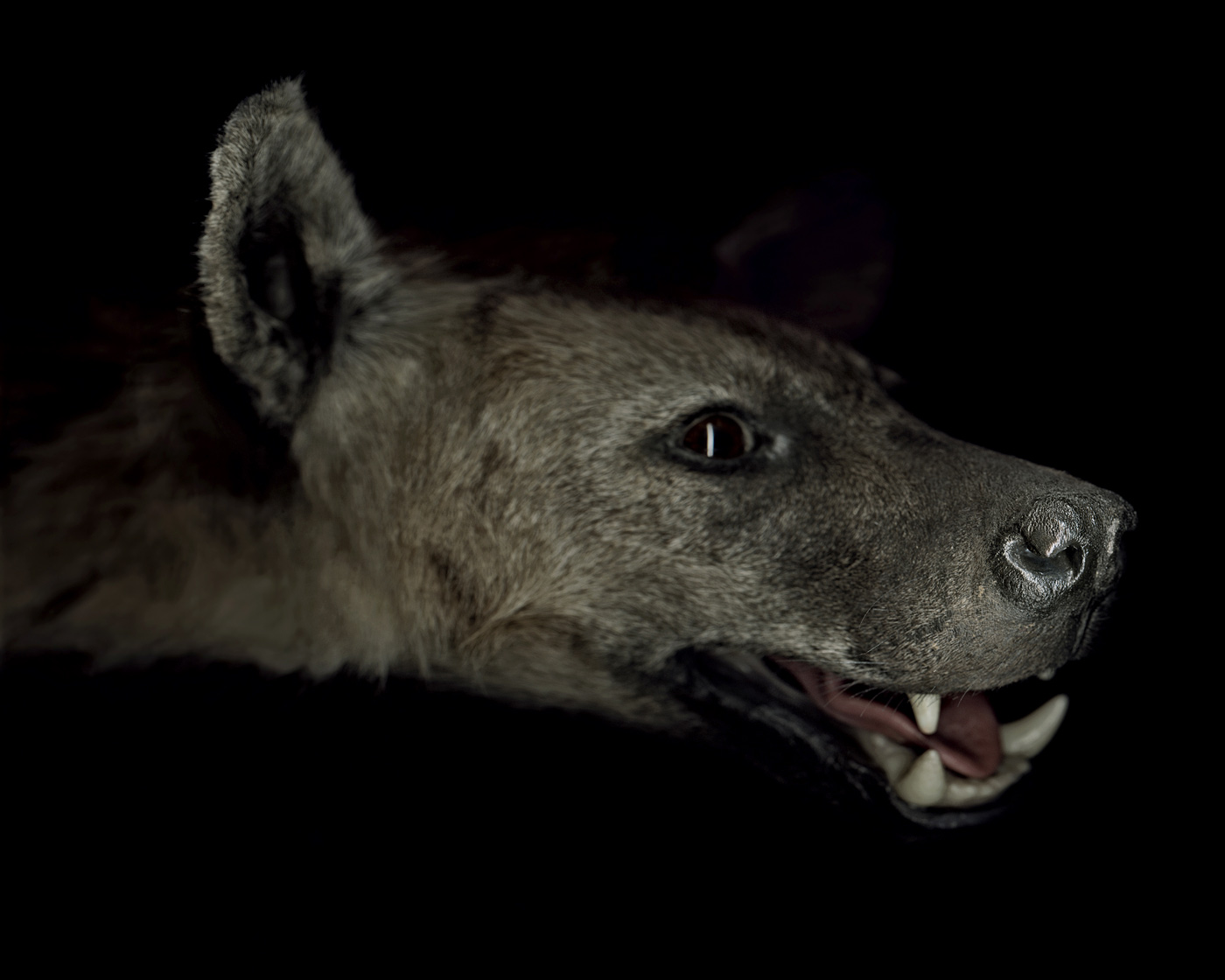

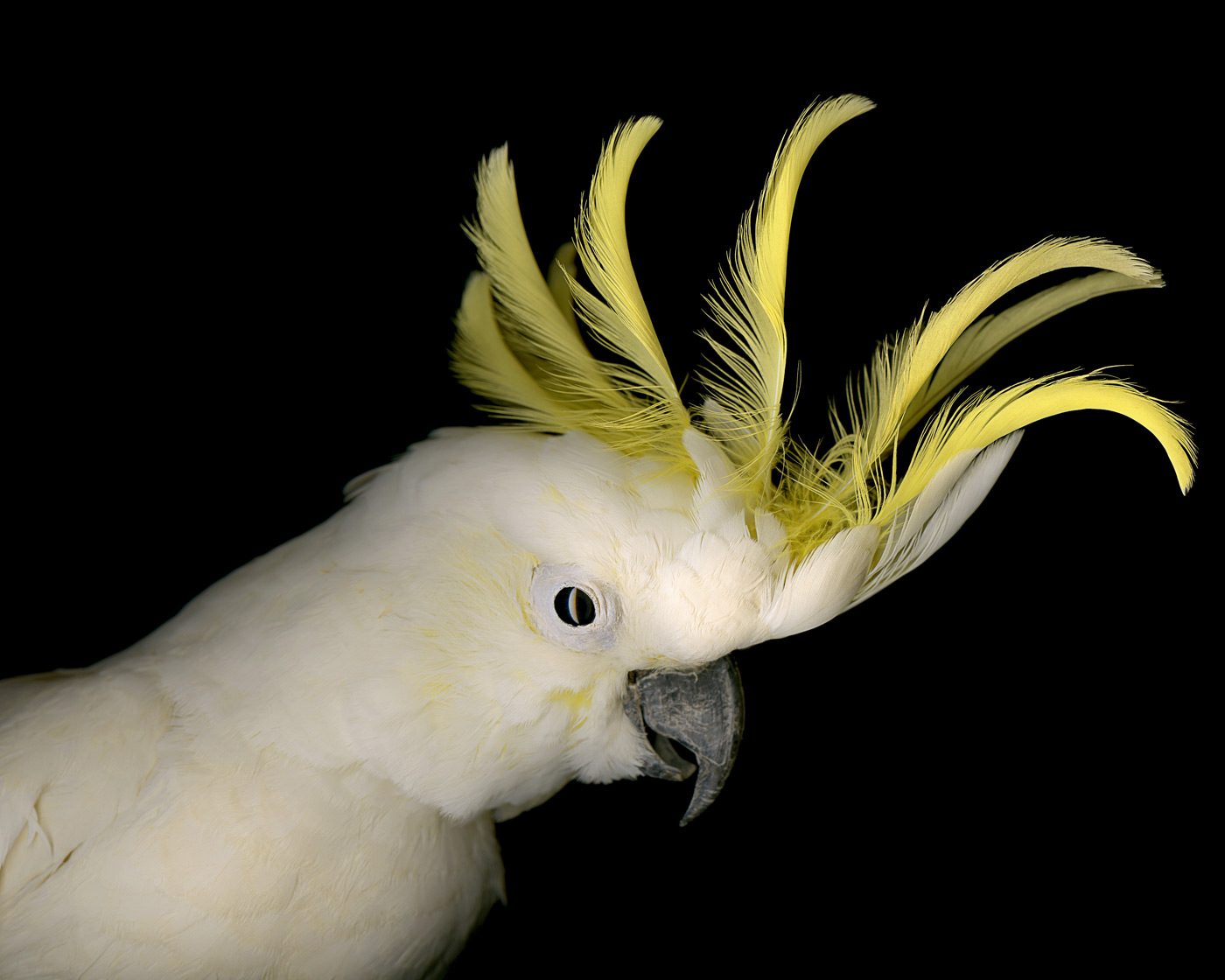

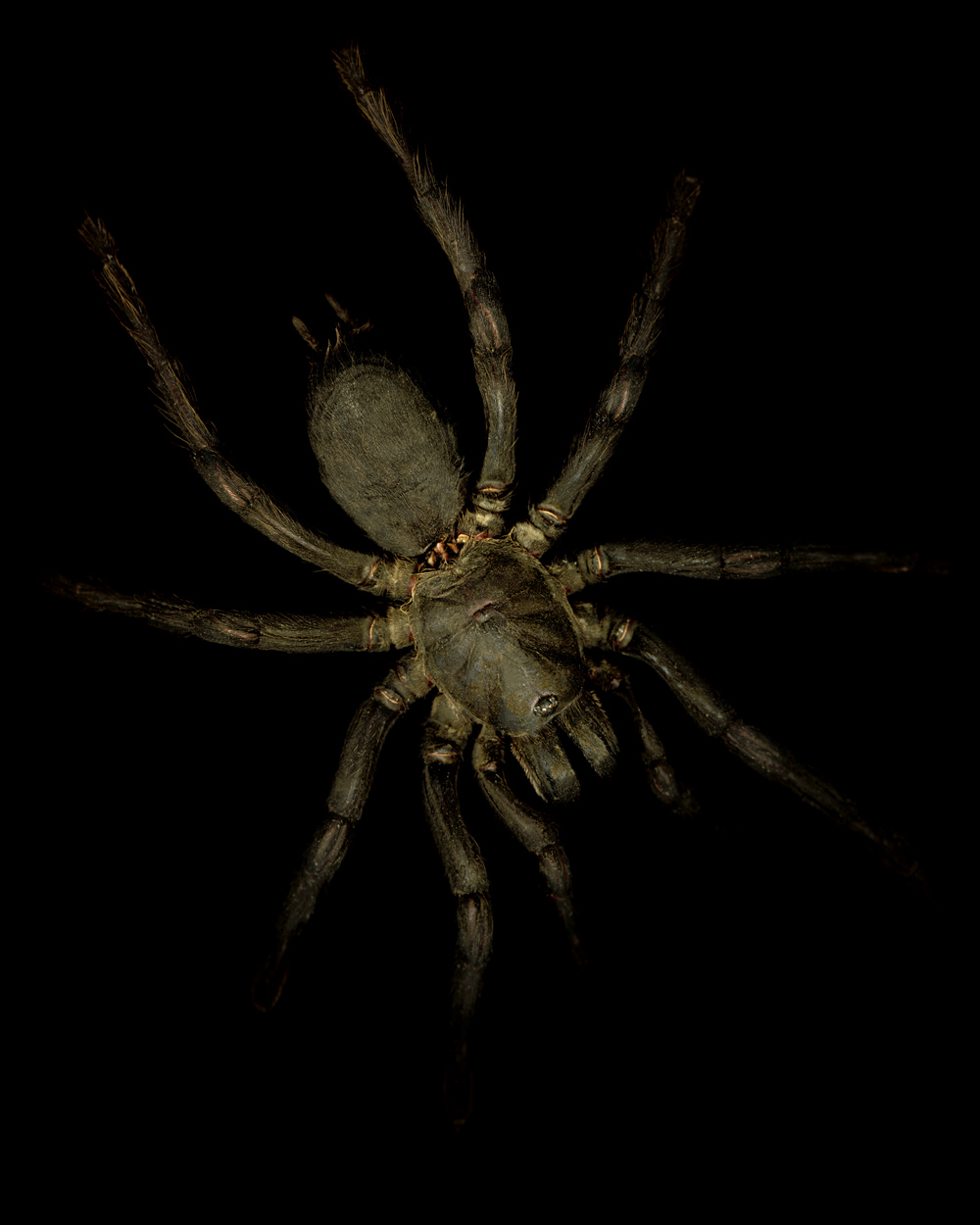
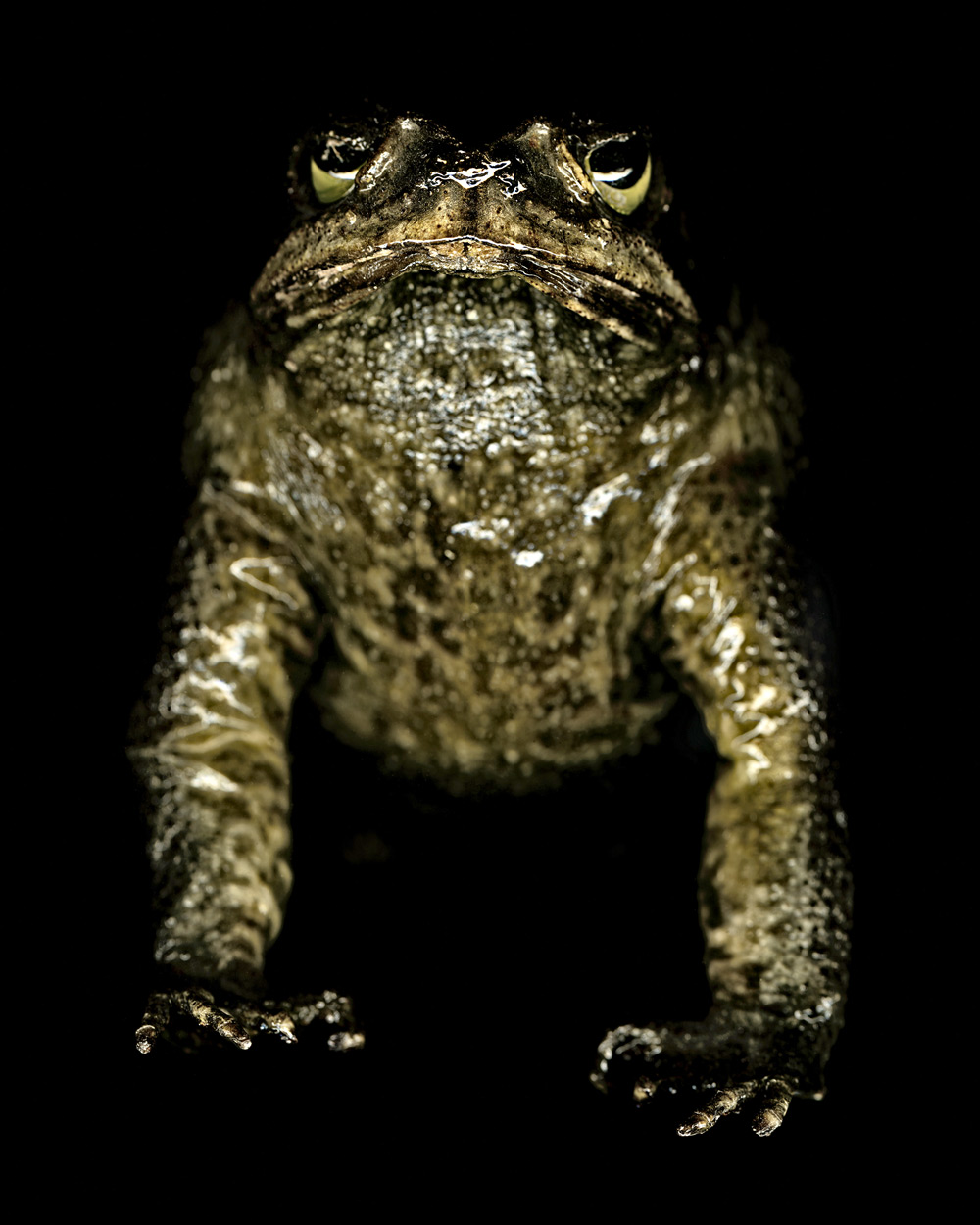
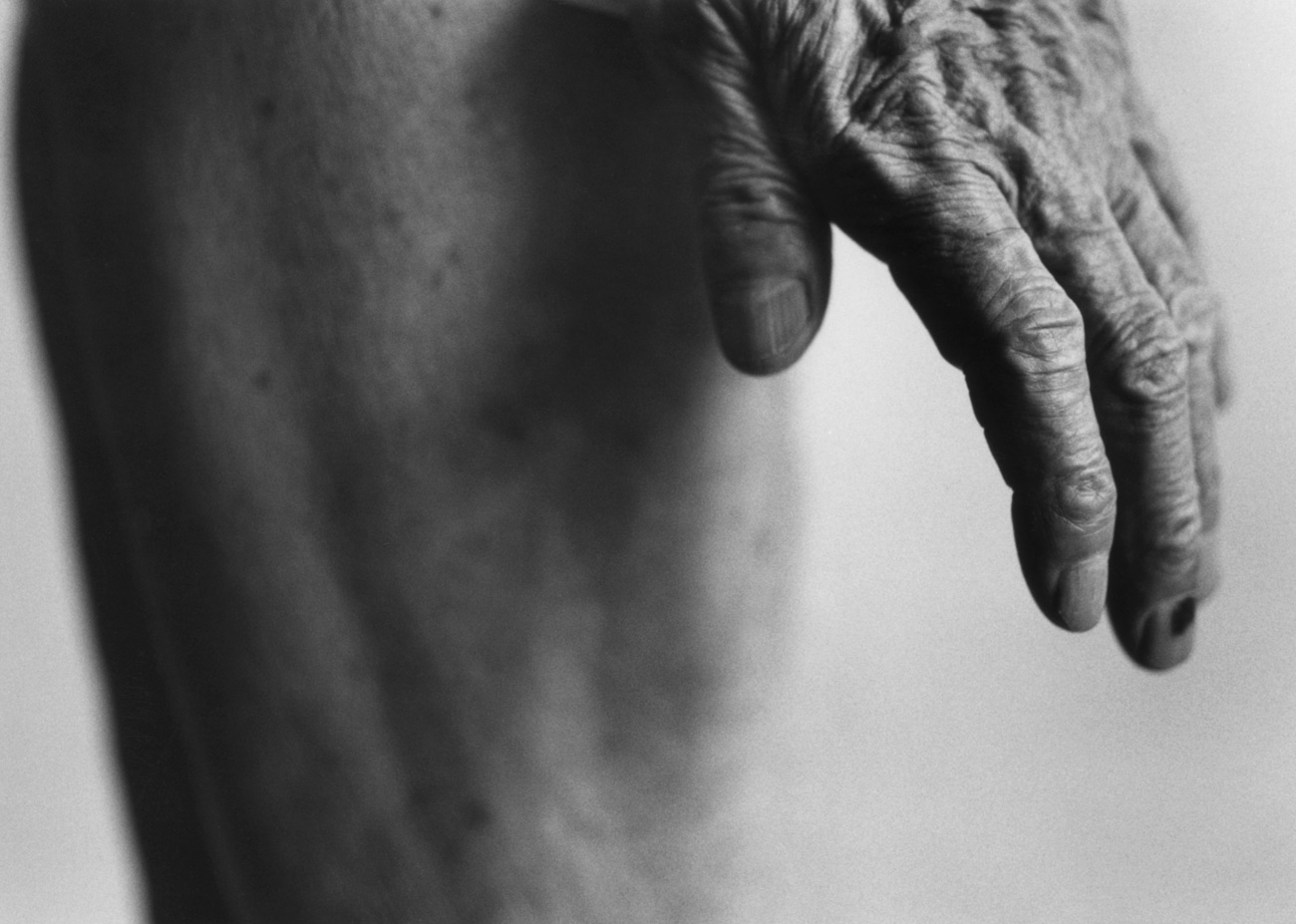


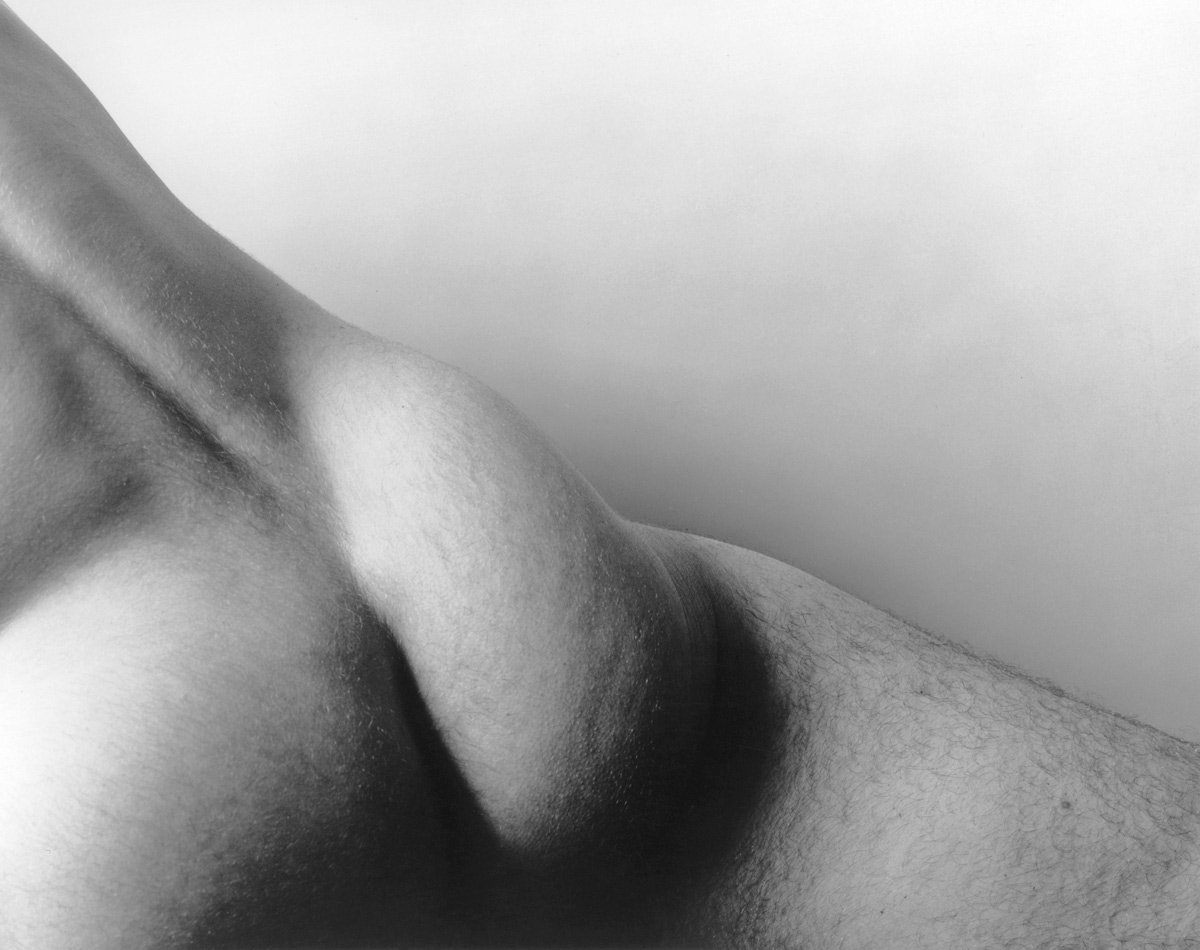

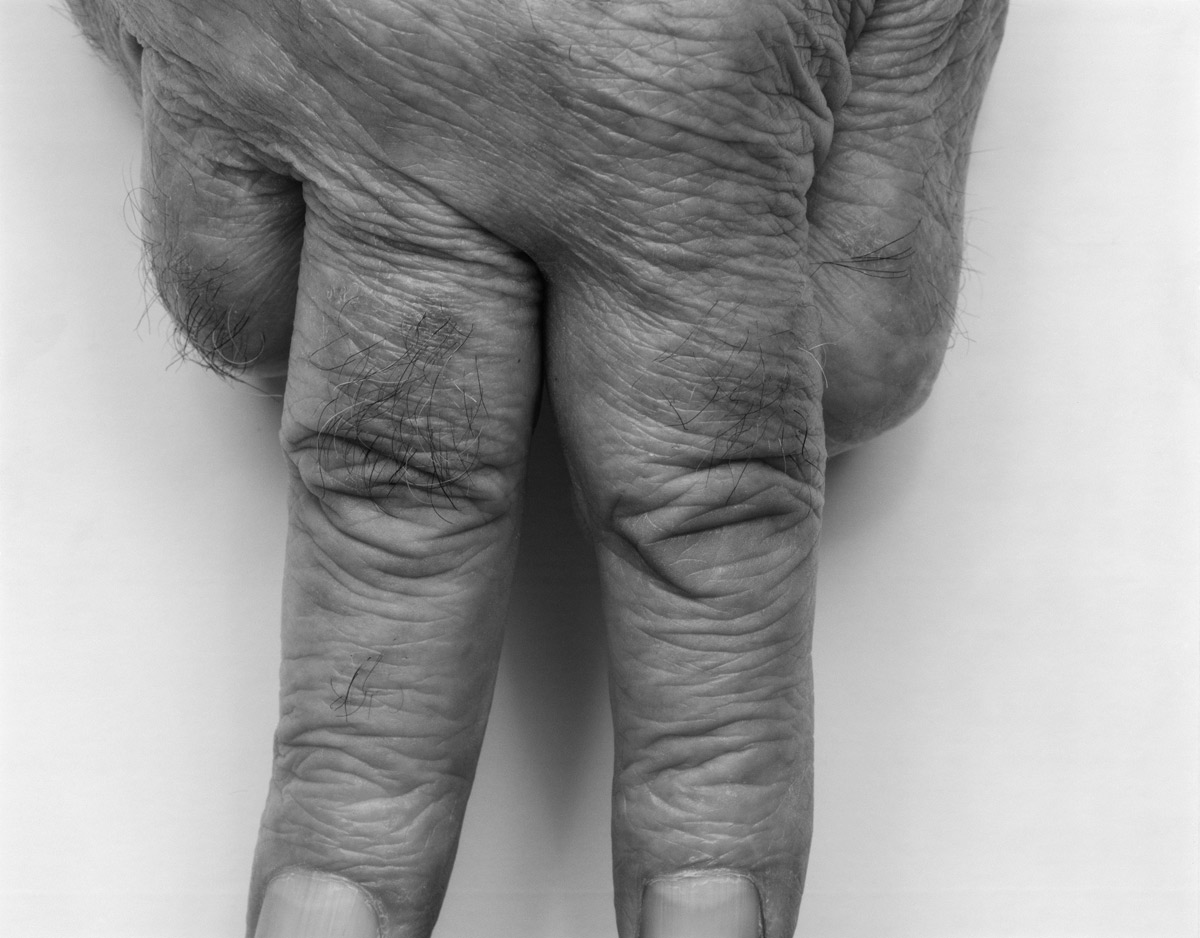
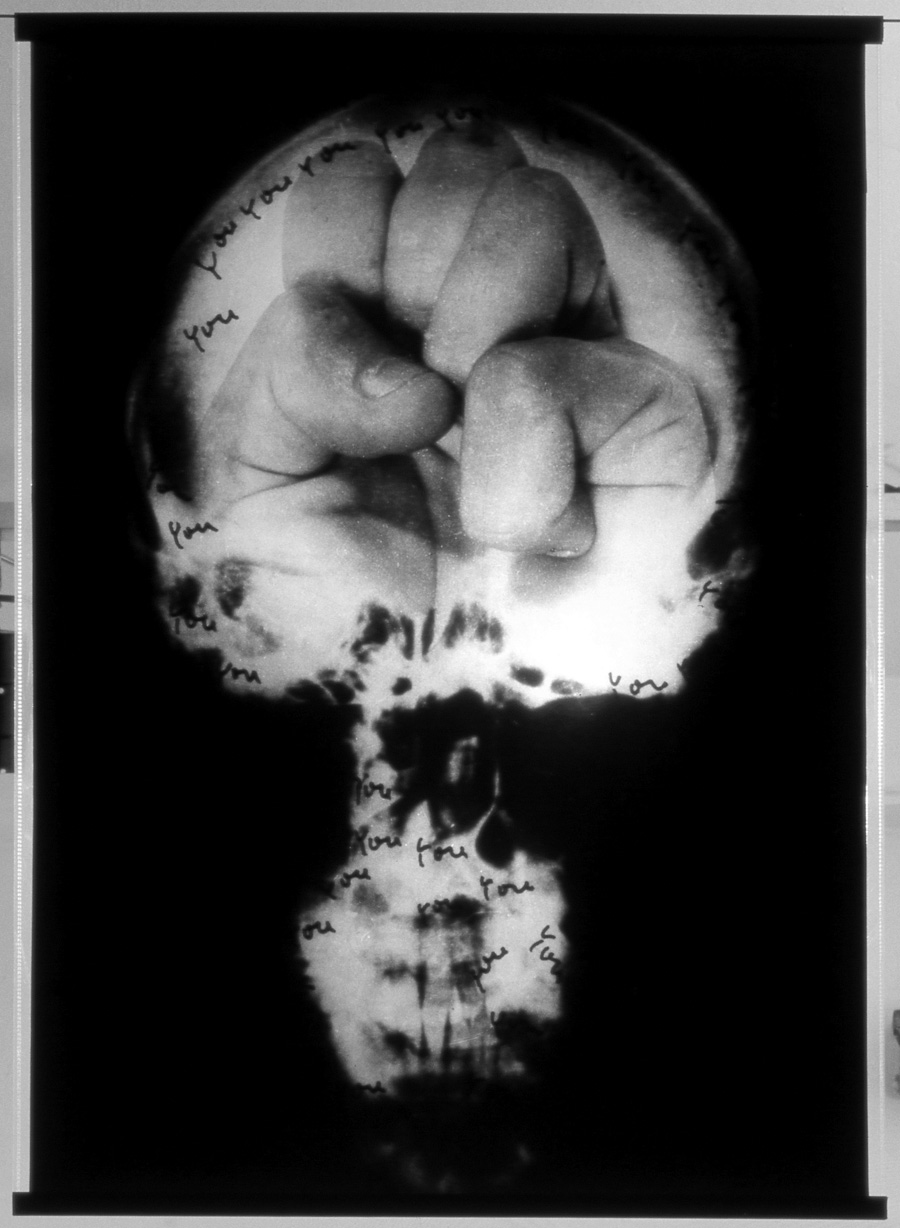

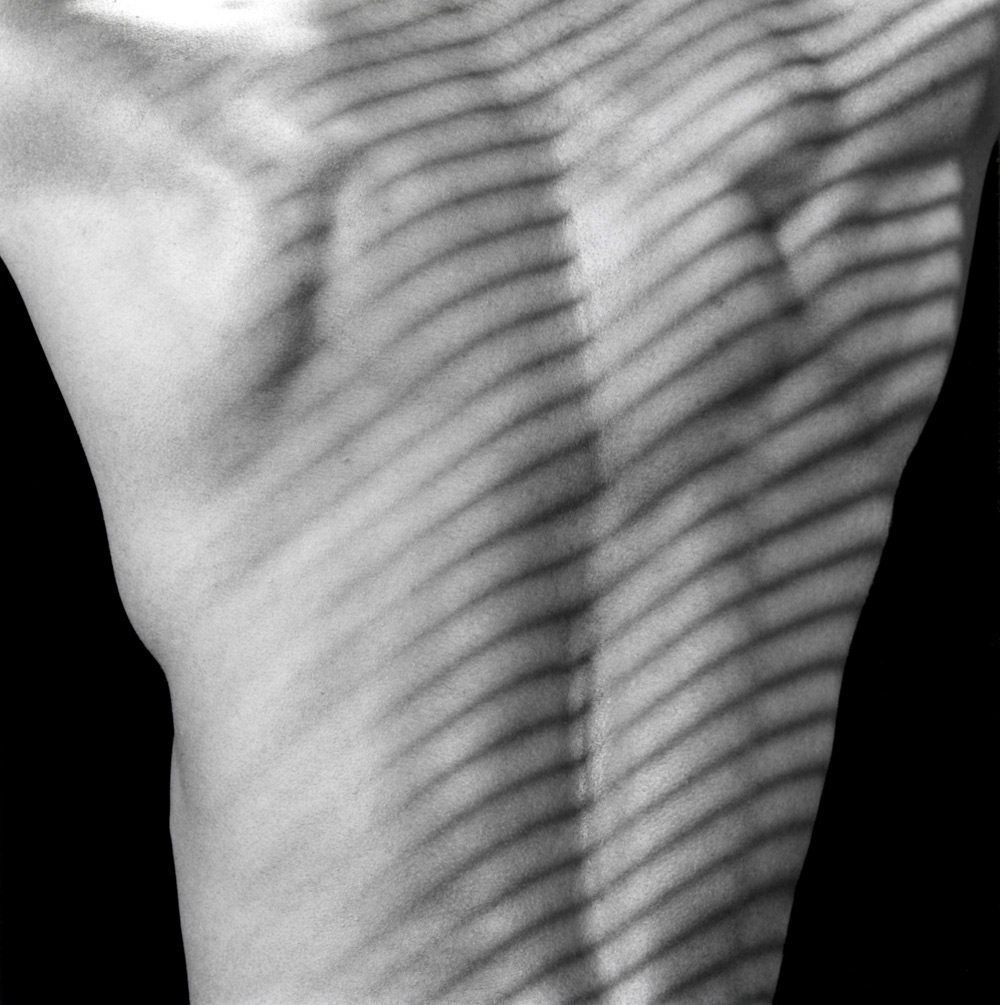

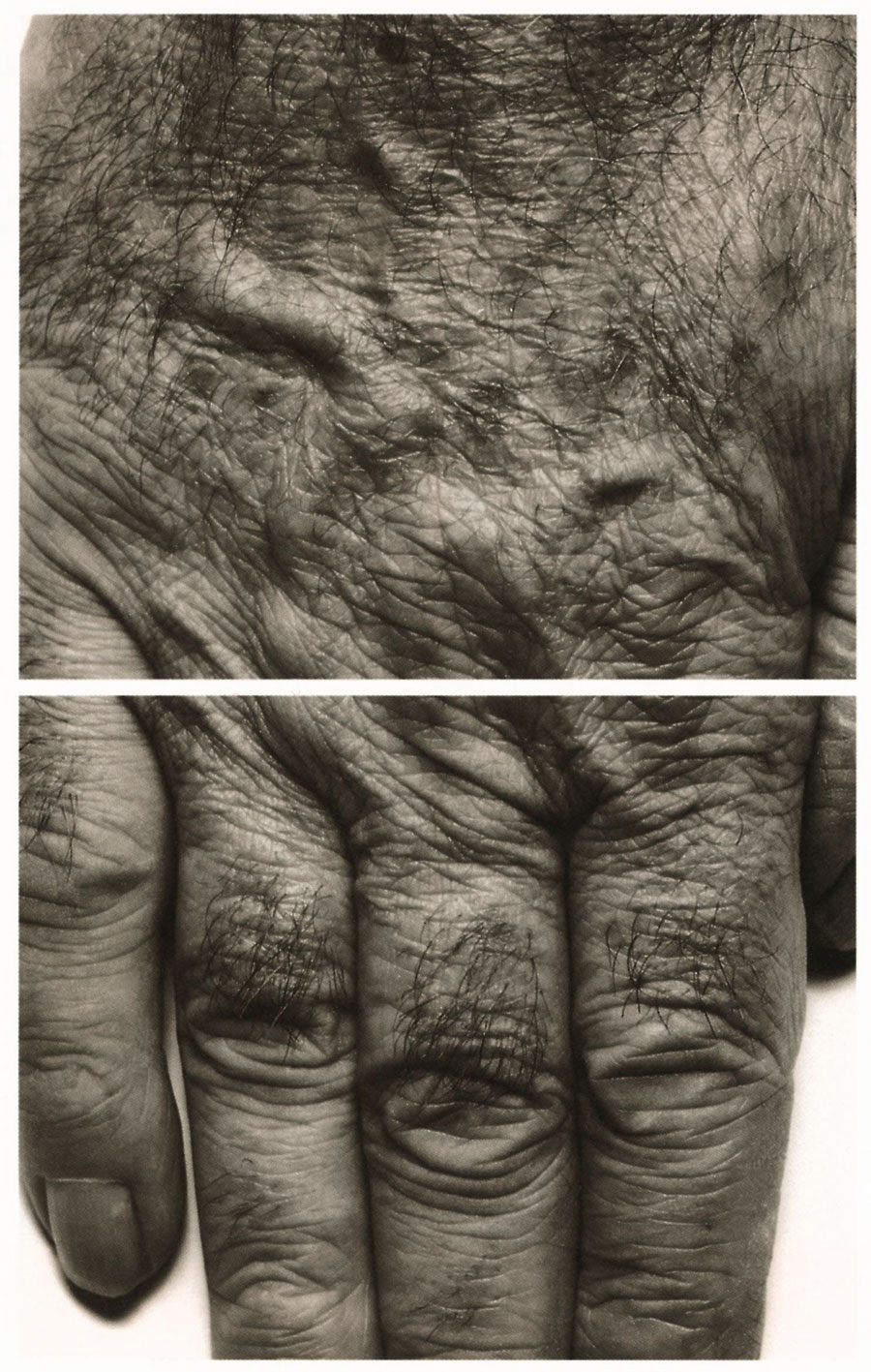
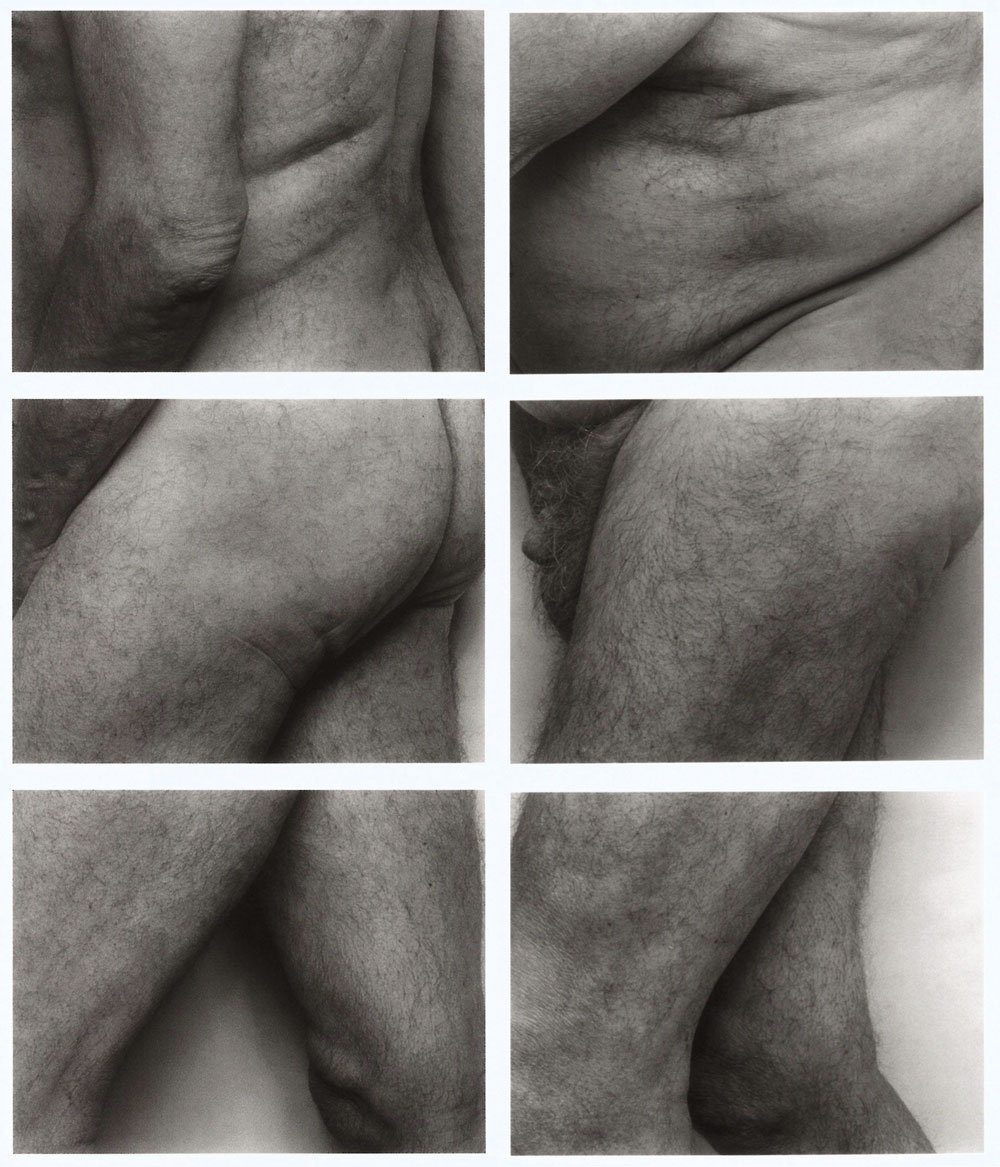
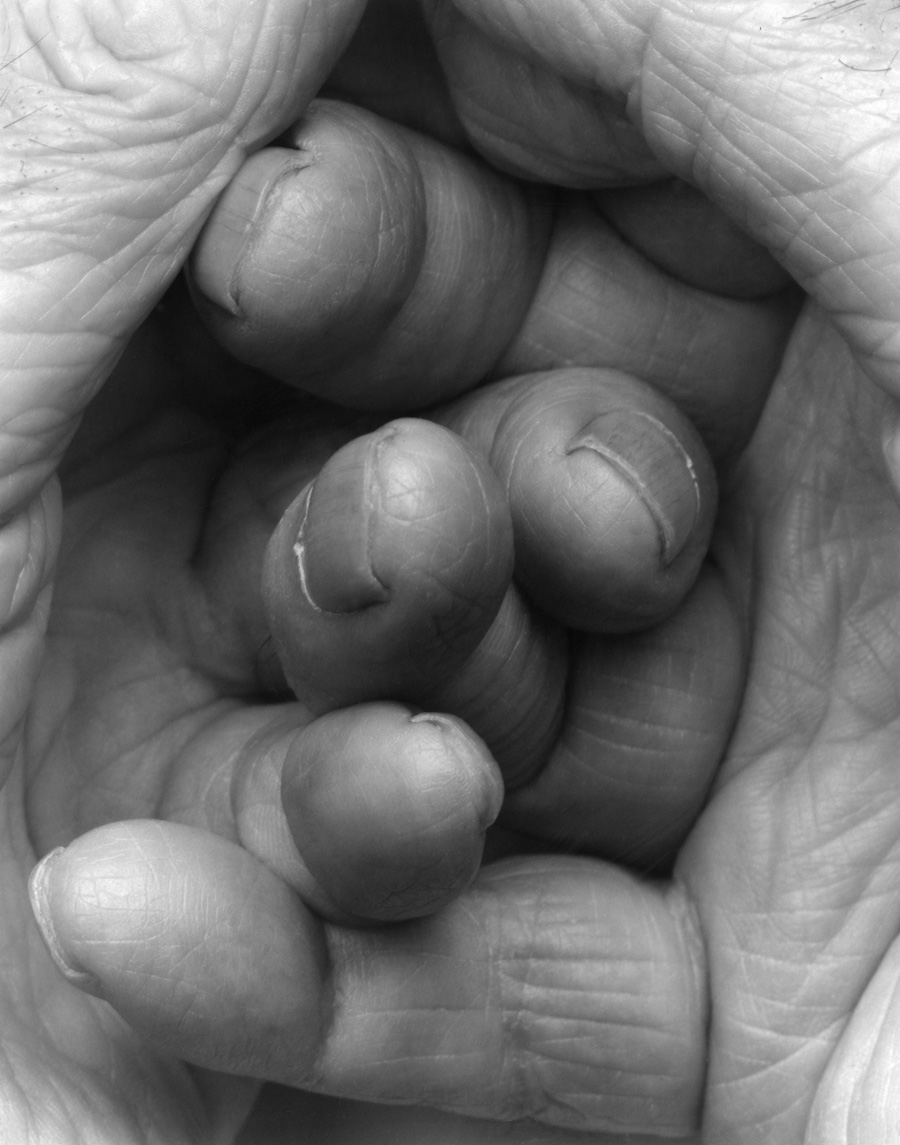


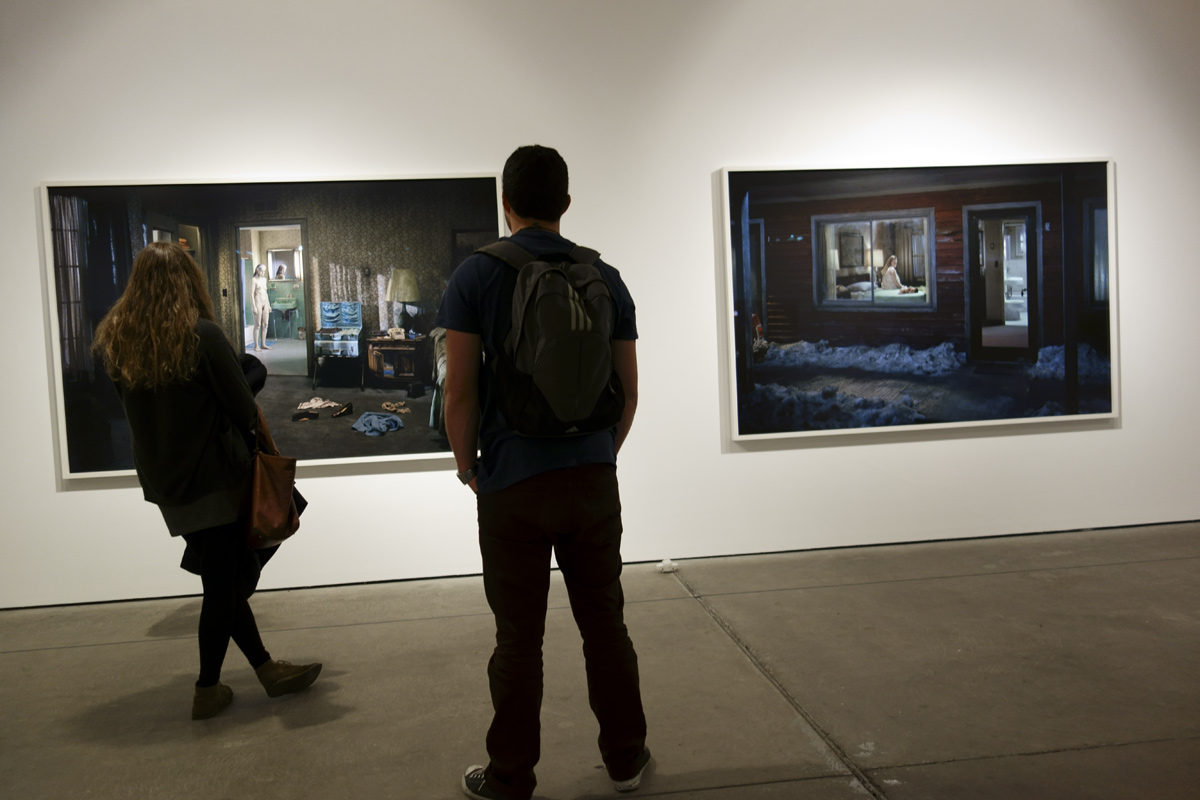


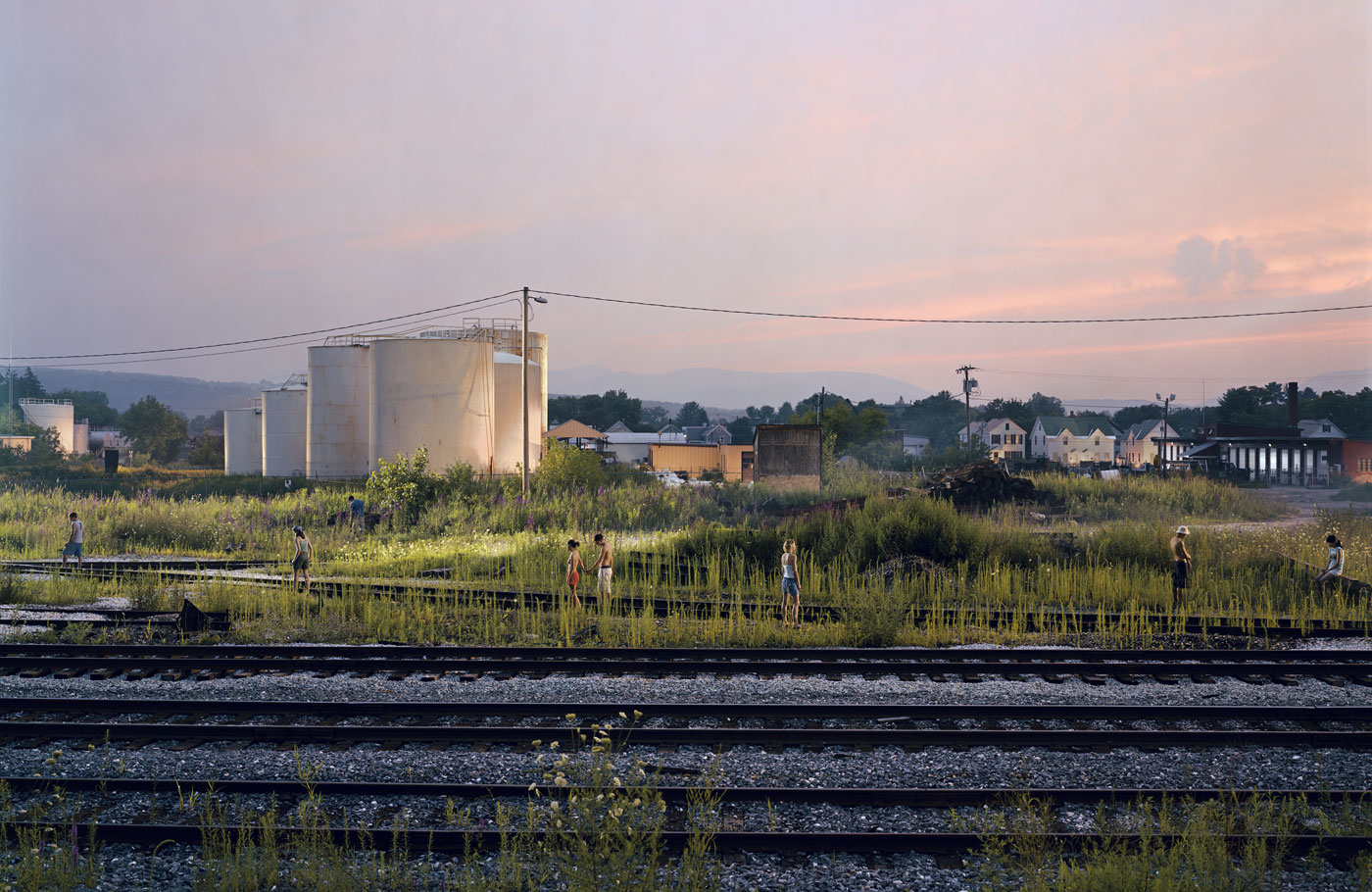


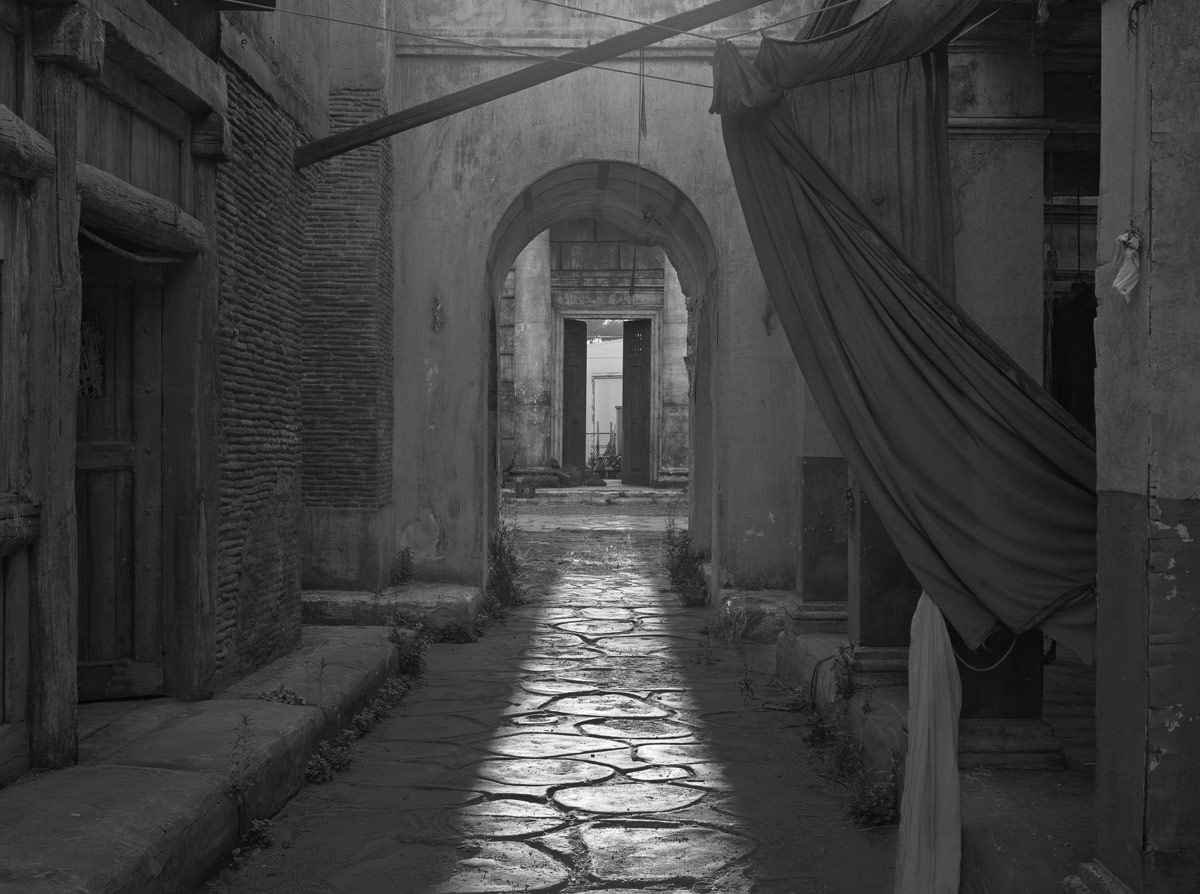


![Harry Callahan (American, 1912-1999) '[Detroit]' 1941](https://artblart.com/wp-content/uploads/2012/10/harry-callahan-detroit.jpg "Harry Callahan (American, 1912-1999) '[Detroit]' 1941")
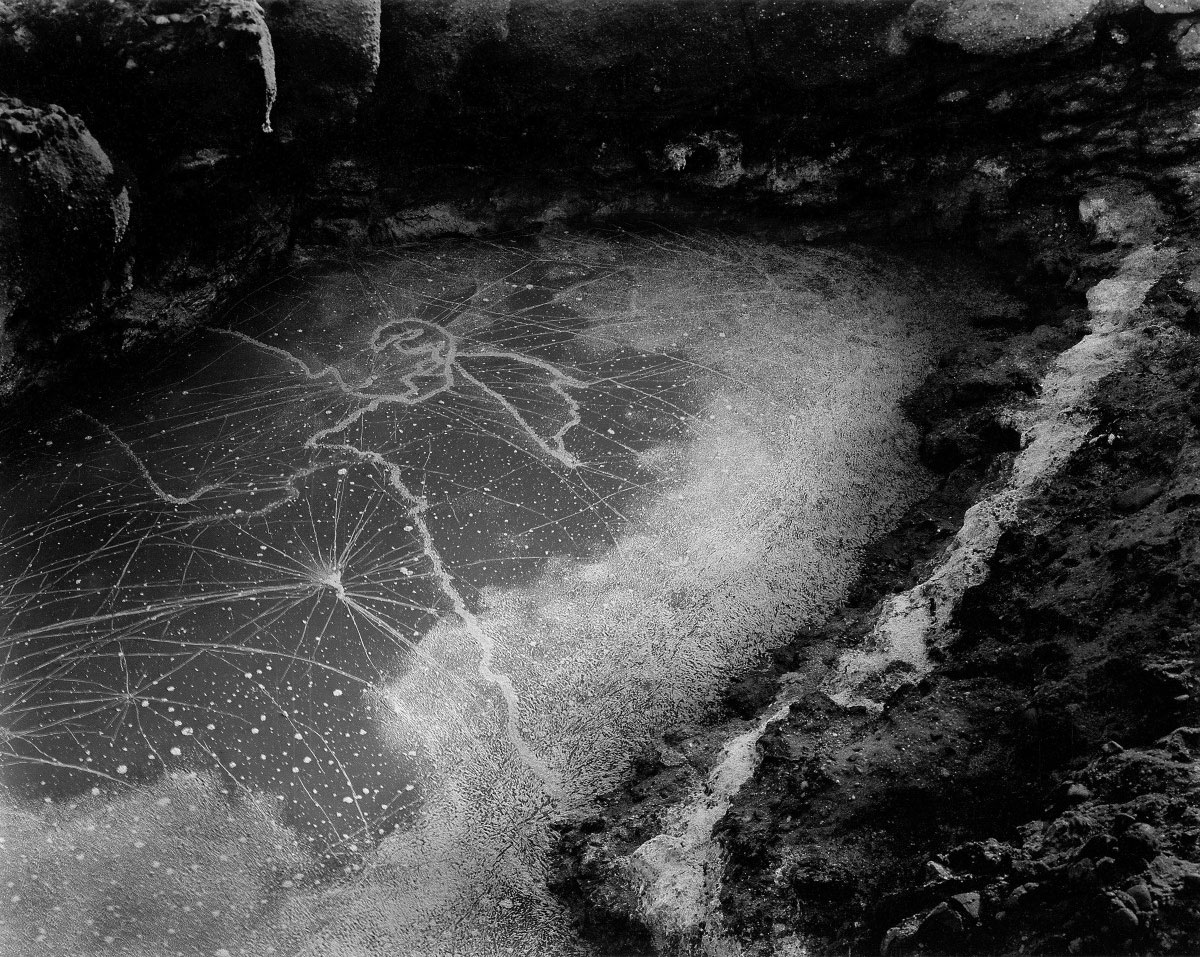

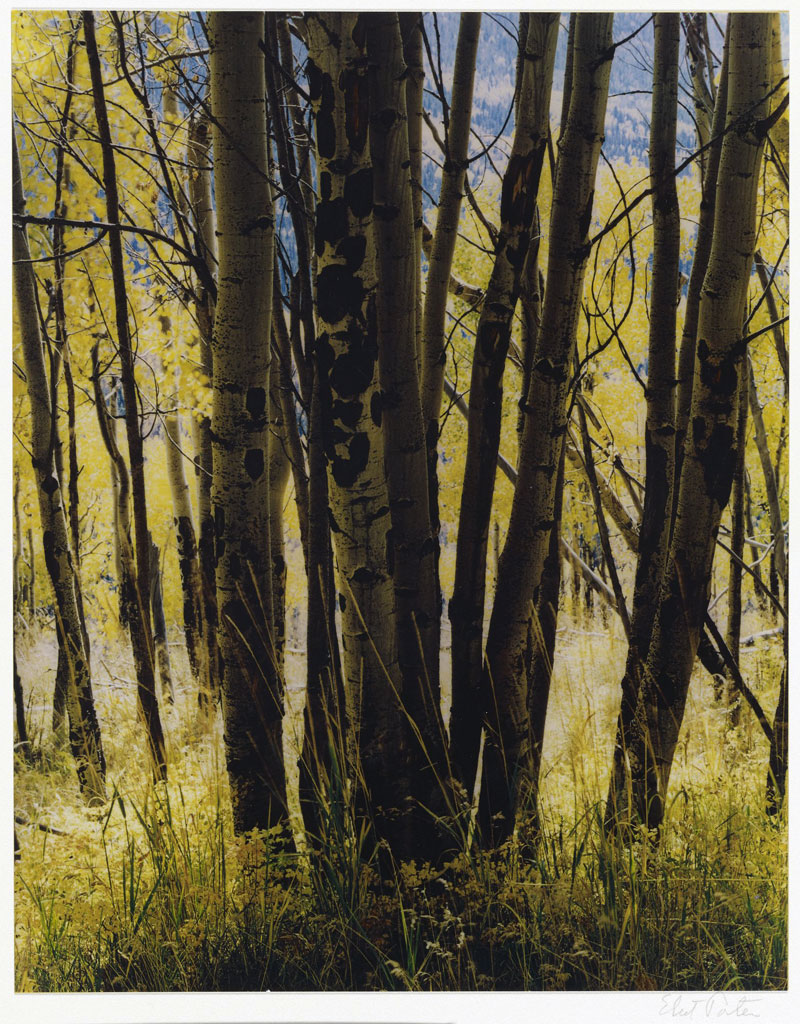


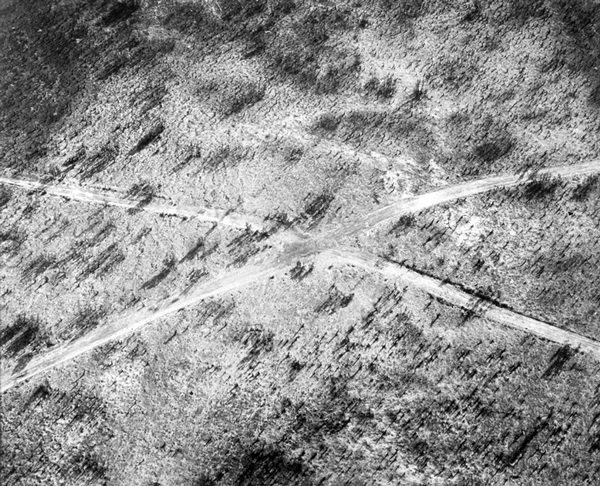
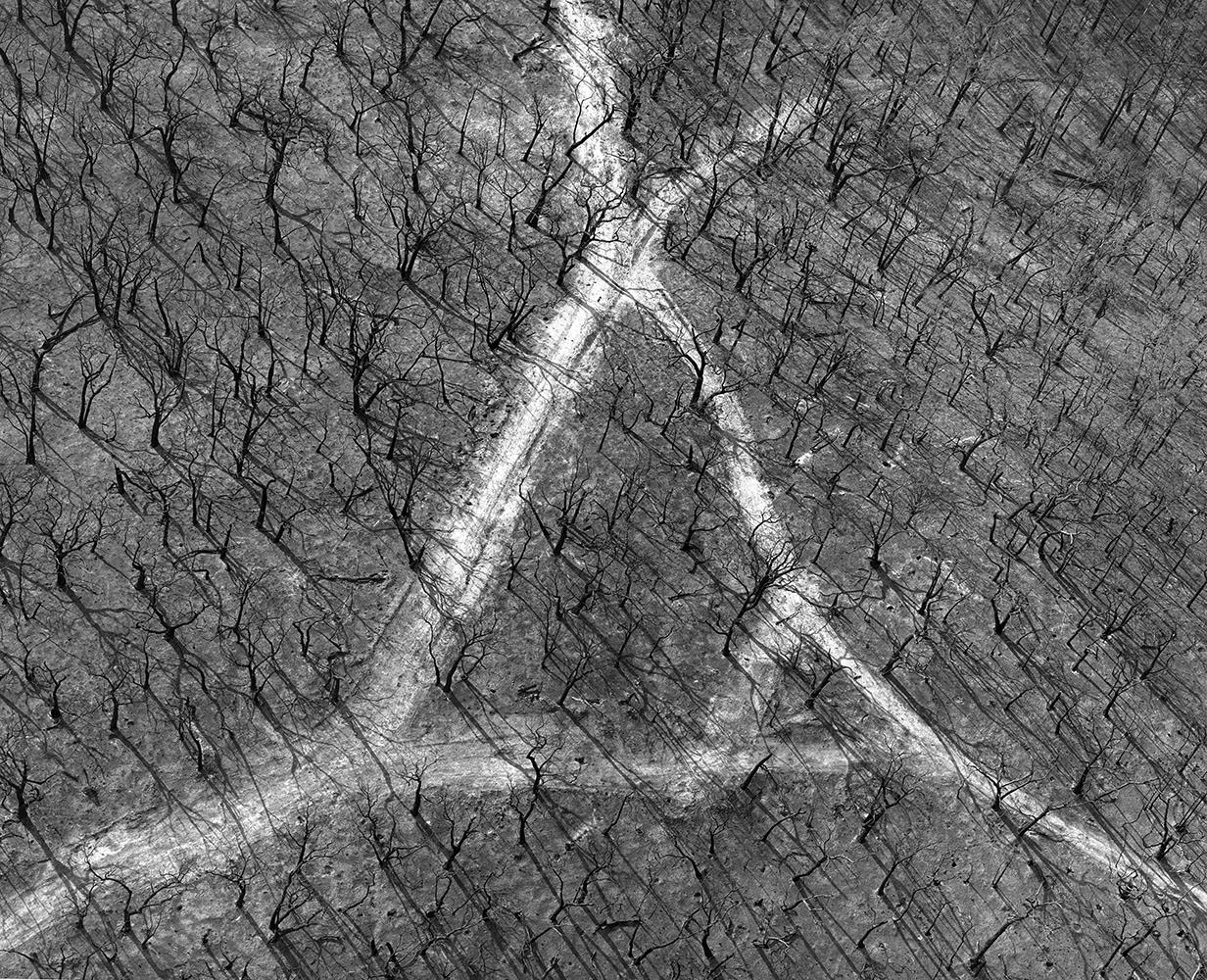
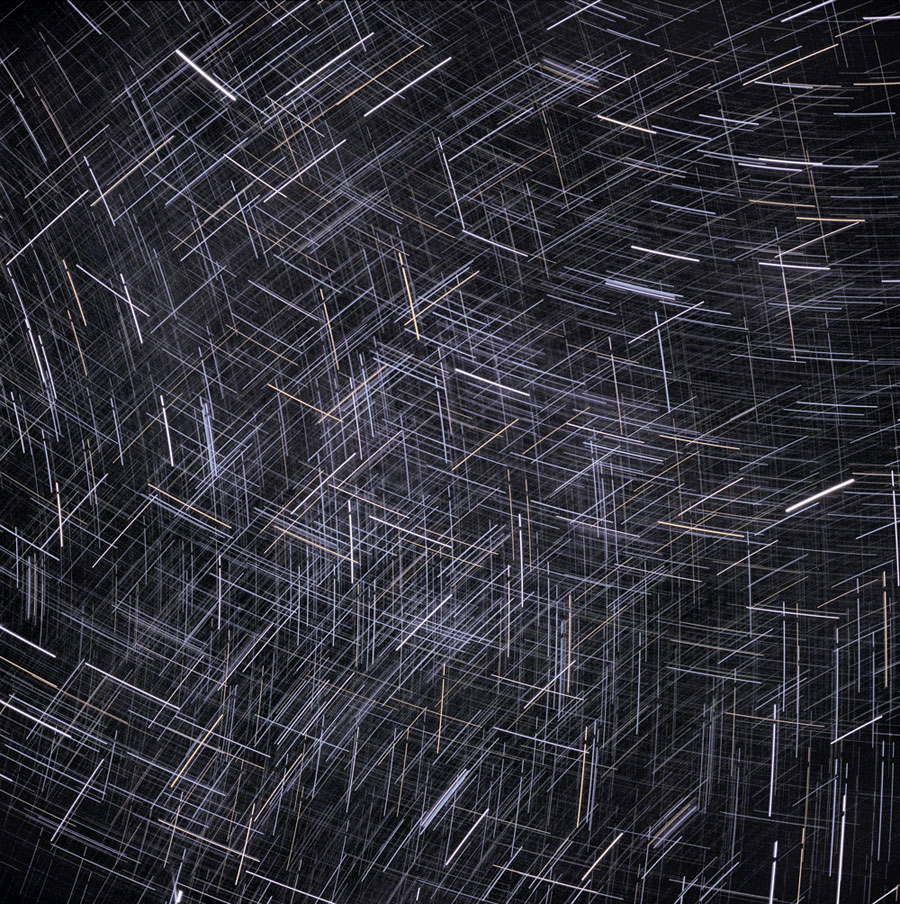
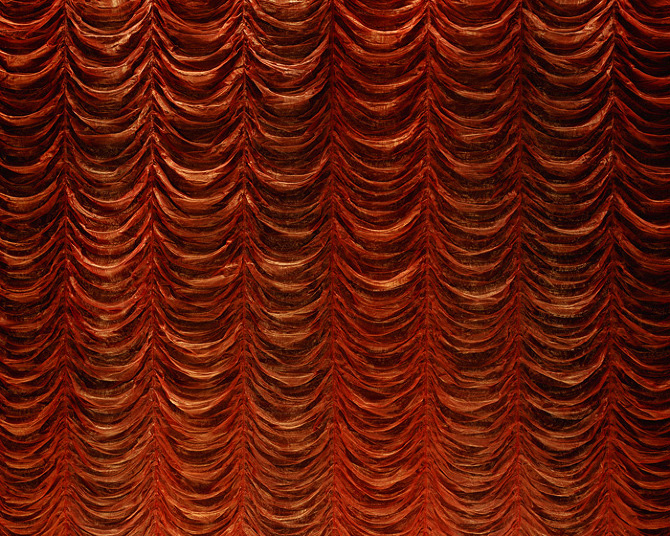
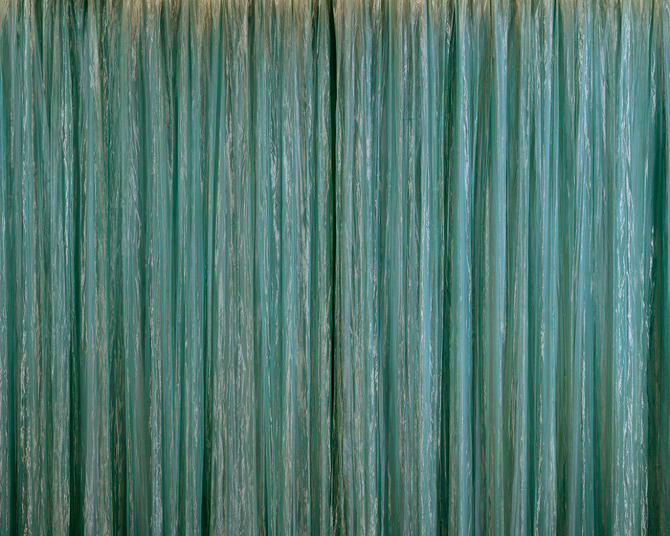
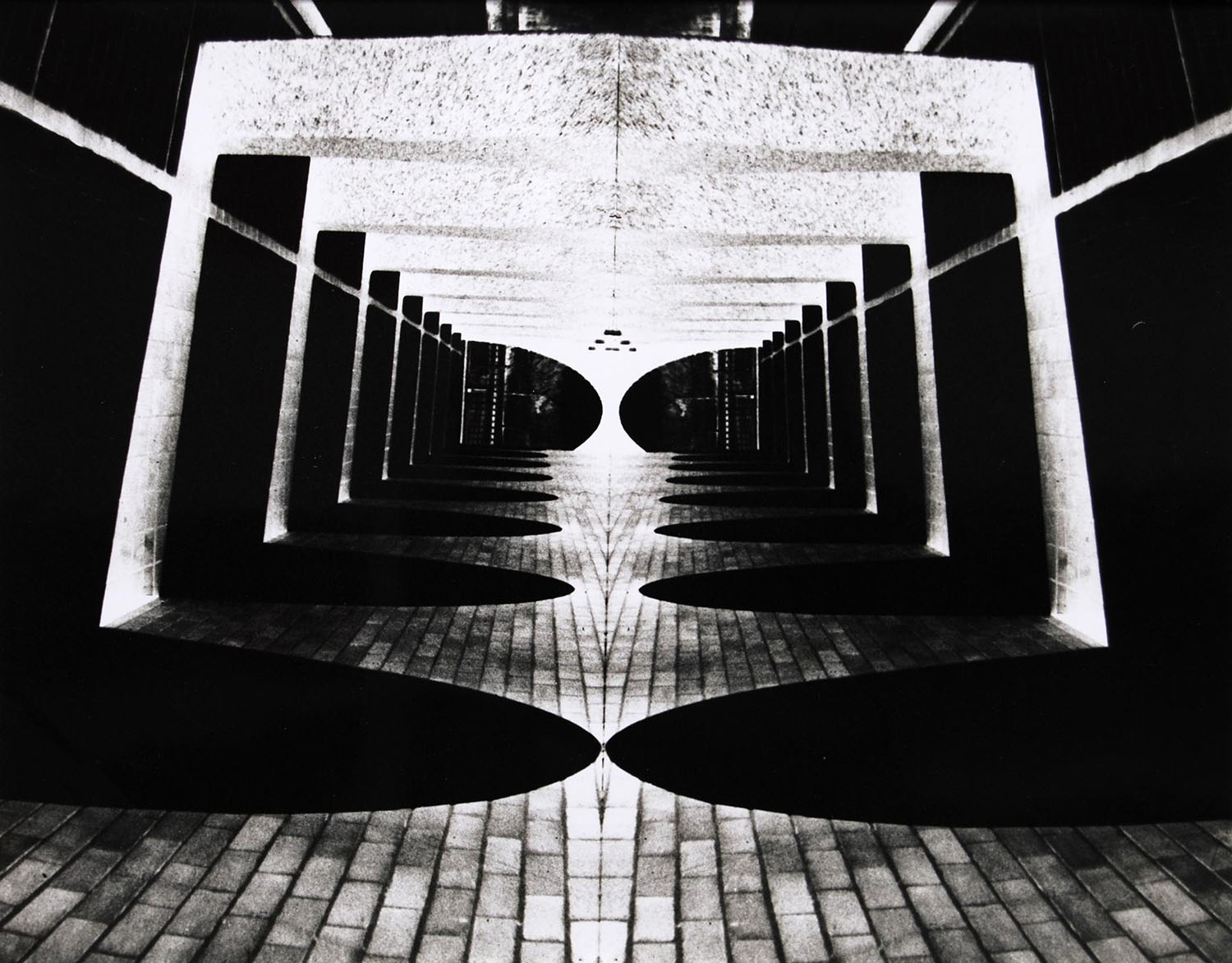
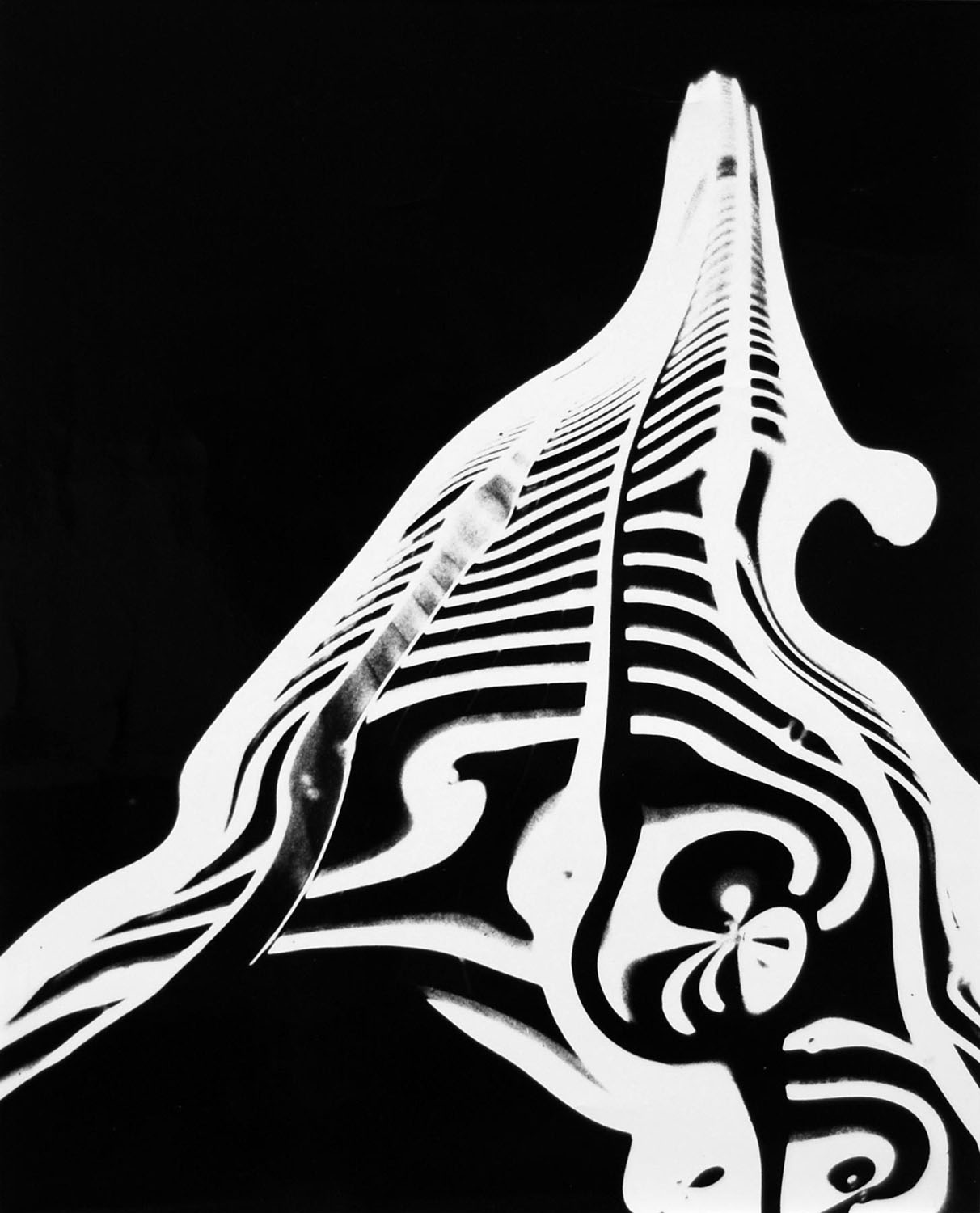
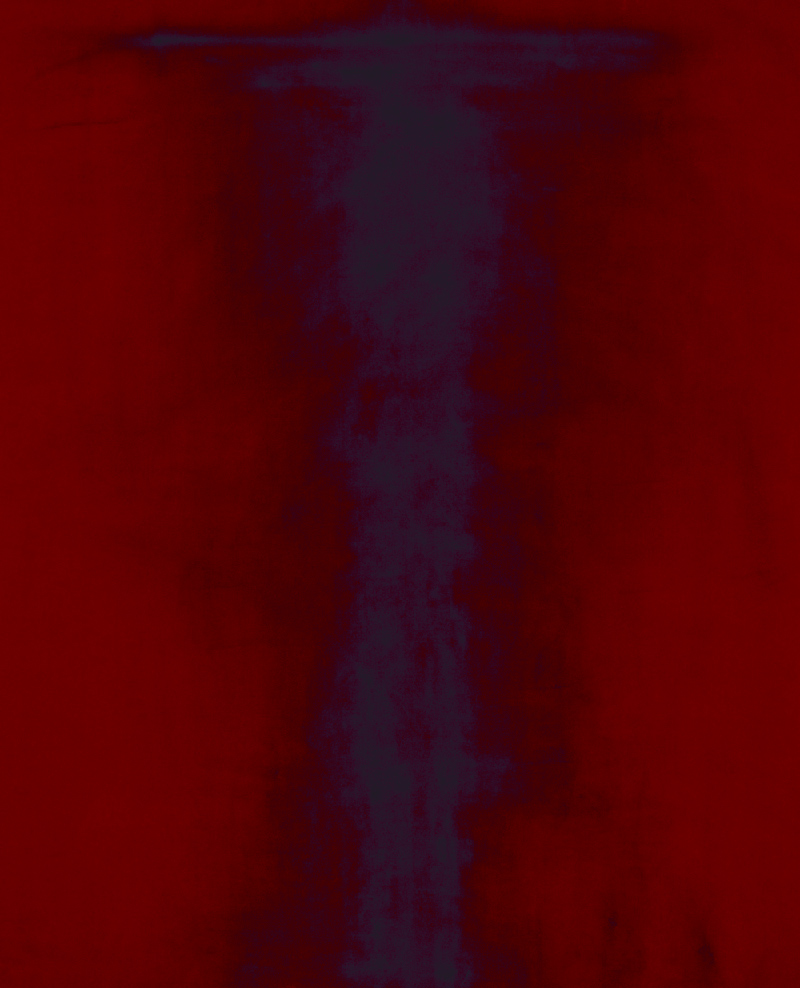
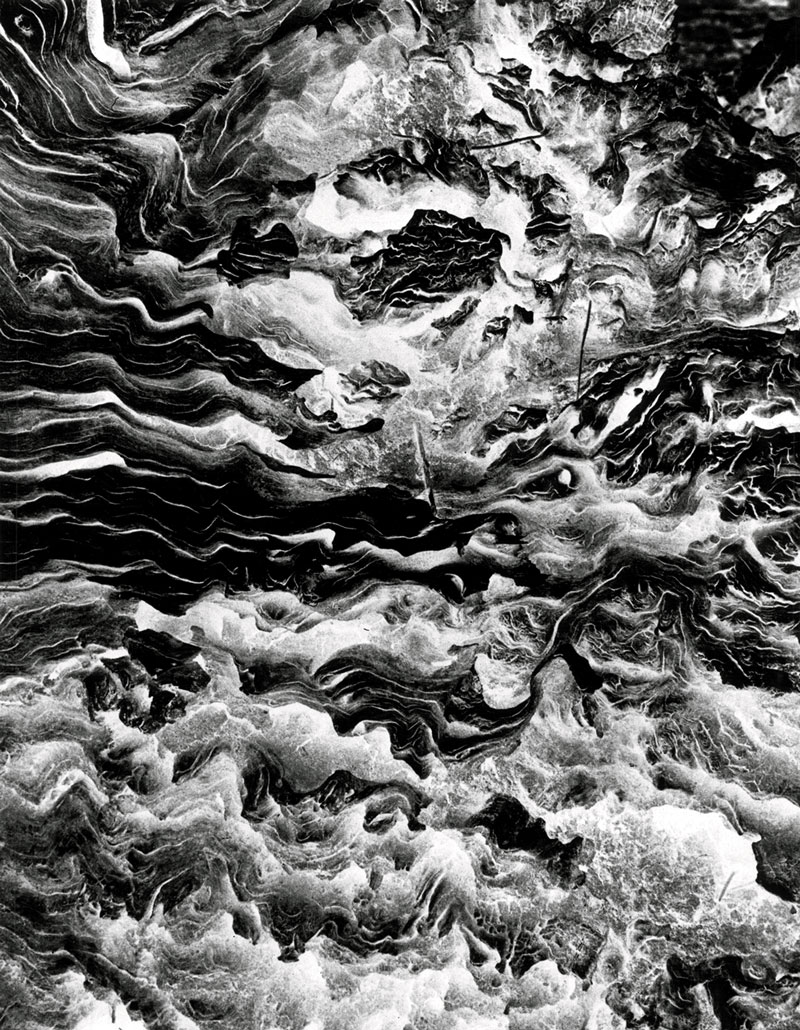
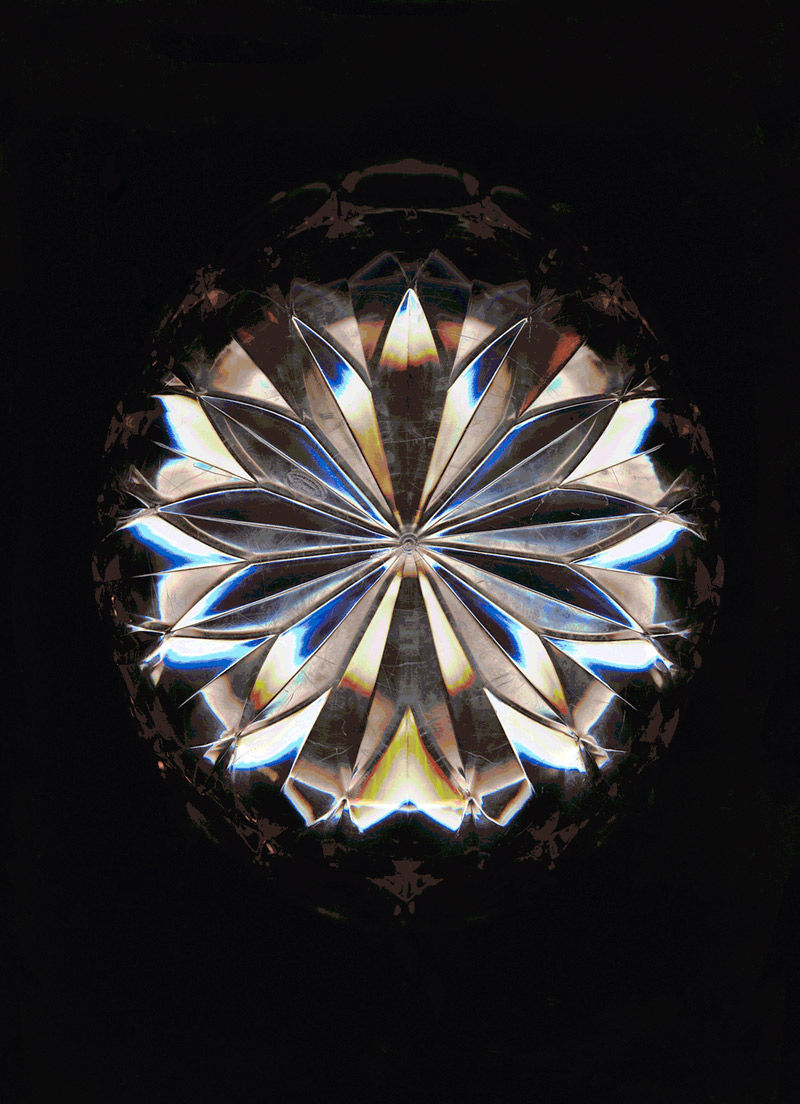
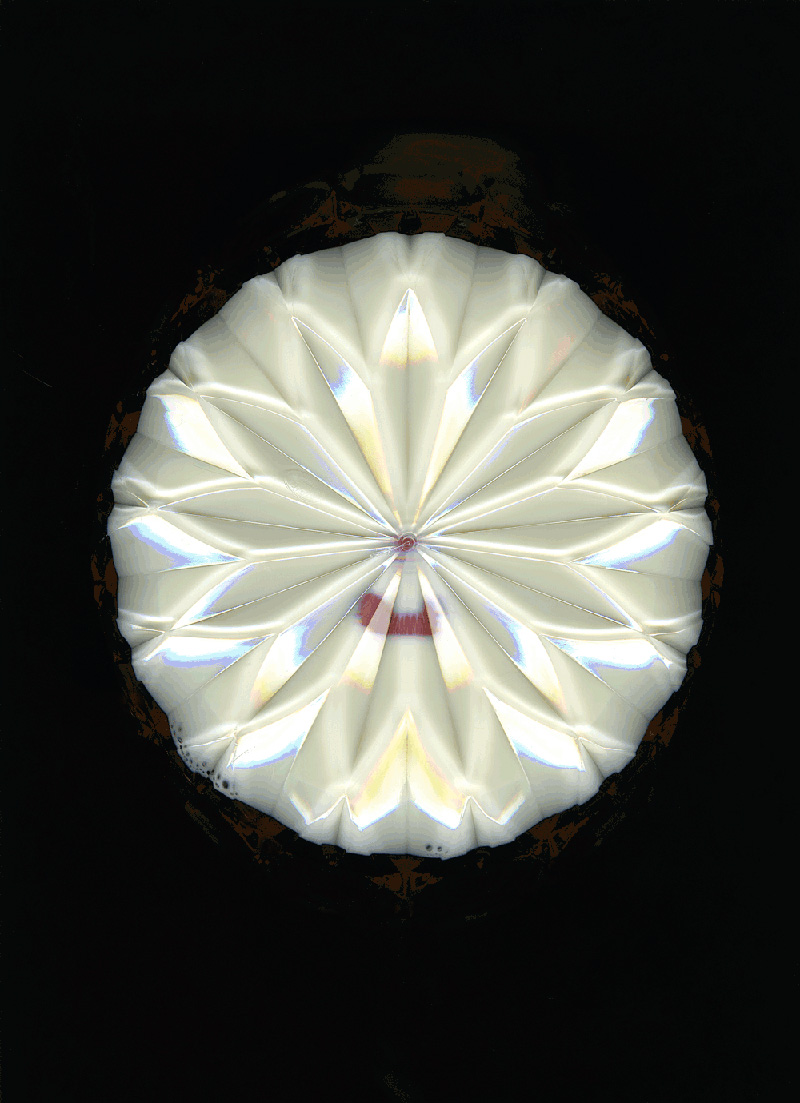
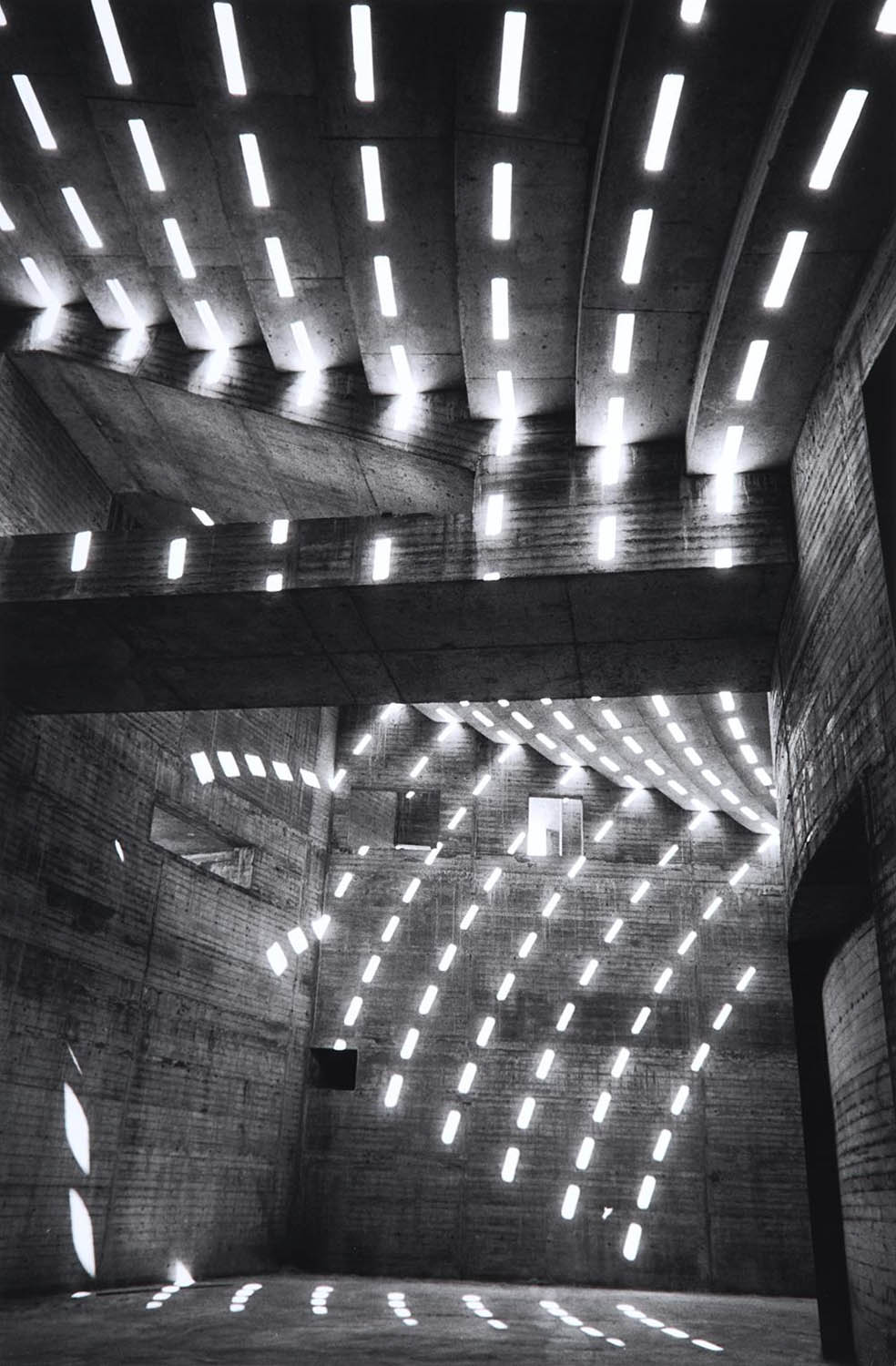

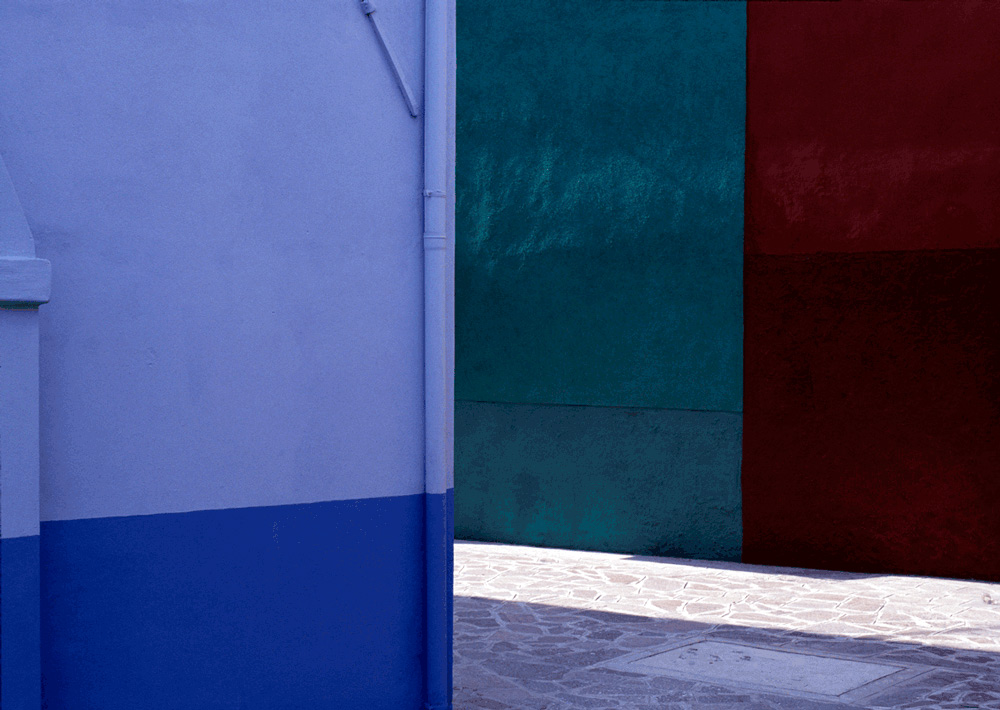
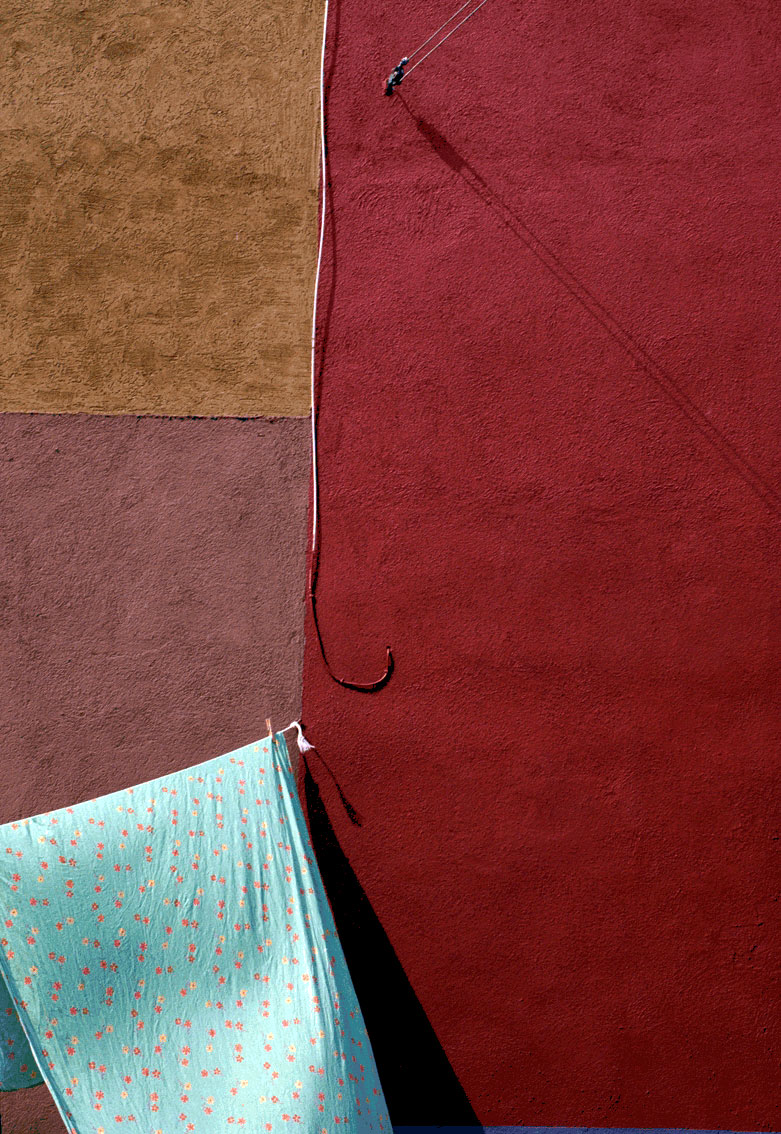
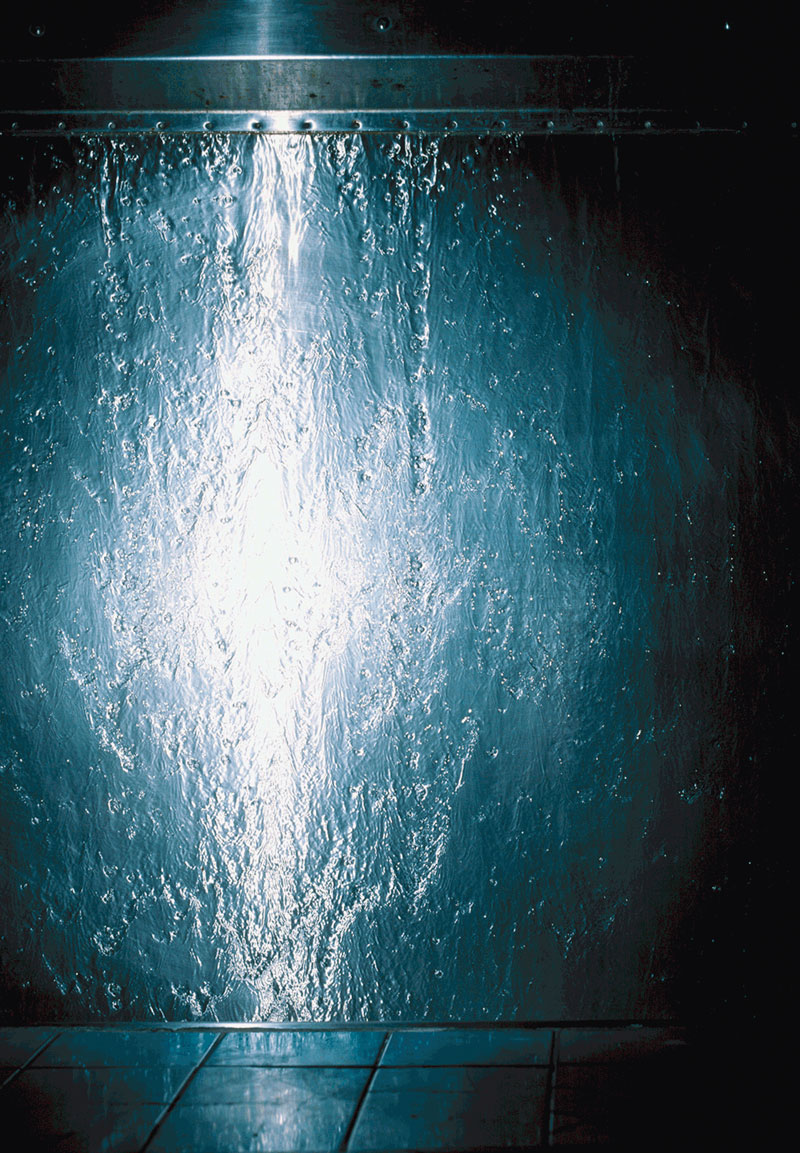
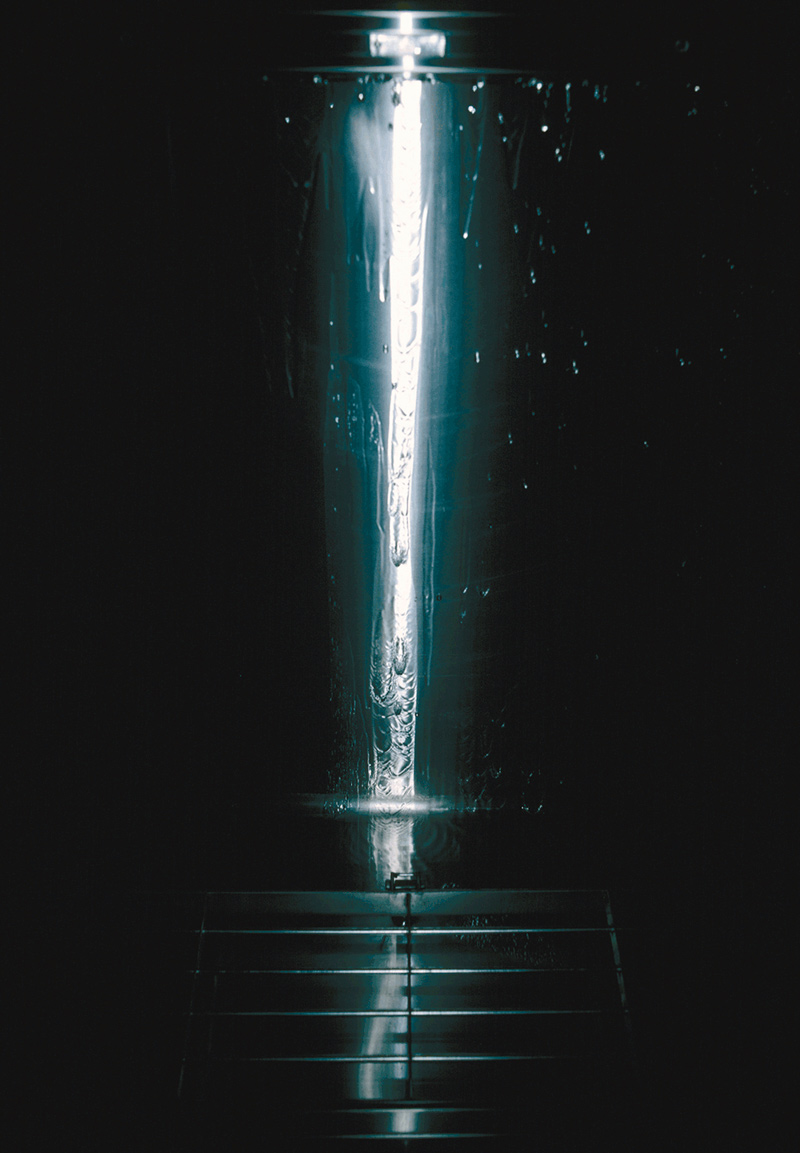
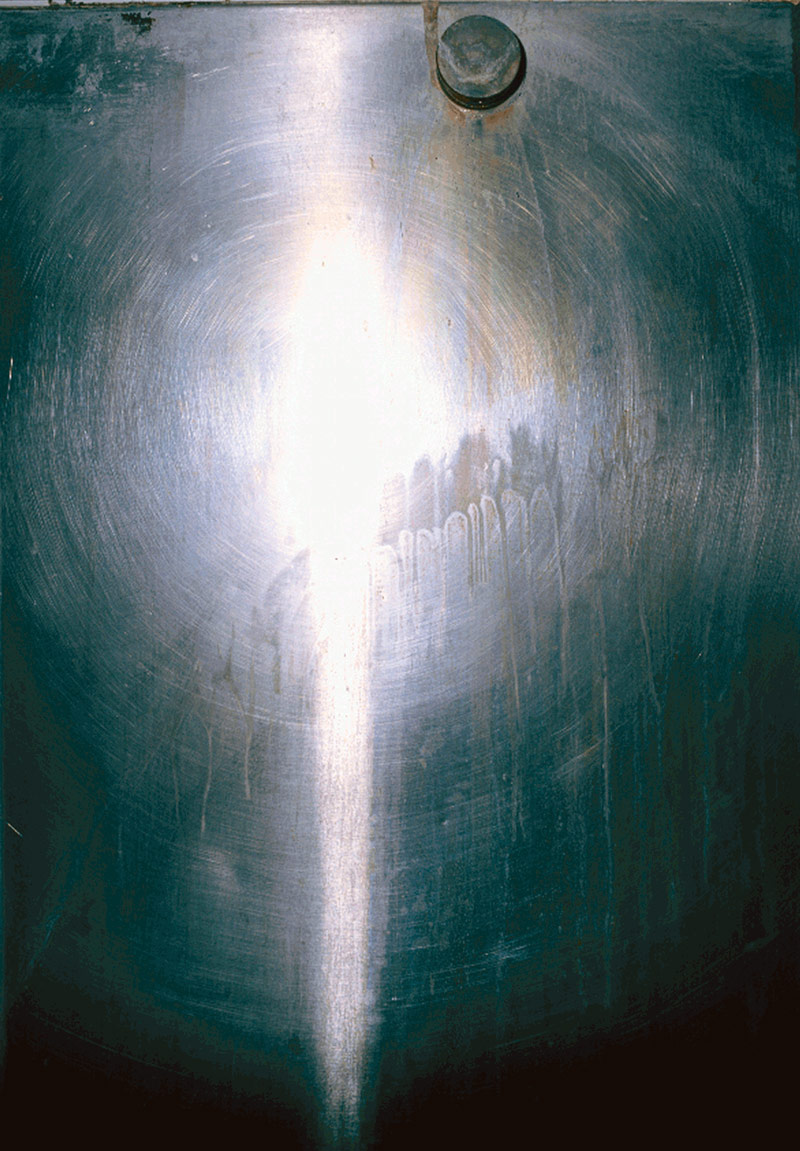

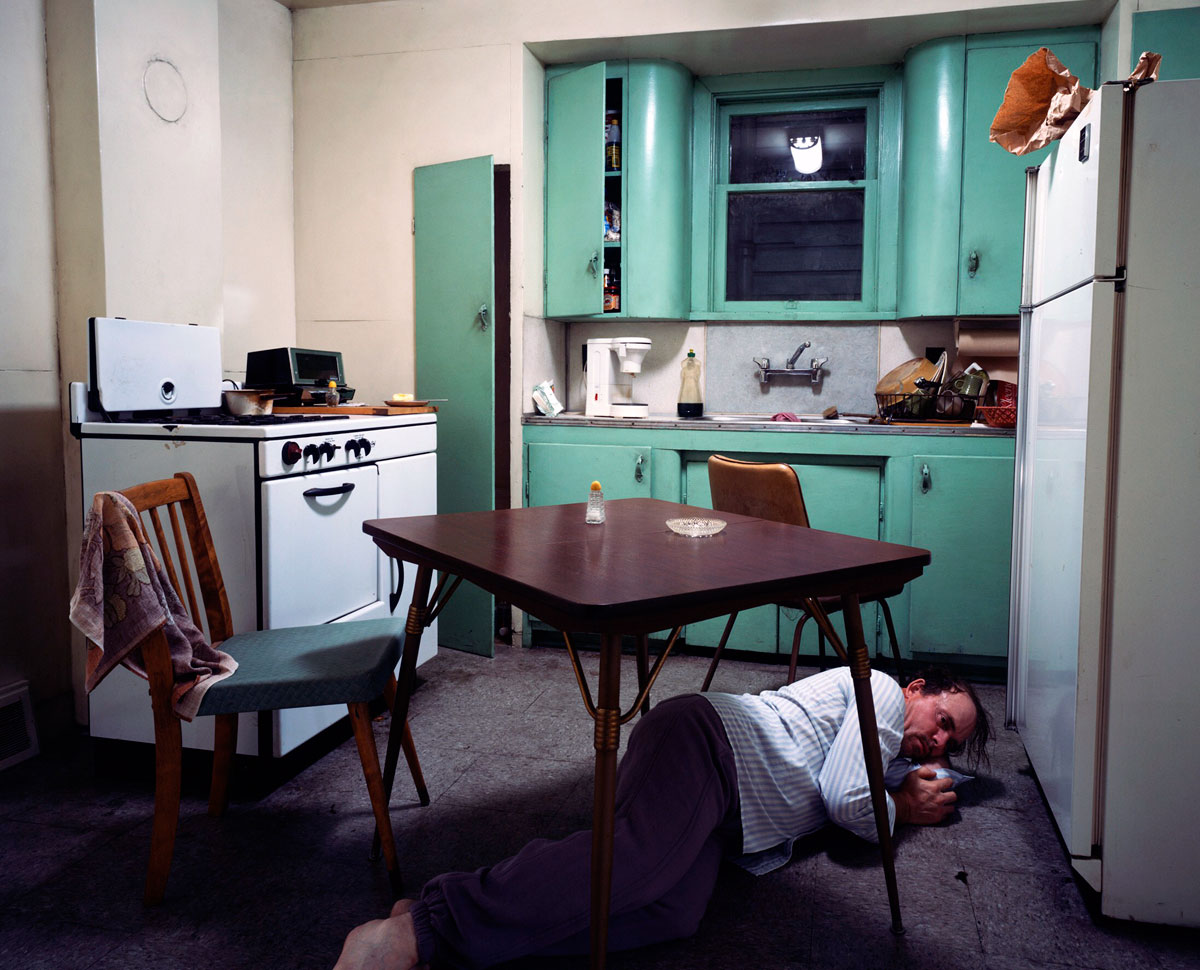


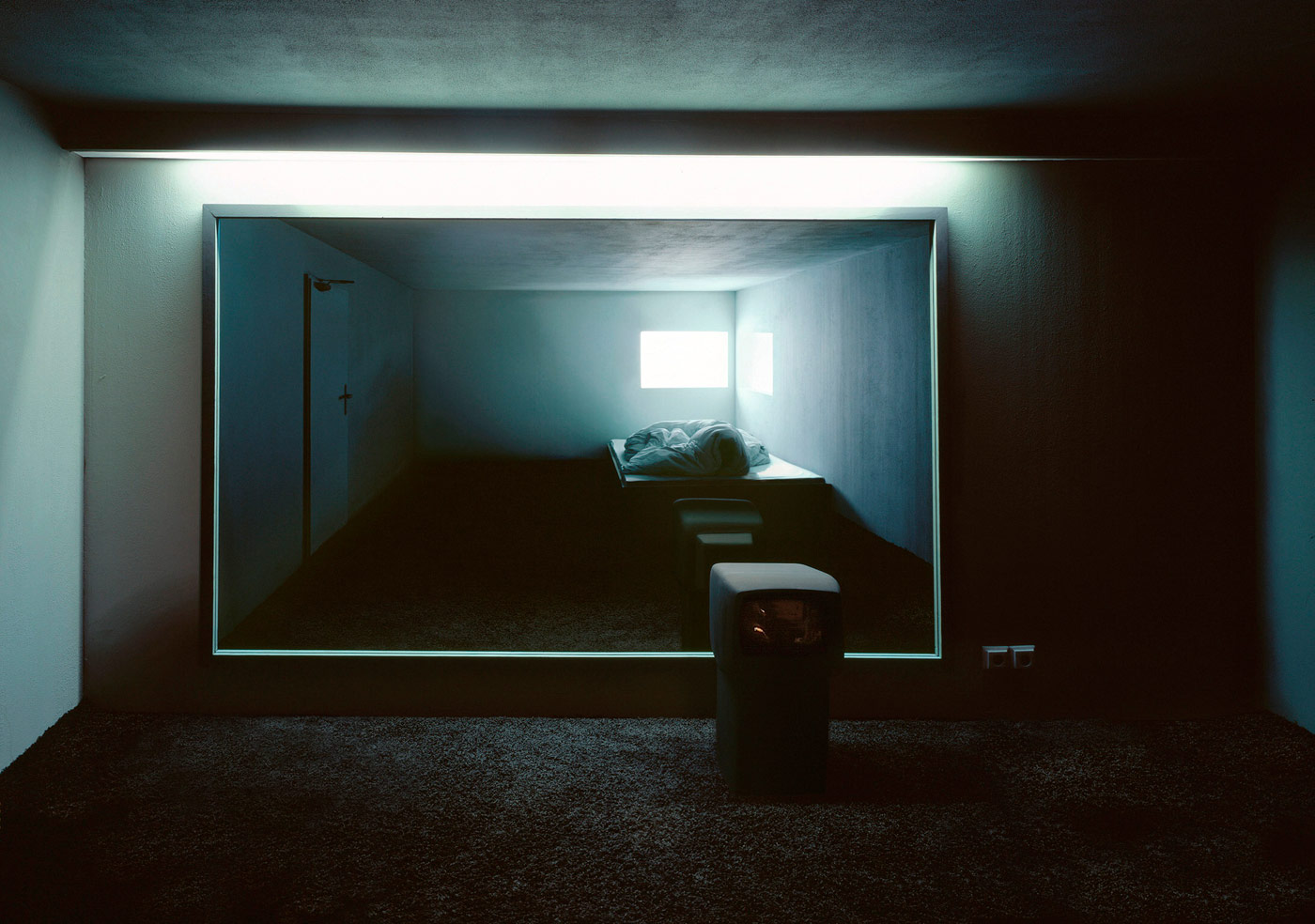


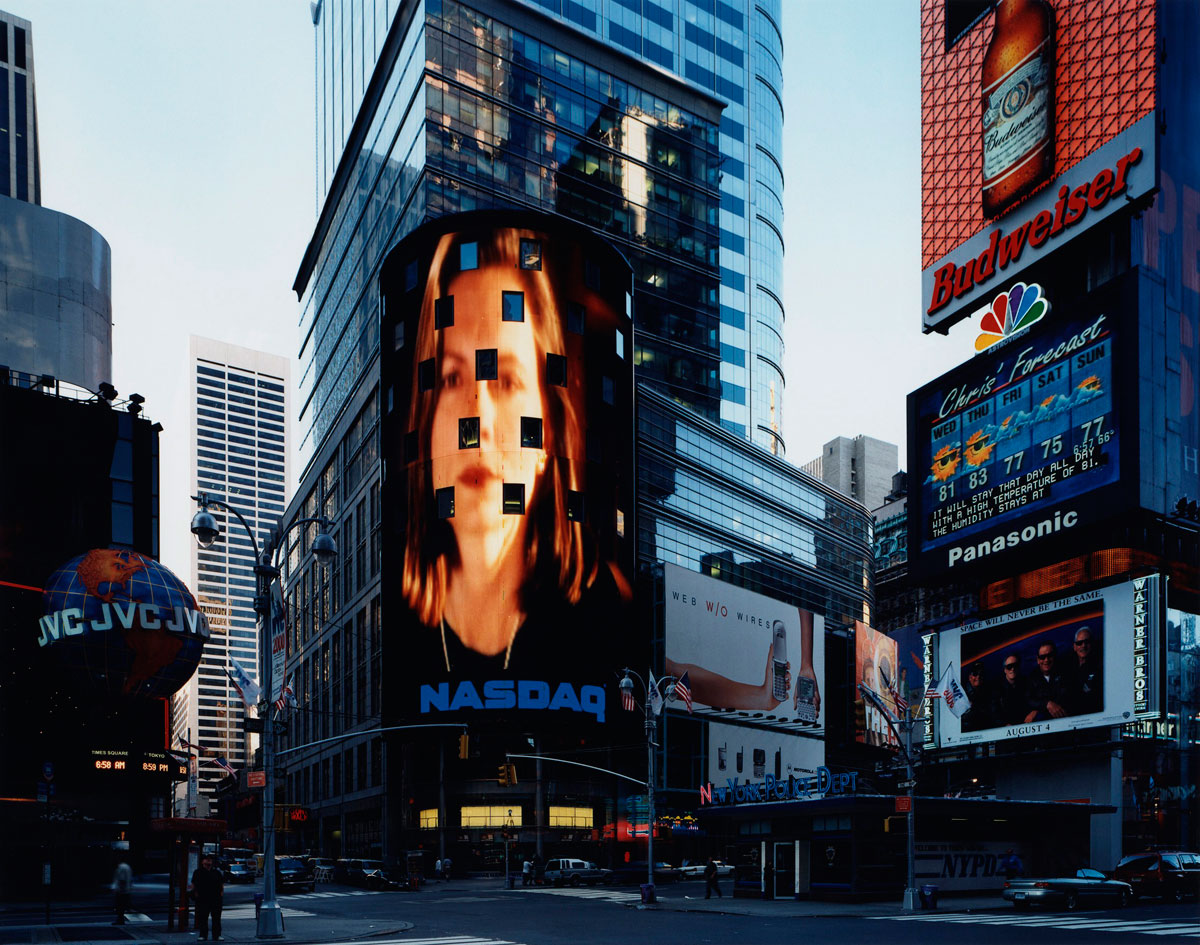


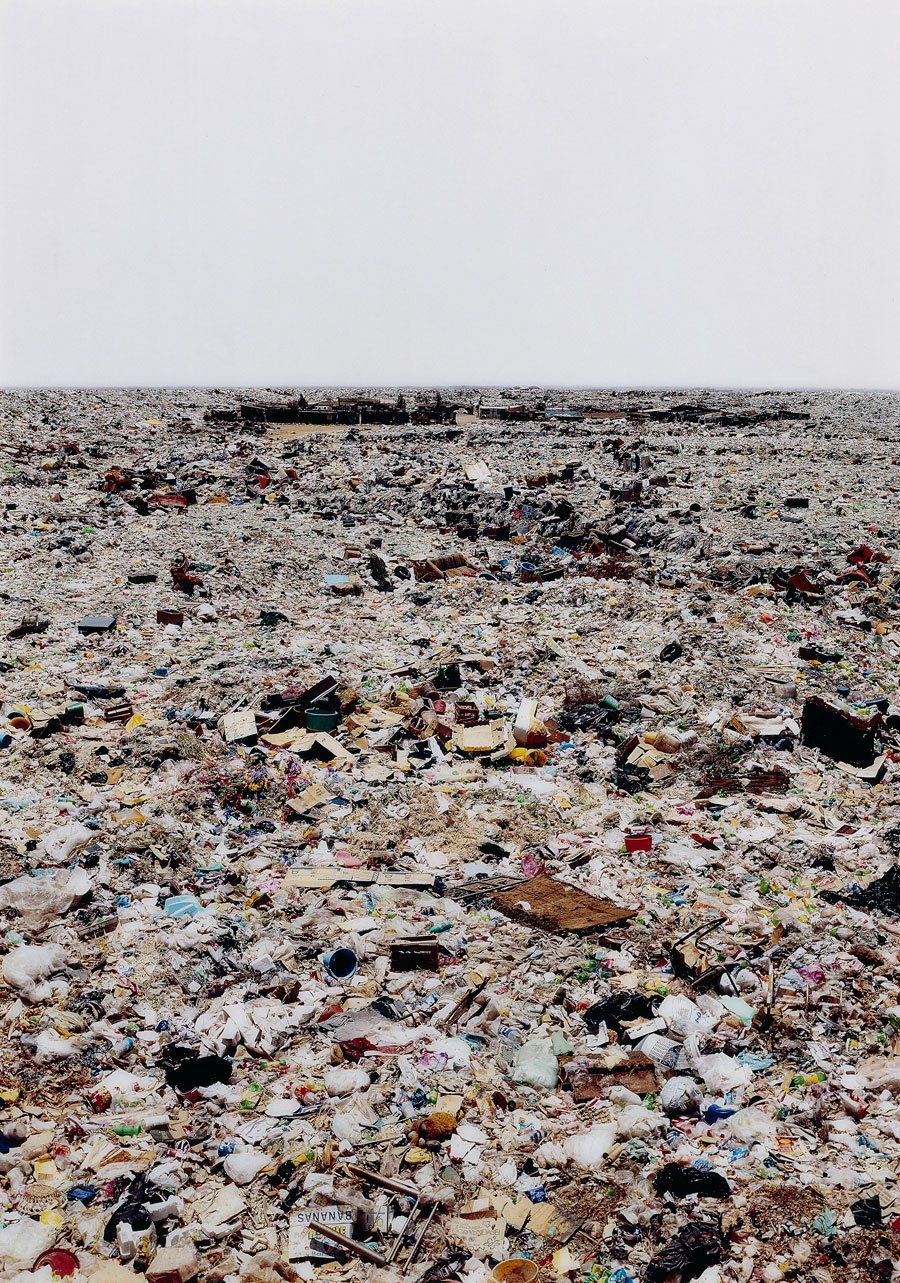


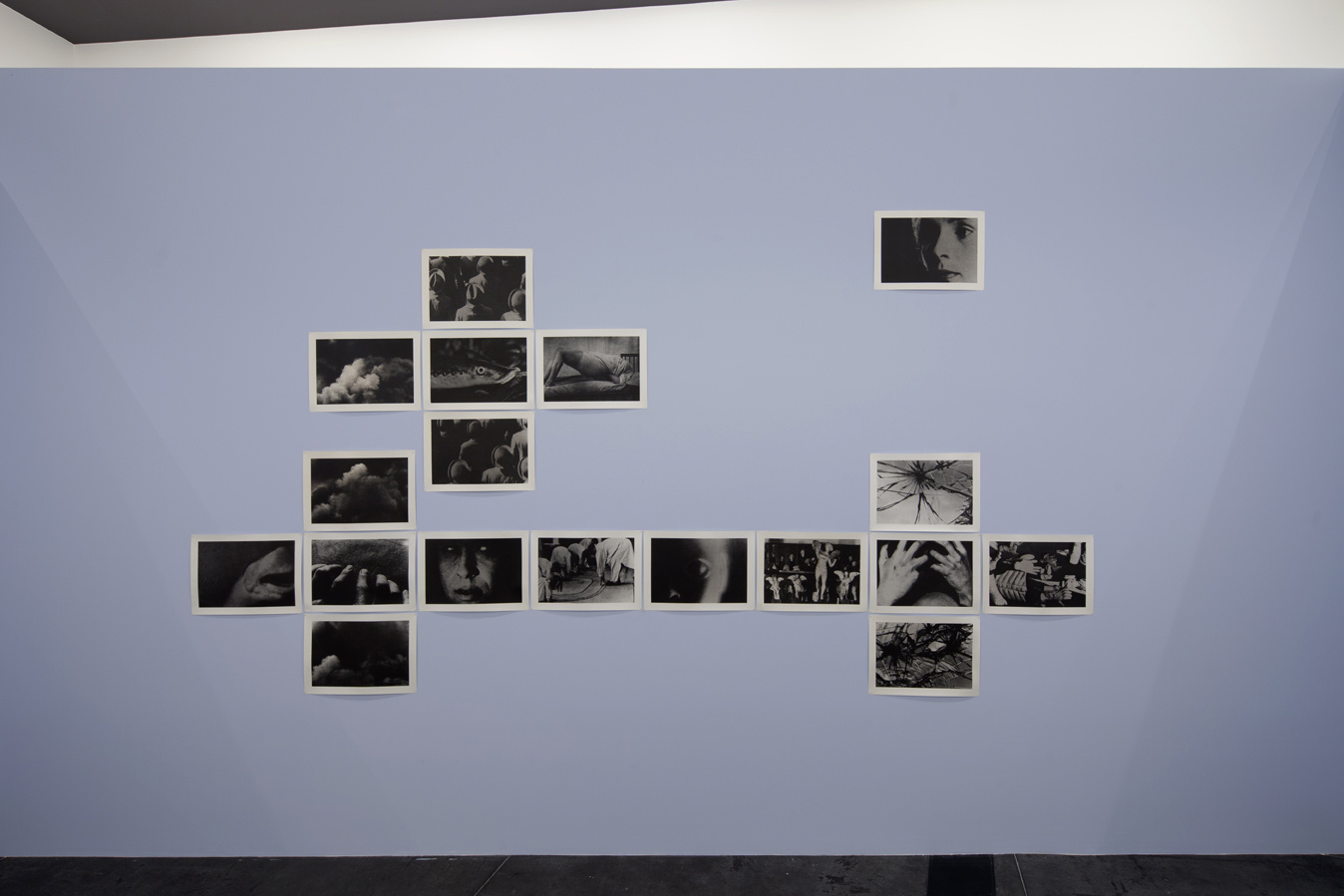
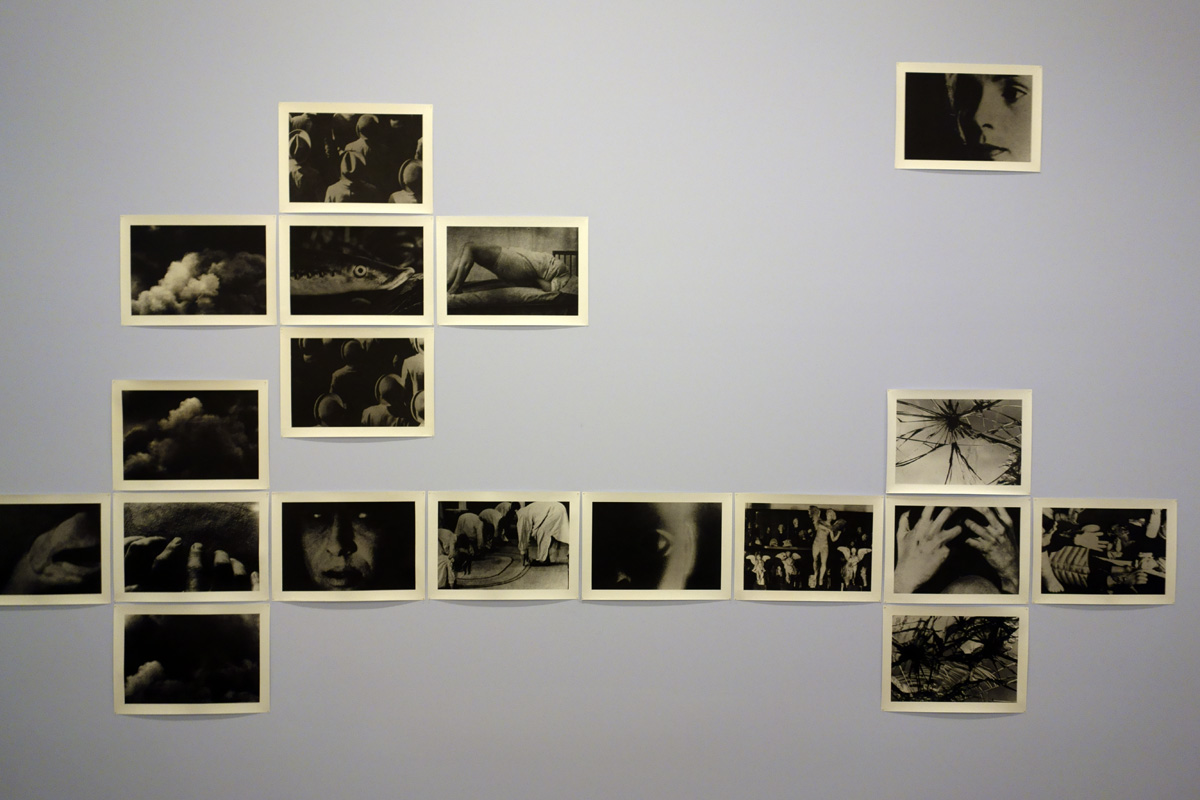
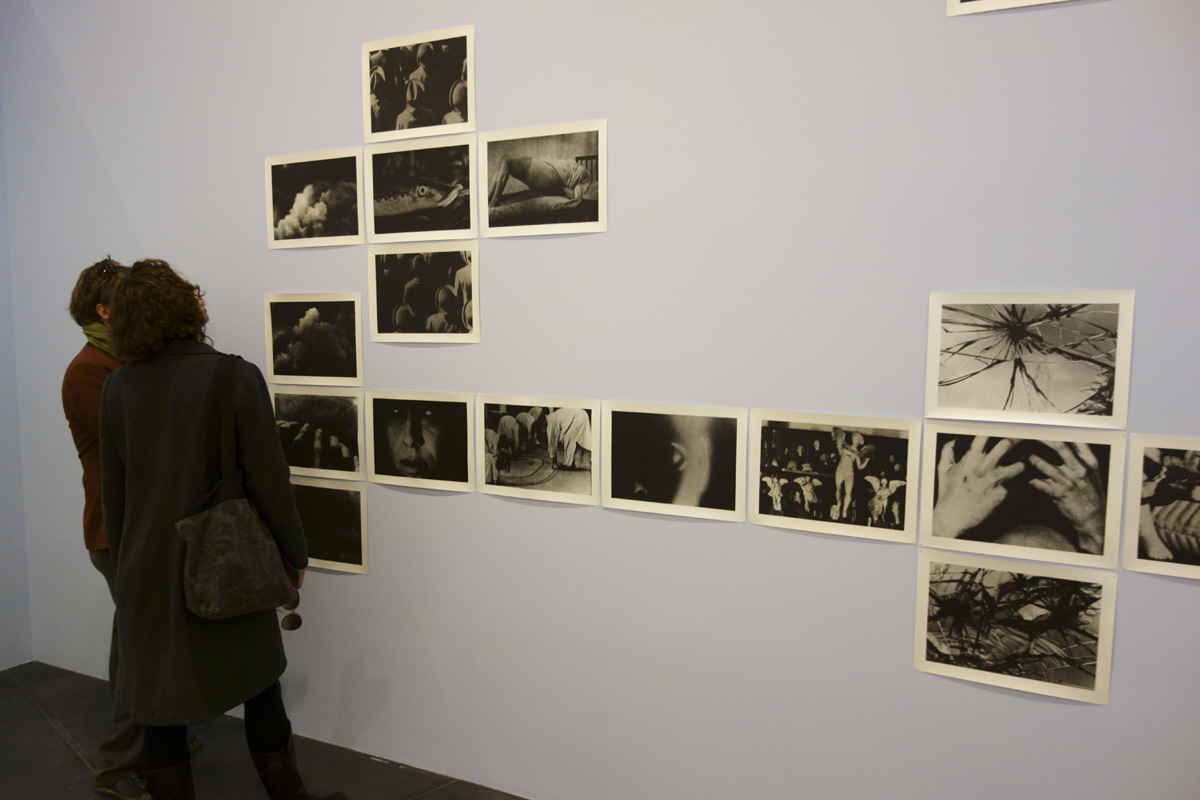
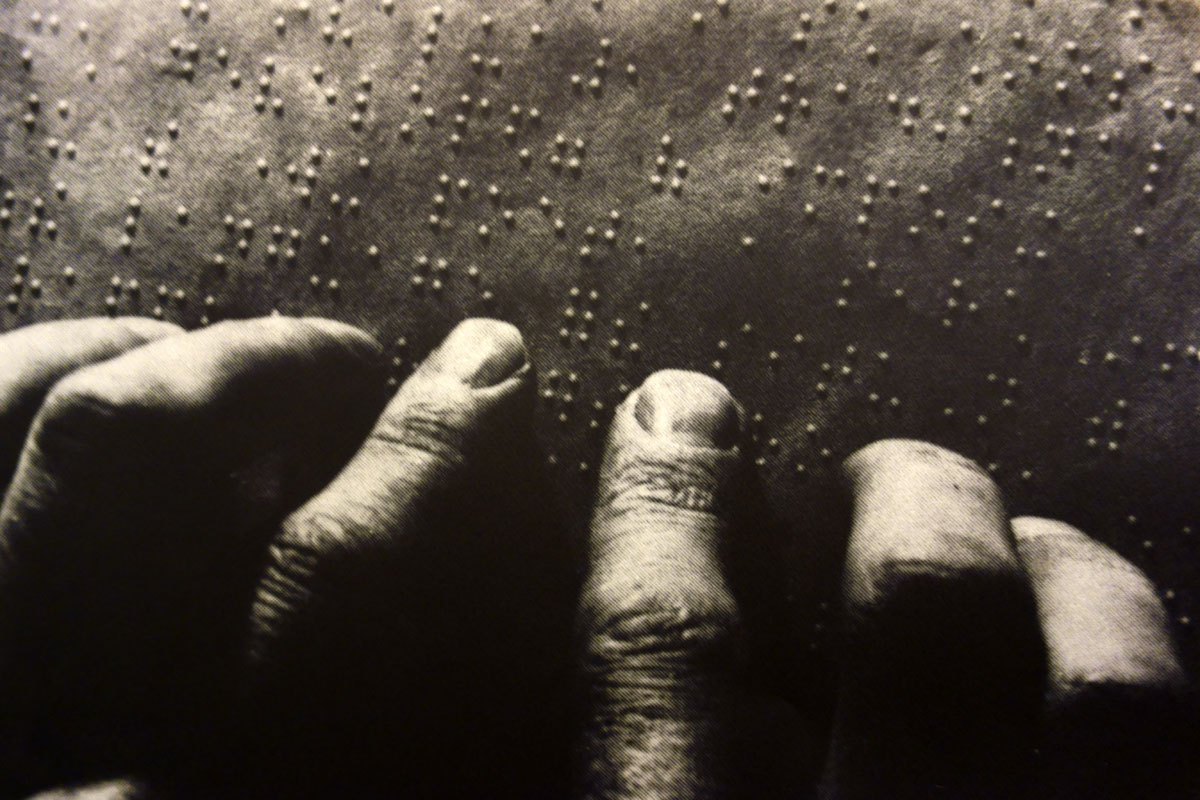
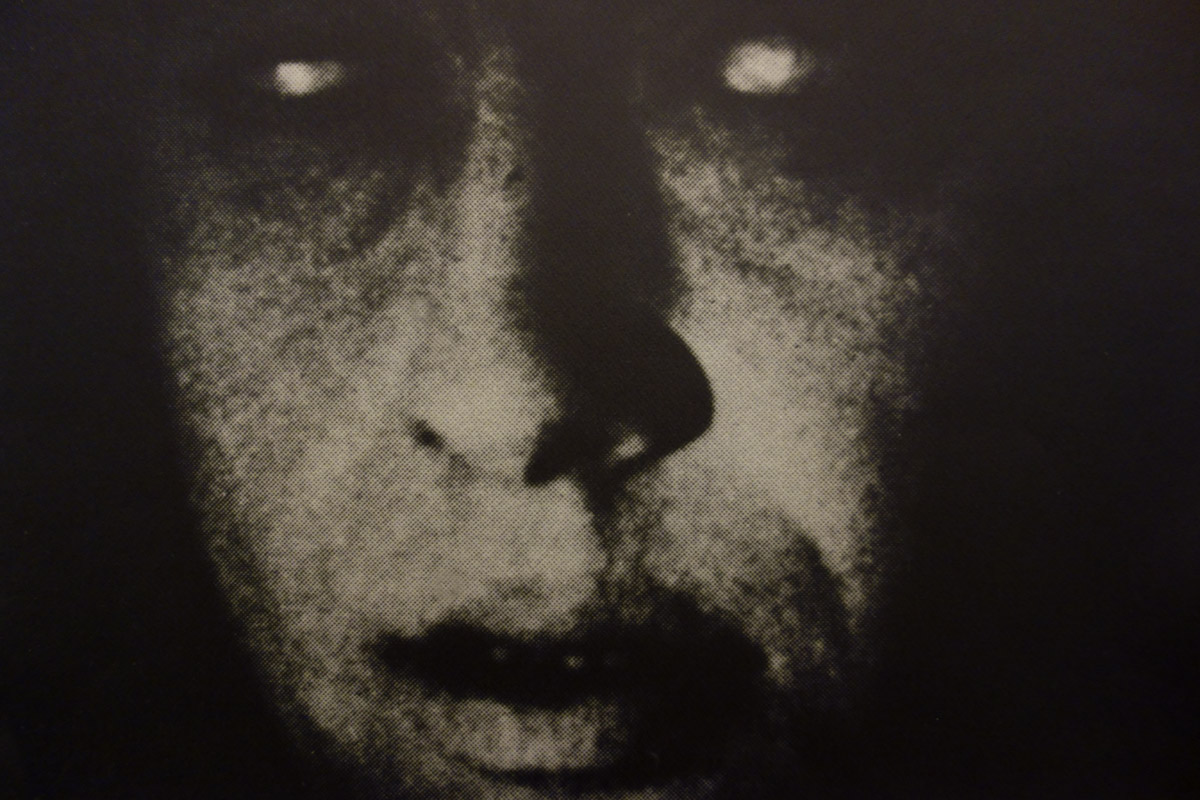
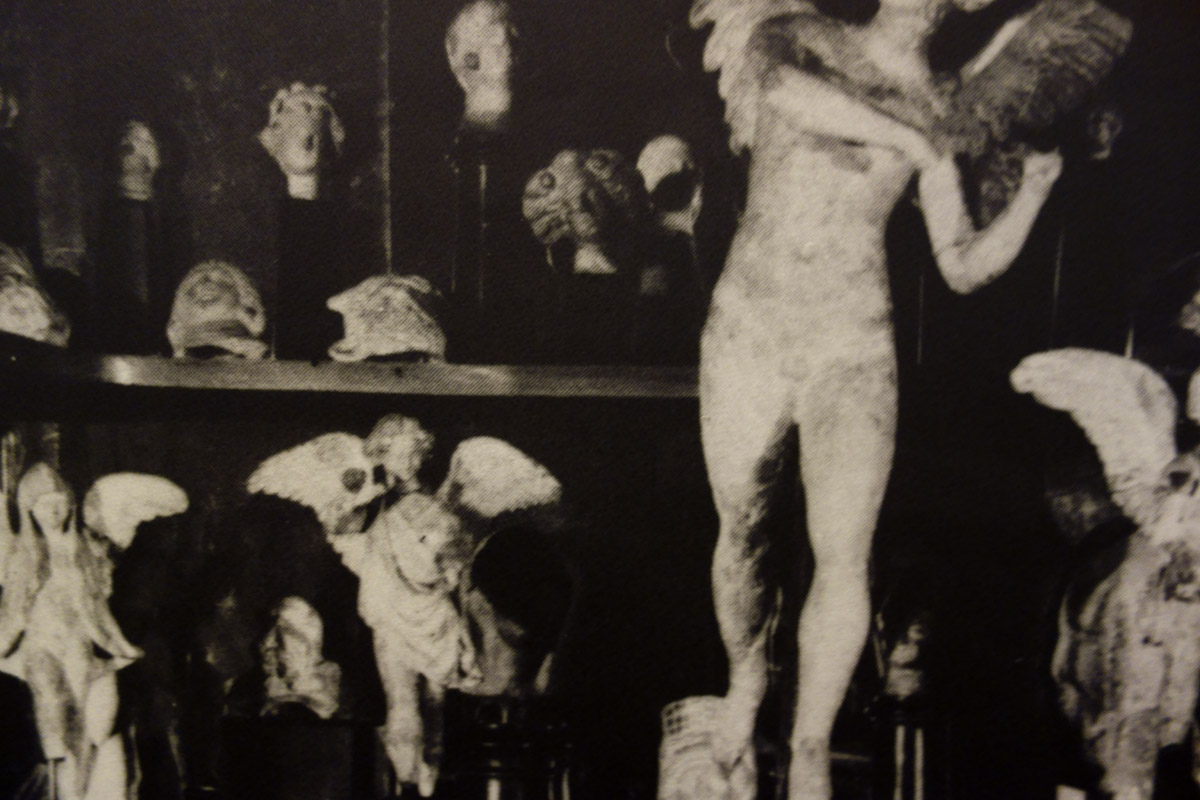
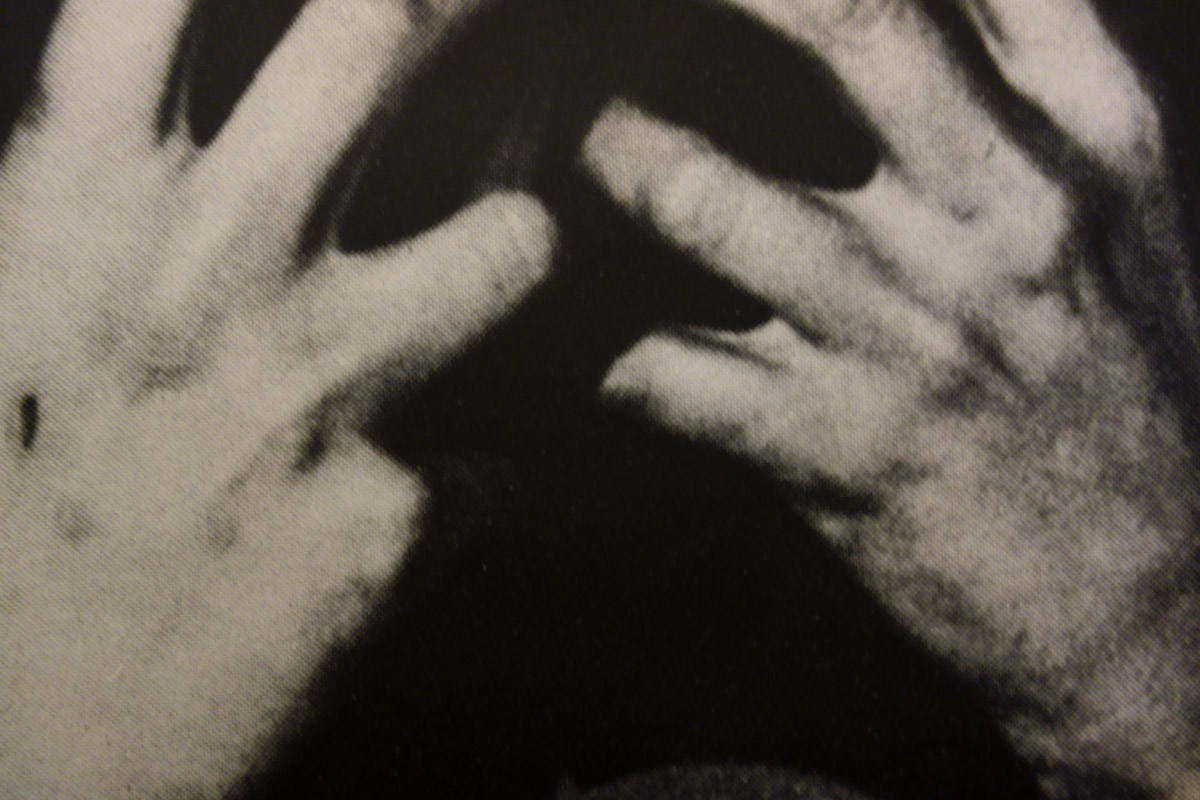
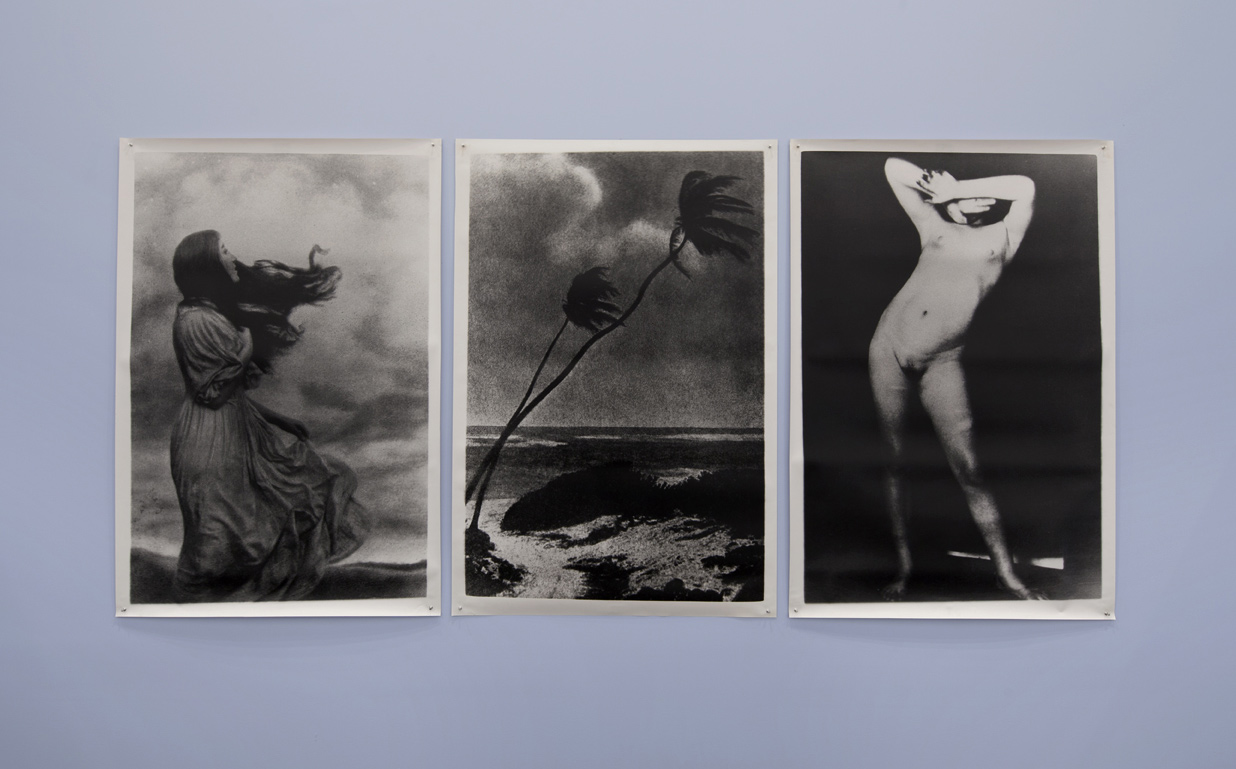
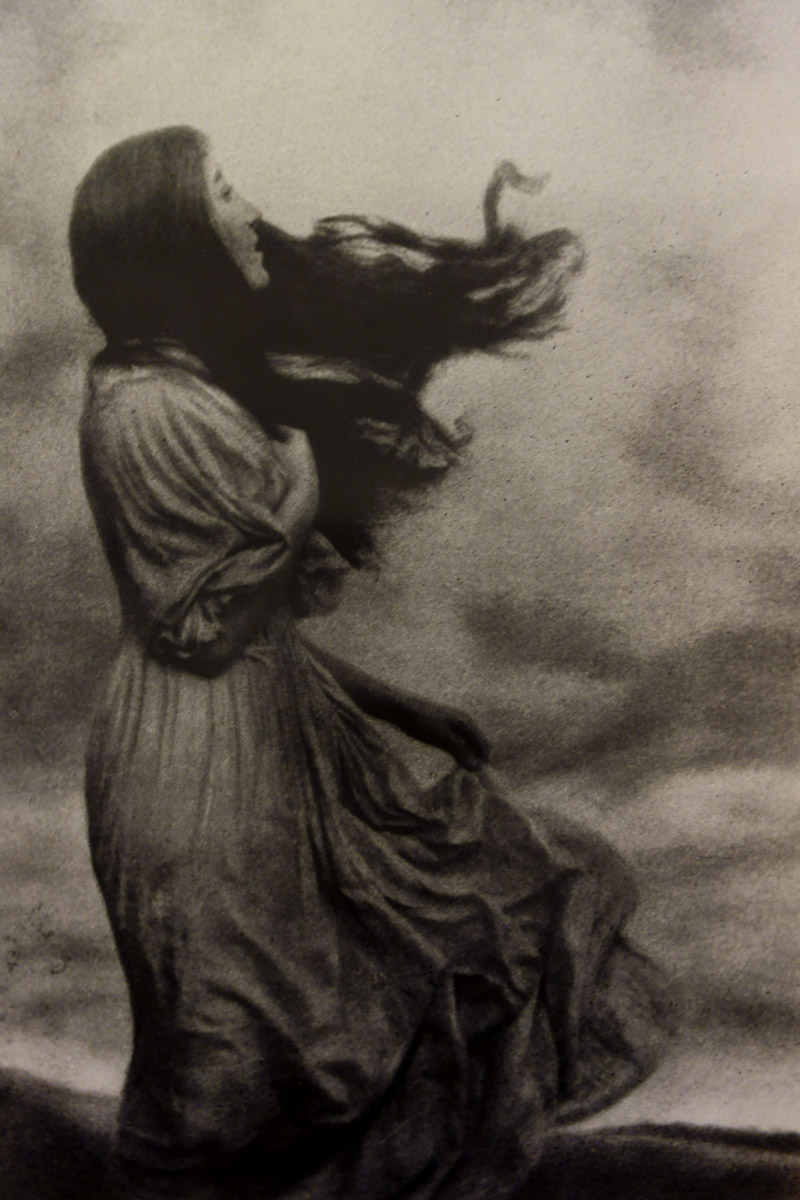
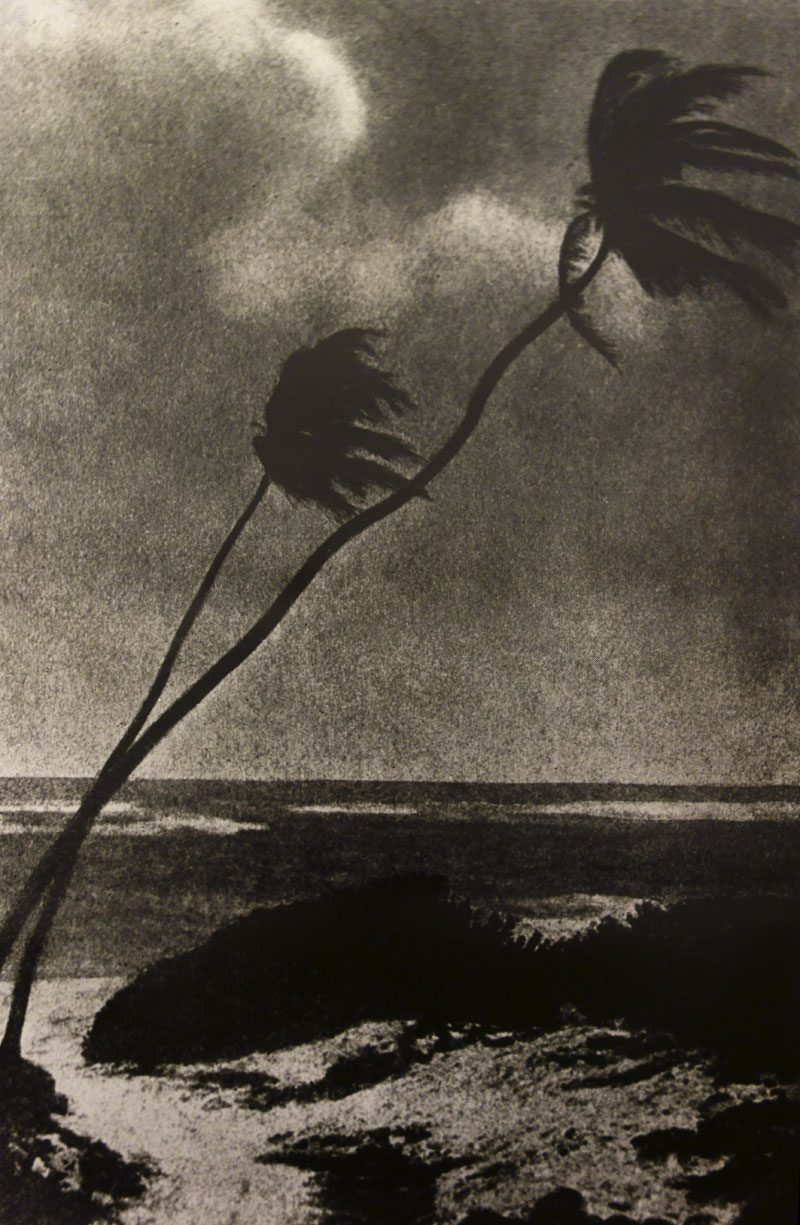
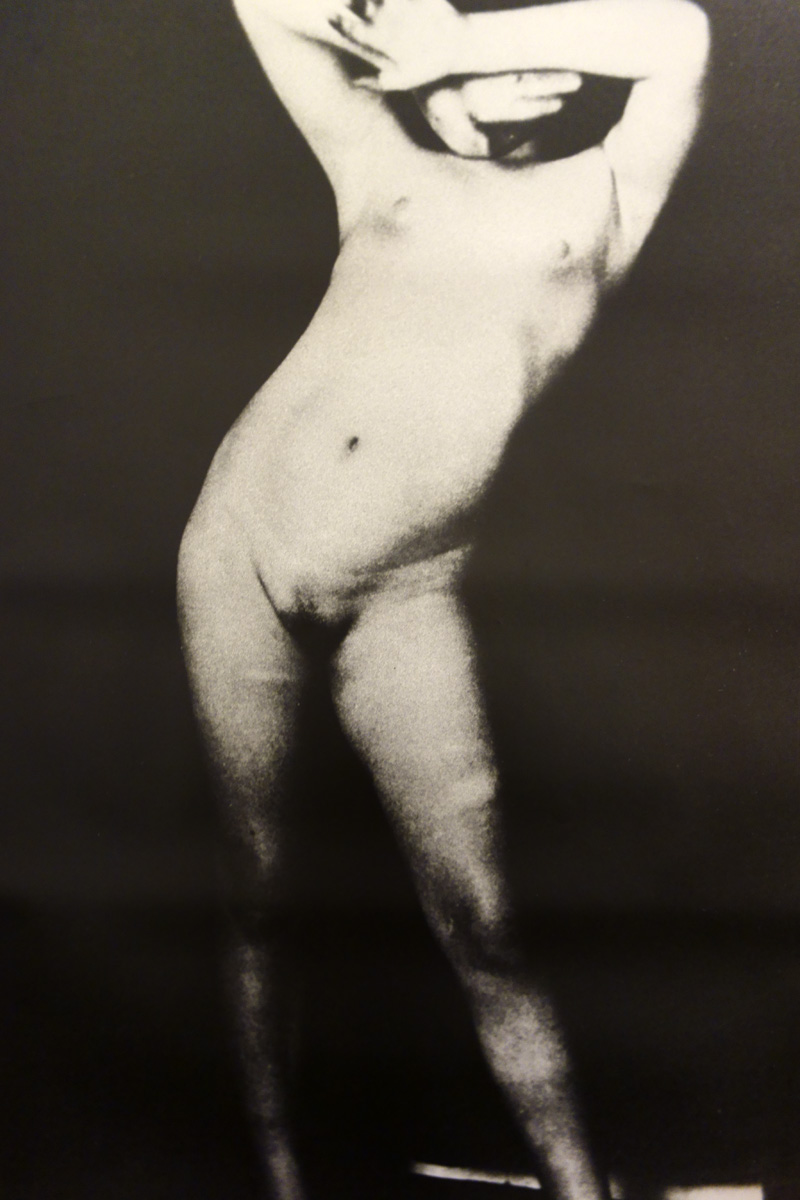
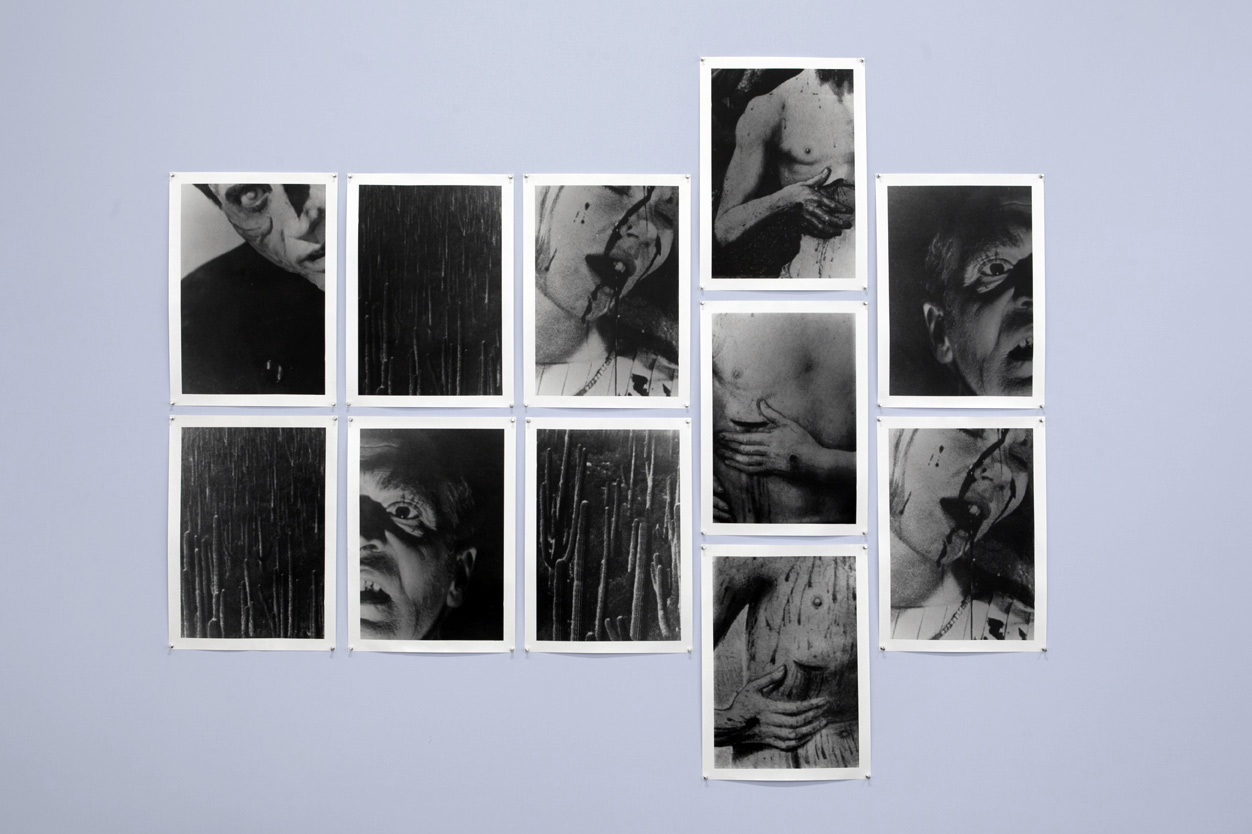
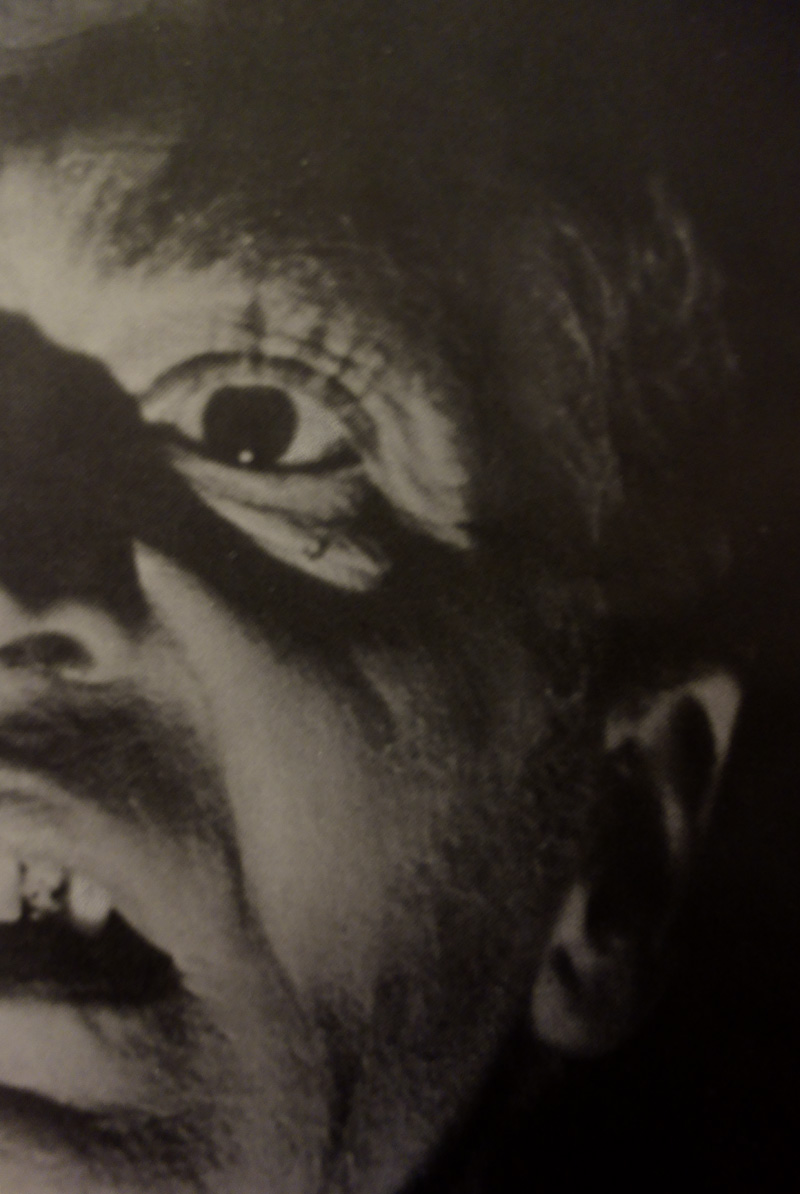
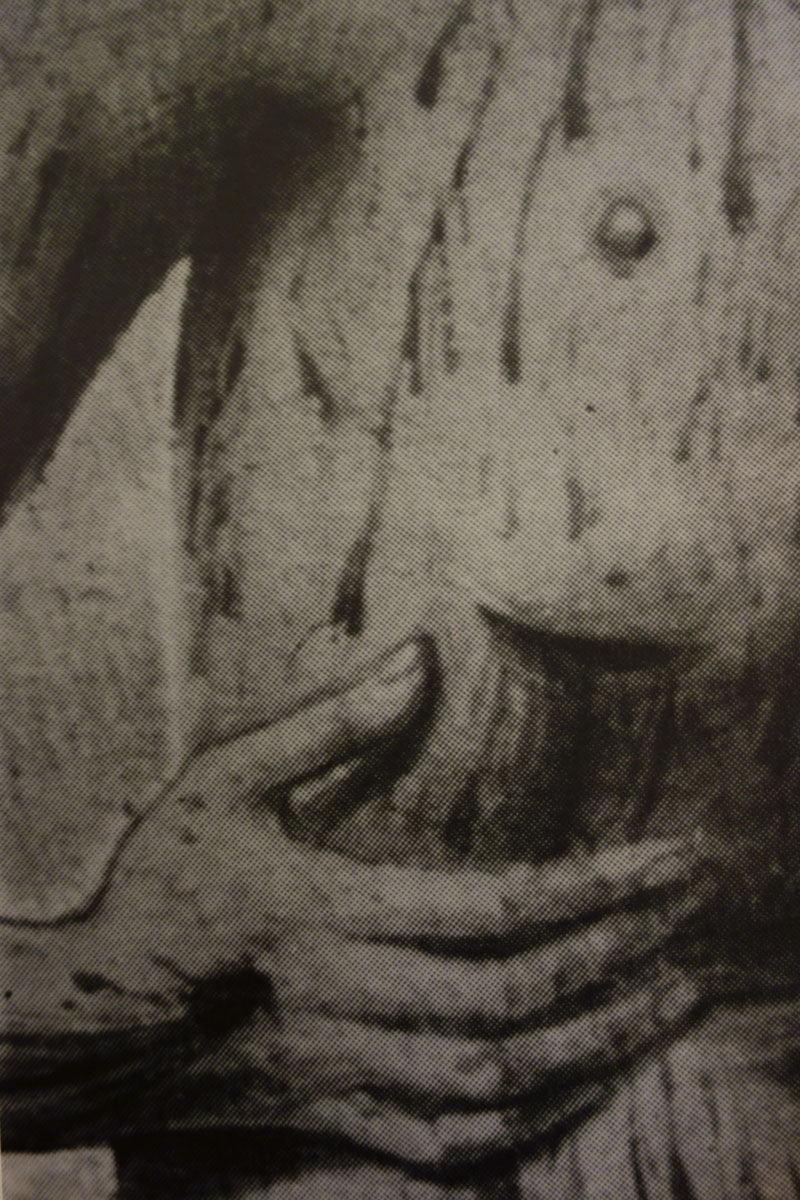
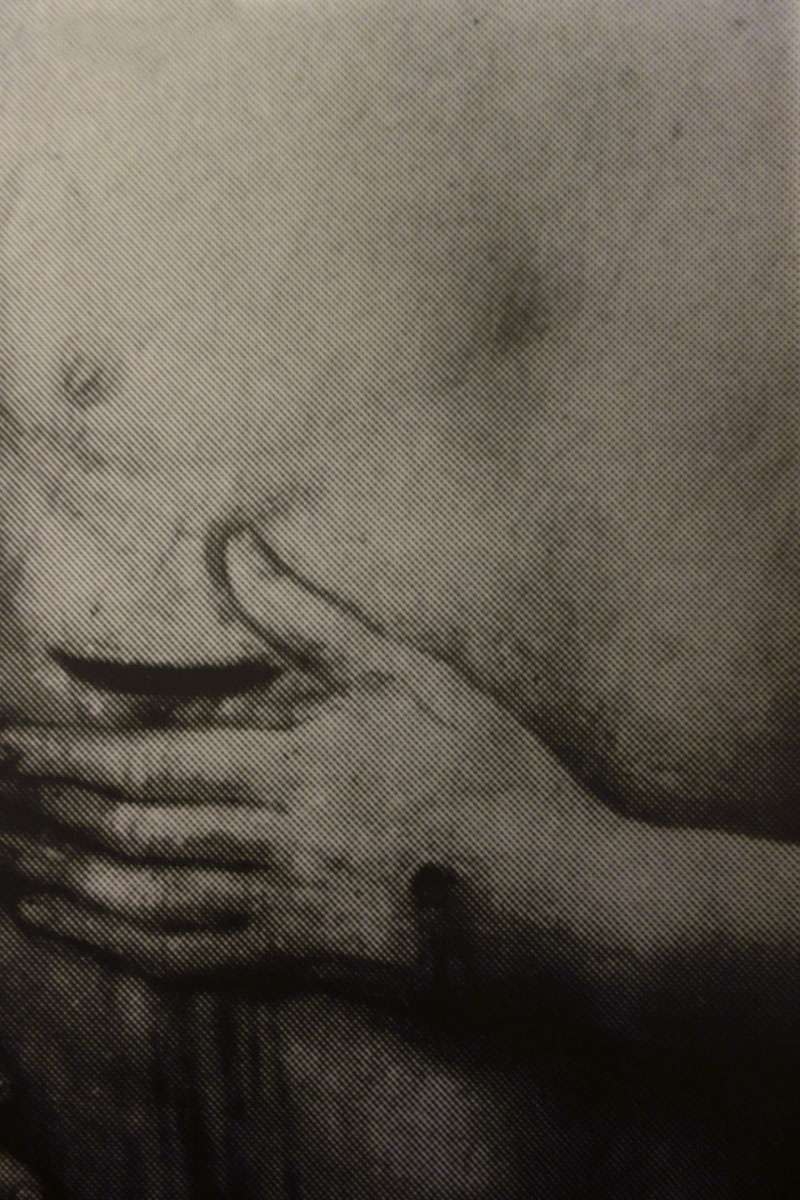
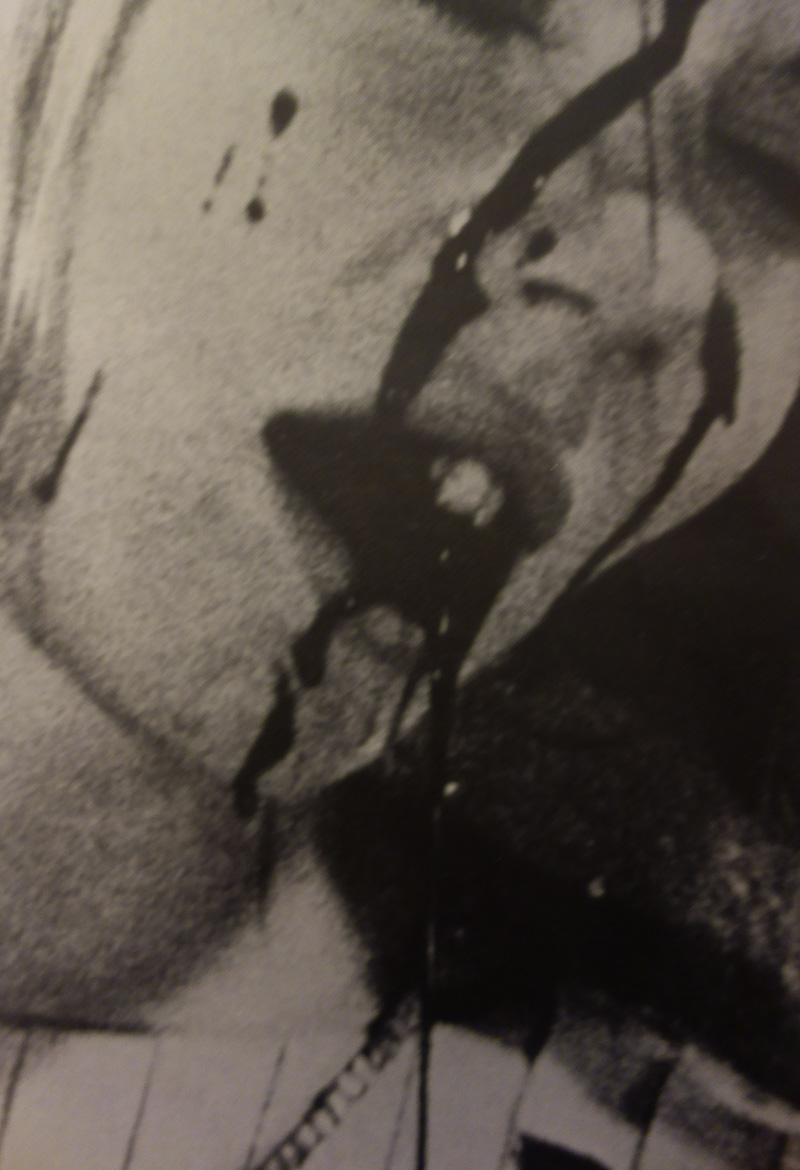

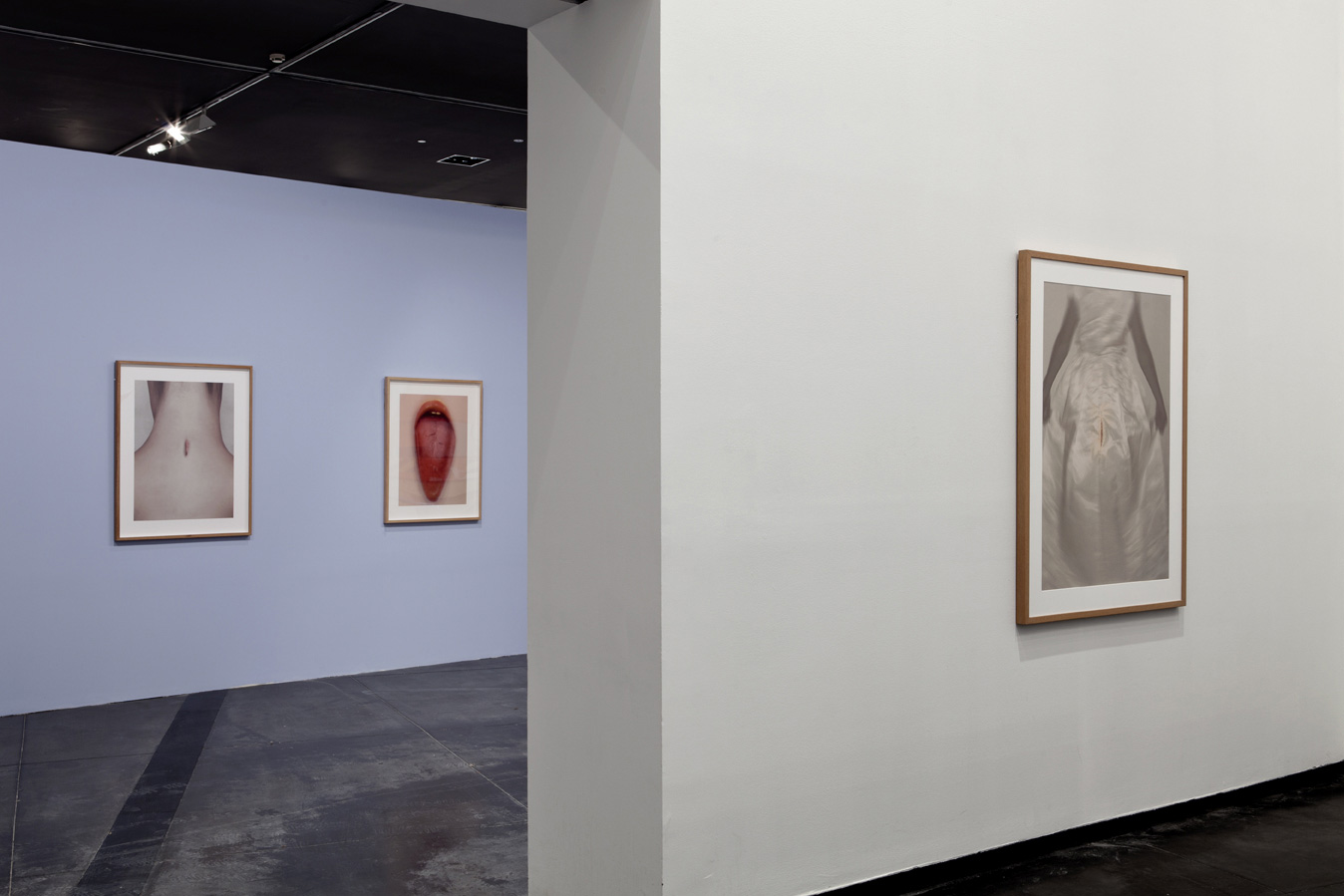
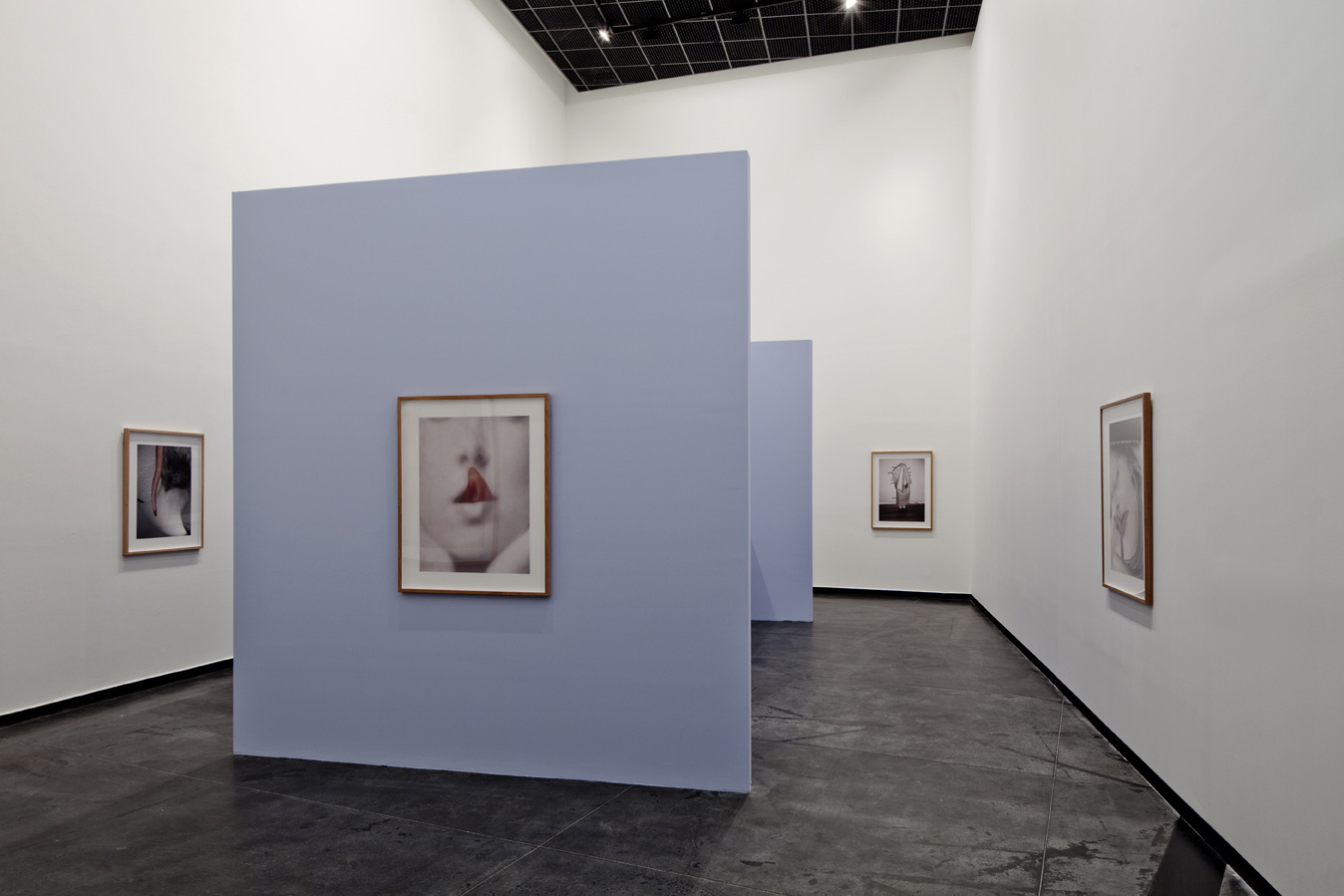
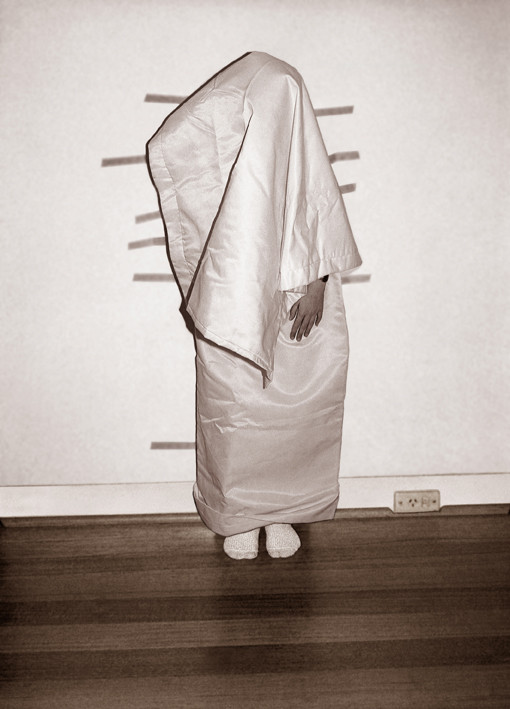

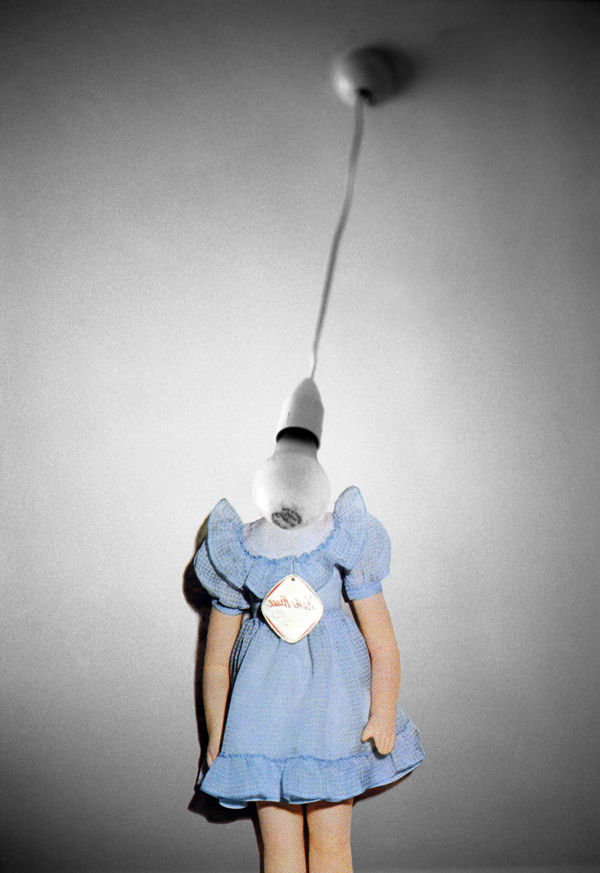

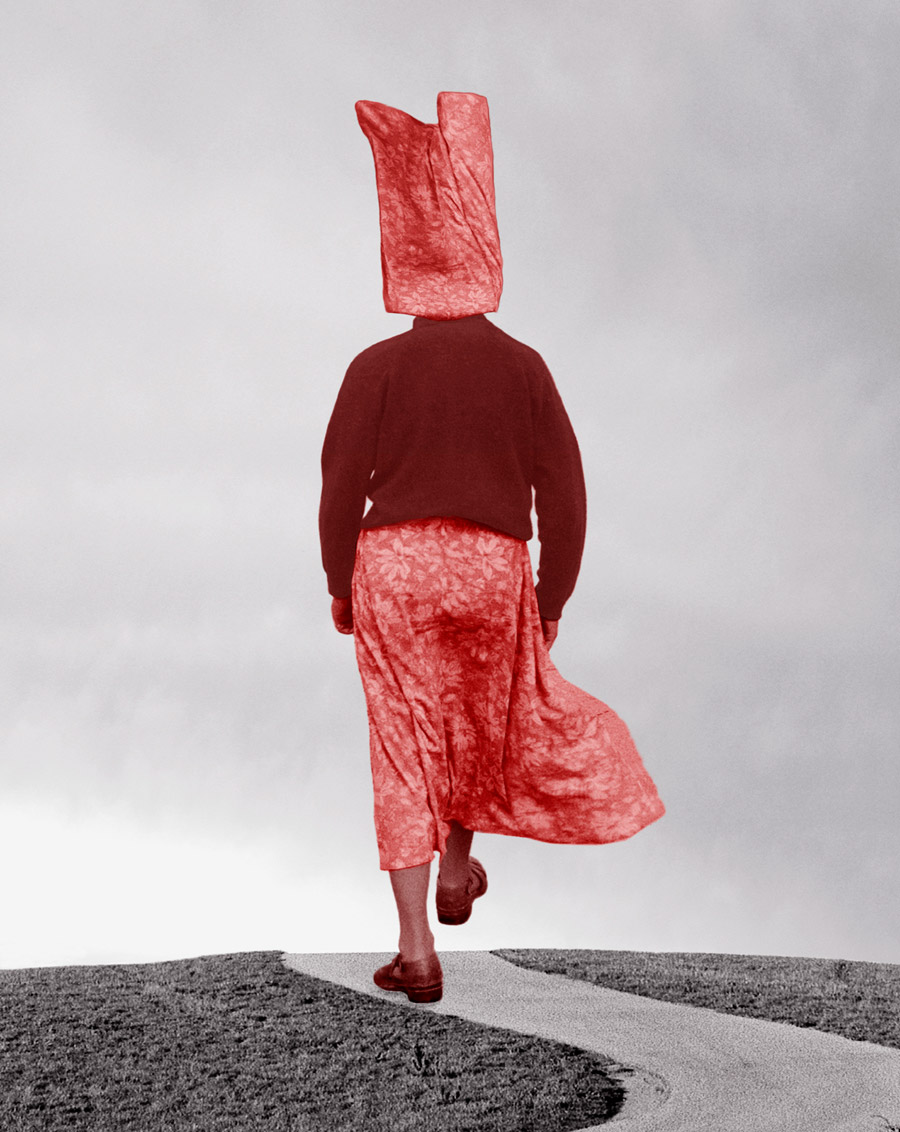

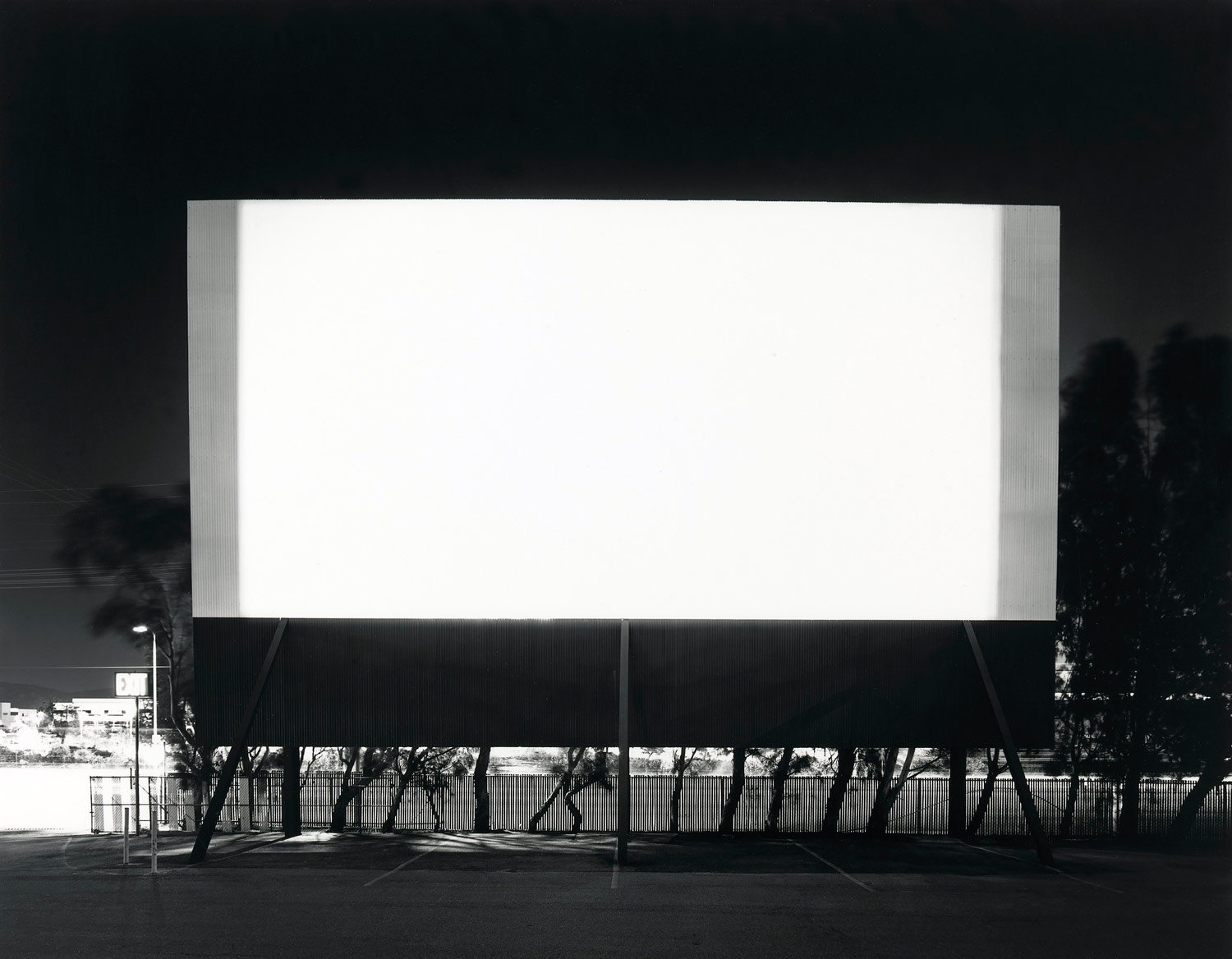


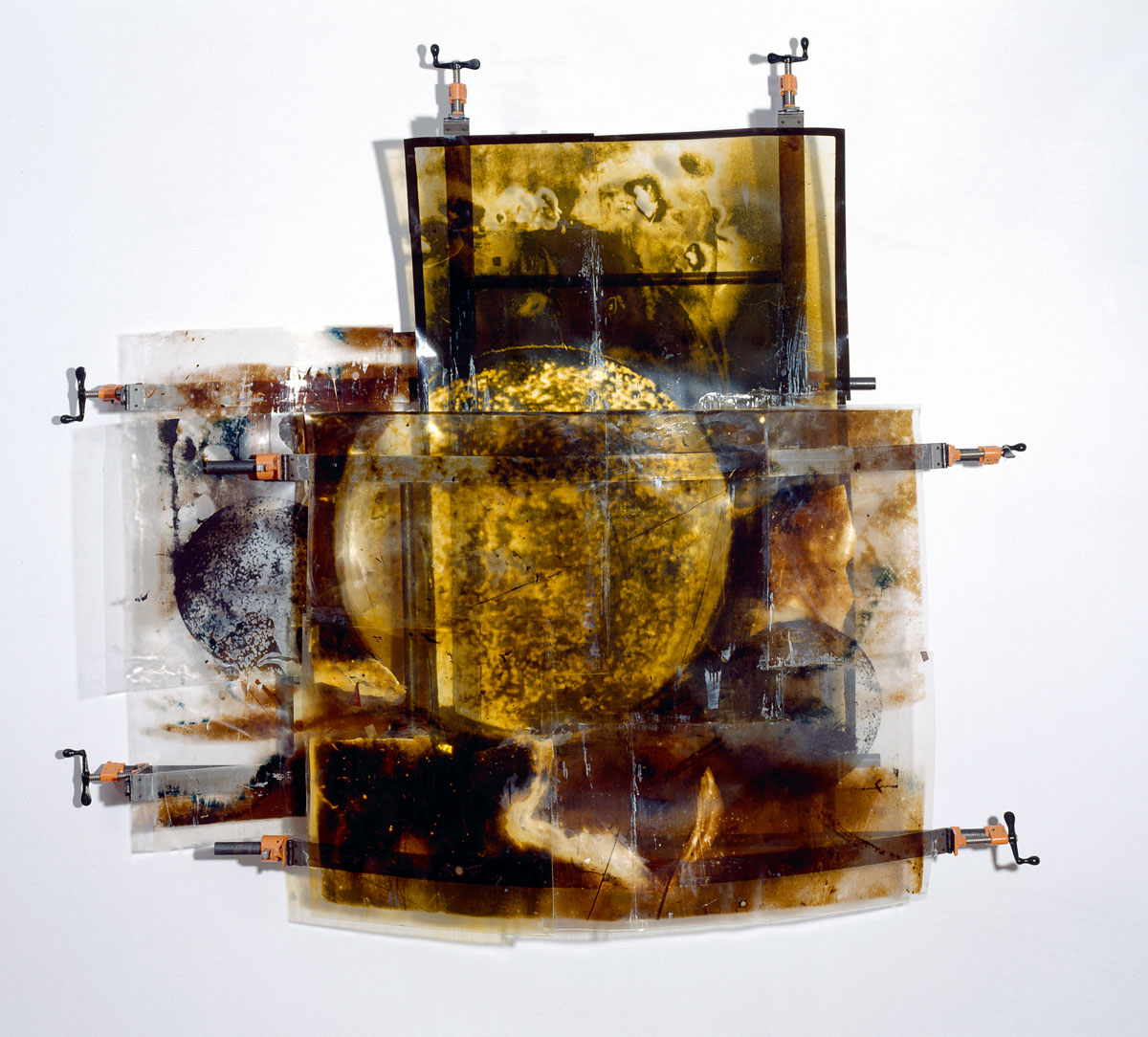

 Art Blart _ art and cultural memory archive
You must be logged in to post a comment.