Aubrey Beardsley and “The Yellow Book,” Art Nouveau and the Vienna Secession, Josef Albers, Dada, Surrealism, William Blake (a favourite of mine), photography, typography and graphic design. You couldn’t ask for more… except for those psychedelic colours!
As a friend of mine observed of the Grateful Dead, Oxford Circle (1966) poster – look where the tickets were sold: psychedelic shops, book stores, record shops and coffee houses. He actually saw the Grateful Dead play live while he was in America, and he said it was quite a trip. As Mark Feeney keenly observes, this art was “liberation in two dimensions.”
He is correct, for these posters and record covers reflect the cultural era from which they emerge – the official beginnings of Gay Liberation, Feminism, student revolt, protests against war and racism, civil rights, drugs, free love and peace. They are powerful and eloquent works of art that summon the noisy spirit of the age, a riotous poltergeist hell bent on change.
And all these years later, they still look as fresh and as relevant (perhaps even more so in this conservative world), as they day they were created. Just fab!
Dr Marcus Bunyan
PS. It always amazes me the cultural contexts in which photography can be put to use.
Many thankx to the Museum of Fine Arts, Boston for allowing me to publish the photographs in the posting. Please click on the photographs for a larger version of the image.
“What’s fascinating is how the graphic designs manage to have a kind of coherence despite being such a jumble. Certain principles recur: curves, yes, angles, no; a pugilistic employment of colour (psychedelia really did look … psychedelic); legibility as afterthought. So do certain influences: Aubrey Beardsley and “The Yellow Book,” Art Nouveau and the Vienna Secession, Dada, Surrealism (among the album covers on display is, yes, the Jefferson Airplane’s “Surrealistic Pillow”). The presiding spirit is William Blake: “The road of excess leads to the palace of wisdom.” The last thing the Haight cared about was history, but history’s hand lay all over it.
The look of these designs is assaultive, overly busy, restrained only by the confines of poster size or album cover. That look still feels exhilarating: liberation in two dimensions. It must have felt close to Martian back then. NASA wanted to put a man on the moon. Why stop there? Gravity was just another law to flout. One of the 32 Herb Greene photographs in “The Summer of Love” shows Airplane lead singer Grace Slick looking at the camera and flipping the bird. Maybe that image, even more than Blakean excess, is the presiding spirit.”
Mark Feeney. “The MFA celebrates San Francisco’s Summer of Love,” on the Boston Globe website July 6th 2017 [Online] Cited 02/01/2022. No longer available online
Victor Moscoso (born Galicia in 1936) is a Spanish-American artist best known for producing psychedelic rock posters, advertisements, and underground comix in San Francisco during the 1960s and 1970s.
Moscoso was the first of the rock poster artists of the 1960s era with formal academic training and experience. After studying art at Cooper Union in New York City and at Yale University, he moved to San Francisco in 1959. There, he attended the San Francisco Art Institute, where he eventually became an instructor. Moscoso’s use of vibrating colours was influenced by painter Josef Albers, one of his teachers at Yale. He was the first of the rock poster artists to use photographic collage in many of his posters.
Professional success came in the form of the psychedelic rock and roll poster art created for San Francisco’s dance halls and clubs. Moscoso’s posters for the Family Dog dance-concerts at the Avalon Ballroom and his Neon Rose posters for the Matrix resulted in international attention during the 1967 Summer of Love.
Stanley Miller (Mouse) (American, b. 1940) and Alton Kelley (American, 1940-2008) Moby Grape, Sparrow, The Charlatans (Avalon Ballroom, 13-14 January 1967) 1967 Poster, offset lithograph Collection of Patrick Murphy Courtesy, Museum of Fine Arts, Boston
Bonnie MacLean, also known as Bonnie MacLean Grahamis an American artist known for her classic rock posters. In the 1960s and 1970s she created posters and other art for the promotion of rock and roll concerts managed by Bill Graham, using the iconic psychedelic art style of the day. MacLean went on to continue her art as a painter focusing mostly of nudes, still lifes and landscapes.
Fillmore posters
Artist Wes Wilson was the main poster artist for the Fillmore Auditorium when he and Bill Graham had a “falling out” and Wilson quit. MacLean had been painting noticeboards at the auditorium in the psychedelic style, and took up the creation of the posters after Wilson left, creating about thirty posters, most in 1967. MacLean’s posters are included in many museum collections including at the Brooklyn Museum, the Fine Arts Museums of San Francisco collection and at the DeYoung museum. A few examples of her posters are in the San Francisco Museum of Modern Art collection.
Stanley George Miller (born October 10, 1940), better known as Mouse and Stanley Mouse, is an American artist, notable for his 1960s psychedelic rock concert poster designs for the Grateful Dead and Journey albums cover art as well as many others.
Psychedelic posters
In 1965, Mouse travelled to San Francisco, California with a group of art school friends. Settling initially in Oakland, Mouse met Alton Kelley. Kelley, a self-taught artist, had recently arrived from Virginia City, Nevada, where he had joined a group of hippies who called themselves the Red Dog Saloon gang. Upon arrival in San Francisco Kelley and other veterans of the gang renamed themselves The Family Dog, and began producing rock music dances. In 1966, when Chet Helms assumed leadership of the group and began promoting the dances at the Avalon Ballroom, Mouse and Kelley began working together to produce posters for the events. Later the pair also produced posters for promoter Bill Graham and for other events in the psychedelic community.
In 1967, Mouse collaborated with artists Kelley, Rick Griffin, Victor Moscoso and Wes Wilson to create the Berkeley Bonaparte Distribution Agency. Mouse and Kelley also worked together as lead artists at Mouse Studios and The Monster Company – producing album cover art for the bands Journey and Grateful Dead. The Monster Company also developed a profitable line of T-shirts, utilising the four colour process for silk screening.
The psychedelic posters Mouse and Kelley produced were heavily influenced by Art Nouveau graphics, particularly the works of Alphonse Mucha and Edmund Joseph Sullivan. Material associated with psychedelics, such as Zig-Zag rolling papers, were also referenced. Producing posters advertising for such musical groups as Big Brother and the Holding Company, Quicksilver Messenger Service, and Grateful Dead led to meeting the musicians and making contacts that were later to prove fruitful.
Alton Kelley (June 17, 1940 in Houlton, Maine – June 1, 2008 in Petaluma, California) was an American artist best known for his psychedelic art, in particular his designs for 1960s rock concerts and albums. Along with artists Rick Griffin, Stanley Mouse, Victor Moscoso and Wes Wilson, Kelley founded the Berkeley Bonaparte distribution agency in order to produce and sell psychedelic poster art.
Along with fellow artist Stanley Mouse, Kelley is credited with creating the wings and beetles on all Journey album covers as well as the skull and roses image for the Grateful Dead. Kelley’s artwork on the 1971 self-titled live album, Grateful Dead, incorporated a black and white illustration of a skeleton by Edmund Sullivan, which originally appeared in a 19th-century edition of the Rubáiyát of Omar Khayyám.
In celebration of the Summer of Love’s 50th anniversary, this exhibition explodes with a profusion of more than 120 posters, album covers and photographs from the transformative years around 1967. That summer, fuelled by sensational stories in the national media, San Francisco’s Haight-Ashbury neighbourhood became a mecca for thousands seeking an alternative to the constrictions of postwar American society. A new graphic vocabulary emerged in posters commissioned to advertise weekly rock concerts at the Fillmore Auditorium and the Avalon Ballroom, with bands such as Jefferson Airplane, the Grateful Dead, and the Janis Joplin-led Big Brother & The Holding Company.
A group of more than 50 concert posters highlights experiments with psychedelic graphic design and meandering typography – often verging on the illegible. These include works by Wes Wilson, who took inspiration from earlier art movements such as the Vienna Secession, and Victor Moscoso, whose studies of colour theory with Josef Albers at Yale University translated into striking use of bright, saturated colours in his own designs. A grid of 25 album covers traces the influence of the famously amorphous lettering in the Beatles’ 1965 album Rubber Soul on countless covers and posters from later in the decade.
At the heart of the exhibition is a group of 32 photographs by Herb Greene, a pioneering member of the Haight-Ashbury counterculture and now a resident of Massachusetts. Many of his iconic images document the city’s burgeoning music scene, while a selection from a newly published portfolio offers a glimpse at everyday life in the Haight during the fabled summer of 1967.
Text from the Museum of Fine Arts website
Herb Greene (American, 1942-2025) Ohio to San Fransico: Haight Street 1967 (Plate 17) 1967, printed 2013 Photograph, gelatin silver print Private collection Courtesy, Museum of Fine Arts, Boston
Herb Greene (American, 1942-2025) Ohio to San Fransico: Haight Street 1967 (Plate 20) 1967, printed 2013 Photograph, gelatin silver print Private collection Courtesy, Museum of Fine Arts, Boston
Herb Greene (American, 1942-2025) Ohio to San Fransico: Haight Street 1967 (Plate 30) 1967, printed 2013 Photograph, gelatin silver print Private collection Courtesy, Museum of Fine Arts, Boston
Herb “Herbie” Greene (born April 3, 1942 – March 3, 2025) was an American photographer best known for his portraits of The Grateful Dead, the iconic psychedelic rock band led by Jerry Garcia. Over 50 years, Greene’s photographs traced the band’s evolution from its roots in San Francisco’s psychedelic underground to global stardom.
His portraits of other rock and roll luminaries – including Janis Joplin, Grace Slick, Led Zeppelin, Rod Stewart, Jeff Beck, The Pointer Sisters, Carlos Santana, Sly Stone, and more – have been regularly featured in Rolling Stone magazine and several books documenting the music of the 1960s counterculture.
Known as “Herbie” by his friends, Greene won high praise for his ability to capture intimate portraits of the most revered figures in rock. That access was largely due to his relationships with the bands he photographed. Although he refers to himself as “just the guy with the long hair and the camera,” Greene lived in San Francisco during the 1960s rock revolution and was friends with renowned musicians, promoters, and artists.
1960s San Francisco
In 1961, Greene took photography classes at City College of San Francisco and later enrolled at San Francisco State University, where he majored in anthropology and communications. After moving into an apartment near the famed Haight-Ashbury district, he met Jerry Garcia at a bluegrass café called the Fox and Hound. The two became friends and Greene booked his first gig, a portrait session with Garcia’s band, The Warlocks. (The band would eventually change its name to The Grateful Dead).
As Greene’s reputation grew, some of the decade’s most iconic performers came to him for portraits and album covers. He photographed Big Brother and the Holding Company and its lead singer, Janis Joplin. He shot the cover for the Jefferson Airplane’s second album, Surrealistic Pillow, and captured rare portrait sessions with Rod Stewart, Jeff Beck, Led Zeppelin, Jethro Tull, Procol Harem and others. His portfolio landed him a job as a fashion photographer with Joseph Magnin and Co, a prominent San Francisco department store. Greene began to split his time between San Francisco and a new studio in Los Angeles. As the 1960s came to a close, his work with The Grateful Dead and other iconic rockers continued.
Greene and The Grateful Dead
Greene first met Jerry Garcia in 1963 at The Fox and Hound, a bluegrass café on North Beach in San Francisco. Both were just 21 years old, and Garcia had not yet formed The Warlocks, the band that would eventually become The Grateful Dead. He was playing as part of the Sleepy Hollow Hog Stompers, a folk trio. After one of the Garcia’s sets, Greene introduced himself. It was the start of a lifelong friendship. The pair remained friends until Garcia’s death in August 1995.
While many photographers have captured The Grateful Dead on film, Greene is widely regarded as the group’s unofficial photographer. Over 50 years, he shot just 10 sit-down sessions with the band, but his images’ intimacy offer a rare glimpse into the band’s evolution from a fledgling group to international stars.
Photography style and equipment
Despite ample opportunities, Greene did not photograph musicians on stage. Instead, he shot portraits of his subjects in his studios, backstage, and in his home. His pieces include both one-on-one and group shots, and he is renowned for his ability to capture intimate expressions from revered musical figures.
Green’s portraits were shot in both colour and black-and-white, and the bulk of his work was captured on Kodak Tri-X 120-roll film, using D76 developer. His go-to cameras were a Hasselblad and Mamiya RB67.
Alfred Roller (2 October 1864 – 21 June 1935) was an Austrian painter, graphic designer, and set designer.
Roller was born in Brünn (Brno), Moravia. He at first studied painting at the Academy of Fine Arts in Vienna under Christian Griepenkerl and Eduard Peithner von Lichtenfels, but eventually became disenchanted with the Academy’s traditionalism. In 1897 he co-founded the Viennese Secession with Koloman Moser, Joseph Maria Olbrich, Josef Hoffmann, Gustav Klimt, and other artists who rejected the prevalent academic style of art. He became a professor of drawing at the University of Applied Arts Vienna (Kunstgewerbeschule) in 1899, and president of the Secession in 1902.
In his early career Roller was very active as a graphic designer and draughtsman. He designed numerous covers and vignettes for the pages the Secessionist periodical Ver Sacrum, as well as the posters for the fourth, fourteenth, and sixteenth Secession exhibitions. He also designed the layout of the exhibitions themselves.
In 1902 Roller was introduced to the composer Gustav Mahler by Carl Moll. Roller expressed an interest in stage design and showed Mahler several sketches he had made for Wagner’s Tristan und Isolde. Mahler was impressed and decided to employ Roller to design the sets for a new production of the piece. The production, which premiered in February 1903, was a great critical success. Roller continued to design sets for Mahler’s productions. Eventually Roller left the Secession and his teaching post at the Kunstgewerbeschule to be appointed chief stage designer to the Vienna State Opera, a position he held until 1909. He died in Vienna in 1935.
Installation view of the exhibition Brave New World: Australia 1930s at NGVA Photo: Eugene Hyland
Brave New World: Australia 1930s at NGV Australia, Melbourne is a small but stylishly designed exhibition that presents well in the gallery spaces. The look and feel of the exhibition is superb, and it was a joy to see so many works in so many disparate medium brought together to represent a decade in the history of Australia: photography, sculpture, painting, drawing, ceramic art, magazine art, travel posters, Art Deco radios, film, couture, culture, Aboriginal art, and furniture making, to name but a few.
The strong exhibition addresses most of the concerns of the 1930s – The Great Depression, beach and body culture, style, fashion, identity, culture, prelude to WW2, dystopian and utopian cities etc., – but it all felt a little cramped and truncated. Such a challenging time period needed a more expansive investigation. What there is was excellent but one display case on slums or magazine art was not substantive enough. The same can be said for most of the exhibition.
There needed to a lot more about the impact of the Great Depression and people living in poverty, for you get the feeling from this exhibition that everyone was living the Modernist high-life, wearing fashionable frocks and smoking cigarettes sitting around beautifully designed furniture surrounded by geometric textiles. The reality is that this paradigm was the exception rather than the rule. Many people struggled to even feed themselves due to The Great Depression, and it was a time of extreme hardship for people in Australia. Life for many, many people in Australia during the 1930s was a life of disenfranchisement, assimilation, oppression, social struggle, poverty, hunger and a hand to mouth existence.
“After the crash unemployment in Australia more than doubled to twenty-one per cent in mid-1930, and reached its peak in mid-1932 when almost thirty-two per cent of Australians were out of work… The Great Depression’s impact on Australian society was devastating. Without work and a steady income many people lost their homes and were forced to live in makeshift dwellings with poor heating and sanitation.” (Text from “The Great Depression,” on the Australian Government website [Online] Cited 06/10/2017. No longer available online)
New artists and designers may have been emerging, new skyscrapers being built and the new ‘Modern Woman’ may have made her appearance but the changes only affected white, middle and upper social classes. Migrants, particularly those from Italy and southern Europe, were resented because they worked for less wages than others; and only brief mention is made of the White Australia policy in the exhibition but not by name (see text under Indigenous art and culture below). This section was more interested in how white artists appropriated Aboriginal design during this period for their own ends.
With this in mind, it is instructive to read sections of the illustrated handbook (see cover below, handbook not in the exhibition) produced by the National Museum of Victoria (in part, the forerunner of the NGV) to accompany a special exhibition of objects illustrating Australian Aboriginal Art in 1929:
“The subject of aboriginal Art – in this case the Art of the Australian Aboriginal – has to be approached with the utmost caution, for, though it comes directly within the domain of anthropology, it is in an indirect way a very important question in psychology and pedagogies. We possess some knowledge of our own mentality through the kind of offices of psychology; but though we have some – many in certain classes – material relics of our primitive and prehistoric ancestor, the only evidence of evolution of thought and the development of his powers of abstract conception must be derived from his art…
Still it appears possible that the study of primitive man, as represented by our Australian black, will throw some new light on the subject, and even if not more important than the old world pictographs themselves, his art work will enable the efforts of the Aurignacian and Magdalenian artists [cultures of the Upper Paleolithic in western Europe] to be better comprehended, and their import understood. But, for that study to achieve even a modicum of success, it is essential that the inquiring psychologist divest his mind of all civilized conceptions and mentality and assume those of the prehistoric man – or of the infant of the present day.”1
This is the attitude towards Aboriginal art that pervaded major art institutions right across Australia well into the 1950s. That the white has to “divest his mind of all civilised conceptions and mentality and assume those of the prehistoric man” – in other words, he has to become a savage – in order to understand Aboriginal art. It says a lot that the Trustees of the National Museum of Victoria then decided to reprint the illustrated handbook in 1952 without amendment, reprinting the publication originally used for the Exhibition in 1929. Nothing had changed in 22 years!
Other small things in the exhibition rankle. The preponderance of the work of photographer Max Dupain is so overwhelming that from this exhibition, it would seem that he was the only photographer of note working in Australia throughout the decade. While Dupain was the first Modernist photographer in Australia, and a superb artist, Modernist photography was very much on the outer during most of the 1930s… the main art form of photography being that of Pictorialism. None of this under appreciated style of photography makes an appearance in this exhibition because it does not fit the theme of “Brave New World”. This dismisses the work of such people as Cecil Bostock, Harold Cazneaux, Henri Mallard, John Eaton et al as not producing “brave”, or valuable, portraits of a country during this time frame. This is a perspective that needs to be corrected.
Highlights in this exhibition included an earthenware vase by Ethel Blundell; a painting by that most incredible of atmospheric painters, Clarice Beckett (how I long to own one of her paintings!); a wonderful portrait by the underrated Cybil Craig; two stunning Keast Burke photographs; two beautiful stained glass windows of a male and female lifesaver; the slum photographs of F. Oswald Barnett (more please!); and the graphic covers of mostly short-lived radical magazines.
These highlights are worth the price of admission alone. A must see before the exhibition closes.
Dr Marcus Bunyan
Footnotes
1/ A. S. Kenyon. “The Art of the Australian Aboriginal.” in Australian Aboriginal Art. Melbourne: Trustees of the National Museum of Victoria, (1929) reprinted 1952, p. 15.
National Museum of Victoria Australian Aboriginal Art (cover) 1952 (reprint of 1929 illustrated handbook) Brown, Prior, Anderson Pty. Ltd., Melbourne (publishers) Trustees of the National Museum of Victoria 39 pages
The 1930s was a turbulent time in Australia’s history. During this decade major world events, including the Depression and the rise of totalitarian regimes in Europe, shaped our nation’s evolving sense of identity. In the arts, progressive ideas jostled with reactionary positions, and artists brought substantial creative efforts to bear in articulating the pressing concerns of the period. Brave New World: Australia 1930s encompasses the multitude of artistic styles, both advanced and conservative, which were practised during the 1930s. Included are commercial art, architecture, fashion, industrial design, film and dance to present a complete picture of this dynamic time.
The exhibition charts the themes of celebrating technological progress and its antithesis in the nostalgia for pastoralism; the emergence of the ‘New Woman’ and consumerism; nationalism and the body culture movement; the increasing interest in Indigenous art against a backdrop of the government policy of assimilation and mounting calls for Indigenous rights; the devastating effects of the Depression and the rise of radical politics; and the arrival of European refugees and the increasing anxiety at the impending threat of the Second World War. Brave New World: Australia 1930s presents a fresh perspective on the extraordinary 1930s, revealing some of the social and political concerns that were pertinent then and remain so today.
Text from the NGV website
Harold Cazneaux (New Zealand 1878 – Australia 1953, Australia from 1886) No title (Powerlines and chute) c. 1935 Gelatin silver photograph National Gallery of Victoria, Melbourne Purchased through The Art Foundation of Victoria with the assistance of the H. J. Heinz II Charitable and Family Trust, Governor, 1993
In 1934 BHP (Broken Hill Proprietary Company Limited) commissioned leading pictorialist photographer Harold Cazneaux to record their mining and steel operations for a special publication to mark their fiftieth anniversary in 1935. Cazneaux’s dramatic industrial images blended a soft, atmospheric focus with a modernist sense of space, form and geometry. In 1935-36 Australia exported close to 300,000 tonnes of iron ore to Japan; however, after Japan’s invasion of China in 1937 fear of its expansionist aims in the Pacific increased and soon afterwards the federal government announced a ban on the export of all iron ore to Japan.
Fred Ward (designer) (Australian, 1900-1990) E. M. Vary, Fitzroy, Melbourne (attributed to) (manufacturer) active 1920s-1940s
Sideboard c. 1932 Mountain ash (Eucalyptus sp.), painted wood, painted plywood, steel (a-e) 84.0 x 119.7 x 48.7cm (overall) Proposed acquisition
Side table c. 1932 Mountain ash (Eucalyptus sp.), jarrah (Eucalyptus marginata), steel 55.7 x 66.0 x 49.2cm Proposed acquisition
Tray table c. 1932 Mountain ash (Eucalyptus sp.), blackwood (Acacia melanoxylon), steel (a-b) 52.0 x 60.9 x 42.5cm (overall) Proposed acquisition
A new generation of artists and designers
While modern art was a source of debate and controversy throughout the 1930s, modernism in architecture, interior design, industrial design and advertising became highly fashionable. In Melbourne a small group of designers pioneered modern design in Australia. Furniture designer Fred Ward first designed and made furniture for his home in Eaglemont, where he had established a studio workshop. It was admired by friends and he was encouraged to produce furniture for sale. In 1932 Ward opened a shop in Collins Street, Melbourne. There he offered his furniture, as well as linens and Scandinavian glass. The fabrics for curtains and upholstery were printed by Australian designer Michael O’Connell with bold designs that shocked some but were favoured by a new generation looking to create modern interiors.
More than in most periods, in the 1930s art, design and architecture were closely integrated with the changing realities of contemporary life. It was a time when the last vestiges of the conservative art establishment were swept away by a new generation of artists and designers who were to drive Australian art in the second half of the twentieth century.
Installation views of the exhibition Brave New World: Australia 1930s at NGVA with Max Dupain’s Illustration for Kelvinator advertisement at left and Ethel Blundell’s Vase centre on sideboard Photos: Courtesy NGV Photographic Services
Fred Ward was one of the first and most important designers of modern furniture in Australia. He began making furniture around 1930, and in 1932 opened a shop in Collins Street selling his furniture, as well as textiles by Michael O’Connell and other modern design pieces. In 1934 Ward went into partnership with Myer Emporium and established the Myer Design Unit, for which he designed a line of modular ‘unit’ furniture for commercial production. Ward’s simple, functional aesthetic and use of local timbers with a natural waxed finish was in contrast to the luxurious materials and decorative motifs of the contemporary Art Deco style.
The armchair, sideboard and occasional tables were designed by Fred Ward and purchased by Maie Casey in the early 1930s. The wife of R. G. Casey, federal treasurer in the Lyons Government, Maie was a prominent supporter of modern art and design. Moving to Canberra in 1932, she furnished her house at Duntroon in a modern style with furniture by Ward and textiles by Michael O’Connell. The design of Ward’s armchair closely resembles a 1920s armchair by German Bauhaus furniture designer Erich Dieckmann, who was known for his standardised wooden furniture based on geometric designs.
Michael O’Connell designer (England 1898-1976, Australia 1920-1937) Textile c. 1933 Block printed linen National Gallery of Victoria, Melbourne Purchased, 1988
Michael O’Connell pioneered modernist textiles in Melbourne and was an influential advocate of modern design. Working with his wife Ella from his studio in Beaumaris, O’Connell used woodblocks and linocuts to hand print onto raw linens and silks, which were used for fashion garments and home furnishing. O’Connell’s boldly patterned and highly stylised designs were considered startlingly modern. Some of his early fabrics featured ‘jazz age’ scenes of nightclubs and dancing, while later motifs were based on Australian flora and fauna, or derived from Oceanic and Aboriginal art.
Sam Atyeo (Australian, 1910-1990) Album of designs: tables c. 1933 – c. 1936 Album: watercolour, brush and coloured inks, coloured pencils, 14 designs tipped into an album of 16 grey pages, card covers, tape and stapled binding 30.0 x 19.2 cm (page) 30.0 x 20.8 x 0.8cm (closed) National Gallery of Victoria, Melbourne Gift of the artist, 1988
Sam Atyeo was a leading figure in Melbourne’s emerging modernist circles in the early 1930s, the partner of artist Moya Dyring and lover of Sunday Reed. He had studied at the National Gallery School, where he was a brilliant and rebellious student. Around 1932 Atyeo became friendly with Cynthia Reed, who managed Fred Ward’s furniture shop and interior design consultancy on Collins Street. After she opened Cynthia Reed Modern Furnishings in Little Collins Street, Atyeo designed furniture for Reed, that was strongly influenced by Ward’s designs.
Max Dupain (Australia 1911-1992) Illustration for Kelvinator advertisement 1936 Gelatin silver photograph 32.8 x 25.3cm Art Gallery of New South Wales, Sydney Purchased with funds provided by the Photography Collection Benefactors’ Program 2000
Modernity reflected what was new and progressive in Australian urban life. The image of the city became an allegory for this in art, and efficiency and speed became watchwords for modernity. Many artists celebrated the city and technological advancements in works utilising a modern style of hard-edged forms, flat colours and dynamic compositions. The engineering marvel of the Sydney Harbour Bridge, which opened in 1932, was an ongoing source of fascination for artists, as were images of building the city, industry and modern modes of transport.
The skyscraper was also a powerful symbol of modern prosperity, especially when the Great Depression cast doubt on the inevitability of progress; hence the advent of tall buildings in Australian cities was hailed with relief and optimism. In 1932, at the peak of the Depression, the tallest building in Melbourne was opened: the Manchester Unity Building at the corner of Swanston and Collins streets. With its ornamental tower and spire taking its overall height to 64 metres, the building was welcomed by The Age newspaper as ‘a new symbol of enterprise and confidence, undaunted by the “temporary eclipse” of the country’s economic fortune’.
Installation view of the exhibition Brave New World: Australia 1930s at NGVA with Seventh city of the Empire – Melbourne, Victoria at left; and Evening dress at right Photo: Eugene Hyland
Percy Trompf (Australian, 1902-1964) Seventh city of the Empire – Melbourne, Victoria 1930s Colour lithograph printed by J. E. Hackett, Melbourne State Library Victoria, Melbourne Gift of Mr Grant Lee, 2007
Percy Trompf’s poster celebrates Melbourne’s first skyscraper, the iconic Manchester Unity Building on the corner of Swanston and Collins streets. Designed by architect Marcus Barlow in the Art Deco ‘Gothic’ style, it was built at high speed between 1930 and 1932, and provided much needed employment during the Depression. At twelve storeys high and topped with a decorative tower it was Melbourne’s tallest building and contained the city’s first escalators. A powerful symbol of the city’s modernity, it was often featured in images of Melbourne.
Unknown, Australia Evening dress c. 1935 Silk 144cm (centre back), 36cm (waist, flat) National Gallery of Victoria, Melbourne Gift of Miss Irene Mitchell, 1975
Ethel Spowers (Australia 1890-1947, England and France 1921-1924) The works, Yallourn 1933 Colour linocut, ed. 3/50 National Gallery of Victoria, Melbourne The Joseph Brown Collection Presented through the NGV Foundation by Dr Joseph Brown AO OBE, Honorary Life Benefactor, 2004
Ethel Spowers and Eveline Syme were leading figures in modern art in Melbourne. In the 1920s they studied with modernist Claude Flight at the Grosvenor School in London, where they learnt to make colour linocuts that followed Flight’s principles of rhythmic design combined with flat colour. In April 1933 Spowers and Syme visited the Yallourn Power Station in Gippsland, which had been opened in 1928 and was the largest supplier of electricity to the state.
Clarice Beckett (Australian, 1887-1935) Taxi rank c. 1931 Oil on canvas on board Kerry Stokes Collection, Perth
Installation view of Herbert Badham’s George Street, Sydney (1934) from the exhibition Brave New World: Australia 1930s at NGVA Photo: Dr Marcus Bunyan
After serving in the Royal Australian Navy during the First World War, Herbert Badham studied at the Sydney Art School and began exhibiting in 1927. In his paintings he was a keen observer of everyday urban life: streets with shoppers, city workers on their lunch break and drinkers in the pub were painted in a contemporary, hard-edged realist style.
Max Dupain (Australian, 1911-1992) Rush hour in King’s Cross 1938, printed c. 1986 Gelatin silver photograph 41.2 x 40.3cm National Gallery of Victoria, Melbourne Purchased through The Art Foundation of Victoria with the assistance of Mr A.C. Goode, Fellow, 1987
During the 1930s the city provided a rich source of imagery for artists working in modern styles, who celebrated the speed and efficiency of modern transport technology and expanding road and rail networks. Yet as car ownership increased during the 1930s, larger cities began to suffer congestion and the rush hour became part of urban life. Throughout the decade the pace and stress of modern life became a topic of public debate, with conservative commentators decrying this transformation of the Australian lifestyle.
Installation view of the exhibition Brave New World: Australia 1930s at NGVA with Max Dupain’s Rush hour in King’s Cross at right Photo: Courtesy NGV Photographic Services
Installation view of the exhibition Brave New World: Australia 1930s at NGVA with Grace Cossington Smith’s The Bridge in-curve at right Photo: Courtesy NGV Photographic Services
The slow rise of the Sydney Harbour Bridge above the city was recorded by numerous painters, printmakers and photographers, including Sydney modernist Grace Cossington Smith. Her iconic The Bridge-in-curve depicts the bridge just before its two arches were joined in August 1930, and conveys the sense of wonder, achievement and hope that was inspired by this engineering marvel. By painting the emerging, rather than the complete bridge, Cossington Smith also focuses our attention on the energy and ambition required to create it.
Installation view of Frank Hinder’s Trains passing (1940) from the exhibition Brave New World: Australia 1930s at NGVA Photo: Dr Marcus Bunyan
Frank Hinder (Australian, 1906-1992, United States 1927-1934) Trains passing 1940 Oil on composition board National Gallery of Australia, Canberra Purchased 1974
Frank Hinder was one of the first abstract artists in Australia. After living and studying in the United States, Hinder and his wife, the American sculptor Margel, returned to Sydney in 1934. There they became part of a small avant-garde group that included Grace Crowley, Rah Fizelle, Ralph Balson and the German sculptor and art historian Eleanore Lange, all of whom were interested in Cubist, Constructivist and Futurist art. Hinder later said that this work was inspired by seeing Lange, sitting next to him on a train, reflected in the windows of a passing train.
Frank Hinder (Australia 1906-1992, United States 1927-1934) Commuters 1938 Tempera on paper on board Private collection
Victorian Railways, Melbourne (publisher) (Australia, 1856-1976) The Victorian Railways present The Spirit of Progress 1937 Booklet: colour photolithographs and letterpress, 12 pages, cardboard cover printed by Queen City Printers, Melbourne 20.8 x 26.8cm (closed) State Library Victoria, Melbourne
Launched in November 1937, The Spirit of Progress express passenger train was a source of immense pride to Victorians. Built in Newport, Victoria, the train featured many innovations, including all-steel carriages and full air-conditioning. Designed in the Art Deco, streamlined style by architectural firm Stephenson & Turner, the passenger carriages were fitted out to a level of comfort not previously seen in Australia, and included a full dining carriage. The train ran between Melbourne and the New South Wales state border at Albury, the longest non-stop train journey in Australia at that time, at an average speed of 84 kilometres per hour.
Installation view of Ivor Francis’ Speed! from the exhibition Brave New World: Australia 1930s at NGVA Photo: Dr Marcus Bunyan
Ivor Francis (England 1906 – Australia 1993, Australia from 1924) Speed! 1931 Colour process block print Art Gallery of South Australia Adelaide South Australian Government Grant 1986
Randille, Melbourne (maker) active 1930s Night gown c. 1938 Silk (a) 166cm (centre back) 38.9cm (waist, flat) (dress) (b) 121cm (centre back) 38cm (waist, flat) (slip) National Gallery of Victoria, Melbourne Presented by Mrs A. G. Pringle, 1982
Installation view of the exhibition Brave New World: Australia 1930s at NGVA with Max Dupain’s Rush hour in King’s Cross left and Frank Hinder’s Jackhammer third from right and Margel Hinder’s Man with jackhammer second right Photo: Courtesy NGV Photographic Services
Margel Hinder (United States 1906 – Australia 1995, Australia from 1934) Man with jackhammer 1939 Cedar National Gallery of Victoria, Melbourne Purchased through the NGV Foundation with the assistance of J. B. Were & Son, Governor, 2001
American-born Margel Hinder was one of Australia’s leading modernist sculptors. She had studied art in Boston, where she met and married Sydney artist Frank Hinder. In 1934 they moved to Australia and became an important part of Sydney’s small modern art scene. In Man with jackhammer Hinder has simplified and contained the figure within a square frame, the strong diagonal form of the jackhammer creating a sense of compressed energy and force. Man and machine have fused in this celebration of industry and progress.
In the 1930s the new ‘Modern Woman’ made her appearance as a more serious and emancipated version of the giddy 1920s ‘flapper’. A woman who worked, she often lived alone in one of the new city apartment buildings, visited nightclubs and showed less interest in traditional marriage and child rearing. A lean body type became fashionable and was enhanced by the lengthened hemlines and defined waists introduced by French couturier Jean Patou in 1929. This slender silhouette was supported by form-fitting foundation garments by manufacturers such as Berlei.
The Modern Woman became one of the most potent images of contemporary life, being celebrated in women’s magazines such as the ultra-stylish Home and the Australian Women’s Weekly, launched in 1933. While such magazines were congratulating her and promoting new consumer goods to the Modern Woman, at the same time she was criticised by conservative commentators. In 1937 photographer Max Dupain wrote: ‘There must be a great shattering of modern values if woman is to continue to perpetuate the race… In her shred of a dress and little helmet of a hat, her cropped hair, and stark bearing, the modern woman is a sort of a soldier… It is not her fault it is her doom’.
Installation view of the exhibition Brave New World: Australia 1930s at NGVA with Peter Purves Smith’s Maisie left, Cybil Craig’s Peggy second left and Peter Purves Smith’s Lucile at top right Photo: Eugene Hyland
Installation view of the exhibition Brave New World: Australia 1930s at NGVA with Cybil Craig’s Peggy second left and Lina Bryans The babe is wise at right Photo: Courtesy NGV Photographic Services
Peter Purves Smith (Australia 1912-1949, England 1935-1936, England and France 1938-1940) Maisie 1938-1939 Gouache National Portrait Gallery, Canberra Bequest of Lady Maisie Drysdale 2001
In 1937 the striking, auburn-haired Maisie Newbold was a student at the George Bell School in Melbourne, where she met fellow student Peter Purves Smith and his best friend Russell Drysdale. Maisie and Purves Smith were married in 1946, only three years before latter’s premature death from tuberculosis. Purves Smith painted this portrait at the start of their relationship. It depicts Maisie as a stylish woman wearing the latest fashion, the angularity of her features contrasted by the soft fur of her collar and feathers of her hat. Many years later Maisie married Drysdale.
Installation view of Sybil Craig’s work Peggy c. 1932 Photo: Dr Marcus Bunyan
Lina Bryans (Germany (of Australian parents) 1909 – Australia 2000, Australia from 1910) The babe is wise 1940 Oil on cardboard National Gallery of Victoria, Melbourne Gift of Miss Jean Campbell, 1962
Lina Bryans’s portrait of author Jean Campbell is titled after Campbell’s 1939 novel The Babe is Wise, a contemporary story set in Melbourne and in which the main protagonists are European migrants. A well-known figure in Melbourne’s literary circles, Campbell was noted for her ‘quick and slightly audacious wit’. Bryans had begun painting in 1937 with the support of William Frater. In the late 1930s she lived at Darebin Bridge House, which became an informal artists’ colony and meeting place for writers associated with the journal Meanjin.
Peter Purves Smith (Australian, 1912-1949, England 1935-1936, England and France 1938-1940) Lucile 1937 Oil on board Queensland Art Gallery, Brisbane Purchased 2011 with funds raised through the Queensland Art Gallery Foundation Appeal
Nora Heysen (Australian, 1911-2003, England and Italy 1934-1937) Self-portrait 1932 Oil on canvas National Gallery of Australia, Canberra Acquired with the assistance of the Masterpieces for the Nation Fund 2011
During the first decade of her life as a professional artist, Nora Heysen completed numerous self-portraits. In many of these she depicts herself in the act of drawing or painting, holding a palette and brush or with other accoutrements of the artist, and thereby asserting her professional identity. Yet these are also highly charged works in which Heysen scrutinises herself (and the viewer) with an unflinching and unsmiling gaze.
Installation view of the exhibition Brave New World: Australia 1930s at NGVA with Arthur Challen’s Miss Moira Madden above chair Photo: Eugene Hyland
The terrible physical losses and psychological traumas of the First World War changed Australian society and prompted anxious concerns about the direction of the nation. For some this meant an inward-looking isolationism, a desire that Australian culture should develop independently and untouched by the ‘degenerate’ influences of Europe.
The search for rejuvenation frequently involved explorations of the capabilities and vulnerabilities of the human body. In the hands of artists, corporeal forms came to symbolise nationhood, most often expressed through references to the art of Classical Greece and mythological subjects. The evolution of a new Australian ‘type’ was also proposed in the 1930s – a white Australian drawn from British stock, but with an athletic and streamlined shape honed by time spent swimming and surfing on local beaches.
This art often has a distinctive quality to it, which in the light of history can sometimes make for disquieting viewing. With the terrible knowledge of how the Nazi Party in Germany subsequently used eugenics in its systematic slaughter of those with so-called ‘bad blood’, the Australian enthusiasm for ‘body culture’ can now seem problematic. Images of muscular nationalism soon lost their cache in Australia following the Second World War, tainted by undesirable fascistic overtones.
Keast Burke (New Zealand 1896 – Australia 1974, Australia from 1904) Harvest c. 1940 Gelatin silver photograph (25.6 x 30.5cm) National Gallery of Victoria, Melbourne Gerstl Bequest, 2000
Keast Burke (New Zealand 1896 – Australia 1974, Australia from 1904) Husbandry 1 c. 1940 Gelatin silver photograph Art Gallery of New South Wales, Sydney Gift of Iris Burke 1989
Max Dupain (Australian, 1911-1992) Discus thrower 1937, printed (c. 1939) Gelatin silver photograph 38.5 x 37.5cm National Gallery of Victoria, Melbourne Purchased, 2003
Max Dupain (Australian, 1911-1992) Souvenir of Cronulla 1937 Gelatin silver photograph National Gallery of Victoria, Melbourne Purchased through The Art Foundation of Victoria with the assistance of National Australia Bank Limited, Honorary Life Benefactor, 1992
In the 1930s Max Dupain responded to Henri Bergson’s book Creative Evolution (1907) in which he considered creativity and intuition as central to the renewed development of society, and the artist as prime possessor of these powers. Vitalism, as this philosophy was termed, was believed to be expressed through polarised sexual energies. In this work Dupain focuses on the sexually differentiated ‘energies’ of men and women, associating women with the forces of nature.
Installation view of the exhibition Brave New World: Australia 1930s at NGVA with Daphne Mayo’s A young Australian in foreground Photo: Eugene Hyland
Installation view of the exhibition Brave New World: Australia 1930s at NGVA with Dorothy Thornhill’s Neo-classical nudes and Resting Diana at left; Tom Purvis’ Australia’s 150th Anniversary Celebrations (wall print) at centre rear; and Jean Broome-Norton’s Abundance on plinth at right Photo: Courtesy NGV Photographic Services
Tom Purvis (England, 1888-1959) Australia’s 150th Anniversary Celebrations c. 1938 Colour lithograph Courtesy of Josef Lebovic Gallery, Sydney
Installation view of Dorothy Thornhill’s Neo-classical nudes from the exhibition Brave New World: Australia 1930s at NGVA Photo: Dr Marcus Bunyan
Dorothy Thornhill (England 1910 – Australia 1987, New Zealand 1920-1929, Australia from 1929) Resting Diana 1931 Oil on canvas National Gallery of Australia, Canberra Purchased 1977
The invocation of the Classical body as a modern prototype was a powerful idea in the 1930s. The Graeco- Roman goddess Diana, the virgin patron goddess of the hunt, was popularly invoked as an ideal of female perfection, and represented with a slender and athletic physique. Dorothy Thornhill’s Diana is a remarkable visualisation of such a ‘modern Diana’, her angular body and defined musculature reflecting the masculinisation of female bodies at this time. She is a formidable presence, the quiver of arrows slung nonchalantly across her shoulders a trophy of her victory over the male gender.
Jean Broome-Norton (Australian, 1911-2002) Abundance 1934 Plaster, bronze patination National Gallery of Victoria, Melbourne Purchased through The Art Foundation of Victoria with the assistance of ICI Australia Limited, Fellow, 1994
“High-rise buildings, fast trains and engineering feats such as the Sydney Harbour Bridge jostled against the Great Depression, conservatism and a looming Second World War during the 1930s, one of the most turbulent decades in Australian history. The major exhibition at the NGV, Brave New World: Australia 1930s, will explore the way artists and designers engaged with these major issues providing a fresh look at a period characterised by both optimism and despair. The exhibition will present a broad-ranging collection of more than 200 works spanning photography, painting, printmaking, sculpture and decorative arts as well as design, architecture, fashion, graphics, film and dance.
Tony Ellwood, Director, NGV, commented, “Brave New World explores an important period of Australian art history during which Abstraction, Surrealism and Expressionism first emerged, and women artists arose as trailblazers of the modern art movement. It will offer an immersive look at the full spectrum of visual and creative culture of the period, from Max Dupain’s iconic depictions of the Australian body and beach culture to a vast display of nearly 40 Art Deco radios, which were an indispensable item for the Australian home during the 1930s.”
Presented thematically, Brave New World will show how artists and designers responded to major social and political concerns of the 1930s. The Great Depression, which saw Australia’s unemployment rate rise to 32% by 1932, is seen through the eyes of photographer F. Oswald Barnett in his powerful images of poverty-stricken inner Melbourne suburbs such as Fitzroy, Collingwood and Carlton, and in the works of Danila Vassilieff, Yosl Bergner, Arthur Boyd and Albert Tucker who were among the first artists to depict Australia’s working class and destitute.
In contrast, many other artists at the time chose to focus upon the vibrant city streets, cafes and buildings of contemporary Australian cities, such as renowned modernist Grace Cossington Smith with her energetic canvasses of flat colours and abstracted forms. Other artists featured in Brave New World including Hilda Rix Nicholas and Elioth Gruner concentrated on more traditional scenes of the Australian bush, which was seen as a place of respite from the frenetic pace of modern city life.
The exhibition will explore artists’ responses to the growing calls for Indigenous rights during the 1930s, which was accompanied by a rising interest in Aboriginal art and particularly the work of Albert Namatjira, the first Indigenous artist of renown in Australia; and the rise of the ‘modern woman’, a female who favoured urban living, freedom and equality over marriage and child rearing.
The 1930s also saw the idea of the ‘Australian body’, a tanned, muscular archetype shaped by sand and surf, come to the fore of the Australian identity. Artists who engaged with this idea, including Max Dupain, Charles Meere and Olive Cotton, will be presented in Brave New World. The exhibition will be accompanied by a fully-illustrated, 212-page hardback publication, featuring essays by leading writers on each of the exhibition themes. A series of public programs will also be offered including a major symposium, an Art Deco walking tour of Melbourne and a dance performance, recreating Demon machine (1924) by the Bodenweiser company that toured Australia in the late 1930s as well as an original solo by the choreographer, Carol Brown (NZ).
Press release from the NGV
Nanette Kuehn (Germany 1911 – Australia 1980, Australia from 1937) Borislav Runanine and Tamara Grigorieva in Jeux D’Enfants, original Ballets Russes, Australian tour 1939-1940 Gelatin silver photograph Performing Arts Collection, Arts Centre, Melbourne The Australian Ballet Collection. Gift of The Australian Ballet, 1998
The expressive body: dance in Australia
If modern art encapsulated the ideals and conflicting forces of the early twentieth century, then modern dance embodied its restless vitality and the quest for a different kind of subjectivity and expression. To many, modern dance is the pivotal art form for a mid twentieth century concerned with plasticity, the expressive body and tensions between the individual and its collective formation.
The decade of the 1930s is framed by the 1928-1929 tour of Anna Pavlova’s dance company and the three tours of the remnant Ballets Russes companies (1936-1937, 1938-1939,1939-1940) that excited many aspiring modernist artists. These tours sowed the seeds for subsequent ballet narratives in Australia, because the eruption of war in 1939 meant that Ballets Russes dancers, including Helene Kirsova and Edouard Borovansky, stayed in the country and established ballet companies. While trained in Russian dance technique, these artists were also influenced by the aesthetics of change in European art and dance that included new bodily techniques, dynamic movement patterns and modern technologies. It was the individual dancers of modern dance, however, including Louise Lightfoot and Sonia Revid, who produced the expressive intensity of a more autonomous art of movement.
Installation views of the exhibition Brave New World: Australia 1930s at NGVA featuring a wall print of Sonia Revid dancing on Brighton beach c. 1935 by an unknown Australian photographer Photos: Courtesy NGV Photographic Services
Australia, Unknown photographer Sonia Revid dancing on Brighton beach c. 1935 Courtesy of State Library Victoria, Melbourne
Sonia Revid was one of the leading proponents of modern interpretative dance in Melbourne. Born in Latvia, she studied with the great dancer Mary Wigman in Germany before coming to Australia in 1932. Revid is credited with introducing the ‘German Dance’ to Australian audiences, and in the mid 1930s established the Sonia Revid School of Art and Body Culture in Collins Street. She composed her own dances, one of the best known being Bushfire drama (1940), based on the 1939 Victoria Bushfires.
Max Dupain (Australian, 1911-1992) Ballet (Emmy Towsey and Evelyn Ippen, Bodenwieser Dancers performing Waterlilies) 1937, printed (c. 1939) Gelatin silver photograph 44.5 x 33.5cm National Gallery of Victoria, Melbourne Purchased, 2003
Jack Cato (Australia 1889-1971, England 1909-1914, South Africa 1914-1920) Helene Kirsova and Igor Youskevitch in Les Presages, Monte Carlo Russian Ballet 1936-1937 Gelatin silver photograph 24.8 x 19.4cm Performing Arts Collection, Arts Centre, Melbourne The Australian Ballet Collection Gift of The Australian Ballet, 1998
Choreographed by Léonide Massine in 1933, Les Presages (Destiny) was a popular and avant-garde work during the Ballets Russes tours to Australia in 1936-1937. It was one of the first contemporary ballets to be choreographed to an existing musical score, Tchaikovsky’s Fifth Symphony. Portrayed in this picture are two principal dancers from the Monte Carlo Ballets Russes: Hélène Kirsova, who remained in Australia and formed her own ballet company in Sydney in the early 1940s, and Igor Youskevitch, who became a leading American ballet dancer, appearing here in the role of the Hero.
Evelyn Ippen designer and maker active in Australia 1930s Dress for Slavonic Dances 1939 Cotton, silk (velvet) (appliqué), elastic, metal (zip) for a production of the Bodenwieser Ballet, choreographed by Gertrud Bodenwieser Performing Arts Collection, Arts Centre, Melbourne Bodenwieser Collection. Gift of Barbara Cuckson, 2000
The Slavonic Dances were choreographed by Gertrud Bodenwieser to represent what she described as the ‘vigour and passionate feelings of the Slavonic people’, and toured with her first company in Australia in 1939. Loosely using folk-dance motifs, this ensemble work would have been a stylish crowd-pleaser in contrast to more serious dances. The appliqué and colourful flower motifs on this dress are similar to designs by Natalia Goncharova for the Ballets Russes, although the simplified appeal of its ‘red bodice, long, swirling skirt, and gathered white sleeves’ were probably designed by one of the company dancers, Evelyn Ippen.
Max Dupain (Australian, 1911-1992) Tamara Tchinarova in Presages Published in Art in Australia, February 15, 1937 National Gallery of Victoria Melbourne Shaw Research Library
Australia Tunes Into The World
These radios comprise a selection of Australian designed and manufactured tabletop models from the 1930s at a time when this new method of communication became an integral part of every home. They reflect the rapid spread of the streamlined style to Australia from the United States, England and Europe, where industrial designers applied machine-age styling to everyday household appliances. The use of new synthetic plastics (Bakelite) and mass production helped to make radios affordable for ordinary people, even in the depths of the Depression, and radio transmission brought the world into every Australian home. As cheap alternatives to the expensive wooden console in the lounge room, these small, portable radios allowed individual family members to listen to serials, quizzes and popular music in other rooms such as the kitchen, bedroom and verandah, as well as in the workplace.
Radios of the 1930s are now appreciated as quintessential examples of Art Deco styling, and one of the first expressions of art meeting industry. These colourful and elegant radio sets were one of the first pieces of modern styling in the Australian home. They were also a symbol of modern technology and a new future.
Installation view of Australian Art Deco radios from the exhibition Brave New World: Australia 1930s at NGVA Photo: Eugene Hyland
Airzone (1931) Ltd, Sydney (manufacturer) Mullard (white) 1938 Collection of Peter Sheridan and Jan Hatch
Airzone (1931) Ltd, Sydney (manufacturer) Mullard (speckled green) 1938 Collection of Peter Sheridan and Jan Hatch
Installation views of Australian Art Deco radios from the exhibition Brave New World: Australia 1930s at NGVA Photos: Courtesy NGV Photographic Services
Sun and surf
The beach was a complex location in the Australian creative imagination. It was a democratic site in which the trappings of wealth and position were abandoned as people stripped down to their bathers. It was a place of hedonistic pleasures that offered sensuous engagement with sun and surf, and a primitive landscape where natural forces restored the bodies of those depleted by modern life. It was a playground for the tourist that was considered distinctively Australian. As war loomed again in the late 1930s, it was also a pseudo-militaristic zone in which the lifesaver was honed for ‘battle’ in the surf.
The lifesavers that helped protect the beach-going public were regularly praised as physical exemplars who could build the eugenic stock of the nation. As the Second World War approached, the connection of these trained lifesavers to military servicemen also became painfully apparent.
Male lifesavers were used by artists in promoting Australia to tourists: a poster commemorating the opening of the Sydney Harbour Bridge in 1932 positioned the lifesaver as the quintessential representative of Australian manhood. Douglas Annand and Arthur Whitmore’s virile lifesaver proudly gestures towards the new bridge, his muscles as strong and protective as the steel girders that span the harbour.
Max Dupain (Australian, 1911-1992) On the beach. Man, woman, boy 1938 Gelatin silver photograph 39.2 x 47.2cm National Gallery of Australia, Canberra Purchased 1982
Showing a naked family on the beach, Max Dupain’s work is a perfect illustration of social concerns of the times. As Australia moved closer to engagement in another world war, fears about the poor physical fitness of the population were debated, with a ‘national fitness’ campaign instituted by the government in 1938. Dupain’s father, George, was one of the country’s first physical educationalists, opening the Dupain Institute of Physical Education and Medical Gymnastics in 1900 and writing extensively on the subject of health and fitness. Max Dupain attended the gym and was well versed in contemporary concerns about fitness.
Installation view of the exhibition Brave New World: Australia 1930s at NGVA Photo: Eugene Hyland
Installation view of Male lifesaver, window and Female lifesaver, window (both c. 1935) from the exhibition Brave New World: Australia 1930s at NGVA Photo: Dr Marcus Bunyan
Unknown, Melbourne Male lifesaver, window c. 1935 Stained glass, lead 47.5 x 40.8cm Williamstown Swimming and Life Saving Club, Williamstown Donated by C. J Dennis
‘On golden and milky sands, bodily excellence is displayed the year round, clearly defined by the sun in an atmosphere as viewless and benign as the air of Hellas as described by Euripides.’
J. S. Macdonald, 1931
Unknown, Melbourne Female lifesaver, window c. 1935 Stained glass, lead 47.0 x 40.9cm Williamstown Swimming and Life Saving Club, Williamstown Donated by Councillor R. T. Bell
Although much was made of the ‘gods of the golden sand’, as one poet glowingly described lifesavers, lifesaving clubs were not entirely male in membership. Women lifesavers also made their mark, albeit in more limited numbers and with much less recognition. At the Williamstown Lifesaving Club in Melbourne a woman lifesaver was included in this fine and very rare stained glass window that, along with its counterpart featuring a male lifesaver, graced the newly established clubhouse around 1935.
Installation view of the exhibition Brave New World: Australia 1930s at NGVA with the male and female lifesavers (centre); Max Dupain’s The carnival at Bondi (fourth from right); Sydney Bridge celebrations (second right); and Douglas Annand and Max Dupain’s Australia (right) Photo: Courtesy NGV Photographic Services
Max Dupain (Australian 1911-1992) Sunbaker (1938), dated 1937, printed c. 1975 Gelatin silver photograph 38.0 x 43.1cm National Gallery of Victoria, Melbourne Purchased with the assistance of the Visual Arts Board, 1976
Taken on a camping trip near Culburra, on the Shoalhaven River in New South Wales, in January 1938, Max Dupain’s original version of the Sunbaker was a much darker image that existed at the time only in an album gifted to his friend Chris Van Dyke. Dupain lost the original negative and printed this variant version in 1975 for an exhibition. It is an image that is now considered an icon in Australian photography, and has come to represent key values of the interest in ‘body culture’, celebrating health and fitness in the context of the beach.
Max Dupain (Australian, 1911-1992) The carnival at Bondi 1938 Gelatin silver photograph National Gallery of Australia, Canberra Purchased 1982
‘The lifesaving teams … are splendid examples of the physique, resourcefulness and vitality of our youth and manhood. They are typical of the outdoor life which Australians lead and they are living testimonies to the value of surfing and the vigour and stamina of our race.’
DAILY EXAMINER, July 1935
Max Dupain (Australian, 1911-1992) Manly 1938, printed c. 1986 Gelatin silver photograph National Gallery of Victoria, Melbourne Purchased from funds donated by Hallmark Cards Australia Pty Ltd, 1987
Gert Sellheim (Russia (of German parents) 1901 – Australia 1970, Australia from 1926) The seaside calls – go by train – take a Kodak 1930s Colour lithograph Printed by F. W. Niven, Melbourne State Library Victoria, Melbourne Gift of Mr Grant Lee
Gert Sellheim was born to German parents in Estonia, at that time part of the Russian Empire. After studying architecture in Europe he travelled to Western Australia in 1926, before settling in Melbourne in 1931, where he began working as an industrial and commercial designer. Working for the Australian National Travel Association, Sellheim created a series of posters promoting beach holidays, which incorporated Art Deco motifs and typography. His most famous design is the flying kangaroo logo for Qantas, which he created in 1947.
Douglas Annand (attributed to) (Australian, 1903-1976) Follow the sun – Australia’s 150th Anniversary celebrations 1938 Colour lithograph and photolithograph Courtesy of Josef Lebovic Gallery, Sydney
The 1930s were the heyday of the travel poster. Posters were commissioned by railway and tourism groups or shipping companies and airlines to promote Australian holiday destinations, both at home and overseas. The Australian National Travel Association was formed in 1929 to promote Australia to overseas markets. As part of its strategy it commissioned posters from leading graphic artists, such as Percy Trompf, James Northfield and Douglas Annand. From the late 1920s Australia began to actively promote itself to the world by using the beach, sun and surf as motifs.
Installation views of the exhibition Brave New World: Australia 1930s at NGVA with the work of John Rowell, Hilda Rix Nicholas, Gert Sellheim and Percy Trompf on the far wall, and Robert E. Coates Photographs of Australian Pavilion at New York World’s Fair (1939) on the projector screen at left Photos: Courtesy NGV Photographic Services
The Australian Pavilion at the New York World’s Fair projected an image of Australia as a young and healthy nation, a place of industry, sport and tourism. Designed by John Oldham of Sydney architectural firm Stephenson & Turner, the modern design of the building was complemented by Douglas Annand’s interior displays featuring the latest graphic design, and audio-visual and photomontage techniques. These photographs of the Australian Pavilion at the New York World’s Fair were taken by commercial photographer Robert E. Coates.
Installation views of Robert E. Coates’ Photographs of Australian Pavilion at New York World’s Fair (1939) (digital images, looped) Photos: Dr Marcus Bunyan
Pastoral landscapes
Along with the beach, another national myth evolved around the Australian bush. Although most Australians lived in cities, in the years following the First World War the nation became increasingly informed by a mythology centred on the bush and the landscape. For those who considered the modern city a profoundly depleting force, the bush was a touchstone of traditional ‘values’. It was nostalgically conceived of as an idyllic natural realm whose soil, literally and metaphorically, sustained its people. Both the classical Pastoral ideal of a land in which only sheep and cattle roam, and the Georgic tradition, which celebrated the achievements of agriculture, became dominant themes in landscape art.
Pastoral landscapes were admired above all as representing the antithesis of ‘decadent’ modern life. As art critic and gallery director J. S. Macdonald wrote, such art would ‘point the way in which life should be lived in Australia, with the maximum of flocks and the minimum of factories’. With their emphasis on farming and pastoral industries, such works affirmed white landownership, with Indigenous people largely absent.
John Rowell (Australian, 1894-1973) Blue hills c. 1936 Oil on canvas National Gallery of Victoria, Melbourne Felton Bequest, 1936
Gert Sellheim (Russia (of German parents) 1901 – Australia 1970, Australia from 1926) Spring in the Grampians 1930s Colour photolithograph State Library Victoria, Melbourne Purchased 2000
Hilda Rix Nicholas (Australian, 1884-1961, Europe 1911-1918) The fair musterer c. 1935 Oil on canvas Queensland Art Gallery, Brisbane Purchased 1971
As a young artist Hilda Rix Nicholas had a successful career in France before returning to Australia after the First World War. In 1934, several years after the birth of her son, Rix Nicholas returned to painting and depicted her new life living on the family property Knockalong, on the Monaro Plains in New South Wales. Depicting the governess of her young son holding the reins of her horse, dog at her feet, and sheep in the distance, in The fair musterer Rix Nicholas claims for women an active role in the masculine world of pastoral Australia.
Hilda Rix Nicholas (Australian, 1884-1961, Europe 1911-1918) The shepherd of Knockalong 1933 Oil on canvas Collection of Peter Rix, Sydney Courtesy of Deutscher & Hackett
Depicting the artist’s husband and young son, The shepherd of Knockalong is a reminder of the traditional importance of the wool industry to the nation’s economy. With his legs firmly connected to the ground and pictured as a large figure dominating the landscape setting, the farmer is the benign owner and ‘shepherd’ of the land spreading out behind him, the presence of his young son ensuring dynastic succession. At a time when Aboriginal people were confined to reservations and denied citizenship, Hilda Rix Nicholas’s painting can also be considered as an assertion of the British colonisers’ right to ownership of Australia.
Percy Trompf (Australian, 1902-1964) Western Australia c. 1936 Colour lithograph Courtesy of Josef Lebovic Gallery, Sydney
Indigenous art and culture
During the 1930s Aboriginal people were often pejoratively referred to as a ‘dying race’. The Australian Government continued to enforce a ‘divide and rule’ assimilationist policy. Determined by eugenics, this entailed removing Aboriginal people of mixed descent from their families and reserves, and absorbing them into the dominant society, with consequent loss of their own language and customary ritual practices. Increasingly during this period, Aboriginal people formed their own organisations and agitated for full citizenship rights.
This was also a decade that saw increasing awareness of, and interest in, Indigenous art. Albert Namatjira astonished Melbourne audiences at his first solo exhibition at the Athenaeum Gallery in 1938. Comprising forty-one watercolour paintings, all of his works sold within three days of the opening. The following year the Art Gallery of South Australia purchased one of Namatjira’s works. Indigenous art also inspired non-Indigenous artists, including Margaret Preston and Frances Derham who appropriated design elements in their works. The idea of ‘Aboriginalism’, in which settlers sought an Australian identity in the context of Britishness and the Empire, saw artists travelling to the outback to paint and sketch subjects they believed connected them to Indigenous history.
Best known as a progressive educator and advocate of children’s art, Frances Derham was also an active member of the Arts and Crafts Society of Victoria, and with potter Allan Lowe shared Margaret Preston’s interest in the appropriation of Indigenous art. From the mid 1920s Derham began to incorporate Aboriginal motifs into her linocuts and in 1929, synchronous with the exhibition Australian Aboriginal Art at the Museum of Victoria, Derham presented a lecture to the Arts and Crafts Society, entitled ‘The Interest of Aboriginal Art to the Modern Designer’.
Frances Derham (Australian, 1894-1987, New Zealand and Ireland 1902-1908) Kangaroo (at the zoo) c. 1931 Linocut printed in brown ink on Chinese paper National Gallery of Victoria, Melbourne Gift of Mr Richard Hodgson Derham, 1988
Frances Derham (Australia 1894-1987, New Zealand and Ireland 1902-1908) The Aboriginal artist 1931 Colour linocut on Japanese paper National Gallery of Victoria, Melbourne Gift of Mr Richard Hodgson Derham, 1988
During the 1920s Margaret Preston considered Aboriginal art a source of good design in the decoration of household items. In the 1930s her study of Aboriginal culture intensified, as she developed a greater interest in its anthropological and cosmological elements. In 1940 Preston travelled to the Northern Territory to study Aboriginal art. On her return she developed a more explicit Aboriginal style in paintings featuring earthy tones, strong black outlines and patterns of dots and lines.
Unknown Walamangu active (1930s) Dhukurra dhaawu (Sacred clan story) c. 1935 Earth pigments on Stringybark (Eucalyptus sp.), resin 128.3 x 63.9cm The Donald Thomson Collection Donated by Mrs Dorita Thomson to the University of Melbourne and on loan to Museums Victoria, Melbourne
During the late nineteenth and early twentieth centuries, segregation was the main government policy regarding Aboriginal people. It was re-enforced by the 1909 Aborigines Protection Act, which gave the Aborigines Protection Board the power to control where Aboriginal people lived in New South Wales. In 1937 the Commonwealth Government adopted a policy of assimilation, whereby Aboriginal people of mixed descent were henceforth to be assimilated into white society, while others were confined to reserves. In 1931 Arnhem Land was declared an Aboriginal Reserve by the government and non-Indigenous entry into the region was restricted.
Tjam Yilkari Katani Liyagalawumirr active 1930s Wagilag dhaawu (Wagilag Sisters story) (installation view) 1937 Earth pigments on Stringybark (Eucalyptus sp.) The Donald Thomson Collection Donated by Mrs Dorita Thomson to the University of Melbourne and on loan to Museums Victoria, Melbourne Photo: Dr Marcus Bunyan
For Yolgnu people, painting on bark or objects is intimately connected with painting on the body, and the Yolgnu term barrawan means both ‘skin’ and ‘bark’. These paintings are transcriptions of the sacred designs that were painted onto men’s bodies and convey the power of the Yolgnu ancestors whose actions created their world. The Wagilag Sisters Dreaming story chronicles the creative acts of the sisters as they travelled across Arnhem Land. Such stories pass on important knowledge, cultural values and belief systems to later generations.
Arthur Murch (Australian, 1902-1989, Europe 1936-1940) Walila, Pintupi tribe 1934 Pencil National Gallery of Victoria, Melbourne Purchased, 1934
In 1933, on the invitation of Professor H. Whitridge Davies, Sydney artist Arthur Murch accompanied a research team from Sydney University to Hermannsburg Lutheran Mission, south-west of Alice Springs. Murch remained there for six weeks painting the landscapes and making portraits of Indigenous people. These were exhibited in Sydney soon after his return.
Percy Leason (Australia 1888 – United States 1959, United States from 1938) Thomas Foster (installation view) 1934 Oil on canvas State Library Victoria, Melbourne Gift of Mrs Isabelle Leason, 1969 Photo: Dr Marcus Bunyan
Thomas Foster was born at Coranderrk Station in 1882, the son of Edward Foster and Betsy Benfield. Foster’s was one of the last portraits painted by Leason as part of the unfortunately titled exhibition The Last of the Victorian Aborigines. These portraits were debuted on 11 September at the Athenaeum Gallery in Collins Street, Melbourne, to great public acclaim. Foster, like most of Leason’s subjects, appears shirtless, his arms folded behind his back, pushing forward his chest and clearly showing his scarification marks.
Gert Sellheim (Russia (of German parents) 1901 – Australia 1970, Australia from 1926) Corroboree Australia 1934 Colour lithograph printed by F. W. Niven, Melbourne State Library Victoria, Melbourne Gift of the Australian National Travel Association, 1934
Dystopian cities
Australia was hit hard by the Great Depression. The worst year was 1932, when unemployment reached nearly thirty-two per cent, and by the following year almost a third of all unemployed men had been without work for three years. With wages cut and unemployment rising, many families were left struggling to survive and this poverty was most evident in run-down, inner-city areas. Two émigrés, Danila Vassilieff and Yosl Bergner, were the first Australian artists to turn their attention to the plight of the urban poor and the disposed. Their powerful, expressive style was influential upon young artists, including Arthur Boyd and Albert Tucker.
Economic hardship fostered bitterness and political unrest, and membership of radical groups on both the left and right increased. Boundaries between political agendas and art production became porous in this decade, and many artists believed, like Bergner, ‘that by painting we would change the world’. The complex enmeshment of the creative and political became a defining feature of the decade, and art in Australia became increasingly political, with the political realm involving itself with art.
By the end of the decade the worsening political situation overseas and a sense that another world war was inevitable contributed to a growing sense of unease. Many artists expressed this anxiety and foreboding in their works.
Laurence Le Guay (Australian, 1917-1990) No title (War montage with globe) c. 1939 Gelatin silver photograph 30.4 x 24.9cm National Gallery of Victoria, Melbourne Purchased through the NGV Foundation with the assistance of Mrs Mem Kirby, Fellow, 2001
Max Dupain (Australian, 1911-1992) Hot rhythm! 1936 Silver gelatin photograph 24.7 x 17.8cm National Gallery of Victoria, Melbourne William Kimpton Bequest, 2016
In this work, Max Dupain has the shadow of a slide trombone seemingly bisect the naked body of a woman in a photograph that, in the context of his known views, is less an erotic celebration of modern jazz culture and nightlife than a comment on the disruptive nature of modernity.
Max Dupain (Australian, 1911-1992) Doom of youth 1937 Gelatin silver photograph National Gallery of Australia, Canberra Purchased 1982
In Doom of youth – a title taken from Wyndham Lewis’s 1932 polemical book of the same name – Max Dupain creates an allegorical photograph in which a naked male body represents his vision of modern Australia. Using symbols that suggest disempowerment, Dupain implies that the flywheel of mechanisation has doomed youth (the representatives of a nation’s future) to a bleak fate.
Max Dupain (Australian, 1911-1992) Night with her train of stars and her gift of sleep 1936-1937 Gelatin silver photograph National Gallery of Victoria, Melbourne William Kimpton Bequest, 2016
Referring to Edward Hughes’s 1912 Symbolist work of the same name, Max Dupain has replaced the painter’s dark-winged goddess of the night, who tries to calm the putti (or ‘stars’) that cling to her, with an updated modern version in which city lights replace starlight. The symbolism of the giant breast that towers over the electric lights of the urban landscape suggests an inversion of the natural for the man-made. The personification of night refers to the Greek goddess Nyx, a powerful force born of Chaos, and the mother of children including Sleep, Death and Pain. Given his often gloomy assessment of modernity, Dupain’s invocation of Nyx seems appropriate in the context.
Installation views of the exhibition Brave New World: Australia 1930s at NGVA with Herbert Badham’s Paint and morning tea second left and Albert Tucker’s Self-portrait third from right Photos: Courtesy NGV Photographic Services
Installation view of the exhibition Brave New World: Australia 1930s at NGVA with Albert Tucker’s Self-portrait (1937) at left Photo: Eugene Hyland
Installation view of Albert Tucker’s Self-portrait (1937)from the exhibition Brave New World: Australia 1930s at NGVA Photo: Dr Marcus Bunyan
In the late 1930s Albert Tucker’s contact with émigré artists Yosl Bergner and Danila Vassilieff was to provide important encouragement for him to pursue his artistic vocation and to make art that was responsive to the issues of his time. In 1938 Tucker was a founding member of the Contemporary Art Society, and he became one of the most articulate voices in the often bitter debates between modernists and conservatives. In the 1940s, together with his partner Joy Hester, Tucker was a key member of the group of artists and writers that formed around John and Sunday Reed at Heide.
From 1936 until the early 1940s Albert Tucker chronicled himself with numerous painted and drawn self-portraits. In these works we witness a harrowing disintegration of his physical self, which mirrored the artist’s overwrought emotional state. He recalled: ‘It was a period when the whole world, and all the people I knew, seemed to be seething with ideas and energies and experiences; and my own mind was a seething mess … The highly emotional, overwrought expressionist paintings suited my state at the time’.
Installation view of the exhibition Brave New World: Australia 1930s at NGVA with work by Danila Vassilieff on the centre black wall including Street scene with graffiti (left), Truth, Woolloomooloo (second left) and Young girl (Shirley) the large painting at right; and F. Oswald Barnett’s photographs of Melbourne slums in the display cabinet Photos: Courtesy NGV Photographic Services
Installation view of Danila Vassilieff ‘s Street scene with graffiti (1938) from the exhibition Brave New World: Australia 1930s at NGVA Photo: Dr Marcus Bunyan
Danila Vassilieff (Russia 1897 – Australia 1958, Australia from 1923, Central and South America, Europe, England 1929-1934) Truth, Woolloomooloo 1936 Oil on canvas Private collection
It is notable that the first artists to depict the poverty of inner-city slums were two recently arrived émigrés, Danila Vassilieff and Yosl Bergner. Russian-born Vassilieff, who had fought with the white Russian army, first arrived in Australia in 1923 before leaving again in 1929. On his return in 1935 he painted a series of dark streetscapes, depicting the inner suburban areas of Woolloomooloo and Surry Hills in Sydney. Moving to Melbourne, Vassilieff’s expressionist style influenced many young artists, including Lina Bryans, Albert Tucker, Arthur Boyd and Sidney Nolan.
Danila Vassilieff (Russia 1897 – Australia 1958, Australia from 1923, Central and South America, Europe, England 1929-1934) Young girl (Shirley) 1937 Oil on canvas on composition board National Gallery of Victoria, Melbourne National Gallery Society of Victoria Century Fund, 1984
F. Oswald Barnett (Australian, 1883-1972)
Fitzroy. View from the Brotherhood of St Lawrence Fitzroy. Rear view of house North Melbourne. Group of children in Erskine Place West Melbourne. A Dudley Mansion Carlton. Wash-house and bath-room, 48 Palmerston Street North Melbourne. No. 19 Byron Street West Melbourne rubbish tip
c. 1930 – c. 1935 Gelatin silver photograph and typewriting on card State Library Victoria, Melbourne F. Oswald Barnett Collection Gift of Department of Human Services, Victoria 2001
One of the most visible and lasting effects of the Great Depression was the housing crisis in the poor working class areas of Melbourne and Sydney. Many of the nineteenth-century houses had fallen into disrepair, overcrowding was endemic and a great number of families lived in squalid and unhealthy conditions. Throughout the decade ‘slum’ abolition movements in Melbourne and Sydney ran public campaigns to place public housing on the political agenda, leading to the creation of the first state Housing Commissions.
In Melbourne, Methodist layman F. Oswald Barnett led a campaign calling for slum demolition and the rehousing of residents in government-financed housing. He took hundreds of photographs that were used in public lectures and to illustrate the 1937 report of the Housing Investigation and Slum Abolition Board. This led to the creation of the Housing Commission of Victoria in 1938, with its first major project being the Garden City estate at Fishermans Bend. In Sydney a similar campaign led to the Housing Improvement Act of 1936 and the construction of the first fifty-six home units at Erskineville. (NGV)
The photographs in the F. Oswald Barnett Collection were taken by Barnett and other unidentified photographers in the 1930s. Many of them were used to illustrate a government report on slum housing and/or made into lantern slides for lectures in a public campaign. F. Oswald Barnett was born in Brunswick, Victoria. A committed Methodist and housing reformer, he led a crusade against Melbourne’s inner city slums. In 1936 he was appointed to the Slum Abolition Board and from 1938-1948 he was the vice-chair of the Housing Commission. In this position he attempted to shape compassionate public housing policy. He later protested vigorously against proposed high-rise housing (Monash Biographical Dictionary of 20th century Australia).
Scenes from Melbourne during the depression (extract) c. 1935 Black and white film transferred to media player 1 min. 51 sec. silent (looped) Courtesy of National Film and Sound Archive of Australia, Canberra Video: Dr Marcus Bunyan
While there is an abundance of newspaper and documentary photographs which document the 1930s shanty towns, slums, relief and charity works, there is very little moving image recordings available. Instead, the moving image medium at the time was primarily focused on providing entertainment that would allow the audience temporary relief from the Depression. This rare footage depicts slum areas of inner Melbourne, and provides great insight into the horrible living conditions that many Australian families experienced.
Ola Cohn (Australian, 1892-1964, England 1926-1930) The sundowner 1932 Painted plaster National Gallery of Victoria, Melbourne Gift of Jack and Zena Cohn, 2016
Ola Cohn studied sculpture with Henry Moore at the Royal College of Art in London in the 1920s. She returned to Melbourne in 1930, where the following year her solo exhibition established her as a leading proponent of modern sculpture. During the Depression the sight of ‘swagmen’ or ‘sundowners’ became commonplace as unemployed men travelled across the country in order to find work. In 1932 Cohn submitted this maquette of a sundowner to a competition for a full-scale sculpture to be erected in Fitzroy Gardens in Melbourne: unsurprisingly it was not chosen as the winning entry.
Installation view of the exhibition Brave New World: Australia 1930s at NGVA with Bernard Smith’s The advance of Lot and his Brethren at centre and Albert Tucker’s The futile city at right Photo: Eugene Hyland
Installation view of Bernard Smith’s The advance of Lot and his Brethren from the exhibition Brave New World: Australia 1930s at NGVA Photo: Dr Marcus Bunyan
Bernard Smith (Australian, 1916-2011, England and Europe 1948-1951) The advance of Lot and his Brethren 1940 Oil on canvas National Gallery of Australia, Canberra Gift of the artist, 2008
In the early 1930s, artists depicted the city as a modern utopia, a place of triumphant progress and aspiration later in the decades, a new radical iconography of the city as a place of moral decay and corruption appeared. Painted at the start of the Second World War, Lot and his brethren expresses Bernard Smith’s despair at the conflagration that the world had been plunged into. Based on the biblical story of Lot, who fled from God’s destruction of Sodom, Smith depicts Karl Marx as the saviour who leads his people from the burning city.
Albert Tucker (Australian, 1914-1999, Europe and United States 1947-1960) The futile city 1940 Oil on cardboard Heide Museum of Modern Art, Bulleen, Melbourne Purchased from John and Sunday Reed, 1980
At the start of the Second World War Surrealism was an important influence upon Albert Tucker, as were the writings of T. S. Eliot. The futile city was inspired by Eliot’s epic poem The Waste Land (1922): ‘I came on T. S. Eliot, and instantly I recognised a twin soul because here was horror, outrage, despair, futility, and all the images that went with them. He confirmed my own feelings and also became a source … because of the images that would involuntarily form while I was reading the poetry’.
Installation view of the exhibition Brave New World: Australia 1930s at NGVA with Yosl Bergner’s Citizen (c. 1940) at left Photo: Eugene Hyland
Installation view of Yosl Bergner’s Citizen (c. 1940) from the exhibition Brave New World: Australia 1930s at NGVA Photo: Dr Marcus Bunyan
Yosl Bergner was one of approximately 7000-8000 Jewish people, mainly from Germany, Austria and Czechoslovakia, who arrived in Australia between 1933 and 1939 fleeing Nazi persecution. This number included many artists, musicians, architects, writers and intellectuals who were to contribute greatly to Australia’s cultural life. However, government policy remained opposed to large-scale intake of Jewish refugees, and some were met with anti-Semitic sentiments upon their arrival.
Installation view of Yvonne Atkinson The tram stop (1937) from the exhibition Brave New World: Australia 1930s at NGVA Photo: Dr Marcus Bunyan
Max Dupain (Australian, 1911-1992) Brave New World 1938 Gelatin silver photograph 29 x 20cm National Gallery of Victoria, Melbourne William Kimpton Bequest, 2017
In 1935 Max Dupain referred to Aldous Huxley’s book Brave New World (1932) in his photograph of a woman trapped by technology. Dupain was attracted to this biting satire on the ethical dilemmas of social engineering because it appeared to endorse his own fervently held ideas of how modernity was affecting the individual and national body. At the time his choice to directly reference this book was surprisingly provocative: Brave New World had been banned by the Australian customs department, with existing copies rounded up and burned. Dupain returned again to the theme in 1938, producing this variant version.
Installation view of the exhibition Brave New World: Australia 1930s at NGVA with Max Dupain’s Brave New World (wall print) at centre rear with Sideboard and Chest of drawers at right Photo: Eugene Hyland
Installation view of Sideboard and Chest of drawers from the exhibition Brave New World: Australia 1930s at NGVA Photo: Eugene Hyland
Unknown, Australia Sideboard 1920s-1940s Painted wood, wood, tin National Gallery of Victoria, Melbourne Purchased NGV Foundation, 2013
Unknown, Australia Chest of drawers 1920s-1940s Painted wood, wood, tin National Gallery of Victoria, Melbourne Purchased NGV Foundation, 2013
Unknown, Australia Sideboard 1920s-1940s Painted wood, wood, tin National Gallery of Victoria, Melbourne Purchased NGV Foundation, 2013
Unknown, Australia Chest of drawers 1920s-1940s Painted wood, wood, tin National Gallery of Victoria, Melbourne Purchased NGV Foundation, 2013
Working-class people were the most affected by the high levels of unemployment during the Depression. By 1932 more than 60,000 men, women and children were dependent on the susso, a state-based sustenance payment that enabled families to buy only the bare minimum of food. Many families unable to pay their rent were evicted from their homes. For those suffering economic hardship, ‘making do’ became a way of life, and furniture would be constructed from found items such as kerosene tins and packing crates.
J. M. Harcourt (writer) (Australian, 1902-1971) John Long (publisher) Upsurge 1934 London, March 1934 State Library Victoria, Melbourne
Censorship of books was vigorously pursued by federal and state governments during the 1930s. Australia was one of only two countries in the world to ban Aldous Huxley’s Brave New World when it was first published in 1932. Australian author J. M. Harcourt’s novel Upsurge (1934) was the first book to be banned following a recommendation by the newly established Book Censorship Board in 1934. Portraying the lives of Western Australia’s working class during the Depression, it was described by one customs official as ‘thinly disguised propaganda on behalf of Communism and social revolution’.
Activism
During the 1930s a small number of artists became active in the militant working-class struggle through their involvement in social and cultural organisations affiliated with the Communist Party, such as the Friends of the Soviet Union, the Workers’ Art Club and the Workers’ Theatre Group, which were formed in Sydney, Melbourne and other metropolitan centres. A number of these artists were also involved with a variety of mostly short-lived radical magazines, helping with their production, as well as providing covers and illustrations. Linocuts were a preferred medium for these artists, as the materials were inexpensive and the images reproduced well.
Jack Maughan (illustrator) (Australia 1897-1980) Masses Cover illustration for Masses, vol. 1, no. 1, printed by Bright Printing Services, published by the Workers’ Art Club, Melbourne, November 1932 1932 Linocut printed in red and black ink State Library Victoria, Melbourne
Installation view of Herbert McClintock’s cover illustration for Strife, vol. 1, no. 1 (1930) from the exhibition Brave New World: Australia 1930s at NGVA Photo: Dr Marcus Bunyan
Edited by eighteen-year-old communist Judah Waten, with Herbert McClintock as art editor, Strife declared itself ‘an organ of the new culture, destructive and constructive’. The first issue was due for release in October 1930; however, a blasphemous poem by Brian Fitzpatrick published in the magazine prompted a police raid on the Strife office and the editor’s hasty destruction of (most) copies of the issue.
Installation view of cover illustration for Proletariat, vol. 2, no. 1 (1933) by an unknown illustrator from the exhibition Brave New World: Australia 1930s at NGVA Photo: Dr Marcus Bunyan
The Ian Potter Centre: NGV Australia Federation Square Corner of Russell and Flinders Streets, Melbourne
Curators: Jeff Rosenheim, Curator in Charge, Photographs, The Metropolitan Museum of Art and Maria Morris Hambourg, Independent Curator and Former Curator in Charge, Photographs, The Metropolitan Museum of Art
Irving Penn. The high priest of high modernist photography.
I know a lot of people adore his photography but I am not an acolyte quietly accepting his elevation to sainthood in the high temple of art museums.
I find Penn’s aesthetic aesthetic, his performing photography if you like, unappealing. To me his work is more about the photographer than it is about the subject. His photographs, in whatever style – portraiture, nude, still life – seem cold and lifeless. Like a dead fish. There is little pleasure to be gained from looking at his photographs or the people in them. I find little celebration of photography in his work, as in, this is what the camera does at its best, a dialogue between photographer and subject.
Penn was a commercial photographer who had aspirations of being an artist. As Mark L. Power observes, “One of the characteristics of the Penn style was the expressive silhouette or outline around the figure, a sculptural delineation of form, at once beautiful and austere, whether his subject was a still life, a fashion model or a portrait.” My god did he love silhouette and shadow, usually played off against a plain backdrop.
There is that key word, play. There is no sense of spontaneity in his photographs, no sense of fun, no sense of an understanding of the aura of the subject.
I think of the portraits of August Sander or Richard Avedon’s series In the American West (the latter using a plain backdrop), both with their depth of vision and feeling for the people they were photographing … and then I look at the Cuzco portraits of Penn. I get nothing back about the lives of these people in Penn’s photographs. I think of the distorted nudes of Bill Brandt with their sensuality and sublime angles … and then I look at the nudes of Penn. They just don’t stack up, they feel clumsy, trite. I look at his colour still life, and I imagine the colour work of Paul Outerbridge, the absolute intensity of feeling that I can recall from Outerbridge’s still life in my mind’s eye. No such feeling exists in Penn’s still life.
If you watch the video of Penn at work in Morocco in 1971 (below), everything is controlled to within an inch of its life. A tilt of the head here, a raise of the chin there. This is a commercial studio photographer at work. As I said earlier, the work is not a celebration of photography but about the control of the photographer through the pose of the subject. Jammed into a wedge of scenery the sitters perform for his camera – Schiaparelli, Capote, Charles James et al – flaccid characters, almost caricatures in their positioning. Other than variants such as the intense eye of Pablo Picasso, or the blindness of Ingmar Bergman, I don’t believe that Penn was ever, will ever be, a great portraitist. He has no feeling for his sitters.
Of course, there is “the relationship of content to form – a relationship that underpins all art” at which Penn excels, but he is no Atget, Evans or Eggleston, where we are constantly surprised at where the photographer places the camera, how they place the frame, how they “form the starting point of the image’s visual structure,” how we wonder at the results, how we day dream the narrative. As Victor Burgin observes, “… what the world ‘is’ depends extensively upon how it is described: in a culture where the expression ‘old bag’ is in circulation to describe an ageing woman that is precisely what she is in perpetual danger of ‘being’.”
In Penn’s work the photograph and its representation is never in any danger of “becoming”, it already is. Penn’s “old bag” never changes. By repeating the same trope over and over – the formalist aesthetic, the silhouette, the plain back drop, the controlled pose – his work never evolves, never moves with an illusive quality to a place that the viewer does not feel they already know. The world of murky imperfection, uncertainty and ephemeral juxtapositions to which our mortal senses have access is replaced by a world of perfection and light in which everything has its predestined place.
Perhaps I just long for the fundamental contradictions of life in art, antinomies, options for now and the future.
Many thankx to the Metropolitan Museum of Art for allowing me to publish the photographs in the posting. Please click on the photographs for a larger version of the image.
Irving Penn on Location in Morocco, 1971
This 8mm film footage, shot by Lisa Fonssagrives-Penn in 1971, shows Irving Penn at work in his portable studio on location in Morocco. Presented in conjunction with the exhibition “Irving Penn: Centennial,” on view at The Met Fifth Avenue from April 24 through July 30, 2017.
Irving Penn Centennial
A preview of the exhibition Irving Penn Centennial April 24 – July 30, 2017 at The Met, featuring Jeff Rosenheim, Curator in Charge, Photographs, The Metropolitan Museum of Art and Maria Morris Hambourg, Independent Curator and Former Curator in Charge, Photographs, The Metropolitan Museum of Art.
“As a way of beginning, one might compare the art of photography to the act of pointing. All of us, even the best-mannered of us, occasionally point, and it must be true that some of us point to more interesting facts, events, circumstances, and configurations than others. It is not difficult to imagine a person – a mute Virgil of the corporeal world – who might elevate the act of pointing to a creative plane, a person who would lead us through the fields and streets and indicate a sequence of phenomena and aspects that would be beautiful, humorous, morally instructive, cleverly ordered, mysterious, or astonishing, once brought to our attention, but that had been unseen before, or seen dumbly, without comprehension. This talented practitioner of the new discipline (the discipline a cross between theater and criticism) would perform with a special grace, sense of timing, narrative sweep, and wit, thus endowing the act not merely with intelligence, but with that quality of formal rigor that identifies a work of art, so that we would be uncertain, when remembering the adventure of the tour, how much of our pleasure and sense of enlargement had come from the things pointed to and how much from a pattern created by the pointer.”
John Szarkowski. “Atget, Pointing”
“The word classic is often used about Penn’s work; it entails a certain gravitas characterised by rigour almost to the point of aloofness, an awareness of beauty throughout many genres, a graphic elegance of line and contour that is uniquely his, and a relationship of his work to artists of the past, usually painters rather than photographers. Although it could be said his photography was an advertisement for a haut monde world, his work was sometimes a subtle and somewhat sly subversion of the values of that lifestyle.”
Mark L. Power. “Irving Penn: Beyond Beauty,” at the Smithsonian Museum of American Art, Washington, DC.
The most comprehensive retrospective to date of the work of the great American photographer Irving Penn (1917-2009), this exhibition will mark the centennial of the artist’s birth. Over the course of his nearly 70-year career, Penn mastered a pared-down aesthetic of studio photography that is distinguished for its meticulous attention to composition, nuance, and detail.
The exhibition follows the 2015 announcement of the landmark promised gift from The Irving Penn Foundation to The Met of more than 150 photographs by Penn, representing every period of the artist’s dynamic career with the camera. The gift will form the core of the exhibition, which will feature more than 200 photographs by Penn, including iconic fashion studies of Lisa Fonssagrives-Penn, the artist’s wife; exquisite still lifes; Quechua children in Cuzco, Peru; portraits of urban labourers; female nudes; tribesmen in New Guinea; and colour flower studies. The artist’s beloved portraits of cultural figures from Truman Capote, Picasso, and Colette to Ingmar Bergman and Issey Miyake will also be featured. Rounding out the exhibition will be photographs by Penn that entered The Met collection prior to the promised gift.
In Cuzco, Penn photographed both residents and visitors who came to the city from nearby villages with goods to sell or barter at the Christmastime fiestas. Many arrived at the studio to sit for their annual family portraits. Penn later recalled that they “found me instead of him [the local photographer] waiting for them, and instead of paying me for the pictures it was I who paid them for posing.”
In general, daughters from nice families were not encouraged to be in-house models. “Being a studio model was viewed as preferable,” said Régine Debrise, who posed for the photographers Irving Penn and Henry Clarke before becoming an editor at French Vogue, “because the hours were contained and the conditions were better. Being in-house meant sharing the cabine, often a cramped room, with 10 other girls, and it lacked any kind of privacy.”
Anonymous. “Cabine fever: inside Dior’s fitting room,” on The Telegraph website [Online] Cited 14/07/2017. No longer available online
Lisa Fonssagrives (May 17, 1911 – February 4, 1992), born Lisa Birgitta Bernstone was a Swedish fashion model widely credited as the first supermodel.
Before Fonssagrives came to the United States in 1939, she was already a top model. Her image appeared on the cover of many magazines during the 1930s, 1940s and 1950s, including Town & Country, Life, Time, Vogue, and the original Vanity Fair. She was reported as “the highest paid, highest praised, high fashion model in the business”. Fonssagrives once described herself as a “good clothes hanger”.
She worked with fashion photographers including George Hoyningen-Huene, Man Ray, Horst, Erwin Blumenfeld, George Platt Lynes, Richard Avedon, and Edgar de Evia. She married Parisian photographer Fernand Fonssagrives in 1935; they divorced and she later married another photographer, Irving Penn, in 1950. She went on to become a sculptor in the 1960s and was represented by the Marlborough Gallery in Manhattan.
Jeanne LaFaurie was a Paris couturiere working from 1925 until 1958. The house was known for dependable, if not spectacular, clothing and fine draping. Courreges worked there as a draftsman in 1947. Michel Goma became the house designer 1950-1958, when he bought the house and renamed it. It closed in 1963.
pastperfectvintage.com. “La Faurie, Jeanne,” on the Vintage Fashion Guild website Jul 17, 2010 [Online] Cited 21/12/2021
Rochas is a fashion, beauty, and perfume house founded in 1925 by French designer Marcel Rochas (born 1902, died 1955) the first designer of 2/3-length coats and skirts with pockets. “His designs could be seen as the polar opposite of Chanel’s simplicity. Dresses were proper gowns and came with the optimum amount of frills, with lace, wide shoulders and nipped-in waists.”
Annemarie Margot “Sunny” Harnett (1924 – May 1987) was an American model in the 1950s and actress. She can be found in fashion magazines throughout that era – including frequently on the cover of Vogue – and was often a model of choice by photographer Edgar de Evia. Harper’s Bazaar ranks her as one of the 26 greatest models of all time.
When Penn arrived at Picasso’s house in the south of France, the artist pretended not to be home. But after Penn’s assistant climbed over the locked gate, Picasso granted the photographer ten minutes. Covering his sweat-shirt with a Spanish cape, Picasso tried to playfully deflect him. Variants of this image show how Penn patiently worked the pose, allowing the artist his costume play while progressively boring in to isolate the riveting gaze of his left eye.
Naomi Ruth Sims (March 30, 1948 – August 1, 2009) was an American model, businesswoman and author. She was the first African-American model to appear on the cover of Ladies’ Home Journal, and is widely credited as being the first African-American supermodel. …
She became one of the first successful black models while still in her teens, and achieved worldwide recognition from the late 1960s into the early 1970s, appearing on the covers of prestigious fashion and popular magazines. The New York Times wrote that (her) “appearance as the first black model on the cover of Ladies’ Home Journal in November 1968 was a consummate moment of the Black is Beautiful movement”. She also appeared on the cover of the October 17, 1969 issue of Life magazine. This made her the first African-American model on the cover of the magazine. The images from the 1967 New York Times fashion magazine cover and the 1969 Life magazine cover were exhibited at the Metropolitan Museum of Art in an exhibition entitled The Model as Muse.
Emanuel (Maffeolit) Ungaro (1933-2019) was a French fashion designer, who founded the fashion house called the House of Emanuel Ungaro in 1965. At the age of 22, he moved to Paris. Three years later he began designing for the House of Cristobal Balenciaga for three years before quitting to work for Courrèges. Four years later, in 1965 with the assistance of Swiss artist Sonja Knapp and Elena Bruna Fassio, Emanuel Ungaro opened his own fashion house in Paris.
Vittoria Marisa Schiaparelli Berenson (born February 15, 1947) is an American actress and model. A fashion model who came to prominence in the 1960s – “I once was one of the highest paid models in the world”, she told The New York Times – Berenson appeared on the cover of the July 1970 issue of Vogue as well as the cover of Time on December 15, 1975. She appeared in numerous fashion layouts in Vogue in the early 1970s and her sister Berry was a photographer for the magazine as well. She was known as “The Queen of the Scene” for her frequent appearances at nightclubs and other social venues in her youth, and Yves Saint Laurent dubbed her “the girl of the Seventies”.
Eventually, she was cast in several prominent film roles, including Gustav von Aschenbach’s wife in Luchino Visconti’s 1971 film Death in Venice, the Jewish department store heiress Natalia Landauer in the 1972 film Cabaret, for which she received acclaim (including two Golden Globe nominations, a BAFTA nomination and an award from the National Board of Review), and the tragic beauty Lady Lyndon in the Stanley Kubrick film Barry Lyndon (1975).
Issey Miyake (born 22 April 1938) is a Japanese fashion designer. He is known for his technology-driven clothing designs, exhibitions and fragrances…
In the late 1980s, he began to experiment with new methods of pleating that would allow both flexibility of movement for the wearer as well as ease of care and production. In which the garments are cut and sewn first, then sandwiched between layers of paper and fed into a heat press, where they are pleated. The fabric’s ‘memory’ holds the pleats and when the garments are liberated from their paper cocoon, they are ready-to wear. He did the costume for Ballett Frankfurt with pleats in a piece named “the Loss of Small Detail” choreographed by William Forsythe and also work on ballet “Garden in the setting”.
Curators: Roxana Marcoci, Senior Curator, Department of Photography, and Sarah Suzuki, Curator, Department of Drawings and Prints; with Hillary Reder, Curatorial Assistant, Department of Drawings and Prints.
Various artists with Natalia Goncharova, Mikhail Larionov, Nikolai Rogovin, Vladimir Tatlin Mirskontsa (Worldbackwards) 1912
My apologies to readers of Art Blart, but my postings will be short of comment in the next month or so as I try to take as much rest as possible. I have bad hands which is preventing me from using the keyboard. At the moment I am using dictation software to do the writing for me. I will keep the blog going as much as possible because it is my form of therapy for my mental health.
Which brings me to this posting, another slice of the brilliance of the European inter-war avant-garde, this time from Russia. Design, intense colouration (or lack of it), and complexity of form are hallmarks of this “new, militant art.” Photomontage, form and propaganda go hand in hand with this New Vision. The photograph and the cinema were social and essential elements of this new world order.
Perspective shifted. Pictorial planes fractured. Points of view pictured the unusual: from below, from above, with few vanishing points contained within the image or photomontage. Films had no sound and often no story and no actors. They were experimental intersections of man, machinery, and the world. Art was exciting and revolutionary. For me, Aleksandr Rodchenko is the star of the show. You only have to look at images such as Mother, Pioneer with Bugle, Pioneer girl, and the two photographs titled Dive (1934, below) – both with a sense of weightlessness and perspectival difference – to understand the genius of this artist.
It is indeed a telling indictment that such creativity, in both Russia and Germany (and by default, the rest of Europe), was snuffed out by two dictators who imposed on art a (usually masculine) utopian purity which stifled any hint of militant subversion and originality.
Dr Marcus Bunyan
Many thankx to the Museum of Modern Art for allowing me to publish the photographs in the posting. Please click on the photographs for a larger version of the image.
We are breaking with the past, because we cannot accept its hypotheses. We ourselves are creating our own hypotheses anew and only upon them … can we build our new life and new world view.
Lyubov Popova
Russian Avant-Garde | HOW TO SEE the art movement with MoMA curator Roxana Marcoci
For the hundredth anniversary of the 1917 Russian Revolution, MoMA curator Roxana Marcoci explains how artists such as Malevich, Rodchenko, and Vertov attempted to revolutionise Russian society through new means of artistic production – and how the styles developed by the Russian Avant-Garde still affect how we look at art today.
Natalia Goncharova (Russian, 1881-1962) Rayonism, Blue-Green Forest 1913 Oil on canvas 21 1/2 x 19 1/2″ (54.6 x 49.5cm) The Museum of Modern Art, New York. The Riklis Collection of McCrory Corporation
Olga Rozanova (Russian, 1886-1918) The Factory and the Bridge 1913 Oil on canvas 32 3/4 x 24 1/4″ (83.2 x 61.6cm) The Museum of Modern Art, New York. The Riklis Collection of McCrory Corporation
Kazimir Malevich (Russian born Ukraine, 1878-1935) Suprematist Composition: Airplane Flying 1915 Oil on canvas 22 7/8 x 19″ (58.1 x 48.3cm) The Museum of Modern Art, New York. Acquisition confirmed in 1999 by agreement with the Estate of Kazimir Malevich and made possible with funds from the Mrs. John Hay Whitney Bequest (by exchange)
Lyubov Popova (Russian, 1889-1924) Untitled c. 1916-1917 Gouache on board 19 1/2 x 15 1/2″ (49.5 x 39.5cm) The Museum of Modern Art, New York. The Riklis Collection of McCrory Corporation
Kazimir Malevich (Ukrainian, 1878-1935) Suprematist Composition: White on White 1918 Oil on canvas 31 1/4 x 31 1/4″ (79.4 x 79.4cm) 1935 Acquisition confirmed in 1999 by agreement with the Estate of Kazimir Malevich and made possible with funds from the Mrs. John Hay Whitney Bequest (by exchange)
Aleksandr Rodchenko (Russian, 1891-1956) Non-Objective Painting no. 80 (Black on Black) 1918 Oil on canvas 32 1/4 x 31 1/4″ (81.9 x 79.4cm) Gift of the artist, through Jay Leyda
This work belongs to a series of eight black paintings Rodchenko made in direct response to a group of white paintings of the same year by the older and more established artist Kazimir Malevich. Malevich relied on a severely reduced palette of whites to suggest a floating form in an infinite spatial expanse; Rodchenko moved toward eliminating colour completely in order to focus instead on the material quality of the paintings surface. “Where the black works are winning is in the fact that they have no colour, they are strong through painting …,” declared artist Varvara Stepanova, Rodchenko’s wife. “Nothing besides painting exists.” Both series were first shown in Moscow in April 1919, in the 10th State Exhibition: Non-Objective Art and Suprematism. The black works were received with enthusiasm and helped establish Rodchenko as a leader of the Russian avant-garde.
A new art was needed, armed by technology and chemistry, an art that stood side by side with socialist industry, a new, militant art, which could organise the will of the masses.
Gustav Klutsis
In the first decades after the 1917 Revolution, a central focus of the nascent Soviet Union was the modernisation of its vast territories. Through a series of comprehensive economic development plans, the socialist state attempted to institute rapid industrialisation, collectivise agriculture, achieve nationwide literacy, and update the infrastructure of towns and cities. Artists, often working in official capacities, captured these aspirations in a variety of projects, many of which were propagandistic.
Some turned to agitational photomontage, in which photographs and images culled from mass media were spliced together to create ideologically charged designs for posters, book covers, advertisements, and postcards. Artists also made illustrations for children’s books that feature didactic tales aimed at rallying the next generation of Soviet citizens. Architects were tasked with reconceiving domestic and civic spaces in order to advance a communal way of life, reflected in studies for buildings and triumphant photographs of construction. While much of this work celebrates Soviet might and ingenuity, Joseph Stalin’s repressive regime began to reign in the activities of artists and other cultural producers in the 1920s, terminating this period of utopian innovation in the early 1930s with the declaration of Socialist Realism as the official Soviet style.
El Lissitzky (Russian, 1890-1941) Proun 19D 1920 or 1921 Gesso, oil, varnish, crayon, coloured papers, sandpaper, graph paper, cardboard, metallic paint, and metal foil on plywood 38 3/8 x 38 1/4″ (97.5 x 97.2cm) The Museum of Modern Art, New York. Katherine S. Dreier Bequest
Aleksandr Rodchenko (Russian, 1891-1956) Spatial Construction no. 12 c. 1920 Plywood, open construction partially painted with aluminium paint, and wire 24 x 33 x 18 1/2″ (61 x 83.7 x 47cm) Acquisition made possible through the extraordinary efforts of George and Zinaida Costakis, and through the Nate B. and Frances Spingold, Matthew H. and Erna Futter, and Enid A. Haupt Funds
The nesting ovals that compose this construction were measured out on a single sheet of aluminium-painted plywood, precisely cut, then rotated and suspended to make a three-dimensional object suggestive of planetary orbits. It was made at a time of both civic turmoil and great possibility in Russia, when Rodchenko and his fellow Constructivist artists sought to apply aesthetic ideals to everyday materials. They hoped their approach to art would help create a new language for the Communist state. Reflecting back on this time, Rodchenko said, “We created a new understanding of beauty, and enlarged the concept of art.”
Nikolai Suetin (Russian, 1897-1954) Teapot c. 1923 Porcelain with overglaze painted decoration 5 1/2 x 4 1/2″ (14 x 11.4cm) The Museum of Modern Art, New York. Estée and Joseph Lauder Design Fund
The Museum of Modern Art presents A Revolutionary Impulse: The Rise of the Russian Avant-Garde, an exhibition that brings together 260 works from MoMA’s collection, tracing the arc of a period of artistic innovation between 1912 and 1935. The exhibition will be on view December 3, 2016 – March 12, 2017. Planned in anticipation of the centennial year of the 1917 Russian Revolution, the exhibition highlights breakthrough developments in the conception of Suprematism and Constructivism, as well as in avant-garde poetry, theatre, photography, and film, by such figures as Alexandra Exter, Natalia Goncharova, El Lissitzky, Kazimir Malevich, Vladimir Mayakovsky, Lyubov Popova, Alexandr Rodchenko, Olga Rozanova, Vladimir and Georgii Stenberg, and Dziga Vertov, among others. The exhibition features a rich cross-section of works across several mediums – opening with displays of pioneering non-objective paintings, prints, and drawings from the years leading up to and immediately following the Revolution, followed by a suite of galleries featuring photography, film, graphic design, and utilitarian objects, a transition that reflects the shift of avant-garde production in the 1920s. Made in response to changing social and political conditions, these works probe and suggest the myriad ways that a revolution can manifest itself in an object. A Revolutionary Impulse: The Rise of the Russian Avant-Garde is organised by Roxana Marcoci, Senior Curator, Department of Photography, and Sarah Suzuki, Curator, Department of Drawings and Prints; with Hillary Reder, Curatorial Assistant, Department of Drawings and Prints.
A series of works by artists including Natalia Goncharova and her husband and artistic collaborator Mikhail Larionov open the exhibition. Goncharova and Larionov sought to combine Western European developments such as Cubism and Futurism with a distinctly Russian character, drawing on history, folklore, and religious motifs for inspiration. One outgrowth of their efforts was Rayonism, an abstract style that derived its name from the use of dynamic rays of contrasting colour, exemplified in Goncharova’s Rayonism, Blue-Green Forest (1913). A hallmark of this period was a fertile collaboration between painters and poets that resulted in illustrated books, also on view in the exhibition. These collaborations rejected fine-art book traditions in favour of small, distinctly handmade volumes, such as the rare book Worldbackwards (1912), shown in an astonishing four variations, each with a unique, collaged cover.
Radical new efforts in painting and poetry are also featured, such as an unpublished, uncut sheet from poets Aleksei Kruchenykh and Velimir Khlebnikov’s Te li le (1914), with images by Olga Rozanova. The sheet features a poetic language conceived in 1913 by the pair called Zaum (“transrational,” “beyonsense,” or “transreason”), which frees letters and words from specific meanings, instead emphasising their aural and visual qualities. Painters likewise sought to push their medium to its limits, dismissing the strictures of realism and rationality in favour of advancing new abstract forms. The Last Futurist Exhibition of Paintings 0.10 (zeroten), held in Petrograd (now St. Petersburg) in December 1915, highlighted two new models of abstraction. One, developed by Vladimir Tatlin, focused on a group of nonrepresentational Counter-Reliefs (“reliefs with a particular pronounced tension”). An example can be found in the exhibition in the exceedingly rare Brochure for Tatlin’s counter-reliefs exhibited at 0.10 (1915). The other, proposed by Kazimir Malevich, unveiled a radically new mode of abstract painting that abandoned reference to the outside world in favour of coloured geometric shapes floating against white backgrounds. Because this new style claimed supremacy over the forms of nature, Malevich called it Suprematism. The exhibition includes Malevich’s Suprematist Composition: Airplane Flying (1915), which was featured in 0.10, and Suprematist Composition: White on White (1918), which ranks among the most iconoclastic paintings of its day.
While Suprematism’s focus on pure form had a spiritual bent, the adherents of Constructivism privileged the creation of utilitarian objects with orderly, geometric designs. In 1918, Rodchenko made Non-Objective Painting no. 80 (Black on Black), one of a series of eight black paintings he conceived in direct response to the group of white paintings by Malevich. By eliminating colour almost completely, Rodchenko underscored the material quality of the painting’s surface. Around this time, he also produced a series of “spatial constructions” focused on kineticism, marking a significant leap from his exploration of the painted surface to three-dimensional objects. 5 x 5 = 25: An Exhibition of Painting (1921), a brochure for an exhibition of the same title, typed by Varvara Stepanova, features contributions from Rodchenko, Lyubov Popova, Alexandra Exter, and Aleksandr Vesnin. Held in Moscow at the All-Russian Union of Poets in September 1921, the exhibition featured five works by each of the five participants, and was the Constructivist group’s last presentation of painting.
Between 1919 and 1927 El Lissitzky produced a large body of paintings, prints, and drawings that he referred to as Proun, an acronym for “Project for the Affirmation of the New” in Russian. A particular highlight is the portfolio Proun (1920), made during Lissitzky’s short but prolific period working at the art school in Vitebsk, alongside Malevich. Lissitzky asserted Proun is “the station on the way to the construction of a new form,” and in these lithographs, he arranges geometric forms in dynamic, overlapping relationships to create imagined spaces. It will be the first time this rare portfolio, acquired in 2013, will be on view. New developments in theatre are surveyed through the example of Alexandra Exter, an artist deeply engaged with theatrical design and production, including several examples of her innovative set designs and costumes for the science-fiction film Aelita (1924). These are shown alongside prints from Lissitzky’s portfolio Victory Over the Sun, which he made after seeing a 1920 restaging of the seminal Cubo-Futurist opera of the same name, and features characters from the production transformed into “electromechanical” figurines.
As the 1920s progressed, photography and film surpassed painting and sculpture as the chosen medium for the avant-garde, moving works from the studio to the public sphere. The exhibition includes an in-depth look at Soviet avant-garde cinema, in a gallery that features clips from seminal films by Alexander Dovzhenko, Sergei Eisenstein, Vsevolod Pudovkin, and Dziga Vertov, highlighting a variety of strategies in montage, including disjunctive cutting, extreme close-ups, unusual angles, and image superimposition. At this time, Lissitzky began to describe his work as fotopis (painting with photographs), a neologism that first appeared in the title of a maquette for a mural version of Record (1926), a photomontage included in the show. After turning away from painting, Rodchenko also found new means to build networks of communication – in photographs and book design. He collaborated with the progressive writers Nikolai Aseev, Osip Brik, Vladimir Mayakovsky, and Sergei Tret’iakov on covers and layouts for the journal Novyi LEF (1927-1928), a complete run of which is on view. Eschewing the conventional belly-button view in his photographs, Rodchenko’s pictures of this era – such as Mother (1924), Assembling for a Demonstration (1928-1930), and Pioneer Girl (1930) – favour dynamic camera angles. Advocating for a cinematic, fractured representation of his subjects, Rodchenko also tried his hand at film, designing inter-titles for Dziga Vertov’s Kino-Pravda newsreel series.
The ideology of the Revolution touched all aspects of daily life, from economy to education. The most significant artists of the day, in accordance with state orders, were soon applying avant-garde tactics to create propagandistic work that would be easily comprehensible to the Soviet public at large. The final gallery of the exhibition contains this kind of material, including children’s books created by Vladimir Lebedev and Samuil Marshak, whose book designs balanced sophistication and accessibility, drawing on Cubism and Suprematism, with stories that nourished the intellectual and visual imagination. Also on view are film posters, by the brothers Vladimir and Georgii Stenberg, which feature radical uses of typography and colour, underscoring the relationship between graphic arts and the burgeoning Soviet cinema. The Constructivist architect Iakov Chernikov applied his ideas to imagine a future reflecting the avant-garde culture of the new Soviet Union. His Architectural Fantasies: 101 Compositions in Color, 101 Architectural Miniatures (1933) featured here, however, never had a chance to materialise. Joseph Stalin’s repressive regime effectively put an end to Constructivism and other avant-garde activities in the cultural sphere by the mid-1930s.
El Lissitzky (Russian, 1890-1941) Announcer (Ansager) from Figurines: The Three-Dimensional Design of the Electro-Mechanical Show “Victory over the Sun” (Figurinen, die plastische Gestaltung der elektro-mechanischen Schau “Sieg über die Sonne”) 1920-1921, published 1923 One from a portfolio of ten lithographs Composition (irreg.): 13 3/4 x 11 7/8″ (35 x 30.2cm) Sheet: 21 x 18″ (53.3 x 45.7cm) Purchase
El Lissitzky (Russian, 1890-1941) The Globetrotter from Figurines: Plastic Representations of the Electro-Mechanical Production Entitled “Victory over the Sun” (Figurinen, die plastische Gestaltung der elektro-mechanischen Schau “Sieg über die Sonne”) 1920-1921, published 1923 One from a portfolio of ten lithographs Composition (irreg.): 14 3/16 x 10 1/4″ (36 x 26cm) Sheet: 21 x 17 7/8″ (53.3 x 45.4cm) Purchase
Alexandra Exter (Russian-French, 1882-1949) Construction 1922-1923 Oil on canvas 35 1/8 x 35 3/8″ (89.2 x 89.9cm) The Riklis Collection of McCrory Corporation
Aleksandra Aleksandrovna Ekster (née Grigorovich) (Russian: Алекса́ндра Алекса́ндровна Эксте́р, Ukrainian: Олекса́ндра Олекса́ндрівна Е́кстер; 18 January 1882 – 17 March 1949), also known as Alexandra Exter, was a Russian and French painter and designer.
As a young woman, her studio in Kiev attracted all the city’s creative luminaries, and she became a figure of the Paris salons, mixing with Picasso, Braque and others. She is identified with the Russian/Ukrainian avant-garde, as a Cubo-futurist, Constructivist, and influencer of the Art Deco movement.
Aleksandr Rodchenko (Russian, 1891-1956) Pro eto. Ei i mne (About This. To Her and to Me) “Pro eto” by Vladimir Mayakovsky 1923 Book with letterpress cover and illustrations Overall (closed): 9 1/16 x 6 1/8 x 1/8″ (23 x 15.5 x 0.3cm) The Museum of Modern Art, New York. Gift of The Judith Rothschild Foundation
Yakov Protozanov Aelita Queen of Mars NTSC 1924
A mysterious radio message is beamed around the world, and among the engineers who receive it are Los, the hero, and his colleague Spiridonov. Los is an individualist dreamer. Aelita is the daughter of Tuskub, the ruler of a totalitarian state on Mars in which the working class are put into cold storage when they are not needed.
Alexandra Exter (Russian-French, 1882-1949) “Guardian of Energy” (costume design for the film “Aelita” by Yakov Protozanov) 1924 Ink, gouache, and pencil on paper 21 1/4 x 14 1/4″ (54 x 36.2cm) The J. M. Kaplan Fund, Inc.
El Lissitzky (Russian, 1890-1941) Self-Portrait 1924 Gelatin silver print 5 1/2 x 3 1/2″ (13.9 x 8.9cm) Thomas Walther Collection. Gift of Shirley C. Burden, by exchange
The essence of New Vision photography is pointedly expressed in this picture, commonly known as The Constructor, which puts the act of seeing at centre stage. Lissitzky’s hand, holding a compass, is superimposed on a shot of his head that explicitly highlights his eye: insight, it expresses, is passed through the eye and transmitted to the hand, and through it to the tools of production. Devised from six different exposures, the picture merges Lissitzky’s personae as photographer (eye) and constructor of images (hand) into a single likeness. Contesting the idea that straight photography provides a single, unmediated truth, Lissitzky held instead that montage, with its layering of one meaning over another, impels the viewer to reconsider the world. It thus marks a conceptual shift in the understanding of what a picture can be.
Gallery label from The Shaping of New Visions: Photography, Film, Photobook, April 16, 2012 – April 29, 2013
The (painted) picture fell apart together with the old world which it had created for itself. The new world will not need little pictures. If it needs a mirror, it has the photograph and the cinema.
El Lissitzky
By the mid-1920s, leading figures of the Soviet vanguard extolled photography, theatre, and film as quintessential mediums of the future. Eager to answer Lenin’s call to build a new Soviet mass culture in the wake of the Revolution, artists embraced performative and lens-based mediums for their democratising potential. They also seized the opportunity presented by stage and costume design to realise Constructivist principles in real space.
Film, one of the most experimental mediums of these years, wielded a profound influence on Soviet visual culture, particularly graphic design and photography, as well as on international cinema. Dziga Vertov redefined still and motion-picture photography with the concept of kino-glaz (cine-eye), according to which the camera lens creates a novel perception of the world. Aleksandr Rodchenko was likewise inspired by photography’s ability to energise audiences with its thrilling images of a transformed reality, which he shaped with distinctive strategies: unconventional camera angles, radical foreshortening, and close-ups. Rodchenko’s commitment to mass communication is also manifest in his engagement with the illustrated press, exemplified by his cover and layout designs for the avant-garde journal Novyi Lef.
Aleksandr Rodchenko (Russian, 1891-1956) Cover design for Novyi LEF: Journal of the Left Front of the Arts, no. 1 1928 Letterpress Page: 9 1/16 x 6″ (23 x 15.2cm) The Museum of Modern Art, New York. Gift of The Judith Rothschild Foundation
Aleksandr Rodchenko (Russian, 1891-1956) Novyi LEF. Zhurnal levogo fronta iskusstv (New LEF: Journal of the Left Front of the Arts), no. 7 1927 Journal with letterpress cover and illustrations Page: 8 15/16 x 5 15/16″ (22.7 x 15.1cm) Publisher: Gosudarstvennoe izdatel’stvo, Moscow Gift of The Judith Rothschild Foundation
Sergei Eisenstein (Russian, 1898-1948) Battleship Potemkin 1925 35mm film (black and white and hand-coloured, silent) 75 min. Acquired from Reichsfilmarchiv
Vsevolod Pudovkin (Russian, 1893-1953) Mat (Mother) 1926 35mm film (black and white, silent) 90 min. Acquired from N.I.S., Soyuzintorkino, Moscow 1985
Mother (1926) (film based on Maxim Gorky’s famous novel)
In this film, the mother of Pavel Vlasov is drawn into the revolutionary conflict when her husband and son find themselves on opposite sides during a worker’s strike. After her husband dies during the failed strike, she betrays her son’s ideology in order to try, in vain, to save his life. He is arrested, tried in what amounts to a judicial farce, and sentenced to heavy labor in a prison camp. During his incarceration, his mother aligns herself with him and his ideology and joins the revolutionaries. In the climax of the movie, the mother and hundreds of others march to the prison in order to free the prisoners, who are aware of the plan and have planned their escape. Ultimately, the troops of the Tsar suppress the uprising, killing both mother and son in the final scenes.
Esther Shub (Ukrainian, 1894-1959) The Fall of the Romanov Dynasty 1927 35mm film (black and white, silent)
Vladimir Stenberg (Russian, 1899-1982) and Georgii Stenberg (Russian, 1900-1933) Symphony of a Big City 1928 Lithograph 41 x 27 1/4″ (104 x 69cm) The Museum of Modern Art, New York. Marshall Cogan Purchase Fund
Aleksandr Rodchenko (Russian, 1891-1956) Untitled 1927 Gelatin silver print 8 11/16 x 5 13/16″ (22.1 x 14.8cm) Gift of the Rodchenko family
Semyon Fridlyand (Russian, 1905-1964) In the Gallery 1927 Gelatin silver print 8 9/16 x 6 5/8″ (21.7 x 16.8cm) Thomas Walther Collection. Gift of Harold Edgerton, by exchange
Semyon Fridlyand(Russian, 1905-1964)
Semyon Fridlyand (1905-1964) was a socially-grounded photographer with a remarkably gifted eye for colour. His career would begin at Ogonyok when at age 20, he was invited to work as a photo laboratory assistant; and would conclude with Ogonyok, where he would eventually serve as its director.
Fridlyand began taking photographs after his early darkroom training at the Ogonyok magazine’s photography lab. By the 1930s, Fridlyand had become embedded in Moscow’s milieu of photojournalists. In 1930 he joined Soyuzfoto, a state-sponsored photographer’s union that helped disseminate its members’ photographs throughout the world. Through Soyuzfoto, many of his photographs were published in the internationally-distributed periodical USSR in Construction, that featured innovative graphic design by El Lissitzky, Varvara Stepanova, among others. In 1933, Fridlyand also began working for the newspaper Pravda home to the period’s most prominent photojournalists such as Arkady Shaikhet and Boris Ignatovich.
Fridlyand was both an artists and a voice for Soviet photojournalism. He and his colleagues Arkady Shaikhet, Yakov Khalip, and Max Alpert founded the Revolutionary Society of Proletarian Photographers (ROPF), dedicated to producing accessible photographs of Soviet life and labor for a wide proletarian audience. In the 1931 article “About Creative Methods” for the magazine Proletarskoe Foto, Fridlyand acknowledges how the ruling class influences the appearance of people’s everyday surroundings through their control of artistic taste and commerce. His response was a fresh photographic style that truthfully reflected the realities of the proletarian subject. His photographs for ROPF for his reason are focused on proletarian workers, and their labor on farms and in factories. Fridlyand’s subject-focused approach differed from that of his colleagues in the October organisation, who radically experimented with form and composition, and have been historically associated with Constructivism. Nevertheless members from both organisations explored formalist techniques such as worms-eye view, and unusual lighting and perspective.
Fridlyand began his explorations of colour photography in the 1940s. Using German-made Agfa colour film, he created thousands of photographs of Soviet life and recreation on diverse subject matter. In some of these photographs he continued to explore themes of labor and industry that were popular in the 1930s. In others, he captured stunning landscapes of the Caucasus, and the intricately painted folk designs around ceramic figurines. In his larger series, he captured life in the 1950s on a Kalinin Soviet Cruiser, and an idyllic summer in the sea-side town of Vladivostok. Many of these photographs were published in the popular illustrated weekly Ogonyok, where he served as director. Ogonyok continues to publish today. Fridlyand passed away in 1964 at age 59.
Anonymous text. “Semyon Fridlyand,” on the Nailya Alexander Gallery website [Online] Cited 03/12/2021
Dziga Vertov (Russian, 1895-1954) The Man with the Movie Camera 1929 35mm film (black and white, silent) Acquired on exchange with Gosfilmofund
Man with a Movie Camera is an experimental 1929 silent documentary film, with no story and no actors by Soviet-Russian director Dziga Vertov, edited by his wife Elizaveta Svilova. Vertov’s feature film, produced by the film studio VUFKU, presents urban life in the Soviet cities of Kiev, Kharkov, Moscow and Odessa. From dawn to dusk Soviet citizens are shown at work and at play, and interacting with the machinery of modern life. To the extent that it can be said to have “characters,” they are the cameramen of the title, the film editor, and the modern Soviet Union they discover and present in the film.
This film is famous for the range of cinematic techniques Vertov invents, deploys or develops, such as double exposure, fast motion, slow motion, freeze frames, jump cuts, split screens, Dutch angles, extreme close-ups, tracking shots, footage played backwards, stop motion animations and self-reflexive visuals (at one point it features a split-screen tracking shot; the sides have opposite Dutch angles).
In the British Film Institute’s 2012 Sight & Sound poll, film critics voted Man with a Movie Camera the 8th best film ever made. In 2014 Sight & Sound also named it the best documentary of all time.
Dziga Vertov (Russian, 1895-1954) The Man with the Movie Camera 1929 35mm film (black and white, silent) Acquired on exchange with Gosfilmofund
Alexander Dovzhenko (Russian, born Russia (Chernigov province) 1894-1956) Zemlya (Earth) 1930 35mm film (black and white, silent) 62 min. Acquired from Gosfilmofond
Aleksandr Rodchenko (Russian, 1891-1956) Pioneer with a Bugle 1930 Gelatin silver print 9 1/4 x 7 1/16″ (23.5 x 18cm) The Museum of Modern Art, New York. Gift of the Rodchenko Family
Aleksandr Rodchenko (Russian, 1891-1956) Pioneer Girl 1930 Gelatin silver print 19 1/2 x 14 9/16″ (49.6 x 37cm) Gift of Alex Lachmann and friends of the Rodchenko family
Aleksandr Rodchenko (Russian, 1891-1956) Assembling for a Demonstration 1928-30 Gelatin silver print 19 1/2 x 13 7/8″ (49.5 x 35.3cm) Mr. and Mrs. John Spencer Fund
Iakov Chernikhov (Russian, 1889-1951) Arkhitekturnye Fantazii before 1933 Letterpress 12 x 8 7/8″ (30.5 x 22.5cm) Arthur A. Cohen Purchase Fund
Yakov Georgievich Chernikhov (Яков Георгиевич Чернихов) (5 (17) December 1889 in Pavlograd, Yekaterinoslav Governorate, Russian Empire (now Pavlohrad, Ukraine) – 9 May 1951 in Moscow, Soviet Union) was a constructivist architect and graphic designer. His books on architectural design published in Leningrad between 1927 and 1933 are amongst the most innovative texts (and illustrations) of their time.
In his introduction to Architectural Fantasies: 101 Compositions, Iakov Chernikov’s sixth and final volume on design theory, he defended the significance of visionary paper architecture: “Not without reason, however, have great thinkers of all times accorded vast importance to fantasy, as being the forerunner of any kind of progress. To look one-sidedly at the idea of fantasy and not to consider its positive role in all fields of culture and art-this is to make a great mistake.” For Chernikov the fantasy drawing offered the architect an effective means of liberating himself from convention and imagining a future reflecting the avant-garde culture of the new Soviet Union.
As a Constructivist, and like contemporaries such as Kasimir Malevich and El Lissitzky, Chernikov was possessed by the powers of abstraction and geometry. This is reflected in the phrase Combination of curvilinear and rectilinear forms along principles of design, the rather perfunctory subtitle for Complex Architectural Invention (composition no. 49 from Architectural Fantasies): this is a formal composition based on line (curved or straight), plane, surface, body, and volume. The excitement and brilliance of Chernikov’s fantasy lie in his dynamic handling of diagonal lines, ellipses, and bright colours, presented in a dizzying axonometric view. The imagery, unabashedly industrial in character yet devoid of any context or program, is remarkably fresh and pregnant with possibility.
In producing his Architectural Fantasies Chernikov was interested not only in self-discovery but in inspiring his viewers. The seeds of his fantasies, however, never had a chance to germinate in the Soviet Union: Stalin’s repressive regime, which effectively put an end to Constructivism in the 1930s, favoured a banal architecture based on monumental classicism and Social Realism. The potential of Architectural Fantasies lay dormant until Chernikov and other Constructivist architects were “rediscovered” in the 1980s, inspiring a new generation of architects worldwide in a movement that was labeled “deconstructivist.”
Publication excerpt from Matilda McQuaid, ed., Envisioning Architecture: Drawings from The Museum of Modern Art, New York: The Museum of Modern Art, 2002, pp. 78-79
Aleksandr Rodchenko (Russian, 1891-1956) Dive 1934 Gelatin silver print 11 3/4 x 9 5/16″ (29.9 x 23.6cm) Thomas Walther Collection. Gift of Shirley C. Burden, by exchange
Aleksandr Rodchenko (Russian, 1891-1956) Dive 1934 Gelatin silver print 11 11/16 x 9 3/8″ (29.7 x 23.8cm) Thomas Walther Collection. Gift of Shirley C. Burden, by exchange
The Museum of Modern Art 11 West 53 Street New York, NY 10019 Phone: (212) 708-9400
Opening hours: 10.30am – 5.30pm Open seven days a week
I seem to have a bit of a thing for film and photography at the moment!
More delicious film fascination, this time for the still camera. German Expressionism, film noir, science-fiction, horror, murder and mayhem – photographers using all manner of artistic techniques to get their message across. Now often found in fine art auction houses.
I love the heading “Intermediality and Self-Reflexivity” … “intermediate images” that unite aspects of both media (film and photography) and self-reflexive images that take on a life of their own, developing “a filmic work further in an independent manner, thereby allowing it to be regarded from new perspectives. Such stills often contain self-reflexive commentary on the work’s specifically “filmic” aspects.”
Sensitive, sensual, snapshot; stars and auteurism; murder and mayhem; avant-garde, beauty and sex – it has it all. Great stuff.
Dr Marcus Bunyan
PS. Look at the amazing colours in Horst von Harbou’s stills for Metropolis (1927) which were produced as transparent foils and elaborately coloured by hand. Never heard of such a thing before, coloured transparent foils.
Many thankx to the Albertina for allowing me to publish the photographs in the posting. Please click on the photographs for a larger version of the image.
Anonymous photographer La Passion de Jeanne d’Arc 1927 Karl Theodor Dreyer (Danish, 1889-1968) (director)
Carl Theodor Dreyer (3 February 1889 – 20 March 1968), commonly known as Carl Th. Dreyer, was a Danish film director. He is regarded by many critics and filmmakers as one of the greatest directors in cinema. His best known films include The Passion of Joan of Arc (1928), Vampyr (1932), Day of Wrath (1943), Ordet (1955), and Gertrud (1964) …
As a young man, Dreyer worked as a journalist, but he eventually joined the film industry as a writer of title cards for silent films and subsequently of screenplays. He was initially hired by Nordisk Film in 1913.
His first attempts at film direction had limited success, and he left Denmark to work in the French film industry. While living in France he met Jean Cocteau, Jean Hugo and other members of the French artistic scene and in 1928 he made his first classic film, The Passion of Joan of Arc. Working from the transcripts of Joan’s trial, he created a masterpiece of emotion that drew equally on realism and expressionism.
Who doesn’t know them: that picture from The Seven-Year Itch of a smiling Marilyn Monroe with her white dress blown upward by the air from a subway grate, or the photo of a conspiratorial James Stewart in Rear Window? Regardless of whether one has seen the actual movies, such images are familiar. It’s film stills like these that have burnt themselves into the collective memory and had a major impact on how their films are perceived.
Film stills embody visual traces of films as well as independent photographic images. Taken on set during production, they are based on an elaborate process in which film photographers re-stage film scenes for the still camera.
In the first-ever major exhibition devoted to this hybrid genre, the Albertina is showing 130 film stills taken between 1902 and 1975 in cooperation with the Austrian Film Museum. That was the period during which black-and-white film stills reached their highest level of technical and aesthetic quality, simultaneously covering a sweeping cross-section of various artistic movements from photographic and cinematic history such as Pictorialism and Expressionism. Employing pictures by Deborah Imogen Beer, Horst von Harbou, Pierluigi Praturlon, Karl Struss, and others, three aspects of this genre’s intermedial relationships are highlighted: the functions performed by film stills, the interfaces between photography and film with their breaks and couplings, and the additional artistic value of still photographs as such.
For the Media and the Press
The purpose of film stills is clearly defined: as material for the press and various types of advertising, they help to market films. And alongside their use in trailers, film journalism, and other marketing tools such as posters, film stills also represent a key ingredient of audience expectations pertaining to a film upon its release. Even so, it is the production of visually appealing images – rather than authentic reproduction of the film itself – that is important, here. In display windows and the media, still images visualise different aspects of a production ranging from key scenes to the actual filming work. This motivic variety corresponds to various film still categories: portrait photos of the actors and actresses taken by in-house studio photographers, as well as scene photos and making-of photos, are used in these contexts. And fed into numerous distribution processes, such photos also serve as models for posters, lobby cards, photo books, and press materials.
Intermediality and Self-Reflexivity
Film stills unite functional requirements with photographic and filmic intentions. And in fact, still photography is the only way in which to show visual traces of a production outside of the filmic event – the screening – itself. The challenges that photographers face in taking such shots lie in the difference between the media of moving (projected) film images and static (material) photography. In a complex and laborious process, they work on set to restage film scenes specifically for the still camera, thus transforming the film from a moving to a static medium.
The employment of various photographic strategies makes possible film stills’ “filmic” reception, with momentary photos that evoke a film’s dynamics being just as exemplary here as panoramic shots that require a longer look. Still photos thus repeat a film’s constituent elements, inscribing them onto a photographic medium in various ways and thus functioning as “intermediate images” that unite aspects of both media. They can be read not only as static views of a filmic reality, but also as independent types of photographic image. This quality is reinforced by the fact that stills frequently develop a filmic work further in an independent manner, thereby allowing it to be regarded from new perspectives. Such stills often contain self-reflexive commentary on the work’s specifically “filmic” aspects.
Film Stills at the Interface to Fine Art
Being situated between film and photography, many film stills also possess artistic qualities that are clearly photographic in nature. Here, composition plays a major role as it bears witness to a pictorial conception that differs from that of a filmic image. For while moving images are designed as horizontal arrangements, with the pictorial elements sequenced one after the other to effect their visual continuation, still photographers stage still photos according to the (static) central perspective governed by the camera’s vanishing point. This positions observers at that place which has been assigned them since the Renaissance – that is, looking straight down the picture’s central axis. Correspondingly, many stills exhibit reminiscences of the proscenium stage from traditional live theatre, favouring views that render scenes more immediate and thus more easily legible.
Photographers, in composing their images, often borrow iconographic and stylistic elements from various artistic movements: Expressionism, Art Nouveau, and Pictorialism are examples of these.
And in this way, still photographers depart from the original filmic work and realise their own pictorial ideas. Their photos thus refrain from “authentic” reproduction of a film’s various aspects, instead using these aspects to realise subjective artistic practices, thereby implying a reversal of the classic hierarchy between photography and film.
8½ (Italian title: Otto e mezzo) is a 1963 comedy-drama film directed by Federico Fellini. Co-scripted by Fellini, Tullio Pinelli, Ennio Flaiano, and Brunello Rondi, it stars Marcello Mastroianni as Guido Anselmi, a famous Italian film director. Shot in black-and-white by cinematographer Gianni di Venanzo, the film features a soundtrack by Nino Rota with costume and set designs by Piero Gherardi.
M (German: M – Eine Stadt sucht einen Mörder – “M – A city looks for a murderer”) is a 1931 German drama-thriller film directed by Fritz Lang and starring Peter Lorre. It was written by Lang and his wife Thea von Harbou and was the director’s first sound film. It concerns the manhunt for a serial killer of children, conducted by both the police and the criminal underworld. Now considered a classic, the film was deemed by Fritz Lang as his finest work.
Little Elsie Beckmann leaves school, bouncing a ball on her way home. She is approached by Hans Beckert, who is whistling “In the Hall of the Mountain King” by Edvard Grieg. He offers to buy her a balloon from a blind street-vendor [above] and walks and talks with her. Elsie’s place at the dinner table remains empty, her ball is shown rolling away across a patch of grass and her balloon is lost in the telephone lines overhead.
M – A City Searches for a Murderer (M – Eine Stadt sucht einen Mörder) 1931 – Public Domain Movies
M (German: M – Eine Stadt sucht einen Mörder, lit. M – A City Searches for a Murderer) is a 1931 German thriller film directed by Fritz Lang and starring Peter Lorre in his breakthrough role as Hans Beckert, a serial killer of children. An early example of a procedural drama, the film centers on the manhunt for Lorre’s character, conducted by both the police and the criminal underworld.
The film’s screenplay was written by Lang and his wife Thea von Harbou and was the director’s first sound film. It features many cinematic innovations, including the use of long, fluid tracking shots, and a musical leitmotif in the form of “In the Hall of the Mountain King” whistled by Lorre’s character. Now considered a timeless classic, the film was deemed by Lang to be his magnum opus. It is widely considered one of the greatest films of all time, and an indispensable influence on modern crime and thriller fiction.
Anonymous text from the YouTube website [Online] Cited 20/02/2017. No longer available online.
Unknown artist Poster for “M” 1931 Director: Fritz Lang (Austria, 1890-1976) Collection of La Cinémathèque française
Wall texts
Advertising pictures
Aimed at inviting the public to buy a ticket, film stills were used as advertising photographs in cinema lobbies and as press material for the media. Directors and production companies depended on them for promoting their movies, because the film as a projected moving image is immaterial and does not exist beyond the screen. Stills comprise various types of pictures that show different aspects of a movie’s production: scenes, portraits of its actresses and actors, as well as production photographs capturing its shooting.
The production of stills was based on a division of labor. In major production companies like those of Hollywood, still photographers were assigned to the companies’ advertising or publicity departments. Sometimes involving the director, these departments selected the photographs intended for publication. The promotion photographs for the movie palaces’ lobbies were published in sets of twenty to forty pictures each, which visualised characteristic aspects of the film. A wider selection of stills was used for the press. Picture editors adapted the photographs according to their purposes. We find instructions for the material’s reproduction and cropping marks indicating new image areas; retouches deleted undesired elements and changed the motif in line with the planned layout.
Anonymous photographer Still from The Night of the Hunter 1954 Silver gelatin print
The Night of the Hunter is a 1955 American film noir directed by Charles Laughton and starring Robert Mitchum, Shelley Winters and Lillian Gish. The screenplay by James Agee was based on the 1953 novel of the same name by Davis Grubb. The plot focuses on a corrupt reverend-turned-serial killer who attempts to charm an unsuspecting widow and steal $10,000 hidden by her executed husband.
The novel and film draw on the true story of Harry Powers, hanged in 1932 for the murder of two widows and three children in Clarksburg, West Virginia. The film’s lyrical and expressionistic style with its leaning on the silent era sets it apart from other Hollywood films of the 1940s and 1950s, and it has influenced later directors such as David Lynch, Martin Scorsese, Terrence Malick, Jim Jarmusch, Spike Lee, and the Coen brothers.
In 1992, The Night of the Hunter was deemed “culturally, historically, or aesthetically significant” by the United States Library of Congress and was selected for preservation in the National Film Registry. The influential film magazine Cahiers du cinéma selected The Night of the Hunter in 2008 as the second-best film of all time, behind Citizen Kane.
Anonymous photographer Still from the film Vertigo, Judy behind Madeleine 1957/1958 Director: Alfred Hitchcock (English, 1899-1980) Silver gelatin print
Regarded as the supreme discipline of still photography, the portraiture of stars was an integral part of the film industry’s elaborate promotion campaigns. Productions could be effectively marketed by using actresses and actors to project their image. With the emergence of the studio system, Hollywood perfected this business strategy from the 1920s on by employing specialised portrait photographers. These photographers worked in company-owned studios and – unlike set photographers who mostly remained anonymous – were known by name. Relying on sophisticated lighting and drastic retouching, they created the aesthetic of the glamour portrait. Don English perfectly translated the lighting as it had been exactly planned by Josef von Sternberg, the director, for his film in his portrait of Marlene Dietrich for Shanghai Express (1932). Generally, domestic production companies could not afford to run their own portrait studios and were thus unable to exercise any influence on photographic products from outside. This offered both the stars and the studios a certain degree of freedom when it came to the representation and interpretation of a certain look. The photograph taken of Hedy Kiesler (later Lamarr) in her role in Gustav Machatý’s Ecstasy (1933) by the renowned studio Manassé in Vienna is one of the rare portrait stills taken on the set at that time.
Don English (American, 1901-1964) Marlene Dietrich in Shanghai Express 1932 Director: Josef von Sternberg (American born Austria, 1894-1969) Silver gelatin print
Raymond Cauchetier(French, 1920-2021) Jean Paul Belmondo & Jean Seberg, Paris, 1959 1959 Still from the film Breathless Director: Jean-Luc Godard (French-Swiss, 1930-2022) Gelatin silver print
Breathless film poster 1960
Anonymous photographer Still from the film Breathless 1959 Director: Jean-Luc Godard (French-Swiss, 1930-2022) Gelatin silver print
Delphine Claire Beltiane Seyrig (10 April 1932 – 15 October 1990) was a Lebanese-born French stage and film actress, a film director and a feminist.
As a young woman, Seyrig studied acting at the Comédie de Saint-Étienne, training under Jean Dasté, and at Centre Dramatique de l’Est. She appeared briefly in small roles in the 1954 TV series Sherlock Holmes. In 1956, she returned to New York and studied at the Actors Studio. In 1958 she appeared in her first film, Pull My Daisy. In New York she met director Alain Resnais, who asked her to star in his film Last Year at Marienbad. Her performance brought her international recognition and she moved to Paris. Among her roles of this period is the older married woman in François Truffaut’s Baisers volés (1968).
During the 1960s and 1970s, Seyrig worked with directors including Truffaut, Luis Buñuel, Marguerite Duras, and Fred Zinnemann, as well as Resnais. She achieved recognition for both her stage and film work, and was named best actress at the Venice Film Festival for her role in Resnais’ Muriel ou Le temps d’un retour (1963). She played many diverse roles, and because she was fluent in French, English and German, she appeared in films in all three languages, including a number of Hollywood productions.
L’Année dernière à Marienbad (released in the US as Last Year at Marienbad and in the UK as Last Year in Marienbad) is a 1961 French-Italian film directed by Alain Resnais from a screenplay by Alain Robbe-Grillet.
Last Year at Marienbad is famous for its enigmatic narrative structure, in which truth and fiction are difficult to distinguish, and the temporal and spatial relationship of the events is open to question, even if it never quite ventures into surrealism. The film’s dreamlike nature has both fascinated and baffled viewers; many have hailed the work as a masterpiece, while others consider it incomprehensible.
At a social gathering at a château or baroque hotel, a man approaches a woman. He claims they met the year before at Marienbad and is convinced that she is waiting there for him. The woman insists they have never met. A second man, who may be the woman’s husband, repeatedly asserts his dominance over the first man, including beating him several times at a mathematical game (a version of Nim). Through ambiguous flashbacks and disorienting shifts of time and location, the film explores the relationships among the characters. Conversations and events are repeated in several places in the château and grounds, and there are numerous tracking shots of the château’s corridors, with ambiguous voiceovers. The characters are unnamed in the film; in the published screenplay, the woman is referred to as “A”, the first man is “X”, and the man who may be her husband is “M”.
L’Année dernière à Marienbad Japanese film poster 1961
Artistic pictures
Until the 1950s still photographers used large-format plate cameras, which projected an inverted image onto the focusing screen at the back of the body. These cameras produced technically brilliant pictures, yet were complicated to handle because of their size and comparatively long exposure times. The staging of stills had to be meticulously planned and was fundamentally different from the shooting of a film. While the film camera is geared to the story in motion and its visual continuation in the pictures to follow, actresses and actors posed for the photographer in tableaux-vivants-like arrangements using additional light. The resultant static and apparently artificial compositions mirroring the performative staging process are typical of this kind of photographs. Still photographers drew inspiration from works of art for their mise-en-scène. The anonymous photographer in charge of the stills for Henrik Galeen’s The Student of Prague (1926) quotes the Romantic painter Caspar David Friedrich’s works in his theatrical presentation of an atmospheric landscape. Horst von Harbou, who frequently worked with the director Fritz Lang, drew on Carl Otto Czeschka’s Jugendstil [Art Noveau] illustrations from 1908 for his stills accompanying the first part of Die Nibelungen (1924). Harbou translated ornamental motifs into two-dimensional pictures, as Czeschka had done before him. Presenting their pictures in exhibitions and providing fine-art prints, still photographers positioned their works as artistically independent achievements.
Anonymous photographer Werner Krauss in The Student of Prague 1926 Gelatin silver print Austrian Theatre Museum
Anonymous photographer Werner Krauss in The Student of Prague (detail) 1926 Gelatin silver print Austrian Theatre Museum
Intermediate pictures
The difficulty in capturing the scene of a movie in a still lies in the difference between the two media of (moving) film and (static) photograph. Still photographers employ intermedia strategies which facilitate a reading of the still in analogy to the experience of the film. Snapshots evoking the dynamics of the movie are as exemplary of this approach as are series of pictures rendering a sequence in the form of the movement’s individual phases captured at short intervals. Panorama pictures are also related to the film’s spatial and temporal dimensions, since a series of motifs resembling the chronological order of films successively “unwinds” in reading them. Informed by the interwar avant-garde, the photo montages for Walter Ruttmann’s experimental film Berlin – Symphony of a Great City (1927) show an extraordinary solution. They congenially transform the subjective modern filmic point of view by relating the motifs of the film to each other through illogical perspectives and proportions. Some of Horst von Harbou’s stills for Metropolis (1927) were produced as transparent foils and elaborately coloured by hand. Presented in backlight illumination, they established a self-reflexive reference to the cinema as films also reveal their ephemeral quality in their projection.
Berlin: Symphony of a Metropolis (German: Berlin: Die Sinfonie der Großstadt) is a 1927 German film directed by Walter Ruttmann, co-written by Carl Mayer and Karl Freund.
The film is an example of the city symphony film genre. A musical score for an orchestra to accompany the silent film was written by Edmund Meisel. As a “city symphony” film, it portrays the life of a city, mainly through visual impressions in a semi-documentary style, without the narrative content of more mainstream films, though the sequencing of events can imply a kind of loose theme or impression of the city’s daily life…
The film displays the filmmaker’s knowledge of Soviet montage theory. Some socialist political sympathies, or identification with the underclass can be inferred from a few of the edits in the film, though critics have suggested that either Ruttmann avoided a strong position, or else he pursued his aesthetic interests to the extent that they diminished the potential for political content. Ruttmann’s own description of the film suggests that his motives were predominantly aesthetic: “Since I began in the cinema, I had the idea of making something out of life, of creating a symphonic film out of the millions of energies that comprise the life of a big city.”
Some directors supported the production of stills that put characteristic aspects of their films into a new perspective. In his masterpiece Persona (1966) Ingmar Bergman reflects the support material of film by showing the film strip crack and burn up during the projection. This self-referentiality of the medium was visualised by adding perforations to the photographs so that they resembled film frames. The perforations only served to quote the film as a medium; the motifs were actually mounted in black frames afterwards. Elaborate montages not to be seen in the film were also produced for Alfred Hitchcock’s movies. Rear Window (1954) confronts us with a photographer who watches a man whom he suspects of having committed a murder with binoculars and through a long-focus lens. By mounting pictures of the persons in the lens whom Stewart watches from his window in the film, the still photographer emphasised the issue of voyeurism as a central subject of the movie. The Austrian silent movie director Erich von Stroheim used film stills for visualising contents of his films that were regarded as problematic. Because of their length and supposedly questionable sexual passages Stroheim’s movies were regularly cut down by censorship authorities and production companies. This is why stills continuing the movie were planned in advance. The sexual allusions in a scene of Foolish Wives (1922) in which Stroheim embodies a Don Juan figure about to indecently assault a sleeping woman, for example, manifested themselves in a still in which we see him kissing the sleeping woman’s foot.
Anonymous photographer Liv Ullman in Persona (detail) 1966 Director: Ingmar Bergman Silver gelatin print
Persona is a 1966 Swedish psychological drama film written and directed by Ingmar Bergman and starring Bibi Andersson and Liv Ullmann. Persona’s story revolves around a young nurse named Alma (Andersson) and her patient, a well-known stage actress named Elisabet Vogler (Ullmann), who has suddenly ceased to speak. The two move to a cottage, where Alma cares for and talks to Elisabet about intimate secrets, and becomes troubled distinguishing herself from her.
Bergman wrote the film with Ullmann and Andersson in mind for the lead parts, and some idea of exploring their identities, and shot the film in Stockholm and Fårö. Often categorised as a psychological horror, Persona deals with themes of duality, insanity, and personal identity…
Persona has lent itself to a variety of interpretations, with Professor Thomas Elsaesser remarking it “has been for film critics and scholars what climbing Everest is for mountaineers: the ultimate professional challenge. Besides Citizen Kane, it is probably the most written-about film in the canon.” Much of the focus has been on the resemblance of the characters, demonstrated in shots of overlapping faces, and the possibility that the two characters are one. If they are one person, there is a question if Alma is fantasising about the actress she admires, or if Elisabet is examining her psyche, or if the boy is trying to understand who his mother is. In a question of duality, Alma represents soul while Elisabet represents a stern goddess. Susan Sontag suggests that Persona is constructed as a series of variations on a theme of “doubling”. The subject of the film, Sontag proposes, is “violence of the spirit”.
Anonymous photographer Bibi Andersson and Liv Ullman in Persona (detail) 1966 Director: Ingmar Bergman (Swedish, 1918-2007) Silver gelatin print
Key pictures
Stills precede the presentation of a film, decisively informing the expectations held by the public at the time of its release. What is important for a movie’s later success (or failure) is presenting visually enticing pictures rather than conveying an authentic picture of the movie. The most famous example in this regard is Sam Shaw’s still showing a scene of Billy Wilder’s The Seven Year Itch (1955). Shaw highlighted the moment in which Marilyn Monroe stands on a subway grating far more pointedly than Wilder in the film, which neither shows the actress’s whole figure nor the dress billowing so clearly above her waist. The production company did its best for the promotion of the scene in the media: launching an elaborate publicity campaign, it fixed a special date for reporters and journalists to capture the sequence themselves. Such key images become characteristic signatures of a film with their dissemination by the media, sometimes inscribing themselves more deeply into the collective memory than the actual film scenes because of their iconic recognition value.
Anonymous photographer Werner Krauss, Conrad Veidt and Lil Dagover in The Cabinet of Dr. Caligari 1919 Director: Robert Wiene (German, 1873-1938) Gelatin silver print Austrian Theatre Museum
Anonymous photographer Werner Krauss, Conrad Veidt and Lil Dagover in The Cabinet of Dr. Caligari (detail) 1919 Director: Robert Wiene (German, 1873-1938) Gelatin silver print Austrian Theatre Museum
The Cabinet of Dr. Caligari (German: Das Cabinet des Dr. Caligari) is a 1920 German silent horror film, directed by Robert Wiene and written by Hans Janowitz and Carl Mayer. Considered the quintessential work of German Expressionist cinema, it tells the story of an insane hypnotist (Werner Krauss) who uses a somnambulist (Conrad Veidt) to commit murders. The film features a dark and twisted visual style, with sharp-pointed forms, oblique and curving lines, structures and landscapes that lean and twist in unusual angles, and shadows and streaks of light painted directly onto the sets…
The film presents themes on brutal and irrational authority; Dr. Caligari represents the German war government, and Cesare is symbolic of the common man conditioned, like soldiers, to kill. In his influential book From Caligari to Hitler, Siegfried Kracauer says the film reflects a subconscious need in German society for a tyrant, and it is an example of Germany’s obedience to authority and unwillingness to rebel against deranged authority. He says the film is a premonition of the rise of Adolf Hitler and the Nazi Party, and says the addition of the frame story turns an otherwise “revolutionary” film into a “conformist” one. Other themes of the film include the destabilised contrast between insanity and sanity, the subjective perception of reality, and the duality of human nature.
The European auteur cinema of the 1950s and 1960s produced films outside the rigid studio system that had been the rule until then. Formal means such as editing and montage were used in an experimental way, and handy cameras made the shooting process more spontaneous. The changes in the production of films went hand in hand with new conditions for still photographers. As the photographers did not belong to the staff of the companies’ promotion departments like their US colleagues, most of their names are known. Whereas Hollywood photographers relied on large-format plate cameras, small-format cameras were used in Europe during the shooting of the film or directly before or after it. This resulted in spontaneous snapshots alongside traditional tableau-like stills. In the wake of Henri Cartier-Bresson’s decisive moment, the constitutive act lay in the choice of the right moment. Still photographers such as Raymond Cauchetier and Angelo Novi had already tested this approach as photojournalists in reportages and documentaries before they started working on the set.
Pierluigi Praturlon (Italian, 1924-1999) Anita Ekberg as Sylvia in La Dolce Vita (The Sweet Life) 1959 Director: Federico Fellini (Italian, 1920-1993) Gelatin silver print Private Collection
La Dolce Vita (Italian for “the sweet life” or “the good life”) is a 1960 Italian comedy-drama film directed and co-written by Federico Fellini. The film follows Marcello Rubini, a journalist writing for gossip magazines, over seven days and nights on his journey through the “sweet life” of Rome in a fruitless search for love and happiness. La Dolce Vita won the Palme d’Or (Golden Palm) at the 1960 Cannes Film Festival and the Oscar for Best Costumes, and remains one of the most critically acclaimed films of all time.
Based on the most common interpretation of the storyline, the film can be divided into a prologue, seven major episodes interrupted by an intermezzo, and an epilogue. If the evenings of each episode were joined with the morning of the respective preceding episode together as a day, they would form seven consecutive days, which may not necessarily be the case.
Born in Berlin, Hans Natge began his career as a theatre photographer. In the 1920s, he turned to still photography. Taking pictures of Friedrich Wilhelm Murnau’s Faust (1926), he came to test a new photographic approach which he called “snapshot photography,” which was to revolutionise the tradition of static and artificial film stills. Using small-format cameras and doing without additional light, Natge photographed during the shooting of the film right next to the cameraman, which permitted him to produce spontaneous and dynamic pictures. As this form of still photography still resulted in blurred pictures and sometimes captured the actors to their disadvantage at that time, Natge also took conventional stills in the case of Faust.
Hans Natge (Germany, b. 1893) Still from the film Faust 1926 Director: Friedrich Wilhelm Murnau (German, 1888-1931) Gelatin silver print
Curators: Margaret Andera, adjunct curator of contemporary art at the Milwaukee Art Museum, Milwaukee and Britt Salvesen, Los Angeles County Museum of Art’s curator of the department of prints and drawings and the department of photography
Unknown photographer(s) Set photograph from Fritz Lang’s “The Nibelungen: The Death of Siegfried (Die Nibelungen: Siegfrieds Tod)” 1923 Gelatin silver print BiFi, Collection of La Cinémathèque française, Paris Photo Collection of La Cinémathèque française, Paris
The interwar years of the European avant-garde are some of the most creative years in the history of the human race.
Whether because of political and social instability – the aftershocks of the First World War, the hardships, the looming fight between Communism and Fascism, the Great Depression – or the felt compression and compaction of time and space taking place all over Europe (as artists fled Russia, as artists fled Germany for anywhere but Germany, as though time was literally running out… as it indeed was), these years produced a frenzy of creativity in writing, film, design, architecture and all the arts.
The “avant-garde” produced new and experimental ideas and methods in art, music, and literature, the avant-garde literally being the “vanguard” of an army of change, producing for so very brief an instant, a bright flowering of camp, cabaret, and kitsch paralleled? intertwined with a highly charged emotionalism which, in German Expressionist film, “employed geometrically skewed set designs, dramatic lighting, off-kilter framing, strong shadows and distorted perspectives to express a sense of uneasiness and discomfort.”
Here we find the catalyst for subsequent film genres, most notably science fiction, horror and film noir. Here we find dark fantasies, desire, love and redemption. All to be swept away with the rushing rushing rushing tide of prejudice and persecution, of death and destruction that was to envelop the world during the Second World War.
The creative legacy of this period, however, is still powerful and unforgettable. I just have to look at the photographic stills of Metropolis to recognise what a visionary period it was, and how that film and others have stood the test of passing time (as the hands of the workers move the clock hands to their different positions in Metropolis). The feeling and aesthetic of the art remains as fresh as the day it was created.
Dr Marcus Bunyan
Many thankx to the Milwaukee Art Museum for allowing me to publish the photographs in the posting. Please click on the photographs for a larger version of the image.
Siegfried’s Dragon
Unknown photographer(s) Set photograph from Fritz Lang’s “The Nibelungen: The Death of Siegfried (Die Nibelungen: Siegfrieds Tod)” 1923 Gelatin silver print BiFi, Collection of La Cinémathèque française, Paris Photo courtesy Collection of La Cinémathèque française, Paris
Unknown photographer(s) Set photograph from Fritz Lang’s “The Nibelungen: The Death of Siegfried (Die Nibelungen: Siegfrieds Tod)” 1923 Gelatin silver print BiFi, Collection of La Cinémathèque française, Paris Photo Collection of La Cinémathèque française, Paris
Fritz Lang (Austrian, 1890-1976)
… In this first phase of his career, Lang alternated between films such as Der Müde Tod (“The Weary Death”) and popular thrillers such as Die Spinnen (“The Spiders”), combining popular genres with Expressionist techniques to create an unprecedented synthesis of popular entertainment with art cinema.
In 1920, he met his future wife, the writer and actress Thea von Harbou. She and Lang co-wrote all of his movies from 1921 through 1933, including Dr. Mabuse, der Spieler (Dr. Mabuse the Gambler; 1922), which ran for over four hours in two parts in the original version and was the first in the Dr. Mabuse trilogy, the five-hour Die Nibelungen (1924), the famous 1927 film Metropolis, the science fiction film Woman in the Moon (1929), and the 1931 classic, M, his first “talking” picture.
Considered by many film scholars to be his masterpiece, M is a disturbing story of a child murderer (Peter Lorre in his first starring role) who is hunted down and brought to rough justice by Berlin’s criminal underworld. M remains a powerful work; it was remade in 1951 by Joseph Losey, but this version had little impact on audiences, and has become harder to see than the original film. During the climactic final scene in M, Lang allegedly threw Peter Lorre down a flight of stairs in order to give more authenticity to Lorre’s battered look. Lang, who was known for being hard to work with, epitomised the stereotype of the tyrannical German film director, a type embodied also by Erich von Stroheim and Otto Preminger. His wearing a monocle added to the stereotype.
In the films of his German period, Lang produced a coherent oeuvre that established the characteristics later attributed to film noir, with its recurring themes of psychological conflict, paranoia, fate and moral ambiguity. At the end of 1932, Lang started filming The Testament of Dr. Mabuse. Adolf Hitler came to power in January 1933, and by March 30, the new regime banned it as an incitement to public disorder. Testament is sometimes deemed an anti-Nazi film as Lang had put phrases used by the Nazis into the mouth of the title character.
Lang was worried about the advent of the Nazi regime, partly because of his Jewish heritage,whereas his wife and screenwriter Thea von Harbou had started to sympathise with the Nazis in the early 1930s and joined the NSDAP in 1940. They soon divorced. Lang’s fears would be realised following his departure from Austria, as under the Nuremberg Laws he would be identified as a Jew even though his mother was a converted Roman Catholic, and he was raised as such.
Shortly afterwards, Lang left Germany. According to Lang, propaganda minister Joseph Goebbels called Lang to his offices to inform him that The Testament of Dr Mabuse was being banned but that he was nevertheless so impressed by Lang’s abilities as a filmmaker (especially Metropolis), he was offering Lang a position as the head of German film studio UFA. Lang had stated that it was during this meeting that he had decided to leave for Paris – but that the banks had closed by the time the meeting was over. Lang has stated that he fled that very evening. …
In Hollywood, Lang signed first with MGM Studios. His first American film was the crime drama Fury, which starred Spencer Tracy as a man who is wrongly accused of a crime and nearly killed when a lynch mob sets fire to the jail where he is awaiting trial. Lang became a naturalised citizen of the United States in 1939. He made twenty-three features in his 20-year American career, working in a variety of genres at every major studio in Hollywood, and occasionally producing his films as an independent. Lang’s American films were often compared unfavourably to his earlier works by contemporary critics, but the restrained Expressionism of these films is now seen as integral to the emergence and evolution of American genre cinema, film noir in particular. Lang’s film titled in 1945 as Scarlet Street is considered a central film in the genre.
One of his most famous films noir is the police drama The Big Heat (1953), noted for its uncompromising brutality, especially for a scene in which Lee Marvin throws scalding coffee on Gloria Grahame’s face. As Lang’s visual style simplified, in part due to the constraints of the Hollywood studio system, his worldview became increasingly pessimistic, culminating in the cold, geometric style of his last American films, While the City Sleeps (1956) and Beyond a Reasonable Doubt (1956).
Otto Hunte (German, 1881-1950) and Fritz Lang (German, 1890-1976) Set design drawing for “The Nibelungen: The Death of Siegfried (Die Nibelungen: Siegfrieds Tod)” 1923 BiFi, Collection of La Cinémathèque française, Paris Photo Collection of La Cinémathèque française, Paris
Otto Hunte (German, 1881-1950) and Fritz Lang (German, 1890-1976) Set design drawing for “The Nibelungen: The Death of Siegfried (Die Nibelungen: Siegfrieds Tod)” 1923 BiFi, Collection of La Cinémathèque française, Paris Photo Collection of La Cinémathèque française, Paris
Caspar David Friedrich (German, 1774-1840) Two Men Contemplating the Moon c. 1825-1830 The Metropolitan Museum of Art, Wrightsman Fund, 2000 Photo: courtesy The Metropolitan Museum of Art
Erich Kettelhut (German, 1893-1979) and Fritz Lang (German, 1890-1976) Set design drawing for “The Nibelungen: The Death of Siegfried (Die Nibelungen: Siegfrieds Tod)” 1923 BiFi, Collection of La Cinémathèque française, Paris Photo courtesy Collection of La Cinémathèque française, Paris
In the wake of WWI, while Hollywood and the rest of Western cinema were focused mostly on adventure, romance and comedy, German filmmakers explored the anxiety and emotional turbulence that dominated life in Germany. They took their inspiration from Expressionist art and employed geometrically skewed sets, dramatic lighting, off-kilter framing, strong shadows and distorted perspectives.
The impact of this aesthetic has lasted nearly a century, inspiring directors from Alfred Hitchcock to Tim Burton. Its influence is reflected to this day in the dark, brooding styles of film noir, the unsettling themes of horror, and the fantastic imagery of sci-fi. From Blade Runner to The Godfather, from Star Wars to The Hunger Games – our modern blockbusters owe much to these German masters and the visions they created.
Haunted Screens: German Cinema in the 1920s explores masterworks of German Expressionist cinema, from the stylized fantasy of The Cabinet of Dr. Caligari to the chilling murder mystery M. Featured are production design drawings, photographs, posters, documents, equipment and film clips from more than 20 films. The exhibition ends with a contemporary 3-channel projection work – Kino Ektoplamsa, 2012 – by filmmaker Guy Maddin, which was inspired by German Expressionist cinema.
Text from the Milwaukee Art Museum website
Designed by USC architecture professor Amy Murphy and architect Michael Maltzan, “Haunted Screens” has been grouped by theme: “Madness and Magic,” “Myths and Legends,” “Cities and Streets” and “Machines and Murderers.” The latter contains a subsection, “Stairs,” that includes drawings from films that feature stairs as both a visual and psychological theme. Two darkened tunnels will feature excerpts from the movies highlighted in the exhibit.
“The core of the show is the collection from La Cinémathèque française,” said Britt Salvesen, LACMA’s curator of both the department of prints and drawings and the department of photography.
The 140 drawings from the Cinémathèque were acquired by noted German film historian Lotte Eisner, who wrote the 1952 book “The Haunted Screen.”
Josef Fenneker (Germany, 1895-1956) Reissue of original poster for The Burning Soil (Der brennende acker) c. 1922 Director: Friedrich Wilhelm Murnau (German, 1888-1931) Offset lithograph Collection of La Cinémathèque française, Paris
Friedrich Wilhelm Murnau (German, 1888-1931)
Friedrich Wilhelm “F. W.” Murnau (born Friedrich Wilhelm Plumpe; December 28, 1888 – March 11, 1931) was a German film director. Murnau was greatly influenced by Schopenhauer, Nietzsche, Shakespeare and Ibsen plays he had seen at the age of 12, and became a friend of director Max Reinhardt. During World War I he served as a company commander at the eastern front and was in the German air force, surviving several crashes without any severe injuries.
One of Murnau’s acclaimed works is the 1922 film Nosferatu, an adaptation of Bram Stoker’s Dracula. Although not a commercial success due to copyright issues with Stoker’s novel, the film is considered a masterpiece of Expressionist film. He later directed the 1924 film The Last Laugh, as well as a 1926 interpretation of Goethe’s Faust. He later emigrated to Hollywood in 1926, where he joined the Fox Studio and made three films: Sunrise (1927), 4 Devils (1928) and City Girl (1930). The first of these three is widely regarded as one of the greatest films ever made.
In 1931 Murnau travelled to Bora Bora to make the film Tabu (1931) with documentary film pioneer Robert J. Flaherty, who left after artistic disputes with Murnau, who had to finish the movie on his own. A week prior to the opening of the film Tabu, Murnau died in a Santa Barbara hospital from injuries he had received in an automobile accident that occurred along the Pacific Coast Highway near Rincon Beach, southeast of Santa Barbara.
Of the 21 films Murnau directed, eight are considered to be completely lost. One reel of his feature Marizza, genannt die Schmuggler-Madonna survives. This leaves only 12 films surviving in their entirety.
Hermann Warm (German, 1889-1976) and Henrik Galeen (Austrian, 1881-1949) Drawing for “Der Student von Prag” (The Student of Prague) 1926 Pastel Collection of La Cinémathèque française, Paris/LACMA
Andrei Andrejew (Russia, 1887-1966) Set design drawing for Crime and Punishment (Raskolnikow) 1923 Director: Robert Wiene (Germany, 1873-1938) Ink and ink wash Collection of La Cinémathèque française, Paris
Raskolnikow is a 1923 German silent drama film directed by Robert Wiene.The film is based on the novel Crime and Punishment by Fyodor Dostoyevsky, whose protagonist is Rodion Raskolnikov. The film’s art direction is by André Andrejew. The film is characterised by Jason Buchanan of Allmovie as a German expressionist view of the story: a “nightmarish” avante-garde or experimental psychological drama.
Robert Wiene(German, 1873-1938)
Robert Wiene (German, 27 April 1873 – 17 July 1938) was a film director of the German silent cinema. He is particularly known for directing the German silent film The Cabinet of Dr. Caligari and a succession of other expressionist films. Wiene also directed a variety of other films of varying styles and genres. Following the Nazi rise to power in Germany, Wiene fled into exile.
Four months after the Nazis took power Wiene’s latest film, “Taifun,” was banned on May 3, 1933. A Hungarian film company had been inviting German directors to come to Budapest to make films in simultaneous German/Hungarian versions, and given his uncertain career prospects under the new German regime Wiene took up that offer in September to direct “One Night in Venice” (1934).Wiene went later to London, and finally to Paris where together with Jean Cocteau he tried to produce a sound remake of The Cabinet of Dr. Caligari. …
Wiene died in Paris ten days before the end of production of a spy film, Ultimatum, after having suffered from cancer. The film was finished by Wiene’s friend Robert Siodmak.
Otto Erdmann (German, 1834-1905) and Georg Wilhelm Pabst (Austrian, 1885-1967) Die Freudlose Gasse (The Joyless Street) 1923 Gouache and watercolour Photo courtesy Collection of La Cinémathèque française, Paris/LACMA
Otto Erdmann (German, 1834-1905) and Georg Wilhelm Pabst (Austrian, 1885-1967) Die Freudlose Gasse (The Joyless Street) 1923 Director: Georg Wilhelm Pabst Gouache and watercolor Photo courtesy Collection of La Cinémathèque française, Paris/LACMA
Boris Bilinsky (Russia, 1900-1948) Poster for The Joyless Street (Die freudlose Gasse) c. 1925 Director: Georg Wilhelm Pabst (Austria, 1885-1967) Lithograph Collection of La Cinémathèque française, Paris
Robert Herlth (German, 1893-1962) and Friedrich Wilhelm Murnau (German, 1888-1931) Faust 1926 Director: Friedrich Wilhelm Murnau BiFi, Collection of La Cinémathèque française, Paris Photo courtesy Collection of La Cinémathèque française, Paris
Robert Herlth (German, 1893-1962) and Friedrich Wilhelm Murnau (German, 1888-1931) Faust 1926 BiFi, Collection of La Cinémathèque française, Paris Photo courtesy Collection of La Cinémathèque française, Paris
Robert Herlth (German, 1893-1962) and Friedrich Wilhelm Murnau (German, 1888-1931) Faust 1926 BiFi, Collection of La Cinémathèque française, Paris Photo courtesy Collection of La Cinémathèque française, Paris
Robert Herlth (German, 1893-1962) and Friedrich Wilhelm Murnau (German, 1888-1931) Drawing for “Faust” 1926 Collection of La Cinémathèque française, Paris
Unknown photographer Set photograph from The Cabinet of Dr. Caligari (Das Kabinett des Dr. Caligari) 1919 Director: Robert Wiene (German, 1873-1938) Los Angeles County Museum of Art, Robert Gore Rifkind Center for German Expressionist Studies
Hermann Warm (German, 1889-1976) Robert Wiene’s “Das Kabinett des Dr Caligari” 1919 Watercolour and ink BiFi, Collection of La Cinémathèque française, Paris
Set drawing for the”Das Kabinett des Dr Caligari” (The Cabinet of Dr Caligari) 1920 Collection of La Cinémathèque française, Paris
Ernst Stern (Romanian-German, 1876-1954) Paul Leni’s “Das Wachfigurenkabinett (Le cabinet des figures de cire)” (Wax Works) 1924 Director: Paul Leni Watercolour and charcoal Collection of La Cinémathèque française, Paris/LACMA
Ernst Stern (Romanian-German, 1876-1954) and Paul Leni (German, 1885-1929) “Das Wachfigurenkabinett (Le cabinet des figures de cire)” (Wax Works) 1924 Watercolour, gouache, and graphite 34.6 x 24.8cm Collection of La Cinémathèque française, Paris/LACMA
Unknown photographer Set photograph from “The Blue Angel” (Der blaue Engel) 1930 Director: Josef von Sternberg (Austria, 1894-1969) Gelatin silver print Collection of La Cinémathèque française, Paris
Karl Struss (American, 1886-1981) Set photograph from “Sunrise: A Song of Two Humans” (Sonnenaufgang: Ein Lied zweier Menschen) (detail) 1927, printed 2014 Directed by Friedrich Wilhelm Murnau Courtesy of Academy of Motion Picture Arts and Sciences’ Margaret Herrick Library
Emil Hasler (German, 1901-1986) Drawing for Fritz Lang’s “Das Testament des Dr Mabuse” (The Testament of Dr Mabuse) 1932 Pastel, graphite, and gouache Collection of La Cinémathèque française, Paris/LACMA
Paul Scheurich (German, 1883-1945) Poster design for Fritz Lang’s “Das Testament des Dr Mabuse” (The Testament of Dr Mabuse) 1932 Ink, gouache, and graphite BiFi, Collection of La Cinémathèque française, Paris
Emil Hasler (German, 1901-1986) Drawing for Fritz Lang’s “M,” le Maudit (Cursed) 1931 Charcoal, gouache, and coloured pencil Collection of La Cinémathèque française, Paris/LACMA
Unknown artist Poster for “M” 1931 Director: Fritz Lang (Austria, 1890-1976) Collection of La Cinémathèque française
Unknown artist Poster for “M” 1933 Made for Paramount release in Los Angeles Director: Fritz Lang (Austria, 1890-1976) Courtesy of Academy of Motion Picture Arts and Sciences’ Margaret Herrick Library
The Milwaukee Art Museum is excited for visitors to experience its newest exhibition, Haunted Screens: German Cinema in the 1920s on view from Oct. 21 through Jan. 22. Organised by La Cinémathèque française, Paris, the exhibition examines the groundbreaking period in film history that occurred in Germany during the Weimar era after World War I, through more than 150 objects, including set design drawings, photographs, posters, documents, equipment, cameras and film clips from more than 20 films.
The Expressionist movement introduced a highly charged emotionalism to the artistic disciplines of painting, photography, theater, literature and architecture, as well as film, in the early part of the 20th century. German filmmakers employed geometrically skewed set designs, dramatic lighting, off-kilter framing, strong shadows and distorted perspectives to express a sense of uneasiness and discomfort. These films reflected the mood of Germany during this time, when Germans were reeling from the death and destruction of WWI and were enduring hyperinflation and other hardships.
“We’re thrilled to present Haunted Screens at the Milwaukee Art Museum this fall, and to offer our visitors a glimpse into a unique and revolutionary time in film and art history,” said Margaret Andera, the Museum’s adjunct curator of contemporary art. “This exhibition represents a tremendous period of creativity, and allows visitors a fascinating look at the nuanced aesthetics of German Expressionist cinema through a wealth of diverse objects.”
The exhibition is grouped into five sections by theme: Nature, Interiors, The Street, Staircases and The Expressionist Body. From the dark fantasy of The Cabinet of Dr. Caligari to the chilling murder mystery M, the exhibition explores masterworks of German Expressionist cinema in aesthetic, psychological and technical terms. More than 140 drawings are complemented by some 40 photographs, eight projected film clip sequences, numerous film posters, three cameras, one projector, and a resin-coated, life-size reproduction of the Maria robot from Metropolis.
German Expressionist cinema was the first self-conscious art cinema, influencing filmmakers throughout the world at the time and continuing to inspire artists today. It served as a catalyst for subsequent film genres, most notably science fiction and horror. The conflicting attitudes about technology and the future that are the cornerstones of science fiction, and the monsters and villains that form the basis of horror, appear often in Expressionist films. The influence of Expressionist cinema undoubtedly extends to the work of contemporary filmmakers, including Tim Burton, Martin Scorsese and Guy Maddin, whose 3-channel projection work, Kino Ektoplamsa, appears at the end of the exhibition.
The Museum is taking a unique approach to the exhibition’s installation design, one that mirrors the mood of the time and the objects on display. Walls intersecting at unexpected angles and even breaking through the exhibition space into Windhover Hall give visitors an engaging experience.
The Milwaukee Art Museum’s permanent collection includes extensive holdings in the German Expressionist area, including a significant collection of paintings from the period, as well as one of the most important collections of German Expressionist prints in the nation, the Marcia and Granvil Specks Collection. This collection includes more than 450 prints by German masters. Visitors are encouraged to stroll through the collection galleries after seeing Haunted Screens.”
Press release from the Milwaukee Art Museum
Metropolis (1927) full movie
Synopsis of Metropolis
Metropolis is ruled by the powerful industrialist Joh Fredersen. He looks out from his office in the Tower of Babel at a modern, highly technicised world. Together with the children of the workers, a young woman named Maria reaches the Eternal Gardens where the sons of the city’s elite amuse themselves and where she meets Freder, Joh Fredersen’s son. When the young man later goes on a search for the girl, he witnesses an explosion in a machine hall, where numerous workers lose their lives. He then realises that the luxury of the upper class is based on the exploitation of the proletariat. In the Catacombs under the Workers’ City Freder finally finds Maria, who gives the workers hope with her prophecies for a better future. His father also knows about Maria’s influence on the proletariat and fears for his power. In the house of the inventor Rotwang, Joh Fredersen learns about his experiments to create a cyborg based on the likeness of Hel, their mutual love and Freder’s mother. Fredersen orders Rotwang to give Maria’s face to the robot in order to send it to the underground city to deceive and stir up its inhabitants.
After the robot Maria has succeeded, a catastrophe ensues. The riotous workers destroy the Heart Machine and as a result the Workers’ City, where only the children have remained, is terribly flooded. The real Maria brings the children to safety along with Freder. When they learn about the disaster, the rebelling masses stop. Their rage is now aimed at the robot Maria, who is captured and burned at the stake. At the same time Rotwang, driven by madness, pursues the genuine Maria across the Cathedral’s rooftop, where he ultimately falls to his death. Freder and Maria find each other again. The son devotes himself to his father, mediating between him and the workers. As a consequence, Maria’s prophecy of reconciliation between the ruler and those who are mastered (head and hands) triumphs – through the help of the mediating heart.
Horst von Harbou (Germany, 1879-1953) Set photograph from “Metropolis” 1927 Director: Fritz Lang (Austria, 1890-1976) Gelatin silver print Collection of La Cinémathèque française
Horst von Harbou (Germany, 1879-1953) Set photograph from “Metropolis” 1927 Director: Fritz Lang (Austria, 1890-1976) Gelatin silver print Collection of La Cinémathèque française
Horst von Harbou (Germany, 1879-1953) Set photograph from “Metropolis” 1927 Director: Fritz Lang (Austria, 1890-1976) Gelatin silver print Collection of La Cinémathèque française
Horst von Harbou (Germany, 1879-1953) Set photograph from “Metropolis” 1927 Director: Fritz Lang (Austria, 1890-1976) Gelatin silver print Collection of La Cinémathèque française
Horst von Harbou (Germany, 1879-1953) Set photograph from “Metropolis” 1927 Director: Fritz Lang (Austria, 1890-1976) Gelatin silver print Collection of La Cinémathèque française
Horst von Harbou (Germany, 1879-1953) Set photograph from “Metropolis” 1927 Director: Fritz Lang (Austria, 1890-1976) Gelatin silver print Collection of La Cinémathèque française
Horst von Harbou (Germany, 1879-1953) Set photograph from “Metropolis” 1927 Director: Fritz Lang (Austria, 1890-1976) Gelatin silver print Collection of La Cinémathèque française
Fritz Lang’s Metropolis (1927) is a defining film of the silent era and science fiction genre. But the work of the film’s still photographer Horst von Harbou has remained obscure. Von Harbou, brother of Thea von Harbou, Lang’s then wife and co-screenwriter of Metropolis, photographed filmed scenes as well as off-camera action, and made an album of thirty-five photographs which he gave to the film’s young star Brigitte Helm. The book Metropolis is a careful reconstruction of this album, showing the photographs and some of their backsides which feature hand-written notes. Von Harbou’s photographs not only offer a rare insight into Lang’s film, but have been crucial in reconstructing missing scenes from it.
Horst von Harbou was born in 1879 in Hutta, Posen, and died in 1953 in Potsdam-Babelsberg. Very little is known about von Harbou, except for the films on which he worked as a still photographer: these include Mensch ohne Namen (1932), Starke Herzen im Sturm (1937) and Augen der Liebe (1951).
Horst von Harbou (Germany, 1879-1953) Set photograph from “Metropolis” (detail) 1927 Director: Fritz Lang (Austria, 1890-1976) Gelatin silver print Collection of La Cinémathèque française
Otto Hunte (German, 1881-1960) Set design drawing for “Metropolis” 1923 Director: Fritz Lang Collection of La Cinémathèque française, Paris
Otto Hunte(German, 1881-1960)
Otto Hunte (9 January 1881 – 28 December 1960) was a German production designer, art director and set decorator. Hunte is considered as one of the most important artists in the history of early German cinema, mainly for his set designs on the early silent movies of Fritz Lang. His early career was defined by a working relationship with fellow designers Karl Vollbrecht and Erich Kettelhut. Hunte’s architectural designs are found in many of the most important films of the period including Dr. Mabuse the Gambler, Die Nibelungen (1924), Metropolis (1927) and Der blaue Engel. Hunte subsequently worked as one of the leading set designers during the Nazi era. Post-Second World War he was employed by the East German studio DEFA.
Paramount Trade advertisement for “Metropolis” 1927 Lithograph
Milwaukee Art Museum 700 N Art Museum Dr, Milwaukee WI 53202
Now this is how you tell a tale using contemporary photography!
Succinct, psychological sound bites that are commentaries on cultural production, that leave the viewer troubled by the enigma of their pronunciation. They are focused around the construct of the viewer and the subject of representation while also probing matters of identity in contemporary culture.
“They present Kruger’s distinctive direct-address texts (using active verbs and personal pronouns) which confront the viewer head-on and contrast with the underlying images of (often passive, often female) figures looking off the picture plane, and receiving the viewer’s attention. This tension creates conceptual works of great visual power.”
Many thankx to the National Gallery of Art for allowing me to publish the photographs in the posting. Please click on the photographs for a larger version of the image.
The striking works of Barbara Kruger (American, b. 1945) will be featured in a focused exhibition at the National Gallery of Art, Washington, timed to celebrate the newly renovated East Building galleries. On view September 30, 2016 through January 22, 2017, In the Tower: Barbara Kruger is the first exhibition in the Tower Gallery in three years, renewing the series devoted to the presentation of works by leading contemporary artists. The exhibition presents 15 of Kruger’s profile works – images of the figure in profile over which the artist has layered her attention-grabbing phrases and figures of speech – from the early 1980s to the present, varying in scale from magazine-size to monumental.
Inspired by the Gallery’s recent acquisition of Kruger’s Untitled (Know nothing, Believe anything, Forget everything) (1987-2014), the exhibition centres on the artist’s profile works, among her strongest commentaries on cultural production. They present Kruger’s distinctive direct-address texts (using active verbs and personal pronouns) which confront the viewer head-on and contrast with the underlying images of (often passive, often female) figures looking off the picture plane, and receiving the viewer’s attention. This tension creates conceptual works of great visual power.
Kruger’s works are by turns so strong, shocking, or humorous that they grab the viewer’s attention. This is due to her signature style which includes pronouncements printed in white Futura Bold typeface across red bands reminiscent of the Life and Look magazine banners from the golden age of picture magazines. Kruger’s text slashes the black-and-white images beneath, effectively shattering the clichés represented in both words and images. Using the language, colour, image, and scale derived from the media-saturated world she queries, Kruger’s work illuminates and interrupts media tropes to encourage an active visual readership.
“Barbara Kruger’s profile works count among her most iconic images,” said Earl A. Powell III, director, National Gallery of Art, Washington. “We are delighted to present to our visitors from around the world this exhibition featuring such an outstanding artist.”
Exhibition highlights
Among the key works on view will be Kruger’s Untitled (Your gaze hits the side of my face), (1983), that served as inspiration for Craig Owens’s 1983 essay, “The Medusa Effect, or The Specular Ruse.” At the time they were made, Kruger’s 1980s works powerfully engaged and promoted theoretical discussion of “the gaze” around the construct of the viewer and the subject of representation. More broadly, these works resound with the use of the profile in the genre of portraiture in the long arc of history, while also probing matters of identity in contemporary philosophy. For this work and others, the exhibition will present Kruger’s original paste-ups to illuminate the artist’s process.
Untitled (Know nothing, Believe anything, Forget everything) (1987-2014), acquired for the Gallery by the Collectors Committee and a group of generous patrons, offers an image of a woman in profile, lying prostrate and receiving medical treatment to her eye through a large, funnel-like device. Over the image are three red bands with the artist’s admonitions emblazoned in white text that warn against the pleasures and perils of our “truthy” photography-based mass media and the knowledge, beliefs, and memories that it imparts.
A new five-minute film will feature excerpts from an interview with the artist discussing works in the exhibition. Made possible by the H.R.H. Foundation, the film will play continuously in the anteroom of the Tower Gallery.
Barbara Kruger (b. 1945) short biography
Kruger’s higher education began at Syracuse University and continued at Parson’s School of Art and Design in New York, where she studied with Diane Arbus and Marvin Israel in 1966. Beginning in 1967 Kruger worked as a layout editor at Condé Nast for twelve years, including posts at Mademoiselle, House and Garden, and Aperture. In 1969 Kruger began to make her own art while also writing poetry and film and television reviews. A decade later she had developed her “picture practice” with photographs repurposed from 1940s-1970s manuals and magazines that she overlaid with her own texts or those repurposed from the media. The completed works alter her found materials, inscribing her admonitions and questions over the images to stimulate and rouse the viewer from the passivity of acceptance.
Kruger’s background in design is evident in these works, for which she is internationally renowned. Owing to her interest in the public arena and the vernacular, Kruger’s work has appeared on billboards, bus cards, posters, T-shirts, matchbook covers, in public parks, and on train station platforms. Recent work has included immersive installations of room-wrapping images and text, and multiple-channel videos.
Prior to teaching at UCLA, Kruger taught at California Institute of the Arts, the School of the Art Institute of Chicago, and the University of California, Berkeley. In 2005 Kruger received the Golden Lion for Lifetime Achievement at the Venice Biennale. Her work was featured in the Whitney Biennial in 1973, 1983, 1985, and 1987; the Venice Biennale in 1982, 1993, and 2005; and Documenta 8 in 1987. Notable solo exhibitions include P.S. 1, Long Island City, New York (1980); Institute of Contemporary Art, London (1983); Los Angeles County Museum of Art (1985); Museum of Contemporary Art, Los Angeles (1999, traveled to Whitney Museum of American Art in 2000); South London Gallery (2001); Gallery of Modern Art, Glasgow (2005); the Moderna Museet, Stockholm (2008); the Museum Of Modern Art, Oxford (2014), and the Hirshhorn Museum and Sculpture Garden (2012–2016). Kruger lives and works in Los Angeles and New York City.”
A photographer I knew very little about before assembling this posting. The undoubted influence of Henri Cartier-Bresson can be seen in many images (such as Vendeurs de pain, Athènes 1958 and Village moderne de pêcheurs 1954, both below), while other images are redolent of Josef Koudelka (Marriage gitan, 1953) and Paul Strand (Jeune mineur, 1955).
Weiss strikes one as a solid photographer in the humanist, Family of Man tradition who doesn’t push the boundaries of the medium or the genre, nor generate a recognisable signature style.
Dr Marcus Bunyan
Many thankx to Jeu de Paume for allowing me to publish the photographs in the posting. Please click on the photographs for a larger version of the image.
Sabine Weiss – Jeu de Paume Château de Tours
“Sabine Weiss”: exhibition at Jeu de Paume Château de Tours from 18 June 2016 until 30 October 2016.
Sabine Weiss is the last representative of the French humanist school of photography, which includes photographers like Robert Doisneau, Willy Ronis, Édouard Boubat, Brassaï and Izis.
Still active at over 90 years of age, she has accepted for the first time to present her personal archives, thereby providing a privileged insight into her life and career as a photographer. The exhibition at the Château de Tours will showcase just a few milestones from her long career.
Through almost 130 prints, as well as numerous period documents – many of which are being shown for the first time – this exhibition provides visitors with an overview of the multiple facets of this prolific artist, for whom photography was first and foremost, a fascinating occupation.
Sabine Weiss is the last representative of the French humanist school of photography, which includes photographers like Robert Doisneau, Willy Ronis, Édouard Boubat, Brassaï and Izis.
Still active at over 90 years of age, she has accepted for the first time to present her personal archives, thereby providing a privileged insight into her life and career as a photographer. The exhibition at the Château de Tours will showcase just a few milestones from her long career. Through almost 130 prints, as well as numerous period documents – many of which are being shown for the first time – this exhibition provides visitors with an overview of the multiple facets of this prolific artist, for whom photography was first and foremost, a fascinating occupation.
Sabine Weiss is the last representative of the French humanist school of photography, which includes photographers like Robert Doisneau, Willy Ronis, Édouard Boubat, Brassaï and Izis.
Still active at over 90 years of age, she has accepted for the first time to present her personal archives, thereby providing a privileged insight into her life and career as a photographer. The exhibition at the Château de Tours will showcase just a few milestones from her long career. Through almost 130 prints, as well as numerous period documents – many of which are being shown for the first time – this exhibition provides visitors with an overview of the multiple facets of this prolific artist, for whom photography was first and foremost, a fascinating occupation.
Née Weber in Switzerland in 1924, Sabine Weiss was drawn to photography from a very early age and did her apprenticeship at Paul Boissonnas’ studio, a dynasty of photographers practising in Geneva since the late nineteenth century. In 1946, she left Geneva for Paris and became the assistant of Willy Maywald, a German photographer living in the French capital, specialising in fashion photography and portraits. She married the American painter Hugh Weiss in 1950, and at this time embarked upon a career as an independent photographer. She moved into a small Parisian studio with her husband – where she continues to live today – and socialised in the artistic circles of the post-war period. This allowed her to photograph Georges Braque, Joan Miró, Alberto Giacometti, André Breton and Ossip Zadkine, and later numerous musicians, writers and actors.
Circa 1952, Sabine Weiss joined the Rapho Agency thanks to Robert Doisneau’s recommendation. Her personal work met with immediate critical acclaim in the United States with exhibitions at the Museum of Modern Art in New York, the Art Institute of Chicago, the Walker Art Institute in Minneapolis and the Limelight Gallery, New York. Three of her photographs were shown as part of the famous exhibition “The Family of Man”, organised by Edward Steichen in 1955, and Sabine obtained long-lasting contracts with The New York Times Magazine, Life, Newsweek, Vogue, Point de vue-Images du monde, Paris Match, Esquire, and Holiday. From that time and up until the 2000s, Sabine Weiss continued to work for the international illustrated press, as well as for numerous institutions and brands, seamlessly passing from reportage to fashion features, and from advertising to portraits of celebrities or social issues.
In the late 1970s, her work returned to the spotlight thanks to a growing revival of interest in so-called humanist photography on behalf of festivals and institutions. This interest encouraged Sabine to return to black and white photography. At over sixty years of age, she began a new body of personal work, punctuated by her travels in France, Egypt, India, Reunion Island, Bulgaria and Burma, and in which a more sentimental melody may be heard, centred on the pensive and solitary moments of human existence. At the same time, Sabine became the focus of a growing number of tributes, all of which has contributed to her reputation as an independent and dynamic photographer, with a great humanist sensibility and an eye for the detail of everyday life.
Curator: Karole P. B. Vail, Guggenheim’s exhibition curator, in collaboration with co-organisers Carol S. Eliel (LACMA) and Matthew S. Witkovsky (Art Institute of Chicago)
“To understand the production of art at the end of tradition, which in our lifetime means art at the end of modernism, requires, as the postmodern debate has shown, a careful consideration of the idea of history and the notion of ending. Rather than just thinking ending as the arrival of the finality of a fixed chronological moment, it can also be thought as a slow and indecisive process of internal decomposition that leaves in place numerous deposits of us, in us and with us – all with a considerable and complex afterlife. In this context all figuration is prefigured. This is to say that the design element of the production of a work of art, the compositional, now exists prior to the management of form of, and on, the picture plane. Techniques of assemblage, like montage and collage – which not only juxtaposed different aesthetics but also different historical moments, were the precursors of what is now the general condition of production.”
Fry, Tony. “Art Byting the Dust,” in Hayward, Phillip. Culture, Technology and Creativity in the Late Twentieth Century. London: John Libbey and Company, 1990, pp. 169-170.
Many thankx to the Solomon R. Guggenheim Museum for allowing me to publish the photographs in the posting. Please click on the photographs for a larger version of the image.
In order to understand the present we must link it to the self transforming urges of the past. We must see it as an evolutionary urge toward a transformation of all traditional notions, as a gradual process of growth in which several earlier currents have penetrated one another and thus have changed their very essence.
From May 27 to September 7, 2016, the Solomon R. Guggenheim Museum presents the first comprehensive retrospective in the United States in nearly fifty years of the work of pioneering artist and educator László Moholy-Nagy (1895-1946). Organised by the Solomon R. Guggenheim Foundation, the Art Institute of Chicago, and the Los Angeles County Museum of Art, Moholy-Nagy: Future Present examines the full career of the utopian modernist who believed in the potential of art as a vehicle for social transformation, working hand in hand with technology. Despite Moholy-Nagy’s prominence and the visibility of his work during his lifetime, few exhibitions have conveyed the experimental nature of his work, his enthusiasm for industrial materials, and his radical innovations with movement and light. This long overdue presentation, which encompasses his multidisciplinary methodology, brings together more than 300 works drawn from public and private collections across Europe and the United States, some of which have never before been shown publicly in this country. After its debut presentation in New York, the exhibition will travel to the Art Institute of Chicago (October 2, 2016 – January 3, 2017) and the Los Angeles County Museum of Art (February 12 – June 18, 2017).
Moholy-Nagy: Future Present provides an opportunity to examine the full career of this influential Bauhaus teacher, founder of Chicago’s Institute of Design, and versatile artist who paved the way for increasingly interdisciplinary and multimedia work and practice. Among his radical innovations were his experiments with cameraless photographs (which he dubbed “photograms”); use of industrial materials in painting and sculpture that was unconventional for his time; researching with light, transparency, and movement; his work at the forefront of abstraction; and his ability to move fluidly between the fine and applied arts. The exhibition is presented chronologically up the Guggenheim’s rotunda and features collages, drawings, ephemera, films, paintings, photograms, photographs, photomontages, and sculptures. The exception to the sequential order is Room of the Present (Raum der Gegenwart) in the High Gallery, a contemporary fabrication of a space originally conceived by Moholy-Nagy in 1930 but never realised in his lifetime. Constructed by designers Kai-Uwe Hemken and Jakob Gebert, the large-scale work contains photographic reproductions, films, slides, documents, and replicas of architecture, theater, and industrial design, including a 2006 replica of his kinetic Light Prop for an Electric Stage (Lichtrequisit einer elektrischen Bühne, 1930). Room of the Present illustrates the artist’s belief in the power of images and his approach to the various means with which to view them – a highly relevant paradigm in today’s constantly shifting and evolving technological world. Room of the Present will be on display at all three exhibition venues and for the first time in the United States. The Guggenheim installation is designed by Kelly Cullinan, Senior Exhibition Designer, and is inspired by Moholy-Nagy’s texts on space and his concept of a “spatial kaleidoscope” as applied to the experience of walking up the ramps.
Born in 1895 in Austria-Hungary (now southern Hungary), Moholy-Nagy moved to Vienna briefly and then to Berlin in 1920, where he encountered Dada artists, whose distinctive visual attributes of the urban industrial landscape had already entered his work. He was also influenced by the Constructivists, and exhibited work on several occasions at Berlin’s Der Sturm gallery. During this time, Moholy-Nagy experimented with metal constructions, photograms, and enamel paintings. At the same moment, in his ongoing quest to depict light and transparency, he painted abstract canvases composed of floating geometric shapes. While teaching at the Bauhaus in Weimar and then Dessau, he and Walter Gropius pioneered the Bauhaus Books series, which advanced Moholy-Nagy’s belief that arts education and administration went hand in hand with the practice of art making. Around this period, the artist became temporarily disenchanted with the limitations of traditional painting. Photography took on greater importance for him, and he described the photogram as “a bridge leading to new visual creation for which canvas, paint-brush and pigment cannot serve.” He fashioned photomontages by combining photographs (usually found) and newspaper images into absurd, satirical, or fantastical narratives. When he moved back to Berlin in 1928, he enjoyed success as a commercial artist, exhibition and stage designer, and typographer, examples of which will be on display in Moholy-Nagy: Future Present. Adolf Hitler’s rise to power made life increasingly difficult for the avant-garde in Germany; thus, in 1934 Moholy-Nagy moved with his family to the Netherlands and then to London. Once he moved to Chicago in 1937, he never returned to Europe.
Moholy-Nagy immigrated to Chicago to become founding director of the New Bauhaus, known today as the Institute of Design at the Illinois Institute of Technology. He also made some of his most original and experimental work during this time, pursuing his longtime fascination with light, shadow, transparency, and motion. He continued to make photograms, created his Space Modulators (hybrids of painting and sculpture made from Plexiglas), and pioneered 35 mm colour slide photography, shown as projections in the exhibition. He gave his full attention to American exhibition venues before his untimely death of leukaemia in 1946, showing nearly three dozen times across the United States – including in four solo shows.
Moholy-Nagy was a central figure in the history of the Guggenheim Museum. His work was included in the museum’s founding collection, and he held a special place at the Museum of Non-Objective Painting, the forerunner of the Guggenheim Museum. He was among the first artists director Hilla Rebay exhibited and collected in depth, and the museum presented a memorial exhibition shortly after his death. Moholy-Nagy: Future Present highlights the artist’s interdisciplinary and investigative approach, migrating from the school to the museum or gallery space, consistently pushing toward the Gesamtwerk, the total work, which he sought to achieve throughout his lifetime.
Press release from the Solomon R. Guggenheim Museum
GERDA WEGENER: The unusual story of a love between painter and muse that transcends gender boundaries
Gerda Wegener (Danish, 1885-1940) Lili with a Feather Fan 1920 Photo: Morten Pors
Just a small comment on this posting as I am still recovering from a root canal operation at the dentist.
A fascinating, historically significant, love affair. Beautiful, stylish art painted with panache and flare. The two intertwined as, “The depictions of Lili are quite central to Gerda Wegener’s oeuvre.”
Much admiration and love to both.
Marcus
Many thankx to ARKEN for allowing me to publish the art work and texts in the posting. Please click on the photographs for a larger version of the image. Read an extract from the catalogue on ISSU.
“Woman must unleash her womanly instincts and qualities, play on her feminine charm, and win the competition with man by virtue of her womanliness – never by trying to imitate him.”
Gerda Wegener, 1934
“Einar Wegener felt like a person who was forced to go around in a costume that stifled him and in which he felt ridiculous.”
Lili Elbe, 1931
“Once one has found Paris, one cannot imagine living anywhere else. Although I love Italy, when I return and smell Paris, then I am happy.”
Gerda Wegener, 1924
Gerda Wegener (1885-1940) is an outstanding figure in Danish art. As a woman artist she uniquely depicts the beauty of women with equal proportions of empathy and desire. Flirting girls, glamorous divas and sensual women are among Gerda Wegener’s favourite subjects. And to these we can add the pictures of her transgender spouse, Lili Elbe, who developed her female identity as a model in Gerda Wegener’s art. Gerda Wegener’s ambivalent sexuality and the story of her spouse were too difficult for people to relate to in her time. On the whole, she broke down the boundaries of gender and sexual identity.
Today the themes of her works are highly topical. Transgender people have loomed large in the mass media, and trans icons like Laverne Cox and Caitlyn Jenner give the transgendered a voice in popular culture. Hollywood has seized on the story of Lili and Gerda, and the film The Danish Girl will have its Danish premiere in February 2016. In the biggest exhibition so far of the work of this pioneering artist we meet an experimental zest for life from the colourful, abandoned 1920s which hits a nerve in our own time.
Gerda Wegener (Danish, 1885-1940) Lady in a large hat 1909
Painter and muse
In 1904 Gerda Wegener, born Gottlieb, married the landscape painter Einar Wegener (1882-1931), who is known today as the trans woman Lili Elbe. Lili was Gerda Wegener’s favourite model, and together they created a place of freedom in art where Lili could live out her female identity. In 1930 Gerda Wegener supported her spouse when Lili became one of the first in history to undergo a series of gender-modifying operations in order to become a woman both physically and legally. She died the next year as a result of complications after a last operation.
In her art Gerda Wegener is profoundly fascinated by people’s games with identity through dressing-up, masks and theatre. In the depictions of Lili, Lili poses as a woman in make-up, a succession of wigs, dresses, shoes and exotic fans. We come close to the couple’s friendship and love as each other’s painter and muse across the normal gender boundaries.
Gerda Wegener (Danish, 1885-1940) Portrait of Ellen von Kohl 1906
A controversial work rediscovered
“After many years in the wilderness a harbinger of spring has once more appeared in Danish art.”
The artist Gudmund Hentze on Gerda Wegener’s Portrait of Ellen von Kohl in Politiken in 1907.
One of the biggest disputes in the history of Danish art followed from the rejection of Gerda Wegener’s Portrait of Ellen von Kohl (above) by both the Charlottenborg Exhibition and Den Frie Udstilling in 1907. It led to a storm of contributions to the newspaper Politiken for and against the spiritualised, refined Symbolism that the picture was taken to represent. The opponents were given the name “the Peasant Painters”. Wegener herself remained outside the “Peasant Painter Feud” but organised her own exhibition of the picture at an art dealer’s. Afterwards the work has never been shown, but now it has been rediscovered and hangs at ARKEN so everyone can see it for themselves and think about how the portrait could divide opinion so much on the Danish art scene in 1907.
Ever since the work has been known from an old black-and-white photograph, but in 2015 it has been found for ARKEN’s exhibition and photographed in colour, and it is now being exhibited again for the first time since 1907. This provides a suitable occasion to note that there is nothing wrong with the technical execution. Ellen von Kohl sits like a Renaissance woman in a 16th-century portrait, viewed obliquely from the side with her face turned towards us. The dress, the background and the hair are in the darker colour, while the face, the skin in the neck opening of the dress and the beautiful hands are in lighter shades. The long, slender fingers are typical of Gerda Wegener’s visual idiom, elegant and mannered. To these we can add the strangest thing in the picture, the only thing that our eyes tell us may have seemed objectionable – the eyes and the woman’s gaze. The eyes are not clearly open. Ellen von Kohl both sees and does not see. She appears to be half in a trance, present not only in this world, but also in the one she sees with her mind’s eye. The model is not a worn-out old women “with mittens and a back bent by work”, but a well-dressed, highly cultivated and sensitive being, so sensitive that for better or worse she seems sensual and erotic to the viewers of the time…
The portrait has several resemblances to a number of other portraits by Gerda Wegener in these early years in Copenhagen, which typically show women who were themselves active in various arts such as literature, dance, or theatre. Many have a similar gaze, and they are all shown with the greatest possible beauty.
Andrea Rygg Karberg. “When a woman paints women,” in Gerda Wegener (exhibition catalogue). Arken, 2015, p. 17
Gerda and Einar Wegener in front of Gerda’s painting Sur la route d’Anacapri during the exhibition in Ole Haslunds Hus, 1924 Photo: The Royal Library, Denmark
Gerda Wegener (Danish, 1885-1940) Sur la route d’Anacapri (On the Way to Anacapri) 1922
Gerda Wegener also drew and painted several pictures of Gerda and Lili together. In 1922 she painted one of the finest examples on one of the couple’s many journeys to Italy, including several to Capri – the double portrait On the Way to Anacapri (above). Gera and Lili are seen standing in profile in front of a magnificent view of a sea bay in moonlight surrounded by mountains and with the town below. Lili turns her head and looks directly at the viewer, holding her arm fondly and protectively around Gerda. Gerda looks forward dreamily with an apple in her hand. Both women wear make-up as well as jewellery and dresses in red shades. Lili is tallest and brownest; their rings are identical. The picture is painted in delicate colours and has an almost ethereal, dreamlike lightness as if the moment is timeless. Again there is a certain Renaissance atmosphere, especially in the strict profile of the self-portrait…
It is as if this particular borrowing of the formal language of of a bygone time elevates the scenario beyond time and space and gives it the character of the eternal. The works take on a special meaning, showing both Gerda’s and the couple’s love of Italy, art, beauty and each other.
Andrea Rygg Karberg. “When a woman paints women,” in Gerda Wegener (exhibition catalogue). Arken, 2015, p. 21
Gerda Wegener (Danish, 1885-1940) Two Cocottes with Hats c. 1925 Photo: Morten Pors
In Gerda Wegener’s Two Cocottes with Hats, 1920s, it is presumably Lili in the light-coloured wig with flowers and feathers in her hair, who looks at us with seductive bedroom eyes. In her hands she holds the symbol of the female sex, a rose whose scent permeates the atmosphere of the picture and probably helps to attract the other woman’s attention. The two stand close to each other and are further united by the compositions close cropping of the subject.
Andrea Rygg Karberg. “When a woman paints women,” in Gerda Wegener (exhibition catalogue). Arken, 2015, p. 26
Gerda Wegener (Danish, 1885-1940) On the banks of the Loire (the artists’ colony at Beaugency) Paris, 1926
The female gender role in transition
In Gerda Wegener’s On the banks of the Loire, 1926, we see innumerable Bohemians from the artists’ colony on a summer’s day in swimsuits far from the city of Paris…
For female artists just a generation before Gerda Wegener’s it was not possible at all for a woman to move around freely in the spaces of the city without being accosted and misunderstood. The definition of the Impressionists as ‘the painters of modern life’, for example, is therefor problematic in the case of an artist like Berthe Morisot. Gerda Wegener on the other hand romped freely through city life, whether this was well received or not. At any rate it became normal – not least during the First World War, when the french men were at the front, and the women had to take over many of the men’s former tasks. The women grew stronger… After World War One, Europe was traumatised, and the survivors lived wilder lives than before – quite simply so they could feel alive. The 1920 were thus typified by festivities and amusements and by gender roles in transition. Everything was permitted, much more so than before.
Andrea Rygg Karberg. “When a woman paints women,” in Gerda Wegener (exhibition catalogue). Arken, 2015, p. 28
The painter and illustrator Gerda Wegener aroused a furore in Denmark, but was fêted in Paris because of her sophisticated line and her elegant portraits of women. In November ARKEN presents the biggest exhibition so far of works by the pioneering artist whose life and works strike a chord in our own time.
Gerda Wegener (1885-1940) was a woman ahead of her time. It was not in the cards that this minister’s daughter from eastern Jutland would become Denmark’s foremost exponent of Art Deco and one of the most colourful personalities of her time. In 1904, she married the landscape painter Einar Wegener (1882-1931) who today is better known as the trans woman Lili Elbe. Paris was to be the city where they unfolded their artistic careers. There the couple lived a fashionable life, enabled to a great extent by Gerda’s success as a portrait painter and an illustrator for the leading fashion magazines. Decadent, frivolous Paris also made it possible for them to live out their controversial love affair in which playing with gender and identity became the central focus.
A tale of metamorphosis
La Vie Parisienne, La Baïonnette and Le Rire – Gerda Wegener’s technically superb and sometimes daring drawings could be found in the leading French periodicals of the time, and often it was her spouse who posed for her. The depictions of Lili are quite central to Gerda Wegener’s oeuvre. Gerda Wegener idealised Lili’s tall, elegant figure, the gloved hands and the wistful face crowned by a succession of wigs. But outside the canvas too Einar dreamed of merging with his wife’s depictions of Lili. He was unhappy in his male body and Gerda supported her husband in having the operations done that were to effect the physical transformation from man to woman, but ended in Lili’s early death.
Renewed topicality
ARKEN’s exhibition is a tribute to a strong artist whose works and extraordinary life strike a chord in our own time. With 178 works the exhibition will be the biggest ever of her work – and one of the first at any art museum. While in Paris Gerda Wegener won great recognition and fame – among other things three of her works were incorporated in the Louvre’s collection and are today at the Centre Pompidou – she never achieved the same status here in Denmark, because she was a woman, because she also expressed herself in commercial mass culture, and because her ambivalent sexuality and the story of her marriage were too difficult to relate to.
Press release from ARKEN
Gerda Wegener (Danish, 1885-1940) Advertisement for powder in the French magazine La Vie Parisienne, 5 June 1920
Gerda Wegener (Danish, 1885-1940) Illustration for the erotic book Les Délassements de l’Éros 1925 Photo: Morten Pors
Gerda Wegener (Danish, 1885-1940) Illustration for the erotic book Les Délassements de l’Éros 1925
Gerda Wegener (Danish, 1885-1940) Front page illustration for the Danish magazine Vore Damer, 19 October, 1927
Gerda Wegener (Danish, 1885-1940) Girl and pug in an Automobile (sketch for front page illustration in Vore Damer, 1927) c. 1927
Gerda Wegener (Danish, 1885-1940) The Carnival c. 1925 Photo: Morten Pors
A Danish Parisienne
Gerda Wegener divided opinion in Copenhagen, but enjoyed great success in Paris, where she and Lili lived for two decades from 1912. They participated enthusiastically in the Parisian entertainment world, as is evident from Gerda Wegener’s many depictions of festivities and carnivals. Gerda quickly became a popular portrait painter and exhibited at the most important annual art exhibitions in Paris, and even in the French Pavilion at the World Exposition in 1925, where she won two gold medals. She provided illustrations, especially of erotic literature, and designed glass mosaics for Parisian shops and prosperous homes.
None of the major Danish art museums bought any of Gerda Wegener’s works, but the French State bought three. Today these are in the Centre Pompidou’s collection – and two of them can be seen at ARKEN’s major exhibition.
Artist, illustrator and cartoonist
Throughout her artistic life Gerda Wegener worked with both art in the traditional sense and popular mass culture. She alternated between participating in important art exhibitions, primarily in Paris, and supplying huge numbers of advertisements, newspaper and magazine drawings and book illustrations in the fields of fashion, satire, humour and the erotic.
Gerda Wegener had her breakthrough as an illustrator in 1908 when she won a drawing competition in Politiken with the set task of portraying ‘Copenhagen Woman’ and again in 1909 with ‘Figures of the Street’. After this she had a regular association with Politiken as an artist. At the same time Gerda Wegener supplied drawings to several other magazines such as Klods Hans, Tik-Tak and Vore Damer, and in France her drawings for leading French magazines were her primary source of income until the middle of the 1920s.
Gerda Wegener (Danish, 1885-1940) Lili Elbe c. 1928 Watercolour
Gerda Wegener was a curious observer in this whole period as she participated in life in the metropolis of Paris. In her innumerable pictures of women she accordingly revealed very different female types, just as the pictures of Lili send out a wide variety of signals. Lili who is often sweet and innocent looks rather like a provocative sinner in Queen of Hearts from 1928. Here she is playing cards, which in the history of art has always been symbolic of a life of sin, and in the sixteenth century was regarded as ungodly. An ashtray, a bottle and a glass are on the table, and Lili has a cigarette in her mouth. She has her feet up on two different chairs and is wearing snakeskin shoes and a red dress that has slipped slightly down along her legs, revealing the petticoat. The room in which Lili sits is more well-defined than in most other Lili portraits and is full of realistic details. The picture is no longer detached from time and place or ethereal. The hands are not long and graceful. It is the real Lili of flesh and blood that we see here, an emancipated and erotically self-assured woman. And so it is naturally the Queen of Hearts that she holds in her hand.
Andrea Rygg Karberg. “When a woman paints women,” in Gerda Wegener (exhibition catalogue). Arken, 2015, p. 28
Gerda Wegener (Danish, 1885-1940) The Ballerina Ulla Poulsen in the Ballet Chopiniana Paris, 1927 Photo: The Theatre Museum at The Court Theatre
In Poulsen, Gerda Wegener cultivated the perfect classical ideal of beauty for a woman. Ulla Poulsen was well known for her pure, oval face and could have posed from the most beautiful Madonnas of the Italian Renaissance. She met the Wegeners during a tour of Paris in 1927 and ever afterwards appeared in many of Wegener’s works, both when she has posed and when Gerda depicted her from memory.
In the best known and most monumental portrait of Ulla Poulsen the ballerina takes her bow after a performance of the ballet Chopiniana. A typical Wegener bouquet lies on the edge of the stage, and in Toulouse-Lautrec fashion a little piece of a bass or cello projects from the orchestral pit. Again the light beams shine down over the main figure in a fan pattern, and the ballet skirt spreads around her in a circle. The ballerina is set up as the most beautiful imaginable object for the viewer’s gaze, as is the point of ballet and theatre, for the delectation of everyone. The awareness that someone is looking is so to speak a condition of all theatre, and for that matter of the existence of the phenomenon of fashion – another of Gerda Wegener’s favourite fields.
Andrea Rygg Karberg. “When a woman paints women,” in Gerda Wegener (exhibition catalogue). Arken, 2015, p. 32
Gerda Wegener (Danish, 1885-1940) Eva Heramb 1934 Photo: Photo: The Theatre Museum at The Court Theatre
Eva Betty Koefoed Heramb (24th November 1899 in Aarhus – 9th January 1957 in Copenhagen ) was a Danish actress. She made her debut in 1921 at Odense Theatre, at which theatre she was employed the following six years. From 1927-1935 she was engaged to the People’s Theatre, where she received a variety of roles, including appearances in this period with several other Copenhagen theatres. She also recorded a few films.
Gerda Wegener (Danish, 1885-1940) Young Man, Bare Chested 1938
Gerda Wegener (Danish, 1885-1940) Adrienne Sipska Paris 1925
The mixture of sources of inspiration and materials is yet another characteristic of Art Deco – and in the portrait of the short-haired, long-necked Adrienne Sipska from 1925 Gerda Wegener has painted the hard with gold. The young man she paints with a bare chest in 1938, on the other hand, has soft locks on his brow and marked, almost feminine facial features. Men and women cross over imperceptibly in many of Gerda Wegener’s pictures as the boundaries between the normal gender roles are gradually erased more and more.
Andrea Rygg Karberg. “When a woman paints women,” in Gerda Wegener (exhibition catalogue). Arken, 2015, p. 30
Gerda Wegener (Danish, 1885-1940) At the mirror 1931-1936
In Gerda Wegener’s At the mirror, 1931-1936 (above), the directions of the gazes are more complicated. A woman sits in front of the mirror and forms a beautiful S-shape with the low-cut back and neck of her dress and the turning of her head. She looks herself deep in the eyes. We see he both from the back in front of the mirror and her face from the front in the mirror. In the mirror we also see an elegantly dressed man, presumably standing more or less where we are conceived as standing, looking at the woman’s beautiful neck with a slightly worried expression. For she is not looking at him, although she is well aware that he is there. Nor is it certain that it is only for him that she is putting on make-up. He is like a perplexed voyeur who has been discovered. He seems a little superfluous as a moment of profound solidarity arises between the woman and her ‘sister’ in the mirror.
Gerda Wegener does not only depict empty decorative dolls, but also strong personalities who stage themselves as beautiful women and exercise much of the power at play in their relations with other people. ‘Girl Power’, quite simply.
As mentioned, a viewer is always latently present in Wegener’s works, as the figures are so aware of the signals they are sending out. The women display themselves with a clear exhibitionistic tendency which is taken to extremes in the pictures of theatre, masquerade and disguise. At the same time the very act of looking at themselves in the mirror is associated with narcissism. This beautiful woman in front of the mirror and in the mirror exhibits and enjoys herself at one and the same time. As always the work is charged with an intense eroticism. This woman is attracted by herself and is also ready to attract others. And these others could be of either sex depending on who is looking at the picture.
Andrea Rygg Karberg. “When a woman paints women,” in Gerda Wegener (exhibition catalogue). Arken, 2015, pp. 32-34
Arken Museum for Moderne Kunst Skovvej 100, 2635 Ishøj, Denmark



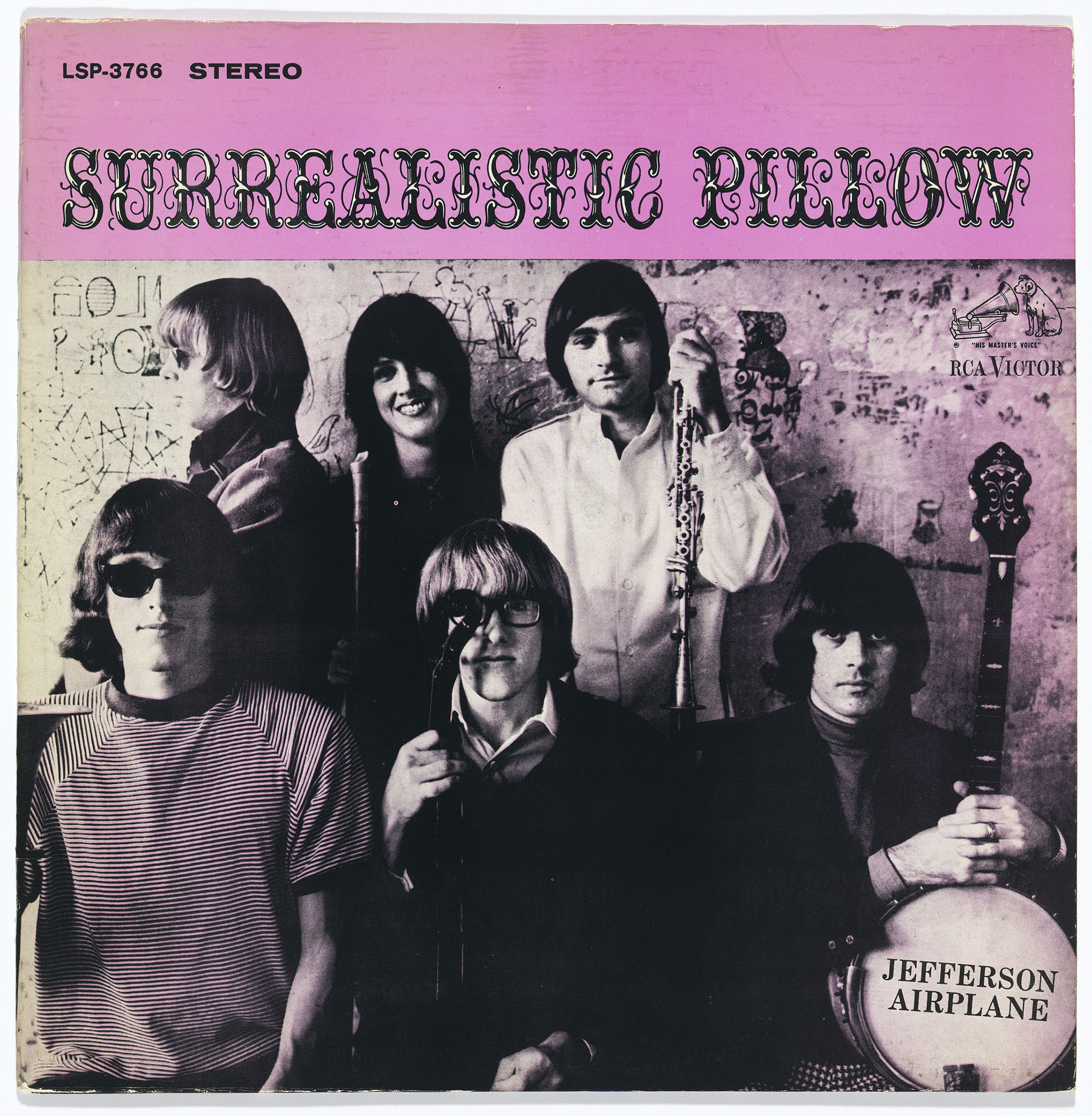


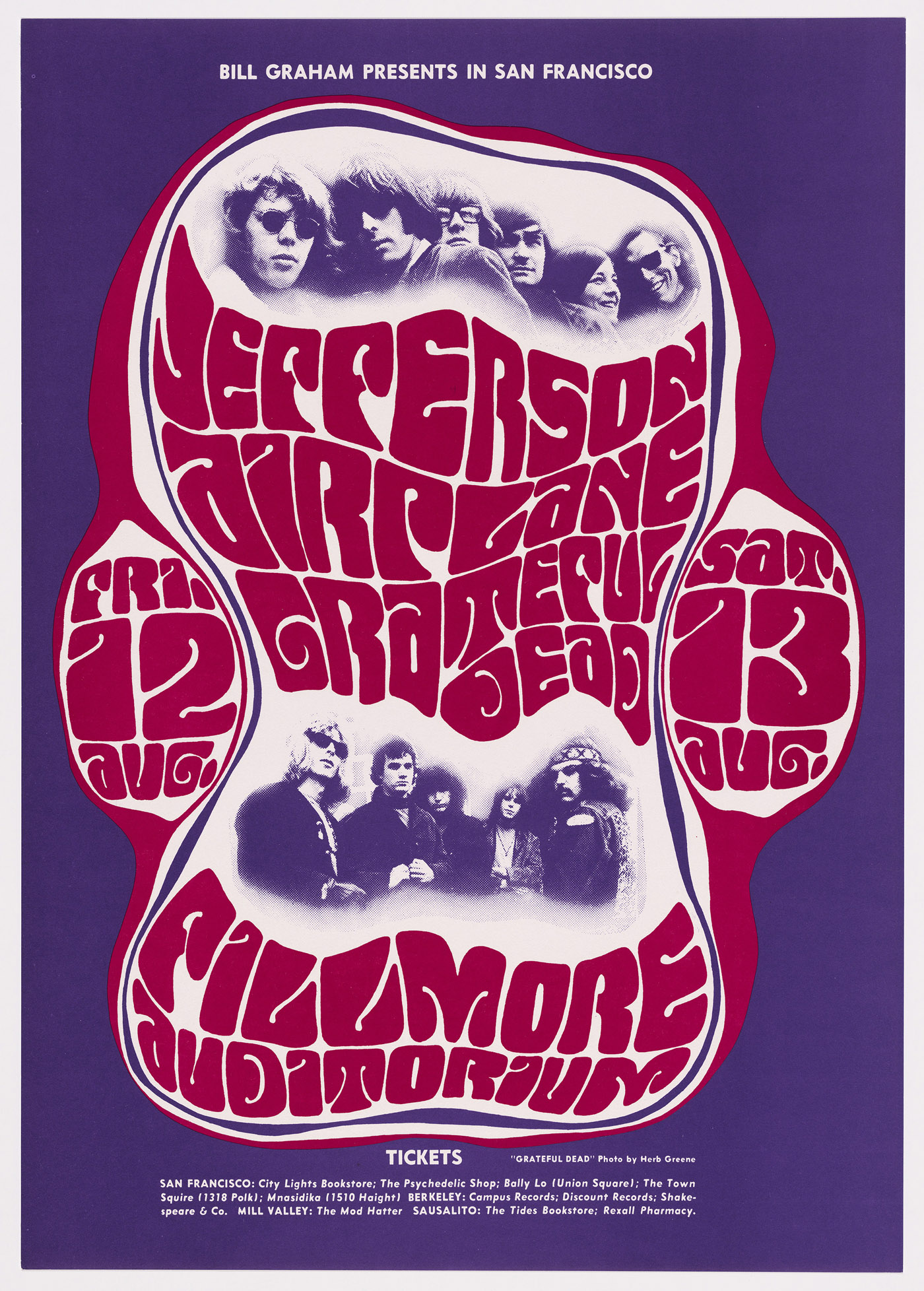
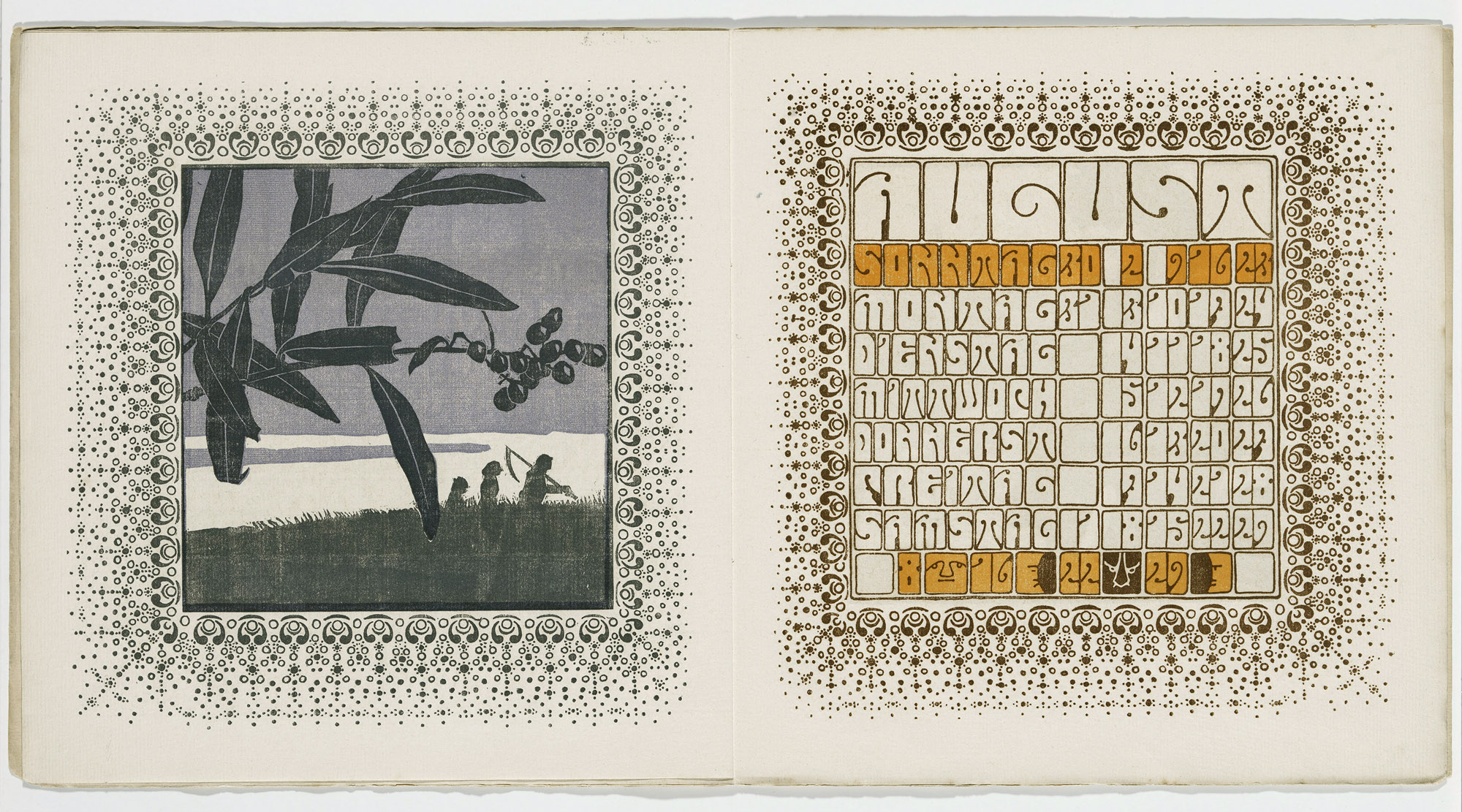


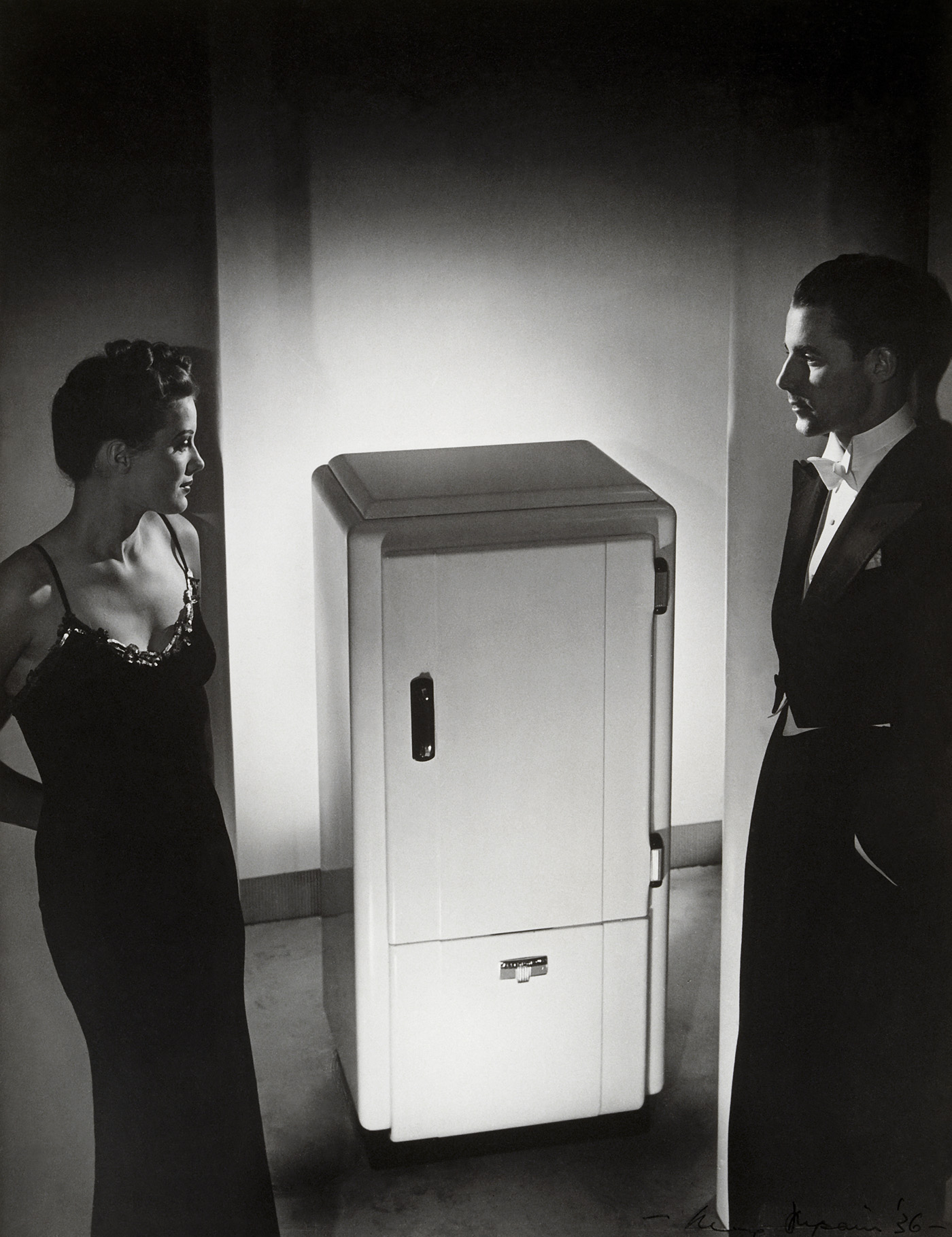

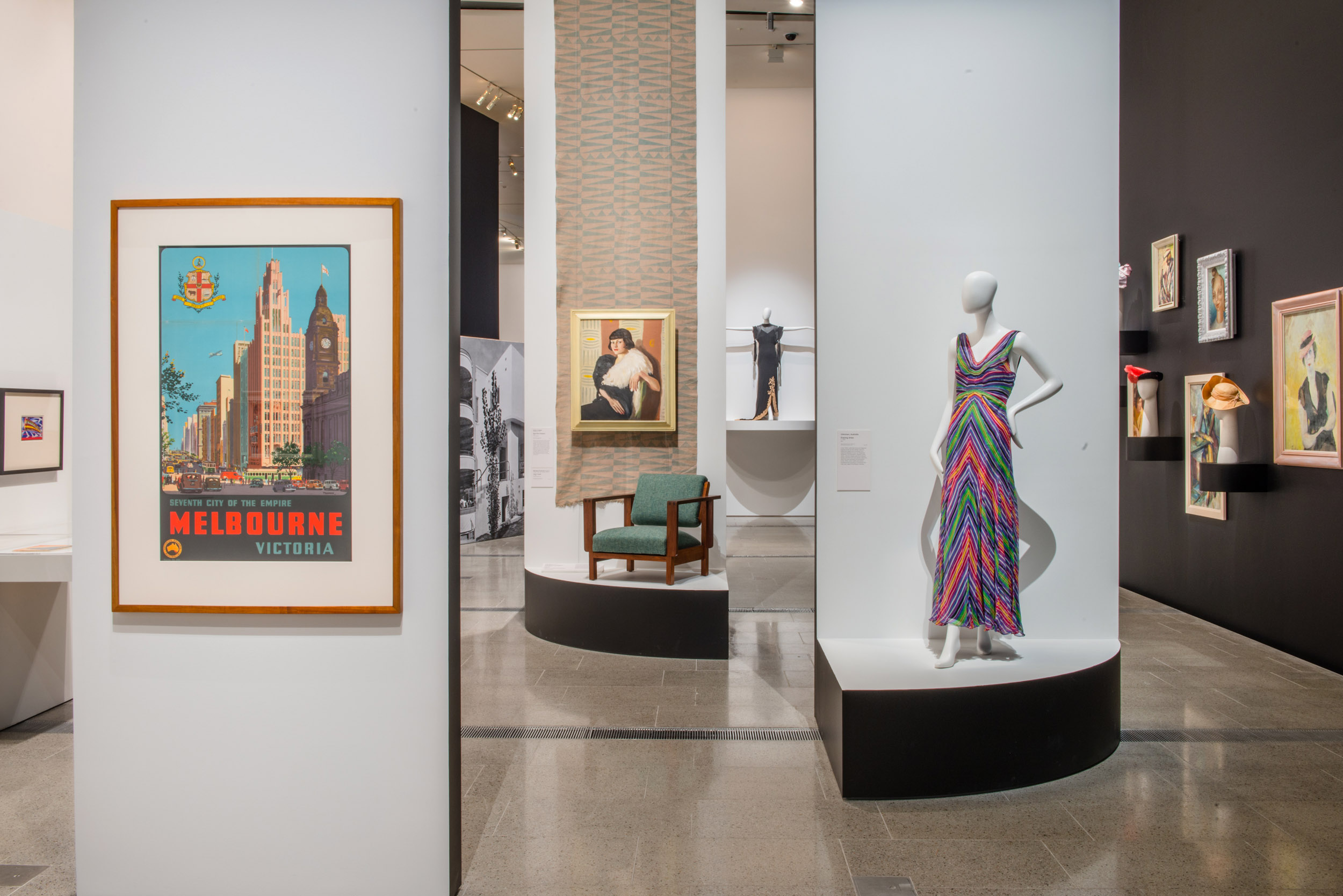


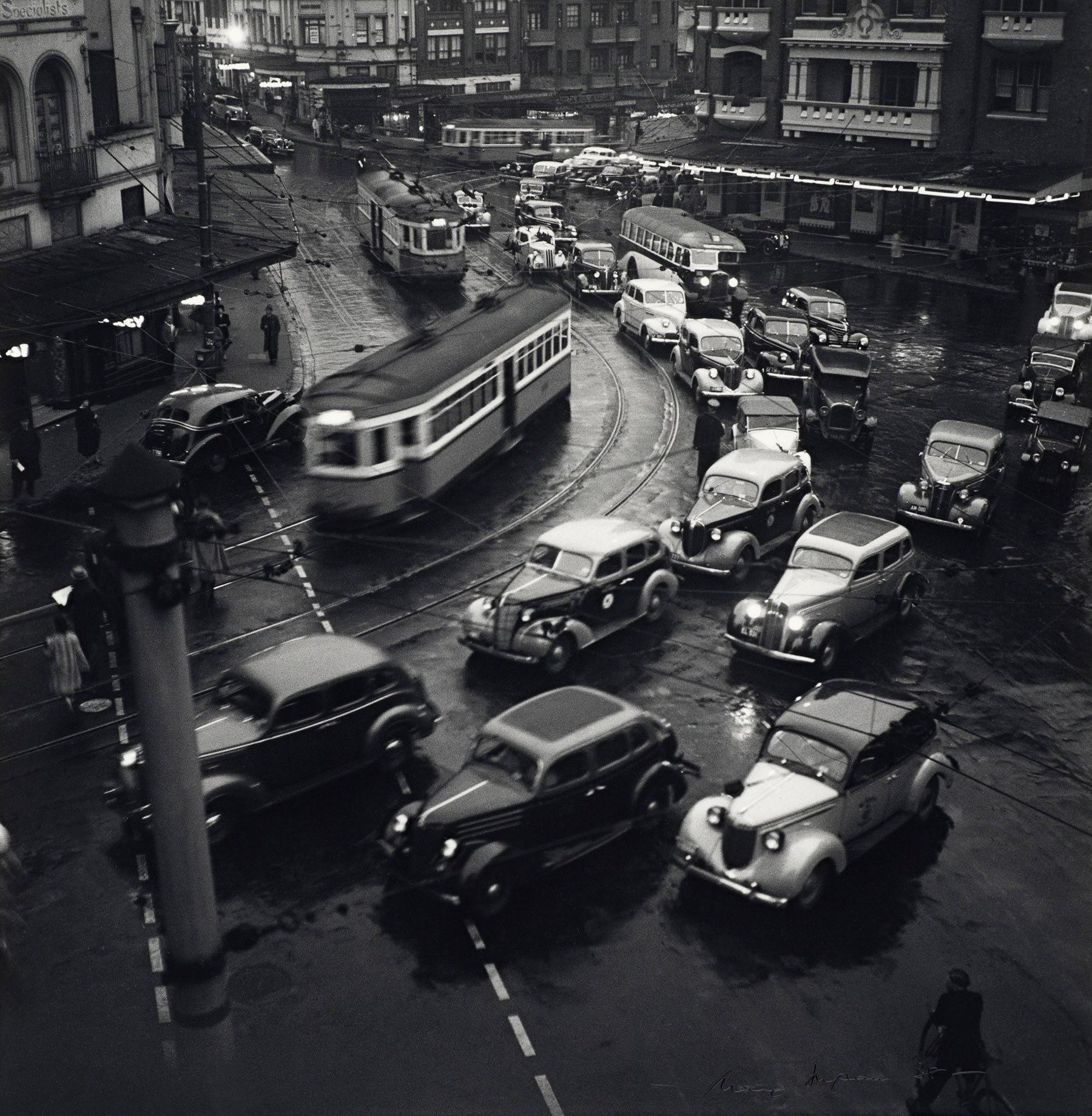
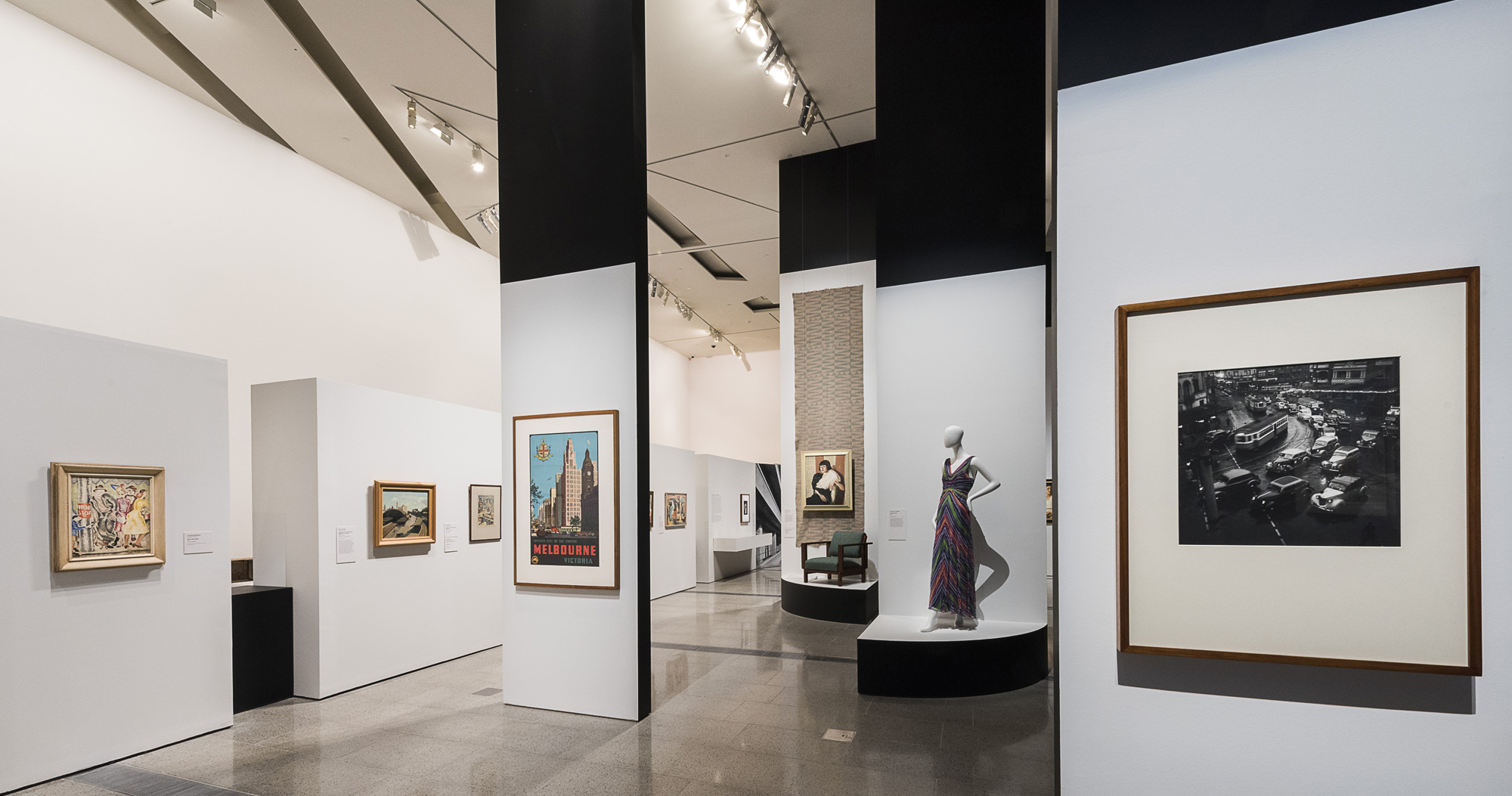


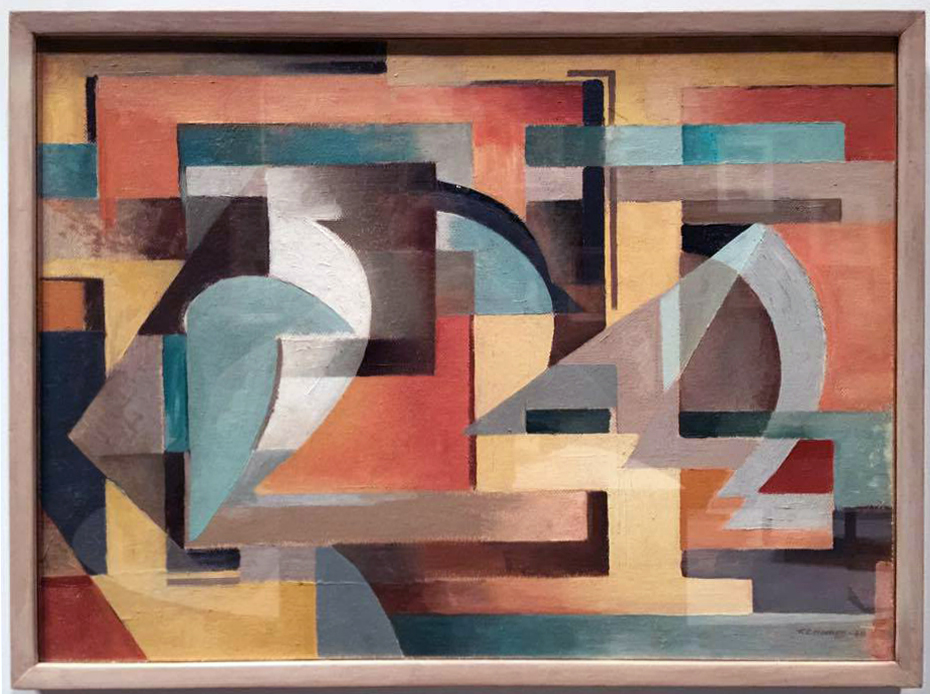


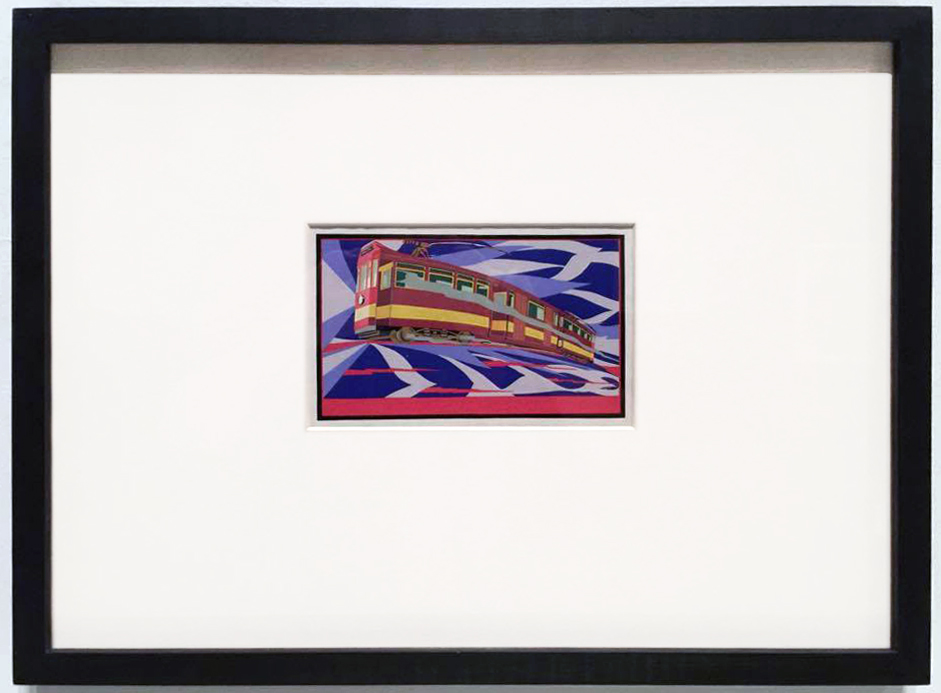
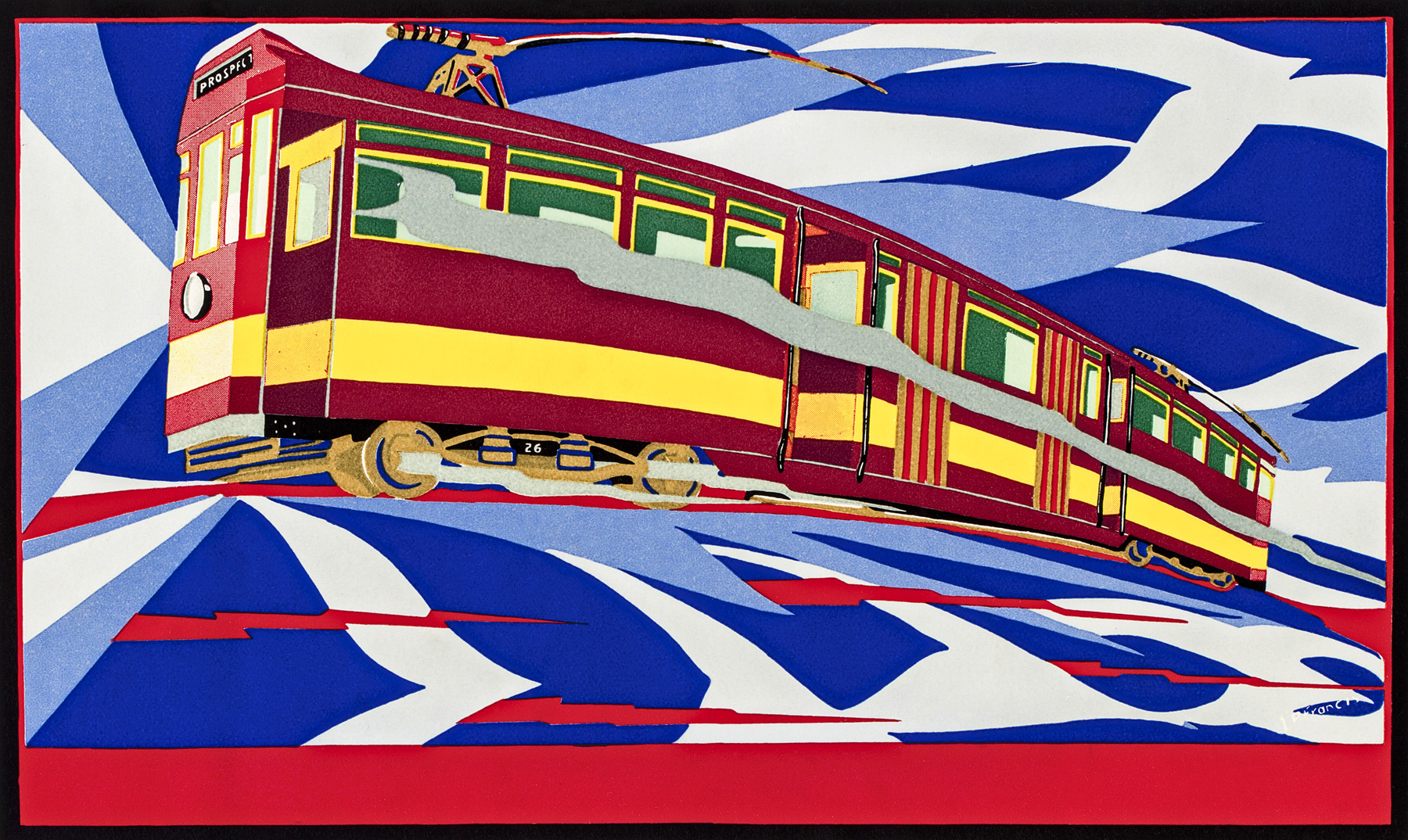


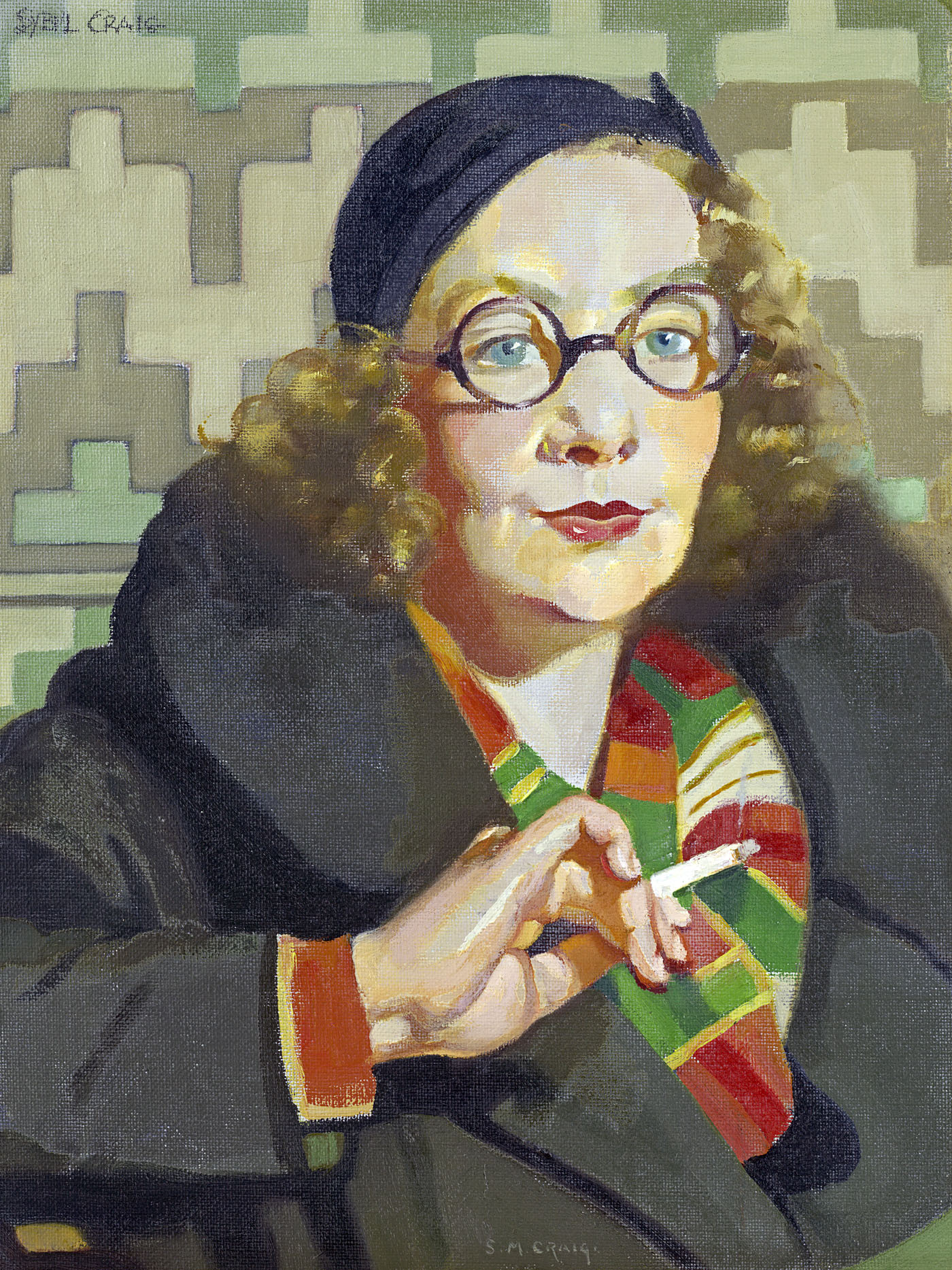


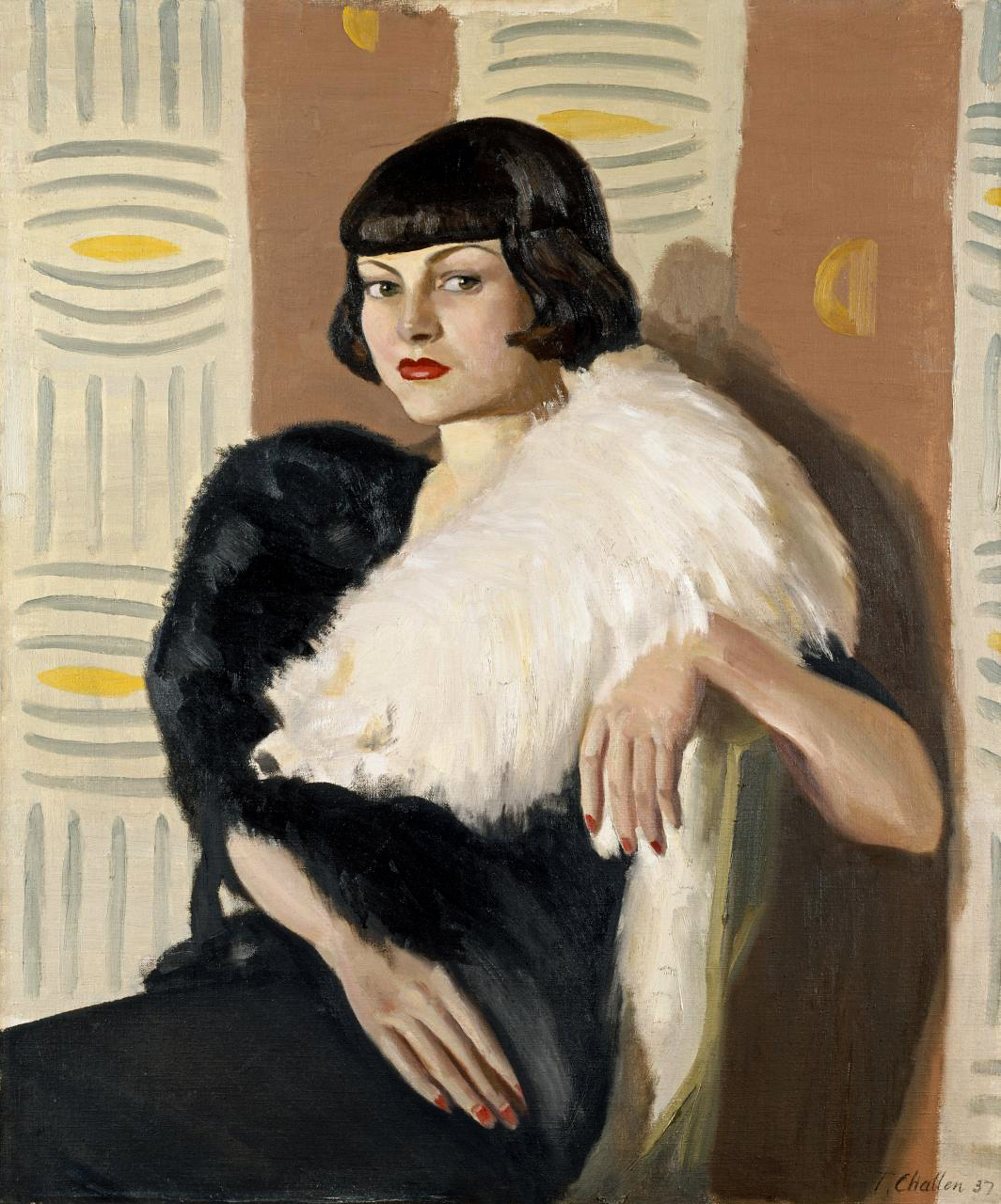
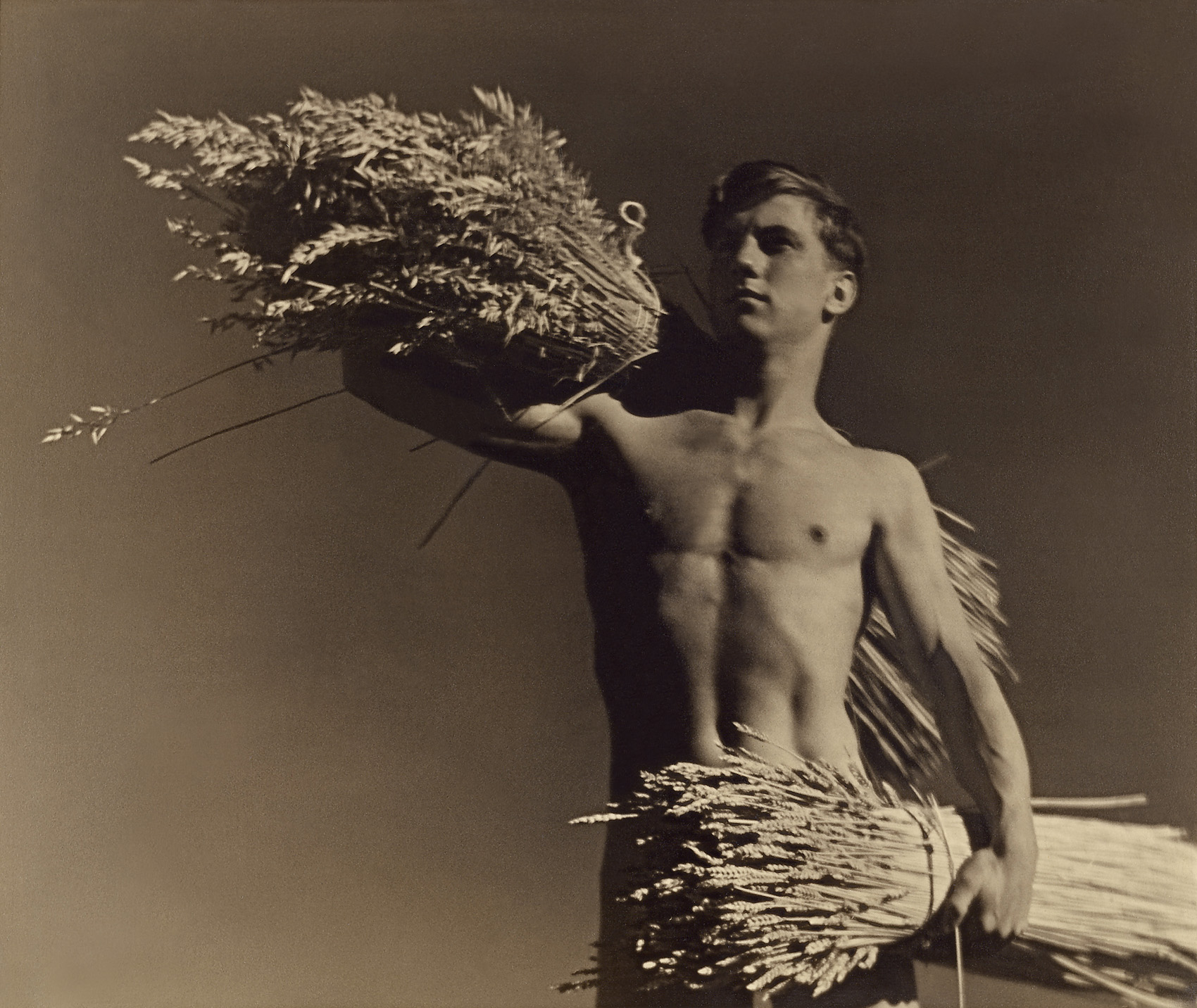
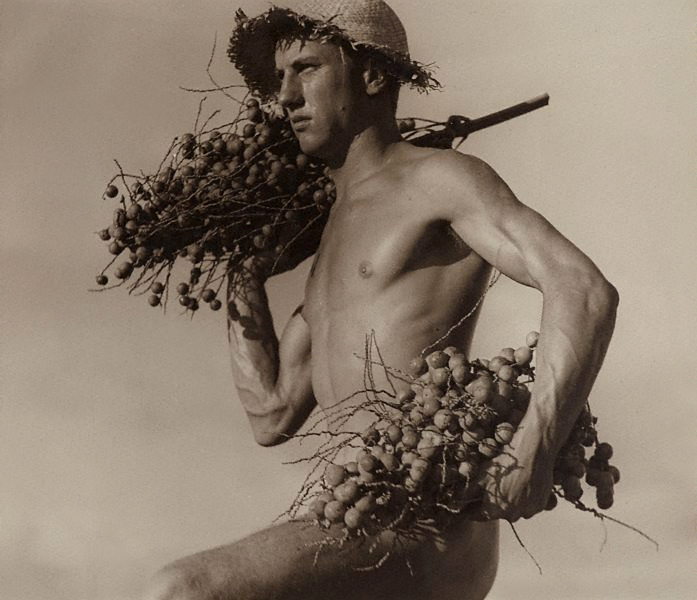

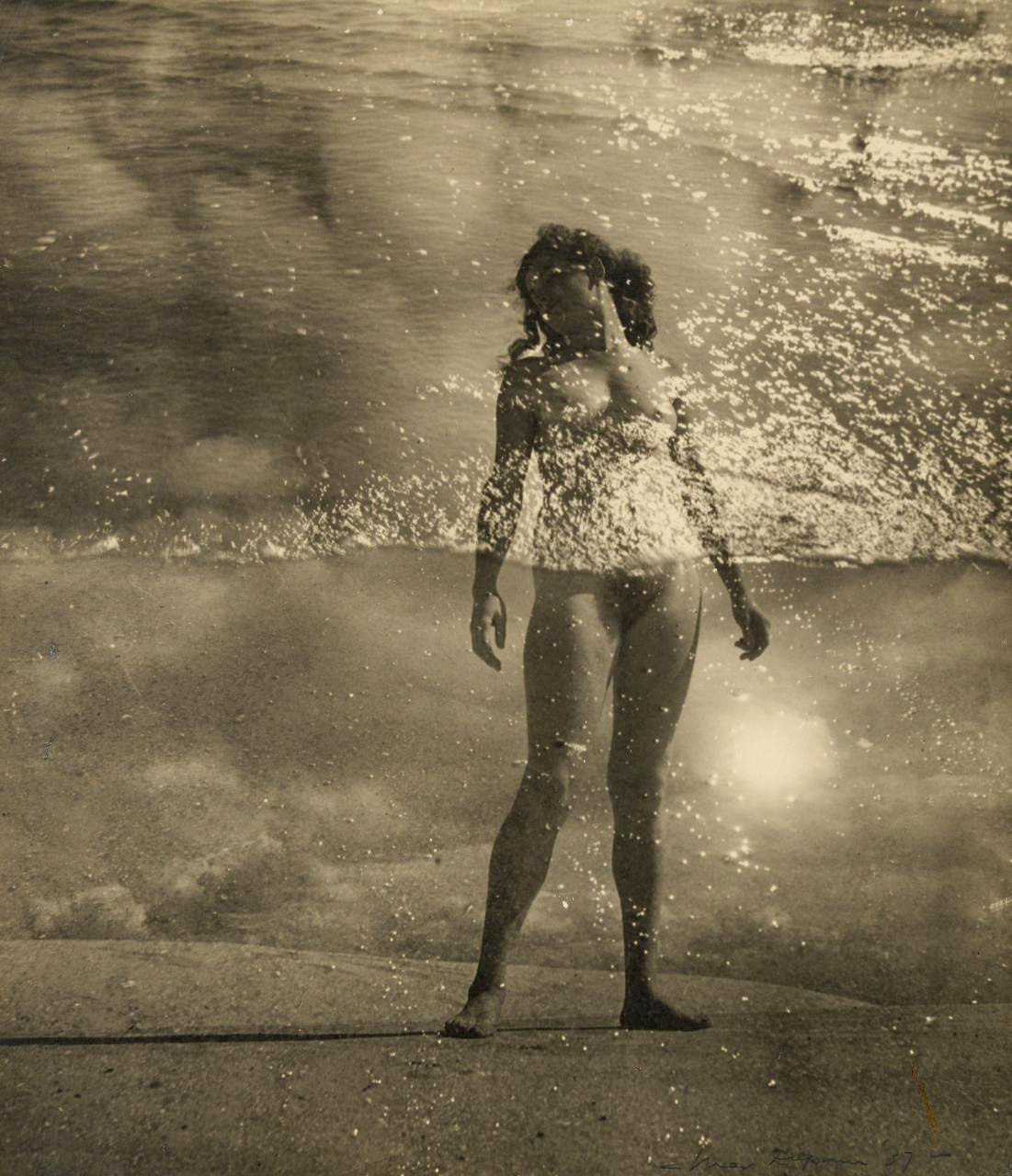
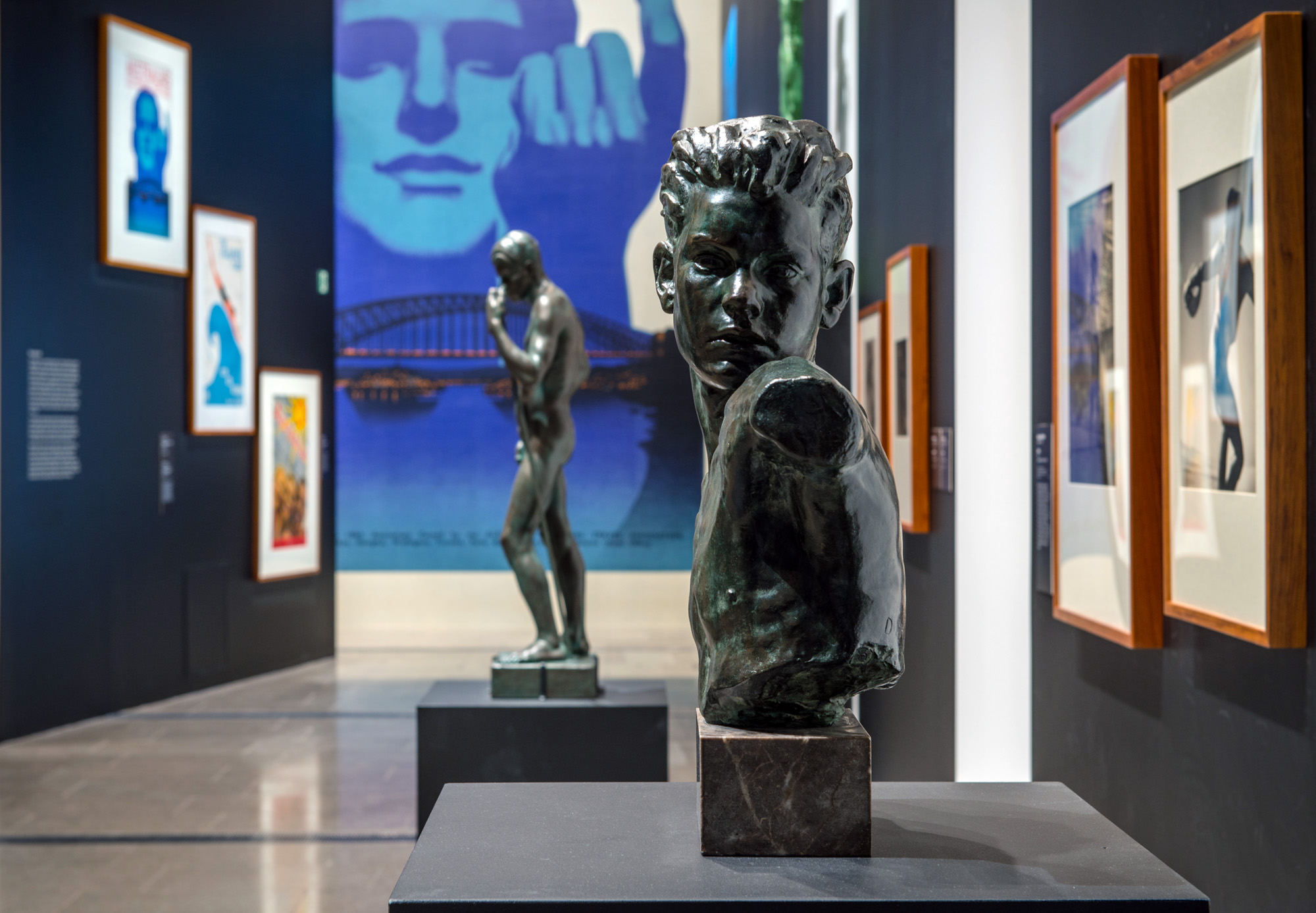
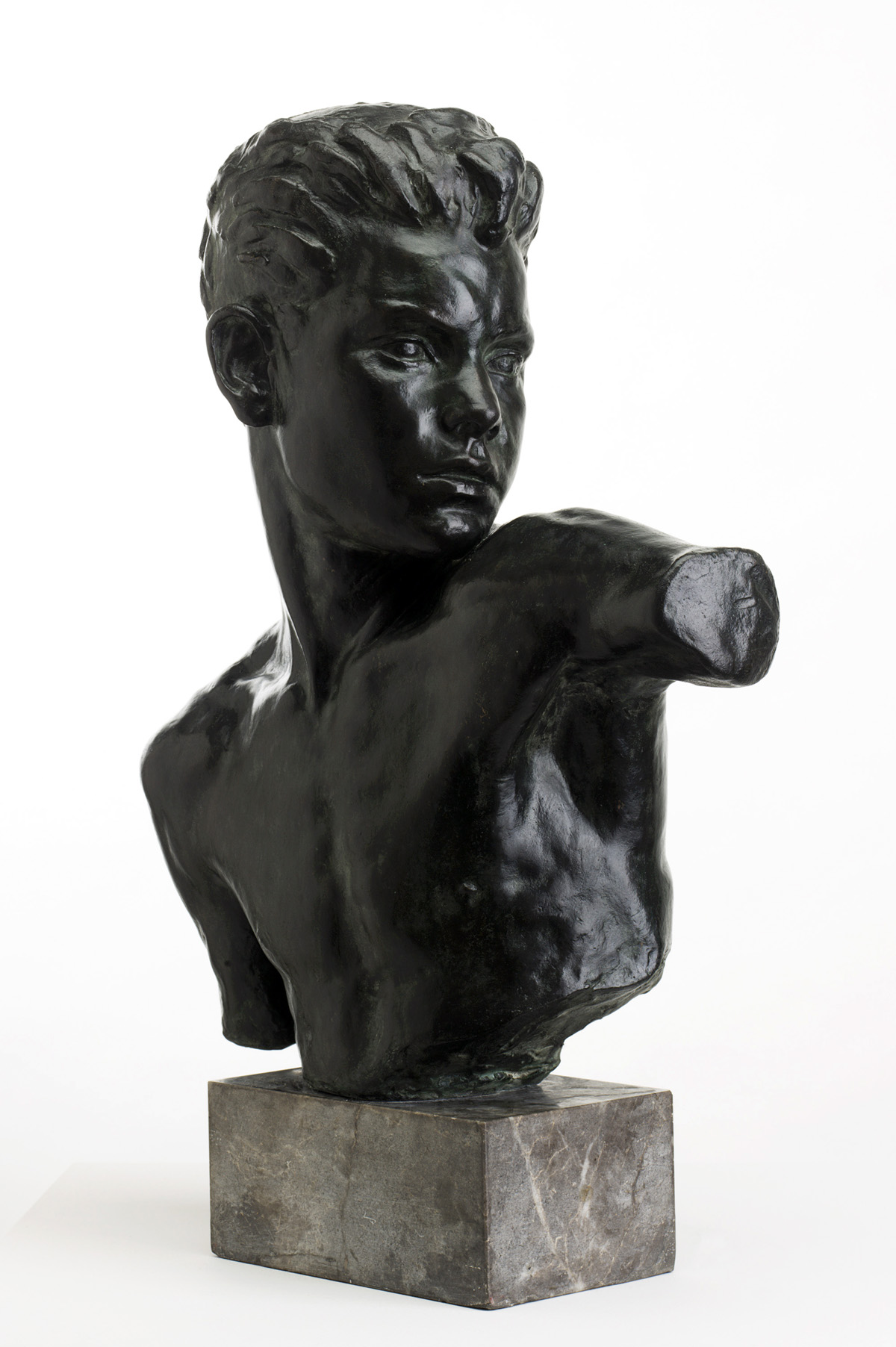


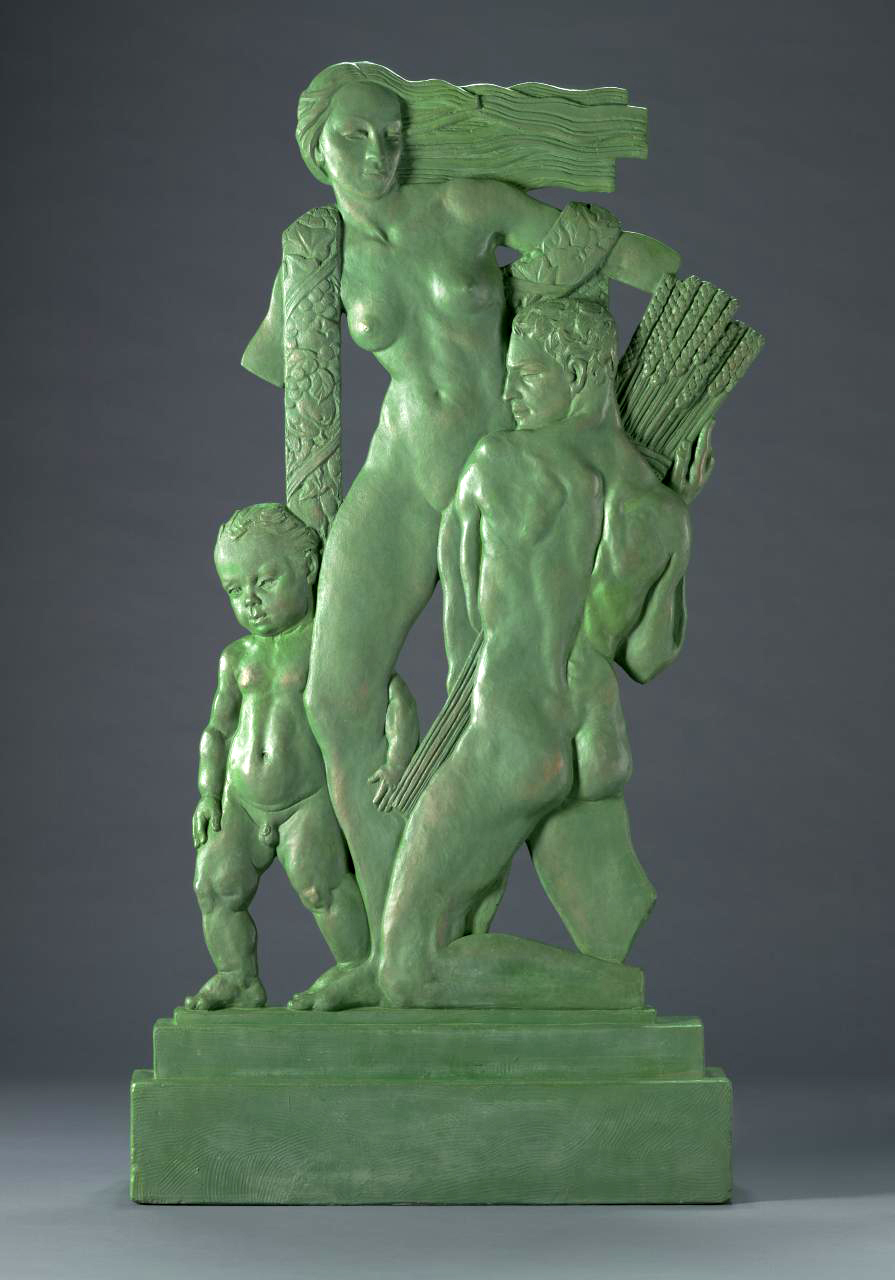


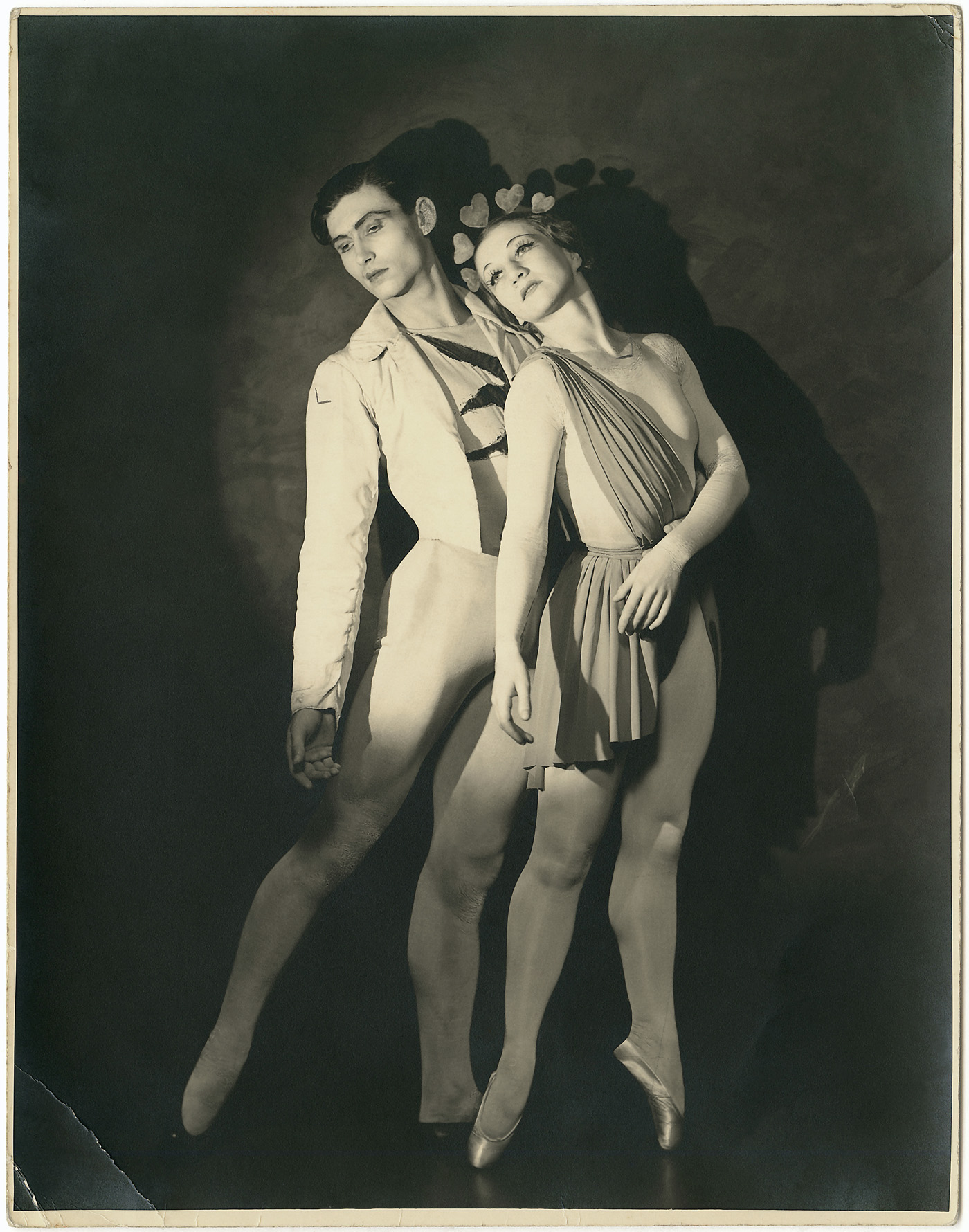


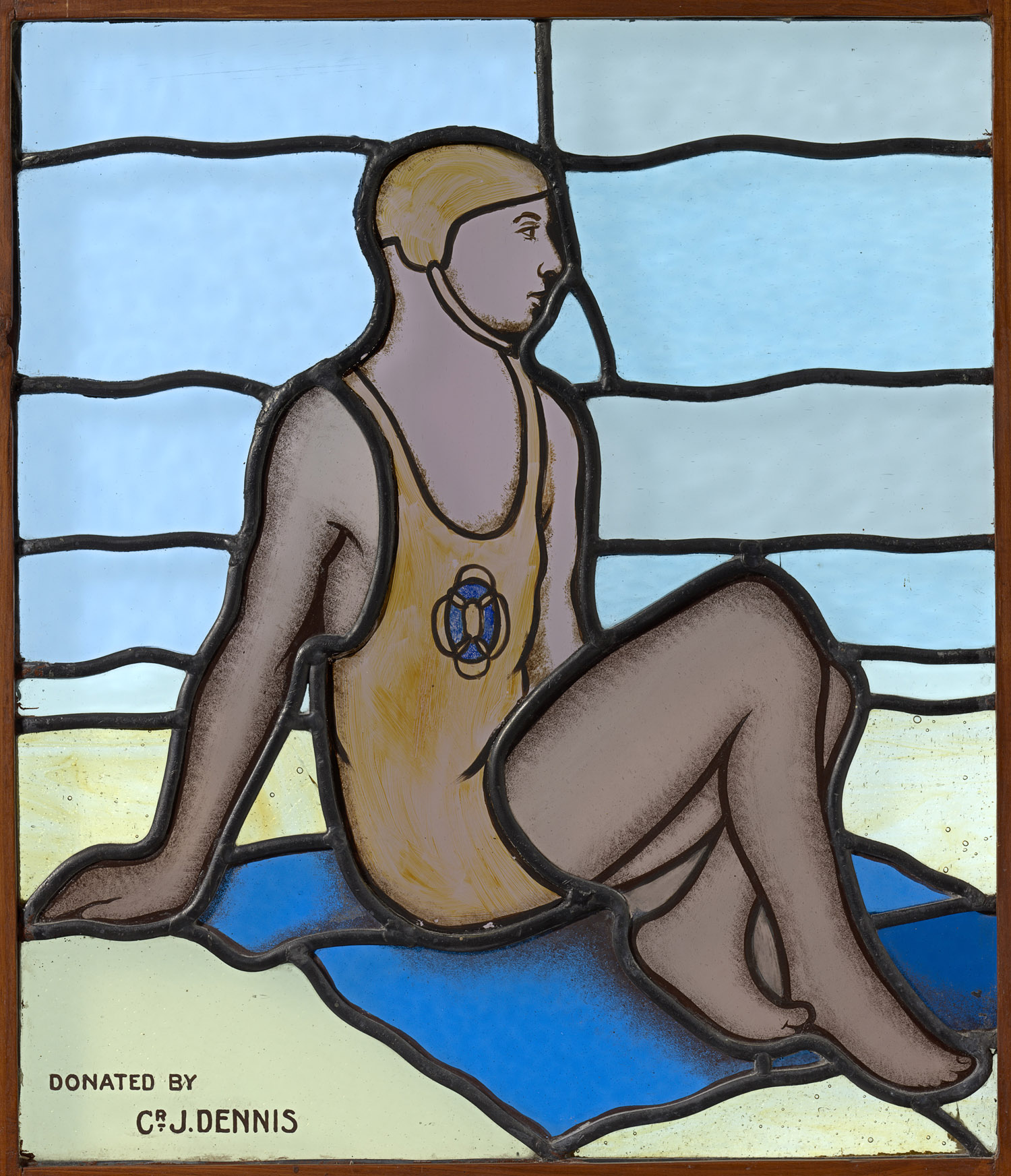


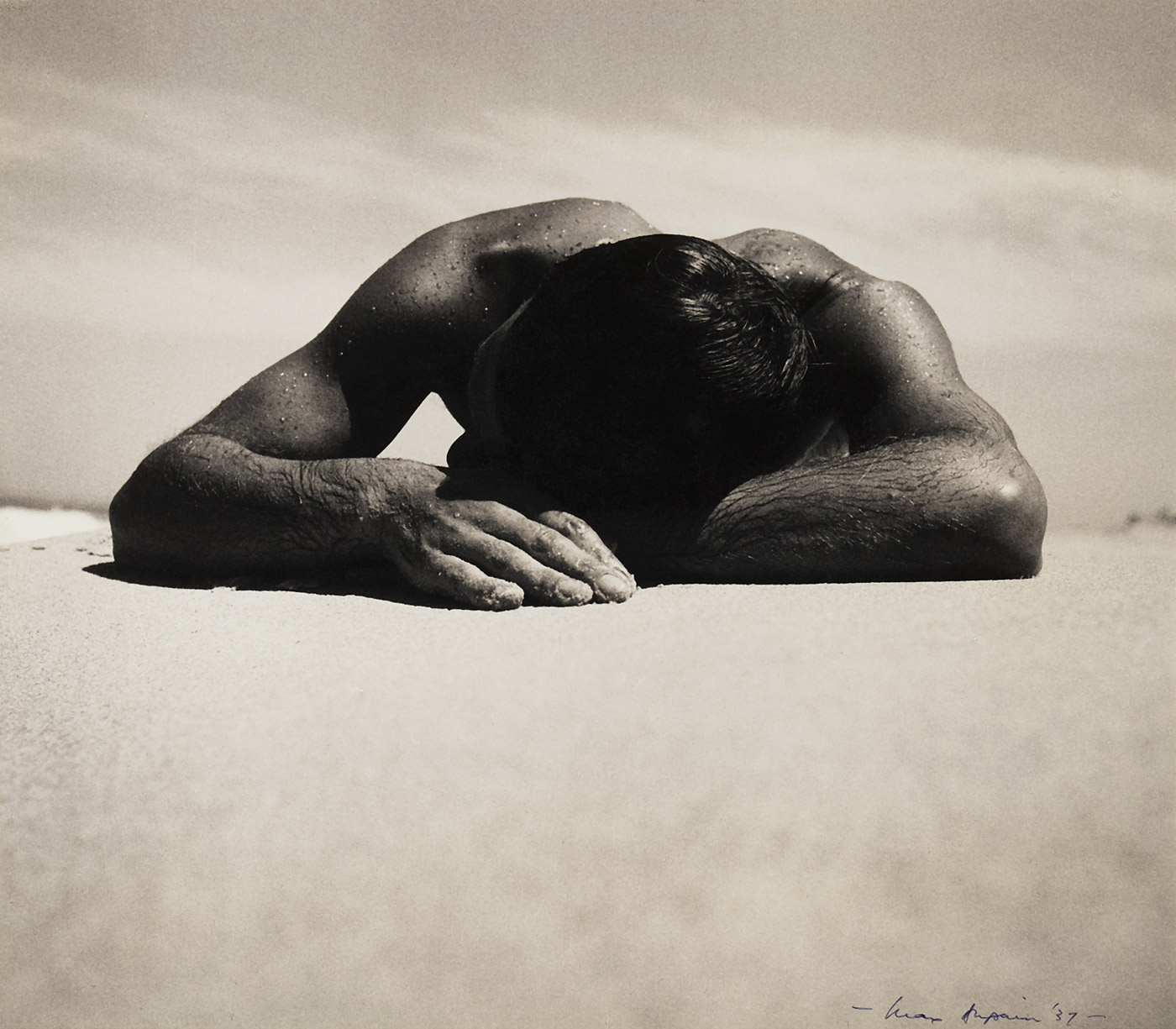


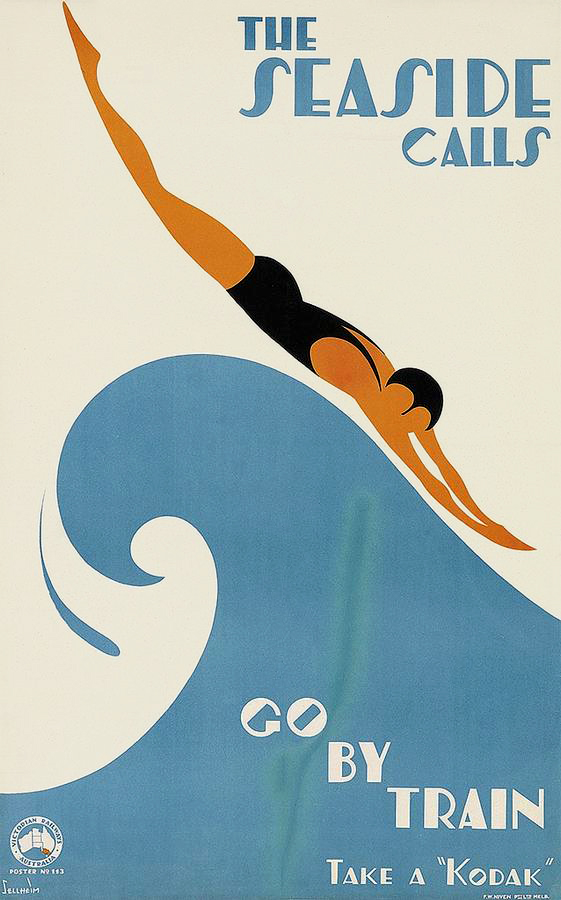


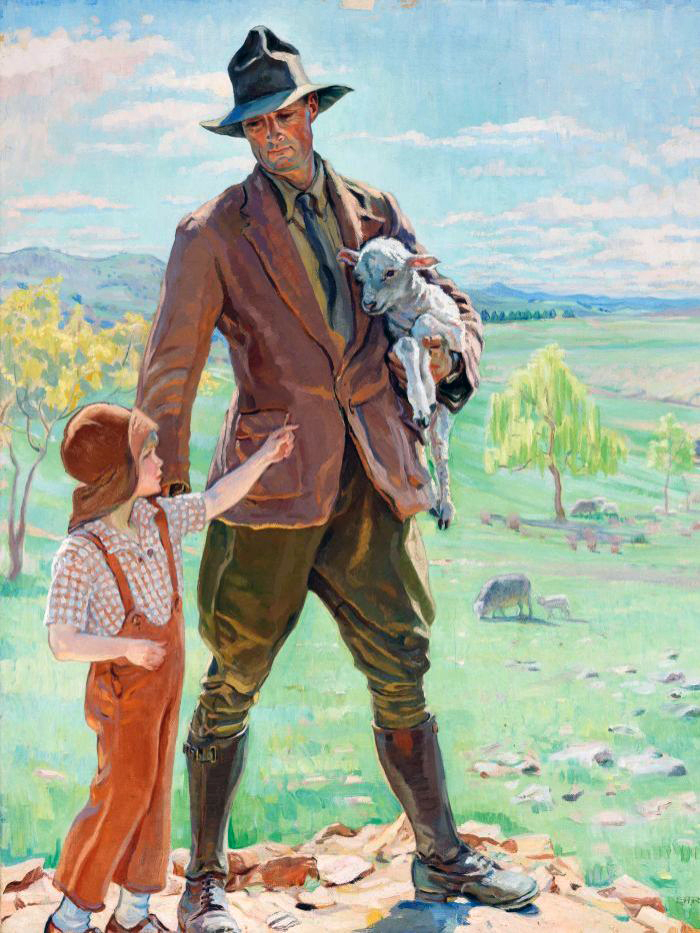


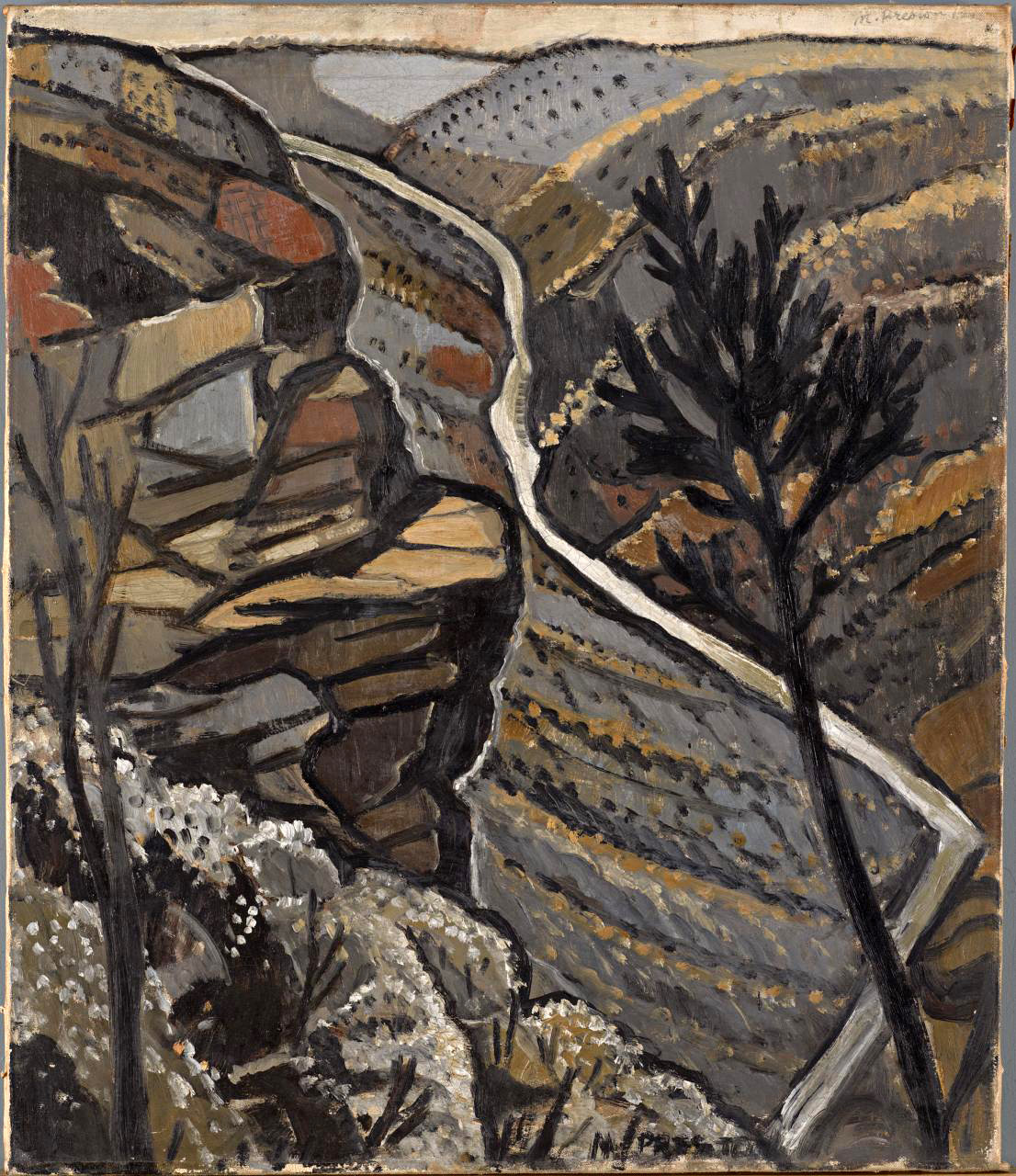


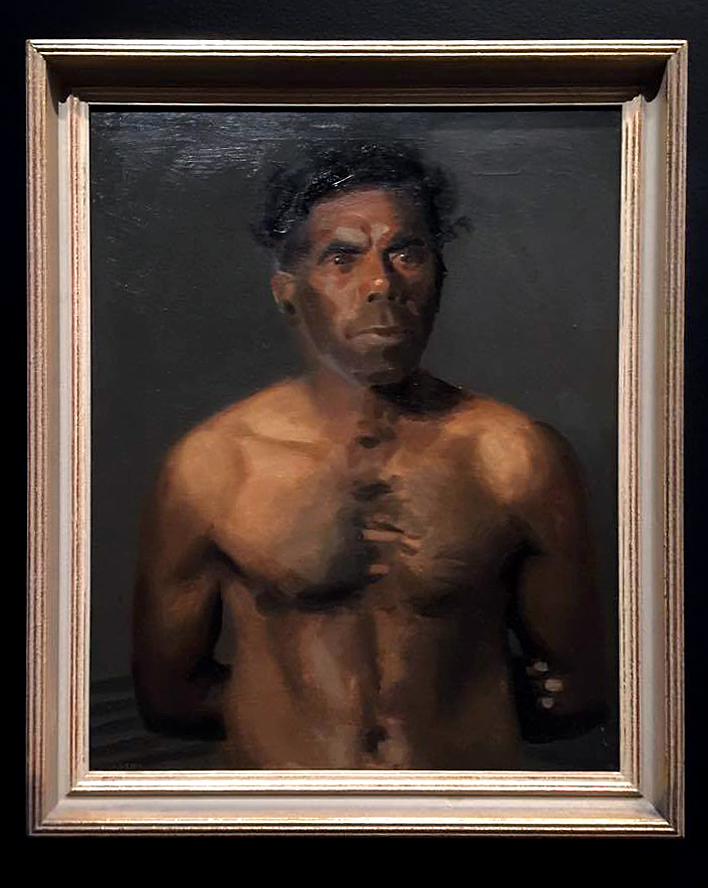

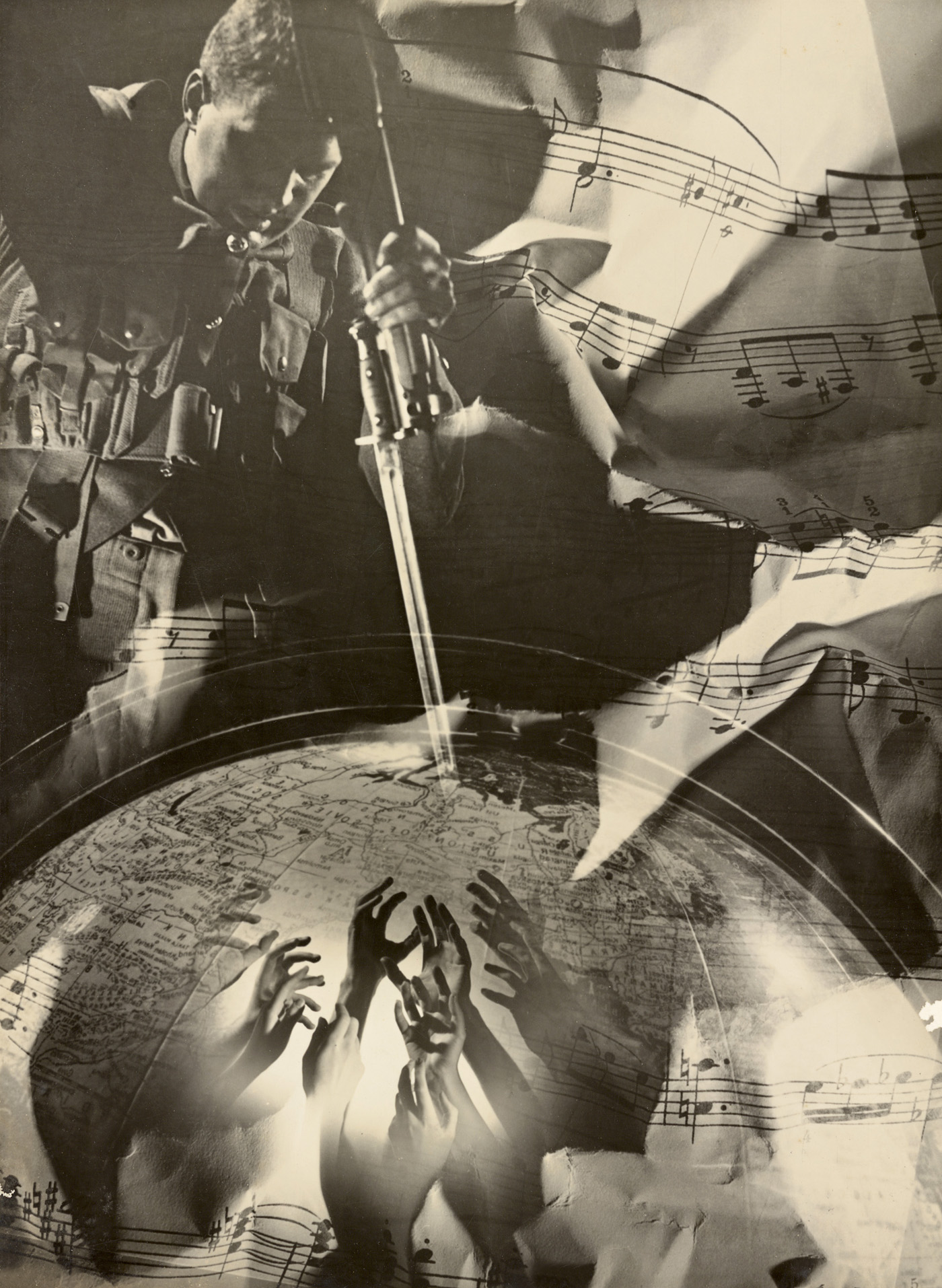


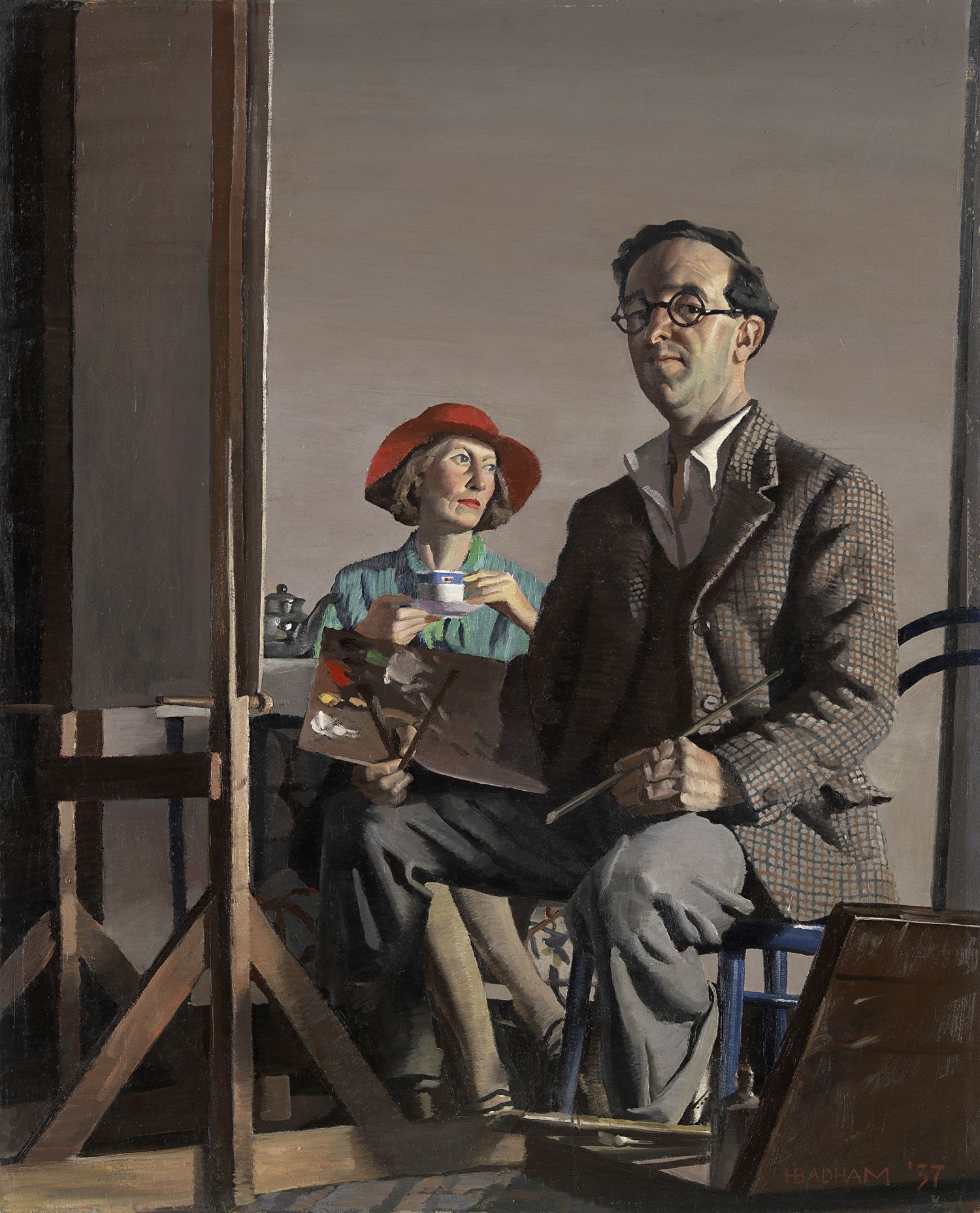


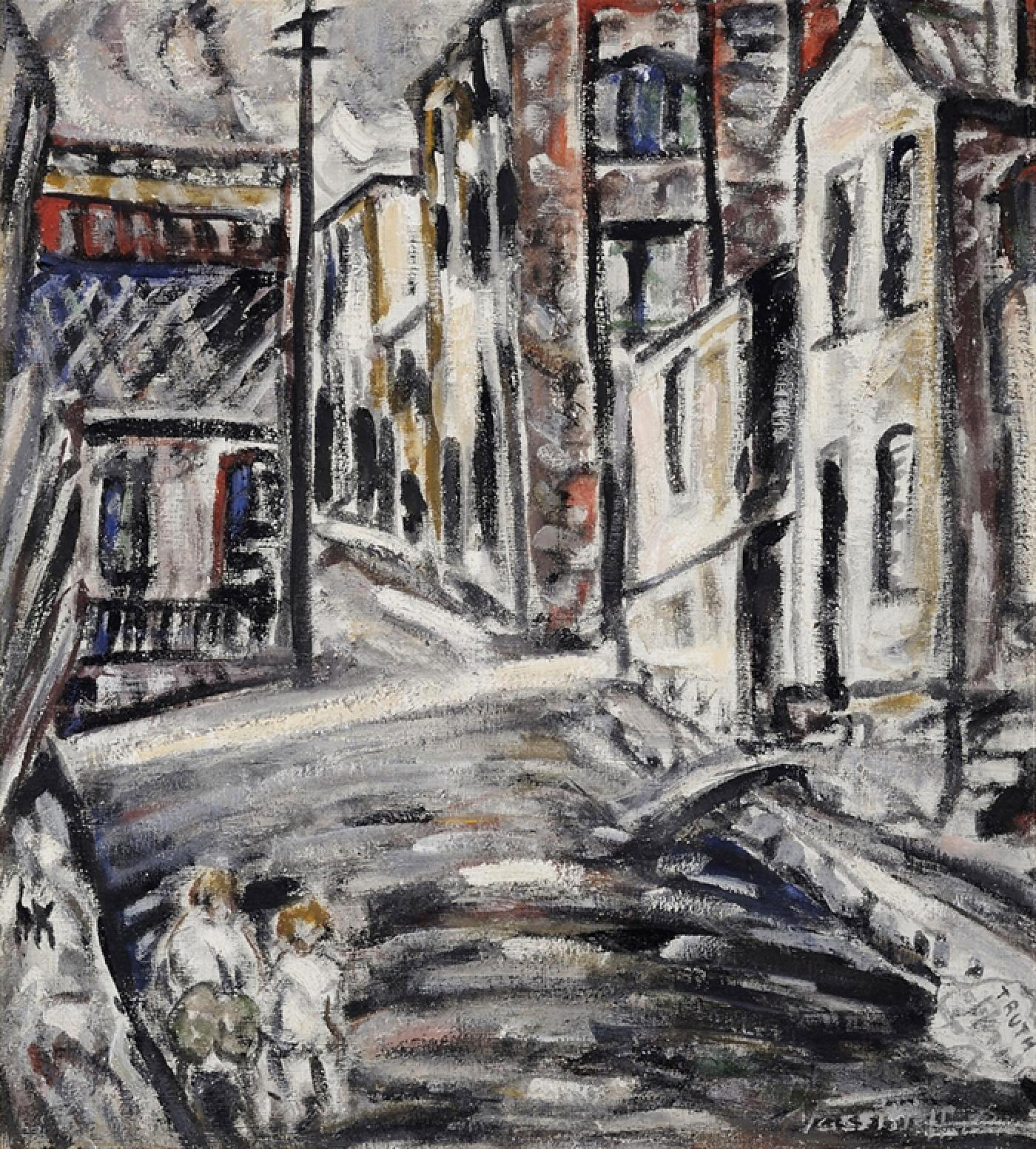


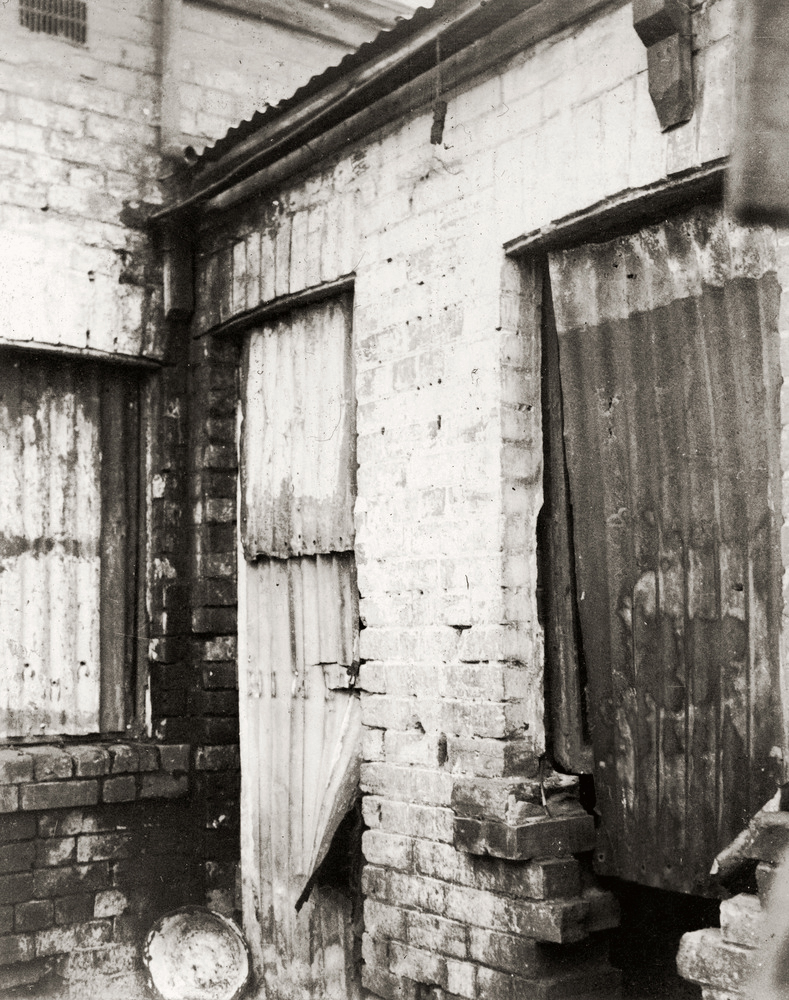
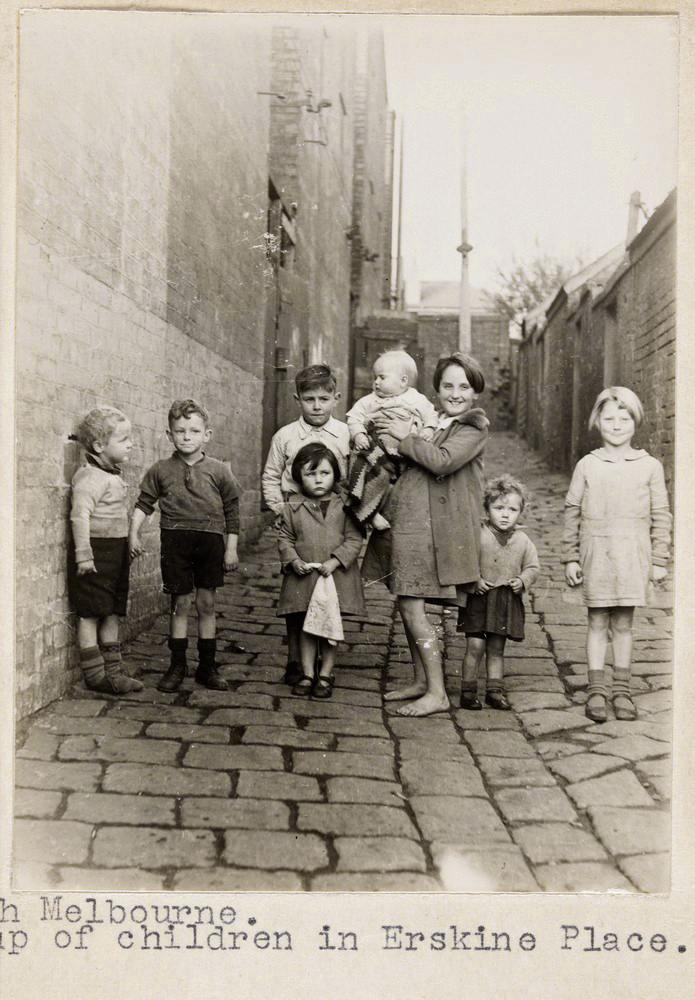


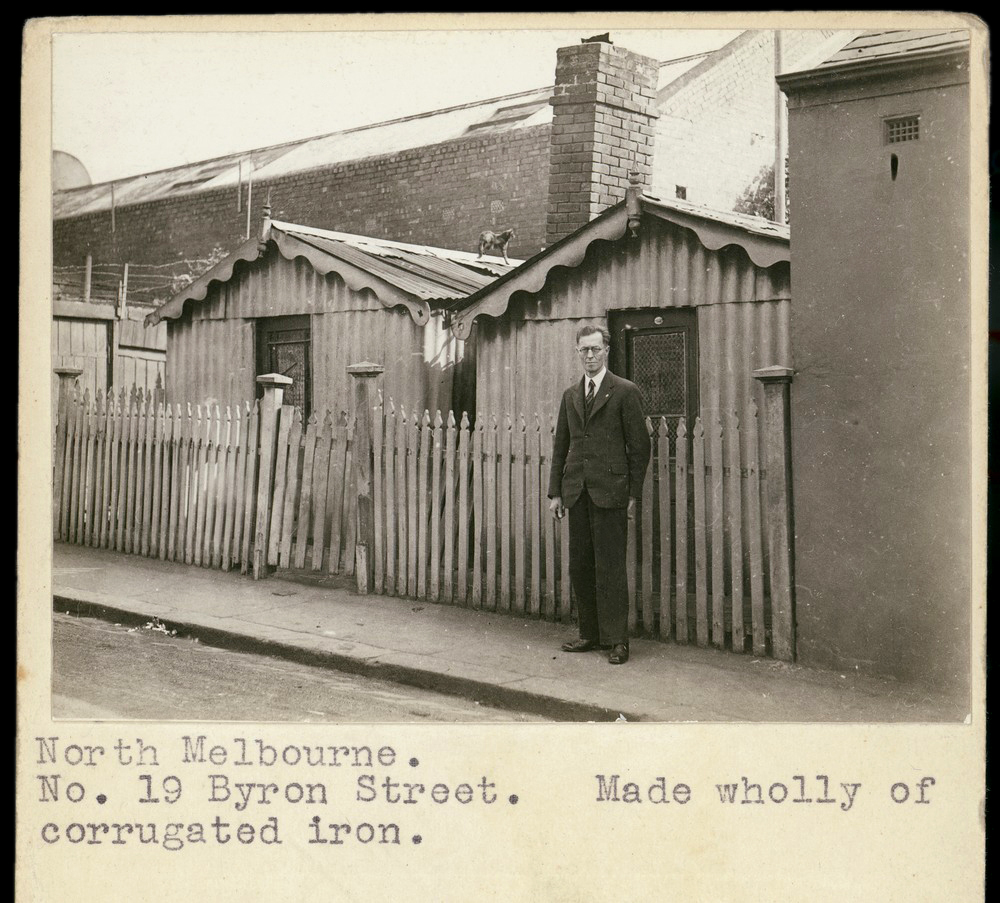

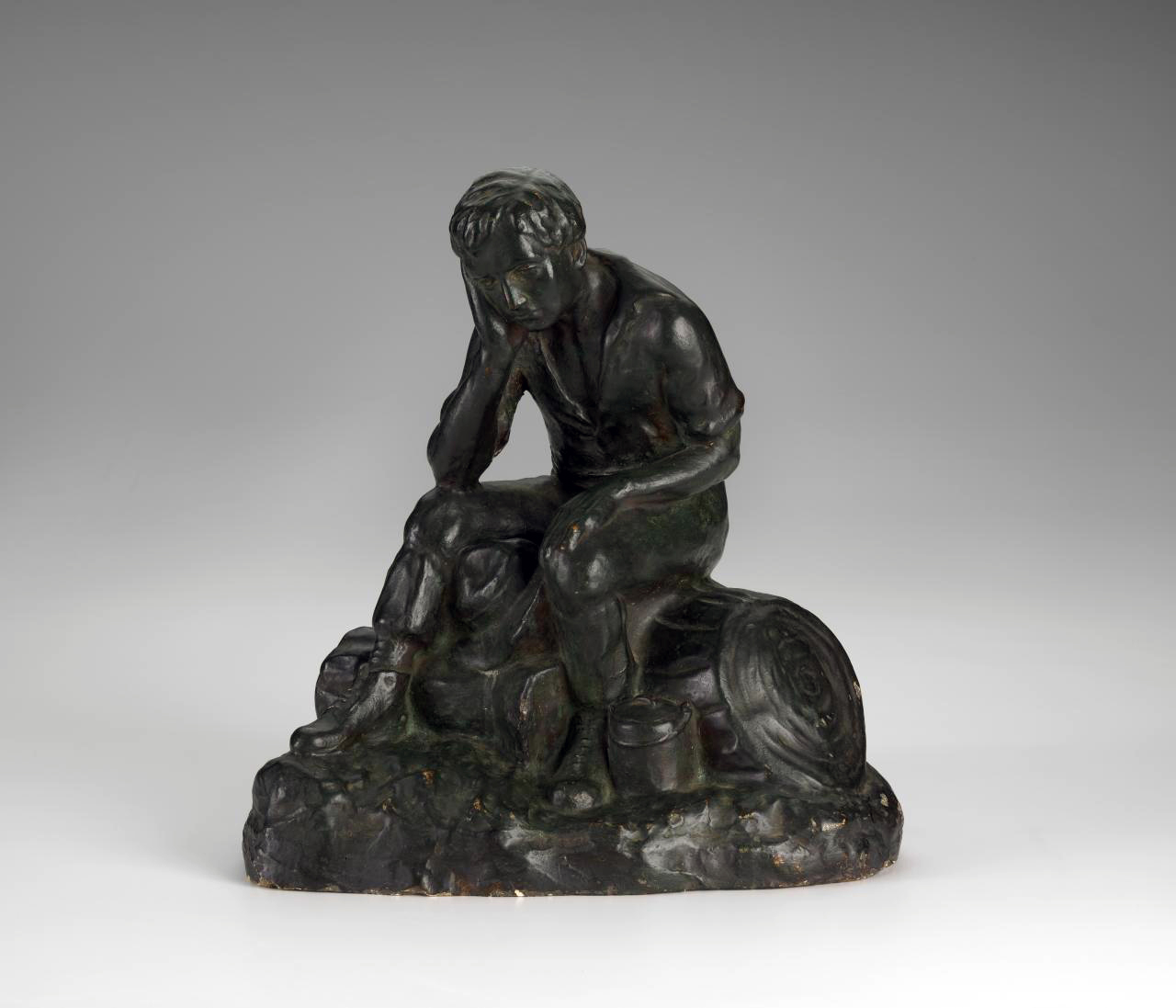


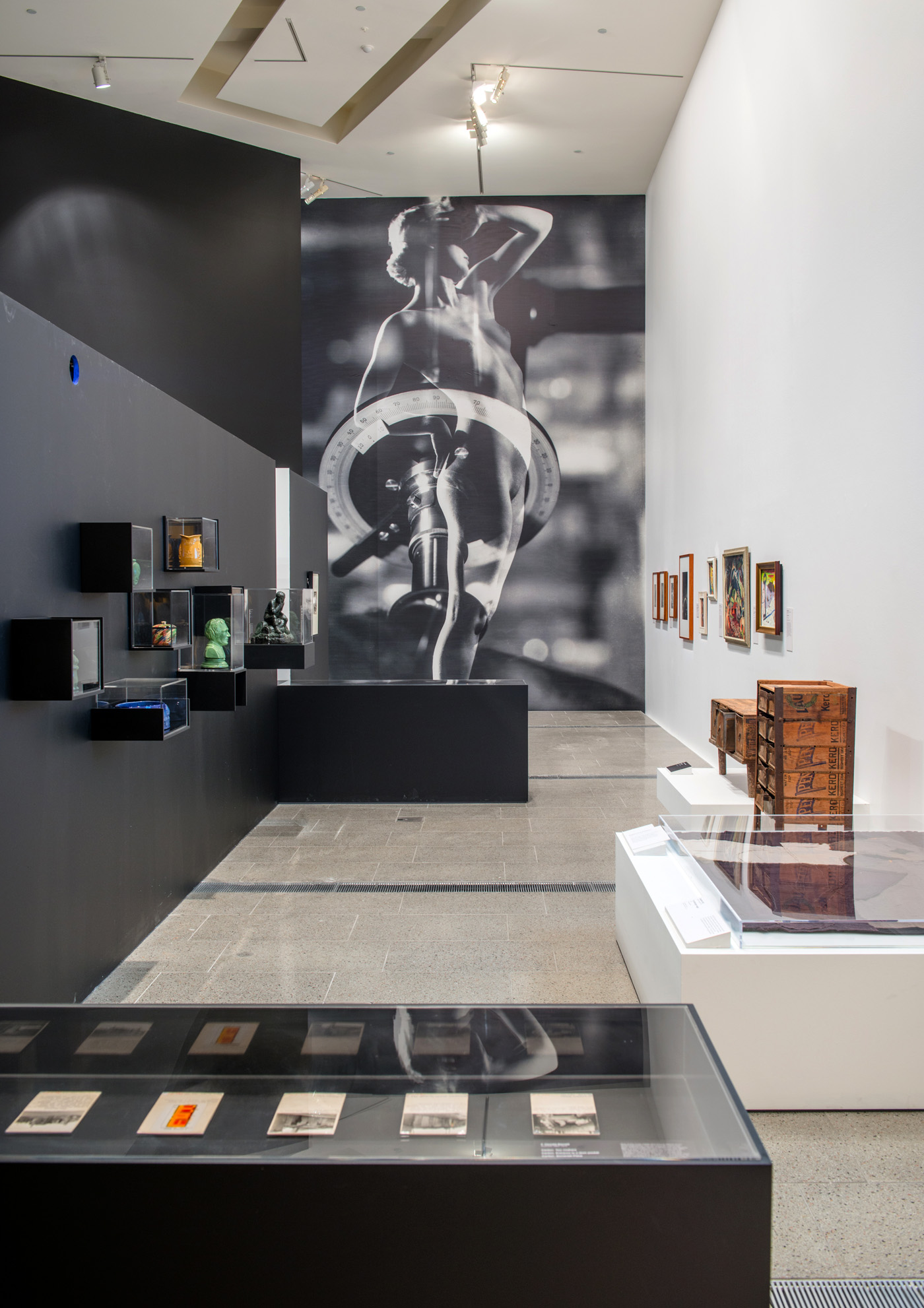


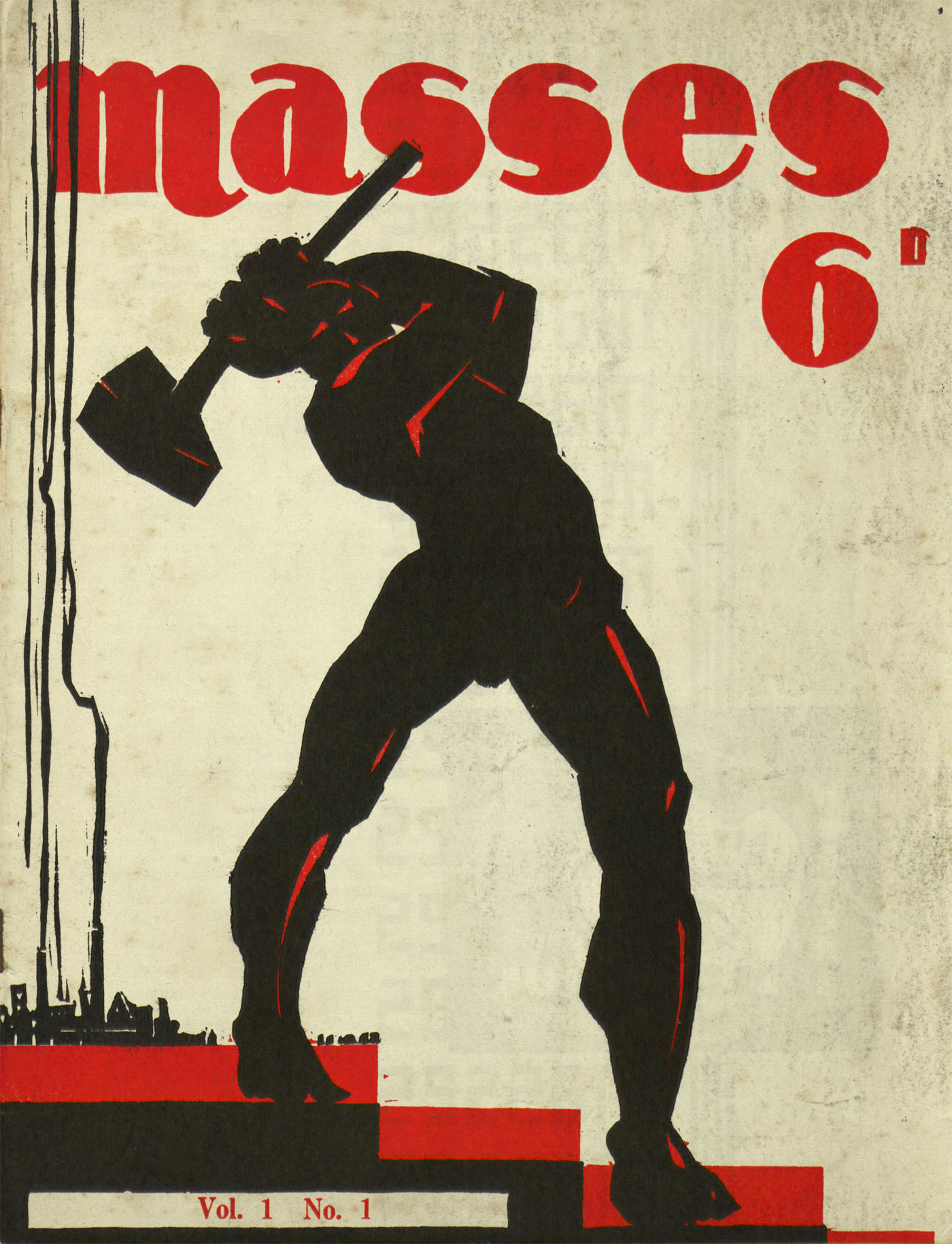


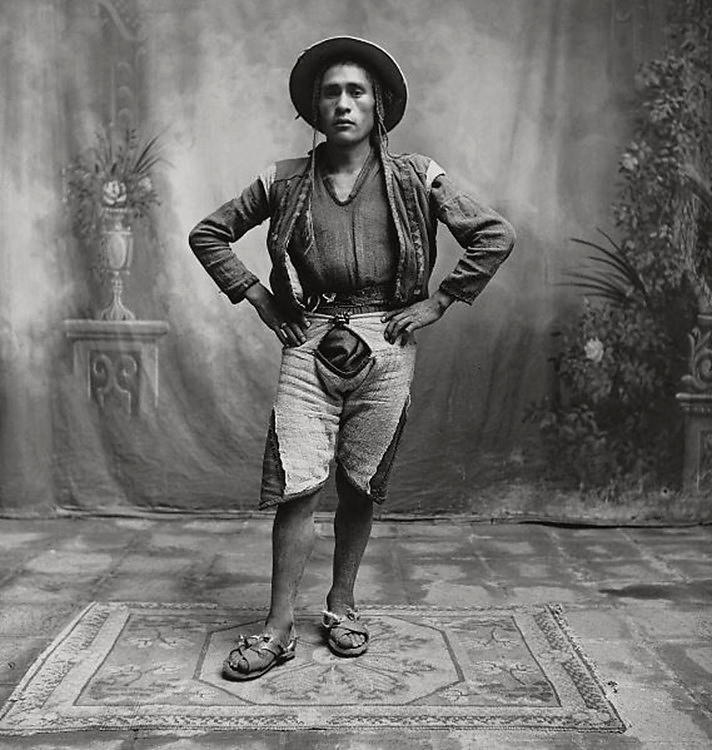


![Irving Penn (American, Plainfield, New Jersey 1917-2009 New York) 'Marchand de Concombres [Cucumber Seller]' 1950, printed 1976](https://artblart.com/wp-content/uploads/2017/07/penn-marchand-de-concombres-web1.jpg "Irving Penn (American, Plainfield, New Jersey 1917-2009 New York) 'Marchand de Concombres [Cucumber Seller]' 1950, printed 1976")




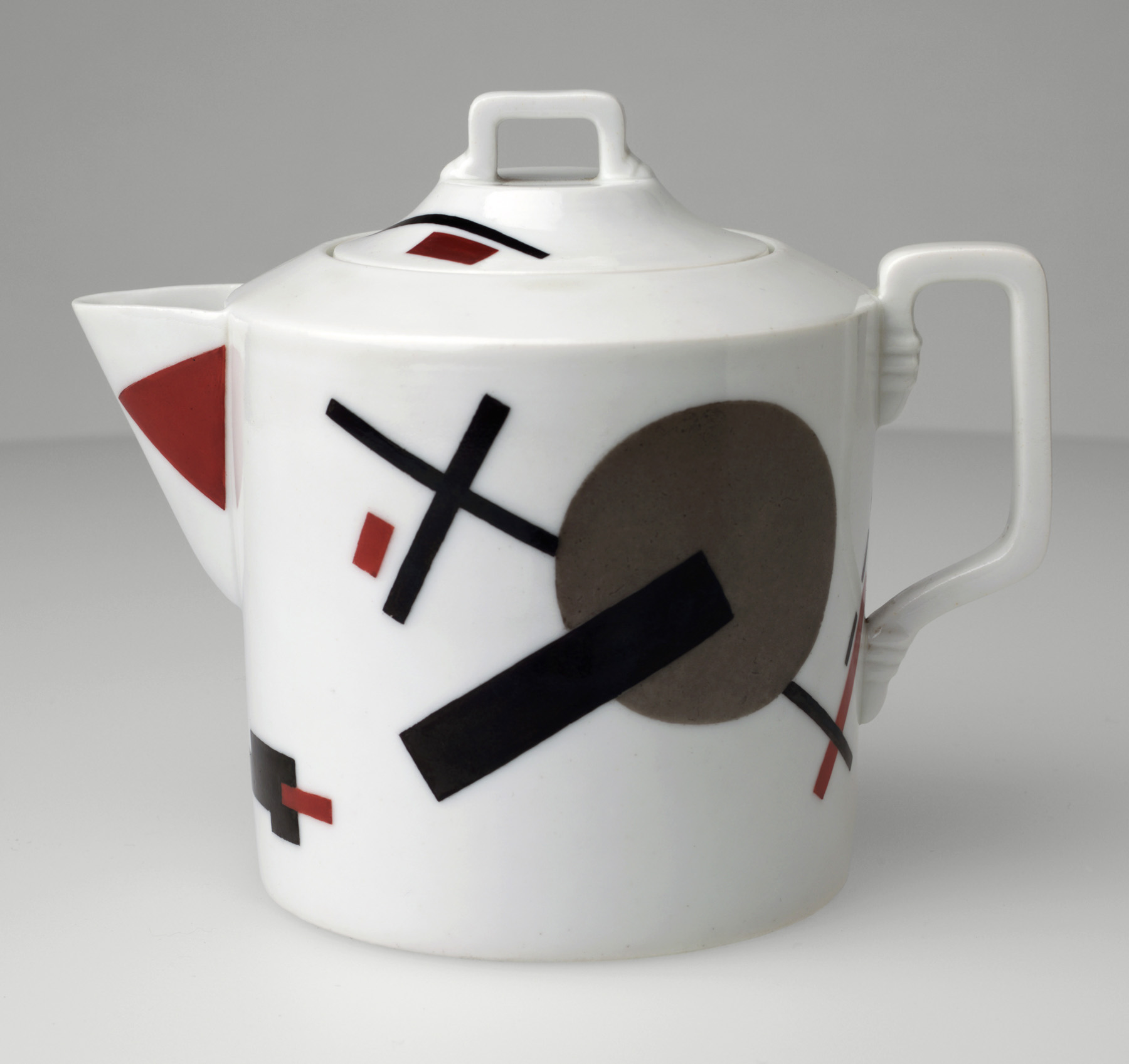
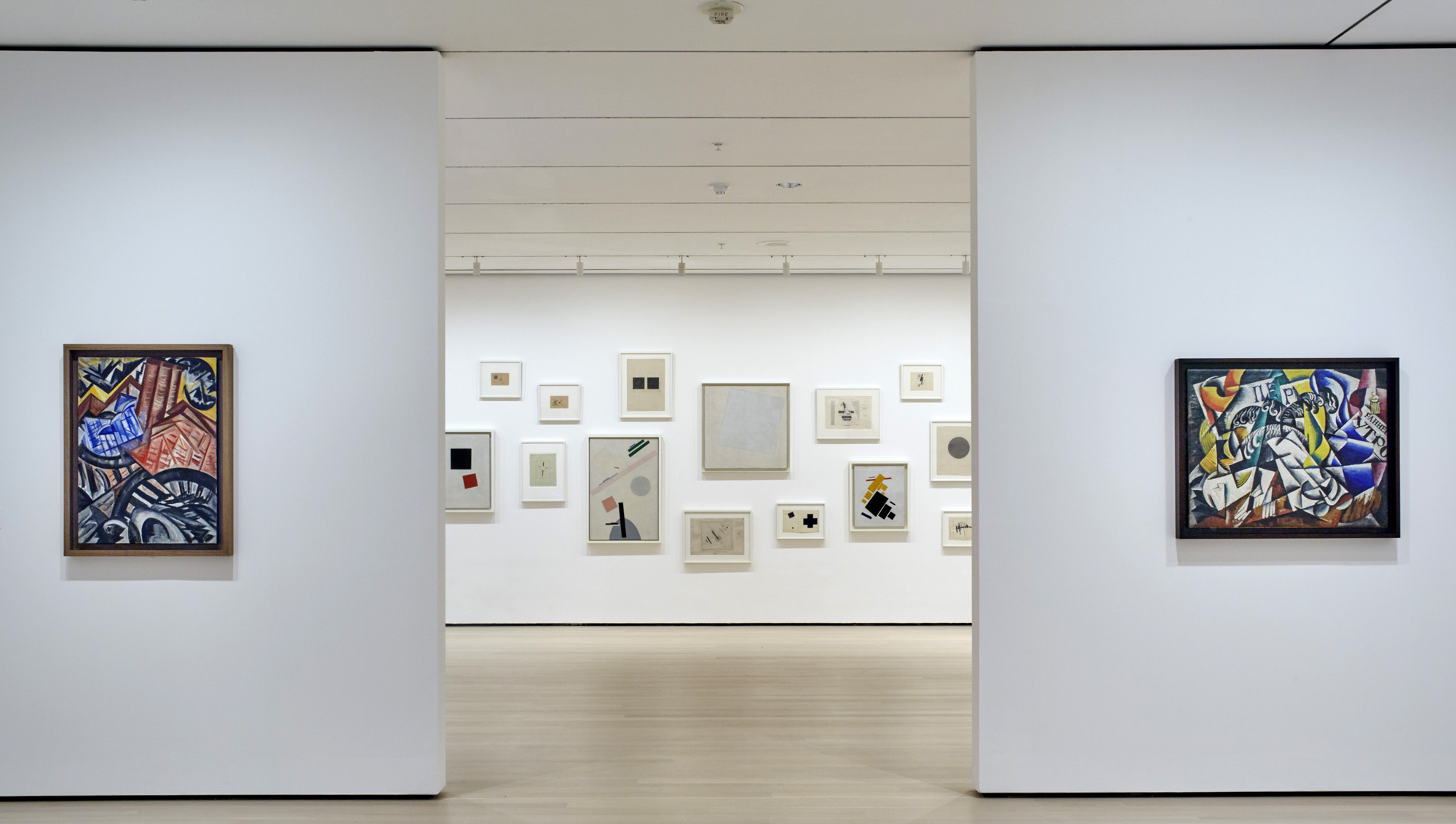


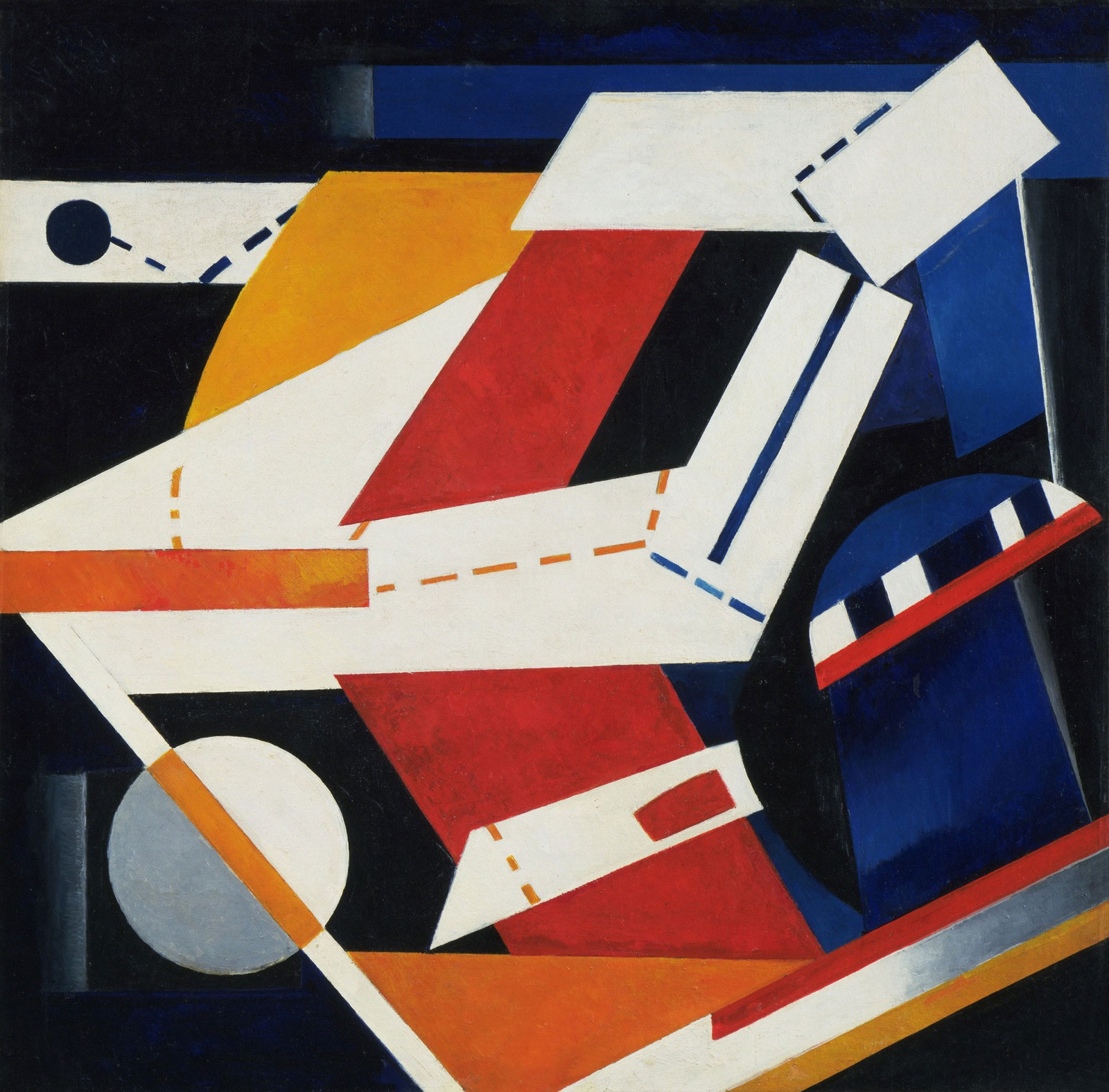


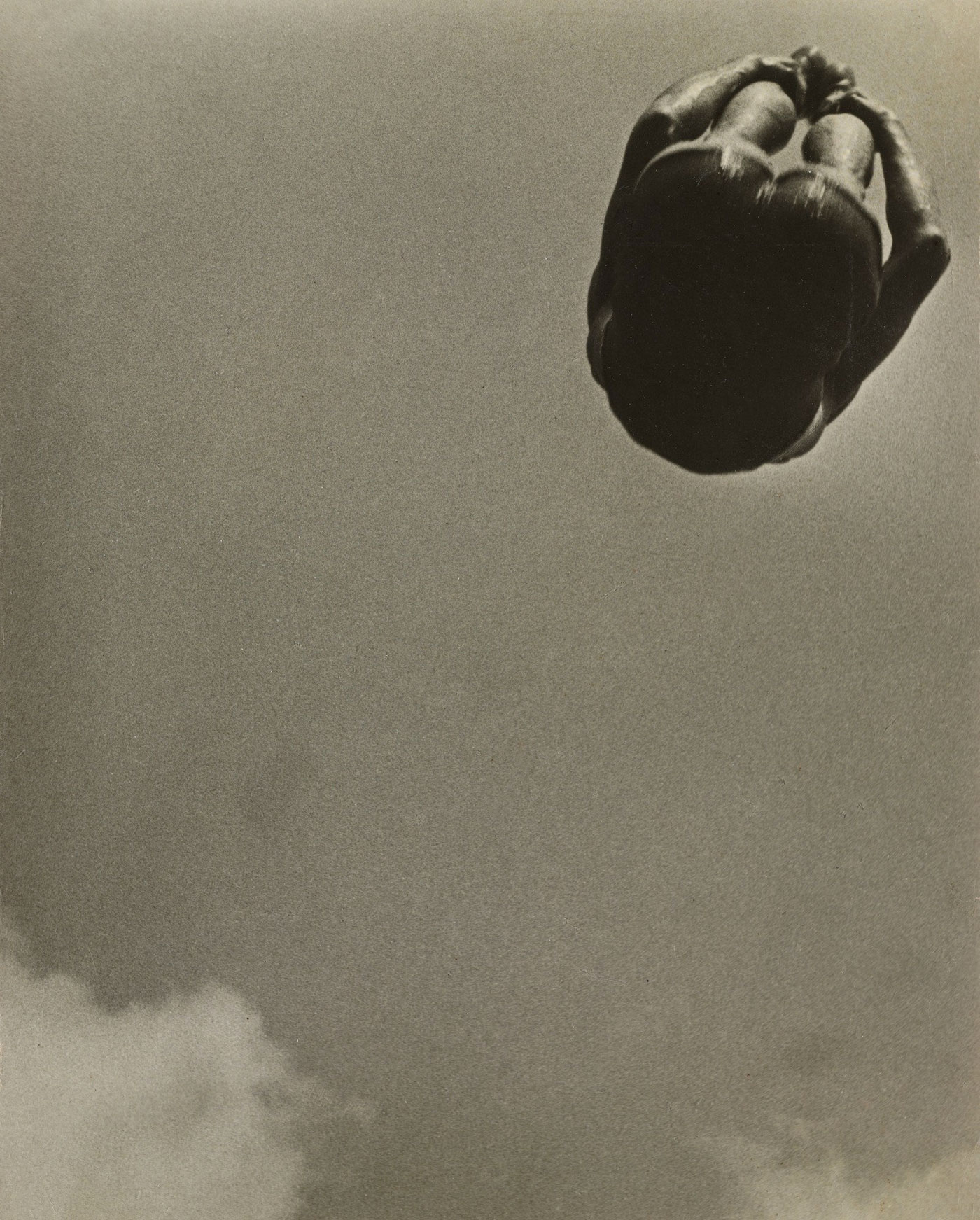


















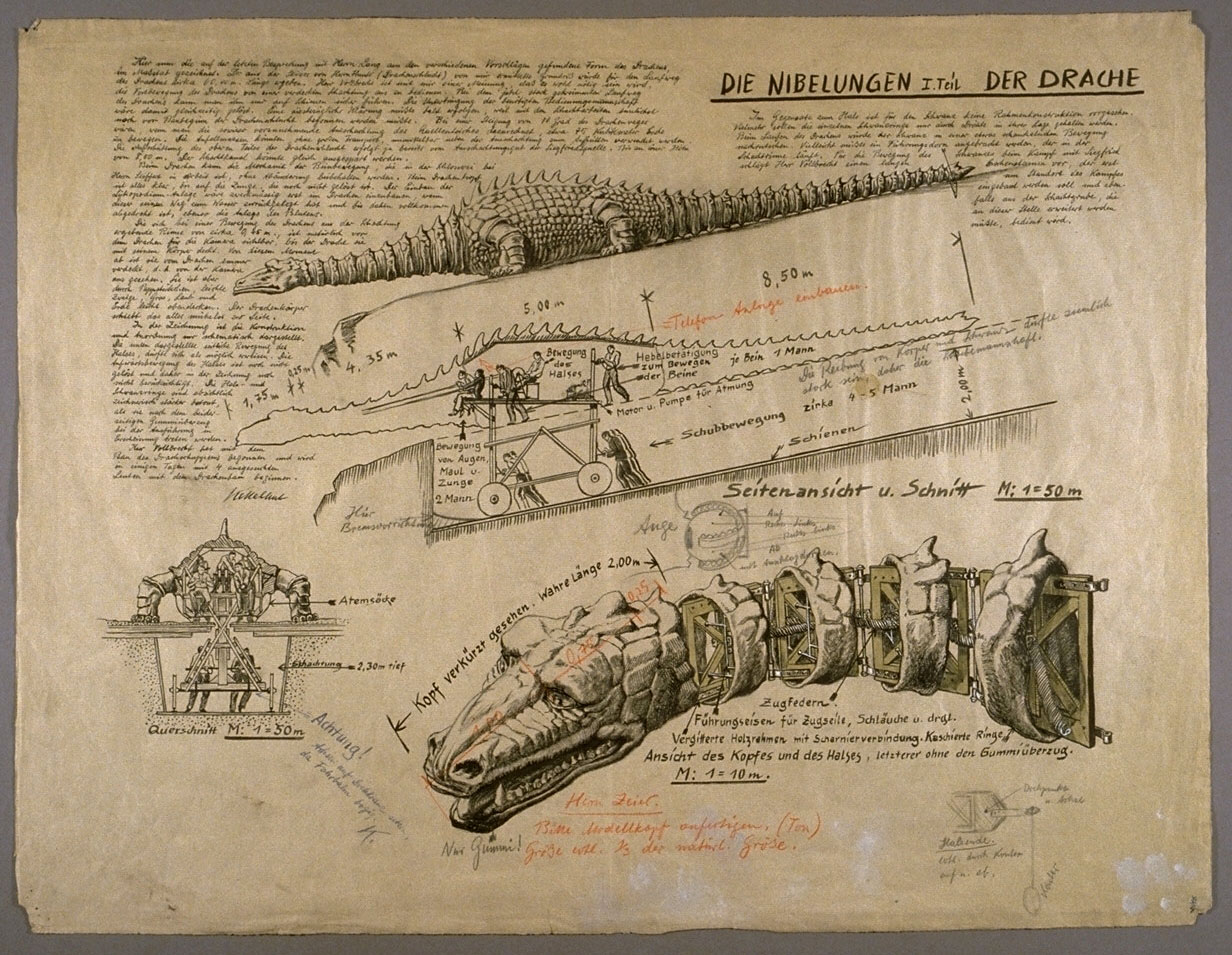

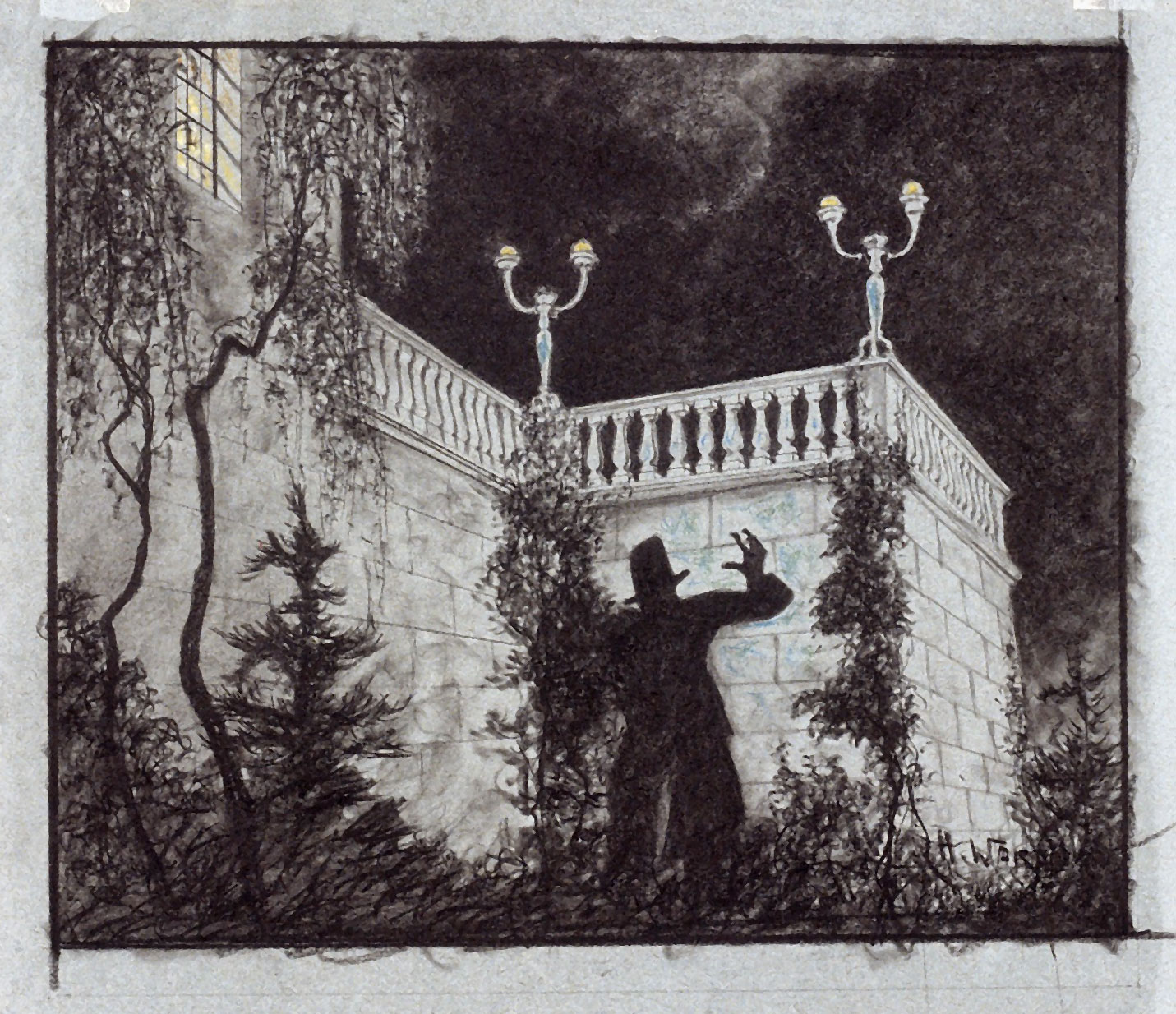

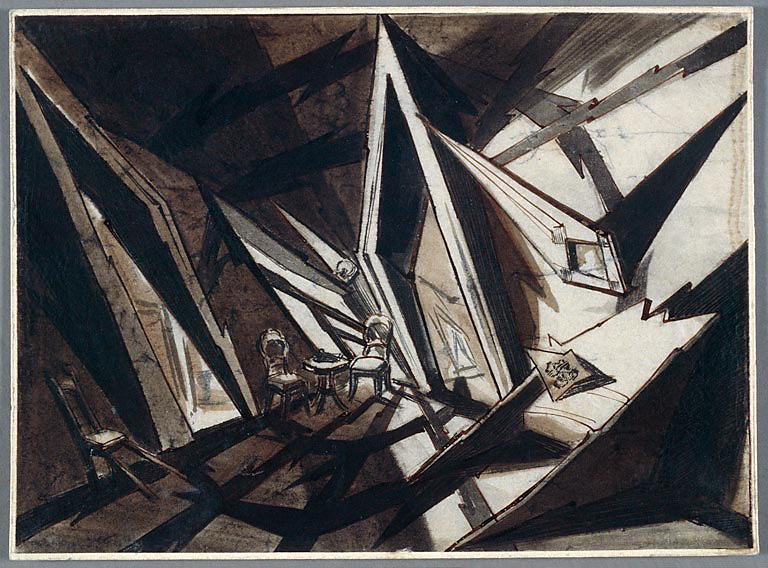


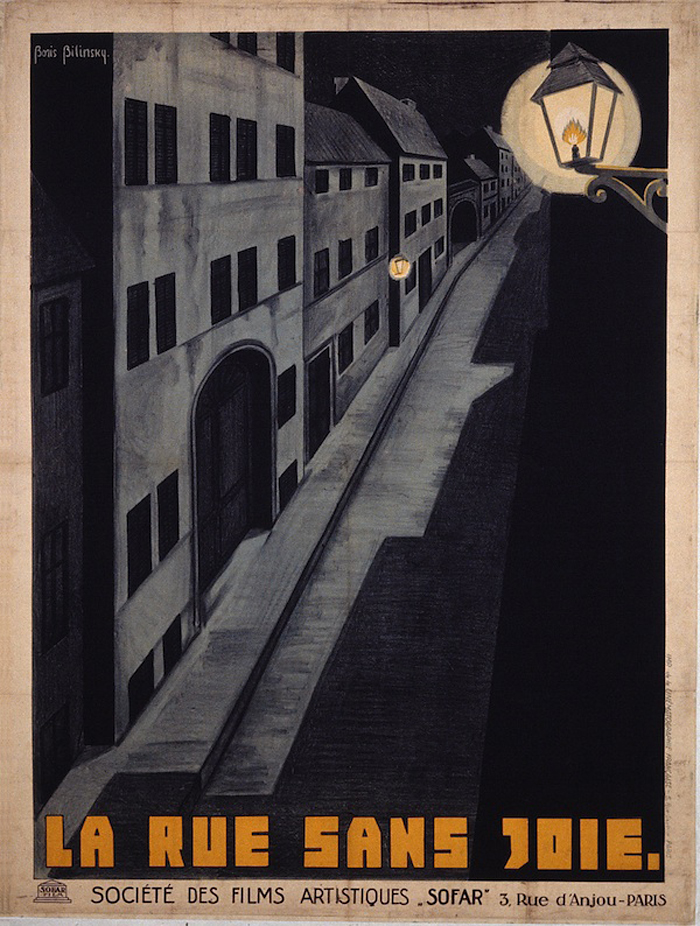
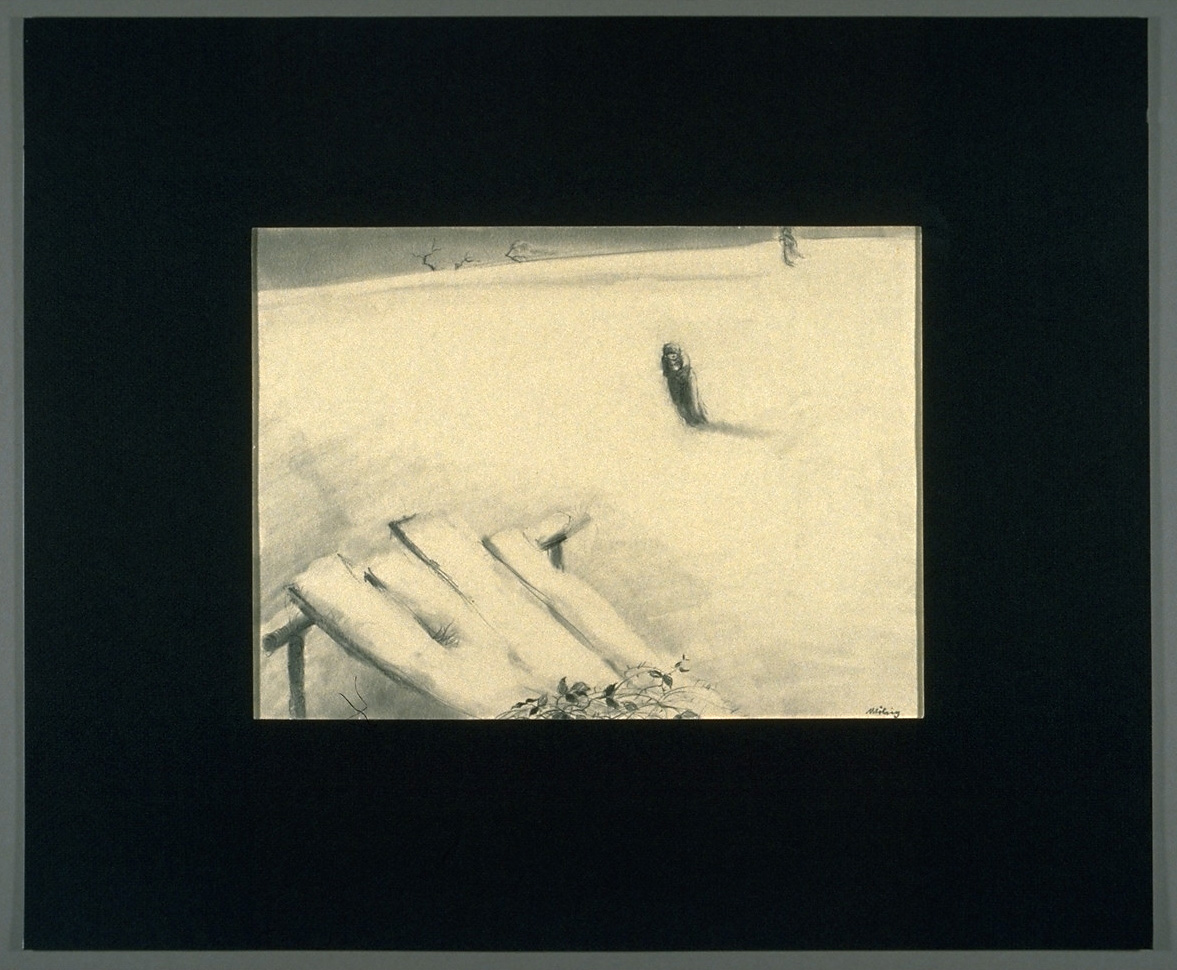


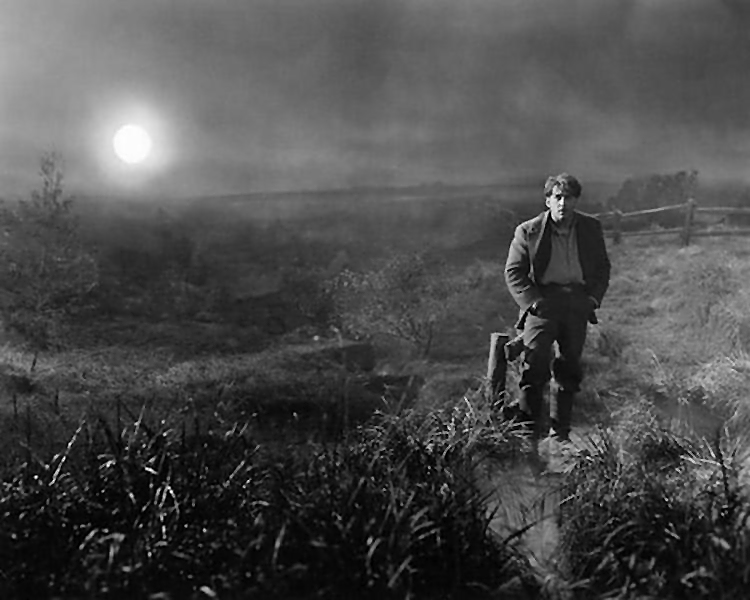
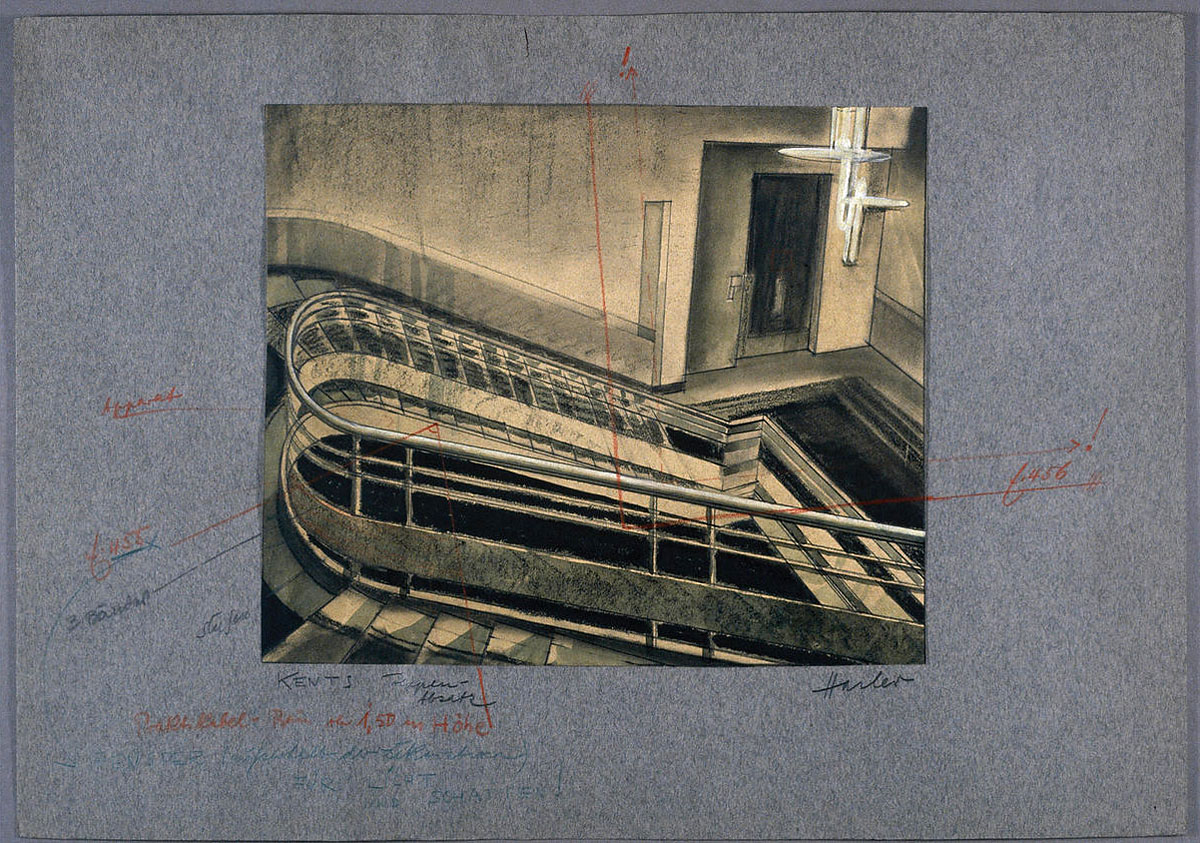


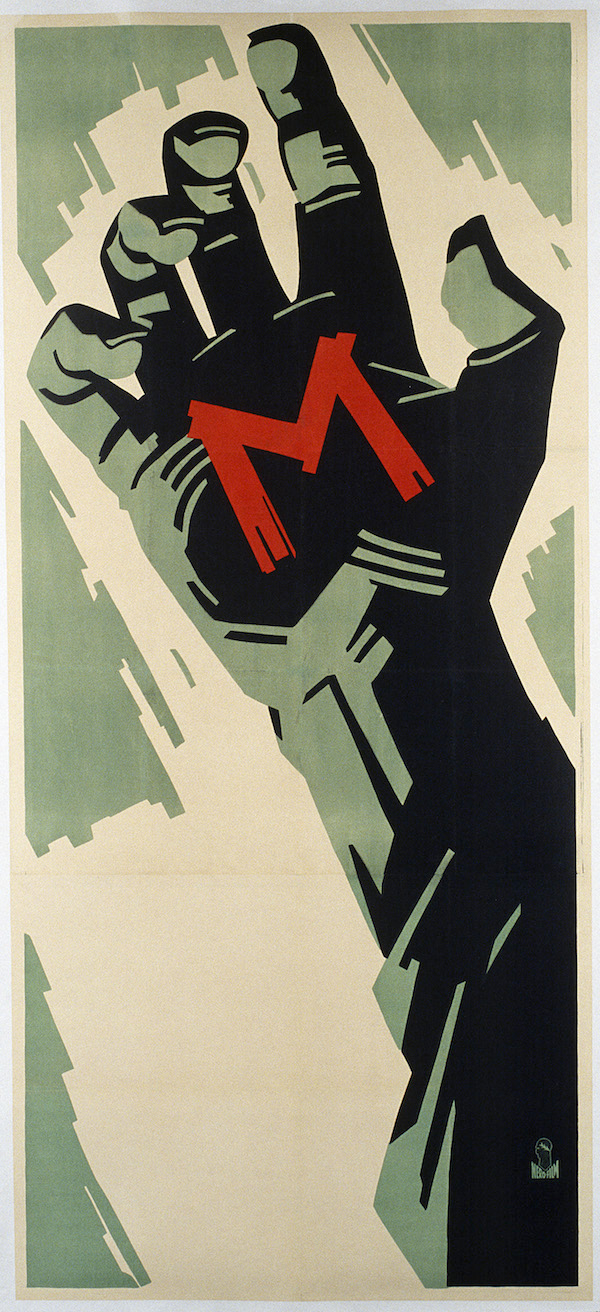

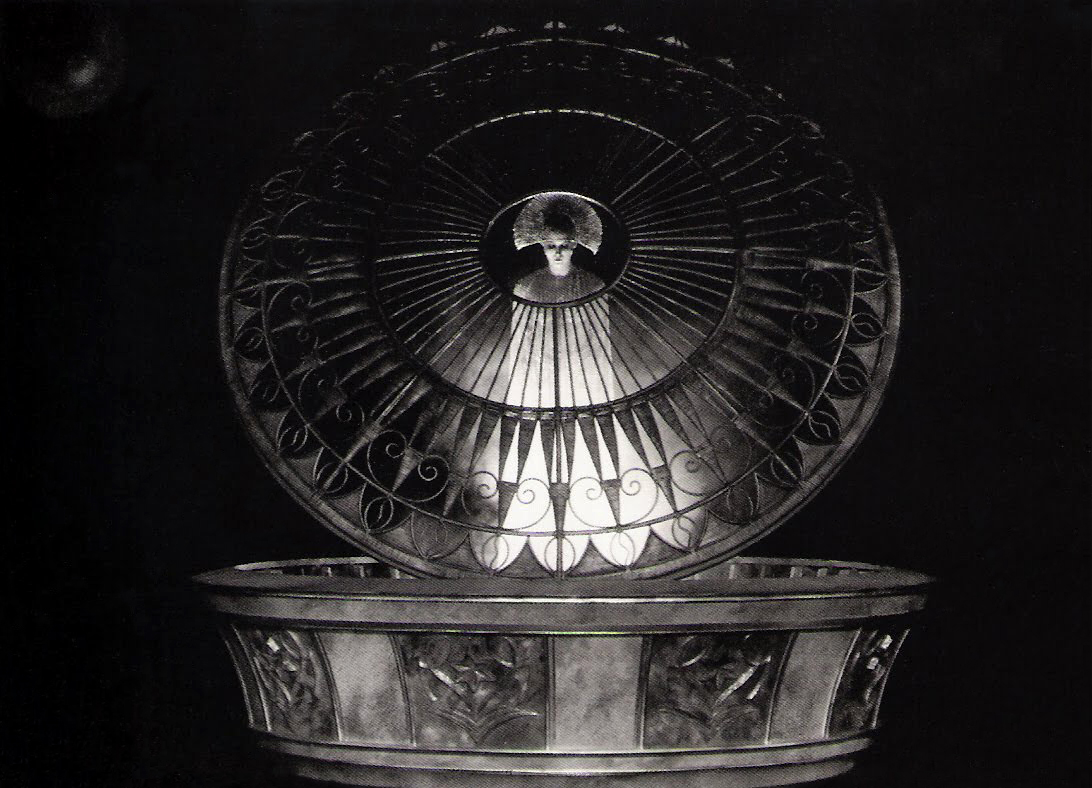
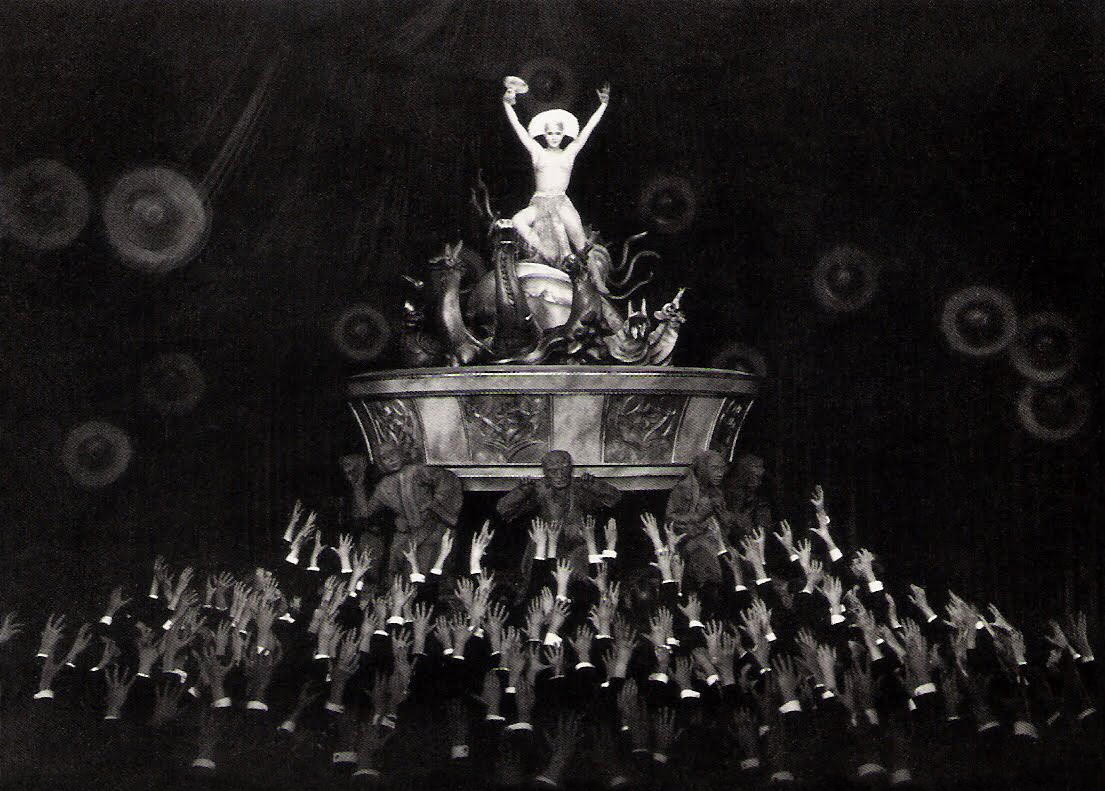
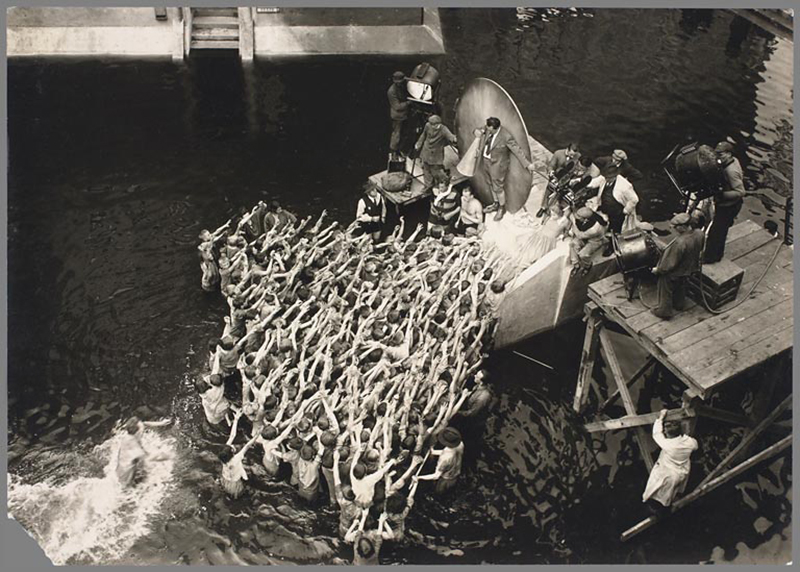

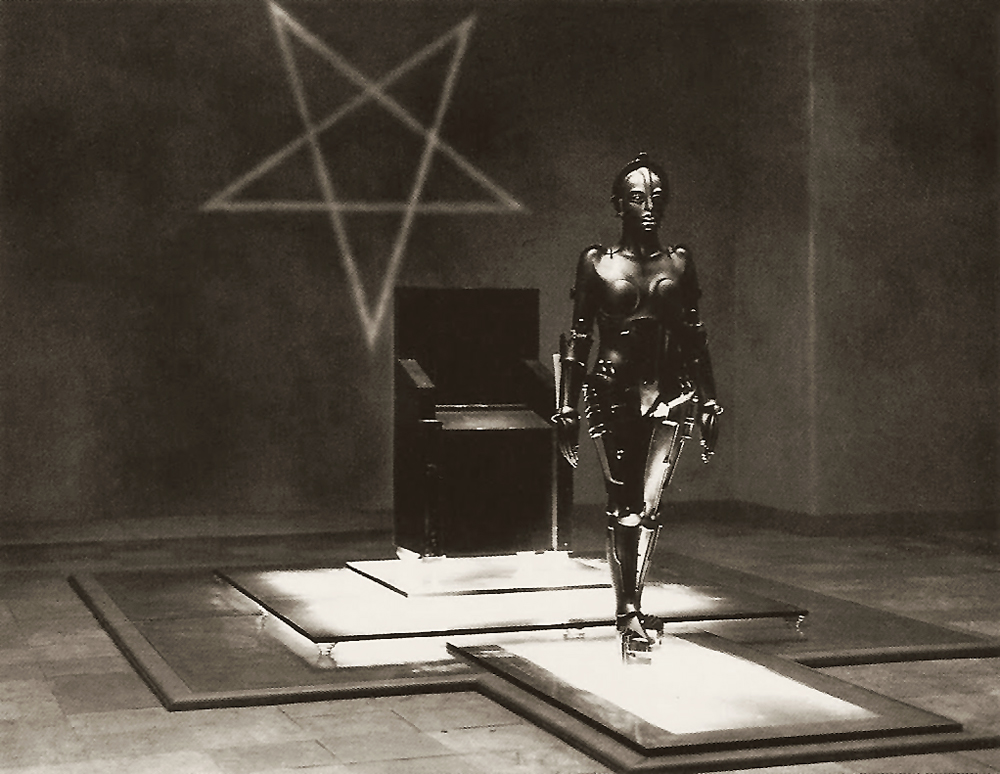




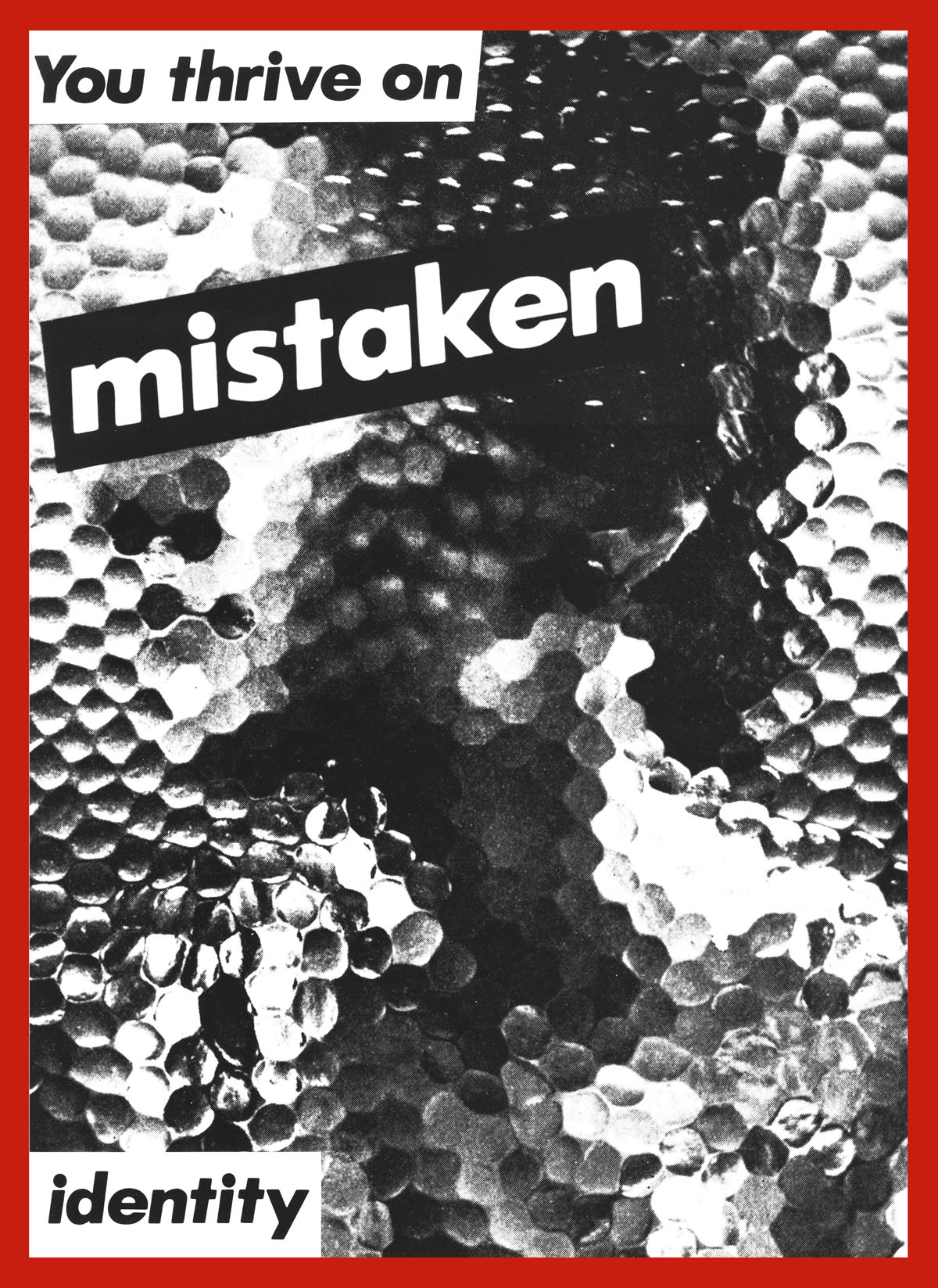
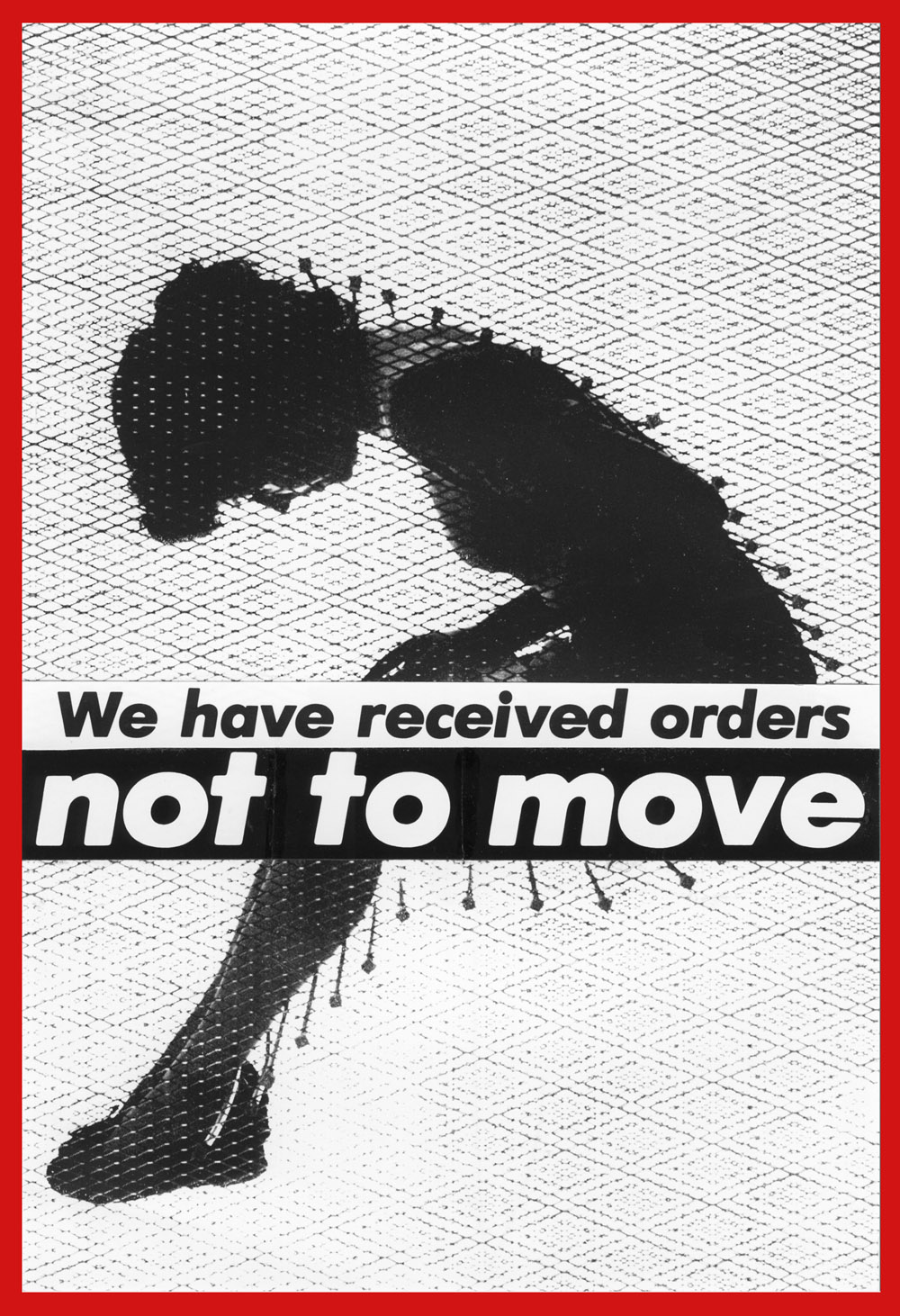
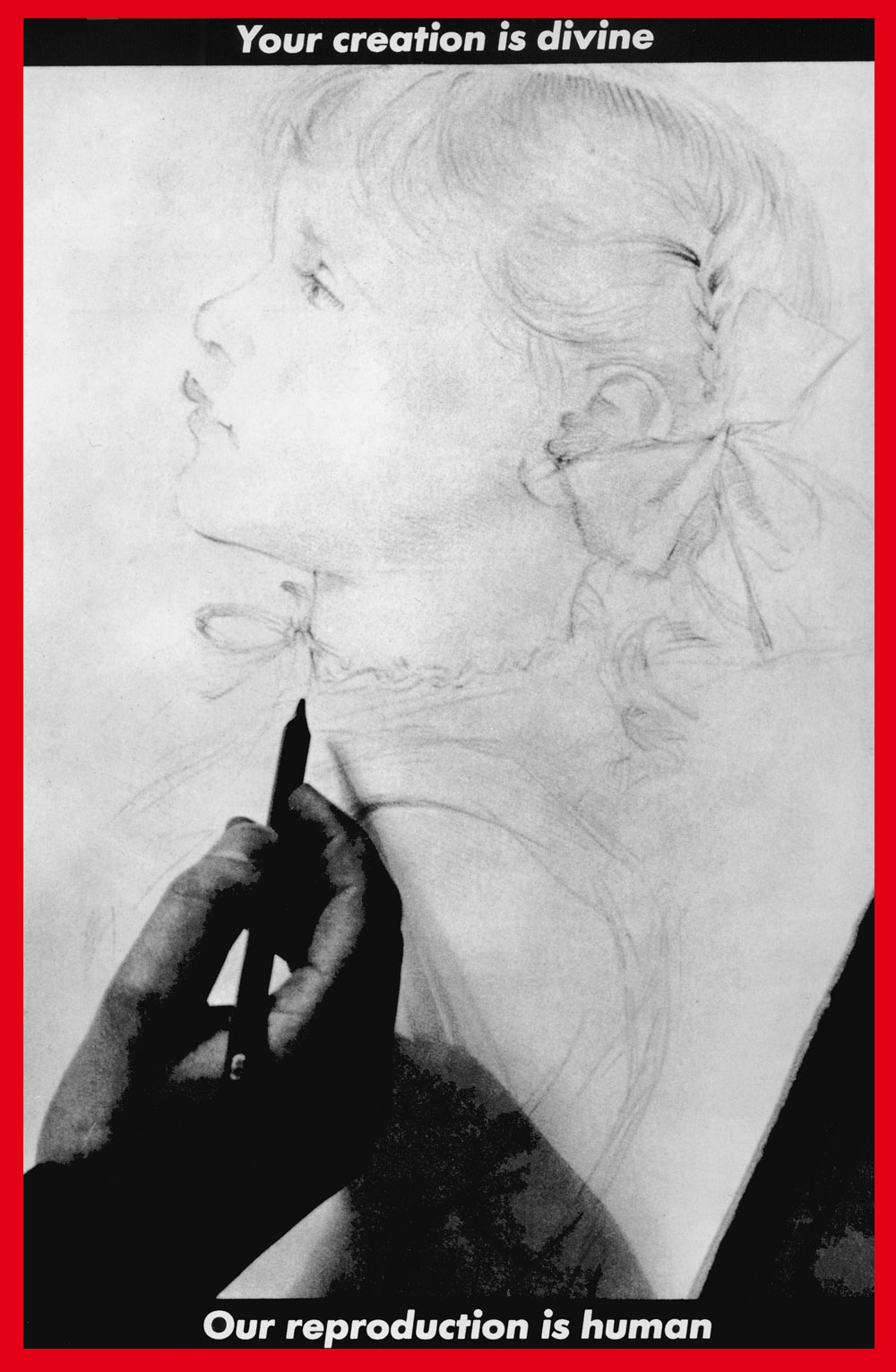
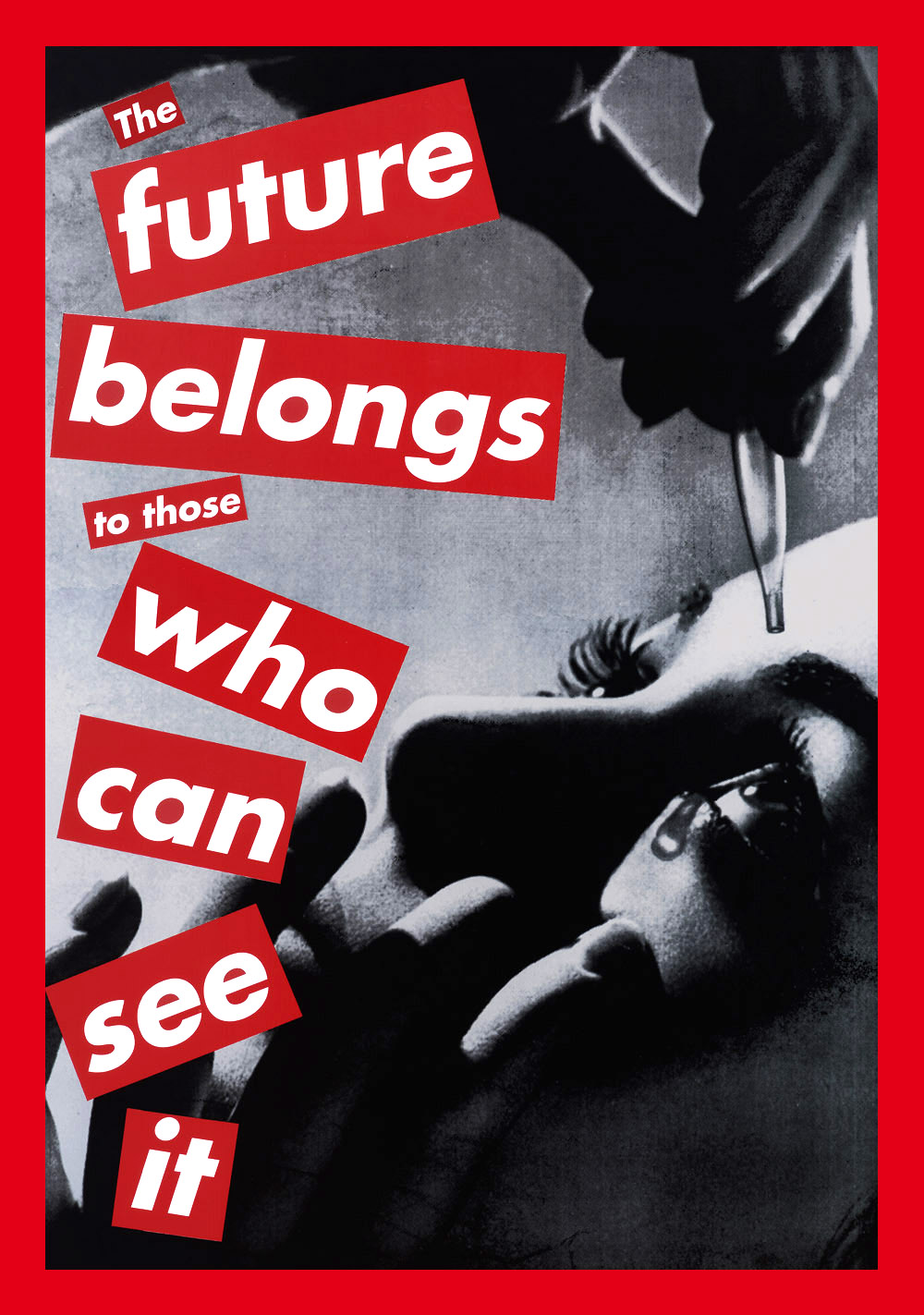

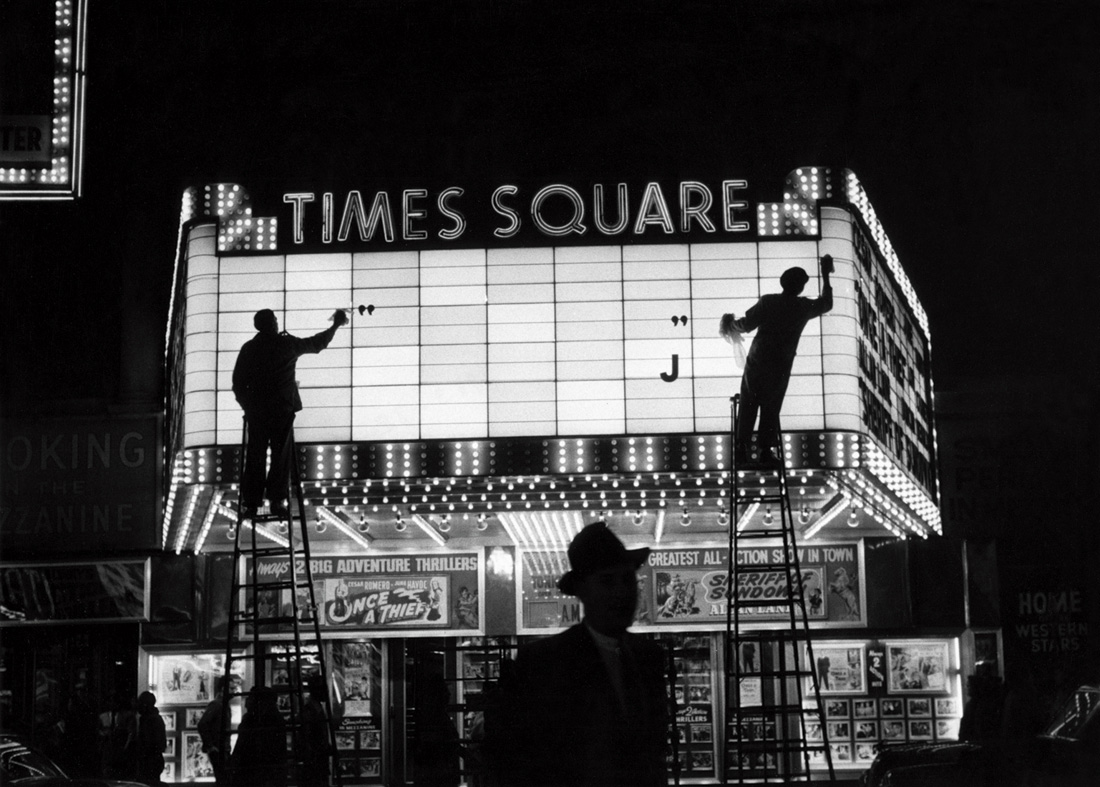


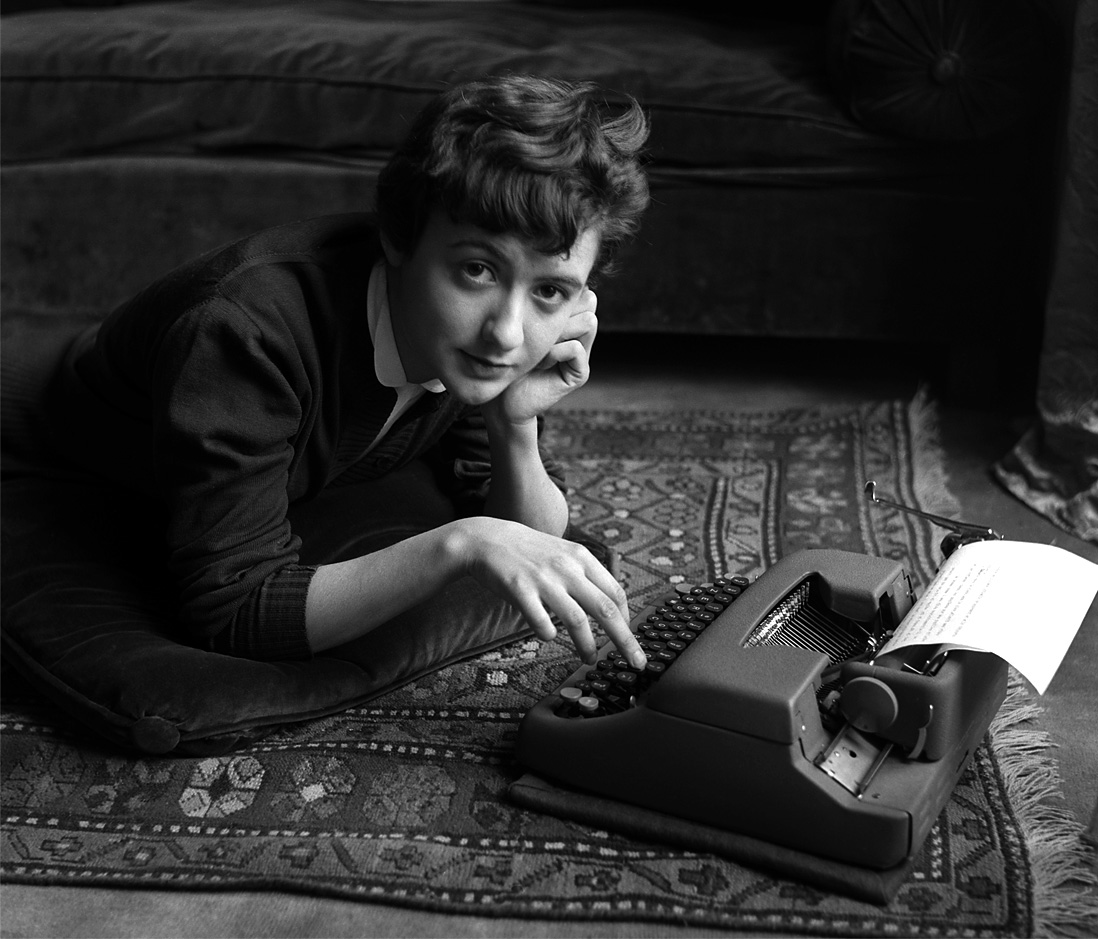


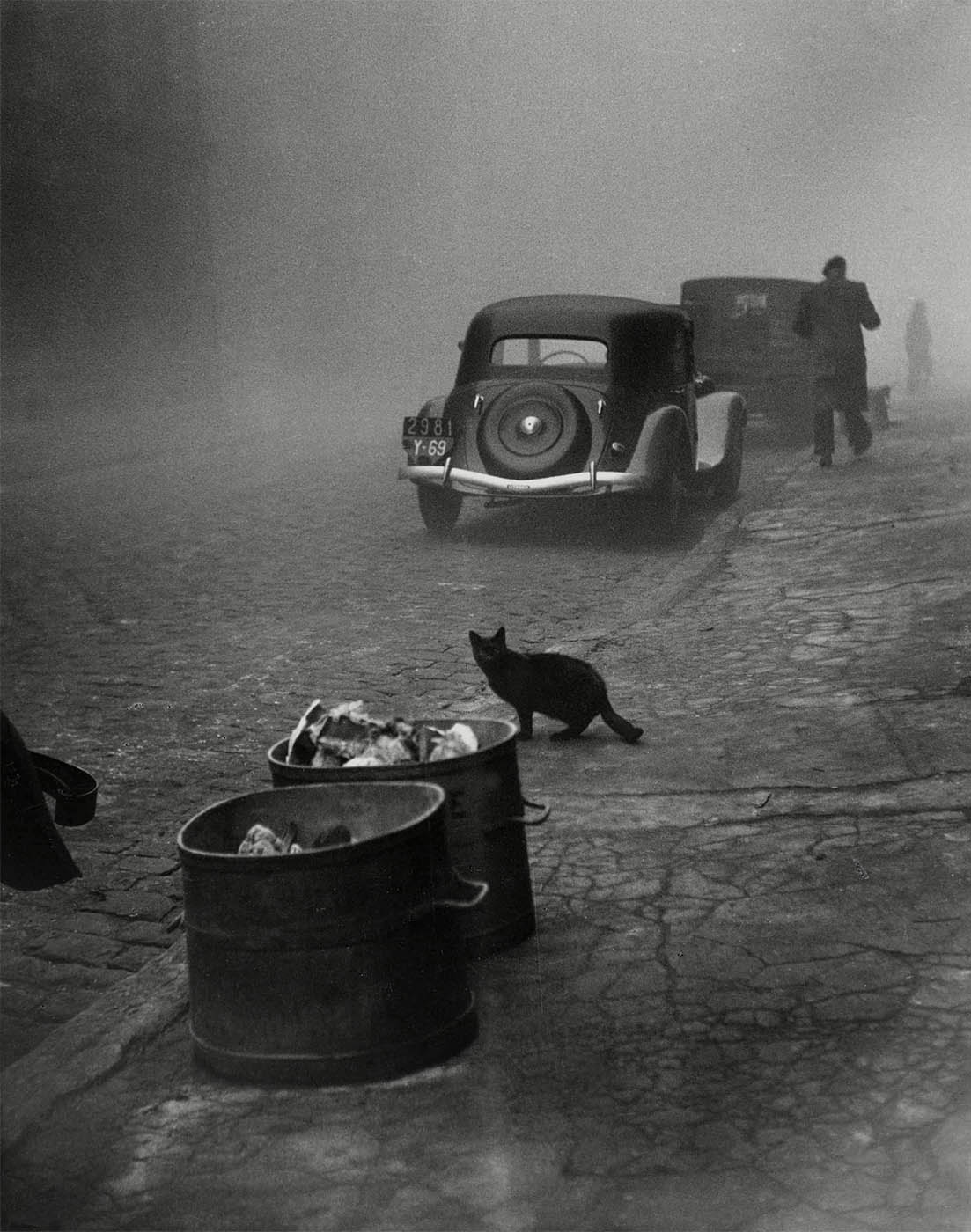
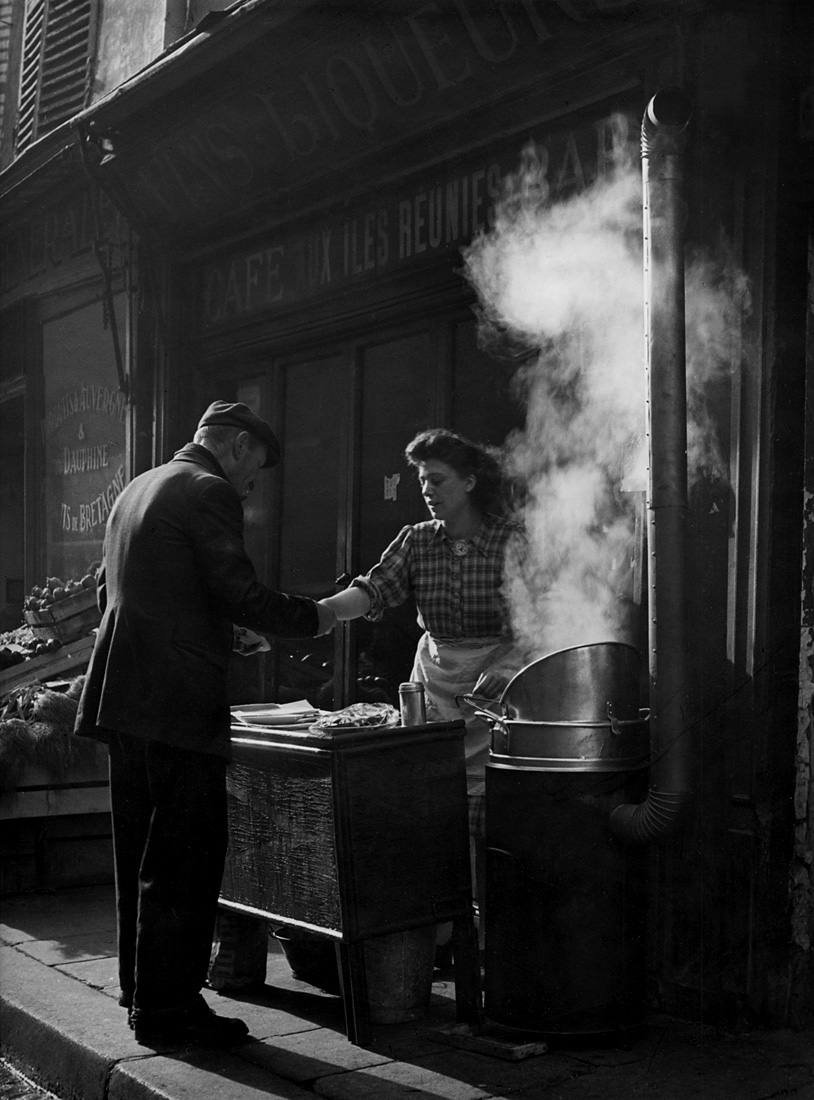
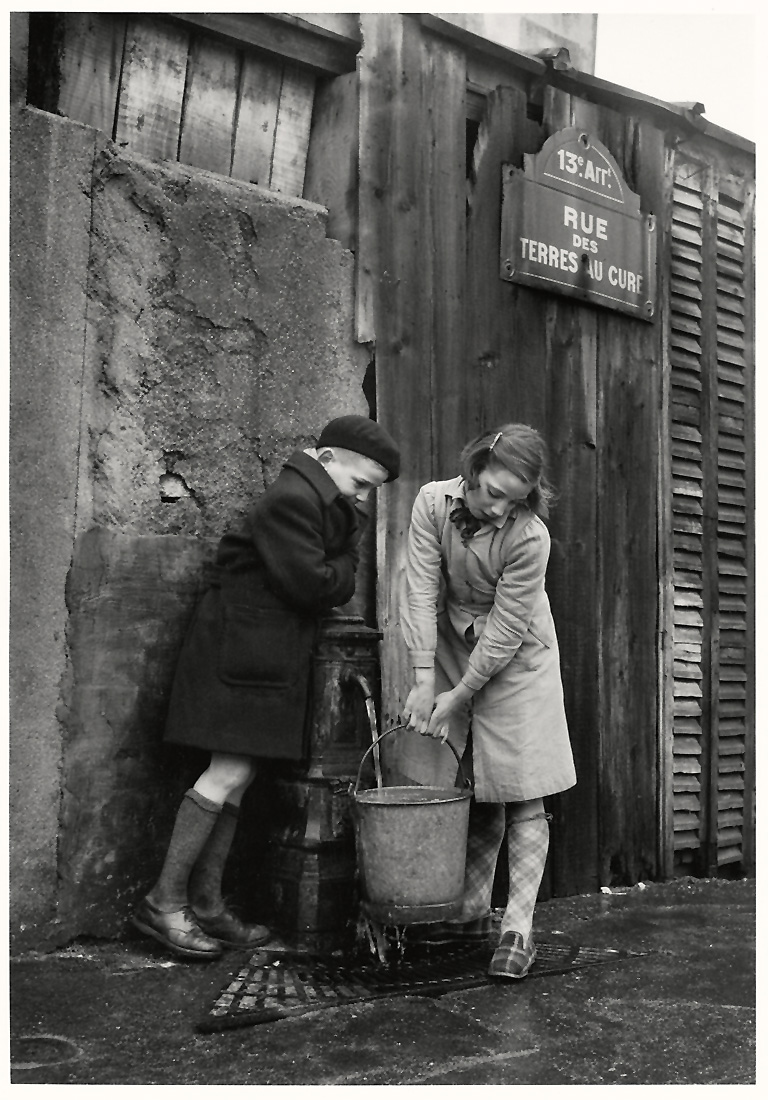
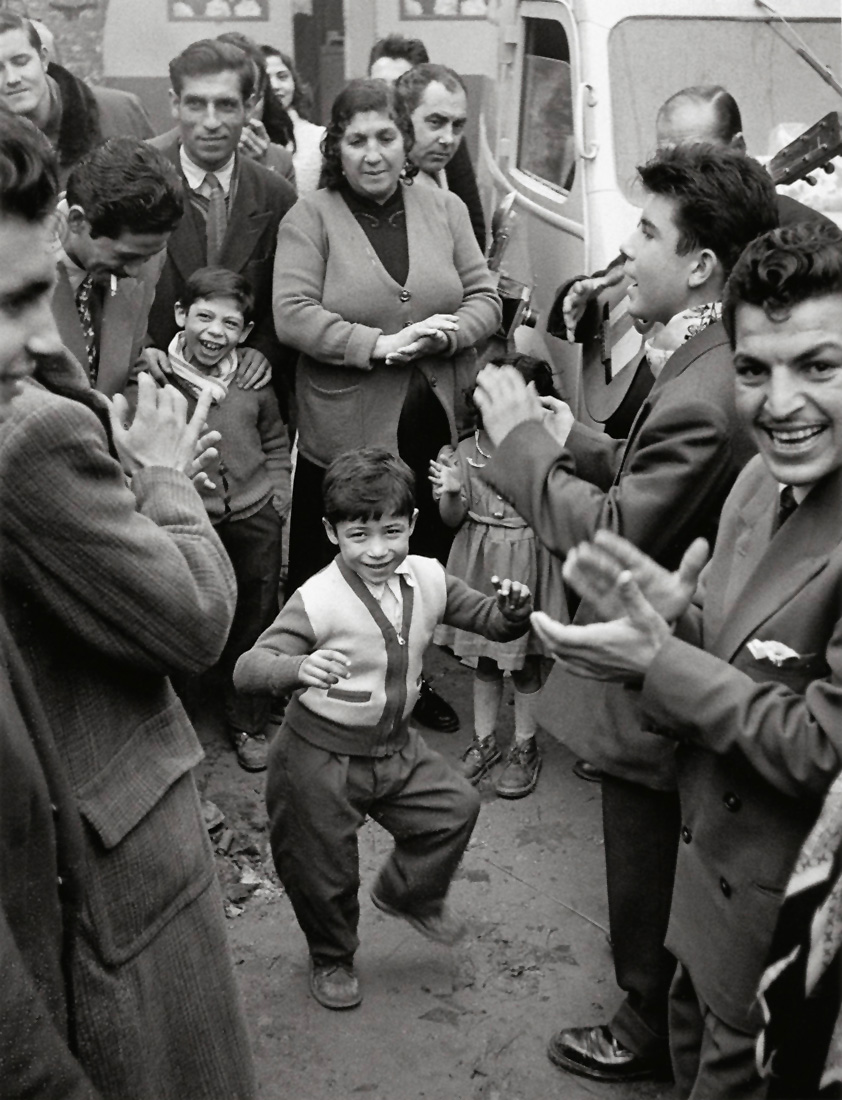
![Sabine Weiss (Swiss-French, 1924-2021) 'Enfants jouant, rue Edmond-Flamand' [Children playing, rue Edmond-Flamand] Paris, 1952](https://artblart.com/wp-content/uploads/2016/10/weiss-children-playing-web.jpg "Sabine Weiss (Swiss-French, 1924-2021) 'Enfants jouant, rue Edmond-Flamand' [Children playing, rue Edmond-Flamand] Paris, 1952")
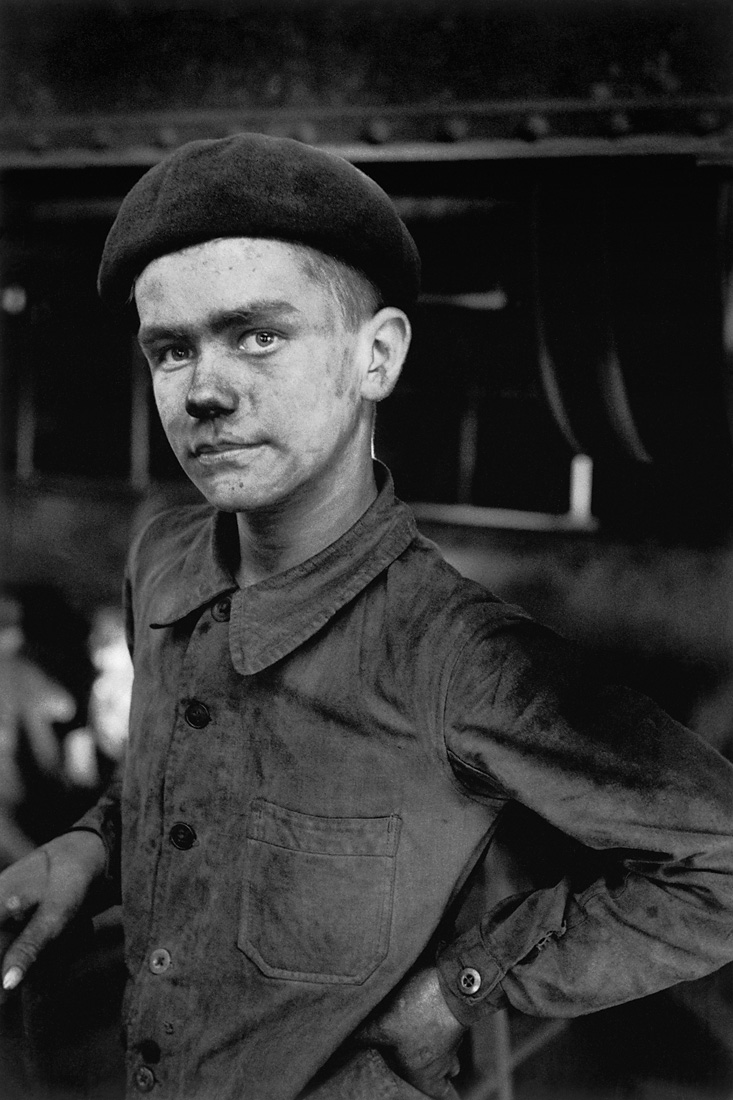
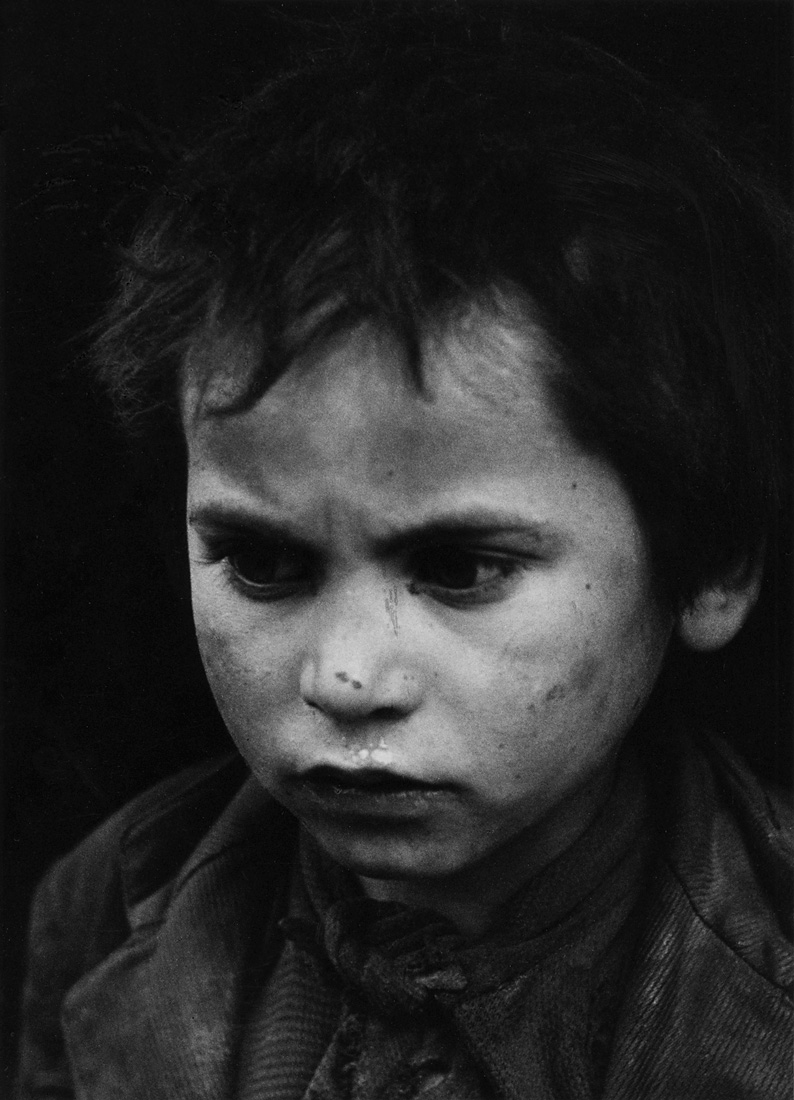
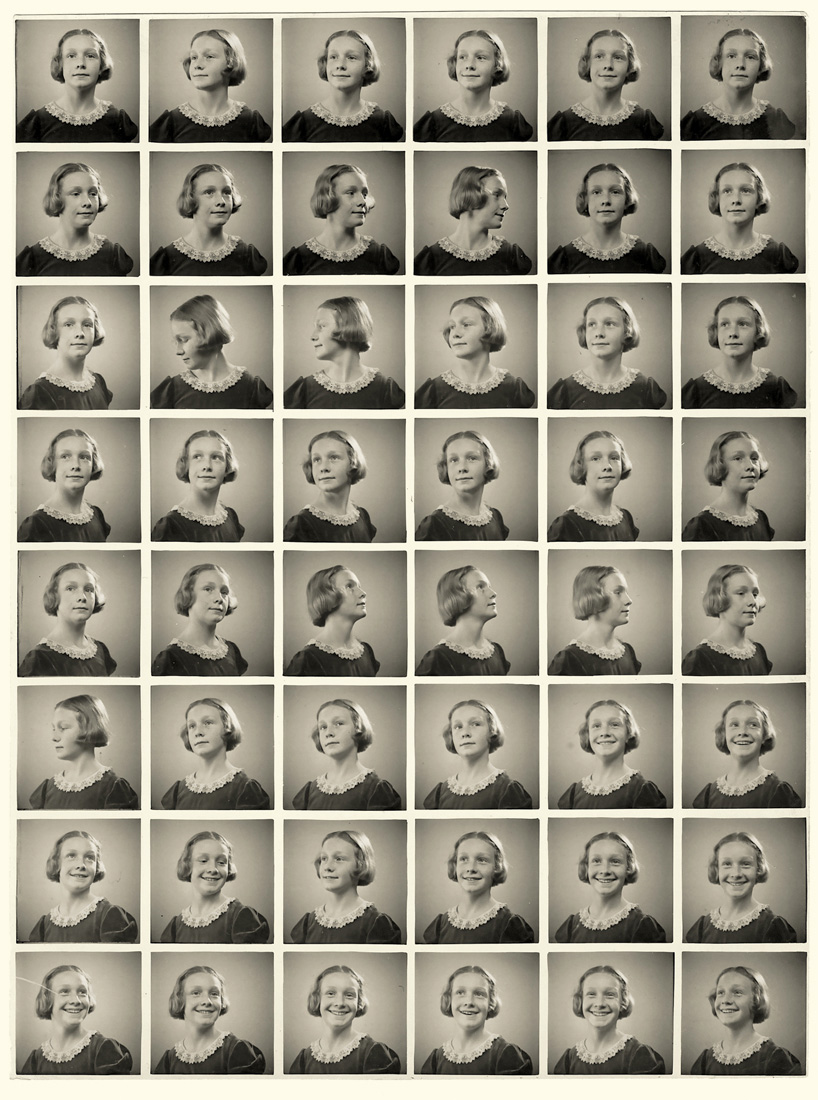
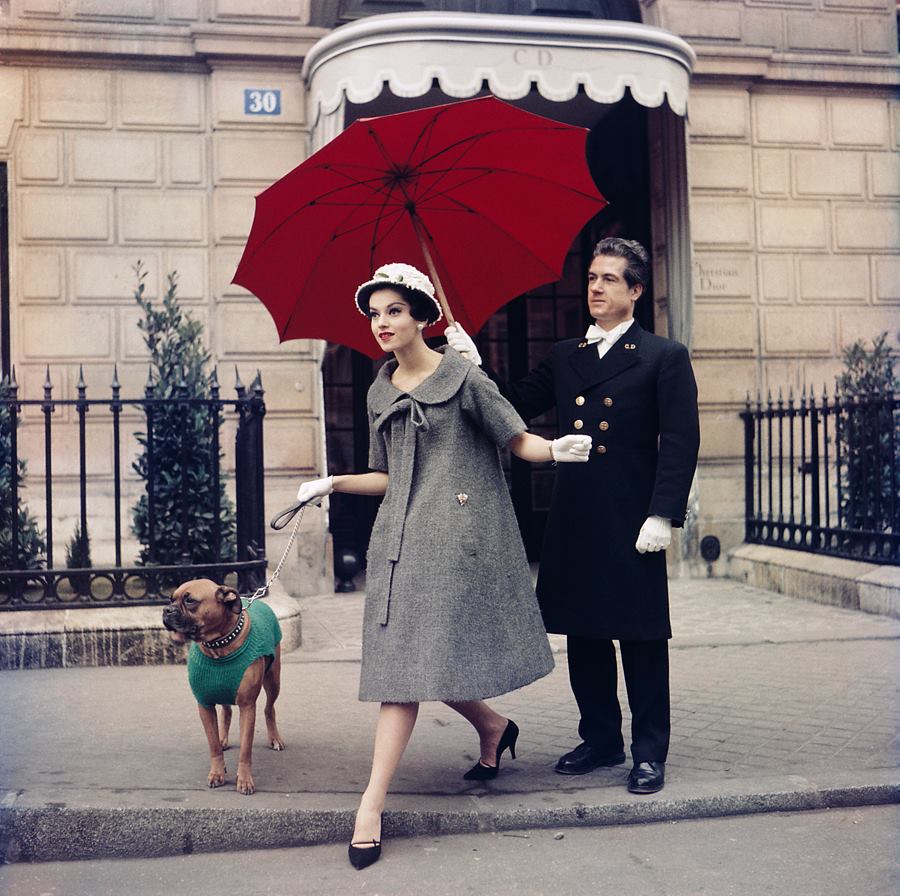
![Sabine Weiss (Swiss-French, 1924-2021) 'Anna Karina pour la marque Korrigan' [Anna Karina for the brand Korrigan] 1958](https://artblart.com/wp-content/uploads/2016/10/weiss-karina-web.jpg "Sabine Weiss (Swiss-French, 1924-2021) 'Anna Karina pour la marque Korrigan' [Anna Karina for the brand Korrigan] 1958")
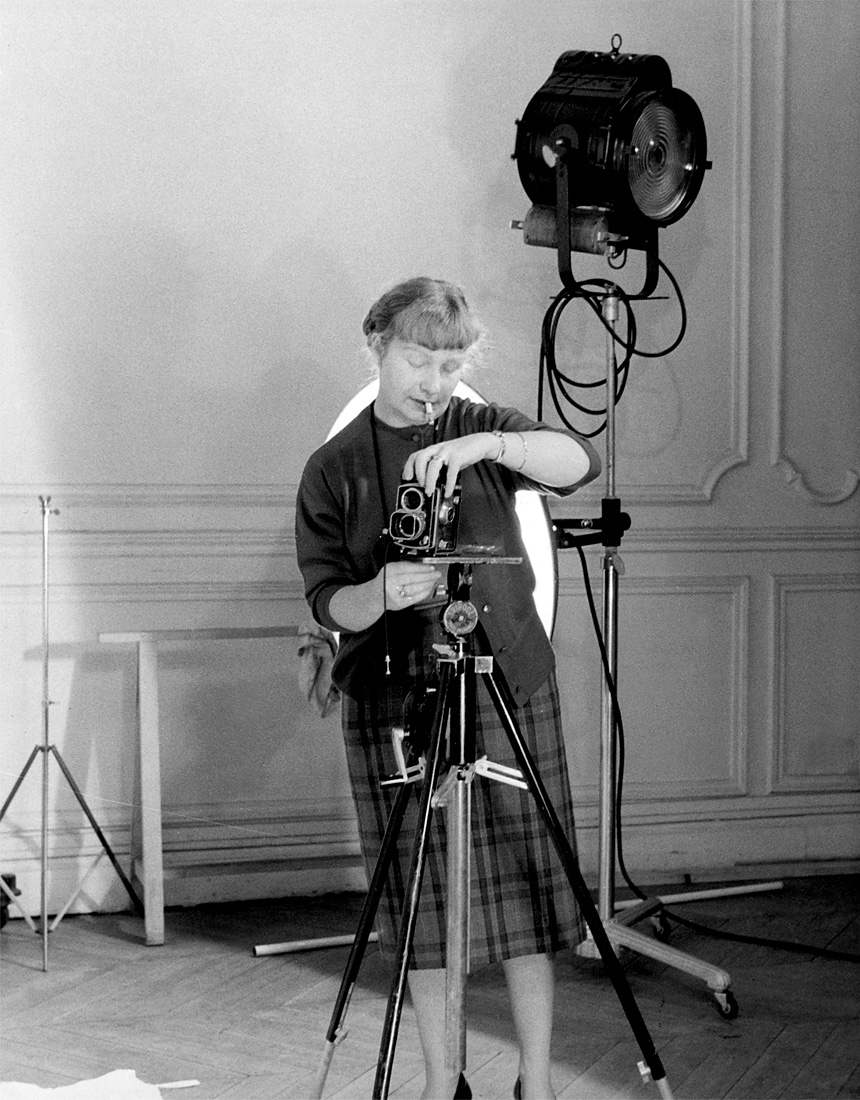

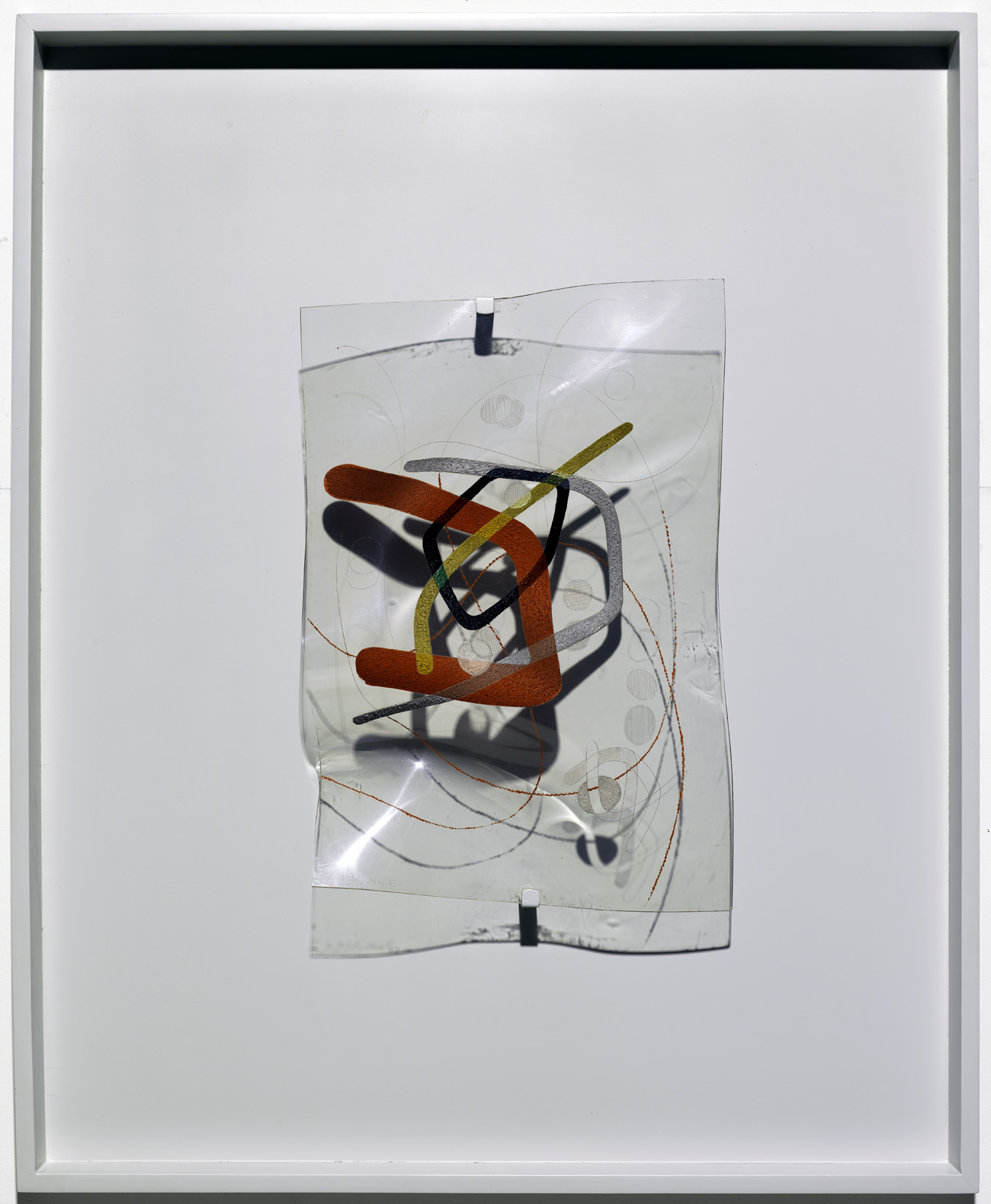

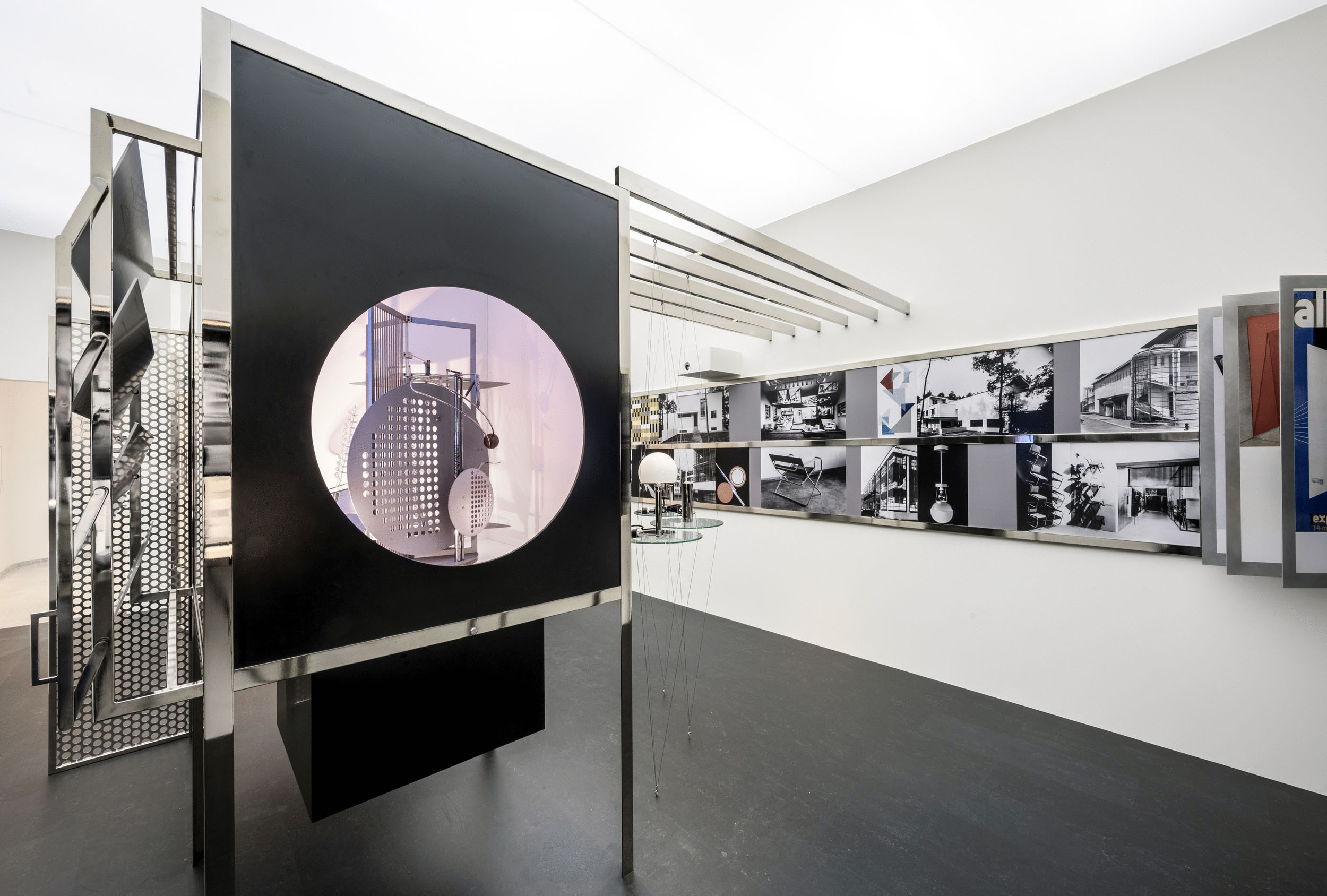
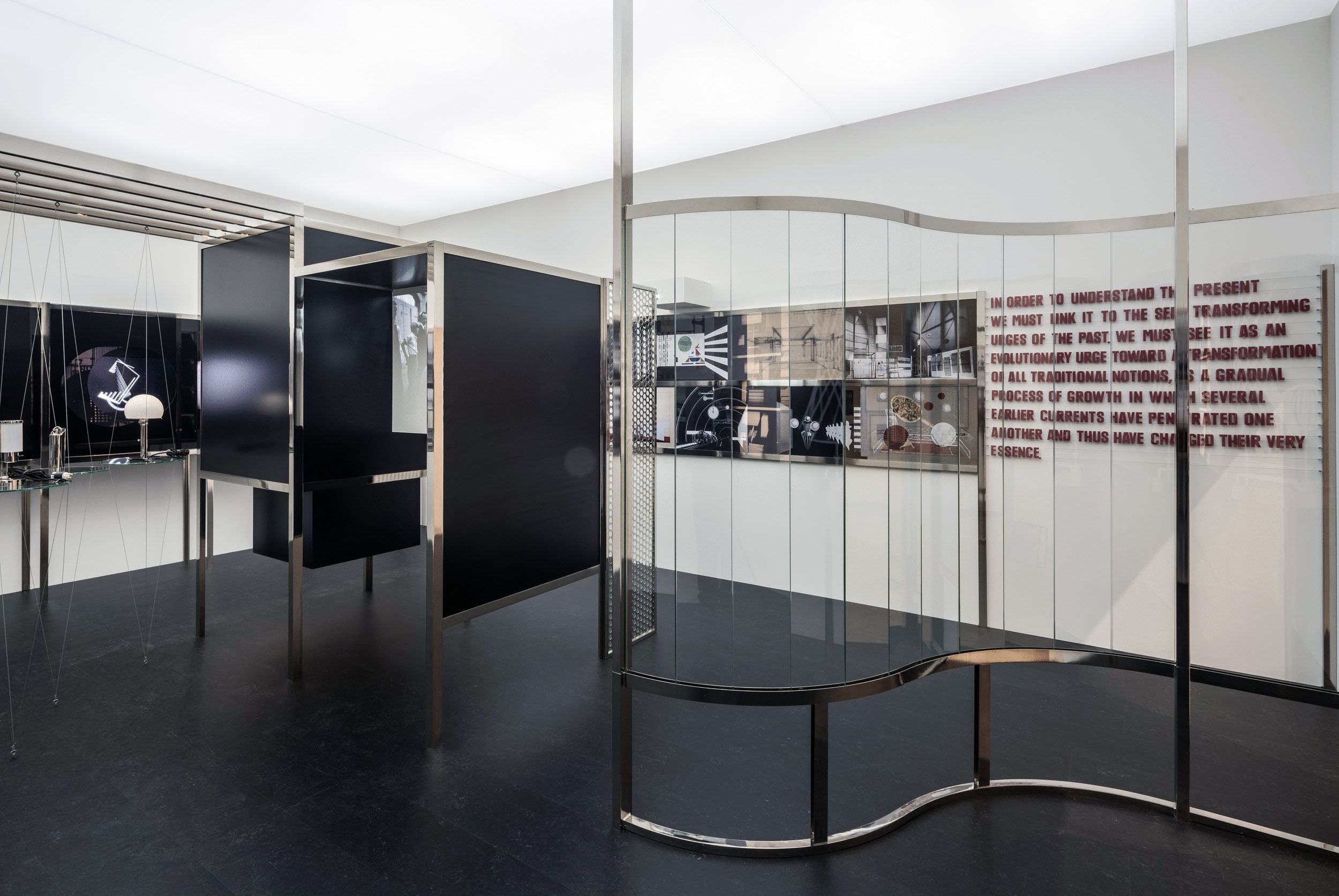
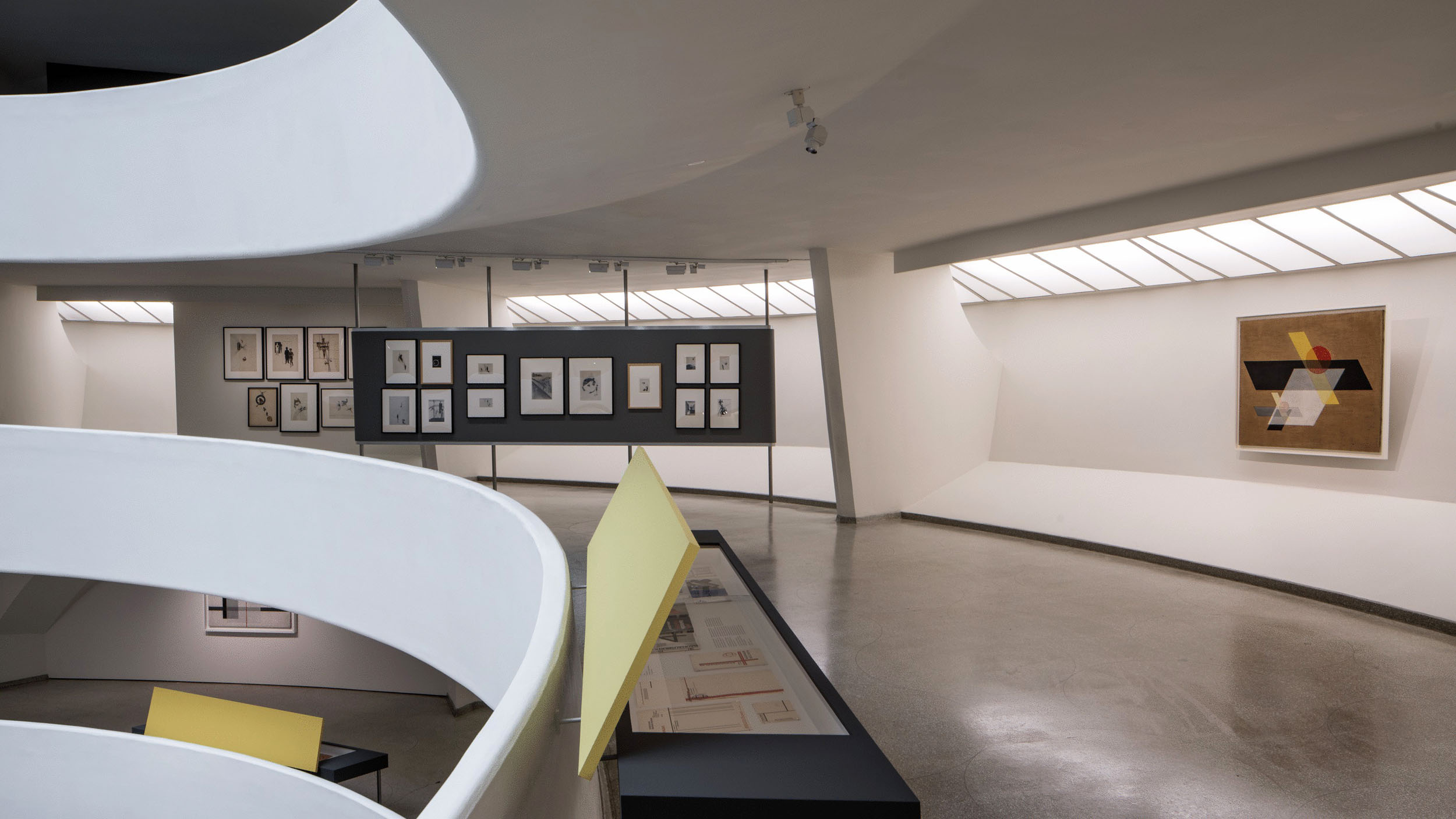
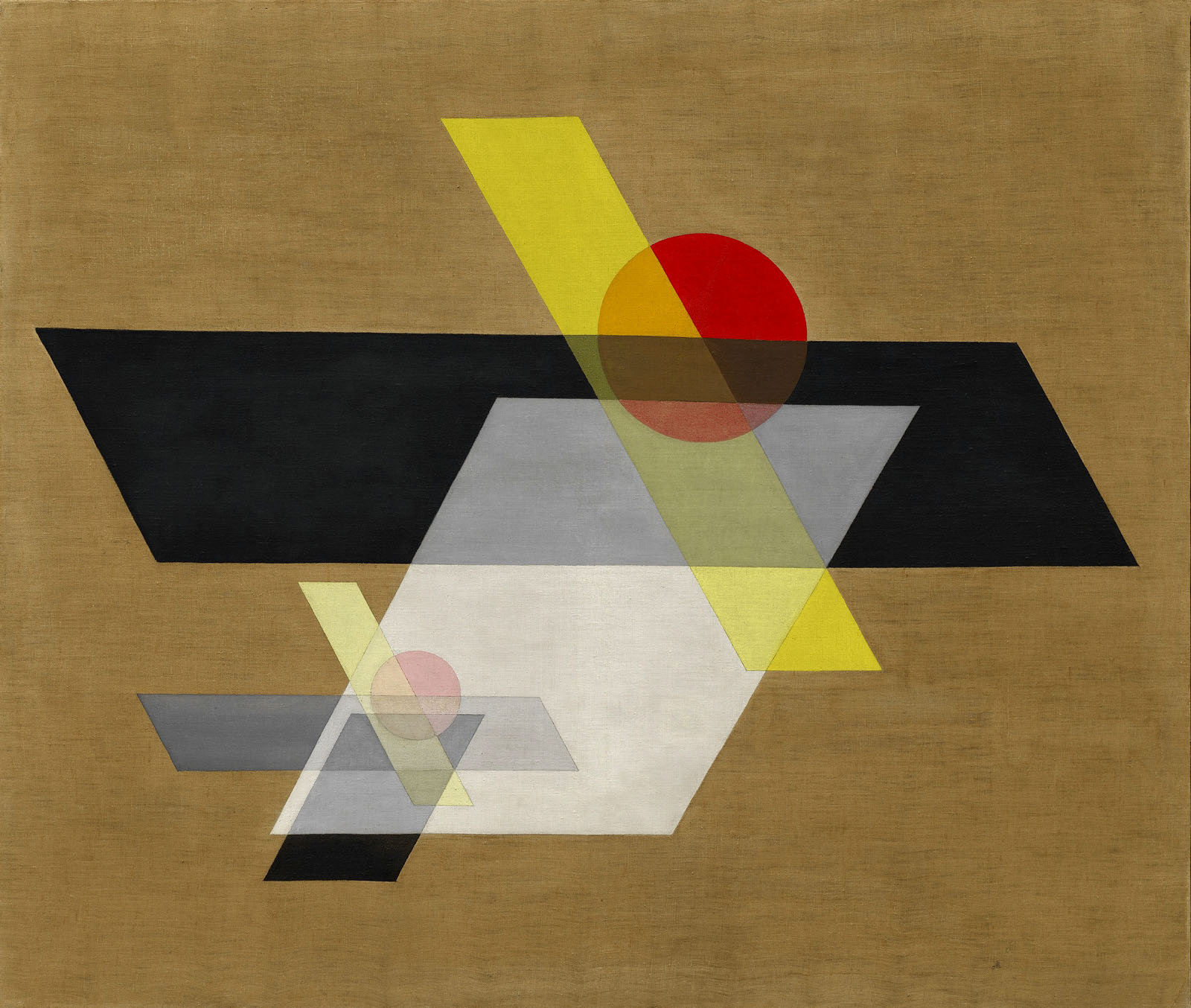

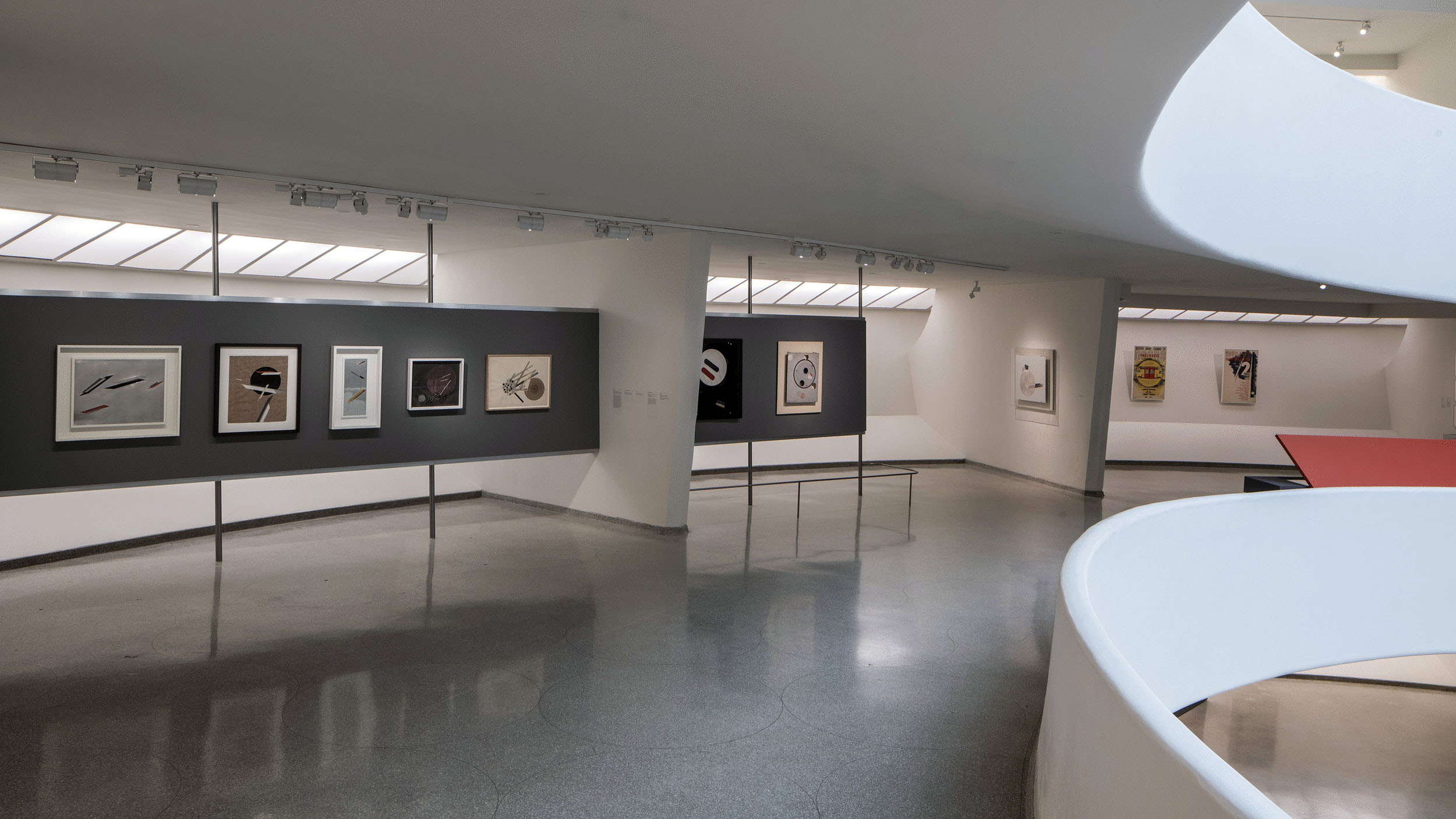
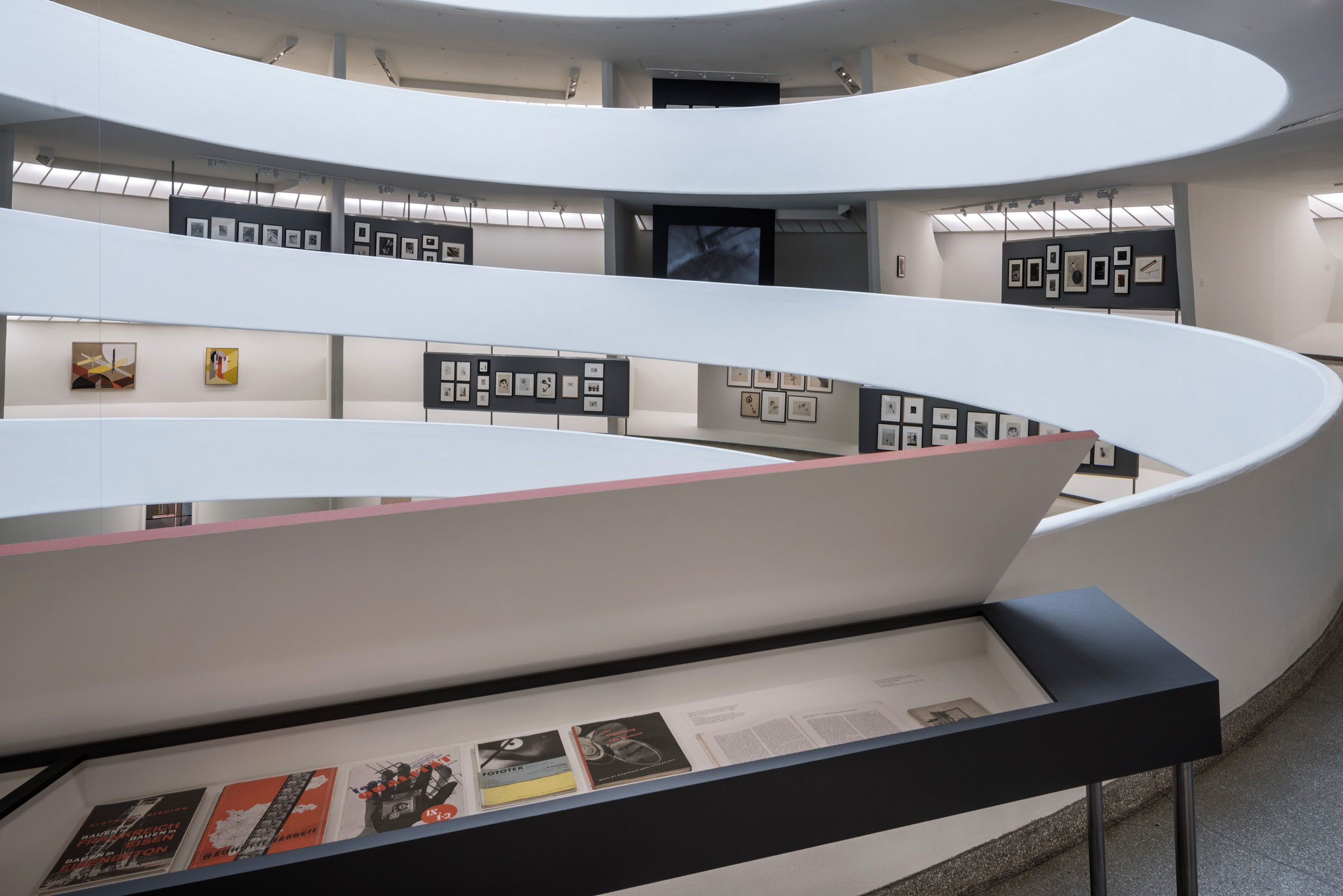

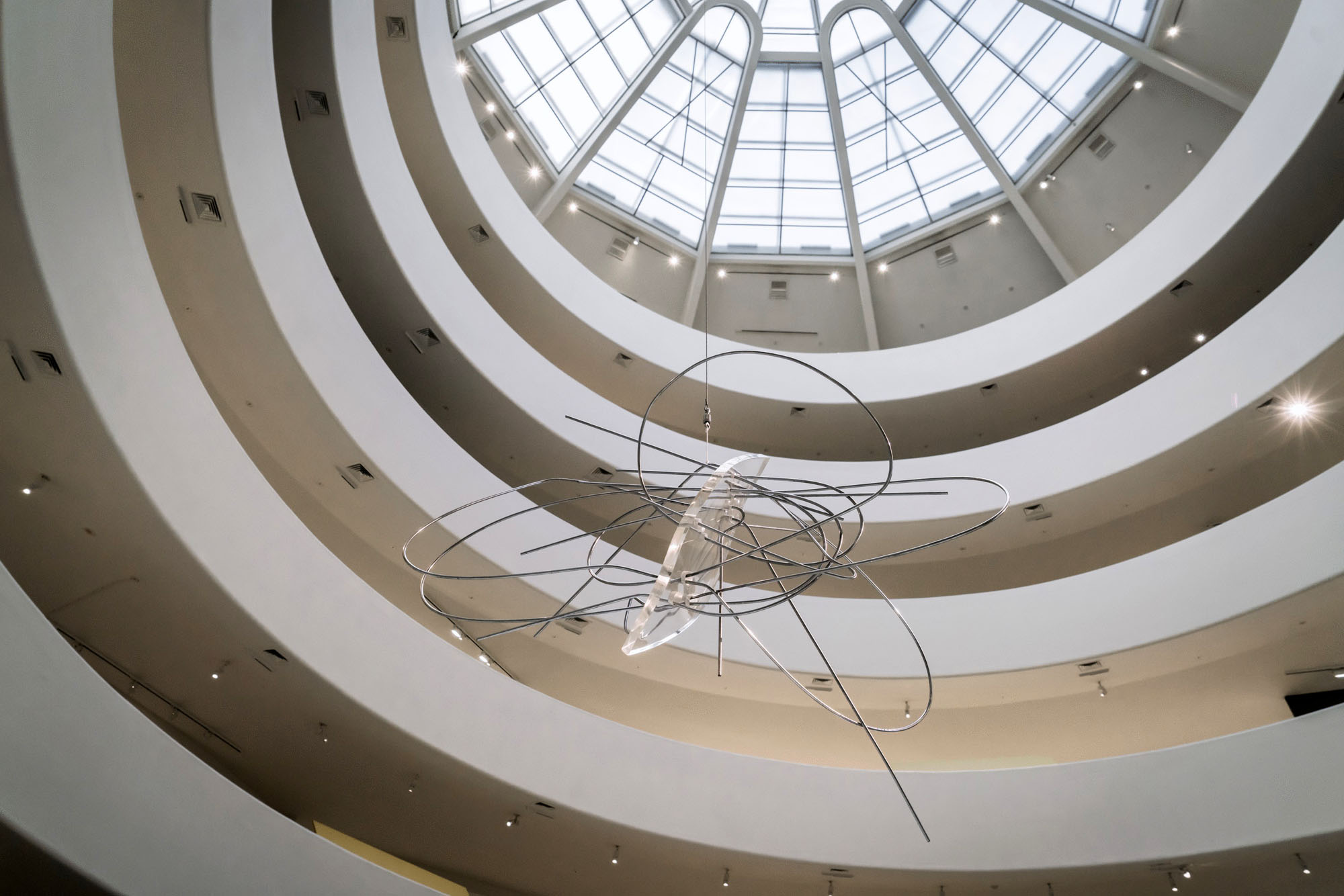
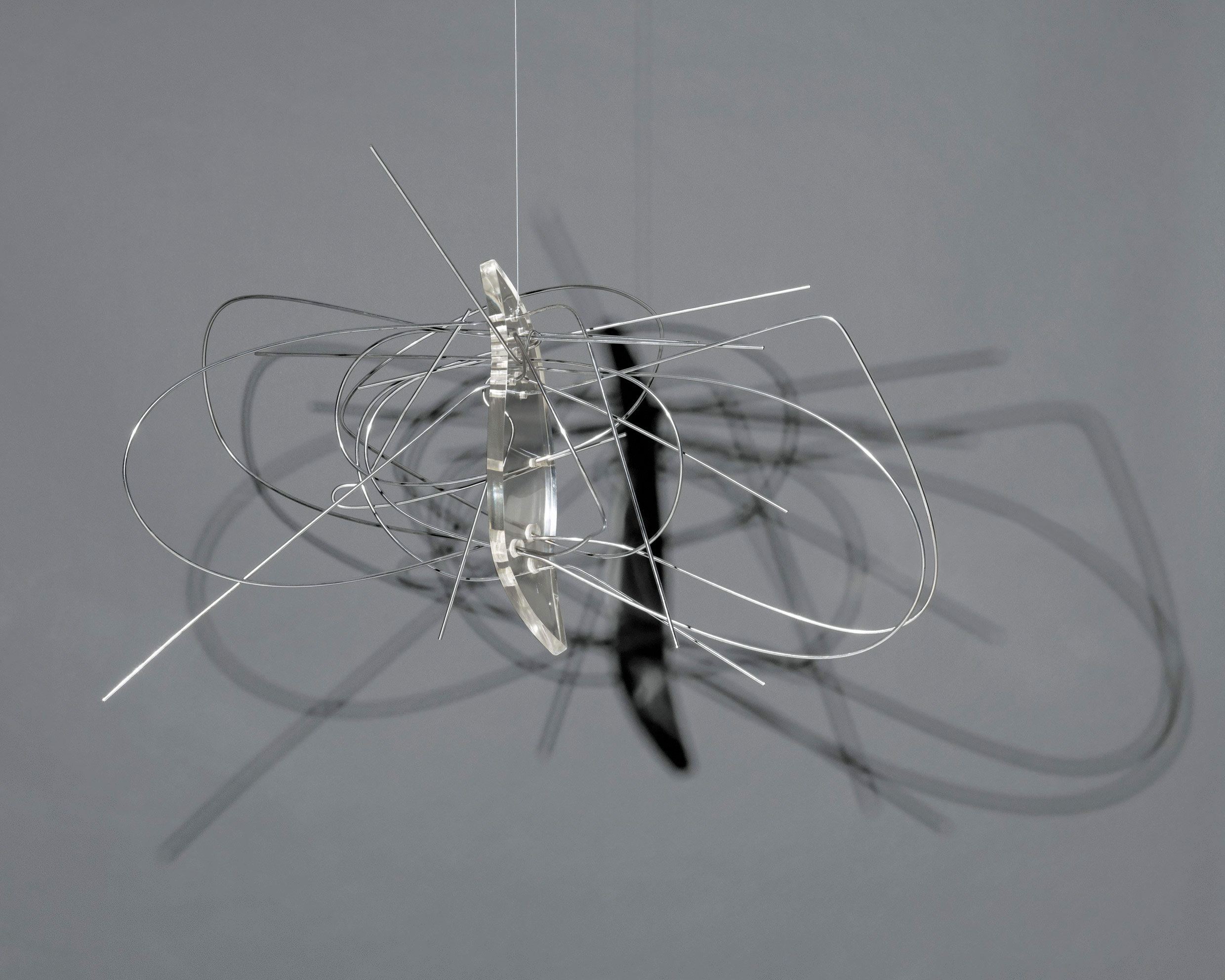














 Art Blart _ art and cultural memory archive
You must be logged in to post a comment.