Unknown photographer (Australian) The Nobbies, Phillip Island, Victoria, Australia 1960s Ektachrome medium format transparency scanned
Further Australian photographs from scans of 73 medium format Kodak Ektakchrome slides found in a country town in Victoria, Australia taken in Australia, Mexico, United States of America and Canada in the mid-1960s. I believe that the photographer was an Australian who was on holiday in Mexico, United States of America and Canada.
In nearly 40 years of being a photographer I have never seen colour medium format slides from the 1960s. There was no colour fading to the slides. The person who took the photographs was shooting medium format colour in the 1960s so they would have been a photographic aficionado. Just by holding the slides up to the light I could see the photographs were compositionally very interesting. Whoever the photographer was they had a great eye!
There are some beautiful photographs of the Australian landscape here. And the Australian “light” and colour are so different from the rest of the photographs (see part 1 of the posting).
I have also included an example of how incredibly dirty these slides were, see Untitled (Australian landscape) (detail uncleaned and cleaned) 1960s (below), and note how much work and many hours were required to bring these images back into a state of grace … and preservation.
Unknown photographer (Australian) Untitled (Australian landscape) 1960s Ektachrome medium format transparency scanned
The fault at left appears in several other slides in these Ektachromes and must have been in the camera as it’s not in the slide itself…
Unknown photographer (Australian) Untitled (Australian landscape) 1960s Ektachrome medium format transparency scanned
Unknown photographer (Australian) Untitled (Australian landscape) 1960s Ektachrome medium format transparency scanned
There is a Mini panel van on the causeway!
Unknown photographer (Australian) Untitled (Australian landscape) 1960s Ektachrome medium format transparency scanned
The same landscape as the two photographs below
Unknown photographer (Australian) Untitled (Australian landscape) 1960s Ektachrome medium format transparency scanned
Unknown photographer (Australian) Untitled (Australian landscape) 1960s Ektachrome medium format transparency scanned
Unknown photographer (Australian) Untitled (Australian landscape) (detail uncleaned and cleaned) 1960s Ektachrome medium format transparency scanned
Unknown photographer (Australian) Untitled (Man holding his movie camera, Australia) 1960s Ektachrome medium format transparency scanned
Australian built Ford XR Falcon station wagon
Unknown photographer (Australian) Unknown woman 1960s Ektachrome medium format transparency scanned
I don’t know where this is but it feels Australian to me, especially the fashion…
Unknown photographer (Australian) Untitled (Australian landscape, possibly South Point, Wilson’s Prom, Victoria) 1960s Ektachrome medium format transparency scanned
Australian coastal she oak and tea tree.
Unknown photographer (Australian) Untitled (Australian landscape) 1960s Ektachrome medium format transparency scanned
Wonderful photograph of the Australian landscape…
Unknown photographer (Australian) Untitled (Australian landscape) 1960s Ektachrome medium format transparency scanned
Unknown photographer (Australian) Untitled (Australian landscape) 1960s Ektachrome medium format transparency scanned
Unknown photographer (Australian) Untitled (Australian landscape) 1960s Ektachrome medium format transparency scanned
Max Dupain (Australian, 1911-1992) Silos through windscreen 1935 Gelatin silver print
Unknown photographer (Australian) Untitled (Australian landscape) 1960s Ektachrome medium format transparency scanned
The second photograph taken through the windscreen of a car
Unknown photographer (Australian) Untitled (Australian landscape) 1960s Ektachrome medium format transparency scanned
Unknown photographer (Australian) Untitled 1960s Ektachrome medium format transparency scanned
I’m not sure what they are doing or where this is (possibly Australia) but I like the photo!
Unknown photographer (Australian) Untitled 1960s Ektachrome medium format transparency scanned
A geologist hammer in his hand?
Unknown photographer (Australian) Untitled (Visitors must not leave pathway) 1960s Ektachrome medium format transparency scanned
Unknown photographer (Australian) Hawaii 1960s Ektachrome medium format transparency scanned
State of grace
I was very excited by the discovery in a country town in Victoria, Australia of 73 medium format Kodak Ektakchrome slides taken in Australia, Mexico, United States of America and Canada in the mid-1960s. I believe that the photographer was an Australian who was on holiday in Mexico, United States of America and Canada.
In nearly 40 years of being a photographer I have never seen colour medium format slides from the 1960s. There was no colour fading to the slides. The person who took the photographs was shooting medium format colour in the 1960s so they would have been a photographic aficionado. Just by holding the slides up to the light I could see the photographs were compositionally very interesting. Whoever the photographer was they had a great eye!
I can date the slides to late 1966 / early 1967. This is because of the unknown photograph of the construction of John F. Kennedy’s grave at Arlington National Cemetery (below). Construction began in 1965 and was completed on July 20, 1967. Since JFK’s grave is 2/3rds complete this would date the photograph to late 1966 / early 1967. This would also help date all the other Ektachrome slides that I have scanned as well.
The has been a journey of (self) discovery.
Firstly, I made the conscious decision not to look at the slides before scanning them but rather to randomly pick up whichever slide came next … then to take us on a journey in time and space from my studio in Melbourne – to Canada, Mexico, United States of America and different parts of Australia, in the mid-1960s.
Together, through these photographs, we can travel the planet, traversing time back to the 1960s where we can witness historic places of that era – John F. Kennedy’s grave under construction; George Washington’s house in Mount Vernon; the White House closer than you can ever get today in our paranoid era of protection.
In some ways it was a more open society in those days, more trusting and available; in others, it was more prejudiced against, for example, women, migrants, colour and difference. War never changes. Not everything changes for the better, but some things do.
Scanning these slides was a journey of self discovery. I immersed myself in their worlds… staring for hours at the scans and at the dots and scratches on the screen – cleaning up the slides and colour balancing them (see Metropolitan Opera House, Lincoln Center, New York City 1960s below for an example) to make them presentable. It was as much a meditative practice and an acceptance of self to keep going that was so rewarding, especially for the peace it brings my bipolar and depression. Peace and self acceptance.
I lived and breathed these images back into existence after nobody had seen them for so many years. I saved them for prosperity, from the eternity of loss of all unseen images – to not have eyes look at them for that moment of recognition, when the language of the image can be decoded and understood. When the feeling of that image impacts the senses.
I hope you enjoy this series of images, that it reaches you in all its wonderful, effervescent glory. Whoever the photographer was I want to thank them for their vision – for they have taken us to places and times we could never have gone.
Dr Marcus Bunyan
PS. Look at the two hands in the photograph Untitled (Mexican scene?) 1960s (below). It perfectly sums up a moment caught through the energy of the photographer, the camera … and the cosmos. The open hand, the shielded hand.
Just a bit about these scans: scanned at 1200dpi, 21.3Mb. Each image takes on average 1.5 hours of cleaning and balancing to achieve the end result. 300dpi jpg made from scans.
“A good image is created by a state of grace. Grace expresses itself when it has been freed from conventions, free like a child in his early discovery of reality. The game is then to organise the rectangle.” [or the square in this case!]
Sergio Larraín Echeñique
Ektachrome transparency box
United States of America
Unknown photographer (Australian) Grand Canyon 1960s Ektachrome medium format transparency scanned
Unknown photographer (Australian) Snow in the Grand Canyon 1960s Ektachrome medium format transparency scanned
Unknown photographer (Australian?) Grand Canyon with snow 1960s Ektachrome medium format transparency scanned
Unknown photographer (Australian) John looking bored, Father and Sylvia at Aunt Jemima’s Kitchen, Disneyland 1960s Ektachrome medium format transparency scanned
Unknown photographer (Australian) Wedding day (USA?) 1960s Ektachrome medium format transparency scanned
What a wonderful composition from a low vantage point. Not sure where it is but it feels USA to me…
The girl at left looking at the bride and groom, his white gloves one on one off, her yellow bride’s bouquet and the relationship to the yellow of the bridesmaid’s dress, and the two girls at right… one looking at the couple and one at the camera. Magic!
I wonder what happened to them, how long they were together. Was it a happy marriage? Did they had children and where are they now? And now all these years later to see this mnemonic device, this photograph of associations, designed to recover fragmentary memories of a happy time…
Unknown photographer (Australian) Wedding day (USA?) 1960s Ektachrome medium format transparency scanned
Unknown photographer (Australian) Untitled (USA) 1960s Ektachrome medium format transparency scanned
I am pretty sure this image is connected to the wedding photos above.
Unknown photographer (American) Hawaii? California? coastline 1960s Ektachrome medium format transparency scanned
Definitely not Australia…
Unknown photographer (American) Hawaii? California? coastline 1960s Ektachrome medium format transparency scanned
Unknown photographer (Australian) Untitled [coastline] 1960s Ektachrome medium format transparency scanned
I think this is the Hawaiian or Californian coastline, but unsure… the telephone pole is definitely not Australian!
Unknown photographer (Australian) Untitled 1960s Ektachrome medium format transparency scanned
No idea where this is (not Australia!) or what the structures are. Obviously shot out of a moving car or possibly train/bus. An interesting image nonetheless.
Unknown photographer (Australian) Untitled [Desert scene, California?] 1960s Ektachrome medium format transparency scanned
Unknown photographer (Australian) Untitled [Desert scene, California?] 1960s Ektachrome medium format transparency scanned
A wonderful photograph shot contre-jour which is a photographic technique in which the camera is pointing directly toward a source of light.
Unknown photographer (Australian) George Washington’s home, Mount Vernon 1960s Ektachrome medium format transparency scanned
Thank you to Colin Vickery who informed me this is George Washington’s home, Mount Vernon.
Unknown photographer (Australian) John F. Kennedy’s gravesite under construction at Arlington Cemetery (foreground) with Memorial Bridge and the Lincoln Memorial in the background. View from Arlington House Late 1966 / early 1967 Ektachrome medium format transparency scanned
An important photograph! An unknown photograph of the construction of John F. Kennedy’s grave at Arlington National Cemetery.
Construction began in 1965 and was completed on July 20, 1967. Since JFK’s grave is 2/3rds complete this would date the photograph to late 1966 / early 1967. This would also help date all the other Ektachrome slides that I am scanning.
Unknown photographer (Australian) Grave of John F. Kennedy, Arlington National Cemetery, Washington 1960s Ektachrome medium format transparency scanned
Another important photograph of the temporary grave of John F. Kennedy at Arlington National Cemetery with the construction of Kennedy’s new grave ongoing in the background.
Around the grave are the caps of the services with what I think are dog leads in between? In the background in the centre is a wreath from a Boy Scout Troop. And of course, the flame…
Unknown photographer (Australian) Arlington National Cemetery, Washington 1960s Ektachrome medium format transparency scanned
This was a poor exposure and about the best I could do with the scan.
Unknown photographer (Australian) Arlington National Cemetery, Washington 1960s Ektachrome medium format transparency scanned
Unknown photographer (Australian) Road to Arlington National Cemetery, Washington 1960s Ektachrome medium format transparency scanned
A wonderful vista with Arlington National Cemetery in the distance…
Unknown photographer (Australian) The White House, Washington, DC 1960s Ektachrome medium format transparency scanned
Unknown photographer (Australian) The White House, Washington, DC 1960s Ektachrome medium format transparency scanned
Unknown photographer (Australian) Untitled States Capitol, Washington, D.C. 1960s Ektachrome medium format transparency scanned
What a great image, shot out of the front of a bus driving towards the United States Capitol, love all the old cars!
Unknown photographer (Australian) Untitled States Capitol, Washington, D.C. 1960s Ektachrome medium format transparency scanned
I love the perspective, the shadows of the old cars, the path leading the eye towards the building and the trees framing the vista.
Unknown photographer (Australian) Abraham Lincoln, Lincoln Memorial, Washington, D.C. 1960s Ektachrome medium format transparency scanned
Unknown photographer (Australian) Metropolitan Opera House, Lincoln Center, New York City 1960s Ektachrome medium format transparency scanned
The top image has not been colour corrected, as scanned.
Unknown photographer (Australian) 1040 Fifth Avenue NY 1960s Ektachrome medium format transparency scanned
Some photos are winners, some are losers… but they are all interesting. The fifteenth floor of 1040 Fifth Avenue NY was home to Jackie Onassis from 1964 to 1994.
The cars are a Super 88 Oldsmobile, 1965 Plymouth Fury Suburban S/W and 1964/65 Buick Special 4dr.
This slide was so underexposed it was very hard to get a usable scan. Colour correction was difficult.
Unknown photographer (Australian) Untitled (American landscape) 1960s Ektachrome medium format transparency scanned
A lovely image. Whoever took these photographs had a really good eye.
Unknown photographer (Australian) Untitled (American landscape) 1960s Ektachrome medium format transparency scanned
Unknown photographer (Australian) Untitled (American landscape) 1960s Ektachrome medium format transparency scanned
Unknown photographer (Australian) Untitled (American landscape) 1960s Ektachrome medium format transparency scanned
Unknown photographer (Australian) Untitled (California) 1960s Ektachrome medium format transparency scanned
I think this is California?
A classic 1960s photograph. The photographer had a good eye. Los Castillo artesanos on the left hand side, a Kodak sign, and a Chevrolet if I’m not mistaken.
Unknown photographer (Australian) American landscape with cars, perhaps Malibu, California? 1960s Ektachrome medium format transparency scanned
Great photo!
Unknown photographer (Australian) Main Str Cinema, Disneyland, California 1960s Ektachrome medium format transparency scanned
I don’t know what the fault is at top left, it’s in the transparency itself – so obviously something inside the camera got ‘recorded’ on film
Unknown photographer (Australian) Mickey Mouse, Disneyland, California 1960s Ektachrome medium format transparency scanned
Unknown photographer (Australian) General view over Universal Studios including my plane, Tammy’s houseboat, Warner Brothers in background, California 1960s Ektachrome medium format transparency scanned
The photograph was taken from a “Glamor Tram” travelling around the lot. These were introduced in July, 1964. “The iconic red and white Glamor Trams, with their ruffled awnings, were staged five times a day, each lasting just over two hours, Monday through Friday.”
The handwritten inscription on the slide reads:
“General view over Universal Studios including my plane, Tammy’s houseboat, Warner Brothers in background”
“My plane” seems to be a North American P-51 Mustang. According to John Lovaas on Facebook he is “pretty sure the green space is Lakeside Golf Club, and the plane and cars in the foreground are on Universal Studios property. How many P-51s has Universal ever had on their lot? A finite number!”
He states that the P-51 is most likely the plane 44-72739 N44727 “Man O War” which was the plane at Universal Studios between 1955-1970. I can’t see a houseboat at all!
Unknown photographer (Australian) ‘Battle Hymn’ North American P-51 Mustang 1960s Ektachrome medium format transparency scanned
A closer look at the North American P-51 Mustang that featured at a distance in the slide above.
The text written on the slide reads: “Me and plane used in “Battle Hymn”.”
“‘Battle Hymn’ is a 1957 American war film directed by Douglas Sirk and starring Rock Hudson as Lieutenant Colonel Dean E. Hess, a real-life United States Air Force fighter pilot in the Korean War who helped evacuate several hundred war orphans to safety… Hess promises her he won’t see combat, since he will be the senior USAF advisor / Instructor Pilot to the Republic of Korea Air Force, only serving as a teacher and flying F-51D Mustangs. …
In order to replicate the ROK unit, the 12 F-51D Mustangs of 182nd Fighter Squadron, 149th Fighter Group of the Texas Air National Guard were enlisted by the USAF to provide the necessary authentic aircraft of the period. During filming, an additional surplus F-51 was acquired from USAF stocks to be used in an accident scene where it would be deliberately destroyed.”
Unknown photographer (Australian) Sylvia and ship used for McHale’s Navy, Universal Studios 1960s Ektachrome medium format transparency scanned
The title was written on the slide.
Unknown photographer (Australian) San Francisco with Golden Gate Bridge (in the background) 1960s Ektachrome medium format transparency scanned
Unknown photographer (Australian) View over San Francisco 1960s Ektachrome medium format transparency scanned
Unknown photographer (Australian) Untitled (Car and river, USA) 1960s Ektachrome medium format transparency scanned
Lovely photo, great shadows. I have no idea where this is…
Unknown photographer (Australian) Untitled (woman and car) USA, 1960s Ektachrome medium format transparency scanned
Left hand drive car so this must be the United States of America.
Canada
Unknown photographer (Australian) Place Ville Marie, Montreal 1960s Ektachrome medium format transparency scanned
Unknown photographer (Australian) Cathédrale Basilique Marie Reine du Monde, Montreal 1960s Ektachrome medium format transparency scanned
Unknown photographer (Australian) Cathédrale Basilique Marie Reine du Monde, Montreal 1960s Ektachrome medium format transparency scanned
Unknown photographer (Australian) Interior, Cathédrale Basilique Marie Reine du Monde, Montreal 1960s Ektachrome medium format transparency scanned
Unknown photographer (Australian) Downtown Montreal, intersection of Blvd de Maisonneuve Ouest and Metcalfe St, looking toward Mont Royal 1960s Ektachrome medium format transparency scanned
Mexico
Unknown photographer (Australian) Cuernavaca Cathedral, Morelos, Mexico 1960s Ektachrome medium format transparency scanned
Unknown photographer (Australian) Chapultepec Castle, Mexico City 1960s Ektachrome medium format transparency scanned
This is Chapultepec Castle, site of the National History Museum, México City. The soldiers are wearing Mexican helmets of the M1 pattern with regimental insignia on the front.
Unknown photographer (Australian) Untitled (Mexico) 1960s Ektachrome medium format transparency scanned
Unknown photographer (Australian) Untitled (Mexico) 1960s Ektachrome medium format transparency scanned
Unknown photographer (Australian) Hotel Borda, Cuernavaca 1960s Ektachrome medium format transparency scanned
A view of the “Hotel Borda” which still exists in Cuernavaca a town just south of Mexico City.
Unknown photographer (Australian) Untitled (Mexico) 1960s Ektachrome medium format transparency scanned
I can make out the words “Gloria”, “Dios”, and “Paz” in the sign on the right hand side.
Unknown photographer (Australian) Untitled (Mexican scene?) 1960s Ektachrome medium format transparency scanned
“Typology remains a highly challenging and complex notion. It operates in a paradoxical regime: on the one hand, this approach can lead to a systematic recording of people and objects based on extreme objectivity; on the other hand, typology corresponds to an individual and arbitrary choice, revealing itself as a disturbing and potentially subversive act.” (Press release)
Every photo within a Becher grid contains its own difference.
Dr Marcus Bunyan
Many thankx to the Fondazione Prada for allowing me to publish the photographs in the posting. Please click on the photographs for a larger version of the image.
Let’s not beat around the bush. Despite protestations to the contrary (appeals to the objectivity of the image, eschewing entirely the aspects of beauty, emotion and opinion; the rigorous frontality of the individual images giving them the simplicity of diagrams, while their density of detail offers encyclopaedic richness) these are subjective images for all their objective desire. The paradox is the more a photographer strives for objectivity, the more ego drops away, the more the work becomes their own: subjective, beautiful, emotive.
“What happens in the case of mutation? Consider the example of the genetic code. Mutation normally occurs when some random event (for example, a burst of radiation or a coding error) disrupts an existing pattern and something else is put in its place instead. Although mutation disrupts pattern, it also presupposes a morphological standard against which it can be measured and understood as mutation. We have seen that in electronic textuality, the possibility for mutation within the text are enhanced and heightened by long coding chains. We can now understand mutation in more fundamental terms. Mutation is critical because it names the bifurcation point at which the interplay between pattern and randomness causes the system to evolve in a new direction. It reveals the productive potential of randomness that is also recognized within information theory when uncertainty is seen as both antagonistic and intrinsic to information.
We are now in a position to understand mutation as a decisive event in the psycholinguistics of information. Mutation is the catastrophe in the pattern / randomness dialectic analogous to castration in the presence / absence dialectic. It marks a rupture of pattern so extreme that the expectation of continuous replication can in longer be sustained. But as with castration, this only appears to be a disruption located at a specific moment. The randomness to which mutation testifies is implicit in the very idea of pattern, for only against the background of nonpattern can pattern emerge. Randomness is the contrasting term that allows pattern to be understood as such.”
Hayles, Katherine. How We Became Posthuman: Virtual Bodies in Cybernetics, Literature, and Informatics. Chicago: University of Chicago Press, 1999, pp. 30-33
In the series Menschen Im Fahrstuhl, 20.11.1969 (People in the elevator, 20.11.1969) shot in 1969, Heinrich Riebesehl conceptualised his interest in the photographic portrait. The portraits of the workers of the Hannoversche Presse (a daily newspaper in Hanover) – taken inside an elevator with a remotely operated small-format camera – are dated and numbered in sequential order: Riebesehl dispensed with a title or a more detailed description of the subjects portrayed. By omitting distinctive elements from the images, such as the profession or age of the subjects, he made the situation the key factor in the shots. In fact, the images are studies of the behaviors of people in that particular space, their body languages and gazes. Riebesehl knew that environment very well, because he had worked for a long time as a photojournalist, before turning to conceptual art photography.
Exhibition text from the Fondazione Prada by Cord Riechelmann
Installation view of the exhibition Typologien: Photography in 20th-century Germany at Fondazione Prada, Milan showing at left Bernd and Hiller Becher’s Hochöfen (Blast furnaces) 1970-1989; and at right, Candida Höfer’s Bibliotheque Nationale de France XXIII 1997
In the photographs of libraries in London, Paris, and New York, which at first glance appear to be technically scientific records, Candida Höfer manages to capture something that is not visible: ingenuity. The libraries’ rooms have high ceilings, and the rows of seats are neatly arranged. In their impressiveness, they reflect the architecture of the 19th-century conception of knowledge and science, typical of the dominant nations of the time because of their commercial and colonial power. The objective nature of the deserted spaces, precisely in how they seem to be neutral to the individual needs of the students, suggests something in the image that could hardly be less objective: the possibility for intellectual exchange that these spaces promise and deliver in Höfer’s photographs.
Exhibition text from the Fondazione Prada by Cord Riechelmann
In Candida Höfer’s photographs shot in zoos, the animals document a specific form of loneliness in modern times. In these images, the lines of development of two disciplines collide. Not only in the photographs, but also in reality, they function independently of each other: modern architecture and behavioural research. Modern architecture has become established in zoological gardens but has never considered the animal and its needs. Based on the knowledge gained from behavioural research, by choosing to portray iconic large mammals such as giraffes, lions, and polar bears, Höfer has represented the dilemma of a world in which entire species are threatened with extinction and in which zoos see themselves as a kind of ‘Noah’s Ark.’
Exhibition text from the Fondazione Prada by Cord Riechelmann
Installation view of the exhibition Typologien: Photography in 20th-century Germany at Fondazione Prada, Milan showing Bernd and Hilla Becher’s Wassertürme (Water towers) 1966-1986
Installation view of the exhibition Typologien: Photography in 20th-century Germany at Fondazione Prada, Milan showing the work of Thomas Struth
Installation view of the exhibition Typologien: Photography in 20th-century Germany at Fondazione Prada, Milan showing the work of Thomas Struth with at left, Musée du Louvre IV Paris, 1989
In his practice, Thomas Struth demonstrates meticulous attention to the architectural environment, as well as to people and objects. In his large-format colour series Museum Photographs (1989-1992), Struth captures anonymous individuals and crowds gazing at artworks in museums. A significant example is Louvre 4, Paris 1989, in which the artist photographs from behind a group of viewers standing in front of Théodore Géricault’s The Raft of the Medusa (1819). Often made with a large-format camera, his images reflect what Struth calls “exact vision”: the framing must not conceal anything or suggest secret content, thus resulting in an enigmatic outcome.
Exhibition text from the Fondazione Prada by Cord Riechelmann
Installation view of the exhibition Typologien: Photography in 20th-century Germany at Fondazione Prada, Milan showing Andreas Gursky’s Paris, Montparnasse 1993
Andreas Gursky’s large-format work, Paris, Montparnasse (1993) has become an iconic example of his work. It depicts the Maine-Montparnasse II block of flats, located on Rue Commandant-Mouchotte in Paris and built between 1959 and 1964 on a design by French architect Jean Dubuisson. This is one of the first images that Gursky created using digital post-production. In real life, the building does not look the way it appears in the image: using a digital editing process, Gursky transformed the façade into a game of differences and repetitions by processing the windows. In fact, by reiterating forms that are always identical, he produced a seemingly infinite number of them, with colour variations that are activated by a calculated dynamic.
Exhibition text from the Fondazione Prada by Cord Riechelmann
Installation view of the exhibition Typologien: Photography in 20th-century Germany at Fondazione Prada, Milan showing Andreas Gursky’s 99 Cent 1999
In 99 Cent (1999), Andreas Gursky photographed supermarket shelves using the same formal scheme used in Paris, Montparnasse (1993). The shelves crammed with everyday products such as detergents represent the inexhaustible flow of goods in the global system of production and distribution. Gursky’s work conveys a feeling of disorientation generated by the excessive stimuli and details typical of a shelf in a hypermarket.
Exhibition text from the Fondazione Prada by Cord Riechelmann
Andreas Gursky (German, b. 1955) 99 Cent 1999 (remastered 2009) Inkjet print
“Typologien” is an extensive study dedicated to 20th-century German photography. The exhibition, hosted within Podium, the central building of the Milan headquarters, is curated by Susanne Pfeffer, art historian and director of the MUSEUM MMK FÜR MODERNE KUNST, Frankfurt.
The project attempts to apply the principle of “typology,” which originated in 17th- and 18th-century botany to categorise and study plants, and appeared in photography in the early 1900s, affirming itself in Germany throughout the 20th century. Paradoxically, the given formal principle allows for unexpected convergences of German artists spanning different generations and the manifestation of their individual approaches.
The exhibition path will follow a typological rather than a chronological order, bringing together more than 600 photographic works by 25 established and lesser-known artists essential for recounting a century of German photography, including Bernd and Hilla Becher, Sibylle Bergemann, Karl Blossfeldt, Ursula Böhmer, Christian Borchert, Margit Emmrich, Hans-Peter Feldmann, Isa Genzken, Andreas Gursky, Candida Höfer, Lotte Jacobi, Jochen Lempert, Simone Nieweg, Sigmar Polke, Gerhard Richter, Heinrich Riebesehl, Thomas Ruff, August Sander, Ursula Schulz-Dornburg, Thomas Struth, Wolfgang Tillmans, Rosemarie Trockel, Umbo (Otto Umbehr), and Marianne Wex. A system of suspended walls will create geometric partitions in the exhibition space, forming unexpected connections between artistic practices that differ from each other, but are united by a common principle or intention of classification.
As stated by Susanne Pfeffer, “Only through juxtaposition and direct comparison is it possible to find out what is individual and what is universal, what is normative or real. Differences are evidence of the abundance of nature and the imagination of humans: the fern, the cow, the human being, the ear; the bus stop, the water tower, the stereo system, the museum. The typological comparison allows differences and similarities to emerge and the specifics to be grasped. Unknown or previously unperceived things about nature, the animal, or the object, about place and time become visible and recognisable.”
In photography, employing typologies means affirming an equivalence between images and the absence of hierarchies in terms of represented subjects, motifs, genres, and sources. Despite this, typology remains a highly challenging and complex notion. It operates in a paradoxical regime: on the one hand, this approach can lead to a systematic recording of people and objects based on extreme objectivity; on the other hand, typology corresponds to an individual and arbitrary choice, revealing itself as a disturbing and potentially subversive act.
The hypothesis that photography plays a key role not only in fixing distinctive phenomena but also in organising and classifying a plurality of visible manifestations remains a vital force in today’s artistic efforts to navigate the complexity of our social and cultural realities. With the spread of digital imagery and practices, the concept of typology continues to be questioned and re-defined by contemporary photographers and artists.
As underlined by Susanne Pfeffer, “The unique, the individual, seems to have been absorbed into a global mass, the universality of things is omnipresent. The Internet allows typologies to be created in a matter of seconds. And yet this is precisely when it seems important – to artists – to take a closer look.” As further explained by Pfeffer, “When the present seems to have abandoned the future, we need to observe the past more closely. When everything seems to be shouting at you and becoming increasingly brutal, it is important to take a quiet pause and use the silence to see and think clearly. When differences are not seen as something other, but turned into something that divides us, it is crucial to notice what we have in common. Typologies allow us to identify remarkable similarities and subtle differences.”
Text from the Fondazione Prada website
Typologien | Fondazione Prada Milano
An extensive study dedicated to 20th-century German photography. “Typologien” attempts to apply the principle of “typology,” which originated in 17th- and 18th-century botany to categorise and study plants, and appeared in photography in the early 1900s, affirming itself in Germany throughout the 20th century.
The exhibition, hosted within Podium, the central building of the Milan headquarters, is curated by Susanne Pfeffer, art historian and director of the MUSEUM MMK FÜR MODERNE KUNST, Frankfurt.
Installation view of the exhibition Typologien: Photography in 20th-century Germany at Fondazione Prada, Milan showing the work of Ursula Schulz-Dornburg
Ursula Schulz-Dornburg was visiting convents and monasteries in Armenia when she happened to come across one of these unique bus stops, partly futuristic and partly surreal. From 1997 to 2011, she portrayed numerous bus stops, often in very remote locations. In a country that was experiencing a dramatic transition, from being part of the Soviet Union to its new status as an independent republic, these bus stops look like the remnants of a utopian socialism, which in Schulz-Dornburg’s images are kept alive mainly by women and children. The photographer said she was so impressed by the dignity of those women waiting at the bus stop, who even in the most extreme poverty looked as though they were on their way to the Opera, that she asked their permission to photograph them. What emerged was a document of a quiet life that manages with dignity to deal with even the harshest adversity.
Exhibition text from the Fondazione Prada by Cord Riechelmann
Installation view of the exhibition ‘Typologien: Photography in 20th-century Germany’ at Fondazione Prada, Milan showing at left, flower photographs by Thomas Struth; and at right, Andreas Gursky’s Untitled XVIII 2015 (below)
Andreas Gursky (German, b. 1955) Untitled XVIII 2015 Inkjet print Atelier Andreas Gursky
Unlike works such as Paris, Montparnasse (1993), in the Untitled series he produced between 2015 and 2016, Andreas Gursky depicted rows of tulips without providing a title or location for the pictures. Viewed from a distance, the photographs are reminiscent of Abstract Expressionist paintings, but even looking at them at close range, the lushly blooming flowers are undiscernible. Living in Düsseldorf, close to the Dutch border, Gursky is familiar with the intensively cultivated Dutch tulip crops, where no unwanted insect or worm would possibly be allowed to spoil the bulbs. The sterility of industrial flower production, far from being harmless and healthy, is captured by Gursky in images that, in turn, are neither reassuring nor pleasant.
Exhibition text from the Fondazione Prada by Cord Riechelmann
Installation view of the exhibition Typologien: Photography in 20th-century Germany at Fondazione Prada, Milan showing the flower photographs of Thomas Struth with at left, Small Closed Sunflower, No. 18, Winterthur 1992 (below); and at third left, Single Red Lily – No. 51, Düsseldorf (Botanischer Garten) 1993 (below)
A student of the artist Gerhard Richter and later of the photographer Bernd Becher at the Art Düsseldorf Academy from 1973 to 1980, Thomas Struth habitually works in thematic cycles centered around museums, flowers, and portraits of families and passers-by. The “exact vision” – the intention underpinning Struth’s photography – can be seen in both the portraits of two cornflowers shoot in Düsseldorf and the image of a red lily in the city’s Botanical Garden. Struth notes down the name or address of the site where he took the photograph, as in the case of the flower of a hollyhock portrayed in Düsseldorf’s Nordpark. This is to evoke the poetry of the place and provide an exact account of the plants’ origin, preserving the authenticity of the shots without digitally altering them.
Exhibition text from the Fondazione Prada by Cord Riechelmann
Installation view of the exhibition Typologien: Photography in 20th-century Germany at Fondazione Prada, Milan showing the work of Hiller Becher
In terms of the objectivity of the approach, Hilla Becher’s 1965 photographic studies of an oak leaf, a cypress branch, and a ginkgo leaf are in keeping with the series on types of industrial buildings that she made with her husband Bernd Becher. Thematically, however, these studies represent a sort of return to the studies of branches and shoots made years earlier by Karl Blossfeldt. Unlike Blossfeldt’s images, the leaves, particularly the poplar leaves, are not uniformly lit. The shadowy areas cannot be clearly seen with the naked eye even on close and objective observation. One could say that nature has penetrated the technique, disappearing.
Exhibition text from the Fondazione Prada by Cord Riechelmann
Installation view of the exhibition Typologien: Photography in 20th-century Germany at Fondazione Prada, Milan showing the work of Karl Blossfeldt
Karl Blossfeldt (German, 1865-1932) Adiantum pedatum, haarfarn, junge, noch eingerollte Wedel [Maidenhair fern, young, still curled fronds] Nd Gelatin silver print Courtesy Berlin University of Arts, Archive – Karl Blossfeldt Collection in cooperation with Die Photographische Sammlung/SK Stiftung Kultur, Cologne
The young, still curling fronds of an ‘Unspecified fern’ are a kind of introduction to the themes that Karl Blossfeldt explored, and his working methods. Faced with a seemingly infinite variety of natural forms, the photographer tried to find an order by using tools borrowed from scientific botany. Blossfeldt collected plant samples tirelessly in and around Berlin, dried them, and enlarged those details not visible to the naked eye. However, the photographer was seeking something different from the aims of botanical research. This is already revealed by the title of the first volume, a publication of his photographs of plants – Urformen der Kunst (Art Forms in Plants, 1928). Right from the title, he explicitly refers to the model he used for the book’s conception: Ernst Haeckel’s Kunstformen in der Natur (Art Forms in Nature), published in 1924 and now a classic. Therefore, Blossfeldt sought archetypal formal models in nature, such as the fronds of the fern.
In his search for a primal form of nature that could then be shaped into art according to the natural model – as in the case of the curled fronds of the fern – Karl Blossfeldt applied the systematic method specific to botany with a kind of exterior mimicry. He moved from the frond of an unidentified fern, in other words, not yet classified according to an order, to a fern that could at least be identified within a botanical classification. The frond of the order Polypodiales certainly has typological similarities to all the fronds photographed by Blossfeldt, but it remains a case apart in that it cannot be classified in any of the orders in which the other ferns are classified. However, this level of identification is a relevant indication: these very diverse plants in fact number about 9000 known species, and probably many more yet to be identified. Moreover, identifying their species is often only possible for a few specialists, and is even more difficult given the variety of forms that ferns take during their development.
The curled fronds of some ferns from the Osmundaceae family, royal ferns, with their botanical classification, confirm one of the fundamental intentions of Karl Blossfeldt’s studies: only by carefully analyzing the structure of a plant can one fully understand its natural form. He developed his approach opposite to that of the Jugendstil, the artistic movement – a variation of French Art Nouveau and Italian Liberty – that stylized plant forms and conceived of them primarily as ornamental elements. Blossfeldt was not interested in criticism or rejection of the ornamental, but in a radical reconfiguration of it. This could only be achieved by thoroughly studying natural forms.
Three still-curled fronds of a specimen of bracken fern – scientific name Hypolepidaceae – on the one hand, appear denaturalised, because Karl Blossfeldt focused his lens on the detail, leaving out the natural context. But on the other hand, they reveal a scrupulous observation of the plant world. By nature, in fact, fronds develop according to a strict formal principle – no natural form is purely random – and yet they eventually differ from one another. The fronds of ferns could appear as decalcomanias, given that in Blossfeldt’s representation they take on an almost mechanical quality for the observer. The emphasis on differences in resemblance, which Blossfeldt achieved more or less consciously by repeating the leaf motif in differently shaped ferns, can be considered one of the main aesthetic innovations of his photography.
Exhibition text from the Fondazione Prada by Cord Riechelmann
Installation view of the exhibition Typologien: Photography in 20th-century Germany at Fondazione Prada, Milan showing the work of Marianne Wex with at left, Let’s Take Back Our Space: ‘Female’ and ‘Male’ Body Language as a Result of Patriarchal Structures 1977-2018 (below); and at right, Arm and Leg Positions, Lying on the Ground 1977/2018
With the photographic project Let’s Take Back our Space, which resulted in a book published in 1979 with the subtitle “‘Female’ and ‘Male’ Body Language as a Result of Patriarchal Structures,” Marianne Wex produced one of the seminal works in 1970s feminist art studies. Starting with a scrupulous observation of the body influenced by the method of structuralism, a scientific approach that studies a whole by breaking it down into elements and units, Wex took hundreds of photographs arranged in specific thematic sections devoted, for example, to specific leg and arm positions. Wex succeeded in showing how apparently natural body postures are actually the result of centuries of social and cultural structures, not a ‘natural’ or genetic predisposition. Her photographs capture movements, postures, and gestures, documenting habits of the body that have been taught and passed down for generations, shaping the behaviour of men and women according to patriarchal expectations.
Exhibition text from the Fondazione Prada by Cord Riechelmann
Marianne Wex (German, 1937-2020) Let’s Take Back Our Space: ‘Female’ and ‘Male’ Body Language as a Result of Patriarchal Structures 1977-2018 Inkjet print
Installation view of the exhibition Typologien: Photography in 20th-century Germany at Fondazione Prada, Milan showing photographs from Wolfgang Tillmans’ series Concorde 1997
In 1997, Wolfgang Tillmans photographed the Concorde, a supersonic passenger plane, in flight during landing and take-off. For him, the plane represented one of the last remaining inventions of the 1960s technological utopia. With its futuristic shape, supersonic speed, and the formidable roar it made during take-off and landing, the plane fascinated generations of technology enthusiasts. Today, the Concorde is a thing of the past and, together with the Titanic, epitomises more of a technological shock than a promise in the history of technology. These photographs reveal one of the aspects that Tillmans wants to highlight: they are symbols of “a super-modern anachronism” that ultimately left nothing behind but air pollution and environmental destruction.
Exhibition text from the Fondazione Prada by Cord Riechelmann
Wolfgang Tillmans (German, b. 1968) Concorde L449-21 1997 Inkjet print Courtesy of Galerie Buchholz
Fondazione Prada presents Typologien: Photography in 20th-century Germany, an extensive study dedicated to 20-century German photography, at its Milan venue from 3 April to 14 July 2025. The exhibition, hosted within Podium, the central building of the Milan headquarters, is curated by Susanne Pfeffer, art historian and director of the MUSEUM MMK FÜR MODERNE KUNST, Frankfurt.
The exhibition attempts to apply the principle of “typology,” which originated in 17th- and 18th-century botany to categorise and study plants, and appeared in photography in the early 1900s, affirming itself in Germany throughout the 20th century. Paradoxically, the given formal principle allows for unexpected convergences of German artists spanning different generations and the manifestation of their individual approaches.
The exhibition path follows a typological rather than a chronological order, bringing together more than 600 photographic works by 25 artists essential for recounting over a century of German photography. The exhibition features photographs by Bernd and Hilla Becher, Sibylle Bergemann, Karl Blossfeldt, Ursula Böhmer, Christian Borchert, Margit Emmrich, Hans-Peter Feldmann, Isa Genzken, Andreas Gursky, Candida Höfer, Lotte Jacobi, Jochen Lempert, Simone Nieweg, Sigmar Polke, Gerhard Richter, Heinrich Riebesehl, Thomas Ruff, August Sander, Ursula Schulz-Dornburg, Thomas Struth, Wolfgang Tillmans, Rosemarie Trockel, Umbo (Otto Umbehr), and Marianne Wex. The project forms unexpected connections between artistic practices that differ from each other but are united by a common principle or intention of classification.
As stated by Susanne Pfeffer, “Only through juxtaposition and direct comparison is it possible to find out what is individual and what is universal, what is normative or real. Differences are evidence of the abundance of nature and the imagination of humans: the fern, the cow, the human being, the ear; the bus stop, the water tower, the stereo system, the museum. The typological comparison allows differences and similarities to emerge and the specifics to be grasped. Unknown or previously unperceived things about nature, the animal, or the object, about place and time become visible and recognizable.”
In photography, employing typologies means affirming an equivalence between images and the absence of hierarchies in terms of represented subjects, motifs, genres, and sources.
Despite this, typology remains a highly challenging and complex notion. It operates in a paradoxical regime: on the one hand, this approach can lead to a systematic recording of people and objects based on extreme objectivity; on the other hand, typology corresponds to an individual and arbitrary choice, revealing itself as a disturbing and potentially subversive act.
The hypothesis that photography plays a key role not only in fixing distinctive phenomena but also in organizing and classifying a plurality of visible manifestations remains a vital force in today’s artistic efforts to navigate the complexity of our social and cultural realities. With the spread of digital imagery and practices, the concept of typology continues to be questioned and re-defined by contemporary photographers and artists.
As underlined by Susanne Pfeffer, “The unique, the individual, seems to have been absorbed into a global mass, the universality of things is omnipresent. The Internet allows typologies to be created in a matter of seconds. In this very precise moment – it seems even more important to follow the artists’ gaze and look closely.” As further explained by Pfeffer, “When the present seems to have abandoned the future, we need to look closer at the past. When everything seems to be shouting at you and becoming increasingly brutal, it is important to take a quiet pause and use the silence to see and think clearly. When differences are no longer perceived seen as something other but are transformed into elements of division, we have to recognize what we have in common. Typologies allow us to identify undeniable similarities and subtle differences.”
In the early 20th century, Karl Blossfeldt (1865-1932) was one of the first artists to transfer the classification system used in botanical studies to photography. His vast and detailed plant atlas represented a foundational moment for German Neue Sachlichkeit (New Objectivity). This artistic and photographic movement emerged in the 1920s during the Weimar Republic and promoted the importance of categories and distinctions and the remarkable ability of photography as a medium to explore the very idea of typology.
Another pioneering figure was August Sander (1876-1964), who published his photo book Antlitz der Zeit (Face of Our Time) in 1929, at the time excerpted from his landmark project Menschen des 20. Jahrhunderts (People of the 20th Century). Described by Walter Benjamin as a “training atlas” of physiognomic perception, Antlitz der Zeit was an ambitious attempt to portray the diversity and the structure of German society using class, gender, age, occupation, and social background as distinct categories of a rigid and neutral classification system.
Both Karl Blossfeldt’s and August Sander’s typologies were fundamental for Bernd Becher (1931-2007) and Hilla Becher (1934-2015) when, at the end of the fifties, they began an enormous and lifelong documentation and preservation project of industrial architecture. In 1971, they described the “industrial constructions” as “objects, not motifs”. They stated that “the information we want to provide is only created through the sequence, through the juxtaposition of similar or different objects with the same function”. Their black-and-white monuments, or “anonymous sculptures”, isolated against a monochromatic sky, centered, framed in the same format and arranged in a block, became an essential reference for American and European Post-Minimalist and Conceptual artists. They also represented a rich heritage for younger generations of German artists and photographers, such as Andreas Gursky (b. 1955), Candida Höfer (b. 1944), Simone Nieweg (b. 1962), Thomas Ruff (b. 1958) and Thomas Struth (b. 1954), who studied at the Academy in Düsseldorf in the class led by Bernd and Hilla Becher from 1976.
Hans-Peter Feldmann (1941-2023), internationally recognised for his fundamental contribution to conceptual art, traced a complementary trajectory in German photography. In his works, he documented everyday objects and historical events and combined deadpan humor with a systematic approach to accumulating, cataloguing, and rearranging elements of contemporary visual culture. In his series, he invented personal yet very political typologies and adopted a deliberate snapshot approach with a commercial aesthetic. For his work Alle Kleider einer Frau (All the Clothes of a Woman, 1975), he took 35mm-format photographs of underwear, hosiery, T-shirts, dresses, trousers, skirts, socks, and shoes, all hanging on hangers on the wall or laid on dark fabric. With his project Die Toten 1967-1993 (The Dead 1967-1993, 1996-1998), he paid homage to individuals murdered in the context of the political and terroristic movements in Post-War Germany. As pointed out by Susanne Pfeffer, “With his typologies, he emphasised the equal value of all photographs, their image sources and motifs, and underscored the de-hierarchisation inherent in every typology.”
In his apparently random collection of found, personal or pornographic images, press clippings, and historical photos of Nazi concentration camps, the Red Army Faction and German reunification, a “private album” named Atlas (1962 – present), Gerhard Richter (b. 1932) seemed to deny or challenge the very idea of typology. Instead, he took the principle of equivalence between images and their trivialization process to the limits, creating a jarring contrast and an acute awareness of a repressed collective memory.
In the seventies and eighties, in a dialectic relationship with the artistic lessons of the Bechers, Gursky, Höfer, Ruff, and Struth progressively abandoned the radicalism and black- and-white purism of their professors. They explored the colorful dominance of banality in their series of individual or family portraits, monumental and detailed city views, and spectacular documentation of cultural or tourist sites, generating a plethora of contemporary and conflicting typologies.
In the late seventies and early eighties, multimedia artist Isa Genzken (b. 1948) engaged in a direct dialogue with the photographic medium. In 1979, she created a series entitled Hi-Fi that featured advertisements of avant-garde Japanese stereo equipment, organising them in an imaginary commercial catalog. The second series entitled Ohr (Ear) (1980) depicted, in large-scale colour close-ups, the ears of random women Genzken photographed on the streets of New York City. She transferred the traditional portrait genre to physiognomic detail and ironically investigating the absolute singularity and infinite individual differentiation the photographic portrait can record.
An illustrated book, published by Fondazione Prada and designed by Zak Group, accompanies the exhibition “Typologien: Photography in 20th-century Germany”. It includes an introduction by Miuccia Prada, President and Director of Fondazione Prada, a text by the exhibition curator Susanne Pfeffer and three essays by renowned international art historians and curators Benjamin Buchloh, Tom Holert, and Renée Mussai.
Press release from Fondazione Prada
Installation view of the exhibition Typologien: Photography in 20th-century Germany at Fondazione Prada, Milan showing the work of August Sander
The series that August Sander dedicated to women is perhaps where the idea of categorising an archetype or social type shows the cracks most visibly. Whether it is an architect’s companion, an industrialist’s wife, or a high society lady, in Sander’s images the individuality of the female subject, in dress and posture, always prevails over type. And even when the subjects display characteristics that could be traced back to their class, origin, or occupation – such as the secretary who smokes – all the women depicted, from the sculptor to the photographer or the gym teacher, express ‘their own’ individuality. This is most evident when comparing the portraits of women with those of civil servants, whose gazes already show a serial uniformity associated with their positions.
Exhibition text from the Fondazione Prada by Cord Riechelmann
In 1935, Erich Sander, August Sander’s son, was sensationally put on trial and sentenced to ten years’ imprisonment for subversive activities. He served most of his sentence in Siegburg Prison, where he worked as the prison’s photographer. Determined to continue his resistance activities even in prison, he did not limit himself to taking ‘official’ photographs. He convinced his fellow prisoners to show him the scars of torture and have their portraits taken. Those photographs seemed to him to be in line with his father’s work. He had learned his trade from his father and worked with him before his imprisonment. He stayed in close contact with his parents during his ten years of imprisonment, and through them, managed to get many of those images out of the prison, leaving a valuable record of Nazi atrocities. Due to a misdiagnosis and lack of medical treatment during his imprisonment, Erich Sander died in 1944, six months before the end of his sentence.
Exhibition text from the Fondazione Prada by Cord Riechelmann
Installation view of the exhibition Typologien: Photography in 20th-century Germany at Fondazione Prada, Milan showing photographs by Thomas Struth with at left, The Richter Family 1, Cologne 2002; and at right, The Consolandi Family, Milan 1996
Thomas Struth (German, b. 1954) The Richter Family 1, Cologne (installation view) 2002 C-print Courtesy of the artist
Thomas Struth (German, b. 1954) The Richter Family 1, Cologne 2002 C-print Courtesy of the artist
Thomas Struth (German, b. 1954) The Consolandi Family, Milan (installation view) 1996 C-print Courtesy of the artist
Installation view of the exhibition Typologien: Photography in 20th-century Germany at Fondazione Prada, Milan showing Thomas Ruff portraits
Between 1977 and 1985, Thomas Ruff studied with Bernd Becher at the Art Academy in Düsseldorf, where he himself has been teaching photography since 2000. During the 1980s, he photographed people from his circle of acquaintances in a series of identically framed shots. With the subjects portrayed in a half-length pose against a neutral background, the images are striking for their unusually large size. Every detail, every pore, and every imperfection in the skin is visible in the faces of the subjects, whose names Ruff also provides. The strictness of the composition, the uniform lighting, and the impassive gaze of the people portrayed give the images an objective and neutral atmosphere. What formally appears detached and unemotional immediately raises questions about the subject portrayed: who is this person? What does he or she do in life? With this series, Ruff challenges the conventions of the traditional portrait, encouraging the viewer to question not only the identity of the subject, but also the role of the photographer and the meaning of the portrait itself.
Exhibition text from the Fondazione Prada by Cord Riechelmann
Installation view of the exhibition Typologien: Photography in 20th-century Germany at Fondazione Prada, Milan showing at left, Jochen Lempert’s The Skins of Alca Impennis 1992-2022; and at right, Thomas Ruff’s Portrait of Pia Stadtbäumer and Portrait of Simone Buch both 1988
Jochen Lempert (German, b. 1958) The Skins of Alca Impennis (detail) 1992-2022 Gelatin silver prints on Bartya paper 54 parts Courtesy of Jochen Lempert, BQ, Berlin, and ProjecteSD, Barcelona
The fifty-four profiles of the Alca impennis (the great auk), a large flightless bird that became extinct after its last sighting in 1852, are part of a project that took Jochen Lempert more than a decade to complete. Using the same methods, Lempert photographed the profiles of many of the seventy-eight specimens of the Alca impennis preserved in natural history collections. Having become increasingly rare due to hunting, the Alca impennis was increasingly coveted by collectors, so the skins of this species fetched very high prices. The presence of such a large number of stuffed specimens in collections was therefore one of the causes of this species’ extinction.
Lempert’s portraits also hint at a more significant phenomenon. Very marked individual variations can be found in the appearance of individual specimens of a species, testifying to the great degree of differentiation within the species. Therefore, the concept of species, or its depiction in a scientific classification book, provides something akin to an ‘ideal type,’ rather than a true representation of the actual variety found in real life.
Exhibition text from the Fondazione Prada by Cord Riechelmann
Installation view of the exhibition Typologien: Photography in 20th-century Germany at Fondazione Prada, Milan showing the work of Rosemarie Trockel, Elena I & II, 1993/2025, Maculata I & II, 1993/2025, Mela I & II, 1993/2025
The portraits of the dogs Mela, Elena, and Maculata grew out of Rosemarie Trockel’s interest in animals and the relationship between animals and humans, a subject she has been working with for a long time. From the drawings of monkeys, which represent a kind of monument to the profound melancholy of primates kept in captivity by humans, to A House for Pigs and People / Ein Haus føur Schweine und Menschen created with Carsten Höller for documenta X in 1997, Trockel’s exploration of the relationship between humans and animals involves various forms of expression and themes. However, in this case, the double portraits of the three dogs, photographed frontally and in profile, indicate a further correlation. If “every animal is an artist,” as Trockel has stated, these portraits seem to call these roles into question: who directs and who stages who? Does the artist portray the dogs or do the dogs direct the artist?
Exhibition text from the Fondazione Prada by Cord Riechelmann
Installation view of the exhibition Typologien: Photography in 20th-century Germany at Fondazione Prada, Milan showing at left, the work of Ursula Böhmer and her series All Ladies – Cows in Europe, 1998-2011; and at right, the work of Isa Genzken and her series Ohr, 1980
Getting a cow to stand still in a frontal pose and look towards the camera, as Ursula Böhmer managed to do with a Highlander in the Grampian Mountains, is certainly not an easy task, but one that requires patience and trust, one of the prerequisites for this project. Between 1998 and 2011, Böhmer visited 25 European countries to photograph specimens of cattle breeds in the places where their breeding history began. These breeds, many of them at risk of extinction, had to be portrayed in their own environments in order to illustrate how these environments had influenced their appearance. What emerged was a series of images of docile animals portrayed in often harsh landscapes, which at the same time document the ongoing conditioning by the environment on the forms of life also in breeding conditions.
Exhibition text from the Fondazione Prada by Cord Riechelmann
In 1980, Isa Genzken took a series of close-ups of the ears of women she encountered on the streets of New York. The typical portraiture approach used in the photographs exalts and enhances the characteristics of the represented subject, on the one hand, but at the same time, with the anonymity of the immortalized figure, creates a contrast. In the course of the evolution of the human species, the ear has lost its value in terms of expressive power. While in many animal species ears still play an important role in expressing emotions, in the human being they are stiffly positioned at the sides of the head and no longer react to emotional states along with the facial muscles. Georg Simmel, a sociologist of the senses, sees the ear as merely a passive appendage in the human appearance. For Simmel, the ear is the selfish organ par excellence, which simply takes without giving. Genzken contradicts this verdict, because the ears she photographs, with all the ornaments attached, eloquently express individual differences.
Exhibition text from the Fondazione Prada by Cord Riechelmann
In her first institutional exhibition, presented at the Museum Haus Lange in Krefeld in 1979, alongside sculptures and drawings, Isa Genzken exhibited a photography series dedicated to the latest and most expensive Hi-Fi systems. She created it by cutting out ads for turntables and amplifiers from international magazines and then photographing them. As she told photographer Wolfgang Tillmans in an interview, those advertisements showcased some of the most advanced technology of the time, highlighting cutting-edge design. Genzken also stated that a sculpture should be at least as modern as those devices. Her photography series dedicated to Hi-Fi systems can therefore be interpreted as a conceptual and aesthetic investigation of whether or not her sculptures and works could be compared to the everyday beauty of a stereo system.
Exhibition text from the Fondazione Prada by Cord Riechelmann
Sigmar Polke (German, 1941-2010) Handschuhpalme (Glove palm tree) 1966 From the series … Höhere Wesen Befehlen, 1968 (… Higher beings Command, 1968) 13 stampe offset su carta artistica / 13 offset prints on art paper MUSEUM MMK FÜR MODERNE KUNST, Frankfurt am Main
Lotte Jacobi, known for her portraits of intellectuals including Martin Buber and W.E.B du Bois, artists such as Marc Chagall, and poets including Robert Frost and Vladimir Mayakovsky, created a series of plant portraits in 1930. Apart from the individual flowers of the Orchis latifolia, the broad-leaved helleborine or orchid, and Neottia nidus avis, the bird’s nest, she photographed an orchid in its entirety. The names of the plants, which Jacobi, like Karl Blossfeldt, makes explicit in the titles of the photographs, are an integral part of the unique poetics of the subjects. With her plant portraits, Jacobi followed in the tradition of the 1920s workers’ movement’s vision of nature. In fact, Jacobi was a member of the Vereinigung der Arbeiterfotografen Deutschlands (Union of German Labor Photographers), an organisation of photographers who documented the social life and struggles of the German working class.
Exhibition text from the Fondazione Prada by Cord Riechelmann
In his photography, Thomas Struth has always been interested in the streets, squares, and houses of cities that consciously or unconsciously shape our experience, as well as that of the passers-by who walk through them. The study People on the Street, Düsseldorf 1974-78 explores the movements and figures of individuals passing in front of the camera lens. The subjects are never shot at close range. While some facial features are blurred in movement, others are clearly visible. Even if they are differentiated by their jackets, coats, or bags, all the subjects have a directional gait in common. No one is simply ‘here’: they all have an intention, which each person pursues in their own way.
Exhibition text from the Fondazione Prada by Cord Riechelmann
Umbo (Otto Umbehr) (German, 1902-1980) Untitled (Kindergarten) 1928 Gelatin silver print Berlinische Galerie – Museum of Modern Art, Photography and Architecture, Berlin Permanent loan from the Federal Republic of Germany represented by the Government Commissioner for Culture and the Media
Umbo – born Otto Umbehr – found his expressive tool in the camera in 1926. In the early 1920s he studied at the Bauhaus with the intention of becoming a painter, until Walter Gropius, the director of the Institute, expelled him from the school for improper conduct. He then found in photography the medium that allowed him to work with his distinctive play of light and shadow. Photographs such as Unheimliche Straße (Eerie Street, 1928), Am Strand (auch Strandleben) (On the beach [also beach life], 1930) and Ohne Titel (Kindergarten) (Untitled [Kindergarten], 1930) epitomize his artistic innovations. There is nothing random in these images: everything has been composed. Umbo’s photographs are the opposite of snapshots or shots that capture the emotion of a moment; they express a formal intent without overpowering reality. Therefore, with all their poetry, they retain an abstract component. What clearly surfaces in this primacy of composition is his connection to the Bauhaus philosophy, which emphasised design and structure over emotion or spontaneity.
Exhibition text from the Fondazione Prada by Cord Riechelmann
Fondazione Prada Milan Largo Isarco 2, within the Podium spaces 20139 MILAN Phone: +39 02 5666 2611
The work of Tata Ronkholz belongs to the Düsseldorf School of Photography which refers to a group of photographers who studied at the Kunstakademie Düsseldorf in the mid 1970s with teachers Bernd and Hiller Becher – whose conceptual rationale for an objective excellence for art photography emerged from the German Neue Sachlichkeit (New Objectivity) modern realist movement of the 1920s.
“This [objective] conceptualisation opens up an expanded terrain of becoming for photography … The work of these artists is vital to an understanding of the place of photography within the observation, construction and taxonomy of contemporary culture and its pictorial representation.”1
Ronkholz’s photographs are images of infinite focus … where the attention of the photographer is tightly controlled as to the conceptualisation of the image and the constructed reality that is being re/presented.
Ronkholz was aware of the importance of these ephemeral structures, the importance of documenting them, these industrial gates, kiosks and small shops, which arise and then are gone. Here today, gone tomorrow (much like life itself). “These often small, sometimes freestanding structures, with their designs, surroundings, product offerings, and advertisements, serve as vivid testaments to everyday culture.”2
And testaments to the transitory nature of contemporary culture.
I love these photographs of everyday things for their clear seeing, their frontality, their directness, which allows the viewer to address a reality which might have passed them by as they walk the streets in a dream.
2/ Text from the Die Photographische Sammlung/SK Stiftung Kultur, Cologne website
Many thankx to Die Photographische Sammlung/ SK Stiftung Kultur, Cologne for allowing me to publish the photographs in the posting. Please click on the photographs for a larger version of the image.
An exhibition by Die Photographische Sammlung/SK Stiftung Kultur in collaboration with the Stadtmuseum Düsseldorf and VAN HAM Art Estate
The artist and photographer Tata Ronkholz (1940-1997) will be honoured in the spring with her first major retrospective. She is one of the first members of the class taught by Bernd Becher at the Kunstakademie Düsseldorf. Due to her early death Ronkholz’s work has long been recognised only partly even though her oeuvre reflects a profound and continuous engagement with multiple themes. Ronkholz is best known for her series of kiosks and small shops in the Rhineland and Ruhr area, which she began in 1977. These often small, sometimes freestanding structures, with their designs, surroundings, product offerings, and advertisements, serve as vivid testaments to everyday culture. Additionally, she created a photographic series documenting various industrial gates. Together with her fellow student Thomas Struth, she documented Düsseldorf’s Rheinhafen district from 1979 to 1981 before its transformation into the so-called “Medienhafen”.
The exhibition will also feature surprising insights into Ronkholz’s early works as a freelance product designer and photographs of architectural forms taken in Italy. An accompanying catalog will be published.
Text from the Die Photographische Sammlung/SK Stiftung Kultur, Cologne website
This retrospective is the first comprehensive tribute to the versatile work of Tata Ronkholz (born 1940 in Krefeld; died 1997 in Hürth-Kendenich, née Maria Juliana Roswitha Tölle). The exhibition features works by the photographer, product designer, and interior architect who was one of the early students of the Becher class at the Kunstakademie Düsseldorf. Among her fellow students were renowned artists such as Candida Höfer, Axel Hütte, Thomas Ruff, Thomas Struth, and Petra Wunderlich. Ronkholz’s estate, acquired in 2011 by VAN HAM Art Estate in Cologne, forms the basis of the exhibition alongside the holdings of Stadtmuseum Düsseldorf. Significant contributions have also been made from the in-house collections of Die Photographische Sammlung/ SK Stiftung Kultur and from other lenders.
The retrospective finds its stylistically fitting context in the Photographic Collection, with the on-site Bernd and Hilla Becher Archive. Ronkholz’s works follow in the tradition of objective, documentary photography – a tradition decisively shaped by the Bechers. Her work is characterised by clear compositions, a serial approach, and a documentary focus on architectural structures and everyday architectures. Using her large-format camera, she produced sharply defined and realistic photographs in which the subject matter, rather than the photographer’s personal signature, takes center stage. Her work is predominantly in black and white, although color images also appear, demonstrating her ambition to engage with the emerging artistic colour photography in Germany during the 1970s and 80s.
Tata Ronkholz became known for her appealing series of kiosks and small shops that capture typical moments of urban everyday culture. These were photographed between 1977 and 1985, particularly in neighborhoods of Cologne and Düsseldorf, in the Ruhr area, as well as in Leverkusen and Krefeld. For example, the kiosk in Cologne-Nippes – with its ice cream and newspaper advertisements and vending machines for chewing gum and cigarettes – is captured in a straightforward, unadorned manner that is as amusing and engaging as the boutique in Cologne-Mülheim on Berliner Straße 120, where, according to the store sign, alongside clothing, “Third World records” were also offered. Many details in the images evoke personal memories – perhaps a shopping trip to a Turkish grocery store or an ice cream sundae at Eiscafé Fortuna. The photographs illustrate the transformation of product offerings, decoration, and advertising in urban spaces. The depicted details remind viewers of their own surroundings and provide insight into the shopping habits of past decades.
In this way, the subjects in Tata Ronkholz’s work indirectly testify to social, cultural, and economic change while also revealing how the personal tastes of shop owners influenced the design of these small retail outlets. Viewed in this light, her images offer a vivid basis for a sociological examination of our own species, addressing fundamental societal questions: What needs did we have and do we have? What did we need and do we need to live? How do we shape our surroundings? What role do images play?
Another significant series is dedicated to industrial gates, photographed between 1977 and 1985. The simple black-and-white images of these gates, with their grids and frameworks, offer glimpses into the interiors of industrial areas, their graphic structure appearing almost abstract. In the photographs, the gates function as interfaces between private and public space, between interior and exterior, and between activity and calm. Their aesthetic, reminiscent of abstract artworks, imbues the everyday with a new significance.
A particularly impressive documentary series is the body of work on the Düsseldorf Rhine Harbor, which Ronkholz began in 1979 together with her then fellow student Thomas Struth. The project originated from the planned redevelopment of the historic harbor area – a site that, in its original form, was considered an industrial area of significant urban historical and architectural importance. Struth observed the initial changes from his studio and convinced Tata Ronkholz to join the project. Together, they set out to document the harbor in its entirety, capturing its historic buildings, technical installations, and operational structures. They recorded façades, interiors, silos, warehouses, crane structures, and harbor basins in carefully composed images, before these elements partially disappeared or were fundamentally altered during the restructuring. The photographs strikingly showcase the industrial architecture of the 19th and 20th centuries while simultaneously highlighting the transformation from a center of commerce and production to today’s media harbor. Overall, this critically composed documentation of the Düsseldorf Rhine Harbor stands as an exemplary case for the complex issues of urban redevelopment in other locations as well.
In addition, the exhibition presents works that highlight Ronkholz’s achievements as a product designer, including depictions of geometrically shaped furniture and lighting fixtures as well as designs for office and cafeteria furniture. Between 1961 and 1965, she studied at the Werkkunstschule Krefeld with a focus on furniture design and subsequently worked as a freelance designer until 1977. Her designs are characterised by clear forms and functional elegance, as exemplified by the “Spherical Light” developed in collaboration with Adolf Luther, featuring a convex glass element. Finally, the retrospective also presents early photographs of architectural forms created in 1975/76 in Italy and France. Even in these works, her strong affinity for the aspects of the designed world across various areas of life becomes apparent.
Accompanying the exhibition is the catalog Tata Ronkholz: Designed World. A Retrospective published by Schirmer / Mosel Verlag, featuring texts by renowned authors (ger/en). The exhibition is supported by the City of Düsseldorf and VAN HAM Cologne.
Press release from Die Photographische Sammlung/ SK Stiftung Kultur, Cologne
I absolutely adore these Peter Mitchell 1970s colour photographs made from Hasselblad two and a quarter square negatives.
There is something so …. well, British about them.
The wit, the humour (pigeons sitting outside the racing pigeon shop), the stiff upper lip, the carry on regardless, the working class pantomime of life and death – the public commission flats where people formed caring communities that were destroyed through redevelopment – the integrity of an existence that has largely come and gone pictured with warmth and empathy.
The people, growing up during the Second World War the privations of which lasted well into the 1950s, now during a period of change in the 1970s standing behind the fish ‘n chip counter wondering where their lives had gone and how they had got there, but still with that British sense of spirit and grit.
Peter Mitchell, “a chaser of a disappearing world” pictures these “goners” – buildings, people (and a way of life) near the end of existence soon to be demolished – in an almost painterly manner.
His use of colour, perspective and form is very fine. Witness, the flow of the photograph ‘Edna, George & Pat, H.E. Greenwood Butcher, Waterloo Road, Leeds, 1977’ (below) as, in the shot, the camera allows the eye to pan from one vanishing point at left to the other at right, with the patchwork of colours and panels of the building creating an almost Mondrian-like texture – blue to black to beige to white sign to pale blue to yellow to green to pale green, surmounted by the dark blue of the threatening sky highlighting the jagged form of the building. Superb.
My favourite photograph in the posting is The Chair, Priestly House Interior, Quarry Hill Flats, Leeds, 1978 (below). This photograph is from what I believe to be Mitchell’s strongest body of work on the demolition of the Quarry Hill Flats in Leeds. ‘One of those doomed deserts was Quarry Hill flats, irresistible both as a symbol of the fate of all architecture and of the great clock in the heavens signalling everybody’s life span’ (Peter Mitchell quoted on The Guardian website)
A drab, beige, wallpapered room with double aspect window, an art deco chair with mirror reflecting nothing, an electrical socket, a ceiling light sprouting malignant plant and trapped in the window panes, little birds fluttering against their capture, trapped forever inside an abandoned flat, this abandoned life.
Yes, there’s a sense of nostalgia and melancholy in these photographs but their restrained, formal, representation of life does much to ennoble the people and buildings contained within them which, through osmosis, ennobles the mind of the viewer.
As I myself sense the great clock in the heavens signalling my life span, the pleasure and comfort I get from feeling the spirit of Peter Mitchell’s photographs is immeasurable.
Dr Marcus Bunyan
Many thankx to the Photographers’ Gallery for allowing me to publish the photographs in the posting. Please click on the photographs for a larger version of the image.
‘Mr and Mrs Hudson in Seacroft Green, Leeds. I took this photograph on the 14 August 1974 at about 11am. I like the way the ladder is propping up the shop. They had just moved into a new shop on the same spot, with the church getting a facelift to match’
Is the man with the wrench a mechanic? Why is the woman with the clapped-out Porsche looking so naughty? Will James C Gallagher, whose business it is, always have his back to the camera? And after painting the wall, why did Barry have to leave Leeds? The council demolished the lot shortly after this snap.
A retrospective of work by one of the leading early colour photographers of the 20th century opens this March at The Photographers’ Gallery.
Peter Mitchell (b. 1943, UK) is widely regarded as one of the most important early colour photographers of the 1970s and 1980s. A powerful storyteller and social historian, Mitchell’s photography unfolds a longstanding and poetic connection with Leeds. He has chronicled the people and fortunes of the city with warmth and familiarity for over 40 years.
Described as ‘a narrator of who we were, a chaser of a disappearing world’ (Val Williams), his work reveals his love, and at times quirky, off-beat vision, of the people and changing face of Leeds.
The retrospective explores the breadth of Mitchell’s photographic practice. It brings together his famous series ‘A New Refutation of the Viking 4 Space Mission’, which imagines England as seen through the eyes of an alien from Mars, demolished flats, shopkeepers and their shops, and boarded-up and disused buildings, as well as his portraits of scarecrows. The exhibition marks a return to The Photographers’ Gallery for Mitchell – he first exhibited at the Gallery in 1984.
A chronicler of a changing city, he said of his work photographing the demise of the iconic Quarry Hills Estate in Leeds, ‘I know there was no point in keeping Quarry Hill flats. But what it stood for might have been worth keeping.’
Calling himself ‘a man of the pavement’, Mitchell continues to regularly walk the streets of Leeds to photograph his beloved hometown today.
Peter Mitchell: Nothing Lasts Forever will include rarely seen works from Mitchell’s own collection, personal ephemera and found objects.
Peter Mitchell: Nothing Lasts Forever is in collaboration with Leeds Art Gallery. Nothing Lasts Forever, published by RRB Photobooks, is available now.
Peter Mitchell
Peter Mitchell was born in Manchester in 1943. He studied at Hornsey College of Art in London, then moved north to look for work and never left. Living and working in Leeds for much of his life, Mitchell treats his surrounding with a unique sense of care. An essential part of the colour documentary scene in the 1970s and 80s, Mitchell’s landmark show A New Refutation of the Space Viking 4 Mission at Impressions Gallery in York in 1979 was the first colour photography show in the UK.
‘I photograph dying buildings and Quarry Hill was terminal by the time I got to it. Times change and I know there was no point in keeping Quarry Hill flats. But what it stood for might have been worth keeping’
‘One of those doomed deserts was Quarry Hill flats, irresistible both as a symbol of the fate of all architecture and of the great clock in the heavens signalling everybody’s life span’
Francis Craven on Woodhouse Moor, Leeds in April 1979. He’d built this apparition himself but was having trouble with its arms – the pulleys had given out
Text from the Guardian website
Peter Mitchell’s A New Refutation of the Viking 4 Space Mission features photos and portraits, taken in Leeds in the 1970s. The pictures show the traditional urban landscape presented on a background of space charts, the concept being that an alien has landed from Mars and is wandering around Leeds with a degree of surprise and puzzlement.
In the Earthly vernacular these photographs are of Nowheresville. Yet, for some people, they are the centre of the universe. Usually they call it Home.
Mitchell’s series documents backstreets, corner shops, factories, churches and cemeteries in Leeds and Sheffield, as well as other locations in Cumbria and London, building a compelling picture of these cities during the late 1970s. Many of the portraits show the city inhabitants standing outside their homes or places of work. Equal attention is paid to the entirety of the setting, the figures often appearing dwarfed in the composition by their surroundings. The majority of the subjects gaze directly at the camera adopting stiff, frontal poses giving the images a formal impression and sense of stillness. Describing the distinctive style and subject matter of the photographs, historian David Mellor has commented, ‘it is as if Alan Bennett had met Diane Arbus in an urban picaresque’ (Mellor 2005, accessed 12 June 2017).
Ruins, crumbling facades, abandoned shops and cemeteries punctuate the series, pointing to themes of life, death, memory and loss. For example, Mitchell’s pictures includes shots of Mrs Lee’s dress shop – which burnt down the day after closure – a decayed synagogue and a defunct station in Sheffield, where the trains pass through but never stop. The 1970s were a time of great change in Britain as it struggled with widespread social unrest as well as the collapse of heavy industries. Commenting on this aspect of the series, Mellor noted, ‘NASA’s 1976 Viking Landers were a triumph of robotics, of remote sensing and imaging – that very culture of digitised information which was to supplant the manual world of industrial era Leeds.’ (Ibid.)
Text is a crucial element in Mitchell’s work, and each image in this series is accompanied by a caption to be displayed alongside. These idiosyncratic snippets of text are excerpted from Mitchell’s diary, and range from deadpan descriptions of place, to short anecdotes and humorous musings. Historian Val Williams has likened the artist’s distinctive combination of photography and text across his different bodies of work to the Situationist writing of the French theorist Guy Debord. …
Mitchell’s work occupies an important position within the history of colour photography specifically. He was photographing in colour at a time when black and white was the predominate medium for documentary photography in Britain, and before colour photography was fully embraced by museum collections. His work thus evidences an alternate history of colour photography distinct from the predominant narrative of the emergence of colour photography in the United States in the work of photographers such as William Eggleston (born 1939) and Stephen Shore (born 1947).
Sarah Allen June 2016
Collection text on the Tate website [Online] Cited 24/05/2025
His early photographs were made in the 1970s and 80s, when he was working as a truck driver. His vantage point removed him from the immediacy of the street, and he developed his distinctive graphic framing of the buildings and landscapes, which reveal the layers of urban and social history
While I haven’t physically seen this exhibition – according to Rijksmuseum “the Netherlands’ first major survey exhibition of American photography… the first comprehensive survey of American photography in Europe … reflect[ing] the rich and multifaceted history of photography in the United States. The exhibition presents the country as seen through the eyes of American photographers, and shows how the medium has permeated every aspect of our lives: in art, news, advertising and everyday life” – you can glean a lot about an exhibition from the installation photographs.
The feeling I get from the installation photographs is of a particularly meagre offering – gallery halls with minimal photographs, huge empty spaces (just look at the installation photograph Curio box made of cigarette packets with portraits of roommates, late 1960s below) – and to then consider this is supposed to be “the first comprehensive survey of American photography in Europe” and reflect the large photographic holdings of the Rijksmuseum. Really? You wouldn’t really know it from looking at “the show”.
Perhaps the problem stems from the rationale of the exhibition:
“There is no hierarchy to the selection. A sequence of rooms present numerous fields – portraiture, landscape, advertising work, art photography – like chapters in a novel. “We tried to find surprising images and things we’ve never seen before,” says Boom. The result is a broad mix, shaped with co-curator Hans Rooseboom, of anonymous photography, commercial work, news coverage, medical prints and propaganda, presented in tandem with masterpieces such as Robert Frank’s enigmatic picture of a woman watching a New Jersey parade in 1955, her face partially obscured by an unfurled Stars and Stripes.”1 (see below)
The phrase “a broad mix” says it all: a mishmash of anonymous photography, commercial work, fine art photography, the political power of photography, photographs on racism, war, etc., … taking on too much in one exhibition (the American landscape is largely absent from the walls), proclaiming to be a comprehensive survey of American photography. An impossible task.
“The exhibition has deliberately departed from a “top 100” approach, Rooseboom [one of the curators] adds, stating “that would have been too easy”.”2
Easy to say (and move away from) but not easy to do…
What I feel is lacking in this subjective selection (all exhibitions are subjective) is the focused “energy” present in American photography radiating from the wall – the energy that documents and imagines the growth of a nation and the passion of the artists that capture that energy.
Where is, for example, the passion of Sally Mann’s photographs of the American South, the New York buildings of Berenice Abbott, George Dureau’s portraits of friends and amputees in New Orleans, the narrative stories of Duane Michals or the darkness / otherness that has always been present from the very start in American photography. In the selection in the posting, the photographs of Robert Frank (a foreigner, whose photographs of America were reviled when they were first published) and Nan Goldin (photographs of counter culture America) come closest to this alternate perspective, both outsiders from the main stream point of view.
Thus, while there are some interesting photographs in the exhibition it’s all too ho hum for me, perhaps a “vapour” of something almost brought into consciousness.
Many thankx to the Rijksmuseum for allowing me to publish the photographs in the posting. Please click on the photographs for a larger version of the image.
Installation view of the exhibition American Photography at Rijksmuseum, Amsterdam showing at right photographs by Robert Frank (below) Photo: Rijksmuseum/Olivier Middendorp
Robert Frank (Swiss, 1924-2019) City fathers – Hoboken, New Jersey 1955 Gelatin silver print
Robert Frank (Swiss, 1924-2019) Parade – Hoboken, New Jersey 1955 Gelatin silver print
Robert Frank (Swiss, 1924-2019) U.S. 91, Leaving Blackfoot, Idaho 1956 Gelatin silver print
Robert Frank (Swiss, 1924-2019) New York City 1955 Gelatin silver print
Rijksmuseum moves you to The American Dream. To the real American. To unexpected recognition. The Rijksmuseum is staging the Netherlands’ first major survey exhibition of American photography.
The more than 200 works on display in American Photography reflect the rich and multifaceted history of photography in the United States. The exhibition presents the country as seen through the eyes of American photographers, and shows how the medium has permeated every aspect of our lives: in art, news, advertising and everyday life.
Over the past decades the Rijksmuseum has been assembling a collection of American photographic work. This is the first time we are exhibiting photographs from the collection, alongside loaned works from American, Dutch and other European collections. This show includes iconic photographs by the likes of Sally Mann, Robert Frank, Lisette Model, Nan Goldin, Richard Avedon, Andy Warhol, Paul Strand, Diane Arbus and James Van Der Zee, as well as surprising images by unknown and anonymous photographers.
Text from the Rijksmuseum website
Installation view of the exhibition American Photography at Rijksmuseum, Amsterdam showing in the bottom image at left, Sally Mann’s Jessie #34 (2004, below); at second left, Chuck Close’s Phil [Photo Maquette of Philip Glass] (1969, below); and at third right, László Moholy-Nagy’s Parking lot in Chicago, 1938 (1938, below) Photo: Rijksmuseum/Olivier Middendorp
Sally Mann (American, b. 1951) Jessie #34 2004 Gelatin Silver enlargement print from 8 x 10 in. collodion wet-plate negative, with Soluvar matte varnish mixed with diatomaceous earth
László Moholy-Nagy (Hungarian, 1895-1946) Parking lot in Chicago, 1938 1938 Gelatin silver photograph 23.8 × 33.8cm
Installation view of the exhibition American Photography at Rijksmuseum, Amsterdam showing the work of Nan Goldin from The Ballad of Sexual Dependency (below) Photo: Rijksmuseum/Olivier Middendorp
Nan Goldin (American, b. 1953) Cookie with Me After Being Hit at the SPE Conference, Baltimore, MD, 1986 1986
Nan Goldin (American, b. 1953) Cookie and Vittorio’s Wedding: The Ring, NYC, 1986 1986
Nan Goldin (American, b. 1953) Cookie in the Bathroom at Hawaii 5.0, NYC, 1986 1986
The Rijksmuseum presents the first comprehensive survey of American photography in Europe. With more than 200 works spanning three centuries, American Photography will be an exploration of the rich and multifaceted history of photography in the United States, showing how the medium has permeated every aspect of our lives: in art, news, advertising and everyday life.
Over the past decade, the Rijksmuseum has built an extensive collection of American Photography. This exhibition is the first ever presentation of Rijksmuseum’s collection, which will be shown together with loans from over 30 collections in the United States, the Netherlands and other European countries. Works by icons including Sally Mann, Robert Frank, Lisette Model, Nan Goldin, Richard Avedon, Andy Warhol, Paul Strand, Diane Arbus and James Van Der Zee will be on view alongside eye-opening photographs by unknown and anonymous photographers.
The exhibition is possible by Rijksmuseum’s major partnership with Baker McKenzie. American Photography runs from 7 February to 9 June 2025. Concurrently with American Photography, Carrie Mae Weems’s 2021 series Painting the Town will be on show in the Rijksmuseum’s photography gallery.
American Photography will give picture of the country through the eyes of American photographers, showing the country in all its complexity. The exhibition takes themes such as the American dream, landscapes and portraiture to trace how photographers increasingly reflected on changes and events in their country. A major topic of the show is photography’s evolution as an art form, from 19th-century daguerreotypes of frost flowers on a window to the work of Paul Strand, Charles Sheeler, Sally Mann, Irving Penn, Dawoud Bey and Sarah Sense. Another important theme is how photography has grown to be a part of everyday life, which is demonstrated by family portraits, advertisements, postcards, gramophone record covers and more.
Press release from Rijksmuseum
Installation view of the exhibition American Photography at Rijksmuseum, Amsterdam showing in the bottom photograph at right, Jocelyn Lee’s Julia in Greenery (2005, below) Photo: Rijksmuseum/Olivier Middendorp
Jocelyn Lee (American, b. 1962) Julia in Greenery 2005 Archival Pigment Print 20 × 24 in | 50.8 × 61cm
Installation view of the exhibition American Photography at Rijksmuseum, Amsterdam showing in the display case, Curio box made of cigarette packets with portraits of roommates, late 1960s (below) Photo: Rijksmuseum/Olivier Middendorp
Curio box made of cigarette packets with portraits of roommates, late 1960s Wood, handwoven cigarette packets, gelatin silver prints 140 x 110 x 195 mm Collection of Daile Kaplan, Pop Photographica, New York Photo: Andy Romer Photography, New York
Installation view of the exhibition American Photography at Rijksmuseum, Amsterdam showing at left, Diane Arbus’ A young man in curlers at home on West 20th St., N.Y.C. 1966 (1966, below); and at second left, Ming Smith’s America Seen Through Stars and Stripes, New York City (1976, below) Photo: Rijksmuseum/Olivier Middendorp
Diane Arbus (American, 1923-1971) A young man in curlers at home on West 20th St., N.Y.C. 1966 1966 Gelatin silver print
Ming Smith (American, b. 1951) America Seen Through Stars and Stripes, New York City 1976 Gelatin silver print 318 x 470 mm Virginia Museum of Fine Arts, Richmond (VA) Adolph D. and Wiliams C. Williams Fund
In the post-war years, mass immigration to the US brought new ways of thinking. the US took over from Europe as a cultural trendsetter, and photography was eventually accepted as an art form. Playful approaches to photography emerged, moving beyond documenting people and places to provoking emotion and inviting deep questions. Ming Smith’s America Seen Through Stars and Stripes (1976), created on the bicentenary of the Declaration of Independence, turns again to the flag inviting America to reflect on its history. By placing a figure in mirrored sunglasses in front of a shop window, she creates a disorientating mesh of reflective surfaces. The grid structure suggests incarceration but – in combination with the round glasses and the stars on the flag – also creates an abstract composition reminiscent of modern art. “She’s a careful observer, playing with all these layers in the image,” says Boom.
Smith explores the artistic potential of photography, experimenting with double-exposure, shutter speed and collage. In one version of this image, she paints on bold red stripes, altering this snapshot of the US with marks that resemble blood or flames. Smith’s work builds on the civil rights movement that preceded it and features activists such as James Baldwin and Alvin Ailey. She was the first woman to join the African-American photography collective the Kamoinge Workshop and the first black woman to have her work acquired by the Museum of Modern Art (MoMA). Yet her demographic was largely overlooked by the art world. “I worked to capture black culture, the richness, the love. That was my incentive,” she told the Financial Times in 2019. “It wasn’t like I was going to make money from it, or fame – not even love, because there were no shows.”
Henry Fitz Jnr (American, 1808-1863) Self-portrait 1840 Daguerreotype Smithsonian National Museum of American History, Washington (DC)
In 1840, using a self-made copper plate, Henry Fitz Jnr produced one of the world’s first selfies, his eyes gently closed to prevent any blinking from spoiling the result. In creating this striking blue image, he was doing more than record his appearance; he was also documenting America’s first essays into an art form that would tell its story in radical new ways.
Thomas Martin Easterly (American, 1809-1882) Chief Keokuk (Watchful Fox) 1847 Daguerreotype Missouri History Museum
Anonymous photographer View of a wooden house or barn with a man and a woman in front c. 1870-1875 Tintype 164 x 215 mm Rijksmuseum, Amsterdam
A 19th-Century tintype (an image made on a sheet of metal) featuring a man and woman in front of a rustic barn is a case in point. The image was probably sold on the spot by a travelling tin typist “for a modest price”, explains Rooseboom. “Many people had just arrived and were living in the countryside, no big city nearby, so this was the only possibility of having your portrait taken.” The man stands proud, looking at the camera, but the woman’s head is bowed and she is looking away. “Sometimes you can sense that people were simply not used to being photographed,” says Rooseboom. “Nowadays, we’ve seen in magazines and movies how to pose elegantly.” This may be the only time in their whole life that they would be photographed, and the result, adds Boom, “would hang on the wall of the house where they lived forever”.
Detroit Photographic Company Home of Rip Van Nd Rijksmuseum, Amsterdam
Bertha E. Jaques (American, 1863-1941) Tree – in Governor Gleghorn’s Place Honolulu 1908 Cyanotype 248 x 152 mm Rijksmuseum, Amsterdam, purchased with the support of Baker McKenzie
Walker Evans (American, 1903-1975) (photographer) (mentioned on object) A free country? This is America … Keep it Free! Nd Sheldon-Claire Company
United News Company (publisher) 12,000 Employees of the Ford Motor Company, Detroit, Mich. 1913 Postcard, relief halftone and colour lithography 88 × 137 mm Rijksmuseum, Amsterdam
… a 1913 postcard featuring 12,000 employees of the Ford Motor Company in Detroit may have been the “most expensive picture that was ever taken”, quipped a newspaper at the time, as the factory had to shut down for two hours to assemble the staff. The image, the company boasted, was “the largest specially posed group picture ever made” and illustrates a turning point where industry saw the value in investing large sums in promotional photography. Taken in the year when Ford introduced America’s first moving assembly line and the US had become the world’s largest economy, the photograph also depicts the mass production that would shape the country.
The image’s reappearance in Ford marketing also made it an early example of photoshopping. While the same tinted faces swarmed in the foreground, the number of employees cited in the caption increased exponentially, and a building to the left was cropped out in one version and acquired extra floors in another. “Apparently, many photographers and their publishers had no qualms about abandoning their medium’s potential for realism,” write Boom and Rooseboom in the exhibition catalogue.
Schadde Brothers Studio Display, sample or trade catalogue photograph for sweet manufacturer Brandle & Smith Co., c. 1915 Gelatin silver print with applied colour 288 x 240 mm Rijksmuseum, Amsterdam
Charles Sheeler (American, 1883-1965) Nude #3 1918-1919 Gelatin silver print 127 × 171 mm Museum of Fine Arts, Boston
… the New York portrait photographer James Van Der Zee was also embellishing his work, drawing jewellery on to his subjects and retouching their faces to erase dark lines and wrinkles. “I put my heart and soul into them and tried to see that every picture was better looking than the person,” he said. As a black photographer working from his Harlem studio at the height of the Harlem Renaissance, his work records a period when black migrants fleeing the segregationist South were forging a new life for themselves in the urban North. For the first time, African Americans and other minority groups could be photographed by someone inside their community, and represented in a way that uplifted them. Van Der Zee’s Portrait of an Unknown Man (1938), for example, is carefully posed to suggest confidence. The outfit is elegant and the buttonhole daisy adds a dandyish flourish. It’s an image that reflects the aspirations and upward mobility of African-American people and the pride Van Der Zee had in his culture.
Hy Hirsh (American, 1911-1961) Untitled (abstraction) c. 1950 Chromogenic print, 251 x 200 mm Rijksmuseum, Amsterdam Purchased with the support of Baker McKenzie
Anonymous photographer Family Standing beside their Car c. 1957-1960 Chromogenic print (Kodak Instamatic) 76 x 76 mm Rijksmuseum, Amsterdam
It is the Chinese-American community that is the focus of the work of Irene Poon, who grew up in San Francisco’s Chinatown, where her parents, first-generation immigrants from Guanghzou, ran a herbalist store. A 1965 image features Poon’s sister Virginia in a local sweet shop, crowded out by Hershey’s and Nestlé bars. The letters “Nest” peep out from the densely packed shelves, reinforcing a sense that she is enclosed by this mass of graphic lettering. Beside her head a “Look” bar competes for attention, hinting at that other ever-expanding role for American photography: advertising − a sector in which the US was a forerunner. “Many of the 20th-Century artists started in advertising. It’s part of art history,” Boom says. “This whole field already existed, and the arts, and photography as an art form, draws from it.”
Hulleah Tsinhnahjinnie (American, b. 1954) This is not a commercial, this is my homeland 1998 Platinum lambda print 476 x 609 mm Courtesy of the artist
The political power of photography is also seen in the work of Native American (Seminole-Muscogee-Navajo) photographer Hulleah Tsinhnahjinnie who uses the camera to correct misconceptions about Indigenous populations and to offer an alternative viewpoint on US history. “No longer is the camera held by an outsider looking in, the camera is held with brown hands opening familiar worlds,” she writes in a 1993 essay. “We document ourselves with a humanising eye, we create new visions with ease, and we can turn the camera and show how we see you.”
Tsinhnahjinnie’s captioning of a touristic image of Monument Valley, Arizona with This is not a commercial, this is my homeland highlights the commodification of American land, and uses what she calls “photographic sovereignty” to take us back to the very beginning and reclaim and retell the story of America. In combination with works such as Bryan Schutmaat’s Tonopah, Nevada (2012), which documents mining’s effect on the landscape of the American West, images like Tsinhnahjinnie’s tell a story of a beautiful land that means different things to different people: financial gain, security or a sacred space.
Bryan Schutmaat (American, b. 1983) Tonopah, Nevada 2012 Inkjet print 1017 x 1277 mm (printed 2021) Rijksmuseum, Amsterdam Purchased with the support of Baker McKenzie
Lai Fong (Chinese, c. 1838 or 1839-1890) (Lai Afong / Afong Studio) Interior of a Flower Boat c. 1870 Albumen silver print
A Monday posting!
It is a privilege to be able to publish these beautiful photographs together with installation photographs of the exhibition.
The synthesis of light, perspective and feeling for subject matter is superb. Just look at John Thomson’s River Reeds (c. 1870, below) or Lai Fong’s View in Garden (c. 1870, below), both are which are virtuoso examples of the art of early photography.
The older I get the more attuned I become to these early photographs, a moment in time captured forever in perfect tonality, synchronous to the opening guitar solo of the Adagio of Rodrigo’s Concierto de Aranjuez for guitar and orchestra.
Many thankx to the curator Stacey Lambrow for sending me the media images and installation photographs, the latter allowing us to understand the structure and layout of the exhibition. It is very much appreciated.
Dr Marcus Bunyan
Many thankx to the Loewentheil Photography of China Collection for allowing me to publish the photographs in the posting. Please click on the photographs for a larger version of the image.
Installation views of the exhibition Sun and Silver: Early Photographs of China by Lai Fong and John Thomson at the Loewentheil Photography of China Collection, New York
The Loewentheil Photography of China Collection presents Sun and Silver: Early Photographs of China by Lai Fong and John Thomson curated by Stacey Lambrow. This exhibition brings together masterpieces by two giants of 19th-century photography of China. Lai Fong and John Thomson originated many of the most significant developments in the early art of photography in China. This show reveals the intricate and fascinating relationship between the works of the most famous early Chinese photographer and those of his leading foreign contemporary. The two photographers crossed paths, competed for patrons, and had a meaningful influence on one another and the art of photography.
This major exhibition gives viewers the opportunity to compare and contrast Lai Fong’s expressive artistry and technical ingenuity alongside Thomson’s stylistic virtuosity.
Sun and Silver: Early Photographs of China by Lai Fong and John Thomson spans the careers of both artists through the finest examples of vintage prints, all dating to the 1860s and 1870s. It also presents works by other 19th-century photography studios in China that share the themes and subjects of Lai Fong’s and Thomson’s photographs. The exhibition suggests new ways of looking at the origins of photography in China.
This exhibition of works by Lai Fong and John Thomson presents a tiny sliver of the holdings of the Loewentheil Collection, the most important collection of early China photographs in the world.
Text from the Loewentheil Photography of China Collection website
Lai Fong (Chinese, c. 1838 or 1839-1890) (Lai Afong / Afong Studio) Cliffs View c. 1870 Albumen silver print
John Thomson (Scottish, 1837-1921) Yuen Fu Rapids c. 1870 From Foochow and the River Min Carbon print
John Thomson (Scottish, 1837-1921) Buddhist Monks c. 1870 Albumen silver print
Lai Fong (Chinese, c. 1838 or 1839–1890) (Lai Afong / Afong Studio) Spirit Way Nanjing c. 1870 Albumen silver print
Lai Fong (Chinese, c. 1838 or 1839-1890) (Lai Afong / Afong Studio) Mountain View c. 1870 Albumen silver print
Lai Fong (Chinese, c. 1838 or 1839–1890) (Lai Afong / Afong Studio) Portrait of a Naval Officer c. 1870 Albumen silver print
Ye Chung (Yi chang studio) Portrait of Buddhist Nuns c. 1870 Albumen silver print
LAI FONG AND AFONG STUDIO (c. 1839-1890)
Lai Fong, also known by his trade name Afong, was the leading Chinese photographer of the nineteenth century. His career appears to have started around 1859, and by the 1870s he was the most successful Chinese photographer. A gifted businessman as well as a skilled artist, he developed both a Chinese and foreign cosmopolitan clientele. Lai Afong advertised in English-language newspapers – offering a “Larger, and more complete collection of Views than any other Establishment in the Empire of China” – and the artist captioned much of his work in both Chinese and English. Lai Fong’s talent and reputation secured him photographic sessions with distinguished men and women and everyday citizens of nineteenth-century China. The artist also took striking photographs of Chinese landscapes, cities, landmarks, and architecture.
The Afong studio survived its founder’s death in 1890 and continued to flourish selling prints from negatives made by Lai Fong and his studio decades earlier. Lai Fong’s son Lai Yuet-chen and his daughter in law Cheung Yuen Ming ran the Hong Kong studio until sometime in the 1940s. Thus the studio that Lai Fong established became one of the most prosperous and longest standing photography studios in China.
LAI FONG and AFONG STUDIO
Lai Fong holds a distinguished position in the history of nineteenth-century photography for the exceptional body of work he created in China. He took more photographs in more places than any other Chinese photographer, traveling widely throughout the 1870s and 1880s. Expansive in the range of views and subjects he captured, and sensitive as an artist, Lai Fong created photographs that continue to resonate with viewers today. His photographs, distinguished by their aesthetic rigor, were made with painstaking care and superior proficiency in photographic chemistry. Within decades of the invention of photography, Lai Fong had mastered the new art form and produced some of the most accomplished early photographs of China ever created.
John Thomson, dismissive of some Chinese and European photographers, offered high praise of Lai Fong, remarking that the photographer had “exquisite taste.” Thomson conferred on Lai Fong a privileged status among his colleagues and competitors: “Judging from his portfolios of photographs, he must be an ardent admirer of the beautiful in nature; for some of his pictures, besides being extremely well executed, are remarkable for their artistic choice of position.” Lai Fong’s talent as a photographer of exceptional artistic ability and vision was publicly recognised as was his expertise as a gifted technician of the new photographic process.
Lai Fong played a fundamental role in defining the aesthetic and technical standards of Chinese photography in the late Qing dynasty. His immense catalogue of photographs is an unrivaled visual compendium of art, architecture, nature, and life in China. It is among the most important bodies of work in the history of photography of China.
JOHN THOMSON (1837-1921)
John Thomson is one of the most important figures in nineteenth-century photography of China. He was one of the first European photographers to travel to Asia. Thomson established a photography studio in Hong Kong in 1868 and made photographic journeys throughout China, venturing up the Min and Yangtze rivers. Thomson introduced the beauty of inland China to the world through his photographic prints and his highly acclaimed photographically illustrated books. Thomson’s magnum opus is his photographically illustrated work Foochow and the River Min (1873), which survives in only eight known sets. Thomson’s photographs are prized for his unconventional approach to composition and his ability to convey his great appreciation for Chinese people, culture, and art in the late Qing dynasty.
When Thomson returned to London from his photographic journeys, the publication of the monthly magazine Street Life in London (1876-1877) containing his poignant photographs of the working class and poor cemented his reputation as an important artist. He is considered an early photojournalist. Thomson was elected a member of the Royal Photographic Society in 1879 and was appointed photographer to the British royal family by Queen Victoria in 1881.
FUJIAN PROVINCE
The stunning scenery of around Fuzhou (Foochow) captured the imaginations of Lai Fong and John Thomson. Lai Fong made the first known photographic expedition there in 1869. His photographs in and around the treaty port of Fuzhou in Fujian province include splendid views of the mountains and valleys of Wuyishan. The views, evoking the scenery in China’s venerated tradition of ink paintings, capture the region’s rock formations, crags, cliff faces, and stone ledges that fascinated literati for centuries.
John Thomson likely saw Lai Fong’s dramatic photographs of the region after he arrived in China. Printed studio labels reveal that Afong studio was located at No. 54 Queen’s Road and Thomson’s studio was nearby at No. 29 Queen’s Road in Hong Kong.
Thomson soon followed in the Chinese photographer’s footsteps by traveling to Fuzhou in 1870. Thomson introduced the beauty of inland China to the West through his photographic prints and his pioneering and highly acclaimed photographically illustrated books. Thomson brought to his photography a rare combination of visual virtuosity and keen intellectual curiosity. Thomson’s photographs are prized for their intrinsic qualities – the great beauty of their imagery, their acute sense of immediacy and their unconventional compositions. Thomson’s scenes on the River Min foreshadow many of the innovations of twentieth century photography. As an artist Thomson is celebrated for his unconventional approach to composition, his appreciation of Chinese pictorial traditions, and his ability to convey his great respect for Chinese people and culture through his lens.
Thomson’s Fuzhou photographs were published in his magnum opus, Foochow and the River Min, the greatest of all Chinese photographic works. An artistic triumph, Foochow and the River Min was extremely expensive to produce, and as a result few copies were published. Only eight examples survive. The Loewentheil Collection copy is perhaps the finest extant.
THEMES IN EARLY PHOTOGRAPHY
The Chinese had a long-established tradition of genre painting. The arrival of photography in China threatened the livelihoods of some of the artists working in this tradition. Some of the painters became photographers themselves, while others worked as colourists for established photographers. These artists brought Chinese techniques, symbolism, motifs, and sensibilities to their work in photography. Early European photographers, in turn brought their own conventions of genre photography when they came to China. Lai Fong, John Thomson, and other early Chinese and foreign photography studios offered images of Chinese tradespeople and photographs of Chinese ‘types’ reflecting the diverse people and trades of China.
Chinese and foreign photography studios presented these works in ways reflecting their distinctive traditions.
PORTRAITURE IN CHINA
Lai Fong’s portraits are among the most important of the late Qing dynasty. After 150 years, viewers continue to sense the sitter’s inner thoughts, feelings, personality, and even their response to being photographed. Posing for the camera was a formal event for most people in the nineteenth century. Lai Fong was able to collaborate with his Chinese clients to create portraits that at times presented an idealized self. Through the position and gaze of his sitters, their clothing, and the use of symbolic props, Lai Fong conveyed the dignity and character of his sitters. Similarly, John Thomson’s respect for the Chinese people he encountered is evident in his sympathetic and sensitive portraits.
Most late Qing dynasty photographs of Chinese women were created by Chinese photography studios which were culturally sensitive to the needs of their sitters. Appreciation for these portraits of women requires an understanding of the strong influence of traditional Chinese visual culture. Lai Fong’s portraits of women are often rich with Chinese symbolism for beauty, longevity, joy, longing, and love expressed through props such as chrysanthemums and peonies, and folding and round fans. As numerous Chinese art historians and scholars note, Chinese photographers including Lai Fong refashioned compositions, motifs, and tropes from traditional Chinese paintings as they created photographic studio portraits. The art historian Yi Gu observes that all twelve Chinese words for photography in the first decades after its invention were preexisting terms for portrait painting.
Lai Fong and Thomson made significant portraits of the diverse people of late Qing dynasty China, from portraits of princes of the late Qing dynasty and high-ranking government officials to women and children, and others living humble lives in remote rural villages.
The camera’s ability to create an accurate depiction of a human being, together with its power to reveal and touch human emotions, enchanted the Chinese imagination. While contending with the demands of the highly technical wet-plate collodion process, Lai Fong and Thomson created portraits that are haunting and intimate, direct and visceral.
RETOUCHING
Lai Fong was an innovator in his manipulation of negatives for artistic effect. In the present photograph Lai Fong used a composite negative to add dramatic clouds to an 1863 negative by Dutton & Michaels. Enhancing the original negative by adding painted clouds to a glass plate presented technical challenges while giving scope for the photographer’s imagination and artistry. The French photographic artist Gustave Le Gray is considered the most important French photographer of the nineteenth century in part because of the way he used these techniques to create mood and atmosphere through the addition of clouds.
Lai Fong was not just an accomplished artist but also an astute businessman. Like many contemporaries in China and in the West, Afong Studio used the work of other photographers in building its portfolio. The studio’s photographs include images taken by photographers such as John Thomson, Dutton & Michaels, and Milton Miller. Rather than removing or covering the other photographer’s credit, as was usual, Lai Fong usually retained the studio markings of others. Once Lai Fong travelled to important sites and made his own superior views, he often discontinued his use of negatives by other photographers.
In his essay “Hong-kong Photographers,” published in 1872 in the British Journal of Photography, Thomson explained that the relationship between photography and painting was particularly strong for Chinese photographers. Thomson stated that there was something about the complicated chemistry and “nicety of manipulation” in the darkroom that “suits the Chinese mind.” Thomson acknowledged Lai Fong’s “exquisite taste” and understood Chinese artist’s deep connection with traditional Chinese painting was revealed in his photographic prints.
Wall text from the exhibition from the Loewentheil Photography of China Collection
Lai Fong (Chinese, c. 1838 or 1839–1890) (Lai Afong / Afong Studio) View in Garden c. 1870 Albumen silver print
John Thomson (Scottish, 1837-1921) River Reeds c. 1870 from Foochow and the River Min Carbon print
John Thomson (Scottish, 1837-1921) The Island Pagoda c. 1870 From Foochow and the River Min Carbon print
John Thomson (Scottish, 1837-1921) Exterior of a Flower Boat c. 1870 Albumen silver print
John Thomson (Scottish, 1837-1921) Foochow Ladies c. 1870 From Foochow and the River Min Carbon print
John Thomson (Scottish, 1837-1921) Portrait of a Woman c. 1870 Albumen silver print
Loewentheil Photography of China Collection 10 West 18th Street 7th Floor
Open by appointment only: 646-838-4576 or 410-602-3002
Exhibiting artists: Colin Abbott, Robert Ashton, Con Aslanis, Polly Borland, Peter Bowes, John Brash, Peter Burgess, Nanette Carter, John Cato, Andrew Chapman, Lyn Cheong, Jon Conte, Kim Corbel, Paul Cox, Mimmo Cozzolino, Christina de Water, Duncan Frost, Rob Gale, Sandra Graham, Bill Henson, Julie Higginbotham, Graham Howe, Carol Jerrems, Moira Joseph, Peter Kelly, Christopher Köller, Johann Krix, Paul Lambeth, Derrick Lee, Peter Leiss, Carolyn Lewens, Steven Lojewski, Ian Macrae, James McArdle, Jim McFarlane, Rod McNicol, Julie Millowick, Peter Milne, Jacqueline Mitelman, Richard Muggleton, Martin Munz, Nicholas Nedelkopoulos, Greg Neville, Glen O’Malley, Viki Petherbridge, Ross Powell, Philip Quirk, Leonie Reisberg, Susan Russell, Stella Sallman, Athol Shmith, Geoff Strong, Ian Tippett, George Volakos, Stephen Wickham, Andrew Wittner, Ken Wright, Lynette Zeeng
Andrew Chapman (Australian, b. 1954) Lest we forget 1980 Gelatin silver print Museum of Australian Photography, City of Monash Collection donated 2024
Nurture
A world of creativity and transformation
This is a magnificent exhibition at the Museum of Australian Photography which showcases the work of students and teachers at Prahran College between 1958-1981.
People more eminent than myself have commented on the exhibition.
Gael Newton AM – formerly curator of photography at the Art Gallery of New South Wales, and the Senior Curator of Australian and International Photography at the National Gallery of Australia (NGA) in Canberra – “highlights the diverse and passionate nature of the Prahran College community, where an unstructured curriculum and open debates encouraged multiple approaches – from documentary and still life to collage and staged tableau – while the influence of European cinematic sensibilities and the local film and music scenes added depth to the artistic expression.”1
Daniel Palmer – Professor in the School of Art at RMIT University, his research and professional practice focuses on contemporary art and cultural theory, with a particular emphasis on photography and digital media – commenting on the era “frames the 1970s as a transformative era for Australian society and photography, characterised by social activism.”1
Helen Ennis – formerly Curator of Photography at the National Gallery of Australia and outstanding writer on Australian photography and photographers – emphasises “productive intergenerational exchanges between students and their older educators Prahran represented a space of creative possibility and hope” while acknowledging Prahran’s limitations including gender imbalance, “noting examination records from 1974 showing only five of twenty students were female, with the first woman (Julie Millowick) not appointed to teach until 1983.”1
“Ennis’s address brings to light from The Basement a critical reassessment of how we understand and present 1970s Australian photography. She advocated for approaches that preserve the complexity, contradictions, and energy of this formative period rather than imposing retrospective order that might simplify or misrepresent it. Her reflections bridge historical understanding with contemporary curatorial practice, suggesting ways to engage more authentically with photography’s rich past.”2
Bill Henson AO – former student and internationally acclaimed photographer – acknowledges that “that political movements such as feminism were present among Prahran’s students in the 1970s – “there were the feminists; there were little groups doing their social diligence” – he noted that these stances did not overshadow the college’s overarching emphasis on beauty and creative exploration. “There wasn’t this righteousness, this indignation, this kind of territorial thing about issues,” he said. In contrast there was an openness and enthusiasm that defined Prahran during his time there – a place where beauty and creativity were paramount.”3
On reflection
What struck me most about this exhibition was the creative strength of the STUDENT work … and that is something nobody mentions. This was student work.
These were artists finding their personal voice, exploring the world, being creative, learning how to envision the world in their photographs – through social documentary or conceptual, experimental photographs that challenged how Australian viewed itself. As Assoc. Professor James McArdle, a former student and one of the many driving forces behind this exhibition, insightfully observes:
“Prahran, at this time, was a nexus for the ‘New Photography’ movement in Australia, bringing to our country international developments from the 1960s, the candid, loosely structured photographic language that contrasted sharply with the rigid narratives of photojournalism and the increasingly commercial aesthetics of colour photography.
Prahran College itself played a critical role in the legitimisation of photography as an art form within Australia. It spearheaded the integration of art photography into tertiary education curricula, fostering an environment where young artists … could experiment formally and conceptually.”4
Indeed, Melbourne in the late 1960s and early 1970s could be seen as the nurturing centre of photography in Australia.
As my friend Ian Lobb said to me before he died, “In 1970 where did you go to see a fine art photograph on exhibition in a non-institutional gallery in Melbourne? The only place was the doorway to the John Cato / Athol Shmith / Peter Barr studio in Collins Street. You would never know which of the three photographers would have a print placed in that doorway.”5
But then things changed.
Variously, Melbourne had Jenny Boddington appointed curator of photography in 1972 at the National Gallery of Victoria, becoming the first such curator in Australia and perhaps only the third in the world.
Melbourne also had three commercial art photography galleries that supported local and international exhibitions, exposing major international photographers to local artists. These included Brummels Gallery of Photography reopened in the early 1970s by that wonderful photographer Rennie Ellis and deputy director Robert Ashton (Prahran), the first privately run art gallery in the country to be devoted specifically to photography; The Photographers’ Gallery and Workshop founded in 1973 by Paul Cox (Prahran), Ingeborg Tyssen, John F. Williams and Rod McNicol (Prahran), taken over by Ian Lobb in 1974 and joined by co-director Bill Heimerman in 1976 showcasing mostly American and some European original fine prints from major artists which were influential on Australian audiences and practitioners; and Church Street Photographic Centre opened by Joyce Evans OAM in 1976, the third commercial photographic gallery in 1970s Melbourne which exhibited international 19th and 20th Century photography
Prahran College was closely followed by Phillip Institute of Technology (PIT) which was a tertiary college in Bundoora which had an art photography course run by Ian Lobb and Les Walkling, from 6 January 1982 to 30 June 1992 at which time the school integrated as part of RMIT University. I attended PIT in 1991 and then RMIT University where I completed by doctorate, after having undertaken two years at Brighton Technical College completing two years on the basics of photography, a grounding for many budding photographers in those years under the direction of Peter Barker.
I remember at RMIT fine art photography course we would have reviews of student work every 4 weeks, where over 2 days students put up new work and we all sat together with the lecturers and discussed the ideas contained in the work. The atmosphere was electric, the disparate work, the in-depth conversations, the passion. Look at Greg Neville’s photograph Tutorial: lecturers and students [back row L–R Derrick Lee, Bryan Gracey, Athol Shmith, Paul Cox, Elizabeth Tainsh] (c. 1971, below) and you can feel a similar energy…
So Melbourne has been particularly blessed – I dislike that word but there is no other that really conveys what I mean – by this confluence of events, people and places that supported the rigorous investigation of photography and life that Prahran College was a part of. At Prahran there was optimism, social conscience, and an engagement with the street and with life, there was “creative rebellion and intellectual engagement”. I asked James McArdle at an artist’s talk about this: how exciting this would have been, the bouncing of ideas one off another, the sense of community and camaraderie, and yes they were all there … encouraging an “atmosphere” of creativity which has produced a generation of outstanding photographers who will leave a lasting legacy in the history of Australian photography.
As an artist who arrived as a “second generation” photographer after Prahran College I have a great affection for the people and the work produced in the exhibition.
I knew John Cato and his delightful wife Dawn Cato well and went down to their house for afternoon tea to discuss photography and life; together with Bill Heimerman I co-curated his retrospective at The Photographers’ Galley and Workshop in 2002, the text ‘and his forms were without number’ used in the book accompanying the exhibition John Cato Retrospective at the Ballarat International Foto Biennale in 2013 where Paul Cox and I made opening speeches. Both were good friends.
Joyce Evans was my substitute mother in Australia. What a wonderful, bohemian, creative, intelligent woman she was. I wrote “Nothing emerges from nothing,” foreword to her book We Had Such High Hopes: Student Activism and the Peace Movement 1949-1952, A Photographic Memoir by Joyce Evans 2019 published before she died, a book that instils the social conscience ethos emerging in postwar Australia which leads into the work of the Prahran College photographers. I still her miss greatly.
As I do both Ian Lobb and Bill Heimerman (pictured below in Peter Leiss’ Untitled [Bill Heimerman (right) and Ian Lobb (left) at the rear of The Photographers’ Gallery] c. 1975-1980), both good friends. Ian Lobb was my first photography lecturer at PIT and became my mentor and friend for over 30 years; Bill gave me three solo exhibitions at The Photographer’s Gallery and Workshop in my early days as an artist, and much excellent advice, for which I am forever grateful.
James McArdle and Gael Newton remain valued friends, both amazing fonts of knowledge in all aspects of photography and photographic research.
In conclusion, congratulations to all who have been involved in bringing this exhibition to fruition: artists, writers and curators. It is a magnificent achievement and a testament to the creativity and passion of the times, both theatre and document reflecting an era that sadly can no longer be repeated.
Prahran College photographers followed their heart and their eye, they possessed a curiosity which “evokes the care one takes for what exists or could exist; an acute sense of the real which, however, never becomes fixed; a readiness to find our surroundings strange and singular; a certain restlessness in ridding ourselves of our familiarities and looking at things otherwise; a passion for seizing what is happening now and what is passing away; a lack of respect for traditional hierarchies of the important and the essential.”6
However long I live, it has always been a privilege to be part of this community, to be part of the Melbourne photographic community.
Dr Marcus Bunyan
1/ James McArdle. “Launched!,” on the On This Date in Photography website, 6th April 2025 [Online] Cited 06/04/2025
2/ Helen Ennis quoted in James McArdle. “Unfixing,” on the On This Date in Photography website, 29th March 2025 [Online] Cited 06/04/2025
3/ Bill Henson opening speech summarised in James McArdle. “Opening!” on the On This Date in Photography website, 1st March, 2025 [Online] Cited 18/04/2025
4/ James McArdle. “Epoch,” on the On This Date in Photography website, 25th April, 2025 [Online] Cited 28/04/2025
5/ “Steve Lojewski [in the year ahead of me at PCAE] and I job shared at Shmith / Cato / Barr. A fantastic opportunity to work mainly in the darkroom, occasionally assisting in the studio and as they gained confidence in me sent out on [mickey mouse] jobs when they were double booked. A HUGE break and when Peter Barr bought out John and Athol and established Peter Barr & Associates he invited me to freelance out of his new studio. That offer would not have happened without the prior experience of the darkroom & studio work. My first job on the Monday morning of my 2 week trial for Athol, John and Peter was 250 prints [on fibre paper] of Malcom Fraser by 11.00 am [ie the wet deadline was 11.00. Dry and out the door was, from memory, 12.noon].”
Julie Millowick in conversation with Marcus Bunyan via Facebook, 20th May 2025
6/ Michel Foucault, “The Masked Philosopher” in Politics, philosophy, culture: interviews and other writings, 1977-1984. London: Routledge, 1988, p. 328
Apologies if a couple of the photographs are slightly out of focus, these were digital RAW files shot on a Sony rx100 handheld at 1000ASA with low depth of field.
For more information please see The Prahran Photography website which upholds the legacy of Prahran College 1970s photography through posts on profiles of the alumni and lecturers (an ongoing project).
“Curiosity is a vice that has been stigmatized in turn by Christianity, by philosophy and even by a certain conception of science. Curiosity, futility. I like the word however. To me it suggests something all together different: it evokes concern; it evokes the care one takes for what exists or could exist; an acute sense of the real which, however, never becomes fixed; a readiness to find our surroundings strange and singular; a certain restlessness in ridding ourselves of our familiarities and looking at things otherwise; a passion for seizing what is happening now and what is passing away; a lack of respect for traditional hierarchies of the important and the essential.”
Michel Foucault, “The Masked Philosopher” in Politics, philosophy, culture: interviews and other writings, 1977-1984. London: Routledge, 1988, p. 328
Gallery One (clockwise)
Installation views of the exhibition The basement: photography from Prahran College (1968-1981) at the Museum of Australian Photography, Wheelers Hill, Melbourne Photos: Marcus Bunyan
In May 1968 the newly formed photography department of Prahran Technical School (known as Prahran College of Advanced Education (PCAE) from 1973) moved into the basement of a freshly completed art and design building on the corner of High Street and Thomas Street in Melbourne’s inner southeastern suburb of Prahran. Here, for the first time in Australia, photography was taught as an artform.
Featuring the work of approximately 60 artists, The basement brings to light rare vintage prints from the 1960s through to the early 1980s, key archival ephemera and folio work – from students and teachers of the College’s Diploma of Art & Design (Photography). It was a period where new discussions developed quickly around the possibilities of what photography could be. These students and teachers were part of a progressive, edgy wave of image-makers excited about the medium’s potential.
Under the vanguard of influential photographers such as John Cato, Paul Cox and Athol Shmith, the school became a breeding ground for some of this country’s most important art photographers: Carol Jerrems, Bill Henson, Nanette Carter, Rod McNicol, Polly Borland, Peter Milne, Robert Ashton, Philip Quirk, Peter Leiss, Jacqueline Mitelman, Mimmo Cozzolino, Graham Howe and Julie Millowick, among many others.
The exhibition’s accompanying publication elucidates the experience from several perspectives. As we hear from the curators, students, colleagues and academics, it’s clear that this course, in this time, was of great consequence to our photographic ecosystem and its development.
Curated by Angela Connor, MAPh Senior Curator, and Stella Loftus-Hills, MAPh Curator, The basement gathers works from close to 60 artists, traversing over 13 years of image-making and adjacent subcultures in music, protest, fashion and art criticism. This landmark exhibition will deliver new research into the canon of Australia’s cultural history through its assembled works and attendant publication.
Text from the Museum of Australian Photography website
Installation view of the reverse of the opening wall of the exhibition The basement: photography from Prahran College (1968-1981) at the Museum of Australian Photography, Wheelers Hill, Melbourne Photo: Marcus Bunyan
Moira Joseph (Australian, b. 1955) Jack with a cigarette sitting in the church garden, St Kilda (installation view) 1974 Gelatin silver print Museum of Australian Photography, City of Monash Collection Acquired 2024 Photo: Marcus Bunyan
Moira Joseph (Australian, b. 1955) Herald boys, Fitzroy Street, St Kilda (installation view) 1975 Gelatin silver print Museum of Australian Photography, City of Monash Collection Acquired 2024 Photo: Marcus Bunyan
Moira Joseph is a Melbourne-based professional photographer, filmmaker and teacher. She studied photography at Prahran College from 1974 to 1977. Joseph created the works on display here while she was a student. Armed with her Mamiya 220 medium-format camera, Joesph often walked between the College and her home in St Kilda, affectionately documenting the characters she regularly encountered. Jack with a cigarette sitting in the church garden, St Kilda (1974), for example, shows an elderly gentleman from a nearby men’s refuge sitting alone in Acland Street’s church square. Children regularly feature in Joseph’s student work, and she spent time photographing at luna park, as well as Prahran Primary School.
Moira Joseph (Australian, b. 1955) Three Herald boys, Acland Street, St Kilda (installation view) 1975 Gelatin silver print Museum of Australian Photography, City of Monash Collection Acquired 2024 Photo: Marcus Bunyan
Installation view of the first gallery of the exhibition The basement: photography from Prahran College (1968-1981) at the Museum of Australian Photography, Wheelers Hill, Melbourne showing Julie Millowick ‘s photographs from clockwise: ANZAC woman alone, draped in leopard skin coat, 1975; Carlisle Street shopping, 1975; Luna Park, St Kilda, 1975; Mother and child from 46 Blanche Street, St Kilda, 1977 from the series Portraits of women Photo: Marcus Bunyan
Julie Millowick studied photography at Prahran College from 1974 to 1976 and gained early experience working in the darkroom of Athol Shmith, John Cato and Peter Bart. She is widely known for her work as a commercial photographer and photojournalist as well as her personal documentary projects.
1975 was Millowick’s second year at Prahran College, and also International Women’s Year, as designated by the United Nations. With the spotlight set firmly on women’s rights, Millowick made an extensive series of photographs entitled Portraits of women, which she continued in subsequent years. This human-centred series with feminist undertones, sympathetically captured women in a variety of locations and depicted moments of motherhood, friendship, loneliness, old-age and youth.
Wall text from the exhibition
Read my review “Down with Earth,” on the exhibition Julie Millowick: Surrounding at the Castlemaine Art Museum, June 2024
Julie Millowick (Australian, b. 1948) Mother and child from 46 Blanche Street, St Kilda 1977 Gelatin silver print 15.9 x 23.7cm Museum of Australian Photography, City of Monash Collection donated by Julie Millowick 2024
Wall text from the exhibition The basement: photography from Prahran College (1968-1981) at the Museum of Australian Photography, Wheelers Hill, Melbourne Photo: Marcus Bunyan
Installation views of the first gallery of the exhibition The basement: photography from Prahran College (1968-1981) at the Museum of Australian Photography, Wheelers Hill, Melbourne Photos: Marcus Bunyan
Installation view of the first gallery of the exhibition The basement: photography from Prahran College (1968-1981) at the Museum of Australian Photography, Wheelers Hill, Melbourne showing at left, George Volakos’ photograph Vietnam moratorium 1 1970; at top centre, Graham Howe’s photograph Protester, moratorium to end the war in Vietnam 1970 followed by two photographs Moratorium to end the war in Vietnam 1970 (below) Photo: Marcus Bunyan
As a student at Prahran College in the early 1970s, Graham Howe embraced photography’s ability to document social change. For Howe, photography was the perfect medium for observing the world around him and expressing a point of view. This is evident in his images of a Vietnam War moratorium in Melbourne in September 1970. Immersed in a sea of people, placards and peace signs, Howe made a series of tightly framed and often close-up views of the protesters, showing the event from his perspective as an impassioned participant rather than an objective observer. Other Prahran College students, such as Johann Kris and George Volvos, also took photographs at these demonstrations, documenting the intensity of the activist movement
Graham Howe (Australian, b. 1950) Moratorium to end the war in Vietnam (installation view) 1970, printed 2024 Pigment inkjet print Collection of the artist Photo: Marcus Bunyan
Graham Howe (Australian, b. 1950) Moratorium to end the war in Vietnam (installation view) 1970, printed 2024 Pigment inkjet print Collection of the artist Photo: Marcus Bunyan
Installation view of the first gallery of the exhibition The basement: photography from Prahran College (1968-1981) at the Museum of Australian Photography, Wheelers Hill, Melbourne showing from left clockwise, Ken Wright’s Rally for Gough 1975; Andrew Chapman’s Street protest, November 11th 1975; Richard Muggleton’s Untitled (F19 protest) c. 1977; and Andrew Chapman’s Lest we forget 1980 Photo: Marcus Bunyan
Ken Wright (Australian/New Zealand, 1948-1998) Rally for Gough (installation view) 1975 Gelatin silver print Private collection Photo: Marcus Bunyan
Andrew Chapman (Australian, b. 1954) Lest we forget (installation view) 1980 Gelatin silver print Museum of Australian Photography, City of Monash Collection donated 2024 Photo: Marcus Bunyan
Andrew Chapman studied photography at Prahran College from 1974 to 1976 and then again in 1980. His Street protest, November 11th (1975) documents a politically motivated rally. It was taken on the corner of Albert Street and moray Street in South Melbourne. Chapman was in his second year at Prahran College and had been listening to parliament on the radio in the office of the then photography technician Murray White. When the news broke of the Whitlam Government’s dismissal, Chapman was quick to join the rallies that broke out in the streets. Later, in 1980, the streets were still politically charged when Chapman returned to Prahran to complete his course. His image, Lest we forget (1980) was made in City Square on Swanston Street at an anti-Fraser demonstration in the lead-up to the 1980 federal election. Described by Julie Millowick as the student who never stopped photographing, even during class, Chapman always has his Leica camera ready. Throughout his career Chapman has photographed much of Australia’s social and political landscape, working both personally and for clients, including as a photojournalist for major Australian newspapers and magazines.
Wall text from the exhibition The basement: photography from Prahran College (1968-1981) at the Museum of Australian Photography, Wheelers Hill, Melbourne Photo: Marcus Bunyan
Installation view of the first gallery of the exhibition The basement: photography from Prahran College (1968-1981) at the Museum of Australian Photography, Wheelers Hill, Melbourne showing from top left clockwise photographs by Julie Higginbotham: Greville Street Market, 1975; Catching butterflies, Prahran Park, 1974; and Greville Street, 1976 Photo: Marcus Bunyan
Julie Higginbotham practiced a style of unobtrusive street photography in the mid-1970s, making candid expressive images such as ‘Catching butterflies, Prahran Park’ (1974), which records a moment of human interaction with a keen eye for composition and synchronicity. Higginbotham recalls being offered a bohemian, European-inspired style of education at Prahran College while she was there from 1971 to 1974, particularly by Cox whose emphasis on freedom of expression and personal choice resonated. Through her street photography, Higginbotham was interested in recording the cultural changes that were taking place in Melbourne at the time. Living above a shop in the heart of Greville Street in 1975, she was part of a lively hippie community in Prahran. While living conditions were squalid, the cheap rents attracted artists, musicians and alternative thinkers to the area. Greville Street at this time was one of Melbourne’s key counterculture locations, known for live music, organic food and second-hand clothes shops. Higginbotham produced several images that document the vibrancy of this movement, including a series of street photographs she made at the Greville Street Market on Saturday in 1975.
Installation view of the first gallery of the exhibition The basement: photography from Prahran College (1968-1981) at the Museum of Australian Photography, Wheelers Hill, Melbourne showing from left, Andrew Chapman’s photographs Anti Fraser demonstrator, Collins Street Melbourne 1979; Tribune newspaper seller, Melbourne 1980; Party supporter, Liberal Party campaign launch, Moorabbin Town Hall 1980 Photo: Marcus Bunyan
Andrew Chapman (Australian, b. 1954) Tribune newspaper seller, Melbourne (installation view) 1980 Gelatin silver print Museum of Australian Photography, City of Monash Collection donated 2024 Photo: Marcus Bunyan
Andrew Chapman (Australian, b. 1954) Tribune newspaper seller, Melbourne (installation view) 1980 Gelatin silver print Museum of Australian Photography, City of Monash Collection donated 2024
Andrew Chapman (Australian, b. 1954) Party supporter, Liberal Party campaign launch, Moorabbin Town Hall (installation view) 1980 Gelatin silver print Museum of Australian Photography, City of Monash Collection donated 2024 Photo: Marcus Bunyan
Installation view of the exhibition The basement: photography from Prahran College (1968-1981) at the Museum of Australian Photography, Wheelers Hill, Melbourne showing at left, George Volakos’ Flinders Street Station 1972; and at right, Graham Howe’s Man on tram, Melbourne 1970 Photo: Marcus Bunyan
Installation view of the exhibition The basement: photography from Prahran College (1968-1981) at the Museum of Australian Photography, Wheelers Hill, Melbourne showing photographs by Rob Gale from his Dogs and their humans (1978) and Swanston Street 5pm (1978) series Photo: Marcus Bunyan
Rob Gale (Australian, b. 1953) Untitled 01 (installation view) 1978 From the series Swanston Street 5pm Pigment ink-jet print, printed 2024 Collection of the artist Photo: Marcus Bunyan
Rob Gale studied photography at Prahran Collect from 1976 to 1978. For his series, Swanston Street, 5pm (1978), Gale took inspiration from an iconic painting by the Australian artist John Brack, Collins Street, 5pm (1955). Gale’s photographic exploration of Brack’s stylised view of Melbourne’s office workers was made during peak hour at a busy tram stop near Flinders Street Station. Influenced by American street photographers such as Bruce Golden and Weegee, Gale used a hand-held flash to illuminate his subjects. In a nod to Brack’s painting, this technique allowed Gale to create harsh, stylised views of impatient commuters. The flash also seems to have induced grimaces and sideways stares which, along with the harsh lighting, shadows and unusual camera angles, served to accentuate the strange and surreal atmosphere in the photographs.
Rob Gale (Australian, b. 1953) Untitled 12 1978 From the series Swanston Street 5pm Pigment ink-jet print, printed 2024 Collection of the artist
Installation view of the exhibition The basement: photography from Prahran College (1968-1981) at the Museum of Australian Photography, Wheelers Hill, Melbourne showing photographs from left clockwise, Steven Lojewsi’s Man with umbrella near curb, Melbourne 1975; Johann Krix’s Proud moment, Moomba c. 1971; and Andrew Wittner’s Where’s my car, Melbourne 1973 Photo: Marcus Bunyan
Andrew Wittner (Australian, b. 1955) Where’s My Car? 1973, printed 2024 Gelatin silver print Collection of the artist
Steven Lojewsi (Australian born England, b. 1952) Man with umbrella near curb, Melbourne (installation view) 1975 Gelatin silver print Museum of Australian Photography, City of Monash Collection donated 2025 Photo: Marcus Bunyan
Steven Lojewski was born in London and grea up in Canada before arriving in Australian in 1969. He studied photography at Prahran College from 1974 to 1976 and later at Sydney College of the Arts. While studying at Prahran, Lojewski made a number of photographs on the streets of Melbourne. Sparsely populated, these early-career vintage prints demonstrate Lojewski’s highly defined, formal approach to documenting the urban landscape and illustrate his ability to produce a subtle range of silvery mid-tones and carefully styled compositions.
Steven Lojewsi (Australian born England, b. 1952) Man with umbrella near curb, Melbourne 1975 Gelatin silver print Museum of Australian Photography, City of Monash Collection donated 2025
Installation view of the exhibition The basement: photography from Prahran College (1968-1981) at the Museum of Australian Photography, Wheelers Hill, Melbourne showing at left, John Conte’s Telephone, Prahran 1971; at centre top, Philip Quirk’s Lone ranger (Prahran resident with Royal Show souvenirs) 1973; at centre bottom, Philip Quirk’s The headmistress, sports day, Como Park 1975; and at right, Johann Krix’s Toorak Road, South Yarra 1972 Photo: Marcus Bunyan
Philip Quirk (Australian, b. 1948) Lone ranger (Prahran resident with Royal Show souvenirs) (installation view) 1973 Gelatin silver print 15.9 x 23.8cm Museum of Australian Photography, City of Monash Collection acquired 2024 Photo: Marcus Bunyan
Based in Sydney, Philip Quirk has been a practising documentary photographer since the 1970s. He studied photography at Prahran College from 1971 to 1973 and has frequently used his camera to capture endearing images of humanity. Influenced by international photographers such as Henri Cartier-Bresson and Diane Arbus, Quirk’s images feature unusual characters and situations, often incorporating humour and incongruity. His work, Lone ranger (Prahran resident with Royal Show souvenirs) (1973) formed part of his final portfolio assessment at Prahran College. Walking through the streets of Prahran, Quirk stopped to talk to this elderly resident and photographed him in the afternoon sunlight. With its emphasis on light and composition combined with an interest in Australian culture, this photograph is a precursor to the street and social documentary work Quirk produced in the years immediately following his time at Prahran College.
Johann Krix (Australian born Austria, b. 1948) Toorak Road, South Yarra (installation view) 1972 Gelatin silver print Collection of the artist Photo: Marcus Bunyan
Installation view of the exhibition The basement: photography from Prahran College (1968-1981) at the Museum of Australian Photography, Wheelers Hill, Melbourne showing Robert Ashton’s photographs, Champion Jackpot 1974; Builders Arms Hotel 1974; Family 1974 from the series Fitzroy Photo: Marcus Bunyan
Robert Ashton (Australian, b. 1950) Champion Jackpot (installation view) 1974, printed 2008 Pigment inkjet print Museum of Australian Photography, City of Monash Collection acquired 2010 Photo: Marcus Bunyan
Robert Ashton studied photography at Prahran college from 1968 to 1970 and first exhibited his work at Brummels Gallery of Photography in 1973. As a student at Prahran, Ashton recalls being taught to follow his heart and his eye in a way that was free of constraints, developing a visual language influenced by the style of European black-and-white photography that he was introduced to by Paul Cox. His early documentary work concentrated on inner-city subjects, and he is widely known for his acclaimed series Fitzroy, which warmly documents the people of Fitzroy, focusing on human life and community connection. This series was originally published as a photobook, Into the hollow mountains a portrait of Fitzroy, in 1974.
Installation view of the exhibition The basement: photography from Prahran College (1968-1981) at the Museum of Australian Photography, Wheelers Hill, Melbourne showing from left clockwise, Geoff Strong’s Bald man enjoying the sun, St Kilda 1975; Steven Lojewski’s Man with hat and lighthouse, St Kilda 1975; Glen O’Malley’s St Kilda 1973; and Steven Lojewski’s Man on bench, Stardust St Kilda 1975 Photo: Marcus Bunyan
Geoff Strong (Australian, b. 1950) Bald man enjoying the sun, St Kilda 1975 Gelatin silver print 19.1 x 26.3cm Museum of Australian Photography, City of Monash Collection donated 2025
Geoff Strong moved to Melbourne from Brisbane for the photography course at Prahran College, which he began in 1975 after already having established himself as a political journalist. Strong’s image, Bald man enjoying the sun, St Kilda (1975) showcases his acute interest in the qualities of Melbourne’s sunlight. The human element, a man’s bald head, becomes a formal, compositional device, which appears more like a bronze ball than a human form. Strong’s depiction of harsh light in this sparse composition accentuates the photograph’s formal elements and calls to mind the surreal paintings of Georgio de Chirico.
Text from the Museum of Australian Photography website
Steven Lojewsi (Australian born England, b. 1952) Man with hat and lighthouse, St Kilda (installation view) 1975 Gelatin silver print Museum of Australian Photography, City of Monash Collection donated 2025 Photo: Marcus Bunyan
James McArdle (Australian, b. 1950) Couple, Luna Park (installation view) 1976 Gelatin silver print Museum of Australian Photography, City of Monash Collection donated 2025 Photo: Marcus Bunyan
James McArdle (Australian, b. 1950) Conscript, Luna Park (installation view) 1976 Gelatin silver print Museum of Australian Photography, City of Monash Collection donated 2025 Photo: Marcus Bunyan
James McArdle is a photographic artist, curator, writer and educator based in Castlemaine, Victoria. While studying photography at Prahran College from 1974 to 1976, McArdle took his camera out onto the streets of Melbourne. He made several social documentary images as well as more playful, abstract compositions, which highlight his interest in shadow and form. The vintage silver gelatin prints on display here come mostly from McArdle’s first-and second-year street photography folios. They were made during long walks around St Kilda and Elwood. Conscript, Luna Park (1976) formed part of McArdle’s third-year major project on Luna Park, which included portraits taken in the Penny Arcade. Created using a Linhof 4 x 5 inch press camera and flash, this folio was assessed by Wolfgang Sievers.
Installation view of the exhibition The basement: photography from Prahran College (1968-1981) at the Museum of Australian Photography, Wheelers Hill, Melbourne Photo: Marcus Bunyan
Installation view of the exhibition The basement: photography from Prahran College (1968-1981) at the Museum of Australian Photography, Wheelers Hill, Melbourne showing from left clockwise, James McArdle’s Hungry puddle, Elwood 1975 and St Kilda Courthouse 1974; Martin Munz’s Man at crossing, Lower Esplanade St Kilda 1979; and Greg Neville’s Man and shadow 1971 Photo: Marcus Bunyan
James McArdle (Australian, b. 1950) Hungry puddle, Elwood 1975 Gelatin silver print 27.0 x 18.5cm Museum of Australian Photography, City of Monash Collection donated by James McArdle in honour of John Cato 2025
Greg Neville (Australian, b. 1950) Man and shadow (installation view) 1971 Gelatin silver print Collection of the artist Photo: Marcus Bunyan
Installation view of the exhibition The basement: photography from Prahran College (1968-1981) at the Museum of Australian Photography, Wheelers Hill, Melbourne showing Sandra Graham’s photographs Walls 3 (Joseph) and Walls 2 (cloak 1) 1976 from the series Walls (left); and Backstage, Chapel street bridge, Prahran 1976 (right) Photo: Marcus Bunyan
Sandra Graham (Australian, b. 1947) Walls 3 (Joseph) (installation view) 1976 Gelatin silver print Collection of the artist Photo: Marcus Bunyan
Formal concerns permeate the street portraits by Sandra Graham who studied photography at Prahran college fromollege from 1974-1975. In her series Walls, Graham relates the human forms of her subjects to the textured walls behind them. For instance, in Walls 3 (Joseph) (1976), the weathered face and stained clothes of a painter are shown in front of a mottled wall that he is about to paint white. Graham blends figure and ground in this image, playing with tonal relationships in black and white. She creates a painterly style of flatness through this series, which was made on streets around St Kilda and Albert Park.
Sandra Graham (Australian, b. 1947) Walls 3 (Joseph) 1976 Gelatin silver print Collection of the artist
Gallery two section one (clockwise)
Installation views of the second gallery part A of the exhibition The basement: photography from Prahran College (1968-1981) at the Museum of Australian Photography, Wheelers Hill, Melbourne Photos: Marcus Bunyan
Wall text from the exhibition The basement: photography from Prahran College (1968-1981) at the Museum of Australian Photography, Wheelers Hill, Melbourne Photo: Marcus Bunyan
Lyn Cheong (Australian, b. 1954) Self-portrait (installation view) 1977 Self-portrait (installation view) 1977 Dye diffusion transfer prints Collection of the artist Photo: Marcus Bunyan
Nicholas Nedelkopoulos (Australian, b. 1955) Shrunken head (installation view) 1978-1991 Dark wedding (installation view) 1978-1990 Chromogenic prints Museum of Australian Photography, City of Monash Collection acquired 1992 Photo: Marcus Bunyan
Nicholas Nedelkopoulos (Australian, b. 1955) Shrunken head (installation view) 1978-1991 Chromogenic print Museum of Australian Photography, City of Monash Collection acquired 1992 Photo: Marcus Bunyan
Leonie Reisberg (Australian, b. 1955) Portrait of Peggy Silinski, Merimbula, NSW (installation view) 1974 Gelatin silver print Museum of Australian Photography, City of Monash Collection donated by Janice Hinderaker through the Australian Government’s Cultural Gifts Program 2023 Photo: Marcus Bunyan
Leonie Reisberg attended Prahran College between 1974 and 1975, where she developed her photographic practice. Her work from this period is often associated with a growing interest in experimental and documentary photography that emerged in Melbourne during the 1970s.
Reisberg’s approach blends real-life moments with a more composed and conceptual style, often exploring themes of intimacy, femininity and social dynamics. She is part of a cohort of photographers that helped shape the trajectory of contemporary Australian photography, particularly within the context feminist and documentary practices.
Leonie Reisberg (Australian, b. 1955) Portrait of Peggy Silinski, Merimbula, NSW 1974 Gelatin silver print Museum of Australian Photography, City of Monash Collection donated by Janice Hinderaker through the Australian Government’s Cultural Gifts Program 2023
Installation view of the exhibition The basement: photography from Prahran College (1968-1981) at the Museum of Australian Photography, Wheelers Hill, Melbourne showing at centre, Andrew Chapman’s Self-portrait in bath 1975; and at right, Viki Petherbridge’s Frames 10-18 1975 from the series Frames Photo: Marcus Bunyan
Viki Petherbridge (Australian, b. 1954) Frames 10-18 (installation view) 1975 from the series Frames Gelatin silver print Collection of the artist Photo: Marcus Bunyan
Wall text from the exhibition The basement: photography from Prahran College (1968-1981) at the Museum of Australian Photography, Wheelers Hill, Melbourne Photo: Marcus Bunyan
Installation view of the exhibition The basement: photography from Prahran College (1968-1981) at the Museum of Australian Photography, Wheelers Hill, Melbourne showing Peter Milne’s photographs from top clockwise, Rowland S Howard 1977; Polly Borland 1979; and Rowland S Howard, Nick Cave, Ollie Olsen, Megan Bannister, Anita Lane, Bronwyn Adams 1977 Photo: Marcus Bunyan
Peter Milne (Australian, b. 1960) Rowland S Howard (installation view) 1977 Pigment inkjet print Museum of Australian Photography, City of Monash Collection donated by Helen Frajman 2023 Photo: Marcus Bunyan
Peter Milne began his studies at Prahran College in 1980. Prior to this, he had already begun photographing his friends, family, and the Melbourne punk scene in the mid-to late 1970s. Over the following decades, Milne captured a range of cultural icons, including Nick Cave, Rowland S Howard and Polly Borland. Known for his intimate and warm portraiture, Milne uses dramatic lighting to create strong compositions. His images of Rowland S Howard, in particular, highlight these techniques, with some photographs featuring Howard in striking light or set against brutalist architecture.
Wall text from the exhibition
See the exhibition Juvenilia: Peter Milne at Strange Neighbour, Fitzroy, Melbourne February – March 2015
Peter Milne (Australian, b. 1960) Polly Borland 1979 Pigment ink-jet print 48 x 32cm Museum of Australian Photography, City of Monash Collection donated by Helen Frajman 2021
Installation view of the exhibition The basement: photography from Prahran College (1968-1981) at the Museum of Australian Photography, Wheelers Hill, Melbourne showing portraits by Polly Borland from 1983 Photo: Marcus Bunyan
Polly Borland (Australian, b. 1959) Dave (installation view) 1983, printed 2025 Silver dye bleach print Collection of the artist Photo: Marcus Bunyan
Polly Borland attended Prahran College between 1980 and 1983. Borland shot most of her student work, featured here, on Kodachrome. She shot the works in her Camberwell apartment with direct sunlight pouring through the window. Pieces of carefully placed cellophane on the window created coloured shadows across the subjects’ faces. …
Borland and Cave first began working together in the early 1980s after they met at a party in St Kilda in 1979. The image of Borland at the St Kilda party is documented by fellow friend Peter Milne. Borland’s formative photographs in the early 1980s were part of a new wave of experimental images that departed from renderings of ordinary life.
Wall text from the exhibition
Polly Borland (Australian, b. 1959) Nick (installation view) 1983, printed 2025 Silver dye bleach print Museum of Australian Photography, City of Monash Collection acquired 2025 Photo: Marcus Bunyan
Polly Borland (Australian, b. 1959) Nick 1983, printed 2025 Silver dye bleach print Museum of Australian Photography, City of Monash Collection acquired 2025
Polly Borland made this work during her student days at Prahran College where she studied between 1980 and 1983. Borland shot most of her student work on Kodachrome. Shot on Kodachrome, this work forms part of a series of portraits Borland made in her Camberwell apartment with direct sunlight pouring through the window. Pieces of carefully placed cellophane on the window created coloured shadows across the subjects’ faces.
Borland’s images of Nick Cave from the 1980s and 1990s have become legendary. Often described as raw and intense, these images highlight the tension between the public persona of the famous musician and the more vulnerable, human side of the singer and artist. Borland and Cave first began working together in the early 1980s after they met at a party in St Kilda in 1979.
Text from the Museum of Australian Photography website
Installation view of the exhibition The basement: photography from Prahran College (1968-1981) at the Museum of Australian Photography, Wheelers Hill, Melbourne showing from top left clockwise, Christopher Köller’s photographs Past self portrait 1980; Philip and Maria 1981; Joe as a Russian soldier 1980; and Bauhausler (homage to Oscar Schlemmer and August Sander) 1980 Photo: Marcus Bunyan
Christopher Köller (Australian born England, b. 1943) Past self-portrait 1980 Gelatin silver print 23.0 x 24.0cm Museum of Australian Photography, City of Monash Collection acquired 2024
Christopher Köller trained as a silk-screen printer before travelling extensively throughout the late 1960s and 1970s. Upon his return to Australia, Köller studied photography at Prahran college fromollege, graduating in 1980. Köller enrolled in Prahran with the intention of doing an expose on the conditions experienced by the miners of Bolivia as he had learnt about their plight while travelling in South America.
In his second year Köller stopped looking at photography books and started poring over the pages of art book, influenced by his now partner and historian Nanette Carter and lecturer Norbert Loeffler. Inspired by these teachings, Köller started to set up his images. His first self-portrait titled Past self portrait (1980) is an image of a young artist arriving at Station Pier, Melbourne with his passport in hand. It was part of a series of self-portraits that were shown at The Photographers’ Gallery and Workshop. Other works in this period were influenced by Russian Constructivism – particularly Vladimir Mayakovsky – and 1930s German avant-garde art. In another image, Köller’s subject, dressed in a shirt and tie, stand in front of an Oskar Schlemmer drawing, made by the artist.
Christopher Köller (Australian born England, b. 1943) Joe as a Russian soldier (installation view) 1980 Gelatin silver print Museum of Australian Photography, City of Monash Collection acquired 2024 Photo: Marcus Bunyan
Christopher Köller (Australian born England, b. 1943) Joe as a Russian soldier 1980 Gelatin silver print Museum of Australian Photography, City of Monash Collection acquired 2024
Installation view of the exhibition The basement: photography from Prahran College (1968-1981) at the Museum of Australian Photography, Wheelers Hill, Melbourne showing Nanette Carter’s photographs Proof 1979 and Newspaper 1980 Photo: Marcus Bunyan
Nanette Carter (Australian, b. 1954) Proof (installation view) 1979 Gelatin silver print Museum of Australian Photography, City of Monash Collection acquired 1981 Photo: Marcus Bunyan
Nanette Carter studied first-year photography at Prahran College in 1974 and then completed a diploma (1977) and post graduate diploma (1980) in fine art at the Phillip Institute of Technology, majoring in photography. Her practice explored feminist issues with autobiographical overtones, and she exhibited her work widely between 1981 and 1995. She ceased practising as a Photographer in the early 1990s to pursue her career as a lecturer in design history.
Carter’s image Proof (1979) is a striking self-portrait that reflects on the concept of identity and addresses the idea of photographic ‘proof’ in a multifaceted way. The word written across her face explores the proof of identity and the assertion of existence that photography claims. Newspaper (1980) utilities her partner Christopher Köller as subject. From early on in their relationship, Carter and Köller used each other as models.
Nanette Carter (Australian, b. 1954) Proof 1979 Gelatin silver print Museum of Australian Photography, City of Monash Collection acquired 1981
Installation view of the exhibition The basement: photography from Prahran College (1968-1981) at the Museum of Australian Photography, Wheelers Hill, Melbourne showing from left clockwise, Rod McNicol’s photographs Nanette 1978; Stewart 1978; and Kent 1978 from the series Permanent mirrors Photo: Marcus Bunyan
Rod McNicol (Australian, b. 1946) Nanette (installation view) 1978 From the series Permanent mirrors Gelatin silver print Museum of Australian Photography, City of Monash Collection donated 2024 Photo: Marcus Bunyan
Rod McNicol (Australian, b. 1946) Nanette 1978 From the series Permanent mirrors Gelatin silver print Museum of Australian Photography, City of Monash Collection donated 2024
Rod McNicol has been drawn to portraiture ever since he attended Prahran College in 1974. His fellow classmates included Nanette Carter and Bill Henson, and he formed a close connection with Athol Shmith, who would become, in McNicol’s words, ‘a lifelong mentor and friend’. McNicol held his first exhibition and Brummels Gallery of Photography with Carol Jerrems, where he exhibited works from his Permanent mirrors series. This exhibition marked a transition to what McNicol would call his structured approach to portraiture. In the image Nanette, McNicol made a makeshift studio on Paul Cox’s front veranda and placed Carter against a neutral backdrop.
In late 1978, McNicol moved into his warehouse apartment on Smith Street, Fitzroy. Since this move, he has incorporated this space into his work and it has become an important component, both as a location and as an aesthetic context.
Rod McNicol (Australian, b. 1946) Kent (installation view) 1978 From the series Permanent mirrors Gelatin silver print Museum of Australian Photography, City of Monash Collection acquired 2013 Photo: Marcus Bunyan
Rod McNicol’s series of portraits Permanent mirrors grew out of his interest in nineteenth-century photographic portraiture, whereby the slow exposure times necessitated what he calls a ‘gauche, self-conscious, fatalist stare’. For McNicol, these portraits carried the ‘spectre of mortality itself’. The environmental portraits that make up his Permanent mirrors series embody many of the formal attributes of nineteenth-century portraiture that appealed to him, insofar as the sitters are seated in highly static poses, staring directly and blankly at the camera. Soon after, McNicol introduced a range of highly significant formal changes to his portraits, whereby sitters were photographed on a kitchen chair against a plain, neutral background in the artist’s Fitzroy studio. McNicol continues to photograph people from his neighbourhood in this way.
Text from the Museum of Australian Photography website
Installation view of the exhibition The basement: photography from Prahran College (1968-1981) at the Museum of Australian Photography, Wheelers Hill, Melbourne showing from left top to bottom, Stella Sallman’s photographs Sue at the mirror 1977; Sue on the bed 1977; Sue and Carmen 1978; Sue, Simon and Carmen 1977; Beautiful transvestite 1975 Photo: Marcus Bunyan
Stella Sallman (Australian, b. 1956) Sue and Carmen (installation view) 1978 Chromogenic print Museum of Australian Photography, City of Monash Collection acquired 2025 Photo: Marcus Bunyan
Stella Sallman attended Prahran College from 1976 to 1978. She had originally planned to study fashion design at RMIT, but she was unable pursue the course because she didn’t have a folio. Instead, after completing the preliminary year in Art and Design at Prahran College, she discovered a deep fascination with photography.
Sallman was invited by Rennie Ellis to exhibit her series of glam punks, which she started in her second year, at Brummels Gallery of Photography in 1978, as a support for fellow photographer Jon Rhodes. She said, ‘Rennie came and did some lectures at Prahran. I found him very inspiring because he wasn’t about things looking technically correct.’ He was also brimming with ‘exuberant enthusiastic positive energy.’ The 13 works exhibited at Brummels were portraits of people that Sallman had encountered. Sallman had seen Sue whilst travelling on a train and asked if she could take her portrait. ‘I was very curious about people that didn’t conform.’ In Sallman’s images, she uses colour to emphasise the personality and mood of her subjects, challenging the more traditional, formal portraiture that had prevailed at the time.
Installation view of the exhibition The basement: photography from Prahran College (1968-1981) at the Museum of Australian Photography, Wheelers Hill, Melbourne showing at left, Carol Jerrems Alphabet folio 1968 dated 1969 Photos: Marcus Bunyan
Carol Jerrems (Australian, 1949-1980) Letters from the Alphabet folio (installation views) 1968 dated 1969 Gelatin silver print National Gallery of Victoria, Melbourne Purchased 1971 Photos: Marcus Bunyan
Carol Jerrem’s Alphabet folio is one of her most celebrated and iconic works, and it holds an important place in the history of Australian photography, Created as an assignment during her time as a student at Prahran College, the Alphabet folio consists of 25 letters, with the letter ‘S’ deliberately omitted by Jerrems. The assignment left a lasting impression on Jerrems, as she regularly set this assignment for her own students when she was teaching at the Heidelberg Technical School and the Tasmania School of Art.
Wall text from the exhibition
Carol Jerrems studied at Prahran College between 1967-1969 and graduated in 1970, studying under lecturers McKenzie, Cox, and Lee.
Installation view of the exhibition The basement: photography from Prahran College (1968-1981) at the Museum of Australian Photography, Wheelers Hill, Melbourne showing Carol Jerrems’ No title photographs 1968/1969 Photos: Marcus Bunyan
These photographs of the model Lynn Allen and her then boyfriend are part of a set of assignment images from the late 1960s, when Jerrems was studying at Prahran College. Jerrems and Allen met at High School (Jerrems was one year ahead) and they lived one street apart from each other when these images were taken. Allen modelled for Jerrems for two years.
Wall text from the exhibition
Carol Jerrems (Australian, 1949-1980) No title (installation view) 1969 No title (installation view) 1969 Gelatin silver print Museum of Australian Photography, City of Monash Collection donated 2024 Photo: Marcus Bunyan
Carol Jerrems (Australian, 1949-1980) No title (installation view) 1969 Gelatin silver print Museum of Australian Photography, City of Monash Collection donated 2024 Photo: Marcus Bunyan
Installation view of the exhibition The basement: photography from Prahran College (1968-1981) at the Museum of Australian Photography, Wheelers Hill, Melbourne showing photographs by Carol Jerrems Photo: Marcus Bunyan
Installation view of the exhibition The basement: photography from Prahran College (1968-1981) at the Museum of Australian Photography, Wheelers Hill, Melbourne showing Carol Jerrems’ photographs at left top, Kath Walker 1974; at bottom left, Thancouple (Gloria Fletcher) and Carole Johnson 1974; and at right, Ron Johnson 1974 Photo: Marcus Bunyan
Carol Jerrems (Australian, 1949-1980) Thancouple (Gloria Fletcher) and Carole Johnson (installation view) 1974 Gelatin silver print National Gallery of Australia, Canberra Gift of Mrs Joy Jerrems 1981 Photo: Marcus Bunyan
Carol Jerrems (Australian, 1949-1980) Ron Johnson 1974 Gelatin silver print Museum of Australia Photography, City of Monash Collection donated through the Australian Government’s Cultural Gifts Program 2015 Photo: Marcus Bunyan
Installation view of the exhibition The basement: photography from Prahran College (1968-1981) at the Museum of Australian Photography, Wheelers Hill, Melbourne showing Carol Jerrem’s photographs at left, Esoteric personal (mini) recent exhibition 1976; at top right, Vale Street 1975; at bottom right, Juliet holding ‘Vale Street’ at Murray Road 1976 Photo: Marcus Bunyan
Carol Jerrems (Australian, 1949-1980) Esoteric personal (mini) recent exhibition (installation view) 1976 Gelatin silver prints Private collection Photo: Marcus Bunyan
Carol Jerrems (Australian, 1949-1980) Vale Street (installation view) 1975 Gelatin silver print Museum of Australia Photography, City of Monash Collection donated through the Australian Government’s Cultural Gifts Program by Susan Hesse 2012 Photo: Marcus Bunyan
Carol Jerrems (Australian, 1949-1980) Vale Street 1975 Gelatin silver print Museum of Australia Photography, City of Monash Collection donated through the Australian Government’s Cultural Gifts Program by Susan Hesse 2012
In 1975, Carol Jerrems made what would become her most famous photograph. Vale Street shows Jerrem’s friend Catriona Brown standing in front of Mark Lean and Jon Bourke, teenage boys from Heidelberg Technical School where Jerrems was teaching at the time. The photograph, taken in the back yard of a house at 52 Vale Street, St Kilda, comes from a series of pictures that show the three subjects socialising, smoking and, under the direction of Jerrems, gradually disrobing. Jerrems carefully set up and managed this no-iconic image, which quickly came to personify the optimism and ambitions of countercultural and feminist politics at the time
Wall text from the exhibition
Installation view of the exhibition The basement: photography from Prahran College (1968-1981) at the Museum of Australian Photography, Wheelers Hill, Melbourne showing photographs by Carol Jerrems (left) and Paul Cox (centre) Photo: Marcus Bunyan
Installation view of the exhibition The basement: photography from Prahran College (1968-1981) at the Museum of Australian Photography, Wheelers Hill, Melbourne showing Paul Cox’s photographs with at left, Age of Aquarius (Carol Jerrems, Jan Hurrell) 1970; at centre top, Elizabeth 1 1972; at centre bottom, Fantasy of divine illusion 1972; and at right, Prahran 2 1974 Photo: Marcus Bunyan
Paul Cox (Australian born Netherlands, 1940-2016) Age of Aquarius (Carol Jerrems, Jan Hurrell) 1970 Gelatin silver print Museum of Australia Photography, City of Monash Collection donated by the artist through the Australian Government’s Cultural Gifts Program Photo: Marcus Bunyan
Paul Cox played a pivotal role in the Photography Department at Prharan College, initially appointed part-time in February 1968, he transitioned to full-time position in 1970 and continued teaching photography and filmmaking until his departure in 1982. Younger than colleagues such as Cato and Shmith, Cox’s age helped him forge strong, personal connections with his students. Many alumni attribute their exposure to international photography luminaries to Cox’s influence. However, it was Cox’s own distinctive approach to photography that left a lasting impact on his students. Cox moved to Australia from the Netherlands in 1965 and although he was not formally trained as a teacher, he brought with him a European sensibility.
In 1973, Cox founded The Photographers’ Gallery and Workshop, alongside Ingeborg Tyssen, John F William and Rod McNicol, a groundbreaking space that played a crucial role in establishing photography as a respected art form in Australia and provided a vital platform for contemporary photographers.
Paul Cox (Australian born Netherlands, 1940-2016) Age of Aquarius (Carol Jerrems, Jan Hurrell) 1970 Gelatin silver print Museum of Australia Photography, City of Monash Collection donated by the artist through the Australian Government’s Cultural Gifts Program
Paul Cox (Australian born Netherlands, 1940-2016) Fantasy of divine illusion (installation view) 1972 Gelatin silver print Museum of Australia Photography, City of Monash Collection donated by the artist through the Australian Government’s Cultural Gifts Program Photo: Marcus Bunyan
Paul Cox (Australian born Netherlands, 1940-2016) Prahran 2 (installation view) 1974 Gelatin silver print Museum of Australia Photography, City of Monash Collection donated by the artist through the Australian Government’s Cultural Gifts Program Photo: Marcus Bunyan
Wall text from the exhibition The basement: photography from Prahran College (1968-1981) at the Museum of Australian Photography, Wheelers Hill, Melbourne Photo: Marcus Bunyan
Installation views of the exhibition The basement: photography from Prahran College (1968-1981) at the Museum of Australian Photography, Wheelers Hill, Melbourne with artefacts in a vitrine, showing a poster for an exhibition by Tod McNicol and Carol Jerrems at Brummels Gallery of Photography, August – September 1978; two letters from Carol Jerrems including at bottom a letter to William (Bill) Heimerman (1950-2017) co-director at the time of The Photographers’ Gallery and Workshop; and two gelatin silver prints by Carol Jerrems Photos: Marcus Bunyan
Installation view of the exhibition The basement: photography from Prahran College (1968-1981) at the Museum of Australian Photography, Wheelers Hill, Melbourne showing at far left a photograph by Paul Cox, at second and third left photographs by Athol Shmith and at centre, photographs by John Cato Photo: Marcus Bunyan
Installation view of the exhibition The basement: photography from Prahran College (1968-1981) at the Museum of Australian Photography, Wheelers Hill, Melbourne showing at left, Paul Cox’s Portrait of Athol Shmith 2 1983; and at right, Athol Shmith’s Anamorphic image No. 17 and Anamorphic image No. 1 both 1973 Photo: Marcus Bunyan
Athol Shmith is widely known for his commercial portraiture and fashion photography. His style became emblematic of an era that was transitioning from the more formal rigid photographic style of the early 20th century to something more dramatic. His portraits are highly polished, sophisticated and capture the essence of the post-war era’s glamour.
Shmith’s sale was characterised by a strong focus on lighting and composition, often using dramatic lighting setups to create bold, striking images. As Head of the Photography Department from 1972 to 1979 Art Prahran College, Shmith brought a high level of technical expertise.
Shmith created his Anamorphic series while teaching at Prahran College, and exhibited the series at Realities Gallery in 1973. Student Suzanne Budds recalls being a model for one of the images in this series.
Paul Cox (Australian born Netherlands, 1940-2016) Portrait of Athol Shmith 2 (installation view) 1983 Gelatin silver print Museum of Australia Photography, City of Monash Collection donated by the artist through the Australian Government’s Cultural Gifts Program 2000 Photo: Marcus Bunyan
Installation view of the exhibition The basement: photography from Prahran College (1968-1981) at the Museum of Australian Photography, Wheelers Hill, Melbourne showing from left, John Cato’s photographs Seawind 1871-1975; Tree – a journey 1971-1973; and Tree – a journey #13 1971-1973 from the series Essay I: landscape in a figure 1971-1979 Photo: Marcus Bunyan
John Cato (Australian, 1926-2011) Tree – a journey (installation views) 1971-1973 Gelatin silver print Museum of Australian Photography, City of Monash Collection donated by the Cato Estate 2021
John Cato (Australian, 1926-2011) Tree – a journey 1971-1973 Gelatin silver print Museum of Australian Photography, City of Monash Collection donated by the Cato Estate 2021
John Cato began his informal studies in photography with his father, the photographer Jack Cato, in 1938. He worked as a commercial photographer from 1947 to 1974, including a notable stint as a press photographer for The Argus from 1947 to 1950. Over the course of his career, Cato collaborated with Athol Shmith for more than two decades, before shifting away from commercial photography in 1974 to focus on his own fine art practice. That same year, Cato also embarked on his career as a photography educator, taking a teaching position at Prahran College, eventually succeeding Shmith as Head of the Photography Department in 1980.
Cato was known for his mystical and spiritual approach to photography, a philosophy that deeply influenced both his teaching style and his own photographic work. His method was unconventional, emphasising not just technical skill, but the creation of images with a deeper, almost transcendent resonance. Many of Cato’s works are minimalist, capturing quiet, still moments in nature, where form and texture take precedence over literal representation. These images often have an abstract quality, inviting the viewer to engage with the landscape on a more introspective, emotional level. Cato’s photography was not just about capturing a scene, it was about evoking a deeper connection to the transformative power of the natural world.
John Cato (Australian, 1926-2011) Tree – a journey #13 (installation views) 1971-1973 Gelatin silver print Museum of Australian Photography, City of Monash Collection donated by the artist Acquired 1981
John Cato (Australian, 1926-2011) Tree – a journey #13 1971-1973 Gelatin silver print Museum of Australian Photography, City of Monash Collection donated by the artist Acquired 1981
“Thanks are due to…. Phil Quirk, Peter Leiss, and the now deceased Jon Conte, who started finding alumni (starting with those of 1968-1972) in 2012; Colin Abbott who encouraged Photonet gallery (now MAGNET) in 2014 to put on a show of 1 sample each of student-era and contemporary work of most of the 1974-1976 cohort; Colin has generously part-funded the book that MAPh has produced; designer and archivist Mimmo Cozzolino has contributed beautifully preserved ephemera from his College years, as well as donating his design skills to the ongoing project. Peter Leiss, assisted by Nicholas Nedelkopoulos, produced fine video interviews with alumni… a labour of love!
James McArdle joined the project in 2017. Merle Hathaway, who accepted an invitation to work with the team in 2021, has been an invaluable and key driver of the project in getting this exhibition (and future showings). Merle has secured upcoming shows of contemporary work by 1968-1991 alumni for MAGNET (through May 2025), the BIFB (August 2025) and elsewhere…
Above all, MAPh curators, Angela Connor and Stella-Loftus-Hills, have been extraordinary in their enthusiasm for the concept, and their realisation of it through their expertise and hard work and is beyond our wildest expectations. To have contributing writers of the calibre of Gael Newton, Helen Ennis, Daniel Palmer, Adrian Danks et al. is an honour and a further tribute to MAPh organisation and thoroughness.”
Associate Professor James McArdle
For more information please see The Prahran Photography website which upholds the legacy of Prahran College 1970s photography through posts on profiles of the alumni (an ongoing project). The site was initiated by James McArdle, who graduated in 1977 with a Diploma of Art and Design from Prahran College and Merle Hathaway, who coined the title, and who joins James in writing some of the posts.
Making film
Required to collaborate on a class film or create one of their own, photography students often took on multiple roles in each other’s projects. Paul Cox frequently cast his students as actors in his films, forging relationships that continued long after they graduated from college. In Cox’s productions, students also filled essential technical roles such as stills photographer and cinematographer. As well as developing their skills, this collaborative environment fostered a sense of community among aspiring filmmakers.
Paul Cox is known for his distinctive, often introspective films that explore human relationships, emotions, and existential themes. His work, while not always mainstream, is highly regarded in the Australian film industry and internationally for its emotional depth and unique storytelling style.
Mirka is a short film that features French-Australian visual artist Mirka Mora, a key figure in the Melbourne art scene. Mora gained recognition for her distinctive and colourful works, and her blend of surrealism, fantasy and personal experiences. The film explores her journey as an artist and her personal life, showcasing her experiences and her unique approach to art. The film offers a personal perspective into her world and is a rare glimpse into the life of one of Australia’s most beloved and influential artists.
Mirka was a collaborative project, directed by Paul Cox with the assistance of several Prahran students.
Student life
The students at Prahran College were part of a vibrant and dynamic environment that nurtured creativity, experimentation and community. Many drew inspiration from their immediate circles – friends and acquaintances – for their class assignments. They actively participated in exhibitions, showcasing their work to the public and their peers. Students presented their works in critique sessions that played a vital role in the learning process, providing a forum for discussion, debate and critical feedback.
Assignments often revolved around chosen topics such as fashion, portraiture or family, and sometimes involved field trips out into the landscape or excursions to places like hospitals, factories and the beach. Taking advantage of a ‘free assignment’ in 1976 a group of rebellious students got together to produce images of themselves dressed as revolutionaries, wearing clothes sourced from local opportunity shops and carrying real guns.
The images of students from Prahran College in the 1970s serve as visual documents of the bohemian spirit and encapsulate the idealism of the time. The way students were photographed, often in unposed and relaxed settings, captures the free-spirited nature of the College, with the camera becoming a tool for exploring vulnerability and personal expression, rather than just recording events or situations.
The legacy of the bohemian spirit that was cultivated at Prahran College during the 1970s is still evident in the work of contemporary Australian artists today, many of whom continue to embrace self-expression, individuality and alternative narratives.
Text from the Museum of Australian Photography website
Gallery three
Installation view of the exhibition The basement: photography from Prahran College (1968-1981) at the Museum of Australian Photography, Wheelers Hill, Melbourne Photo: Marcus Bunyan
Installation view of the exhibition The basement: photography from Prahran College (1968-1981) at the Museum of Australian Photography, Wheelers Hill, Melbourne showing at left, Andrew Wittner’s photograph John Cato leading a group on a photographic expedition, Steve Lojewski using a film camera 1975; and at right, George Volakos’ Rye back beach 1 1972 Photo: Marcus Bunyan
Andrew Wittner (Australian, b. 1955) John Cato leading a group on a photographic expedition, Steve Lojewski using a film camera (installation view) 1975, printed 2024 Gelatin silver print Collection of the artist Photo: Marcus Bunyan
George Volakos (Australian born Greece, b. 1948) Rye back beach 1 (installation view) 1972, printed 2024 Gelatin silver print Collection of the artist Photo: Marcus Bunyan
Installation view of the exhibition The basement: photography from Prahran College (1968-1981) at the Museum of Australian Photography, Wheelers Hill, Melbourne showing photographs by Richard Muggleton, George Volakos, Colin Abbott, Graham Howe, Philip Quirk, Jim McFarlane, Greg Neville, Andrew Wittner, Peter Bowes, and an unknown photographer Photo: Marcus Bunyan
Installation view of the exhibition The basement: photography from Prahran College (1968-1981) at the Museum of Australian Photography, Wheelers Hill, Melbourne showing photographs by Philip Quirk, Jim McFarlane, Peter Bowes, and Peter Leiss Photo: Marcus Bunyan
Installation view of the exhibition The basement: photography from Prahran College (1968-1981) at the Museum of Australian Photography, Wheelers Hill, Melbourne showing photographs by Julie Higginbotham, Andrew Wittner, and Colin Abbott Photo: Marcus Bunyan
Julie Higginbotham (Australian, b. 1953) Mirka film 1973 Pigment ink-jet print Courtesy of the artist
Installation view of the exhibition The basement: photography from Prahran College (1968-1981) at the Museum of Australian Photography, Wheelers Hill, Melbourne showing photographs by Philip Quirk, Peter Leiss, and Peter Bowes including at centre left, Peter Leiss’ Untitled [Bill Heimerman (right) and Ian Lobb (left) at the rear of The Photographers’ Gallery] c. 1975-1980 (below); and at centre Peter Leiss’ Jean-Marc Le Pechoux 1976 Photo: Marcus Bunyan
Peter Leiss (Australian born England, b. 1951) Untitled [Bill Heimerman and Ian Lobb at the rear of the Photographers’ Gallery] c. 1975-1980 Silver gelatin print
Greg Neville (Australian, b. 1950) Tutorial: lecturers and students [back row L–R Derrick Lee, Bryan Gracey, Athol Shmith, Paul Cox, Elizabeth Tainsh] (installation view) c. 1971 Pigment ink-jet print Collection of the artist Photo: Marcus Bunyan
Greg Neville (Australian, b. 1950) Tutorial: lecturers and students [back row L–R Derrick Lee, Bryan Gracey, Athol Shmith, Paul Cox, Elizabeth Tainsh] c. 1971 Pigment ink-jet print Collection of the artist
Unidentified students with lecturers editing 35mm transparencies on a light box.
Summary of Bill Henson’s opening speech for The basement exhibition, 1st March, 2025
Internationally acclaimed photographer Bill Henson delivered a characteristically personal, challenging and reflective speech to mark the opening of The Basement.
He began his address by reminiscing about his time at Prahran in the mid-1970s – a period he remembered as unconventional and formative, despite his own intermittent attendance. “The only catch in my experience there is that I never went,” he quipped to rising laughter from the audience. Henson recalled how his interactions with lecturers such as John Cato and Athol Shmith shaped his artistic philosophy more than technical instruction ever could. “They were setting a moral example, an ethical example, an example of empathy,” he said, emphasising the profound impact their mentorship had on him.
Henson fondly and colourfully described Shmith, a glamorous portraitist who photographed Hollywood stars, and Cato, a figure of quiet wisdom, conjuring their style as an “imperious insouciance” – a blend of grandeur and carefree independence. He emphasised that, unlike today’s art educators who have to navigate academic formalities, these lecturers were practicing artists who brought hard-won experience into the classroom.
“They hadn’t gone through a professional teaching career,” Henson explained. “They weren’t like the kind of lecturer that I seem to see in art schools now, who have to go and get a ‘doctorate of painting’ to keep their job,” but were decidedly “outlandish” and unorthodox.
Their focus was not on rigid curricula but on fostering creativity and curiosity. “They were very generous with their comments,” Henson noted, recalling how they encouraged him to pursue his own path. He would disappear for months at a time, working on his own projects before returning with a bundle of photographs to share with his lecturers; “John would turn around and say, ‘Fuck, we thought you’d left!'” Despite his absences, they were formative in shaping his artistic independence, Shmith advised him to “just piss off and do your own work.”
Henson also shared anecdotes that highlighted the camaraderie and spontaneity of those years. One memorable moment was when Shmith surprised Henson by arranging for his work to be shown at the National Gallery of Victoria – a gesture that underscored his pride in his students’ potential. “That was as big a shock for me as anyone else,” Henson admitted.
Henson advised aspiring young artists to “try to be true to yourself, and don’t… stop… working!” Also important was intergenerational dialogue in art; he urged young people to seek wisdom from older artists before their insights are lost. Drawing on his own friendships with figures like Barry Humphries, Leo Schofield and Marc Newson, he highlighted how such exchanges enrich both parties through shared experiences and perspectives.
Beyond personal anecdotes, Henson used his speech to reflect on broader themes in art education and practice. He lamented what he sees as the increasing politicisation of contemporary art, which he believes has shifted focus away from aesthetics toward “box-ticking exercises” driven by ideology. While acknowledging that political movements such as feminism were present among Prahran’s students in the 1970s – “there were the feminists; there were little groups doing their social diligence” – he noted that these stances did not overshadow the college’s overarching emphasis on beauty and creative exploration. “There wasn’t this righteousness, this indignation, this kind of territorial thing about issues,” he said. In contrast was an openness and enthusiasm that defined Prahran during his time there – a place where beauty and creativity were paramount. Quoting Plato, he remarked, “Beauty is the splendour of truth,” positioning this ideal as central to artistic endeavour.
In opening The Basement exhibition Henson’s speech served not only as a tribute to Prahran College’s legacy – the enduring influence of its educators and alumni on Australia’s photographic landscape – but also as a call to preserve the values of curiosity, independence, and beauty in art.
Bill Henson opening speech summarised in James McArdle. “Opening!” on the On This Date in Photography website, 1st March, 2025 [Online] Cited 18/04/2025
Many thankx to James McArdle for allowing me to reproduce this text.
Julie Millowick (Australian, b. 1948) John Cato, PCAE basement, Prahran (installation view) 1976 Gelatin silver print Museum of Australian Photography, City of Monash Collection donated by Julie Millowick 2024 Photo: Marcus Bunyan
Julie Millowick (Australian, b. 1948) John Cato, PCAE basement, Prahran 1976 Gelatin silver print Museum of Australian Photography, City of Monash Collection donated by Julie Millowick 2024 Photo: Marcus Bunyan
Peter Leiss (Australian born United Kingdom, b. 1951) Robert Besanko and Nanette Carter at The Photographers’ Gallery, Punt Road (installation view) 1976 Gelatin silver print Collection of the artist Photo: Marcus Bunyan
Stella Sallman (Australian, b. 1956) Peter Leiss (installation view) 1976 Gelatin silver print Private collection Photo: Marcus Bunyan
Carol Jerrems (Australian, 1949-1980) Rennie Ellis and Robert Ashton (installation view) 1976 Gelatin silver print Private collection Photo: Marcus Bunyan
In the early 1970s, advertising photographer and photojournalist Rennie Ellis with deputy director Robert Ashton reopened the space as Brummels Gallery of Photography. Assisted with two Arts Council grants, it was non-profit, and the first privately run art gallery in the country to be devoted specifically to photography…
The gallery closed in January 1980, the month before the premature death of its inaugural exhibitor, Carol Jerrems. Having run for eight years, the gallery had advanced the standing of photography as art and the careers of many Australian photographers including Warren Breninger, Godwin Bradbeer, Ponch Hawkes, David Moore, Gerard Groeneveld, Peter Leiss, Steven Lojewski, Rod McNicol, Wesley Stacey, Robert Ashton, Ian Dodd, Sue Ford, George Gittoes, Ashe Venn, John Williams, Jon Rhodes, Geoff Strong, Jean-Marc Le Pechoux and Henry Talbot.
Felipe Romero Beltrán (Colombian, b. 1992) Breach #1 2021-2024 40 x 50cm Lambda print
At their best there are some wonderfully spare and tensioned photographs of “crossing points” in this posting which examine the space between one state and another, one land and another, one country and another.
Other photographs go the usual performative “dead pan” route, some more successfully than others, and documentary observations of seemingly unremarkable spaces, derivative of the work of the Canadian photographer Jeff Wall who did the same thing more effectively way back in 1993 (see Diagonal Composition below).
Dr Marcus Bunyan
Many thankx to Fundación MAPFRE for allowing me to publish the photographs in the posting. Please click on the photographs for a larger version of the image.
Felipe Romero Beltrán (Colombian, b. 1992) Breach #18 2021-2024 40 x 50cm Lambda print
After earning a degree in Visual Arts in Buenos Aires, Felipe Romero Beltrán (Bogotá, Colombia, 1992) traveled to Jerusalem on a scholarship, where he developed photographic projects in the Middle East. In 2016, he moved to Madrid to further his studies in photography.
Throughout his work, Felipe Romero has been drawn to territories that have been or continue to be sites of tension, conflict and visual reflection.
In the Bravo project, he focuses on the more than 1,000 kilometers of the Río Bravo (known as the Rio Grande in the United States) that form the border between the United States and Mexico. His images place the viewer in a specific section of the Mexican side. People from Colombia, Honduras, El Salvador and Guatemala arrive, reaching the final stage of a long and arduous journey. In this setting, the river dictates everything, ultimately shaping the identity and way of life of those who encounter it.
Bravo is conceived as a photographic essay composed of fifty-two images that explore this reality through a series of photographs of architecture, people and landscapes: closures, bodies and breaches. Almost bare interiors, walls and surfaces where textures, colors and portraits of individuals the artist has encountered during his travels to the region stand out. Ultimately: a poignant visual essay, both stark and poetic, on the themes of waiting and border identity.
Text from the Fundación MAPFRE website
Felipe Romero Beltrán (Colombian, b. 1992) Breach #33 2021-2024 40 x 50cm Lambda print
Felipe Romero Beltrán (Colombian, b. 1992) Breach #57 2021-2024 40 x 50cm Lambda print
Felipe Romero Beltrán (Colombian, b. 1992) El Friki’s friend and pink wall 2021-2024 120 x 150cm Lambda print
Felipe Romero Beltrán (Colombian, b. 1992) Sound system 2021-2024 120 x 150cm Lambda print
Felipe Romero Beltrán (Colombian, b. 1992) San Juan Bautista. Nina’s visit 2021-2024 120 x 150cm Lambda print
Felipe Romero Beltrán (Colombian, b. 1992) Sofa and table. Rebeca’s house 2021-2024 120 x 150cm Lambda print
Introduction
In 2021, Fundación MAPFRE launched its first KBr Photo Award, a prize created with the aim of reaffirming the institution’s commitment to emerging artistic creation, offering the winner of the contest significant visibility in both the national and international art scenes. In keeping with the biennial nature of this award, the second edition took place in 2023, with Colombian artist Felipe Romero Beltrán as the winner.
The artist
Felipe Romero Beltrán was born in 1992 in Bogota , Colombia. After studying visual arts in Buenos Aires, he traveled to Jerusalem on a scholarship to work on photographic projects in the Middle East. In 2016, he moved to Madrid to continue his training in photography and in 2024, he received his PhD from the Faculty of Information Sciences of the Complutense University with a thesis on the documentary image. Romero Beltrán’s photographic practice lies at the edge of documentary photography, using typical elements of this genre – direct recordings of everyday life, documentation of specific historical realities, etc. – and placing them in dialogue with other artistic, pictorial, and performative elements. The result consists of images that transcend the purely photographic realm to encompass the entire field of visual representation.
Throughout his career, Romero Beltrán has always been interested in territories that are or have been marked by tension, conflict and visual reflection.
The first project that brought him recognition was Magdalena, one of Colombia’s most important rivers and a witness to the armed struggle that began in 1960 between the guerrilla organisation Revolutionary Armed Forces of Colombia (FARC) and the country’s government, one of the bloodiest events in history, which ended with a peace agreement in late 2016. For more than fifty years, the river became a graveyard where the bodies of those killed were hidden. Many of these bodies, either intact or dismembered, were later swept away by the Magdalena’s powerful currents.
Later, in Dialecto/Dialect, the author explored the situation of the Strait of Gibraltar – a crossing point for immigrants entering Europe through Spain – through a group of migrant minors who, once at their destination – a center in Seville – find themselves in legal limbo under the guardianship of the Spanish State. This second work, which was accompanied by a series of performative audiovisual pieces, Recital (2020), Instrucción/Instruction (2022) and Esta es tu ley/This is Your Law, a reference to immigration law, marked a turning póint in his career, as he began to gain international recognition as an artist and photographer and his work was exhibited at the Fotografiemuseum in Amsterdam (FOAM) in January 2024.
Bravo
Bravo, the winning project of this second edition of the KBr Photo Award, is once again structured around a border as its leitmotif. The Bravo River has a dual identity: it is both a river and a border between the United States and Mexico. Its geography carries a heavy political burden that has accumulated conflicts and tensions since the nineteenth century, reaching an unsustainable situation in recent years. In this case, Romero Beltrán places the viewer in a specific stretch of this river, more than three thousand kilometers long. It is an area near the Mexican city of Monterrey, where both the river and the flow of people attempting to cross it shape the identity and way of life of the local population. This movement of people affects not only Mexican citizens, but extends to all of Central and South America. Migrants also come from Colombia, Honduras, El Salvador and Guatemala; for them, crossing the river is the last stage of a long and arduous journey. The border acts as a magnet, drawing people in despite the risks involved in crossing it and the fact that it has almost become a militarized zone. The author considers the river as a political actor, as a border, although throughout the photographs it only appears as a supporting character. As Romero Beltrán himself points out: “The Bravo River, rather than being the central axis that structures the project, functions as its limit, that is to say, it is an exercise in exhaustion until one reaches the river, without the possibility of crossing it. In this sense, the river exists as its visual negation, focusing interest on what comes after it: the entrance to the United States.”
Bravo was conceived as a photographic essay of fifty-two photographs that explore this reality through a series of images of architecture, people and landscapes: endings, bodies and breaches. Almost bare interiors, walls and surfaces where textures and colors stand out; fragments and remains of roads and buildings that show the traces of the passage of migrants; and portraits of people that the artist encountered during his visits to the area where he carried out the project.
The audiovisual work El cruce (The Crossing), which accompanies the exhibition, was created by the artist before the photographs. Romero Beltran thus expands the visual reflection on the river, showing us scenes that challenge its condition as a border, revealing other uses and situations linked to its dual geographical and political character: a Protestant baptism in the river itself; a fishing competition between the United States and Mexico at La Amistad dam, built in the 20th century to control the waters of the Bravo River; a series of interviews between the author and some migrants focused on linguistic changes; the testimonies of Guadalupe, a man who grew up on the Mexican side of the river and regularly swims in it with no intention of crossing it, and Luis, who frequently crosses the river to collect the wet clothes that migrants leave behind in the illegal breaches after crossing, so that he can sell them once he brings them back to Mexico.
Catalogue
The catalog accompanying the exhibition contains reproductions of all the works on display, as well as an essay by the curator, Victoria del Val, and an interview with Felipe Romero Beltrán himself. The publication also includes texts by Albert Corbí , who writes an essay on the very nature of the photographic medium in the context of migration; by artist Alejandra Aragon, on what it means to be a border person; and by Dominick Bermudez, a migrant of Salvadoran origin who describes how, after a long journey, he arrived in Monterrey, where he currently lives. Finally, the catalog features illustrations from the diary of Thom Díaz, Romero Beltrán’s “traveling companion”.
The catalog is published in Spanish by Fundación MAPFRE. The English version is co-published with Loose Joint Publishing.
Text from Fundación MAPFRE
Felipe Romero Beltrán (Colombian, b. 1992) Grecia Evangelina. Thom’s house 2021-2024 120 x 150cm Lambda print
This photographer was unknown to me before starting to assemble this posting.
I love Japanese photography. In Nomura’s photographs I particularly like the “shadowy atmospheres” contained and revealed in her work, the fact that a female has turned the camera lens on the nude male body, and how the artist has combined bodies “with other nighttime views of animals, urban and natural landscapes, airplanes, ships, empty roads, streets, trees, flowers, fireworks, cemeteries, the sea, the sky, weather events, and bedrooms. The photographs are dark, grainy, and even blurry; they depict a world of ambiguous and mysterious, albeit celebratory, shadows.”
The press release puts it more eloquently than ever I could:
“The black and white male nudes, barely illuminated or sometimes silhouetted against nocturnal and shadowy atmospheres, are the best-known pieces in her body of work. The subjects are young and attractive, like the protagonists of Tender Is the Night, the novel by F. Scott Fitzgerald that is explicitly referenced in the title, as power and erotic tension in these images are wrapped in an air of tenderness and certain mystery. These portraits (a real challenge to certain taboos and traditional stereotypes in Japanese culture) alternate in the exhibition with images of animals, still lifes, urban landscapes, atmospheric phenomena, lights and shifting reflections, creating a series of fragmented narratives with a cinematic quality, rich with allegorical meanings about the fleetingness of existence.”
Making a lateral connection, the idea of “atmosphere” can be related to the theatrical work (both landscape and portrait) of the German born British photographer Bill Brandt (1904-1983) who in his landscapes “aimed to introduce an atmosphere that connects with the viewer in order to provoke an emotional response from contemplation of the work.”1
“When these landscapes started to include stone constructions such as tombs and crosses Brandt considered that he had achieved his aim: “Thus it was I found atmosphere to be the spell that charged the commonplace with beauty. … I only know it is a combination of elements … which reveals the subject as familiar and yet strange.””1
In his book Literary Britain published in 1951 “an explanation of his somewhat imprecise concept of “atmosphere” can be found: the moment when the different elements that make up the landscape (nature, light, viewpoint, weather conditions) converge in an aesthetic canon rooted in a cultural tradition.”1
Extending this principle we acknowledge in Nomura’s photographs of nudes, animals, still lifes, urban landscapes, atmospheric phenomena, lights and shifting reflections et al an aesthetic canon rooted in the Japanese cultural tradition, photographs so Japanese that they could be no other, so utterly familiar and yet so magnificently strange.
Dr Marcus Bunyan
1/ Text from the exhibition Bill Brandt at the Fundación Mapfre, Madrid, June – August, 2021
Many thankx to Fundación MAPFRE for allowing me to publish the photographs in the posting. Please click on the photographs for a larger version of the image.
Sakiko Nomura (1967) is one of the most outstanding Japanese photographers of her generation. She worked for 20 years as an assistant to Nobuyoshi Araki and since 1993 has exhibited regularly in Japan and other Asian countries, as well as in Europe and Mexico. This exhibition is her first major retrospective.
The black and white male nudes, barely illuminated or sometimes silhouetted against nocturnal and shadowy atmospheres, are the best-known pieces in her body of work. The subjects are young and attractive, like the protagonists of Tender Is the Night, the novel by F. Scott Fitzgerald that is explicitly referenced in the title, as power and erotic tension in these images are wrapped in an air of tenderness and certain mystery. These portraits (a real challenge to certain taboos and traditional stereotypes in Japanese culture) alternate in the exhibition with images of animals, still lifes, urban landscapes, atmospheric phenomena, lights and shifting reflections, creating a series of fragmented narratives with a cinematic quality, rich with allegorical meanings about the fleetingness of existence.
The exhibition also devotes special attention to her photobooks, which constitute a significant part of her career.
Sakiko Nomura (Shimonoseki, Yamaguchi Prefecture, 1967) is one of the most prominent Japanese photographers of her generation, the first to include a significant number of women. In 1990 Nomura graduated in photography from the University of Kyushu Sangyo (Fukuoka), known for its innovative artistic and cultural programs. Upon completing her studies, she became the assistant of Nobuyoshi Araki, the renowned Japanese photographer, with whom she worked for twenty years. Nomura’s career began in 1993, exhibiting and publishing photobooks. Now numbering close to forty, these publications have always been carefully produced by the artist herself and represent a key aspect of her work. This exhibition constitutes her first retrospective in Europe.
Sakiko Nomura is best known for her dark and nocturnal photographs of male nudes in black and white. She alternates these works with other nighttime views of animals, urban and natural landscapes, airplanes, ships, empty roads, streets, trees, flowers, fireworks, cemeteries, the sea, the sky, weather events, and bedrooms. The photographs are dark, grainy, and even blurry; they depict a world of ambiguous and mysterious, albeit celebratory, shadows. Seen together, these images form temporal narratives that are reminiscent of cinema. Although she also makes portraits of women, as a woman who photographs male nudes, Nomura breaks Japanese stereotypes, taking on feminist perspectives.
The 1990s are known as the “lost years” in Japan: the economic bubble and the financial crisis of 1989 had stifled the growth of Japanese society. Conversely, photography and art experienced a period of internationalization and change. Museums and galleries opened, while infrastructures surrounding photography were strengthened and both public and private institutions began to collect photographs. Nevertheless, Japanese society, at that time, harbored enormous discrimination against women, which was no different in the world of photography. There were outstanding women photographers, but they were few and far between, and it was difficult for them to abandon anonymity. It was precisely in this context, within a traditional society, that women’s consciousness changed radically, and a true blossoming of new women artists emerged. Nomura was part of this wave and began to pave her way as an important Japanese photographer.
This exhibition presents the works of Sakiko Nomura in thematic categories, which may be specific, such as flowers, nudes, animals, and portraits of a renowned kabuki actor. Likewise, the show features the artist’s photobooks, including Night Flight, and photographs grouped together based on technical characteristics, such as the series Another Black Darkness. Lastly, a selection of photographs produced in Granada during the summer of 2024 that were commissioned by Fundación MAPFRE on the occasion of this exhibition will also be on display.
Night Flight
Night Flight is the title of a photobook produced by Sakiko Nomura in 2008; one of her few publications in color. In this instance, the artist alternates photographs of nude men – who look directly at the camera as they pose on beds in dark hotel rooms and are either smoking or with their lovers – with images of airplanes taking off or landing, out-of-focus night lights, fuming industrial chimneys, and fireworks that acquire obvious erotic undertones. These images appear to be the memories of different sexual encounters and are centered on the moments before or after said encounters, as if ultimately each one were a journey.
The photobook includes a text authored by the filmmaker Tatsushi Omori, in which he recalls posing nude for Nomura ten years earlier, in a dark room with orange light. According to Omori, Nomura places her subjects in a melancholic, chaotic, and seemingly fleeting world of light and shadow, with no precise boundaries, in which the beds are a representation of the sky. Everything is shifty and unstable, conjuring a metaphor of memory as something emotional that is simultaneously precise and inaccurate.
Flowers
Many of the motifs photographed by Sakiko Nomura evoke the intrinsic relationship between life and death. Likewise, the staging of her compositions, the darkness of their atmospheres, and the monotony of tonalities also suggest the coldness of death, as if – despite the artist’s restraint – they were expressing hidden notions of tenderness and intimacy. An example of this can be found in her series of flowers, in which orchids, lilies, roses, chrysanthemums, and other decomposing flowers are placed in vases in the middle of a room; together their form an extension of baroque vanitas and represent allegories of the fleetingness of existence, its beauty being purely transitory.
Three Photobooks
Black Darkness (2008), NUDE / A ROOM / FLOWERS (2012), and Fate in spring (2020) are three of Nomura’s most cherished photobooks, perhaps because they all include photographs that bear the artist’s hallmarks: dark photographs that convey an epic of intimacy.
Black Darkness – a Buddhist term that is related to hell – was jokingly proposed to the artist as a title by the master photographer Nobuyoshi Araki. This book includes images of male nudes, skyscrapers that become visible through the fog, empty bedrooms, flowers, and the seafoam created by crashing waves, all depicted in black and white. The photographs are rather dark, conjuring a variety of dreamlike meanings and ancient emotions.
NUDE / A ROOM / FLOWERS includes a number of photographs in colour and broadens Nomura’s vocabulary with images of trips through different cities – such as Venice, Berlin, Beijing, and Krakow – combined with interiors of hospitals, churches, cemeteries, and a few daytime scenes.
Conversely, in Fate in spring the artist presents pairs of images – which are not necessarily related to one another – that evoke unexpected ideas when combined.
Another Black Darkness
After participating at the Rencontres d’Arles photography festival in 2016, Nomura published her first experimental works utilising the technique of solarisation. These images were printed with glossy black ink on matte black paper under the title Another Black Darkness.
Dark and hermetic at first sight, on this occasion the viewer is forced into contemplating this untitled and undated series. One must make a considerable effort to decipher the content of these images, which is practically hidden. The figures appear as landscapes flickering in distant memories – the silhouette of a naked man laying on a bed, another of a man sitting down and smoking with his back turned to the viewer as a woman exposes her buttocks, a kiss, the outlines of a city, a forest, a car, a flower, and a tree can all be spotted amidst the shadows – akin to images found in the work of Junichiro Tanizaki.
Nudes
Nomura’s male nudes first appear in her 1994 photobook titled Naked Room. She has since produced this type of portrait recurrently in private or semi-private spaces. When she published her book in the 1990s, Japanese society exerted much discrimination towards women, which extended into the world of photography. Then it was common for women to be the protagonists of nudes, exhibiting themselves for the patriarchal gaze. Nomura subverted the norms that had been tacitly accepted for decades by featuring males as her subjects, despite her work being distanced from the cliché of the naked body as a sexual fantasy. Hiroki Kurotaki was the first model to pose nude for her. The artist portrayed him over the course of twenty years, until his death. Through Kurotaki, Nomura conveyed one of her main beliefs regarding the medium: “Photography is taking pictures of nudes, confronting bare existence,” as she pointed out in an interview in 2022.
Miscellaneous
Koshiro Matsumoto X is another individual who Nomura has portrayed for decades. Born into a family of male Kabuki actors – a genre of Japanese theater that originated in Kyoto in the early 17th century – dating back to his great grandfather, Matsumoto began his career as Kintaro Matsumoto at the age of six. Two years later, he changed his name to Somegoro Ichikawa and acquired his current name in 2018 at the age of forty-five, which he inherited from his father and had been previously carried by nine actors in his family. Nomura published My Last Remaining Dream in 2018, documenting the actor’s career through 593 photographs.
In the photobook majestic, published in 2022, Nomura gathers images of tattooed men who are part of the Edo-choyukai association in their yearly pilgrimage to Mount Oyama. Along with these photographs, this room also includes images of animals – which the artist is interested in as symbols of instinct and desire – combined with others that capture the precise moment when sight is about to vanish at dawn and dusk.
The 1990s are known as “the lost years” in Japan: the financial crisis of 1989 and the bursting of the economic bubble inhibited Japanese society’s growth. Conversely, photography and art experienced a period of change and internationalisation. Museums and galleries opened, while infrastructures surrounding photography were strengthened. Public and private institutions alike began to treasure collections that featured this artform. Nevertheless, Japanese society, at that time, harboured enormous discrimination against women, which was no different in the world of photography. There were outstanding women photographers, but they were few and far between, and it was difficult for them to abandon anonymity. It was precisely in this context that women’s consciousness changed radically, and a true blossoming of new women artists – whose work was often disrespectfully referred to as “girl photographs” – emerged.
Sakiko Nomura (Shimonoseki, Yamaguchi Prefecture, 1967) was part of this current and began to shape her path as a relevant photographer in her country, with interests that would differentiate her from her contemporaries. Nomura worked as Nobuyoshi Araki’s (Tokyo, 1940) assistant for twenty years, one of the most prominent Japanese photographers. In 1993 she began to exhibit her work frequently in Japan and other Asian nations, as well as in Europe and Mexico. Aside from her images, photobooks make up a large portion of her artistic production, publishing close to forty to this day.
Presented by Fundación MAPFRE, this retrospective borrows its title from the renowned F. Scott-Fitzgerald novel Tender Is the Night, published in 1934. Much like the book, the protagonists that make up the artist’s photographs are young and attractive. Likewise, Nomura’s images also convey the power and tension of erotic desire, albeit with much tenderness.
Portrayed almost exclusively in black and white, in mysterious nighttime settings that are full of shadows, and often grainy or out-of-focus, Nomura’s male nudes, which she is best known for, alternate with images of animals, still lives (particularly flowers), views of cities, hotel room interiors, weather events, lights, and moving reflections, to name a few of the motifs developed by the artist.
As a whole, these images have temporal connotations that are reminiscent of cinema. Scenes that the viewer can infer and are loaded with allegorical meanings, such as the transient nature of things and the fleetingness of time; in other words, the passing of life.
Photographs often serve as a registry of events or people. They refer to a date, or to the place where they were taken; they speak of one or several specific individuals. However, Nomura avoids these inquiries. Thus, a chronological order encompassing all of her works does not exist.
For this reason, most rooms have been organised according to the photographs that make up the artist’s photobooks. In others, works are grouped thematically, with occasional overlaps. The show also features a selection of images produced in Granada during the summer of 2024, commissioned by Fundación MAPFRE on the occasion of this exhibition, along with eighteen photobooks and a film created from three shorter films – HIROKI, FLOWER, and, SEA – directed by Nomura herself.
KEYS
Nudes
Titled Naked Room, Nomura’s first book was published in 1994 and includes a cover featuring the silhouette of a young man’s naked chest. The image is grainy, low in contrast, and out of focus. These are some of the traits that would define the artist’s work from that point onward. Alternatively, the history of nudes in photography suggests that this genre has been geared toward a male perspective and is often produced by male photographers, who use the female body as an object to portray. By focusing on male bodies, Nomura has subverted the rules and has challenged the stereotypes of an entire tradition that is greatly influential in both the West and the Far East, particularly in Japan.
Journey Into the Night
Attracted to darkness as the counterpart of light, Nomura’s photographs feature out-of-focus nighttime scenes, shadows, and dim light, as if the artist were seeking a way out, or the light at the end of a journey. The elements and subjects that she captures seem to appear within the magic brought about by darkness, which the artist occasionally discovers only after the film is developed.
Photobooks
Sakiko Nomura has published close to fourty photobooks throughout her career, which is still far from the 450 published by her mentor, the renowned photographer Nobuyoshi Araki, yet play a key role in Nomura’s work. The artist herself supervises their publication with great care and often finds meaning in her work through this process. Viewed from a different perspective, perhaps it is the audience who discovers their meaning, since her photographs – which are undated and do not include specific references – are not always easy to decipher and require some effort. Viewers must be committed to their role as active subjects.

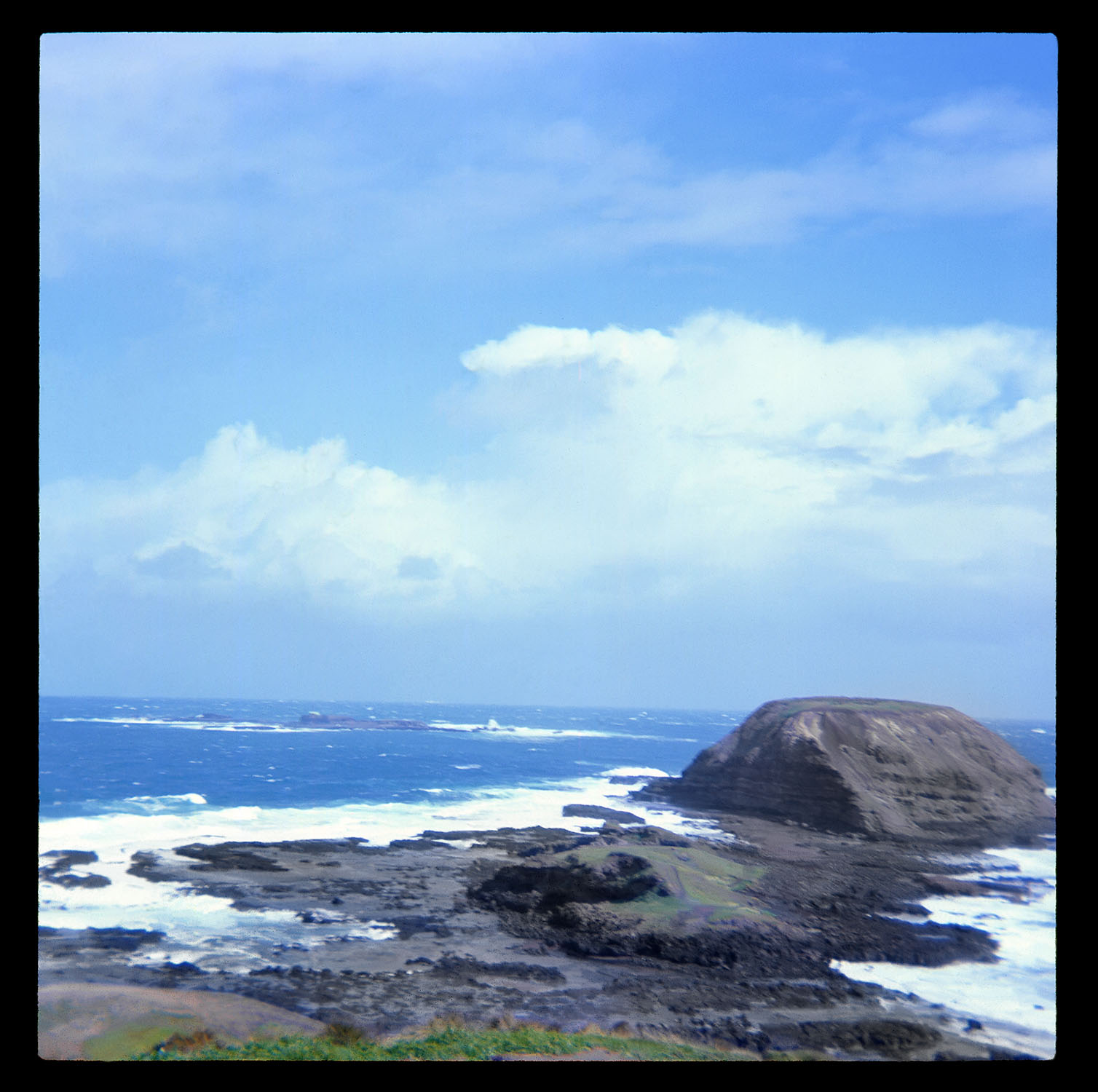
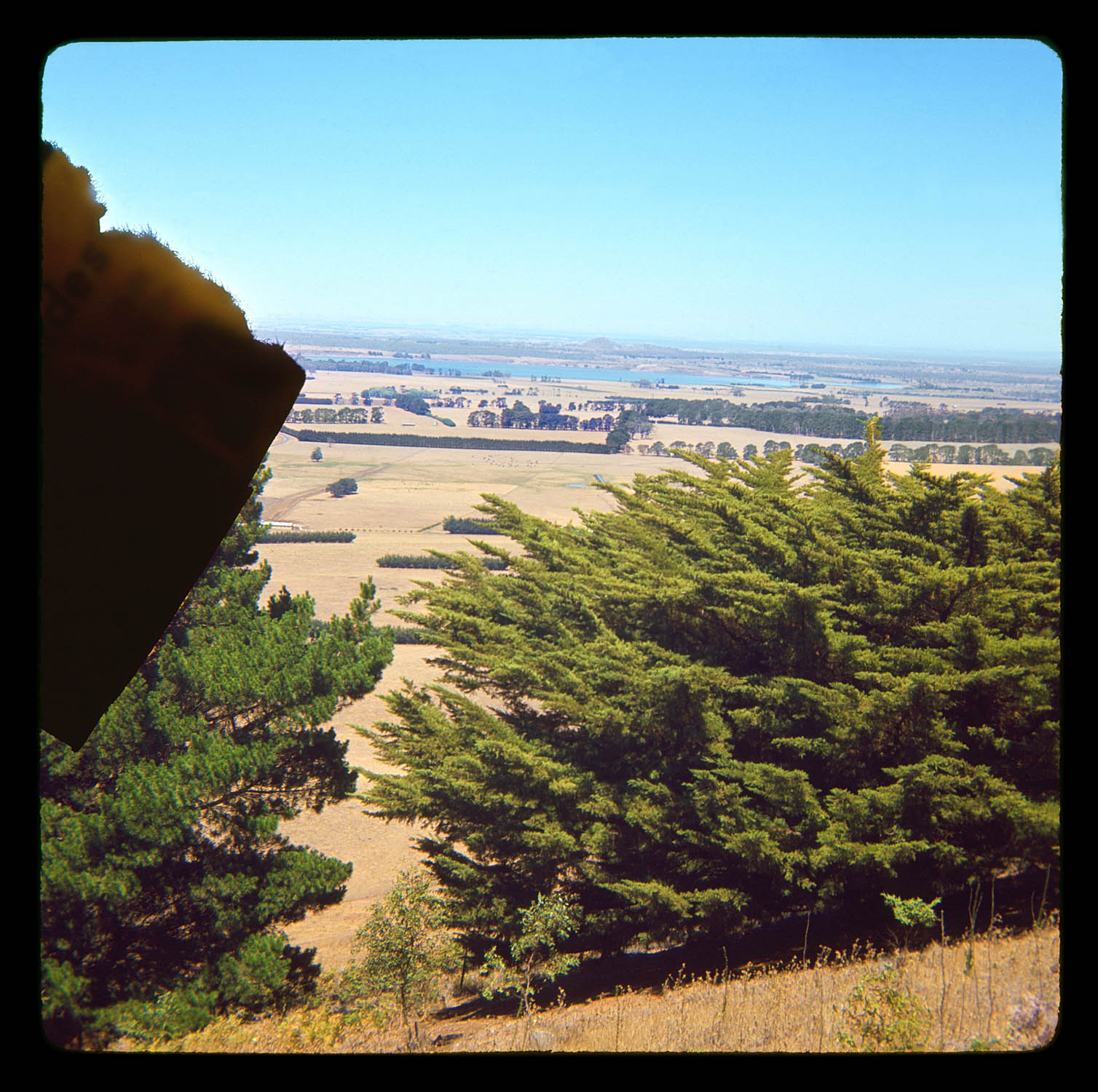
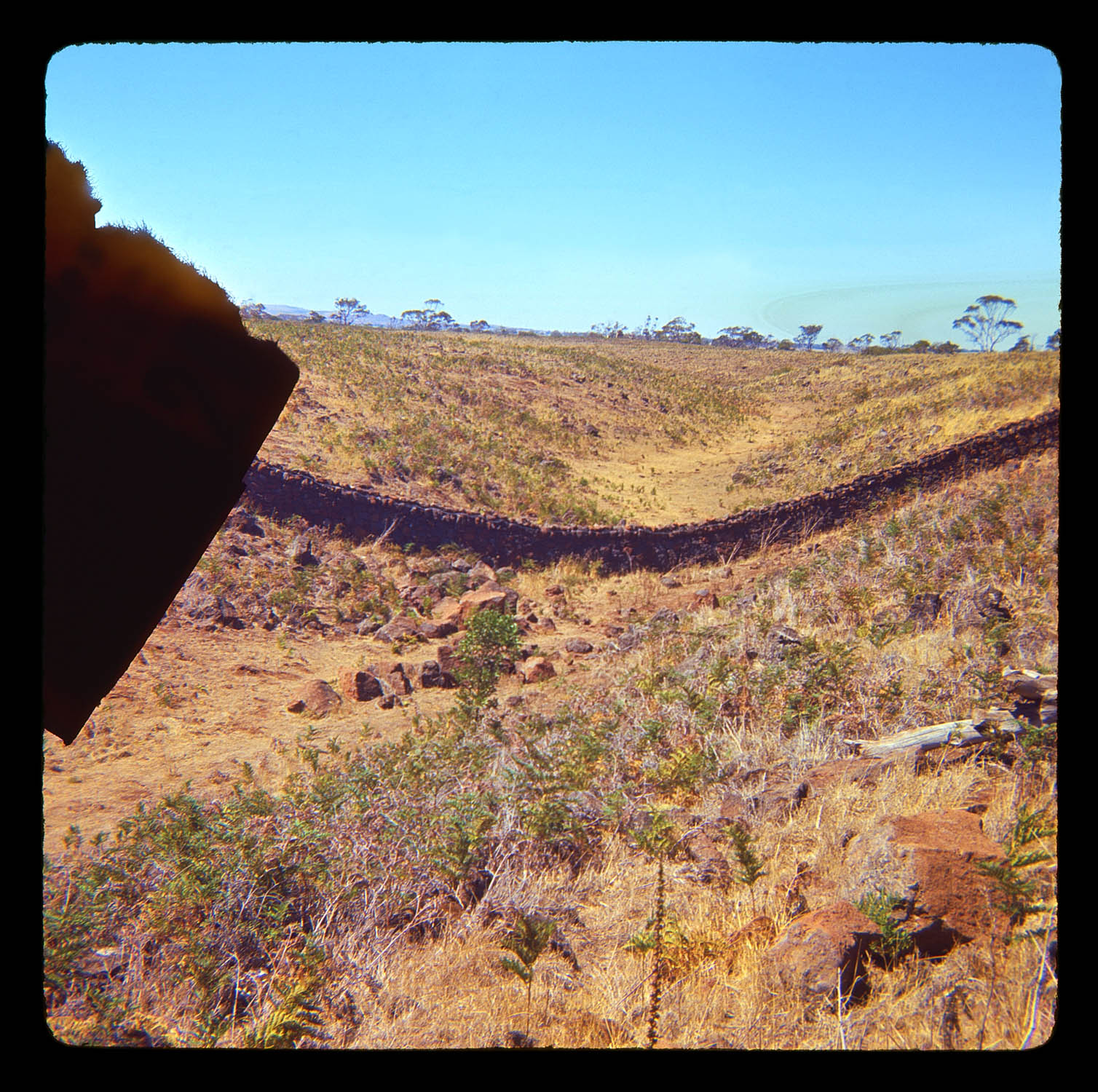
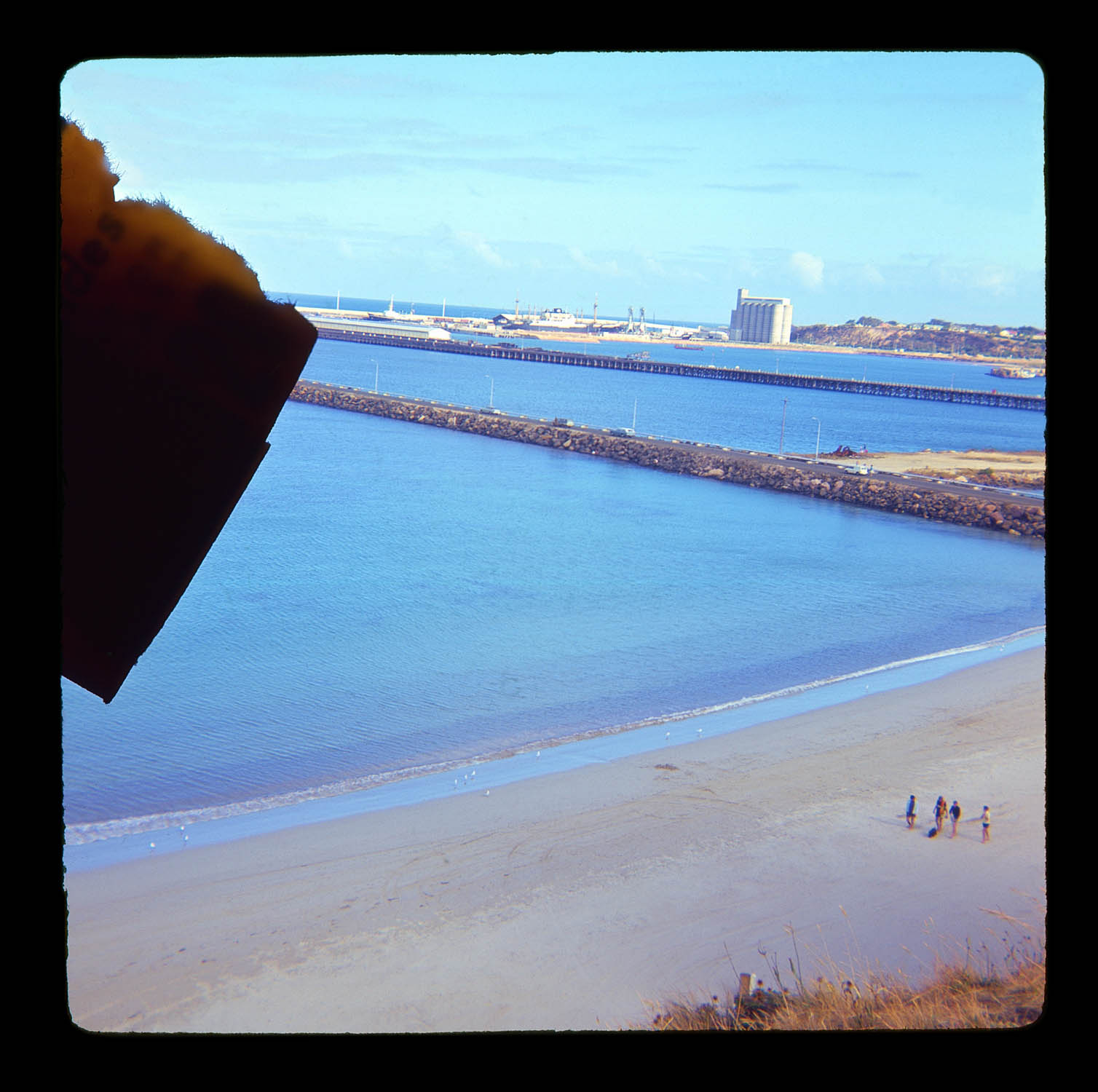
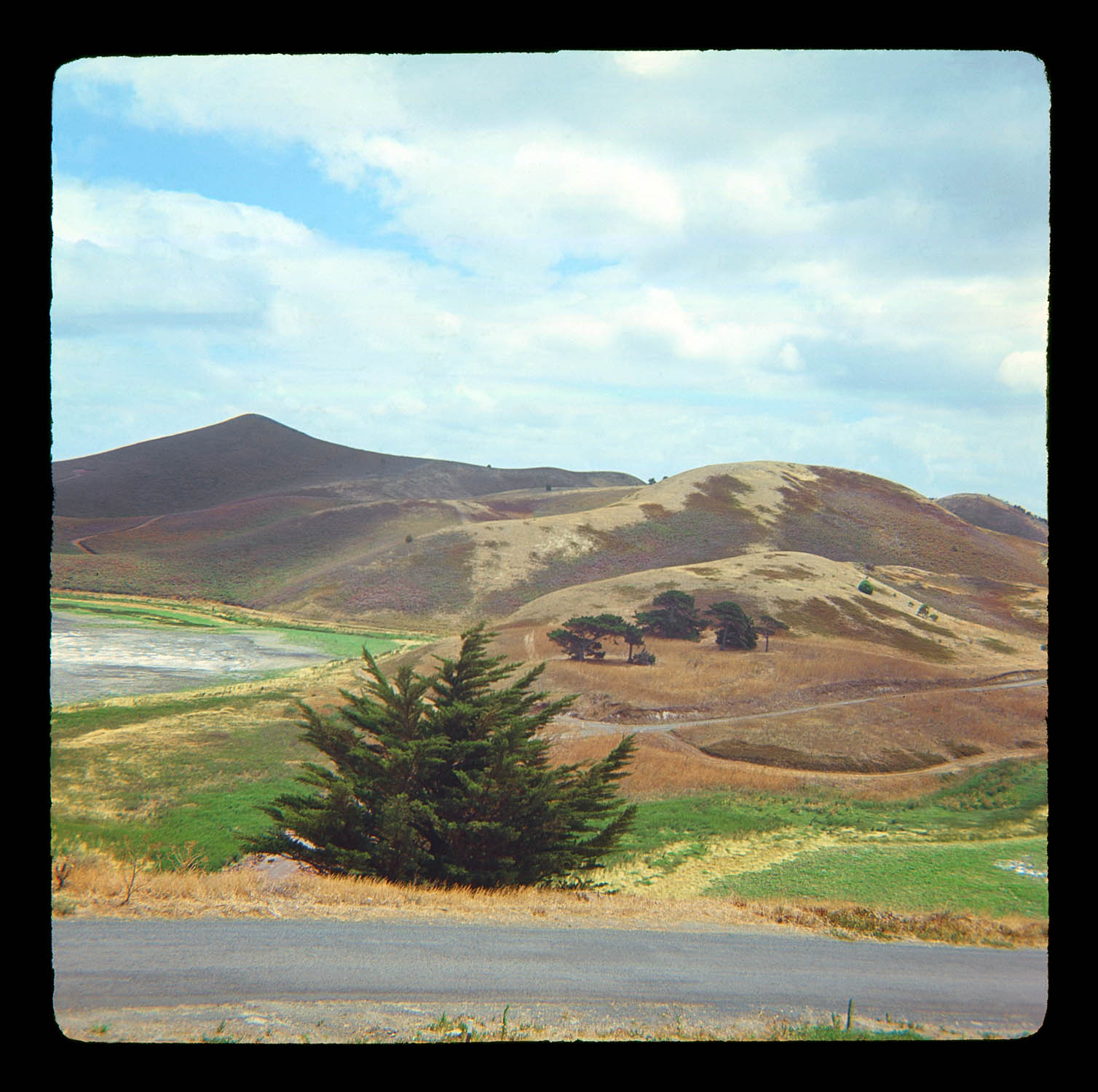
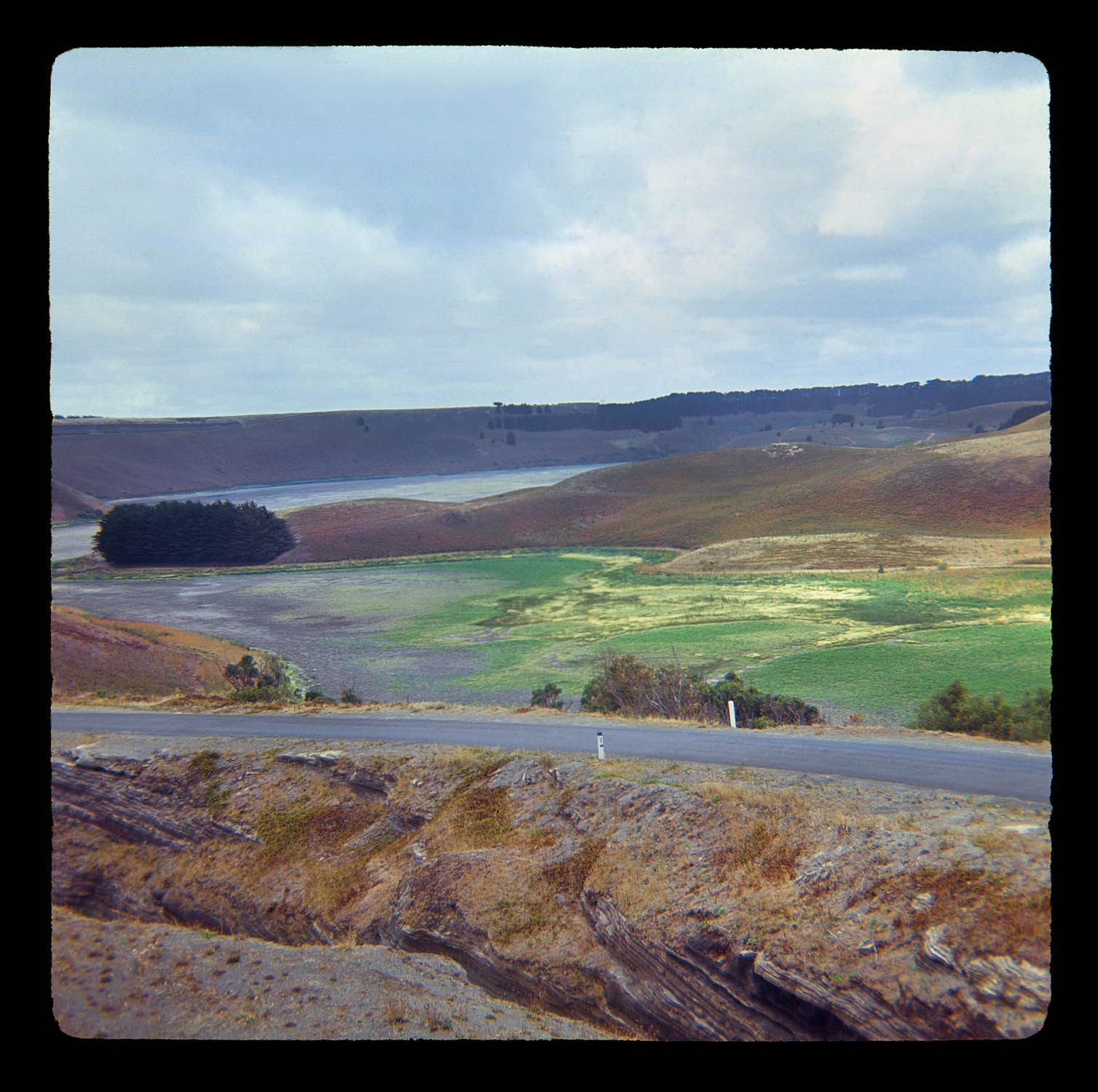

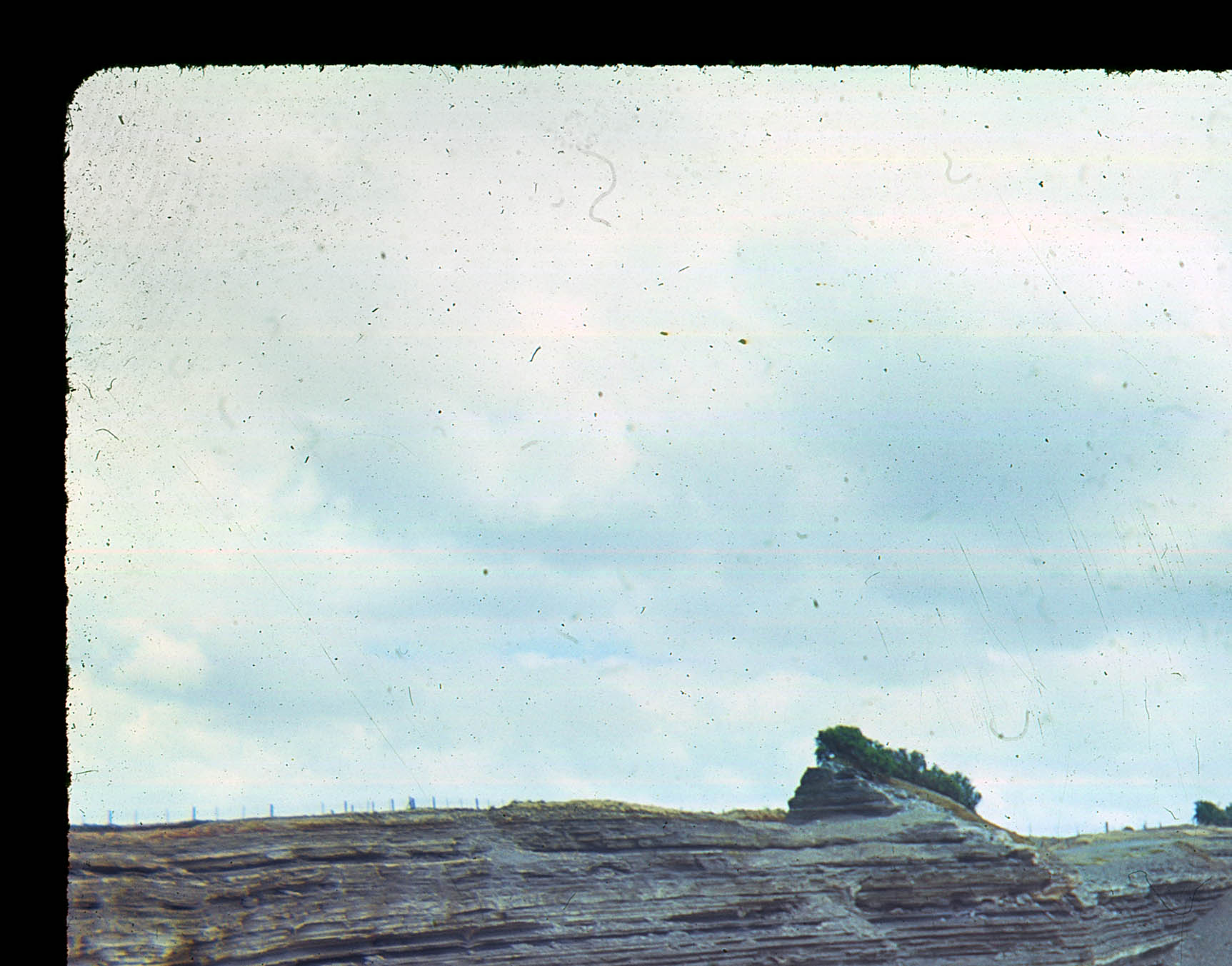
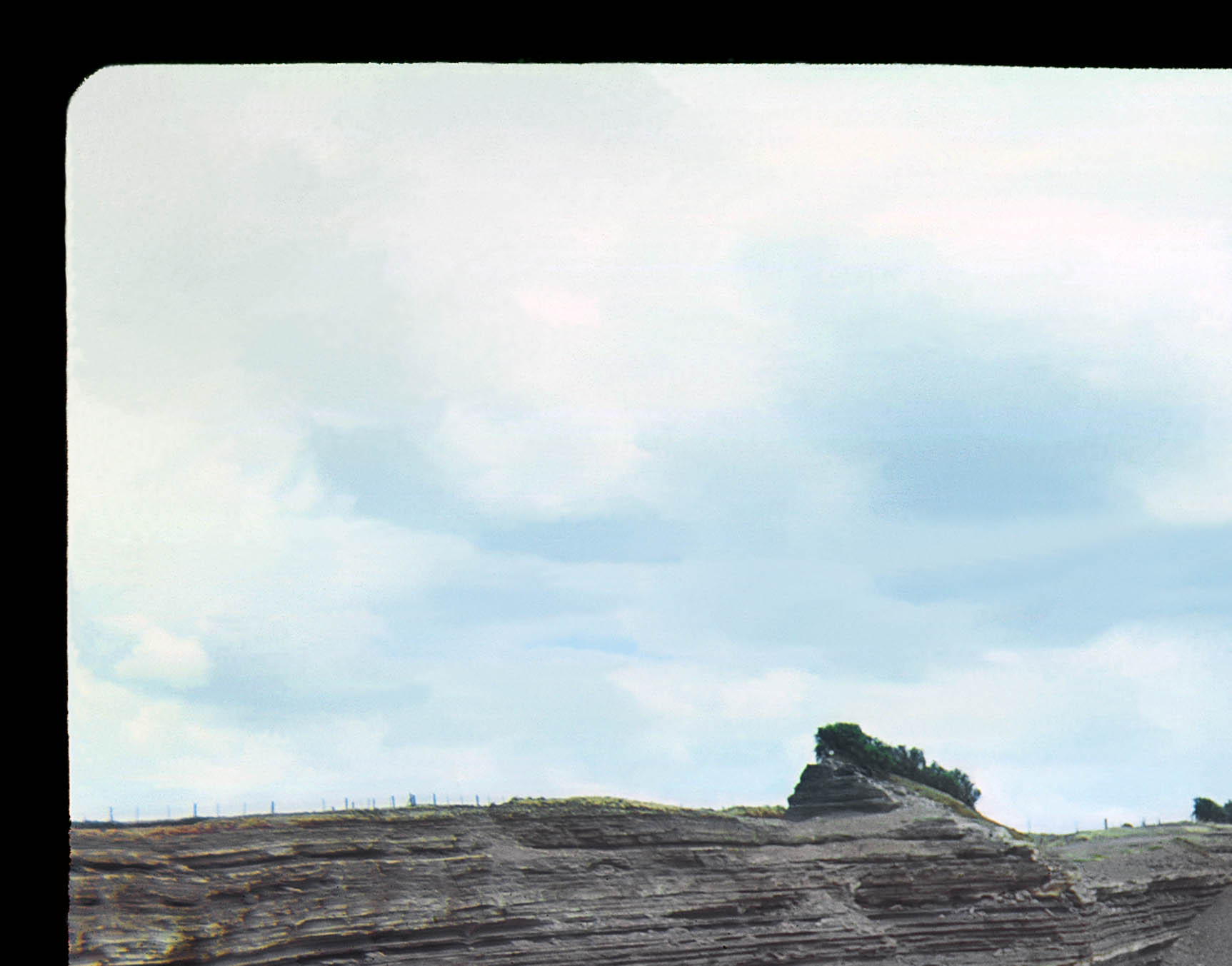
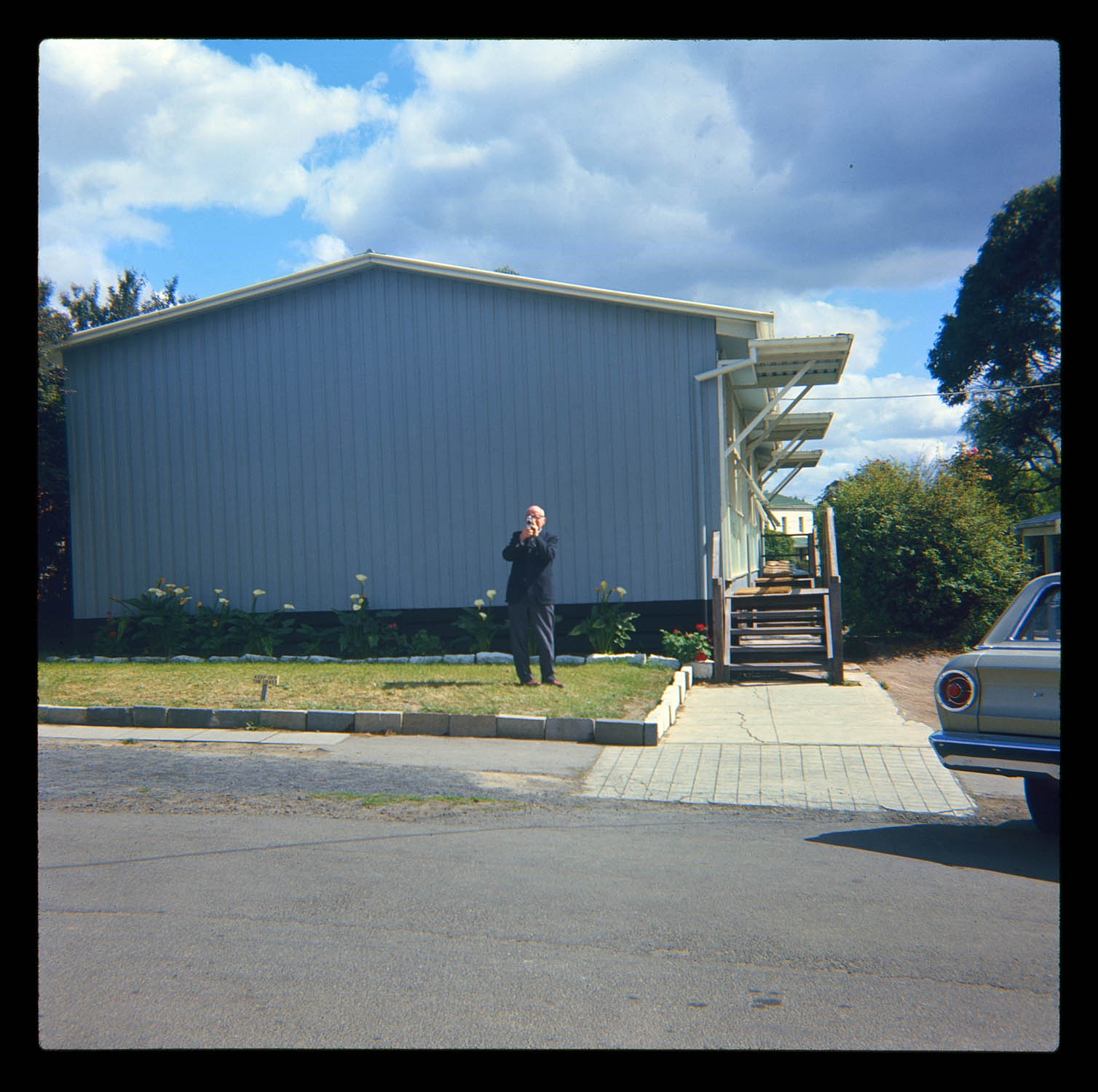
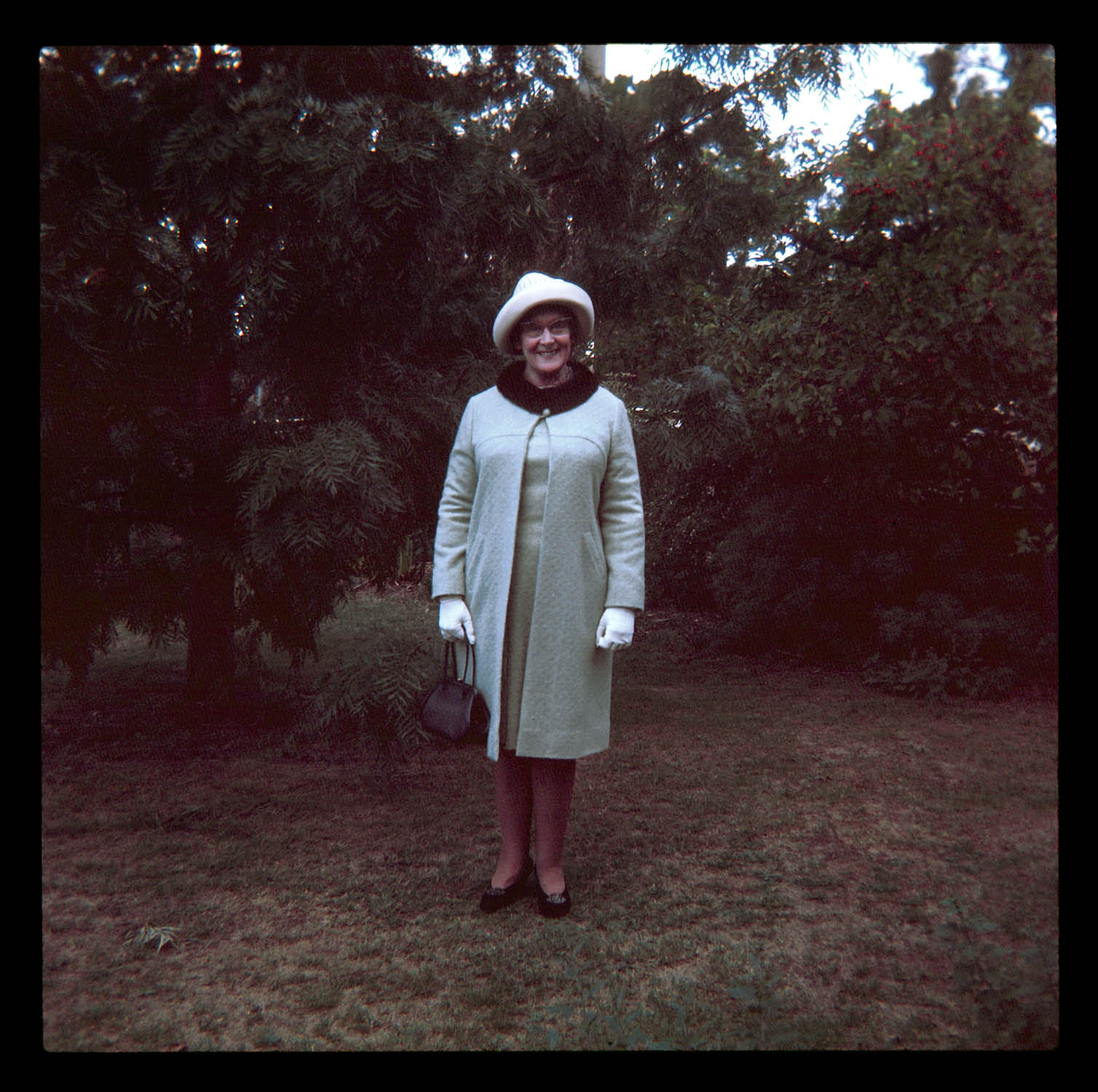
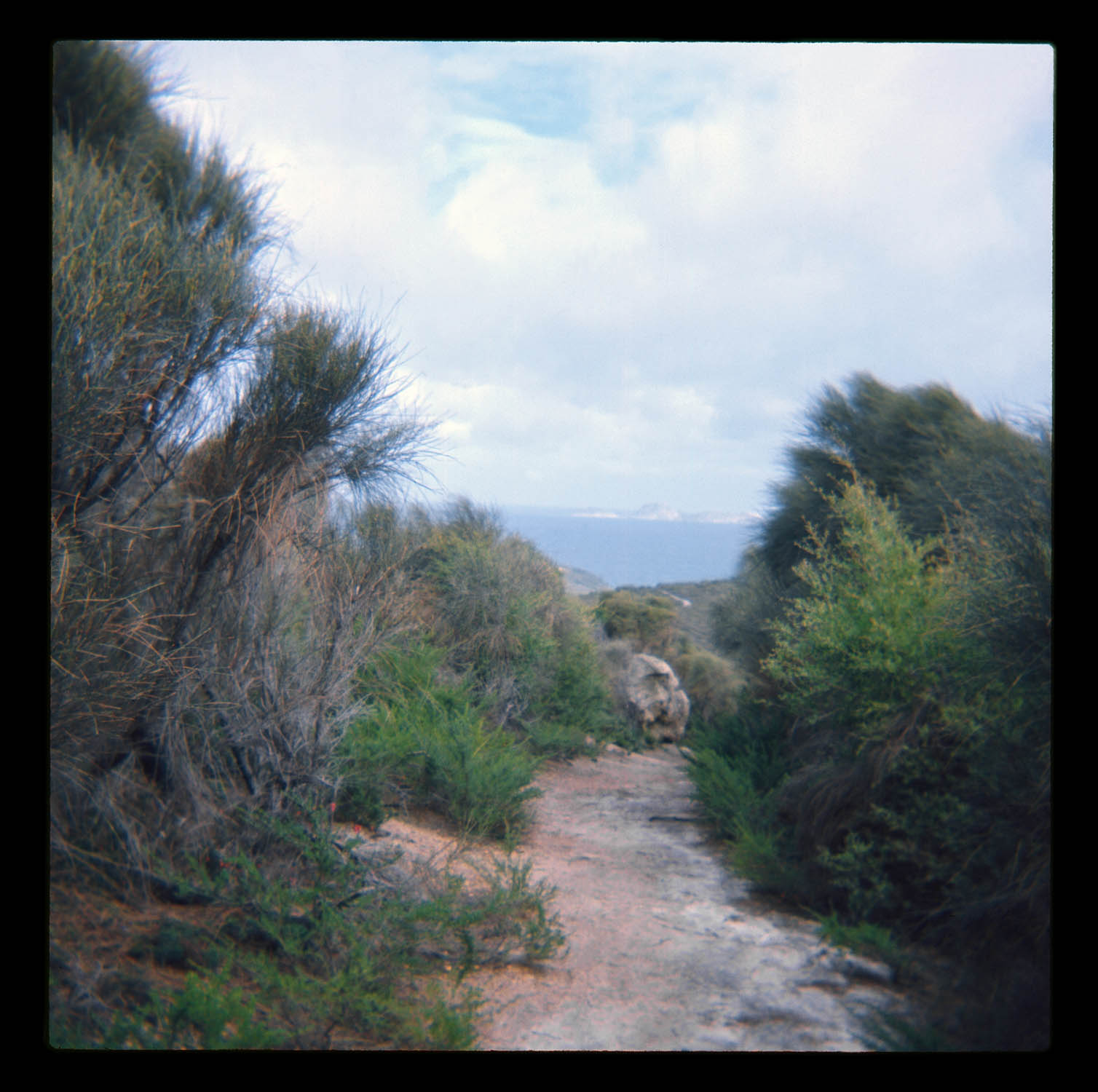
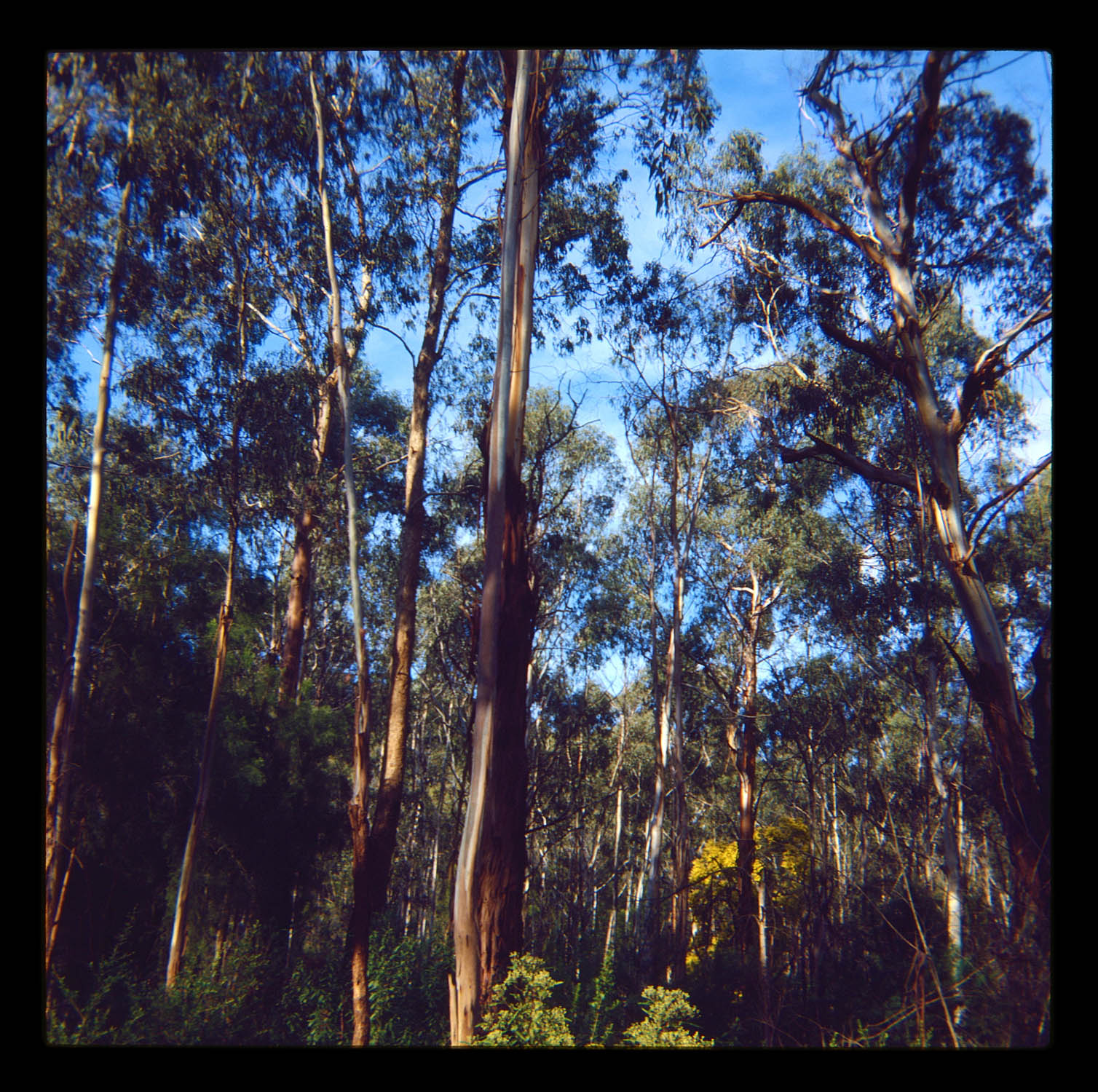
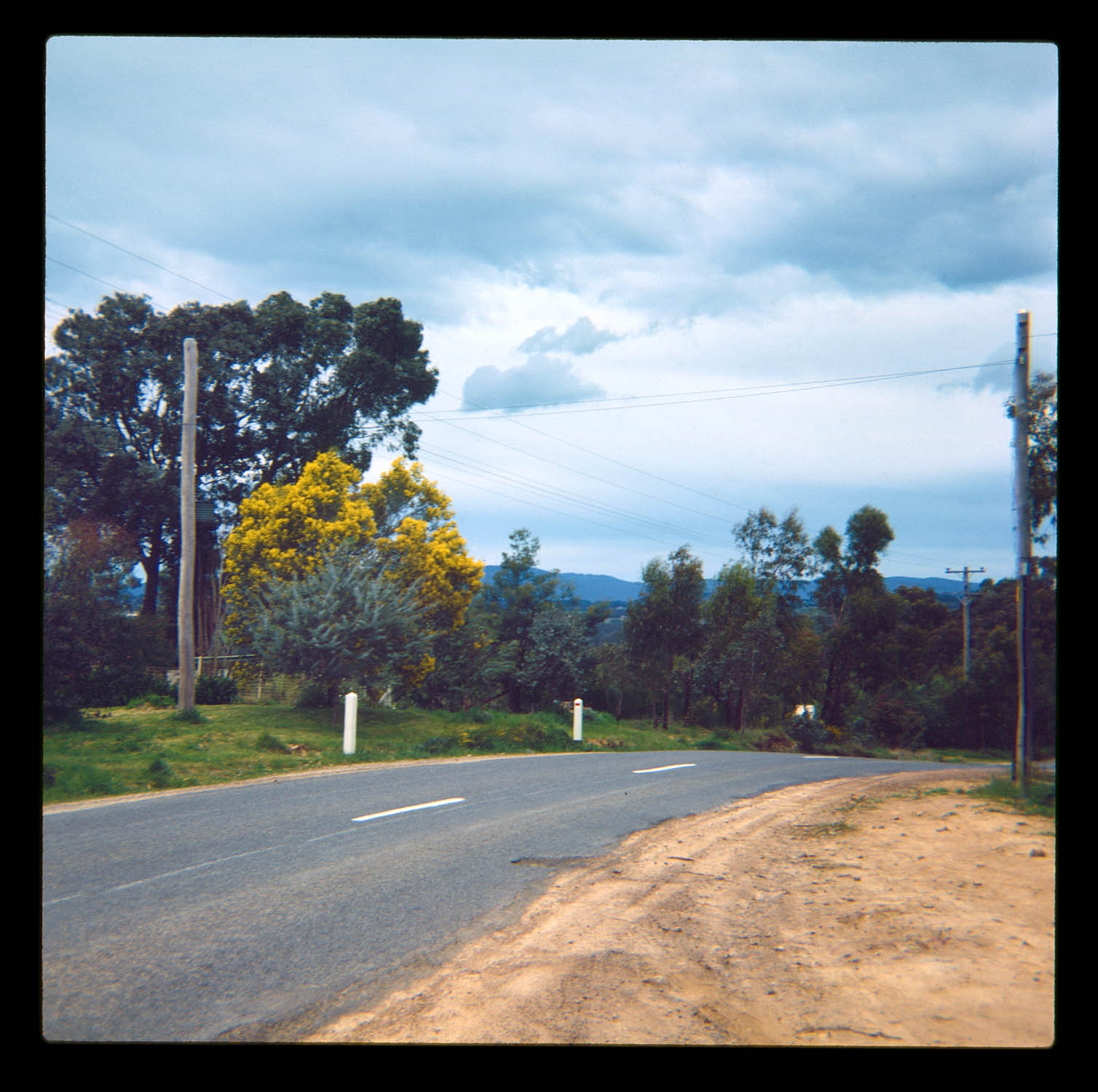
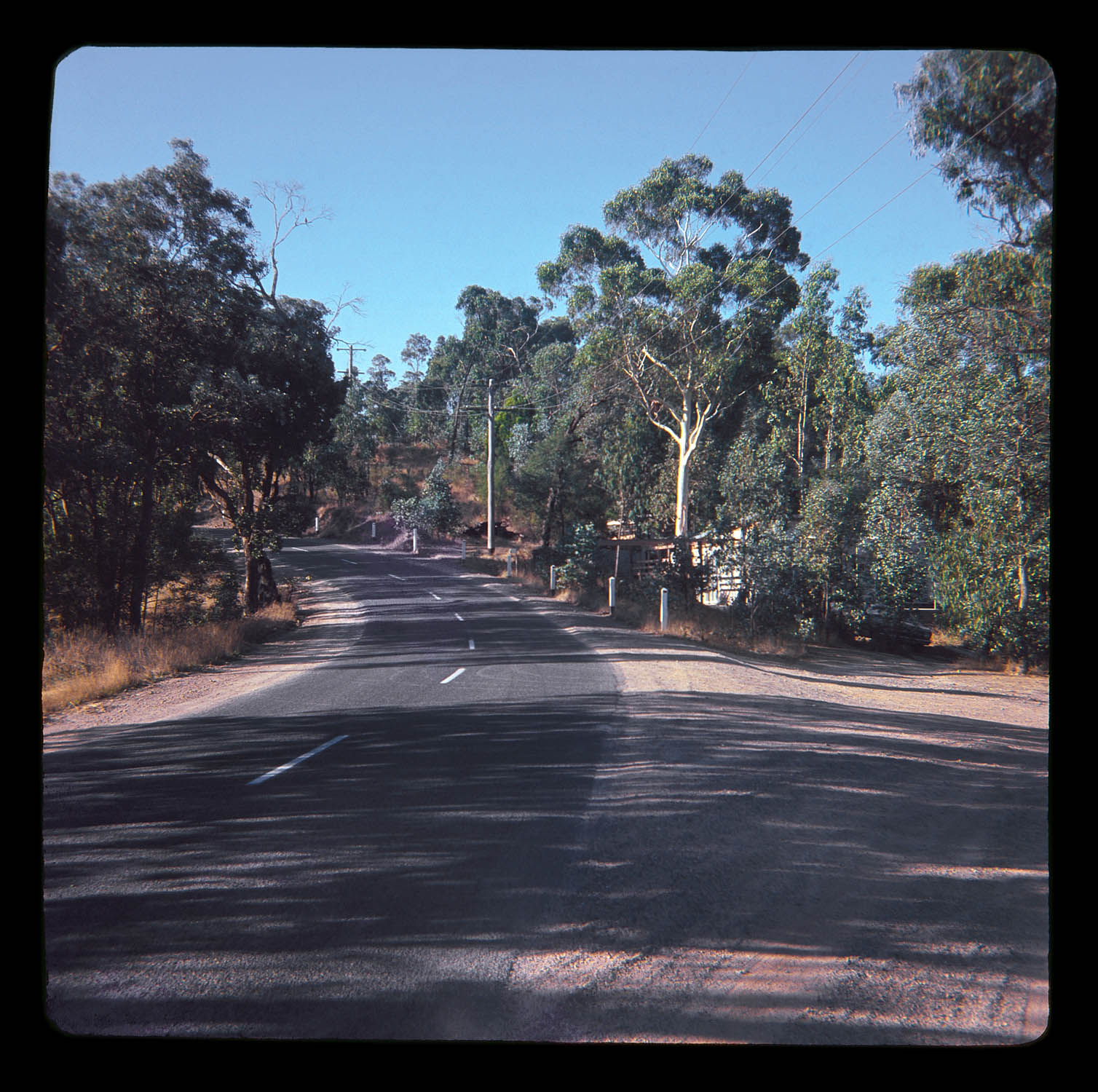
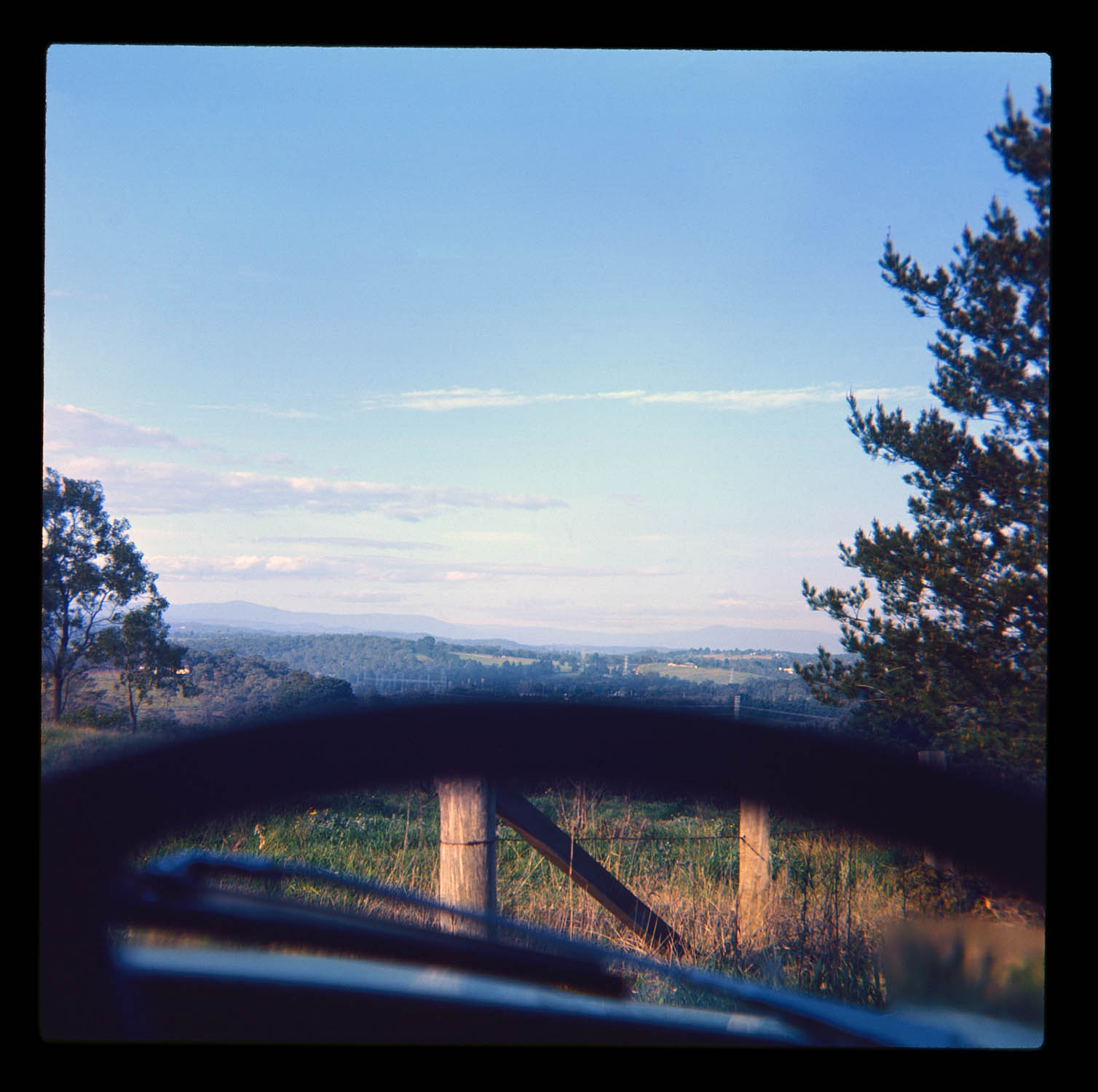

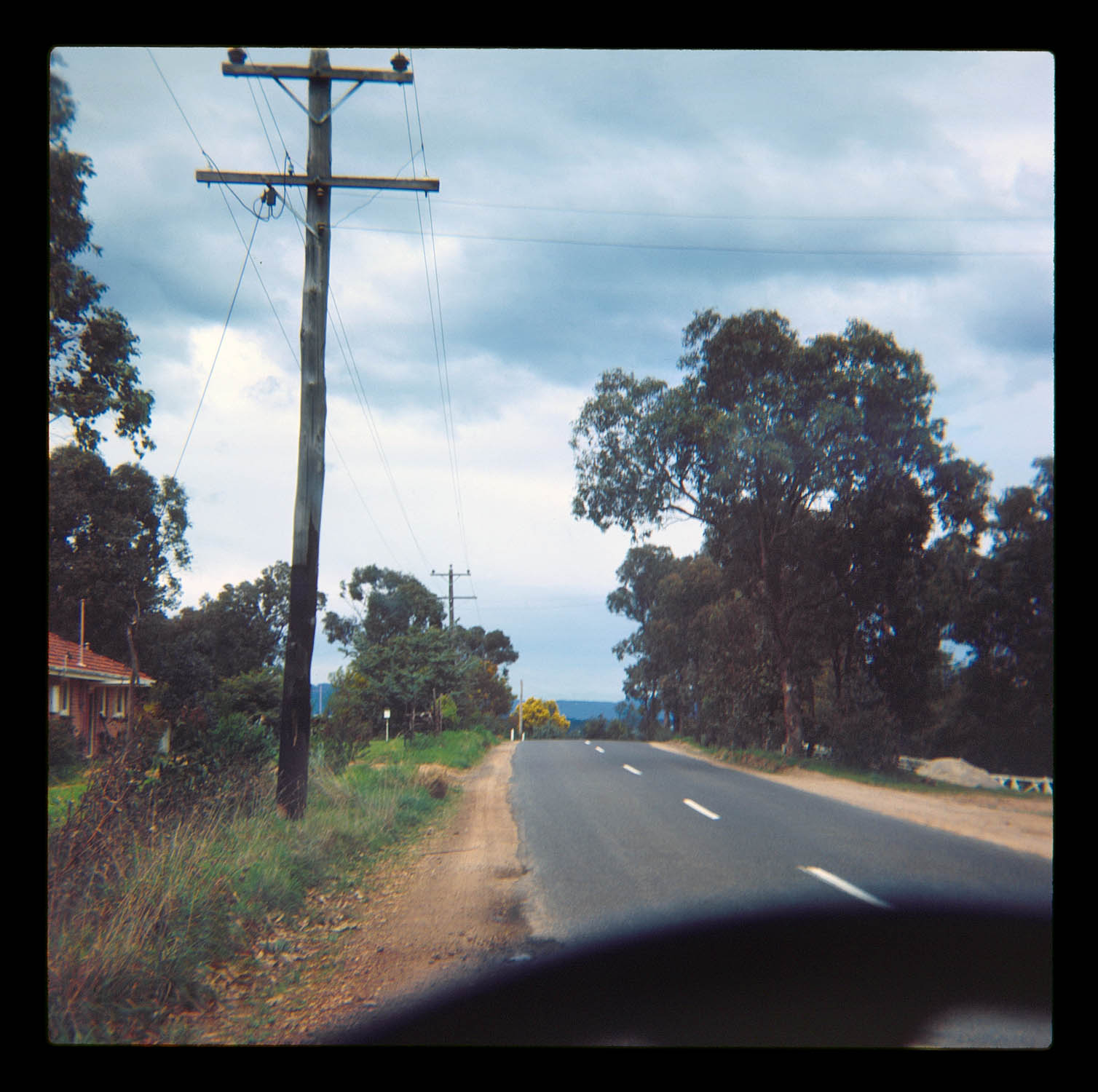
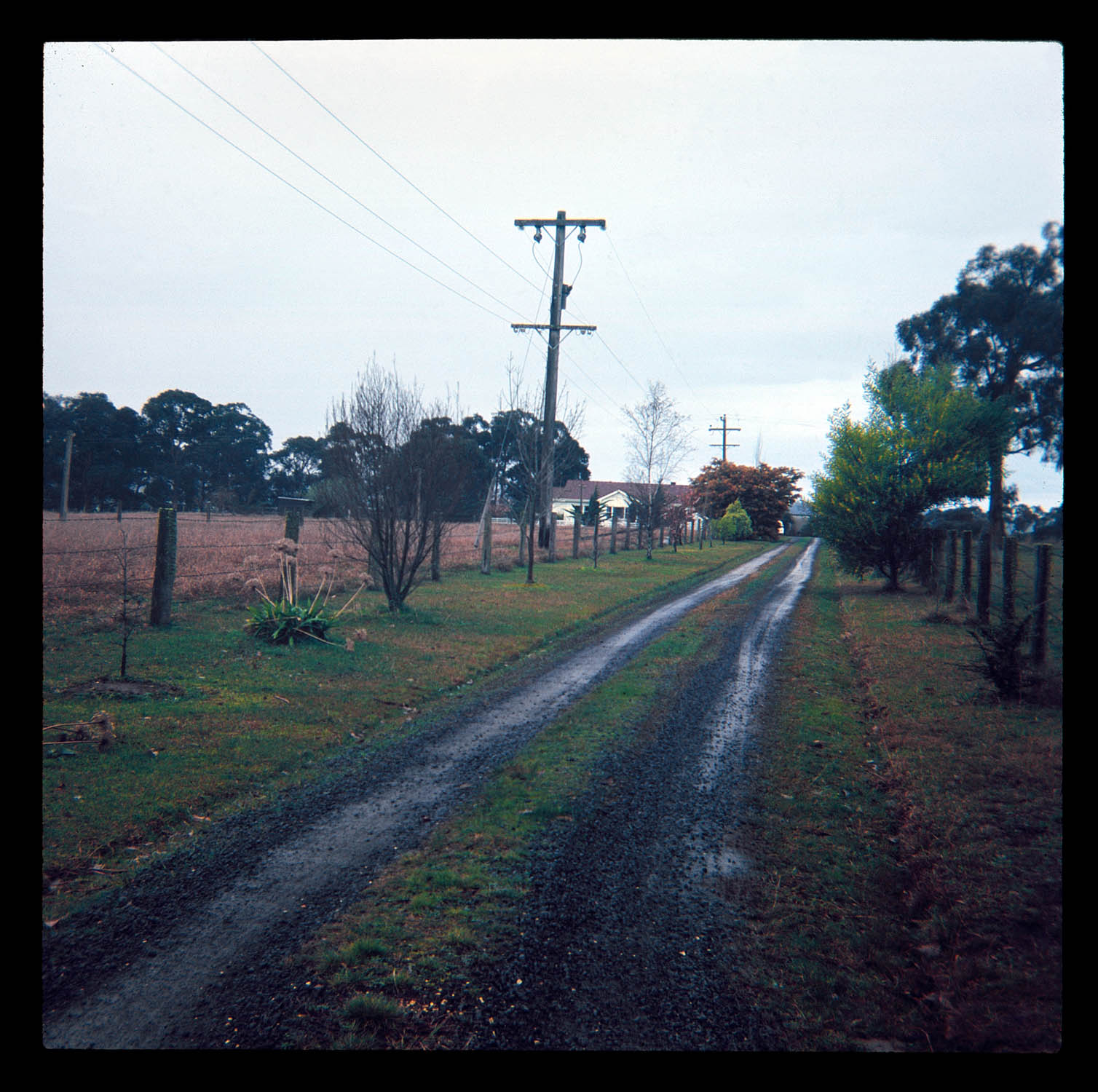
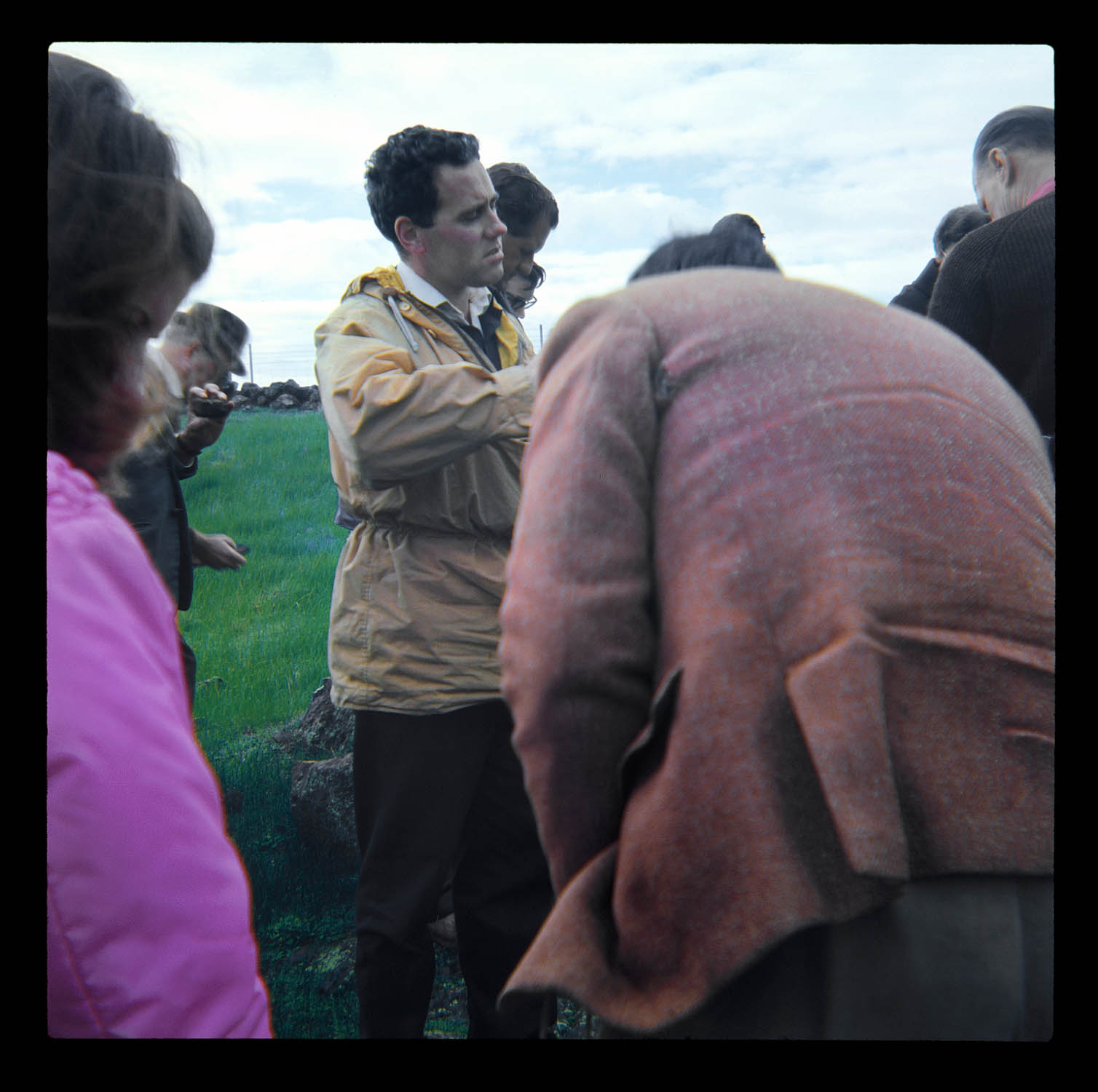
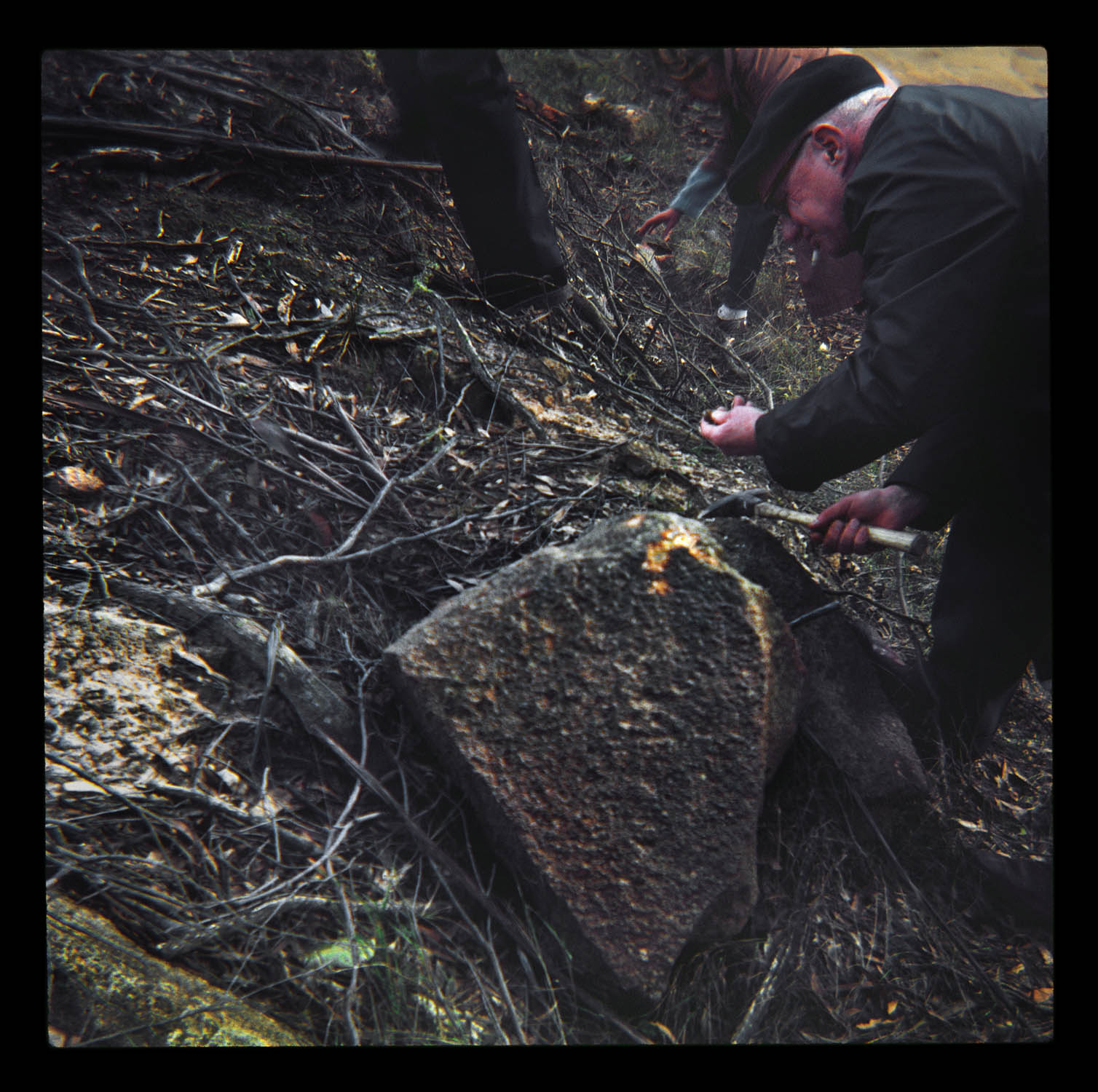
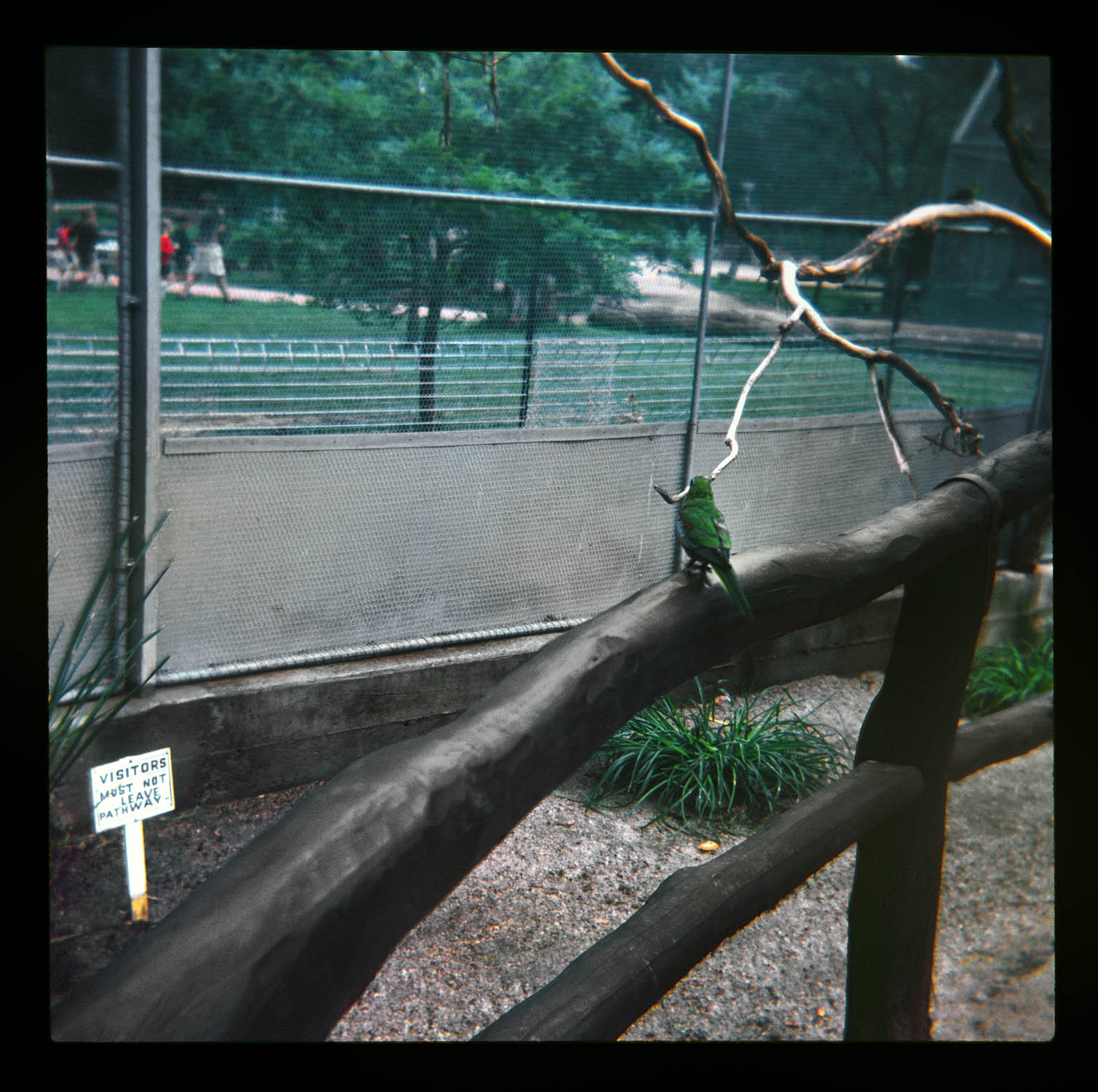
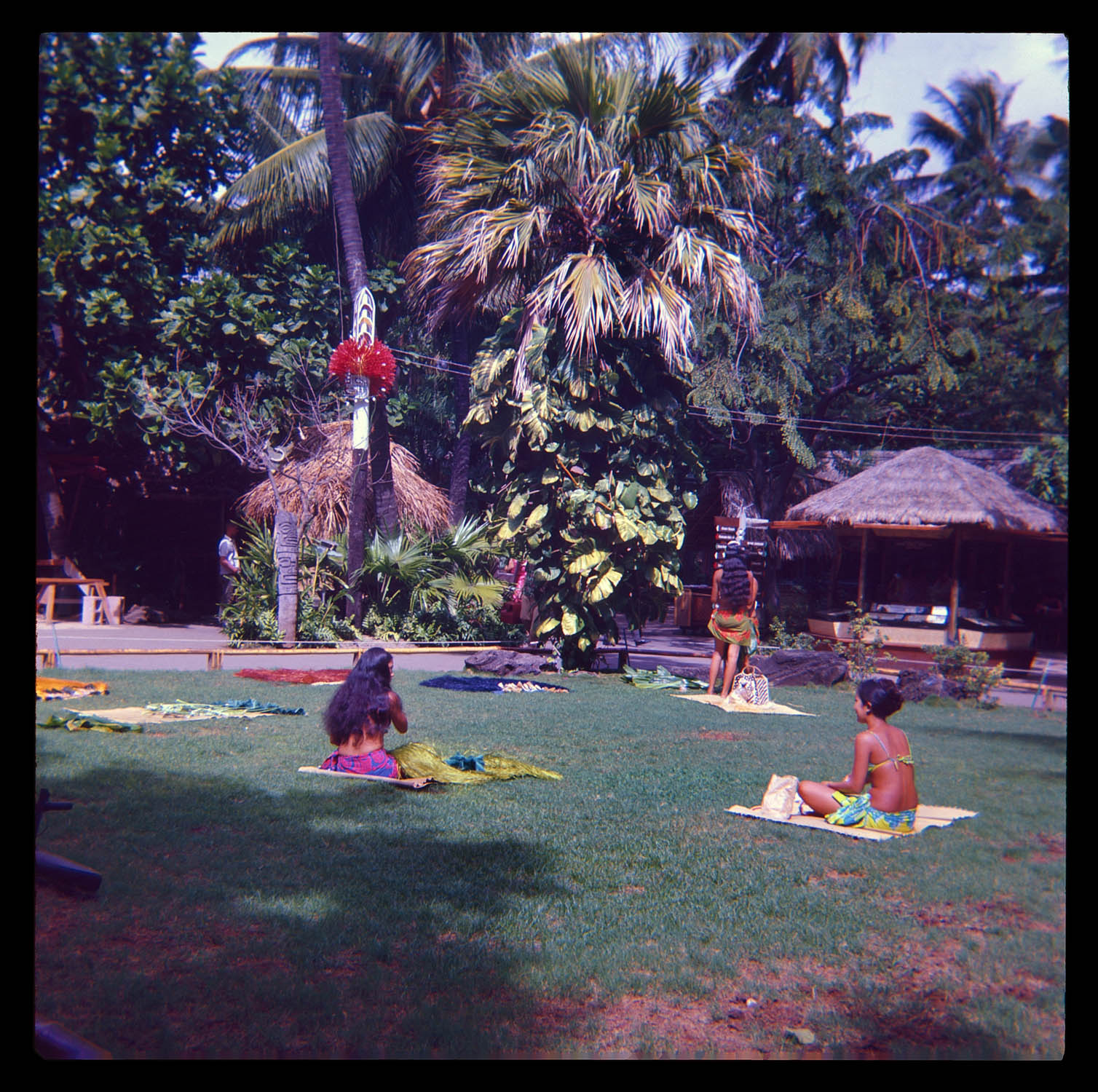
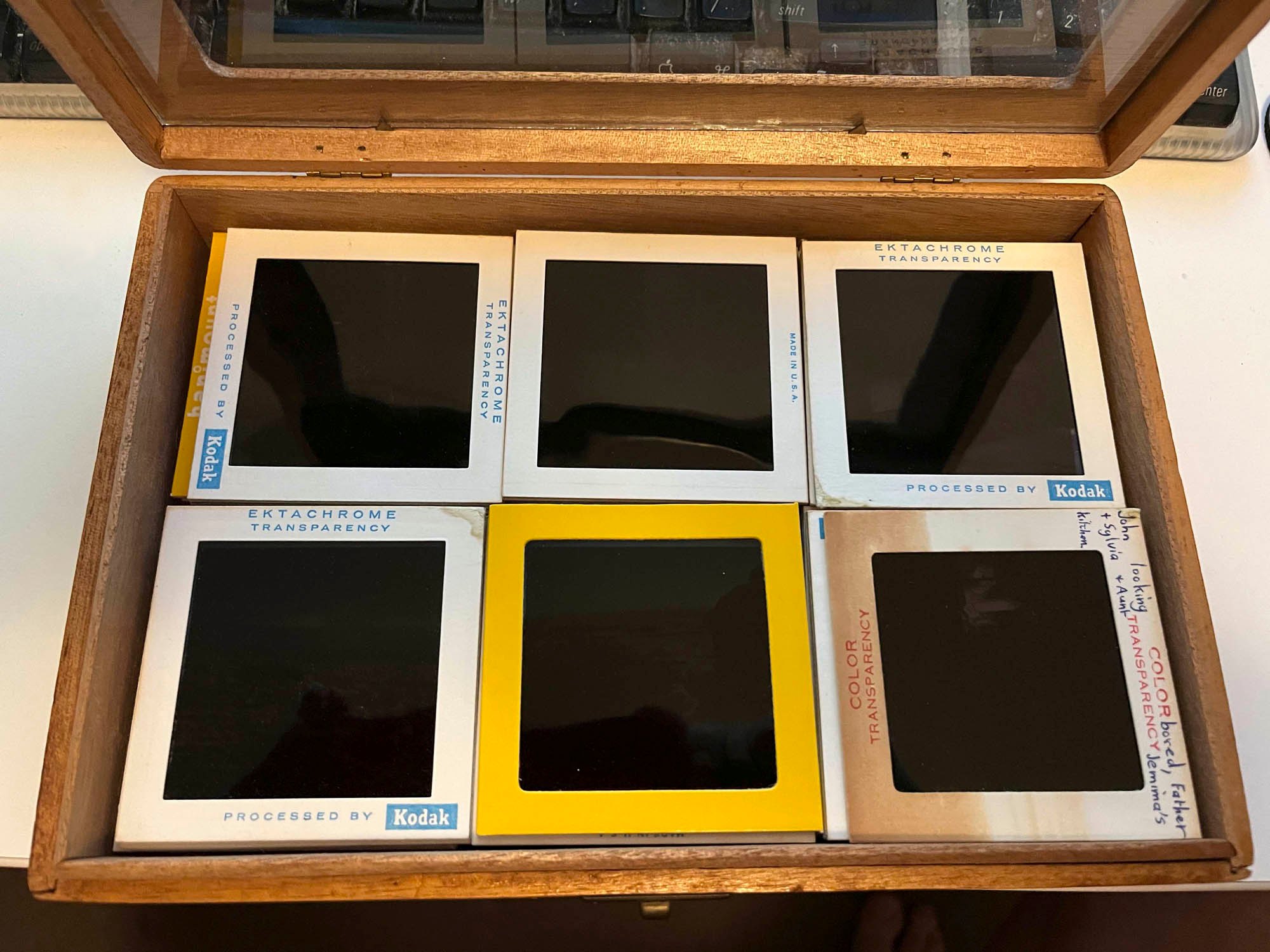

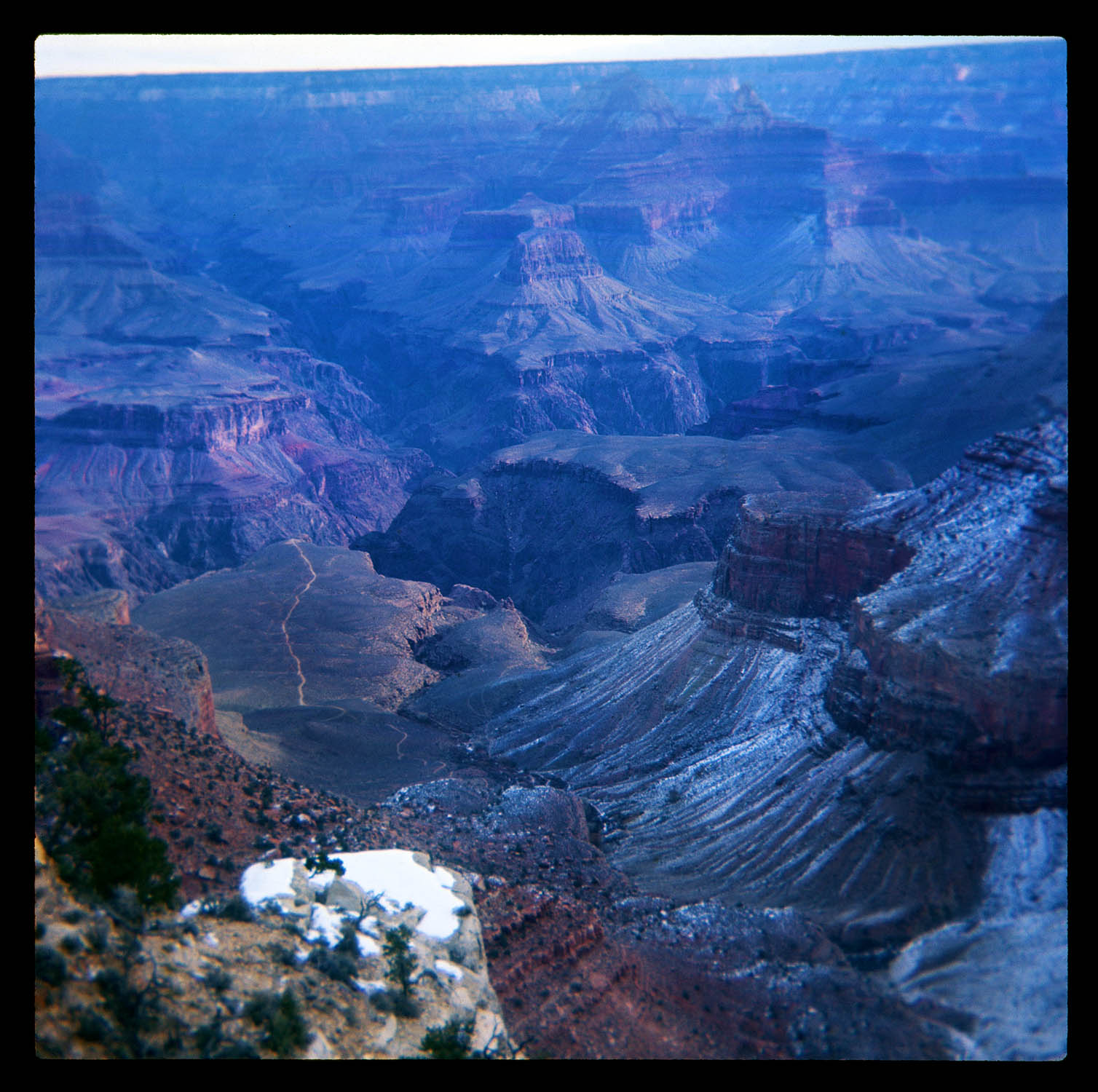
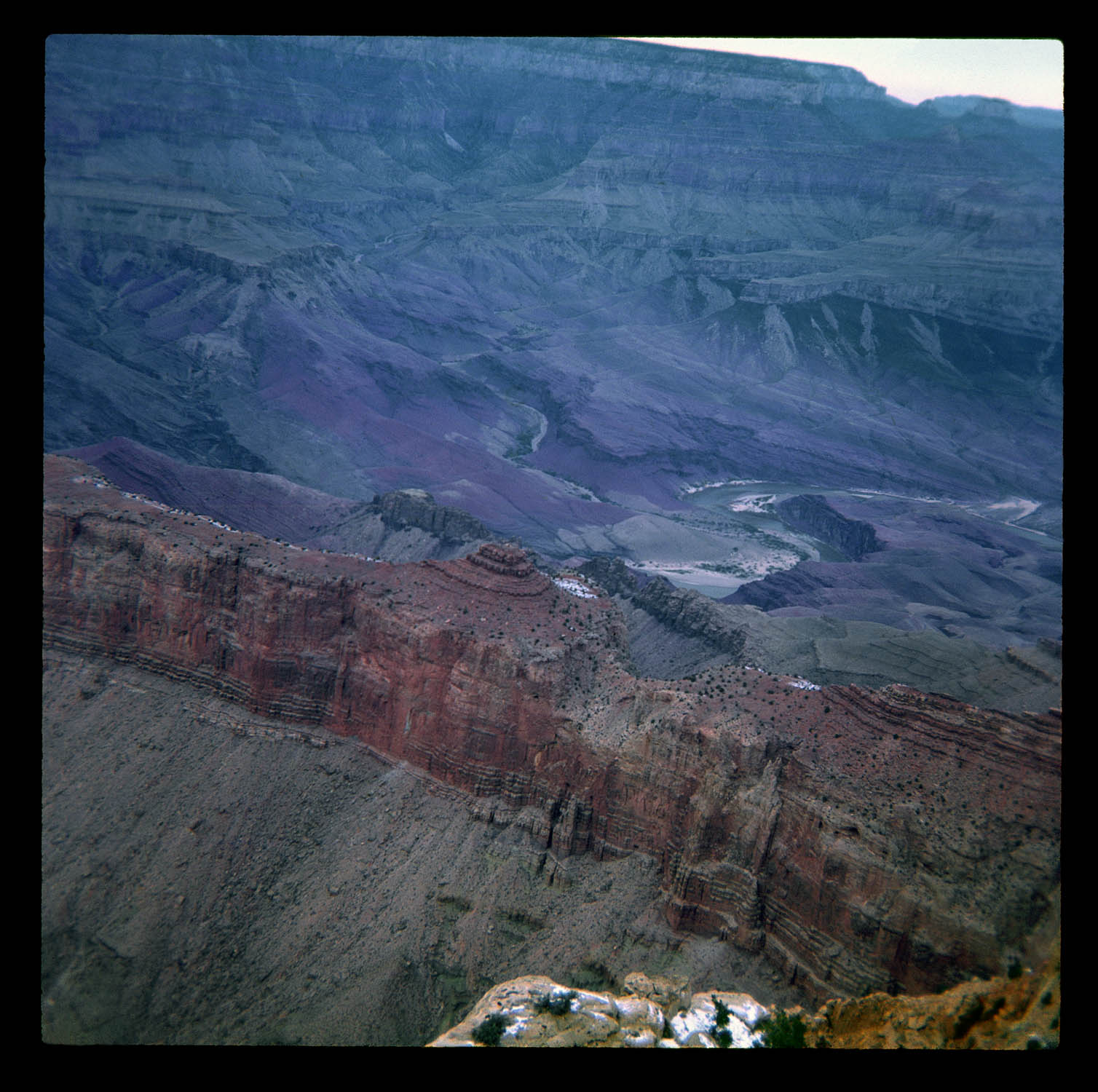
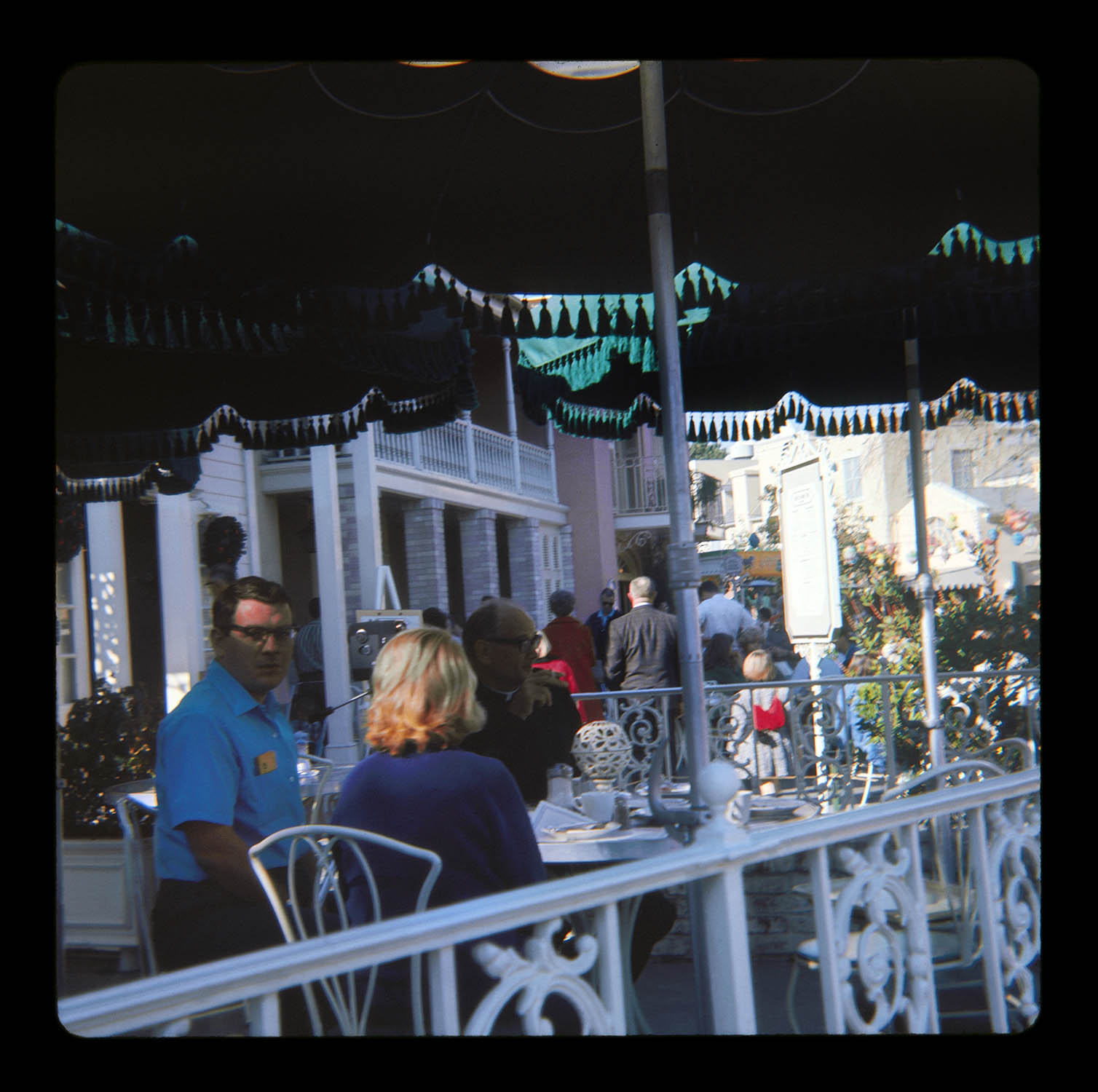
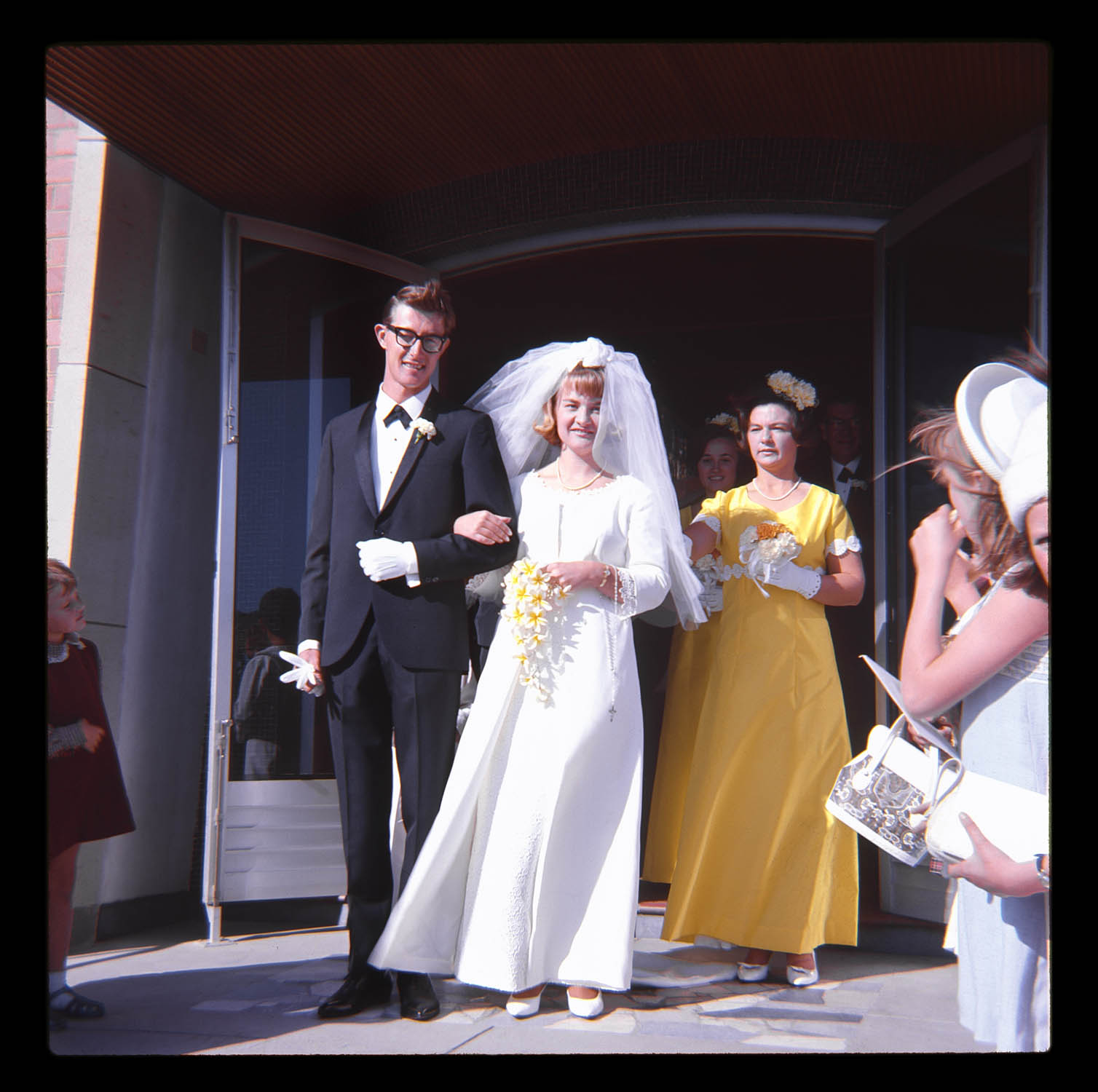
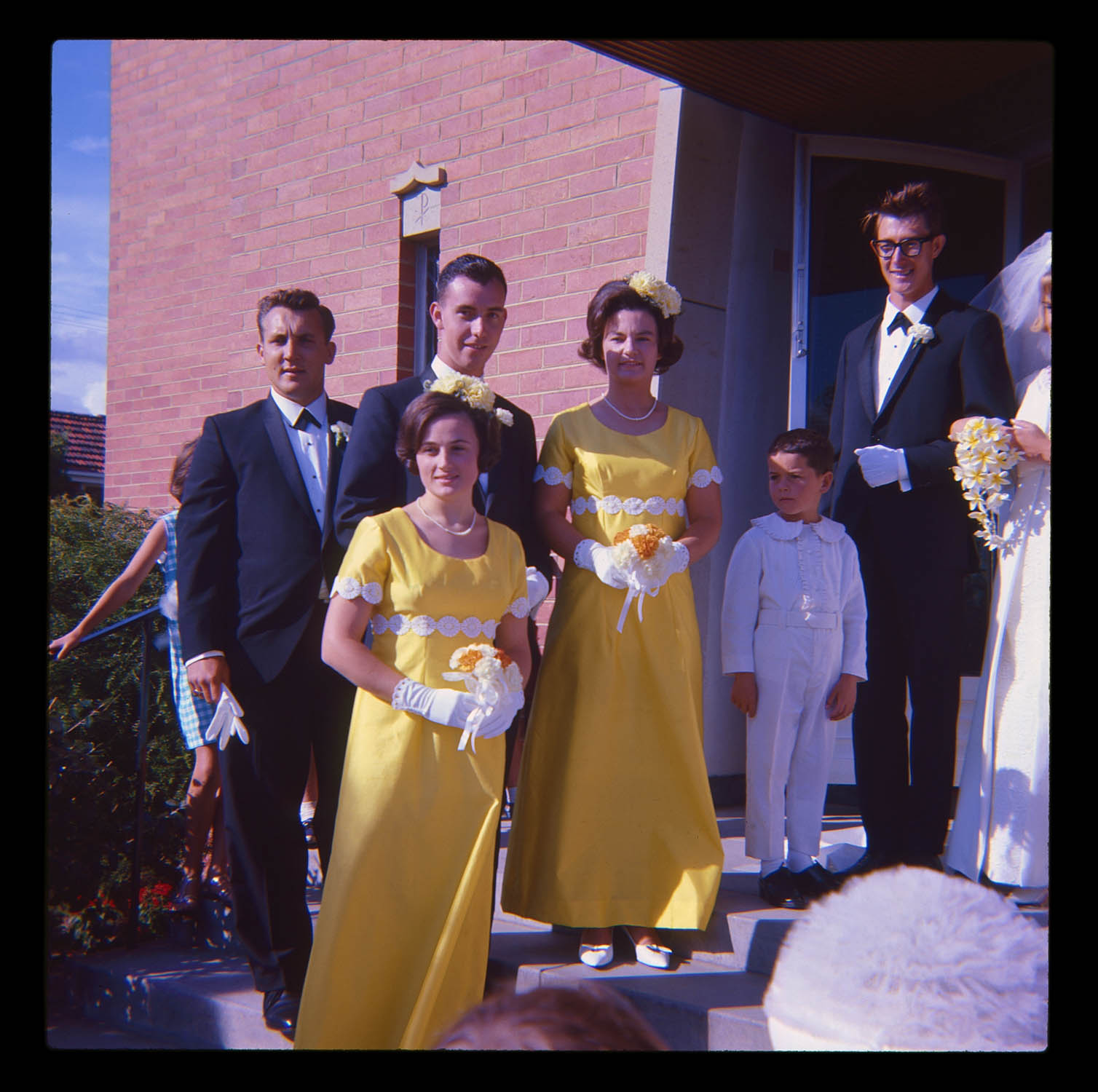
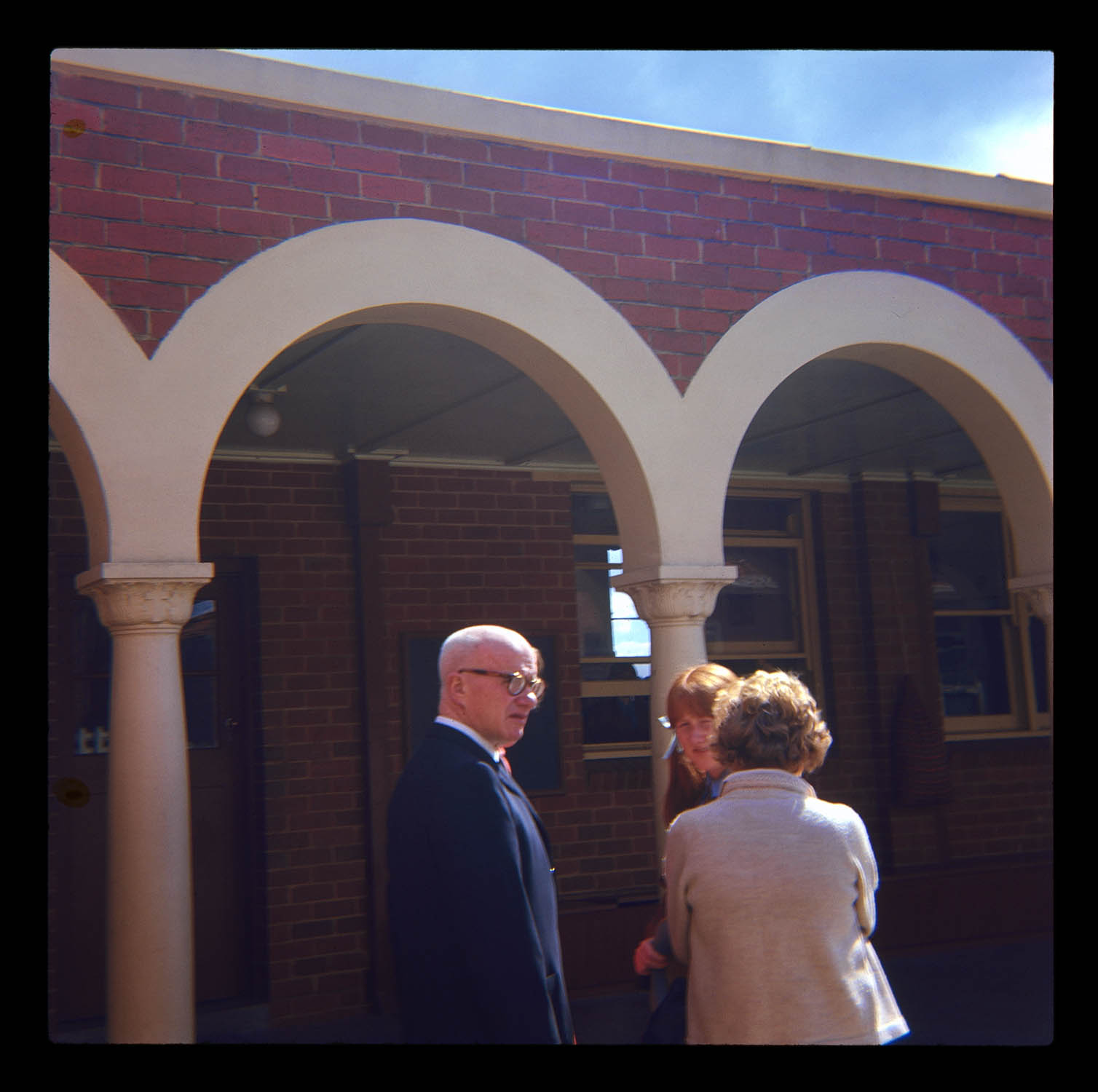
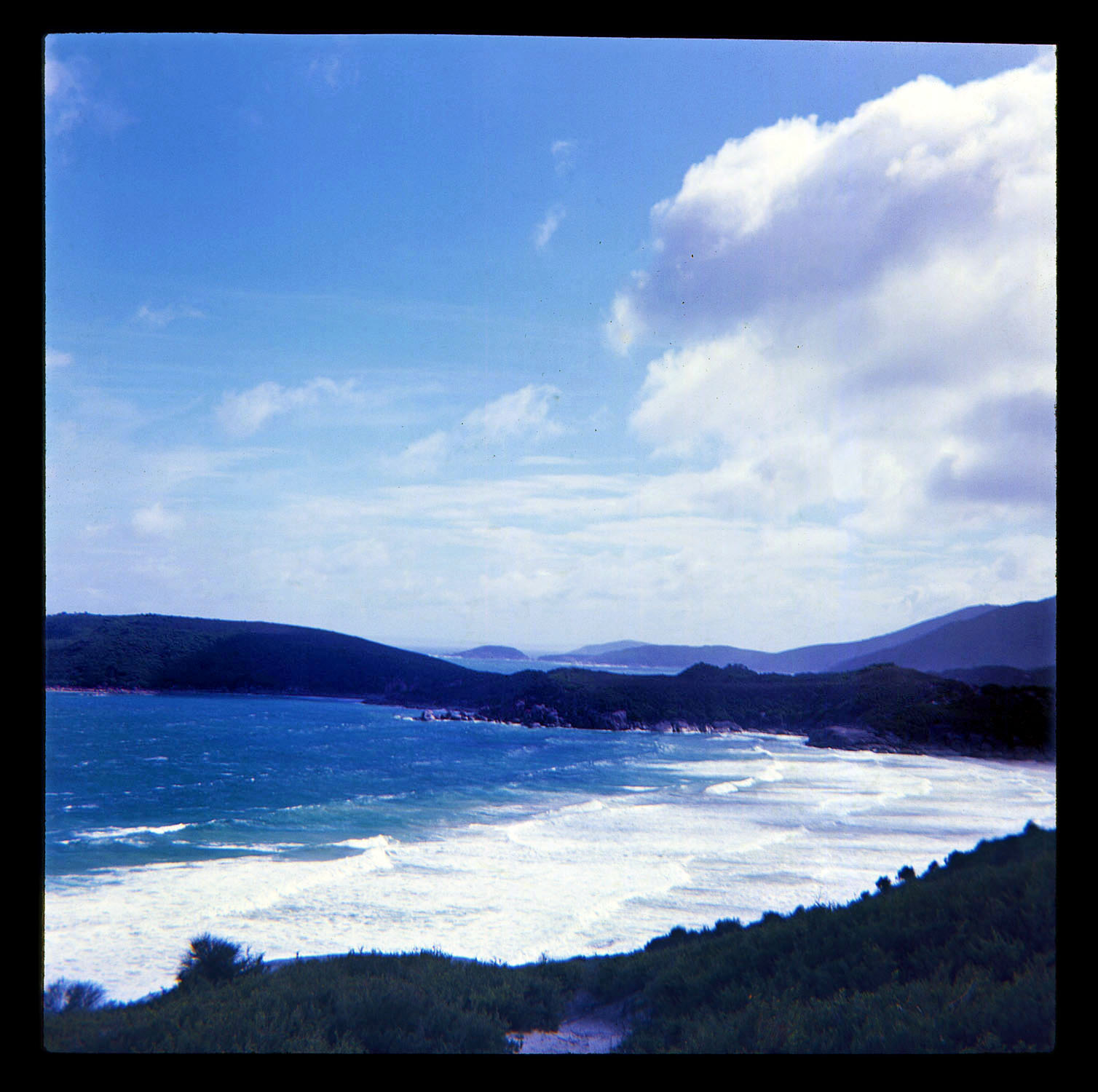
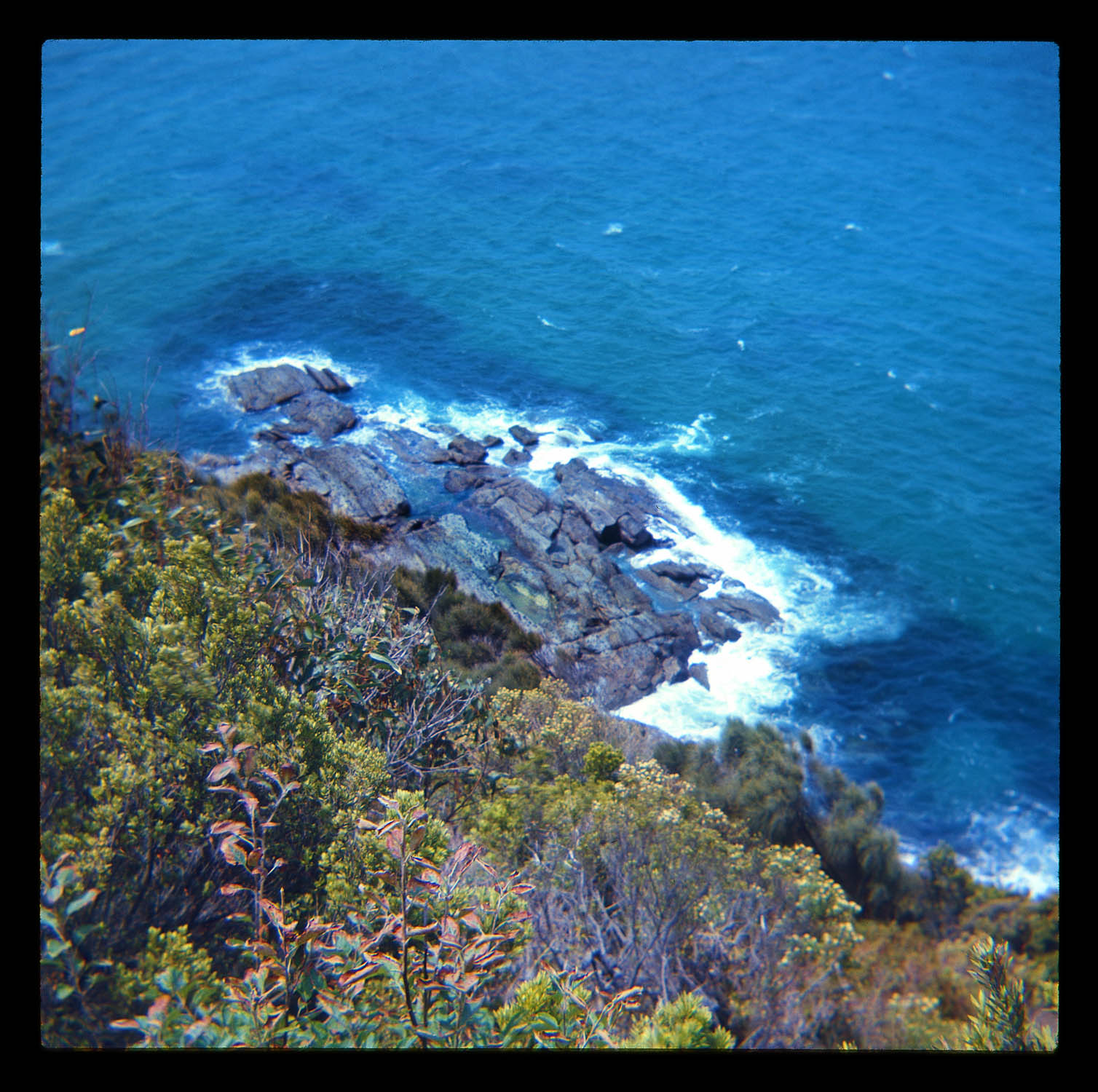
![Unknown photographer (Australian) 'Untitled [coastline]' 1960s](https://artblart.com/wp-content/uploads/2025/05/ektachrome-h.jpg "Unknown photographer (Australian) 'Untitled [coastline]' 1960s")
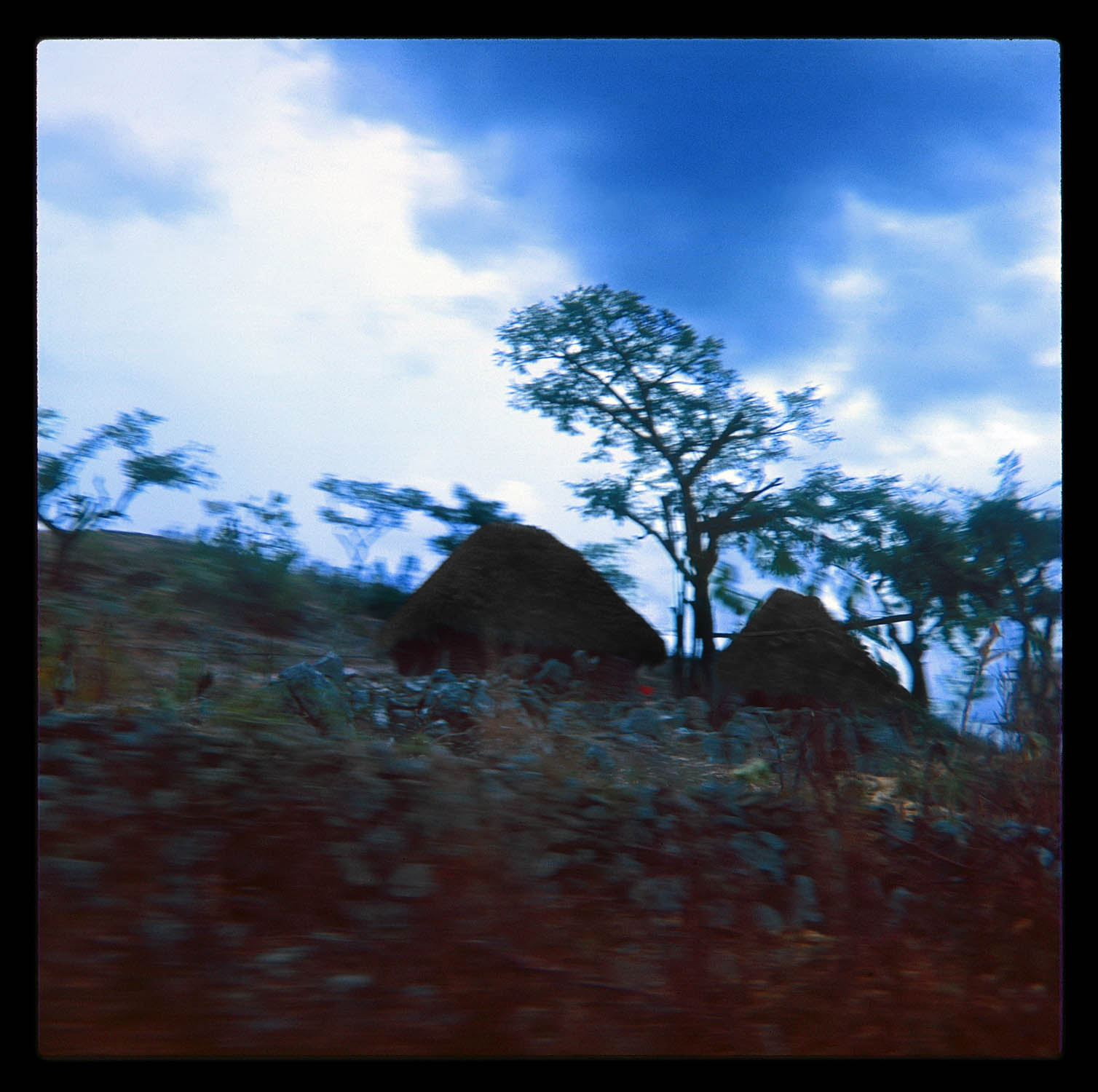
![Unknown photographer (Australian) 'Untitled [Desert scene, California?]' 1960s](https://artblart.com/wp-content/uploads/2025/05/ektachrome-q.jpg "Unknown photographer (Australian) 'Untitled [Desert scene, California?]' 1960s")
![Unknown photographer (Australian) 'Untitled [Desert scene, California?]' 1960s](https://artblart.com/wp-content/uploads/2025/05/ektachrome-p.jpg "Unknown photographer (Australian) 'Untitled [Desert scene, California?]' 1960s")
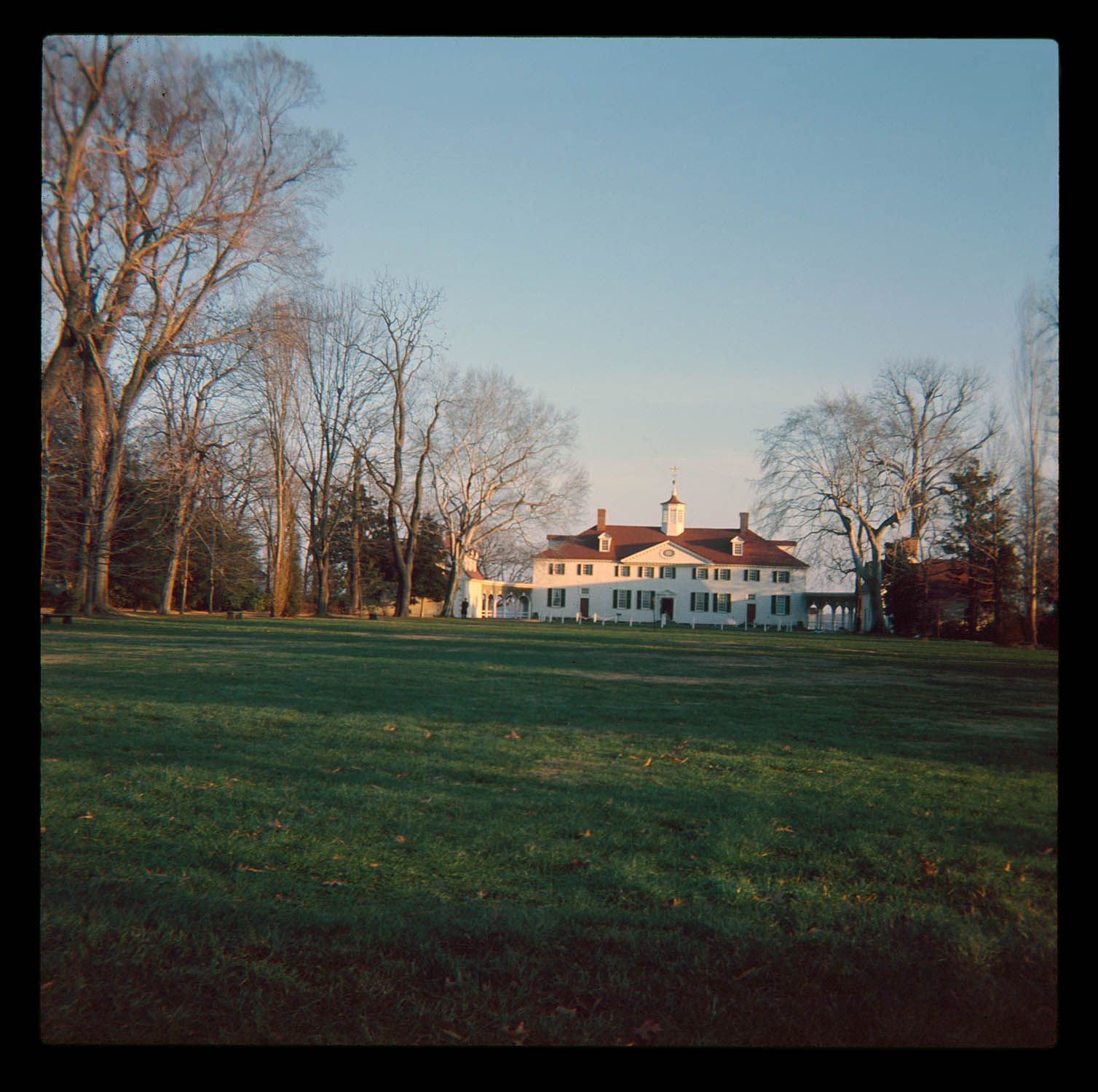

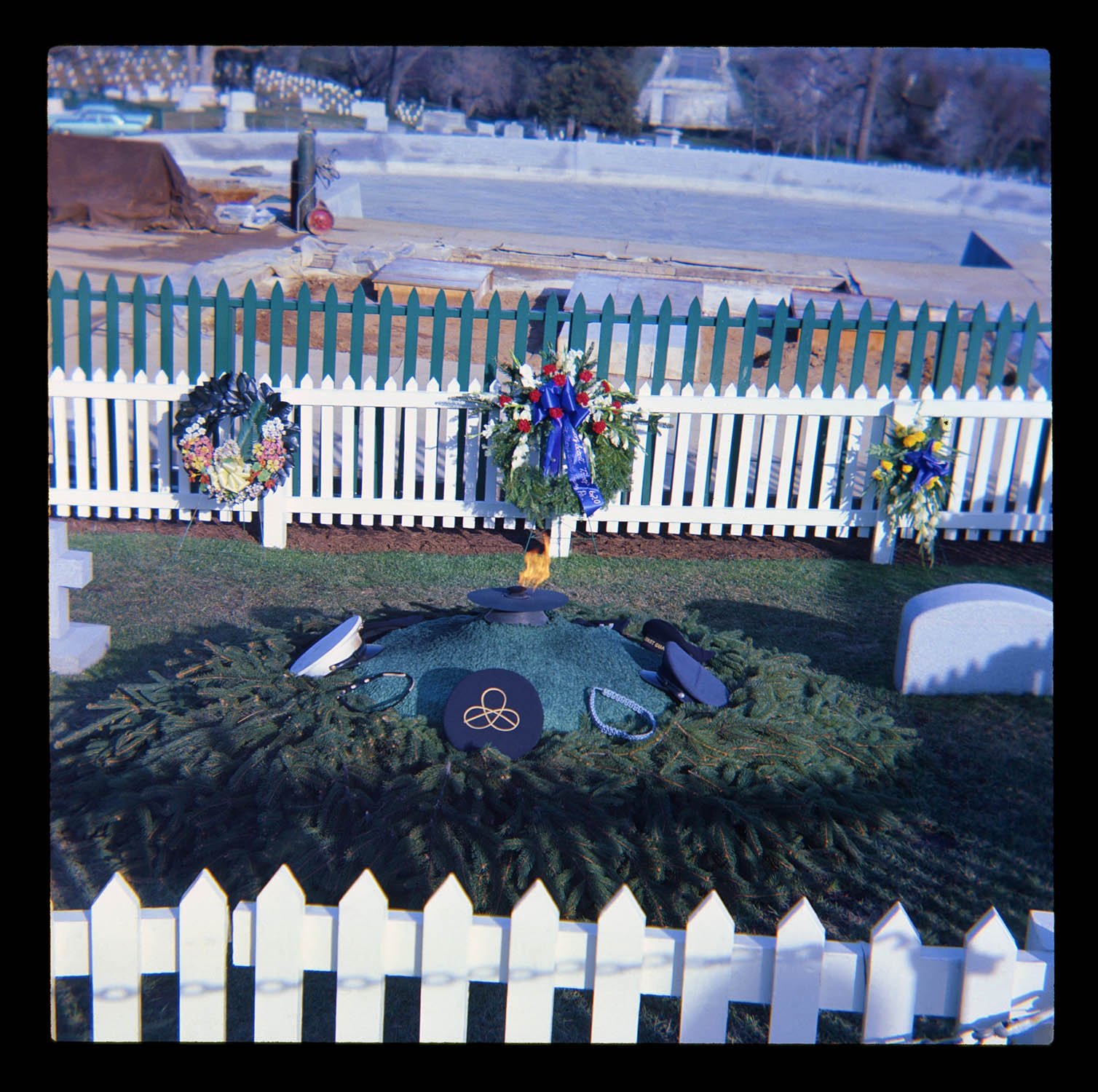
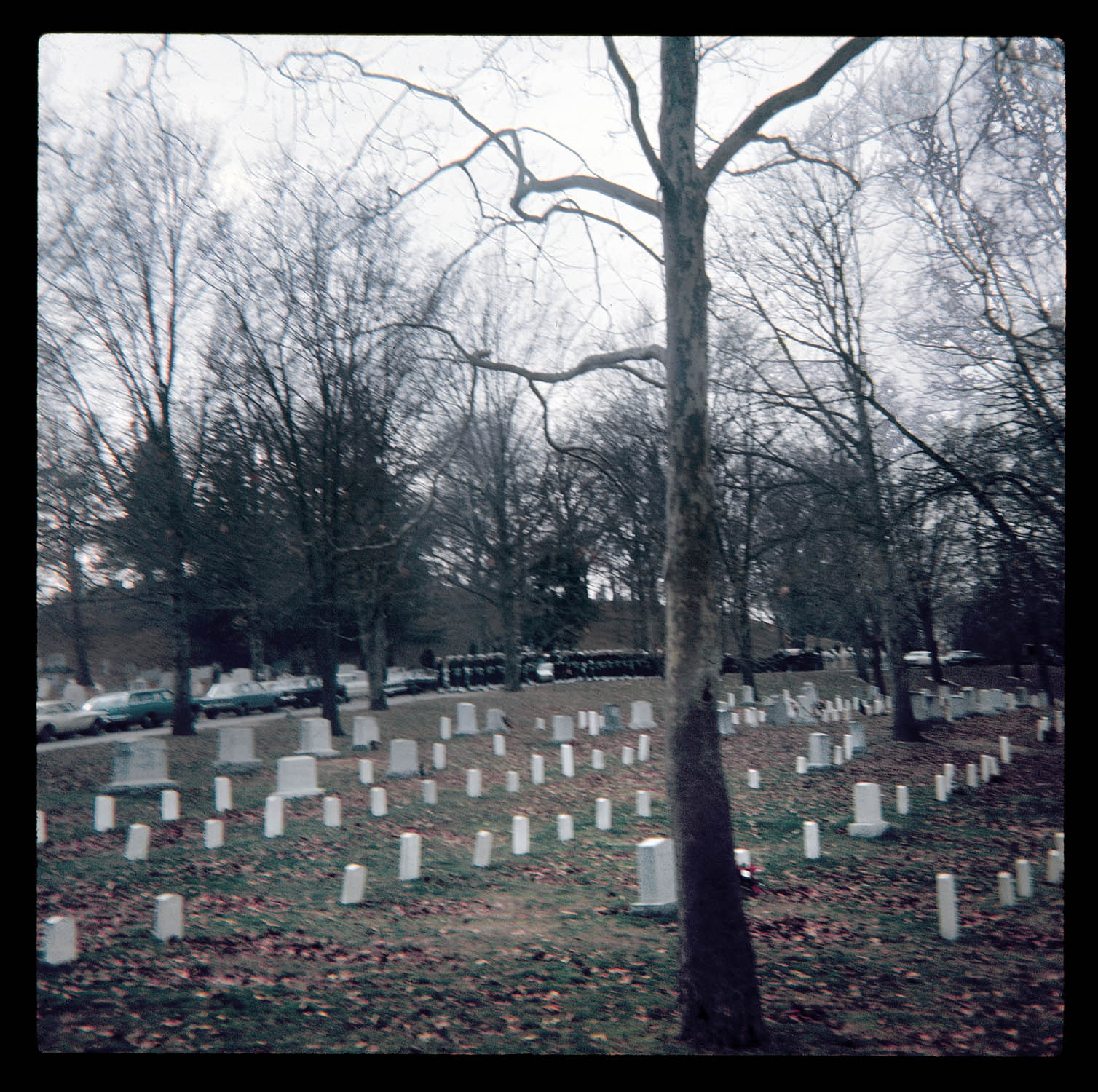
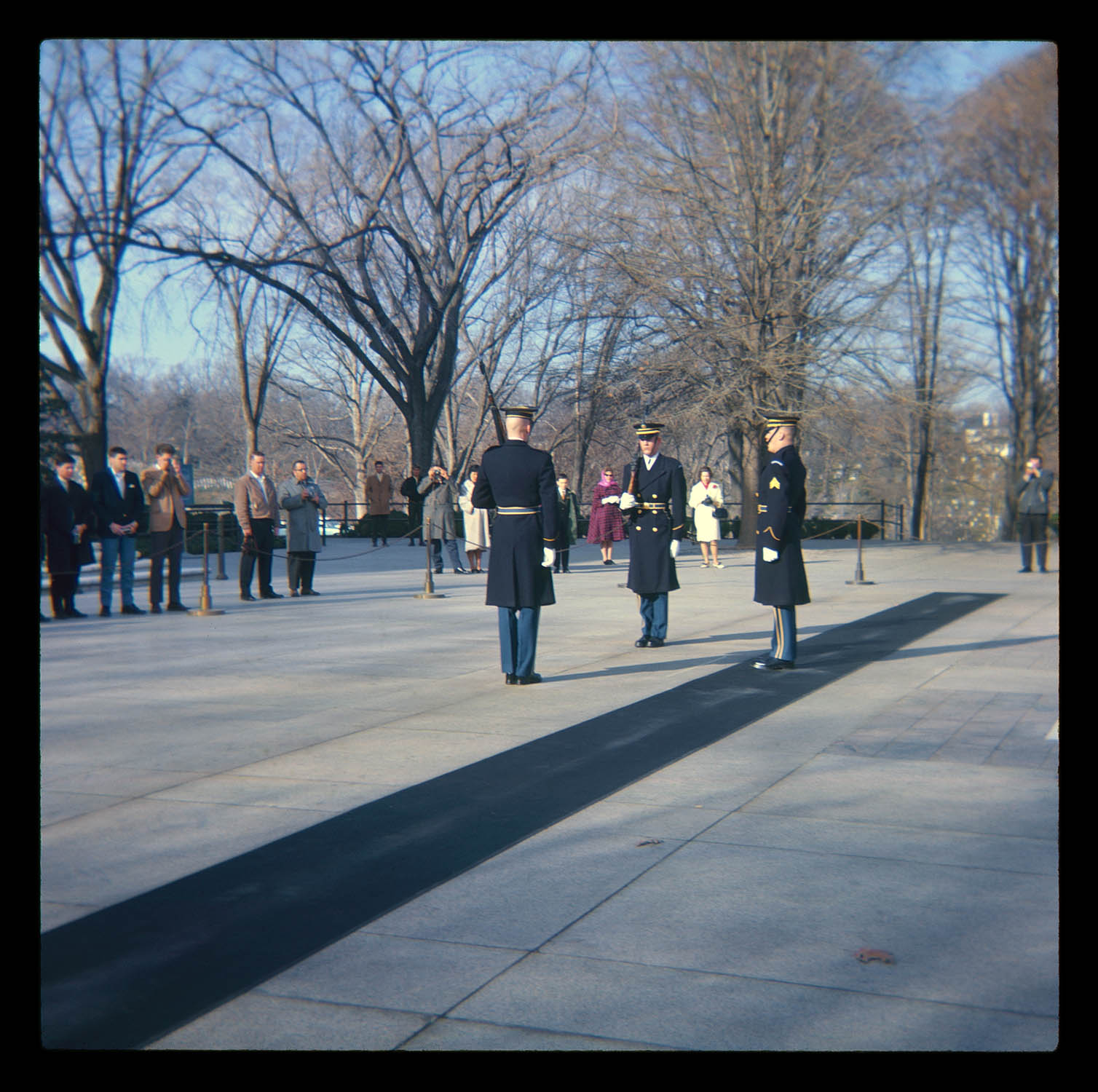
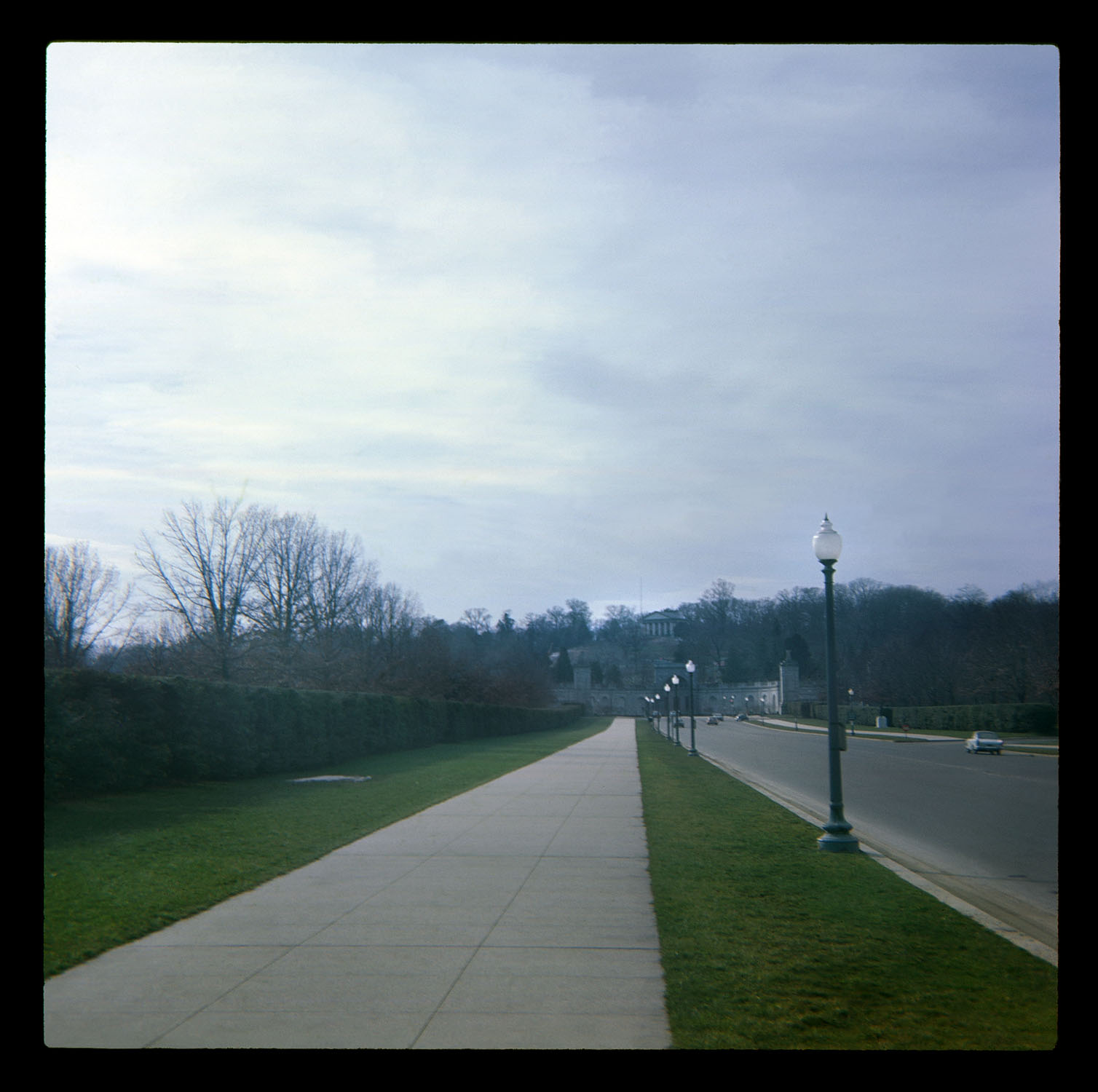
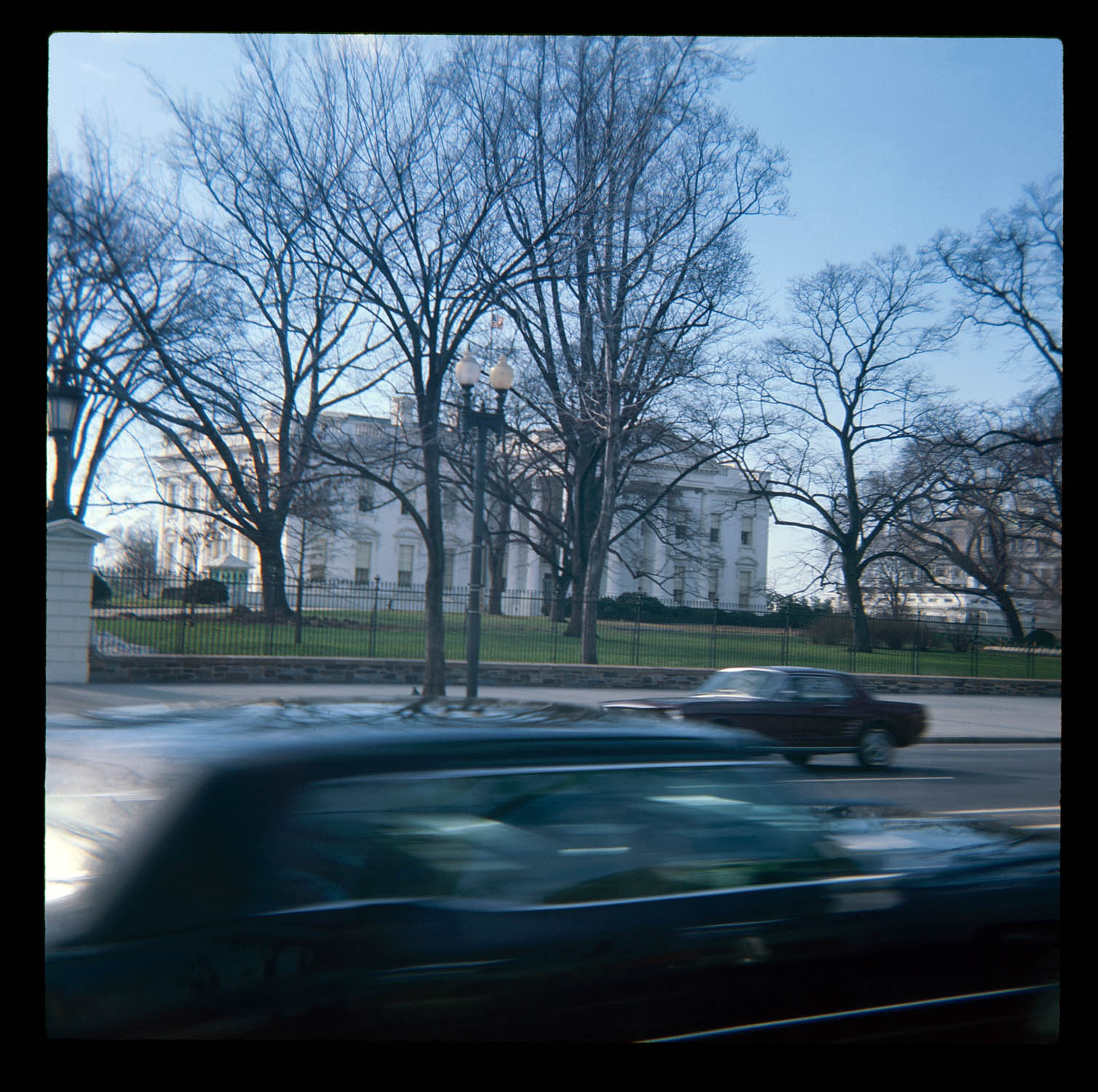
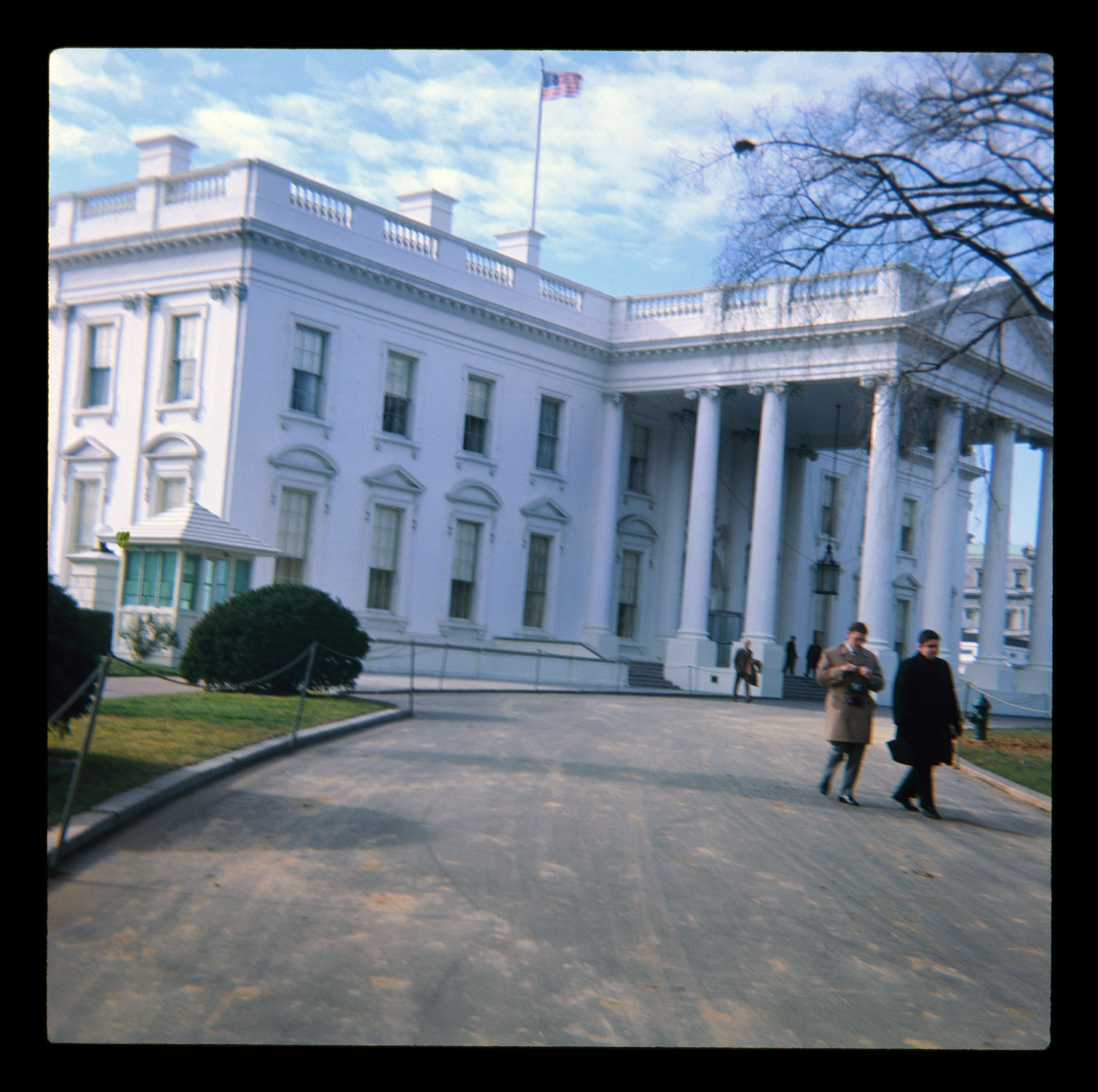
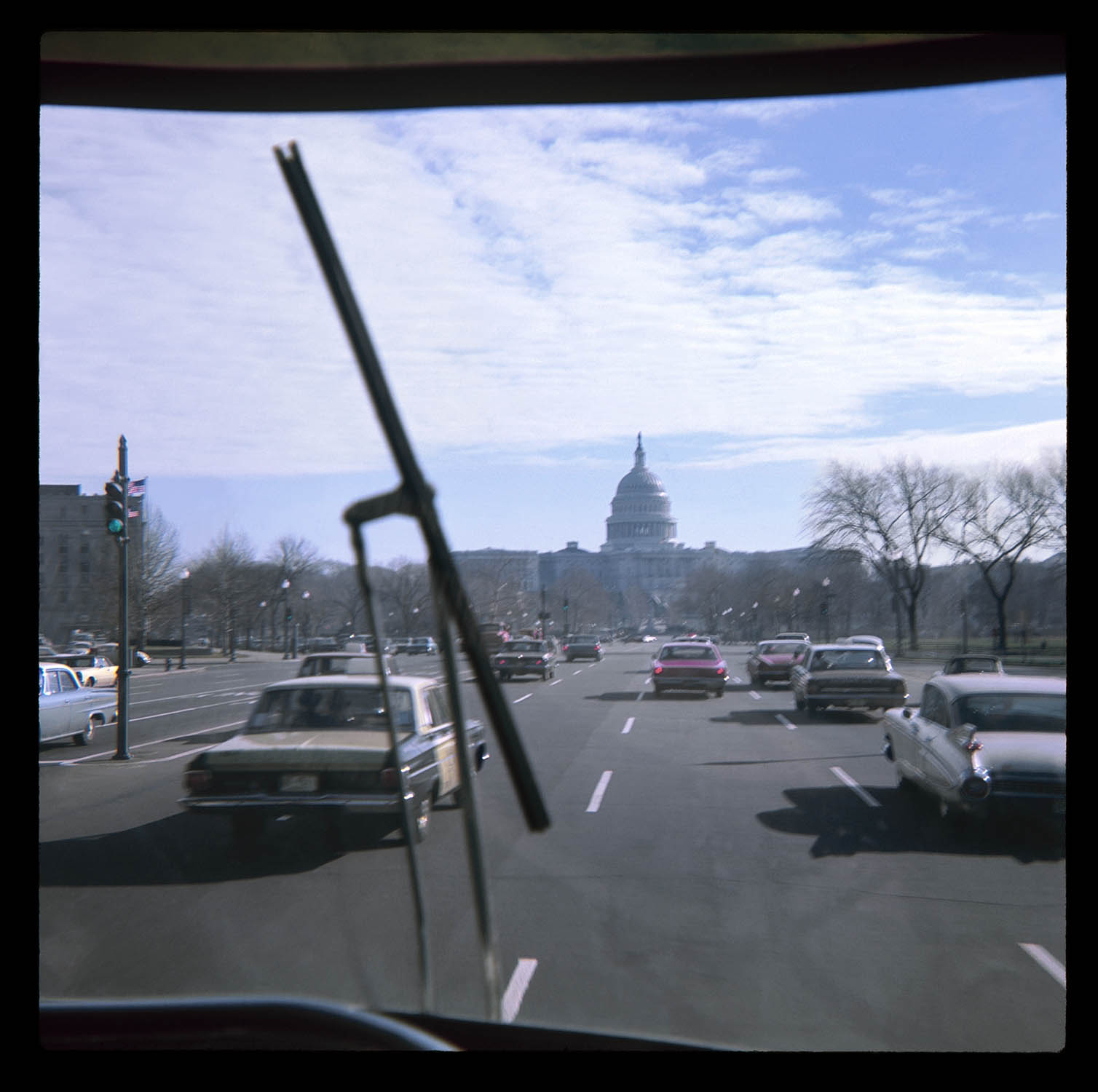
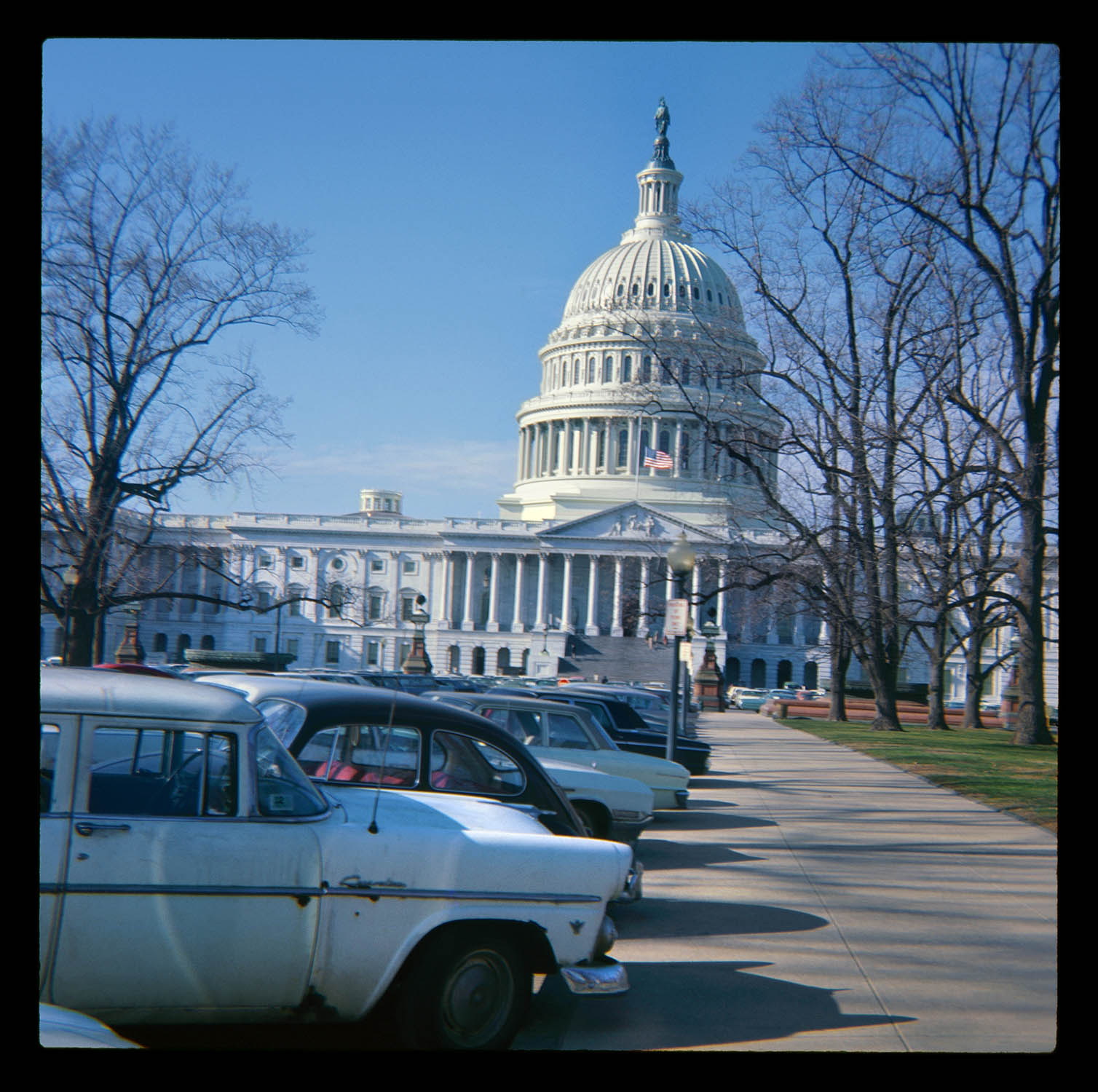
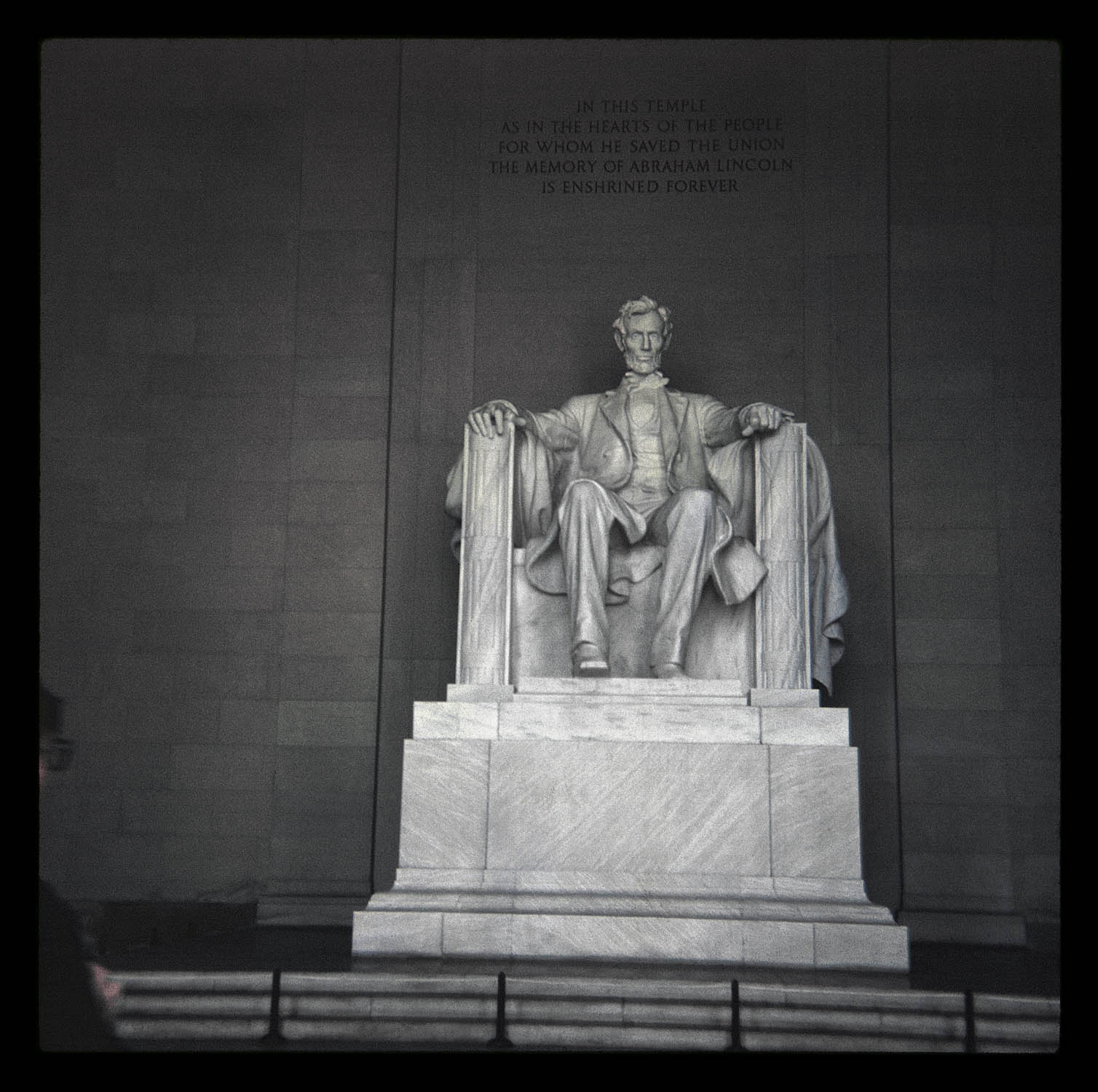
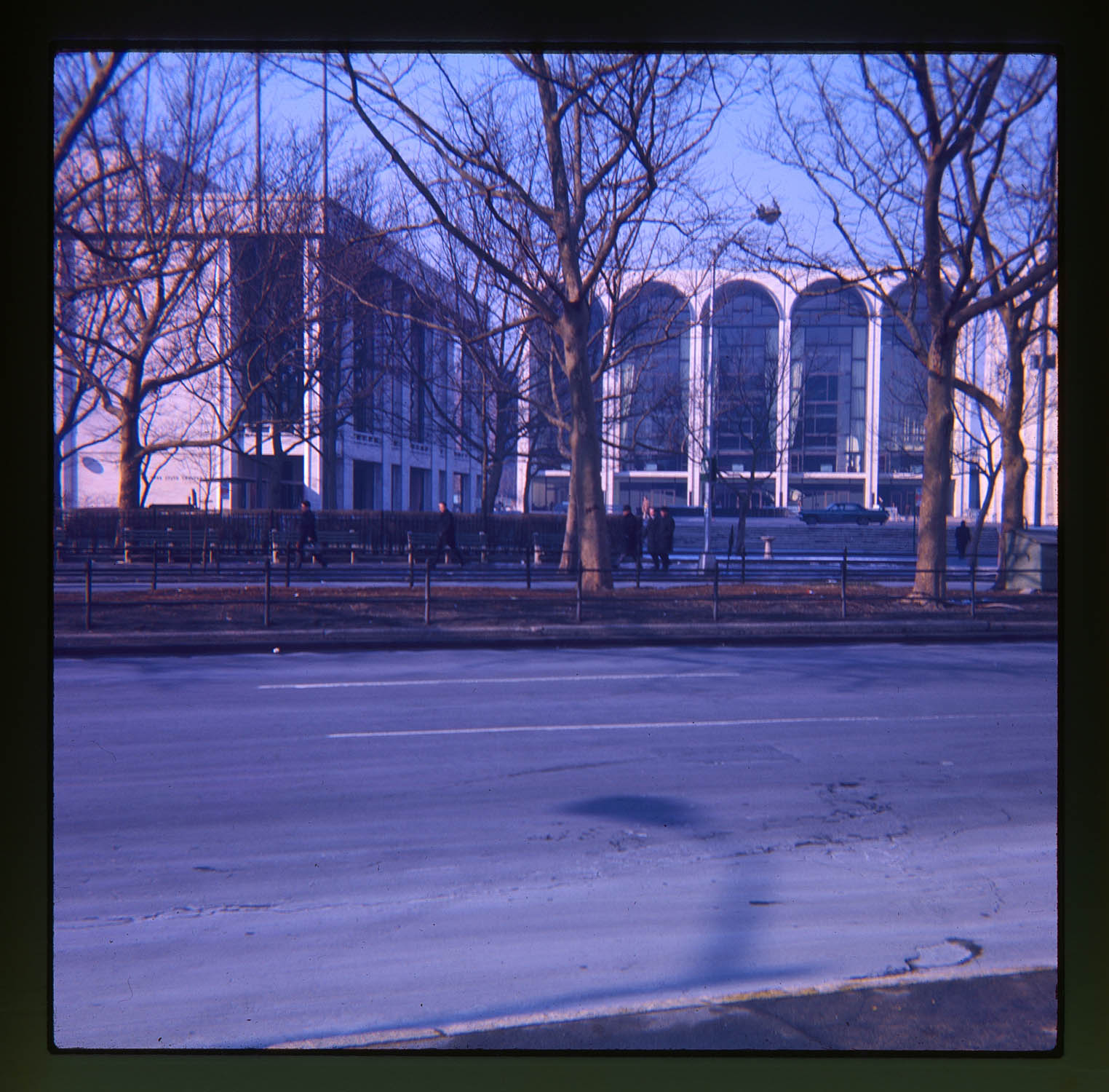

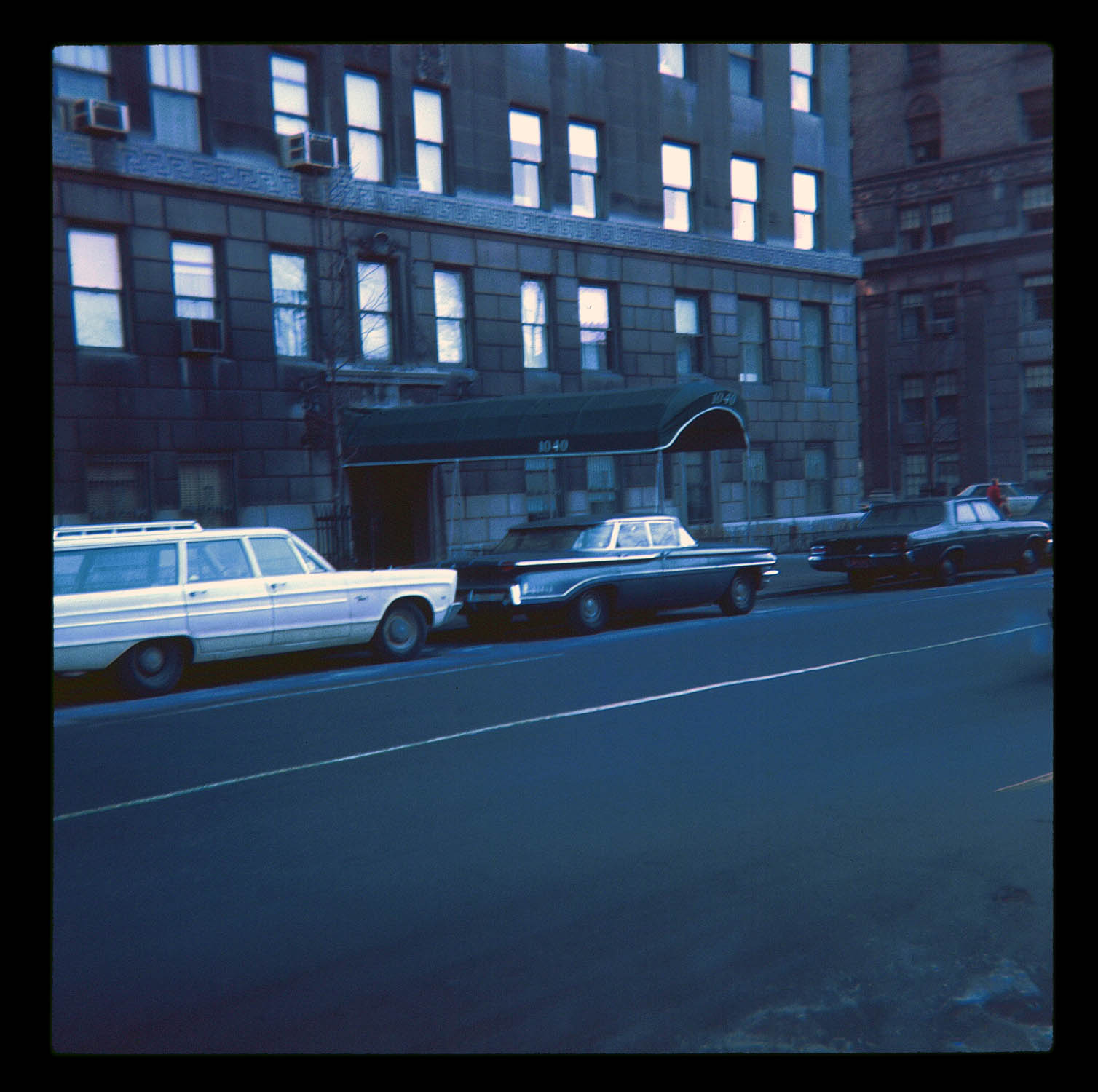
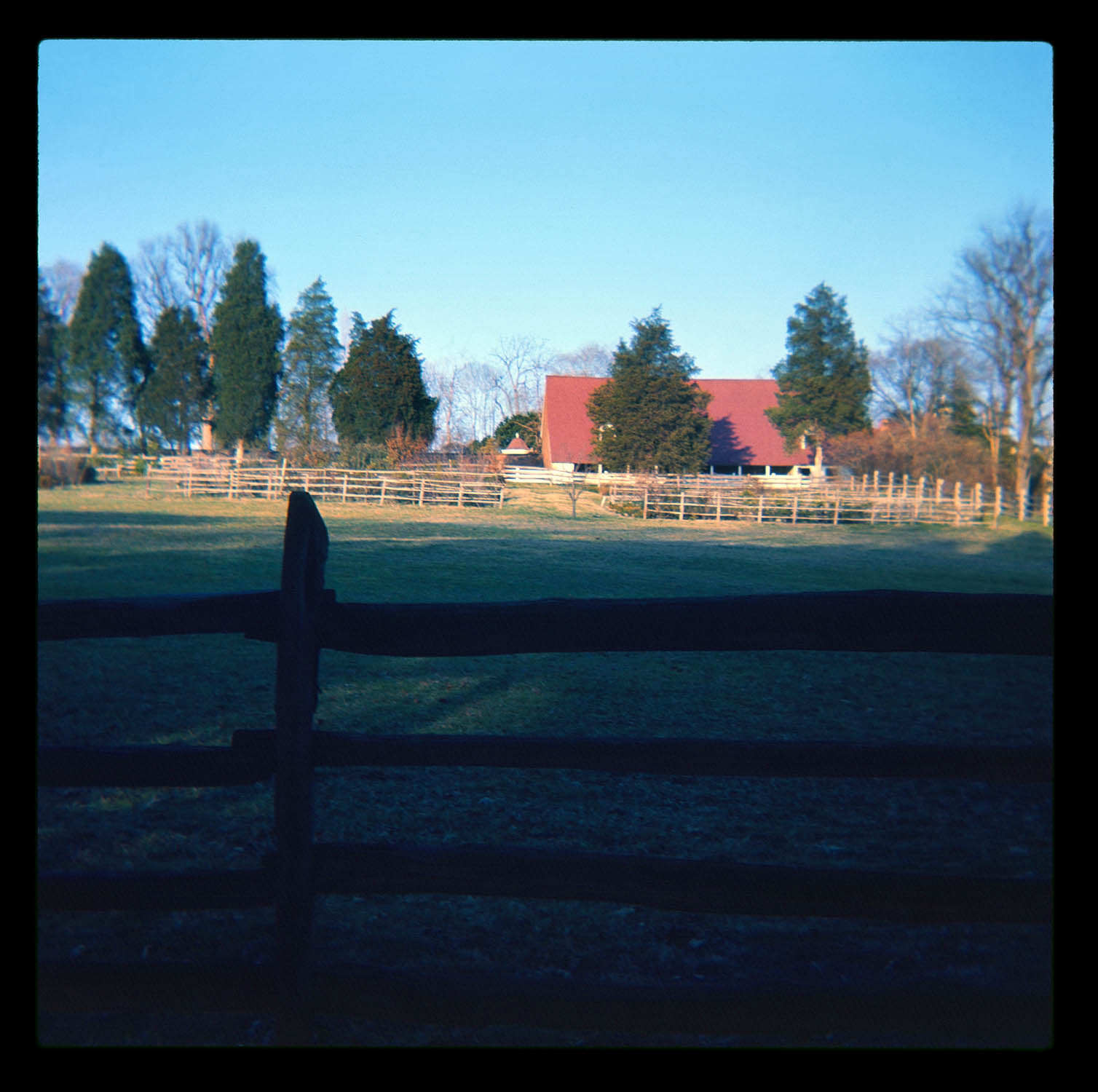
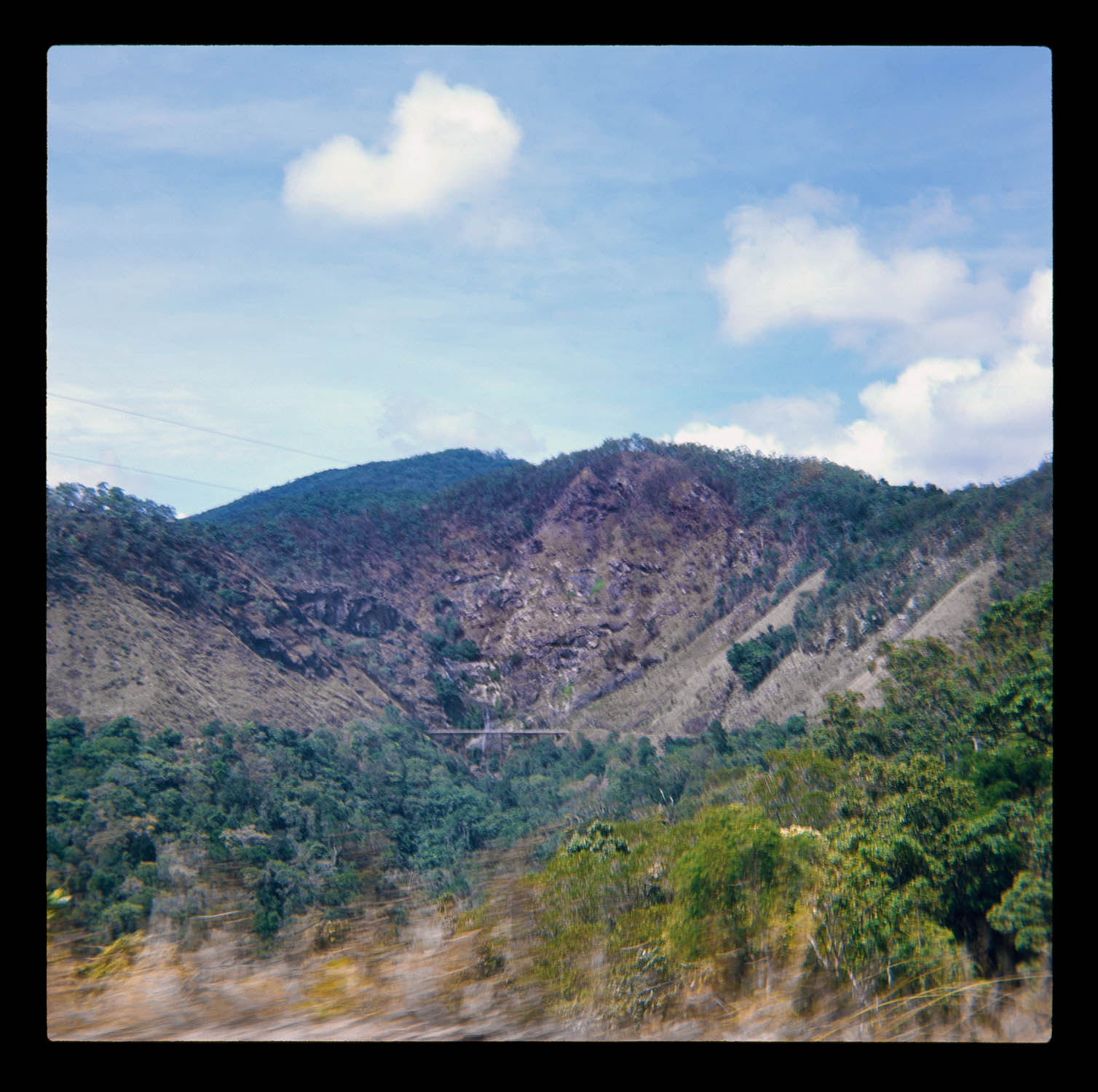
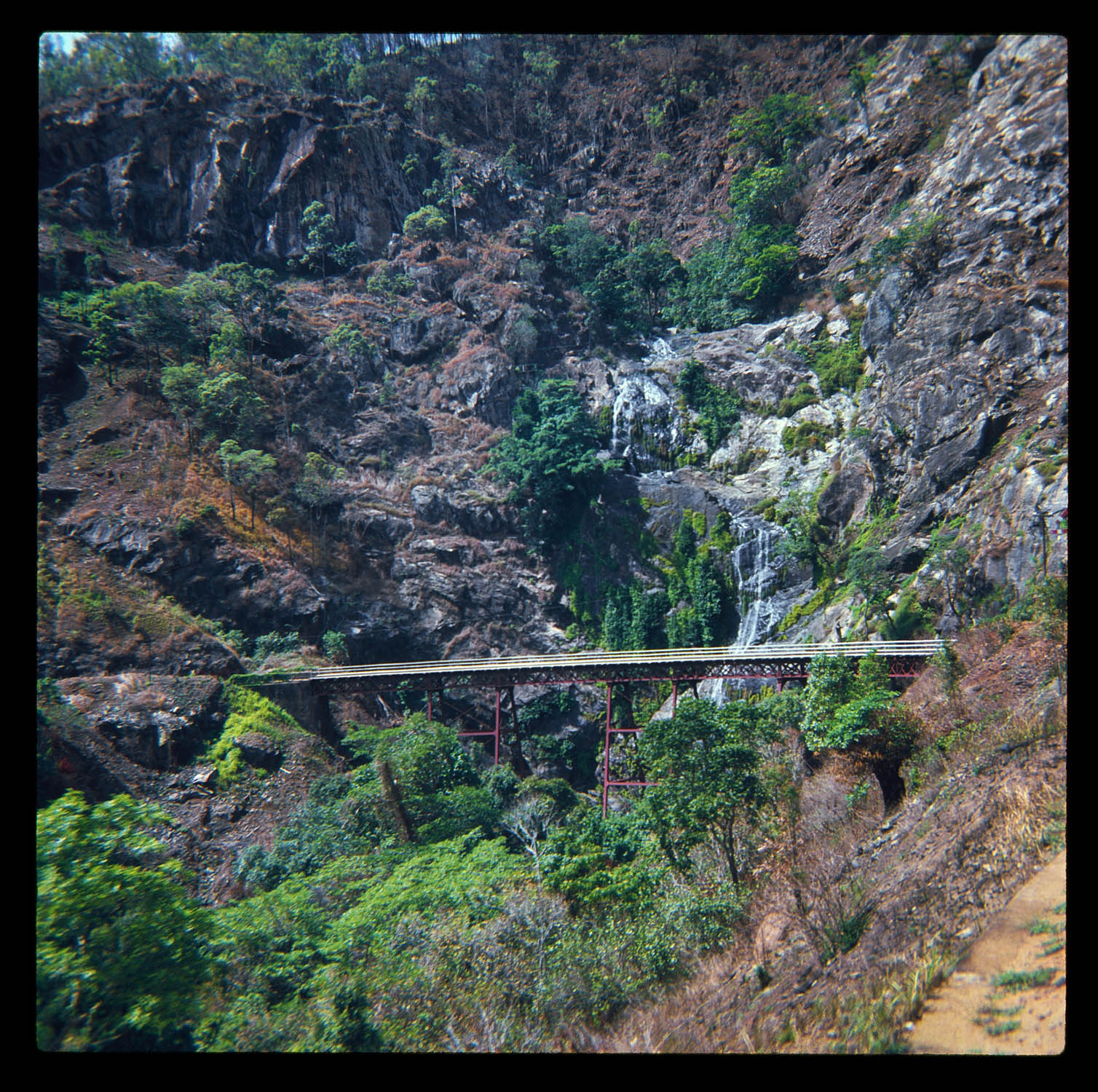
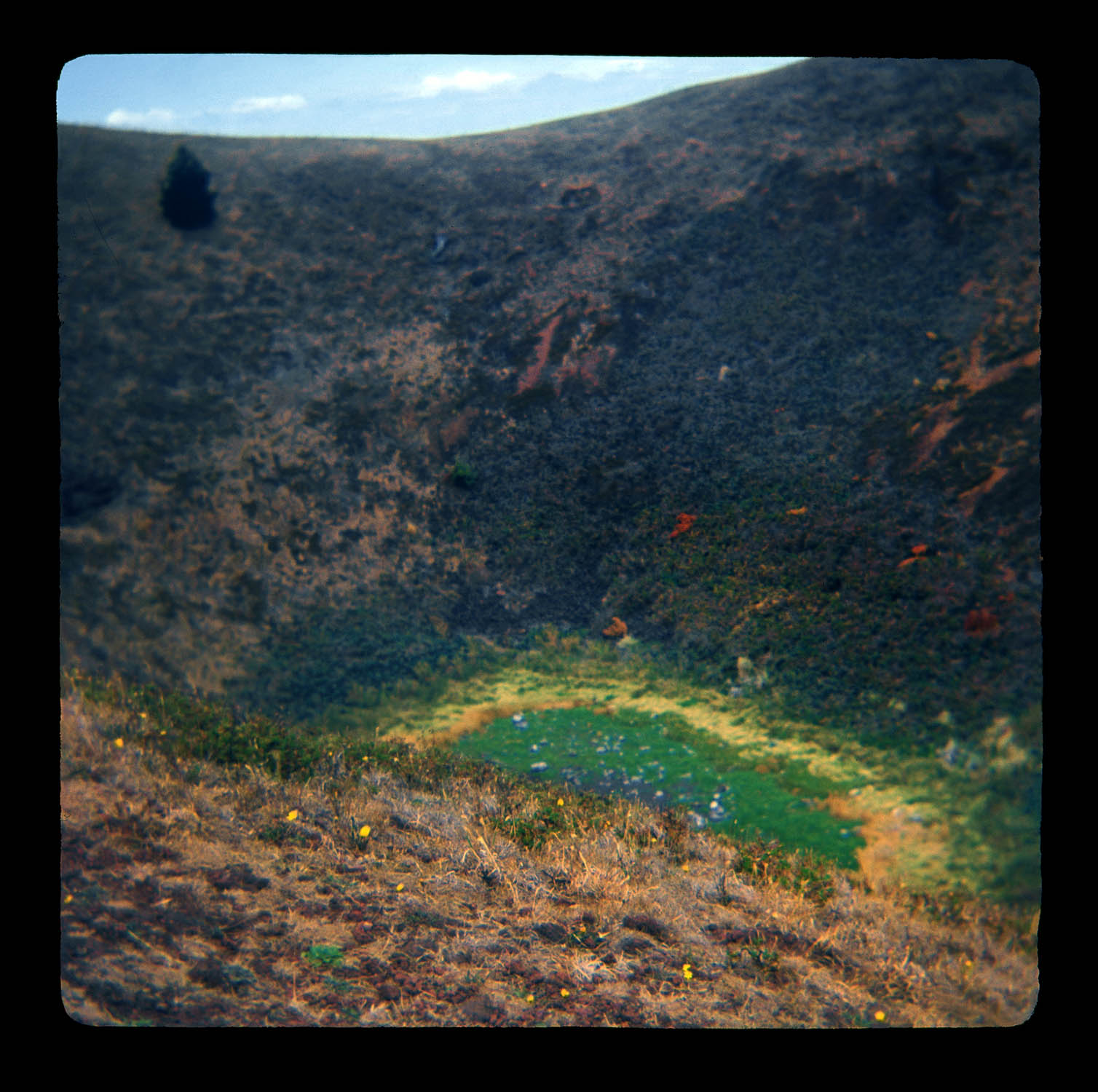

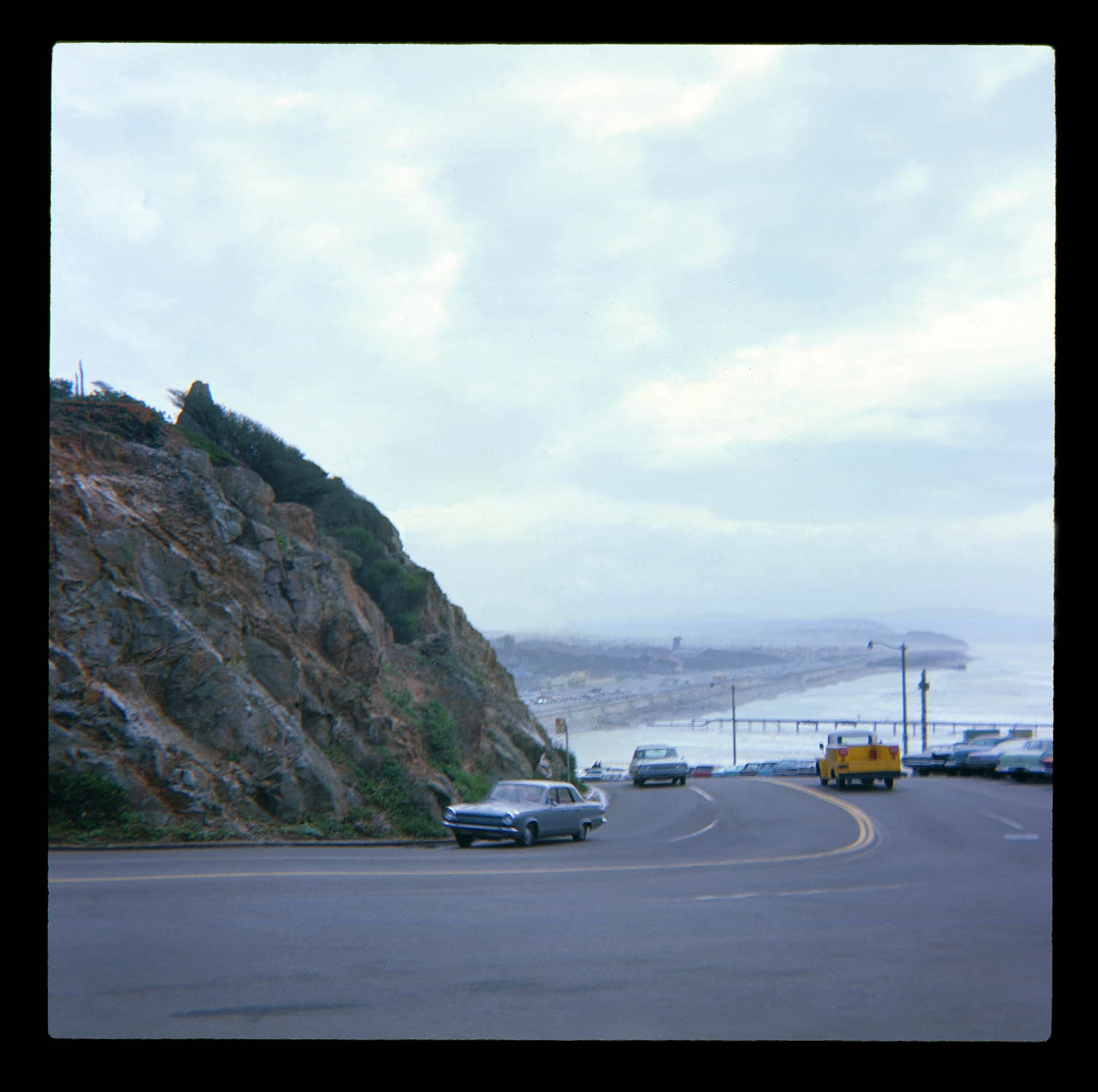


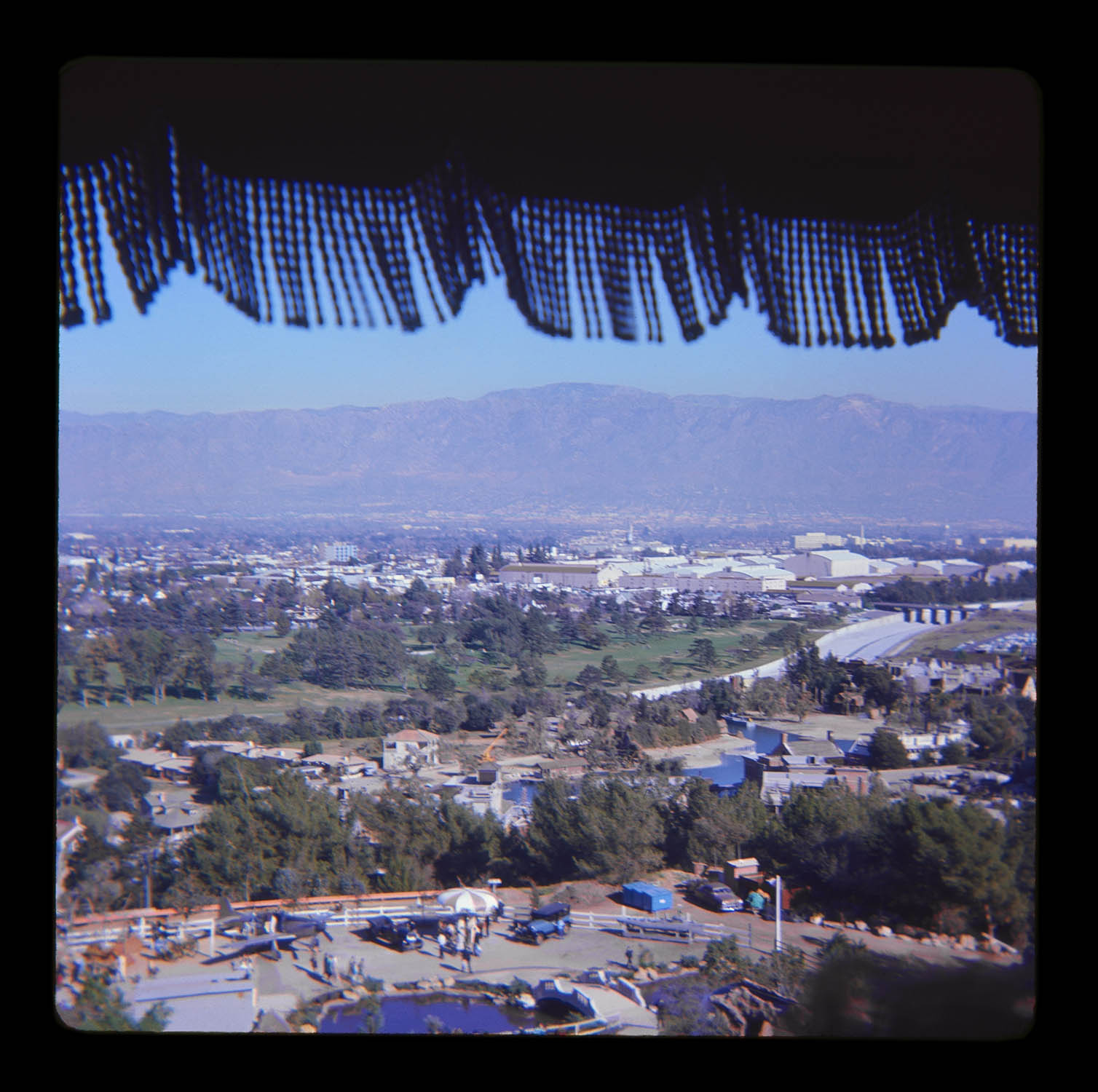

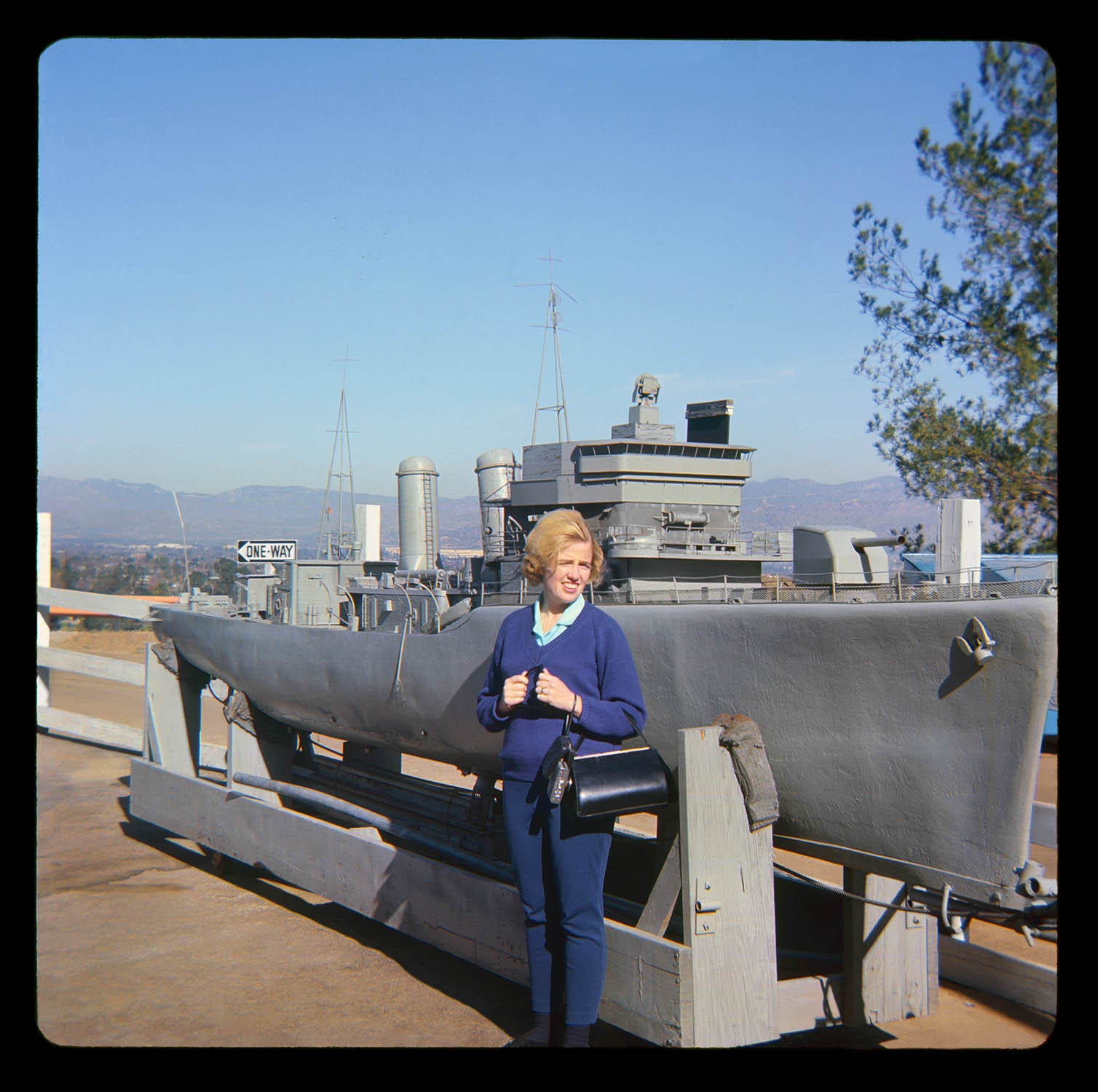

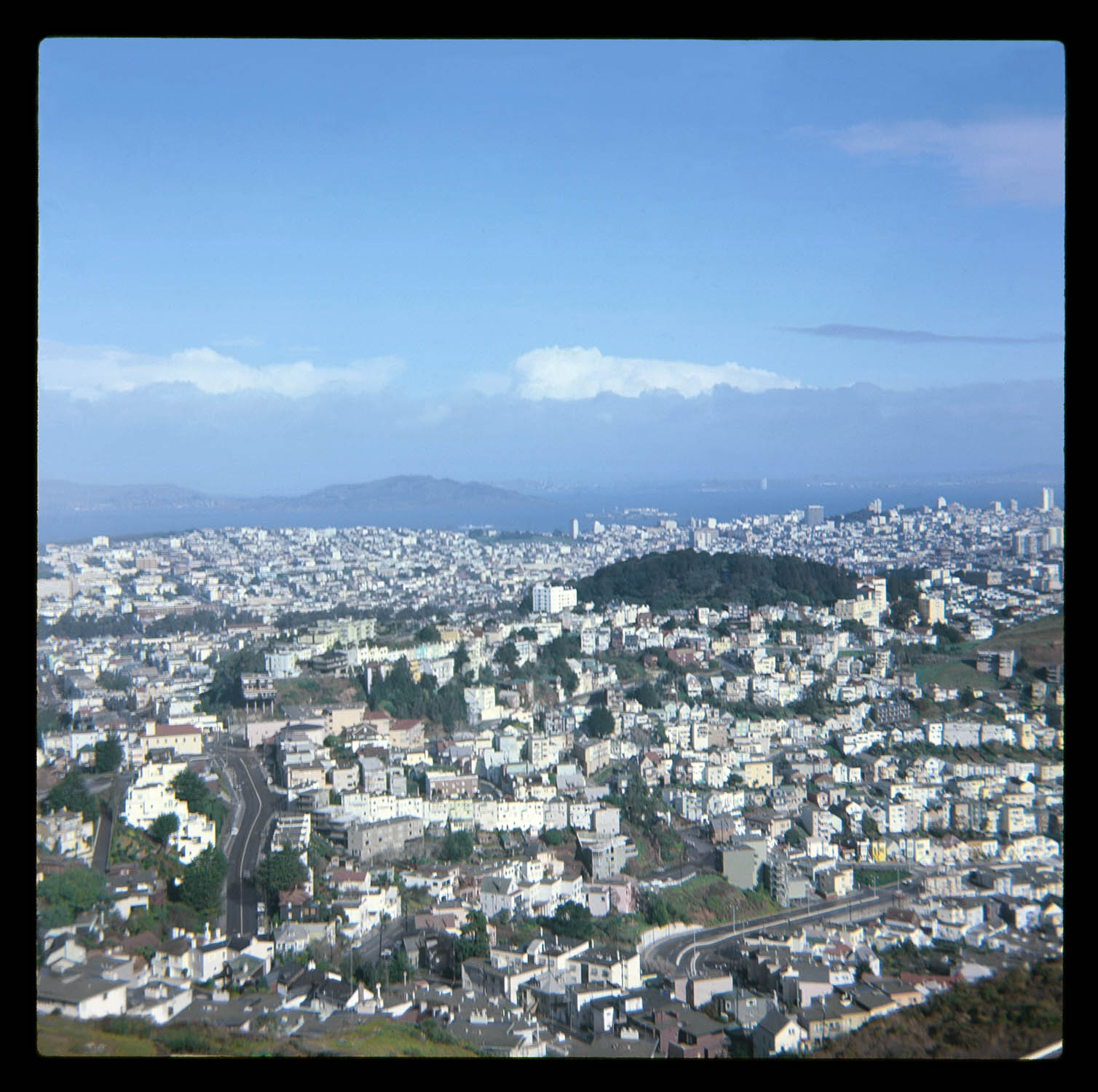
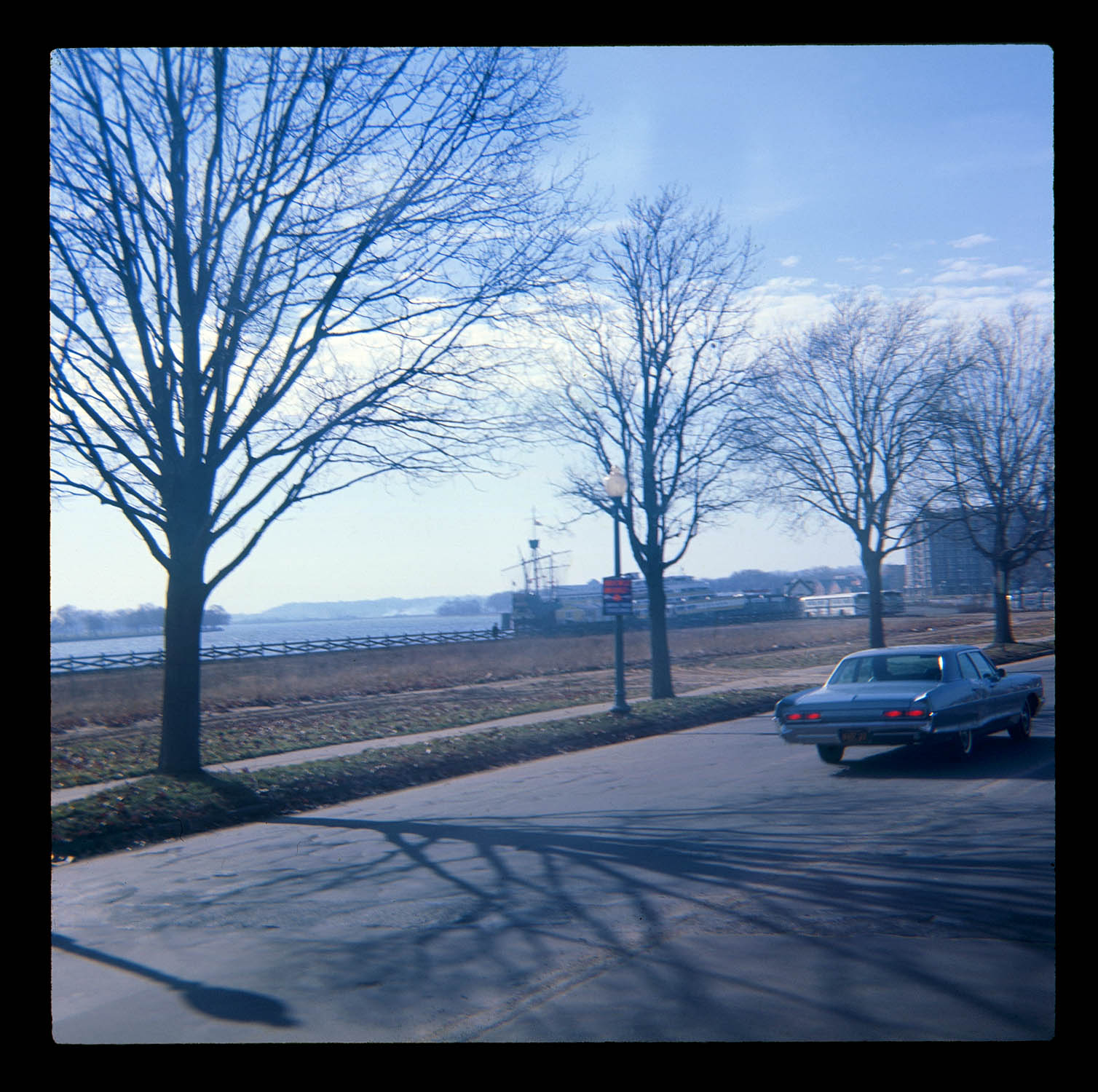
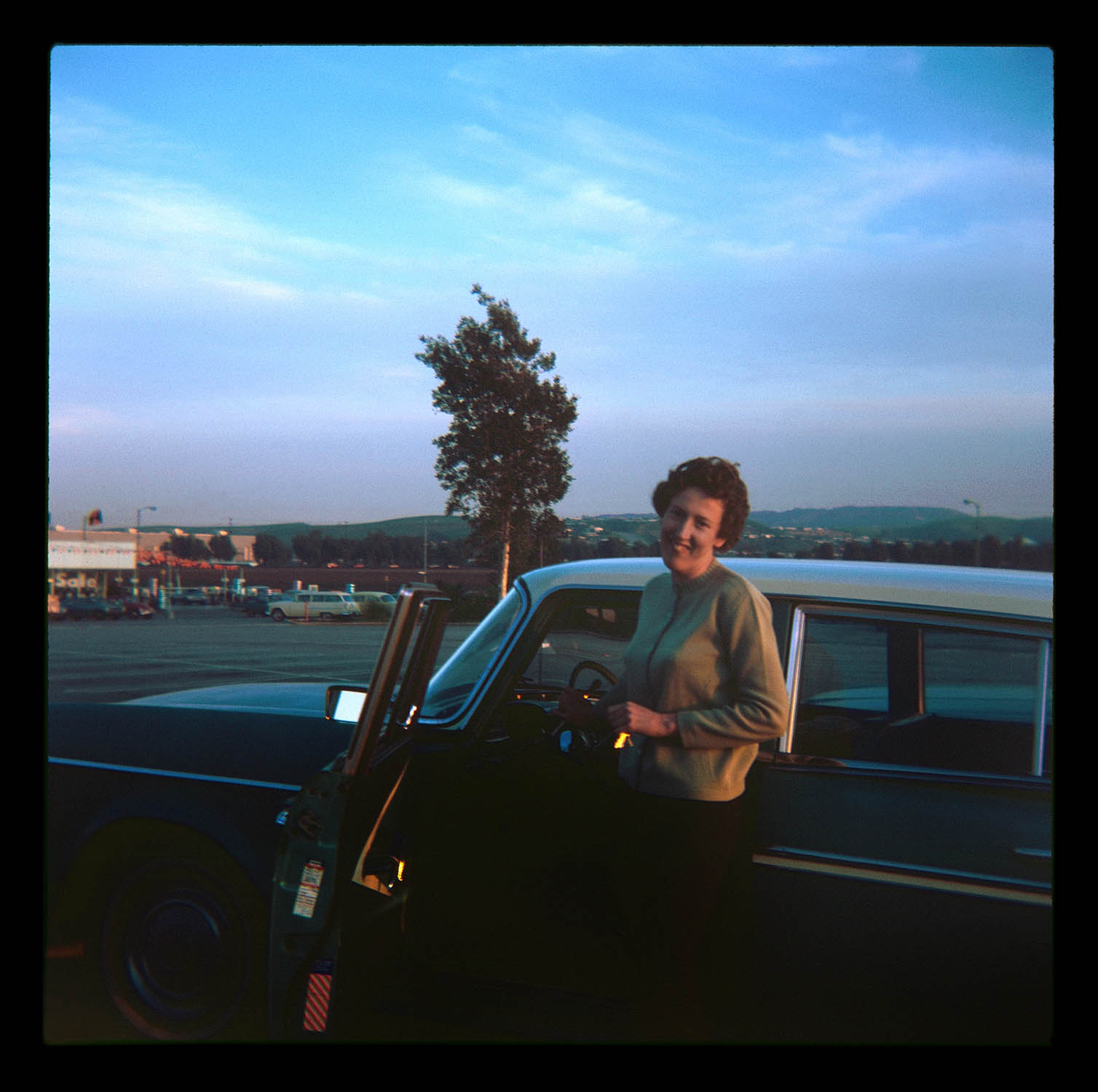
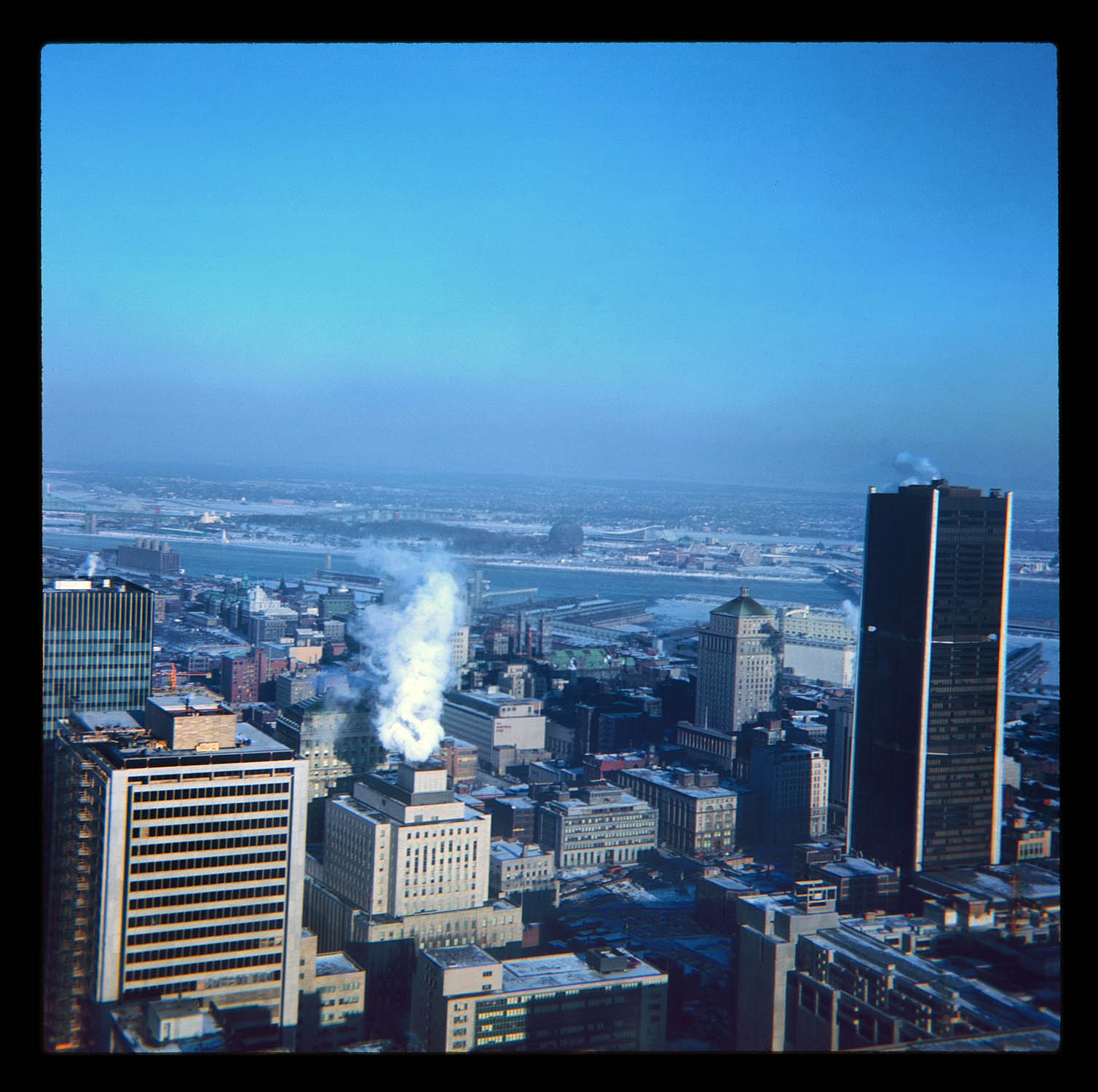
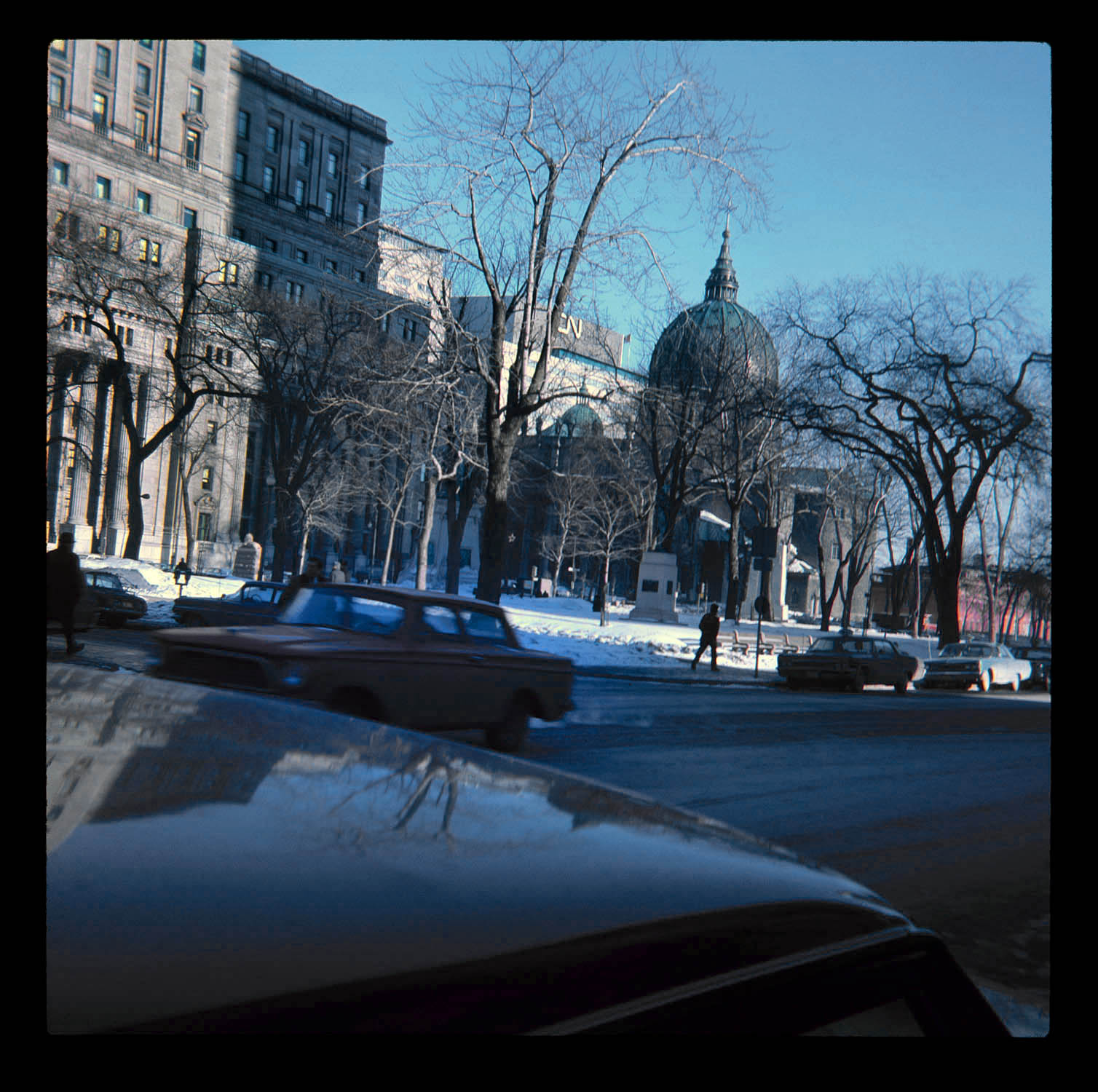
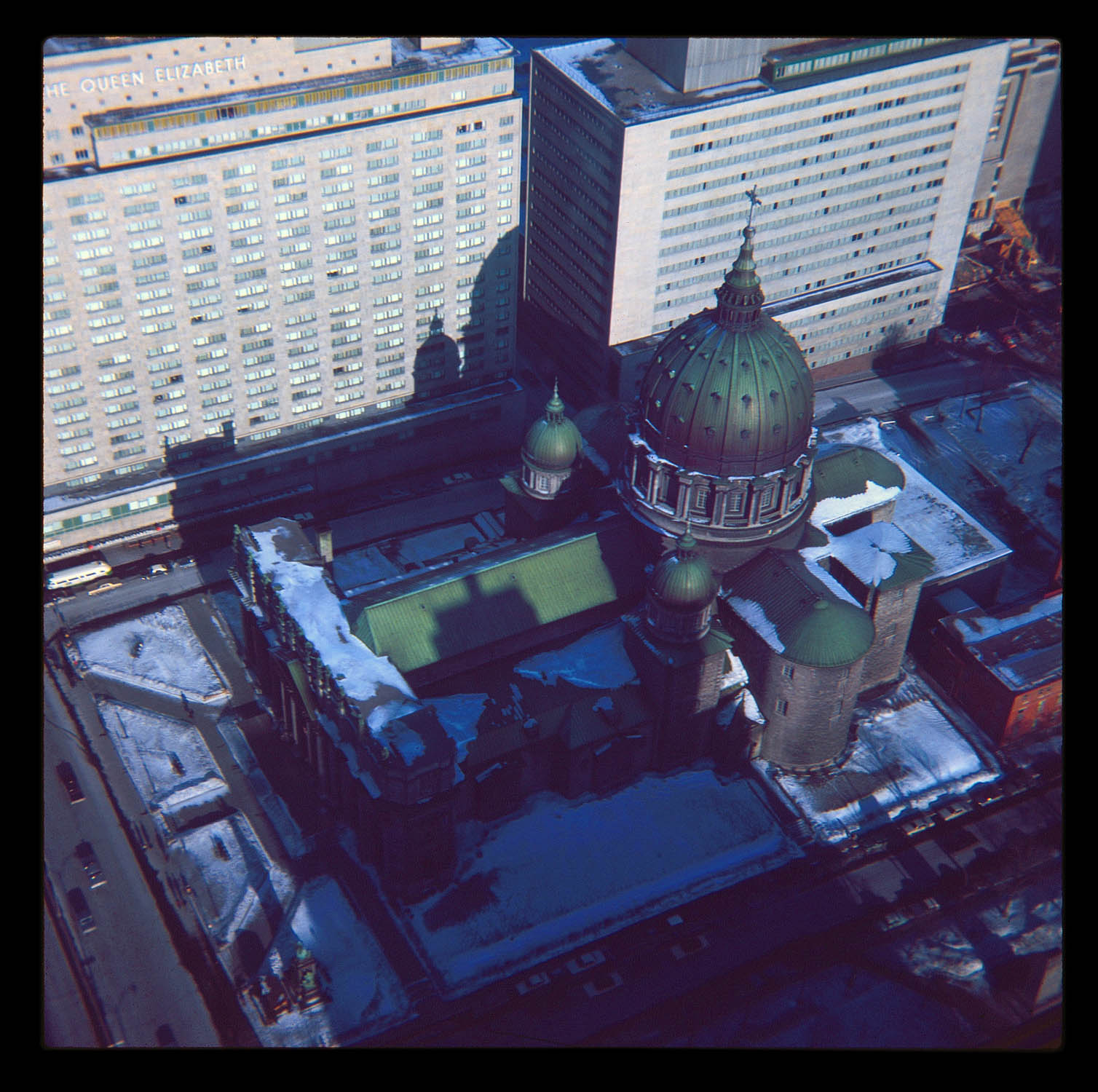
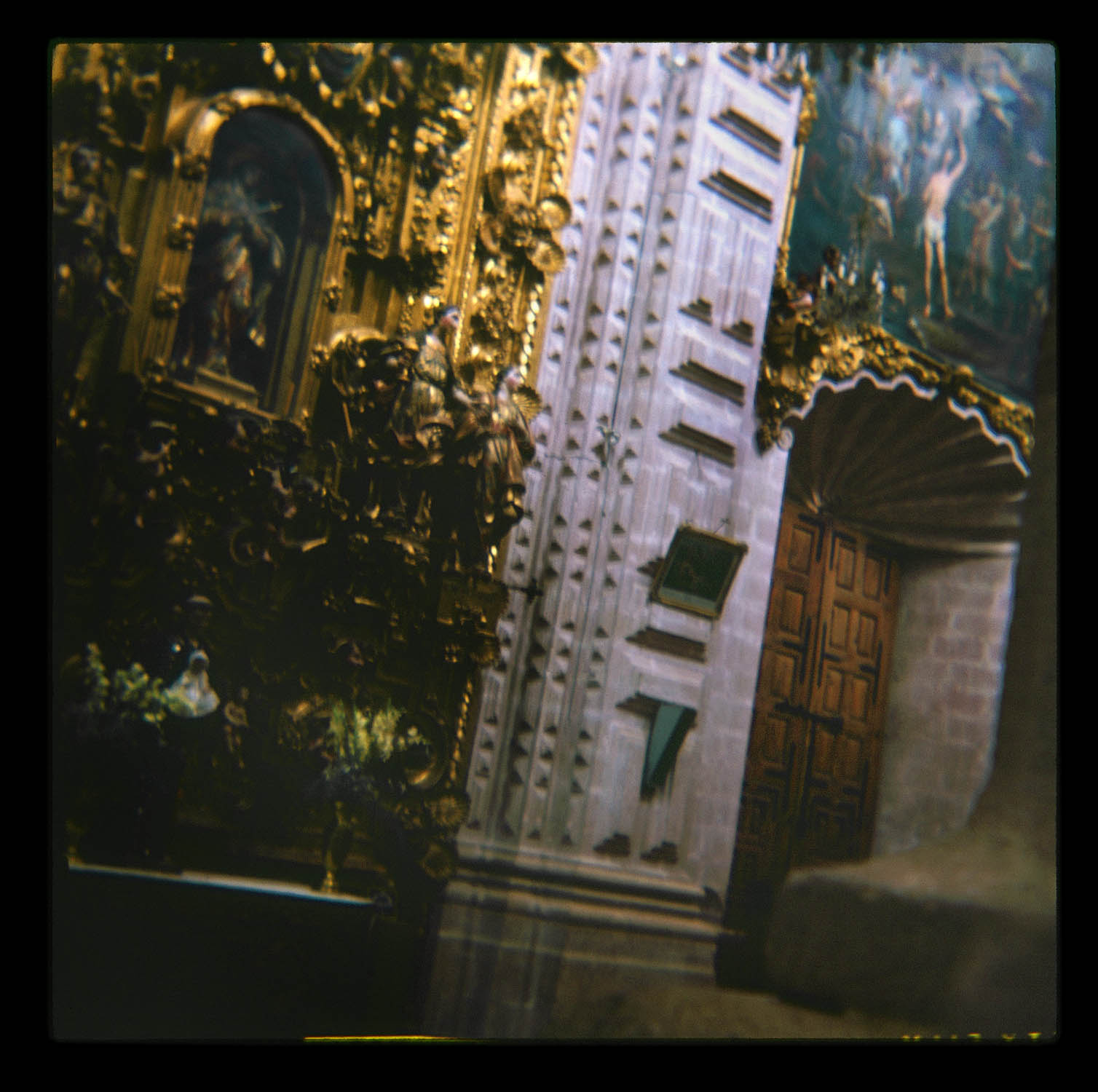
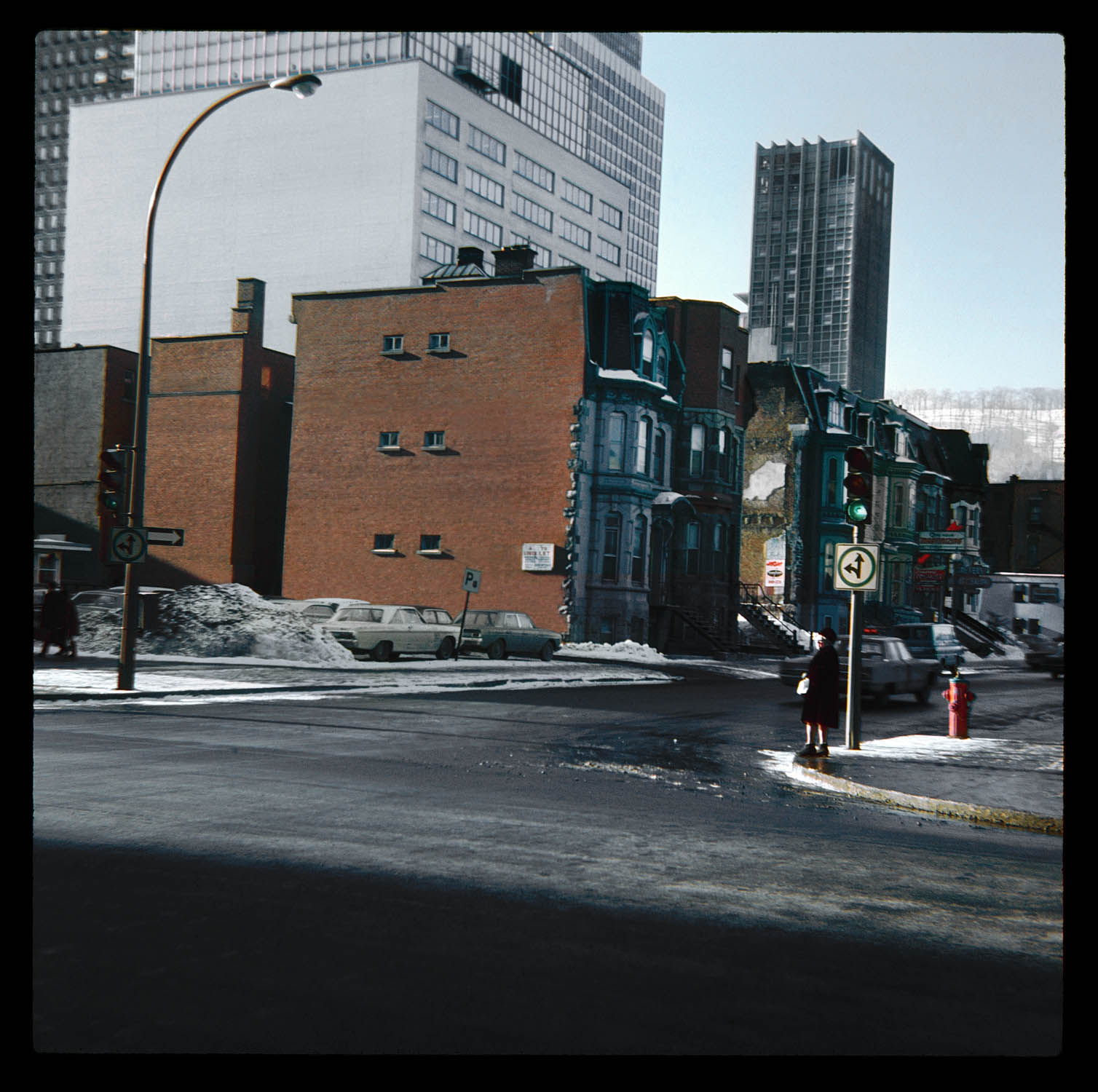
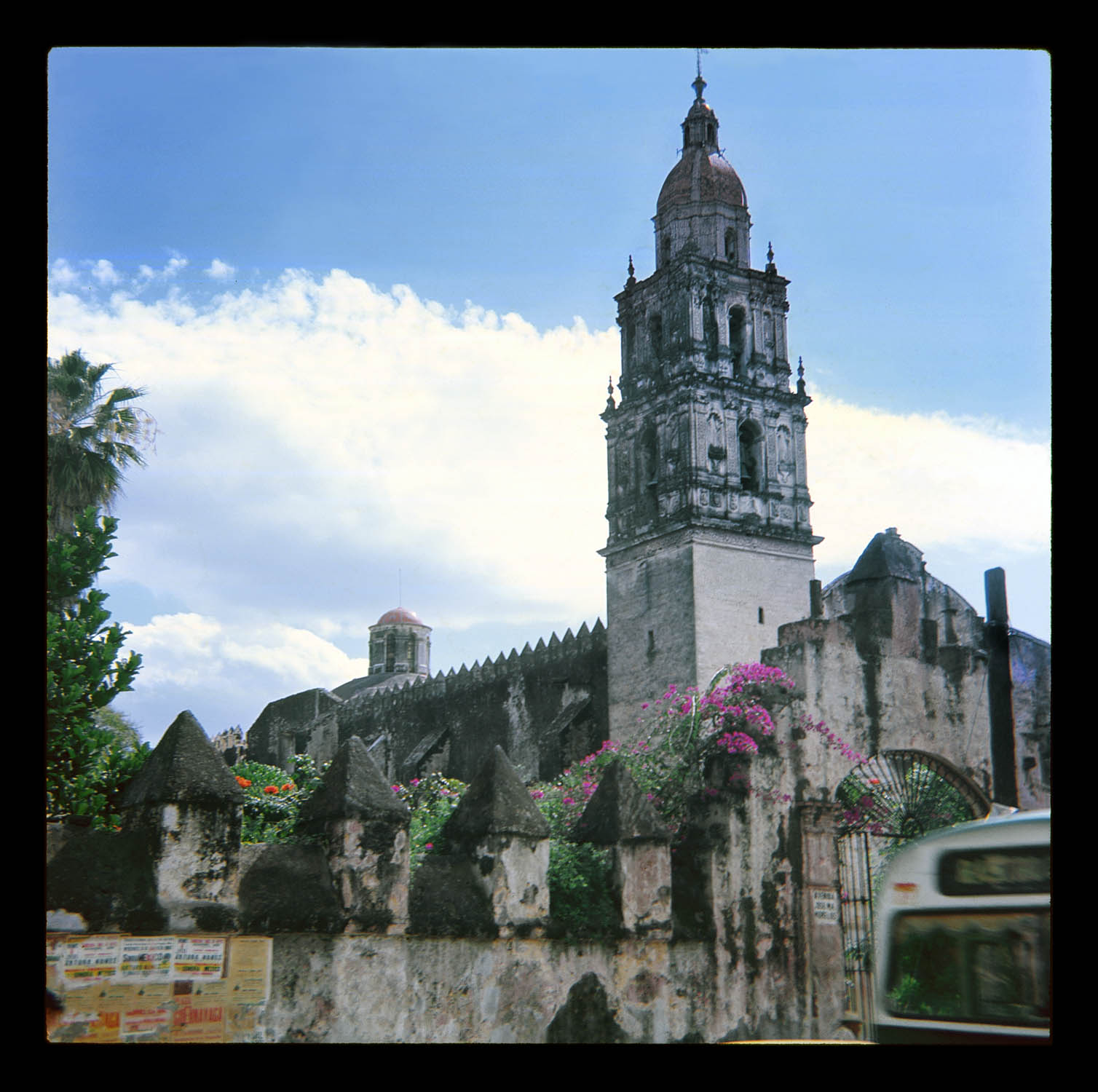

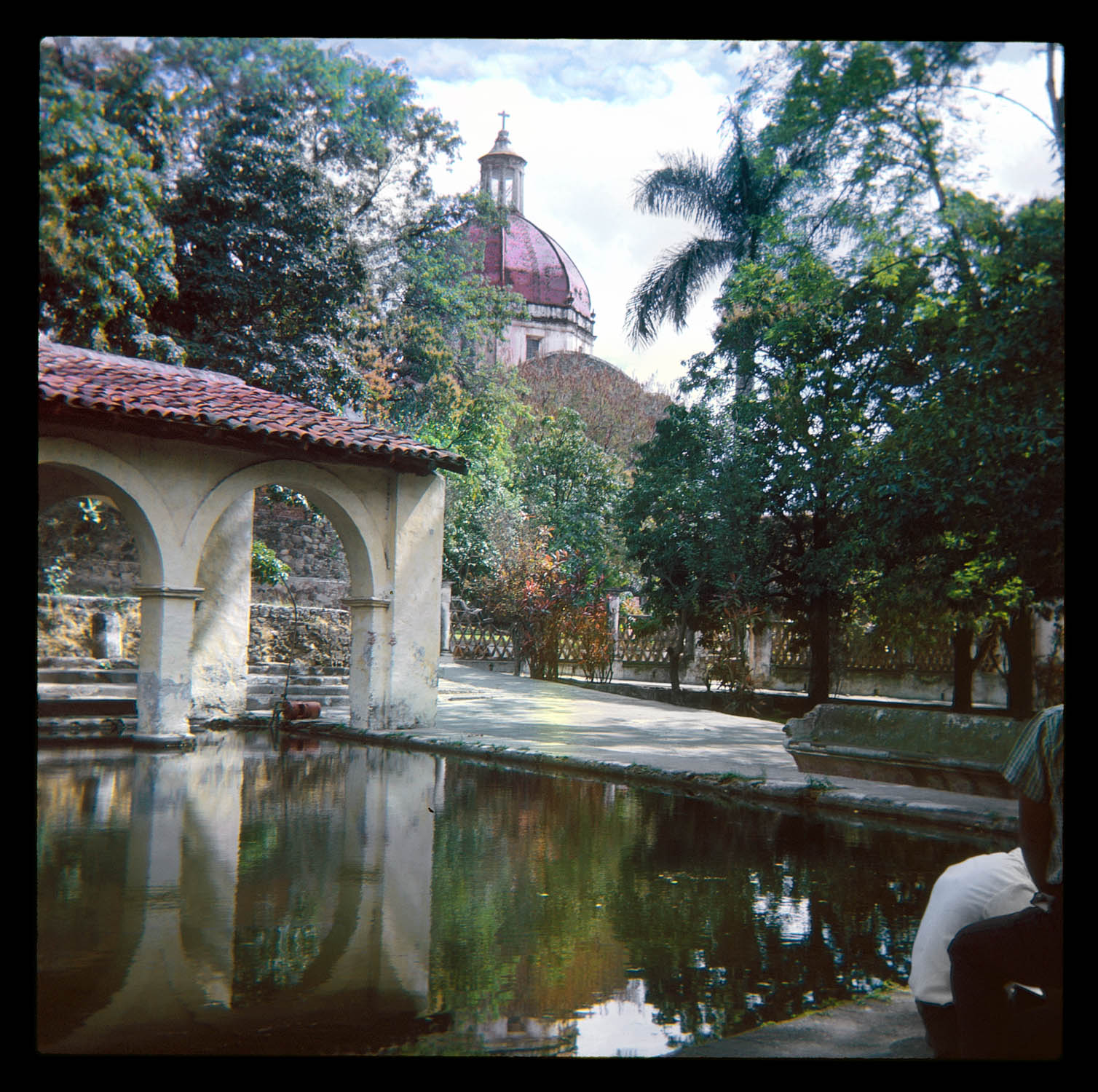
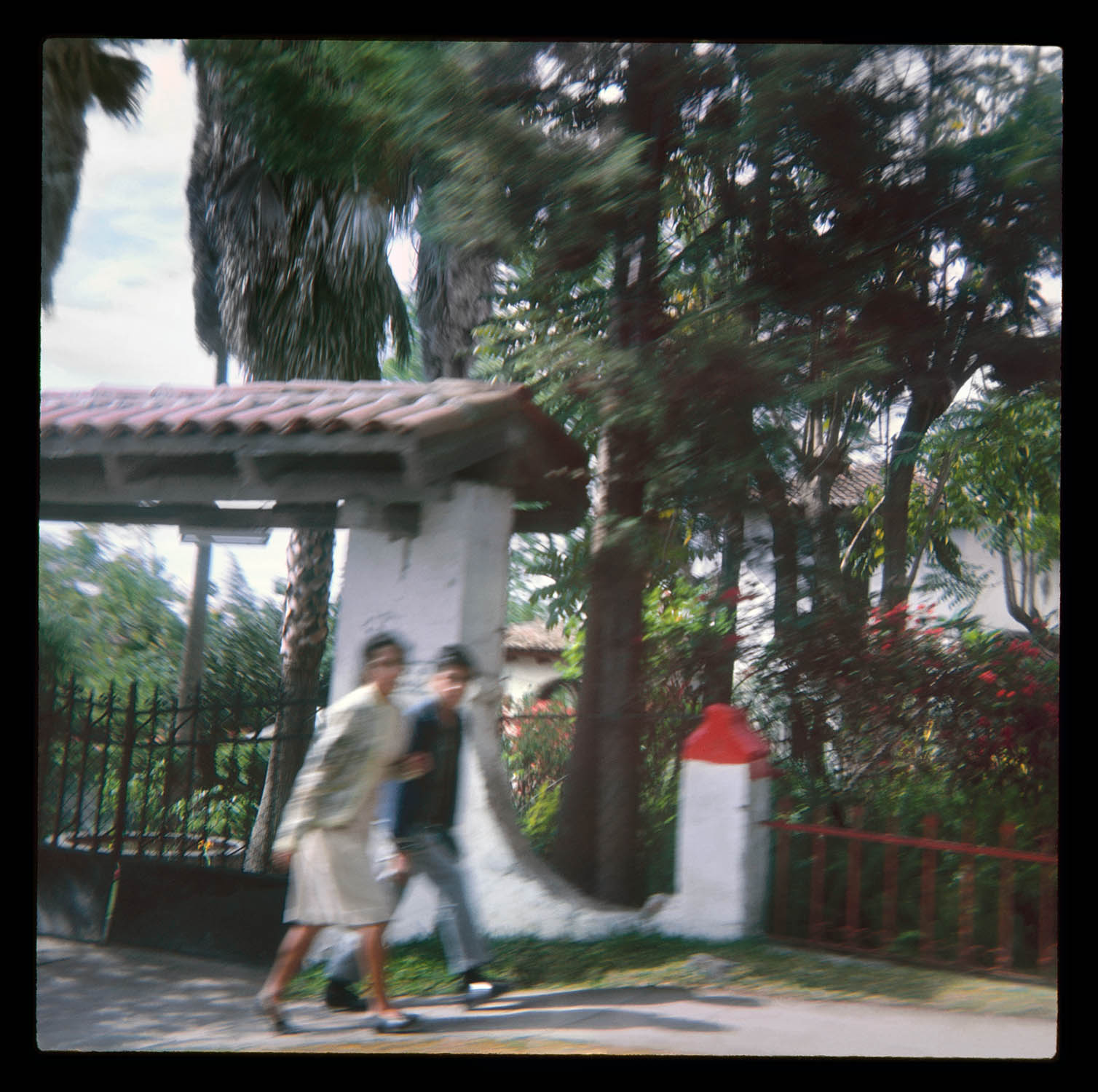
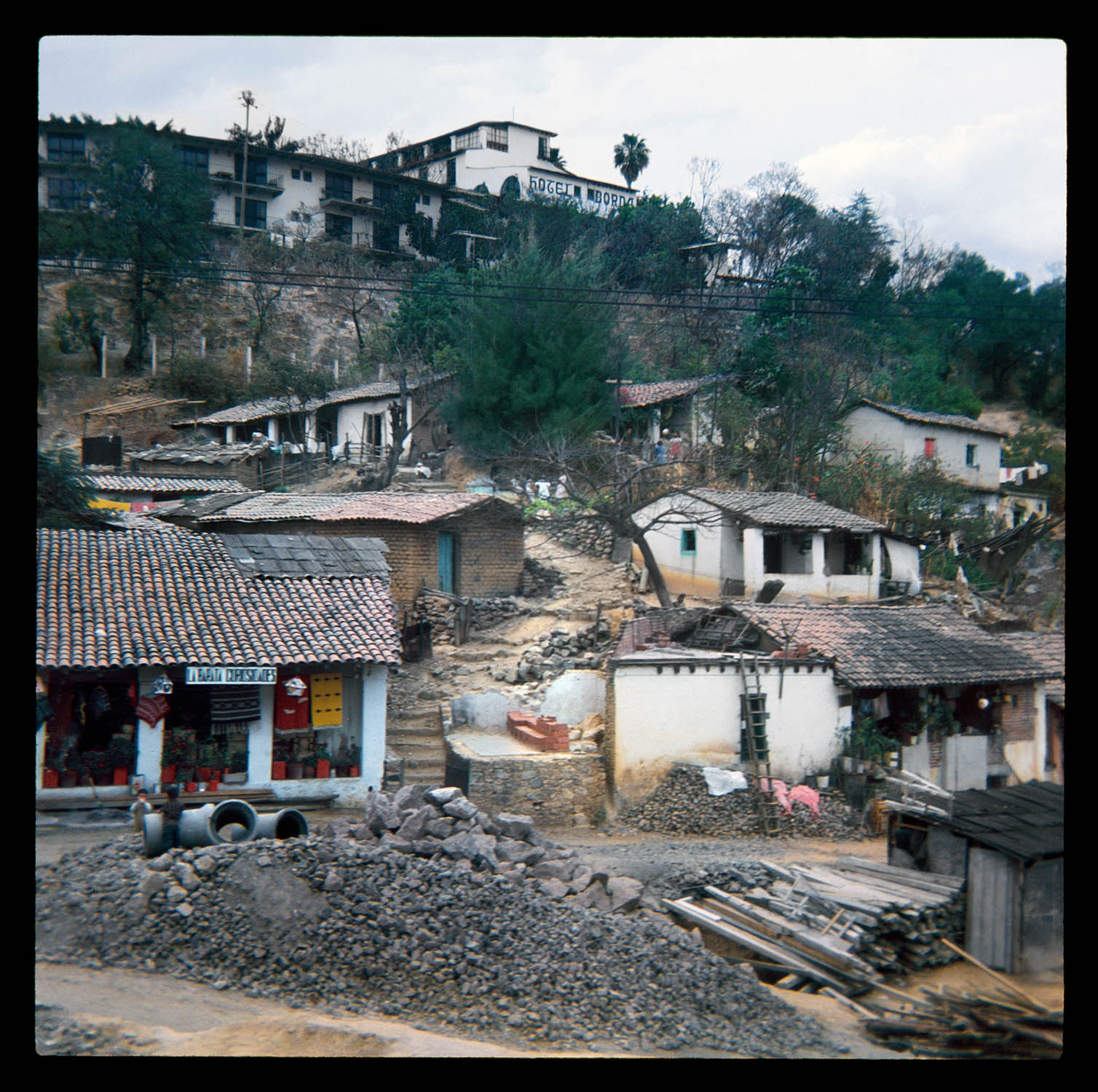
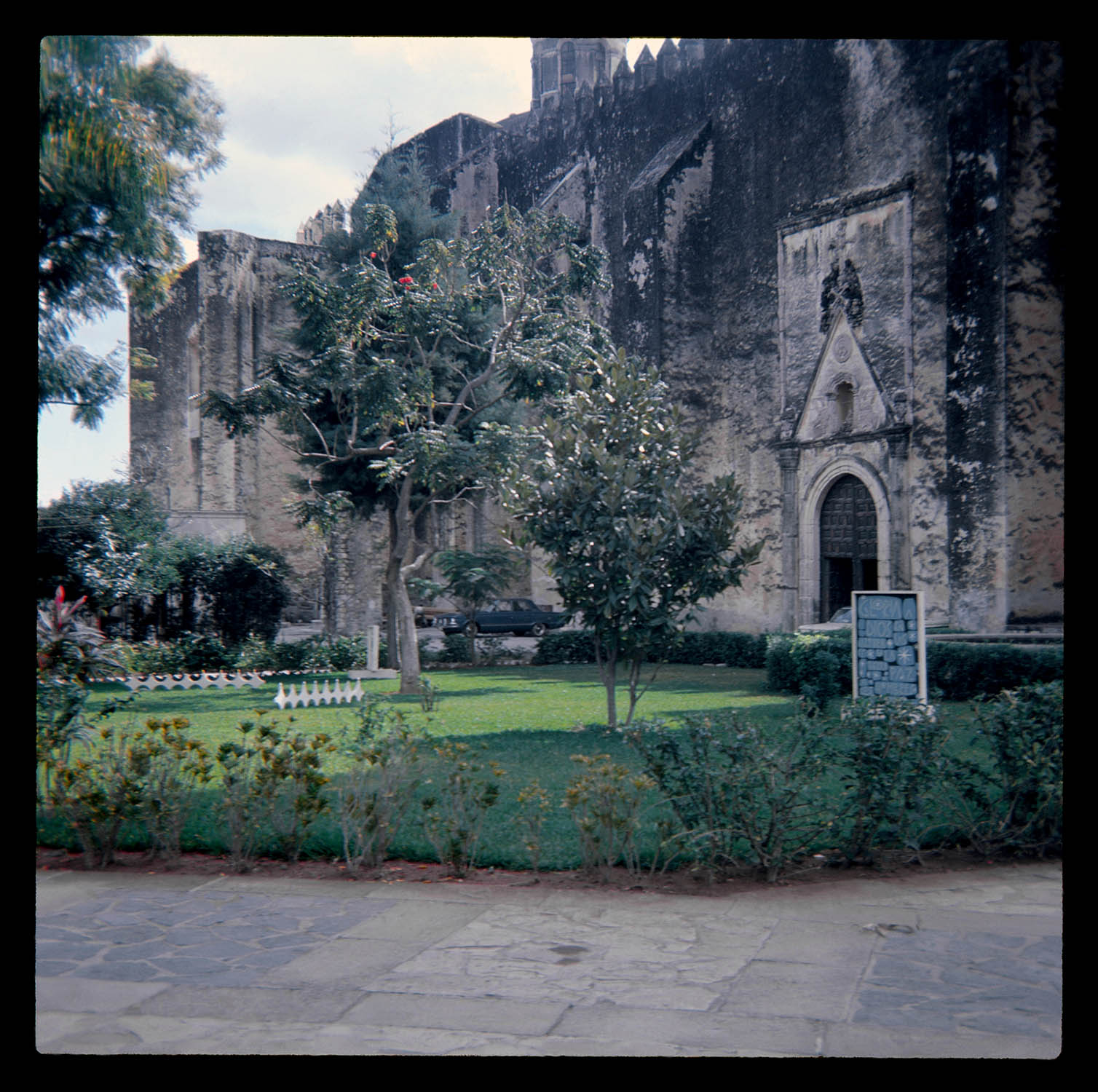
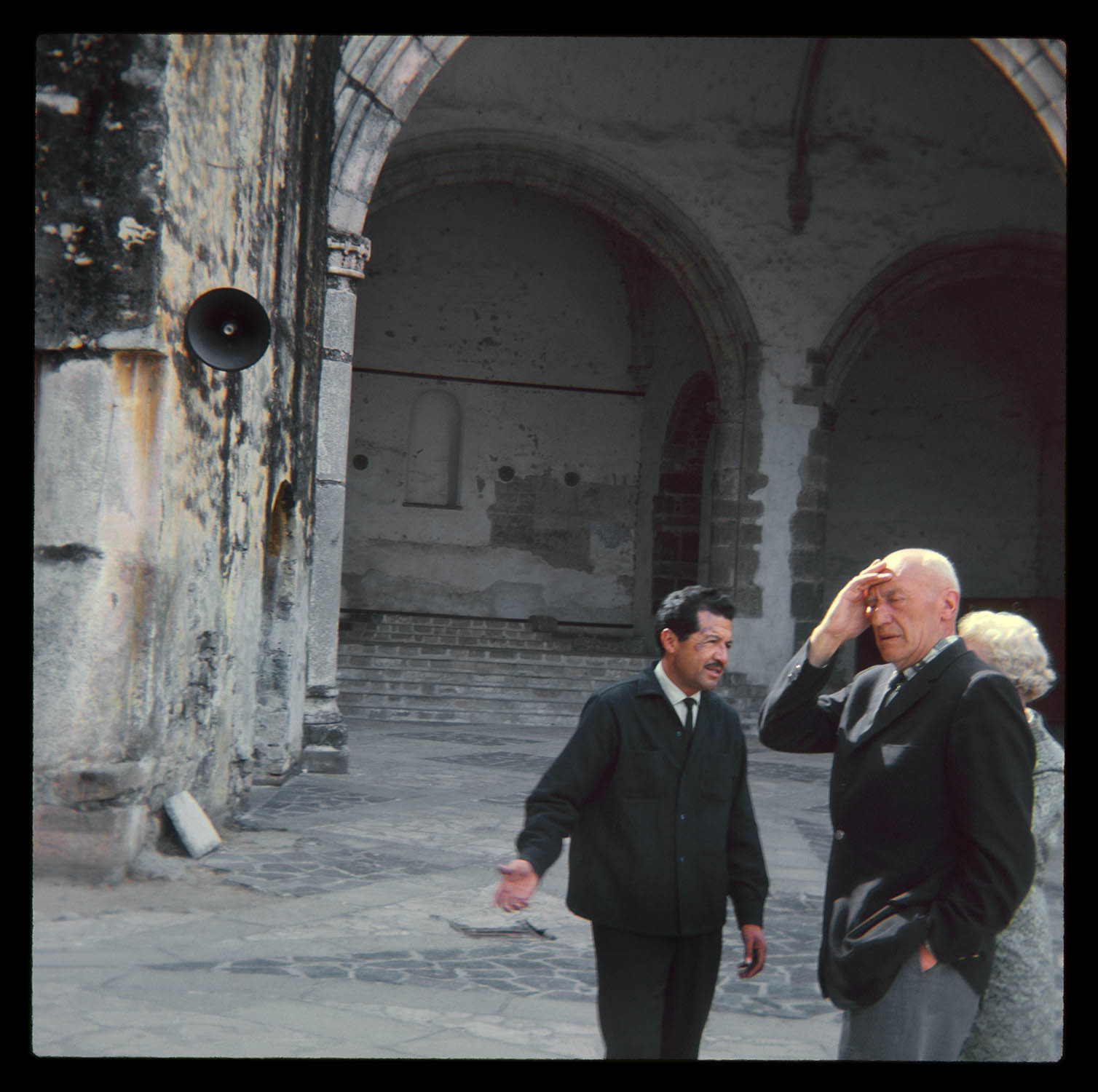
![Heinrich Riebesehl (German, 1938-2010) 'Menschen Im Fahrstuhl, 20.11.1969' [People in the Elevator, 20.11.1969] 1969 from the exhibition 'Typologien: Photography in 20th-century Germany' at Fondazione Prada, Milan, April - July, 2025](https://artblart.com/wp-content/uploads/2025/06/2-typologien_heinrich-riebesehl_siae_sm.jpg "Heinrich Riebesehl (German, 1938-2010) 'Menschen Im Fahrstuhl, 20.11.1969' [People in the Elevator, 20.11.1969] 1969 from the exhibition 'Typologien: Photography in 20th-century Germany' at Fondazione Prada, Milan, April - July, 2025")
![Heinrich Riebesehl (German, 1938-2010) 'Menschen Im Fahrstuhl, 20.11.1969' [People in the Elevator, 20.11.1969] 1969](https://artblart.com/wp-content/uploads/2025/06/1-typologien_heinrich-riebesehl_siae_sm.jpg "Heinrich Riebesehl (German, 1938-2010) 'Menschen Im Fahrstuhl, 20.11.1969' [People in the Elevator, 20.11.1969] 1969")
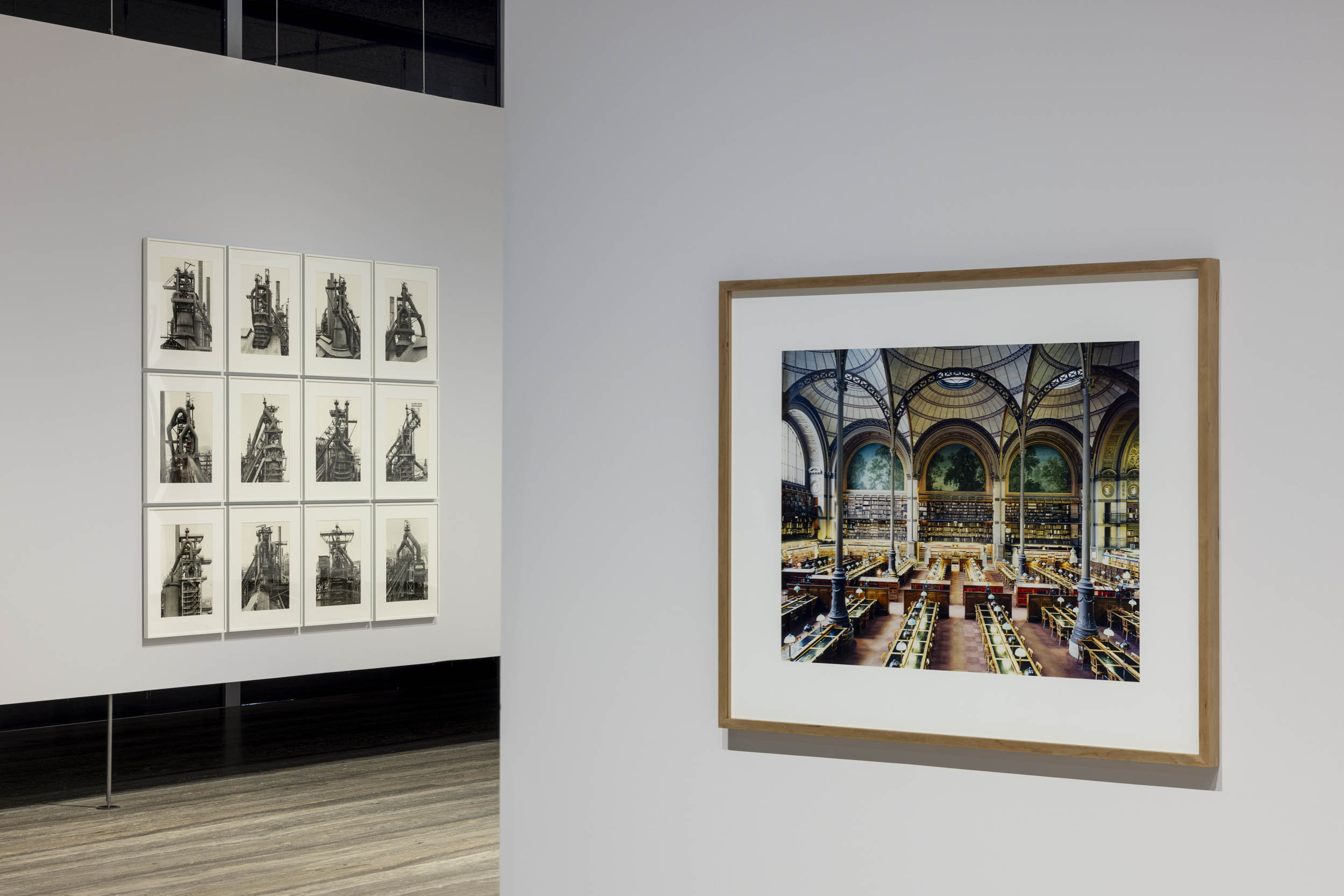
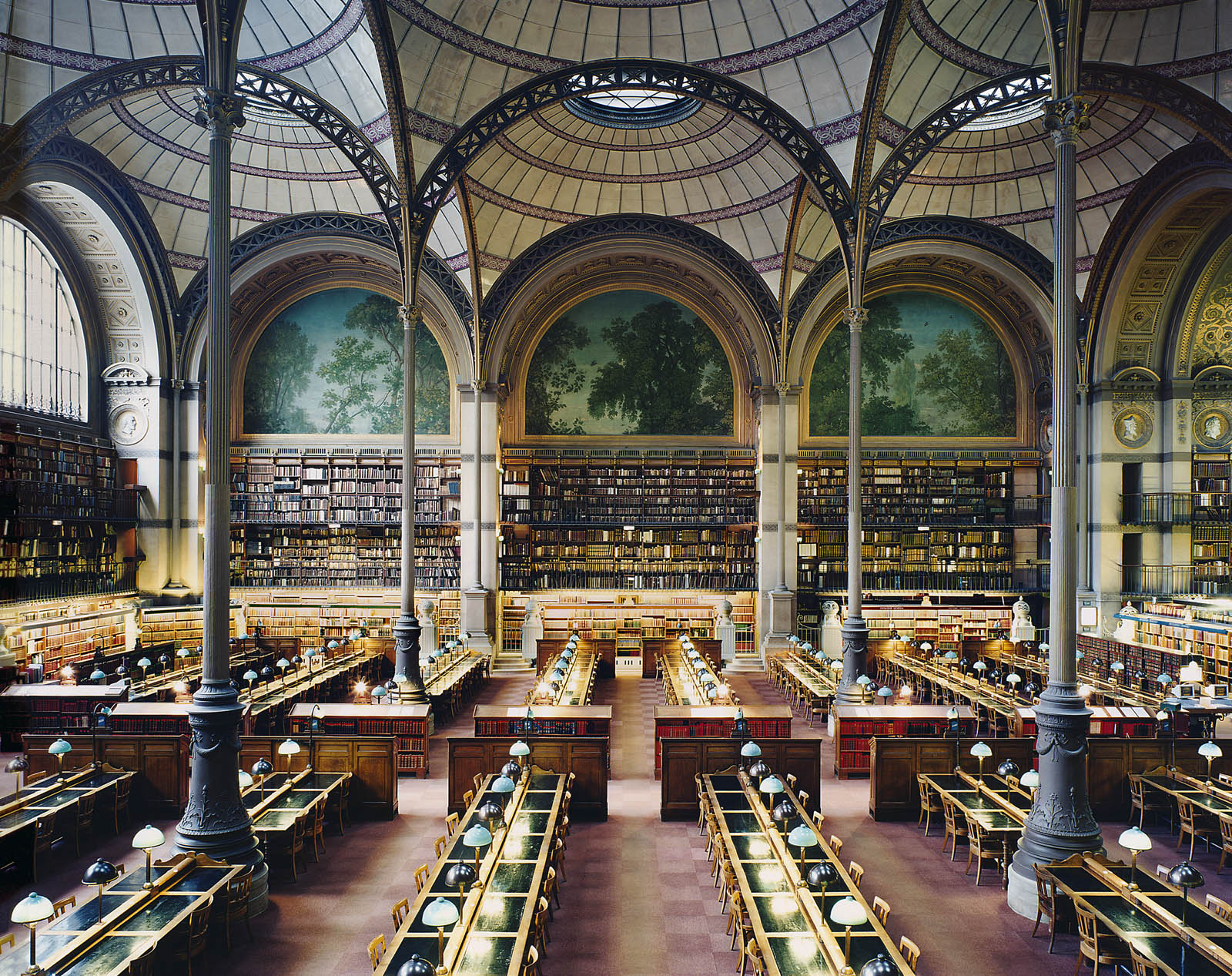

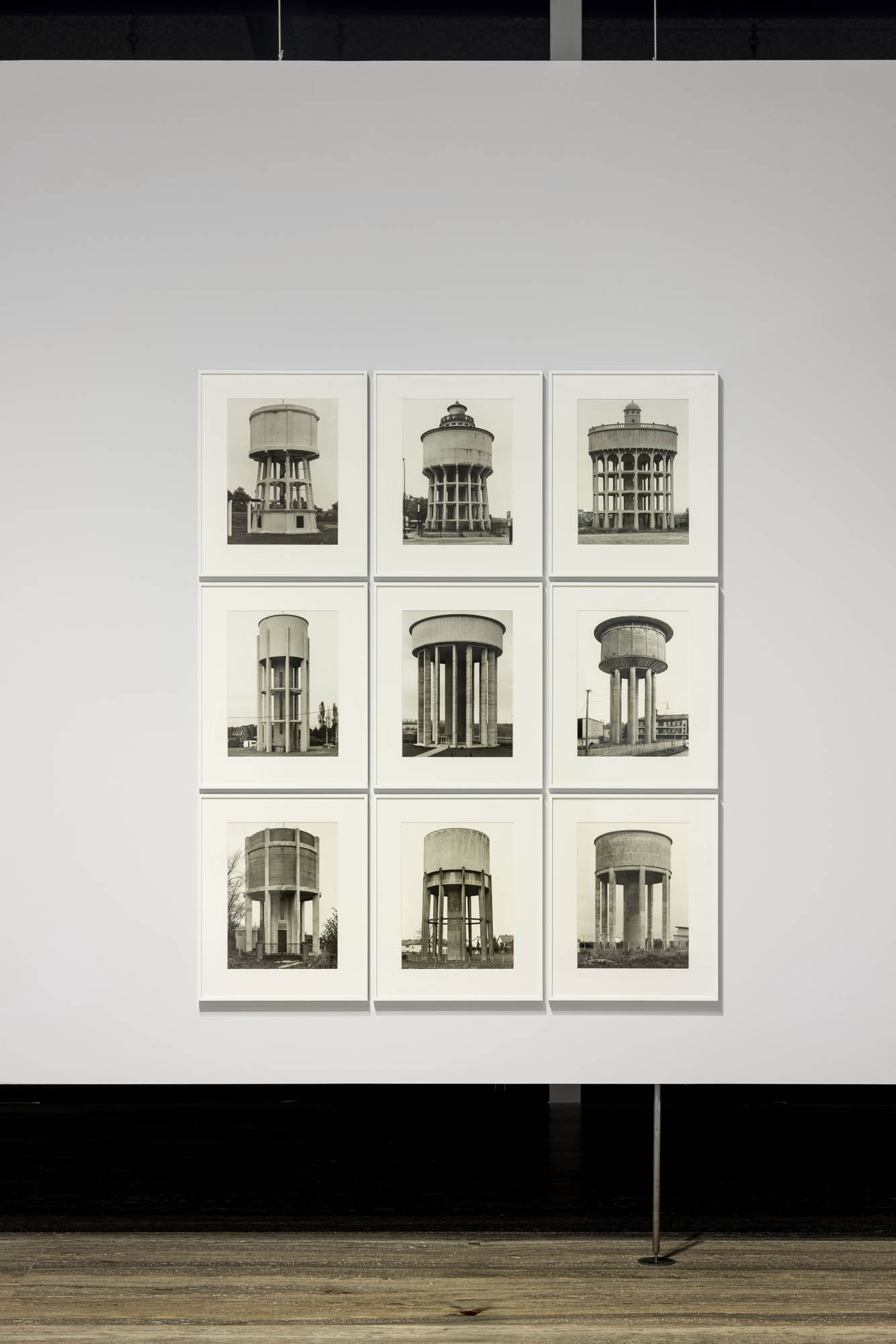


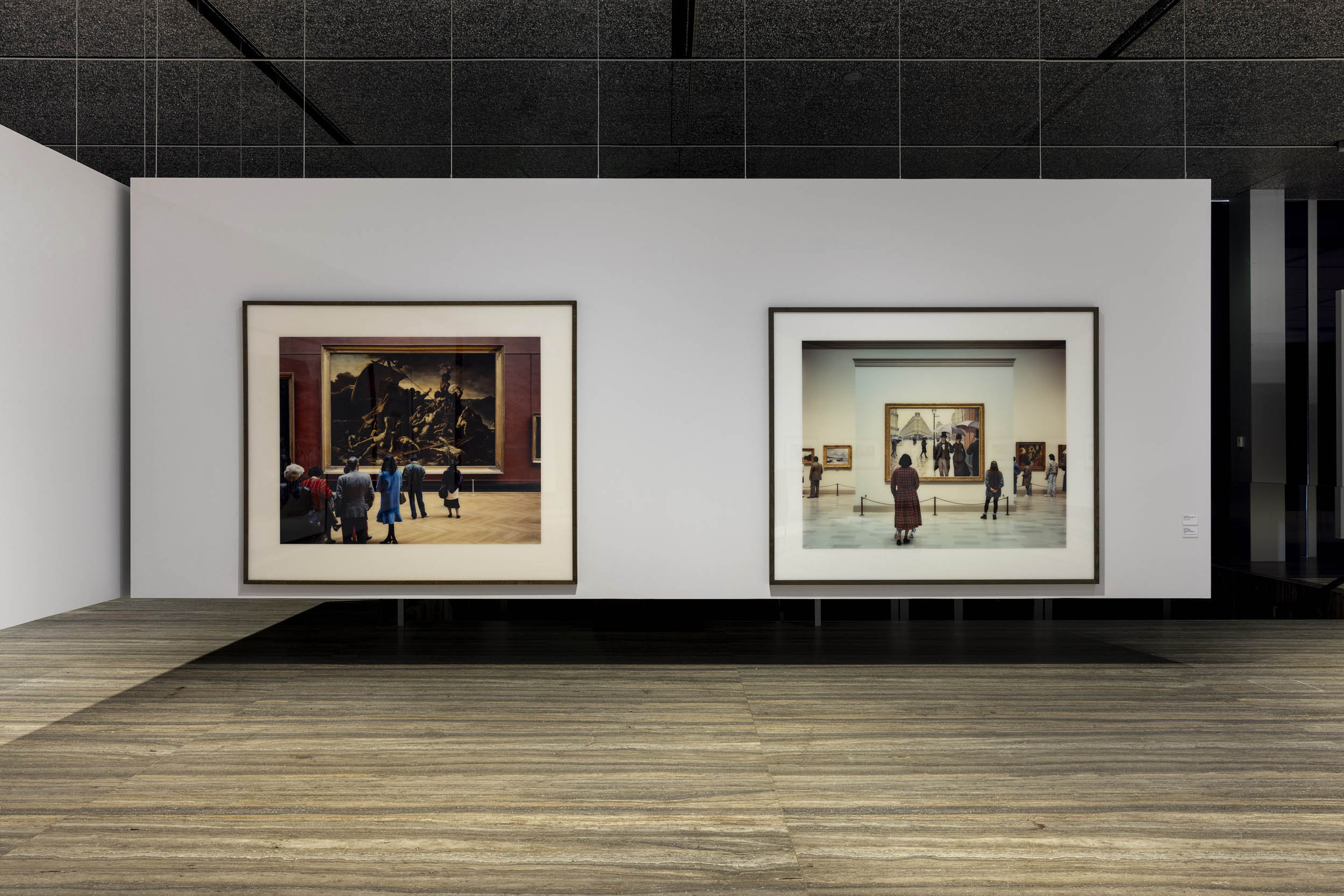
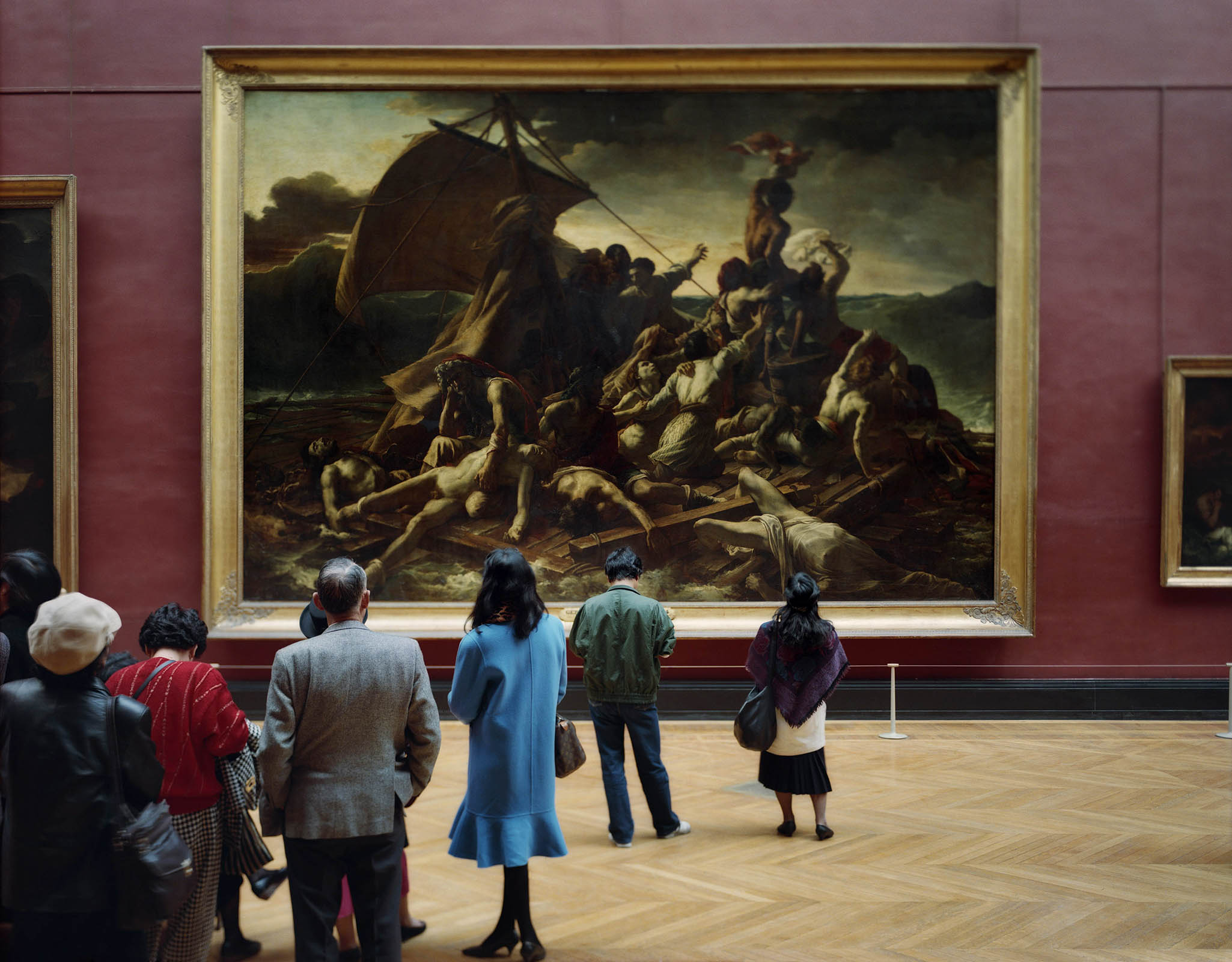

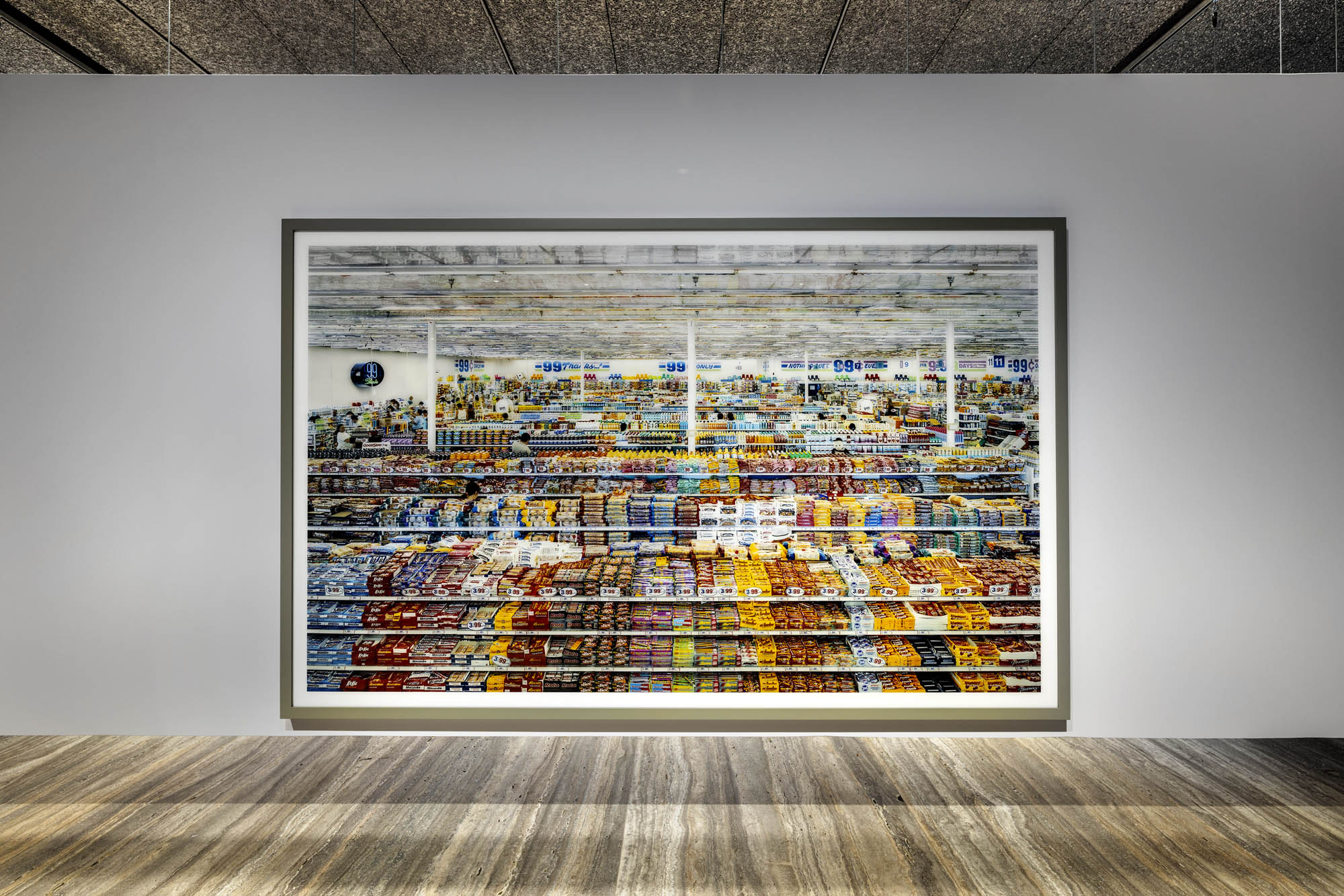
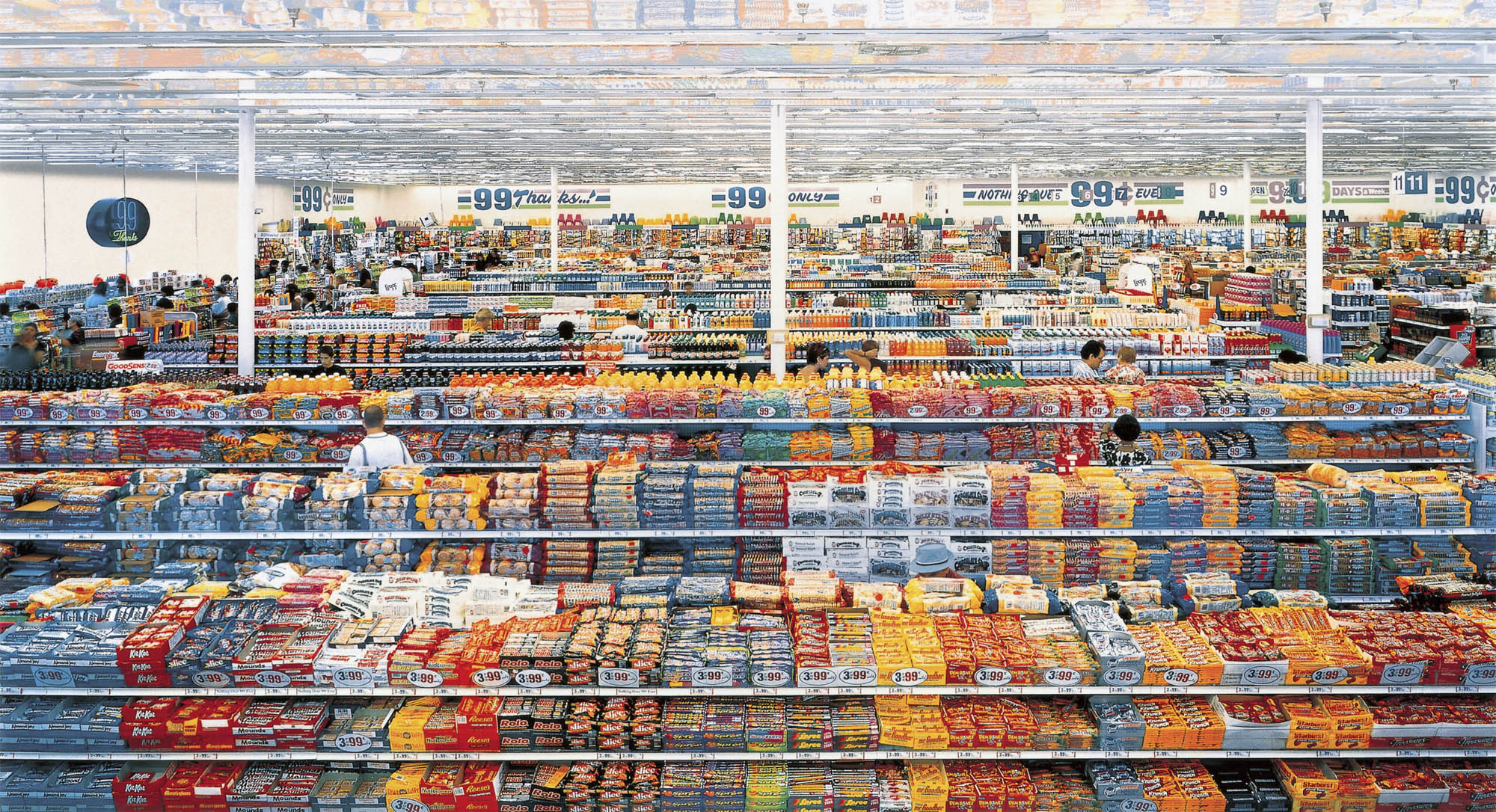
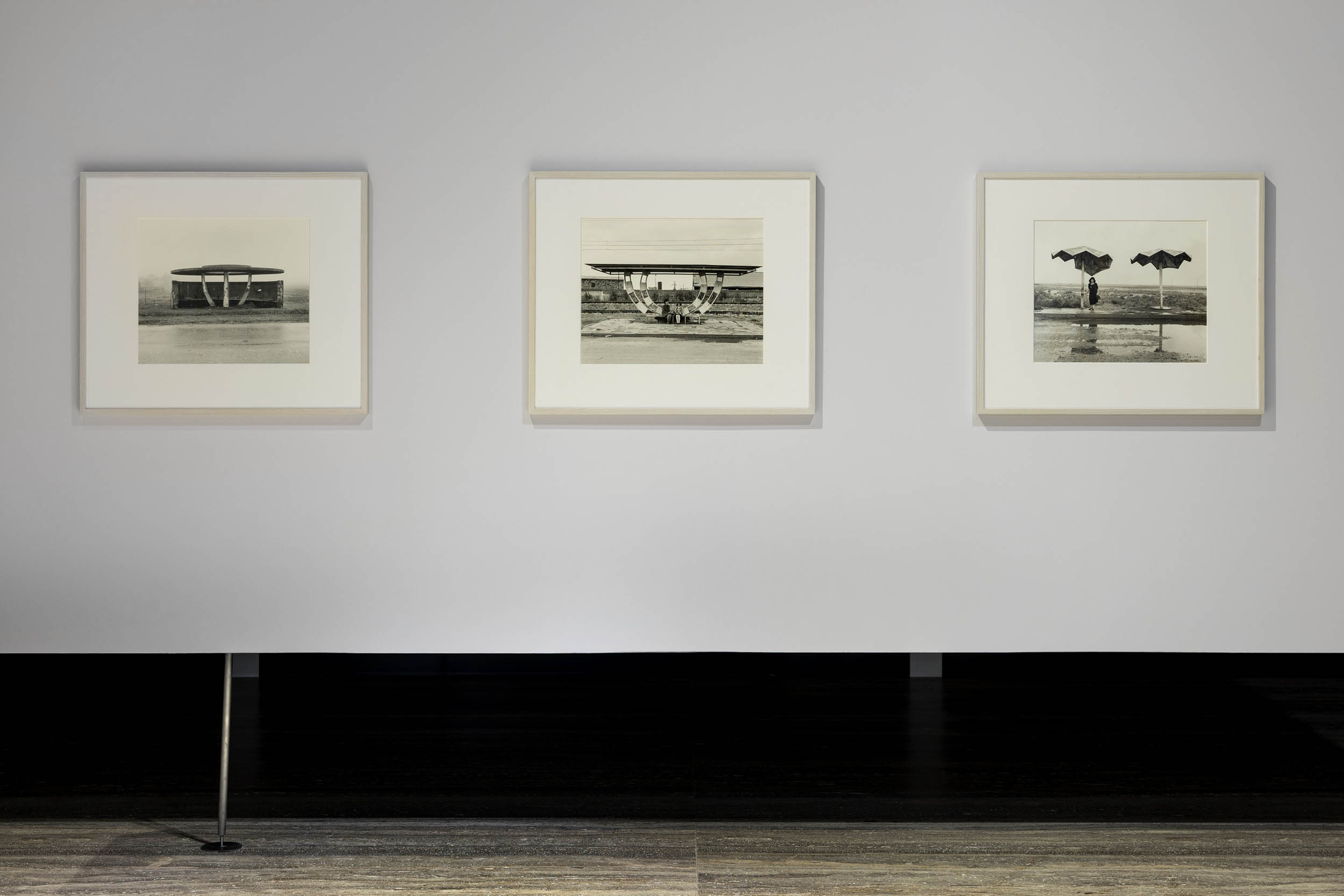
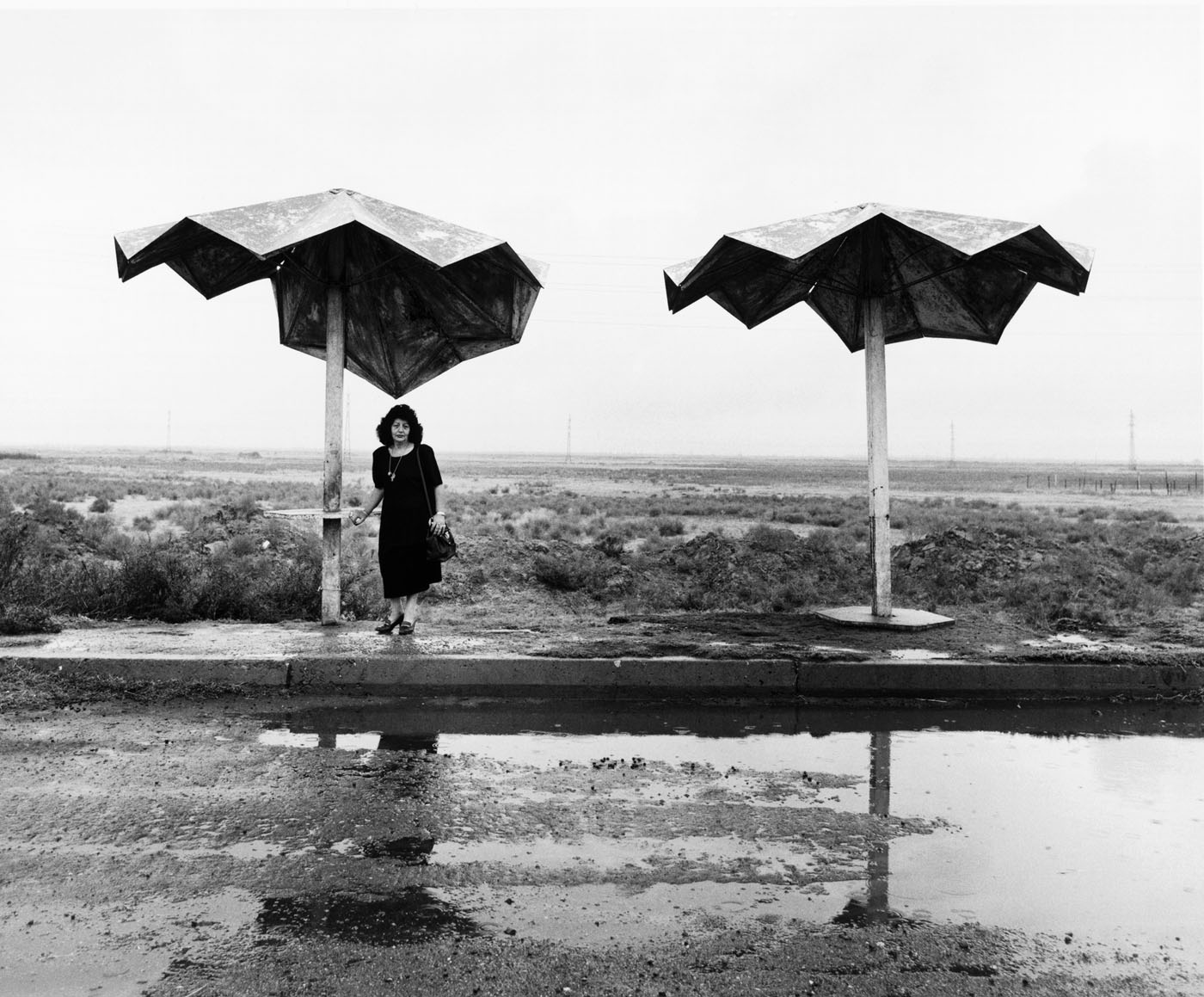
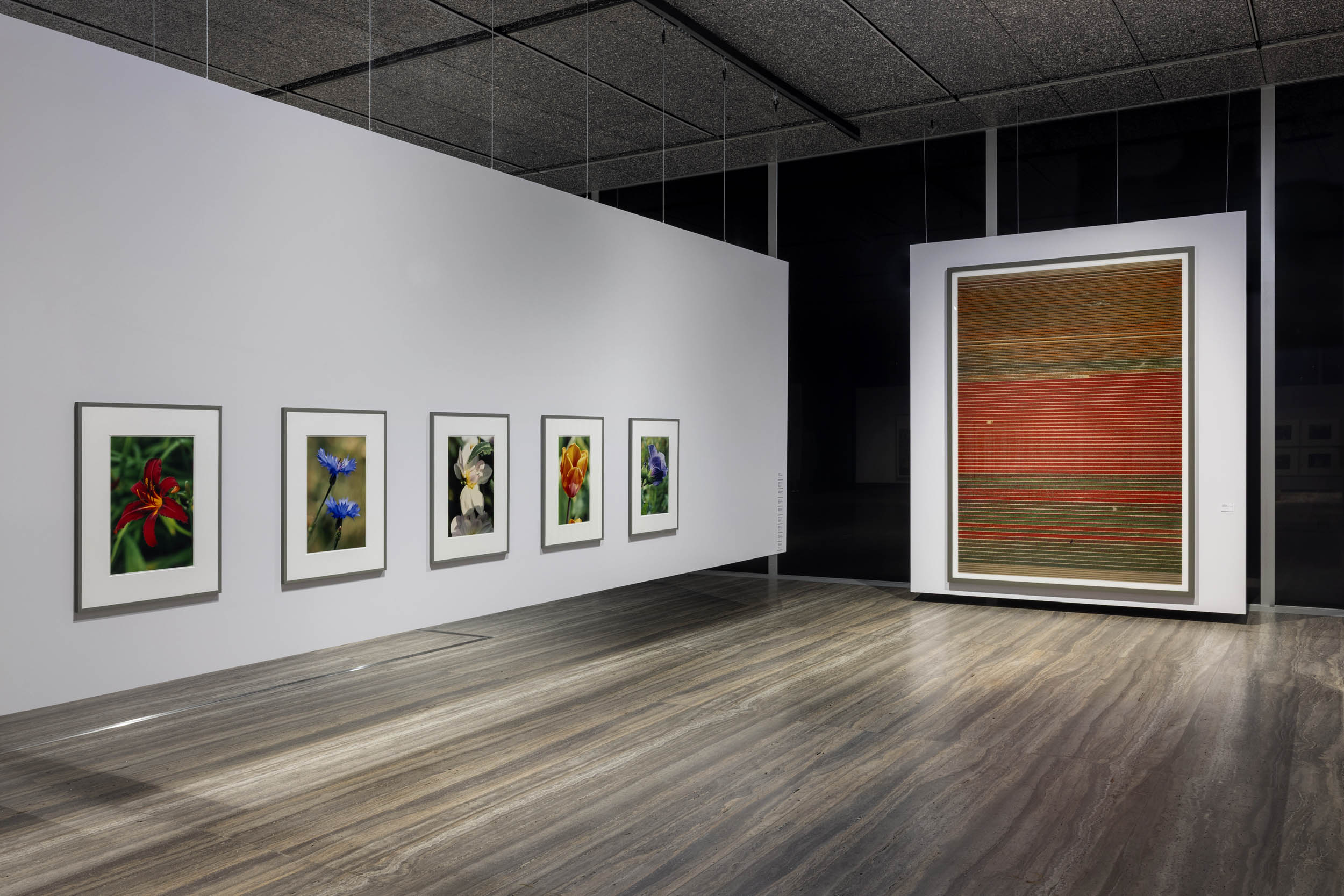
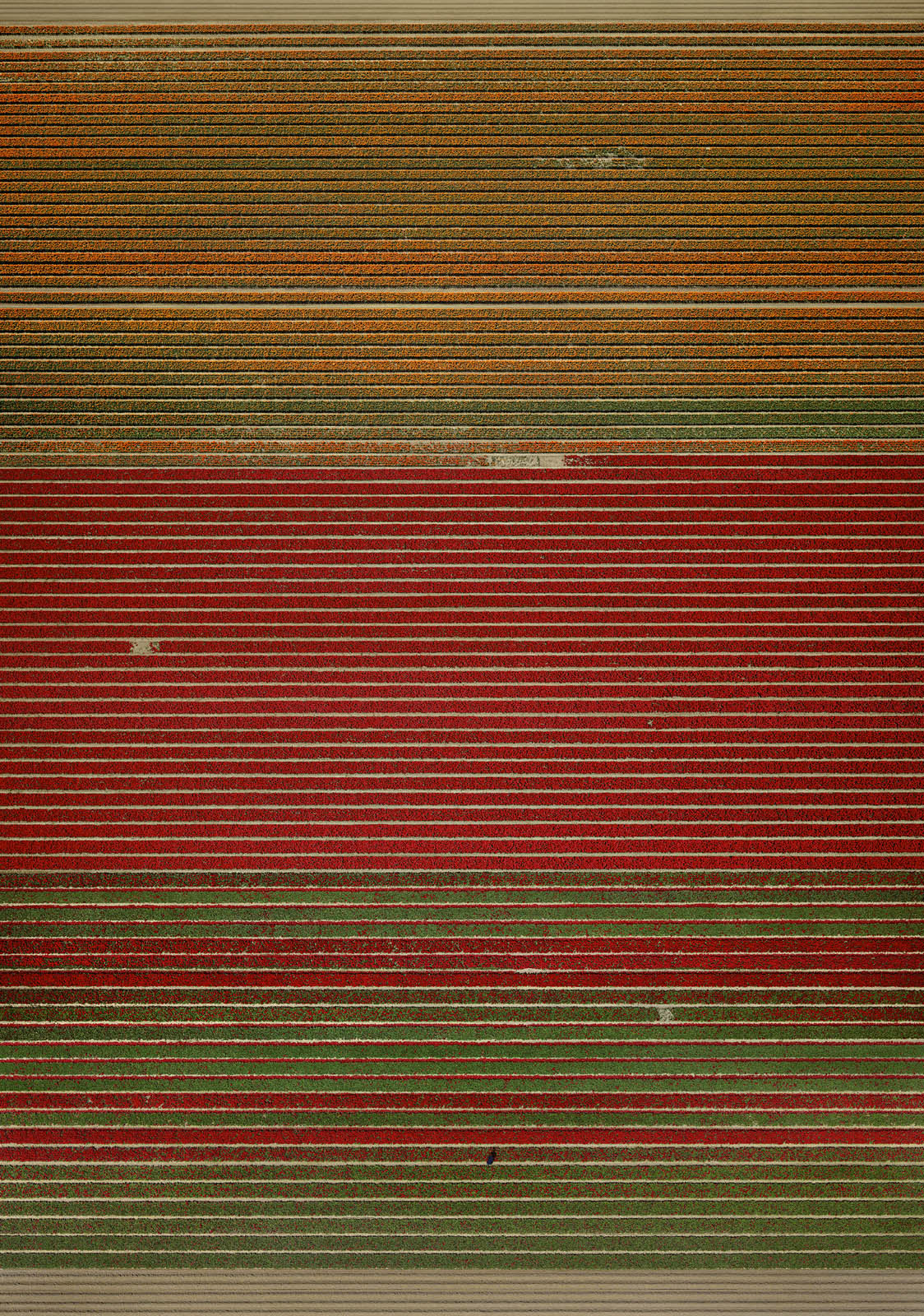

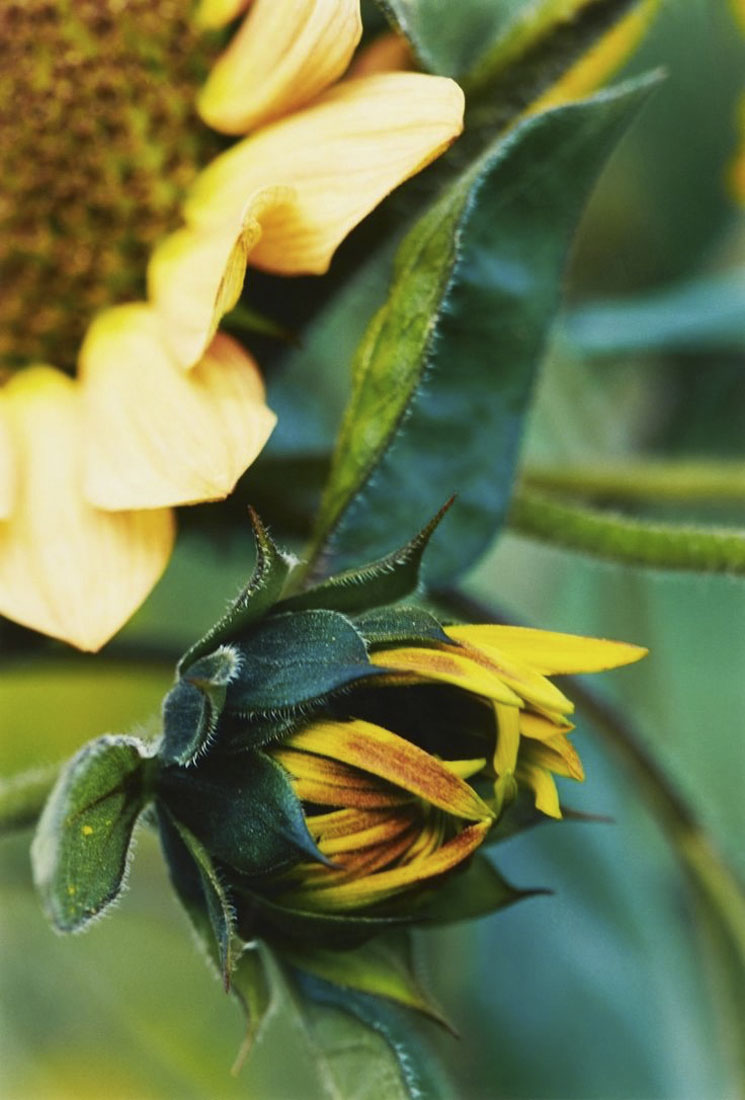
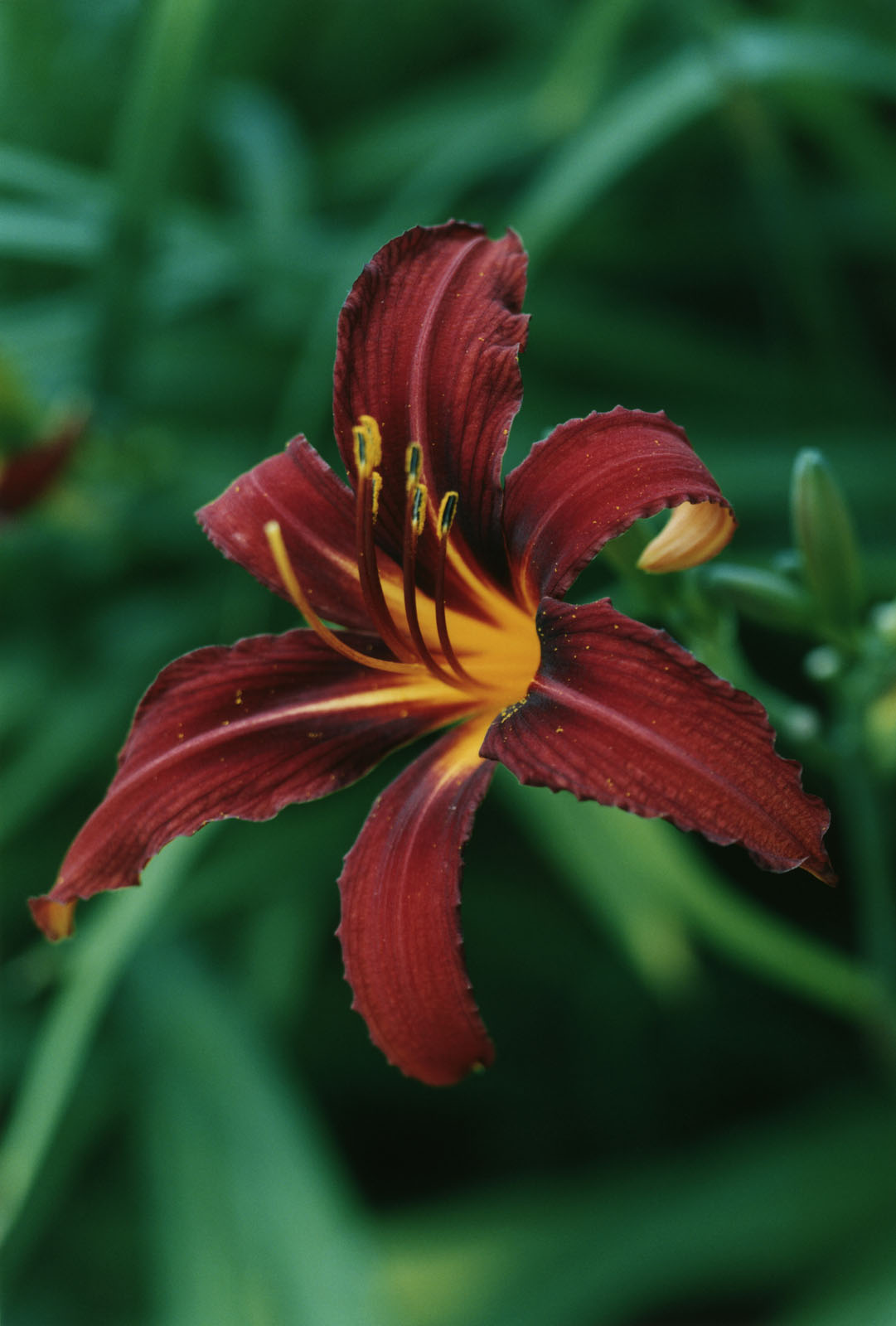
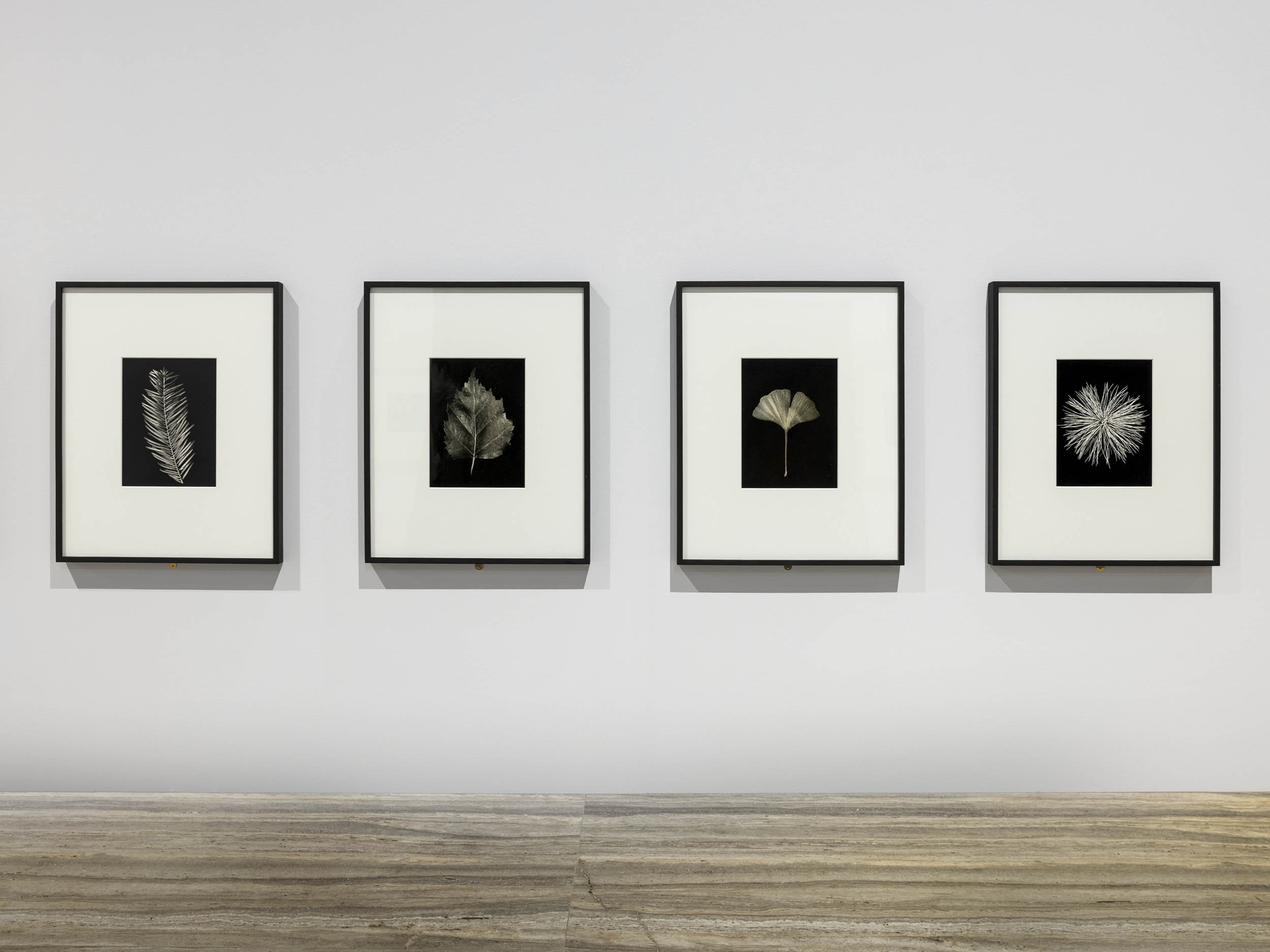
![Hilla Becher (German, 1934-2015) 'Eichenblatt [Oak Leaf]' 1965](https://artblart.com/wp-content/uploads/2025/06/8-typologien_hilla-becher_sm.jpg "Hilla Becher (German, 1934-2015) 'Eichenblatt [Oak Leaf]' 1965")
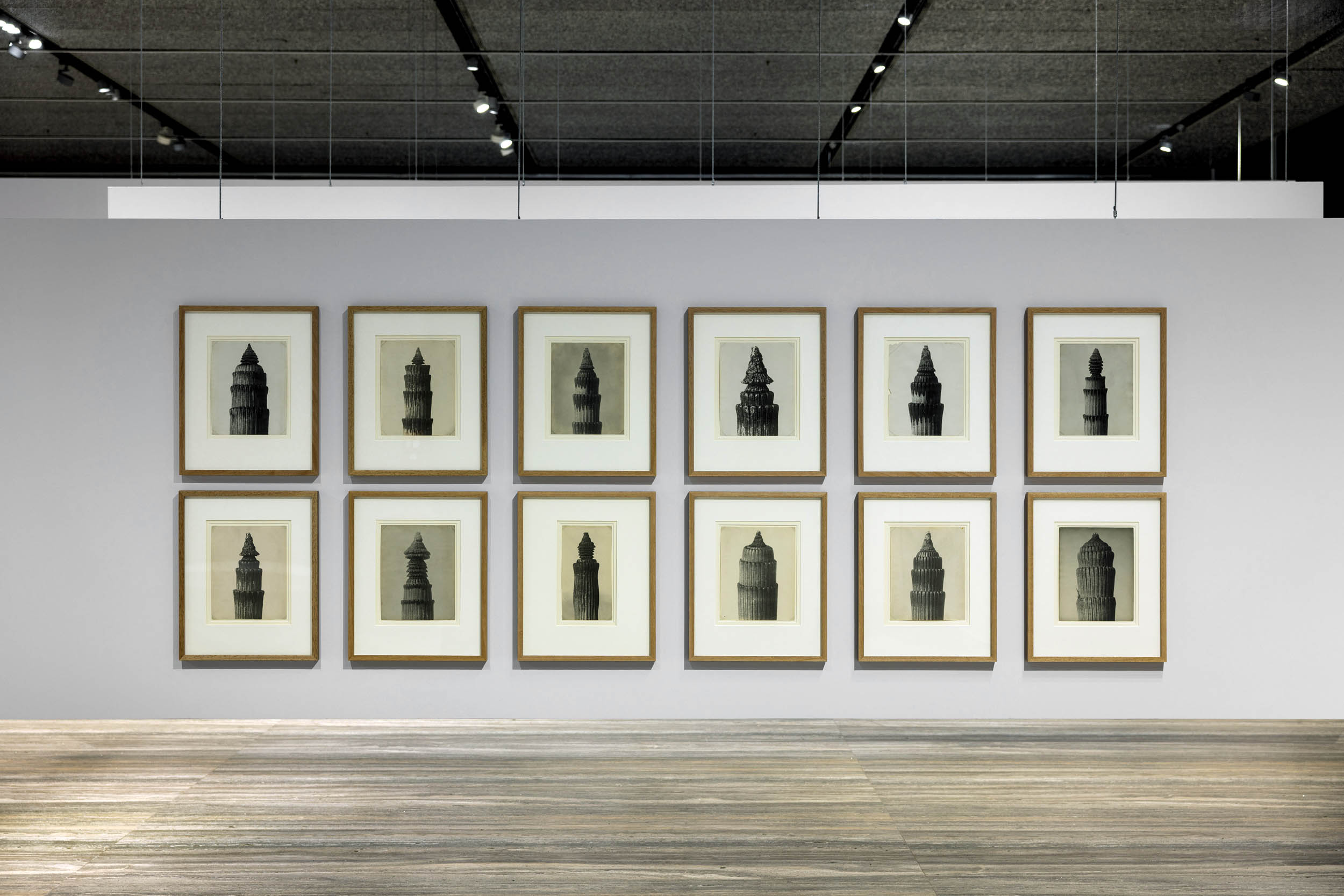
![Karl Blossfeldt (German, 1865-1932) 'Adiantum pedatum, haarfarn, junge, noch eingerollte Wedel' [Maidenhair fern, young, still curled fronds] Nd](https://artblart.com/wp-content/uploads/2025/06/5-typologien_karl-blossfeldt_sm.jpg "Karl Blossfeldt (German, 1865-1932) 'Adiantum pedatum, haarfarn, junge, noch eingerollte Wedel' [Maidenhair fern, young, still curled fronds] Nd")


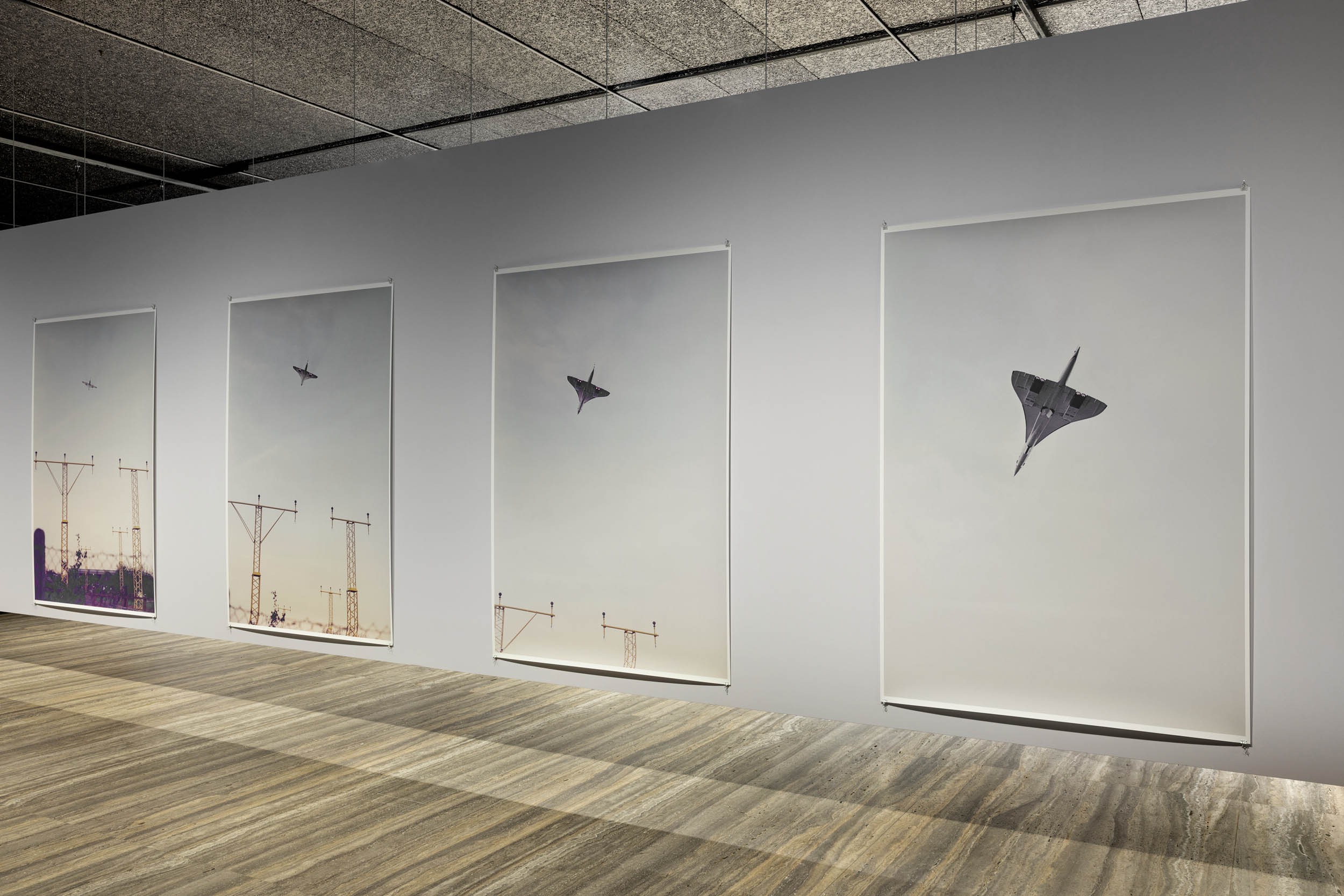
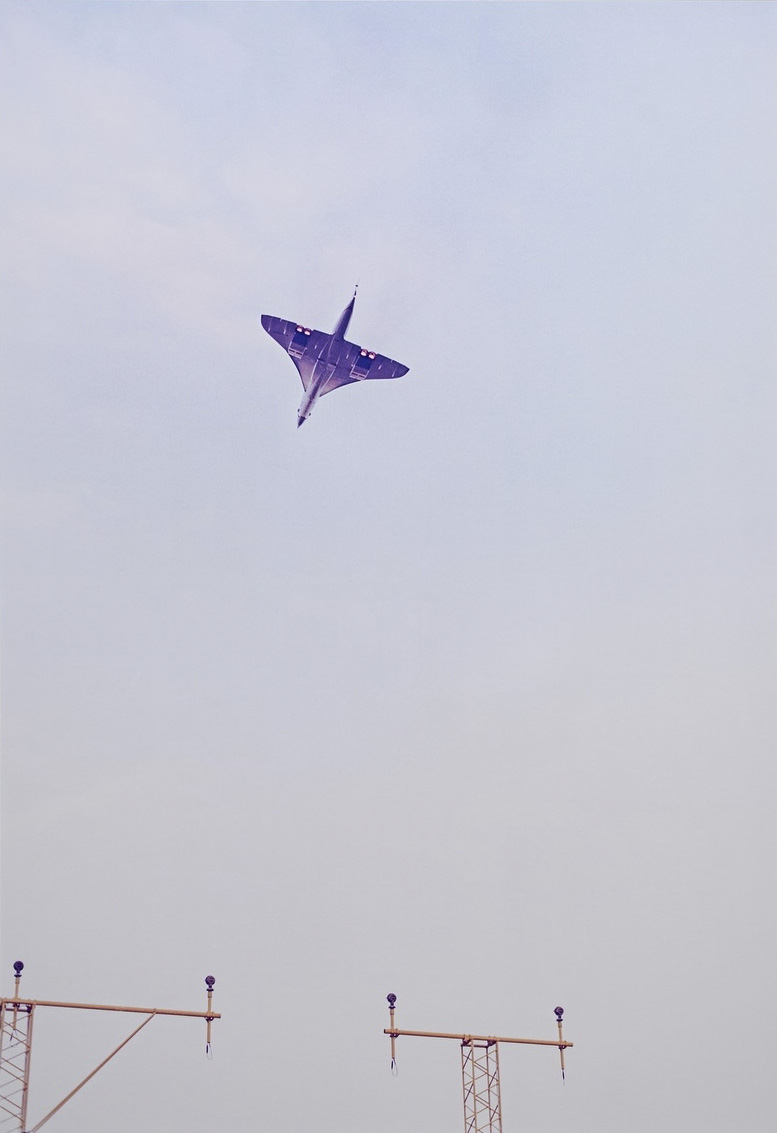
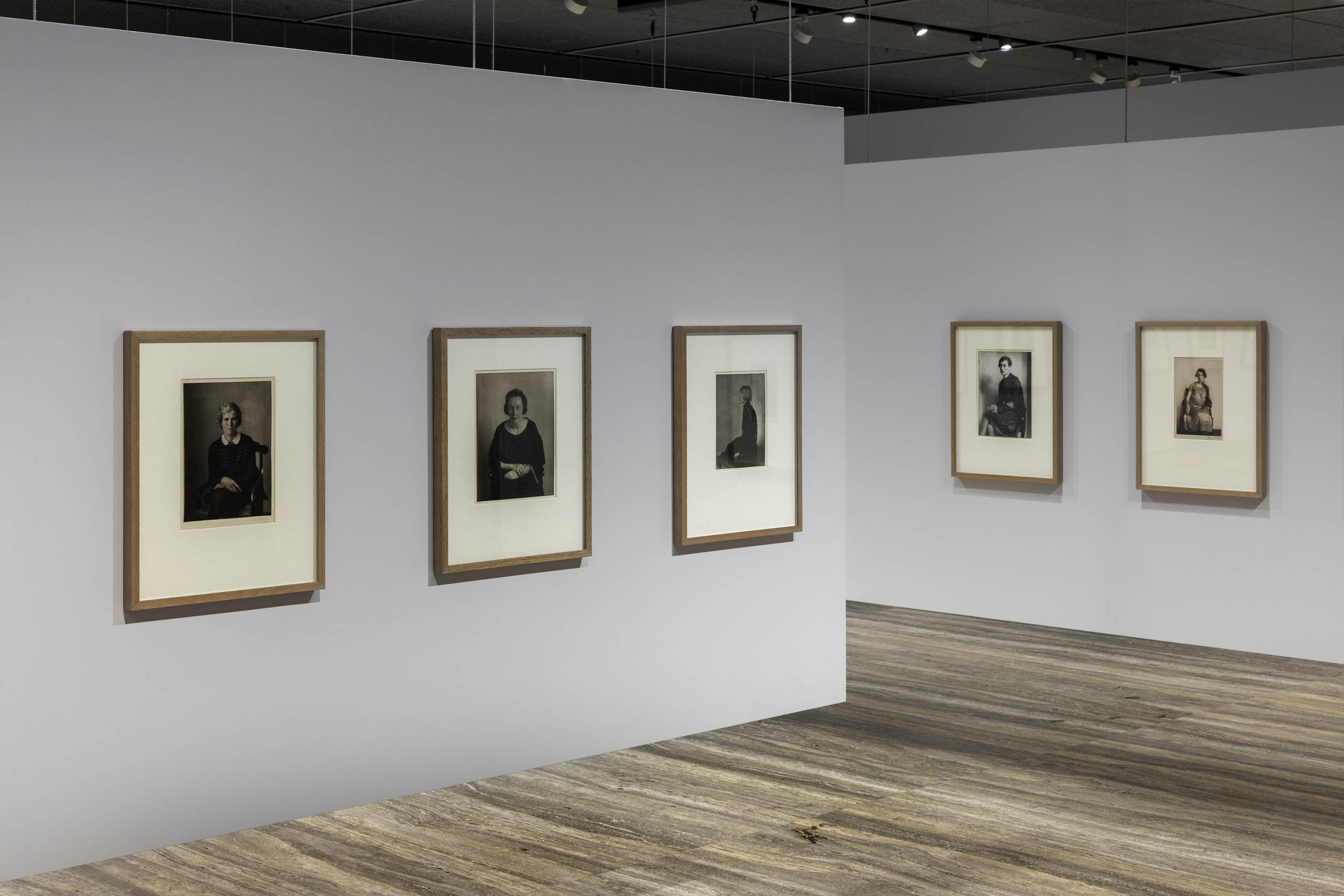
![August Sander (German, 1876-1964) 'Sekretärin beim Westdeutschen Rundfunk in Köln' [Secretary at West German Radio in Cologne] 1931-1950s](https://artblart.com/wp-content/uploads/2025/06/6-typologien_august-sander_siae_sm.jpg "August Sander (German, 1876-1964) 'Sekretärin beim Westdeutschen Rundfunk in Köln' [Secretary at West German Radio in Cologne] 1931-1950s")
![Erich Sander for August Sander's studio. 'Politischer Häftling' [Political Prisoner] 1941-1944 (print date late 1940s)](https://artblart.com/wp-content/uploads/2025/06/7-typologien_august-sander_siae_sm.jpg "Erich Sander for August Sander's studio. 'Politischer Häftling' [Political Prisoner] 1941-1944 (print date late 1940s)")
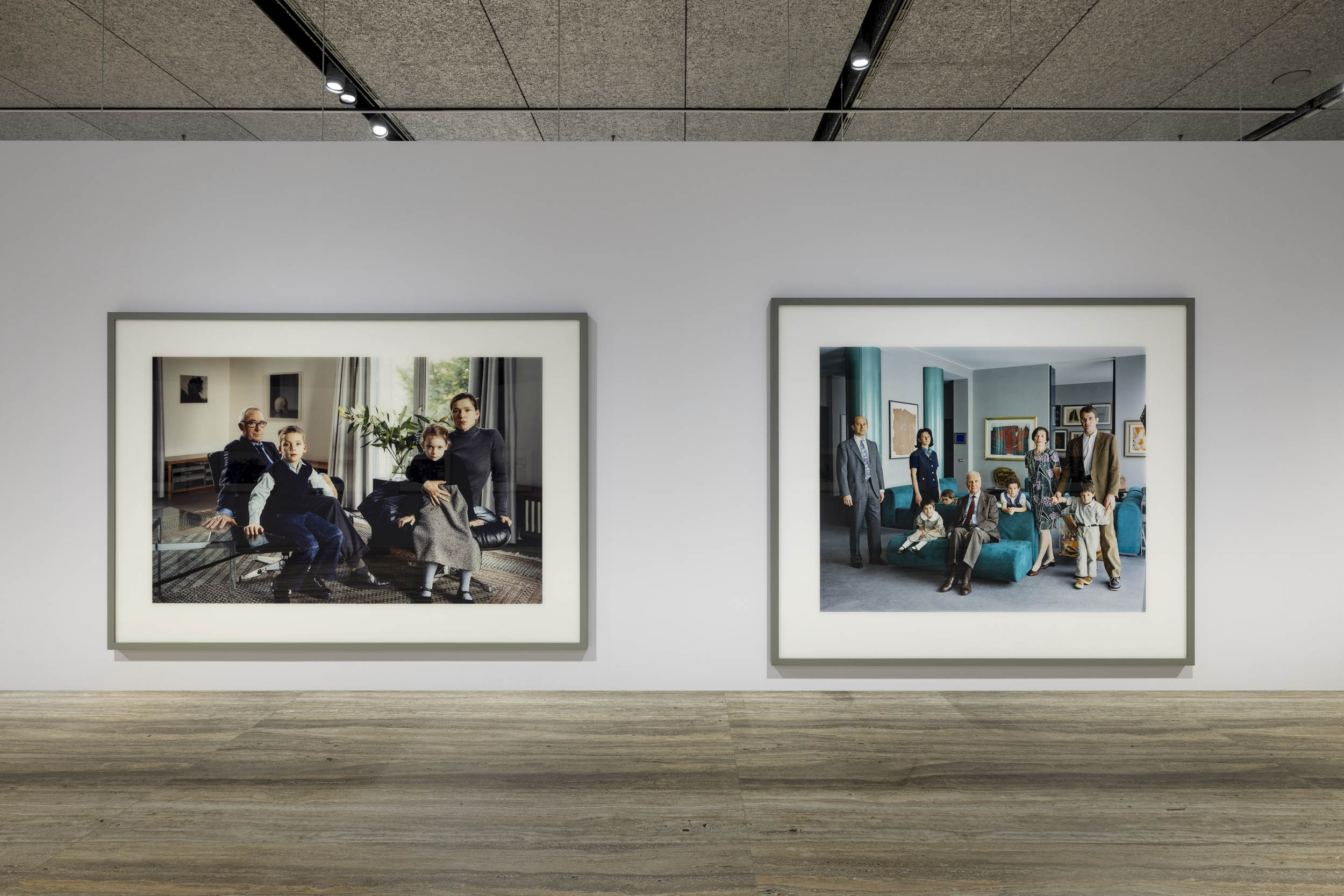

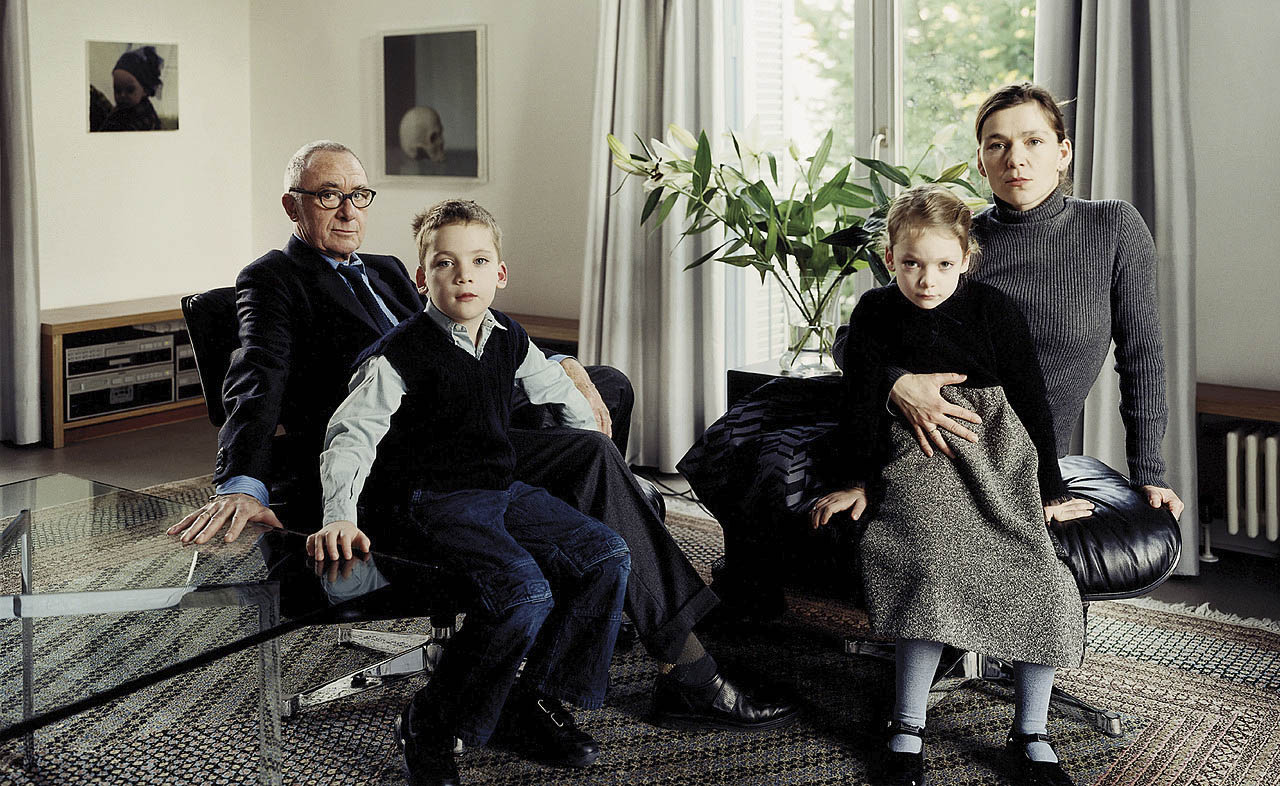
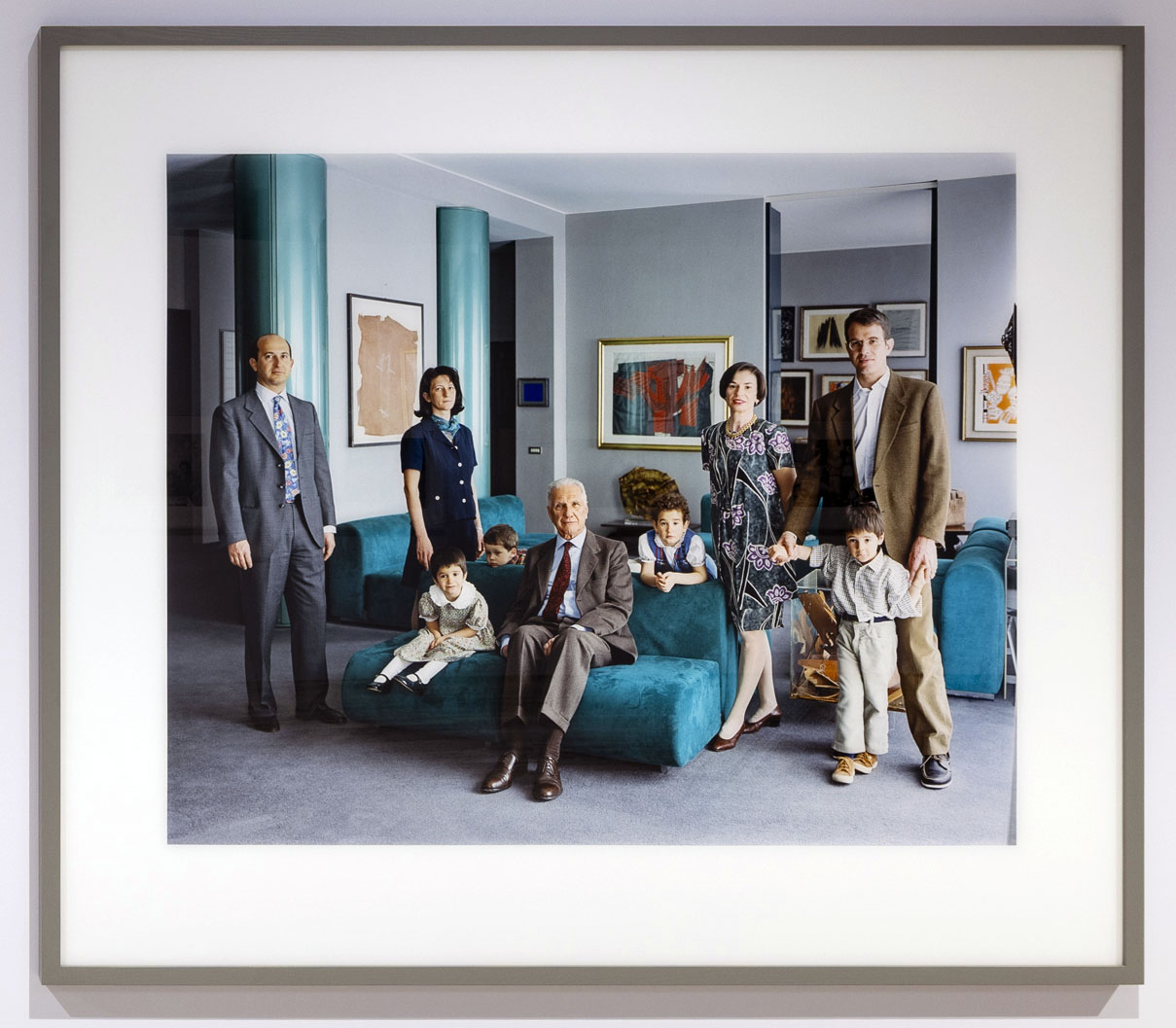
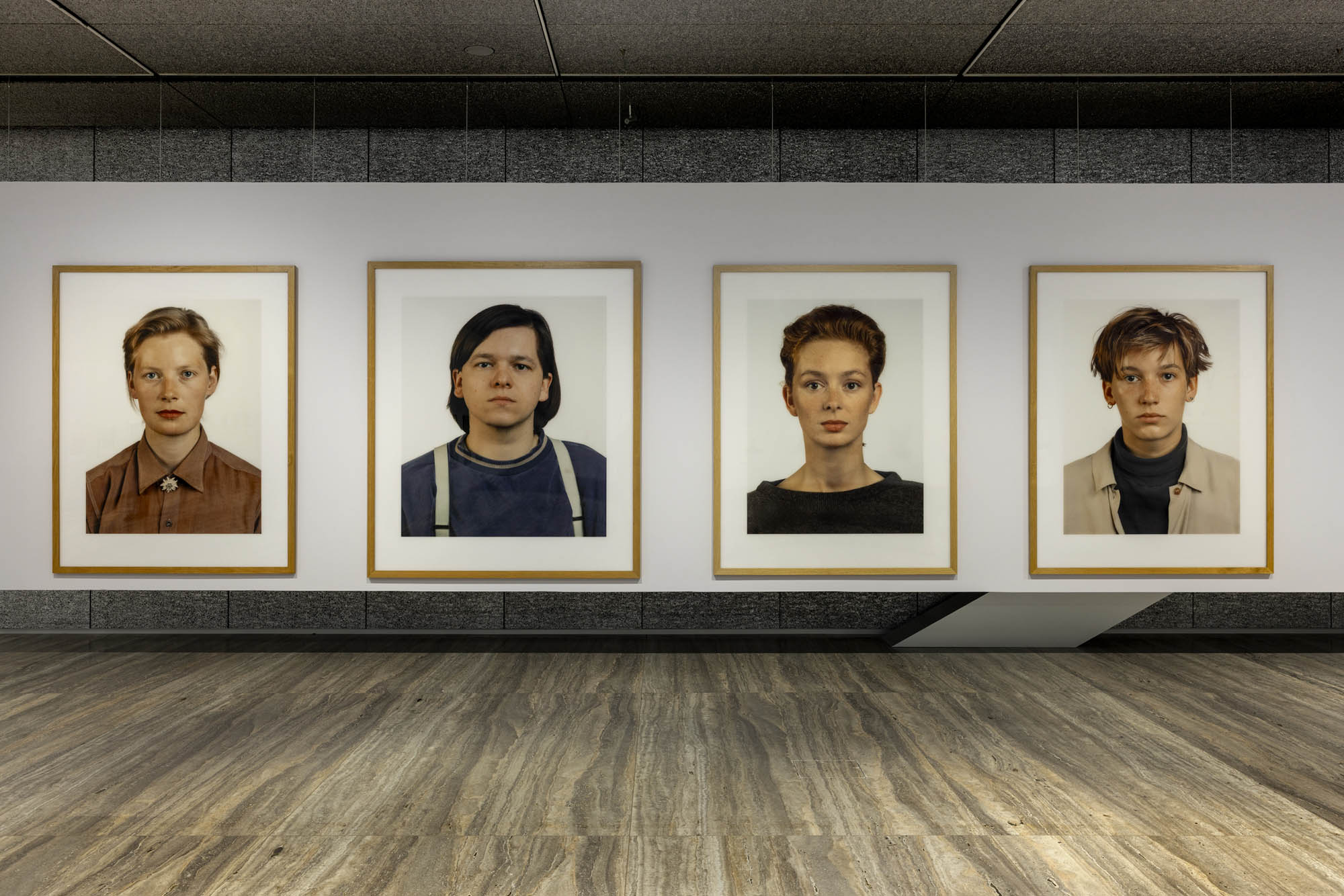
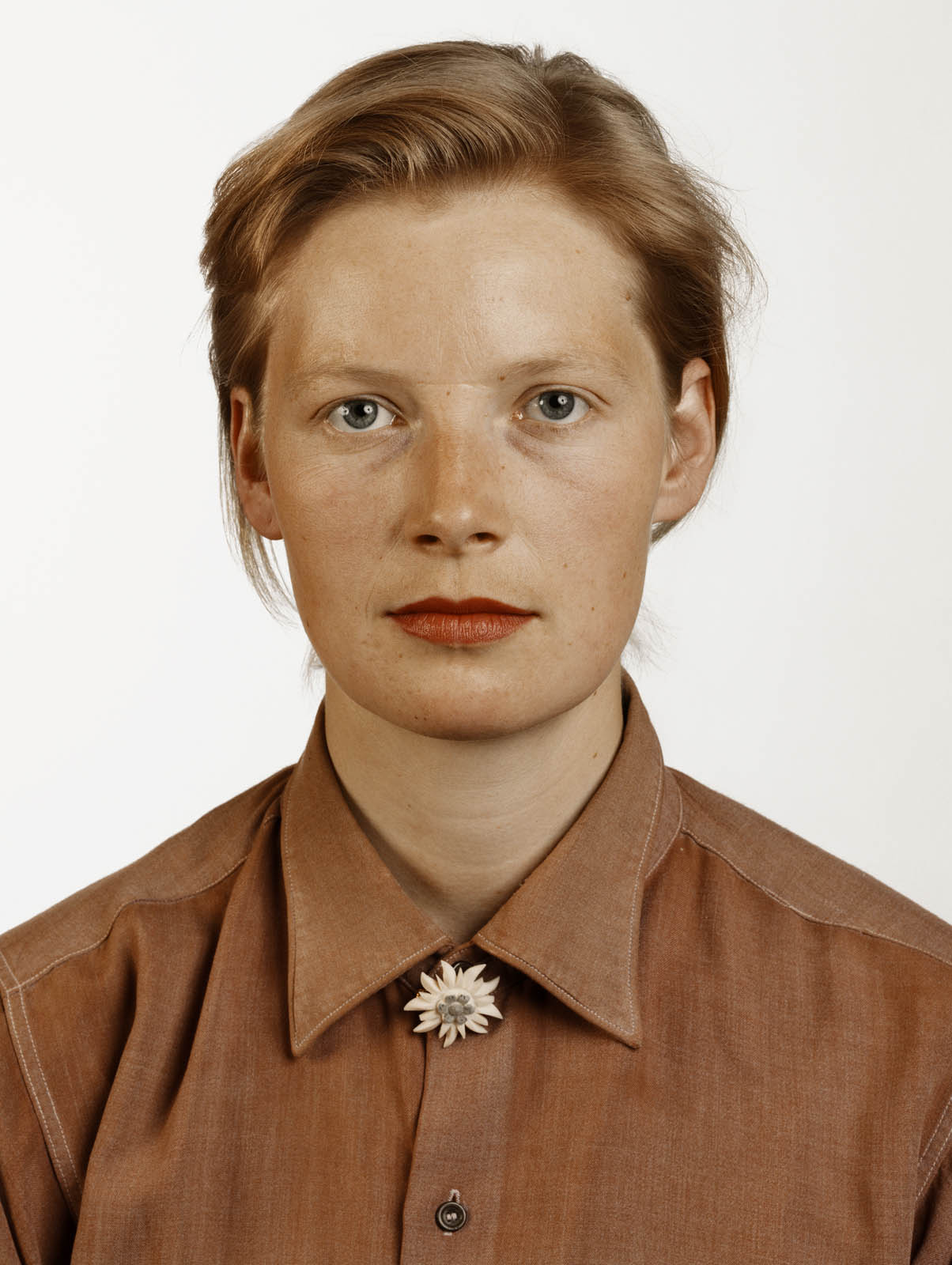

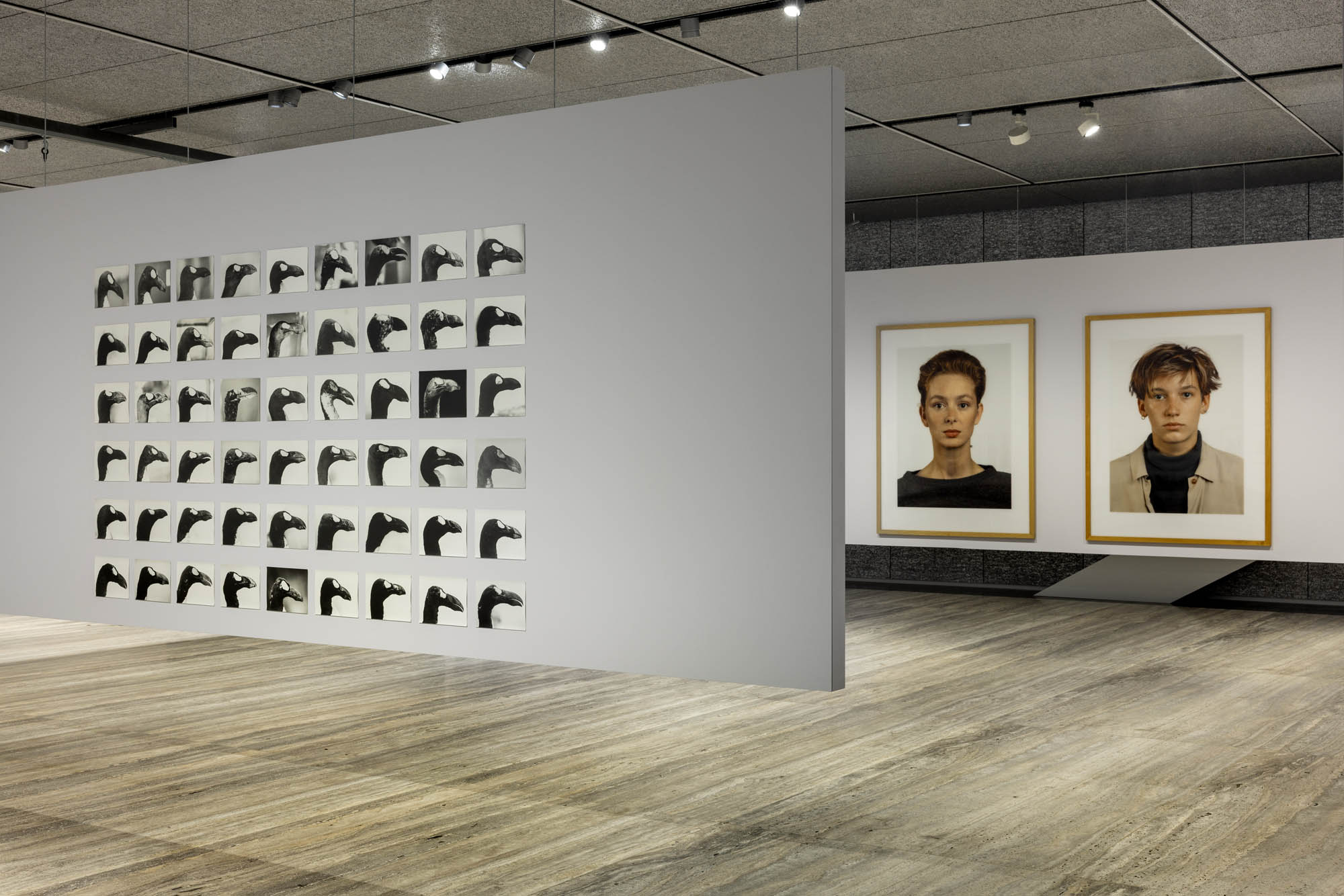
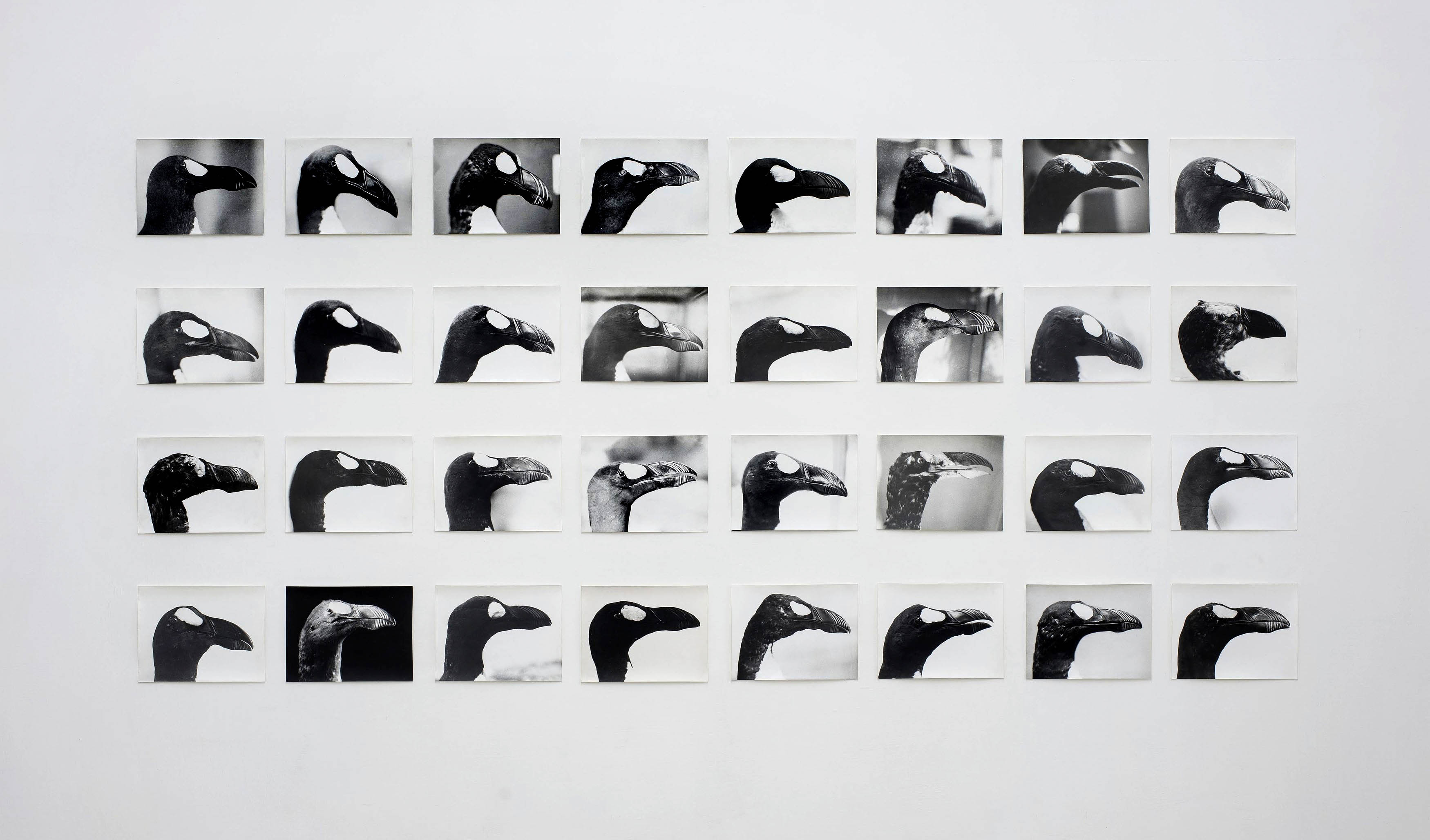

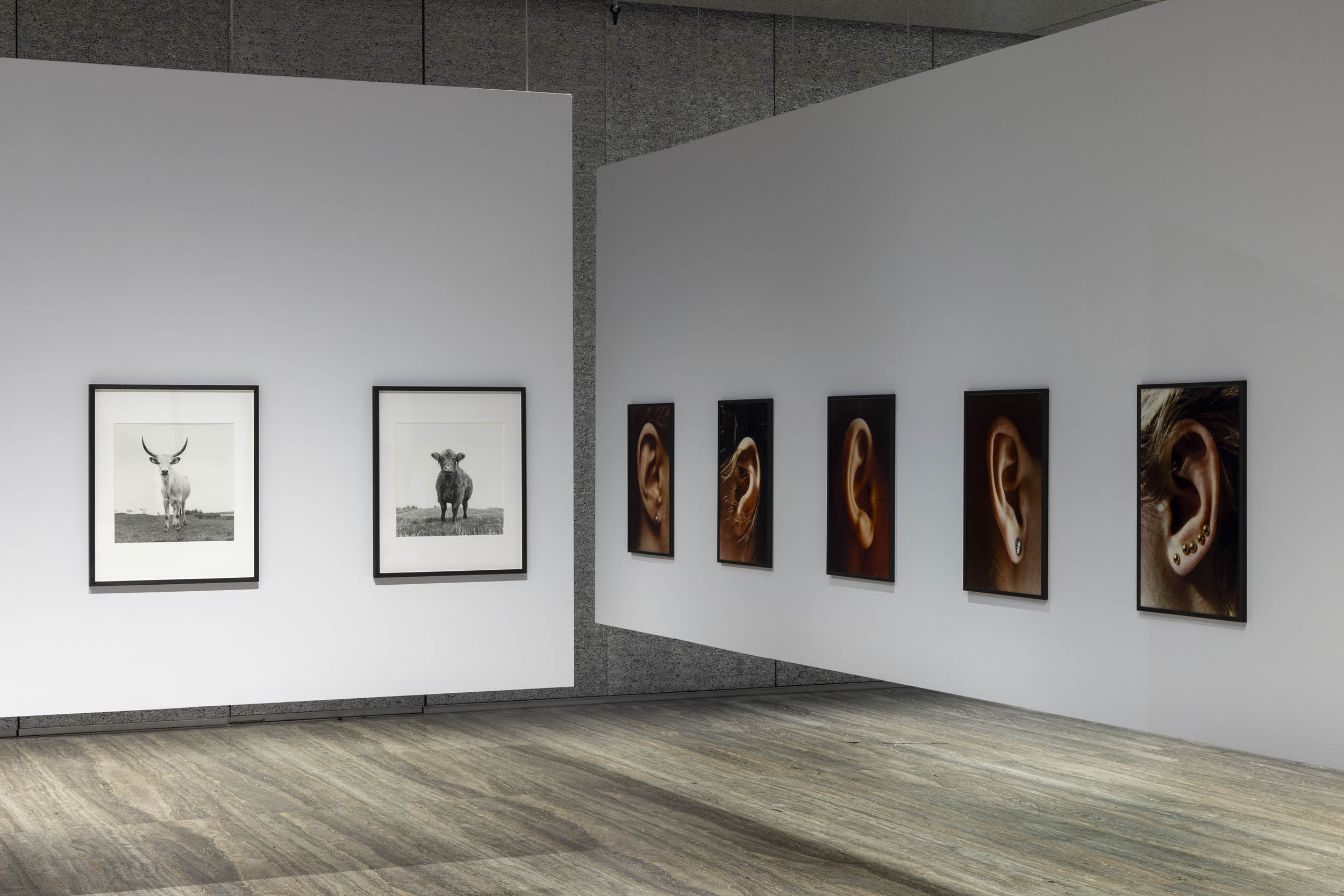
![Ursula Böhmer (German, b. 1965) 'Highland Grampians / Scotland [All Ladies – Cows in Europe]' 2011](https://artblart.com/wp-content/uploads/2025/06/21-typologien_ursula-bohmer_sm.jpg "Ursula Böhmer (German, b. 1965) 'Highland Grampians / Scotland [All Ladies – Cows in Europe]' 2011")
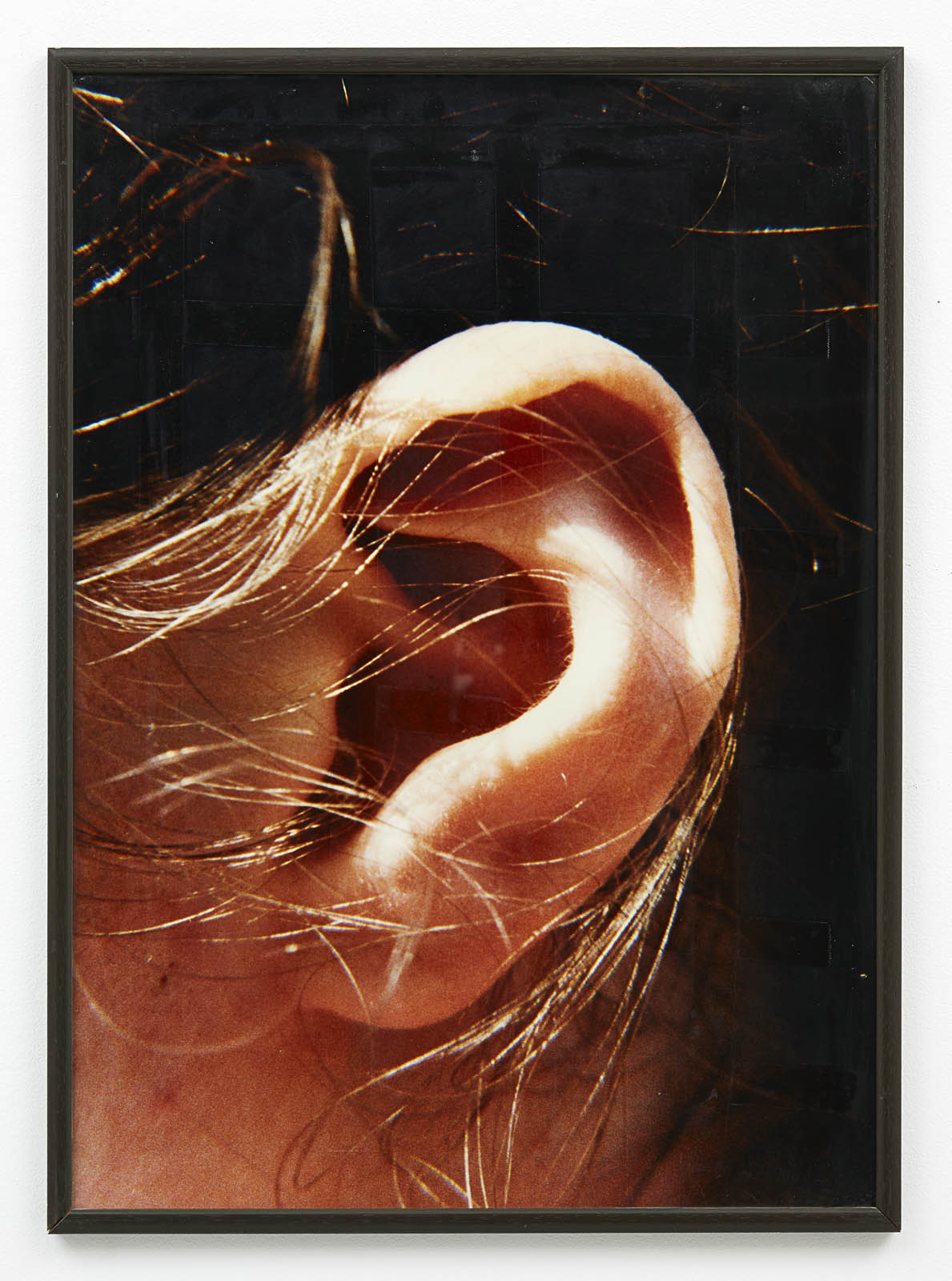
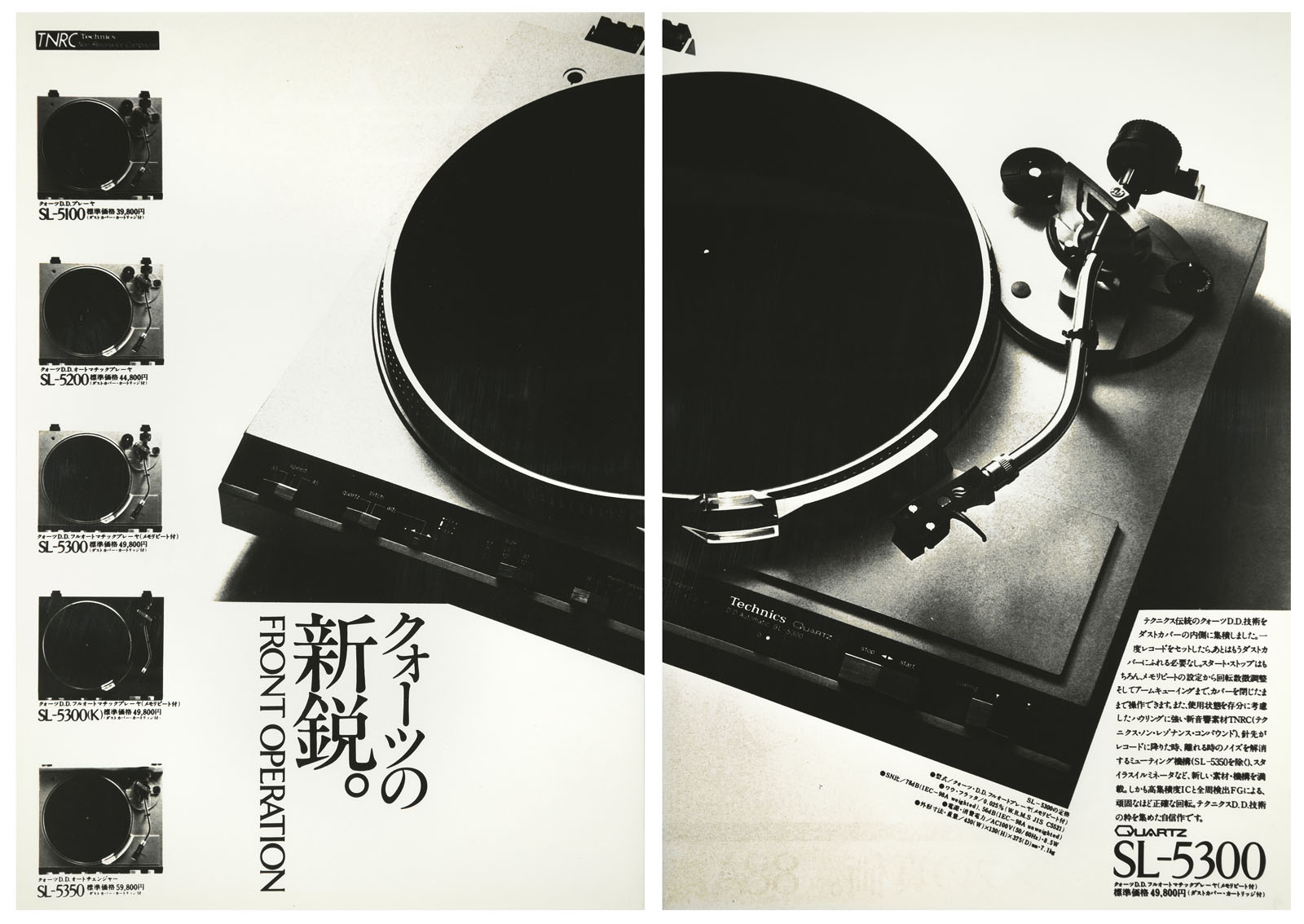
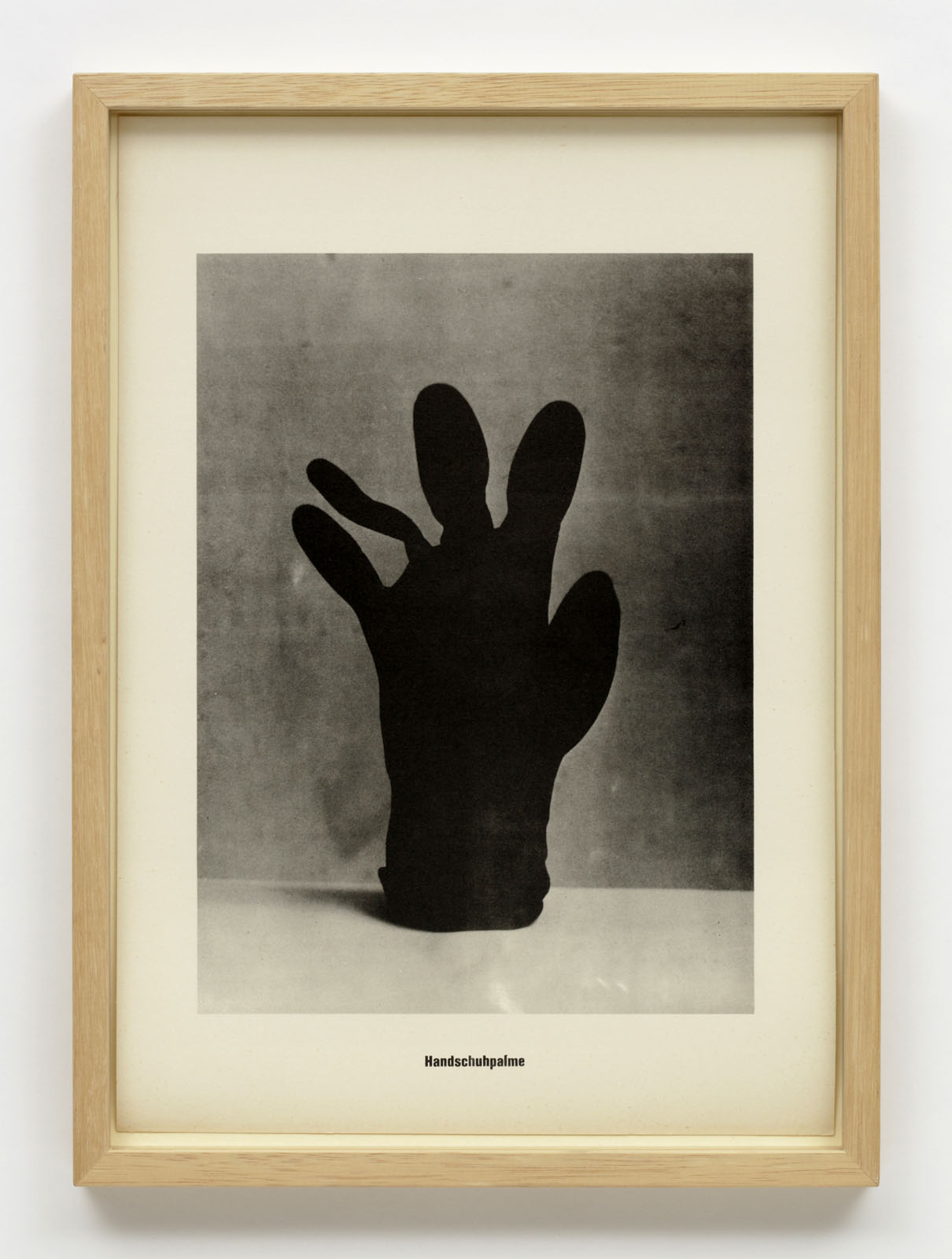
![Lotte Jacobi (American born Poland, 1896-1990) 'Folkwang-Auriga-Verlag, Orch 152. Neottia nidus avis. Vogel-Nestwurz, einzelne Blüte' [Bird's-nest orchid, single flower] c. 1930](https://artblart.com/wp-content/uploads/2025/06/4-typologien_lotte-jacobi_sm.jpg "Lotte Jacobi (American born Poland, 1896-1990) 'Folkwang-Auriga-Verlag, Orch 152. Neottia nidus avis. Vogel-Nestwurz, einzelne Blüte' [Bird's-nest orchid, single flower] c. 1930")
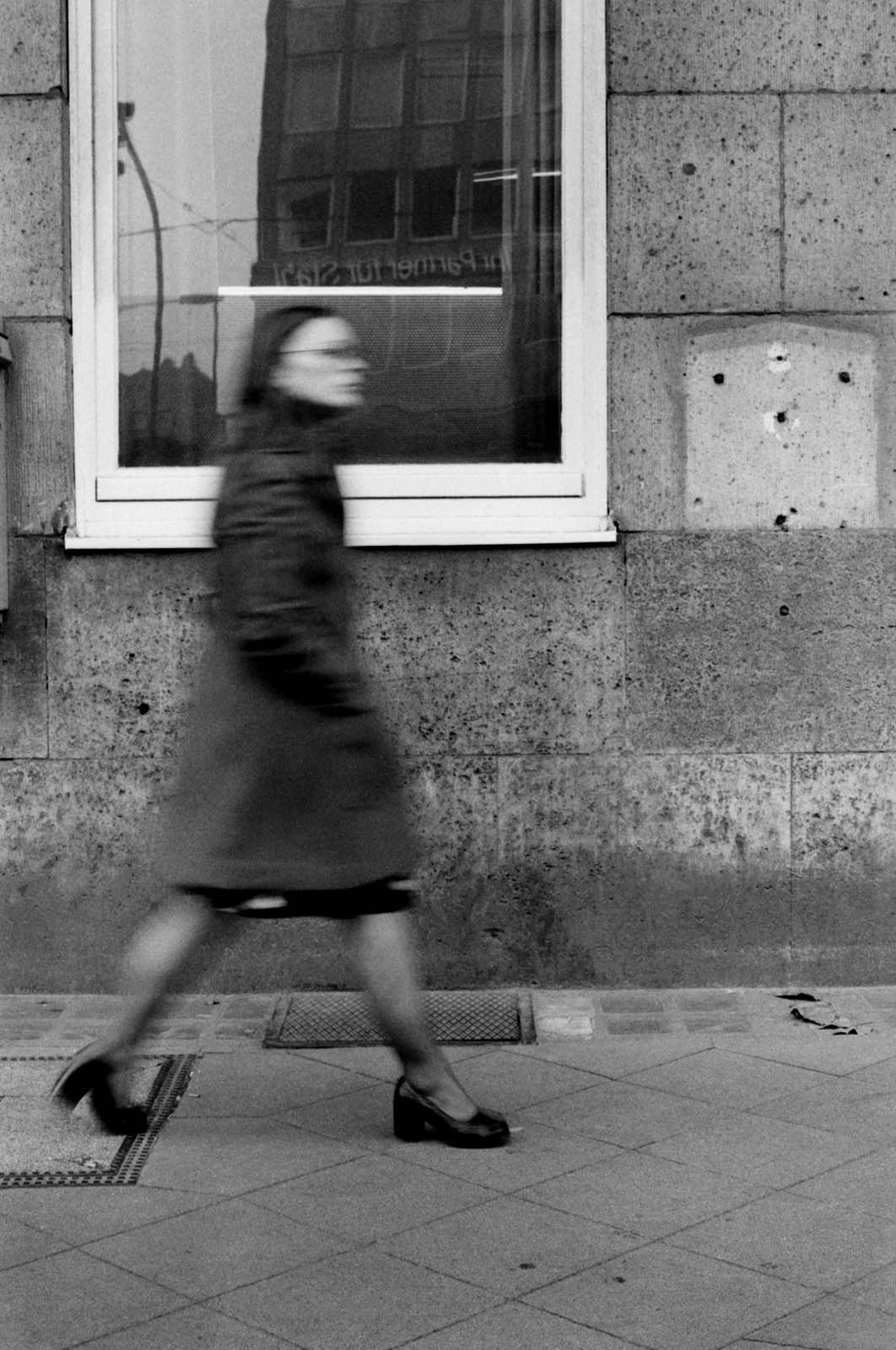
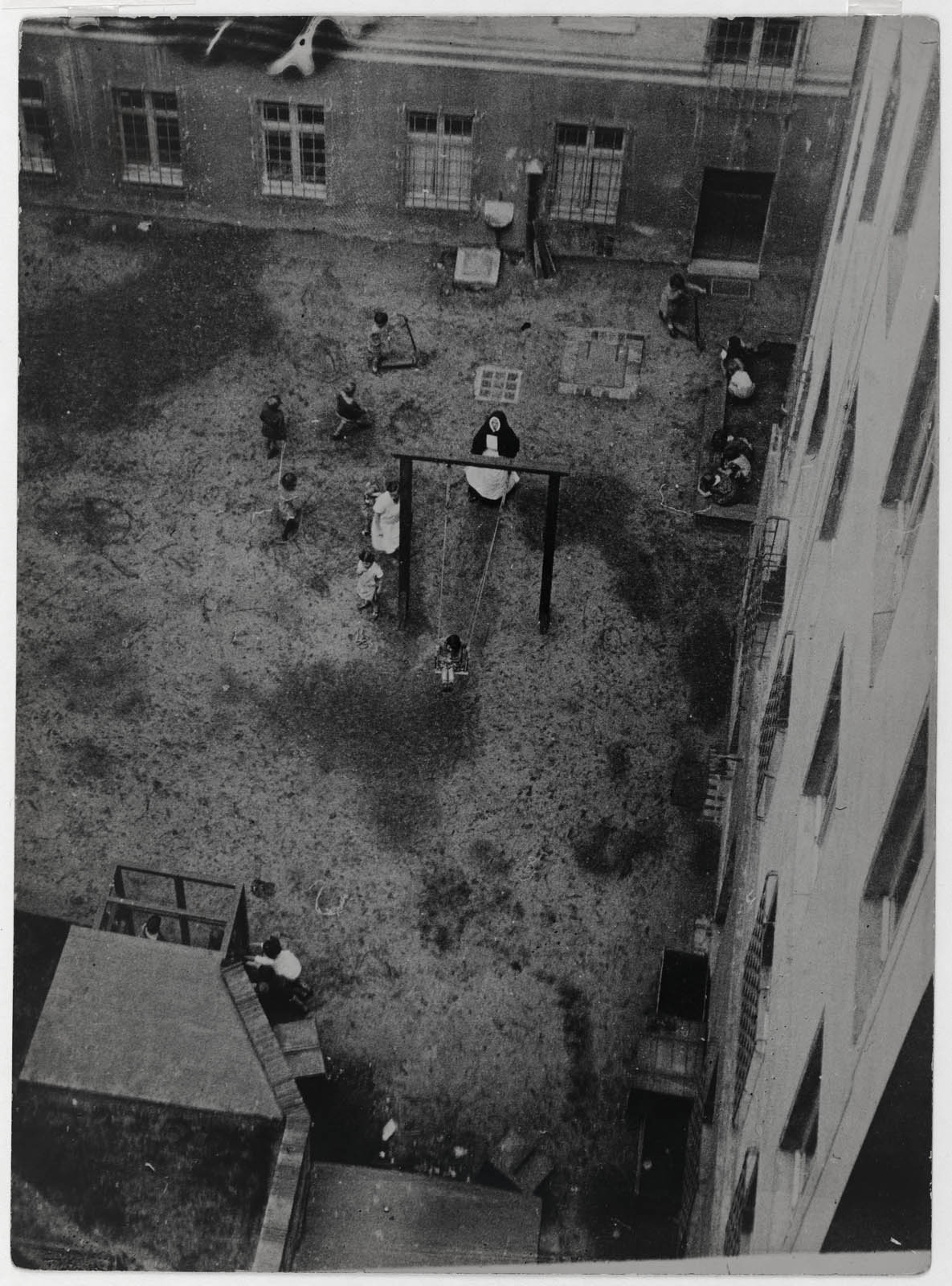
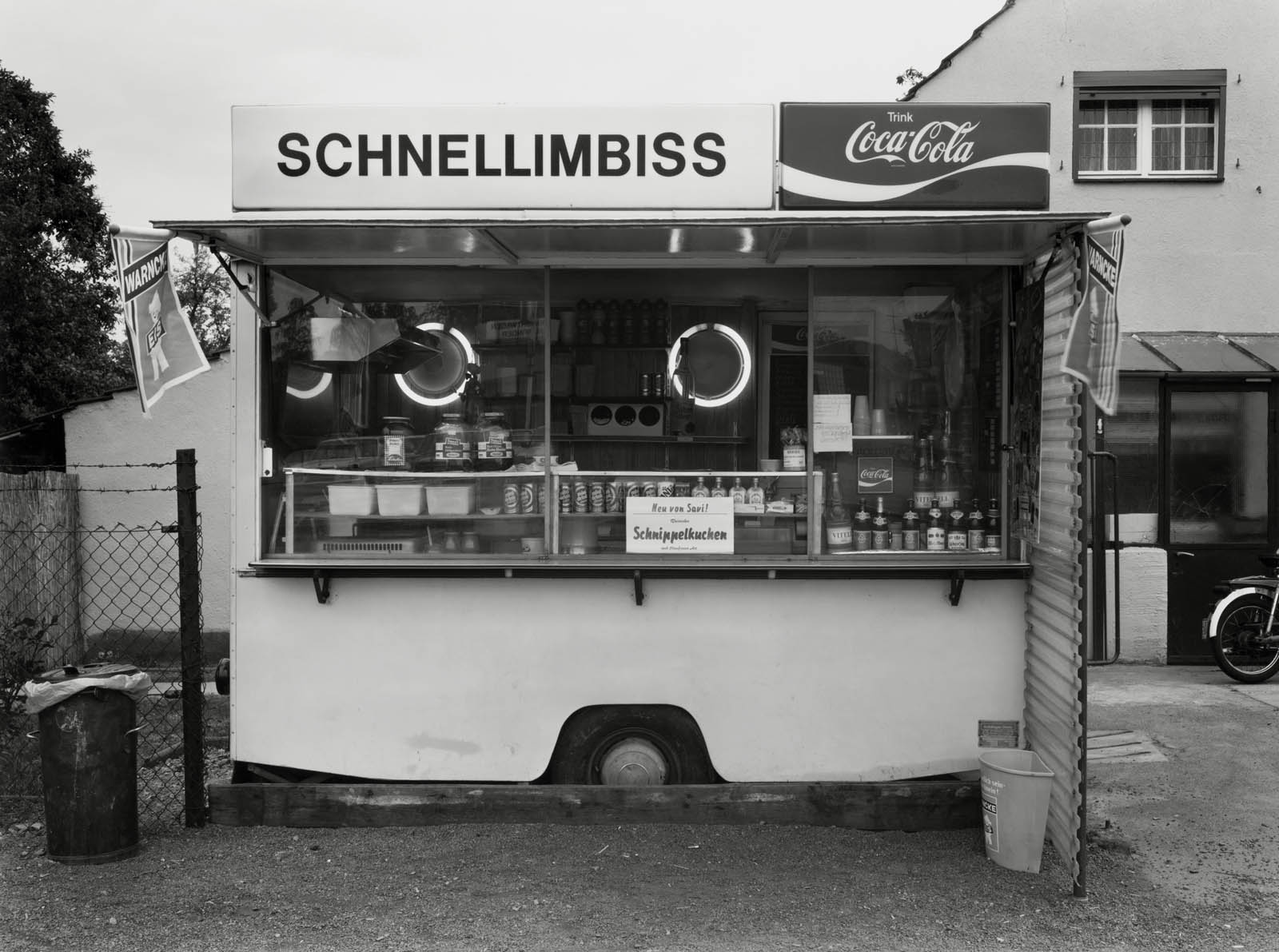
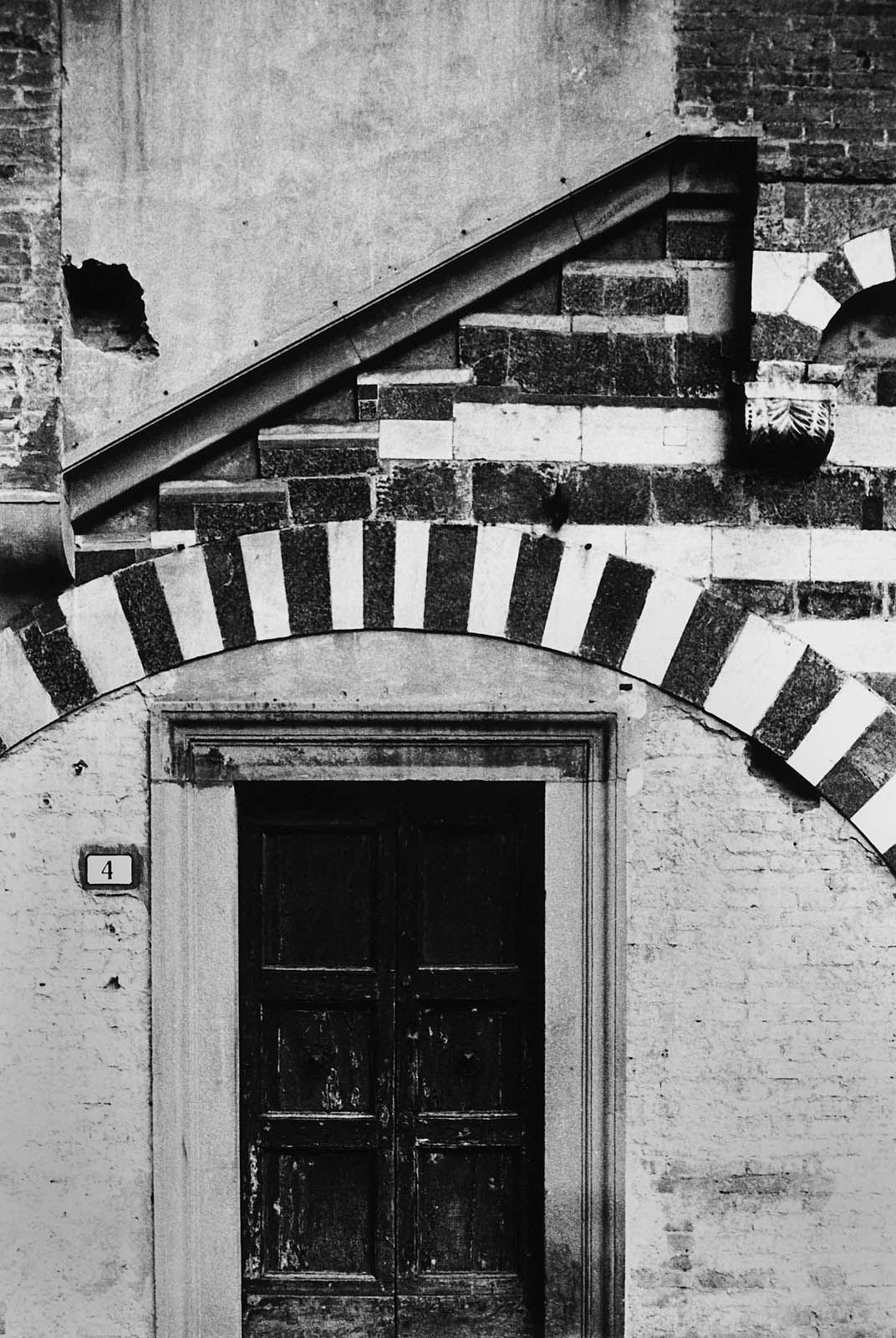
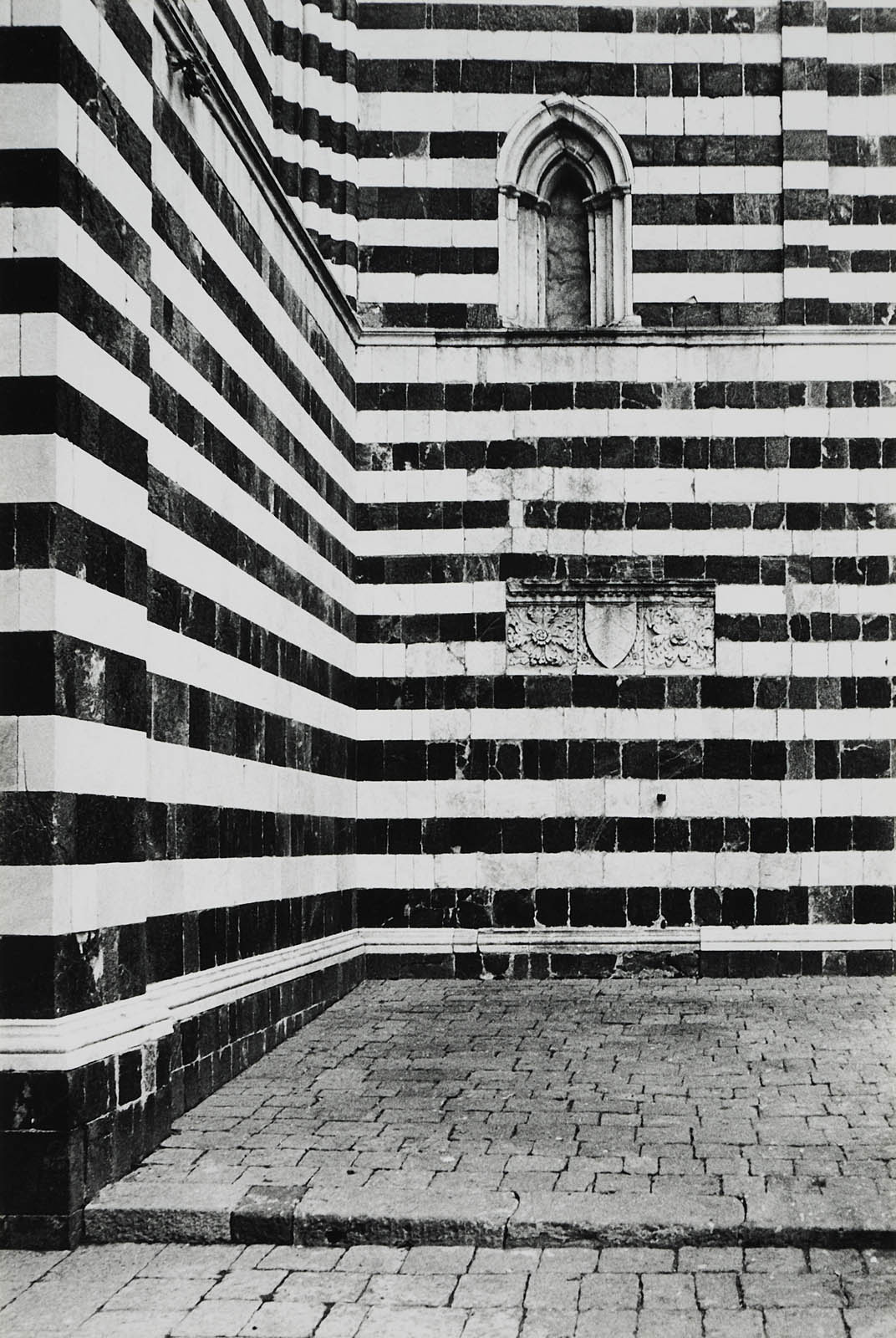
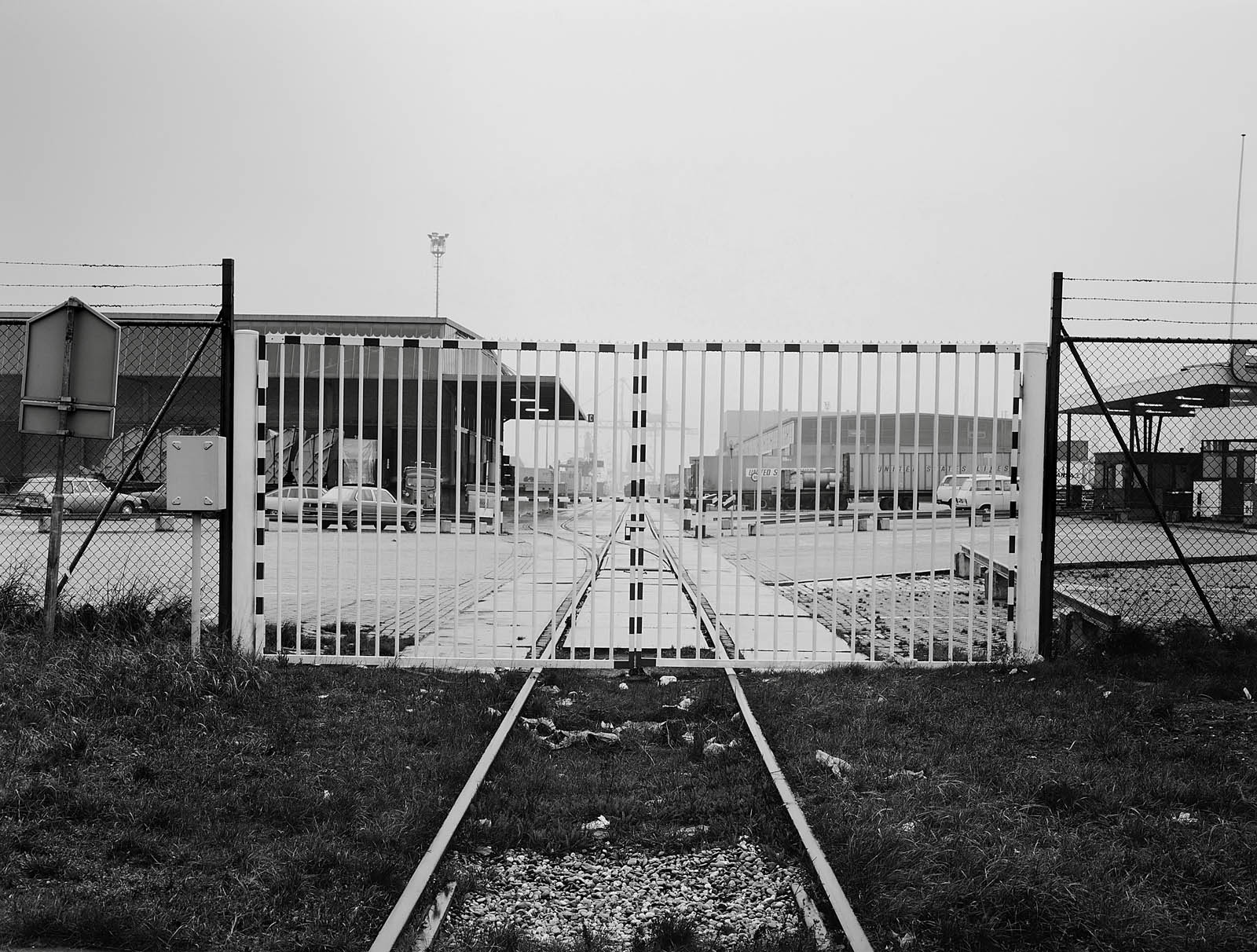
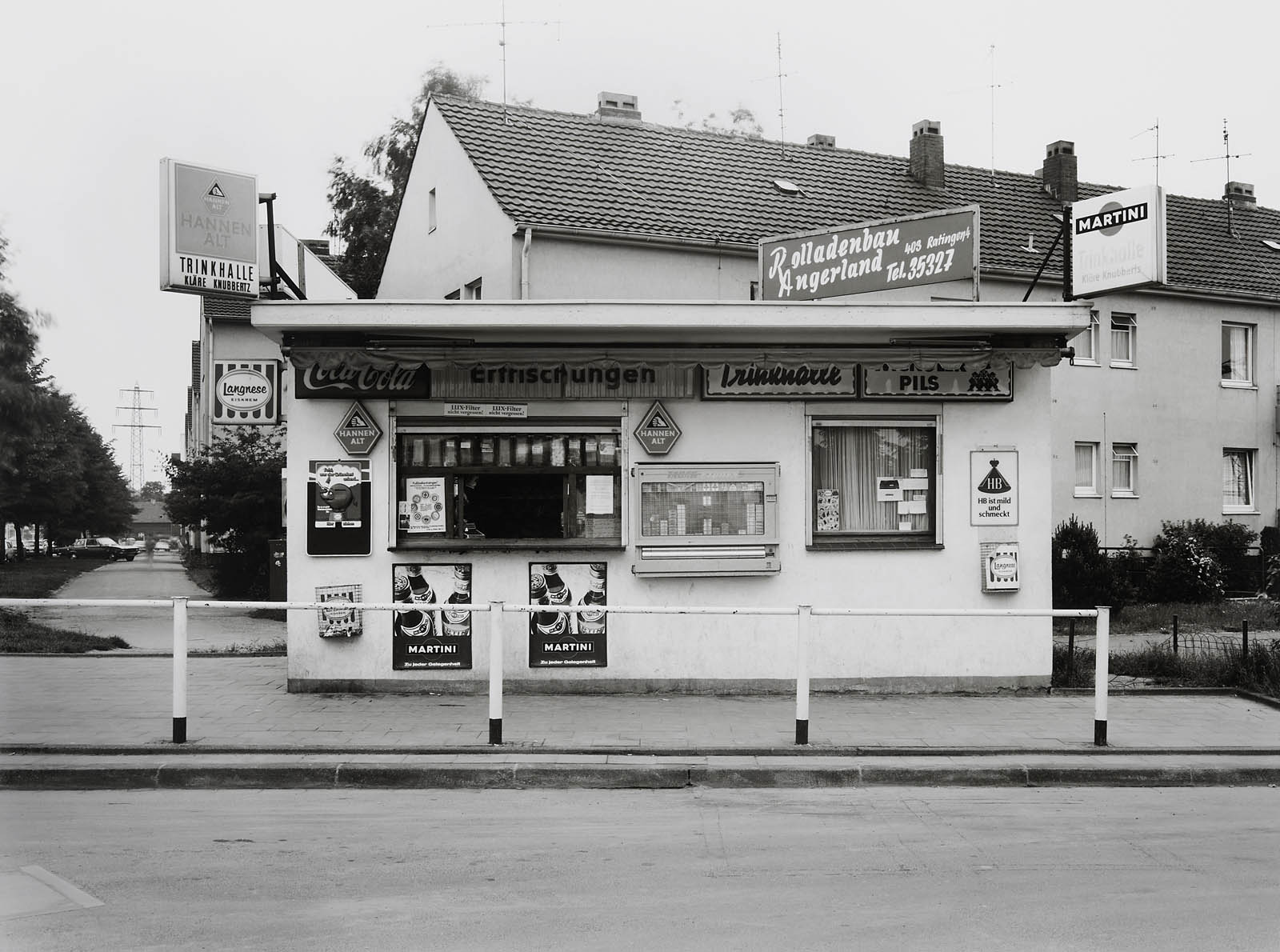
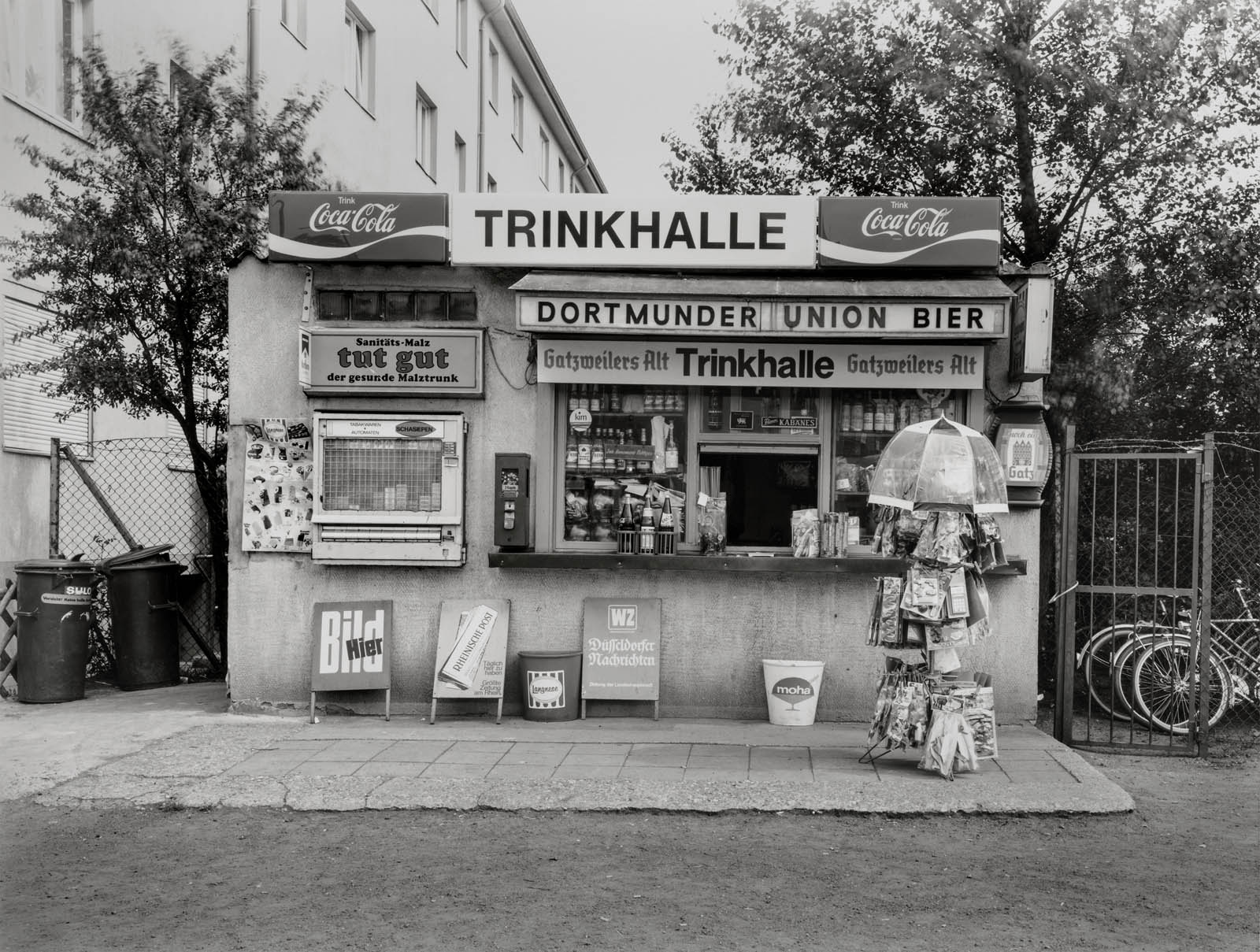
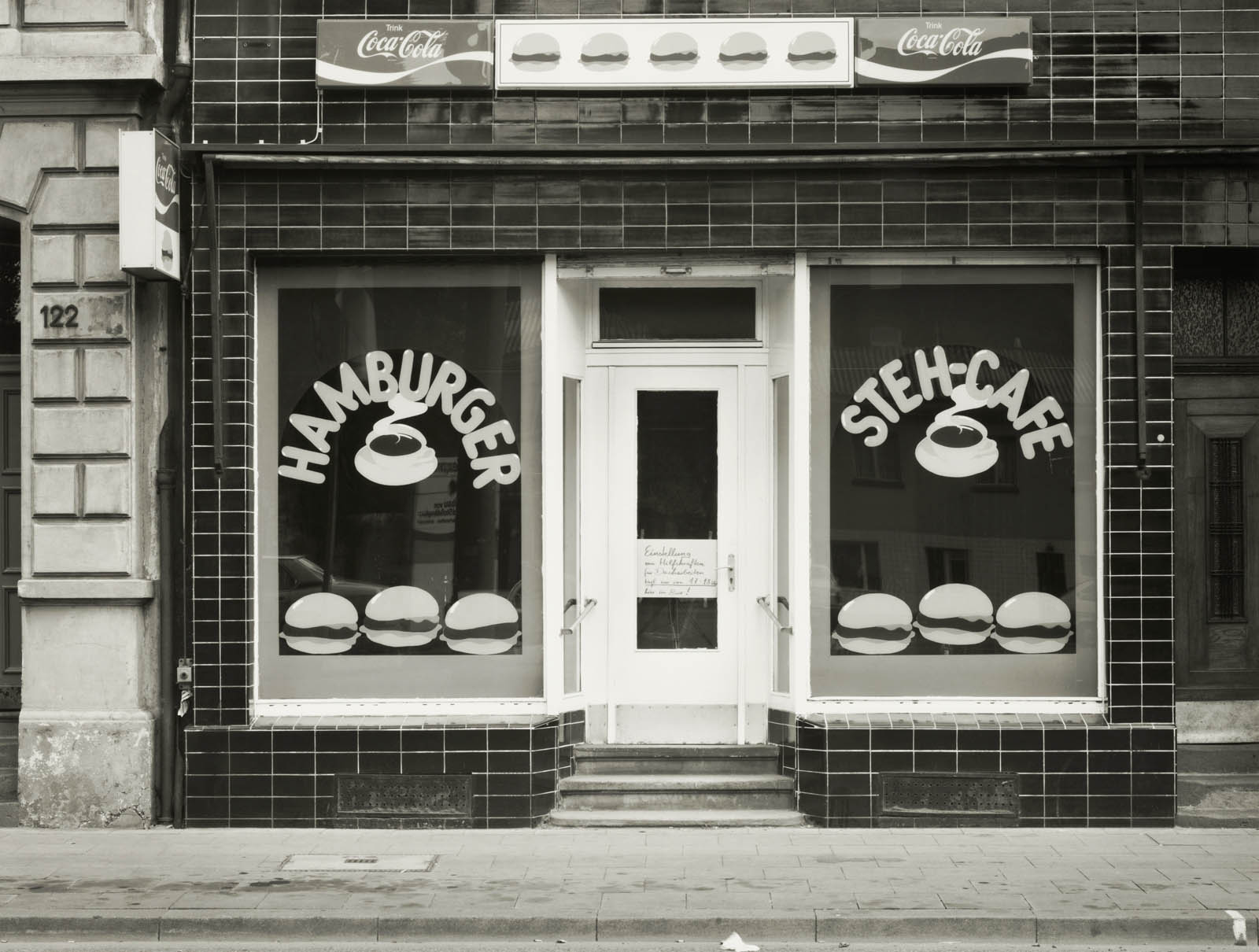
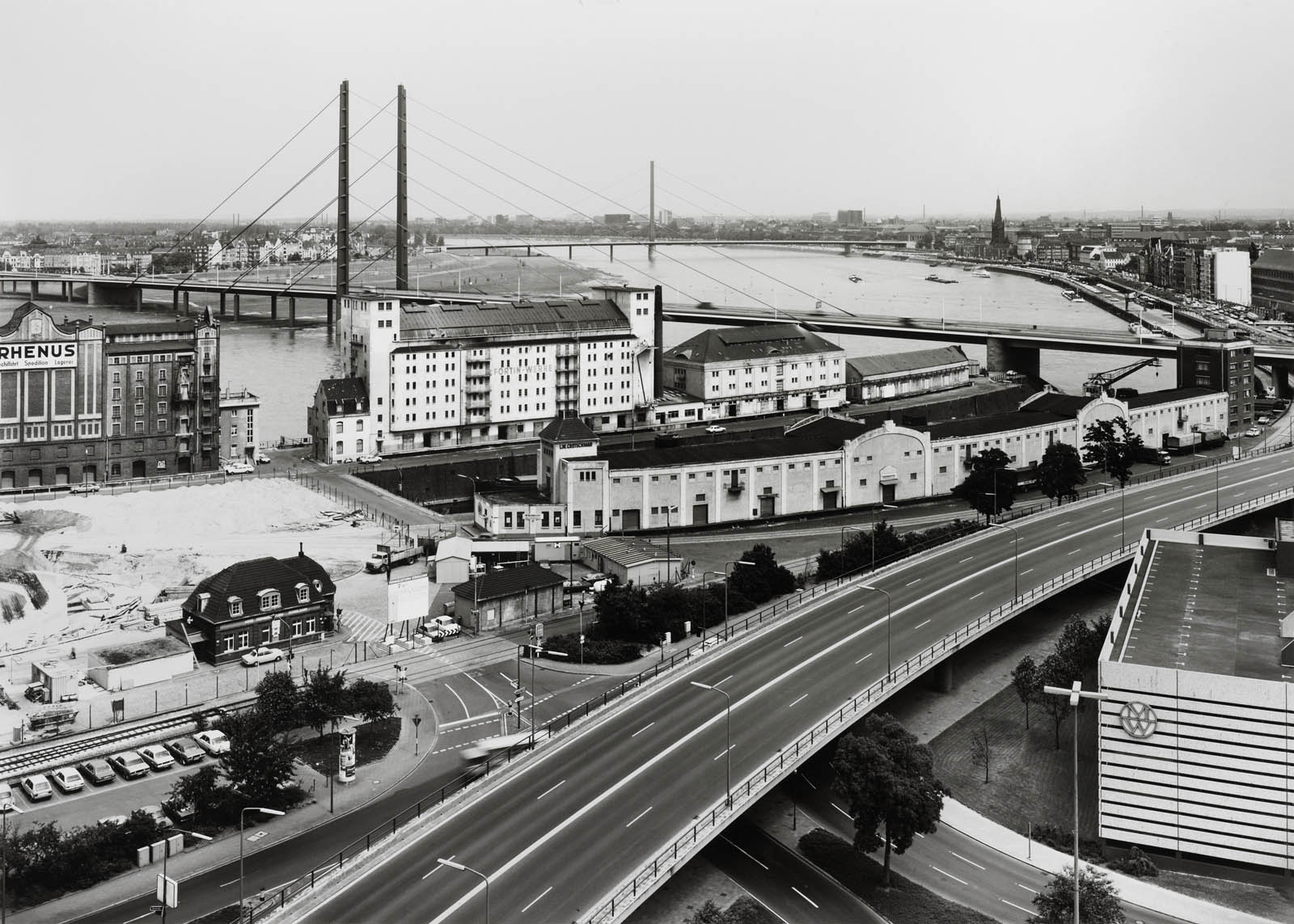
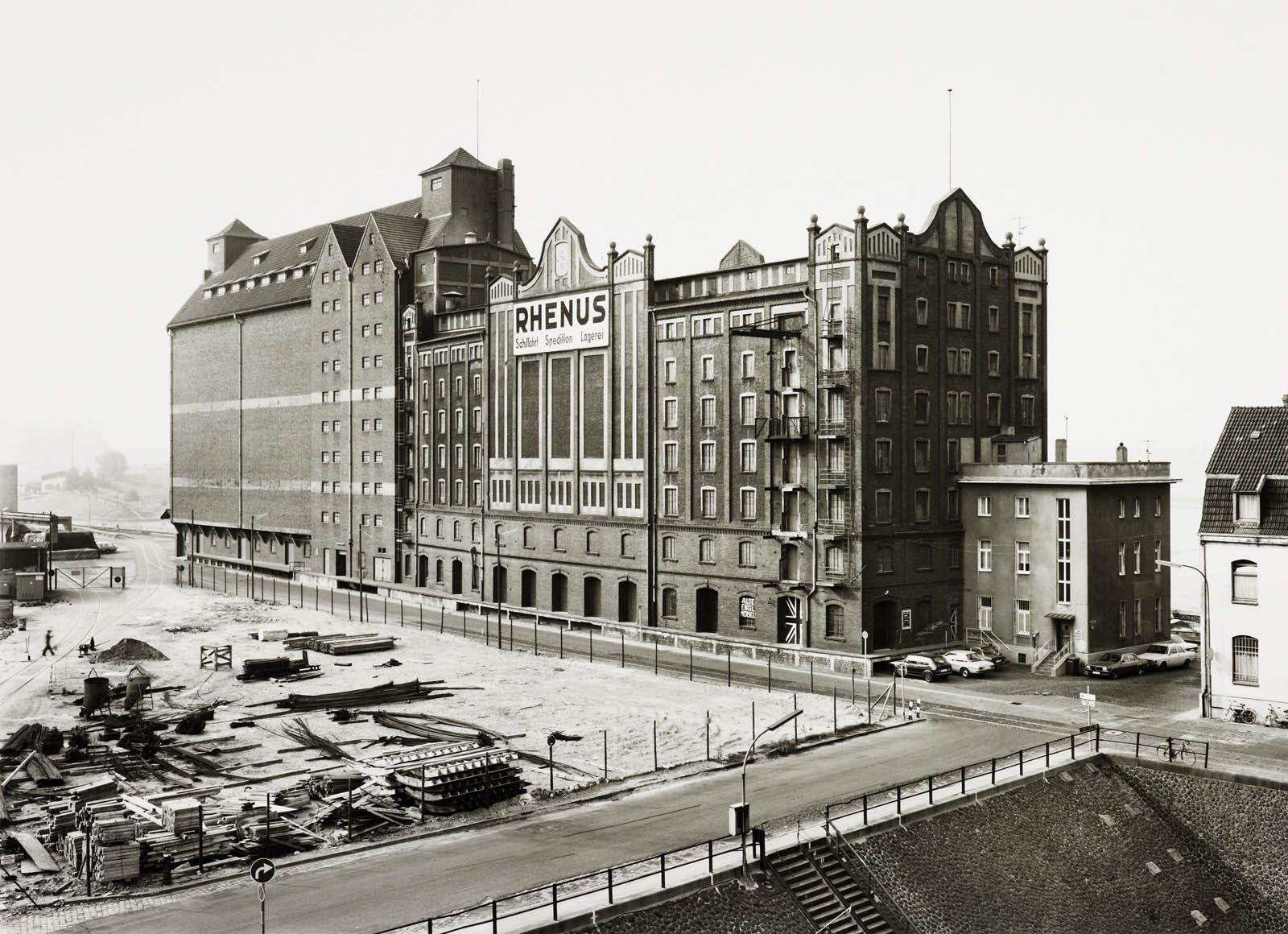
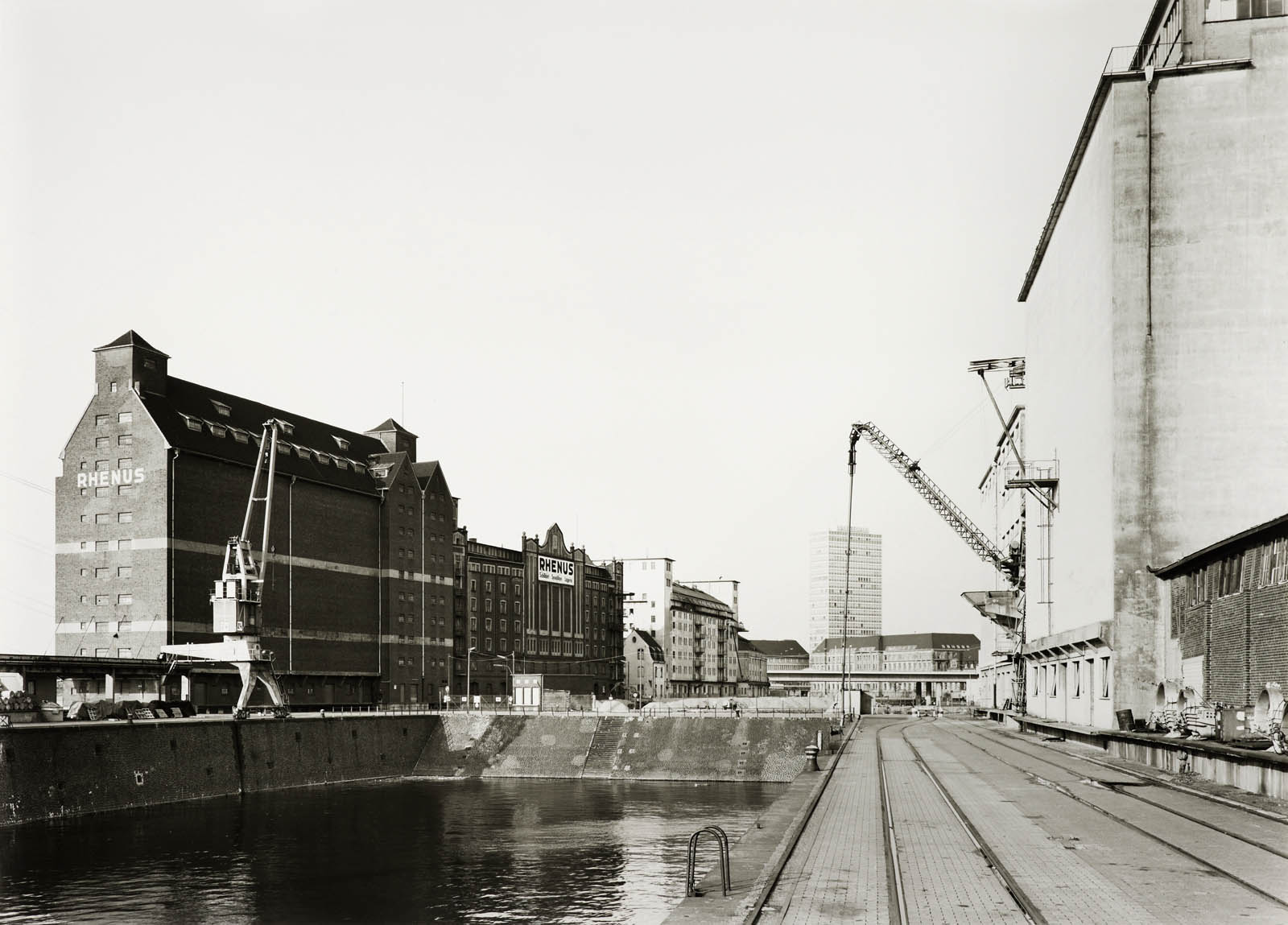
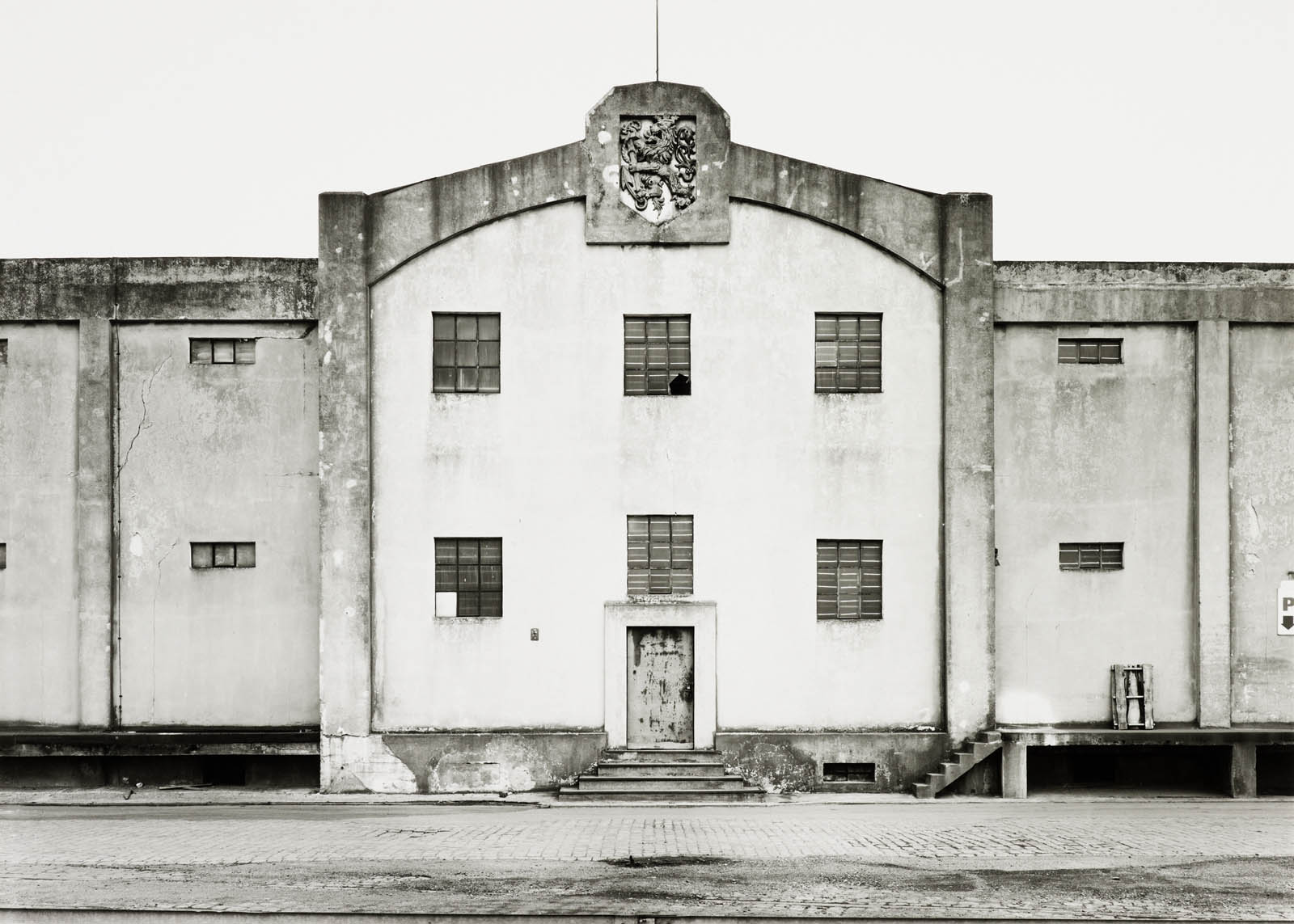
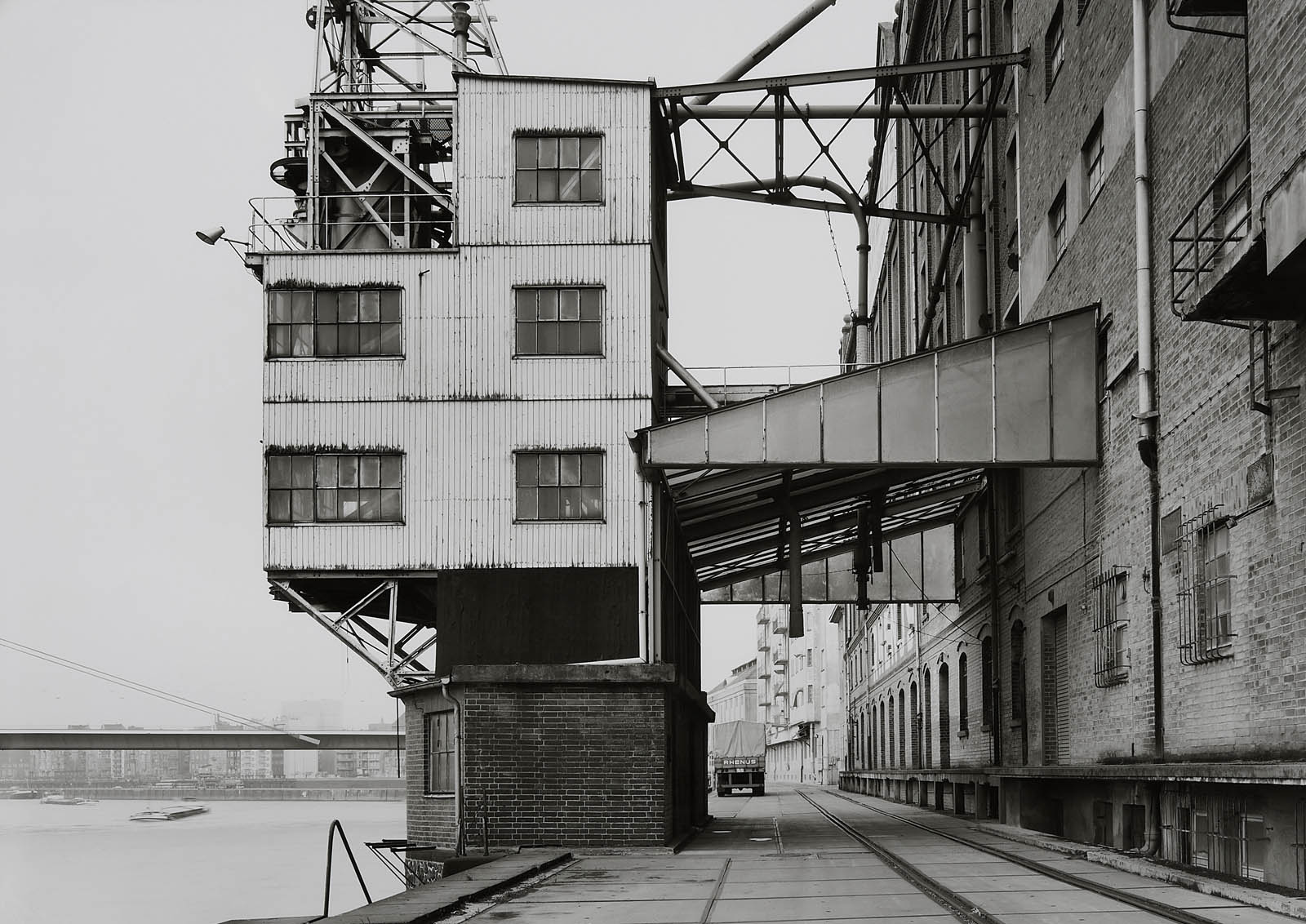
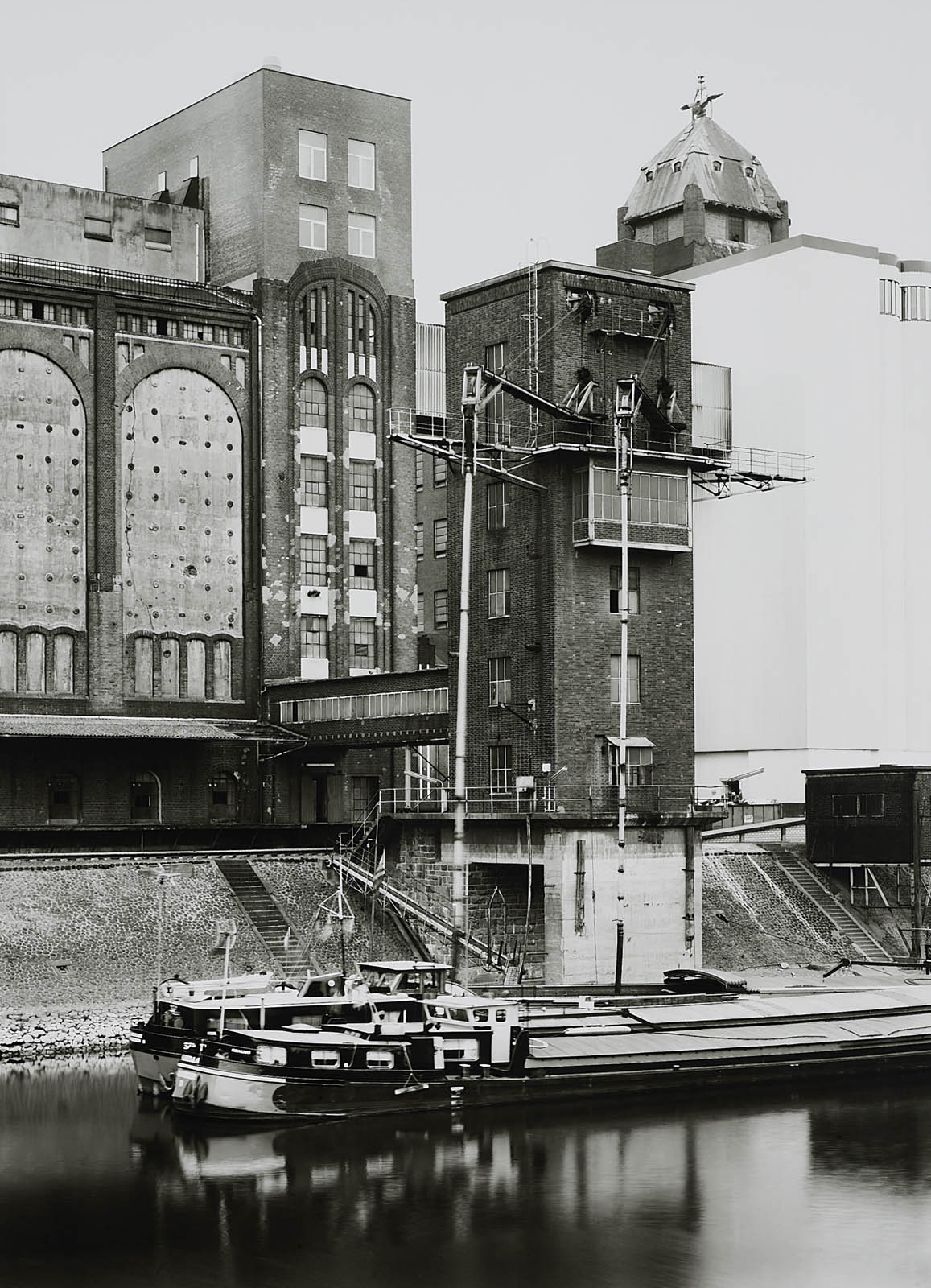
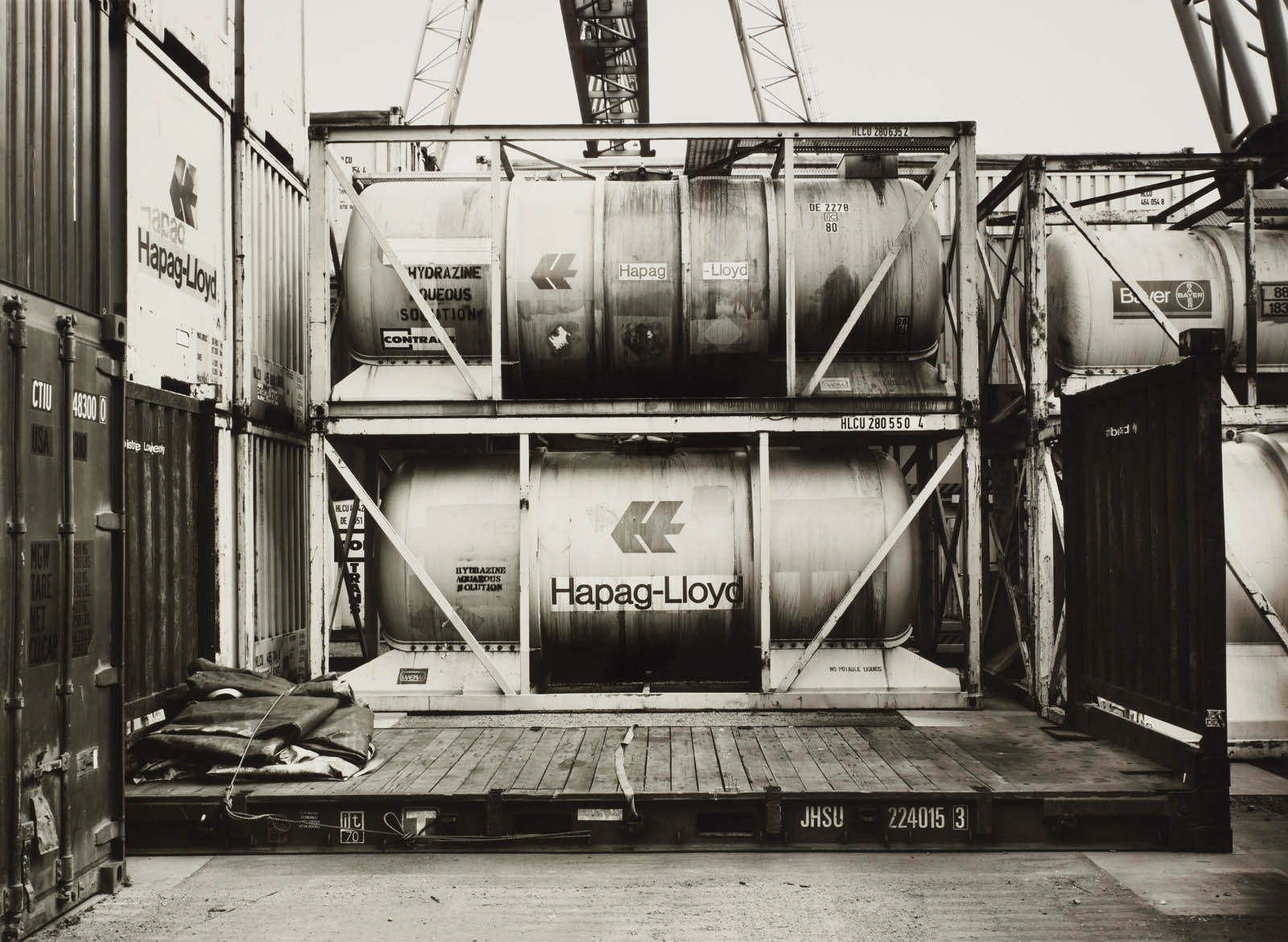
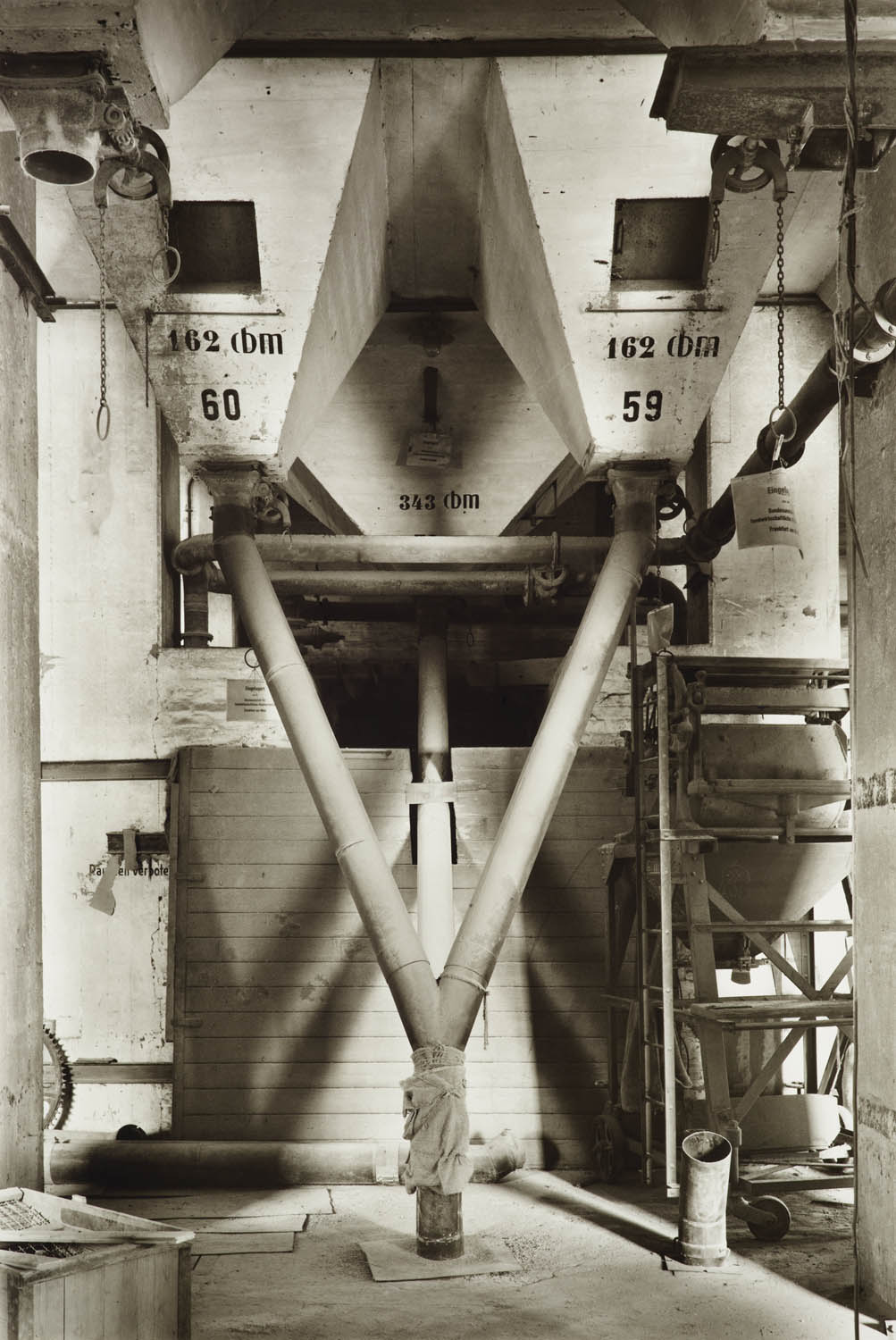
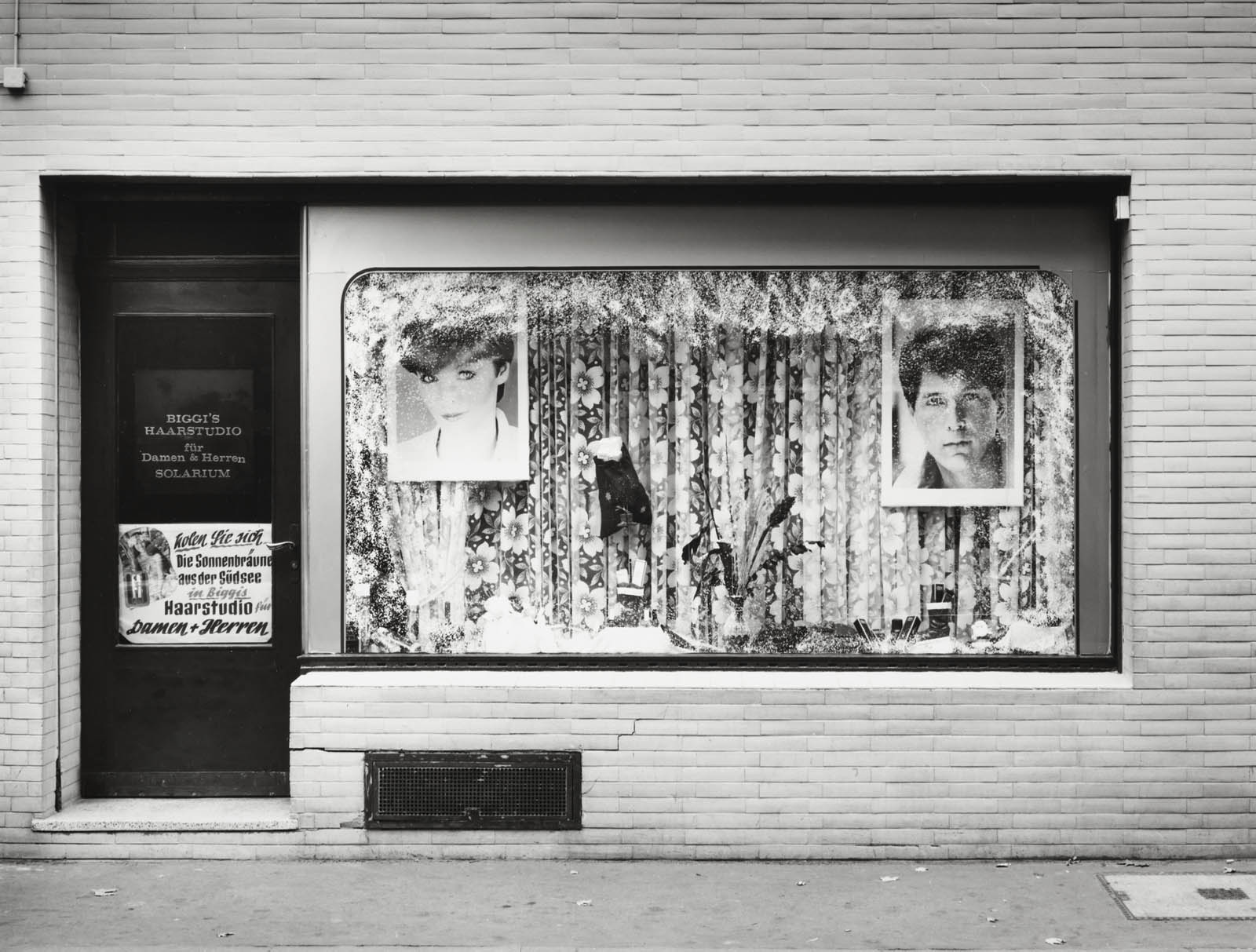
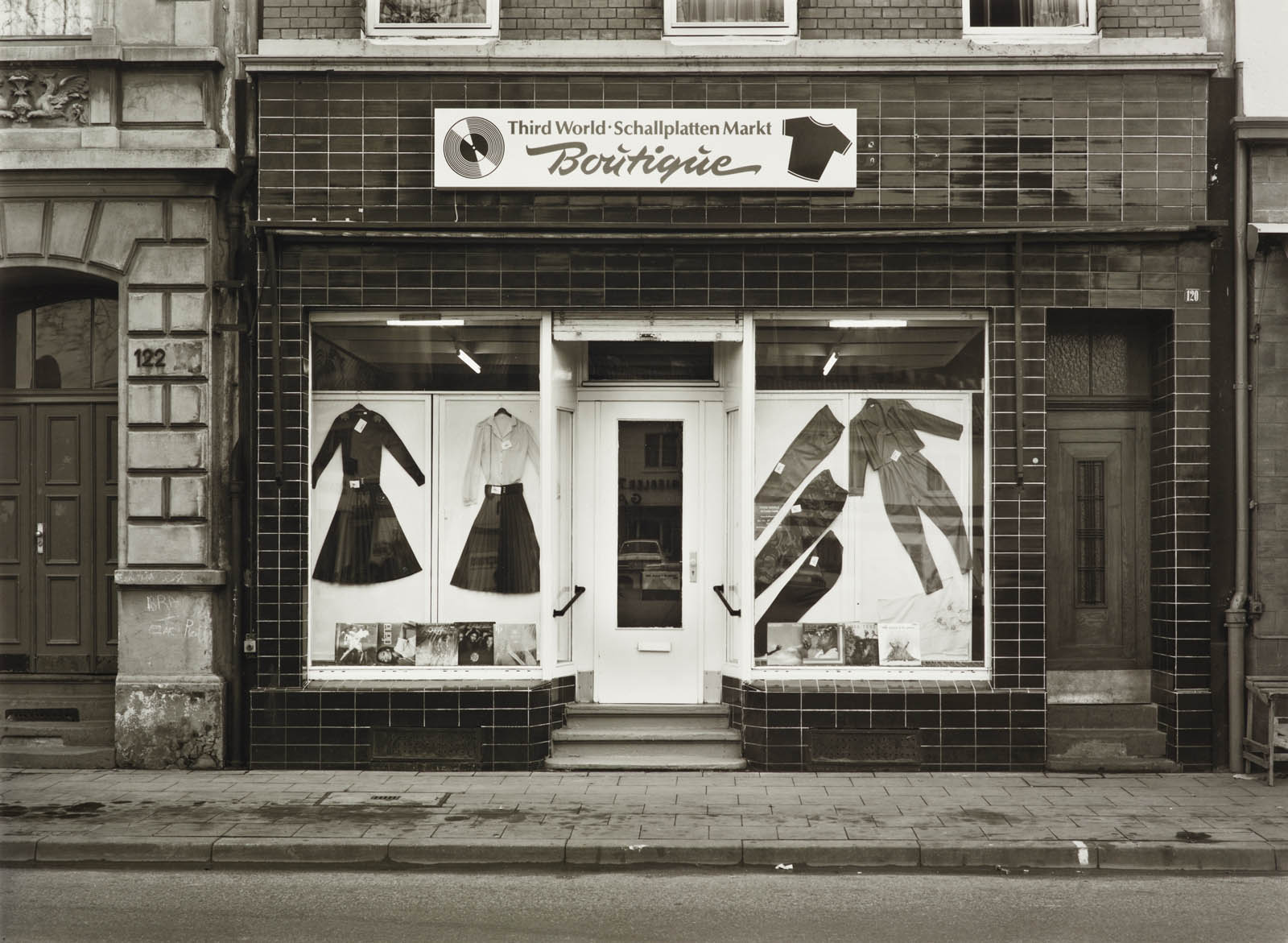
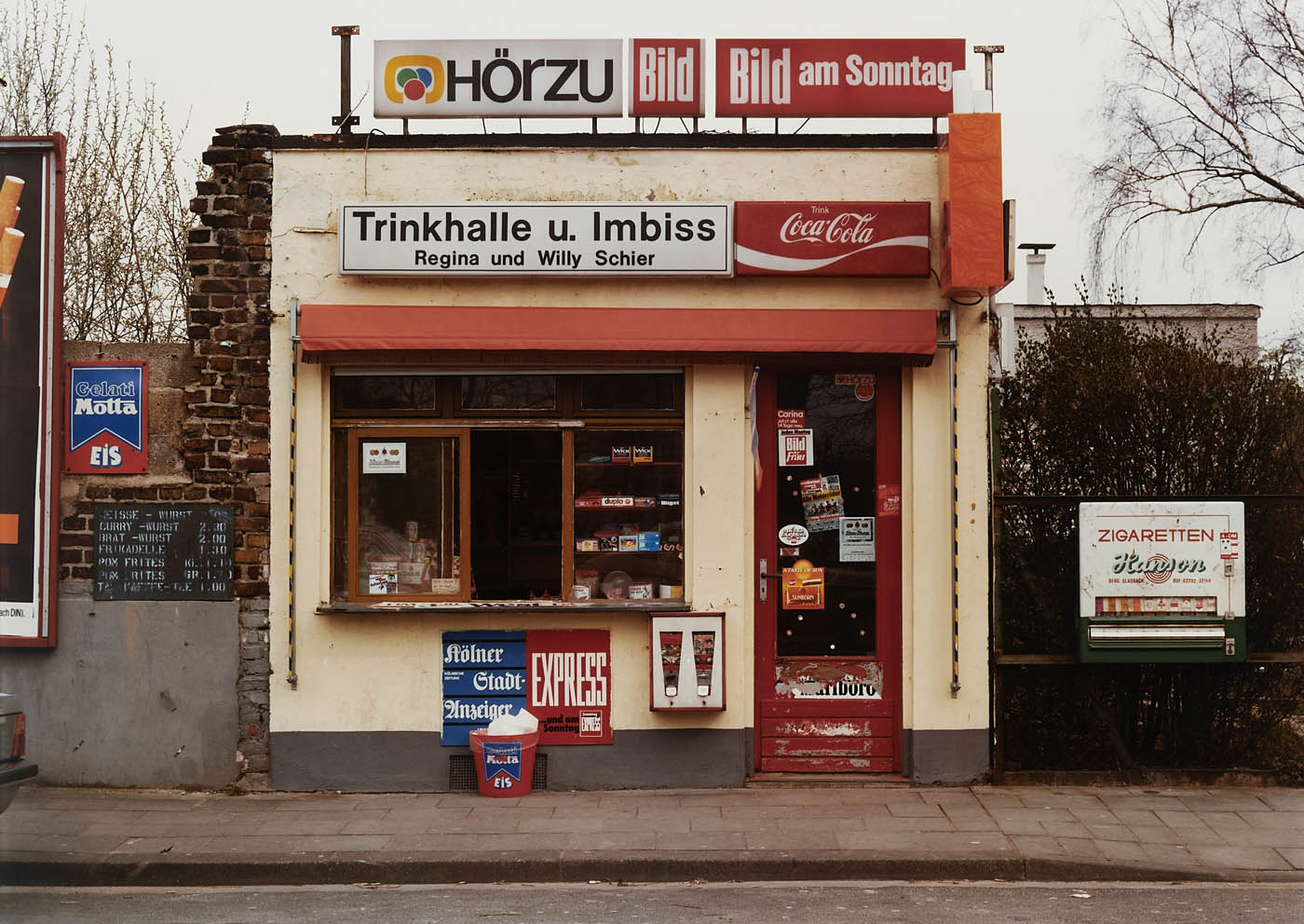
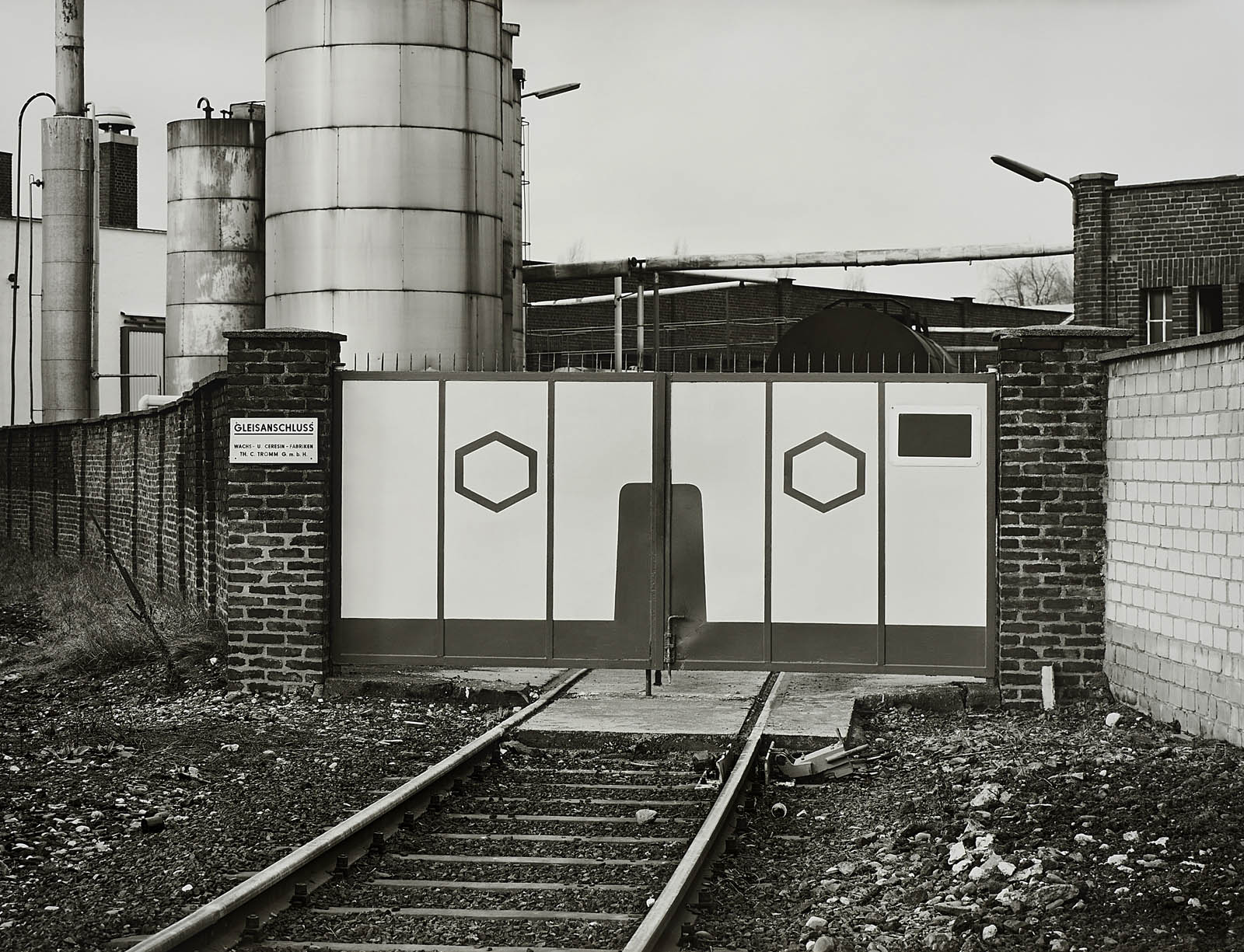
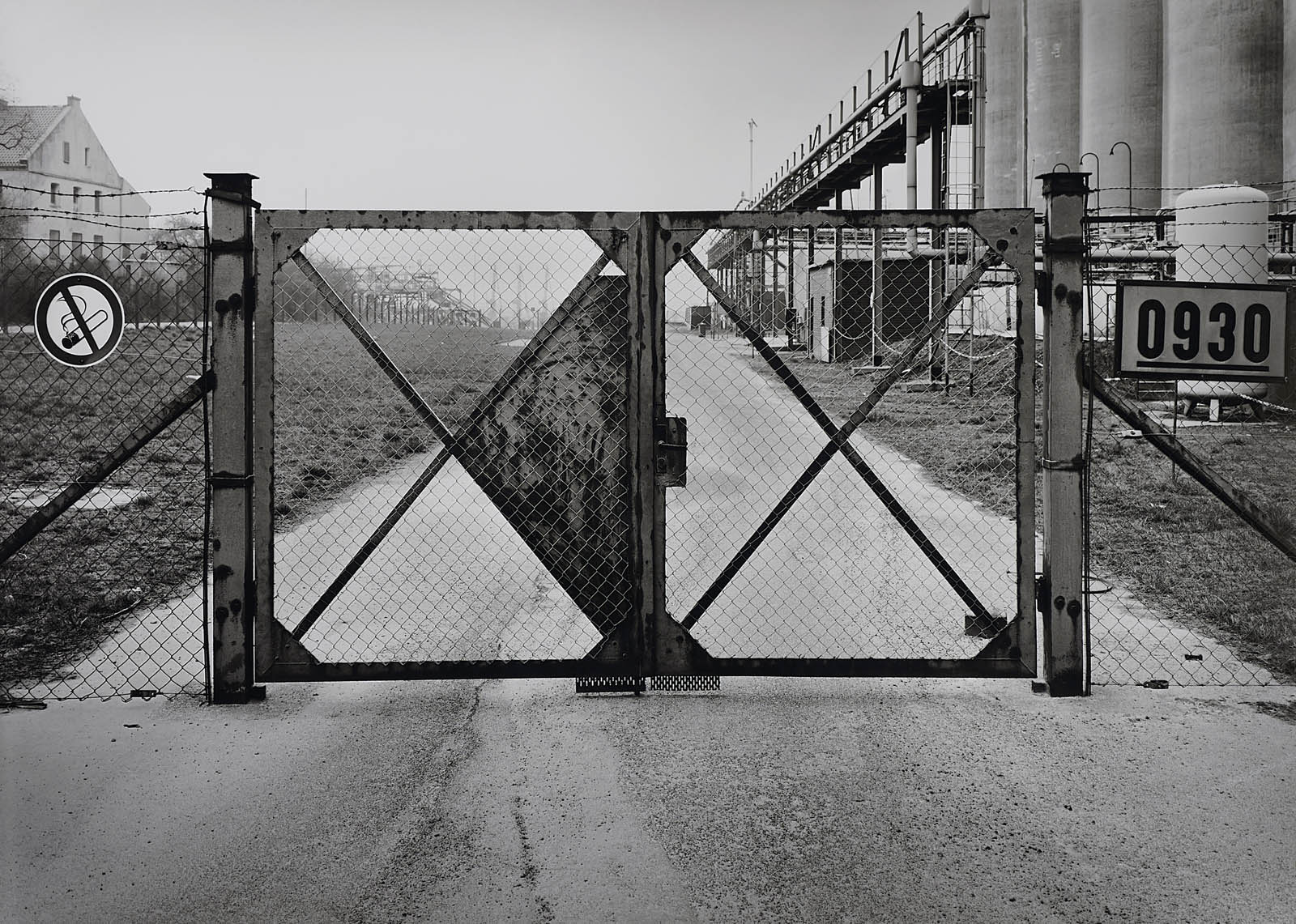


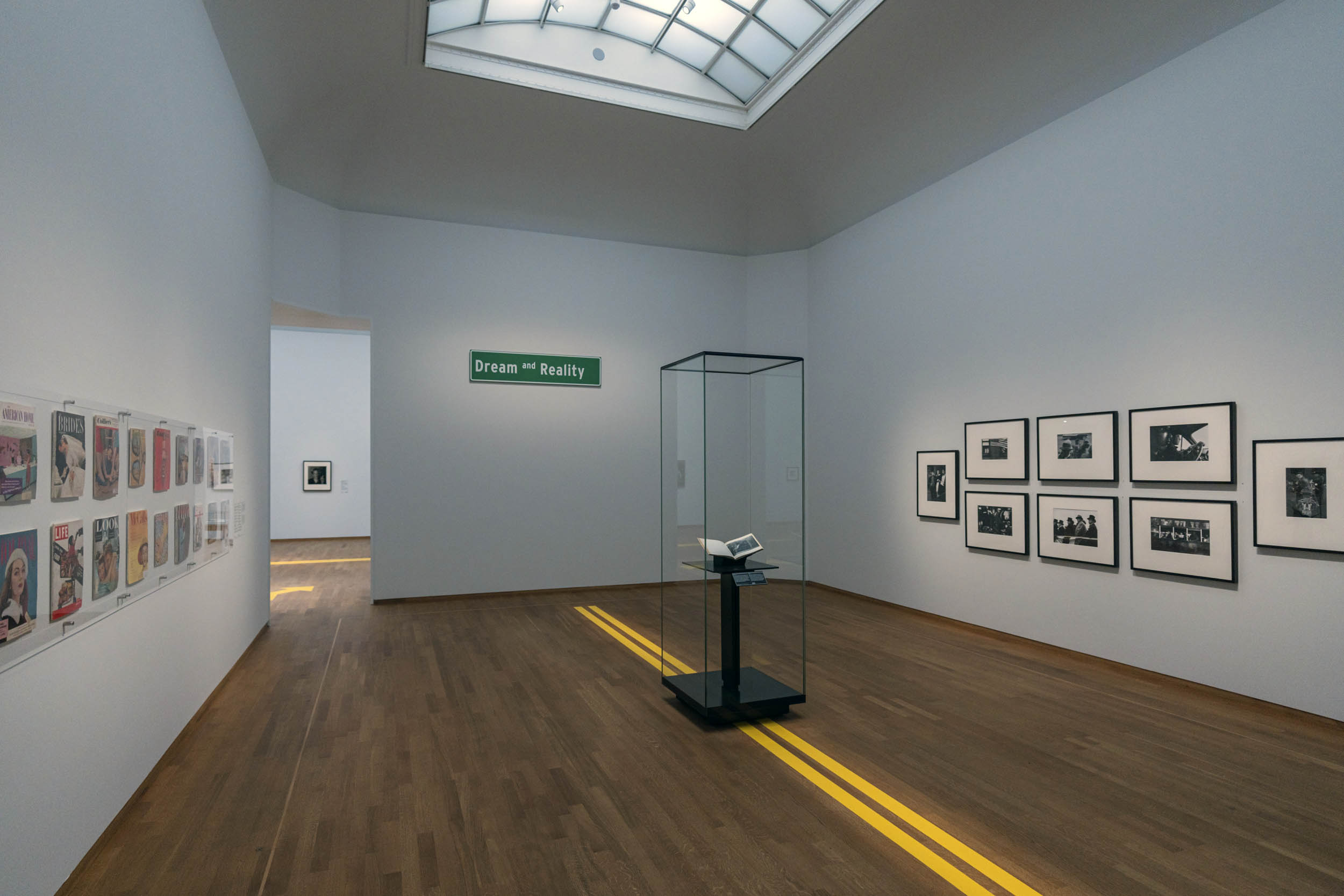
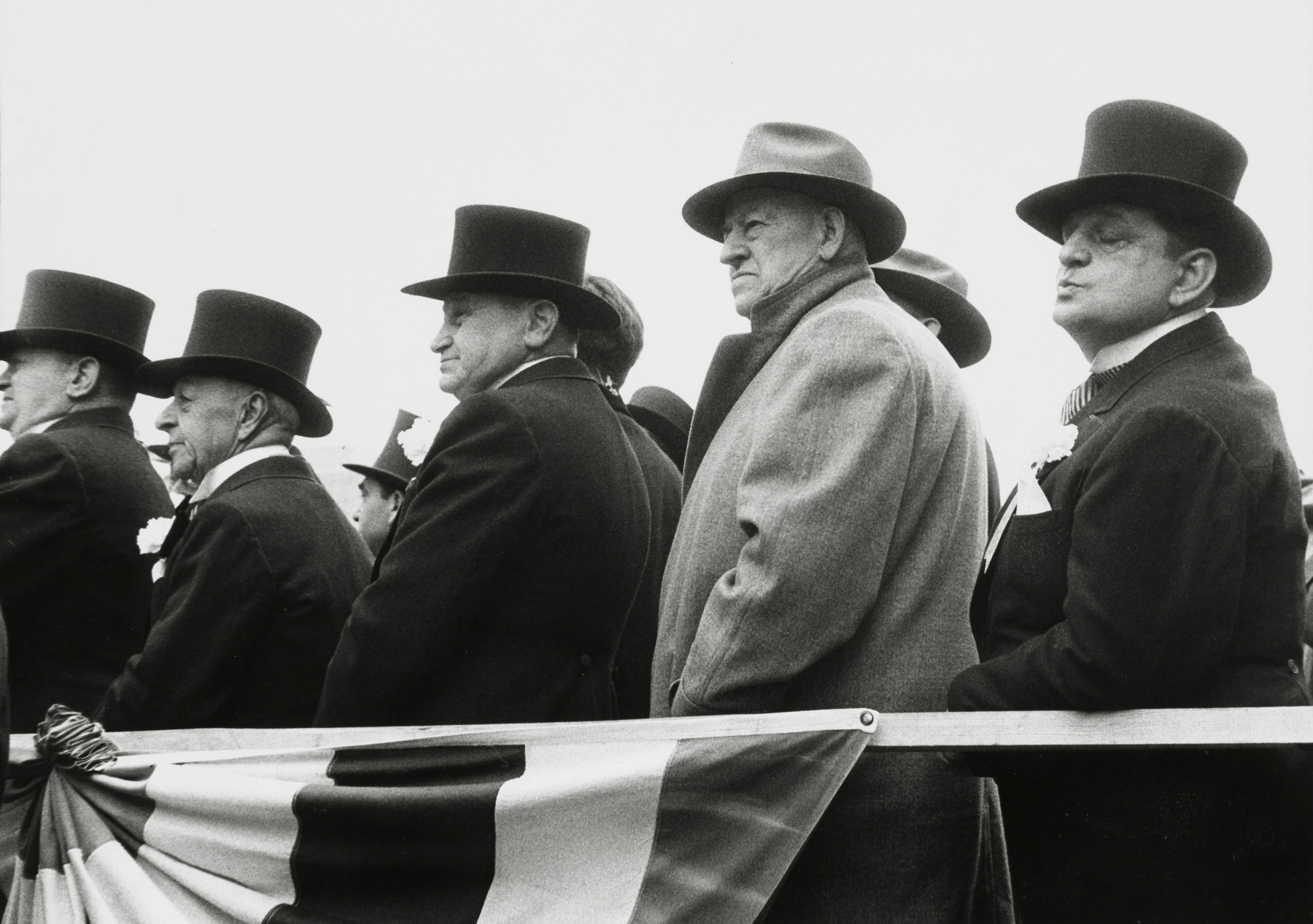

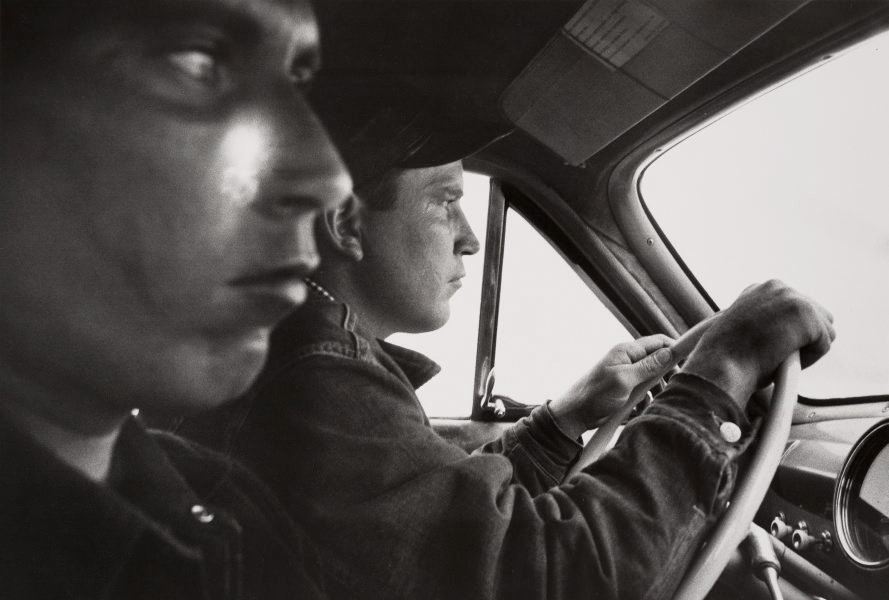

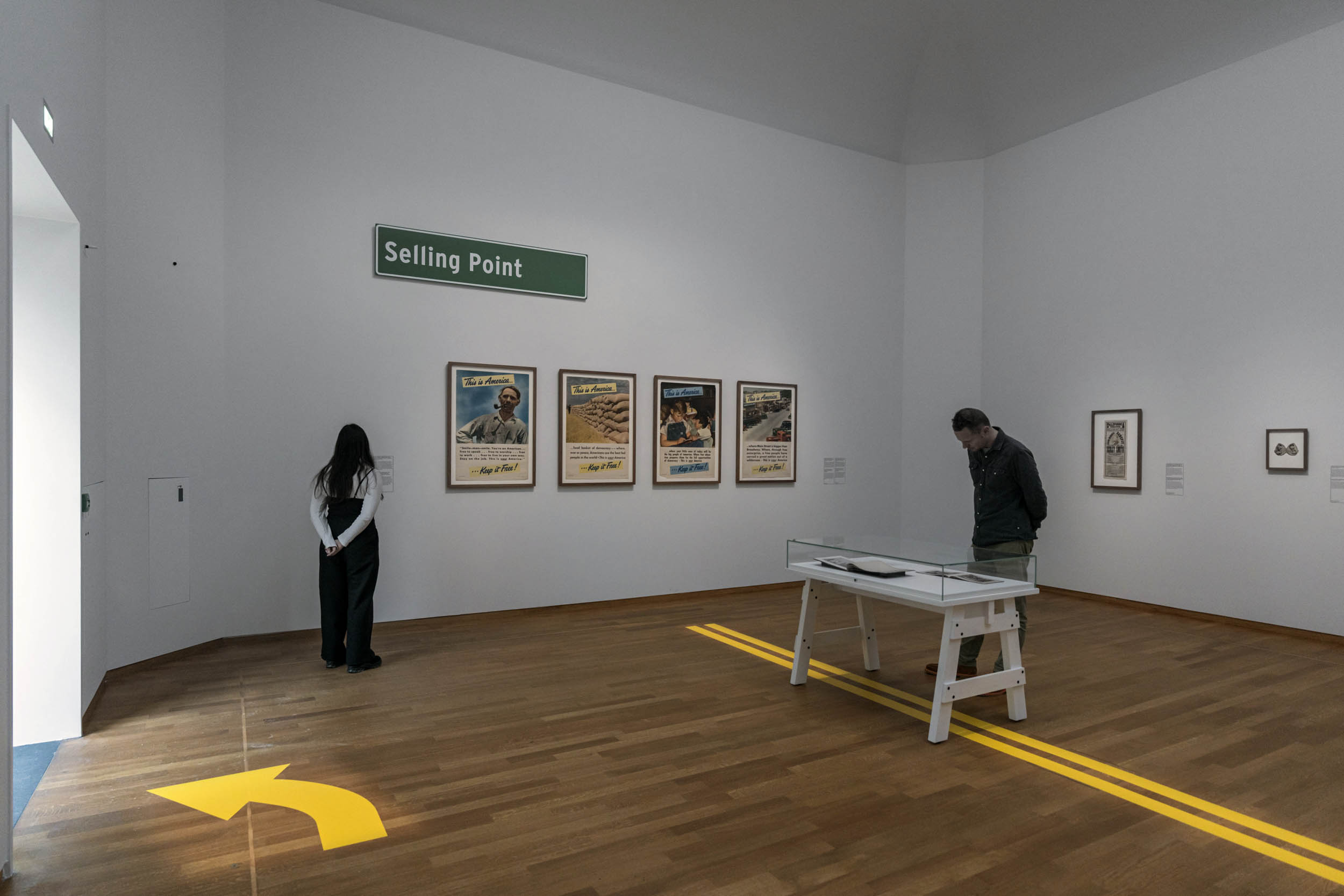
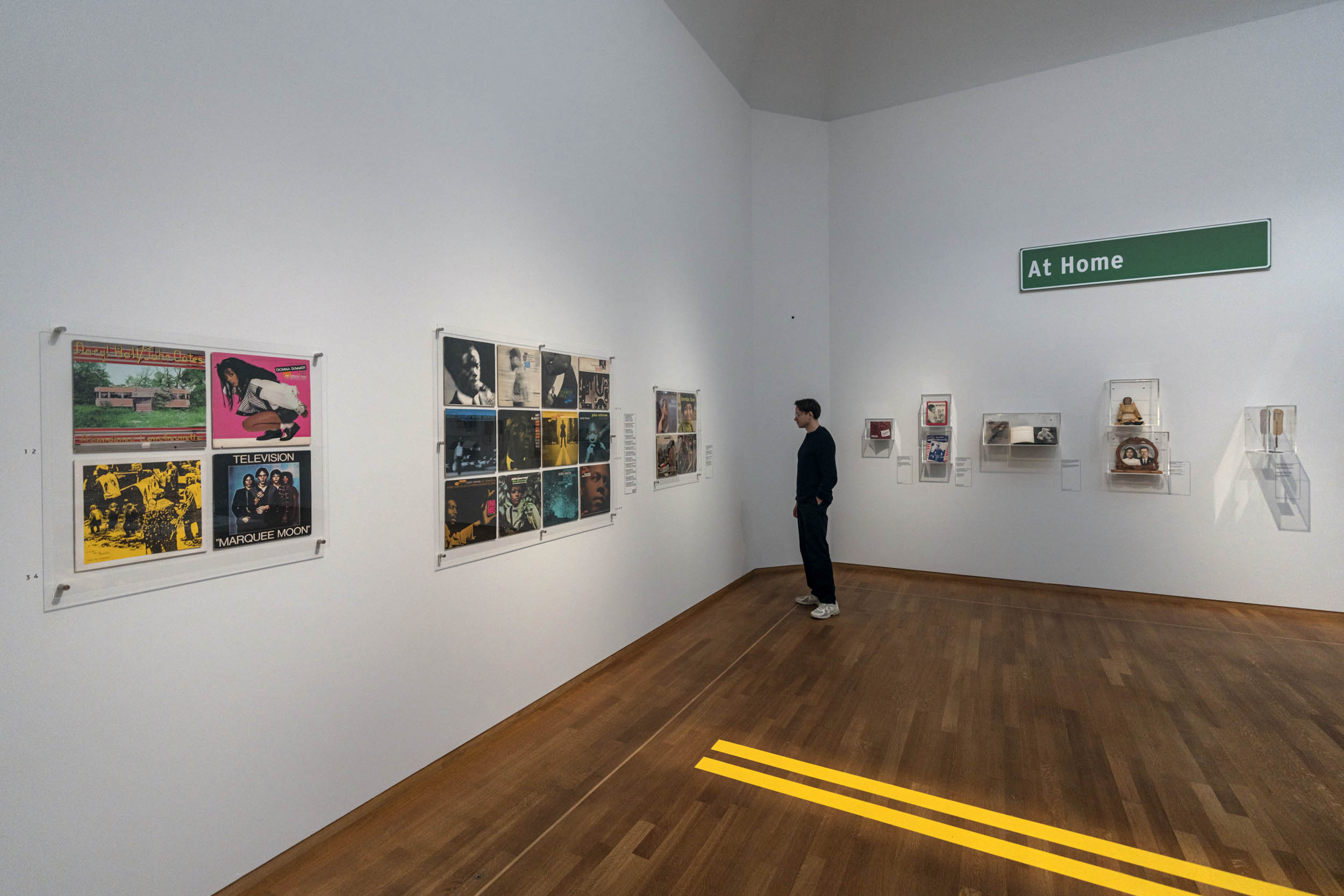


![Chuck Close (American, 1940-2021) 'Phil' [Photo Maquette of Philip Glass] 1969](https://artblart.com/wp-content/uploads/2025/05/chuck-close-photo-maquette-of-philip-glass.jpg "Chuck Close (American, 1940-2021) 'Phil' [Photo Maquette of Philip Glass] 1969")
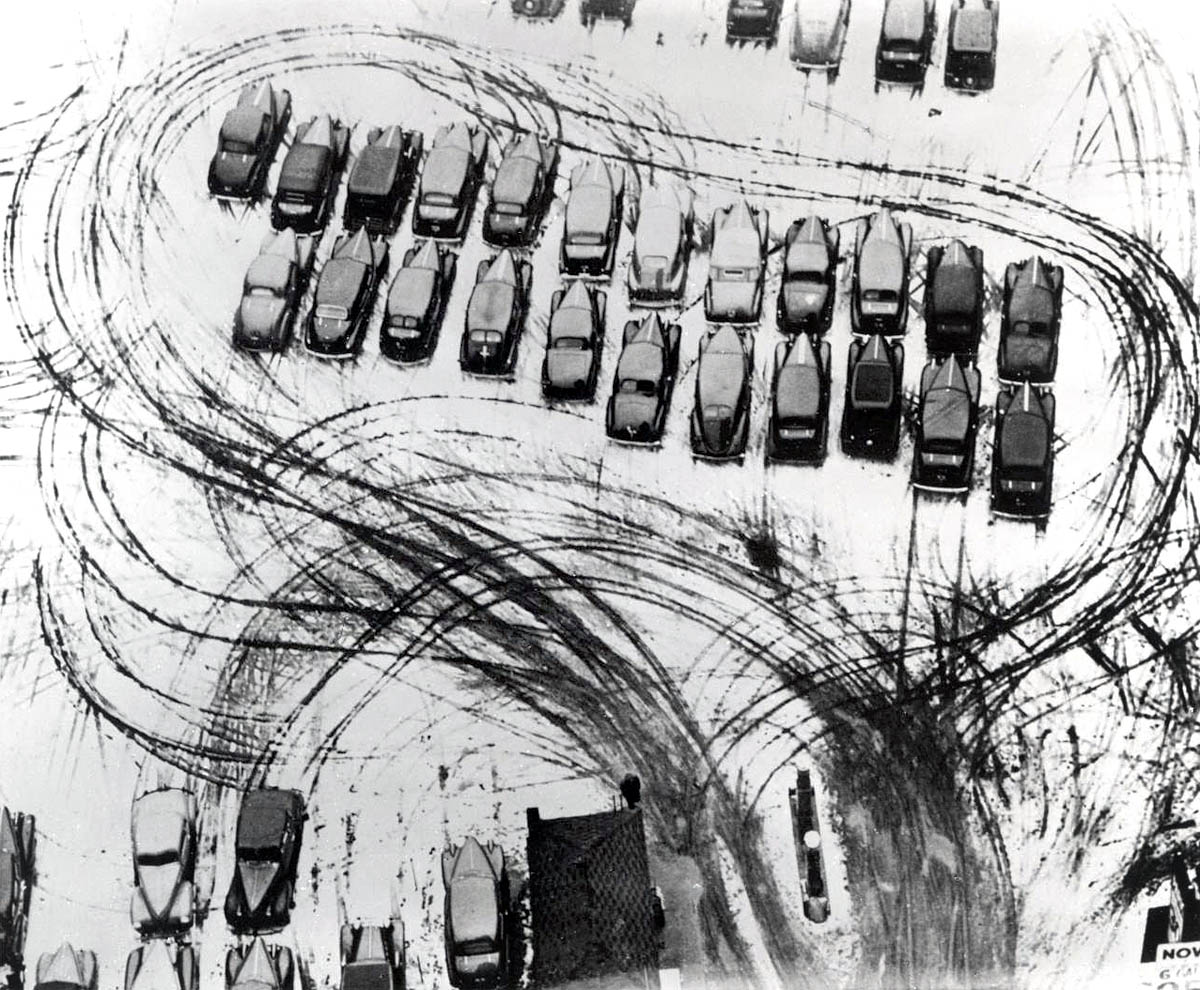

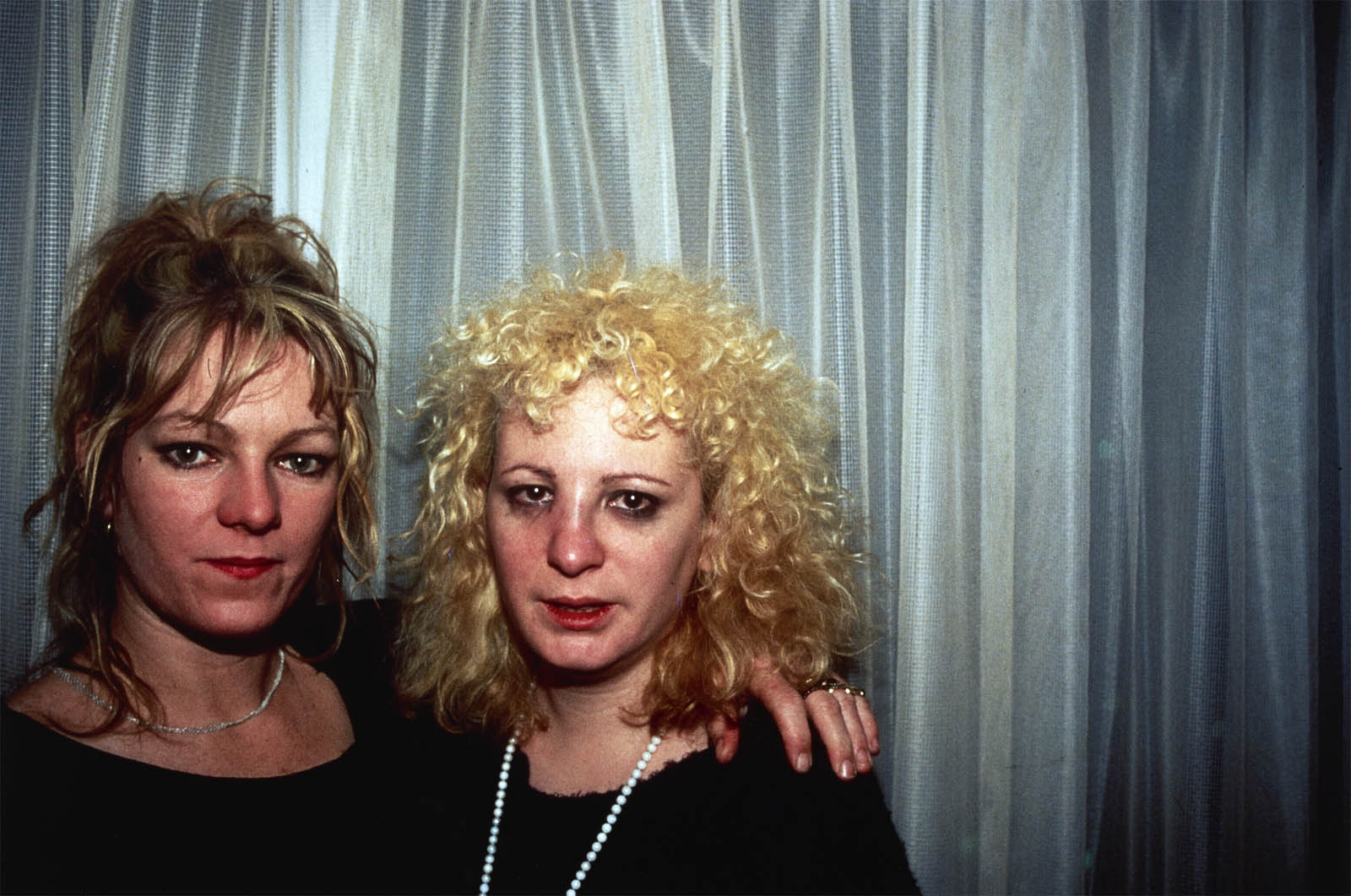
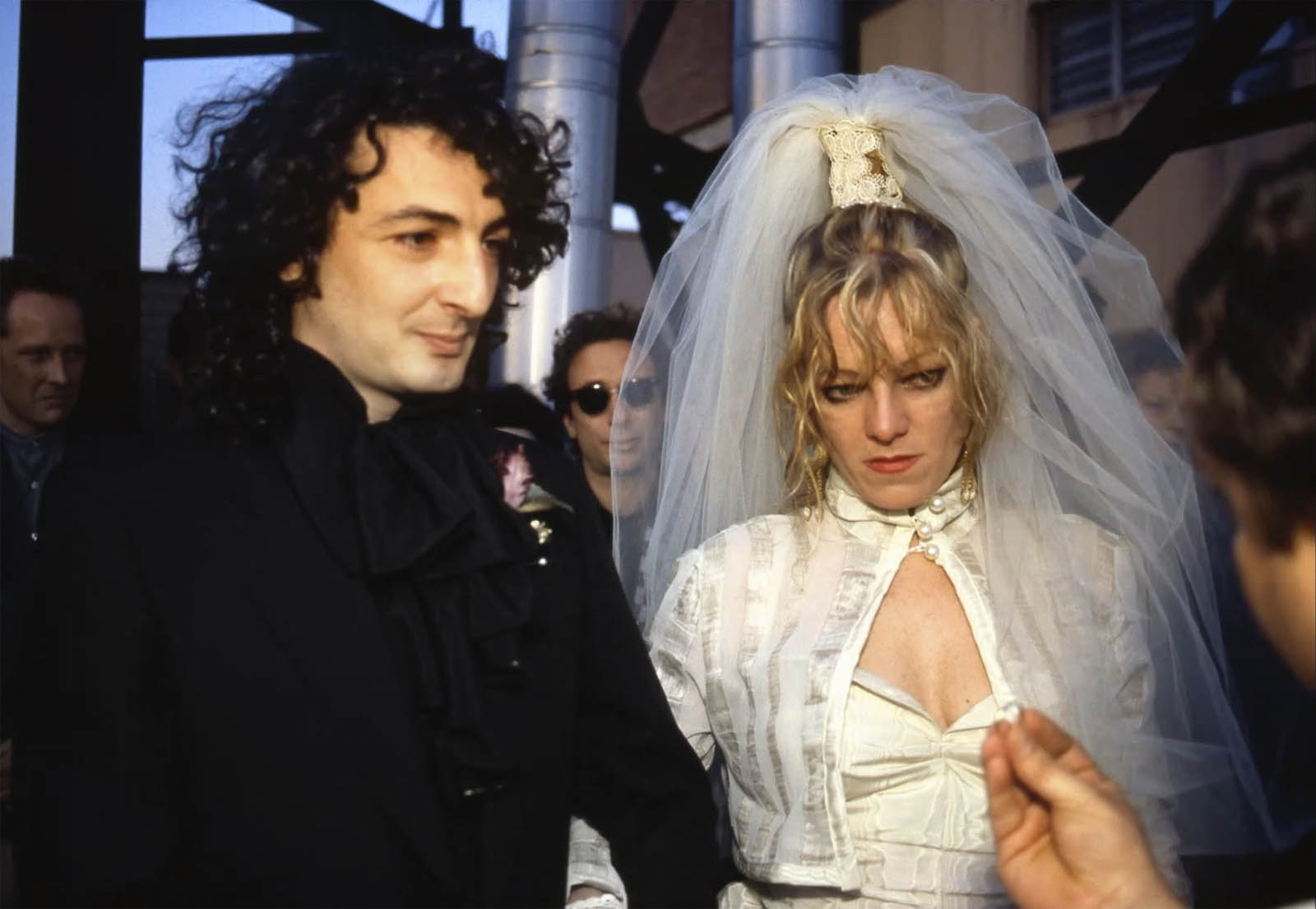
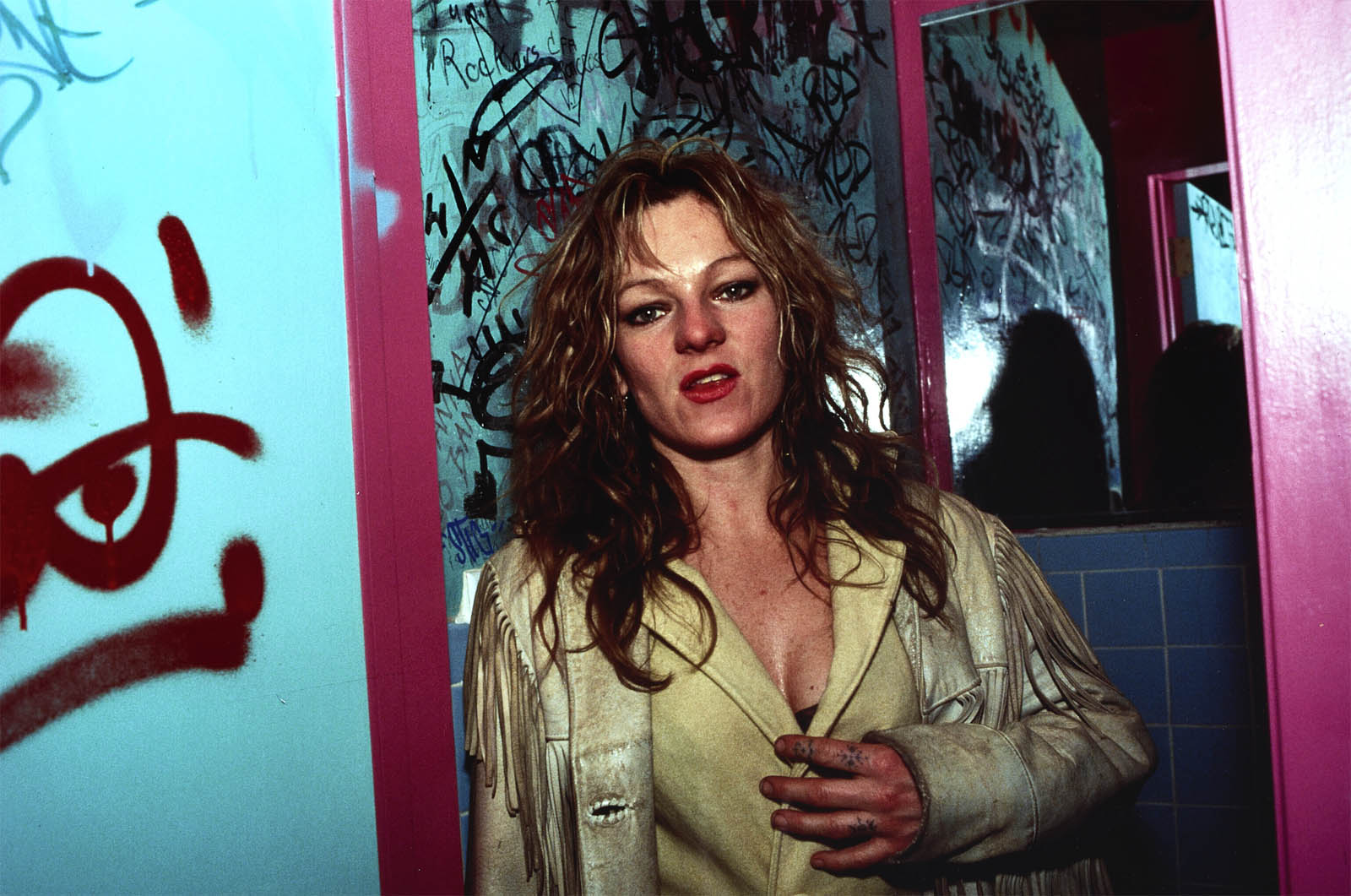


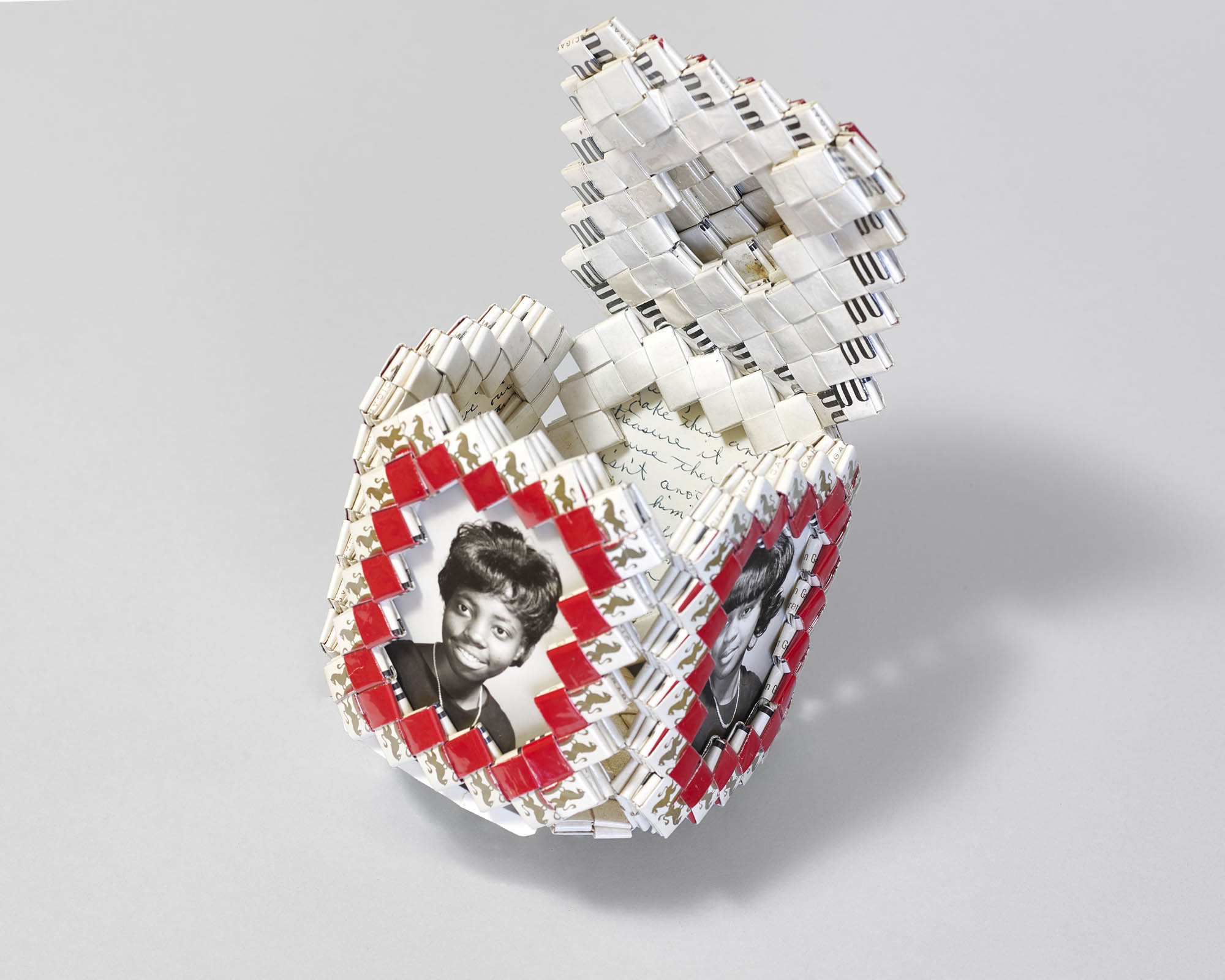
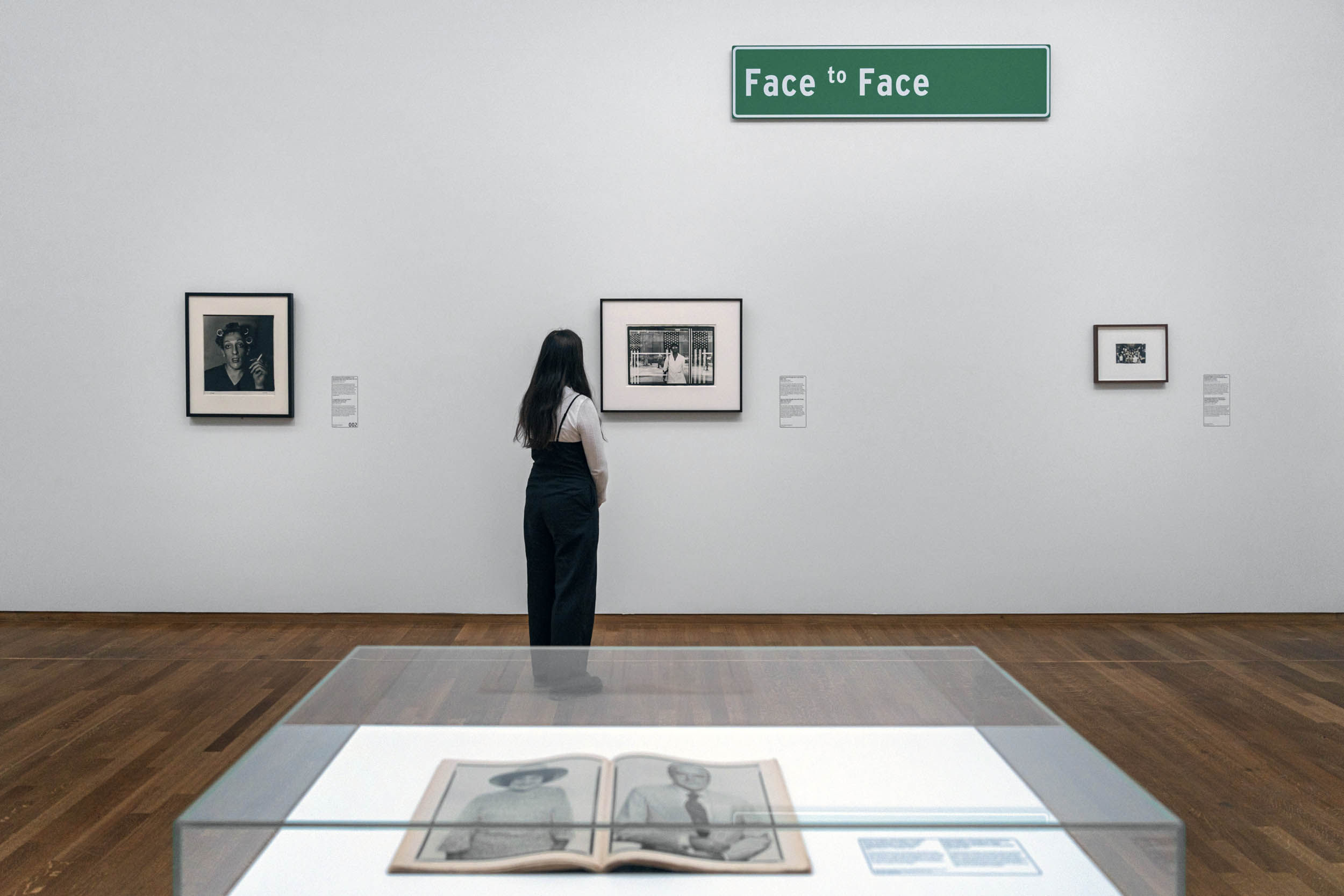





















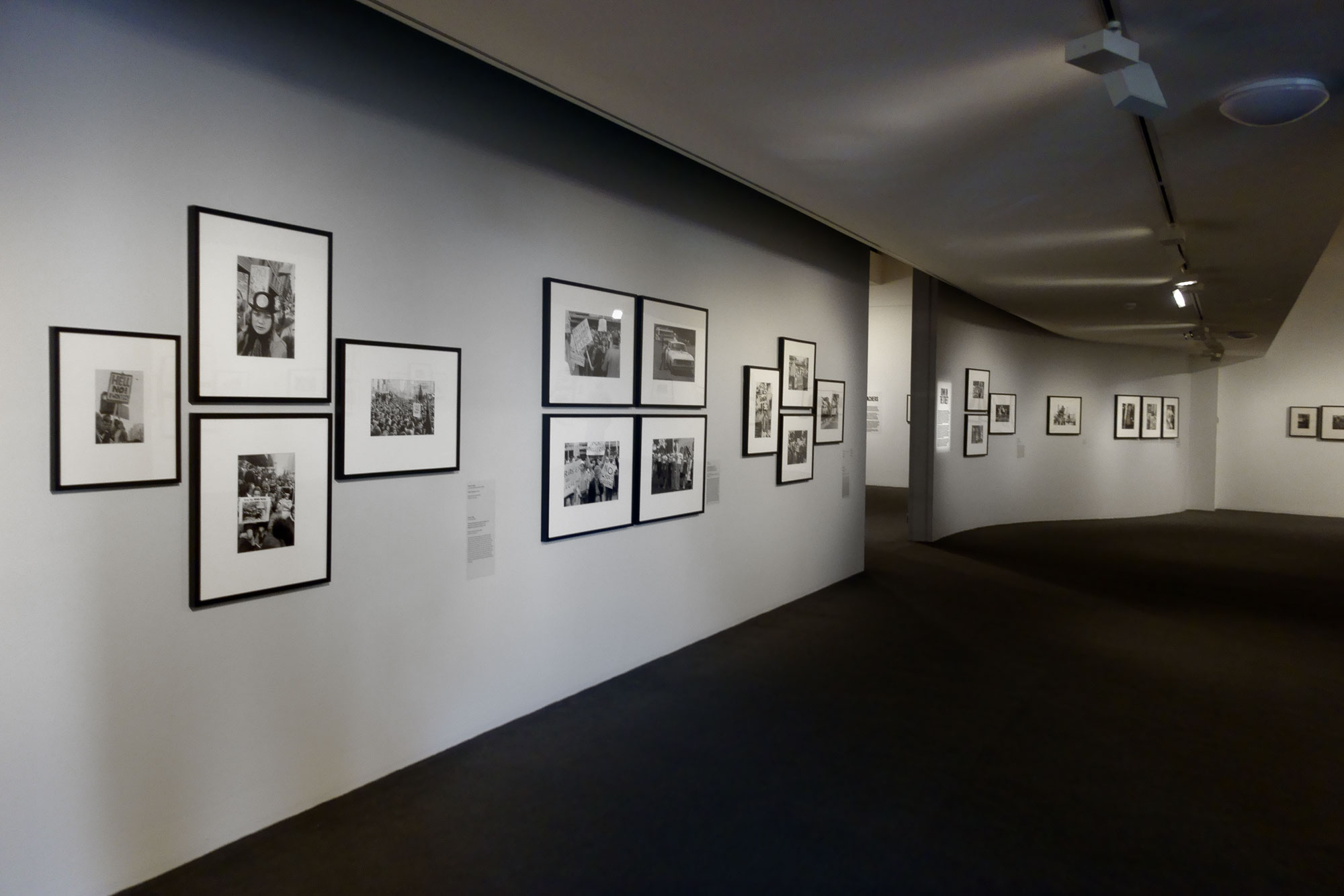
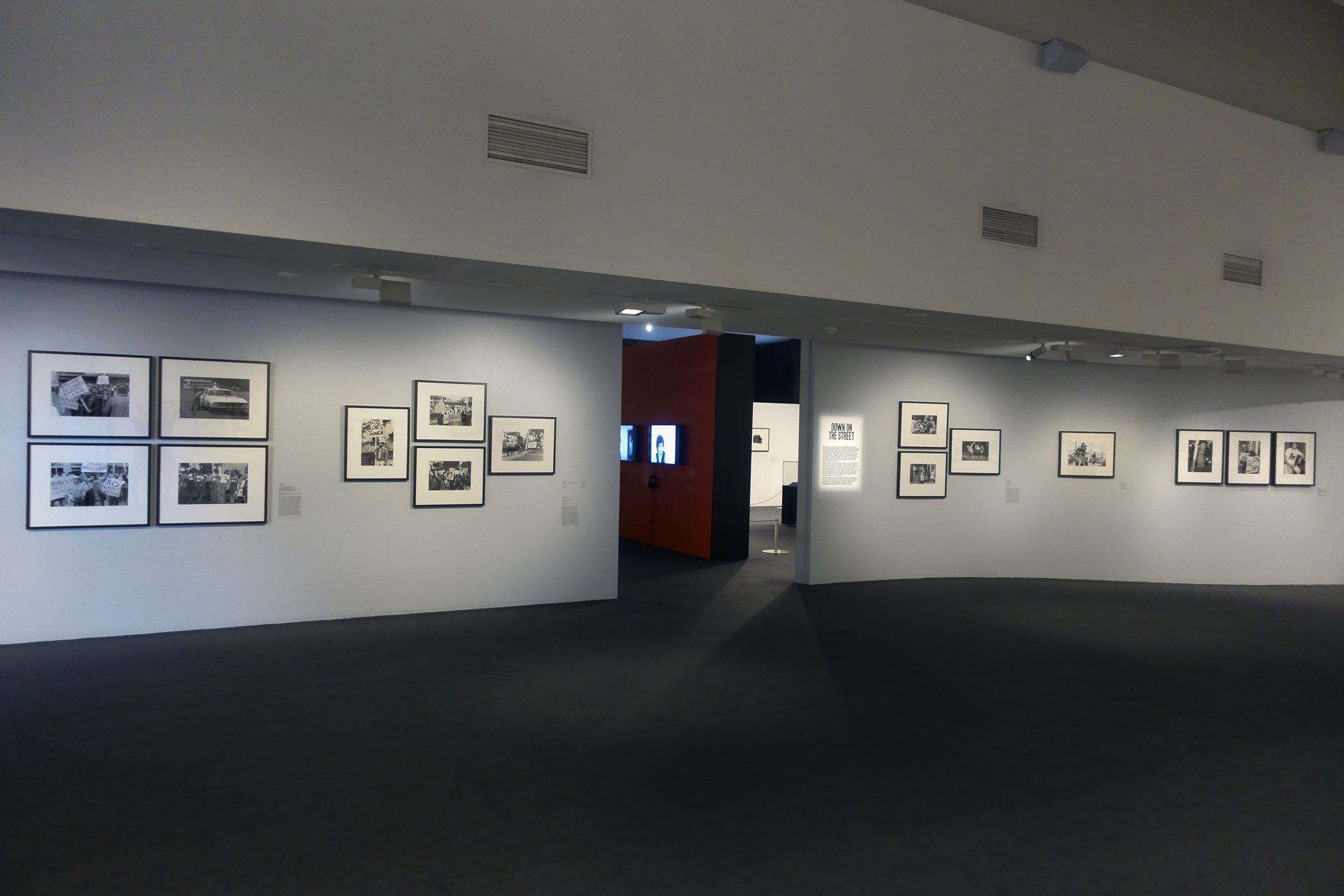
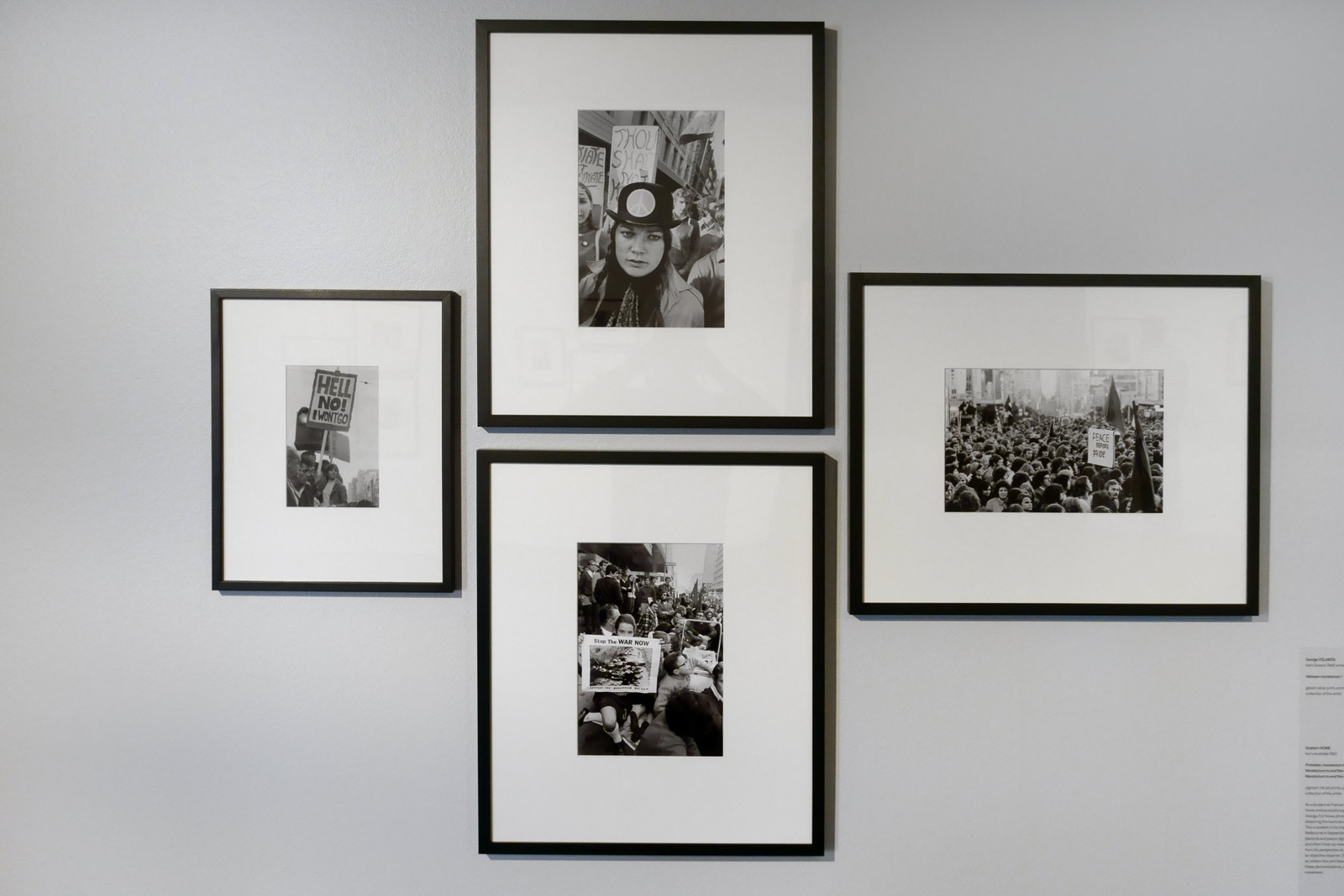


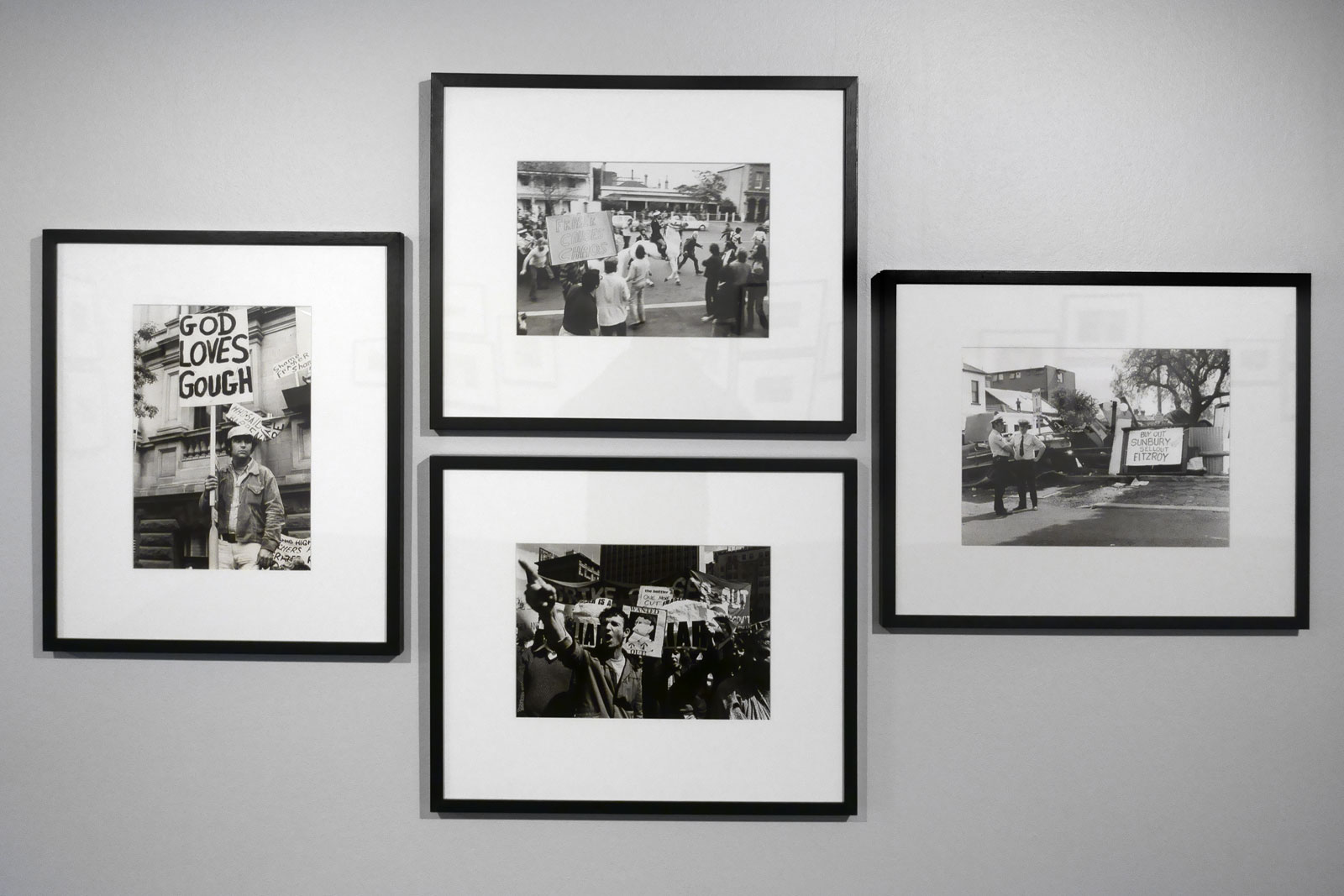

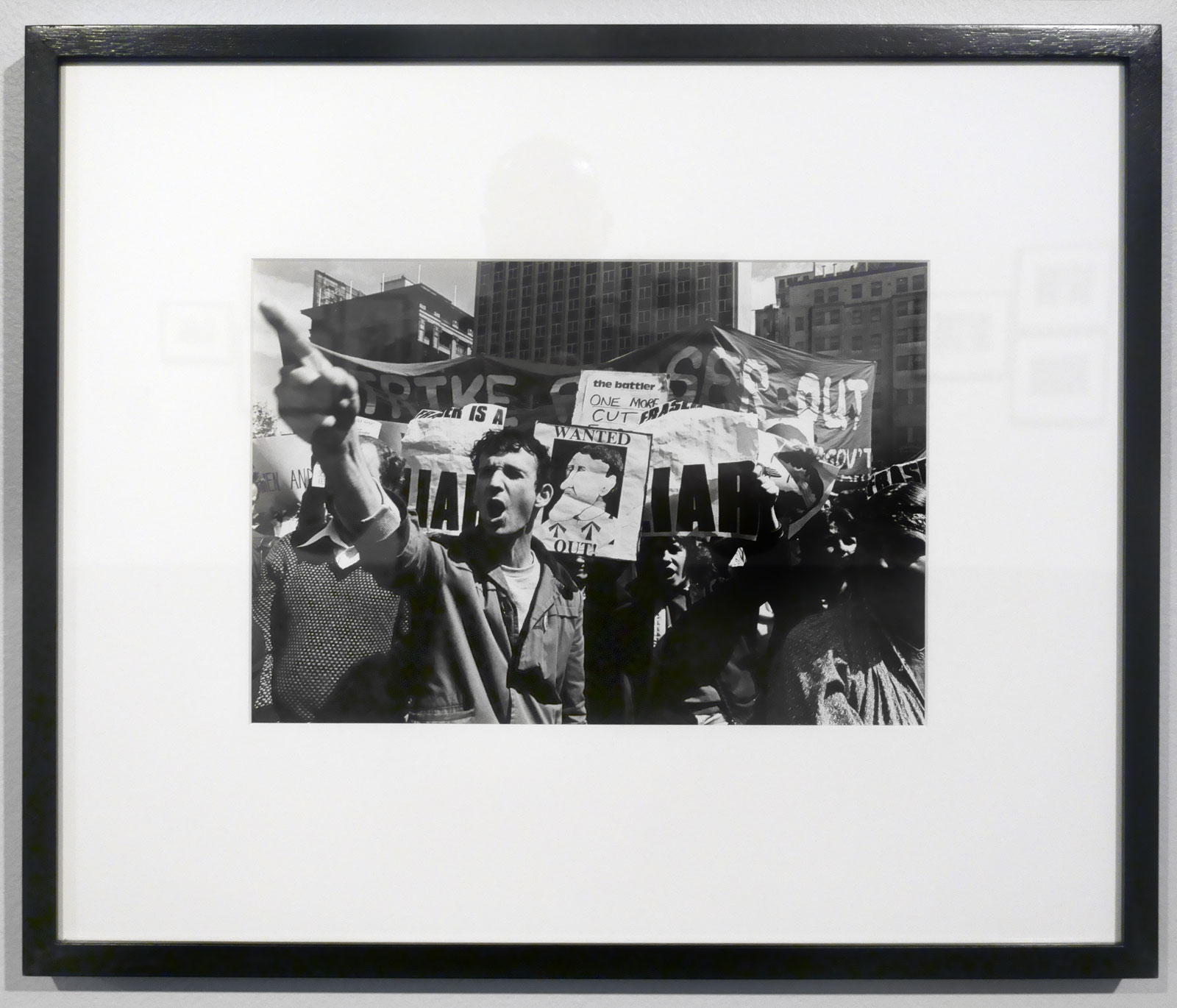

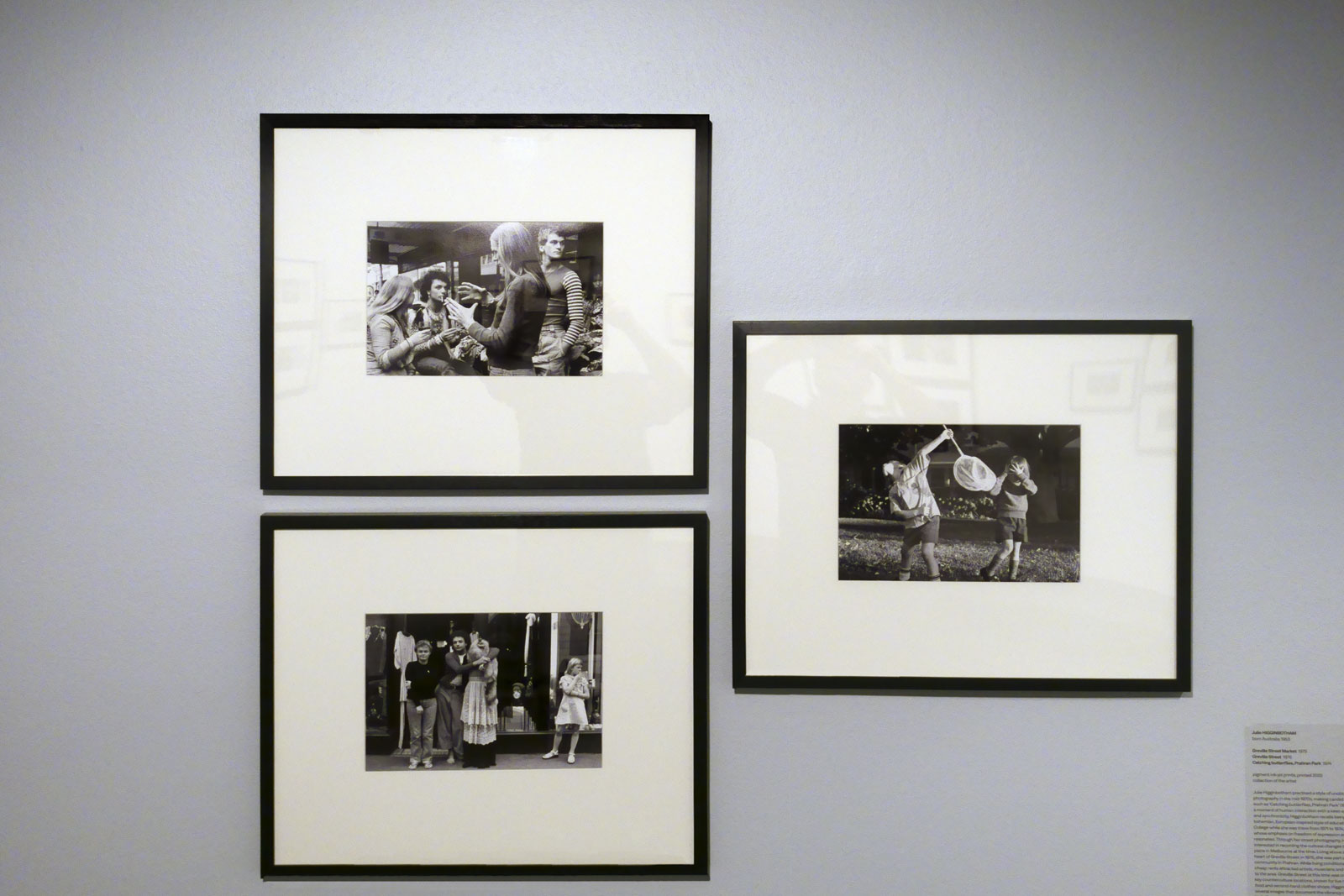






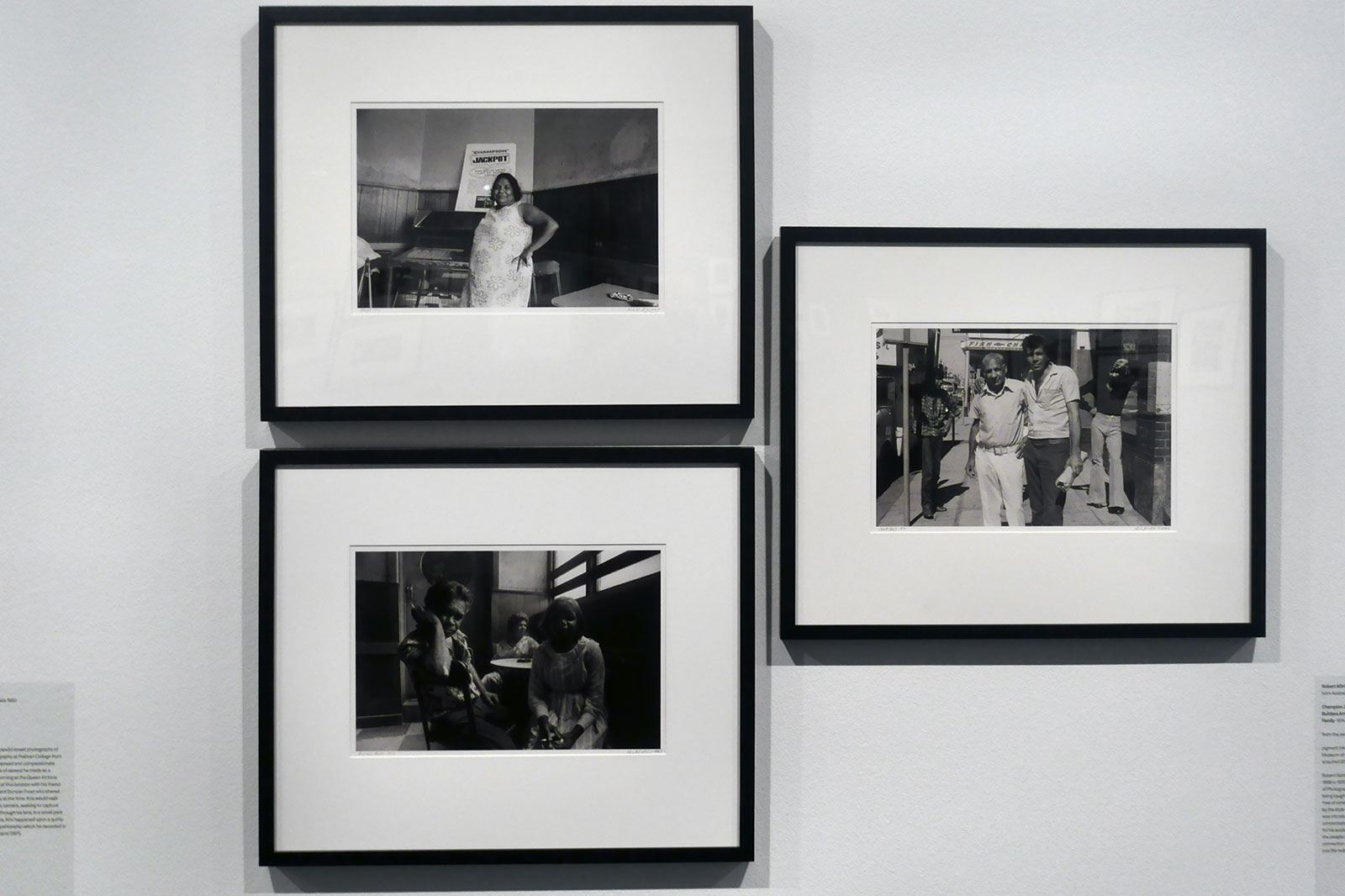


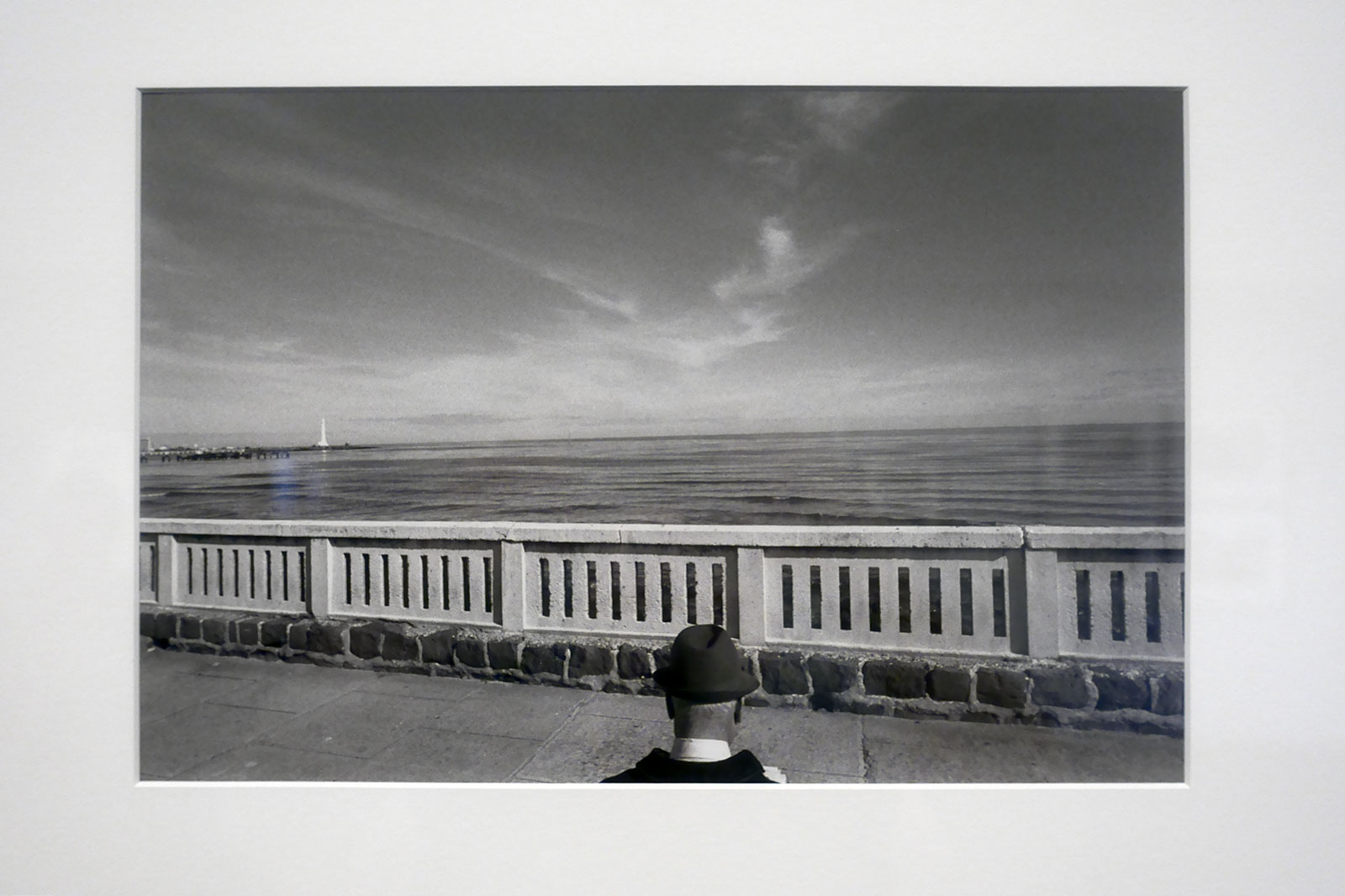


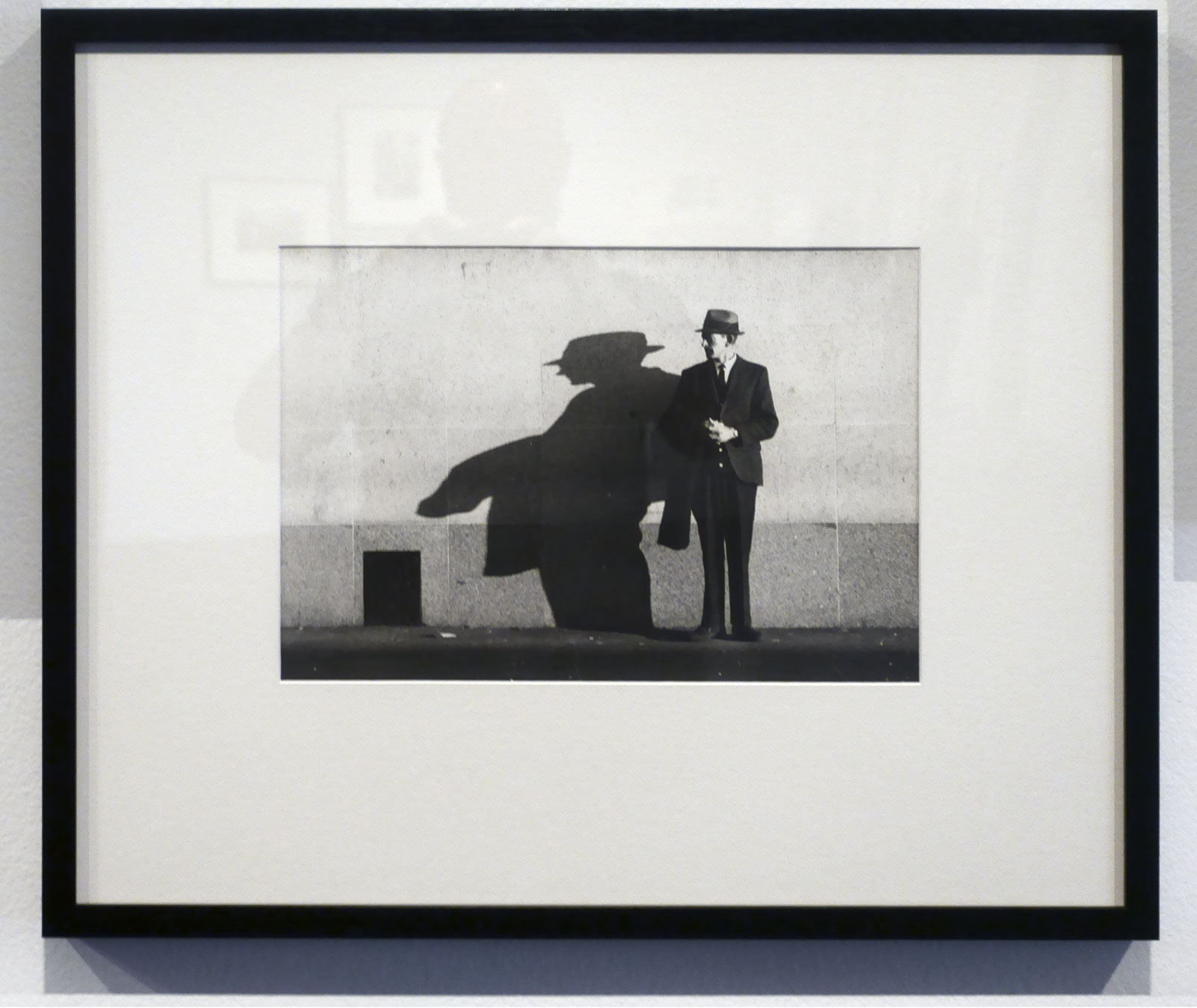


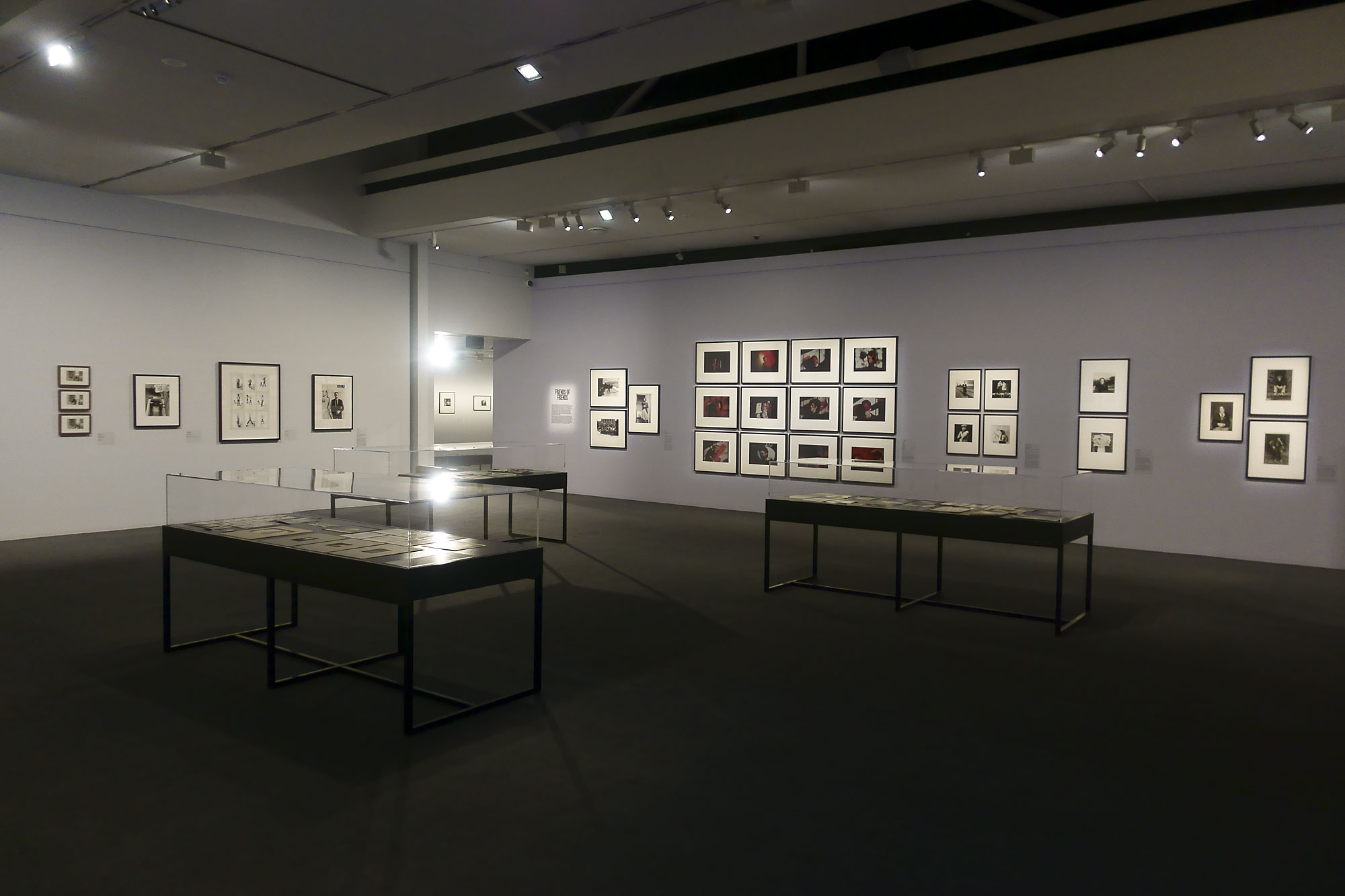

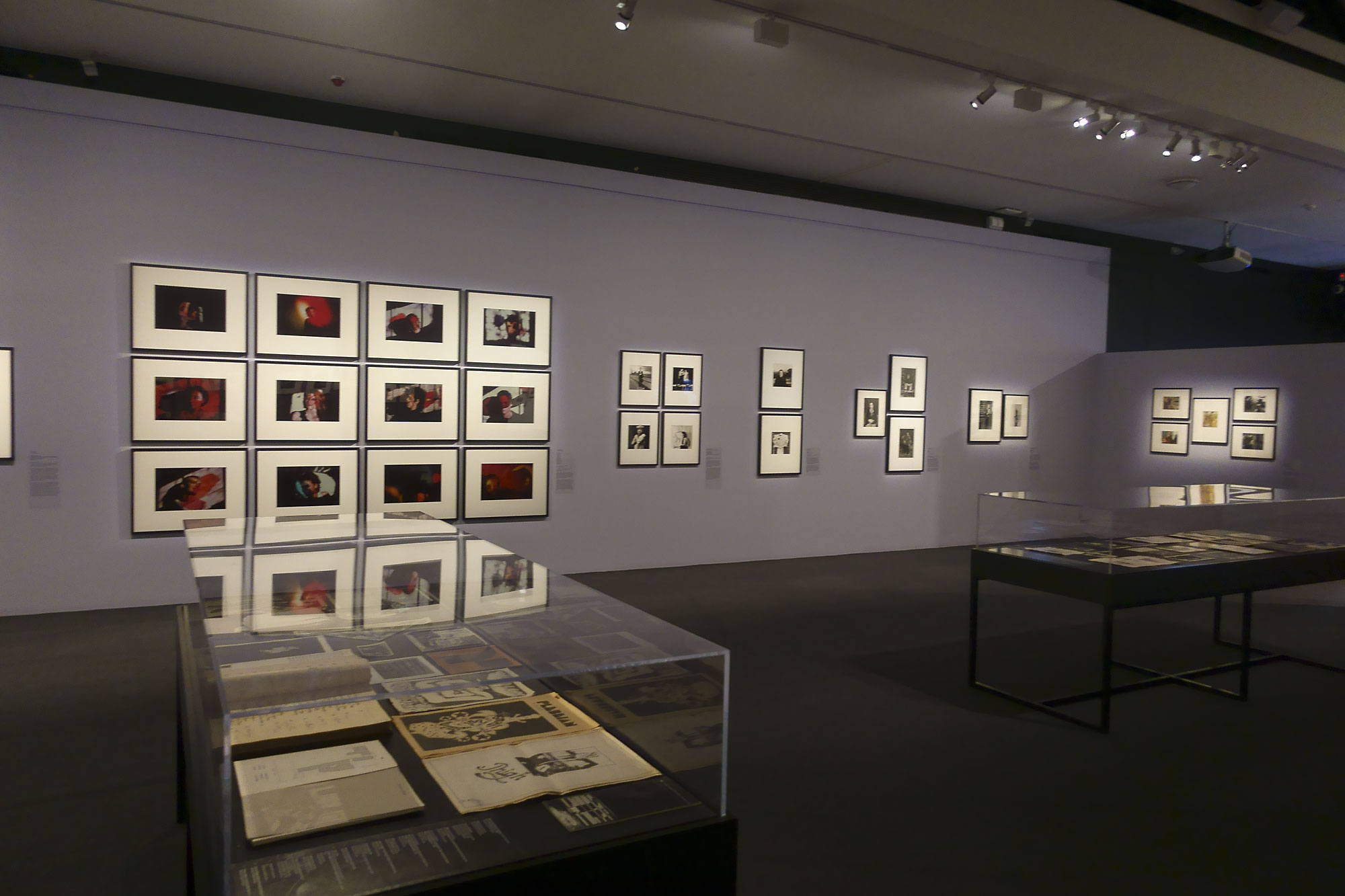
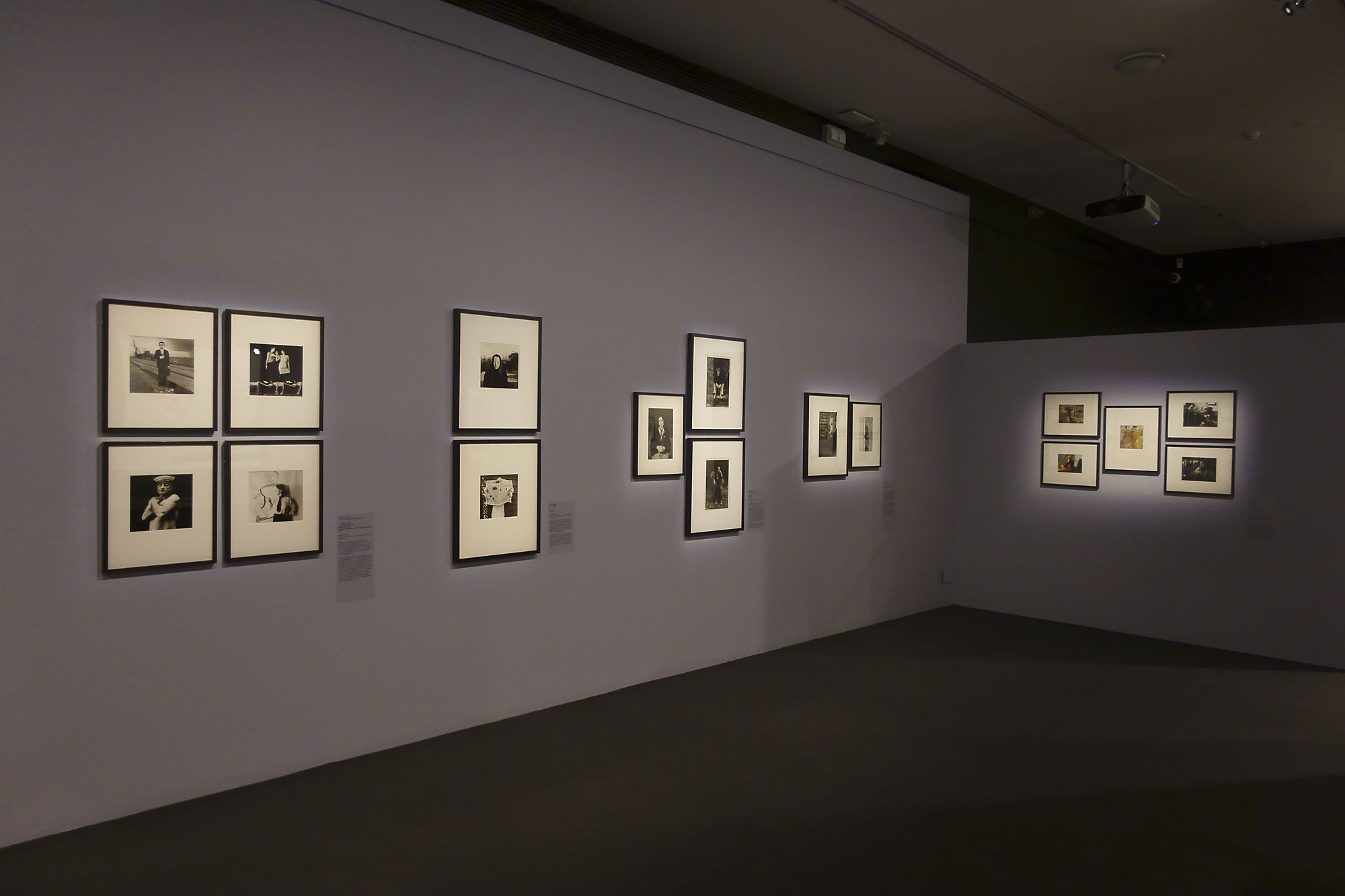


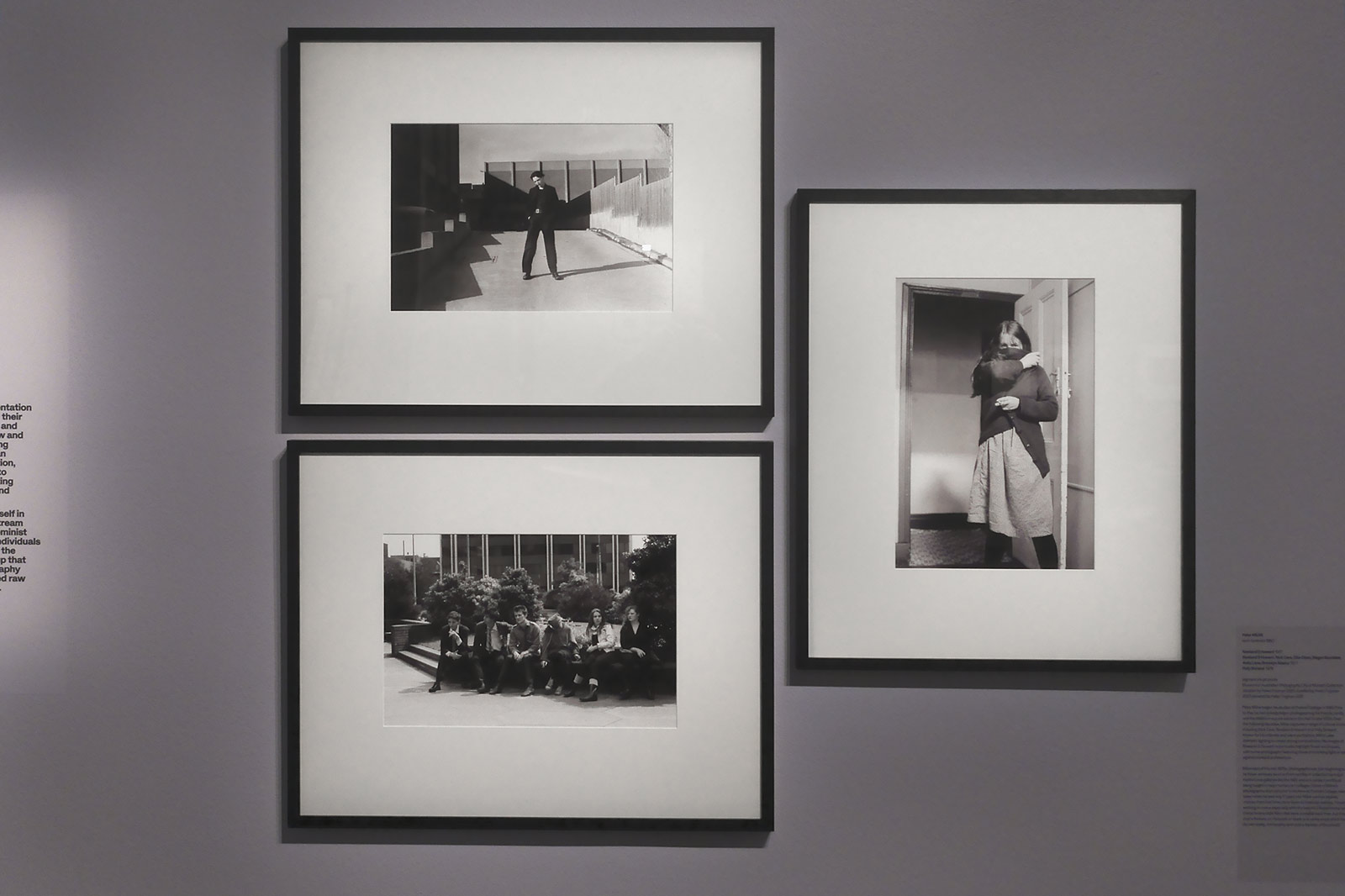

















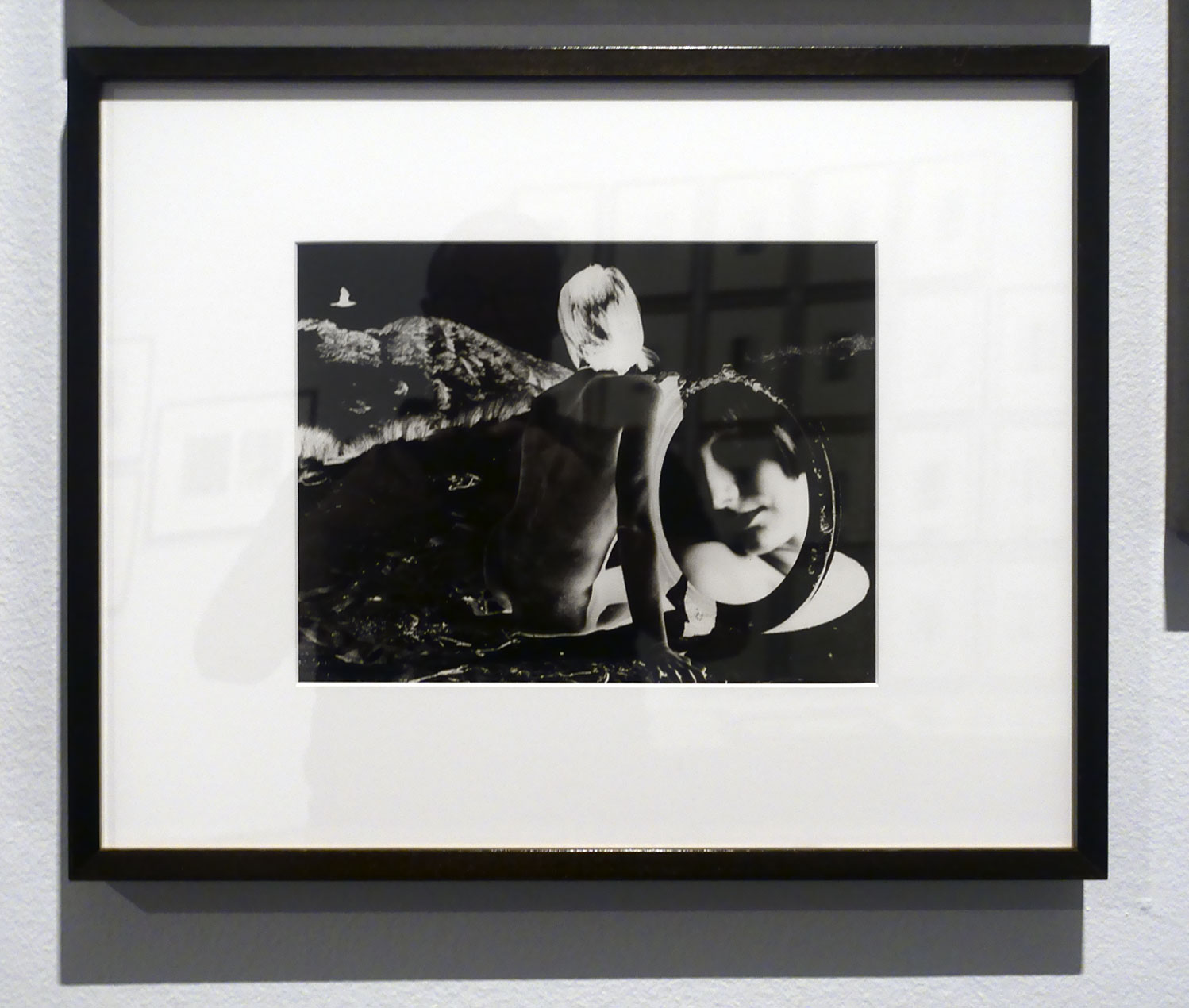


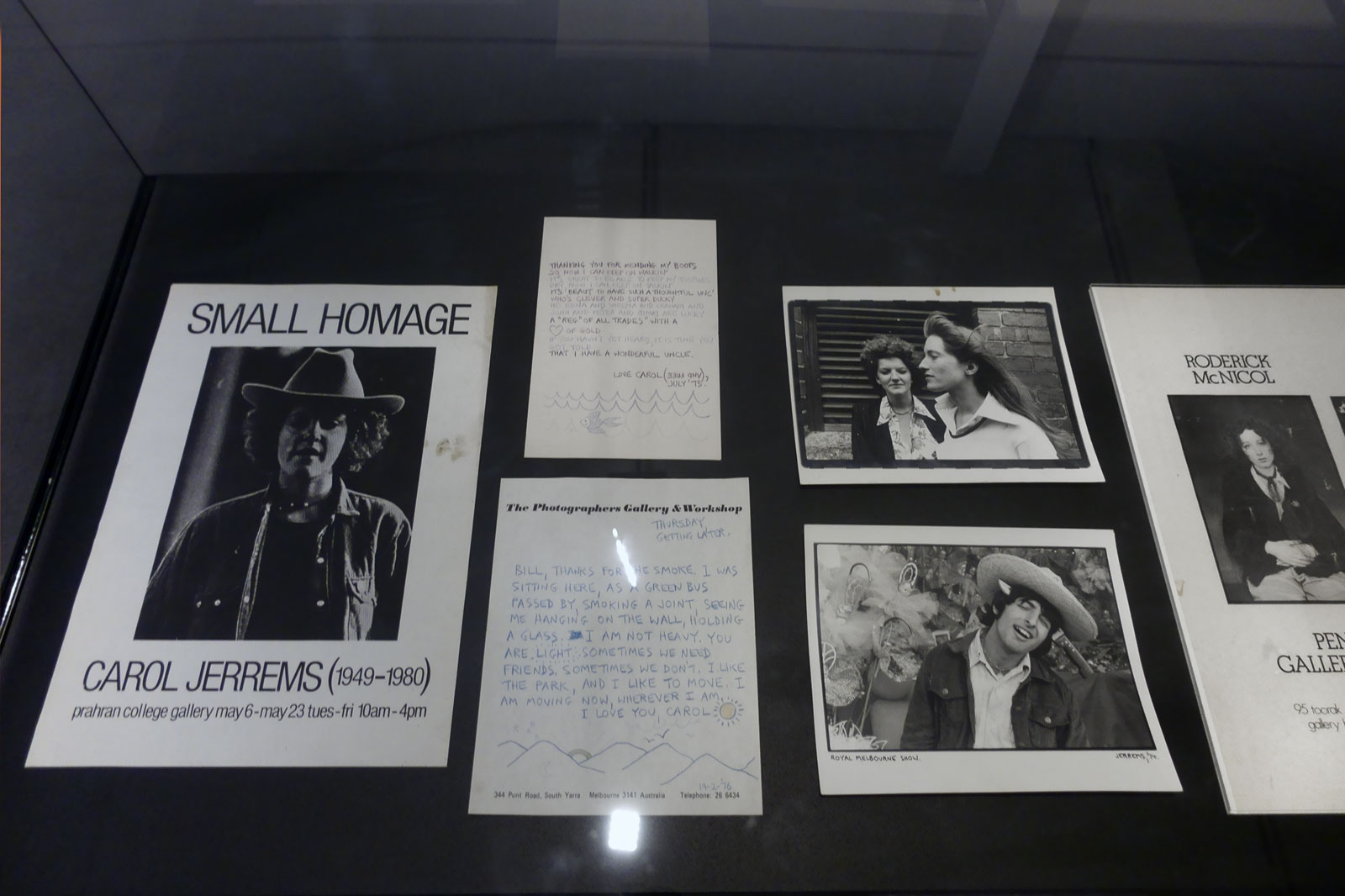


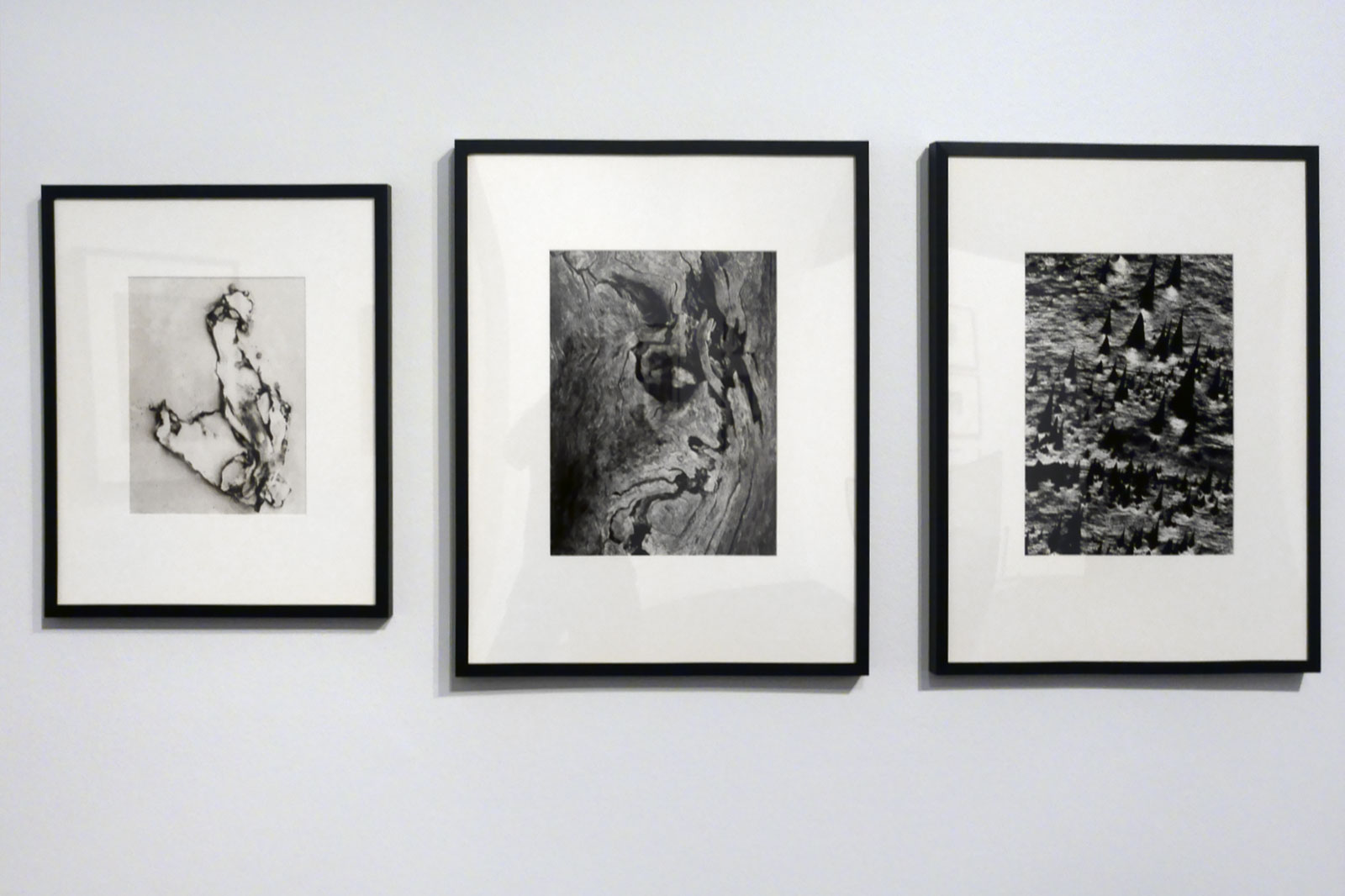




![Peter Leiss (Australian born England, b. 1951) 'Untitled [Bill Heimerman and Ian Lobb at the rear of the Photographers' Gallery]' c. 1975-1980](https://artblart.com/wp-content/uploads/2017/10/leiss-william-heimerman2-web.jpg "Peter Leiss (Australian born England, b. 1951) 'Untitled [Bill Heimerman and Ian Lobb at the rear of the Photographers' Gallery]' c. 1975-1980")
![Greg Neville (Australian, b. 1950)
'Tutorial: lecturers and students [back row L–R Derrick Lee, Bryan Gracey, Athol Shmith, Paul Cox, Elizabeth Tainsh]' c. 1971 (installation view)](https://artblart.com/wp-content/uploads/2025/03/vb.jpg "Greg Neville (Australian, b. 1950) 'Tutorial: lecturers and students [back row L–R Derrick Lee, Bryan Gracey, Athol Shmith, Paul Cox, Elizabeth Tainsh]' c. 1971 (installation view)")
![Greg Neville (Australian, b. 1950)
'Tutorial: lecturers and students [back row L–R Derrick Lee, Bryan Gracey, Athol Shmith, Paul Cox, Elizabeth Tainsh]' c. 1971](https://artblart.com/wp-content/uploads/2025/04/greg-neville-tutorial.jpg "Greg Neville (Australian, b. 1950) 'Tutorial: lecturers and students [back row L–R Derrick Lee, Bryan Gracey, Athol Shmith, Paul Cox, Elizabeth Tainsh]' c. 1971")









 Art Blart _ art and cultural memory archive
You must be logged in to post a comment.