1. Unknown photographer Untitled [Mongolian man with cut-out pedestal] 1910s-1920s Glass plate negative The original material is held by the Archives for Cinema, Photography and Sound Recording, Mongolia From Images of noblemen and noblewomen of early 20th century [1910s-1920s], British Library, Endangered Archives Programme EAP264/1/8/2 https://eap.bl.uk/archive-file/EAP264-1-8-2
Rendering the past and the presence, shaping history and memory
These fascinating glass plate negatives from Mongolia have been saved for prosperity by the Endangered Archives Programme which “seeks to preserve cultural heritage and make it available to as wide an audience as possible… [The programme] primarily funds digitisation projects to record and preserve the content of archives. Our projects create digital material in a format that facilitates long-term preservation, and at least two copies of these are stored: a primary copy that remains at an appropriate repository in the country of origin, and a secondary copy held at the British Library… The EAP website provides access to these digital collections for research, education and enjoyment. We do not however distribute high resolution, print quality versions of images, referring requests for these back to the original holders of the archive. We also seek to ensure that the values of the people and communities from which the archives have come are respected and that they are consulted in any significant re-use of the digital material.”1
While the outcomes of the project are noble and valuable, in effect, these photographs will remain buried in the archive on the British Library website unless someone is specifically undertaking focused research on the history of Mongolian photography. I tried to contact the Archives for Cinema, Photography and Sound Recording, Mongolia to use the images but got no reply. Thus, I use the images under fair use conditions for the purposes of education and research in order that a wider range of people around the world will actually get to see and appreciate them.
I have digitally cleaned all of the images to remove scratches and dust spots to present them to the best of their advantage. I wanted to know what size the glass plate negatives are but not even this information is included on the British Library website. No information on the image makers is available … but they were probably photographers making a living travelling from town to town taking portraits of local families, carrying their painted canvas backdrops applied to collapsible boards with them.
Images 1-18
The most interesting group of images in this posting are from one session which I have grouped in numbers 1-18 below. I have only a small idea in which order these photographs were taken. The time on the alarm clock is indistinguishable in some of the photographs and in others jumps from 12.55pm to 2.55pm to 4.35pm to 4.45pm. If we assume that the alarm clock was working during the portrait session (it could have been broken and manually changed to different positions), then this would indicate that the photoshoot took place over the course of one afternoon. What we do know is that these photographs were all taken in one location in one sitting and are of one extended family or village group wearing their finest clothes, posed in a portable, constructed studio setting.
In image number 1 (above) a man stands in front of a painted canvas backdrop of an effusive, rococo-style scene with window, acanthus decorated columns, heavy curtains decorated with tassels and profuse carved wood work. We can see the edge of the backdrop boards to the right of the man and also observe the piece of wire or rope which is holding them up at top right. The “set” or mise-en-scène (the stage of a theatrical production or the setting or surroundings of an event) is inside a house (not a traditional portable, round tent covered with skins or felt which in Mongolia is called a ger), for at right we can see wallpaper on the wall of the house. There are bare wooden floorboards covered in a patterned carpet with circular motifs and to the right is a bentwood chair. The man stands behind a prop – a probably wooden, cut-out decorated column – looking off camera with an air of authority. He is the only person in the twelve images that is so positioned (behind a column). He is probably a leader of the village and / or head of the household.
In image 2 a man sits on a chair on the same carpet with his hands on his knees staring straight into the camera lens. In his right hand is a set of prayer beads possibly made from mala seeds. The bentwood chair has been replaced to the right hand side with a more sturdy looking chair. In image 3 two men sit on chairs on the same carpet with a table between them, staring directly at the camera. Both men have their hands on their knees and one holds some prayer beads. They are probably father and son. On the table are what I think are prized possessions of the family and / or village: two decorated vases and what would have been a rare and valuable object in 1910s-1920s Mongolia, an alarm clock with bell. The vases, alarm clock and later, teapot, cups and saucers – the cups with handles, a very Western influence as tea in Mongolia was usually drunk in cups without handles2 – are a recurring presence in these photographs, perhaps signifying the status of the family being photographed.
Image number 4 shows a standing man and a women, possibly husband and wife, staring directly at the camera. The same two vases and clock are present on the table between them, but this time the table has been covered in an elaborately decorated tablecloth. Notice how the length of women’s sleeves completely cover her hands by some distance. The same carpet is present on the floor as it is in image number 5. In this fifth image the photographer has moved the couple, again probably husband and wife, along the backdrop so that the painted column appears directly between them above the more prominently displayed table, covered with the same tablecloth. Now there is only one vase displayed, directly behind the same alarm clock. Again, note the length of both male and female sleeves on their costumes, completely covering their hands by a long way.3 The relocation of the couple has cropped the window out of frame to the right, while the bentwood chair now makes a reappearance.
In image number 6 the photographer turns the camera horizontally and pulls back from the subjects to capture a family group, possibly a mother at second left accompanied by her two sons and daughter. All participants stand front on to the camera and stare directly into the camera lens but it is interesting to note the body language of the group: the men stand rigid and stiff, one with his hand on his hip, while the mother sways to her right and the daughter leans to her left, both unsure of the process of being photographed and the final outcome of the photograph. The same carpet is on the floor and two bentwood chairs are now to the right.
In the vertical image number 7 the photographer has moved forward to produce a more tightly cropped photograph, placing the two men directly in front of the table obscuring it and the vase (which can just be seen behind the men) from view. He (for undoubtedly at this time the photographer would have been a man) has also replaced the large carpet with a small carpet with diagonal decoration as its border, isolating the men so that they seem to float above the bare wooden floorboards. The man at right stares off camera to somewhere behind and to the left of the camera, while the man at left stares with disdain and a sense of defiance directly at the camera.
In image number 8 the photographer retains the closer perspective but moves nearer again, titling the camera down to observe the seated man (notice how the window at top right has been cropped from the previous image). Here the photographer balances the composition left to right using the prominent position of table, vases and alarm clock to offset the form of the seated man who stares straight at the camera. The carpet is the same as in the seventh image with its diagonal border, but this time you can see the profuse inner geometric pattern of dark and light shapes. In the family group which is image 9, the photographer has turned the camera horizontally so as to fit in the subjects of his composition, retaining the carpet with the diagonal edge decoration and light and dark inner shapes from the previous image. The not happy child holds her mother’s hand, the woman in the traditional noble headdress of the married Khalkha upper class women, a special hairstyle designed to mimic cow’s horns or, in another version, the wings of a mythical bird. “The basis of [the headdress] is a small silver cap with filigree, to which numerous silver, coral or turquoise ornaments are attached. The combed back hair is divided into two parts and formed into the “horns” with the help of several silver or bamboo pins. The lower part of the strands is braided in plaits. Rich women allow themselves to further decorate this part of the hair: the plaits are put into embroidered brocade covers with rows of coral and silver bands. For special events or for travelling a pointed hat (malagay) which looks like a crown is worn over the small cap. The hat is usually made of velvet and has colourful ribbons attached at the back. The top is sometimes decorated with a big coral or other stone.”4
In image number 10 the photographer has moved the group of men, possibly a seated father (or grandfather?) and his standing sons, much further down the painted backdrop completely cropping out the painted window. On the floor is the original carpet in image 1. All men stare directly at the camera with the seated father slightly in front of his sons. In image 11, the original carpet has been replaced by the second carpet which was seen in the ninth image, the one with the diagonal border. The background is in roughly the same position as can be seen when you compare the column behind the left hand figure in both photographs and the camera is at the same height… but the background must have been physically moved, because the roof support in image 10 is now much more to the left in image 11. In the latter image, the covered table, vases and alarm clock take pride of place, front and centre, with the three men standing to the side and behind the table. Two stare directly at the camera, whilst the other at right stands obliquely to the picture plane and stares off camera to the left. Such positioning of the figures suggests that the photographer had a knowledge of the poses of classical group portraiture and portrait photography in particular. Further, as we can observe in these photographs, “the portrait functioned as an extension of the ceremonies and rituals of daily life. Self-representation was now a major aspect of social life, because it could pave the way to obtaining a place of honor.”5 These photographs also function as a place where the intimacy and narrative of family life were exposed to the public eye, where private becomes public, and in the mise-en-scène of the stage-set the actors were posed to create a theatrical, representative view of how they wanted to see themselves – and how others should see them. This is a scene constructed explicitly for the portrait to … render present, to re-present the presence of the people themselves. And in the posing, directed by the photographer, the subjects assume the shape of a desired representation.
Image 12 is the only photograph in the group of twelve images taken indoors that features a woman on her own. Dressed in all her finery and wearing her traditional headdress the seated woman is posed frontally and stares straight at the camera, her hand lightly resting on her inner thighs. Behind her the column of the painted backdrop that was seen behind the man at left in the eleventh image is now directly behind her head and more of the backdrop has been recorded at her right: flowers, a lush garden with stairs and bannister railing, and a heavy brocade curtain with numerous tassels. The camera has again moved closer to the subject for the edge of the diagonally decorated carpet now appears at the bottom of the image with no floorboards being visible, whilst the top of the image has been framed just at the top of the painted backdrop. The revelatio of the pulled back curtain reveals a wished for, Western, utopian landscape, a paradise reached by the woman in all her finery on her magic carpet.
And the carpet truly does fly!
In image 13 the carpet has been moved down a set of steps onto the bare earth in front of a house with the table, and a different tablecloth, for company. The mise-en-scène is now a simple backdrop of a piece of white fabric which has been pinned by the photographer to the railing of the house – prescient of the work of photographer Richard Avedon and his series In the American West with similar frontal stance and direct gaze of the sitter (see below), although this anonymous photographer never closes in on the subject to fully isolate the subject against the white ground as happens in much conceptual, contemporary portrait photography. What the photographer does do over the remaining images (14-18) is move the camera forward and backward in order to frame his subject(s), changing the camera’s orientation for larger groups.
In image 14 the photographer has moved forward so as to more tightly crop the image: there is no earth and less of the window behind is visible; the same alarm clock as in previous images has made a reappearance. Image 15 is even more tightly cropped, with no carpet and even less window being visible… the alarm clock has been lost and now the sitter is positioned to the left of the table as opposed to image 14 when they were to the right. In image 16 (observe the bare table) and 17, the photographer has moved the camera around another side of the building: note the mud-caked wooden logs, part of the structure of the bottom of the house, the lack of railing and strong sun causing shadows to fall on the wall behind. In previous images (13-15) there is no shadow for the sitters were not in direct sunlight. In the final image, image 18, the photographer has moved the camera again to another wall of the house, this time to a backdrop of a cracked, bare earth wall with the carpet and table placed on the barren ground. In all of these portrait photographs the subject stares impassively at the camera.
In whatever “order” these photographs were taken, through analysis we can begin to see, and feel, and imagine, the choreographic dance that the photographer would have had to go through to capture the likeness of his sitters. We can imagine the cacophony of sound, the instructions to set up backdrops, to move the camera, to arrange the people (after they had dressed in their finest clothes) and extras (such as the table, tablecloth, alarm clock, vases and carpets) for each photograph – for the photographer to capture the person in perfect stillness, order out of the disorder. This dis/order is doubled by the storage of these photographs in an archive, that of the Endangered Archives Programme, where everything is supposedly kept in order but where, “Archives contain elements of truth and error, order and disorder and are infinitely fascinating. As both collections of records and repositories of data, archives are able to shape history and memory depending on how, when and by whom the materials are accessed. Their vastness allows for multiple readings to be unravelled over time.”6
And that is my hope for these images of noblemen and noblewomen of early 20th century. That other people approach the material from different perspectives, different points of view, whether they be artistic, ethnographic, fashion, or Indigenous for example – that they also critique the ideas and systems of archives in order to understand why these images are in an archive, how they can be more freely distributed and studied, and what is their ongoing relevance to the history and culture of contemporary Mongolia. As with the posed photographs of Edward Curtis and his portrayal of The North American Indian, these photographs may “show us today some things that we may no longer have access to and give us a window into eyes of real human beings who were in the process of losing the lives they had known for centuries.”7
Time moves on, cultures change (today Mongolians wear Western clothes and only don traditional clothes for festivals and special events; in the winter they wear a Russian-style fur hat and padded jacket), technology and development take over… but these photographs still give us an important window into the soul of a people.
2/ Mongolian tea called suutei tsai is served with nearly every meal. The tea is served in small bowls as opposed to cups. The tea is made with green tea, milk, water and salt.
3/ “Both men and women wear “dels” (caftan-like, ankle-length padded silk robes lined with sheepskin for the winter and tied around the waist with a sashlike belt) in the winter and a “terlig” (thinly-lined coat similar to a del) in the summer… Dels are designed for horseback riding, keeping riders warm while not constraining them. They have high collars that can be buttoned or unbuttoned. The left side buttons close over the right side. The edges of the coat and sleeves are sometimes trimmed with velvet of another beautiful fabric. Sometimes a long sash or leather belt adorned with silver or copper ornaments is tied around the waist. Under theirs dels, Mongolians generally wear baggy trousers and a shirt… Men and women wear “Mongol gutal” (embroidered leather knee boots with thick soles and upturned toes). There are several explanations as to why the boots are made in this way. Some say they give riders confidence that they won’t slip from the stirrups. Other says that Buddhism is the reason: the upturned toes are said to be less likely to kill insects than conventional footwear. In the winter felt is placed in them for extra warmth… Headgear is often an indicator of where someone is from. Mongolia men sometimes don “loovus” (pointed hats) on feast days or weddings or other important occasions. These have traditionally been made of wolf or fox skin and are said offer good protection in the cold and wind. Other types of men’s hat include the “janjin malgai” and “toortsog”… Men used to wear their hair pulled back in a braid. Women wore theirs in two braids covered with velvet. The braids were worn in front of the shoulders and silver and coral ornaments were woven into them. Young girls wore multi braids joined at the temple with red thread… In the old days upper class women wore elaborate headdresses and sculpted the hair in bizarre horn-like designs with hardened mutton fat and tied their hair with jewellery pieces made of silver, turquoise and coral… During festivals, even some nomads wore their hair in massive headdresses, decorated with silver and coral, or tied their hair with large bows. A family’s wealth was often measured by precious stones and metals in a woman’s hair.” Text from various sources quoted in “Mongolian clothes: Beauty and Hygiene in Mongolia,” on the Facts and Details website, last updated April 2016 [Online] Cited 17/07/2022. For more information on traditional Mongolian dress please see this website
7/ Executive Director Shannon Keller O’Loughlin (Choctaw) of the Association on American Indian Affairs (AAIA). Email to the author, 1 June 2018 [Online] Cited 17/07/2022
Please click on the photographs for a larger version of the image. All images are used under “fair use” conditions for the purpose of education and research and remain the copyright of the Archives for Cinema, Photography and Sound Recording, Mongolia.
Digital copies of glass plate negatives preserved in the Archives for Cinema, Photography and Sound Recording, Mongolia [1910s-1950s]
“This collection consists of digital copies of the glass plate negative collections at the Archives for Cinema, Photography and Sound Recordings, Mongolia. The photographs date from the 1910s to the 1950s, and cover a range of subjects, including art and culture, former Mongolian leader Khorloogiin Choibalsan, festivities, foreign relations, industry, the military, nature, people, religion, science and education, transport, and the Mongolian capital Ulaanbaatar.”
2. Unknown photographer Untitled [Mongolian man] 1910s-1920s Glass plate negative The original material is held by the Archives for Cinema, Photography and Sound Recording, Mongolia From Images of noblemen and noblewomen of early 20th century [1910s-1920s], British Library, Endangered Archives Programme EAP264/1/8/2 https://eap.bl.uk/archive-file/EAP264-1-8-2
3. Unknown photographer Untitled [Mongolian man] 1910s-1920s Glass plate negative The original material is held by the Archives for Cinema, Photography and Sound Recording, Mongolia From Images of noblemen and noblewomen of early 20th century [1910s-1920s], British Library, Endangered Archives Programme EAP264/1/8/2 https://eap.bl.uk/archive-file/EAP264-1-8-2
The time on the alarm clock is indistinguishable.
4. Unknown photographer Untitled [Mongolian woman and man] 1910s-1920s Glass plate negative The original material is held by the Archives for Cinema, Photography and Sound Recording, Mongolia From Images of noblemen and noblewomen of early 20th century [1910s-1920s], British Library, Endangered Archives Programme EAP264/1/8/2 https://eap.bl.uk/archive-file/EAP264-1-8-2
The time on the alarm clock is 4.45pm.
5. Unknown photographer Untitled [Mongolian man and woman] 1910s-1920s Glass plate negative The original material is held by the Archives for Cinema, Photography and Sound Recording, Mongolia From Images of noblemen and noblewomen of early 20th century [1910s-1920s], British Library, Endangered Archives Programme EAP264/1/8/2 https://eap.bl.uk/archive-file/EAP264-1-8-2
The time on the alarm clock is 4.45pm.
6. Unknown photographer Untitled [Two Mongolian men and two Mongolian women] 1910s-1920s Glass plate negative The original material is held by the Archives for Cinema, Photography and Sound Recording, Mongolia From Images of noblemen and noblewomen of early 20th century [1910s-1920s], British Library, Endangered Archives Programme EAP264/1/8/2 https://eap.bl.uk/archive-file/EAP264-1-8-2
Independence and revolution 1900-1925
Mongolia at the start of the 20th century was agrarian, and its people were highly stratified socially and economically. There were two classes of vassals: the khamjlaga, who under Manchu law were serfs for life of the local nobility and civil administrators; and the shavi, the vassals of the monastery estates. Trade in essentials like tea, rice, and tobacco was in the hands of Chinese companies, which willingly extended credit at high interest rates. The currency consisted of units of livestock, as well as tea bricks, small silver ingots, and some foreign coins. When the officials and nobility got into debt, they would increase their taxes in kind on the population. As a result, many Mongols were impoverished and occasionally rebellious, despite the risk of terrible punishment at the hands of the Qing authorities, who had built fortified administrative centres and garrison towns like Khovd and Uliastai to control Mongolia’s regions.
By 1911, when the Chinese Revolution broke out, unrest was widespread in Mongolia. In December the Manchu amban was ordered to leave, the Javzandamba was proclaimed the Bogd Khan (“Holy King”), and he declared the independence of Mongolia-Inner Mongolia and Tannu Tuva (Tyva), as well as Outer Mongolia. Also at that time, the Bogd Khan’s capital, Ikh Khüree (“Great Monastery”), was renamed Niislel Khüree (“Capital Monastery”). The Qing emperor abdicated in 1912, and the Republic of China was proclaimed. Also that year Russia signed a treaty with the Bogd Khan’s government that recognised Mongolia, although the interpretation of this recognition between the two parties differed: Mongolia considered itself independent of China, while Russia characterised Mongolia as being “autonomous.” The Russian position was further underlined in 1913, when Russia and China issued a declaration stating that Mongolia was still under Chinese suzerainty. Mongolia objected, but this status was reinforced by a joint Russian-Chinese-Mongolian treaty in 1915, in which the Bogd Khan’s government was obliged to accept autonomy under Chinese suzerainty. As a result, the Bogd Khan was unable to unite Inner with Outer Mongolia, nor was he able to prevent Russia from colonising Tuva.
Soviet power was established in St. Petersburg following the Russian Revolution of 1917, and it gradually was extended eastward across Russia. In August 1919 the Soviet Russian government recognised Mongolian autonomy, but within a few months Chinese troops had occupied Niislel Khüree and deposed the Bogd Khan. During that turbulent period, Mongolian nationalists Dansrangiin Dogsom, Dogsomyn Bodoo, and others formed underground resistance groups and established contact with Russian Bolsheviks. In June 1920 a group of these revolutionaries formed the Mongolian People’s Party (MPP), and two months later several MPP members, including Soliin Danzan and Dambdyn Chagdarjav, were sent to Moscow to seek help from the Comintern (Third International) and to meet Bolshevik leader Vladimir Ilich Lenin. Two other revolutionaries, Damdiny Sükhbaatar and Khorloogiin Choibalsan, who had stayed in Siberia in the city of Irkutsk, made their way to the small town of Troitskosavsk on the border with Mongolia to organize the resistance. Meanwhile, tsarist cavalry units under the command of Baron Roman von Ungern-Sternberg (known as the “Mad Baron”) entered Mongolia from eastern Siberia, advanced on Niislel Khüree, drove out the Chinese occupation forces, and in February 1921 restored the Bogd Khan to the throne under the baron’s control.
The rule of the Mad Baron was cruel and bloody but relatively brief. In March 1921 the Mongolian revolutionaries gathered in Troitskosavsk and held the first MPP congress, where they adopted a program of action and appointed a provisional cabinet. A Mongolian revolutionary force was assembled under Sükhbaatar’s command that, along with Soviet army units, advanced southward into Mongolia and in July 1921 captured Niislel Khüree. A “people’s government” of Mongolia was appointed, with Bodoo as prime minister, and July 11 subsequently was celebrated as the anniversary of its establishment (now the first day of the naadam sports festival). The Bogd Khan was reinstated as a constitutional monarch with limited powers. The baron was captured in August, handed over to the Soviet authorities, and executed. In November Danzan and Sükhbaatar were sent to Moscow to meet Lenin, and the first Mongolian-Soviet treaty was concluded.
A power struggle ensued between nationalists and communists. In 1922 Bodoo and Chagdarjav were accused of”counterrevolutionary activities” and executed, and the situation was exacerbated by the death of Sükhbaatar in February 1923 and of the Bogd Khan in May 1924. The third congress of the MPP was convened in August 1924, during which Danzan was accused of “bourgeois tendencies” and executed. At the congress, calls were made for Mongolia to develop a close friendship with the Soviet Union, to purge the country of”oppressor class elements,” and to adopt a Leninist “noncapitalist path of development.” In addition, either at the 1924 congress or early in 1925, the party was renamed the Mongolian People’s Revolutionary Party (MPRP). A national assembly, the Great Khural, convened on November 8-26 and adopted Mongolia’s first constitution, renaming the country the Mongolian People’s Republic (MPR). The capital, Niislel Khüree, also was renamed Ulaanbaatar (Ulan Bator), meaning “Red Hero.”
7. Unknown photographer Untitled [Two Mongolian men] 1910s-1920s Glass plate negative The original material is held by the Archives for Cinema, Photography and Sound Recording, Mongolia From Images of noblemen and noblewomen of early 20th century [1910s-1920s], British Library, Endangered Archives Programme EAP264/1/8/2 https://eap.bl.uk/archive-file/EAP264-1-8-2
8. Unknown photographer Untitled [Mongolian man] 1910s-1920s Glass plate negative The original material is held by the Archives for Cinema, Photography and Sound Recording, Mongolia From Images of noblemen and noblewomen of early 20th century [1910s-1920s], British Library, Endangered Archives Programme EAP264/1/8/2 https://eap.bl.uk/archive-file/EAP264-1-8-2
The time on the alarm clock is 12.55pm.
9. Unknown photographer Untitled [Two Mongolian men, two Mongolian women and a child] 1910s-1920s Glass plate negative The original material is held by the Archives for Cinema, Photography and Sound Recording, Mongolia From Images of noblemen and noblewomen of early 20th century [1910s-1920s], British Library, Endangered Archives Programme EAP264/1/8/2 https://eap.bl.uk/archive-file/EAP264-1-8-2
The Mongolian family
Mongols have always been concerned with protecting their ancestral heritage and still practice exogamy, believing it wrong to marry within the clan. Families once kept family tree charts, with names recorded within a series of concentric generational rings. However, family trees, aristocratic titles and clan names (oyag) were banned in 1925, labeled by the socialist regime as aspects of “feudalism.” In the Law on Culture, adopted in April 1996, the legislature decided to revert to the earlier practice of keeping family trees and using clan names, and regulations for this were issued in January 1997. Clan names are now recorded on identity cards and other official documents but otherwise are little used. Thus, Mongolian citizens have three names: a clan name; a patronymic (etsgiin ner), which is based on the father’s given name; and a given name (ner).
10. Unknown photographer Untitled [Three Mongolian men] 1910s-1920s Glass plate negative The original material is held by the Archives for Cinema, Photography and Sound Recording, Mongolia From Images of noblemen and noblewomen of early 20th century [1910s-1920s], British Library, Endangered Archives Programme EAP264/1/8/2 https://eap.bl.uk/archive-file/EAP264-1-8-2
11. Unknown photographer Untitled [Three Mongolian men] 1910s-1920s Glass plate negative The original material is held by the Archives for Cinema, Photography and Sound Recording, Mongolia From Images of noblemen and noblewomen of early 20th century [1910s-1920s], British Library, Endangered Archives Programme EAP264/1/8/2 https://eap.bl.uk/archive-file/EAP264-1-8-2
Note the table with prominent fabric embroidery(?) pattern
Lady Clementina Hawarden (Viscountess, British 1822-1865)
Lady Clementina Hawarden, a noted amateur photographer of the 1860s, frequently photographed her children. Here, her second-eldest daughter Clementina Maude poses next to a mirror, in which a bulky camera is reflected. The camera seems to stand in for the photographer, making this a mother-daughter portrait of sorts.
This photograph gives a good idea of Lady Hawarden’s studio and the way she used it. It was situated on the second floor of her house at 5 Princes Gardens in the South Kensington area of London. Here her daughter Clementina poses beside a mirror. A movable screen has been placed behind it, across the opening into the next room. A side table at the left balances a desk at the right. The figure of the young girl is partially balanced and echoed by the camera reflected in the mirror and the embroidery resting on the table beside it.
Hawarden appears to have worked with seven different cameras. The one seen in the mirror is the largest. Possibly there is a slight suggestion of a hand in the act of removing and/or replacing the lens cap to begin and end the exposure.
12. Unknown photographer Untitled [Mongolian woman] 1910s-1920s Glass plate negative The original material is held by the Archives for Cinema, Photography and Sound Recording, Mongolia From Images of noblemen and noblewomen of early 20th century [1910s-1920s], British Library, Endangered Archives Programme EAP264/1/8/2 https://eap.bl.uk/archive-file/EAP264-1-8-2
13. Unknown photographer Untitled [Mongolian woman and table] 1910s-1920s Glass plate negative The original material is held by the Archives for Cinema, Photography and Sound Recording, Mongolia From Images of noblemen and noblewomen of early 20th century [1910s-1920s], British Library, Endangered Archives Programme EAP264/1/8/2 https://eap.bl.uk/archive-file/EAP264-1-8-2
14. Unknown photographer Untitled [Mongolian woman and table] 1910s-1920s Glass plate negative The original material is held by the Archives for Cinema, Photography and Sound Recording, Mongolia From Images of noblemen and noblewomen of early 20th century [1910s-1920s], British Library, Endangered Archives Programme EAP264/1/8/2 https://eap.bl.uk/archive-file/EAP264-1-8-2
The time on the alarm clock is 4.35pm.
15. Unknown photographer Untitled [Mongolian woman and table] 1910s-1920s Glass plate negative The original material is held by the Archives for Cinema, Photography and Sound Recording, Mongolia From Images of noblemen and noblewomen of early 20th century [1910s-1920s], British Library, Endangered Archives Programme EAP264/1/8/2 https://eap.bl.uk/archive-file/EAP264-1-8-2
Richard Avedon at work
Richard Avedon (American, 1923-2004) Sandra Bennett, twelve year old, Rocky Ford, Colorado, August 23, 1980 1980 Gelatin silver print
16. Unknown photographer Untitled [Mongolian woman and table] 1910s-1920s Glass plate negative The original material is held by the Archives for Cinema, Photography and Sound Recording, Mongolia From Images of noblemen and noblewomen of early 20th century [1910s-1920s], British Library, Endangered Archives Programme EAP264/1/8/2 https://eap.bl.uk/archive-file/EAP264-1-8-2
17. Unknown photographer Untitled [Three Mongolian women and two Mongolian men] 1910s-1920s Glass plate negative The original material is held by the Archives for Cinema, Photography and Sound Recording, Mongolia From Images of noblemen and noblewomen of early 20th century [1910s-1920s], British Library, Endangered Archives Programme EAP264/1/8/2 https://eap.bl.uk/archive-file/EAP264-1-8-2
The time on the alarm clock is indistinguishable.
18. Unknown photographer Untitled [Two Mongolian women and table] 1910s-1920s Glass plate negative The original material is held by the Archives for Cinema, Photography and Sound Recording, Mongolia From Images of noblemen and noblewomen of early 20th century [1910s-1920s], British Library, Endangered Archives Programme EAP264/1/8/2 https://eap.bl.uk/archive-file/EAP264-1-8-2
Notice the length of the sleeves which completely cover the hands by some distance.
Mongolia at the start of the 20th century was agrarian, and its people were highly stratified socially and economically. There were two classes of vassals: the khamjlaga, who under Manchu law were serfs for life of the local nobility and civil administrators; and the shavi, the vassals of the monastery estates. Trade in essentials like tea, rice, and tobacco was in the hands of Chinese companies, which willingly extended credit at high interest rates. The currency consisted of units of livestock, as well as tea bricks, small silver ingots, and some foreign coins. When the officials and nobility got into debt, the would increase their taxes in kind on the population. As a result, many Mongols were impoverished and occasionally rebellious, despite the risk of terrible punishment at the hands of the Qing authorities, who had built fortified administrative centres and garrison towns like Khovd and Uliastai to control Mongolia’s regions.
By 1911, when the Chinese Revolution broke out, unrest was widespread in Mongolia. In December the Manchu amban was ordered to leave, the Javzandamba was proclaimed the Bogd Khan (“Holy King”), and he declared the independence of Mongolia – Inner Mongolia and Tannu Tuva (Tyva), as well as Outer Mongolia. Also at that time, the Bogd Khan’s capital, Ikh Khüree (“Great Monastery”), was renamed Niislel Khüree (“Capital Monastery”). The Qing emperor abdicated in 1912, and the Republic of China was proclaimed.
Also that year Russia signed a treaty with the Bogd Khan’s government that recognized Mongolia, although the interpretation of this recognition between the two parties differed: Mongolia considered itself independent of China, while Russia characterized Mongolia as being “autonomous.” The Russian position was further underlined in 1913, when Russia and China issued a declaration stating that Mongolia was still under Chinese suzerainty. Mongolia objected, but this status was reinforced by a joint Russian-Chinese-Mongolian treaty in 1915, in which the Bogd Khan’s government was obliged to accept autonomy under Chinese suzerainty. As a result, the Bogd Khan was unable to unite Inner with Outer Mongolia, nor was he able to prevent Russia from colonizing Tuva.
Soviet power was established in St. Petersburg following the Russian Revolution of 1917, and it gradually was extended eastward across Russia. In August 1919 the Soviet Russian government recognized Mongolian autonomy, but within a few months Chinese troops had occupied Niislel Khüree and deposed the Bogd Khan. During that turbulent period, Mongolian nationalists Dansrangiin Dogsom, Dogsomyn Bodoo, and others formed underground resistance groups and established contact with Russian Bolsheviks.
In June 1920 a group of these revolutionaries formed the Mongolian People’s Party (MPP), and two months later several MPP members, including Soliin Danzan and Dambdyn Chagdarjav, were sent to Moscow to seek help from the Comintern (Third International) and to meet Bolshevik leader Vladimir Ilich Lenin. Two other revolutionaries, Damdiny Sükhbaatar and Khorloogiin Choibalsan, who had stayed in Siberia in the city of Irkutsk, made their way to the small town of Troitskosavsk on the border with Mongolia to organize the resistance. Meanwhile, tsarist cavalry units under the command of Baron Roman von Ungern-Sternberg (known as the “Mad Baron”) entered Mongolia from eastern Siberia, advanced on Niislel Khüree, drove out the Chinese occupation forces, and in February 1921 restored the Bogd Khan to the throne under the baron’s control.
The rule of the Mad Baron was cruel and bloody but relatively brief. In March 1921 the Mongolian revolutionaries gathered in Troitskosavsk and held the first MPP congress, where they adopted a program of action and appointed a provisional cabinet. A Mongolian revolutionary force was assembled under Sükhbaatar’s command that, along with Soviet army units, advanced southward into Mongolia and in July 1921 captured Niislel Khüree. A “people’s government” of Mongolia was appointed, with Bodoo as prime minister, and July 11 subsequently was celebrated as the anniversary of its establishment (now the first day of the naadam sports festival). The Bogd Khan was reinstated as a constitutional monarch with limited powers. The baron was captured in August, handed over to the Soviet authorities, and executed. In November Danzan and Sükhbaatar were sent to Moscow to meet Lenin, and the first Mongolian-Soviet treaty was concluded.
Julia Chandler (ed.,). Colonial and Postcolonial East and Southeast Asia. Britannica Educational Publishing, 2017, pp. 104-109. Used under fair use conditions for the purposes of education and research
19. Unknown photographer Untitled [Mongolian man] 1910s-1920s Glass plate negative The original material is held by the Archives for Cinema, Photography and Sound Recording, Mongolia From Images of noblemen and noblewomen of early 20th century [1910s-1920s], British Library, Endangered Archives Programme EAP264/1/8/2 https://eap.bl.uk/archive-file/EAP264-1-8-2
Notice the long time exposure of the camera, indicated by the blur of the man’s dress at lower left.
20. Unknown photographer Untitled [Mongolian man] 1910s-1920s Glass plate negative The original material is held by the Archives for Cinema, Photography and Sound Recording, Mongolia From Images of noblemen and noblewomen of early 20th century [1910s-1920s], British Library, Endangered Archives Programme EAP264/1/8/2 https://eap.bl.uk/archive-file/EAP264-1-8-2
21. Unknown photographer Untitled [Two Mongolian men with two vases] 1910s-1920s Glass plate negative The original material is held by the Archives for Cinema, Photography and Sound Recording, Mongolia From Images of noblemen and noblewomen of early 20th century [1910s-1920s], British Library, Endangered Archives Programme EAP264/1/8/2 https://eap.bl.uk/archive-file/EAP264-1-8-2
Again, not the length of the sleeves which completely cover the hands.
22. Unknown photographer Untitled [Mongolian man with two vases and clock] 1910s-1920s Glass plate negative The original material is held by the Archives for Cinema, Photography and Sound Recording, Mongolia From Images of noblemen and noblewomen of early 20th century [1910s-1920s], British Library, Endangered Archives Programme EAP264/1/8/2 https://eap.bl.uk/archive-file/EAP264-1-8-2
23. Unknown photographer Untitled [Mongolian woman with clock] 1910s-1920s Glass plate negative The original material is held by the Archives for Cinema, Photography and Sound Recording, Mongolia From Images of noblemen and noblewomen of early 20th century [1910s-1920s], British Library, Endangered Archives Programme EAP264/1/8/2 https://eap.bl.uk/archive-file/EAP264-1-8-2
24. Unknown photographer Untitled [Four Mongolian men] 1910s-1920s Glass plate negative The original material is held by the Archives for Cinema, Photography and Sound Recording, Mongolia From Images of noblemen and noblewomen of early 20th century [1910s-1920s], British Library, Endangered Archives Programme EAP264/1/8/2 https://eap.bl.uk/archive-file/EAP264-1-8-2
25. Unknown photographer Untitled [Two Mongolian men] 1910s-1920s Glass plate negative The original material is held by the Archives for Cinema, Photography and Sound Recording, Mongolia From Images of noblemen and noblewomen of early 20th century [1910s-1920s], British Library, Endangered Archives Programme EAP264/1/8/2 https://eap.bl.uk/archive-file/EAP264-1-8-2
Not the same painted backdrop as image 24.
26. Unknown photographer Untitled [Two Mongolian men with two clocks] 1910s-1920s Glass plate negative The original material is held by the Archives for Cinema, Photography and Sound Recording, Mongolia From Images of noblemen and noblewomen of early 20th century [1910s-1920s], British Library, Endangered Archives Programme EAP264/1/8/2 https://eap.bl.uk/archive-file/EAP264-1-8-2
Preservation through digitisation of rare photographic negatives from Mongolia (EAP264)
Aims and objectives
The Archives for Cinema, Photography and Sound Recording in Mongolia houses over 160,000 photo negatives, including 10,552 glass plate negatives. This project aims to digitise all these glass plate negatives, the majority of which contain images taken between 1921 and 1945 and have never been printed. The collection covers a wide range of topics such as the army and military, public health, animal husbandry, archaeological finds, nature, prominent Mongolian people, people who were politically repressed during the 1930s, historical documents, construction works, industrial development, Mongolia’s contribution to the victory of WWII, culture, religion and politics.
The collection is housed in the Archives building, which has no adequate and controlled preservation environment and lacks humidity and air control. The glass plates are kept in paper envelopes on shelves where they are exposed to physical mishandling and deterioration in image quality. Only 3,000 have been catalogued. Since no digital images are available to researchers and the general public, these glass plates are in danger of being exposed to frequent printing which represents a threat to the physical condition of the originals themselves. Once degraded in quality or destroyed due to frequent printing and mishandling, this unique pre-industrialised history of Mongolia will be lost for ever.
As the originals will eventually be too fragile for frequent handling, the only way of preserving and providing access to users of this valuable collection is through digitisation. The remaining 7,000 glass plates will also be catalogued. Training schemes will be developed to preserve and further restore archival photographs and the introduction of this digital archive will inspire the Archives, the MSV Foundation and other individuals to carry out further projects to help preserve and digitise the remaining archival holdings.
Outcomes
Research and a visual inspection have been carried out on over 7,000 uncatalogued “orphan” glass negative plates and a bulk of them have been cleaned from dirt, dust and paints.
A total of 10,089 glass negative plates have been digitised. Uncatalogued digitised images have been sorted out either into existing or new collections of the Archives thus enriching its catalogued photographic contents.
Some Archives’ staff have received professional training in digitising technology as well as in digital archives handling. The successful implementation of the project serves to testify that cooperation between the Archives and other national cultural bodies, including MSV Foundation, is vital for the future in preserving and restoring the Archives’ stocks.
This has been the first ever major project funded by foreign institutions and a great challenge for the MSV Foundation. It is considered that the project has been a great success which will certainly add to the good reputation of the Foundation locally.
Thanks to the project, the MSV Foundation will be able to bring more and more historic film and photographic enthusiasts closer together in safeguarding the nation’s cinematographic and photographic heritage.
The original glass negative plates are still housed in the Archives for Cinema, Photography and Sound Recording. Digital copies have been deposited with the Archives, MSV Foundation and the British Library.
27. Unknown photographer Prince Navaantseren of Tsetsen Khanate – one of the four Khanates of the Khalha (Outer Mongolia excluding three Durvut banners) Mongolia 1910s Glass plate negative The original material is held by the Archives for Cinema, Photography and Sound Recording, Mongolia From Images of noblemen and noblewomen of early 20th century [1910s-1920s], British Library, Endangered Archives Programme EAP264/1/8/2 https://eap.bl.uk/archive-file/EAP264-1-8-2
28. Unknown photographer Untitled [Mongolian man] 1910s-1920s Glass plate negative The original material is held by the Archives for Cinema, Photography and Sound Recording, Mongolia From Images of noblemen and noblewomen of early 20th century [1910s-1920s], British Library, Endangered Archives Programme EAP264/1/8/2 https://eap.bl.uk/archive-file/EAP264-1-8-2
Note the same carpet as image 27… taken at the same photo session
Michael J Drew (Australian, 1873-1943) Group taking tea in a garden
James Fox Barnard (Australian, 1874-1945) [Tea on the verandah] c. 1900
29. Unknown photographer Untitled [Mongolian man] 1910s-1920s Glass plate negative The original material is held by the Archives for Cinema, Photography and Sound Recording, Mongolia From Images of noblemen and noblewomen of early 20th century [1910s-1920s], British Library, Endangered Archives Programme EAP264/1/8/2 https://eap.bl.uk/archive-file/EAP264-1-8-2
Note the same carpet as image 27… taken at the same photo session
30. Unknown photographer Untitled [Mongolian man with two teacups and saucers] 1910s-1920s Glass plate negative The original material is held by the Archives for Cinema, Photography and Sound Recording, Mongolia From Images of noblemen and noblewomen of early 20th century [1910s-1920s], British Library, Endangered Archives Programme EAP264/1/8/2 https://eap.bl.uk/archive-file/EAP264-1-8-2
31. Unknown photographer Untitled [Two Mongolian women] 1910s-1920s Glass plate negative The original material is held by the Archives for Cinema, Photography and Sound Recording, Mongolia From Images of noblemen and noblewomen of early 20th century [1910s-1920s], British Library, Endangered Archives Programme EAP264/1/8/2 https://eap.bl.uk/archive-file/EAP264-1-8-2
32. Unknown photographer Untitled [Mongolian woman] 1910s-1920s Glass plate negative The original material is held by the Archives for Cinema, Photography and Sound Recording, Mongolia From Images of noblemen and noblewomen of early 20th century [1910s-1920s], British Library, Endangered Archives Programme EAP264/1/8/2 https://eap.bl.uk/archive-file/EAP264-1-8-2
33. Unknown photographer Untitled [Mongolian woman] 1910s-1920s Glass plate negative The original material is held by the Archives for Cinema, Photography and Sound Recording, Mongolia From Images of noblemen and noblewomen of early 20th century [1910s-1920s], British Library, Endangered Archives Programme EAP264/1/8/2 https://eap.bl.uk/archive-file/EAP264-1-8-2
34. Unknown photographer Untitled [Mongolian man] 1910s-1920s Glass plate negative The original material is held by the Archives for Cinema, Photography and Sound Recording, Mongolia From Images of noblemen and noblewomen of early 20th century [1910s-1920s], British Library, Endangered Archives Programme EAP264/1/8/2 https://eap.bl.uk/archive-file/EAP264-1-8-2
35. Unknown photographer Untitled [Mongolian man] 1910s-1920s Glass plate negative The original material is held by the Archives for Cinema, Photography and Sound Recording, Mongolia From Images of noblemen and noblewomen of early 20th century [1910s-1920s], British Library, Endangered Archives Programme EAP264/1/8/2 https://eap.bl.uk/archive-file/EAP264-1-8-2
Note the same carpet as image 34… taken at the same photo session
36. Unknown photographer Untitled [Mongolian man] 1910s-1920s Glass plate negative The original material is held by the Archives for Cinema, Photography and Sound Recording, Mongolia From Images of noblemen and noblewomen of early 20th century [1910s-1920s], British Library, Endangered Archives Programme EAP264/1/8/2 https://eap.bl.uk/archive-file/EAP264-1-8-2
Note the same carpet as image 34… taken at the same photo session
37. Unknown photographer Untitled [Mongolian man] 1910s-1920s Glass plate negative The original material is held by the Archives for Cinema, Photography and Sound Recording, Mongolia From Images of noblemen and noblewomen of early 20th century [1910s-1920s], British Library, Endangered Archives Programme EAP264/1/8/2 https://eap.bl.uk/archive-file/EAP264-1-8-2
38. Unknown photographer Untitled [Mongolian woman with clock and flowers] 1910s-1920s Glass plate negative The original material is held by the Archives for Cinema, Photography and Sound Recording, Mongolia From Images of noblemen and noblewomen of early 20th century [1910s-1920s], British Library, Endangered Archives Programme EAP264/1/8/2 https://eap.bl.uk/archive-file/EAP264-1-8-2
39. Unknown photographer Untitled [Mongolian woman with two children] 1910s-1920s Glass plate negative The original material is held by the Archives for Cinema, Photography and Sound Recording, Mongolia From Images of noblemen and noblewomen of early 20th century [1910s-1920s], British Library, Endangered Archives Programme EAP264/1/8/2 https://eap.bl.uk/archive-file/EAP264-1-8-2
40. Unknown photographer Untitled [Mongolian woman] 1910s-1920s Glass plate negative The original material is held by the Archives for Cinema, Photography and Sound Recording, Mongolia From Images of noblemen and noblewomen of early 20th century [1910s-1920s], British Library, Endangered Archives Programme EAP264/1/8/2 https://eap.bl.uk/archive-file/EAP264-1-8-2
41. Unknown photographer Untitled [Mongolian woman and child] 1910s-1920s Glass plate negative The original material is held by the Archives for Cinema, Photography and Sound Recording, Mongolia From Images of noblemen and noblewomen of early 20th century [1910s-1920s], British Library, Endangered Archives Programme EAP264/1/8/2 https://eap.bl.uk/archive-file/EAP264-1-8-2
42. Unknown photographer Untitled [Mongolian woman] 1910s-1920s Glass plate negative The original material is held by the Archives for Cinema, Photography and Sound Recording, Mongolia From Images of noblemen and noblewomen of early 20th century [1910s-1920s], British Library, Endangered Archives Programme EAP264/1/8/2 https://eap.bl.uk/archive-file/EAP264-1-8-2
43. Unknown photographer Untitled [Mongolian woman] 1910s-1920s Glass plate negative The original material is held by the Archives for Cinema, Photography and Sound Recording, Mongolia From Images of noblemen and noblewomen of early 20th century [1910s-1920s], British Library, Endangered Archives Programme EAP264/1/8/2 https://eap.bl.uk/archive-file/EAP264-1-8-2
44. Unknown photographer Untitled [Mongolian woman] 1910s-1920s Glass plate negative The original material is held by the Archives for Cinema, Photography and Sound Recording, Mongolia From Images of noblemen and noblewomen of early 20th century [1910s-1920s], British Library, Endangered Archives Programme EAP264/1/8/2 https://eap.bl.uk/archive-file/EAP264-1-8-2
Suresh Punjabi (Indian, b. 1957) Untitled (Portrait of a young tea seller) Suhag Studio, Nagda, Madhya Pradesh 1987
Curators: Ludger Derenthal, Head of the Photography Collection of the Kunstbibliothek, and Ralph Goertz, IKS – Institut für Kun-stdokumentation
A special exhibition of the Kunstbibliothek – Staatliche Museen zu Berlin and the IKS – Institut für Kunstdokumentation
Candida Höfer (German, b. 1944) Liverpool IIA 1968 Gelatin silver print 35.5 x 35.5cm
Twist of life
I am always fascinated by the journey that artists travel with their practice: where, when and why they started (what was their jumping off point, or point of departure): what were their concerns when they first started making art, what was the path they took, and how did they are arrive at their mature style.
With its blend of old and new – historical photographs by other artists that relate to the German artist Candida Höfer’s mature practice, and photographs from zoological gardens and hitherto little-known series from Höfer’s early work (such as photographs from her Liverpool series) that are archaeological evidence on the path to her current photographs – this intelligently curated and beautifully displayed exhibition investigates the narrative trajectory of discovery that any artist worth their salt takes during the development of their practice.
In Höfer’s art, her earliest photographs are classic black and white socio-documentary, urban landscape images that seek to map out the relationship between human and city, the topographical lay of the land if you like. For example, Höfer’s intensely personal views of Liverpool are full of fractures and half-seen occurrences in the urban landscape, observed with swift assurance by an inquiring mind, caught on the run. A woman peers in the window of a shop (Liverpool IIA, 1968 above), people queue to board a bus (Liverpool VII, 1968 below), men chat in a dingy bar (Liverpool VI, 1968 below), and a man is caught mid-stride legging it across the road while others what not so patiently at a bus stop (Liverpool XXII, 1968 below). Moving closer to the same bus stop (the same buildings in the background), Höfer captures a man standing looking for his bus in the middle of the street oblivious of the photographer (Liverpool III, 1968 below). This documentation of a fractured society continues in her series Türken in Deutschland (Turks in Germany)(1972-1979).
“Images of Turks at work or leisure in the parks, homes, markets, shops, and bars of 1970s West German cities populate Candida Höfer’s large, multiformat series entitled Türken in Deutschland (Turks in Germany, 1972-1979). Höfer’s interactions with minority subjects in these images – by turns genial, jarring, and solemn – illuminate the complicated social and cultural milieu of 1970s West Germany… in Türken in Deutschland, Höfer explores the presence of Turkish migrants in 1970s Germany and how that presence was alternately erased and revealed in relationships with the dominant German culture…
Höfer’s Türken in Deutschland defies neat categorization: the images do not gawk at squalid living conditions or exotic cultural practices, or even feature dramatic expressions of emotion that might make particular images appear to symbolize larger issues. Instead, they express the frankness and intimacy of family snapshots, as well as an interest in new aesthetic mediums of the postwar avant-garde.”1
While both bodies of work predate Höfer’s “participation in Bernd and Hilla Becher’s groundbreaking photography course at the Kunstakademie”2, Türken inDeutschland by four years, there are already hints of her later mature style in photographs such as Kino Weidengasse Köln I (1977, below) with its cool frontality and observational, emotional reticence.
But what Höfer’s early work possesses – and what I like so much and what has been lost in her mature practice – is that subtle, ironic, twist of life, twist of the knife (point of view) in which the artist focuses on the story and experiences of people living their life in the city.
Höfer is justly famous for her impartial, immaculate and still, large-scale interior views of architectural buildings – the artist frequently focusing “on places that preserve and order knowledge and culture… interested in how humans influence architecture through their culture,” working with light and space to capture the atmosphere and aura of a space through a “consistently calm and questioning archival gaze” – but what happened to the people in these people-less places, what happened to the sideways glance at life that initially inspired the artist, that propelled her forward into the world, that now no longer exists in the cold void of the building.
Do I feel the aura of the space as the artist wishes, or do I miss the rupture, the wound, the punctum of dis/order that is the essence of fragmented memory, the essentialness of pattern/randomness.
2/ “In fact, Bernd Becher invited Höfer to join his course after seeing the Türken in Deutschland slide show at the spring 1976 student exhibition at the Kunstakademie. The common desire of scholars to see this project as a slavish pursuit of the Bechers’ methods is clear in Astrid Ihle’s writings. Ihle describes black-and-white prints from the Türken in Deutschland series as primarily occupied with photographing “the order of things” – that is, with the “detached, cool view of an ethnologist” that defines the Bechers’ photographic “objectivity.” Ihle thus bends history to make a cohesive set of pictures taken in 1974, 1975, and 1976 examples of a method Höfer would encounter after starting the Bechers’ first photography course in fall 1976. Ihle, “Photography as Contemporary Document: Comments on the Conceptions of the Documentary in Germany after 1945,” in Art of Two Germanys: Cold War Cultures, ed. Stephanie Barron and Sabine Eckmann, exh. cat. (New York: Abrams, 2009), 186-205.”
Many thankx to the Museum für Fotografie for allowing me to publish the photographs in the posting. Please click on the photographs for a larger version of the image.
Candida Höfer (German, b. 1944) Liverpool XXII 1968 Gelatin silver print 35.5 x 35.5cm
Candida Höfer (German, b. 1944) Liverpool III 1968 Gelatin silver print 35.5 x 35.5cm
Candida Höfer explores built spaces in her photography. Her world-famous interiors focus on libraries, museums, restaurants, theatres, and other public spaces, allowing us to experience architecture in a new way. In comparison with photographic interiors from the Kunst-bibliothek’s Photography Collection, which is over 150 years old, a dialogue develops between applied photography and artistic work.
With approximately 90 works, the exhibition at Berlin’s Museum für Fotografie opens up a broad cross-section of Candida Höfer’s photographs from 1980 to the immediate present. The long tradition of her architectural photographs, however, also extends deep into the classical canon of this field of work. In dialogue with pendants and counter-images from the Kunstbibliothek’s Photography Collection, Höfer’s particular approach to her pictorial motifs is revealed in a particularly impressive way.
Communicative function of constructed spaces
Spaces with communicative functions are paradoxically shown without the people frequenting them: Candida Höfer demonstrates the qualities or deficiencies of the spaces that enable human exchange in terms of the architecture itself, in terms of the atmosphere she specifically captures in each case, in terms of the perspective and the framing she chooses. She does not focus on the thematic groups serially; the respective locations determine the image format as well as the size of the prints. Yet the compilation of the groups offers a variety of possibilities for comparison that impressively confirm the photographer’s longstanding and sustained interest in the specific locations.
Images in dialogue
Some thematic groups exemplify the visually stimulating dialogue of the images: Facades, windows and doors open and close the view into or out of rooms. The dialogue between the pictures unfolds in a particularly attractive way in the photographs of Berlin’s Museumsinsel. While the razor-sharp, large-format contact prints by the Königlich Preußische Messbildanstalt still show the monumental staircase with Wilhelm von Kaulbach’s frescoes, Ryuji Miyamoto in 2000 captures the transitory state of the still ruinous building before the start of interior construction, and Candida Höfer in 2009 shows its completion.
Previously unpublished are Höfer’s colour photographs from her Liverpool series of 1968, from which a thread of development can be drawn to her images of the guest rooms in cafés, hotels, spas, and waiting rooms after 1980. They are brought into conversation with the more journalistically conceived street scenes of Willy Römer and Bernard Larsson, Dirk Alvermann’s images of Spanish bar scenes from around 1960, and Helga Paris’s photographs of Berlin pubs from the mid-1970s from the Photography Collection.
The photographer Candida Höfer
Candida Höfer (b. 1944) has devoted herself ever more and more intensively to architectural photography since her studies with Bernd and Hilla Becher at the Düsseldorf Art Academy towards the end of the 1970s. She has concentrated on this important genre without, however, acting on behalf of architects and art historians as photographers of earlier generations did. She sees her work as artistic photography, and photographing interiors was self-determinedly chosen by her as her main field of activity. She herself set the framework for it: “I photograph in public and semi-public spaces from different eras. This are spaces that are accessible to everyone, places of encounter, communication, knowledge, relaxation, recreation. They are spas, hotels, waiting rooms, museums, libraries, universities, banks, churches and, since a few years, zoological gardens.”
Candida Höfer (German, b. 1944) Liverpool VI 1968 Gelatin silver print 35.5 x 35.5cm
Candida Höfer (German, b. 1944) Liverpool VII 1968 Gelatin silver print 35.5 x 35.5cm
Candida Höfer (German, b. 1944) Liverpool VIII 1968 Gelatin silver print 35.5 x 35.5cm
Candida Höfer (German, b. 1944) Liverpool XXVII 1968 Gelatin silver print 35.5 x 35.5cm
Candida Höfer (German, b. 1944) Weidengasse Köln 1975 From the Türken in Deutschland (Turks in Germany) series (1972-1979) Gelatin silver print 36.7 x 42.6cm
Candida Höfer (German, b. 1944) Weidengasse Köln IV 1978 From the Türken in Deutschland (Turks in Germany) series (1972-1979) Gelatin silver print 36.2 x 44.1cm
Candida Höfer (German, b. 1944) Kino Weidengasse Köln I 1977 From the Türken in Deutschland (Turks in Germany) series (1972-1979) Gelatin silver print 43.2 x 36.9cm
Installation view of the exhibition Image and Space. Candida Höfer in Dialogue with the Photography Collection of the Kunstbibliothek at the Museum für Fotografie, Berlin showing at left, Architectural Record Shoe shop, Milwaukee (c. 1910, below); showing at centre back, Candida Höfer’s Bolschoi Teatr Moskwa II (2017, below); at third right, Reiner Leist’s September 24, 1996 (1996, below); and at second right, Florence Henri’s Parisian Window (1929, below)
Architectural Record Shoe shop, Milwaukee c. 1910 Gelatin silver paper 18.3 x 22.8 cm
Candida Höfer (German, b. 1944) Beinecke Rare Book and Manuscript Library New Haven CT I 2002 Colour paper 155 x 189cm
Above all Candida Höfer is famous for her large-scale interior views of libraries devoid of people… The artist frequently focuses on places that preserve and order knowledge and culture. Apart from libraries she also worked on museums or operas. She is interested in how humans influence architecture through their culture. Her photos are always determined by a cool sobriety. This is what they have in common with the photographs of the Bechers. However, Höfer always works with the light and the space present in each situation. She strives to capture the atmosphere and aura of a space.
Candida Höfer (German, b. 1944) Museum A. Koenig Bonn IV 1985 Colour paper 63 x 81cm
Candida Höfer (German, b. 1944) Institut für Versicherungsrecht der Universität zu Köln I Institute for Insurance Law at the University of Cologne I 1989 Colour paper 63 x 81cm
Candida Höfer (German, b. 1944) Zoologischer Garten Paris II 1997 Colour paper 48 x 60cm
Candida Höfer (German, b. 1944) Zoologischer Garten Hannover IV 1997 Colour paper 50 x 60cm
Candida Höfer explores built spaces in her photography. Her world-famous interiors focus on libraries, museums, restaurants, theatres, and other public spaces, allowing us to experience architecture in a new way. In comparison with photographic interiors from the Kunst-bibliothek’s Photography Collection, which is over 150 years old, a dialogue develops between applied photography and artistic work. The total of around 200 works – which also include photographs from zoological gardens and hitherto little-known series from Höfer’s early work, as well as their rarely or never before shown counterparts from the Photography Collection – invite visitors to take a new look at Höfer’s work and the Photography Collection, but also at the medium of photography itself.
Candida Höfer (b. 1944) has devoted herself ever more and more intensively to architectural photography since her studies with Bernd and Hilla Becher at the Düsseldorf Art Academy towards the end of the 1970s. She has concentrated on this important genre without, however, acting on be-half of architects and art historians as photographers of earlier generations did. She sees her work as artistic photography, and photographing interiors was self-determinedly chosen by her as her main field of activity. She herself set the framework for it: “I photograph in public and semi-public spaces from different eras. This are spaces that are accessible to everyone, places of encounter, communication, knowledge, relaxation, recreation. They are spas, hotels, waiting rooms, museums, libraries, universities, banks, churches and, since a few years, zoological gardens.”
This list does not claim to be exhaustive; it refers above all to the communicative functions of the spaces, which, however, are paradoxically shown without the people frequenting them: Candida Höfer demonstrates the qualities or deficiencies of the spaces that enable human exchange in terms of the architecture itself, in terms of the atmosphere she specifically captures in each case, in terms of the perspective and the framing she chooses. She does not focus on the thematic groups serially; the respective locations determine the image format as well as the size of the prints. Yet the compilation of the groups offers a variety of possibilities for comparison that impressively confirm the photographer’s longstanding and sustained interest in the specific locations.
With approximately 90 works, the exhibition at Berlin’s Museum für Fotografie opens up a broad cross-section of Candida Höfer’s photographs from 1980 to the immediate present. The long tradition of her architectural photographs, however, also extends deep into the classical canon of this field of work. In dialogue with pendants and counter-images from the Kunstbibliothek’s Photography Collection, Höfer’s particular approach to her pictorial motifs is revealed in a particularly impressive way.
For the Photography Collection, architectural photographs formed the basis of its collecting activities. Designed as an exemplary collection, it was intended to convey to a broad public the special structural qualities of cur-rent and historical architecture as precisely and vividly as possible in photographic images in large quantities. The names of the photographers are not known in most cases of the many tens of thousands of prints in the collection. However, inventories and image comparisons have made it possible to identify groups of works by important representatives of the field, such as Eugène Atget, Frank Cousins, Samuel Bourne, Fratelli Alinari, Max Krajewsky, Emil Leitner, Felix Alexander Oppenheim, Albert Renger-Patzsch and Karl Hugo Schmölz. In recent years, archives of the Schinkel and Stüler photographer Hillert Ibbeken, the Munich architectural photographer Sigrid Neubert and the Stuttgart industrial photographer Ludwig Windstosser have been added. The Museum für Fotografie dedicated comprehensive retrospectives to the latter two.
Some thematic groups exemplify the visually stimulating dialogue of the images: Facades, windows and doors open and close the view into or out of rooms. Candida Höfer presents the theme in an exemplary manner with two photographs of the Dutch embassy in Berlin. These are joined by a window picture of the classical avant-garde by Florence Henri or the large-format view from a high-rise onto the landscape of buildings of southern Manhattan by Reiner Leist from 1996. The dialogue between the pictures unfolds in a particularly attractive way in the photographs of Berlin’s Museumsinsel. While the razor-sharp, large-format contact prints by the Königlich Preußische Messbildanstalt still show the monumental stair-case with Wilhelm von Kaulbach’s frescoes, Ryuji Miyamoto in 2000 captures the transitory state of the still ruinous building before the start of interior construction, and Candida Höfer in 2009 shows its completion. Previously unpublished are Höfer’s colour photographs from her Liverpool series of 1968, from which a thread of development can be drawn to her images of the guest rooms in cafés, hotels, spas, and waiting rooms after 1980. They are brought into conversation with the more journalistically conceived street scenes of Willy Römer and Bernard Larsson, Dirk Alvermann’s images of Spanish bar scenes from around 1960, and Helga Paris’s photographs of Berlin pubs from the mid-1970s from the Photography Collection.
Press release from the Museum für Fotografie
Candida Höfer (German, b. 1944) Rodin Museum Philadelphia II 2000 Colour paper 88 x 88cm
George Tice (American, 1938-2025) Petit’s Mobil Station, Cherry Hill, New Jersey 1974 Gelatin silver print 8 x 10 inches
I have always loved the work of George Tice. I have one of his photographs in my collection. I think his work is very underrated.
Tice’s consummate control of the construction of the image plane never gets in the way of the elemental, eternal, and magical aspects of the photograph.
Photographers such as Tice, and Atget, have an innate ability to place the camera in such as position as to reveal the subject matter in a new light. More intuitive, more sensitive to other ways of seeing, these great photographers look at the world from a different point of view.
In this posting, the hovering spaceship that is Petit’s Mobil Station, Cherry Hill, New Jersey (1974, above) is a superb example of this … almost hallucinatory feeling in the image. Other mesmerising photographs include the Cubist Houses and Water Towers, Moorestown, New Jersey (1973, below) and Industrial Landscape, Kearny, New Jersey (1973, below) with its acknowledgment of Alfred Stieglitz’s The Hand of Man (1902, below). Notice how Tice lowers the level of his camera when compared to Stieglitz’s photograph, thus raising the horizon line, so we now follow the bare, ascending train tracks to the massed stacks of the barren industrial landscape instead of looking down on the scene as in The Hand of Man. Here is a master of previsualisation at work.
Other photographs have already been seen in postings on Art Blart, but it is always a pleasure to look at George Tice’s work – especially his dusk and night time photographs such as New International Cinema, New Brunswick, New Jersey (1974, below), Steve’s Diner, Route 130, North Brunswick, New Jersey (1974, below) and Ideal Diner, Perth Amboy, New Jersey (1980, below). There are hints of the intimacies of Walker Evans and the clinical observations of Bernd and Hiller Becker in Tice’s work, but somehow he always makes images which possess his own signature, his own creative writing.
Following on from last week’s posting where I was banging on about the “spiritual” in contemporary photography (and by “spiritual” I mean an energy and feeling for subject matter captured in the negative and then revealed in the image), the photographs I have presented by Tice in this posting are a perfect example of this alternate perspective.
As he observes, “The great difficulty of what I attempt is seeing beyond the moment; the everydayness of life gets in the way of the eternal.”
Dr Marcus Bunyan
Many thankx to Joseph Bellows Gallery for allowing me to publish the photograph in the posting. Please click on the photographs for a larger version of the image.
“It takes the passage of time before an image of a commonplace subject can be assessed. The great difficulty of what I attempt is seeing beyond the moment; the everydayness of life gets in the way of the eternal.”
George Tice
George Tice (American, 1938-2025) Houses and Water Towers, Moorestown, New Jersey 1973 Gelatin silver print 11 x 14 inches
George Tice (American, 1938-2025) Industrial Landscape, Kearny, New Jersey 1973 Gelatin silver print 8 x 10 inches
Alfred Stieglitz (American, 1864-1946) The Hand of Man 1902 Photogravure 24.1 x 31.8cm (9 1/2 x 12 1/2 in.) The J. Paul Getty Museum, Los Angeles
A locomotive engine steams toward the camera on its barely visible tracks, wearing a billowing black cloud of smoke like a plumed hat. The criss-crossing lines of tracks beside it snake off toward the horizon, and the telephone poles at the left appear to be making the same march. Alfred Stieglitz’s composition is a treatise on the importance of the machine in the modern Industrial Age. The title of the photograph, The Hand of Man, sets up a comparison between the machine that is depicted and the human artistic impulse that created the image. Stieglitz reproduced this photograph in the January 1903 issue of Camera Work, a journal that he both founded and edited. In the early 1930s he returned to the image and printed additional photographs.
George Tice (American, 1938-2025) Railroad Bridge, High Bridge, New Jersey 1974 Gelatin silver print 8 x 10 inches
George Tice (American, 1938-2025) Rooftops, 21st and King Street, Paterson, New Jersey 1969 Vintage gelatin silver print 16 x 20 inches
George Tice (American, 1938-2025) Tenement Rooftops, Hoboken, New Jersey 1974 Vintage gelatin silver print 8 x 10 inches
George Tice (American, 1938-2025) Pulaski Skyway, Jersey City, New Jersey 1974 Vintage gelatin silver print 8 x 10 inches
George Tice (American, 1938-2025) Drawbridge, Morgan, New Jersey 1973 Vintage gelatin silver print 8 x 10 inches
The gallery’s current exhibition is a tribute to the lifework of George Tice, including many vintage prints of both famous and lesser-known images. Signed copies of his new book, Lifework, 1953-2013, are also available.
Tice is drawn to vestiges of American culture on the verge of extinction – from people in rural or small-town communities to suburban buildings and neighbourhoods that are often in decline. Although he has photographed throughout the Northwestern United States, he is best known for pictures of his native New Jersey, and the impeccable quality of his black-and-white prints.
Tice was born and raised in Newark, New Jersey – the state in which his ancestors had settled generations earlier. At fourteen, he joined a camera club. A turning point in his self-training happened two years later when a professional photographer critiquing club members’ work praised his picture of an alleyway. Tice briefly studied commercial photography at Newark Vocational and Technical High School; he then joined the Navy. A published image he made of an explosion aboard an American ship caught the eye of photographer Edward Steichen, who purchased it for The Museum of Modern Art. For about a decade, Tice worked as a portrait photographer and helped establish a gallery. That success enabled him to concentrate on personal projects.
In the 1960s, Tice shifted from smaller camera formats to larger ones, which enabled him to craft carefully toned and detailed prints. He portrayed traditional Amish and Shaker communities, as well as the hard lives of fishermen in Maine. In the 1970s, Tice began exploring his home state. Those photographs formed the beginnings of his Urban Landscapes series, which he worked on until the year 2000.
Text from the Joseph Bellows Gallery website
George Tice (American, 1938-2025) Strand Theater, Keyport, New Jersey 1973 Gelatin silver print 16 x 20 inches
George Tice (American, 1938-2025) New International Cinema, New Brunswick, New Jersey 1974 Vintage gelatin silver print 8 x 10 inches
George Tice (American, 1938-2025) Ideal Diner, Perth Amboy, New Jersey 1980 Gelatin silver print 11 x 14 inches
George Tice (American, 1938-2025) Steve’s Diner, Route 130, North Brunswick, New Jersey 1974 Vintage gelatin silver print 16 x 20 inches
George Tice (American, 1938-2025) Palace Funhouse, Ashbury Park, New Jersey 1995 Gelatin silver print 16 x 20 inches
George Tice (American, 1938-2025) Lexington Avenue, Passaic, New Jersey 1973 Vintage gelatin silver print 8 x 10 inches
George Tice (American, 1938-2025) Goldy Pharmacy, Mount Holly, New Jersey 1974 vintage gelatin silver print 8 x 10 inches
George Tice (American, 1938-2025) Gar’s Bakery and Leisure Laundry, Newark, New Jersey 1974 Vintage gelatin silver print 8 x 10 inches
George Tice (American, 1938-2025) Dari O’ Lite, Wood Avenue, Linden, New Jersey 1973 Vintage gelatin silver print 8 x 10 inches
George Tice (American, 1938-2025) Jimmy’s Bar and Grill, Newark, New Jersey 1973 Gelatin silver print 8 x 10 inches
George Tice (American, 1938-2025) Hudson’s Fish Market, Atlantic City, New Jersey 1973 Vintage gelatin silver print 8 x 10 inches
George Tice (American, 1938-2025) Houses, Ocean Grove, New Jersey 1974 Vintage gelatin silver print 8 x 10 inches
George Tice (American, 1938-2025) Dorn’s Photoshop, Red Bank, New Jersey 1999 Gelatin silver print 16 x 20 inches
Joseph Bellows Gallery 7661 Girrard Avenue La Jolla, California Phone: 858 456 5620
Opening hours: Tuesday – Saturday 11am – 5pm and by appointment
Curator: Gabriele Conrath-Scholl, head and director of the collection
Featuring photographs by Eugène Atget, Lawrence Beck, Laurenz Berges, Karl Blossfeldt, Ursula Böhmer, Christian Borchert, Natascha Borowsky, Paul Dobe, Hans Eijkelboom, Folkwang-Auriga Verlag, Bernhard Fuchs, Candida Höfer, Fred Koch, August Kotzsch, Andreas Mader, Francesco Neri, Simone Nieweg, Gabriele and Helmut Nothhelfer, Albert Renger-Patzsch, Andrea Robbins/Max Becher, Judith Joy Ross, Martin Rosswog, August Sander, Oliver Sieber, Antanas Sutkus, Jerry L. Thompson, and Albrecht Tübke.
It’s always a pleasure to be able to publish images by such photographic luminaries as August Sander and Karl Blossfeldt, although I feel the link between portrait, landscape and botanical photography is rather more complicated than the organisers of the exhibition would acknowledge in their press release … or, perhaps, we could rephrase that, of a different order of association than simply a result of human economics, culture and habitation over time as they state.
For me there is an essentialness about a human standing on the soil of earth, the energy of the tree of life spreading up through our limbs as we ground ourself in the earth – committing our body to the ground, earth to earth, ashes to ashes, dust to dust – whilst acknowledging the eternal energy of the cosmos. This has everything to do with understanding the time of the cosmos and the time of the earth (and our time on it), perceived as a connection to the earth as a living organism – Gaia, the Mother Earth – and very little to do with economics, culture or habitation. As Minor White would argue when photographing the landscape in meditation, he would hope for a release of energy in revelatio, in revelation, in the captured negative, over time. Again, very little to do with economics, culture or habitation.
Because of the concentration on his portrait photography, notably work from his major project People of the Twentieth Century (Menschen des 20. Jahrhunderts), the landscape photographs of August Sander are often overlooked and therefore underrated. Whilst in Cologne in 2019 I even went so far as to buy a rare book on Sander’s landscapes that’s how much I like them.
The light in Sander’s landscape photographs with their expansive skies and panoramic vistas – paired with his intimate woodlands, snowscapes and photographs of ancient trees – have a magical energy embedded in them which crystallises life on earth. In this posting there is only one landscape but you can check out more online. There are also three magnificent portraits of Sander’s that I have never seen before: Newspaper publisher [Karl Richter] (1924, below); Blacksmith(c. 1930, below); and Fairground Woman(c. 1930, below).
I believe that one way that traditional photography can approach a new terrain of becoming, in order to lend photographic visions current and future pertinence, is a rebalancing of the scales between conceptual and what I would call “spiritual” photography.
A factual documentary approach accompanied by a defined concept should not preclude access to the spiritual or the sublime in traditional photography, or an acknowledgement of other ways of seeing and feeling the world. A transcendent liminality can inhabit images, one in which we cross the threshold into a transitional state between one world and the next, where can photographs proffer a ‘releasement toward things’ which, as Heidegger observes, grant us the possibility of dwelling in the world in a totally different way.
As I have continued to argue on Art Blart for the last 15 years, the essentialness or reality of photography is that the photograph is never truly here and is always located elsewhere – in our feelings, in our hearts, in our memories and in the time and energy of the cosmos that surrounds us. A photograph is as much a true vibration of energy as it is a concept or a document, if not more so.
“To try to see more and better is not a matter of whim or curiosity or self-indulgence. To see or to perish is the very condition laid upon everything that makes up the universe, by reason of the mysterious gift of existence.” ~ Teilhard de Chardin, “Seeing” 1947
Dr Marcus Bunyan
Many thankx to Die Photographische Sammlung/SK Stiftung Kultur for allowing me to publish the photographs in the posting. Please click on the photographs for a larger version of the image.
Installation view of the exhibition Photographic Concepts and Treasures – Works from the Collection Part 1 – Portraiture, Landscape, Botany at Die Photographische Sammlung / SK Stiftung Kultur, Cologne showing at left, the work of August Sander including Three Generations of the Family(1912, above) and Farming Couple, Westerwald(1912, above)
Installation view of the exhibition Photographic Concepts and Treasures – Works from the Collection Part 1 – Portraiture, Landscape, Botany at Die Photographische Sammlung / SK Stiftung Kultur, Cologne showing at left, the work of August Sander (above); and at centre, the work of Andrea Robbins and Max Becher (below)
In 2022, Die Photographische Sammlung/SK Stiftung Kultur celebrates the 25th year of its exhibition program in Cologne’s Mediapark, launched in 1997 under the forward-looking title “Comparative Concepts.” This anniversary offers an occasion to present many works from the collection in two exhibitions, each with its own focus, enabling Die Photographische Sammlung to provide visitors with a broad overview of its holdings.
With over 380 exhibits, the current presentation focuses on the central themes of “Portraiture, Landscape, Botany” as illustrated by the work of 25 historical and contemporary artistic photographers. A second exhibition to follow from September 2 will spotlight the related areas of “Urban Life, Architecture, Industry.” Viewers will discover a variety of links between the two presentations.
The portrait genre will be examined first, based on the work of August Sander, whose archive has provided vital inspiration for the institution’s collection and program concept. With his iconic series “Citizens of the Twentieth Century,” represented in the current show by over 50 original prints, Sander took the photographic portrait in a new and innovative direction as a method of factual documentary. Compiled in the first half of the last century and consisting of hundreds of images, this work still has a singular standing to this day as an enormously multifaceted oeuvre following a predefined concept that was implemented step by step starting in the mid-1920s. The series reflects fundamental new challenges in dealing with the medium, as well as aspects of the individual and group portrait – considerations that are a core component of Die Photographische Sammlung.
The portraits in the collection for example inquire into the relationship between the individual and society, exploring questions of identity and of social, family, and professional circumstances and relationships, and thereby providing a glimpse of various life stages and living conditions. The influence of the ever-changing impulses, possibilities, and synergies over time is very much in evidence here. This connection is particularly vivid in documentary projects that are pursued over longer periods. They show how individuals are continuously shaped by the respective cultural environment. This circumstance is reflected not only in the image they have of their own lives but also in how they respond to their life realities.
Accordingly, the subject areas of landscape and botany are connected with the portrait on many levels. Like portraiture, landscape as both a human habitat and economic and cultural realm reflects temporal phenomena. Botanical studies that are rendered like portraits may come to life as naturalistic individuals or in other cases allude to the world of aesthetics and sculpture.
By offering an opportunity to compare and contrast various photo series, the exhibition compellingly underscores how the unifying criterion of a factual documentary approach accompanied by a defined concept has always been a leitmotif for the activities of Die Photographische Sammlung / SK Stiftung Kultur. A concentration on this specific current in photography is what defines the collection’s distinctive profile. Rather than representing a cross-section of the history of photography, the aim is to emphasise photographic visions that creatively guide traditional approaches onto new terrain in order to lend them current and future pertinence.
Press release from Die Photographische Sammlung/SK Stiftung Kultur
Installation view of the exhibition Photographic Concepts and Treasures – Works from the Collection Part 1 – Portraiture, Landscape, Botany at Die Photographische Sammlung / SK Stiftung Kultur, Cologne showing at right, the work of Simone Nieweg (below)
The gardens shown in Nieweg’s photographs is of a type known in German as Grabeland – literally “land for digging.” Unlike typical allotment gardens, such plots are not available for long-term lease or ownership but are instead zoned for interim use on a year-by-year basis until they become building land or are put to some other use. The plantings are also prescribed to reflect this provisional state; no perennials, bushes, shrubs, or trees are allowed. Since Grabeland is impermanent terrain, entirely subject to utility and optimisation, one rarely finds here any of the decorative elements that populate allotment gardens. There are no garden furnishings, grills, or sun umbrellas – indeed there is nothing that would indicate the presence of leisure. What we see instead are the instruments of work, tools used to prepare the soil and cultivate the plants.
What Nieweg finds especially interesting about Grabeland are the forms and structures to which such conditions give rise. She has been working on this project since the mid-1980s, shortly after beginning her studies with Bernd Becher at the Düsseldorf Art Academy. Gardens, fields, landscapes, and more recently, views into forests are among the subjects that Nieweg has consistently explored in series taken over extended periods. She prefers using a large-format camera and elaborating her motifs in colour.
Text from the Die Photographische Sammlung/SK Stiftung Kultur, Köln website. No longer available online. Used under fair use conditions for the purposes of education and research
Installation view of the exhibition Photographic Concepts and Treasures – Works from the Collection Part 1 – Portraiture, Landscape, Botany at Die Photographische Sammlung / SK Stiftung Kultur, Cologne showing at left, the work of Karl Blossfeldt (below); and at right, work published by Folkwang-Auriga Verlag (below)
In the series “Die Tage Das Leben (Days. Life)”, begun in 1988, I photograph my friends again and again. I watch them finding themselves and each other and separating and having children; how they are alone and with others; how they get older and take each other’s hands so they don’t get lost along the way. I think of them full of tenderness. ~ Andreas Mader
Oliver Sieber studied photography in Bielefeld and Düssseldorf. Since 1999 he has worked with Katja Stuke on Frau Böhm, a photo project in the form of a magazine.
Sieber’s work usually takes the form of series and he is fascinated by the subject of identity and the phenomenon of young people and their subcultures. This led to the series SkinsModsTeds, B-Boyz B-Girlz, 11Girlfriends and Boy meets Girl. In 2006 he spent time in Japan for an artist in residence programme, where he made the series J_Subs as well as character thieves, for which he photographed young people dressed up as their favourite manga characters. Over the past few years exhibitions of his work have been held at, among others, the Photographers Gallery London, the Photographische Sammlung SK / Stiftung Kultur in Cologne, the National Museum of Photography in Copenhagen, the Photo Espana Festival in Madrid, Yours gallery in Krakow and Fotomuseum Winterthur. Sieber has published a number of books. The latest two are based on his work character thieves and imaginary club.
Dr Christoph Schaden. “Oliver Sieber,” on the PhMuseum website Nd [Online] Cited 22/06/2022. No longer available online. Used under fair use conditions for the purposes of education and research
Tübke’s photographs examine the representation of the human being and the role of the individual in society, in search for its identity while oscillating between adaptation and demarcation. Among his most famous projects are the portrait series Dalliendorf from 1996 and Citizens from 2001.
In photography, Tübke’s field is the human image. These are mainly full – length portraits in which the colour is greatly reduced. Tübke is concerned with the representation of individuality and uniqueness of people. The people portrayed almost always look into the camera. Through the concentration of the gaze as well as through the sensitively observed posture of the person portrayed, Tübke succeeds in creating images of very strong intensity with a documentary approach.
Curators: The exhibition is curated by Emma Chambers (Curator, Modern British Art, Tate Britain), Caroline Corbeau-Parsons (Curator of Drawings / Conservatrice des Arts Graphiques at Musée d’Orsay) and former Curator, British Art, 1850-1915 at Tate Britain), the late Delphine Lévy (former Executive Director, Paris Musées) and Thomas Kennedy (Assistant Curator, Modern British Art, Tate Britain).
Walter Richard Sickert (British, 1860-1942) The Red Shop (or The October Sun) c. 1888 Oil on canvas Norwich Castle Museum & Art Gallery, Norfolk Museums Service
I believe that Walter Sickert is an interesting and boundary pushing artist – but I remain ambivalent as to whether I like this attention seeking European modernist, this “self-proclaimed realist and literary painter with an interest in narrative” with his penchant for working-class urban culture and its “dank land of rented rooms, sickly streets and gaslit pubs,” its opium dens, street gangs and prostitutes, its black fogs and murders.
On the one hand I like the chthonic [relating to or inhabiting the underworld] darkness of his paintings, and their earthiness and essentialness, for Sickert is a chthonic deity [from Greek khthōn ‘earth’] grounded in the earth. His self-portraits appear as dark, almost eyeless creatures metastasizing from the Stygian gloom like a London pea souper fog – black fog, black dog examinations of the inner self interpreted as performances of identity. His paintings of the ghouls in the galleries at theatres are masterful in their use of colour, light and form – soaring to the heavens or buried like children in a mine, as in The Gallery at the Old Mogul (1906, below).
I am much less certain about other elements of his painting, such as the objectification of women in the numerous nudes, laid out for the viewers delectation. As Jonathan Jones observes,
“These are truly shocking images, more than a century on. Yet they have affinities with some of the greatest modern art, as the exhibition demonstrates. Sickert was strongly influenced by Degas, and in turn influenced Lucian Freud – there are nudes here by both for comparison.
The most appalling aspects of Sickert’s nudes are also their artistic strength. He rejects the phoney academic nude for raw naked reality – he even wrote an essay explaining this aesthetic. This is why he depicts women, more literally perhaps than any artist, as objects: because the body is an object, it is meat. Francis Bacon would agree with him.”1
Francis Bacon would of course agree with him, but there is an essential difference… Bacon was a male dissecting male bodies; in Sickert’s fantasy world of murder and voyeurism, it is the male gaze looking at a disempowered and dismembered female body and his paintings “are shot through with suppressed malevolence – a horrible aura of voyeurism, encroachment or outright violence.” While the nude paintings can be seen as essential and earthy challenging the conventional approach to life painting – “The modern flood of representations of vacuous images dignified by the name of ‘the nude’ represents an artistic and intellectual bankruptcy” – the energy which emanates from these paintings is perverse, like a butcher selling putrid meat which gives off a fecund but malodorous smell. According to Australian artist Elizabeth Gertsakis, there is a deep psychopathology present in Sickert’s work: “there are no ‘souls’ in Sickert’s art, nor is there redemption. There is despair, degeneracy and a kind biblical vengeance without the costume-play of the Testaments.”2
Finally, the late photo-based paintings from the late 1920s and 30s which would have astounded at the time of their creation, today feel frozen and stilted – the beginning of pastiche painting which lives on in the contemporary portraiture of Australia’s Archibald prize for example, where “we see the usual clumsily drawn figures; the usual ‘kooky’ whimsy; the usual ham-fisted, photo-based ‘realism’ (always the last bastion for the conceptually limited painter!). All of them dead in the water before they are even unwrapped for the scrutiny of the dull-eyed panel. Before they have even left the easel, in fact.”3 As Steve Cox observes, portrait ‘Painting’ become portrait ‘Illustration’ blossomed into its full-blown, grotesque, nadir.
Nevertheless, there are moments of sublime ecstasy in some of Sickert’s realist, narrative elegies: the red dress of Minnie Cunningham at the Old Bedford (1892, below); the “dynamic evocation of the local fair in Dieppe” with its background “enriched with acidic greens, lurid yellows and vivid scarlets” in The Fair at Night (c. 1902-1903, below); the gold decoration of the arch in The Horses of St Mark’s, Venice(c. 1901-1906, below); and the poignancy of the emaciated figure that is Aubrey Beardsley (1894, below), a haunting appearance suggested by the deftest and most skilful application of paint in search of a soul that you are ever likely to see.
2/ Elizabeth Gertsakis in conversation with Marcus Bunyan 19/06/2022
3/ Steve Cox. “Thoughts on the Anti-Art Event, the Archibald Prize,” on Facebook May 7, 2022 [Online] Cited 18/06/2022
Many thankx to Tate Britain for allowing me to publish the media images in the posting. Please click on the photographs for a larger version of the image.
This sense of a narrative runs against the grain of what has come to be construed as ‘modern’ in modern art. But Sickert insisted that ‘All the great draughtsmen tell a story’.16 He maintained that no country could have a great school of painting when the unfortunate artist was confined ‘to the choice between the noble site as displayed in the picture-postcard, or the quite nice young person, in what Henry James has called a wilderness of chintz’.17 He was a self-proclaimed realist and literary painter with an interest in narrative and an obsession with facture [i.e. the quality of the execution of a painting; an artist’s characteristic handling of the paint]. (He called it ‘the cooking side of painting’.18) He did not believe in severing subject and treatment:
“Is it not possible that this antithesis is meaningless, and that the two things are one, and that an idea does not exist apart from its exact expression? … The real subject of a picture or a drawing … and all the world of pathos, of poetry, of sentiment that it succeeds in conveying, is conveyed by means of the plastic facts expressed … If the subject of a picture could be stated in words there had been no need to paint it.”
It is in this sense – rather than in any quibbling as to the recorded details of Emily Dimmock’s murder in 1907 – that Sickert’s paintings are not illustrations. They cannot be decanted into words. And they do not use the available ‘language’ of illustration for sensational events, evident in the depictions of the Camden Town Murder in such publications as the Illustrated Police Budget and News.20 But their subject matters.
Walter Sickert, ‘The Language of Art’, New Age, 28 July 1910, quoted in Osbert Sitwell (ed.), A Free House! or The Artist as Craftsman: Being the Writings of Walter Richard Sickert, Macmillan, London 1947, p. 89 in Lisa Tickner. “Walter Sickert: The Camden Town Murder and Tabloid Crime,” on the Tate website Nd [Online] Cited 17/05/2022
Walter Richard Sickert (British, 1860-1942) The Juvenile Lead (Self Portrait) 1907 Oil on canvas Southampton City Art Gallery
Discover the boundary-pushing paintings by one of Britain’s most influential artists
Walter Sickert is recognised as one of the most important artists of the 20th century, having helped shape modern British art as we know it. With ties to renowned painters from James Abbott McNeill Whistler to Edgar Degas, he strengthened the artistic connections between Britain and France and continues to influence contemporary painters to this very day.
The first major retrospective of Sickert at Tate in over 60 years, this exhibition explores how he had an often radical, distinctive approach to setting and subject matter. From working off detailed sketches to taking inspiration from news photography, these were the tools he used to depict his vision of everyday life.
A former actor, he had a flair and fascination for all things theatrical, including performers in music halls crafted on canvas, and nude portraits staged in intimate, domestic settings. His imagination was also fuelled by current events including the rise of celebrity culture, and he used this to create compelling narratives.
Much like the man, his art was complex. Creative and colourful, his body of work was ever-changing and can be interpreted in different ways. His own self-portraits, for example, showcase how he evolved throughout his career – from his beginnings as an actor and artistic apprentice, to becoming one of the most gifted and influential artists of his time.
Walter Richard Sickert (British, 1860-1942) Self Portrait: The Bust of Tom Sayers c. 1913-1915 Oil on canvas The Ashmolean Museum, University of Oxford
Walter Sickert | Trailer | Tate
Installation view of the exhibition Walter Sickert at Tate Britain, May – September 2022 showing at left, Little Dot Hetherington at the Bedford Music Hall 1888-1889 below; at and right, The P.S. Wings in the O.P. Mirror c. 1888-1889 below
Walter Richard Sickert (British, 1860-1942) Little Dot Hetherington at the Bedford Music Hall 1888-1889 Oil on canvas Private collection Photo: James Mann
Walter Richard Sickert (British, 1860-1942) The P.S. Wings in the O.P. Mirror c. 1888-1889 Oil on canvas Rouen, Musée des Beaux-Arts
Installation view of the exhibition Walter Sickert at Tate Britain, May – September 2022 showing at left, Edgar Degas’ The Ballet Scene from Giacomo Meyerbeer’s opera “Robert le Diable” 1876, below; and at right, Little Dot Hetherington at the Bedford Music Hall 1888-1889 above
Edgar Degas (French, 1834-1917) The Ballet Scene from Giacomo Meyerbeer’s opera “Robert le Diable” 1876 Height: 76.6cm (30.1 in) Width: 81.3cm (32 in) Victoria and Albert Museum Public domain
Installation view of the exhibition Walter Sickert at Tate Britain, May – September 2022 showing at left, Gallery of the Old Bedford 1894-1895 below; at second left, Noctes Ambrosianae, Gallery of the Old Mogul 1906-1907 below; and at fourth left, The Gallery at the Old Mogul 1906 below
Walter Richard Sickert (British, 1860-1942) Gallery of the Old Bedford 1894-1895 Oil on canvas Purchased by the Walker Art Gallery in 1947
Walter Richard Sickert (British, 1860-1942) Noctes Ambrosianae, Gallery of the Old Mogul 1906-1907 Oil on canvas 63.7 x 76.6cm Birmingham Museums Trust Purchased 1949
Walter Richard Sickert (British, 1860-1942) The Gallery at the Old Mogul 1906 Oil on canvas 63.5 x 67cm
Walter Sickert’s The Gallery at the Old Mogul is thought to be one of the earliest paintings in the world of a cinematic performance. Early press descriptions prove that the original title of the picture was Cinematograph and shows a film screening of a Western.
Before the existence of purpose built cinemas, films were often shown in music halls as part of the evening’s entertainment. ‘The Old Mogul’ was the original name for the Middlesex Music Hall in Drury Lane, remodelled and renamed in the 1870s, and variously known as ‘the Mogul Tavern’, ‘the Old Mo’, and ‘the Old Middlesex’.The present workwas painted soon after Sickert’s return to London in 1906, at a time when Sickert was rediscovering his fascination for music-hall subjects. ‘I have started many beautiful music-hall pictures. I go to the Mogul Tavern every night, Sickert wrote to Jacques-Émile Blanche in 1906. Related works of the same subject include Noctes Ambrosianae painted in the same year and four related drawings in the Walker Art Gallery Liverpool and Aberdeen Art Gallery. …
Sickert’s inspiration for depicting new forms of entertainment such as cinema performances stemmed partly from French artists, including Degas’ depictions of Parisian Café Concerts and theatres. Sickert, however, was one of the first artists to examine scenes of popular entertainment in a British art context. Unlike Degas, the focus is less on the performance – or in this case screening – and more on the relationship of the audience to the show. This method was developed in Sickert’s earliest entertainment works such as the Old Bedford Gallery pictures of the 1890s [above], which like the present work choose to focus on the audience from behind, inviting the viewer to feel at once a part of the spectacle and yet distant from the subjects. This tool was partly borrowed by Sickert from French Impressionist works such as Manet’s Un bar aux Folies Bergère, where the viewer is made to feel like they are ordering a drink at a bar but is unable to witness the full transaction. Sickert’s ability to create this ambiguity allows the onlooker to invent narratives for the scene, and is one of the reasons he remarked to Virginia Woolf, ‘I have always been a literary painter’ (V. Woolf, Walter Sickert: A Conversation, London, 1934, p. 26).While Sickert’s work may not have the sentiment or caricature of Charles Dickens’ (as loosely suggested by Woolf in 1934), it often manages to give the impression that you are viewing a moment in time, a snapshot that leaves one guessing as to what has just happened or what will happen next.
It is of no surprise therefore, that in later years Sickert began increasingly to adapt compositions directly from photographs. Yet unlike a photograph, The Gallery at the Old Mogul seems full of movement. Sickert maintains the ability not to simply depict but to create dramatic atmosphere through low tones and a liquid handling of paint reminiscent of Whistler and indeed of a cinematic performance. The Gallery at the Old Mogul successfully predicted not only the importance of film on everyday cultural life but on many subsequent art movements such as the Cubist works of Braque and Picasso between 1907-1914.
Walter Richard Sickert (British, 1860-1942) The Pit at the Old Bedford 1889 Oil on canvas 34.5 x 30.0cm Fondation Bemberg
Walter Richard Sickert (British, 1860-1942) Vesta Victoria at the Old Bedford c. 1890 Oil on panel 14 1/2 x 9 1/4 ins (37 x 23.5cms) Private collection, UK
Walter Richard Sickert (British, 1860-1942) Gaîté Montparnasse c. 1907 Oil paint on canvas 612 × 508 mm The Museum of Modern Art, New York Mr. and Mrs. Allan D. Emil Fund, 1958
Installation view of the exhibition Walter Sickert at Tate Britain, May – September 2022 showing at left, Minnie Cunningham at the Old Bedford 1892 below; and at right, Brighton Pierrots 1915 below
Walter Richard Sickert (British, 1860-1942) Minnie Cunningham at the Old Bedford 1892 Oil paint on canvas Support: 765 × 638 mm Frame: 915 × 787 × 69 mm Tate Purchased 1976
Minnie Cunningham was a popular performer at the Old Bedford Music Hall in Camden Town. Sickert went there regularly and made dozens of sketches capturing the effects of light and movement on the stage and in the auditorium. Here, Sickert paints from the point of view of an audience member. He first exhibited it with the subtitle ‘I’m an old hand at love, though I’m young in years’, a quote from one of Cunningham’s songs. Sickert painted the ordinary life he saw around him.
Gallery label, September 2020
Walter Richard Sickert (British, 1860-1942) Brighton Pierrots 1915 Oil on canvas Tate Purchased with assistance from the Art Fund and the Friends of the Tate Gallery 1996
This week, Tate Britain opened London’s biggest retrospective of Walter Sickert (1860-1942) in almost 30 years. A master of self-invention and theatricality, Sickert took a radically modern approach to painting in the late 19th and early 20th centuries, transforming how everyday life was captured on canvas. This major exhibition features over 150 of his works from over 70 public and private collections, from scenes of rowdy music halls to ground-breaking nudes and narrative subjects. Spanning Sickert’s six-decade career, it uncovers the people, places and subjects that inspired him and explores his legacy as one of Britain’s most distinctive, provocative, and influential artists.
Highlights include 10 of Sickert’s iconic self-portraits, from the start of his career to his final years. For the first time, these portraits are brought together from collections across the UK and internationally, including the National Portrait Gallery in London, the Ashmolean Museum in Oxford, and the Art Gallery of Hamilton in Canada. The variety of different personas adopted by Sickert over the years are shown together – a legacy of his early life as an actor – and how his complex personality evolved on the canvas throughout his career.
Sickert’s interest in the stage is also reflected in one of his favourite artistic subjects: the music hall. His dramatic images of performers and audiences, often captured together from unusual and spectacular angles, evoked the energy of working-class city nightlife. The exhibition examines Sickert’s British and French music hall subjects together through over 30 atmospheric paintings and drawings of halls in London and Paris, including The Old Bedford 1894-1895, Gaité Montparnasse 1907 and Théâtre de Montmartre c. 1906 as well as depictions of famous performers such as Minnie Cunningham and Little Dot Hetherington. Although these subjects were deemed inappropriate by much of the British art world at the time, they took inspiration from the café-concert subjects of celebrated French artists such as Edouard Manet and the ballet subjects of Edgar Degas, a close friend and major influence on Sickert after they met in Paris in the 1880s.
The exhibition is the first to explore the impact of another of Sickert’s key influences, from his time as an assistant in the studio of renowned American artist James Abbott McNeill Whistler. Paintings by both artists, including Whistler’s A Shop 1884-1890 and Sickert’s A Shop in Dieppe 1886-1888 have been brought together, as well as Whistler’s 1895 portrait of Sickert himself, to reveal how the young artist was inspired by his mentor’s atmospheric tonal style and urban subjects. The show examines how Sickert went on to create series of works that experimented with how changing light transformed the facades of famous buildings in some of his favourite cities, including Dieppe and Venice.
Sickert revolutionised the traditional genres of painting in ways that changed the course of British art. His nudes were admired in France but disapproved of in Britain, where they were considered immoral because of their unidealised bodies, contemporary settings and voyeuristic framings. They drew on the influence of artists such as Bonnard and Degas and paved the way for later painters like Lucian Freud. The Camden Town Murder series further transformed Sickert’s nude subjects into narrative paintings by juxtaposing two figures in a claustrophobic interior, while his other domestic scenes such as Ennui 1914 and Off To the Pub 1911 continued this exploration of conflicted emotions and complex modern relationships.
In his final years, his work took on a new and ground-breaking form in larger, brighter paintings based on news photographs and popular culture, including images of Amelia Earhart’s solo flight across the Atlantic and Peggy Ashcroft in a production Romeo and Juliet. This pioneering approach to photography was an important precursor to Francis Bacon’s use of source material and to pop art’s transformation of images from the media, once again revealing Sickert’s role at the forefront of developments in British art.
Walter Sickert is organised by Tate Britain in collaboration with the Petit Palais, Paris. The exhibition is curated by Emma Chambers (Curator, Modern British Art, Tate Britain), Caroline Corbeau-Parsons (Curator of Drawings / Conservatrice des Arts Graphiques at Musée d’Orsay) and former Curator, British Art, 1850-1915 at Tate Britain), the late Delphine Lévy (former Executive Director, Paris Musées) and Thomas Kennedy (Assistant Curator, Modern British Art, Tate Britain). It is accompanied by a fully illustrated catalogue from Tate Publishing.
Press release from Tate Britain
Installation views of the exhibition Walter Sickert at Tate Britain, May – September 2022 showing at centre in the bottom photograph, The Mantelpiece c. 1906-1907 below; and at right, Girl at a Window, Little Rachel 1907 below
The art historian Wendy Baron has identified the theme of the mantelpiece still life as an offshoot of Walter Sickert’s paintings of interiors with figures, although Sands may also have been aware of Edouard Vuillard’s painting, The Mantelpiece (La Cheminée) 1905 (fig.1). Large decorative fire surrounds in marble or wood became fashionable during the Victorian period, emphasising the open fire as the focus of a room with its symbolic notions of the domestic hearth and home. By the early twentieth century these mantelpieces, usually surmounted by a large overmantel mirror and a shelf broad enough to accommodate an array of ornaments, were a standard feature in most homes, as can be seen in the dingy and claustrophobic interior of Sickert’s famous painting, Ennui c. 1914 (Tate N03846). They were a feature instantly recognisable as characteristic of their time and appear in a number of paintings of Camden Town interiors by Sickert and his circle such as The Mantelpiece c. 1906-1907 (fig.2) by Sickert, and Spencer Gore’s Conversation Piece and Self-Portrait c. 1910 (private collection). Artists developing a more self-consciously abstract style used the mantelpiece and the inevitable shelf of clutter as a subject, even in Duncan Grant’s and Vanessa Bell’s paintings of the same mantelpiece in Bell’s house at 46 Gordon Square, The Mantelpiece 1914 (Tate T01328, fig.3) and Still Life on Corner of a Mantelpiece 1914 (Tate T01133, fig.4), where, however, it holds a piece of hand-made Bloomsbury decoration.
Nicola Moorby. “Ethel Sands: Flowers in a Jug ?1920s,” on the Tate website The Camden Town Group in Context July 2003 [Online] Cited 09/05/2022, Used under fair use conditions for the purposes of education and research
Walter Richard Sickert (British, 1860-1942) Girl at a Window, Little Rachel 1907 Oil paint on canvas Support: 508 × 406 mm Frame: 765 × 665 × 75 mm Tate
This is one of six paintings and numerous drawings of Sickert’s frame-maker’s 13-year-old daughter, known affectionately as ‘Little Rachel’. Sickert described the series as a ‘set of studies of Illumination’. The scene outside the window is Mornington Crescent Gardens, Camden. The girl’s gaze is turned away from both the artist and the view. The closed window may suggest the future that was expected of her at the time, a future inside the home, as a wife and mother.
Gallery label, October 2020
This painting is dominated by the French window of Sickert’s north-facing front room at 6 Mornington Crescent. Light falls softly on the dim figure of the red-haired girl, seen looking across Mornington Crescent Gardens. Rachel, the daughter of his frame maker, features in five known oil paintings by Sickert.
There are five other known oils of the same sitter: Girl at a Looking-Glass, Little Rachel (fig.1);3 Little Rachel (National Art Gallery of Queensland, Brisbane),4 a head and shoulders portrait, probably seated on Sickert’s bed; Little Rachel (private collection),5 a three-quarter-length portrait of the sitter half turned, with light falling on her face; and Little Rachel (Plymouth City Museum and Art Gallery),6 an oil study in profile. In all these works she wears the same blouse as in Tate’s picture. There are several drawings of Rachel, some of which relate to these paintings, but none of them is a study for Tate’s oil.7
According to Sickert’s title for one of these oils and one of the drawings, the sitter was the daughter of his frame maker. Using information supplied by Agnew’s, the art historian Wendy Baron records that Rachel’s surname was Siderman, and that she died in 1963 aged 70. …
In Girl at a Window, Little Rachel, Sickert shows his sitter standing by the French windows of his north-facing, first-floor front room at 6 Mornington Crescent, London NW1, which he kept in 1907, just a few doors away from his friend Spencer Gore who lived at number 31. The room was rented, as Sickert wrote in a letter of 1907 to Nan Hudson addressed from Mornington Crescent, ‘I rather hope that when I come back in the autumn I may take the floor above my lodgings here as a room-studio and do the interiors I love’.11 The 1907 Kelly’s Camden and Kentish Town Directory lists the householder as ‘Mrs George Jones Jr’, who was presumably Sickert’s landlady. Mornington Crescent was only one of Sickert’s addresses, and at this time he also had another studio in Fitzroy Street. Following his return to London in 1905 Sickert had continued the practice he followed in Dieppe of keeping several studios at once, which probably sometimes doubled as living accommodation. The art critic Clive Bell recalled Sickert at a somewhat later period ‘showing us his “studios” – “my drawing studio” “my etching studio” etc. The operation involved chartering a cab and visiting a series of small rooms in different parts of London.’
Installation view of the exhibition Walter Sickert at Tate Britain, May – September 2022 showing at left, Nude Stretching: La Coiffure 1905-1906 below; and at centre, Reclining Nude – Le Lit de Cuivre about 1906 below
Walter Richard Sickert (British, 1860-1942) Nude Stretching: La Coiffure 1905-1906 Pastel 71 x 55cm
Walter Richard Sickert (British, 1860-1942) Reclining Nude – Le Lit de Cuivre About 1906 Oil on canvas 644 x 541 mm Royal Albert Memorial Museum and Art Gallery, Exeter City Council
Female nude reclining on a bed which has brass bedsteads. Le Lit de Cuivre translates to ‘copper bed’. There are several versions of this painting in existence. Sickert had begun to draw nudes on metal bedsteads in Dieppe in 1902 and on his return from Venice in 1904 he began to paint the subject. He continued to do so in London often working from drawings made in France eg. “Le Lit de Fer”. In many of his post-Venetian paintings of the nude, Sickert broke away from a horizontal planar emphasis by placing the bed in a diagonal recession or even at right angles to the surface. This work shows how Sickert had begun to develop a broken, crusty touch in the paint work.
Text from the Google Arts and Culture website
Walter Richard Sickert (British, 1860-1942) Jack the Ripper’s Bedroom 1906-1907 Oil on canvas 50.8 x 40.7cm Manchester Art Gallery Bequeathed by Mrs Mary Cicely Tatlock, 1980
Dark, shadowy view of a bedroom seen through an open doorway. A wooden chair is in the foreground, in what is probably the hallway, to the left of the open door. A dressing table and chair are just distinguishable beneath the filtered pink half-light coming through the horizontal slats of the blind that covers the window at the back of the room. The items of furniture are so indistinct as to make it conceivable that there is a person sitting on the chair, although there is no one there. The bedroom is that of Sickert’s own lodgings at 6 Mornington Crescent. His landlady had told Sickert that she suspected the previous tenant might have been Jack the Ripper, the famous murderer.
Installation view of the exhibition Walter Sickert at Tate Britain, May – September 2022 showing at left, Nude Stretching: La Coiffure 1905-1906 above; and at second left, Reclining Nude – Le Lit de Cuivre about 1906 above
Installation view of the exhibition Walter Sickert at Tate Britain, May – September 2022 showing at second left, Jack Ashore 1912-1913 below; at second right, The Iron Bedstead c. 1908 below; and at right, Mornington Crescent Nude c. 1907 below
Walter Richard Sickert (British, 1860-1942) Jack Ashore 1912-1913 Oil paint on canvas Object: 368 × 298 mm Frame: 568 × 494 × 92 mm Pallant House Gallery, Chichester Wilson Gift through the Art Fund 2006
Walter Richard Sickert (British, 1860-1942) The Iron Bedstead c. 1908 Oil on canvas 39.5 x 50cm Earl and Countess of Harewood
Walter Richard Sickert (British, 1860-1942) Mornington Crescent Nude c. 1907 Oil on canvas 45.7 x 50.8cm The Fitzwilliam Museum Gift from Mrs Maurice Hill
Walter Richard Sickert (British, 1860-1942) The Camden Town Murder, or, What Shall We Do for the Rent c. 1908 Oil on canvas Yale Center for British Art
But the question is what Sickert is staging in his own theatre, that dank land of rented rooms, sickly streets and gaslit pubs where men and women are at stalemate. The aesthetic origins are clear enough. Sickert – half Danish, student of Whistler, friend of Degas, admirer of Bonnard – continually aspires to European modernism. The debts are everywhere visible in the show. The most famous painting here, Ennui, pays direct homage to Degas’s drinkers stalled over their absinthe in Paris cafes with more than just its French title.
Five feet high, it is an immense snapshot of suicidal boredom. The glassy-eyed man lolls over his half-empty pint at the table; the woman leans on the chest of drawers, staring straight at the imprisoning walls. Next to her is a case of stuffed birds, trapped in a bell jar of their own. “It is all over with them,” wrote Virginia Woolf, imagining that innumerable dull days had crushed them like “an avalanche of rubbish.”
But the scene is conspicuously staged (to be reprised four more times), and eagle-eyed visitors will recognise the same models in other paintings. Hubby, as he was called, seems to have been an acquaintance of Sickert who had fallen on hard times; Marie was his cleaning lady. He has these working people pose again and again.
Hubby is just edging out of the scene on the way to the pub, just arriving, or terminally slumped. He reappears, with his sleeves menacingly rolled, over a naked woman on a bed in one of the so-called Camden Town nudes. Tate Britain has not shied away from showing a whole gallery of these paintings, which are shot through with suppressed malevolence – a horrible aura of voyeurism, encroachment or outright violence.
The relationship between the prone and naked woman and the clothed man, seated or standing, is disturbing enough. But in at least one painting, the notorious L’Affaire de Camden Town [below], the female body looks beaten like a heap of purpling meat in the gloom, and she is either shielding herself from the man above her, or she is already dead.
Sickert so often fudged (or simply fumbled) human anatomy that the question is how hard he worked to achieve this dark ambiguity. The title of this particular work refers to the murder of a woman named Emily Dimmock in Camden Town in 1907. Sickert’s paintings are a queasy conflation of crime scene, studio setup and social history, and he liked to confuse things further with deflecting titles. One picture is called What Shall We Do for the Rent? [above]
Laura Cumming. “Walter Sickert review – a master of menace,” on The Guardian website Sun 1 May 2022 [Online] Cited 12/05/2022. Used under fair use conditions for the purposes of education and research
And the centre of this exhibition is a no-holds-barred display of Sickert’s nudes. Against the dark walls of the gallery, in fierce yet subtle lighting, the women are laid out. Their bodies are spread, exhibited, arranged, “like a patient etherised upon a table”, to quote TS Eliot. One model lies with her legs hanging over the bed, her arms spread out. She could be the dead Christ. Another is washing, but as she bends in a doorway we can’t see her head, only her naked body.
L’Affaire de Camden Town [below] takes it to another level. In this 1909 painting, a man stands over an inert female form on a bed. But it is worse than that. She is not so much a continuous figure as a collection of ruddy, moist forms like meat in a butcher’s window. The male onlooker could be a killer contemplating his handiwork – which is exactly what Sickert’s title implies. For this is one of a series of paintings that allude to the murder of Emily Elizabeth Dimmock in Camden, London, in 1907. Sickert became fascinated by this murder. If he really is responsible for sketches of a man with a knife over a woman’s body in the Ripper letters of 1888, his Camden Town Murder paintings eerily echo them.
In The Camden Town Murder, or What Shall We Do for the Rent?, [above] the man sits in despair while the nude on the iron bed has her face turned from us. She may be crying or he may have just throttled her. The stiffness of her arm and awkwardly placed hand suggests the latter. In a drawing called Persuasion a bald, bearded man appears to strangle a woman before our eyes.
These are truly shocking images, more than a century on. Yet they have affinities with some of the greatest modern art, as the exhibition demonstrates. Sickert was strongly influenced by Degas, and in turn influenced Lucian Freud – there are nudes here by both for comparison.
The most appalling aspects of Sickert’s nudes are also their artistic strength. He rejects the phoney academic nude for raw naked reality – he even wrote an essay explaining this aesthetic. This is why he depicts women, more literally perhaps than any artist, as objects: because the body is an object, it is meat. Francis Bacon would agree with him.
Walter Richard Sickert (British, 1860-1942) L’Affaire de Camden Town 1909 Oil on canvas Private collection
[Liam] Scarlett sees Sickert as a self-styled enigma. In society he was an entertaining, ambitious parvenu, flaunting his connections with royalty, his inclusion in aristocratic circles; professionally, however, he worked as a recluse, renting studios in the dingiest slums of London. He was a painter of secrets, coding visual puzzles into his canvases, giving them wilfully ambiguous titles. And even in an era where everybody was enthralled by crime, he was peculiarly obsessed, fascinated by the prostitutes in the streets around his studios, by the men who used them, and especially by the men who killed them. …
Sickert produced the Camden Town Murder paintings, a series of four, in 1908. They were inspired by the murder the previous year of a prostitute, Emily Dimmock, and present variations on the same unsettling image: a naked woman, sprawled limply over a bed next to a fully clothed man who may or may not be her killer.
The atmosphere in the paintings is both brutal and ambiguous; Scarlett describes it as “seething”, and as he researched deeper into Sickert’s work he saw it echoed many times. In the Camden Town Nude series (1905-1912) the women look like victims, even when they’re alive, their faces obliterated by a slash or blur of paint, their bodies laid out for the artist’s dissecting gaze. Sickert’s mentor, Degas, also played with a queasy element of voyeurism, but Sickert makes the threat overt. Scarlett, who has collected books about the artist, points to a white brushstroke in one of the paintings that makes a “dagger-like approach to the woman’s genital area”.
Even in the paintings where no male aggression is implied, age and poverty make harsh assaults on Sickert’s nudes, their flesh drained of colour, curdled, clotted and veiny, sometimes covered with sores.
Judith Mackrell. “Walter Sickert and the dance of death,” on The Guardian website Mon 19 Mar 2012 [Online] Cited 15/05/2022. Used under fair use conditions for the purposes of education and research
Walter Richard Sickert (British, 1860-1942) La Hollandaise c. 1906 Oil on canvas Tate Purchased 1983
‘The naked and the Nude’
As with much of Sickert’s work it is not entirely clear what effect the artist intended to create. When viewed in the context of Sickert’s views on the nude, the treatment of the body in La Hollandaise can be read, not as disturbing, but as painterly. In Sickert’s opinion paintings should always show ‘someone, somewhere’.11 He firmly outlined his beliefs in an article in the New Age, July 1910, entitled ‘The naked and the Nude’, in which he condemned art school practice which taught students to draw idealised, ‘lifeless’ nudes without reference to the real world. Instead, he articulated, the focus should be placed on drawing the clothed figure, or at least figures set within a real environment in which context their nakedness made some sense. He concluded:
Perhaps the chief source of pleasure in the aspect of a nude is that it is in the nature of a gleam – a gleam of light and warmth and life. And that it should appear thus, it should be set in surroundings of drapery or other contrasting surfaces.12
In La Hollandaise the mottled appearance of the skin is a study of the effects of colour and light on the body, and certain areas such as the left breast are elegantly and delicately painted. It is certain, however, that Sickert was aware of the complex multiplicity of the image, and despite intending the painting to be an aesthetic treatment of the body, he was by no means innocent of its provocative and disturbing possibilities.
Sickert went on to exploit these possibilities even further in his most notorious set of works, the Camden Town Murder paintings, 1908-1909. These pictures, which referred to the recent local murder of a prostitute, caused a sensation when exhibited at the first Camden Town Group exhibition in June 1911. Once again, the ubiquitous iron bedstead featured as the central focal point around which Sickert organised a figural tableau. Unlike his earlier series, however, the artist now paired an unclothed female with a fully dressed male which greatly altered the context of the nude in an interior. In paintings such as The Camden Town Murder or What Shall We Do About the Rent? c.1908 (fig.3)13 [above] and L’Affaire de Camden Town 1909 (fig.4),14 [above] the inclusion of a clothed male protagonist introduces an implied narrative of violence and sex. Although not as extreme or overt, these sordid undercurrents are present in La Hollandaise.
‘La Hollandaise’
The art historian Richard Shone has suggested that the title may have been inspired by one of the minor incidental female characters in the novels of Honoré de Balzac. Sarah Gobseck, a prostitute who appears in several of the stories of Balzac’s La Comédie humaine, is familiarly known as ‘la belle Hollandaise’. This ‘magnificent creature’ is purported to be the grand-niece of a Dutch money-lender who leads an immoral and wanton life and is eventually murdered by one of her clients. The title of the painting, therefore, is possibly intended to project connotations of prostitution, or, less specifically, to be representative of a generic grim realism. In Balzac’s Rise and Fall of Cesar Birotteau (published 1838), the character is described as ‘one of those mad-cap women who care nothing as to where the money comes from, or how it is obtained … she never thought of the morrow, for her the future was after dinner, and the end of the month eternity, even if she had bills to pay’,15 a statement which may have appealed to Sickert as reminiscent of his own imprudent character.
The title of La Hollandaise translates as ‘The Dutch Girl’ and may reflect a sense of seriality when linked to other works of this period. It is one of a number of paintings by Sickert with similarly continental titles, for example La Jolie Veneitienne 1903-1904 (private collection),16 La Belle Sicilienne c. 1905 (David Fullen),17 La Belle Rousse c. 1905 (private collection),18 Les Petites Belges 1906 (Museum of Fine Arts, Boston),19 and The Belgian Cocotte 1906 (Arts Council Collection, London).20 Furthermore, as Wendy Baron has noted, the foreshortened figure and crossed placement of limbs recalls Sickert’s earlier group of Venetian nudes, for example, Conversations 1903-1904 (private collection).21 Sickert himself was a cosmopolitan character, equally at home in London, Dieppe or Venice. Despite reducing the means of identifying one model from another to a label indicating their nationality, he was not actually interested in analysing cultural difference. Rather his titles reflect the sameness of his approach. His interest lay in finding models from within a certain class of woman and painting them in a variety of poses, both nude and clothed, against an interior that was uniformly dingy and unprepossessing. Essentially, Sickert believed, the experience of urban existence was the same wherever he went.
Nicola Moorby. “La Hollandaise c. 1906,” on the Tate website March 2007 [Online] Cited 17/05/2022. Used under fair use conditions for the purposes of education and research
Footnotes
11. Walter Sickert, ‘On the Conduct of a Talent’, New Age, 11 June 1914, p. 131, in Robins (ed.) 2000, p. 377. 12. Walter Sickert, ‘The naked and the Nude’, New Age, 21 July 1910, p. 277, in Robins (ed.) 2000, p. 263. 13. Baron 2006, no. 348. 14. Baron 2006, no. 354. 15. Honoré de Balzac, Rise and Fall of Cesar Birotteau, 1838. 16. Reproduced in Baron 2006, no. 206. 17. Reproduced ibid., no. 240. 18. Baron 2006, no. 235; reproduced in Royal Academy 1992, fig.123, p. 158. 19. Reproduced in Baron 2006, no. 261. 20. Reproduced ibid., no. 265. 21. Wendy Baron, ‘The Process of Invention. Interrelated or Interdependent: Sickert’s Drawings and Paintings of Intimate Figure Subjects’, in Walter Sickert: The Camden Town Nudes, exhibition catalogue, Courtauld Institute of Art, London 2007, p. 35, reproduced fig.13, p. 31; Baron 2006, no. 217.
Walter Richard Sickert (British, 1860-1942) Nuit d’Été c. 1906 Oil paint on canvas Object: 508 × 406 mm Frame: 670 × 570 mm Private collection, courtesy of Offer Waterman, London
Walter Sickert exhibition guide
Walter Richard Sickert’s approach to art making was distinctive, provocative and influential. He was a master of self-invention and theatricality, transforming how everyday life was captured on canvas. Spanning his six-decade career, this exhibition uncovers the people, places and events that inspired him. Born in Munich, Germany in 1860, Sickert moved with his family to England when he was eight years old. His father was an artist, introducing him to the work of prominent French and British artists, but Sickert initially pursued a career as an actor. He switched to art in 1882, studying briefly at the Slade School of Fine Art, London, before becoming a pupil of American artist James Abbott McNeill Whistler. Sickert became a central figure of the British artistic avant-garde, as both a painter and a critic.
Sickert created important artistic links between Britain and France, and he spent significant periods of his working life in France. He was a founding member of the New English Art Club, formed as a French-influenced alternative to the more traditional Royal Academy, and the leader of the Camden Town Group of artists who were influenced by post-impressionism.
[Artists associated with the Camden Town Group painted realist scenes of city life and some landscape in a range of post-impressionist styles. The group is named after the seedy district of north London where Walter Sickert had lived in the 1890s (and again from 1907). Sickert’s series of Camden Town nudes and his paintings of alienated couples in interiors, such as Ennui, are his outstanding contribution to Camden Town art.]
Sickert’s innovative painting techniques and subject matter always kept him at the forefront of developments in British art. Sickert said: ‘The plastic arts [visual arts] are gross arts, dealing joyously with gross material facts.’ It was Sickert’s embrace of this materiality – both in his handling of paint and in the exploration of the lives of ordinary people and places – that was ground-breaking in his time. These ideas would go on to inspire generations of younger artists, as well as prominent contemporary painters who cite him as an influence.
1. Sickert’s Identities
This room brings together self-portraits Sickert produced throughout his career. Looking at the works, we can see the wide range of techniques and source material Sickert used and the varied ways he presented himself publicly. Having trained as an actor, Sickert could skilfully adopt different personas in his self-portraits, depending on his preoccupations at the time. As well as examinations of the inner self, these works can be interpreted as performances of identity. Early self-portraits feature strong lighting which creates an intense, dramatic effect. Later paintings show the established artist in his studio, surrounded by the tools of his trade. He presents himself as an artist, actor, and even as biblical characters. His later portraits are often based on photographs taken by his wife, Thérèse Lessore.
2. The Apprenticeship Years: from Whistler to Degas
After a brief spell at the Slade School of Fine Art, Sickert began his artistic career in 1882 at James Abott McNeill Whistler’s studio, as an assistant helping to print etching plates. Sickert’s own etchings at the time were close in style to Whistler’s, often representing urban scenes with a deliberate economy of line. He was also influenced by Whistler’s small oil panels, painted from life.
Displayed in this room are panels by both Sickert and Whistler, depicting shopfronts in Dieppe and London. They show that Dieppe was an important location for Sickert from his earliest days as an artist. We can also see how Sickert adopted Whistler’s tonal approach to painting, which he learned preparing Whistler’s palette before sketching trips.
The later works in this room show a shift in Sickert’s approach. French artist Edgar Degas became his mentor in 1885, inspiring him to plan his compositions with preliminary drawings and to use bolder colours.
3. The Music Hall: Artifices of the Stage
Initially inspired by Degas’s paintings of Parisian café-concerts, Sickert’s music hall paintings catapulted his career to new heights. From a young age he was described as ‘stage-struck’ and acted professionally before becoming an artist. Sickert visited music halls almost every night and made sketches that not only captured the effects of light and movement onstage, but also the people watching in the audience. His subsequent paintings adopted unusual viewpoints while playing with colour, expressing the vibrancy of the performative atmosphere. However, critics described music halls as ‘working-class entertainments’, perceiving popular culture as an inappropriate subject for fine art.
Music halls were popular entertainment venues in the 19th and early-20th centuries. Sickert’s paintings of London, but also Paris and Dieppe, trace their development and demise – from nightly live performances to hosting the first cinematic screenings in Britain. The cinema as well as radio and music recordings became popular, leading to a decline in music hall audiences. Yet, Sickert never lost his interest in theatrical subjects and later turned his attention to other forms of popular entertainment.
4. Beyond Portraiture
Sickert took up portrait painting in the hope of using it to earn a regular income and to raise his profile. However, most of his portraits were not specially commissioned so did not benefit him financially. His sitters, many of them well-known personalities, show the extent of his connections within cultural circles and high society in both England and France. Sickert’s portraits depict a range of characters, such as the emaciated figure of the artist Aubrey Beardsley (1894) and the glamorous singer Elizabeth Swinton (Mrs Swinton 1905-1906).
Sickert’s informal portraits, painted in London and Venice, are perhaps closer to genre paintings than portraits. Rather than showing individuals’ characters and inner lives, Sickert painted more generic figures or ‘types’ of people, in carefully observed interiors. Often, these surroundings are equally as important as the figures in suggesting a narrative and an emotional connection between sitter and setting.
5A. The Urban Environment: Venice and Dieppe
In 1899 Sickert wrote: ‘I see my line. Not portraits. Picturesque work.’
Landscape paintings were among Sickert’s most successful works, especially views of Dieppe and Venice for which he found a ready market through his dealers in Paris. Sickert frequently returned to favourite painting locations such as Dieppe (where he lived between 1898 and 1905) and Venice (which he visited regularly from 1895). He repeatedly painted their buildings and streets, developing source material he had sketched on the spot into finished paintings in his studio. He often focused on the facades of two famous buildings: St Mark’s Basilica in Venice and the church of St Jacques in Dieppe, where he explored the effect of light on the architecture at different times of day. This approach of looking at the effects of shifting light probably drew inspiration from French impressionist Claude Monet’s Rouen Cathedral series. In Dieppe, Sickert remained interested in the human aspect of the urban scene, often including scenes of everyday life in the foreground of his paintings. Here he was inspired by French artist Camille Pissarro’s views of Dieppe.
5B. The Urban Environment: Dieppe, London and Paris
Sickert’s street scenes evolved from small formats that were relatively dark, to bigger paintings that were brighter and more colourful. He was influenced by developments in modern art such as French impressionism, the vivid colours of fauvism, and the bold outlines and symbolism of the Nabis group of French artists. Viewing these works as more commercially attractive, Sickert’s French dealers encouraged this change.
In 1902, Sickert painted a group of large-scale works for Dieppe’s Hôtel de la Plage, as well as capturing the vibrancy of Dieppe street life in other works. He only rarely painted Paris and London views, but these included several atmospheric night scenes, displayed here.
6. The Nude
In 1910 Sickert published an article in The New Age titled, ‘The naked and the Nude’. In Sickert’s view, academic ‘Nude’ paintings were so artificial in setting and in form, that they bore little resemblance to the naked human figure.
In the years preceding the text, he had been producing works which challenged such traditions. Inspired by French artists such as Pierre Bonnard and Edgar Degas, who aimed to connect the long-established genre of nude painting with modern urban life, Sickert painted urban working-class women in contemporary settings, presenting them as naked rather than as an idealised nude. Sickert was also interested in the aesthetic qualities afforded by painting nudes in interior settings, like the patterns created on flesh by light streaming from a window.
Sickert first exhibited his nudes in Paris in 1905, where they were well-received. But in Britain, critics strongly objected to their subject matter when they were first shown in 1911. A naked woman in a dimly-lit room, with crumpled sheets on an iron bedstead, suggested poverty and prostitution to the British press. By painting realistic female bodies in everyday interiors, Sickert created a major innovation in British paintings of the nude. His work has gone on to influence later British painters, such as Lucian Freud and Francis Bacon, in their treatment of the nude. However, in recent years, critics and viewers have asked if Sickert’s paintings objectify women, questioning the power dynamics between model and artist, and within the scenes depicted.
The Camden Town Murder Series
From painting a single nude, Sickert soon began to explore different ways of posing two figures in an interior. Works set in Venice and London (seen earlier in this room) depict semi-naked and clothed women in conversation, seated on a bed. Sickert then developed a series of paintings depicting a clothed man and naked woman. He posed his models in the same dingy rooms in Camden Town where he had painted his nudes, using many of the same props such as the iron bedstead. These paintings have become known as the Camden Town Murder series.
The Camden Town Murder was the name given to a real event: the murder of Emily Dimmock in Camden in 1907. The murder attracted huge press attention. Sickert took advantage of the interest and controversy raised by giving some of his paintings titles that allude to the murder. He also reworked them and gave them alternative titles. This allowed the viewer to imagine different narratives and relationships between the figures. Sickert was interested in the emotional connection between the figures in their different configurations, rather than any kind of illustration of Dimmock’s murder. The series has long intrigued audiences because of the ambiguity between title and subject matter. For Sickert, these works furthered his exploration of narrative painting. However, some people are critical of the potential for violence they see within the scenes.
Sickert’s Models
Like most artists of his generation, Sickert worked with models, some of whom would become close friends or lovers. More often, the relationship was professional, with the model being paid for their work. We know the identity of some of his models: Augustine Villain in Dieppe, Carolina d’Acqua and La Giuseppina in Venice, Blanche and Adeline in Paris, Hubby and Marie in London. Others are unknown.
7. Modern Conversation Pieces
Sickert’s fascination with narrative painting led to him radically reinventing the ‘conversation piece’. These group portraits in informal settings were originally popularised by William Hogarth and other 18th-century British artists. Also drawing on contemporary French paintings of figures in interiors, Sickert created a uniquely British style for the 20th century. Arranging stage sets in his studio, Sickert aimed to depict everyday life in the modern city. He painted figures showing conflicting emotions, appearing to be in tense relationships, heightened by claustrophobic environments. The same subject matter appears in multiple paintings, with alternating combinations of figures and different titles. Sickert leaves the narratives behind such works unfixed and open for us to interpret – he felt their visual content and materiality were more important than written descriptions.
8. Transposition: The Final Years
From his initial interest in music halls, Sickert’s fascination with popular culture continued throughout the 1930s. He began to paint on a larger scale and use a brighter colour palette. Scenes from the theatre and stories in the popular press dominated his output. He would use black and white photographs as visual sources, which he translated into vivid colour on the canvas. Sickert was fascinated by how black and white photography’s flattened perspectives and stark tonal contrasts resulted in simplified forms. He retained these elements, creating almost abstract effects in his finished paintings.
Sickert also produced a series of works based on Victorian engravings, which he entitled ‘Echoes’. In contrast, his theatrical scenes were based on photographs taken himself or by his assistants during rehearsals, or on press cuttings. Here, he featured his favourite performers, such as Peggy Ashcroft and Gwen Ffrangcon-Davies, whom he painted repeatedly. He also used press-cuttings as the source for images of royalty or historic events such as Amelia Earhart’s solo flight across the Atlantic in May 1932. Sickert’s use of photography is now recognised as a significant precursor of subsequent developments in art. Pop art’s transposition of found popular images is indebted to Sickert, as is the use of photography as source material by late 20th-century artists, such as Francis Bacon.
Walter Richard Sickert (British, 1860-1942) L’Hôtel Royal, Dieppe 1894 Oil on canvas Sheffield Museums Trust
Walter Richard Sickert (British, 1860-1942) Les Arcades et La Darse c. 1898 Oil paint on canvas Object: 508 × 670 mm Frame: 680 × 790 × 90 mm Fondation Bemberg, Toulouse
Installation view of the exhibition Walter Sickert at Tate Britain, May – September 2022 showing at left, Rowlandson House – Sunset 1910-1911 below; at second left, The Garden of Love or Lainey’s Garden c. 1927-1931 below; at third left, Queens Road Station, Bayswater c. 1916 below; at fourth right, Maple Street, London c. 1915-1923 below; at third right, O Nuit d’Amour 1922 below; at second right, Celebrations, Dieppe 1914 below; and at right, Café Suisse, Dieppe 1914 below
Walter Richard Sickert (British, 1860-1942) Rowlandson House – Sunset 1910-1911 Oil paint on canvas Support: 610 × 502 mm Frame: 805 × 707 × 67 mm Tate Bequeathed by Lady Henry Cavendish-Bentinck 1940
Walter Richard Sickert (British, 1860-1942) The Garden of Love or Lainey’s Garden c. 1927-1931 Oil on canvas 81.9 x 61.6cm The Fitzwilliam Museum Gift from J. Howard Bliss, 1945
Sickest met English artist Thérèse Lessore in January 1914, when she was elected to the London Group (a society of artists). They married in Margate on 4 June, 1926 and soon after moved to Brighton. In 1927, Sickert and Lessore return to London and settled at Southey Villa, Quandrant Road, near Essex Road in Islington – the likely location of this painting. Thérèse, or ‘Lainey’ (as Sickert liked to call her) tends to her garden, an intimate space surrounded by London’s urban landscape. The road no longer exists but in its place stands a community centre named after Sickert.
Wall text from the exhibition
Walter Richard Sickert (British, 1860-1942) Queens Road Station, Bayswater c. 1916 Oil on canvas 62.3 x 73cm The Courtauld, London (Samuel Courtauld Trust) Bequeathed by Roger Eliot Fry, 1935
Queens Road station (now Bayswater station) was one of the first underground stations in London. This painting shows a view across the tracks to a platform where a man is seated in a recess. The diamond-shaped platform sign was a short-lived prototype of the famous bar and circle design, introduced shortly after Sickert completed the canvas. The name ‘Whiteley’s’ refers to the well-known department store just north of the station. For contemporaries, Whiteley’s was synonymous with the sensational murder of the store’s founder in 1907. Sickert’s arrangement of the station’s signs and advertisements into patterns of form and colour particularly appealed to Roger Fry who bought this painting in 1919 for his London home.
Text from the Art UK website
Walter Richard Sickert (British, 1860-1942) Maple Street, London c. 1915-1923 Oil on canvas 76.8cm (30.2 in) x 51.1cm (20.1 in) Metropolitan Museum of Art Gift of Emma Swan Hall, 1998 CC 1.0
Walter Richard Sickert (British, 1860-1942) O Nuit d’Amour 1922 Oil on canvas 90.2 x 69.8cm Manchester Art Gallery Purchased at Christie’s, 1988
Walter Richard Sickert (British, 1860-1942) Celebrations, Dieppe 1914 Oil on canvas 91.4 x 61cm
Walter Richard Sickert (British, 1860-1942) Café Suisse, Dieppe 1914 Oil on canvas
Installation view of the exhibition Walter Sickert at Tate Britain, May – September 2022 showing at left, Easter c. 1928 below; at second left, Rowlandson House – Sunset 1910-1911; at third left, The Garden of Love or Lainey’s Garden c. 1927-1931
Despite his association with the Camden Town Group of artists, who took their subjects from the streets of the London district, Sickert rarely depicted the streets of London itself. Two examples displayed here are Maple Street, which depicts a street in the Fitzrovia area, and Easter, which depicts Dawson Brothers, a linen-drapers’ shop on City Road close to Old Street tube station. The shop was in business from the 1940s until the late 20th century. Sickest has painted the almost deserted street at night, illuminated by a window display of Easter bonnets.
Wall text from the exhibition
Installation view of the exhibition Walter Sickert at Tate Britain, May – September 2022 showing at Bathers, Dieppe 1902 below; at second left, Le Grand Duquesne, Dieppe 1902 below; at third right, The Fair at Night c. 1902-1903 below; and at right, Easter c. 1928 above
Installation view of the exhibition Walter Sickert at Tate Britain, May – September 2022 showing at Bathers, Dieppe 1902 below; at second left, Le Grand Duquesne, Dieppe 1902 below; and at right, The Fair at Night c. 1902-1903 below
Walter Richard Sickert (British, 1860-1942) Bathers, Dieppe 1902 Oil on canvas 131.4 x 104.5cm Walker Art Gallery, purchased 1935
Walter Richard Sickert (British, 1860-1942) Le Grand Duquesne, Dieppe 1902 Oil on canvas Manchester Art Gallery Purchased from the Lefevre Galleries, 1935
In this work Sickert depicts a statue of Dieppe’s celebrated hero Admiral Abraham Duquesne in the Place Nationale by foreshortening and silhouetting of the statue against the sky which gives it a dramatic presence.
Walter Richard Sickert (British, 1860-1942) The Fair at Night c. 1902-1903 Oil on canvas 129.5 x 97.2cm Rochdale Art Gallery
The Fair at Night is an early example of Sickert’s use of especially vibrant colour, more prominent in his later work. The muted background is enriched with acidic greens, lurid yellows and vivid scarlets. Sickert uses broad, sweeping brushstrokes to create a dynamic evocation of the local fair in Dieppe.
Wall text from the exhibition
Walter Richard Sickert (British, 1860-1942) Café des Tribunaux, Dieppe c. 1890 Oil paint on canvas Support: 603 × 730 mm Frame: 830 × 955 × 108 mm Tate Presented by Miss Sylvia Gosse 1917
In the 1890s Sickert spent most of his summers at the French port of Dieppe, and from 1896 to 1905 he lived there permanently. At that time it was popular with British artists as well as being a fashionable holiday resort for English people as indicated by a barber’s sign in English on the right. The Café des Tribunaux was at a focal point of the town, where two roads converge, and was frequented by British visitors. Both French realist and Impressionist tendencies are present in the painting.
Tate Gallery label, November 2016
Installation view of the exhibition Walter Sickert at Tate Britain, May – September 2022 showing at left, The Façade of San Marco, Venice 1896-1897 below; at second left, St Mark’s, Venice 1896 below; at second right, The Lion of St Mark c. 1895-1896 below; and at right, The Façade of St Jacques, Dieppe 1902 below
Walter Richard Sickert (British, 1860-1942) The Lion of St Mark c. 1895-1896 Oil on canvas 89.8 x 90.2cm The Fitzwilliam Museum
Sickert fills the whole painting with the Lion of St Mark set against one side of the Doge’s Palace behind. Most of the painting is in shadow and the perspective flattened with just a small section of the Doge’s Palace in strong sunlight.
Walter Richard Sickert (British, 1860-1942) The Façade of St Jacques, Dieppe 1902 Oil on canvas Private collection
Installation view of the exhibition Walter Sickert at Tate Britain, May – September 2022 showing at second left, The Façade of San Marco, Venice 1896-1897 below; and at second right, St Mark’s, Venice 1896 below
Walter Richard Sickert (British, 1860-1942) The Façade of San Marco, Venice 1896-1897 Oil on canvas 90 x 120cm National Trust, Coleton Fishacre
Venice occupies an important position in the development of Sickert’s development as an artist. He first visited the Italian city in 1894 in his mid-thirties, then made subsequent trips to paint there in 1895-1896, 1900, 1901, 1903-1904 and 1905. He called it ‘the loveliest city in the world’.
In 1895 Sickert had visited an exhibition of Monet’s paintings of Rouen Cathedral and they impressed him so much that in Venice he too took a cathedral, San Marco, and executed a series of paintings of it from the same position.
His San Marco facade series differed however in that whilst for Monet everything was on the changing effects of light on the facade, Sickert focussed on the architectural forms. He captured all the details on carefully gridded preparatory drawings, transferred these to each painting and then added a dominant light and colour effect from one time during the day.
Text from the Art UK website
Walter Richard Sickert (British, 1860-1942) St Mark’s, Venice (Pax Tibi Marce Evangelista Meus) 1896 Oil on canvas 90.8 x 120 cm Tate
The skies are rendered in a uniform colour, and the gold from the four mosaics and crosses contrasts markedly with the sombre, shadowed plaza in front of the cathedral, where incidental figures are not at first noticed walking by.
Walter Richard Sickert (British, 1860-1942) The Horses of St Mark’s, Venice c. 1901-1906 Oil on canvas 53 x 44cm Bristol Museums, Galleries & Archives
The Horses of St Mark’s are a set of Byzantine bronze statues of four horses, originally part of a monument depicting a quadriga (a four-horse carriage used for chariot racing). Whilst they give the painting its title, they were of secondary importance for Sickert, and he was much more interested in the arch above them and the gold decoration under different light.
Five Things to Know about Walter Sickert
1. He initially trained as an actor
Born in Munich to an artist father, he moved to England at eight years old. Before taking up a career as a painter, Walter Sickert’s focus was becoming an actor, having been described as ‘stage-struck’ from an early age. He appeared in a number of productions from Henry VII and The Lady of Lyons to Othello and A Midsummer Night’s Dream.
When he decided to become an artist, his fascination with theatrical subjects continued throughout his career in both paintings and drawings. From his love of music halls to staging various setups for his paintings, Sickert also adopted a variety of personas over the years to continually reinvent himself including the role of biblical characters such as Lazarus when making self-portraits.
2. He attempted things no artist had tried before
Innovative and radical with both his painting techniques and approach to subject matter, he led key avant-garde groups of artists in the early 20th century, from the London Impressionists to the Camden Town Group. He pushed boundaries with his frequently provocative work by crafting his nude paintings, for example, in domestic, everyday settings, determined to capture society as he saw it at the time.
Later, he would take inspiration for his painting based on news photographs and popular culture. This included images of Amelia Earhart’s solo flight across the Atlantic and Leslie Banks and Edith Evans in the production of The Taming of the Shrew – he was also the first person to paint a screened film. Sickert was extremely interested in the popular press and used stories in newspapers to create narratives in his paintings. This included celebrities from King Edward VIII to Gwen Ffrangcon-Davies and Ira Aldridge. This exciting approach to photography saw him known as a precursor to Pop Art.
3. Sickert was not Jack the Ripper
Sickert was fascinated by the popular press and sensational stories including Jack the Ripper and the Whitechapel murders. Because of this, and his realistic paintings of everyday life, he has emerged in recent years as one of several suspects related to the case.
There is no evidence to suggest that Sickert was involved in the murders despite the promotion of a theory by American crime writer Patricia Cornwell. The identity of Jack the Ripper has never been determined and there is no evidence to link Sickert to the murders.
In recent years, paper analysis has suggested links between paper used by Sickert for personal correspondence and paper used in some of the hoax letters sent to the police and press claiming to be from Jack the Ripper. The most that can be said is that if Sickert did write some of these hoax letters it was consistent with his propensity to play with different identities and follow sensational stories in the popular press.
The Walter Sickert exhibition at Tate Britain does not consider this topic, however an essay in the exhibition catalogue investigates the evidence of the letters.
4. He has notable artistic links to France
His work was particularly important for links between Britain and France. He spent a great deal of his working life in France and had a long history of exhibiting in both London and Paris. He also has a significant connection to Dieppe, having lived there for a time – it was an important location for Sickert, particularly in the early days of his career, painting the location frequently when he was an apprentice in James Abbott McNeill Whistler’s art studio. During his time in France, he also became friends with Edgar Degas who influenced Sickert’s practice and choice of subject matter.
In Britain, he was a founder member of the New English Art Club, formed as a French-influenced alternative to the Royal Academy. He also inspired groups of younger artists interested in the development of post-impressionist ideas, such as Spencer Gore, Harold Gilman, and others who formed the Camden Town Group.
5. He helped shape modern British Art as we know it
Sickert began his career in 1882 as an apprentice in James Abbott McNeill Whistler’s studio, assisting initially with printing etching plates of urban environments and cities. Degas was another great influence in his artistic life, but early on, he began to establish himself as his own artist. The rest is history: Sickert went on to revolutionise the traditional genres of painting thanks to his fascination with alternating narratives – this helped change the course of British art. Artists who came after Sickert, from Francis Bacon, Lucian Freud, and Lynette Yiadom-Boakye were all influenced by his work.
In his final years, he reinvented himself professionally and artistically. From his career beginnings as an actor to apprentice, painter, teacher and critic, he remains a celebrated artist whose progressive ideas in painting make him as relevant and influential today as he was in his own time.
Text from the Tate Britain website
Walter Richard Sickert (British, 1860-1942) Off to the Pub 1911 Oil paint on canvas 508 x 406 mm
This painting shows the figure of a man in the act of leaving a tawdry mustard and brown interior, presumably for the pub, as given in the title. A woman seen in profile seated stoically appears to stare vacantly after him, and wears the flat straw hat of the costermonger, signifying her stereotypically grim urban working class experience. At the time, Sickert was engaged in capturing pairs of figures arranged variously within domestic settings to produce emotional or psychological tension, as in the melodramatic crisis portrayed here, which culminated a few years later in Ennui c. 1914 [below]
Text from the Tate website
Walter Richard Sickert (British, 1860-1942) Ennui c. 1914 Oil paint on canvas Support: 1524 × 1124 mm Frame: 1741 × 1340 × 110 mm Tate Presented by the Contemporary Art Society 1924
The title of this painting means ‘boredom’ in French. Sickert suggests the strained relationship between the figures by their lack of communication. Despite being close together, the man and woman face in opposite directions, staring off into space. They appear almost trapped in their surroundings. The furnishings reinforce the theme, in particular the bell jar containing stuffed birds, suggesting a suffocating environment. Sickert’s works give us no moral or narrative certainty. He leaves it up to us to interpret the image.
Gallery label, August 2020
Walter Richard Sickert (British, 1860-1942) Aubrey Beardsley 1894 Tempera on canvas Support: 762 × 311 mm Frame: 1010 × 553 × 61 mm Tate Purchased with assistance from the Art Fund 1932
It is thought that this painting shows the artist Aubrey Beardsley walking through Hampstead Church graveyard. He had been attending the unveiling of a memorial to the Romantic poet John Keats. At this time Beardsley was also living with tuberculosis, the disease which had killed Keats. Though elegantly dressed, Beardsley’s figure appears emaciated. The subdued background adds to the poignancy of the image; Beardsley died four years later. The painting was published in the journal Yellow Book when Beardsley was art editor.
Tate Gallery label, November 2021
Walter Richard Sickert (British, 1860-1942) George Moore 1890-1891 Oil on canvas Tate
George Moore (born February 24, 1852, Ballyglass, County Mayo, Ireland – died January 21, 1933, London, England), Irish novelist and man of letters. Considered an innovator in fiction in his day, he no longer seems as important as he once did.
Walter Richard Sickert (British, 1860-1942) Mrs Swinton c. 1905-1906 Oil paint on canvas Object: 762 × 635 mm Frame: 903 × 775 × 65 mm The Syndics of the Fitzwilliam Museum, University of Cambridge
Walter Richard Sickert (British, 1860-1942) Victor Lecourt 1922-1924 Oil paint on canvas Object: 813 × 605 mm Frame: 995 × 788 × 77 mm Manchester Art Gallery George Beatson Blair bequest, 1941
Walter Richard Sickert (British, 1860-1942) Baccarat 1920 Oil paint on canvas Object: 552 × 457 mm Frame: 700 × 620 × 80 mm Private collection c/o Grant Ford Limited
Sickert and Photography
Rebecca Daniels on how Walter Sickert deftly combined art history and photography in his paintings
While lecturing at the Thanet School of Art in November 1934, Walter Sickert observed that the artist ‘Carpaccio used to put in the background of his compositions exact copies of the architecture that was current in his day, such things as one sees nowadays in such papers as the Mirror and the Sketch‘. This was part of an impassioned plea that the art of the past was still very relevant to the present. A fortnight later Sickert sourced a photograph of his ‘adored’ Peggy Ashcroft, the formidable British actress, from the pages of The Radio Times. It shows Ashcroft on holiday, standing on the Accademia Bridge in Venice, a month before her wedding to the theatre director Theodore Kominsarjevsky.
Sickert’s sharp eye perceived that this casual ‘holiday snap’ had strong affinities with the compositions of Venetian Renaissance art. The actress, captured in profile and leaning against a ledge, is reminiscent of Bellini and the background alludes to Carpaccio. Yet the colours and technique Sickert then deployed in his painting Variation on Peggy 1934-1935 [below] are uncompromisingly modern. The vibrant but limited palette seems to refer to colours used in the four-colour printing process as seen in an advertisement on the back of the same edition of The Radio Times (16 November 1934). Sickert commented, in April 1933, that colour reproduction was ‘perpetually improving’. Variation on Peggy is an example of his deliberately unnerving juxtaposition between past and present.
The painter pioneered the use of photographs by artists, and had been campaigning since the 1890s that this secret practice should be exposed. He daringly advertised his own use of photographs in his art criticism and in inscriptions on the canvas itself. However, he was adamant that they were only a preliminary aid, the starting point in the creative process to which the artist must impose his own stamp of originality. He compared this process with acting: ‘We have to do with the subject something similar to what is done by an actor with a role in the theatre.’
Sickert had been an actor, and in 1880 had trod the boards at Sadler’s Wells. During the 1930s he became involved with the theatre again, donating the proceeds of the sale of his The Raising of Lazarus c. 1929-1932 [below] to the struggling venue. He also befriended several leading contemporary actors and actresses, John Gielgud (whose father he had known), Gwen Ffrangçon-Davies (the subject of his magisterial Miss Gwen Ffrangçon-Davies as Isabella of France 1932 [below]) and Ashcroft. His plea to art students found resonance with issues affecting contemporary theatre, which was actively trying to modernise the presentation of classic plays, particularly Shakespeare. While theatre companies sought to achieve this through changing Shakespeare’s language, Sickert focused on presenting paintings of the theatre, often of Shakespearean subjects, which had been obviously sourced from photographs, either from newspapers or taken for the artist by press photographers who would attend matinees with him.
This desire to combine aspects of the past and present, photography and colour seems very relevant to contemporary art practice. For example, Clare Woods has used Sickert’s Juliet and Her Nurse 1935-1936, as well as the shocking contemporary press photograph of Davinia Turrell holding a burns mask to her face after she was caught in the 7/7 London bombings, as sources for her painting Silent Suzan 2014. Woods’s powerful work is just the sort of juxtaposition that Sickert was encouraging artists to explore.
Text from the Tate Britain website
Walter Richard Sickert (British, 1860-1942) Variation on Peggy 1934-1935 Oil paint on canvas 578 × 718 mm Frame: 807 × 941 × 96 mm Tate Bequeathed by Dame Peggy Ashcroft 1992
Sickert had used photographs as source material since the 1890s, but it was not until the 1930s that their use became a routine part of his practice. The image for Variation on Peggy [above] was taken from a black and white photograph of Peggy Ashcroft (1907-1991), the classical actress, on holiday in Venice, which was published in the Radio Times. She is seen against the parapet wall of the Accademia Bridge with the Grand Canal behind, and the domes of the Church of Santa Maria della Salute visible above her head.
The loose handling of paint is typical of Sickert’s late paintings. Pigment is brushed in roughly with little attention to the minutiae of naturalistic detail, even in sections that would traditionally warrant such attention such as the sitter’s face, and in many areas patches of canvas show through the lattice of coloured marks. In the lower half the squaring-up lines used to facilitate the transfer of the photographic image onto the canvas are clearly visible. Reference to the mechanical procedure of picture making belies the sense of immediacy suggested by the carefree application of paint.
Even in the context of the lightened palette of Sickert’s late work, the colours in Variation on Peggy are exceptional both in their tone and their eccentricity. Subtle modulations of pale chalky blue in the sky continue down through parts of the church and surrounding buildings to the canal. The blue expanse of water is interspersed with touches of green representing boats and piers, and with large passages of green and pink suggesting the reflections and shadows of buildings. The details of the buildings themselves are shown in pink, green and dark brown, and rendered in the same cursory manner as the rest of the painting. The figure of Ashcroft is modelled in various shades of green: the pale green of her dress blends with the warmer green of her face and neck, and the rich, deep green of her hair. Her profile is highlighted by the contrast between the blue water and the green of her face and further accentuated by the dark outline of her forehead, nose, lips and chin. By contrast, the right side of the figure blends more harmoniously with its predominantly pink and green background.
Though the theatre had been an important subject matter in Sickert’s work since the late 1880s, it was only in the mid 1920s that he began to paint large scale portraits of leading actors and actresses on and off the stage. Ashcroft’s performance next to Paul Robeson in Ellen Van Volkenburg’s 1930 production of Othello had brought the actress to prominence. Variation on Peggy is one of at least fifteen paintings by Sickert of her.
Toby Treves. “Walter Richard Sickert: Variation on Peggy,” on the Tate website May 2000 [Online] Cited 10/05/2022. Used under fair use conditions for the purposes of education and research
Walter Richard Sickert (British, 1860-1942) Miss Gwen Ffrangcon-Davies as Isabella of France 1932 Oil paint on canvas Tate Presented by the National Art Collections Fund, the Contemporary Art Society and Frank C. Stoop through the Contemporary Art Society 1932
This large, elongated canvas is dominated by the radiant figure of the actress Gwen Ffrangcon-Davies, waiting offstage during a rehearsal of the play Edward II by Christopher Marlowe (1564-1593). She wears the Elizabethan costume, pearls and emerald ring of the character of Queen Isabella of France. The inscription ‘La Louve’, or ‘she-wolf’, alludes to Isabella’s ruthlessness. Although Ffrangcon-Davies and Sickert were close friends at the time it was painted, she did not sit for the portrait, which was made from a photograph taken by a professional photographer named Bertram Park.
Sickert loved the theatre and became a friend of the actress Gwen Ffrangcon-Davies after writing her a fan letter in 1932. This painting shows her in the role of Queen Isabella of France in Christopher Marlowe’s 16th-century play Edward II. The name ‘La Louve’ means ‘she-wolf’, a hostile title given to the historical Isabella. The production had taken place nine years earlier, and Sickert painted this picture from a small photograph, taken by Bertram Park, of the actress on stage. The painting was an immediate success and the Daily Mail described it as ‘Mr Sickert’s Best Work’.
Tate Gallery label, September 2016
Subject and style
Inevitably, Sickert also conceived a desire to paint a more memorable individual portrait of Ffrangcon-Davies, but, as he explained to her, he had no desire for her to pose or sit for him.7 Instead, he selected an image from her own album of publicity photographs, showing her as Queen Isabella of France in the play Edward II (published 1594) by Christopher Marlowe (1564-1593). Ffrangcon-Davies had performed the role in a Phoenix Society production at the Regent and Court Theatres in 1923. The photograph was apparently a quick snapshot taken during a dress rehearsal while the actress was waiting in the wings for her stage entrance. The whereabouts of the photograph is now unknown (probably because Sickert never returned it to Ffrangcon-Davies after borrowing it from her album). The photographer, Bertram Park, was the husband of Yvonne Gregory, also a photographer who took many official shots of the actress. Sickert scaled up the image onto a large canvas (8 x 3 feet) and added the inscription ‘Bertram Park phot.’, acknowledging the source for the image. He also added the title ‘La Louve’ (The She-Wolf) along the bottom of the painting, referring to the ruthless character of Queen Isabella who, with her lover Roger Mortimer, deposed and murdered her husband, Edward II, with both perpetrators described in the play as wolves.
In 1923, when she took on the role of Isabella, Ffrangcon-Davies was still making a name for herself. She had achieved a breakthrough with her highly acclaimed performance in The Immortal Hour (1922), but was still primarily known as a singer and was eager to extend her acting repertoire. Isabella in Edward II was one of her first major classical roles, but reviews of her performance were mixed. The critic in the Outlook wrote: ‘Miss Gwen Ffrangcon-Davies was not at all good as Queen Isabella: her realistic sobs and groans were hopelessly out of the proper key.’8 However, the New Statesman was more impressed:
One figure stands out, that of the Queen. I have never seen Miss Ffrangcon-Davies act before and was immensely impressed by the dignity of her performance. She has excellent gesture, a musical voice, and she looked most graceful and finished. But better by far than this she spoke intelligently, as if she realised the meaning and the measure of the words she was speaking. While she was acting one could remember how supremely Marlowe could write.9
The Saturday Review reported that ‘The queen of Miss Ffrangcon-Davies was a beautifully firm piece of work and as good to look upon as a portrait of the Flemish school’.10 Nine years later Sickert evidently also relished the aesthetic quality of the picture of the actress in her elaborate Elizabethan costume, complete with pearl necklaces and a large emerald ring. Ffrangcon-Davies recalled that the dress, which was designed by Grace Lovat-Fraser, was made of gold lamé and that her hair had also been painted gold to match the outfit. The full skirt was flat at the front and back but wide at the sides. Sickert had not seen the play himself and the source photograph upon which the painting was based was a black and white image, so he was required to imagine his own colour scheme for the dress.
Sickert’s painting technique was well established during the 1930s and evidence of the various stages of his regimen is clearly visible in Miss Gwen Ffrangcon-Davies as Isabella of France. The artist first transferred the image from the photograph to the canvas using the squaring-up method. The drawn grid of squares can still clearly be seen within the skirt and body of the dress. The composition was then sketched in using a pink underlayer, in varying degrees of depth. A darker tone corresponds to areas of shadow while a lighter tone picks out the highlights. In many areas patches of the underdrawing have been left as an integral part of the final painting. Sickert usually left this first layer to dry for at least a month,11 and it was possibly during this stage in the process that Ffrangcon-Davies dined with the Sickerts at their home on 21 July 1932. She recorded in her diary that the painting was well underway and that Sickert had apparently greatly alarmed his wife, Thérèse Lessore, by returning from the studio with the exhortation, ‘Thank God Gwen’s dry and on the operating table’.12 The lettering appears to have been added shortly after this since a letter of 25 July informed Ffrangcon-Davies that the artist had spent ‘a lovely day with the she-wolf. Got the lettering exactly the right place and right size.’13 In the later stages of the process Sickert added the local colouring for the figure over the bone-dry underpainting. Broadly applied white/cream brushstrokes constitute the texture of the dress while brown and black add definition to the face and torso. Finally, small touches of red and green were added to give the figure some depth and minimal warmth. Sickert was working on the canvas right up until it went on display at the Wilson Galleries in early September 1932. When the critic R.R. Tatlock first saw it at the exhibition he reported that the pigment was still wet.14
Reception
Miss Gwen Ffrangcon-Davies was well received by the critics who raved over both its technical qualities and its success as a portrait. Frank Rutter described the limited colour palette as a ‘tour-de-force’, and declared that Sickert had ‘never shown his wonderful mastery of light and shade more completely and brilliantly than in this painting’.15 Similarly Tatlock, writing in the Daily Telegraph, considered it the ‘high water mark’ of the artist’s achievements, ‘better aesthetically than anything achieved or likely to be achieved by any other living artist’.16 He praised the rich painterly quality of the brushwork and the dynamism of the composition. The Times was equally expansive:
To have given the portrait so genuinely monumental a composition, without the slightest sign that it is a miniature greatly enlarged in size, is a most remarkable achievement. It is this grand and statuesque quality in the figure which strikes one immediately … The handling of the paint is all that we expect of Mr Sickert, and perhaps even more free and brilliant than usual. The colour is equally beautiful, the prevailing brown-pink being quickened with one single note of bright green, and the dull slate black background – perhaps the photograph suggested this – making an unexpected, almost eccentric, but still a successful contrast with the play of colour on the dress.17
Although Sickert had depicted a performance from nine years before, there was a sense of topicality about the work that contributed to its popularity. Ffrangcon-Davies was a contemporary star of the stage, most famous for her performance as Juliet to John Gielgud’s Romeo. At the same time as her portrait was on display in St James’s she was appearing at the Wyndham’s Theatre in nearby Charing Cross in her latest play, The Way to the Stars. The Morning Post attributed at least some of the painting’s success to the genius of the subject rather than the artist: ‘The poise of the figure has a Tintoretto like monumentality, but the face and eyes suggest the latent powers of expression that make her supreme on the stage.’18 The Western Morning News saw Sickert as resurrecting the grand tradition of portraits of London thespians made famous by Sir Joshua Reynolds (1723-1792).19 The large scale of the picture, the dramatic full-length figure, and the focus on a dominant, scheming literary female character may also have a visual precedent in John Singer Sargent’s painting, Ellen Terry as Lady Macbeth 1889 (Tate N02053, fig.2). Miss Gwen Ffrangcon-Davies marked a revival in Sickert’s interest in the stage and over the next ten years he painted a number of actors and actresses in character including Edith Evans, Fabia Drake, Paul Robeson, Leslie Banks, Sir Nigel Playfair, Johnstone Forbes-Robertson, Valerie Tudor and William Fox and Peggy Ashcroft (see Tate T06601).
Photographic source
Amidst the glowing reviews in the newspapers, the Manchester Evening News also published an interview with Ffrangcon-Davies concerning the circumstances of the picture.20 In the article, entitled ‘A Portrait I Never Sat For’, the actress emphasised that the painting was entirely based upon a photographic source. Sickert’s own ready confirmation of the fact was also quoted in a typically teasing statement:
I have made it quite clear by painting ‘Bertram Park Photo’ in a corner of the canvas that the portrait was copied from a photograph. The photographer has done all the ground work for me. He has caught the life and movement of the pose. So he deserves his name in a prominent position. Painting a portrait is like catching a butterfly. I have painted portraits with my subject before me. But it is seldom absolutely satisfactory. Your sitter, particularly if she is a lady, dislikes keeping regular appointments. She is often late. The artist resents his time being wasted. When his subject does arrive she finds it difficult to sit perfectly still for long intervals. Her irritation shows in her face. That expression very often steals into the portrait. I find a document from which to copy a satisfactory way of painting a portrait.21
Comparison of the painting with the original photograph (as reproduced in Vogue, December 1923)22 demonstrates Sickert’s ability to reproduce faithfully a found image and yet also subtly alter the visual emphasis of that image to achieve a new aesthetic effect. In this instance he reduced the background space surrounding the actress, particularly on the right-hand side where the pictorial edge truncates the figure of the queen. She therefore appears to dominate utterly the space she inhabits. The instantaneous, innocuous quality of Park’s photograph of Ffrangcon-Davies self-consciously waiting in the wings is replaced in the painting by a sense of dramatic monumentality and suspense. The actress seems to occupy the character of the scheming queen wholly and her white face and immense dark eyes appear skull-like and ghostly against the darkness of the background. She looks imperious and dangerous, yet beautiful and awe-inspiring. As the art historian David Peters Corbett has pointed out, Sickert’s transformation of the candid neutrality of the photograph into the high tension and sagacity of the painting asserts unequivocal artistic control over an image, which he freely admits was not of his making.23 Sickert’s carefully inserted painted allusion to the role of the photographer Bertram Park is ultimately offset, and even countermanded, by the visibility of his own lines of squaring-up within the figure of the actress. Some of these lines even appear to have been strengthened over the top of the preceding painted layers thereby making transparent the artist’s creative ownership of the image.
Sickert’s use of images derived from photographs has drawn both condemnation and praise from contemporary and subsequent commentators. Despite the critical success of Miss Gwen Ffrangcon-Davies as Isabella of France other paintings based upon photographic sources attracted frequent criticism (see, for example, Miss Earhart’s Arrival, Tate T03360). The appropriation of found images and the imitative element of the process represented, to some, evidence of Sickert’s declining creative faculties. Even those whom Sickert counted as friends struggled with the artistic credibility of his later works. The painter William Rothenstein, for example, wrote in his memoirs that ‘the enlargements he [Sickert] makes from photographs of his sitters, of actors and actresses especially, are scarcely worthy of him or of his subjects’.24 He complained: ‘Occasionally one is asked to paint a posthumous portrait from photographs: to me, always an unattractive task. But Sickert delights in painting posthumous presentments of the living!’25 D.S. MacColl similarly thought that Sickert’s photograph-based paintings ought ‘not to be remembered against him’.26 In more recent years, however, the practice has been reinterpreted as a highly original artistic approach, prophetic of the celebrated photograph-based works by such painters as Francis Bacon and Andy Warhol.27
Sickert once said that photography was like alcohol: it should only be used by someone who could do without it.28 His paintings based upon photographic sources are neither artistically inferior nor inherently original. Many artists used photographs as a visual aid to painting, although few admitted to it as openly and readily as Sickert. Throughout his career he struggled with the quest for technical solutions to the problems of making art. He believed he had found the answer to painting by around 1915 and continued to try and persuade artists to follow his scheme throughout his life. In 1934 he lectured to a group of art students: ‘I am going to tell you in about ten minutes of a quarter of hour how to paint and what painting consists of … You simply use materials which you can buy anywhere and if you know how to use them and use them properly it is very simple.’29 However, he continued to struggle with capturing the essence of a subject in line, through drawing, for the rest of his life. His use of photographs as a compositional and structural basis for painting was a natural progression from his previous reliance on drawings, or as the art historian Rebecca Daniels has described it, a modernisation of the process of sketching.30 He believed that the snapshot photograph captured the same essence of a sitter’s appearance and character as the rapid sketching technique he had endorsed until then. He summarised his opinions in an article of 1929:
A photograph is the most precious document obtainable by a sculptor, a painter, or a draughtsman. Canaletto based his work on tracings made with the camera lucida. Turner’s studio was crammed with negatives. Moreau-Néalton’s biography of Millet contains documentary evidence that Millet found photographs of use. Degas took photographs. Lenbach photographed his sitters. To forbid the artist the use of available documents of which the photograph is the most valuable, is to deny to a historian the study of contemporary shorthand reports. The facts remain at the disposition of the artist. I am for the lean ‘war’ horse.31
The precedent for using photographs in this way is apparent in the work of Sickert’s most revered mentor, Edgar Degas (1834-1917). Sickert was certainly familiar with one portrait by Degas based upon a photograph, Princess Pauline de Metternich c. 1865 (National Gallery, London, formerly Tate Gallery),32 which he praised in a catalogue essay of March 1923.33 Degas’s portrait of the wife of the Austro-Hungarian ambassador to Paris is partially based on a photograph by Eugène Disderi used by the subject as a ‘carte-de-visite’.34 In a manner that recalls Sickert’s treatment of the photograph of Gwen Ffrangcon-Davies, Degas cropped the image (removing the figure of the princess’s husband) and imposed upon the composition an imagined colour scheme and decorative background. The artist has also acknowledged the photographic source of the portrait, deliberately blurring and softening the features of the sitter so that they appear indistinct, as though she has moved during the exposure. Both Sickert and Degas exploited photography as a modern form of image-making but, rather than being slavish imitators of the characteristics of the art, they used it solely as a useful tool at their disposal. They selected or ‘teased’ elements from photographs but always sought to reassert their own artistic dominance over the original source. Sickert compared this process to an actor reinterpreting a role in the theatre.35
7. Tate Archive TAV 564A. 8. Outlook, 24 November 1923, quoted in Rose 2003, p. 34. 9. Ralph Wright, New Statesman, November 1923, quoted in Rose 2003, p. 34. 10. Saturday Review, quoted in Rose 2003, p. 34. 11. ‘Walter Sickert’s Class: Method of Instruction’, Manchester Guardian, 31 October 1930. 12. Gwen Ffrangcon-Davies, unpublished diary entry, 7 April 1932, photocopy in Tate Catalogue file. 13. Walter Sickert, transcription of letter to Gwen Ffrangcon-Davies, 25 July 1932, Tate Archive. 14. R.R. Tatlock, ‘Sickert’s New Masterpiece’, Daily Telegraph, 6 September 1932. 15. Quoted in Rose 2003, p. 61. 16. Tatlock, 6 September 1932. 17. ‘A Portrait by Mr Sickert’, Times, 7 September 1932. 18. Quoted in Rose 2003, p. 61. 19. Western Morning News, 7 September 1932. 20. ‘A Portrait I Never Sat For – Miss Ffrangcon-Davies’, Manchester Evening News, 6 September 1932. 21. Ibid. 22. Reproduced in Sickert: Paintings, exhibition catalogue, Royal Academy, London 1992, fig. 215, p. 310. 23. David Peters Corbett, Walter Sickert, London 2001, p. 60. 24. William Rothenstein, Since Fifty: Men and Memories, 1922-1938, London 1939, p. 276. 25. Ibid., p. 16. 26. Quoted in Richard Shone, Sickert in the Tate, exhibition catalogue, Tate Liverpool 1989, p. 13. 27. Richard Morphet, ‘The Modernity of Late Sickert’, Studio International, vol. 190, July-August 1975, p. 35. 28. Cicely Hey, Walter Sickert 1860-1942: Sketch for a Portrait, 10 February 1961, BBC Home Service, LP 26655, Side 1. 29. Walter Richard Sickert, ‘Engraving, Etching, Etc.’, Lecture at Margate School of Art, 23 November 1934, in Anna Gruetzner Robins (ed.), Walter Sickert: The Complete Writings on Art, Oxford 2000, p. 661. 30. Rebecca Daniels, ‘Richard Sickert: The Art of Photography’, in Walter Sickert: ‘drawing is the thing’, exhibition catalogue, Whitworth Art Gallery, Manchester 2004, p. 27. 31. Walter Richard Sickert, ‘Artists and the Camera’, Times, 15 August 1929, in Robins (ed.) 2000, p. 591. 32. Reproduced at National Gallery, London, http://www.nationalgallery.org.uk/paintings/hilaire-germain-edgar-degas-princess-pauline-de-metternich, accessed March 2011. 33. Walter Richard Sickert, ‘The Sculptor of Movement’, in Exhibition of the Works in Sculpture of Edgar Degas, Leicester Galleries, London 1923, in Robins (ed.) 2000, p. 457. 34. Reproduced in David Bomford, Art in the Making: Degas, exhibition catalogue, National Gallery, London 2004, p. 62. 35. Walter Sickert, ‘Squaring up a Drawing’, Lecture at Margate School of Art, 2 November 1934, in Robins (ed.) 2000, p. 637.
Installation view of the exhibition Walter Sickert at Tate Britain, May – September 2022 showing at second left The Front at Hove (Turpe Senex Miles Turpe Senilis Amor) 1930 below; at second right, The Servant of Abraham 1929 below; and at right Lazarus Breaks His Fast 1927 below
Walter Richard Sickert (British, 1860-1942) The Front at Hove (Turpe Senex Miles Turpe Senilis Amor) 1930 Oil paint on canvas Support: 635 × 762 mm Frame: 824 × 950 × 100 mm Tate Purchased 1932
Walter Richard Sickert (British, 1860-1942) Self-Portrait. Lazarus Breaks his Fast c. 1927 Oil paint on canvas 152 x 121cm Herbert Art Gallery and Museum Purchased from the artist, 1960
This work is the first of a series of three self-portraits with biblical titles that Sickert painted in the late 1920s. Made soon after he had recovered from a serious illness, the title refers to a man who Christ raised from the dead. The composition was based on a photograph of Sickert take by his wife Thérèse Lessore. Imitating the tonal contrast of the photograph allowed Sickert to abandon line, constructing the painting from loosely painted patches of colour. Sickert was also interested in how photography could freeze a dramatic moment.
Wall text from the exhibition
Walter Richard Sickert (British, 1860-1942) The Servant of Abraham 1929 Oil paint on canvas Support: 610 × 508 mm Frame: 815 × 717 × 78 mm Tate. Presented by the Friends of the Tate Gallery 1959
In contrast to the unkempt and vulnerable figure in Lazarus Breaks his Fast, displayed nearby, here Sickert presents himself as a powerful biblical figure. Although the picture is relatively small, the artist’s head is larger than life-size. He appears to loom over the viewer, evoking a forceful presence. The dramatic framing can be compared to modern form of image-making such as photography and cinematography. Sicker imagined the work as part of a larger wall-painting stating, ‘We cannot well have pictures on a large scale nowadays, but we can have small fragments of pictures on a colossal scale’.
Wall text from the exhibition
This is, in fact, a self-portrait. Sickert painted himself many times, and during the 1920s he sometimes depicted himself as a biblical figure. He made this at the age of sixty-nine, working from a squared-up photograph which had been taken by his third wife, Thérèse Lessore. He intended that it should look like part of a larger wall-painting and observed, ‘We cannot well have pictures on a large scale nowadays, but we can have small fragments of pictures on a colossal scale’. Abraham was an Old Testament patriarch, but it is not known why Sickert chose this title, or why he felt it applicable to himself.
Gallery label, August 2004
Thérèse Lessore photograph of Walter Sickert
Walter Richard Sickert was an English painter and printmaker who was a member of the Camden Town Group in London. He was an important influence on distinctively British styles of avant-garde art in the 20th century.
Sickert was a cosmopolitan and eccentric who often favoured ordinary people and urban scenes as his subjects. His work also included portraits of well-known personalities and images derived from press photographs. He is considered a prominent figure in the transition from Impressionism to Modernism.
Sickert was born in Munich, Germany on 31 May 1860, the eldest son of Oswald Sickert, a Danish-German artist, and his wife, Eleanor Louisa Henry, who was an illegitimate daughter of the British astronomer Richard Sheepshanks. In 1868, following the German annexation of Schleswig-Holstein, the family settled in Britain, where Oswald’s work had been recommended by Freiherrin Rebecca von Kreusser to Ralph Nicholson Wornum, who was Keeper of the National Gallery at the time. The family obtained British nationality. The young Sickert was sent to University College School from 1870 to 1871, before transferring to King’s College School, where he studied until the age of 18. Though he was the son and grandson of painters, he first sought a career as an actor; he appeared in small parts in Sir Henry Irving’s company, before taking up the study of art in 1881. After less than a year’s attendance at the Slade School, Sickert left to become a pupil and etching assistant to James Abbott McNeill Whistler. Sickert’s earliest paintings were small tonal studies painted alla prima from nature after Whistler’s example.
In 1883, he travelled to Paris and met Edgar Degas, whose use of pictorial space and emphasis on drawing would have a powerful effect on Sickert’s work. He developed a personal version of Impressionism, favouring sombre colouration. Following Degas’ advice, Sickert painted in the studio, working from drawings and memory as an escape from “the tyranny of nature”. In 1888 Sickert joined the New English Art Club, a group of French-influenced realist artists. Sickert’s first major works, dating from the late 1880s, were portrayals of scenes in London music halls. One of the two paintings he exhibited at the NEAC in April 1888, Katie Lawrence at Gatti’s, which portrayed a well known music hall singer of the era, incited controversy “more heated than any other surrounding an English painting in the late 19th century”. Sickert’s rendering was denounced as ugly and vulgar, and his choice of subject matter was deplored as too tawdry for art, as female performers were popularly viewed as morally akin to prostitutes. The painting announced what would be Sickert’s recurring interest in sexually provocative themes.
In the late 1880s, Sickert spent much of his time in France, especially in Dieppe, which he first visited in mid-1885, and where his mistress, and possibly his illegitimate son, lived. During this period Sickert began writing art criticism for various publications. Between 1894 and 1904 Sickert made a series of visits to Venice, initially focusing on the city’s topography; it was during his last painting trip in 1903-1904 that, forced indoors by inclement weather, he developed a distinctive approach to the multiple figure tableau that he further explored on his return to Britain. The models for many of the Venetian paintings are believed to have been prostitutes, with whom Sickert may have had sex.
Sickert’s fascination with urban culture accounted for his acquisition of studios in working-class sections of London, first in Cumberland Market in the 1890s, then in Camden Town in 1905. The latter location provided an event that would secure Sickert’s prominence in the realist movement in Britain. On 11 September 1907, Emily Dimmock, a prostitute cheating on her partner, was murdered in her home at Agar Grove (then St Paul’s Road), Camden. After sexual intercourse the man had slit her throat open while she was asleep, then left in the morning. The Camden Town murder became an ongoing source of prurient sensationalism in the press. For several years Sickert had already been painting lugubrious female nudes on beds, and continued to do so, deliberately challenging the conventional approach to life painting – “The modern flood of representations of vacuous images dignified by the name of ‘the nude’ represents an artistic and intellectual bankruptcy” – giving four of them, which included a male figure, the title, The Camden Town Murder, and causing a controversy which ensured attention for his work. These paintings do not show violence, however, but a sad thoughtfulness, explained by the fact that three of them were originally exhibited with completely different titles, one more appropriately being What Shall We Do for the Rent?, and the first in the series, Summer Afternoon.
While the painterly handling of the works inspired comparison to Impressionism, and the emotional tone suggested a narrative more akin to genre painting, specifically Degas’s Interior, the documentary realism of the Camden Town paintings was without precedent in British art. These and other works were painted in heavy impasto and narrow tonal range. Sickert’s best known work, Ennui (c. 1913), reveals his interest in Victorian narrative genres. The composition, which exists in at least five painted versions and was also made into an etching, depicts a couple in a dingy interior gazing abstractedly into empty space, as though they can no longer communicate with each other.
Anonymous text on the Arts Dot website Nd [Online] Cited 08/05/2022. Used under fair use conditions for the purposes of education and research
Installation view of the exhibition Walter Sickert at Tate Britain, May – September 2022 showing at left, High-Steppers about 1938-1939 below; and at right, Variation on ‘Othello’ c. 1933-1934 below
Walter Richard Sickert (British, 1860-1942) High-Steppers About 1938-1939 Oil on canvas 132.00 x 122.50cm Framed: 149.50 x 139.50 x 10.00cm National Galleries of Scotland Purchased 1979
High-Steppers is probably Sickert’s last painting to show a theatre scene, one of his favourite subjects. It is his third painting of the Plaza Tiller Girls, a dance troupe who performed at the Plaza cinema in Piccadilly, entertaining the audience before the start of the film. Although Sickert was a frequent visitor to the theatre, he never made any drawings or paintings there; instead, he preferred to work from press photographs. All three paintings of the Plaza Tiller Girls were based on a photograph which appeared in The Evening News in 1927.
Walter Richard Sickert (British, 1860-1942) Variation on ‘Othello’ c. 1933-1934 Oil paint on canvas 1100 × 730 mm Bristol Culture: Bristol Museums & Art Gallery
Installation views of the exhibition Walter Sickert at Tate Britain, May – September 2022 showing in the bottom photograph at top left, King George V and his Racing Manager – A Conversation Piece at Aintree 1927 below; at second left, Edward VIII 1936 below; and at right, The Seducer c. 1929-1930 below
Walter Richard Sickert (British, 1860-1942) King George V and his Racing Manager: A Conversation Piece at Aintree 1927 Oil on canvas The Royal Collection Trust
This portrait was closely based on a press photograph published in ‘The News Chronicle’ in March 1927, showing King George V, in profile, alongside Major Fetherstonhaugh, his racing manager from 1922-31. The King attended Aintree on 25 March, without Queen Mary and his Diary recalls: ‘Rained in sheets all the morning. Cleared up before the first race. There were large crowds. The Grand National was won by Mrs Partridges’s “Sprig”…, there were 37 runners, a very good race and no one hurt at all.’
Sickert blatantly acknowledged the source of the painting in the inscription on the upper left: ‘By Courtesy of Topical Press… 11 + 12 Red Lion / Court E.C.4. / Aintree 25.3.27’, and he allowed the painting and the photograph to be reproduced side by side. This act brought into focus the continuing debate on originality in art and the relationship between painting and photography. In a lecture in 1934 he recalled that ‘… neither knew they were being photographed. In those circumstances you get much more information… the expression that Major Featherstonaugh’s face was so very interesting’.
Sickert was to paint the King again in 1935, on this occasion with Queen Mary on a Jubilee drive (private collection). This portrait was also painted from a press photograph and it similarly captures the immediacy of a sudden, fleeting moment. It is interesting to recall that in 1883 Sickert met Edgar Degas, who too used photographs throughout his working life often wishing to create an intimate view, painted as if ‘through a keyhole’.
The painting was offered to Glasgow City Art Gallery in 1931, but deemed insufficiently majestic. It was also rejected by the Tate, the Victoria Art Galley, Bath and by George VI and Queen Elizabeth in 1939 before its eventual purchase by Queen Elizabeth in 1951.
Text from the Google Arts & Culture website
Walter Richard Sickert (British, 1860-1942) Edward VIII 1936 Oil on canvas
The last gallery astounds, even today, with its photo-based paintings from the late 1920s and 30s. Alexander Gavin Henderson, 2nd Lord Faringdondescends a staircase, all in white, like a bleached Luc Tuymans. Edward G Robinson and Joan Blondell leer out of the limelight of a gangster movie poster in an amazing work of proto pop. Most haunting of all is a portrait of Edward VIII emerging from a limousine in 1936. It shows Sickert as the most incisive – and premonitory – of history painters. The king’s legs are spindly, his sideways gaze shifty and he holds a busby to himself like an impotent shield. He is fading out already, eyes and face growing spectral in Sickert’s pale paint. Two months later, he will abdicate.
Laura Cumming. “Walter Sickert review – a master of menace,” on The Guardian website Sun 1 May 2022 [Online] Cited 12/05/2022. Used under fair use conditions for the purposes of education and research
Walter Richard Sickert (British, 1860-1942) The Seducer c. 1929-1930 Oil paint on canvas Support: 425 × 625 mm Frame: 589 × 766 × 70 mm Tate Purchased 1989
The Seducer is an example of Sickert’s late work which he called ‘echoes’. These were subject pictures and portraits based on and ‘echoing’ black and white 19th century prints and illustrations. Sickert’s father had been an illustrator and the ‘echoes’ are replete with a sense of nostalgia for the Victorian era. This example is based on an original by Sir John Gilbert (1819-1897) whose romantic and melodramatic narratives Sickert admired.
Gallery label, August 2004
Walter Richard Sickert (British, 1860-1942) Pimlico c. 1937 Oil on canvas Aberdeen City Council (Art Gallery & Museums Collections) Purchased in 1938 with income from the Macdonald Bequest
Tate Britain Millbank, London SW1P 4RG United Kingdom Phone: +44 20 7887 8888
Fratelli Gajo – Piazza S.Marco 139 – Venezia Castelo canal with a view of the Church of San Geremia 1880s Hand-coloured albumen print mounted on cardboard Image: 20 x 26cm Support: 27 x 36cm
I bought this album of 30 hand-coloured albumen prints by Fratelli Gajo together with numerous other black and white albumen prints at auction. Unfortunately the album had no cover but to save it for prosperity I had it rebound in leather at one of the only bookbinders left in Melbourne: White’s Law Bindery. They did a superb job.
I cannot find out anything about the Venetian photographer Fratelli Gajo except the address of his business. No dates, no bibliographic information.
What I do know is that these hand-coloured photographs are rare and exceptionally beautiful. They add an early chapter to the story of hand-coloured photography, which stretches from daguerreotypes, albumen prints, and silver gelatin prints to hand-coloured digital photographs with an equally varied subject matter – aerial photographs, landscapes, portraits, bodies, social documentary photographs and architectural renderings to name but a few.
The photographs in the posting are in the order they appear in the album. I have interleaved the albumen photographs with historical and contemporary images giving us a vista of Venice through time. Enjoy.
Dr Marcus Bunyan
Please click on the photographs for a larger version of the image.
Fratelli Gajo – Piazza S.Marco 139 – Venezia 153 Rivo delle Maravege 1880s Hand-coloured albumen print mounted on cardboard Image: 20 x 26cm Support: 27 x 36cm
Fratelli Gajo – Piazza S.Marco 139 – Venezia Untitled [The Doges’ Palace and the Piazzetta] 1880s Hand-coloured albumen print mounted on cardboard Image: 20 x 26cm Support: 27 x 36cm
Fratelli Gajo – Piazza S.Marco 139 – Venezia 89 Venezia – Palazzo Ferry, Grand Hotel 1880s Hand-coloured albumen print mounted on cardboard Image: 20 x 26cm Support: 27 x 36cm
Wolfgang Moroder Palazzo Ferro Fini in Venice. Facade on Grand Canal 18 April 2016 CC BY-SA 3.0
Fratelli Gajo – Piazza S.Marco 139 – Venezia 680 Venezia 1880s Hand-coloured albumen print mounted on cardboard Image: 20 x 26cm Support: 27 x 36cm
Fratelli Gajo – Piazza S.Marco 139 – Venezia Untitled [St Mark’s Basilica] 1880s Hand-coloured albumen print mounted on cardboard Image: 20 x 26cm Support: 27 x 36cm
Fratelli Gajo – Piazza S.Marco 139 – Venezia Untitled 1880s Hand-coloured albumen print mounted on cardboard Image: 20 x 26cm Support: 27 x 36cm
Fratelli Gajo – Piazza S.Marco 139 – Venezia Untitled 1880s Hand-coloured albumen print mounted on cardboard Image: 20 x 26cm Support: 27 x 36cm
Fratelli Gajo – Piazza S.Marco 139 – Venezia Canale grande verso Rialto 1880s Hand-coloured albumen print mounted on cardboard Image: 20 x 26cm Support: 27 x 36cm
Canaletto (Italian, 1697-1768) Grand Canal from Palazzo Balbi towards the Rialto Between 1720 and 1723 Oil on canvas Height: 144cm (56.6 in) Width: 207cm (81.4 in) Museum of 18th-century Venice Public domain
Fratelli Gajo – Piazza S.Marco 139 – Venezia Untitled [Bridge of Sighs] 1880s Hand-coloured albumen print mounted on cardboard Image: 20 x 26cm Support: 27 x 36cm
Fratelli Gajo – Piazza S.Marco 139 – Venezia After the painting by A. Paoletti, Venezia 1880s Hand-coloured albumen print mounted on cardboard Image: 20 x 26cm Support: 27 x 36cm
Antonio Ermolao Paoletti (Venezia, 1834-1912) A Venetian ice cream seller Nd Oil on canvas 50.2 x 74.9cm (19.8 x 29.5 in.)
Fratelli Gajo – Piazza S.Marco 139 – Venezia Untitled [The Courtyard of the Doge’s Palace looking towards the Torricella] 1880s Hand-coloured albumen print mounted on cardboard Image: 20 x 26cm Support: 27 x 36cm
Fratelli Gajo – Piazza S.Marco 139 – Venezia No. 5 Piazza S. Marco dai Leoni 1880s Hand-coloured albumen print mounted on cardboard Image: 20 x 26cm Support: 27 x 36cm
Fratelli Gajo – Piazza S.Marco 139 – Venezia 13 Libreria e Loggetto 1880s Hand-coloured albumen print mounted on cardboard Image: 20 x 26cm Support: 27 x 36cm
Fratelli Gajo – Piazza S.Marco 139 – Venezia 35. Venezia – Porta del P. Ducale detta della Carta 1880s Hand-coloured albumen print mounted on cardboard Image: 20 x 26cm Support: 27 x 36cm
Jean-Pol Grandmont The Porta della Carta of the Doges Palace on Piazzetta San Marco in Venice 1 June 2013 CC BY-SA 4.0
Fratelli Gajo – Piazza S.Marco 139 – Venezia 230 [Interior of the Doges Palace] 1880s Hand-coloured albumen print mounted on cardboard Image: 20 x 26cm Support: 27 x 36cm
Torre dell’Orologio, Piazza san Marco, Venice
Fratelli Gajo – Piazza S.Marco 139 – Venezia 101. Torre del Orologio 1880s Hand-coloured albumen print mounted on cardboard Image: 20 x 26cm Support: 27 x 36cm
Fratelli Gajo – Piazza S.Marco 139 – Venezia 141. Venezia Chiesa della Salute 1880s Hand-coloured albumen print mounted on cardboard Image: 20 x 26cm Support: 27 x 36cm
Walter Richard Sickert (British, 1860-1942) Santa Maria della Salute, Venice c. 1901 Oil on canvas 56 x 46cm Royal Academy of Arts
Fratelli Gajo – Piazza S.Marco 139 – Venezia Untitled 1880s Hand-coloured albumen print mounted on cardboard Image: 20 x 26cm Support: 27 x 36cm
Fratelli Gajo – Piazza S.Marco 139 – Venezia 65 Monumento Collooni 1880s Hand-coloured albumen print mounted on cardboard Image: 20 x 26cm Support: 27 x 36cm
Federico Moja (Italian, 1802-1885) Venice, a View of the Campo Santi Giovanni e Paolo, with the Equestrian Monument to Bartolomeo Colleoni and the Scuola Grande di San Marco in the Background 1848 Oil on canvas Unframed: 74.5 by 104.5cm Framed: 89 by 118.5cm
Fratelli Gajo – Piazza S.Marco 139 – Venezia No. 30 Rivo di Canonica 1880s Hand-coloured albumen print mounted on cardboard Image: 20 x 26cm Support: 27 x 36cm
Fratelli Gajo – Piazza S.Marco 139 – Venezia Untitled [Entry to the presbytery of St Mark’s Basilica] 1880s Hand-coloured albumen print mounted on cardboard Image: 20 x 26cm Support: 27 x 36cm
Fratelli Gajo – Piazza S.Marco 139 – Venezia Untitled [Bridge of Sighs] 1880s Hand-coloured albumen print mounted on cardboard Image: 20 x 26cm Support: 27 x 36cm
Fratelli Gajo – Piazza S.Marco 139 – Venezia Untitled 1880s Hand-coloured albumen print mounted on cardboard Image: 20 x 26cm Support: 27 x 36cm
Fratelli Gajo – Piazza S.Marco 139 – Venezia 58. Rio S. Agostino 1880s Hand-coloured albumen print mounted on cardboard Image: 20 x 26cm Support: 27 x 36cm
Didier Descouens Rio di S. Agostino seen from the S. Agostino Bridge in Venice 11 May 2015 CC BY-SA 4.0
Fratelli Gajo – Piazza S.Marco 139 – Venezia Untitled [Torre del Orologio] 1880s Hand-coloured albumen print mounted on cardboard Image: 20 x 26cm Support: 27 x 36cm
Fratelli Gajo – Piazza S.Marco 139 – Venezia Untitled [The Doge’s Palace] 1880s Hand-coloured albumen print mounted on cardboard Image: 20 x 26 cm Support: 27 x 36 cm
Fratelli Gajo – Piazza S.Marco 139 – Venezia 87 Venezia – Palazzo Contarini Fasan 1880s Hand-coloured albumen print mounted on cardboard Image: 20 x 26cm Support: 27 x 36cm
Wolfgang Moroder Palazzo Contarini Fasan in Venice. Facade on Grand Canal 31 July 2010 CC BY-SA 4.0
Fratelli Gajo – Piazza S.Marco 139 – Venezia Venezia – Palazzo Pisaro 1880s Hand-coloured albumen print mounted on cardboard Image: 20 x 26cm Support: 27 x 36cm
Fratelli Gajo – Piazza S.Marco 139 – Venezia 100. Venezia – Palazzo Rezzonico 1880s Hand-coloured albumen print mounted on cardboard Image: 20 x 26cm Support: 27 x 36cm
Didier Descouens Ca ‘Rezzonico, Venice facade of Giorgio Massari on the Grand Canal 7 May 2012 CC BY-SA 4.0
Fratelli Gajo – Piazza S.Marco 139 – Venezia Untitled [Statue of King Vittorio Emanuel II by the sculptor Ettore Ferrari 1887] c. 1887 Hand-coloured albumen print mounted on cardboard Image: 20 x 26cm Support: 27 x 36cm
Didier Descouens The main gate at the Venetian Arsenal 9 May 2012 CC BY-SA 4.0
The so-called “Solid ground entrance” of the Arsenale in Venice was built between 1692 and 1694 on a project by Alessandro Tremignon. Eight standing figures on pedestals on the ground: At the front row: from left to right: La Giustizia by Giovanni Antonio Comino, Marte by Giovanni Antonio Comino, Nettuno by Giovanni Antonio Comino, Bellona by Francesco Cabianca At the the second and the third rows: L’Abbondanza by Francesco Cabianca (last row on the right), La Vigilanza by Francesco Cabianca (second row on the right), Two more Allegorical statues by Giovanni Antonio Comino, (second and third row on the left)
Fratelli Gajo – Piazza S.Marco 139 – Venezia 157 33 Arsenale 1880s Hand-coloured albumen print mounted on cardboard Image: 20 x 26cm Support: 27 x 36cm
Keystone View Company (American, Manufacturers and Publishers) The Rialto Bridge, Venice 1929 Stereograph print on card mount Mount: 9 x 18cm
Fratelli Gajo – Piazza S.Marco 139 – Venezia Untitled [Rialto Bridge] 1880s Hand-coloured albumen print mounted on cardboard Image: 20 x 26cm Support: 27 x 36cm
Fratelli Gajo – Piazza S.Marco 139 – Venezia 211. Bis- Venezia – Chiesa S. Marco – Interno (Interior of the San Marco Church) 1880s Hand-coloured albumen print mounted on cardboard Image: 20 x 26cm Support: 27 x 36cm
Fratelli Gajo – Piazza S.Marco 139 – Venezia Untitled 1880s Hand-coloured albumen print mounted on cardboard Image: 20 x 26cm Support: 27 x 36cm
Lamson Studios (American) Spinning Days (Mrs. Lusannah Wadsworth Hubbard of Hiram, Maine) Nd, presented 1927 Tipped in silver gelatin print Image: 22.5 x 17cm
These special images are a bit of a mystery. I purchased them as a lot from an op shop (charity shop) here in Melbourne, Australia.
How such quintessential, historic American photographs come to be in Australia is beyond me.
With their links to the American Revolution, Brigadier General Peleg Wadsworth of the Revolution, Wadsworth Hall, Wadsworth-Longfellow house, General Peleg Wadsworth Jr., and the daughters and granddaughters of the Republic, they could turn out to be very important images.
After research I can find no birth and death dates for George Wadsworth Davis, and no information on the photographers “Lawson” or “Huntings Studio, North Conway N.H.”
I believe the photograph Spinning Days to be earlier than the text on the back of the photograph which is dated Dec. 26th 1927, mainly because Brigadier General Peleg Wadsworth died in 1829, and taking 30 years per generation, the photograph of the granddaughter would place the image c. 1890-1900 (her dates are 1830-1908). The type of frame and the silver, patterned paper on the rear of the frame would support this supposition.
I also believe that the beautiful photograph Moat Mt and Saco River, North Conway N.H. dates to the late nineteenth or early twentieth century due to the nature of its original frame. This looks to be a platinum palladium print as well.
The poem by the son George Wadsworth Davis about his mother Francis Wadsworth Davis is just delightful: his feelings for his ageing mother captured in a picture of her – tender, romantic, loving.
If anyone has more information on these images, please email me at bunyanth@netspace.net.au. Thank you!
Dr Marcus Bunyan
PS. September 2026 via email. Thank you so much to David Spencer for more information on the photographer of ‘Spinning Days’ (above and below). He notes: ‘The photographer is Lamson, not Lawson. The studio was originally founded by Joseph Harrison Lamson (1840-1901) and then taken over by his sons, J.H., Jr and Frank Lamson. The studio was then purchased by the Fred Thompson Art Co around 1905. They produced “Lamson Nature Prints”, which were hand-painted photographs like “Spinning Days” in the Colonial Revival style similar to Wallace Nutting.
Please click on the photographs for a larger version of the image.
Lamson Studios (American) Spinning Days (Mrs. Lusannah Wadsworth Hubbard of Hiram, Maine) Nd, presented 1927 Tipped in silver gelatin print Image: 22.5 x 17cm
The subject of this picture was Mrs. Lusannah Wadsworth Hubbard of Hiram, Maine – the granddaughter of Brigadier General Peleg Wadsworth of the Revolution – and daughter of General Peleg Wadsworth of the ? Militia.
Mrs Hubbard posed for this picture – in the hall of the Wadsworth Home – to please our artist-friend who was with the family for the summer.
The braided rug on the floor was made by her mother many years before the picture was painted.
The spinning wheel is one hundred and twenty five years old, and always in the Wadsworth family.
Presented by her mother – Mrs Francis(?) W. Davis – W her daughter – Mrs. D. Davis Skinner
Dec. 26th 1927
Text from the verso of the framed photograph
Lamson Studios (American) Spinning Days (Mrs. Lusannah Wadsworth Hubbard of Hiram, Maine) (verso detail) Nd, presented 1927 Tipped in silver gelatin print
Lamson Studios (American) Spinning Days (Mrs. Lusannah Wadsworth Hubbard of Hiram, Maine) (details) Nd, presented 1927 Tipped in silver gelatin print
Lamson Studios (American) Spinning Days (Mrs. Lusannah Wadsworth Hubbard of Hiram, Maine) (verso) Nd, presented 1927 Tipped in silver gelatin print
Lamson Studios (American) Spinning Days (Mrs. Lusannah Wadsworth Hubbard of Hiram, Maine) (verso details) Nd, presented 1927 Tipped in silver gelatin print
LUSANNAH W. HUBBARD (Osgood) (American, b. March 28, 1830 – died April 14, 1908)
Many will learn with deep regret the death at Hiram, Me., of Mrs Lusannah Wadsworth Hubbard on Wednesday, April 15, at the old Wadsworth homestead where she has made it her home since 1867. She was 78 years of age or nearly so. Many who have partake of her hospitality at Wadsworth hall will remember her with much pleasure. She had all the graces of her gently blood and was one who had the esteem and respect of all who knew her. She was a woman among women.
Mrs. Hubbard was the daughter of Gen. Peleg Jr., [1793-1875] and Lusannah (Wadsworth) Wadsworth [1797-1879] [Mrs. Hubbard died 1908 – ? of Francis Wadsworth – Rounds(?) mother of Francis Wadsworth Davis, mother of Dora Davis Skinner(?)] and their home was that in which she died. Her father and mother were cousins. The mother was the daughter of ?ura and Lydia (Bradford) Wadsworth of Hiram. Her father was the youngest of the 11 children of Peleg Wadsworth, who built the Wadsworth-Longfellow house and where he was born in 1792. He also had 11 children. Mrs Hubbard’s grandfather, Gen. Peleg Wadsworth [1748-1829], was one of the most prominent men in the State in his time. He was a major general in the Revolution, member of Congress 14 years and the founder of the town of Hiram, with all that implies. He built the house at Hiram in 1800 and moved there six years later. Many with recall the enjoyable centennial celebration at Wadsworth hall in 1900, when Mrs. Hubbard was the hostess, assisted by her sister, Mrs. Louisa Rounds of Minneapolis. The father was a major general in the militia and a very prominent citizen in his time. Mrs. Hubbard was a descendant of eleven Mayflower Pilgrims and a cousin of Henry W. Longfellow [1807-1882]. Lieut. Henry Wadsworth, who as on the Constitution and perished at Tripoli in 1804, and Commodore Alexander Scammel Wadsworth [1790-1851], who was a mid-shipman at Tripoli, with his brother and a lieutenant with Hull, when he fought the Guerriere in 1812 with the Constitution, were he uncles. She was a Wadsworth of the Wadsworths.
Mrs. Hubbard married in 1849 J. E. Osgood and in 1853 John P. Hubbard. She survived Mr. Hubbard. They had children and with her during the later years has been her daughter, Mrs. J. B. Pike, and her children. She was buried with her kindred at Hiram on Friday afternoon.
Mrs. Hubbard was proud of her ancestry and she had sufficient reasons for it. She was much interested in the preservation of the birthplace of her father, built by her grandfather in 1783 and 1786, now the precious possession of Portland, the Wadsworth-Longfellow house. She was a generous contributor of family relics to the collection and visited the house every season. Her gratitude to the people of Portland for what they have done for the old house seemed without limit and she often referred to the world of the ladies. The Elizabeth Wadsworth chapter, D. A. R., was named for her grandmother. The epitaph of this grandmother could well be hers:
“A woman of eminent piety. Blessed are the dead Who died in the Lord.”
N.G.
Text from the verso of the framed photograph, no attribution or source.
George Wadsworth Davis (American) Francis Wadsworth Davis, Hiram, Maine Nd Toned silver gelatin print(?) Image: 36 x 25.7cm
Francis Wadsworth Davis (1852-1940), Photo taken by her son George Wadsworth Davis in Hiram, Maine.
George Wadsworth Davis (American) Francis Wadsworth Davis, Hiram, Maine (detail) Nd Toned silver gelatin print(?) Image: 36 x 25.7cm
George Wadsworth Davis (American) Francis Wadsworth Davis [1852-1940], Hiram, Maine (verso) Nd Toned silver gelatin print(?) Image: 36 x 25.7cm
Tho her hair is streaked with silver and she has stouter grown
I fair would fancy her thoughts have backward turned in the flight of time
To tho days of forty years ago, when her dark-haired southern love came up the winding road.
And today her son comes up the shaded pathway And sees his mother here at the bar, standing With the wistful eyes, the tender smile of girlhood days.
As the sun sends its level rays around the fragrant earth to light her silvered hair with the golden sheen of youth again
It is this view of mother Taken as I saw it that afternoon that I have tried to picture here.
GHD
Text from the verso of the framed photograph
George Wadsworth Davis (American) Francis Wadsworth Davis [1852-1940], Hiram, Maine (verso detail) Nd Toned silver gelatin print(?) Image: 36 x 25.7cm
George Wadsworth Davis (American) Francis Wadsworth Davis [1852-1940], Hiram, Maine (verso detail) Nd Toned silver gelatin print(?) Image: 36 x 25.7cm
Francis Wadsworth Rounds Davis (American, 1852-1940)
Born Peoria, Peoria, Illinois, United States June 24, 1852 Died Bridgton, Cumberland, Maine, United States November 23, 1940 aged 88)
George Wadsworth Davis (b. 1870?)
Frances Wadsworth Rounds Davis and the Wadsworth memorial Wadsworth Cemetery Hiram, Oxford County, Maine, USA
From Huntings Studio, North Conway N.H. Moat Mt and Saco River, North Conway N.H. Nd Platinum palladium print(?) Image: 27.5 x 36cm
Photograph in it’s original 1890-1920 frame.
From Huntings Studio, North Conway N.H. Moat Mt and Saco River, North Conway N.H. Nd Platinum palladium print(?) Image: 27.5 x 36cm
From Huntings Studio, North Conway N.H. Moat Mt and Saco River, North Conway N.H. (verso) Nd Platinum palladium print(?) Image: 27.5 x 36cm
From Hunting’s Studio, North Conway N.H. Moat Mt and Saco River, North Conway N.H. (verso detail) Nd Platinum palladium print(?) Image: 27.5 x 36cm
Label
From Hunting’s Studio North Conway N.H. Moat Mt and Saco River North Conway N.H.
I cannot find any information about this photographic studio online.
W. Woods North Moat Mountain, looking southwest from Intervale. Cathedral Ledge cliff is in right middle ground 2006 CC BY-SA 3.0
North Moat Mountain
North Moat Mountain is a mountain located in Carroll County, New Hampshire. North Moat is flanked to the south by Middle Moat Mountain, and to the west by Big Attitash Mountain.
North Moat Mountain stands within the watershed of the upper Saco River, which drains into the Gulf of Maine at Saco, Maine. The northwest side of North Moat Mtn. drains into Lucy Brook, thence into the Saco River. The east side of North Moat drains into Moat Brook, thence into the Saco. The southwest side of North Moat drains into Deer Brook, thence into the Swift River, a tributary of the Saco.
Ken Gallager The Saco River in Conway, New Hampshire 2006 Public domain
Saco River
The Saco River is a river in northeastern New Hampshire and southwestern Maine in the United States. It drains a rural area of 1,703 square miles (4,410 km2) of forests and farmlands west and southwest of Portland, emptying into the Atlantic Ocean at Saco Bay, 136 miles (219 km) from its source. It supplies drinking water to roughly 250,000 people in thirty-five towns; and historically provided transportation and water power encouraging development of the cities of Biddeford and Saco and the towns of Fryeburg and Hiram. The name “Saco” comes from the Eastern Abenaki word [sɑkohki], meaning “land where the river comes out”. The Jesuit Relations, ethnographic documents from the 17th century, refer to the river as Chouacoet.
North Moat Mountain map showing Portland and Boston
Map of Hiram, Maine showing North Moat Mountain and Saco River
Wadsworth Hall, Hiram, Maine CC BY-SA 3.0
Wadsworth Hall
Wadsworth Hall, also known as the Peleg Wadsworth House, is a historic house at the end of Douglas Road in Hiram, Maine, United States. A massive structure for a rural setting, it was built for General Peleg Wadsworth between 1800 and 1807 on a large tract of land granted to him for his service in the American Revolutionary War. Wadsworth was the leading citizen of Hiram, and important town meetings took place at the house. He was also the grandfather of poet Henry Wadsworth Longfellow, who visited the estate as a youth. The house remains in the hands of Wadsworth descendants. The house was listed on the National Register of Historic Places in 1974.
The main block of the house is a rectangular 2-1/2 story wood frame structure set on a massive granite foundation, with a gabled roof. Its main facade is seven bays wide, notably larger than the five more typically found in rural settings. The main entrance is centred on this face, sheltered by a 19th-century portico. A pair of small windows are above the doorway, with larger paired windows on either side on the second level. The left side of the house has three windows on each of three levels, and a doorway leading to the cellar. The right side has two windows on each of three levels. A two-story ell extends to the rear of the house, with a later two-story addition extending it further. There are a number of farm-related outbuildings, including 19th-century barns, behind the house.
The interior of the house is rustic and relatively simple. Its main feature on the first floor is a large chamber with a high ceiling, which was used by General Wadsworth for public meetings. The house is finished in plain pine boards, with modest Federal styling.
General Wadsworth’s primary residence, now known as the Wadsworth-Longfellow House and a National Historic Landmark, is located on Congress Street in Portland, and was built in 1785-86. Wadsworth was granted 7,800 acres (3,200 ha) by the state in 1790 for his war service; this property extended from the Ossipee River to the Saco River in what is now the town of Hiram. The house was built between 1800 and 1807 by Stephen Jewett, a carpenter, and Theophilus Smith, a mason, both of whom were from nearby Cornish. After its completion, Wadsworth gave his Portland home to his daughter Zilpah and her husband Stephen Longfellow, parents of the poet Henry Wadsworth Longfellow. Longfellow is known to have frequently summered at his grandfather’s estate as a child.
Wadsworth, in his role as a leading citizen in Hiram, opened his house for meetings and town functions, and even used the large hall for militia drills during bad weather. The house and surviving property retain a rural setting, accessed via a narrow dirt road.
Curator: Arpad Kovacs, assistant curator of photographs at the museum
Peter Henry Emerson (British born Cuba, 1856-1936) Coming Home from the Marshes 1886 Platinum print Image: 19.8 × 28.9cm (7 13/16 × 11 3/8 in.) The J. Paul Getty Museum, Los Angeles
Glorious. adjective: having a striking beauty or splendour.
I have seen quite a few vintage platinum prints over the years, from Paul Strand to Robert Mapplethorpe (even though he didn’t print them himself). And there has always struck me about them a lusciousness, a pleasingly rich “atmosphere” which appeals strongly to the senses, through an almost erotic charge of intensity.
Contrary to the contemporary mania for pure blacks and whites in an image, platinum prints, with their wide gamut, can have an innumerable number of greys in their tonal range which form a holistic whole in the rendition of the subject. For example, Frederick H. Evans’ Kelmscott Manor: In the Attics (2) (1896, below) has a delicacy of description and a glowing aura seemingly emanating from the very depths of the image, which fetishises the photographic object, itself.
As in a drizzle of light rain – and emerging from Pictorialist conventions of sfumato – there is a liquidity to the tonality of platinum prints, as though there is mercury flowing under the surface of the paper. Glorious.
Dr Marcus Bunyan
Many thankx to the J. Paul Getty Museum for allowing me to publish the photographs in the posting. Please click on the photographs for a larger version of the image.
Admired for their velvety matte surface, wide tonal range, and neutral palette, platinum prints helped establish photography as a fine art. Introduced in 1873, the process was championed by prominent photographers until platinum’s use was restricted in World War I and manufacturers were forced to introduce alternatives. The process attracted renewed interest in the mid-twentieth century from a relatively small but dedicated community of practitioners. This exhibition draws from the Museum’s collection to showcase some of the most striking prints made with platinum and the closely related palladium processes.
Text from the J. Paul Getty Museum website
Eveleen W. H. Myers (British, 1856-1937) Leopold Hamilton Myers as ‘The Compassionate Cherub’ about 1888-1891 Platinum print Image: 24.4 × 29cm (9 5/8 × 11 7/16 in.) The J. Paul Getty Museum, Los Angeles
Sarah Choate Sears (American, 1858-1935) Helen Sears 1895 Platinum print Image: 22.8 × 18.7cm (9 × 7 3/8 in.) The J. Paul Getty Museum, Los Angeles
Sarah Choate Sears (American, 1858-1935)
Sarah Choate Sears (1858-1935) was an American art collector, art patron, cultural entrepreneur, artist and photographer
About 1890 she began exploring photography, and soon she was participating in local salons. She joined the Boston Camera Club in 1892, and her beautiful portraits and still life attracted the attention of fellow Boston photographer F. Holland Day. Soon her work was gaining international attention.
At the same time she was pursuing her photography interest, she and her husband were hosting some of the most elegant cultural and artistic parties in Boston. They often featured private symphonic performances and included many international composers and performers, including Ignacy Paderewski, Serge Koussevitsky and Dame Nellie Melba.
In 1899 she was given a one-woman show at the Boston Camera Club, and in 1900 she had several prints in Frances Benjamin Johnson’s famous exhibition in Paris. In early 1900 she met American Impressionist Mary Cassatt, and the two continued to be friends for the remainder of their lives. During this same period she was elected as a member of the prestigious photographic associations: the Linked Ring in London and Alfred Stieglitz’s Photo-Secession in New York…
In 1907, two of her photographs were published in Camera Work, but by that time she had lost much of her interest in photography.
Frederick H. Evans (British, 1853-1943) Kelmscott Manor: In the Attics (2) 1896 Platinum print Image: 19.9 × 14.9cm (7 7/8 × 5 7/8 in.) The J. Paul Getty Museum, Los Angeles
Gertrude Käsebier (American, 1852-1934) [Gertrude O’Malley and son Charles] 1900 Platinum print Image: 20.2 × 15.6cm (7 15/16 × 6 1/8 in.) The J. Paul Getty Museum, Los Angeles
Edward Steichen (American, born Luxembourg, 1879-1973) La Cigale (The cicada) Negative 1901; print 1908 Waxed gum bichromate over platinum print Image: 31.4 × 27cm (12 3/8 × 10 5/8 in.) The J. Paul Getty Museum, Los Angeles
The J. Paul Getty Museum presents In Focus: Platinum Photographs, featuring more than two dozen striking prints made with platinum and the closely related palladium photographic process.
Drawn from the museum’s collection, the exhibition explores the wide variety of visual characteristics that have come to define the allure and beauty of this medium, which include a velvety matte surface, wide tonal range, and neutral palette. Introduced in 1873 by scientist William Willis Jr. (British, 1841-1923), the use of platinum was quickly embraced by both professional and amateur photographers alike and helped to establish photography as a fine art.
The visual qualities of each print could be individualised by changing the temperature of the developer or adding chemicals such as mercury or uranium. Photographers further enhanced their works by using an array of commercially available papers with rich textures and by employing inventive techniques such as the application of pigments and layered coatings to mimic effects associated with painting and drawing.
Platinum printing became widely associated with Pictorialism, an international movement and aesthetic style popular at the end of the 19th century. Advocates of Pictorialism favoured visible marks of the artist’s hand that might be achieved by manipulating either the negative or the print, or both. These hand-crafted prints differentiated themselves from the crisp images produced by commercial photographers and snapshots made with hand-held cameras recently introduced by Kodak.
Among the works on view is a triptych of a mother and child by Gertrude Käsebier (American, 1852-1934), one of the most technically innovative photographers associated with Pictorialism, an atmospheric nude by Edward Steichen (American, born Luxembourg, 1879-1973), and a view of Venice by Alvin Langdon Coburn (British, born United States, 1882-1966). Other images by Paul Strand (American, 1890-1976) and Karl Struss (American, 1886-1981) incorporate geometric forms or unusual vantage points to introduce abstraction into their compositions.
The popularity of platinum paper declined in the years leading up to the First World War. The soaring price of the metal forced manufacturers to introduce alternatives, including papers made with palladium and a platinum-and-silver hybrid. As platinum became crucial in the manufacture of explosives, governments prohibited its use for any purpose outside the defence industry. The scarcity of materials and eventual shifting aesthetic preferences led many photographers to abandon the process in favour of gelatin silver prints.
Interest in the process was renewed in the mid-20th century, and a relatively small but dedicated number of photographers continue to use the process today. The fashion photographer Irving Penn (American, 1917-2009) began hand coating papers with platinum in the 1960s and created prints that simultaneously emphasise intense and detailed shadows and subtle luminous highlights. More recent examples include a double portrait by artist Madoka Takagi (American, born Japan, 1956-2015) featuring herself, arms crossed and a shirtless man covered in tattoos, both gazing stoically into the camera’s lens; a suburban night scene by Scott B. Davis (American, born 1971); and an experiment in abstraction by James Welling (American, born 1951).
In Focus: Platinum Photographs is on view January 21-May 31, 2020 at the J. Paul Getty Museum. The exhibition is curated by Arpad Kovacs, assistant curator of photographs at the museum.
Press release from The J. Paul Getty Museum
Gertrude Käsebier (American, 1852-1934) Gertrude and Charles O’Malley: A Triptych, summer 1903 1903 Platinum print Image: 19.4 × 15.2cm (7 5/8 × 6 in.) Later overmat and mount -irregular: 58.3 × 71.1cm (22 15/16 × 28 in.) The J. Paul Getty Museum, Los Angeles
Gertrude Käsebier (American, 1852-1934) Gertrude and Charles O’Malley: A Triptych, summer 1903 1903 Platinum print Image: 18.7 × 14.9cm (7 3/8 × 5 7/8 in.) Later overmat and mount -irregular: 58.3 × 71.1cm (22 15/16 × 28 in.) The J. Paul Getty Museum, Los Angeles
Gertrude Käsebier (American, 1852-1934) Gertrude and Charles O’Malley: A Triptych, summer 1903 1903 Platinum print Image: 20 × 14.8cm (7 7/8 × 5 13/16 in.) Later overmat and mount -irregular: 58.3 × 71.1cm (22 15/16 × 28 in.) The J. Paul Getty Museum, Los Angeles
Gertrude Käsebier (American, 1852-1934) Gertrude and Charles O’Malley: A Triptych, summer 1903 1903 Platinum print Image: 19.4 × 15.2cm (7 5/8 × 6 in.) Later overmat and mount -irregular: 58.3 × 71.1cm (22 15/16 × 28 in.) The J. Paul Getty Museum, Los Angeles
Joseph Turner Keiley (American, 1869-1914) Untitled 1900-1905 Platinum print The J. Paul Getty Museum, Los Angeles
Joseph Turner Keiley (American, 1869-1914)
Joseph Turner Keiley (26 July 1869 – 21 January 1914) was an early 20th-century photographer, writer and art critic. He was a close associate of photographer Alfred Stieglitz and was one of the founding members of the Photo-Secession. Over the course of his life Keiley’s photographs were exhibited in more than two dozen international exhibitions, and he achieved international acclaim for both his artistic style and his writing.
He began photographing in the mid-1890s and met fellow New York photographer Gertrude Käsebier, who at that time was engaged in photographing American Indians who were performing in Buffalo Bill’s Wild West Show. Keiley also photographed some of the same subjects, and in 1898 nine of his prints were exhibited in the Philadelphia Photographic Salon. One of the judges for the Salon was Stieglitz, who also wrote a glowing review of Keiley’s work.
Due to his success in Philadelphia the next year Keiley became the fourth American elected to the Linked Ring, which at that time was the most prominent photographic society in the world promoting pictorialism.
In 1900 he joined the Camera Club of New York and had a one-person exhibition in the Club’s gallery. At that time Stieglitz was serving as the Vice President of the Club and editor of the Club’s journal Camera Notes, and Keiley soon became his closest ally. Stieglitz asked him to become Associate Editor of the journal, and over the next few years Keiley was one of its most prolific writers, contributing articles on aesthetics, exhibition reviews and technical articles. He also had several of his photographs published in the journal.
While working with Stieglitz the two began experimenting with a new printing technique for glycerine-developed platinum prints, and they co-authored an article on the subject that was later published in Camera Notes.
In 1902 Stieglitz included Keiley as one of the founding members of the Photo-Secession, and he had fifteen of his prints (one more than Edward Steichen) included in the inaugural exhibition of the Photo-Secession at the National Arts Club.
When Stieglitz started Camera Work in 1903 he asked Keiley to become Associate Editor, and for the next eleven years he was second only to Stieglitz in the details of publishing the journal. He contributed dozens of essays, reviews and technical articles, and he advised Stieglitz about promising new photographers from Europe.
Keiley had seven gravures published in Camera Work, one in 1903 and six in 1907.
Alvin Langdon Coburn (British born United States, 1882-1966) Grand Canal, Venice 1908 Platinum print 40.8 × 21.3cm (16 1/16 × 8 3/8 in.) The J. Paul Getty Museum, Los Angeles
Alfred Stieglitz (American, 1864-1946) Georgia O’Keeffe – Hands 1918 Palladium print The J. Paul Getty Museum, Los Angeles
Doris Ulmann (American, 1882-1934) Landscape with Pump and Barn about 1920-1934 Platinum print The J. Paul Getty Museum, Los Angeles
Doris Ulmann (May 29, 1882 – August 28, 1934) was an American photographer, best known for her portraits of the people of Appalachia, particularly craftsmen and musicians, made between 1928 and 1934.
Tina Modotti (American born Italy, 1896-1942) Hands Resting on Tool 1927 Palladium print Image: 19.7 × 21.6cm (7 3/4 × 8 1/2 in.) The J. Paul Getty Museum, Los Angeles
James Welling (born 1951 in Hartford, Connecticut) is a postmodern artist. He earned both a BFA and an MFA at California Institute of the Arts in Valencia, California, where he studied with, among others, Dan Graham. He emerged in the 1970s as a post-conceptual artist for whom photographic norms and the representational field itself were and remain contested and problematised. Welling lives and works in Los Angeles.
The J. Paul Getty Museum 1200 Getty Center Drive Los Angeles, California 90049

![Unknown photographer. 'Untitled [Mongolian man with cut-out pedestal]' 1910s-1920s](https://artblart.com/wp-content/uploads/2022/06/mongolia-aa-web.jpg "Unknown photographer. 'Untitled [Mongolian man with cut-out pedestal]' 1910s-1920s")
![Unknown photographer. 'Untitled [Mongolian man]' 1910s-1920s](https://artblart.com/wp-content/uploads/2022/06/mongolia-ae-web.jpg "Unknown photographer. 'Untitled [Mongolian man]' 1910s-1920s")
![Unknown photographer. 'Untitled [Two Mongolian men]' 1910s-1920s](https://artblart.com/wp-content/uploads/2022/06/mongolia-am-web.jpg "Unknown photographer. 'Untitled [Two Mongolian men]' 1910s-1920s")
![Unknown photographer. 'Untitled [Mongolian woman and man]' 1910s-1920s](https://artblart.com/wp-content/uploads/2022/06/mongolia-ah-web.jpg "Unknown photographer. 'Untitled [Mongolian woman and man]' 1910s-1920s")
![Unknown photographer. 'Untitled [Mongolian man and woman]' 1910s-1920s](https://artblart.com/wp-content/uploads/2022/06/mongolia-u-web.jpg "Unknown photographer. 'Untitled [Mongolian man and woman]' 1910s-1920s")
![Unknown photographer. 'Untitled [Two Mongolian men and two Mongolian women]' 1910s-1920s](https://artblart.com/wp-content/uploads/2022/06/mongolia-aj-web.jpg "Unknown photographer. 'Untitled [Two Mongolian men and two Mongolian women]' 1910s-1920s")
![Unknown photographer. 'Untitled [Two Mongolian men]' 1910s-1920s](https://artblart.com/wp-content/uploads/2022/06/mongolia-ab-web.jpg "Unknown photographer. 'Untitled [Two Mongolian men]' 1910s-1920s")
![Unknown photographer. 'Untitled [Mongolian man with cut-out pedestal]' 1910s-1920s](https://artblart.com/wp-content/uploads/2022/06/mongolia-al-web.jpg "Unknown photographer. 'Untitled [Mongolian man with cut-out pedestal]' 1910s-1920s")
![Unknown photographer. 'Untitled [Two Mongolian men, two Mongolian women and a child]' 1910s-1920s](https://artblart.com/wp-content/uploads/2022/06/mongolia-ai-web.jpg "Unknown photographer. 'Untitled [Two Mongolian men, two Mongolian women and a child]' 1910s-1920s")
![Unknown photographer. 'Untitled [Three Mongolian men]' 1910s-1920s](https://artblart.com/wp-content/uploads/2022/06/mongolia-an-web.jpg "Unknown photographer. 'Untitled [Three Mongolian men]' 1910s-1920s")
![Unknown photographer. 'Untitled [Three Mongolian men]' 1910s-1920s](https://artblart.com/wp-content/uploads/2022/06/mongolia-af-web.jpg "Unknown photographer. 'Untitled [Three Mongolian men]' 1910s-1920s")

![Unknown photographer. 'Untitled [Mongolian woman]' 1910s-1920s](https://artblart.com/wp-content/uploads/2022/06/mongolia-ao-web.jpg "Unknown photographer. 'Untitled [Mongolian woman]' 1910s-1920s")
![Unknown photographer. 'Untitled [Mongolian woman and table]' 1910s-1920s](https://artblart.com/wp-content/uploads/2022/06/mongolia-ar-web.jpg "Unknown photographer. 'Untitled [Mongolian woman and table]' 1910s-1920s")
![Unknown photographer. 'Untitled [Mongolian woman and table]' 1910s-1920s](https://artblart.com/wp-content/uploads/2022/06/mongolia-av-web.jpg "Unknown photographer. 'Untitled [Mongolian woman and table]' 1910s-1920s")
![Unknown photographer. 'Untitled [Mongolian woman and table]' 1910s-1920s](https://artblart.com/wp-content/uploads/2022/06/mongolia-at-web.jpg "Unknown photographer. 'Untitled [Mongolian woman and table]' 1910s-1920s")


![Unknown photographer. 'Untitled [Mongolian woman and table]' 1910s-1920s](https://artblart.com/wp-content/uploads/2022/06/mongolia-aw-web.jpg "Unknown photographer. 'Untitled [Mongolian woman and table]' 1910s-1920s")
![Unknown photographer. 'Untitled [Three Mongolian women and two Mongolian men]' 1910s-1920s](https://artblart.com/wp-content/uploads/2022/06/mongolia-as-web.jpg "Unknown photographer. 'Untitled [Three Mongolian women and two Mongolian men]' 1910s-1920s")
![Unknown photographer. 'Untitled [Two Mongolian women and table]' 1910s-1920s](https://artblart.com/wp-content/uploads/2022/06/mongolia-az-web.jpg "Unknown photographer. 'Untitled [Two Mongolian women and table]' 1910s-1920s")
![Unknown photographer. 'Untitled [Mongolian man]' 1910s-1920s](https://artblart.com/wp-content/uploads/2022/06/mongolia-b-web.jpg "Unknown photographer. 'Untitled [Mongolian man]' 1910s-1920s")
![Unknown photographer. 'Untitled [Mongolian man]' 1910s-1920s](https://artblart.com/wp-content/uploads/2022/06/mongolia-ac-web.jpg "Unknown photographer. 'Untitled [Mongolian man]' 1910s-1920s")
![Unknown photographer. 'Untitled [Two Mongolian men with two vases]' 1910s-1920s](https://artblart.com/wp-content/uploads/2022/06/mongolia-ak-web.jpg "Unknown photographer. 'Untitled [Two Mongolian men with two vases]' 1910s-1920s")
![Unknown photographer. 'Untitled [Mongolian man with two vases and clock]' 1910s-1920s](https://artblart.com/wp-content/uploads/2022/06/mongolia-ad-web.jpg "Unknown photographer. 'Untitled [Mongolian man with two vases and clock]' 1910s-1920s")
![Unknown photographer. 'Untitled [Mongolian woman with clock]' 1910s-1920s](https://artblart.com/wp-content/uploads/2022/06/mongolia-ag-web.jpg "Unknown photographer. 'Untitled [Mongolian woman with clock]' 1910s-1920s")
![Unknown photographer. 'Untitled [Four Mongolian men]' 1910s-1920s](https://artblart.com/wp-content/uploads/2022/06/mongolia-ay-web.jpg "Unknown photographer. 'Untitled [Four Mongolian men]' 1910s-1920s")
![Unknown photographer. 'Untitled [Two Mongolian men]' 1910s-1920s](https://artblart.com/wp-content/uploads/2022/06/mongolia-aq-web.jpg "Unknown photographer. 'Untitled [Two Mongolian men]' 1910s-1920s")
![Unknown photographer. 'Untitled [Two Mongolian men with two clocks]' 1910s-1920s](https://artblart.com/wp-content/uploads/2022/06/mongolia-au-web.jpg "Unknown photographer. 'Untitled [Two Mongolian men with two clocks]' 1910s-1920s")
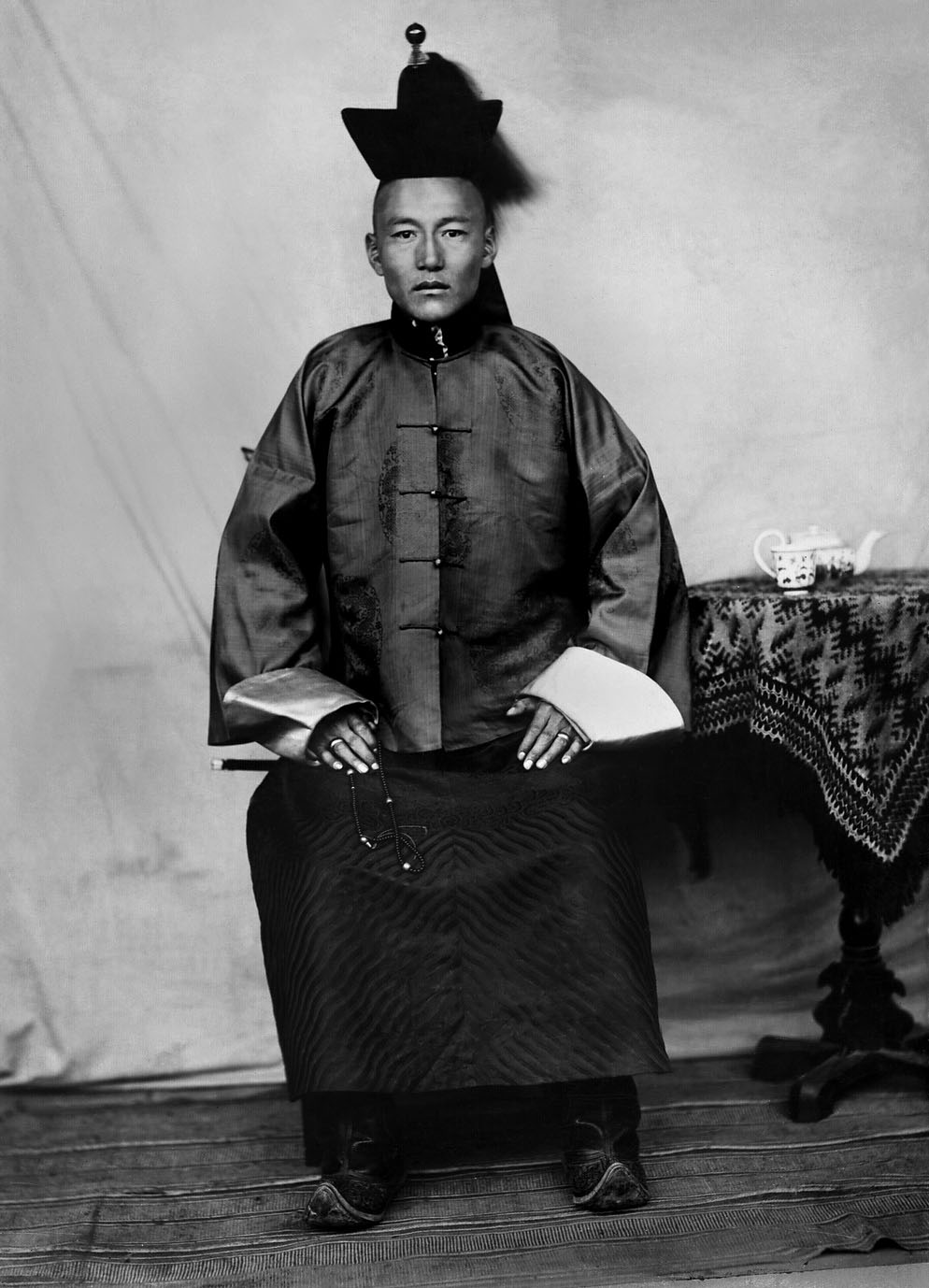
![Unknown photographer. 'Untitled [Mongolian man]' 1910s-1920s](https://artblart.com/wp-content/uploads/2022/06/mongolia-c-web.jpg "Unknown photographer. 'Untitled [Mongolian man]' 1910s-1920s")

![James Fox Barnard (1874-1945) '[Tea on the verandah]' c. 1900](https://artblart.com/wp-content/uploads/2015/09/barnard-tea-verandah.jpg "James Fox Barnard (1874-1945) '[Tea on the verandah]' c. 1900")
![Unknown photographer. 'Untitled [Mongolian man]' 1910s-1920s](https://artblart.com/wp-content/uploads/2022/06/mongolia-q-web.jpg "Unknown photographer. 'Untitled [Mongolian man]' 1910s-1920s")
![Unknown photographer. 'Untitled [Mongolian man with two teacups and saucers]' 1910s-1920s](https://artblart.com/wp-content/uploads/2022/06/mongolia-d-web.jpg "Unknown photographer. 'Untitled [Mongolian man with two teacups and saucers]' 1910s-1920s")
![Unknown photographer. 'Untitled [Two Mongolian women]' 1910s-1920s](https://artblart.com/wp-content/uploads/2022/06/mongolia-e-web.jpg "Unknown photographer. 'Untitled [Two Mongolian women]' 1910s-1920s")
![Unknown photographer. 'Untitled [Mongolian woman]' 1910s-1920s](https://artblart.com/wp-content/uploads/2022/06/mongolia-f-web.jpg "Unknown photographer. 'Untitled [Mongolian woman]' 1910s-1920s")
![Unknown photographer. 'Untitled [Mongolian woman]' 1910s-1920s](https://artblart.com/wp-content/uploads/2022/06/mongolia-g-web.jpg "Unknown photographer. 'Untitled [Mongolian woman]' 1910s-1920s")
![Unknown photographer. 'Untitled [Mongolian man]' 1910s-1920s](https://artblart.com/wp-content/uploads/2022/06/mongolia-h-web.jpg "Unknown photographer. 'Untitled [Mongolian man]' 1910s-1920s")
![Unknown photographer. 'Untitled [Mongolian man]' 1910s-1920s](https://artblart.com/wp-content/uploads/2022/06/mongolia-j-web.jpg "Unknown photographer. 'Untitled [Mongolian man]' 1910s-1920s")
![Unknown photographer. 'Untitled [Mongolian man]' 1910s-1920s](https://artblart.com/wp-content/uploads/2022/06/mongolia-k-web.jpg "Unknown photographer. 'Untitled [Mongolian man]' 1910s-1920s")
![Unknown photographer. 'Untitled [Mongolian man]' 1910s-1920s](https://artblart.com/wp-content/uploads/2022/06/mongolia-m-web.jpg "Unknown photographer. 'Untitled [Mongolian man]' 1910s-1920s")
![Unknown photographer. 'Untitled [Mongolian woman with clock and flowers]' 1910s-1920s](https://artblart.com/wp-content/uploads/2022/06/mongolia-l-web.jpg "Unknown photographer. 'Untitled [Mongolian woman with clock and flowers]' 1910s-1920s")
![Unknown photographer. 'Untitled [Mongolian woman with two children]' 1910s-1920s](https://artblart.com/wp-content/uploads/2022/06/mongolia-n-web.jpg "Unknown photographer. 'Untitled [Mongolian woman with two children]' 1910s-1920s")
![Unknown photographer. 'Untitled [Mongolian woman]' 1910s-1920s](https://artblart.com/wp-content/uploads/2022/06/mongolia-r-web.jpg "Unknown photographer. 'Untitled [Mongolian woman]' 1910s-1920s")
![Unknown photographer. 'Untitled [Mongolian woman and child]' 1910s-1920s](https://artblart.com/wp-content/uploads/2022/06/mongolia-s-web.jpg "Unknown photographer. 'Untitled [Mongolian woman and child]' 1910s-1920s")
![Unknown photographer. 'Untitled [Mongolian woman]' 1910s-1920s](https://artblart.com/wp-content/uploads/2022/06/mongolia-v-web.jpg "Unknown photographer. 'Untitled [Mongolian woman]' 1910s-1920s")
![Unknown photographer. 'Untitled [Mongolian woman]' 1910s-1920s](https://artblart.com/wp-content/uploads/2022/06/mongolia-w-web.jpg "Unknown photographer. 'Untitled [Mongolian woman]' 1910s-1920s")
![Unknown photographer. 'Untitled [Mongolian woman]' 1910s-1920s](https://artblart.com/wp-content/uploads/2022/06/mongolia-y-web.jpg "Unknown photographer. 'Untitled [Mongolian woman]' 1910s-1920s")
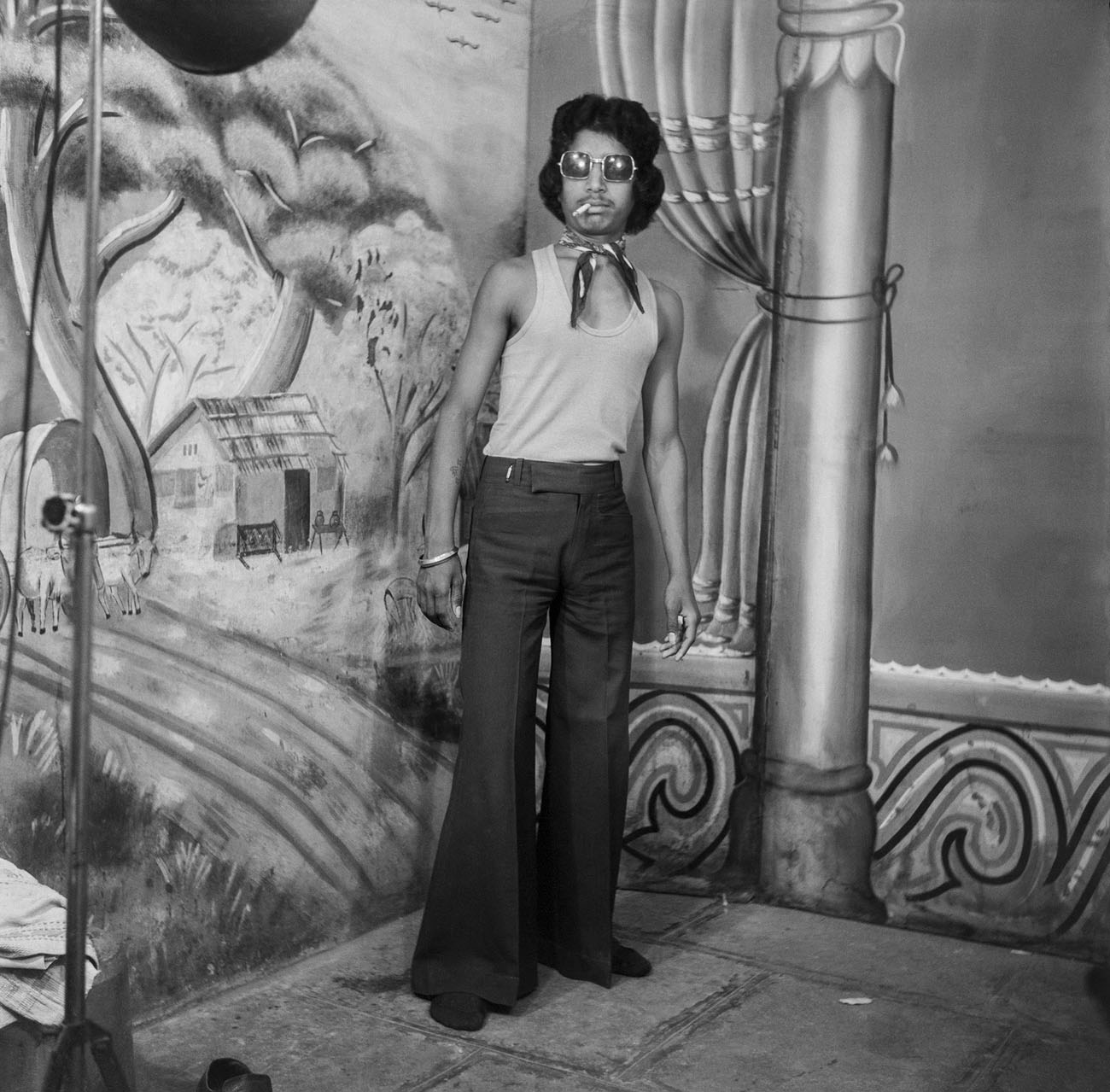


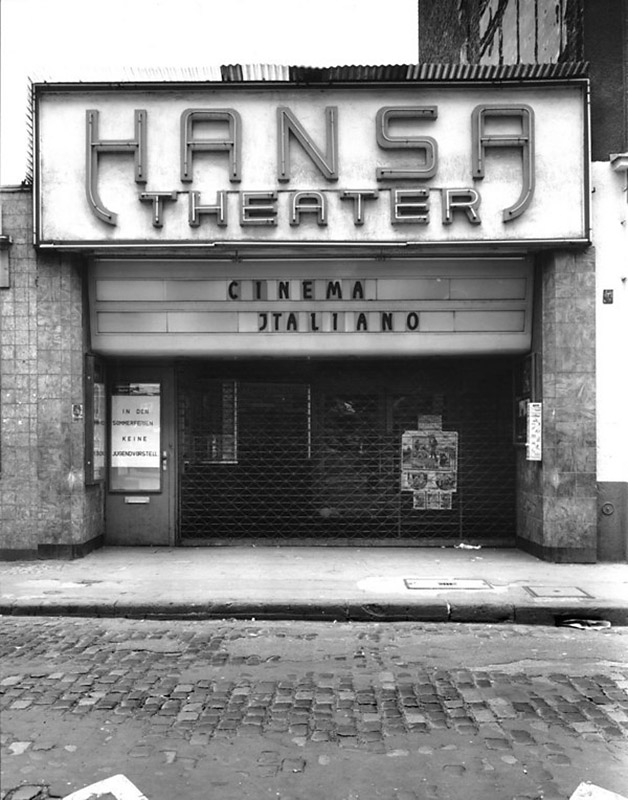

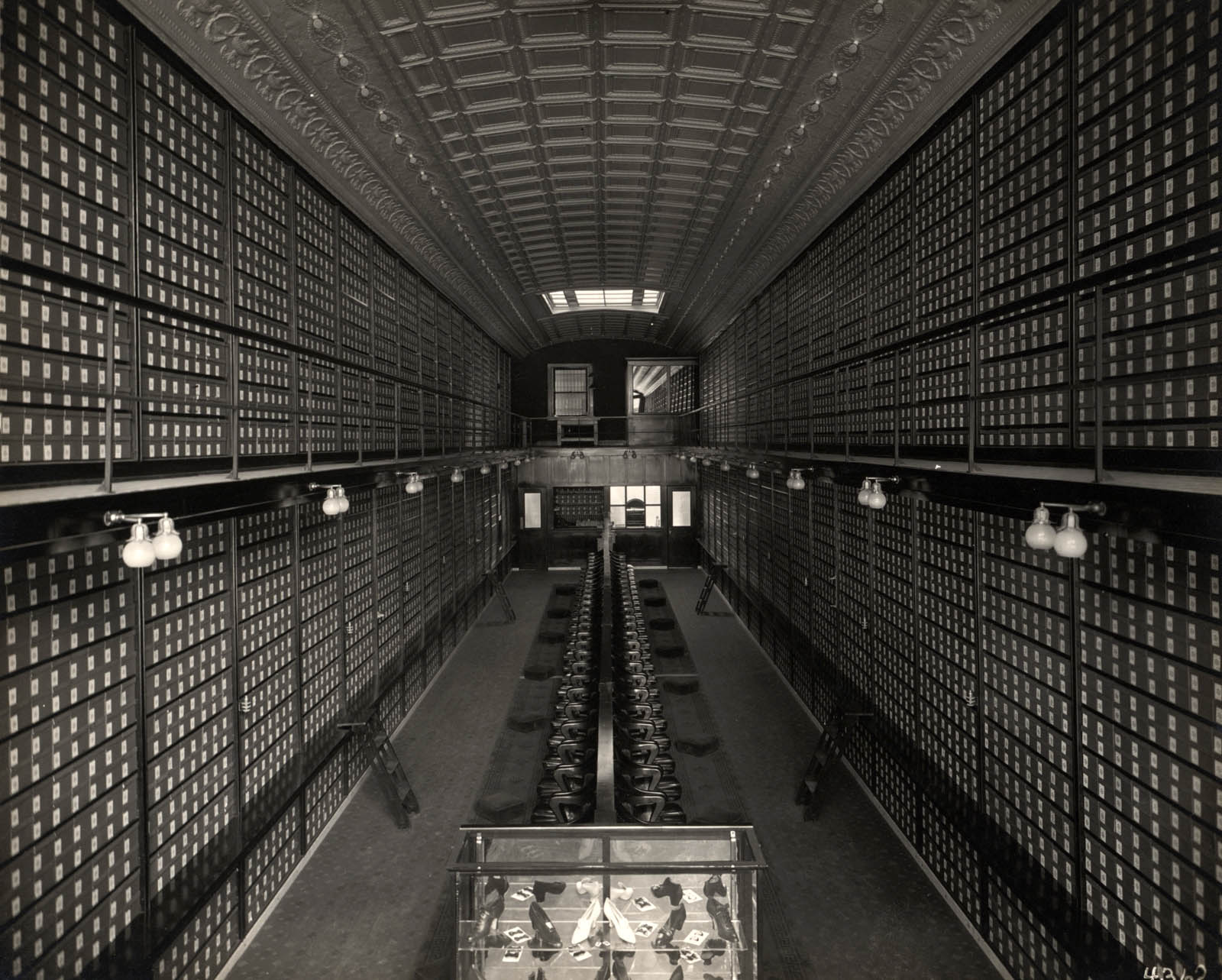


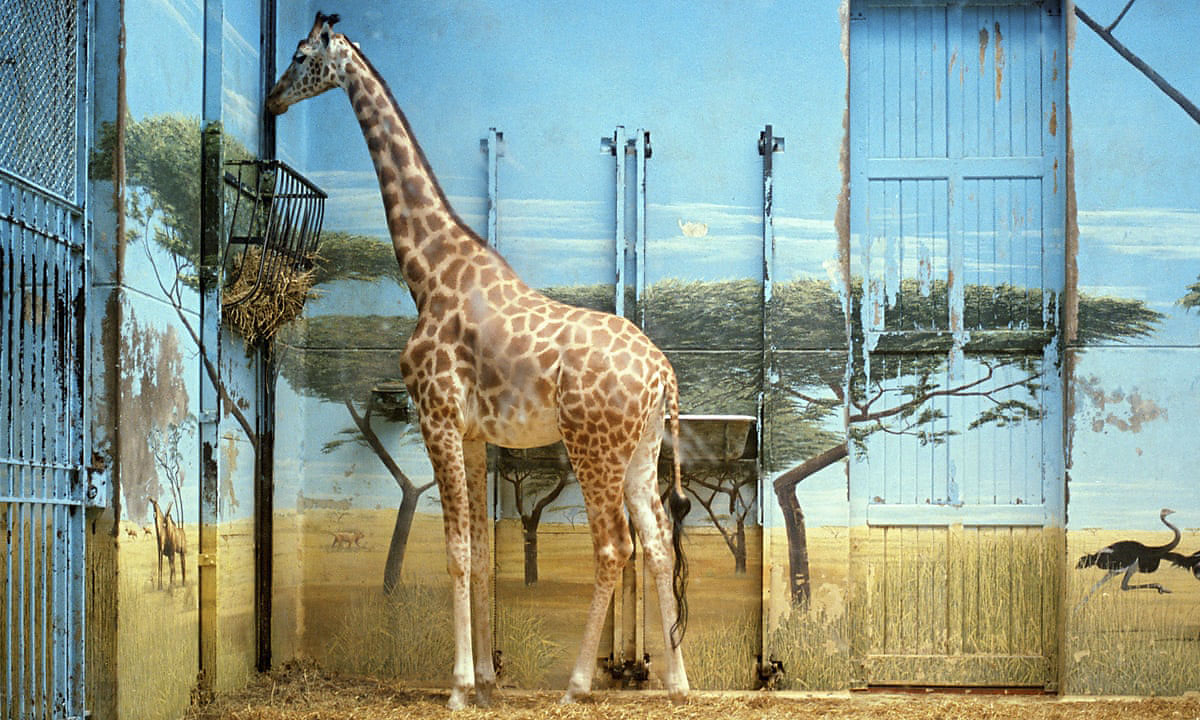

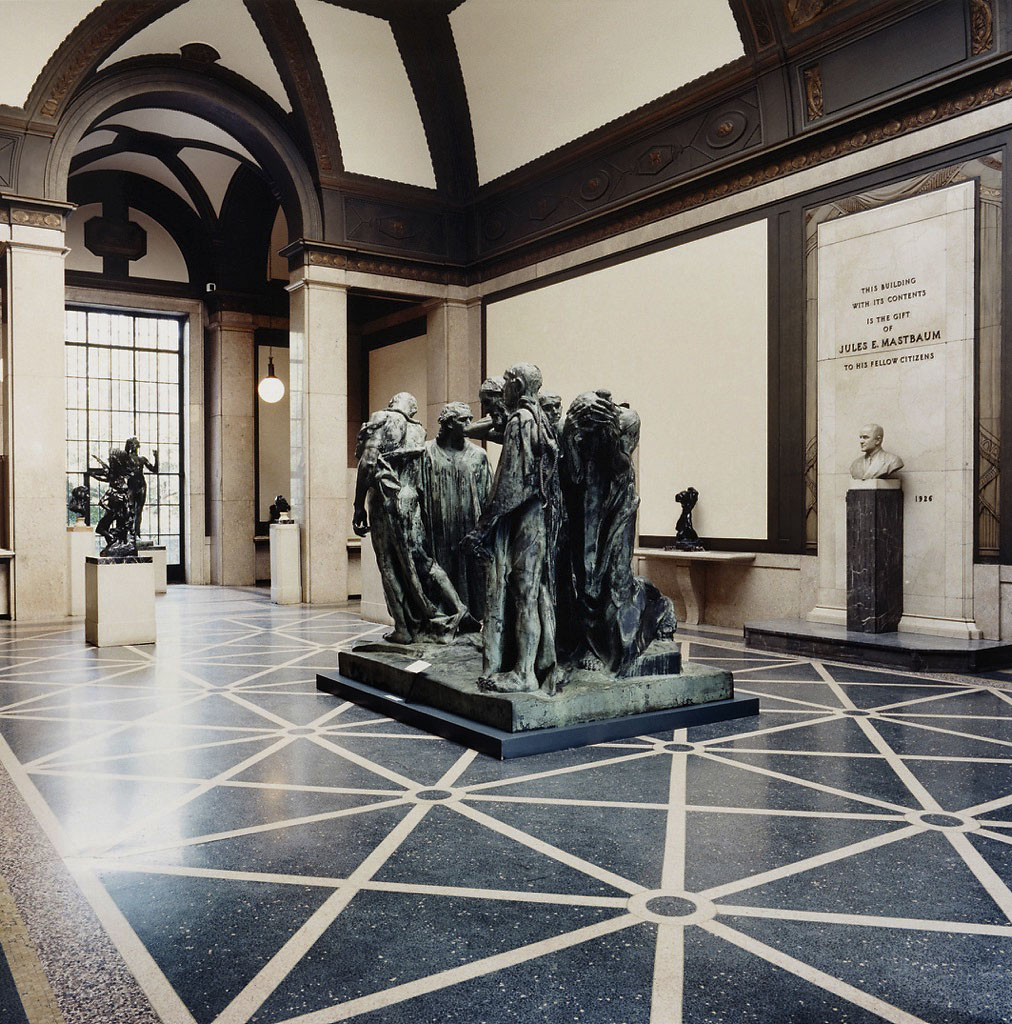


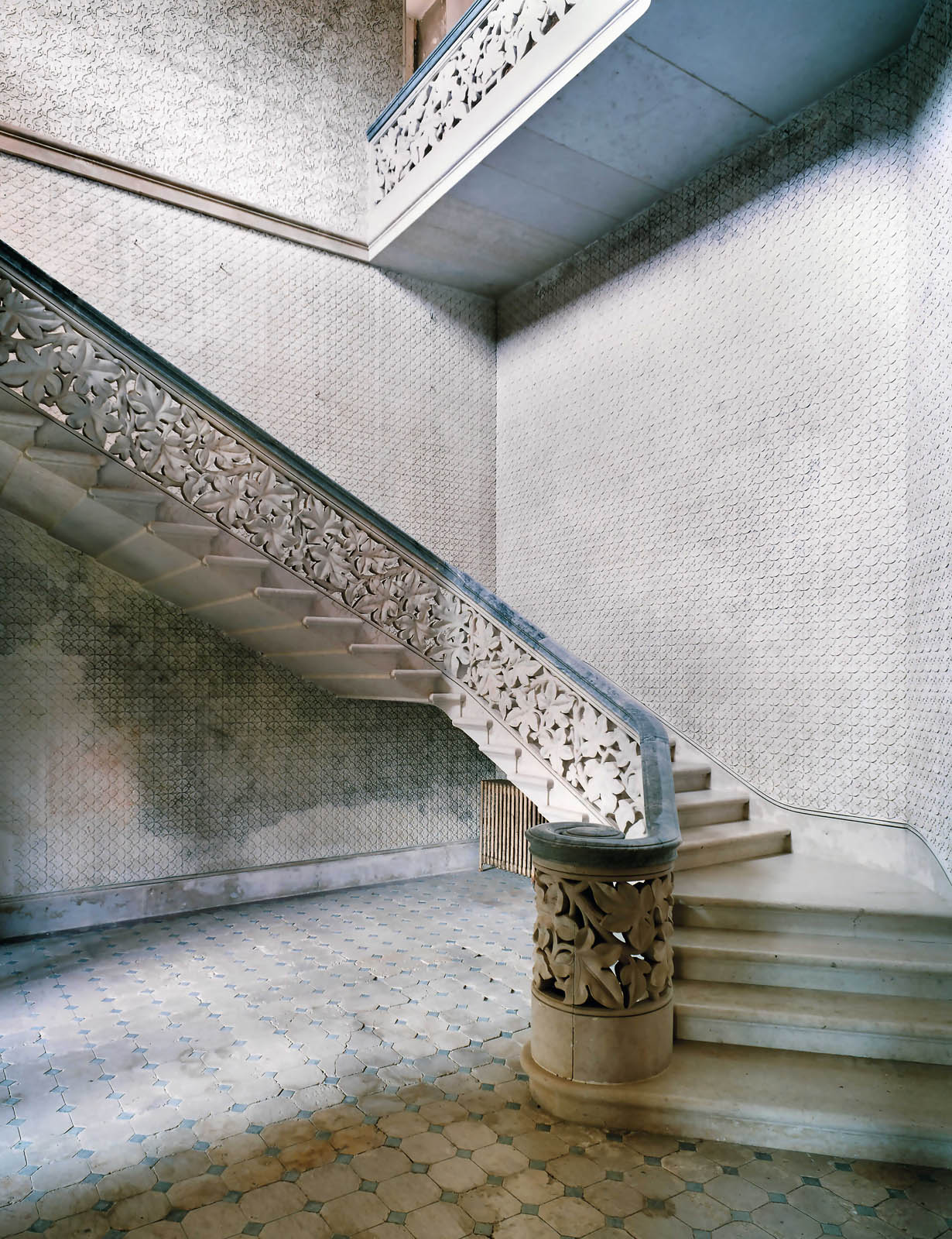


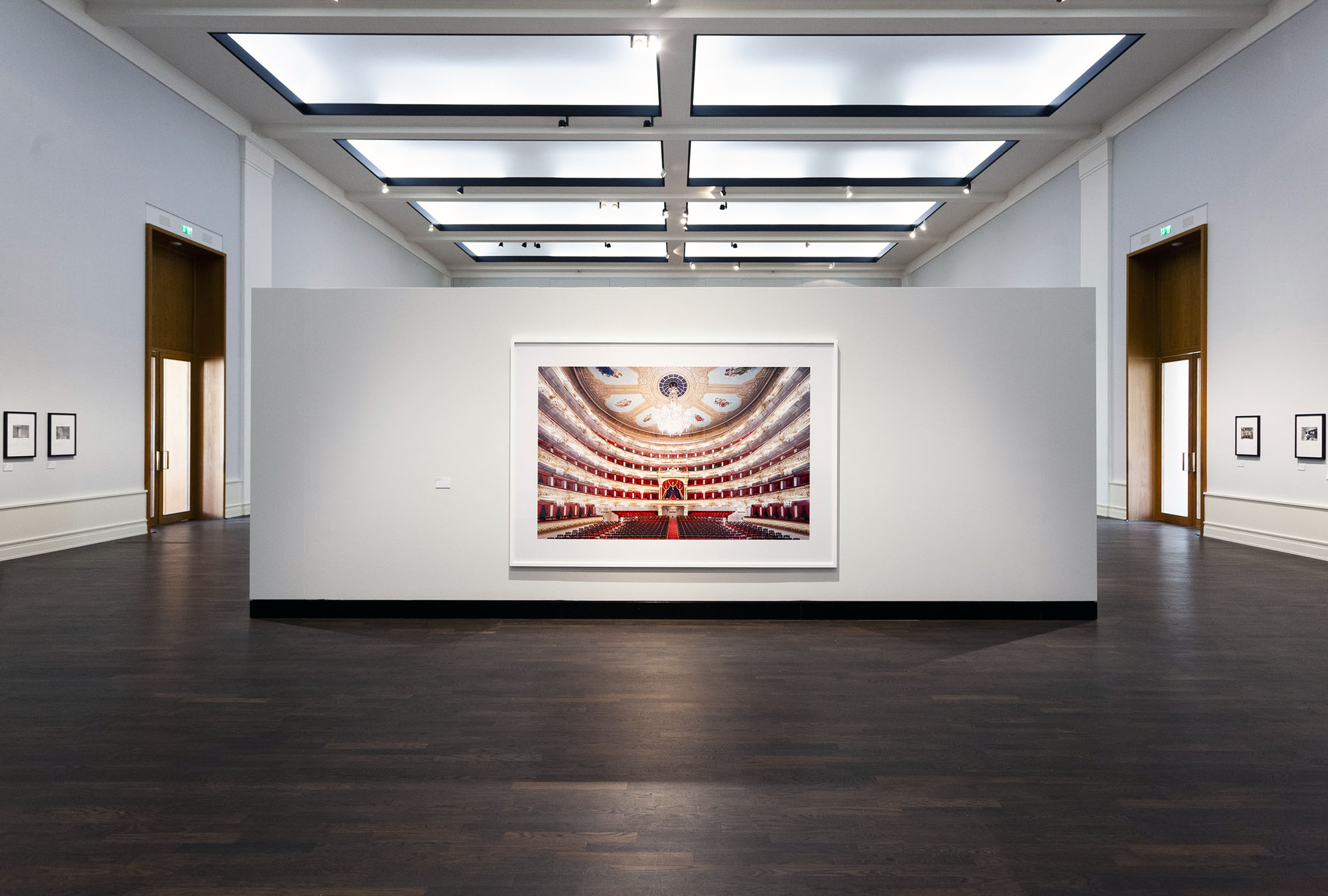


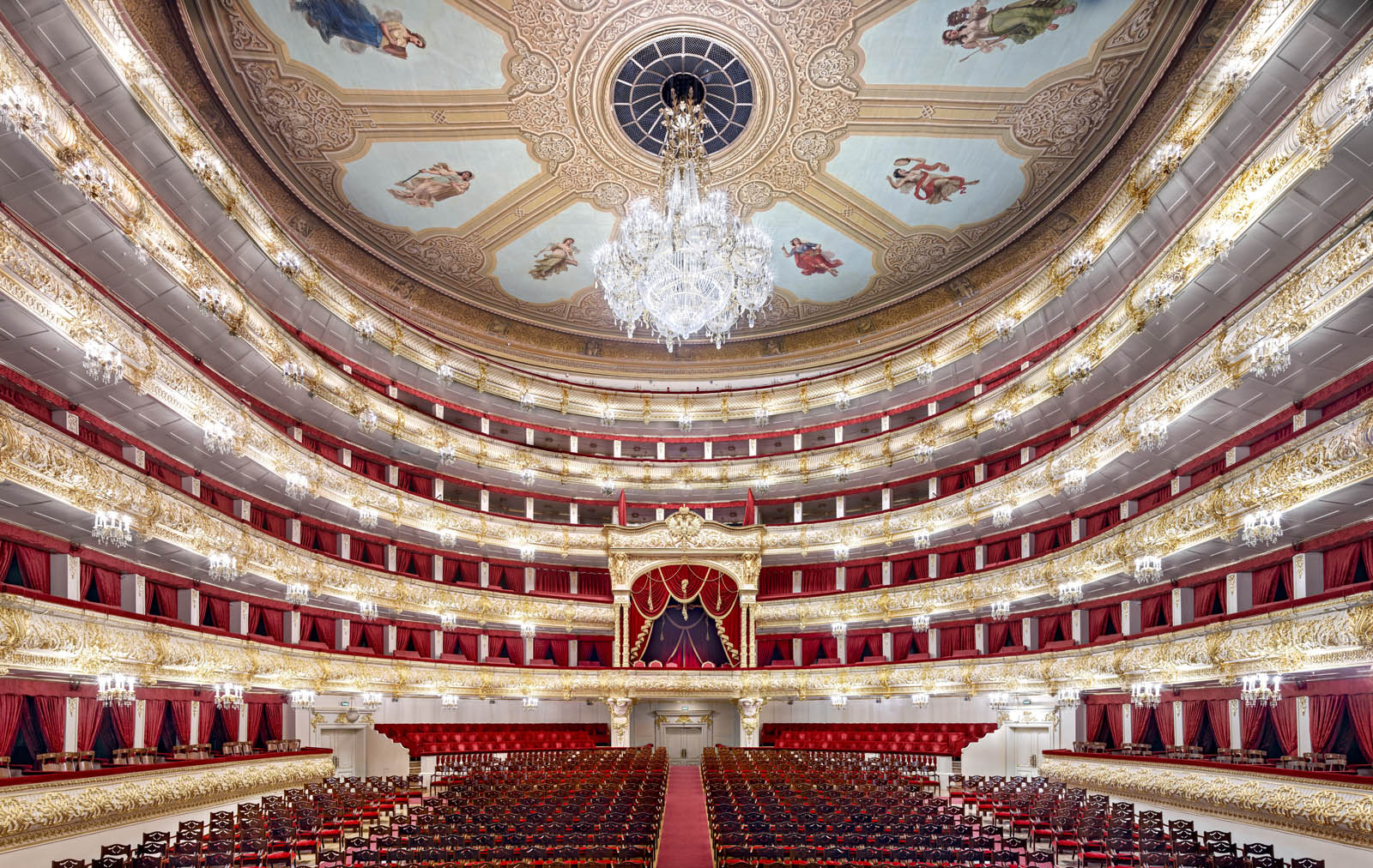


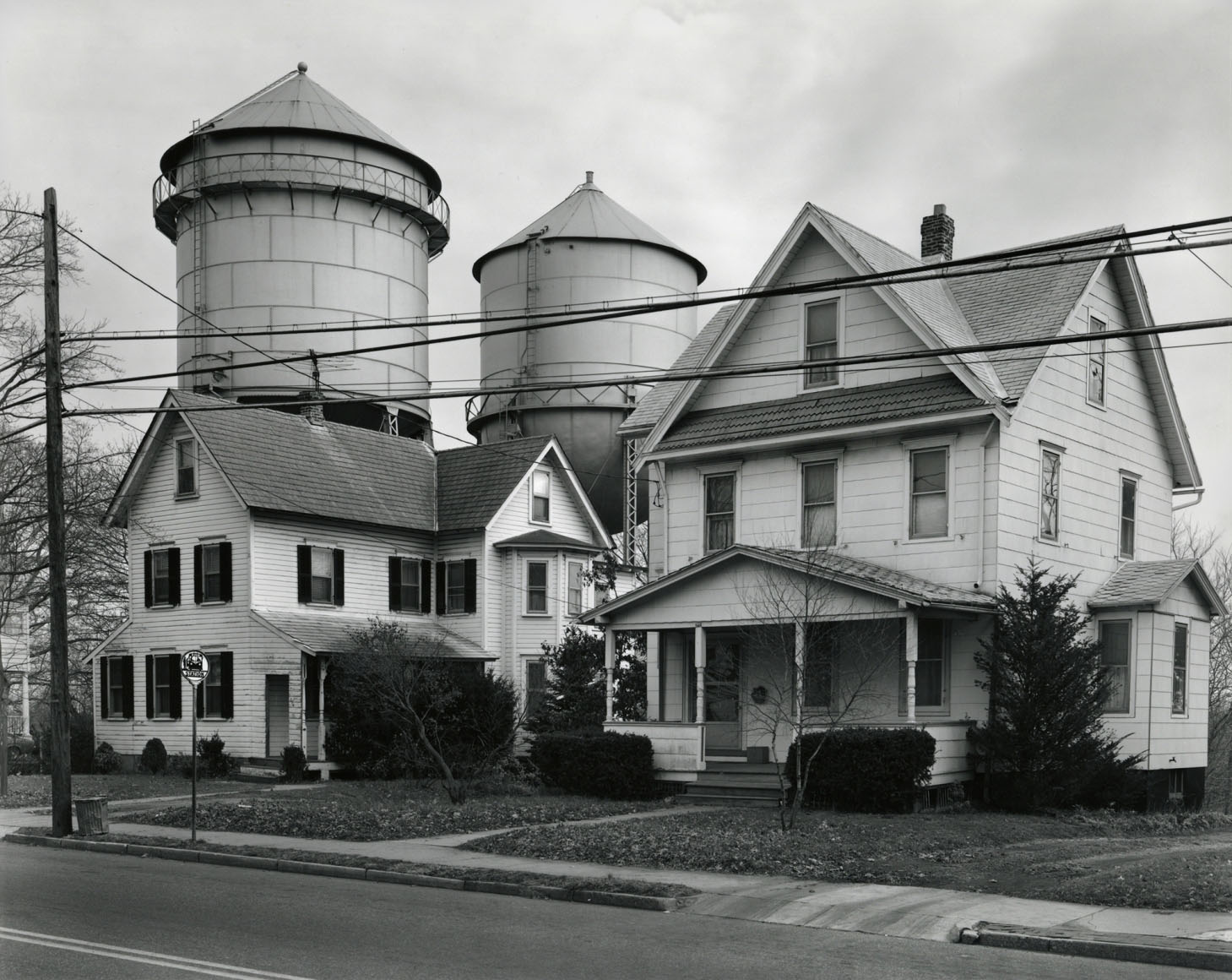


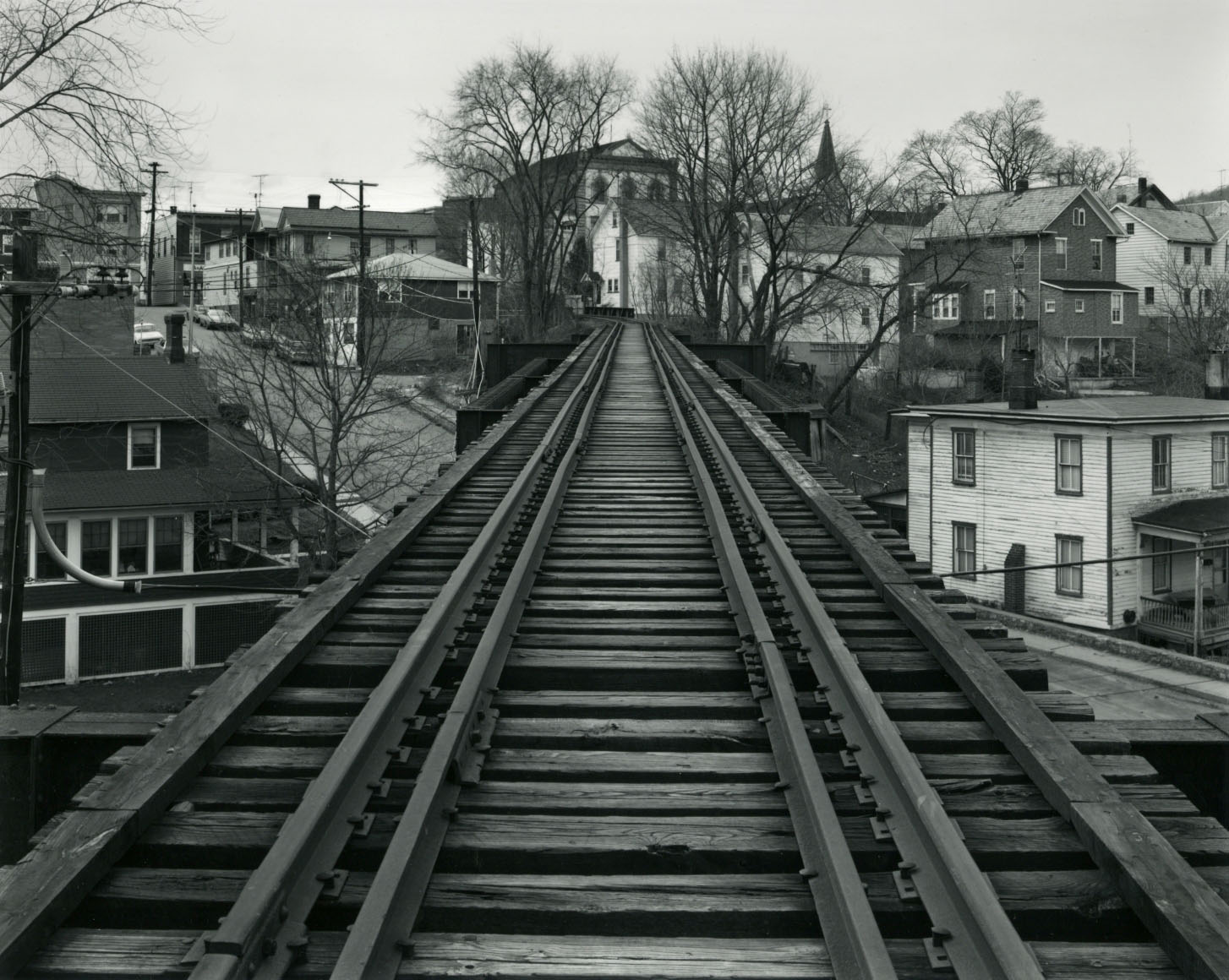


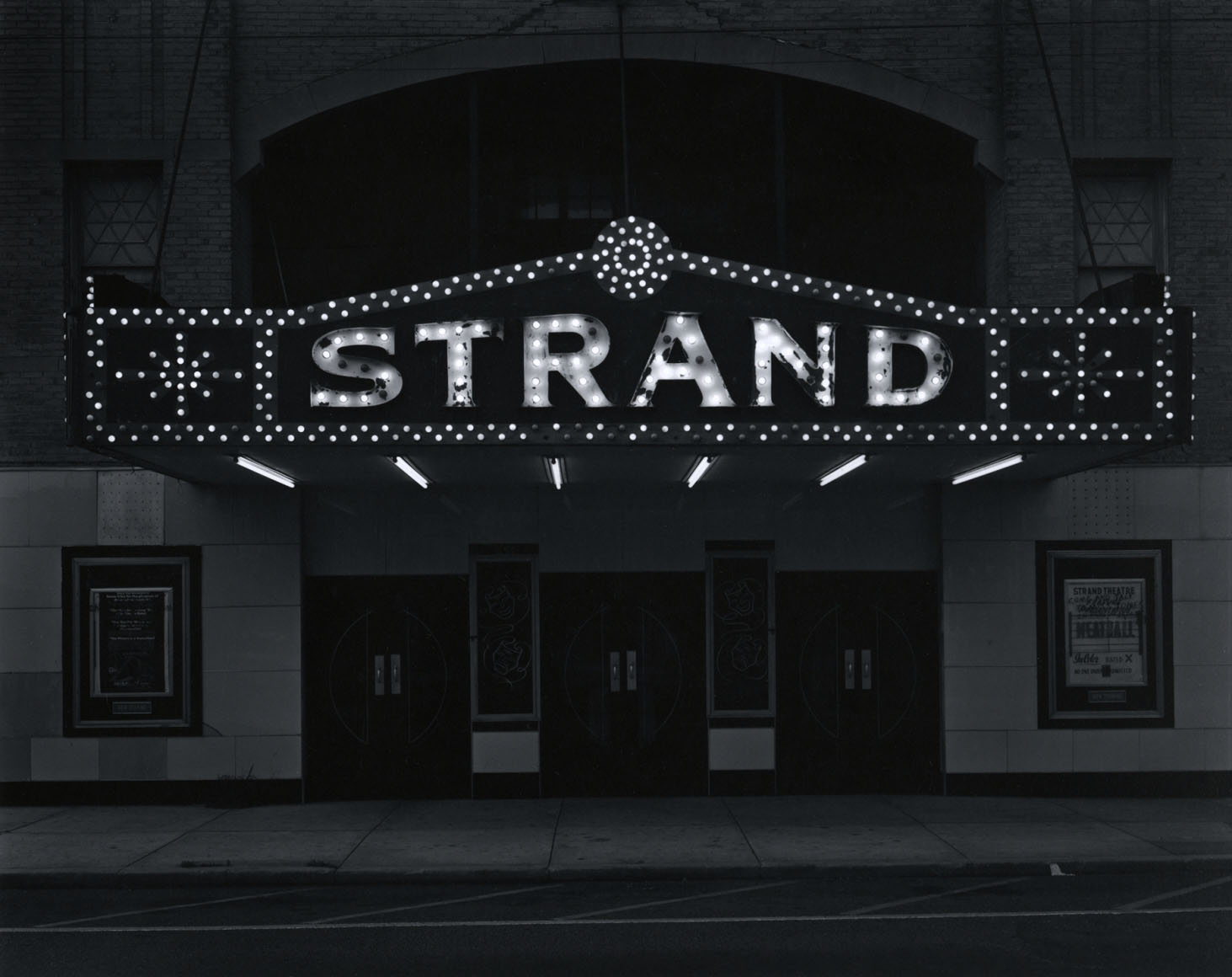


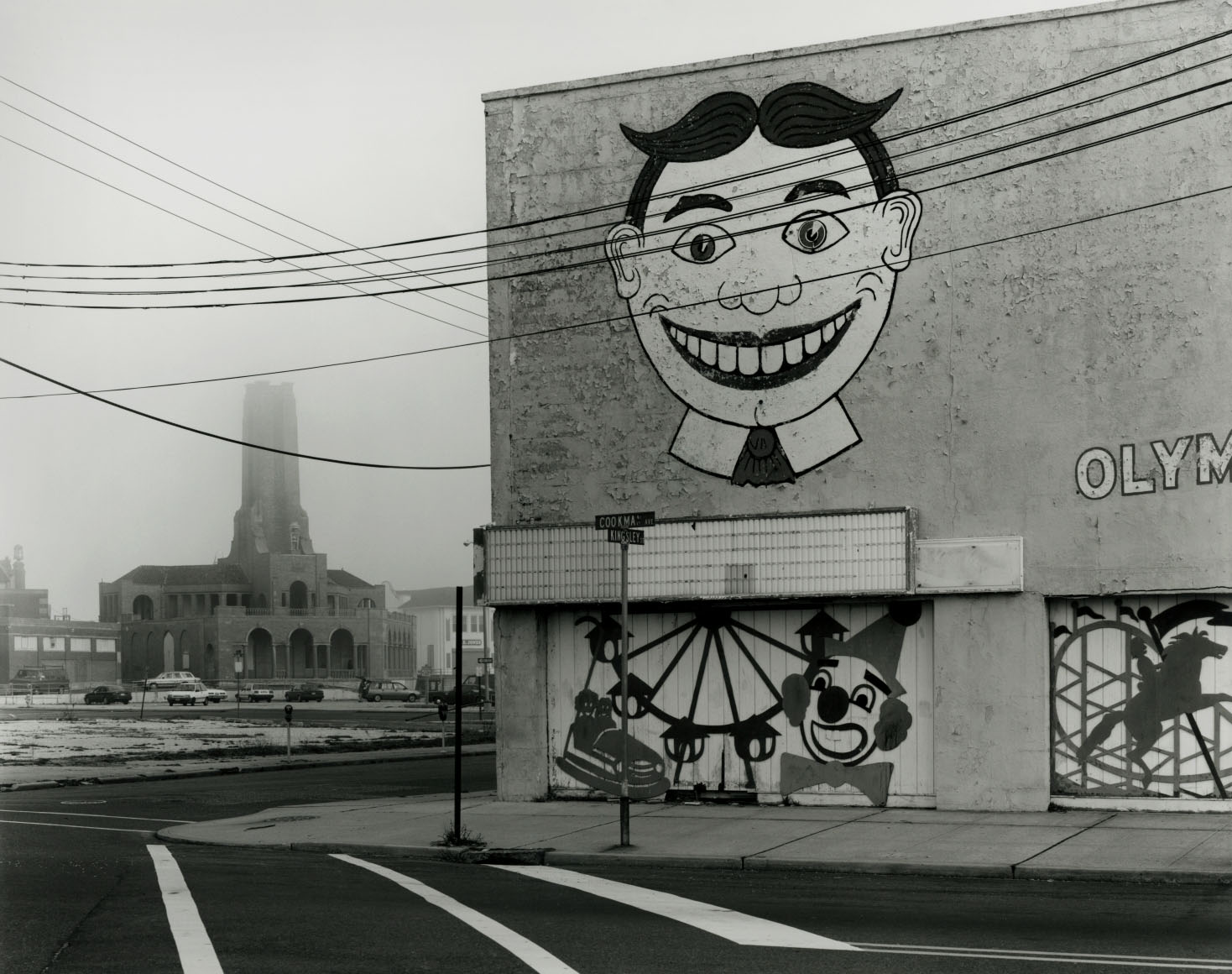
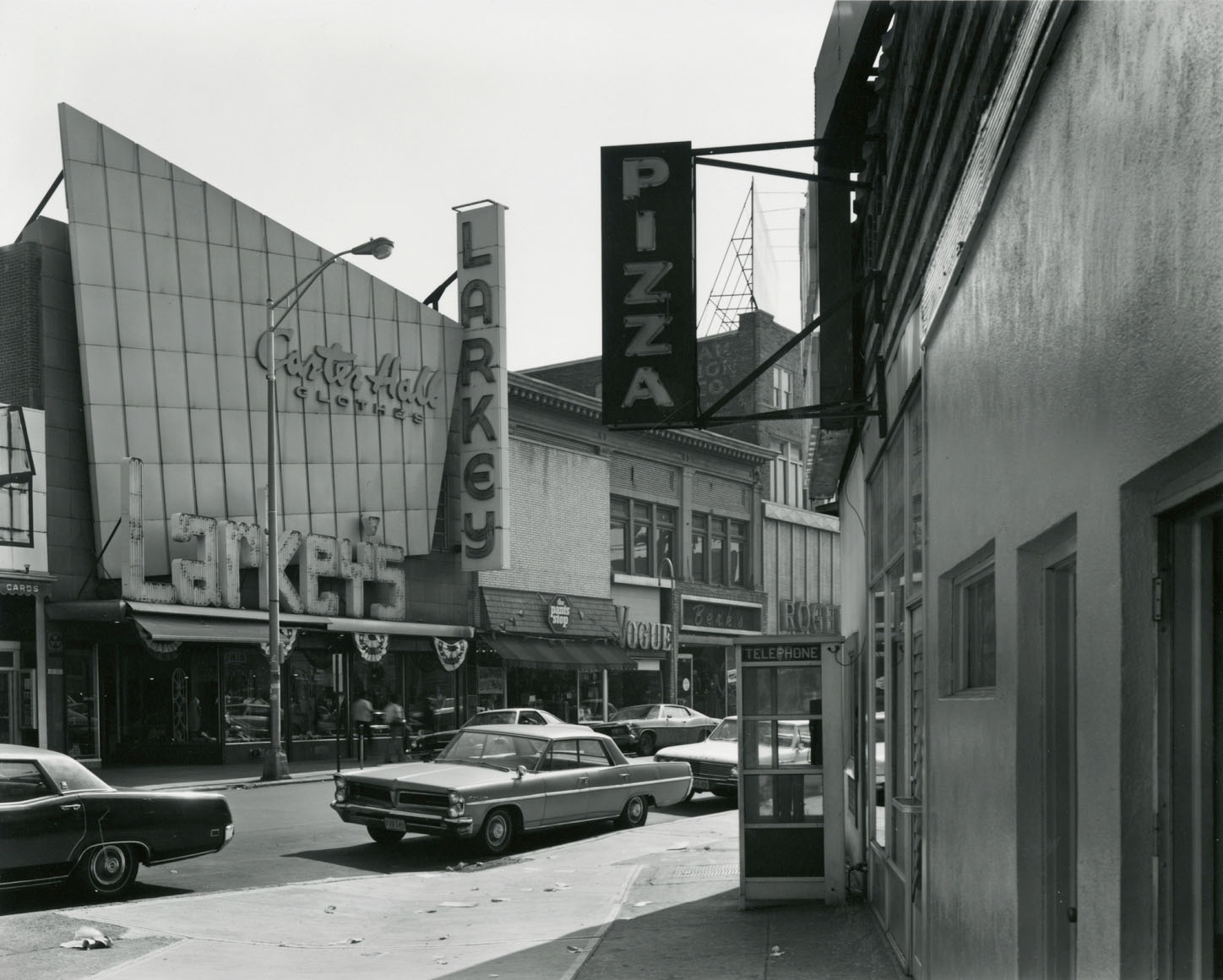

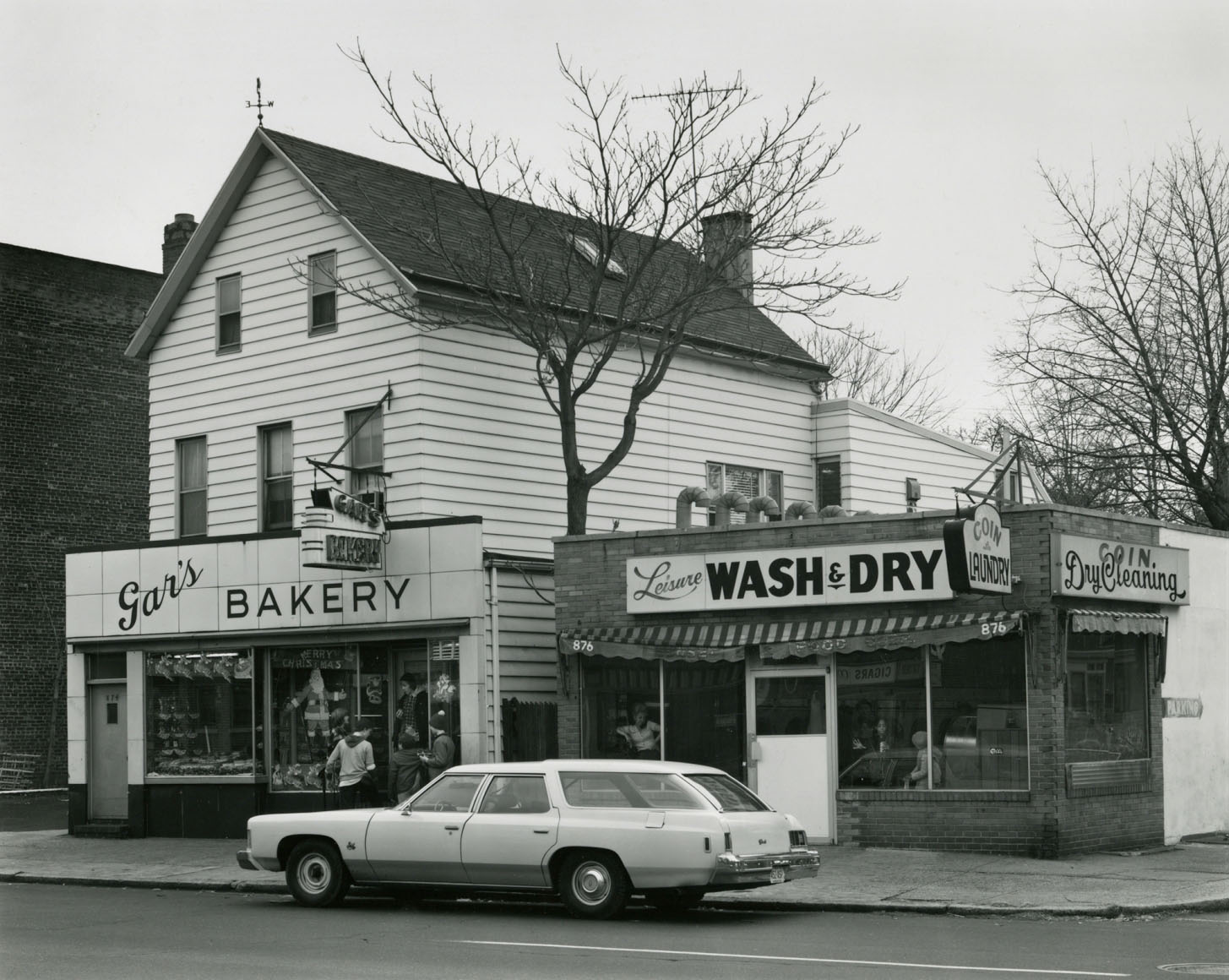
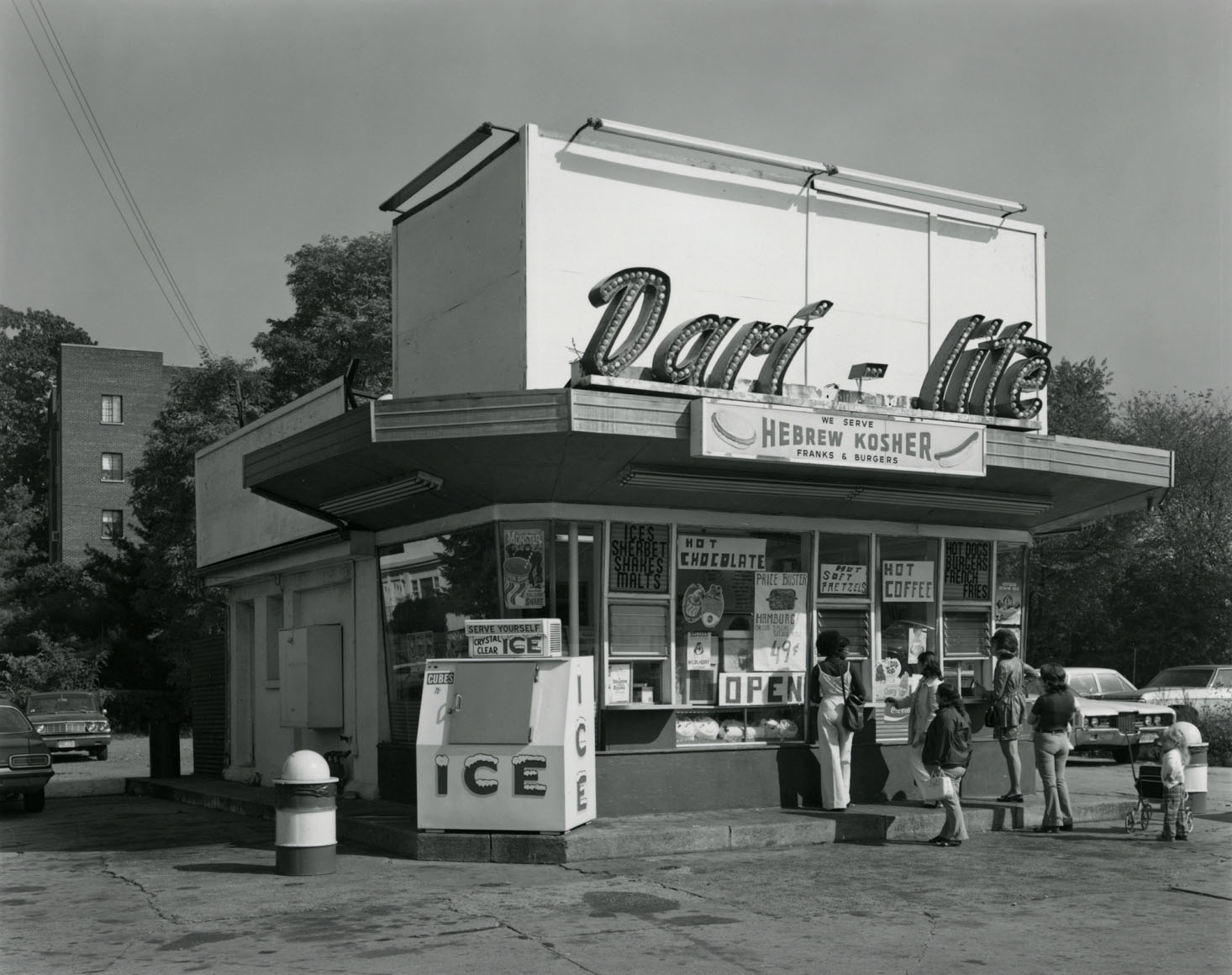
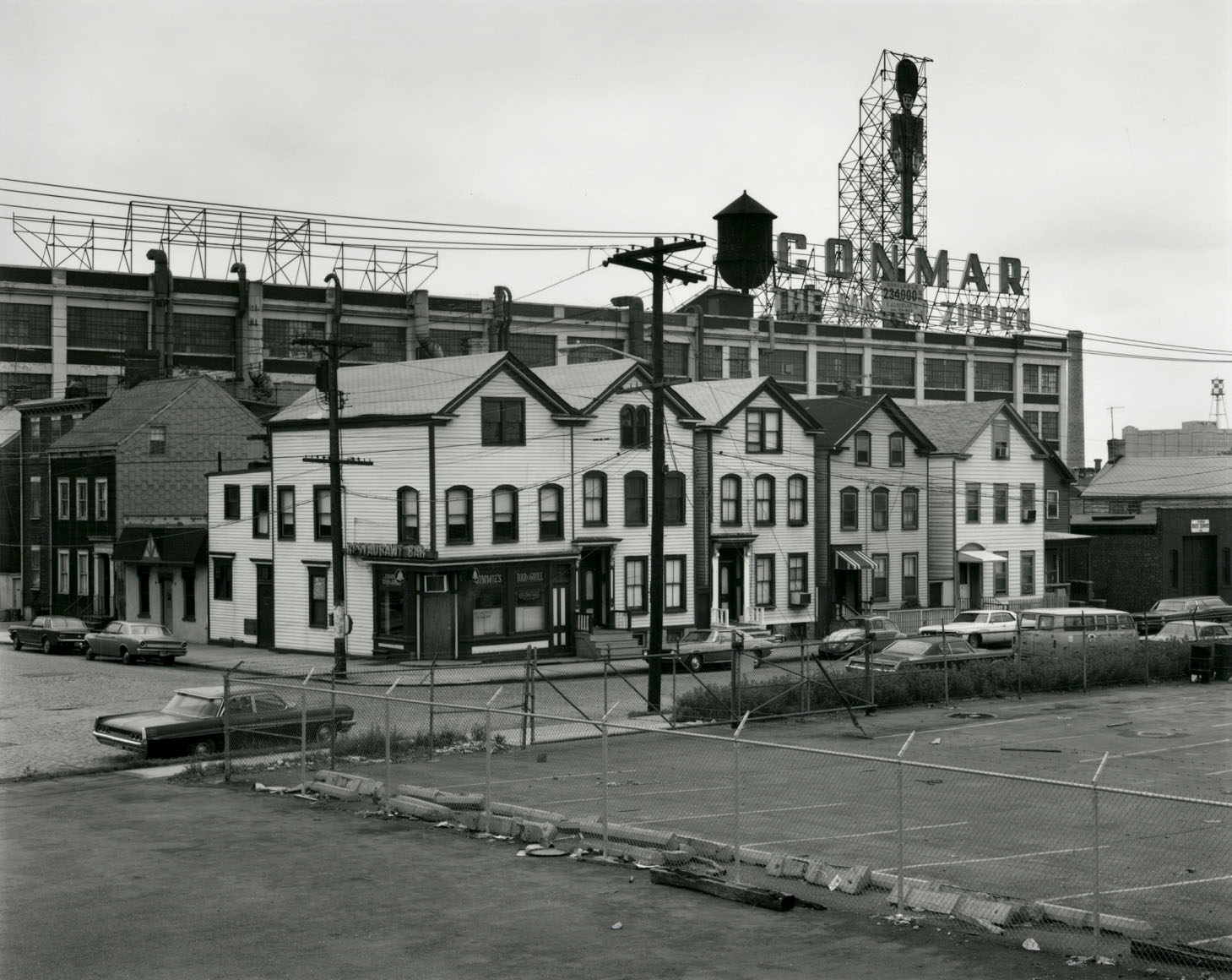
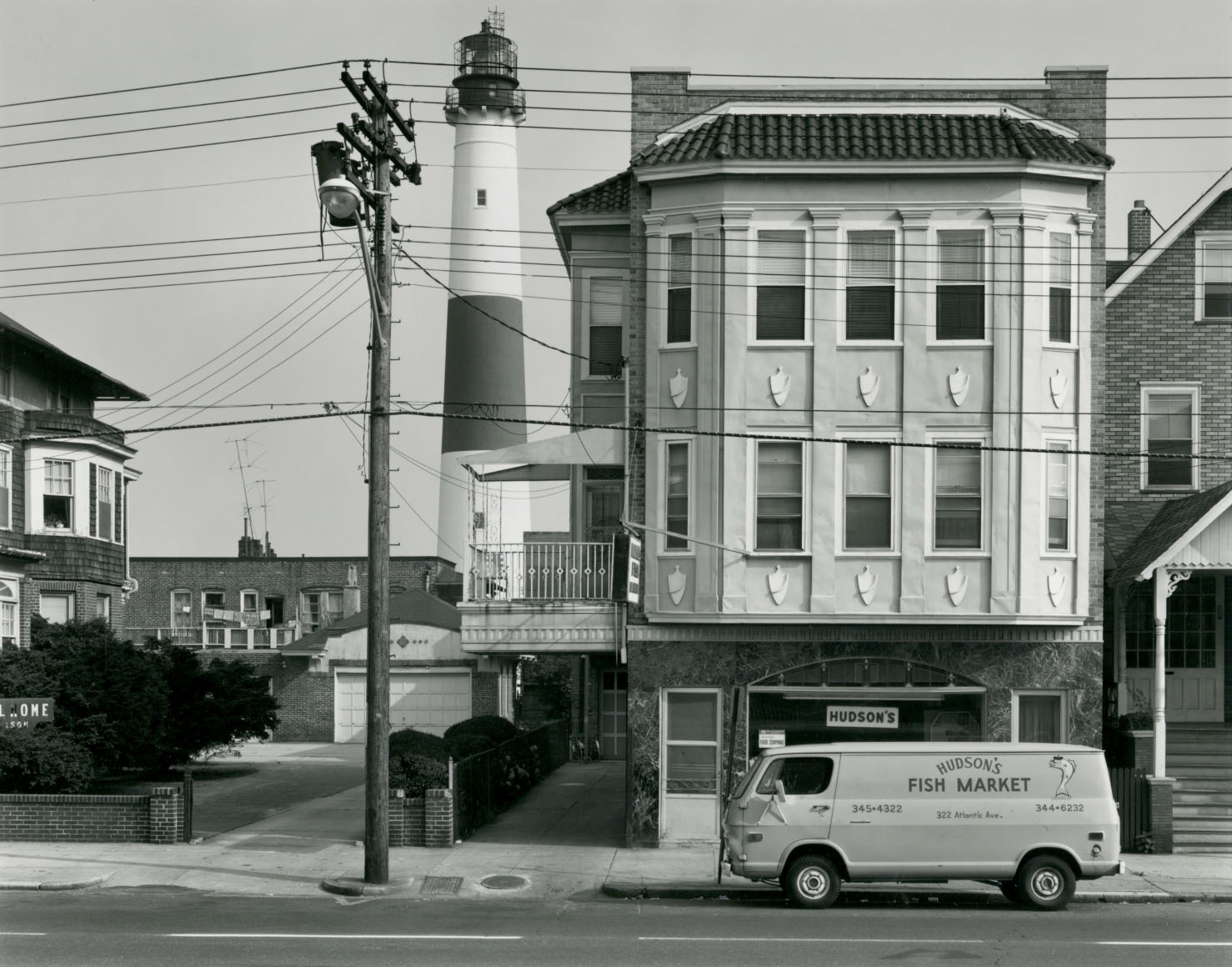

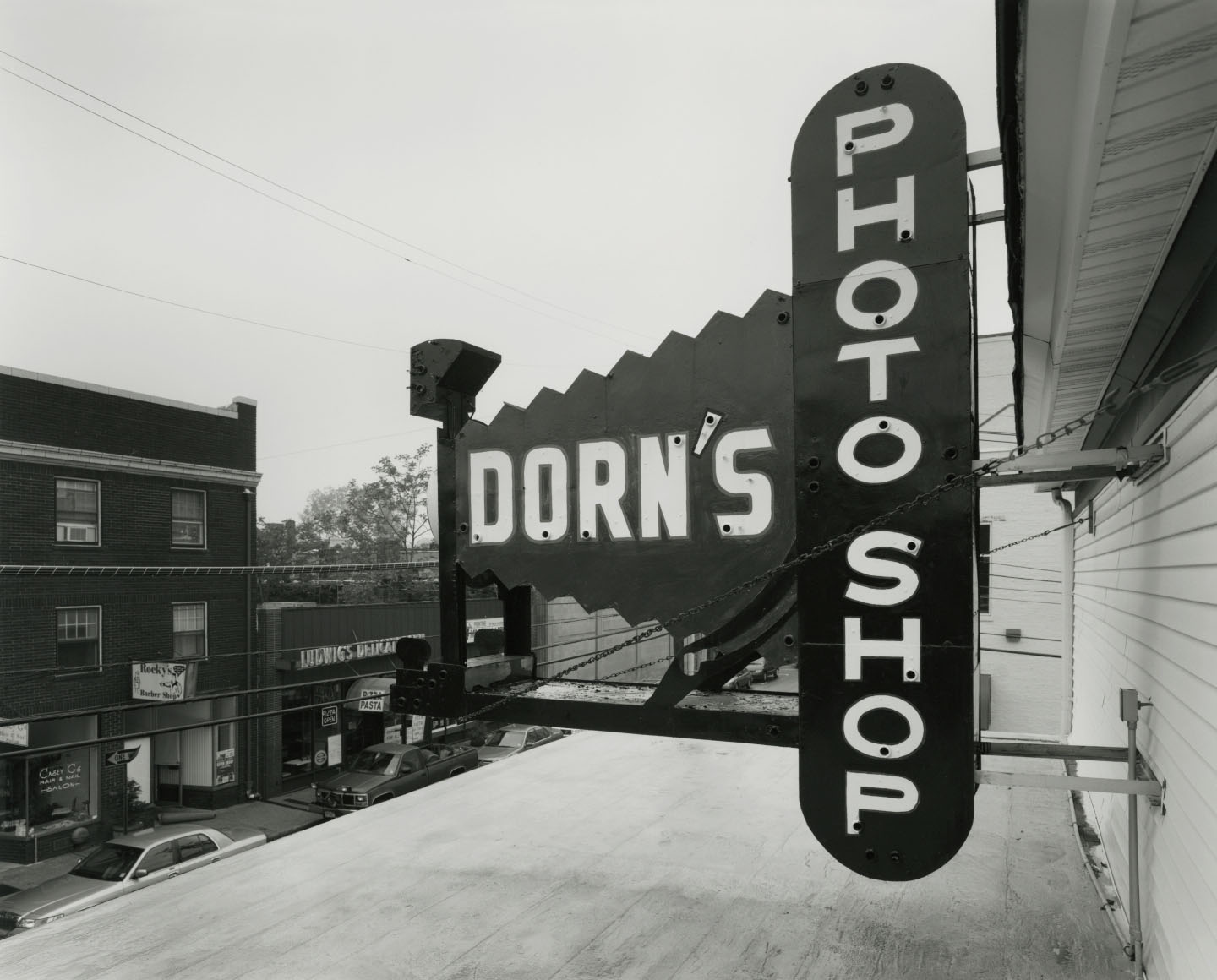
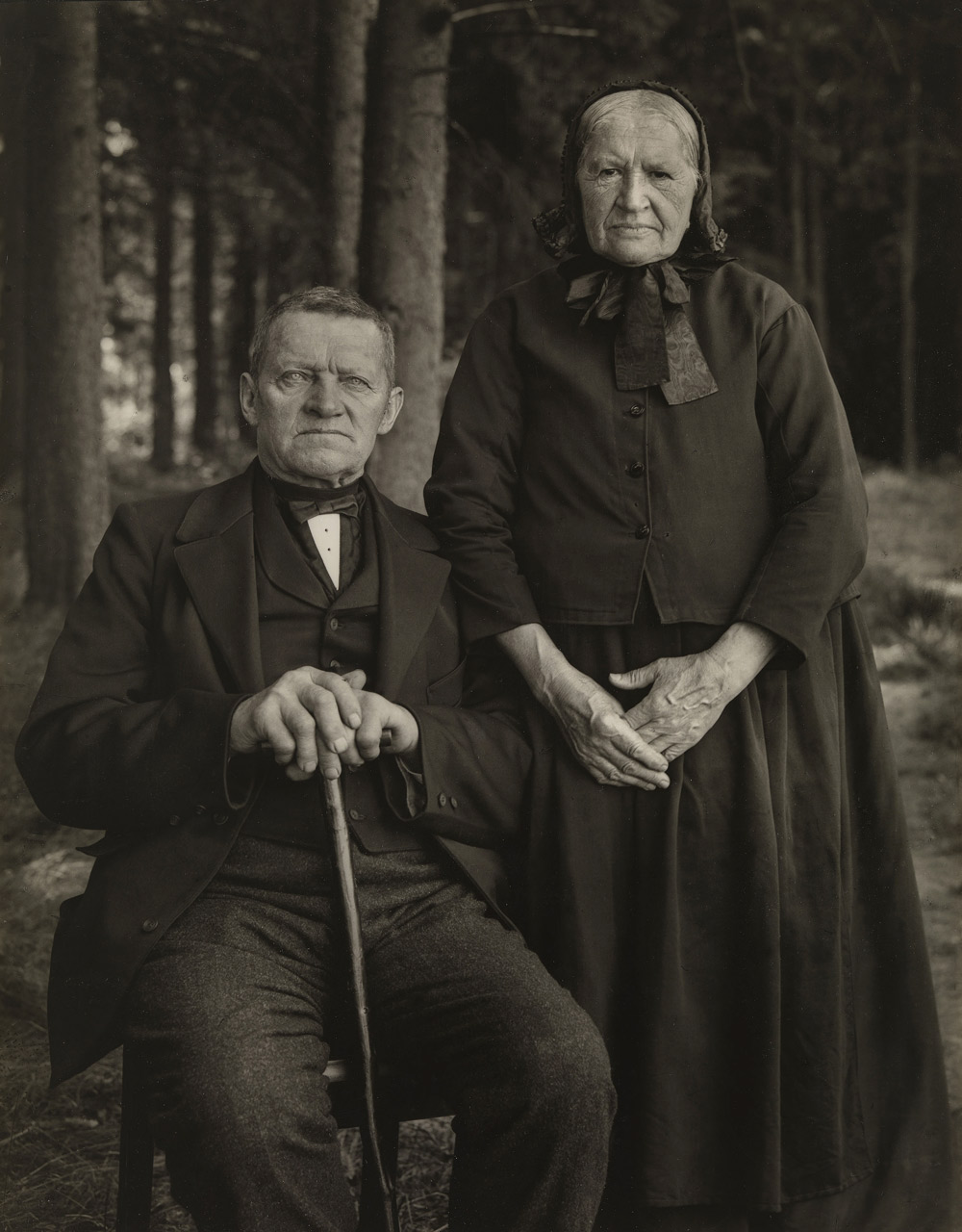
![August Sander (German, 1876-1964) 'Newspaper publisher [Karl Richter]' 1924](https://artblart.com/wp-content/uploads/2022/06/psl-2007-15.jpg "August Sander (German, 1876-1964) 'Newspaper publisher [Karl Richter]' 1924")


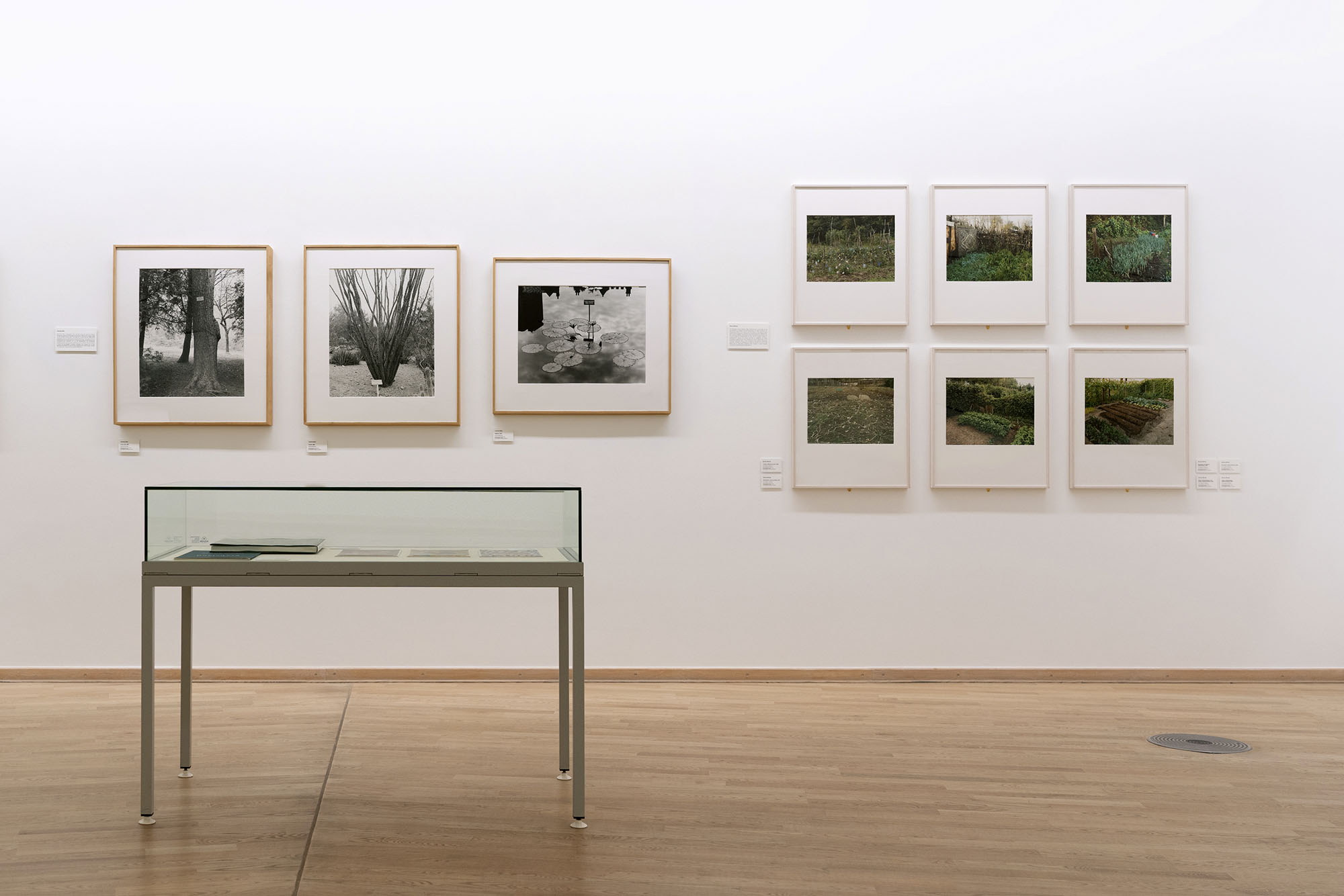


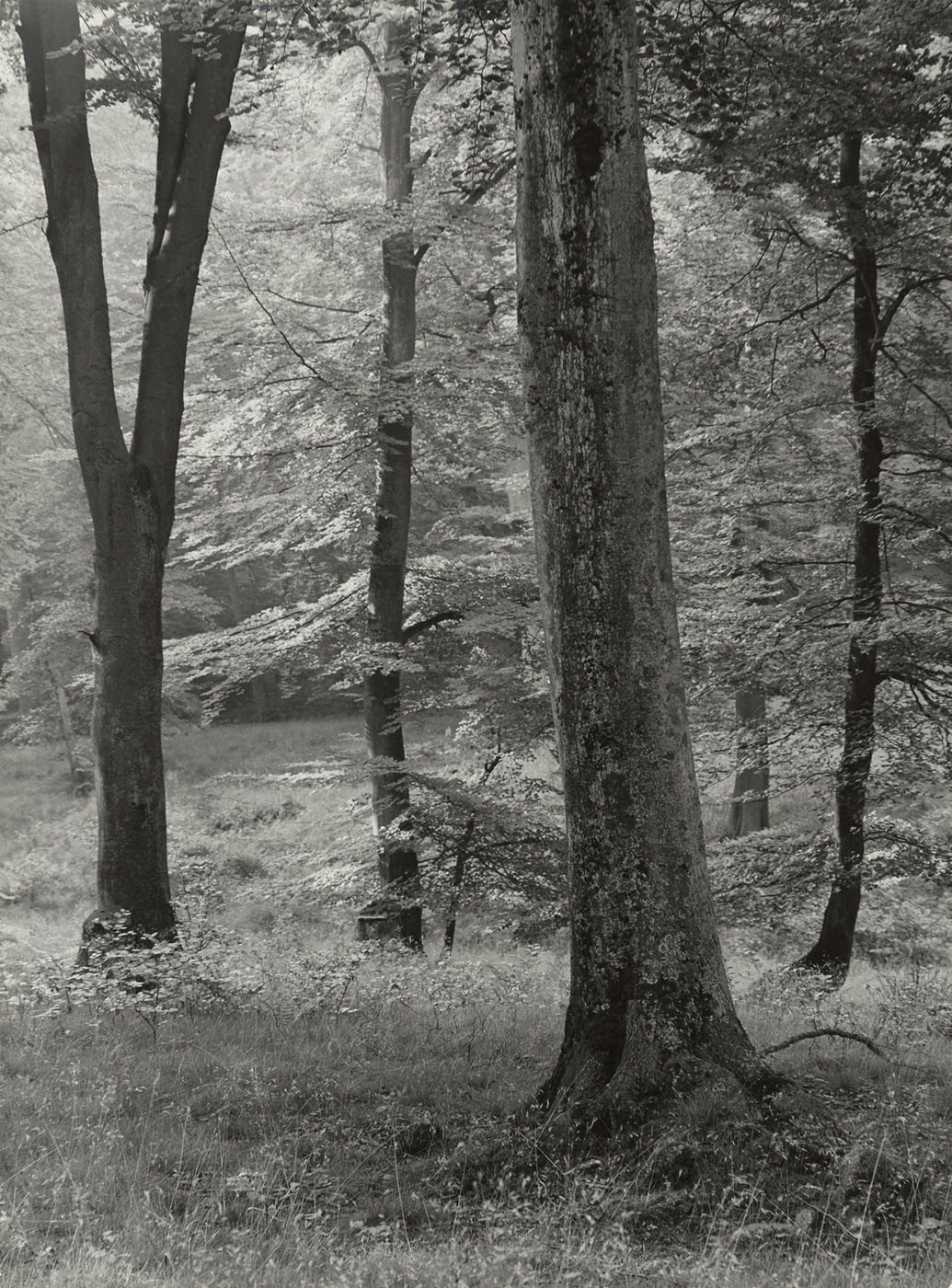


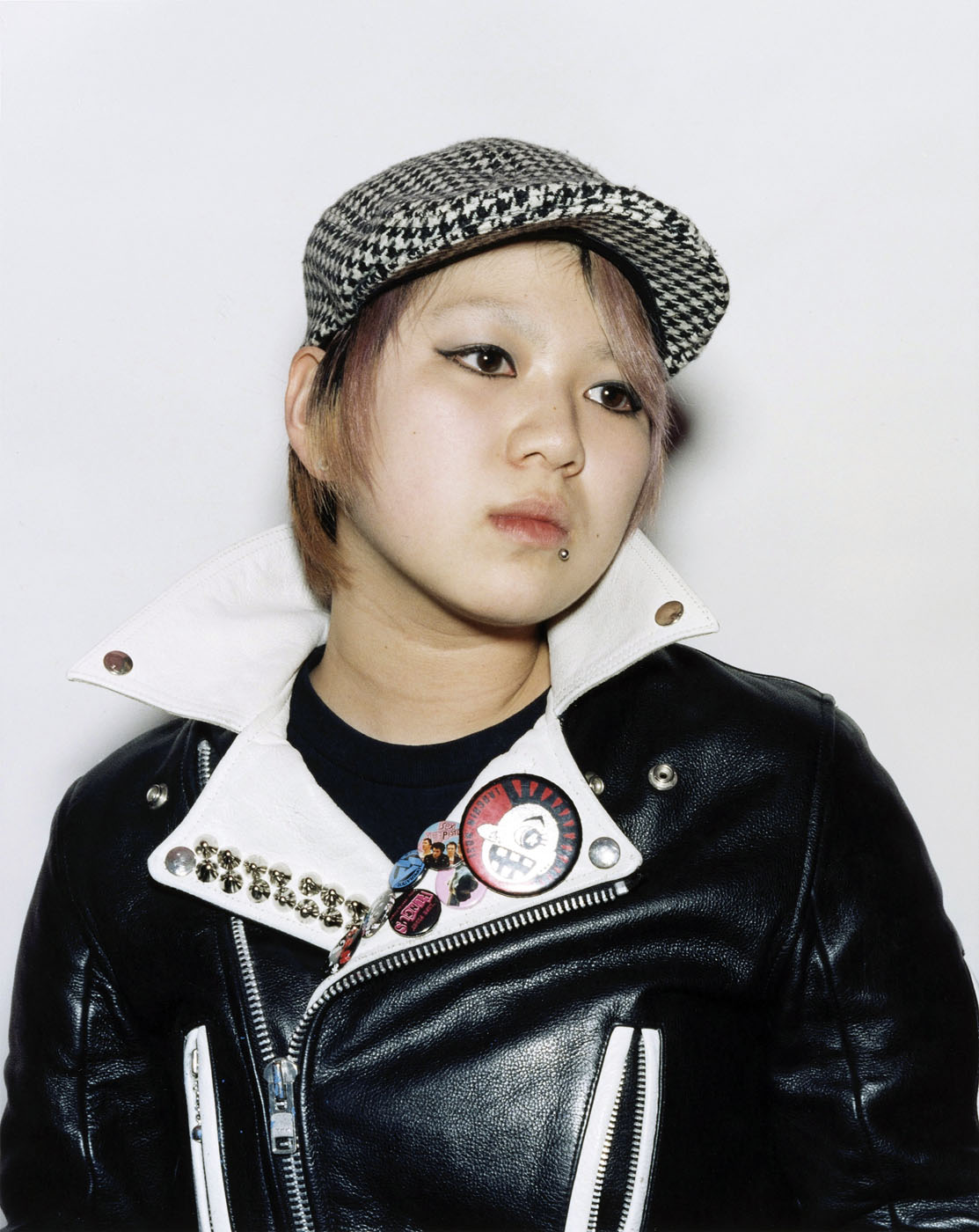








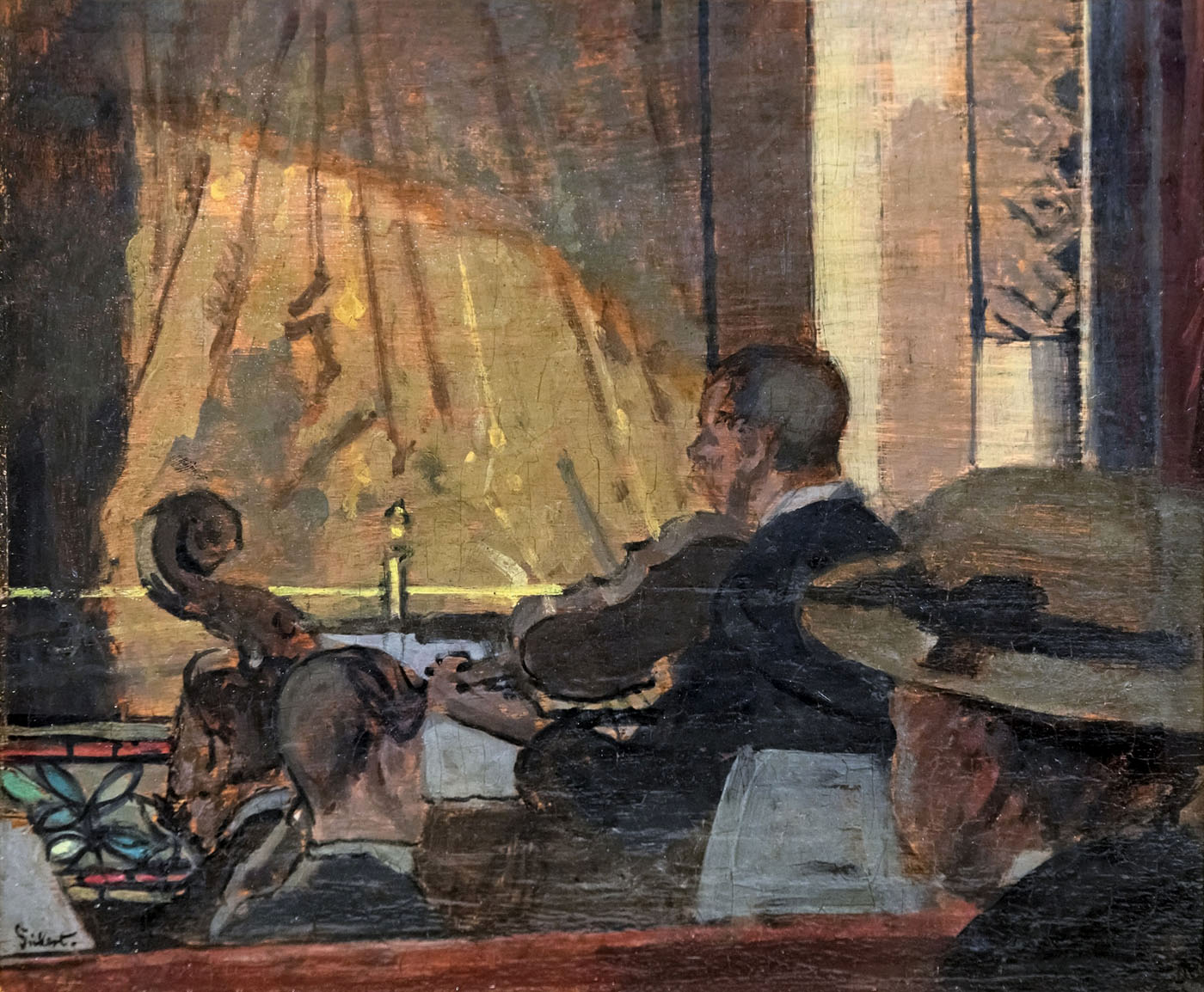
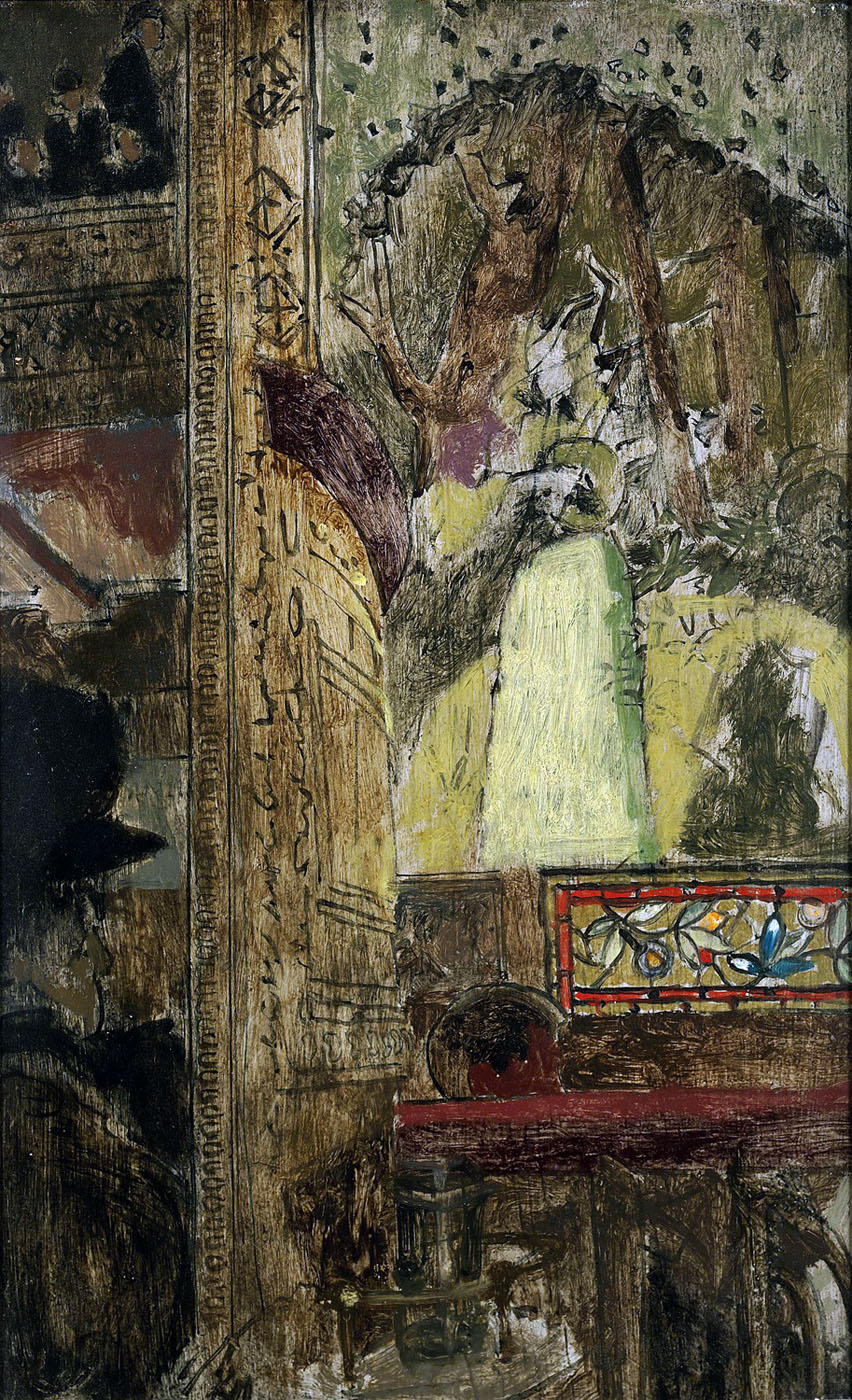
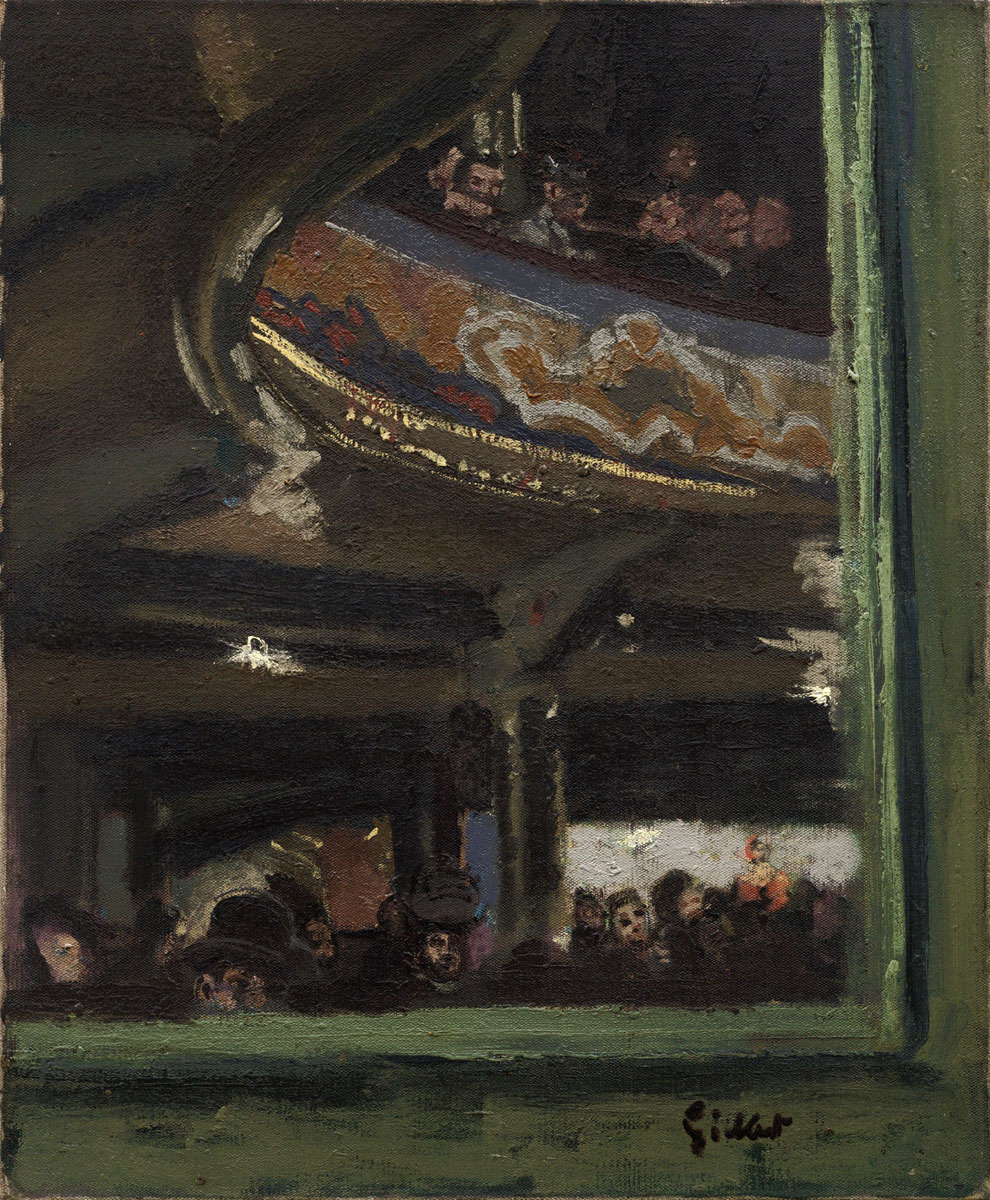
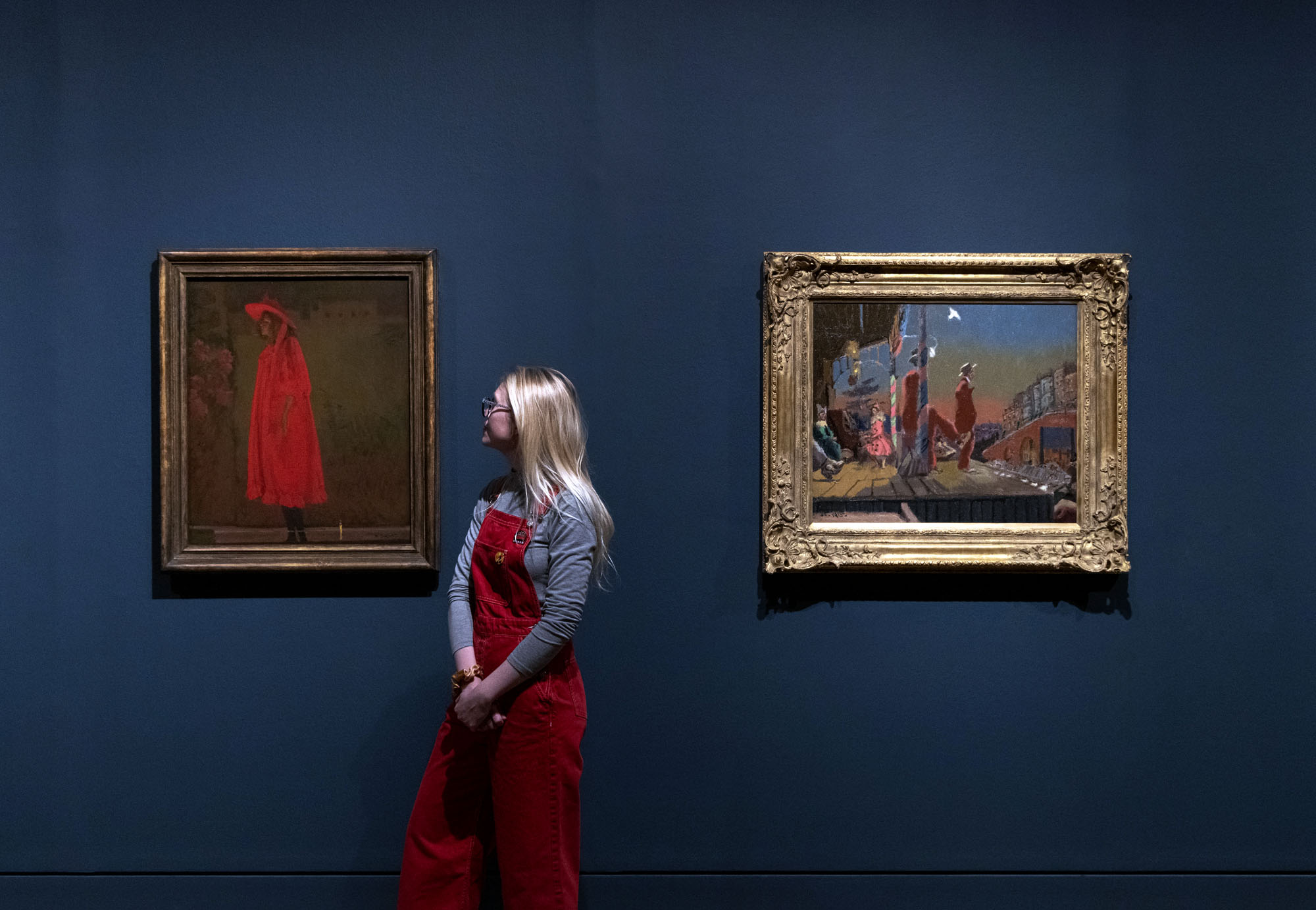

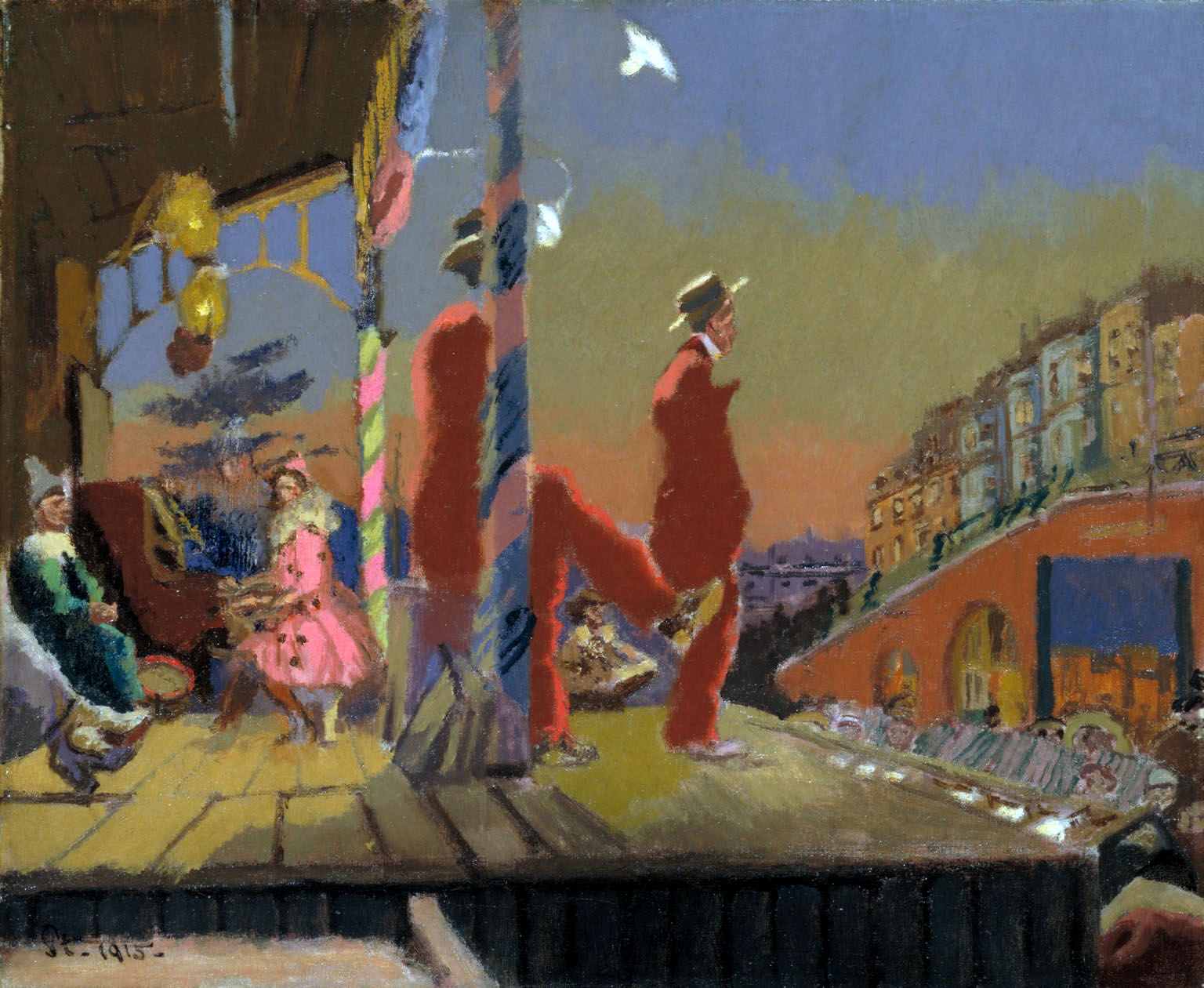
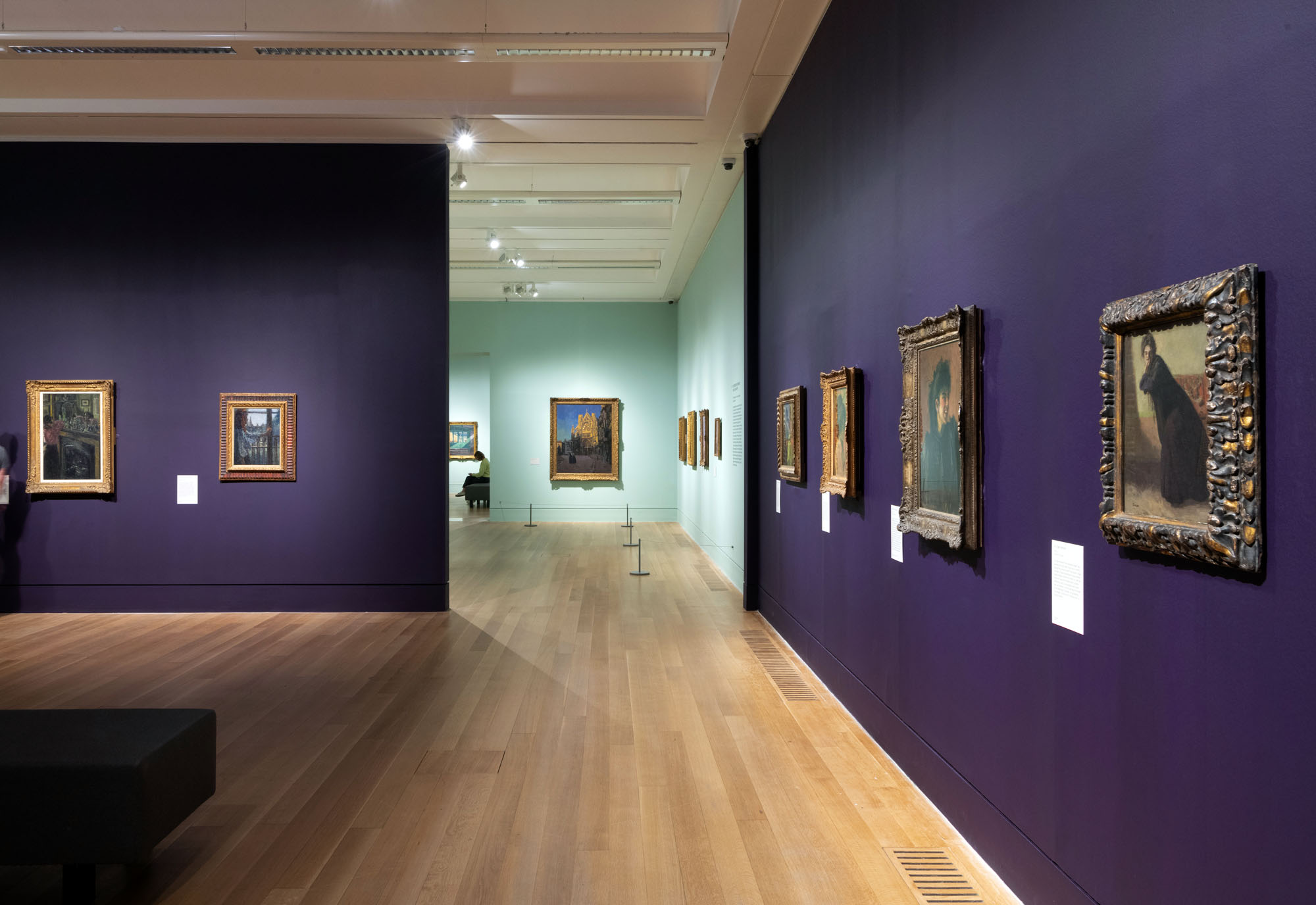
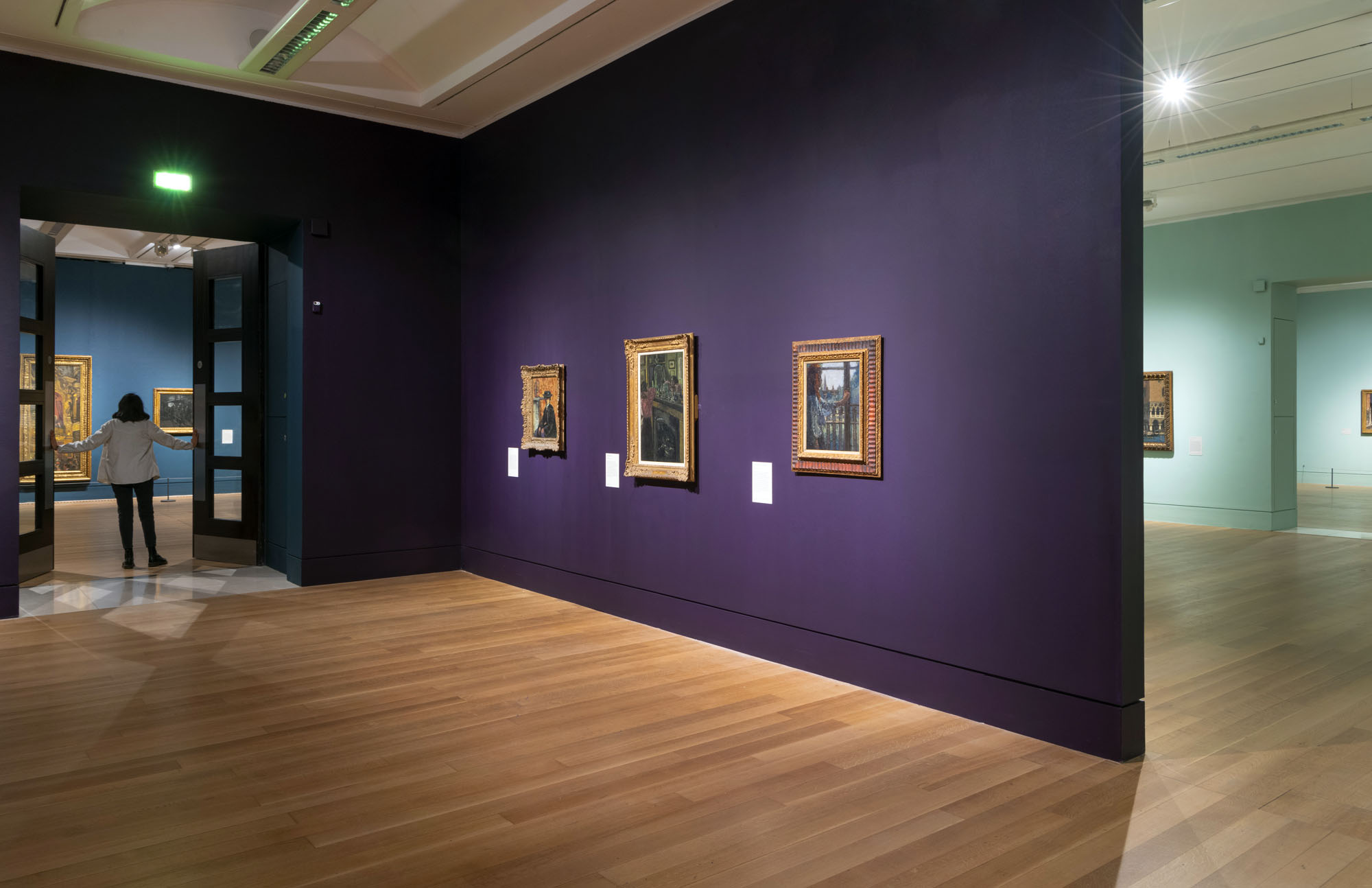

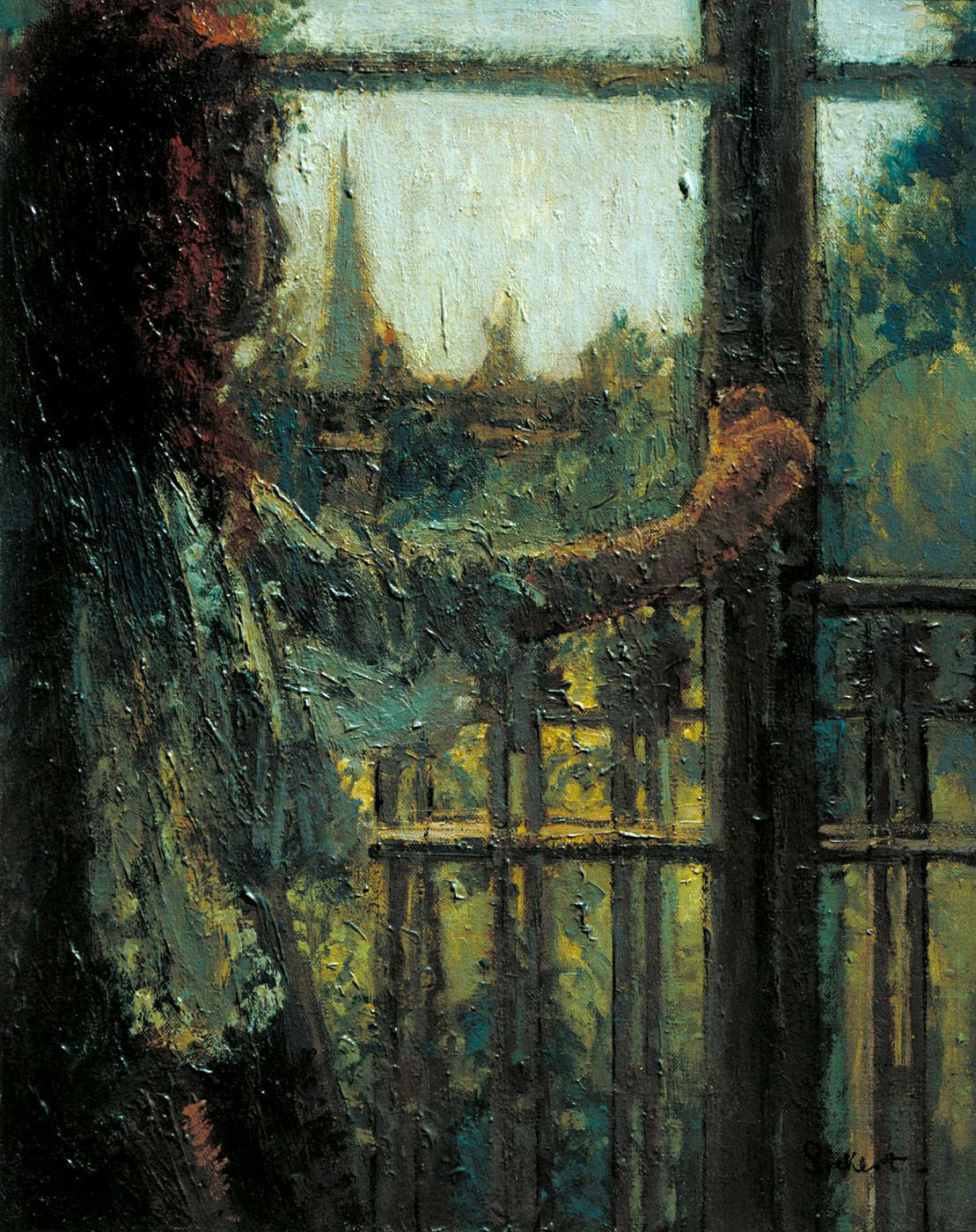

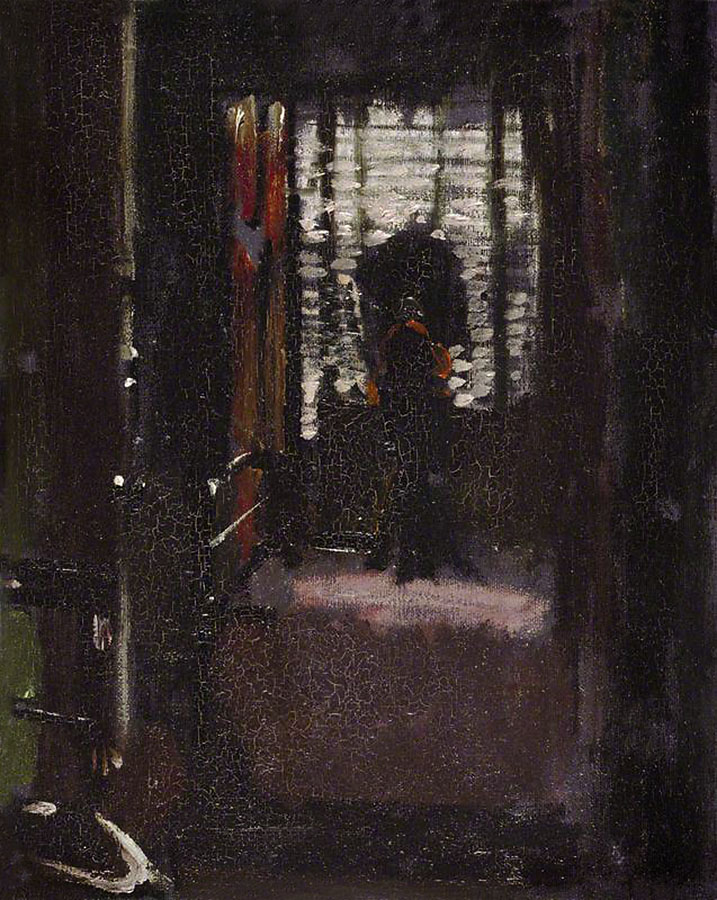









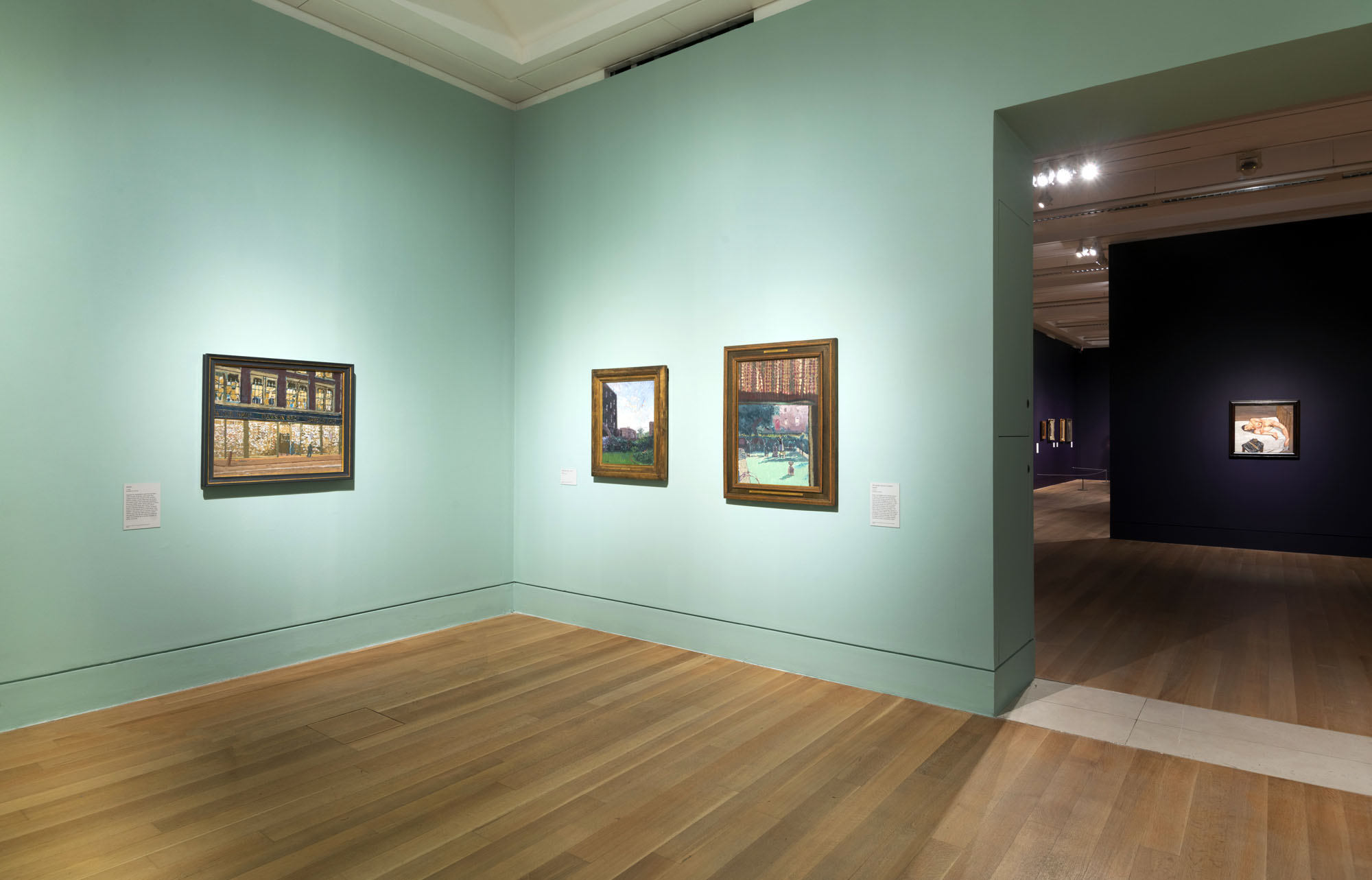
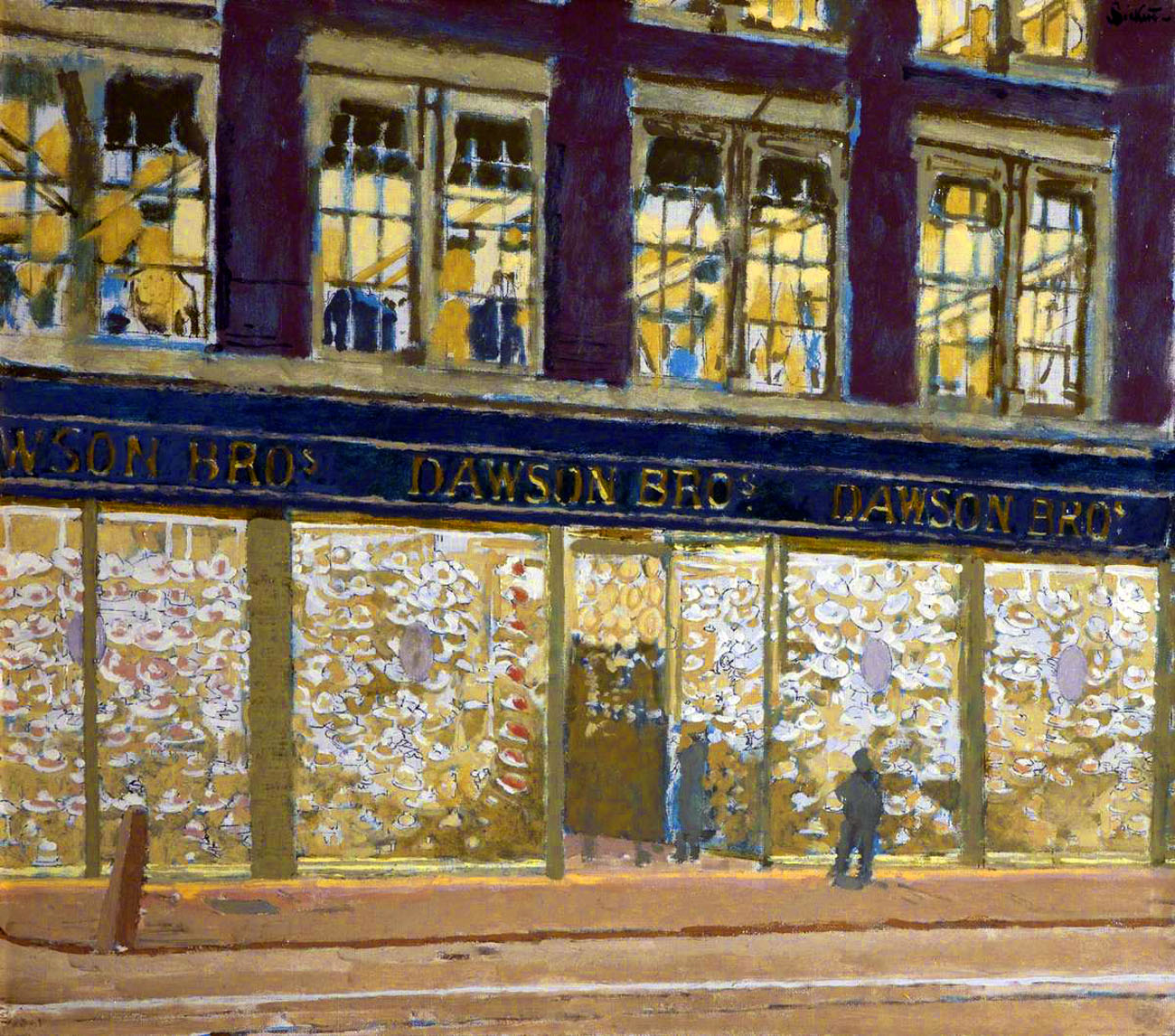
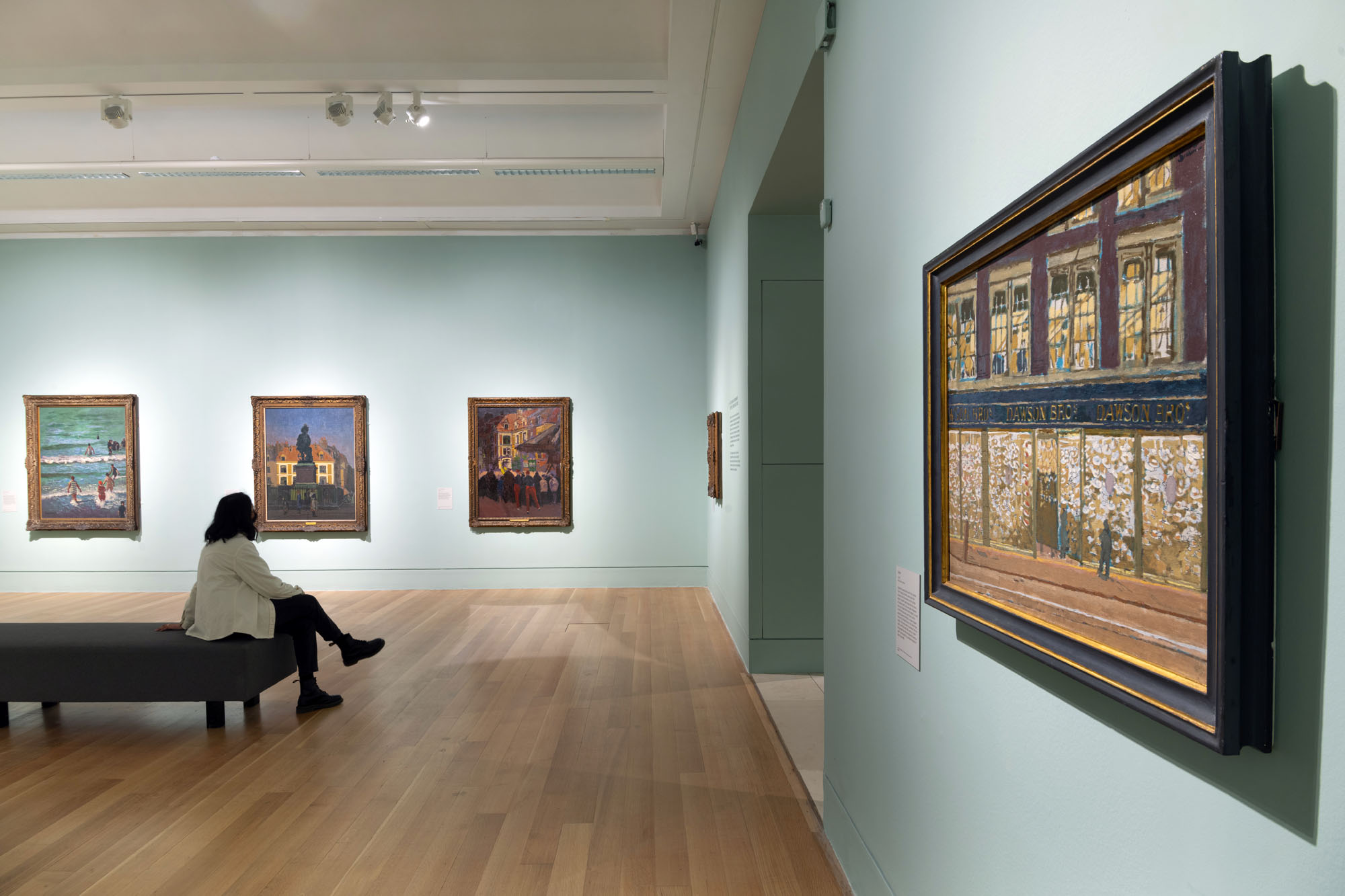


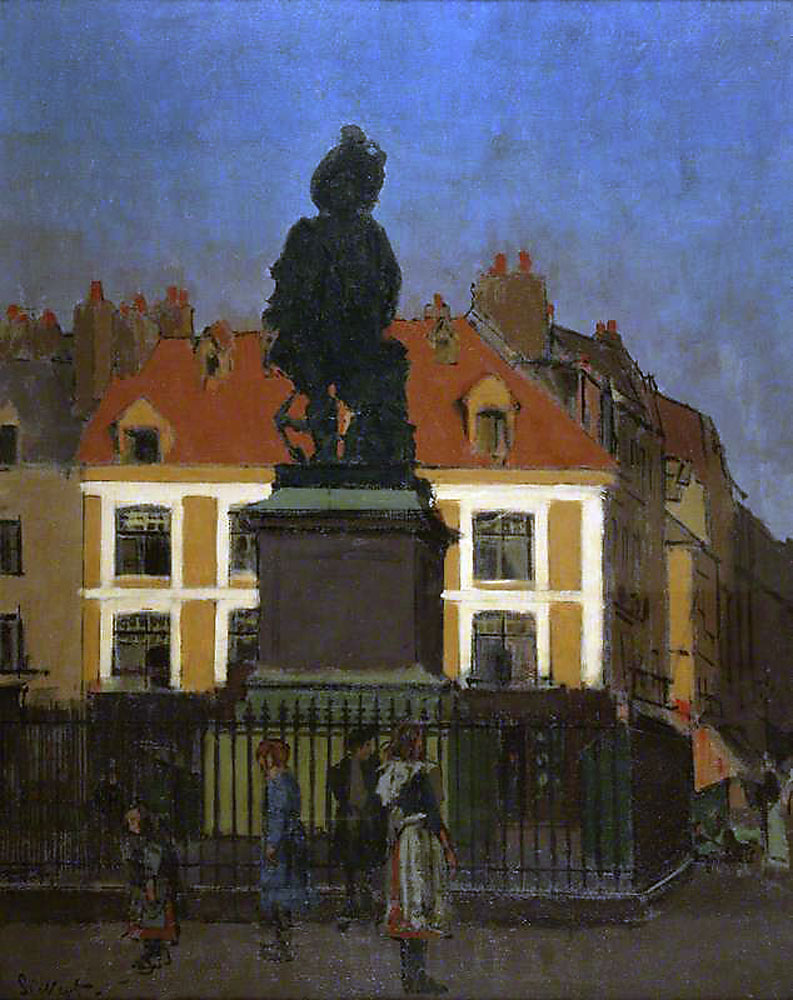
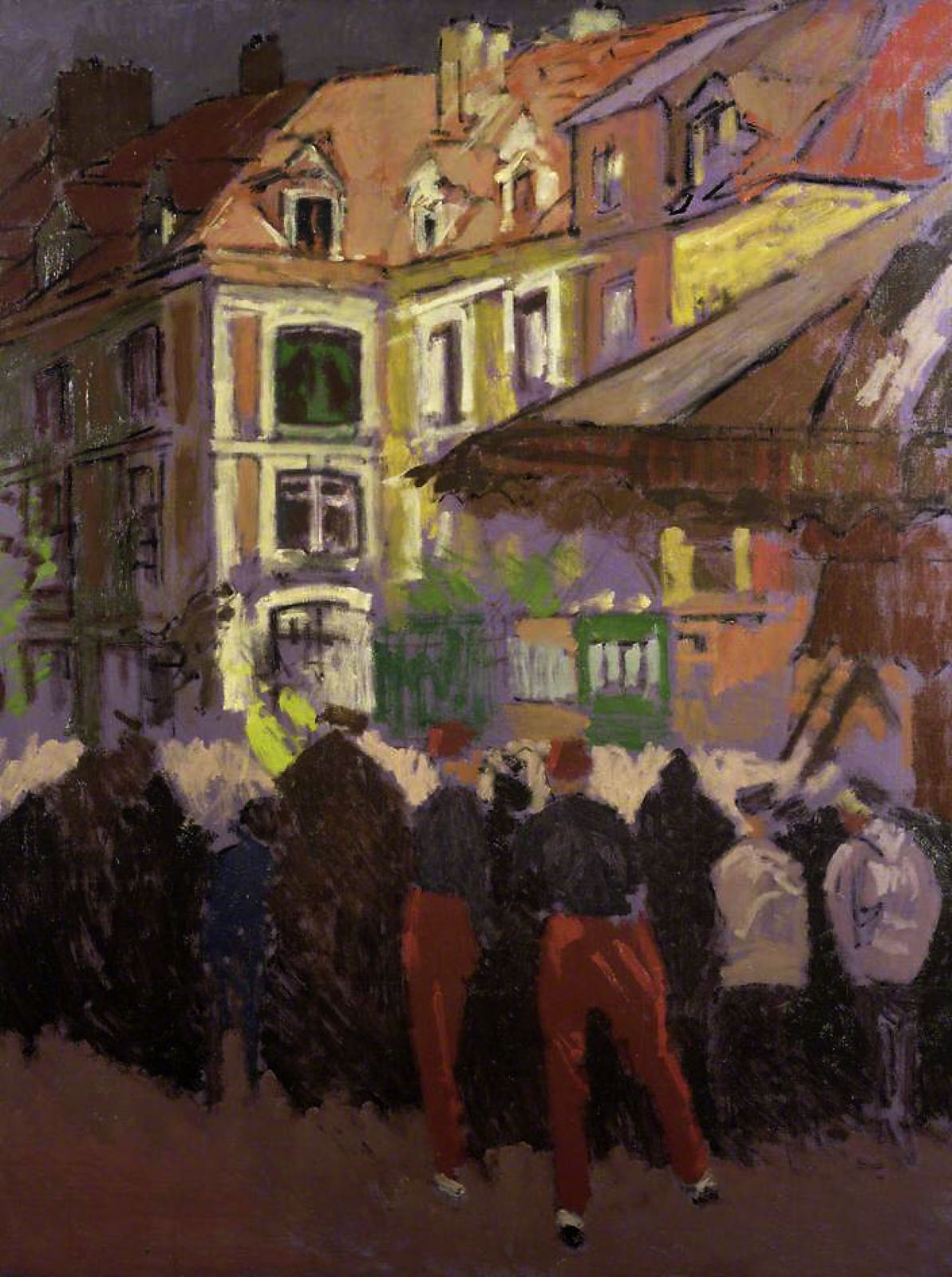














![Fratelli Gajo – Piazza S.Marco 139 – Venezia. 'Untitled [The Doges' Palace and the Piazzetta]' 1880s](https://artblart.com/wp-content/uploads/2022/05/3-untitled.jpg "Fratelli Gajo – Piazza S.Marco 139 – Venezia. 'Untitled [The Doges' Palace and the Piazzetta]' 1880s")


![Fratelli Gajo – Piazza S.Marco 139 – Venezia. 'Untitled [St Mark's Basilica]' 1880s](https://artblart.com/wp-content/uploads/2022/05/5-untitled.jpg "Fratelli Gajo – Piazza S.Marco 139 – Venezia. 'Untitled [St Mark's Basilica]' 1880s")



![Fratelli Gajo – Piazza S.Marco 139 – Venezia. 'Untitled [Bridge of Sighs]' 1880s](https://artblart.com/wp-content/uploads/2022/05/9-untitled.jpg "Fratelli Gajo – Piazza S.Marco 139 – Venezia. 'Untitled [Bridge of Sighs]' 1880s")


![Fratelli Gajo – Piazza S.Marco 139 – Venezia. 'Untitled [The Courtyard of the Doge's Palace looking towards the Torricella]' 1880s](https://artblart.com/wp-content/uploads/2022/05/10-untitled.jpg "Fratelli Gajo – Piazza S.Marco 139 – Venezia. 'Untitled [The Courtyard of the Doge's Palace looking towards the Torricella]' 1880s")


![Fratelli Gajo – Piazza S.Marco 139 – Venezia. '230 [Interior of the Doges Palace]' 1880s](https://artblart.com/wp-content/uploads/2022/05/14-230-untitled.jpg "Fratelli Gajo – Piazza S.Marco 139 – Venezia. '230 [Interior of the Doges Palace]' 1880s")



![Fratelli Gajo – Piazza S.Marco 139 – Venezia. 'Untitled [Entry to the presbytery of St Mark's Basilica]' 1880s](https://artblart.com/wp-content/uploads/2022/05/20-untitled.jpg "Fratelli Gajo – Piazza S.Marco 139 – Venezia. 'Untitled [Entry to the presbytery of St Mark's Basilica]' 1880s")
![Fratelli Gajo – Piazza S.Marco 139 – Venezia. 'Untitled [Bridge of Sighs]' 1880s](https://artblart.com/wp-content/uploads/2022/05/21-untitled.jpg "Fratelli Gajo – Piazza S.Marco 139 – Venezia. 'Untitled [Bridge of Sighs]' 1880s")


![Fratelli Gajo – Piazza S.Marco 139 – Venezia. 'Untitled [Torre del Orologio]' 1880s](https://artblart.com/wp-content/uploads/2022/05/24-untitled.jpg "Fratelli Gajo – Piazza S.Marco 139 – Venezia. 'Untitled [Torre del Orologio]' 1880s")
![Fratelli Gajo – Piazza S.Marco 139 – Venezia. 'Untitled [The Doge's Palace]' 1880s](https://artblart.com/wp-content/uploads/2022/05/25-untitled.jpg "Fratelli Gajo – Piazza S.Marco 139 – Venezia. 'Untitled [The Doge's Palace]' 1880s")


![Fratelli Gajo – Piazza S.Marco 139 – Venezia. 'Untitled [Statue of King Vittorio Emanuel II by the sculptor Ettore Ferrari 1887]' c. 1887](https://artblart.com/wp-content/uploads/2022/05/28-untitled.jpg "Fratelli Gajo – Piazza S.Marco 139 – Venezia. 'Untitled [Statue of King Vittorio Emanuel II by the sculptor Ettore Ferrari 1887]' c. 1887")


![Fratelli Gajo – Piazza S.Marco 139 – Venezia 'Untitled [Rialto Bridge]' 1880s](https://artblart.com/wp-content/uploads/2022/05/30-untitled.jpg "Fratelli Gajo – Piazza S.Marco 139 – Venezia 'Untitled [Rialto Bridge]' 1880s")







![George Wadsworth Davis (American) 'Francis Wadsworth Davis [1852-1940], Hiram, Maine' Nd (verso)](https://artblart.com/wp-content/uploads/2020/09/image-d-back2.jpg "George Wadsworth Davis (1848-1914) 'Francis Wadsworth Davis [1852-1940], Hiram, Maine' Nd (verso)")







![Gertrude Käsebier (American, 1852-1934) '[Gertrude O'Malley and son Charles]' 1900](https://artblart.com/wp-content/uploads/2020/03/kacc88sebier-son.jpg "Gertrude Käsebier (American, 1852-1934) '[Gertrude O'Malley and son Charles]' 1900")


![Manuel Álvarez Bravo (Mexican, 1902-2002) '[Wounded Agaves]' Negative 1950; print late 1970s - early 1980s](https://artblart.com/wp-content/uploads/2020/03/bravo-agaves.jpg "Manuel Álvarez Bravo (Mexican, 1902-2002) '[Wounded Agaves]' Negative 1950; print late 1970s - early 1980s")


![Madoka Takagi (American, born Japan, 1956-2015) 'Untitled [Self-portrait with Bare-chested, Tattooed Latino Man]' 1986](https://artblart.com/wp-content/uploads/2020/03/gm_31474001_2000x2000.jpg "Madoka Takagi (American, born Japan, 1956-2015) 'Untitled [Self-portrait with Bare-chested, Tattooed Latino Man]' 1986")


You must be logged in to post a comment.