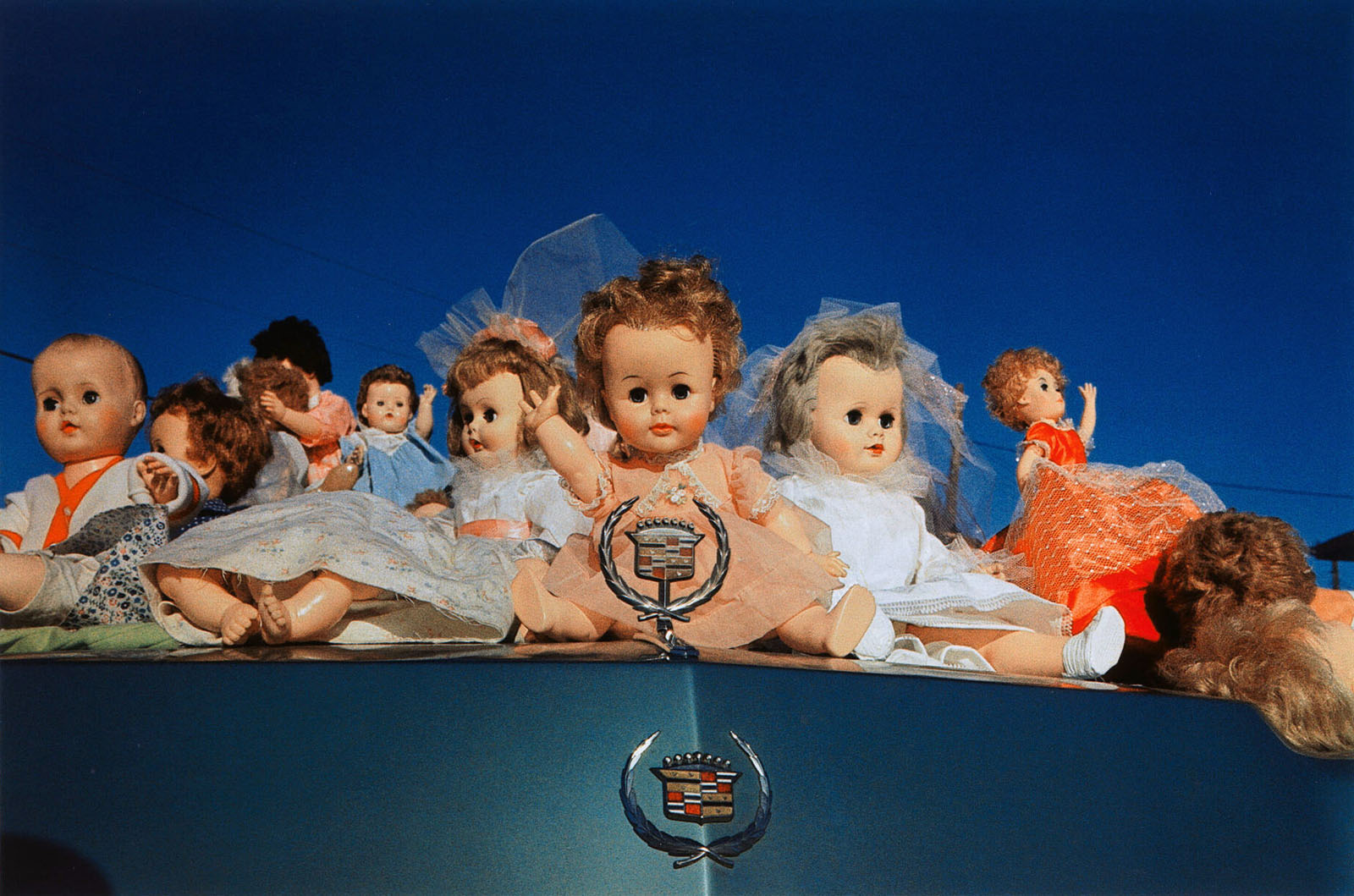
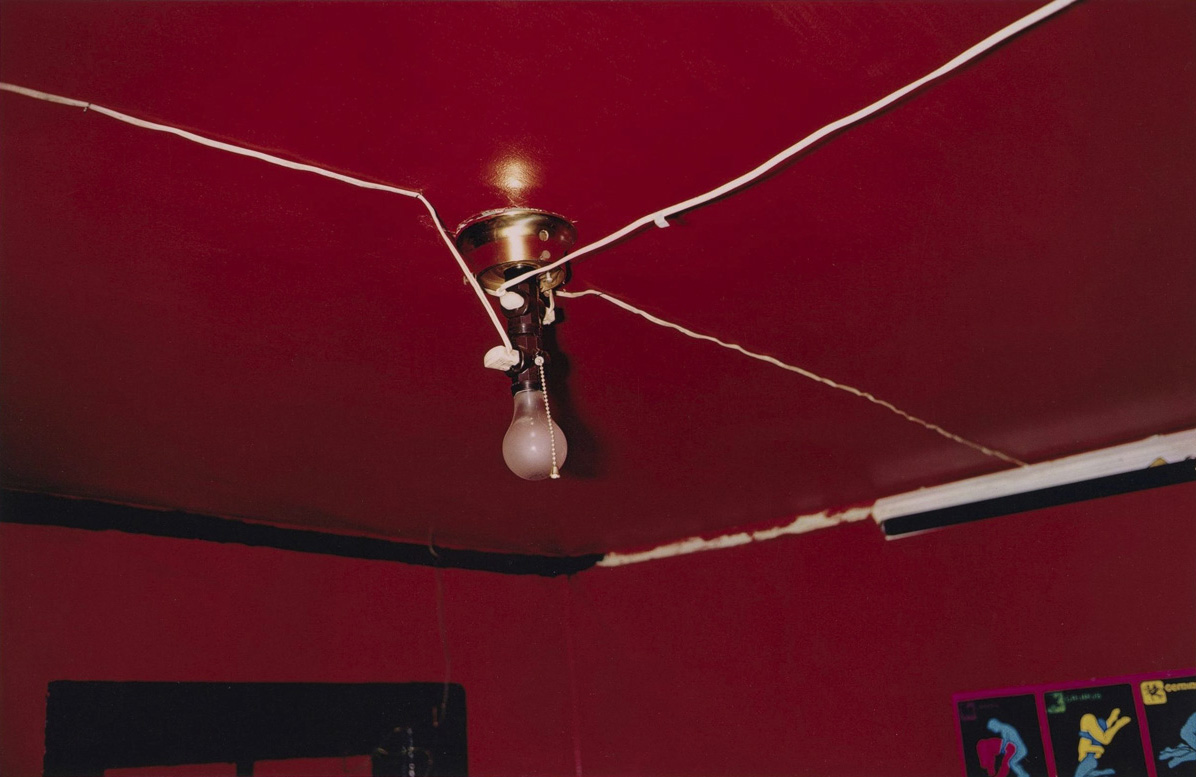
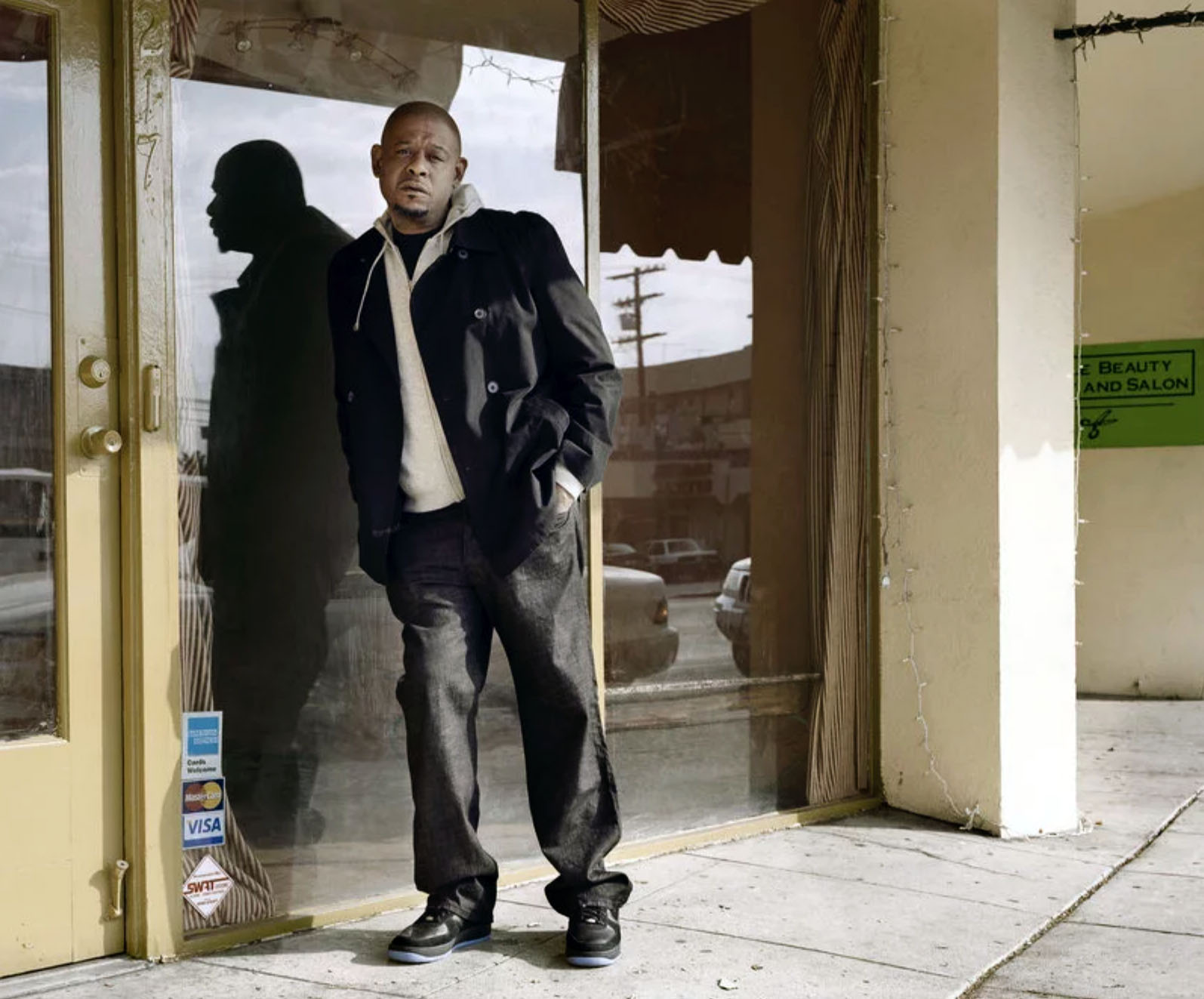
One of the most influential photographers of the last half-century, William Eggleston has defined the history of colour photography. This exhibition is the artist’s first retrospective in the United States and includes both his colour and black-and-white photographs as well as Stranded in Canton, the artist’s video work from the early 1970s.
William Eggleston’s great achievement in photography can be described in a straightforward way: he captures everyday moments and transforms them into indelible images. William Eggleston: Democratic Camera, Photographs and Video, 1961-2008 presents a comprehensive selection from nearly fifty years of image-making.
Born in 1939 in Sumner, Mississippi, a small town in the Delta region, Eggleston showed an early interest in cameras and audio technology. While studying at various colleges in the South, he purchased his first camera and came across a copy of Henri Cartier-Bresson’s book The Decisive Moment (1952). In the early 1960s, Eggleston married and moved to Memphis, where he has lived ever since. He first worked in black-and-white, but by the end of the decade began photographing primarily in colour. Internationally acclaimed and widely traveled, Eggleston has spent the past four decades photographing all around the world, conveying intuitive responses to fleeting configurations of cultural signs and moods as specific expressions of local colour. Psychologically complex and casually refined, bordering on kitsch and never conventionally beautiful, these photographs speak principally to the expanse of Eggleston’s imagination and have had a pervasive influence on all aspects of visual culture. By not censoring, rarely editing, and always photographing, Eggleston convinces us of the idea of the democratic camera.
This exhibition was organised by the Whitney Museum of American Art, New York, in association with Haus der Kunst, Munich.
Text from the Whitney Museum of American Art website
Many thankx to the Whitney Museum of American Art for allowing me to publish the photographs in the posting. Please click on the photographs for a larger version of the image.
“This candid interview with photographer William Eggleston was conducted by film director Michael Almereyda on the occasion of the opening of Eggleston’s retrospective William Eggleston: Democratic Camera, Photographs and Video, 1961-2008 at the Whitney Museum of American Art. A key figure in American photography, Eggleston is credited almost single-handedly with ushering in the era of colour photography. Eggleston discusses his shift from black and white to colour photography in this video as, “it never was a conscious thing. I had wanted to see a lot of things in colour because the world is in colour”. Also included in this video are Eggleston’s remarks about his personal relationships with the subjects of many of his photographs.”
The Ending of Stranded in Canton
In 1973, photographer William Eggleston picked up a Sony PortaPak and took to documenting the soul of Memphis and New Orleans. Transvestites, geek men biting off chicken heads, classy blues musicians, and crazed men with guns form the backbone of this documentary look at the “Southern Hipsters” of Louisiana and Mississippi.
Stranded in Canton
In 1973, photographer William Eggleston picked up a Sony PortaPak and took to documenting the soul of Memphis and New Orleans.
“These were the Merry Prankster and “Easy Rider” years, when road trips and craziness were cool, and Mr. Eggleston set out on some hard-drinking picture-taking excursions. He also embarked on repeated shorter expeditions closer to home in the form of epic bar crawls, which resulted in the legendary video “Stranded in Canton.”
Originally existing as countless hours of unedited film and recently pared down by the filmmaker Robert Gordon to a manageable 76 minutes, it was shot in various places in 1973 and 1974. (The new version is in the retrospective.) Mr. Eggleston would show up with friends at favourite bars, turn on his Sony Portapak, push the camera into people’s faces and encourage them to carry on.
And they did. Apart from brief shots of his children and documentary-style filming of musicians, the result is like some extreme form of reality television. Your first thought is: Why do people let themselves be seen like this? Do they know what they look like? You wonder if Mr. Eggleston is deliberately shaping some tragicomic Lower Depths drama or just doing his customary shoot-what’s-there thing, the what’s-there in this case being chemical lunacy. For all the film’s fringy charge there’s something truly creepy and deadly going on, as there is in much of Mr. Eggleston’s art. You might label it Southern Gothic; but whatever it is, it surfaces when a lot of his work is brought together.”
Holland Cotter. “Old South Meets New, in Living Color,” on The New York Times website Nov 6, 2008
Unknown maker, American, Attributed to Carleton Watkins (American, 1829-1916) The Plaza, Lima, Peru About 1852 Daguerreotype Plate: 10.8 × 14cm (4 1/4 × 5 1/2 in.) J. Paul Getty Museum Collection
Watkins could have made this study of the Lima Cathedral on his return to California from New York via South America in 1852.
Carleton Watkins was a master photographer, craftsman, technician and, above all, a refined artist. The structural cadences of his compositions, like the best music, are superb. Within his photographs he creates a visual dialogue that sustains pertinent inquiry by the viewer – the look! see! – that has lasted centuries, as all great art does. Today his photographs are as clearly seen, as incisive of mind, as when they were first produced. They delight.
From the documentary photographs of mining settlements to the images of Yosemite; from the stereographs of cities to the gardens of the rich and famous; from the photographs of untouched interior America to the images of the Monterey Peninsula Watkins photographs are sharply observed renditions of a reality placed before the lens of his giant plate camera.
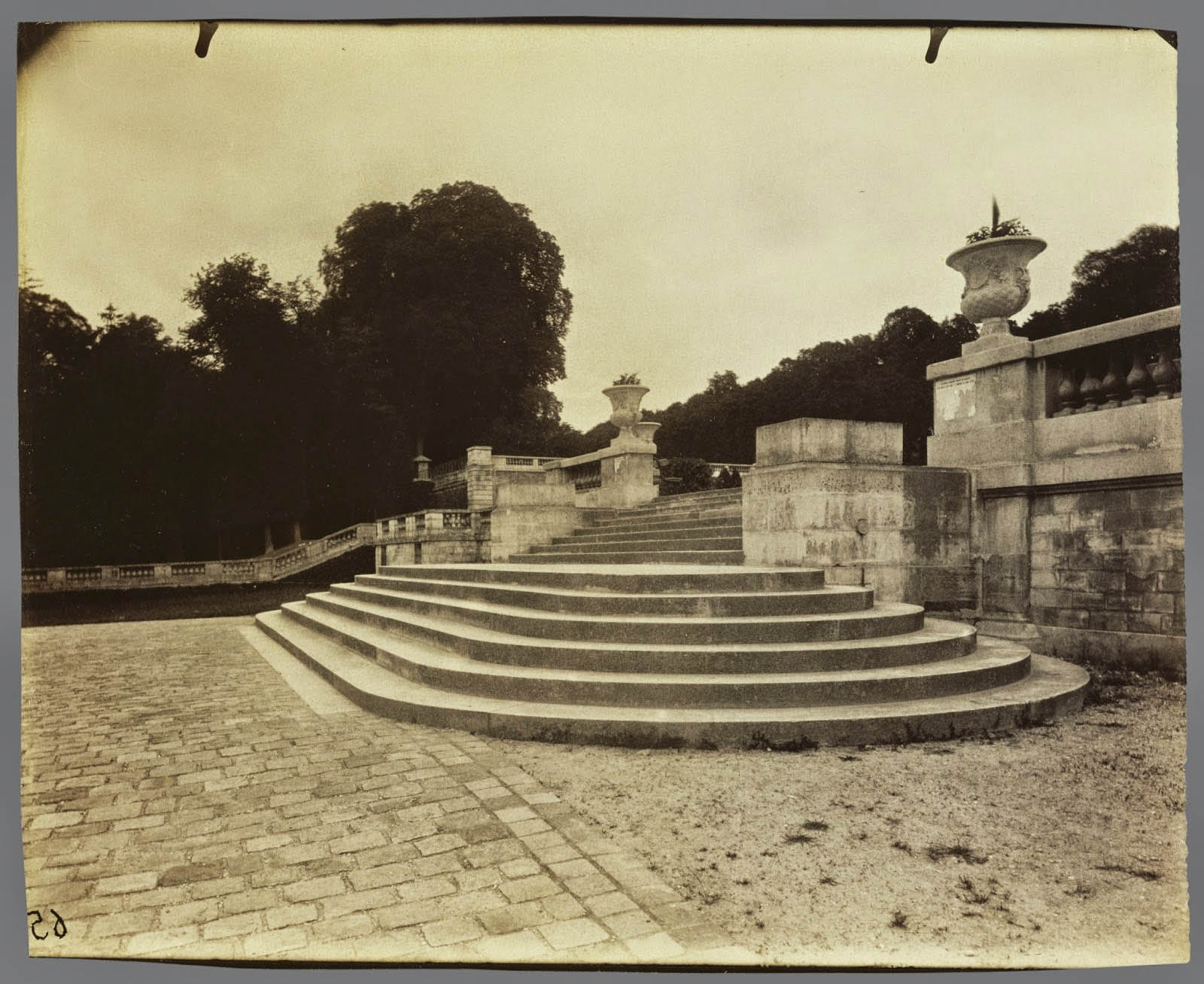
Like all great artists his eye is unique. His use angle, height and placement of the camera is reinforced by his understanding of the balance of light and shade, the construction of planes within the image and the spatial relationships that could be achieved within the frame (at the same time we note that the artist Cezanne was also investigating the deconstruction of traditional landscape perspectives within the image frame). His work reminds me of the photographs of the great French photographer Eugene Atget: both men understood how best to place the camera to achieve the outcome they wanted so that the photographs became imprinted with their signature, images that nobody else could have taken. Today we recognise both men as masters of photography for this very fact. The images they took raise them above the rank and file photographer because of the care and understanding they took in the decisions they made in the exposure of the negative.
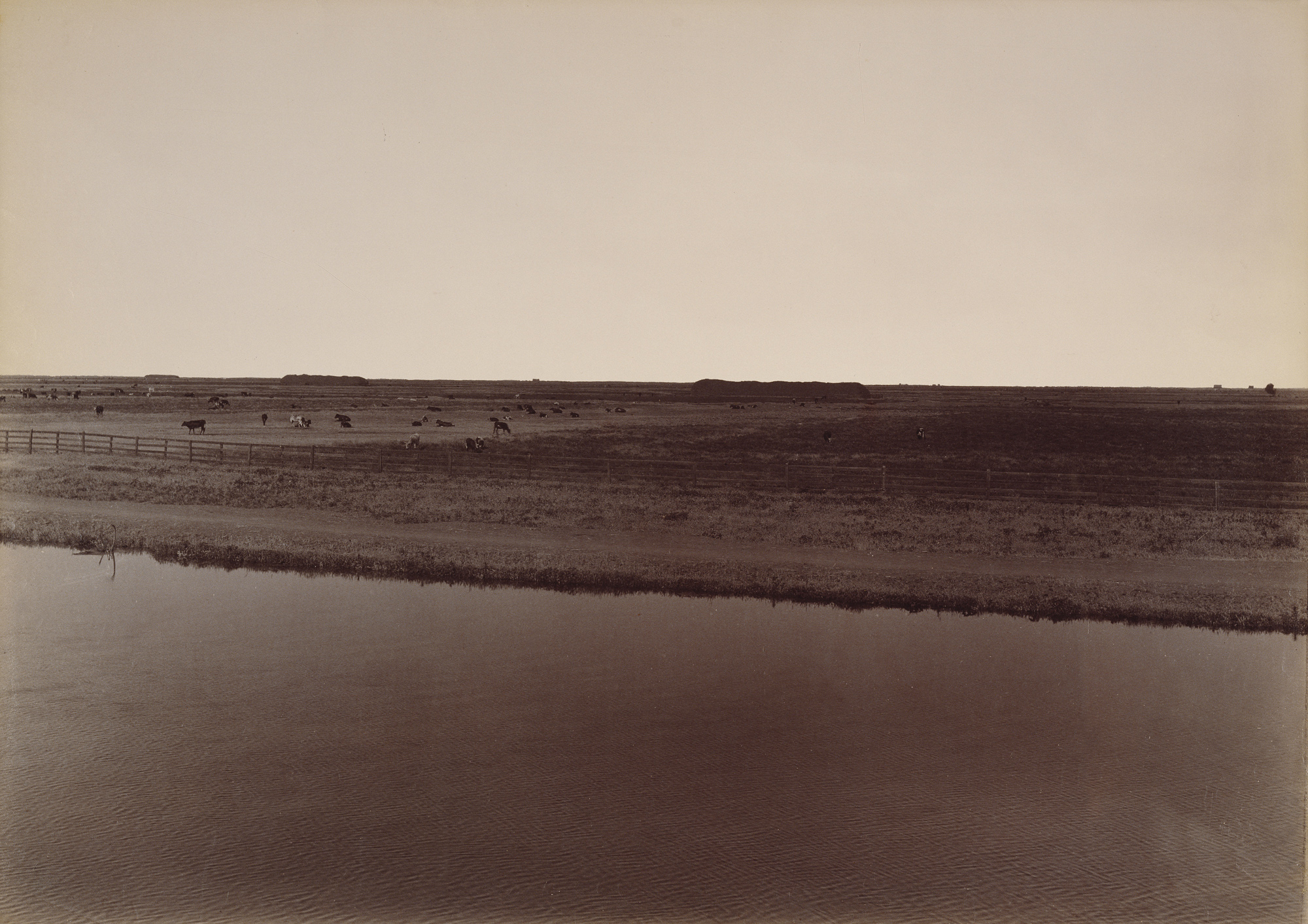
As a precursor to modernism in photography Watkins does not have peer at this time. His photographs preempt the 20th century modernist work of Paul Strand and Alfred Stieglitz, his Monterey and Yosemite photographs the work of Edward Weston and Ansel Adams, and in his Japanese influences the work of Minor White. Even today at the exhibition by Andreas Gursky at the National Gallery of Victoria, Melbourne there is a colour work of a body of water (see below: Rhein 1996) that closely reflects the structure of Watkins View on the Calloway Canal, near Poso Creek, Kern County 1887, even though the subject matter of Gursky’s image is a simulacra of an implied reality, whereas Watkins work “served as evidence in a water rights lawsuit that eventually resulted in a decisive court ruling that prevented newcomers from diverting water from existing landowners.”1
Watkins cadence as a sentient being will endure in the choices he made in the photographs he exposed. His tempo, his innate ability to place the camera, his understanding of the light and shade, texture, environment, depth of field and feeling make this artist one that all aspiring artists – no, all human beings – should study.
Dr Marcus Bunyan
1/ For more information about this image please see the J. Paul Getty Museum web page.
Many thankx to the J. Paul Getty Museum for allowing me to publish the photographs in the posting. Please click on the photographs for a larger version of the image.
Carleton Watkins (American, 1829-1916) (attributed) Placer Mining Scene c. 1852-1855 Half-plate daguerreotype 4 x 5 in. (10.2 x 12.7cm) J. Paul Getty Museum Collection
Watkins was persistently interested in the technical details of mining operations. Here a primitive Spanish ore mill is used to pulverise gold-bearing rock. Throughout his career Watkins earned income producing photographs that were used as sources for engraved illustrations, as this one was.
Unknown maker, American, Attributed to Carleton Watkins (American, 1829-1916) Engineering Camp, Copiapo, Chile About 1852-1855 Daguerreotype Plate: 10.8 × 14cm (4 1/4 × 5 1/2 in.) J. Paul Getty Museum Collection
In 1852 Watkins went to New York, then returned to California the following spring aboard the SS Michael Angelo, which was loaded with tons of supplies destined for mining camps on the Pacific Coast of the Americas. The vessel proceeded to the port of Caldera, Chile, where goods destined for the mines at Copiapó were unloaded. Miners and their various forms of shelter, such as the tent shown here in the landscape, were among Watkins’s favourite subjects.
Carleton Watkins (American, 1829-1916), Robert H. Vance (American, 1825-1876) Street Scene in La Rancheria, California 1853-1855 Daguerreotype, hand-coloured 8.3 × 11.4cm (3 1/4 × 4 1/2 in.) J. Paul Getty Museum Collection
The mining camp of La Rancherie was located near the fabled Sutter’s Mill in California, where gold was discovered in 1849. In the volatile gold-rush environment of prospectors, get-rich-quick dreams, and fly-by-night towns, an assembly of men in the foreground stood for the camera to immortalise their roles in the historical moment. La Rancherie stood out for its stability: it could boast a few buildings made of clapboard and some that were even painted. The illustrated hotel sign at upper left indicates a clientele that was not entirely literate and might rely on pictures to identify potential lodgings.
Carleton Watkins (American, 1829-1916) [Section Grizzly Giant, Mariposa Grove] 1861 Albumen silver print 43.2 × 52.1cm (17 × 20 1/2 in.) J. Paul Getty Museum Collection
Galen Clark, the figure in this photograph, was designated as the guardian of the Mariposa Grove of giant sequoia about the time Abraham Lincoln ceded it to California in 1864. When this picture was made, Clark lived in a cabin (not pictured) nearby and maintained a rustic way station for visitors traveling to Yosemite Valley via the Mariposa Trail, which was developed in 1859.
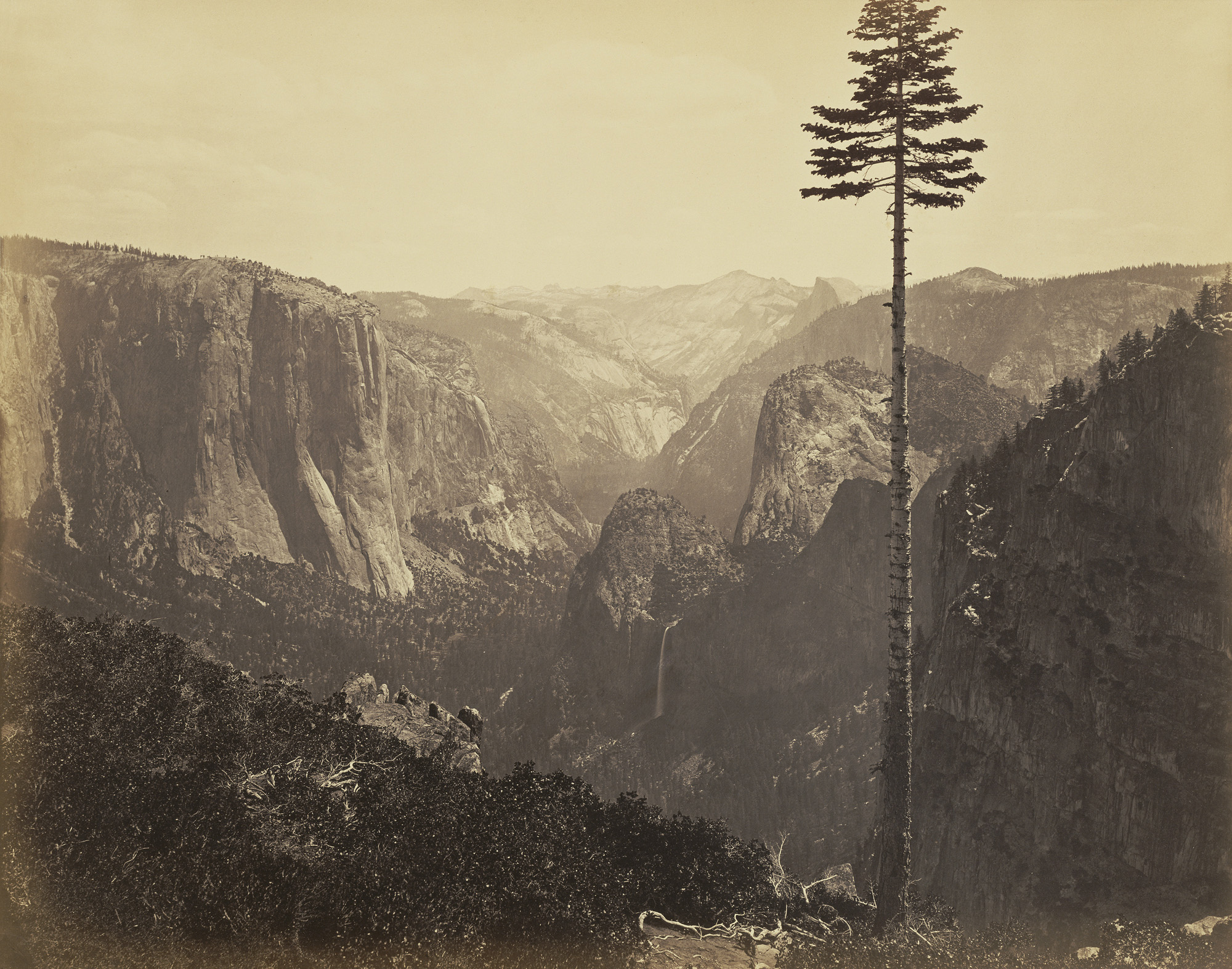
Carleton Watkins (American, 1829-1916) Yosemite Valley from the Best General View No.2 1866 Albumen silver print 41 x 52.2cm (16 1/8 x 20 9/16 in.) J. Paul Getty Museum Collection
Carleton Watkins had the ability to photograph a subject from the viewpoint that allowed the most information to be revealed about its contents. In this image, he captured what he considered the best features of Yosemite Valley: Bridalveil Falls, Cathedral Rock, Half Dome, and El Capitan. By positioning the camera so that the base of the slender tree appears to grow from the bottom edge of the picture, Watkins composed the photograph so that the canyon rim and the open space beyond it seem to intersect. Although he sacrificed the top of the tree, he was able to place the miniaturised Yosemite Falls at the visual centre of the picture. To alleviate the monotony of an empty sky, he added the clouds from a second negative. This image was taken while Watkins was working for the California Geological Survey. His two thousand pounds of equipment for the expedition, which included enough glass for over a hundred negatives, required a train of six mules.
Carleton Watkins (American, 1829-1916) Further Up the Valley. The Three Brothers, the highest, 3,830 ft. 1866 Albumen silver print 39.2 × 53.5cm (15 7/16 × 21 1/16 in.) J. Paul Getty Museum Collection
In 1850, at the age of 20, Carleton Watkins is believed to have arrived in California from New York via South America. He embarked on a life in photography that began auspiciously during the gold rush (which started in 1849) and ended abruptly with the 1906 San Francisco earthquake and fire that destroyed his negatives. In between those historic moments, Watkins witnessed an era in which a recurring theme was the enormity of all things in the West. He photographed the expansive western landscape with its miles of coastline, vast natural resources, colossal trees, and the monoliths of the Yosemite Valley using an oversize mammoth-plate camera.
In the 1860s Watkins’s Yosemite photographs brought him fame from as far away as Paris, but a decade later he experienced a painful financial reversal. In the end, he died a pauper in 1916 after a life that brought him into dialogue with the many “giants” of his era. The photographs he left behind provide a unique personal vision of the birth and growth of California.
Mining Scenes and Daguerreotypes
After arriving in Sacramento in 1850, Watkins worked delivering supplies to the mines during the gold rush. As he traveled throughout the region, he applied his new photography skills by making daguerreotypes (an early photographic technique using silver-coated, polished copper plates). In 1852, he is believed to have taken up photography full time, making daguerreotypes as a freelance “outdoor man” for established studios in Sacramento, Marysville, and San Francisco.
Among the most important photographs created in California before about 1855 are more than 100 daguerreotypes of buildings and landscapes, the majority of which have not been attributed. Many represent the San Francisco Bay Area and the mother lode regions northeast of Sacramento, where Watkins lived from 1850 to 1853 – a fact that geographically positions him in the right place at the right time to have been their maker. This exhibition compares select daguerreotypes by unknown makers with securely identified photographs by Watkins. On the basis of style and other circumstantial evidence, it is possible that Watkins may have made many of the daguerreotypes.
Yosemite
Watkins first visited Yosemite Valley in the late 1850s and then returned to Yosemite several times in the 1860s and 1870s with a new mammoth-plate camera designed to expose collodion-on-glass negatives that were 18-by-22 inches in size. With this equipment, he created the pictures that soon brought him international fame.
Watkins was not the only photographer who made images of Yosemite. Charles L. Weed and Eadweard Muybridge both followed Watkins into Yosemite, and the photographers often re-created one another’s views. This exhibition explores the visual dialogue in Yosemite between Watkins, Weed, Muybridge, and the unidentified camera operator for Thomas Houseworth and Company, who may have actually been Watkins.
Pacific Coast
Watkins was best known for his photographs of Yosemite, but he also took his camera to the silver mines of Nevada and Arizona, and up and down the Pacific coast. Throughout his career he applied his understanding of the elements of landscape as art. His early work with mining subjects proved to be excellent training for his eventual vision of landscape as a powerful counterbalance to the fragility of human existence. He harnessed the elements of visual form – line, shape, mass, outline, perspective, viewpoint, and light – to enliven often static motifs in nature.
Watkins photographed the Monterey Peninsula in the 1880s, recording the scenery in a continuously unfolding progression along Seventeen-Mile Drive, which began and ended at the Hotel Del Monte. Near the hotel, Watkins created this image of a native cypress – windblown and with its roots exposed – clinging to the side of a rocky cliff. Many distinguished photographers, among them Edward Weston and Ansel Adams, followed Watkins over the years along this same stretch of coast, photographing similar subjects.
Carleton Watkins (American, 1829-1916) Cape Horn, Columbia River, Oregon Negative 1867; print about 1881-1883 Albumen silver print 40.5 × 52.3cm (15 15/16 × 20 9/16 in.) J. Paul Getty Museum Collection
In 1867 Carleton Watkins made an expedition to Oregon to obtain photographs of its geology, including the chain of extinct volcanic mountains that cap the coastal range. This view was made from the Washington side of the Columbia River. Even the evidence of a solitary boatman and his cargo does not disturb the landscape’s profound serenity, nor does his presence reveal the fact that cultivated farmland and an apple orchard existed nearby. Watkins’s image nonetheless portrays a man facing nature at its most grand and overwhelming. The man’s boat appears ready to launch into the still, glassy river, an act that will make an indelible imprint on the water’s pristine, boundless surface.
Carleton Watkins (American, 1829-1916) [Sugarloaf Islands at Fisherman’s Bay, Farallon Islands] About 1869 Albumen silver print 41 × 54.3cm (16 1/8 × 21 3/8 in.) J. Paul Getty Museum Collection
Craggy rocks rise from a swirling, misty sea. Two seagulls punctuate the foreground, giving the scene a sense of scale. The uninhabited Sugarloaf Islands, part of the Farallon Island group, are located just north of San Francisco in the Pacific Ocean; in this photograph, they loom in the surf offshore like mysterious, petrified sea creatures. The length of the exposure softened the waves’ swirl into mist, adding to the impression of ancient, craggy mountaintops breaking through vaporous clouds.
Carleton Watkins frequently photographed the Farallon Islands. This particular area, the Gulf of the Farallones National Marine Sanctuary, includes 1,235 square miles of nearshore and offshore waters ranging from wetlands to deep-sea communities.
Carleton Watkins (American, 1829-1916) View on Lake Tahoe 1877 Albumen silver print 40.3 × 52.7cm (15 7/8 × 20 3/4 in.) J. Paul Getty Museum Collection
Standing between two sets of rails, Carleton Watkins photographed a busy pair of tracks above Carson Valley, Nevada. His shadow and that of his mammoth-plate camera indicate his precarious position on the steep grade in the foreground. A single engineer stands near the empty track curving around a mountain on the left, having already observed the train that heads away from the trestle on the right. Beneath these tracks, another steam engine pulling lumber on multiple flatbed cars makes its way around a sharp curve. The wood carried by these trains was an essential material for building the railroad and for operating steam engines. Lumber served as ties beneath the iron rails, telegraph poles lining the route, and fuel for wood-burning steam engines.
Carleton Watkins (American, 1829-1916) Agassiz Rock and the Yosemite Falls, from Union Point about 1878 Albumen silver print 54.4 × 39.2cm (21 7/16 × 15 7/16 in.) J. Paul Getty Museum Collection
Carleton Watkins (American, 1829-1916) [Thompson’s Seedless Grapes] 1880 Albumen silver print 37.6 × 55.7cm (14 13/16 × 21 15/16 in.) J. Paul Getty Museum Collection
In this image celebrating Kern County’s agricultural bounty, Carleton Watkins clearly defined each fresh grape, tooth-edged leaf, and woody twig. Real estate developers successfully used photographs of lush fields, ripe produce, and plentiful harvests as a means of advertising to boost Southern California’s economy. The grape bunches hanging from the tendrils of this vine represent the earliest cultivation of seedless grapes.
Carleton Watkins (American, 1829-1916) The Dalles, Extremes of High & Low Water, 92 ft 1883 Albumen silver print J. Paul Getty Museum Collection
At twenty, Carleton Watkins headed out to California to make his fortune. After working as a daguerreotype operator in San Jose, he established his own practice and soon made his first visit to the Yosemite Valley. There he made thirty mammoth plate and one hundred stereograph views that were among the first photographs of Yosemite seen in the East. Partly on the strength of Watkins’s photographs, President Abraham Lincoln signed the 1864 bill that declared the valley inviolable, thus paving the way for the National Parks system.
In 1865 Watkins became official photographer for the California State Geological Survey. He opened his own Yosemite Art Gallery in San Francisco two years later. The walls were lined with 18 x 22-inch prints in black walnut frames with gilt-edged mats. Such elegant presentation did not come cheap, and Watkins was accused of charging exorbitant prices. A poor businessman, he declared bankruptcy in 1874 and his negatives and gallery were sold to photographer Isaiah Taber, who began to publish Watkins’s images under his own name. Watkins, however, continued to photograph, and seven years later became manager of the Yosemite Art Gallery, then under different ownership. The San Francisco earthquake and fire of 1906 destroyed the contents of his studio, which he had intended to preserve at Stanford University.
Eugène Atget (French, 1857-1927) Saint Cloud 1904 Albumen silver print
Carleton Watkins (American, 1829-1916) Cypress Tree at Point Lobos, Monterey County 1883-1885 Albumen silver print J. Paul Getty Museum Collection
Carleton Watkins (American, 1829-1916) View on the Calloway Canal, near Poso Creek, Kern County 1887 Albumen silver print 37.5 x 53cm (14 3/4 x 20 7/8 in.) J. Paul Getty Museum Collection
The first photographs Watkins made along the Kern River served as evidence in a water rights lawsuit that eventually resulted in a decisive court ruling that prevented newcomers from diverting water from existing landowners. James Ben Ali Haggin, the defendant and Watkins’s client, had a series of irrigation canals that raised the price of land in Kern County. In this spare composition, made where present-day Poso Road crosses the Calloway Canal, Watkins devoted almost equal proportions to sky, land, and water.
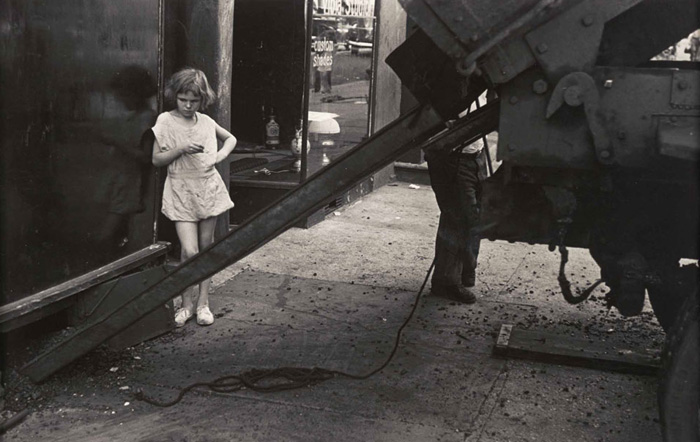
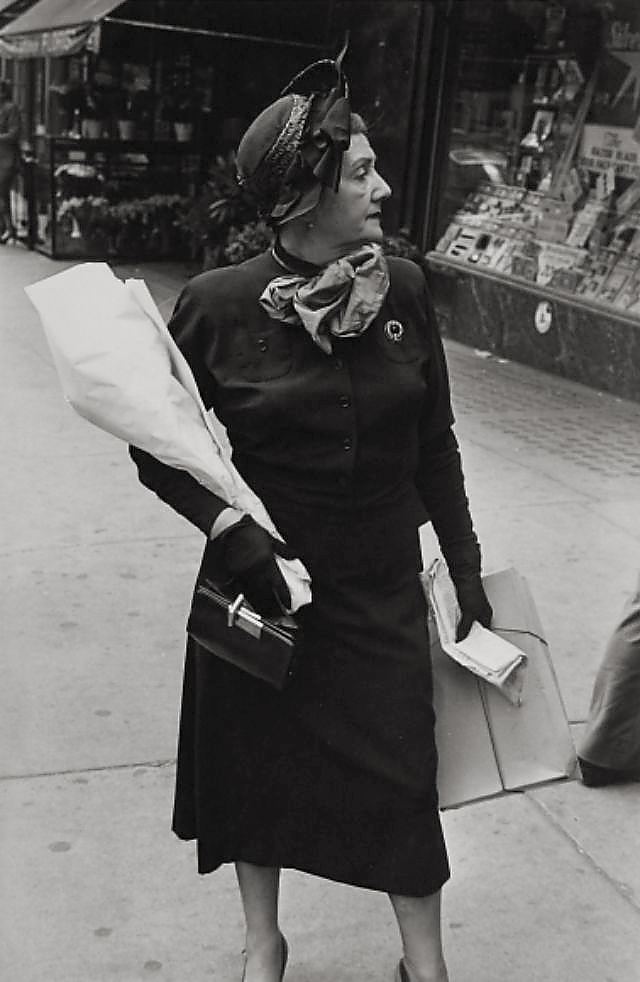
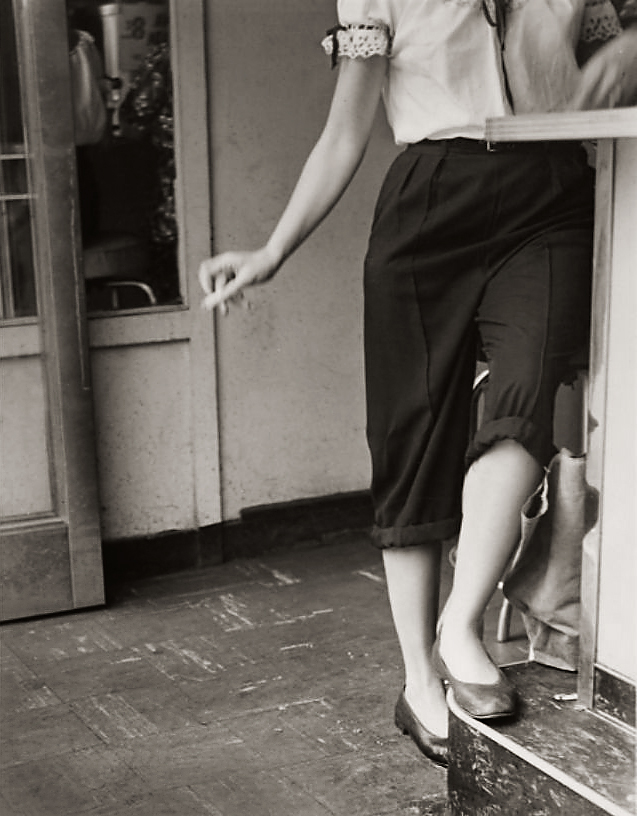
Homer Page (American, 1918-1985) New York, August 11, 1949 (girl and coal chute) 1949 Gelatin silver print
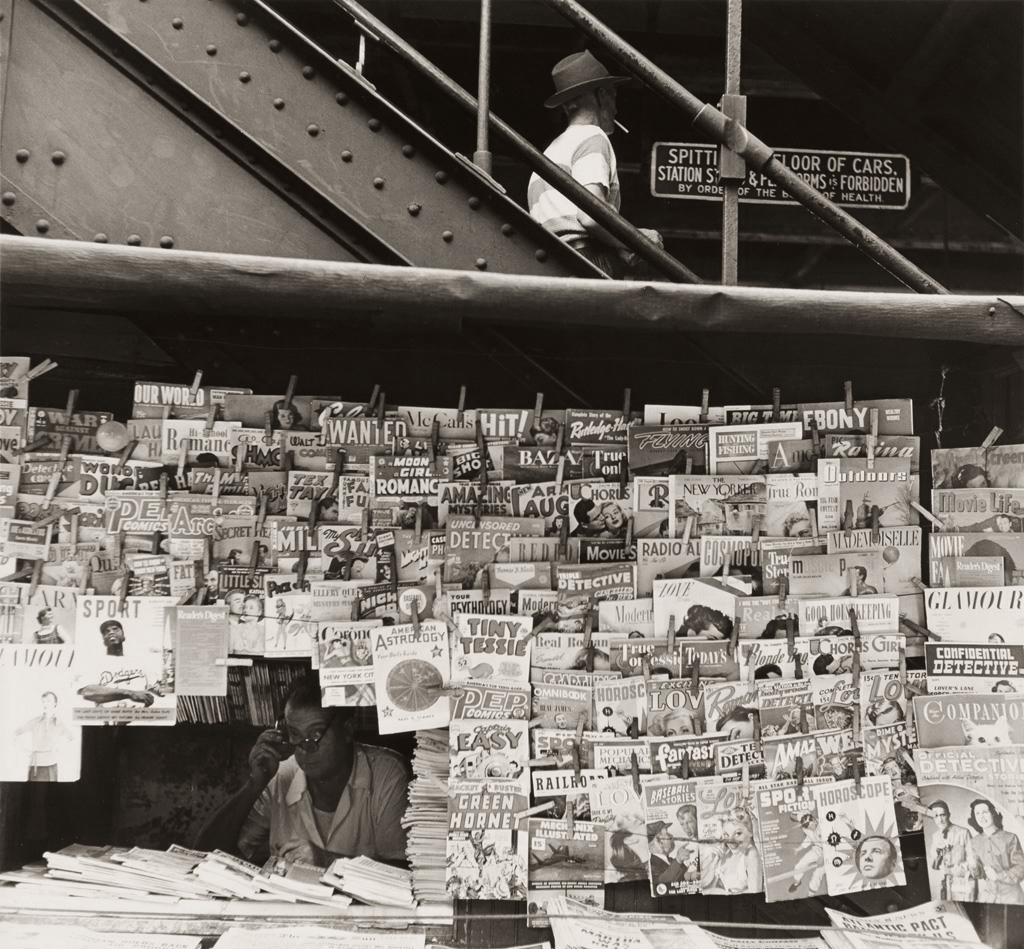
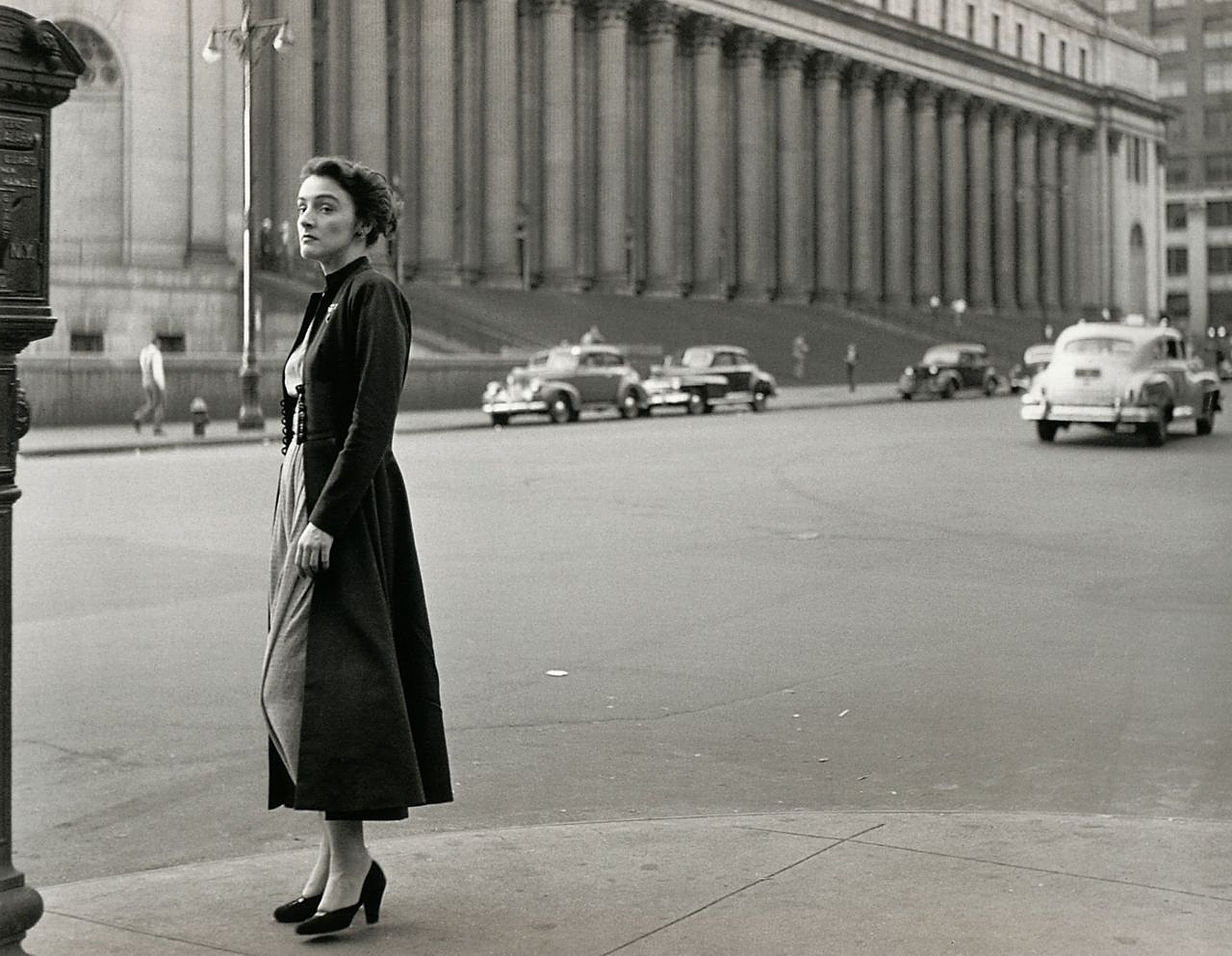
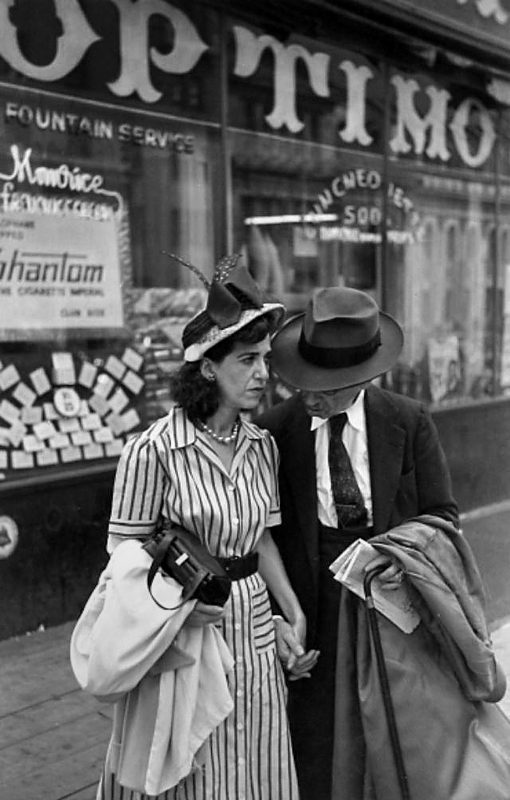
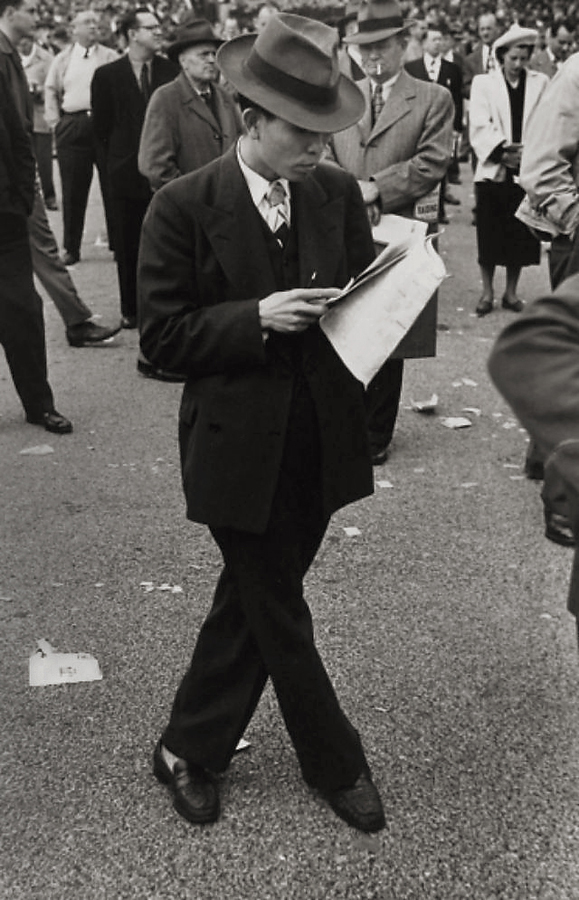
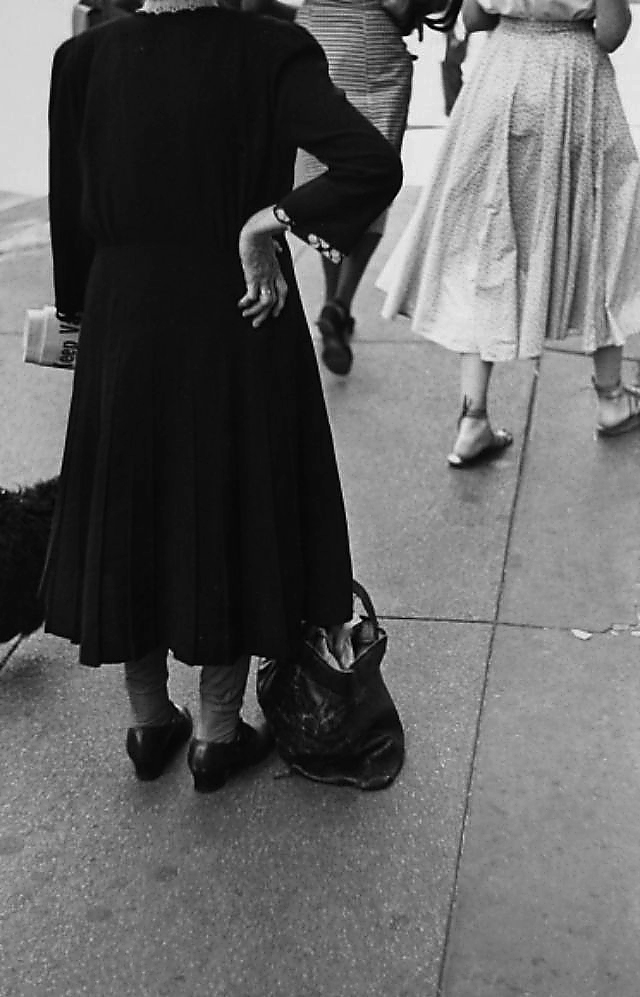
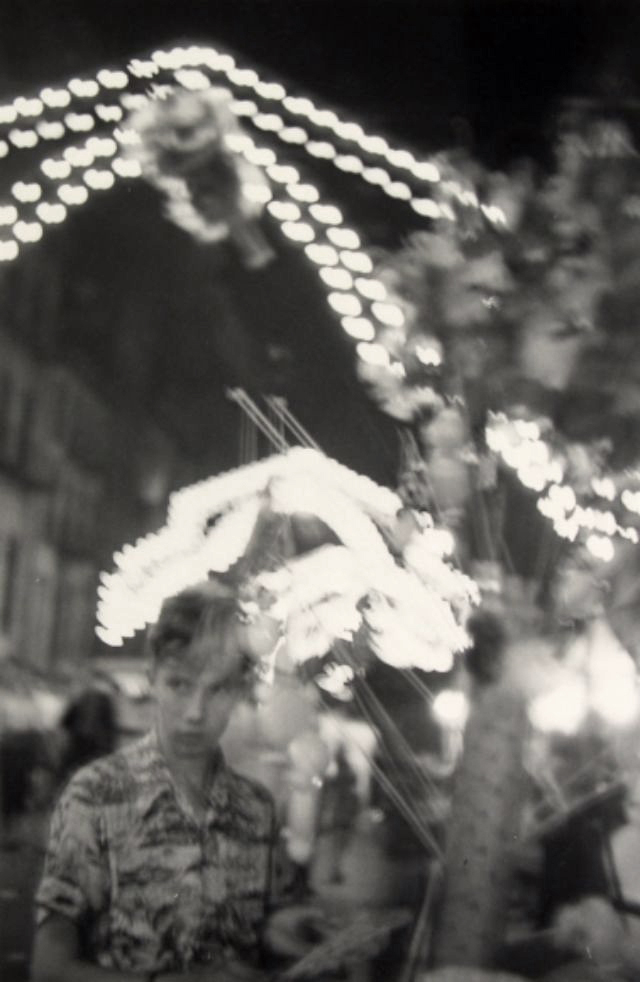
A brilliant but under appreciated American photographer, Homer Page used a Guggenheim fellowship in 1949-1950 to photograph New York City. Included in the 2006 Hallmark Photographic Collection gift to the Nelson-Atkins were some 100 of his vintage black-and-white prints. The Museum is thus in a unique position to celebrate his remarkable artistic achievement: his vision, at once gritty and lyrical, of the face of metropolitan America at mid-century. In recording the city so intently, Page had a larger goal in mind: to suggest nothing less than the emotional tenor of life at that time and place.
From an artistic standpoint, Page’s work represents a “missing link” between the warm, humanistic, and socially motivated documentary photographs of the 1930s and early 1940s in the works of Dorothea Lange, and the tougher, grittier and more existential work of the later 1950s as seen in the images of Robert Frank.
Text from The Nelson-Aitkens Museum of Art website
Many thankx to The Nelson-Atkins Museum of Art for allowing me to publish the photographs in the posting. Please click on the photographs for a larger version of the image.
Homer Page (American, 1918-1985) The El at 86th, New York 1949-1950 Gelatin silver print
Homer Page (American, 1918-1985) New York (boys and manikin) 1949 Gelatin silver print Gift of Hallmark Cards, Inc.,
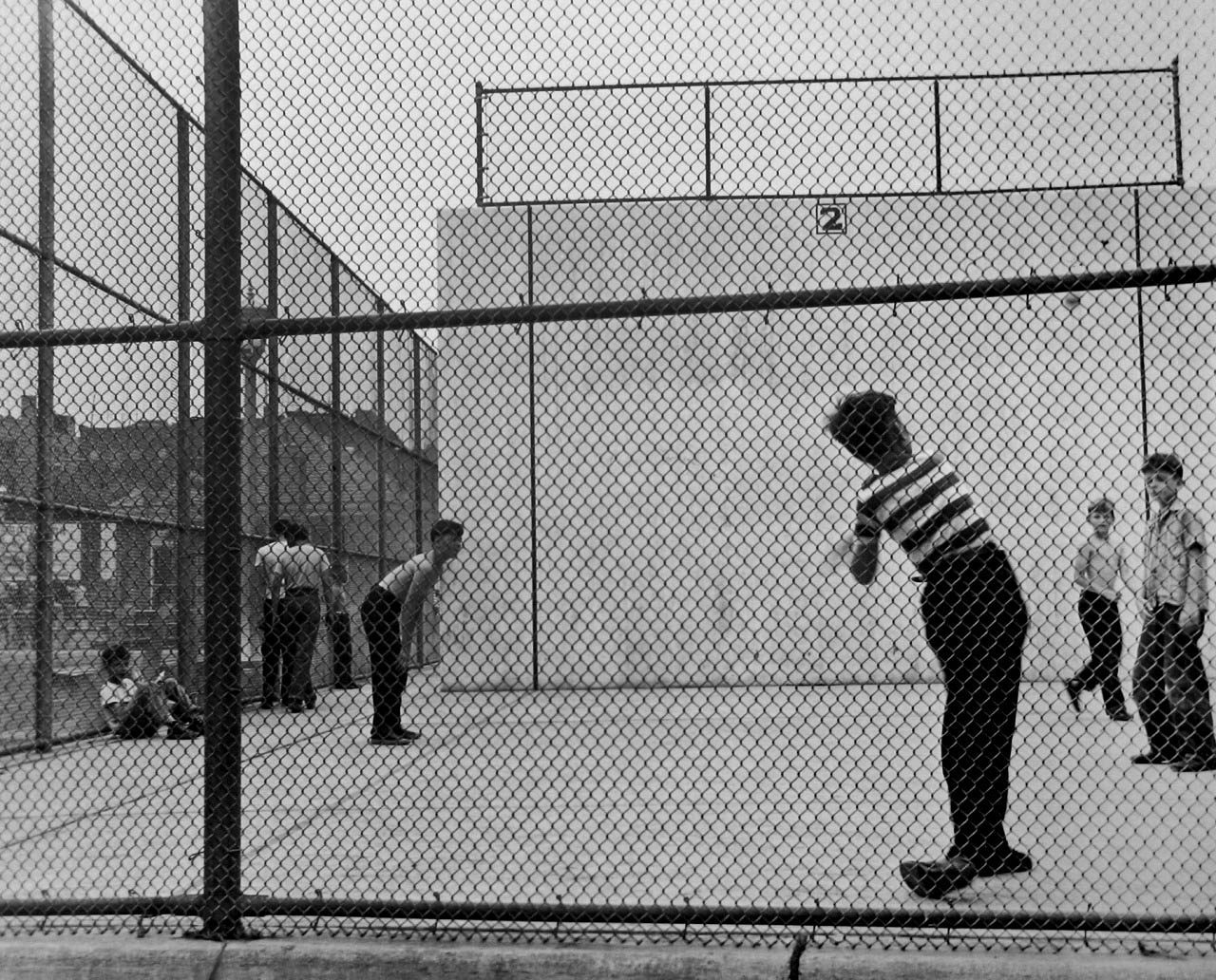
Homer Page (American, 1918-1985) New York City 1949 Gelatin silver print
Homer Page (American, 1918-1985) New York, June 19, 1949 1949 Gelatin silver print
“Page captured both the facts and the feeling of life in post-war New York: commuters in transit to and from their offices, the signs of commercial and consumer culture, leisure pursuits and night life, psychological vignettes of the lonely and dispossessed. His work provides a rich and original vision of 1949 America.
Page was devoted to the visible facts of his world, but his real goal was something much deeper: the emotional tenor of life at that time and that place. This is a body of work of great passion, intelligence, and artistic integrity – one that is all the more important for having remained essentially unknown to the present day,” Davis (former Hallmark Fine Art Programs Director) said.
Text from the ArtDaily.org website
Homer Page (American, 1918-1985) New York City 1949 Gelatin silver print
Homer Page (American, 1918-1985) New York City 1949 Gelatin silver print
Homer Page (American, 1918-1985) New York City 1949 Gelatin silver print
Homer Page (American, 1918-1985) New York City 1949 Gelatin silver print
Homer Page (American, 1918-1985) New York City 1949 Gelatin silver print
Homer Page (American, 1918-1985) New York City 1949 Gelatin silver print
Homer Page (American, 1918-1985) New York City 1949 Gelatin silver print
Homer Page (American, 1918-1985) New York City 1949 Gelatin silver print
Homer Page (American, 1918-1985) New York City 1949 Gelatin silver print
Homer Page (American, 1918-1985) New York City 1949 Gelatin silver print
Homer Page (American, 1918-1985) New York City 1949 Gelatin silver print
Homer Page (American, 1918-1985) New York, June 16, 1949 1949 Gelatin silver print
The Nelson-Atkins Museum of Art 4525 Oak Street Kansas City, MO 64111 Phone: 816-751-1278
Exhibition dates: 15th November – 23rd December, 2008
Cindy Sherman (American, b. 1954) Untitled #466 2008 Chromogenic print 254.3 x 174.6cm
The artist Cindy Sherman is a multifaceted evocation of human identity standing in glorious and subversive Technicolor before the blank canvas of her imagination. Poststructuralist in her physical appearance (there being no one Cindy Sherman, perhaps no Sherman at all) and post-photographic in her placement in constructed environments, Sherman challenges the ritualised notions of the performative act – and destabilises perceived notions of self, status, image and place.
The viewer is left with a sense of displacement when looking at these tableaux. The absence / presence of the artist leads the viewer to the binary opposite of rational / emotional – knowing these personae and places are constructions, distortions of a perceived reality yet emotionally attached to every wrinkle, every fold of the body at once repulsive yet seductive.
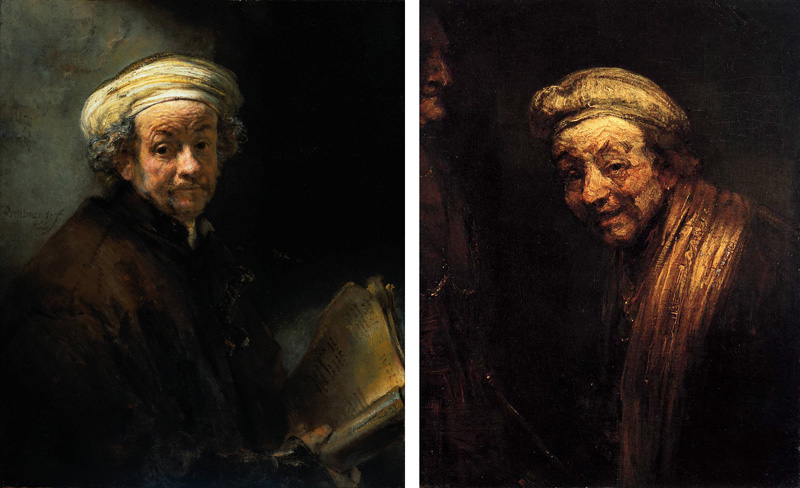
They are masterworks in the manner of Rembrandt’s self portraits – deeply personal images that he painted over many years that examined the many identities of his psyche – yet somehow different. Sherman investigates the same territories of the mind and body but with no true author, no authoritative meaning and no one subject at their beating heart. Her goal is subversive.
As Roy Boyne has observed, “The movement from the self as arcanum to the citational self, has, effectively, been welcomed, particularly in the work of Judith Butler, but also in the archetypal sociology of Pierre Bourdieu. There is a powerful logic behind this approbation. When self-identity is no longer seen as, even minimally, a fixed essence, this does not mean that the forces of identity formation can therefore be easily resisted, but it does mean that the necessity for incessant repetition of identity formation by the forces of a disciplinary society creates major opportunities for subversion and appropriation. In the repeated semi-permanences of the citational self, there is more than a little scope for counter-performances marked, for example, by irony and contempt.”1
Counter performances are what Sherman achieves magnificently. She challenges a regularised and constrained repetition of norms and as she becomes her camera (“her extraordinary relationship with her camera”) she subverts its masculine disembodied gaze, the camera’s power to produce normative, powerful bodies.2 As the viewer slips ‘in the frame’ of the photograph they take on a mental process of elision much as Sherman has done when making the images – deviating from the moral rules that are impressed from without3 by living and breathing through every fold, every fingernail, every sequin of their constructed being.
Dr Marcus Bunyan
1/ Boyne, Roy. “Citation and Subjectivity: Towards a Return of the Embodied Will,” in Featherstone, Mike (ed.,). Body Modification. London: Sage, 2000, p. 212
2/ “To the extent that the camera figures tacitly as an instrument of transubstantiation, it assumes the place of the phallus, as that which controls the field of signification. The camera thus trades on the masculine privilege of the disembodied gaze, the gaze that has the power to produce bodies, but which itself has no body.” Butler, Judith. Bodies That Matter. New York: Routledge, 1993, p. 136
3/ “Universal human nature is not a very human thing. By acquiring it, the person becomes a kind of construct, built up not from inner psychic propensities but from moral rules that are impressed upon him from without.” Goffman, Erving. Interaction Ritual: Essays on Face-to-Face Behaviour. London: Allen Lane, The Penguin Press, 1972, pp. 44-45
Many thankx to Metro Pictures Gallery for allowing me to publish the photographs in the posting. Please click on the photographs for a larger version of the image.
Rembrandt van Rijn (Dutch, 1606-1669) Self-portrait as the apostle Paul (left) 1661 Self-portrait as Zeuxis laughing (right) 1662
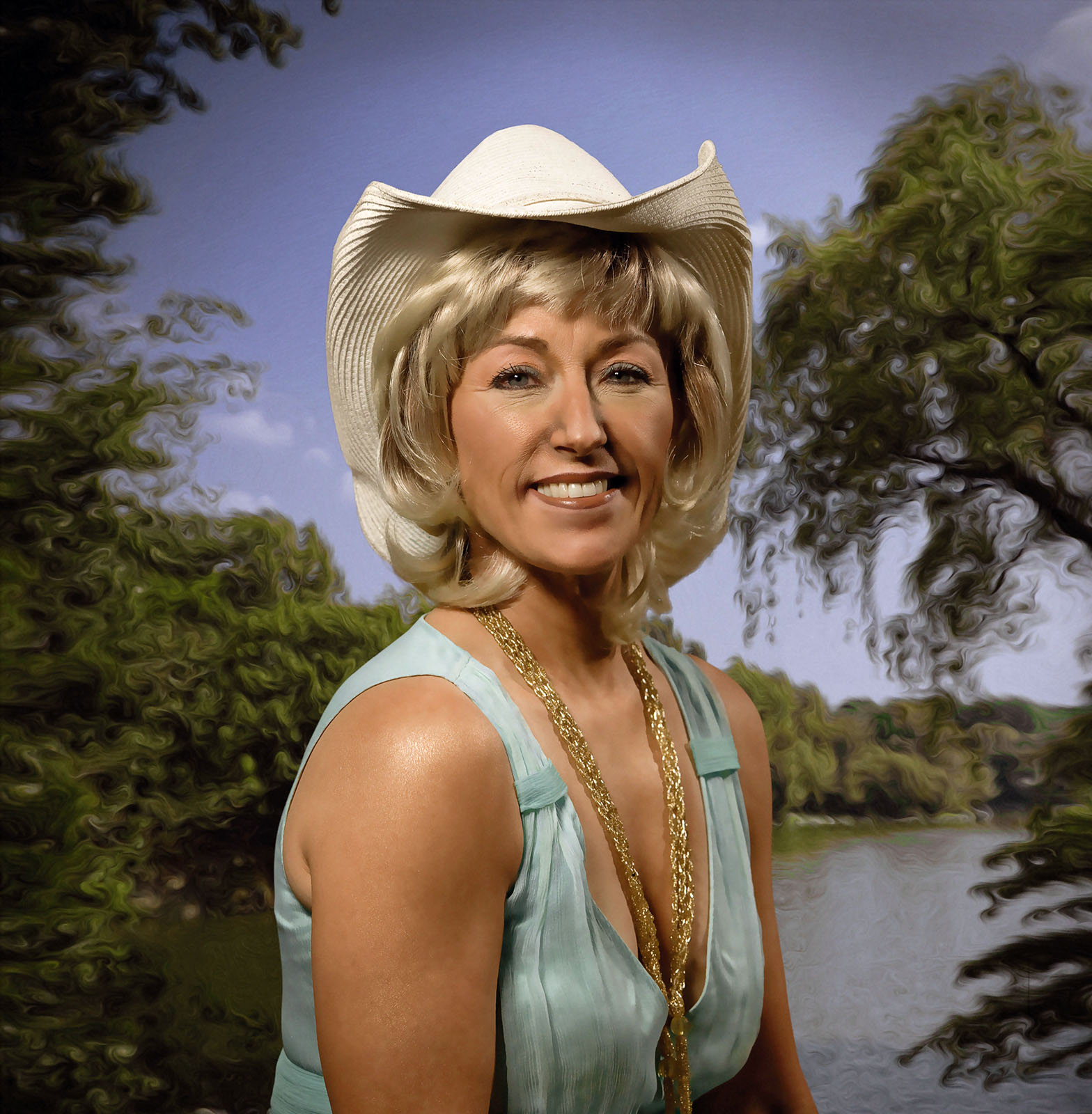
Cindy Sherman (American, b. 1954) Untitled #464 2008 Chromogenic print 214.3 x 152.4cm
For her first exhibition of new work since 2004, Cindy Sherman will show a series of colour photographs that continues her investigation into distorted ideas of beauty, self-image and ageing. Typical of Sherman, these works are at once alarming and amusing, distasteful and poignant.
Working as her own model for more than 30 years, Sherman has developed an extraordinary relationship with her camera. A remarkable performer, subtle distortions of her face and body are captured on camera and leave the artist unrecognisable to the audience. Her ability to drastically manipulate her age or weight, or coax the most delicate expressions from her face, is uncanny. Each image is overloaded with detail, every nuance caught by the artist’s eye. No prosthetic nose or breast, fake fingernail, sequin, wrinkle or bulge goes unnoticed by Sherman.
Sherman shoots alone in her studio acting as author, director, actor, make-up artist, hairstylist and wardrobe mistress. Each character is shot in front of a “green screen” then digitally inserted onto backgrounds shot separately. Adding to the complexity, Sherman leaves details slightly askew at each point in the process, undermining the narrative and forcing the viewer to confront the staged aspect of the work.
Press release at Metro Pictures Gallery
Installation view of Cindy Sherman exhibition at Metro Pictures Gallery, New York, 2008
Cindy Sherman (American, b. 1954) Untitled 2008 Chromogenic print 148.6 x 146.7cm
Cindy Sherman (American, b. 1954) Untitled 2008 Chromogenic print 177.8 x 161.3cm
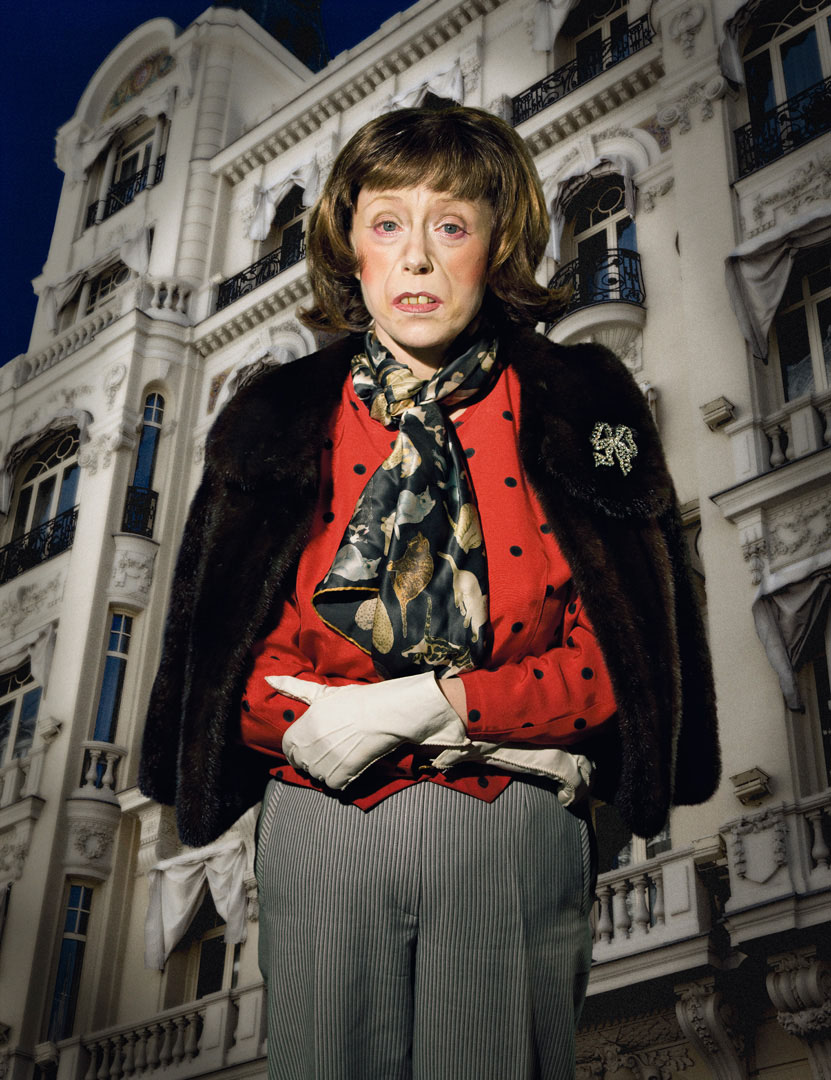
Cindy Sherman (American, b. 1954) Untitled #468 2008 Chromogenic colour print 191.8 x 151.1cm
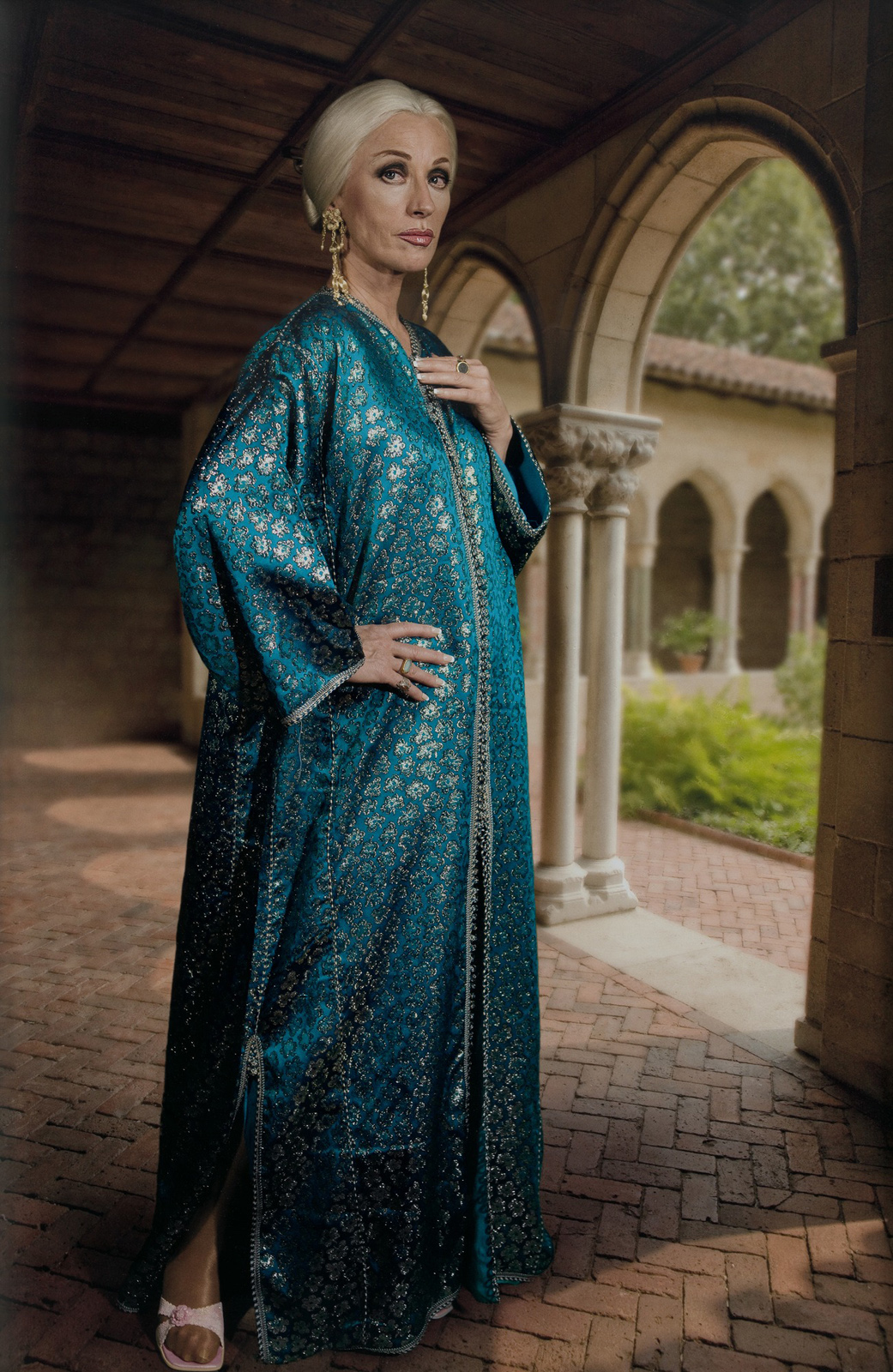
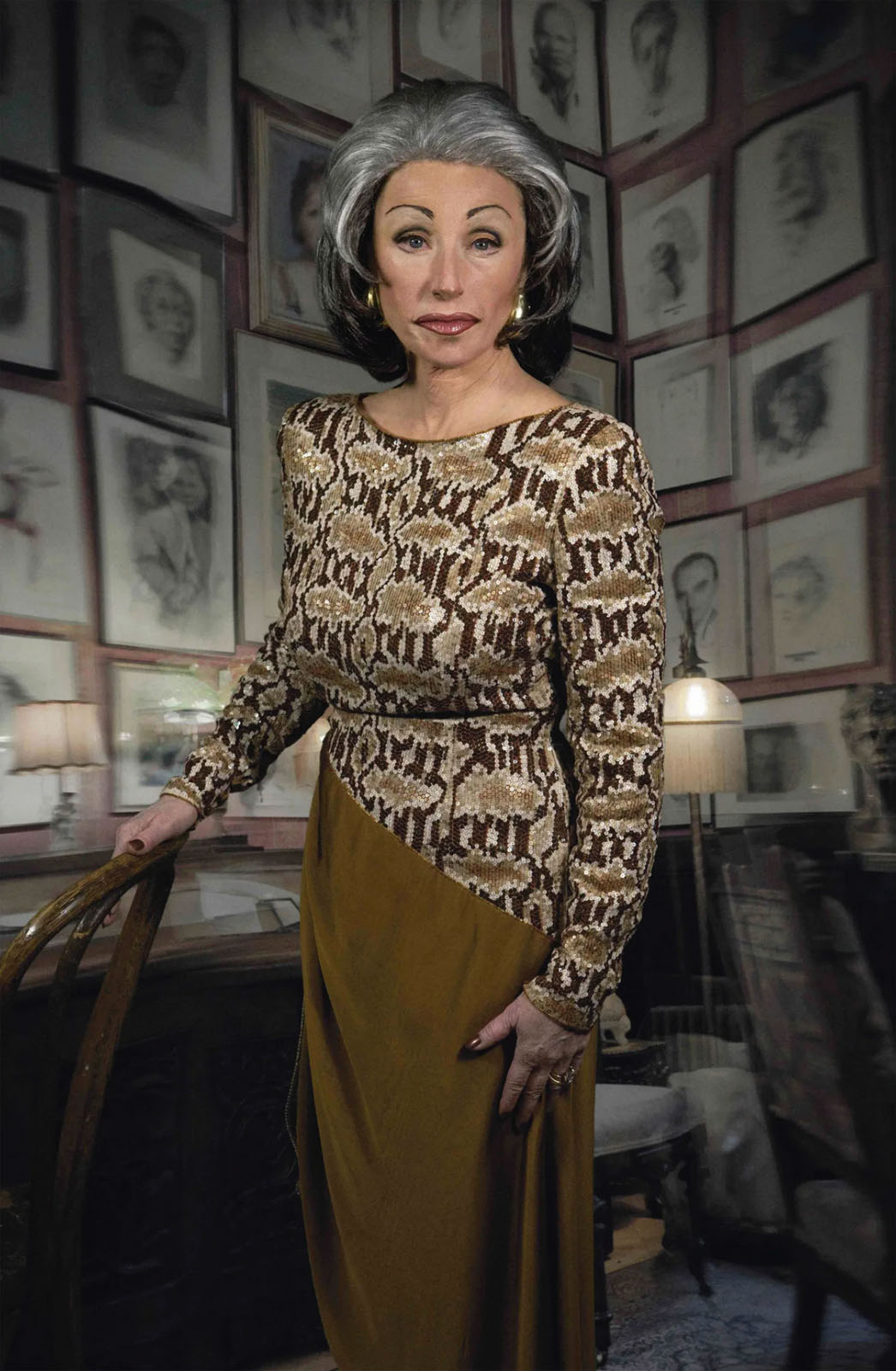
The society portraits made in 2008 portray older women in opulent settings wearing expensive clothes, their faces stretched and enhanced unnaturally, showing signs of cosmetic surgery. These markers point to cultural standards of beauty and wealth, and here signal the failed aspiration to sustained youth. Printed large, presented in decorative and often gilded frames, and depicting figures in formal poses, these works are reminiscent of Sherman’s history portraits and classical portraiture in general. In this way, they remind the viewer that representation is not a new phenomenon, and the cultural implications in all images are tied to long and complex histories. In Untitled #468 the figure stands stoically with arms crossed and mouth slightly agape, wearing a fur, silk scarf, and white gloves, which the artist found at thrift shops. In the background, an ornate building mirrors the elaborate dress of the woman.
The perspective of the building does not align with that of the figure, blatantly breaking the illusion of reality and recalling Sherman’s 1980 series of rear-screen projections. This clear and deliberate artificiality indicates that images, characters, and even our own selves are constructed, not fixed.
Anonymous text. “Untitled #468,” on The Broad website Nd [Online] Cited 09/06/2022
Cindy Sherman (American, b. 1954) Untitled 2008 Chromogenic print 244.5 x 165.7cm
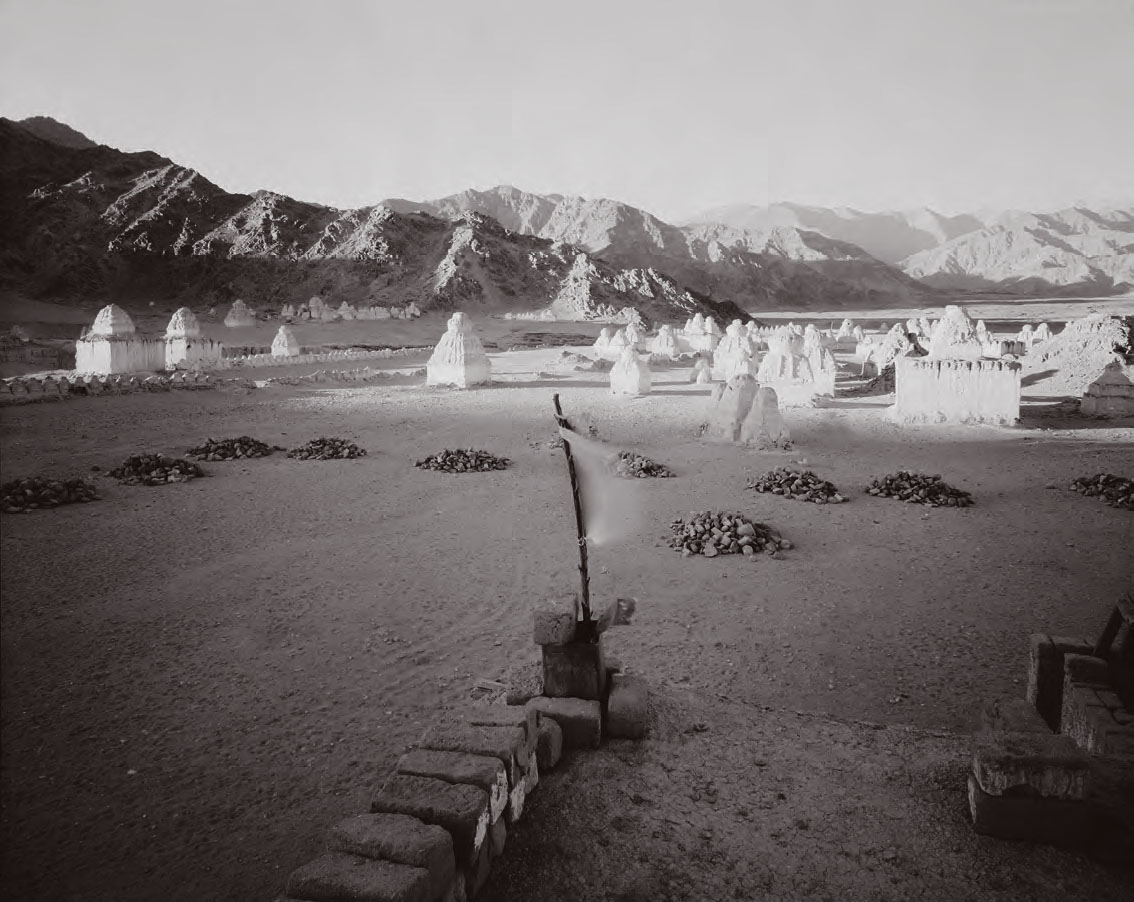
Linda Connor (American, b. 1944) Prayer Flag and Chortens, Ladakh, India 1988 1988 Silver gelatin print
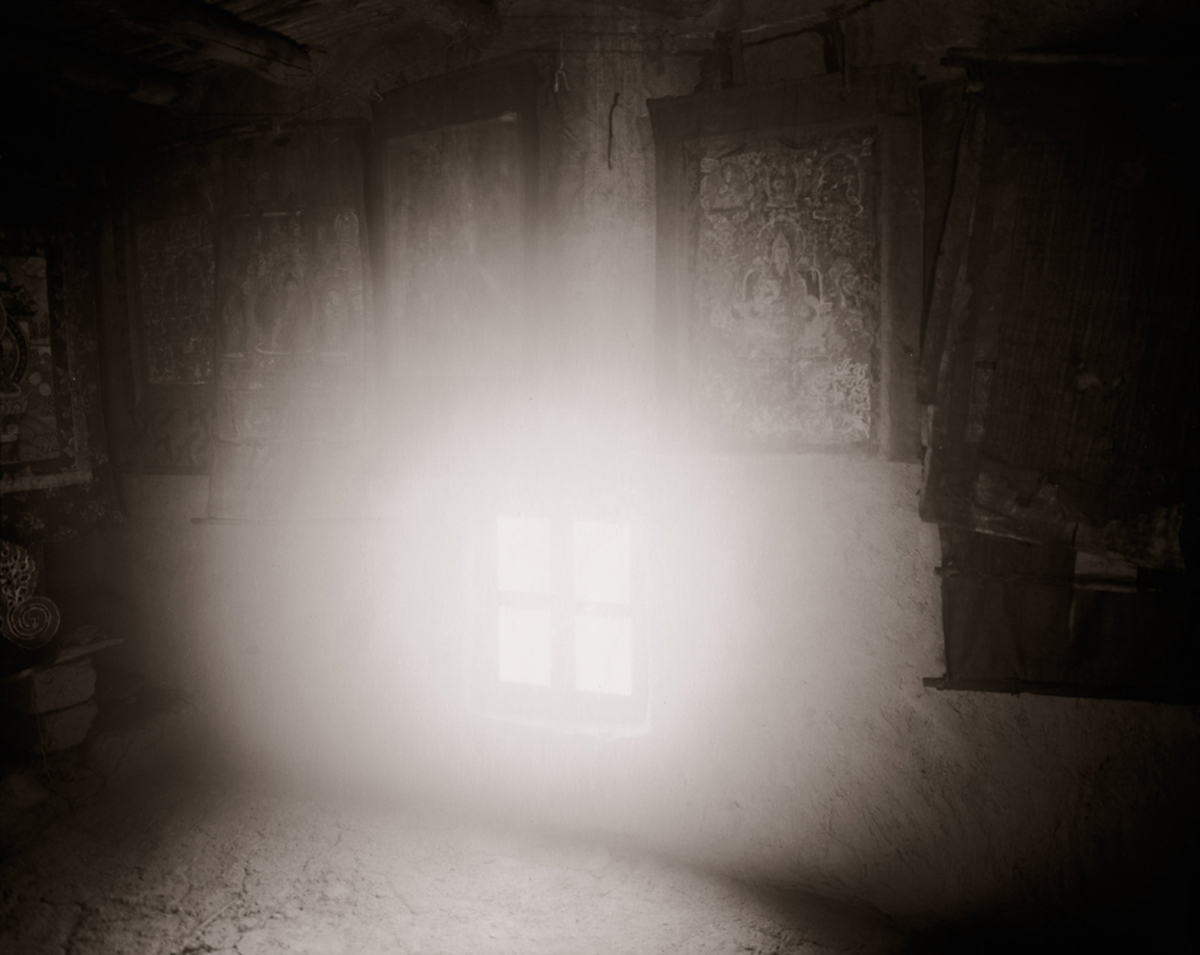
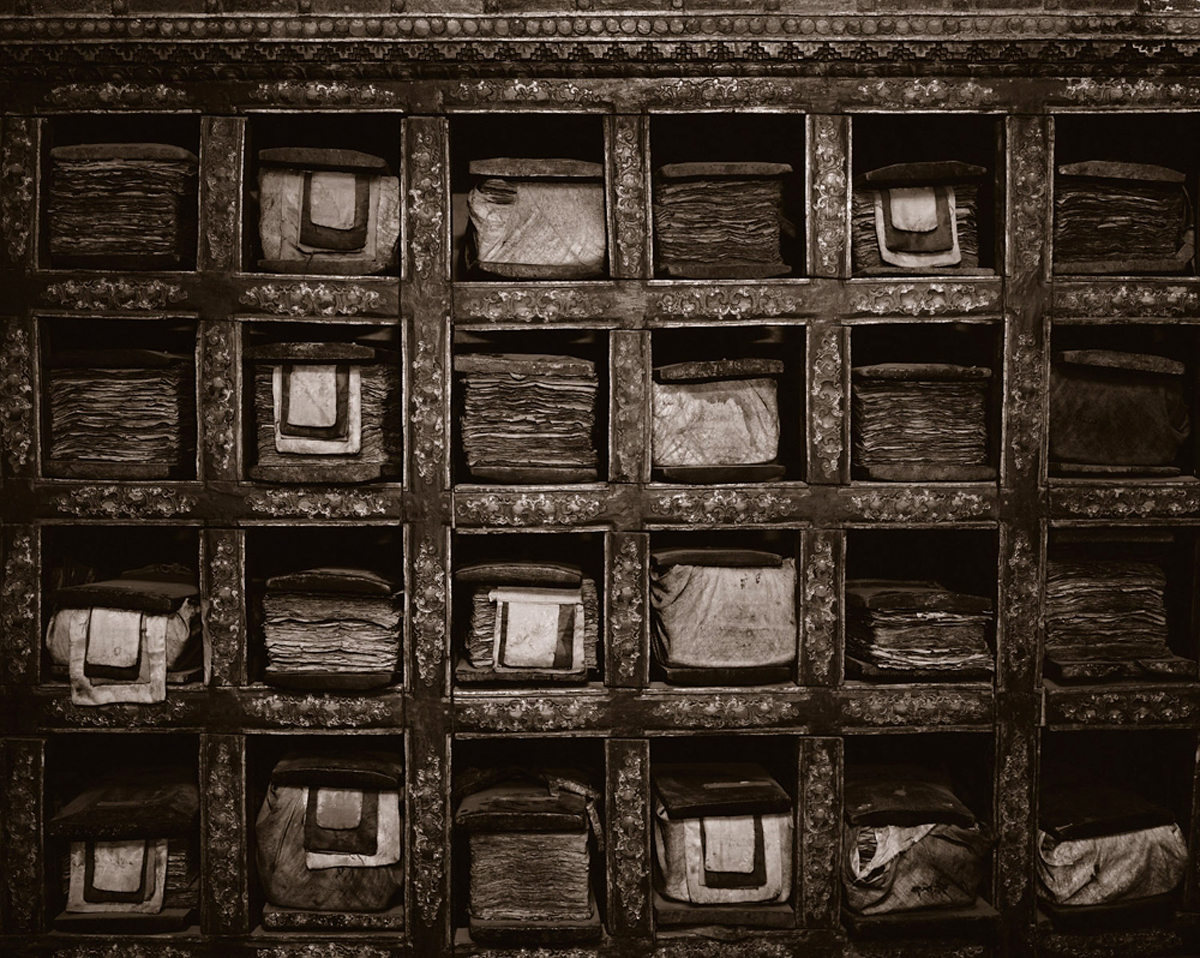
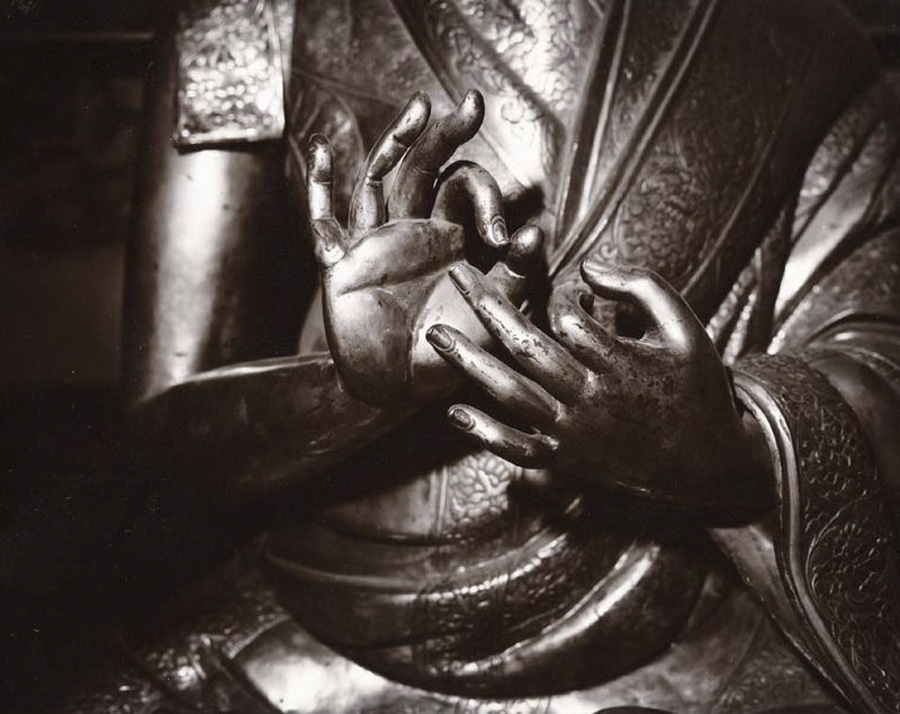
Connor’s photographs reveal the essence of her subjects, yielding a sense of timelessness while visually evoking the intangible. She uses a distinctive technique. A large-format view camera allows her to achieve remarkable clarity and rich detail. Her prints are created by direct contact of the 8 x 10-inch negative on printing out paper, exposed and developed using sunlight …
Connor embraces a wide range of subject matter, connecting the physical and the spiritual world. Just as sacred art evokes deep meaning even without an explicit understanding, Connor hopes her photographs serve a similar metaphorical function. Upon entering Chartres Cathedral, for example, one feels transported into another realm, regardless of religious beliefs. Connor’s images share this transformative nature as they transcend the boundaries of subject, culture, and time. She brings an equal amount of attention to a rock in the desert as she does when she photographs a temple.
Text from the Phoenix Art Museum website
Many thankx to the Phoenix Art Museum for allowing me to publish the photographs in the posting. Please click on the photographs for a larger version of the image.
Linda Connor (American, b. 1944) Windows and Thangkas, Ladakh 1988 Silver gelatin print
Linda Connor (American, b. 1944) Library of Prayer Books, Ladakh, India 1988 Silver gelatin print
Linda Connor is an American photographer who photographs spiritual and exotic locations including India, Mexico, Thailand, Ireland, Peru, and Nepal. Her photographs appear in a number of books, including Spiral Journey, a catalog of her exhibition at the Museum of Contemporary Photography in 1990 and Odyssey: Photographs by Linda Connor, published by Chronicle Books in 2008. Connor was awarded a National Endowment for the Arts grant in 1976 and 1988 and received a Guggenheim Fellowship in 1979. Connor’s work is included in the collections of the Art Institute of Chicago, Museum of Modern Art, San Francisco Museum of Modern Art, and the Victoria & Albert Museum in London.
Linda Connor (American, b. 1944) Portal Figures, Chartres Cathedral, France 1989 Silver gelatin print
Linda Connor (American, b. 1944) Mudra, Mindroling Monastery, Tibet 1993 Silver gelatin print
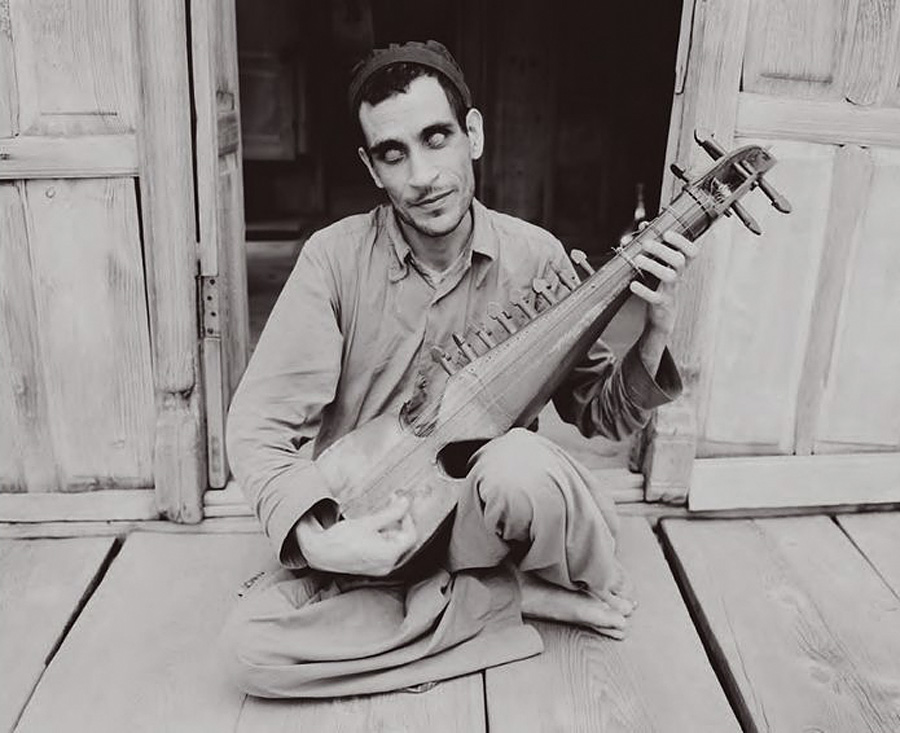
Linda Connor (American, b. 1944) Blind Musician, Kashmir, India 1985 Silver gelatin print
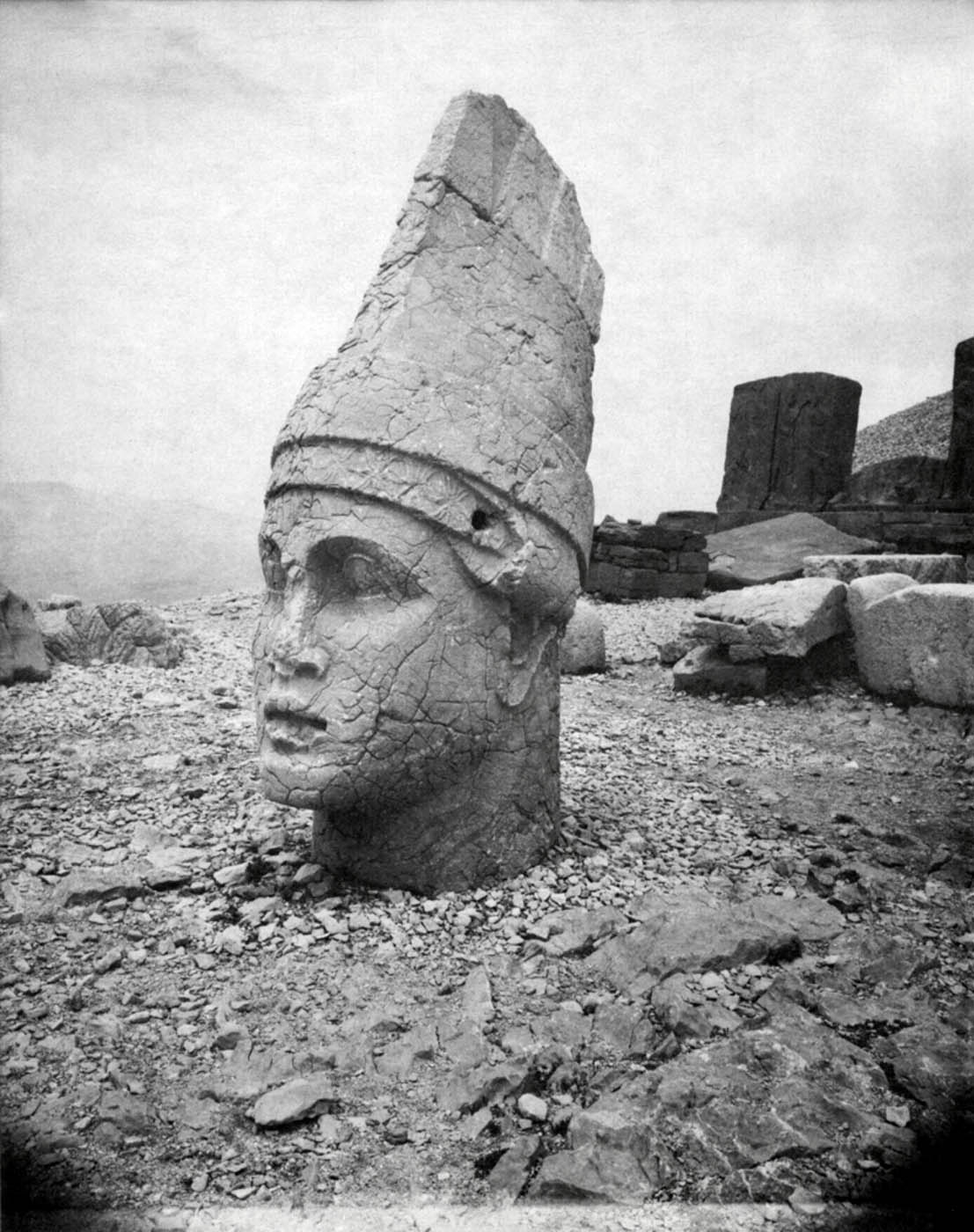
Linda Connor (American, b. 1944) Apollo, Mt. Nemrut, Turkey 1992 Silver gelatin print
Doris and John Norton Gallery for the Center for Creative Photography, Phoenix Art Museum 1625 N Central Ave, Phoenix, AZ 85004, USA
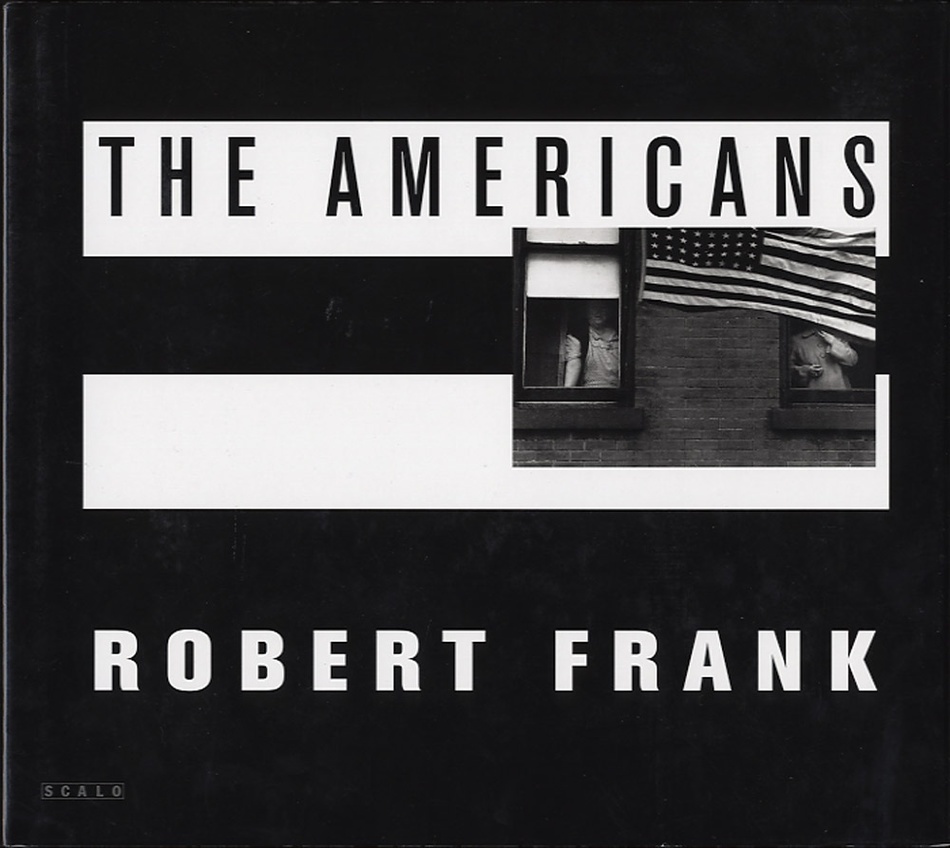
The Americans. Photographs by Robert Frank. Introduction by Jack Kerouac. Scalo, Zürich/D.A.P., New York, 1993. First Scalo edition. 179 pp. Oblong quarto. Hardbound in photo-illustrated dust jacket. Black-and-white reproductions.
WOW! One of the seminal books of photography and signed as well.
“It was Frank’s The Americans that made the photographic book into an art form in its own right. Frank was following a lead set by [Wright] Morris’ book (The Inhabitants) and, especially, by Evans’ American Photographs, both of which are designed to let pictures play off each other in a way that controls and reinforces their effect on the viewer. Even Klein’s New York book displays this tendency. But Frank’s goes much further, creating a denser, richer, deeper structure of images than any book before it.”
Colin Westerbeck in Michel Frizot, et. al., The New History of Photography.
I photograph because I am interested in people, what it means to be alive, and how we make sense of the world. Whether I am photographing on assignment, or for personal work, the same ideas direct my attention. On the psychological and narrative level, I am interested in looking at states of being: birth, childhood, ageing, physical fragility, death, sensuality, the animal world and people in nature.
Formally, I tend to emphasise the tactile qualities of the living world: skin, hair, light, surface, colour, and material. I recognise that these are very broad themes, but they are also the basis for essential philosophical questions. My photographs don’t provide answers to these questions, but hopefully act as moments of contemplation.
Jocelyn Lee artist statement
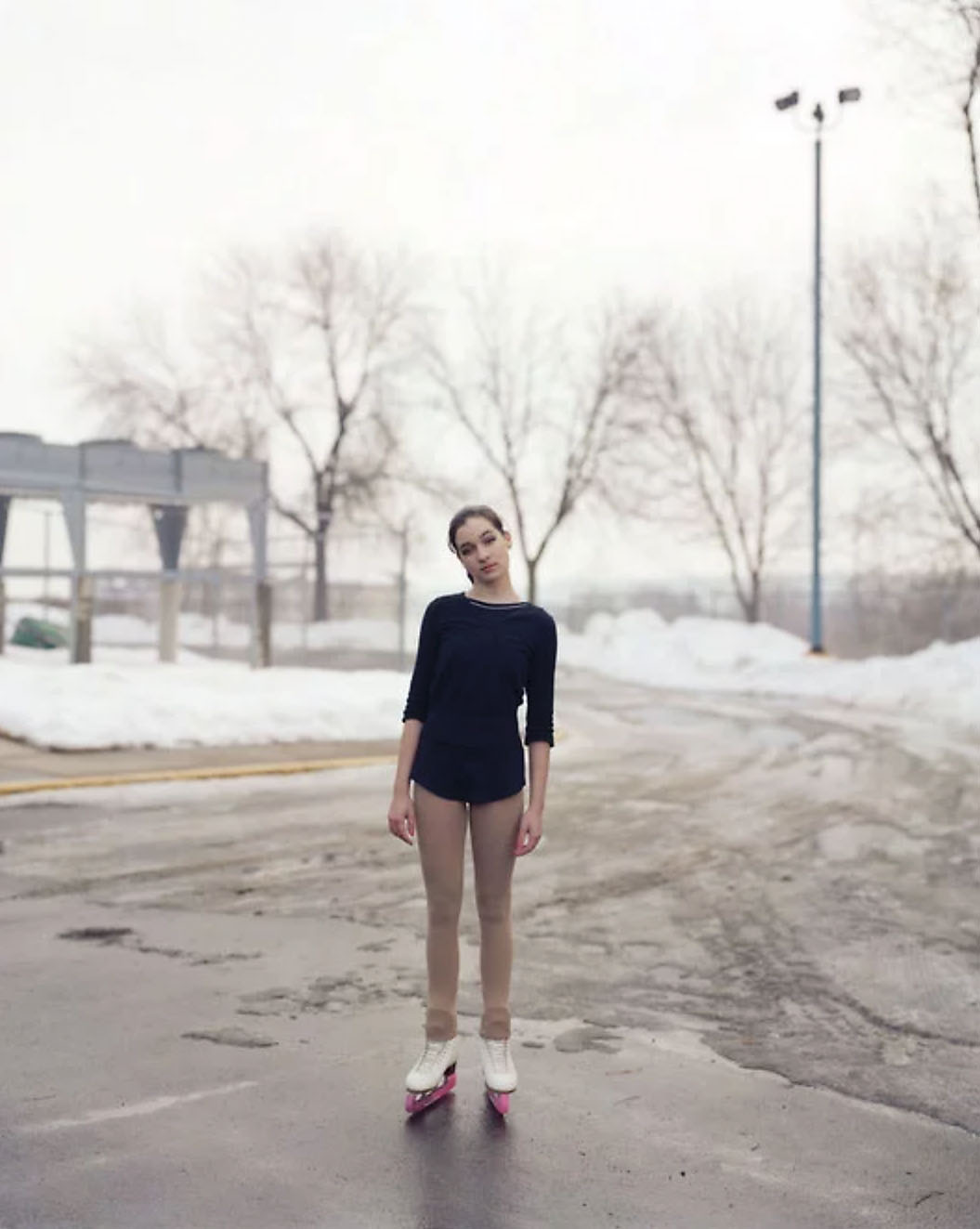
Jocelyn Lee approaches her photographic subjects looking to reveal not simply the individuality of those who pose before her camera. She also wants to convey something deeper about how her subjects confront the place where they live and the situation in which they find themselves. This interest in the psychological dimensions of character is emblematic of her portraiture – whether she is working on an editorial assignment or on an independent project.
Jocelyn Lee’s photographs for this exhibition are drawn from work that she has completed in Maine, a place where she has spent much time. The images derive from several projects, including an advertising campaign for a local rug designer and a commission to portray adolescent girls. Seen together, they suggest the role that environment and narrative play in the art of portraiture. Although Lee is interested in photographing specific people at different stages of life, each portrait also provides a broader opportunity to reflect on our shared humanity. A recipient of a Guggenheim Fellowship, Lee has served as a professor of photography at Princeton University since 2003.
America is a snapshot culture. Armed with a portable camera and a spirit of inquiry, we revel in the images that we create. Although we often treat still photographs – including portraits – as ephemeral fragments to be discarded or replaced by the next image, there are portrait photographers today who create pictures that defy an easy death. Often working on a specific commission or editorial assignment, these photographers compose portraits that cause us to pause and reflect.”
Portraiture Now: Feature Photography focuses on six photographers who, by working on assignment for publications such as the New Yorker, Esquire, and the New York Times Magazine, each bring their distinctive “take” on contemporary portraiture to a broad audience. Critically acclaimed for their independent fine-art work, these photographers – Katy Grannan, Jocelyn Lee, Ryan McGinley, Steve Pyke, Martin Schoeller, and Alec Soth – have also pursued a variety of editorial projects, taking advantage of the opportunities and grappling with the parameters that these assignments introduce. Their work builds upon a longstanding tradition of photographic portraiture for the popular press and highlights creative possibilities for twenty-first-century portrayal. The exhibition has additional portraits not included in this website; it opened on November 26, 2008, and closed on September 27, 2009.
Text from the National Portrait Gallery website
~ KATY GRANNAN ~ JOCELYN LEE ~ RYAN MCGINLEY ~ STEVE PYKE ~ MARTIN SCHOELLER ~ ALEC SOTH
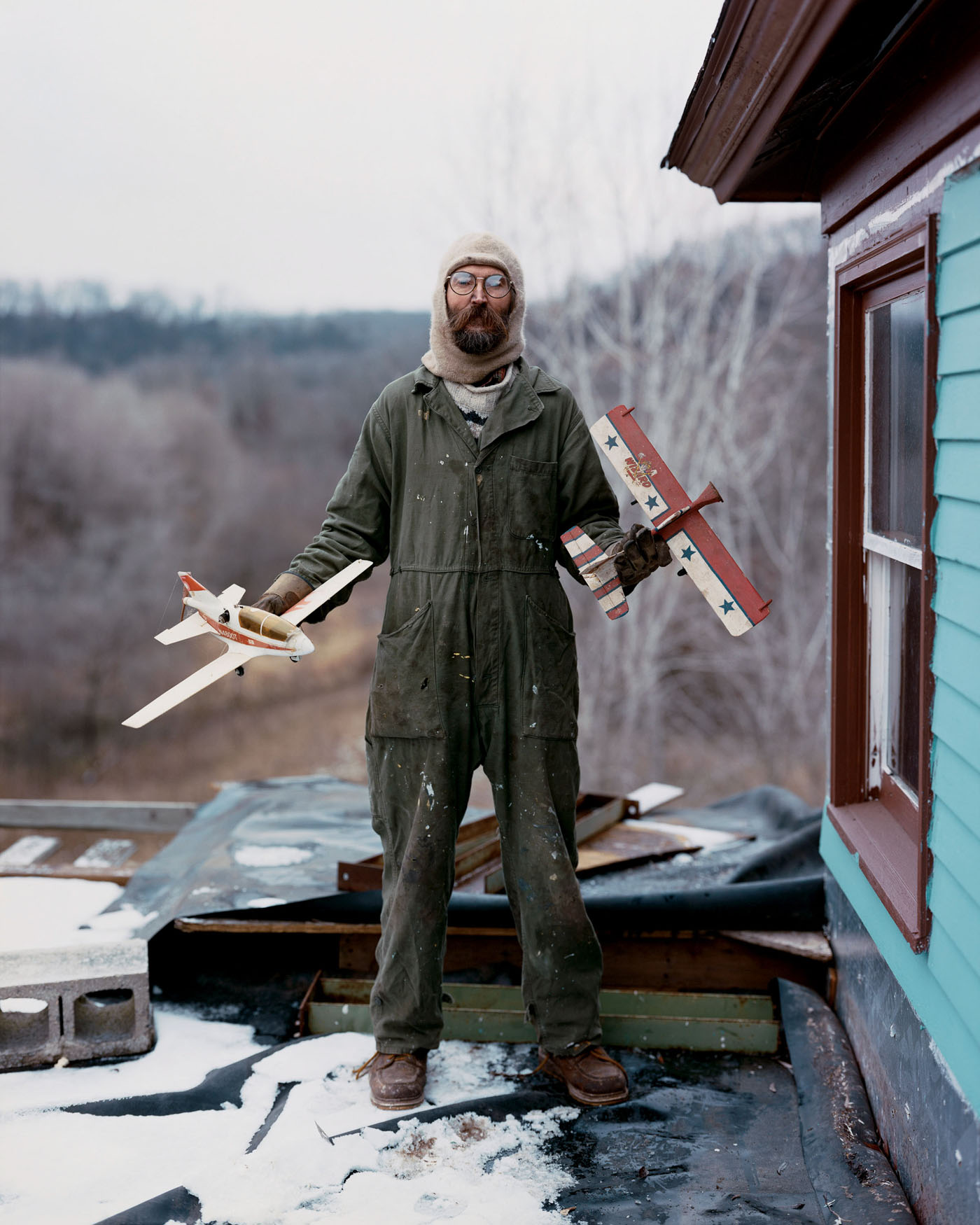
“A critic once pointed out to me the different ways in which I photograph men and women. With men I seem to be poking fun, he said, whereas my depiction of women is more reverent. He makes a good point. Many of my best pictures of men are playful (a man in a flight suit holding model airplanes, a shirtless man with carrots in his ears). But the women I photograph look more like saints than clowns. As a man, I suppose, I identify more with my male subjects. In them, I see my own awkwardness and frailty. Women are always “the other.”
In assembling this group of portraits of women, I’m aware that I’m treading on dangerous ground. When I was in college, I learned to be distrustful of men’s depictions of women. I remember seeing Garry Winogrand’s book ‘Women Are Beautiful’ in the school library and being shocked that it hadn’t been defaced for its blatant objectification of women. But looking back, maybe I was too harsh. Whether one photographs men or women, it is always a form of objectification. Whatever you say about Winogrand, his depiction was honest.
In putting together a collection of my best portraits of women, I’m trying to come to terms with how I honestly see and depict women. Are my pictures romanticised? Sexualised? Why do I see women in this way? For me, photography is as much about the way I respond to the subject as it is about the subject itself.”
Alec Soth artist statement
Adroitly navigating the disciplines of editorial photography and fine art work, Alec Soth has emerged as a leading American artist. He is an associate photographer with the famed Magnum Photos group, and has shown his work in galleries and museums in the United States and in Europe.
Born and based in Minneapolis and educated in New York, Soth first attracted critical notice with his series Sleeping by the Mississippi (2004). Since then, he has published NIAGARA (2006), Fashion Magazine (2007), and Dog Days, Bogotá (2007). Unlike many contemporary photographers, Soth works with a large-format 8 x 10-inch camera, which, given the time involved in setting up for a photograph, creates an intense relationship between the artist and subject. Soth sees this as the crux of his work.
For this exhibition, we have chosen a selection of his portraits of women, drawn from past editorial work and fine arts projects, including three portraits from Fashion Magazine, which explored the world of Paris couture and countered those images with subjects from Soth’s Minnesota home. As he notes, “I’m trying to come to terms with how I honestly see and depict women. Are my pictures romanticised? Sexualised? Why do I see women in this way? For me, photography is as much about the way I respond to the subject as it is about the subject itself.”
This full-length portrait was created during the winter of 2007, after Soth’s return from Paris, where he made the first photographs for his commission from Magnum Photos that resulted in Fashion Magazine. Fashion Magazine is the third in a series of projects by the same name, in which Magnum asks one photographer to document the whirl of fashion week in Paris from his or her own point of view.
“Photography is a kind of permission; it’s a way in. It’s a catalyst for extraordinary experiences that would otherwise not be possible. (This is the common thread between my personal projects and commissioned work.) I have had so many life-changing moments – some are dramatic, most are utterly mundane and exquisite.
I consider each of these experiences a privilege, and every subject worthy of attention.”
Katy Grannan artist statement
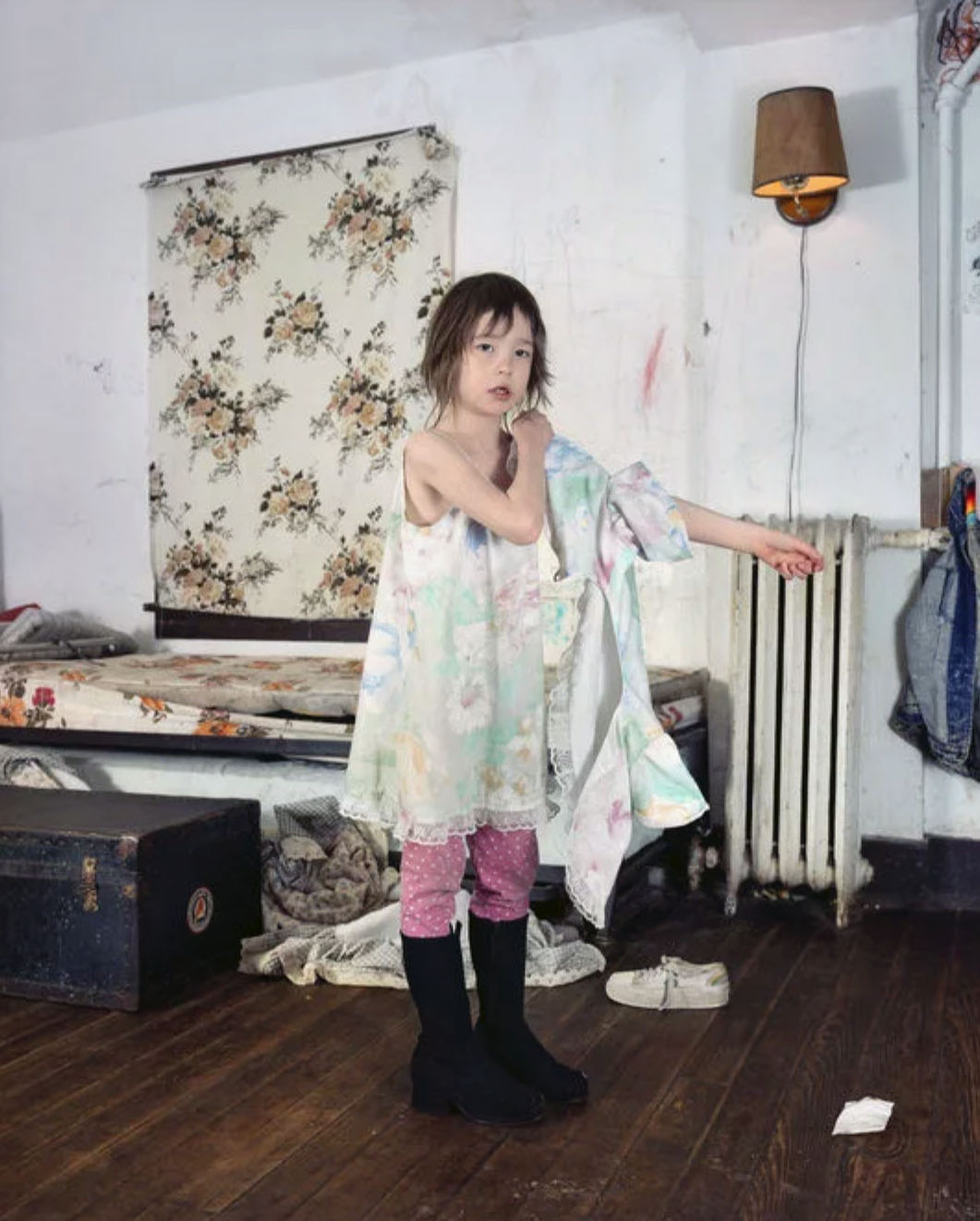
In images for the New York Times Magazine, Katy Grannan focuses on such poignant details as the teenager’s imperfect complexion, the sick man’s drooping muscles, a tidy kitchen counter, or a neighbourhood swing to make us understand heartrending realities of juvenile imprisonment, end-of-life decisions, or post-traumatic stress syndrome. For several of her art gallery projects, Grannan advertised for subjects in small-town newspapers. As she gained the sitters’ trust and helped visualise their fantasies, many posed nude or partially undressed. In Grannan’s work for the Times, we recognise similar qualities of risk, vulnerability, and, ultimately, empathy between the photographer and her subjects.
This portrait of four-year-old Audrey Wilbur is a study in contrasts between the cheerful fabrics of the clothing and decor and the impoverished bareness of the room’s mattress, walls, and floor. Grannan’s depiction of Audrey, made at the height of the dot-com bubble, was the cover for the New York Times Magazine’s March 19, 2000, issue, which included James Fallows’s “The Invisible Poor” and a photo essay titled “In the Shadow of Wealth.”
Schoeller photographed Barack Obama for a December 2004 feature on “Men of the Year,” in Gentleman’s Quarterly, where a variant of this photograph appeared. Reflecting upon the success of his address at the 2004 Democratic convention, Obama, who would go on to win the presidential election in 2008, observed: “The reason you do this stuff is not to … get your face in a magazine … You do this stuff because you care about the epic struggle to make America what it can be.”
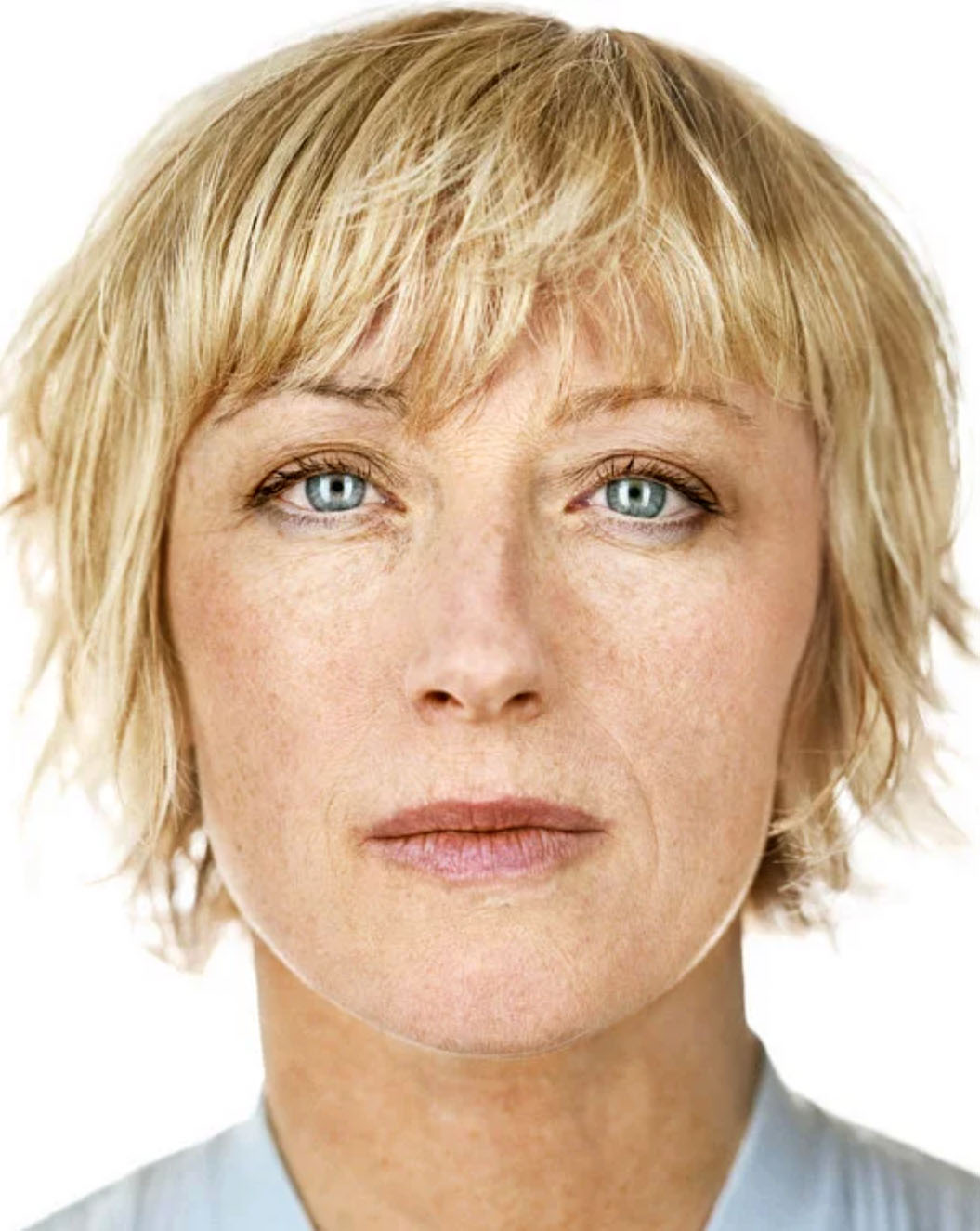
A photographic close-up is perhaps the purest form of portraiture, creating a confrontation between the viewer and the subject that daily interaction makes impossible, or at least impolite. In a close-up, the impact stems solely from the static subject’s expression or apparent lack thereof, so the viewer is challenged to read a face without the benefit of the environmental cues we naturally use to form our interpersonal reactions.
After seeing Bernd and Hilla Becher’s water tower series in 1991, I was inspired by the idea of photographing a large group of subjects in the exact same style. The pictures in my Close Up series have all been taken from similar angles and with the same equipment, but here I have tried to bring out personality and capture individuality in a search for a flash of vulnerability and integrity. The greatest challenge in taking these images lies in the attempt to arrest the subtle moment that flickers between expressions, movements of which the subject is unaware. Like most portrait photographers, I aim to record the instant the subject is not thinking about being photographed, striving to get beyond the practiced facial performance, reaching for something unplanned. While trying to be as objective as possible, I acknowledge that every gesture is still an act of artifice. Familiar faces are treated with the same levels of scrutiny as the un-famous. The unknown and the too- well- known meet on a level platform that enables comparison, where a viewer’s existing notions of celebrity, value, and honesty are challenged.
Martin Schoeller artist statement
Martin Schoeller has exhibited his portraits internationally and has received numerous awards. His photographs have appeared in many prominent magazines, including the New Yorker, Gentleman’s Quarterly (GQ), Vanity Fair, and Rolling Stone.
A native of Germany, Schoeller, who now lives and works in New York, honed his skills by working with Annie Leibovitz. “Watching her deal with all of the elements that have to come together – subjects, lighting, production, weather, styling, location – gave me an insight into what it takes to be a portrait photographer,” he explains.
Equally important for Schoeller was the photography of German minimalists Bernd and Hilla Becher, who “inspired me to take a series of pictures, to build a platform that allows you to compare.” Schoeller’s portraiture brings viewers eye-to-eye with the well-known and the anonymous. His close-up style emphasises, in equal measure, the facial features, both studied and unstudied, of his subjects – presidential candidates and Pirahã tribespeople, movie stars and artists – levelling them in an inherently democratic fashion. Schoeller’s photographs challenge us to identify the qualities that may, under varying circumstances, either distinguish individuals or link them together, raising a critical question: What is the very nature of the categories we use to compare and contrast.
Well known for creating photographs of herself adopting a broad range of personas, Cindy Sherman’s own face is surprisingly unfamiliar. Originally published with a New Yorker profile of Sherman by Calvin Tomkins addressing “Her Secret Identities,” Schoeller’s portrait unmasks the influential artist.
National Portrait Gallery, Smithsonian Institution Eighth and F Streets, NW Washington D.C.
William Clift (American, b. 1944) Somebody’s House, Baltimore, Maryland, 1964 1964
from the book
Certain Places Photographs and Introduction by William Clift. William Clift Editions, Santa Fe, 1987. 44 pp., twenty-two tritone illustrations.
One of the most ravishing photographic books ever produced. Sensitive photography, luminous images, wonderful reproductions on quality stock. Nothing more need be said. My favourite of so many great images is above.
Dr Marcus Bunyan
All photographs are used under fair use conditions for the purpose of education and research. Please click on the photographs for a larger version of the image.
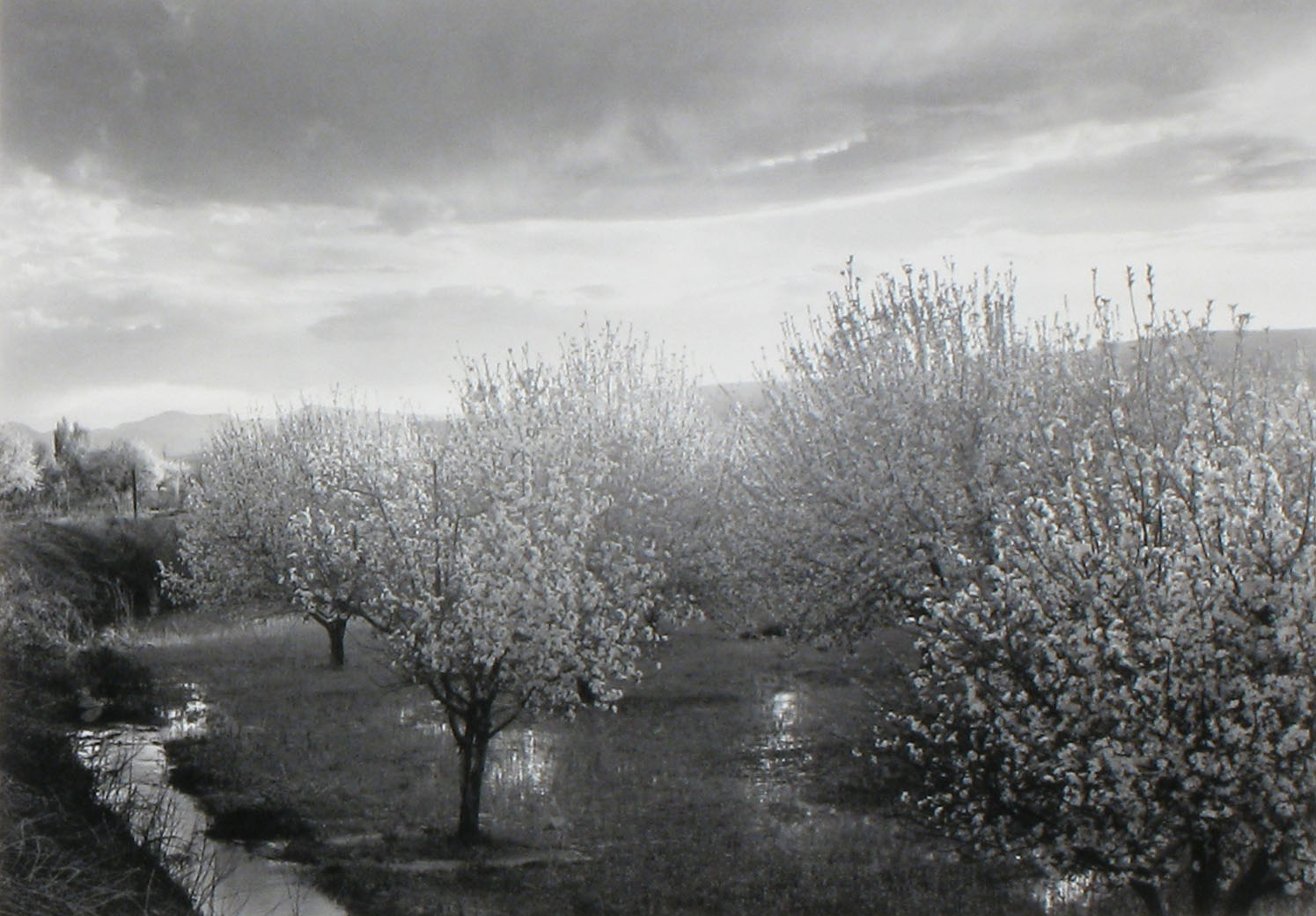
William Clift (American, b. 1944) Apple Blossoms, Velarde, New Mexico, 1973 1973
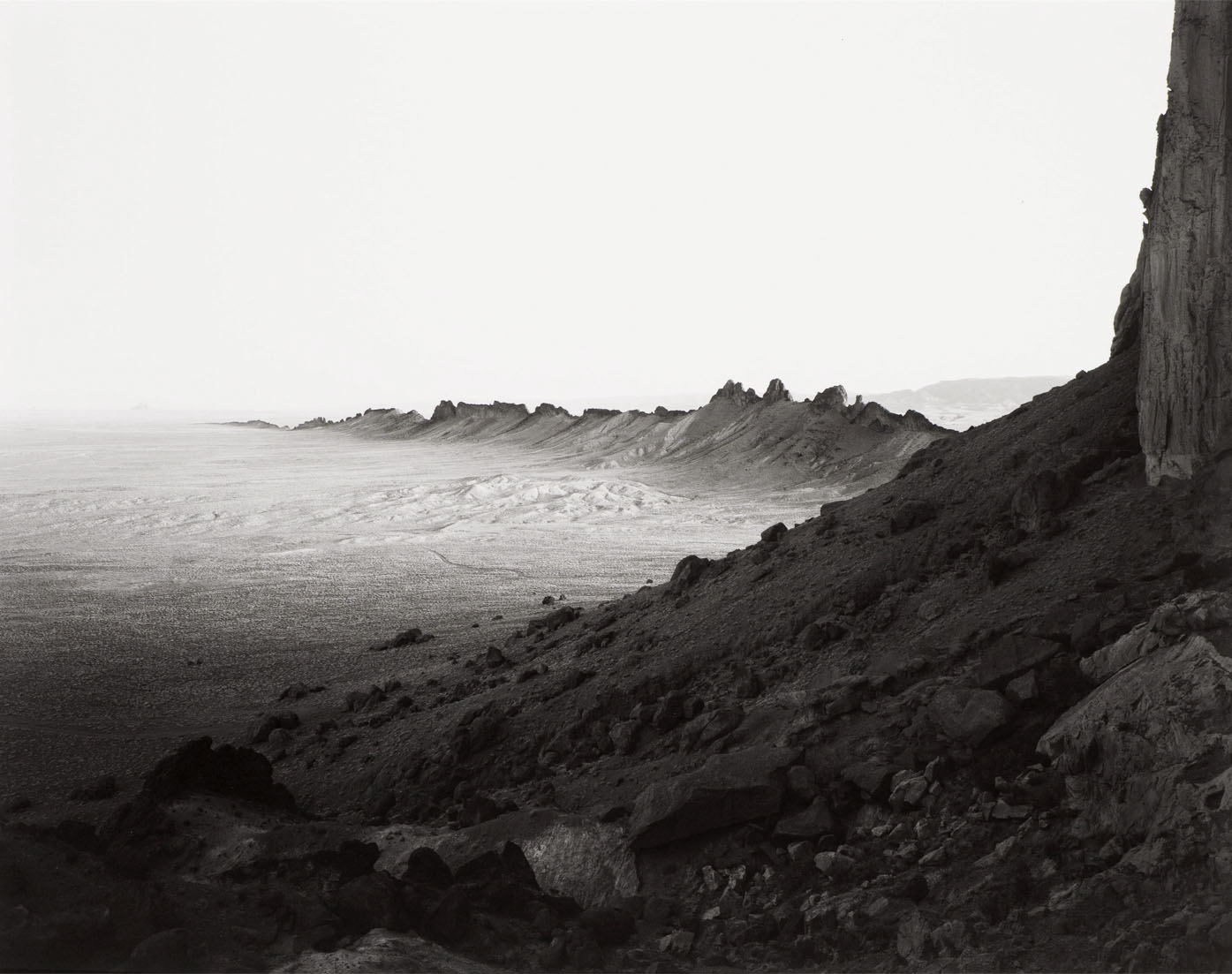
William Clift (American, b. 1944) Desert Form No. 1, New Mexico, 1984 1984
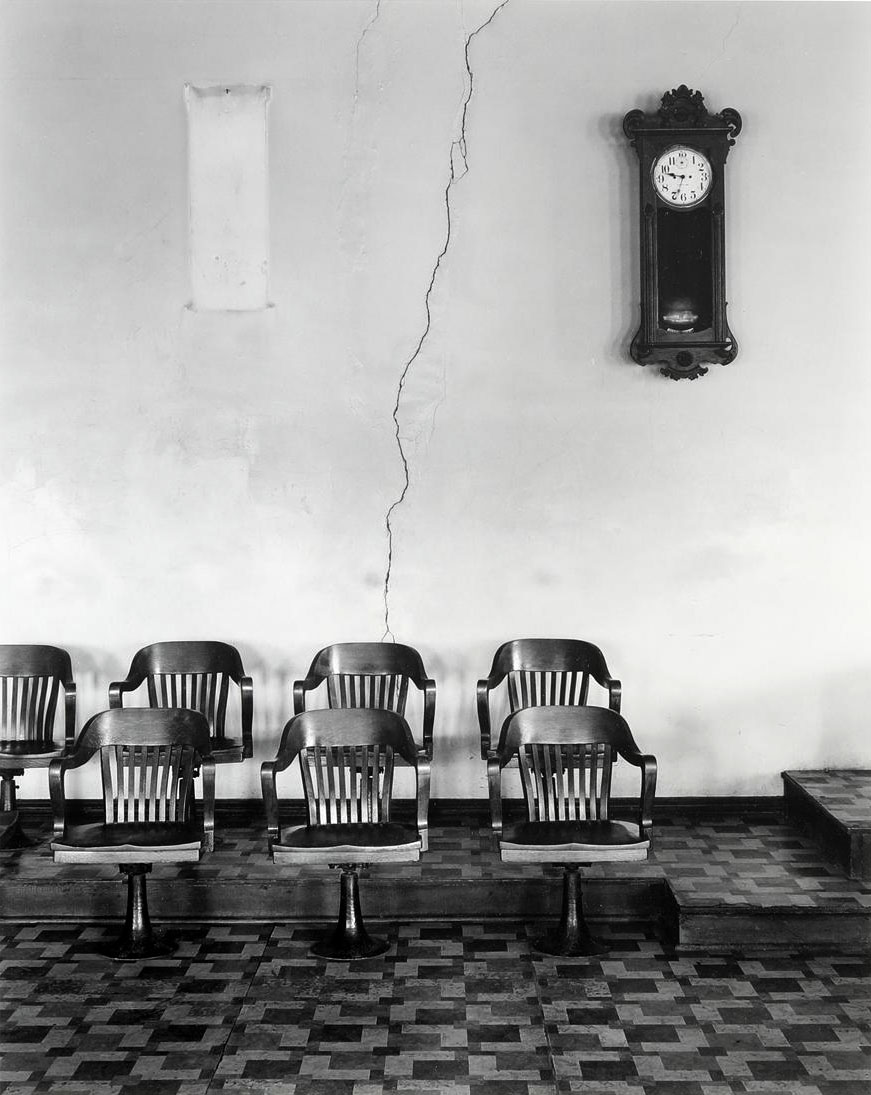
William Clift (American, b. 1944) Untitled 1976 From the County Courthouse series Gelatin silver print 16.5 h x 13 w inches
Exhibition dates: 14th November, 2008 – 12th April, 2009
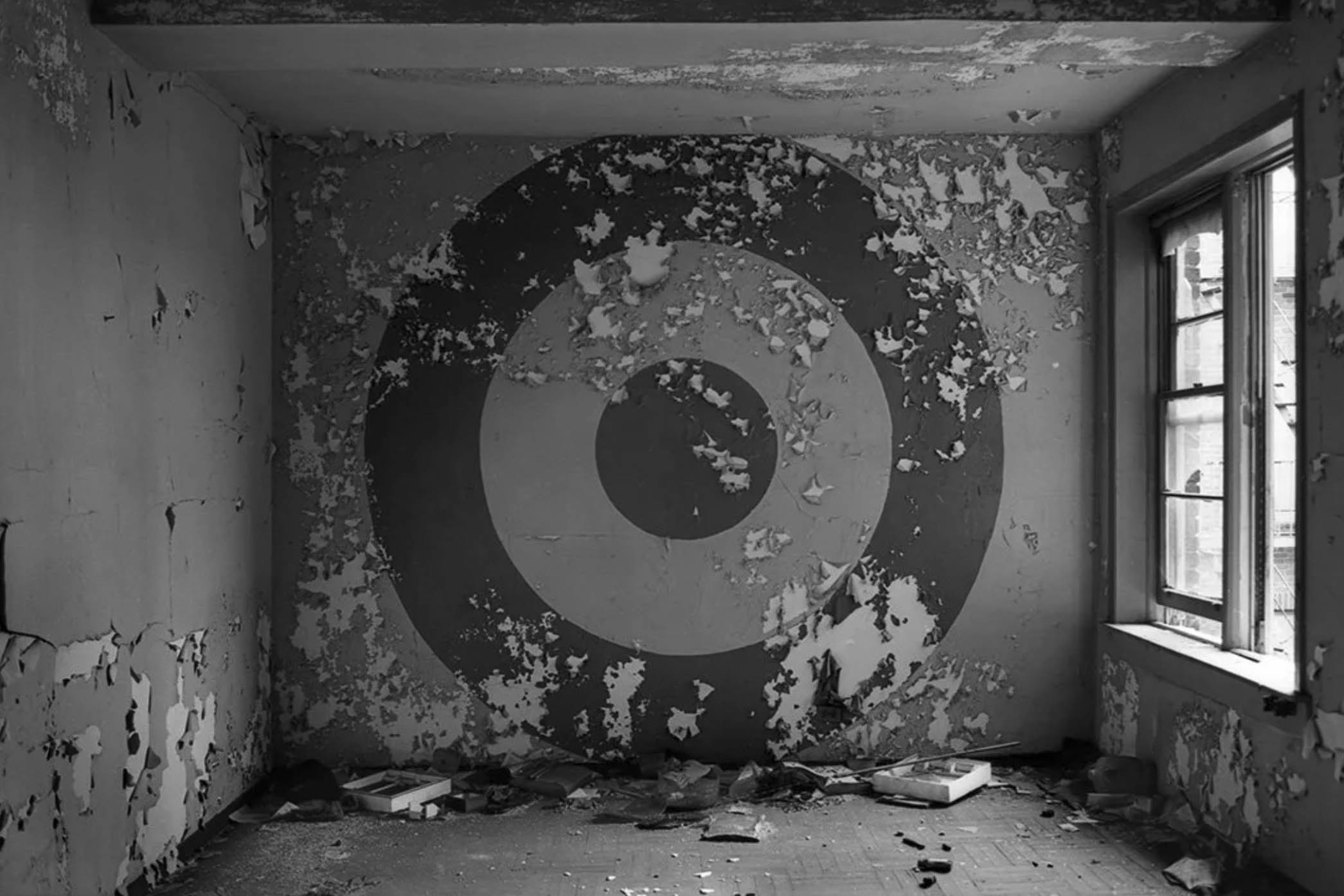
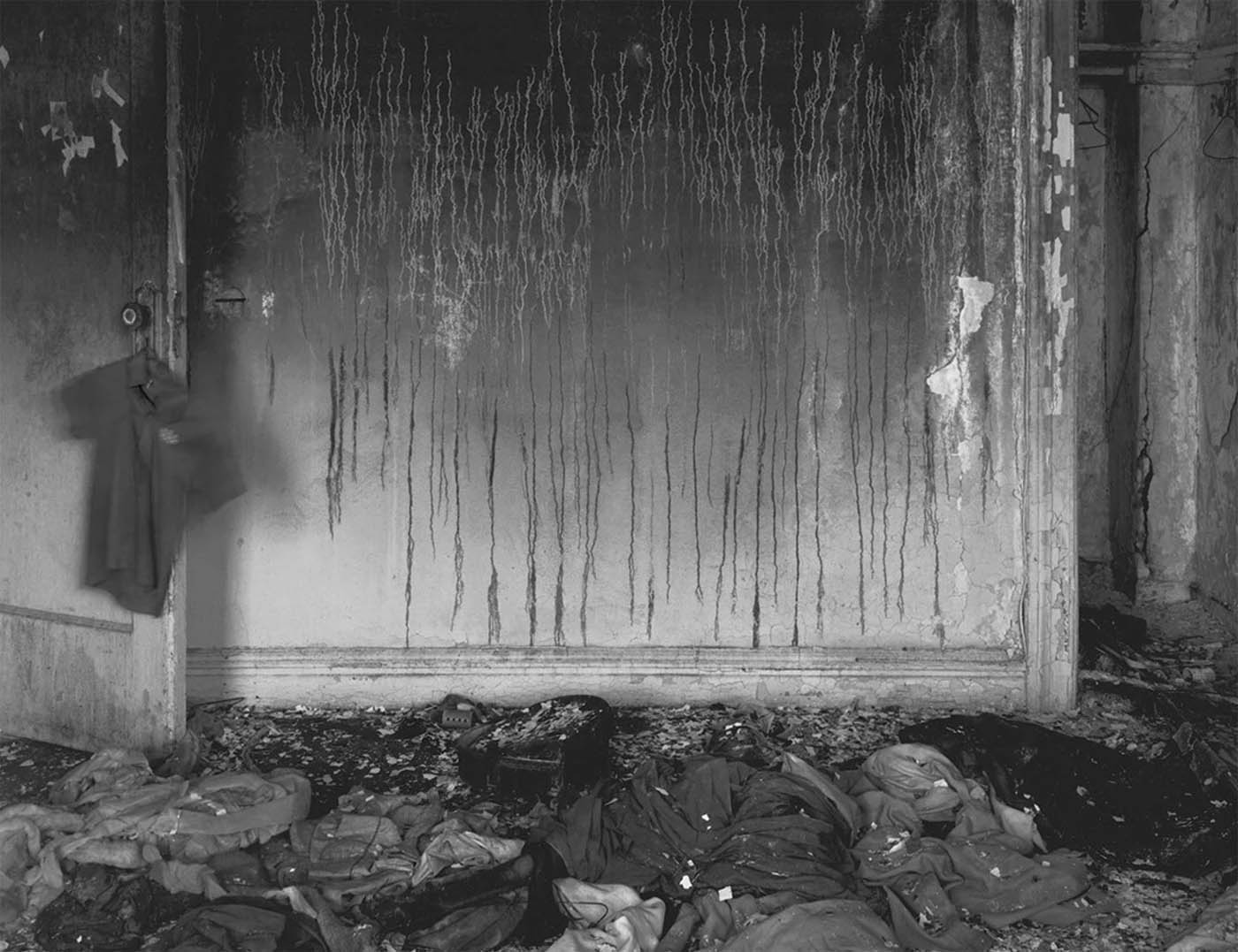
Ray Mortenson (American, b. 1944) Untitled (7-16-6) 1984 Gelatin silver print Courtesy of Janet Borden, Inc.
Documenting the abandoned, burnt out, and razed structures of entire city blocks in the South Bronx in the aftermath of the 1970s, during which this neighbourhood experienced dramatic decline, Broken Glass: Photographs of the South Bronx by Ray Mortenson will be on view at the Museum of the City of New York from November 14, 2008 through March 9, 2009. The 50 black and white cityscapes and interiors on view – five of which are large-scale – were taken between 1982 and 1984, and they vividly illustrate the results of a downslide that began in the Great Depression of the 1930s and accelerated with the construction of the Cross Bronx Expressway in the 1950s and the fiscal crisis of the 1970s. Broken Glass is Mortenson’s first museum exhibition in New York City, and it is the first presentation of the South Bronx photographs.
The 50 photographs on view, all black and white, range in size from the smallest at approximately 11″ by 14″, to the most monumental at 40″ by 60″. Each conveys a devastating silence, serving as a reminder that these city blocks were once the homes of individuals, families, and a large community. Mortenson has written, “The buildings were like tombs – sealed up, broken open and plundered. Inside, stairways with missing steps led up to abandoned apartments. Doors opened into rooms that were once bedrooms or kitchens. Small things left behind hint at who the occupants might have been – a hairbrush, photographs, or bits of clothing.” Ghostly remnants of the once prosperous and thriving neighbourhoods can be glimpsed in his images which document the extent and severity of the urban decline experienced in the South Bronx.
These photographs document an important chapter in the history of a New York City neighbourhood, augmenting their aesthetic power. The decline of the South Bronx began as early as the Great Depression when previously sustained development came to an abrupt halt. After World War II an exodus of New York’s middle class began and continued into the 1970s. This caused a population decline throughout the city, but the effects were particularly hard on the South Bronx as more than 200,000 residents left the community between 1970 and 1980. As entire communities left the city, Robert Moses’ road building and slum clearance, along with other urban renewal initiatives had dramatic effects on the lives of all who remained. In the 1970s New York City faced another economic crisis and virtual bankruptcy. City government was unable to maintain services in the South Bronx and “planned shrinkage” became an unofficial policy as services were slowly withdrawn. With little incentive for landlords to upgrade or even maintain their property, waves of arson and “insurance fires” decimated the by now largely minority community. Astonishingly, some 12,000 fires a year occurred through the 1970s, averaging more than 30 a day.
A successful resurrection of the South Bronx began in the mid-1980s, as grass roots organisations and community development corporations, along with financial reinvestment by the City, sparked its regeneration. The photographs on view stand in starkest contrast to today’s revitalised neighbourhood, which has been the result of the dedication of its citizens combined with government support. The photographs serve as a reminder of the ruins that once dominated the now-vibrant streets and that the balance between prosperity and urban decline can be fragile.
Brief Biography
Ray Mortenson was born in Wilmington, Delaware in 1944 and studied art at the Carnegie Institute of Technology and the San Francisco Art Institute. In the early 1970s, Mortenson moved to New York and began working with photography. His first significant photographic project was a comprehensive investigation of the industrial landscapes of New Jersey’s Meadowlands (1974-1982). Since then, Mortensen has continued to focus on landscape photography that is often interested in liminal places of transition, set apart from everyday life. His photographs have been accepted into the collections of The Metropolitan Museum of Art, New York; The Art Institute of Chicago, and the Bibliothèque Nationale, Paris.
Press release from the Museum of the City of New York website
Ray Mortenson (American, b. 1944) Untitled 1983 Gelatin silver print Courtesy of Janet Borden, Inc.
Ray Mortenson (American, b. 1944) Untitled 1984 Gelatin silver print Courtesy of Janet Borden, Inc.
Ray Mortenson (American, b. 1944) Untitled 1983 Gelatin silver print Courtesy of Janet Borden, Inc.
Ray Mortenson (American, b. 1944) Untitled 1984 Gelatin silver print Courtesy of Janet Borden, Inc.
Ray Mortenson (American, b. 1944) Untitled 1984 Gelatin silver print Courtesy of Janet Borden, Inc.
Museum of the City of New York 1220 Fifth Avenue at 103rd Street New York, NY 10029 Phone: 212-534-1672
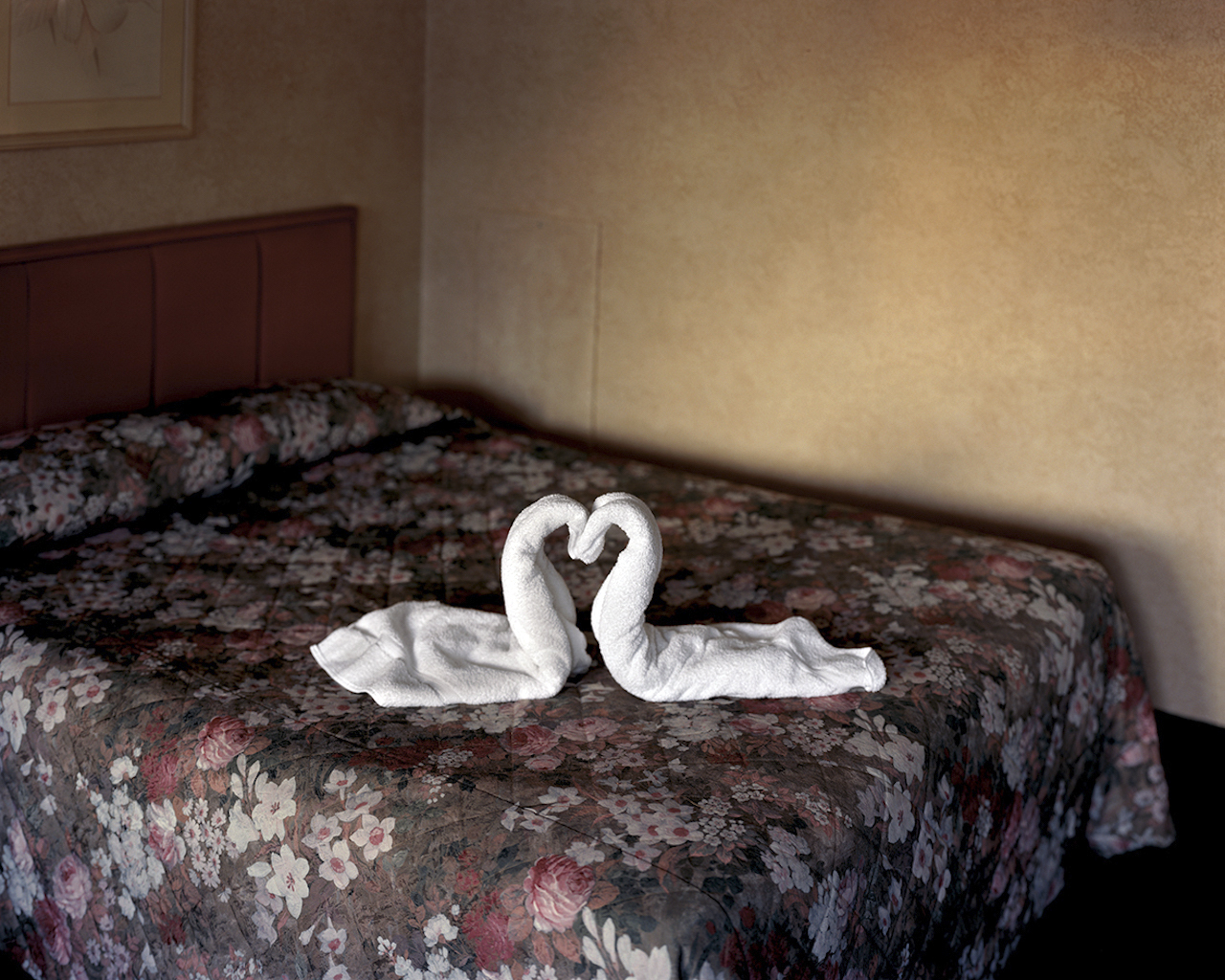
Alec Soth (American, b. 1969) Two Towels 2004 From the series Niagara (2006)
Minneapolis-based photographer Alec Soth has attained international recognition for his photographic series. Notable are the two series Sleeping by the Mississippi (1999-2004) portraying the river and the life along it’s banks and Niagara (2006) where Soth focuses his large format camera on the hotels, residents loves and lives and the environs around Niagara Falls.
His work is firmly rooted in the documentary traditions of Walker Evans and Robert Frank but pushes the documentary form. Whereas Frank used a foreigners eye and ‘snapshot’ photography to challenge traditional notions of American culture in his seminal book The Americans (1958), Soth photographs everyday events of American life – home, romance, religion, bliss, heartbreak and agony – and constructs his vision of the land and people in poetic form. His use of handwritten notes is especially poignant.
His view of America is both narrative, truth and epic construction. Working in a serial form, Soth builds the themes within his series. The connections between people living their lives and facing their plight together – with dignity – becomes fully evident.
Dr Marcus Bunyan
Alec Soth (American, b. 1969) Charles, Vasa, Minnesota 2002 From the series Sleeping by the Mississippi (1999-2004)







![Carleton Watkins (American, 1829-1916) '[Section Grizzly Giant, Mariposa Grove]' 1861](https://artblart.com/wp-content/uploads/2009/01/watkins-section-grizzly-giant.jpg "Carleton Watkins (American, 1829-1916) '[Section Grizzly Giant, Mariposa Grove]' 1861")


![Carleton Watkins (American, 1829-1916) '[Sugarloaf Islands at Fisherman's Bay, Farallon Islands]' About 1869](https://artblart.com/wp-content/uploads/2009/01/watkins-sugarloaf-islands-at-fishermans-bay-farallon-islands.jpg "Carleton Watkins (American, 1829-1916) '[Sugarloaf Islands at Fisherman's Bay, Farallon Islands]' About 1869")


![Carleton Watkins (American, 1829-1916) '[Thompson's Seedless Grapes]' 1880](https://artblart.com/wp-content/uploads/2009/01/watkins-thompsons-seedless-grapes.jpg "Carleton Watkins (American, 1829-1916) '[Thompson's Seedless Grapes]' 1880")



















 Art Blart _ art and cultural memory archive
You must be logged in to post a comment.