Karen Halverson (American, b. 1941) Hite Crossing, Lake Powell, Utah from the Downstream series 1994-1995
As clear as a bell!
Marcus
Many thankx to the Huntington Library for allowing me to publish the photographs in the posting. Please click on the photographs for a larger version of the image.
Karen Halverson (American, b. 1941) Lodore Canyon, Dinosaur National Monument from the Downstream series 1994-1995
Karen Halverson (American, b. 1941) Boulder Beach, Lake Mead, Nevada from the Downstream series 1994-1995
Karen Halverson (American, b. 1941) Wahweap Pool, Lake Powell, Arizona from the Downstream series 1994-1995
To celebrate the expansion and reinstallation of the Virginia Steele Scott Galleries of American Art, The Huntington Library, Art Collections, and Botanical Gardens presents an exhibition of works from American photographer Karen Halverson’s Colorado River series, on view May 30 through Sept. 28, 2009. Downstream: Colorado River Photographs of Karen Halverson will be on display in the Scott Galleries’ Susan and Stephen Chandler Wing, inaugurating a new changing exhibition space that will highlight photography and works on paper that, because of the fragile nature of the medium, cannot be placed on permanent display.
The exhibition will feature 26 works from Halverson’s Downstream series as well as a sampling of images from The Huntington’s historic holdings related to the Colorado River region, including photographs from John Wesley Powell’s pioneering expedition down the Colorado in 1871 and a snapshot album compiled in 1940 by Mildred Baker, one of the first women to successfully navigate the river from Green River, Wyo., to Boulder (now Hoover) Dam.
Halverson (b. 1941) says she woke one wintry morning in 1994 convinced that she needed to photograph the Colorado River. An accomplished landscape photographer who had already spent 20 years exploring the American West, she embarked on a two-year encounter with the vast terrain along the river’s serpentine route.
The desire to explain, understand, and experience the 1,700-mile river – which originates in Wyoming and Colorado before converging in Utah toward its terminus in Mexico – has exerted a powerful influence on a long line of explorers, scientists, thrill seekers, writers, artists, and photographers. Once largely wild, the modern river has been tamed by dams built to slake the American West’s thirst for water and power. Today the river’s reservoirs supply 30 million people.
“In her resonant imagery, Halverson speaks both to this immutable, rugged past while confronting the river’s complicated and often contested present,” says Jennifer Watts, curator of photographs at The Huntington.
Lush green riverbanks frame a seemingly remote Colorado River in Shafer Trail, Near Moab, Utah – a dramatic departure from the river-turned-lake in Wahweap Marina, Lake Powell, Arizona, in which the setting sun illuminates a satellite dish, a trio of passersby, and a jumble of houseboats set against distant rock outcroppings. Davis Gulch, Lake Powell, Utah captures Halverson’s voice especially succinctly: the power of nature in the form of a gigantic sandstone wall dwarfing a tiny group of plastic lawn chairs, lined up along the river bank, with not a soul in sight.
“In my travels along the Colorado,” says Halverson, “sometimes I find beauty, sometimes desecration, often a perplexing and absurd combination.”
Halverson’s large-format colour photography references the 19th-century era of exploration when the United States, still reeling from the Civil War, saw photographers fan across the West to make pictures for scientific and commercial ends. Many of these iconic views by William H. Bell, John K. Hillers, Timothy O’Sullivan and others form the core of The Huntington’s superlative photography collection. Halverson consulted these works in preparation for her own trips.
The two years Halverson spent hiking, driving, and rafting along the Colorado brought her to a more profound understanding of the river and her relationship to it. During her travels, Halverson wrote, “I feel my place, small and finite in relation to space and time: I feel my self, expansive and trusting.”
Text from The Huntington Library website [Online] Cited 12/06/2009. No longer available online
Karen Halverson (American, b. 1941) Big River, California from the Downstream series 1994-1995
Karen Halverson (American, b. 1941) Davis Gulch, Lake Powell from the Downstream series 1994-1995
“In my travels along the Colorado, sometimes I find beauty, sometimes desecration, often a perplexing and absurd combination.”
Karen Halverson
One wintry morning in1994, Karen Halverson (b. 1941) awoke convinced she needed to photograph the Colorado River. An accomplished artist who had already spent 20 years exploring the American West, she set off on a two-year encounter with the vast, breathtaking terrain along the river’s serpentine route. “The impulse to photograph the Colorado River came to me out of the blue,” she writes, “but I acted on it as if it were my destiny.” Personal destiny and the Colorado River have long been linked in the lives of the explorers, scientists, writers, artists, and thrill seekers who have sought to understand and experience this remarkable river.
“Nature appears to have been partial to this stream,” noted “Captain” Samuel Adams, who described the river in 1869. The Colorado and its major tributary, the Green River, run 1,700 miles from headwaters in the Rocky Mountains and Wyoming’s Wind River Range to a terminus in Mexico. Sheer size helps explain the river’s enduring allure; the Colorado’s gargantuan watershed covers a quarter of a million miles and runs through seven states. The Colorado is the riparian centre and symbol of the American West. Once wild, the river has been tamed by dams built to slake the arid West’s demand for water and power; 30 million people are dependent on it today.
Halverson’s large-format colour photography alludes to a 19th-century era of exploration when photographers fanned out across the West to make pictures for scientific and commercial ends. Iconic views by William H. Bell (1830-1910), John K. Hillers (1843-1925), Timothy O’Sullivan (c. 1840-1882), and others captured timeless landscapes of fierce, often forbidding, beauty. Halverson looked at these works in preparation for her trips, viewing them as documentary and visual points of departure for her own image making. Beyond the debt she owes these photographic pioneers, Halverson is firmly rooted in a late 20th-century aesthetic that comments on humanity’s use, and misuse, of the environment.
Beginning in the 1970s, a group of photographers, almost all of them men – who are now sometimes called the “New Topographers” – used their cameras to criticise the effects of rampant urban and suburban growth on western lands. Sprawling cities like Los Angeles, Phoenix, and Las Vegas owe their existence almost entirely to the importation of water from the Colorado River. As Halverson rightly claims, today the river is a “water delivery system,” with its dozens of reservoirs, dams, and diversions ensuring the allocation of virtually every drop for human needs.
Yet Downstream is no visual jeremiad railing against environmental abuse. Nor is it a dispassionate travelogue of the two years Halverson spent hiking, driving, and rafting along the Colorado. The wild terrain that flabbergasted early explorers is still here in the Paleozoic strata of gigantic rock outcroppings, the ancient calm of ghostly canyons, the dizzying heights overlooking a ribbon of water far below. And the colours – ochre, cerulean blue, deep red, electric green – are all intensified against the palette of a dammed river running colder and deeper than if it flowed freely. A modern-day beauty even finds itself inscribed in steel and concrete, whether in the sleek form of a pipeline or the still surface of an irrigation canal.
But it is in the bizarre, sometimes humorous, intersections of past and present that Downstream gains its potency. Cheap plastic lawn chairs, sitting vacant, look puny and ridiculous against a looming canyon wall. Weekend revellers pump fists skyward on the shores of Lake Mead, a giant reservoir held in place by Hoover Dam. A garden hose waters a scrawny palm tree in a desert oasis populated by rows of RVs.
What is gained and what is lost by controlling the Colorado River? And what are the river’s limits? Halverson’s Downstream series asks the viewer to contemplate these questions in a time when the arid West’s thirsty population threatens to overwhelm technological as well as natural resources, and when our well-watered urban lives remain utterly disconnected from riparian realities. Through her resonant imagery, Halverson speaks to the immutability of the river’s past while confronting its complex, contested present and future.
Jennifer A. Watts, Curator of Photographs from “Colorado River Photographs of Karen Halverson,” The Huntington Library Halverson Gallery guide [Online] Cited 28/02/2019. No longer available online
Karen Halverson (American, b. 1941) Near Palo Verde, California from the Downstream series 1994-1995
Karen Halverson (American, b. 1941) Imperial Dam, near Yuma, Arizona from the Downstream series 1994-1995
Karen Halverson (American, b. 1941) Flaming Gorge Reservoir, Wyoming from the Downstream series 1994-1995
Karen Halverson (American, b. 1941) Shafer Trail, Near Moab, Utah from the Downstream series 1994-1995
The Huntington Library The Huntington Library, Art Collections, and Botanical Gardens 1151 Oxford Road San Marino, CA 91108
Eirik Johnson (American, b. 1974) Freshly Felled Trees, Nemah, Washington from the series Sawdust Mountain 2007
Not much joy in this melancholy tone poem, but there doesn’t need to be. Masses of history, memory, anxiety, isolation and death, all reinforced by Johnson’s photographic perspective, which seems to flatten out the pictorial plane. Some stunning photographs and others that don’t hit the mark, but overall a very strong body of work. View the complex, environmental, social documentary photographs of the Sawdust Mountain series on Eirik Johnson’s website.
Dr Marcus Bunyan
Many thankx to Rena Bransten Gallery for allowing me to publish the photographs in the posting. Please click on the photographs for a larger version of the image.
“When I was a young, my family would hunt for mushrooms in the forests of the Cascade and Olympic Mountains. Some days we would spend afternoons along the shallows of a river watching salmon fight their way to spawning grounds upstream. These were the icons of the region: forest and salmon, pillars of Northwest identity. These photographs address the complicated relationship between the region’s landscape, the industries that rely upon natural recourses, and the communities they support.
‘Sawdust Mountain’ is a melancholy love letter of sorts, a personal reflection on the region’s past, its hardscrabble identity and the turbulent future it must navigate.”
Eirik Johnson
Eirik Johnson (American, b. 1974) Junked Blue Trucks, Forks, Washington from the series Sawdust Mountain 2007
Eirik Johnson (American, b. 1974) Elwha River Dam, Washington from the series Sawdust Mountain 2008
Eirik Johnson (American, b. 1974) Stacked logs in Weyerhaeuser sort yard, Cosmopolis, Washington from the series Sawdust Mountain 2007
Eirik Johnson’s colour photographs chronicle his study of Sawdust Mountain, a once idyllic patch of the Pacific Northwest now in decline after a century of human encroachment. The story is a familiar one – early settlers attracted by the sublime beauty and abundant natural resources – of Washington state in the case – began local nature-based industries that eventually depleted the natural resources. The romance of lumberjacks and fishermen taming the wilderness and living off the land has been replaced by the hardscrabble reality of those now trying to eke out a living as well as conservationists and ecologists trying to save and restore the landscape. Johnson presents a well-rounded portrait of a town and country struggling to find solutions to these conflicting demands. His photographs capture the history and legacy of the industries, the landscape at the centre of the vortex, and the changes undertaken to staunch the economic and ecological declines so all can survive.
Johnson was born in Seattle, WA and graduated with a Bachelor of Fine Arts from the University of Washington, Seattle and with a Master of Fine Arts from the San Francisco Art Institute. Sawdust Mountain photographs will also be exhibited at the Henry Art Gallery at the University of Washington who co-published the accompanying book with Aperture. Other Johnson book and exhibitions include Borderlands from 2006 and Animal Holes from 2007. Johnson is currently living and teaching in Boston at the Massachusetts College of Art and Design.
Text from the Rena Bransten Gallery website [Online] Cited 11/06/2009. No longer available online
Eirik Johnson (American, b. 1974) Weyerhaeuser sorting yard along the Chehalis River, Cosmopolis, Washington from the series Sawdust Mountain 2006
Eirik Johnson (American, b. 1974) Stacked alder boards, Seaport Lumber Planer, South Bend, Washington from the series Sawdust Mountain 2007
Eirik Johnson (American, b. 1974) Adult books, firewood and truck for sale, Port Angeles, Washington from the series Sawdust Mountain 2008
A culmination of four years of photographing throughout Oregon, Washington, and Northern California, Sawdust Mountain focuses on the tenuous relationship between industries reliant upon natural resources and the communities they support.
Timber and salmon are the bedrock of a regional Northwest identity, but the environmental impact of these declining industries has been increasingly at odds with the contemporary ideal of sustainability. In this, his second book, Johnson reveals a landscape imbued with an uncertain future – no longer the region of boomtowns built upon the riches of massive old-growth forests.
Johnson, a Seattle native, describes his photographs as “a melancholy love letter of sorts, my own personal ramblings.” Through this poetic approach, Sawdust Mountain records a region affected by historic economic complexities, and by extension, one aspect of our fraught relationship with the environment in the twenty-first century.
Text from the Aperture Foundation website. No longer available online
Many thankx to the Fotomuseum Winterthur for allowing me to publish the photographs in the posting. Please click on the photographs for a larger version of the image.
With this retrospective of the work of Walker Evans (1903-1975) Fotomuseum Winterthur presents one of the twentieth century’s pre-eminent photographers. His lucid and detailed portrayals of American life, especially his images of rural poverty during the Great Depression, made photographic history and went on to influence countless photographers. Walker Evans took an extremely innovative approach, capturing the very essence of the American way of life.
The exhibition, featuring some 120 works (the majority of which are from the most important private collection of Walker Evans’ works) represents every phase of his career: his early street photographs of the 1920s, his poignant documentation of 1930s America and pre-revolutionary Cuba, his landscapes and architectural photography, his subway portraits, storefronts, signage, the later colour Polaroids and more besides. As early as the 1930s, Walker Evans, in a departure from conventional notions of art and style, sought a new direct approach to reality. It is this that makes him a truly modern photographer.
The exhibition was curated by Jeff L. Rosenheim and Carlos Gollonet. Realisation in Winterthur: Urs Stahel. A cooperation with the Fundación MAPFRE, Madrid.
With this major retrospective of the work of Walker Evans (1903-1975) Fotomuseum Winterthur pays homage to one of the twentieth century’s pre-eminent photographers. His insightful and detailed portrayals of American life, especially his images of rural poverty during the Great Depression, made photographic history and went on to influence countless photographers. The 130 works in this retrospective exhibition represent every phase of his career: his early street photographs of the 1920s, his poignant documentation of 1930s America and pre-revolutionary Cuba, his landscapes and architectural photography, his subway portraits, storefronts, signage, and more besides.
On his return from France, where he had tried unsuccessfully to launch a literary career inspired by his love of Flaubert and Baudelaire, Walker Evans turned to photography. From the very start, with his keen eye for street life and the visual freshness of his unexpected slant on what he saw, his work spoke the language of European Modernism. But it was not long before Evans found his true voice – and it was at once profoundly personal and unequivocally American.
Some years before, the direct, undistorted and innovative gaze of Eugène Atget (1857-1927), whose work Evans knew and admired, had quietly paved the way for the split between documentary auteur photography and the purely descriptive photographic tradition. Atget’s unconventional angles, his de-centralised view and his focus on the seemingly trivial all had a major impact on Evans.
Walker Evans’ work is a far remove from what had, until then, been accepted as art photography. He was not interested in superficial beauty, but in a new objectivity. He subscribed to a style that observed undistorted facts and sought to capture things precisely as they were, seemingly without intervention, emotion or idealisation. For the first time in art photography, there were such unusual subjects as a pair of old boots or a subway passenger lost in thought. The artistic quality was based solely on the clarity, intelligence and authenticity of the photographer’s gaze. In this, Walker Evans’ oeuvre represents both a high point and a turning point in the formal and visual evolution of photography.
As the creator of this new, direct style, often referred to as straight photography, which drew upon scenes of sometimes blatant banality and rolled back the boundaries between the ‘important’ and the ‘trivial’, Walker Evans introduced the aesthetics of Modernism into American photography. This seemingly cold detachment spawned a style rich in expressive substance that was not only capable of embracing the lyricism and complexity of the American tradition, but of doing so without a trace of false romanticism, sentimentality or nostalgia. At long last, there was a forward-looking and enduring alternative to the traditional conventions of photography.
Press release from the Fotomuseum Winterthur website [Online] Cited 05/06/2009. No longer available online
Edward Weston (American, 1886-1958) Palma Cuernavaca 1925 Gelatin silver print Sheet: 24.4 x 16.5cm (9 5/8 x 6 1/2 in.) The Lane Collection Museum of Fine Arts, Boston
What a privilege to be able to post these photographs that appear in the exhibition. Breathe, look, enjoy!
Marcus
Many thankx to the Museum of Fine Arts, Boston for allowing me to publish the photographs in the posting. Please click on the photographs for a larger version of the image.
Edward Weston (American, 1886-1958) Desde la Azotea 1924 Platinum or palladium print Sheet: 19.4 x 24.4cm (7 5/8 x 9 5/8 in.) The Lane Collection Museum of Fine Arts, Boston
In the decades following the Revolution of 1910, foreign artists and intellectuals flocked to Mexico in order to experience its warm climate and lively cultural scene. They were inspired by Mexico‘s exotic tropical landscape, its ancient monuments and colonial architecture, the work of its modern muralists, and the country‘s indigenous arts and crafts. During two extended trips to Mexico made between 1923 and 1926, American photographer Edward Weston (1886-1958) created some of his earliest modernist photographs, which form the core of the exhibition, Viva Mexico! Edward Weston and His Contemporaries, at the Museum of Fine Arts, Boston (MFA). Featured are approximately 45 works, among them about 30 rare photographs by Weston and selected images by Tina Modotti, Brett Weston, Manuel Alvarez Bravo, and Paul Strand. These photographs from the 1920s and ’30s are drawn from the Museum’s own collection, as well as The Lane Collection, which is on long-term loan to the MFA. Additionally, a compelling 1939 portrait of Frida Kahlo by Hungarian-born photographer Nickolas Muray has been lent from a local private collection. Viva Mexico! is on view May 30 through November 2 in the MFA’s Herb Ritts Gallery.
“Viva Mexico! highlights Weston’s pivotal years in this highly creative environment, which had a lasting impact on his work and inspired some of his earliest experiments in still life, landscape, and cloud studies,” said Malcolm Rogers, Ann and Graham Gund Director of the MFA. “This exhibition allows us to focus on a critical juncture in Weston’s career, and to present one of the strengths of The Lane Collection – its holdings of the photographer’s early modernist work.”
The Lane Collection, which includes gifts and loans to the MFA, comprises modern American paintings, photographs, and works on paper assembled by the late William H. Lane and his wife, Saundra B. Lane, a Trustee of the MFA. During the late 1960s, the Lanes acquired a large number of Weston’s vintage photographs, which are now widely acknowledged to be the most important collection of the photographer’s work in private hands.
“Acquiring more than 2,000 Edward Weston photographs directly from his sons was an amazing learning experience for us and we were thrilled to be able to immerse ourselves in the work of such a major artist in such great depth,” said collector Saundra Lane. “The Mexico pictures by Edward, Brett, and Tina Modotti are some of my personal favourites. These works inspired me to more recently acquire two early Manuel Alvarez Bravo photographs, El soñador (The Dreamer) and Nude, included in the exhibition, each of them a quintessentially Mexican subject and clearly made under the influence of Weston and Modotti.”
In an early biography of Edward Weston, writer and editor Nancy Newhall described Mexico as his “Paris,” the place where he greatly expanded his range as an artist. His total of more-than two years in Mexico – Weston’s only travel outside the US – offered him the opportunity to move away from his Pictorialist style, with its soft focus and ethereal, romantic qualities, toward more abstract forms and sharper resolution of detail. Heroic portrait heads, avant-garde nudes, urban views, cloud studies and landscapes, and images of Mexican toys and folk art are among the subjects he captured with his large-format camera. This period of experimentation with isolated objects also resulted in some of Weston’s earliest forays into still life, as can be seen in Chayotes (1924), a close-up of the beautiful, spiny squash arranged in a painted wooden bowl.
In 1923, Weston made the difficult decision to close his portrait photography studio in Tropico (now Glendale), California, and move to Mexico, as he wrote in his journal – to start life anew. He left behind his wife and three of his four young sons and traveled to Mexico City with his lover, Italian-born actress Tina Modotti (1896-1942) and his oldest son Chandler. Modotti ran Weston’s new studio, served as his translator and muse, and under his tutelage began to make highly accomplished photographs of her own. Together they became immersed in the vibrant community of artists and intellectuals centred there, which included painters Diego Rivera, Jean Charlot, Xavier Guerrero, and Rafael Salas, as well as the poet Luis Quintanilla, writer D.H. Lawrence, anthropologist Frances Toor, and journalist Carleton Beals. Although Weston and Modotti always remained outsiders looking in, the several exhibitions of their work during their Mexican sojourn helped spark a lively interest in modernist photography in their adopted country, where until this time photography had been admired mainly as a documentary tool, rather than a fine art.
“This exhibition will be a wonderful opportunity for our visitors to experience Weston’s stunning Mexican photographs firsthand, many of which are rarely seen platinum prints taken in the period just before he made his classic black-and-white images of peppers and shells,” said Karen Haas, The Lane Collection Curator of Photographs, who organised Viva Mexico! “These rich, warm-toned prints, when seen in context with photographs by his contemporaries in Mexico during the 1920s and ’30s, promise to be a revelation even to those who know Weston’s work well.”
Many of the earliest images that Weston produced in Mexico were portraits and nudes, both subjects that he had specialised in previously but now took on a very different look and feel. Soon after his arrival, he began a series of monumental portraits of friends and acquaintances, all of them shot very close-up and from slightly below eye level, their heads filling the picture frame and their features heroicised. These include Galván Shooting (1924), Tina Modotti (1924), Victoria Marin (1926), and Rose Roland Covarrubias (1926). He also made a stunning group of nudes of Modotti posing on their sun-baked rooftop patio, all three of which he titled Tina on the Azotea (1924), as well as an incredibly simple and sculptural image, Nude (1926) of fellow American expatriate Anita Brenner. The Brenner nude, along with Palma Cuernavaca (1925), Aqueduct (1924), and Excusado (1925) all share a similarly stark, abstract, and timeless quality – what Weston described as an attempt to render “the very substance and quintessence of the thing itself.”
Abstract architectural details began to make their way into Weston’s work as well and he was drawn to capture light and shadow on a variety of surfaces, from the zigzag stone patterns of the ancient Ruinas de Mitla (1926) to the angled forms of the convent stairwell and skylight in San Pedro y San Pablo (1924). Viva Mexico! also showcases Weston’s experimentation with landscape photography, both urban and rural. The striking view from his studio roof is recorded in Desde la Azotea (1924), in which the geometry of the buildings below is heightened by the elevated vantage point and steeply raking light, and in Michoacán (1926), where he captures the beautifully undulating silhouette of the pastoral countryside. Much less common among his subjects from this period are some of Weston’s little-known photographs made in outdoor markets and fairs, such as Mercado, Oaxaca (1926) and Bowls, Oaxaca (1926). These open-air street images closely relate to another group of pictures, including Torito (1925), a playful little papier-maché bull, and Fish Gourd and Striped Serape (1926), which reflect Weston’s newfound interest in the vernacular Mexican toys and folk objects that he collected and lovingly documented in his studio while waiting for clients to arrive for portrait sittings. These whimsical photographs also serve as fascinating precursors to Weston’s high modernist still lifes of less than a decade later.
Over the course of her time in Mexico, Modotti rapidly went from photographer’s apprentice and model to fine art photographer in her own right. Although her career as a photographer was relatively brief, her powerful pictures from this period sometimes rival those of her lover and teacher, Edward Weston. Modotti was a rare woman in a mostly male profession, but she brought to her work a deep-seated interest in the people and the politics of Mexico in the 1920s. Unlike Weston, who preferred to work in the studio rather than the street, Modotti straddled the worlds of fine art photography and radical social activism. Her commitment to the struggles of the people can be seen in her iconic Worker’s Hands (1927), and her fascination with Mexico’s public demonstrations and celebrations is captured in Effigies of Judas (1924). She was so impassioned by these causes, in fact, that Modotti joined the Communist party and continued to work in Mexico for several years after Weston finally returned home in 1926. Before he left for California, however, Weston and Modotti collaborated on a photographic commission to illustrate a book on Mexican history and culture entitled Idols Behind Altars, which was written by their friend Anita Brenner and published in 1929. A copy of the book is among the case materials featured in the exhibition, as is American photographer Laura Gilpin’s book, Temples in Yucatan: A Camera Chronicle of Chichén Itzá (1948), which showcases her pictures of the ancient Mayan ruins taken during her two trips there in the early 1930s and mid ’40s.
Viva Mexico! also offers visitors to the MFA a rare chance to see some of Brett Weston’s (1911-1993) earliest serious photographs made during Edward Weston’s second extended trip to Mexico in 1925 and 1926 (after an eight-month-long hiatus in California). The second eldest of Weston’s four sons was only 14 years old when he accompanied his father to Mexico City and went with him to live in the house and studio that Weston shared with Modotti. Rather than the large-format camera and platinum prints that his father preferred, Brett Weston was given a 3 1/4 x 4 1/4 Graflex camera and printed his pictures on less expensive gelatin silver papers, which captured the precise detail and texture that his father admired in his work. The boy quickly fell under the spell of photography and his time in Mexico proved to be an ideal preparation for his own future as a professional photographer. Two of Brett Weston’s highly abstract architectural views, Tin rooftops (1926) and Ventilator (1926), are on view in the exhibition.
The only Mexican-born artist in the exhibition, Manuel Alvarez Bravo (1902-2002), is represented with three works, El soñador (The Dreamer) (1931), Nude (1935), and Las lavanderas sobreentendidas (Washerwomen Implied), Draped Yucca Plants, Mexico (1932). As a young, aspiring photographer in Mexico City, Bravo first met Modotti in 1927, soon after Weston’s departure. He was greatly inspired by the look and spirit of Modotti’s work as well as the Weston prints that she shared with him. Bravo is perhaps best-known for the stunning female nudes that he made over the course of his long career, but Viva Mexico! features a rare male figure study, Nude (1935). With its androgynous curves and simplified form, it clearly relates to Weston’s nudes of his son Neil made a decade earlier. Bravo’s photographs always have a profoundly Mexican essence to them, but especially during the 1920s and ’30s; they also demonstrate the influence of the European Surrealists as can be seen in the slightly unsettling, yet lovely work El soñador (The Dreamer).“
Viva Mexico! also showcases the work of American photographer and documentary filmmaker Paul Strand (1890-1976), who lived in Mexico during the mid-1930s. Although he and Weston had met in New York in 1922 and were aware of each other’s careers, their sojourns in Mexico did not coincide. The situation that Strand found on crossing the border in 1932 was very different than the more optimistic period of cultural Renaissance that Weston had experienced during the mid-1920s. Like Modotti, whose social concerns and unsentimental approach he shared, Strand was inspired to make portraits of Mexico’s indigenous peoples and the country’s dramatic landscapes. Landscape, Near Saltillo (1932) was one of the earliest images Strand shot in Mexico; taken in the north of the country on his initial trip down to Mexico City, it features the glowing white form of an adobe building set off by spiny, tall cacti and a vast expanse of sky. Also on view is Día de Fiesta (1933), a starkly simple image of three men and a child standing against a sunlit wall, which was made just prior to the production of Redes (Nets, or The Wave, in the US), his documentary film focusing on the struggles of a group of fisherman near Veracruz.”
Press release from the Museum of Fine Arts, Boston [Online] Cited 03/06/2009 no longer available online
Edward Weston (American, 1886-1958) Chayotes 1924 Platinum or palladium print Sheet: 19.4 x 24.3cm (7 5/8 x 9 9/16 in.) The Lane Collection Museum of Fine Arts, Boston
Edward Weston (American, 1886-1958) Ruinas de Mitla 1926 Platinum or palladium print Sheet: 19.1 x 24.1cm (7 1/2 x 9 1/2 in.) The Lane Collection Museum of Fine Arts, Boston
Edward Weston (American, 1886-1958) San Pedro y San Pablo 1924 Platinum or palladium print Sheet: 19.4 x 24.4cm (7 5/8 x 9 5/8 in.) The Lane Collection Museum of Fine Arts, Boston
Edward Weston (American, 1886-1958) Tina on the Azotea, with kimono 1924 Gelatin silver print Sheet: 16.2 x 23.8cm (6 3/8 x 9 3/8 in.) The Lane Collection Museum of Fine Arts, Boston
Edward Weston (American, 1886-1958) Tina On The Azotea c. 1924 Palladium print Sheet: 22.2 x 17.5cm (8 3/4 x 6 7/8 in.) The Lane Collection Museum of Fine Arts, Boston
Edward Weston (American, 1886-1958) Tina Modotti 1924 Palladium print Sheet: 22.7 x 17cm (8 15/16 x 6 11/16 in.) The Lane Collection Museum of Fine Arts, Boston
Pure your gentle name, pure your fragile life, bees, shadows, fire, snow, silence and foam, combined with steel and wire and pollen to make up your firm and delicate being.
Part of Modotti’s epitaph which can be found on her tombstone, composed by Pablo Neruda,
Edward Weston (American, 1886-1958) Galván Shooting (Manuel Hernández Galván, Mexico) 1924 Gelatin silver print 22.5 x 18.7cm (8 7/8 x 7 3/8 in.) Mary L. Smith Fund Museum of Fine Arts, Boston
Edward Weston (American, 1886-1958) Rosa Rolanda (de Covarrubias) 1926 Gelatin silver print 21.9 x 16.5 cm (8 5/8 x 6 1/2 in.) Sophie M. Friedman Fund Museum of Fine Arts, Boston
Edward Weston (American, 1886-1958) Excusado (Toilet) 1925 Gelatin silver print Sheet: 24.3 x 19.1cm (9 9/16 x 7 1/2 in.) The Lane Collection Museum of Fine Arts, Boston
Tina Modotti (American born Italy, died Mexico, 1896-1942) Manos de trabajador, Mexico (Worker’s Hands, Mexico) 1927 Gelatin silver print 19.2 x 21.7cm (7 9/16 x 8 9/16 in.) Sophie M. Friedman Fund Museum of Fine Arts, Boston
Tina Modotti’s closely cropped picture of a worker’s dusty hands conveys the realities of hard work. In 1923, the Italian-born film actress accompanied her lover, photographer Edward Weston, to Mexico City, where Weston taught her to use a large-format camera. She worked as his studio assistant, quickly mastering the technique and making striking portraits, close-up images of flowers, and still lifes of her own. Modotti’s compassion for the indigenous culture and political struggles of the Mexican people led her to join the Communist Party in 1927 and to focus on socially concerned subjects, using her camera as a tool to document the proud faces and weathered hands of the peasant labourers, artisans, and revolutionaries of her adopted country.
Text from the Museum of Fine Arts, Boston website
Screenshot
Tina Modotti (American born in Italy, died in Mexico, 1896-1942) Hands Washing 1927 Gelatin silver print
Tina Modotti (American born Italy, died Mexico, 1896-1942) Effigies of Judas 1924 Gelatin silver print
Perhaps it’s just me, but I seem to have become a little jaded towards the recent photographs of William Eggleston.
Other than the green reflection of lights in rainwater (above) the photographs seem to have lost their unique voice, the social insight that gave his earlier work it’s zing – provocative images that challenged how we live through a meditation on subject matter, construction of space, and tone of “colour”. How the colour that surrounds us inflects our very being.
In these photographs it feels like there has been little development in his style over the years with a consequent lessening of their visual impact. Now Eggleston’s colour just feels like a party trick, performed by rote with little consequential meaning to either the colour or the image. Perhaps the way we look at the world (and how we picture it) has finally overtaken the director’s prescient creative vision – his auteurship, his authorship.
Dr Marcus Bunyan
Many thankx to the Fondation Cartier for allowing me to publish the photographs in the posting.
“In Eggleston’s best work, the work that made him famous, color is intrinsic to the meaning of the photograph. Its not simply a garnish to draw the eye. His best photographs are not ‘about’ the color; they are about larger issues that the color is used in the service of. This is whats missing in his Paris pictures. The color here is pure ornament, eye candy to seduce you into forgetting that the picture has nothing to say.”
Anonymous. “William Eggleston Mails It In From Paris,” on the Leicaphilia website April 21, 2014 [Online] Cited 06/02/2019
For the last three years, American photographer William Eggleston has photographed the city of Paris as part of a commission for the Fondation Cartier pour l’art contemporain. Taken throughout different seasons, these new images by one of the fathers of colour photography portray the local and the cosmopolitan, the glamorous and the gritty, the everyday and the extraordinary.
This exhibition also provides an exceptional occasion to bring together William Eggleston’s distinctive pictures and his recent paintings, an unknown aspect of his work that has never before been presented to the public.
William Eggleston’s recent book Paris, published by Steidl and commissioned by FoundationCartier, is a collective body of work that comprises his oeuvre of color drawings and recent Paris photographs. Similar to Ben Shahn, Charles Scheeler, Diego Rivera, Man Ray, Robert Rauschenberg and Ed Ruscha, Eggleston has reached out beyond photography to express his creative talents.
The photographs and drawings are intertwined throughout the book, creating an interesting visual cadence. The page spreads illustrate various layout designs, including a single image of either a photograph or drawing on a spread, pairs of drawings and photographs and pairs of drawing facing a photograph. All of the drawings and photographs are contained within the boundaries of the page. …
We know mostly of Eggleston’s photographs, but from the dating on one of the drawings included in this book, we can determine that Eggleston has been working with the drawing medium since 1968. It is interesting to speculate as to how one medium may have influenced the other for Eggleston. As an example, the earlier photographs by Shahn and Scheeler seem to have had an influence on how these two artists subsequently worked their framing, pictorial space, mass & line quality in their subsequent paintings.
The Paris photographs that Eggleston made of graffiti or his tight framing in conjunction with a longer lens to compress the pictorial space are visually similar in style to his drawings. The subjects he photographs are framed to create similar vibrant color masses and lines as his drawing, abstracting reality into basic graphic components. …
Eggleston’s photographs are constructed like spontaneous glances; partial views of what might be consider a traditional subject, creating color abstractions of lines, patterns and mass. Trees, pipes, people, walls, garbage, décor, wall paper, display windows are bisected and truncated, with edges and lines following out of the photographs borders. These images seem to be created by a restless and nervous energy.
With these drawings, paintings and photographs, Eggleston shows a interesting handling of these mediums and offers an insight as to how influential the period of Abstract Expressionism is to his photographic process.
Extract from Douglas Stockdale. “William Eggleston – Paris,” on The PhotoBook Journal website September 12, 2009 [Online] Cited 06/02/2019
Diane Arbus (American, 1923-1971) Tattooed Man at a Carnival, Md. 1970 Gelatin silver print 15 x 14 5/8 in. (38.3 x 37.3 cm)
Diane Arbus is one of my favourite photographs – how I would love to see this exhibition!
I have posted some photographs from the exhibition, including all ten images from the Box of Ten 1971 that features in the show.
Dr Marcus Bunyan
Many thankx to the National Museum of Wales for allowing me to publish the photographs in the posting. Please click on the photographs for a larger version of the image.
“A photograph is a secret about a secret. The more it tells you, the less you know.”
Diane Arbus
Diane Arbus (American, 1923-1971) A young man with curlers at home on West 20th Street, N.Y.C. 1966 Gelatin silver print
One of National Museum Cardiff’s main art exhibitions in 2009 reveals the work of legendary New York photographer Diane Arbus (1923 -1971), who transformed the art of photography. Diane Arbus, which comprises 69 black and white photographs including the rare and important portfolio of ten vintage prints: Box of Ten, 1971, is one of the best collections of Arbus’s work in existence. A large selection of these images will be on display at the Museum from 9 May until 31 August 2009.
Capturing 1950s and 1960s America, Arbus is renowned for portraits of people who were then classed on the outskirts of society nudists, transvestites, circus performers and zealots. In one of her most famous works, Identical Twins, Roselle, NJ of 1967, the twins are photographed as if joined at the shoulder and hip with only three arms between them.
Her powerful, sometimes controversial, images often frame the familiar as strange and the strange or exotic as familiar. This singular vision and her ability to engage in such an uncompromising way with her subjects has made Arbus one of the most important and influential photographers of the twentieth century.
This singular vision and her ability to engage in such an uncompromising way with her subjects has made Arbus one of the most important and influential photographers of the twentieth century.
Text from the National Museum of Cardiff website [Online] Cited 18/05/2009. No longer available online
Diane Arbus (American, 1923-1971) A Jewish Giant at home with his parents in the Bronx 1967 Gelatin silver print
From 1969 to 1971 Arbus was absorbed in the creation of a limited edition portfolio, A box of ten photographs. The portfolio was intended to present her work as an artist in the manner of the special print editions offered by new artists’ presses such as Crown Point and Universal Limited Art Editions (ULAE). This group of pictures and its presentation was a very conscious statement of what she stood for, and how she regarded her own photography. The pictures range from the relatively early ones of the Nudists in their summer home and Xmas tree in a living room in Levittown, L.I., both of 1963; through the now iconic Identical twins, Roselle, N.J., 1967 and Westchester Couple sunning themselves on their lawn, to the later pictures of the Jewish giant, the Mexican Dwarf in his hotel room, N.Y.C. and the King and Queen of a senior citizens’ dance, N.Y.C., all of 1970. There is clearly an attempt to be representative of the general idea, the larger plan behind her work. There is also a significant stylistic range, from the graceful daylight in the picture of the older couple in the nudist camp, to the later picture of the elderly king and queen, whom she photographed with sharp flash. She included Xmas tree, a work without human subjects. The prints for this portfolio were selected three years after the New Documents exhibition, before there was thought of another show. But the pictures constituted a kind of exhibition in and of themselves, to be examined one at a time, rather than all at once. From her letters, we know that the idea of a clear box was very important; it was to serve as both a container and a display case allowing the owner to reorder and display the pictures easily. Just as she had wanted the black border of the print to show in the New Documents exhibition, here she wished to exhibit the entire print as it appeared on the photographic paper …
Most of the pictures in the portfolio either depict families or refer to the family. Even the corner of the cellophane-looking room in Levittown is made by peering over the two outstretched arms of a family armchair, posed like the trousered knees of the empty chair in the picture of the Jewish giant. The idea of the family album was a private but expressive metaphor for her. As in a family album, each member is part of the larger group; they are related, perhaps even tolerated, and harmony may be rare and perhaps even uninteresting. But they are all considered with the same intelligent and human regard. She photographed the Jewish giant as a mythic figure, enclosed in a modest Bronx living room, an unconventional member of an otherwise conventional family: ‘I know a Jewish giant who lives in Washington Heights or the Bronx with his little parents. He is tragic with a curious bitter somewhat stupid wit. The parents are orthodox and repressive and classic and disapprove of his carnival career…They are truly a metaphorical family. When he stands with his arms around each he looks like he would gladly crush them. They fight terribly in an utterly typical fashion which seems only exaggerated by their tragedy… Arrogant, anguished, even silly.’
Sandra S. Phillips, senior curator of photography at the San Francisco Museum of Modern Art from the book Diane Arbus Revelations.1
1/ Phillips, Sandra. “The Question of Belief,” in Diane Arbus Revelations. London: Random House, 2003, pp. 66-67.
Diane Arbus (American, 1923-1971) Mexican Dwarf in his hotel room, N.Y.C. 1970 Gelatin silver print
Diane Arbus (American, 1923-1971) Xmas tree in a living room in Levittown, L.I. 1963 Gelatin silver print
NASA, Washington, D.C. (United States est. 1958, manufacturer) Skylab (photographer) Three Skylab 2 crewmen demonstrate effects of weightlessness 1973 Type C photograph 40.5 x 49.9cm (image and sheet) National Gallery of Victoria, Melbourne Purchased, 1980
A small but fun show at NGV International, Melbourne that is drawing in the crowds. A selection of beautiful, breathtaking images from NASA really takes you into space. I had a great time researching and finding some of the images from the exhibition on the NASA Image and Video Library website!
Dr Marcus Bunyan
. Many thankx to the National Gallery of Victoria for allowing me to publish the photographs in the posting. Please click on the photographs for a larger version of the image.
“Once a photograph of the Earth, taken from outside, is available, we shall, in an emotional sense, acquire an additional dimension … and a new idea as powerful as any in history will be let loose.”
Sir Fred Hoyle, 1948
“Every great advance in science has issued from a new audacity of the imagination.”
John Dewey, 1859-1952, American philosopher, psychologist and educational reformer
NASA, Washington, D.C. (United States est. 1958, manufacturer) Neil Armstrong (American 1930-2012, photographer) Astronaut Buzz Aldrin, lunar module pilot, walks on the surface of the Moon near the leg of the Lunar Module (LM) 1969
Note the reflection of the shadow of the astronaut, the photographer and the leg of the LM in the visor of Buzz Aldrin.
Astronaut Edwin E. Aldrin Jr., Lunar Module LM pilot, walks near the module as a picture is taken of him. Discolouration is visible on his boots and suit from the lunar soil adhering to them. Reflection of the LM and Astronaut Neil A. Armstrong is visible in Aldrin’s helmet visor. Image taken at Tranquility Base during the Apollo 11 Mission. Original film magazine was labeled S. Film Type: Ektachrome EF SO168 colour film on a 2.7-mil Estar polyester base taken with a 60mm lens. Sun angle is Medium. Tilt direction is Northeast NE.
Text from the NASA archives website
Astronaut Buzz Aldrin, lunar module pilot, stands on the surface of the moon near the leg of the lunar module, Eagle, during the Apollo 11 moonwalk. Astronaut Neil Armstrong, mission commander, took this photograph with a 70mm lunar surface camera. While Armstrong and Aldrin descended in the lunar module to explore the Sea of Tranquility, astronaut Michael Collins, command module pilot, remained in lunar orbit with the Command and Service Module, Columbia. This is the actual photograph [above] as exposed on the moon by Armstrong. He held the camera slightly rotated so that the camera frame did not include the top of Aldrin’s portable life support system (“backpack”). A communications antenna mounted on top of the backpack is also cut off in this picture. When the image was released to the public, it was rotated clockwise to restore the astronaut to vertical for a more harmonious composition, and a black area was added above his head to recreate the missing black lunar “sky”. The edited version [below] is the one most commonly reproduced and known to the public, but the original version, above, is the authentic exposure. A full explanation with illustrations can be seen at the Apollo Lunar Surface Journal.
NASA, Washington, D.C. (United States est. 1958, manufacturer) Neil Armstrong (American, 1930-2012 photographer) Astronaut Buzz Aldrin, lunar module pilot, walks on the surface of the Moon near the leg of the Lunar Module (LM) 1969 Colour transparency 50.8 × 40.6cm (image and sheet) National Gallery of Victoria, Melbourne Purchased, 1980
In 1948, the British astronomer Sir Fred Hoyle speculated that “Once a photograph of the Earth, taken from outside, is available, we shall, in an emotional sense, acquire an additional dimension … and a new idea as powerful as any in history will be let loose.” Hoyle encapsulated the immense anticipation that was felt in the mid-twentieth century, when the idea of leaving Earth and viewing it from afar was on the verge of becoming reality.
When astronauts and spacecraft began exploring our solar system, it was the photographs from these voyages which visualised the reality of the epic feats of science, engineering and human imagination. These photographs transcended a strictly scientific purpose and depicted scenes of unexpected and sublime beauty.
This exhibition brings together works from the permanent collection of the National Gallery of Victoria that depict space travel, seen in archival images from NASA, space allegories, and altered perceptions of reality inspired by ideas of science and space. These photographs also show a fascination with light, as both the means and the subject of the image.
The exhibition focuses largely on the 1960s and 1970s – an exciting time for the artistic and scientific exploration of worlds beyond our own. These were ‘light years’, in which people looked up to the skies and beyond, in a real and an imagined sense, and through photography discovered additional dimensions.
The work is from van Hout’s Untitled 1992 series. It comprises images made by photographing still life constructed from small scale models. The series is based upon B-grade 1950s and 1960s science fiction films. The photographs in the series show a single word, encapsulating an essential element of the story and constructed in 3-D text, placed within a barren / lunar model landscape.
In his Untitled series, 1992, Ronnie van Hout created models based on the mountains in New Zealand, shown as the sun was setting and they fell into silhouette, and placed a single word (‘rejoice’ or ‘visitation’) in the foreground. The influence of 1960s sci-fi aesthetics is clearly evident in the glowing lights, the desolate ground, and the potential for an otherworldly experience. As with much science fiction, van Hout’s photographs create ambiguous narratives that allude to alien visitation set in a mystical landscape.
The photographs of Raymond de Berquelle reflect excitement about the possibilities of astronomy and a fascination for science fiction. The radio telescope was a particularly significant emblem of the exploration of the universe. The primary tool of astronomy, it allowed astronomers to see beyond visible light into the expansive electromagnetic spectrum. De Berquelle frequently visited observatories and radio telescopes, including the one at Parkes, outside Canberra, that was one of a network of radio antennas around the world used to receive images from the Apollo 11 Moon landing in July 1969.
To create the fantastical photograph, Space man, Raymond de Berquelle combined different negatives to construct an image that expressed both his expectations of astronomy and his vision of a man in space. De Berquelle describes the process as beginning with an unexpected vision:
[one day] a radio telescope appeared on the horizon with a human being clinging to it as if caught in its net. It was a technician [working on] the huge instrument. In the darkroom later on the negative appeared stronger than the positive image … and an earthy radio telescope technician became a space man.
Raymond de Berquelle in correspondence with Maggie Finch, 12 November 2008, quoted in Maggie Finch, Light Years: Photography and space (exh. cat.), National Gallery of Victoria, Melbourne, 2009, p. 18.
The photograms of John Wilkins reveal methods of abstraction and distortion (the hallmarks of psychedelia) to produce lush, exploding, organic forms. Wilkins uses the photogram technique to record the object (in this case, liquid) directly onto film, which was later enlarged and printed. Wilkins’s photographs resemble cosmic worlds, and he has described how the chemical patterns were directly influenced by the psychedelic patterns meant to simulate LSD trips that were projected onto the walls of nightclubs in the 1960s and 1970s. They possess a mysterious quality that transcends a distinction between art and science.
“Light is the energy that maintains life on earth, through the plants’ marvellous process of photosynthesis: no light, no plants; no plants, no animals, and no us. This is the secret of life, and I want to celebrate this life-giving energy in images of, about, and made by light, in other words in photographs.”
Sir George Pollock, 2009
Space exploration opened up new ways of seeing and imagining the world and created new perceptions of our place in the universe.
Parallel to the exploration of outer space taking place under the auspices of science, explorations of space in other realms were contributing to new and altered perceptions of the world, and inspiring new forms of art and artmaking.
During the second half of the twentieth century, many artists rejected the illusionistic representation of three-dimensional space and form which had dominated western art for centuries and opted for a flattened pictorial space. In contrast to the closed compositions traditionally found in western art, artists such as Jackson Pollock (American, 1912-1956) worked with ‘open compositions’ which created the idea that the visual elements in an image extended beyond the confines of the picture space.
The mysterious world of ‘inner space’, including the subconscious, and the senses, was also important territory for exploration, especially within the ‘hippie’ subculture that emerged in the US in the mid-1960s. Psychedelic patterns, inspired by the hallucinations and mind-altering experiences produced by drugs such as LSD, and characterised by wild patterning and colours and dazzling light effects, had a significant effect on the art and popular culture of the period.
In 1962, English artist George Pollock commenced a conceptual photographic project comprising a series of abstract photographs that he called ‘vitrographs’. This term referred to the process of creating images by photographing pieces of glass that have been lit by a number of coloured lights. Pollock used pieces of cullet, the thick lumps of glass left in a kiln at the end of a melt.
By lighting the cullet from different angles and photographing the pieces at close range, Pollock was able to produce patterned, abstract images with an ethereal quality reminiscent of solar eruptions and the nebulae of outer space.
Pollock was influenced by scientific studies, particularly in the field of biology, as well as the literature of science fiction and the abstraction found in the art of surrealism and abstract expressionism. He was interested in using photography to reveal things that otherwise may have been overlooked.
A significant number of the works in Light Years: Photography and space have been acquired by the NGV from NASA (National Aeronautics and Space Administration). The United States government established NASA on 29 July 1958 as the agency responsible for the development of the nation’s new space program.
The 1950s and 1960s were a period of intense activity in space exploration, led by the US and the Union of Soviet Socialist Republics (USSR). The US and the Soviet Union emerged as the two most powerful forces in the world after the Second World War. During the Cold War that followed, these two superpowers competed for political, military and scientific dominance, fuelling a ‘space race’. The space race effectively began when the Soviet Union launched the first artificial satellite to orbit Earth, Sputnik 1, on 4 October 1957, and reached a milestone when NASA succeeded in landing humans on the moon on 20 July 1969 (in Australia, 21 July 1969).
The Apollo missions, in particular the Apollo 11 mission of 1969 that saw Neil Armstrong become the first man to step foot on the moon, have assumed enormous importance in the popular imagination in relation to space travel.
However, since the late 1950s NASA has been involved in many different projects, involving numerous manned and unmanned missions. These projects have ranged from exploring Earth’s orbit and mapping the lunar surface to penetrating greater and greater distances into space and exploring other planets in our solar system, including Mars, Mercury, Venus and Jupiter. These missions played a critical role in extending our knowledge of the solar system.
While information and photographs of the Russian space program were closely guarded and rarely released to the public, NASA strategically managed the publication of images drawn from its vast photographic archive, and this had a very positive impact on the public reception of the space program.
Interestingly, it was not a priority in the early days of NASA to take photographs during missions. However, the importance of photography was soon recognised and, along with rigorous flight training, astronauts who piloted the various space missions were given extensive photographic training. Unmanned probes were equipped with remotely operated cameras, allowing those back on Earth to see details of these voyages. Increasingly sophisticated technology, including advanced imaging techniques such as X-ray, ultraviolet and infrared photography, has also been employed to capture different phenomena.
The photographs in this exhibition include images taken on manned and unmanned space voyages, from the Gemini space walks of 1965 to the Pioneer missions of 1979.
While these space photographs clearly serve a documentary purpose and are a tool of scientific research, they have a unique beauty and evoke something of the mystery and wonder of space.
The NGV acquired the NASA space photographs in two groups, the first in 1971 and the second in 1980. The acquisition submission of 1980, prepared by the former Curator of Photography, Jennie Boddington, noted:
“Apart from the considerations of technology one cannot help but speculate on the philosophical and metaphysical questions which spring to mind when one sees so beautifully presented the form of nebulae which may be light years away from our small earth, or when we see spacemen performing strange exercises in a Skylab.”
Text from the NGV Education kit
NASA, Washington, D.C. (United States est. 1958, manufacturer) James McDivitt (American, 1929-2022, photographer) Astronaut Edward H. White, Gemini 4, June 1965 1965 Type C photograph laminated on aluminium 39.0 × 49.1cm (image and sheet) National Gallery of Victoria, Melbourne Presented by Photimport, 1971
This photograph by astronaut James McDivitt is taken from inside the spacecraft on the Gemini 4 mission as it orbited Earth. It shows astronaut Edward White in his spacesuit and golden visor, ‘floating’ high above the Pacific Ocean. White is attached to the spacecraft by a twisting eight-metre tether and holds a manoeuvring unit. Below him is the extraordinary vision of the vivid blue curvature of Earth and, beyond, the black abyss of deep space.
Text from the NGV Education kit
NASA, Washington, D.C. (United States est. 1958, manufacturer) Apollo 12 (photographer) View of two U.S. spacecraft on the surface of the moon, taken during the second Apollo 12 extravehicular activity (EVA-2) [Astronaut inspecting Surveyor 3, Unmanned craft resting on moon since April 1967] 1969 Gelatin silver photograph 49.0 × 39.0cm (image and sheet) National Gallery of Victoria, Melbourne Presented by Photimport, 1971
This unusual photograph, taken during the second Apollo 12 extravehicular activity (EVA), shows two U.S. spacecraft on the surface of the moon. The Apollo 12 Lunar Module (LM) is in the background. The unmanned Surveyor 3 spacecraft is in the foreground. The Apollo 12 LM, with astronauts Charles Conrad Jr. and Alan L. Bean aboard, landed about 600 feet from Surveyor 3 in the Ocean of Storms. The television camera and several other pieces were taken from Surveyor 3 and brought back to Earth for scientific examination. Here, Conrad examines the Surveyor’s TV camera prior to detaching it. Astronaut Richard F. Gordon Jr. remained with the Apollo 12 Command and Service Modules (CSM) in lunar orbit while Conrad and Bean descended in the LM to explore the moon. Surveyor 3 soft-landed on the moon on April 19, 1967.
Text from the NASA Image and Video Library website
NASA, Washington, D.C. (United States est. 1958, manufacturer) Charles Conrad (American, 1930-1999 photographer) Astronaut Bean, Apollo XII, November 1969, on moon 1969 Gelatin silver photograph 49.0 x 39.0cm (image and sheet) National Gallery of Victoria, Melbourne Presented by Photimport, 1971
NASA, Washington, D.C. (United States est. 1958, manufacturer) Apollo 8 crew (photographer) The Earth showing Southern Hemisphere 1969 Type C photograph 48.9 × 38.9cm National Gallery of Victoria, Melbourne Presented by Photimport, 1971
Project Apollo (1968-1972) sent astronauts greater distances from Earth in the quest to land humans on the Moon. The further they travelled also, crucially, allowed for more complete photographic views of Earth. In this photograph, Earth is shown as a delicate, blue, cloud-covered dot hanging in infinite space.
The spectacle of Earth suspended in a black void had a profound effect on humanity. Earth was no longer seen to be our complete ‘world’ but was recognised as a small planet spinning in the solar system. As awareness of the vulnerability and limits of the planet grew, photographs such as this one formed a strong catalyst for environmental movements.
Photographs from the Apollo missions were also used to promote the inaugural Earth Day on 22 April 1970.
Text from the NGV Education kit
NASA, Washington, D.C. (United States est. 1958, manufacturer) Voyager 1 (photographer) Photo collage of Jupiter and its four largest moons; from early March Voyager I photos 1979 Type C photograph 51.0 x 40.5cm (image and sheet) National Gallery of Victoria, Melbourne Purchased, 1980
While Jupiter had been studied through telescopes for centuries, the Voyager robotic probes that were launched into space in 1977 revealed new information about the planet and its moon system. In March 1979, the Voyager 1 mission took images of the four largest moons of Jupiter. These images were made into a photographic collage, so that the moons are seen in their relative positions (although not to scale). NASA’s arrangement of images in this montage (and others) essentially created an aesthetic rendering of scientific reality.
Text from the NGV Education kit
NASA, Washington, D.C. (United States est. 1958, manufacturer) Pioneer 11 (photographer) Image of Saturn and it’s moon Titan 1979 Type C photograph National Gallery of Victoria, Melbourne Purchased, 1980
Light Years: Photography and Space will feature around 50 works drawn entirely from the NGV Collection. Focusing largely on the 1960s and ’70s, the exhibition will include photographs taken during early NASA missions. The exhibition celebrates the International Year of Astronomy and the 40th anniversary of the first Moon walk.
Maggie Finch, Assistant Curator, Photography, NGV said that cameras were used to give form to both the fantasies and realities of space travel, revealing extra dimensions and animating space.
“The 1960s and ’70s were an exciting time for the artistic and scientific exploration of worlds beyond our own. They were ‘light years’ in which people looked up to the skies and beyond, in a real and an imagined sense, and through photography discovered additional dimensions. The photographs in ‘Light Years’ represent a giant leap forward in the collective journey into space. They retain the extraordinary sense of awe and wonderment that encapsulates our first encounters with a larger universe,” said Ms Finch.
A highlight of the exhibition is a collection of more than 30 NASA photographs, on display for the first time in over twenty years. Among the NASA selection are many celebrated space photographs, including the iconic image of Edwin E. (Buzz) Aldrin, Jr standing on the lunar surface, taken in 1969 by Neil Armstrong, the first man to step foot on the Moon.
These remarkable photographs will be on display alongside works by Sir George Pollock, John Wilkins Raymond de Berquelle, Dacre Stubbs, Val Foreman, Susan Fereday, Olive Cotton and Ronnie van Hout – artists who have been inspired by, and have responded to, the mysteries of space and science.
Frances Lindsay, Deputy Director, NGV said: “The photography from the NASA missions of the 1960s and ’70s has a fascinating yet nostalgic quality, particularly when one considers the advances in both science and photographic technology since that time. These early photographs of space changed our awareness and offered a new understanding of the Earth, the universe and our shared existence within it. Coinciding with the International Year of Astronomy and the 40th anniversary of the first Moon walk, this exhibition will delight viewers, providing a glimpse into another dimension,” said Ms Lindsay.
Press release from the National Gallery of Victoria
NASA, Washington, D.C. (United States est. 1958, manufacturer) Skylab (photographer) Solar Flare recorded by NASA Skylab, December 1973 1973 Colour transparency 50.8 × 40.6cm (image and sheet) National Gallery of Victoria, Melbourne Purchased, 1980
This photograph of the sun, taken on Dec. 19, 1973, during the third and final manned Skylab mission (Skylab 4), shows one of the most spectacular solar flares ever recorded, spanning more than 588,000 kilometres (365,000 miles) across the solar surface. The last picture, taken some 17 hours earlier, showed this feature as a large quiescent prominence on the eastern side of the sun. The flare gives the distinct impression of a twisted sheet of gas in the process of unwinding itself. Skylab photographs such quiescent features erupt from the sun. In this photograph the solar poles are distinguished by a relative absence of supergranulation network, and a much darker tone than the central portions of the disk. Several active regions are seen on the eastern side of the disk. The photograph was taken in the light of ionised helium by the extreme ultraviolet spectroheliograph instrument of the United States Naval Research Laboratory.
Text from the NASA Image and Video Library website
National Gallery of Victoria International 180, St. Kilda Road, Melbourne
Exhibition dates: Grey Art Gallery, 12th May – 18th July, 2009; International Center of Photography, 15th May – 6th September, 2009
Fantastic to see such a talented artist, a truly ground breaking artist, get the recognition he so richly deserves!
Grey Art Gallery
John Wood (American, 1922-2012) Untitled 1986-1989 Stained gelatin silver print from paper stencil
John Wood (American, 1922-2012) Beach Drawing 1983 Gelatin silver print 14 15/16 x 19 1/8″ (37.8 x 48.5cm)
John Wood: On the Edge of Clear Meaning, on view at the Grey Art Gallery from May 12 through July 18, 2009, is the most comprehensive exhibition of the artist’s work to date. Featuring the full range of his career from the 1960s to the present, the show includes over 150 photographs, mixed-media works, and artists’ books. A selection of Wood’s photomontages, Quiet Protest, will be on view concurrently at the International Center of Photography.
John Wood (born 1922) has consistently challenged traditional photography, often incorporating painting, drawing, and collage as well as cliché verre, solarisation, and offset lithography. The artist emphasises the role of drawing in his work: “Mark making, calligraphy, the kinetic motion of the movement of the hand, are very important to me; probably more important than anything else.” Transgressing the boundaries of “pure photography,” his eclectic practice has helped usher in alternative approaches to the medium. With their adroit manipulations of picture and text, his diaristic, multi-media compositions anticipate today’s digital imagery. On the Edge of Clear Meaning is Wood’s first museum retrospective, spanning his career from the early 1960s to the present.
His early childhood was marked by the Depression, and his family moved frequently. After serving in the Army Air Corps as a B-17 pilot during World War II, he enrolled at the Institute of Design in Chicago. Wood trained as a visual designer and photographer, studying with Harry Callahan and Art Sinsabaugh to hone both conceptual and formal issues in his work. He left Chicago to teach photography and printmaking at the School of Art and Design at Alfred University in Alfred, New York, where he would live for thirty-five years. He now resides in Baltimore, Maryland with his wife, Laurie Snyder, who teaches photography at the Maryland Institute College of Art. They migrate each summer to their home and studio in Ithaca, New York.
In keeping with the Grey Art Gallery’s tradition of presenting the work of under-represented artists, this exhibition introduces John Wood as a master of various multi-media processes and testifies to his insatiable curiosity about new materials and repeated use of favourite sources. Through disciplined but lively investigation of different media, the artist eroded traditional definitions of photography and produced work that is both powerful and subtle. As Lynn Gumpert, Director of the Grey, notes, “John Wood has been a life-long teacher, inspiring and training numerous students, artists, and arts professionals. We are honoured to bring the breadth of his work to New York City, home to many art schools, colleges, and universities.”
Text from the Grey Art Gallery website and press release [Online] Cited 10/05/2009. No longer available online
John Wood (American, 1922-2012) Eagle Pelt 1985 Gelatin silver print 20 1/8 x 15 3/8″
John Wood (American, 1922-2012) Pear Tree, Cooling Tower, and Apples 1991 Collage, gelatin silver print, Polaroid SX70, and paper 19 1/4 x 15 3/8″
John Wood (American, 1922-2012) Blackbird, Some Have Hunger 1986 Collage, cyanotype, and graphite 20 x 24″
International Center of Photography
Quiet Protest is a series of photographic works by the noted mixed media artist and educator John Wood, spanning a period from the 1960s through the 1990s. Part of a larger retrospective at New York University’s Grey Art Gallery, the “Quiet Protest” series explores political and social issues of the day through thoughtful photo montage pieces that exist in marked contrast to more traditional aggressive documentary photography. Rather than offering explanations or promoting solutions, Wood’s manipulated photographs present contemplative routes into issues ranging from the Vietnam War to domestic gun violence to ecological concerns. As Wood wrote in 1970, ” …maybe the time has come for creative photography to encompass the large problems without propaganda or journalism…”
Text from the International Center of Photography website [Online] Cited 10/05/2009. No longer available online
John Wood (American, 1922-2012) Rifle, Bullets and Daises 1967
John Wood (American, 1922-2012) Triangle in the Landscape: Eleven Second 90 Degree Turn of a Paper Triangle August 6, 1985 (Hiroshima Day)
John Wood (1922-2012)
John Cheney Wood (July 10, 1922 – July 20, 2012) was an American artist and educator who challenged traditional photography and often incorporated other mediums into his work. He was born in California in 1922. In 1943 he volunteered for the Army Air Corps, where he served as a B-17 pilot until 1945. At the time of his death he lived in Baltimore, Maryland, with artist Laurie Snyder.
Wood had the ability to work across a variety of artistic forms, from straight photography, collage, cliché verre, solarization, mixed media, offset lithography to drawing. Wood moved freely between conceptual and visual exploration, not adhering to a single style. Although he often raised questions about political, social and environmental issues, he avoided promoting personal solutions or adding narratives to the images. The artist instead preferred to focus on the viewer’s interpretation and the possibility for multiple meanings.
John Wood (American, 1922-2012) Loon, Drawer and Bomb 1987 Collage, cyanotype, and toned silver gelatin print
John Wood: On the Edge of Clear Meaning book cover
Book
In his introductory essay to this monograph – featuring the diverse photo practice that has characterised John Wood’s nearly 50-year career – David Levi Strauss states, “In photo-historical terms, Wood is thought of as one of those renegades who went against ‘pure photography’ by incorporating drawing, painting, collage and every other technique he could get his hands on (not to mention explicit political content), into his practice, thus ushering in the multi-media of the 1960s that caused crisis in ‘straight photography.’ Long before it became the signal medium of the avant-garde, collage was a folk art, practiced by children, lovers and grandmothers.” This comprehensive volume accompanies a retrospective that begins in Rochester, New York at The George Eastman House, The Memorial Art Gallery and the Visual Studies Workshop, then travels to The International Center for Photography and The Grey Art Gallery in New York before concluding at Syracus’ Light Work gallery.
John Wood: On the Edge of Clear Meaning by David Strauss et al (Hardcover) 2008
Helen Levitt (American, 1913-2009) New York, NY 1945 Gelatin silver print
Further to my earlier posting about the passing of renowned New York photographer Helen Levitt comes this wonderful exhibition at the Laurence Miller Gallery in New York. How I wish I was in that city to see it – what a joy!
Below are a selection of 1940’s black and white photographs from the exhibition.
Dr Marcus Bunyan
Many thankx to Laurence Miller Gallery for allowing me to publish the photographs in the posting. Please click on the photographs for a larger version of the image.
Helen Levitt (American, 1913-2009) Kids Dancing, New York c. 1940 Gelatin silver print
Helen Levitt (American, 1913-2009) Kids graffiti, New York c. 1938 Gelatin silver print
Laurence Miller Gallery will present a memorial tribute to Helen Levitt from May 9 – June 26, 2009. Helen Levitt passed away in her Greenwich Village home on March 29, at the age of 95. Ironically, or perhaps fittingly, a show of her work entitled Passages, which Helen had approved, was already in the works, and her death caused a momentary pause in how to proceed. It was decided that Helen would not have wanted her passing to intrude upon best laid plans. Hence, guided by her spirit, we celebrate her legacy with this exhibition, her twelfth at Laurence Miller Gallery.
Helen Levitt: A Memorial Tribute will present a series of passages, in both colour and black-and-white, from her extraordinary 70-year career. Featured will be her pictures of animals, which were among her earliest as well as last pictures taken; a little-known series of portraits taken on the subway using Walker Evans’ camera; children’s street drawings; elderly folks in conversation; and children at play, the photographs for which she is most well-known. Helen Levitt’s classic and rarely seen silent film, In the Street, from 1948, will be shown as well.
One of the tribute’s highlights will be a selection of never-before-exhibited “first proofs.” These early documents of her working methods are often unique. Some are vintage, others were printed as late as the 1970’s, but all were printed by Helen in her bathroom that doubled as the darkroom. Often they are variants of iconic images, and often they are sequences of several shots taken at the same time. They all reveal the photographer’s “dance” as she observes boys climbing up a tree, a large family gathering on the front stoop, two men seated beside a curious cat, or four boys peering into a pool hall. In combination with the film In the Street, the early sequences reinforce her reputation as a cinematographer, and are genuine and valuable records of the working methods of a canny and poetic photographer.”
Text from the Laurence Miller Gallery website [Online] Cited 12/05/2009. No longer available online
In the Street 1948 Directed and edited by Helen Levitt Cinematography by NYC photographers James Agee, Helen Levitt, Janice Loeb Re-edited version rereleased by Levitt in 1952 with musical score by Arthur Kleiner 16mm film photographed in Harlem
Helen Levitt (American, 1913-2009) New York c. 1942 Gelatin silver print
Helen Levitt (American, 1913-2009) Three Girls Playing Dress Up, New York c. 1940 Gelatin silver print
Helen Levitt (1913-2009) short biography
Helen Levitt’s playful and poetic photographs, made over the course of sixty years on the streets of New York City, have delighted generations of photographers, students, collectors, curators, and lovers of art in general. The New York Times described her as: “a major photographer of the 20th century who caught fleeting moments of surpassing lyricism, mystery and quiet drama on the streets of her native New York”. Throughout her long career, Helen Levitt’s photographs have consistently reflected her poetic vision, humour, and inventiveness as much as they have honestly portrayed her subjects – men, women, and children acting out a daily drama on the sidewalks and stoops of New York City’s tenements.
She shot and edited the film In the Street with Janice Loeb and James Agee, providing a moving portrait of her still photography. Levitt’s first major museum exhibition was at the Museum of Modern Art in 1943, and a second solo show, of colour work only, was held there in 1974. Major retrospectives of her work have been held at several museums: first in 1991, jointly at the San Francisco Museum of Modern Art and the Metropolitan Museum of Art in New York; in 1997 at the International Center for Photography in New York; and in 2001 at the Centre National la Photographie in Paris.
In 2007 “Helen Levitt: Un Art de l’accident poetique” opened at the Fondation Henri Cartier-Bresson in Paris; in 2008, the Sprengel Museum, Hannover, Germany chose Ms. Levitt as the recipient for the Spectrum International Photography Prize which was accompanied by a major retrospective; and FOAM Museum Amsterdam, mounted another major retrospective in October, 2008. She was a 2008 recipient of the Francis Greenburger award for excellence in the arts.
William Wegman (American, b. 1943) Front Facade 1993 Polaroid Courtesy of the artist
A selection of photographs of Fay by William Wegman. Gotta love that dog!
Marcus
Many thankx to the Akron Art Museum for allowing me to publish the photographs in the posting. Please click on the photographs for a larger version of the image.
William Wegman (American, b. 1943) Miss Mit 1993 Polaroid Courtesy of the artist
William Wegman (American, b. 1943) On Set 1994 Polaroid Courtesy of the artist
William Wegman (American, b. 1943) Patriotic Poodle 1994 Polaroid Courtesy of the artist
The Akron Art Museum is deeply honoured to be one of only two venues to present William Wegman: Fay, a wonderfully witty and moving exhibition about the artistic collaboration between William Wegman (b. 1943) and his celebrated Weimaraner Fay (1984-1995).
The breadth of Wegman’s audience is truly remarkable. In addition to being internationally renowned in art circles, he is one of the few artists to successfully disseminate his work – especially the photographs, videos and books featuring his beloved Weimaraner dogs – through the mass media.
Wegman is a conceptual artist who works in many different media. Born in Holyoke, Massachusetts, in 1943, he graduated from the Massachusetts College of Art in 1965 with a BFA in painting. Subsequently, he enrolled in the Masters painting and printmaking program at the University of Illinois. In 1970, he moved to southern California and began exhibiting his photographs. He was one of the earliest artists to explore video and has used photography for over four decades.
While living in California, Wegman acquired Man Ray, a Weimaraner whom he named after the surrealist French photographer. The dog became his partner in both life and art during their 12 year collaboration. Man Ray became so famous that, upon his passing, he was named ‘Man of the Year’ by the New York City newspaper The Village Voice.
Grief-stricken by Ray’s death, Wegman made the decision not to get another dog, but some years later he came to meet another Weimaraner:
“When we first met in Memphis, Tennessee, she was six months old and her name was Cinnamon Girl. I named her Fay after Fay Wray, of course, but also after my first colour Polaroid with Man Ray and the nail polish, which I had titled Fay Ray. Her fur was taupe, lighter and warmer-toned than Man Ray’s, and she had yellow eyes like in a Rousseau painting. I had no intention of photographing Fay. Man Ray was irreplaceable. I didn’t want to mar my memory of him.
… In a short time Fay matured from a coltish youth into a Garboesque beauty. My pictures grew with her. Now she was the muse, the adored one. Skin-deep beauty became the soul of my work.” ~ William Wegman, Polaroids, New York, 2002
Fay had a chameleon-like quality very different from Man Ray’s concrete presence. The bond between the artist and his muse is undeniable. Images of Fay balanced upon an ironing boarding in Sphinx (1987) and coolly starting into the lens from beneath a black net in Netted (1988) show her deep trust in Wegman. His work with Fay captures the canine in a spectrum of emotions. Her huge, expressive citron eyes convey in one shot tragedy and in the next, joy. A series of photographs show Fay swathed in human clothing, posed as a woman, with the human arms and legs of her co-model. The canine appears part human, her expression incredibly familiar. Fay also posed with a variety of props, from roller-skates to masks of fruit, flowers and other found objects.
The Akron Art Museum is fortunate to be able to include in this exhibition not just black and white photographs but also large format Polaroids and chromogenic (colour) prints, from the artist’s personal collection. In addition to 56 still photographs, extensive selections from Wegman’s videos featuring Fay will be on continuous view in the exhibition.”
Text from the Akron Art Museum website
William Wegman (American, b. 1943) Basic Shapes In Color 1993 Chromogenic colour print 24″ x 20″ Courtesy of the artist
William Wegman (American, b. 1943) Fay Ray 1988 Gelatin silver print 16.2 x 16.2cm. (6.4 x 6.4 in.) Courtesy of the artist
William Wegman (American, b. 1943) Oaken 1992 Chromogenic colour print Courtesy of the artist
William Wegman (American, b. 1943) Lawn Chair 1988 Chromogenic colour print Courtesy of the artist
William Wegman (American, b. 1943) Retriever 1994 Chromogenic colour print Courtesy of the artist
William Wegman (American, b. 1943) U-Tree 1992 Chromogenic colour print Courtesy of the artist
William Wegman (American, b. 1943) Untitled (Ghent Fay with Apples) 1990 Chromogenic colour print Courtesy of the artist
Akron Art Museum One South High Akron, Ohio 44308
Opening hours Wednesday, Friday, Saturday, and Sunday: 11.00am – 5.00pm Thursday: 11.00am – 8.00pm Closed: Monday and Tuesday

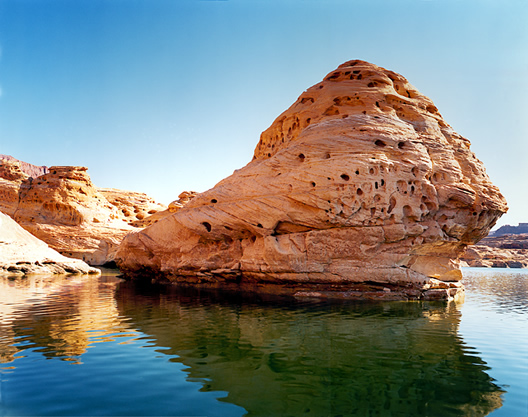

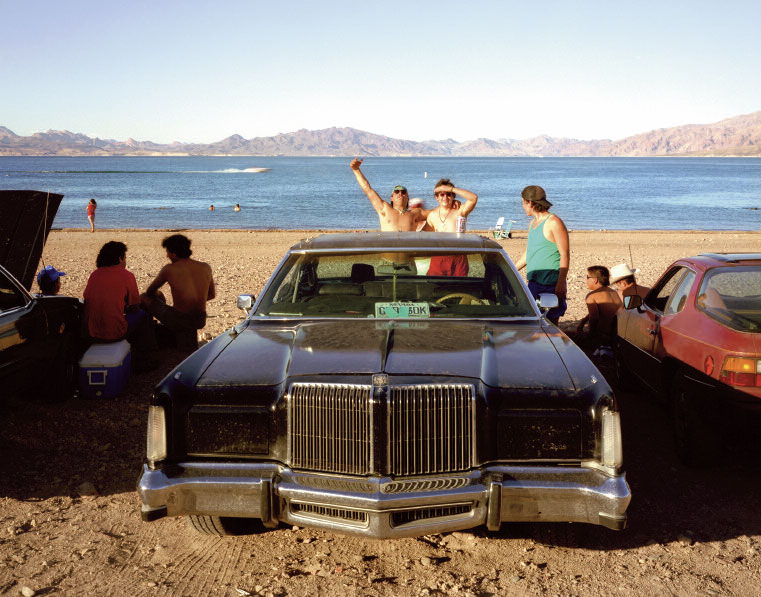
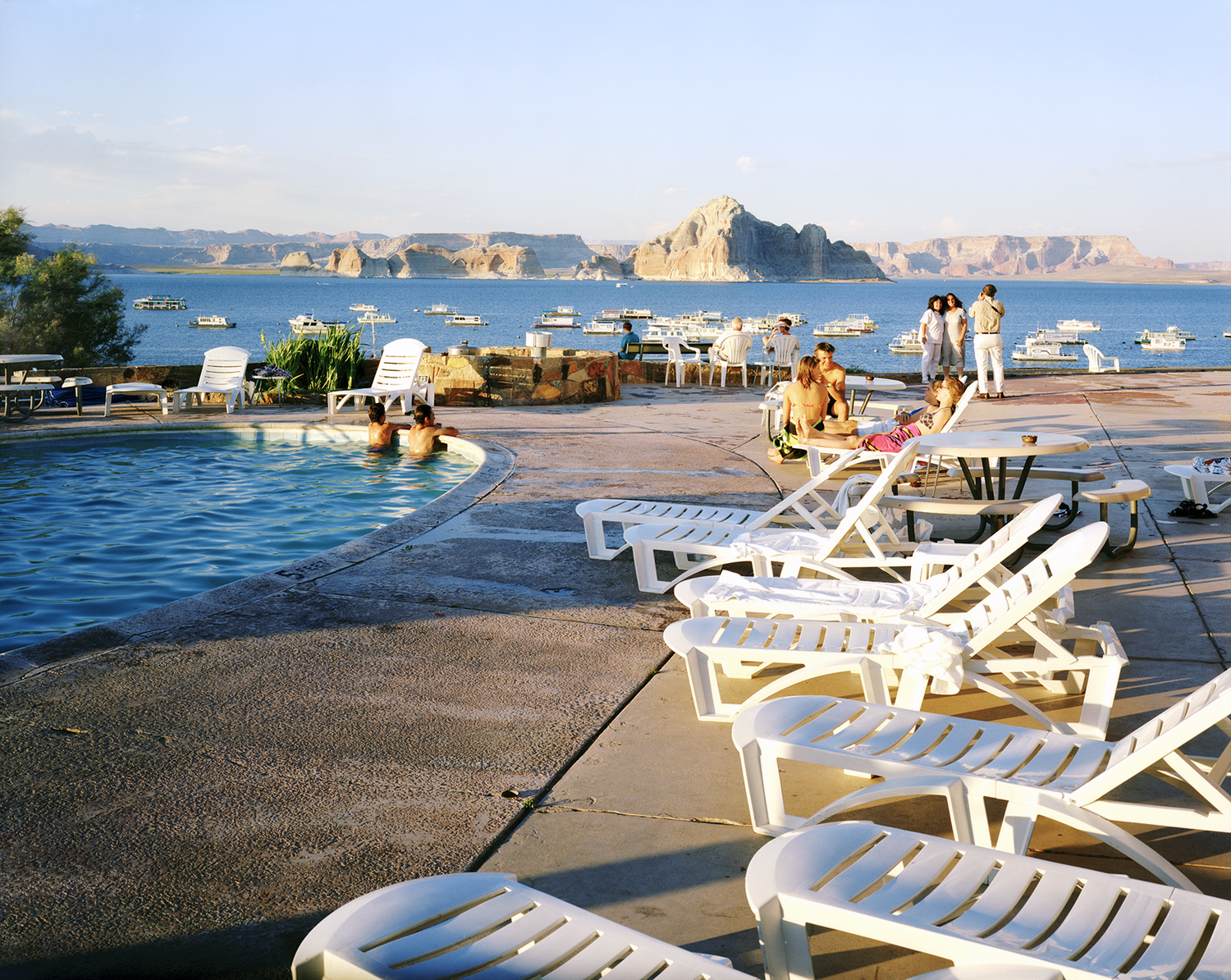
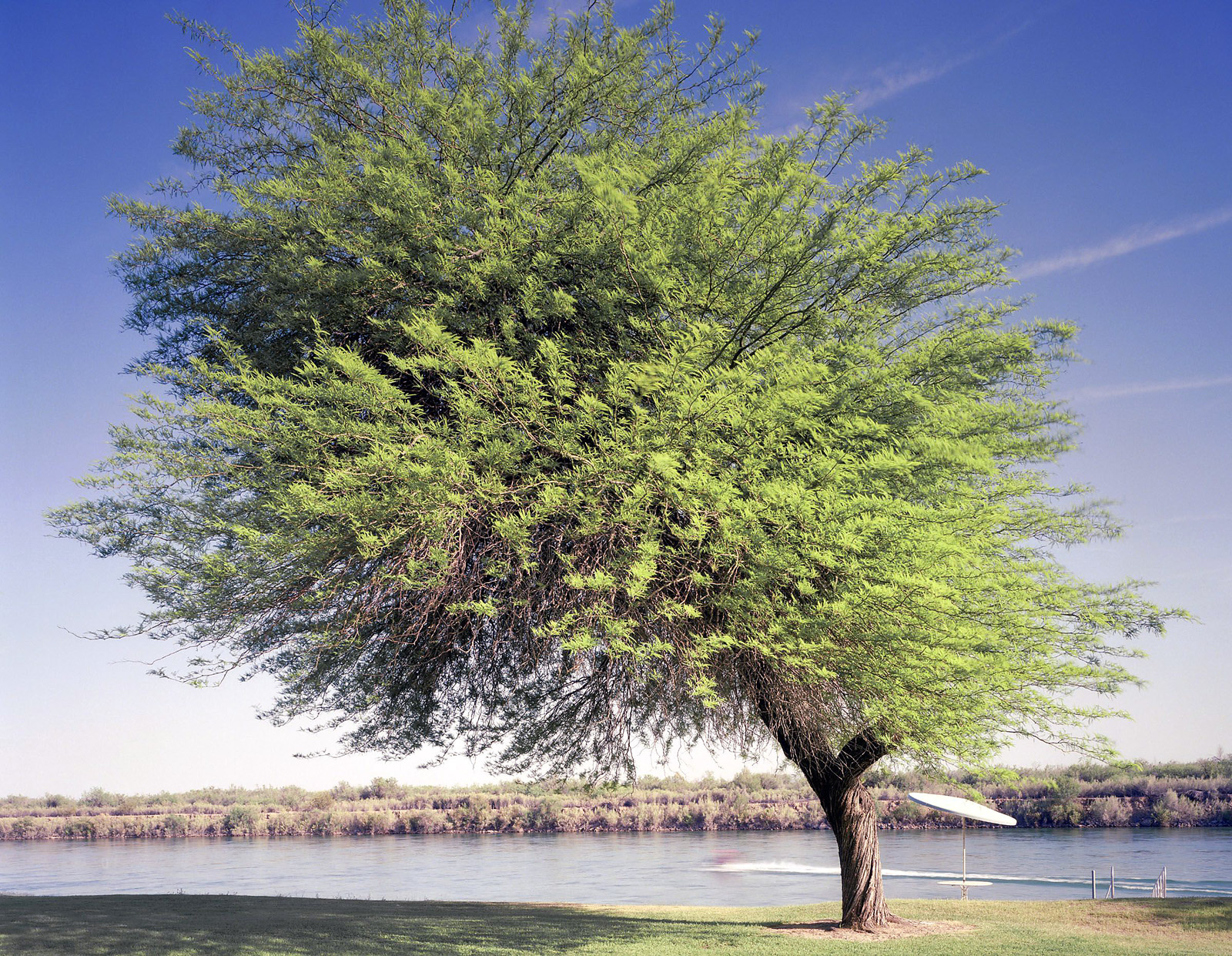
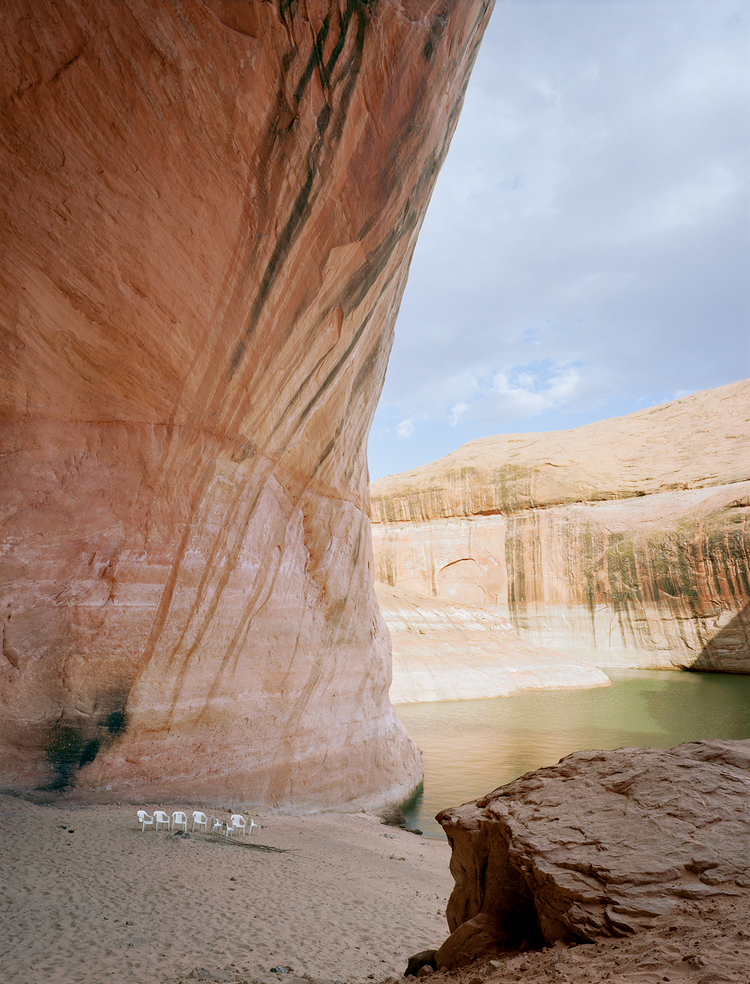
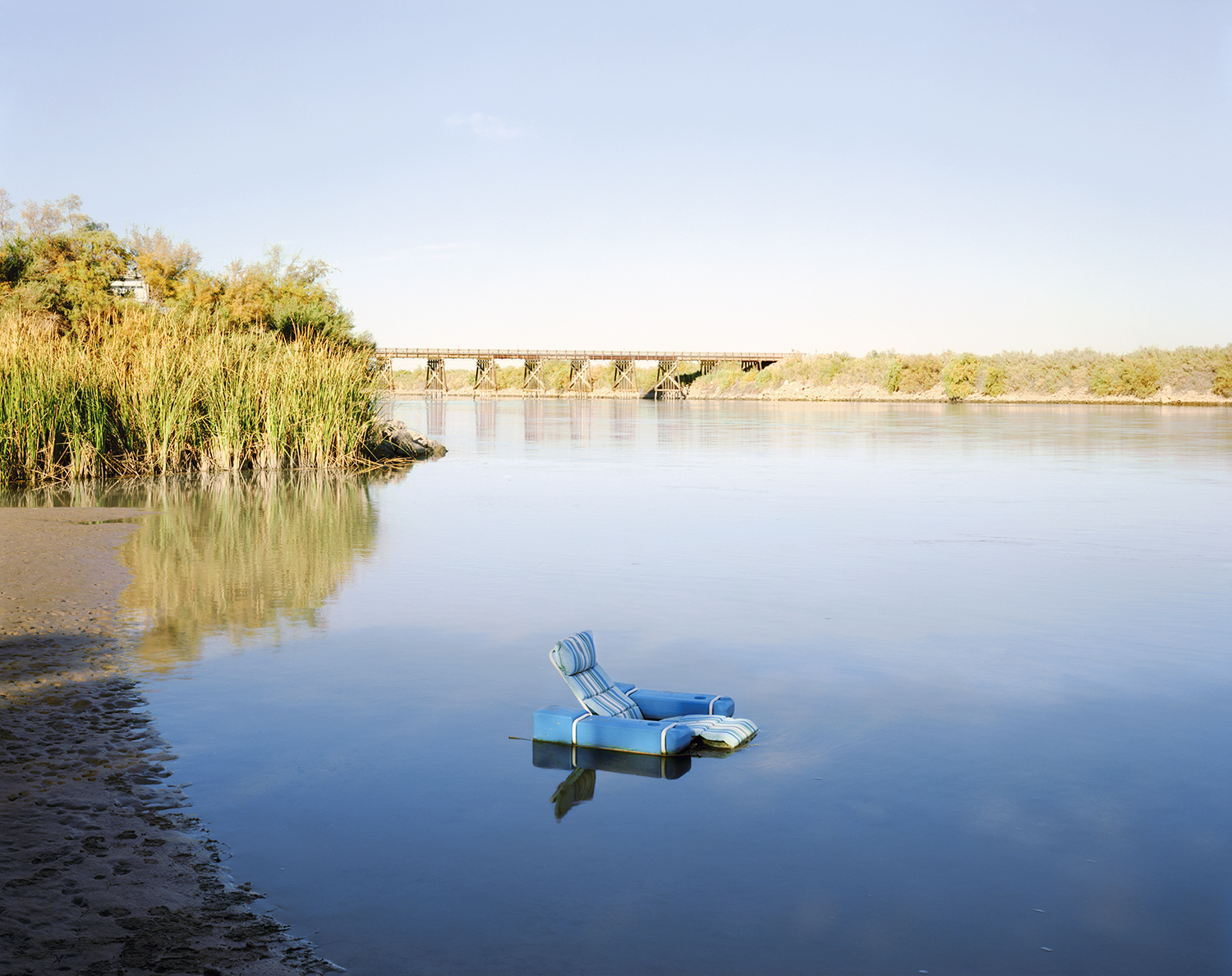
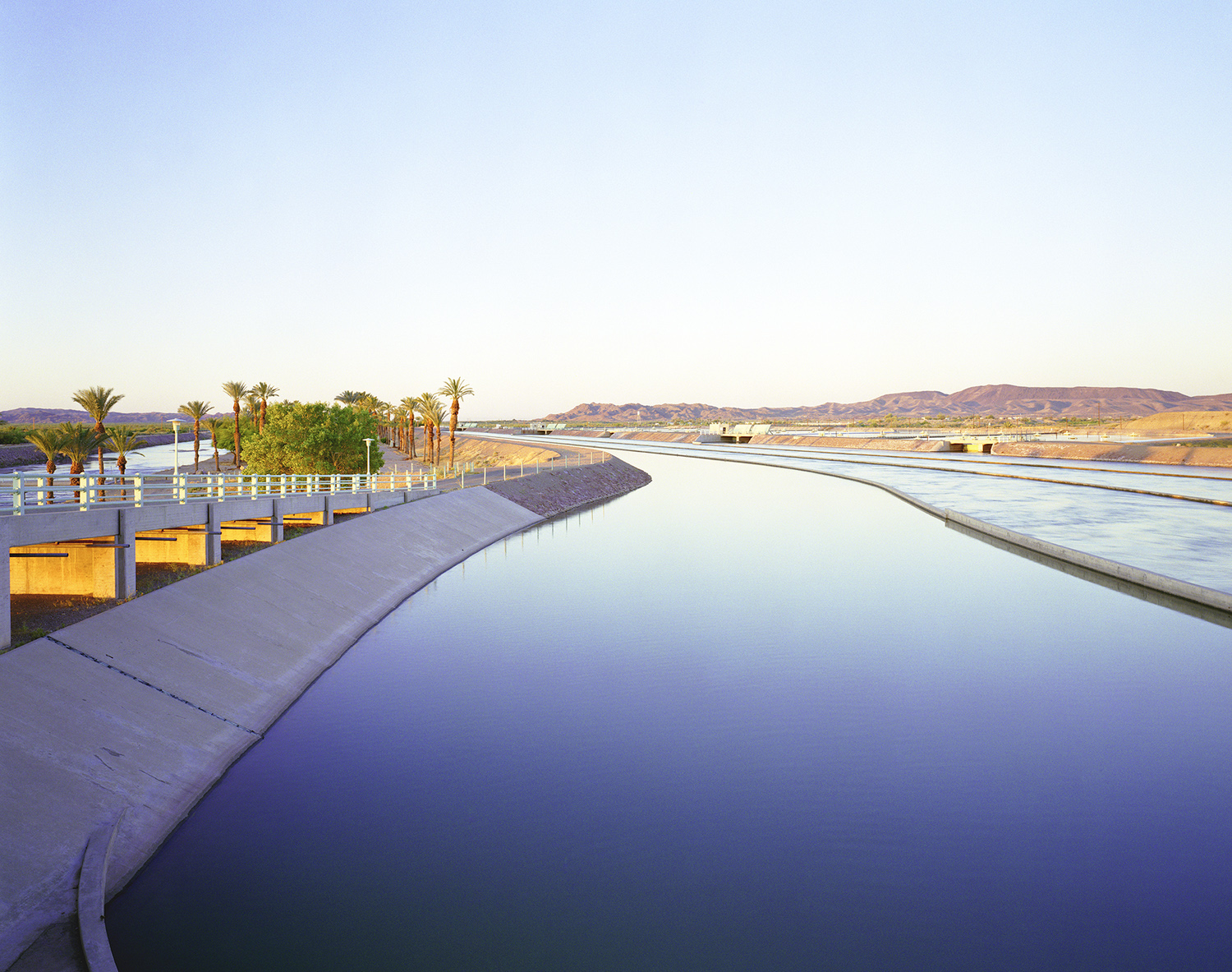
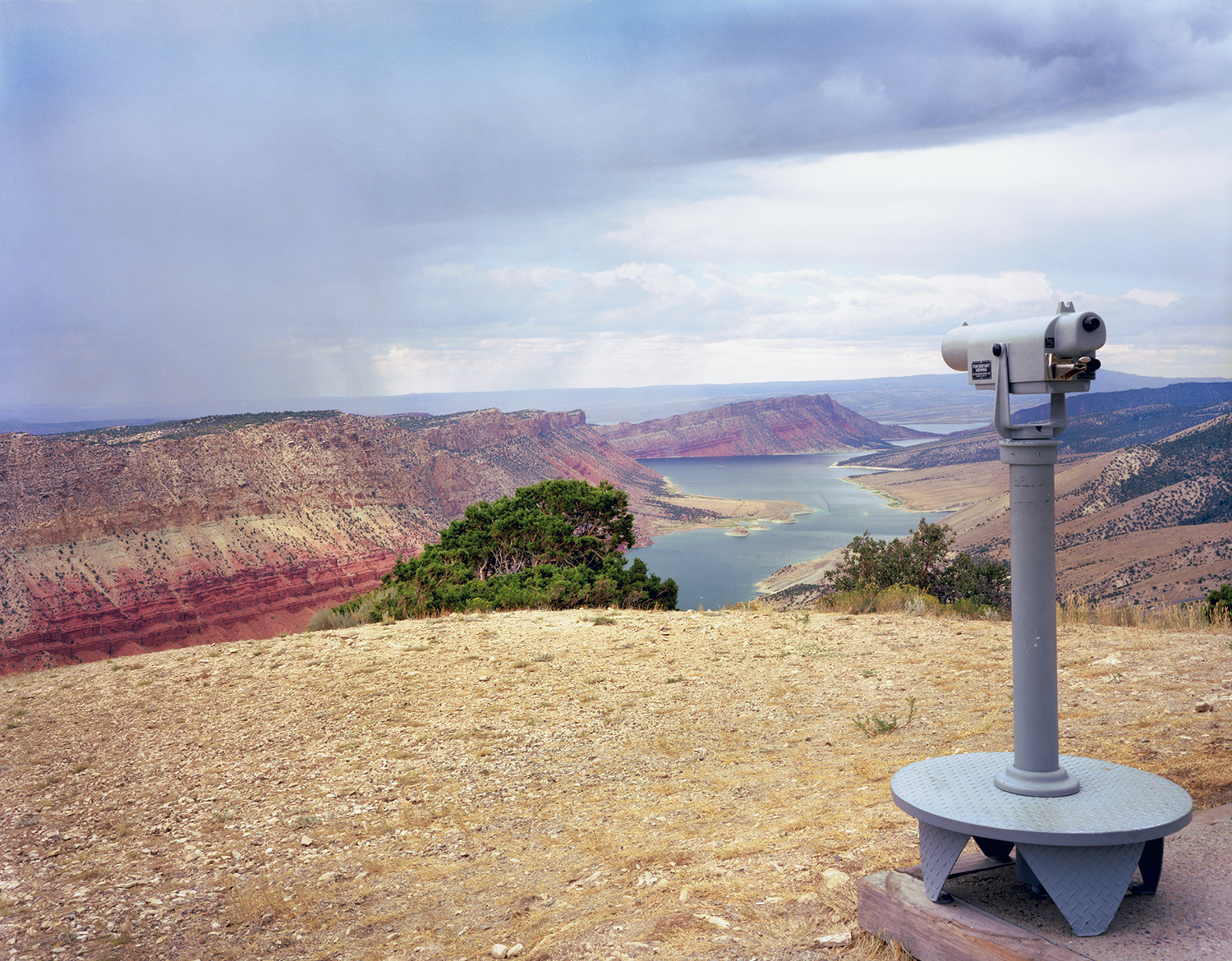
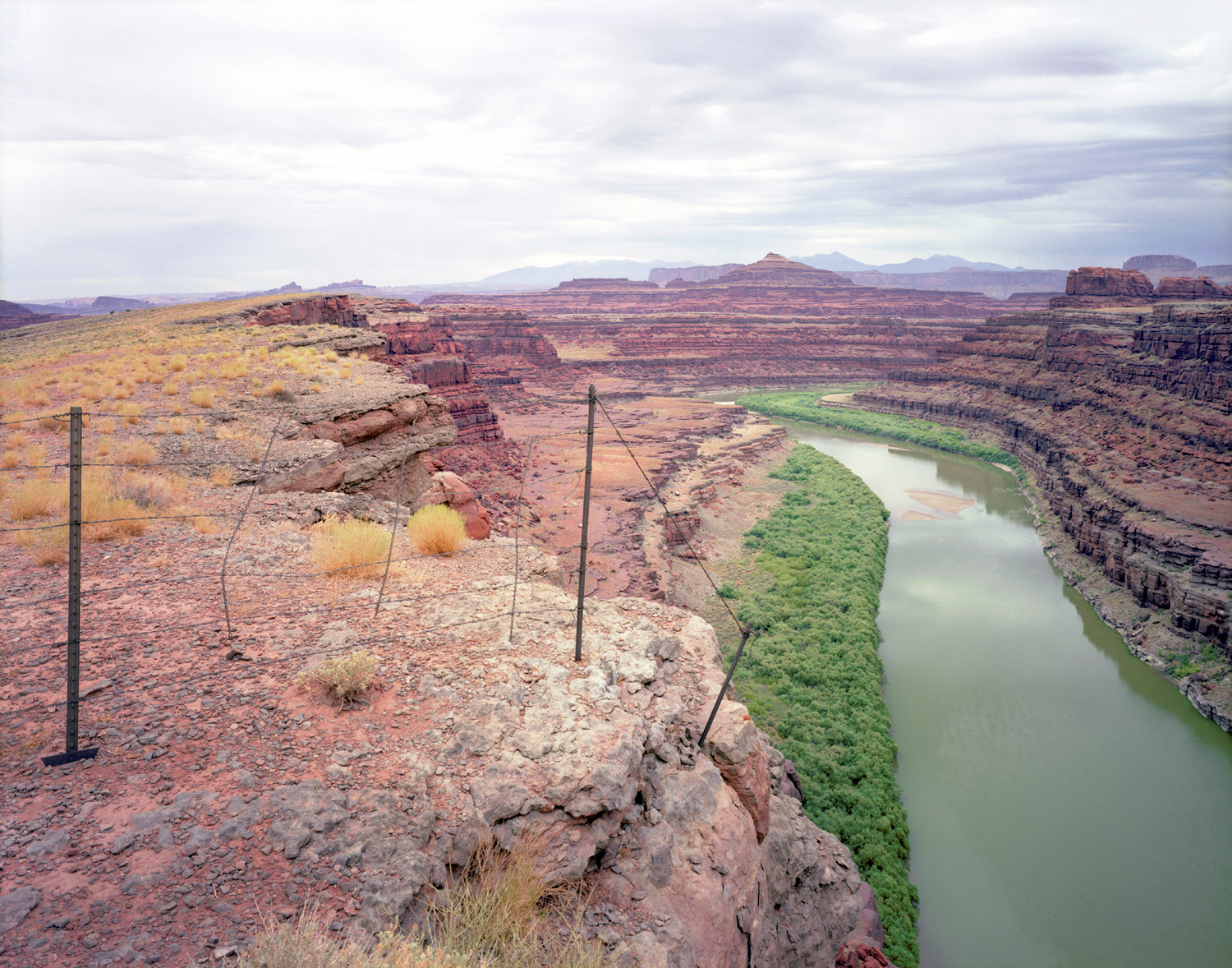
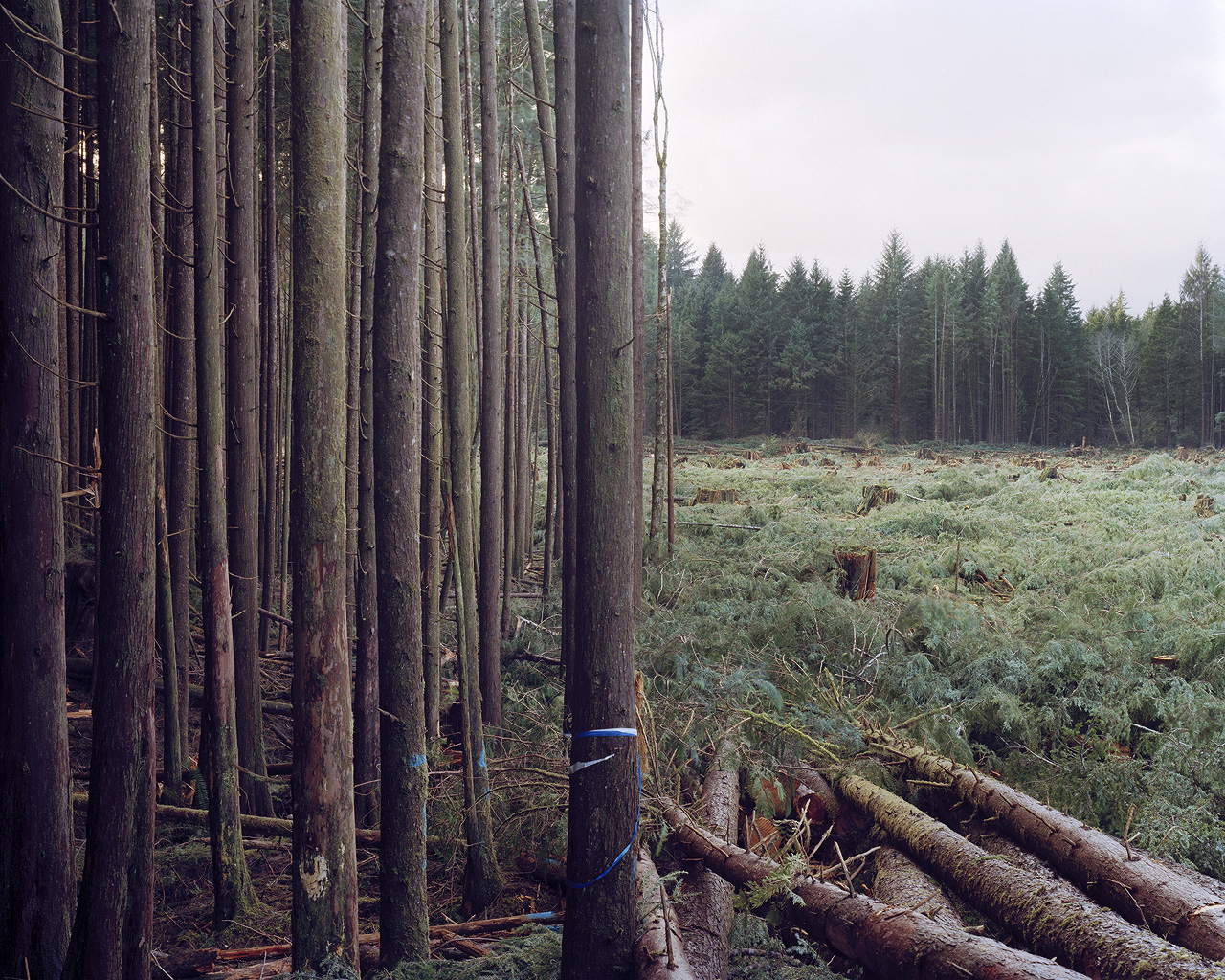
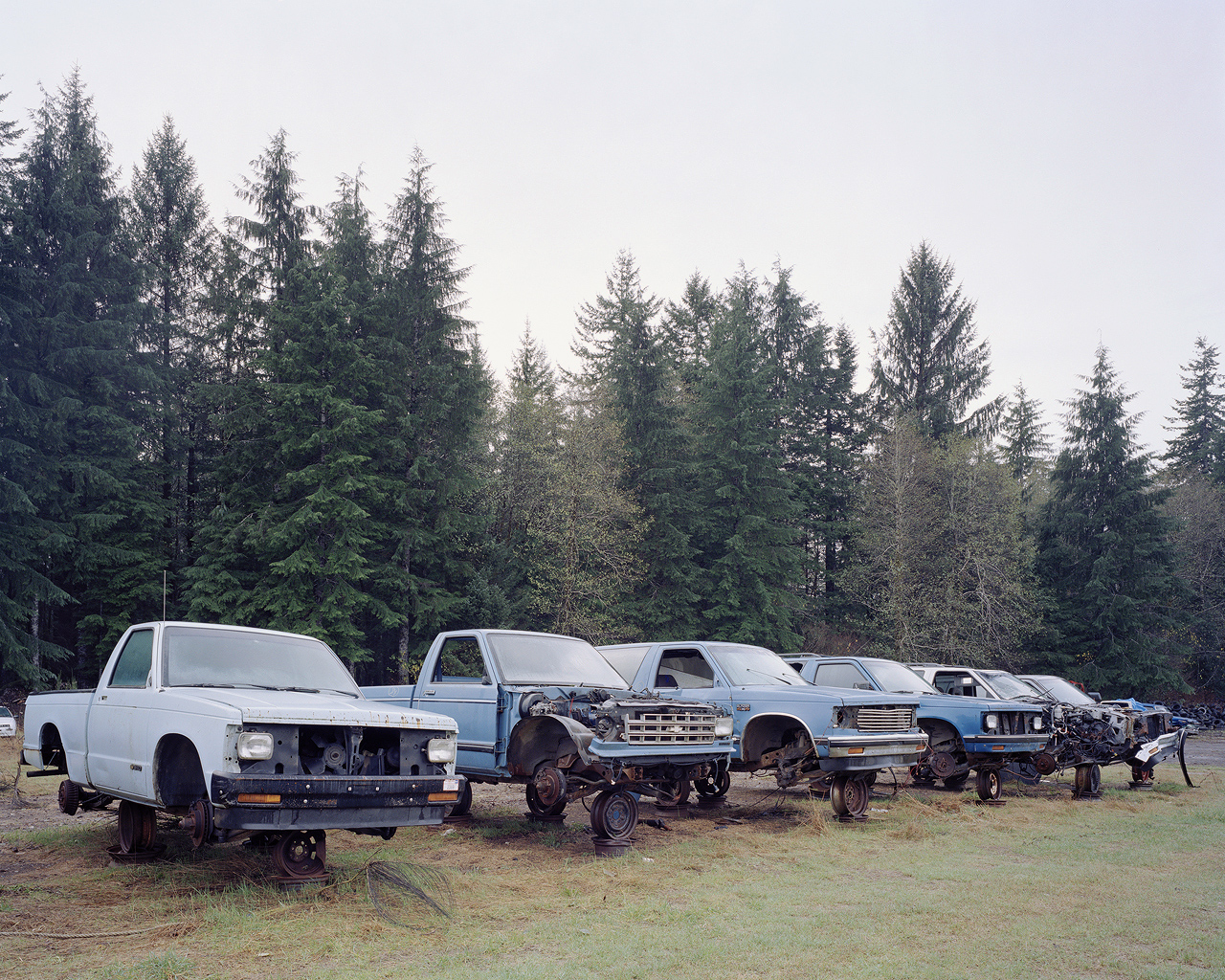
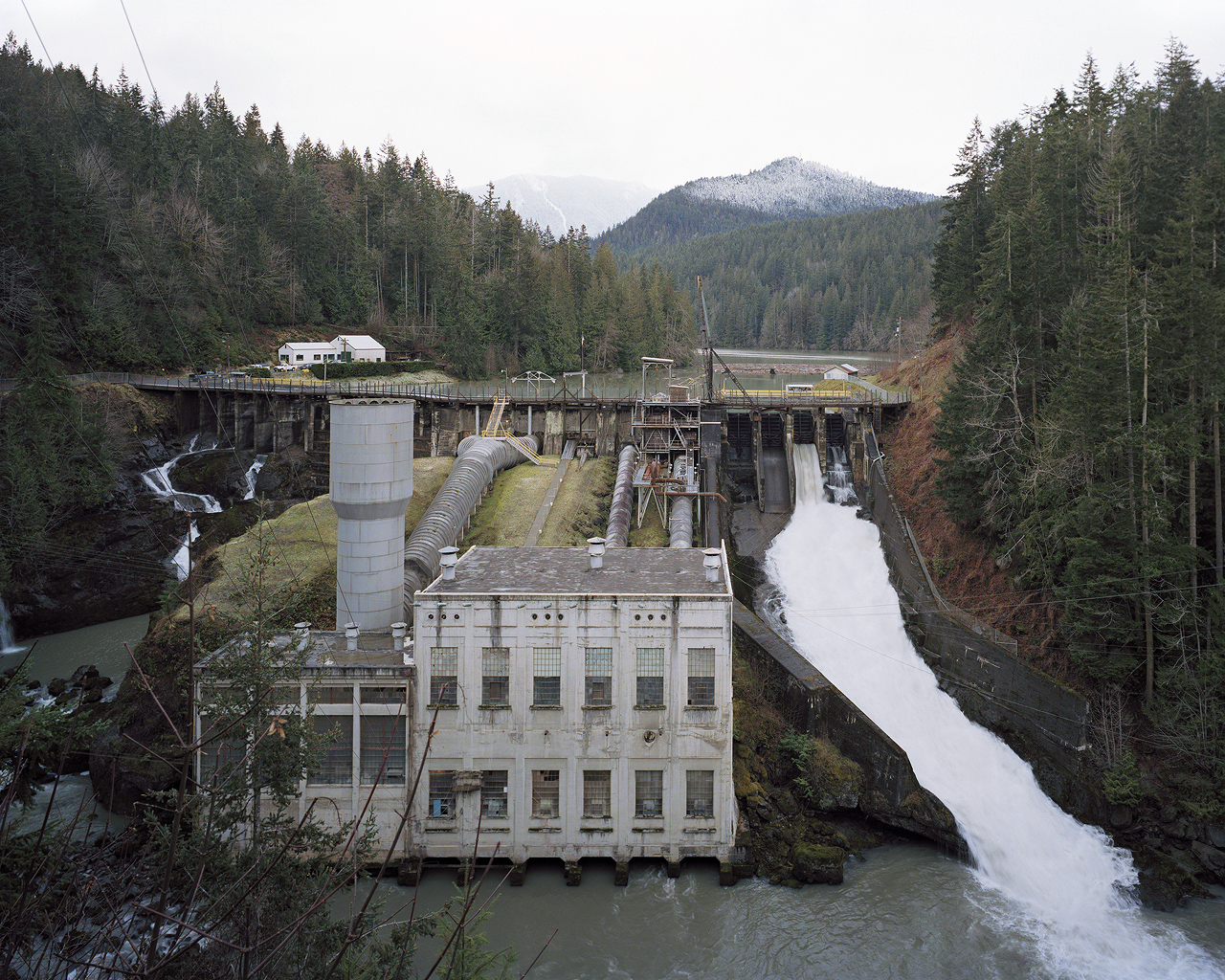
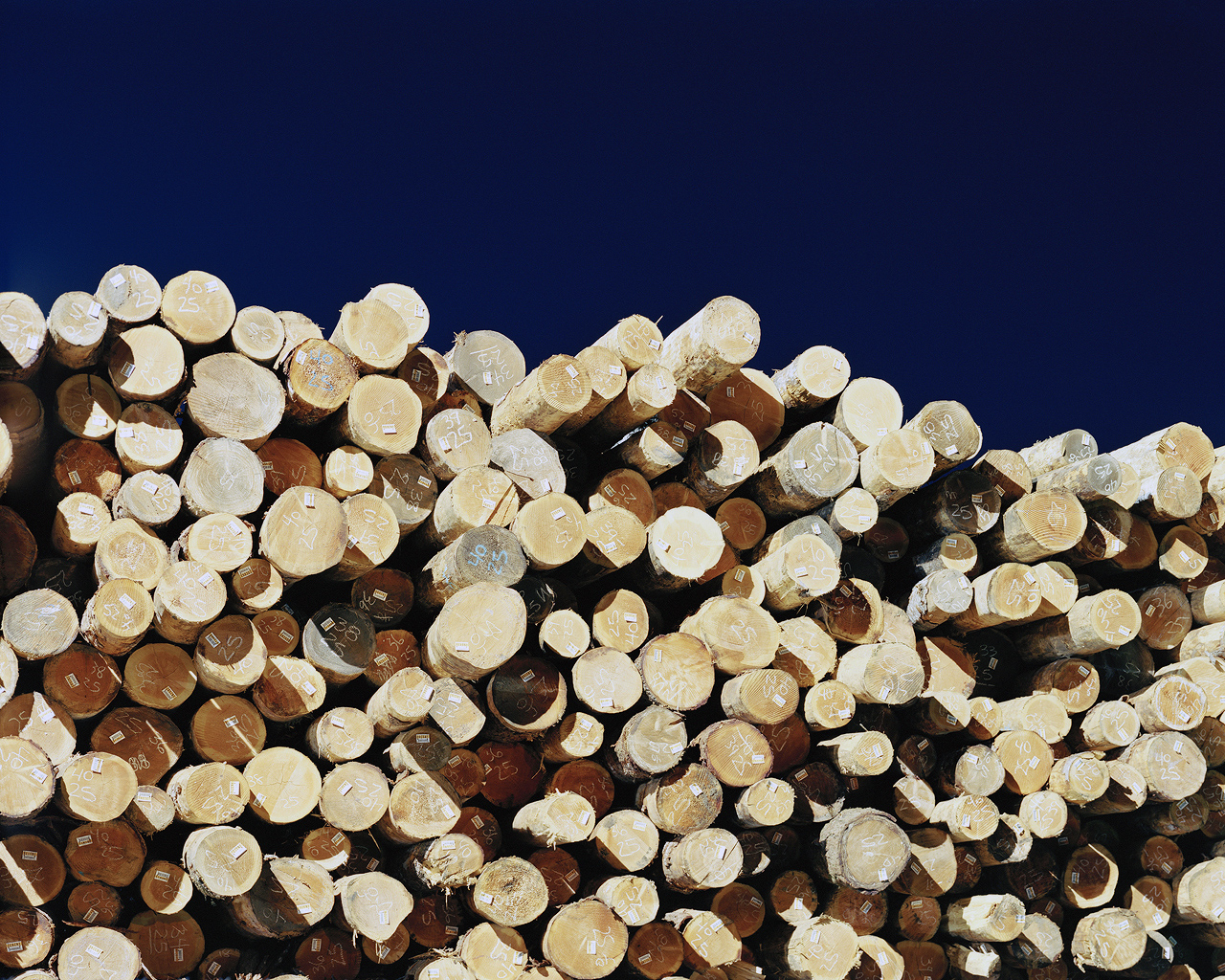
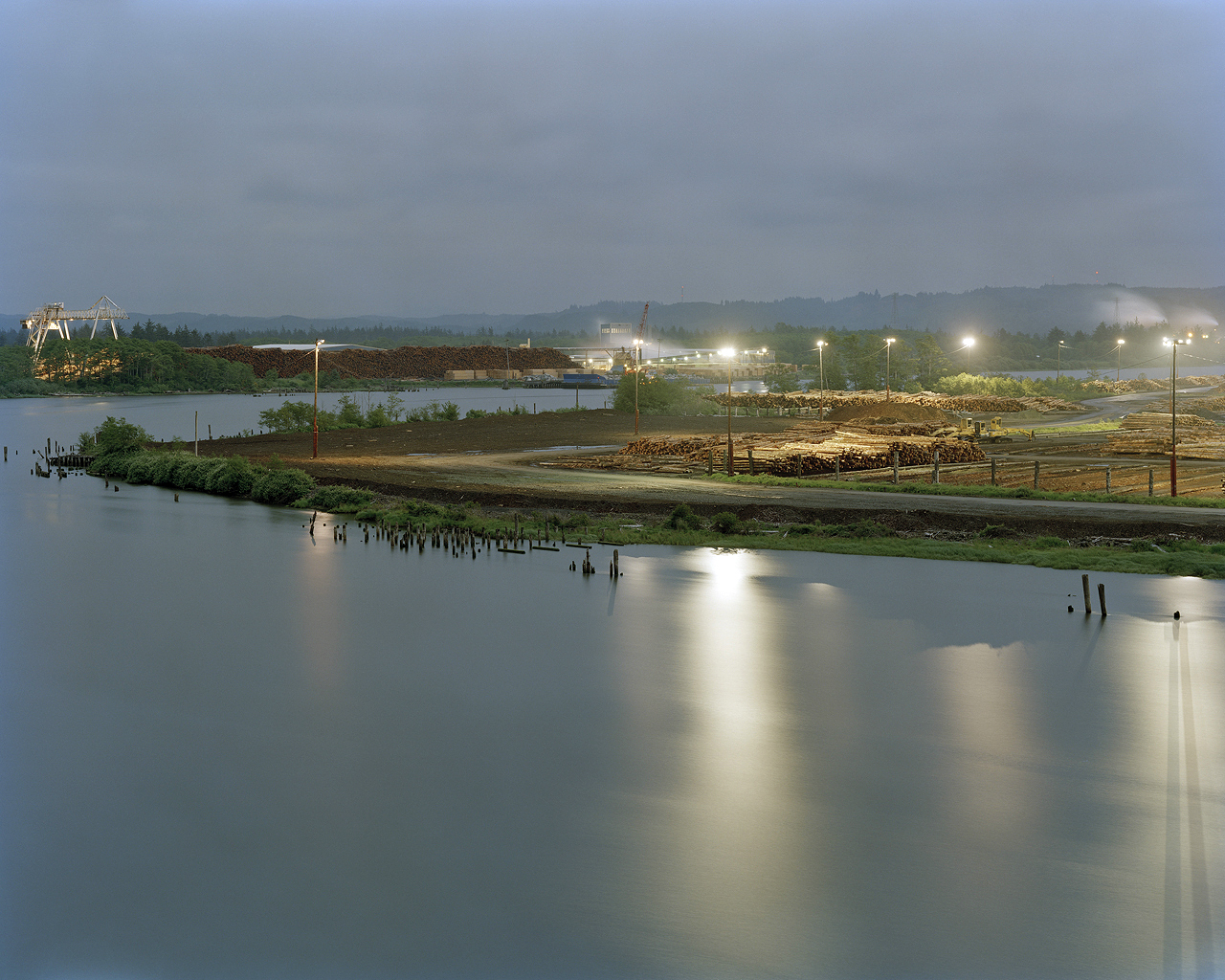

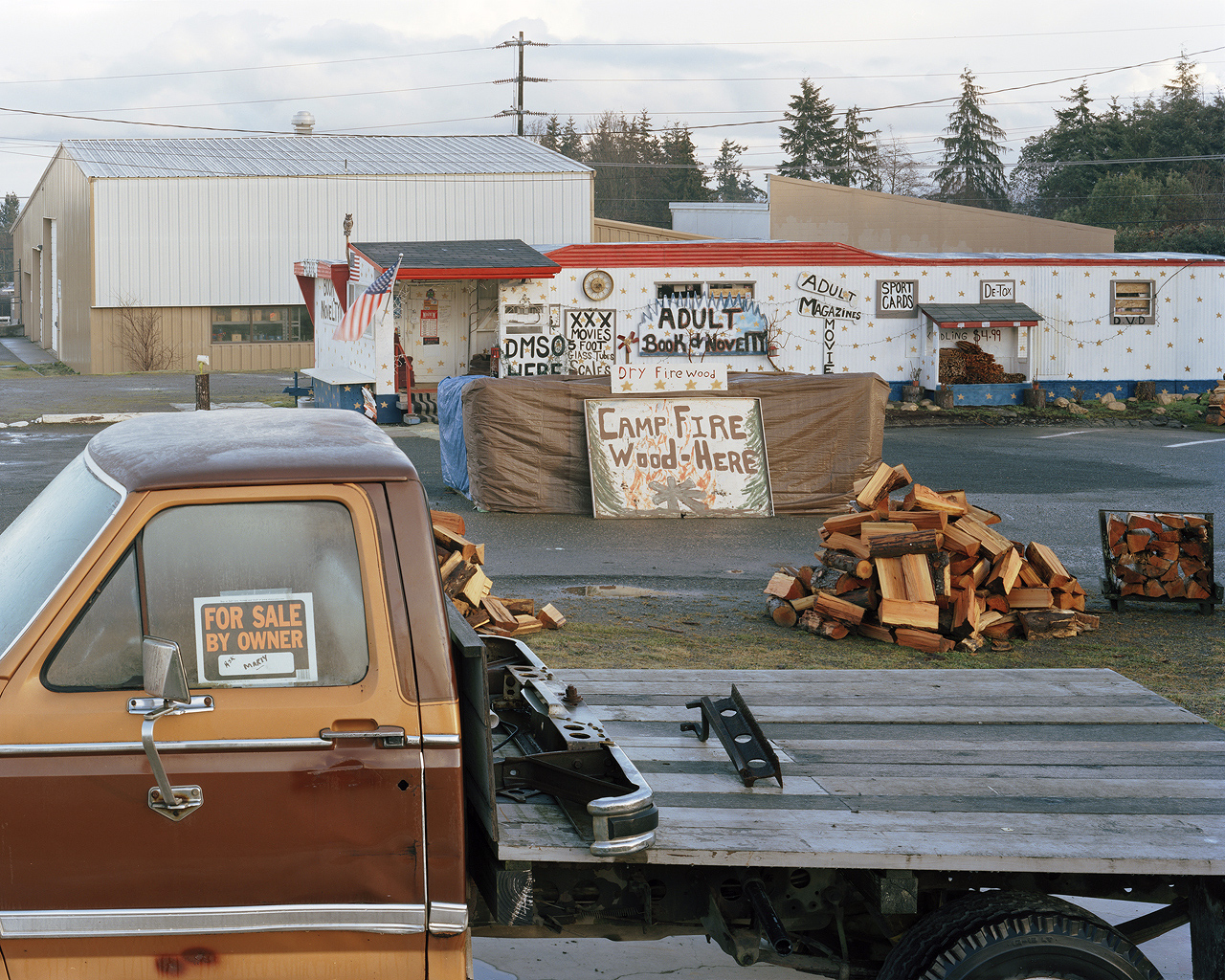

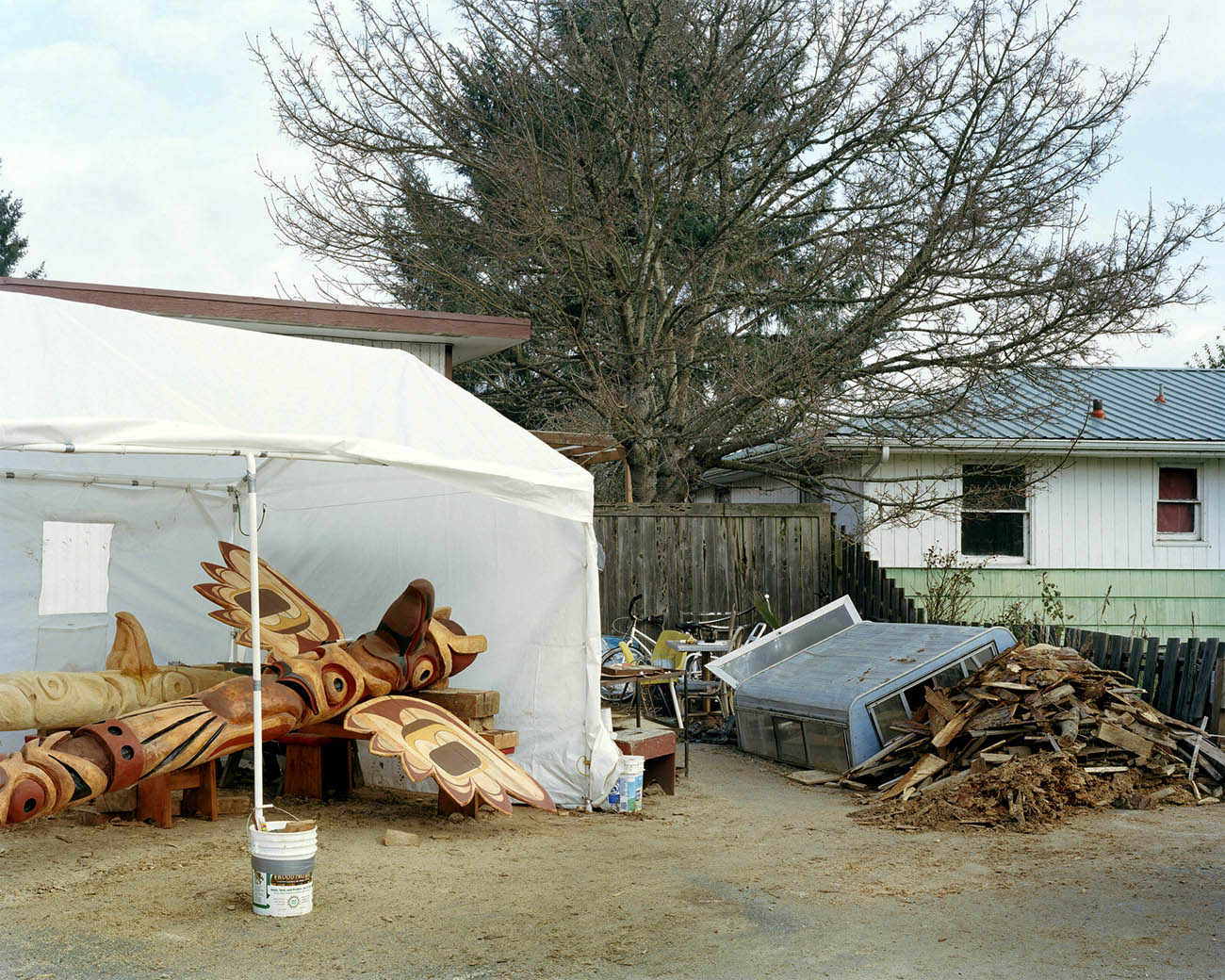
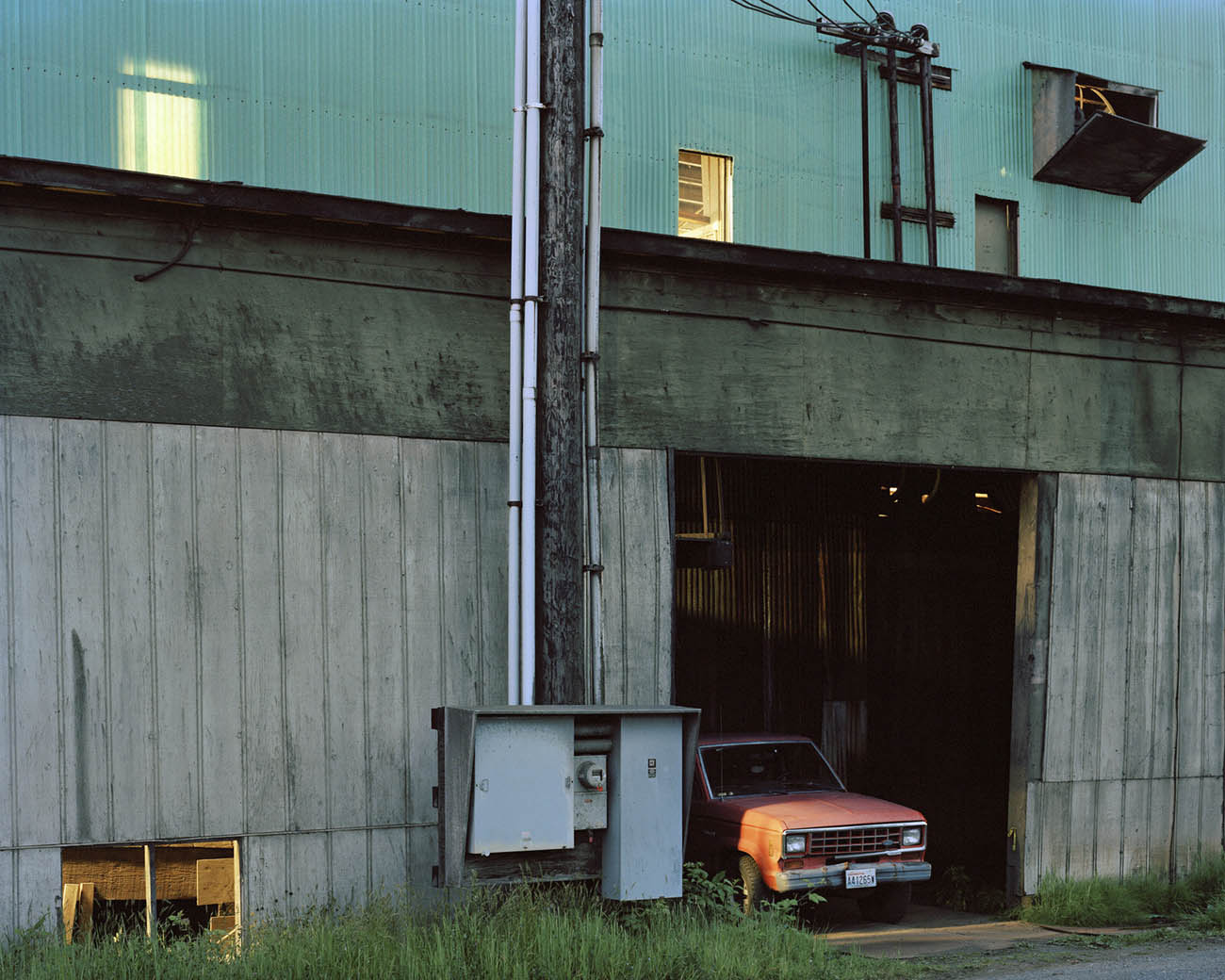


![Walker Evans (American, 1903-1975) '[Detail of Stencilled Lettering on Yellow Railroad Car: "DO NOT HUMP"]' September 16, 1974](https://artblart.com/wp-content/uploads/2009/06/evans-do-not-hump-web.jpg "Walker Evans (American, 1903-1975) '[Detail of Stencilled Lettering on Yellow Railroad Car: \"DO NOT HUMP\"]' September 16, 1974")


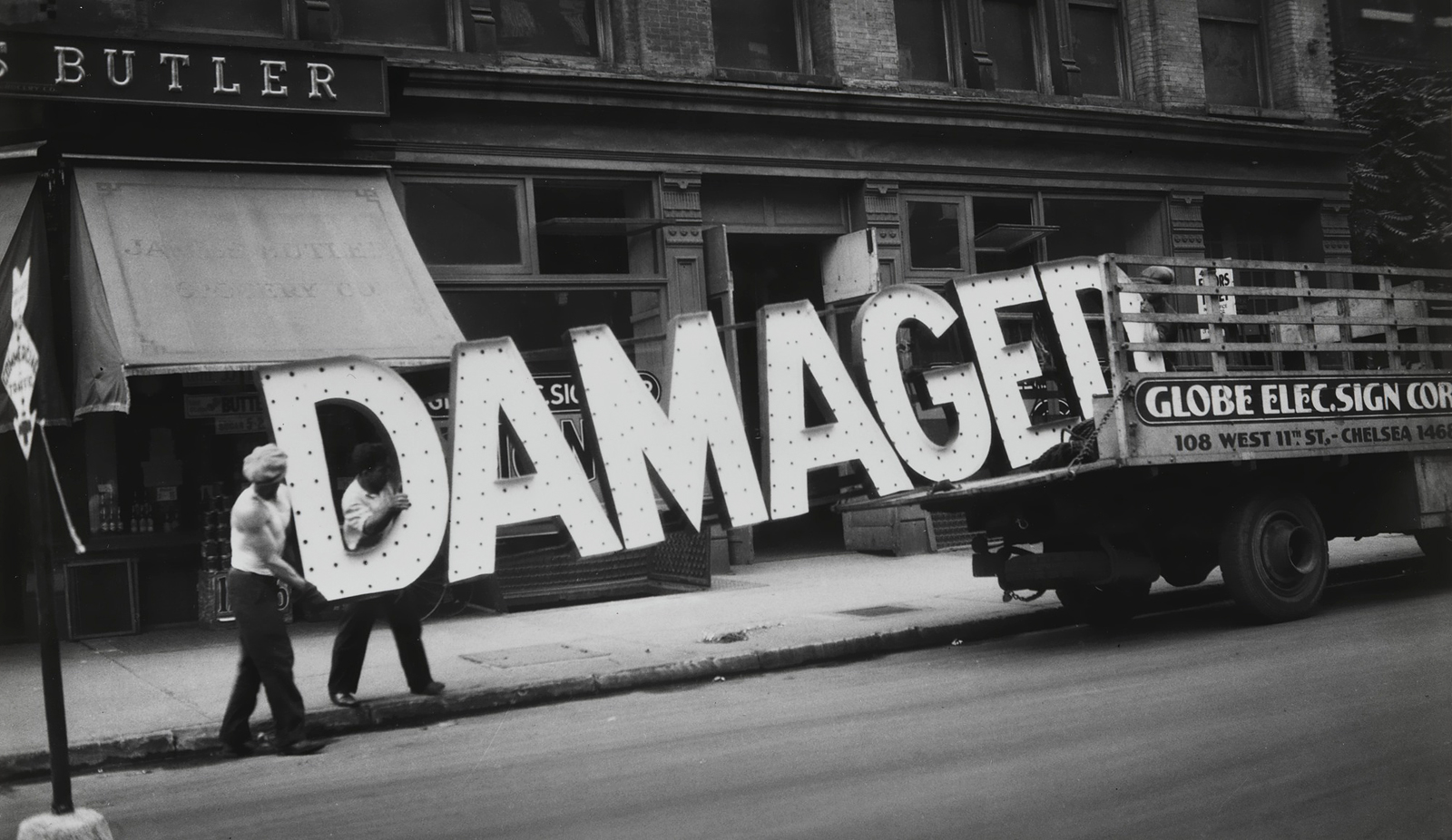

![Walker Evans (American, 1903-1975) '[Fireplace in Floyd Burrroughs's Bedroom with Bedpost in Foreground, Hale County, Alabama]' 1936](https://artblart.com/wp-content/uploads/2009/06/walker-evans-fireplace-web.jpg "Walker Evans (American, 1903-1975) '[Fireplace in Floyd Burrroughs's Bedroom with Bedpost in Foreground, Hale County, Alabama]' 1936")

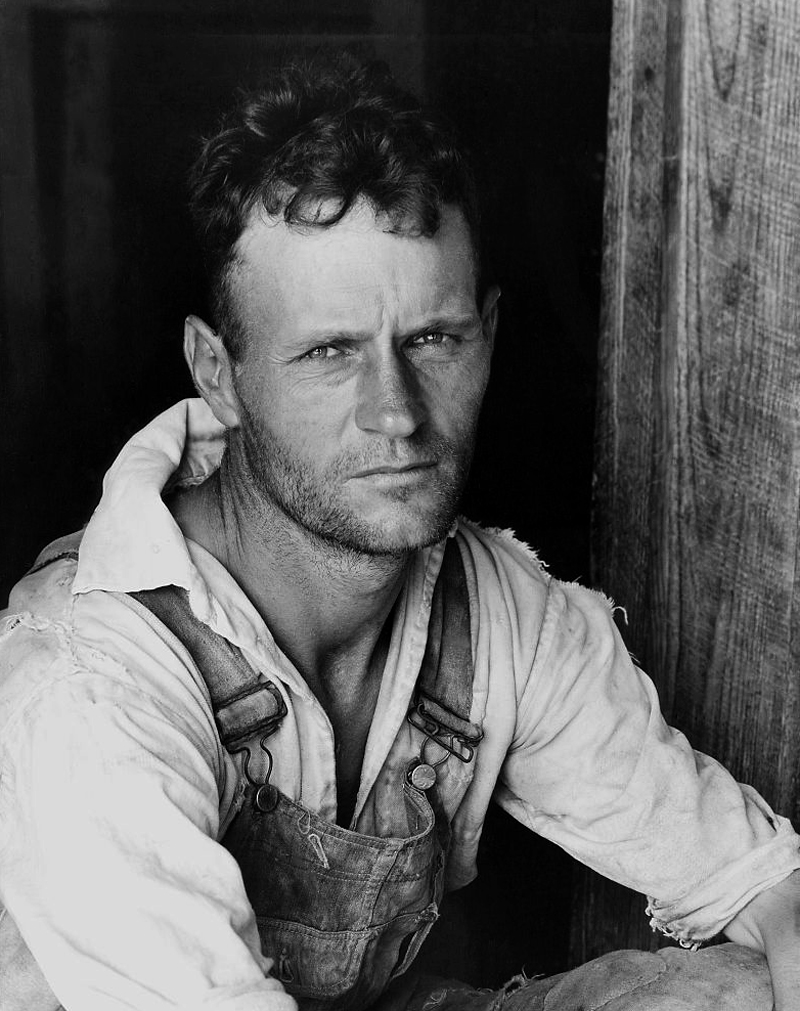
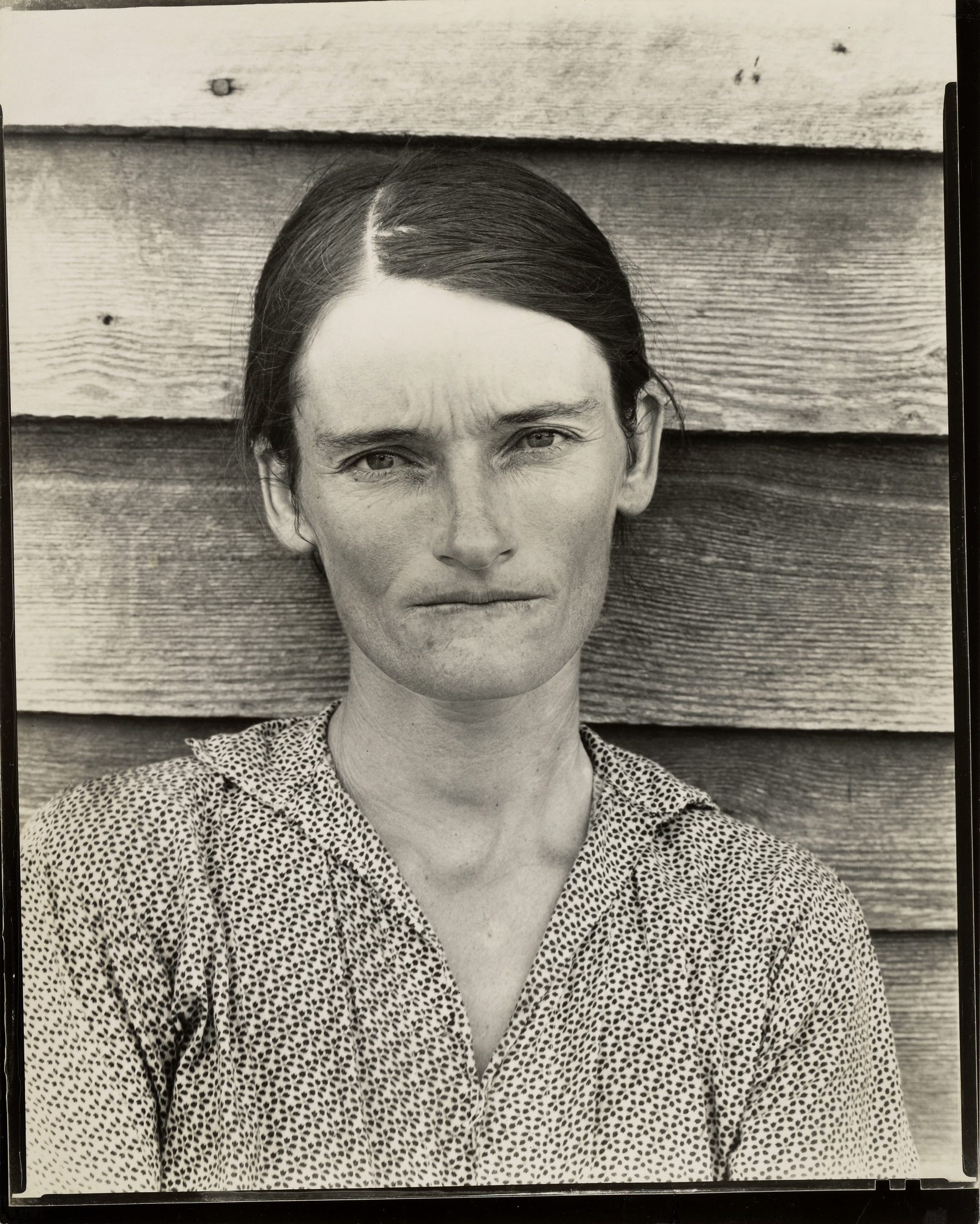

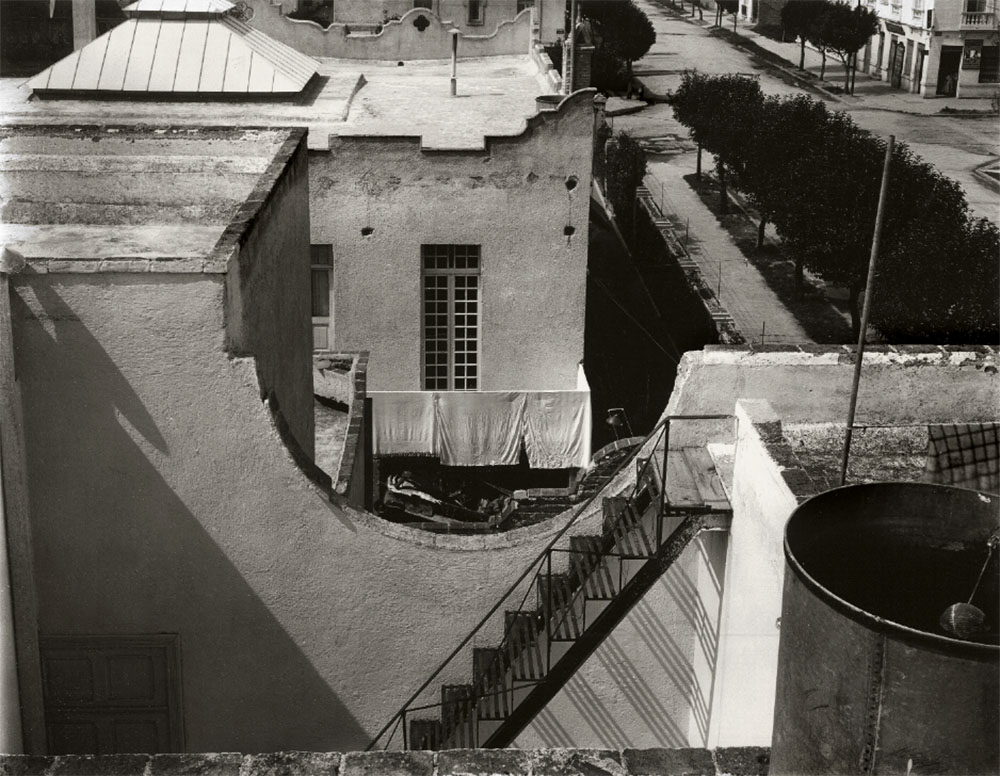


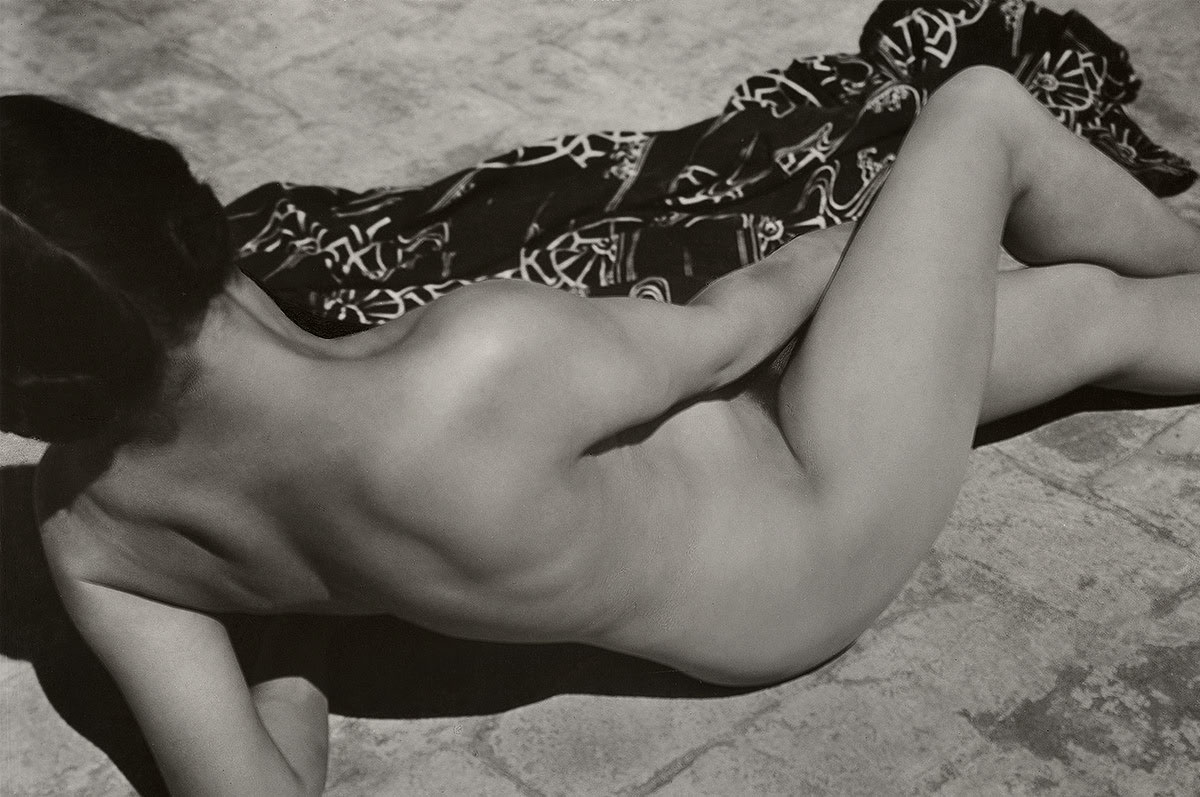


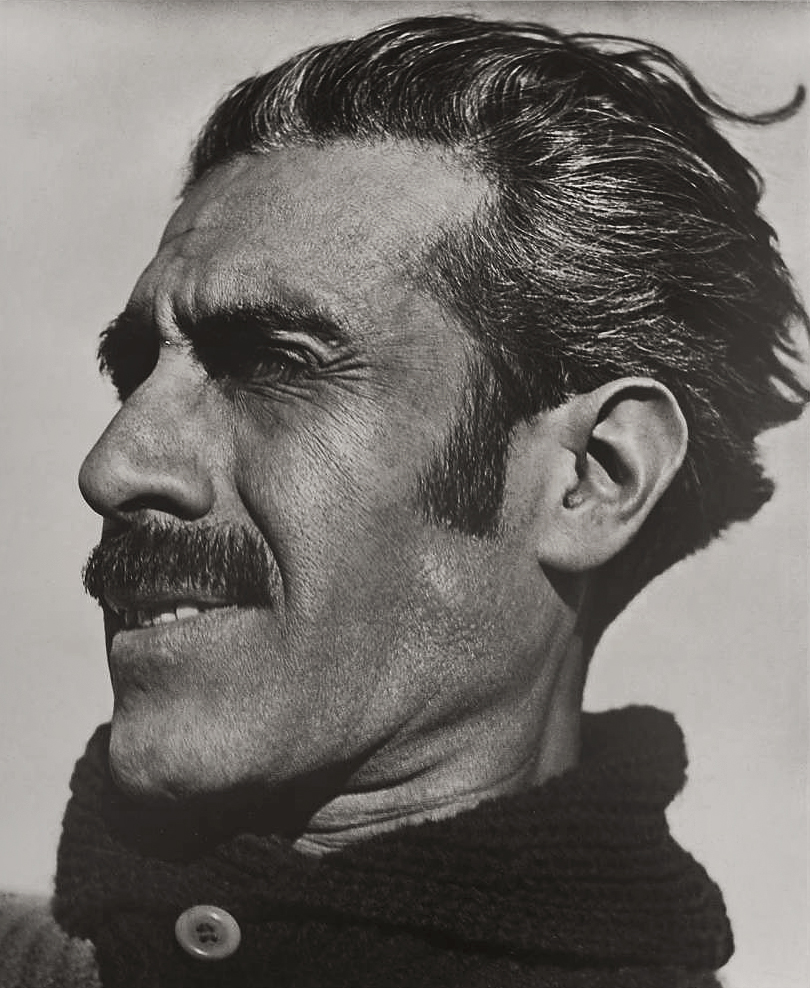


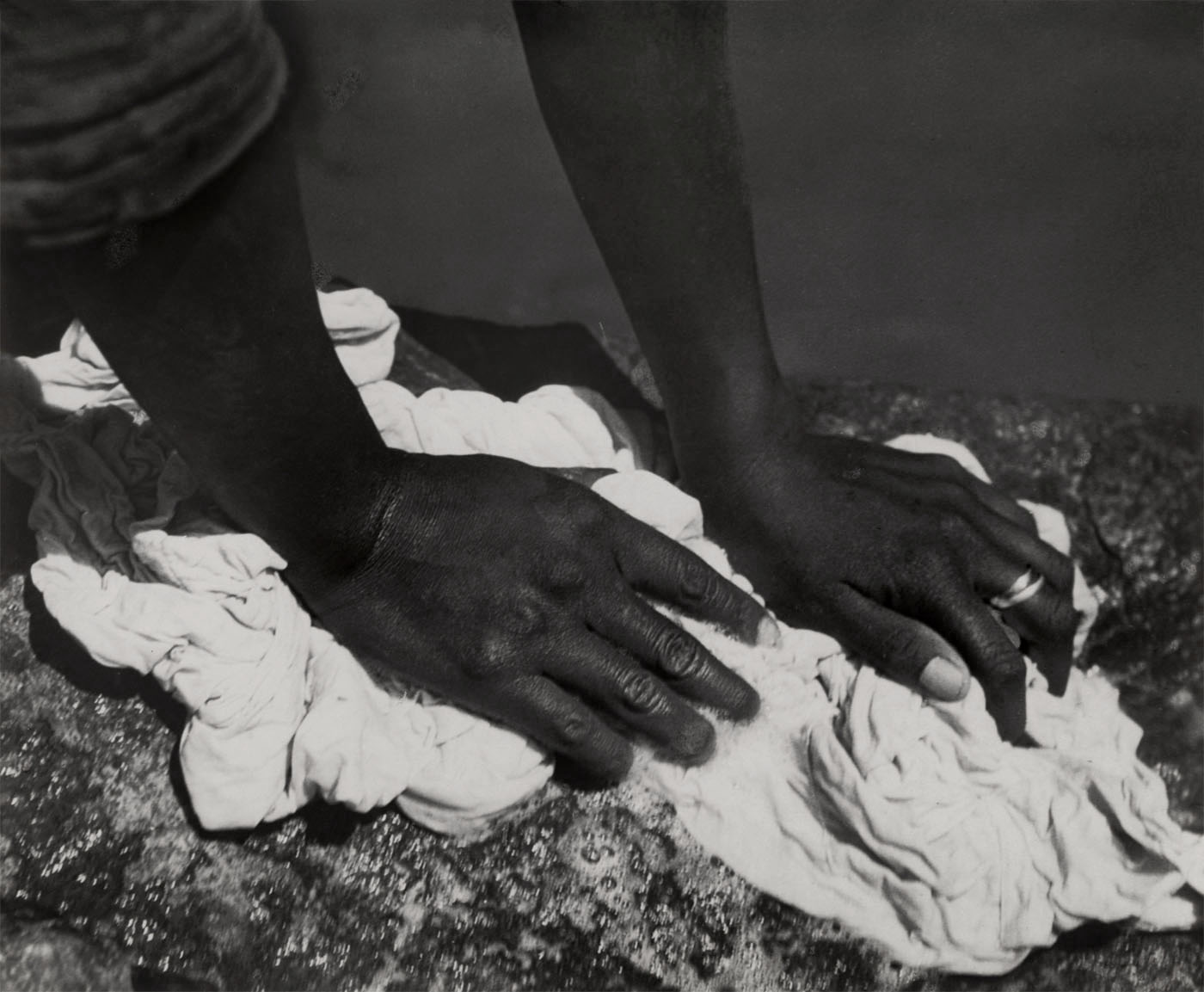
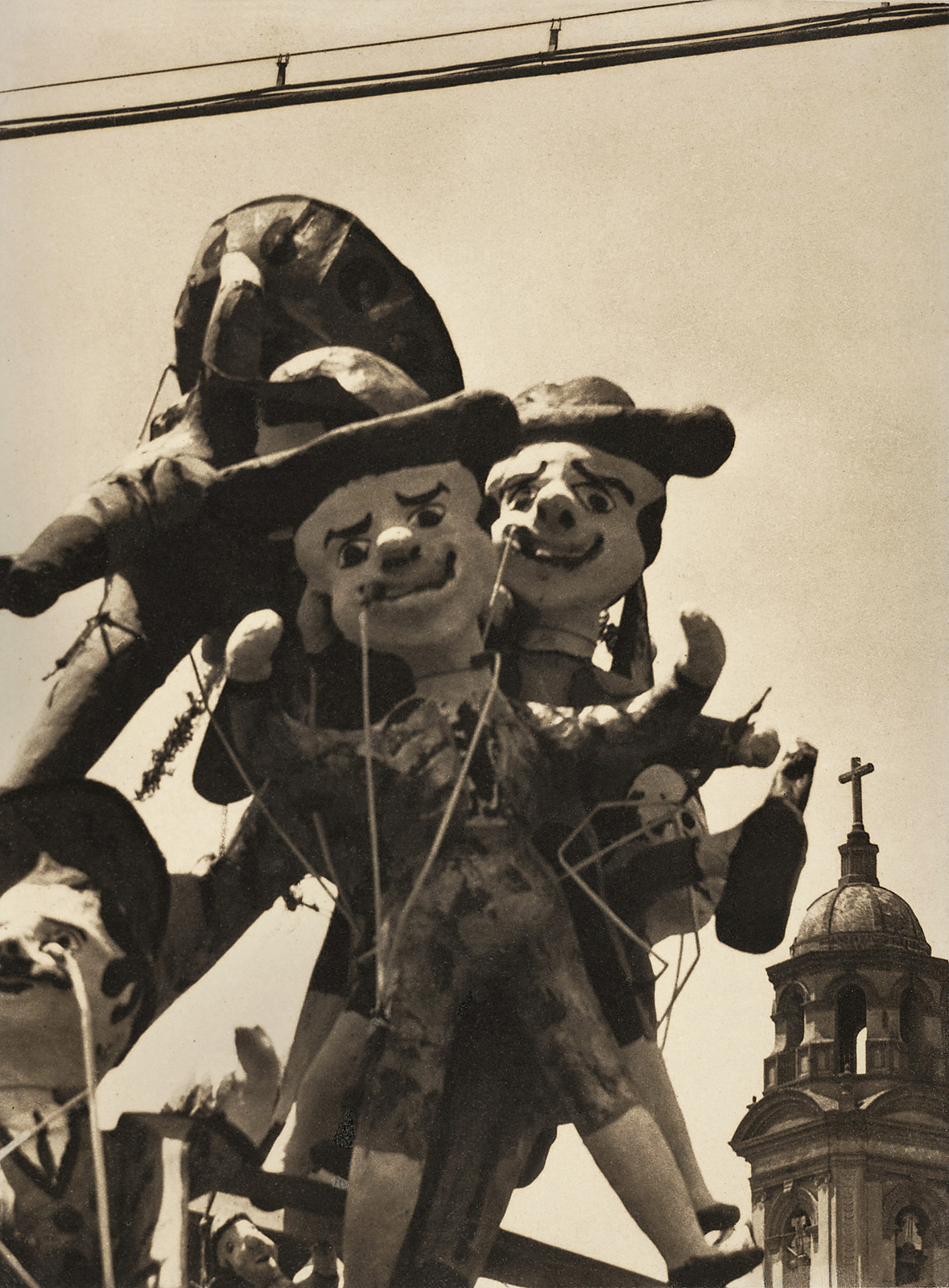


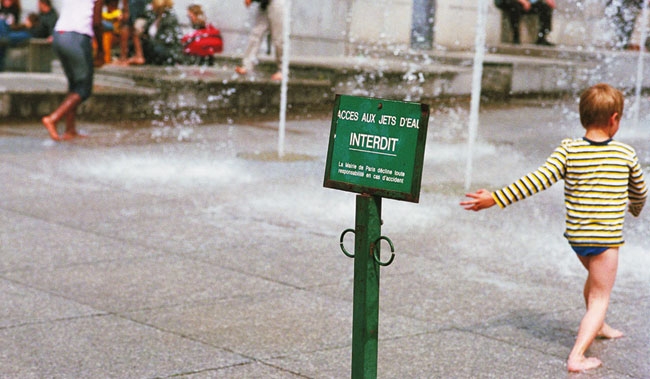


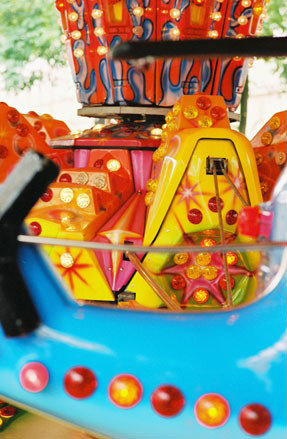
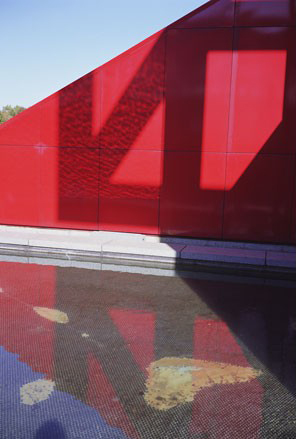


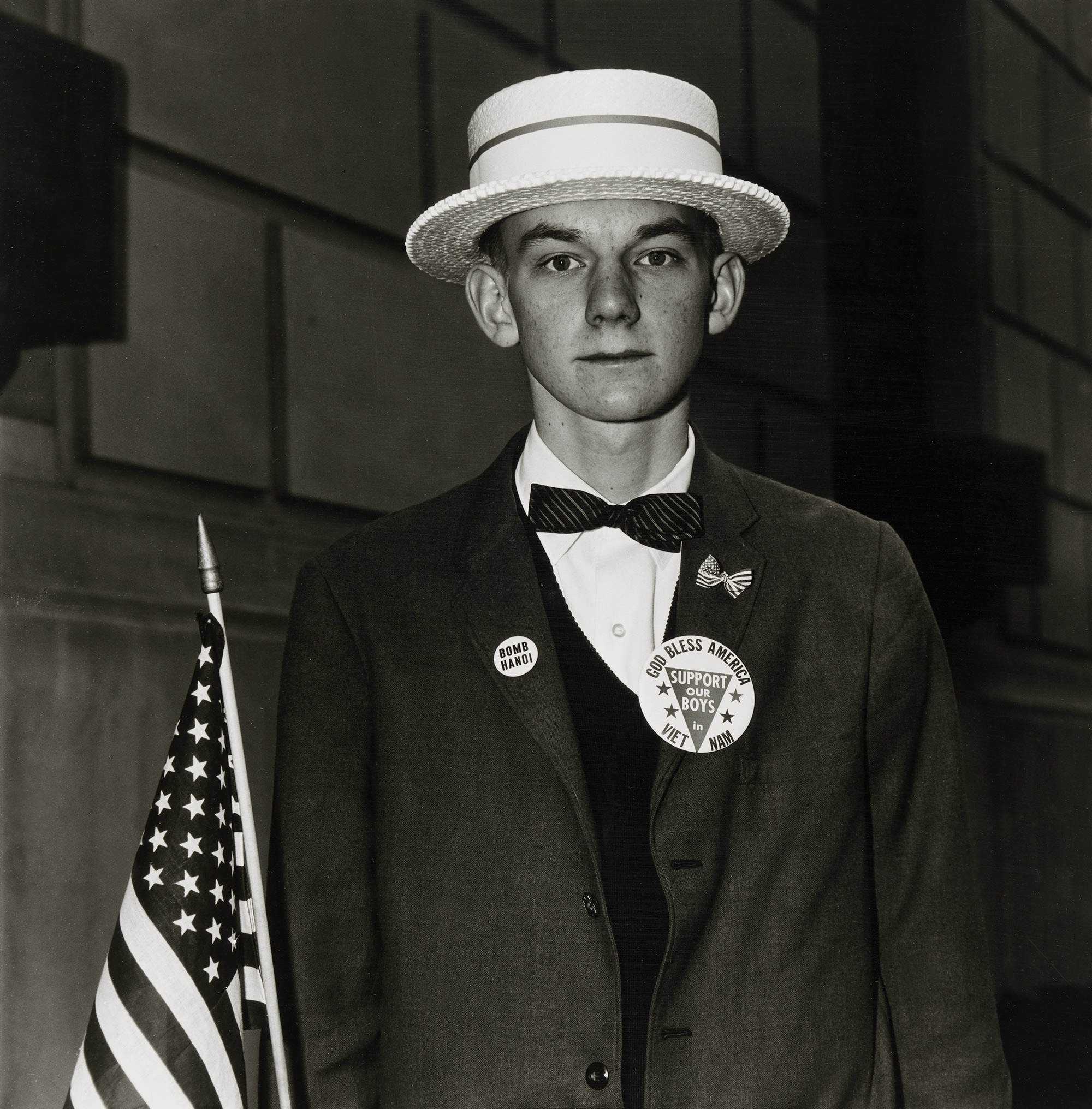


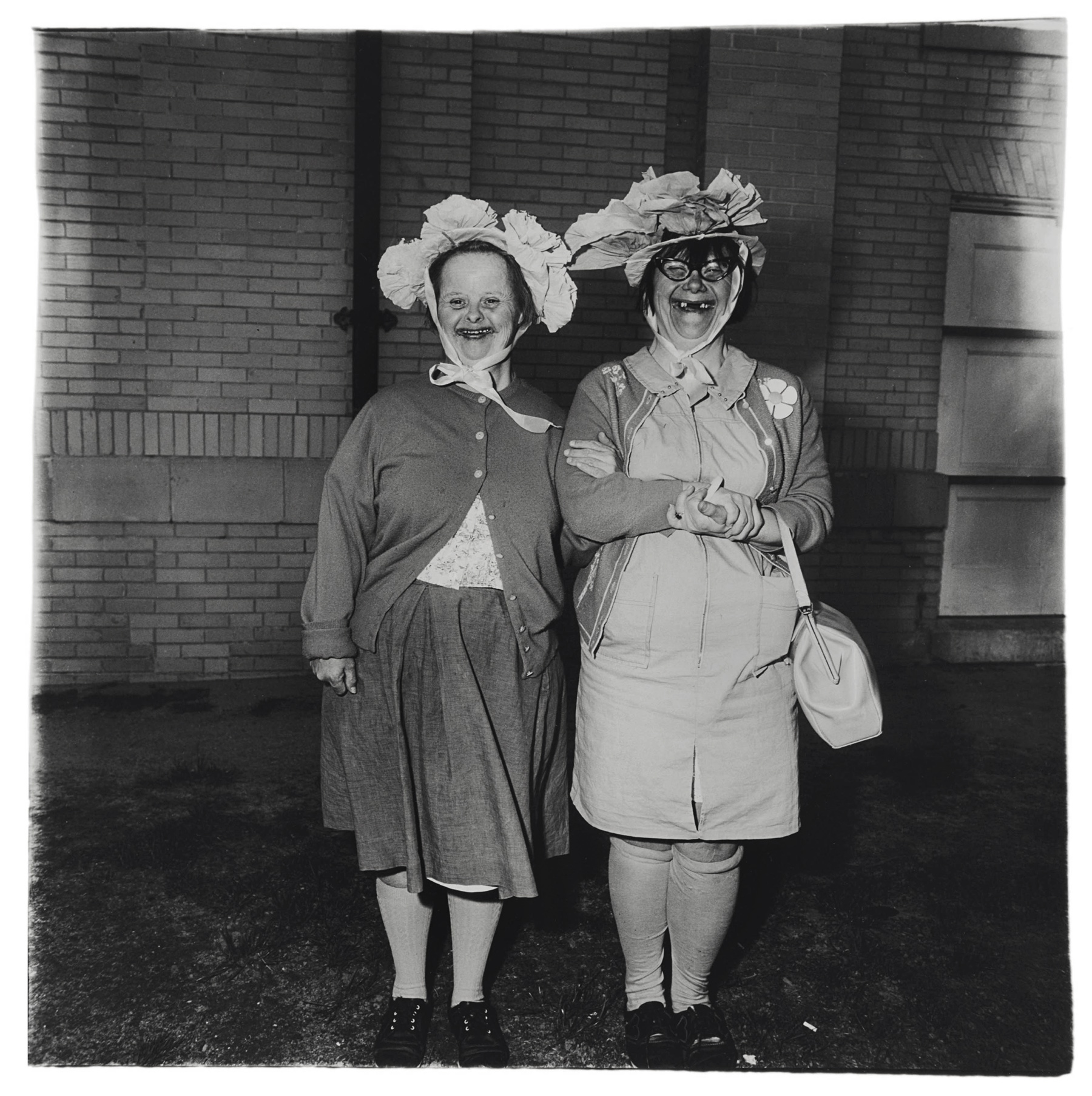


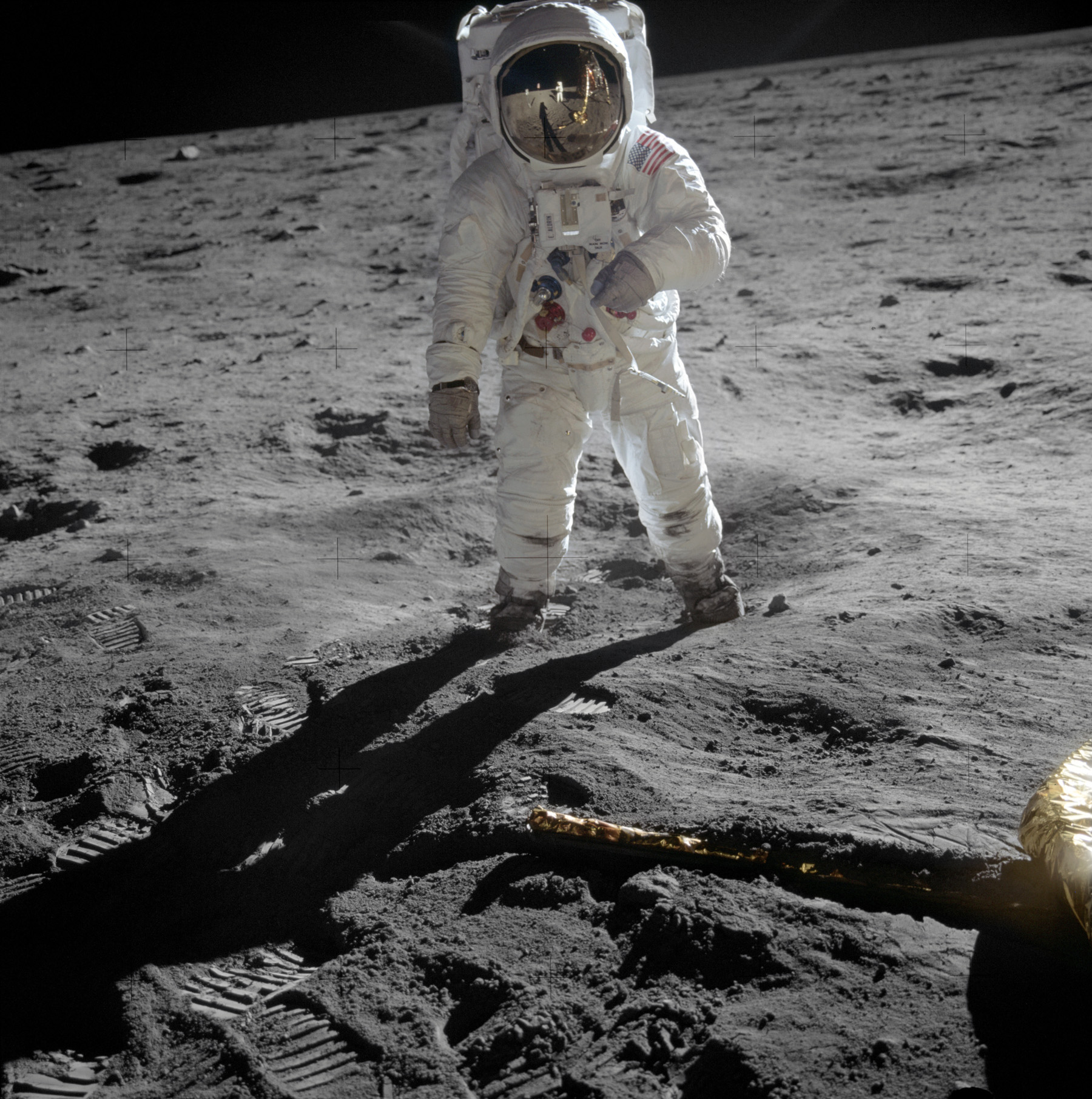


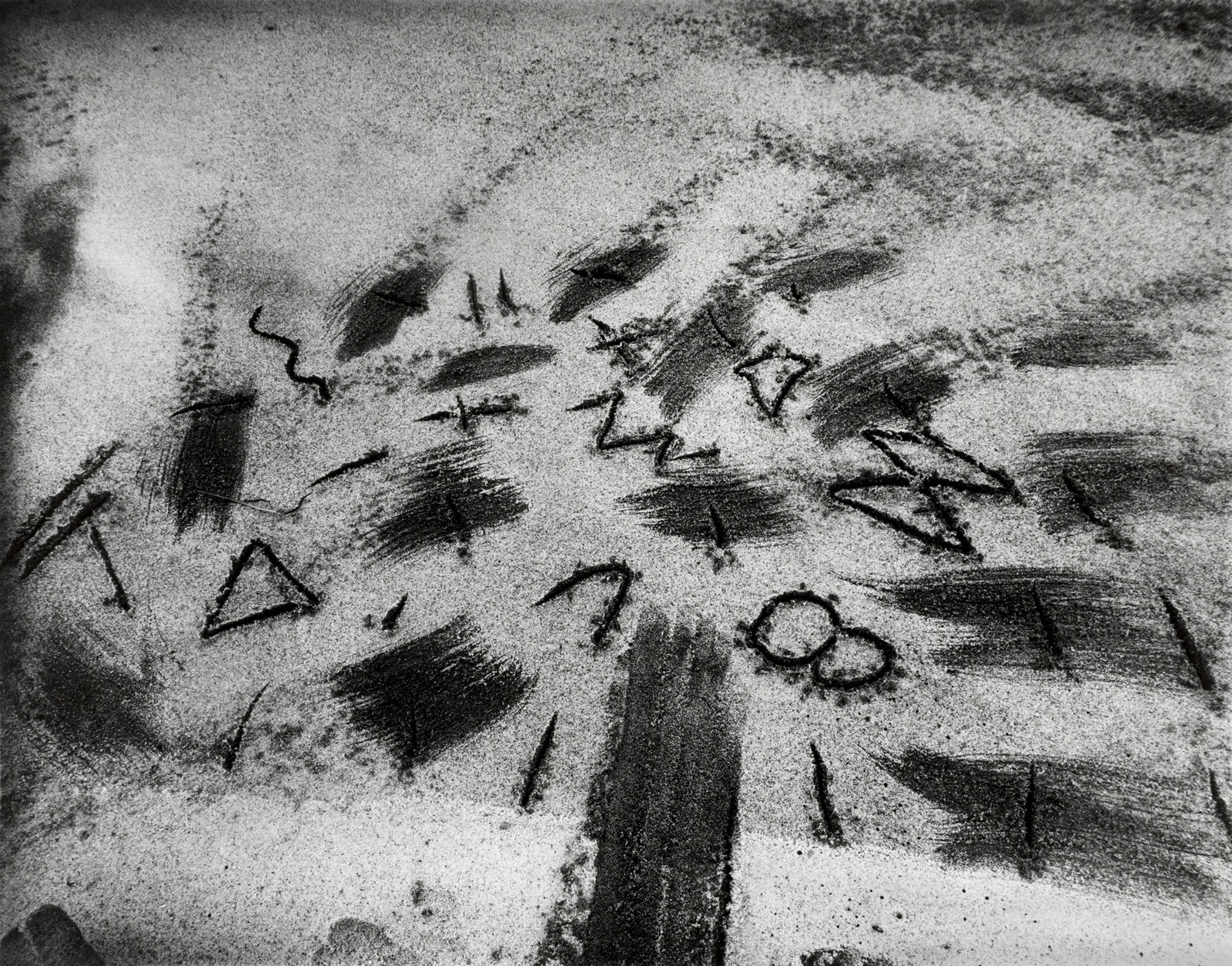
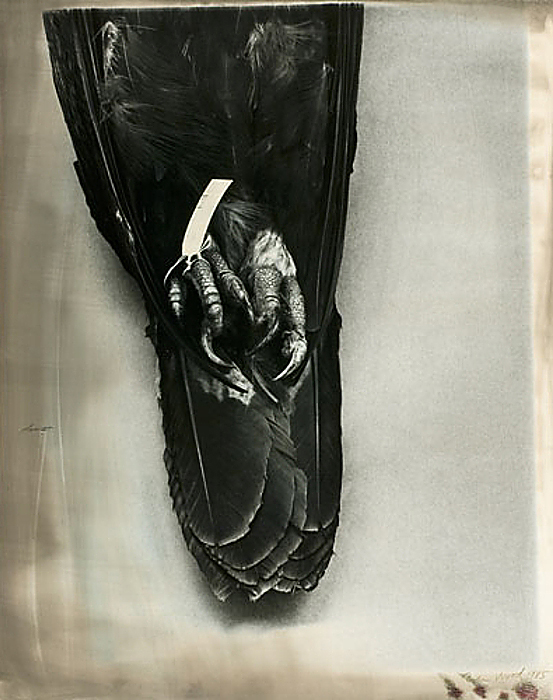
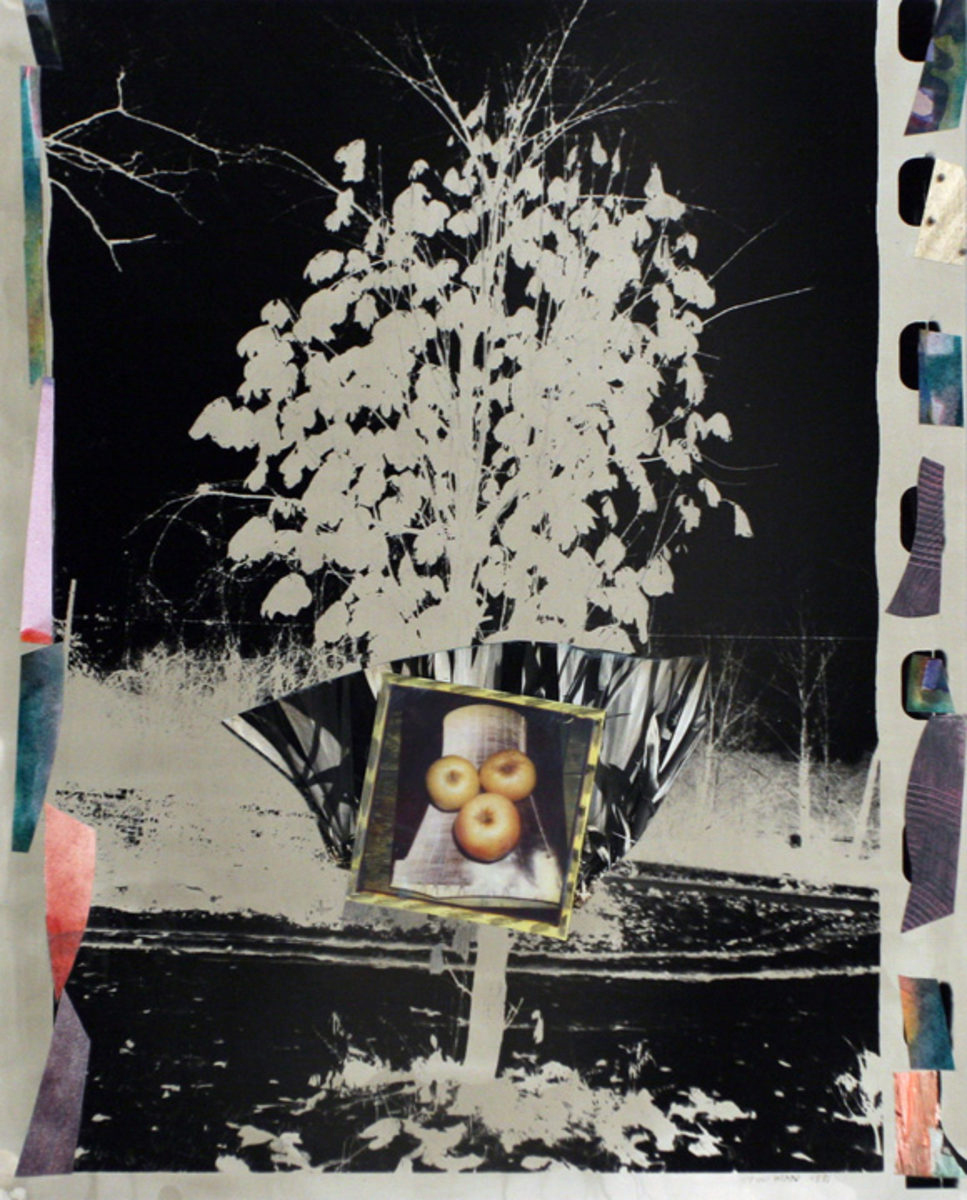


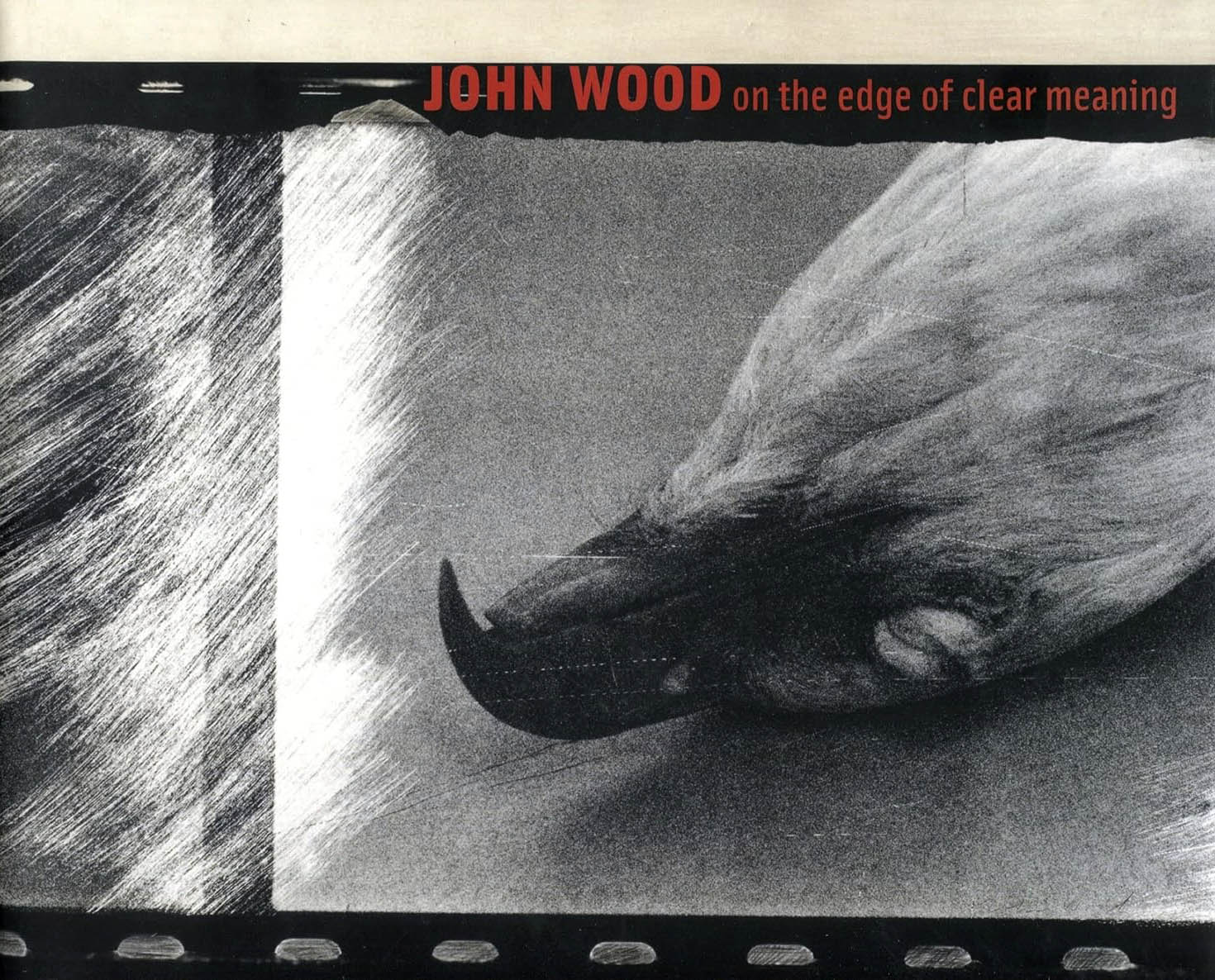


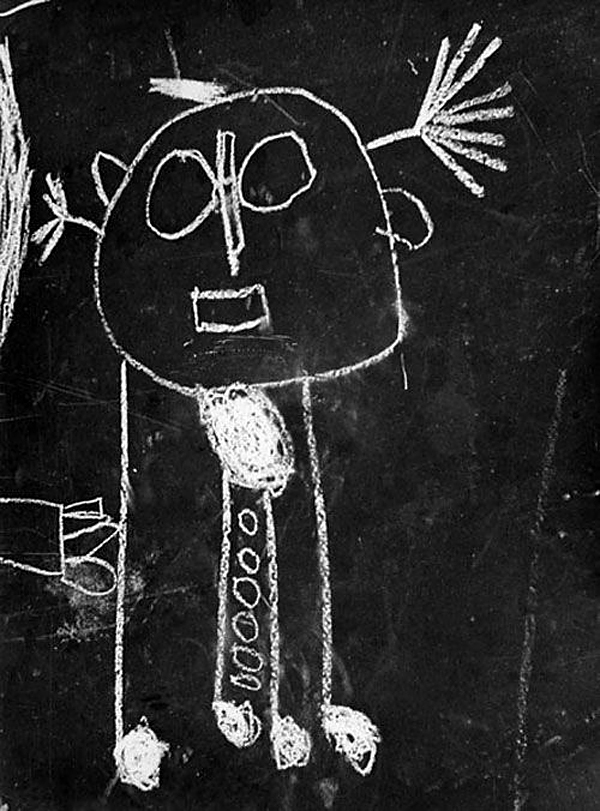
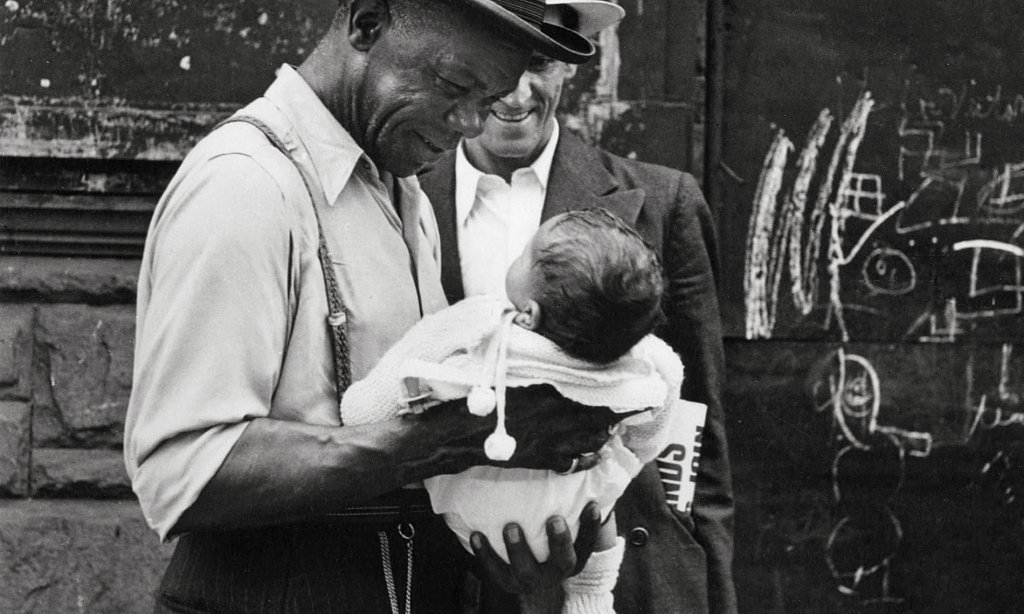
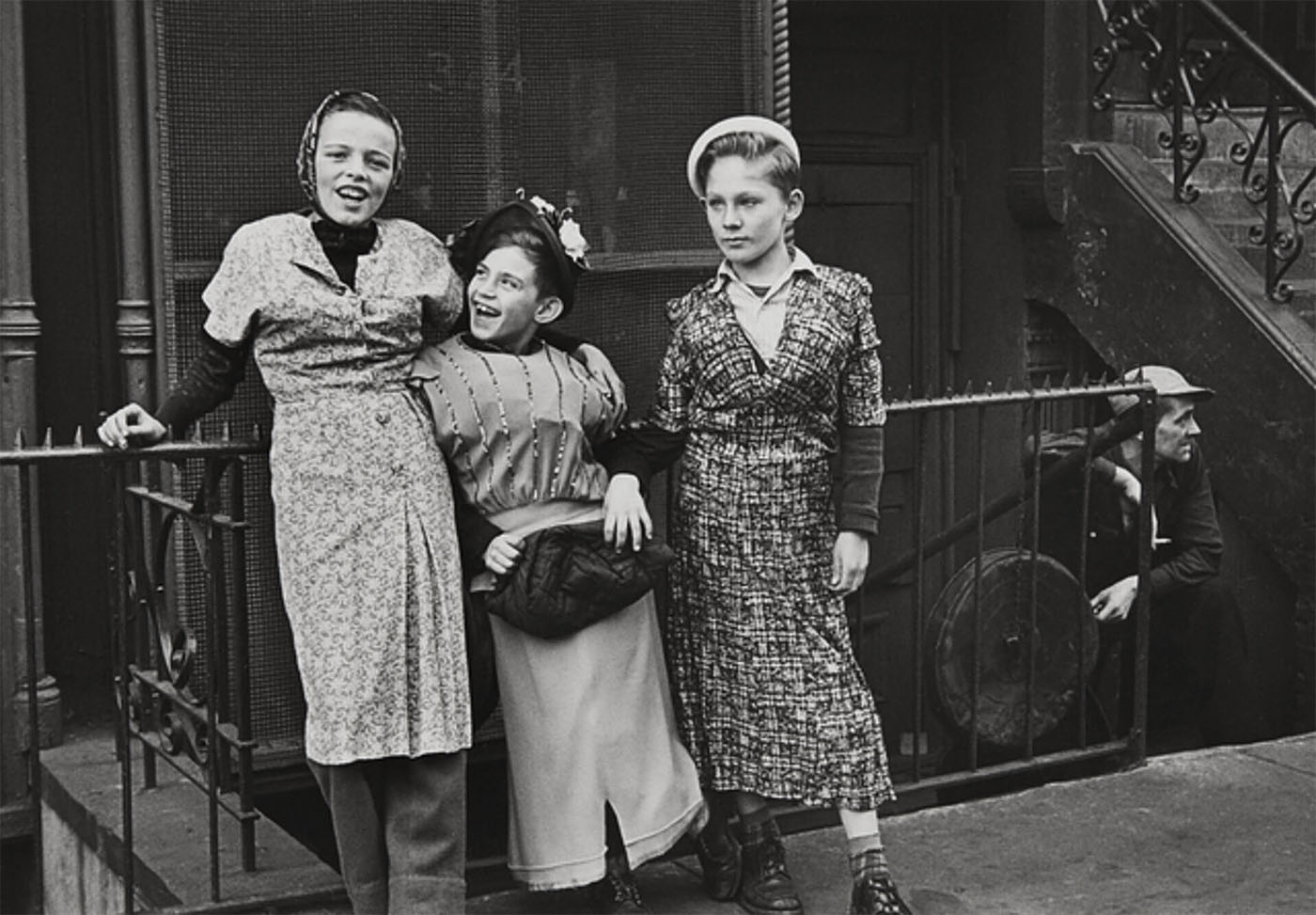
![Helen Levitt (American, 1913-2009) 'New York [Children with Soap Bubbles, New York City]' c. 1940](https://artblart.com/wp-content/uploads/2009/05/helen-levitt-children-with-soap-bubbles-new-york-city-web.jpg "Helen Levitt (American, 1913-2009) 'New York [Children with Soap Bubbles, New York City]' c. 1940")


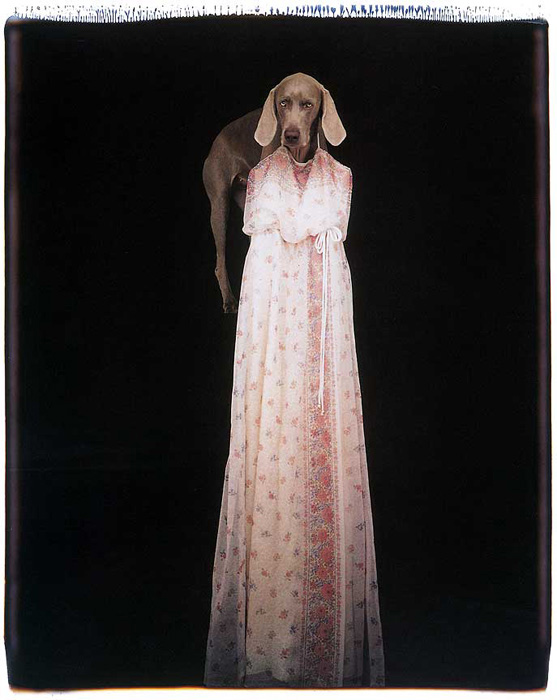


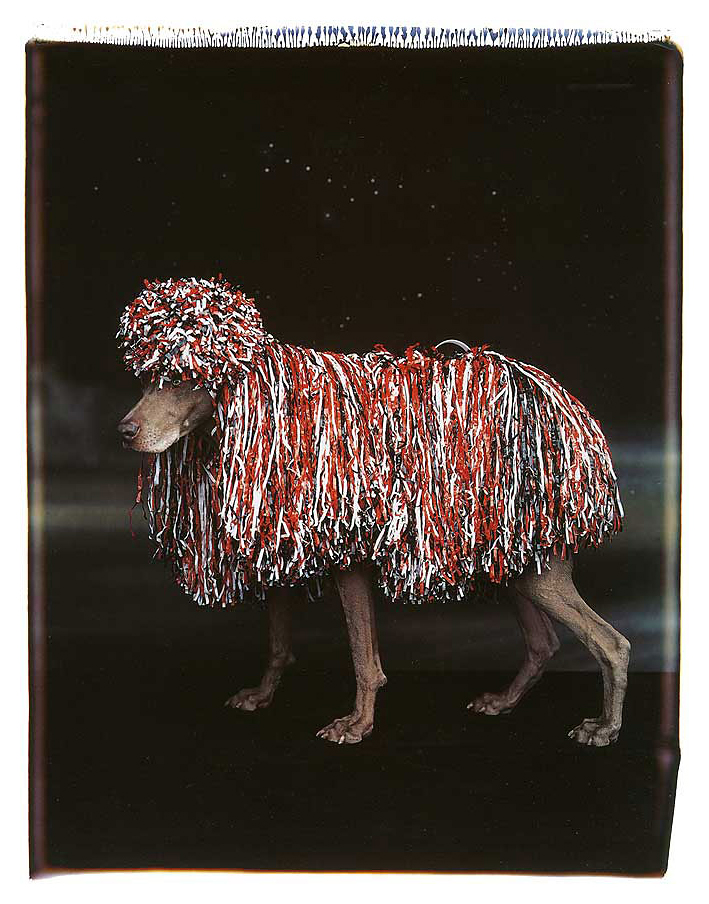
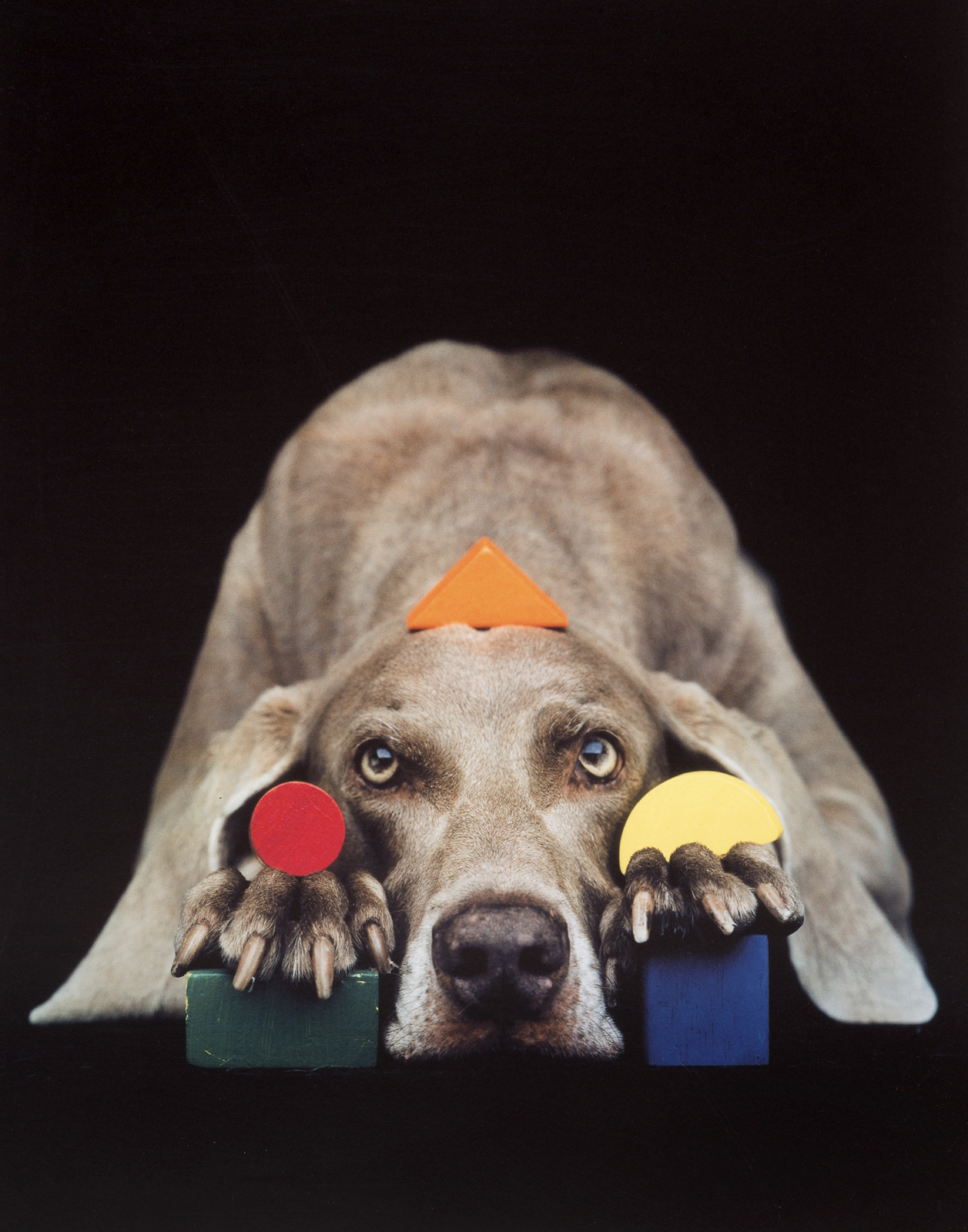

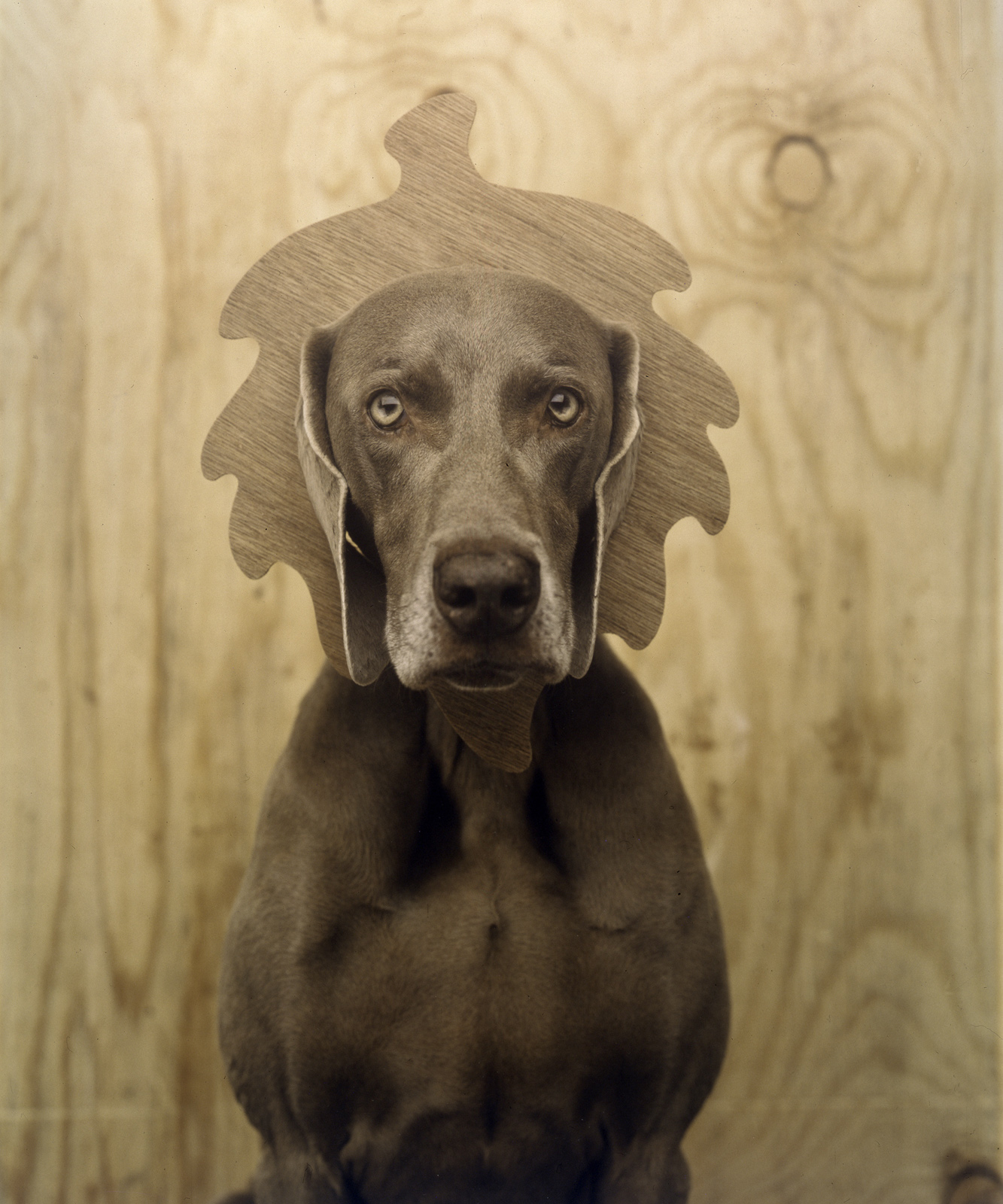
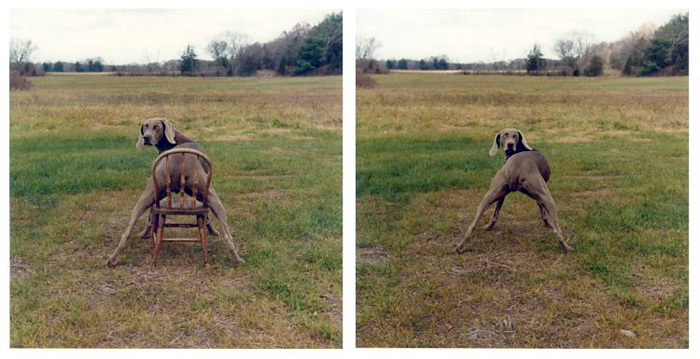
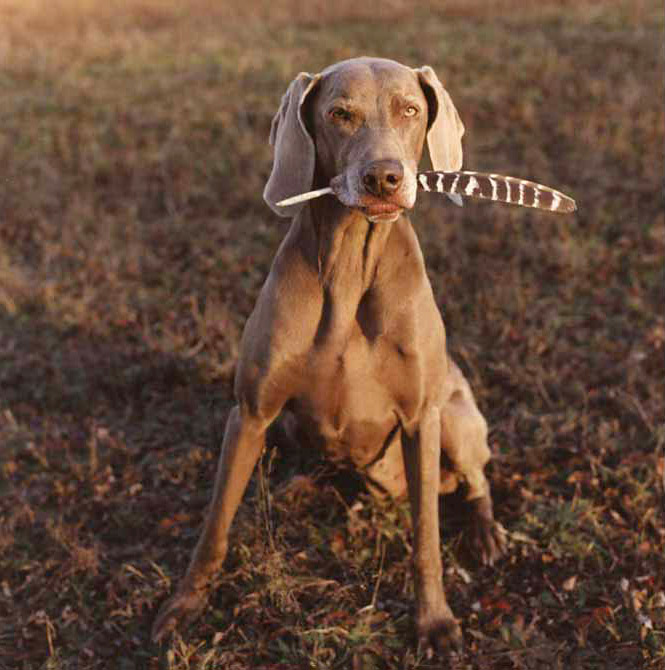


 Art Blart _ art and cultural memory archive
You must be logged in to post a comment.