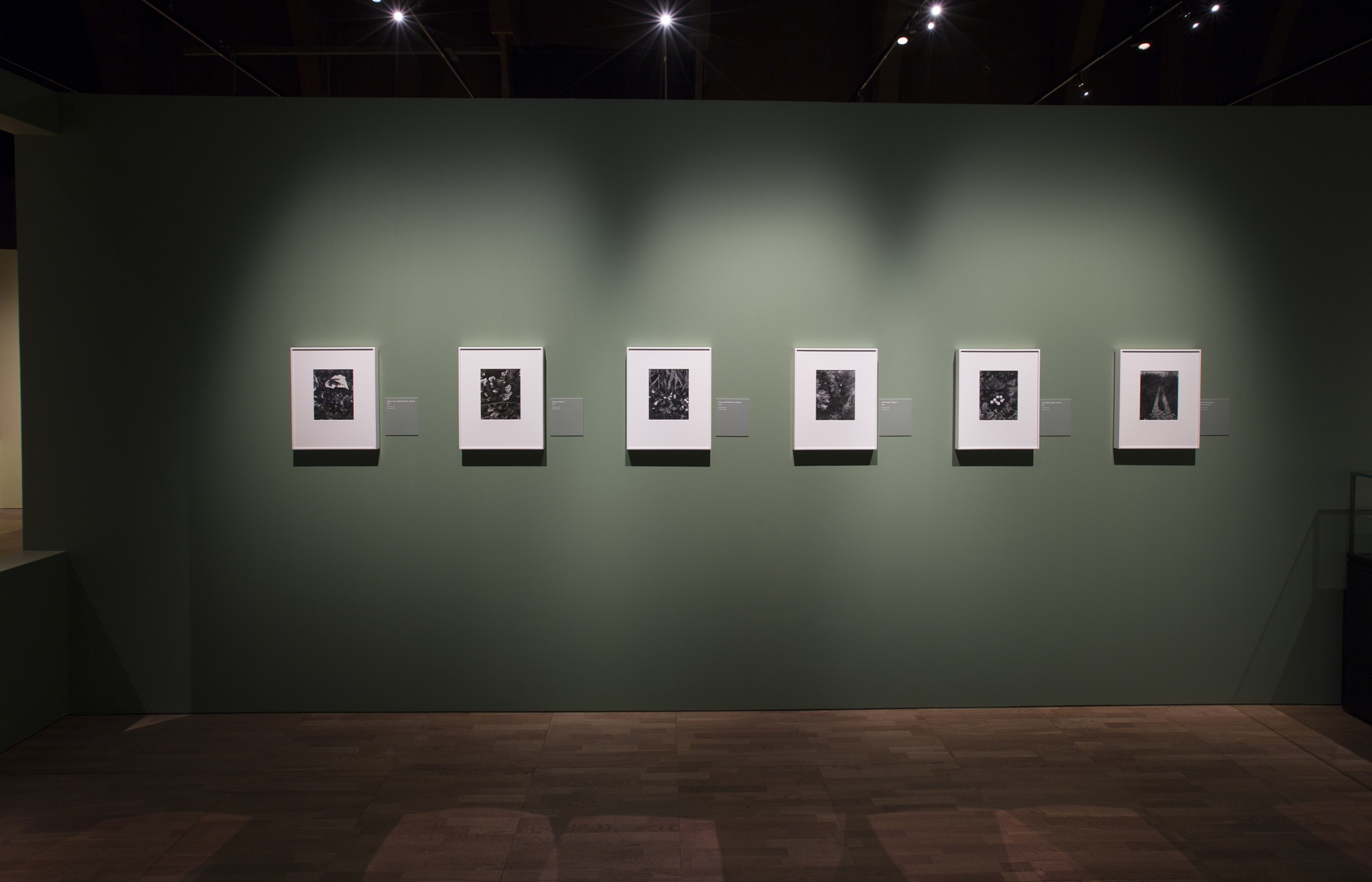
Exhibition: ‘Paul Strand: The Balance of Forces’ at Fondation Henri Cartier-Bresson, Paris

Exhibition dates: 14th February – 23rd April, 2023
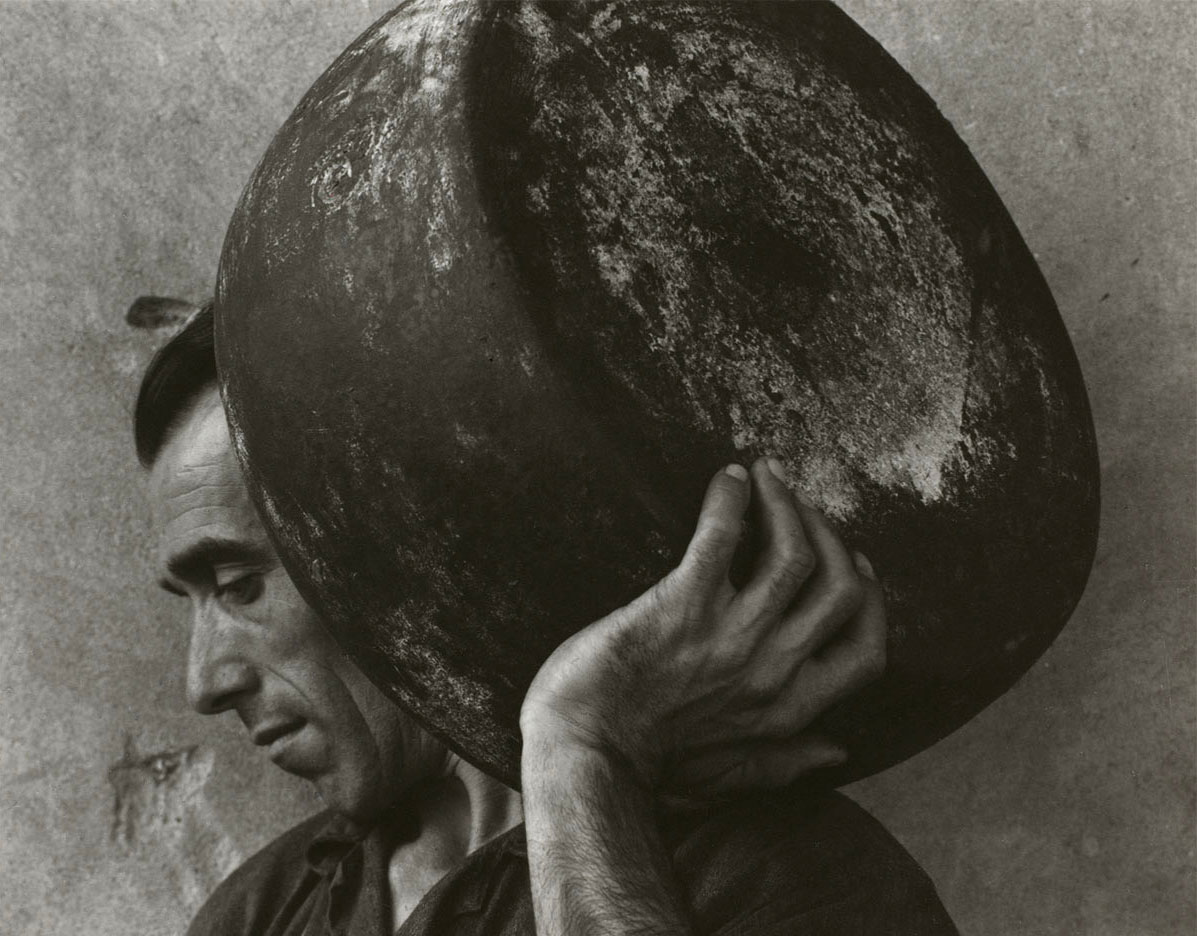
 

Paul Strand (American, 1890-1976) 'Parmesan, Luzzara
' 1953 from the exhibition 'Paul Strand: The Balance of Forces' at Fondation Henri Cartier-Bresson, Paris, February - April, 2023


Paul Strand (American, 1890-1976)
Parmesan, Luzzara

1953
Gelatin silver print
© Aperture Foundation Inc., Paul Strand Archive. Fundación MAPFRE Collections


Balance of forces

Look at the “colour” of the Parmesan cheese in Strand’s photograph Parmesan, Luzzara
 (1953, above). If we think of Ansel Adam’s ‘Zone System’ (the 11 zones in the system from 0-10) where pure black is Zone 0, mid grey (the colour of a Kodak Grey Card) is Zone 5 and pure white is Zone 10… then in “real life” the colour of the wheel of Parmesan would fall in about Zone 5. But what does Strand do? He places the “colour” of the Parmesan wheel in Zone 2-3, much darker than in real life.

In Strand’s “continuous search for a photographic formalism” – that is, the most important aspect of the photograph being its form, the way it is made and its purely visual aspects rather than its narrative content or its relationship to the visible world – then we would ignore Strand’s moving zones, his dark, brooding cheese.

I think not.

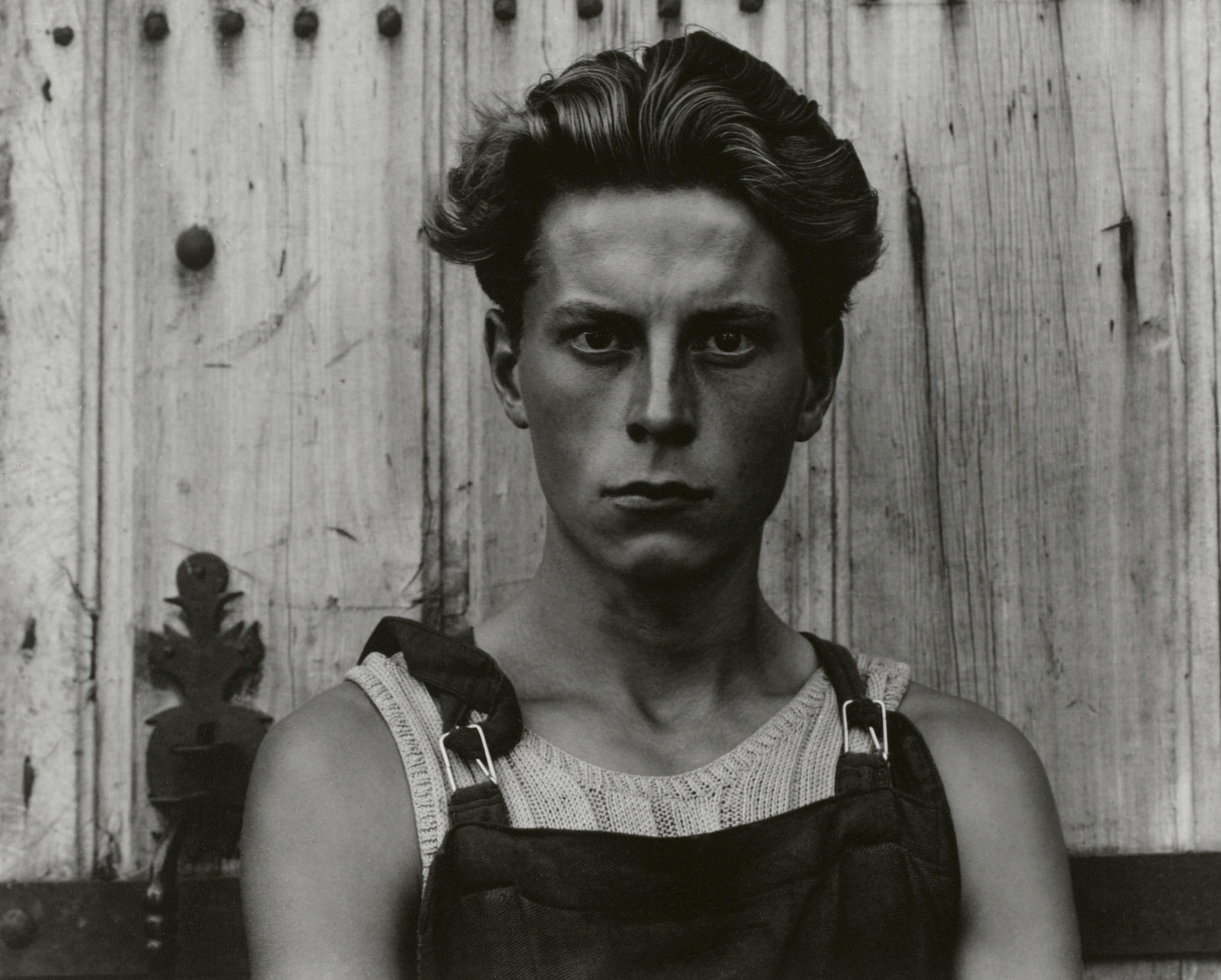
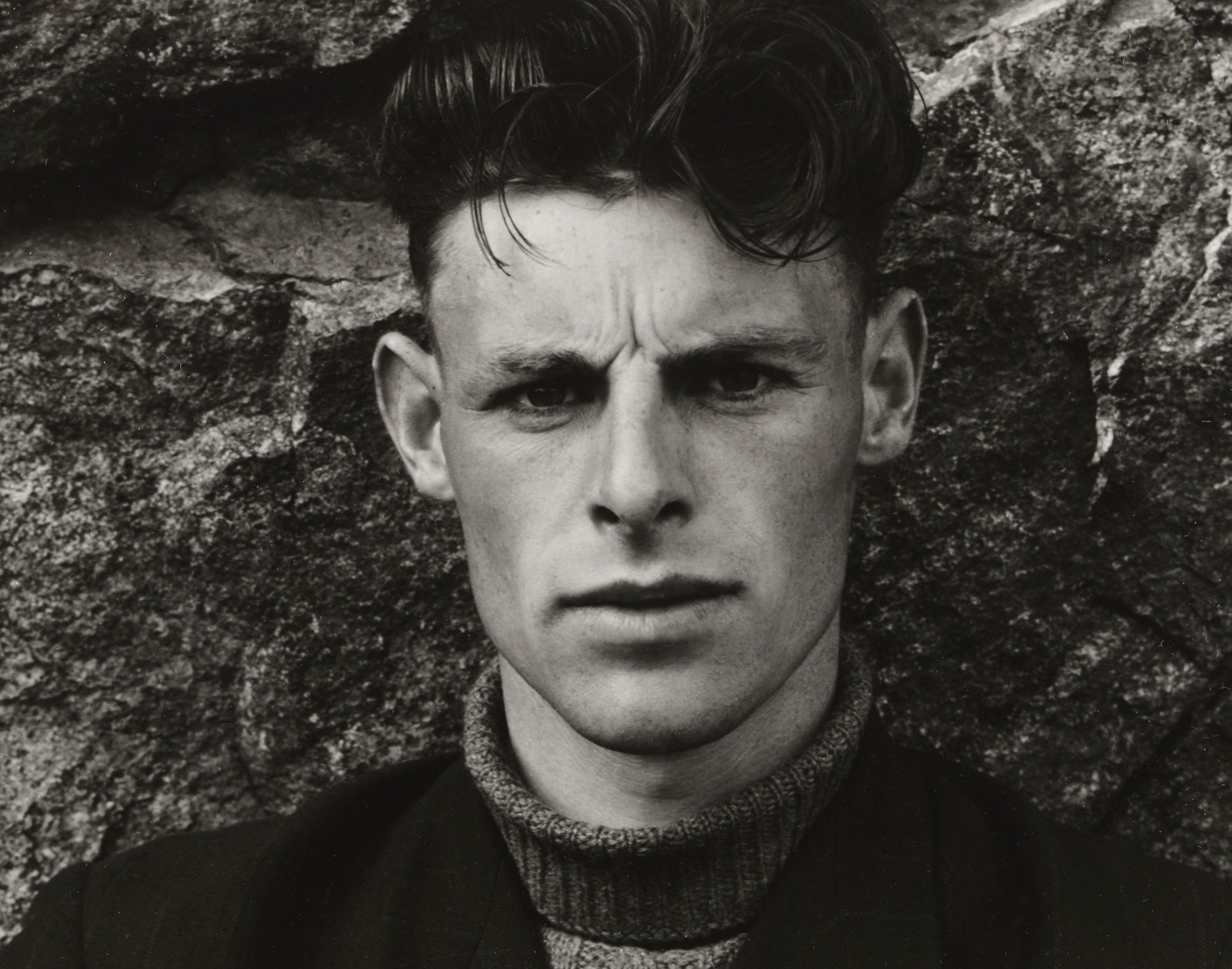
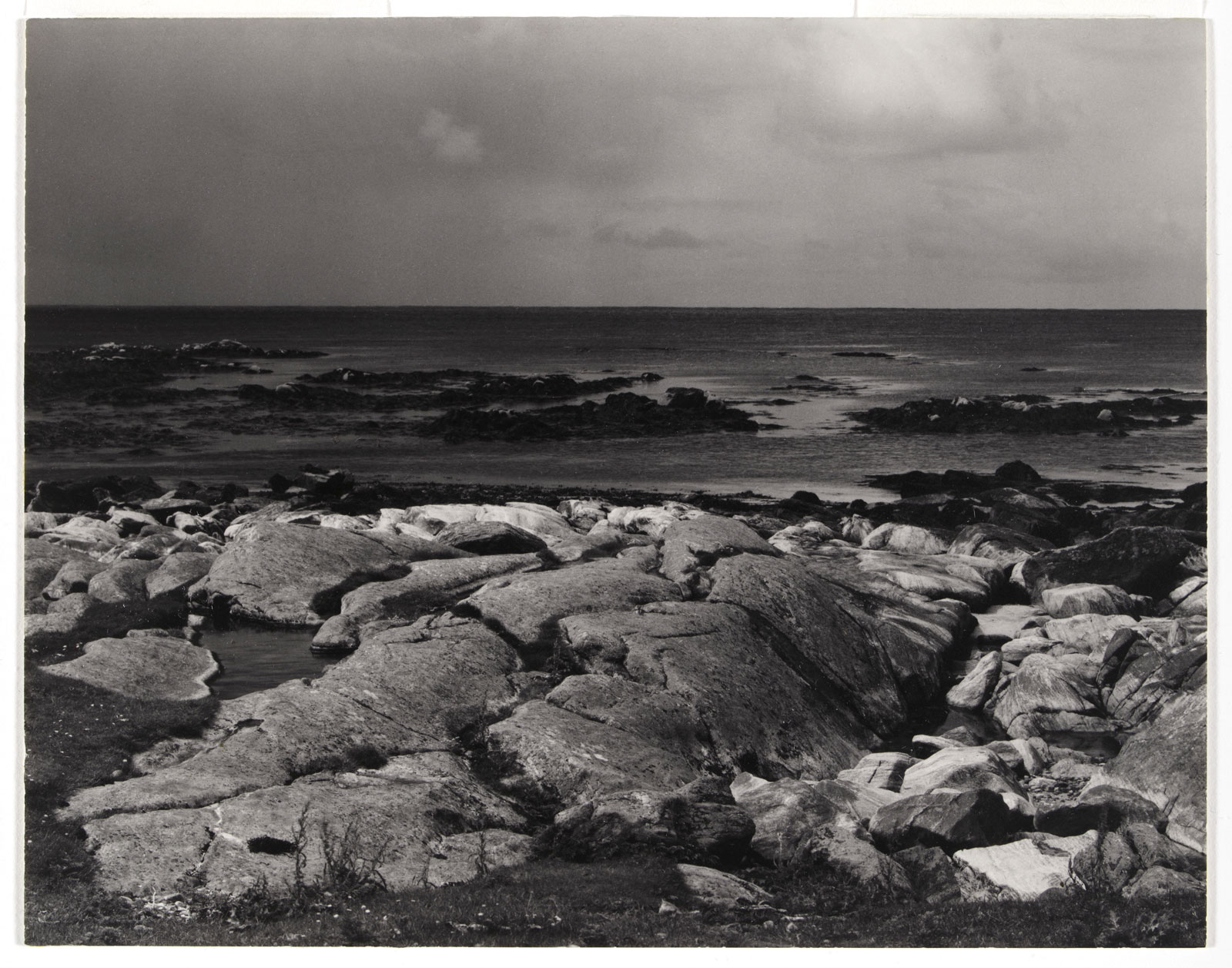
Strand’s formalism does not stand alone, for his photographs breathe the subject he is photographing. They are not just surfaces (which is what formalism is), for the viewer is invited to imbibe (absorb or assimilate (ideas or knowledge)) of the intensity and feeling of the culture and people from which these photographs emerge. Feel the intensity of the gaze of Young Boy, Gondeville, Charente, France (1951, below). Imagine placing yourself in the ethereal space of Tir a’Mhurain, Isle of South Uist, Outer Hebrides (1954, below). Dark cheese.

Strand’s photographs are formal and yet they contain a luminiferous ether/real – transmitting light, but also acting as a medium for the transmission and propagation of spirit.

Dr Marcus Bunyan


Many thankx to the Fondation Henri Cartier-Bresson for allowing me to publish the photographs in the posting. Please click on the photographs for a larger version of the image.


Through each trip, Paul Strand tries to tell the real life of people: humble people, affected by wars, bad weather, diseases, oppressive regimes… The artist highlights those who fight for their freedom, for their happiness. Touching stories, which give all their power to these photographs.

Art and documentary research, social and political involvement and the desire to remain objective: these ambivalences bring great strength to Paul Strand’s work. It is these opposing imperatives that make his photographs so interesting, so exciting for us as viewers.


CĆ©cile D. “Exhibition Paul Strand Or The Balance of Forces, A Journey in Photos at the HCB Foundation,” on the Sotir Paris website February 13, 2023 [Online] Cited 19/03/2023


The Fondation HCB offers a new perspective on the work of American photographer Paul Strand (1890-1976) from the collections of the Fundación MAPFRE, Madrid. While Strand is often celebrated as a pioneer of straight photography, this exhibition also addresses the deeply political dimension of his work.


Interview de ClĆ©ment ChĆ©roux sur l’exposition Paul Strand ou l’Ć©quilibre des forces


Martine Franck (British-Belgian, 1938-2012) 'Paul Strand Photographing the Orgeval Garden' 1974 from the exhibition 'Paul Strand: The Balance of Forces' at Fondation Henri Cartier-Bresson, Paris, February - April, 2023


Martine Franck (British-Belgian, 1938-2012)
Photographer Paul Strand in his garden, Orgeval
1972
Ā© Martine Franck / Magnum Photos


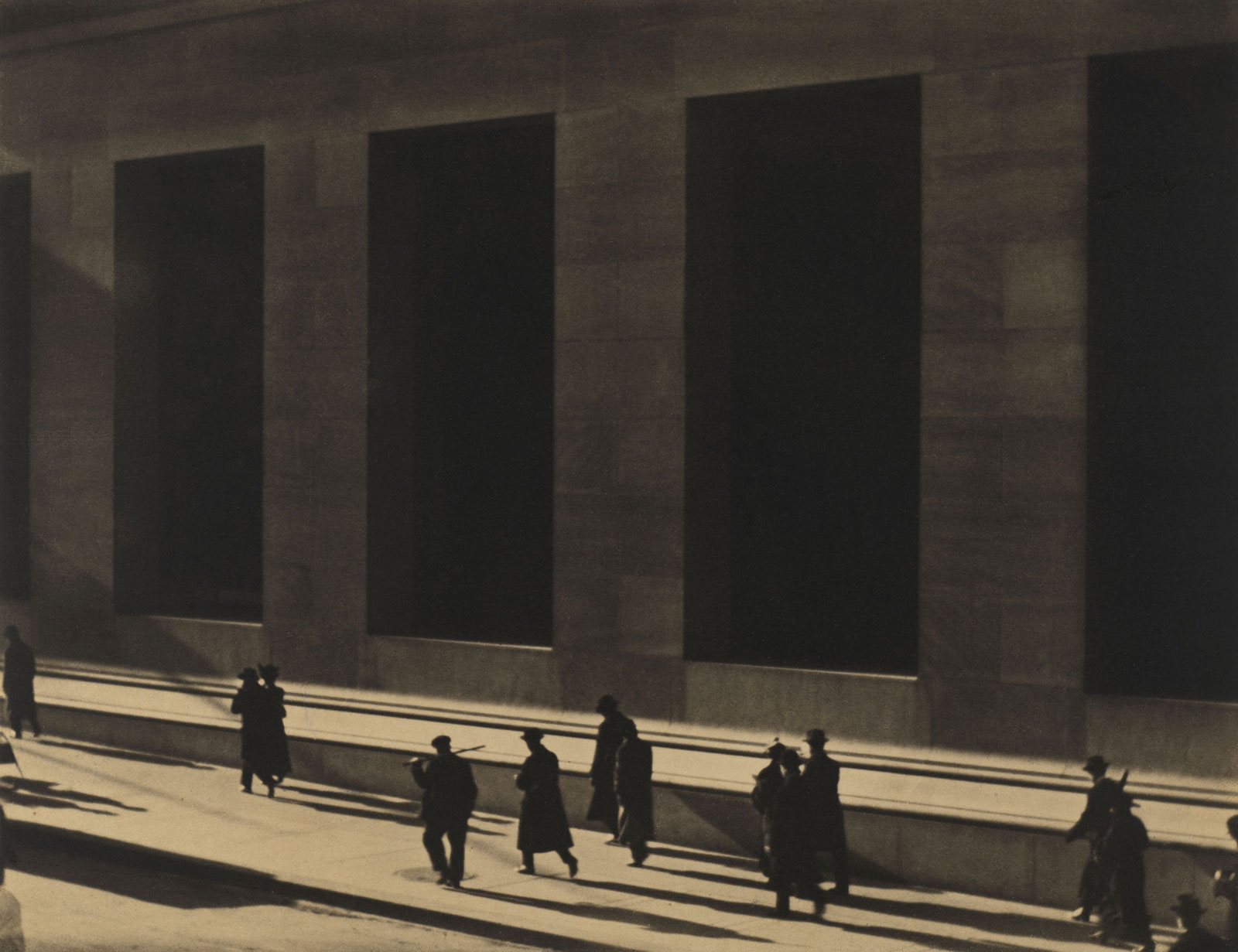
Paul Strand (American, 1890-1976) 'Wall Street, New York' 1915 (negative); 1915 (print) from the exhibition 'Paul Strand: The Balance of Forces' at Fondation Henri Cartier-Bresson, Paris, February - April, 2023


Paul Strand (American, 1890-1976)
Wall Street, New York
1915
Platinum/palladium Print
© Aperture Foundation Inc., Paul Strand Archive. Fundación MAPFRE Collections
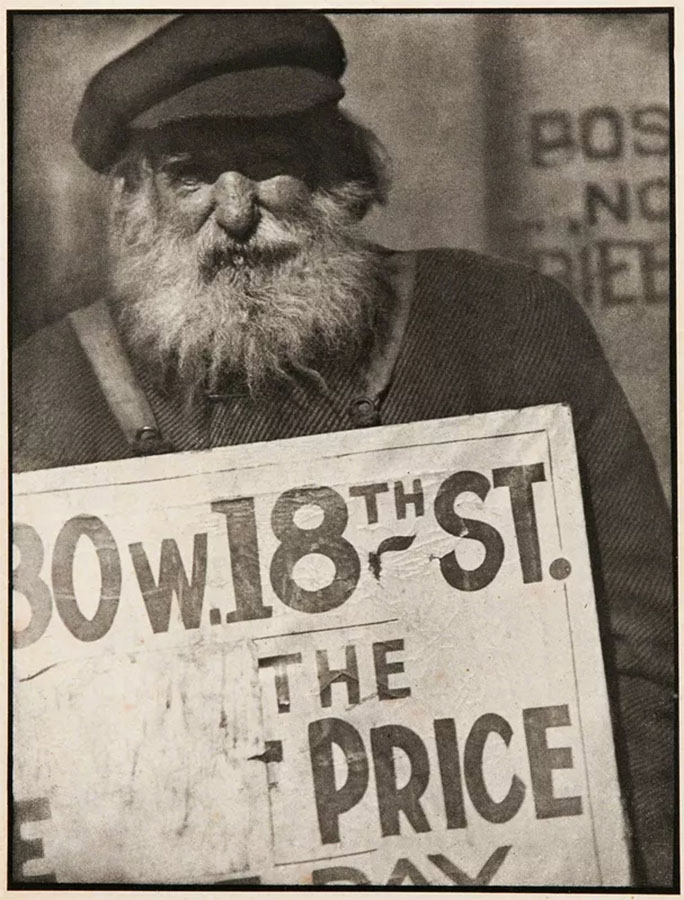
 

Paul Strand (American, 1890-1976) 'Sandwich Man, New York' 1916


Paul Strand (American, 1890-1976)
Sandwich Man, New York
1916
© Aperture Foundation Inc., Paul Strand Archive. Fundación MAPFRE Collections
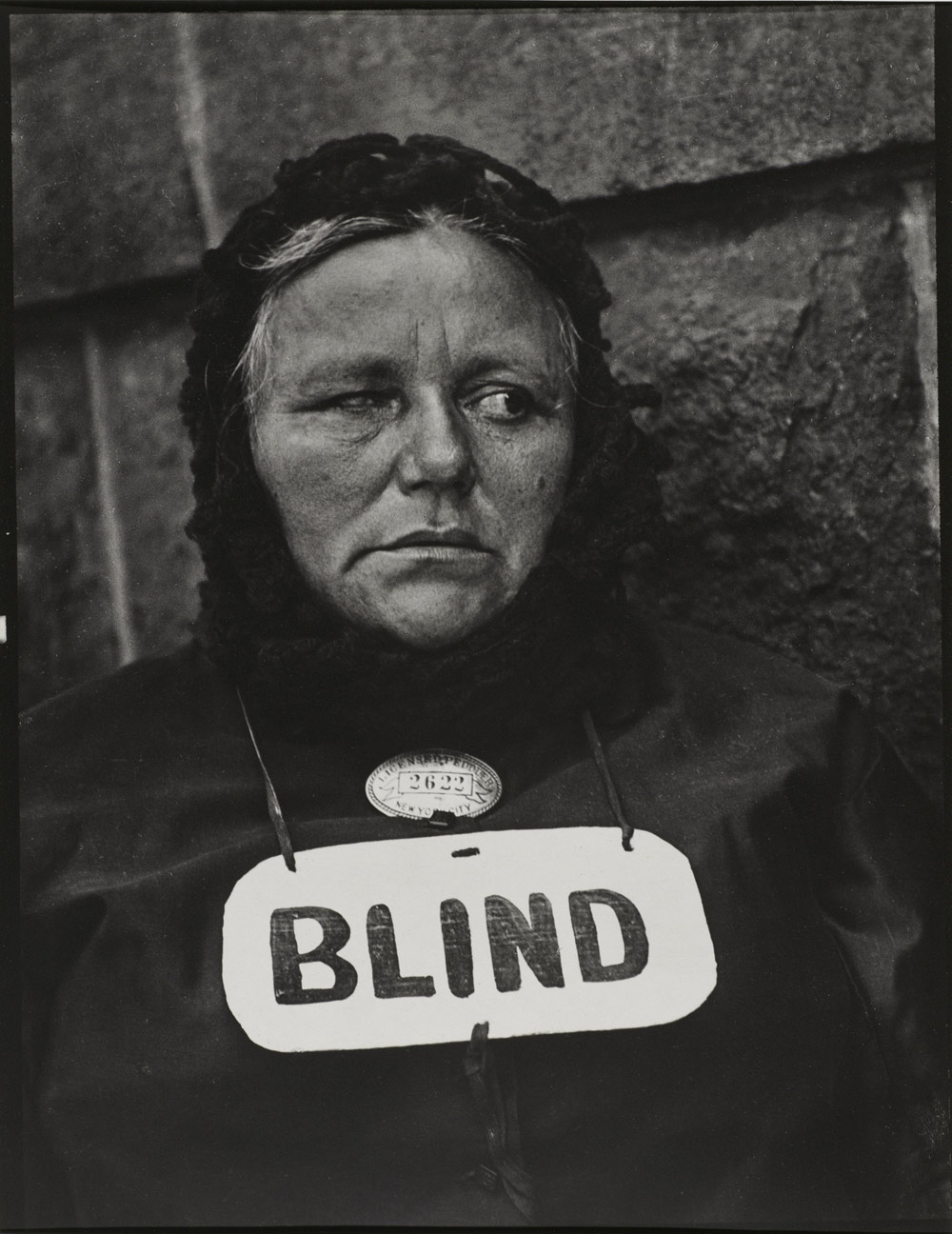
 

Paul Strand (American, 1890-1976) 'Blind Woman, New York' 1916 (negative); 1945 (print)


Paul Strand (American, 1890-1976)
Blind Woman, New York
1916
Gelatin silver print
© Aperture Foundation Inc., Paul Strand Archive. Fundación MAPFRE Collections


In the mid 1910s Paul Strand produced a series of images of New York portraying a truly genuine perspective of the city. Strand, a young photographer at the time, connected with modern art and incorporated some of its tendencies into a series of unprecedented views of the metropolis. Anticipating Straight Photography, he made images that distanced themselves from the precepts of Pictorialism through a direct portrayal of reality.

His photographs rapidly found favourable reception within the pages of Camera Work, the legendary magazine directed by Alfred Stieglitz who dedicated the last two issues of the publication to Strand’s compositions. Almost half of the images that appeared were close-up portraits shot with a rudimentary system that allowed Strand to photograph his subjects without them noticing. These surprising shots offered a lively perspective of the city and focused on some of its figures, who were marginal albeit ubiquitous, and seldom represented. With this attention to the periphery of urban life, Strand manifested his commitment to reality rooted in the example of his mentor Lewis Hine.

Blind Woman is one of the most iconic images in the history of North American photography. Published in 1917 by Stieglitz it combines the compositional strength and sharp clarity characteristic of Strand’s work.

Text from the Fundación MAPFRE Collections website


Paul Strand (American, 1890-1976) 'Abstraction Bowls, Twin Lakes, Connecticut' 1916


Paul Strand (American, 1890-1976)
Abstraction, Bowls, Twin Lakes, Connecticut
1916
Gelatin silver print
22.5 Ɨ 16.5cm
© Aperture Foundation Inc., Paul Strand Archive. Fundación MAPFRE Collections
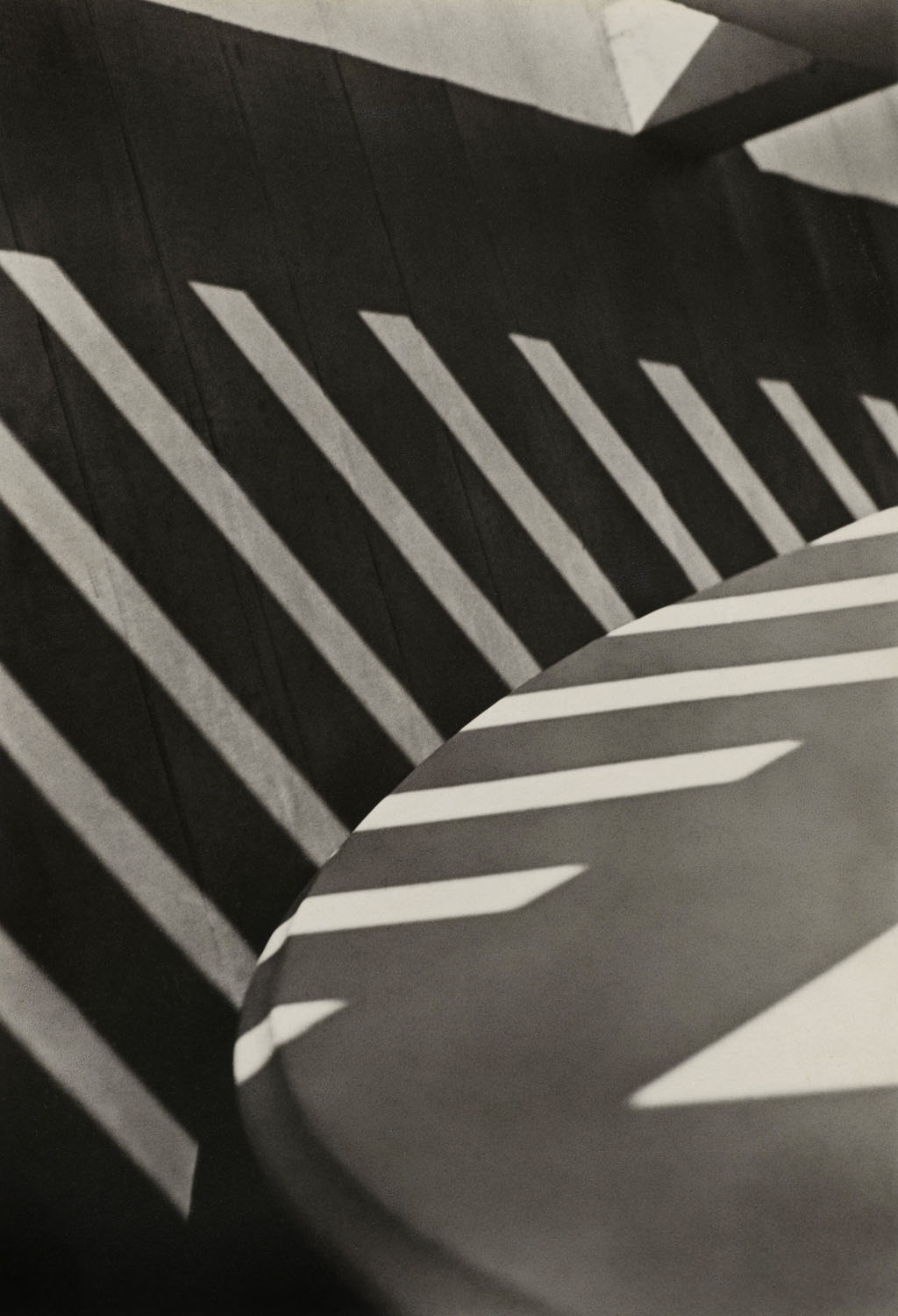
 

Paul Strand (American, 1890-1976) 'Abstraction, Porch Shadows' 1916


Paul Strand (American, 1890-1976)
Abstraction, Porch Shadows
1916
Silver gelatin print
© Aperture Foundation Inc., Paul Strand Archive. Fundación MAPFRE Collections
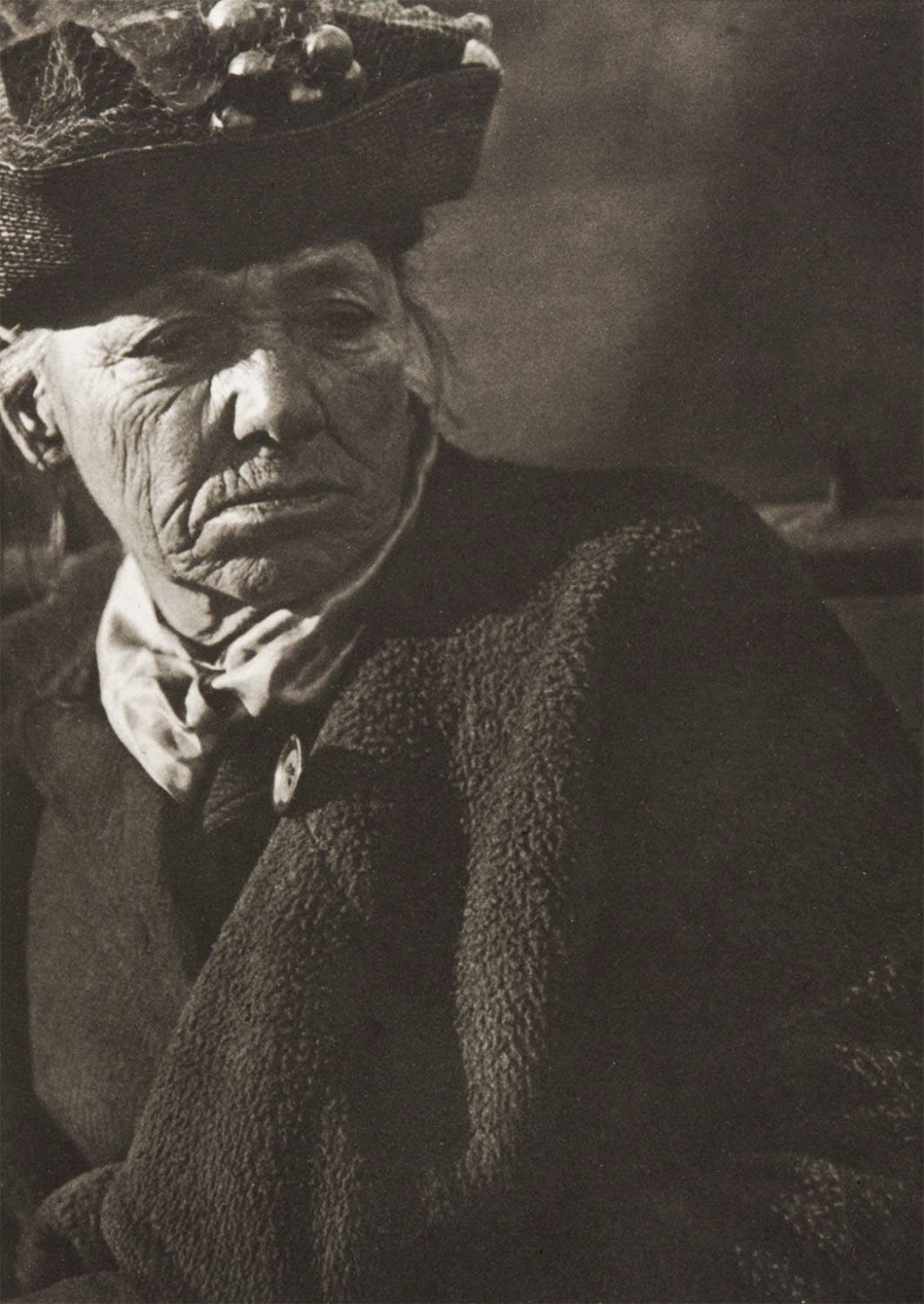
 

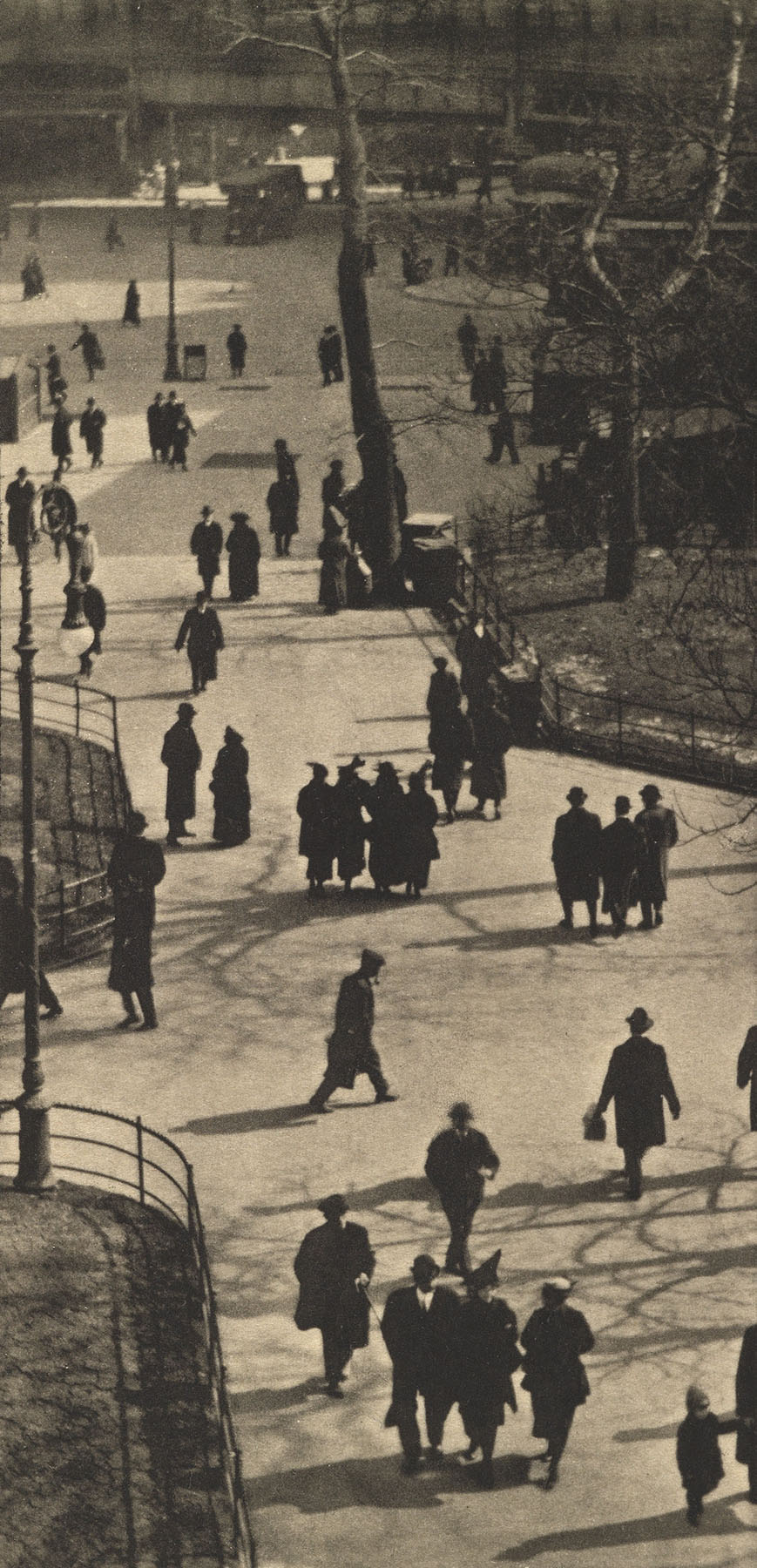
Paul Strand (American, 1890-1976) 'Portrait, Washington Square Park, New York' 1916 (negative); 1917 (photogravure)


Paul Strand (American, 1890-1976)
Portrait, Washington Square Park, New York
1916 (negative); 1917 (photogravure)
© Aperture Foundation Inc., Paul Strand Archive. Fundación MAPFRE Collections


The Fondation HCB offers a new perspective on the work of American photographer Paul Strand (1890-1976) from the collections of the Fundación MAPFRE, Madrid. While Strand is often celebrated as a pioneer of straight photography, this exhibition also addresses the deeply political dimension of his work.

“Opposites are cured by opposites,” goes the saying. American photographer Paul Strand (1890-1976) was heir to two great traditions in photography, often presented as opposed. He had a formalist approach that sought to prove photography an art, and a social approach, which saw photography as more of a documentary instrument serving political ends. Perhaps this is explained by the fact that Alfred Stieglitz and Lewis Hine, who occupy the two poles in photography history, were both Strand’s mentors in his formative years.

While in the mid-1910s Strand photographed faces of the people on the streets of New York, the first period of his work is especially marked by formalism. In 1917, when Stieglitz dedicated the latest issue of his famous magazine Camera Work to Strand, it was above all to show that photography had its own artistic language. Starting with a journey to Mexico City (1932-1934), then Moscow (1935), his approach became more political. He joined the American Labor Party and worked with more than twenty organisations classified “anti-American” during the McCarthy era, leading to his departure from the United States for France. Many of Strand’s choices were deliberated through this political conscience: his choice of subject, places he photographed, writers he worked with, the book as main vector for distributing his work.

In the past few decades, numerous exhibitions have been held on Strand focusing on his formalism. By no means minimising this perspective, the current project seeks to recontextualise Strand, emphasising the importance of his political commitments. Between formalist pursuits and social concerns, the two forces at work in his art are brought into balance here. If Strand often stands among the 20th century’s major photographers, it is precisely because he knew how to offer just equilibrium between the two poles.

The exhibition presents almost 120 prints from the collections of the Fundación MAPFRE, Madrid, the film Manhatta made by Paul Strand and Charles Sheeler in 1921 as well as several prints lent by the Centre Pompidou.

Biography

Born in 1890 in New York, Paul Strand entered the New York Ethical Culture School (ECS) in 1907 where he studied under Lewis Hine, who introduced him to the Photo Secession gallery, founded by Alfred Stieglitz at 291 Fifth Avenue. Stieglitz had an important influence on Paul Strand’s work from the beginning. In 1916, his work was published for the first time in Stieglitz’s magazine, Camera Work, of which he was an avid reader, and then exhibited at 291 in the exhibition Photographs from New York and Other Places. During the war, Paul Strand worked as a hospital radiographer and, after his close-ups of machines, began to take an interest in surgical technique. In 1919 he travelled to Nova Scotia in Canada where he photographed his first landscapes and rock piles.

In 1921, Paul Strand made the film Manhatta with the photographer and painter Charles Sheeler. Between 1925 and 1932, various exhibitions of his work were shown in New York galleries. He travelled to Mexico from 1932 to 1934, during which time he had a solo exhibition at the Sala de Arte in Mexico City, was appointed Head of Film and Photography at the Mexican Secretariat of Education, and directed the film The Revolts of Alvarado (Redes) for the Mexican government.

Paul Strand travelled to the USSR in 1935, where he met Sergei Eisenstein. He then joined the Nykino group, around Leo Hurwitz, Ralph Steiner and Lionel Berman. Two years later, he became president of Frontier Film, a non-profit educational film production company, with former Nykino members.

In 1943, Paul Strand returned to photography after more than ten years in the film industry. In 1945, MoMA gave him a solo exhibition. From 1949 to 1957, the photographer undertook several trips to Europe, from which several books were written, and began an exile outside the United States, which coincided with the period of McCarthyism. He settled in Orgeval, France, where he remained until his death in 1976.

Press release from the Fondation HCB


ManhattaĀ (1921) | Paul Strand – Charles Sheeler

In 1920 Paul Strand and artist Charles Sheeler collaborated on Manhatta, a short silent film that presents a day in the life of lower Manhattan. Inspired by Walt Whitman’s book “Leaves of Grass,” the film includes multiple segments that express the character of New York. The sequences display a similar approach to the still photography of both artists. Attracted by the cityscape and its visual design, Strand and Sheeler favoured extreme camera angles to capture New York’s dynamic qualities. Although influenced by Romanticism in its view of the urban environment, Manhatta is considered the first American avant-garde film.
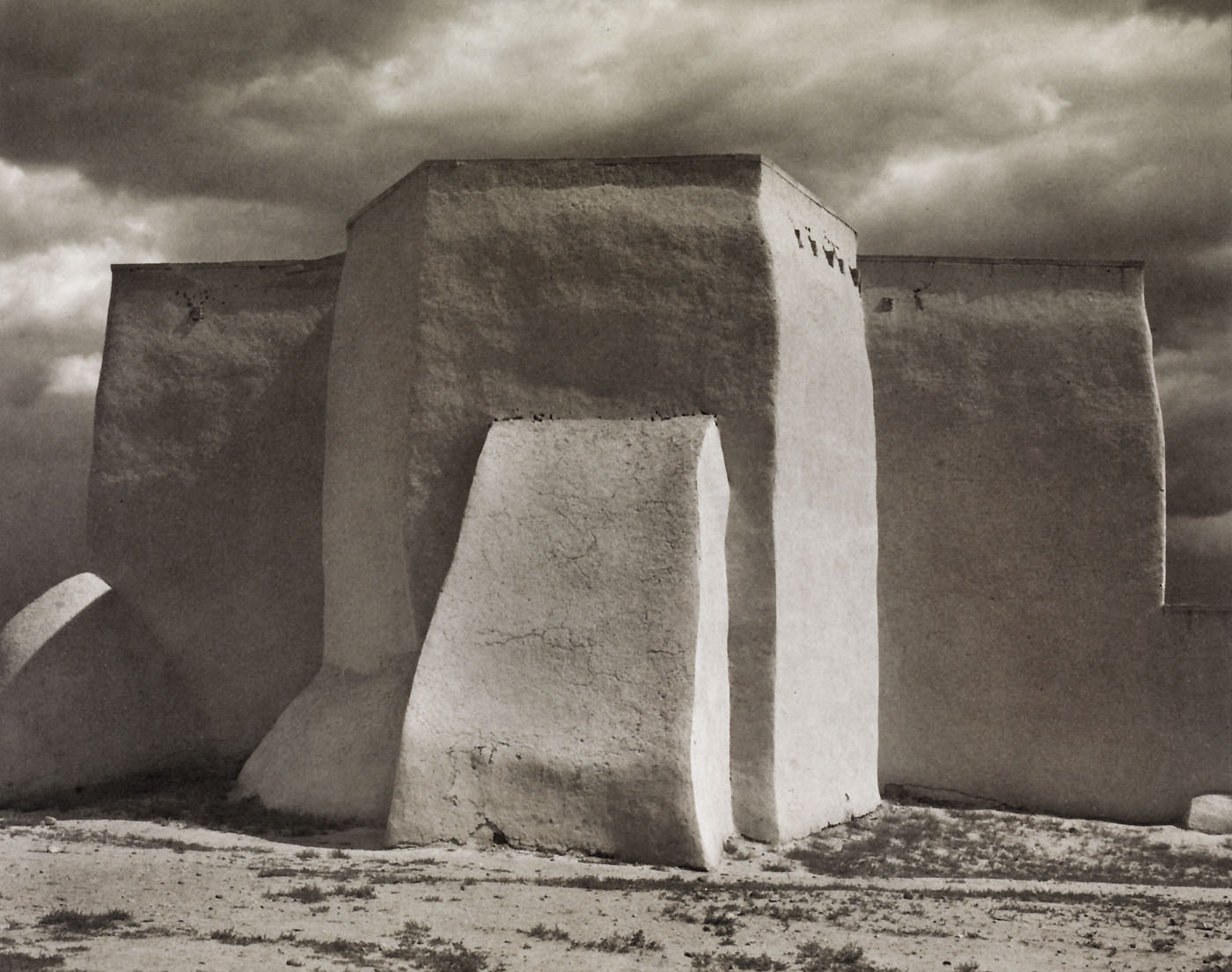
 

Paul Strand (American, 1890-1976) 'St. Francis Church, Ranchos de Taos, New Mexico' 1931


Paul Strand (American, 1890-1976)
St. Francis Church, Ranchos de Taos, New Mexico
1931
Platinum/palladium Print
17.1 Ɨ 21.8cm
© Aperture Foundation Inc., Paul Strand Archive. Fundación MAPFRE Collections
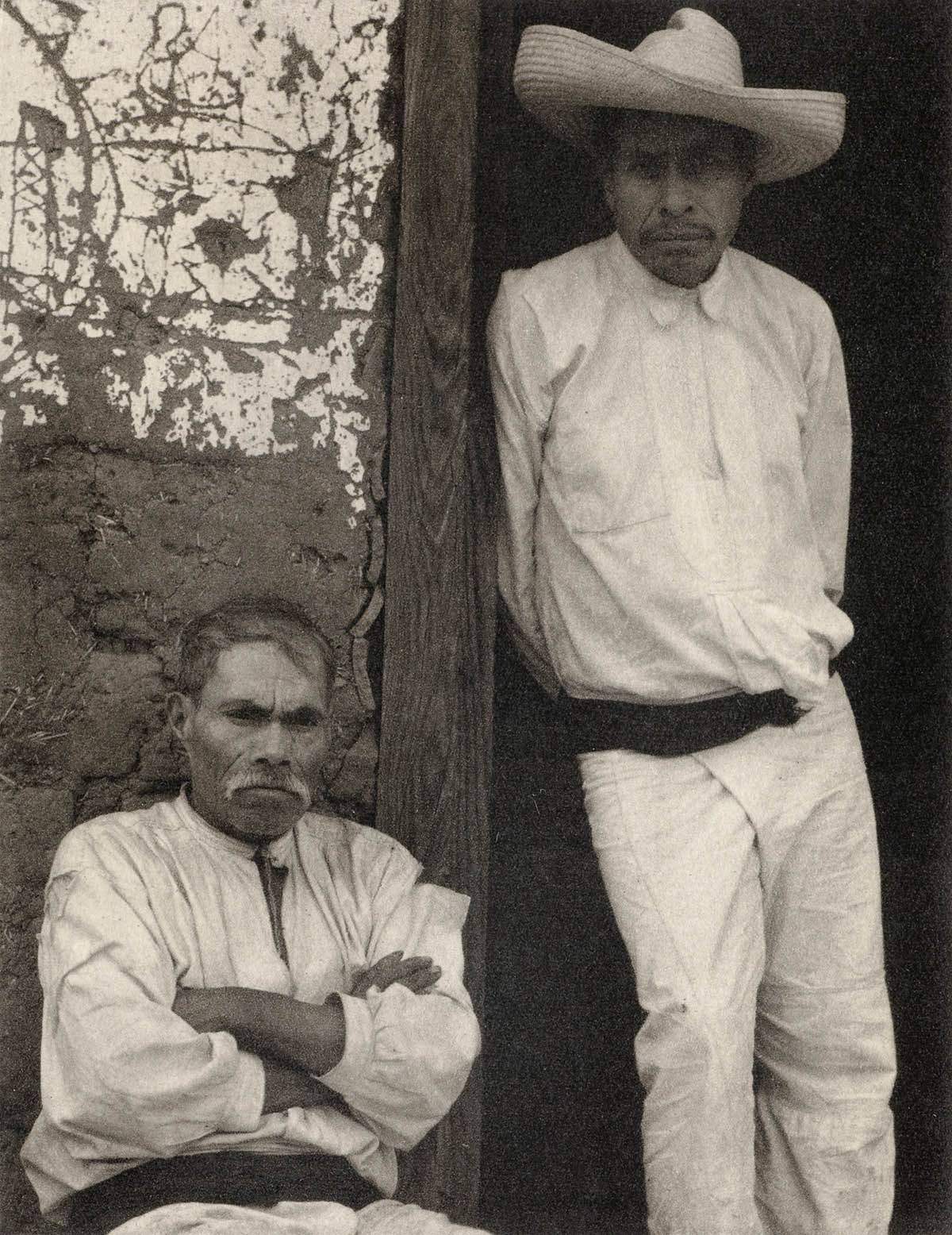
 

Paul Strand (American, 1890-1976) 'Men of Santa Ana, Lake PƔtzcuaro, MichoacƔn' (Hombres de Santa Ana, Lake PƔtzcuaro, MichoacƔ) 1933


Paul Strand (American, 1890-1976)
Men of Santa Ana, Lake PƔtzcuaro, MichoacƔn
1933
Gelatin silver print
© Aperture Foundation Inc., Paul Strand Archive. Fundación MAPFRE Collections


Paul Strand (American, 1890-1976) 'Man with Hoe - Los Remedios' 1933


Paul Strand (American, 1890-1976)
Man with Hoe – Los Remedios
1933
Gelatin silver print
© Aperture Foundation Inc., Paul Strand Archive. Fundación MAPFRE Collections


Paul Strand (American, 1890-1976) 'Cristo with Thorns - Huexotla' 1933


Paul Strand (American, 1890-1976)
Cristo with Thorns – Huexotla
1933
Silver gelatin print
© Aperture Foundation Inc., Paul Strand Archive. Fundación MAPFRE Collections
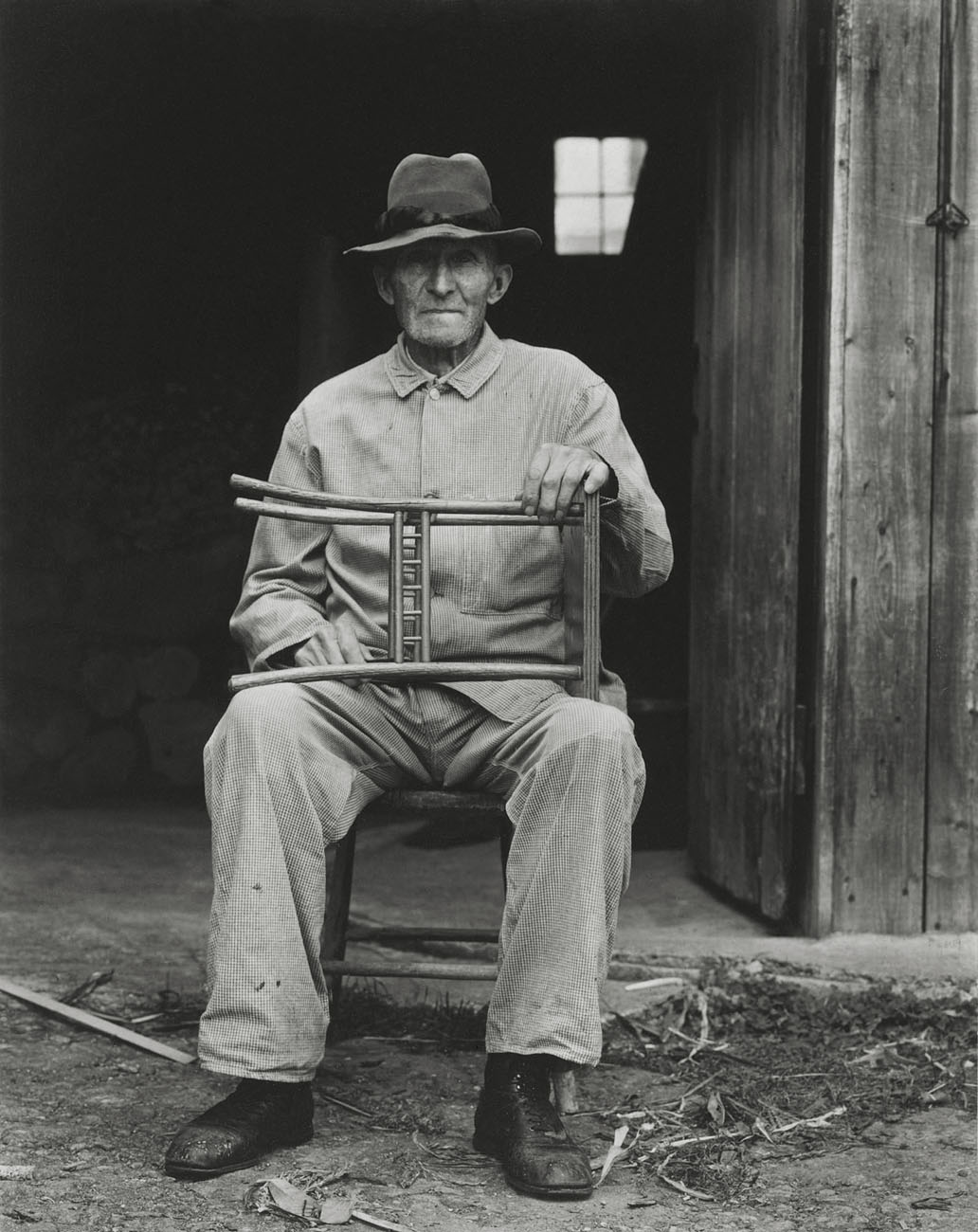
 

Paul Strand (American, 1890-1976) 'Mr. Bolster, Weston, Vermont' 1943


Paul Strand (American, 1890-1976)
Mr. Bolster, Weston, Vermont
1943
Silver gelatin print
© Aperture Foundation Inc., Paul Strand Archive. Fundación MAPFRE Collections


Paul Strand (American, 1890-1976) 'Mr. Bennett, West River Valley, Vermont' 1944


Paul Strand (American, 1890-1976)
Mr. Bennett, West River Valley, Vermont
1944
Gelatin silver print
© Aperture Foundation Inc., Paul Strand Archive. Fundación MAPFRE Collections


In 1945 a major exhibition dedicated to the work of Paul Strand took place at the Museum of Modern Art in New York that included 172 photographs, becoming the greatest retrospective devoted to a photographer to date. The project was conceived by Nancy Newhall, Head of the Department of Photography at the institution, who during the show’s preparation proposed to collaborate with Strand on a book about New England, a region located in the northeastern United States.

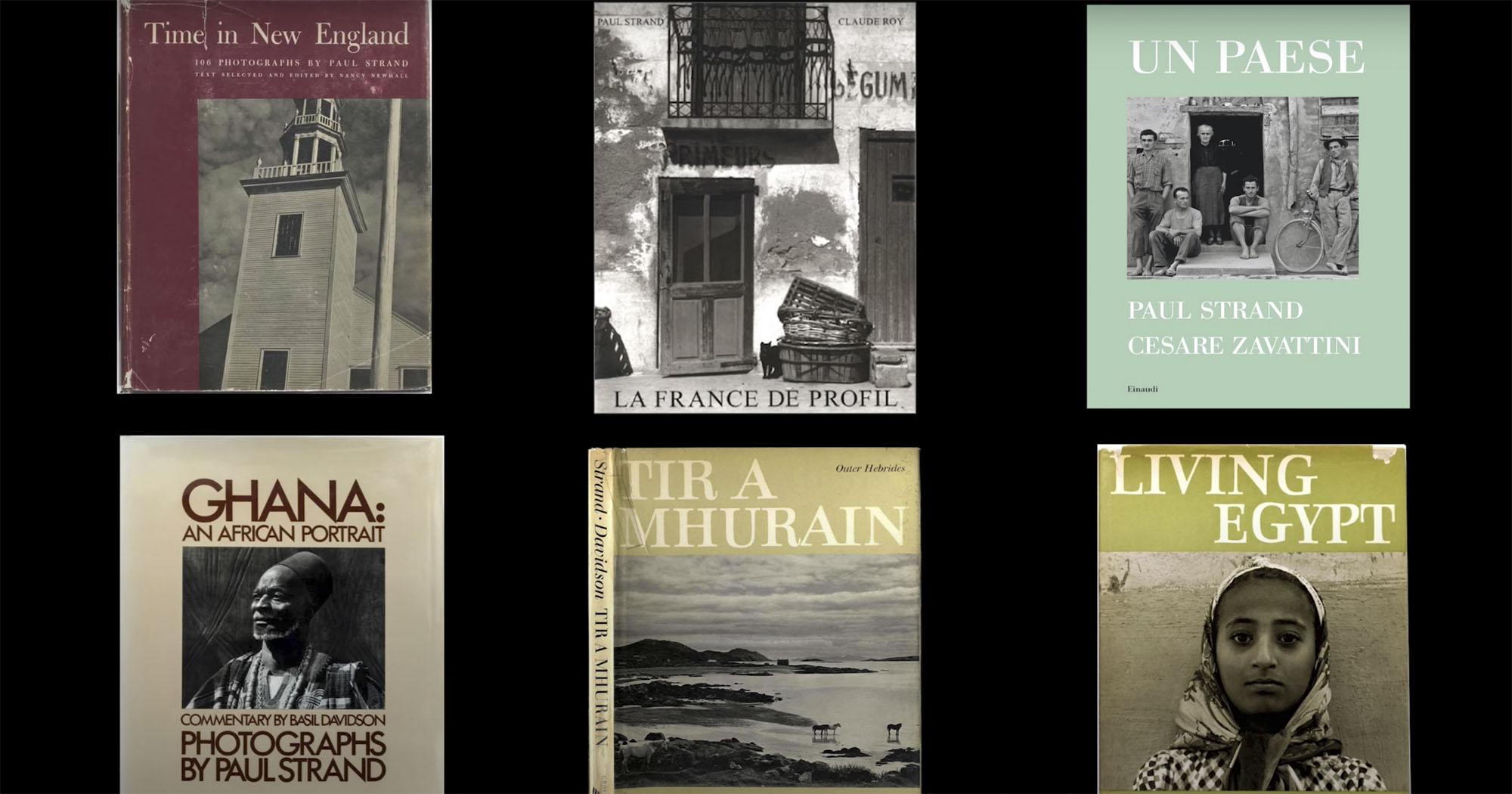
For a little over a month and a half Strand travelled with his camera throughout the region. His previous experience in Mexico had provided him with an attentive eye for capturing the social and cultural reality of the territory; in this instance through photographs of landscapes, diverse forms of architecture, and through his characteristic portraits. Resulting from this process his first photobook, Time in New England, was published in 1950, with texts by Nancy Newhall. The project’s outcome and his successful collaboration with Newhall inspired Strand to initiate a series of publications that coincided with a growing demand for travel books.

Text from the Fundación MAPFRE Collections website
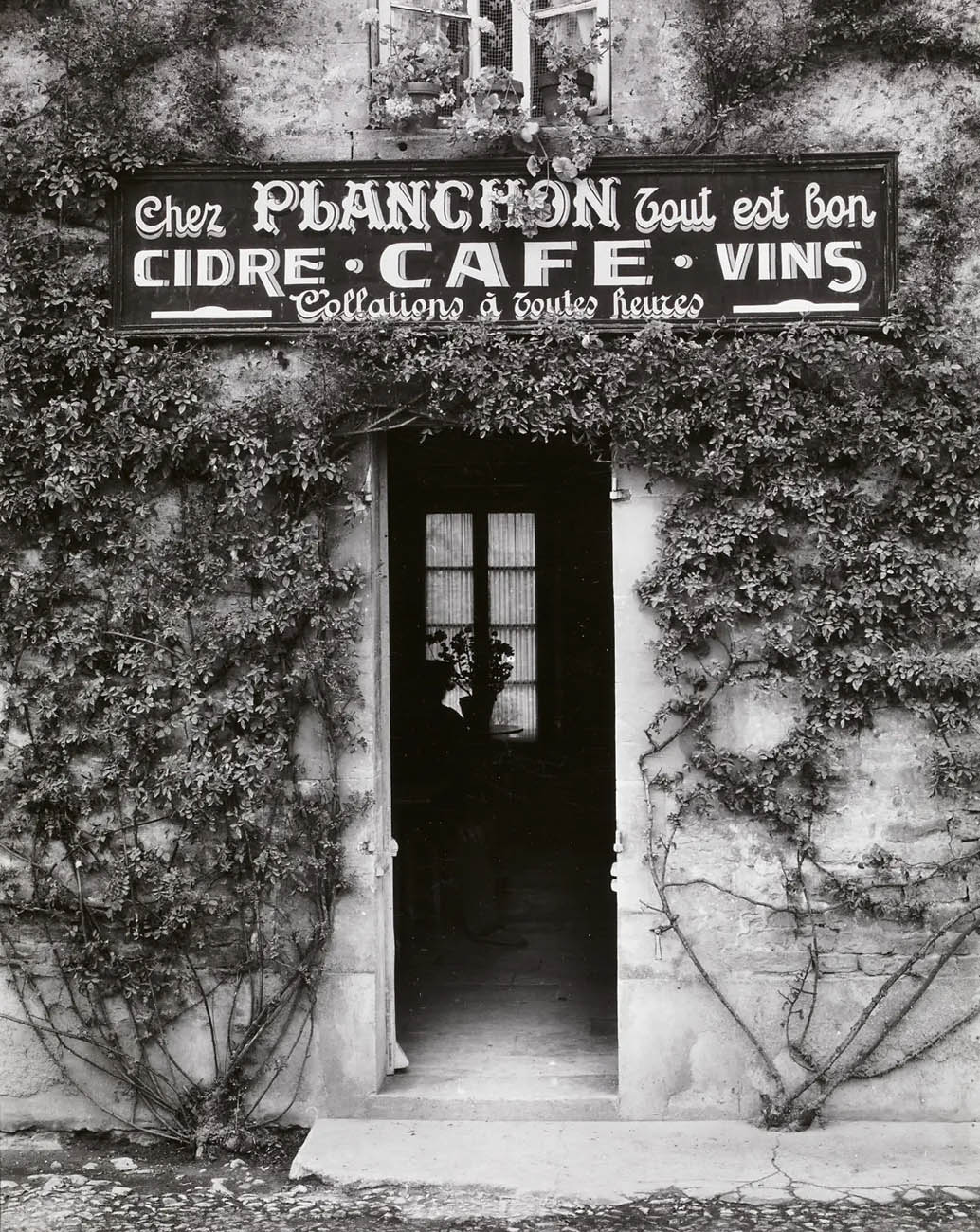
 

Paul Strand (American, 1890-1976) 'CafƩ Planchon, France' 1950


Paul Strand (American, 1890-1976)
CafƩ Planchon, France
1950
Gelatin silver print on baryta paper
24.4 Ɨ 19.4cm
© Aperture Foundation Inc., Paul Strand Archive. Fundación MAPFRE Collections


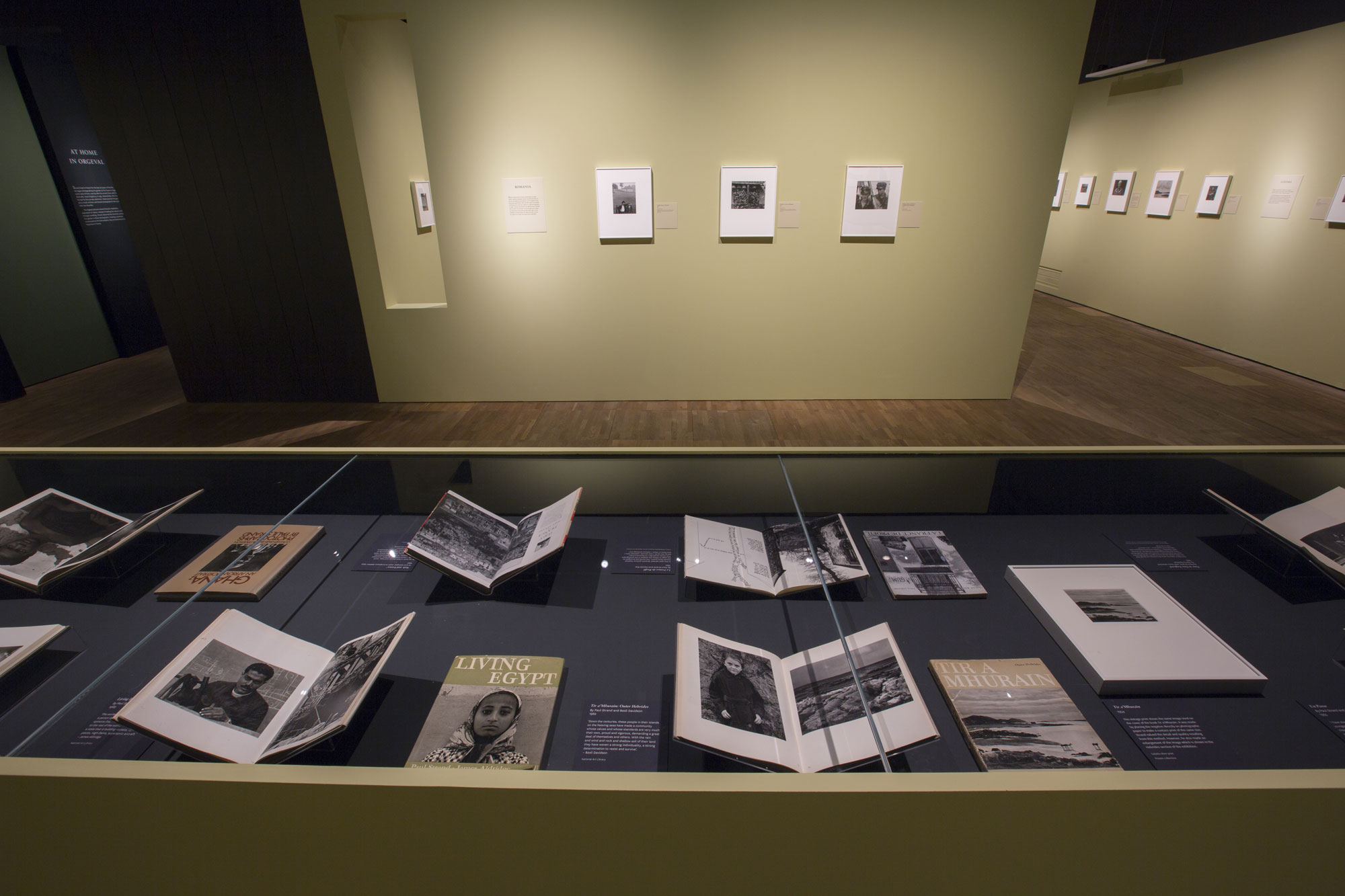
In 1950 Paul Strand left the United States due in great measure to the increasingly hostile social and political environment generated by the “witch hunt” of McCarthyism. Together with Hazel Kingsbury, who would become his third wife, Strand arrived in France. After their wedding that following year, they traveled the country together. Resulting from this journey and following the format of joining image and text that was established in his book Time in New England, the artist produced La France de Profil [France in Profile] in 1952.  The book was published by renowned Swiss publisher Guilde du Livre, with texts by the writer and poet Claude Roy, whose points of view on the social reality and the ethical commitment of artists coincided with Strand’s.

In CafĆ© Planchon Paul Strand presents a rhetoric characteristic of the avant-garde, one of texts that belie the visual reality they attempt to portray, which grants them an inevitable and warm ironical distance. The image also contains a sense of artistic joy that is not merely related to the formal composition but is manifested in the proliferation of the vegetation, in the tactility of textures, and in the charming gradation of light that is finally enveloped by shadow. The richness of the image arises as a result of the photographer’s attention to this particular reality, which is celebrated in the book, as well as his technical prowess and the dedication he poured into the prints made in the darkroom.

Text from the Fundación MAPFRE Collections website
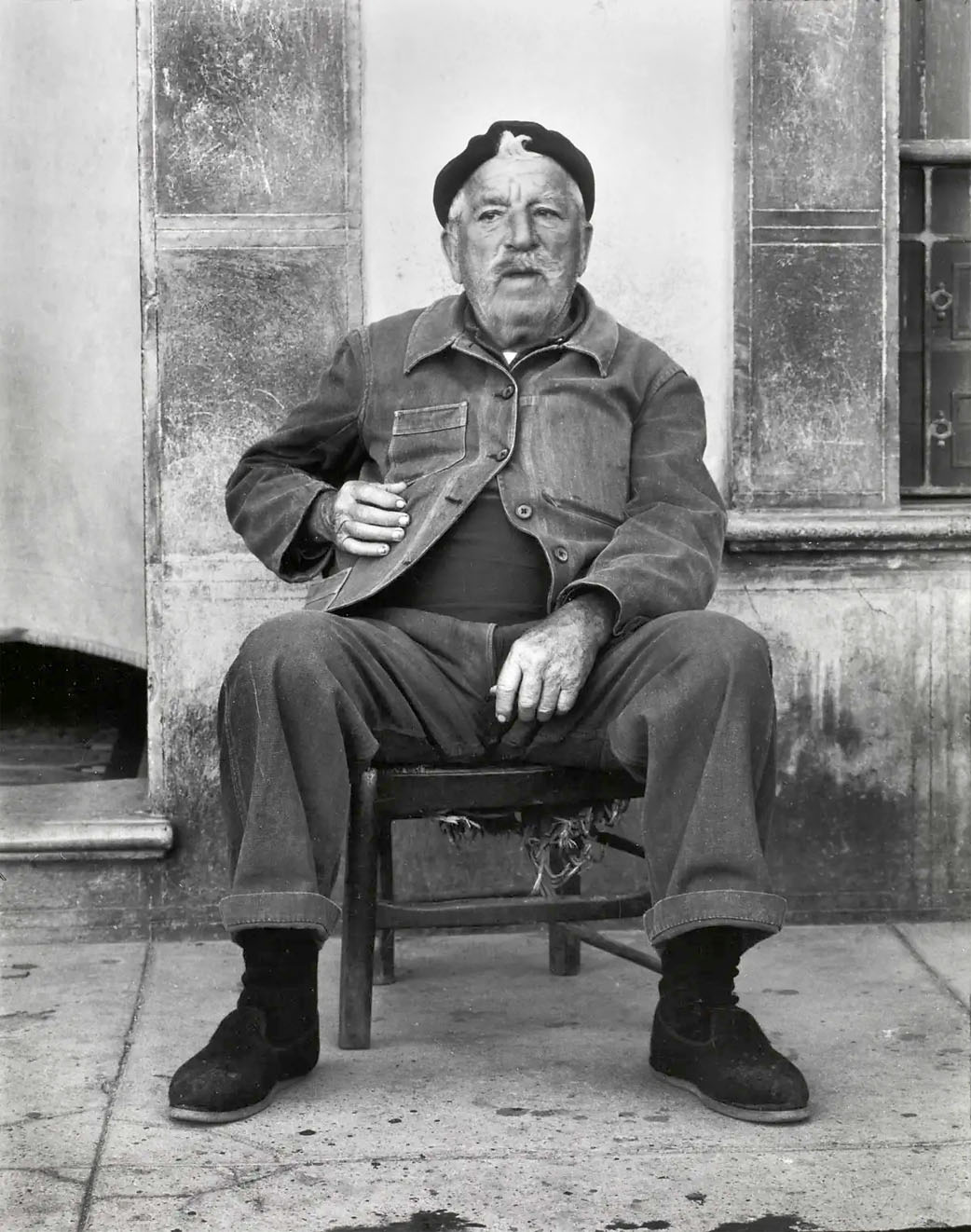
 

Paul Strand (American, 1890-1976) 'Fisherman, Banyuls, PyrƩnƩes-Orientales, France' 1950-1951


Paul Strand (American, 1890-1976)
Fisherman, Banyuls, PyrƩnƩes-Orientales, France
1950-1951
Silver gelatin print
16.1 Ɨ 12.5cm
© Aperture Foundation Inc., Paul Strand Archive. Fundación MAPFRE Collections
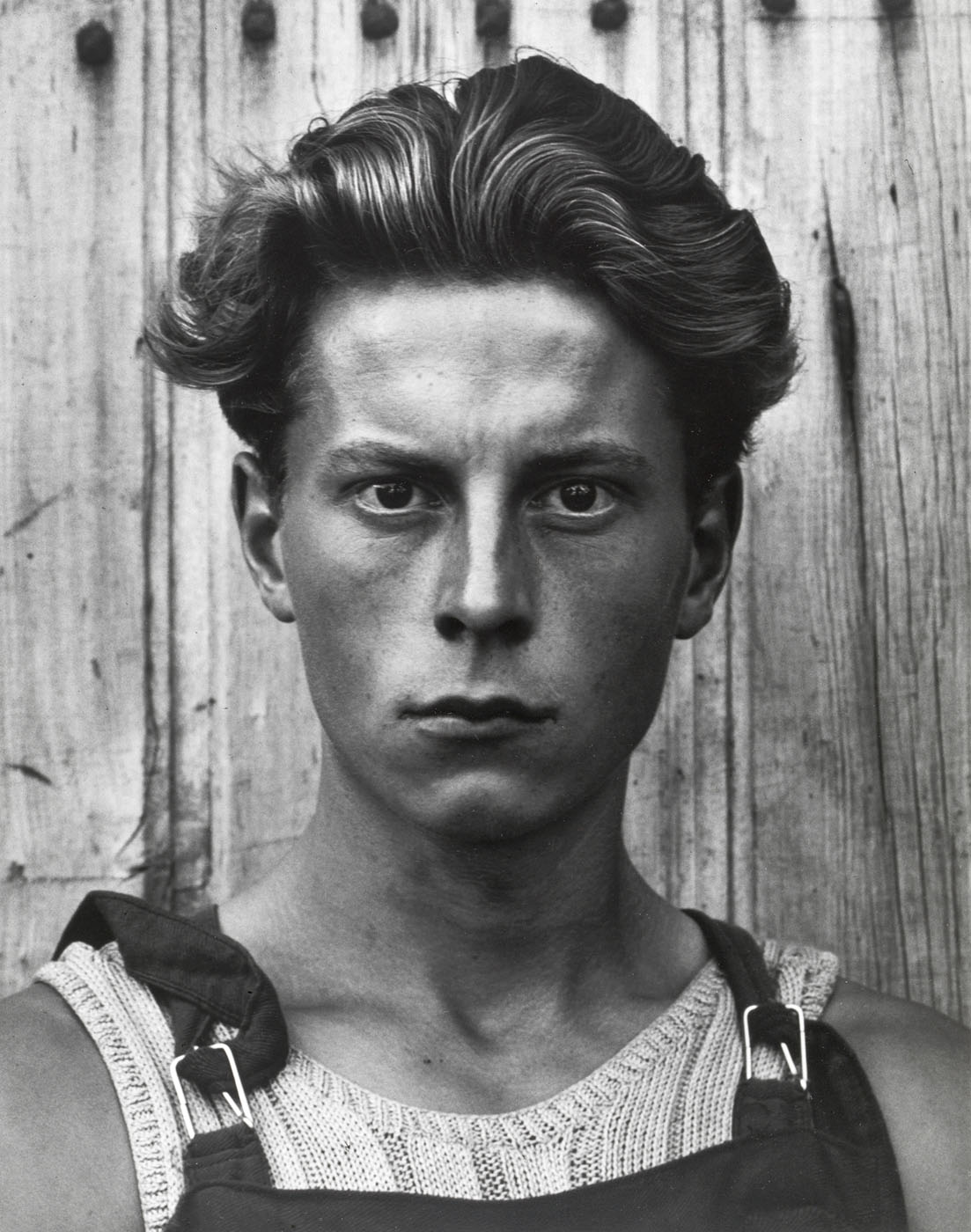
 

Paul Strand (American, 1890-1976) 'Young Boy, Gondeville, Charente, France' 1951


Paul Strand (American, 1890-1976)
Young Boy, Gondeville, Charente, France
1951
Gelatin silver print
© Aperture Foundation Inc., Paul Strand Archive. Fundación MAPFRE Collections


In 1952 Paul Strand published La France de profil [France in Profile] which included the photographs he took during his trip throughout the country. With texts by Claude Roy, the book was published by Swiss publisher Guilde du Livre, which had been producing a collection of travel books since the 1940s containing texts by well known writers such as Paul Ɖluard and Jacques PrĆ©vert, and photographs by artists such as Robert Doisneau and Michel Huet.

In a similar fashion to how he had articulated a unique perspective far from the hegemonic exoticising of Mexico during the 1930s, Strand portrayed France in a way that did not settle on its most picturesque features. As inferred by the title, the series is an oblique perspective on the territory materialised through an assortment of images that are arranged in a singular style. Towns, landscapes, examples of vernacular architecture, and faces of elderly people and fishermen appear next to photographs detailing small objects that – beyond their documentary value – join the artistic language of images while simultaneously evoking the time that is inscribed within them.

Young Boy captures the characteristic intensity of the gamut of black and white hues in Strand’s work. The beauty hidden within the heroic ruggedness of the boy’s face, emphasised by the artist’s treatment of light, exemplifies the way in which Strand’s attention to the artistic values he upholds effectuates his political commitment.

Text from the Fundación MAPFRE Collections website
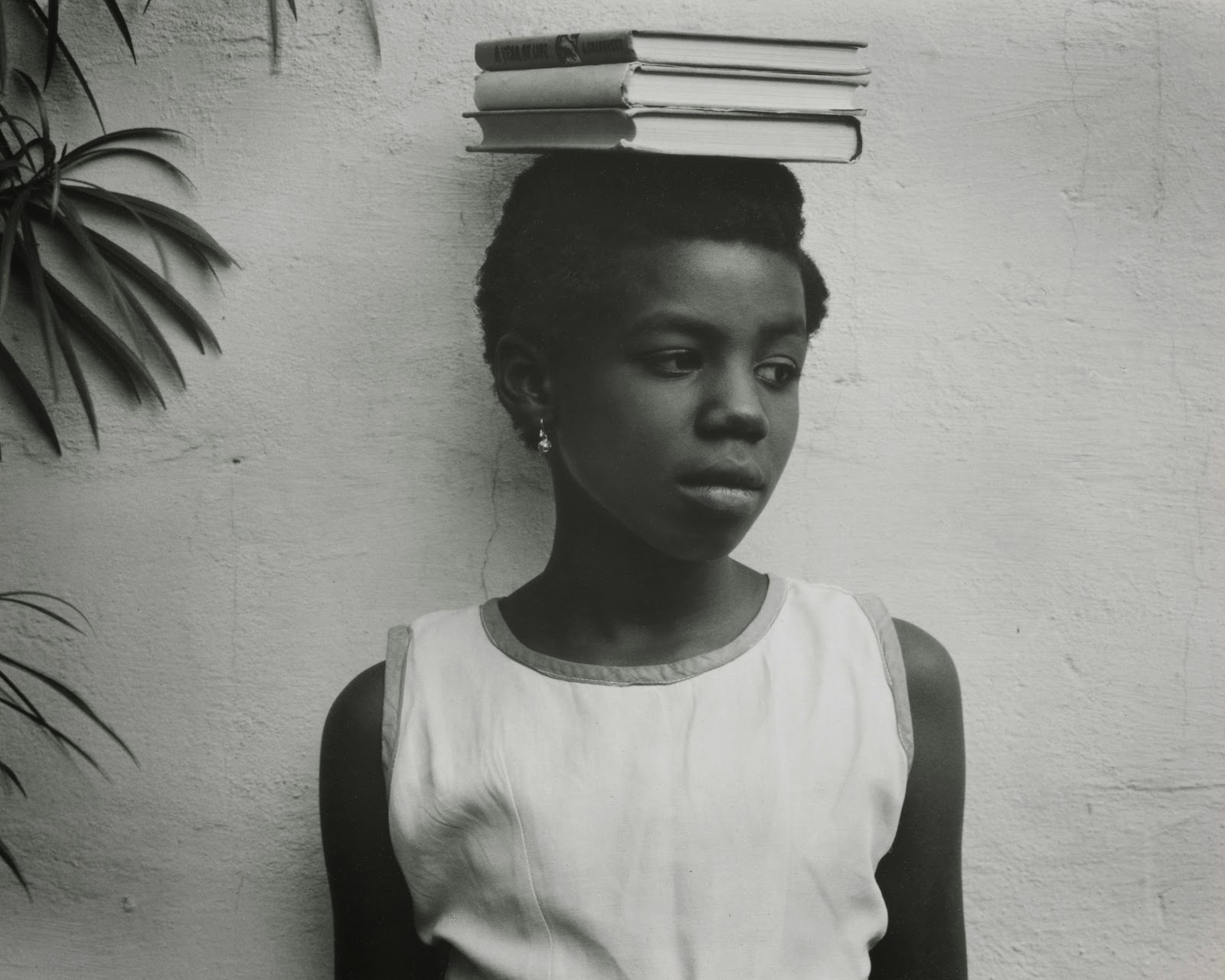
 

Paul Strand (American, 1890-1976) 'Anna Attinga Frafra, Accra, Ghana' 1964


Paul Strand (American, 1890-1976)
Anna Attinga Frafra, Accra, Ghana
1951
Gelatin silver print
© Aperture Foundation Inc., Paul Strand Archive. Fundación MAPFRE Collections


Throughout the 1960s, during the Cold War, Paul Strand continued his documentary work traveling to different socialist countries such as Romania, Egypt, and Ghana. As evidenced by the series of photobooks that he published, Strand’s perspective on these realities is translated into portraits, landscapes, and images of the communities’ daily life and their objects. Nevertheless, although direct references to political issues are eloquently scarce in his photographs, some elements can be observed that subtly point to the positive aspects of the revolutionary processes occurring in these countries.

Such is the case of the portrait of Anna Attinga Frafra – included in Ghana: An African Portrait (New York, Aperture, 1976) – in which the simplicity of the composition points to one dissonant element: the books balanced on the girl’s head. The symbolic character of the image serves as a reference to the literacy and education campaigns planned for the Ghanaian populations, which included women, and has an undoubtedly, albeit subtle, propagandistic nature. Nevertheless, the photograph makes sense and coexists seamlessly with the other images that make up the series. As a whole, they offer a vision that is an alternative from ethnographic typology, incorporating the reality of the aspirations, efforts, and hopes of the community without becoming crude propaganda.

Text from the Fundación MAPFRE Collections website
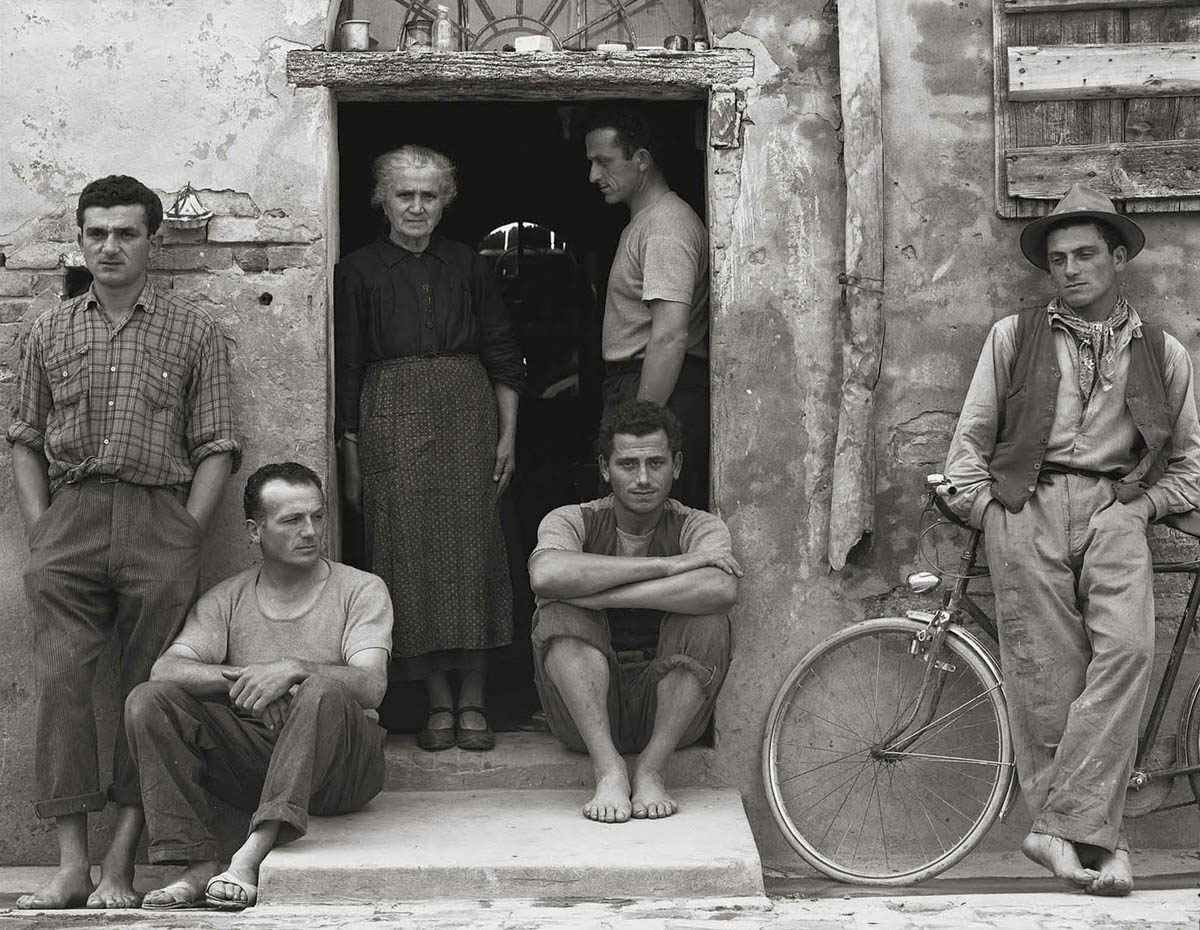
 

Paul Strand (American, 1890-1976) 'The Lusetti Family, Luzzara, Italy' 1953


Paul Strand (American, 1890-1976)
The Lusetti Family, Luzzara, Italy
1953
Gelatin silver print
16.9 Ɨ 21.3cm
© Aperture Foundation Inc., Paul Strand Archive. Fundación MAPFRE Collections
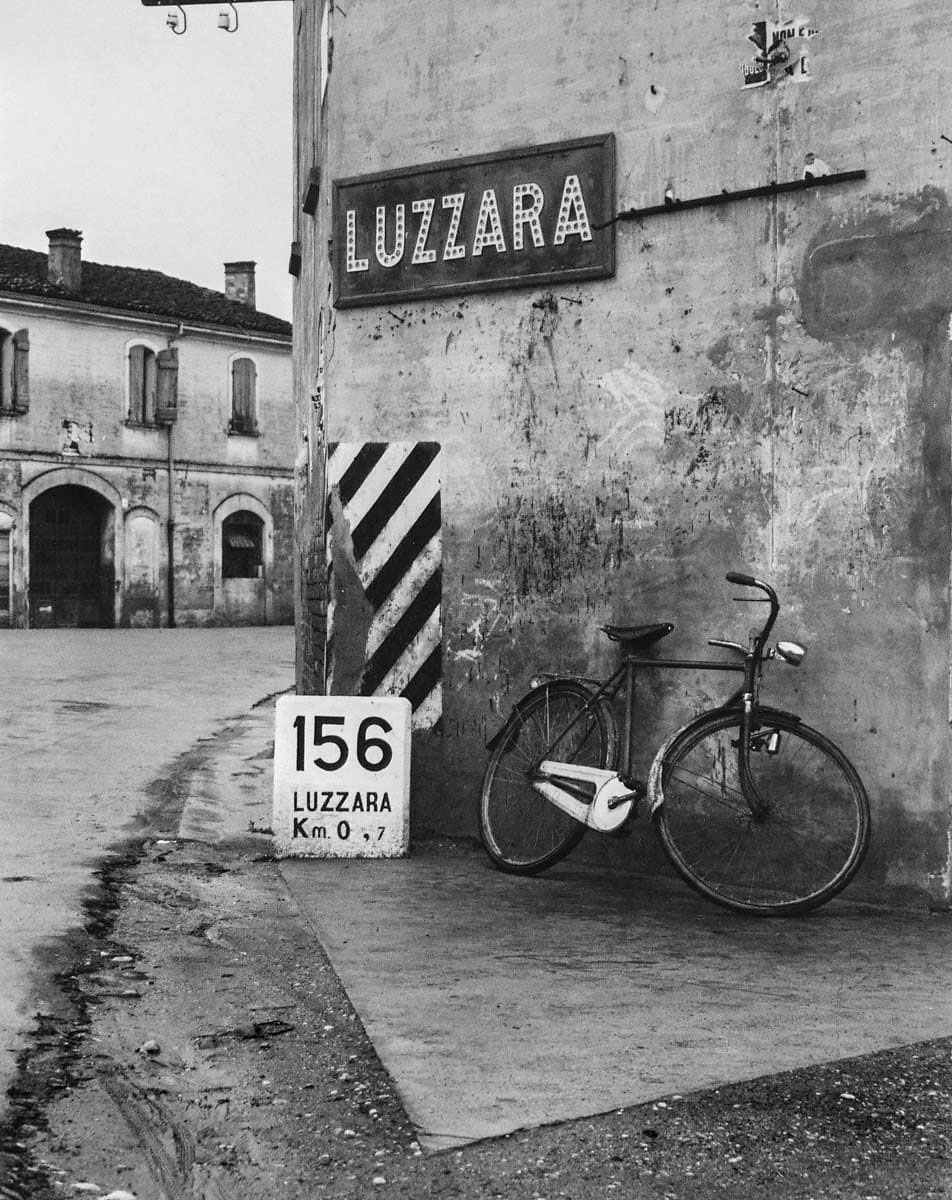
 

Paul Strand (American, 1890-1976) 'Luzzara'
 1953


Paul Strand (American, 1890-1976)
Luzzara
1953
Gelatin silver print
© Aperture Foundation Inc., Paul Strand Archive. Fundación MAPFRE Collections
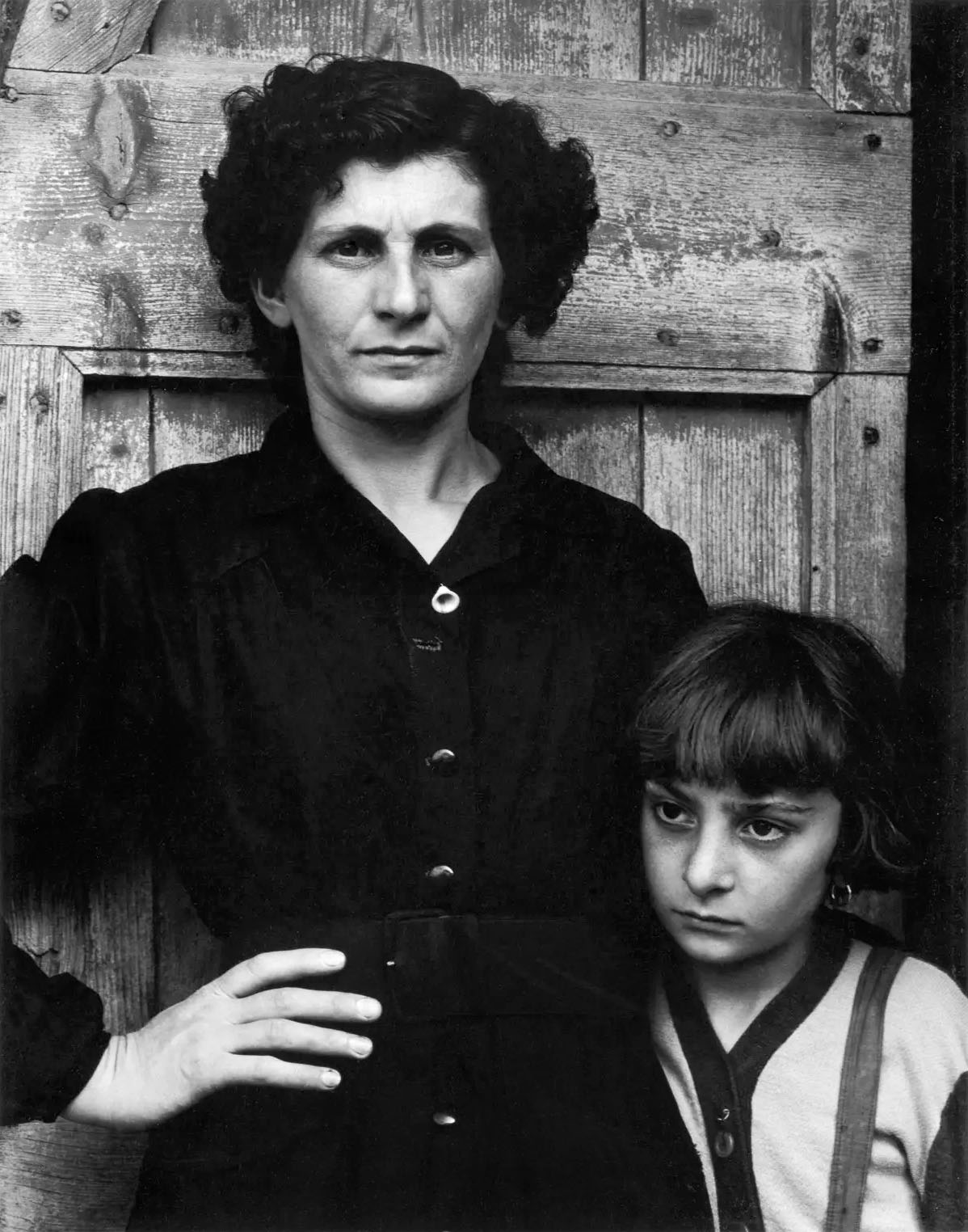
 

Paul Strand (American, 1890-1976) 'Postmistress and Daughter, Luzzara, Italy' 1953


Paul Strand (American, 1890-1976)
Postmistress and Daughter, Luzzara, Italy
1953
Silver gelatin print
33.3 Ɨ 26.4cm
© Aperture Foundation Inc., Paul Strand Archive. Fundación MAPFRE Collections
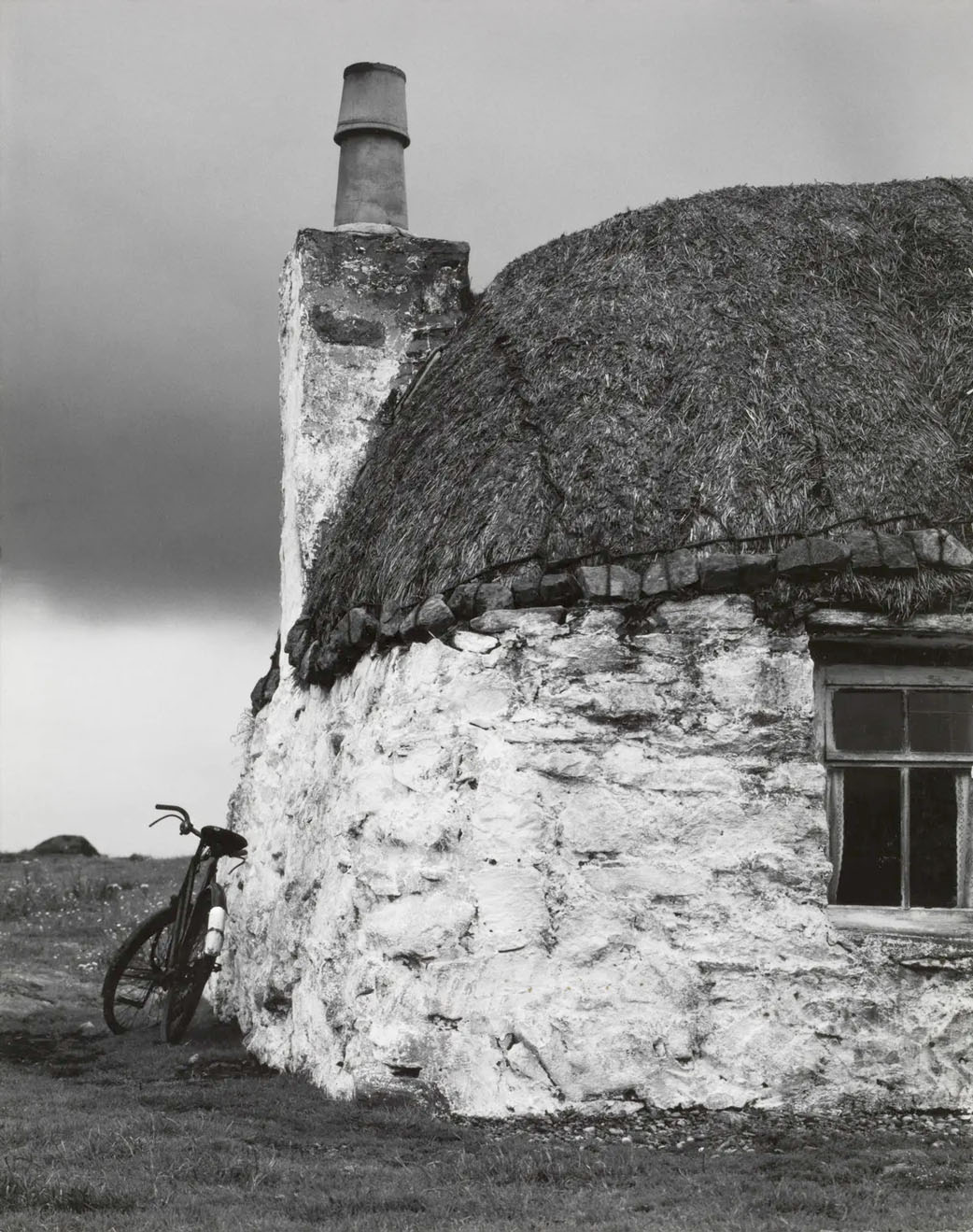
 

Paul Strand (American, 1890-1976) 'House, Benbecula, Isle of South Uist, Outer Hebrides' 1954


Paul Strand (American, 1890-1976)
House, Benbecula, Isle of South Uist, Outer Hebrides
1954
Silver gelatin print
14.9 Ɨ 11.7cm
© Aperture Foundation Inc., Paul Strand Archive. Fundación MAPFRE Collections
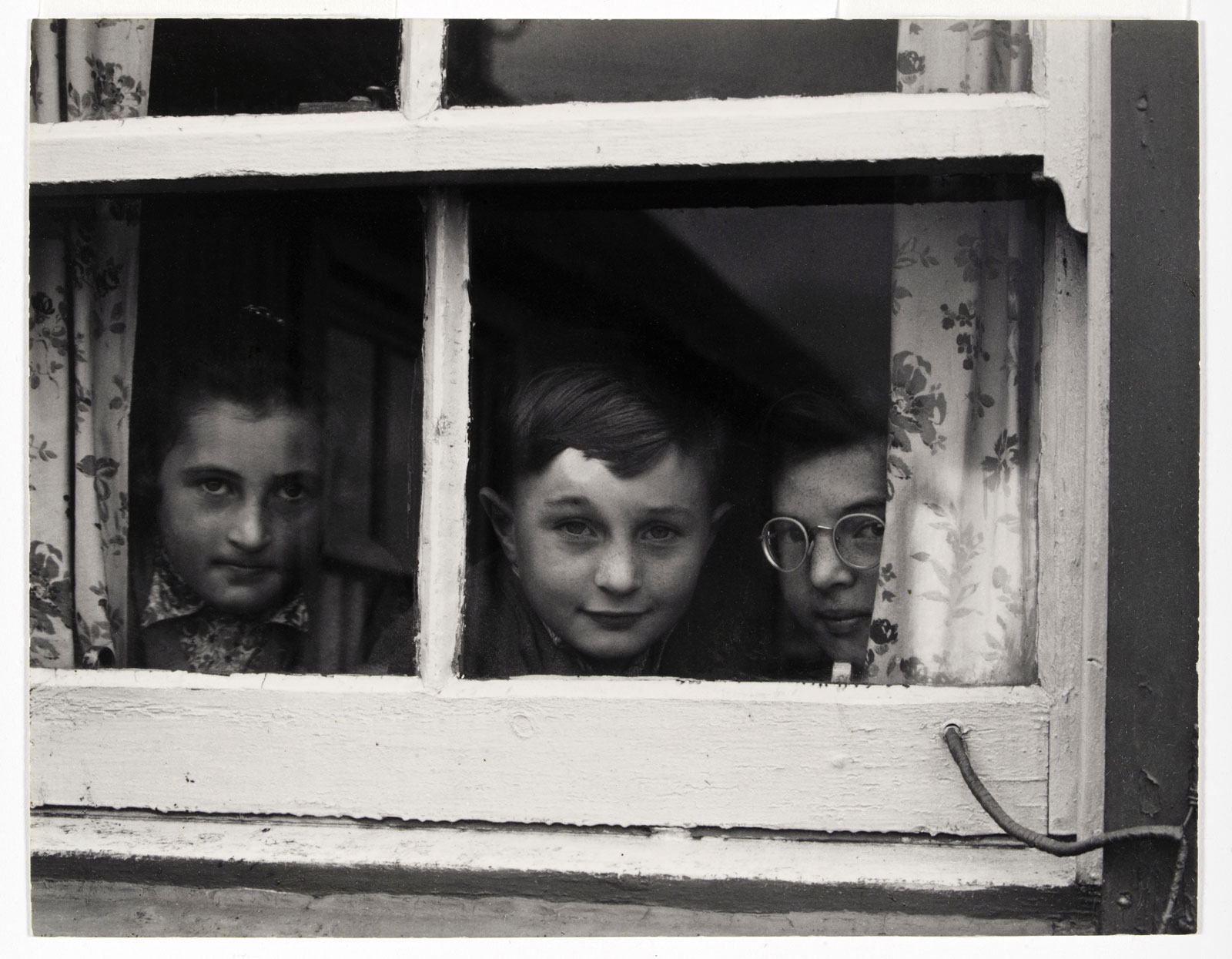
 

Paul Strand (American, 1890 - 1976) 'Milly, John and Jean MacLellan, South Uist, Hebrides' 1954


Paul Strand (American, 1890-1976)
Milly, John and Jean MacLellan, South Uist, Hebrides
1954
Silver gelatin print
© Aperture Foundation Inc., Paul Strand Archive. Fundación MAPFRE Collections
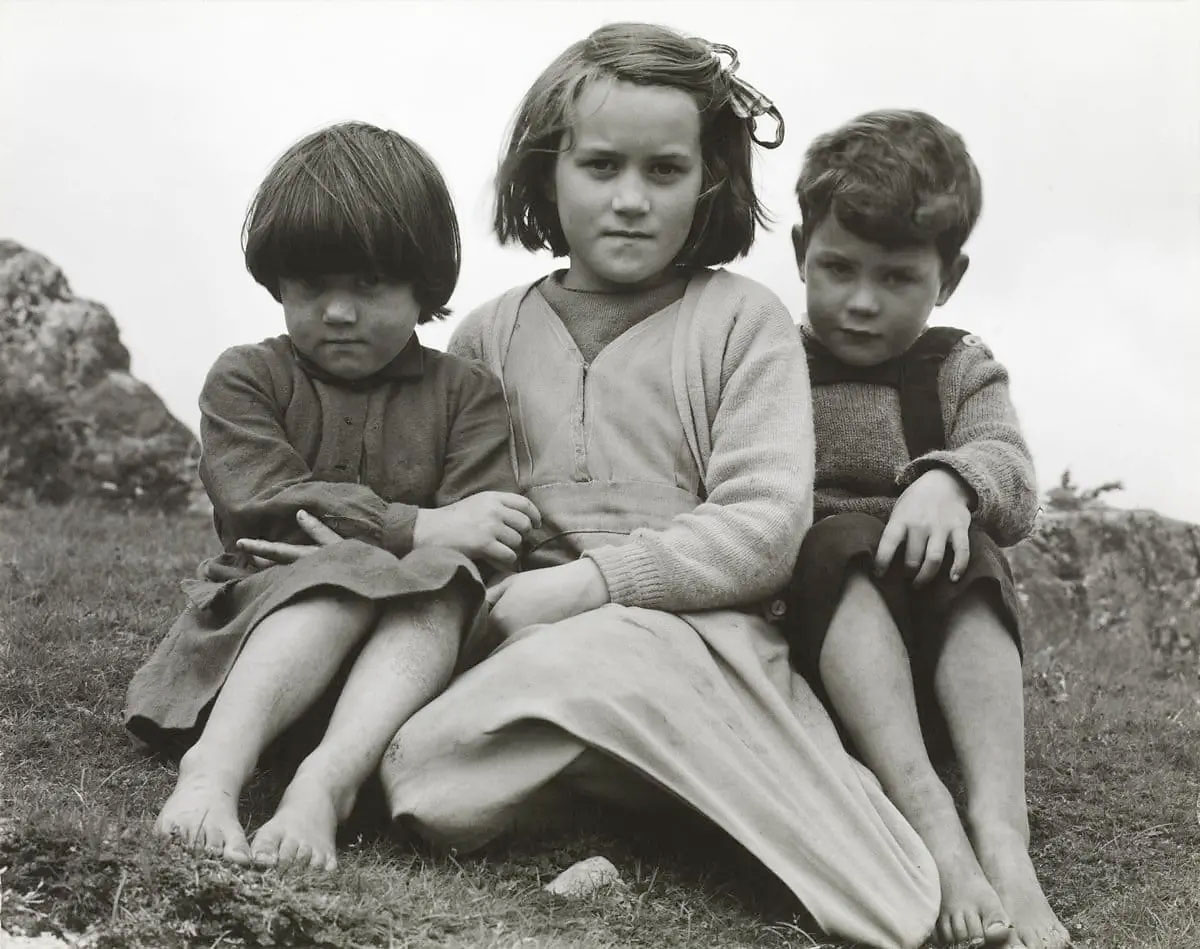
 

Paul Strand (American, 1890-1976) 'Agnes MacDonald, Morag and Ewen MacLellan, Isle of South Uist, Outer Hebrides' 1954


Paul Strand (American, 1890-1976)
Agnes MacDonald, Morag and Ewen MacLellan, Isle of South Uist, Outer Hebrides
1954
Silver gelatin print
© Aperture Foundation Inc., Paul Strand Archive. Fundación MAPFRE Collections
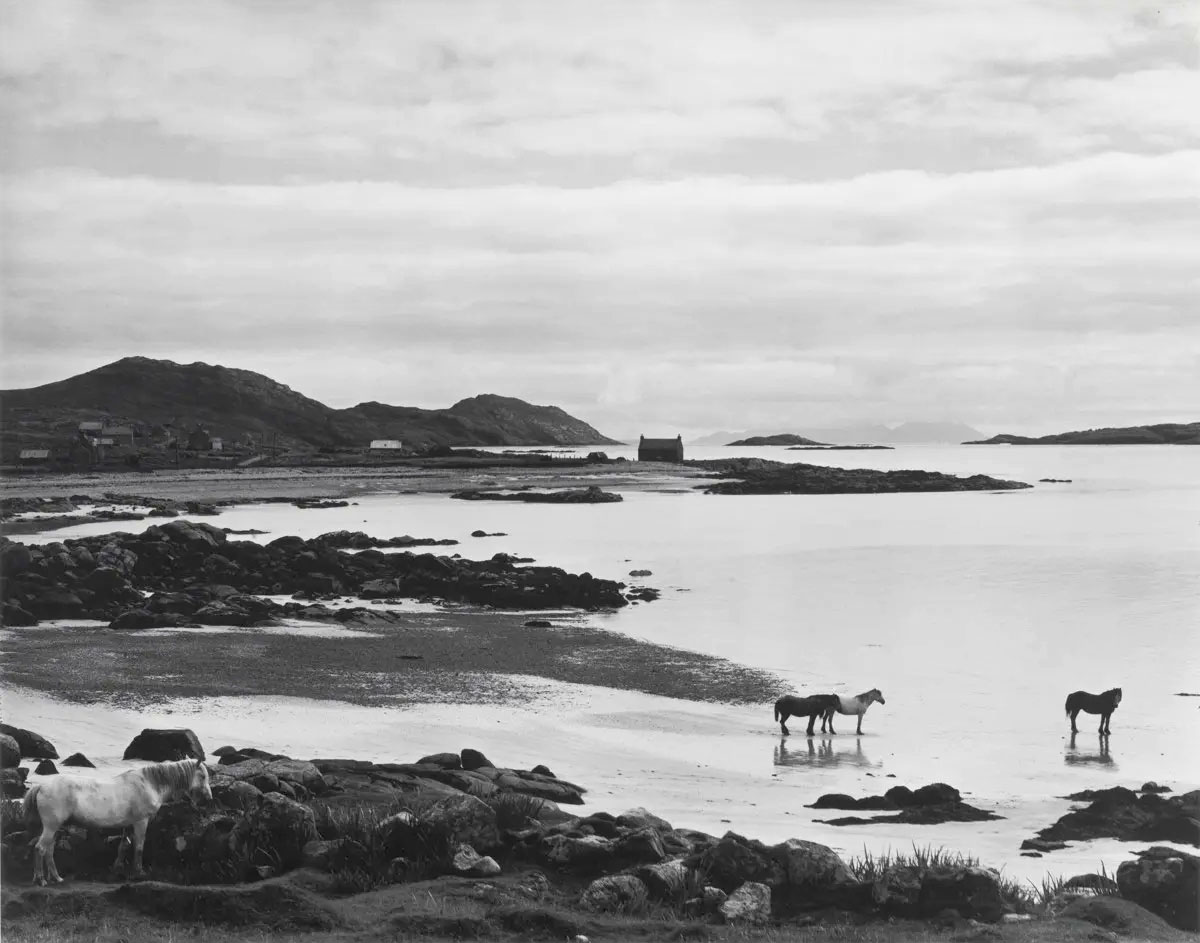
 

Paul Strand (American, 1890-1976) 'Tir a'Mhurain, Isle of South Uist, Outer Hebrides' 1954


Paul Strand (American, 1890-1976)
Tir a’Mhurain, Isle of South Uist, Outer Hebrides
1954
Silver gelatin print
14.8 Ɨ 12.4cm
© Aperture Foundation Inc., Paul Strand Archive. Fundación MAPFRE Collections
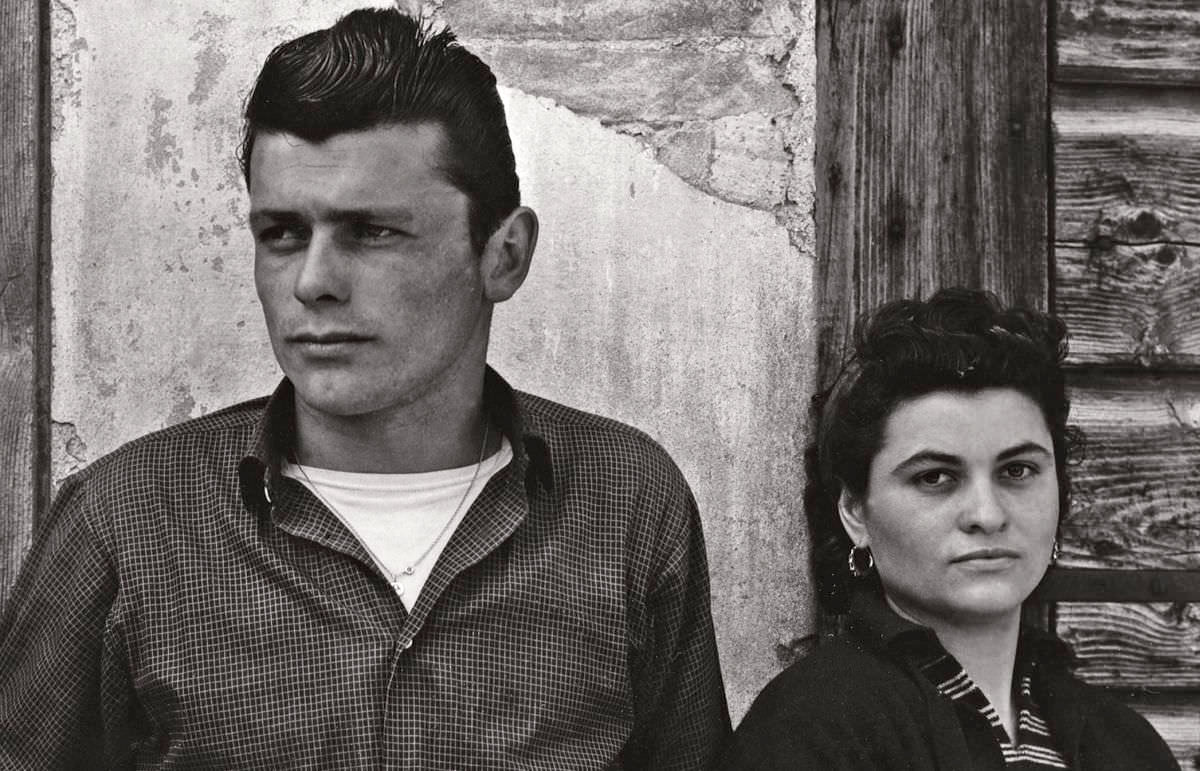
 

Paul Strand (American, 1890-1976) 'Un paese' 1955


Paul Strand (American, 1890-1976)
Un paese
1955
Silver gelatin print
© Aperture Foundation Inc., Paul Strand Archive. Fundación MAPFRE Collections


300,000 lire, 10 sheets, 10 pillowcases, 10 towels, 10 parures and the bedroom are not enough to marry me, you can’t do less. He has to go into the army, otherwise we’d get married right away even if there’s little work. This year he has done less than a thousand hours of work.

Text by Zavattini, photographs by Paul Strand, Turin, Einaudi, 1955, p. 73
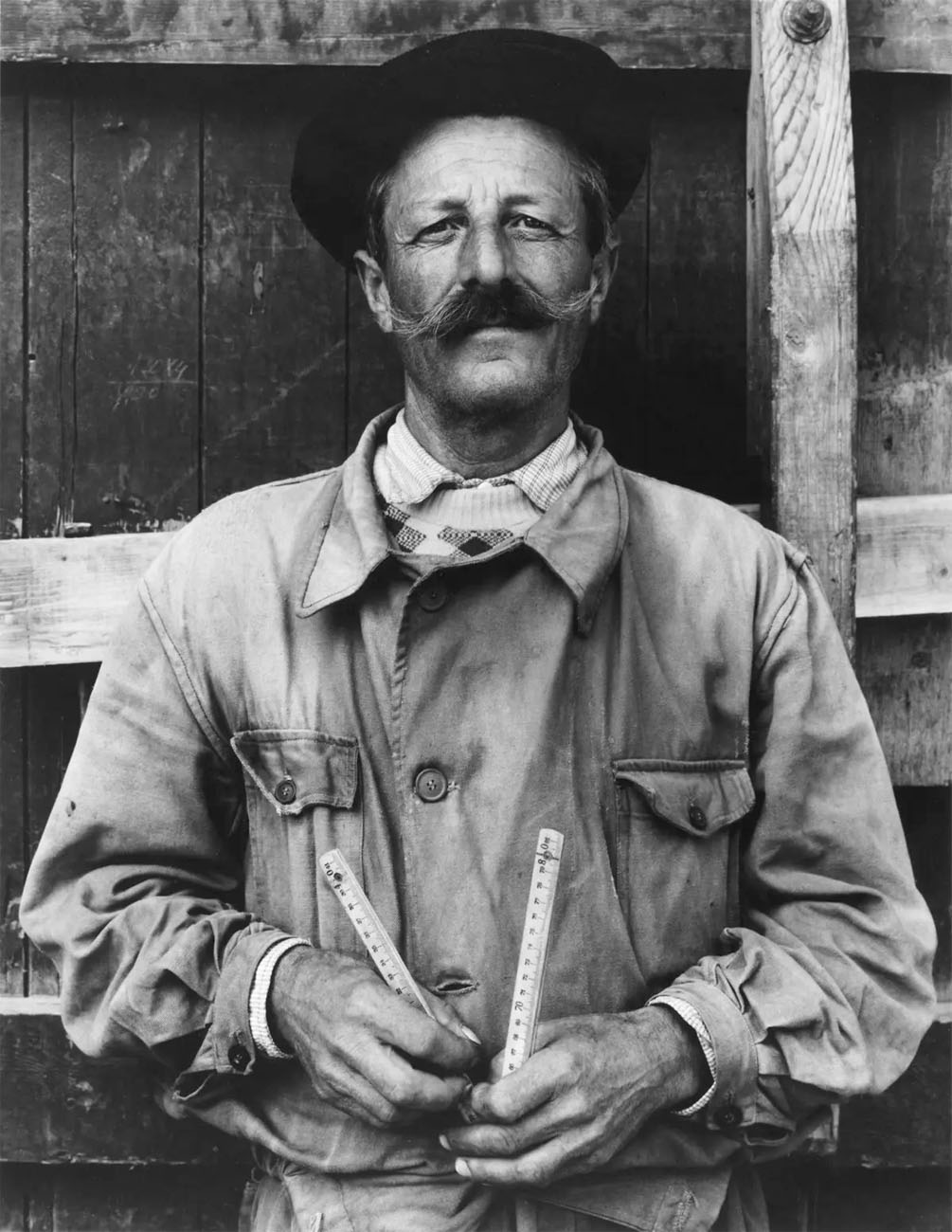
 

Paul Strand (American, 1890-1976) 'Iordache Ciaocata, Bicaz, Romania' 1960


Paul Strand (American, 1890-1976)
Iordache Ciaocata, Bicaz, Romania
1960
Silver gelatin print
33.2 Ɨ 35.7cm
© Aperture Foundation Inc., Paul Strand Archive. Fundación MAPFRE Collections
 

Paul Strand book covers


Paul Strand book covers


Fondation Henri Cartier-Bresson
79 rue des Archives
75003 Paris

Opening hours:
Tuesday – Sunday 11am – 7pm
Closed on Mondays

Fondation Henri Cartier-Bresson website

LIKE ART BLART ON FACEBOOK

Back to top

Exhibition: ‘Paul Strand: Photography and Film for the 20th Century’ at the Victoria & Albert Museum, London

Exhibition dates:Ā 19th March – 3rd July, 2016

Curator: Martin Barnes, Senior Curator of Photographs at the V&A


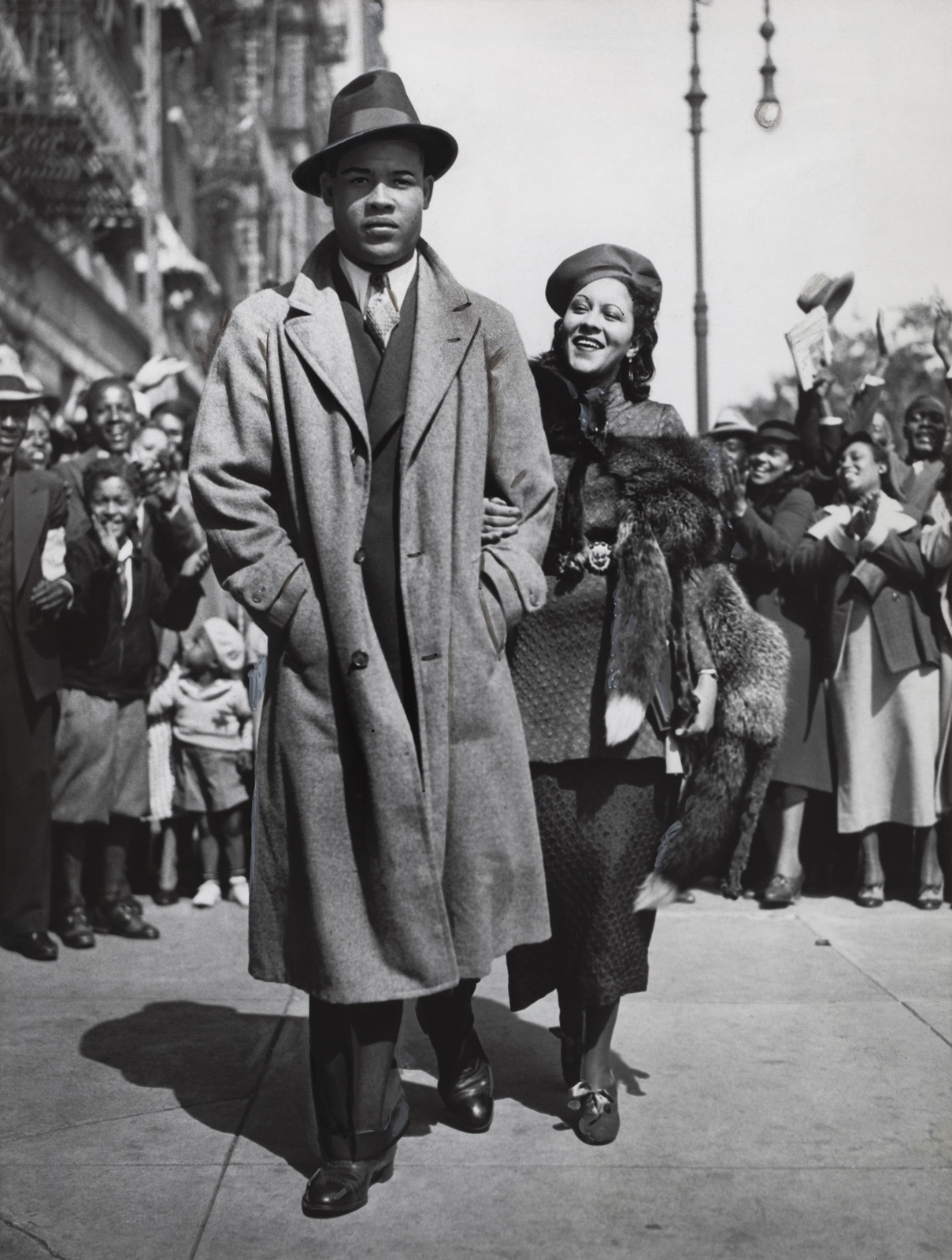
Paul StrandĀ (American, 1890-1976) 'Wall Street, New York' 1915 from the exhibition 'Paul Strand: Photography and Film for the 20th Century' at the Victoria & Albert Museum, London, March - July, 2016
 

Paul Strand (American, 1890-1976)
Wall Street, New York
1915
Ā© Paul Strand Archive, Aperture Foundation


Last day for this exhibition from one of the masters of photography. Apologies to the gallery and the readers that I did not get the posting up earlier but I have just been so busy at work. At least we have a record of the exhibition online.

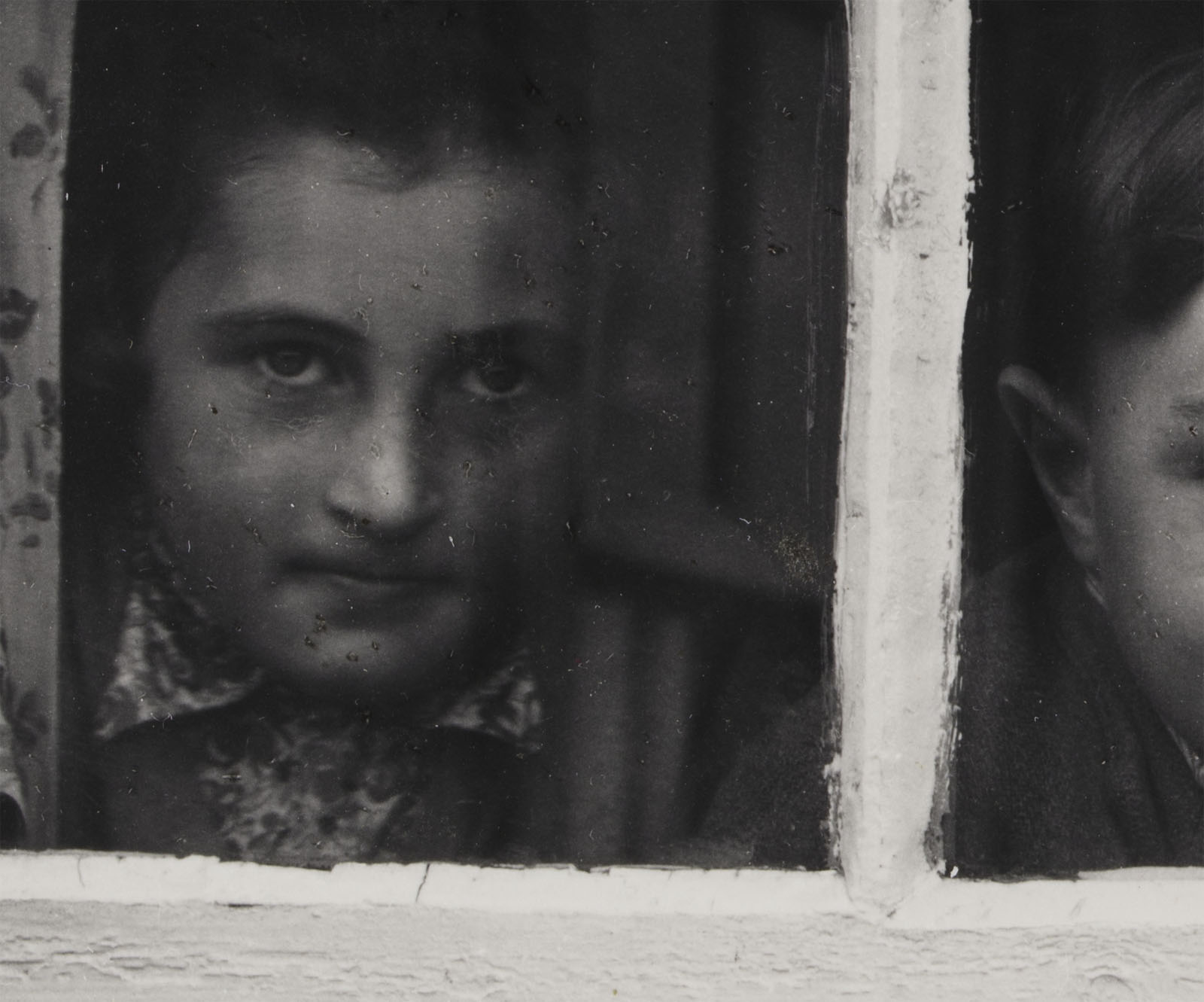
Some of the media images were in a really shocking state. I can’t believe that an artist of Paul Strand’s standing would ever have wanted his photographs distributed in such a state – for example, enlarge the unrestored Milly, John and Jean MacLellan, South Uist, Hebrides (1954, detail) below, and then look at the restored version above that I have digitally cleaned.

What can you say about Strand that has not already been said before? He is a seminal figure in the history of photography. His Wall Street, New York (1915, below) is still one of my favourite images of all time – for its light, foreboding, and incisive comment on capitalism and the worker. Follow this by one of the first truly “modernist” images, and one that changed the course of photography (and what a difference a year, and an image makes), White Fence, Port Kent, New York (1916, below) and you set the scene for a stellar career. To have that natural perspicaciousness: a penetrating discernment – a clarity of vision or intellect which provides a deep understanding and insight – is an element of wisdom that cannot be taught. As an artist, you’ve either got it or you haven’t.

As is observed in the Wikipedia entry on perspicacity, “In 17th century Europe RenĆ© Descartes devised systematic rules for clear thinking in his work RegulƦ ad directionem ingenii (Rules for the direction of natural intelligence). In Descartes’ scheme, intelligence consisted of two faculties: perspicacity, which provided an understanding or intuition of distinct detail; and sagacity, which enabled reasoning about the details in order to make deductions. Rule 9 was De Perspicacitate Intuitionis (On the Perspicacity of Intuition). He summarised the rule as


Oportet ingenii aciem ad res minimas et maxime faciles totam convertere, atque in illis diutius immorari, donec assuescamus veritatem distincte et perspicue intueri.

We should totally focus the vision of the natural intelligence on the smallest and easiest things, and we should dwell on them for a long time, so long, until we have become accustomed to intuiting the truth distinctly and perspicuously.”


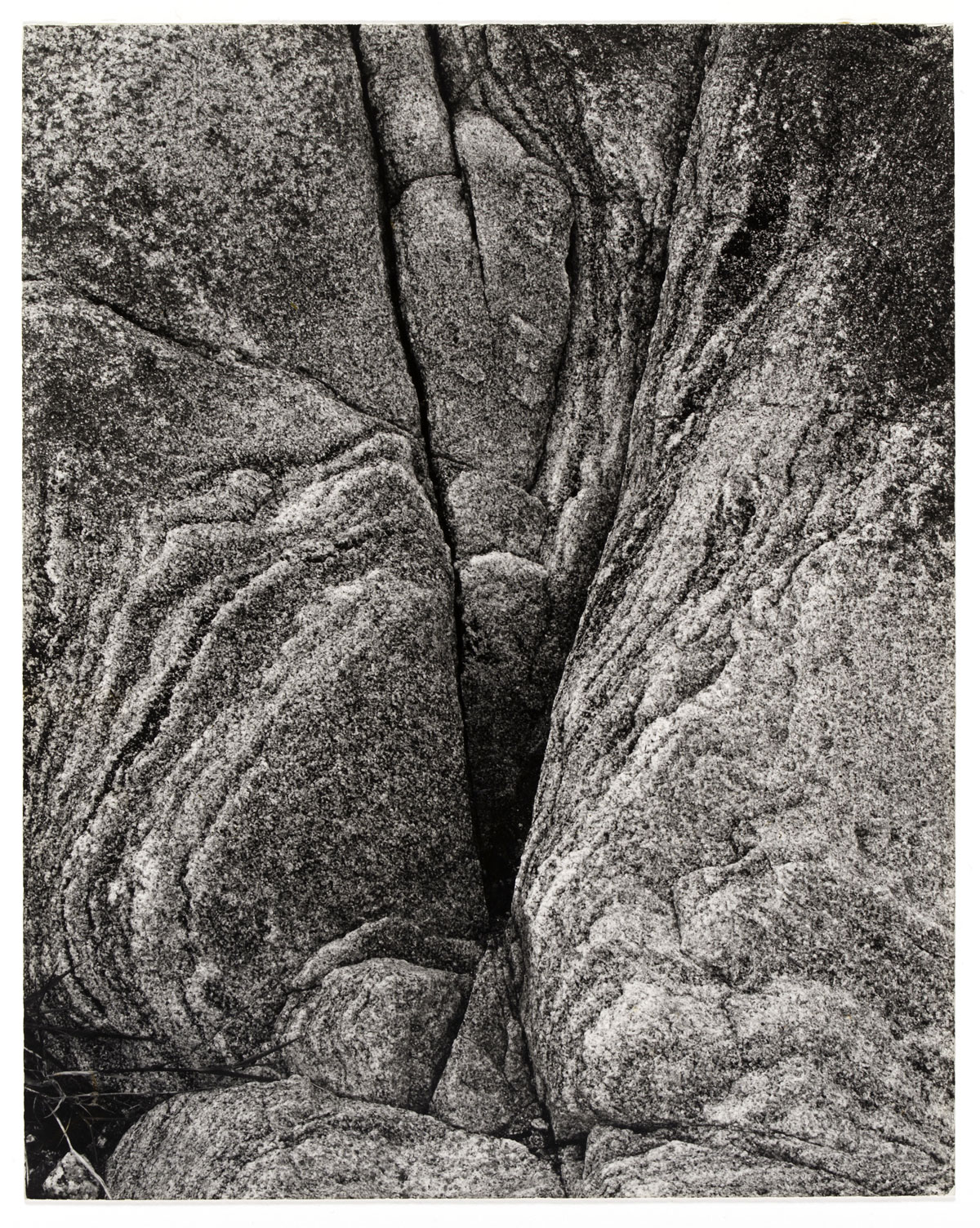
Intuiting the truth distinctly and perspicuously… quick to pick out, from among the thousands of things he sees, those that are significant, and to synthesise observations. This is what Strand does so well. His photographs are honest, direct, without ego. They just are. They live and breathe the subject. How do you get that look, that presence such as in Young Boy, Gondeville, Charente, FranceĀ (1951, below). That presence is repeated again and again – in rocks, tendrils, people, buildings, landscapes – and finally, in the last years of his life, in intimate, sensitive and complex images of his garden at Orgeval.

God bless that we have great artists like Paul Strand.

Dr Marcus Bunyan


Many thankx to the V&A for allowing me to publish the photographs in the posting. Please click on the photographs for a larger version of the image.


Installation photograph of the exhibition 'Paul Strand: Photography and Film for the 20th Century' at the Victoria & Albert Museum, London

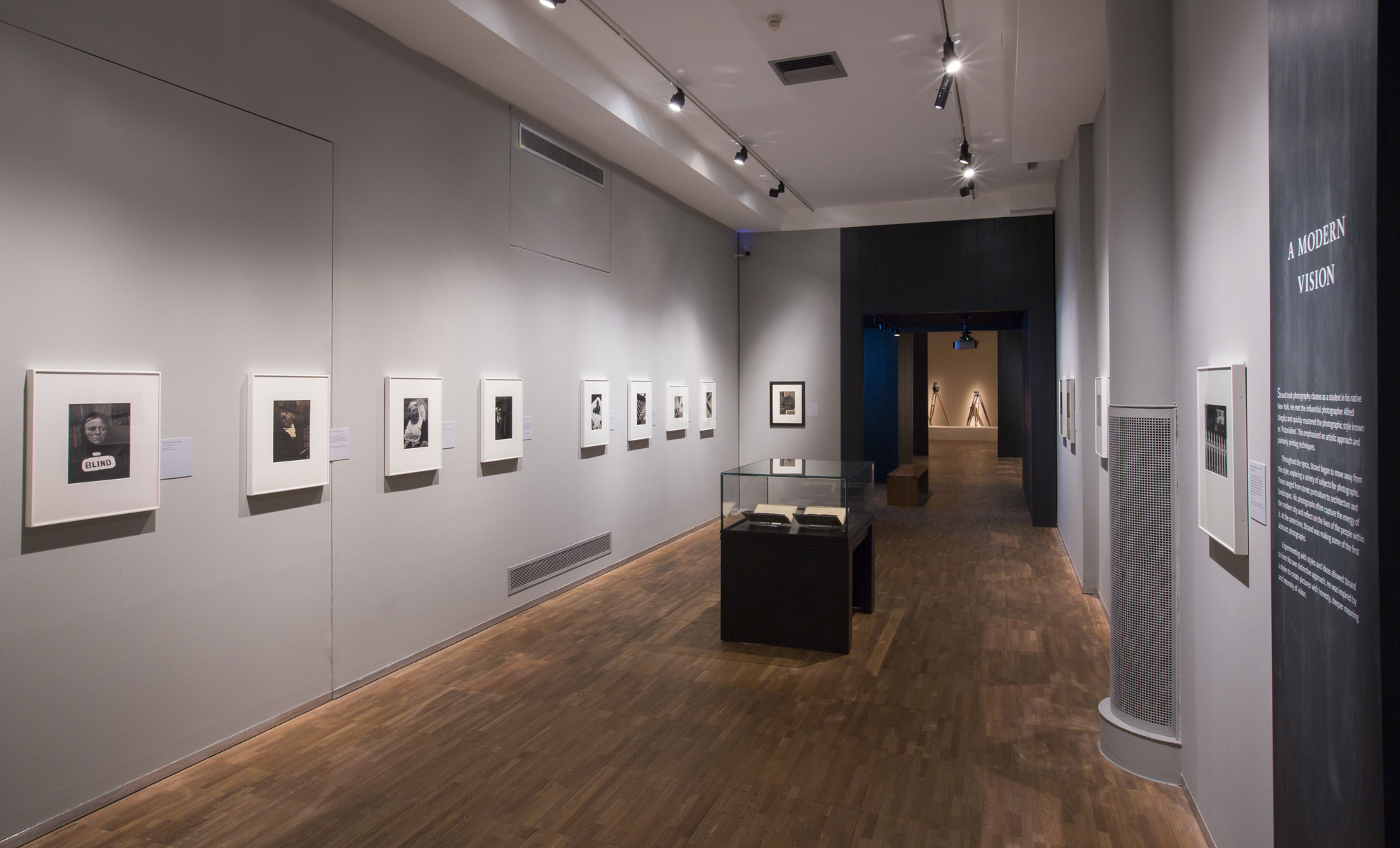
Installation photograph of the exhibition 'Paul Strand: Photography and Film for the 20th Century' at the Victoria & Albert Museum, London

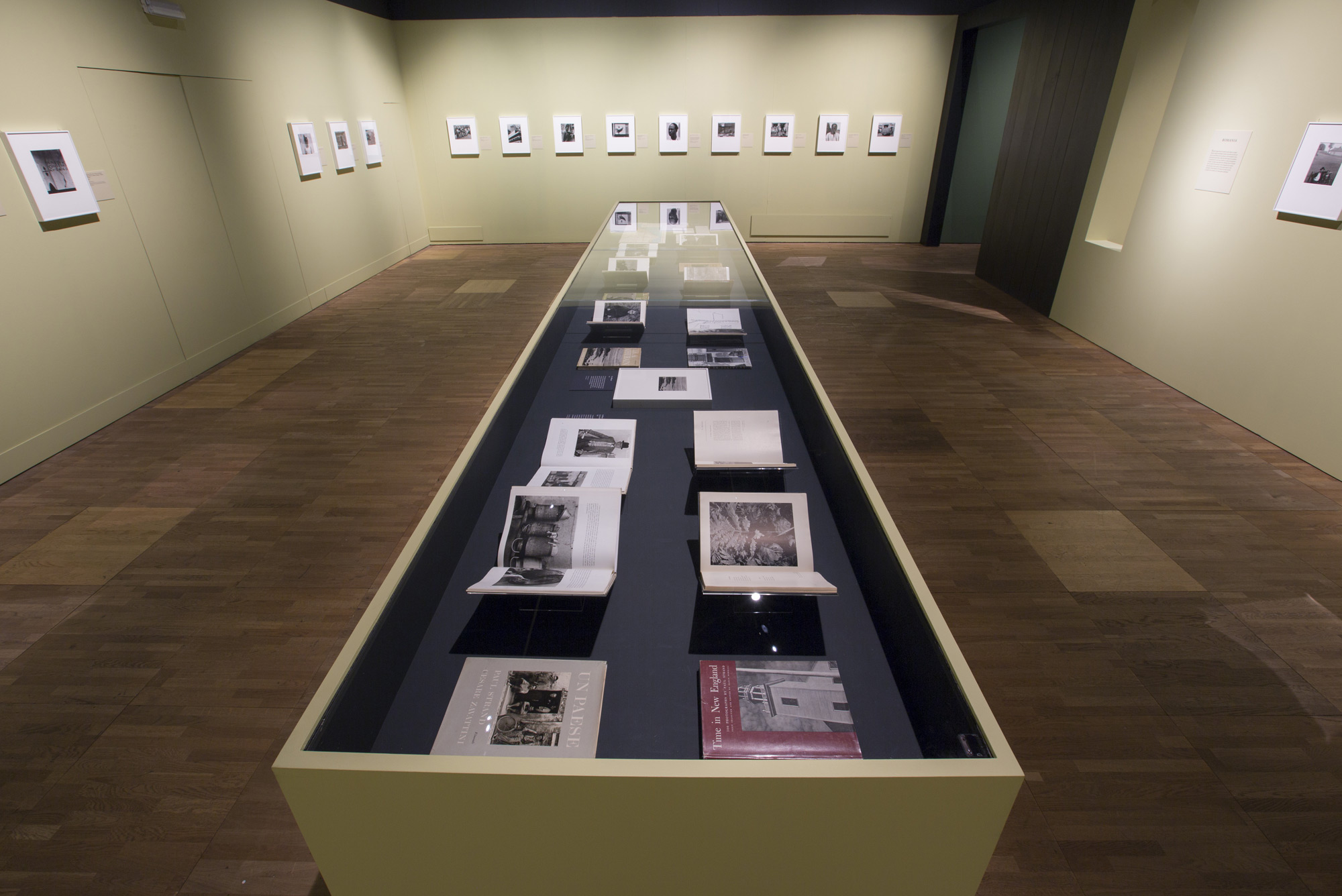
Installation photograph of the exhibition 'Paul Strand: Photography and Film for the 20th Century' at the Victoria & Albert Museum, London

Installation photograph of the exhibition 'Paul Strand: Photography and Film for the 20th Century' at the Victoria & Albert Museum, London

Installation photograph of the exhibition 'Paul Strand: Photography and Film for the 20th Century' at the Victoria & Albert Museum, London

Installation photograph of the exhibition 'Paul Strand: Photography and Film for the 20th Century' at the Victoria & Albert Museum, London

Installation photograph of the exhibition 'Paul Strand: Photography and Film for the 20th Century' at the Victoria & Albert Museum, London

Installation photograph of the exhibition 'Paul Strand: Photography and Film for the 20th Century' at the Victoria & Albert Museum, London


Installation photographs of the exhibition Paul Strand: Photography and Film for the 20th Century at the Victoria & Albert Museum, London


For the first time in the UK in 40 years a major retrospective on the American photographer Paul Strand (1890-1976) opens at the V&A. The exhibition is the first of its kind since Strand’s death in 1976 and shows how the pioneering photographer defined the way fine art and documentary photography is understood and practiced today.

Part of a tour organised by Philadelphia Museum of Art, in collaboration with Fundación MAPFRE and made possible by the Terra Foundation for American Art, the V&A exhibition reveals Strand’s trailblazing experiments with abstract photography, screens what is widely thought of as the first avant-garde film and shows the full extent of his photographs made on his global travels beginning in New York in 1910 and ending in France in 1976. Newly acquired photographs from Strand’s only UK project – a 1954 study of the island of South Uist in the Scottish Hebrides – are also on show, alongside other works from the V&A’s own collection.

Paul Strand: Photography and Film for the 20th Century encompasses over 200 objects from exquisite vintage photographic prints to films, books, notebooks, sketches and Strand’s own cameras to trace his career over sixty years. Arranged both chronologically and thematically, the exhibition broadens understanding of Strand as an international photographer and filmmaker with work spanning myriad geographic regions and social and political issues.

Martin Barnes, curator of the exhibition said: “The V&A was one of a handful of UK institutions to collect Paul Strand’s work during his lifetime and the Museum now houses the most extensive collection of his prints in the UK. Through important additional loans, the exhibition explores the life and career of Strand, but also challenges the popular perception of Strand as primarily a photographer of American places and people of the early 20th century.”

The exhibition begins in Strand’s native New York in the 1910s, exploring his early works of its financial district, railyards, wharves and factories. During this time he broke with the soft-focus and Impressionist-inspired ‘Pictorialist’ style of photography to produce among the first abstract pictures made with a camera. The influence of photographic contemporaries Alfred Stieglitz and Alvin Langdon Coburn as well European modern artists such as Braque and Picasso can be seen in Strand’s experiments in this period. On display are early masterpieces such as Wall Street which depicts the anonymity of individuals on their way to work set against the towering architectural geometry and implied economic forces of the modern city. Strand’s early experiments in abstraction, Abstraction, Porch Shadows and White Fence are also shown, alongside candid and anonymous street portraits, such as Blind Woman, made secretly using a camera with a decoy lens.

The exhibition explores Strand’s experiments with the moving image with the film Manhatta (1920-21). A collaboration with the painter and photographer Charles Sheeler, Manhatta was hailed as the first avant-garde film, and traces a day in the life of New York from sunrise to sunset punctuated by lines of Walt Whitman’s poetry. Strand’s embrace of the machine and human form is a key focus of the exhibition. In 1922, he bought an Akeley movie camera. The close-up studies he made of both his first wife Rebecca Salsbury and the Akeley during this time are shown alongside the camera itself. Extracts of Strand’s later, more politicised films, such as Redes (The Wave), made in cooperation with the Mexican government are featured, as well as the scarcely-shown documentary Native Land, a controversial film exposing the violations of America’s workforce.

Strand travelled extensively and the exhibition emphasises his international output from the 1930s to the late 1960s, during which time he collaborated with leading writers to publish a series of photobooks. As Strand’s career progressed, his work became increasingly politicised and focused on a type of social documentary alongside the desire to depict a shared humanity. The exhibition features Strand’s first photobook Time in New England (1950), alongside others including a homage to his adopted home France and his photographic hero EugĆØne Atget, La France de profil, which he made in collaboration with the French poet, Claude Roy. One of Strand’s most celebrated images, The Family, Luzzara, (The Lusetti’s) was taken in a modest agricultural village in Italy’s Po River valley for the photobook Un Paese, for which he collaborated with the Neo-Realist screen writer, Cesare Zavattini. On display, this hauntingly direct photograph depicts a strong matriarch flanked by her brood of five sons, all living with the aftermath of the Second World War.

From the late 1950s to the mid-1960s, Strand photographed in Egypt, Morocco and Ghana, all of which had gone through transformative political change. The exhibition shows Strand’s most compelling pictures from this period, including his tender portraits, complemented by street pictures showing public meetings and outdoor markets. The exhibition concludes with Strand’s final photographic series exploring his home and garden in Orgeval, France, where he lived with his third wife Hazel until his death in 1976. The images are an intimate counterpoint to Strand’s previous projects and offer a rare glimpse into his own domestic happiness.

Press release from the V&A


Paul Strand and Charles Sheeler
Manhatta
1921
Courtesy of the Museum of Modern Art, New York
Ā© Aperture Foundation Inc., Paul Strand Archive


Fred Zinnemann and Emilio Gómez Muriel (directors)
Paul Strand (photography)
Silvestre Revueltas (music)
Redes / The Wave
1936
Filmada en Alvarado, Veracruz (MƩxico)


Paul Strand and Leo Hurwitz (directors)
Paul Strand (photography)
Native Land
1942
VOSE (Tierra Natal)


Paul Strand (American, 1890-1976) 'White Fence, Port Kent, New York' 1916 (negative); 1945 (print) from the exhibition 'Paul Strand: Photography and Film for the 20th Century' at the Victoria & Albert Museum, London, March - July, 2016


Paul Strand (American, 1890-1976)
White Fence, Port Kent, New York
1916 (negative); 1945 (print)
Ā© Paul Strand Archive, Aperture Foundation


Paul StrandĀ (American, 1890-1976) 'Blind Woman, New York' 1916


Paul Strand (American, 1890-1976)
Blind Woman, New York
1916
Ā© Paul Strand Archive, Aperture Foundation


Paul StrandĀ (American, 1890-1976) 'Rebecca, New York' 1921


Paul Strand (American, 1890-1976)
Rebecca, New York
1921
Ā© Paul Strand Archive, Aperture Foundation


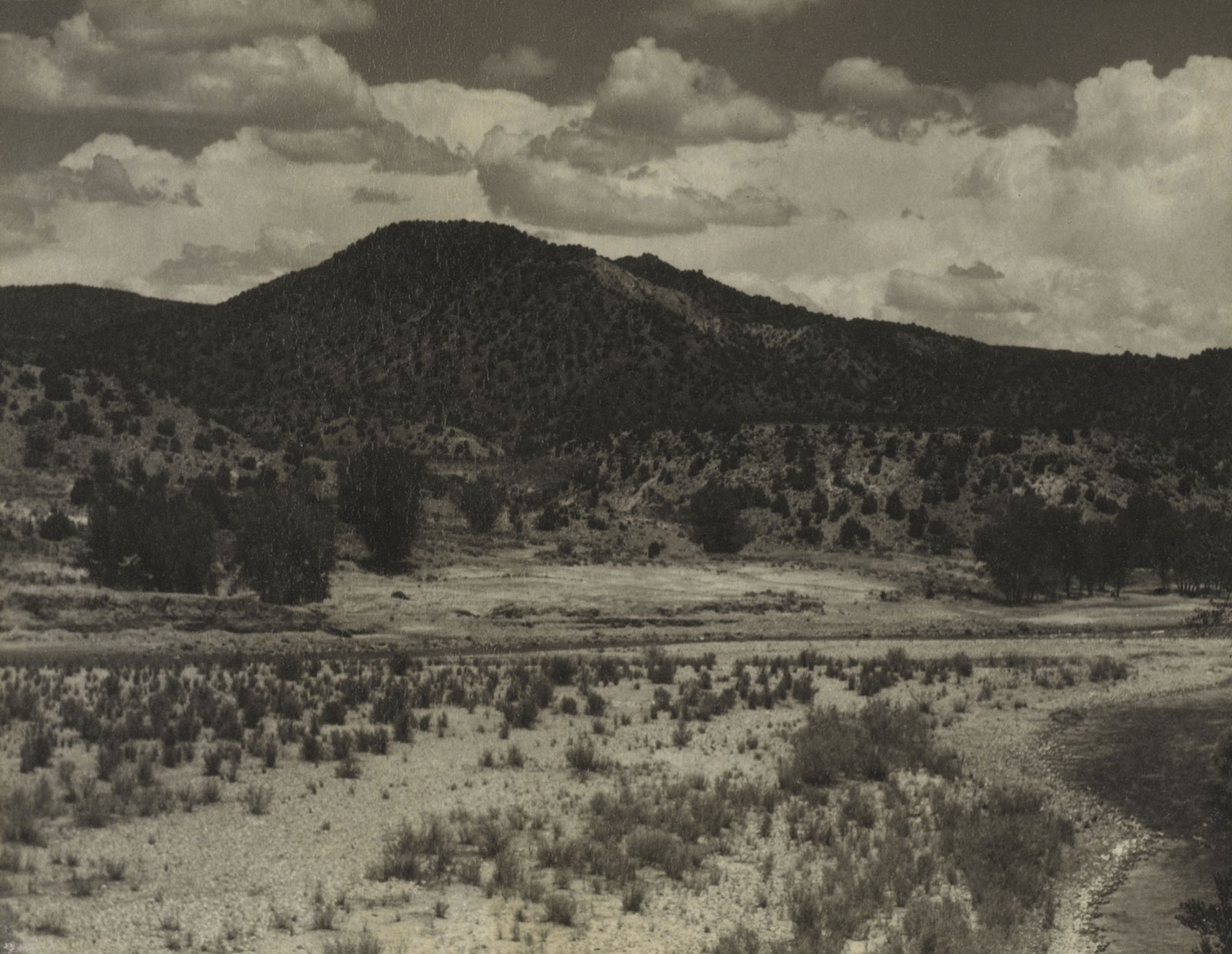
Paul StrandĀ (American, 1890-1976) 'New Mexico' 1930


Paul Strand (American, 1890-1976)
New Mexico
1930
Ā© Paul Strand Archive, Aperture Foundation


Ahead of the first UK retrospective on Paul Strand in over 40 years, the V&A has acquired nine rare photographs from the pioneering 20th century photographer’s only UK-based series. Taken in 1954 in the Outer Hebrides in Scotland, the photographs document the threat to traditional Gaelic life during the Cold War. The photographs will be unveiled for the first time together as part of the exhibition, Paul Strand: Photography and Film for the 20th Century, opening 19 March.

Paul Strand defined the way fine art and documentary photography is understood and practiced today through his revolutionary experiments with the medium. The major acquisition, purchased for the V&A with the assistance of its Photographs Acquisition Group, comprise an intimate set of nine exquisite black and white vintage prints originally made for Strand’s photobook Tir A’Mhurain (‘Land of Bent Grass’).

A committed Marxist, Strand fled McCarthyism in the U.S. in 1950, pursued by the FBI. He settled in France, and carried out work there and in Italy before arriving on the Hebridean island of South Uist in 1954. Inspired by a BBC radio programme on Gaelic song, and news that the island would become home to a testing range for America’s new nuclear missile, Strand raced to capture the sights, sounds and textures of the place steeped in the threatened traditions of Gaelic language, fishing and agricultural life of pre-Industrial times. The photographs reveal Strand’s meticulous and methodical approach to photography, much like a studio photographer in the open air. They capture not only a pivotal moment in time, but also the end of a particular way of life for the islanders.

The acquisition encompasses four portraits of islanders staring directly at the camera, exuding strength and dignity. Each was photographed in their own environment, usually in or around their home, and is framed by weathered walls, doors or window frames – devices used often by Strand and borrowed from his 19th century photographic heroes David Octavius Hill and Robert Adamson. The V&A has also acquired five of Strand’s evocative landscapes, revealing the island’s reliance on the land and sea.

John MacLellan was eight years’ old when he was photographed by Strand with his two sisters for the picture Milly, John and Jean MacLellan, South Uist (below). Of the experience, he said: “I was very young when I met Strand, but I knew he must have been a serious photographer because of the quality of his camera. Me and my sisters were lined up and knew to look at the camera. Looking at the picture, my mother had combed our hair and dressed us in our smartest clothes. I’ve since read that Strand was motivated to take these photographs by the idea that things would change. I know so many people in the photographs, it’s wonderful to be able to look at them now and remember the place I used to call home.”

Martin Barnes, Senior Curator of Photographs at the V&A said: “The photographs made by Strand in the Hebrides are for me a high point in his long and distinguished career. Strand worked slowly yet deliberately and with great poise in his pictures. By this time, his vision for his work had fully matured. His approach to sequencing and editing images in books such as ‘Tir A’Mhurain’ was informed by his collaborative experience making films for over twenty years. The Scottish book contains establishing panoramas of landscapes and the sea, a cast of characters with memorable faces, details of homes and workplaces and close-ups of the rocks, sands and grasses of the natural environment. The accompanying text by Basil Davidson is eloquent and informative about life on the islands, both in the past and at a pivotal time in the 1950s.The whole is a subtle sequence of meditative, revealing pictures and texts that avoid sentimentality and are yet full of empathy. These pictures make a surprising British link with this major American Modernist photographer and will have a satisfying legacy as part of the permanent collection at the V&A.”

Strand is an important figure in the history of photography not only because his career spanned much of the 20th century, but because he relentlessly trialled and pioneered myriad photographic approaches, subjects and technologies. Ironically it was his variety and failure to coin a signature style, and his belief in the integrity of the photographic print as an original artwork, that have seen him increasingly overlooked in the 40 years since his death. The V&A’s exhibition seeks to redress the balance, covering all aspects of Strand’s long career, from his trailblazing experiments in abstraction and dynamic views of New York in the 1910s to his final intimate pictures of his home and garden in France made during the 1970s.

Text from the V&A


Paul StrandĀ (American, 1890-1976) 'The Family, Luzzara (The Lusettis)' 1953 (negative); mid- to late 1960s (print)


Paul Strand (American, 1890-1976)
The Family, Luzzara (The Lusettis)
1953 (negative); mid- to late 1960s (print)
Ā© Paul Strand Archive, Aperture Foundation


Paul Strand (American, 1890-1976) 'Young Boy, Gondeville, Charente, France' 1951 (negative); mid- to late 1960s (print)


Paul Strand (American, 1890-1976)
Young Boy, Gondeville, Charente, France
1951 (negative); mid- to late 1960s (print)
Ā© Paul Strand Archive, Aperture Foundation


Paul Strand (American, 1890-1976) 'Milly, John and Jean MacLellan, South Uist, Hebrides' 1954


Paul Strand (American, 1890-1976)
Milly, John and Jean MacLellan, South Uist, Hebrides
1954
Ā© Paul Strand Archive, Aperture Foundation


Paul Strand (American, 1890-1976) 'Milly, John and Jean MacLellan, South Uist, Hebrides' 1954 (detail)


Paul Strand (American, 1890-1976)
Milly, John and Jean MacLellan, South Uist, Hebrides (detail)
1954
Ā© Paul Strand Archive, Aperture Foundation


Paul Strand (American, 1890-1976) 'Angus Peter MacIntyre, South Uist, Hebrides' 1954


Paul Strand (American, 1890-1976)
Angus Peter MacIntyre, South Uist, Hebrides
1954
Victoria and Albert Museum, London
Ā© Paul Strand Archive, Aperture Foundation


Paul Strand (American, 1890-1976) 'Angus Peter MacIntyre, South Uist, Hebrides' 1954 (detail)


Paul Strand (American, 1890-1976)
Angus Peter MacIntyre, South Uist, Hebrides (detail)
1954
Victoria and Albert Museum, London
Ā© Paul Strand Archive, Aperture Foundation


Paul Strand (American, 1890-1976) 'Katie Margaret Mackenzie, Benbecula, Hebrides' 1954


Paul Strand (American, 1890-1976)
Katie Margaret Mackenzie, Benbecula, Hebrides
1954
Victoria and Albert Museum, London
Ā© Paul Strand Archive, Aperture Foundation


Paul Strand (American, 1890-1976) 'Katie Margaret Mackenzie, Benbecula, Hebrides' 1954 (detail)


Paul Strand (American, 1890-1976)
Katie Margaret Mackenzie, Benbecula, Hebrides (detail)
1954
Victoria and Albert Museum, London
Ā© Paul Strand Archive, Aperture Foundation


Paul Strand (American, 1890-1976) 'Rock, Loch Eynort, South Uist, Hebrides' 1954


Paul Strand (American, 1890-1976)
Rock, Loch Eynort, South Uist, Hebrides
1954
Victoria and Albert Museum, Londonn
Ā© Paul Strand Archive, Aperture Foundation


Paul Strand (American, 1890-1976) 'Tendrils and Sand, South Uist, Hebrides' 1954


Paul Strand (American, 1890-1976)
Tendrils and Sand, South Uist, Hebrides
1954
Victoria and Albert Museum, London
Ā© Paul Strand Archive, Aperture Foundation


Paul Strand (American, 1890-1976) 'Sea Rocks and Sea, The Atlantic, South Uist, Hebrides' 1954


Paul Strand (American, 1890-1976)
Sea Rocks and Sea, The Atlantic, South Uist, Hebrides
1954
Victoria and Albert Museum, London
Ā© Paul Strand Archive, Aperture Foundation


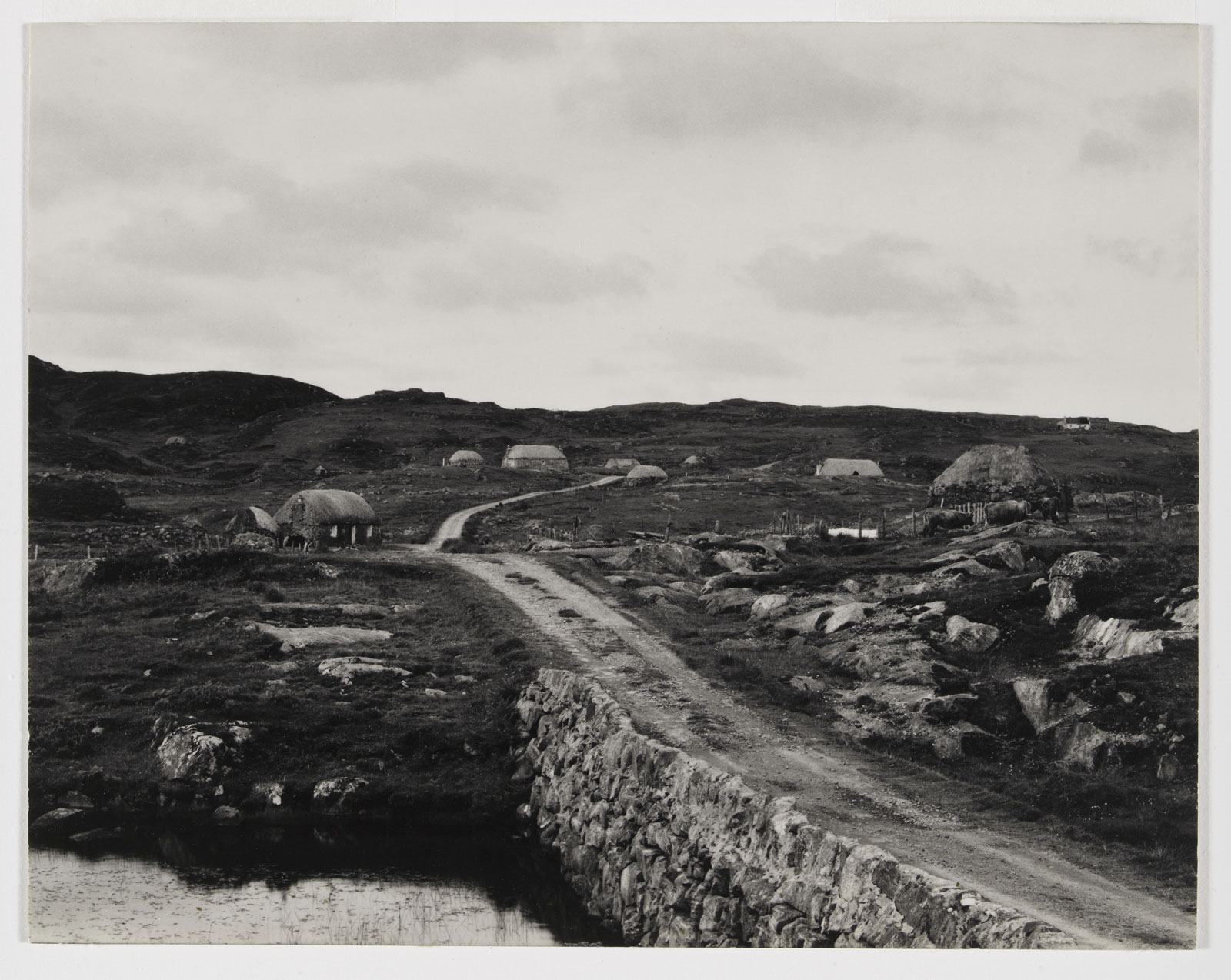
Paul Strand (American, 1890-1976) 'The Road, South Lochboisdale, South Uist, Hebrides' 1954


Paul Strand (American, 1890-1976)
The Road, South Lochboisdale, South Uist, Hebrides
1954
Victoria and Albert Museum, London
Ā© Paul Strand Archive, Aperture Foundation


Paul Strand (American, 1890-1976) 'Trawler, South Uist, Hebrides' 1954


Paul Strand (American, 1890-1976)
Trawler, South Uist, Hebrides
1954
Victoria and Albert Museum, London
Ā© Paul Strand Archive, Aperture Foundation


Paul Strand (American, 1890-1976) 'Driveway, Orgeval' 1957


Paul Strand (American, 1890-1976)
Driveway, Orgeval
1957
Ā© Paul Strand Archive, Aperture Foundation


Paul Strand (American, 1890-1976) 'Couple, Rucăr, Romania' 1967


Paul Strand (American, 1890-1976)
Couple, Rucăr, Romania
1967
Ā© Paul Strand Archive, Aperture Foundation


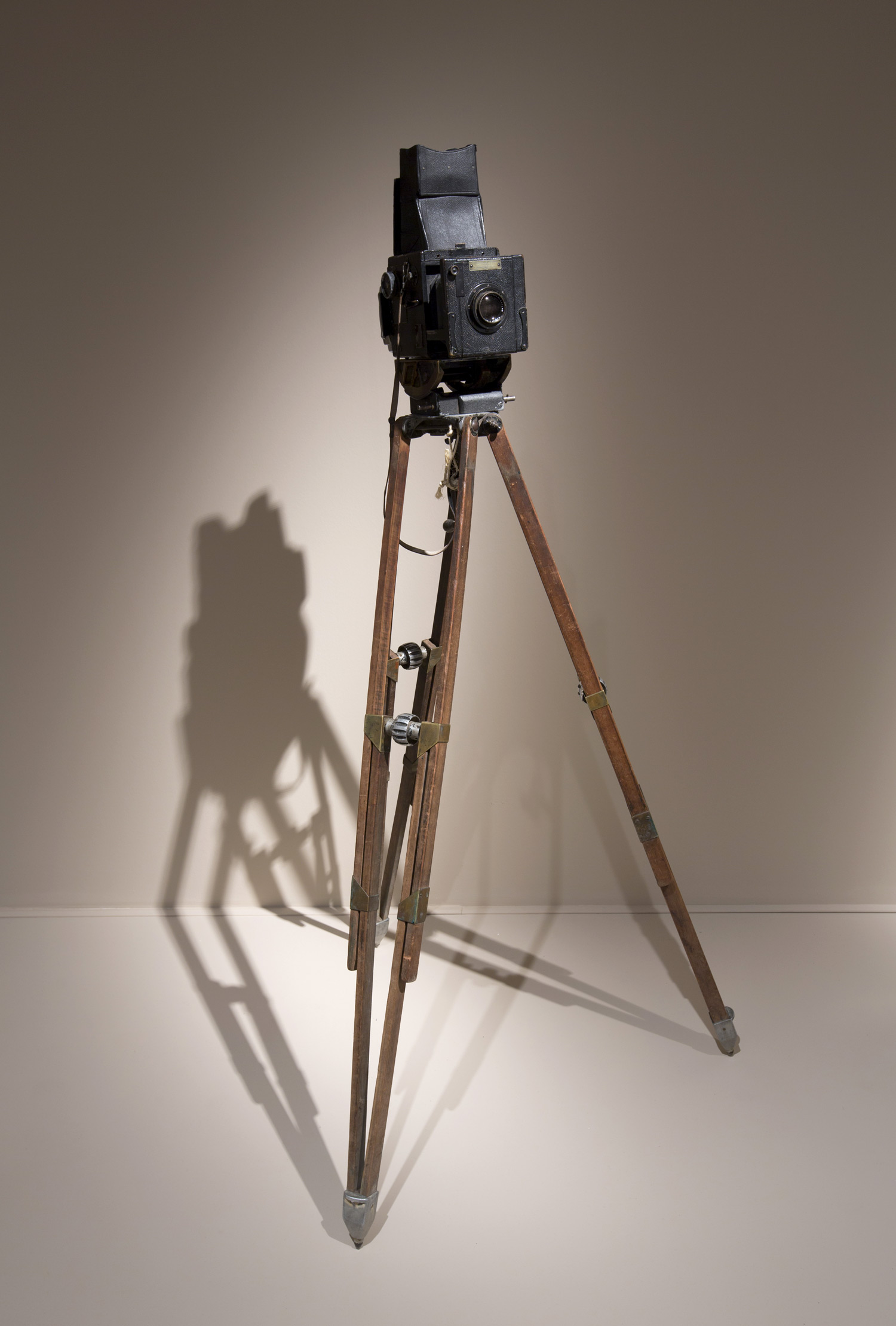
Martine FranckĀ (Belgian, 1938-2012) 'Paul Strand Photographing the Orgeval Garden' 1974


Martine Franck (Belgian, 1938-2012)
Paul Strand Photographing the Orgeval Garden
1974
Ā© Martine Franck / Magnum Photos


From my mentor and friend Ian Lobb

“Great camera – very great photographer.

He is making an image – his lower hand is about to go to the shutter button – the lens doesn’t have to be a camera lens, it could be an enlarger lens = note how the lens is tilted slightly forward to extend the depth of field… He has dressed up to take photos!!”

After I questioned holding a camera like this to take a photograph without using a tripod:

“Strand may not be making a picture – he may be just pretending. But he might be shooting @ f4. He might be showing off!!”


Victoria and Albert Museum
Cromwell Road
London
SW7 2RL
Phone: +44 (0)20 7942 2000

Opening hours:
Wednesday – Sunday, 10.00 – 17.45

V&A website

LIKE ART BLART ON FACEBOOK

Back to top

Exhibition: ‘At the Window: The Photographer’s View’ at the J. Paul Getty Museum, Getty Center, Los Angeles

Exhibition dates: 1st October 2013 – 5th January 2014


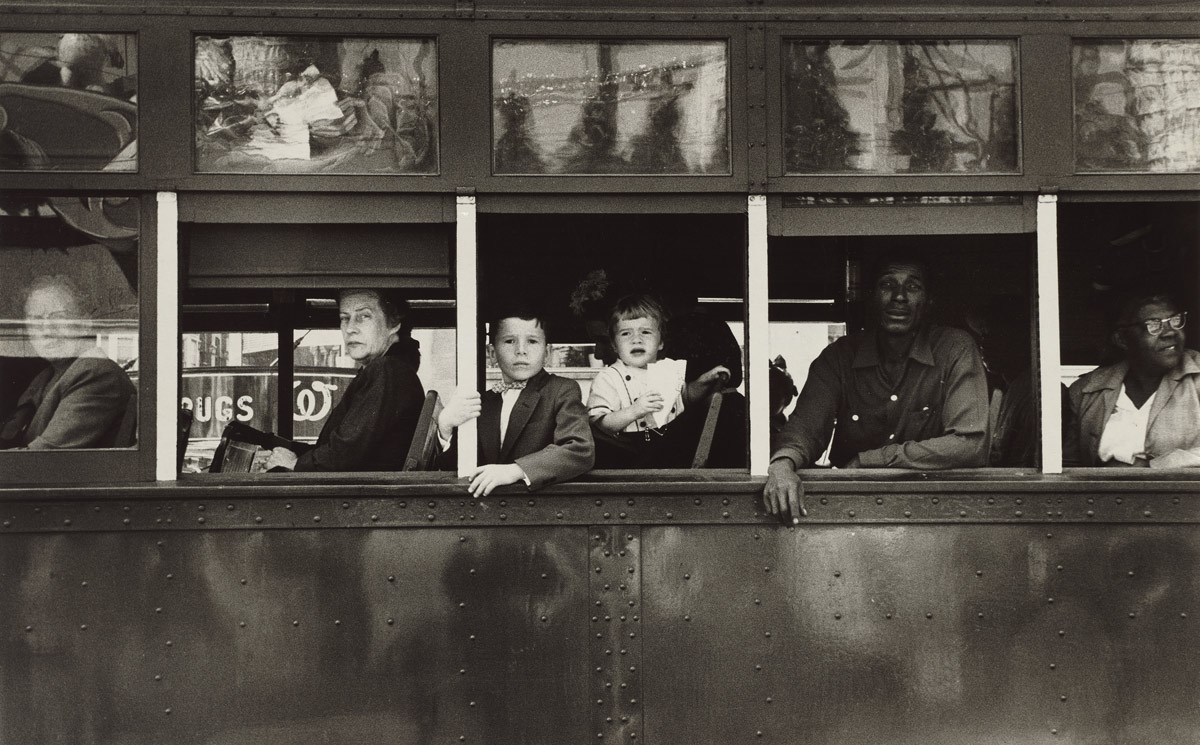
Robert Frank (Swiss, 1924-2019) 'Trolley - New Orleans' 1955


Robert Frank (Swiss, 1924-2019)
Trolley – New Orleans
1955
Gelatin silver print
Image: 22.9 x 34cm (9 x 13 3/8 in.)
Trish and Jan de Bont


Another fascinating exhibition from theĀ J. Paul Getty Museum that features classic photographs and some that I have never seen before. In my opinion, the two most famous photographs of windows have to be Minor White’s rhapsodicĀ Windowsill Daydreaming, RochesterĀ (1958, below) and Paul Strand’s Wall Street (1915, below, originally known as Pedestrians raked by morning light in a canyon of commerce) which, strangely, is not included in the exhibition. I can’t understand this omission as this is the seminal image of windows in the history of photography.

Dr Marcus Bunyan


Many thankx to theĀ J. Paul Getty Museum for allowing me to publish the photographs in the posting. Please click on the photographs for a larger version of the image.


Paul StrandĀ (American, 1890-1976 'Wall Street, New York' 1915


Paul StrandĀ (American, 1890-1976)
Wall Street
1915
Platinum print


In this photo, taken by morning light 1915, the recently built J.P. Morgan Co. building appears sinister and foreboding and dwarfs (perhaps consumes even) the humanity of suited men and women, their long shadows dragging behind them, walked alongside its facade.

Paul Strand studied under Lewis Hine and Alfred Steiglitz. Although he set up in New York as a portrait photographer, Strand often visited Stieglitz’s gallery to see the new European painting which it exhibited. In 1914-1915, under the influence of this new form of art, Strand turned from soft-focus Pictoralism towards abstraction. It was in this spirit that the above photo was taken, originally named, “Pedestrians raked by morning light in a canyon of commerce”. Strand did not intended to show Wall Street in a bad light, he admitted. However, as the Great Depression happened (criticism was squarely towards Wall Street back then as it is today) and Strand turned more communist, he later spoke of “sinister windows” and “blind shapes” inherent in the above picture.

The photo, now simplyĀ titled “Wall Street”, was one of six Paul Strand pictures Stieglitz published inĀ Camera Work. In three of the six pictures, humanity strides out from abstract ideas, and each figure was a study in itself – an irregular item complimented by modular formats that surround it. Another set of eleven Strand photos were published in the magazine’s final issue in 1917, and those pictures, overwhelmingly endorsed by Stieglitz as ‘brutally direct’ made Strand’s reputation.

Alex Selwyn-Holmes. “Wall Street by Paul Strand,” on the Iconic Photos blog, December 2010 [Online] Cited 12/01/2021


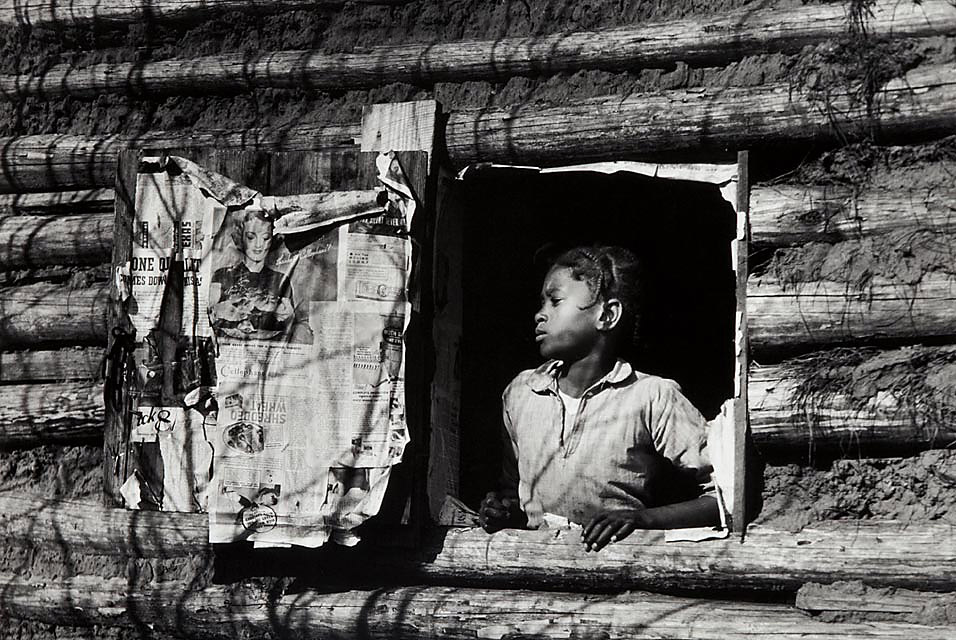
Arthur Rothstein (American, 1915-1985) 'Girl at Gee's Bend' 1937


Arthur RothsteinĀ (American, 1915-1985)
Girl at Gee’s Bend
1937
Silver gelatin print
Image: 40 x 49.7cm (15 3/4 x 19 9/16 in.)
The J. Paul Getty Museum, Los Angeles


Edmund Collein (German, 1906-1992) '[Four Women Looking Through Window]' about 1928


Edmund Collein (German, 1906-1992)
[Four Women Looking ThroughĀ Window]
about 1928
Gelatin silver print
Image: 8.2 x 11.1cm (3 1/4 x 4 3/8 in.)
The J. Paul Getty Museum, Los Angeles
Ā© Ursula Kirsten-Collein, Berlin


Walker Evans (American, 1903-1975) 'Wall Street Windows' about 1929


Walker Evans (American, 1903-1975)
Wall Street Windows
about 1929
Gelatin silver print
Image: 29.8 x 19.2cm (11 3/4 x 7 9/16 in.)
The J. Paul Getty Museum, Los Angeles
Ā© Walker Evans Archive, TheĀ Metropolitan Museum of Art


William Henry Fox Talbot (English, 1800-1877) '[The Milliner's Window]' before January 1844


William Henry Fox Talbot (English, 1800-1877)
[The Milliner’s Window]
before January 1844
Salted paper print from a Calotype negative
Image: 14.3 x 19.5cm (5 5/8 x 7 11/16 in.)
The J. Paul Getty Museum, Los Angeles


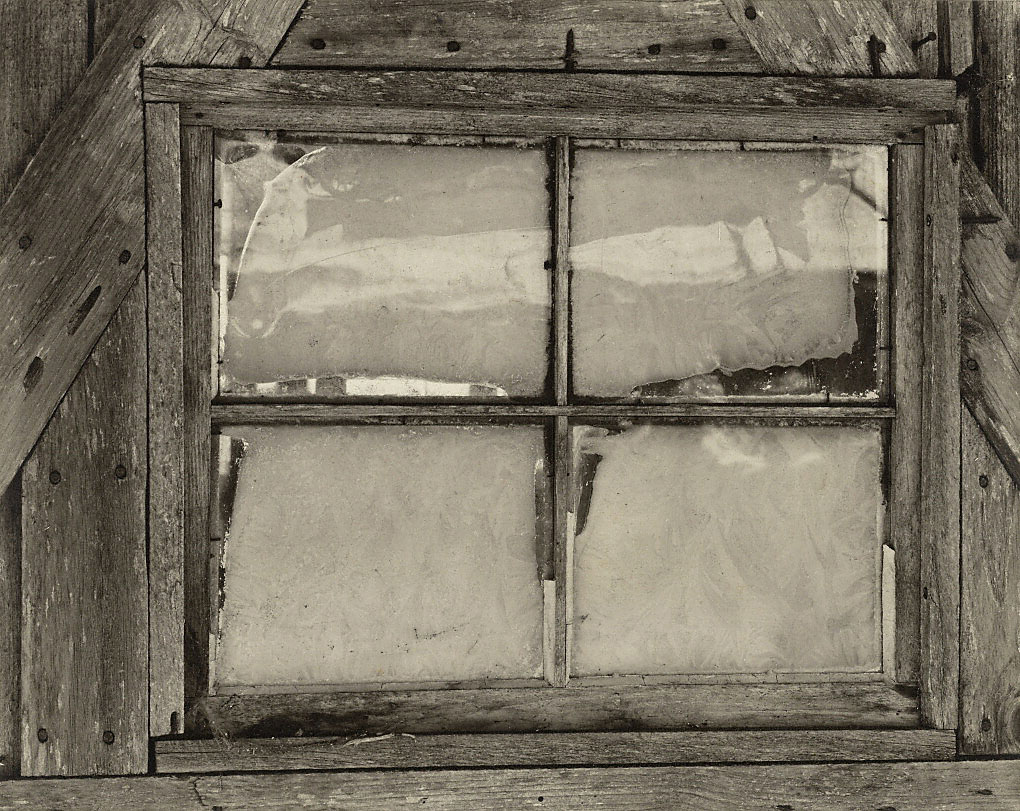
Paul Strand (American, 1890-1976) 'Barn Window and Ice, East Jamaica, Vermont' 1943


Paul Strand (American, 1890-1976)
Barn Window and Ice, East Jamaica,Ā Vermont
1943
Gelatin silver print
Image (trimmed to mount): 19.4 x 24.3cm (7 5/8 x 9 9/16 in.)
The J. Paul Getty Museum, Los Angeles
Ā© Aperture Foundation


Brett Weston (American, 1911-1993) 'Rain Drops' 1953


Brett Weston (American, 1911-1993)
Rain Drops
1953
Gelatin silver print
Image: 20.2 x 25cm (7 15/16 x 9 13/16 in.)
The J. Paul Getty Museum, Los Angeles,Ā Gift of Christian K. Keesee
Ā© The Brett Weston Archive


Sebastião Salgado (Brazilian, b. 1944) 'Ho Chi Minh City, Vietnam' Negative 1995; print 2009


Sebastião Salgado (Brazilian, b. 1944)
Ho Chi Minh City, Vietnam
NegativeĀ 1995; print 2009
Gelatin silver print
Image: 34.3 x 51.4cm (13 1/2 x 20 1/4 in.)
The J. Paul Getty Museum, Los Angeles
© Sebastião Salgado


In many respects, the window was where photography began. As early as 1826, the sill of an upstairs window in the home of the French inventor Joseph NicĆ©phore NiĆ©pce served as a platform for his photographic experiments. His View from the Window at Le Gras is today considered to be the first photograph. Since then, the window motif in photographs has functioned formally as a framing device and conceptually as a tool for artistic expression. It is also tied metaphorically to the camera itself which is, at its most rudimentary, a “room” (the word camera means “chamber”) and its lens a “window” through which images are projected and fixed. The photographs in At the Window: A Photographer’s View, on view October 1, 2013 – January 5, 2014 at the J. Paul Getty Museum, Getty Center, explore varying aspects of the window as frame or mirror – formally or metaphorically – for photographic vision.

“The Getty Museum’s extensive collection allows us to explore themes and subjectsĀ within the history of photography that highlight not only the most famous masters and iconicĀ images they produced, but also less obvious subjects, methods and practitioners of theĀ medium whose contributions have not yet been fully acknowledged. At the Window is oneĀ such an exhibition, and holds in store many surprises, even for those who know the fieldĀ well,” explains Timothy Potts, director of the J. Paul Getty Museum. “The exhibition alsoĀ allows us to celebrate a substantial body of work that was recently added to the collectionĀ with funds provided by the Museum’s Photographs Council, whose mission it is to help usĀ support the growth of the collection, and a number of highly important loans from privateĀ collections.”

Shop Windows and Architecture

Featured in the exhibition is anĀ exceedingly rare early photograph, WilliamĀ Henry Fox Talbot’s The Milliner’s Window (before January 1844) which depicts not an actual window but a carefully constructed one: shelves were placed outdoors and propped in front of black cloth, while various ladies’ hats were arranged to simulate the look of a shop display. Throughout the history of photography, actual shop fronts have been a popular subject and reflections in their windows a source for unexpected juxtapositions. This motif is well represented in the exhibition with photographs by William Eggleston, EugĆØne Atget, and Walker Evans.

Photographers have also taken an interest in the distinctive formal arrangements made possible by the architectural facades found in a cityscape. AndrĆ© KertĆ©sz’s Rue Vavin, Paris (1925), a view from his apartment window, is one of the first photographs he took uponĀ arriving in Paris from Budapest. Photographers like Alfred Stieglitz carefully framed their viewsĀ of urban exteriors, using the window as a unifying device within the composition.

The Window as Social Documentary

While windows provide an opportunity to observe life beyond a single room, the camera’s lens opens a window to the world at large. Arthur Rothstein believed in photography’s ability to enact social change – his Girl at Gee’s Bend (1937) features a youngĀ girl framed in the window of her log-and-earth home in Alabama, highlighting the schismĀ between magazine images and the actual lives of most Americans at the time. Similarly,Ā Robert Frank’s Trolley – New Orleans (1955) frames racial segregation through windows in aĀ trolley, while SebastiĆ£o Salgado’s Ho Chi Minh City, Vietnam (negative 1995; print 2009) usesĀ the barely separated windows of a housing structure to evoke the cramped quarters and direĀ economic situation of its inhabitants.

The Window as a Conceptual Tool

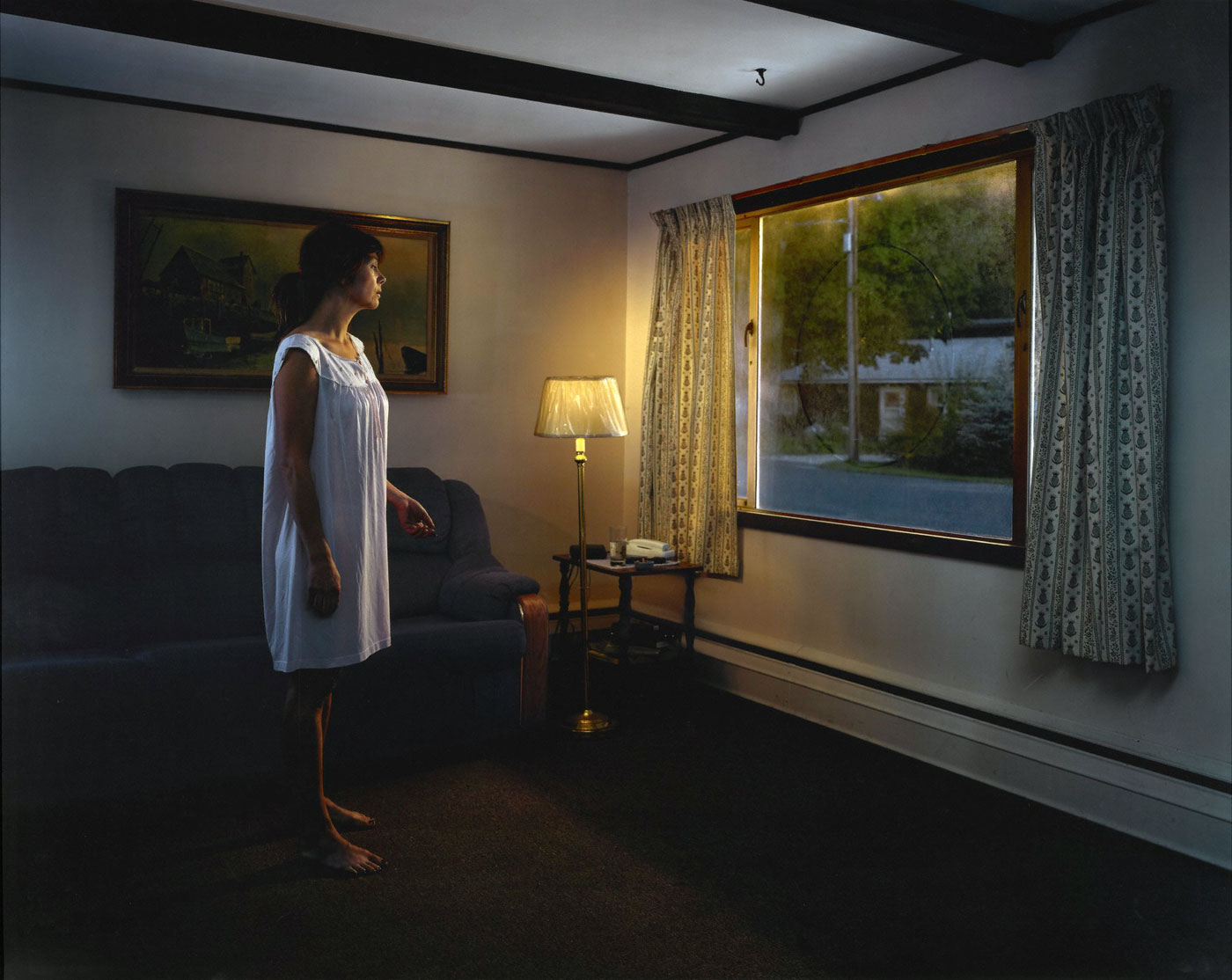
Artists have used the window in otherĀ novel ways, whether to create an enigmaticĀ mood or suggest a suspenseful scene. In GregoryĀ Crewdson’s Untitled (2002) from the seriesĀ Twilight, the image of a woman standing in aĀ room and turned toward a window creates aĀ suspended, unsettling moment of anticipationĀ that is never resolved. In her Stranger seriesĀ (2000), Shizuka Yokomizo actively engagesĀ subjects by sending letters to randomly selectedĀ apartment residents, asking them to stand inĀ front of a window at a particular date and time in order to be photographed. Uta Barth’sĀ diptych …and of time (2000), where the path of a window’s light and shadow is followedĀ across the wall of the artist’s living room, illustrates something the artist phrased as “ambientĀ vision.”

“The window has been a recurrent and powerful theme for photographers from theĀ beginning of the medium,” explains Karen Hellman, assistant curator of photographs at the J.Ā Paul Getty Museum and curator of the exhibition. “In a collection such as the Getty’s that isĀ particularly rich in work by important photographers from the beginnings of the medium toĀ the present day, the motif provides a unique way to travel through the history ofĀ photography.”

The Window inĀ Photographs (Getty Publications, $24.95, hardcover) investigates the recurrence of windows both as a figurative and literal theme throughout the history of photography. From the very vocabulary we use to describe cameras and photographic processes to the subjects of world-renowned photographers, windows have long held powerful sway over artists working in the medium. When documented on film, windows call into question issues of representation, the malleability of perception, and the viewer’s experience of the photograph itself, and the window’s evocative power is often rooted in the interplay between positive and negative, darkness and light, and inside and out.

Yet despite the ubiquity of windows in photography, this subject has been rarely addressed head on in a single exhibition or publication. From the birth of the Daguerreotype to the development of digital imagery, this volume presents a full account of the motif of the window as a symbol of photographic vision. Its eighty featured colour plates, all drawn from the Getty Museum’s permanent collection, are arranged thematically rather than chronologically, allowing the window’s many uses in photography to be highlighted and explored stylistically. Including images from all-star contributors such as Uta Barth, Gregory Crewdson, William Eggleston, Walker Evans, Robert Frank, and Minor White, The Window in Photographs is a remarkable examination of a theme that has inspired photographers for over a century. This book is published to coincide with the exhibition At the Window: TheĀ Photographer’s View at the J. Paul Getty Museum from October 1, 2013 to January 5, 2014.

Press release from theĀ J. Paul Getty Museum website


Minor White (American, 1908-1976) 'Windowsill daydreaming' 1958


Minor White (American, 1908-1976)
Windowsill Daydreaming, Rochester
Negative July 1958; print 1960
Gelatin silver print, selenium toned
Image: 28.6 x 22.2cm (11 1/4 x 8 3/4 in.)
The J. Paul Getty Museum, Los Angeles,
Purchased in part with funds provided byĀ theĀ Greenberg Foundation
Ā© Trustees of Princeton University,Ā Minor White Archive


Charles Swedlund (American, b. 1935) 'Buffalo, NY' about 1970


Charles Swedlund (American, b. 1935)
Buffalo, NY
about 1970
Gelatin silver print
Image: 18.7 x 15.9cm (7 3/8 x 6 1/4 in.)
The J. Paul Getty Museum, Los Angeles
Purchased in part with funds provided byĀ anĀ anonymous donor in memory of JamesĀ N. Wood
Ā© Charles Swedlund


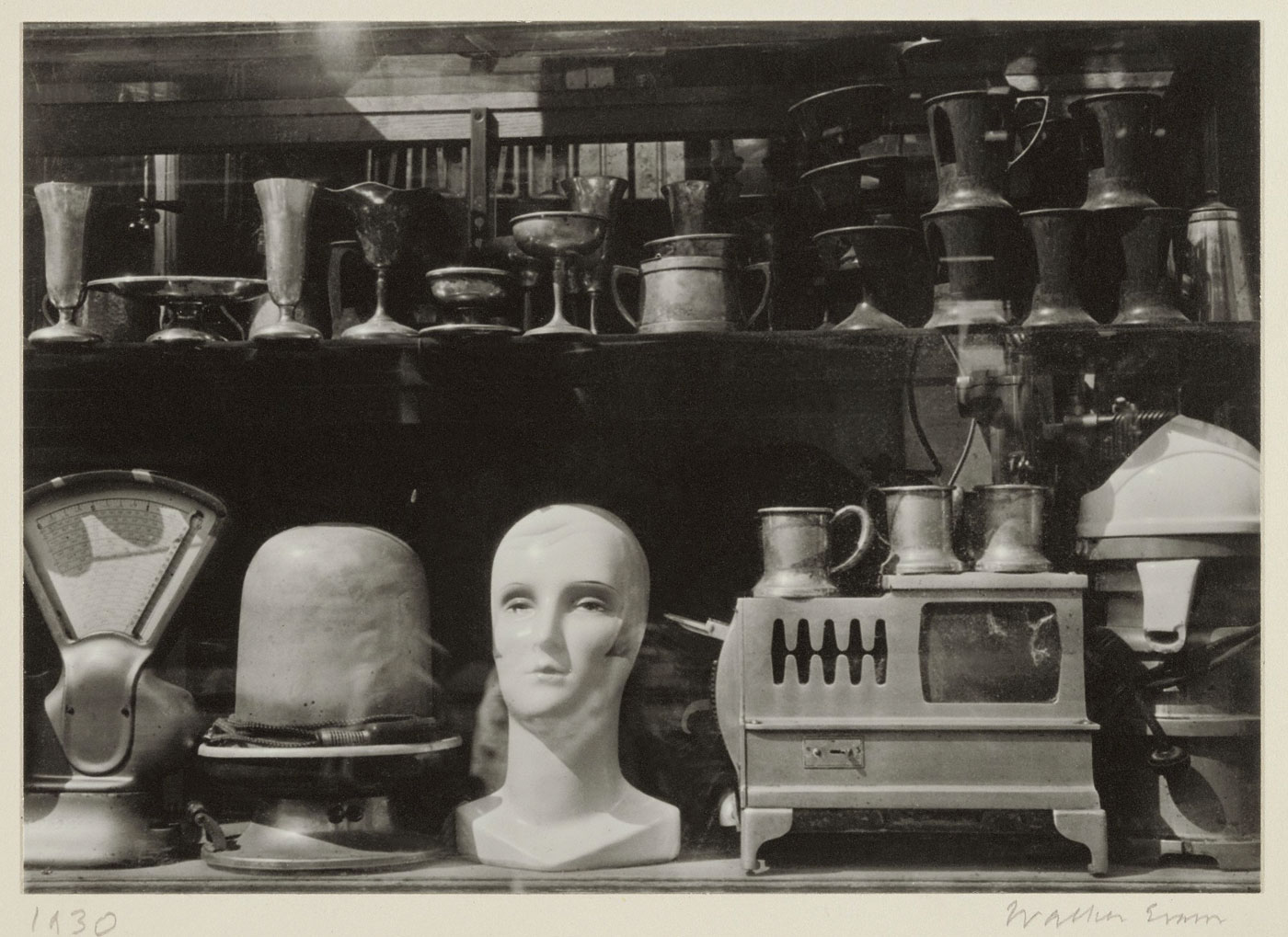
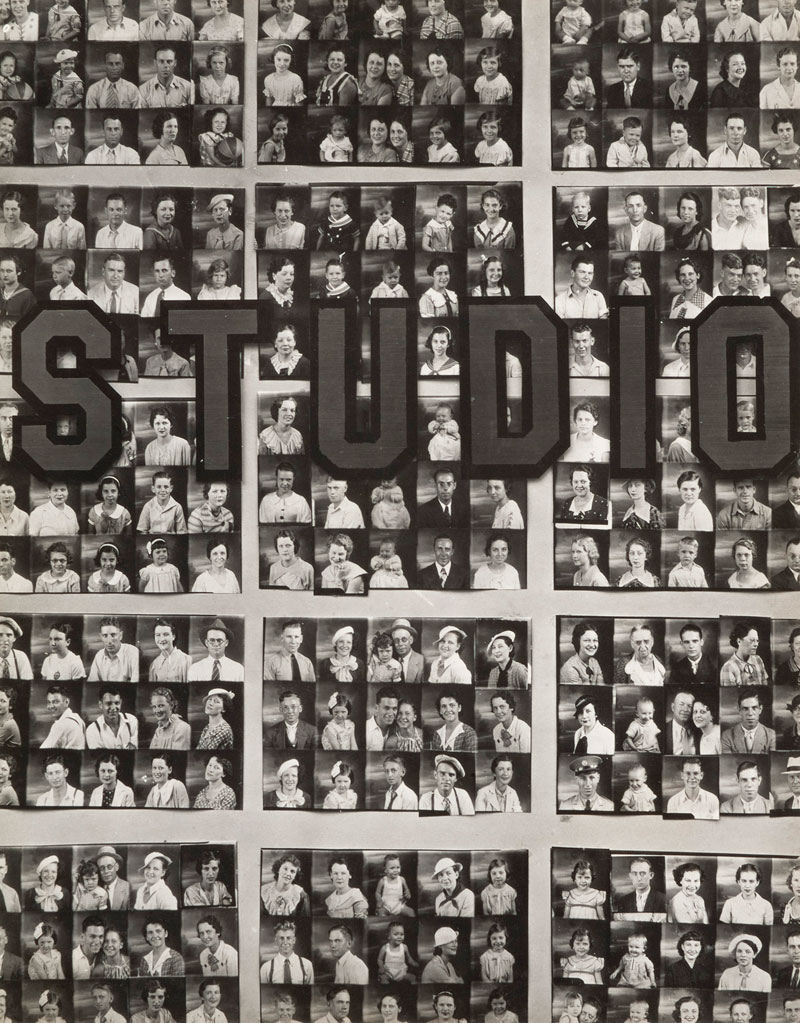
Walker Evans (American, 1903-1975) 'Penny Picture Display, Savannah' 1936


Walker Evans (American, 1903-1975)
Penny Picture Display, Savannah /Ā Photographer’s Window Display,Ā Birmingham, Alabama / Studio Portraits,Ā Birmingham, Alabama
1936
Gelatin silver print
Image: 25.6 x 19.9cm (10 1/16 x 7 7/8 in.)
The J. Paul Getty Museum, Los Angeles


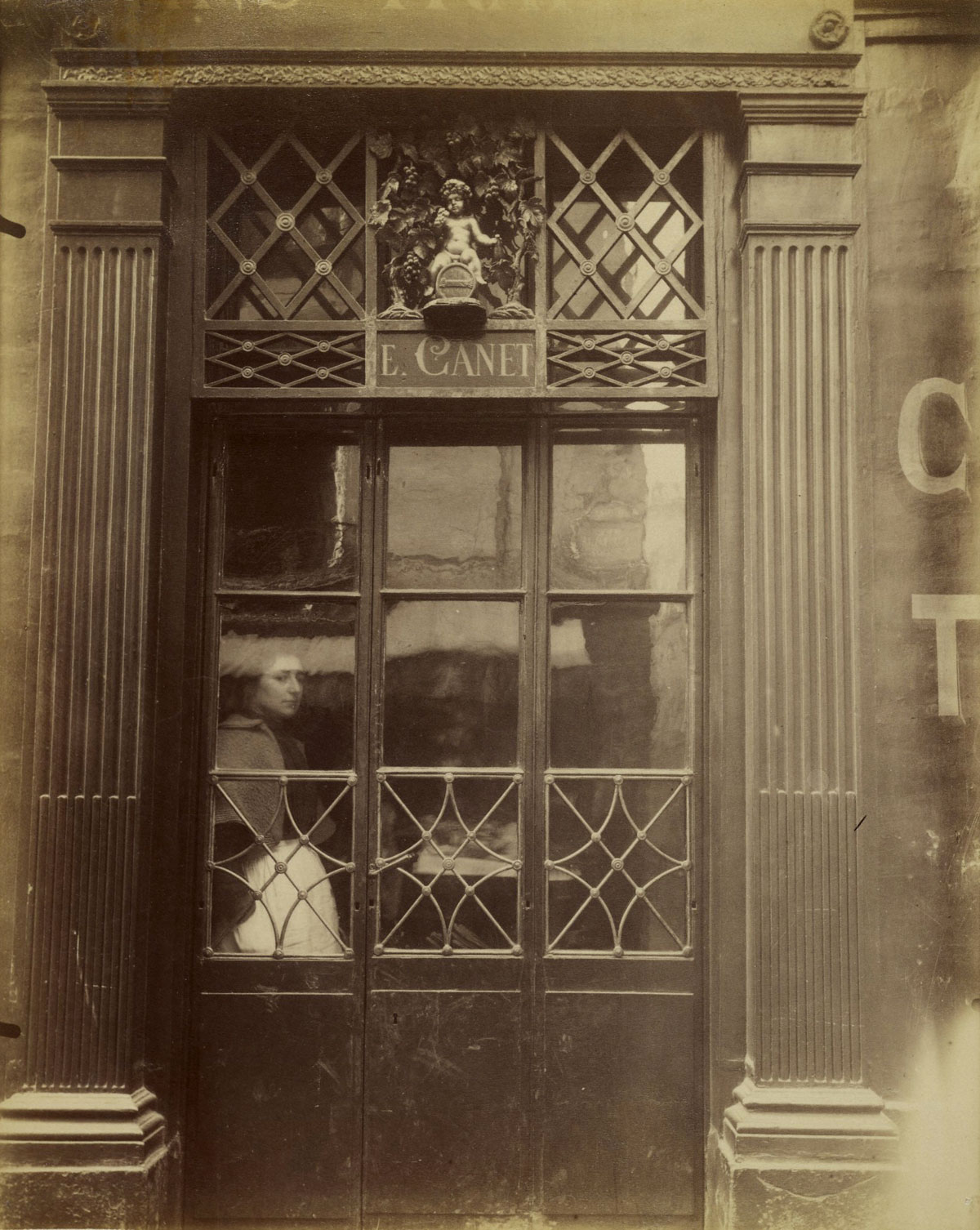
Eugène Atget (French, 1857-1927) 'Petit Bacchus, 61, rue St. Louis en l'Ile' (The Little Bacchus Café, rue St. Louis en l'Ile) 1901-1902


EugĆØne Atget (French, 1857-1927)
Petit Bacchus, 61, rue St. Louis en l’Ile (The Little Bacchus CafĆ©, rue St. Louis en l’Ile)
1901-1902
Albumen silver print
Image: 22.1 x 17.8cm (8 11/16 x 7 in.)
The J. Paul Getty Museum, Los Angeles


Alfred Stieglitz (American, 1864-1946) '[From My Window at the Shelton, North]' 1931


Alfred Stieglitz (American, 1864-1946)
[From My Window at the Shelton,Ā North]
1931
Gelatin silver print
Image (trimmed to mount): 24.3 x 19.1cm (9 9/16 x 7 1/2 in.)
The J. Paul Getty Museum, Los Angeles
Ā© Georgia O’Keeffe Museum


Yuki Onodera (Japanese, b. 1962) 'Look Out the Window, No. 18' 2000


Yuki Onodera (Japanese, b. 1962)
Look Out the Window, No. 18
2000
Gelatin silver print
Image: 59 x 49.2cm (23 1/4 x 19 3/8 in.)
The J. Paul Getty Museum, Los Angeles, Purchased with funds provided by the Photographs Council
Ā© Yuki Onodera


Shizuka Yokomizo (Japanese, b. 1966) 'Stranger (15)' 1998-2000


Shizuka Yokomizo (Japanese, b. 1966)
Stranger (15)
1998-2000
Chromogenic print
Mount: 124.5 x 104.9cm (49 x 41 5/16 in.)
The J. Paul Getty Museum, Los Angeles,
Purchased with funds provided by theĀ Photographs Council
Ā© Shizuka Yokomizo


Alex Prager (American, b. 1979) 'Megan' 2007


Alex Prager (American, b. 1979)
Megan
2007
Chromogenic print
Framed: 125.7 x 62.9cm (49 1/2 x 24 3/4 in.)
Michael and Jane Wilson


Gregory Crewdson (American, b. 1962) 'Untitled' from the series 'Twilight' 2002


Gregory Crewdson (American, b. 1962)
Untitled from the series Twilight
2002
Chromogenic print
Image: 122 x 152cm (48 1/16 x 59 13/16 in.)
The J. Paul Getty Museum, Los Angeles
Gift of Trish and Jan de Bont
Ā© Gregory Crewdson


Uta Barth (German, b. 1958) 'Untitled (...and of time. #4)' 2000


Uta Barth (German, b. 1958)
Untitled (…and of time. #4)
2000
Chromogenic print
Image: 88.9 x 114.3cm (35 x 45 in.)
The J. Paul Getty Museum, Los Angeles
Ā© 2000 Uta Barth


The J. Paul Getty Museum
1200 Getty Center Drive
Los Angeles, California 90049

Opening hours:
Tuesday – Friday 10am – 5.30pm
Saturday 10am – 8pm
Sunday 10am – 5.30pm
Monday closed

The J. Paul Getty Museum website

LIKE ART BLART ON FACEBOOK

Back to top

Exhibition: ‘Joel Sternfeld: Colour photographs since 1970’ at Albertina, Vienna

Exhibition dates:Ā 27th June – 7th October 2012


Many thankx to the Albertina for allowing me to publish the photographs in the posting. Please click on the photographs for a larger version of the image.


Joel SternfeldĀ (American, b. 1944) 'A Railroad Artifact, 30th Street, May 2000' 2000


Joel SternfeldĀ (American, b. 1944)
A Railroad Artifact, 30th Street, May 2000
2000
Ā© Courtesy of the artist, Luhring Augustine, New York and The Friends of the High Line, New York


Joel SternfeldĀ (American, b. 1944) 'Ken Robson's Christmas Tree, January 2001' 2001


Joel SternfeldĀ (American, b. 1944)
Ken Robson’s Christmas Tree, January 2001
2001
Ā© Courtesy of the artist, Luhring Augustine, New York and The Friends of the High Line, New York


Joel SternfeldĀ (American, b. 1944) 'After A Flash Flood, Rancho Mirage, California 1979' 1979


Joel SternfeldĀ (American, b. 1944)
After A Flash Flood, Rancho Mirage, California 1979
1979
Ā© Courtesy of the artist and Luhring Augustine, New York, 2012


Joel SternfeldĀ (American, b. 1944) 'Wet 'n Wild Aquatic Theme Park, Orlando, Florida, September 1980' 1980


Joel SternfeldĀ (American, b. 1944)
Wet ‘n Wild Aquatic Theme Park, Orlando, Florida, September 1980
1980
Ā© Courtesy of the artist and Luhring Augustine, New York, 2012


Joel SternfeldĀ (American, b. 1944) 'The Space Shuttle Columbia Lands at Kelly Lackland Air Force Base, San Antonio, Texas, March 1979' 1979


Joel SternfeldĀ (American, b. 1944)
The Space Shuttle Columbia Lands at Kelly Lackland Air Force Base, San Antonio, Texas, March 1979
1979
Ā© Courtesy Buchmann Galerie Berlin, Luhring Augustine, New York and Ā the artist


Joel SternfeldĀ (American, b. 1944) 'McLean, Virginia, December 1978' 1978


Joel SternfeldĀ (American, b. 1944)
McLean, Virginia, December 1978
1978
Ā© Courtesy of the artist and Luhring Augustine, New York, 2012


This exhibition offers the first survey of the US artist Joel Sternfeld’s work in Austria. The Albertina shows eleven series by the photographer dating from between the early 1970s and 2007. Influenced by William Eggleston, but also by the colour theories of the Bauhaus, Joel Sternfeld, who was born in New York in 1944, began to experiment with colour photography in the 1970s and soon developed his own style. He brought colour to bear on a subject that had a long photographic tradition in the United States: the American social landscape. A critical observer, Sternfeld travelled across the USA for years, capturing the country and its inhabitants in all their peculiarities and contradictions. Most of his pictures explore political and social issues by representing their subjects’ relationship to nature or the landscape around them. Sternfeld’s photographs combine a documentary objective with an artist’s view. Their visual language has its predecessors in Walker Evans and Robert Frank, who were advocates of black-and-white photography, though. Seen against this background, Sternfeld’s photographs are to be understood not only as a chronicle of the last forty years’ American history, but also evidence a development process in the course of which colour came to bring forth an entirely specific visual language.

Nags Head

Next to William Eggleston and Stephen Shore, Joel Sternfeld ranks among the most important representatives of New Color Photography, a quite heterogeneous group of photographers who have relied on colour as a stylistic device for artistic photography since the 1970s. A perfectly natural means of expression today, colour was frowned upon in artistic photography in those days. While colour was used in popular photography, like in the fields of advertising and fashion, traditional artistic photographs were black-and-white. William Eggleston’s exhibition in the Museum of Modern Art New York in 1976, which was regarded as scandalous when it opened, proved to be a landmark event for the recognition of colour photography. Dating from 1975, Joel Sternfeld’s series Nags Head clearly testifies to the role of colour as a means of artistic expression. Precise colour areas are as important for the pictures’ composition as the motifs the photographer encountered on the beach of the town Nags Head in North Carolina.

First Pictures

Next to Nags Head, two series of colour photographs from the 1970s, Happy Anniversary Sweetie Face! and Rush Hour, stand for Joel Sternfeld’s early work. Following in the tradition of street photography, these series explore various scenes of American everyday culture in a humorous vein, capturing them in a seemingly spontaneous and random visual language. Supposed exposure mistakes and blurs as well as angles fragmentising the subjects suggest an intuitive and dynamic view of the world. The instantaneous character of the photographs manifests itself in the Rush Hour series in a particularly striking manner. Using a manual flash lighting up the faces of the passers-by for his compositions, Sternfeld emphasises the fleeting moment a photograph snatches from the continuum of time.

Colour proves to be key for the composition. Rich and full colour areas not only rhythmise and structure the arrangement, but represent pictorial values in their own right, which are not integrated in a homogeneous whole. This kind of photography which connects everyday motifs with the autonomy of colour has been influenced not least by William Eggleston, whom Sternfeld got to know in Harvard in 1976.

American Prospects

Sternfeld shot the series American Prospects while travelling through the United States in a Volkswagen bus for some years. Dating from between 1978 and 1987, the pictures explore people’s relationship to the American landscape as formed and informed by them. The microcosm of often bizarre everyday events that becomes visible here does more than just illustrate man’s problematic use and transformation of the landscape: it also offers a possibility for drawing conclusions on contemporary political and social conditions in the United States.

In American Prospects, Sternfeld frequently renders critical contents by relying on the sovereign use of sublime, vivid colour values and contrasts that seem to contradict the depicted serious circumstances. Colour, format, and static composition are grounded in Sternfeld’s use of a large-format camera. While he photographed his early series with a small-format camera, which allowed flexible movements and, thus, a spontaneous visual language, the more complicated handling of a large-format camera slows down the picture-taking process. Sternfeld selected his motifs very carefully and precisely planned his pictures’ composition in advance. Both the composition and the general motif of people in a landscape were essentially inspired by solutions of traditional painting like Pieter Bruegel the Elder’s and Jacob van Ruisdael’s.

Stranger Passing

Photographed within a period of fourteen years starting in 1987, Joel Sternfeld’s series Stranger Passing makes the human portrait its crucial issue. Depicted in situ, the subjects are characterised through their outward appearance, their clothes and poses, and the environs in which they present themselves. The pictures show a wide variety of social groups and milieus and centre on different life styles. Maintaining a reserved and detached view throughout, Sternfeld keeps a visible distance from his motifs and does not express a judgment – an artistic strategy already pursued by August Sander in his famous photographic project Menschen des 20. Jahrhunderts (People of the 20th Century) in the 1920s. But whereas Sander subsumed his models under their professional functions, Sternfeld focuses on representing the portrayed people’s individuality. Their often bizarre (self-) representation visualises comprehensive social contexts which, in total, offer a manifold and differentiated portrait of American society.

On This Site

Between 1993 and 1996, Joel Sternfeld photographed crime scenes hidden behind apparently everyday places. By depicting such places of destiny, Sternfeld has retrieved suppressed, concealed, or deliberately buried events for the collective memory and thus dismantled patriotic self-presentations of the US. The pictures reveal a conceptual approach to documentary photography. The comparatively neutral and detached shots show “only” the crime scenes and do not offer any details on the sequence of events. The particulars of the crime are to be found in a text which is part of the work. Image and text provide different contents, which the viewer is asked to put together.

Oxbow Archive

In Oxbow Archive (2005-2007), Sternfeld has made the scenery his sole subject by photographing an area near Northampton in Massachusetts through the changing seasons. The work explores the tradition of cultural norms and phenomena of US culture: the representation of landscapes in pictures has always been an essential dimension of American identity and cultural self-understanding. Wilderness and pristine nature are frequently depicted in stunning, idealised views – for which Ansel Adams and Edward Weston may be cited as examples. A famous painting by the American artist Thomas Cole from 1836 renders the region shown in Oxbow Archive as a heroic landscape in dramatic weather conditions seen from an elevated point of view. Sternfeld clearly rejects this visual language: he documents the uniqueness of the seasons’ changes beyond the sublime and picturesque of traditional landscape pictures from a low point of view and confronts the viewer with the clearly visible effects of man’s intervention in nature.

When it changed

After Sternfeld’s early series had already been informed by a socio-critical attitude, the projection When it changed unmistakably shows the photographer to be a documentarist with great political engagement. When it changed comprises fifty-three portraits of participants in a United Nations conference on climate change in Montreal in 2005. A text with prognoses and statements on climate change by scientists from the last twenty years provides a comment on the persons’ often serious and pessimistic faces.

Treading on Kings

For his project Treading on Kings Joel Sternfeld photographed the protests during the G8 summit in Genoa in 2001. During this meeting of the eight most powerful industrial nations in the world, which was accompanied by severe clashes between the demonstrators and the police, numerous protesters were wounded and one of the activists, Carlo Giuliani, was killed. Sternfeld’s thirty-three photographs portray the scenes of the confrontation as well as the protesters themselves. Accompanying texts offer statements by various participants of the demonstrations and explain the reasons for their engagement.

Walking the High Line

Walking the High Line (2000-2001) examines landscape as an indicator of ecologic and social transformations from a new perspective. The High Line is an abandoned railroad track in Manhattan, New York, a little over two kilometres long, which the photographer describes as a motific contrast between apparently untouched nature and urban development. While Sternfeld’s earlier series visualise the colonisation of nature by man, the relationship is reverted here. Nature has reconquered an urban space, the only sporadically visible rails hinting at the once busy traffic. In the case of Walking the High Line, the socio-political dimension characteristic of all of Sternfeld’s works has produced concrete results: the disused track was transformed into a public park in 2009 not least because of Sternfeld’s successful photographs.

Sweet Earth

The series Sweet Earth from 2006 shows Joel Sternfeld pursuing his photographic investigation of the American social landscape. Informed by the atmosphere of the 1990s, of the period immediately following the collapse of the Communist states, the photographs confront us with models of alternative communities. Texts provide us with information on the social experiments and their political, ecological, or religious reasons. By visualising historical and contemporary utopias, the artist offers a historical survey spanning from nineteenth-century communities to the counterculture of the 1960s and today’s new forms of living together. By confronting the viewer with heterogeneous life plans, Sternfeld not only fathoms the different values of present-day American society, but also questions the background and development of social norms and conventions.

Press release from the Albertina website


Joel SternfeldĀ (American, b. 1944) 'Washington D.C., August 1974' 1974


Joel SternfeldĀ (American, b. 1944)
Washington D.C., August 1974
1974
Ā© Courtesy of the artist and Luhring Augustine, New York, 2012


Joel SternfeldĀ (American, b. 1944) 'Summer Interns Having Lunch, Wall Street, New York, August 1987' 1987


Joel SternfeldĀ (American, b. 1944)
Summer Interns Having Lunch, Wall Street, New York, August 1987
1987
Ā© Courtesy of the artist and Luhring Augustine, New York, 2012


Joel SternfeldĀ (American, b. 1944) 'New York City (#1)' 1976


Joel SternfeldĀ (American, b. 1944)
New York City (#1)
1976
Ā© Courtesy of the artist and Luhring Augustine, New York, 2012


Joel SternfeldĀ (American, b. 1944) 'Young Man Gathering Shopping Carts, Huntington, New York, July 1993' 1993


Joel SternfeldĀ (American, b. 1944)
Young Man Gathering Shopping Carts, Huntington,Ā New York, JulyĀ 1993
1993
Ā© Courtesy of the artist and Luhring Augustine, New York, 2012


Joel SternfeldĀ (American, b. 1944) 'A Woman at Home in Malibu After Exercising, California, August 1988' 1988


Joel SternfeldĀ (American, b. 1944)
A Woman at Home in Malibu After Exercising, California, August 1988
1988
Ā© Courtesy of the artist and Luhring Augustine, New York, 2012


Joel SternfeldĀ (American, b. 1944) 'A Woman Out Shopping with Her Pet Rabbit, Santa Monica, California, August 1988' 1988


Joel SternfeldĀ (American, b. 1944)
A Woman Out Shopping with Her Pet Rabbit, Santa Monica, California, August 1988
1988
Ā© Courtesy of the artist and Luhring Augustine, New York, 2012


Albertina
Albertinaplatz 1
1010 Vienna, Austria
Phone: +43 (0)1 534 83-0

Opening hours:
Daily 10am – 6pm

Albertina website

LIKE ART BLART ON FACEBOOK

Back to top

Exhibition: ‘ “Our Future Is In The Air”: Photographs from the 1910s’ at the Metropolitan Museum of Art, New York

Exhibition dates: 10th November 2010 – 10th April 2011


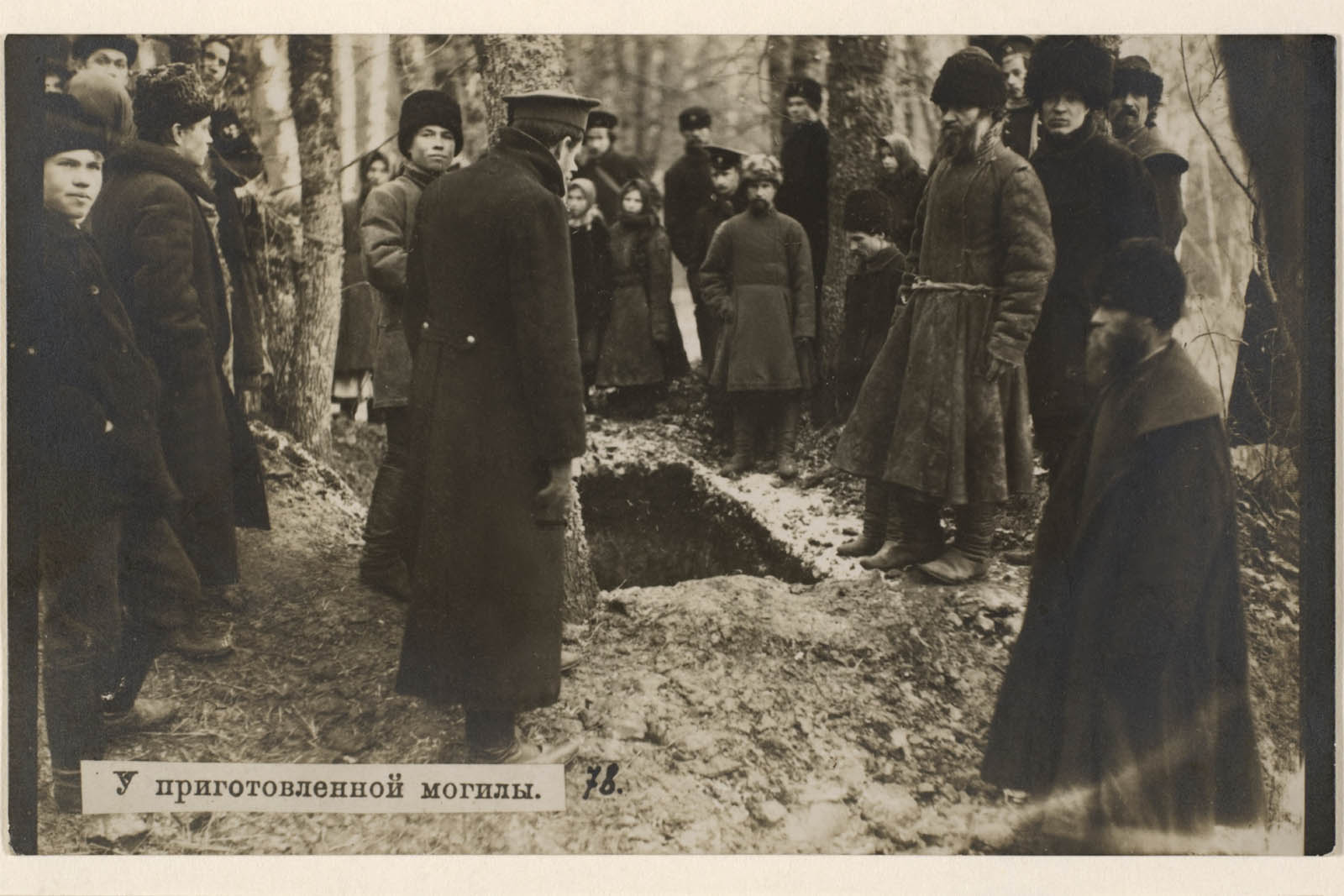
Aleksey Ivanovich Saveliev (Russian, 1883-1923) 'At the Prepared Grave' 1910


Aleksey Ivanovich Saveliev (Russian, 1883-1923)
At the Prepared Grave
1910
Gelatin silver print
8.9 x 13.3cm (3 1/2 x 5 1/4 in.)
The Metropolitan Museum of Art
Gift of Pierre Apraxine, 2010


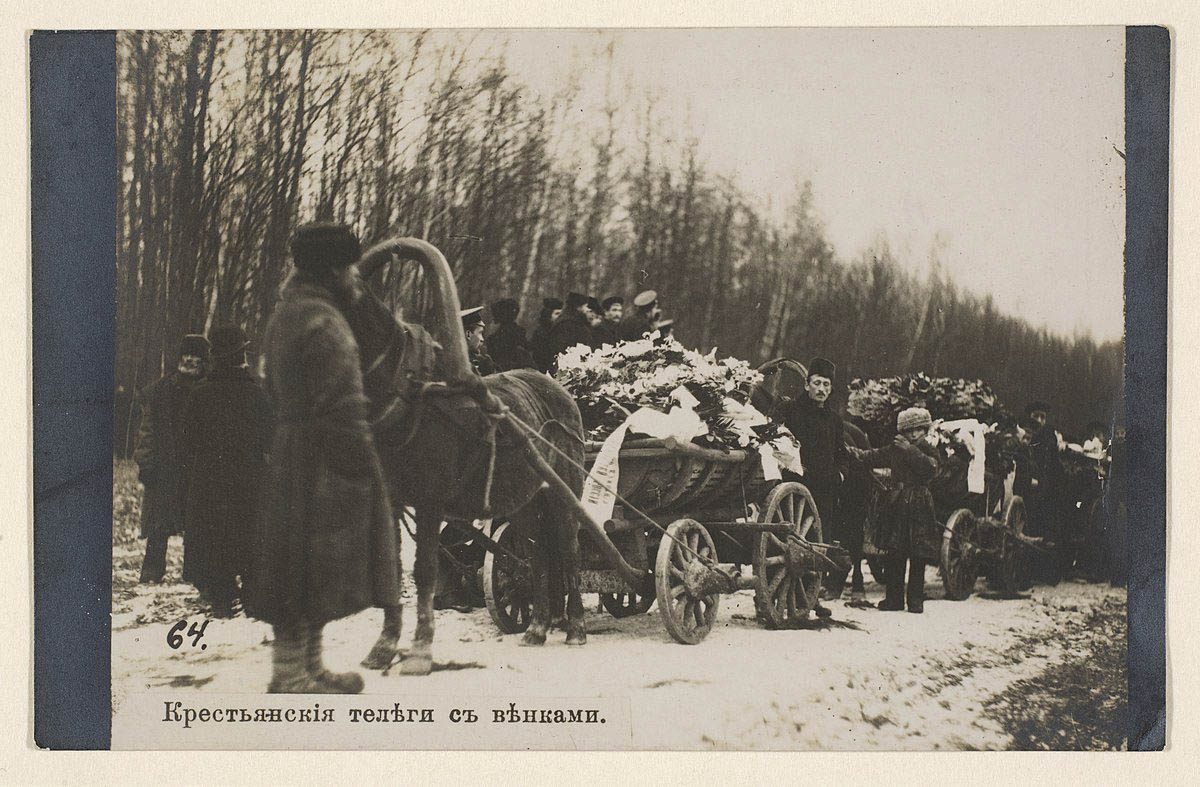
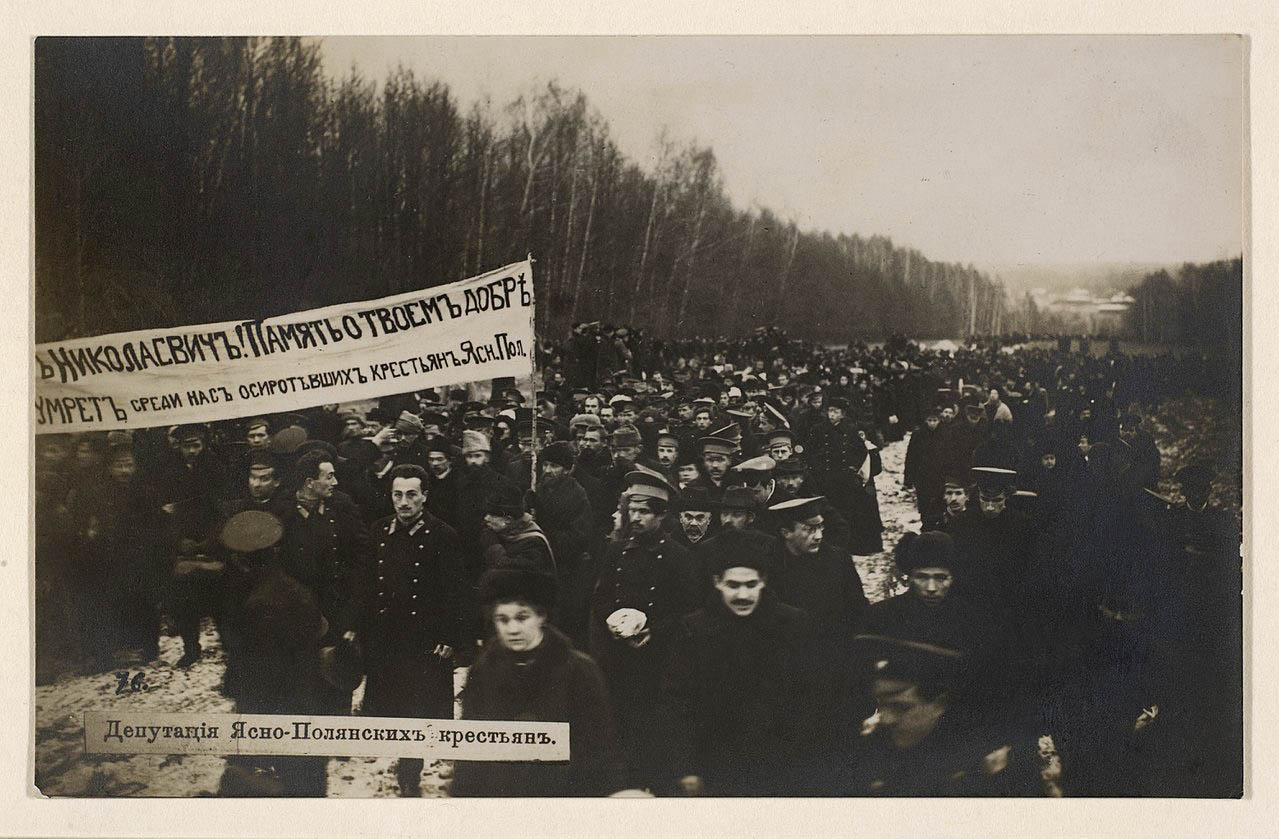
These six photo-postcards show various places and moments surrounding the death and burial of Leo Tolstoy. In November 1910 the eighty-two-year-old novelist walked away from his great wealth to devote himself to Christian charity and died in a stationmaster’s house after falling ill on a train. Tolstoy’s death was of tremendous national importance, and how he was to be mourned – whether to kneel or stand at the grave, for instance – signified a contrast between old and new that would be decided during the Russian Revolution seven years later.

Text from the Metropolitan Museum of Art website


What an eclectic group of photographs in this posting as well as a great title for an exhibition!

Marcus


Many thankx to the The Metropolitan Museum of Art for allowing me to publish the photographs in the posting. Please click on the photograph for a larger version of the image.


Aleksey Ivanovich Saveliev (Russian, 1883-1923) 'Peasant Carts with Funeral Wreaths' 1910


Aleksey Ivanovich Saveliev (Russian, 1883-1923)
Peasant Carts with Funeral Wreaths
1910
Gelatin silver print
8.9 x 13.3cm (3 1/2 x 5 1/4 in.)
The Metropolitan Museum of Art
Gift of Pierre Apraxine, 2010


Aleksey Ivanovich Saveliev (Russian, 1883-1923) 'Deputation of the Yasno-Polyanskyi Peasants' 1910


Aleksey Ivanovich Saveliev (Russian, 1883-1923)
Deputation of the Yasno-Polyanskyi Peasants
1910
Gelatin silver print
8.9 x 13.3cm (3 1/2 x 5 1/4 in.)
The Metropolitan Museum of Art
Gift of Pierre Apraxine, 2010


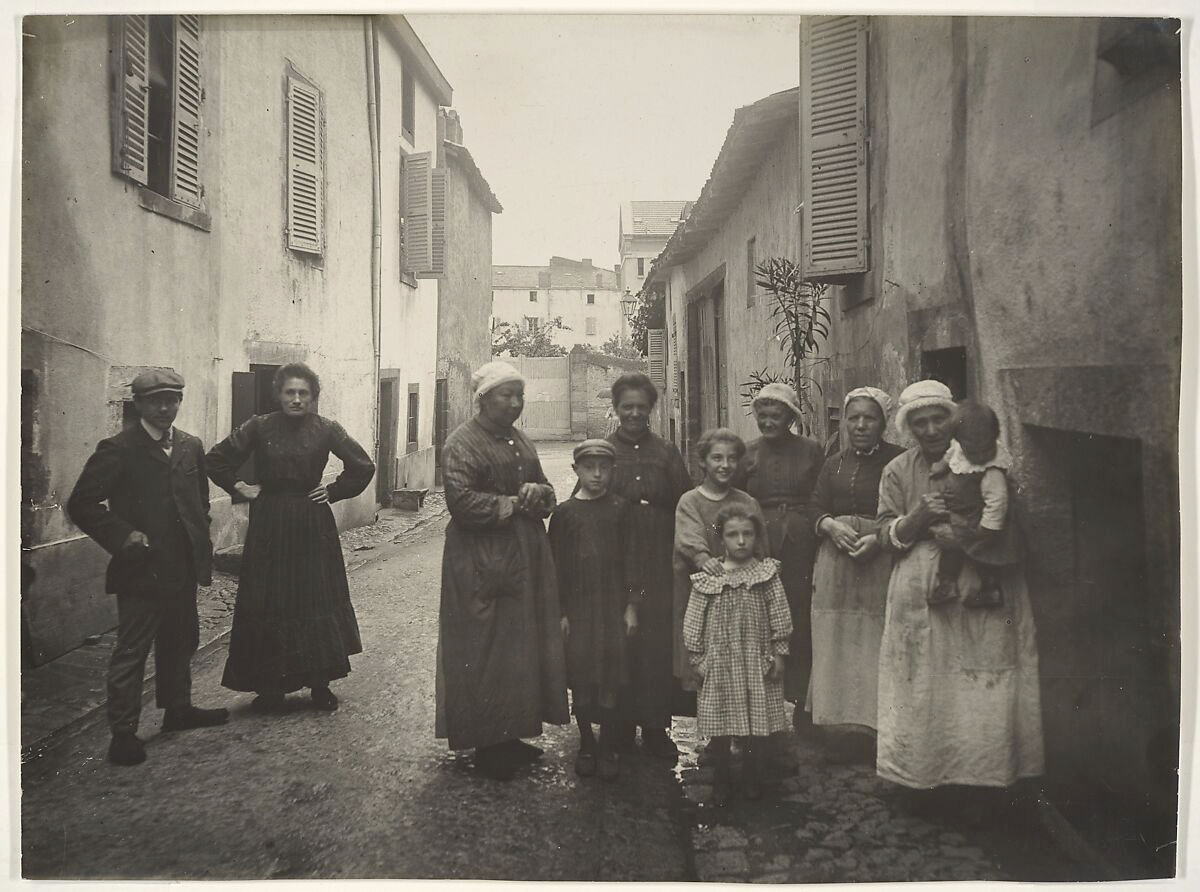
Felix Thiollier (French, 1842-1914)
'A Village Street in the Auvergne' c. 1910


Felix Thiollier (French, 1842-1914)
A Village Street in the Auvergne
c. 1910
Gelatin silver print
The Metropolitan Museum of Art
Twentieth-Century Photography Fund, 2008


An industrialist and serious amateur photographer in Saint-Ɖtienne, Thiollier left to posterity a vast archive of photographs and negatives. Most are landscapes done in the Pictorialist style, but his more unusual images depict factories and daily life outside major cities in early twentieth century France.


Paul Haviland (American, 1880-1950)
'Passing Steamer' 1910


Paul Haviland (American, 1880-1950)
Passing Steamer
1910
Platinum print
The Metropolitan Museum of Art
Gilman Collection
Purchase, Harriette and Noel Levine Gift, 2005


The son of a well-off china manufacturer in Limoges, Haviland encountered Alfred Stieglitz’s Little Galleries of the Photo-Secession in 1908. He soon contributed articles to and published photographs in Stieglitz’s journal Camera Work (and acted as the gallery’s secretary at one point), even bankrolling the gallery’s three-year lease for Stieglitz when the rent was raised. In 1915 he started – with the Mexican-born caricaturist and gallerist Marius de Zayas and the journalist Agnes Ernest Meyer – a new magazine called 291, named for Stieglitz’s gallery at 291 Fifth Avenue.

This image appeared as a photogravure in a 1912 issue of Camera Work. While the soft focus and platinum printing are traces of the waning Pictorialist style, the unexpected vantage point and stark design made Passing Steamer a harbinger of things to come.

Text from The Metropolitan Museum of Art


Anton Giulio Bragaglia (Italian, 1890–1960) 'Change of Position' 1911


Anton Giulio Bragaglia (Italian, 1890-1960)
Change of Position
1911
Gelatin silver print
12.8 x 17.9cm (5 1/16 x 7 1/16 in)
The Metropolitan Museum of Art
GilmanĀ Collection
Purchase, The Horace W. GoldsmithĀ Foundation Gift, through Joyce and RobertĀ Menschel, 2005


At age nineteen, Bragaglia became enamored of the Italian Futurist movement, which espoused the beauty of speed and war, the interdependence of time and space, and the total dissolution of time-consecrated institutions. Not following the stop-motion photography of Eadweard Muybridge and Ɖtienne-Jules Marey from the previous century, Bragaglia left the camera’s shutter open to register the absolute fluidity of motion itself – in this case, the trajectory created by the sweeping, continuous arc of a simple change of body position. The result is a dissolution or dematerialisation of the man’s body in a seamless picture of active life. Although later banished from the Futurists’ ranks, the photographer created perhaps the first truly avant-garde images with the camera – the kind that would become prevalent across the continent only a decade later.

Text from The Metropolitan Museum of Art


Adolph de Meyer (American born France, 1868-1949) '[Dance Study]' c. 1912


Adolph de Meyer (American born France, 1868-1949)
[Dance Study]
c. 1912
Platinum print
The Metropolitan Museum of Art
Alfred Stieglitz Collection, 1949


De Meyer – who would become Vogue magazine’s first official fashion photographer, in 1913 – photographed the dancer Nijinsky and other members of Sergei Diaghilev’s troupe when L’AprĆØs midi d’un Faun was presented in Paris in 1912. It has been suggested that this photograph, the only nude by de Meyer, has some connection to the Russian ballet, but if so, it remains mysterious. In 1913 Mabel Dodge, a patroness of the avant-garde, wrote: “Nearly every thinking person nowadays is in revolt against something, because the craving of the individual is for further consciousness, and because consciousness is expanding and bursting through the moulds that have held it up to now.”

Text from The Metropolitan Museum of Art


Stanislaw Ignacy Witkiewicz (Polish, 1885-1939) 'Tadeus Langier, Zakopane' 1912-1913


Stanislaw Ignacy Witkiewicz (Polish, 1885-1939)
Tadeus Langier, Zakopane
1912-1913
Gelatin silver print
12.6 x 17.6cm (4 15/16 x 6 15/16 in)
The Metropolitan Museum of Art
GilmanĀ Collection
Purchase, Denise and Andrew SaulĀ Gift, 2005


Jacques Henri Lartigue (French, 1894-1986) 'Le Grand Prix A.C.F.' 1913


Jacques Henri Lartigue (French, 1894-1986)
Le Grand Prix A.C.F.
1913
Gelatin silver print
11.5 x 17.1cm (4 1/2 x 6 3/4 in)
The Metropolitan Museum of Art
GilmanĀ Collection
Purchase, Ann Tenenbaum andĀ Thomas H. Lee Gift, 2005
Ā© MinistĆØre de la Culture-France/AAJHL


A painter who considered photography a hobby, Lartigue was seven when his father, an accomplished amateur photographer, presented him with his first camera. reserving his images from childhood onward in album after album, Lartigue created a rich chronicle of the sporting life and entertainments of his upper-class milieu but one that, like his diaries, remained essentially private. Until 1963, when a show at the Museum of Modern Art, New York, revealed Lartigue as a major photographer, his work was known only to a group of friends.

[This print has] been made by Lartigue prior to his public recognition, in his customary intimate scale. He made the Grand Prix picture by swinging the camera from left to right as the racing car sped by. It captures the same awestruck, slate-erasing feeling that inspired the Futurist Marinetti to rhapsodise four years earlier, “A roaring motor car which seems to run on machine-gun fire, is more beautiful than the Victory of Samothrace.”

Text from The Metropolitan Museum of Art


Unknown Artist, British School. 'The Great British Advance in the West: A Raiding Party Waiting for the Word to Go' 1914-1918


Unknown Artist, British School
The Great British Advance in the West: A Raiding Party Waiting for the Word to Go
1914-1918
Gelatin silver print
The Metropolitan Museum of Art
Twentieth-Century Photography Fund, 2010
Wikipedia Commons public domain


Unknown Artist, French School. 'The Great Nave: Wounded Soldiers Performing Arms Drill at the End of Their Medical Treatment, Grand Palais, Paris' 1916


Unknown Artist, French School
The Great Nave: Wounded Soldiers Performing Arms Drill at the End of Their Medical Treatment, Grand Palais, Paris
1916
Gelatin silver print
The Metropolitan Museum of Art
Gilman Collection
Purchase, Ann Tenenbaum and Thomas H. Lee Gift, 2005
Wikipedia Commons public domain


During World War I, wounded soldiers who had been sent to Paris to recover were drilled in the cavernous Grand Palais to prepare them for a return to the front.


Unknown Artist, American School. '(Charlie Chaplin and Douglas Fairbanks Selling Liberty Loans during the Third Loan Campaign at the Sub Treasury Building on Wall Street, New York City)' 1918


Unknown artistĀ (American School)
(Charlie Chaplin and Douglas Fairbanks SellingĀ Liberty Loans during the Third Loan CampaignĀ at the Sub Treasury Building on Wall Street,Ā New York City)
1918
Gelatin silver print
19.4 x 24.1cm (7 5/8 x 9 1/2 in)
The Metropolitan Museum of Art
Purchase
TheĀ Horace W. Goldsmith Foundation Gift, throughĀ Joyce and Robert Menschel, 1996


The twentieth century was truly born during the 1910s. This exhibition, which accompanies Stieglitz, Steichen, Strand, surveys the range of uses to which photography was put as its most advanced practitioners and theorists were redefining the medium as an art. The title “Our Future Is in the Air is taken from a military aviation pamphlet that figures prominently (in French) in a 1912 Cubist tabletop still life by Picasso; it suggests the twinned senses of exhilarating optimism and lingering dread that accompanied the dissolution of the old order.

Photography was handmaiden and witness to the upheavals that revolutionised perception and consciousness during this tumultuous era. Space and time were overcome by motorcars and airplanes, radio and wireless, and man seemed liberated from the bounds of gravity and geography. This seemingly limitless expanse was mirrored by a new understanding of the unconscious as infinitely deep, complex, and varied – a continent ripe for discovery. The camera was seen as the conduit between these two states of self and world, and “straight photography” – stripped of the gauzy blur of Pictorialist reverie – was espoused by Alfred Stieglitz and Paul Strand among others.

This turn was not accidental: since handheld cameras became available in the late 1880s, anyone could be a photographer; similarly, photography had snaked its way into every corner of the culture. Elevated perception would distinguish the new artists from the amateur and the tradesman. The exhibition casts the widest possible net in order to show the foundations upon which the medium staked its claim as an independent art.

The 1910s – a period remembered for “The Great War,” Einstein’s theory of relativity, the Russian Revolution, and the birth of Hollywood – was a dynamic and tumultuous decade that ushered in the modern era. This new age – as it was captured by the quintessentially modern art of photography – will be the subject of the exhibition “Our Future Is In The Air”: Photographs from the 1910s, on view at The Metropolitan Museum of Art from November 10, 2010, through April 10, 2011.

An eclectic centennial exhibition devoted to photography of the 1910s, “Our Future Is In The Air” provides a fascinating look at the birth of modern life through 58 photographs by some 30 artists, including EugĆØne Atget, Alvin Langdon Coburn, EugĆØne Druet, Lewis Hine, Jacques-Henri Lartigue, Adolph de Meyer, Christian Schad, Morton Schamberg, Charles Sheeler, and Stanislaw Witkiewicz, among others. Drawn exclusively from the Museum’s collection, the exhibition also features anonymous snapshots, sĆ©ance photographs, and a family album made by Russian nobility on the eve of revolution. “Our Future Is In The Air” complements the Museum’s concurrent presentation of groundbreaking photographs by Alfred Stieglitz, Edward Steichen, and Paul Strand in the exhibition Stieglitz, Steichen, Strand. The exhibition’s title is taken from a pamphlet for military aviation that figures prominently (in French) in a 1912 Cubist tabletop still-life by Picasso, but is used here because of its double meaning: the feelings of excitement and anxiety that accompanied such radical change.

“Our Future Is In The Air” opens in dramatic fashion with a series of photographs showing moments in the funeral procession and burial of Leo Tolstoy on November 9, 1910. The great Russian novelist passed away just after walking away from his great wealth and literary fame to lead a life of Christian charity. Certain details that can be seen in the photo-postcards – such as whether or not to kneel by the grave – represented a long simmering struggle between old and new, spiritual and secular, that would lead to revolution seven years later.

As cameras became smaller, faster, and easier to operate, amateur photographers such as the child prodigy Jacques-Henri Lartigue pushed the medium in directions that trained photographers shied away from. Since Lartigue was only recognised much later as a key figure in photography, prints such as the ones included here – showing speeding motorcars – are exceedingly rare. Lartigue made one of his most memorable photographs, Le Grand Prix A.C.F. (1913), by swinging his camera in the same direction as the car, as it sped by.

The camera also afforded access to the previously invisible, whether capturing a broken leg bone, revealed in an X-ray from 1916 or the trajectory created by a simple change in body position, in a 1911 motion study by the Futurist artist Anton Giulio Bragaglia.

At the same time, photography became an agent of democratic communication, and documentary photographers used its growing influence to expose degrading conditions of workers, the injustice of child labor, and the devastation of war. Beginning in 1908, Lewis Hine made 5,000 photographs of children working in mills, sweatshops, factories, and street trades; six of his photographs will be featured in this exhibition, including Newsboy asleep on stairs with papers, Jersey City, New Jersey, February 1912. Hine’s reports and slide lectures were meant to trigger a profound, empathetic response in the viewer.

During World War I, photography was utilised to document the mass casualties of mechanised warfare; in the exhibition, an affecting image from 1916, by an unknown artist, shows wounded French soldiers performing drills in the nave of the Grand Palais in Paris as part of their rehabilitation.

Also in the exhibition is an evocative 1918 photograph, again by an unknown artist, of Charlie Chaplin and Douglas Fairbanks entertaining a huge crowd at a war bonds rally on Wall Street.

“Our Future Is In The Air” accompanies the exhibition Stieglitz, Steichen, Strand, which focuses on contemporaneous works by three modernist masters of American photography: Alfred Stieglitz, Edward Steichen, and Paul Strand. It includes photographs by several friends and compatriots of Alfred Stieglitz, from Adolph de Meyer, Alvin Langdon Coburn, Paul Haviland, and Karl Struss to Morton Schamberg and Charles Sheeler, in whose works one can trace the transition from soft focus Pictorialism to a harder-edged, more detached “straight photography.”

Press release from the Metropolitan Museum of Art website


Alvin Langdon Coburn (British born America, 1882-1966) 'The Octopus' 1909


Alvin Langdon Coburn (British born America, 1882-1966)
The Octopus
1909
Platinum print
The Metropolitan Museum of Art
Ford Motor Company Collection, Gift of Ford Motor Company and John C. Waddell, 1987


During the early 1910s, photographers such as Paul Strand, Karl Struss, and Coburn were using Pictorialist techniques from the previous century to depict startling perspectives on contemporary urban subjects, such as this dizzying, bird’s-eye view of New York’s Madison Square from a new skyscraper.


Unknown Artist, American School. '(Man Holding Baseball in Catcher’s Mitt)' 1910


Unknown artist (American School)
(Man Holding Baseball in Catcher’s Mitt)
1910
Gelatin silver print
13.8 x 8.7cm (5 7/16 x 3 7/16 in.)
The Metropolitan Museum of Art
Funds from various donors, 1998


Lewis Hine (American, 1874-1940)
'11:00 A.M. Monday, May 9th, 1910. Newsies at Skeeter’s Branch, Jefferson near Franklin. They were all smoking. Location: St. Louis, Missouri' 1910


Lewis Hine (American, 1874-1940)
11:00 A.M. Monday, May 9th, 1910. Newsies at Skeeter’s Branch, Jefferson near Franklin. They were all smoking. Location: St. Louis, Missouri
1910
Gelatin silver print
The Metropolitan Museum of Art, Gilman Collection
Gift of Phyllis D. Massar, 1970


Trained as a sociologist at Columbia University, Hine gave up his teaching job in 1908 to become a full-time photographer for the National Child Labor Committee. The success of the reform agency, created four years earlier, was largely dependent on its ability to sway public opinion.

Influenced by Jacob Riis’s pictures of slum conditions on New York’s Lower East Side, Hine obsessively documented the working conditions of children in mills, factories, and fields across the country, often going undercover to gain access to his subjects. The results – more than five thousand photographs – were used in field reports, exhibitions, pamphlets, and slide lectures. Hine’s decidedly unromantic, understated pictures served as a potent weapon of persuasion.

Text from The Metropolitan Museum of Art


Lewis Hine (American, 1874-1940) 'Addie Card, 12 years' 1910


Lewis Hine (American, 1874-1940)
Addie Card, 12 years. Spinner in North Pownal Cotton Mill. Girls in mill say she is ten years. She admitted to me she was twelve; that she started during school vacation and now would “stay”. Location: Vermont, August 1910
1910
Gelatin silver print
24.4 x 19.3cm (9 5/8 x 7 5/8 in)
The Metropolitan Museum of Art
GilmanĀ Collection
Purchase, Anonymous Gifts, byĀ exchange, 2005


Lewis Hine (American, 1874-1940) 'Newsboy asleep on stairs with papers, Jersey City, New Jersey' February 1912


Lewis Hine (American, 1874-1940)
Newsboy asleep on stairs with papers, Jersey City, New Jersey
February 1912
Gelatin silver print
Image: 11.5 x 16.8cm (4 1/2 x 6 5/8 in)
Metropolitan Museum of Art
Gilman Collection, Purchase, Ann Tenenbaum and Thomas H. Lee Gift, 2005


Exhibition Overview

The twentieth century was truly born during the 1910s. This exhibition, which accompanies Stieglitz, Steichen, Strand, surveys the range of uses to which photography was put as its most advanced practitioners and theorists were redefining the medium as an art. The title “Our Future Is in the Air” is taken from a military aviation pamphlet that figures prominently (in French) in a 1912 Cubist tabletop still life by Picasso; it suggests the twinned senses of exhilarating optimism and lingering dread that accompanied the dissolution of the old order.

Photography was handmaiden and witness to the upheavals that revolutionised perception and consciousness during this tumultuous era. Space and time were overcome by motorcars and airplanes, radio and wireless, and man seemed liberated from the bounds of gravity and geography. This seemingly limitless expanse was mirrored by a new understanding of the unconscious as infinitely deep, complex, and varied – a continent ripe for discovery. The camera was seen as the conduit between these two states of self and world, and “straight photography” – stripped of the gauzy blur of Pictorialist reverie – was espoused by Alfred Stieglitz and Paul Strand among others.

This turn was not accidental: since handheld cameras became available in the late 1880s, anyone could be a photographer; similarly, photography had snaked its way into every corner of the culture. Elevated perception would distinguish the new artists from the amateur and the tradesman. The exhibition casts the widest possible net in order to show the foundations upon which the medium staked its claim as an independent art.

Text from the Metropolitan Museum of Art website


EugĆØne Atget (French, 1857-1927) 'Boulevard de Strasbourg' 1912


EugĆØne Atget (French, 1857-1927)
Boulevard de Strasbourg
1912
Albumen silver print from glass negative
22.4 x 17.5cm (8 13/16 x 6 7/8 in.)
The Metropolitan Museum of Art
GilmanĀ Collection
Purchase, Ann Tenenbaum andĀ Thomas H. Lee Gift, 2005


Atget found his vocation in photography in 1897, at the age of forty, after having been a merchant seaman, a minor actor, and a painter. He became obsessed with making what he termed “documents for artists” of Paris and its environs and compiling a visual compendium of the architecture, landscape, and artefacts that distinguish French culture and history. By the end of his life, Atget had amassed an archive of more than eight thousand negatives, which he organized into such categories as Parisian Interiors, Vehicles in Paris, and Petits MĆ©tiers (trades and professions). In Atget’s inventory of Paris, shop windows figure prominently and the most arresting feature mannequin displays. In the 1920s the Surrealists recognised in Atget a kindred spirit and reproduced a number of his photographs in their journals and reviews. Antiquated mannequins such as the ones depicted here struck them as haunting, dreamlike analogues to the human form.

Text from The Metropolitan Museum of Art


Stanislaw Ignacy Witkiewicz (Polish, 1885-1939) 'Jadwiga Janczewska, Zakopane' c. 1913


Stanislaw Ignacy Witkiewicz (Polish, 1885-1939)
Jadwiga Janczewska, Zakopane
c. 1913
Gelatin silver print
The Metropolitan Museum of Art
Gilman Collection
Museum Purchase, 2005


Witkiewicz was prolific in many mediums, writing plays, novels, and philosophical treatises as well as painting and making darkly brooding photographic portraits and self-portraits. In all his work, he describes a proto-existential sense of the self struggling in vain against the undifferentiated mass of men and the indifference of death; he often turned to drugs to recover this missing plenitude of existence.

Between 1912 and 1913, when he thought he was going mad, Witkiewicz made a series of extraordinary self-portraits and portraits of friends, his dying father, and his fiancĆ©e, Jadwiga Janczewska. After this time, his engagement with photography was brief, as he devoted himself instead to literature and painting. He took his life on the day Russian troops entered Poland in 1939 – in part a gesture of national solidarity.

Text from The Metropolitan Museum of Art


Karl Struss (American, 1886-1981)
'Claremont Inn, Riverside Drive' 1915


Karl Struss (American, 1886–1981)
Claremont Inn, Riverside Drive
1915
Platinum print
The Metropolitan Museum of Art
Warner Communications Inc. Purchase Fund, 1977


A member of the Photo-Secession, Struss was a student of Clarence White and a friend of Alfred Stieglitz. He made dozens of photographs of New York City at dusk, delighting in the way things merged and were illuminated by strings of fine lights. This photograph, with its gleaming automobiles and electric lights, shows a popular summer restaurant housed in a colonial-era home on the Upper West Side. Four years later, Struss moved to Los Angeles to work as a still photographer in the burgeoning movie business. He wound up being hired as a cameraman by Cecil B. DeMille and in 1927 won the first Oscar for cinematography for his work on F. W. Murnau’s Sunrise.

Text from The Metropolitan Museum of Art


Morton Schamberg (American, 1881–1918) '[View of Rooftops]' 1917


Morton Schamberg (American, 1881–1918)
[View of Rooftops]
1917
Gelatin silver print
The Metropolitan Museum of Art
Ford Motor Company Collection, Gift of Ford Motor Company and John C. Waddell, 1987
Public domain


Had he not died of influenza in 1918, Schamberg likely would have remained one of the best avant-garde painters and photographers of his generation in America. He absorbed the lessons of Cubism through his contacts with the Stieglitz and Arensberg circles, and in photographs such as this one he demonstrated his deft application of the new artistic idioms.

After reaching a point of almost pure abstraction in his painting in the wake of the Armory show of 1913, Schamberg turned in 1915 toward more objective machine forms in his pastels and paintings, and toward urban images in his photographs.

Like Stieglitz’s photographs of the city made from the windows of his galleries, Schamberg’s New York is seen from an elevated perspective, but unlike the elder photographer’s images, Schamberg’s photograph is cool, altogether lacking in human or natural references, and celebrates an almost wholly geometric order underscored by his calculated framing and point of view. For many years this print, the only one Schamberg made from this negative, belonged to his closest friend, Charles Sheeler.

Text from The Metropolitan Museum of Art website


Morton Schamberg (American,  1881-1918) Elsa von Freytag-Loringhoven (German, 1874–1927) (sculptor) '"God" by Baroness Elsa von Freytag-Loringhoven and Morton Schamberg' 1917


Morton Schamberg (American, 1881-1918)
Elsa von Freytag-Loringhoven (German, 1874-1927)
“God” by Baroness Elsa von Freytag-Loringhoven and Morton Schamberg
1917
Gelatin silver print
24.1 x 19.2cm (9 1/2 x 7 9/16 in.)
The Metropolitan Museum of Art
The Elisha Whittelsey Collection, The Elisha Whittelsey Fund, 1973
Wikipedia Commons public domain


This photograph of a drain pipe attached to a miter box documents one of the most famous examples of American Dada. The sculpture God, a Readymade in the spirit of Marcel Duchamp’s upended urinal Fountain, has traditionally been attributed to Schamberg. Recent scholarship suggests, however, that it was primarily the creation of Baroness Elsa von Freytag Loringhoven, a poet, shoplifter, junk collector, and Duchamp worshiper famous for strolling the streets of Greenwich Village with cancelled postage stuck to her face and a birdcage with a live canary dangling from her neck. The sculpture’s irreverent title recalls the sculptor Beatrice Wood’s unattributed comment, included in a published defence of Duchamp’s Fountain, “The only works of art America has given are her plumbing and her bridges.”

Text from The Metropolitan Museum of Art


Charles Sheeler (American, 1883–1965) 'Dan Mask' c. 1918


Charles Sheeler (American, 1883–1965)
Dan Mask
c. 1918
Gelatin silver print
24.2 x 18.2cm (9 1/2 x 7 3/16 in.)
The Metropolitan Museum of Art
Gilman Collection, Purchase, Denise and Andrew Saul Gift, 2005


When Charles Sheeler took up the camera sometime in 1910-11, he was already a modestly accomplished painter. He began to photograph domestic architecture in the Philadelphia area, and within three years he had a successful sideline documenting fine private and public American collections of Chinese bronzes, Meso-American pots, and modern painting and sculpture by CƩzanne, Picasso, and Duchamp. Through this work Sheeler met Walter Arensberg, Alfred Stieglitz, and other important collectors and dealers; to a few of them he sold his paintings.

The rigorous demands of detailed record photography soon influenced his painting as the direct, generally frontal assessment of both an object’s form and structure retrained and refined his eye. By 1916, Sheeler had begun to paint from photographs and also to pursue photography as an end in itself. With his first exhibition of photographs, a three-person show with Paul Strand and Morton Schamberg at Marius de Zayas’s Modern Gallery in 1917, Sheeler emerged as one of America’s few prominent artists equally skilled with brush and camera.

This photograph of a Dan mask from Ivory Coast may have been commissioned by John Quinn, a New York lawyer, collector of African art, and patron of the avant-garde. The ceremonial mask emerges from virtual obscurity, filled with mystery, its highly polished wood surface animated by a raking, angular light. The photograph functions as a fetish, speaking with its own voice, commanding our attention, and even, it would seem, judging our response.

This photograph was published in the March 1923 issue of “The Arts,” in an article by de Zayas entitled “Negro Art.”

Text from The Metropolitan Museum of Art website


Charles Sheeler (American, 1883-1965) 'Doylestown House - Stairs from Below' 1917


Charles Sheeler (American, 1883-1965)
Doylestown House – Stairs from Below
1917
Gelatin silver print
21 x 15cm (8 1/4 x 5 15/16 in.)
The Metropolitan Museum of Art
Alfred Stieglitz Collection, 1933


The Metropolitan Museum of Art
1000 Fifth Avenue at 82nd Street
New York, New York 10028-0198
Information: 212-535-7710

Opening hours:
Sunday – Tuesday and Thursday: 10am – 5pm
Friday and Saturday: 10am – 9pm
Closed Wednesday

The Metropolitan Museum of Art website

LIKE ART BLART ON FACEBOOK

Back to top

Exhibition: ‘The Platinum Process: Photographs from the Nineteenth to the Twenty-First Century’ at Philadelphia Museum of Art

Exhibition dates: 27th February – 23rd May, 2010


Frederick H. Evans (British, 1853-1943) 'Kelmscott Manor: Attics' 1896 from the exhibition 'The Platinum Process: Photographs from the Nineteenth to the Twenty-First Century' at Philadelphia Museum of Art, February - May, 2010


Frederick H. Evans (British, 1853-1943)
Kelmscott Manor: Attics
1896
Platinum print
Image and sheet: 6 1/16 Ɨ 7 7/8 inches (15.4 Ɨ 20cm)
Philadelphia Museum of Art
Gift of the artist, 1932


Attics often serve as metaphors for the space where memories reside. Here Frederick Evans captures the warm glow, the simple, rough-hewn timbers, and the striking geometry of the attic at Kelmscott Manor, the beloved summer retreat of designer William Morris (British, 1834-1896).

Morris, the leader of the Arts and Crafts movement – which valued Britain’s craft tradition and rejected its industrial revolution – drew inspiration from the architecture and workmanship of Kelmscott, designed and constructed in the 1500s. In 1896 Morris invited Evans to photograph the home, which he felt embodied the memory of Britain’s aesthetic past.

Text from the Philadelphia Museum of Art website


Platinum prints always have such luminosity. A Sea of Steps by Fredrick H. Evans (1903, below) is a knockout. I remember some beautiful platinum prints many years ago (1989) up in Sydney at the Museum of Contemporary Art in the touring exhibition Robert Mapplethorpe: The Perfect Moment that were an absolute knockout as well. Pity he didn’t print them himself but they were still superlative!

Dr Marcus Bunyan


Many thankx to Shen Shellenberger and the Philadelphia Museum of Art for allowing me to publish the last five images in the posting. Please click on the photographs for a larger version of the image.


Frederick H. Evans (British, 1853-1943) 'Kelmscott Manor' 1896 from the exhibition 'The Platinum Process: Photographs from the Nineteenth to the Twenty-First Century' at Philadelphia Museum of Art, February - May, 2010


Frederick H. Evans (British, 1853-1943)
Kelmscott Manor
1896
Platinum print
Image and sheet: 7 3/8 Ɨ 4 1/4 inches (18.7 Ɨ 10.8cm)
Philadelphia Museum of Art
Purchased with funds contributed by Dorothy Norman and with the Director’s Discretionary Fund, 1968


Frederick H. Evans (British, 1853-1943) 'Angers: Prefecture, Sculptured Arches of 11th-12th Century' c. 1906-1907 from the exhibition 'The Platinum Process: Photographs from the Nineteenth to the Twenty-First Century' at Philadelphia Museum of Art, February - May, 2010


Frederick H. Evans (British, 1853-1943)
Angers: Prefecture, Sculptured Arches of 11th-12th Century
c. 1906-1907
Platinum print
Image and sheet: 9 11/16 Ɨ 7 7/8 inches (24.6 Ɨ 20 cm)
Philadelphia Museum of Art
Purchased with funds contributed by Dorothy Norman and with the Director’s Discretionary Fund, 1968


Frederick H. Evans (British, 1853-1943) 'Southwell Cathedral, Chapter House Capital' 1898


Frederick H. Evans (British, 1853-1943)
Southwell Cathedral, Chapter House Capital
1898
Platinum print
Philadelphia Museum of Art


Frederick H. Evans (British, 1853-1943) 'View across the nave to the transept at York Minster' 1901


Frederick H. Evans (British, 1853-1943)
View across the nave to the transept at York Minster
1901
Platinum print
Philadelphia Museum of Art


Frederick H. Evans (British, 1853-1943) 'Durham Cathedral: West End Nave' 1912


Frederick H. Evans (British, 1853-1943)
Durham Cathedral: West End Nave
1912
Platinum print
Image and sheet: 9 1/2 Ɨ 4 13/16 inches (24.1 Ɨ 12.3cm)
Philadelphia Museum of Art
Purchased with funds contributed by Dorothy Norman, 1973


Frederick H. Evans (British, 1853-1943) 'Ancient crypt cellars in Provins' 1910


Frederick H. Evans (British, 1853-1943)
Ancient crypt cellars in Provins
1910
Platinum print
Philadelphia Museum of Art


Frederick H. Evans (British, 1853-1943) 'Westminster Abbey: North Transept: East Side' 1911


Frederick H. Evans (British, 1853-1943)
Westminster Abbey: North Transept: East Side
1911
Platinum print
Image and sheet: 9 7/16 Ɨ 6 inches (23.9 Ɨ 15.3cm)
Philadelphia Museum of Art
Purchased with the Lola Downin Peck Fund, 1969


Frederick H. Evans (British, 1853-1943) 'Westminster Abbey: Staircase in Confessor's Chapel' 1911


Frederick H. Evans (British, 1853-1943)
Westminster Abbey: Staircase in Confessor’s Chapel
1911
Platinum print
Image and sheet: 9 1/2 Ɨ 6 1/8 inches (24.2 Ɨ 15.6cm)
Philadelphia Museum of Art
Purchased with the Lola Downin Peck Fund, 1969


Frederick H. Evans (British, 1853-1943) 'Westminster Abbey: From the South Transept' 1911


Frederick H. Evans (British, 1853-1943)
Westminster Abbey: From the South Transept
1911
Platinum print
Image and sheet: 9 1/2 Ɨ 7 7/16 inches (24.2 Ɨ 18.9cm)
Philadelphia Museum of Art
Purchased with the Lola Downin Peck Fund, 1969


Frederick H. Evans (British, 1853-1943) 'Westminster Abbey: East Ambulatory' 1911


Frederick H. Evans (British, 1853-1943)
Westminster Abbey: East Ambulatory
1911
Platinum print
Image and sheet: 9 5/16 Ɨ 6 11/16 inches (23.7 Ɨ 17cm)
Purchased with the Lola Downin Peck Fund, 1969


Frederick H. Evans (British, 1853-1943) 'Westminster Abbey: 12th-Century Mosaic Floor at the Sanctuary' 1911


Frederick H. Evans (British, 1853-1943)
Westminster Abbey: 12th-Century Mosaic Floor at the Sanctuary
1911
Platinum print
Image and sheet: 7 5/16 Ɨ 8 7/8 inches (18.6 Ɨ 22.6 cm)
Philadelphia Museum of Art
Purchased with the Lola Downin Peck Fund, 1969


Although Evans indicated that this mosaic floor was created in the twelfth century, the surface surrounding the High Altar of Westminster Abbey was in fact laid in 1268. King Henry III (1207-1272) commissioned the mosaic from Roman craftsmen who specialised in the opus sectile, or “cut work” technique, commonly called “Cosmati” after a well-known Italian family of mosaic artists. Materials used here include blue, red, and turquoise glass as well as yellow limestone, purple porphyry, green serpentine, and onyx. Evans’s unusual composition privileges the floor, drawing attention to the intricate and abstract design of squares, rectangles, and roundels.

Text from the Philadelphia Museum of Art website


Frederick H. Evans (British, 1853-1943) 'Westminster Abbey: East End, North Ambulatory' 1911


Frederick H. Evans (British, 1853-1943)
Westminster Abbey: East End, North Ambulatory
1911
Platinum print
Image and sheet: 9 3/8 Ɨ 7 1/2 inches (23.8 Ɨ 19.1cm)
Philadelphia Museum of Art
Purchased with the Lola Downin Peck Fund, 1969


Frederick H. Evans (British, 1853-1943) 'Westminster Abbey: Apse from Choir' 1911


Frederick H. Evans (British, 1853-1943)
Westminster Abbey: Apse from Choir
1911
Platinum print
Image and sheet: 9 7/16 Ɨ 7 1/2 inches (23.9 Ɨ 19.1cm)
Philadelphia Museum of Art
Purchased with the Lola Downin Peck Fund, 1969


Country Life magazine commissioned Evans to photograph the interior of London’s Westminster Abbey in 1911, while the church was closed to worshipers in preparation for the coronation of King George V (1865-1936) and Queen Mary (1867-1953). Although the construction and removal of temporary facilities relating to the coronation regularly disrupted Evans’s work, the more than fifty photographs in the resulting portfolio reveal only the timeless beauty and grandeur of the Gothic structure that has hosted thirty-eight royal coronations since the year 1066.

Text from the Philadelphia Museum of Art website


Frederick H. Evans (British, 1853-1943) 'Westminster Abbey: Henry VII Chapel, Detail of Henry VII Tomb' 1911


Frederick H. Evans (British, 1853-1943)
Westminster Abbey: Henry VII Chapel, Detail of Henry VII Tomb
1911
Platinum print
Image and sheet: 8 1/16 Ɨ 7 3/16 inches (20.4 Ɨ 18.2cm)
Philadelphia Museum of Art
Purchased with the Lola Downin Peck Fund, 1969


Frederick H. Evans (British, 1853-1943) 'Westminster Abbey: Tomb of Edward III, Mary and William' 1911


Frederick H. Evans (British, 1853-1943)
Westminster Abbey: Tomb of Edward III, Mary and William
1911
Platinum print
Image and sheet: 8 11/16 Ɨ 6 5/8 inches (22.1 Ɨ 16.9cm)
Philadelphia Museum of Art
Purchased with the Lola Downin Peck Fund, 1969


Frederick H. Evans (British, 1853-1943) 'York Minster - In Sure and Certain Hope' 1903


Frederick H. Evans (British, 1853-1943)
York Minster – In Sure and Certain Hope
1903
Platinum print
Philadelphia Museum of Art


Frederick H. Evans (British, 1853-1943) 'A Sea of Steps - Stairs to Chapter House - Wells Cathedral' 1903


Frederick H. Evans (British, 1853-1943)
A Sea of Steps – Stairs to Chapter House – Wells Cathedral
1903
Platinum print
Philadelphia Museum of Art


Frederick H. Evans (British, 1853-1943) 'Wells Cathedral: North Transept' c. 1903


Frederick H. Evans (British, 1853-1943)
Wells Cathedral: North Transept
c. 1903
Platinum print
Image and sheet: 7 1/4 Ɨ 5 7/16 inches (18.4 Ɨ 13.8cm)
Purchased with funds contributed by Dorothy Norman, 1973


Frederick H. Evans (British, 1853-1943) 'Ely Cathedral: Octagon into Nave Aisle' c. 1899


Frederick H. Evans (British, 1853-1943)
Ely Cathedral: Octagon into Nave Aisle
c. 1899
Platinum print
Image and sheet: 7 15/16 Ɨ 6 1/8 inches (20.2 Ɨ 15.6cm)
Philadelphia Museum of Art
Purchased with funds contributed by Dorothy Norman, 1973


Frederick H. Evans (British, 1853-1943) 'Fr: Sec: Spine of Echinus x. 40' c. 1887


Frederick H. Evans (British, 1853-1943)
Fr: Sec: Spine of Echinus x. 40
c. 1887
Platinum print
Image and sheet: 4 3/4 Ɨ 4 5/8 inches (12 Ɨ 11.8cm)
Philadelphia Museum of Art
Purchased with funds contributed by Dorothy Norman, 1973


Unlike many beginning photographers of the nineteenth century who experimented with straightforward portrait or landscape compositions, Evans’s earliest trials with photography involved minute organic matter and required the use of a microscope. His complicated “photo-microgram” process allowed him to capture the intricate structures of objects including a water beetle’s eye, tiny sea shells, and this section of a sea urchin’s spine. Although classified as scientific rather than artistic imagery by the Photographic Society of Great Britain, this photo-microgram demonstrates Evans’s ability to delineate the magnificence of organic patterns and presage his photographs that depict the structural beauty of cathedrals.

Text from the Philadelphia Museum of Art website


Frederick H. Evans (British, 1853-1943) 'Berberis: Plant Study' c. 1908


Frederick H. Evans (British, 1853-1943)
Berberis: Plant Study
c. 1908
Platinum print
Image and sheet: 9 3/8 Ɨ 7 1/16 inches (23.8 Ɨ 17.9cm)
Philadelphia Museum of Art
Purchased with funds contributed by Dorothy Norman and with the Director’s Discretionary Fund, 1968


Frederick H. Evans (British, 1853-1943) 'Redlands Woods' c. 1908


Frederick H. Evans (British, 1853-1943)
Redlands Woods
c. 1908
Platinum print
Image and sheet: 6 Ɨ 4 3/16 inches (15.3 Ɨ 10.6cm)
Philadelphia Museum of Art
Purchased with funds contributed by Dorothy Norman and with the Director’s Discretionary Fund, 1968


Frederick H. Evans (British, 1853-1943) 'An English Glacier: Near Summit of Scafell' c. 1905


Frederick H. Evans (British, 1853-1943)
An English Glacier: Near Summit of Scafell
c. 1905
Platinum print
Image and sheet: 9 3/4 Ɨ 6 1/2 inches (24.8 Ɨ 16.5 cm)
Philadelphia Museum of Art
Purchased with funds contributed by Dorothy Norman and with the Director’s Discretionary Fund, 1968


Exhibition Highlights the Exceptional Beauty of the Platinum Process in Photography

A cornerstone of photographic practice during the late nineteenth and early twentieth centuries, the platinum print is revered by photographers and viewers alike as one of the most beautiful forms of photography, with subtle and lustrous shades that range from the deepest blacks to the most delicate whites. The Philadelphia Museum of Art will present an exhibition of more than 50 works from the late 19th century to the present, showcasing outstanding prints largely drawn from the Museum’s collection of photographs. The Platinum Process: Photographs from the Nineteenth to the Twenty-First Century, on view February 27 – May 23 in the Julien Levy Gallery at the Museum’s Perelman Building, will include images by early masters of the process including Frederick H. Evans (British, 1853-1943) and Alfred Stieglitz (American, 1864-1946), as well as works by skilled contemporary practitioners such as Lois Conner (American, born 1951) and Andrea Modica (American, born 1960), who continue to engage in this historic and painstaking process in an era noted for electronic imaging.

“The exhibition offers an opportunity to share this exceptionally beautiful form of photography with our visitors, some of whom may be seeing it for the first time,” Curator of Photographs Peter Barberie said, adding “the Museum is fortunate to have a particularly strong and varied collection of work by some of the truly great practitioners of this process.”

Unlike standard silver printing, in which particles are suspended in gelatin, platinum is brushed directly onto the paper, allowing artists to create a matte image with an exceptionally wide tonal range. Introduced in 1873, the process was enthusiastically embraced by the group of photographers known as the Pictorialists, who believed that fine art photography should emulate the aesthetic values of painting. The group included Evans, whose beautifully rendered images of Britain’s Westminster Abbey, York Minster Abbey and Ely Cathedral are included in the exhibition, and Stieglitz (American, 1876-1946), who is represented in the show by a portrait of his wife, the artist Georgia O’Keeffe (American, 1887-1986), as well as a landscape that foreshadows his Equivalents series.

While encompassing works spanning many dates and styles, The Platinum Process highlights one of the Museum’s treasures, the 1915 masterpiece “Wall Street” by Paul Strand (1890-1976, see above), whose work was at the forefront of the modernist aesthetic developing in New York during the early 20th century. Strand used the subtlety of the platinum print in this work to emphasise abstract patterns in the long shadows cast by figures that walk before a succession of monumental windows.

Reserves of platinum were appropriated for military use during World War I, and its high cost led manufacturers to cease production of commercial platinum paper by the 1930s. As photographers became more engaged in social concerns, documentation and realism, the process fell into disuse. It was not until the early 1960s when Irving Penn, then a successful photographer for Vogue magazine, began to experiment with the long-forgotten technique and took the first steps toward its revival. A meticulous craftsman, Penn was delighted by the luminous prints and lavish tonal range he could achieve using platinum and began to make new photographs with this process in the 1970s. Penn and many of the other contemporary artists on view including Thomas Shillea and Jennette Williams followed Strand’s example, using platinum not for idealised pictures, but to capture nuances of modern experience.

Press release from The Philadelphia Museum of Art website [Online] Cited 25/07/2019. No longer available online


Robert S. Redfield (American, 1849-1923) 'Heloise Redfield at Mount Washington' 1889


Robert S. Redfield (American, 1849-1923)
Heloise Redfield at Mount Washington
1889
Platinum print
Image and sheet: 6 5/16 Ɨ 8 1/4 inches (16 Ɨ 21cm)
Philadelphia Museum of Art
Gift of Alfred G. Redfield, 1985


F. Holland Day (American, 1864-1933) 'Untitled' 1905


F. Holland Day (American, 1864-1933)
Untitled
1905
Platinum prints mounted to paper
Image and sheet (overall): 10 1/16 Ɨ 7 1/2 inches (25.6 Ɨ 19.1cm)
Philadelphia Museum of Art
From the Collection of Dorothy Norman, 1970


Katharine Steward Stanbery (American, 1870-1928) 'Untitled (Two Girls Playing Jacks)' 1907


Katharine Steward Stanbery (American, 1870-1928)
Untitled (Two Girls Playing Jacks)
1907
Platinum print
Image and sheet: 8 15/16 x 4 11/16 inches (22.7 x 11.9cm)
Philadelphia Museum of Art
125th Anniversary Acquisition. Purchased with the Lola Downin Peck Fund, the Alice Newton Osborn Fund, and with funds contributed by The Judith Rothschild Foundation, 2002


Paul Strand (American, 1890-1976) 'City Hall Park, New York' 1915


Paul Strand (American, 1890-1976)
City Hall Park, New York

1915
Platinum print
Sheet: 13 7/8 x 7 3/4 inches (35.2 x 19.7cm)
Philadelphia Museum of Art
Gift of the artist, 1972


Paul Strand (American, 1890-1976) 'Washington Heights, New York' 1915


Paul Strand (American, 1890-1976)
Washington Heights, New York
1915 (negative); 1915 (print)
Platinum print
Image and sheet: 9 3/8 x 11 7/8 inches (23.8 x 30.2cm)
Philadelphia Museum of Art
The Paul Strand Retrospective Collection, 1915-1975, gift of the estate of Paul Strand, 1980


Paul Strand (American, 1890-1976) 'Wall Street, New York' 1915


Paul Strand (American, 1890-1976)
Wall Street
1915 (negative); 1915 (print)
Platinum print
Image: 9 3/4 Ɨ 12 11/16 inches (24.8 Ɨ 32.2cm)
Philadelphia Museum of Art
The Paul Strand Retrospective Collection, 1915-1975, gift of the estate of Paul Strand, 1980


Paul Strand (American, 1890-1976) 'Man in a Derby, New York' 1916


Paul Strand (American, 1890-1976)
Man in a Derby, New York
1916
Platinum print
Image: 12 13/16 x 9 15/16 inches (32.5 x 25.2cm)
Mat: 22 11/16 x 19 7/16 inches (57.6 x 49.4cm)
Philadelphia Museum of Art
The Paul Strand Retrospective Collection, 1915-1975, gift of the estate of Paul Strand, 1980


Paul Strand (American, 1890-1976) 'The Italian, New York' 1916


Paul Strand (American, 1890-1976)
The Italian, New York
1916 (negative); 1916 (print)
Platinum print
Image and sheet: 13 Ɨ 9 5/16 inches (33 Ɨ 23.7cm)
Philadelphia Museum of Art
The Paul Strand Retrospective Collection, 1915-1975, gift of the estate of Paul Strand, 1980


Paul Strand (American, 1890-1976) 'Rebecca, New York' 1922 (negative); 1922 (print)


Paul Strand (American, 1890-1976)
Rebecca, New York
1922 (negative); 1922 (print)
Palladium print
Image: 9 3/4 x 7 13/16 inches (24.8 x 19.8cm)
Philadelphia Museum of Art
The Paul Strand Collection, purchased with funds contributed by Mr. and Mrs. Robert A. Hauslohner (by exchange), 1985


Alvin Langdon CoburnĀ (British, born United States, 1882-1966) 'George Seeley' c. 1902-1903


Alvin Langdon Coburn (British, born United States, 1882-1966)
George Seeley
c. 1902-1903
Platinum print
Image and sheet: 11 x 8 9/16 inches (27.9 x 21.7cm)
Philadelphia Museum of Art
Purchased with the Lola Downin Peck Fund, the Alice Newton Osborn Fund, and with funds contributed by The Judith Rothschild Foundation in honour of the 125th Anniversary of the Museum, 2002


Gertrude KƤsebier (American, 1852-1934) 'The Two Families' c. 1910


Gertrude KƤsebier (American, 1852-1934)
The Two Families
c. 1910
Platinum print
Image and sheet: 5 3/8 Ɨ 11 5/16 inches (13.6 Ɨ 28.8cm)
Philadelphia Museum of Art
Gift of William Innes Homer, 1986


KƤsebier’s family members and close friends served as her earliest photographic subjects, and familial themes remained paramount in the images she produced throughout her career. This photograph of KƤsebier’s two daughters and their families, taken in Woburn, Massachusetts, is a dynamic portrait of a multigenerational gathering. Curiously, KƤsebier manipulated this print to emphasise the act of photography. In the original scene, the young boy and seated woman at right look downward at a wire-mesh food cover resting on a plate. These objects have been removed from this print, replaced by the considerably more fascinating camera.

Text from the Philadelphia Museum of Art website


Gertrude KƤsebier (American, 1852-1934) 'Mrs. F. H. Evans' c. 1900


Gertrude KƤsebier (American, 1852-1934)
Mrs. F. H. Evans
c. 1900
Platinum print
Image and sheet: 7 1/2 Ɨ 5 1/4 inches (19.1 Ɨ 13.4 cm)
Philadelphia Museum of Art
Purchased with funds contributed by Dorothy Norman, 1973


In 1889, at the age of thirty-seven, KƤsebier enrolled at Brooklyn’s Pratt Institute to study portrait painting. Although the art school did not teach photography, KƤsebier began using a camera at home to document her growing children, eventually favoring photography over other mediums. She established a commercial portrait studio in New York City in 1897, working to “bring out in each photograph the essential personality that is variously called temperament, soul, humanity.” This portrait features Ada Emily Longhurst, wife of photographer Frederick H. Evans, whom KƤsebier befriended while on a trip to England in 1901.

Text from the Philadelphia Museum of Art website


Philadelphia Museum of Art
26th Street and the Benjamin Franklin Parkway
Philadelphia, PA 19130

Opening hours:
Thursday – Monday 10am – 5pm
Closed Tuesdays and Wednesdays

The Philadelphia Museum of Art website

LIKE ART BLART ON FACEBOOK

Back to top

Exhibition: ‘Picturing New York: Photographs from The Museum of Modern Art’ at the Irish Museum of Modern Art, Dublin

Exhibition dates:Ā 25thĀ November, 2009 – 7thĀ February, 2010


Many thankx to Monica Cullinane and the Irish Museum of Modern Art for allowing me the reproduce photographs from the exhibition. Please click on the photographs for a larger version of the image.

Marcus


Times Wide World Photos (American, active 1919-1941) 'Mr. and Mrs. Joe Louis Out for a Stroll' September 25, 1935 from the exhibition 'Picturing New York: Photographs from The Museum of Modern Art' at the Irish Museum of Modern Art, Dublin, November 2009 - February 2010


Times Wide World Photos (American, active 1919-1941)
Mr. and Mrs. Joe Louis Out for a Stroll
September 25, 1935
Gelatin silver print
8 3/4 x 6 5/8″ (22.2 x 16.8cm)
The Museum of Modern Art, New York. The New York Times Collection


Cindy Sherman (American, b. 1954) 'Untitled Film Still #21' 1978 from the exhibition 'Picturing New York: Photographs from The Museum of Modern Art' at the Irish Museum of Modern Art, Dublin, November 2009 - February 2010


Cindy Sherman (American, b. 1954)
Untitled Film Still #21
1978
Gelatin silver print
7 1/2 x 9 1/2″ (19.1 x 24.1cm)
The Museum of Modern Art, New York
Horace W. Goldsmith Fund through Robert B. Menschel


Each of Sherman’s sixty-nine Untitled Film Stills (1977-1980), presents a female heroine from a movie we feel we must have seen. Here, she is the pert young career girl in a trim new suit on her first day in the big city. Among the others are the luscious librarian (#13), the chic starlet at her seaside hideaway (#7), the ingenue setting out on life’s journey (#48), and the tough but vulnerable film noir idol (#54). To make the pictures, Sherman herself played all of the roles or, more precisely, played all of the actresses playing all of the roles. In other words, the series is a fiction about a fiction, a deft encapsulation of the image of femininity that, through the movies, took hold of the collective imagination in postwar America – the period of Sherman’s youth, and the crucible of our contemporary culture.

In fact, only a handful of the Untitled Film Stills are modelled directly on particular roles in actual movies, let alone on individual stills of the sort that the studios distribute to publicise their films. All the others are inventive allusions to generic types, and so our sure sense of recognition is all the more telling. It tells us that, knowingly or not, we have absorbed the movie culture that Sherman invites us to examine as a powerful force in our lives.

Publication excerpt from The Museum of Modern Art, MoMA Highlights, New York: The Museum of Modern Art, revised 2004, originally published 1999, p. 295.


Helen Levitt (American, 1913-2009) 'New York' 1982 from the exhibition 'Picturing New York: Photographs from The Museum of Modern Art' at the Irish Museum of Modern Art, Dublin, November 2009 - February 2010


Helen Levitt (American, 1913-2009)
New York
1982
Gelatin silver print
9 9/16 x 6 7/16″ (24.3 x 16.4cm)
The Museum of Modern Art, New York
Gift of Marvin Hoshino in memory of Ben Maddow
Ā© 2009 The Estate of Helen Levitt, courtesy Fraenkel Gallery, San Francisco


Louis Stettner (American, born 1922) 'Manhattan from the Promenade, Brooklyn, New York' 1954


Louis Stettner (American, 1922-2016)
Manhattan from the Promenade, Brooklyn, New York
1954
Gelatin silver print
12 1/4 x 18 1/4″ (31.1 x 46.4cm)
The Museum of Modern Art, New York. Gift of the photographer in memory of his brother, David Stettner
Ā© 2009 Louis Stettner, courtesy Bonni Benrubi Gallery, New York


Diane Arbus (American, 1923-1971) 'Woman with Veil on Fifth Avenue, N.Y.C' 1968


Diane Arbus (American, 1923-1971)
Woman with Veil on Fifth Avenue, N.Y.C.
1968
Gelatin silver print
The Museum of Modern Art, New York


An exhibition of 145 masterworks from the photographic collection of The Museum of Modern Art (MoMA) in New York , celebrating the architecture and life of that unique city from the 1880s to the present day, opens to the public at the Irish Museum of Modern Art on Wednesday, November 25, 2009. “Picturing New York” draws on one of the most important collections of modern and contemporary photography in the world to celebrate the long tradition of photographing New York, a tradition that continues to frame and influence our perception of the city to this day. Presenting the work of some 40 photographers including such influential figures as Berenice Abbott, Diane Arbus, Garry Winogrand, Lisette Model, Alfred Stieglitz and Cindy Sherman, the exhibition features both the city and its inhabitants, from its vast, overwhelming architecture to the extraordinary diversity of its people.

The exhibition reflects photographers’ ongoing fascination with New York, a city whose vitality, energy, dynamism and sheer beauty have also inspired innumerable artists, writers, filmmakers and composers. New York’s unique architecture is explored, from elegant skyscrapers to small shop fronts; likewise the life of its citizens, from anonymous pedestrians to celebrities and politicians. The city’s characteristic optimism is caught time and again in these images, even in those taken in difficult times. Together, they present a fascinating history of the city over more than a century, from Jacob Riis’s 1888 view of bandits on the Lower East Side to Michael Wesely’s images taken during the recent expansion at MoMA.

The photographs reveal New York as a city of contrasts and extremes through images of towering buildings and tenements, party-goers and street-dwellers, hurried groups and solitary individuals. “Picturing New York” suggests the symbiosis between the city’s progression from past to present and the evolution of photography as a medium and as an art form. Additionally, these photographs of New York contribute significantly to the notion that the photograph, as a work of art, is capable of constructing a sense of place and a sense of self.

“I am thrilled that ‘Picturing New York’ will be presented in Dublin – a city whose vitality, grit, and vibrant artistic community resonates with that of New York ,” said Sarah Meister, Curator in MoMA’s Department of Photography, who organised the exhibition. “In addition, the layout and scale of the galleries at IMMA will allow this story – of New York and photography becoming modern together throughout the twentieth century – to unfold as if chapter by chapter.”

Press release from the Irish Museum of Modern Art website [Online] Cited 26/01/2010. No longer available online


Jacob Riis (Danish-American, 1849-1914) 'Bandit's Roost at 59½ Mulberry Street' 1888


Jacob Riis (Danish-American, 1849-1914)
Bandit’s Roost at 59½ Mulberry Street
1888
Gelatin silver print, printed 1958
19 3/16 x 15 1/2″ (48.7 x 39.4cm)
The Museum of Modern Art, New York
Gift of the Museum of the City of New York


Late 19th-century New York City was a magnet for the world’s immigrants, and the vast majority of them found not streets paved with gold but nearly subhuman squalor. While polite society turned a blind eye, brave reporters like the Danish-born Jacob Riis documented this shame of the Gilded Age. Riis did this by venturing into the city’s most ominous neighbourhoods with his blinding magnesium flash powder lights, capturing the casual crime, grinding poverty and frightful overcrowding. Most famous of these was Riis’ image of a Lower East Side street gang, which conveys the danger that lurked around every bend. Such work became the basis of his revelatory book How the Other Half Lives, which forced Americans to confront what they had long ignored and galvanised reformers like the young New York politician Theodore Roosevelt, who wrote to the photographer, “I have read your book, and I have come to help.” Riis’ work was instrumental in bringing about New York State’s landmark Tenement House Act of 1901, which improved conditions for the poor.

Anonymous. “Bandit’s Roost, 59½ Mulberry Street,” on the Time 100 Photos website [Online] Cited 09/06/2019 no longer available online


Paul Strand (American, 1890-1976) 'Wall Street, New York' 1915


Paul Strand (American, 1890-1976)
Wall Street
1915
Gelatin silver print
The Museum of Modern Art, New York


Lewis W. Hine (American, 1874-1940) 'Welders on the Empire State Building' c. 1930


Lewis W. Hine (American, 1874-1940)
Welders on the Empire State Building
c. 1930
Gelatin silver print
10 5/8 x 13 5/8″ (27 x 34.6cm)
The Museum of Modern Art, New York. Committee on Photography Fund


Dan Weiner (American, 1919-1959)
'New Year's Eve, Times Square' 1951


Dan Weiner (American, 1919-1959)
New Year’s Eve, Times Square
1951
Gelatin silver print
9 1/4 x 13 3/16″ (23.5 x 33.5cm)
The Museum of Modern Art, New York. Gift of Sandra Weiner
Ā© 2009 Estate of Dan Weiner


Bruce DavidsonĀ (American, b. 1933) 'Untitled'Ā from the 'Brooklyn Gang'Ā series 1959


Bruce Davidson (American, b. 1933)
Untitled from the Brooklyn Band series
1959
Gelatin silver print
6 3/4 x 10″ (17.1 x 25.4cm)
The Museum of Modern Art, New York. Purchase
Ā© 2019 Magnum Photos, Inc. and Bruce Davidson


Weegee (Arthur Fellig) (American born Austria, 1899-1968) 'Coney Island' 1940


Weegee (Arthur Fellig) (American born Austria, 1899-1968)
Coney Island
c. 1939
Gelatin silver print
10 5/16 x 13 11/16″ (26.2 x 34.8cm)
The Museum of Modern Art, New York. Anonymous gift


Unknown photographer. 'Brooklyn Bridge' c. 1914


Unknown photographer (American)
Brooklyn Bridge
c. 1914
Gelatin silver print
7 5/8 x 9 9/16″ (19.4 x 24.3cm)
The Museum of Modern Art, New York, The New York Times Collection


Ted Croner (American, 1922-2005) 'Central Park South' 1947-1948


Ted Croner (American, 1922-2005)
Central Park South
1947-1948
Gelatin silver print
The Museum of Modern Art, New York


Walker Evans (American, 1903-1975)
'Girl in Fulton Street, New York' 1929
Screenshot


Walker Evans (American, 1903-1975)
Girl in Fulton Street, New York
1929
Gelatin silver print
7 5/16 Ɨ 4 5/8″ (18.6 Ɨ 11.7cm)
Museum of Modern Art
Gift of the artist


Bernice Abbott (American, 1898-1991) 'Night View, New York City' 1932


Bernice Abbott (American, 1898-1991)
Night View, New York City
1932
Gelatin silver print
The Museum of Modern Art, New York


Lee Friedlander (American, b. 1934)
'New York City' 1980


Lee Friedlander (American, b. 1934)
New York City
1980
Gelatin silver print
The Museum of Modern Art, New York


Irish Museum of Modern Art/Ɓras Nua-Ealaƭne na hƉireann
Royal Hospital
 Military Road
Kilmainham
Dublin 8
Ireland
Phone: +353-1-612 9900

Opening hours:
Tuesday, Thursday – Saturday: 10.00am – 5.30pm
Wednesday: 11.30am – 5.30pm
Sundays and Bank Holidays: 12pm – 5.30pm

Irish Museum of Modern Art website

LIKE ART BLACK ON FACEBOOK

Back to top

Exhibition: ‘Portraits of New York: Photographs from the MoMA’ at La Casa Encendida, Madrid

Exhibition dates: 27th March – 14th June, 2009

Curator: Sarah Hermanson Meister, associate curator of MoMA’s Department of Photography


Many thankx to La Casa Encendida for allowing me to publish the photographs in the posting. Please click on the photograph for a larger version of the image.


Paul StrandĀ (American, 1890-1976) 'Wall Street, New York' 1915 from the exhibition 'Portraits of New York: Photographs from the MoMA' at La Casa Encendida, Madrid, March - June, 2009


Paul Strand (American, 1890-1976)
Wall Street
1915
Platinum palladium print


Wall Street is a platinum palladium print photograph by the American photographer Paul Strand taken in 1915. There are currently only two vintage prints of this photograph with one at the Whitney Museum of American Art (printed posthumously) and the other, along with negatives, at the Philadelphia Museum of Art. This photograph was included in Paul Strand, circa 1916, an exhibition of photographs that exemplify his push toward modernism.

It depicts a scene of everyday life in Manhattan’s Financial District. Workers are seen walking past the J.P. Morgan & Co. building in New York City on the famous Wall Street, of which the photograph takes its name. The photograph is famous for its reliance on the sharpness and contrast of the shapes and angles, created by the building and the workers, that lead to its abstraction. This photograph is considered to be one of Strand’s most famous works and an example of his change from Pictorialism to straight photography. Strand moved from the posed to portraying the purity of the subjects. It is one of several images that stand as marks of the turn to modernism in photography. …

Technique

This photograph depicts the J.P. Morgan building in New York City. Strand photographed “people hurrying to work past the banking building” situated on Wall Street, from which the photo takes its name. the subject depicted is a real-life subject without manipulation. The depiction of the real nature of the medium and the subject is an example of straight photography. There is no focal point, with the lines converging off of the frame of the image. The financial building take majority of the frame. Emphasis is placed on the strong shapes created by the architecture of the building. The workers are included in the image, but are faceless and are trumped in size by the massive square shapes from the building they walk past. Also, the workers are captured in motion which on film makes them appear blurry. This aesthetic that Strand creates in Wall Street is his break toward the modern, the straight photography, demonstrating that Pictorialism is no longer part of his aesthetic. Strand captured the building with clean, sharp lines. The building is covered in the high contrast, chiaroscuro. It is heavily in the shadows, but still creates an overwhelming presence over the people that walk past it. These people are also shrouded in the contrast made evident with the clean lines and black and white nature of his photos and photography as a medium. The people jump from their places, being the dark figures in the light of the sun that beams in from the left of the frame.

Strand fills the image with his recognisable aesthetic. The photo is platinum print, one of the materials frequently used by photographers of the time. Strand was unique in how he printed his photos. As stated on the George Eastman House website section Notes on Photography, Strand would make large prints from small negatives. He also left them in their matte condition that was inherent with platinum print. With his printing techniques, he “added a richness to the image.” As with the time, the photo is entirely black and white. There is a heavy contrast with the black and white areas of the photo. Strand creates diagonal shapes that pull emphasis to subject of the building and away from the people.

Aspects

Having taken Hine’s class at the Ethical Culture Fieldston School, social change became important to Strand and appeared often in his art. As a pupil of Hine, Strand learned of the social aspect his work could have. With Wall Street, he sought to portray a social message. He captured the faceless people next to the looming financial building in order to give a warning. Strand shows “the recently built J.P. Morgan Co. building, whose huge, dark recesses dwarf the passersby with the imposing powers of uniformity and anonymity.” The people cannot escape the overwhelming power that this modern establishment will have on their future and the future of America. He warns us to not be the small people that look almost ant-like next to this building that has a massive amount of control over the American economy.

Text from the Wikipedia website


Unidentified photographer. 'Brooklyn Bridge' c. 1914


Unidentified photographer
Brooklyn Bridge
c. 1914
Gelatin silver print
7 5/8 Ɨ 9 9/16″ (19.4 Ɨ 24.3cm)
Museum of Modern Art, New York
The New York Times Collection


La Casa Encendida presents an exhibition organised by the Museum of Modern Art (MoMA), New York, which showcases a fundamental part of the institution’s assets: its photography collection. Portraits of New York: Photographs from the MoMA offers an overview of the history of photography against the backdrop of this iconic metropolis through the work of more than 90 artists.

For the show’s curator Sarah Hermanson Meister, associate curator of the MoMA’s Department of Photography, “Portraits of New YorkĀ amply reflects the history of synergies between this medium and the Big Apple during a period of important transformations for both. The photographs generated by the restless and constant commitment of numerous photographs to New York City have played a fundamental role in determining how New Yorkers perceive the city and themselves. These photographs have also defined the city’s image in the world’s imagination.”

Featured artists include Berenice Abbott, Diane Arbus, Richard Avedon, Margaret Bourke-White, Henri Cartier-Bresson, Harry Callahan, Walker Evans, Andreas Feininger, Larry Fink, Robert Frank, Lee Friedlander, Lewis W. Hine, William Klein, Irving Penn, Cindy Sherman, Edward Steichen, Thomas Struth and Garry Winogrand.

Text from the La Casa Encendida website


Lewis Wickes Hine (American, 1874-1940) 'Welders on the Empire State Building' c. 1930


Lewis Wickes Hine (American, 1874-1940)
Welders on the Empire State Building
c. 1930
Gelatin silver print
10 5/8 Ɨ 13 5/8″ (27 Ɨ 34.6cm)
Museum of Modern Art, New York
Committee on Photography Fund


Ted CronerĀ (American,Ā 1922–2005) 'Central Park South' 1947-1948 from the exhibition 'Portraits of New York: Photographs from the MoMA' at La Casa Encendida, Madrid, March - June, 2009


Ted Croner (American, 1922–2005)
Central Park South
1947-1948
Silver gelatin print
10 15/16 x 13 3/4″ (27.8 x 34.9cm)
Gift of the photographer
Museum of Modern Art, New York


Ted Croner (1922-2005) was an American photographer, described as an influential member of the New York school of photography during the 1940s and 1950s. His images are said to represent the best example of this movement.

Born in Baltimore in 1922 and raised in North Carolina, Croner developed an interest in photography while in high school. He honed his skills while serving as an aerial photographer in World War II before settling in New York City in 1947. At the urging of fashion photographer Fernand Fonssagrives, he enrolled in Alexey Brodovitch’s class at The New School where he studied with Diane Arbus, Richard Avedon and Lisette Model. During this period he produced many of his most memorable images including “Taxi, New York Night, 1947-48”, which appears on the cover of Bob Dylan’s 2006 album, Modern Times. Another of Croner’s photographs was used on the cover of Luna’s album Penthouse.

Croner also had a successful career as a fashion and commercial photographer – his work was published in Harper’s Bazaar and Vogue. He also worked extensively with corporations such as Coca-Cola and Chase Manhattan Bank. Croner is best known for his haunting night images of New York City taken in the 1940s and 1950s. He was one of several important photographers who belonged to the New York school of photography.

Text from the Wikipedia website


Arthur Fellig (Weegee) (American, 1899-1968) 'Coney Island' 1940


Arthur Fellig (Weegee) (American, 1899-1968)
Coney Island
July 22, 1940
Silver gelatin print
10 5/16 x 13 11/16″ (26.2 x 34.8cm)
Anonymous gift
Museum of Modern Art, New York
Ā© 2019 Weegee/ICP/Getty Images


Photographs from the MoMA, which will provide an in-depth look at an essential component of the MoMA’s assets: its photography collection. Curated by Sarah Hermanson Meister, associate curator of the museum’s department of photography, the exhibition offers an overview of the history of photography through the work of over 90 artists, with the iconic city as a backdrop. It includes some of the most prestigious names in photography, such as Berenice Abbott, Diane Arbus, Harry Callahan, Henri Cartier-Bresson, Walter Evans, Lee Friedlander, Helen Levitt, Cindy Sherman, Irving Penn and Alfred Stieglitz.

For Sarah Hermanson Meister, associate curator of the MoMA’s Department of Photography, “Portraits of New York amply reflects the history of synergies of this medium and of the Big Apple during a period of important transformations for both. The photographs generated by the restless and constant commitment of numerous photographers to the city of New York have played a fundamental role in determining how New Yorkers perceive the city and themselves. These photographs have also defined the city’s image in the world’s imagination.

[…] The urban landscape of the city is a combination of the old and the new in constant evolution, and these physical transformations are repeated in the demographic changes that have characterised the city since the 1880s, when massive waves of immigrants began to arrive. This same diversity can be seen in the photography of New York of the past four decades. Just as its architects are inspired and limited by surrounding structures and building codes, and just as its inhabitants learn and rub up against each other and previous generations, so too the photographers of New York transport the visual memory of a an extensive and extraordinary repertoire of images of the city. They take on the challenge of creating new works that go beyond traditions and respond to what is new in New York.”

The exhibition curator continues: “Throughout the 20th century, numerous artists have felt inspired by New York’s combination of glamour and rawness. The city – which acquired its modernity at the same pace as photography, and in an equally impetuous and undisciplined way – has always been a theme of particular vitality for photographers, both those who have visited the city and those who live in it. On one occasion, faced with the challenge of capturing the essence of New York with a camera, the photographer Berenice Abbott wondered, “How shall the two-dimensional print in black and white suggest the flux of activity of the metropolis, the interaction of human beings and solid architectural constructions, all impinging upon each other in time?” Each of the photographs reproduced here is a unique response to that question.

New York may not be the capital of the United States, but it prides itself on being the capital of the world. Its inhabitants are intimate strangers, its avenues are constantly teeming and its buildings are absolutely unmistakeable, though they are packed so close together that it is impossible to see just one. The New York subway runs twenty-four hours a day, which has earned it the sobriquet of “the city that never sleeps.” It is the model for Gotham City, the disturbing metropolis that Batman calls home, and a symbol of independence and a wellspring of opportunities in a wide variety of films, from Breakfast at Tiffany‘s to Working Girl. And this is just a sample of the captivating and abundant raw material that the city offers to artists, regardless of the medium in which they work. However, it is the convergence of photographers in this city – in this place that combines anonymity and community, with its local flavour and global ambitions – that has created the ideal setting for the development of modern photography.

Text from the La Casa Encendida website [Online] Cited 28/04/2009. No longer available online


Bruce DavidsonĀ (American, b. 1933) 'Untitled'Ā from the 'Brooklyn Gang'Ā series 1959


Bruce Davidson (American, b. 1933)
Untitled from the Brooklyn Gang series
1959
Silver gelatin print
6 3/4 x 10″ (17.1 x 25.4cm)
Museum of Modern Art, New York
Ā© 2019 Magnum Photos, Inc. and Bruce Davidson


Cindy ShermanĀ (American, b. 1954)
'Untitled Film Still #21' 1978


Cindy Sherman (American, b. 1954)
Untitled Film Still #21
1978
Silver gelatin print
7 1/2 x 9 1/2″ (19.1 x 24.1cm)
Horace W. Goldsmith Fund through Robert B. Menschel
Museum of Modern Art, New York
Ā© 2019 Cindy Sherman


Each of Sherman’s sixty-nine Untitled Film Stills (1977-80), presents a female heroine from a movie we feel we must have seen. Here, she is the pert young career girl in a trim new suit on her first day in the big city. Among the others are the luscious librarian (#13), the chic starlet at her seaside hideaway (#7), the ingenue setting out on life’s journey (#48), and the tough but vulnerable film noir idol (#54). To make the pictures, Sherman herself played all of the roles or, more precisely, played all of the actresses playing all of the roles. In other words, the series is a fiction about a fiction, a deft encapsulation of the image of femininity that, through the movies, took hold of the collective imagination in postwar America – the period of Sherman’s youth, and the crucible of our contemporary culture.

In fact, only a handful of the Untitled Film Stills are modelled directly on particular roles in actual movies, let alone on individual stills of the sort that the studios distribute to publicise their films. All the others are inventive allusions to generic types, and so our sure sense of recognition is all the more telling. It tells us that, knowingly or not, we have absorbed the movie culture that Sherman invites us to examine as a powerful force in our lives.

Publication excerpt from The Museum of Modern Art, MoMA Highlights, New York: The Museum of Modern Art, revised 2004, originally published 1999, p. 295.


Diane ArbusĀ (American, 1923-1971) 'Woman with Veil on Fifth Avenue, N.Y.C' 1968


Diane Arbus (American, 1923-1971)
Woman with Veil on Fifth Avenue, N.Y.C
1968
Silver gelatin print
Museum of Modern Art, New York


Nickolas Muray (American, 1892-1965) 'Babe Ruth' c. 1927


Nickolas Muray (American, 1892-1965)
Babe Ruth
c. 1927
Gelatin silver print
13 3/8 Ɨ 10 7/16″ (33.9 Ɨ 26.5cm)
Museum of Modern Art, New York
Gift of Mrs. Nickolas Muray


Berenice AbbottĀ (American, 1891-1991) 'Night View, New York City' 1932


Berenice Abbott (American, 1891-1991)
Night View, New York City (New York at Night)
1932
Silver gelatin print
12 7/8 x 10 9/16″ (32.7 x 26.9cm)
Museum of Modern Art, New York
Ā© 2019 Berenice Abbott/Commerce Graphics


La Casa Encendida
Ronda Valencia, 2 28012 Madrid

Opening hours:
La Casa Encendida is open from Monday to Sunday from 10am to 10pm every day of the year except national and Community of Madrid holidays

La Casa Encendida website

LIKE ART BLART ON FACEBOOK

Back to top