Around the world, 2025 hasn’t been a great year for photography exhibitions. As a friend of mine said on Facebook it has been a dreary year and I would tend to agree with him.
Curatorially, everything was pretty cut and dried, relying on the usual one artist show or group exhibition on a theme with nobody prepared to take a risk on anything creative, inventive even.
I found little to inspire me in terms of idiosyncratic but illuminating pairings of photographers or unusual insights into the conditions and conceptualisation of photographic production and presentation – other than a few of the exhibitions noted below: costume, gesture and expression – yes! the development of colour photography pre the ubiquitous American artists – yes! and the life in self-portraits of a photobooth operator in Melbourne, part magician, part artist – YES!
Out of the 60 postings on Art Blart in 2025 I’ve picked what I think are the 11 best exhibitions, plus a couple of honourable mentions.
I hope you enjoy the selection and a Happy New Year to you all!
Dr Marcus Bunyan
1/ Marcus Bunyan. “Past present,” on the exhibition Still Performing: Costume, Gesture, and Expression in 19th Century European Photography at the Nelson-Atkins Museum of Art, Kansas City, August 2024 – January 2025
Victor Plumier (Belgian, 1820-1878) Lady in Costume About 1850 Daguerreotype, half plate 5 1/2 × 4 1/2 inches The Nelson-Atkins Museum of Art Gift of the Hall Family Foundation
“The emotions and the sentiments, the gestures and the expressions. The actor and the stage, the photographer and the sitter. The staged photograph and the tableaux vivant. The Self and the Other.” ~ MB
2/ A Long Arc: Photography and the American South since 1845 at the Virginia Museum of Fine Arts, Richmond, October 2024 – January 2025
Andrew Joseph Russell (American, 1829-1902) Slave Pen, Alexandria, Virginia 1863 Albumen silver print High Museum of Art Purchased with funds Lucinda Weill Bunnen Fund and the Donald and Marilyn Keogh Family
“Photographs are containers of, fragments of, memories of, histories of, events – remembrances of events – brought from past into present, informing the future, showing only snippets of the stories of both past and present lives. Parallel to the usual thought that photographs are about death, they are also memory containers for (still) living people.” ~ MB
3/ Marcus Bunyan. “Out in the midday sun,” on the exhibition Martin Parr. Early Works at Fotografie Forum Frankfurt (FFF), September 2024 – February 2025
“I am always fascinated with the early work of an artist. In essence, the photographs tell you what are the primary concerns for the artist and these themes usually remain with them for the rest of their career. These early black and white photographs provide a window into that ongoing investigation, that golden path. They are more subtle in their modulation of British life than in the later colour work – it’s as though the artist had to change gears with the use of colour developing a more ironic way of seeing British life through a different spatial relationship to his subjects – but in these photographs there is still that deprecating humour that is often missing in the work of his contemporaries…” ~ MB
“There are the things that are out in the open, and there are the things that are hidden, and life has more to do, the real world has more to do with what is hidden.” ~ Saul Leiter
5/ True Colors: Color in Photography from 1849 to 1955 at Albertina Modern, Vienna, January – April, 2025
Léon Vidal (French, 1833-1906) Oriental Onyx Sardonyx Cup (16th century) 1876 Photomechanical proof (photochromy using the Léon Vidal process) mounted on cardboard H. 20.8 ; L. 26.2 cm. Don Fondation Kodak-Pathé, 1983
“What a wonderful exhibition. It’s so exciting to see the history and development of colour photography pre the ubiquitous, American artists William Eggleston and Stephen Shore, much as I like both artists.” ~ MB
6/ The basement: photography from Prahran College (1968-1981) at the Museum of Australian Photography, Wheelers Hill, Melbourne, March – May 2025
Julie Millowick (Australian, b. 1948) Mother and child from 46 Blanche Street, St Kilda 1977 Gelatin silver print 15.9 x 23.7cm Museum of Australian Photography, City of Monash Collection donated by Julie Millowick 2024
“Prahran College itself played a critical role in the legitimisation of photography as an art form within Australia. It spearheaded the integration of art photography into tertiary education curricula, fostering an environment where young artists … could experiment formally and conceptually.”
James McArdle. “Epoch,” on the On This Date in Photography website, 25th April, 2025 [Online] Cited 28/04/2025
“The wit, the humour (pigeons sitting outside the racing pigeon shop), the stiff upper lip, the carry on regardless, the working class pantomime of life and death – the public commission flats where people formed caring communities that were destroyed through redevelopment – the integrity of an existence that has largely come and gone pictured with warmth and empathy.” ~ MB
8/ Auto-Photo: A Life in Portraits at RMIT Gallery, Melbourne, June – August 2025
Installation view of the exhibition Auto-Photo: A Life in Portraits at RMIT Gallery, Melbourne, June – August, 2025 Photo: Marcus Bunyan
“Through the strip self-portraits Adler took while servicing and then testing the photobooths that he operated in Melbourne, Australia we become immersed in an archive of his world, the exhibition becoming a joyous ode to a man who devoted his life to photography (not in the traditional sense): in turns humorous and historical, a travelogue, his travelogue, through time and space.’ ~ MB
“Rodríguez’s moody, high contrast photographs of humanity and street scenes pictured from behind the wheel of his taxi in New York proffer an intuitive, empathetic and subjective view of the city and its people at a time of great economic and social upheaval…
Uncertain times, uncertain angles and perspectives, uncertain light give rise to a powerful body of work made certain by the talent of an impressive photographer. Glorious work.” ~ MB
10/ Marcus Bunyan. “Myths of the American West,” on the exhibition Richard Avedon ‘In the American West’ 1979-1984 at the Fondation Henri Cartier-Bresson, Paris, April – October 2025
“Avedon, while undercutting the myth of the American West through his storytelling, doesn’t seek to document, exploit or misrepresent his subjects, but to subjectively present them as on a theatrical set devoid of scenery – where their very appearance becomes scene / seen. As he himself said, “My concern is… the human predicament; only what I consider the human predicament may simply be my own.”” ~ MB
“The Bechers’ typologies and grids, their topographic state, their same same photographs and perspectives of industrial sculptures and landscapes are anything but objective. Their pictorial grammar, underlaid by a conceptual approach to subject matter, continuously reflected in the systematics of capture and display (the juxtaposition of works together), is constantly undermined by the ghost in the machine – those viral codes of mutation and difference which cannot be controlled.” ~ MB
“Weems blends the poetic and conceptual in photographs and bodies of work which investigate history, identity, racism, executive and patriarchal power from the perspectives of female / Black American.
What a fabulous artist, a guide into circumstances seldom seen, now revealed.” ~ MB
John Vachon (American, 1914-1975) Untitled photo [possibly related to Farms of Farm Security Administration clients, Guilford and Beaufort Counties, North Carolina, April 1938] 1938 Negative
Please note: photograph not in the exhibition
Contested ground
This exhibition traces, through the development of documentary photography, the interweaving strands that make up the fluidity of identity, race and culture that is the American South, addressing through a variety of photographic processes and styles across a large time period the concerns that have engaged human beings in this area for decades and now centuries: freedom, equality, liberty, nation, religion and economic subjugation. As the introductory panel says, “A Long Arc” demonstrates “how Southern photography has shaped American concepts of race, place, and history.”
Gregory Harris, curator of photography at the High Museum of Art in Atlanta, observes that, “one of the main themes of the exhibition is how race is articulated and how racial hierarchies and racial stereotypes are reinforced through photographs across the history of photography.” “A Long Arc: Photography and the American South since 1845″ shields viewers from nothing, presenting the South as a chilling microcosm of U.S. culture. The region’s history of violence, disenfranchisement and political strife are not censored in the exhibit.”
Periods and themes addressed in the exhibition include but are not limited to the Antebellum South, abolition of slavery, American Civil War, Reconstruction era, Jim Crow era, Farm Security Administration, Southern Gothic, Civil Rights Movement and, “in the most modern section, images dive into Southern femininity, the growing acceptance of interracial relationships in the Deep South and the emergence of a thriving LGBTQIA+ culture.”
This is such a complex and contested field to address in one photographic survey exhibition but it seems to me an admirable way to interrogate the ongoing histories and injustices of the American South. As my friend and fellow photographer Colin Vickery observes, “the sheer variety of images gives a richness of viewing experience that I think goes some way towards illustrating life, in all its complexities and contradictions, of the region.” Well said.
“A Long Arc: Photography and the American South since 1845” succeeds in surveying the South in its most complete form: not as a place that is “backward,” but as a place that has forever been the epicenter of contention and change. Documentary photography thrives in the South because the region has always been ground zero of the social disorder reverberating throughout the nation, a place that seems lost in the past. Modern photographers honor the region’s complicated legacy by accenting even the most idyllic, beautiful scenes with a nod to its brutalistic history. The South is not the South without acknowledgment of the bloodshed on its soil…”1
While I am certainly no American scholar, far from it, to me this opposition of utopian and dystopian seems to reflect the infinite duality of the American psyche: the desire for attainment of money and success (any one can become president, anyone can make good) versus the dark underbelly of a brutal history: puritanical, one nation under god, a nation conceived in Liberty, and dedicated to the proposition that all men are created equal … except that’s never going to happen, forever and ever amen.
Indeed this richly layered and nuanced exhibition seems to be more fully focused on the dystopic rather than any celebration of American South culture per se and here I am particularly thinking of all the achievements in the areas of arts, literature, food, music – for example the energy of gospel, bluegrass and jazz. Yes, there are poetic photographs in the exhibition but there is little sign of joy or happiness in any of the images.
Margaret Renkl observes that, “The most powerful images capture the beauty and the tenderness and the self-possession of people who are living out their lives mostly invisible to the rest of the world,”2 and the stoicism of these lives, but I have struggled to find but a single photograph that evidences the joy of living among the assembled throng in this posting. Which is why I have included that most singular image at the top of the posting (not in the exhibition) by John Vachon of a Black American smiling and laughing. What a joy!
The Southern landscape can be seen as the repository of memory, history, and trauma but it can also be seen as the repository for families, love, kindness, respect and connection between human beings – not always opposition and conflict. And while the photographs in the exhibition “ask us to contemplate the dark, sublimated aspects of American popular culture, including violence, shame, and fear” they also ask us to share our experiences of who we are across time, race and culture. The photographs are memory containers for (still) living people.
By which I mean
Photographs are containers of, fragments of, memories of, histories of, events – remembrances of events – brought from past into present, informing the future, showing only snippets of the stories of both past and present lives. Parallel to the usual thought that photographs are about death, they are also memory containers for (still) living people.
As we look back into these photographs the people in them look forward to us, and live in us here and now. They expect more from us, to fight still against the further rise of intolerance, racism and right wing fascism, and to grasp that the joys and mysteries of life should be open to all.
Many thankx to the Virginia Museum of Fine Arts for allowing me to publish the photographs in the posting. Please click on the photographs for a larger version of the image.
“I have a strong attraction to the American South. People there have a marvellous exterior – wonderful manners, warm friendliness until you touch on things you’re not supposed to touch on. Then you see the hardness beneath the mask of nice manners.”
Elliott Erwitt
“When it comes to the unspeakable facts in the history of America, it’s largely the artists who’ve been willing to show us what others would not.”
“The foundation of this country is built upon speakable tensions – between ideas that we love and hold dear, between liberty, equality, and slavery itself.”
Sarah Lewis
The most powerful images capture the beauty and the tenderness and the self-possession of people who are living out their lives mostly invisible to the rest of the world. Or of the scarred but beautiful landscapes they call home. Or of the ramifications of an unresolved history still unspooling in this history-haunted part of the country. …
The magnificence of a retrospective like this is not just the accounting offered by its historical sweep, but the way it conveys the immense complexity of this region, to inspire a renewed attention to the cruel radiance of what is. Suffering does not always lead to compassion and change, but photographs like these remind us that standing in witness to suffering surely should.
“… no small part of the show’s richness is the allowance it makes for inwardness and mystery. “Southern Gothic,” after all, is no less a part of the region’s cultural baggage than “Lost Cause” or “New South.” Among the most memorable images here, because they’re often the most inscrutable and / or evocative, come from Mann, E.J. Bellocq, Clarence John Laughlin, and Ralph Eugene Meatyard.”
Unidentified photographer Georgian house, with posed African-American family, Norfolk Harbor, Virginia Late 1850s Whole-plate ambrotype Collection of Michael Mattis and Judith Hochberg Photo: Steven Paneccasio
Unidentified photographer Young biracial artilleryman Undated Ambrotype High Museum of Art, Atlanta Purchase with funds from the Lucinda Weil Bunnen Fund and the Donald and Marilyn Keough Family
The majority of photographs made during the Civil War were inexpensive, small, portable portraits for soldiers on the field and their families at home. As precious keepsakes, these portraits served as testaments to familial bonds, social relations, economic positions, and political ideologies. In carefully orchestrating their dress, accoutrement, and bearing, sitters signaled their allegiances or staged their transformation from citizen to soldier. The opportunity to reinvent themselves before the camera at times even led to a bit of fakery, as soldiers sometimes gussied themselves up with props and uniforms that did not always fit with their military rank.
Text from the Large Print Guide at the Virginia Museum of Fine Arts
William Abott Pratt (American born England, 1818, active 1844-1856) View of Main Street, Richmond, Virginia 1847-1851 Half-plate daguerreotype Virginia Museum of Fine Arts Floyd D. and Anne C. Gottwald Fund
One of a handful of known daguerreotypes of the city of Richmond, this view of Main Street looking east toward Church Hill was probably taken from the window of William Pratt’s first “Virginia Daguerriean Gallery,” in the centre of the city’s printing and publishing industry. The distinctive roof of the Richmond Masonic lodge is visible in the distance, as is the three-story City Hotel just beyond the trees to the east. The hotel served as one of the major auction houses for enslaved individuals, as did the firm Pulliam & Davis across the street.
Text from the Large Print Guide at the Virginia Museum of Fine Arts
Take an epic journey through the American South from 1845 to today. In A Long Arc: Photography and the American South since 1845, presented at the Virginia Museum of Fine Arts, encounterthe everyday lives and ordinary places captured in evocative photos that contemplate the region’s central role in shaping American history and identity and its critical impact on the development of photography. This is the first major exhibition in more than 25 years to explore the full history of photography in and about the South.
A Long Arcexplores the American South’s distinct, evolving, and contradictory character through an examination of photography and how photographers working in the region have reckoned with the South’s fraught history and posed urgent questions about American identity. Organised chronologically, the exhibition traces the South’s shifting identity in more than two hundred photographs made over more than 175 years.
The exhibition’s individual sections delve into the themes of photography before, during, and after the Civil War; documentary photography of the 1930s and ’40s; images of a post-World War II South in economic, racial, and psychic dissonance with the nation; photography as catalyst for change during the civil rights movement; reflective narrative photography of the late 20th century; and contemporary photography examining social, environmental, and economic issues.
A Long Arc presents a richly layered archive that captures the region’s beauty and complexity. Offering a full visual accounting of the South’s role in shaping American history, identity and culture, the exhibition includes photographs by Alexander Gardner, George Barnard, P.H. Polk, Lewis Hine, Walker Evans, Dorothea Lange, Marion Post Wolcott, Robert Frank, Clarence John Laughlin, Ralph Eugene Meatyard, Bruce Davidson, Danny Lyon, Doris Derby, Ernest Withers, William Eggleston, William Christenberry, Baldwin Lee, Sally Mann, Carrie Mae Weems, Susan Worsham, Carolyn Drake, Sheila Pree-Bright, RaMell Ross, and others.
Text from the Virginia Museum of Fine Arts website
Unidentified photographer Woman wearing secession sash c. 1860 Ambrotype High Museum of Art, Atlanta Purchase with funds from the Lucinda Weil Bunnen Fund and the Donald and Marilyn Keough Family
In 1860-61, patriotic fervour (both pro- and anti-secession) was at its height, according to the Creative Cockades website. Women, in particular, wore dresses or other garments festooned with cockades, or they might wear a sash, such as this Southern woman. The reality of a bloody war had not yet set in and many thought the coming conflict would be minimal.
In South Carolina, civilian men and women, and even companies of soldiers, wore palmetto emblems during the Civil War, according to Hinman Auctions.
“Southern cockades were generally all blue, all red, or red and white,” according to Creative Cockades. “Once again, center emblems include stars, military buttons and pictures, but additionally Southern products such as palmetto fronds, pine burs, corn or cotton were used.”
Smith & Vannerson (77 Main St., Richmond, Va) Gilbert Hunt (c. 1780-1863), Virginia freed slave 1861-1863 Salt print on card stock 7 3/8 x 5 1/4 inches print Public domain
Gilbert Hunt was an African-American blacksmith in Richmond who became known in the city for his aid during two fires: the Richmond Theatre fire in 1811 and the Virginia State Penitentiary fire in 1823. Born enslaved in King William County, Hunt trained as a blacksmith in Richmond and remained there most of the rest of his life. After the Richmond Theatre caught fire on December 26, 1811, he ran to the scene and, with the help of Dr. James D. McCaw, helped to rescue as many as a dozen women. He performed a similar feat of courage on August 8, 1823, during the penitentiary fire. Hunt purchased his freedom and in 1829 immigrated to the West African colony of Liberia, where he stayed only eight months. After returning to Richmond, he resumed blacksmithing and served as an outspoken, sometimes-controversial deacon in the First African Baptist Church. In 1848 he helped form the Union Burial Ground Society. In 1859, a Richmond author published a biography of Hunt, largely in the elderly blacksmith’s own words, but portraying him as impoverished and meek, a depiction at odds with the historical record. Hunt died on April 26, 1863, and a notice in the next day’s Richmond Dispatch described him as “a useful and respected resident of Richmond.” He was buried at Phoenix Burying Ground, later Cedarwood Cemetery, and eventually part of Richmond’s Barton Heights Cemeteries.
Dionna Mann. “Gilbert Hunt (ca. 1780-1863),” in Encyclopedia Virginia. Virginia Humanities, 07 December 2020
Gilbert Hunt, a skilled blacksmith from Richmond shown here gripping a hammer, understood the power of photography as a tool for self-creation, especially for the formerly enslaved. Hunt, who was lauded for rescuing numerous people from two blazing fires, one in 1811 and one in 1823, ultimately purchased his freedom for $800 in 1829. Over the next three decades, he led a remarkable life, traveling to Liberia to explore the possibilities for Black resettlement with the American Colonization Society before returning to Richmond and serving as an outspoken pastor and blacksmith. This portrait was commissioned by a benevolent society in Richmond who sold prints to raise funds for the elderly Hunt.
Text from the Large Print Guide at the Virginia Museum of Fine Arts
McPherson & Oliver, Baton Rouge William D. McPherson (? – October 9, 1867) and J. Oliver (?-?) Peter or The Scourged Back of “Peter” an escaped slave from Louisiana April 2, 1863 Albumen silver print (carte de visite) High Museum of Art, Atlanta Purchase with funds from the Lucinda Weil Bunnen Fund and the Donald and Marilyn Keough Family Public domain
“Overseer Artayou Carrier whipped me. I was two months in bed sore from the whipping. My master come after I was whipped; he discharged the overseer. The very words of poor Peter, taken as he sat for his picture.”
Gordon, a runaway slave seen with severe whipping scars in this haunting carte-de-visite portrait, is one of the many African Americans whose lives Sojourner Truth endeavored to better. Perhaps the most famous of all known Civil War-era portraits of slaves, the photograph dates from March or April 1863 and was made in a camp of Union soldiers along the Mississippi River, where the subject took refuge after escaping his bondage on a nearby Mississippi plantation.
On Saturday, July 4, 1863, this portrait and two others of Gordon appeared as wood engravings in a special Independence Day feature in Harper’s Weekly. McPherson & Oliver’s portrait and Gordon’s narrative in the newspaper were extremely popular, and photography studios throughout the North (including Mathew B. Brady’s) duplicated and sold prints of The Scourged Back. Within months, the carte de visite had secured its place as an early example of the wide dissemination of ideologically abolitionist photographs.
The photograph of “Whipped Peter,” who fled a Louisiana plantation after a savage whipping, was among the most widely circulated images of the 19th century. “Peter barely survived the beating that made his back a map,” writes the scholar Imani Perry in an Aperture monograph that accompanies the exhibit, “and then ran to freedom, barefoot and chased by bloodhounds.”
The raised scars in that photograph were undeniable in a way that other accounts of slavery’s brutality, however powerful, had not been. The image tells the truth about slavery “in a way that even Mrs. [Harriet Beecher] Stowe can not approach,” wrote a journalist of the time, “because it tells the story to the eye.”
During the Civil War, studio photographers produced and disseminated carte de visite portraits, or small format photographs that could be mass produced, of enslaved and emancipated Black individuals to promote abolitionist causes and reinforce support for the Union Army. Some were meant to shock and spur abolitionist outrage, especially among those who may have only heard accounts of cruelty. This portrait was made in a Union camp in the South where a formerly enslaved man named Peter – often misidentified as Gordon – sought refuge after escaping from a plantation. The image of his horrific whipping scars testified to the violence of slavery and contradicted the narrative that slavery was an economic concern rather than a racist institution. After Harper’s Weekly reproduced the image, photography studios throughout the North duplicated and sold prints to raise funds for abolitionist causes.
Text from the Large Print Guide at the Virginia Museum of Fine Arts
Mathew B. Brady Studio (American, active 1844-1873) Slave Pens, Alexandria, VA 1862 Albumen silver print (carte de visite) High Museeum of Art, Atlanta Purchase with funds from the Lucinda Weil Bunnen Fund and the Donald and Marilyn Keough Family
Andrew Joseph Russell (American, 1829-1902) Slave Pen, Alexandria, Virginia 1863 Albumen silver print High Museum of Art Purchased with funds Lucinda Weill Bunnen Fund and the Donald and Marilyn Keogh Family
Better known for his later views commissioned by the Union Pacific Railroad, A. J. Russell, a captain in the 141st New York Infantry Volunteers, was one of the few Civil War photographers who was also a soldier. As a photographer-engineer for the U.S. Military Railroad Con struction Corps, Russell’s duty was to make a historical record of both the technical accomplishments of General Herman Haupt’s engineers and the battlefields and camp sites in Virginia. This view of a slave pen in Alexandria guarded, ironically, by Union officers shows Russell at his most insightful; the pen had been converted by the Union Army into a prison for captured Confederate soldiers.
Between 1830 and 1836, at the height of the American cotton market, the District of Columbia, which at that time included Alexandria, Virginia, was considered the seat of the slave trade. The most infamous and successful firm in the capital was Franklin & Armfield, whose slave pen is shown here under a later owner’s name. Three to four hundred slaves were regularly kept on the premises in large, heavily locked cells for sale to Southern plantation owners. According to a note by Alexander Gardner, who published a similar view, “Before the war, a child three years old, would sell in Alexandria, for about fifty dollars, and an able-bodied man at from one thousand to eighteen hundred dollars. A woman would bring from five hundred to fifteen hundred dollars, according to her age and personal attractions.”
Late in the 1830s Franklin and Armfield, already millionaires from the profits they had made, sold out to George Kephart, one of their former agents. Although slavery was outlawed in the District in 1850, it flourished across the Potomac in Alexandria. In 1859, Kephart joined William Birch, J. C. Cook, and C. M. Price and conducted business under the name of Price, Birch & Co. The partnership was dissolved in 1859, but Kephart continued operating his slave pen until Union troops seized the city in the spring of 1861.
Even before photographs of battle fortifications and mass graves and prison camps and cities in ruin brought home in detail the enormous scale and human cost of the Civil War, images of the realities of enslaved people in the South inspired widespread moral outrage and aided the abolitionist movement. Southern politicians had been lying about both the benevolence of enslavers and the “three-fifths” nature of Black humanity since the founding of this country, but the real truth about slavery began to come clear to most people outside the South only when the first photographs of enslaved people emerged.
“Slave pens at Alexandria,” reads the hand-labeled reproduction of a photo by the celebrated Civil War photographer Mathew B. Brady. Think about the cold fact of that label for a moment. The places where enslaved people were imprisoned before being sold weren’t called jails. They were called pens. Built to contain livestock.
At the start of the Civil War, Northerners arriving in Alexandria, Virginia, were shocked to find a site known as the “old slave pen.” Designed by slave traders, these locations housed enslaved individuals as they awaited auction in the District of Columbia or before being transported south. Mathew Brady’s 1862 photograph of the notorious slave trading firm Price Birch & Company (see nearby case) testified to the utter inhumanity of slavery. Made in 1863, Russell’s photograph captured the site when it served a different function, as a holding cell for Confederate prisoners of war.
Text from the Large Print Guide at the Virginia Museum of Fine Arts
Unidentified photographer “Ram”, 2nd Regiment, United States Colored Light Artillery, Battery A c. 1864 Albumen silver print High Museum of Art, Atlanta Purchase with funds from the Lucinda Weil Bunnen Fund and the Donald and Marilyn Keough Family
Organised in Nashville in 1864 and dispatched until 1866, Battery A of the 2nd regiment of the US Colored Light Artillery accompanied the infantry and cavalry troops into battle with horse-drawn cannons. More than twenty-five thousand Black artillerymen, many of whom were freedmen from Confederate states, served in the Union Army. Artillerymen, including the cannoneers shown here, were required to handle hundreds of pounds of supplies, such as the gun, its limber, a travelling forge, and caissons to store the ammunition. Though many batteries were relegated to everyday garrison duty, Battery A fought in the Battle of Nashville in December 1864, where these photographs chronicling the loading and firing of the gun may have been taken.
Text from the Large Print Guide at the Virginia Museum of Fine Arts
George N. Barnard (American, 1819–1902) Rebel Works in Front of Atlanta, Ga., No. 1 1864 Albumen silver print High Museum of Art, Atlanta Gift of Mrs. Everett N. McDonnell
On September 1, 1864, the Confederates abandoned Atlanta, and Barnard headed to the evacuated city with his camera to explore its elaborative defenses. Barnard presents nine views of the destruction of Atlanta – half made during the war, half in 1866. Collectively, the series remains among the most celebrated by any nineteenth-century American photographer. This view is one of the most frequently cited and reproduced of all Barnard’s war photographs. The subject is an abandoned Confederate fort with rows of chevaux-de-frise running through the landscape. As he did in one-third of the photographs in Sherman’s Campaign, Barnard used two negatives to produce the print: one for the landscape, one for the sky. The powerful effect seems to have inspired the set designers of many Civil War motion pictures, from Gone with the Wind (1939) to the present.
George Barnard was one of several photographers who worked for Civil War photographer Mathew Brady before setting out on his own in 1863. Barnard’s best-known works are striking images of General Sherman’s March to the Sea as the Union Army burned nearly everything in its path between Atlanta and Savannah. He published sixty-one albumen plates from this project in 1866 as an album titled Photographic Views of Sherman’s Campaign. More than a documentarian, Barnard wanted his landscapes made in the wake of destruction to convey the emotional complexity that followed the end of the war. He carefully retouched his negatives and often combined two negatives – one exposed for the ground and the other for the sky – to create moody, atmospheric images.
Text from the Large Print Guide at the Virginia Museum of Fine Arts
A.J. Riddle (American, 1825-1893) Union Prisoners of War at Camp Sumter, Andersonville Prison, Georgia. View from the main gate of the stockade, August 17 1864 Albumen print High Museum of Art, Atlanta Purchase with funds from the Lucinda Weil Bunnen Fund and the Donald and Marilyn Keough Family
Andersonville prison was created in February 1864 and served until April 1865. The site was commanded by Captain Henry Wirz, who was tried and executed after the war for war crimes. The prison was overcrowded to four times its capacity, and had an inadequate water supply, inadequate food, and unsanitary conditions. Of the approximately 45,000 Union prisoners held at Camp Sumter during the war, nearly 13,000 (28%) died. The chief causes of death were scurvy, diarrhoea, and dysentery.
Unidentified photographer Picket station of colored troops near Dutch Gap Canal, Dutch Gap, Virginia 1864 Albumen silver print (stereocard) Dimensions High Museum of Art, Atlanta Purchase with funds from the Lucinda Weil Bunnen Fund and the Donald and Marilyn Keough Family
A Long Arc presents the diversity, beauty, and complexity of photography made in the American South since the 1840s. It examines how Southern photography has articulated the distinct and evolving character of the South’s people, landscape, and culture and reckoned with its complex history. It shows the role played by Southern photography at key crisis points in the country’s history, including the Civil War, the Great Depression, and the civil rights movement. And it explores the ways that photographers working in the region have both sustained and challenged its prevailing mythologies.
As both region and concept, the South has long held a central place within American culture. Profoundly influential American musical and literary movements emerged here, and many great political and social leaders hail from the region, yet histories of violence, disenfranchisement, and struggle dating back centuries continue to reverberate and shape it. For these reasons, the South is perhaps the most mythologized, romanticised, and stereotyped place in America.
The many contradictions inherent in this country’s history, ideals, and myths are arguably closer to the surface in the South’s unruly landscape and diverse faces than elsewhere in the United States. This makes it ideal terrain for photographers to critically engage with and examine American identity. Through the pictures in this exhibition, the South – so often dismissed as backward or marginalised as a place of alluring eccentricity – emerges as the fulcrum of both American photography and American history.
1845-1865: To Vex the Nation: Antebellum South and the Civil War
Photography arrived in the American South very soon after its introduction in Europe in 1839. By the early 1840s, numerous portrait studios popped up throughout the region, affording people a way to preserve their likenesses. Portrait photography in the antebellum South was most distinctive for how it projected and channelled racial and social identity at a moment of intense debate over slavery. It was not unusual for Southern slaveholders to commission photographs of their children with enslaved members of their households, a means of reinforcing social hierarchies. Yet, significantly, the medium also offered free Black Americans a means to declare their presence and self-possession in a society that did not regard them as citizens.
With the outbreak of the Civil War in 1861, photography emerged as a crucial medium through which Americans witnessed and confronted the horrors of modern warfare and understood the conflict’s significance to themselves and to their country. The mass mobilisation of soldiers coincided with the development of cheaper and faster ways of making pictures, fuelling a vibrant market for Civil War portraits. These precious keepsakes allowed sitters to display their political allegiances and sustain connections between the battlefield and the home front.
While portraiture was the most common form of photography at this time, the demand for photographs of battlefields, military encampments, and sites of conflict grew throughout the course of the war. These pictures circulated widely as both photographs and as newspaper illustrations made from photographs. Images of carnage, ruin, and especially the destruction of Southern cities helped Americans grasp the enormity of loss. They also introduced an enduring photographic trope: the Southern landscape as the repository of memory, history, and trauma.
Organised in Nashville in 1864 and dispatched until 1866, Battery A of the 2nd regiment of the US Colored Light Artillery accompanied the infantry and cavalry troops into battle with horse-drawn cannons. More than twenty-five thousand Black artillerymen, many of whom were freedmen from Confederate states, served in the Union Army. Artillerymen, including the cannoneers shown here, were required to handle hundreds of pounds of supplies, such as the gun, its limber, a traveling forge, and caissons to store the ammunition. Though many batteries were relegated to everyday garrison duty, Battery A fought in the Battle of Nashville in December 1864, where these photographs chronicling the loading and firing of the gun may have been taken.
Text from the Large Print Guide at the Virginia Museum of Fine Arts
George N. Barnard (American, 1819-1902) Destruction of Hood’s Ordnance Train 1864 From Photographic Views of Sherman’s Campaign Albumen silver print High Museum of Art, Atlanta Purchase
This dramatic bird’s-eye view documents the aftermath of the destruction of a Confederate military train filled with gunpowder. When abandoning Atlanta, Confederate General John Bell Hood ordered his troops to set the boxcars on fire so that the Union army would never be able to make use of the train. The explosion also completely levelled the nearby mill, leaving evidence of only a few rail wheels and axles.
George N. Barnard (American, 1819-1902) Ruins in Charleston, S.C. 1865-1866, printed 1866 Albumen silver print High Museum of Art, Atlanta Purchase
Before the war, landscape photography in the South was rare and usually indicated the social or economic function of a place. But as the war spread throughout the South, photographers not only documented the military encampments on the battlefields but often rendered the landscape itself as an object of contemplation, reverie, and mourning. In this work, Barnard carefully seated two figures amid the rubble, their gazes casting out onto the ruined city. Posed as observers taking in the scope and spectacle of tragedy, they stand in for the viewers who experienced the war from afar. Photographs like these also served rhetorical purposes by making the immense destruction seem like divine retribution. As Sherman himself wrote, “I doubt any city was ever more terribly punished than Charleston, but as her people had for years been agitating for war and discord, and had finally inaugurated the Civil War, the judgment of the world will be that Charleston deserved the fate that befell her.”
Text from the Large Print Guide at the Virginia Museum of Fine Arts
George Barnard – widely considered one of the most important documentarians of the Civil War – began working with photography only several decades after its invention. The limitations of this burgeoning technology influenced how, when, and where Barnard shot his images. At the time, it was essentially impossible to capture quick motion, so Barnard primarily documented the effects of the war on landscapes and architecture. His richly detailed images are filled with anecdotal details that help tell the story of the Civil War and Sherman’s massive campaign through the South.
Text from the High Museum of Art website
George N. Barnard (American, 1819-1902) The “Hell Hole” New Hope Church, Georgia 1861-1866 Albumen silver print from glass negative Addison Gallery of American Art
The Battle of New Hope Church (May 25-26, 1864) was a clash between the Union Army under Major General William T. Sherman and the Confederate Army of Tennessee led by General Joseph E. Johnston during the Atlanta Campaign of the American Civil War. Sherman broke loose from his railroad supply line in a large-scale sweep in an attempt to force Johnston’s army to retreat from its strong position south of the Etowah River. Sherman hoped that he had outmaneuvered his opponent, but Johnston rapidly shifted his army to the southwest. When the Union XX Corps under Major General Joseph Hooker tried to force its way through the Confederate lines at New Hope Church, its soldiers were stopped with heavy losses.
John Reekie (American, 1829-1885) A Burial Party, Cold Harbor, Virginia 1865, published 1866 Albumen silver print High Museum of Art, Atlanta Purchase with funds from the Lucinda Weil Bunnen Fund and the Donald and Marilyn Keough Family, and the Addison Gallery of American Art
Few of the photographs in the Sketch Book evoke the intense sadness of A Burial Party, Cold Harbor, Virginia, one of the seven photographs Gardner included by the still-obscure field operative John Reekie. It is the only plate in the second volume that shows corpses, here being collected by African American soldiers. Four soldiers with shovels work in the background; in the foreground, a single labourer in a knit cap sits crouched behind a bier that holds the lower right leg of a dead combatant and five skulls – one for each member of the living work crew. Reekie’s atypical low vantage point and tight composition ensure that the foreground soldier’s head is precisely the same size as the bleached white skulls and that the head of one of the workers rests in the sky above the distant tree line. It is a macabre and chilling portrait – literally a study of black and white – that is as memorable as any made during the war.
Isaac H. Bonsall (American, 1833-1909) Bonsil’s Photo Gallery, Chattanooga, TN 1865 Albumen silver print High Museum of Art, Atlanta Purchase with funds from the Lucinda Weil Bunnen Fund and the Donald Marilyn Keough Family
Note the framed photographs at far left on the wooden slat fence advertising the photographer’s work and examples of his carte de visite photographs to the left and right of the entrance. This photograph must have been taken not long after the assassination of President Abraham Lincoln on 15th April 1865 as the president’s image above the door is surrounded by black mourning cloth ~ Marcus
Isaac H. Bonsall was one of many enterprising photographers who took advantage of the public’s growing demand for portraits at the onset of the Civil War. In 1862, the New York Tribune published an observer’s account of the onslaught of travelling portrait studios among the army: “A camp is hardly pitched before one of the omnipresent artists in collodion and amber […] pitches his canvas gallery and unpacks his chemicals.”
Text from the Large Print Guide at the Virginia Museum of Fine Arts
Isaac H. Bonsall (American, 1833-1909) Bonsil’s Photo Gallery, Chattanooga, TN (detail) 1865 Albumen silver print High Museum of Art, Atlanta Purchase with funds from the Lucinda Weil Bunnen Fund and the Donald Marilyn Keough Family
1865-1930: Less Splendid on the Surface
Between 1865 and 1930, the South experienced the abandonment of the promises of Reconstruction and the violent and legal enforcement of racial segregation. Yet this period also witnessed rebuilding of cities and industries, the founding of new institutions (including a significant number of Black schools), continued cultivation of the land, and the development of creative cultures that spread throughout the nation. Photography bore witness to these developments. Some photographers used the camera to sell an idyllic vision of the South that was at odds with the harsh reality, while others documented injustice and poverty with the goal of calling broader attention to the region’s struggles.
During this period, photography also became an increasingly familiar part of everyday life, accelerated by the rise of “penny picture” photography studios, cheap snapshot cameras, and the proliferation of inexpensive stereographs (a form of 3D photography) that brought the wonders of the world – and the South – into nearly every household. The greater accessibility of photography also opened the profession to a growing number of women and Black makers. Community portraiture in particular flourished, giving ordinary people the opportunity to document their lives and envision themselves as modern citizens. Across the South, studio photographers produced thousands of pictures – of public events, private celebrations, city streets, architectural views, and landscapes – that reveal the texture of everyday life and observe the ways people in the South lived, both together and apart from each other.
Text from the Large Print Guide at the Virginia Museum of Fine Arts
John Horgan Jr. (American, 1859-1926) James Richardson’s Plantation, Jackson, MS 1892 Albumen silver print High Museum of Art, Atlanta Purchase
As Alabama’s “first commercial and industrial specialist,” in the 1890s John Horgan Jr. photographed the vast cotton plantations owned by industrial magnate Edmund Richardson, who also founded the lucrative and exploitative practice of convict labour (leasing prisoners from the state for forced, unpaid labour in exchange for supplying housing). Photographing at a plantation owned by Richardson’s son James, Horgan shows Black labourers, including young children, engaged in the backbreaking toil of harvesting and sorting cotton. Though made almost thirty years after the abolition of slavery, Horgan’s views of antebellum-style labour were a form of propaganda that minimised the conditions of extreme poverty and inequality that shaped African American life in the South.
Text from the Large Print Guide at the Virginia Museum of Fine Arts
William Henry Jackson (American, 1843-1942) Florida. Tomaka River. The King’s Ferry 1898 Chromolithograph Virginia Museum of Fine Arts Gift of an Anonymous Donor
William Henry Jackson (American, 1843-1942) St. Charles Street, New Orleans 1900 Chromolithograph High Museum of Art, Atlanta Gift of Joshua Mann Pailet in memory of Charlotte Mann Pailet (1924-1999)
The painter, explorer, and survey photographer William Henry Jackson is best known for his images of the American West, many of which he produced as part of the United States Geological Survey. In 1897, Jackson became a director of the Detroit Publishing Company in a venture to publish colour lithographic prints from black-and-white negatives by himself and other photographers. These views were taken across the United States, including the American South, and were widely disseminated as prints and postcards.
Text from the Large Print Guide at the Virginia Museum of Fine Arts
William Henry Jackson (American, 1843-1942) Cotton on the Levee 1900 Chromolithograph High Museum of Art, Atlanta Gift of Joshua Mann Pailet in memory of Charlotte Mann Pailet (1924-1999)
The first major exhibition of Southern photography in more than 25 years, A Long Arc: Photography and the American South since 1845, will be on display at the Virginia Museum of Fine Arts in Richmond from Oct. 5, 2024, to Jan. 26, 2025.
A Long Arc comprises more than 175 years of photography from a broad swath of the American South – from Maryland to Florida to Arkansas to Texas and places in between. Visitors to the expansive exhibition will encounter everyday lives and ordinary places captured in evocative photos that contemplate the region’s central role in shaping American history and identity. The exhibition also examines the South’s critical impact on the development of photography.
“The Virginia Museum of Fine Arts is excited to present A Long Arc: Photography and the American South since 1845, an astounding exhibition of powerful images of our shared Southern – and American – history by many of this country’s foremost photographers,” said the museum’s Director and CEO Alex Nyerges. “The exhibition also includes a number of captivating images of Richmond and the Commonwealth from the museum’s ever-growing collection of photographs.”
A Long Arc is organised by the High Museum of Art (Atlanta, Georgia) and co- curated by Gregory Harris, the Donald and Marilyn Keough Family curator of photography at the High Museum of Art, and Dr. Sarah Kennel, the Aaron Siskind curator of photography and director of the Raysor Center for Works on Paper at VMFA.
“A Long Arc reckons with the region’s fraught history, American identity and culture at large, asking us to consider the history of American photography with the South as its focal point,” said Dr. Kennel. “The exhibition examines the ways that photographers from the 19th century to the present have articulated the distinct and evolving character of the South’s people, landscape and culture.”
More than 180 works of historical and contemporary photography are featured in A Long Arc, which includes many from VMFA’s permanent collection.
Organised chronologically, A Long Arc opens with an exploration of the years from 1845 to 1865, where visitors will encounter compelling photographs made before and during the American Civil War. Photographers of this time, including Alexander Gardner and George Barnard, transformed the practice of the medium and established visual codes for articulating national identity and expressing collective trauma. Following the war, photographs made from 1865 to 1930 reveal the South’s incomplete project of Reconstruction, including new industries, a rise of community- based photography studios, the erection of white supremacist monuments and scenes conveying social division.
With the emergence of documentary photography in the 1930s, photographs made in the South raised national consciousness around social and racial inequities. During this time, Farm Security Administration photographers working in the region, including Walker Evans, Dorothea Lange and Marion Post Wolcott, defined a kind of documentary approach that dominated American photography for decades and recast a Southern vernacular into a new kind of national style.
During the 25 years following World War II, from 1945 to 1970, photography in the South was characterised by an incongruence between America’s optimistic image of itself and the enduring shadow of Jim Crow-era segregation. Artists like Robert Frank, Clarence John Laughlin and Ralph Eugene Meatyard made jarring and unsettling photographs that revealed economic, racial and psychic dissonance at odds with conventional images of American prosperity, while photographs of the civil rights movements by Bruce Davidson, Danny Lyon, Doris Derby and James Karales galvanised and shocked the nation with raw depictions of violence and the struggle for justice.
Photography in the South exhibits a sense of reflection, return and renewal in the three decades following the tumult of the 1960s, as artists like Sally Mann, William Eggleston and William Christenberry created narrative, self-reflexive bodies of work that simultaneously sustained and interrogated the South’s brutal histories and enduring cultural mythologies.
A Long Arc concludes with a wide-ranging and provocative selection of photographs made in the past two decades. Artists like Richard Misrach, Lucas Foglia, Gillian Laub, An-My Lê, Sheila Pree-Bright, RaMell Ross and Jose Ibarra Rizo explore Southern history and American identity in the 21st century as forged by legacies of slavery and white supremacy, marked by economic inequality and environmental catastrophe and transformed by immigration, technology, urbanisation, globalisation and shifting ethnic, cultural, racial and sexual identities.
A complex and layered archive of the region, A Long Arc captures how the South has occupied an uneasy place in the history of American photography while simultaneously exemplifying regional exceptionalism and the crucible from which American identity has been forged over the past two centuries.
Press release from the Virginia Museum of Fine Arts
This is an early photograph by the self taught photographer James Van Der Zee when he was only 21 years old, made in Phoebus, Virginia where he had moved with his wife Kate L. Brown. He returned to Harlem in 1916 and became a leading figure in the Harlem Renaissance, his portrait of black New York people and culture becoming the most comprehensive artistic photographs of the period.
In the years following the Civil War, numerous schools were founded throughout the South to educate the emancipated Black population. Literacy, which was strictly forbidden by plantation overseers, became a beacon of hope and accomplishment for Black Americans. This dedication to education was so strong among freed peoples that the literacy gap between white and Black communities in the American South closed within a generation. The Whittier Preparatory School in Phoebus, Virginia, was distinguished among its peer institutions for its expanded curriculum, including classes up to ninth grade that encompassed art and music education and dedicated science facilities.
Text from the Large Print Guide at the Virginia Museum of Fine Arts
Ernest Joseph Bellocq (American, 1873-1949) Storyville prostitute / Storyville Portrait, New Orleans c. 1912, printed 1966 Gelatin silver print Addison Gallery of American Art, Phillips Academy, Andover, Massachusetts Museum purchase
Storyville was born on January 1, 1898, and its bordellos, saloons and jazz would flourish for 25 years, giving New Orleans its reputation for celebratory living. Storyville has been almost completely demolished, and there is strangely little visual evidence it ever existed – except for Ernest J. Bellocq’s other wordly photographs of Storyville’s prostitutes. Hidden away for decades, Bellocq’s enigmatic images from what appeared to be his secret life would inspire poets, novelists and filmmakers. But the fame he gained would be posthumous. …
E. J. Bellocq wasn’t just photographing ships and machines. What he kept mostly to himself was his countless trips to Storyville, where he made portraits of prostitutes at their homes or places of work with his 8-by-10-inch view camera. Some of the women are photographed dressed in Sunday clothes, leaning against walls or lying across an ironing board, playing with a small dog. Others are completely or partially nude, reclining on sofas or lounges, or seated in chairs.
The images are remarkable for their modest settings and informality. Bellocq managed to capture many of Storyville’s sex workers in their own dwellings, simply being themselves in front of his camera – not as sexualised pinups for postcards. If his images of ships and landmark buildings were not noteworthy, the pictures he took in Storyville are instantly recognisable today as Bellocq portraits – time capsules of humanity, even innocence, amid the shabby red-light settings of New Orleans. Somehow, perhaps as one of society’s outcasts himself, Bellocq gained the trust of his subjects, who seem completely at ease before his camera. …
In 1958, 89 glass negatives were discovered in a chest, and nine years later the American photographer Lee Friedlander acquired the collection, much of which had been damaged because of poor storage. None of Bellocq’s prints were found with the negatives, but Friedlander made his own prints from them, taking great care to capture the character of Bellocq’s work. It is believed that Bellocq may have purposely scratched the negatives of some of the nudes, perhaps to protect the identity of his subjects.
From 1898 to about 1923, New Orleans’s legally protected red-light district, known as Storyville, flourished with saloons, jazz clubs, gambling halls, and brothels. The prostitutes of these establishments were the favourite subjects of E. J. Bellocq, a photographer from a wealthy family of creole origins who was better known at the time for his industrial pictures of ships and machinery for local companies. His personal photographs of the women of Storyville do not glamorise or eroticise their subjects but instead show them in their private quarters, often at ease in varying states of dress. Although Bellocq destroyed many of his negatives before his death, in the mid-1960s the photographer Lee Friedlander discovered a cache of Storyville glass plates, made prints from them, and showed them at New York’s Museum of Modern Art in 1970, launching the once-obscure Bellocq into newfound, posthumous fame.
Text from the Large Print Guide at the Virginia Museum of Fine Arts
Unidentified photographer Keystone View Company (American, 1892-1972) Mining Phosphate and Loading Cars Near Columbia, Tennessee c. 1898 Albumen silver print (stereocard) Addison Gallery of American Art
Unidentified photographer Keystone View Company (American, 1892-1972) Flooding the Rice Fields, South Carolina c. 1904 Albumen silver print (stereocard) Addison Gallery of American Art
Unidentified photographer Keystone View Company (American, 1892-1972) A Turpentine Farm – Dippers and Chippers at Work, Savannah, Georgia 1904 Albumen silver print (stereocard) Addison Gallery of American Art
Unidentified photographer Keystone View Company (American, 1892-1972) Alligator Joe’s Battle with a Wounded Gator, Palm Beach, Florida 1904 Albumen silver print (stereocard) Addison Gallery of American Art
Unidentified photographer Keystone View Company (American, 1892-1972) Hoeing Rice, South Carolina 1904 Albumen silver print (stereocard) Addison Gallery of American Art
Lewis Hine (American, 1874-1940) A Young Oyster Fisher, Apalachicola, Florida 1909 Gelatin silver print Virginia Museum of Fine Arts Museum Arts purchase fund
Lewis Hine (American, 1874-1940) A little spinner in a Georgia Cotton Mill 1909 Gelatin silver print Addison Gallery of American Art
As a member of the National Child Labor Committee, Lewis Hine was an activist who deployed photography as an instrument of social reform. At the turn of the 1900s, there were two million children in the labor force, and Hine traveled to mines, textile mills, and factories to document their dismal working conditions. In order to gain access to these sites, he often posed as a salesman, insurance agent, or other profession. His photographs of children working in textile mills in Georgia appeared in pamphlets and posters throughout the country, contributing to a shift in public perception that ultimately led to child labor laws, many of which are still in effect today.
Text from the Large Print Guide at the Virginia Museum of Fine Arts
Lewis Hine (American, 1874-1940) Cherokee Hosiery Mill, Rome, Georgia 1913 Gelatin silver print High Museum of Art, Atlanta Gift of Murray H. Bring
Doris Ulmann (American, 1884-1934) Laborers, Kingdom Come School House c. 1931 Platinum print High Museum of Art, Atlanta Purchase
Doris Ulmann was an American photographer, best known for her portraits of the people of Appalachia, particularly craftsmen and musicians, made between 1928 and 1934.
Prentice Herman Polk (American, 1898-1984) The Boss c. 1932 Gelatin silver print Virginia Museum of Fine Arts, Richmond, VA Kathleen Boone Samuels Memorial Fund
P. H. Polk worked as the official photographer for Alabama’s Tuskegee Institute, a private, historically Black land grant university that was founded in 1881. For more than forty-five years, Polk documented the school’s activities and its illustrious faculty and staff. He made photographs that challenged stereotypical images of Black life in the South by chronicling scientific, industrial, and academic advancements by Black innovators and capturing portraits of nearby residents. At a time when most popular images portrayed Black Southerners as subservient, Polk showed the aptly named “boss” standing self-assured, in full control of her image and addressing the camera confidently.
Text from the Large Print Guide at the Virginia Museum of Fine Arts
Louise Dahl-Wolfe (American, 1895-1989) Black Man In Bijou Theatre, Nashville, Tennessee 1932, printed later Gelatin silver print Addison Gallery of American Art
The Bijou Theatre became the Nashville flagship of the Bijou Amusement Company, one of the first African American theatre chains in the south.
Dorothea Lange (American, 1895-1965) Three Generations of Texans (Now Drought Refugees) c. 1935 Gelatin silver print Addison Gallery of American Art
The artwork captures a poignant and compelling scene of three men representing different generations, standing together, likely under difficult circumstances as suggested by the title referencing them as “drought refugees.” The expressions, attire, and the stark composition tell a visual story of resilience and hardship, which is characteristic of Dorothea Lange’s work. The photograph’s detail and the subjects’ piercing gazes evoke a sense of solemn dignity despite their apparent adversities, reflecting the social realism movement’s focus on the lives of everyday people affected by social and economic issues.
Walker Evans (American, 1903-1975) House in New Orleans c. 1935 Gelatin silver print Addison Gallery of American Art
Walker Evans (American, 1903-1975) West Virginia Living Room 1935 Gelatin silver print High Museum of Art, Atlanta Purchase with funds from the Atlanta Foundation
Evans made this photograph during the first year of the photography division of the Resettlement Administration (later renamed the Farm Security Administration). The mission of this newly formed government agency was to document the hardships of the Great Depression and the positive effects of New Deal policies. The furnishings of this coal miner’s home are spare and worn; the walls are decorated with commercial advertisements that reflect a prosperity this family was not likely to experience. But this photograph transcends its immediate mission as government propaganda. Rather than a condescending look at poverty, “West Virginia Living Room” captures the dignity of the family. The barefoot boy sitting awkwardly in the chair looks straight into the camera and challenges the viewer. His direct stare shows no shame and asks for no pity.
Walker Evans (American, 1903-1975) Allie Mae Burroughs, Hale County, Alabama 1936 Gelatin silver print Addison Gallery of American Art, Phillips Academy, Andover, Massachusetts Gift of Norman Selby (PA 1970) and Melissa G. Vail
On assignment for Fortune, Walker Evans collaborated with writer James Agee in Hale County, Alabama, for three weeks, recording the lives of three families of white tenant farmers. The photographs offer a raw, direct perspective on a sharecropper’s life yet also diminish the depth and nuance of their subjects. In the original title, Evans referred to Allie Mae Burroughs as a sharecropper’s wife, anonymising her and negating her role in the farm’s operations. Yet through the photograph, her face has become one of the defining images of the Great Depression. The story never ran in Fortune, whose wealthy readers wanted no reminder of the impoverished conditions of rural America, but it was published in 1941 as the book Let Us Now Praise Famous Men and remains one the most influential works of photography and literary nonfiction.
Text from the Large Print Guide at the Virginia Museum of Fine Arts
Walker Evans (American, 1903-1975) Penny Picture Display, Savannah 1936 Gelatin silver print Virginia Museum of Fine Arts Sherritt Art Purchase Fund
Walker Evans was enthralled by the traditional and folk cultures of the South. He developed a direct, often flat manner of photographing that echoed the spareness of the signage and architecture he encountered throughout the region. In his photograph of a portrait photographer’s studio window, he plays on the consonance between the flatness of the window, the plane of his camera, and the resulting photographic print. In photographing the anonymous photographer’s advertisement, he not only condenses time, labor, individuality, and generations but also flattens history. When he made this image, forty percent of Savannah’s population was Black, a fact belied by the over two hundred white faces that make up the image.
Text from the Large Print Guide at the Virginia Museum of Fine Arts
Arthur Rothstein (American, 1915-1985) Weighing Cotton, Texas 1936 Gelatin silver print High Museum of Art, Atlanta Gift of Howard Greenberg
Plantation owner’s daughter checks weight of cotton.
1930-1945: The Cruel Radiance: A New Documentary Tradition
The impact of the Great Depression on the American South – a region that was already poorer than the rest of the nation – was devastating. In addition to economic havoc, many of the other problems convulsing the country – poverty, racism, and the erosion of rural cultures – appeared in their most concentrated and vivid forms in the South. Photographers responded to these crises with indelible images of hardship and injustice that they hoped would spur reform and modernize the region. In this way, the Great Depression changed the course of American photography by cementing the concept and practice of documentary photography as a tool for social reform.
Most of these documentary photographs were produced under the auspices of the federal government as part of a New Deal effort to provide relief to rural areas. From 1935-1942, some two dozen photographers were hired by the government to capture images of rural poverty in order to raise both public sympathy and congressional support for resettlement and other forms of aid. Although there was not a single native Southerner among them, together this group of photographers produced around sixteen thousand photographs of the region and profoundly changed how the nation saw the South, and by extension, itself. Widely reproduced in newspaper articles, magazines, exhibitions, and photo books, these documentary projects brought the South into national focus and debate.
Not all of the photographers who flocked to the South during this time sought to document its stricken conditions. The region’s seeming resistance to progress also seduced photographers who saw vestiges of agrarian life that nurtured distinctive folkways and vernacular architecture – that is to say, buildings based on regional or local traditions. To them, this South – so different from the rapidly changing urban centres in the Northeast and Midwest – resembled a cultural eddy, an alluring place cut off from the flow of time where one could photograph the beautiful remnants of a largely imagined past.
Text from the Large Print Guide at the Virginia Museum of Fine Arts
Margaret Bourke White (American, 1904-1971) Louisville Flood Victims 1937, printed later Gelatin silver print Addison Gallery of American Art
In January 1937, the swollen banks of the Ohio River flooded Louisville, Kentucky, and its surrounding areas. With one hour’s notice, photojournalist Margaret Bourke-White caught the next plane to Louisville. She photographed the city from makeshift rafts, recording one of the largest natural disasters in American history for Life magazine, where she was a staff photographer. The Louisville Flood shows African-Americans lined up outside a flood relief agency. In striking contrast to their grim faces, the billboard for the National Association of Manufacturers above them depicts a smiling white family of four riding in a car, under a banner reading “World’s Highest Standard of Living. There’s no way like the American Way.” As a powerful depiction of the gap between the propagandist representation of American life and the economic hardship faced by minorities and the poor, Bourke-White’s image has had a long afterlife in the history of photography.
Dorothea Lange (American, 1895-1965) Displaced Tenant Farmers, Goodlett, Hardeman County, Texas July 1937 Gelatin silver print Collection of Michael Mattis and Judith Hochberg
“All displaced tenant farmers, the oldest 33. None able to vote because of Texas poll tax. They support an average of four persons each on $22.80 a month.” ~ Dorothea Lange
Six Tenant Farmers Without Farms exemplifies the best of Lange’s Depression-era photographs from the deep South. The dignity of her subjects – young farmers who had lost their livelihood when tractors replaced horse-and-plow tilling of the land – is immortalised by Lange, who portrays them with clear compassion but no sentimentality.
Text from the Sotheby’s website
Prentice Herman Polk (American, 1898-1984) Mildred Hanson Baker 1937 Gelatin silver print Virginia Museum of Fine Arts John C. and Florence S. Goddin, by exchange
Dorothea Lange (American, 1895-1965) Formerly Enslaved Woman, Alabama 1938 Gelatin silver print National Gallery of Art
Dorothea Lange’s Depression-era portrait of a woman who had been born enslaved offers a poignant and understated meditation on the legacy of slavery. Lange’s empathic approach to portraiture was distinct for its ability to express the lasting effects of trauma, poverty, and prejudice in the lives of formerly enslaved people and their descendants. Her photographs demonstrate how the deprivation of the Jim Crow era was compounded by the aftermath of World War I and the Great Depression, making life in the South increasingly turbulent for Black Americans.
Text from the Large Print Guide at the Virginia Museum of Fine Arts
Peter Sekaer (Danish, 1901-1950) Irish Channel, Future Site of St. Thomas Housing Project, New Orleans c. 1938 Gelatin silver print Addison Gallery of American Art Museum purchase
St. Thomas Development was a notorious housing project in New Orleans, Louisiana. The project lay south of the Central City in the lower Garden District area. As defined by the City Planning Commission, its boundaries were Constance, St. Mary, Magazine Street and Felicity Streets to the north; the Mississippi River to the south; and 1st, St. Thomas, and Chippewa Streets, plus Jackson Avenue to the west. In the 1980s and 1990s, St. Thomas was one of the city’s most dangerous and impoverished housing developments. It made national headlines in 1992 after the deadly shooting of Eric Boyd.
It is interesting to compare photographs by Walker Evans and his assistant Peter Sekelear, whose pictures reflect similar interests with different eyes. Both photographers turned their attention to the vernacular, bringing a sense of place into focus. Many of the photographers exhibiting in A Long Arc were neither southern nor poor. This calls into question the contribution that 1930’s depictions of southern poverty had on stereotyping, imploring viewers to feel sorry for the destitute rather than questioning the systems that kept their communities impoverished.
Suzanne Révy and Elin Spring. “A Long Arc,” on the What Will You Remember website March 20, 2024 [Online] Cited 19/12/2024
Russell Lee (American, 1903-1986) Louisiana 1939 Gelatin silver print Addison Gallery of American Art
Marion Post Wolcott (American, 1910-1990) Black Man Using “Colored” Entrance to Movie Theatre, Belzoni, Mississippi 1939, printed later Gelatin silver print High Museum of Art, Atlanta Gift of Ann and Ben Johnson
Marion Post Wolcott (American, 1910-1990) Waiting to be Paid for Picking Cotton, Inside Plantation Store, Marcella 1939 Gelatin silver print Collection of Michael Mattis and Judith Hochberg
Mike Disfarmer (American, 1884–1959) Wallace Sloane, Elliot Smith and Brother Homer c. 1940 Gelatin silver print High Museum of Art, Atlanta Purchase with funds from Jane and Clay Jackson
Mike Disfarmer operated the only professional photography studio in Heber Springs, Arkansas, between the 1930s and ’50s. His spare and at times severe portraits offer a plainspoken vision of rural, predominantly white America during and after the Great Depression. For most of his sitters, being photographed was an unusual occurrence, and a visit to the studio marked a milestone. People often posed for Disfarmer in groups, as in his portrait of three young men casually draping their arms around each others’ shoulders, reinforcing their sense of familiarity and friendship, perhaps on their last night together before one of them heads off for military service.
Text from the Large Print Guide at the Virginia Museum of Fine Arts
Clarence John Laughlin (American, 1905-1985) Time Phantasm, Number Six 1941 Gelatin silver print High Museum of Art, Atlanta Gift of Joshua Mann Pailet in honor of his mother, Charlotte Mann Pailet; her family members Josef, Jiri and Alma Beran Mann, all of whom perished in the Holocaust; and Sir Nicholas Winton, the British hero who orchestrated Charlotte’s escape with 669 Czechoslovakian children in 1939
A strong southern penchant for the surreal can be observed in images like those by Clarence John Laughlin, Ralph Eugene Meatyard and Emmet Gowin. Laughlin photographed a decaying antebellum structure alongside Edward Weston in 1941. His soft focus and presence of a ghostly figure in a window create a mysterious mood in contrast to the sharp reality of Weston’s image. And his use of a mask and slight camera shake in “The Masks Grow to Us” transforms a beautiful face into an hypnagogic visage.
Twenty years later, Meatyard photographed his sons in similarly abandoned structures and fields in the countryside surrounding Louisville, Kentucky. Also known for employing masks, Meatyard creates a dreamlike reverence for vanishing rural life in some of the best quality prints of his that we have ever seen. Emmet Gowin’s balmy composition of his multi-generational family splayed around their backyard with two watermelons is, like so many images of the south, both prosaic and magical.
Suzanne Révy and Elin Spring. “A Long Arc,” on the What Will You Remember website March 20, 2024 [Online] Cited 19/12/2024
Edward Weston (American, 1886-1958) Woodland Plantation 1941 Gelatin silver print New Orleans Museum of Art
In 1941, Clarence John Laughlin and Edward Weston photographed alongside one another for a few days as Weston traveled the South making photographs to illustrate a new edition of Walt Whitman’s Leaves of Grass. Both photographers produced images of the same location but in notably different ways. Weston, who is known for his mastery of sharp focus and a rich tonal range, created a precise and balanced view of the scene. Meanwhile, Laughlin, who was dubbed the “Father of American Surrealism” for his atmospheric depictions of decaying antebellum architecture, spun a more ambiguous and haunting tale. He even posed Weston’s collaborator and wife, Charis Wilson, as a ghostly apparition on the second floor.
Text from the Large Print Guide at the Virginia Museum of Fine Arts
Clarence John Laughlin (American, 1905-1985) The Masks Grow to Us 1947 Gelatin silver print High Museum of Art, Atlanta Purchase with funds from Robert Yellowlees
1945-1970: History as Myth, Progress as Peril
Following World War II, two competing visions shaped popular views of the South: one based on the country’s image of itself as optimistic and prosperous and the other grounded in the continued poverty, racial violence, and segregation that marked the region. Photographers grappled with the dissonance between conventional images of American affluence and progress in popular culture and mass media and the reality of life for many in the South by making a startling mix of images, from powerful examples of photojournalism to more subjective pictures that explored psychological and emotional states.
As the first Black staff photographer for LIFE, in 1956 Gordon Parks shocked Americans with lush, colourful pictures made in Mobile, Alabama, that powerfully revealed the ugliness and psychological anguish of segregation. Other photojournalists traveling to the American South – including Elliot Erwitt and Henri Cartier-Bresson – homed in on the contradictions between Southern gentility and the reality of race relations. While these photographers continued to employ the documentary style that had taken shape in the 1930s, with its crisp focus, straightforward compositions, and faith in the possibilities of objectivity, others, like Robert Frank, broke from this tradition to make raw, searing, and idiosyncratic pictures that grasped something elemental about American culture.
Other photographers – especially those who knew the South intimately – turned inward. Some, like Virginia native Emmet Gowin, chose to photograph their families and loved ones, seeking sustenance in what was closest at hand. Others, like the Kentucky optician-turned photographer Ralph Eugene Meatyard, embraced a dreamlike surrealism to create pictures suffused with social and psychological tension, capturing the alienation produced within such a divided society.
Text from the Large Print Guide at the Virginia Museum of Fine Arts
Consuelo Kanaga (American, 1894-1978) Young Girl, Tennessee 1948 Gelatin silver print Virginia Museum of Fine Arts Adolph D. and Wilkins C. Williams Fund
In the late 1940s, many photographers traversed the country with the support of fellowships and grants to capture the spirit of postwar America. Consuelo Kanaga traveled throughout the South, concentrating her lens on communities of color. Rather than dwelling on hardships or poverty, she presents her subjects with dignity, often framed in spare compositions that focus on the emotions conveyed in their facial expressions. Emblematic of this approach, her photograph of this contemplative girl silhouetted against a light sky while gazing upward echoes classical portraiture.
Text from the Large Print Guide at the Virginia Museum of Fine Arts
Marion Palfi (American born Germany, 1907-1978) Josie Hill, Wife of a Lynch Victim, Irwinton, Georgia 1949 Gelatin silver print High Museum of Art, Atlanta Gift of Ben Bivins
Born in Germany, Marion Palfi worked as a freelance photographer and portraitist in Berlin before emigrating to the United States in 1936. Shocked at the racial and economic inequalities she encountered, she devoted her photographic career to documenting various communities to expose the virulent effects of racism and poverty. In 1949, she made this portrait of Josie Hill, widow of Caleb Hill, the victim of the first reported lynching of that year. A father of three, the twenty-eight year old Hill had been arrested for allegedly stabbing a man. After the sheriff left the jail’s front door open and the keys to the cell on his desk, Hill was pulled from jail in the middle of the night and shot to death. Two white men were charged with the crime, but the all-white grand jury did not indict them.
Text from the Large Print Guide at the Virginia Museum of Fine Arts
Leonard Freed (American, 1929-2006) North Carolina (segregation fountain) 1950 Gelatin silver print Addison Gallery of American Art
W. Eugene Smith (American, 1918-1978) Maude at Stove 1951 Gelatin silver print Virginia Museum of Fine Arts Floyd D. and Anne C. Gottwald Fund
In December 1951, LIFE published W. Eugene Smith’s photo essay on Maude Callen, a nurse and midwife who worked in rural South Carolina. Smith’s powerful photographs illuminated Callen’s extraordinary efforts to serve her patients, who were among the poorest and most neglected in the country. As detailed in the magazine, “Callen drives 36,000 miles within the county each year, is reimbursed for part of this by the state, and must buy her own cars, which last 18 months. Her workday is often sixteen hours and she earns $225 a month.” After the article was published, readers sent donations totalling more than $27,000, allowing Callen to build a clinic and train others to become healthcare workers.
Text from the Large Print Guide at the Virginia Museum of Fine Arts
Robert Frank (Swiss-American, 1924-2019) Trolley, New Orleans 1955 Gelatin silver print Addison Gallery of American Art, Phillips Academy, Andover, Massachusetts Museum purchase
In 1955 and 1956, Switzerland-born photographer Robert Frank travelled across the United States with the support of a Guggenheim Fellowship. With an incisive, unsparing eye, he sought to understand and decode the brutal beauty of his adopted home. Raw, violent, tender, and edgy, his photographs of an America plagued by racial division, economic disparity, consumerism, and wilful ignorance shocked viewers for how they savagely undercut the country’s postwar view of itself as prosperous, peaceful, and progressive. In the South, Frank was keenly attuned to the persistence of segregation. His photograph of a New Orleans trolley, white people up front and Black people behind, succinctly captures the ruthlessness and anguish of racial stratification.
Text from the Large Print Guide at the Virginia Museum of Fine Arts
Robert Frank (Swiss-American, 1924-2019) Café, Beaufort, South Carolina 1955 Gelatin silver print High Museum of Art, Atlanta
Robert Frank (Swiss-American, 1924-2019) Charleston, South Carolina 1955-1956 Gelatin silver print Addison Gallery of American Art, Phillips Academy, Andover, Massachusetts Museum purchase
Gordon Parks (American, 1912-2006) Outside Looking In, Mobile, Alabama 1956 Inkjet print High Museum of Art, Atlanta Gift of The Gordon Parks Foundation Courtesy of and copyright The Gordon Parks Foundation
Gordon Parks was the first African American photographer to work for LIFE – the preeminent picture magazine of the day – and published some of the 20th century’s most iconic photo essays about social justice. In 1956, the magazine published Parks’s “Segregation Story,” a photo essay comprising twenty-six colour photographs depicting a multigenerational family in Alabama. Despite the grave danger he faced as a Black photographer working in the South at the height of Jim Crow, Parks firmly believed that photographs could alter a viewer’s perspective and expose a wide readership to the pervasive effects of racial segregation.
Text from the Large Print Guide at the Virginia Museum of Fine Arts
Gordon Parks (American, 1912–2006) Ondria Tanner and Her Grandmother Window-Shopping, Mobile, Alabama 1956, printed 2012 Inkjet print High Museum of Art, Atlanta Gift of The Gordon Parks Foundation Courtesy of and copyright The Gordon Parks Foundation
“Ondria Tanner and Her Grandmother Window-Shopping, Mobile, Alabama”was taken in 1956 by Gordon Parks during the Jim Crow era as part of his 1956 LIFE series “Segregation Story.”
Gene Herrick (American, b. 1926) Rosa Parks Being Fingerprinted, Montgomery, Alabama 1956 Gelatin silver print High Museum of Art, Atlanta Purchase with funds from Sandra Anderson Baccus in loving memory of Lloyd Tevis Baccus, M.D.
Rosa Parks being fingerprinted on February 22, 1956, by Lieutenant D.H. Lackey as one of the people indicted as leaders of the Montgomery bus boycott. She was one of 73 people rounded up by deputies that day after a grand jury charged 113 African Americans for organizing the boycott. This was a few months after her arrest on December 1, 1955, for refusing to give up her seat to a white passenger on a segregated municipal bus in Montgomery, Alabama.
The Montgomery bus boycott was a political and social protest campaign against the policy of racial segregation on the public transit system of Montgomery, Alabama. It was a foundational event in the civil rights movement in the United States. The campaign lasted from December 5, 1955 – the Monday after Rosa Parks, an African-American woman, was arrested for her refusal to surrender her seat to a white person – to December 20, 1956, when the federal ruling Browder v. Gayle took effect, and led to a United States Supreme Court decision that declared the Alabama and Montgomery laws that segregated buses were unconstitutional.
Unidentified Photographer Elizabeth Eckford Entering Central High School, Little Rock, Arkansas 1957 Gelatin silver print High Museum of Art, Atlanta Purchase with funds from Sandra Anderson Baccus in loving memory of Lloyd Tevis Baccus, M.D.
The Little Rock Nine were the first Black students to integrate Arkansas’s Little Rock Central High School on September 25, 1957, three years after the Supreme Court ruled segregation in public schools unconstitutional. After being stopped during multiple attempts to get in the school, they were finally able to enter while escorted by the 101st Airborne Infantry. This press photograph shows Elizabeth Eckford, one of the nine students, resolutely proceeding into the school building flanked by uniformed soldiers while white students jeer at her.
Text from the Large Print Guide at the Virginia Museum of Fine Arts
Charles Moore (American, 1931-2010) Martin Luther King Jr. Arrested, Montgomery, Alabama 1958 Gelatin silver print High Museum of Art, Atlanta Purchase with funds from Lucinda W. Bunnen for the Bunnen Collection
On September 3, 1958, as Dr. Martin Luther King Jr. tried to enter the Montgomery courtroom that was hearing a case involving his friend and colleague, the Reverend Ralph David Abernathy, King was arrested and charged with loitering. Charles Moore, a photographer for the Montgomery Advertiser, captured the moment as police officers aggressively placed him in handcuffs. Like many of the most well-known photographers of the civil rights movement, Moore was white, and his race allowed him to photograph many violent incidents involving law enforcement at close range. This photograph contributed to an outpouring of outrage and support for King’s cause after its release nationwide by the Associated Press.
Text from the Large Print Guide at the Virginia Museum of Fine Arts
Henri Cartier-Bresson (French, 1908-2004) The Daughters of the Confederacy, Richmond, Virginia 1960 Gelatin silver print 9 1/2 × 6 1/2 in. (24.13 × 16.51cm) Virginia Museum of Fine Arts Arthur and Margaret Glasgow Endowment
The United Daughters of the Confederacy (UDC) is a women’s heritage organisation best known for honouring Confederate veterans of the Civil War, memorialising the Confederacy, and promoting the “Lost Cause” interpretation of southern history, which positions Old South slavery as a benevolent institution, Confederate soldiers as heroic defenders of states’ rights, and Reconstruction as a period of northern aggression, through its monuments and educational campaigns. Members are required to prove that they are bloodline descendants of men and / or women who served honourably in the Confederal States of America.
Ralph Eugene Meatyard (American, 1925-1972) Prescience #135 1960 Gelatin silver print Collection of Joe Williams and Tede Fleming
Ralph Eugene Meatyard (American, 1925-1972) Romance (N.) from Ambrose Bierce #3 1962 Gelatin silver print Addison Gallery of American Art, Phillips Academy, Andover, Massachusetts Museum purchase
Leonard Freed (American, 1929-2006) Children in the Mirror, Johns Island, South Carolina 1964 Gelatin silver print Addison Gallery of American Art
Bruce Davidson (American, b. 1933) A female protester being arrested and led away by police, Birmingham, Alabama 1963 Gelatin silver print High Museum of Art, Atlanta Anonymous gift
Bill Hudson (American, 1932-2010) An African American high school student, Walter Gadsden, 25, is attacked by a police dog during a civil rights demonstration in Birmingham, Alabama, May 3, 1963 1963 Gelatin silver print High Museum of Art, Atlanta Purchase with funds from Sandra Anderson Baccus in loving memory of Lloyd Tevis Baccus, M.D.
“[Hudson] took a photo on May 3, 1963, of Walter Gadsden, an African-American bystander who had been grabbed by a sunglasses-wearing police officer, while a German Shepherd lunged at his chest. The photo appeared above the fold, covering three columns in the next day’s issue of The New York Times, as well as in other newspapers nationwide. Author Diane McWhorter wrote in her Pulitzer Prize-winning 2001 book Carry Me Home: Birmingham, Alabama, the Climactic Battle of the Civil Rights Revolution that Hudson’s photo that day drove “international opinion to the side of the civil rights revolution”.
An experienced photographer of the civil rights movement, Bill Hudson often avoided hostility from the police by keeping his camera hidden under his jacket and only bringing it out at the optimal moment. He was in Birmingham’s Kelly Ingram Park when he captured the moment a police officer grabbed fifteen-year-old protestor Walter Gadsden by the collar and pulled Gadsden toward his police dog. The photograph emblematised police brutality and was published in newspapers and magazines across the country, sparking nationwide support for the civil rights movement.
Text from the Large Print Guide at the Virginia Museum of Fine Arts
An optician from Lexington, Kentucky, Ralph Eugene Meatyard considered himself a “dedicated amateur.” He became widely known for his enigmatic scenes and dreamlike portraits that infuse the everyday with a sense of mystery and unease. Meatyard often staged his own family as actors, clad in rubber masks and enacting cryptic dramas that reveal the influence of Southern gothic literature. In this photograph of his son Christopher reclining in a bucolic field littered with masks, youthful innocence reckons with intimations of mortality.
Text from the Large Print Guide at the Virginia Museum of Fine Arts
Matt Herron (American, 1931-2020) The March from Selma 1965 Gelatin silver print High Museum of Art, Atlanta Gift of Gloria and Paul Sternberg
Selma to Montgomery marches
The Selma to Montgomery marches were three protest marches, held in 1965, along the 54-mile (87 km) highway from Selma, Alabama, to the state capital of Montgomery. The marches were organized by nonviolent activists to demonstrate the desire of African-American citizens to exercise their constitutional right to vote, in defiance of segregationist repression; they were part of a broader voting rights movement underway in Selma and throughout the American South. By highlighting racial injustice, they contributed to passage that year of the Voting Rights Act, a landmark federal achievement of the civil rights movement. …
The first march took place on March 7, 1965, led by figures including Bevel and Amelia Boynton, but was ended by state troopers and county possemen, who charged on about 600 unarmed protesters with batons and tear gas after they crossed the Edmund Pettus Bridge in the direction of Montgomery. The event became known as Bloody Sunday. Law enforcement beat Boynton unconscious, and the media publicised worldwide a picture of her lying wounded on the bridge. The second march took place two days later but King cut it short as a federal court issued a temporary injunction against further marches. That night, an anti-civil rights group murdered civil rights activist James Reeb, a Unitarian Universalist minister from Boston. The third march, which started on March 21, was escorted by the Alabama National Guard under federal control, the FBI and federal marshals (segregationist Governor George Wallace refused to protect the protesters). Thousands of marchers averaged 10 mi (16 km) a day along U.S. Route 80 (US 80), reaching Montgomery on March 24. The following day, 25,000 people staged a demonstration on the steps of the Alabama State Capitol.
1956-1968: Civil Rights and the Language of Activism
From the start, photography was both a document of and engine for the civil rights movement. From the Montgomery Bus Boycott in 1956 to the Poor People’s Campaign of 1968, photographs of the civil rights movement galvanized and shocked the nation with raw depictions of violence and the struggle for racial justice. Civil rights organisers recognised the power of the medium and ensured that its actions were thoroughly documented. Countless photojournalists, artists, movement photographers, and amateurs documented the marches, sit-ins, and showdowns with counterprotesters and law enforcement, communicating the urgency of these events to the public with an intimate proximity. These photographs appeared in widely circulated publications such as the New York Times, LIFE, Ebony, and Jet and played a crucial role in informing and motivating the public to challenge the complicated and deeply entrenched history of segregation.
On the other side of the camera, activists and organisers skilfully orchestrated their civic actions, knowing the singular power that photographs would have in shaping public opinion. A key tactic of many activists was nonviolent direct action – by refusing to defend themselves even when physically attacked, activists could bring attention to the immorality of the aggressors’ actions and beliefs. Photographs of these violent public scenes lent a sense of martyrdom and principled sacrifice to the protestors’ efforts and sparked a social revolution unlike anything the country had experienced. The photographs gathered here show just a handful of the thousands of selfless acts of courage that helped transform the nation.
Text from the Large Print Guide at the Virginia Museum of Fine Arts
Lee Friedlander (American, b. 1934) New Orleans 1968 Gelatin silver print Addison Gallery of American Art, Phillips Academy, Andover, Massachusetts Museum purchase
Steve Schapiro (American, 1934-2022) Martin Luther King Jr.’s Motel Room Hours After He Was Shot, Memphis, Tennessee 1968 Gelatin silver print High Museum of Art, Atlanta Purchased with funds from the H. B. and Doris Massey Charitable Trust
“When Martin Luther King Jr. was shot, LIFE Magazine asked me to go immediately down to Memphis. I had done much civil rights work and had photographed King preaching in Birmingham and in Selma. In Memphis, I first photographed the third-floor bathroom, in the rooming house from which the shot had been fired. Supposedly, it was James Earl Ray standing in the tub and leaning the barrel of his gun in the windowsill pointing at the Lorraine Motel. There was a black hand print on the wall at the side of the tub which I photographed. LIFE ran it as a full-page picture the following week, assuming it was Ray’s. When I went to what had been King’s room at the motel, the door was closed. There were two photographers already inside with Hosea Williams, a King aide. I knocked on the door. One of the photographer blurted out, “Don’t let him in,” but Williams opened the door for me anyway. The room was as it had been. I photographed King’s briefcase which held books he had written (one with my Selma March photograph on its cover) and a newspaper called Soul Force, along with dirty shirts and a few cans. The television was on. A commentator was talking about King on the TV with King’s ghostly image behind him. I made a wide shot of the table with King’s briefcase and dirty shirts on it, and on the wall, the TV set with King’s image. ‘The man’ had left the room, his human form forever lost – but his incidental material belongings, and more than that, the spirit of his image, remained.”
Steve Schapiro, 2017
Diane Arbus (American, 1923-1971) Mrs. Martin Luther King Jr. on Her Front Lawn, Atlanta, Ga. 1968 Gelatin silver print 20 x 16 inches High Museum of Art, Atlanta Purchase with funds from Wanda Hopkins
Bob Adelman (American, 1930-2016) Mule Wagon for the Poor People’s Campaign, Memphis, Tennessee 1968 Gelatin silver print High Museum of Art, Atlanta Gift of the artist
1970-2000: Returns and Renewals
Following the tumultuous civil rights era, in the 1970s the South grappled as much with its history as with its future. Although the region continued to expand and diversify, particularly in urban centers like Atlanta, Nashville, and Charlotte, many photographers turned their lenses inward, exploring the past and their surroundings in an intimate and subjective manner. This shift in approach can be seen in a strong emphasis on portraiture, especially of family and community members. Meanwhile, the rise of color photography as a widely accepted artistic medium took hold in the South, thanks in no small part to the work of William Eggleston, who merged the casual banality of a snapshot with an enchanting use of color. In the process, he established a new Southern photographic aesthetic: the ordinary rendered extraordinary though lurid, eye-popping colour.
Southern photography in this period was also marked by a new interest in landscape as the nexus of history and place. The impact of the civil rights movement and rise of more inclusive and critical histories of the South prompted a new generation of photographers to interrogate the region’s prevailing myths, particularly those that established and reinforced racial hierarchies. Others bore witness to the ways that histories – of slavery in particular, but also economic and environmental destruction – left their traces on the land itself. Meanwhile, the ever-growing cracks in the image of the New South, with its dream of national reconciliation, prosperity, and racial equality, drew the attention of photographers who sought to understand and convey the disparities they witnessed.
Text from the Large Print Guide at the Virginia Museum of Fine Arts
Diane Arbus (American, 1923-1971) Three Boys on a Porch, Beaufort County, S.C. 1968 Gelatin silver print High Museum of Art, Atlanta Purchase with funds from the Friends of Photography
Diane Arbus made this portrait on assignment from Esquire for a story about a doctor who fought parasitic diseases and hunger in the impoverished parts of Beaufort County, South Carolina. Arbus’s unflinching depiction of rural deprivation recalls Walker Evans’s photographs made three decades earlier of similar conditions in Hale County, Alabama. Her direct style of portraiture combined with the graphic qualities of the clapboard siding in the background echo the social documentary photography of the 1930s, underscoring how little conditions had changed for the South’s rural poor in the years following the Great Depression.
Text from the Large Print Guide at the Virginia Museum of Fine Arts
Doris Derby (American, 1939–2022) Women’s sewing cooperative, Mississippi 1968 Gelatin silver print High Museum of Art, Atlanta Gift of David Knaus
Emmet Gowin (American, b. 1941) Family, Danville 1970 Gelatin silver print High Museum of Art Purchased with funds from the H.B. and Doris Massey Charitable Trust
Since the 1960s, Emmet Gowin has made intimate and poignant photographs of his wife, Edith, and her family at their home in Danville, Virginia. Here, he shows three generations lounging in a yard, and though everyone is within touching distance of one another, all are separate, with their attention turned inward. Gowin’s tender composition masterfully imbues the informality of a family snapshot with a sense of deep trust and precise thought, undermining the common stereotype of rural Southerners as backward and disconnected.
Text from the Large Print Guide at the Virginia Museum of Fine Arts
Paul Kwilecki (American, 1928-2009) Girl, Battle’s Quarters 1971 Gelatin silver print High Museum of Art, Atlanta Gift of the artist
Paul Kwilecki spent his life in Bainbridge, Georgia, running his family’s hardware store and pursuing a decades-long project of documenting the people and events of the area, believing that “insight into a life in Decatur County is insight into lives everywhere.” The homes in Battle’s Quarters, a working-class neighbourhood, were originally built for lumber workers employed by Battle and Metcalf Lumber Company. Decades later, the company had long since closed, and the area declined economically. Perched on the bumper of an old car, the girl in this photograph assertively faces the camera, rebuking any impulse of pity or shame on the part of the viewer.
Text from the Large Print Guide at the Virginia Museum of Fine Arts
Born in Memphis, self-taught photographer William Eggleston photographed everyday life in lush, saturated color. This scene contains nearly all the hues in the colour spectrum, from the violet darkening sky to the boy’s red headscarf. Eggleston made this exposure at dusk, when the waning natural light mixed with the artificial light of streetlamps to dramatic effect. Since the two light sources register differently on film, Eggleston was able to render the scene as strange and fictional, which is fitting as the children masquerade on Halloween.
Text from the Large Print Guide at the Virginia Museum of Fine Arts
William Eggleston (American, b. 1939) Untitled (Sumner, Mississippi, Cassidy Bayou in Background) 1971 Dye transfer print Collection of Winston Eggleston
Though he began his career working in black and white, by the late 1960s the Memphis-born William Eggleston had mastered the expressive possibilities of colour, photographing ordinary subjects around Memphis and making deeply saturated dye transfer prints, a primarily commercial process. He explored how colour could add psychological depth to his photographs, as in this scene awash in shades of brown aside from the stark white car and two figures – a Black man in a white coat and a White man in a black suit. Eggleston emphasises the familiarity between the chauffeur and his employer through their identical stances, yet their attire and physical and psychological distance underscore the rigid social hierarchy that divides them based on race and class.
Text from the Large Print Guide at the Virginia Museum of Fine Arts
William Eggleston (American, b. 1939) Jackson, Mississippi (Devoe Money in Jackson, Mississippi) c. 1972 Dye transfer print Virginia Museum of Fine Arts Funds provided by the Museum Purchase Program of the National Endowment for the Arts, matching funds provided by the Volunteer Committees of Art Museums
As a teacher in rural Kentucky, Wendy Ewald worked closely with her students, encouraging and empowering them to tell their own stories through writing and photography. Among her students was a boy named Johnny who created the narratives and staging for the pictures that Ewald would then photograph. In this work, Johnny posed his brother Charles hanging over a clothesline slung with tattered quilts while holding a small revolver in his hand. Yet Charles is careful to point the gun away from the viewer, as if uncomfortable with confrontation or violence – a demeanour echoed in his open, almost tender gaze.
Text from the Large Print Guide at the Virginia Museum of Fine Arts
William Eggleston (American, b. 1939) Huntsville, Alabama 1978 Dye transfer print 18 5/16 x 12 3/4 inches High Museum of Art, Atlanta Museum purchase
Nicholas Nixon (American, b. 1947) Yazoo City, Mississippi 1979 Gelatin silver print High Museum of Art, Atlanta
William Christenberry (American, 1936-2016) Building, Hale County, Alabama 1980 Dye coupler print High Museum of Art, Atlanta Purchase with funds from Photo Forum
This series of a building in Greensboro stands out among Christenberry’s work due to its clear depiction of time’s cyclical nature. The character of the structure changes so completely from general store to juke joint over the years that it is at first difficult to recognise that the photographs document the same building. With each new name, fresh coat of paint, and architectural modification, the building reflects the surrounding community’s changing economics, culture, and politics through times of decline and rebirth.
Text from the High Museum of Art website
William Christenberry (American, 1936-2016) Red Building in Forest, Hale County, Alabama 1983 Dye coupler prints High Museum of Art, Atlanta Gift of the artist
After encountering a copy of Walker Evans’s and James Agee’s book, Let Us Now Praise Famous Men, William Christenberry began to photograph vernacular architecture in Hale County, a rural farming area of central Alabama where his family had lived for several generations. Christenberry was one of the first American photographers to harness and popularise colour photography for artistic purposes, and he chronicled the march of time by returning to photograph specific buildings over decades. He exhibited these photographs – often made years apart – in groups to extend the experience of time through the lifespans of buildings and surrounding landscapes.
Text from the Large Print Guide at the Virginia Museum of Fine Arts
Joel Sternfeld (American, b. 1944) Domestic workers waiting for the bus, Atlanta, Georgia 1983 Dye coupler print High Museum of Art, Atlanta Gift of Dr. Judy and Kevin Wolman
Joel Sternfeld’s Domestic workers waiting for the bus, Atlanta, Georgia, April, (1983) might be the most mundane of nearly 200 photographs on view in “A Long Arc: Photography and the American South since 1845.” …
The picture’s title refers to Atlanta, I’d place this as a particular neighborhood in the suburban community of Sandy Springs, where I once lived. If I haven’t been on this exact street, perhaps even in one of these homes, I’ve been within a half mile of it.
That was more like 2003, but whether 1983, 2003, or 2023, I would be willing to bet a dollar to a donut – to use a Southern phrase – the street looks exactly the same today. Lawns uniformly closely clipped. Pine straw covering the landscaping. Everything just so.
Order. Conformity. Genteel. Southern.
There’s no need for a “white’s only” sign, it’s implied.
The women employed dusting and polishing inside the brick mansions wait on the bus because they can’t afford to own a car. I can assure you no one living in any of the houses along the street would be caught dead riding the bus in Atlanta – or even know how to. It’s just not done.
The picture speaks to America’s structural racism and its racial wealth gap with a whisper, not a scream. Doing so reveals how it’s not just the racist sheriffs and brutes who poured milkshakes over the head of sit-in protesters at the Woolworth’s counter back in the day who are complicit in those systems. Doing so reminds us that the struggle for equality extends beyond the dramatic. Beyond the Edmond Pettis Bridge in Selma, or the bus boycotts in Montgomery.
In the tradition of Robert Frank’s book The Americans, Joel Sternfeld embarked on a nationwide road trip for his book American Prospects, which grappled with the state of the country during the Reagan era. Here, three Black women are the only signs of life in the suburban Atlanta neighborhood of Sandy Springs. Driveways segment parcels of land within the seemingly endless subdivision, emphasising the primary mode of transport for the affluent residents. By contrast, the women wait for public transportation to ferry them to and from their jobs maintaining their employers’ homes. Sternfeld’s critical stance lays bare the region’s income and racial inequalities, still present twenty years after the civil rights movement.
Text from the Large Print Guide at the Virginia Museum of Fine Arts
Baldwin Lee (American, b. 1951) Nashville, Tennessee 1983 Gelatin silver print
Beginning in 1983, Baldwin Lee made many road trips from his adopted home of Knoxville, Tennessee, throughout the South to photograph. He was drawn to Black Americans, often poor, at work, about town, or gathering on their yards or front porches. His strikingly dynamic and active compositions feel simultaneously spontaneous and meticulous in the way he arranges numerous people into complex scenes. His photographs offer poignant portrayals of daily life in rural and small towns across the South that are empathic, intimate, and often humorous, without shying away from his subjects’ material and economic challenges.
Text from the Large Print Guide at the Virginia Museum of Fine Arts
Baldwin Lee (American, b. 1951) Montgomery, Alabama 1984 Gelatin silver print High museum of Art, Atlanta
Sally Mann (American, b. 1951) Blowing Bubbles 1987 Gelatin silver print High Museum of Art, Atlanta Purchase with funds from Lucinda W. Bunnen for the Bunnen Collection
From 1985-1994, Sally Mann photographed her three children – Emmett, Jessie, and Virginia – at the family’s rustic cabin in the Shenandoah Valley. The pictures she created evoke the freedom and tranquility of unhurried days spent exploring outdoors but also capture the complexities of childhood, showing it from both the child and adult’s point of view. In this photograph, Mann presents childhood as at once magical and fleeting. While Jessie delights in producing the shimmering bubbles, Virginia faces us with an anxious expression. If the doll on the railing suggests the innocence of childhood, the pair of abandoned women’s shoes and toy shopping cart hint at its inevitable end.
Text from the Large Print Guide at the Virginia Museum of Fine Arts
Deborah Luster (American, b. 1951) Donald Garringer, Angola, Louisiana September 17, 1999 Gelatin silver prints on aluminium Virginia Museum of Fine Arts Eric and Jeanette Lipman Fund
In 1998, Deborah Luster began photographing incarcerated people in Louisiana, aiming to give this population visibility and voice. Some of her sitters posed with objects of importance, while others vividly expressed themselves through gesture and expression. Luster printed the portraits on small metal plates that evoke 19thcentury tintypes, intimate objects meant to be touched and handled. On the back of each plate, she recorded information about the sitter, including name, age, length of sentence, prison job, number of children, and future hopes and dreams. While each photograph commemorates an individual’s existence, the project serves as a disquieting reminder of the dehumanisation, grief, and generational trauma the prison industrial complex produces.
Text from the Large Print Guide at the Virginia Museum of Fine Arts
Deborah Luster (American, b. 1951) “REAL,” Transylvania, Louisiana 1999 Gelatin silver prints on aluminium Virginia Museum of Fine Arts Eric and Jeanette Lipman Fund
Richard Misrach (American, b. 1949) Swamp and Pipeline, Geismar, Louisiana 1998 Pigmented inkjet print High Museum of Art, Atlanta Commissioned with funds from the H. B. and Doris Massey Charitable Trust, Lucinda W. Bunnen, and High Museum of Art Enhancement Fund for the Picturing the South series
In 1998, Richard Misrach produced a detailed and disturbing visual study of the ecological degradation along a 150-mile section of the Mississippi River between Baton Rouge and New Orleans – a stretch indelibly marked by the more than one hundred petrochemical plants that have spewed pollutants into the air, water, and land surrounding them. Through his evocative large-scale colour photographs, Misrach reveals not only the destruction of the Mississippi’s delicate ecosystem but also the layers of history, power, and politics complicit in engineering a system that has both wreaked havoc on the land and covertly exploited and poisoned nearby residents, primarily African Americans.
Text from the Large Print Guide at the Virginia Museum of Fine Arts
Sally Mann (American, b. 1951) Deep South, Untitled (Scarred Tree) 1999 Gelatin silver print High Museum of Art, Atlanta Purchase with funds from Jane and Clay Jackson
Even in today’s “New South,” photography is largely a story of dichotomies: turbulent versus languorous, urban versus rural, privileged versus impoverished, and still, white versus Black. What appears to separate current photographic practice from other eras is that image-makers today seem compelled to address such dual realities with a critical, often indicting interrogation of the south’s legacies. Sally Mann’s “Deep South, Untitled (Scarred Tree)” evokes the brutality of the south’s violent history in the scar on her romantically crafted print of an oak tree.
Suzanne Révy and Elin Spring. “A Long Arc,” on the What Will You Remember website March 20, 2024 [Online] Cited 19/12/2024
In this evocative study of an oak tree, Sally Mann focuses on a dark gash across the trunk, its scarred appearance a metaphor for the South’s traumatic history. The combination of beauty and brutality recalls Mann’s description of the South as “a place extravagant in its beauty, reckless in its fecundity, terrible in its indifference, and dark with memories.” The photograph also reveals Mann’s mastery of the 19th-century wet plate process, which enabled her to materially conjure the past in the present.
Text from the Large Print Guide at the Virginia Museum of Fine Arts
An-My Lê (American born Vietnam, b. 1960) Explosion, from the Small Wars series 1999-2002 Gelatin silver print Virginia Museum of Fine Arts Adolph D. and Wilkins C. Williams Fund
For her series Small Wars, An-My Lê photographed reenactments of Vietnam War battles in North Carolina and Virginia. In these elaborately staged theatrical events with authentically costumed reenactors, Lê photographed in a manner that mirrors the verisimilitude and immediacy of combat photography, blurring the lines between truth and fiction. The blast of fireworks in Explosion mimics the burst of an ordinance being discharged, illuminating the surrounding pine trees and thereby revealing that the battle is set in a temperate forest rather than in a dense Vietnamese jungle.
Text from the Large Print Guide at the Virginia Museum of Fine Arts
In the past twenty-five years, the American South has emerged as one of the most dynamic locales for contemporary photographic production and has nurtured both homegrown talents and attracted photographers from across the world who seek to better understand both the region and the nation. For these artists, bearing witness to the people, places, and culture of the American South is crucial to comprehending the United States’ collective ethos, and the images these artists produce are key to renegotiating our foundational myths and present realities.
The abiding preoccupations of photographers intent on articulating and scrutinising the character of the region touch on a range of overlapping topics and themes: the unruly and understated nature of the landscape coupled with the looming threat of climate change; storytelling and myth making, with a penchant for the gothic and unsettling; history’s persistence in the present and the need to challenge conventional narratives; the rapid urbanisation and globalisation of the region and the attendant shifting demographics; increasingly visible cultural and political division; and across all these other leitmotifs, race and the long shadow cast by slavery and Jim Crow.
In their efforts to expand and complicate both the myths and realities of the region, these contemporary photographers prompt us to redefine our concepts of who, and what, counts as American. They also show how the South continues to serve as a crucible of American identity, the uneasy place where our contradictions meet our aspirations.
Text from the Large Print Guide at the Virginia Museum of Fine Arts
Whetstone’s photographs …are drawn from his New Wilderness series, in which he explores contemporary understandings of wilderness and charts ways in which longstanding stories of connection to the natural world around us are encoded in today’s culture. He is interested in the ways in which our identities mediate our relationship with the wild and in our stereotypes relating to rural populations.
For Whetstone the mythical frontier is synonymous with the line between humanity and inexorable nature, and as such, it never disappeared. Instead, it is all around us; indeed, it is in us, underlining as nonsense the idea that we could ever truly tame it. The myth of control over the wilderness animates Whetstone’s photography. Through images made both on his doorstep and across the region in settings from caves to hunting blinds, he explores tenuous moments of human dominance over places in the natural world.
Whetstone finds elements of both human culture and nature in the transitional zone between the two, which for him is the new wilderness… Whetstone’s photographs are a bridge to the inevitable complexity of relationships between humans and nature, which are likely to become ever more pressing as climatological and environmental processes of change weigh heavily in the region over coming decades.
Anonymous. “Jeff Whetstone,” on the Southbound Project website Nd [Online] Cited 23/01/2025
Lucas Foglia (American, b. 1983) Acorn with Possum Stew, Wildroots Homestead, North Carolina 2006 Pigmented inkjet print High Museum of Art, Atlanta Gift of Irene Zhou
In the tradition of photographers such as Walker Evans, William Eggleston, and Stephen Shore, Alec Soth seeks to expose and elevate pedestrian aspects of American life. His poetic images capture the harsh beauty of disenfranchised people and places, underscoring the romantic ideals espoused by American society and the realities of living in such a vast and varied country. Inspired by the writing of Flannery O’Connor, Soth’s project explores spiritual and hermetic life in the South. The photographs include studies that represent a variety of natural subjects such as landscapes, woods, and caves; examples of man-made intervention including tree houses, forts, cabins and tents; and portraits of monks, hermits, and survivalists.
Text from the High Museum of Art website
Traveling through the American South, Alec Soth explored the romantic allure of escape through the hermetic lives of outsiders living in the region. He photographed landscapes, structures (tree houses, forts, cabins), and people, primarily men, who choose to live on the outskirts of organized society. Distanced in their compositional and psychological approaches, Soth’s photographs demonstrate empathic insight with the desire for solitude, without shying away from the potentially nefarious impulses that motivate some people to withdraw from the mainstream.
Text from the Large Print Guide at the Virginia Museum of Fine Arts
Sheila Pree Bright (American, b. 1967) Untitled 28 2007 From the Suburbia series Dye coupler print High Museum of Art, Atlanta, purchase with funds from the Hagedorn Family and the Friends of Photography
In her Suburbia series, Sheila Pree Bright creates narratives that allude to socioeconomic status and racial identity. The arrangement of the rooms and their contents invites the viewer to imagine the lives of their inhabitants. Bright’s inclusion in this well-appointed mid-century living room of titles such as The End of Blackness, books about Frida Kahlo and Pablo Picasso, masks from Africa, and vases from Asia underscore the inhabitant’s refinement and expansive cultural sophistication. Bright’s carefully composed photographs of the interiors of Black-owned homes in suburban Atlanta seek to counter often-stereotyped representations of Black communities in the mainstream media with a more realistic, nuanced view of middle-class African American family life.
Text from the Large Print Guide at the Virginia Museum of Fine Arts
Susan Worsham (American, b. 1969) Marine, Hotel near Airport, Richmond, Virginia 2009 Pigmented inkjet print Virginia Museum of Fine Arts Aldine S. Hartman Endowment Fund
Gillian Laub (American, b. 1975) Prom Prince and Princess Dancing at the Integrated Prom 2011 Pigment print
Although she is from New York and has lived the majority of her life there, Laub spent many years visiting Montgomery County, Georgia, after first learning about its high school’s segregated prom and homecoming dances. Laub became aware of this situation in 2002 when a former student from the school wrote to Spin magazine saying that she, a white student, had not been permitted to take her boyfriend, who was black, to homecoming. Laub took on the assignment of visiting the county to learn more. What she found and began documenting was that two separate proms and homecoming dances were organized by student committees overseen by parents. One set of dances was held exclusively for white students; no students of color were allowed to attend. The other dances were held after the first and could be attended by students of any race but were mostly attended by black students. Separate sets of black and white prom and homecoming kings and queens were crowned for each dance. Laub’s photograph Homecoming Court (2002) captures the only time that the white and black homecoming court appeared together. The white homecoming queen and black homecoming queen were each crowned separately by white and black first graders from the local elementary school, thus reinforcing the teaching of segregation from a young age.
With all her photographic subjects, Laub works carefully to establish strong relationships based on trust. Though members of the community backing the segregated proms met her with hostility, she developed strong bonds with several students and continued to follow up with them over the years during subsequent trips. Julie and Bubba, Mount Vernon (2002) shows two of the students Laub met when she first visited this community. Julie, whose older sister Anna was the young white woman who wrote to Spin, had white friends who were not allowed to socialize with her due to the race of her African American boyfriend, Bubba. Laub captures the couple in a relaxed embrace. They look at the camera openly, without armor or defensiveness. Their relationship, the picture seems to suggest, is something simple and honest that the surrounding community does not support due to entrenched histories of racism.
In 2010, after the community had received national attention because of Laub’s photographs, the school elected to integrate the prom. Although Montgomery County had seen social progress with the integration of the dance, the community was divided once more when one of the school’s former students, twenty-two-year-old African American Justin Patterson, was killed in January of 2011 by a white father who found Patterson in his home with his daughter. In light of this event, Laub began exploring this story and the broader issues of racial violence in the community. Her work resulted not only in a 2015 monograph of photographs, Southern Rites, but also in an HBO documentary film by the same name, as well as a traveling exhibition organized by the International Center of Photography. Her photograph Prom Prince and Princess Dancing at the Integrated Prom (2011, above) shows an interracial couple dancing at the prom, first made possible only the year before. The young princess wraps her arms around her prince, holding him close while they dance. Though enjoying this moment of relaxed intimacy, the young man also seems somewhat anxious, or at least aware, of the continuing dangers of such relationships for men of color in his community. Laub’s intimate photographs dig deeply into the complex emotions of young men and women grappling with the weight of the South’s long history of racism.
Anonymous. “Gillian Laub,” on the Southbound Project Nd website [Online] Cited 23/01/2025
Dawoud Bey’s Birmingham Project bridges gaps of time to foreground how the past continues to resonate in the present. In this diptych, he reframes the tragic events of September 15, 1963, in Birmingham, Alabama – the bombing of the 16th Street Baptist Church, which killed four African American girls, and in its aftermath, the murder of two African American boys. The series pairs portraits of citizens of contemporary Birmingham: a child the same age as one of the victims with an adult the age the child would have reached had they lived. In this way, Bey memorialises the victims and effectively imagines a future that was never realised.
Text from the Large Print Guide at the Virginia Museum of Fine Arts
For years, RaMell Ross has immersed himself in Hale County, Alabama, a place made iconic in the history of photography by Walker Evans and William Christenberry. Where Evans and Christenberry studied the white residents and decaying architecture, respectively, Ross focuses on the Black community and their untold stories. In iHome, he intertwines present and past by photographing a cell phone screen that shows a white antebellum house, also shown out of focus in the background. He relishes in the anachronism of employing modern technology to view a structure of the past. His inclusion of the hand holding the phone authors a new perspective on time, place, agency, and who gets to write history and imagine the future.
Text from the Large Print Guide at the Virginia Museum of Fine Arts
Mark Steinmetz (American, b. 1961) International Terminal, Atlanta Airport 2016 Gelatin silver print High Museum of Art, Atlanta Commissioned with funds from the H.B. and Doris Massey Charitable Trust and the Picturing the South Fund for the Picturing the South series
Mark Steinmetz spent two years photographing in, around, and above Hartsfield-Jackson Atlanta International, the world’s most heavily trafficked airport. He considered the activity and interactions that take place at this crossroads of the contemporary South and masterfully captured the ordinary-yet-fascinating human dramas that play out in a decidedly liminal public place. This image of a young woman relaxing on a luggage cart lends a poignant perspective to how this gateway to the wider world is a place of delightful paradoxes: a massive modern complex sitting in the midst of a sublime natural environment; a bustling global transit hub as the site of solitary experiences; and a stifling bureaucratic tangle as a portal to possibility and opportunity.
Text from the Large Print Guide at the Virginia Museum of Fine Arts
Irina Rozovsky (American born Russia, b. 1981) Untitled (Traditions Highway) 2018 Inkjet print Virginia Museum of Fine Arts Kathleen Boone Samuels Memorial Fund
Rozovsky’s series Traditions Highway takes its name from Georgia’s State Route 15, a road that runs northsouth through the entire state and passes through Sparta and Athens, towns named after ancient Greek cities, the latter of which birthed the concept of democracy. Rozovsky’s photographs explore contemporary ideas and expressions of democracy, especially as they are situated in the American South, and examine the ways that past and present are layered in the region. Here, an abandoned carriage decorated with hearts in the woods conjures myriad ideas and feelings: the romanticism and dilapidation of the Old South, the tension between beauty and destruction and between the natural and built environments, and the blurred lines between fantasy and reality.
Text from the Large Print Guide at the Virginia Museum of Fine Arts
Kris Graves (American, b. 1982) Lee Square, Richmond, Virginia 2020 Pigmented inkjet print High Museum of Art, Atlanta Purchase with funds from the H.B. and Doris Massey Charitable Trust
This was the graffiti covered base to the bronze statue of Confederate General Robert E. Lee on horseback in Lee Square, Richmond, Virginia. The statue was part of the Robert E. Lee Monument, which was removed in September 2021.
An-My Lê photographed evidence of the social unrest that emerged in Washington, D.C., in 2020 amid the COVID-19 pandemic and the aftermath of the murder of George Floyd. “It often seems that there are two Americas, left and right, looking at the same place from radically different and irreconcilable perspectives,” she explained. Centered here on the waning moment of a protest, with national monuments and federal buildings as the backdrop, Lê takes a wide view to offer context for a scene. She carefully assembles details that reveal how America’s challenges of the past shape and rhyme with the heated debates of the present.
Text from the Large Print Guide at the Virginia Museum of Fine Arts
Immigrants from Mexico and Latin America living in the United States are often perceived as distrustful. The portraits of Jose Ibarra Rizo, an immigrant, show people with pride and dignity, revealing a strong sense of identity. His series, Somewhere in Between, tells the utterly human story of the migrant community in Georgia.
José Ibarra Rizo’s series Somewhere In Between documents the Latinx immigrant experience in the American South. Rizo’s tender photographs focus on a community that is ubiquitous in the region yet often misrepresented or simply invisible in popular media and political debates. This portrait of a man standing in front of his prized roses – hand tightly grasping a bag of insecticide – was made soon after he retired from a gruelling job at a poultry processing plant in Gainesville. Georgia’s poultry industry employs numerous immigrants, including the photographer’s own parents.
Text from the Large Print Guide at the Virginia Museum of Fine Arts
A Long Arc: Photography and the American South since 1845 Hardcover – 1 April 2024
The South is perhaps the most mythologized region in the United States and also one of the most depicted. Since the dawn of photography in the nineteenth century, photographers have articulated the distinct and evolving character of the South’s people, landscape, and culture and reckoned with its fraught history. Indeed, many of the urgent questions we face today about what defines the American experience – from racism, poverty, and the legacy of slavery to environmental disaster, immigration, and the changes wrought by a modern, global economy- appear as key themes in the photography of the South. The visual history of the South is inextricably intertwined with the history of photography and also the history of America, and is therefore an apt lens through which to examine American identity.
A Long Arc: Photography and the American South accompanies a major exhibition at the High Museum of Art in Atlanta, with more than one hundred photographers represented, including Walker Evans, Robert Frank, Gordon Parks, William Eggleston, Sally Mann, Carrie Mae Weems, Dawoud Bey, Alec Soth, and An-My Le. Insightful texts by Imani Perry, Sarah Kennel, Makeda Best, and Rahim Fortune, among others, illuminate this broad survey of photographs of the Southern United States as an essential American story.
Co-published by Aperture and High Museum of Art, Atlanta
I remember many many years ago (2004) the National Gallery of Victoria held a major exhibition of the work of Man Ray, the first large-scale exhibition of Man Ray’s photography to have been presented in Australia. The exhibition was organised by the Art Gallery of New South Wales where it set an attendance record for photography exhibitions, with over 52,000 visitors, before travelling to Brisbane and Melbourne – which exhibitions did in those days between state capitals, alas no longer.
All these years later I still remember being impressed by the technical, almost scientific element – and elemental – aspect of Man Ray’s photography, the sheer intensity of his images, and their small, jewel-like size. I was less impressed by the lack of feeling the photographs gave me, as though the photographs were scientific experiments which emphasised “his techniques of framing, cropping, solarising and use of the photogram in order to present a new, ‘surreal’ way of seeing” and which, to my young photographic eyes, saw their lush and enigmatic beauty subsumed in an unemotional technical exercise.
Concentrating on his portrait photographs during his Paris years, this exhibition includes more than 100 portrait photographs made by the artist in Paris between 1921 and 1940. “In choosing portraits for the exhibit, the curator’s objective was to present the complete picture of Man Ray’s pantheon of cultural luminaries… “Since this exhibition is all about storytelling, we wanted to highlight the femme moderne and tell the public of their fierce individuality and creativity,” [Michael] Taylor says, explaining that the women’s inclusion makes for a more dynamic and meaningful exhibition. “These are musicians, models and performers whose contributions have been marginalized due to the legacy of colonialism and racism.” … The portraits chosen for “Man Ray: the Paris Years” reflect not only the staggering range of techniques Ray employed during his Parisian years, but also the fascinating people who inhabited his world. “Innovative, groundbreaking, experimental and completely original, Ray’s portraits are unlike the work of any of his contemporaries,” Taylor says.”1
But to my mind Man Ray’s other photography during this period, such as his 1922 album Champs Délicieux which contained 12 Dada inspired Rayographs (some of his first), his surreal photographic solarisations and his portfolio, Électricité (Electricity) (1931) are more expressive and revolutionary avant-garde statements of the creative power of photography than ever his portraits are.
And while his portrait photographs may be experimental and groundbreaking – all about technique – are they good portraits? That’s the key question. To my eyes his portraits have a “lumpy” quality to them, a kind of enigmatic blankness that never reveals much of the sitters personality. The doll-like beauty of Kiki de Montparnasse (c. 1924, below) becomes a later abstract wistfulness both photographs revealing nothing; a tough, shielded Gertrude Stein (at Home) (1922, below) is not a patch on Imogen Cunningham’s engaging, challenging portrait of 1934; and the portrait of Elsie Houston (1933, below) is just plain uncomfortable in its placement of the bandaged head and hand in the pictorial frame.
Apparently, Man Ray “was in league with the surrealists and, in even his most classical-seeming portraits, revealed a predilection for unexpected juxtapositions, visual rhymes and piercing expressions that can transport you instantaneously to the lip of a volcanic unconscious.” Allegedly.
A volcanic unconscious. Who writes this stuff? I often feel I am looking at different photographs than the ones other people are writing about. Again, “Man Ray’s photography doesn’t simply capture the image of a person, or the ghost that inhabits them. It captures the whole of creative expression – the surreal and sorrowful, the conflict and music, the desperation and freedom that comprise the human narrative.” No it doesn’t… I don’t even think he is a very good portrait photographer! Compared to a Weston, Sander or Lange, a Stieglitz, Arbus or Julia Margaret Cameron, Man Ray’s portraits are modestly proficient evocations at best.
“To be ‘done’ by Man Ray and Berenice Abbott meant that you rated as somebody,” wrote Sylvia Beach, owner of Shakespeare and Company, the legendary bookstore and lending library established in Paris after World War I by the American expatriate. You had made it… immortalised in the negative, promoted in the positive. There is the key. To be worthy, to be “fashion” able. After all, Man Ray was running a commercial photographic studio with Berenice Abbott as his assistant in order to make a living. After Man Ray fired her in 1926 Abbott set up her own studio and they became business rivals.
The two most enticing portrait photographs in the posting are both wistful visages of the female: the slightly out of focus, low depth of field beauty of the direct Lee Miller, an ex-lover of Man Ray, staring down the desiring male gaze, like the most glamorous and scientifically symmetrically perfect “mug shot” you have ever seen; and the soft sfumato (which translated literally from Italian means “vanished or evaporated”) background to the contemporary Mona Lisa that is the vulnerable, tender Berenice Abbott surrounded by vanished shadows and evaporated space. “Leonardo has studied the sky, the elements, the atmosphere, and the light. He takes the approach of a scientist, but translates it into the painting with superb delicacy and finesse. For him the painting doesn’t count. What counts is the knowledge,” observes Louvre Curator Jean-Pierre Cuzin.2
Science, knowledge and atmosphere. Only in this portrait of Berenice Abbott does Man Ray take his love of science and knowledge and approach what Preston Duncan observes: “It is through this aperture that we find the abiding sense that, in all the weight, the struggle, the limitations of our physical form, is an ongoing moment of release.”
A final thought emerges in my consciousness. I wondered whether there is a photograph of Man Ray by Berenice Abbott? Not that I can find…
Dr Marcus Bunyan
1/ Karen Newton. “Storytelling Portraits,” on the Style Weekly website August 31, 2021 [Online] Cited 20/02/2022
Many thankx to the Virginia Museum of Fine Arts for allowing me to publish the photographs in the posting. Please click on the photographs for a larger version of the image.
“The story of Man Ray and Paris has been told, but it’s usually been told through the lens – pardon the pun, it’s a photography show – of Man Ray’s innovations; the Rayograph, Solarization, his friendships, and his network. But what about the subjects?” says Chief Curator, Dr. Michael Taylor. “We took inspiration from the photograph on the cover of this show. It’s the first work you see in the exhibition. This is actually Man Ray taking your portrait. In other words, […] even though it’s called a self-portrait, a camera is photographing him, but he is looking at you with his camera. So we started to think about not just telling Man Ray’s story, which is fascinating, but the story of the sitters, the subjects, the models. …
While the primary focus of the exhibit is on portraiture and the radical expressiveness of his subjects – from the vanguards of femme moderne culture to aerialists in drag – there are some detours into avant-garde Rayography and cinema. This diversity of expression is resonant with Man Ray’s professional dedication to dismantling boundaries – those of gender, race, and national identity, as well as artistic traditionalism and aesthetic philosophy. …
Man Ray’s photography doesn’t simply capture the image of a person, or the ghost that inhabits them. It captures the whole of creative expression – the surreal and sorrowful, the conflict and music, the desperation and freedom that comprise the human narrative. It is through this aperture that we find the abiding sense that, in all the weight, the struggle, the limitations of our physical form, is an ongoing moment of release. It confronts us with the fact we are all winging this strange dance, contributing our solitary note to an overture that is entirely improvised, sharing in the simple hope that we may, for an instant, hear the enormity of the score.”
Preston Duncan. “The View From Paris,” on the RVA website November 3, 2021 [Online] Cited 02/02/2022
All the men of the age are there: Igor Stravinsky, James Joyce, Andre Breton, Picasso and Braque. Equally present are the era’s modern women, including Bernice Abbott, the rarely-as-well-photographed Gertrude Stein, Lee Miller and Virginia Woolf. The real stars, however, are the unknowns. Or rather, those unknown-to-us. “Man Ray used photography to challenge the artistic traditions and break boundaries, including fixed gender roles and racial barriers,” says Michael Taylor, the museum’s chief curator, who conceived the exhibition.
Alice Ernestine Prin (2 October 1901 – 29 April 1953), nicknamed the Queen of Montparnasse, and often known as Kiki de Montparnasse, was a French artist’s model, literary muse, nightclub singer, actress, memoirist and painter. She flourished in, and helped define, the liberated culture of Paris in the 1920s.
Alice Prin was born in Châtillon-sur-Seine, Côte d’Or. An illegitimate child, she was raised in abject poverty by her grandmother. At age twelve, she was sent to live with her mother in Paris in order to find work. She first worked in shops and bakeries, but by the age of fourteen, she was posing nude for sculptors, which created discord with her mother.
Adopting a single name, “Kiki”, she became a fixture in the Montparnasse social scene and a popular artist’s model, posing for dozens of artists, including Sanyu, Chaïm Soutine, Julian Mandel, Tsuguharu Foujita, Constant Detré, Francis Picabia, Jean Cocteau, Arno Breker, Alexander Calder, Per Krohg, Hermine David, Pablo Gargallo, Mayo, and Tono Salazar. Moïse Kisling painted a portrait of Kiki titled Nu assis, one of his best known.
Her companion for most of the 1920s was Man Ray, who made hundreds of portraits of her. She can be considered his muse at the time and the subject of some of his best-known images, including the surrealist image Le violon d’Ingres and Noire et blanche (see below).
She appeared in nine short and frequently experimental films, including Fernand Léger’s Ballet mécanique without any credit.
A painter in her own right, in 1927 Prin had a sold-out exhibition of her paintings at the Galerie au Sacre du Printemps in Paris. Signing her work with her chosen single name, Kiki, she usually noted the year. Her drawings and paintings comprise portraits, self-portraits, social activities, fanciful animals, and dreamy landscapes composed in a light, slightly uneven, expressionist style that is a reflection of her easy-going manner and boundless optimism. …
A symbol of bohemian and creative Paris and of the possibility of being a woman and finding an artistic place, at the age of twenty-eight she was declared the Queen of Montparnasse. Even during difficult times, she maintained her positive attitude, saying “all I need is an onion, a bit of bread, and a bottle of red [wine]; and I will always find somebody to offer me that.”
She left Paris to avoid the occupying German army during World War II, which entered the city in June 1940. …
Prin died in 1953 after collapsing outside her flat in Montparnasse, at the age of fifty-one, apparently of complications of alcoholism or drug dependence. A large crowd of artists and fans attended her Paris funeral and followed the procession to her interment in the Cimetière parisien de Thiais. Her tomb identifies her as “Kiki, 1901-1953, singer, actress, painter, Queen of Montparnasse.” Tsuguharu Foujita has said that, with Kiki, the glorious days of Montparnasse were buried forever.
Long after her death, Prin remains the embodiment of the outspokenness, audacity, and creativity that marked that period of life in Montparnasse. She represents a strong artistic force in her own right as a woman. In 1989, biographers Billy Klüver and Julie Martin called her “one of the century’s first truly independent women.” In her honour, a daylily has been named Kiki de Montparnasse.
Imogen Cunningham (American, 1883-1976) Gertrude Stein, Writer 1934 Gelatin silver print Image: 7 9/16 × 6 11/16 in. Frame: 22 5/8 x 16 5/8 x 1 3/8 in. The J. Paul Getty Museum, Los Angeles
In 1926 Peggy Guggenheim, who often lent her financial support to the Paris colony of artists and writers, telephoned Man Ray to arrange a studio appointment to have her portrait taken, not by Man Ray himself, but by Berenice. Afterwards Man Ray was livid, he now realised that Berenice had become a serious business rival, and the next day he fired her. Berenice immediately made plans to have a studio of her own and friends of Berenice stepped forward to help her. When she made arrangements to purchase a view camera – Peggy Guggenheim lent her the money to pay for it. As partial repayment, Berenice later photographed Peggy’s children. In 1926, she had her first solo exhibition (in the gallery “Au Sacre du Printemps”) and started her own studio on the rue du Bac.
Photographed during the year in which her liaison with Edward VIII became public and he abdicated the throne of the British Empire.
The Virginia Museum of Fine Arts announces its upcoming exhibition, Man Ray: The Paris Years, on view in Richmond from October 30, 2021, through February 21, 2022. Organised by Dr. Michael Taylor, VMFA’s Chief Curator and Deputy Director for Art and Education, the exhibition includes more than 100 compelling portrait photographs made by the artist in Paris between 1921 and 1940, featuring cultural luminaries such as Barbette, André Breton, Jean Cocteau, Marcel Duchamp, Ernest Hemingway, Miriam Hopkins, James Joyce, Henri Matisse, Méret Oppenheim, Alice Prin (Kiki de Montparnasse), Elsa Schiaparelli, Erik Satie, Wallis Simpson and Gertrude Stein.
The son of Russian-Jewish immigrants, Emmanuel “Manny” Radnitzky grew up in New York and adopted the pseudonym Man Ray around 1912. A timely sale of paintings to Ferdinand Howald, an art collector from Columbus, Ohio, provided Man Ray with funds for a trip to Paris, and he arrived in the French capital on July 22, 1921. Although the artist worked in a variety of media over the next two decades, including assemblage, film, sculpture and painting, photography would be his primary means of artistic expression in Paris.
Shortly after moving to France, Man Ray embarked on a sustained campaign to document the international avant-garde in a series of remarkable portraits that established his reputation as one of the leading photographers of his era. Man Ray’s portraits often reflect a dialogue or negotiation between the artist’s vision and the self-fashioning of his subjects. Whether they had their portrait taken to promote their work, affirm their self-image, project their desires, fulfil their dreams or create a new identity, Man Ray’s sitters were not inanimate objects, like blocks of marble to be shaped and coerced, but were instead highly creative cultural and thought leaders who were active participants in the creative act. By telling the stories of his respective sitters and the innovative techniques he used to create their portraits, Man Ray: The Paris Years empowers the subjects portrayed in these photographs and gives them an agency and voice that is not typically realised in monographic accounts of modern artists.
“Timed to coincide with the 100th anniversary of the artist’s arrival in the French capital and, coincidentally, the near-centennial anniversary of the Spanish flu pandemic, Man Ray: The Paris Years will prove to be a visually provocative and especially relevant exhibition,” said Alex Nyerges, VMFA’s Director and CEO. “This is an opportunity to better understand the lives of his subjects and see Man Ray in a different light.”
“Man Ray used photography to challenge artistic traditions and break boundaries, including fixed gender roles and racial barriers,” said Taylor. “His portraits went beyond recording the mere outward appearance of the person depicted and aimed instead to capture the essence of his sitters as creative individuals, as well as the collective nature and character of Les Années folles (the crazy years) of Paris between the two world wars.”
Man Ray’s radical portraits also capture an important constituency of the avant-garde at this time, namely the femme moderne (modern woman). Adventurous, ambitious, assertive, daring, enterprising and self-assured modern women like American photographers Berenice Abbott and Lee Miller, French artist Suzanne Duchamp and American sculptor Janet Scudder took full advantage of their unprecedented freedom and access to educational and professional opportunities to participate as equals to their male counterparts in the Parisian avant-garde. Although these women came from different classes and economic backgrounds, they shared a collective goal in the 1920s and 1930s to be creatively, financially and intellectually independent.
“Rejecting traditional gender roles and expectations, modern women were interested in erasing sexual differences,” said Taylor. “They often embraced the symbolic trappings and autonomy of their male counterparts including wearing men’s clothes, driving fast cars, smoking cigarettes and sporting tightly cropped ‘bobbed’ haircuts.”
The exhibition also tells the important stories of Black subjects such as Henry Crowder, Adrienne Fidelin and Ruby Richards, whose contributions have often been unfairly relegated to the margins of modernism due to the legacy of colonialism and racism. The artist’s series of portraits of the dancer and singer Ruby Richards, who was born in St. Kitts in the British West Indies and grew up in Harlem, New York, brings to light an important performer whose work with Man Ray has never been acknowledged in previous accounts of his work. Richards moved to Paris in 1938 to replace the legendary African American performer Josephine Baker as the star attraction at the Folies Bergère, and the famous cabaret music hall commissioned Man Ray to help introduce her to French audiences through his portrait photographs.
Many of the subjects portrayed in Man Ray’s photographs were born in Spanish-speaking countries such as Argentina, El Salvador, Peru and Spain, including famous modern artists like Salvador Dalí and Pablo Picasso, as well as the flamenco dancer Prou del Pilar and the pianist Ricardo Viñes. As a state art museum that has free general admission and is open 365 days a year, VMFA is committed to representing the cultural and linguistic diversity of our community. According to recent data from the U.S. Census Bureau, more than 7 percent of Virginia’s 8.5 million residents speak Spanish at home. This data has informed the museum’s decision to incorporate dual-language labels throughout the Man Ray: The Paris Years exhibition, as well as the audio tour and gallery guide. Recognising that English is not the native language of everyone who visits the exhibition, VMFA is offering content in both Spanish and English to create a more accessible, inclusive and welcoming experience for all of our visitors.
Informed by extensive archival research, this exhibition and accompanying catalogue offers a more complete account of Man Ray’s Paris years by focusing not just on his achievement as a photographer and his superb gifts as a portraitist, but also on the friendships and exchange of ideas that took place between the artist and his subjects in Paris between the two world wars.
Mossé was a surrealist artist and performer in a lesbian cabaret.
Ray’s double portraits are among his most spellbinding. Two feature Nusch Éluard, the actress, acrobat and hypnotist’s assistant who married the surrealist poet Paul Éluard. One shows Nusch with the openly bisexual actress, singer, surrealist and model Sonia Mossé. Taken in 1937, the photograph trembles with the intimacy and uncanniness of the culminating scenes in Ingmar Bergman’s “Persona,” where the face of Bibi Andersson begins to merge with that of Liv Ullmann. …
To try to square Man Ray’s magical, tender double portrait with Mossé’s subsequent life, as sketched in by Taylor in the catalogue, is to feel the 20th century – stretched to breaking point by the contrary forces of personal liberation and vicious repression – suddenly snap, like the shutter of a camera taking a photograph no one can bear to look at.
Mossé, writes Taylor, was romantically involved with the French dramatist Antonin Artaud. Best known for conceptualising the Theater of Cruelty movement, Artaud had tried to break off their relationship in 1939 “via handwritten malediction” (a letter in which he wrote curses – e.g., “You will live dead” – in an envelope containing drawings and burned holes).
But Mossé would never receive it. War had broken out. And on Feb. 11, 1943, Mossé and her stepsister Esther were denounced as Jews to the Gestapo. They were taken to the Drancy internment camp in a northeastern suburb of Paris and then to the Sobibór extermination camp in occupied Poland, where Mossé was murdered in a gas chamber.
The American Surrealist Man Ray made a number of portraits of Picasso over the years, beginning with this photograph that appeared in the July 1922 issue of Vanity Fair. It was taken on the second floor of Picasso’s apartment at 23 rue de La Boëtie in Paris, where he established a studio in November 1918 and completed many of the Cubist paintings that form the background of this portrait. Man Ray’s portrait brilliantly captures both sides of Picasso’s personality at this time, since the proud and successful artist is also shown to be emotionally distant and seemingly uncomfortable with his newfound wealth and fame.
Man Ray (American, 1890-1976) Ruby Richards with Feathers (installation view) 1938 Gelatin silver print
Ruby Richards (aka The Black Pearl) was a singer and dancer born in Saint Christopher Island (Saint Kitts) in the West Indies.
In 1938 the dancer and singer moved to Paris to replace Josephine Baker as the star attraction at the Folies Bergère. The famous cabaret music hall commissioned Man Ray to help introduce Richards to French audiences through his innovative portrait photographs.
Louis Jordan Soundie: Fuzzy Wuzzy
Featuring Louis Jordan and His Tympany Band with dancer Ruby Richards (recorded on New Year’s Eve 1942).
Man Ray (American, 1890-1976) Ruby Richards (installation view) 1938 Gelatin silver print
He called her his “little black sun.” Born in Guadeloupe, Adrienne Fidelin was the American artist’s partner in Paris before World War II tore them apart. She appears in almost 400 of the renowned artist’s photographs, and in 1937 became the first Black model to be featured in a leading U.S. fashion magazine. However, she was pushed to the sidelines of history. …
Man Ray himself only mentions Fidelin fleetingly in his autobiography. This marginalisation continues today, despite current efforts to recognise the stories of people of colour throughout history…
Adrienne Fidelin was born on March 4, 1915, in Pointe-à-Pitre. At the age of 13, she lost her mother in a hurricane that devastated Guadeloupe, and her father died a few years later. The orphaned teenager joined other members of her family living in Paris in the early 1930s. At the time, the French capital was under the thrall of the Colonial Exposition and obsessed with France’s far-flung colonies. At the Bal Blomet, a cabaret in the 15th arrondissement, the West Indian diaspora and the artistic avant-garde partied to the sounds of Creole biguine music, and Fidelin joined a Guadeloupean dance company.
This is most likely where she and Man Ray first set eyes on each other. She was 19, he was 44. In a diary entry dated December 29, 1934, the artist simply wrote “Ady.” Wendy Grossman discovered this valuable evidence of their first meeting in the Man Ray archives at the Getty Center in Los Angeles. The following year, he wrote down her number (“Odéon 79-95”) and photographed her wearing a simple white tank top. The artist and the dancer were inseparable. On May 13, 1937, Man Ray combined their names in a tender Surrealist pairing, writing “Manady” and “Adyman” in his diary. …
On September 15, 1937, a full-page portrait photo of Fidelin taken by Man Ray was published in the U.S. magazine Harper’s Bazaar – a first in segregated America. However, captured “wearing a tiger-tooth necklace, an ivory arm bracelet, and a Belgian Congo headdress, and adopting a seductive pose, Fidelin was presumed to represent the sensual African ‘native’ identified in the article’s title,” writes Wendy Grossman. “The article shows how the Surrealist movement exoticised ‘the other.'”
Man Ray found a partner in Fidelin, but their relationship was asymmetrical. “She stops me from sinking into pessimism,” he wrote. “She does everything: shining my shoes, making me breakfast, and painting the backdrops on my large canvases.” Fidelin also danced in the “negro clubs” on the Champs-Elysées and worked with photographers and directors looking for “exotic girls.” …
The couple was torn apart when the Wehrmacht entered Paris in June 1940. After trying – and failing – to flee to the Côte d’Azur together, Man Ray returned to the United States alone. The lovers continued writing each other for a few months, but the war severely impacted the postal service and Man Ray soon fell in love with another dancer in Hollywood. Fidelin remained in Paris, married another man in 1957, and died in a retirement home a few miles outside Albi in Southern France [February 5, 2004].
If, in the early 1920s, you happened to walk into Shakespeare and Company, the legendary bookstore and lending library established in Paris after World War I by the American expatriate Sylvia Beach, you would have noticed that the walls were covered with photographic portraits by Man Ray and Berenice Abbott.
“To be ‘done’ by Man Ray and Berenice Abbott meant that you rated as somebody,” wrote Beach. The habitues of Shakespeare and Company famously included such somebodies as Ernest Hemingway, Gertrude Stein, Djuna Barnes, T.S. Eliot, Ezra Pound, Hilda Doolittle and F. Scott Fitzgerald.
In 1922, Beach commissioned Ray (1890-1976) to make a publicity photograph of James Joyce, the Irish novelist whose book “Ulysses” she was about to publish (to her everlasting glory). That same year, Ray photographed Marcel Proust on his deathbed (below).
“It comes so soon, the moment when there is nothing left to wait for.”
~ Marcel Proust
Ravaged by bronchitis and pneumonia, Marcel Proust spent the last night of his life dictating manuscript changes for a section of his famous novel Remembrance of Things Past.
Man Ray did not know Proust, but he had become such an important photographer that mutual friends dispatched him to the celebrated French author’s bedside to make a final portrait two days after his death. The side view associates Man Ray’s photograph with a tradition of postmortem photography dating back to the inception of the medium.
Text from the J. Paul Getty Museum website
At the urging of his friend Jean Cocteau, Man Ray rushed to photograph the author of Remembrance of Things Past on his deathbed. In the October / November issue of Les Nouvelles Littéraires, Cocteau wrote:
Those who have seen this profile of calm, of order, of plenitude, will never forget the spectacle of an unbelievable recording device come to a stop, becoming an art object: a masterpiece of repose next to a heap of notebooks where our friend’s genius continues to live on like the wristwatch of a dead soldier.
“Houston sang Brazilian folk songs by candlelight in Paris. She moved to New York in 1939, where she performed as a possessed woman muttering “voodoo” incantations and playing the drums. She died in her home in 1943, an empty vial of sleeping pills by her bedside. In Ray’s photograph, her smile is soft. Her head tilts in line with her elongated hand. That hand is adorned with a piece of jewellery in the shape of a spotted disc, which rhymes with her hoop earring and the arches of her eyebrows. The cool, clean contrasts of her white turban and dark clothes make the portrait one of Ray’s finest.”
Elsie Houston (22 April 1902 – 20 February 1943) was a Brazilian singer.
Houston figured in the Brazilian literary/art/music scene during a critical time in its history. It was an era of tremendous creative energy. In addition to Mário de Andrade and Pagu, Houston knew others famous members of this artists movement, including the composer Heitor Villa-Lobos, the painters Flavio de Carvalho, Anita Malfatti and Tarsila do Amaral, and the leader of Brazilian modernism, Oswald de Andrade.
Houston moved to Germany and studied with Lilli Lehmann a renowned voice teacher. She then studied with another famed soprano, Ninon Vallin, first in Argentina and then in Paris. Houston’s relationship with Heitor Villa Lobos began in her teens. Houston was definitely a soloist at Villa Lobos’s 1927 Paris concerts. In 1928 she married Benjamin Péret, French surrealist poet, with whom she lived in Brazil from 1929 to 1931. Their son, Geyser, was born in Rio de Janeiro in 1931.
By the late 1930s, Houston had moved to New York City. She was a brilliant singer, particularly skilled in the interpretation of Brazilian songs. The New York Times during this era praised for her performances. She was also an active supporter of young Latin American composers, performing early pieces by composers such as Jayme Ovalle and Camargo Guarnieri.
She died in 1943. Her death was listed as an apparent suicide.
Ray learned from the history of painting as much as from other photographers. He borrowed from Rembrandt’s tenebrism (his dramatic use of engulfing shadow), the slanting light and perspectival structure in Vermeer’s interiors, and the directness of Hans Holbein (strong light on the face, minimal backgrounds). But of course, he was in league with the surrealists and, in even his most classical-seeming portraits, revealed a predilection for unexpected juxtapositions, visual rhymes and piercing expressions that can transport you instantaneously to the lip of a volcanic unconscious.
Ray’s 1929 portrait of Lee Miller is a good example – surely one of the most mesmerising photographic portraits ever taken. What is the source of its uncanny power? It’s not just that Miller – herself a great photographer who for several years was Ray’s lover – is so beautiful; or that her direct gaze is simultaneously so trusting and challenging; or even that her unblemished skin and the symmetry of the whole composition suggest something impossibly pristine and inviolate. It’s because the image is slightly out of focus. The effect of the blur is to slow one’s response, as smoke rings slow the mind – and to trigger a dream state.
Man Ray (American, 1890-1976) Emak Bakia (Leave Me Alone) 1926
But you may be less familiar with some of Ray’s other subjects, including Germaine Tailleferre, the female composer who changed her name from Taillefesse, Taylor writes, “partly to spite her father, who refused to support her musical studies, but also because she disliked the connotations of the name Taillefesse, which translates as buttock in English”; Janet Scudder, an American sculptor, whose partner was the children’s author and suffragist Marion Cothren; and Barbette (below), the high-wire performer who presented as a graceful woman, but at the end of her act removed her wig and revealed herself as a man.
Personae like these – and Ray’s always inventive approach to their portraits – make this show more than just a roll call of famous names. They make it revelatory. The show is further enhanced by the inclusion of Ray’s wonderful 1926 film, “Emak-Bakia” (he called it a “cinépoème”), and a portfolio of semiabstract photographs he made for a Paris Electricity Co. marketing campaign. Both are remarkable.
Vander Clyde Broadway (December 19, 1899 – August 5, 1973), stage name Barbette, was an American female impersonator, high-wire performer, and trapeze artist born in Texas. Barbette attained great popularity throughout the United States but his greatest fame came in Europe and especially Paris, in the 1920s and 1930s.
Barbette began performing as an aerialist at around the age of 14 as one-half of a circus act called The Alfaretta Sisters. After a few years of circus work, Barbette went solo and adopted his exotic-sounding pseudonym. He performed in full drag, revealing himself as male only at the end of his act.
Following a career-ending illness or injury (the sources disagree on the cause), which left him in constant pain, Barbette returned to Texas but continued to work as a consultant for motion pictures as well as training and choreographing aerial acts for a number of circuses. After years of dealing with chronic pain, Barbette committed suicide on August 5, 1973. Both in life and following his death, Barbette served as an inspiration to a number of artists, including Jean Cocteau and Man Ray. …
“Barbette,” writes Cocteau,
“transforms effortlessly back and forth between man and woman. His female glamour and elegance Cocteau likens to a cloud of dust thrown into the eyes of the audience, blinding it to the masculinity of the movements he needs to perform his acrobatics. That blindness is so complete that at the end of his act, Barbette does not simply remove his wig but instead plays the part of a man. He rolls his shoulders, stretches his hands, swells his muscles… And after the fifteenth or so curtain call, he gives a mischievous wink, shifts from foot to foot, mimes a bit of an apology, and does a shuffling little street urchin dance – all of it to erase the fabulous, dying-swan impression left by the act.”
Cocteau calls upon his fellow artists to incorporate deliberately this effect that he believes for Barbette is instinctive.
Cocteau commissioned a series of photographs of Barbette by the Surrealist artist Man Ray, which captured not only aspects of Barbette’s performance but also his process of transformation into his female persona.
In 1931, Man Ray was commissioned by the Compagnie Parisienne de Distribution d’Electricite (CPDE) to produce a series of pictures promoting the private consumption of electricity. The resulting portfolio, Électricité (Electricity), comprises rayographs reproduced as photogravures. Le Monde (The World), a picture of the moon above an electrical cord, suggests that even celestial bodies rely on the CPDE for their illumination; the photogravure Électricité equates the electric charge of the electron with the erotic beauty of a nude female figure; and Le Souffle (Breeze) combines spinning fan blades with the weblike stimuli of electrical current.
Gallery label from The Shaping of New Visions: Photography, Film, Photobook, April 16, 2012 – April 29, 2013 on the MoMA website [Online] Cited 03/02/2022
Man Ray’s innovations are not excluded. A whole section of the exhibition is devoted to his light-bending portfolio Électricité (1931), a commercial project commissioned by the Paris Electric Company to promote the use of electrically powered household appliances. Comprised of ten “Rayographs” (another name for photograms), the portfolio pulses with kinetic energy. Fans spin with an otherworldly force, a fowl is perfectly cooked as by magic rays, and the Eiffel Tower swims in hi-wattage advertisements.
Bruce Davidson (American, b. 1933) Body Builder on Venice Beach, California 1964 Gelatin silver print 8 1/4 x 12 1/4 in. Courtesy of Howard Greenberg Gallery, New York
An exhibition that questions the ways in which our contemporary understanding of beauty has been constructed and framed through the body and invites a deeper reading of beauty, its impact on mass culture and individuals and how the display of beauty affects the ways in which we see and interpret the world and ourselves. According to author and historian Barbara Summers: “Beauty is power. And the struggle to have the entire range of Black beauty recognised and respected is a serious one.”
If beauty is only skin deep, and colour deep, why the need to differentiate? Surely it doesn’t matter what colour your skin, beauty just is. You know it when you see it, regardless of colour. Not everything is about power; not everything is a site of contestation… to me, recognising true beauty is an acknowledgement of the light that shines from within, not something that is imposed from without. When you see true beauty, you know it instinctively. Intuitively. Enough of this posing – are you image or essence?
Dr Marcus Bunyan
Many thankx to the Virginia Museum of Fine Arts for allowing me to publish the photographs in the posting. Please click on the photographs for a larger version of the image.
“That there are so few images of African-American women circulating in popular culture or in fine art is disturbing; the pathology behind it is dangerous … We got a sistah in the White House, and yet mediated culture excludes us, denies us, erases us. But in the face of refusal, I insist on making work that includes us as part of the greater whole,” said Carrie Mae Weems in a 2009 interview conducted by Dawoud Bey for ‘BOMB Magazine’.
Edward Curtis (American, 1868-1952) A Desert Queen 1898 (printed 2009) Modern digital print 20 x 16 inches Special Collections, University of Washington Libraries
Theodore Fonville Winans (American, 1911-1992) Dixie Belles, Central Louisiana 1938 Courtesy of the Ogden Museum of Southern Art and Bob Winans
Leonard Freed (American, 1929-2006) Harlem Fashion Show, Harlem 1963 Gelatin silver print 17 x 21 1/4 inches Magnum Photos
Anthony Barboza (African-American, b. 1944) Pat Evans c. 1970s Digital print 24 1/2 x 24 inches Courtesy of the photographer
Anthony Barboza (African-American, b. 1944) ‘Marvelous’ Marvin Hagler, boxer 1981 Gelatin silver print
Exploring contemporary understandings of beauty, Posing Beauty in African American Culture frames the notion of aesthetics, race, class, and gender within art, popular culture, and political contexts. The exhibition – and its companion, Identity Shifts – will be on view April 26 – July 27, 2014.
Posing Beauty in African American Culture examines the contested ways in which African and African American beauty has been represented in historical and contemporary contexts through a diverse range of media including photography, film, video, fashion, advertising, and other forms of popular culture such as music and the Internet. The exhibition explores contemporary understandings of beauty by framing the notion of aesthetics, race, class, and gender within art, popular culture, and political contexts. The exhibition is organised by the Department of Photography & Imaging at New York University, Tisch School of the Arts, traveled by Curatorial Assistance Traveling Exhibitions, and curated by Dr. Deborah Willis. The touring exhibition is made possible in part by the JP Morgan Chase Foundation. Additional support has been provided by grants from the Tisch School of the Arts Office of the Dean’s Faculty Development Fund, Visual Arts Initiative Award from the NYU Coordinating Council for Visual Arts, and NYU’s Advanced Media Studio. Drawn from public and private collections, Posing Beauty features approximately 85 works by artists such as Carrie Mae Weems, Charles “Teenie” Harris, Eve Arnold, Gary Winogrand, Sheila Pree Bright, Leonard Freed, Renee Cox, Anthony Barboza, Bruce Davidson, Mickalene Thomas, and Jeanne Moutoussamy-Ashe.
Posing Beauty is divided into three thematic sections. The first theme, Constructing a Pose, considers the interplay between the historical and the contemporary, between self-representation and imposed representation, and the relationship between subject and photographer. The second theme, Body and Image, questions the ways in which our contemporary understanding of beauty has been constructed and framed through the body. The last section, Modeling Beauty and Beauty Contests, invites a deeper reading of beauty, its impact on mass culture and individuals and how the display of beauty affects the ways in which we see and interpret the world and ourselves.
According to author and historian Barbara Summers: “Beauty is power. And the struggle to have the entire range of Black beauty recognised and respected is a serious one.”
Press release from the Virginia Museum of Fine Arts website
John W. Mosley (American, 1907-1969) Atlantic City, Four Women c. 1960s Gelatin silver print 20 x 16 inches Charles L. Blockson Afro-American Collection, Temple University
Huey Percy Newton (February 17, 1942 – August 22, 1989) was an African-American political and urban activist who, along with Bobby Seale, co-founded the Black Panther Party in 1966. Newton had a long series of confrontations with law enforcement, including several convictions, while he participated in political activism. He continued to pursue an education, eventually earning a Ph.D. in Social Science.Newton spent time in prison for manslaughter and was involved in a shooting that killed a police officer, for which he was later acquitted. In 1989 he was shot and killed in Oakland, California by Tyrone “Double R” Robinson, a member of the Black Guerrilla Family.
Exhibition dates: 13th November 2010 – 23rd January 2011
Many thankx to the Virginia Museum of Fine Arts for allowing me to publish the photographs in the posting. Please click on the photographs for a larger version of the image.
Sally Mann (American, b. 1951) Jessie #34 2004 Gelatin Silver enlargement print from 8 x 10 in. collodion wet-plate negative, with Soluvar matte varnish mixed with diatomaceous earth
Sally Mann (American, b. 1951) Untitled (Still Life) 2006 Ambrotype (unique collodion wet-plate positive on black glass), with sandarac varnish (15 x 13 in)
Sally Mann (American, b. 1951) Untitled 1983 Polaroid (8 x 10 in)
Sally Mann (American, b. 1951) Untitled 2000-2001 Gelatin silver enlargement prints from 8 x 10 in. (20.3 x 25.4cm) collodion wet-plate negatives, with Soluvar matte varnish mixed with diatomaceous earth
Sally Mann (American, b. 1951) Untitled #4, Antietam 2001 Gelatin silver enlargement print from 8 x 10 in. collodion wet-plate
One of the first major presentations in the United States of the bold work of contemporary photographer Sally Mann opened at the Virginia Museum of Fine Arts website (VMFA) on November 13, 2010. Exclusive to Richmond, the exhibition will continue until January 23, 2011.
Focusing on the theme of the body, the exhibition will revolve around several entirely new series while also incorporating little-known early work. Mann is admired for her passionate use of photography to address issues of love and loss, expressed in images of her children and southern landscapes. Her recent work uses obsolete photographic methods and nearly abstract images to push the limits of her medium and to dig deeper into themes of mortality and vulnerability. The images include several powerful series of self-portraits – an entirely new subject in her work – and figure studies of her husband. Some of the works in the exhibition include nudity and other graphic material. Viewer and parental discretion is advised.
“Sally Mann is among the top tier of photographers today. Although she is widely exhibited, we are fortunate to be one of the first U.S. museums to produce a major exhibition of her work,” says John Ravenal, the exhibition curator and Sydney and Frances Lewis Family Curator of Modern and Contemporary Art at the Virginia Museum of Fine Arts. “The fearlessness, power and deeply emotional themes of her art are both captivating and unforgettable. We are pleased to exhibit one of Virginia’s, and the nation’s, finest artists.”
Self-examination, ageing, death, and decay are some of the subjects of the exhibition, and these are balanced by themes of beauty, love, trust, and the hopefulness of youth. Among the works are portraits of Mann’s husband, who suffers from a degenerative muscle disease. These are juxtaposed with colourful images of her children, forming a poignant comparison between youthful evanescence and the expressive capacity of the mature adult body.
Other works offer additional perspectives on the themes of ageing and mortality. Made during a trip to the University of Tennessee Forensic Anthropology Center, Mann’s “Body Farm” images explore her fascination with the thin line between animate and inanimate, form and matter. Multi-part self-portraits represent Mann’s first extended exploration of her own face as a subject. Two self-portrait pieces consist of multiple unique photographs printed on black glass – a format known as ambrotypes – arranged in monumental grids of Mann’s likeness.
“The focus on the body in the exhibition will offer a profound meditation on human experience,” continues Ravenal. “The sheer beauty, formal sophistication, and expressive power of the work is likely to appeal to art world and general audiences alike.”
For her landscapes, Mann developed the method she continues to use today, involving an antique large-format view camera and the laborious process of collodion wet-plate. This method, invented in the 1850s, uses sticky ether-based collodion poured on glass, which must be exposed and developed in a matter of minutes before it dries. Unlike her nineteenth-century predecessors, who strove for perfection, Mann embraces accident. Her approach produces spots, streaks, and scars, along with piercing focus in some areas and evaporation of the image in others. These distortions – “honest” artefacts of the process – add a profoundly emotional quality to Mann’s images.
Mann’s recent work continues to use this technique, but returns to the body as a principle subject after a decade of landscapes. Though the body has been an essential focus in Mann’s work from the beginning, this is the first time an exhibition and publication have explored it as a coherent theme.
Born in 1951, Sally Mann has played a leading role in contemporary photography for the past 25 years. Her career began in the 1970s and fully matured in the Culture Wars of the early 1990s, when photographs of her children became embroiled in national debates about family values. In the mid-1990s, Mann turned her attention to large-scale landscapes, specifically the evocative terrain of the South, where she was born, raised and continues to live. Her landscape work raised questions about history, memory and nostalgia, and also embraced a romantic beauty that proved as troubling to some critics as the sensual images of her children had to others. By the early 2000s, she had returned to figurative subjects, adding images of her husband and herself to her work.
Text from the Virginia Museum of Fine Arts website
Sally Mann (American, b. 1951) Untitled (Self Portraits) 2006-2007 Ambrotypes (unique collodion wet-plate positives on black glass) with sandarac varnish
Sally Mann (American, b. 1951) Untitled (Self Portraits) (detail) 2006-2007 Ambrotypes (unique collodion wet-plate positives on black glass) with sandarac varnish
Sally Mann (American, b. 1951) Untitled (Self Portraits) (detail) 2006-2007 Ambrotypes (unique collodion wet-plate positives on black glass) with sandarac varnish
Sally Mann (American, b. 1951) Untitled (Self Portraits) (detail) 2006-2007 Ambrotypes (unique collodion wet-plate positives on black glass) with sandarac varnish
Sally Mann (American, b. 1951) Untitled 2007-2008 Ambrotypes (unique collodion wet-plate positives on black glass), with sandarac varnish
Sally Mann (American, b. 1951) Ponder Heart 2009 Gelatin silver contact print from 15 x 13 1/2-in. collodion wet-plate negative
Sally Mann (American, b. 1951) Hephaestus 2008 Gelatin silver contact print from 15 x 13 1/2 –in. collodion wet-plate negative
Sally Mann (American, b. 1951) Was Ever Love 2009 Gelatin silver contact print from 15 x 13 1/2 –in. collodion wet-plate negative
Virginia Museum of Fine Arts 200 N. Boulevard Richmond, Virginia USA 23220-4007

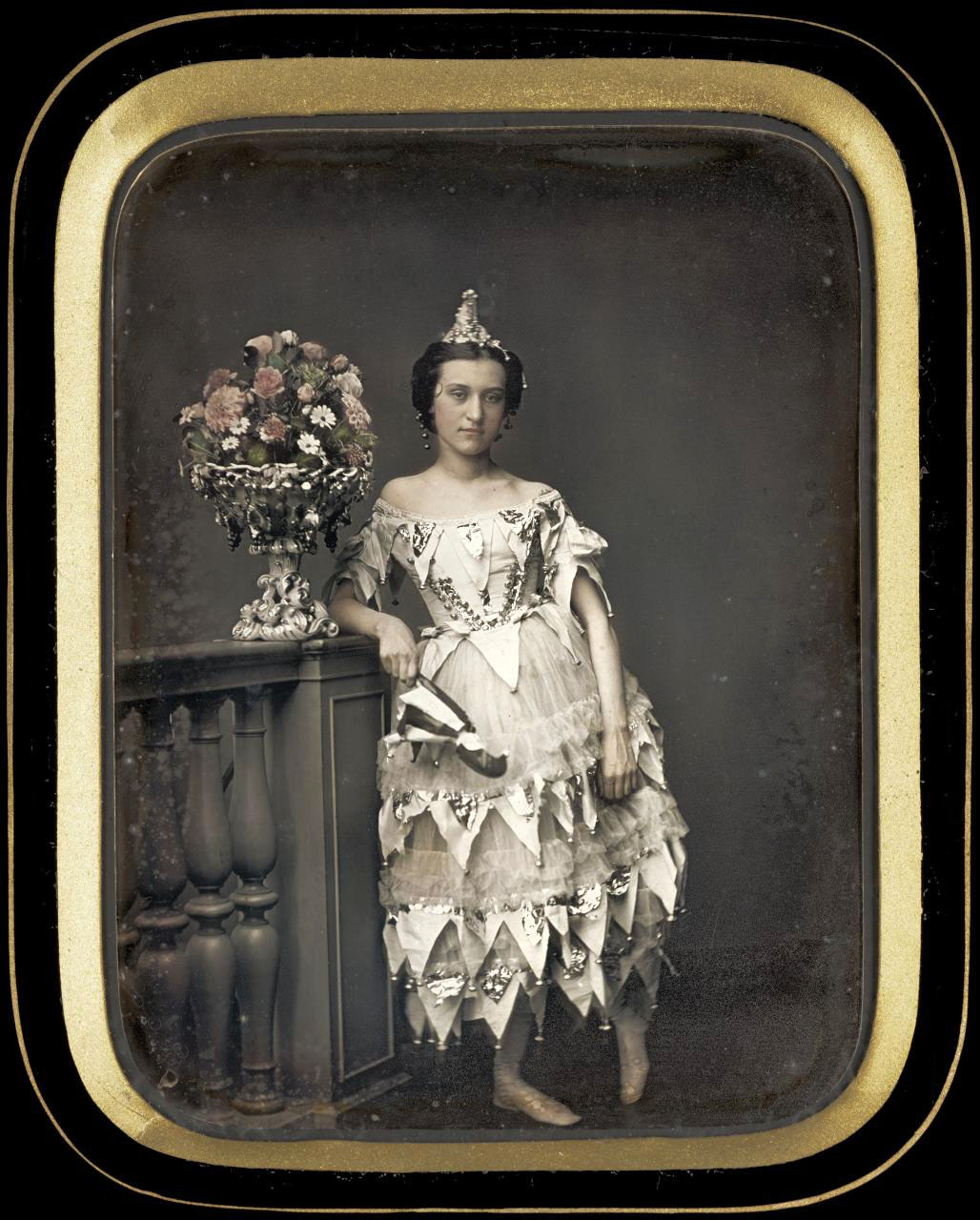

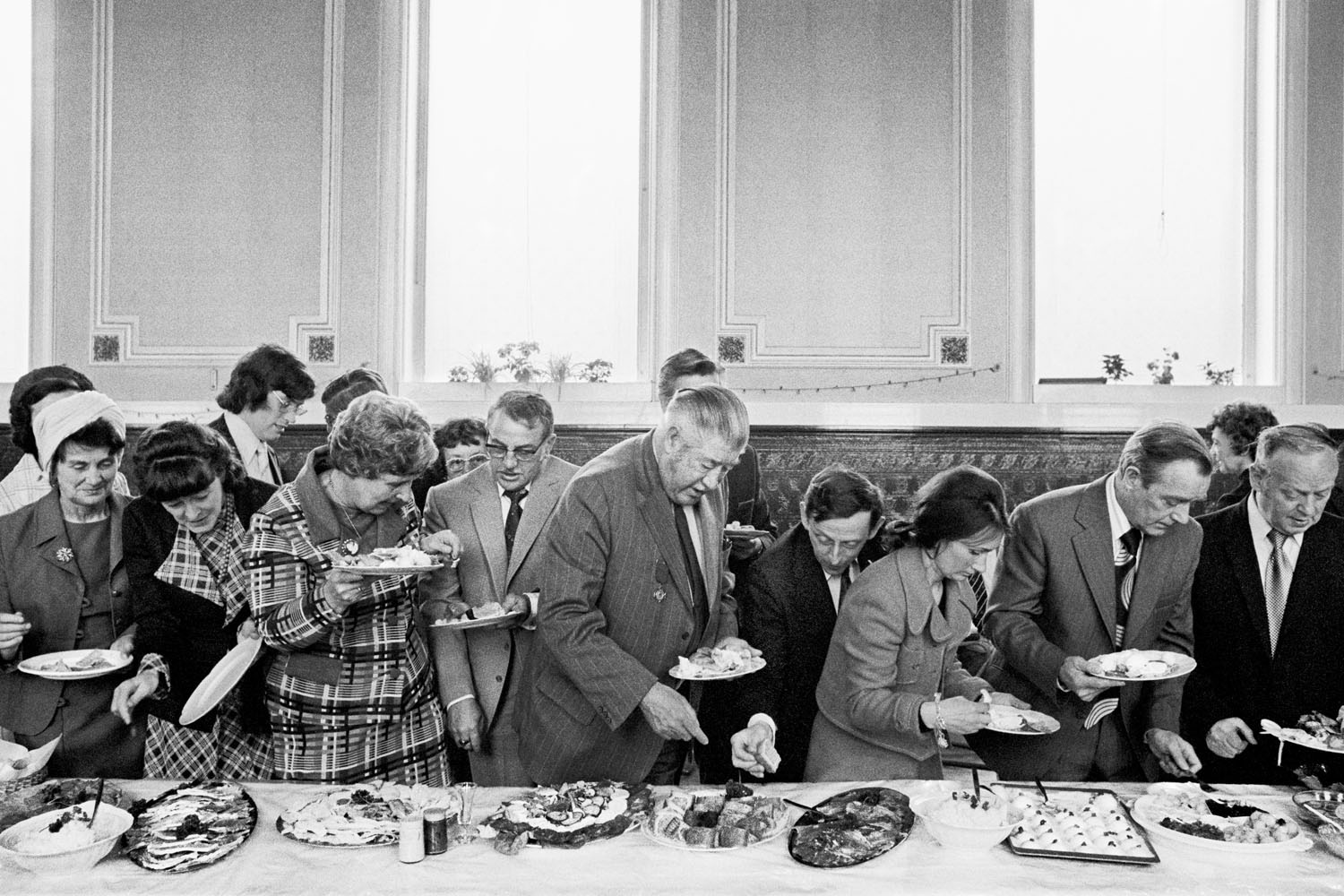

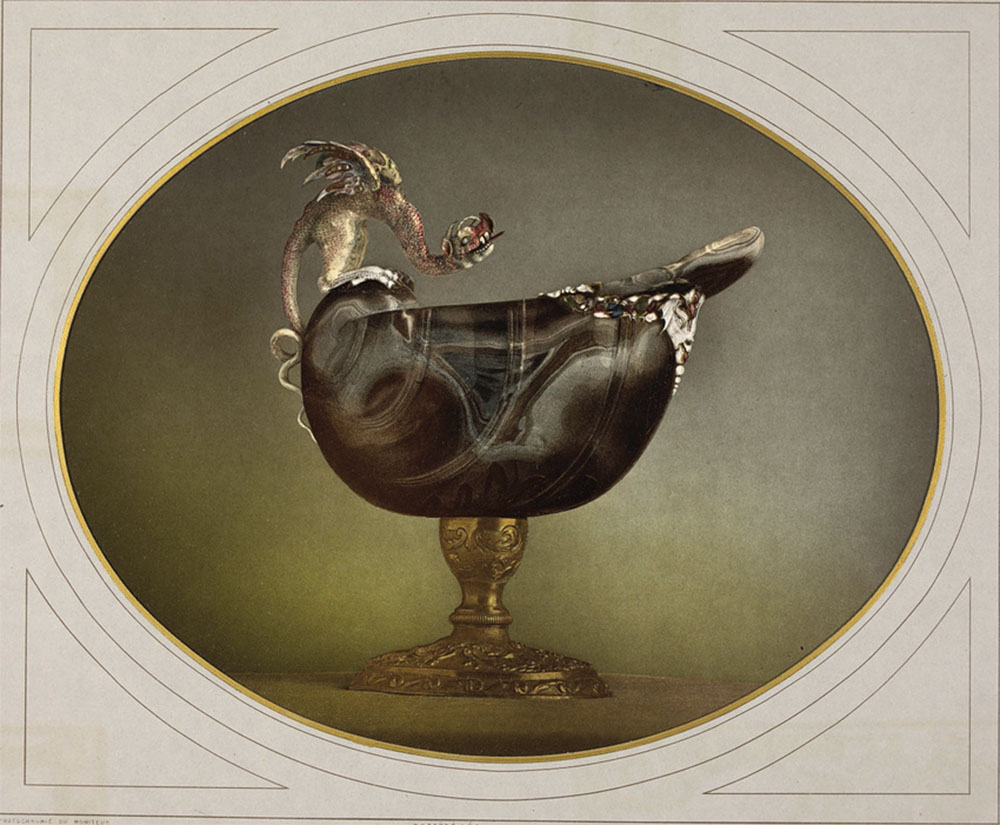


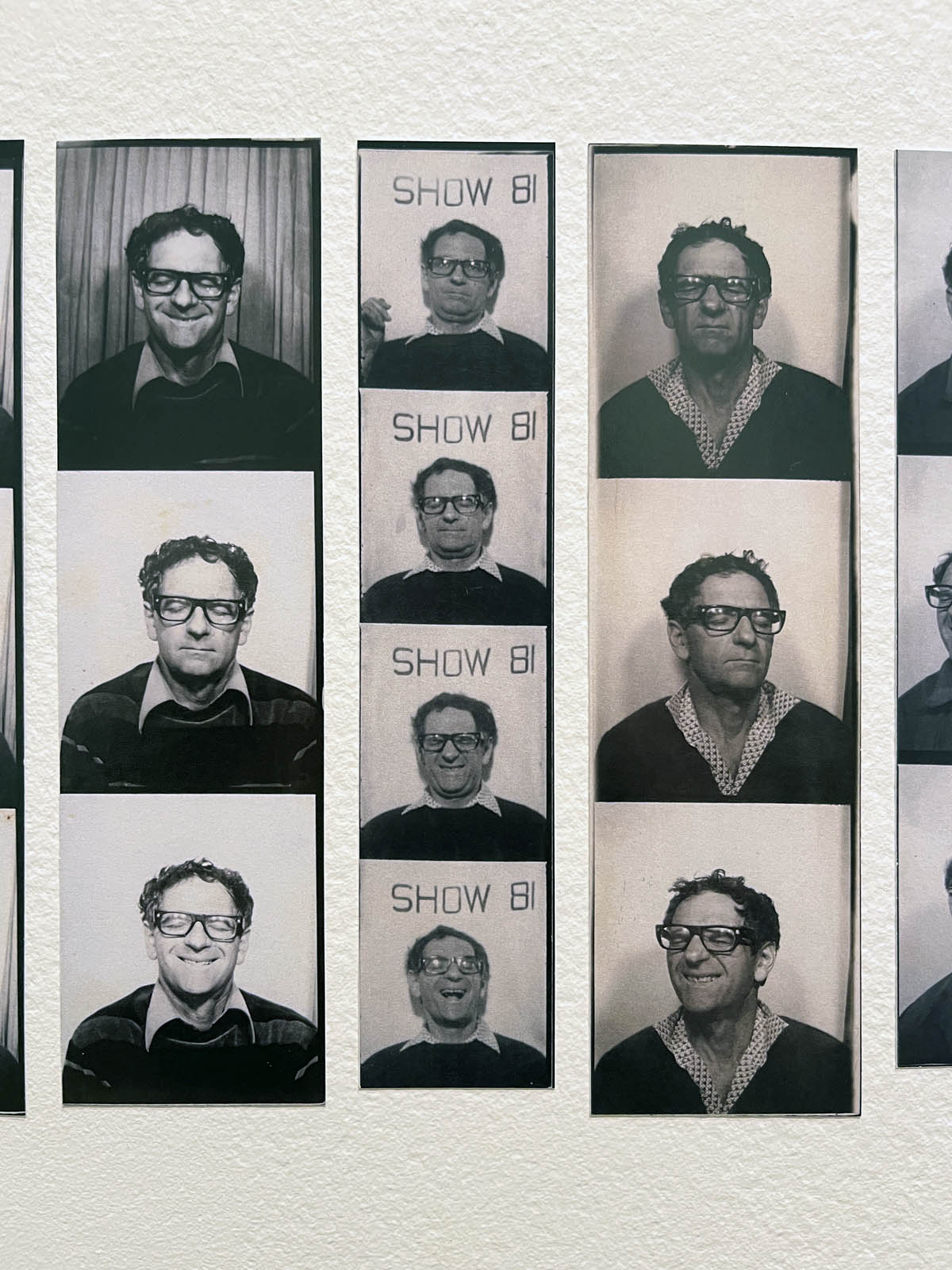
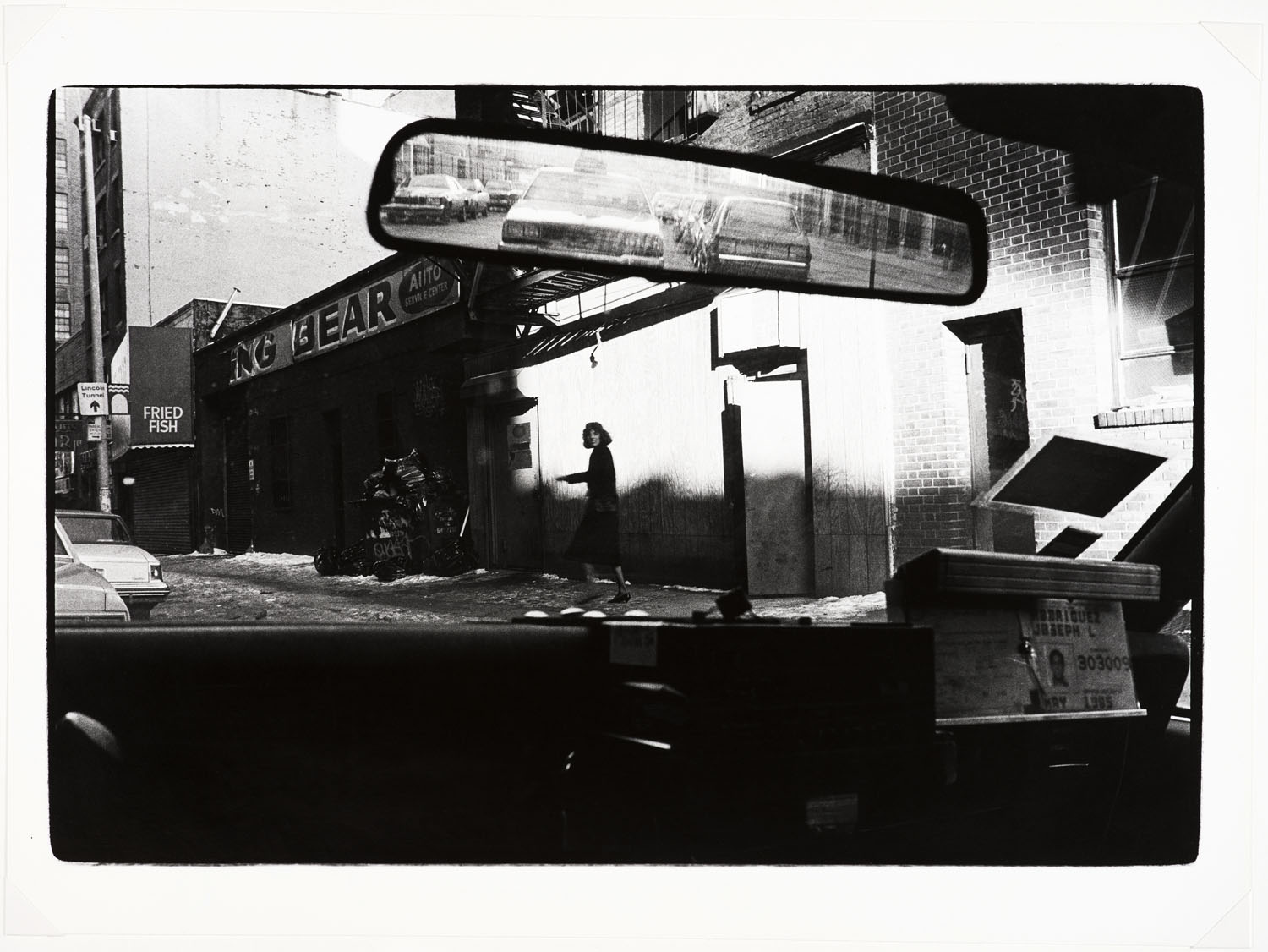

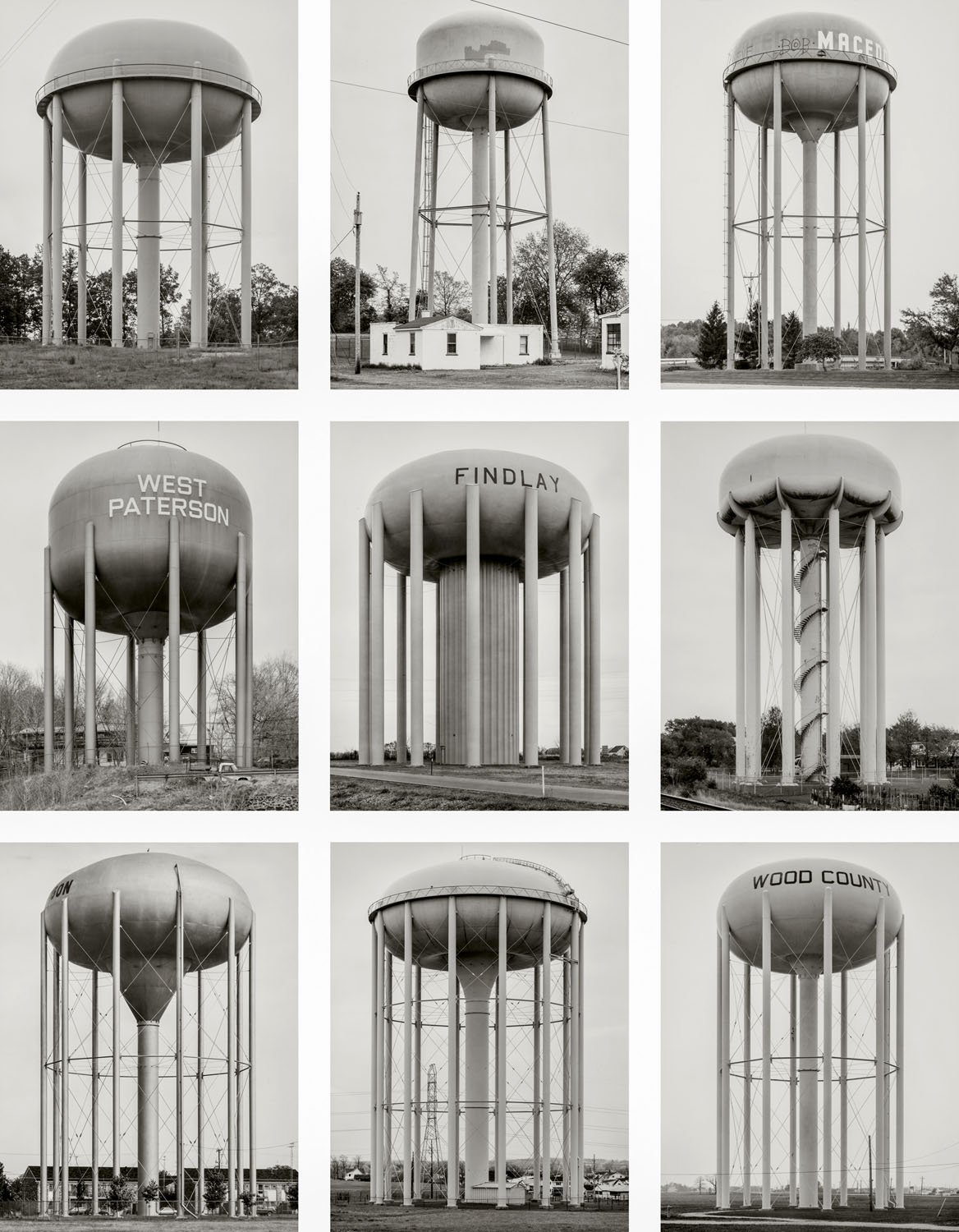
![Heinrich Riebesehl (German, 1938-2010) 'Menschen Im Fahrstuhl, 20.11.1969' [People in the Elevator, 20.11.1969] 1969](https://artblart.com/wp-content/uploads/2025/06/2-typologien_heinrich-riebesehl_siae_sm.jpg "Heinrich Riebesehl (German, 1938-2010) 'Menschen Im Fahrstuhl, 20.11.1969' [People in the Elevator, 20.11.1969] 1969")
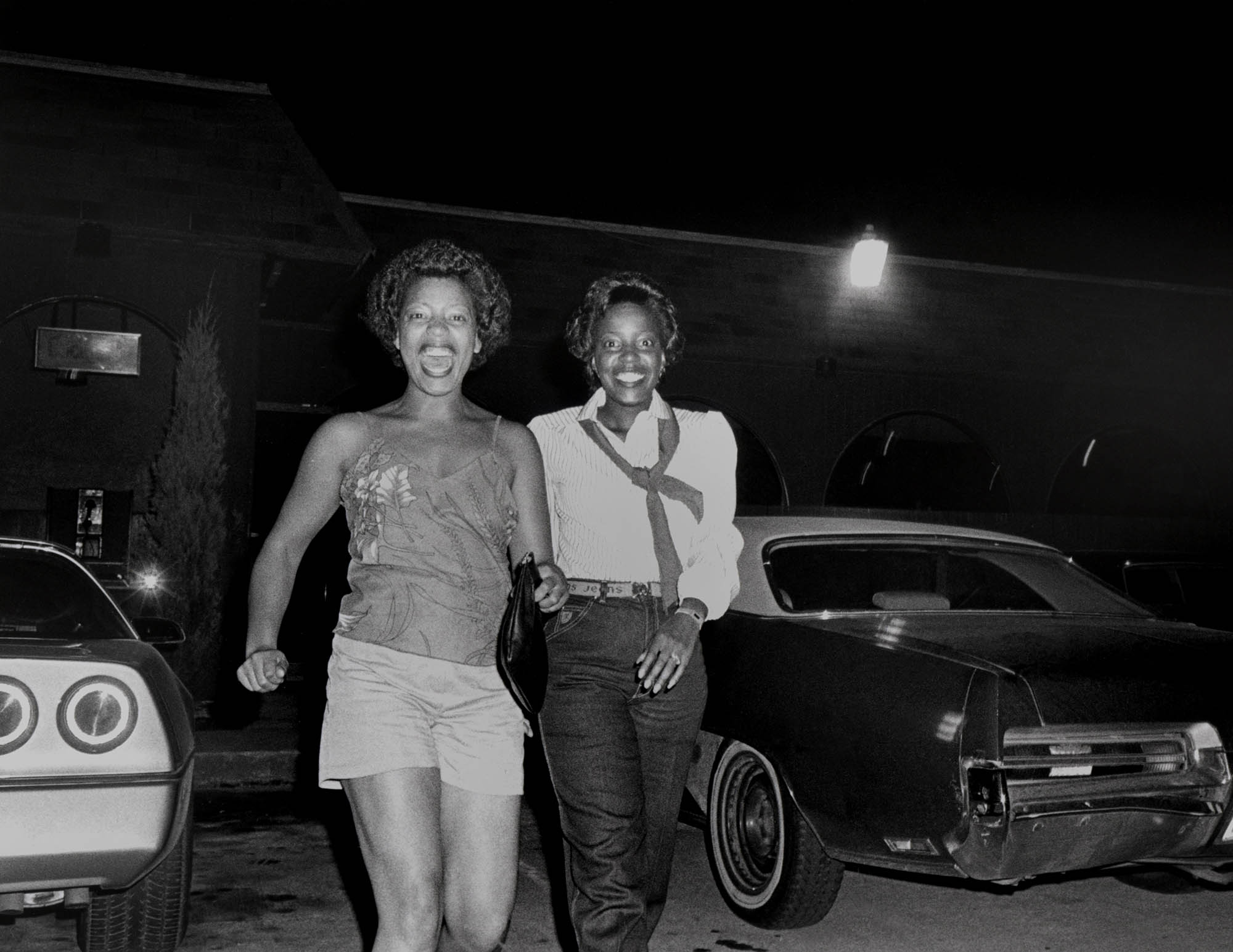
![John Vachon (American, 1914-1975) 'Untitled photo [possibly related to Farms of Farm Security Administration clients, Guilford and Beaufort Counties, North Carolina, April 1938]' 1938](https://artblart.com/wp-content/uploads/2024/12/john-vachon-untitled-photo.jpg "John Vachon (American, 1914-1975) 'Untitled photo [possibly related to Farms of Farm Security Administration clients, Guilford and Beaufort Counties, North Carolina, April 1938]' 1938")
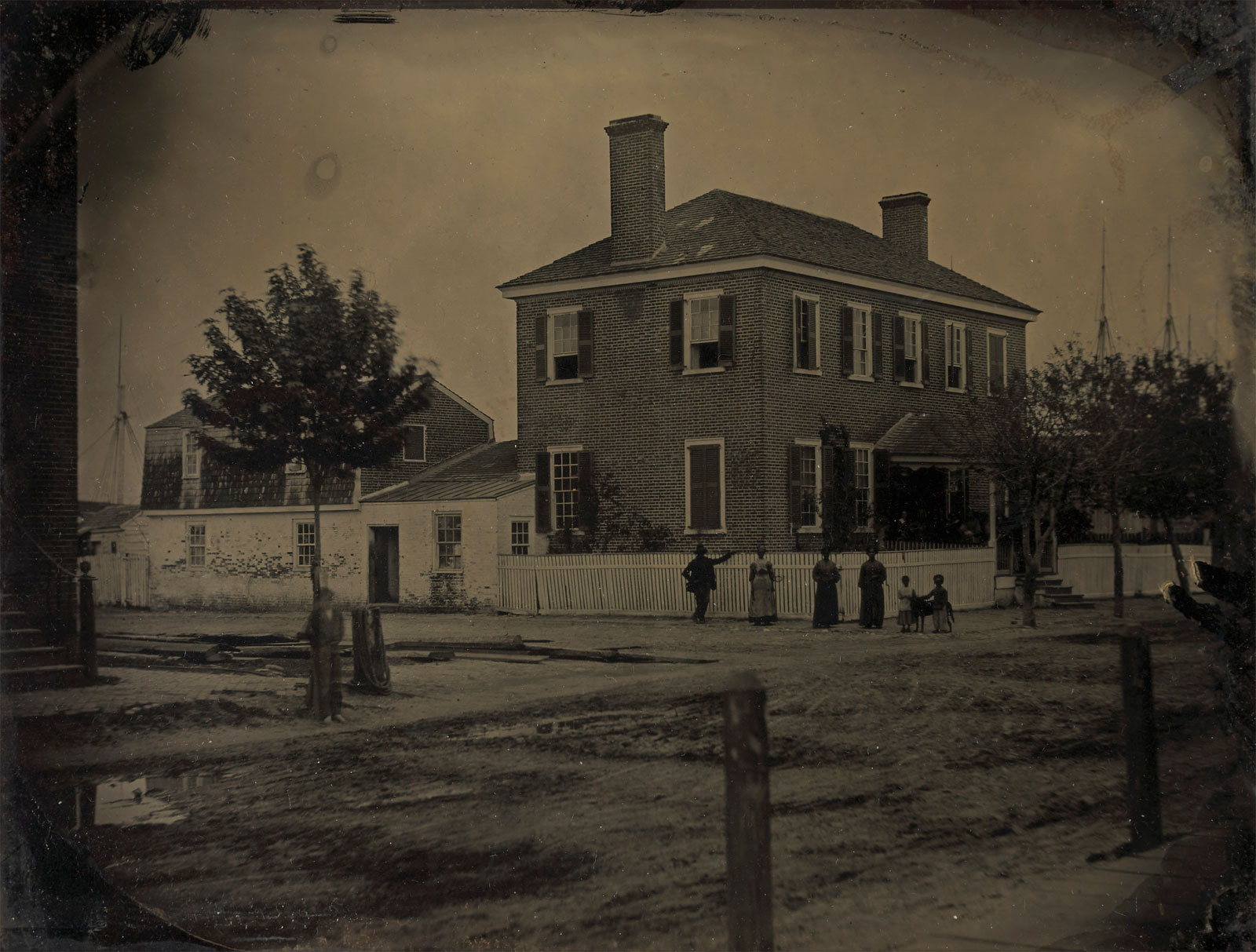


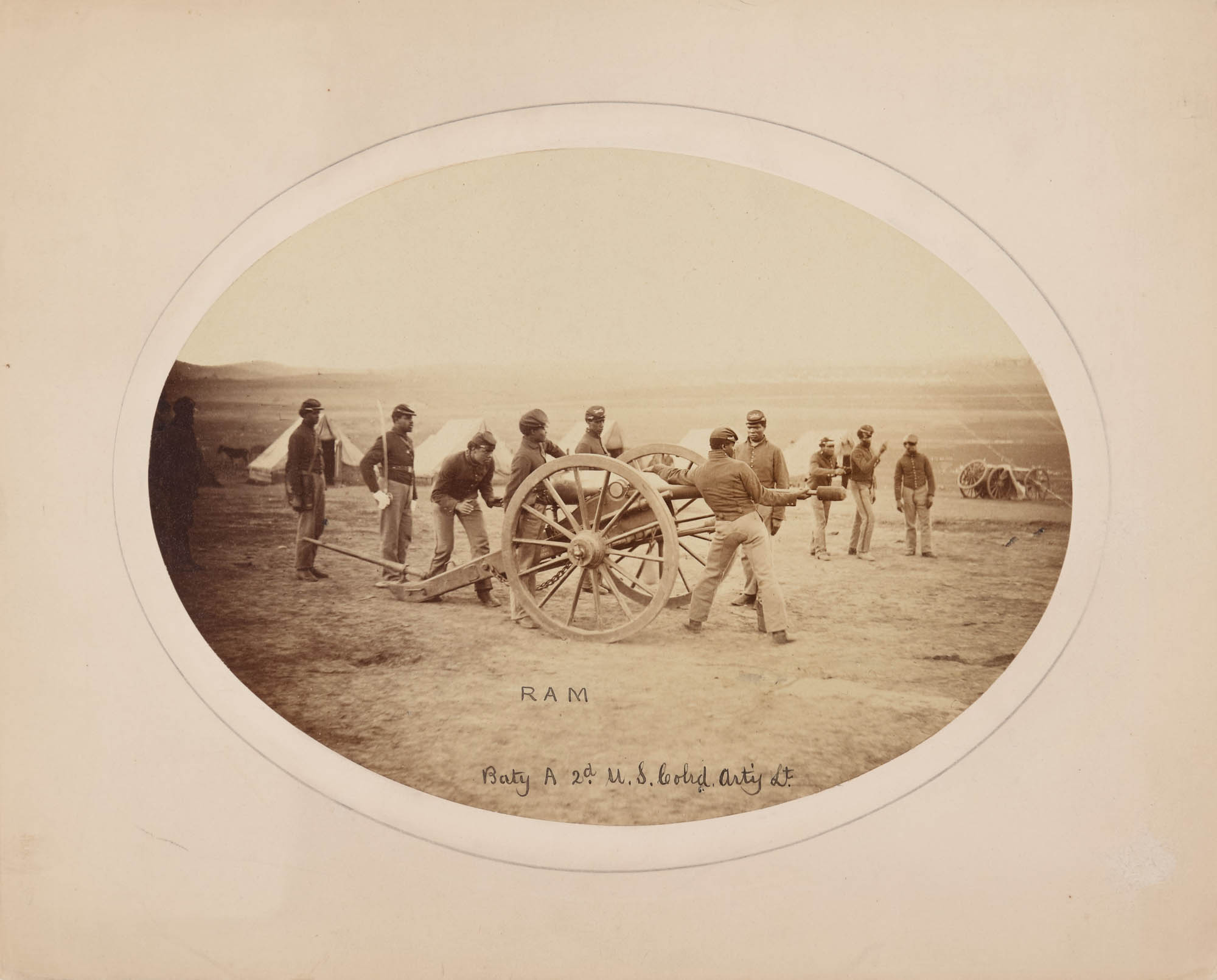

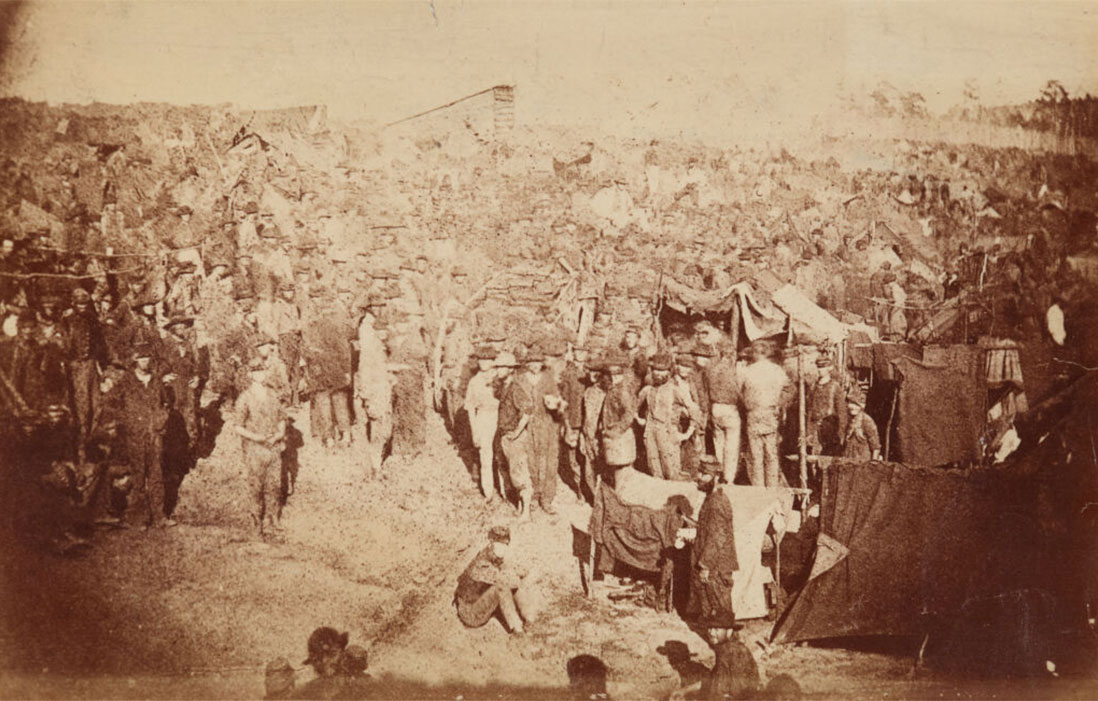
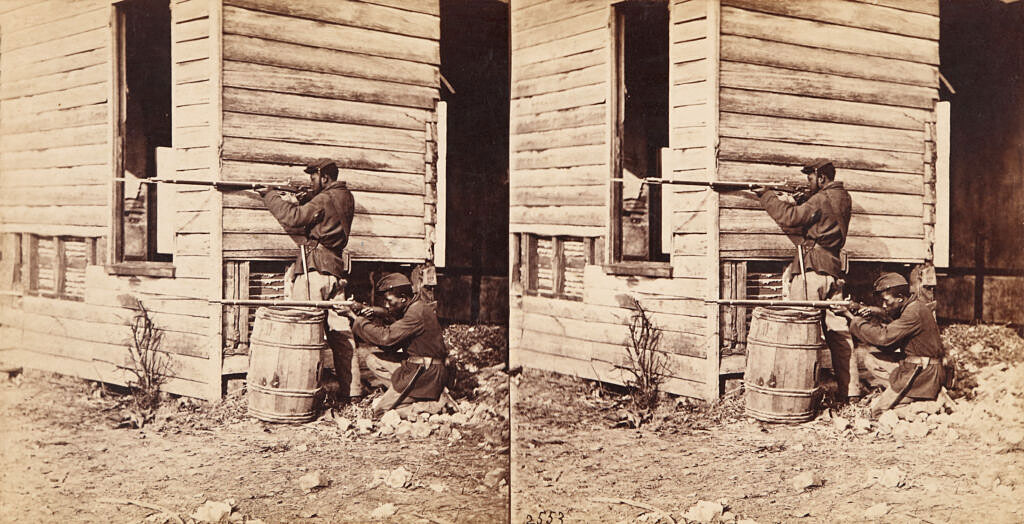

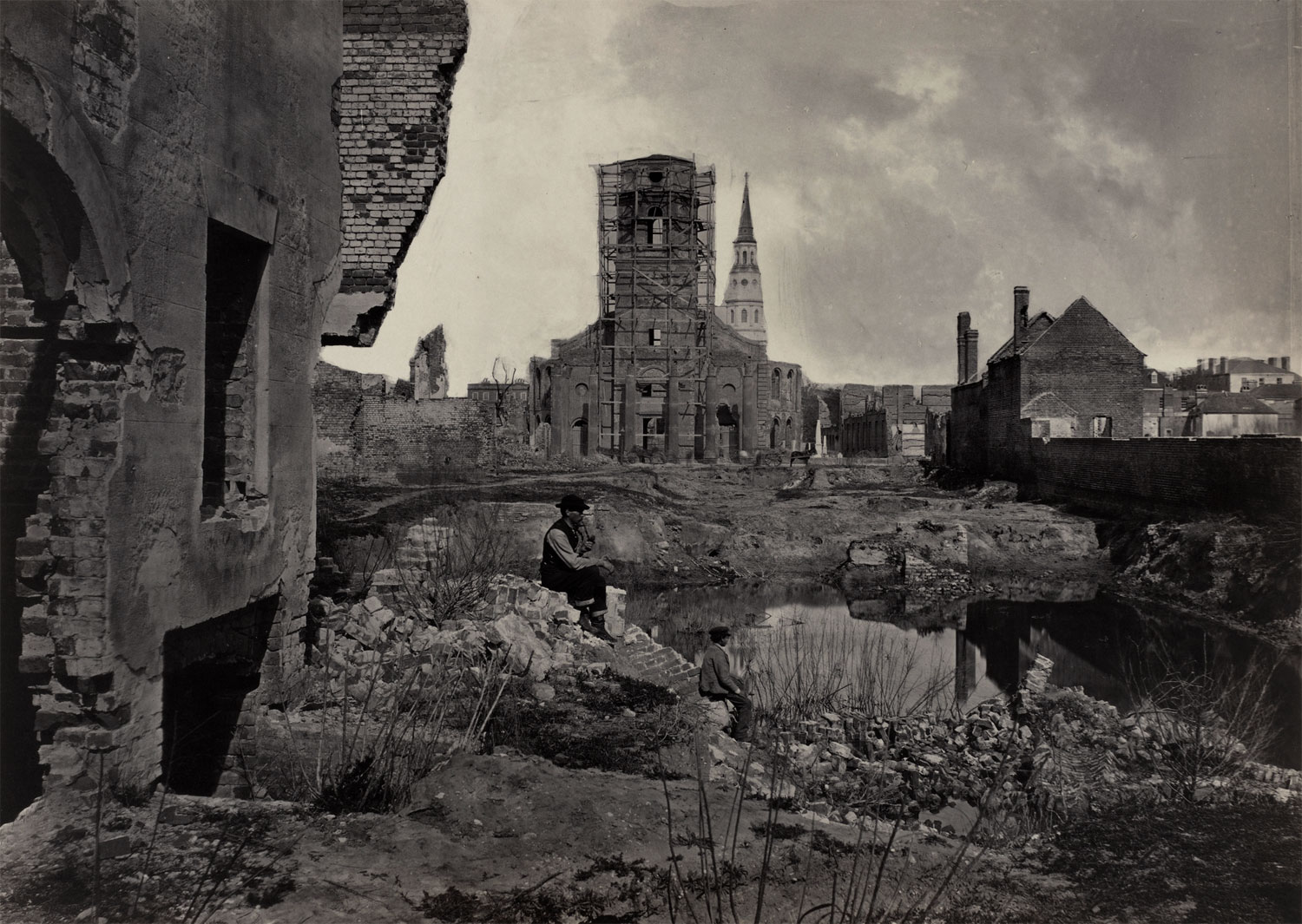

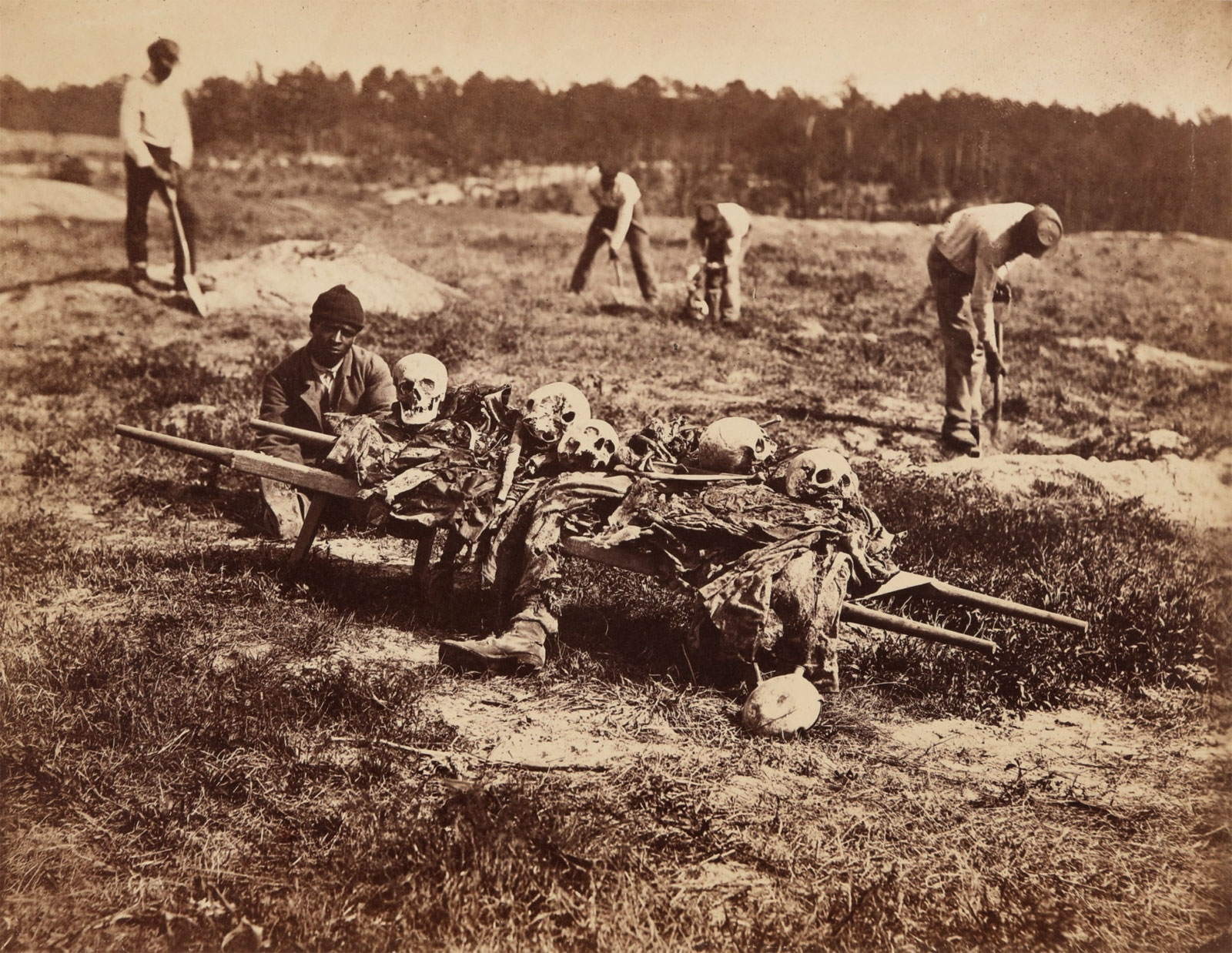


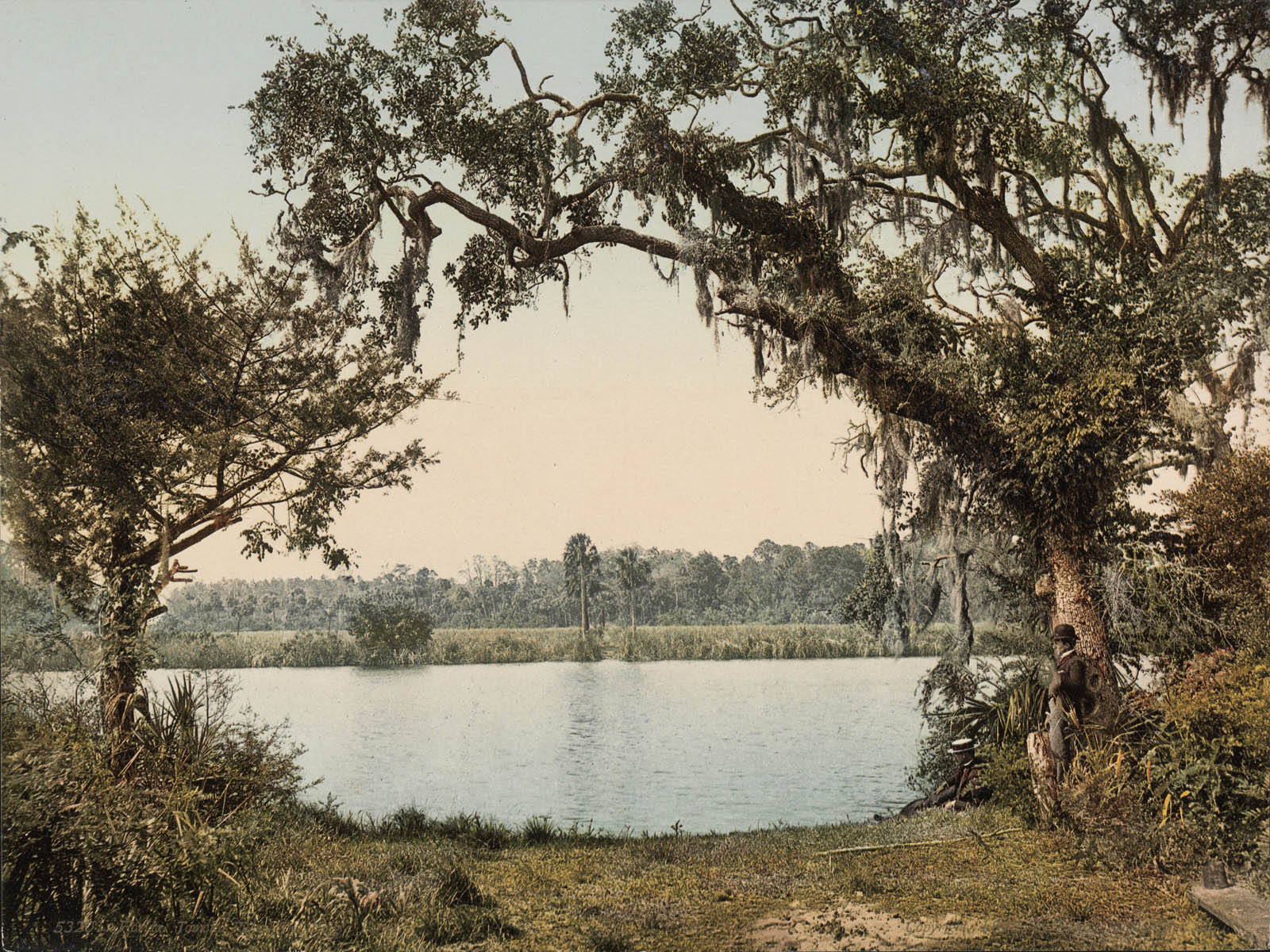


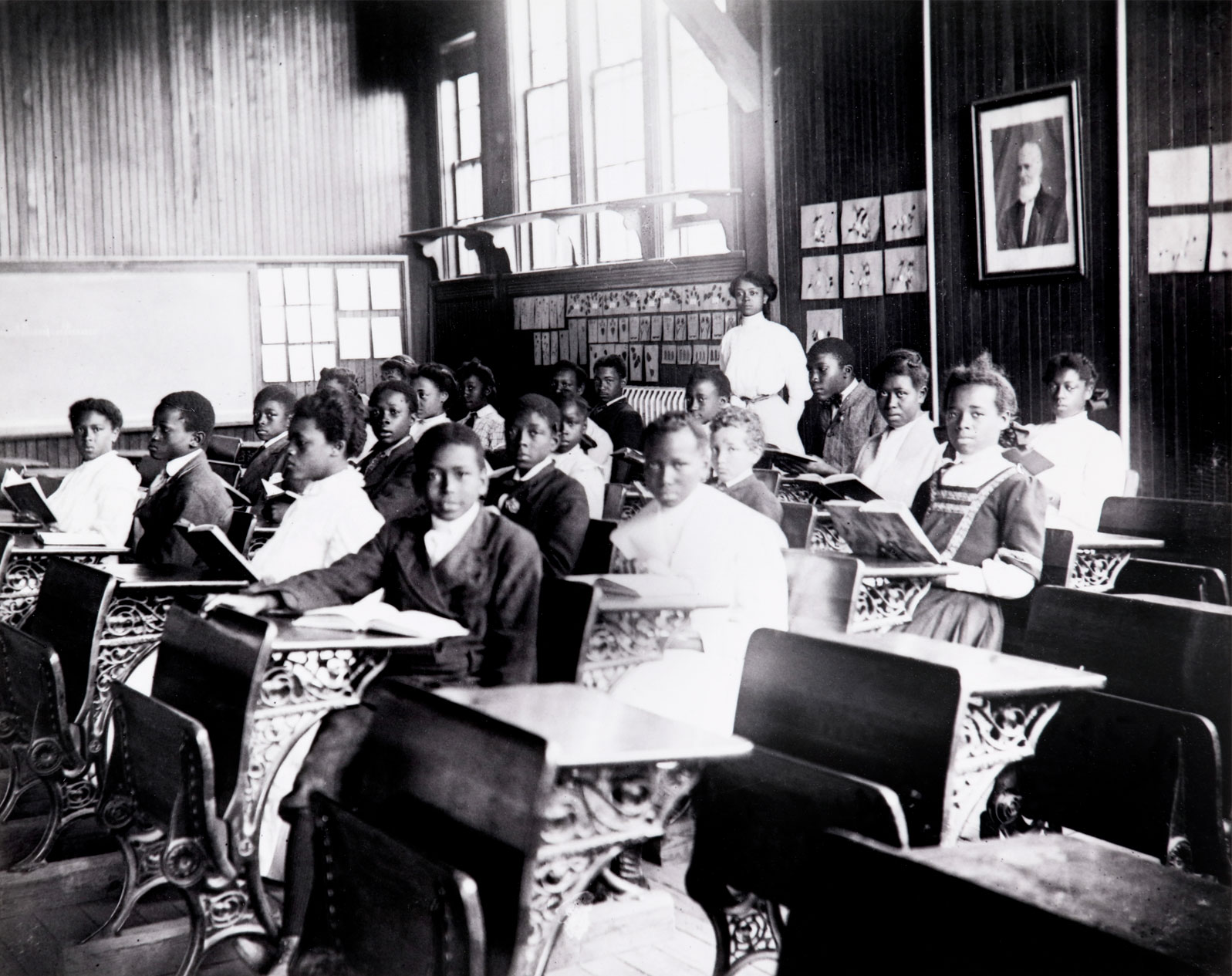

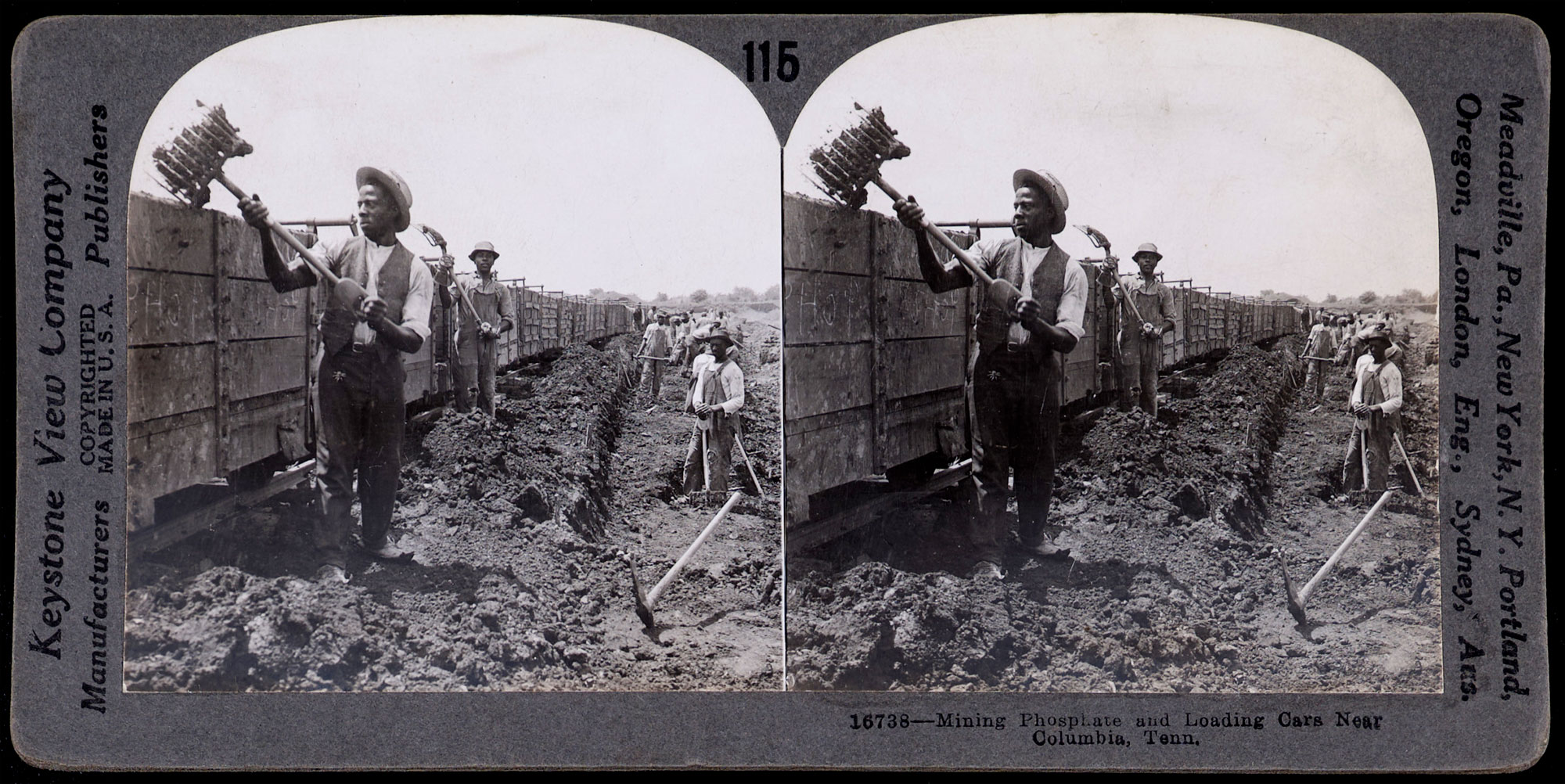
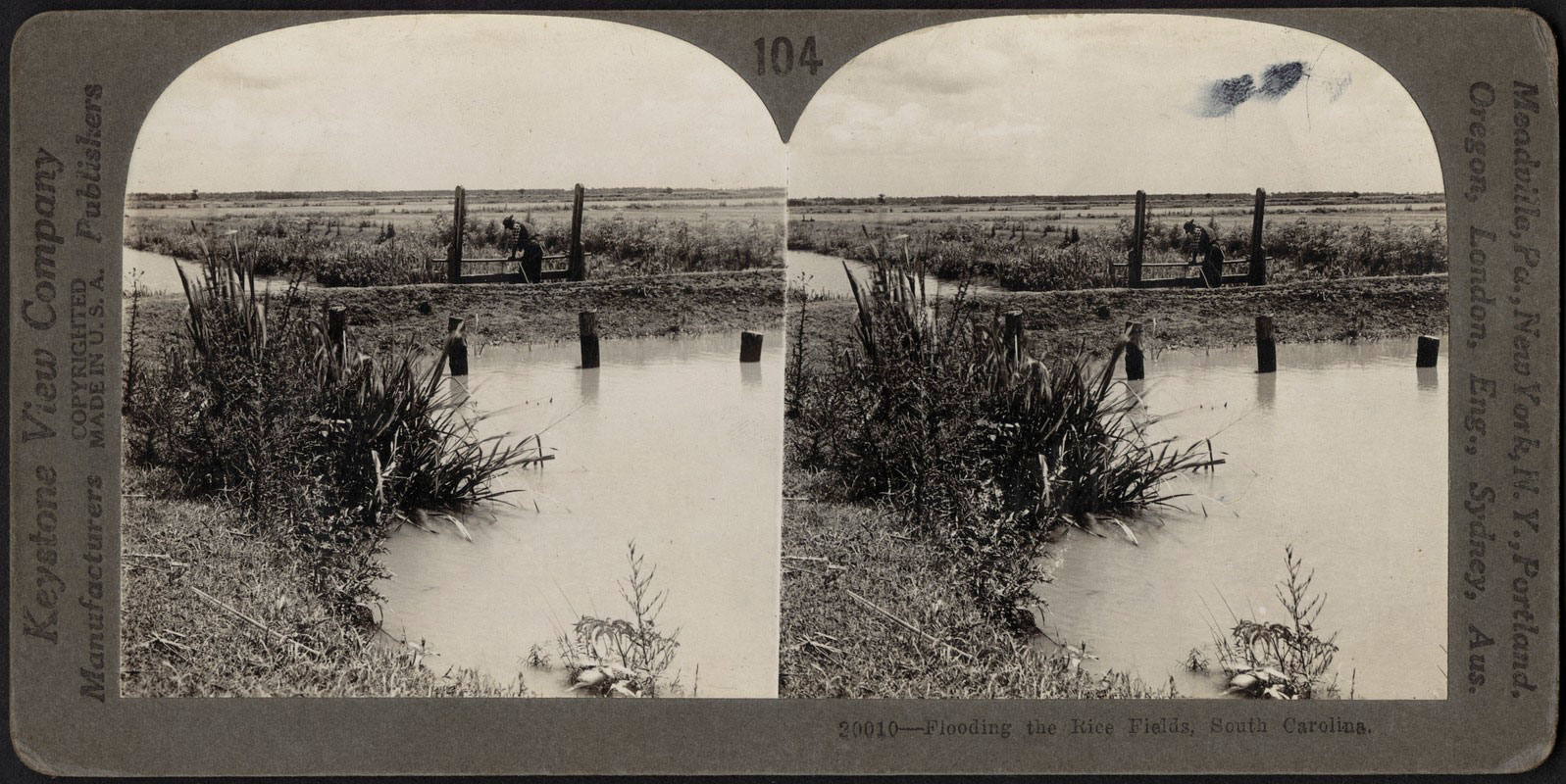
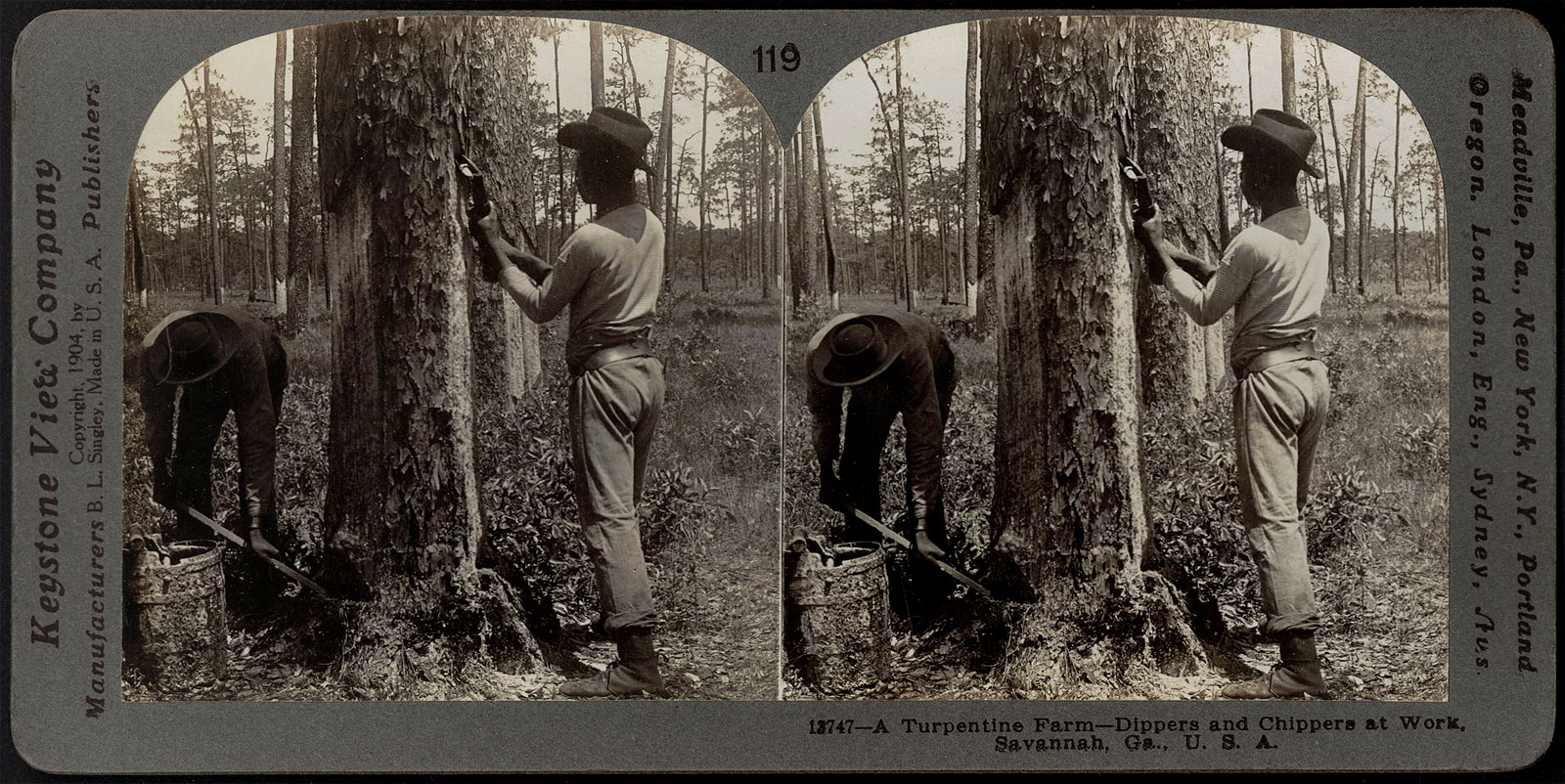
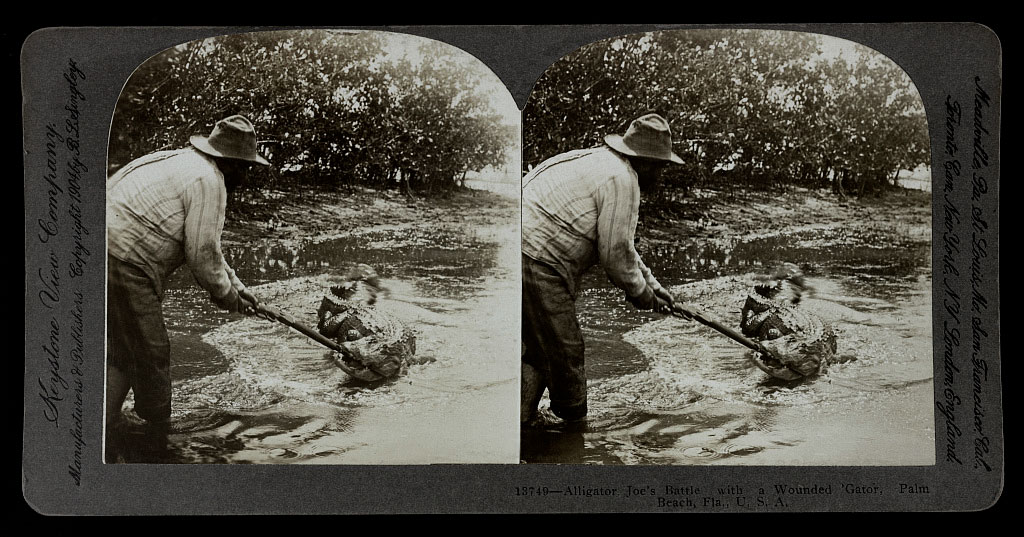

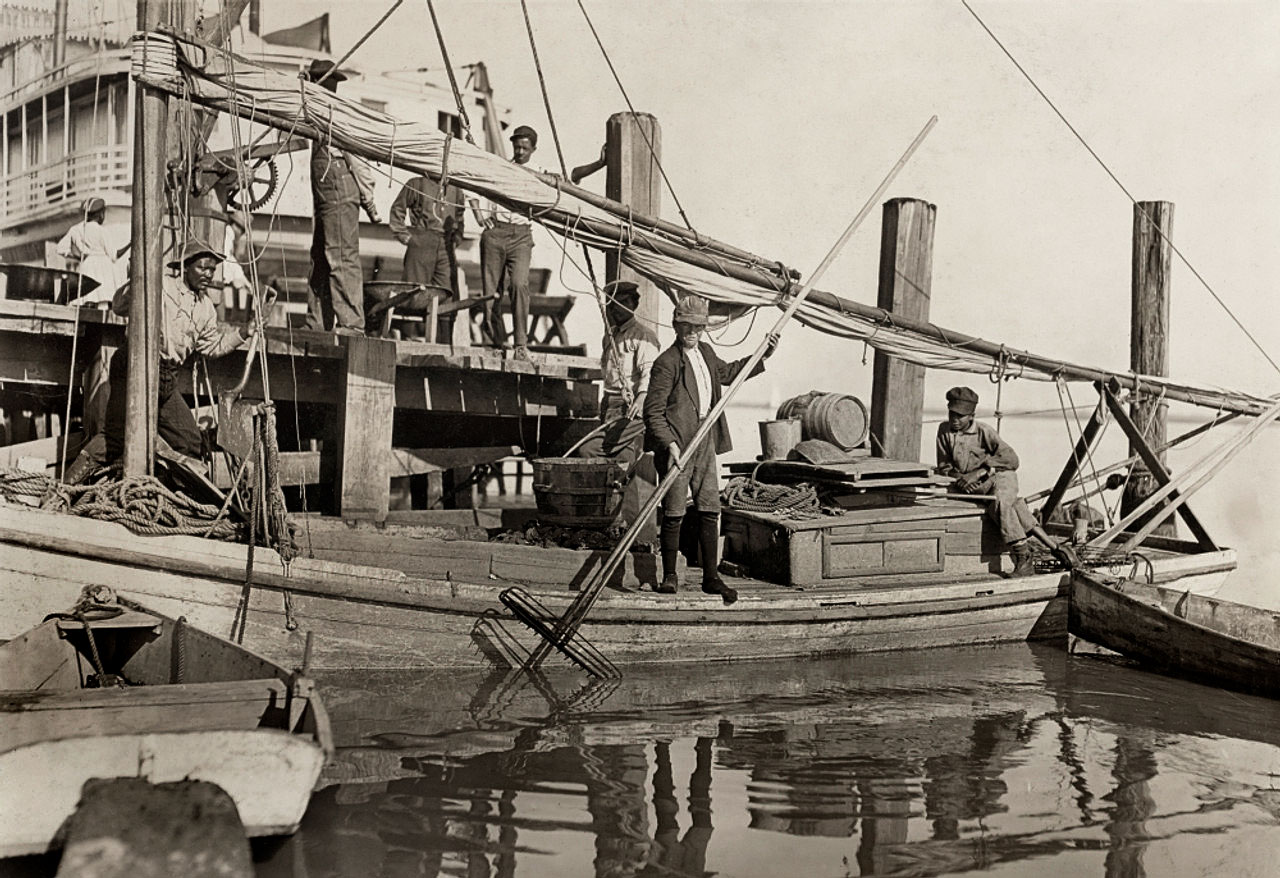
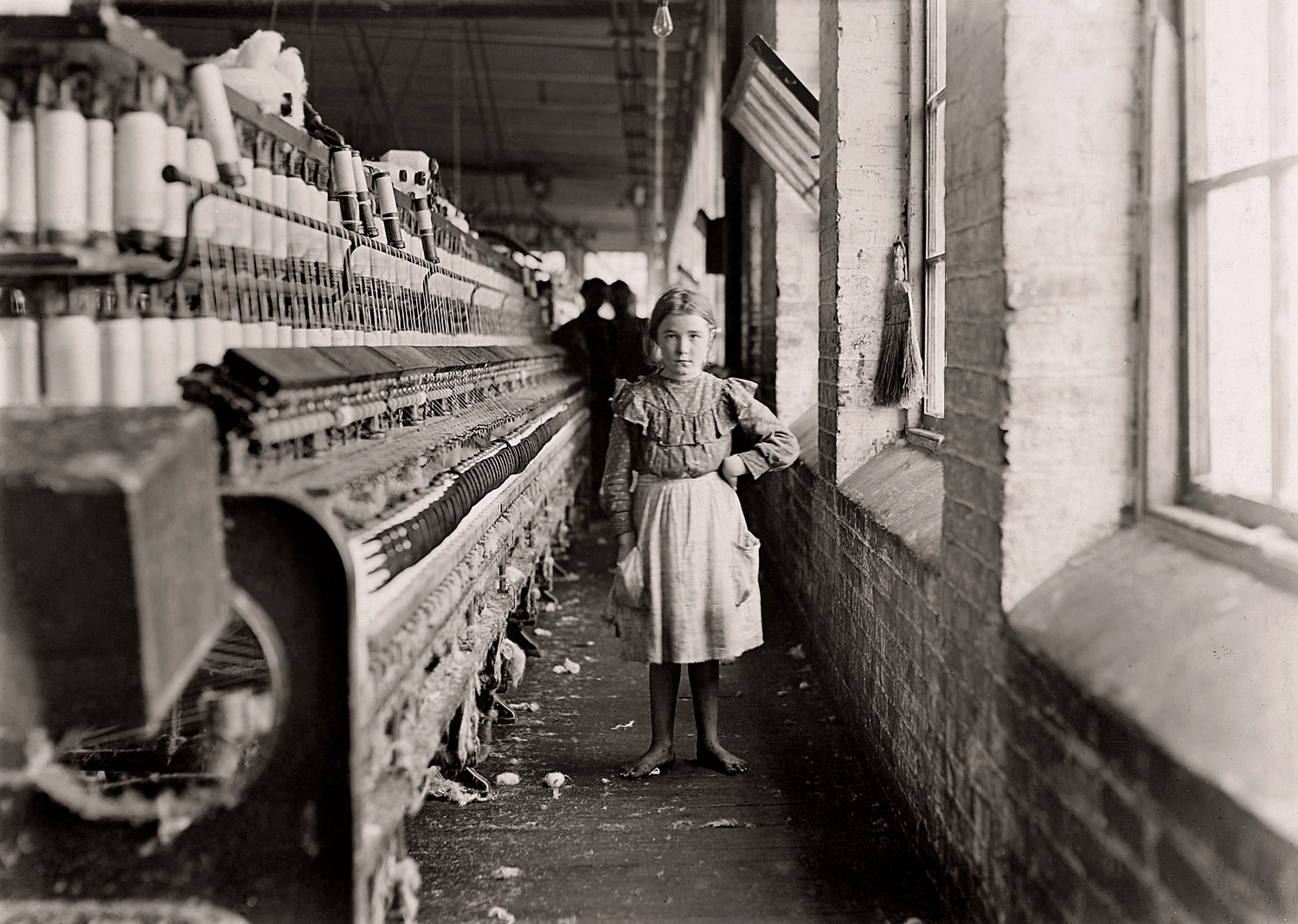


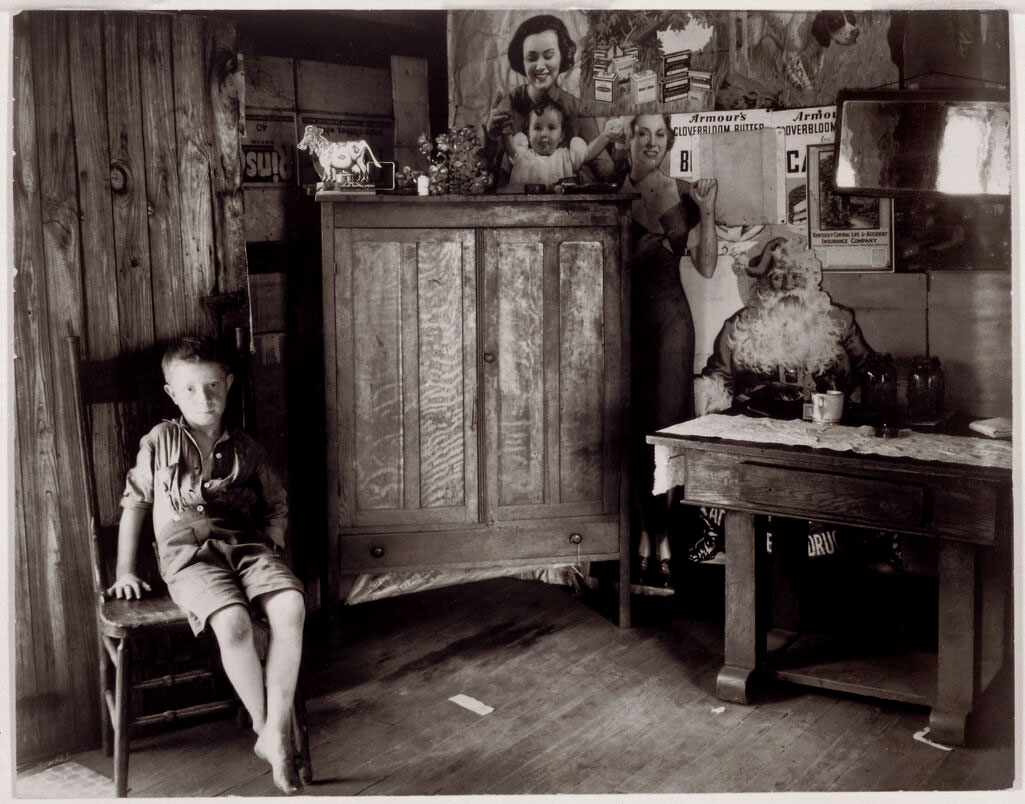
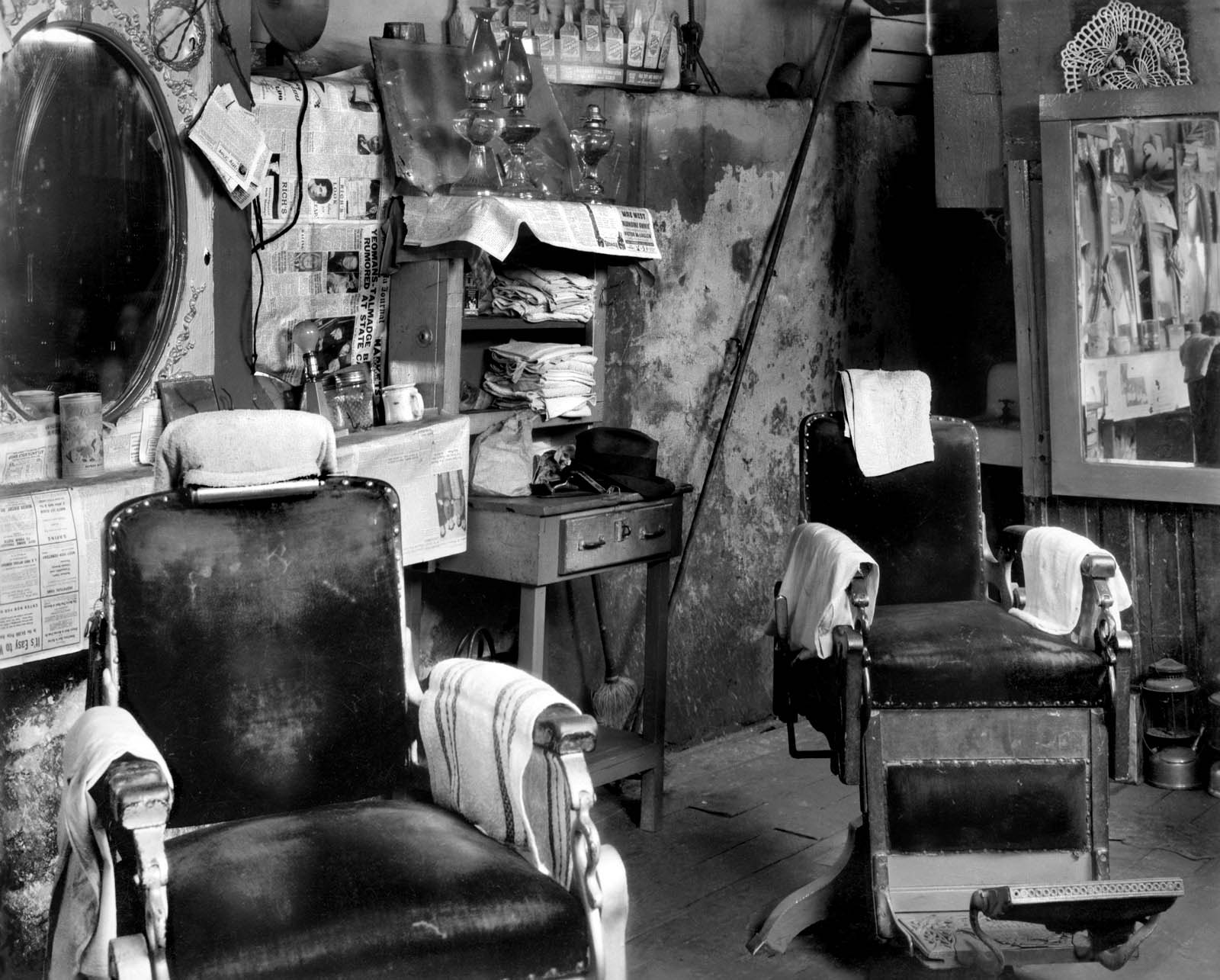


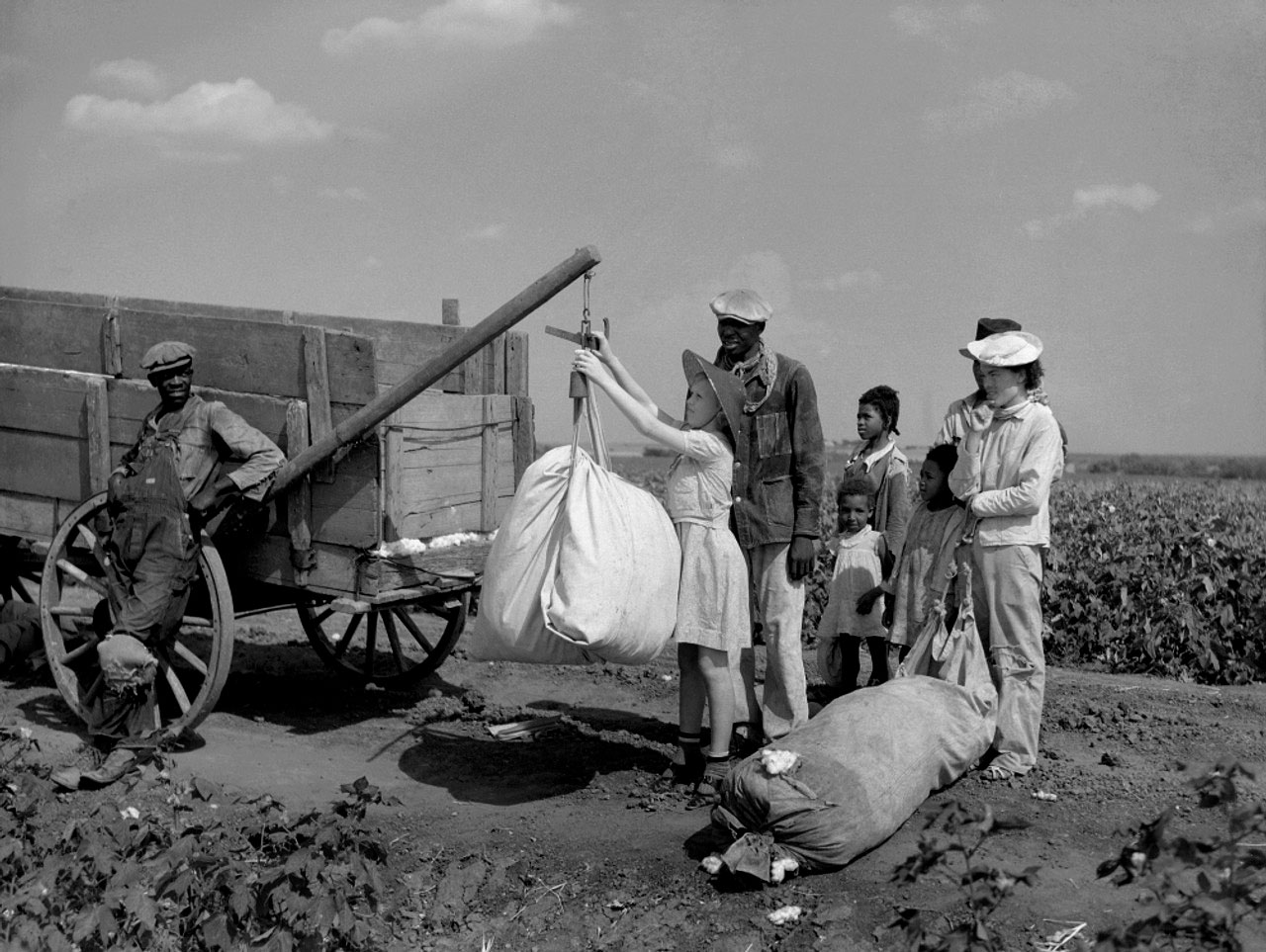
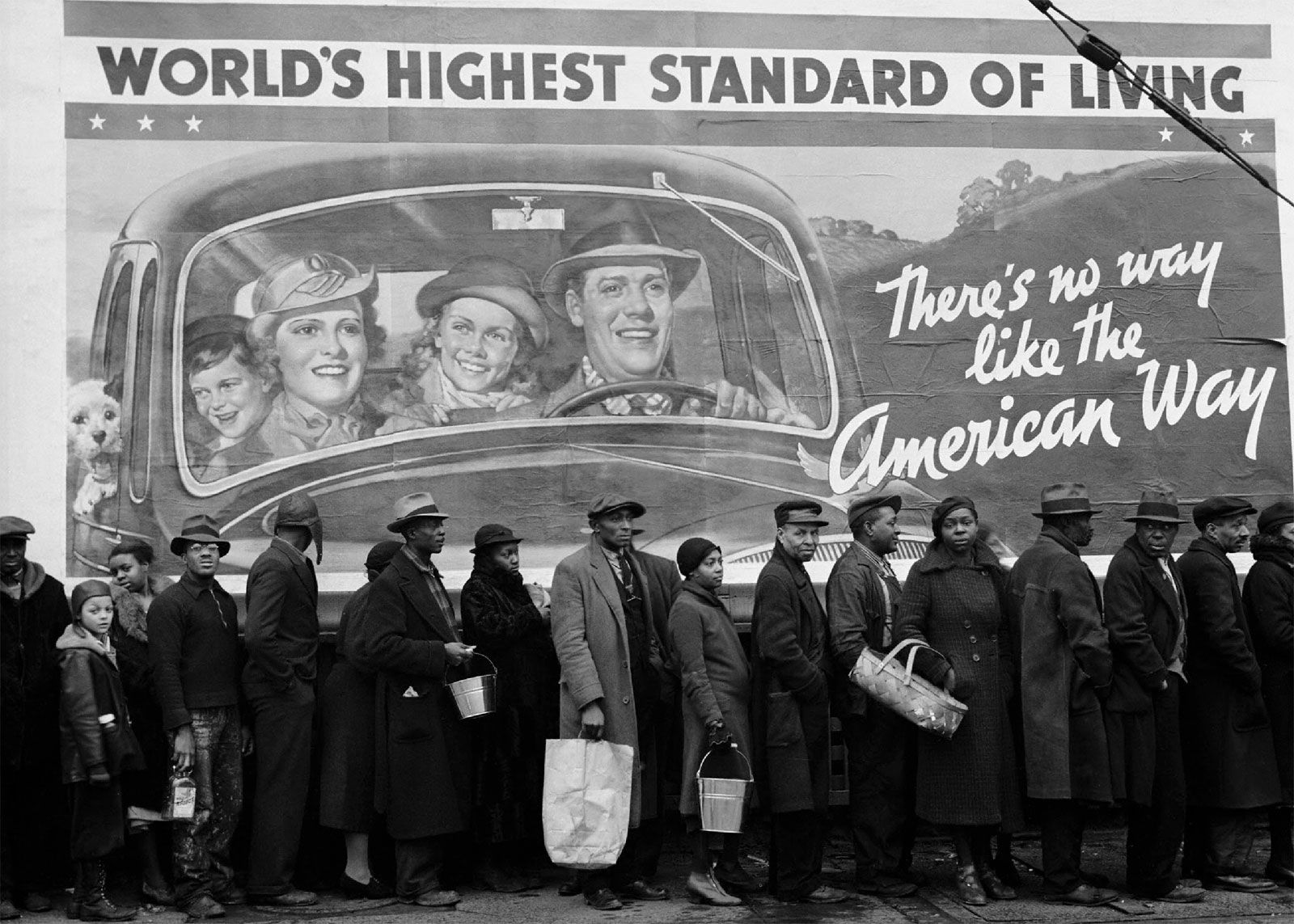

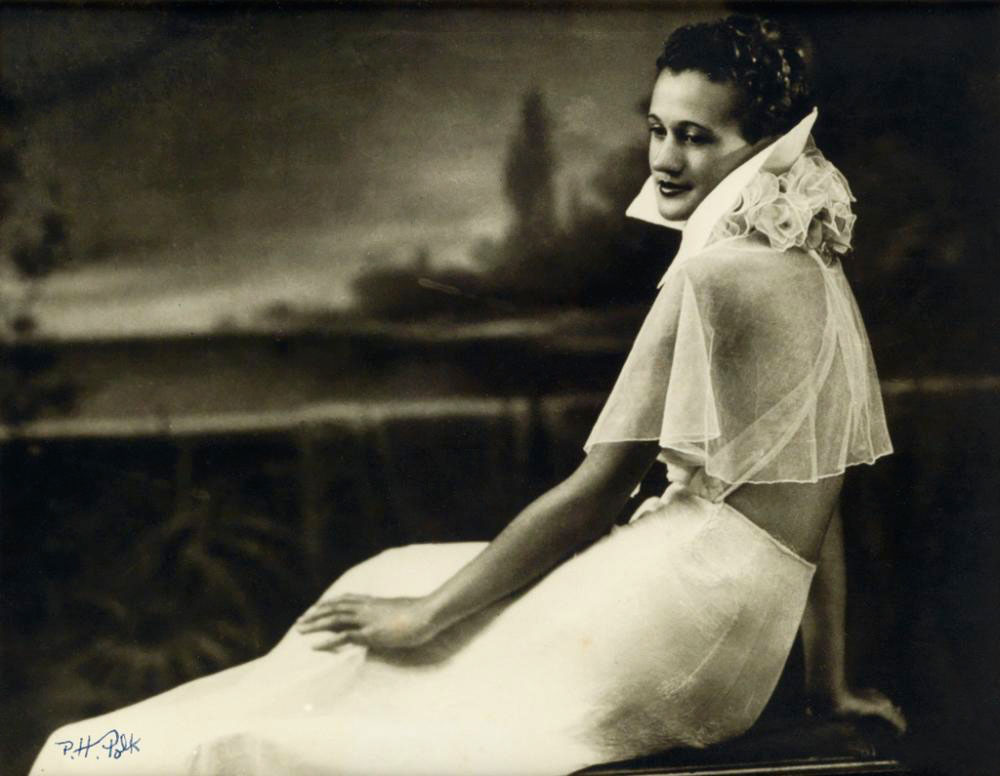

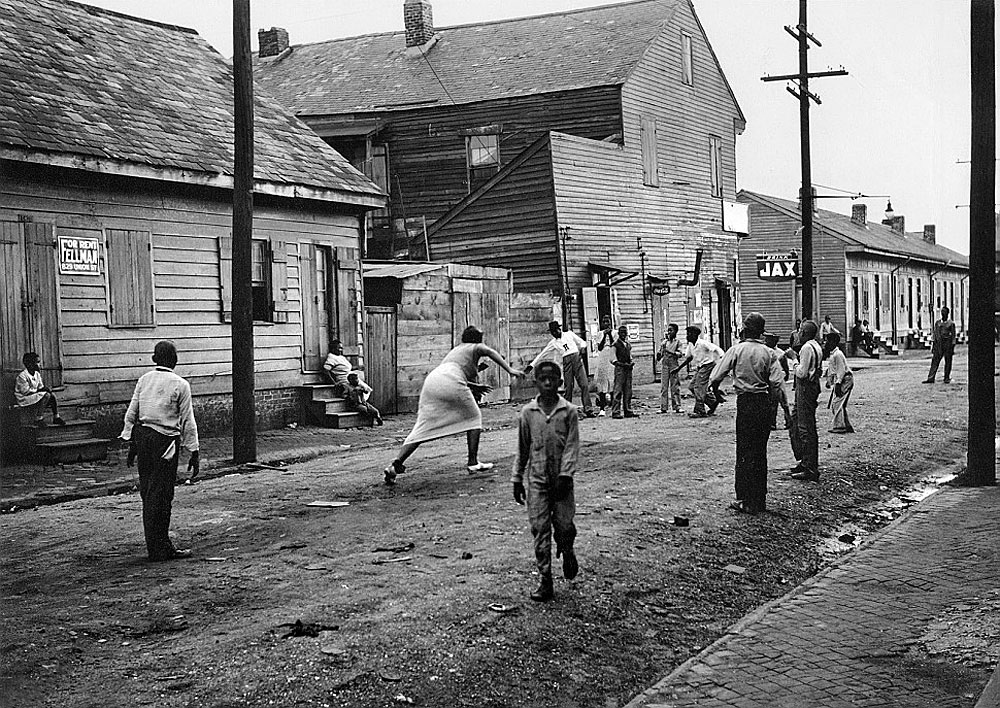
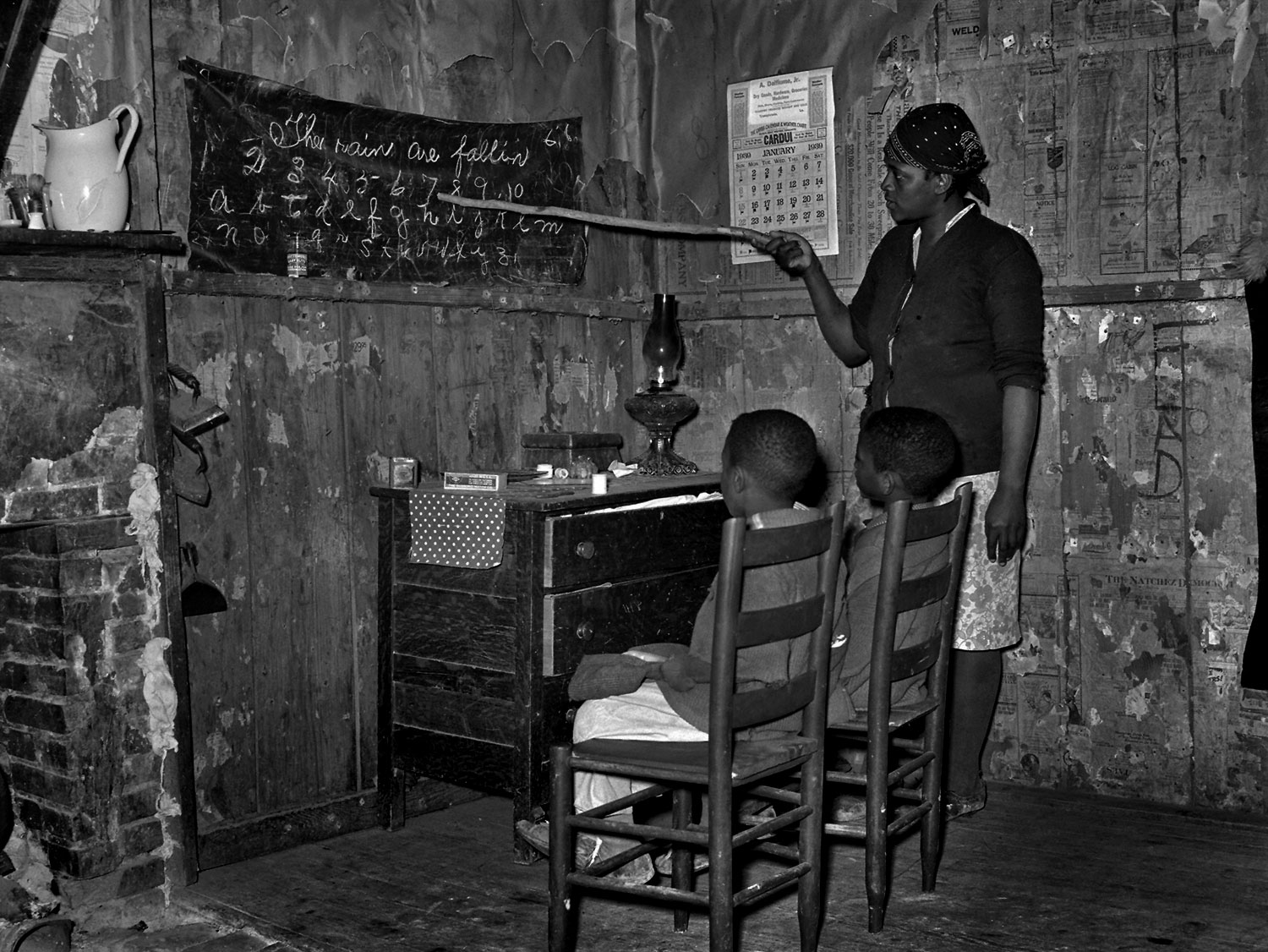
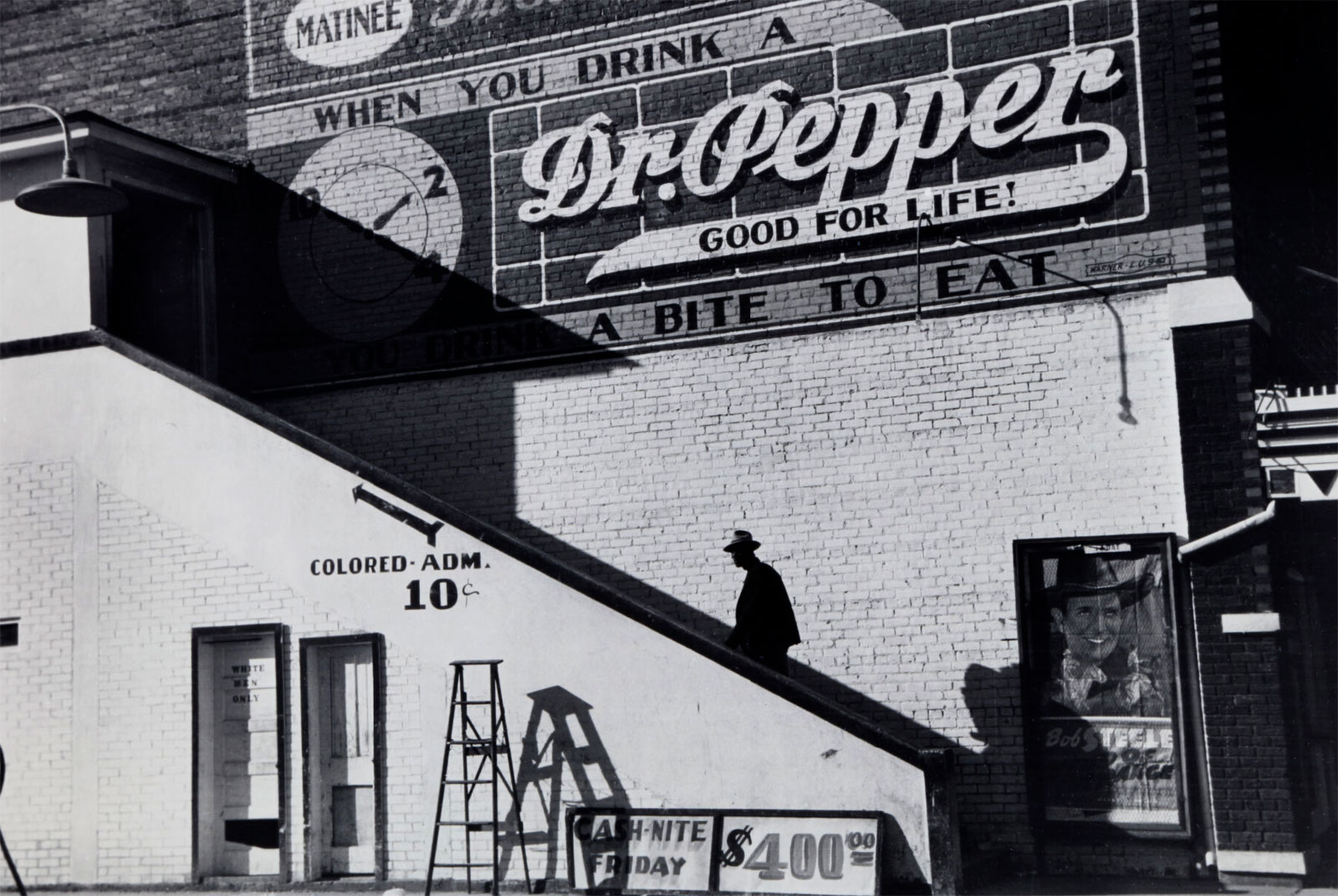


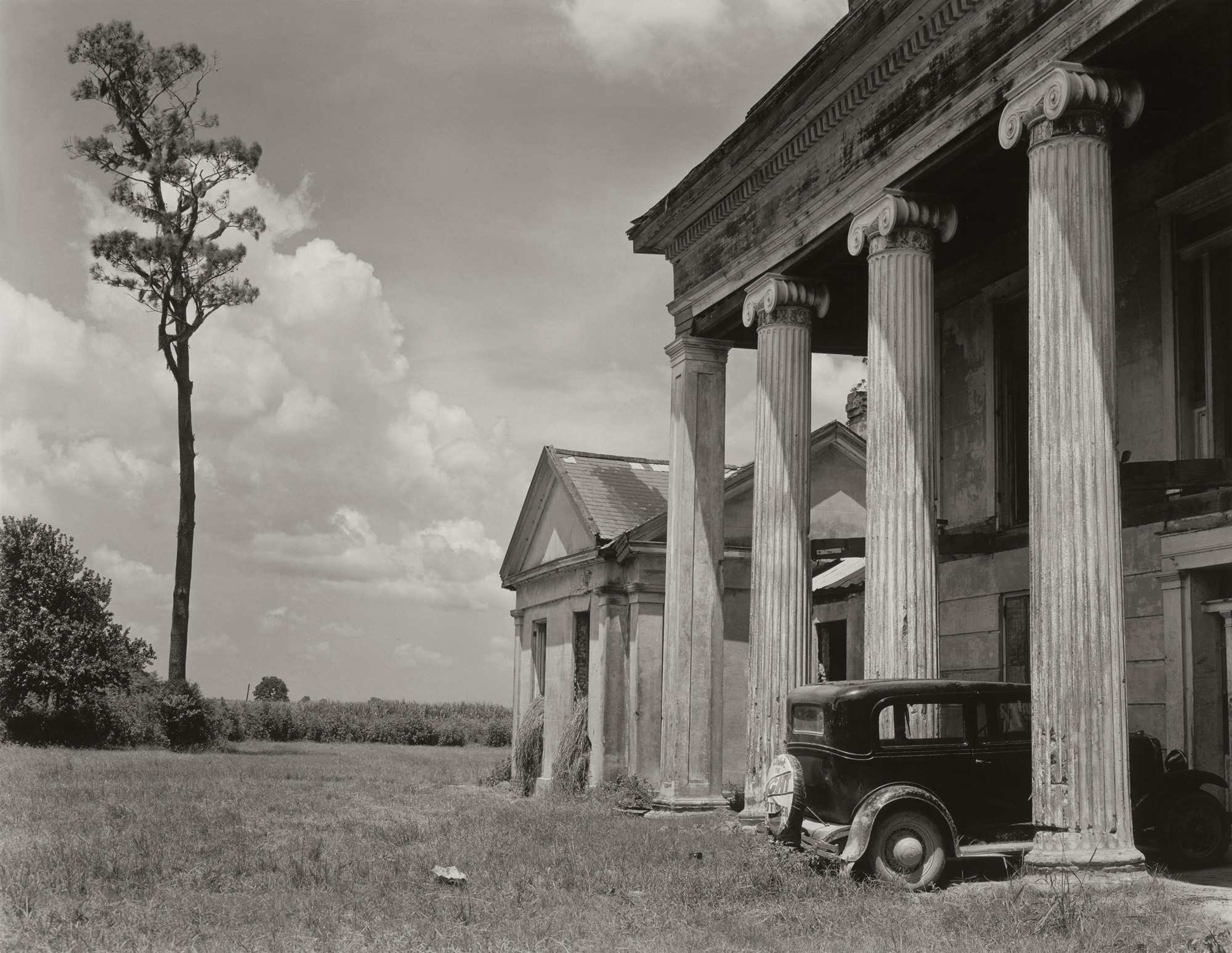


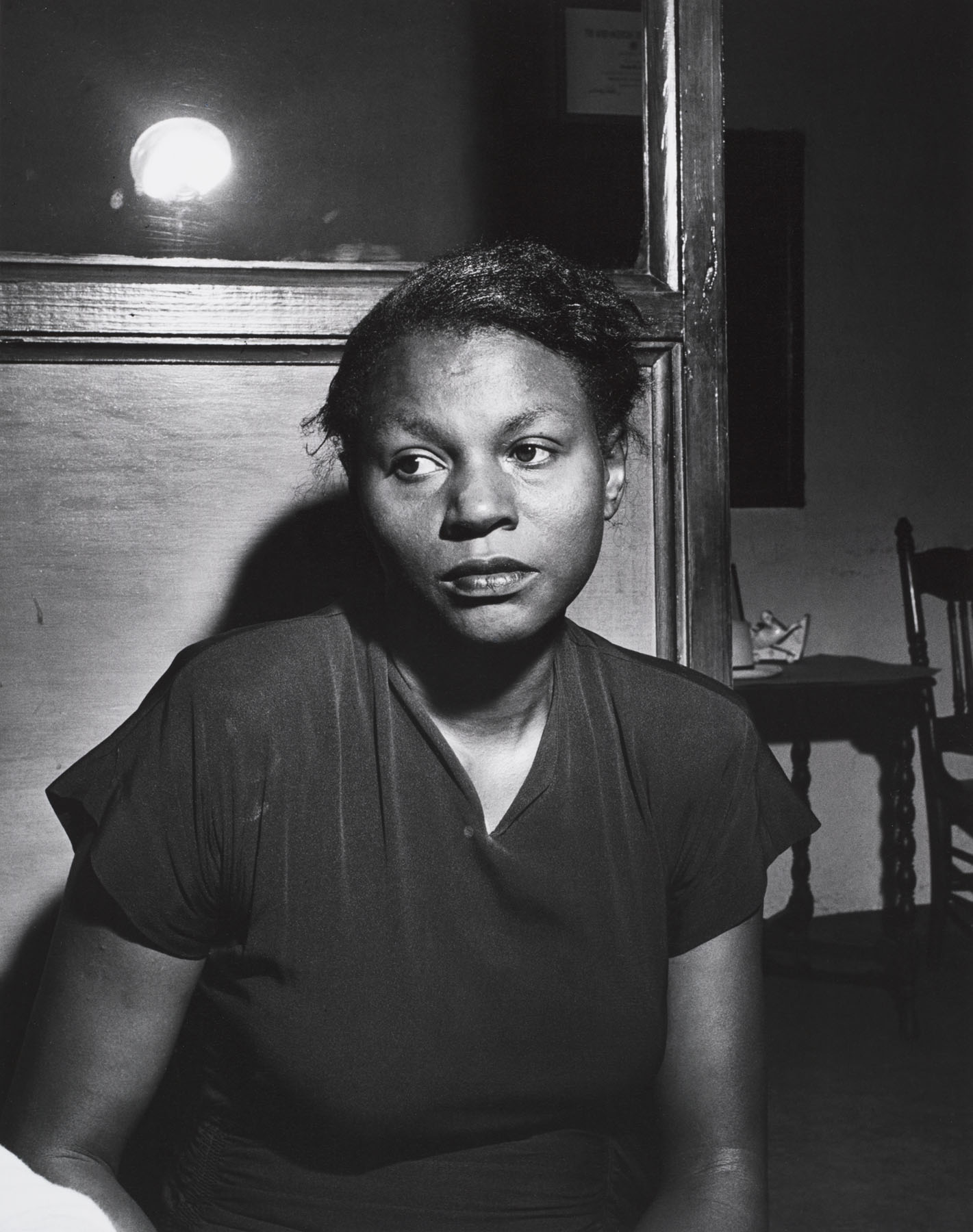
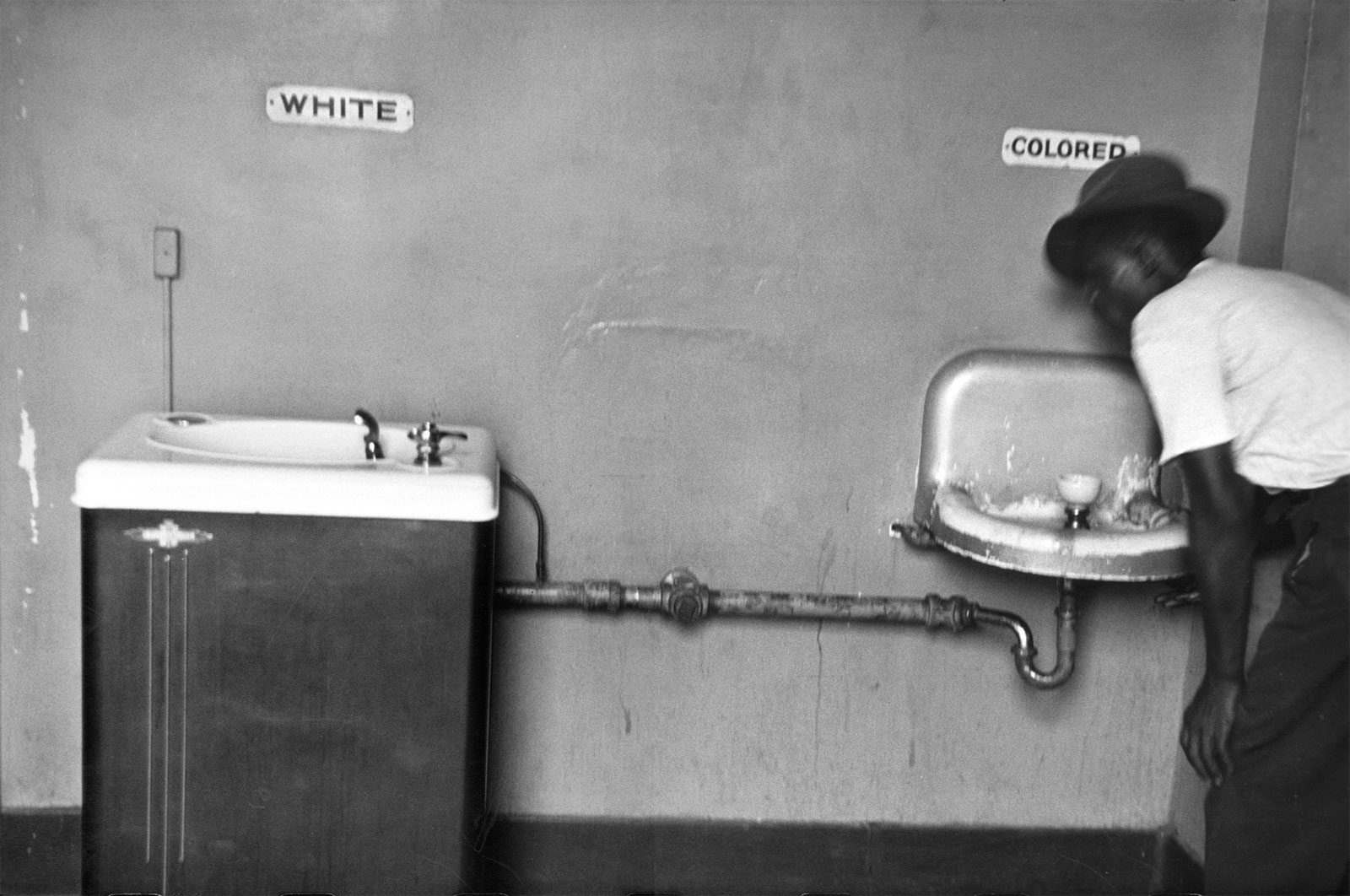
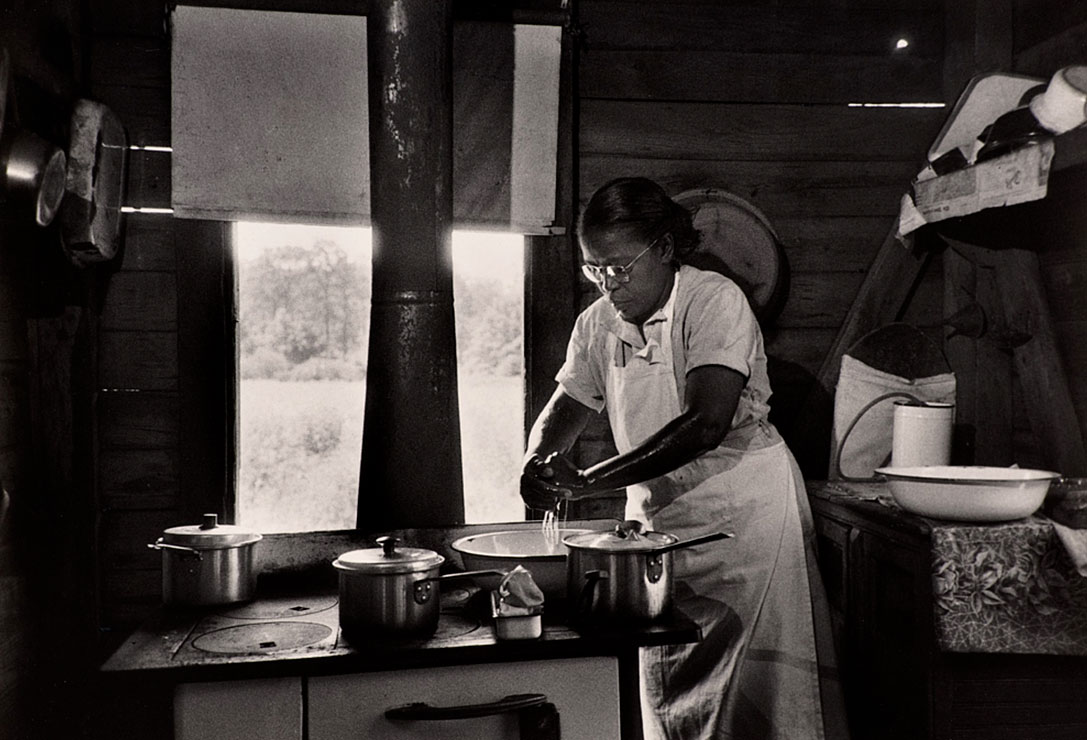

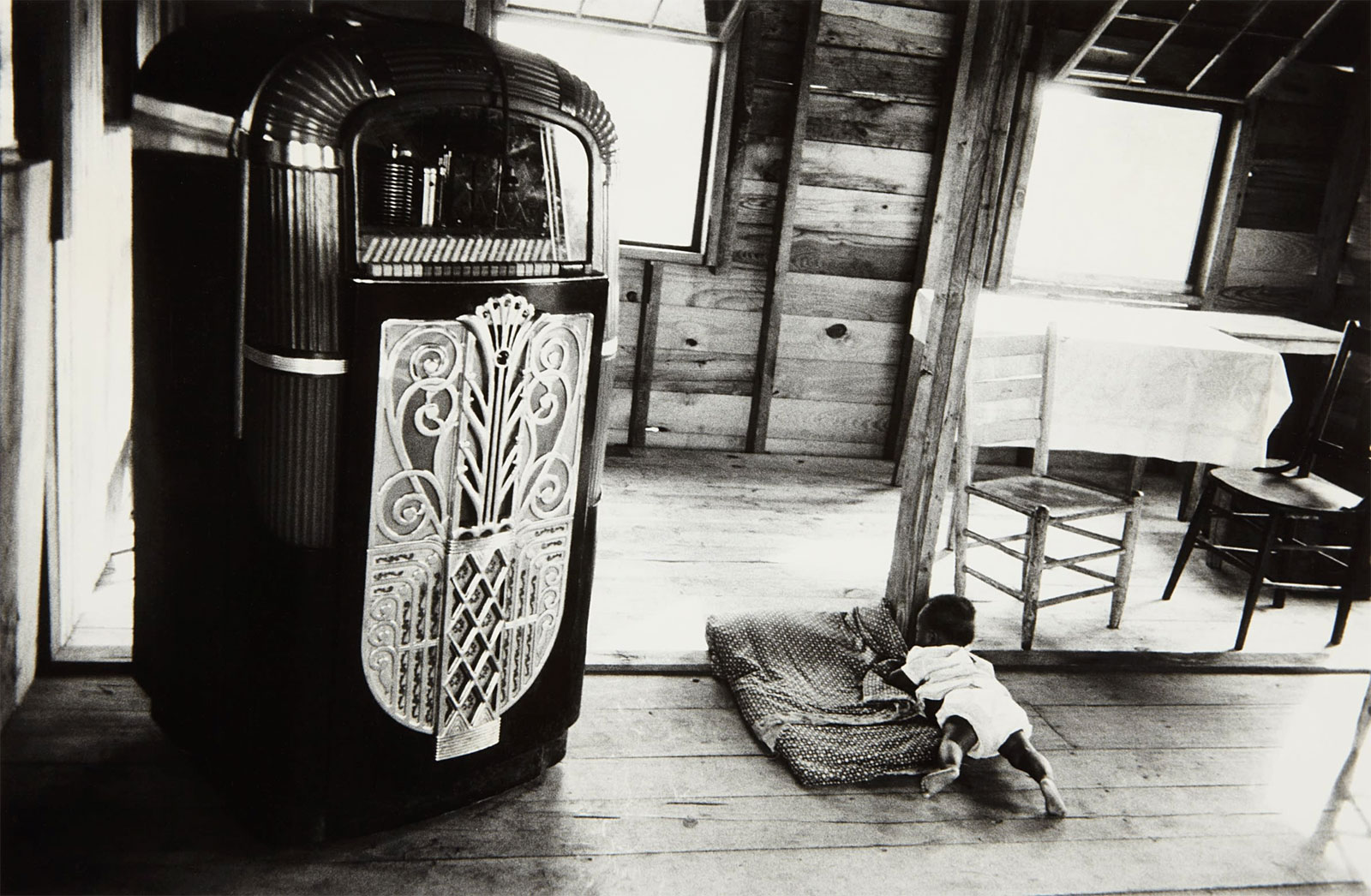


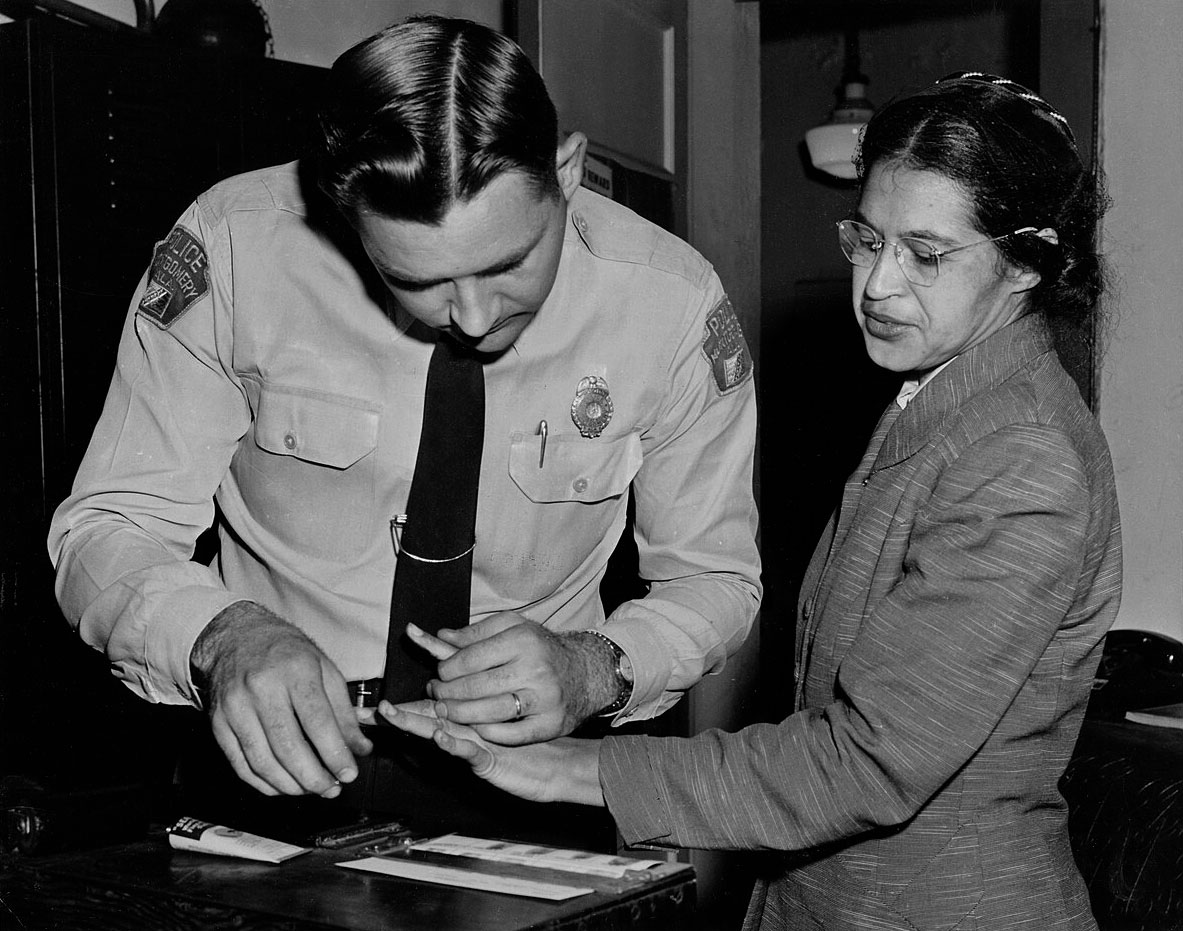


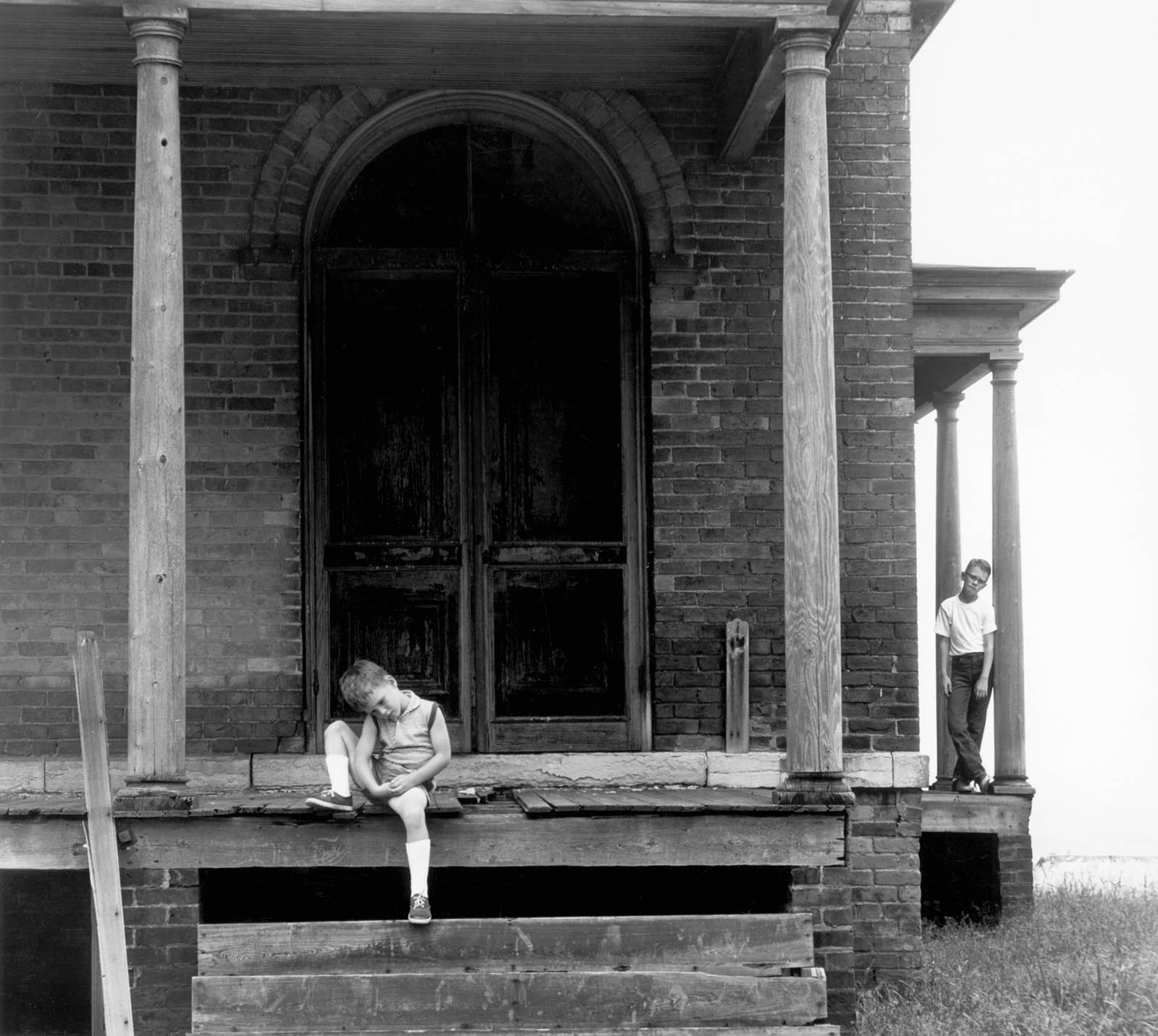
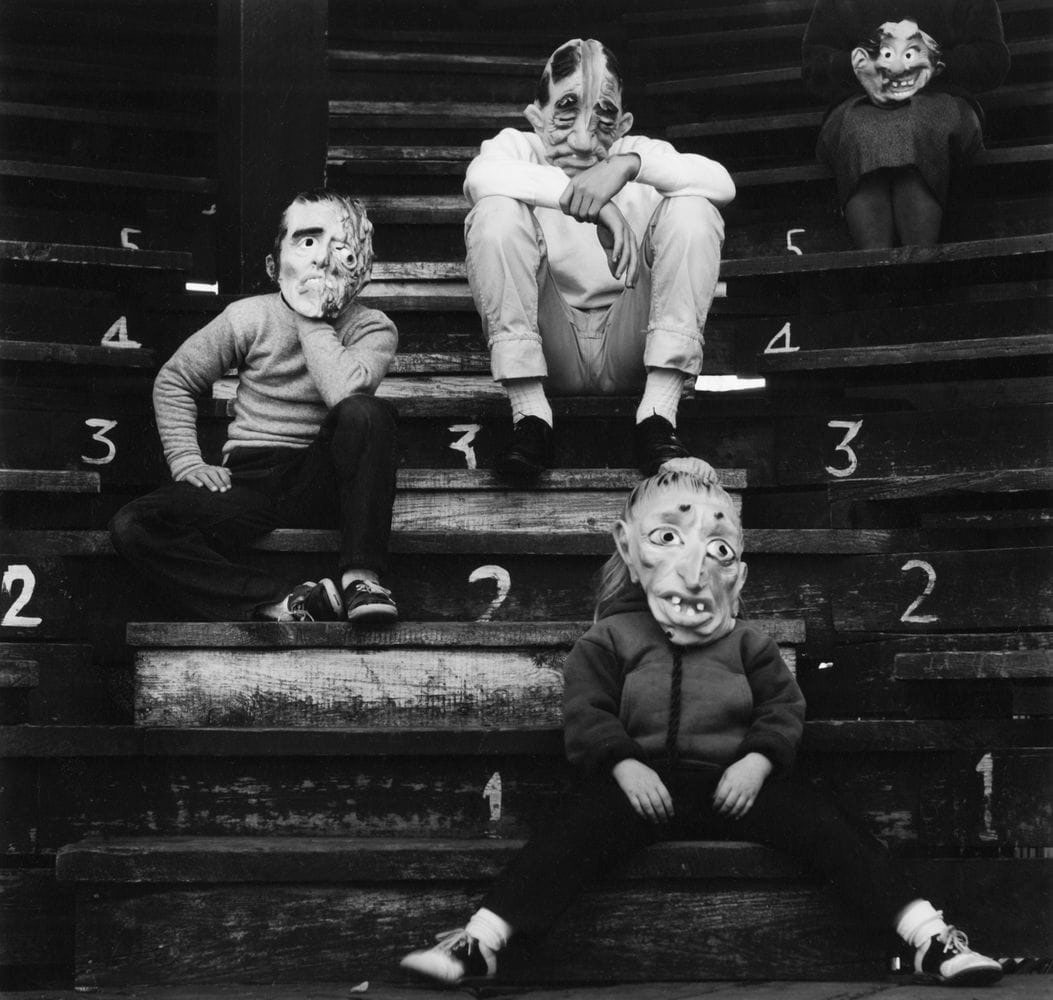
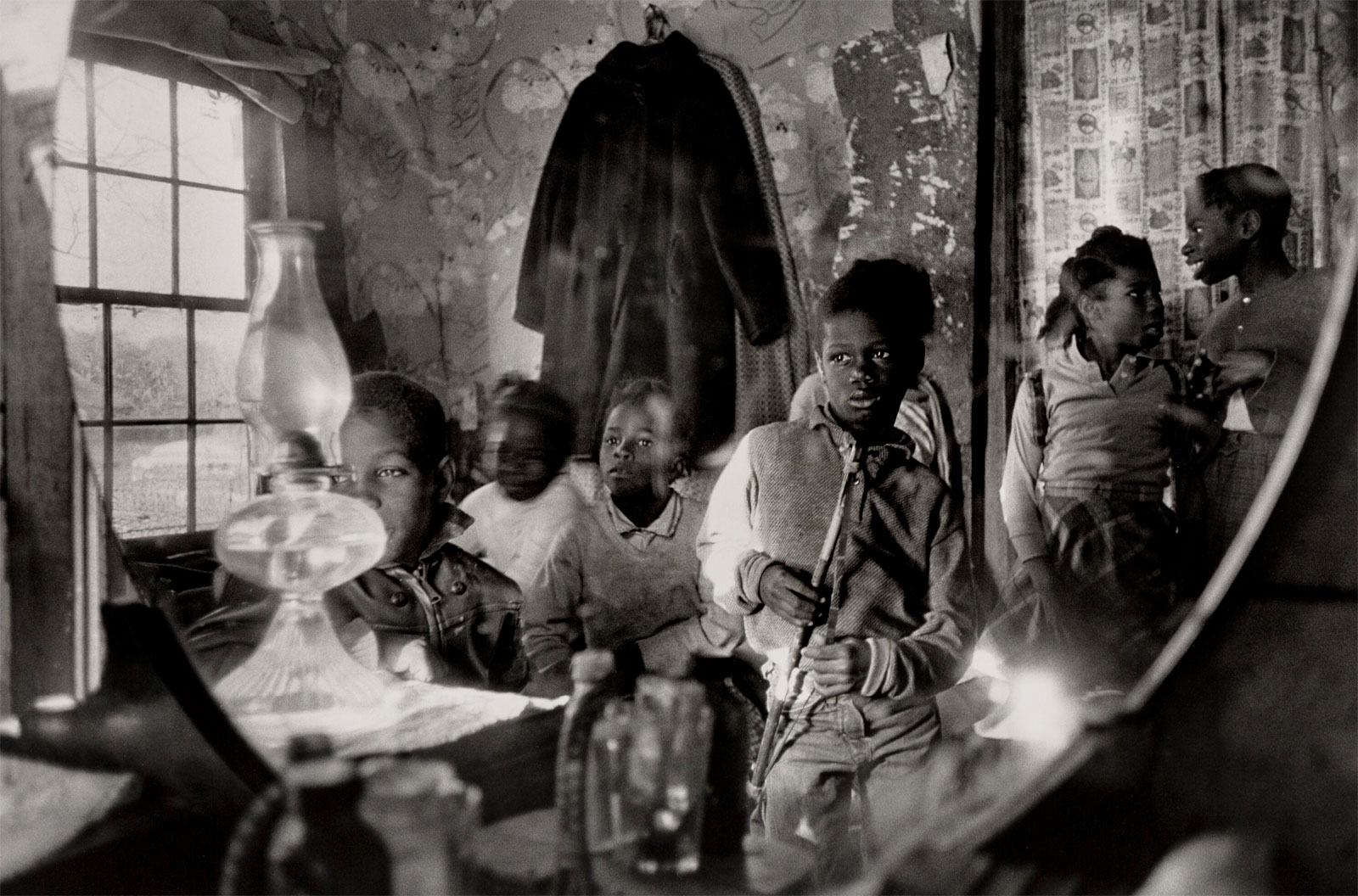
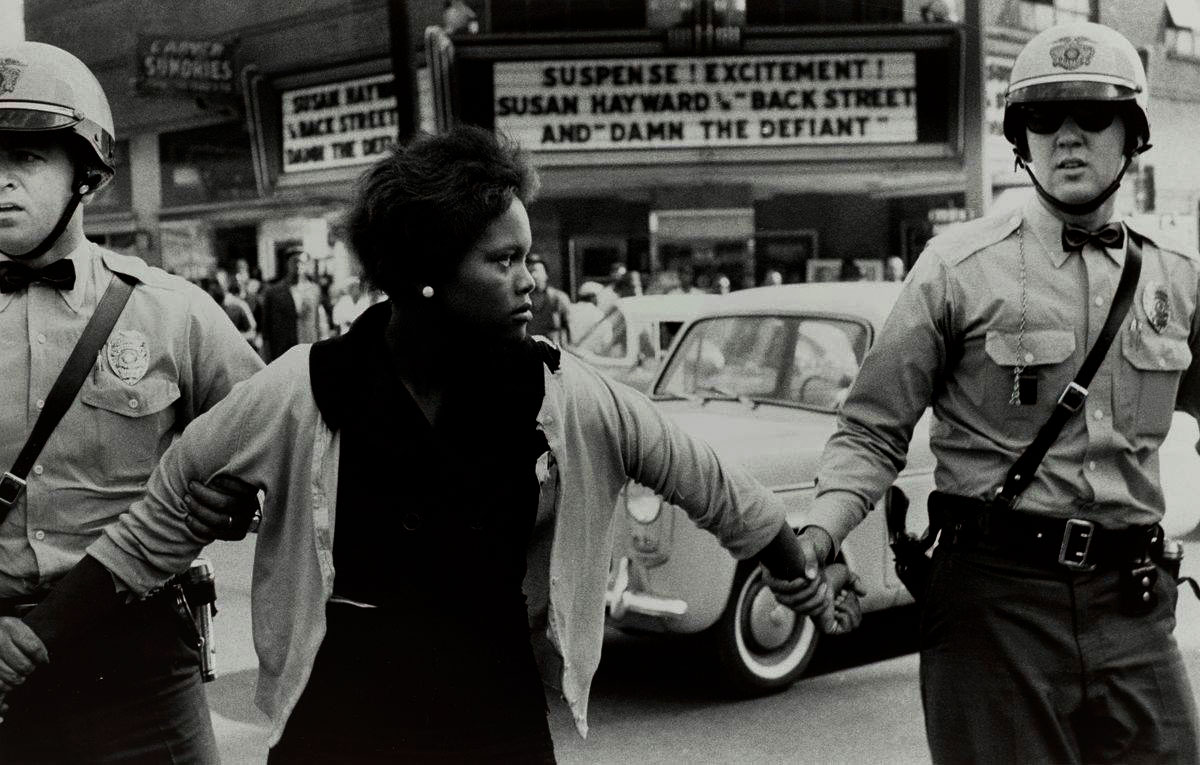

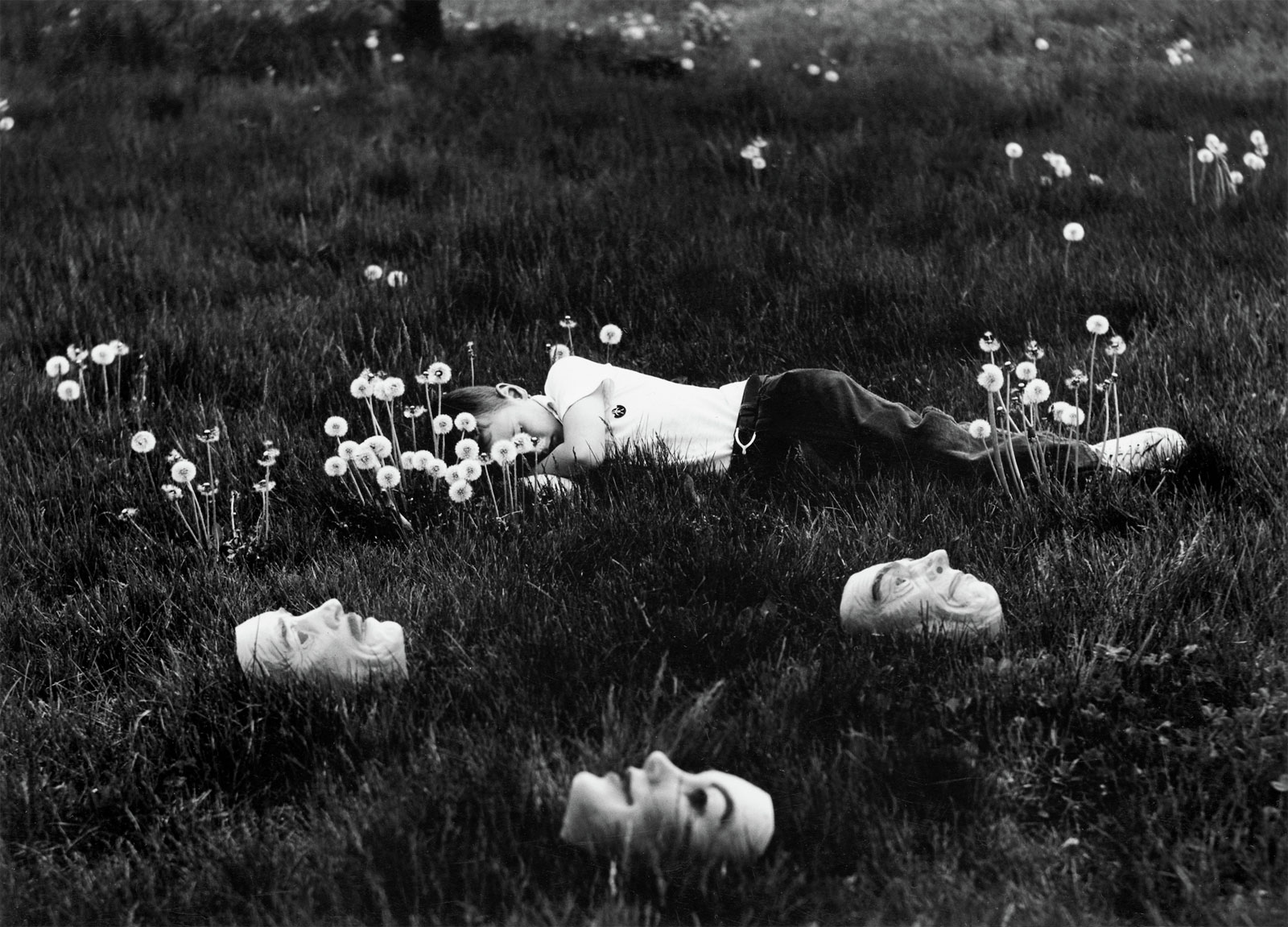
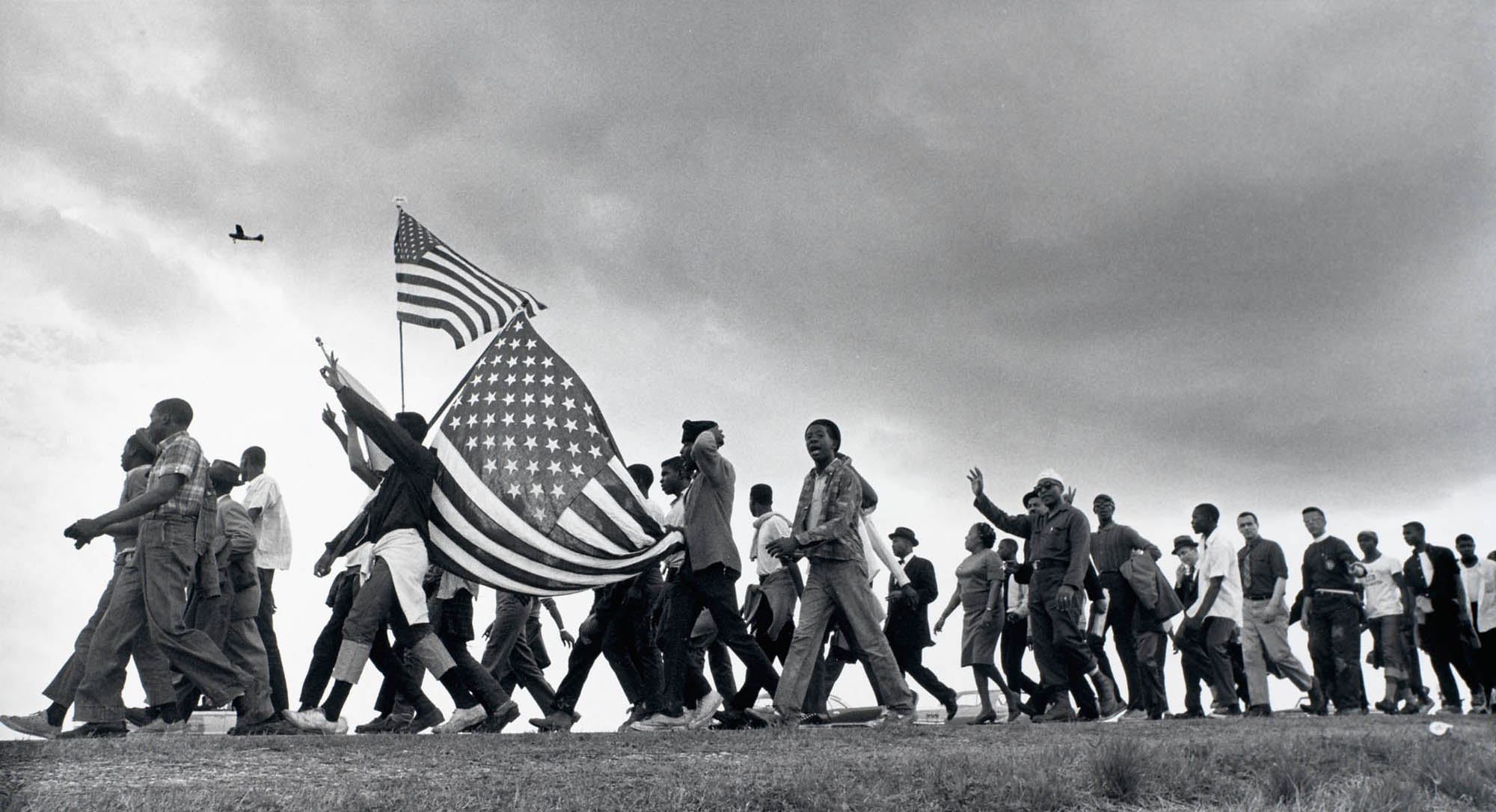

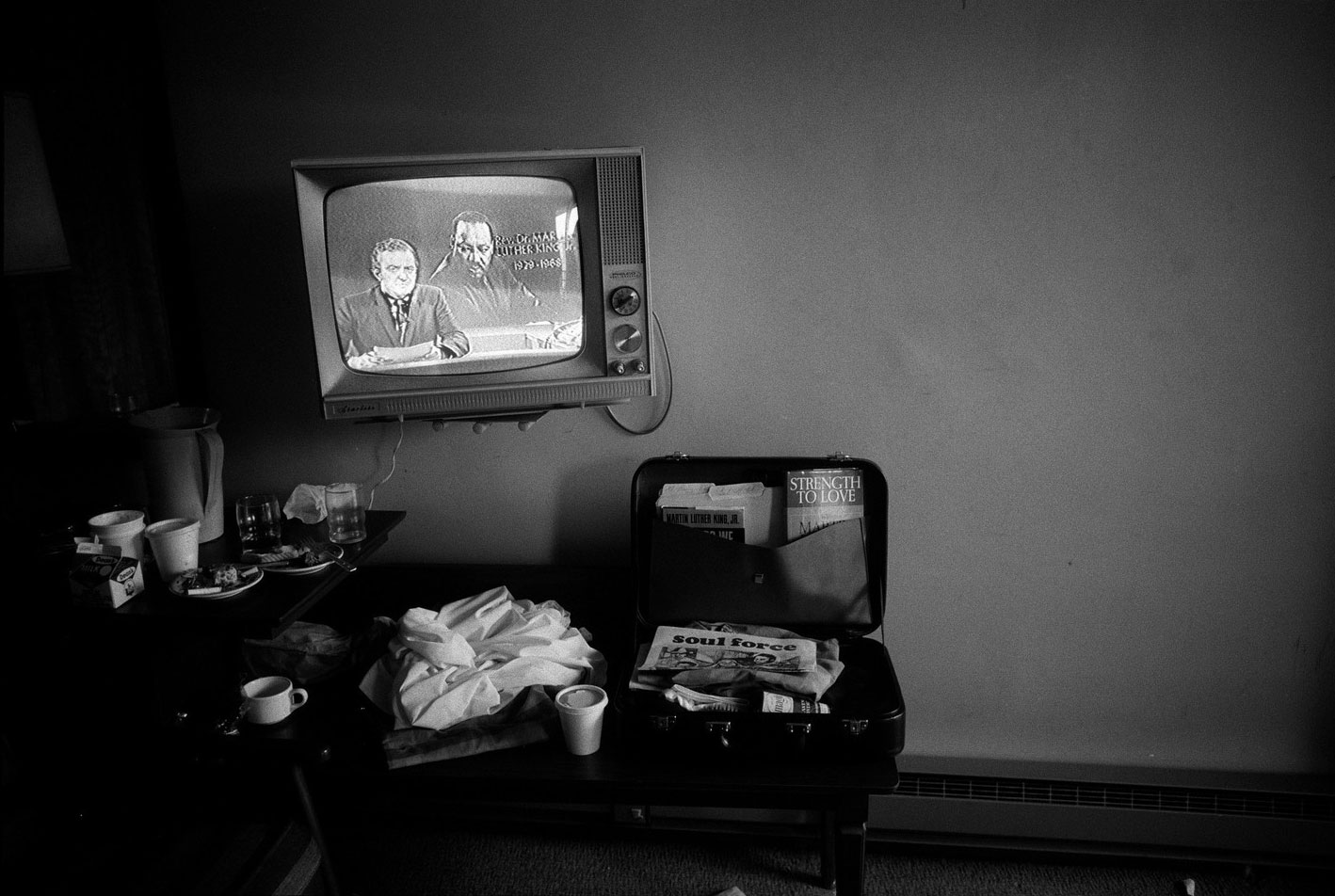
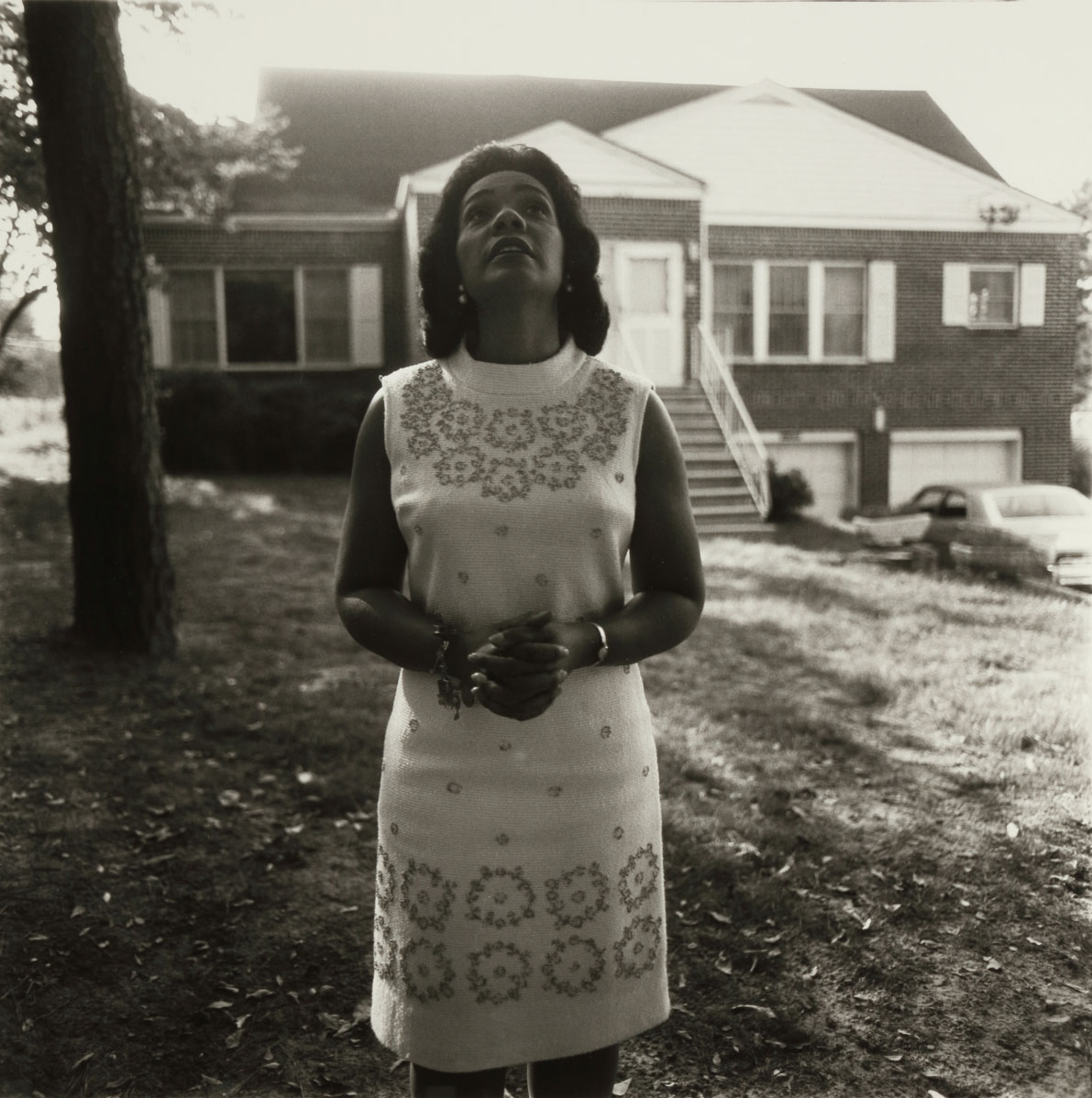
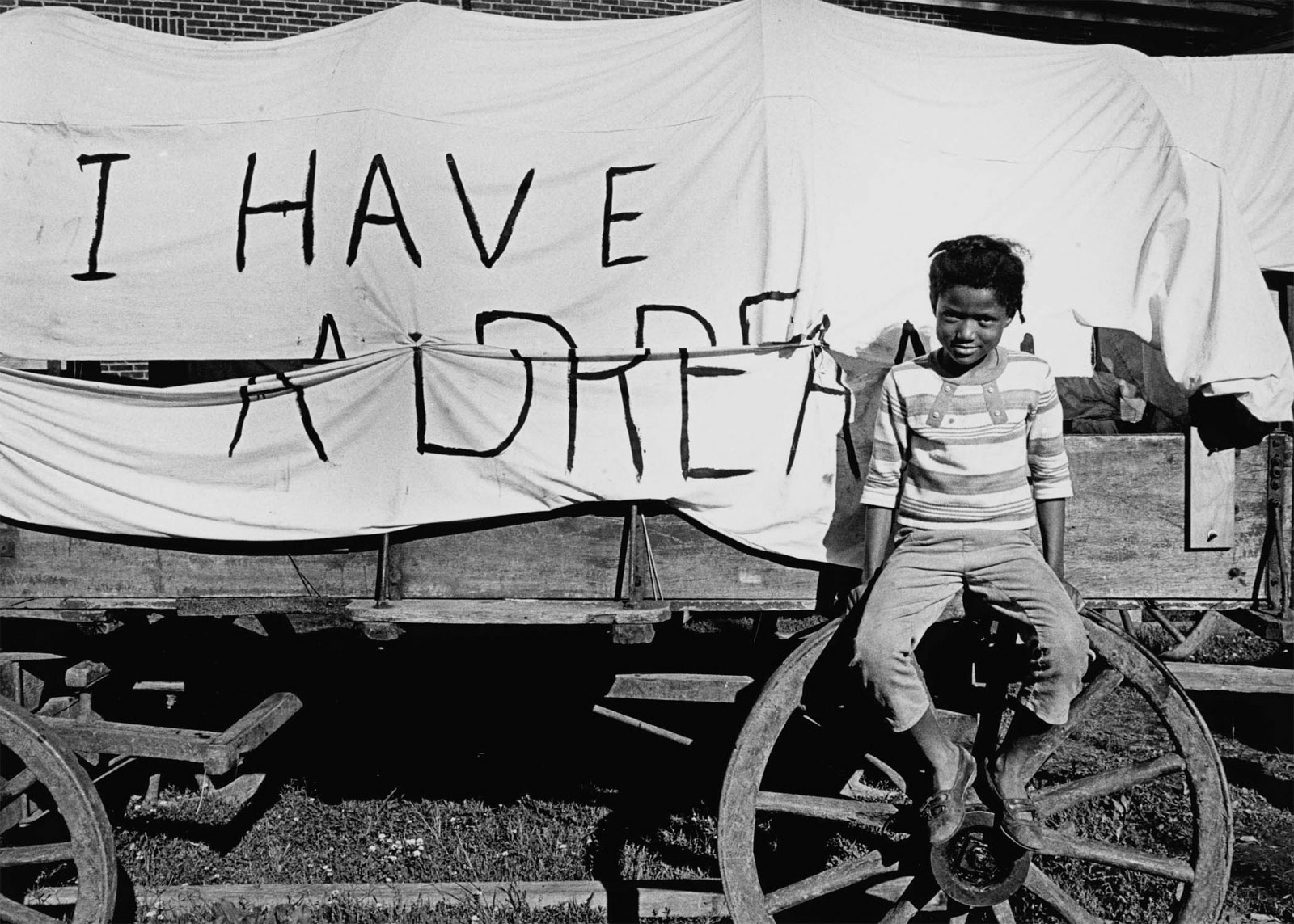
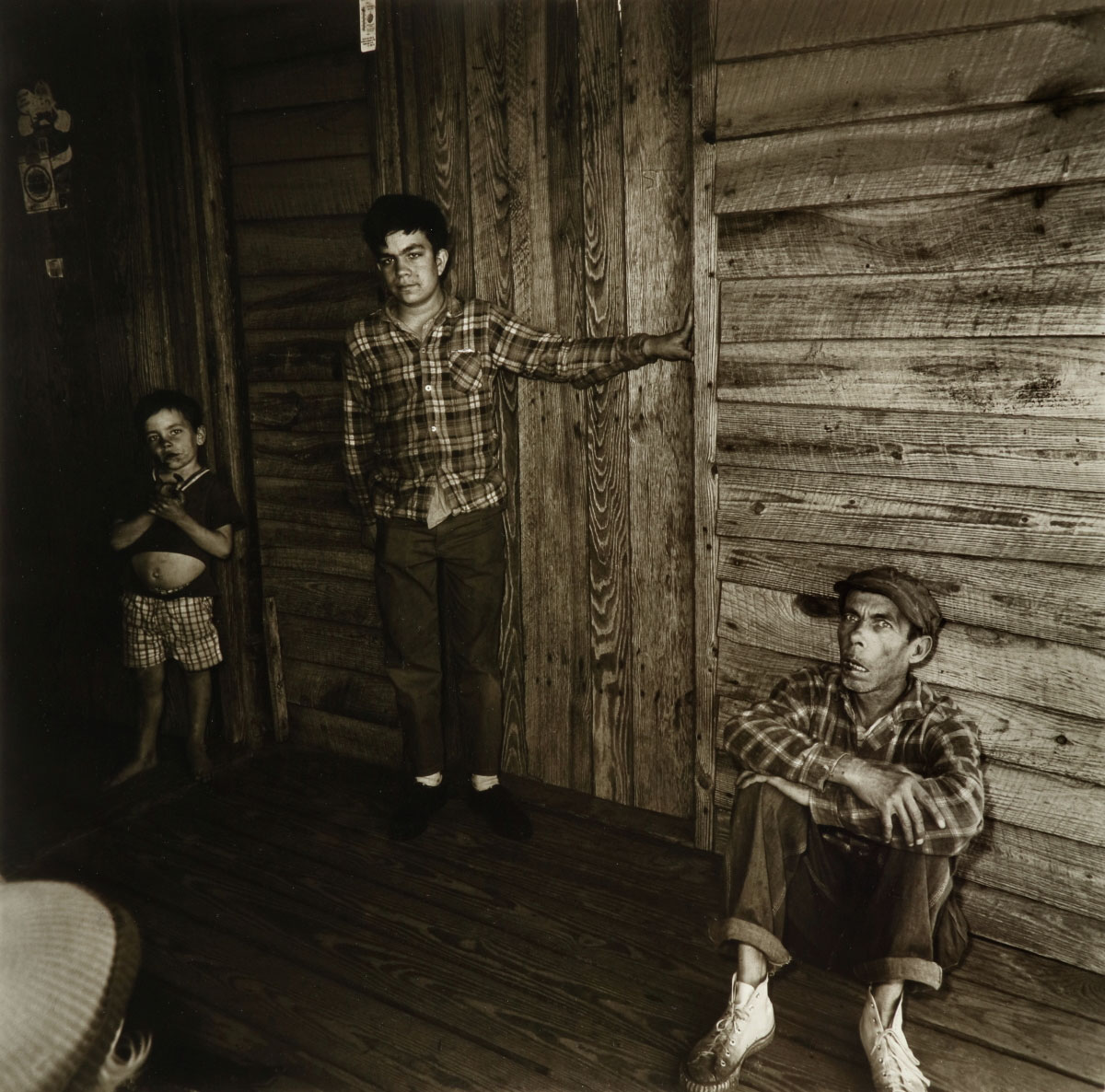


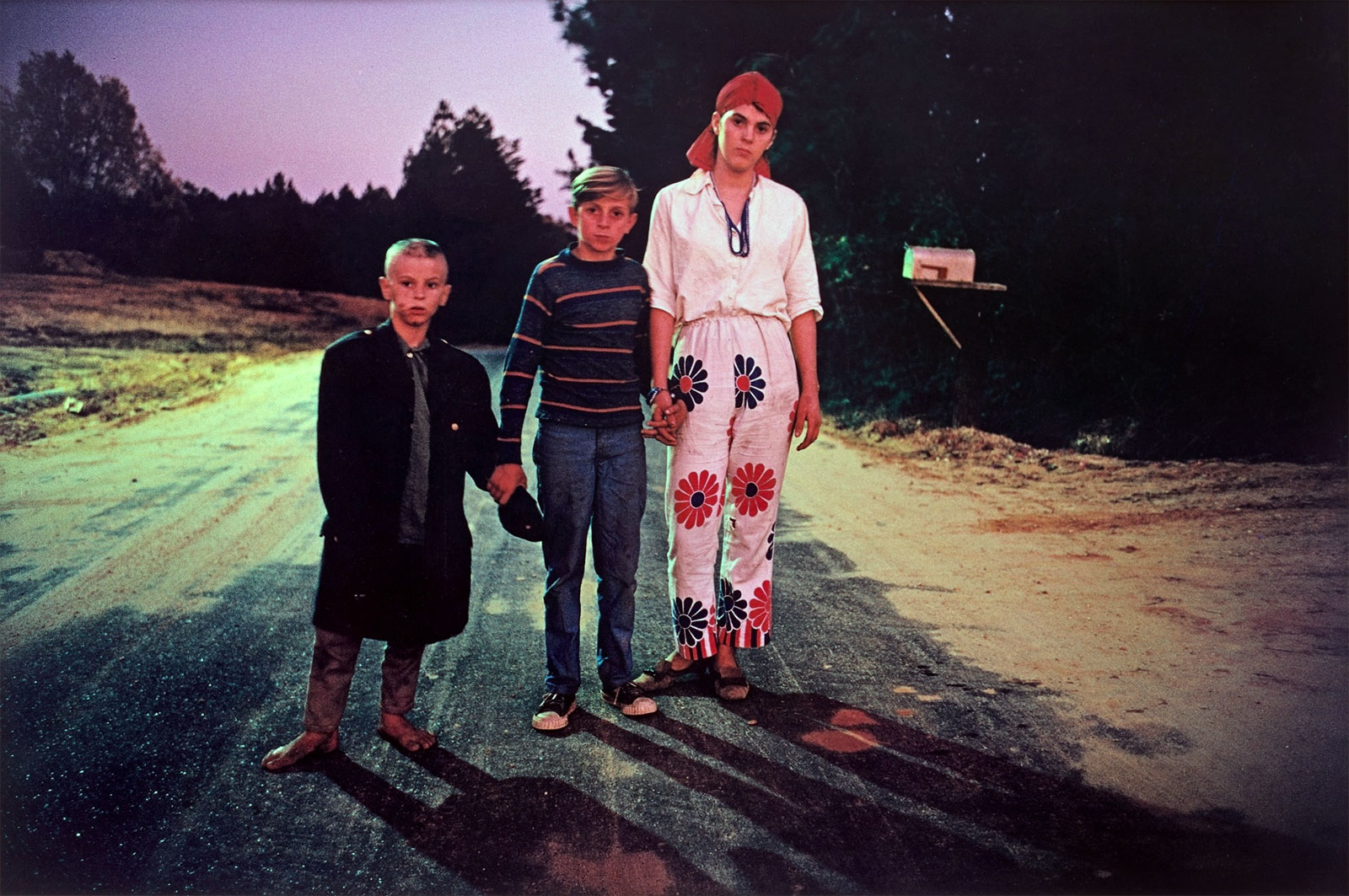
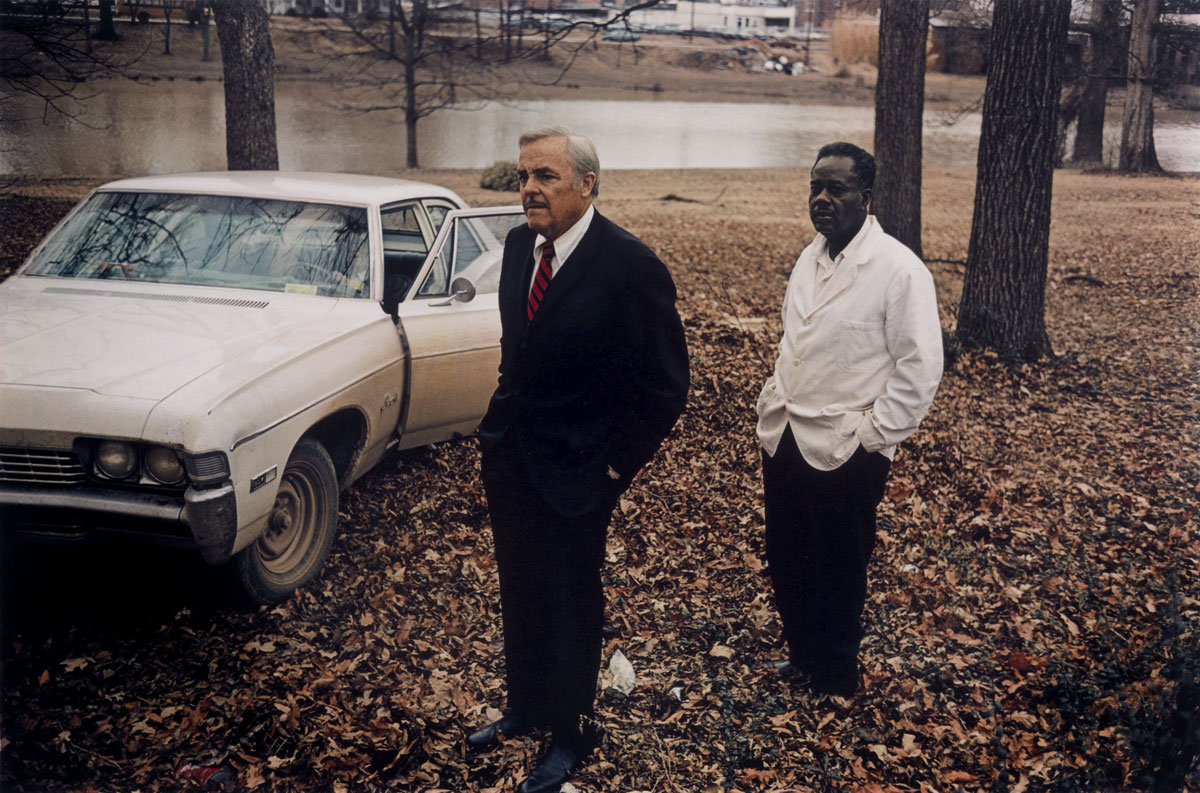
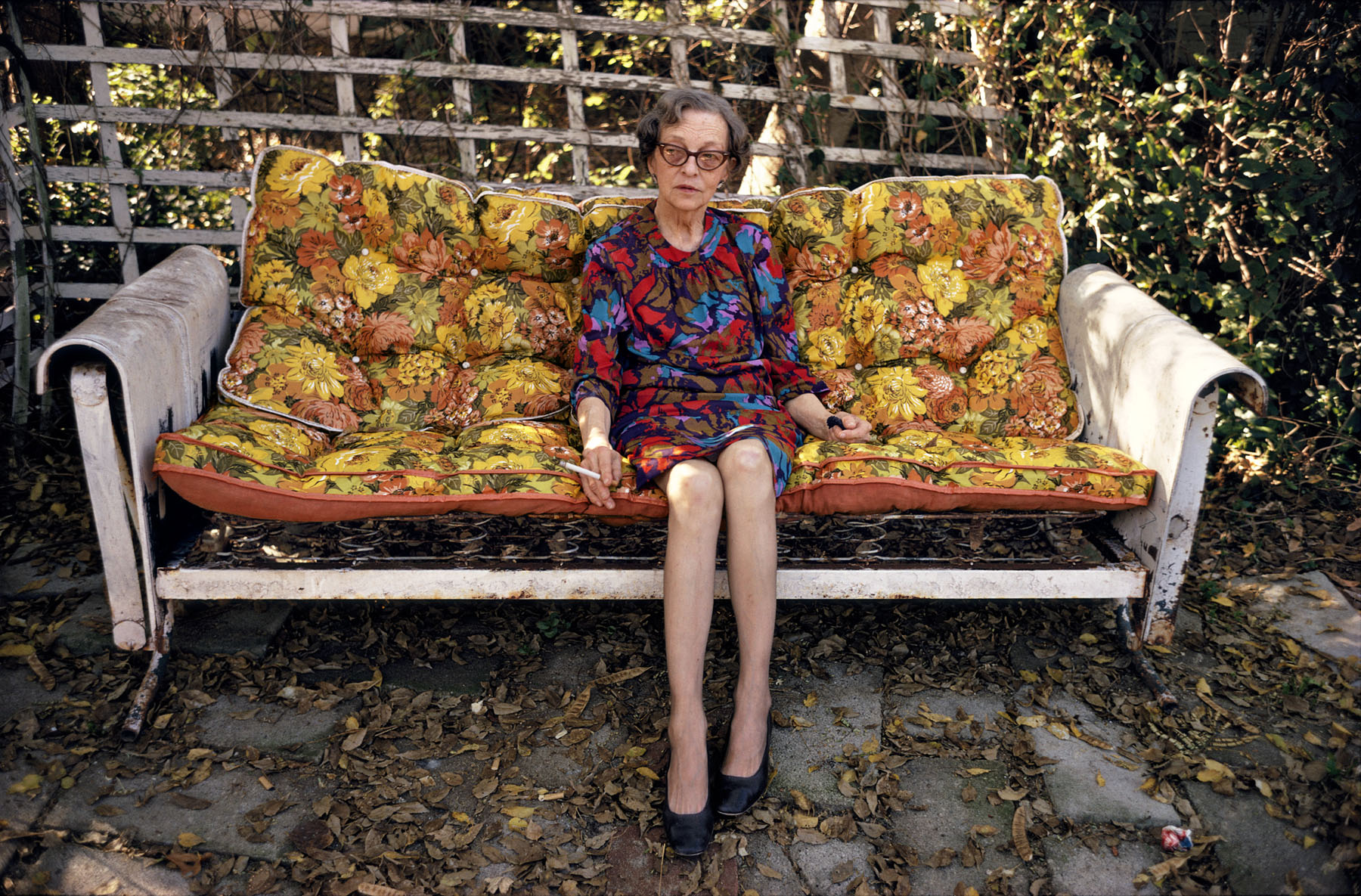

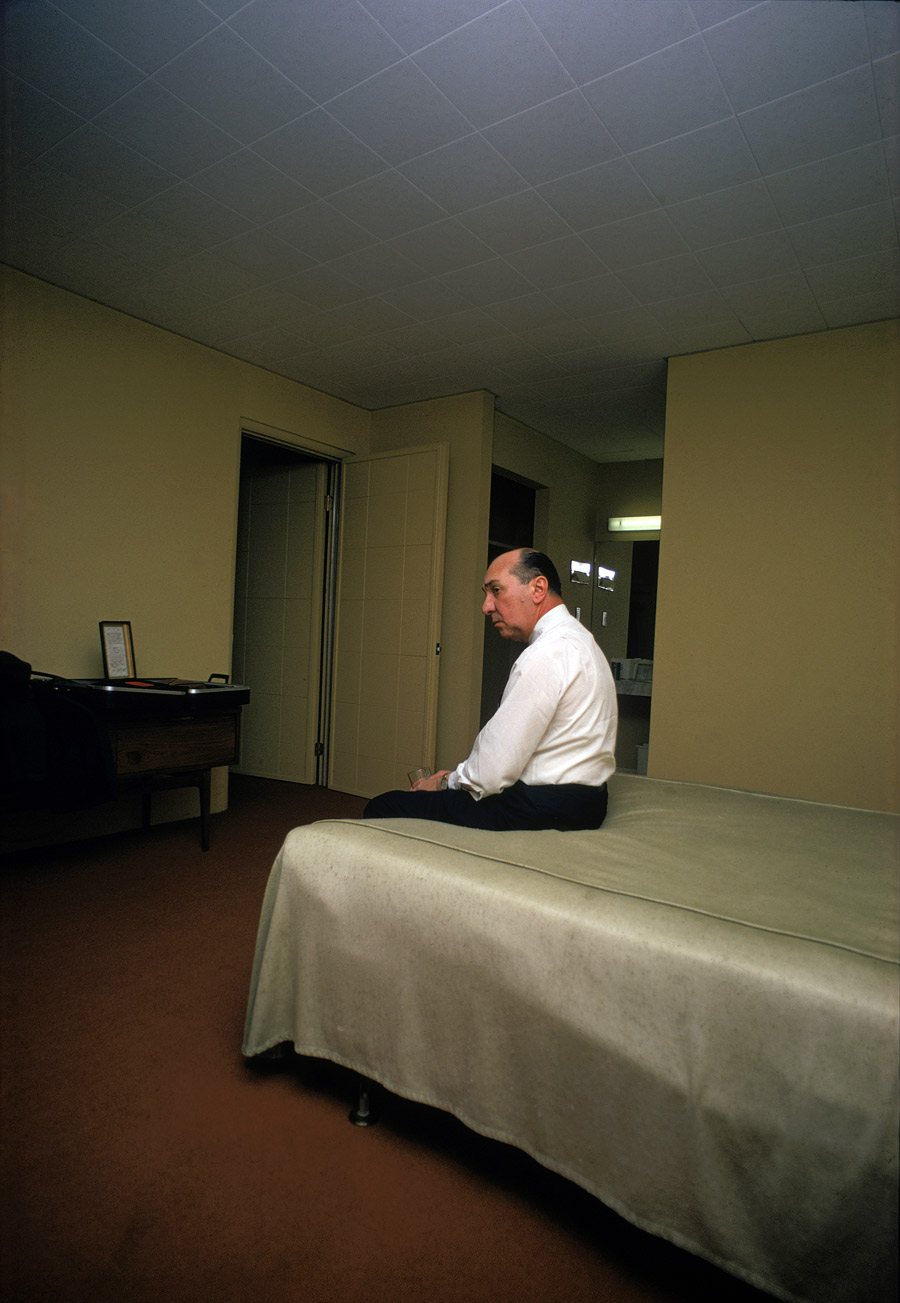

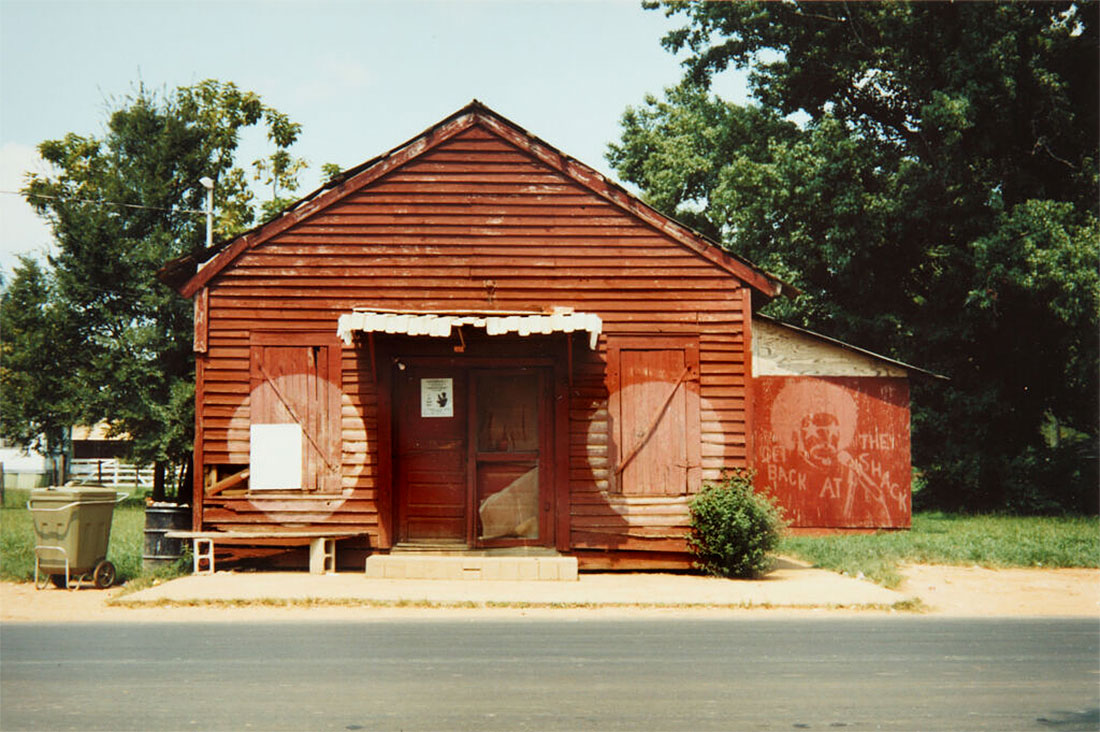

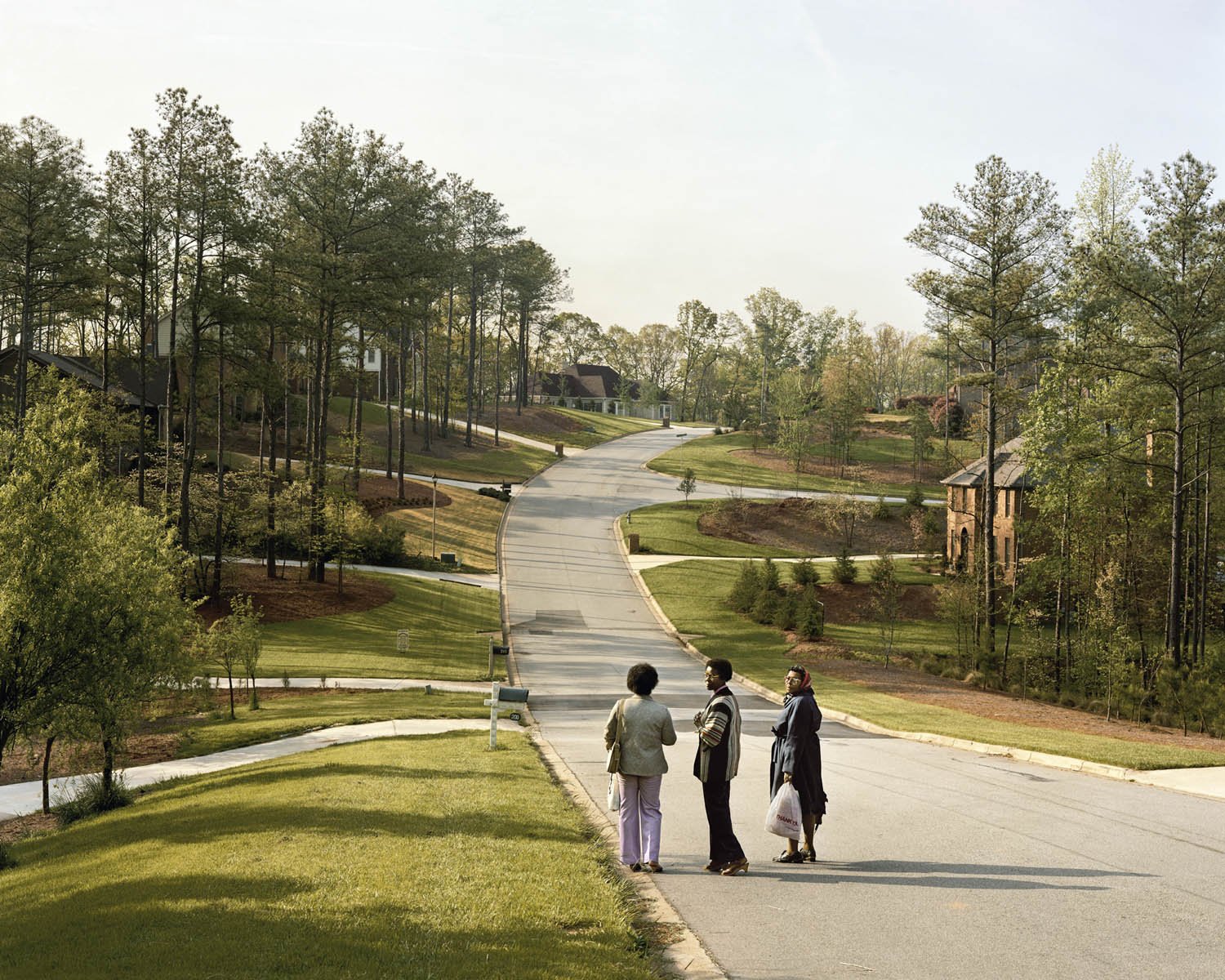
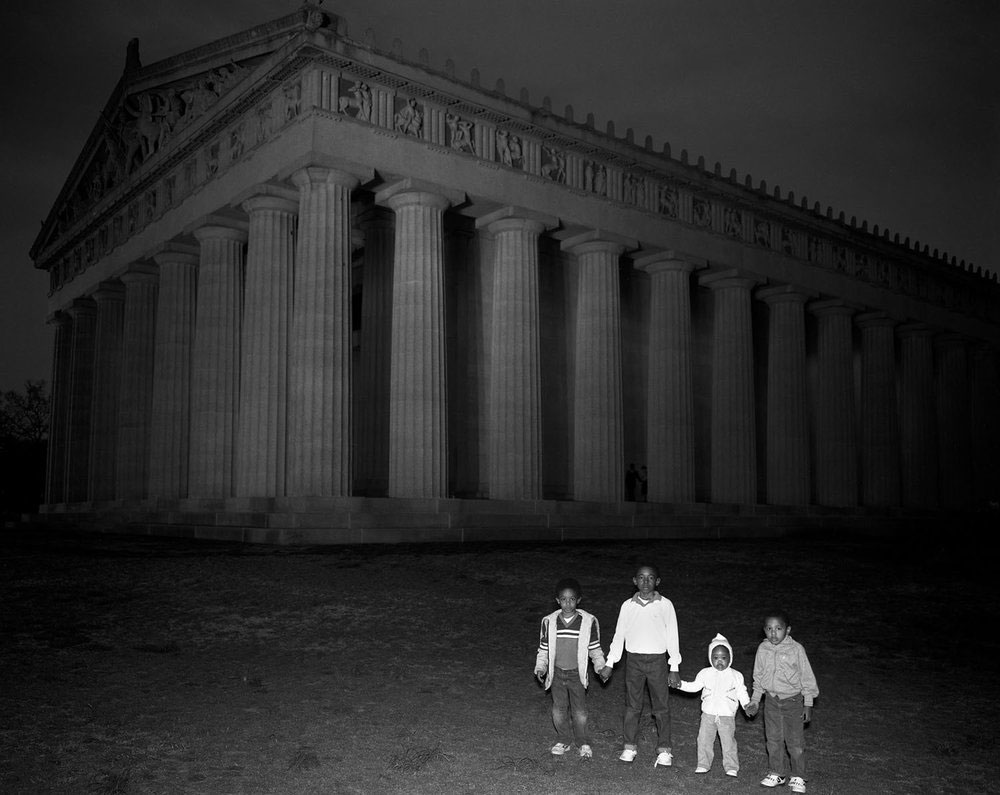
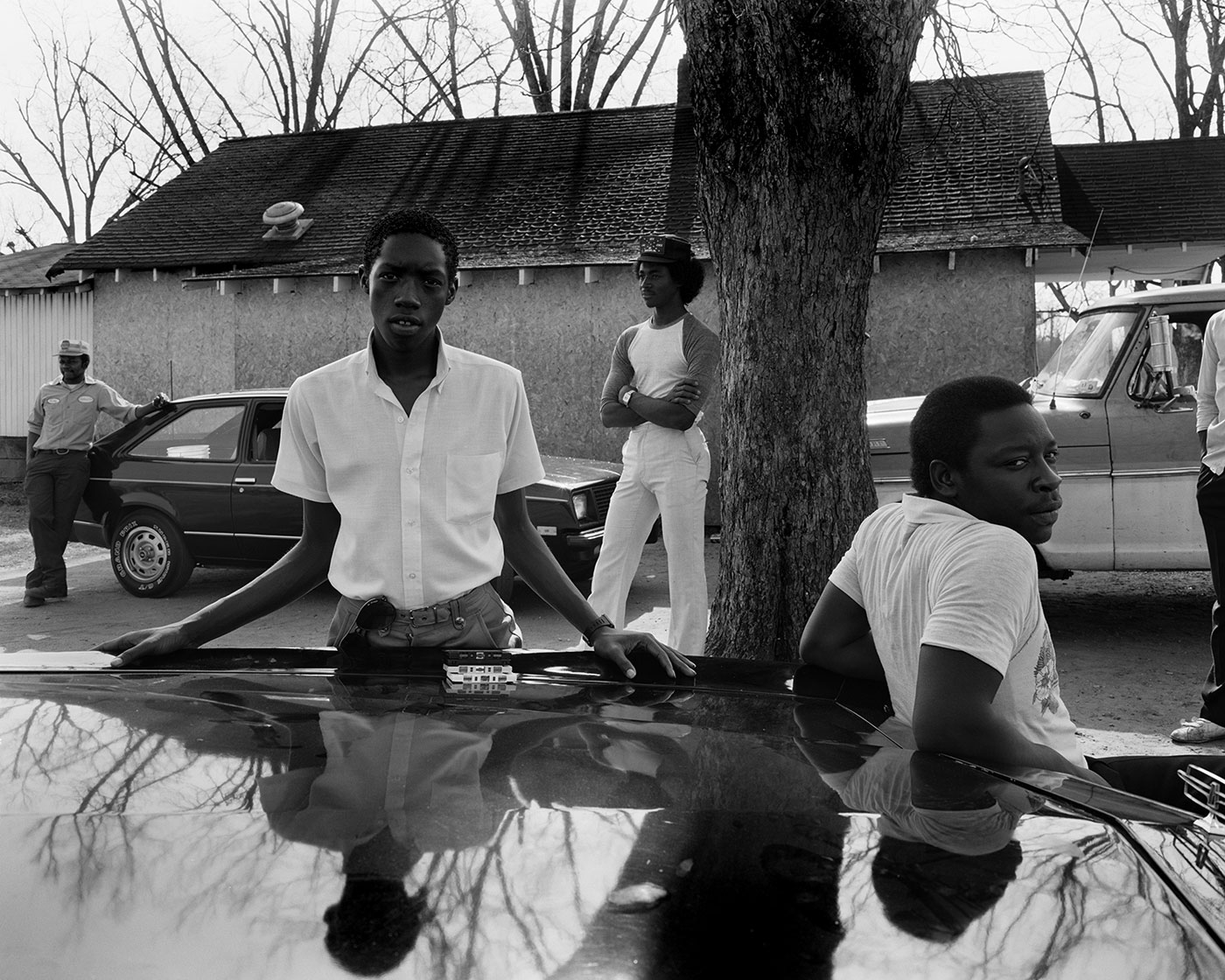
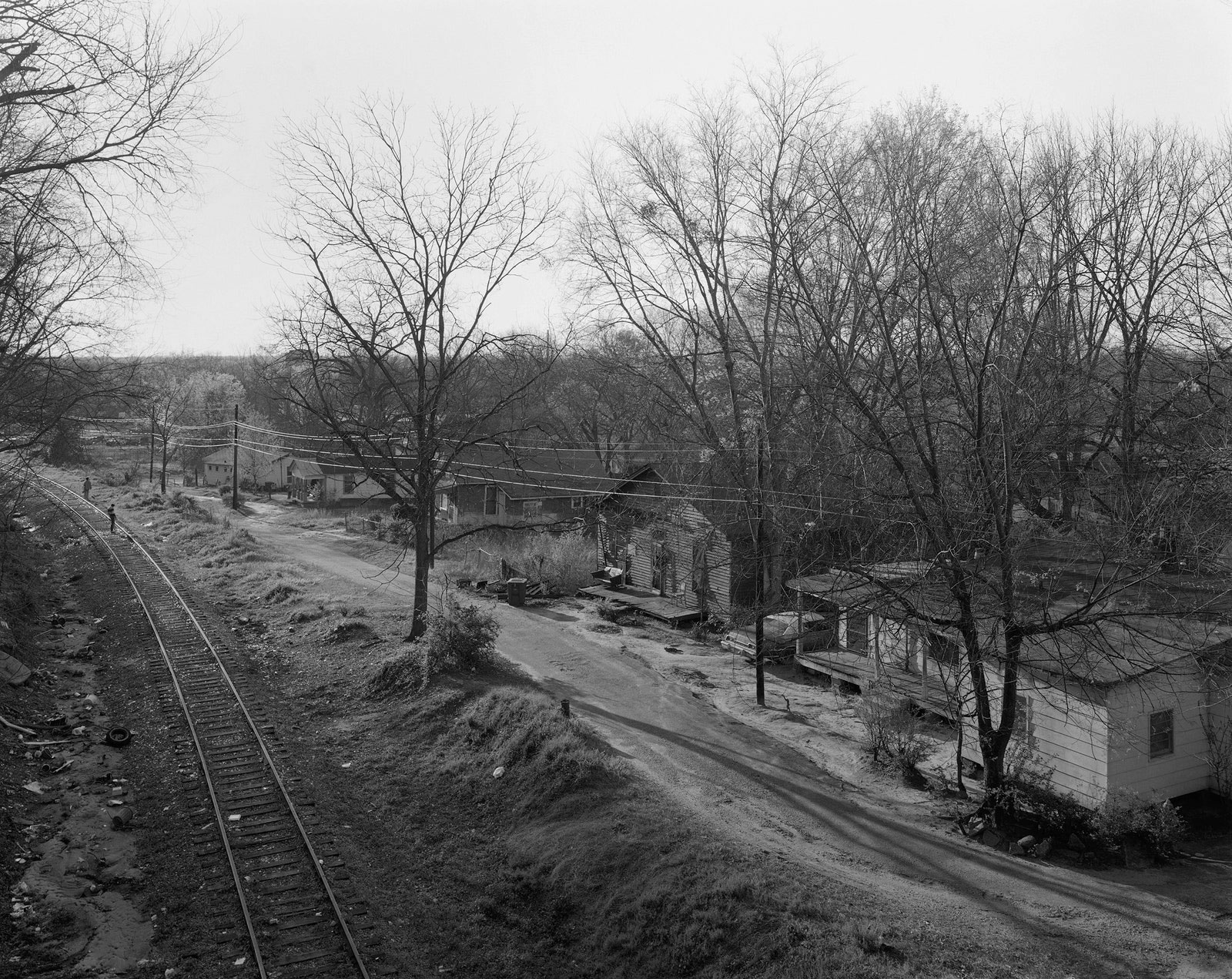
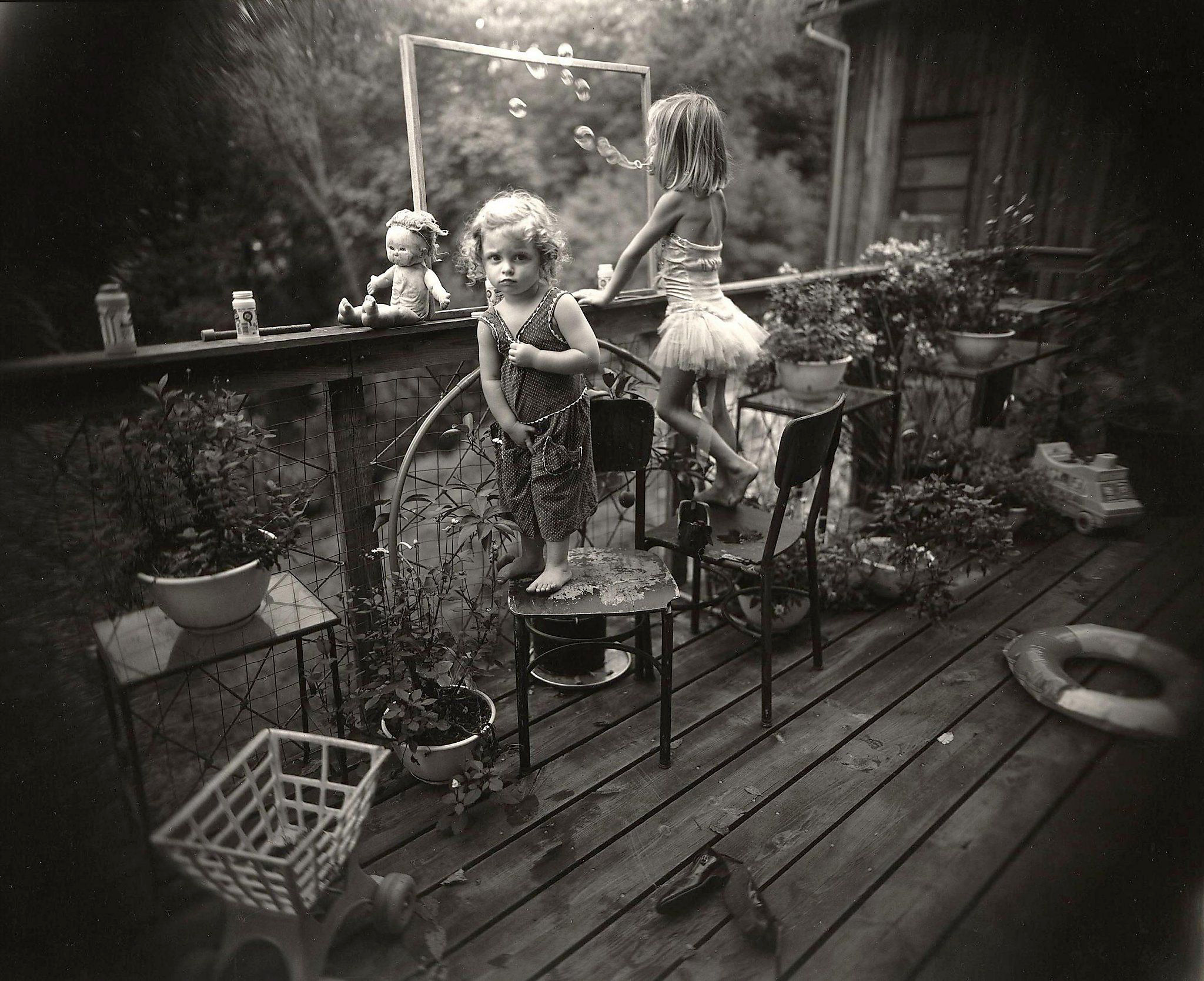


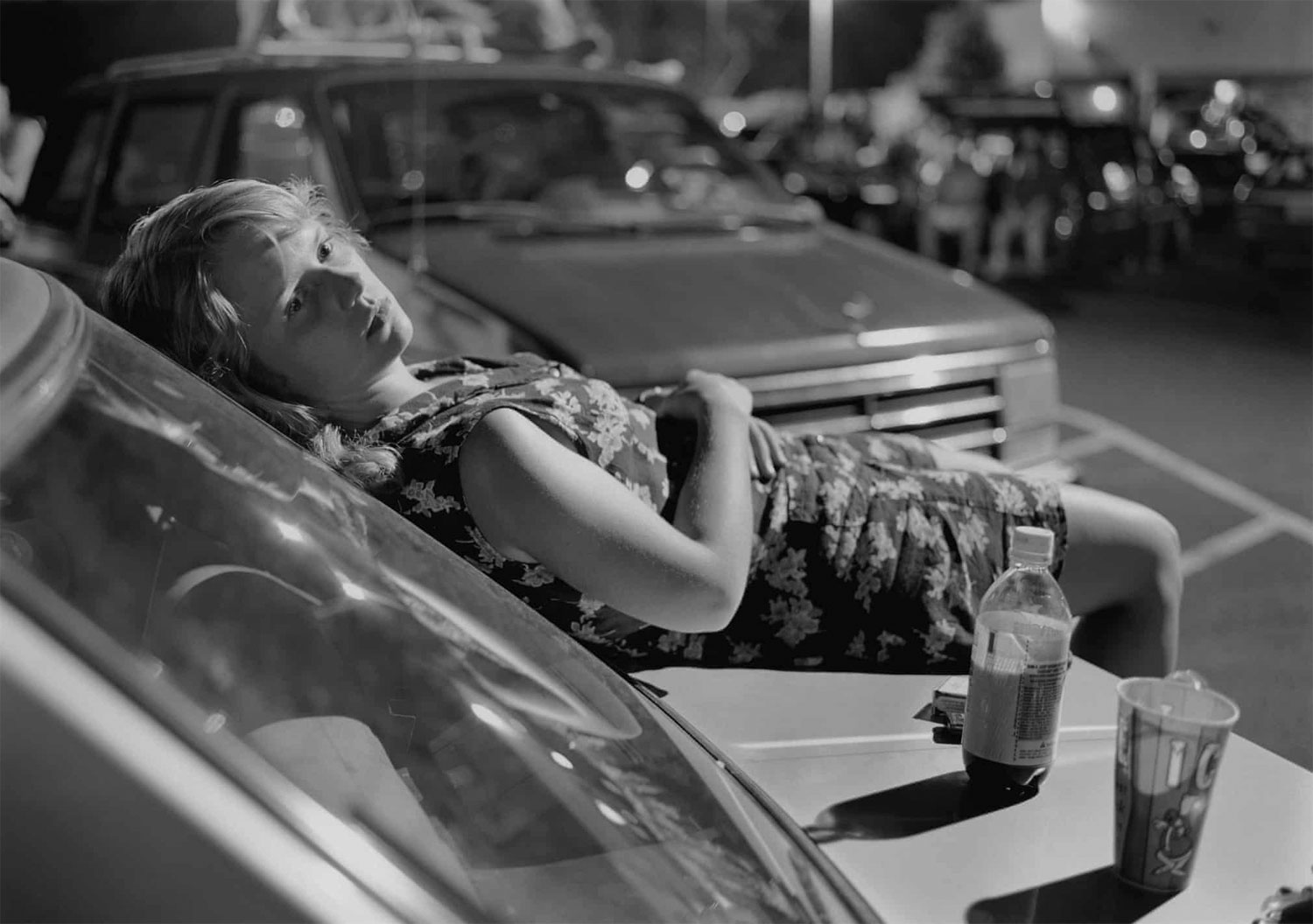
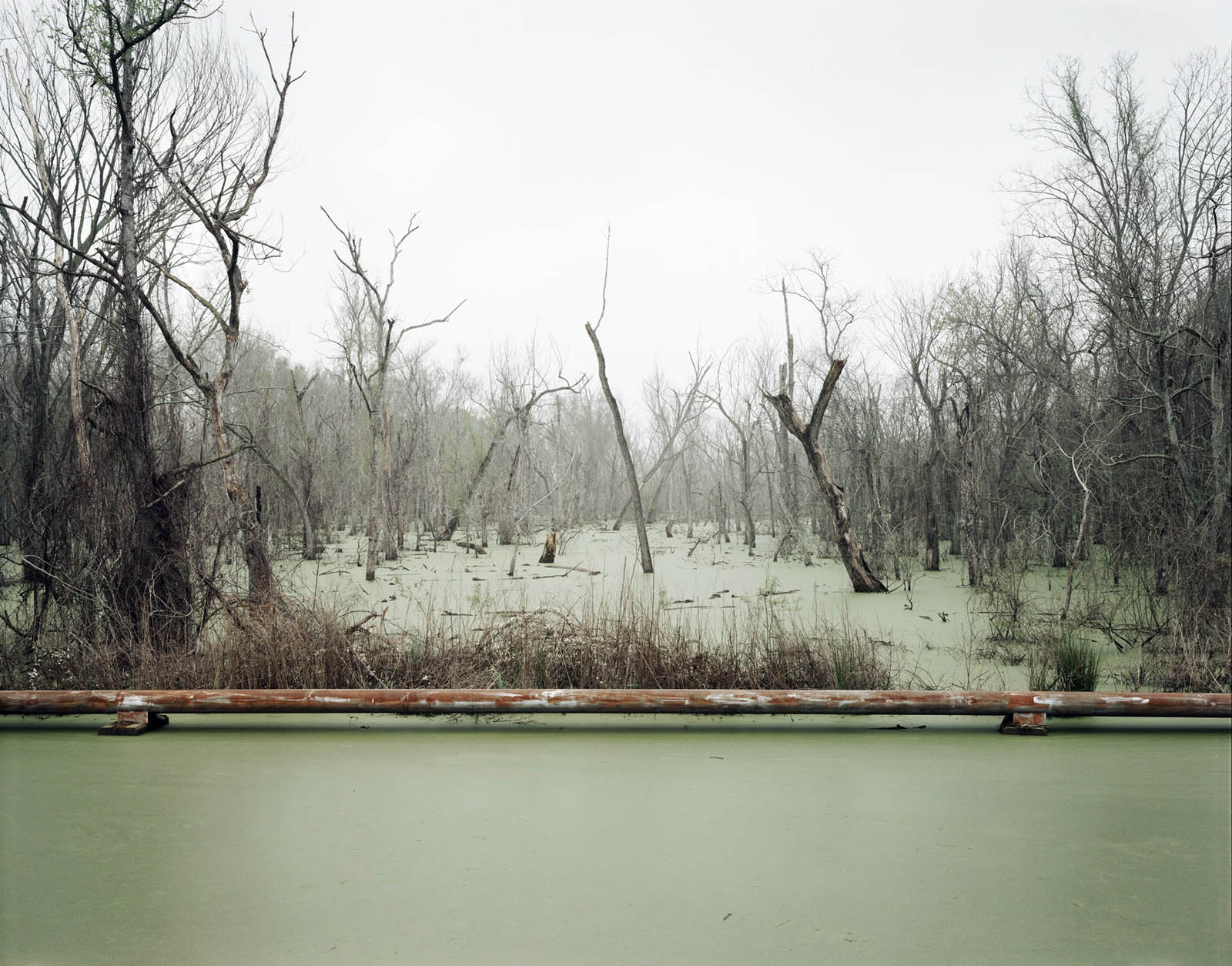
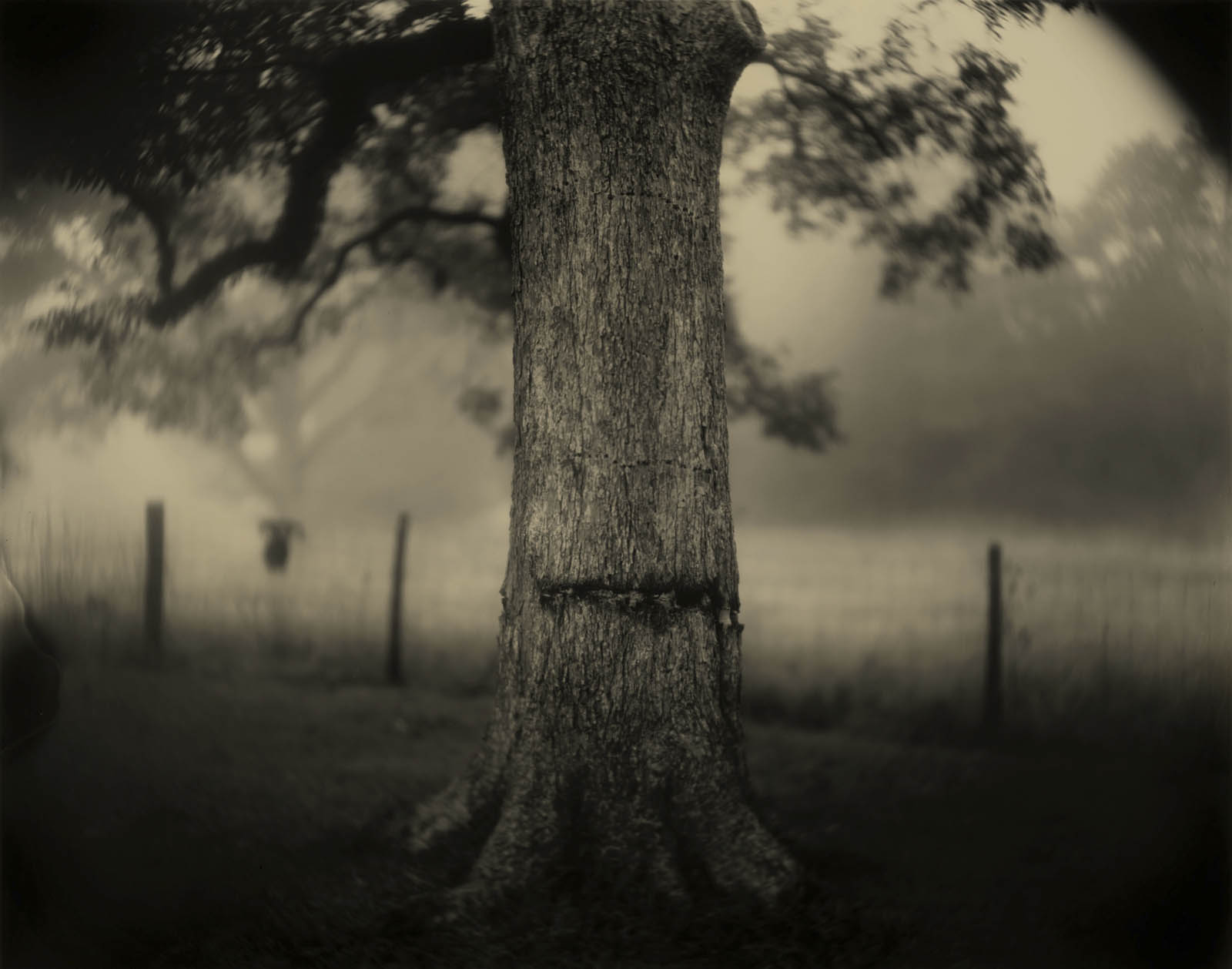
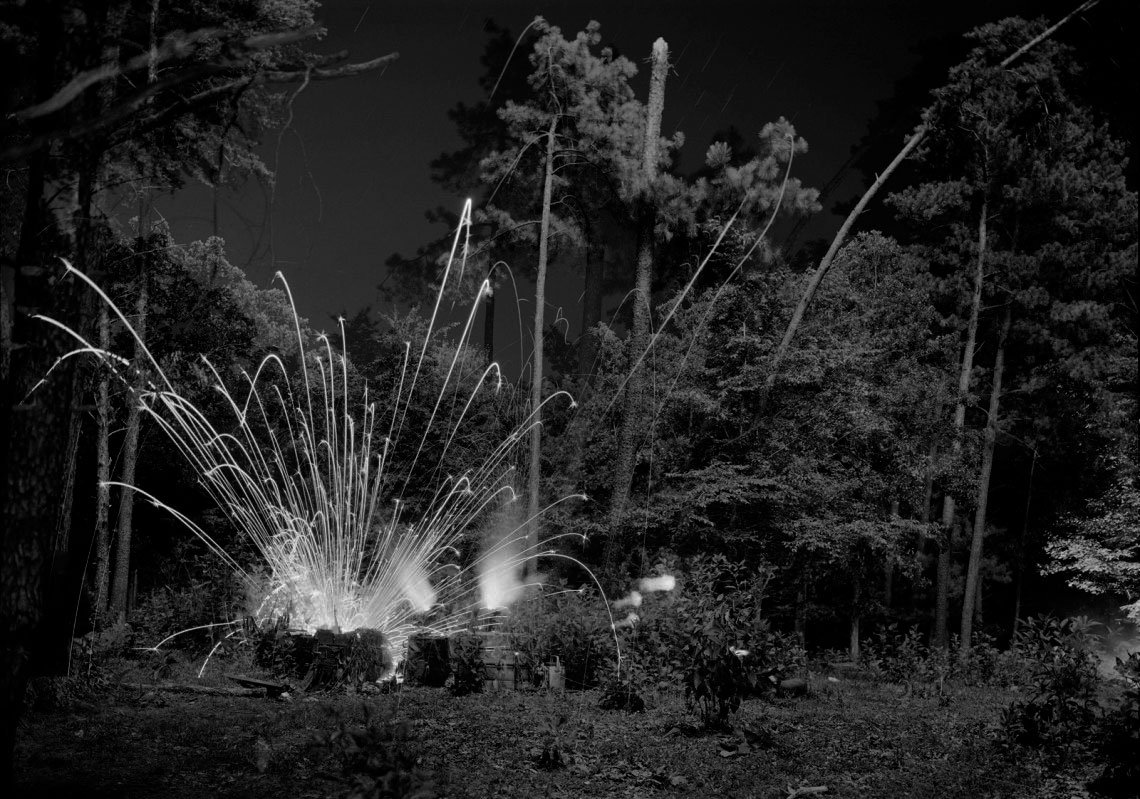
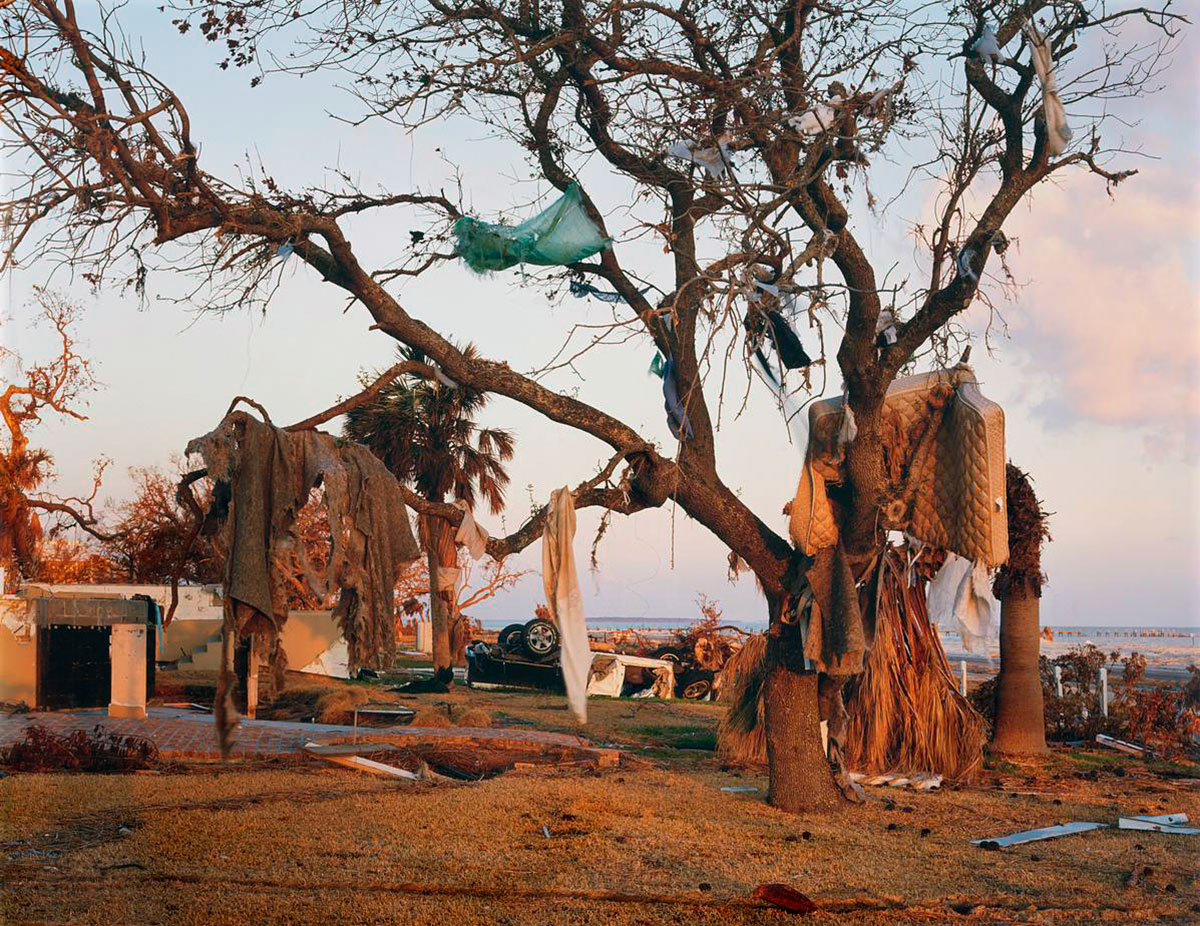







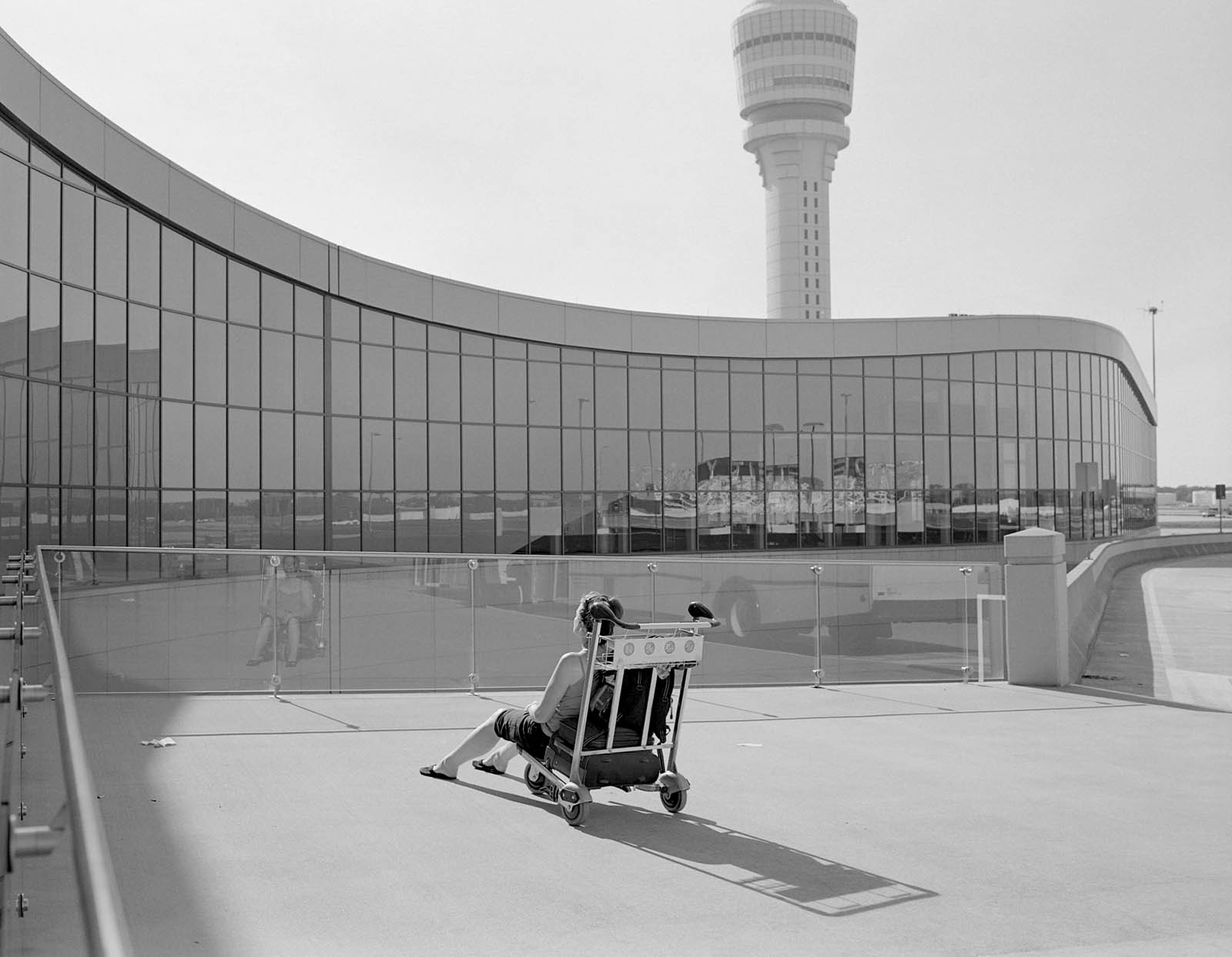
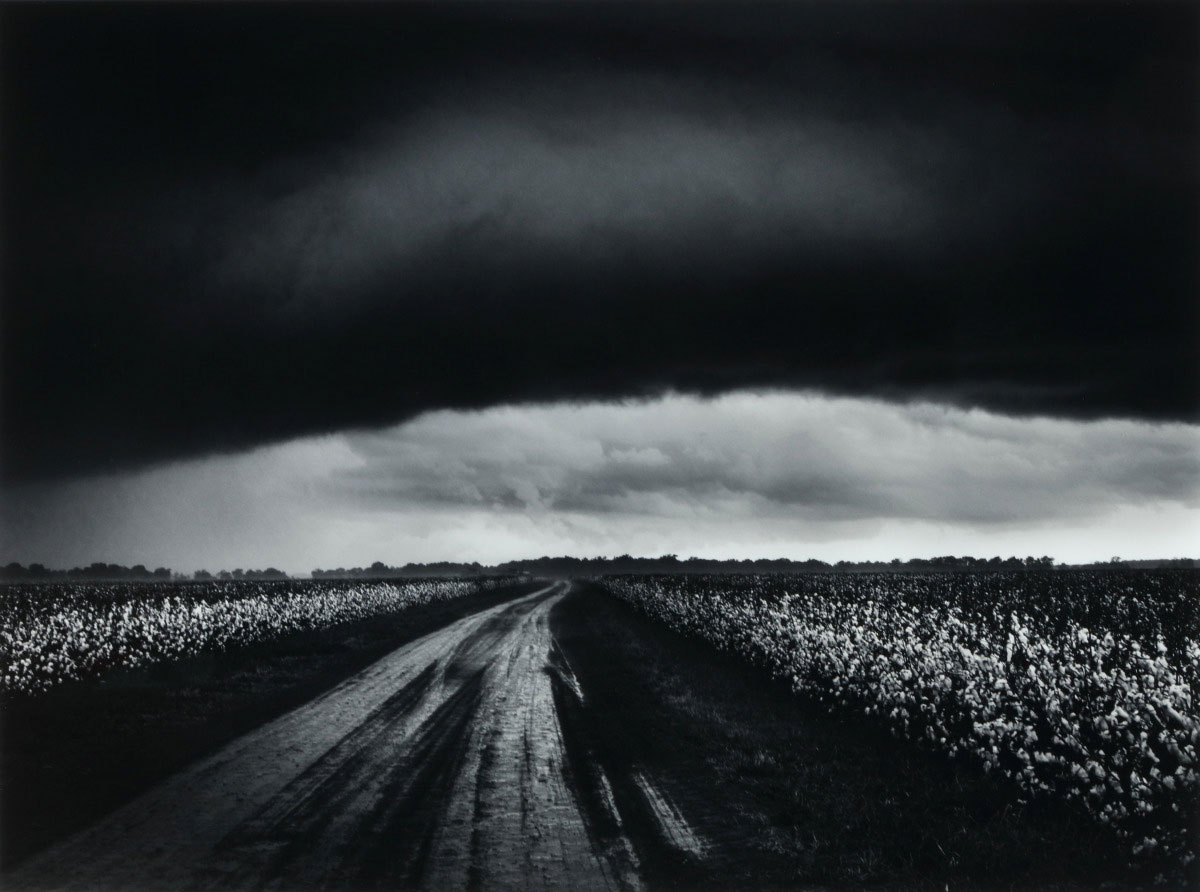
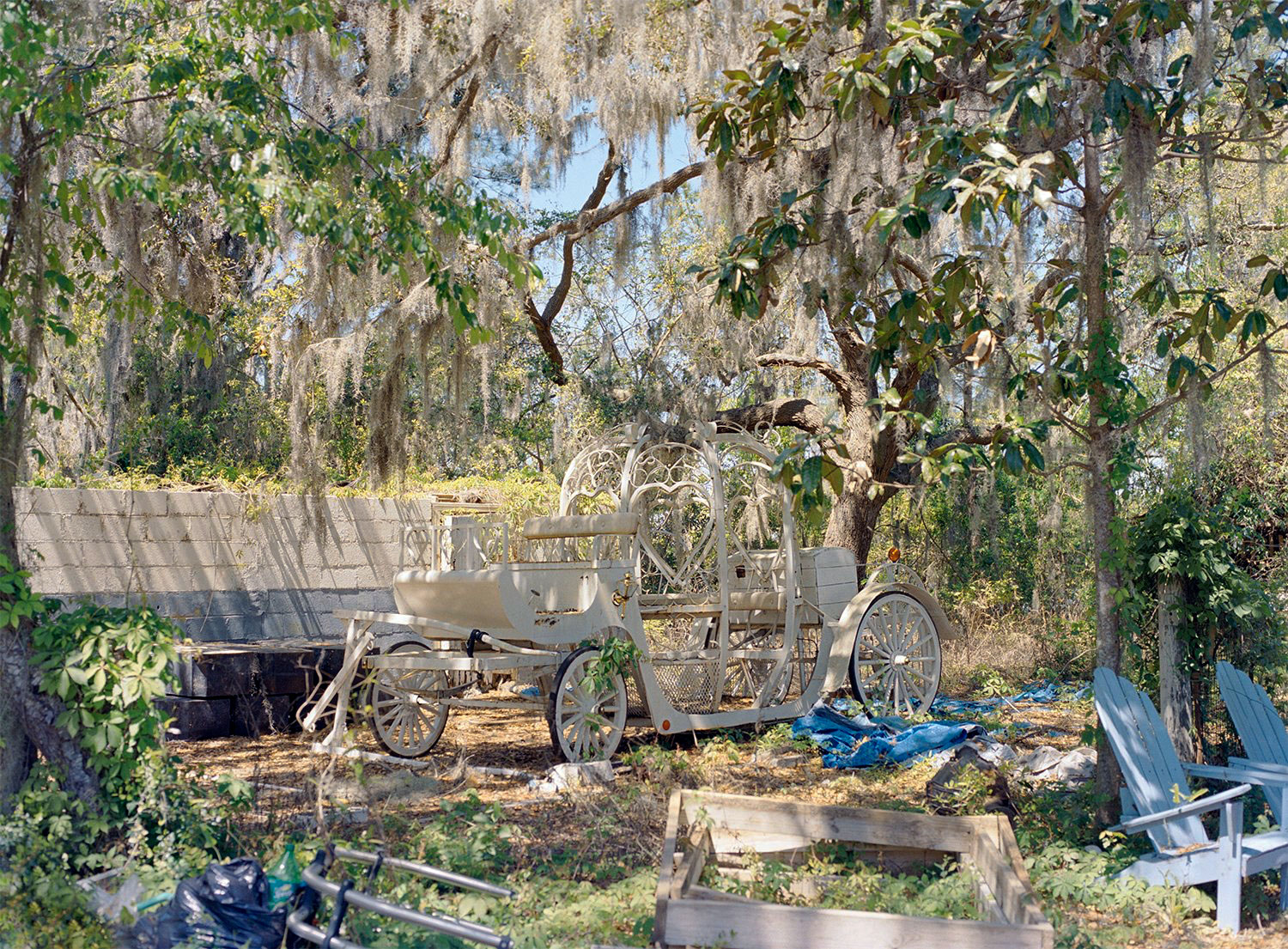

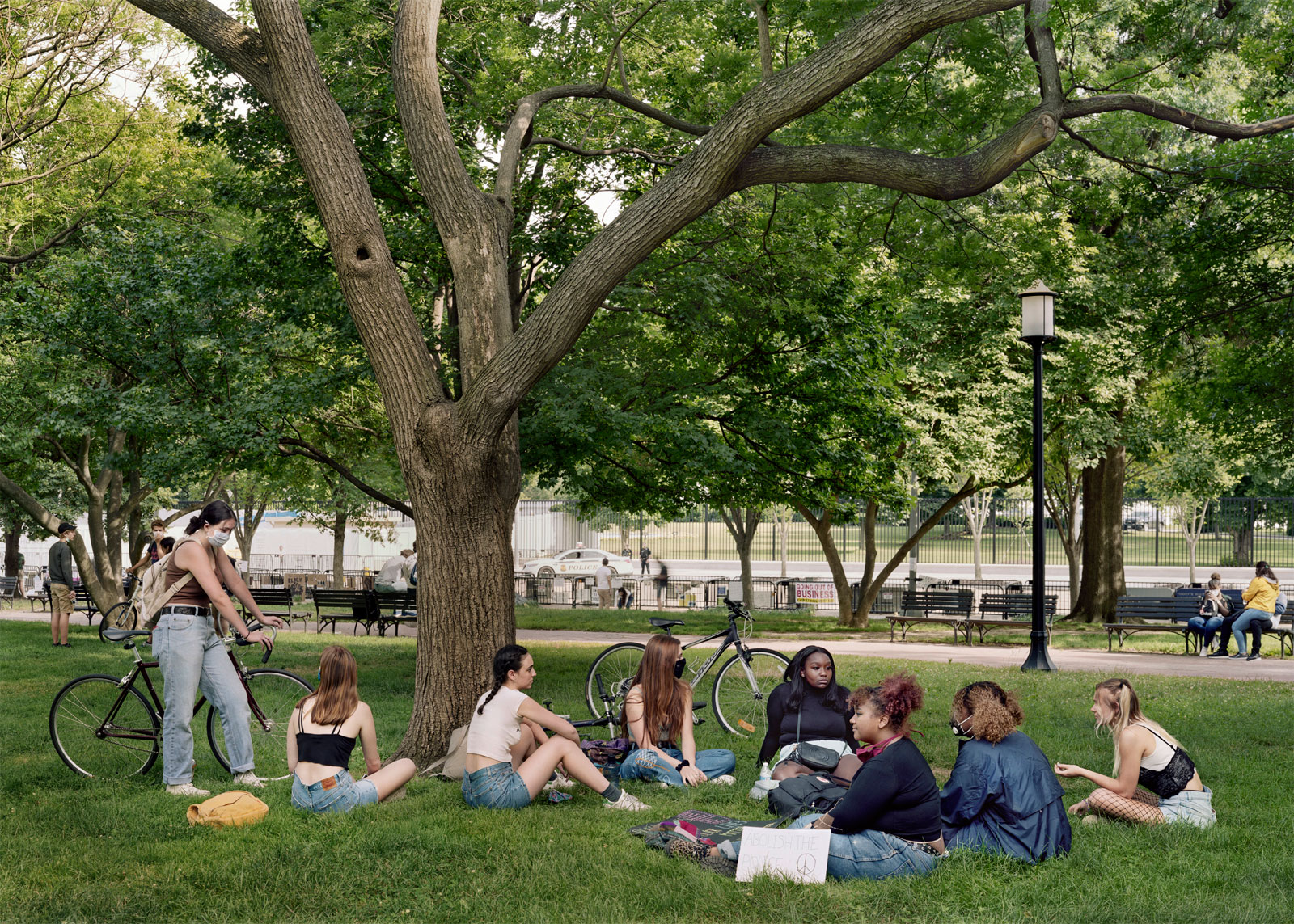
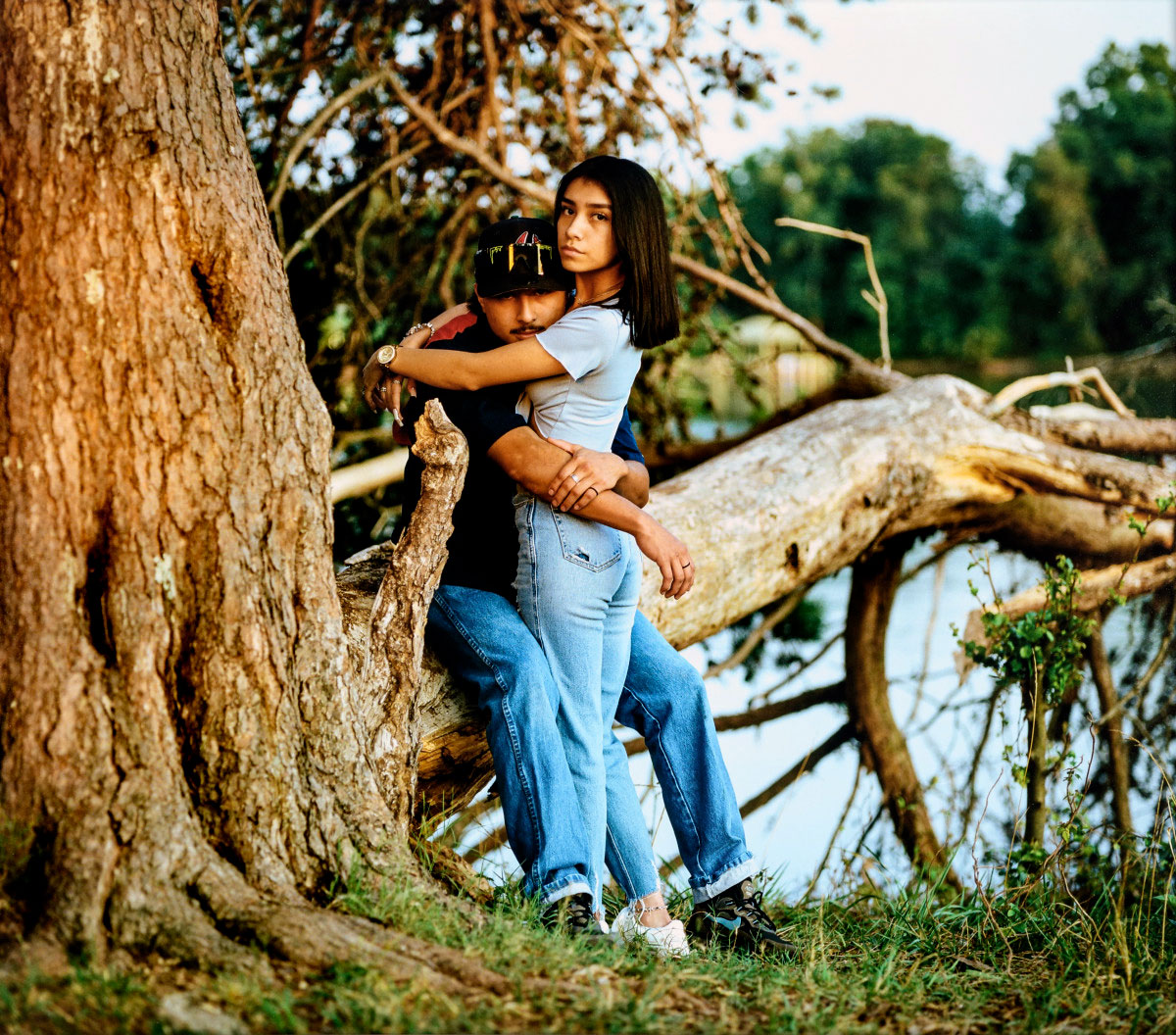


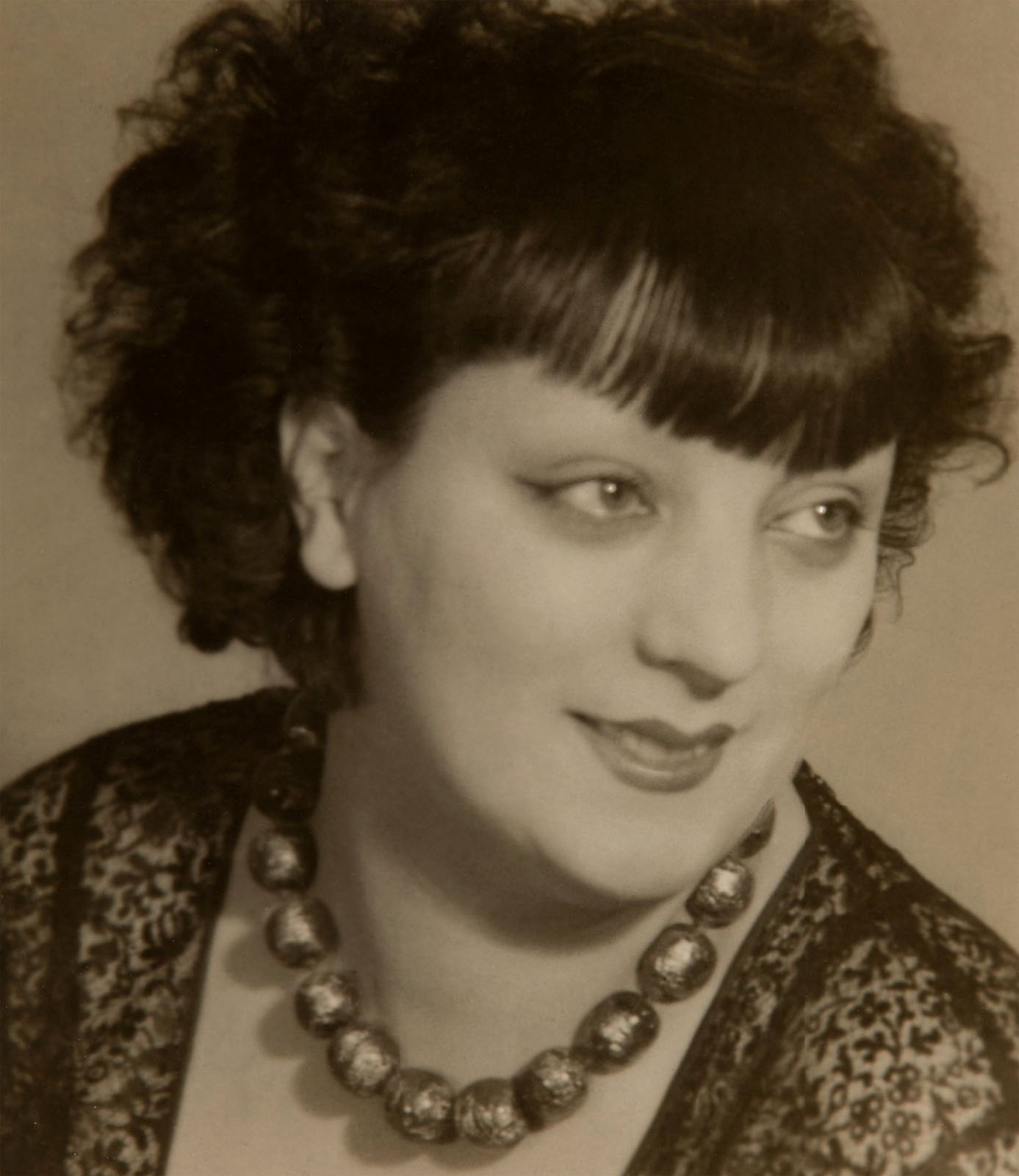


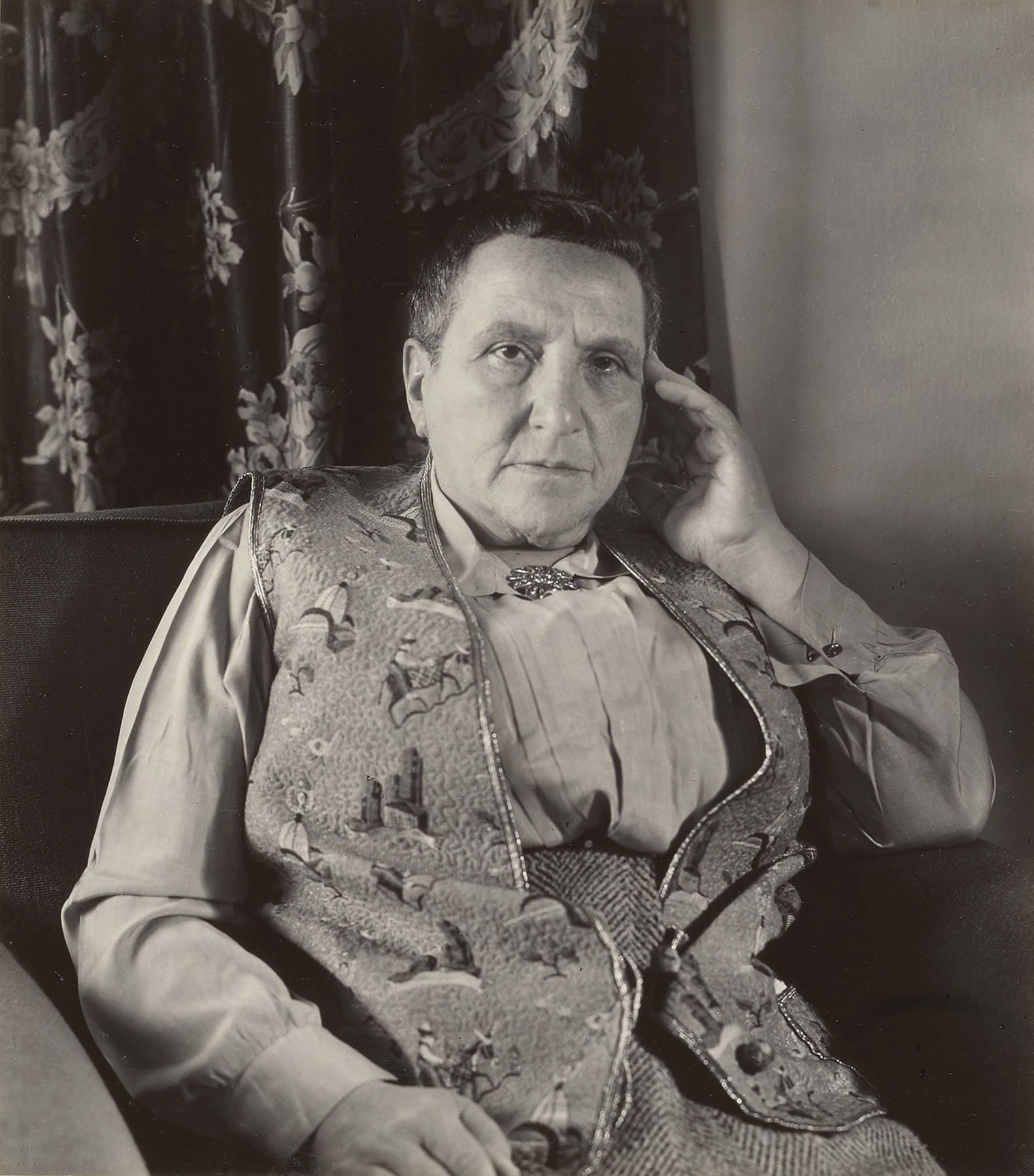

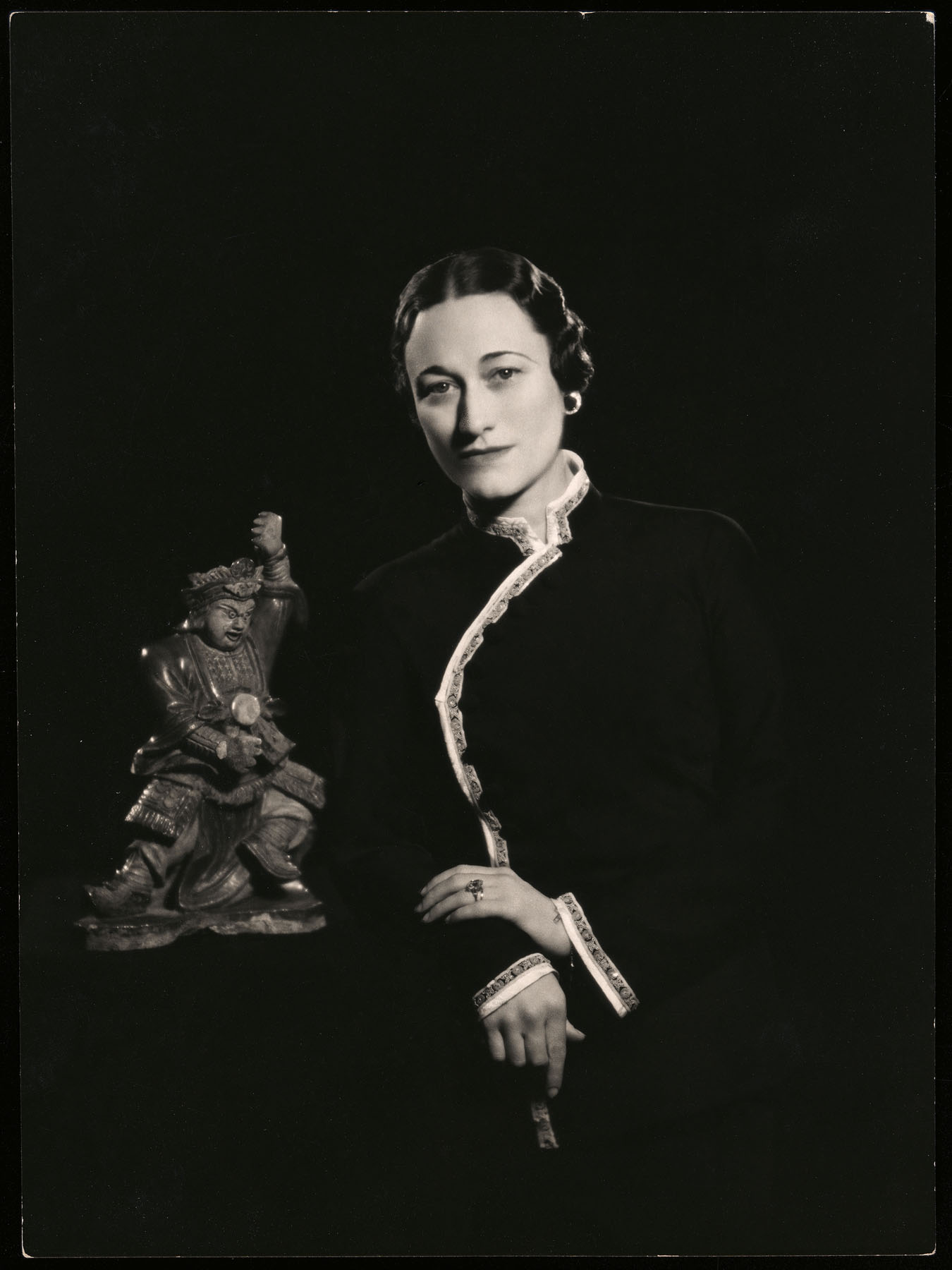








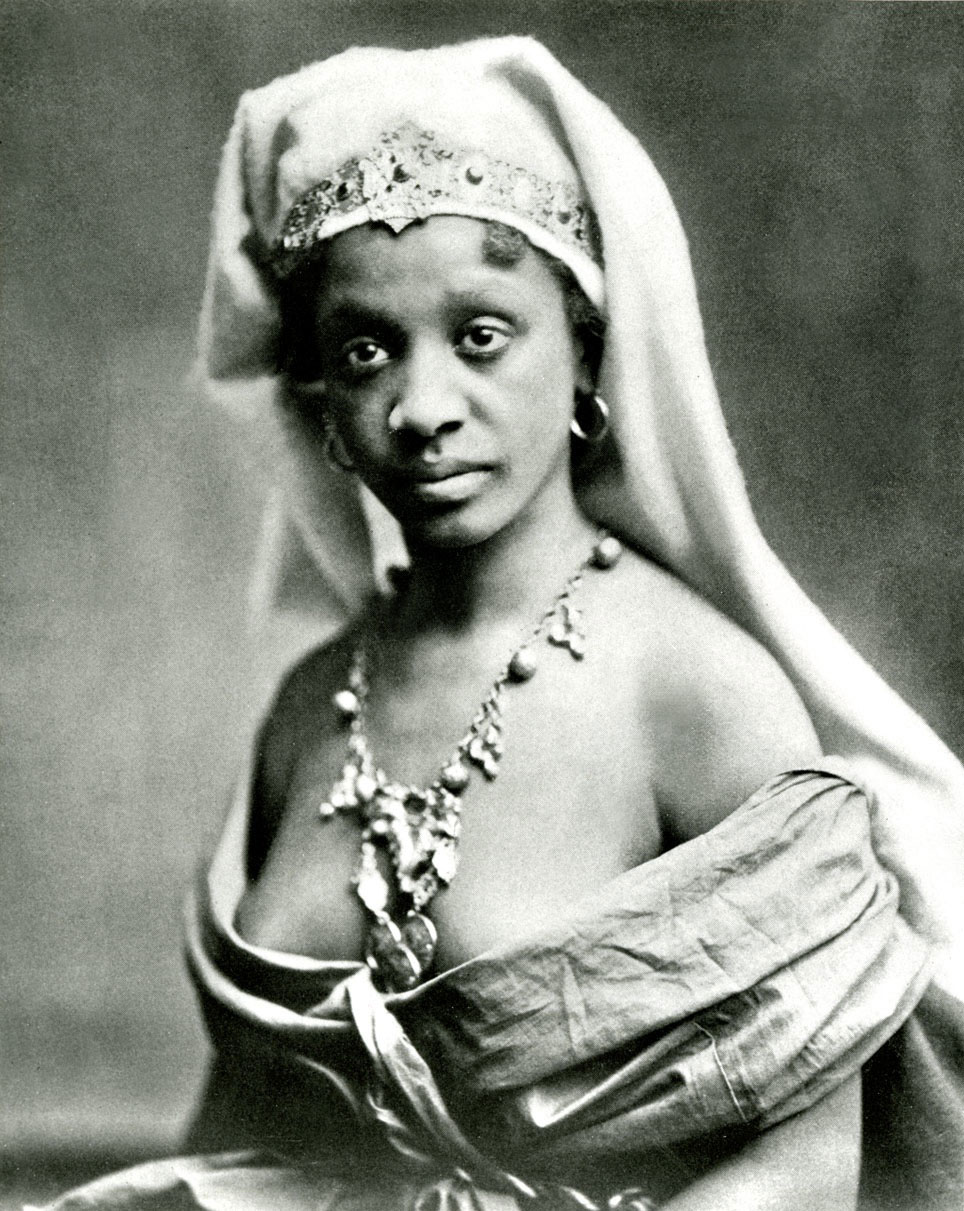
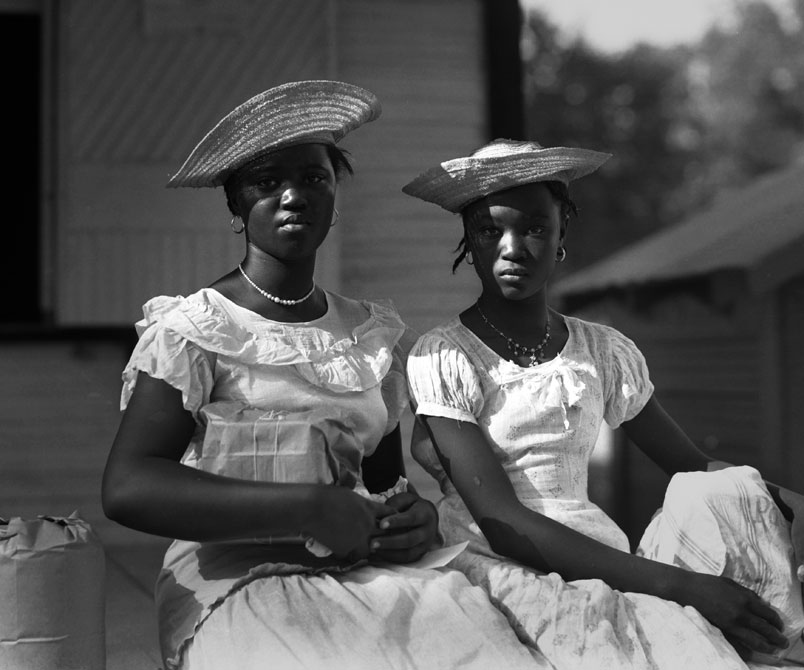
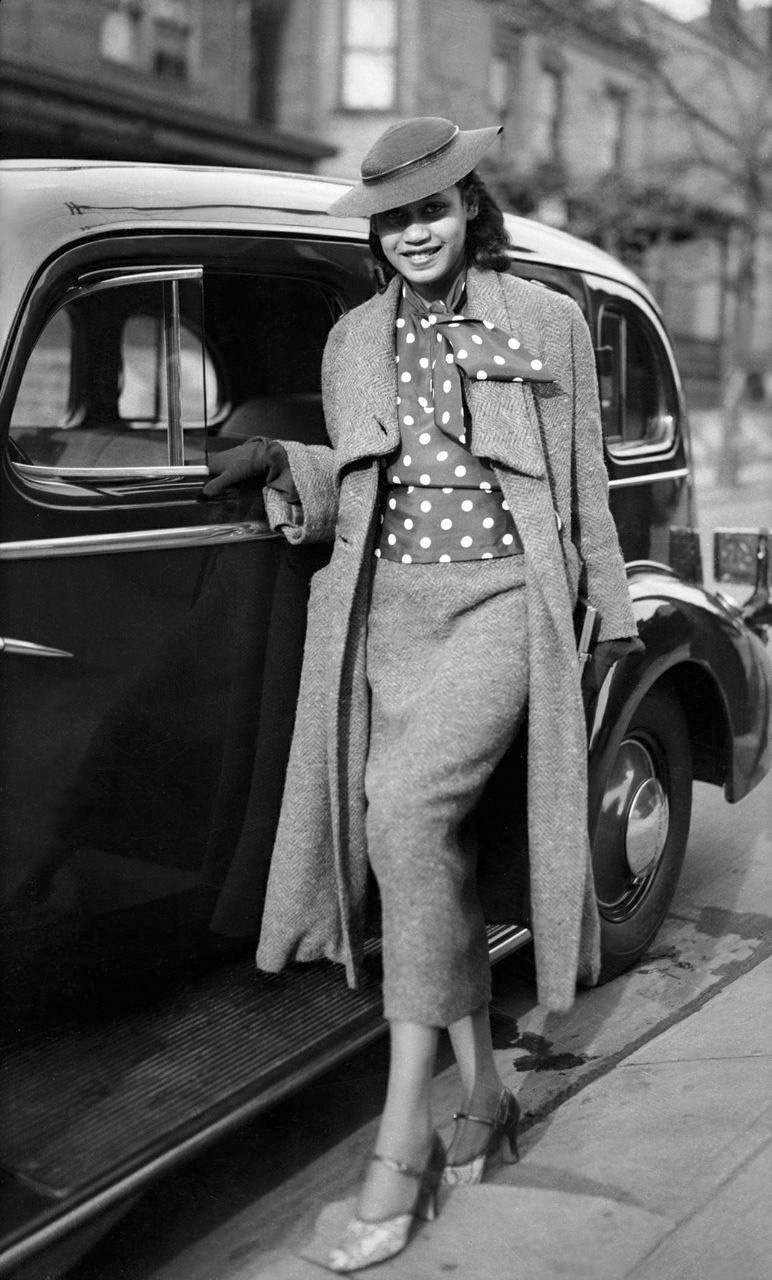
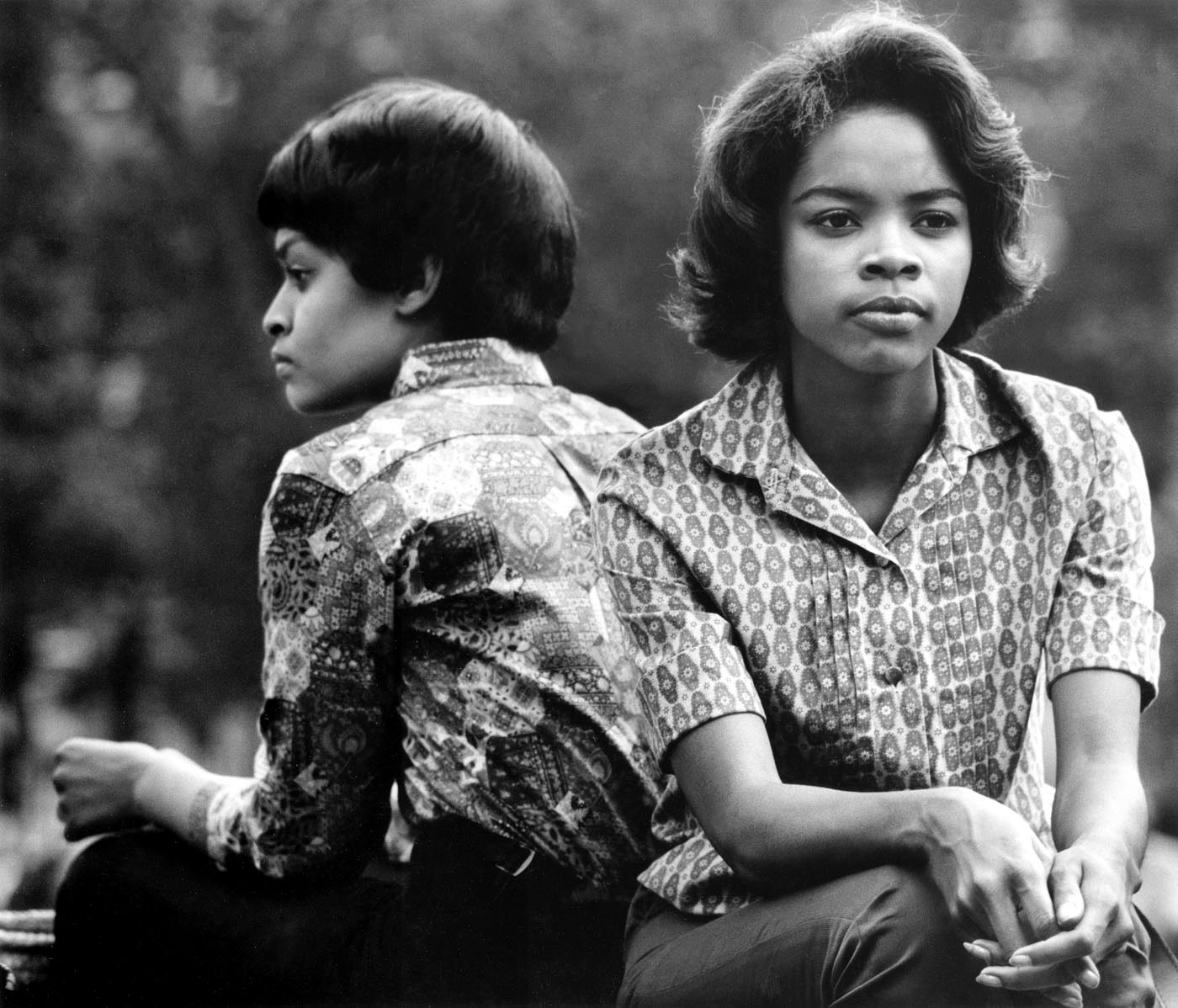
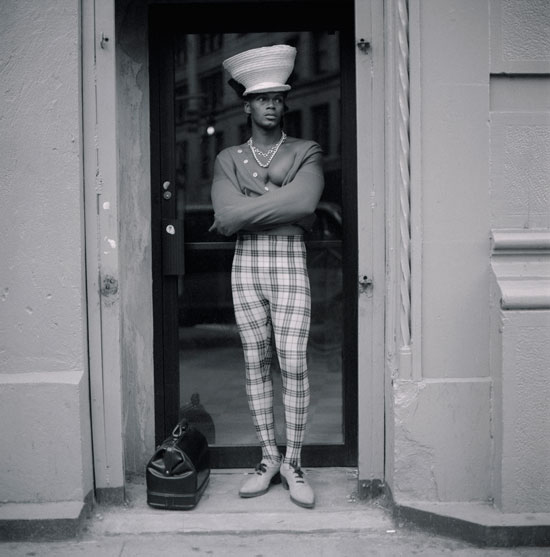






 Art Blart _ art and cultural memory archive
You must be logged in to post a comment.