“Although these artists were explicitly not dealing with mundane reality but instead with what lies beneath, behind and in-between, the still relatively new medium of photography was of great importance for many. Last but not least, they also used it to make visible what remains hidden to the naked eye without technical means: the distant, the tiny, the moving.” (Press release)
Expressing the unconscious mind through illogical, dreamlike imagery and ideas, exploring the irrational, challenging notions of reality through a technical instrument – the camera – to create “a rich and multifarious cosmos of idiosyncratic realities that radically transcended traditional aesthetics.”
In the dream of the mind and the camera’s eye. Over and above the real.
Dr Marcus Bunyan
Many thankx to the Museum für Fotografie for allowing me to publish the photographs in the posting. Please click on the photographs for a larger version of the image.
“The invention of modern photomontage in the early twentieth century by Max Ernst with his Dada colleagues Hannah Höch, John Heartfield, George Grosz and Raoul Hausmann established new history in a variety of ways. Expanding modern art with multimedia as well as placing found photographs into art cut from printed magazines, rather than chemical made prints from the darkroom. Redefining final works of art without the paint brush or canvas. Ernst freed imagery into the unconscious by self-made combinations of drawing with torn and pasted photographic fragments, evoking memories and other responses by viewers that continue today.”
Steve Yates, Fulbright scholar, photographic artist, author and curator
Max Ernst holds a prominent position within Dada and Surrealist Art. His name stands for genre-bending works that combine dream and reality. The exhibition FOTOGAGA: Max Ernst and Photography. A Visit from the Würth Collection is the first to search for points of intersection between his work and photography. Commemorating Surrealism’s centenary, the Museum für Fotografie (Museum of Photography) is showing a representative overview of Max Ernst’s artworks from the Würth Collection. These are complemented by works from the Kunstbibliothek, Kupferstichkabinett, Sammlung Scharf-Gerstenberg and the Staatsbibliothek zu Berlin, and other exceptional loans from museums and private collections in France and Germany.
Max Ernst and Photography – A Special Connection
The art of Max Ernst (1891-1976) was created at a time characterised by a new, creative approach to photography. Snapshots, scientific photographs and images of war machinery inspired him and served as working materials, especially for his collages. Technical and artistic developments in the medium of photography significantly influenced his work. He used photographic reproduction techniques to increase the visual impact of his works: enlargements allowed his small-format collages to hold their own alongside paintings in exhibitions; the production of photo postcards of the collages ensured that the works could be distributed quickly and easily; and the inversion of the tonal values in a photogram enhanced the effect of his frottages.
Max Ernst himself never used a camera for his art, but he liked to pose for the camera, whether for images taken by well-known photographers or made in photo booths. At times serious, at times a little “gaga”, the portraits illustrate not just the artist’s love for playfulness but also an occasionally strategic use of photography to promote his artistic agenda. The title of the exhibition – “FOTOGAGA” – is derived from a group of works by Hans Arp and Max Ernst, which they called “FATAGAGA”: the “FAbrication de TAbleaux GAsométriques Garantis (Fabrication of Guaranteed Gasometric Images)”. One of these photocollages, in which the two artists address their relationship as friends, can be seen in the exhibition.
A Century of Surrealism
Some 270 works will be exhibited, primarily works on paper but also paintings by Max Ernst and photographs, photograms, collages, and illustrated books by his Surrealist contemporaries. Although these artists were explicitly not dealing with mundane reality but instead with what lies beneath, behind and in-between, the still relatively new medium of photography was of great importance for many. Last but not least, they also used it to make visible what remains hidden to the naked eye without technical means: the distant, the tiny, the moving.
Max Ernst’s works are framed within the context of both contemporary and historical references. There are numerous and surprising parallels to photographs by other artists. An avid delight in experimentation and a creative game played with chance characterise the works selected for the exhibition. Their originators reflected on forgotten photographic processes from the 19th century and developed new techniques using light-sensitive materials. Semi-automatic methods, working with found objects, unusual combinations, and the blurring of traces have equally shaped the work of Max Ernst and the photographic oeuvres of many of his contemporaries and other artists that followed. Even a century after André Breton published the first Surrealist Manifesto on 15 October 1924, they have not lost any of their fascination.
A cooperation with tradition
The Staatliche Museen zu Berlin look back on a longstanding cooperation with the Würth Collection. FOTOGAGA: Max Ernst and Photography is the fourth exhibition in a series that began in 2019‒2020 with Anthony Caro: The Last Judgement Sculpture from the Würth Collection at the Gemä-ldegalerie. It was followed in 2021‒2022 by Illustrious Guests: Treasures from the Kunstkammer Würth in the Kunstgewerbemuseum and David Hockney – Landscapes in Dialogue. “The Four Seasons” from the Würth Collection in 2022, also shown at the Gemäldegalerie. The exhibition at the Museum für Fotografie draws on the Würth Collection’s extensive holdings, especially of Max Ernst’s graphic works, which are now being shown in Berlin for the first time.
Press release from the Museum für Fotografie
Max Ernst (German, 1891-1976) Above the Clouds Midnight Passes 1920 Photographic enlargement of a collage and ink, facsimile, 2024 73 x 55cm Kunsthaus Zürich Public domain
László Moholy-Nagy (Hungarian, 1895-1946) The broken marriage 1925 Photomontage 16.5 x 12.2cm Sammlung Siegert, München Public domain
Max Ernst (German, 1891-1976) The Stall of the Sphinx 1925 Pencil on paper 16.4 x 15.2cm Sammlung Ulla und Heiner Pietzsch, Berlin
Max Ernst (German, 1891-1976) Little Tables around the Earth (Petites tables autour de la terre) 1926 From Natural History (Histoire naturelle) Collotype of a frottage 50 x 32.5 cm (sheet) Paris: Éditions Jeanne Bucher Portfolio with 34 collotypes of frottages 51.7 x 35 x 1cm
Aenne Biermann (German, 1898-1933) Cactus 1929 Silver gelatin paper 12.4 x 17.3cm
“The object, which, in its surroundings, is never seen other than in its most mundane aspect, is given new life when isolated in the lens of the viewfinder. […] It seemed to me that the clarity of a constructed form, when removed from its overly distracting surroundings, could be depicted convincingly through the use of photography.”
~ Aenne Biermann
Max Ernst (1891–1976) Quiétude from The Hundred-Headless Woman 1929 Collage novel with 147 reproductions of collages Paris: Éditions du Carrefour 25 x 19cm
The Hundred Headless Woman is Ernst’s first collage novel. It features a loosely narrative sequence of uncanny Surrealist collages, made by cutting up and reassembling nineteenth-century illustrations, accompanied by Ernst’s equally strange captions. Ernst’s French title, La Femme 100 têtes, is a double entendre; when read aloud it can be understood as either “the hundred-headed woman” or “the headless woman.” Along with this enigmatic title character, the book marks the introduction of Ernst’s favourite alter ego, Loplop, “the Bird Superior.” Ernst was deeply engaged with illustrated books during the 1930s; in addition to collage novels, he created many etchings and lithographs to complement the poems and stories of Surrealist writers with whom he was closely associated.
Gallery label from Max Ernst: Beyond Painting, September 23, 2017-January 1, 2018 on the MoMA website Nd [online] Cited 31/03/2025
Max Ernst (German, 1891-1976) Loplop presents the members of the Surrealist group 1931 Reproduction of a collage in Le Surréalisme au service de la revolution, No. 4 27.4 x 19.9cm
Claude Cahun (French, 1894-1954) / Marcel Moore (French, 1892-1972) Aveux non avenus / Disavowals (frontispiece) 1930 Paris: Éditions du Carrefour Book with 11 heliogravures of collages 22 x 17 x 2.8cm Sammlung Siegert, München
Raoul Ubac (Belgian, 1910-1985) The Battle of the Penthesilea II 1937 Photomontage, silver gelatin paper 18 x 24.2cm Sammlung Siegert, München
Max Ernst (1891-1976) is one of the most important representatives of Dadaism and Surrealism, two artistic movements that turned traditional norms on their head from the 1920s onwards. His boundary-crossing works combine dream and reality. His art also was created at a time characterized by a new, creative approach to photography. Snapshots, scientific photographs and images of war machinery inspired him and served as working materials, especially for his collages. Although he never used a camera for his art himself, technical and artistic developments in the medium of photography significantly influenced his work. Last but not least, Max Ernst liked to pose for the camera, whether for images taken by well-known photographers or made in photo booths.
Some 270 works will be exhibited, primarily works on paper but also paintings by Max Ernst and photographs, photograms, collages, and illustrated books by his Surrealist contemporaries. Although these artists were explicitly not dealing with mundane reality but instead with what lies beneath, behind and in-between, the still relatively new medium of photography was of great importance for many. Last but not least, they also used it to make visible what remains hidden to the naked eye without technical means: the distant, the tiny, the moving.
Max Ernst’s works are framed within the context of both contemporary and historical references. There are numerous and surprising parallels to photographs by other artists. Semi-automatic methods, working with found objects, unusual combinations, and the blurring of traces have equally shaped the work of Max Ernst and the photographic oeuvres of many of his contemporaries and other artists that followed. Even a century after André Breton published the first Surrealist Manifesto on 15 October 1924, they have not lost any of their fascination.
Gazes and Visions
The Motif of the Eye as a Surrealist Symbol
For the Surrealists, free, wild seeing opened up perspectives on an untamed world beyond reality – provided that the eyes were used in the right way or equipped with appropriate devices. Thus the motif of the eye symbolizes the translation of visions into perceptible images. Max Ernst’s frottages show radically enlarged, wide-open eyes hovering over a flat horizon. Visionary seeing can also be assisted by various instruments. In a coloured collage for Les malheurs des immortels, a young man gazes through two pipes, cheeks flushed with excitement: what might he be looking at?
The focus on inner vision becomes the theme of a 1929 collage, in which the portrait photos of the Surrealists, all shown with eyes closed, are arranged around the reproduction of a nude painting by René Magritte. In so doing, a very masculinely connoted group activity is simulated in which sexual desire makes possible the liberation of thought. A violent variation – a blinding, likewise understood as liberation – appears in the famous eyeball-slicing scene in the prologue of the 1928 film Un chien andalou by Luis Buñuel and Salvador Dalí.
Flora, fauna, firmament
Frottage, Nature Printing, and Plant Photography
Plantlike animals, seashell flowers, fishbone forests, crocheted stars – the visual world of Max Ernst is full of fantastic forms. For him, nature served as both inspiration and material. In his frottages, he used wood, leaves and much more for rubbings on paper. This is how the portfolio Histoire naturelle (Natural History) was created in 1926. The frottages were reproduced as collotype prints, photomechanically produced prints using an exposed glass plate as a printing block.
With Histoire Naturelle, Max Ernst drew on natural history encyclopaedias, but reworked the originals to create his own natural history. In so doing he dissected nature, showed the tiny and the distant, and created planar structures rather than views. This interest in the formal language of nature also resonates in the photography of the New Objectivity from around the same time, which reveal the aesthetic power of natural forms. That also made them interesting to the Surrealist movement.
In his artist’s book Maximiliana or the Illegal Practice of Astronomy from 1964, Max Ernst devoted himself entirely to celestial phenomena. As in photograms, Ernst used objects here like spirals or gears as stencils to evoke comets and nebulas.
Between Positive and Negative
Photogram, Cliché Verre, and Other Darkroom Experiments
The play of positive and negative effects is a recurring theme in Max Ernst’s oeuvre. Early works created using fine lines incised on a black ground show motifs that appear fragile and vague. He also used photographic techniques for some of his works and transformed his frottages into negative forms in Man Ray’s studio. In 1931, for example, he created dark photograms as illustrations for René Crevel’s text Mr. Knife, Miss Fork.
Max Ernst’s use of manually produced prototypes relates to a technique borrowed from the early days of photography: cliché verre, or glass printing. In this hybrid process, an etching is created on a glass plate coated with paint or ink, which then serves as a negative for the print. The twentieth century witnessed a rediscovery of cliché verre and the further amalgamation of photographic and drawing processes. The growing interest in camera-less photography led to a wide range of experiments using light and unconventional materials in various avant-garde circles.
Invisible Cuts
(Photo-) Collages, Collage Novels, and Surrealist Photography
For Max Ernst, collage is the fundamental mode of artistic production. It encompasses a colorful variety of methods for combining materials of all kinds, initiating an open-ended artistic process. Max Ernst had already experimented with collages of printed photographs during his Dada years. The combination of the most diverse illustrations and their fusion into a new image by painting and drawing over them all took place within the working process.
For his wood engraving collages, Max Ernst made use of old-fashioned illustrations from popular scientific magazines of the nineteenth century. Many of these images were also based on photographs; at that time, however, photos could not yet be reproduced and thus had to be rendered as wood engravings. His three collage novels featured visions and hallucinations alongside blasphemy, the critique of bourgeois morals, and the glorification of free love and revolution.
Photographers of the Surrealist movement from Claude Cahun to Karel Teige, from Georges Hugnet to Emila Medková created with the help of camera and darkroom as well as scissors and glue, a rich and multifarious cosmos of idiosyncratic realities that radically transcended traditional aesthetics.
Max Ernst in Front of the Camera
From Studio Portrait to Photo Booth
Max Ernst is one of the most frequently photographed artists of the twentieth century. He posed for the cameras of important photographers such as Berenice Abbott, Arnold Newman, Lee Miller, Irving Penn, and Man Ray. Their portraits demonstrate just how individual the view of a person can be. A whole series of photographs shows the artist at work, with his art, or in the studio. Whether in focused concentration wearing his painter’s smock, in the midst of creative chaos, or in intimate relation to his sculptures – such photographs reinforce or even create the iconic conception of the artist.
Another group of images shows Max Ernst with female companions such as the artists Leonora Carrington or Dorothea Tanning, which convey the intensity of their relations. As a member of the Surrealists Max Ernst frequently appears in group portraits. These images bear witness to the various stations of the movement – its beginnings in Paris or exile in America – as well as to constellations of fashion and gender. Whether individually or in a group, pensive, playful, joyful or serious, the photographs tell of Max Ernst’s delight in self-representation and in theatrical play.
Text from the Museum für Fotografie
George Platt Lynes (American, 1907-1955) Max Ernst, New York 1941 Silver gelatin paper, new print 25.1 x 20.1cm
Josef Breitenbach (German, 1896-1984) Max Ernst and the seahorse, New York 1942 Silver gelatin paper 24 x 19cm
Arnold Newman (American, 1918-2006) Max Ernst, New York 1942 Silver gelatin paper 24.2 x 18.6cm
Frederick Sommer (American, 1905-1999) Max Ernst 1946 Gelatin silver print
A reproduction of this image on postcard for the Max Ernst retrospective: 30 Years of his Work – A Survey, Copley Galleries, Beverly Hills 1949 is included in the exhibition.
John Kasnetzis Dorothea Tanning and Max Ernst with the sculpture Capricorne, Arizona 1948 Silver gelatin print, later print 23.6 x 18.8cm
In the summer of 1947, Max Ernst, exuberant and inspired by the arrival of water piped to our house (up to then we had hauled it daily from a well 5 miles away), began playing with cement and scrap iron with assists from box tops, eggshells, car springs, milk cartons and other detritus, The result: Capricorn, a monumental sculpture of regal but benign deities that consecrated our “garden” and watched over its inhabitants. Years later, when we had gone, a sculptor friend made molds and sent them to their creator in Huismes, France where he reassembled his Capricorn for casting in bronze. The above photo is a one-shot, spur-of-the-moment caper made after taking a people-less documentary photo.
Dorothea Tanning from Birthday, Santa Monica: The Lapis Press, 1986
Denise Colomb (French, 1902-2004) Max Ernst on the roof terrace on the Quai Saint-Michel in Paris 1953 Silver gelatin paper, later print 28 x 22cm
Fritz Kempe (German, 1909-1988) Max Ernst, Hamburg 1964 Silver gelatin print 12.8 x 17.7cm
Max Ernst (German, 1891-1976) Seen at the Neuilly fair 1971 Colour reproduction of a collage, sheet 3 from the portfolio: Commonplaces. Eleven Poems and Twelve Collages 49 x 34.5cm
Museum für Fotografie Jebensstraße 2, 10623 Berlin
Exhibition dates: 13th October 2023 – 4th February 2024
Warning: Aboriginal and Torres Strait Islander readers should be aware that this posting contains images and names of people who may have since passed away.
O. G. Rejlander (British born Sweden, 1813-1875) No title (The Virgin in prayer)
c. 1858-1860
Albumen silver photograph
20.2 × 15.4cm irreg. (image and sheet)
National Gallery of Victoria, Melbourne
Purchased, 2002
Public domain
This is an ambitious, complex but flawed exhibition of photographic works from the NGV Collection. Further comment in Part 2 of the posting…
Dr Marcus Bunyan
Many thankx to the NGV for allowing me to publish the media images in the posting. Other photographs in the posting are public domain. All installation images are by Marcus Bunyan.
Photography: Real and Imagined examines two perspectives on photography; photography grounded in the real world, as a record, a document, a reflection of the world around us; and photography as the product of imagination, storytelling and illusion. On occasion, photography operates in both realms of the real and the imagined.
Highlighting major photographic works from the NGV Collection, including recent acquisitions on display for the very first time, Photography: Real and Imagined examines the complex, engaging and sometimes contradictory nature, of all things photographic. The NGV’s largest survey of the photography collection, the exhibition includes more than 300 works by Australian and international photographers and artists working with photo-media from the nineteenth, twentieth and twenty-first centuries.
Text from the NGV website
Installation view of the entrance to the exhibition Photography: Real & Imagined at The Ian Potter Centre: NGV Australia, Melbourne with introduction wall text to the right Photo: Marcus Bunyan
Introduction
Photography was once described by writer and critic Lucy Lippard as having ‘a toe in the chilly waters of verisimilitude’. Photographs, Lippard posits, may be a close – rather than exact – reflection of truth. This proposition raises a raft of questions. Is reality so uncomfortable that we only engage with it partially, or out of necessity? Can a photograph show the truth, and if it does, whose truth is it showing – the photographer’s, the subject’s or the viewer’s? If truth is the end game, what does this mean for creative practice and other types of photography? The suggestion that photography is only partially, and somewhat uncomfortably, engaged with the notion of truth highlights the complexity encountered when trying to nearly encapsulate any selection of photographs.
Through works from the NGV Collection, Photography: Real and Imagined teases out connections between iconic and lesser known photographs, putting them in a dialogue with one another that both explores and transcends the time in which they were made. It dos not set out to be a history of photography, but historical context does inform the content, leading to nuanced discussions of past and present, real and imagined.
Introductory wall text from the exhibition
Installation view of the exhibition Photography: Real & Imagined at The Ian Potter Centre: NGV Australia, Melbourne showing at right, Mike and Doug Starn’s Invictus (1992); and at left works by John Kauffmann, Norman Deck and Edward Steichen (see below) Photo: Marcus Bunyan
The sun was the light source that enabled the earliest photographs to be made in the 1830s. More than 150 years later the sun is the subject of this photographic sculpture by Mike and Doug Starn that embraces the possibilities of light and its potential effects on photography, in terms of both producing an image and as a force contributing to its irreparable damage. In the centre of their installation, the circular form of a sun seems to pulse and leach out of the layers of exposed orthographic film, which is stretched and layered across steel beams and held with pipe clamps and tape.
Wall text from the exhibition
Installation view of the exhibition Photography: Real & Imagined at The Ian Potter Centre: NGV Australia, Melbourne showing at top left, John Kauffmann’s The Cloud (c. 1905, below); at bottom left, Kauffmann’s The grey veil c. 1919; at top right, Norman Deck’s Sunset, Parramatta River (1909); and a bottom right, Edward Steichen’s Moonrise (1904) Photo: Marcus Bunyan
John Kauffmann (Australian, 1864-1942) The cloud
c. 1905
Gelatin silver photograph
28.2 × 37.2cm
National Gallery of Victoria, Melbourne
Gift of Mr John Bilney, 1976
Public domain
John Kauffmann (Australian, 1864-1942) The grey veil
c. 1919
Gelatin silver photograph
National Gallery of Victoria, Melbourne
Purchased through The Art Foundation of Victoria with the assistance of the Herald & Weekly Times Limited, Fellow, 1990
Public domain
The Yarra River, the Princes Bridge and the Melbourne city skyline beyond shimmer in this photograph by John Kauffmann. And yet, they are not the image’s subject. Using a highly refined Pictorialist treatment, a reduced tonal range and luminous mid tones, the artist has manipulated light to the extent that the feeling and atmospheric qualities become the focus of the image – it is the impression that is paramount. With the choice of title, too, the photograph moves away from a specific documentation of place or time.
Wall text from the exhibition
Norman Deck (Australian 1882-1980) Sunset, Parramatta River
1909
Gelatin silver photograph
30.5 × 24.9cm
National Gallery of Victoria, Melbourne
Gift of Joyce Evans, 1993
Public domain
Installation view of the exhibition Photography: Real & Imagined at The Ian Potter Centre: NGV Australia, Melbourne showing at centre, David Thomas’ The Movement of Colour (White), Taking a Monochrome for a Walk (London) (2010-2011), with at right works by David Noonan, Hiroshi Sugimoto, László Moholy-Nagy and Susan Fereday (see below) Photo: Marcus Bunyan
David Thomas (British, b. 1951, Australia 1958- ) The Movement of Colour (White), Taking a Monochrome for a Walk (London) (installation view)
2010-2011
National Gallery of Victoria, Melbourne
Gift of an anonymous donor through the Australian Government’s Cultural Gifts Program 2015 Photo: Marcus Bunyan
“It was made during a residency at the Centre for Drawing Research at Wimbledon School of Art University of the Arts London… and plays on Paul Klee’s definition of drawing as taking a line for a walk on a page… this is taking a monochrome for a walk in the world where the monochrome becomes a key for seeing other colours… an interval in the world. It also suggests the ideas of movement in time and feelings of impermanence.”
~ David Thomas
Installation view of the exhibition Photography: Real & Imagined at The Ian Potter Centre: NGV Australia, Melbourne showing at top right, David Noonan’s Untitled (1992); at bottom left, Hiroshi Sugimoto’s Winnetka Drive-In, Paramount (1993); at top right, László Moholy-Nagy’s Fotogram, 1925 (1925); and at bottom right, Susan Fereday’s Untitled (2001) Photo: Marcus Bunyan
Light and time are both the means and subject of Hiroshi Sugimoto’s Drive-In Theaters series. To produce the images, the artist directs his camera at the movie screen. Once the film starts, Sugimoto opens the lens shutter of his large-format camera and shuts it the moment the movie ends. The result is a visual condensation of the moving images and projected light of the film for its duration into a vivid, hovering rectangle of virtually pulsating light and, in the case of this drive-in cinema, the surrounding human-made and astronomical light, too.
Wall text from the exhibition
Installation view of the exhibition Photography: Real & Imagined at The Ian Potter Centre: NGV Australia, Melbourne showing David Noonan’s Untitled (1992) Photo: Marcus Bunyan
László Moholy-Nagy (Hungarian 1895-1946, Germany 1920-1934, England 1935-1937, United States 1937-1946) Fotogram, 1925
1925
Gelatin silver photograph
National Gallery of Victoria, Melbourne
Presented by the National Gallery Society of Victoria, 1985
Public domain
From 1922 to 1943 László Moholy-Nagy experimented extensively with the photogram process – he was passionate about the optical effects and inherent properties of these camera-less images freed from a purely representational mode. In this work a pale shape, an organic swathe, streams across a page while curved shapes dance at the base. A halo above emits small geometric patterns. The work is a celebration of abstraction of the image – of the effects of playing with light, objects and photographic paper in a darkroom.
Wall text from the exhibition
Installation view of the exhibition Photography: Real & Imagined at The Ian Potter Centre: NGV Australia, Melbourne showing at left, Barbara Kasten’s Composition 8T (2018, below); and at right, Lydia Wegner’s Purple square (2017, below) Photo: Marcus Bunyan
This photograph from Barbara Kasten’s Collisions/Compositions series continues her practice of creating architectural spaces in the studio using a range of materials, such as plexiglas and mirrors, which she lights and photographs at close range. Influenced by Constructivism and the teachings of the Bauhaus, specifically the work of László Moholy-Nagy, Kasten has experimented with the parameters of abstract photography for around five decades. She has written of her ongoing fascination with light in the creation and conceptual development of her photographs, saying, ‘The interdependency of shadow and light is the essence of photographic exploration and an inescapable part of the photographic process’.
Wall text from the exhibition
Installation view of the exhibition Photography: Real & Imagined at The Ian Potter Centre: NGV Australia, Melbourne showing Lydia Wegner’s Purple square (2017) Photo: Marcus Bunyan
Installation view of the exhibition Photography: Real & Imagined at The Ian Potter Centre: NGV Australia, Melbourne showing at left, Todd McMillan’s Equivalent VIII (2014); and at right, Sue Pedley’s Sound of lotus 1 (2000) Photo: Marcus Bunyan
Installation view of the exhibition Photography: Real & Imagined at The Ian Potter Centre: NGV Australia, Melbourne showing at back left, Thomas Ruff’s Portrait (V. Liebermann D) (1999); and at back second left, Ruff’s Portrait (A. Koschkarow) (2000) Photo: Marcus Bunyan
Installation view of the exhibition Photography: Real & Imagined at The Ian Potter Centre: NGV Australia, Melbourne showing at left, Thomas Ruff’s Portrait (V. Liebermann D) (1999); and at right, Ruff’s Portrait (A. Koschkarow) (2000) Photo: Marcus Bunyan
The earnest gazes of the man and woman in these two monumental photographs by Thomas Ruff are so calm and serene that they bely the intense experience of viewing their enlarged faces. Applying a standardised approach – similar to a generic passport photograph – these portraits have a timeless quality that invites you to attempt to ‘read’ their faces and to search for clues as to the inner state of the person. Ruff, however, lets nothing slip. The faces are known to the artist but remain anonymous to the viewer.
Wall text from the exhibition
Installation view of the exhibition Photography: Real & Imagined at The Ian Potter Centre: NGV Australia, Melbourne showing Robert Rooney’s AM-PM: 2 Dec 1973-28 Feb 1974 (1973-1974) (detail) Photo: Marcus Bunyan
Featuring some of the most iconic photographs ever created alongside contemporary approaches to the photographic medium, Photography: Real & Imagined is the largest survey of the NGV’s Photography collection in the institution’s history and features more than 270 photographs by Australian and international practitioners.
Four years in the making, this landmark exhibition features photographs from across the 200-year period since the invention of photography in the 19th century, including work by leading international photographers including Man Ray, Cindy Sherman, Wolfgang Tillmans, Gilbert & George and Nan Goldin, alongside Australian photographers Max Dupain, Olive Cotton, Mervyn Bishop, Polly Borland, Destiny Deacon and Darren Sylvester.
Through twenty-one thematic sections, this large-scale exhibition explores the proposition that a photograph can be grounded in the real world, recording, documenting and reflecting the world around us; or be the product of imagination, storytelling and illusion; and on occasion operate in both realms. The thematic sections explore subject matter such as light, place and environment, consumption, conflict, community, and death.
Exhibition highlights include Mervyn Bishop’s important photograph of former Prime Minister of Australia, Gough Whitlam, pouring sand into the open palm of Gurindji Elder Vincent Lingiari. The 1975 image captures the historic meeting between these two figures where Lingiari received the crown lease of his ancestral lands. Also on display is Joe Rosenthal’s World War II photograph Raising the flag on Iwo Jima, 1945, in which American marines raise their country’s flag over the Japanese Island. Both Bishop and Rosenthal’s photographs were staged, or re-constructed for better pictorial effect, illustrating the fluid space between the real and imagined.
The exhibition also presents fashion and advertising photography, including key examples by Lilian Bassman, Athol Smith, Horst P. Horst and Dora Maar. These images showcase a world of designer fashion and high-end products, which set a standard in advertising that continues today. Ilse Bing’s Surrealist inspired photograph commissioned by Elsa Schiaparelli to launch her new perfume Salut in 1934 is a highlight of the exhibition.
Highlighting an area of focused collecting for the NGV, the exhibition recognises the work of women practicing in the early 20th century, including Barbara Morgan whose acclaimed photo montage City shell, 1938, shows an unexpected view of the then recently completed Empire State Building.
Through to the current day, Photography: Real & Imagined presents contemporary photographers of the 21st century including Zanele Muholi, Richard Mosse and Alex Prager. Highlights include Cindy Sherman’s celebrated self-portrait in the guise of Renaissance aristocrat. Also on display will be the oldest photographic work in the NGV Collection, an early 19th century portrait by Englishman William Henry Fox Talbot, one of the inventors of the medium, as well as examples of daguerreotypes, unique images on silver plated copper sheets that are amongst the earliest forms of photography.
The exhibition is accompanied by a major publication – the most ambitious book published on the NGV Photography Collection, generously supported by the Bowness Family Foundation. The publication comprises essays from NGV Senior Curator of Photography, Susan van Wyk, Susan Bright and David Campany; alongside texts by Curator of Photography, Maggie Finch and external authors from Australia, Europe, North America and Southeast Asia.
Regular introductory talks for students are held on weekdays during term times, and free drop-by guided tours each Thursday and Sunday at 10.30am during the exhibition period.
Tony Ellwood AM, Director, NGV, said: ‘This exhibition celebrates the collections and achievements of the NGV’s photography department, which has presented more than 180 exhibitions in its 55-year history. The exhibition is a testament to the strength of the NGV Collection, with so many key examples of the history of photography represented, from the earliest examples from the 19th century, through to contemporary images being produced right now in the twenty-first century. We are grateful for the support of the many donors and philanthropists, such as the Bowness Family Foundation, who have helped to grow and strengthen the NGV’s photography collection.’
Press release from the NGV
Installation view of the exhibition Photography: Real & Imagined at The Ian Potter Centre: NGV Australia, Melbourne at top left, O. G. Rejlander’s The Virgin in prayer (c. 1858-1860, below); at bottom left, Henry Peach Robinson’s Elaine watching the shield of Lancelot (1859); at centre, Ruth Hollick’s Thought (1921); and at right Cindy Sherman’s Untitled (1988) from the History Portraits series 1988-1990 Photo: Marcus Bunyan
Describing the complex conundrum presented by Cindy Sherman in this photograph, photographer and curator Patrick Pound once wrote: ‘Fake chested and with a face like a mask, here Cindy Sherman is costumed to the max. She stares out like a disapproving Renaissance figure who has just walked off set from a Peter Greenaway extravaganza. Here we have a photographer looking like a painting that walked out of a film. Sherman’s photographs speak of the fragilities of the visage in an image-saturated world where information and construction slip into foreplay. In Sherman’s photographic world gender and identity is a compilation album. There is a toughness to the excess that is all her own’.
Wall text from the exhibition
Installation view of the exhibition Photography: Real & Imagined at The Ian Potter Centre: NGV Australia, Melbourne showing O. G. Rejlander’s The Virgin in prayer (c. 1858-1860, below) Photo: Marcus Bunyan
Henry Peach Robinson (English, 1830-1901) Elaine watching the shield of Lancelot
1859
Albumen silver photograph
24.3 × 19.3cm (image and sheet)
National Gallery of Victoria, Melbourne
Purchased from Admission Funds, 1988
Public domain
In the 1850s Henry Peach Robinson was renowned for producing elaborately staged narrative images based on scenes from popular literary sources. He was particularly interested in Arthurian legends and drew upon these stories as inspiration for some of his most admired photographs. Elaine watching the shield of Lancelot is based on Alfred Tennyson’s version of the story of Lancelot and Elaine. Peach Robinson has recreated the scene in which the lovelorn Elaine gazes dreamily at the shield of Lancelot. She is shown as a woman who has shunned reason and propriety and abandoned herself to the intensity of her emotions, making this photograph both a tragic love story and a cautionary narrative.
Wall text from the exhibition
Ruth Hollick (Australian, 1883-1977) Thought
1921
Gelatin silver photograph
37.4 × 25.3cm
National Gallery of Victoria, Melbourne
Presented through The Art Foundation of Victoria by Mrs Lucy Crosbie Morrison, Member, 1993
Public domain
Installation view of the exhibition Photography: Real & Imagined at The Ian Potter Centre: NGV Australia, Melbourne Photo: Marcus Bunyan
Installation view of the exhibition Photography: Real & Imagined at The Ian Potter Centre: NGV Australia, Melbourne showing Bernd and Hilla Becher’s Coal tipple, Goodspring, Pennsylvania 1975 from the Artists and Photographs folio 1975 Photo: Marcus Bunyan
In 1959, German-born artists Bernd and Hilla Becher began travelling throughout Europe to create photographic typologies of vanishing industrial architecture (a practice they continued for more than four decades). While predominantly documenting German structures and landscapes, they occasionally worked overseas. This image, four views of a coal tipple, was taken on their first trip to North America in the mid 1970s. The Bechers constructed a system for comparing structures: photographed from a consistent angle, with virtually identical lighting conditions, printed at the same size and often displayed in grids.
Wall text from the exhibition
Edward Ruscha (American, b. 1937) Twentysix Gasoline Stations (installation view)
1963, published 1967
Artist’s book: photo-offset lithograph and printed text, 48 pages, printed cover, glued binding
National Gallery of Victoria, Melbourne
Gift of Robert Rooney through the Australian Government’s Cultural Gifts Program, 2009 Photos: Marcus Bunyan
With the first publication of Twentysix Gasoline Stations, and his subsequent artist books, Edward Ruscha’s work was influential in initiating the widespread interest in photographic book publishing that continues today. Ruscha’s use of photographs as a means of recording – a seemingly unemotional, detached cataloguing of the world – and simply as a ‘device to complete the idea’ influenced the interest in serial imaging adopted by many conceptual artists. Ruscha’s use of the book format was also crucial, providing a transportable way of presenting art in varied contexts that existed as a type of ‘map’ to be read and interpreted, with the subject matter becoming less important than the documentation as a whole.
Wall text from the exhibition
John Baldessari (American 1931-2020) Fable: A Sentence of Thirteen Parts (with Twelve Alternate Verbs) Ending in a Fable (installation views)
1977
Artist’s book: photo-offset lithography on concertina fold-out in cross formation, folded paper cover
9.8 × 14.0 × 1.8cm (closed) 70.0 × 126.5cm approx. (overall, opened)
National Gallery of Victoria, Melbourne
Purchased, Friends of the Gallery Library, 2017 Photos: Marcus Bunyan
Conceptual artist John Baldessari, is renowned for his often-playful investigations into ideas of language, image and authenticity, once said: ‘I was always interested in language. I thought, why not? … And then I also had a parallel interest in photography … I could never figure out why photography and art had separate histories. So I decided to explore both’. Taking art off the walls and requiring someone to unfold and activate it is a central idea of this artist’s book. A visual puzzle, it invites an interaction between looking and reading, creating your own fables as you jump from image to word to image again.
Wall text from the exhibition
Eve Sonneman (American, b. 1946) Real time (installation view)
1968-1974, published 1976
Artist’s book: photo-offset lithograph and printed text, 46 folios, printed paper cover, glued binding
National Gallery of Victoria, Melbourne
Purchased NGV Supporters of Photography, 2021 Photos: Marcus Bunyan
Eve Sonneman’s photobook Real time includes paired photographs, each separated by a black line border. The diptychs allow for the occurrence of movement and gestures and changes between the artist’s camera clicks. The ordered presentation, however, takes the images away from a straight documentary reading and to a consideration of their ‘objectness’. After first showing the photographs at MoMA, New York, then photography curator, John Szarkowski, set up a mentorship for Sonneman with the photographer Diane Arbus. As Sonneman recalled: ‘[Arbus] loved my pictures and we got along great. For two years she helped me edit’. Sonneman then published the images through the newly established Printed Matter in New York in 1976.
Wall text from the exhibition
Installation view of the exhibition Photography: Real & Imagined at The Ian Potter Centre: NGV Australia, Melbourne showing at top left, Carol Jerrems and Virginia Fraser’s book A Book About Australian Women (published 1974); at top centre, Nan Goldin’s book The Ballad of Sexual Dependency (published 1986); and at bottom left, Tracey Emin’s Exploration of the Soul (published 1994) Photo: Marcus Bunyan
Installation view of the exhibition Photography: Real & Imagined at The Ian Potter Centre: NGV Australia, Melbourne showing at bottom left, Harold Cazneaux’s book The Bridge Book (published 1930); and at top right, Lee Friedlander’s book The American Monument (published 1976) Photo: Marcus Bunyan
Lee Friedlander (American, b. 1934) The American Monument (installation view)
Published by The Eakins Press Foundation, New York, 1976
Half-tone plate
Shaw Research Library, National Gallery of Victoria Photo: Marcus Bunyan
Berenice Abbott (American 1898-1991, worked in France 1921-1929) Changing New York (installation view)
Published by E. P. Dutton & Co, New York, 1939
Half-tone plate and letterpress text
National Gallery of Victoria, Melbourne
Purchased NGV Foundation, 2022 Photo: Marcus Bunyan
Installation view of the exhibition Photography: Real & Imagined at The Ian Potter Centre: NGV Australia, Melbourne showing at top left, Man Ray’s book Photographs by Man Ray Paris 1920-1934 (published 1934); at bottom left, Claude Cahun and Marcel Moore’s book Aveux non Avenus (Disavowals or Cancelled Confessions) (published 1930); at top right, Bill Brandt’s book Perspective of Nudes (published 1961); and at bottom right, Germaine Krull’s book Nude studies (Études de nu) (published 1930) Photo: Marcus Bunyan
Photographs today are often viewed in galleries in frames, hung on walls. Many photographs, however, were originally created for display in combination with text and graphic design; to be laid out on a page and reproduced in different formats; to be held, worn on the body, published, and shared.
With recognition of these expanded histories of photography, and the contemporary resurgence in publishing, this exhibition includes artist books, magazines and photobooks that use the photographic image in print, publishing and design. These two cases include examples that show the influence of Surrealism, the New Objectivity and Constructivist graphic design in dynamic modern publications.
Artist and author Martin Parr has described the photobook as the ‘supreme platform’ for photographers to share the work with a broad audience. The 1920s to the 1970s were arguably the most important period for the publication of photobooks. These two cases include examples that show the influence of modernist, humanist and documentary photography traditions in innovative publications from this time. These include exhibition catalogues, examples of first edition books, publications published in larger un-editioned print runs and coveted collectable limited-edition books and portfolios.
Wall text from the exhibition
Installation view of the exhibition Photography: Real & Imagined at The Ian Potter Centre: NGV Australia, Melbourne showing Man Ray’s book Photographs by Man Ray Paris 1920-1934 (published 1934) with at right, Man Ray’s Anatomies (1930, below) Photo: Marcus Bunyan
Man Ray (Emmanuel Radnitzky) (American, 1890-1976) Anatomies
1930
Gelatin silver photograph
Please note: this photograph is not in the exhibition
Claude Cahun (French, 1894-1954) Marcel Moore (French, 1892-1972) Aveux non Avenus (Disavowals or Cancelled Confessions) (installation view)
Published by Éditions du Carrefour, Paris, 1930
Illustrated book: photogravure, letterpress text, 237 pages, 10 leaves of plates, paper cover, stitched binding
National Gallery of Victoria, Melbourne
Shaw Research Library, acquired through the Friends of the Gallery Library endowment, 2017 Photos: Marcus Bunyan
Aveux non Avenus, by the celebrated poet, writer, sculptor and photographer Claude Cahun, was published in 1930 by Éditions du Carrefour, Paris, in an edition of five hundred. The book comprises a series of texts in French: poems, literary aphorisms, recollections of dream sequences and philosophical thoughts, ideas and meanderings. Pierre Mac Orlan, a French novelist who wrote the preface to the book, described Mademoiselle Claude Cahun’s text as ‘de poèmes-essais et d’essais-poèmes’, or ‘poem-essays and essay-poems’, and said that overall ‘the book is virtually entirely dedicated to the word adventure’
The alliterative title presents a conundrum for English translation – ‘aveux’ meaning ‘avowals’ or ‘confessions’, and ‘non avenus’ meaning ‘voided’ – and is variously translated as Disavowals, Denials, and Unavowed confessions, among other things. Curator Jennifer Mundy has written that the title suggests ‘an affirmative expression immediately followed by some form of negation or retraction’.
Ambiguities around the title aside, there is a strong visual aspect to the book too. The texts are each demarcated with a complex and fantastical photogravure created by Cahun’s partner, Marcel Moore. These photogravure (where an image from the negative of a photograph is etched into a metal plate, similar to printmaking) are collages made up of photographic images of, and by, Cahun. Throughout the book, graphic devices of stars, eyes and lips are also used to separate sections of text. Aveux non Avenus, which has been described as an anti-realist or surrealist-autobiography of the multi-disciplinary Cahun, exists as a potential critique of the autobiography format altogether, is wonderfully irreducible.
Maggie Finch and Isobel Crombie. “Claude Cahun,” in the 2019 July/August edition of NGV Magazine on the NGV website 9th April 2020 [Online] Cited 28/01/2024
Claude Cahun (French, 1894-1954) and Marcel Moore (French, 1892-1972) Untitled
1930
In Aveux non avenus 1930
published by Éditions du Carrefour, Paris
illustrated book: heliographs
National Gallery of Victoria, Melbourne
Shaw Research Library, acquired through the Friends of the Gallery Library endowment, 2017
Germaine Krull (German, 1897-1985) Nude Studies (Études de Nu) (installation view)
Published by Librarie des arts décoratifs, Paris, 1930
24 photogravures, letterpress on paper, white cloth-backed orange paper-covered board portfolio with ribbons
National Gallery of Victoria
Purchased, NGV Foundation, 2022 Photo: Marcus Bunyan
Bill Brandt (English born Germany, 1904-1983) Perspective of Nudes (installation view)
Published Bodley Head, London, 1961
Half-tone plate
Shaw Research Library, National Gallery of Victoria Photo: Marcus Bunyan
Karl Blossfeldt (German, 1865-1932) Art Forms in Nature: Examples from the Plant World Photographed Direct from Nature (installation view)
Published by A. Zwemmer, London, 1929
Half-tone plate
Shaw Research Library, National Gallery of Victoria Photo: Marcus Bunyan
Karel Teige typographer (Czechoslovakia 1900-1951) Karel Paspa photographer (Czechoslovakia 1862-1936) ABECEDA (Alphabet) (installation view)
Published by J. Otto, Prague, 1926
Photomontage
National Gallery of Victoria
Shaw Research Library, acquired through the Friends of the Gallery Library endowment, 2017 Photo: Marcus Bunyan
Aleksandr Rodchenko (Russian, 1891-1958) and Varvara Stepanova (Russian, 1894-1958) USSR in Construction, no. 12 (Parachute issue) (URSS en Construction) (installation view)
1935
Illustrated journal: colour rotogravure, 22 pages with fold-out inserts, lithographic cover
National Gallery of Victoria
Purchased, NGV Supporters of Prints and Drawings, 2019 Photo: Marcus Bunyan
Installation view of the exhibition Photography: Real & Imagined at The Ian Potter Centre: NGV Australia, Melbourne showing at top left, Eliza Hutchinson’s No. 9 (2010); at bottom left, Ewa Narkiewicz’s Copper flax #4 (1999); at centre top, Harry Nankin’s The first wave: fragment 2 (1996); at centre bottom, Peter Peryer’s Seeing (1989); and at right, Aaron Siskind’s New York (1950) Photo: Marcus Bunyan
In much the same way that tactile writing systems such as braille are impenetrable to those with vision, a photograph printed in two dimensions can be incomprehensible for people with vision impairment. Each system presents a conversion – of letters, texts and illustration – into raised dots on a page; of visible wavelengths of light into an image on a light-sensitive surface. Each relies on an irreversible alteration of the surface. Seeing, the title of this Peter Peryer photograph, infers an action – seeing something. Yet the conversion into a photographic image draws attention to the impenetrability of both acts.
Wall text from the exhibition
Installation view of the exhibition Photography: Real & Imagined at The Ian Potter Centre: NGV Australia, Melbourne showing at left, Gregory Crewdson’s Untitled (1999) from the Twilight series (1998-2002); at centre, Malerie Marder’s Untitled (2001); and at right, Anne Zahalka’s Sunday, 2:09pm (1995) Photo: Marcus Bunyan
Gregory Crewdson (American, b. 1962) Untitled (installation view)
1999
From the Twilight series 1998-2002
Type C photograph
121.9 × 152.4cm
National Gallery of Victoria, Melbourne
Kaiser Bequest, 2000 Photo: Marcus Bunyan
Anne Zahalka (Australian, b. 1957) Sunday, 2:09pm
1995, printed 2019
From the Open House series 1995
Colour cibachrome transparency, light box
121.7 × 161.4cm
National Gallery of Victoria, Melbourne
Purchased, Victorian Foundation for Living Australian Artists, 2019 Photo: Marcus Bunyan
Installation view of the exhibition Photography: Real & Imagined at The Ian Potter Centre: NGV Australia, Melbourne showing at left, Polly Borland’s Untitled (2018); and at right, Anne Zahalka’s Sunday, 2:09pm (1995) Photo: Marcus Bunyan
Installation view of the exhibition Photography: Real & Imagined at The Ian Potter Centre: NGV Australia, Melbourne showing at rear from left to right, Gregory Crewdson’s Untitled (1999) from the Twilight series (1998-2002); at second left, Malerie Marder’s Untitled (2001); and centre, Anne Zahalka’s Sunday, 2:09pm (1995); and at right, Alex Prager’s Crowd #11 (Cedar and Broad Street) (2013, below) Photo: Marcus Bunyan
Installation view of the exhibition Photography: Real & Imagined at The Ian Potter Centre: NGV Australia, Melbourne showing Alex Prager’s Crowd #11 (Cedar and Broad Street)(2013, below) Photos: Marcus Bunyan
Alex Prager (American, b. 1979) Crowd #11 (Cedar and Broad Street)
2013
Inkjet print
149.7 × 142.0cm (image and sheet)
National Gallery of Victoria, Melbourne
Bowness Family Fund for Contemporary Photography, 2014
Alex Prager’s staged photographs openly reference the aesthetics of mid-twentieth century American cinema, fashion photography and the photographs of Cindy Sherman. Her images resemble film stills and are packed with emotion and human melodrama. Working with actors, directing their placement and interaction to create a hyperreal dramatisation of crowd behaviour, Prager’s narrative tableaux pair the banal and fantastic, the everyday and the theatrical, real life and cinematic representation. In this image we have a bird’s eye view of a mass of people crossing the road. We can see the patterns of movement, contact and avoidance and a suggestion of the narrative possibilities of the interacting crowd.
Wall text from the exhibition
Installation view of the exhibition Photography: Real & Imagined at The Ian Potter Centre: NGV Australia, Melbourne showing at second right, Pat Brassington’s Rosa (2014); and at right, Yvonne Todd’s Werta (2005) Photo: Marcus Bunyan
Zoë Croggon (Australian, b. 1989) Fonteyn (installation view)
2012
Digital type C print
102.8 × 99.9cm
Purchased with funds arranged by Loti Smorgon for Contemporary Australian Photography, 2013 Photo: Marcus Bunyan
Installation view of the exhibition Photography: Real & Imagined at The Ian Potter Centre: NGV Australia, Melbourne showing Loretta Lux’s The Drummer (2004, below) Photo: Marcus Bunyan
Loretta Lux is known for her eerie, hyperreal photographs of children. The luminous pallor of the boy’s skin and the subtle tonal range throughout the photograph is achieved through Lux’s delicate use of digital manipulation to reduce the palette in her image. Lux’s history as a painter informs photographs such as this, which seem to owe as much of a debt to Old Master paintings as modern technology. Her skilful combination of photographic reality and painterly effect gives the image a profoundly disconcerting quality that is reminiscent of the fantastical (and disturbing) character of Oskar, the little drummer boy, in the Günter Grass novel The Tin Drum (1959).
Wall text from the exhibition
Installation view of the exhibition Photography: Real & Imagined at The Ian Potter Centre: NGV Australia, Melbourne showing at bottom left, Raoul Ubac’s Penthésilée (c. 1938, below); at top centre, André Kertész’s Satiric Dancer, Paris (1926, below); and at right, Max Dupain’s Impassioned clay (1936, below) Photo: Marcus Bunyan
Raoul Ubac (Belgian, 1909-1985) Penthésilée
c. 1938
Gelatin silver photograph
31.0 × 41.5cm
National Gallery of Victoria, Melbourne
Purchased NGV Foundation, 2013
From the mid 1930s onwards Surrealist photographer Raoul Ubac experimented with collage, photomontage and solarisation. These processes disrupted the surface of his photographs, enabling him to create new and fantastic realities and introducing an element of chance into his image making. Penthésilée is from his most important series of photographs. The image is based on the story of Penthesilea, queen of the Amazons, who was killed by Achilles while fighting alongside the Trojans. To represent this mythic battle Ubac created this complex photomontage by cutting up, collaging, rephotographing and solarising photographs of nude female figures. The resulting image has an uncanny sense of movement suggesting the height of battle.
Wall text from the exhibition
André Kertész (Hungarian 1894-1985, France 1925-1936, United States 1936-1985) Satiric Dancer, Paris
1926, printed c. 1972
Gelatin silver photograph
Purchased, 1973
Installation view of the exhibition Photography: Real & Imagined at The Ian Potter Centre: NGV Australia, Melbourne showing Max Dupain’s Impassioned clay (1936, below) Photo: Marcus Bunyan
Max Dupain (Australian 1911-1992) Impassioned clay
1936
Gelatin silver photograph
50.4 × 36.7cm irreg.
National Gallery of Victoria, Melbourne
William Kimpton Bequest, 2016
Public domain
Installation view of the exhibition Photography: Real & Imagined at The Ian Potter Centre: NGV Australia, Melbourne showing at left, Pat Brassington’s Rosa (2014); and at right, Yvonne Todd’s Werta (2005) Photo: Marcus Bunyan
Yvonne Todd selects her subjects, most often young women, from ‘call outs’ seeking certain types, people encountered on the street, or modelling agencies where she invariably chooses those with little or no industry experience. In her studio Todd uses costumes, heavy make-up and wigs to style her models. Costuming is an important aspect of Todd’s practice; her interest lies in in what she describes as, ‘the way they carry character and narrative connotations’. Todd’s finished photographs are heavily reworked using Photoshop so that they appear obviously artificial. This overt use of artifice shifts her images from simply being nostalgic recreations to being strangely familiar and undeniably creepy.
Wall text from the exhibition
Installation view of the exhibition Photography: Real & Imagined at The Ian Potter Centre: NGV Australia, Melbourne showing at back left, Robyn Stacey’s Nothing to see here (2019) and at back centre, Polly Borland’s Untitled (2018) Photo: Marcus Bunyan
Robyn Stacey (Australian, b. 1952) Nothing to see here
2019
From the Nothing to See Here series 2019
Lenticular image
155.5 × 119cm
National Gallery of Victoria, Melbourne
Purchased, Victorian Foundation for Living Australian Artists, 2020
This large-scale lenticular photograph shows the face of a woman projected onto a curtain. The curtain suggests a hidden cinema screen; however, Robyn Stacey’s curtains cannot be pulled back. From one viewpoint a beautiful face with eyes softly closed as if in sleep appears, but as you move past the image you can only see the curtain. The curtain becomes what the artist described as ‘a membrane between reality and allegory’ and acts as the screen as the portrait appears and disappears.
Wall text from the exhibition
Installation views of the exhibition Photography: Real & Imagined at The Ian Potter Centre: NGV Australia, Melbourne showing Polly Borland’s lenticular photograph Untitled (2018) from the MORPH series Photos: Marcus Bunyan
Installation view of the exhibition Photography: Real & Imagined at The Ian Potter Centre: NGV Australia, Melbourne showing at left, Narelle Autio’s two photographs Untitled from The Seventh Wave series (1999-2000); and at centre right, Selina Ou’s Convenience (2001) Photo: Marcus Bunyan
Installation view of the exhibition Photography: Real & Imagined at The Ian Potter Centre: NGV Australia, Melbourne showing Narelle Autio’s two photographs Untitled from The Seventh Wave series (1999-2000) Photo: Marcus Bunyan
Narelle Autio (Australian, b. 1969) Untitled (installation view)
2000
From The Seventh Wave series 1999-2000
Gelatin silver photograph
90.0 × 134.1cm
National Gallery of Victoria, Melbourne
Purchased with funds arranged by Loti Smorgon for Contemporary Australian Photography, 2001 Photo: Marcus Bunyan
Installation view of the exhibition Photography: Real & Imagined at The Ian Potter Centre: NGV Australia, Melbourne showing at back centre, Selina Ou’s Convenience (2001); and at right, Rosemary Laing’s welcome to Australia (2004) Photo: Marcus Bunyan
Installation view of the exhibition Photography: Real & Imagined at The Ian Potter Centre: NGV Australia, Melbourne showing at back left, Ben Shahn’s Young cotton picker, Pulaski County, Arkansas. Schools for coloured children do not open until January 1st so as not to interfere with cotton picking 1935; and back right, Lewis Hine’s Finishing garments, 10 Hanover Ave., Boston, Massachusetts 1912; and at right in the cabinet, Kusakabe Kimbei’s album (Landscape and portraits) (1880s-1910s) Photo: Marcus Bunyan
Ben Shahn (Lithuanian 1898-1969, United States c. 1925-1969) Young cotton picker, Pulaski County, Arkansas. Schools for coloured children do not open until January 1st so as not to interfere with cotton picking (installation view)
1935, printed c. 1975
Gelatin silver photograph
21.7 × 32.8cm
National Gallery of Victoria, Melbourne
Purchased, 1975 Photo: Marcus Bunyan
Lewis Hine (American, 1874-1940) Finishing garments, 10 Hanover Ave., Boston, Massachusetts
1912
Gelatin silver photograph
11.4 × 16.4cm
National Gallery of Victoria, Melbourne
Purchased, 1980
Public domain
Installation view of the exhibition Photography: Real & Imagined at The Ian Potter Centre: NGV Australia, Melbourne showing Kusakabe Kimbei’s album (Landscape and portraits) (1880s-1910s) Photo: Marcus Bunyan
Installation view of the exhibition Photography: Real & Imagined at The Ian Potter Centre: NGV Australia, Melbourne showing at left, John Thomson’s The crawlers (1876-1877, below); at top right, Heather George’s Stockyards, stockmen in distance. Wave Hill Station, Northern Territory (1952); and at bottom right, Fred Kruger’s Group of Aborigines in hop gardens, Coranderrk (1876, below) Photo: Marcus Bunyan
Installation view of the exhibition Photography: Real & Imagined at The Ian Potter Centre: NGV Australia, Melbourne showing John Thomson’s The crawlers (1876-1877, below) Photo: Marcus Bunyan
John Thomson (Scottish 1837-1921) The crawlers
1876-1877
From the Street Life in London series 1877
Woodbury type
11.5 × 8.7cm (image and sheet)
National Gallery of Victoria, Melbourne
Felton Bequest, 1977
Public Domain
Heather George (Australian 1907-1983) Stockyards, stockmen in distance. Wave Hill Station, Northern Territory (installation view)
1952, printed 1978
From the Northern Territory series 1952
Gelatin silver photograph
Purchased, 1980 Photo: Marcus Bunyan
In 1952 the Australian magazine Walkabout included a series of images made by photojournalist Heather George at Wave Hill Station in the Northern Territory. The vast pastoral lease on the lands of the dispossessed Gurindji people would later become famous as a turning point in the recognition of land rights for Australia’s First Nations peoples, but when George visited, it was a place of entrenched, officially sanctioned discrimination. In George’s photograph, the Gurindji stockmen appear overshadowed by the stockyards in the foreground, perhaps reflecting the attitude of pastoralists who, having been granted leases, took advantage of people living on Country, exploiting them as an unpaid workforce.
Wall text from the exhibition
Fred Kruger (German 1831-1888, Australia 1860-1888) Group of Aborigines in hop gardens, Coranderrk
1876
Albumen silver photograph
13.3 × 20.2cm
National Gallery of Victoria, Melbourne
Gift of Mrs Beryl M. Curl, 1979
Public domain
In 1876 Fred Kruger was commissioned to produce two series of photographs at Coranderrk, a settlement and working farm established to rehouse dispossessed people of the Kulin Nation. One of the many subjects he photographed was the productive farmland and the activities of the community working the land. Kruger’s photograph shows a multigenerational group of people in the lush Arcadian setting of the hop garden, but what it obscures is the reality of exploitation and poverty that afflicted First Nations people in this place. Kruger’s photographs met a brief to promote the so-called ‘civilising’ work of colonial authorities but in doing so represented a largely imagined reality and created an effective form of propaganda.
Wall text from the exhibition
Selina Ou (Australian, b. 1977) Convenience (installation view)
2001
From the Serving You Better series 2001
Type C photograph
National Gallery of Victoria, Melbourne
Purchased with funds arranged by Loti Smorgon for Contemporary Australian Photography, 2005 Photo: Marcus Bunyan
Installation view of the exhibition Photography: Real & Imagined at The Ian Potter Centre: NGV Australia, Melbourne showing at top left, Kusakabe Kimbei’s Vegetable peddler (1880s, below); at bottom left, David Wadelton’s Richmond hairdresser (1979, below); at top centre, Rennie Ellis’ Between strips, Kings Cross (1970-1971, below); at bottom centre, Brassai’s Washing up in a brothel, Rue Quincampoix (La Toilette, rue Quincampoix (Bidet)) (1932, below); and at right, Wolfgang Sievers’ Shiftchange at Kelly and Lewis engineering works, Springvale, Melbourne (1949, below) Photo: Marcus Bunyan
Kusakabe Kimbei (Japanese, 1841-1934) Vegetable peddler
1880s
Albumen silver photograph, colour dyes
20.6 × 26.3cm (image and sheet)
National Gallery of Victoria, Melbourne
Gerstl Bequest, 2000
Public domain
Japanese photographer Kusakabe Kimbei established his studio in 1881, making photographs for the domestic and tourist markets. Most of the photographs in this elaborate album are conventional, staged domestic scenes; picturesque views of popular tourist attractions; and street scenes. This image, however, stands alone in the album as an unusual view of contemporary life. Despite the women weavers wearing traditional dress and working hand-operated looms, the factory in which they are working is lit by electric lights and they are supervised by men wearing European-style dress. Unlike its companion works in Kimbei’s album, this photograph speaks to the industrialisation that was part of the Meiji-era modernisation in Japan.
Wall text from the exhibition
Kusakabe Kimbei (Japanese, 1841-1934)
Kusakabe Kimbei (日下部 金兵衛; 1841-1934) was a Japanese photographer. He usually went by his given name, Kimbei, because his clientele, mostly non-Japanese-speaking foreign residents and visitors, found it easier to pronounce than his family name
Kusakabe Kimbei worked with Felice Beato and Baron Raimund von Stillfried as a photographic colourist and assistant. In 1881, Kimbei opened his own workshop in Yokohama, in the Benten-dōri quarter. From 1889, the studio operated in the Honmachi quarter. By 1893, his was one of the leading Japanese studios supplying art to Western customers. Many of the photographs in the studio’s catalogue featured depictions of Japanese women, which were popular with tourists of the time. Kimbei preferred to portray female subjects in a traditional bijinga style, and hired geisha to pose for the photographs. Many of his albums are mounted in accordion fashion.
Around 1885, Kimbei acquired the negatives of Felice Beato and of Stillfried, as well as those of Uchida Kuichi. Kusakabe also acquired some of Ueno Hikoma’s negatives of Nagasaki. Kimbei retired as a photographer in 1914.
Installation view of the exhibition Photography: Real & Imagined at The Ian Potter Centre: NGV Australia, Melbourne showing David Wadelton’s Richmond hairdresser (1979, below) Photo: Marcus Bunyan
Installation view of the exhibition Photography: Real & Imagined at The Ian Potter Centre: NGV Australia, Melbourne showing Brassaï’s Washing up in a brothel, Rue Quincampoix (La Toilette, rue Quincampoix (Bidet)) (1932, below) Photo: Marcus Bunyan
Brassaï (Hungarian-French, 1899-1984) Washing up in a brothel, Rue Quincampoix (La Toilette, rue Quincampoix (Bidet))
1932; printed c. 1979
from The secret of Paris in the 30s series 1931–1935
Gelatin silver photograph
20.5 × 29.2cm (image and sheet)
National Gallery of Victoria, Melbourne
Purchased, 1980
Public Domain
In the 1930s Brassaï became well-known for his photographs of the nightlife of Paris, but it was the sex workers, along with other characters of the city’s underbelly, who excited his imagination. Reflecting on this time, he wrote, ‘Rightly or wrongly, I felt at that time that this underground world represented Paris at its least cosmopolitan, at its most alive, its most authentic, that in these colourful faces of its underworld there had been preserved, from age to age, almost without alteration, the folklore of its remote past’. This photograph presents a matter-of-fact view – there is nothing exotic or erotic about the woman washing herself as her client ties his shoes and prepares to leave.
Wall text from the exhibition
Installation view of the exhibition Photography: Real & Imagined at The Ian Potter Centre: NGV Australia, Melbourne showing Wolfgang Sievers’ Shiftchange at Kelly and Lewis engineering works, Springvale, Melbourne (1949, below) Photo: Marcus Bunyan
Wolfgang Sievers arrived in Australia in 1938, bringing photographic equipment, rigorous training in modernist photography, a firmly held belief in the union of art and industry, left-leaning political views, and the self-declared desire to ‘assist this country through my knowledge as thanks for the freedom I can enjoy here’. The human face of industrial Australia is captured in Sievers’s celebrated photograph of the change of shift at a Melbourne engineering works, showing a sea of men and women surging into work. The upturned, smiling faces of the masses speaking to Sievers’s firmly held belief in the dignity of work.
Wall text from the exhibition
Rosemary Laing (Australian, 1959-2024) welcome to Australia (installation view)
2004
Type C photograph
110.8 × 224.4cm
National Gallery of Victoria, Melbourne
Purchased with funds from the Victorian Foundation for Living Australian Artists, 2005 Photo: Marcus Bunyan
This photograph by Rosemary Laing makes an obviously ironic statement, as curator Kyla MacFarlane notes: ‘The title and compositional beauty of this photograph … purposefully jar against its subject matter – the remote Woomera Immigration Detention and Processing Centre in South Australia. Photographing the site while the sun sits low in the sky, Laing observes the Centre’s mechanisms of containment and surveillance – a violent presence on the red dirt and gravel road, and sun-tinged, cloudless sky of its remote location’. The photograph’s formal emptiness reflects the lack of freedom imposed on those seeking asylum and the loss of their civil liberties once detained.
Wall text from the exhibition
Installation view of the exhibition Photography: Real & Imagined at The Ian Potter Centre: NGV Australia, Melbourne showing at left, Rosemary Laing’s welcome to Australia (2004, above); and at right, four photographs from Michael Cook’s Civilised series (2012) Photo: Marcus Bunyan
Installation view of the exhibition Photography: Real & Imagined at The Ian Potter Centre: NGV Australia, Melbourne showing Dorothea Lange’s Towards Los Angeles, California (1936, below) Photo: Marcus Bunyan
Dorothea Lange (United States 1895-1965) Towards Los Angeles, California 1936; c. 1975 {printed}
Gelatin silver photograph
39.6 x 39.1cm
National Gallery of Victoria, Melbourne
Purchased, 1975
In this photograph Dorothea Lange has ironically juxtaposed the aspiration of clean, comfortable train travel with the exhausting reality of the unemployed traversing America in search of work in the 1930s. Renowned for making photographs that combine empathy and clear-eyed observation, Lange also believed that photographs and text should be presented together to amplify the messages carried in both mediums. She understood that captions ‘fortified’ her photographs and that they should ‘not only (carry) factual information, but also add clues to attitudes, relationships and meanings’. Although it doesn’t have a caption, the opportunistic combination of image and text in this image highlights the gulf between the haves and have nots.
Wall text from the exhibition
Installation view of the exhibition Photography: Real & Imagined at The Ian Potter Centre: NGV Australia, Melbourne showing at top left, Alfred Stiegliz’s The steerage (1907, below); at bottom left, David Moore’s Migrants arriving in Sydney (1966, below); at centre, Charles Nettleton’s Hobsons Bay railway pier (1870s, below); at top right, Maggie Diaz’s The Canberra, Port Melbourne (1961-1967); and at bottom right, Paul Haviland’s Passing steamer (1910) Photo: Marcus Bunyan
Alfred Stieglitz (American 1864-1946, Germany 1881-1990) The steerage
1907, printed 1911
Photogravure
National Gallery of Victoria, Melbourne
Purchased, 1979
Public domain
Alfred Stieglitz was a pioneering photographer, publisher and gallery director. The steerage, arguably his most important photograph, is regarded as his first great modernist work. The composition, with its compressed space, apparent lack of horizon and striking diagonal lines, is suggestive of avant-garde painting of the time. Showing the densely packed lower decks of the of the transatlantic steamer Kaiser Wilhelm II, Stieglitz’s oblique reference to the return movement of unsuccessful immigrants to America offers an insight into the social outcomes and complexities of mass global migration in the early twentieth century.
David Moore was Australia’s pre-eminent photojournalist of the 1960s. His work was regularly seen in leading local and international magazines. Moore’s Migrants arriving in Sydney, was commissioned and published by National Geographic in 1966. This now iconic image shows the climactic moment when a ship carrying migrants to Australia docks at Sydney harbour. The tightly framed photograph reveals a range of emotions on the faces of a group of people about to disembark and begin a new life. “We must do more than record the sensational, the bizarre, and the tragic. The lens of the camera must probe, with absolute sincerity, deep into the lives of ordinary men and women and show how we work and play.” David Moore, 1953
Text from the National Gallery of Victoria website
THIS IS NOT CORRECT NGV!
In 2015, Judy Annear [Head of Photography at the Art Gallery of New South Wales] said of this famous photograph: “It’s great to consider that it’s not actually what it seems.” Years after the photo was published, it emerged that four of the passengers in it were not migrants but Sydneysiders returning home from holiday.
Charles Nettleton (English 1825-1902, Australia 1854-1902) Hobsons Bay railway pier
1870s
Albumen silver photograph
12.8 × 19.2cm
National Gallery of Victoria, Melbourne
Purchased, 1992
Public domain
Maggie Diaz (American, 1925-2016, Australia 1961-2016) The Canberra, Port Melbourne
1961-1967, printed 2014
Pigment print
National Gallery of Victoria, Melbourne
Purchased, Victorian Foundation for Living Australian Artists, 2015
As a young woman, Maggie Diaz had been fascinated by the work of French photographer Henri Cartier-Bresson. Her photographs are a ‘slice of life’ offering similar insights into the everyday experiences of people wherever she encountered them. The ship she photographed at Melbourne’s Station Pier in the 1960s was The Canberra, the largest of the passenger ships sailing between Britain and Australia at that time. Often bringing British migrants on assisted passages, the ship also held personal significance for Diaz: as a migrant from the United States, she travelled one-way from the US to Australia on The Canberra’s maiden voyage in 1961.
Wall text from the exhibition
Installation view of the exhibition Photography: Real & Imagined at The Ian Potter Centre: NGV Australia, Melbourne showing four photographs from Michael Cook’s Civilised series (2012) Photo: Marcus Bunyan
Bidjara artist Michael Cook poses a question in his Civilised series: ‘What makes a person civilised?’ In these photographs he represents the ways Europeans – English, French, Portuguese and Spanish colonists – responded to First Nations people when they arrived on these shores. The artist asserts that his Civilised series ‘suggests how different history might have been if those Europeans had realised that the Aborigines were indeed civilised’.
Wall text from the exhibition
Installation view of the exhibition Photography: Real & Imagined at The Ian Potter Centre: NGV Australia, Melbourne showing at right, Narelle Autio’s two photographs Untitled from The Seventh Wave series (1999-2000) Photo: Marcus Bunyan
Installation view of the exhibition Photography: Real & Imagined at The Ian Potter Centre: NGV Australia, Melbourne showing at third left bottom, Henri Cartier-Bresson’s Sunday on the banks of the Marne (1938, below); at fourth left top, Gabriel de Rumine’s Caryatid porch of Erechtheum, Acropolis, Athens (1859, below); at fourth left bottom, Lee Friedlander’s Mount Rushmore (1969, below); at centre top, John Williams’ Clovelly Beach, Sydney (1969, below); at top right, Eugène Atget’s The roller coaster, Invalides funfair (Montagnes russes, fête des Invalides) (1898, below); and at bottom right, Roger Scott’s Ghost train, Sydney Royal Easter Show (1972? 1975? below) Photo: Marcus Bunyan
Installation view of the exhibition Photography: Real & Imagined at The Ian Potter Centre: NGV Australia, Melbourne showing David Goldblatt’s The playing fields of Tladi, Soweto, Johannesburg, August 1972 Photo: Marcus Bunyan
Harold Cazneaux was one of the most important and influential Australian photographers of the early twentieth century. He had a great love of the natural world but early in his career also found a rich subject in the inner-city streets of Sydney. Cazneaux made photographs that appear lively and spontaneous, although given the limitations of the equipment at the time they are almost certain to have been staged to a degree. His charming studies of children at play in city streets transformed the bleak, impoverished urban environments of inner-city Sydney into a wonderful playground.
Wall text from the exhibition
Installation view of the exhibition Photography: Real & Imagined at The Ian Potter Centre: NGV Australia, Melbourne showing Helen Levitt’s New York (Boys fighting on a pediment) c. 1940 Photo: Marcus Bunyan
Helen Levitt (American, 1913-2009) New York (Boys fighting on a pediment)
c. 1940
Gelatin silver print
31.8 × 21.1cm
National Gallery of Victoria, Melbourne
Bowness Family Fund for Photography, 2022
Public domain
Francis Bedford (attributed to) (English, 1815-1894) Fairy Glen, Betws-y-Coed (Ffos Noddyn, Betws-y-Coed)
c. 1860
from the No title (Stephen Thompson album) (1859 – c. 1868)
Albumen silver photograph
13.7 × 17.8cm (image and sheet)
National Gallery of Victoria, Melbourne
Purchased from Admission Funds, 1988
Public domain
In 1938 Henri Cartier-Bresson photographed a group of people picnicking on the banks of the river Marne. It is a celebratory image showing a quintessential aspect of everyday life in France: long Sunday lunches. But it also reveals something of the revolutionary politics of the period and their profound influence on Cartier-Bresson in the 1930s. In 1938 the left-wing Popular Front swept into power in France and the newly elected government mandated two weeks paid leave for all workers. At the time, Cartier-Bresson worked for the Paris-based communist press and was commissioned by Regards magazine to photograph an extended series that looked at the social impact of this initiative.
Wall text from the exhibition
Gabriel de Rumine (European, 1841-1871) No title (Caryatid porch of Erechtheum, Acropolis, Athens)
1859
Albumen silver photograph
25.7 × 35.8cm irreg. (image and sheet)
National Gallery of Victoria, Melbourne
Presented by the National Gallery Women’s Association, 1995
Public domain
Installation view of the exhibition Photography: Real & Imagined at The Ian Potter Centre: NGV Australia, Melbourne showing Lee Friedlander’s Mount Rushmore (1969, below) Photo: Marcus Bunyan
Installation views of the exhibition Photography: Real & Imagined at The Ian Potter Centre: NGV Australia, Melbourne showing John Williams’ Clovelly Beach, Sydney (1969, below) Photos: Marcus Bunyan
Eugène Atget (French, 1857-1927) The roller coaster, Invalides funfair (Montagnes russes, fête des Invalides)
1898
From the Festivals and Fairs series in the Art in Old Paris series 1898-1927
Albumen silver photograph
National Gallery of Victoria, Melbourne
Gift of Patrick Pound through the Australian Government’s Cultural Gifts Program, 2020
Public domain
Curated by Sarah Meister, former Curator, Department of Photography, The Museum of Modern Art, New York and Quentin Bajac, Director, Jeu de Paume, with Jane Pierce, Carl Jacobs Foundation Research Assistant, The Museum of Modern Art, New York. Organised by the Museum of Modern Art, New York
A huge posting today that took hours to compile and all I can think of to say is – wow, I want them all in my collection!
If I had to specify one era of photography that is my favourite it would be the experimental, avant-garde photographs from the interwar period. There was such freedom, revolution and danger in the air which encouraged artists to produce radical art that defined a generation (and which ideological others found offensive and degenerate).
The tremendous diversity of “modern” photography is on show in the different sections of the exhibition – from portraiture to perspective, from science to magic realism, from interiority and surrealist dreams to new objective visions of self and the landscape – the works investigating how photographs transcend their conventional function of documentation through their social, psychological, and metaphysical implications.
I have added relevant biographical details and salient book covers and pages from the exhibition catalogue to enhance the viewing experience. My particular favourites in the posting are Willi Ruge’s vertiginous Seconds before Landing (1931, below); Stanisław Ignacy Witkiewicz’s unforgettable portrait of Anna Oderfeld, Zakopane (1911-1912, below); Lyonel Feininger’s almost-there, atmos/sphere Bauhaus (February 26, 1929 below); and Gertrud Arndt’s masterpiece, At the Masters’ Houses (1929-1930, below).
I hope you enjoy your Sunday looking at these stunning images.
Dr Marcus Bunyan
Many thankx to Jeu de Paume for allowing me to publish the photographs in the posting. Please click on the photographs for a larger version of the image.
Maurice Tabard (French, 1897–1984) Untitled (Self-Portrait with Roger Parry) c. 1936 Gelatin silver print 9 1/4 × 6 5/8″ (23.5 × 16.8cm) Thomas Walther Collection. Gift of Thomas Walther
Roger M. Parry (French, 1905-1977)
Born and educated in Paris, Roger Parry was originally interested in painting and worked as a draftsman after graduation. In 1928 he met Maurice Tabard, who taught him photography and for whom Parry worked as a darkroom assistant. Parry published his photographs in Art et Métiers Graphiques, a photographic annual, and Banalités, a book of poems. These publications gained the attention of André Malraux, with whom Parry became associated around 1930.
Parry worked for Malraux and the Gallimard publishers for more than forty years. In 1934 Gallimard published Parry’s photographs of Tahiti. During World War II Parry was a photography war correspondent for the news agency L’Express. He eventually became head of photography and art director for the Gallimard publication Nouvelle Revue Française.
Text from the J. Paul Getty website [Online] Cited 25/01/2022
Francis Lederer (November 6, 1899 Prague – May 25, 2000) was a Czech-born American film and stage actor with a successful career, first in Europe, then in the United States. His original name was Franz (Czech František) Lederer.
In 2001 and 2017, The Museum of Modern Art in New York acquired more than 350 photographs from the collector Thomas Walther. This collection, which is now one of the pillars of MoMA’s modern collection, is presented for the first time in France in an exhibition of some 230 images.
Comprising iconic works from the first half of the twentieth century, the exhibition provides a history of the European and American photographic avant-gardes. Through the works of a hundred or so photographers, from Berenice Abbott to Karl Blossfeldt, from Claude Cahun to El Lissitzky, from Edward Weston to André Kertész, this fusion of masterpieces and lesser-known images traces the history of modernity in photography. Mixing genres and approaches – architecture and urban landscapes, portraits and nudes, reportage, photomontage, experimentation, etc. – the exhibition delves deep into the artistic networks of the inter-war period, from the Bauhaus to Surrealist Paris, via Moscow and New York.
In their visually radical inventiveness, these images capture perfectly the utopian spirit of those who wanted to change images in order to change the world; now we fully understand the words of the photographer and theoretician Lázló Moholy-Nagy who, a century ago, stated that “the illiterate of the future will be ignorant of the camera and the pen alike.”
The Exhibition
Life as an artist
While it is true that throughout the 20th century photographers took great pleasure in portraiture, the Thomas Walther Collection also illustrates the spirit of freedom that characterised the lives of these artists and the circles they moved in.
Marcel Duchamp once described the Paris of the 1920s as home to the first truly international community of artists. The body of photographs by André Kertész assembled by Thomas Walther offers a fine summary of the photographer’s affinities, empathies and networking during his Parisian years, while also reflecting his interest in abstract and post-Cubist art and the play of light on highly geometric volumes.
The period between the two World Wars saw the affirmation of a collective artistic adventure most strikingly evidenced by the Bauhaus – one of the main axes of the Thomas Walther collection. From Florence Henri to Lotte Beese and Umbo, many of the artists represented in the collection spent time there; and all of them practiced photography without necessarily being photographers. Thus the works relating to the Bauhaus here are essentially snapshots of documentary interest. Lázsló Moholy-Nagy and Lucia Moholy were both very active photographers, but while Lázsló’s work attracted considerable critical attention, this is less true of his wife, who, although not an official member of the school, took numerous photographs of architecture and portraits.
Similarly, Lyonel Feininger, a trained painter and head of the engraving workshop, and Gertrud Arndt and Lotte Beese, students in the weaving workshop, acquired skills through an intense photographic activity that went far beyond the official teaching.
Experiments with night photography, high- and low-angle shots, multiple exposures, distorting reflections: a large part of the vocabulary of the avant-gardes can be found at the Bauhaus.
The third body of work in this section documents these artistic networks and communities in a different way. The self-portrait plays a predominant role here, revealing the shaping of a new identity for the photographer via an emphasis on the camera that underscored photography’s mechanical character – an aspect often skirted by the art photographers of the previous generation.
Now, whether on a tripod or in the hand, the camera was omnipresent, to the point where it merged completely with the user as an artificial extension of the eye.
El Lissitzky redefined photography as a mental activity and the photographer as a “constructor”, a producer of images who must unify the work of eye and hand, in a context of photography become inseparable from graphics.
Here comes the new photographer!
Photography was the ideal medium for catching the feel of modern life in the aftermath of the First World War: looking both up and down – from planes, bridges and skyscrapers – photographers discovered unparalleled views and a new, dynamic visual language, free of convention.
A new thirst for photographic images took hold of the illustrated press between the wars, a period that saw the advent of reports and magazines built entirely around the photographic image. Another feature of this period was its passion for sport and speed. Advances in the sensitivity of photographic film and paper and the development of more manageable cameras allowed artists to capture movement as never before.
Totally unexpected points of view were thus created. One of the most famous is doubtless the aerial view, where the aviator embodies this new sporting modernity, as does the racing driver.
A sense of weightlessness and lightness is found in the images of Kate Steinitz and John Gutmann, both influenced by Dada and European Surrealism. Alexander Rodchenko’s images of divers emphasise the space that the body travels through as well as the athlete himself.
Their out-of-kilter framing, pushing the bodies into the corners of the image, attempts to summarise a rapid, complex movement in a single still image. While using an overtly avant-garde photographic grammar – high-angle, low angle – the themes of these photographs seem to be fully in line with the political context of the Soviet Union in the 1930s. Lissitzky too was fascinated by the figure of the athlete: his photomontage Rekord (Record), a model of a project for the photographic decoration of a sports club in Moscow, offers a modernist yet dreamlike vision in which the entire illuminated metropolis mutates into a sports arena.
Finally, this exaltation of a new humanity underlies in a much more literal way Leni Riefenstahl’s images of the 1936 Berlin Olympic Games. Armed with impressive technical and financial resources, photographer / filmmaker Riefenstahl directed Olympia, commissioned by the Hitler regime to hymn the new Aryan type. In images markedly avant-garde in style, one finds many features of the aesthetics of the Third Reich, from the references to antiquity to the celebration of the athlete-hero and the geometrisation and perfect synchronisation of figures in movement.
Discovering photography
In 1925, László Moholy-Nagy asserted that although photography had been invented a hundred years earlier, its true aesthetic potential had only just been discovered when he and other members of avant-garde circles adopted the medium. With their brief history and no connection to traditional fine arts disciplines, photography and film became true modernist instruments.
Moving away from the efforts of the art photographers of the previous generation, out to obscure the mechanical nature of the photographic print through various subterfuges – timeless subjects, use of blur, etc. – the photographic avant-gardes of the early 20th century drew on images from non-art spheres: X-rays, astronomy, medicine and science provided them with representations of the invisible; photojournalism revealed forms in motion, improbably frozen by the snapshot; amateur photography offered a repertoire of strange viewpoints and aberrations of perspective. See differently, that was the maxim.
They experimented every which way, playfully and undeterred by reversion to archaic forms and processes. The photogram is probably the best illustration of this new language. This camera-less technique, which simply prints images of objects directly onto sensitised paper that has been exposed to light, is the origin of photography. It was practiced by all of photography’s pioneers before falling into disuse except as a mere laboratory exercise. It was only after the First World War that it was rediscovered by a few enthusiasts and became a major avant-garde gambit.
Appreciated for its simplicity, playfulness, and undeniable visual impact, it also became a much appreciated tool in the field of applied photography. Moreover, in addition to the photogram as such, advertising, Industry, and publishing were becoming broadly receptive to the new avant-garde photographic language, just as photography was gradually beginning to oust graphic techniques in their respective fields.
At the same time the laboratory began to function as a venue for exploration of both the negative and the print. The stretching of exposure times, with the resultant blurring of movement, allows the representation of time to be modified by embedding duration and movement in the still image. In some cases – think Albert Renger-Patzsch and Jean Painlevé – the precision of a simple close-up framing a particular being or thing as closely as possible, sufficed to imbue the subject with fresh presence and reality.
Last but not least, the avant-gardes revelled in the construction of composite images, notably through collage and photomontage, using all the resources made available to them by the illustrated press and publishing of the time. To these image games we should add the multiple exposure, long considered as no more than a photographer’s failure. In this sense, this generation was the first to practice borrowing and reusing images and forms on such a scale, attesting to the – already – rapid circulation of images within the European avant-garde.
Magic Realisms
In the mid-1920s, members of European art movements ranging from Surrealism to New Objectivity moved away from a realist approach, seeking instead to highlight the strangeness of everyday life or to bring together dreams and unusual states of consciousness. Echoes of these preoccupations, centred on the human figure, can be found throughout the Thomas Walther collection.
The images in this section hijack two traditional photographic genres, the portrait and the nude, with the aid of various processes: close-ups, inversion of negative-positive values through solarisation, photograms, overprints. Many of the techniques employed by photographers close to Surrealism aimed to transform reality by pushing technique to the point of destroying the human form. The diffuse influence of Surrealism is of course particularly evident among Parisian photographers, as can be seen in the numerous, often virtuoso laboratory games of commercial, advertising or fashion photographers like Maurice Tabard or Aurel Bauh, and even André Kertész in the early 1930s. The “distortions” Kertész produced, using the countless optical possibilities offered by deforming mirrors, are part of a photographic tradition that goes back to the 19th century, but also remind us of the representation and deformation of the human body undertaken by Picasso and Dalí in the same years.
The press of the 1920s was fond of optical visual games, transforming the human body in line with a certain objectification: loss of scale and reference points, oddness induced by a detail or the texture of skin. Of all the parts of the body, it was undoubtedly the eye, the organ of sight, that attracted the attention of distinction between the real and the fantastic – and created interplay between the animate and the inanimate by approaching the human body through substitutes such as dolls, mannequins, or masks.
Symphony of a Great City
Like the cinema, photography in the first half of the 20th century achieved a fragmentation and recomposition of an increasingly insistent urban reality. In an era of rapidly advancing urbanisation, the big city was the stamping ground par excellence for photographers and filmmakers.
The period saw the emergence of a large number of films that treated the city as a living organism: Paul Strand’s Manhattan, Charles Sheeler on New York and Berlin, Walther Ruttmann’s Symphony of a Great City. Often consisting of short, rapidly edited shots, these films have obvious links with the photography of the time: the German photographer Umbo was involved in the making of Ruttmann’s film. The four images on display here play on some of the optical games dear to the avant-garde: the derealisation effected by the bird’s-eye view and cast shadows, the simultaneous transparency and reflection of store windows, and the repetitive geometry of certain urban spaces.
The advent of an architecture of mobility was exactly contemporary with that of the first Kodak-type cameras, which allowed the operator a hitherto unknown freedom and mobility. Photographers would take full advantage of all the new possibilities open to them by favouring symbols and places emblematic of the contemporary: factory chimneys and industry at work; the iron architecture of buildings like the Eiffel Tower in Paris or the Brooklyn Bridge in New York; subjects and objects in movement, such as cyclists caught in urban traffic; newly pullulating public spaces; and, of course, the omnipresent street. The city was indeed this dynamic organism, the locus of human encounters, of incongruous objects and visual signs, captured at random in its streets. Constantly on the lookout, the pedestrian-photographer of the inter-war period appears as a modern version of the Baudelairean flâneur of the preceding century. With its unprecedented vertical extension, the modern city offers a multitude of new points of view, high-angle or low-angle, magnifying the impression of vertigo or crushing weight.
The city allowed for all kinds of new visual and optical experiments. Iron architecture, by erasing the boundaries between interior and exterior, offered countless possibilities for framing, as in the work of Germaine Krull, a photographer particularly attentive to these exercises in “framing within the frame”. Night shots, which gave pride of place to lighting effects, renewed the experience of nocturnal vision to a point of near-abstraction, simple luminous inscriptions of objects in movement.
But the fragmenting dear to Walter Benjamin is probably nowhere more perceptible than in photomontage, with its fantasised, idealised or monstrous version of the urban and industrial universe. The visual chaos of Paul Citroën’s Metropolis, composed of some two hundred images pasted together, is a perfect example. Citroën evokes a city not in ruins but in pieces, a cacophonous space, all the elements piled up in an incoherent spirit close to Dada.
High fidelity
At a time when, in Europe, experimentation was being put forward as a core concept by the photographic avant-gardes, the Americans seem to have put more emphasis on a search for a truth of the world through exact representation. “High fidelity”, a term borrowed from the world of acoustics, was used to designate this approach and its taste for a clear and faithful image.
Pure photography is a discipline in search of perfection and technical mastery at all stages of the production of the image. It is in this near-contradictory tension between the “highly detailed” and the “abstract”, between the use of a large format camera combining an almost hyper-realistic rendering with simplified shooting strategies, that lies one of the main characteristics of a certain American modernist approach. It seems logical, then, that this aesthetic of attention to object, texture and form, quickly pervaded various spheres of American commercial photography of the time.
At Film und Foto, the flagship exhibition of the international photographic avant-garde, some people remarked on the extent to which the American section, with its “refined technique that can rightly be described as cultivated”, contrasted with the more raw work of the Europeans.
However, while straight photography remained a very American movement, it also had ramifications in Europe. In Germany, in the late 1920s and early 1930s, voices began to be raised in photographic circles against the expressive experiments of the previous decade, urging respect for reality and greater objectivity. Karl Blossfeldt’s direct and unmanipulated approach to plants, produced for documentary purposes as part of his teaching at the Berlin School of Applied Arts, was praised. At the same time, it was the sweeping aerial views of Germany taken by balloonist Robert Petschow that aroused the enthusiasm of avant-garde circles, which exhibited them and celebrated both their quasi-abstract singularity and their informative content, blended in the manner of a topographical survey.
The essence of New Vision photography is pointedly expressed in this picture, commonly known as The Constructor, which puts the act of seeing at center stage. Lissitzky’s hand, holding a compass, is superimposed on a shot of his head that explicitly highlights his eye: insight, it expresses, is passed through the eye and transmitted to the hand, and through it to the tools of production. Devised from six different exposures, the picture merges Lissitzky’s personae as photographer (eye) and constructor of images (hand) into a single likeness. Contesting the idea that straight photography provides a single, unmediated truth, Lissitzky held instead that montage, with its layering of one meaning over another, impels the viewer to reconsider the world. It thus marks a conceptual shift in the understanding of what a picture can be.
Gallery label from The Shaping of New Visions: Photography, Film, Photobook, April 16, 2012 – April 29, 2013
Aleksandr Rodchenko (Russian, 1891-1956) Demonstration 1932 Gelatin silver print 11 5/8 × 9″ (29.6 × 22.8cm) Thomas Walther Collection Gift of Shirley C. Burden, by exchange
Germaine Krull was a pioneer in the fields of avant-garde photomontage, the photographic book, and photojournalism, and she embraced both commercial and artistic loyalties. Born in Wilda-Poznań, East Prussia, in 1897, Krull lived an extraordinary life lasting nine decades on four continents – she was the prototype of the edgy, sexually liberated Neue Frau (New Woman), considered an icon of modernity and a close cousin of the French garçonne and the American flapper. She had a peripatetic childhood before her family settled in Munich in 1912. She studied photography from 1916 to 1918 at Bayerische Staatslehranstalt für Lichtbildwesen (Instructional and Research Institute for Photography), and in 1919 opened her own portrait studio. Her early engagement with left-wing political activism led to her expulsion from Munich. Then, on a visit to Russia in 1921, she was incarcerated for her counterrevolutionary support of the Free French cause against Hitler. In 1926, she settled in Paris, where she became friends with artists Sonia and Robert Delaunay and intellectuals André Malraux, Jean Cocteau, Colette, and André Gide, who were also subjects of her photographic portraits.
Krull’s artistic breakthrough began in 1928, when she was hired by the nascent VU magazine,the first major French illustrated weekly. Along with photographers André Kertész and Éli Lotar, she developed a new form of reportage rooted in a freedom of expression and closeness to her subjects that resulted in intimate close-ups, all facilitated by her small-format Icarette, a portable, folding bed camera. During this period, she published the portfolio, Metal (Métal) (1928), a collection of 64 pictures of modernist iron giants, including cranes, railways, power generators, the Rotterdam transporter bridge, and the Eiffel Tower, shot in muscular close-ups and from vertiginous angles. Krull participated in the influential Film und Foto, or Fifo, exhibition (1929-1930), which was accompanied by two books, Franz Roh’s and Jan Tschichold’s Foto-Auge (Photo-Eye) and Werner Gräff’s Es kommt der neue Fotograf! (Here Comes the New Photographer!). Fifo marked the emergence of a new critical theory of photography that placed Krull at the forefront of Neues Sehen or Neue Optik (New Vision) photography, a new direction rooted in exploring fully the technical possibilities of the photographic medium through a profusion of unconventional lens-based and darkroom techniques. After the end of World War II, she traveled to Southeast Asia, and then moved to India, where, after a lifetime dedicated to recording some of the major upheavals of the twentieth century, she decided to live as a recluse among Tibetan monks.
Introduction by Roxana Marcoci, Senior Curator, Department of Photography, 2016, text from the MoMA website [Online] Cited 01/02/2022
The creative possibilities explored through photography were never richer or more varied than in the years between the two world wars, when photographers tested the medium with unmatched imaginative fervor. This moment of inventive approaches to documentary, abstract, and architectural subjects is dramatically captured in the more than three hundred and fifty photographs that constitute the Thomas Walther Collection at The Museum of Modern Art. The Museum acquired these photographs from Thomas Walther’s private collection, which includes exceptionally striking prints by towering figures in the field alongside lesser known treasures by more than one hundred other practitioners. This exhibition also highlights the artists whose work Walther collected in depth, including André Kertész, Germaine Krull, Franz Roh, Willi Ruge, Maurice Tabard, Umbo, and Edward Weston. Made on the street and in the studio, intended for avant-garde exhibitions and the printed page, these photographs provide unique insight into the radical objectives of their creators. The transatlantic circulation of ideas, images, objects, and people stimulated vibrant dialogues concerning the transformation of vision, and the varied uses and capacities of photography. Organised to explore thematic connections between the works, the exhibition testifies to the dynamic experience of modernity through genres such as portraiture, expressions of the urban experience, and techniques of estrangement and experimentation, including unfamiliar points of view and distortions.
Purisms
Beginning in the 1890s, in an attempt to distinguish their efforts from those of the growing ranks of professionals and the new hordes of Kodak-wielding amateurs, “artistic” photographers referred to themselves as Pictorialists. They embraced soft focus and painstakingly wrought prints to encourage an awareness of the preciousness of their photographs as objects, often emulating strategies from contemporary fine-art prints and drawings and choosing subjects that underscored the ethereal effects of their methods. Before long, however, some avant-garde photographers came to celebrate precise and distinctly photographic qualities as virtues, and by the early twentieth century, photographers on both sides of the Atlantic were transitioning from Pictorialism to Modernism – and occasionally blurring the distinction. Modernist photographers made exhibition prints using precious platinum or palladium, or, particularly after World War I, matte surfaces that mimicked those materials. These techniques are in evidence in the work of Edward Weston, whose suite of prints in the Walther Collection suggests the range of appearances achievable with unadulterated contact prints from large-format negatives.
Edward Weston (United States, 1886-1958)
In 1922, en route from his home in Los Angeles to New York City, where he planned to meet Alfred Stieglitz, Weston stopped to visit his sister in Ohio. There he made a series of pictures of the Armco Steel factory that signalled a break from the ethereal portrait practice that characterised his early professional work and an embrace of pure, industrial form. The following year Weston relocated to Mexico City, where he expanded his modernist vocabulary in the company of his apprentice, lover, and muse, the photographer Tina Modotti. In 1926, Weston returned to the United States, where he received increasingly international recognition for the formal rigour of his distilled subjects and the expressive luminosity of his prints.
The extraordinary fecundity of the photographic medium between the First and Second World Wars can be persuasively attributed to the dynamic circulation of people, ideas and images that was a hallmark of that era in Europe and the United States. Migration, a profusion of publications distributed and read on both sides of the Atlantic, and landmark exhibitions that brought artistic achievements into dialogue with one another all contributed to a period of innovation that was a creative peak both in the history of photography and in the field of arts and letters. Overall, only a small number of European photobooks made their way to the United States, but their significance was evidently appreciated by those Americans who encountered them. These publications signalled a recognition of the artistic potential of photography while also cementing its centrality in the popular imagination, as well as providing the opportunity to discover photographic works no matter the artist’s place of origin. Photographs also circulated in Europe and America through various types of publications such as avant-garde magazines and more widely circulated periodicals. The vast majority of magazines and reviews founded in the 1910s and 1920s did not survive the economic crisis of the end of the decade. This is not to say that the era of photographs in magazines was over – far from it. Life was founded in 1936, and its extraordinary success was followed, if not matched, by dozens of other magazines in the United States and Europe. These, however, did not embrace the experimental artistic and literary practices that had flourished on the pages of magazines and journals in the first quarter of the twentieth century.
Cover of László Moholy-Nagy (Hungarian, 1895-1946) Painting, Photography, Film (Malerei, Fotografie, Film) Munich: Albert Langen Verlag, 1925
Malerei Photographie Film (Painting Photography Film) marked the beginning of an explosively creative and influential decade of photography books. The book features the work of Walther Collection artists Paul Citroen, Georg Muche, and István Kerny in addition to Moholy-Nagy, and was the eighth in the Bauhausbücher (Bauhaus Books) publications series, which was edited by Moholy-Nagy and Walter Gropius, the German art school’s founding director. Although photography was central to the thinking of Moholy-Nagy and his fellow Bauhaus teacher Josef Albers, and each incorporated it into the school’s preliminary course, the medium was not formally made a part of the curriculum until 1929, when the Bauhaus hired photographer Walter Peterhans. Peterhans balanced a rigorous attention to technical detail with the reputational benefits of having his work circulate in publications and exhibitions, and he was responsible for teaching a significant number of Walther Collection photographers – from the Argentine Horacio Coppola to the German Umbo.
In 1922, Laszlo Moholy-Nagy published the short article “Produktion-Reproduktion” in the Dutch journal De Stijl, identifying the potential for the relatively new mediums of photography and film to transcend their conventional function of documentation. He advocated for their creative application – through multiple exposures, typographic interventions, montage, and oblique perspectives – to produce “new, as yet unfamiliar relationships” in the visual field. In the first half of the twentieth century, publications featuring photography were one of the primary outlets for expressing these new ways of seeing. Viewing these books and journals today provides a richer understanding of modernist photography and its impact on other mediums.
Text from the MoMA website
Cover of Werner Gräff (German, 1901-1978) Es kommt der neue Fotograf! (Here comes the new photographer!) Berlin: H. Reckendorf, 1929
Es kommt der neue Fotograf! (Here Comes the New Photographer!) features eleven artists (and four artworks) of the Walther Collection, and was likewise designed as a primer for those interested in but unfamiliar with the experimental front lines of its medium. “The purpose of this book is to break down barriers, not create them,” wrote the author of the book Werner Gräff. He declared his bias in favour of “unconventional photographs,” including photomontage, which is featured in a dedicated section.
Foto-Auge (Photo-Eye) features on its cover El Lissitzky’s work Self-Portrait (The Constructor), a complex photomontage that collapses pictorial and graphic space, merging image with text, geometry with human form, and the act of seeing with, as the title suggests, constructing. In 1931, just two years after it appeared, Foto-Auge was recognised as a vital publication by the American photographer Walker Evans. Evans wrote, “Photo-Eye is a nervous and important book. Its editors call the world not only beautiful but exciting, cruel, and weird. In intention social and didactic, this is an anthology of the ‘new’ photography; yet its editors knew where to look for their material, and print examples of the news photo, aerial photography, microphotography, astronomical photography, photomontage and the photogram, multiple-exposure and the negative print.”
Cover from August Sander (German, 1876-1964) and Alfred Döblin (German, 1878-1957) Antlitz der Zeit. Sechzig Aufnahmen Deutscher Menschen Des 20. Jahrhunderts (Face of our time: Sixty portraits of twentieth-century Germans) Munich: Transmare Verlag, 1929
By the mid-1920s, August Sander had fixed on a wildly ambitious (if not intentionally impossible) goal of publishing a synthetic portrait – Menschen des 20. Jahrhunderts (People of the Twentieth Century) – comprising hundreds of individual portraits of his fellow Germans. Although this project of capturing “an absolutely faithful historical picture of our time” would remain unrealised in his lifetime, Antlitz der Zeit (Face of Our Time), published in Munich in 1929, distilled his vision into a suite of sixty photographs accompanied by an essay by novelist Alfred Doblin.
Cover of Albert Renger-Patzsch (German, 1897-1966) Die Welt ist schön 1928 Munich: Kurt Wolff Verlag, 1928
Left: Albert Renger-Patzsch. Kauper, von unten gesehen. Hochofenwerk. Herrenwyk (Cowper, Seen from below. Blast furnace plant. Herrenwyk). Right: Albert Renger-Patzsch. Bügeleisen für Schuhfabrikation (Iron shoe for fabrication).
Albert Renger-Patzsch’s Die Welt ist schön (The World Is Beautiful) and Karl Blossfeldt’s Urformen der Kunst (Art Forms in Nature) both appeared in 1928, published in Munich and Berlin, respectively. Renger-Patzsch and Blossfeldt represented two threads of the New Vision: the former was committed to unadulterated photographic depiction as the essence of a modern way of seeing, while the latter explored the intersection of mechanical processes and natural form. Neither chose the path of experimentation that Moholy-Nagy had defined earlier in the decade with Malerei Photographie Film, but in their embrace of the camera’s mechanical capacity, their work resonated with avant-garde practices.
Albert Renger-Patzsch was one of the most important promoters of modern photography in Weimar Germany. Die Welt ist Schön (The World is Beautiful) is his most well-known book, and the one that has come to define his career. It contains 100 closeup photographs of natural and man-made objects which are sequenced in progression from plants, animals, people, and the natural landscape, to turbines, girders, and other elements of industry before ending with a pair of hands clasped in prayer. The book was hugely popular at the time but received some criticism, particularly over the title which has contributed to a possible misreading of the work. In A Short History of Photography, Walter Benjamin wrote: ‘Therein is unmasked a photography which is able to relate a tin of canned food to the universe, yet cannot grasp a single one of the human connections in which that tin exists.’ Renger-Patzsch himself maintains that he would have preferred to have used the title Die Dinge (Things), which is more in keeping with his straight documentary approach. He maintained that his aesthetic arose from an interest in the precise nature of scientific photography and an interest in the composition of visual structures of the outside world, rather than from a desire to create a harmonic universal design. In a 1930 letter to Franz Roh he expressed his concern that Die Welt ist Schön was being interpreted philosophically, holding it up instead as his declared belief in optimism. To the end of his life Renger-Patzsch rejected any attempts to push photography toward total abstraction. He maintained his belief that photography was not an art but a means of documenting and recording, and that any attempt to compete with the graphic arts would cause photography to lose it own inherent characteristics of nuance and detail.
Text from the Oliver Wood Books website [Online] Cited 26/01/2022
Artist’s Life
Photography is particularly well suited to capture the distinctive nuances of the human face, and photographers delighted in portraiture throughout the twentieth century. In the Thomas Walther Collection, portraits and self-portraits of artists – as varied as the individuals portrayed – are complemented by works that convey a free-spirited sense of artists’ lives and communities, generously represented here through photographs made by André Kertész in Paris, and by students and faculty at the Bauhaus. When the Hungarian-born Kertész moved to the French capital in 1925, large sheets of photographic paper were a luxury he couldn’t afford. Choosing less expensive postcard stock instead, he made intimate prints that function as miniature windows into the lives of his bohemian circle of friends. The group of photographs made at the Bauhaus in the mid-1920s, before the medium was formally integrated into the school’s curriculum, includes playful and spontaneous snapshot-like pictures, as well as more considered compositions in which students explore their relationship to the architecture of the school and other aspects of their coursework.
Between 1924 and 1930, Moholy photographed dozens of Bauhaus students, masters, and their families, creating often startlingly close views with her large-format camera. Within very narrow parameters, Moholy conveys her sensitivity to her sitters. Having printed many enlargements for her husband, László Moholy-Nagy, she was well aware of the visual impact afforded by large prints, and she had the experience and talent required to produce them.
The glass plate negative from which this image was made is the largest Moholy used, exposed in a large wooden camera on a tripod. The advantage to working with these fragile and cumbersome glass plates is their exceptionally high resolution, as well as the possibility that one could retouch directly on the negative. Indeed, this print reveals extensive retouching, both in the negative and on the print.
At the Bauhaus in Dessau, all members of the Feininger family (Lyonel, his wife, Julia, and their sons, Andreas, Laurence, and Theodore Lux) were active photographers. In 1927, Andreas built a darkroom in the Feininger basement. The year after, his father also took up photography, initially as an activity to enliven his long, solitary evening walks. Bauhaus is a view of the workshop wing of the school, carefully trimmed, retouched, and inscribed on the verso with the time and place it was taken. Feininger chose a matte paper that invites the eye to sink into the velvety blacks and allows the gradual discrimination of degrees of darkness within this nocturne.
In 1926, Lyonel Feininger, accompanied by his wife, Julia, and their adolescent sons, Andreas, Laurence, and Theodore Lux, moved into one of the double Masters’ Houses at the Dessau Bauhaus. In the other half of the house – designed by Walter Gropius, the director of the school – lived the photographer Lázsló Moholy-Nagy with his wife, Lucia Moholy, a skilled professional photographer. Moholy-Nagy enthusiastically advocated photography as the essential modern language, a message he broadcast in his influential book Malerei, Fotographie, Film (Painting, Photography, Film), which was published by the school in 1925 and reprinted in 1927. Feininger initially considered Moholy’s vigorous embrace of camera optics, new perspectives, and recombinant techniques to be outside the realm of art, but after a few years of living in the same house he changed his views: Moholy’s ideas and vitality had proved irresistible not only to the painter but to his three sons as well.
From the Feininger basement, where Andreas built a darkroom in 1927, emerged lively photographs of Bauhaus theatre productions, of the Bauhaus jazz band in which T. Lux and other students played, and of their friends involved in all manner of events. To enlarge their images, the young Feiningers fabricated a projector from a wood box, four lightbulbs, and a camera lens. They secured a glass negative to the front of the device and projected the negative’s image onto sheets of unexposed photographic paper pinned to an easel. The only signs of this procedure in the prints are the tiny white lines of shadow cast by the pins, which blocked the paper’s exposure to the light.
Prior to his arrival at the Bauhaus, in 1919, Feininger had shown his paintings with the artist group Blaue Reiter (Blue Rider), at the Galerie der Sturm and at the Galerie Dada. Because of these and other accomplishments, Gropius deferred to the somewhat older master and let him give up teaching and devote himself entirely to painting. In 1928 Feininger also took up photography, initially as an activity to enliven his long, solitary evening walks. Bauhaus is a view of the workshop wing of the school printed from a 4.5 by 6 centimeter (1 3/4 by 2 3/8 inch) glass-plate negative using the projection technique worked out by his sons. Feininger carefully trimmed, retouched, and inscribed this large print on the verso with the time and place it was taken.
In making his prints Feininger drew from his experience as a printmaker who knew the critical role of craft and materials – of inks and papers – and Lucia Moholy’s fine printing may also have made him especially attentive to print quality. Feininger chose a thin matte paper with a high rag content, which instead of reflecting light, as glossy papers do, absorbs it. This invites the viewer’s eye to sink into the velvety blacks and allows the gradual discrimination of degrees of darkness within these meditative nocturnes.
Trained first as a graphic artist and introduced to photography only upon enrolling at the Bauhaus in 1930, Rose applied his talents with both disciplines to generate this superimposition made from two different negatives: the distinctive facade of the Bauhaus in Dessau circumscribed by a self-portrait. Photography was formally integrated into the Bauhaus curriculum with the appointment of Walter Peterhans to the faculty in 1929, and this image may have been Rose’s response to a Peterhans assignment. Like the school’s curriculum, the picture weaves together photography, graphic design, and architecture into a unique, instructive whole, suggesting the collective nature of the school and the inculcation of Constructivist ideals in the individuals that made up the student body.
Lucy Schwob was a writer, actress, and outspoken member of the lesbian community of Paris between the two world wars. She and her half-sister, Suzanne Malherbe, became partners in life, love, and art, and took the ambiguously gendered pseudonyms Claude Cahun and Marcel Moore for their theatrical and photographic works. These mostly depict Cahun, and sometimes Moore, in a variety of masculine, androgynous, and feminine personas in minimally staged scenes in their home. This cropped image shows just Cahun’s head. In the full negative she appears full-length as a dandy in a man’s evening suit, her stance brazen, with hand on hip and improper cigarette in hand.
Lucy Schwob was a writer, actress, and outspoken member of the Parisian lesbian community between the two world wars. She and Suzanne Malherbe, her stepsister, became partners in life, love, and art, and took the ambiguously gendered pseudonyms Claude Cahun and Marcel Moore for their collaborative theatrical and photographic works. The images they made mostly depict Cahun, and sometimes Moore, in a variety of masculine, androgynous, and feminine personas set in minimally staged scenes in their home.
This print is an enlargement from a negative that was cropped to frame Cahun’s face and torso; the full-length image reveals a dandy in a men’s evening suit, her stance brazen, with hand on hip and cigarette in hand. Cahun erased the visible traces of her femininity by shaving her head, wearing masculine clothes, and avoiding jewellery and makeup. Through her wide variety of self-portrayals, she undercut the notion of a fixed identity and challenged the concept of a strict gender binary. Cahun and Moore’s writings – particularly their 1930 book Aveux non avenus (Disavowals), where this photograph was reproduced – also explored a shifting, malleable concept of personhood. Cahun considered their self-imaging project to be never-ending, explaining, “Under this mask another mask. I will never finish removing all these faces.”
In 1920, collector-philanthropist Katherine Dreier and Marcel Duchamp cofounded the Société Anonyme, an organisation intended to promote and exhibit modern European and American art in New York. Various other artists assisted in this enterprise, including Man Ray, who photographed the art and artists for publicity and postcards, and the Italian Futurist Joseph Stella, who helped to select and hang the early exhibitions.
The presence of Stella and Duchamp together on the couch in this image reflects their close association with Dreier at this moment. Stella contrasts in joviality and girth with the monkish intensity of Duchamp; combined with the photograph of the woman smoking on the wall (an image also taken by Man Ray) this incidental pairing was just the sort of delicious, lightly barbed nonsense that delighted Man Ray. He referred to portrait photography, with which he would earn his living in Paris, as “taking heads”; that he considered the picture of the woman an essential part of this image is indicated by his title, Three Heads.
Around 1910 Sander began producing his monumental project, Menschen des 20. Jahrhunderts (People of the Twentieth Century): a photographic catalogue of the German people that traces the country’s transformation from agrarian society into modern industrialised nation, organised in seven categories: farmers, workers, women, professionals, artists, urbanites, and the “last people,” or those individuals on the fringe of society. In 1929, he published Antlitz der Zeit (Face of Our Time), a group of sixty of these photographs that outlined his ideas about the existing social order, but the project’s incompatibility with Nazi ideology eventually caught the attention of Third Reich censors, who destroyed the printing plates in 1936. This portrait appeared in Antlitz der Zeit, and was classified in Menschen des 20. Jahrhunderts as a representative image of a modern high school student.
Atelier Stone. Sasha Stone (Russian, 1895-1940) and Cami Stone (born Wilhelmine Schammelhout, Belgian 1892-1975) Woman Smoking 1928 Gelatin silver print 23 1/16 × 16 5/16″ (58.6 × 41.4cm) Thomas Walther Collection. Committee on Photography Fund
Atelier Stone was a photography studio founded in Berlin by Sasha and Cami Stone, a married couple who collaborated professionally. Their pictures were disseminated in German magazines throughout the 1920s, and in 1929 their photographs were included in the exhibition Film und Foto. This large-scale print was almost certainly made for display, rather than reproduction. Oozing cool confidence, the figure portrayed here is emblematic of the Weimar-era “neue Frau,” or “new woman,” a social type whose independence, feminist outlook, and daring style challenged traditional gender expectations.
Magic Realisms
In the mid-1920s, members of European artistic movements ranging from Surrealism to New Objectivity shifted away from a realist approach, instead seeking to highlight the strangeness of everyday life or to mingle dreams and conscious states. Echoes of these concerns, centred on the human figure, can be found throughout the Walther Collection. Some photographers used anti-naturalistic methods – capturing hyperreal, close-up details, playing with scale, or rendering the body as landscape – to challenge the viewer’s perception. Others, in line with Sigmund Freud’s definition of “the uncanny” in 1919 as an effect resulting from the blurring of distinctions between the real and the fantastic, offered plays on life and the lifeless, the animate and the inanimate, engaging the human body through surrogates in the form of dolls, mannequins, and masks. Photographers influenced by Surrealism, such as Maurice Tabard, subjected the human figure to distortions and transformations by experimenting with photographic techniques while capturing the image or developing prints in the darkroom.
Maurice Tabard (France, 1897-1984)
Although he started out as a more conventional portrait photographer in the United States, Tabard made his name internationally as a magician of solarisation – a method that creates a hybrid image (part negative, part positive) by interrupting the development process to expose the image to an additional flash of light – and other darkroom manipulations. From 1928 to 1931 he was director of the photography lab at the Parisian type foundry Deberny & Peignot, which was at the forefront of the printing, advertising, and magazine trades, bringing him into contact with leading writers and artists of the day.
In the case of the Germans Herbert Bayer and John Guttman, it is the photographer’s own body that is the object of this doubling. In his Humanly Impossible – part of a series of photomontages titled Man and Dream – Bayer calls up the themes of the double and the ancient. Mingling disbelief and horror, the photographer watches himself performing his own amputation. The reflection in the mirror shows him his own body turned into a statue, his own flesh transformed into marble, and the present reverting to antiquity.
From 1925 to 1928 Bayer led the workshop in printing and advertising at the Bauhaus. In 1928, he relocated to Berlin, where he became the art director of the German edition of Vogue magazine and of Dorland Studio, an international advertising agency. It is at that time that he started creating dramatic montages, including this one, in which Bayer observes his reflected double in a mirror. A slice of his arm is severed from his torso. Although the picture is playful, reflecting both Dada humour and Surrealist dream states, the horror on Bayer’s face could reflect something darker, perhaps the physical and psychological traumas of World War I and the growing fears that such a cataclysmic nightmare might recur.
A key Berlin-based Dadaist, Hausmann exhibited assemblage sculptures, collages, and photomontages made with magazines and newspaper clippings between 1918 and 1922. By the late 1920s he had taken up photography in earnest, making straight camera-based images of landscapes and plants before turning to more experimental works on light and optics. Hausmann made this untitled image during these years of intense focus on photography. The model is his second wife, Hedwig Mankiewitz-Hausmann. The reflection in the shaving mirror magnifies the organ of vision, the eye, a strategy popular in avant-garde photography of that period. The round mirror becomes a metaphor for the camera’s mechanical lens, which enables the operator to see the world literally larger than life.
Jindřich Štyrský (Czech, 1899-1942) Untitled 1934-1935 From Na jehlách těchto dní. On the Needles of These Days Gelatin silver print 3 9/16 × 3 3/8″ (9 × 8.5cm) Thomas Walther Collection. Abbott-Levy Collection funds, by exchange
Štyrský – an avant-garde poet, photographer, editor, painter, and collagist – was among the many avant-garde artists between the two world wars who were interested in the mannequin motif. Like the Surrealists in France, he was drawn to the bizarre, erotic, and morbid, and to the symbolic forms in which they appeared in popular culture. Štyrský trawled the streets of Paris and Prague, looking for such subjects. In 1941, in occupied Czechoslovakia, he published a clandestine edition of On the Needles of These Days, a book of photographs accompanied by Jindřich Heisler’s poems. This print of a mannequin in the window of a Prague shop comes from a maquette for the book.
“Na Jehlach Techto Dni (On the Needles of These Days)” published by Fr. Borovy v Praze, Prague in 1945 was preceded by the extremely scarce clandestine self-published edition of 1941 with original tipped-in silver gelatin prints. In “The Photobook: A History”, Parr and Badger write, “This remains a haunting photobook, 50 years after the war. It is a prime example of one of the photobook’s great truths – it’s not necessarily the individual pictures that count, but what you do with them”. Commenting in the book, “The Book of 101 Books: Seminal Photographic Books of the Twentieth Century”, Vince Aletti states, “On the Needles of These Days” is a Surrealist meditation on war and resistance the book’s aura of alienation, repression, and anxiety not only captured the war’s home front theatre of the absurd, it anticipated the depth of postwar pessimism.” Cited in all three reference books on photobooks: “The Book of 101 Books: Seminal Photographic Books of the Twentieth Century” by Andrew Roth and “The Photobook: A History”, by Parr and Badger, and “The Open Book” by Andrew Roth.
At the time of his association with Surrealism in the 1930s, Ubac distinguished himself with deft darkroom manipulations, creating complex photographs through multiple experimental techniques. This image is from a series that has come to be associated with the legend of Penthesilea, the mythical queen of the Amazons. To construct this picture, Ubac carefully lit and posed his wife, Agui, and a friend in the studio. The resulting images were collaged into a new composition, which he rephotographed and solarised (exposed to an additional flash of light) to partially annihilate their forms. Recalling the transformative rituals of secret societies, the tangled mass of naked flesh and hair evokes unconscious sexual and aggressive drives, while the title suggests secret societies and subterfuge.
Stanisław Ignacy Witkiewicz (Polish, 1885-1939) Anna Oderfeld, Zakopane 1911-1912 Gelatin silver print 6 11/16 × 4 3/4″ (17 × 12.1 cm) Thomas Walther Collection. Gift of Mrs. Willard Helburn, by exchange
Writer, painter, and philosopher, Witkiewicz made extraordinary close-up portraits of himself, his parents, and his friends, including this elusive portrait of his lover, Anna Oderfeld. This photograph is an intimate record of a young man’s romantic obsession, yet the blurred image and extremely tight cropping look nothing like a traditional portrait of a sweetheart. As evidenced by the dark oval left by a negative clip in the top right corner, this is a contact print, and the light source – a paned window – is reflected in the dark of the subject’s eyes. Witkiewicz’s embrace of these technical “flaws” was not merely a signal of creative license; he was keenly attuned to their social, psychological, and metaphysical implications.
Trained in architecture at the Tokyo School of Arts but disenchanted with architectural practice in his native country, Yamawaki applied to study architecture and interior design at the Bauhaus in Dessau. Once in Germany, however, he turned to photography, creating images of architecture, people, furniture, and objects. This image is a prime example of the exquisite sculptural quality Yamawaki could achieve in his photographs. Involved in designing and producing theatre and dance at the school, Yamawaki employed theatrical lighting to emphasise the voluminous forms of a commonly available artist’s mannequin.
Experiments in Form
In 1925 László Moholy-Nagy asserted that although photography had been invented one hundred years earlier, its true aesthetic possibilities were only then being discovered, as he and others in his avant-garde circles adopted the medium. As products of technological culture, with short histories and no connection to the old fine-art disciplines, photography and cinema were truly modern instruments with the greatest potential for transforming visual habits – a key goal of the New Vision, the movement of young photographers synthesised through Moholy’s writing. These ideas were distilled in widely circulated publications by Moholy-Nagy, Franz Roh, and others who deployed innovative combinations of text and image. From the photogram to solarisation, from negative prints to double exposures, New Vision photographers explored the medium in countless ways, rediscovering older techniques and inventing new ones. Echoing the cinematic experiments of the same period, their emerging photographic vocabulary was adopted by the advertising industry, which was quick to exploit the visual efficiency of its bold graphic simplicity.
Franz Roh (Germany, 1890-1965)
Roh was an art historian and a pioneering critic of the twentieth-century avant-garde, with a special interest in photography. In 1927, encouraged by his friend László Moholy-Nagy, whom he had visited at the Bauhaus in Dessau the year before, he started making his own experimental photos. Some of Roh’s favourite techniques were photomontage, which he often used to combine shots of nudes and of architecture in nonsensical compositions; negative printing; and sequenced contact prints that suggest a film-like narrative. He coauthored the seminal photography book Foto-Auge with the Dutch graphic designer Jan Tschichold in 1929 and launched Fotothek (Photo Library), a short-lived series of small books about new photographers, in 1930.
Henri arrived at the Bauhaus in Dessau in 1927 as a painter and left a few short months later as a photographer. Back in Paris in 1928 and influenced by Lucia Moholy’s ideas about photography, Henri started a series of still lifes with mirrors, playing with photography’s usual perspective. Every adjustment of mirrors and objects yielded fascinating new perceptions in this elastic environment. These images circulated in avant-garde magazines and major photography exhibitions of the day, including the 1929 exhibition Film und Foto.
“With photography, what I really want to do is compose the image, as I do in painting,” the artist Florence Henri has said about her artistic approach. “The volumes, lines, shadows and light should submit to my will and say what I would like them to say. All of this under the strict control of the composition, because I do not claim to be able to explain the world or to explain my own thoughts.” …
Henri turned to photography after spending a semester at the Bauhaus in Dessau, Germany, in 1927. Even though photography wasn’t introduced into the curriculum until 1929, it had already been used on campus for documentary, publicity, and experimental purposes for years. Henri’s professor, László Maholy-Nagy said, “With Florence Henri’s photos, photographic practice enters a new phase, the scope of which would have been unimaginable before today… Reflections and spatial relationships, superposition and intersections are just some of the areas explored from a totally new perspective and viewpoint.”
Though photography is a medium that uses light to capture the surfaces of physical objects, she manipulated light and manipulated objects to create a dialogue between realism and abstraction. Henri frequently experimented with mirror, angling them to create surreal still lives and self-portraits marked by spatial ambiguity. She also manipulated her images via photomontage, multiple exposures, and negative printing. This experimental work exemplified the New Vision movement (a term coined by Moholy-Nagy), and it earned its place on the walls of the prominent international photography exhibitions of the time, including Fotografie der Gegenwart (1929), Film und Foto (1929), and Das Lichtbild (1930).
In 1929, Henri established her own successful studio in Paris, and she taught photography to artists such as Gisèle Freund and Lisette Model. During the Nazi occupation, photographic supplies became difficult to acquire, and Henri’s experimental style was in danger of being deemed “degenerate” by the regime. Henri returned to painting, but it was her photographs, taken mainly between 1927 and 1940, that left lasting impressions on her contemporaries and later generations alike.
Jane Pierce, Carl Jacobs Foundation Research Assistant, Department of Photography. “Florence Henri,” on the MoMA website Nd [Online’ Cited 292/01/2022
The Modern World
Even before the introduction of the handheld Leica camera in 1925, photographers were avidly exploring the unique experience of capturing the world through a camera’s lens. Photography was ideally suited to express the tenor of modern life in the wake of World War I: looking both up and down (from airplanes, bridges, and skyscrapers), photographers found unfamiliar points of view and a new dynamic visual language, freed from convention. Improvements in the light sensitivity of photographic films and papers meant that photographers could capture motion as never before. At the same time, technological advances in printing resulted in an explosion of opportunities for photographers to present their work to ever-widening audiences. From inexpensive weekly magazines to extravagantly produced journals, periodicals exploited the potential of photographs and imaginative layouts to tell a story. It wasn’t just photojournalists like Willi Ruge whose work appeared in magazines and newspapers; the illustrated press was a primary means of distribution and circulation for most photographers of this era.
Leni Riefenstahl (German, 1902-2003) Schönheit im Olympischen Kampf Berlin: Deutschen Verlag 1937
Having enjoyed success as a dancer and actress, Riefenstahl pivoted to directing films in the 1930s. Although never a formal member of the Nazi Party, she infamously made propaganda films for the Nazi Party and cultivated a close personal and professional relationship with Hitler. With the assistance of various cameramen Riefenstahl extensively documented the 1936 Olympics in Berlin in both still photography and film, using her technical virtuosity to craft an image of German triumph for an international audience. The resultant 1938 film Olympia broke ground with its innovative cinematography, and many photographs of the games taken by her and her team, including this one, were compiled in the 1936 multilingual publication Schönheit im Olympischen Kampf (Beauty in the Olympic Games) [above]. During post-war denazification proceedings, Riefenstahl was classified as a Nazi sympathiser.
In 1931, the photojournalist Willi Ruge took a series of photographs during a parachute jump over Berlin, using a camera attached to his waist. The reportage was backed up by a number of more conventional shots from another plane and from the ground. The story was published in the Berliner Illustrierte Zeitung, at the time Germany’s leading magazine using photography. Such was the success of the story that it was subsequently picked up by other magazines ranging from England to the United States.
Oscillating between documentation and entertainment stunt, this series depicts a parachute jump made by press photographer Ruge in 1931 from the Staaken airfield, near Berlin. In addition to the photographs Ruge made during his descent using a camera strapped to his belt, published accounts included pictures made from a second plane, and by at least one other photographer on the ground before and after the jump. The images Ruge produced while jumping echo many of the concerns and qualities put forward by New Vision photographers, including taking a more personal and almost amateur approach; unusual, dynamic vantage points; unexpected cropping; fractured, collage-like images; and the exaltation of modern sporting heroism. Distributed by the Berlin-based press agency Fotoaktuell, the pictures were published in a variety of magazines, first in Germany and then in Great Britain.
Jeu de Paume 1, Place de la Concorde 75008 Paris métro Concorde Phone: 01 47 03 12 50
Exhibition dates: 19th August – 19th November 2017
Chief Curator: Xavier Canonne
René Magritte (Belgian, 1898-1967) Flirtatiousness (La coquetterie), René Magritte at the Jardin des Plantes, photo-booth photo 1929 Original photograph 43.2 x 33.2cm (framed) Private collection, Courtesy Brachot Gallery, Brussels
Extending the possibilities of the universe
When the chicken is not an egg (and vice versa)
They sent me 10 media images… and I could not get a handle on this exhibition. They sent me the superlative catalogue… and still I could not visualise this exhibition in my mind. Only by going and actually seeing this impressive exhibition in the beautifully refurbished spaces of Latrobe Regional Gallery do you really begin to understand its sangfroid – that Magritte’s photographs are a hyper-reality take on the mystery of the everyday, accomplished by the artist altering the very conception of what a photograph is.
Please note, I have included several juxtapositions in this posting which illuminate the pairing of photograph and small reproductions of Magritte’s painting in various sections of the exhibition for which I did not have the media images. This is because the reader can not get a good idea of the exhibition otherwise, and so I use these images under “fair use” conditions for the purposes of academic review, and to ensure that someone who cannot actually see the exhibition can begin to understand its import.
Small, often tiny photographs, usually no more than 2.5″ x 4″, are double mounted (which adds to the concentrated focus on the image) in black frames. Collectively, these images possess a certain aura and intensity while individually they exude a wonderful presence. Some photographs are toned, some not; some have irregular edges (as though cut from something else, some other fabric of time), others have deckled, wavy edges. Some photographs are cabinet cards, others carte-de-visite, or gelatin silver. Some of the photographs are so small, for example one titled The Earthquake (1942), and Dissuasion (1937) that you can hardly make out what is going on in the image. But then between these two small images is a slightly larger photograph titled The Feast of Stones (1942) where René Magritte, Paul Magritte and Marcel Mariën are eating bricks! There are portraits of friends and wives, there are serendipitous photographs or, more often, elaborately staged performances for the camera. They form an impressive body (which isn’t a body) in the gallery space.
Throughout the gallery some of the small photographs are printed large on canvas and these add a vital counterpoint for the eye, amongst the ocean of small images. Further, the exhibition then “…assists the viewer in connecting the images with Magritte’s art by hanging alongside small reproductions of key paintings framed in gilt baroque frames.” Small reproductions of some of Magritte’s paintings are housed in elaborate, wide, heavy gold frames hung between some of the small photographs, but the reproductions are poor and the elaborateness of the frames quite overrides the reproductions themselves. This is a jarring note in an otherwise excellent exhibition. The scale of the reproductions sets up a correlation between the physicality of the small photographs and that of the paintings which in reality does not exist. The paintings are much bigger and their surface texture – their flattened almost non-existent brushstrokes – are totally lacking in the reproductions. While there are only two Magritte paintings in institutional collections in Australia (The Lovers (1928) at the National Gallery of Australia and In praise of dialectics (1937) at the National Gallery of Victoria), this exhibition cried out for at least a couple of “real” Magritte paintings amongst the photographs, so that the difference and similarities of aura and physicality could be compared between the two. Whether a loan of both paintings was too expensive in terms of insurance and security I am unsure, but they needed to be there.
One of the first juxtapositions in the exhibition is a reproduction of Magritte’s painting The Lovers (1928) which is sequenced with his photograph, The Bouquet (1937) and a still from Sergei Eisenstein’s film Battleship Potemkin (1925) in which sailors, comrades all, are covered in a tarpaulin and just about to be shot. While most juxtapositions of photograph and painting in the exhibition illuminate the symbiotic relationship that existed between both (did the photograph influence the painting or was it the other way round? when the photograph exists as an art work in its own right but challenges through a twisting of reality the very notion of a documentary photography, are the chicken and the egg, the painting and the photograph, existentially linked?), this initial juxtaposition seems a little forced. Indeed, in the excellent beautifully produced catalogue the principal curator (Xavier Canonne), notes that the juxtapositions, “… are suppositions based on an interplay of analogies. If Magritte was aware of them, he would no doubt have rejected them, preferring to see them as fortuitous coincidences. It nonetheless remains that the universe of the mind is full of borrowings whose origin often remains unsuspected; exemplars buried in memory crop back up and recompose themselves through association.” Perhaps this was not the best example to begin the exhibition, with a painting of two people attempting to kiss each other through their grey cloth linked to comrades about to get shot.
After the grounding of the first two tranches of photographs, ‘A family album’ and ‘A family resemblance’, the exhibition takes flight with the remaining sections of the exhibition, beginning with the section ‘Resembling a painter’ in which the staged photographs “show how Magritte often tended to parody his work as a painter.” Here Magritte’s painting Attempting the Impossible (1928) is sequenced with a photograph of Magritte painting Attempting the Impossible (1928) and the photograph Love (1928) in which the artist pretends to paint his wife “in the flesh”, only this time she is clothed. As Xavier Canonne observes, “The painter permanently questioned reality, playing on its possibilities…” and the photographs do just that, resulting in “a different way of conceiving of photography, without trick shots or manipulation, of offering… a multiplying effect, an extension of what would otherwise have been merely a documentary image. Beyond the mise-en-abyme implemented by the interplay of the painting and its ‘model’, this photograph goes beyond the notion of document to lay claim to that of an intrinsic work.”
An example of this is Jacqueline Nonkels supervised, staged, photograph Rene Magritte painting Clairvoyance 4th October 1936 depicts Magritte painting Clairvoyance only for the painting to repeat the gesture of him painting in the photograph. Go figure – literally! Next to the small photograph is a reproduction of the painting Clairvoyance (1936) and Canonne observes that the self-portrait has become as much mise-en-abyme (placed into abyss: the visual experience of standing between two mirrors, then seeing as a result an infinite reproduction of one’s image; or the Droste effect, in which a picture appears within itself, in a place where a similar picture would realistically be expected to appear) as anything else. By subverting the documentary reality of photography it becomes something else and in so doing, becomes an intrinsic work in its own right. This transformative representation can happen within one image, or in a sequence of images, such as the pairing of the three forms of Love: the photograph Love; René Magritte painting ‘Attempting the Impossible’; and the painting Attempting the Impossible (all 1928, below). Other examples in different sections throughout the exhibition include The Oblivion Seller (1936), a small photograph from 1937 which is sequenced next to a reproduction of Magritte’s painting of his wife, Georgette (1937); or the photograph Rene Magritte and The Barbarian (1938) which is sequenced with The Flame Rekindled (1943) and a still from Ernst Moerman’s surrealist film Monsieur Fantômas (1937).
I feel that these tiny, tiny portraits are about extending the possibilities of the image through the joy of living. To play, to have fun with friends, to travel to places, to talk about ideas, about art and love and life, to debate the titles of images and paintings with comrades. In this regard, the interwar period and the avant-garde was immensely creative in terms of an investigation into the multiplicities of the world. The photographs are a reality take on the mystery of the everyday, a counterpoise to the severity and austerity of Magritte’s paintings. Paraphrasing Alfred Gell, who was recently quoted by Zara Stanhope in an essay on the cultural agency of photographs, I believe that not only do works of art “have the power to act and to influence others”1 they also have the power to act and influence each other through human agency. The production and titling of Magritte’s paintings and photographs was a collective and transformative process (undertaken with his group of friends), part of a reflective process that articulated the material conditions of a given situation (in this case, the Belgian Surrealist movement), in which the paintings and the photographs extend the possibility of being through an engagement with each other. For example, in The Death of Ghosts (1928) you really really have to look to try and understand what is going on within the picture frame. Even then, you wonder what is going on… the movement of the image, the darkness, the person lying in the background which is then linked to the painting The Apparition (1928) which uses the same silhouette of the figure, a trope that Magritte often uses when switching from photograph to canvas.
Throughout this wonderful exhibition you begin to formulate ideas as to how, firstly, the photograph is used as source material for Magritte’s art, as in the photograph for the painting Universal Gravitation (1943) where a man puts his hand through a wall (or is it the other way around, where the painting informs the photograph?) and, secondly, how the photograph is not used as a source material, but renegotiates the spatio-temporal dimensionality of the paintings. And becomes a new art work that stands by itself. And then you have to factor in the moving image: the sensibility of film, that movable feast of magic and masks, smoke and mirrors. By placing models, friends and paintings in the same photograph, Magritte’s images conflate time and space and ultimately challenge the concept of photography as a memory aid.
Finally, there is so much mystery pres(t)aged within these photographs (the titles further compounding the dissolution of reality), that the already fragile grasp of the referentiality of the image is shattered. Go travel and see this exhibition, for it was a true pleasure to spend a variable amount of time in their intimate, visceral, and intellectual, embrace.
Dr Marcus Bunyan
Word count: 1,715
Footnotes
1/ Alfred Gell cited in Stanhope, Zara. “Photography in Focus,” in McColm, Donna (ed.,). “Love from Paris,” National Gallery of Victoria magazine. Melbourne: September / October 2017, p. 50.
Many thankx to Latrobe Regional Art Gallery for allowing me to publish the photographs in the posting. Please click on the photographs for a larger version of the image.
“My paintings are … visible images which conceal nothing; they evoke mystery and, indeed, when one sees one of my pictures, one asks oneself this simple question, ‘What does that mean?’. It does not mean anything, because mystery means nothing either, it is unknowable.”
René Magritte
“For me, art is the means of evoking mystery… the mystery is the supreme thing. It’s reassuring to know that there’s mystery – to know that there is more than what one knows.”
René Magritte
“This triumphant poetry replaced the stereotyped effect of traditional painting. It is a complete rupture with the mental habits of artists imprisoned by talent, virtuosity and all the little aesthetic specialities. It is a new vision where viewers find their isolation and the silence of the world.”
“One rarely looks at images with the naked eye; a psychology, an aesthetic, a philosophy interpose themselves all in one; everything goes up in smoke. We question images before listening to them, we question them indiscriminately. Then we are surprised if the expected answer does not come.” (1944)
Paul Nougé
“Magritte’s art used images as a poet might use words; that is, in ways that new meanings, unnoticed harmonies, curious insights, subtle inflections and penetrating observations might be made. As with good poetry, they are not must made as ‘interesting’ asides, but create to feature as instances of heightened states of mind. Furthermore, like good poetry, Magritte’s images in painting, drawings, prints, films and photography have uplift. They promote thought and have an aesthetic punch that dislodges the all-too-common anaesthesia of incurious everyday life.”
Associate Professor Ken Wach. “René Magritte: Art as a Mental Act” in René Magritte: A Guide to René Magritte, Latrobe Regional Gallery, 2017, p. 13
The Surrealists made abundant use of photography, and some even devoted themselves to it entirely. But Magritte never considered himself a ‘photographer’ – he reserved this practice for special moments and specific uses: family photos; models for paintings and advertising work; photos of paintings in progress; and scenes improvised with friends, similar to the skits he later filmed with a home movie camera. Nevertheless, Magritte’s photographs and films are closely related to his paintings and demonstrate a similar method in their grasp on reality. Far from being merely entertaining occasional images, they shed a familiar light on the painter’s thought and evidence the same investigation of the mysteries of the world.
Installation views of the exhibition René Magritte: The Revealing Image at the Latrobe Regional Art Gallery Installation photography by Benjamin Hosking
“And although it may not refer to a specific painting, Virtue Rewarded, a photograph taken in Brussels in 1934, preserves Magritte’s iconography for all time with a silhouette – the painter himself – in a hat and long coat in front of a suburban landscape, the recurring image of the anonymous man in Magritte’s world.”
~ Xavier Canonne
Unknown photographer Virtue Rewarded 1934, Brussels Original photograph
Introduction from the book
“The discovery of the photographs and films of René Magritte in the mid-1970s, more than 10 years after the painter’s death, and their subsequent appraisal and study have given us a look into a family album that reveals an intimate side of Magritte, independent of the biographical documents unearthed from his archives and those of people he was close to. This discovery has also led to an investigation of Magritte’s relationship with these ‘other images’, for which he served as creator, director and model, and of his relationship with the mediums of photography and cinema, to which, in his experience as a painter, he assigned a role of both recreation and creation.” ~ Xavier Canonne.
Description of the exhibition
The exhibition René Magritte: The Revealing Image, Photos and Films consists of 132 original photographs from the archives of the painter and those closest to him, presented in six sections, and eight self-made films. The photographs are organised thematically, eschewing strict chronology, each section introduced by a text, the individual photographs including a caption and a comment. They are accompanied by enlargements in the form of posters and, depending on the section, by reproductions of Magritte’s paintings or films, or by films which made an impression on him.
A Family Album
The photographs in this section, arranged chronologically, are devoted to Magritte’s family life. Snaps taken with his parents and brothers, his military service, the early years of his marriage to Georgette, their period of residence at Perreux-sur-Marne near Paris, their life in Brussels – all revealing the daily life of René Magritte.
A Family Resemblance
Organised chronologically, this section brings together photographs representing René Magritte’s other “family”, the Brussels Surrealist group with which the painter threw in his lot in 1926. Paul Nougé, Marcel Lecomte, Louis Scutenaire, Irène Hamoir, Paul Colinet, Marcel Mariën, Camille Goemans and Marthe Beauvoisin are some of the characters who feature in these compositions, in many cases improvised “photographic tableaux” bearing witness to the intimate relationship between René Magritte and his immediate circle.
The Resemblance of Painting
This third section of the exhibition consists of photographs of René Magritte at his easel, covering the years from 1917 to 1965. They show the painter with works from different periods, taken impromptu or posing, generally in a suit, in the succession of houses where he never established a workshop, preferring to paint in his living-room. Working documents or “staged” photographs, they show how Magritte often tended to parody his work as a painter.
Reproduction Permitted or Photography Enhanced
This section of the exhibition comprises paintings by Magritte placed on his easel or forming the background of portraits of him and his wife. Essential paintings, some of which have been lost, provide the painter with a stage set into which he projects himself with his wife, going beyond documentary photography.
This section also includes a series of photographs which served as models for his paintings, featuring Georgette and René Magritte, Louis Scutenaire and various close friends – photographs directly connected with his works, which are presented in the form of reproductions. Magritte used the same procedure in the short films he made between 1940 and 1960, and extracts in television format or reproductions are shown alongside the original photographs.
The Imitation of Photography. Magritte and the Cinema[tograph]
The cinema, more even than painting and to the same extent as literature, was a seminal influence of the work of René Magritte. As a child, he had been exposed to the first silent films and he tried to recreate their freshness and spontaneity in the short films he made, featuring his close friends. Magritte may still be posing in this section, but the emphasis is on entertainment.
This section of the exhibition is accompanied by extracts from his own films, presented on the TV screens, and by images from films by directors he admired, such as Louis Feuillade with his celebrated Fantômas.
The False Mirror
This title of a celebrated painting by René Magritte opens the final section of the exhibition. Consisting essentially of portraits of Magritte at different stages of his life, they sometimes depict him in dreamy mood, sometimes expressing amusement, generally with his eyes closed, focused inwards. The section also includes photographs in which the painter and his friends mask their faces or turn away from the camera lens, prolonging in photographic mode his painterly research on the caché-visible (things hidden in plain sight).
Section 1: A Family Album
The photographs in this section, arranged chronologically, are devoted to Magritte’s family life. Snaps taken with his parents and brothers, his military service, the early years of his marriage to Georgette, their period of residence at Perreux-sur-Marne near Paris, their life in Brussels – all revealing the daily life of René Magritte.
Unknown photographer Georgette and René Magritte, Brussels, June 1922 [on their wedding day] 1922 Original photograph 43.2 x 33.2cm (framed) Private collection, Courtesy Brachot Gallery, Brussels
Installation view of the exhibition René Magritte: The Revealing Image at the Latrobe Regional Art Gallery with at left, Régina Bertinchamps, René Magritte’s mother by an unknown photograper, Nd; and at right, Léopold Magritte and Régina Bertinchamps, Lessines, 1898 also by an unknown photographer.
René Magritte (Belgium, 1898-1967) Les Amants [The lovers] 1928 Oil on canvas Collection of Richard S. Zeisler, New York
Reproduction in the exhibition Published under “fair use” for the purposes of academic review
This is one of a small group of pictures painted by Magritte in Paris in 1927-28, in which the identity of the figures is mysteriously shrouded in white cloth. The group of paintings includes L’histoire centrale (The central story) 1927 (collection Isy Brachot, Brussels); L’invention de la vie (The invention of life) 1927-28 (private collection, Brussels); The lovers 1928 in the Australian National Gallery; and the similarly titled, similarly dated and similarly sized painting in the collection of Richard S. Zeisler, New York, in which the same shrouded heads of a man and a woman that appear in the Gallery’s painting attempt to kiss each other through their grey cloth integuments.
The origin of this disturbing image has been attributed to various sources in Magritte’s imagination. Like many of his Surrealist associates, Magritte was fascinated by ‘Fantômas’, the shadowy hero of the thriller series which first appeared in novel form in 1913, and shortly after in films made by Louis Feuillade. The identity of ‘Fantômas’ is never revealed; he appears in the films disguised with a cloth or stocking over his head. Another source for the shrouded heads in Magritte’s paintings has been suggested in the memory of his mother’s apparent suicide. In 1912, when Magritte was only thirteen years of age, his mother was found drowned in the river Sambre; when her body was recovered from the river, her nightdress was supposedly wrapped around her head.
Michael Lloyd & Michael Desmond. European and American Paintings and Sculptures 1870-1970 in the Australian National Gallery 1992 p.173.
Unknown photographer The Bouquet (Le Bouquet), Georgette and René Magritte, Rue Esseghem, Brussels 1937 Original Photograph 43.2 x 33.2cm (framed) Private collection, Courtesy Brachot Gallery, Brussels
Section 2: A Family Resemblance
Organised chronologically, this section brings together photographs representing René Magritte’s other “family”, the Brussels Surrealist group with which the painter threw in his lot in 1926. Paul Nougé, Marcel Lecomte, Louis Scutenaire, Irène Hamoir, Paul Colinet, Marcel Mariën, Camille Goemans and Marthe Beauvoisin are some of the characters who feature in these compositions, in many cases improvised “photographic tableaux” bearing witness to the intimate relationship between René Magritte and his immediate circle.
Unknown photographer The Hunters’ Gathering (La rendez-vous de chase) 1934 Original photograph 27 x 33cm (framed) Collection Charly Herscovici, Europe
Left to right: E.L.T Mesens, René Magritte, Louis Scutenaier, André Souris and Paul Nougé Seated: Iréne Hamoir, Marthe Beauvoisin and Georgette Magritte. Studio Joe Rentmeesters
Installation view of the exhibition René Magritte: The Revealing Image at the Latrobe Regional Art Gallery with at left, René Magritte’s The Correspondance Group, 1928 (Paul Nougé, Marcel Lecomte and Camille Goemans), paired with René Magritte’s Portrait of Paul Nougé, 1927 at right.
René Magritte (Belgium, 1898-1967) Portrait of Paul Nougé 1927 Oil on canvas
Reproduction in the exhibition Published under “fair use” for the purposes of academic review
Unknown photographer The Extraterresterials V (detail) 1935, Brussels, Rue Esseghem
Left to right: Paul Colinet, Marcel Lecomte, Georgette and René Magritte
Published under “fair use” for the purposes of academic review
Unknown photographer Saluting the Flag 1935, Koksijde Original photograph
Left to right: Paul Colinet, René Magritte, Louis Scutenaire, Paul Nougé, and Paul Magritte
Section 3: The Resemblance of Painting
This third section of the exhibition consists of photographs of René Magritte at his easel, covering the years from 1917 to 1965. They show the painter with works from different periods, taken impromptu or posing, generally in a suit, in the succession of houses where he never established a workshop, preferring to paint in his living-room. Working documents or “staged” photographs, they show how Magritte often tended to parody his work as a painter.
Unknown photographer René Magritte painting The Empty Mask (Le masque vide), Le Perreux-sur-Marne 1928 Original photograph 32 x 38cm (framed) Collection Charly Herscovici, Europe
Unknown photographer Love 1928, Le Perreux-sur-Marne Study for Attempting the Impossible Original photograph
Published under “fair use” for the purposes of academic review
Unknown photographer René Magritte painting ‘Attempting the Impossible’ 1928, Le Perreux-sur-Marne Original photograph
Published under “fair use” for the purposes of academic review
René Magritte (Belgium, 1898-1967) Attempting the Impossible 1928 Oil on canvas
Reproduction in the exhibition Published under “fair use” for the purposes of academic review
Jacqueline Nonkels René Magritte painting ‘Clairvoyance’ Brussels, 4 October 1936 Original photograph
Published under “fair use” for the purposes of academic review
René Magritte (Belgium, 1898-1967) Clairvoyance 1936 Oil on canvas
Reproduction in the exhibition Published under “fair use” for the purposes of academic review
Magritte has set up his easel in the small courtyard leading to the garden on Rue Essenghem. On it sits a completed painting, Clairvoyance, which represents Magritte seated in front of a canvas, brush in hand, his face turned towards an egg resting on a table covered with a tablecloth to his left. But the painted image in this photographic model is a bird with spread wings. Magritte, in a perfect imitation – suit, palette, haircut and chair – is in turn seated in front of he painting, pretending to paint. The photograph, taken on 4 October 1936 by young Jacqueline Nonkels according to instructions and staging established by Magritte, seems as much self-portrait as mise-en-abyme. It is the result of a different way of conceiving of photography, without trick shots or manipulation, of offering… a multiplying effect, an extension of what would otherwise have been merely a documentary image. Beyond the mise-en-abyme implemented by the interplay of the painting and its ‘model’, this photograph goes beyond the notion of document to lay claim to that of an intrinsic work.
Xavier Canonne. “The Resemblance of Painting,” in René Magritte: The Revealing Image, Photos and Films. LaTrobe Regional Gallery, 2017, p. 72.
Section 4: Reproduction Permitted or Photography Enhanced
This section of the exhibition comprises paintings by Magritte placed on his easel or forming the background of portraits of him and his wife. Essential paintings, some of which have been lost, provide the painter with a stage set into which he projects himself with his wife, going beyond documentary photography.
This section also includes a series of photographs which served as models for his paintings, featuring Georgette and René Magritte, Louis Scutenaire and various close friends – photographs directly connected with his works, which are presented in the form of reproductions. Magritte used the same procedure in the short films he made between 1940 and 1960, and extracts in television format or reproductions are shown alongside the original photographs.
Unknown photographer The Holy Family 1928, Le Perreux-sur-Marne Original photograph
Published under “fair use” for the purposes of academic review
“Magritte’s photographs attest to a form of improvisation, offering a compromise between a portrait of those around him and the reproduction of his own painting by somehow effecting their merger: The Holy Family shows the painter and his wife sitting on either side of the painting The Windows of Dawn (1928), with The Obsession (1928) placed on the easel above them.”
Xavier Canonne. “Reproduction permitted or photography enhanced,” in René Magritte: The Revealing Image, Photos and Films. LaTrobe Regional Gallery, 2017, p. 98.
Paul Nougé (Belgian, 1895-1967) The Seers c. 1930 Marthe Beauvoisin and Georgette Magritte
Published under “fair use” for the purposes of academic review
Paul Nougé attributed (Belgian, 1895-1967) The Shadow and Its Shadow (L’ombre et son ombre) 1932, Brussels Georgette and René Magritte Original photograph 41.2 x 33.2cm (framed) Private collection, Courtesy Brachot Gallery, Brussels
“The Shadow and Its Shadow is indeed a photographic painting, an autonomous work that Magritte could also have transferred to canvas in treating the theme of the ‘hidden-invisible’.”
~ Xavier Canonne
René Magritte (Belgian, 1898-1967) Faraway looks c. 1927 Oil on canvas
Reproduction in the exhibition Published under “fair use” for the purposes of academic review
René Magritte (Belgian, 1898-1967) The Oblivion Seller (detail) 1936 Georgette Magritte Original photograph Cover image for the catalogue to the exhibition
Published under “fair use” for the purposes of academic review
René Magritte (Belgian, 1898-1967) Georgette 1937 Oil on canvas Museé Magritte, Brussels
Painting not in exhibition but reproduced in catalogue Published under “fair use” for the purposes of academic review
“Taken on the Belgian Coast in 1936, The Oblivion Seller (as Scutenaire aptly named it) shows a spontaneity and opportuneness completed in the mind of the painter, who often represented himself with his eyes closed, as if lost in thought. The ‘deflection’ of his snapshot of a happy moment – woman one loves at the beach on holiday – seems to prefigure certain later paintings, the nearest of which chronologically is Georgette (1937), an oval portrait that she kept her whole life… The painter permanently questioned reality, playing on its possibilities, assigning objects and beings a similar presence on film or canvas, the ‘default scene’ never quite satisfying him.”
Xavier Canonne. “Reproduction permitted or photography enhanced,” in René Magritte: The Revealing Image, Photos and Films. LaTrobe Regional Gallery, 2017, p. 106.
René Magritte (Belgian, 1898-1967) Universal Gravitation 1943 Oil on canvas Private collection
Painting reproduced in exhibition Published under “fair use” for the purposes of academic review
René Magritte (Belgian, 1898-1967) The Destroyer 1943 Louis Scutenaire Original photograph
Published under “fair use” for the purposes of academic review
René Magritte (Belgian, 1898-1967) The Healer 1937 Oil on canvas René Magritte/ Charly Herscovici c/o SABAM
Painting not in exhibition but reproduced in catalogue Published under “fair use” for the purposes of academic review
René Magritte (Belgian, 1898-1967) God, The Eighth Day 1937 Brussels, Rue Essenghem Original photograph René Magritte/ Courtesy Brachot Gallery, Brussels
Published under “fair use” for the purposes of academic review
René Magritte (Belgian, 1898-1967) The Death of Ghosts 1928, Le Perreux-sur-Marne Jacqueline Celcourt-Nonkels and René Magritte René Magritte/ Courtesy Brachot Gallery, Brussels
Published under “fair use” for the purposes of academic review
“Although the silhouette of a man (probably Magritte) in The Death of Ghosts (1928) appears in the painting The Apparition (1928), other photos differ from the final painting, or were in turn inspired by it, the exact chronological sequence in these cases being less certain.”
~ Xavier Canonne
René Magritte (Belgian, 1898-1967) The Apparition 1928 Oil on canvas Staatsgalerie, Stutgart René Magritte/ Charly Herscovici c/o SABAM
Painting reproduced in exhibition Published under “fair use” for the purposes of academic review
René Magritte (Belgian, 1898-1967) Queen Semiramis (La reine Sémiramis) 1947, Brussels Original photograph 41.2 x 33.2cm (framed) Private collection, Courtesy Brachot Gallery, Brussels
René Magritte (Belgian, 1898-1967) Perfect Harmony 1947 Oil on canvas René Magritte/ Charly Herscovici c/o SABAM
Painting not in exhibition but reproduced in catalogue Published under “fair use” for the purposes of academic review
René Magritte (Belgian, 1898-1967) The Meeting (Le Rendez-vous) 1938, Brussels Original photograph 43.2 x 33.2cm (framed) Private collection, Courtesy Brachot Gallery, Brussels
René Magritte: The Revealing Image, Photos and Films is a world-first exhibition which provides stunning insight into the life, work and thinking of René Magritte, one of the world’s most important 20th Century artists. The exhibition, to be held at Latrobe Regional Galley in Morwell, Victoria, Australia from 19 August to 19 November 2017, features 130 original photographs by and of Magritte, his family, friends and fellow artists. It also includes eight self-made films which give a behind-the-scenes view of Magritte’s world. This exhibition, staged in collaboration with the Magritte Foundation Belgium. René Magritte: The Revealing Image, Photos and Films, marks the 50th anniversary of the Belgian Surrealist’s death. After its world-premiere in Morwell, René Magritte: The Revealing Image, Photos and Films will travel to Hong Kong, North and South America, and back to Europe.
Latrobe Regional Galley director Dr Mark Themann said René Magritte: The Revealing Image, Photos and Films was an opportunity to experience an amazing assembly of intimate and insightful photographs and films, many of which have never been exhibited previously. “Magritte had a unique creative ability to enchant. He used the ordinary and the everyday to evoke the mysterious and to question our perceptions of reality,” Dr Themann said. “He is an iconic artist, whose influence on fellow artists, designers, film directors and visual culture continues to this day. It’s a magnificent opportunity to present this major international exhibition in our newly-renovated Latrobe Regional Galley in Morwell. We’re looking forward to welcoming visitors from the local region, around Australia, and the world.”
Exhibition Chief Curator Xavier Canonne said the discovery of the photographs and films of René Magritte in the mid-1970s, 10 years after the painter’s death, and their subsequent appraisal and study, had given us an even greater appreciation of Magritte as an artist. “There are a lot of connections between Magritte’s photos and films, and his famous paintings,” Mr Canonne said. “Magritte was deeply interested by the possibilities of the image. The photos and films were used as models or documents for his paintings, and as experimental fields for his research, in order to find something more – to extend the possibilities of his universe. Through this exhibition we gain a greater sense and understanding of who Magritte was, how this informed his work, and why his art is so important.”
In conjunction with the opening of René Magritte: The Revealing Image, Photos and Films a book on the exhibition by Mr Canonne has been published by Ludion, distributed globally by Thames & Hudson.
Press release from the Latrobe Regional Art Gallery
Section 5: The Imitation of Photography. Magritte and the Cinema[tograph]
The cinema, more even than painting and to the same extent as literature, was a seminal influence of the work of René Magritte. As a child, he had been exposed to the first silent films and he tried to recreate their freshness and spontaneity in the short films he made, featuring his close friends. Magritte may still be posing in this section, but the emphasis is on entertainment.
This section of the exhibition is accompanied by extracts from his own films, presented on the TV screens, and by images from films by directors he admired, such as Louis Feuillade with his celebrated Fantômas.
Unknown photographer René Magritte and The Barbarian (Le Barbare), London Gallery, London 1938 Original photograph 43.2 x 33.2cm (framed) Private collection, Courtesy Brachot Gallery, Brussels
René Magritte (Belgian, 1898-1967) The Flame Rekindled 1943 Oil on canvas Private collection
Reproduction in the exhibition Published under “fair use” for the purposes of academic review
Ernst Moerman (Belgian, 1897-1944) Monsieur Fantômas 1937 Film still
Published under “fair use” for the purposes of academic review
“These examples are suppositions based on an interplay of analogies. If Magritte was aware of them, he would no doubt have rejected them, preferring to see them as fortuitous coincidences. It nonetheless remains that the universe of the mind is full of borrowings whose origin often remains unsuspected; exemplars buried in memory crop back up and recompose themselves through association. It is more an atmosphere that is evoked here, in particular that of the silent movies, with a power of images that impressed the painter move than photographs, at a time when the silver screen, this mysterious wellspring, was as much a source of this power as the mirror.”
Xavier Canonne. “The imitation of photography. Magritte and the cinema[tograph],” in René Magritte: The Revealing Image, Photos and Films. LaTrobe Regional Gallery, 2017, p. 126.
Unknown photographer On the Road to Texas 1942, Brussels
Left to right: Agui Ubac, Irène Hamoir, Louis Scutenaire, Jacqueline Nonkels, Georgette and René Magritte
René Magritte – surrealistic home movie Nd
Not in the exhibition
Louis Feuillade (French, 1873-1925) Fantômas 1913
Not in the exhibition
Louis Feuillade (French, 1873-1925) was a prolific and prominent French film director from the silent era. Between 1906 and 1924 he directed over 630 films. He is primarily known for the serials Fantômas, Les Vampires and Judex.
The Fantômas serial in 1913 was his first masterpiece, the result of a long apprenticeship – during which the series with realistic ambitions, Life as it is, played a major role. It is also the first masterpiece in what the modern critic, from both a literary and a cinematographic point of view, would later call “the fantastic realism” or the “social fantastic”. He is credited with developing many of the thriller techniques used famously by Fritz Lang, Alfred Hitchcock, and others.
The series consists of five episodes, each an hour to an hour and a half in length, which end in cliffhangers, i.e., episodes one and three end with Fantômas making a last-minute escape, the end of the second entry has Fantômas blowing up Lady Beltham’s manor house with Juve and Fandor, the two heroes, still inside. The subsequent episodes begin with a recap of the story that has gone before. Each film is further divided into three or more chapters that do not end in cliffhangers.
This title of a celebrated painting by René Magritte opens the final section of the exhibition. Consisting essentially of portraits of Magritte at different stages of his life, they sometimes depict him in dreamy mood, sometimes expressing amusement, generally with his eyes closed, focused inwards. The section also includes photographs in which the painter and his friends mask their faces or turn away from the camera lens, prolonging in photographic mode his painterly research on the caché-visible (things hidden in plain sight).
Unknown photographer René Magritte 1930 Original photograph
Published under “fair use” for the purposes of academic review
Unknown photographer The Eminence Grise 1938 René Magritte on the Belgian coast Original photograph
Published under “fair use” for the purposes of academic review
“Again at the Belgian Coast in 1938, by now in keeping with an established ritual, Magritte, having hooked an open book to the straps of his bathing suit, turns aways from the camera (The Eminence Grise).”
~ Xavier Canonne
Éminence grise: a person who exercises power or influence in a certain sphere without holding an official position.
Unknown photographer The Gladness of the Day August 1935, Lessines Original photograph Georgette Magritte, Louis Scutenaire, René Magritte
Published under “fair use” for the purposes of academic review
René Magritte (Belgium, 1898-1967) The Giant (Le Géant), Paul Nougé on the Belgian Coast 1937 Private collection, Courtesy Brachot Gallery, Brussels Original photograph 41.2 x 33.2cm (framed)
“Paul Nougé shields his face behind a chessboard, forcing the viewer to concentrate on the details of his clothing and the pipe he holds in his hand. Scutenaire entitled this photo The Giant, an apt title for the anti-portrait of the man who was the soul of the Brussels Surrealist group and never stopped calling for a self-effacement that favoured maximum freedom.”
~ Xavier Canonne
Paul Nougé (1895-1967), was a Belgian poet, founder and theoretician of surrealism in Belgium, sometimes known as the “Belgian Breton”. …
In November 1924 he created the journal “Correspondance”, which published 26 pamphlets up to September 1925, in collaboration with Camille Goemans and Marcel Lecomte. In July 1925 he was expelled from the party. That same year Nougé met the French surrealists, Louis Aragon, André Breton and Paul Éluard, and together they signed the tract “La Révolution d’abord et toujours” (The Revolution First and Forever), and made the acquaintance of Louis Scutenaire in 1926. September of that same year marked the drafting of the constitution of the Belgian Surrealist Group that comprised Nougé, Goemans, René Magritte, E. L. T. Mesens and André Souris.
In 1927 Nougé composed plagiarised examples of a grammar book of Clarisse Juranville, illustrated with 5 drawings by Magritte. In 1928 he founded the magazine “Distances” and wrote the poem catalogue of a fur trader that was illustrated by Magritte entitled “Le catalogue Samuel” (re-edited by Didier Devillez, Brussels, 1996). He also wrote the preface of a Magritte exhibition at the gallery “L’époque” (signed by his ‘accomplices’ Goemans, Mesens, Lecomte, Scutenaire and Souris) and delivered in January 1929 to Charleroi – a conference on the accompanying music to a concert conducted by Souris and an exhibition of Magritte (“La conférence de Charleroi”, published in 1946). Between December 1929 and February 1930 Nougé created 19 photographs, unpublished until 1968, under the title “Subversion des images”. These photographs have been displayed notably, and most recently, at the Edinburgh Art Festival 2009. In 1931 he wrote the preface to an exhibition which followed the return of Magritte to Brussels. Extracts from “Images défendues” were published in 1933 in issue number 5 of “Surréalisme au service de la Révolution”. In 1934 Nougé co-signed “L’action immédiate” in “Documents 34”, edited by Mesens. In 1935 “Le Couteau dans la plaie” (‘The Knife in the Wound’) was published and in 1936, René Magritte ou la révélation objective was published in “Les Beaux-Arts” in Brussels. In that same year, Nougé, along with Mesens, organised the exclusion of Souris from the group.
Nougé was mobilised in 1939 in Mérignac then Biarritz, during World War II, as a military nurse. In 1941 Nougé prefaced an exhibition, quickly closed by the occupying forces, of photographs by Raoul Ubac in Brussels L’expérience souveraine (The Sovereign Experience). In 1943 he published the complete text of René Magritte ou Les images défendues. In January 1944, under the pseudonym of Paul Lecharantais, he prefaced a new exhibition of Magritte that was criticised by the collaborators of nazism. In 1945 Nougé participated in the exhibition “Surréalisme” organised by the Editions La Boétie de Bruxelles gallery. In 1946 he published La Conférence de Charleroi and, under the title Élémentaires a preface for the exhibition of Magritte “Le Surréalisme en Plein Soleil” (Surrealism in Full Sunlight) at the Dietrich gallery.
Shunk Kender (Harry Shunk and Janos Kender) René Magritte and The Likeness (La Resemblance) (from The Eternally Obvious) about 1962 Private collection, Courtesy Brachot Gallery, Brussels Original photograph 41.2 x 33.2cm
“And in the living room on Rue des Mimosas, for the photographer Skunk Kender, Magritte traded his face for a panel from The Eternally Obvious (1954), replacing his features with those of a woman’s face, here again accomplishing the transmutation of a painting by a photograph: the painter substitutes his silhouette in a three-piece suit for the fragmented woman’s body in the original painting and disappears behind his work.”
~ Xavier Canonne
Shunk-Kender
The photographers Harry Shunk (German, 1924-2006) and János Kender (Hungarian, 1937-2009) worked together under the name Shunk-Kender from the late 1950s to the early 1970s, based first in Paris and then in New York. Shunk-Kender photographed artworks, events, and landmark exhibitions of avant-garde movements of the era, from Nouveau réalisme to Earth art. They were connected with a vibrant art scene that they captured through portraits of artists and participated in through collaborative projects.
The roles played by the duo varied from one project to the next. In some cases, Shunk-Kender worked as documentarians, photographing Happenings and performances; in other instances, they were collaborators, acting alongside other artists to realise works of art through photography.
Shunk Kender (Harry Shunk and Janos Kender) René Magritte in front of ‘Le sens de réalité’ 1960 Private collection, Courtesy Brachot Gallery, Brussels Original photograph 43.2 x 33.2cm
Latrobe Regional Art Gallery 138 Commercial Road Morwell, Victoria 3840 Australia
Love this period in photographic history and this type of work, love them all. Dora Maar your a star!
Dr Marcus Bunyan
Many thankx to the Cleveland Museum of Art for allowing me to publish the photographs in the posting. Please click on the photographs for a larger version of the image.
“Often wild and recalcitrant, the images presented in Forbidden Games have been somewhat bridled by the curators who present them in broadly structured theme-based spaces. These categories include Advertising and the Picture Magazine, Collage, City, Natural World, Body, Mannequin, Night Life, and Abstraction. The curatorial rubrics guide the visitor through the exhibition and ease the appreciation of “the eye in its wild state” (l’oeil à l’état sauvage), the museum’s declared leitmotif for the show. Three additional spaces highlight the work of individual artists Marcel Lefranq (1916-1974), Georges Hugnet (1906-1974), and Dora Maar (1907-1997) …
It is not difficult to engage in a personal way with a number of photographs in this exhibition. In sharp contrast to the monumental scale of many late twentieth-century and millennial museum photographs, which often seem designed to engulf and visually overwhelm the viewer, these comparatively ‘small scale’ works radiate a quiet integrity often lacking in the former. The photographs on view are powerful, yet neither dominate the room nor repel the viewer. Instead, and refreshingly so, they are the whispered testimonial of artists who practiced unhurried looking and seeing. These images must be approached without haste; only then, do they yield their subtle beauty and secrets.”
Julie Nero, from her excellent review “Forbidden Games: Surrealist and Modern Photography” on the ArtHopper website [Online] Cited 02/01/2015. No longer available online
Man Ray (French born America, 1890-1976) Emak Bakia 1926
Photo of collector, David Raymond Photo credit: Elena Dorfman
The Cleveland Museum of Art presents Forbidden Games: Surrealist and Modernist Photography, a fascinatingly varied group of over 160 surrealist and modernist photographs from the 1920s through the 1940s. The exhibition and accompanying catalogue of the extraordinary vintage prints, acquired by the museum in 2007-2008 from the renowned collection of filmmaker David Raymond, represent the collection’s first appearance in print or at a museum. The exhibition will also include six short films and two books. Forbidden Games will be on view at the Cleveland Museum of Art from October 19, 2014, through January 11, 2015.
Through 167 photographs and illustrated books, the Raymond collection tells two stories: one of a radical moment in early twentieth-century art and the other of an impassioned collector whose adventurous spirit and vision harmonised perfectly with his subject. Beginning in the 1990s, art collector and filmmaker David Raymond judiciously sought out vintage prints from the 1920s through the 1940s that reflect “the eye in its wild state” (l’oeil a l’état sauvage), remaining true to the spirit of André Breton, a founder of surrealism. Raymond’s holdings of surrealist and modernist photography were distinguished by their quality, breadth, and rarity of subject matter. In 2007, the Cleveland Museum of Art made a major, transformative acquisition by procuring that collection, one of the most important holdings of twentieth-century surrealist photography that remained in private hands.
Vertiginous camera angles, odd croppings, and exaggerated tones and perspectives are hallmarks of the two principal photographic movements of the period, surrealism and modernism. As with surrealist efforts in other media, artists making photographs also aimed to explore the irrational and the chance encounter – magic and the mundane – filtered through the unconscious defined by Sigmund Freud. Eventually, photography became a preeminent tool of surrealist visual culture.
Artists from fourteen countries, representing diverse artistic pathways and divergent attitudes toward photography, come together in this collection. Many of the photographs reflect Parisian circles, with masterful works by Man Ray, Brassaï, Maurice Tabard, and Roger Parry. Soviet Russia is represented by Alexander Rodchenko and El Lissitzky; Germany by László Moholy-Nagy and Erwin Blumenfeld, among others. In addition to these notable artists, the collection features many photographers whose work is not as well known in the United States, including Horacio Coppola of Argentina, Emiel van Moerkerken of Holland, and Marcel-G. Lefrancq of Belgium. A highlight of the collection is a grouping of 23 works by Dora Maar, a female photographer with a strong voice in surrealist Paris.
“We are proud to celebrate this important acquisition with the first in-depth examination of a segment of our increasingly important collection of photography,” said Dr. William M. Griswold, museum director. “David Raymond is a judicious and passionate collector who assembled his collection with astute judgment and connoisseurship, seeking out works that reflect l’oeil à l’état sauvage – the eye in its wild state, a tenet of surrealism supplied by André Breton, founder of the first surrealist group in Paris.”
“The Cleveland Museum of Art made a major, transformative acquisition by procuring the David Raymond collection, one of the most important holdings of twentieth-century surrealist photography that remained in private hands,” said Barbara Tannenbaum, the museum’s curator of photography. “Forbidden Games offers the public its first chance to view Raymond’s collection and through it, to vicariously experience an exhilarating, sometimes harrowing period of revolutionary social and cultural change.”
Forbidden Games is accompanied by a 240-page catalogue by Tom Hinson, curator emeritus, who tells the story of how the collection came to the museum and discusses the philosophy and the psychology behind Raymond’s collecting style; photo historian Ian Walker of the University of South Wales, who sets the photographs into historical and historiographic contexts; and independent curator Lisa Kurzner, who delves into topics of special interest ranging from examinations of techniques such as photograms and photo collage to explications of the symbolism of the mannequin and biographical studies of Maar and Hugnet. The catalogue, distributed by Yale University Press (Hard cover / $39.95, soft cover / $29.95.)
This exhibition is supported by a grant from the Robert Mapplethorpe Foundation and was developed in part through the generosity of Mark Schwartz and Bettina Katz. The Cleveland Museum of Art is generously funded by Cuyahoga County residents through Cuyahoga Arts and Culture. The Ohio Arts Council helped fund this exhibition with state tax dollars to encourage economic growth, educational excellence, and cultural enrichment for all Ohioans.
Photographed by Raoul Ubac, André Masson’s Mannequin (1938) was one of sixteen artist-decorated dress-shop dummies on view at the 1938 Paris Exposition Internationale du Surréalisme. Probably the most well-known mannequin of the infamous installation, the head of Masson’s dummy is framed in a wicker bird-cage. Nearby, in the same area devoted to the “Mannequin,” a theme addressed ubiquitously in countless surrealist works, Hans Bellmer’s dismembered Poupée (1936, below) is on view. While both works symbolically objectify and victimise the female ‘body,’ Bellmer’s disturbing Poupée, unlike Masson’s somewhat playful Mannequin, darkly insinuates sexual torture and murder.
Erwin Blumenfeld (American, 1897-1969) Boxers over New York 1920 Photomontage
A 1920 photo-collage of boxers fighting over New York, an aerial shot of the city overlaid with silver print cut-outs of Jack Johnson and Jim Jeffries, the Great White Hope, duking it out like gods in the sky. It was made by Erwin Blumenfeld, who signed the work Blumenfeldada. (Many of these artists cut and pasted their names as readily as they cut and pasted images.)
Edward Quigley (American, 1898-1977) Photogram (Number 9) 1931 Gelatin silver print, photogram 20.7 x 16.6cm The Cleveland Museum of Art, John L. Severance Fund
Thurman Rotan (American, 1903-1991) New York Montage 1928 Gelatin silver print, montage 11.5 x 8.2cm The Cleveland Museum of Art, John L. Severance Fund
In Double Portrait with Hat (1936-1937), Dora Maar radically altered and reconfigured photographic materials to generate an image. In her quietly gripping self-portrait, Maar cut and scraped directly into two negatives to create a heavy and forbidding halo above a torn and divided self. Works such as these… explore the formal definition and limits of photographic ‘content’ and anticipate the experiments of non-narrative filmmakers Stan Brakhage and Jonas Mekas of the 1960s and 1970s.
Text by Julie Nero
Dora Maar (French, 1907-1997) Mendiant aveugle (Blind Beggar) 1934 Vintage gelatin silver print 30 x 23.9cm
The Second Spanish Republic fascinated many of the photographers active in the international context during the first half of the 20th century, such as Henri Cartier-Bresson, Man Ray and Dora Maar. The latter travelled to Barcelona in the summer of 1933; there, imbued with the spirit of the flâneur (Baudelaire’s stroller looking for chance encounters), she wandered through the city taking photographs of anonymous characters. In Mendiant aveugle (Blind Beggar), Dora Maar felt drawn to blindness, a motif that had been recurrent in photography from its very beginnings, because of the paradox of capturing the image of someone who cannot see. Dora Maar plays a game that is both conceptual and aesthetic, by combining elements that seek symbolic efficacy, in harmony with the interests of Surrealism: the subject’s open eyes, which preserve the gesture of seeing but not the sense of sight, the mysterious wrapped object the beggar is holding in his lap (probably a stringed instrument) and the lowered metallic blinds that serve as a backdrop to the character’s drama. This image is evidence of the affinity that Dora Maar felt with the surrealist group; in the opinion of its early theorists, André Breton and Paul Éluard, artists should “train one’s eyes by closing them” in order to shape their gaze and direct it towards the alternative reality associated with the unconscious mind.
Text by Almudena Cruz Yábar
Dora Maar (French, 1907-1997) Jeux interdits (Forbidden Games) 1935 Photomontage
Curator: Hilarie Faberman (Cantor Arts Center), Nancy J. Troy (Stanford University), and Janet Bishop, Caitlin Haskell, and Corey Keller from SFMOMA
Featured artists include Margaret Bourke-White, Constantin Brancusi, Giorgio de Chirico, Salvador Dalí, Marcel Duchamp, Germaine Krull, Fernand Léger, Wyndham Lewis, László Moholy-Nagy, Piet Mondrian, Man Ray, Alexander Rodchenko, and Charles Sheeler, among others.
Many thankx to the San Francisco Museum of Modern Art (SFMOMA) and the Cantor Arts Center at Stanford University for allowing me to publish the art work in the posting. Please click on the art work for a larger version of the image.
“I am young, I am twenty years old; yet I know nothing of life but despair, death, fear, and fatuous superficiality cast over an abyss of sorrow. I see how peoples are set against one another, and in silence, unknowingly, foolishly, obediently, innocently slay one another. I see that the keenest brains of the world invent weapons and words to make it yet more refined and enduring. And all men of my age, here and over there, throughout the whole world see these things; all my generation is experiencing these things with me. What would our fathers do if we suddenly stood up and came before them and proffered our account? What do they expect of us if a time ever comes when the war is over? Through the years our business has been killing; – it was our first calling in life. Our knowledge of life is limited to death. What will happen afterwards? And what shall come out of us?”
Erich Maria Remarque. All Quiet on the Western Front, 1929
Germaine Krull (29 November 1897 – 31 July 1985), was a photographer, political activist, and hotel owner. Her nationality has been categorised as German, Polish, French, and Dutch, but she spent years in Brazil, Republic of the Congo, Thailand, and India. Described as “an especially outspoken example” of a group of early 20th-century female photographers who “could lead lives free from convention”, she is best known for photographically-illustrated books such as her 1928 portfolio Métal…
Having met Dutch filmmaker and communist Joris Ivens in 1923, she moved to Amsterdam in 1925. After Krull returned to Paris in 1926, Ivens and Krull entered into a marriage of convenience between 1927 and 1943 so that Krull could hold a Dutch passport and could have a “veneer of married respectability without sacrificing her autonomy.”
In Paris between 1926 and 1928, Krull became friends with Sonia Delaunay, Robert Delaunay, Eli Lotar, André Malraux, Colette, Jean Cocteau, André Gide and others; her commercial work consisted of fashion photography, nudes, and portraits. During this period she published the portfolio Métal (1928) which concerned “the essentially masculine subject of the industrial landscape.” Krull shot the portfolio’s 64 black-and-white photographs in Paris, Marseille, and Holland during approximately the same period as Ivens was creating his film De Brug (“The Bridge”) in Rotterdam, and the two artists may have influenced each other. The portfolio’s subjects range from bridges, buildings and ships to bicycle wheels; it can be read as either a celebration of machines or a criticism of them. Many of the photographs were taken from dramatic angles, and overall the work has been compared to that of László Moholy-Nagy and Alexander Rodchenko. In 1999-2004 the portfolio was selected as one of the most important photobooks in history.
By 1928 Krull was considered one of the best photographers in Paris, along with André Kertész and Man Ray. Between 1928 and 1933, her photographic work consisted primarily of photojournalism, such as her photographs for Vu, a French magazine. Also in the early 1930s, she also made a pioneering study of employment black spots in Britain for Weekly Illustrated (most of her ground-breaking reportage work from this period remains immured in press archives and she has never received the credit which is her due for this work). Her book Études de Nu (“Studies of Nudes”) published in 1930 is still well-known today.
Lazar Markovich Lissitzky (November 23, 1890 – December 30, 1941), better known as El Lissitzky, was a Russian artist, designer, photographer, typographer, polemicist and architect. He was an important figure of the Russian avant garde, helping develop suprematism with his mentor, Kazimir Malevich, and designing numerous exhibition displays and propaganda works for the Soviet Union. His work greatly influenced the Bauhaus and constructivist movements, and he experimented with production techniques and stylistic devices that would go on to dominate 20th-century graphic design.
Lissitzky’s entire career was laced with the belief that the artist could be an agent for change, later summarised with his edict, “das zielbewußte Schaffen” (goal-oriented creation). Lissitzky, of Jewish origin, began his career illustrating Yiddish children’s books in an effort to promote Jewish culture in Russia, a country that was undergoing massive change at the time and that had just repealed its antisemitic laws. When only 15 he started teaching; a duty he would stay with for most of his life. Over the years, he taught in a variety of positions, schools, and artistic media, spreading and exchanging ideas. He took this ethic with him when he worked with Malevich in heading the suprematist art groupUNOVIS, when he developed a variant suprematist series of his own, Proun, and further still in 1921, when he took up a job as the Russian cultural ambassador to Weimar Germany, working with and influencing important figures of the Bauhaus and De Stijl movements during his stay. In his remaining years he brought significant innovation and change to typography, exhibition design, photomontage, and book design, producing critically respected works and winning international acclaim for his exhibition design. This continued until his deathbed, where in 1941 he produced one of his last works – a Soviet propaganda poster rallying the people to construct more tanks for the fight against Nazi Germany. In 2014, the heirs of the artist, in collaboration with Van abbemuseum and the leading worldwide scholars, the Lissitzky foundation was established, to preserve the artist’s legacy and prepare a catalogue raisonné of the artists oeuvre.
Raoul Ubac (31 August 1910, Cologne – 24 March 1985, Dieudonne, Oise) was a French painter, sculptor, photographer and engraver. Ubac’s mother’s family ran a tannery and his father was a magistrate. In his early years he traveled through some parts of Europe on foot. He originally intended to become a waterways and forestry inspector. His interest in art was aroused when he made his first visit to Paris in 1928 and met several artists, including Otto Freundlich.
After returning to Malmédy he read the Manifeste du Surréalisme (1924) by André Breton. He met that document’s author André Breton and other leading Surrealists in 1930, and dedicated himself to capturing the movement’s dream aesthetic in photography after settling in Paris, attending the first showing of Luis Buñuel’s film L’Age d’or (1931). He attended the Faculté des Lettres of the Sorbonne briefly but soon left to frequent the studios of Montparnasse. About 1933-34 he attended the Ecole des Arts Appliqués for more than a year, studying mainly drawing and photography. In the course of a visit to Austria and the Dalmatian coast in 1933, he visited the island of Hvar where he made some assemblages of stones, which he drew and photographed, for example Dalmatian Stone (1933). Disillusioned with Surrealism, Ubac abandoned photography after the Second World War in favour of painting and sculpture, and died in France in 1985.
Text from various sources
Co-organised by the San Francisco Museum of Modern Art (SFMOMA) and the Cantor Arts Center at Stanford University, Flesh and Metal: Body and Machine in Early 20th-Century Art presents more than 70 artworks that explore a central dynamic of art making in Europe and the Americas between the 1910s and the early 1950s. On view from November 13, 2013 to March 16, 2014 at the Cantor Arts Center, the exhibition includes a rich group of paintings, sculptures, photographs, drawings, prints, and illustrated books from the collection of SFMOMA. Taken together, the works offer a fresh view of how artists negotiated the terrain between the mechanical and the bodily – two oppositional yet inextricably bound forces – to produce a wide range of imagery responding to the complexity of modern experience.
The exhibition is part of the collaborative museum shows and extensive off-site programming presented by SFMOMA while its building is temporarily closed for expansion construction. From the summer of 2013 to early 2016, SFMOMA is on the go, presenting a dynamic slate of jointly organised and traveling exhibitions, public art displays and site-specific installations, and newly created education programs throughout the Bay Area.
“We are thrilled to pair SFMOMA’s world-class collection with Stanford’s renowned academic resources,” said Connie Wolf, the John and Jill Freidenrich Director of the Cantor Arts Center. “Cantor curators and the distinguished chair of the Department of Art and Art History guided seminars specifically for this exhibition, with students examining art of the period, investigating themes, studying design and display issues, and developing writing skills. The students gained immeasurably by this amazing experience and added new research and fresh perspectives to the artwork and to the exhibition. We are proud of the results and delighted to present a unique and invaluable partnership that will enrich the Stanford community, our museum members, and our visitors.”
SFMOMA’s Curator of Photography Corey Keller concurred: “The opportunity to work with our colleagues at Stanford has been a remarkable experience both in the galleries and in the classroom. We couldn’t be prouder of the exhibition’s unique perspective on a particularly rich area of SFMOMA’s collection that resulted from our collaboration.”
Exhibition overview
The exhibition is organised into four thematic sections dealing with the human figure, the imagination, the urban landscape, and the object, which together reveal a range of artists’ responses to the conditions of modernity. At the beginning of the 20th century, many hailed the machine as a symbol of progress. “Speed” and “efficiency” entered the vocabularies of art movements such as Futurism (in Italy), Purism (in France), Vorticism (in England), and Constructivism (in Russia), all of which adapted the subject matter and formal characteristics of the machine. Factories and labourers were presented positively as emblems of modernity, and mechanisation became synonymous with mobility and the possibility of social improvement. Countering this utopian position were proponents of the Dada and Surrealist movements (based largely in Germany and France), who found mechanical production problematic. For many of these artists who had lived through the chaos and destruction of World War I, the machine was perceived as a threat not only to the body, but to the uniquely human qualities of the mind as well. These artists embraced chance, accident, dream, and desire as new paths to freedom and creativity, in contrast to their counterparts who maintained their faith in an industrially enhanced future.
Though art from the first half of the 20th century is often viewed as representing an opposition between the rational, impersonal world of the machine and the uncontrollable, often troubling realm of the human psyche, the work in this exhibition suggests a more nuanced tension. In fact, artists regularly perceived these polarities in tandem. The codes of the bodily and the industrial coalesce in Fernand Léger’s machine aesthetic, on view in his 1927 painting Two Women on a Blue Backgound and an untitled collage from 1925. For his “rayographs,” Man Ray made use of mass-produced objects, but deployed them in a lyrical and imaginative manner – placing them on photosensitised paper and exposing it to light. Constantin Brancusi’s The Blond Negress (1927) and Jacques Lipchitz’s Draped Woman (1919) update the tradition of the cast bronze figure by introducing impersonal geometries. And even the seemingly formulaic surfaces of Piet Mondrian’s abstract paintings eventually reveal the artist’s sensitive hand.”
Press release from SFMOMA and the Cantor Arts Center
Hans Bellmer (13 March 1902 – 23 February 1975) was a German artist, best known for the life sized pubescent female dolls he produced in the mid-1930s. Historians of art and photography also consider him a Surrealist photographer.
Bellmer was born in the city of Kattowitz, then part of the German Empire (now Katowice, Poland). Up until 1926, he’d been working as a draftsman for his own advertising company. He initiated his doll project to oppose the fascism of the Nazi Party by declaring that he would make no work that would support the new German state. Represented by mutated forms and unconventional poses, his dolls were directed specifically at the cult of the perfect body then prominent in Germany. Bellmer was influenced in his choice of art form by reading the published letters of Oskar Kokoschka (Der Fetisch, 1925).
Bellmer’s doll project is also said to have been catalysed by a series of events in his personal life. Hans Bellmer takes credit for provoking a physical crisis in his father and brings his own artistic creativity into association with childhood insubordination and resentment toward a severe and humourless paternal authority. Perhaps this is one reason for the nearly universal, unquestioning acceptance in the literature of Bellmer’s promotion of his art as a struggle against his father, the police, and ultimately, fascism and the state. Events of his personal life also including meeting a beautiful teenage cousin in 1932 (and perhaps other unattainable beauties), attending a performance of Jacques Offenbach’s Tales of Hoffmann (in which a man falls tragically in love with an automaton), and receiving a box of his old toys. After these events, he began to actually construct his first dolls. In his works, Bellmer explicitly sexualised the doll as a young girl. The dolls incorporated the principle of “ball joint”, which was inspired by a pair of sixteenth-century articulated wooden dolls in the Kaiser Friedrich Museum.
Bellmer produced the first doll in Berlin in 1933. Long since lost, the assemblage can nevertheless be correctly described thanks to approximately two dozen photographs Bellmer took at the time of its construction. Standing about fifty-six inches tall, the doll consisted of a modelled torso made of flax fibre, glue, and plaster; a mask-like head of the same material with glass eyes and a long, unkempt wig; and a pair of legs made from broomsticks or dowel rods. One of these legs terminated in a wooden, club-like foot; the other was encased in a more naturalistic plaster shell, jointed at the knee and ankle. As the project progressed, Bellmer made a second set of hollow plaster legs, with wooden ball joints for the doll’s hips and knees. There were no arms to the first sculpture, but Bellmer did fashion or find a single wooden hand, which appears among the assortment of doll parts the artist documented in an untitled photograph of 1934, as well as in several photographs of later work.
Bellmer’s 1934 anonymous book, The Doll (Die Puppe), produced and published privately in Germany, contains 10 black-and-white photographs of Bellmer’s first doll arranged in a series of “tableaux vivants” (living pictures). The book was not credited to him, as he worked in isolation, and his photographs remained almost unknown in Germany. Yet Bellmer’s work was eventually declared “degenerate” by the Nazi Party, and he was forced to flee Germany to France in 1938. Bellmer’s work was welcomed in the Parisian art culture of the time, especially the Surrealists around André Breton, because of the references to female beauty and the sexualization of the youthful form. His photographs were published in the Surrealist journal Minotaure, 5 December 1934 under the title “Poupée, variations sur le montage d’une mineure articulée” (The Doll, Variations on the Assemblage of an Articulated Minor).
He aided the French Resistance during the war by making fake passports. He was imprisoned in the Camp des Milles prison at Aix-en-Provence, a brickworks camp for German nationals, from September 1939 until the end of the Phoney War in May 1940. After the war, Bellmer lived the rest of his life in Paris. Bellmer gave up doll-making and spent the following decades creating erotic drawings, etchings, sexually explicit photographs, paintings, and prints of pubescent girls… Of his own work, Bellmer said, “What is at stake here is a totally new unity of form, meaning and feeling: language-images that cannot simply be thought up or written up … They constitute new, multifaceted objects, resembling polyplanes made of mirrors … As if the illogical was relaxation, as if laughter was permitted while thinking, as if error was a way and chance, a proof of eternity.
With zippers for eyes and a filmstrip collar around its neck, this figure composes an anxious portrait, but its tactile surface of black cloth, faded red velvet, and zippers is charged with the eroticism of imagined touch. Jean originally called this work Secret of the Gardenia after an old movie reel he discovered, along with the velvet stand, at a Paris flea market. As the artist later recalled, Surrealism’s leader André Breton “always pressed his friends to center their interest on Surrealist objects,” and “he made a certain number himself.” Chance discoveries like the movie reel and velvet stand that inspired this work provided a trove of uncanny items for Surrealists to include, combine, and transform in their works.
Text from the MoMA website [Online] Cited 01/03/2014
Atget, one of my all time favourite photographers; Paris, a city that stirs the heart – what more can one ask!
Many thankx to the Frist Museum of Art (formerly the Frist Center for the Visual Arts) for allowing me to publish the photographs in the posting. Please click on the photographs for a larger version of the image.
Ilse Bing (German, 1899-1998) French Can Can Dancers, Moulin Rouge 1931 Gelatin silver print
Andre Kertesz (Hungary, 1894-1985) Eiffel Tower, Paris 1929 Gelatin silver print
The Frist Center for the Visual Arts [now the Frist Museum of Art] will present Twilight Visions: Surrealism, Photography, and Paris, opening Sept. 10, 2009, in the Upper-Level Galleries. The show, which offers a unique perspective on Surrealism by examining the intersection of documentary photography, manipulated photography and film, will be on exhibition through Jan. 3, 2010, when it will travel to the International Center of Photography in New York followed by the Telfair Museum of Art in Savannah, Ga.
Guest Curator Therese Lichtenstein, Ph.D., New York-based art historian and photography scholar, has organised the exhibition, working with Frist Center Curator Katie Delmez.
The exhibition of more than 150 works, which features a preponderance of photographs but also includes films, books and period ephemera, explores the city of Paris as the literal and metaphoric base of Surrealism in the wake of the World War I. It was believed by the Surrealists that unconscious dreams, chance encounters and actions and automatism freed “pure thought,“ from all constraints imposed by conscious thought, reason or morals.
In conjunction with the exhibition, the Frist Center will partner with Nashville’s Belcourt Theatre and Vanderbilt University’s International Lens and the school’s French and film departments to present a Surrealism film series which will include the classic Un Chien Andalou (The Andalusian Dog) directed by Luis Buñuel and Salvador Dalí and several other rarely screened period films.
Paris was a hotbed of creative activity at the dawn of the 20th century, attracting artists and writers to its vibrant and wildly fertile art scene. Numerous galleries flourished during this period, fuelling the immigration of many of the world’s most talented artists. During the 1920s and 1930s, a number of photographers associated with Surrealism, including Man Ray, Brassaï, André Kertész, Ilse Bing and Germaine Krull, turned their lenses on the city of Paris with its dance halls, cafés and characters. These seemingly ordinary people and places not only had social histories but also became psychologically charged “found objects.“ In exploring the city’s commonplace as well as its monuments, these photographers used unusual viewpoints, manipulative lighting techniques and innovative technical processes to expose and examine “the marvellous“ in the everyday.
As Dr Lichtenstein writes, “The images in Twilight Visions form a collection of views of various urban spaces, filled with cultural artefacts. The viewer is invited to slowly contemplate the city – its architecture, its monuments, its public spaces and its denizens – as an ephemeral ruin, at once both of the past and the present.”
The Exhibition
Twilight Visions comprises five sections: images of the city at night and in the day, the transformation of well-known public monuments, the influence of Eugène Atget on the Surrealists; Parisian nightlife after hours and surreal figures.
The first section, “Marvellous Encounters”, includes photographs of city streets, shop windows, ordinary people and found objects that invite viewers to discover “the marvellous“ in common objects and familiar places. Many of the works in this section look both familiar and strange, as subjects were photographed from unexpected angles, using dim lighting, soft focus and abstracted views to create dreamlike images. Among the works in this section are photographs by Brassaï, Man Ray, Ilse Bing, André Kertész, Germaine Krull, Dora Maar and Joseph Breitenbach.
The second section of the exhibition, entitled “Photography’s Transformation of the Monument”, looks at the monuments of Paris, particularly the Eiffel Tower, to examine the ways they shape connections to past and future. Included in this section are works by André Kertész, Ilse Bing, Germaine Krull and Man Ray. The Eiffel Tower, constructed from 1887-1889, was designed to serve as the entry to the Paris World’s Fair commemorating the centennial anniversary of the French Revolution. The skeletal iron structure also was designed to be a radio transmitter and a beacon for commercial advertisements in the form of illuminated signs. In 1931 Man Ray created a series of photographs that were reproduced in a portfolio by the Paris Electric Company for an advertising booklet called Èlectricité, which was used to promote personal use of electricity. That same year, he photographed the tower at night and used the image as the basis for La Ville (The City, 1931 – see photograph below), a multiple-exposure print and one of the images used in Èlectricité. The Eiffel Tower, built as a utilitarian homage to the past, is transformed. The magic of electricity makes the tower visible at night, but in so doing, renders it unstable and non-architectural. Ray’s photograph turns the magnificent Eiffel Tower into indecipherable electrified text. In addition to Man Ray’s work, there are photographs by Ilse Bing, Georges Hugnet, André Kertész, Germaine Krull, Raoul Ubac and various postcards of the city that interrupt traditional heroic views of the monument.
Section three, entitled “Looking at Atget”, examines the powerful work of Eugène Atget, a photographer who was “discovered“ in the 1920s by Man Ray. Following a stint as a sailor, a brief career as an actor and an attempt at becoming a painter, he turned to photography. Working quietly and modestly, Atget documented the loss of “old“ Parisian culture after the turn of the 20th century. But in so doing, his “poetry of the everyday“ also became a personal expression of nostalgia for the world that was disappearing before his lens. His work was straightforward yet magical. Works include Pont Neuf (1902-1903), The Wine Seller, 15 Rue Boyer (c. 1910) and Boulevard de Strasbourg (1926) (see photographs above).
Section four, “Portraits After Hours”, explores the Bohemian avant-garde culture of Paris. In the 1920s and 1930s, the cafés and cabarets of Montparnasse and Montmartre were a part of the transition to modernity taking place in the city. The antibourgeois, often seedy places that were the comfortable haunts of Parisian artists and intellectuals were becoming tourist destinations … fetishised places of fantasy and desire. As these locales metamorphosed into tourist sites where “regular“ folk could rub elbows with Parisian characters, increasingly, these locales became stage sets where the “actors“ relived the past for the cameras of the tourists. Ilse Bing’s photographs of Cancan dancers at the famed Moulin-Rouge capture the colour, flourish, nostalgia and exhilaration of the dance (see photographs above). Photographers represented in section four include: James Abbe, Ilse Bing, Brassaï and Man Ray.
“Mutable Mirrors”, the fifth section of the exhibition, investigates the subject of shifting identities that was a part of the Surrealists’ desire to alter consciousness and transform concepts of personal, social and group identity. Issues of gender and sexuality and the roles of masquerade and play are examined in the works of Lee Miller, Nusch Eluard, Dora Maar, Claude Cahun, Raoul Ubac, Hans Bellmer, Georges Hugnet, André Kertész, Man Ray and Brassaï who experimented with techniques of doubling, distorting, multiplying and fragmenting their images. Included in this section are André Kertesz’s Distortions (1933) a series of photographs of nude women reflected in distorting mirrors that transform them into dreamlike creatures (see photographs below). The series was commissioned by the editor of the Parisian humour magazine, Le Sourire (The Smile).
Text from the Frist Museum of Art (formerly the Frist Center for the Visual Arts) website [Online] Cited 11/11/2009. No longer available online
Eugène Atget (French, 1857-1927) The Wine Seller, 15 Rue Boyer 1910-1911 Gelatin-silver print (printed by Berenice Abbott) Gift of Walter P. Chrysler, Jr., Chrysler Museum of Art, Norfolk, VA.
Eugène Atget (French, 1857-1927) Boulevard de Strasbourg 1926 Albumen print
Eugène Atget (French, 1857-1927) Rue du Figuier 1924 Albumen print 9 x 7 in. Gift of Walter P. Chrysler, Jr. by Exchange, Chrysler Museum of Art, Norfolk, VA.
Eugène Atget (French, 1857-1927) Pont-Neuf 1902-03 Albumen print 8 7/8 x 7″ (22.6 x 17.8cm)
Andre Kertesz (Hungary, 1894-1985) Distortion 144, Paris 1933 Gelatin silver print
Andre Kertesz (Hungary, 1894-1985) Distortion 147, Paris 1933 Gelatin silver print
The Distortions were made with a glass plate view camera and Kertesz used two particular female models for the series, Najinskaya Verackhatz and Nadia Kasine. Kertesz began this surrealist experimentation with mirrors in the late 1920’s with most of the exhibited images being attributed to 1932-33. The series was first exhibited in Paris in 1932 causing a sensation that helped catapult Kertesz to international fame in the art world. In 1936 they were exhibited in New York at the Museum Of Modern Art, again causing a furore. Kertesz had “fun house” mirrors installed in his studio to experiment and create the landmark series.
By the 1960’s the entire series of original glass plate negatives was thought to be permanently lost due to deterioration and oxidation. In the early 1970’s a highly trained restoration specialist was employed to salvage these innovative pieces of art history. Using a newly discovered technique for removing oxidation, he meticulously and painstakingly laboured on the plates until this masterpiece collection was perfectly restored to its original beauty…
Andre Kertesz (Hungary, 1894-1985) Distortion 38, Paris 1933 Gelatin silver print
Andre Kertesz (Hungary, 1894-1985) Distortion 40, Paris 1933 Gelatin silver print
Frist Art Museum 919 Broadway, Nashville, Tennessee, 37203



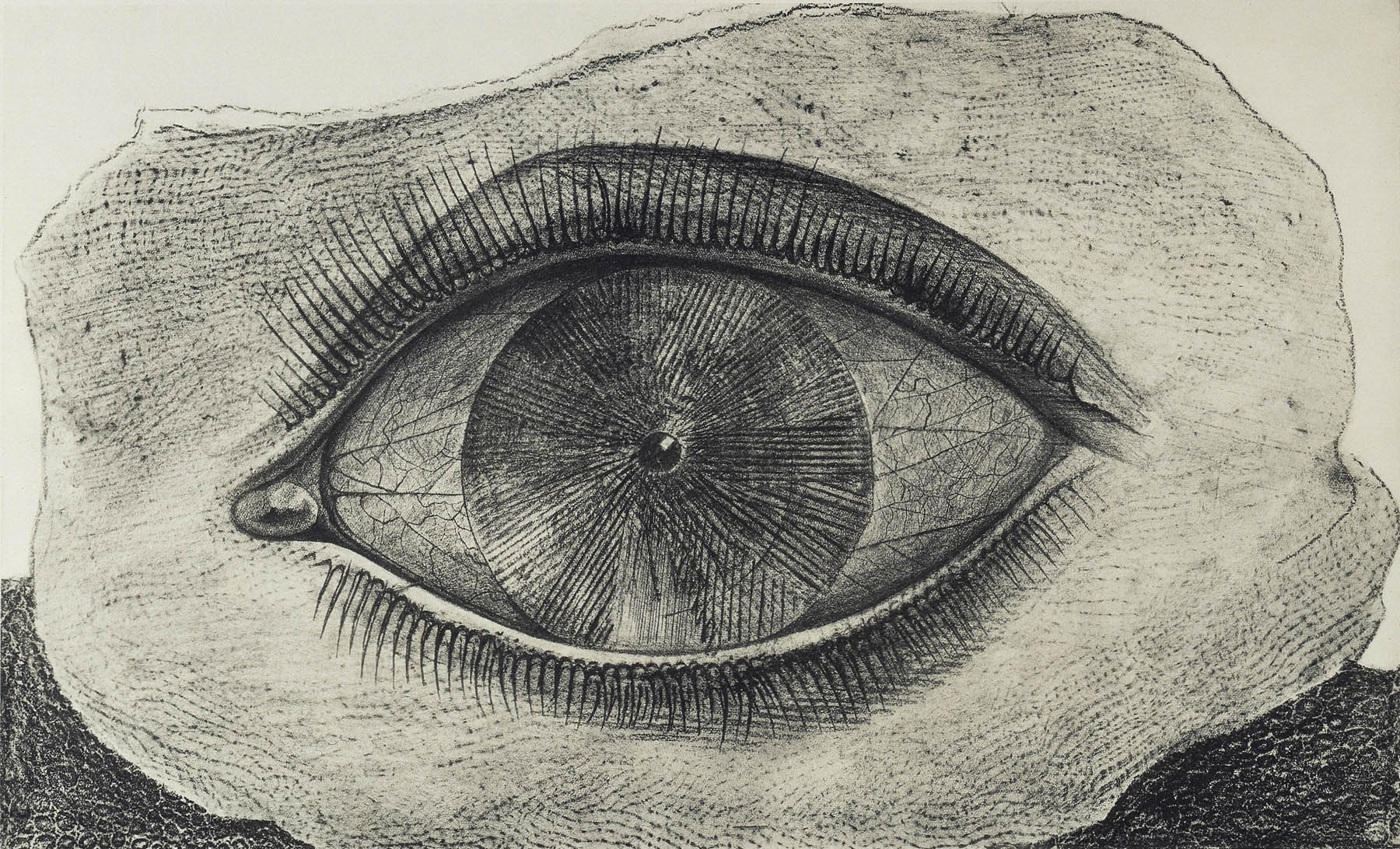


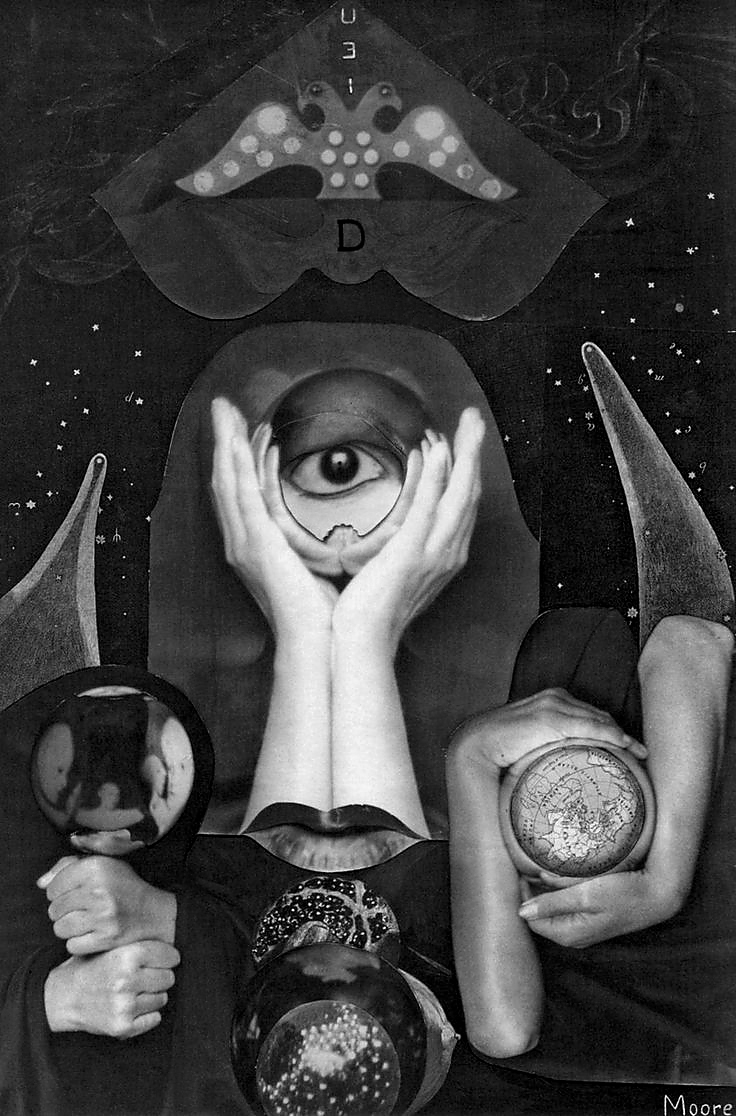

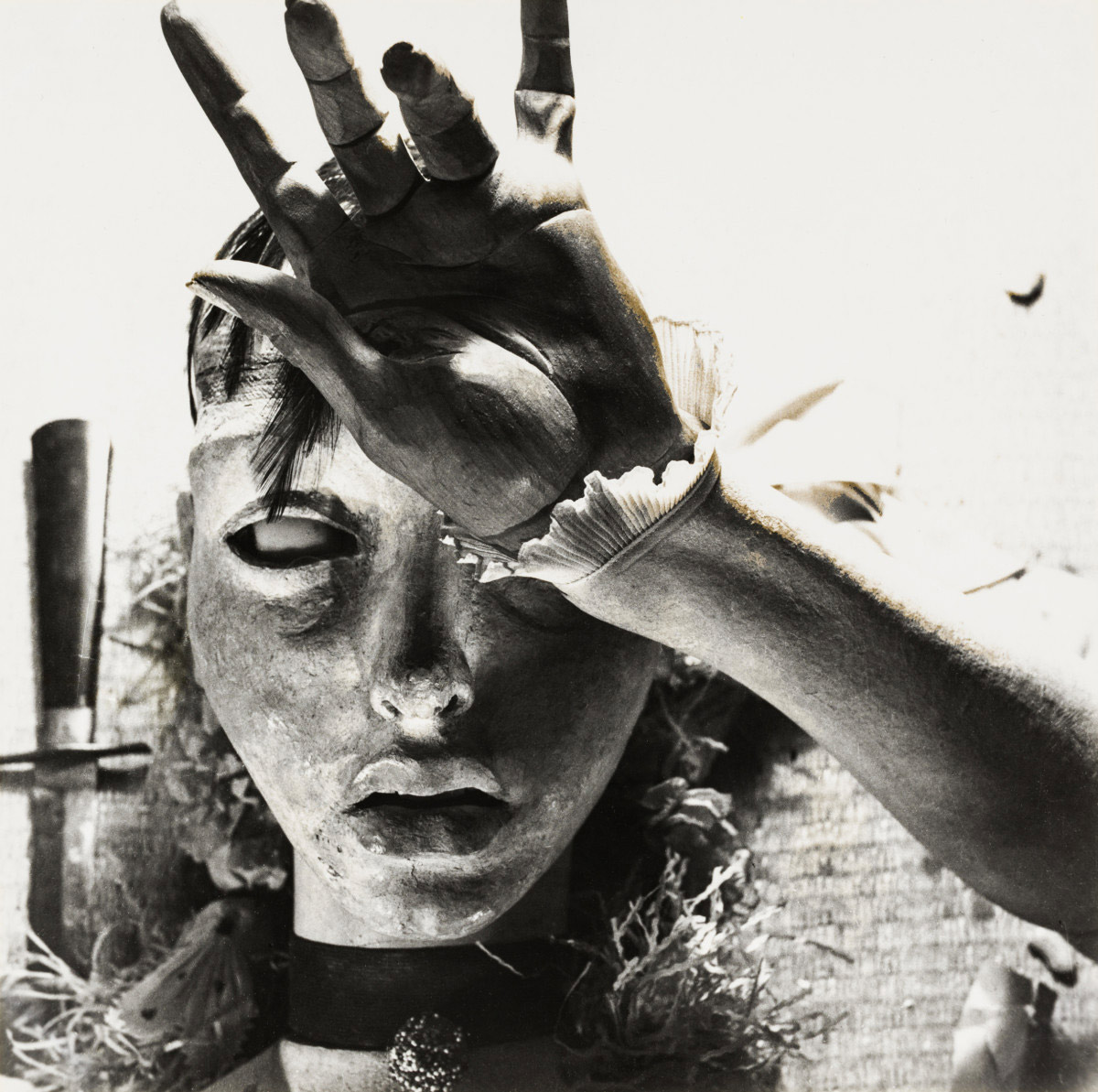


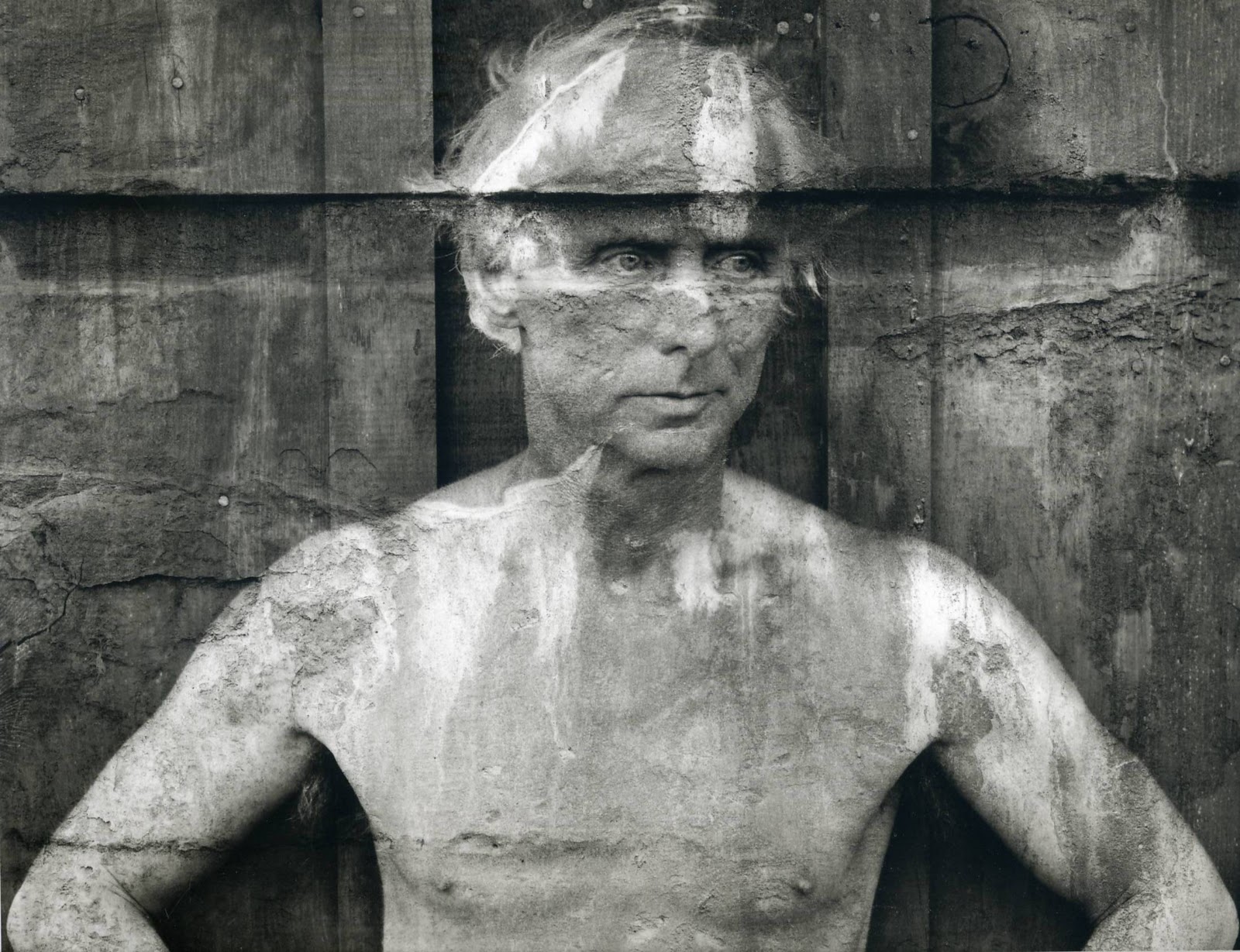


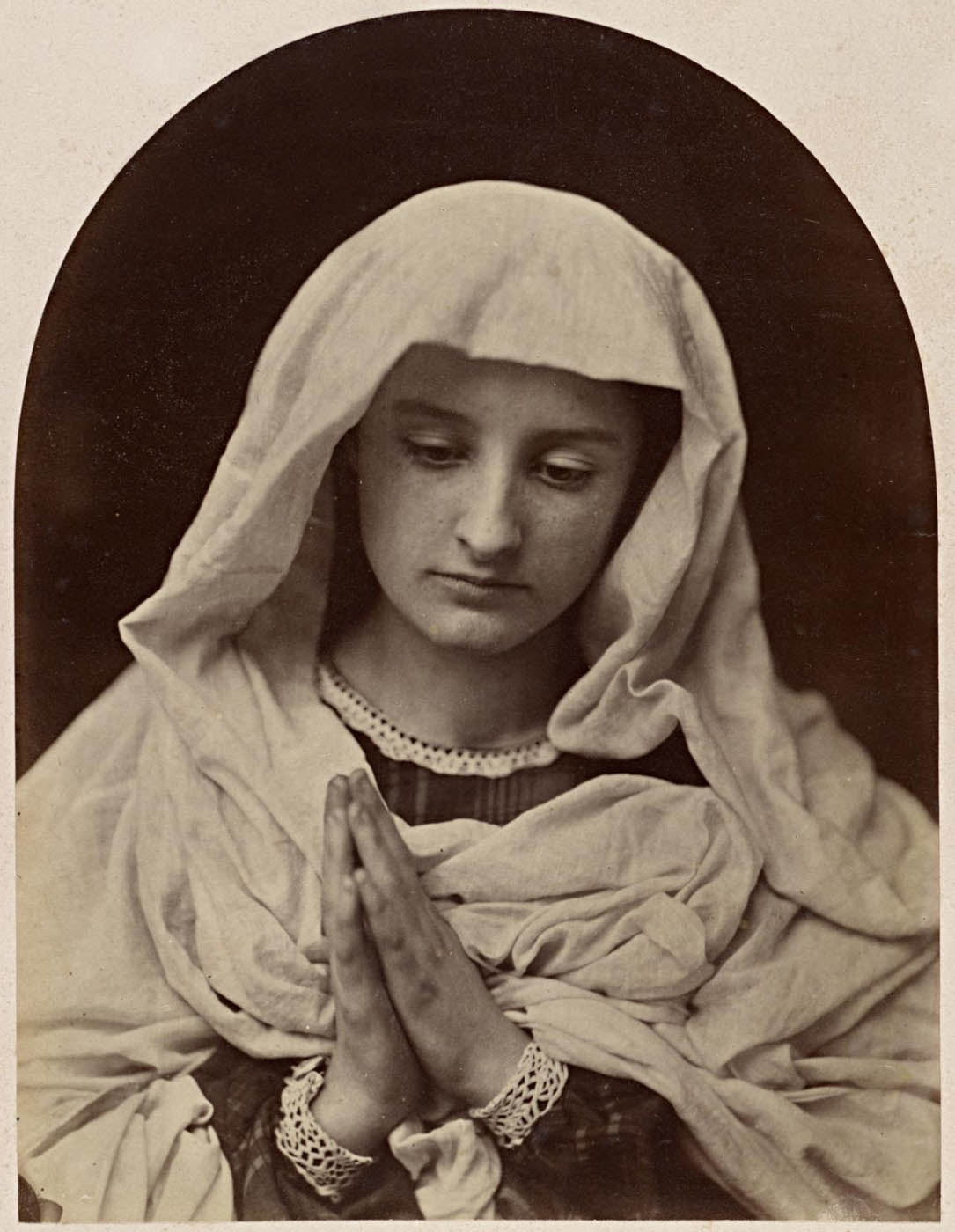
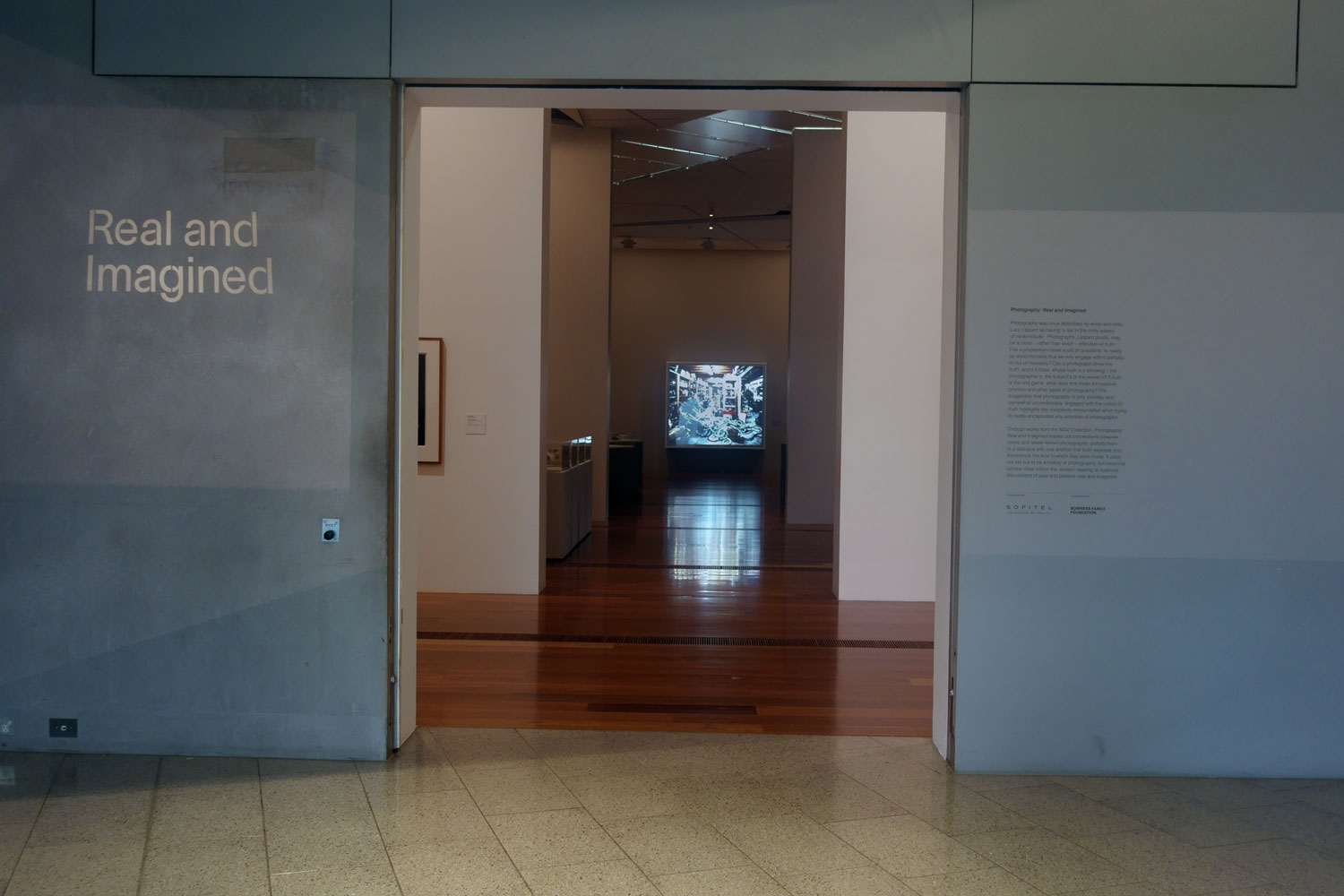

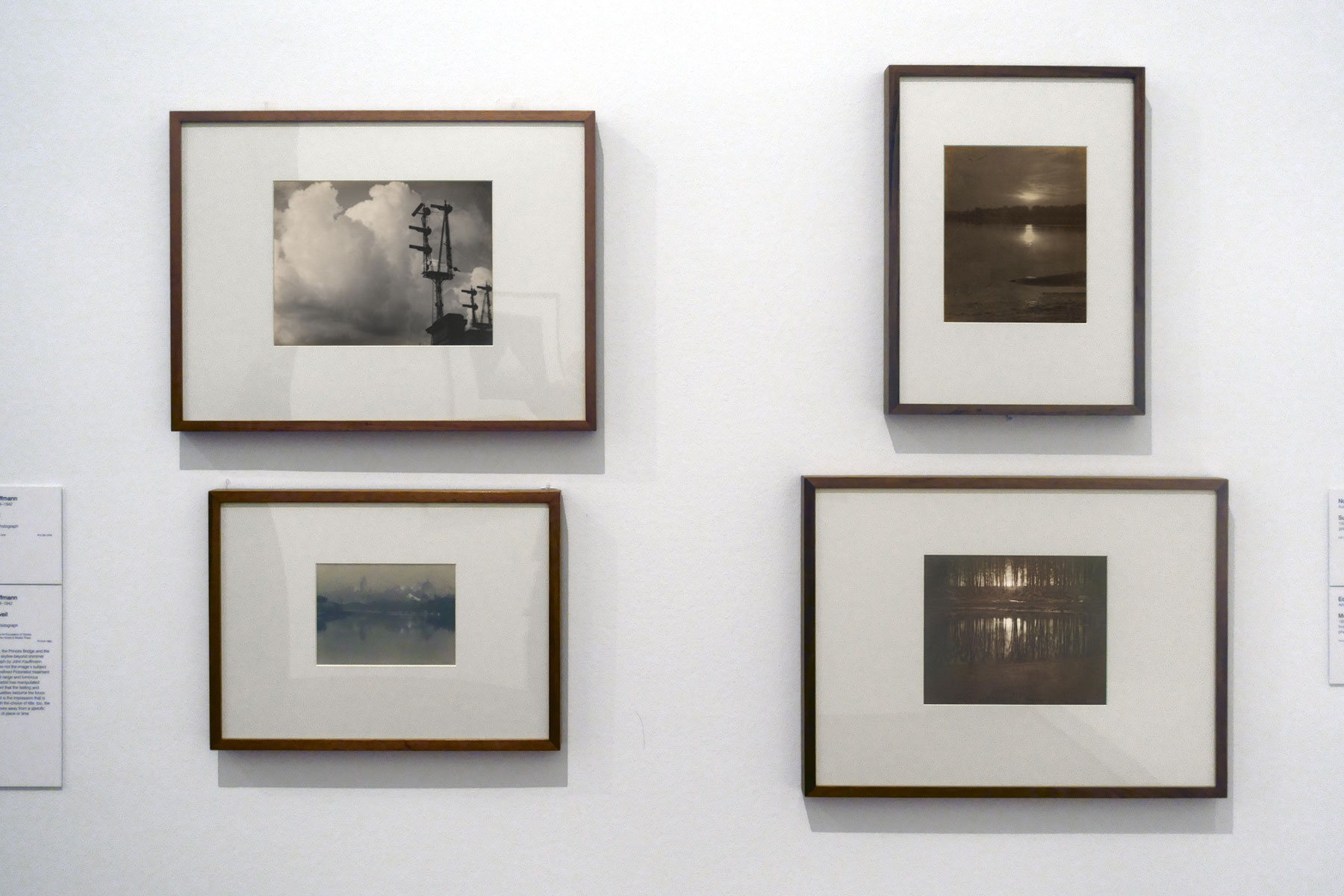
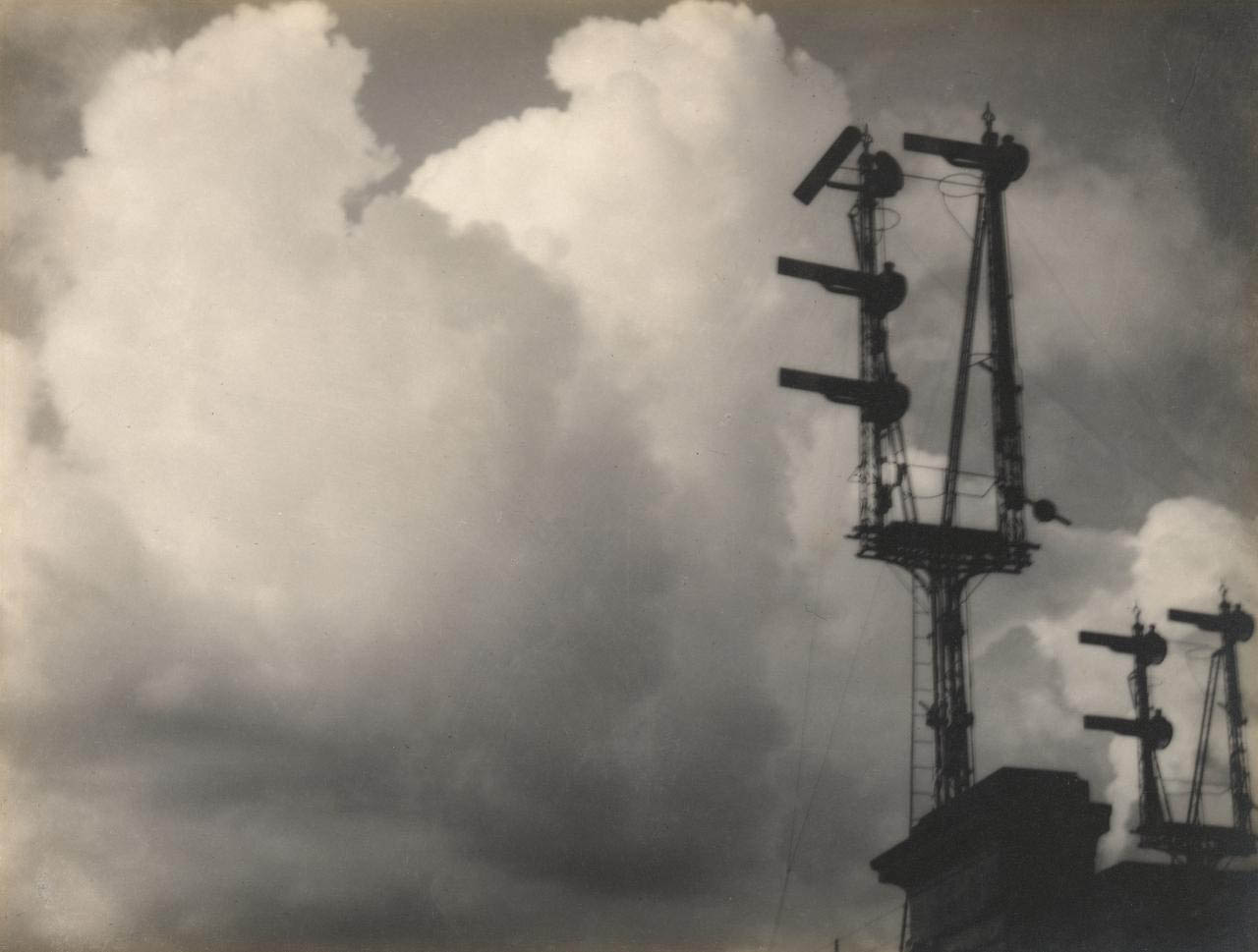


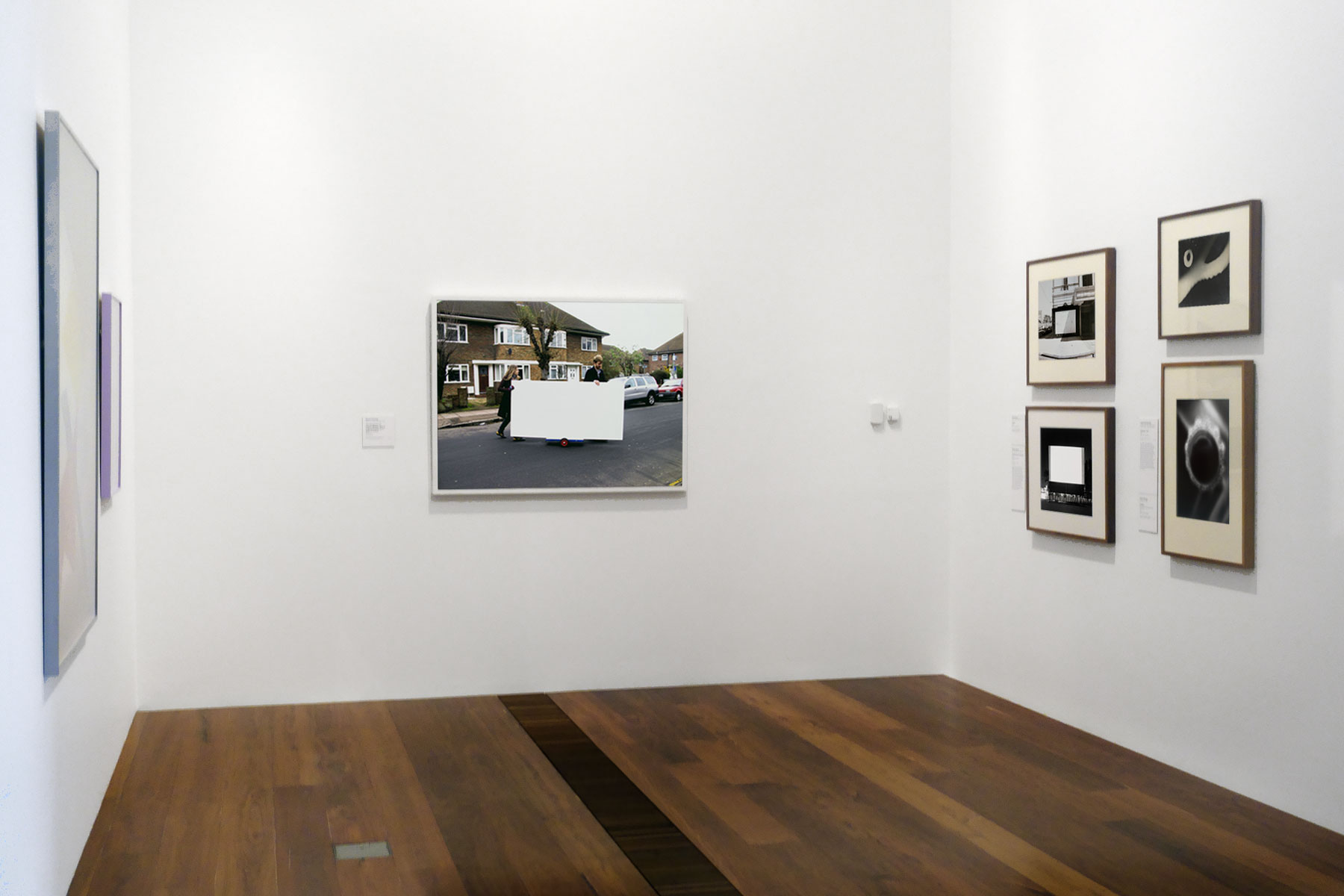
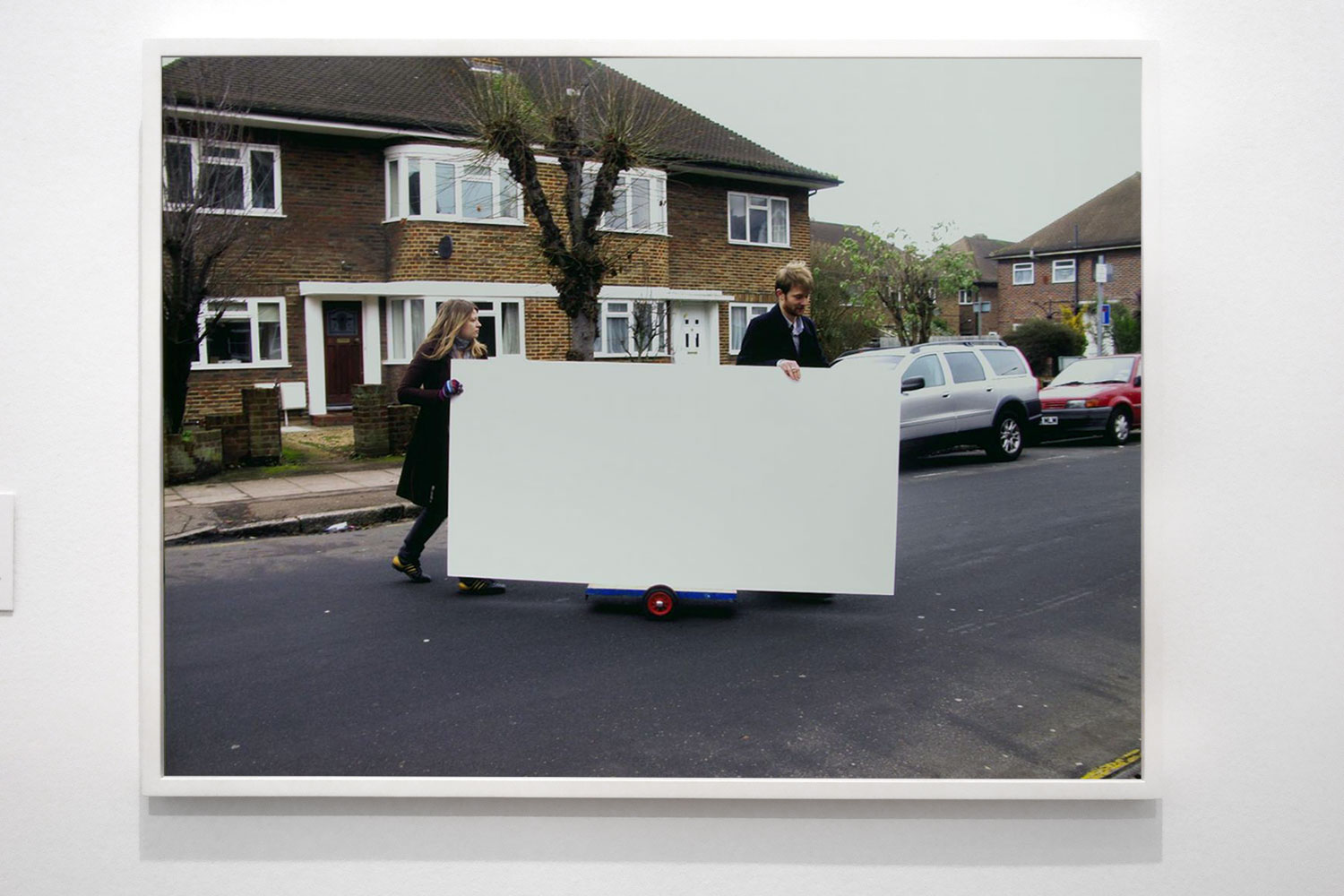
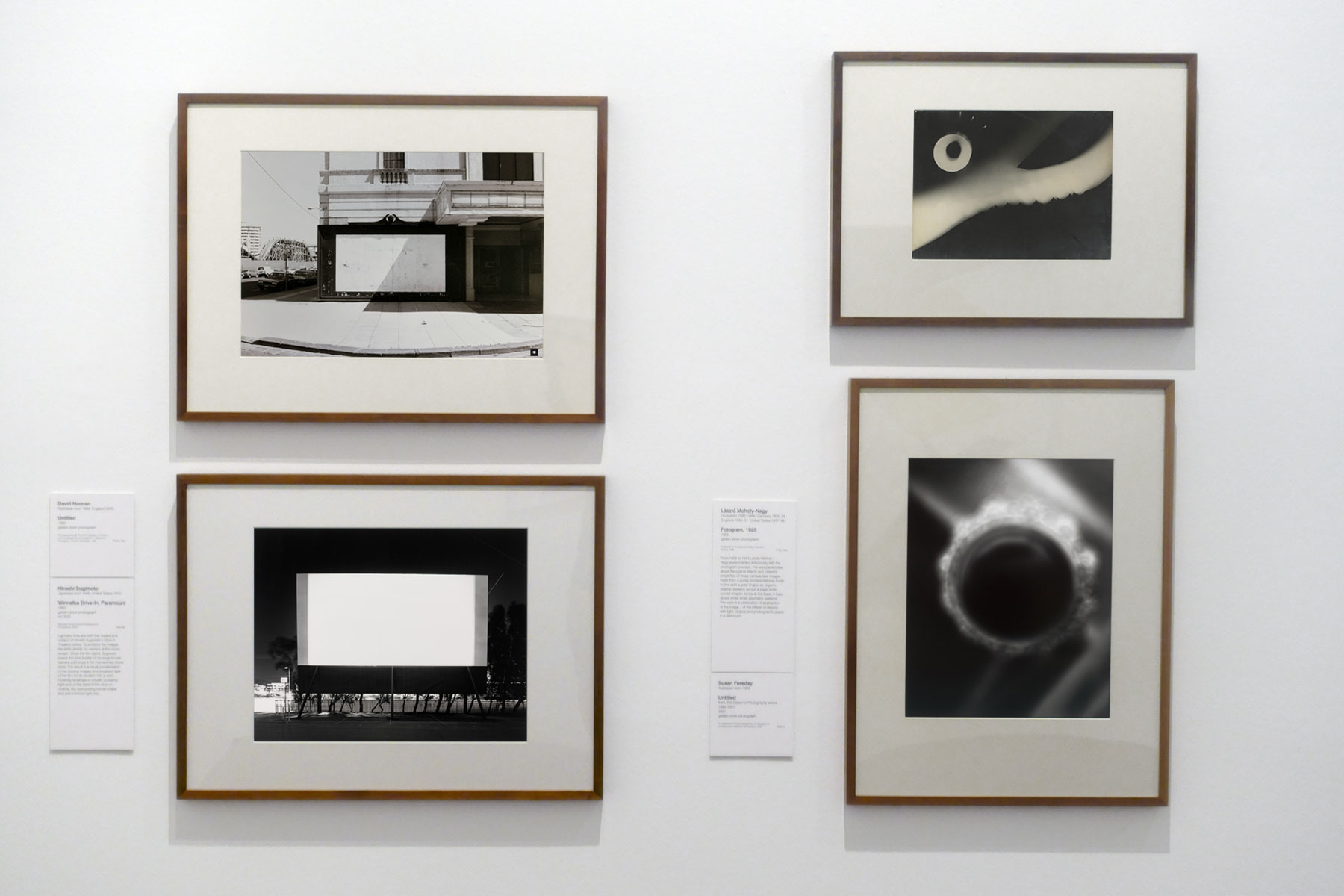
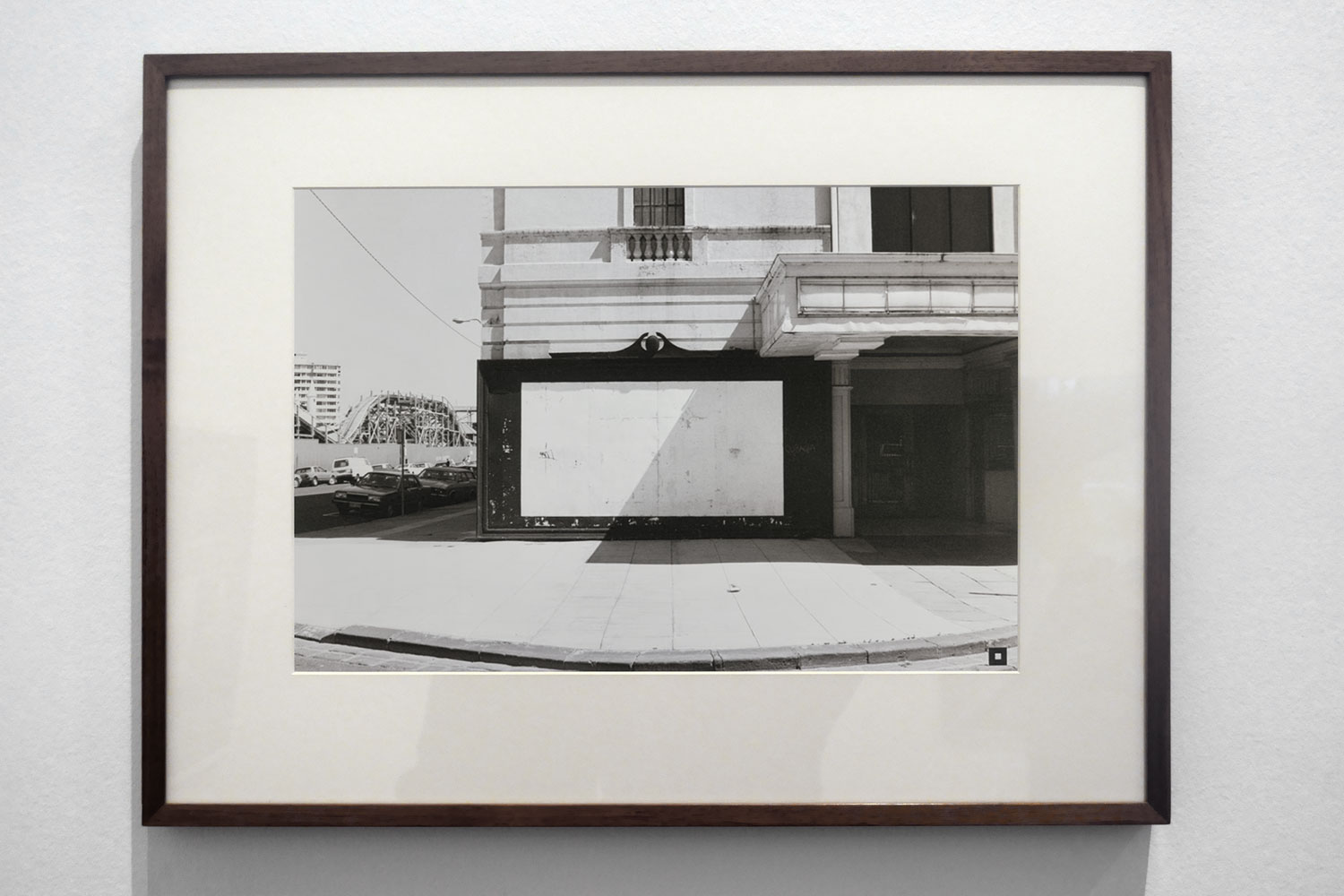


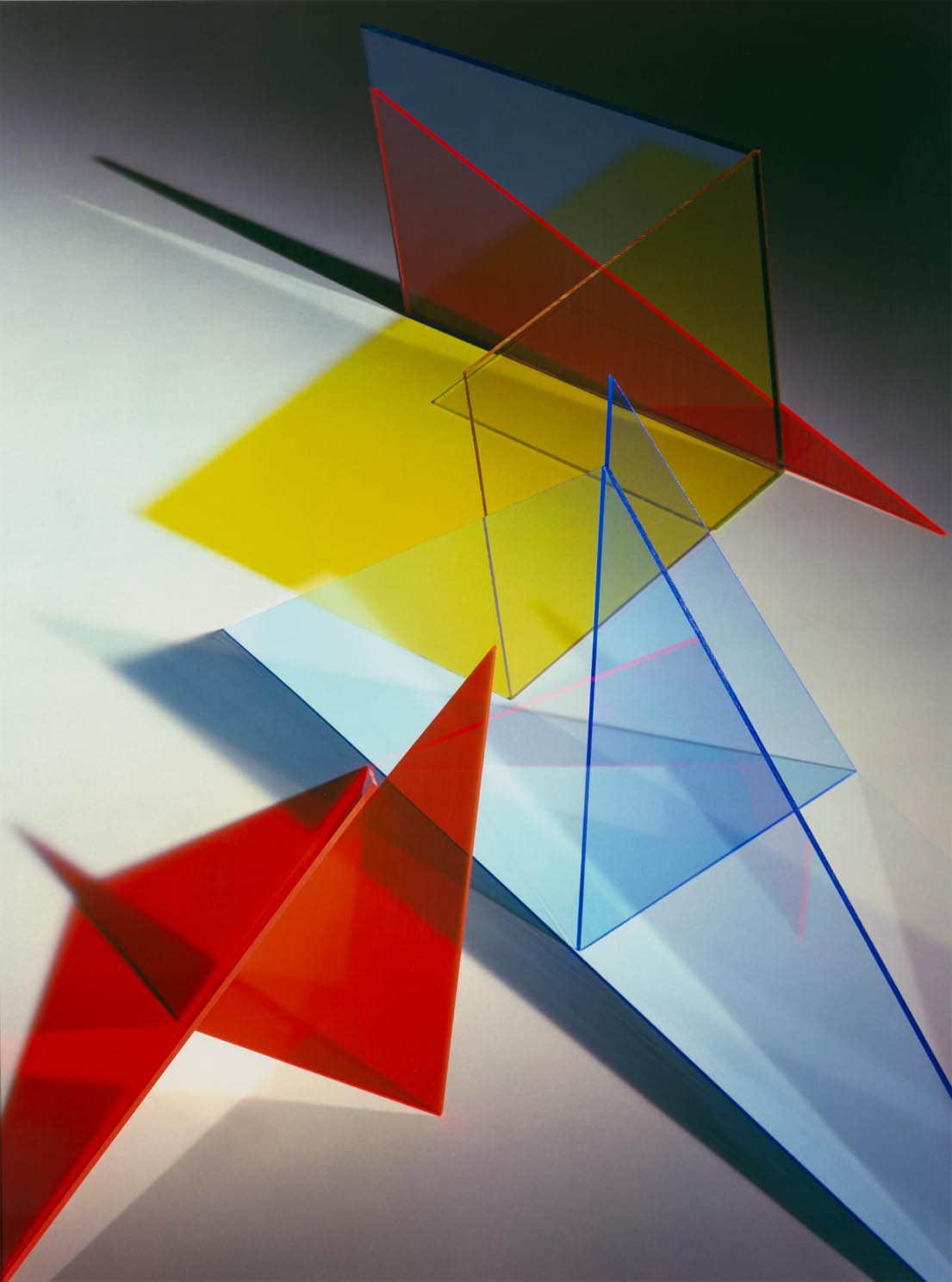


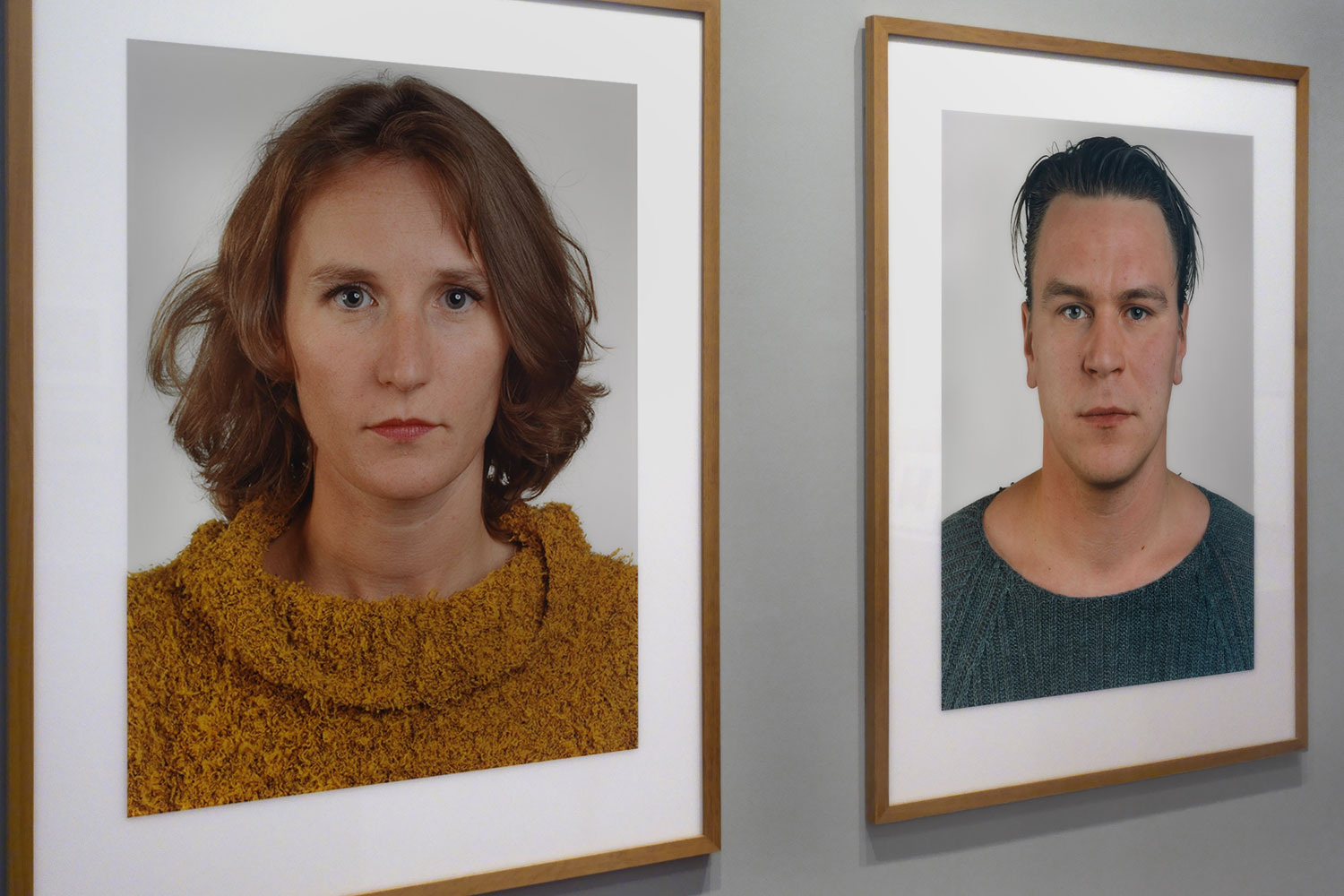


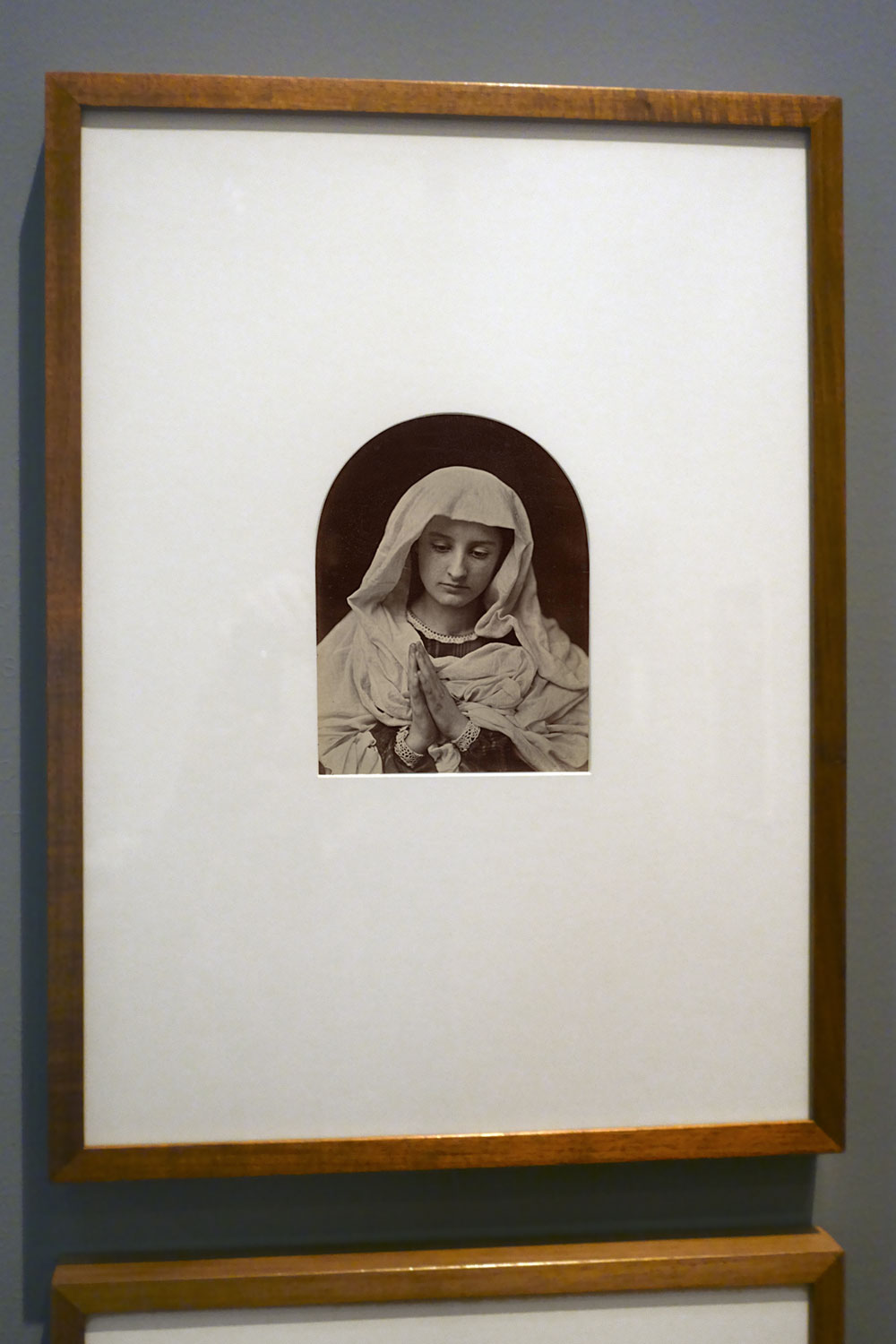
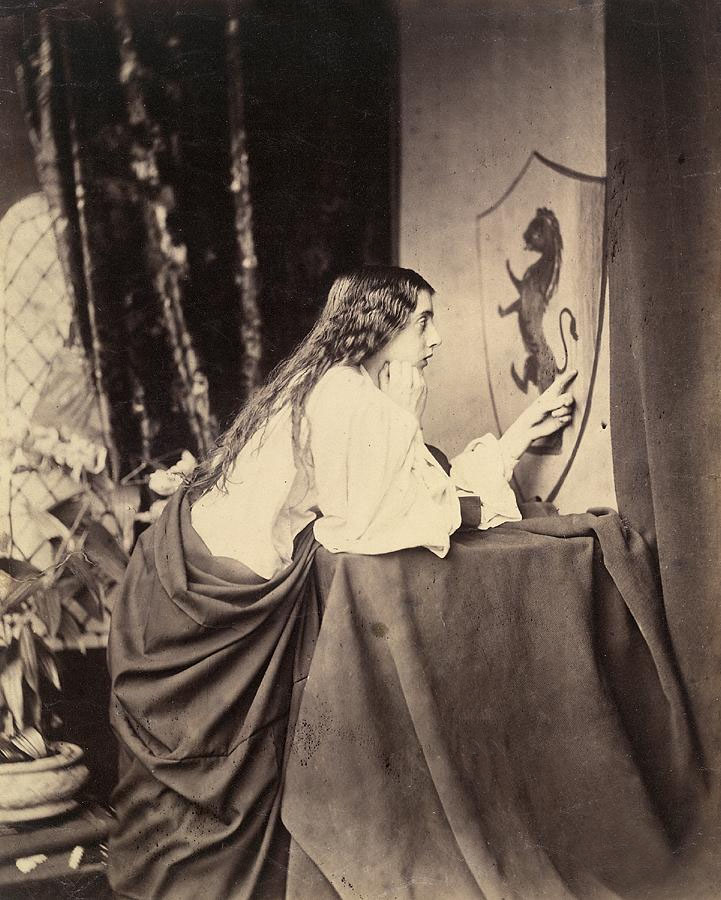
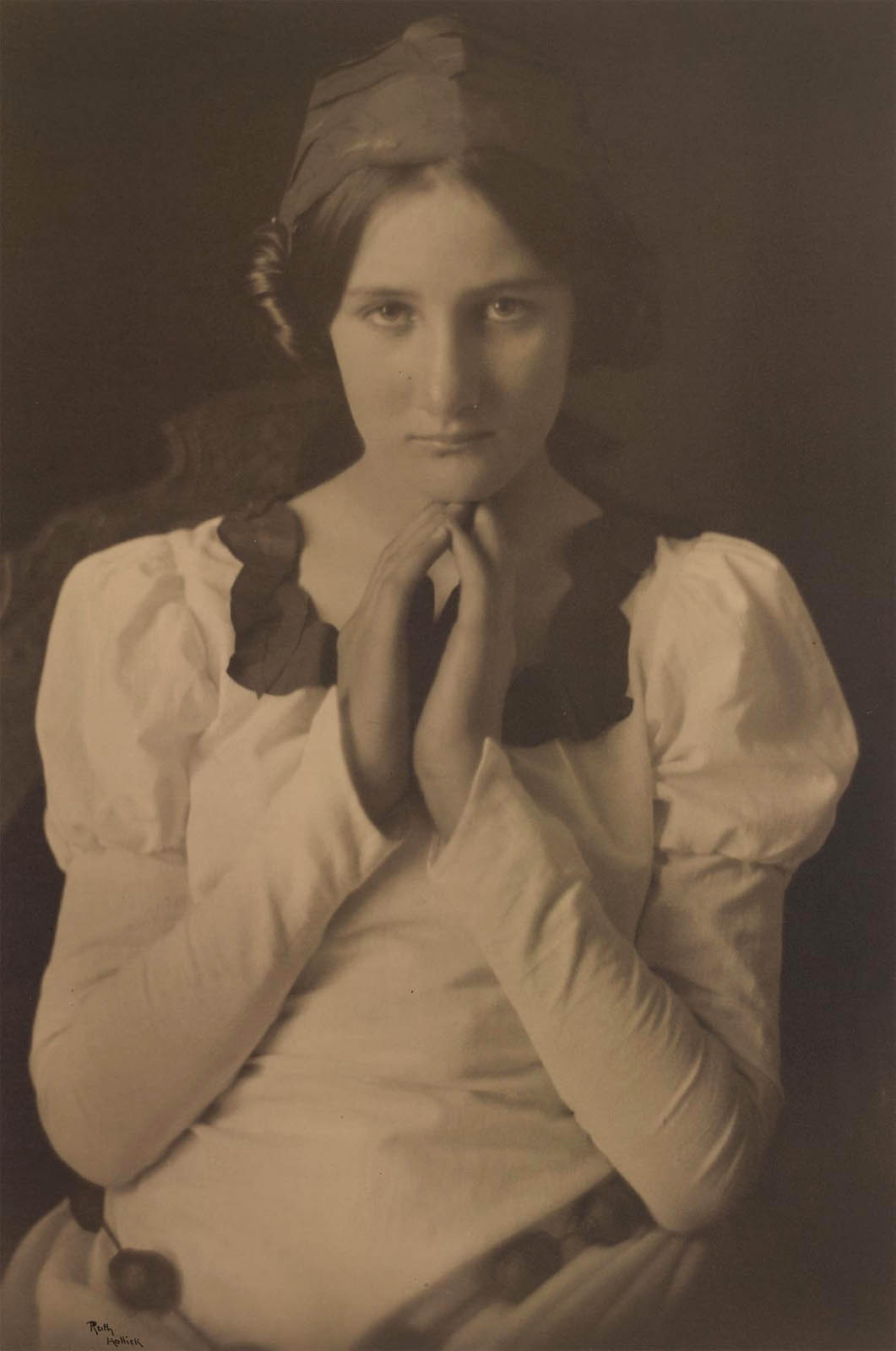

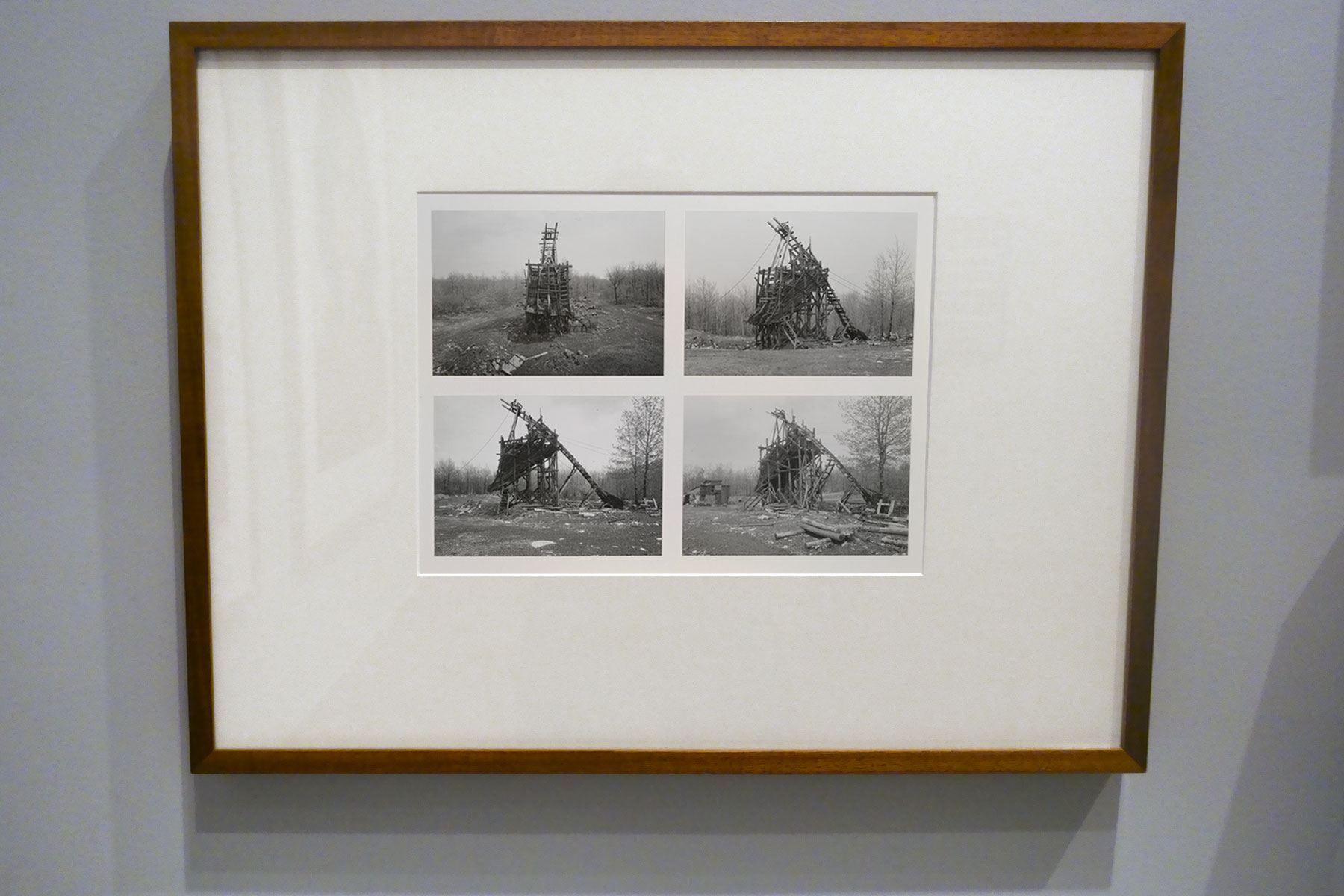
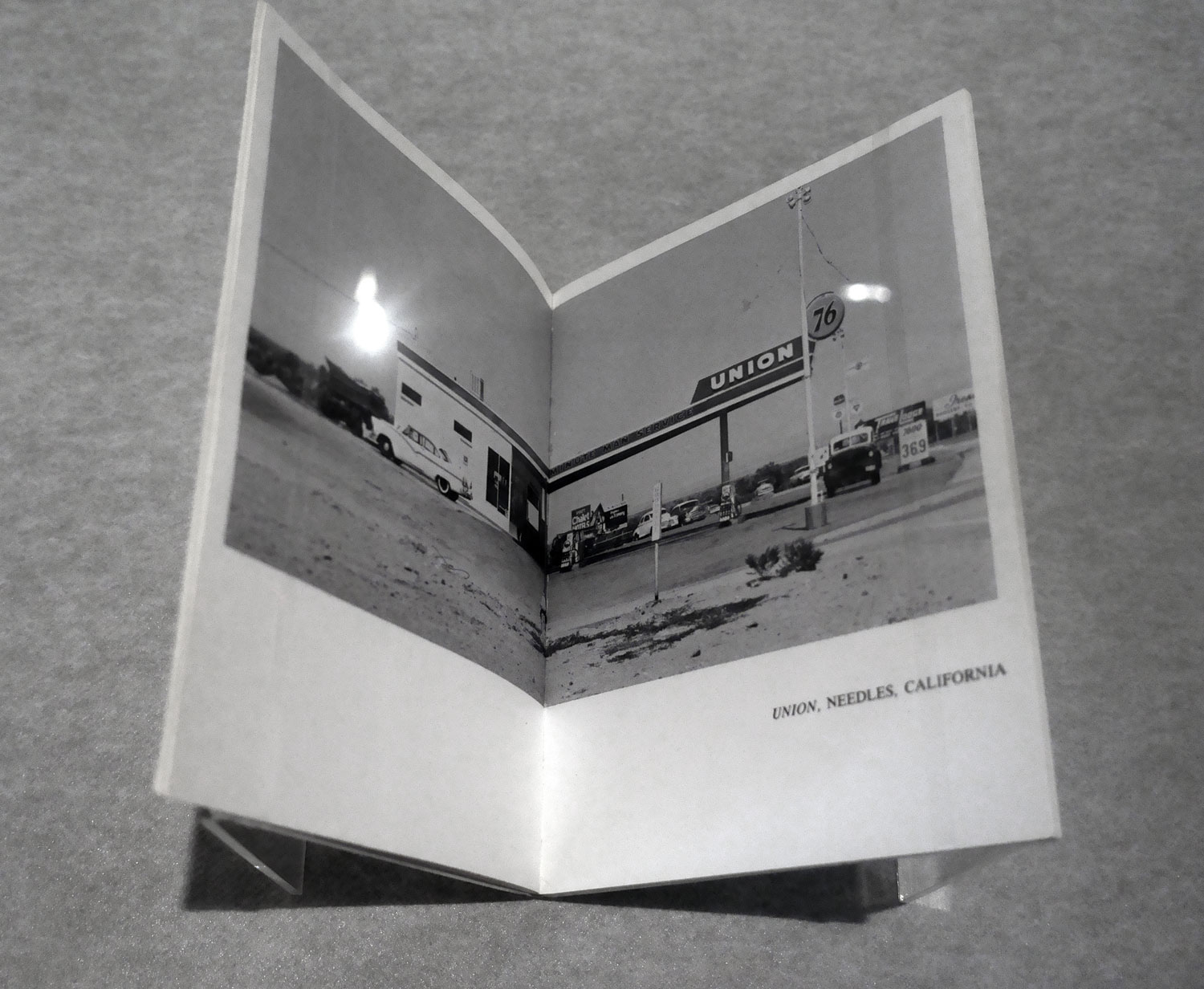
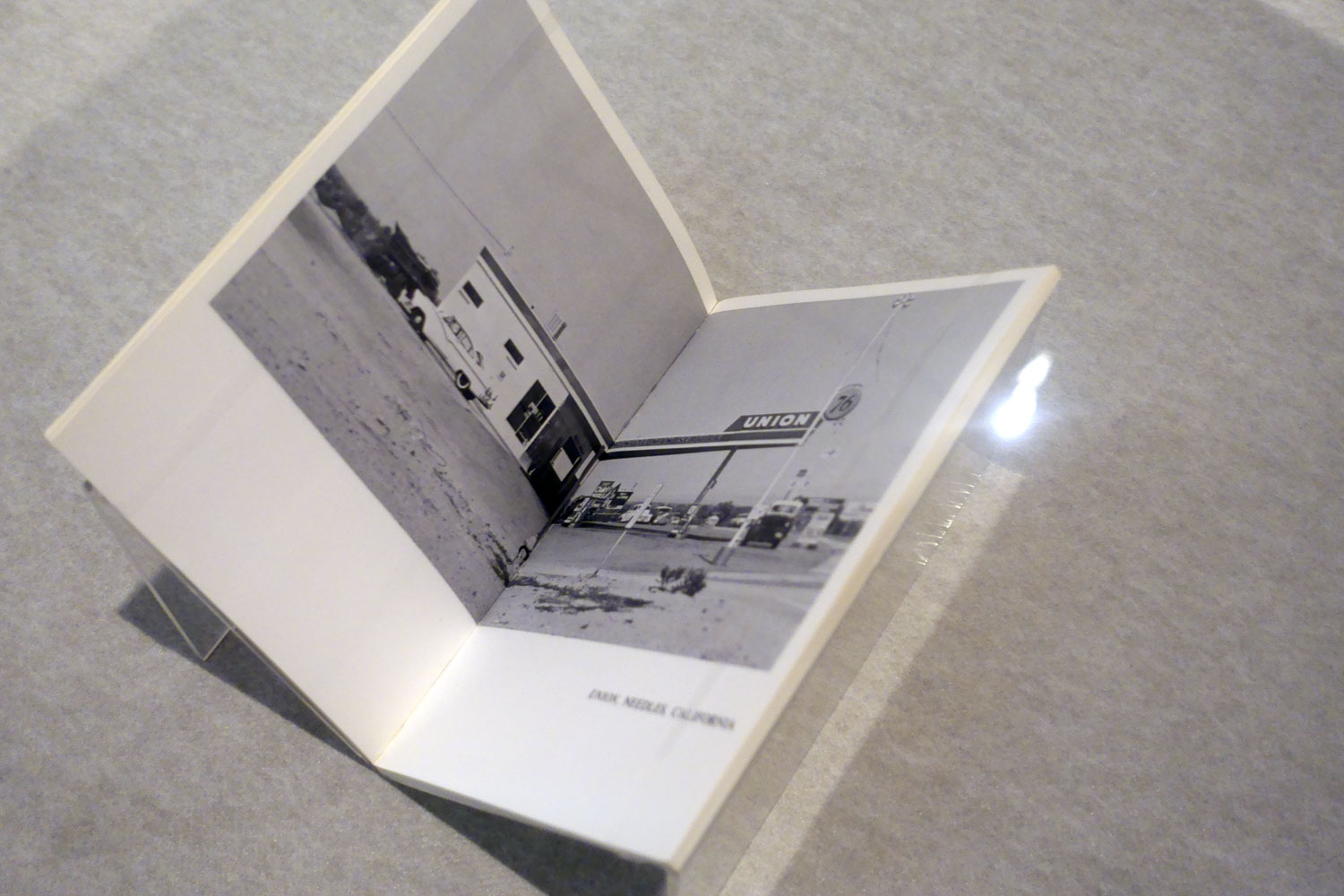
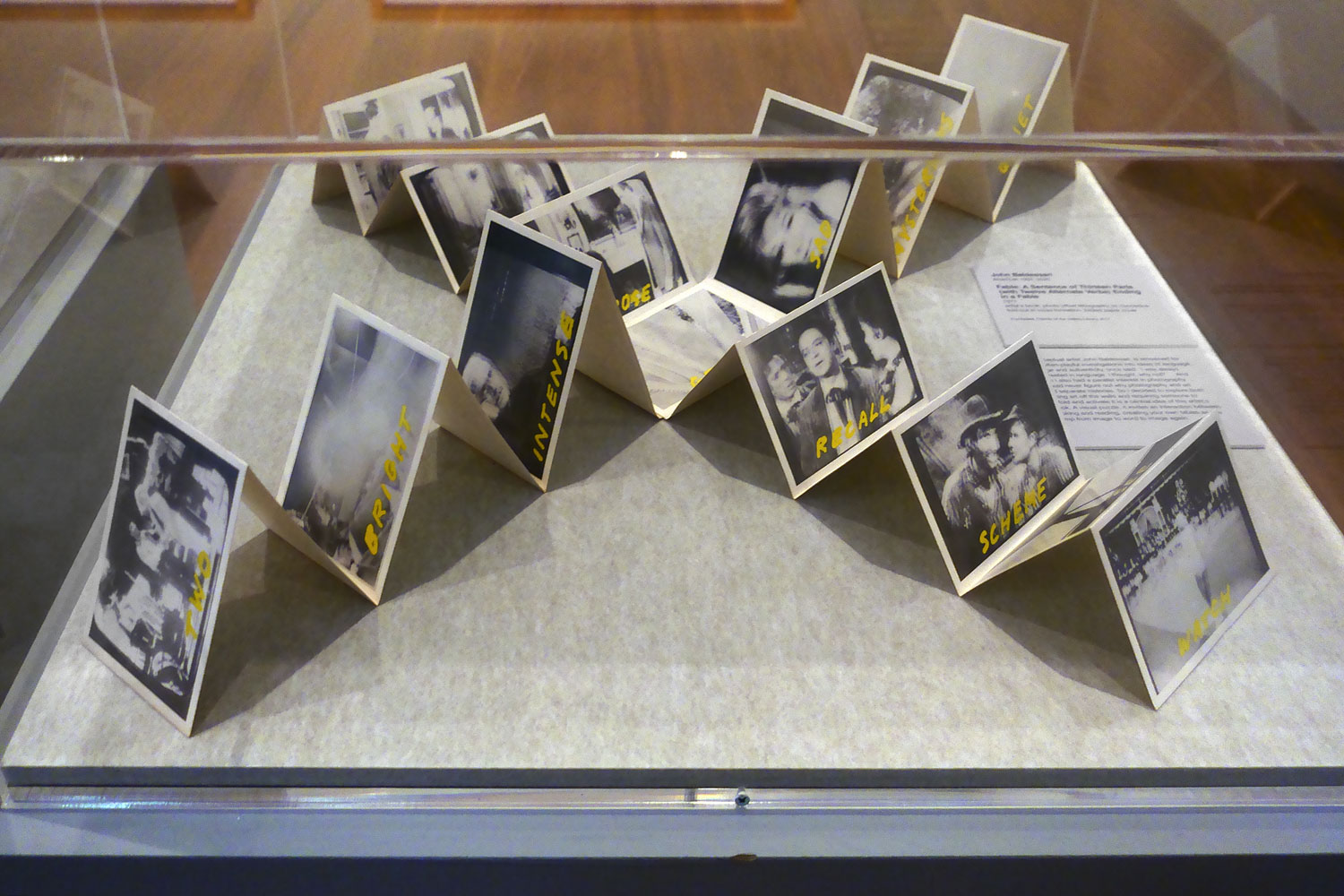

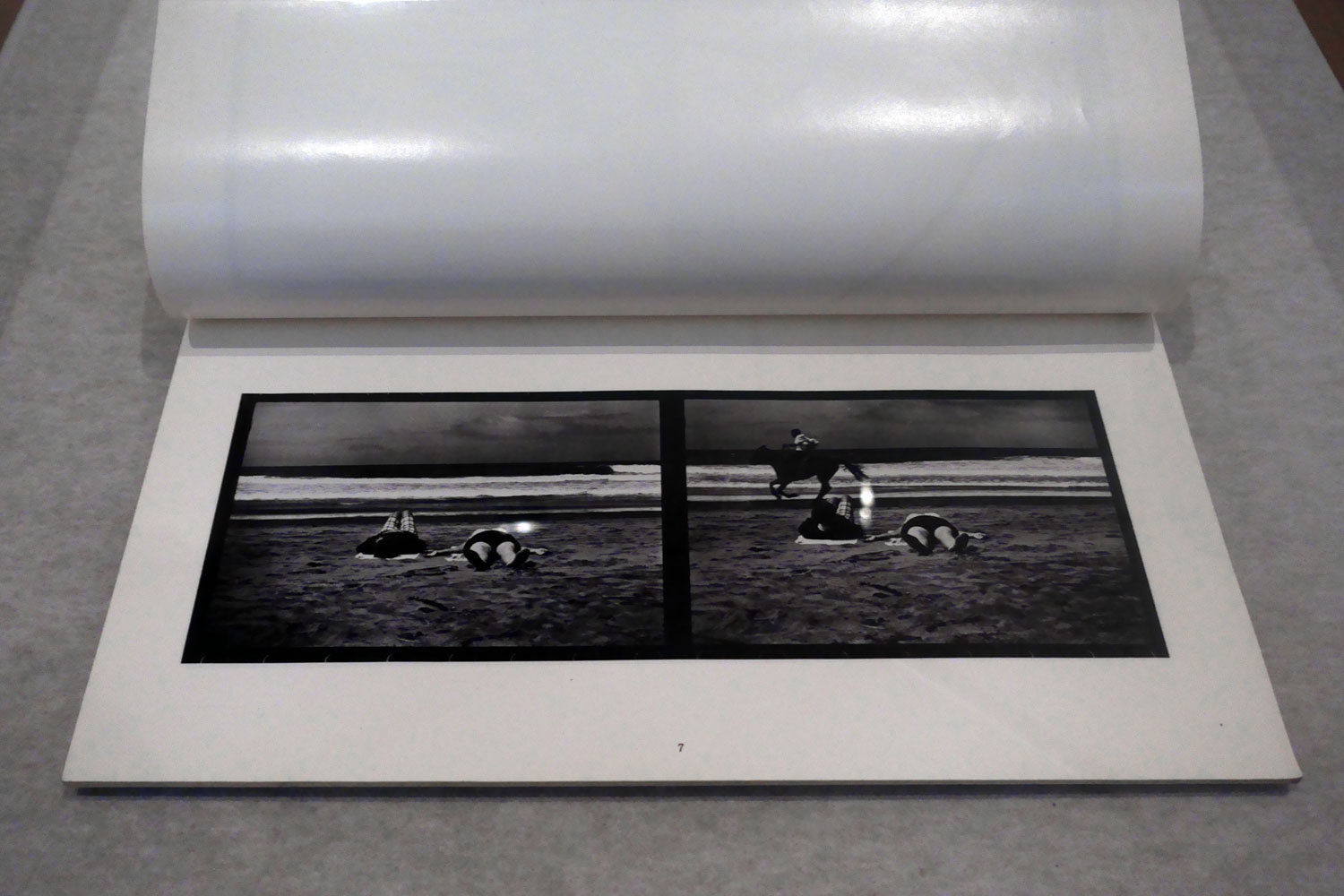
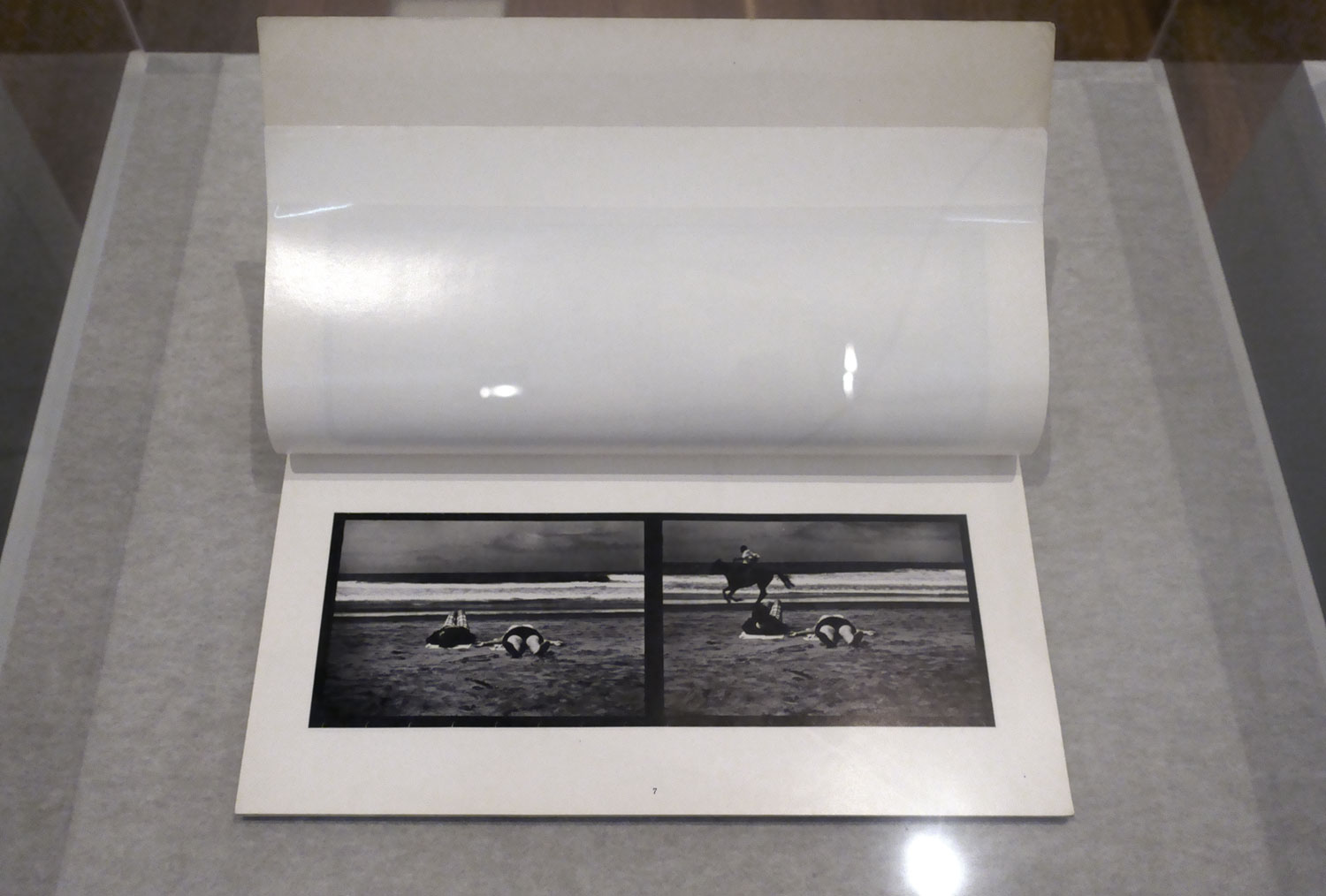


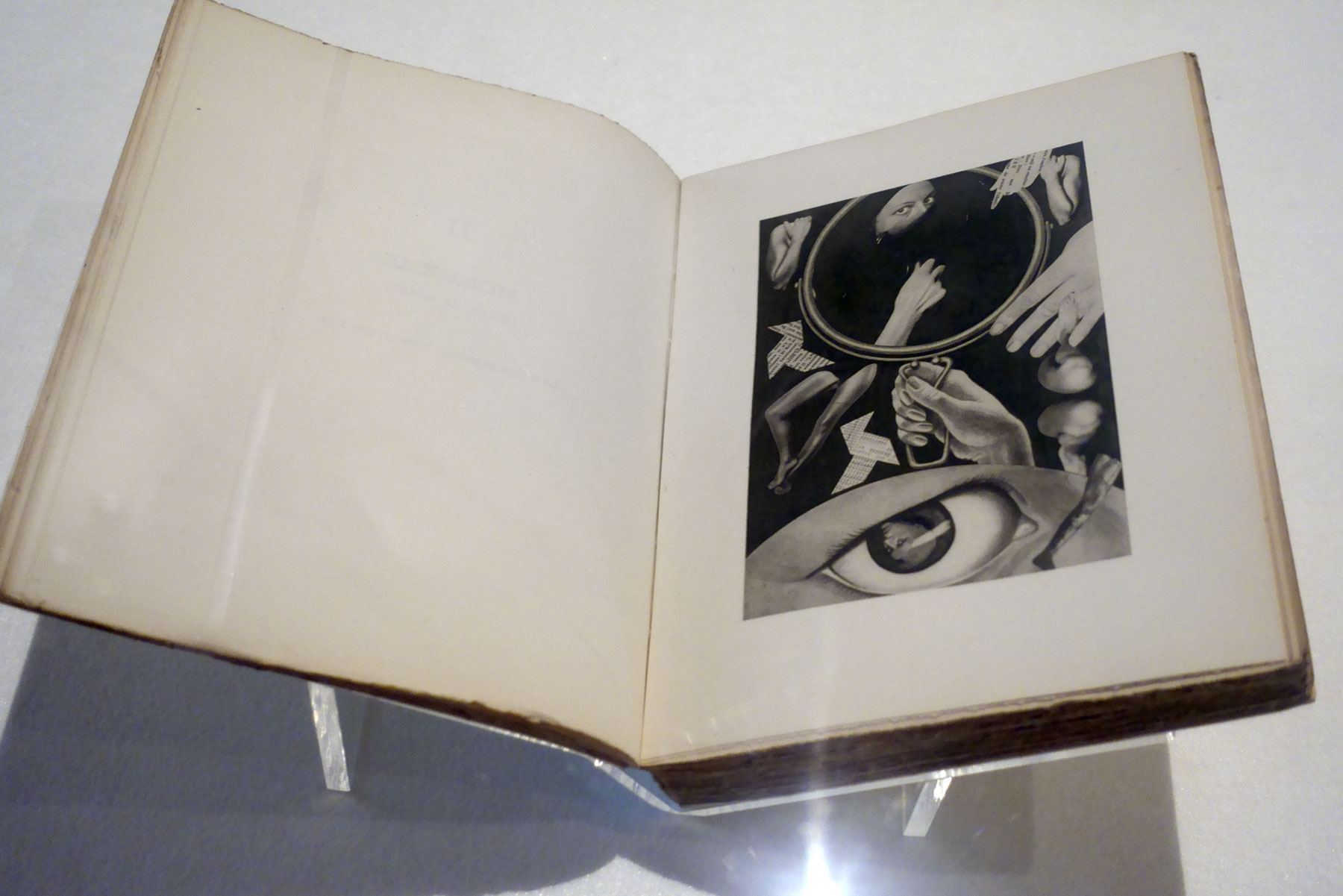


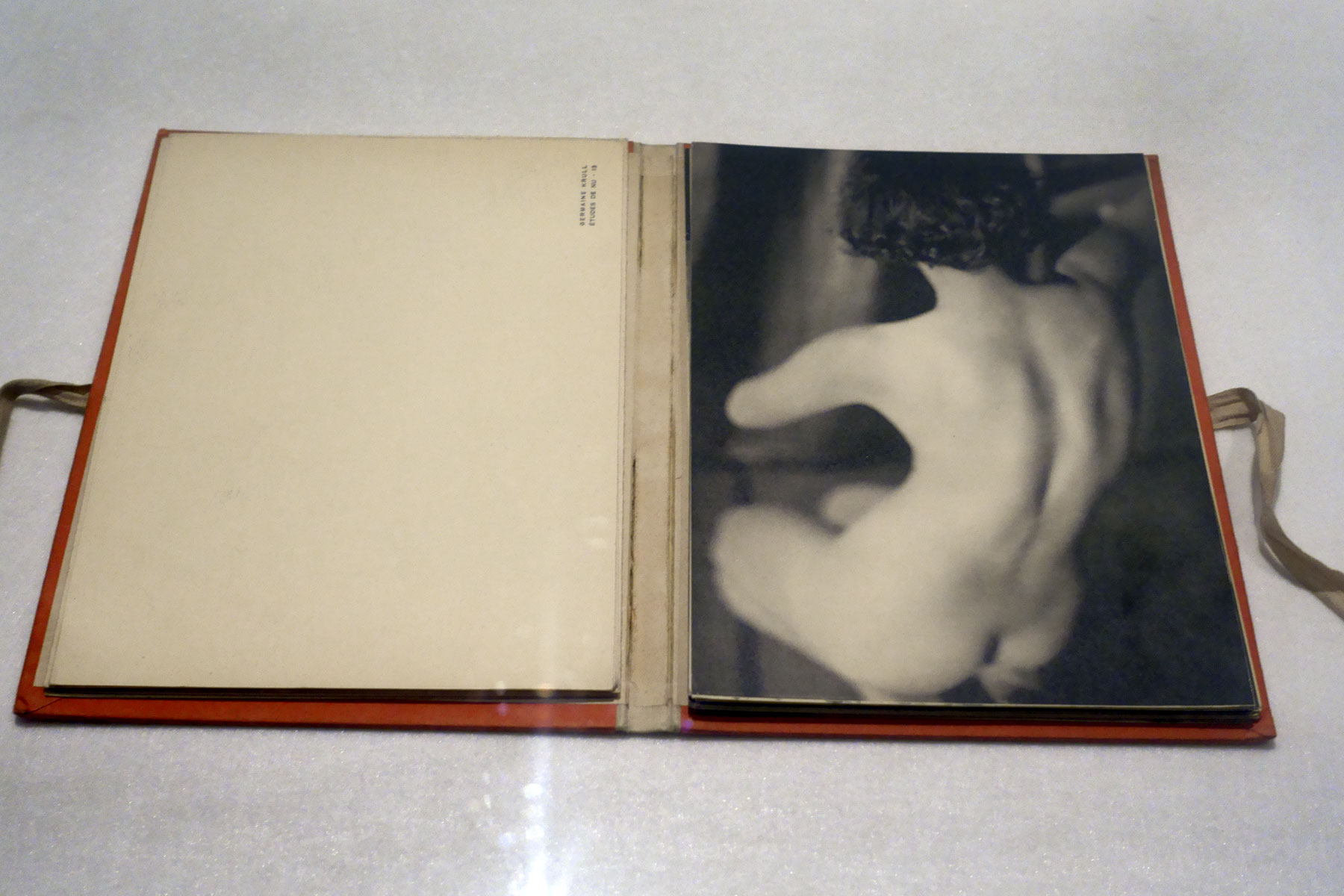

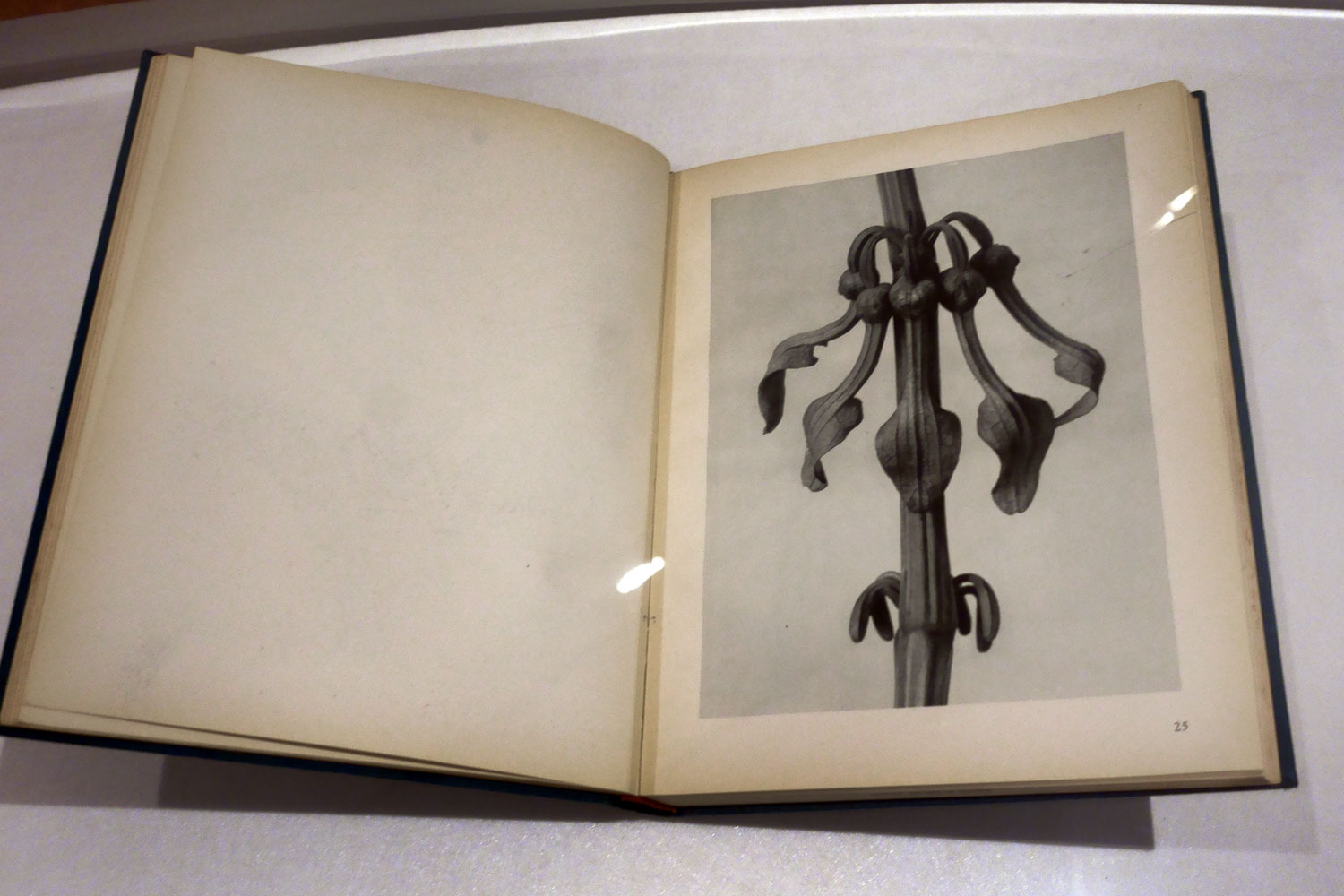


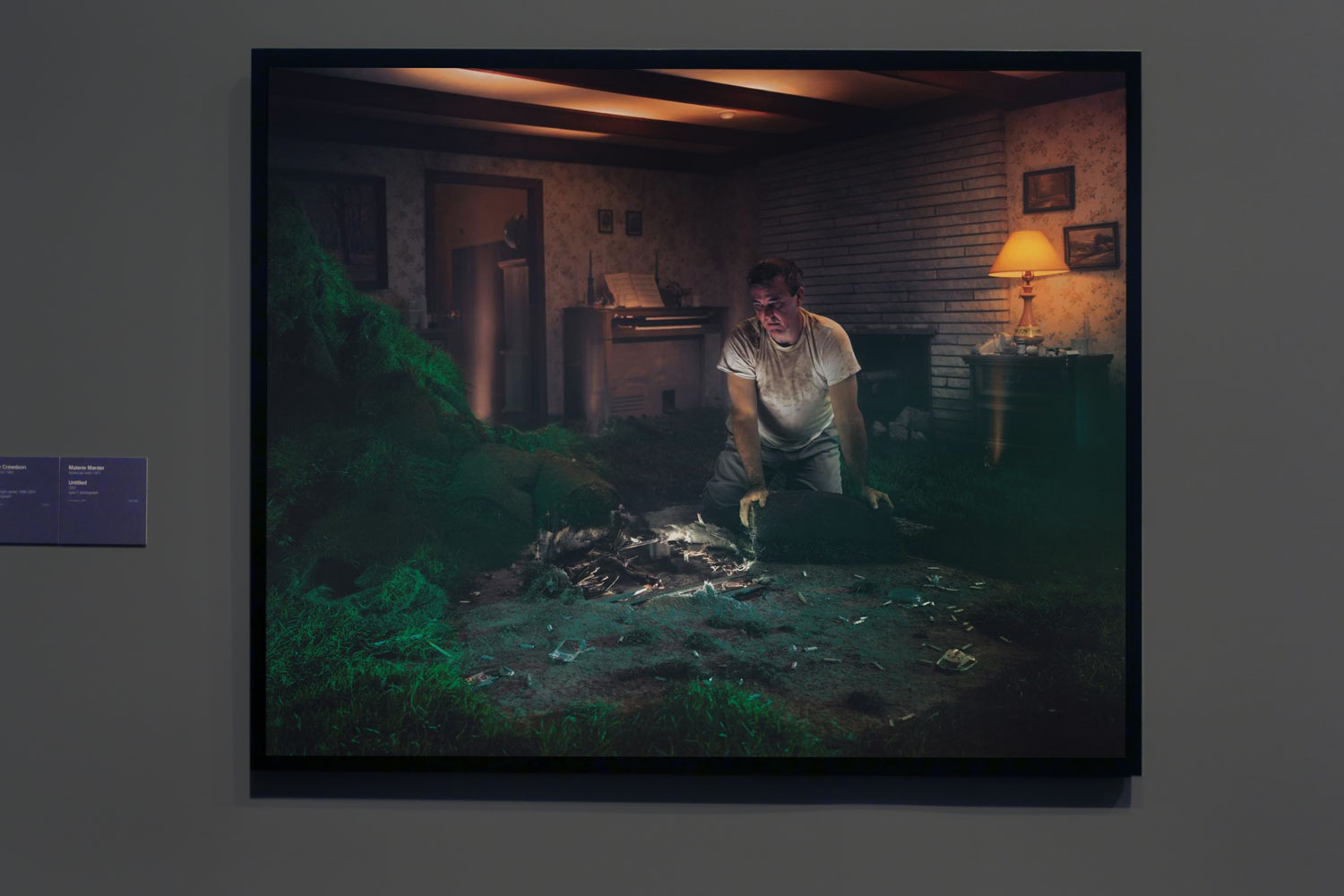

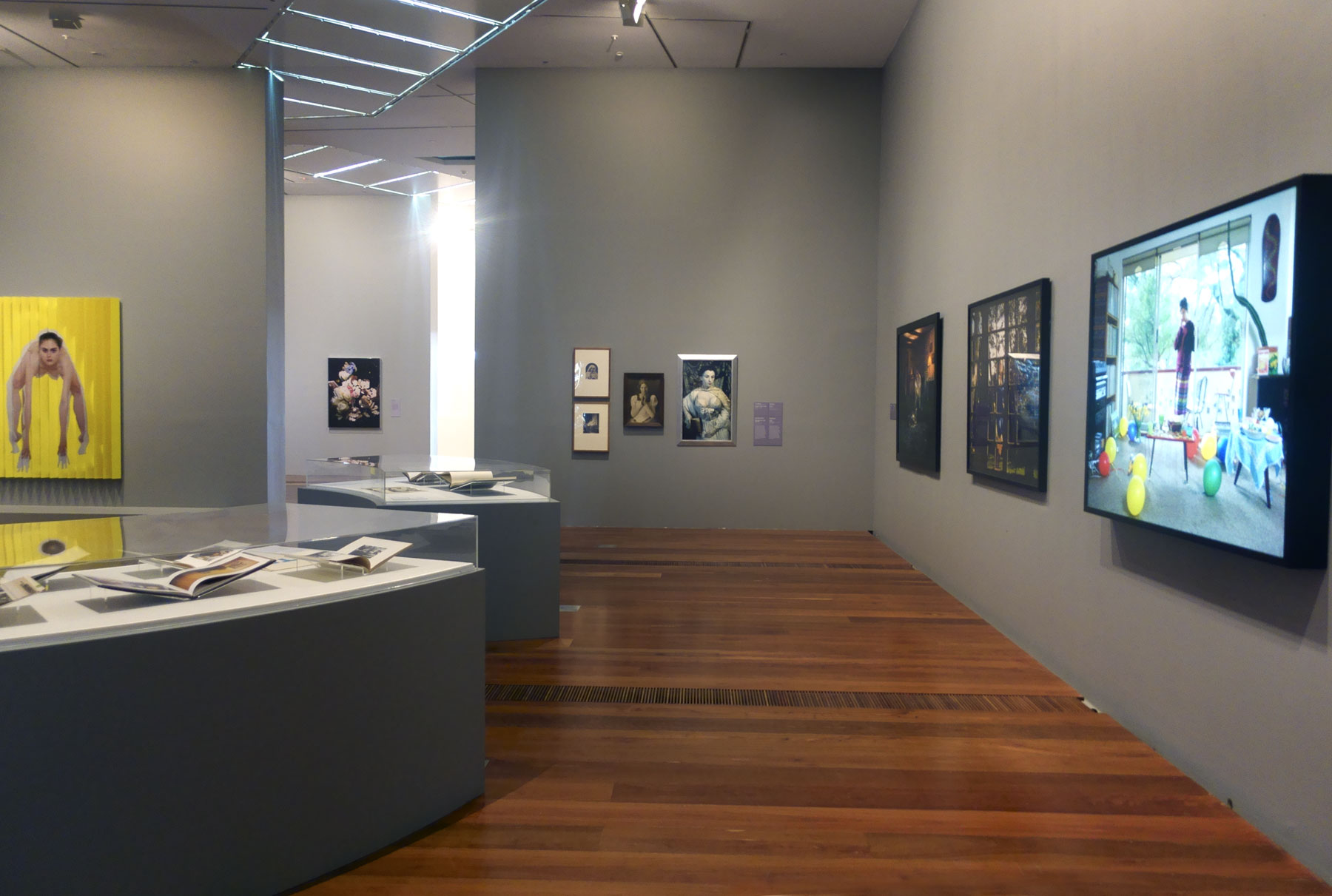
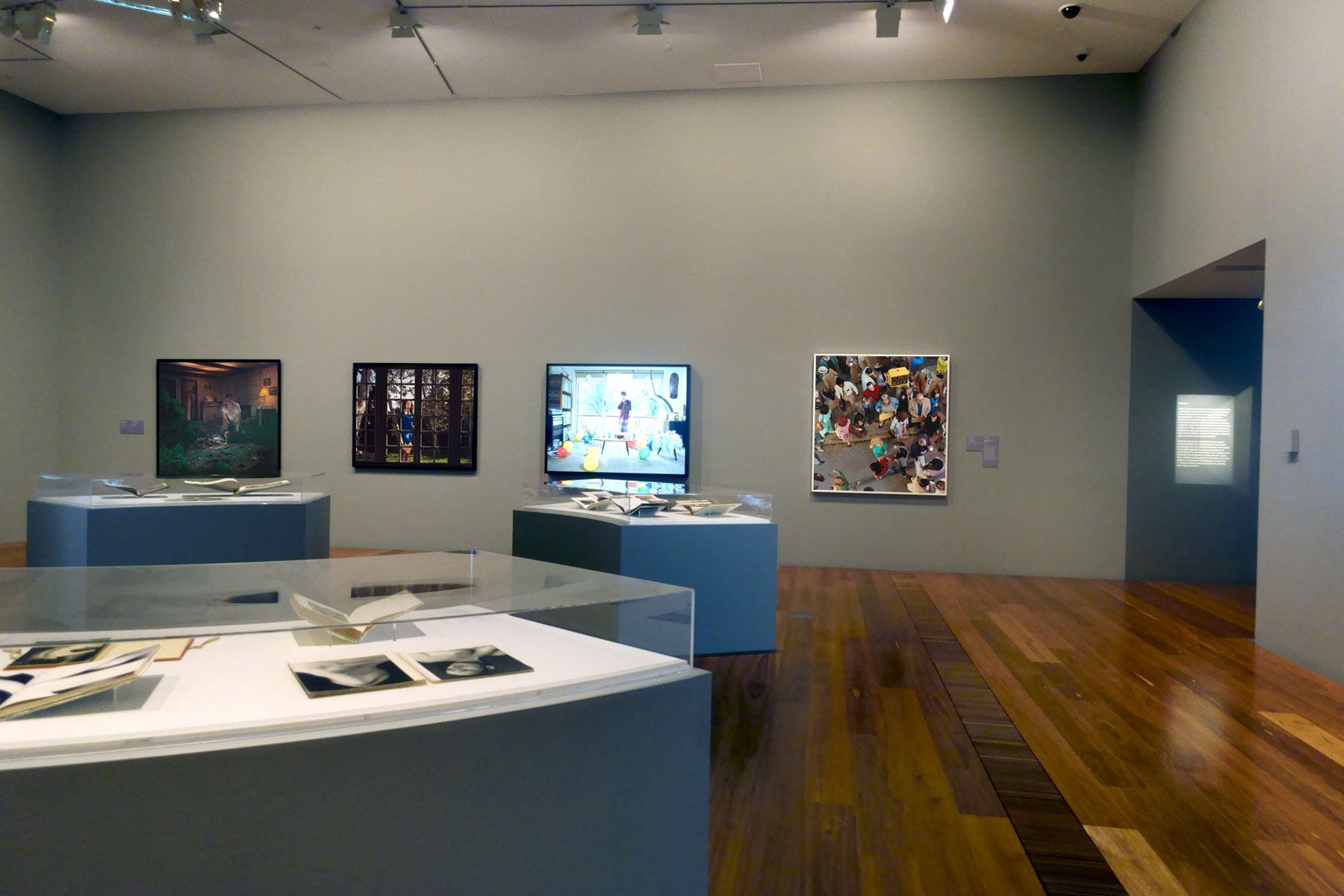


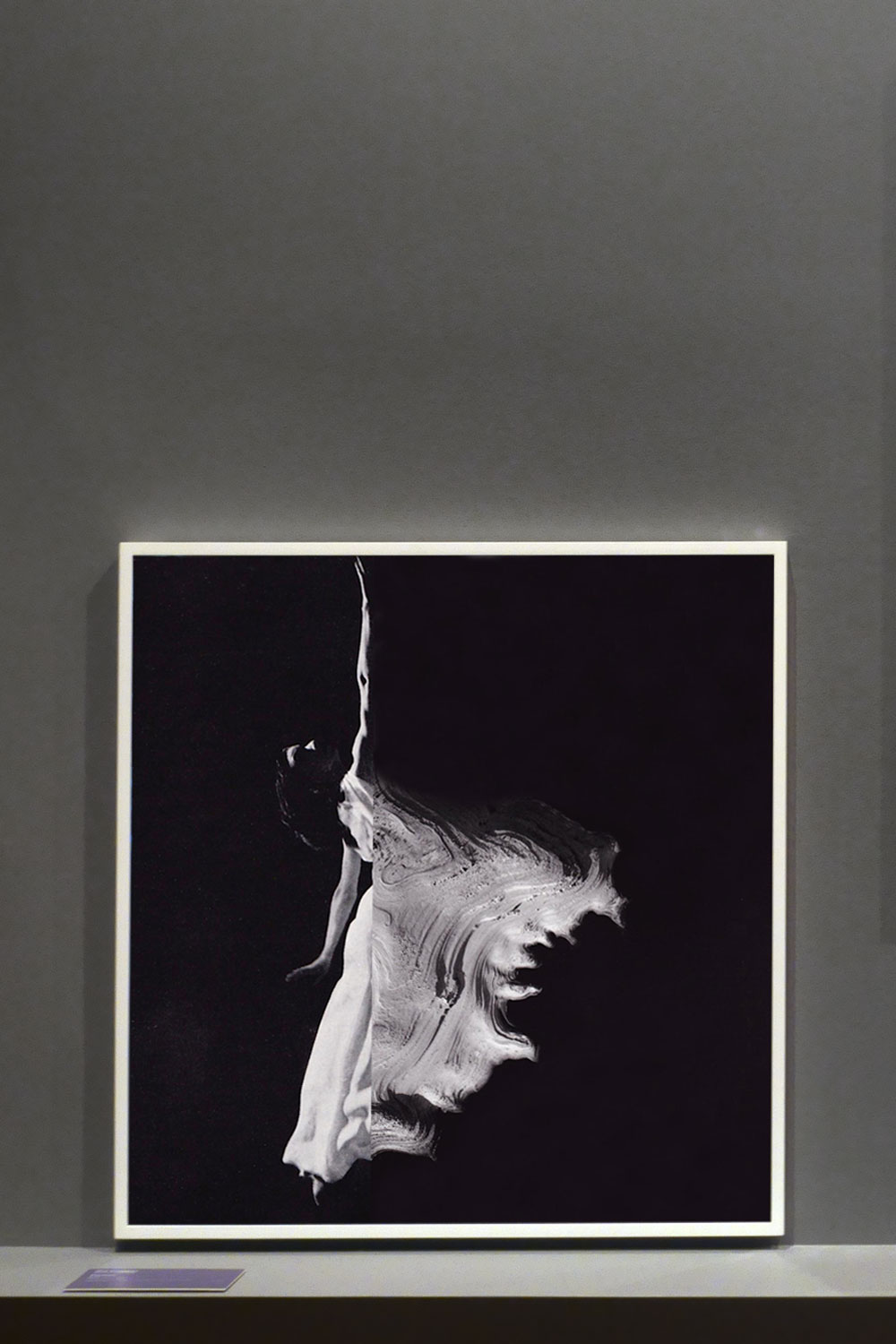
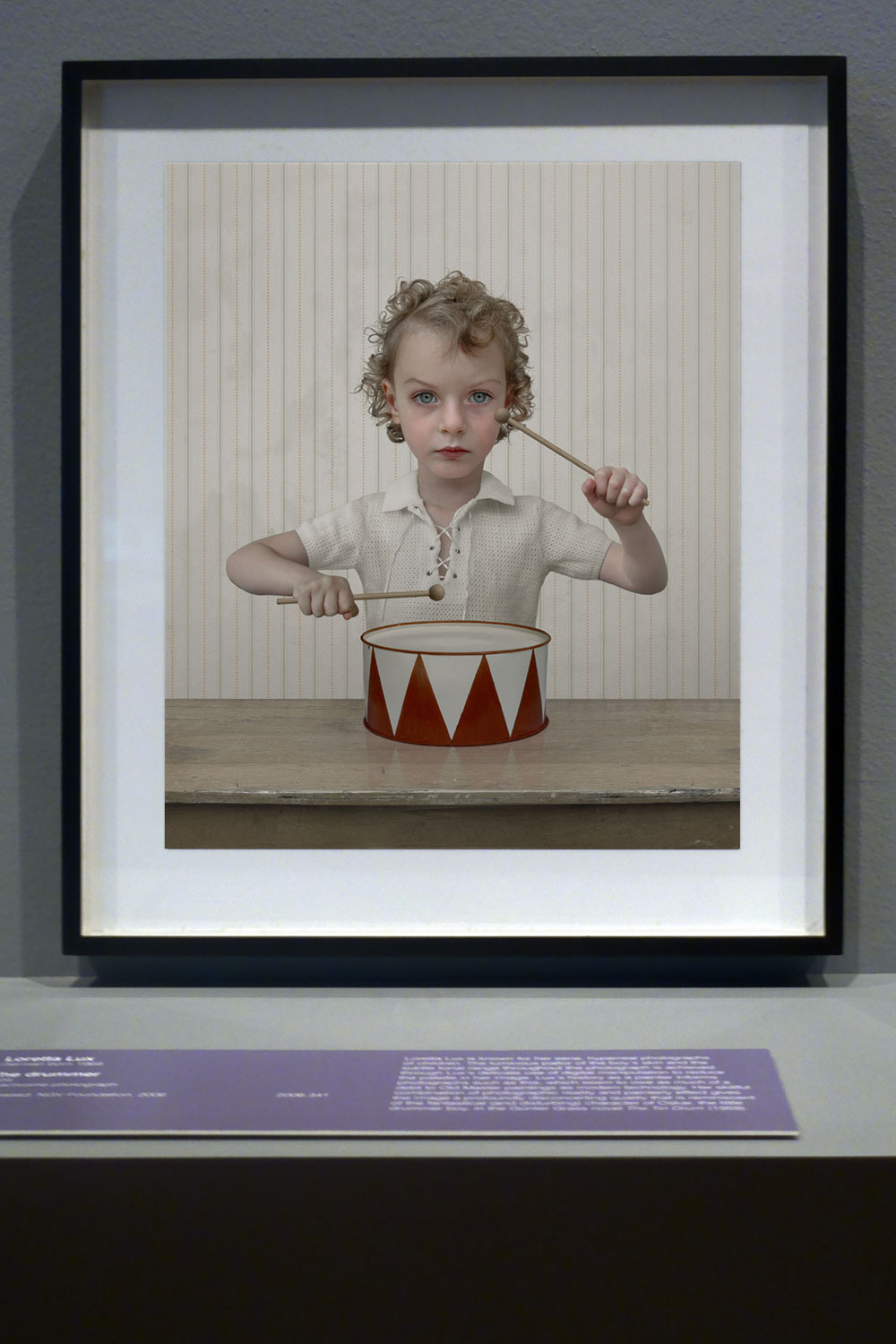
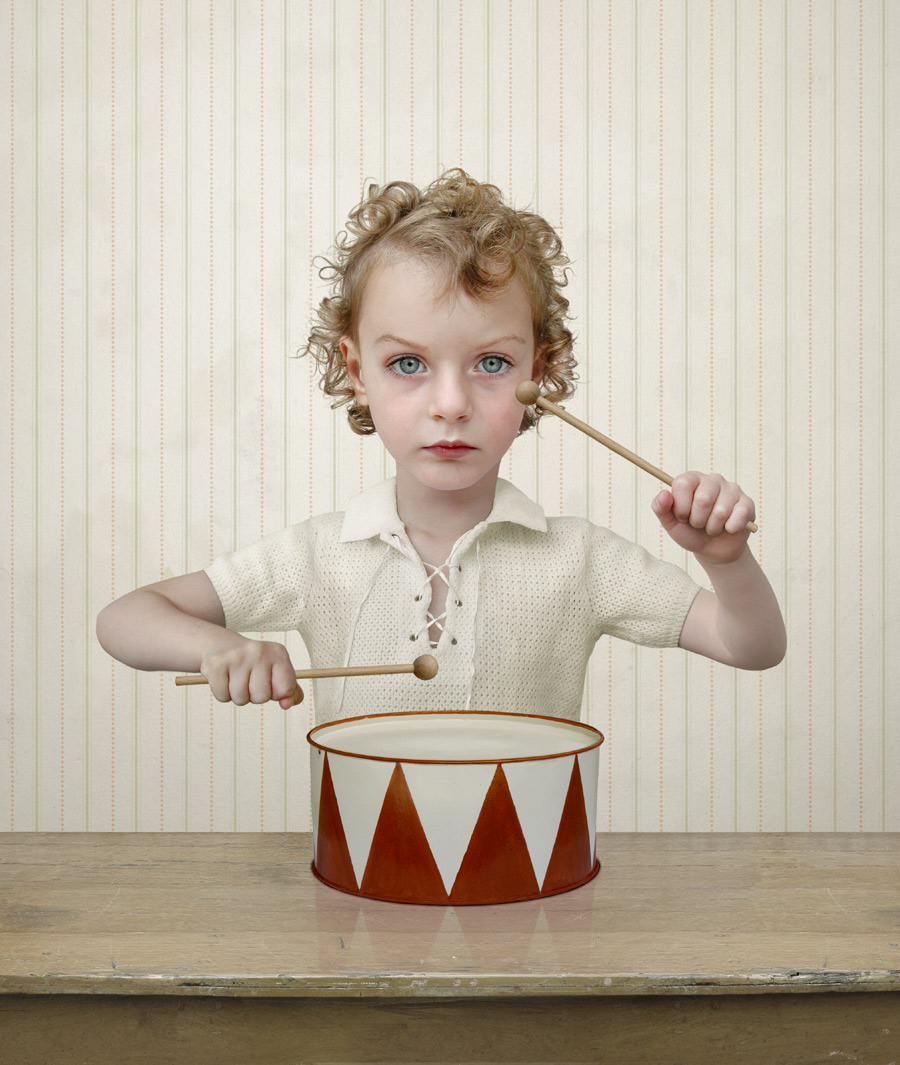

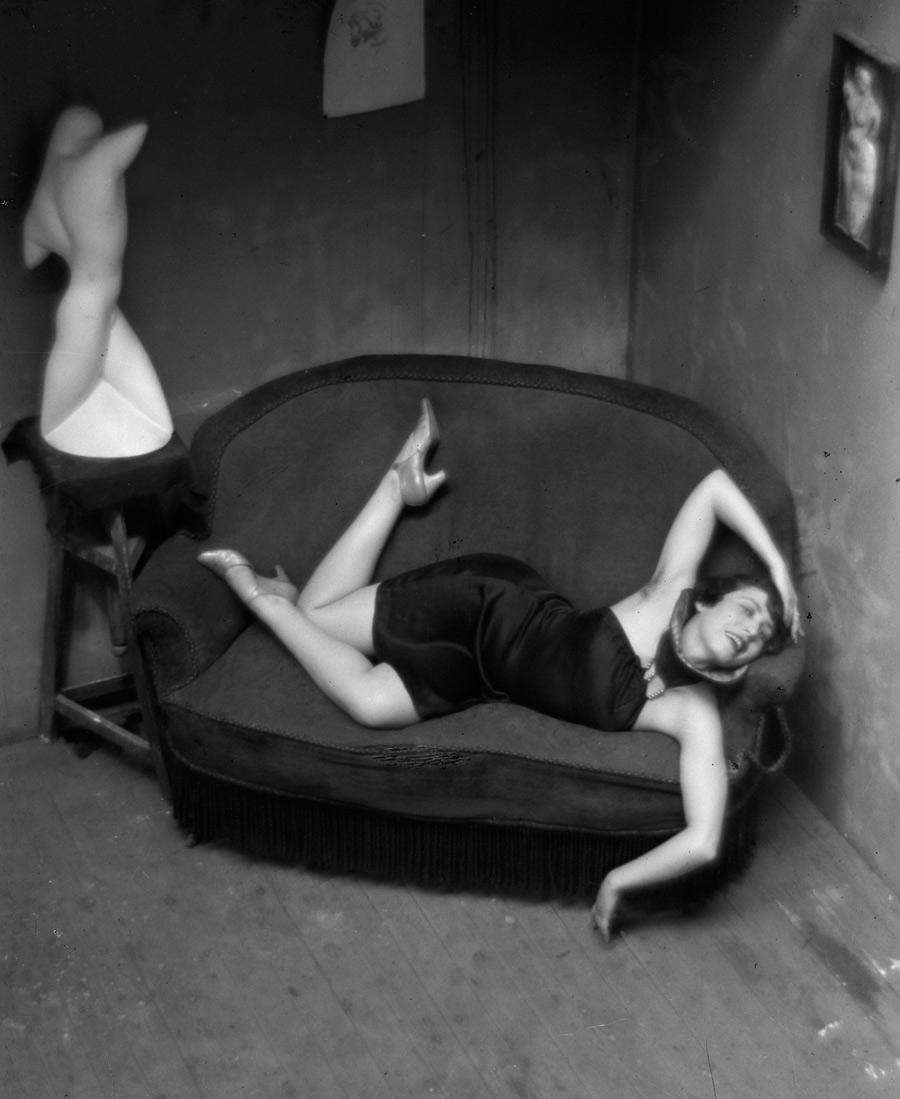


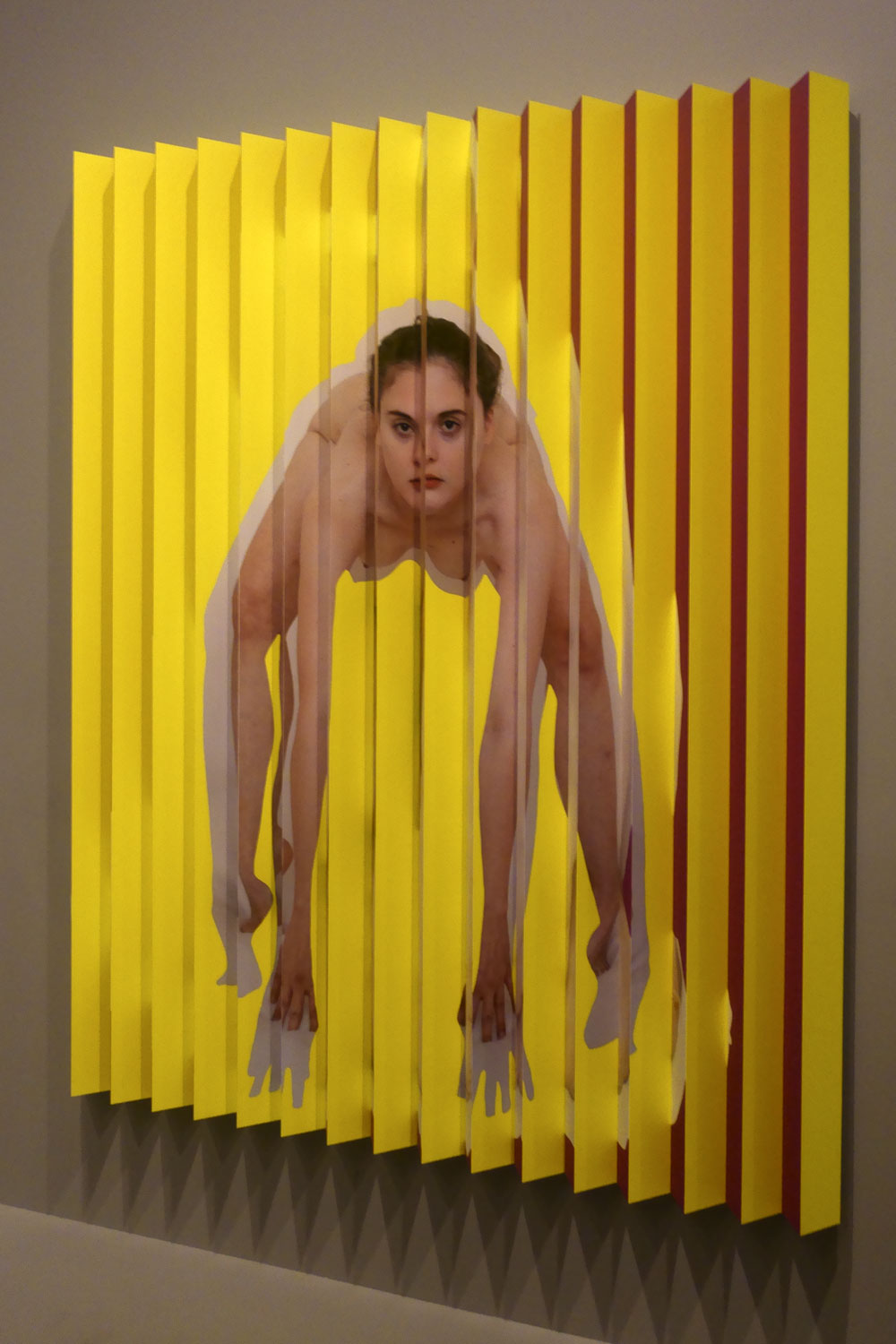
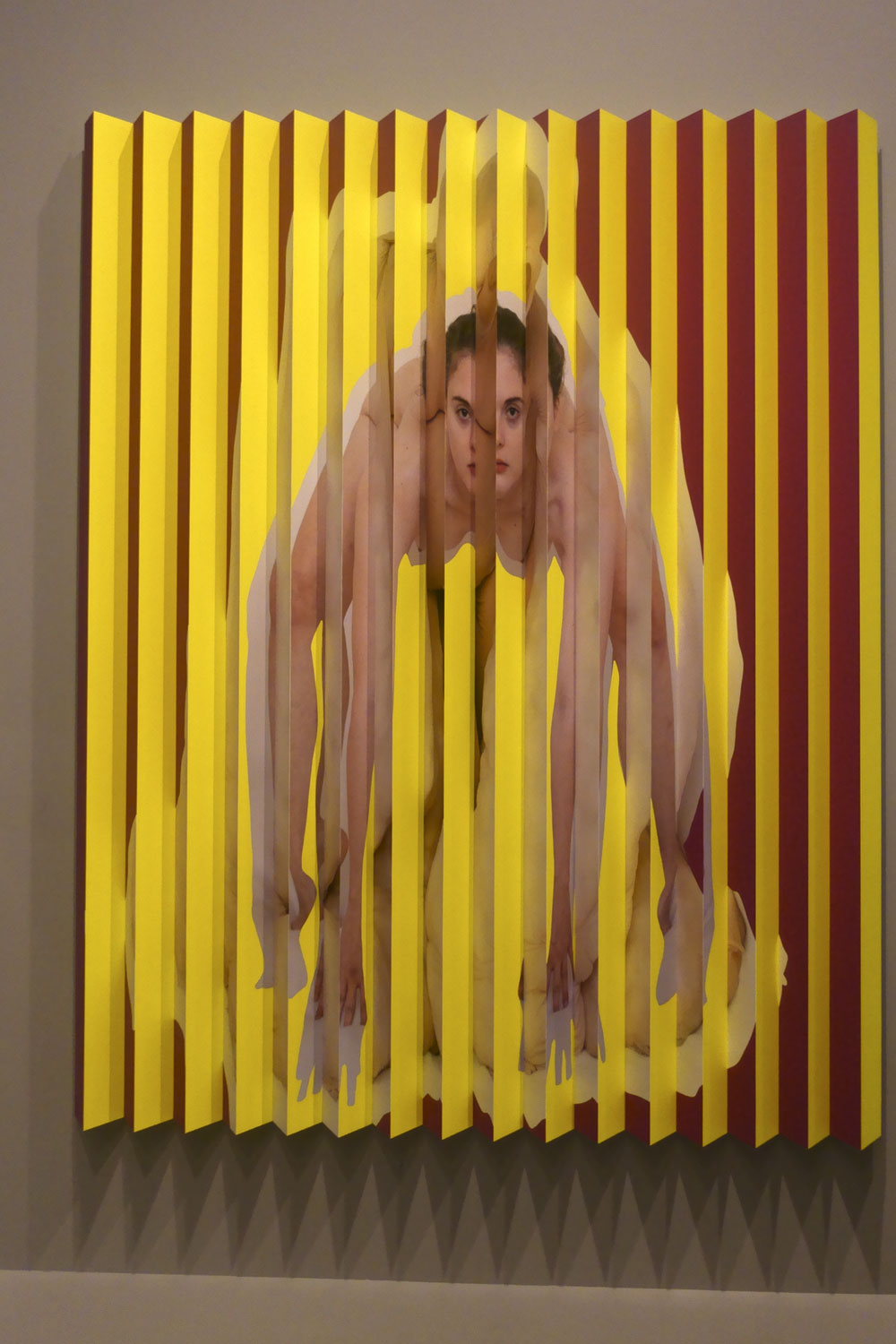
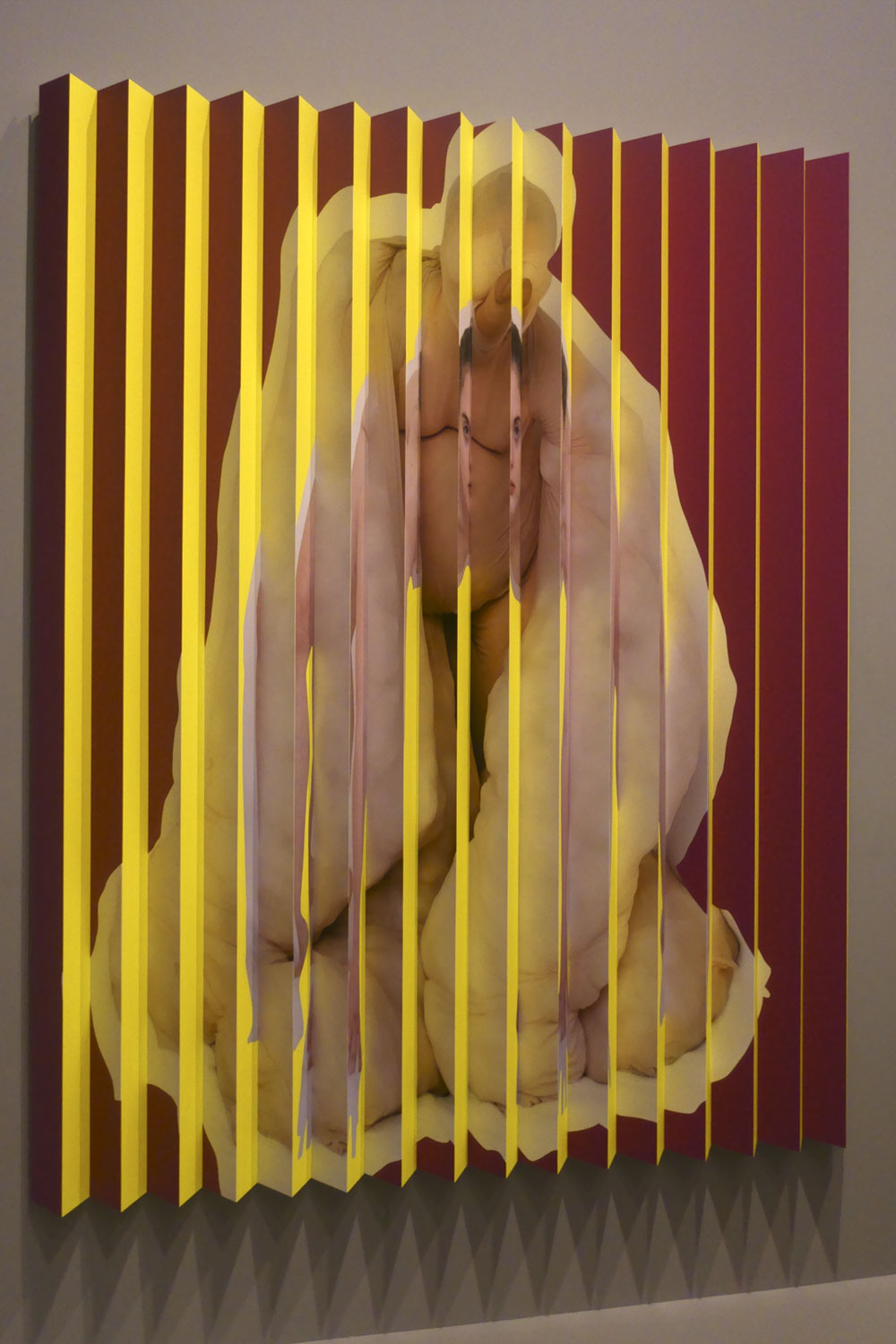
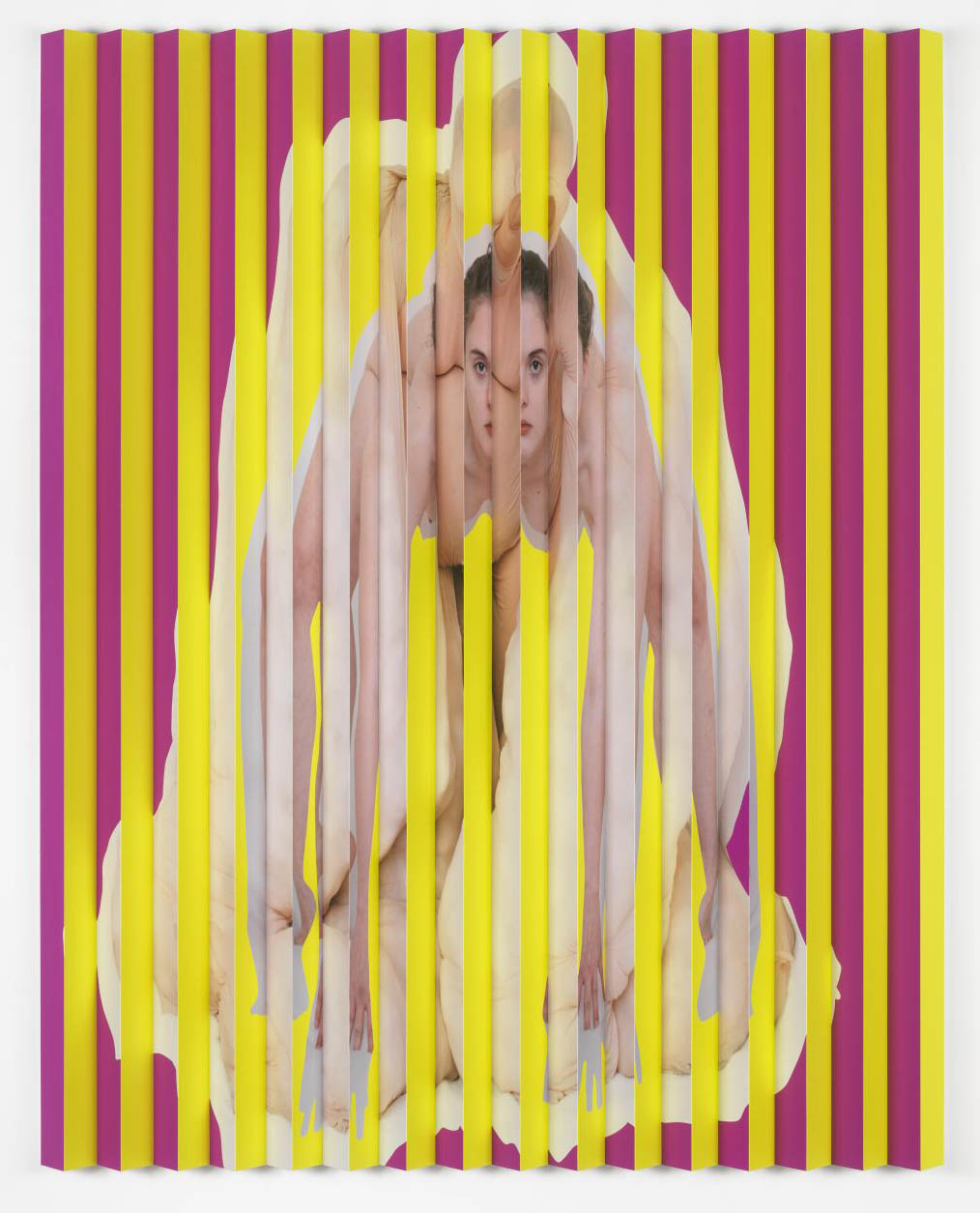
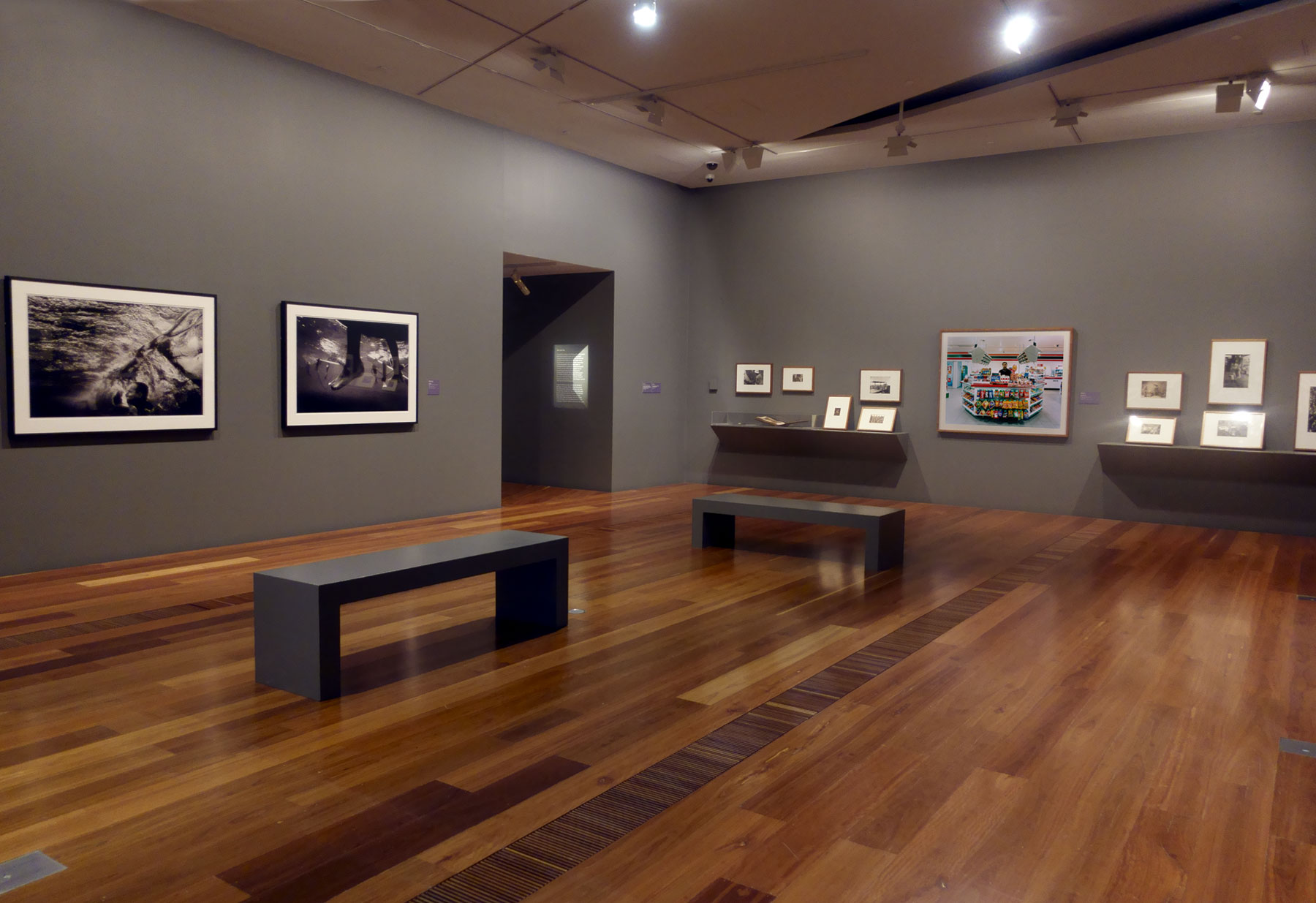


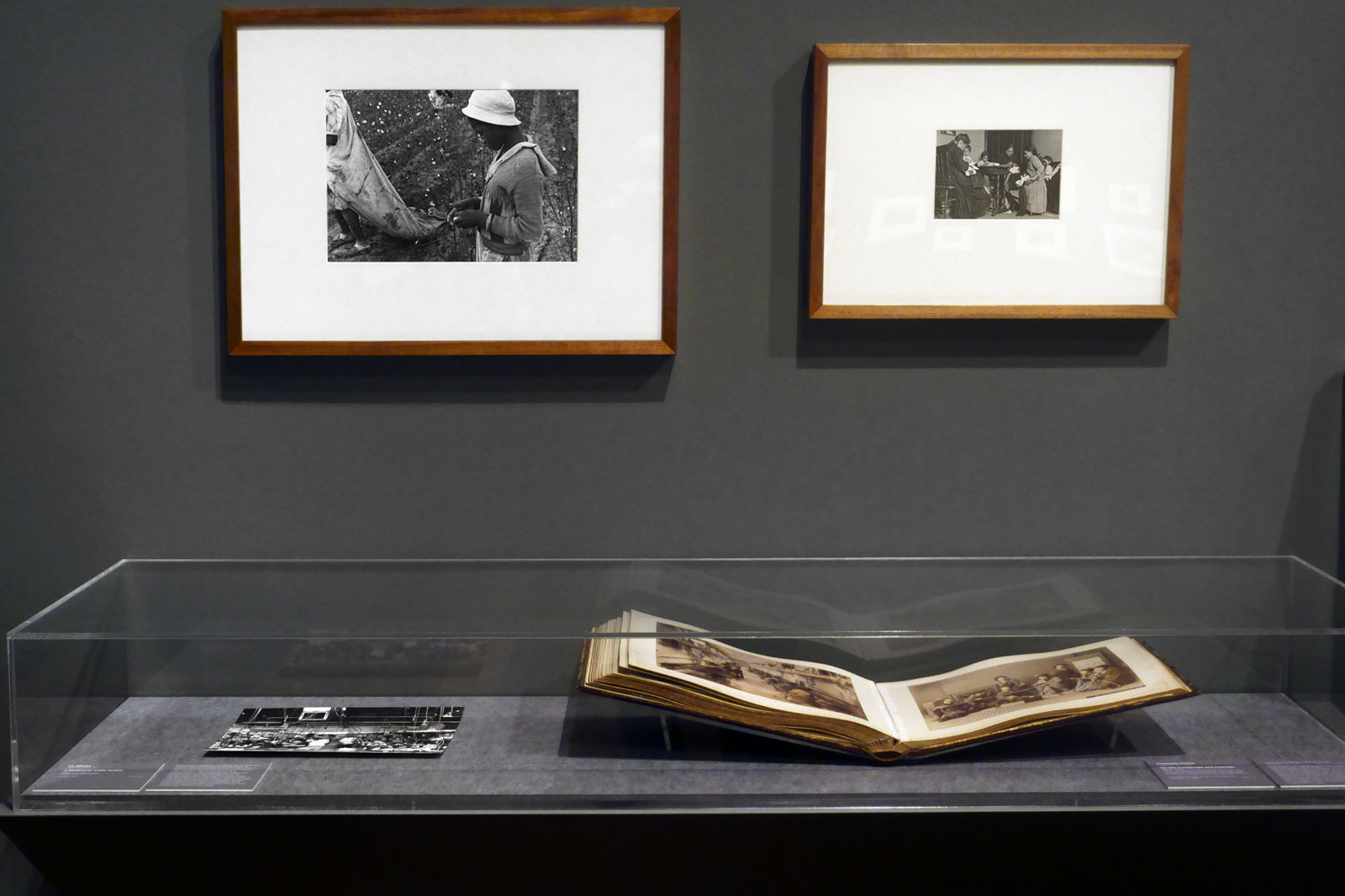

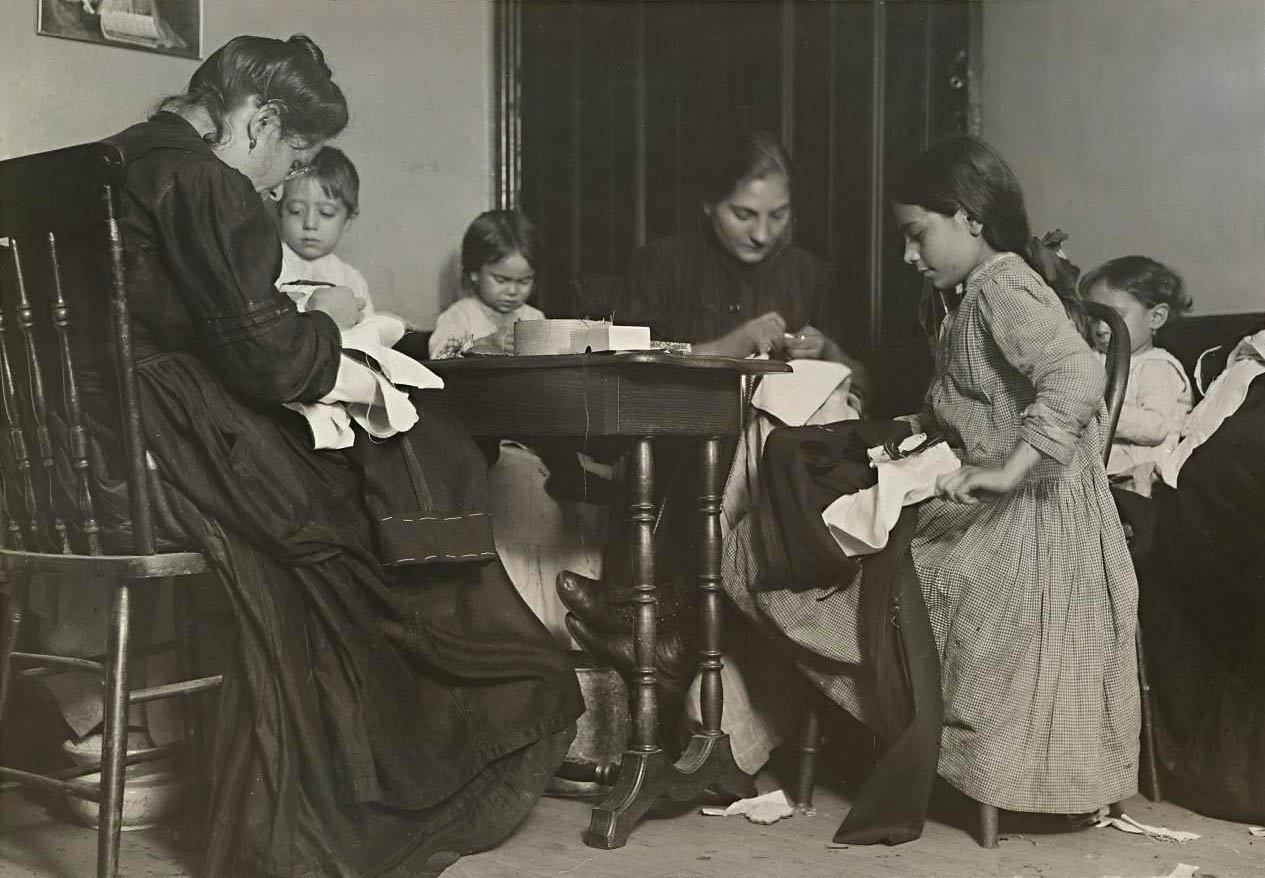

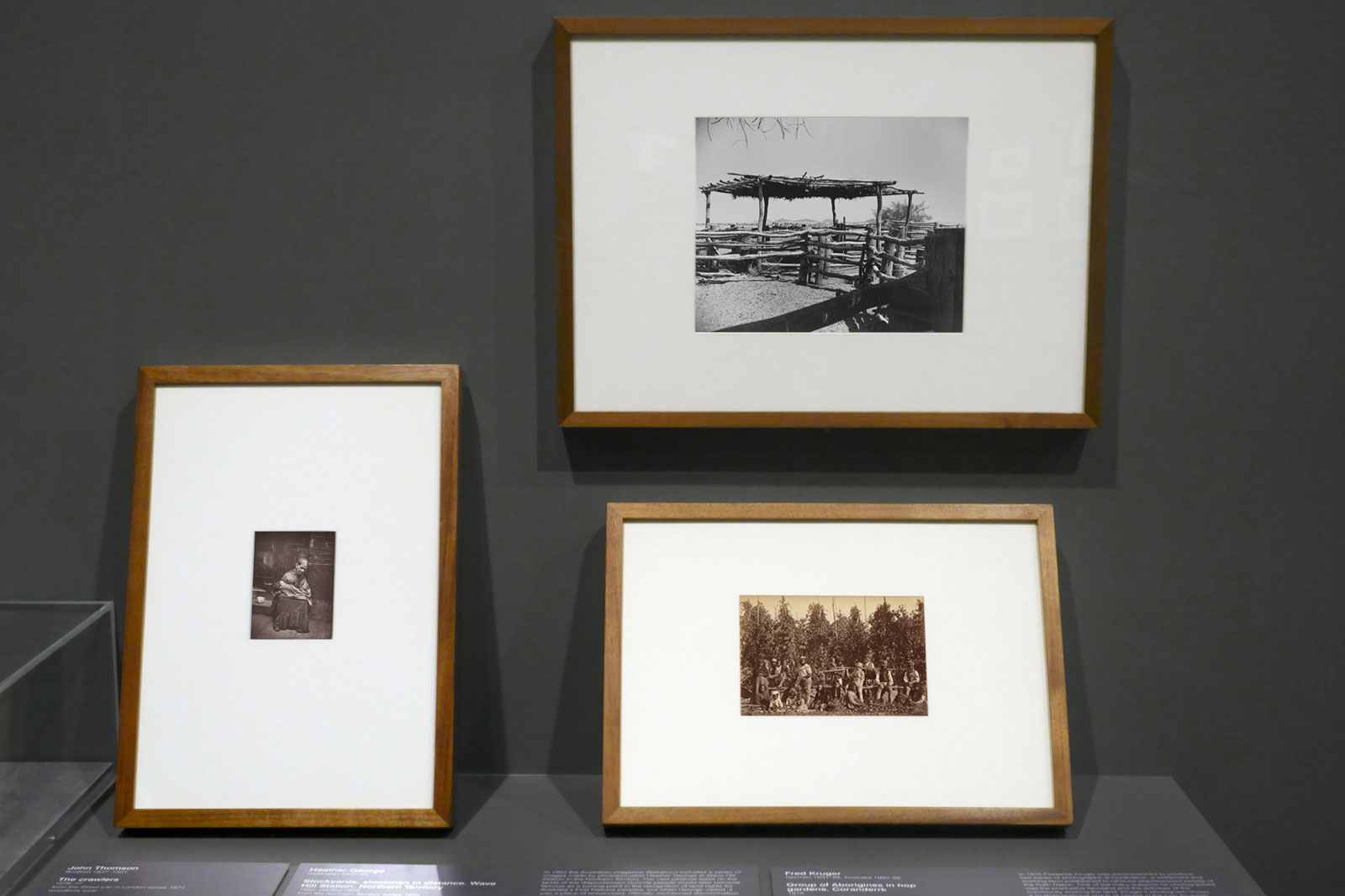
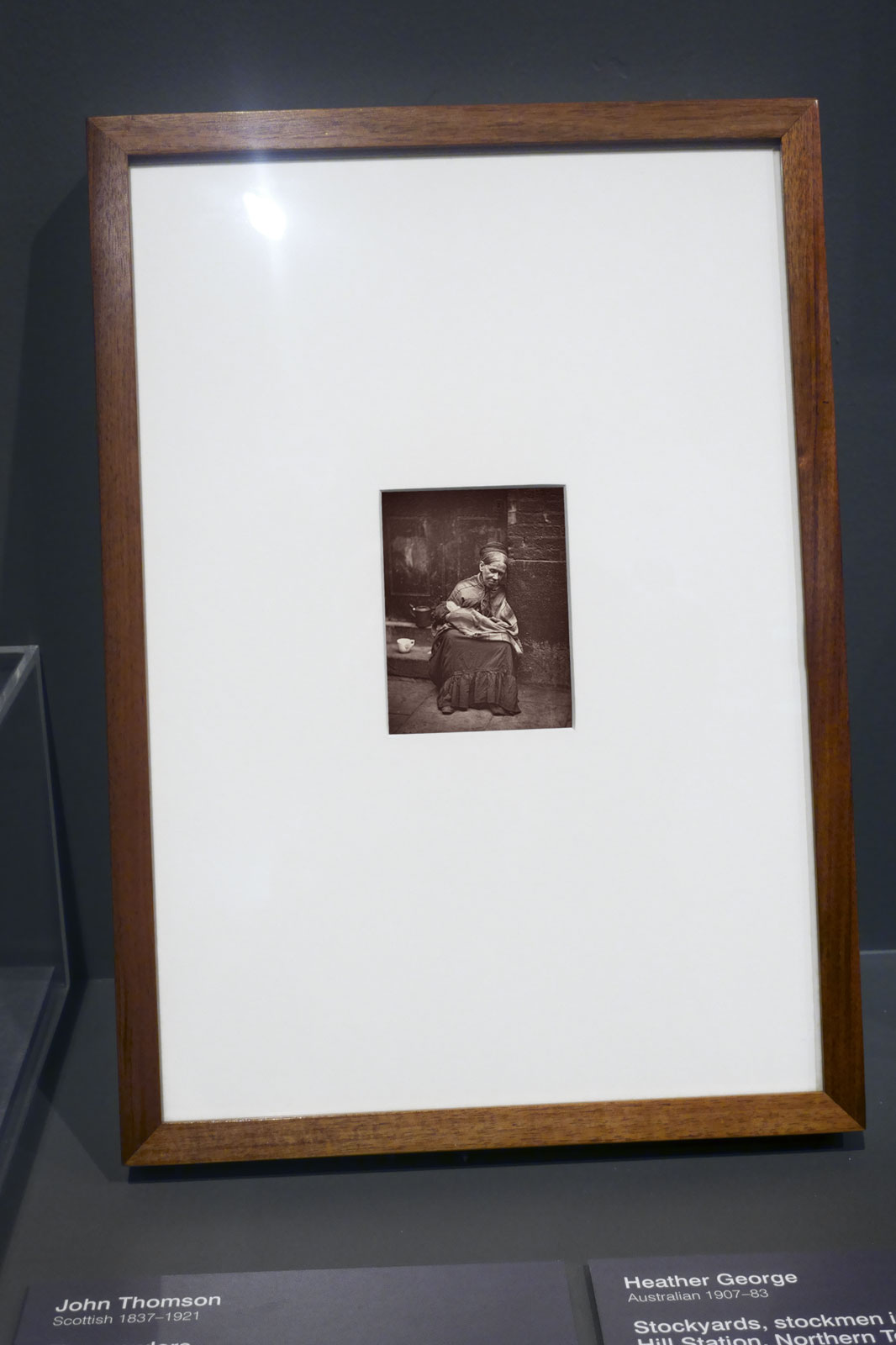

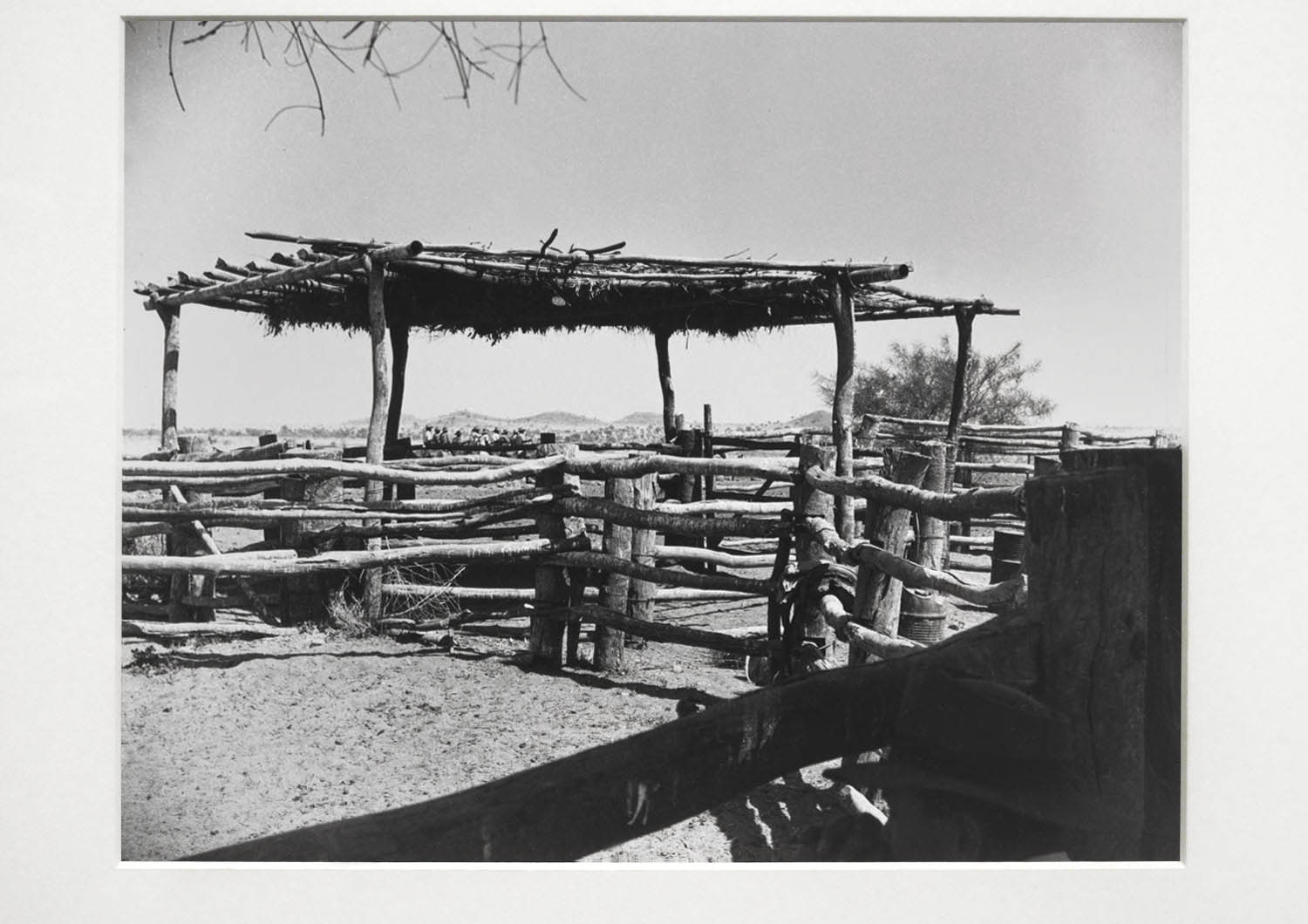

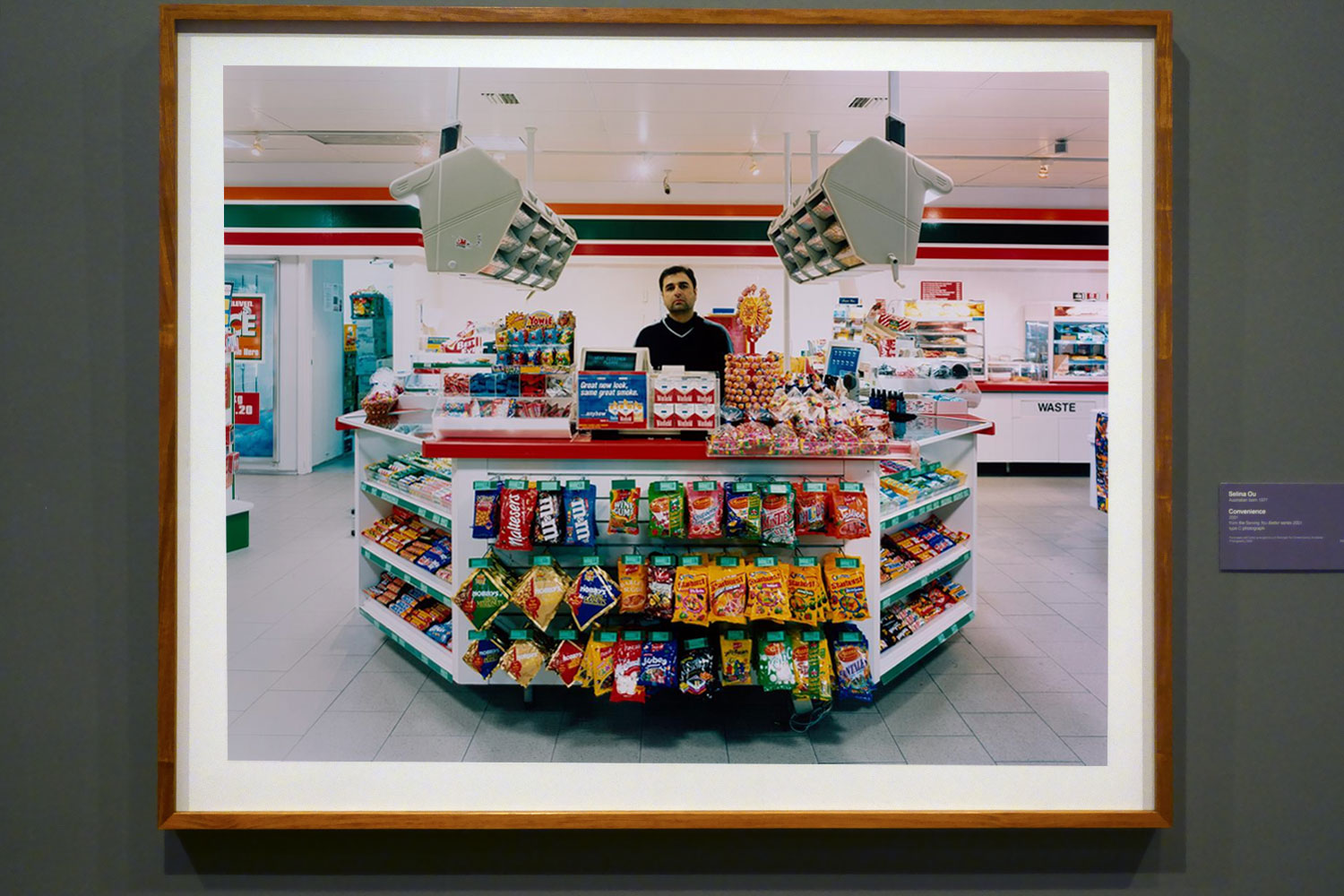

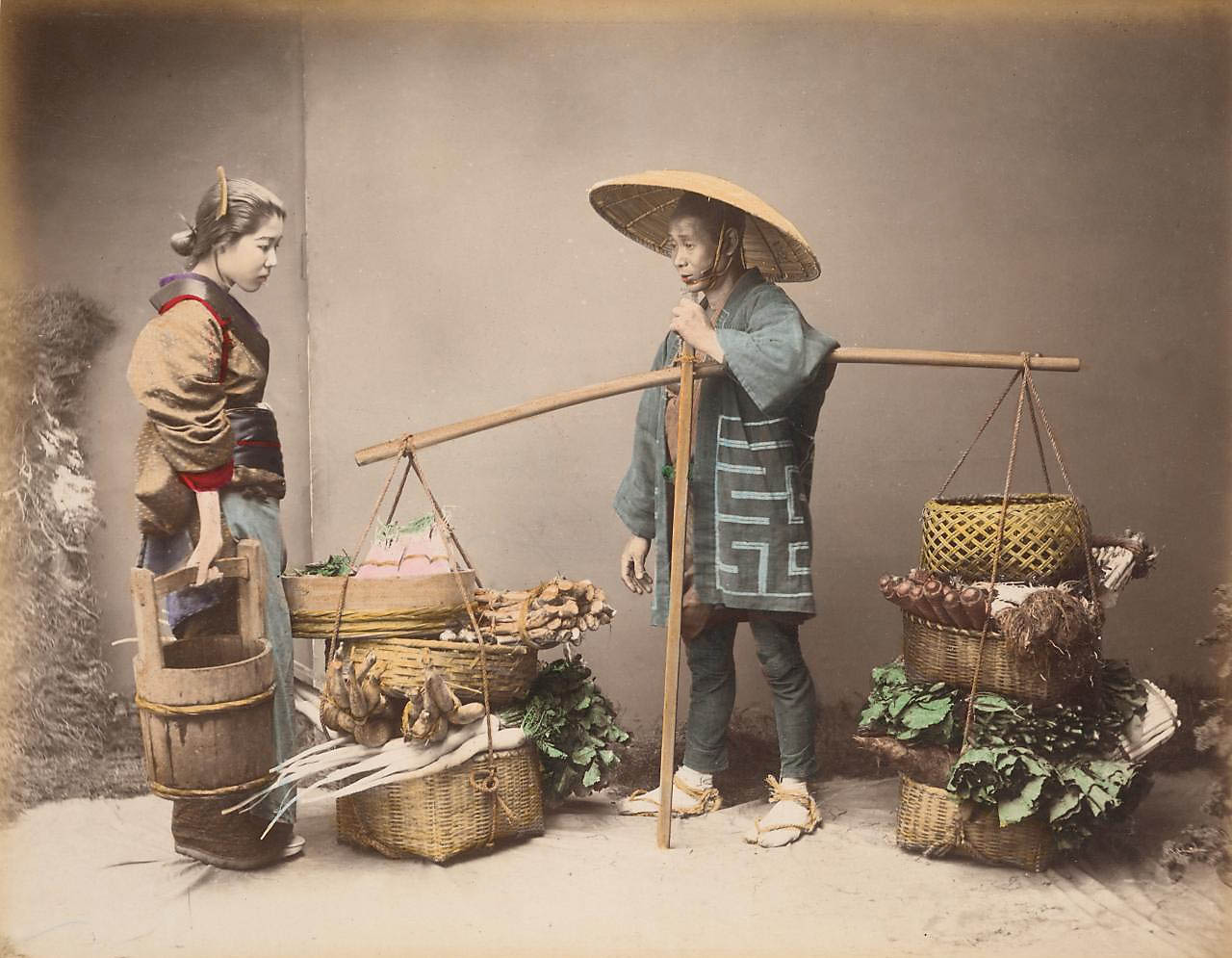
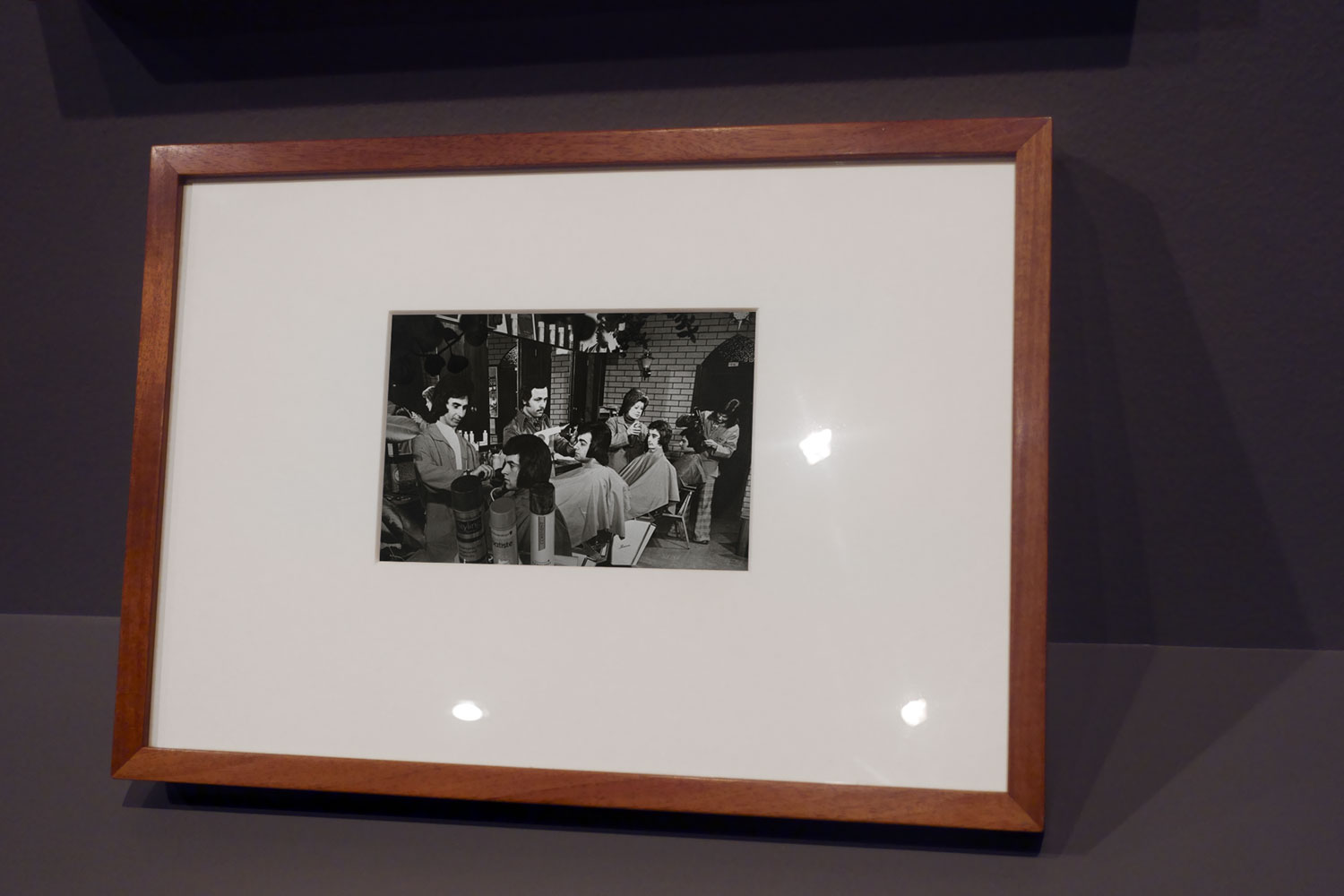
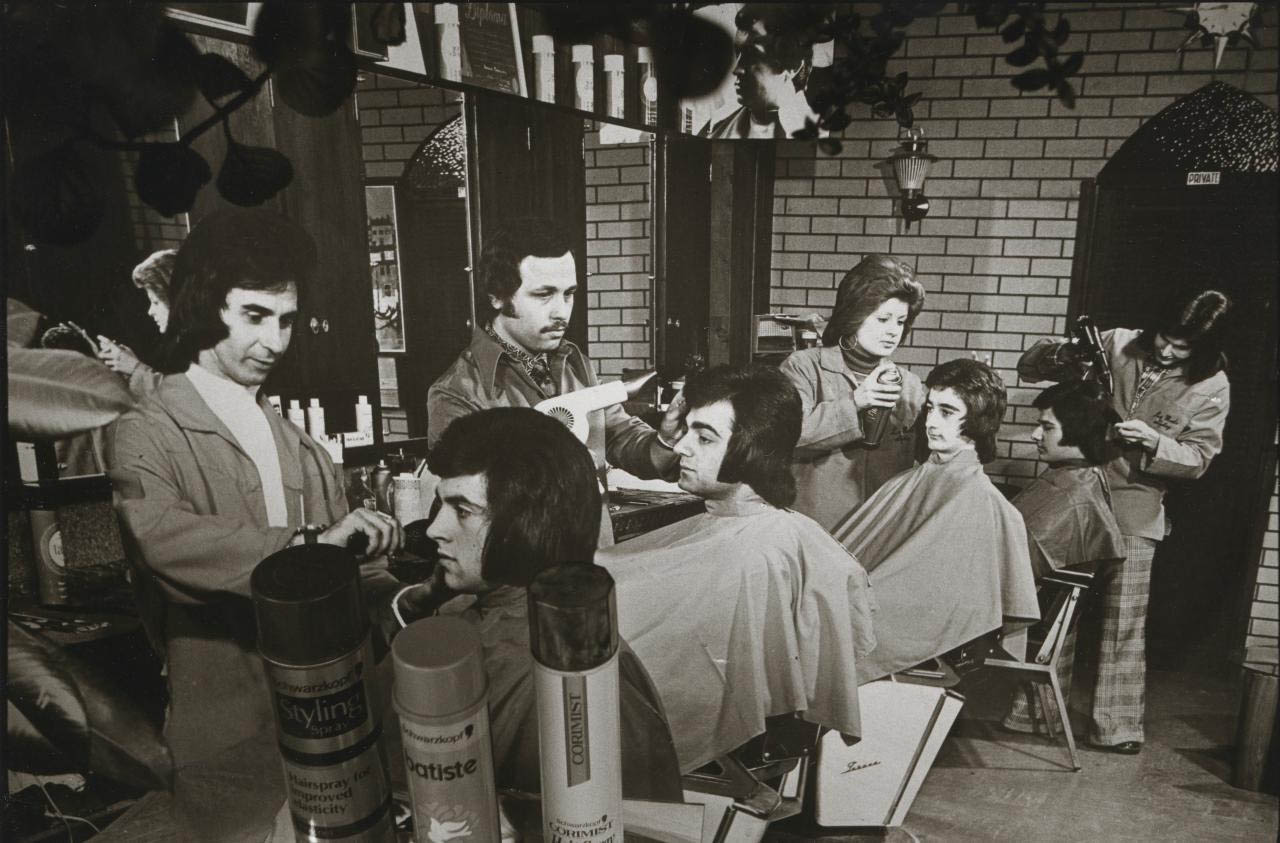
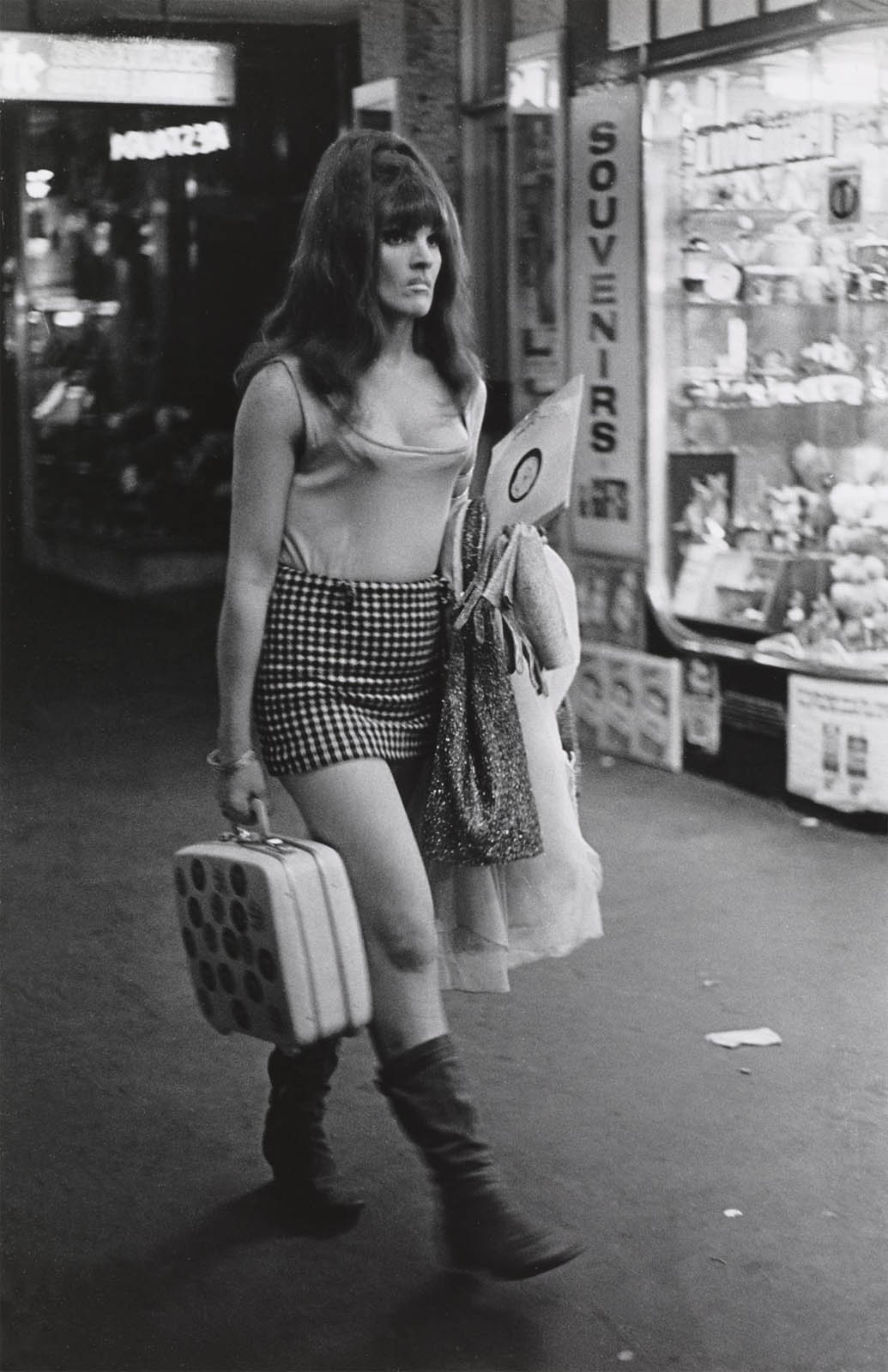

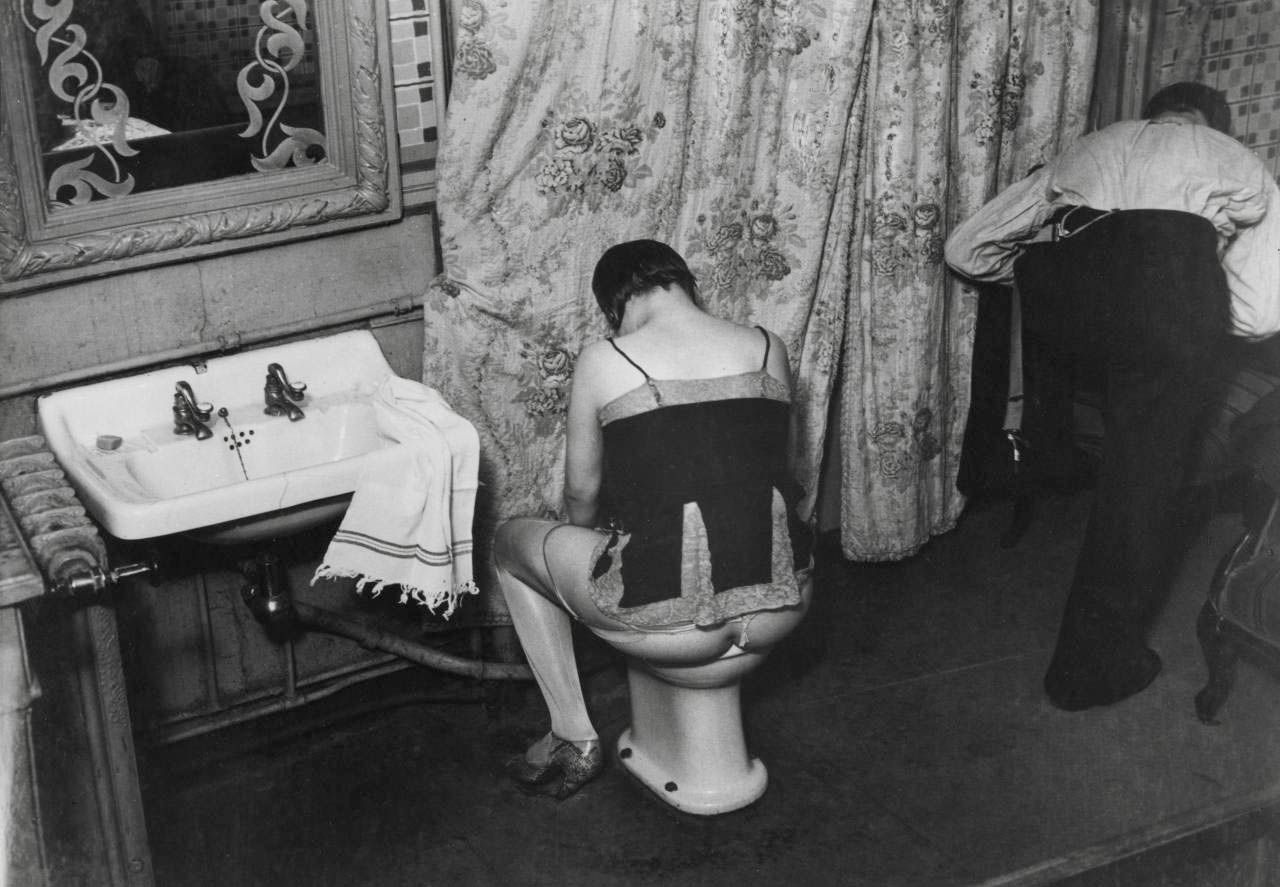
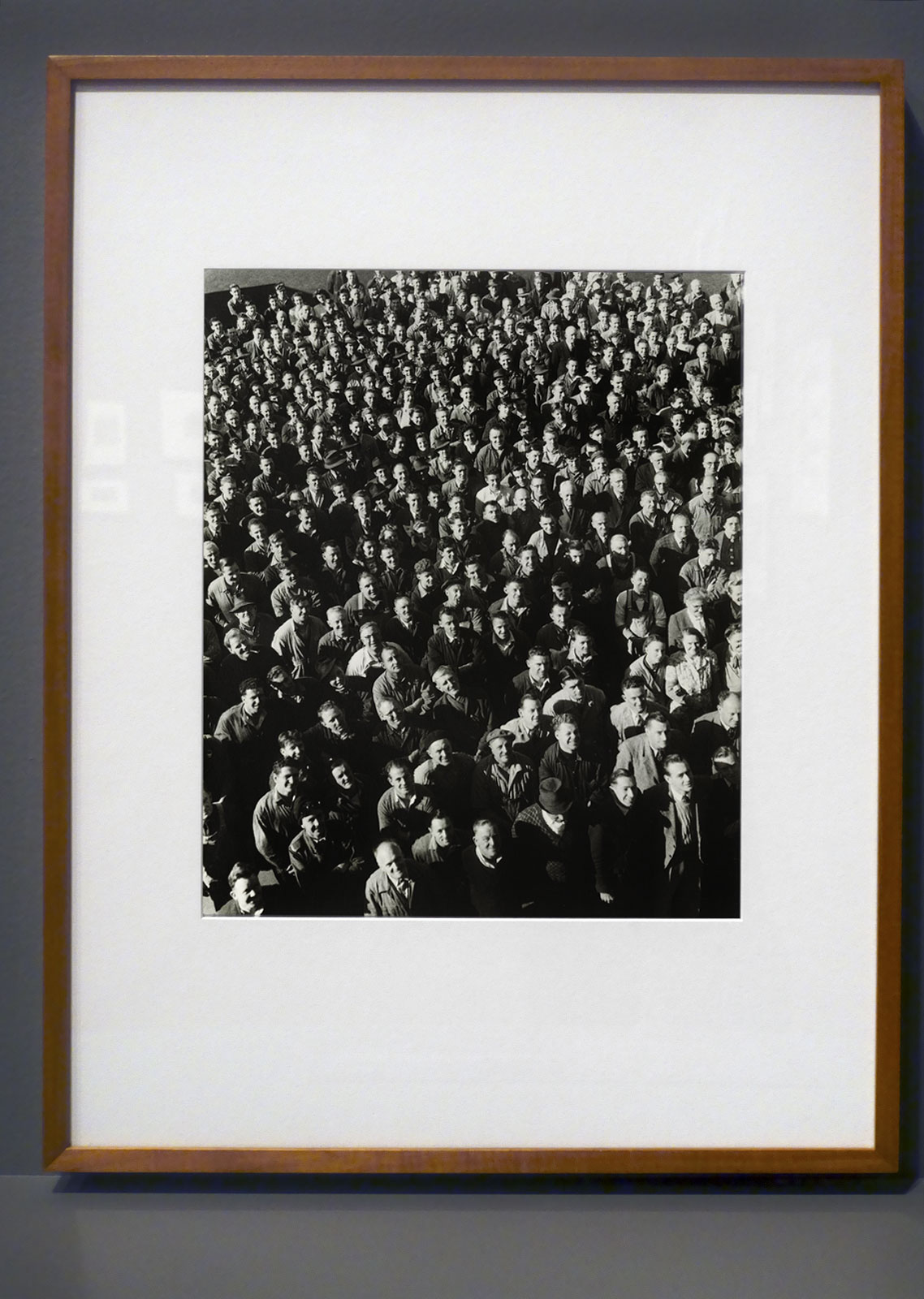


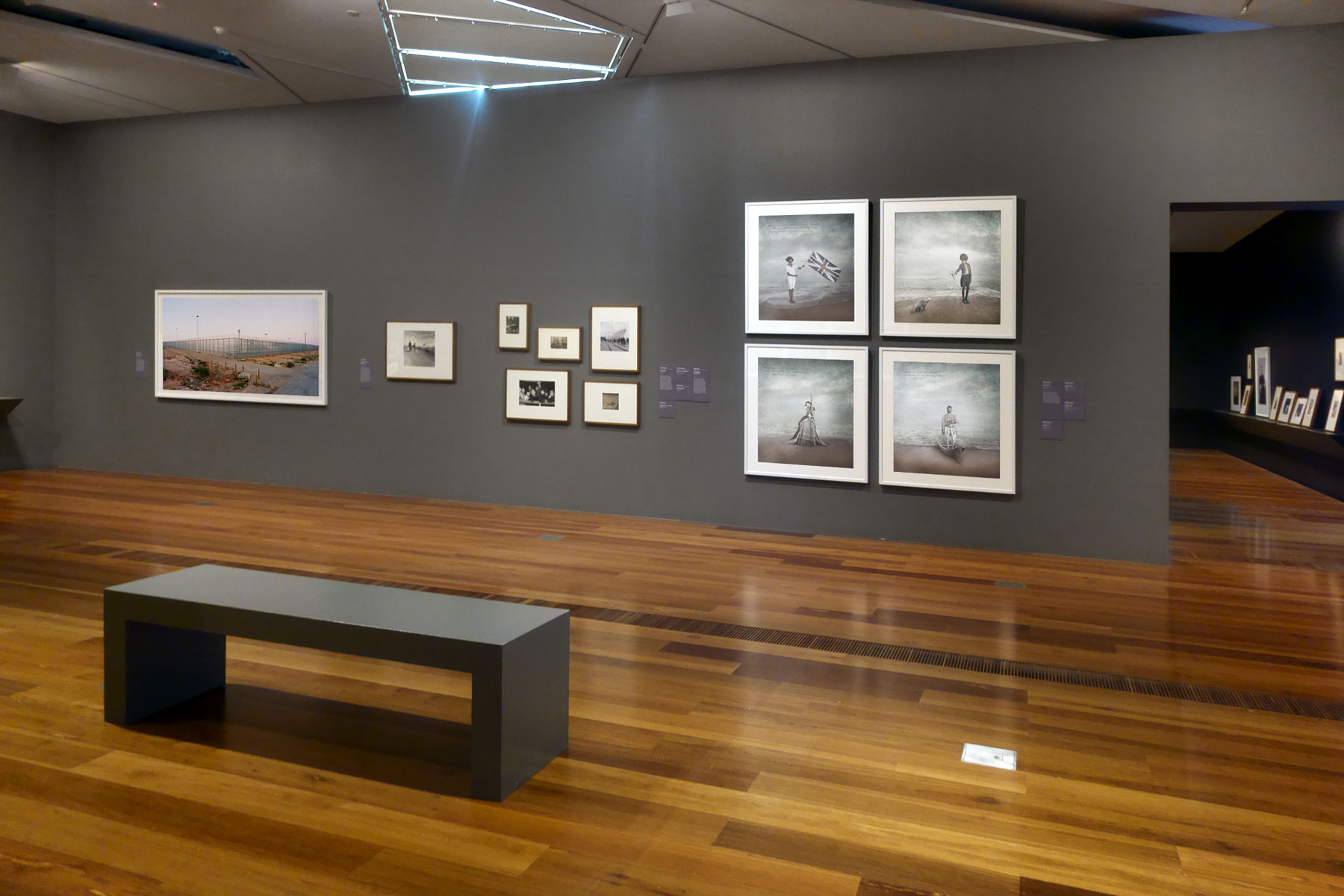

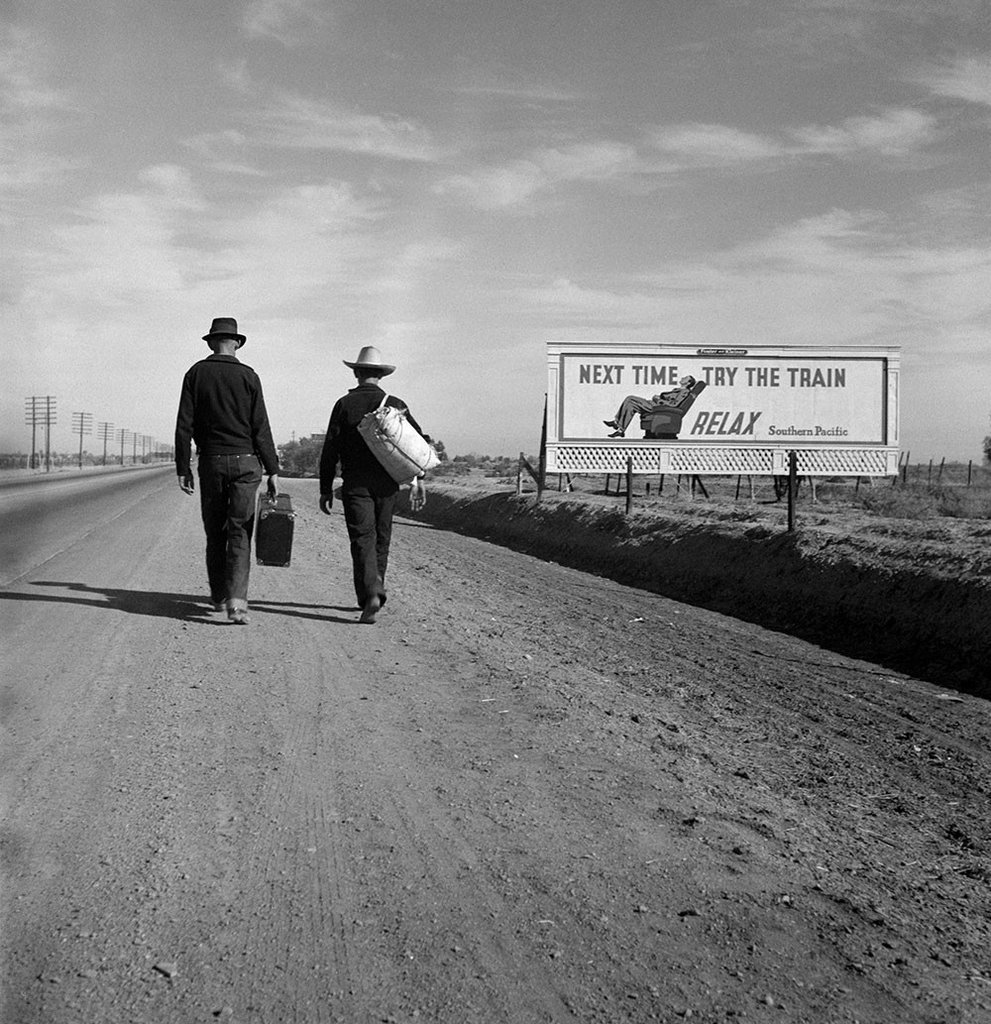


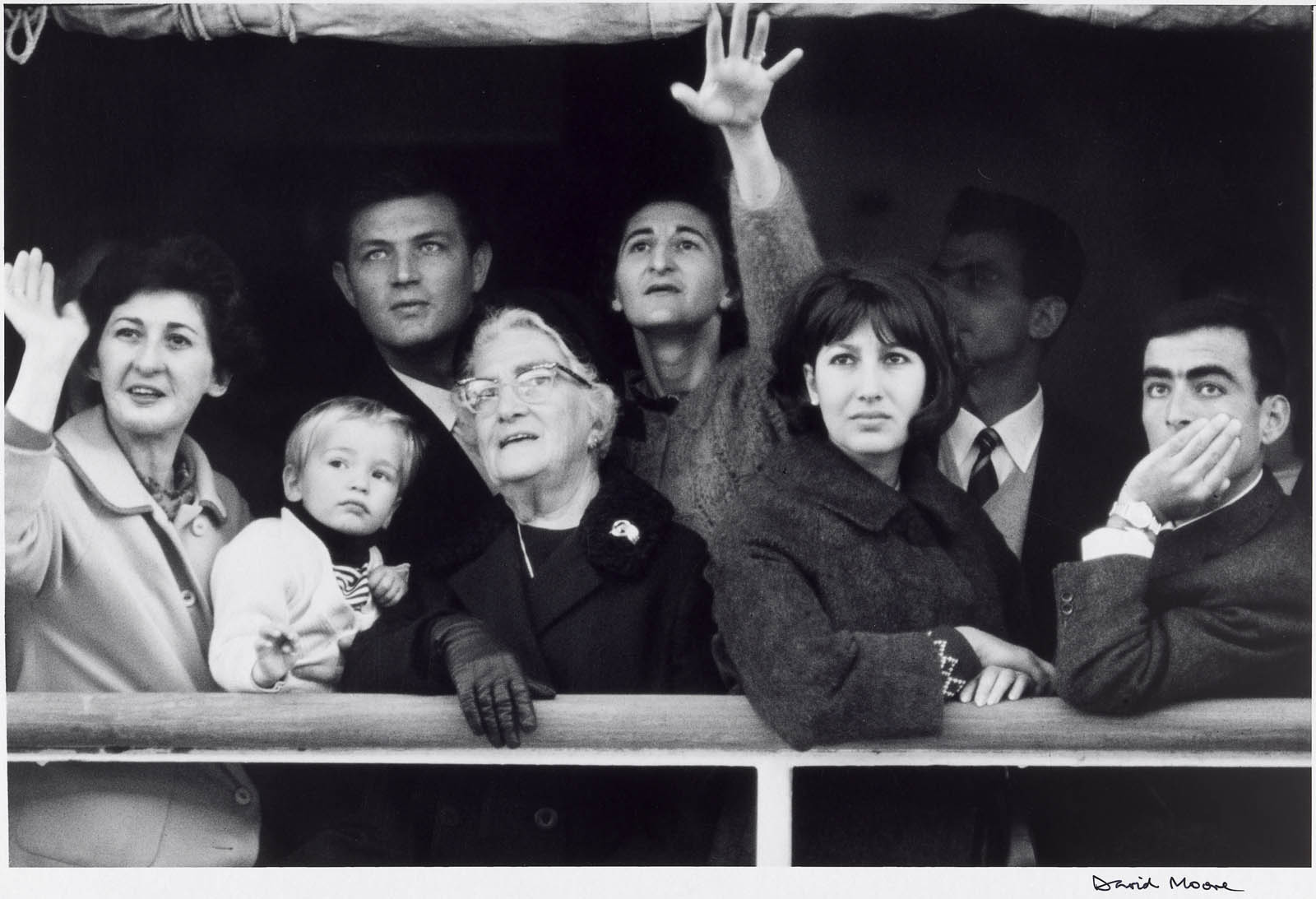
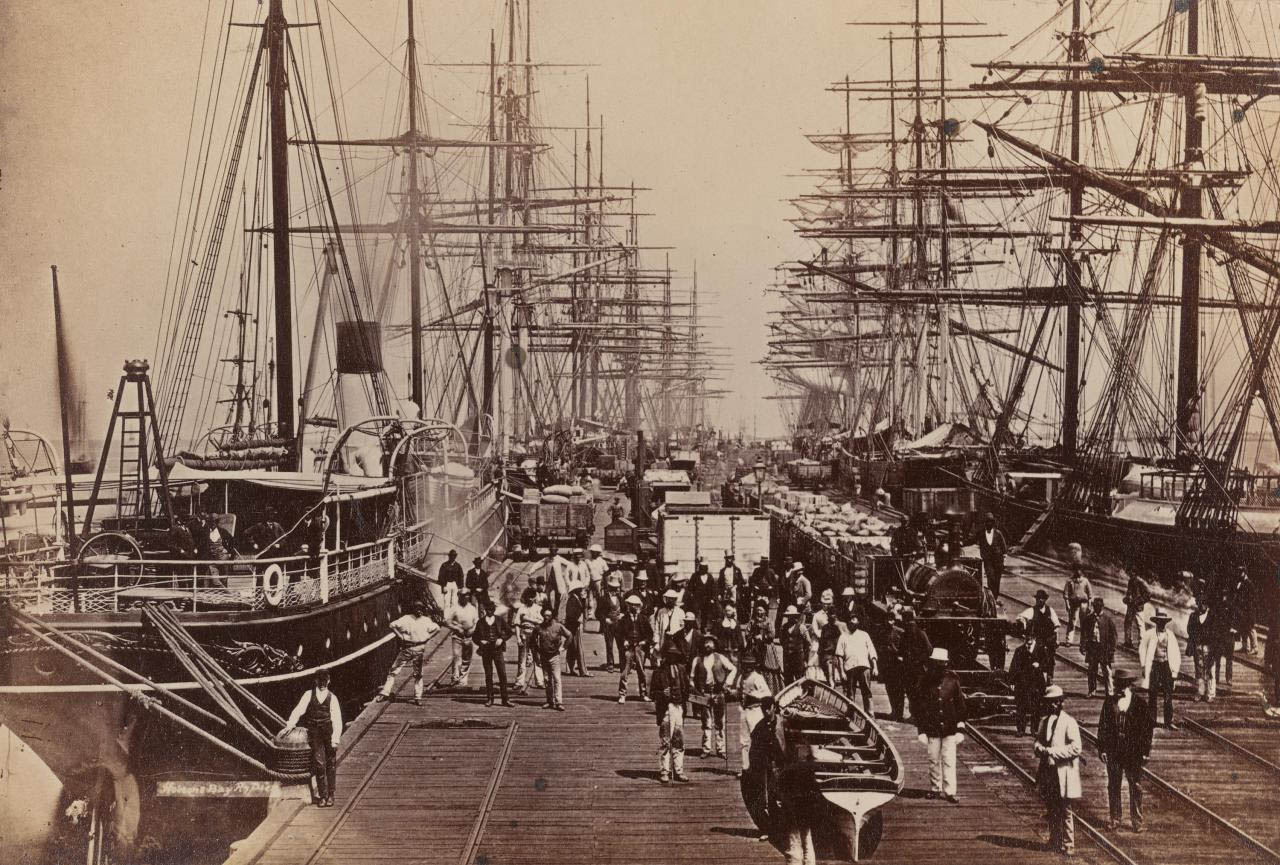


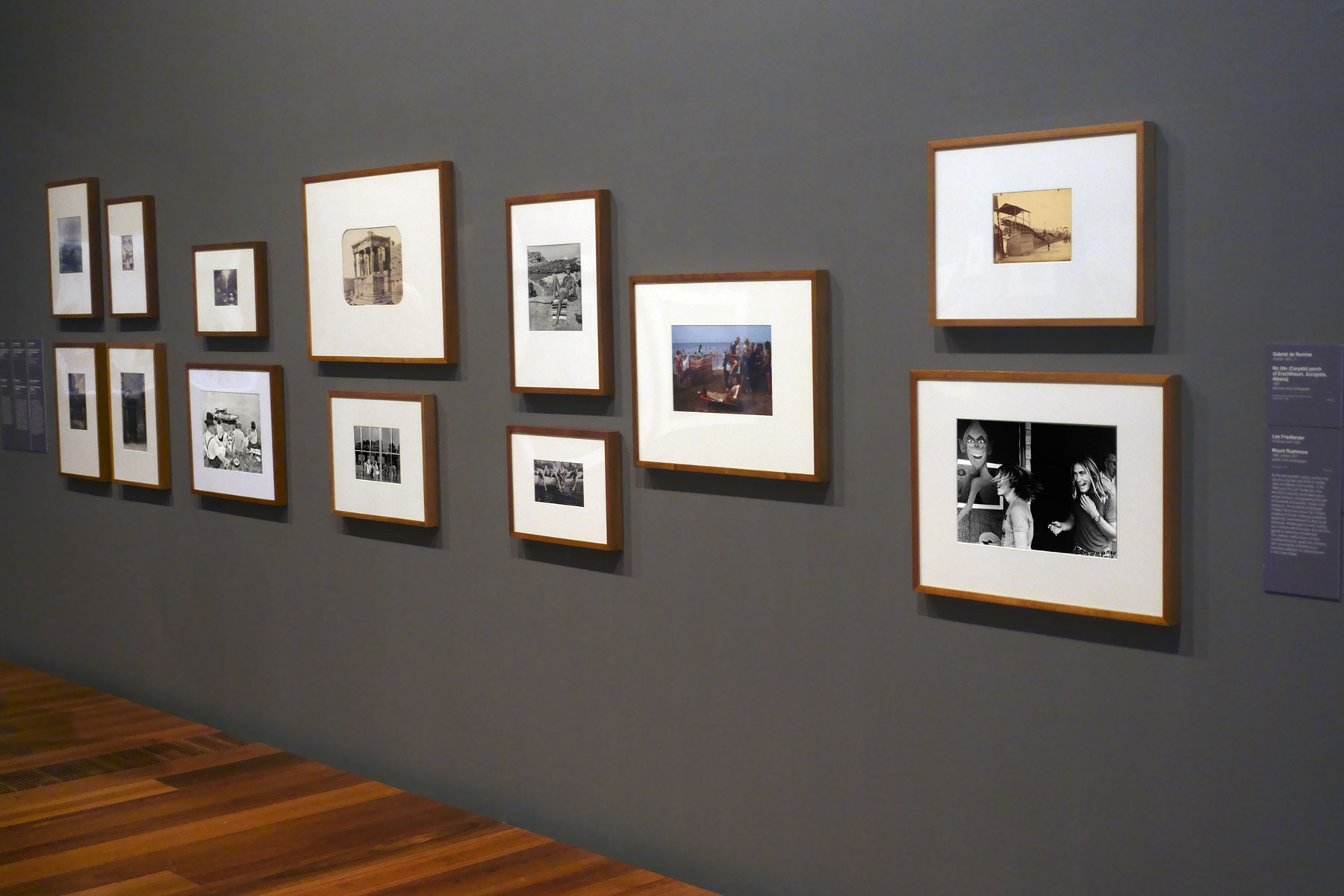


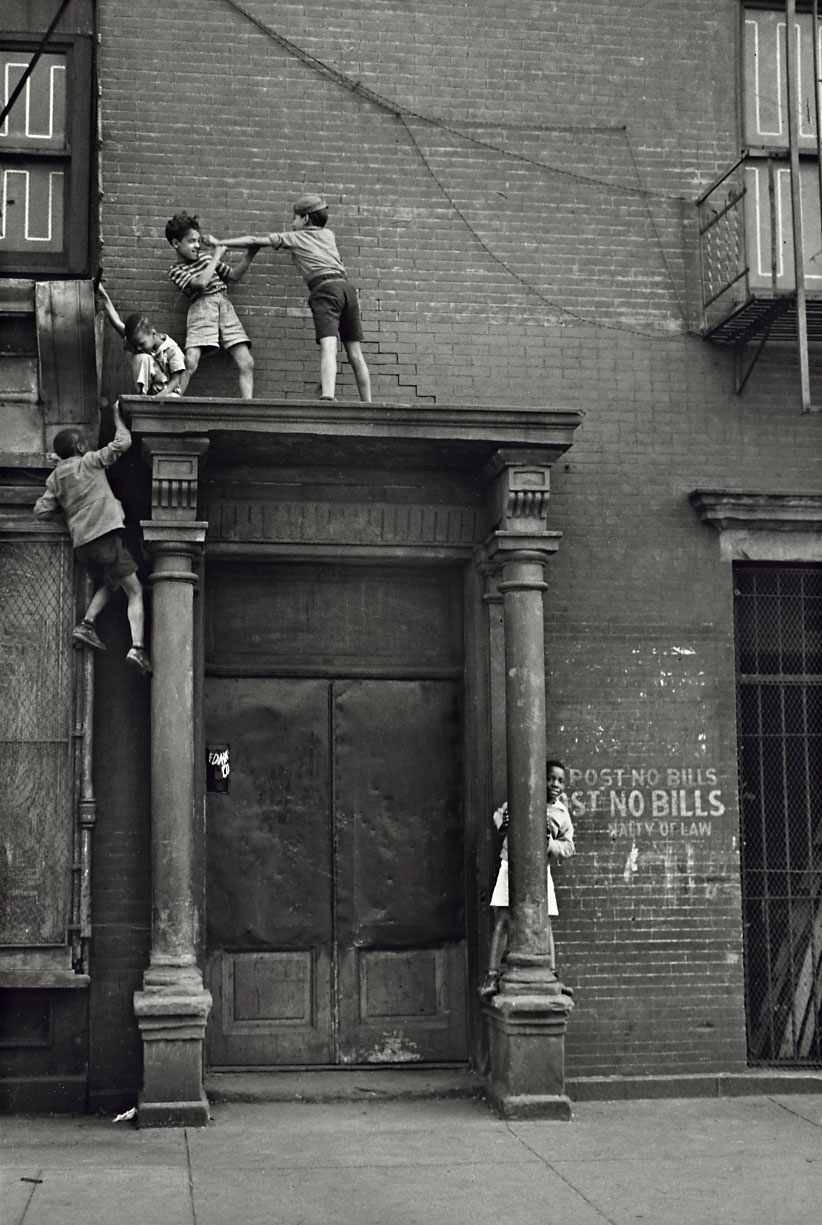
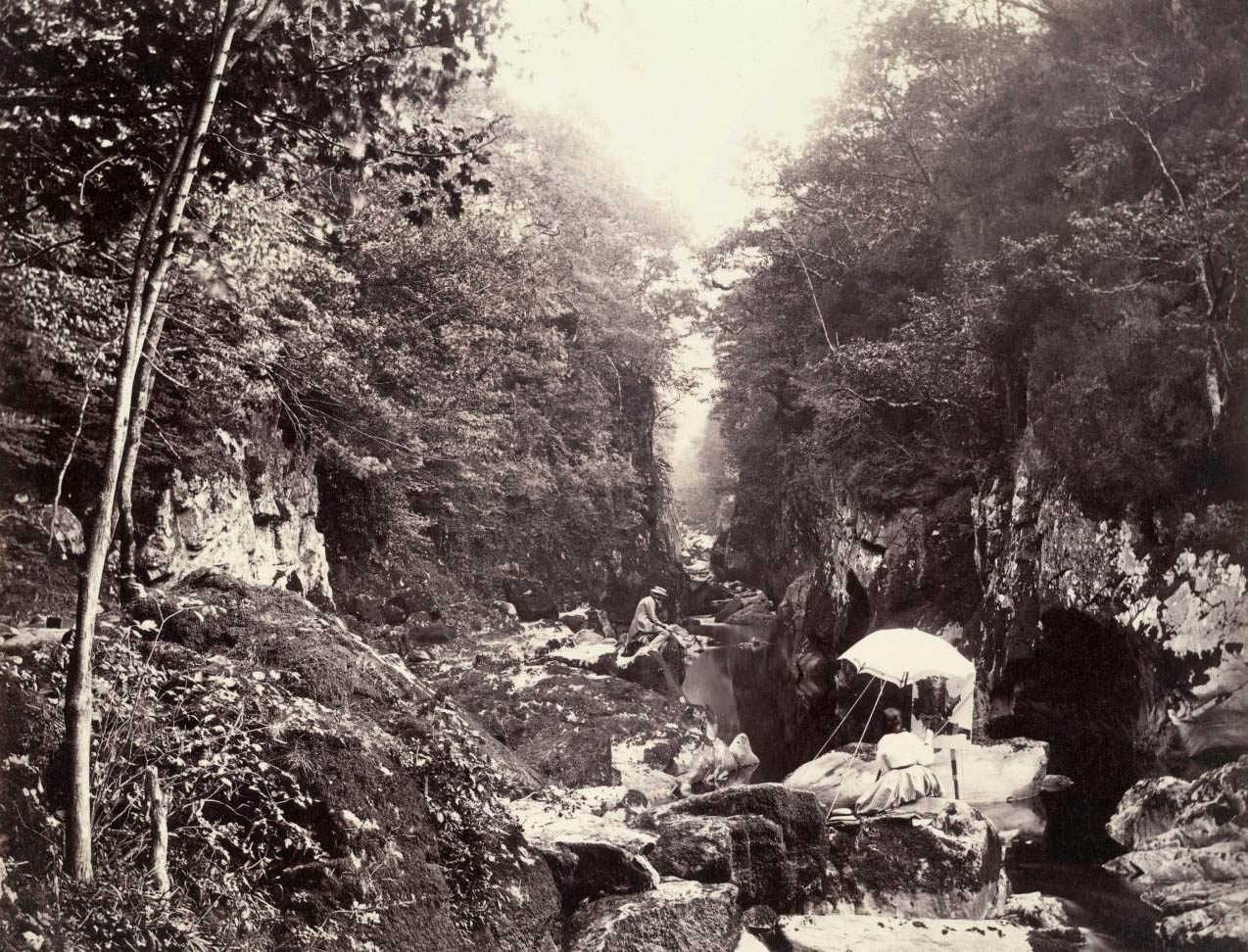
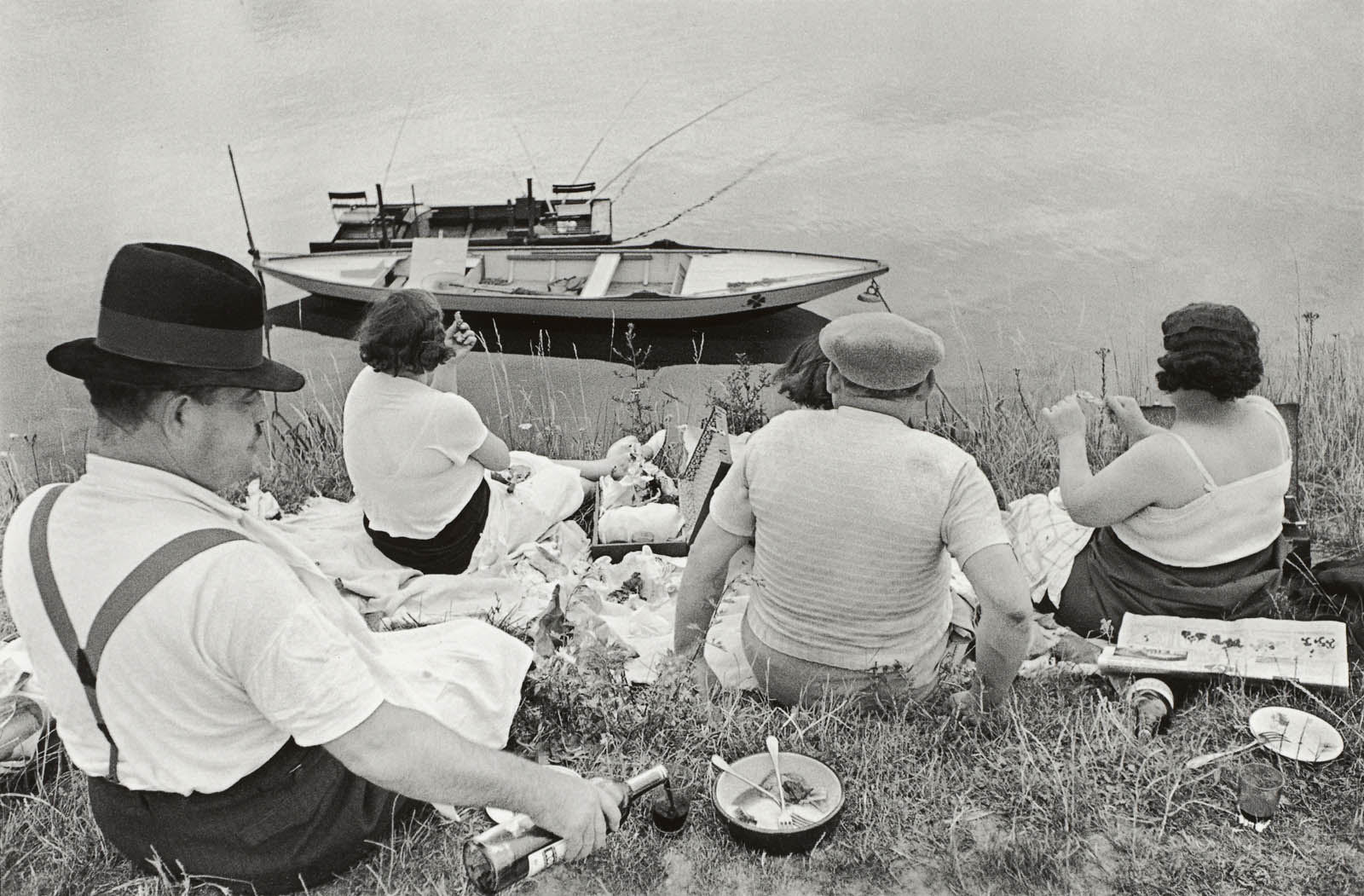
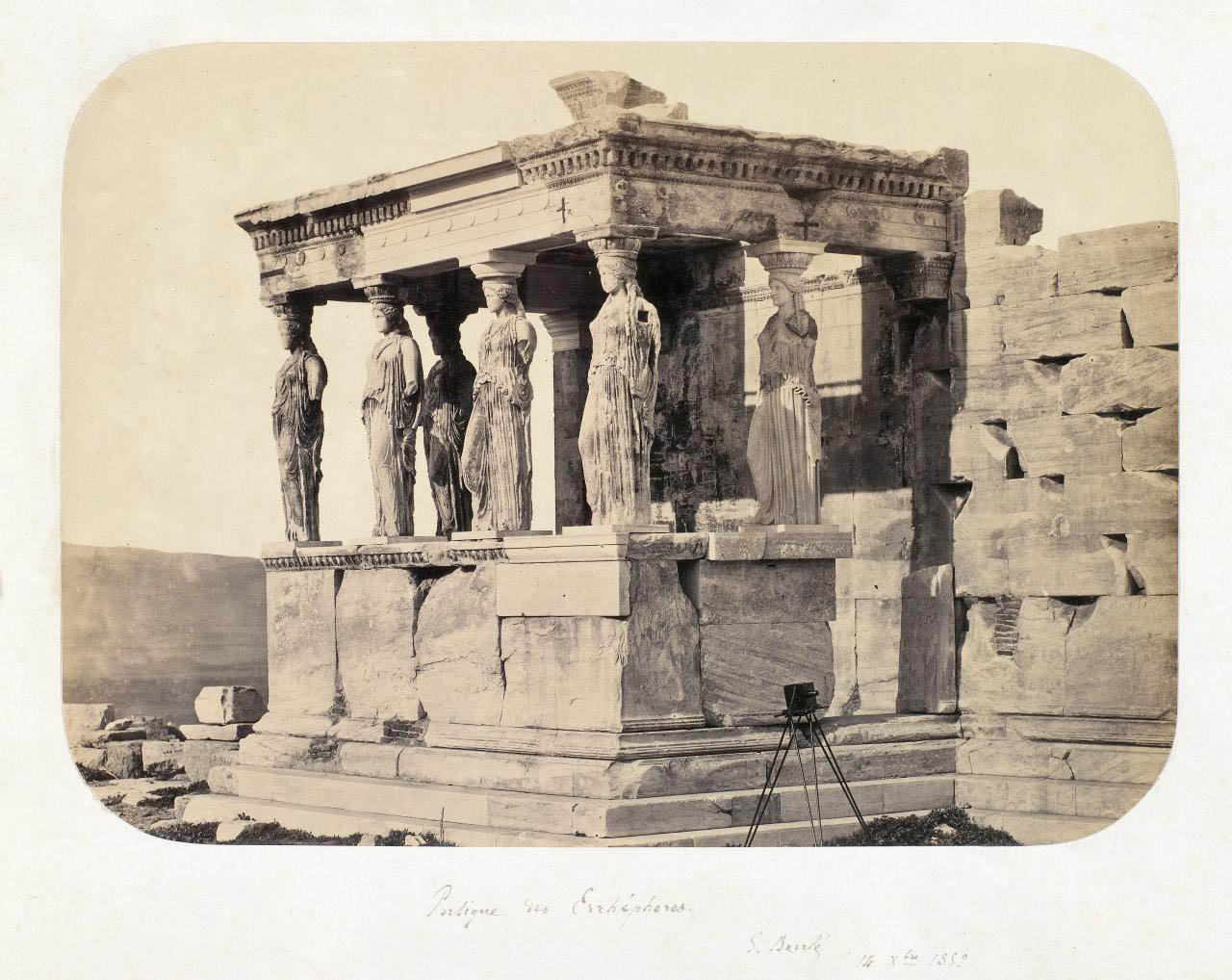


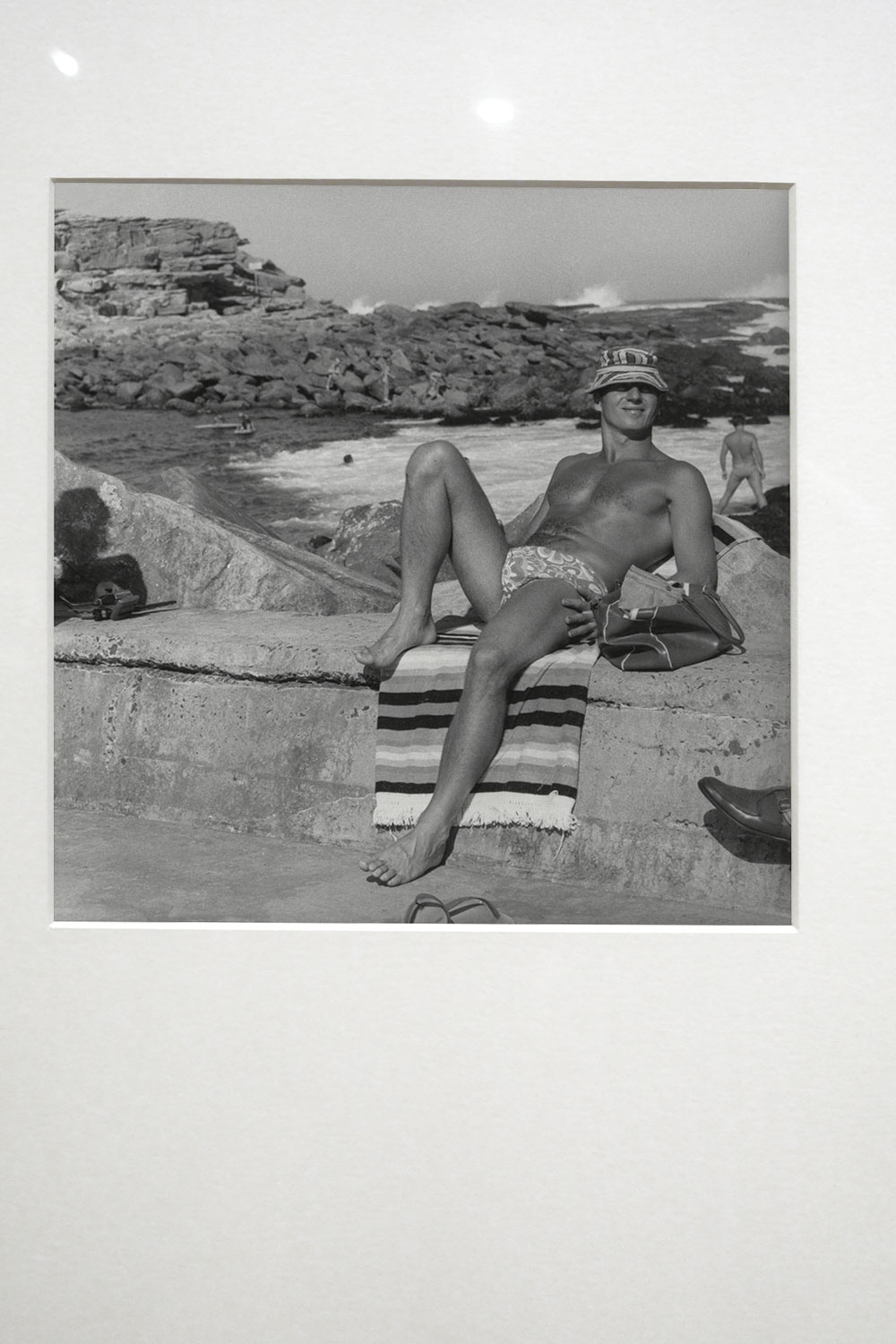
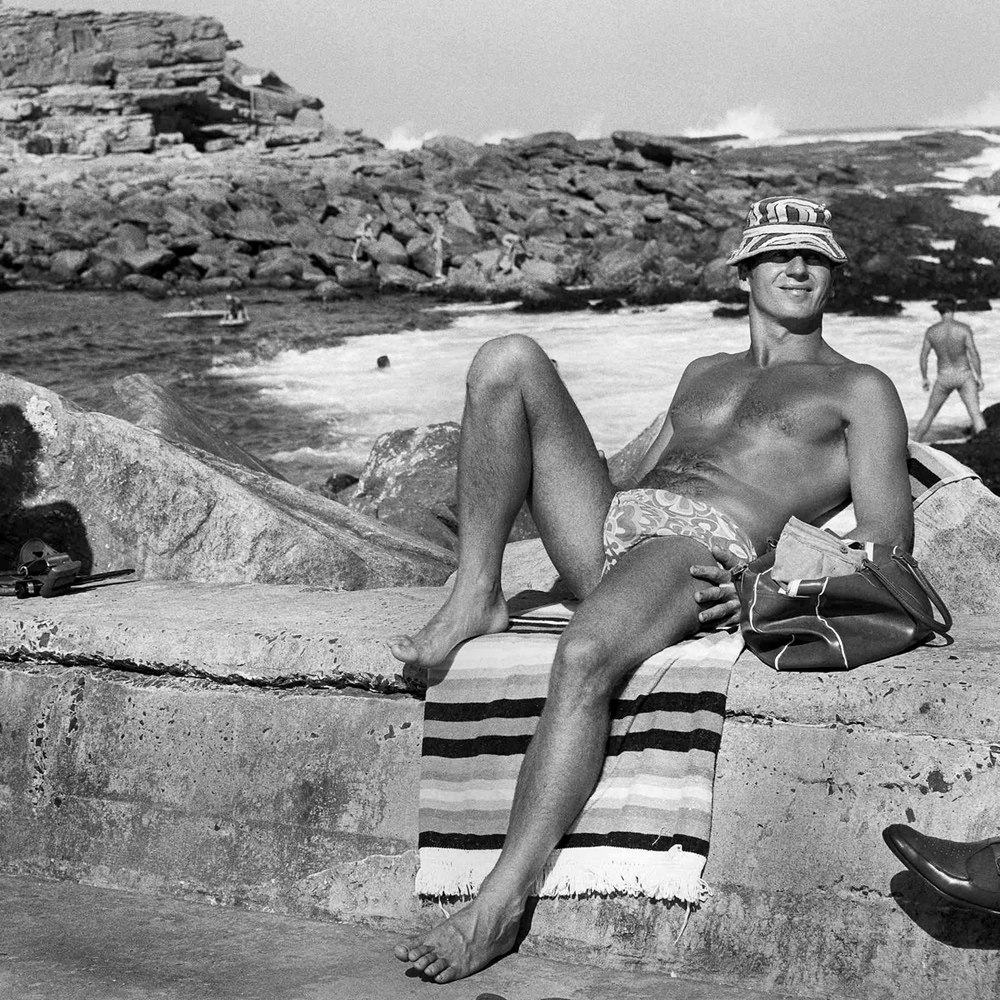
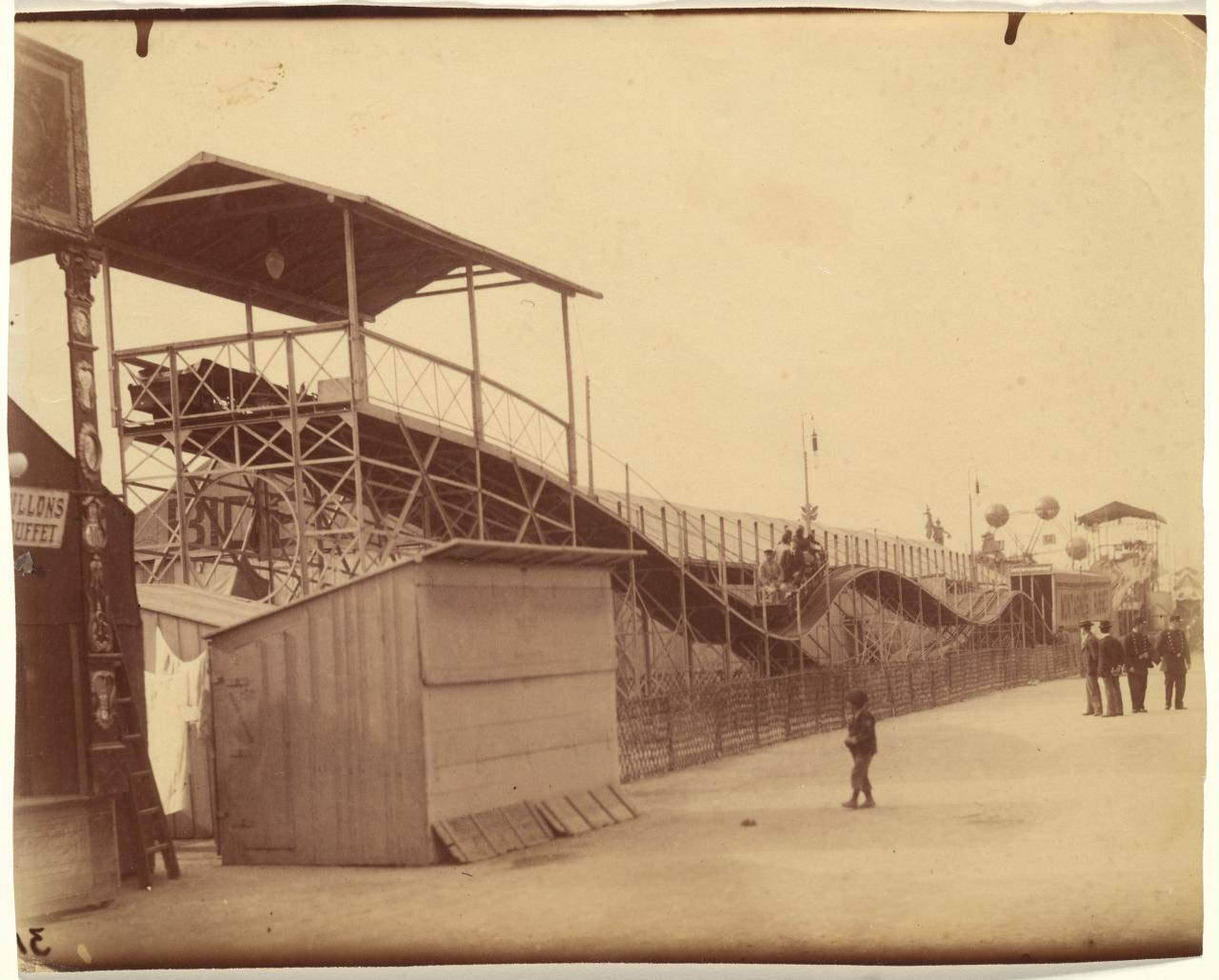


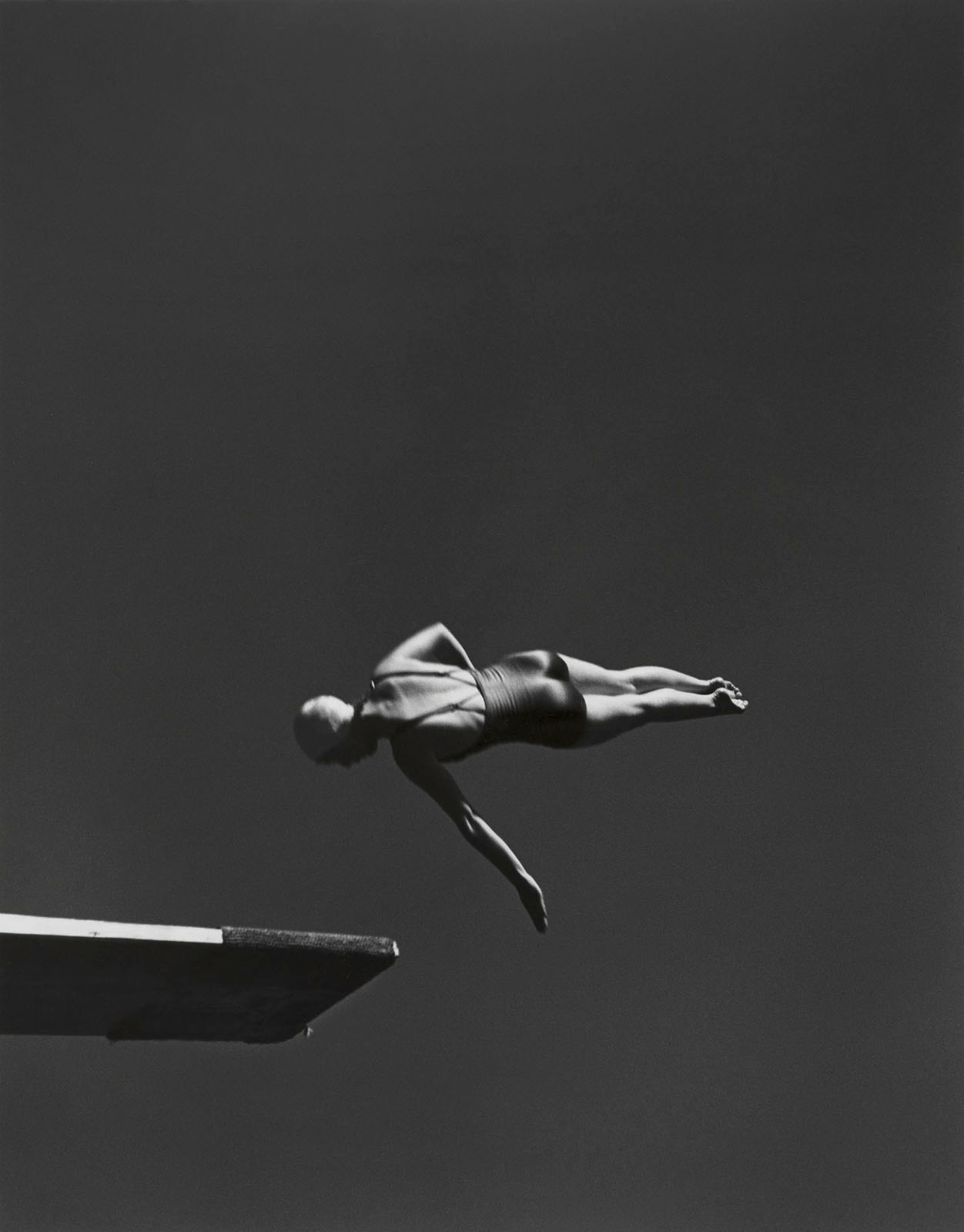
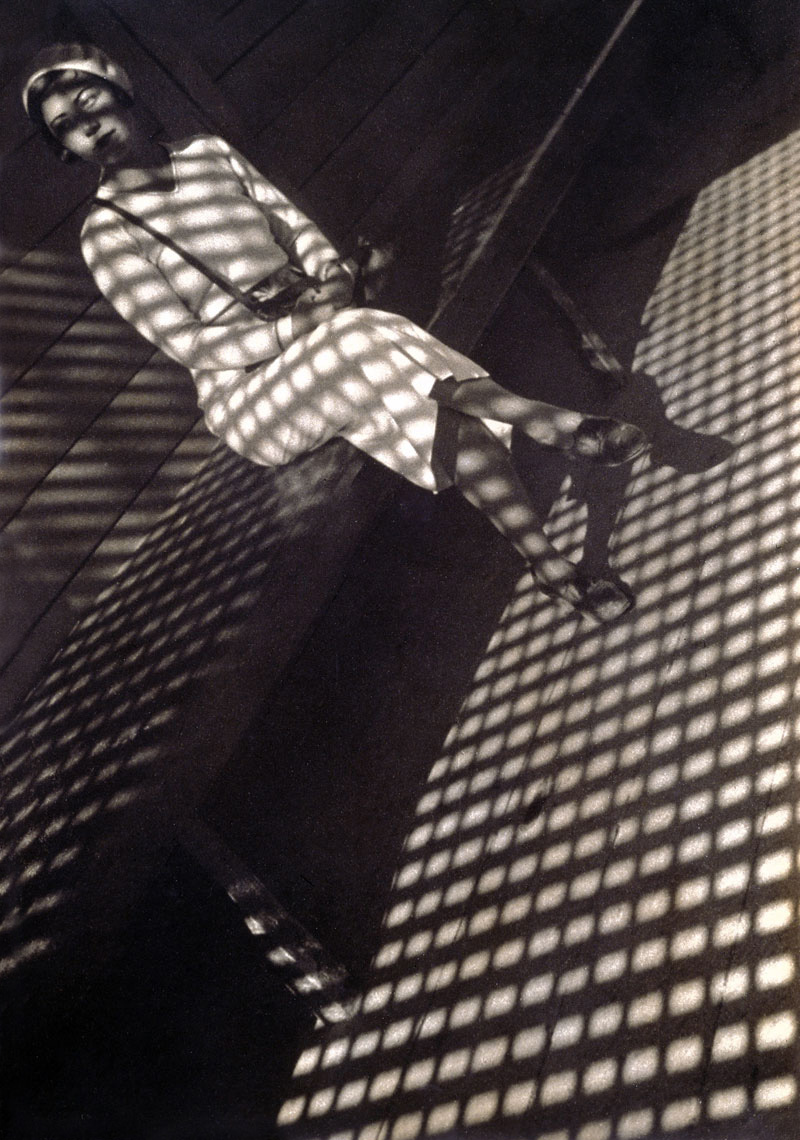
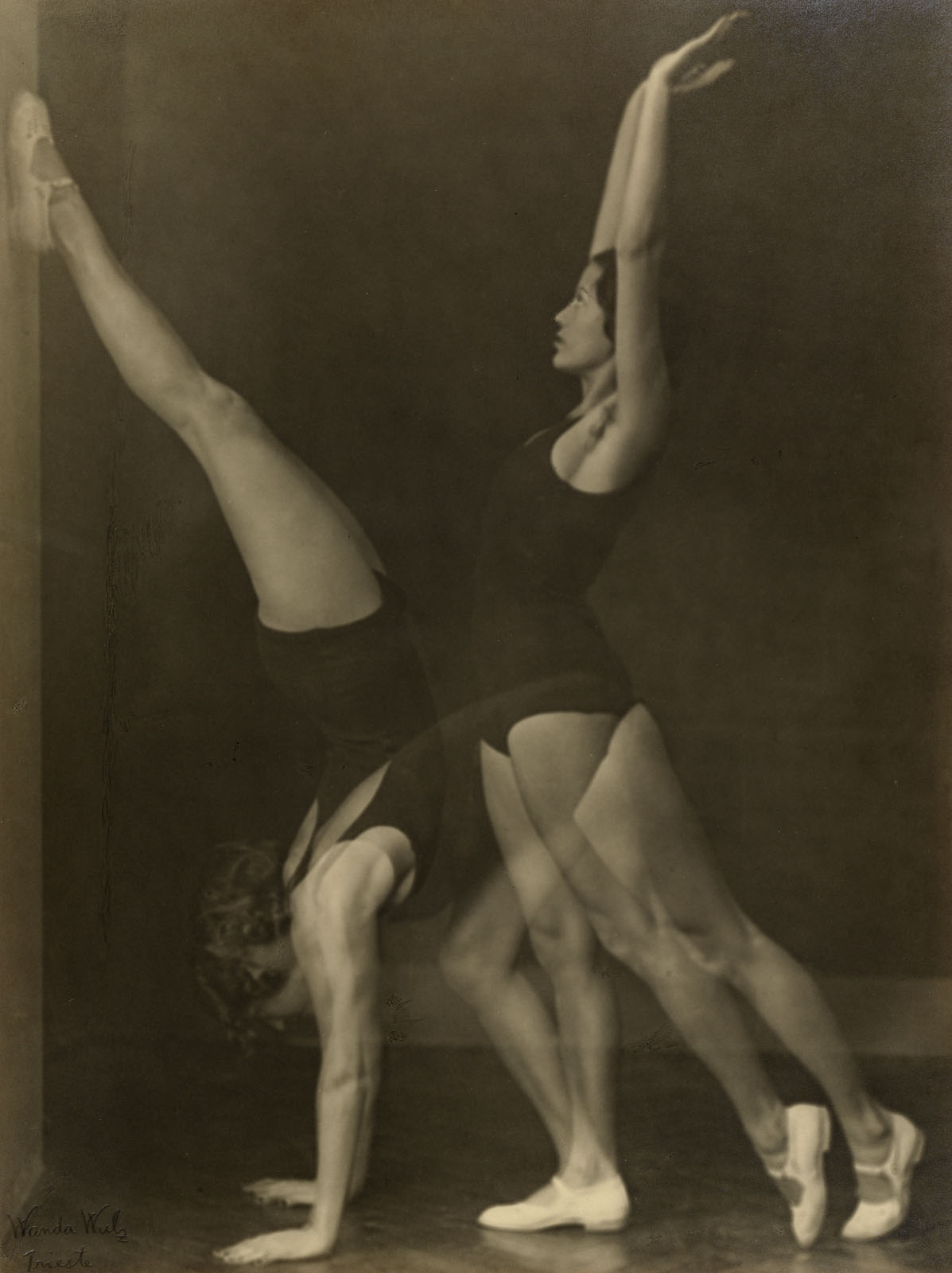


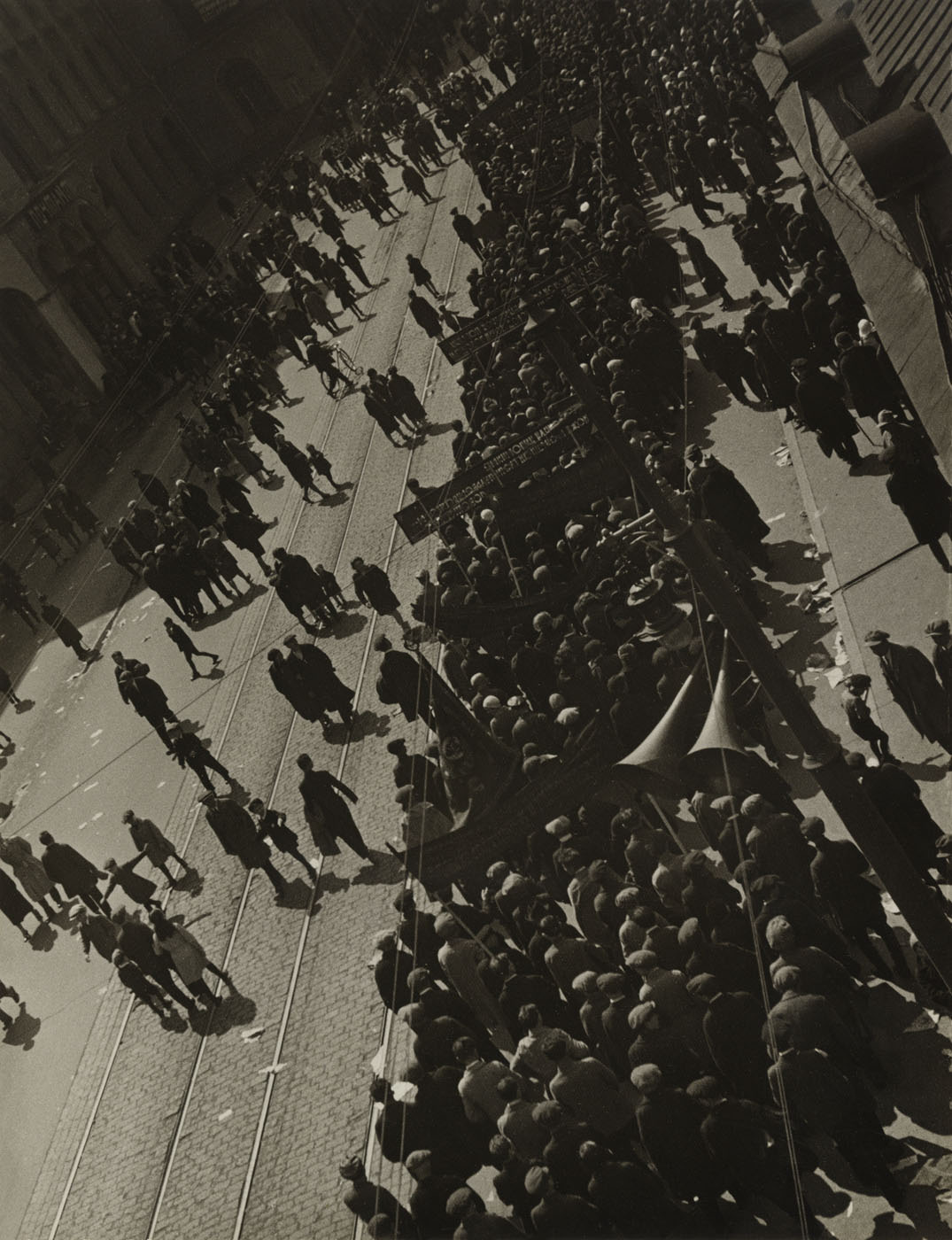


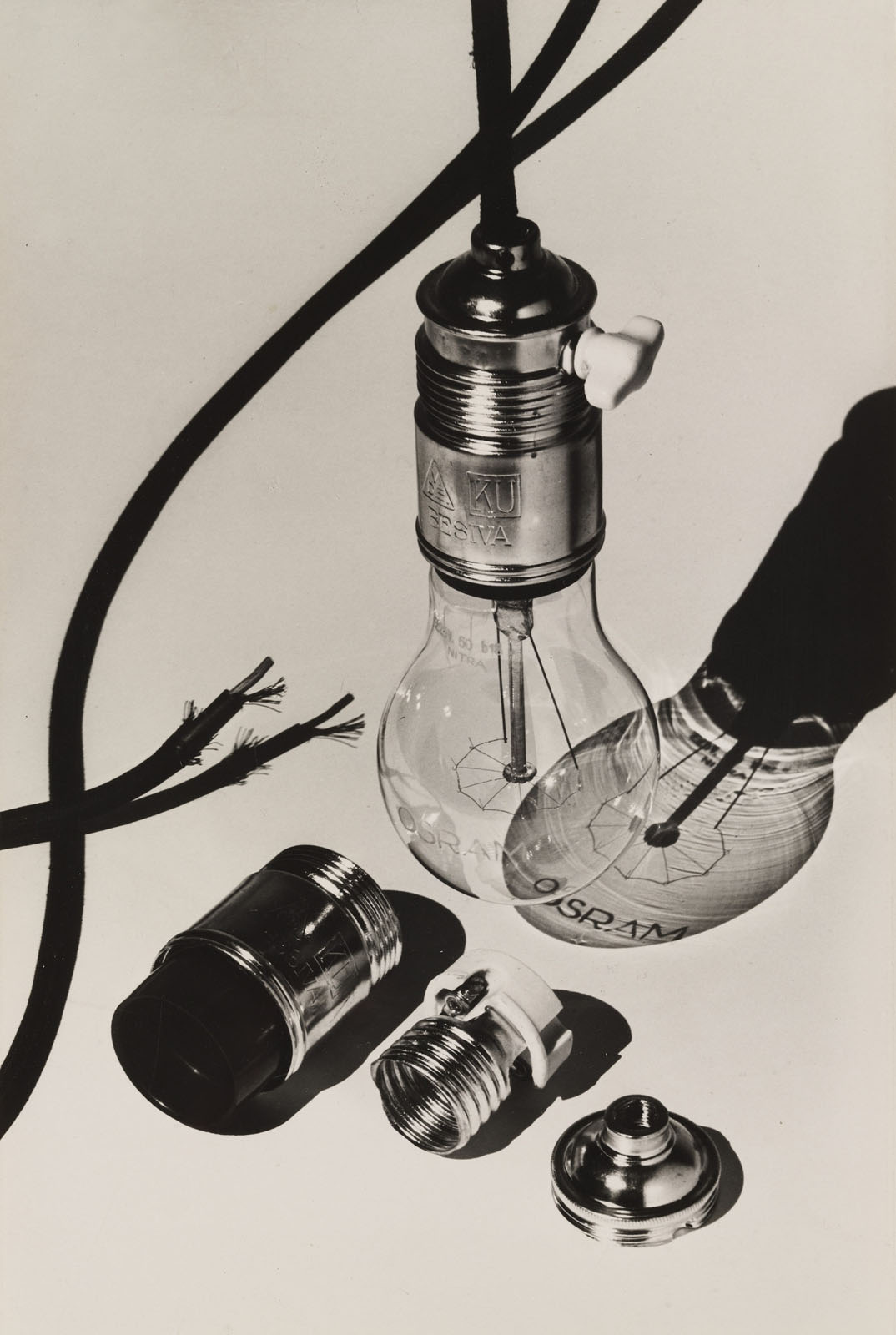

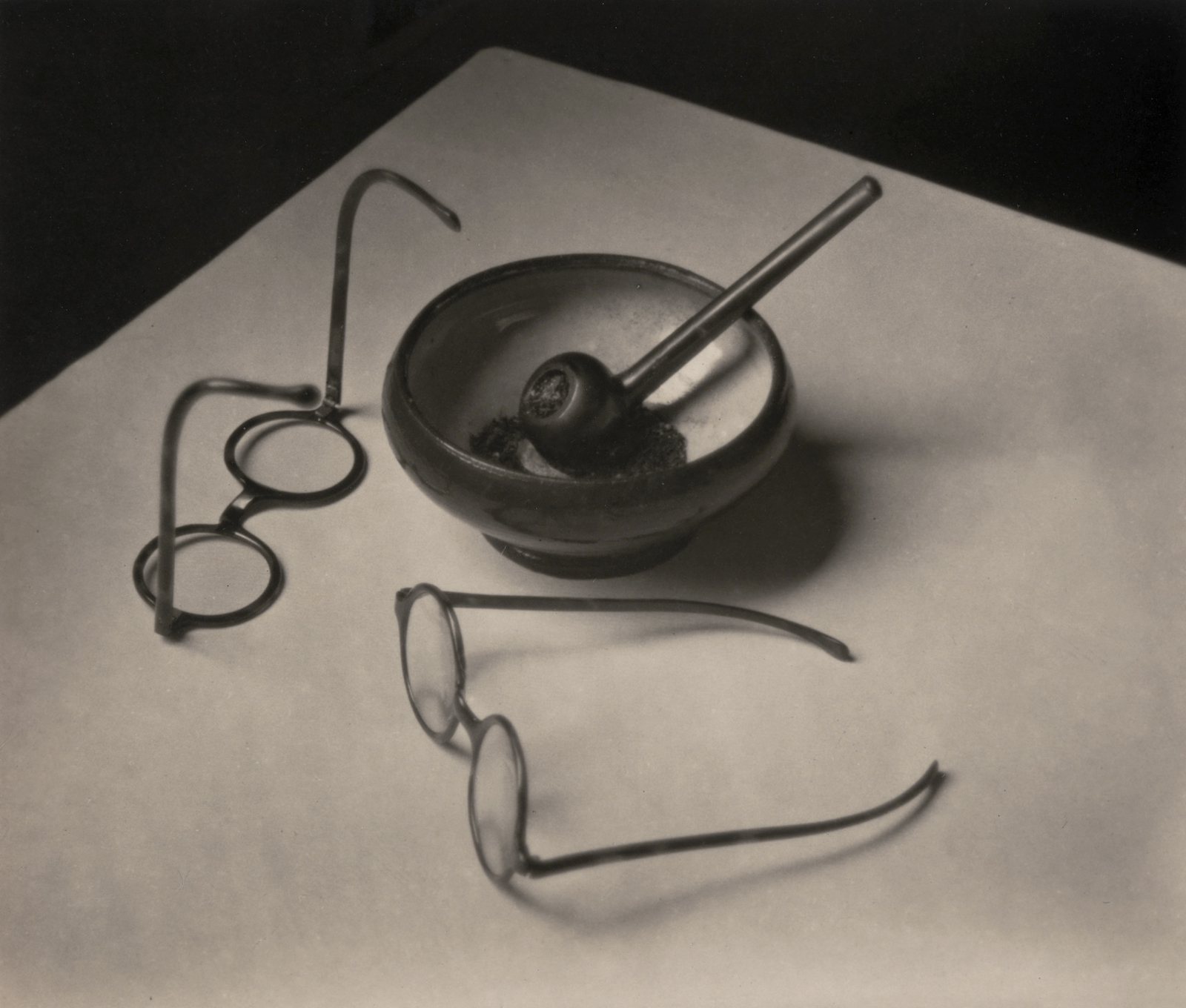


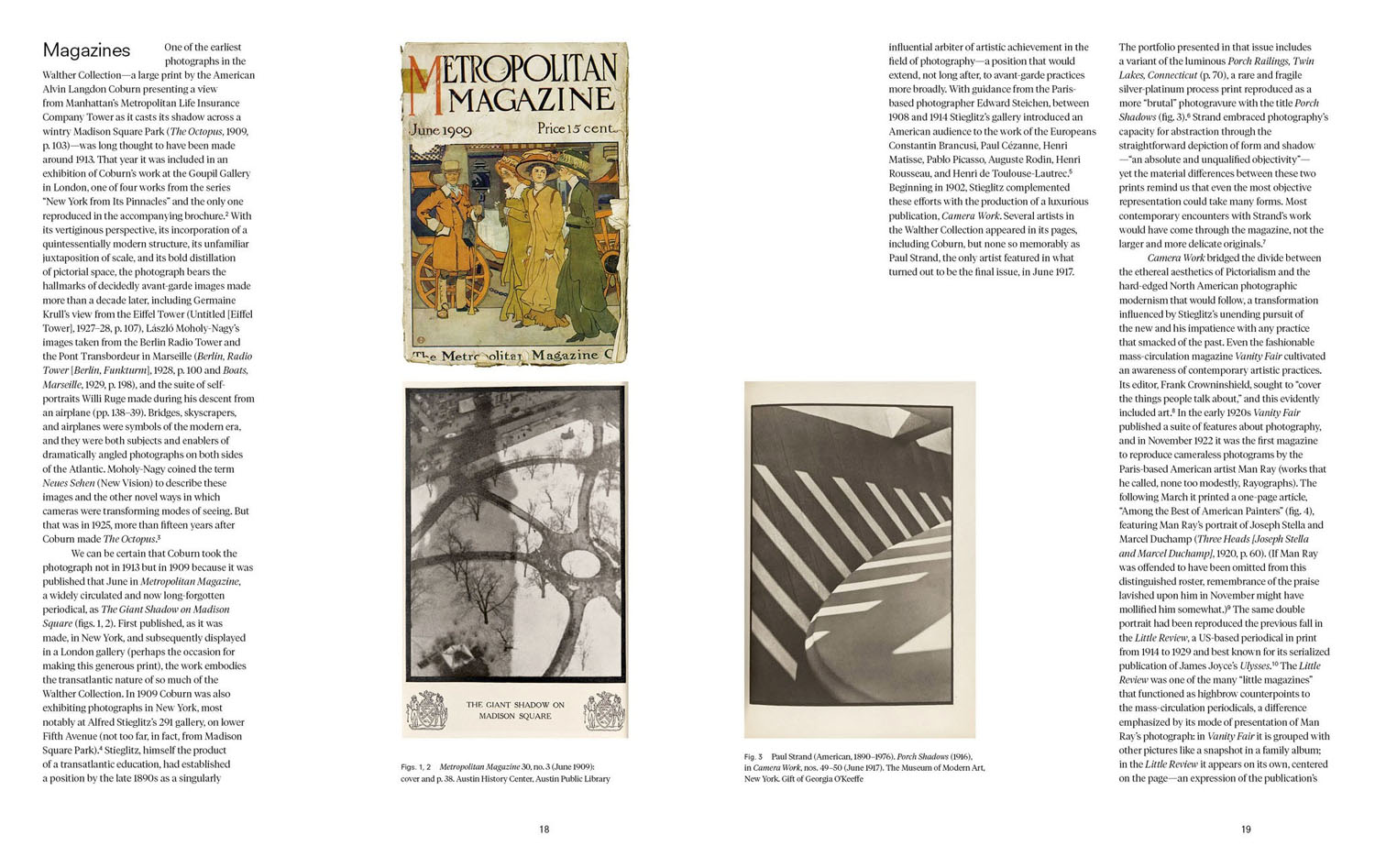


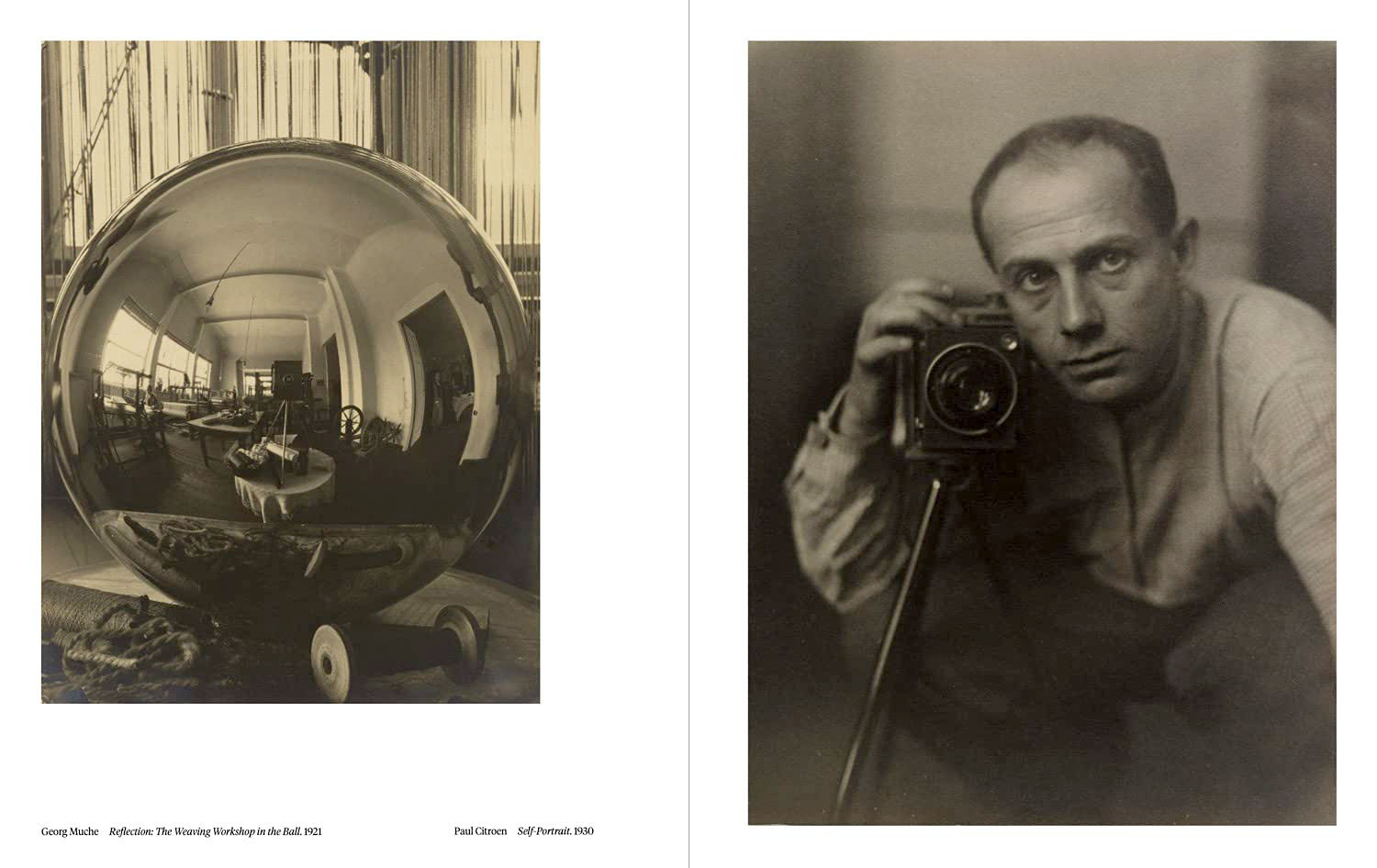


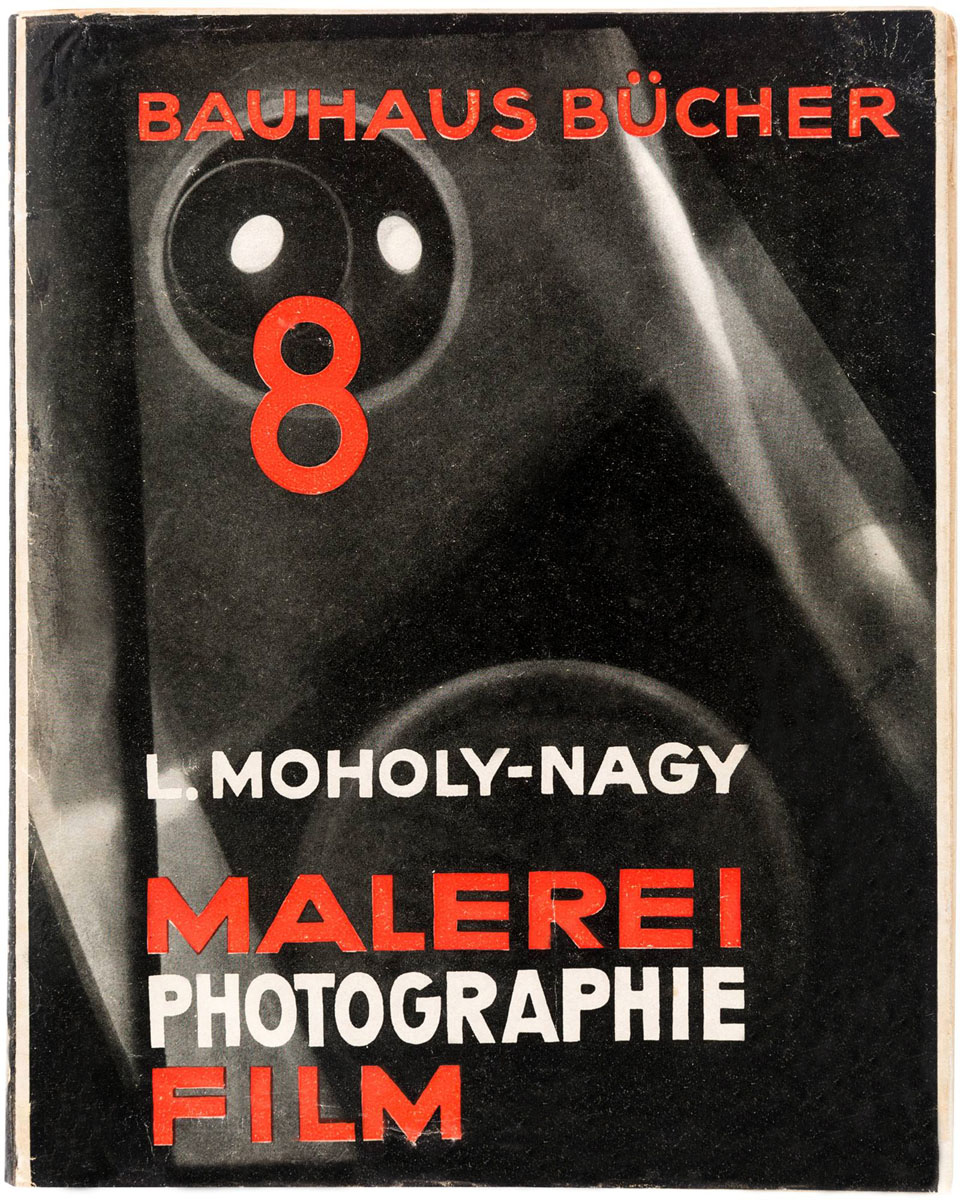


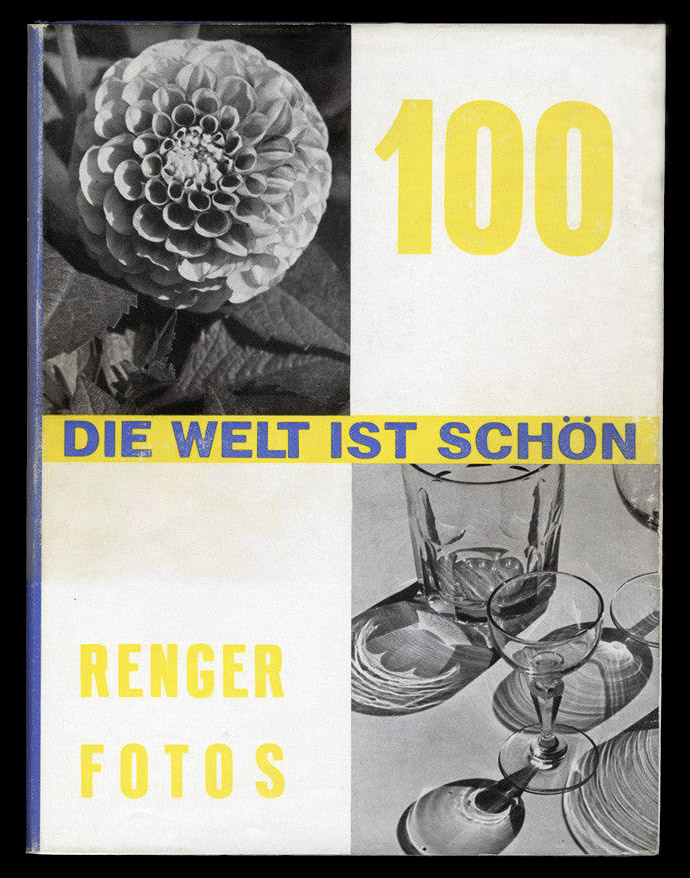

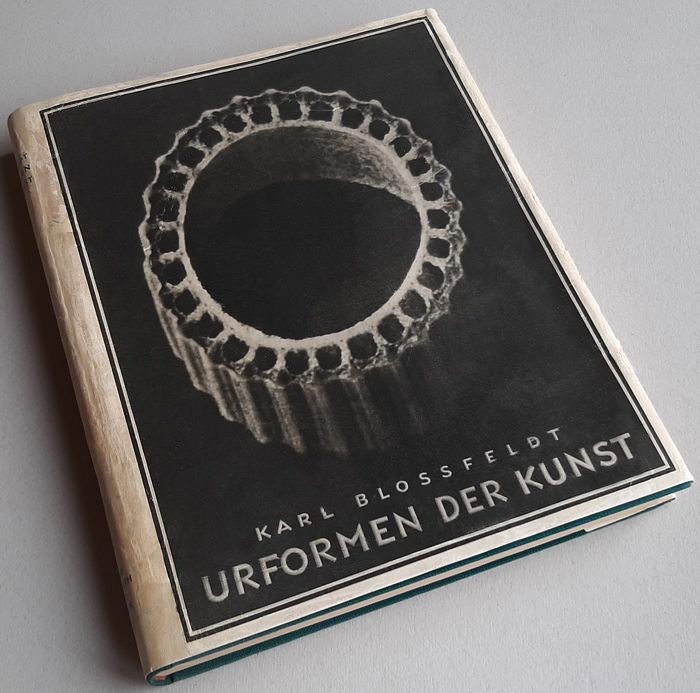


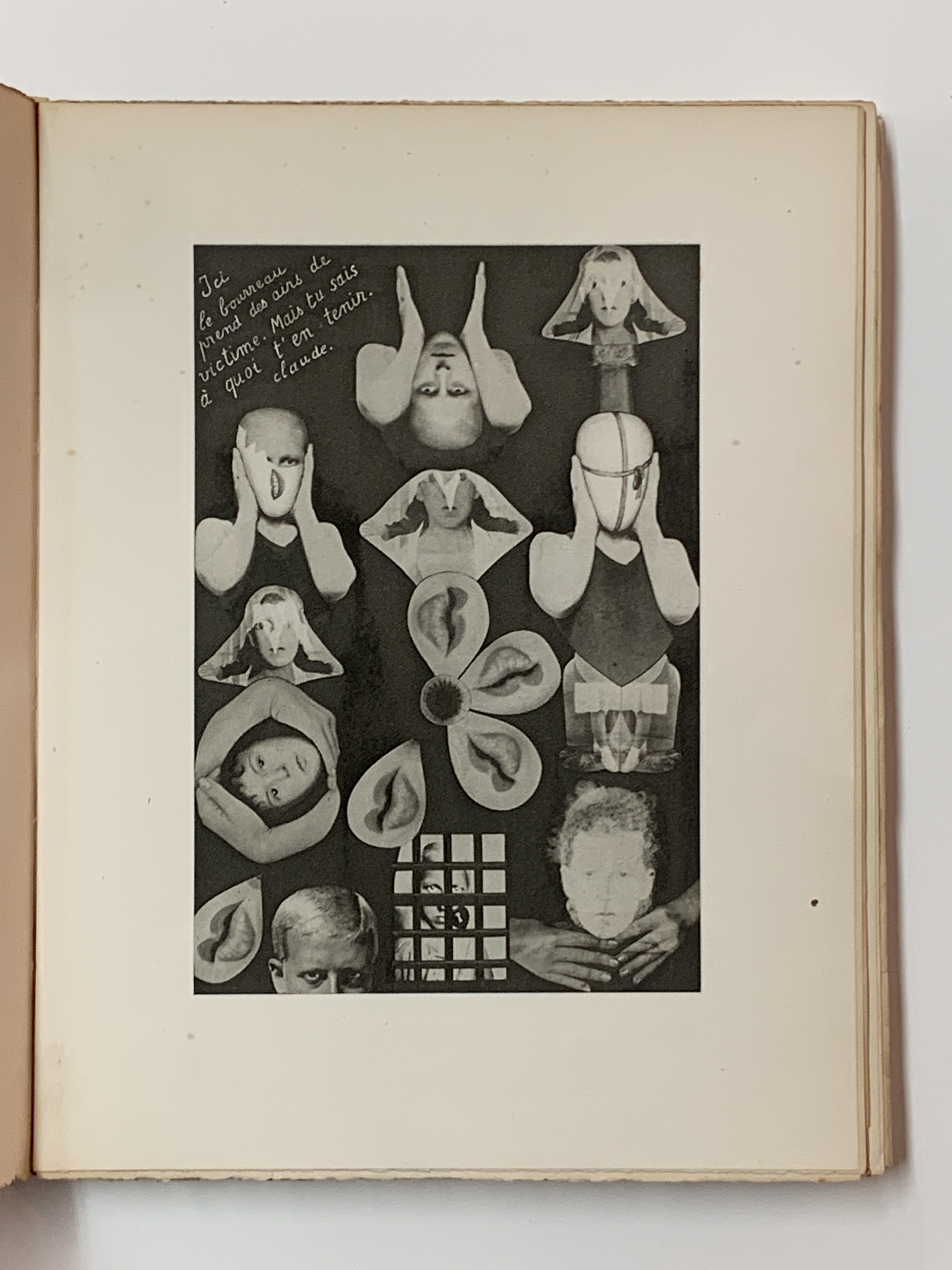


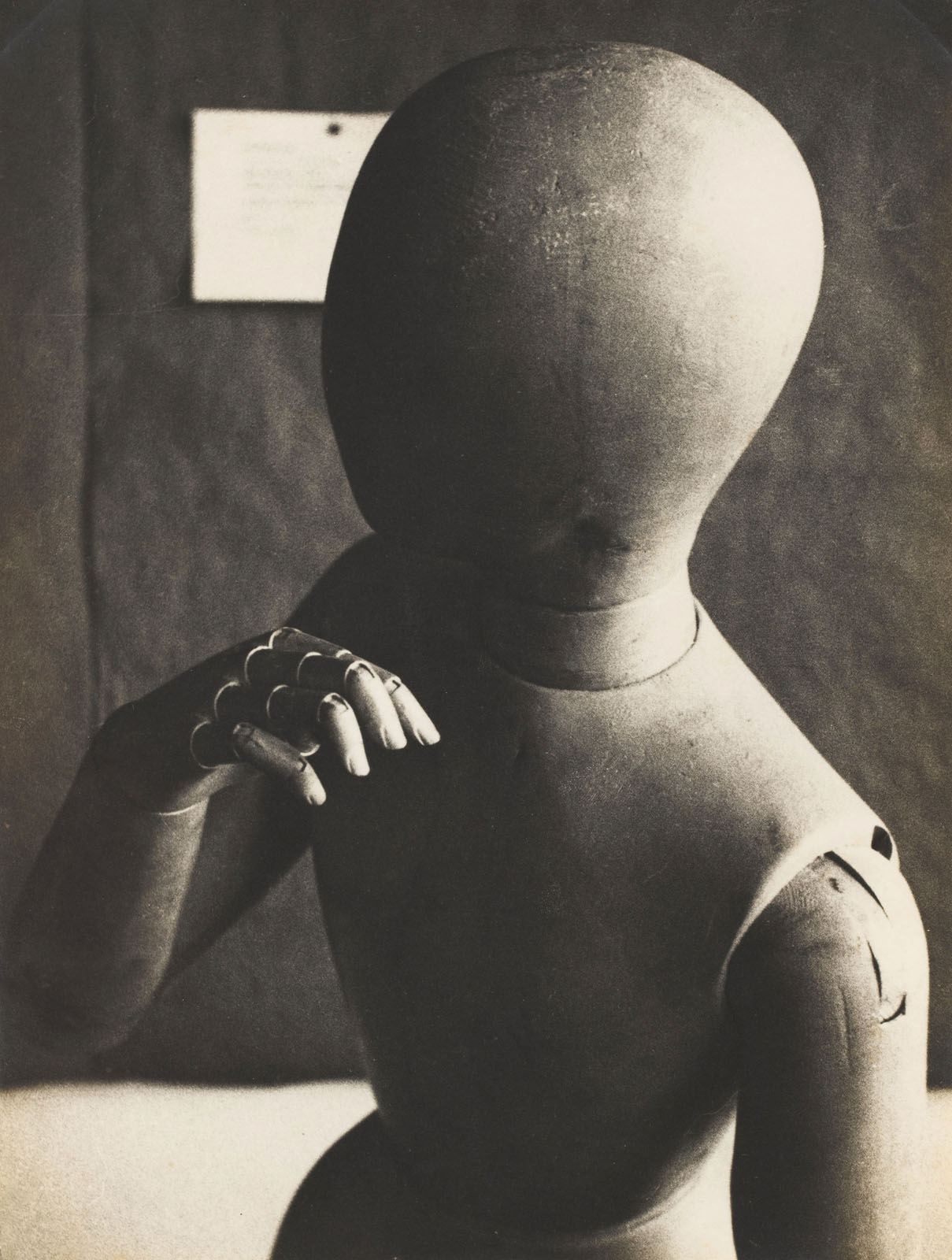



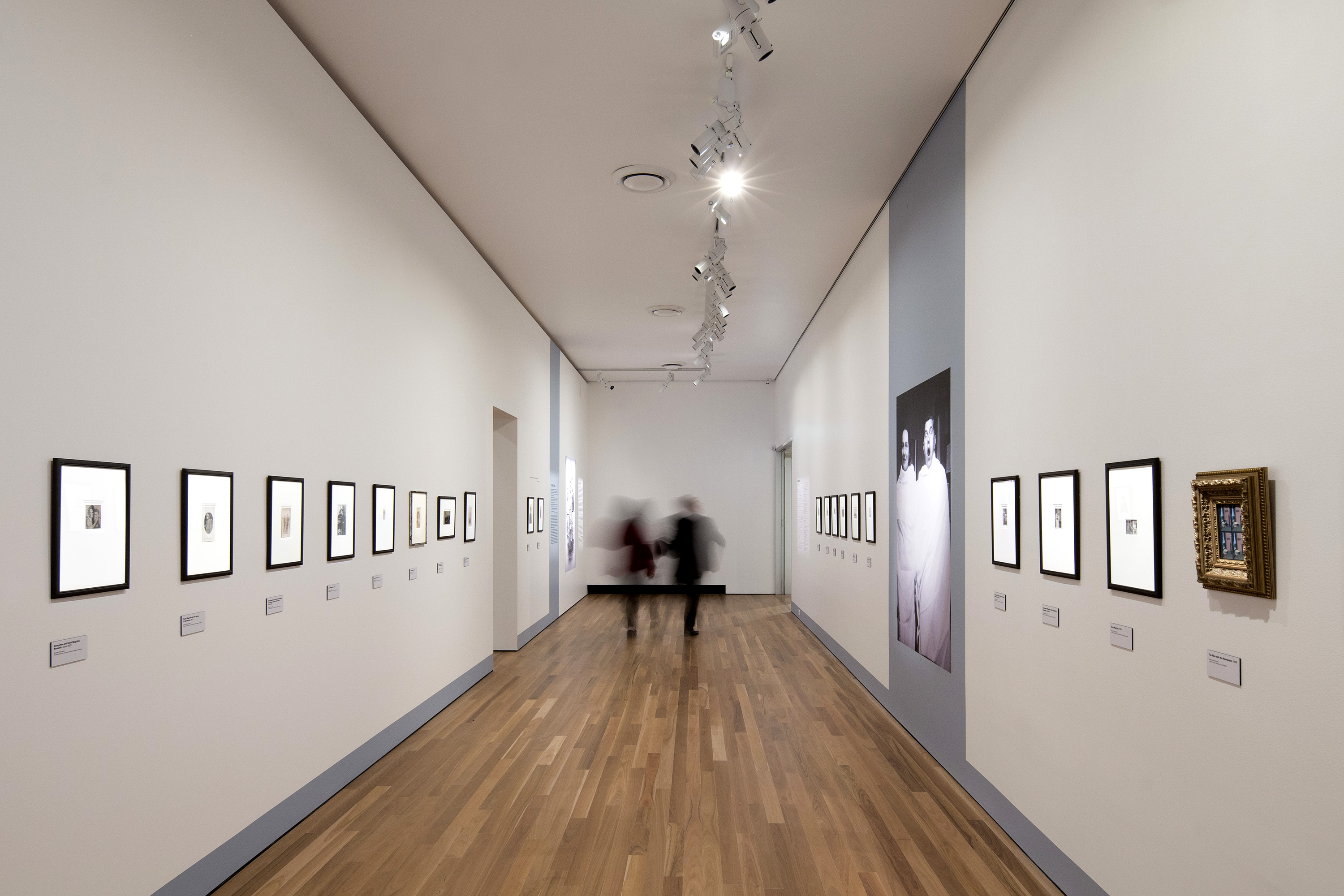
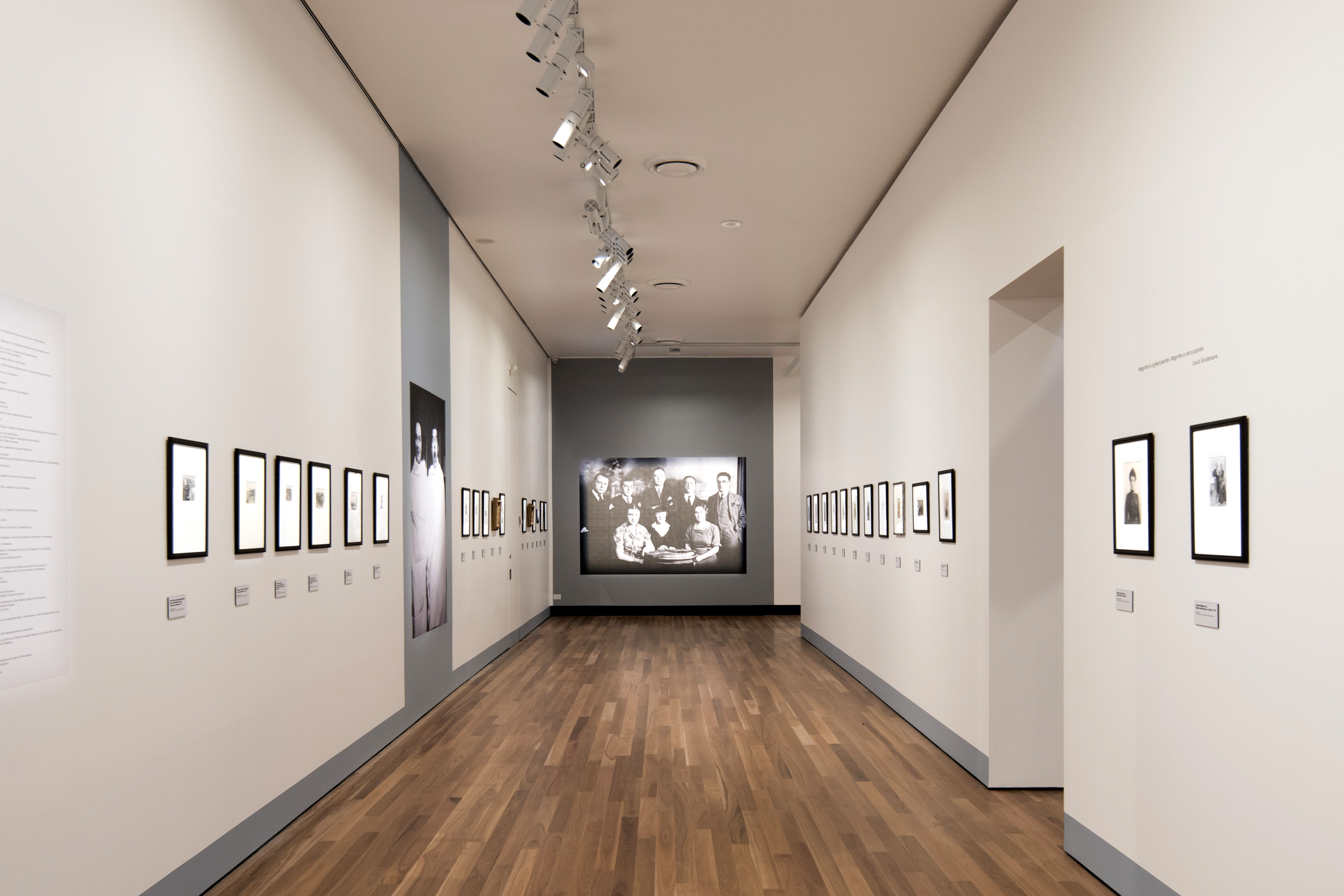
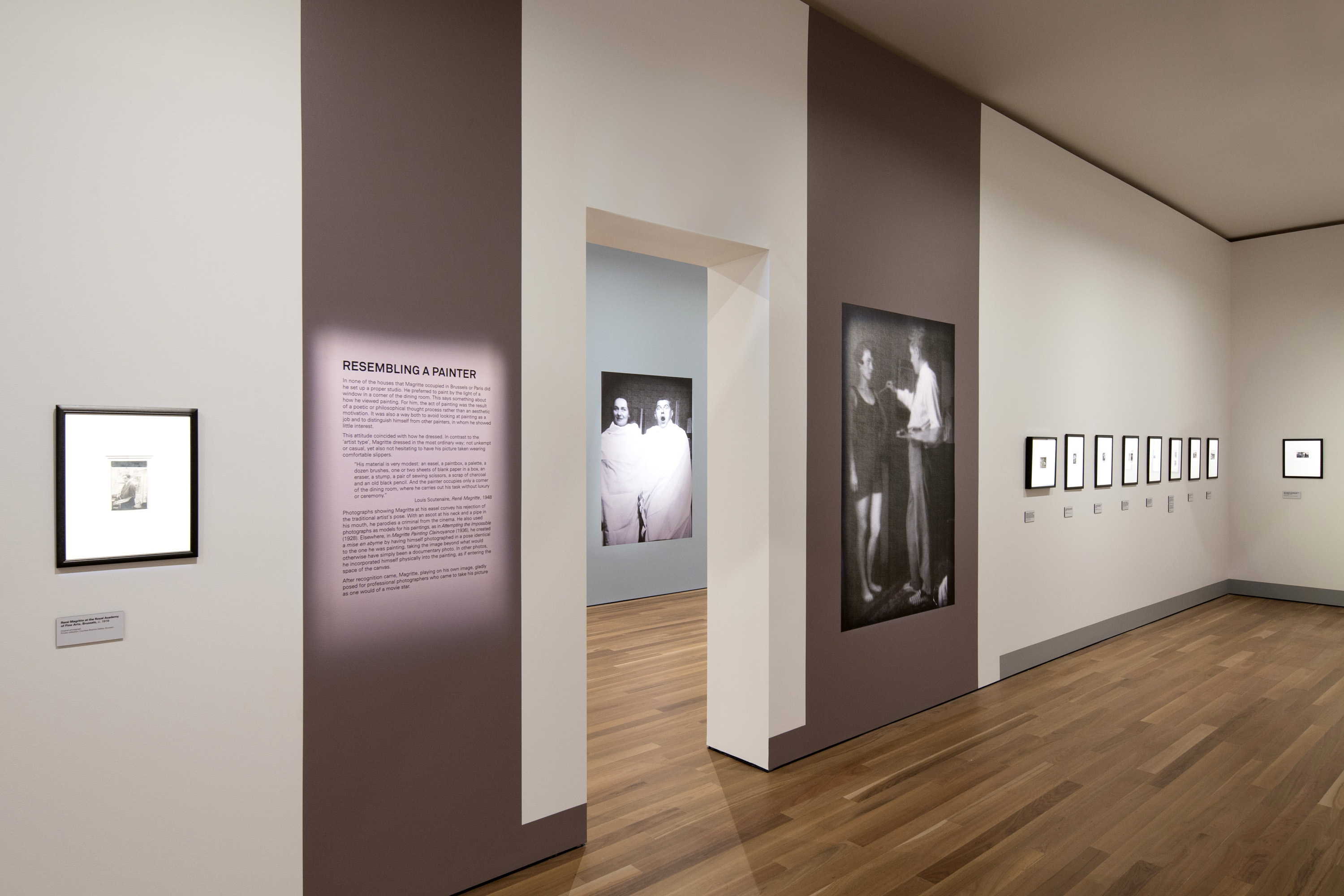
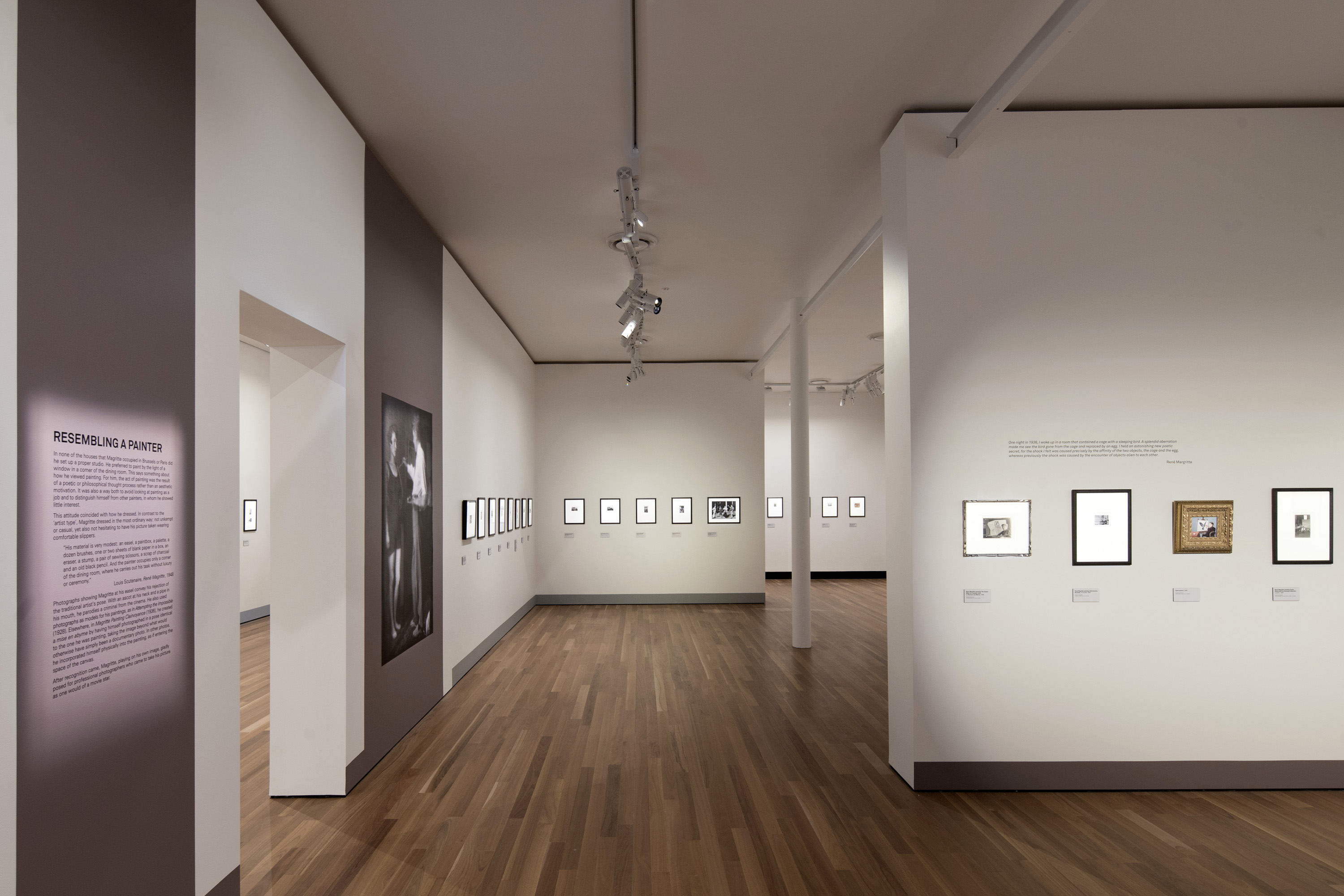


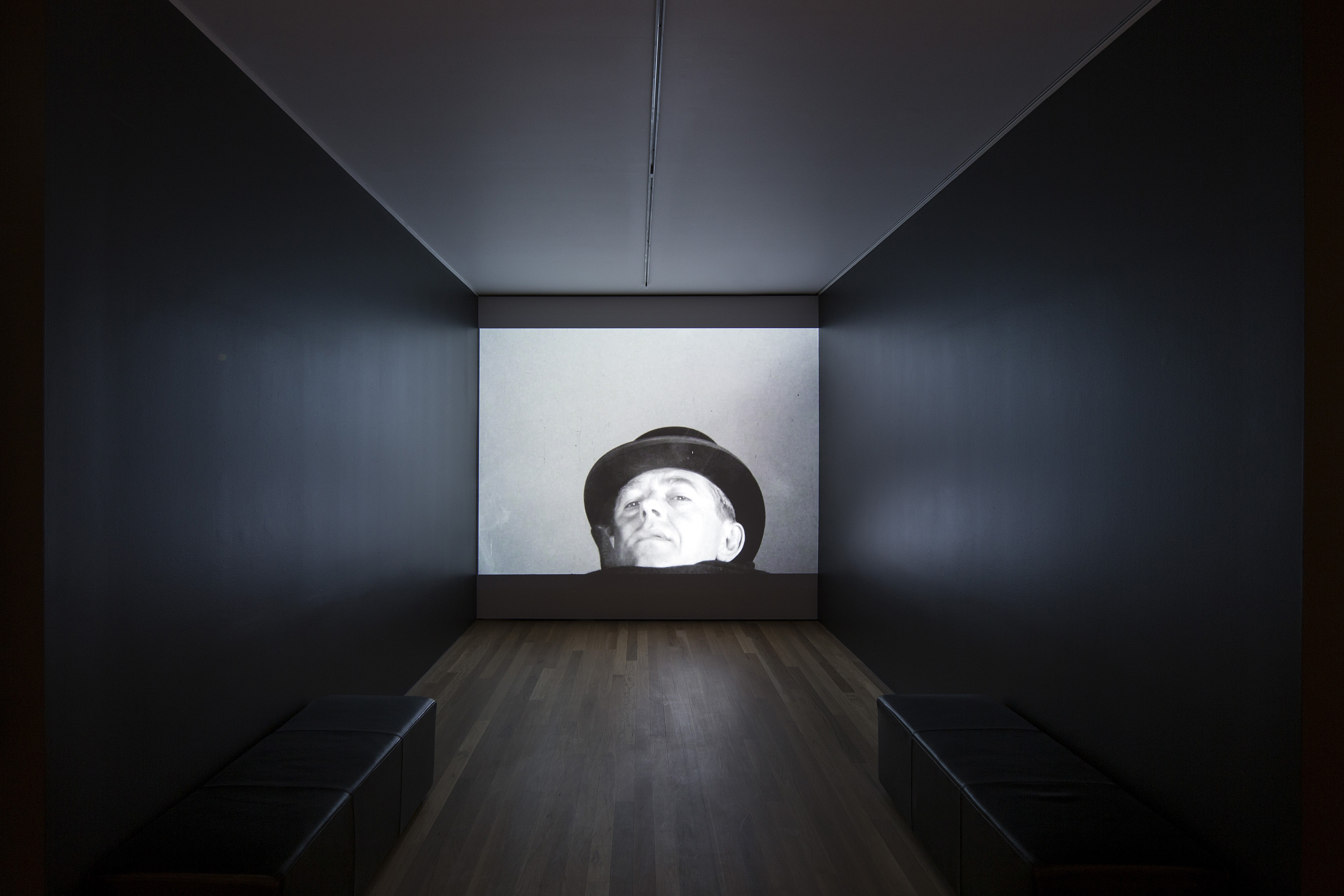


![René Magritte (Belgium 1898-1967) 'Les Amants [The lovers]' 1928](https://artblart.com/wp-content/uploads/2017/10/magritte-the-lovers-web.jpg "René Magritte (Belgium 1898-1967) 'Les Amants [The lovers]' 1928")
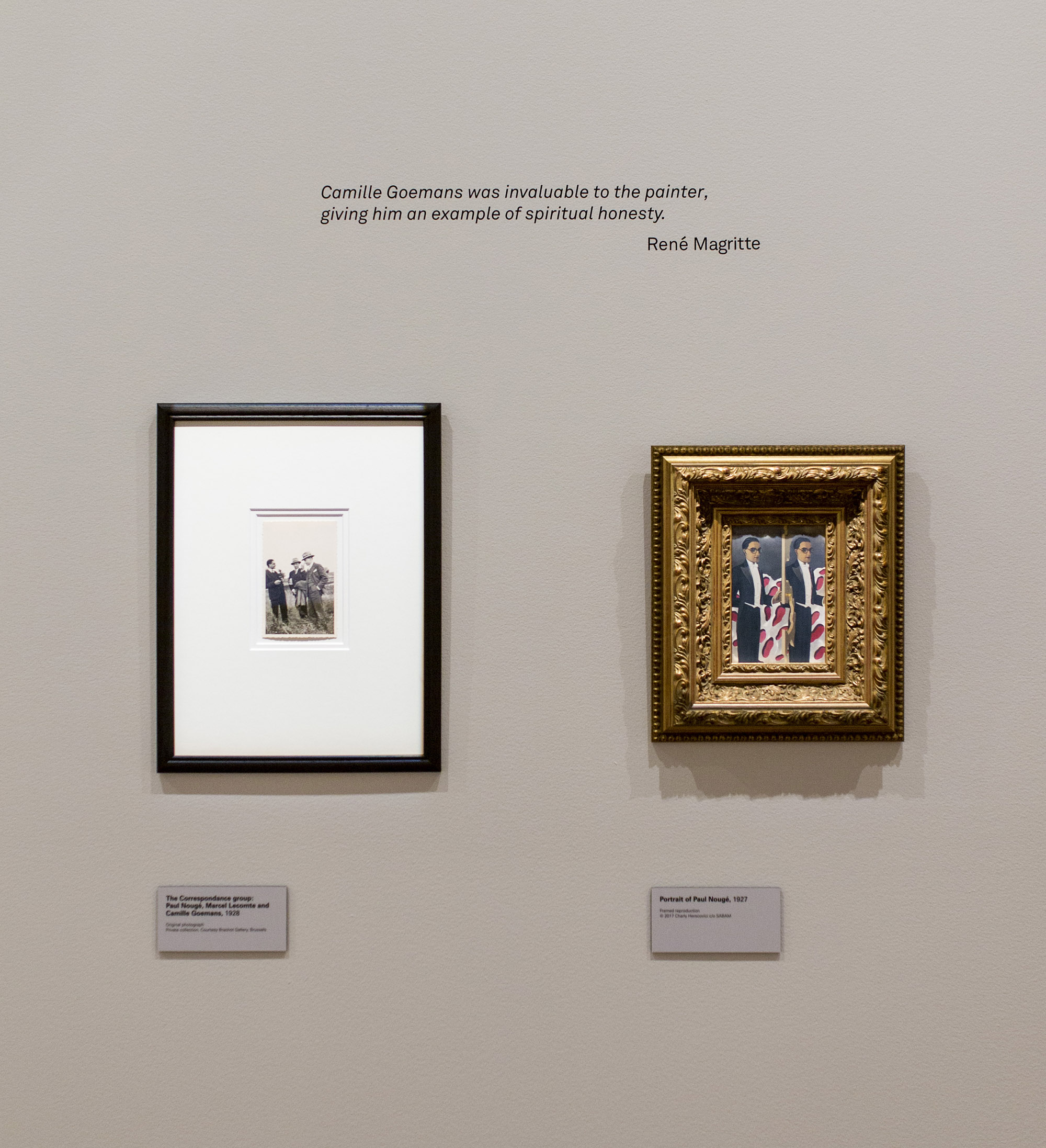


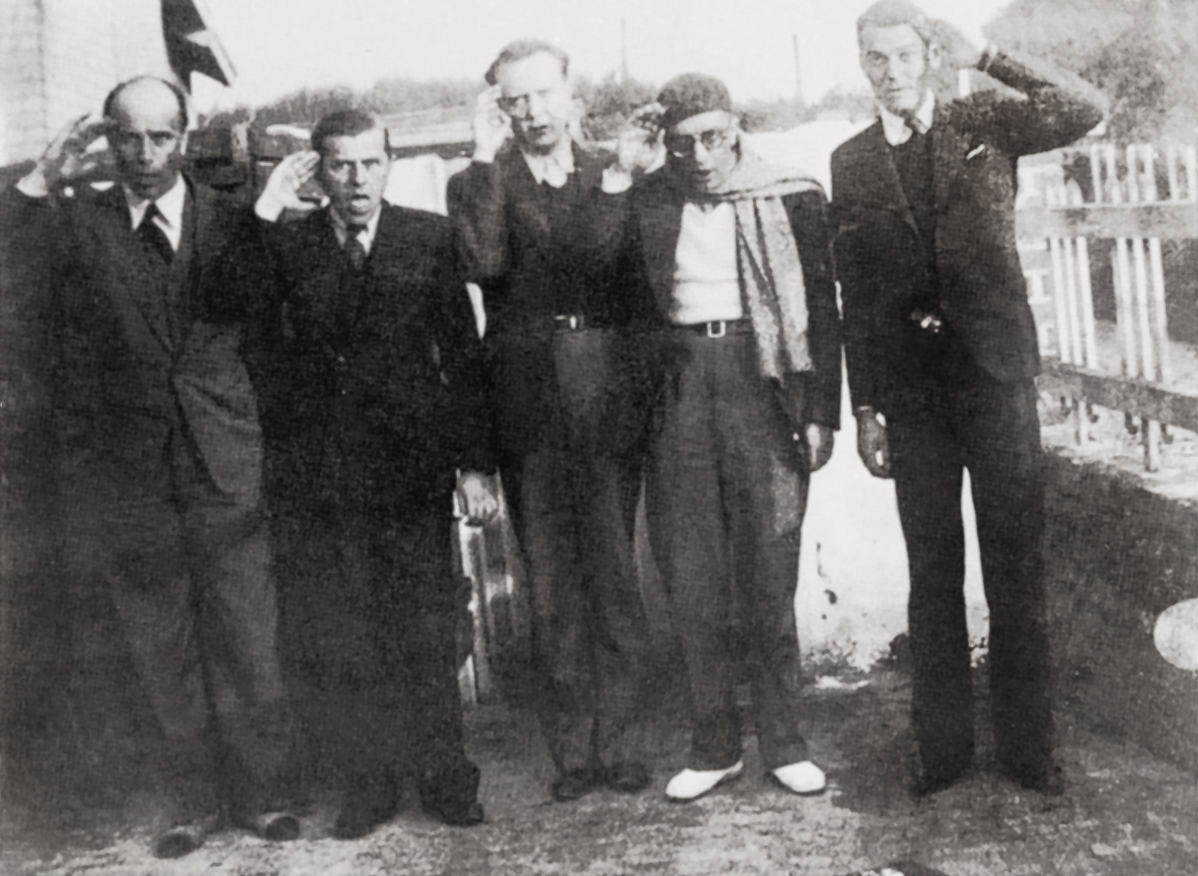
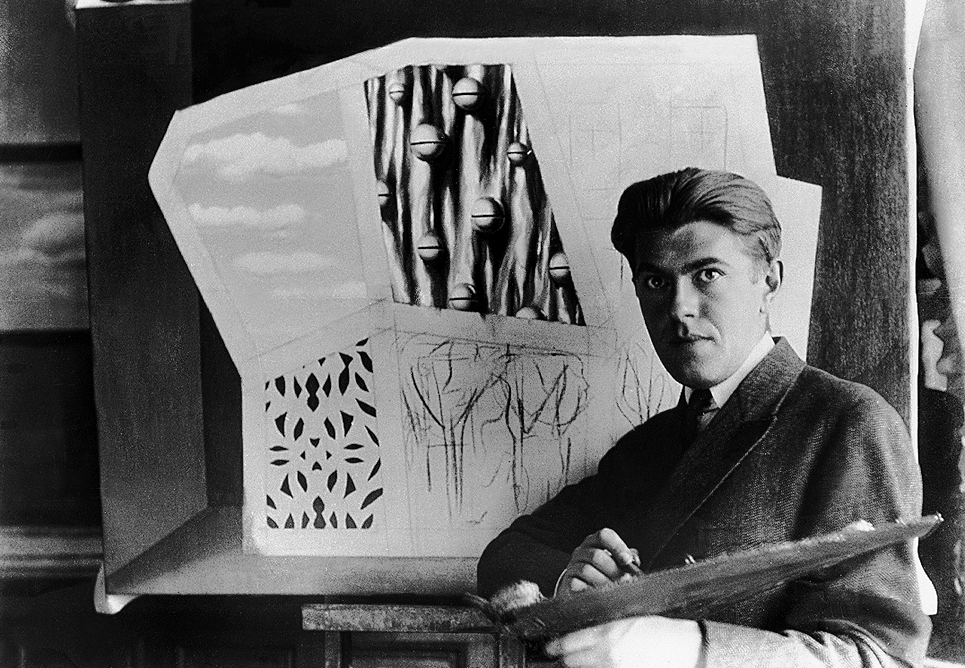

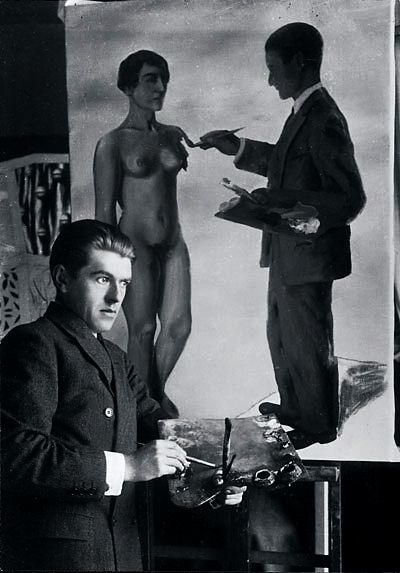




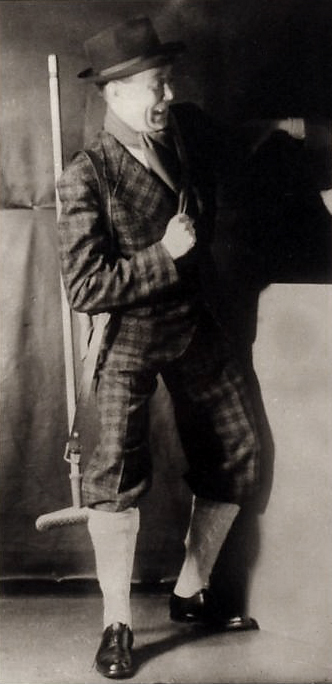
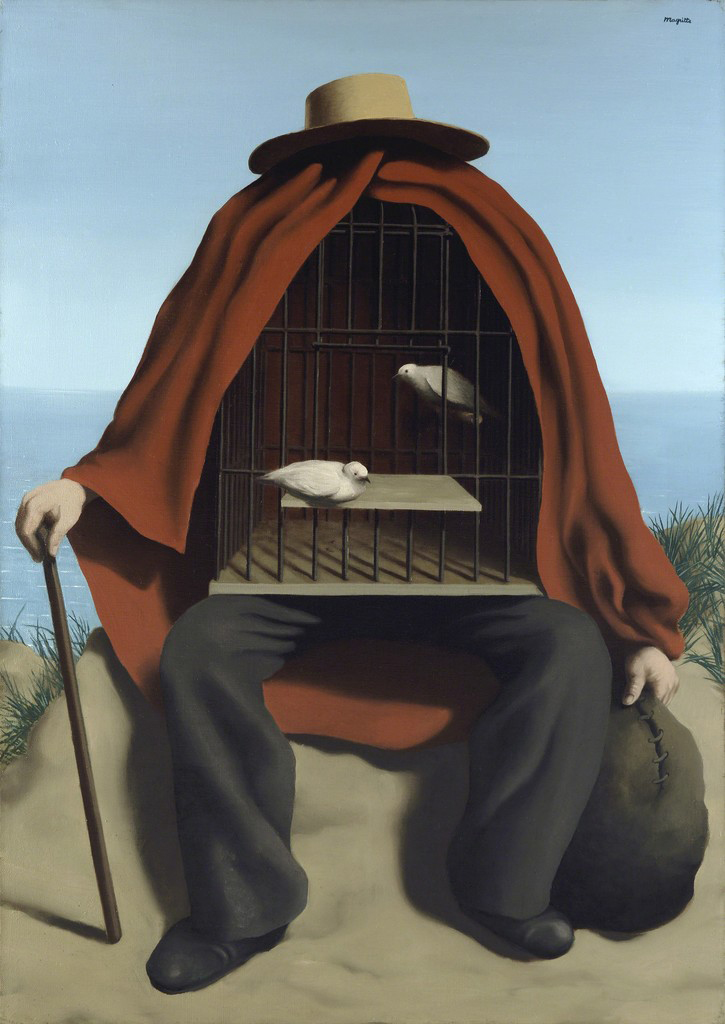
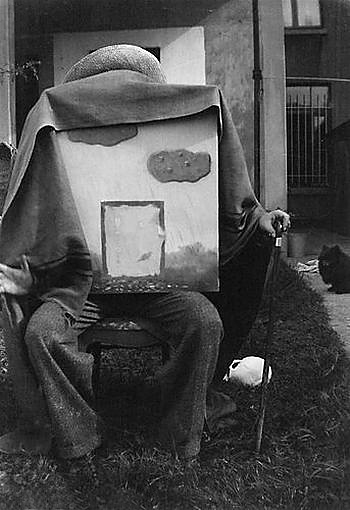
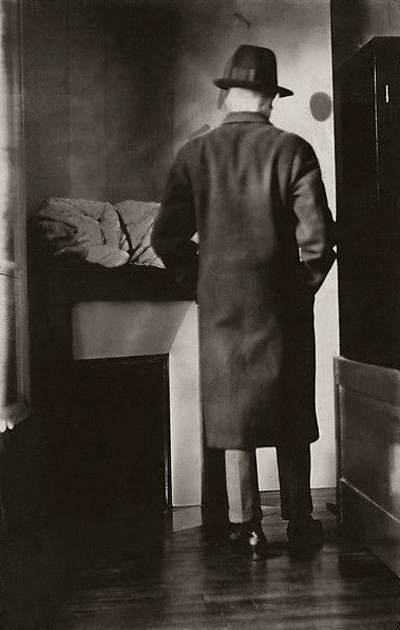
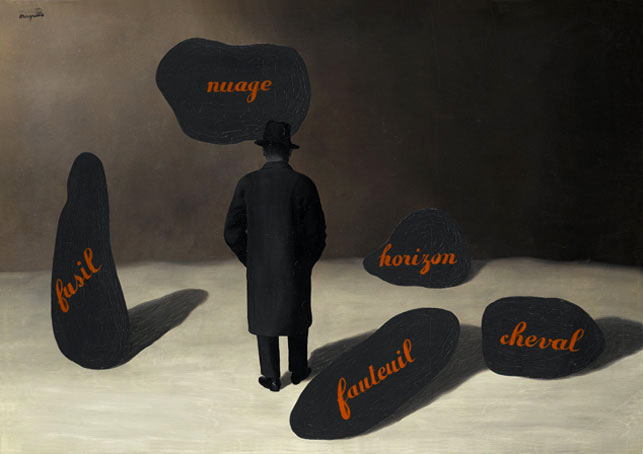


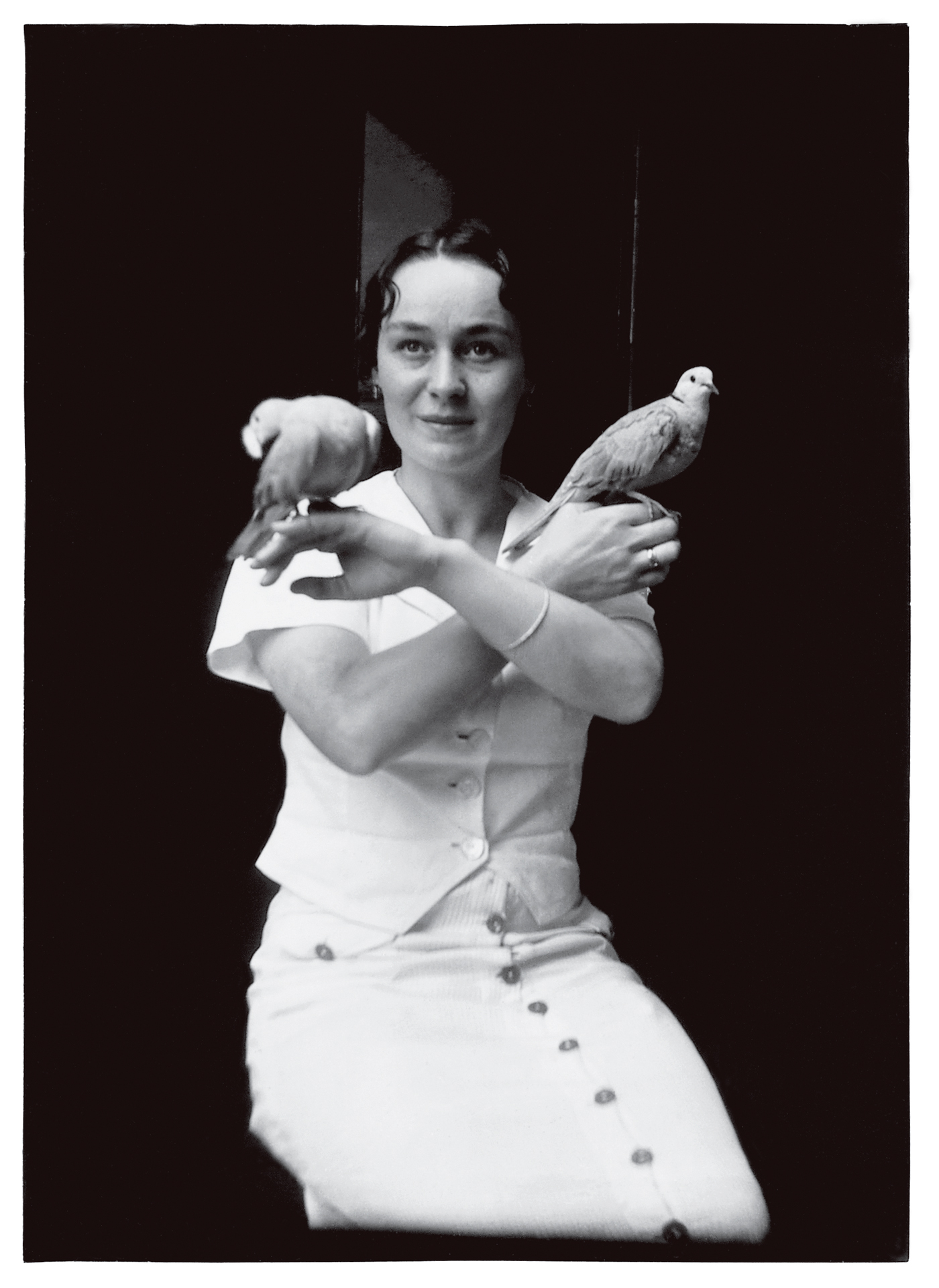


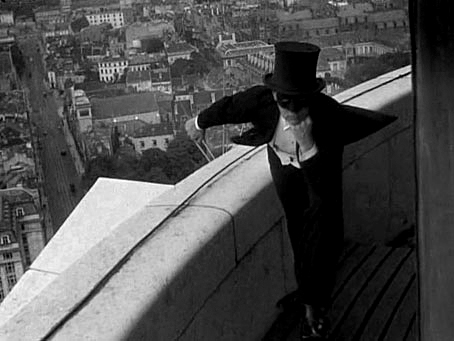

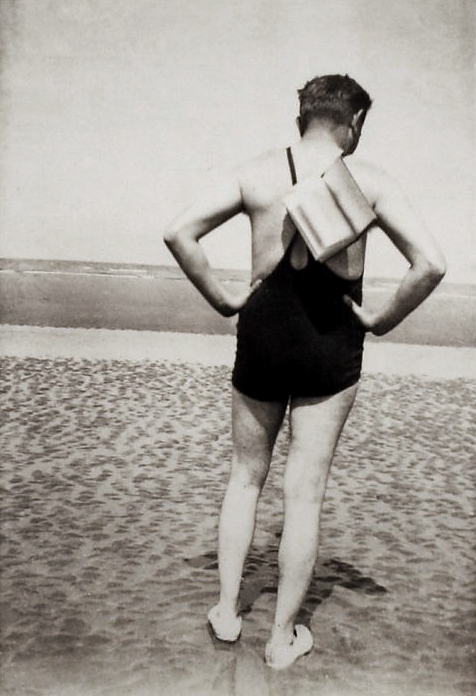
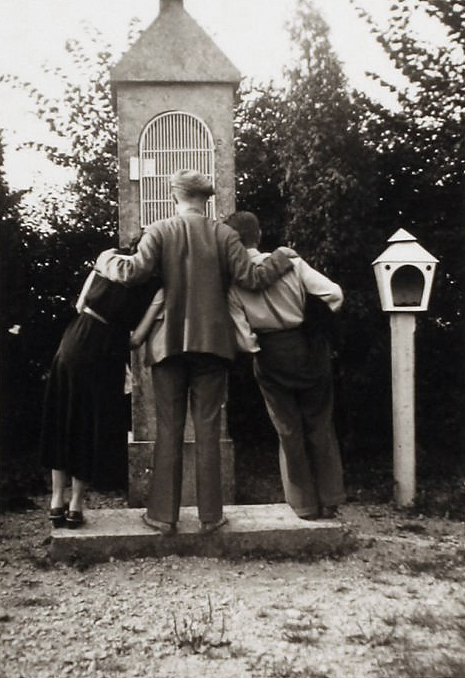
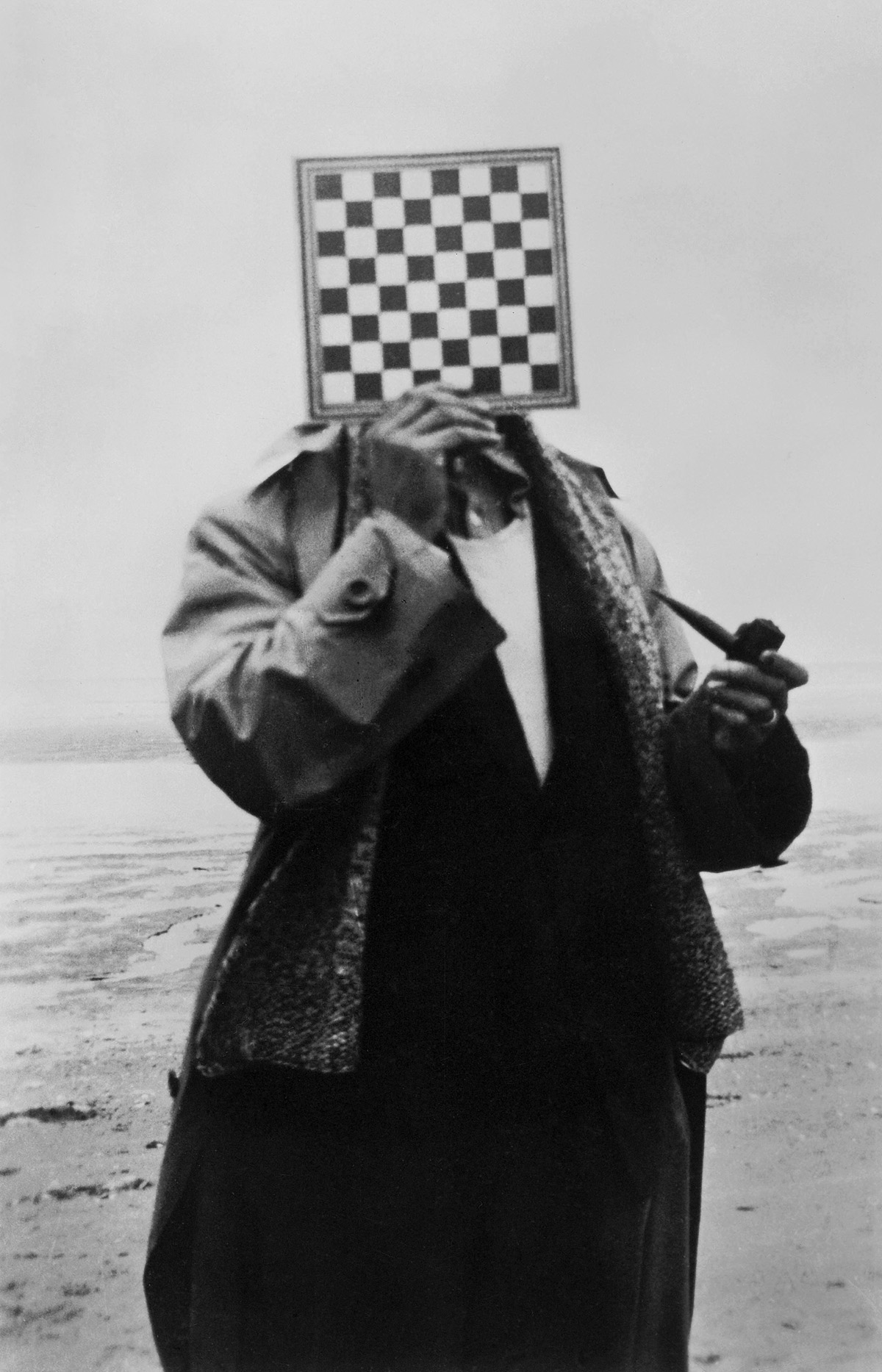

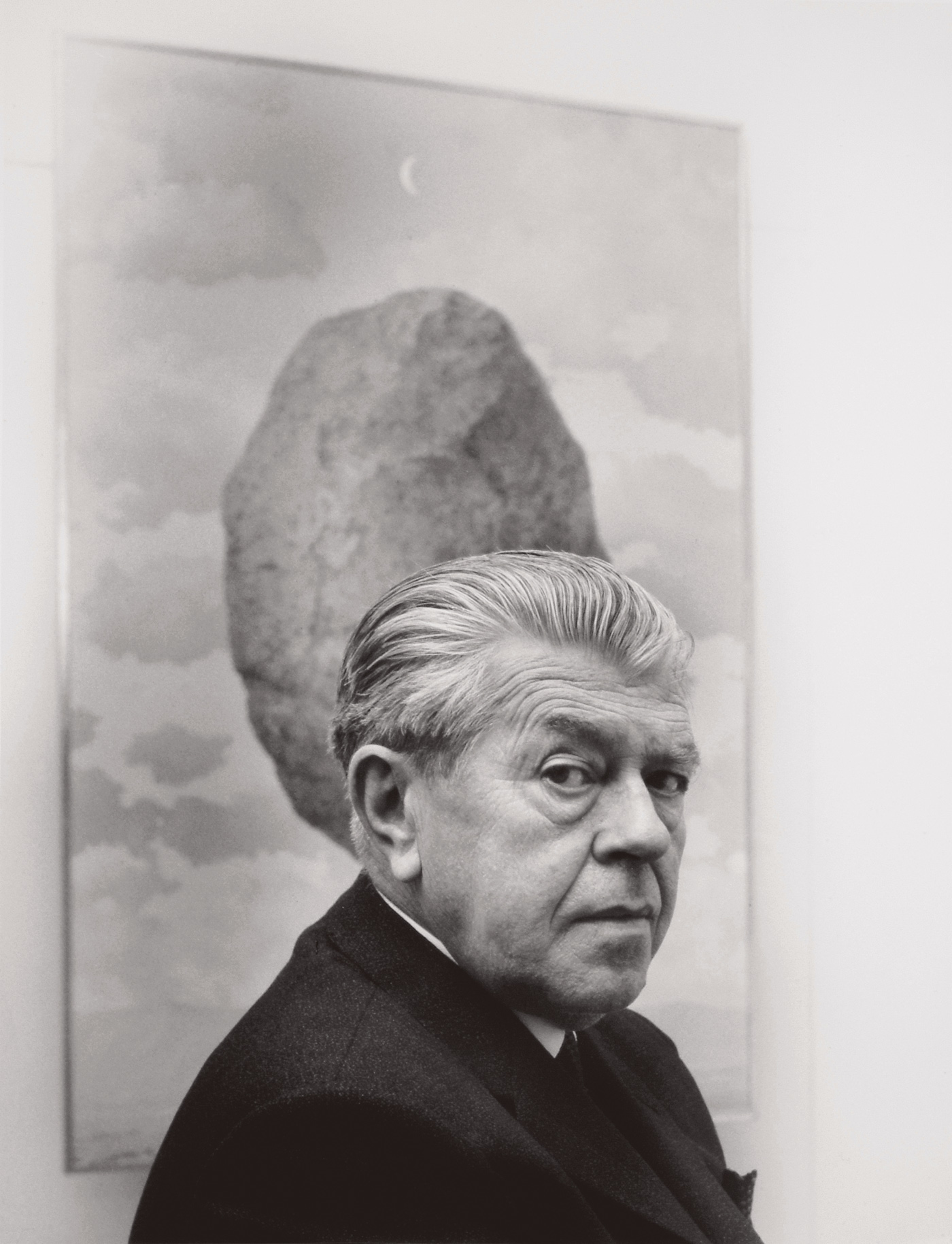
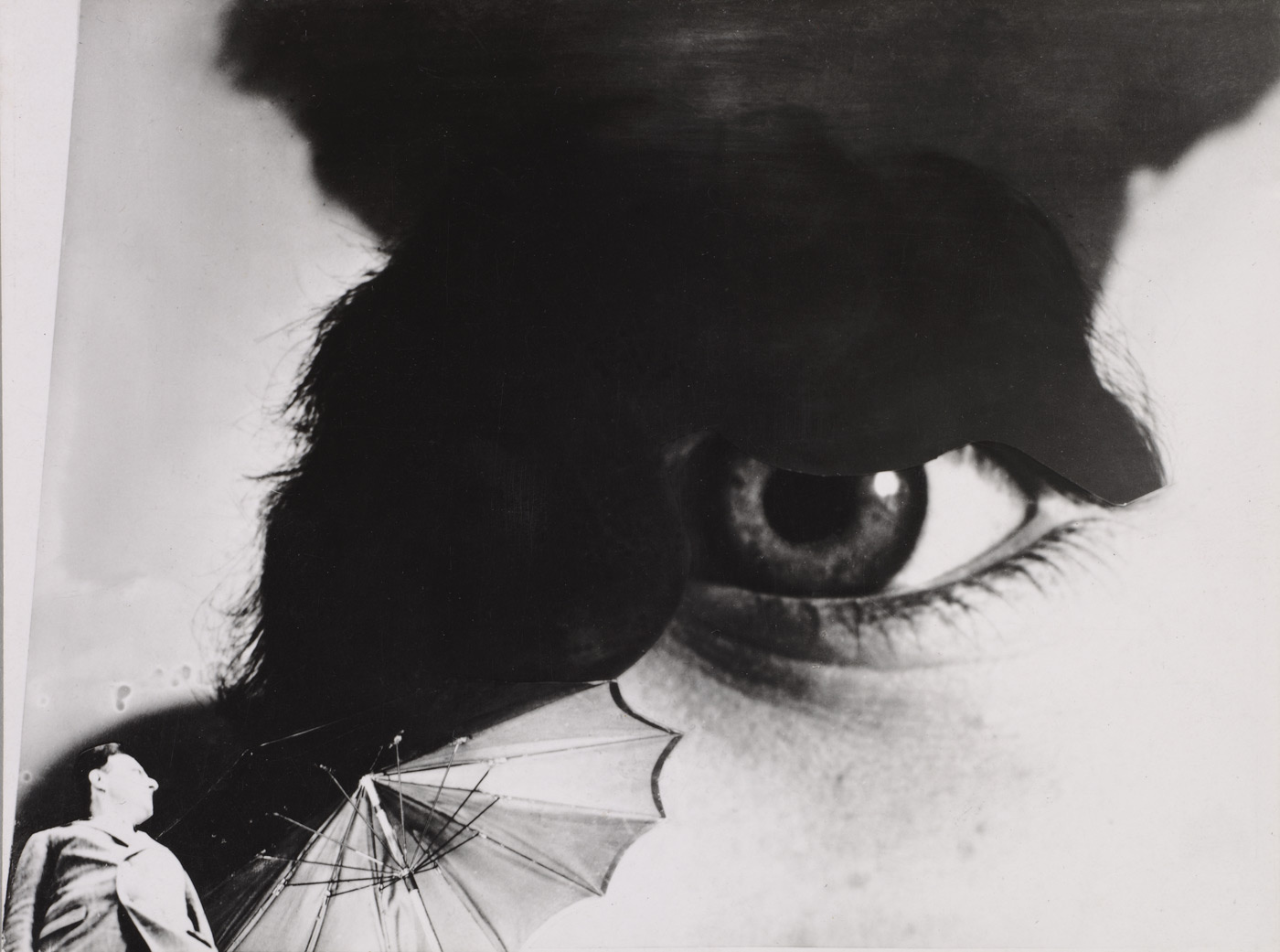
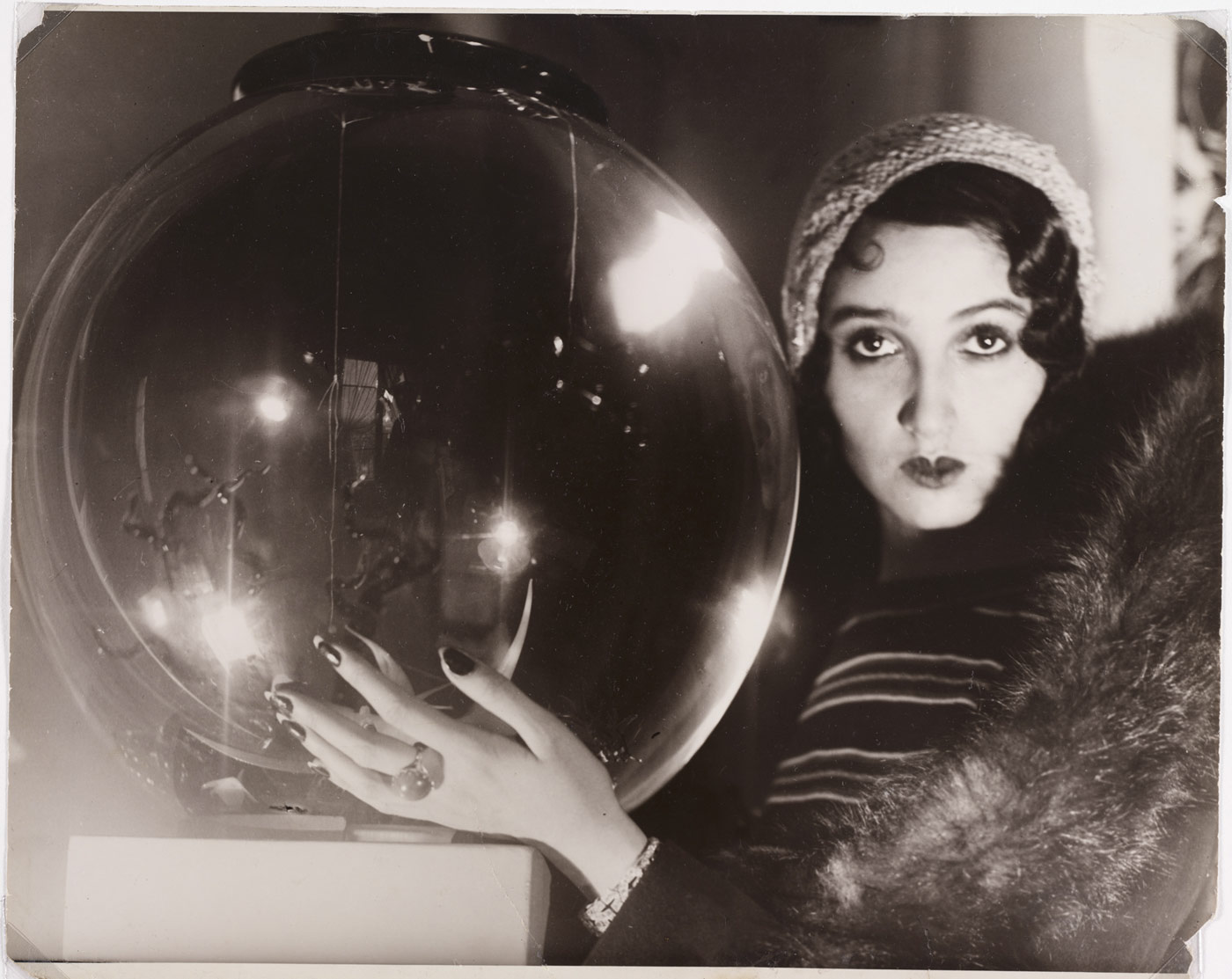
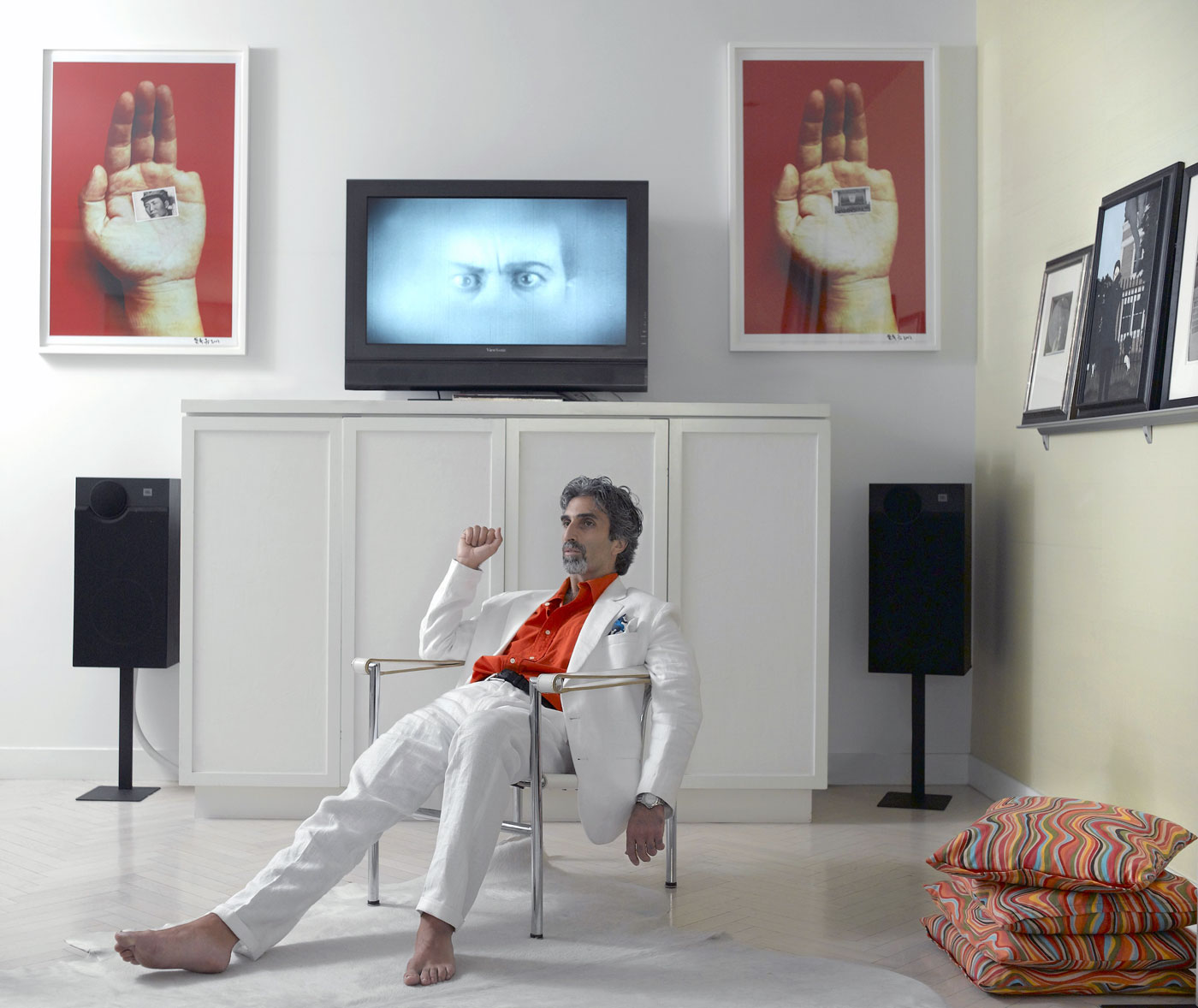
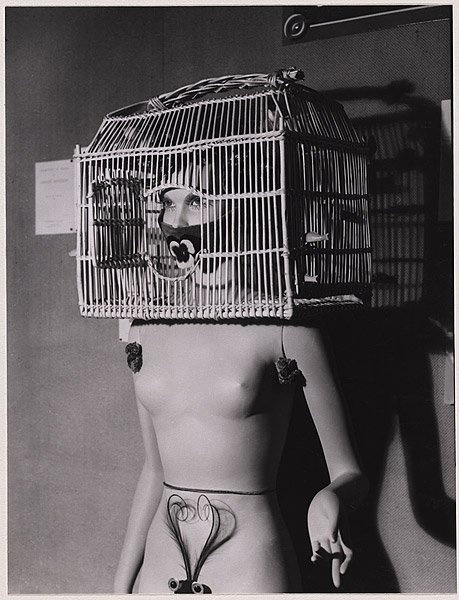
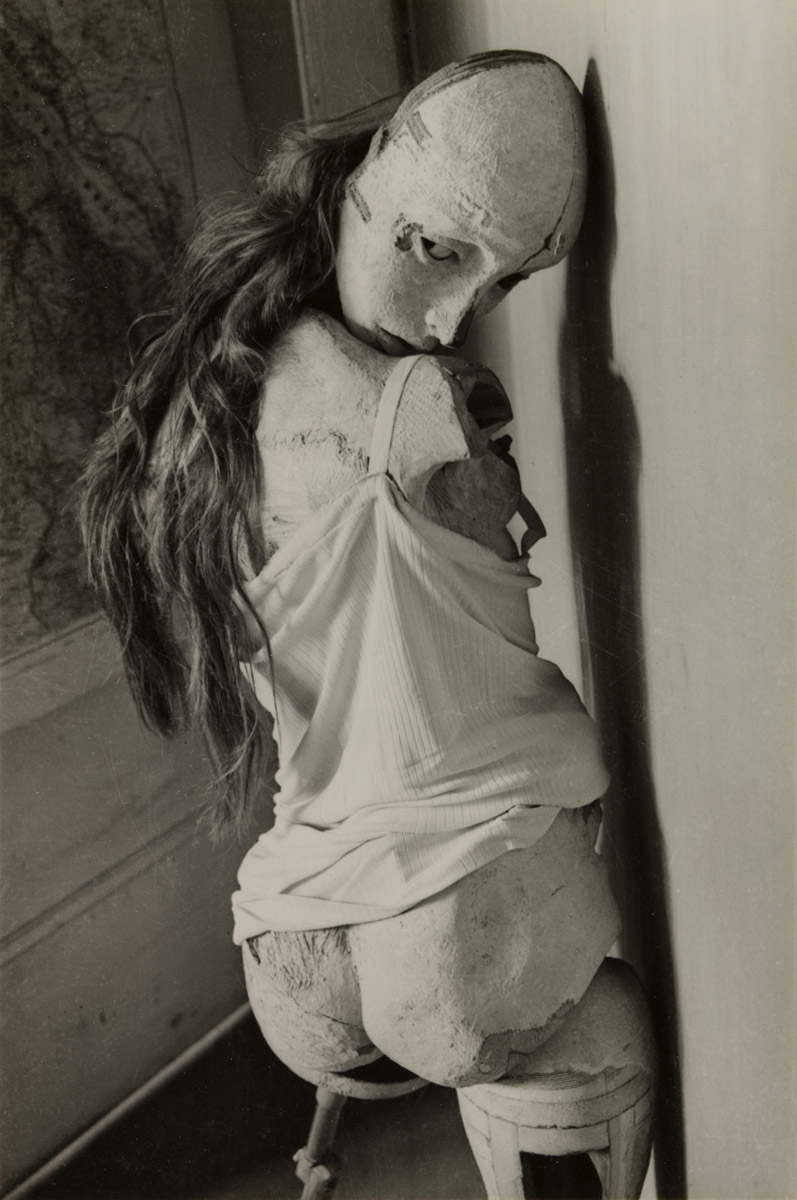
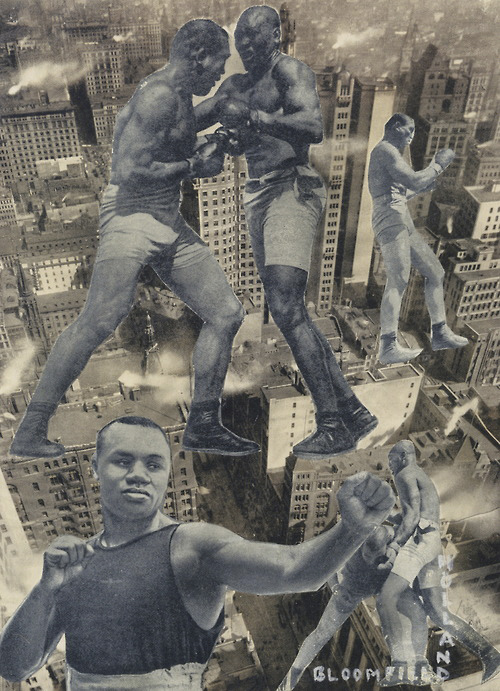
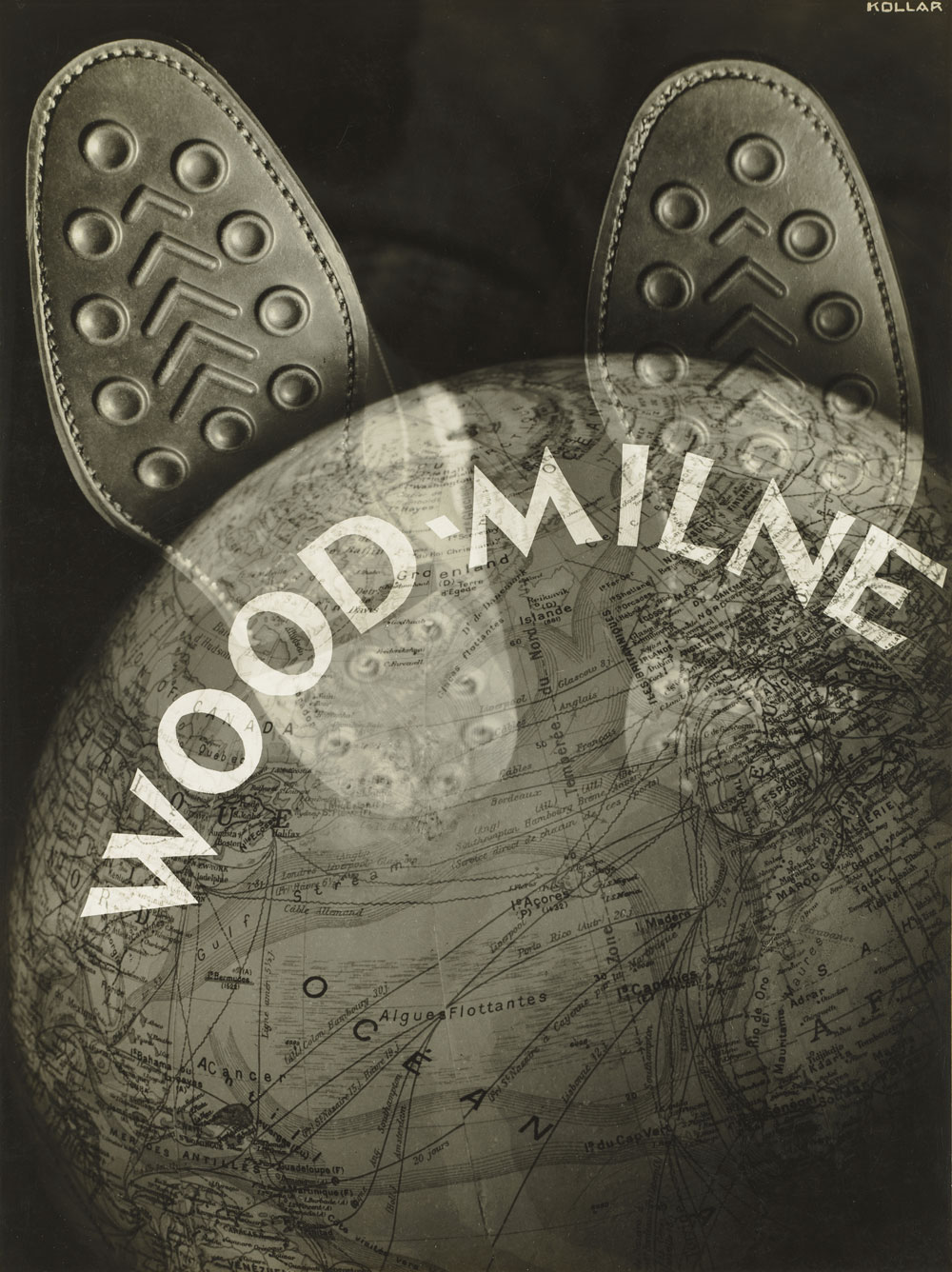
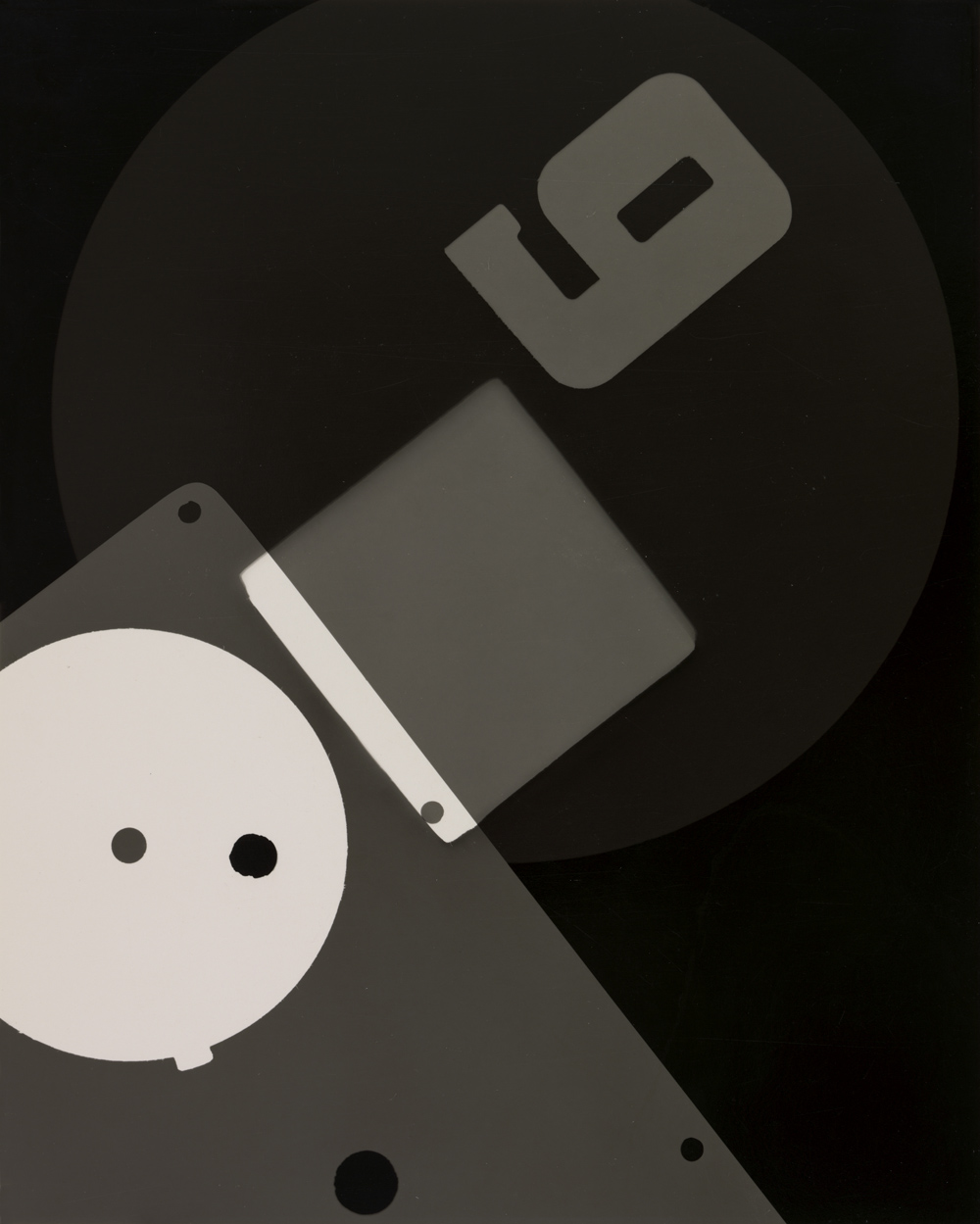
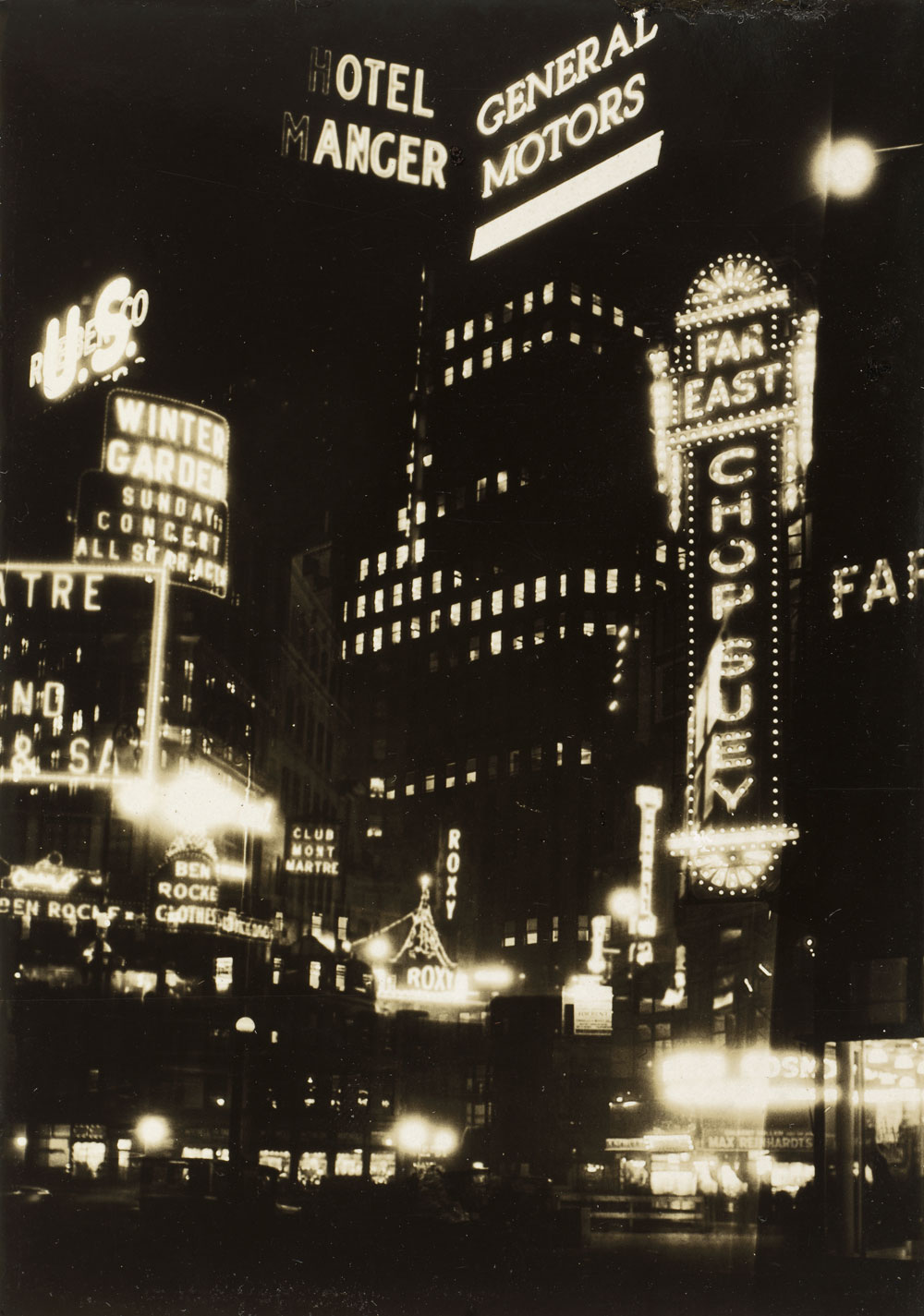
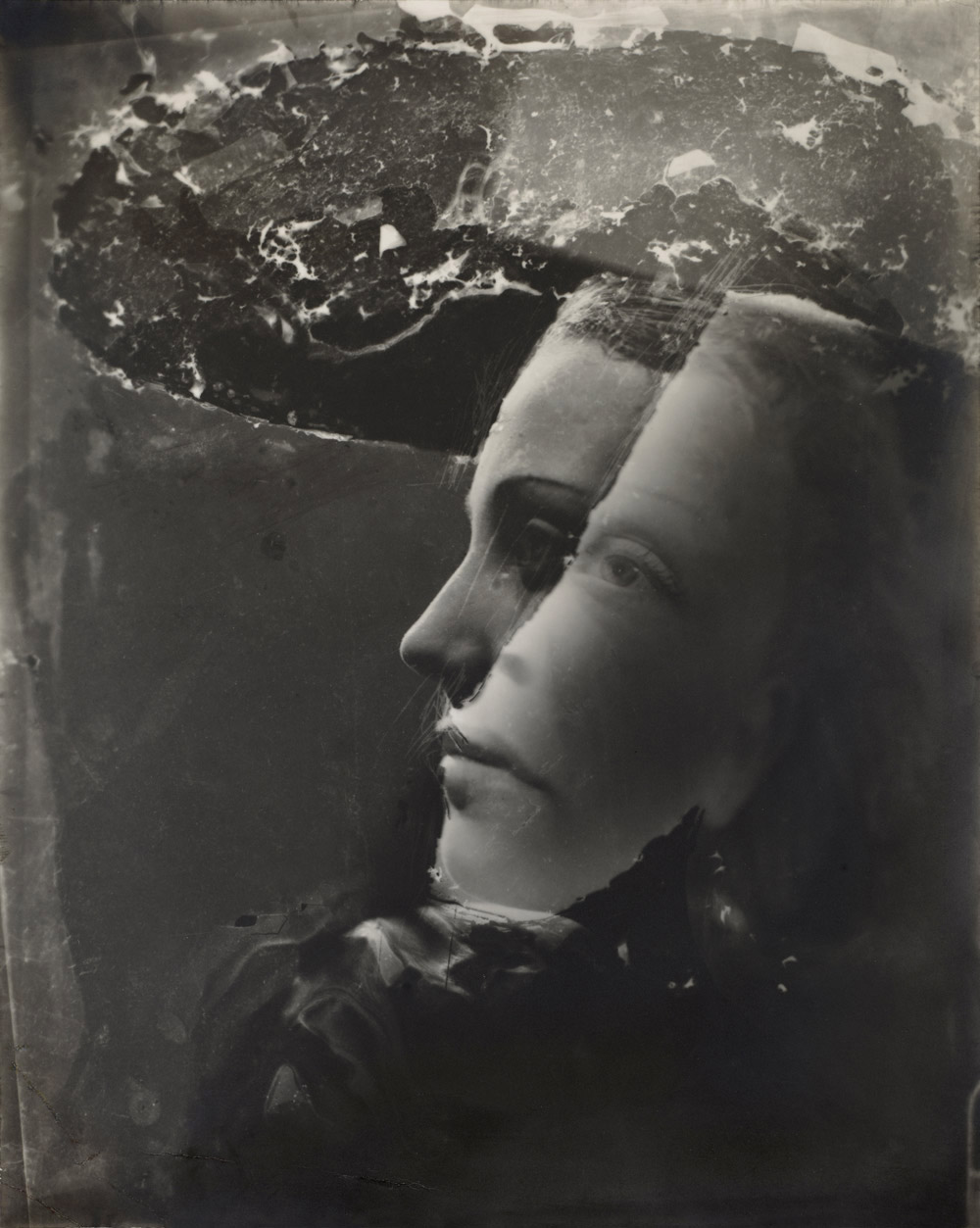
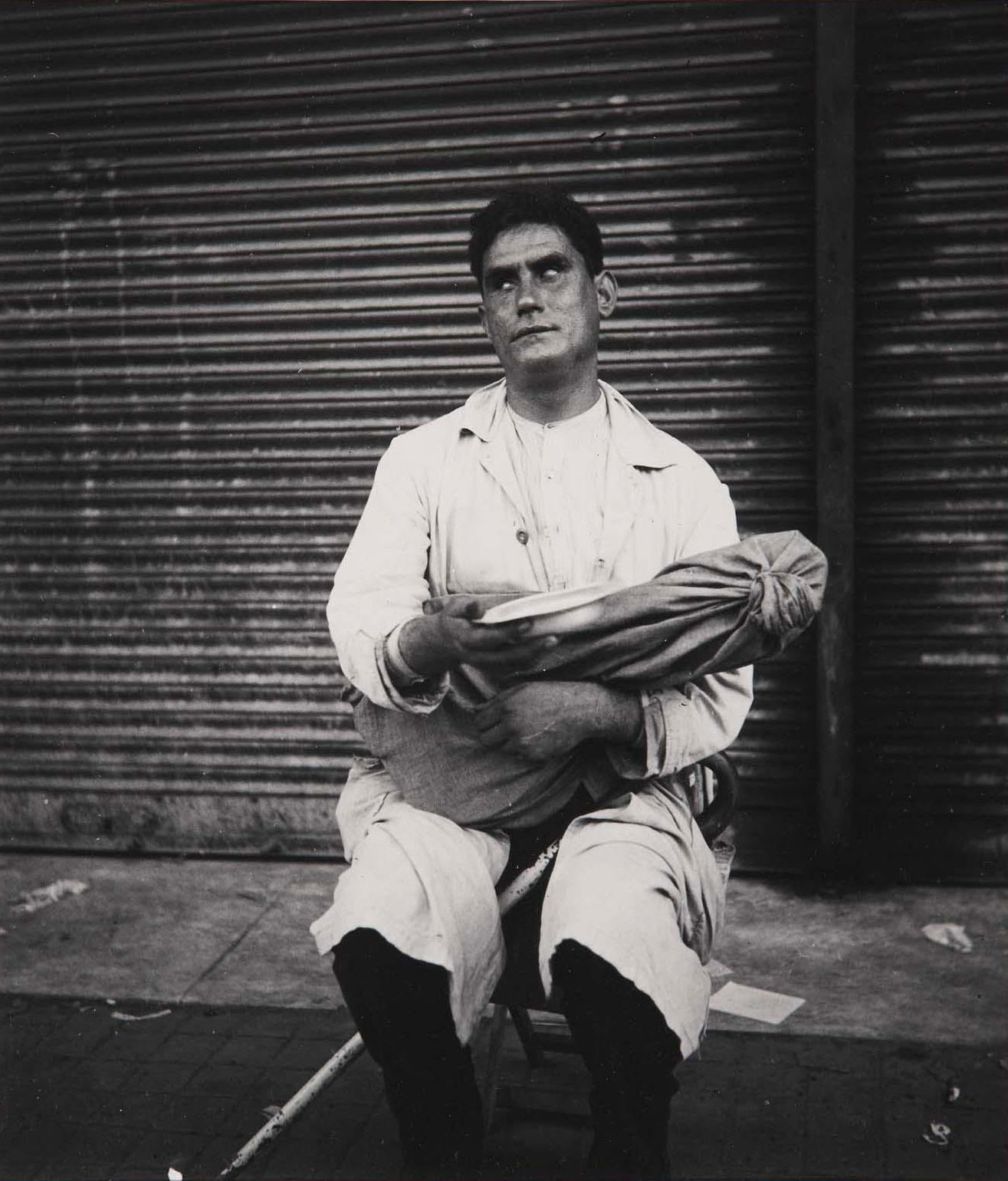
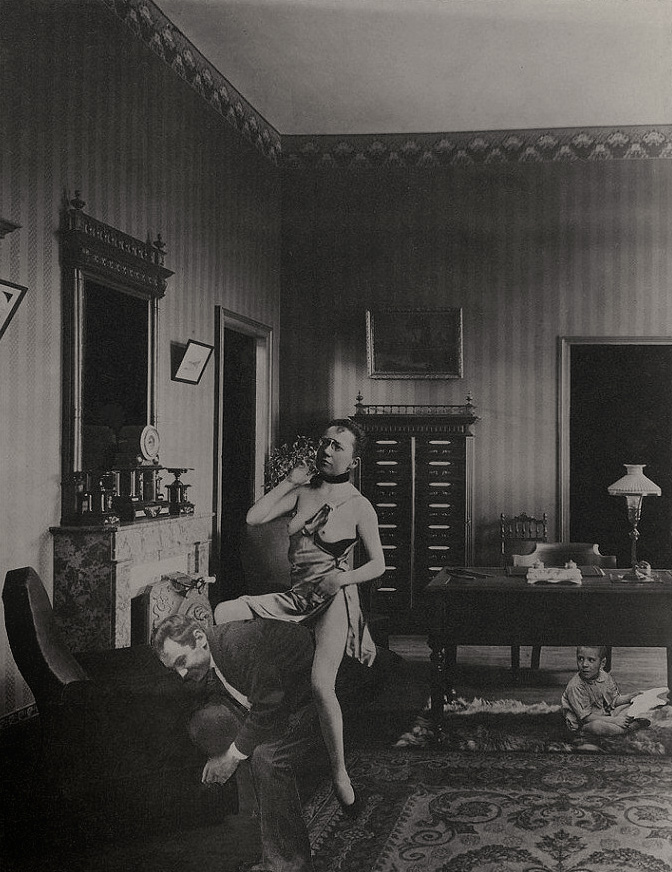
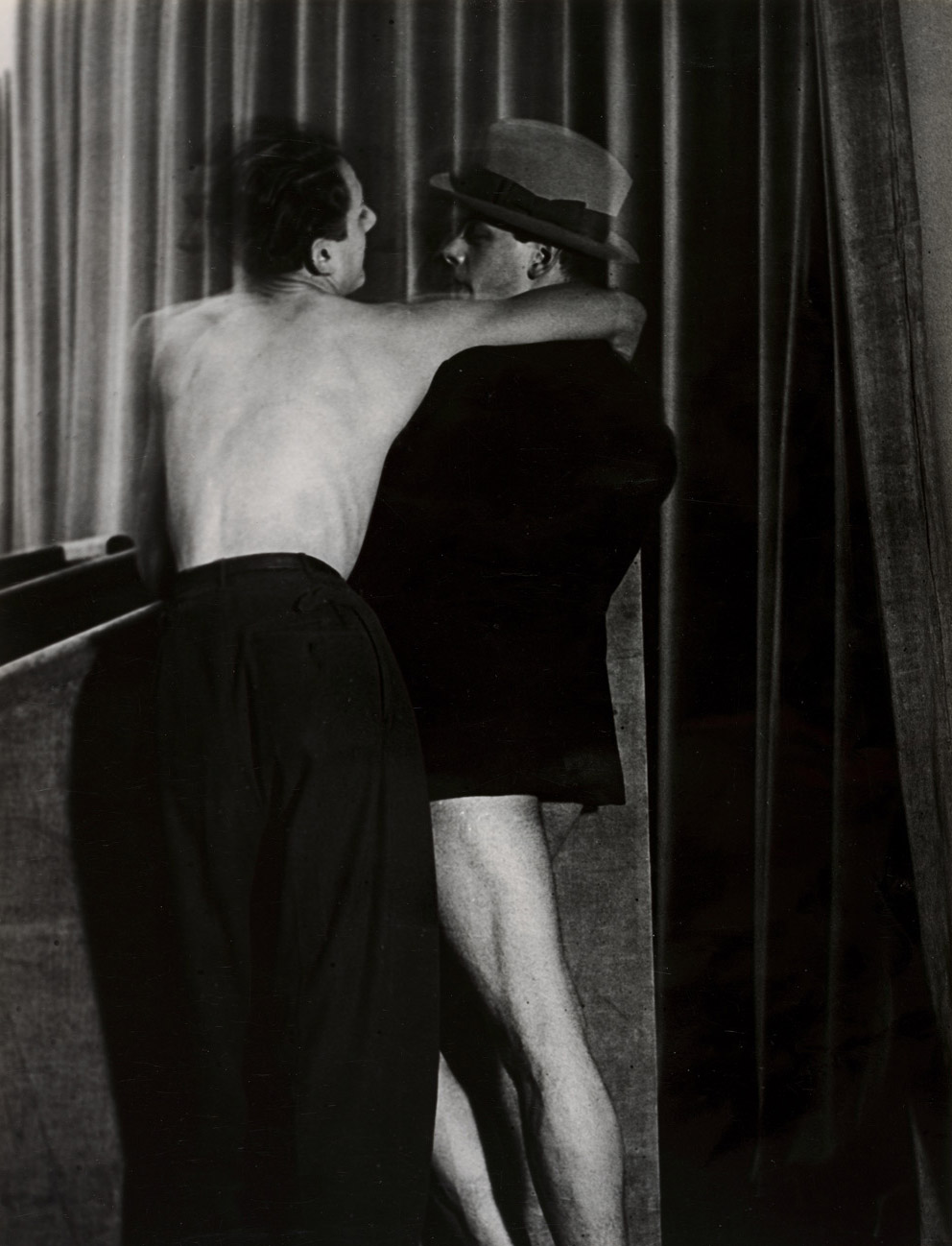
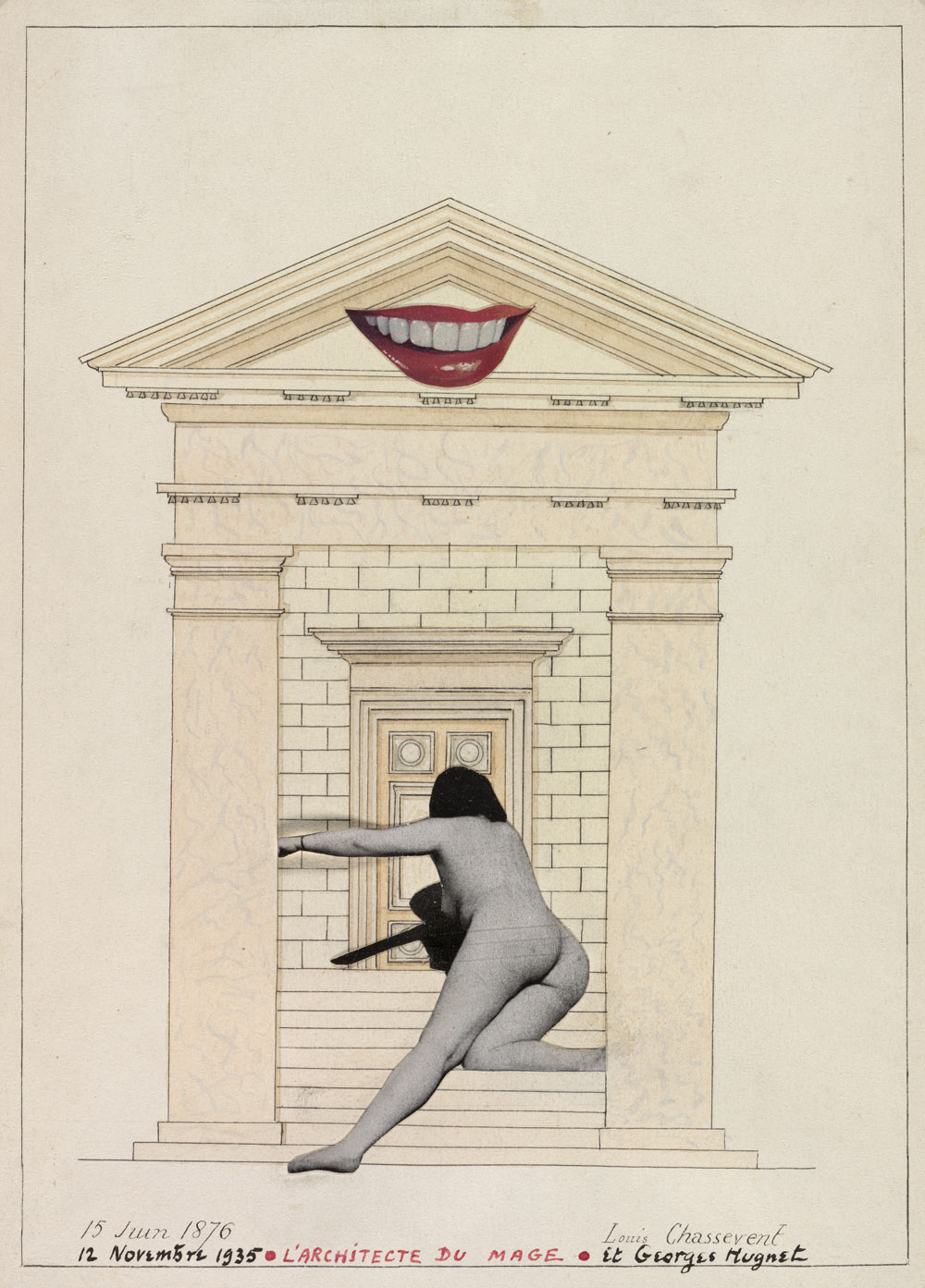


![Hans Bellmer (German, 1902-1975) 'La mitrailleuse en état de grâce' (The Machine Gun[neress] in a State of Grace) 1937](https://artblart.com/wp-content/uploads/2014/02/fleshandmetal_01_bellmer-web.jpg "Hans Bellmer (German, 1902-1975) 'La mitrailleuse en état de grâce' (The Machine Gun[neress] in a State of Grace) 1937")


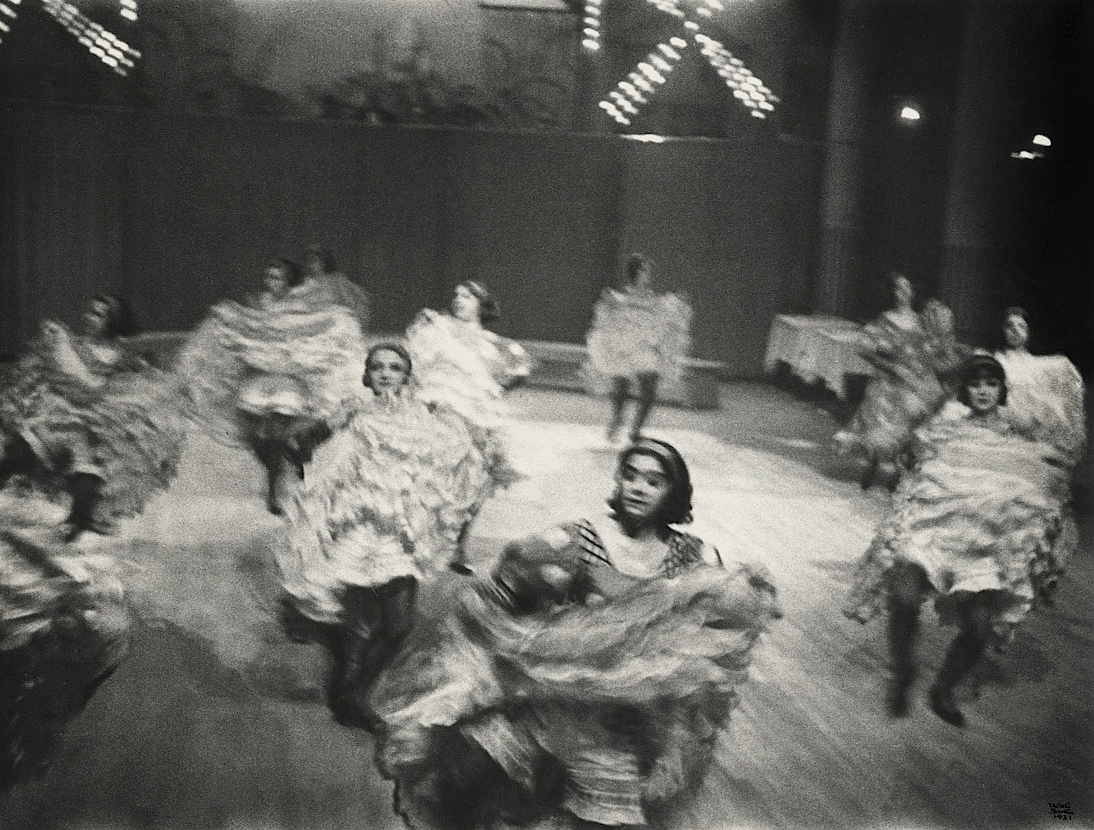
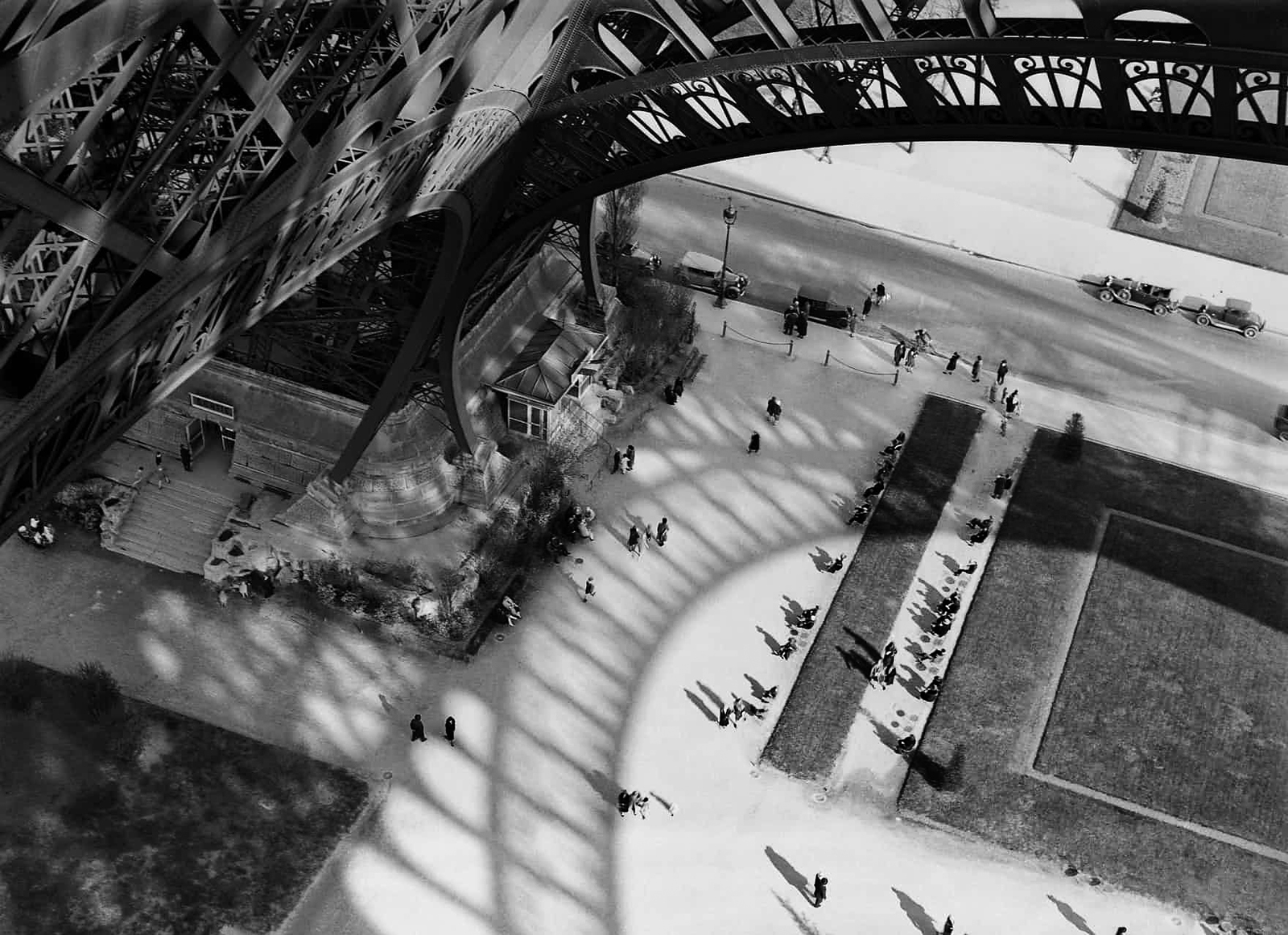
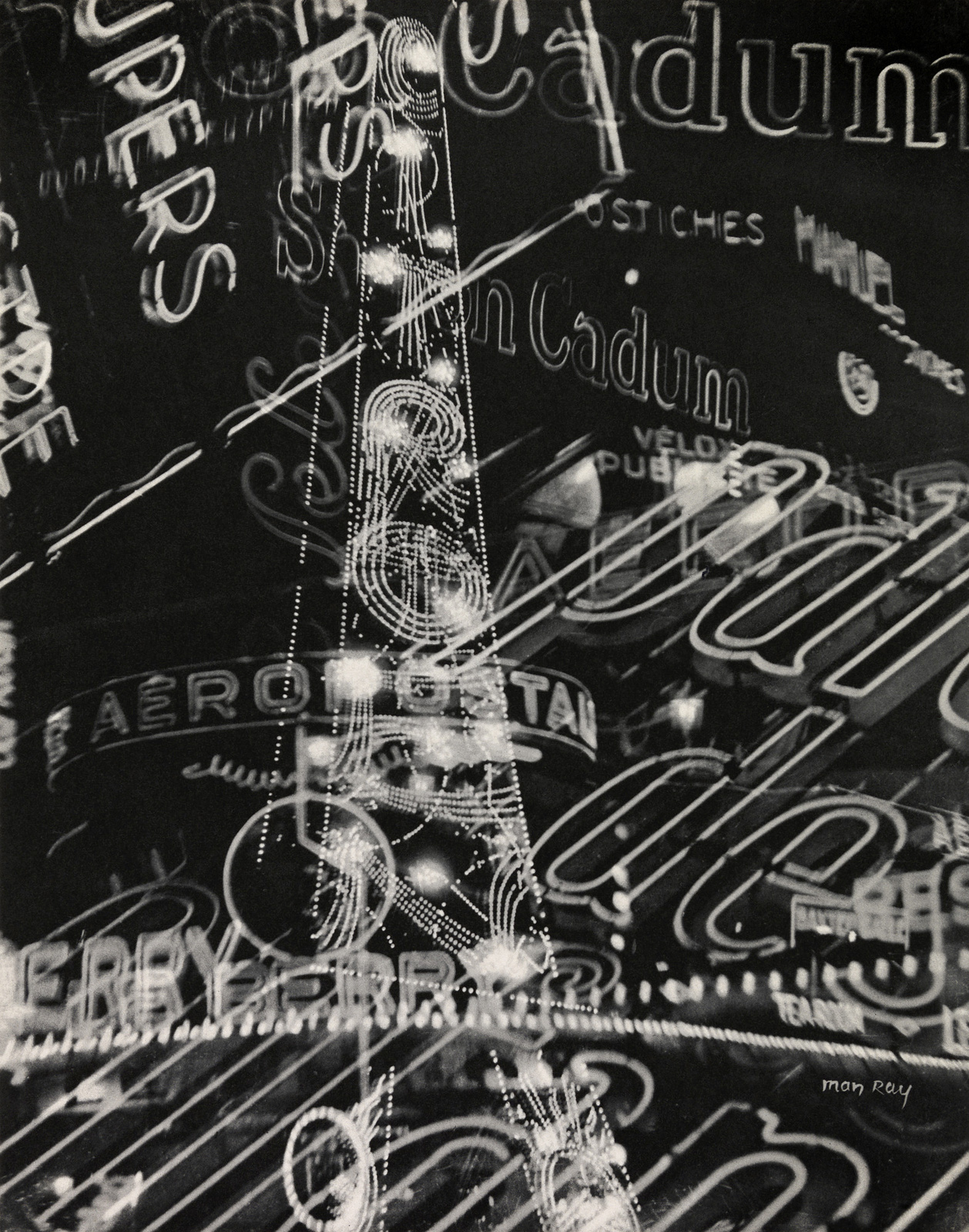

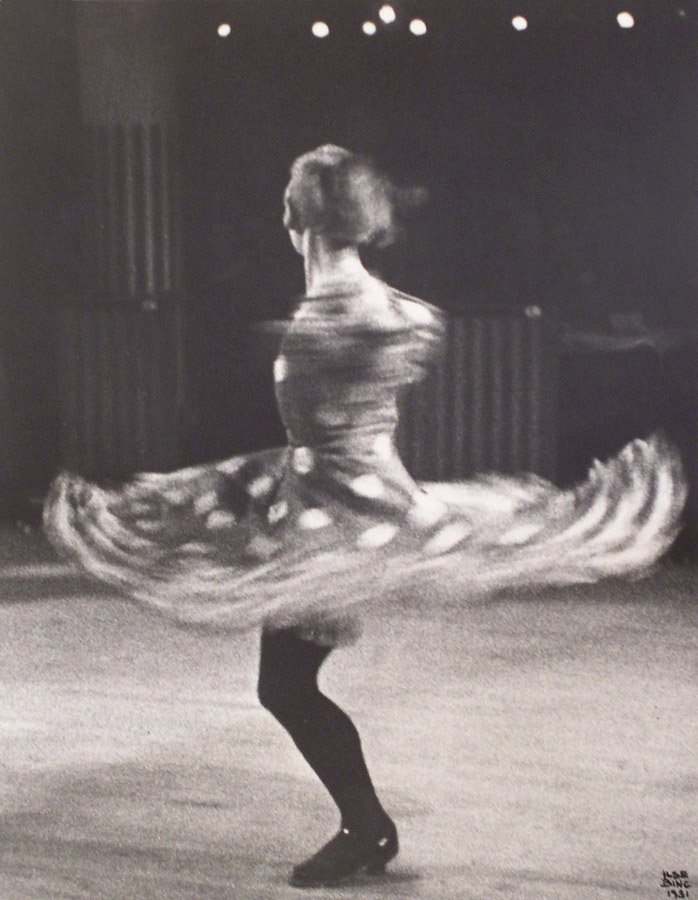
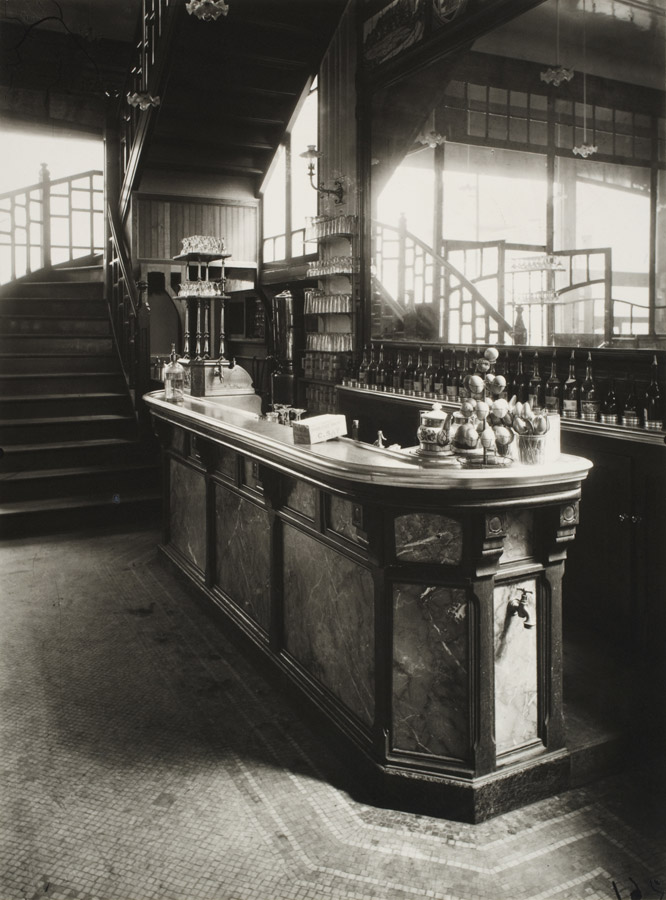


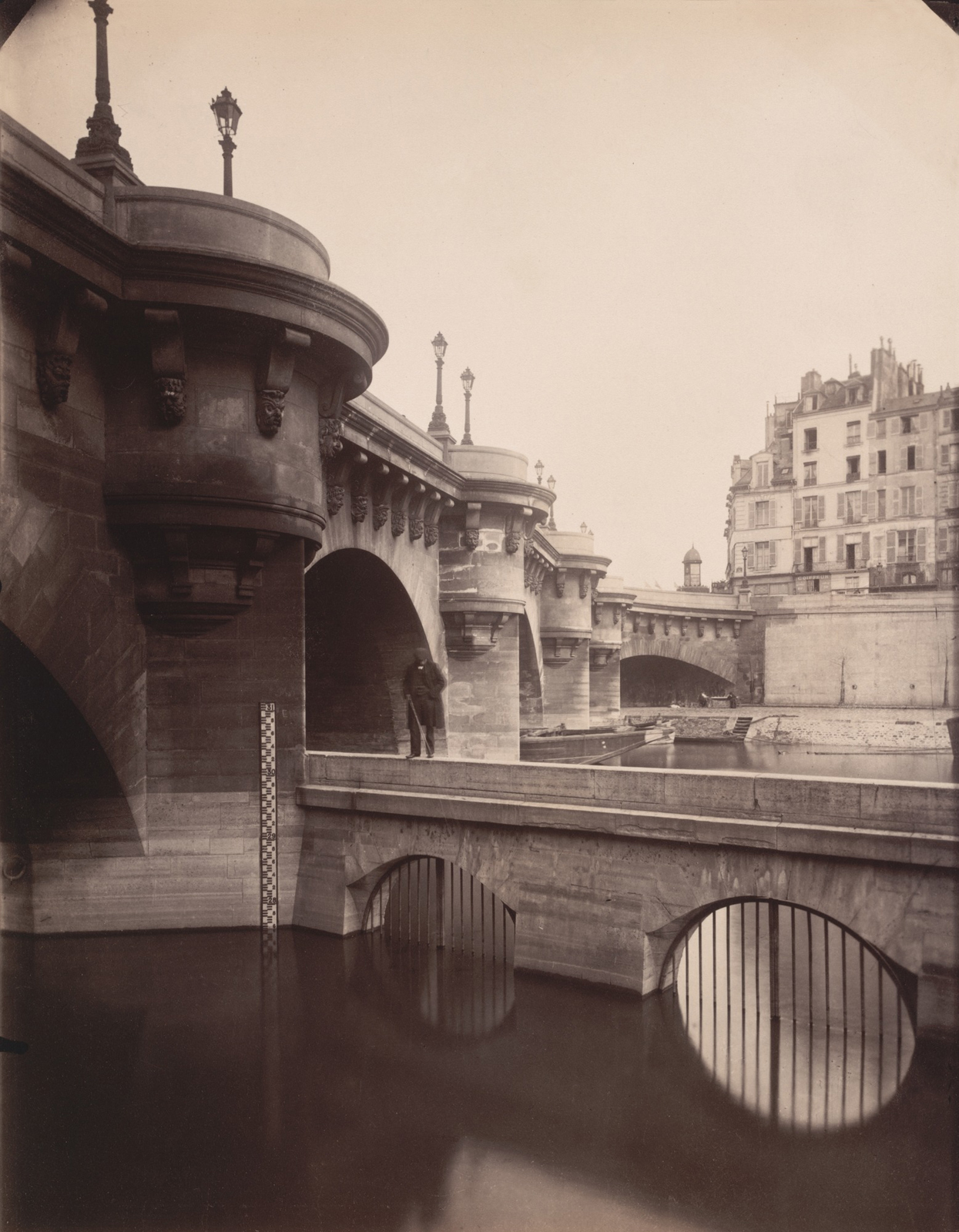
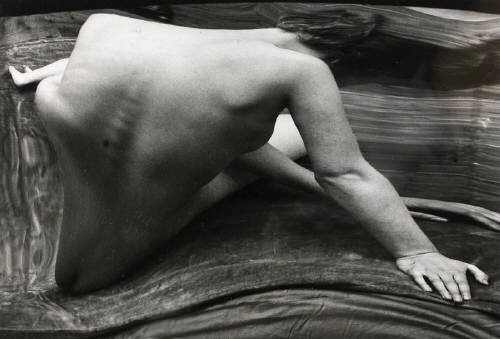


 Art Blart _ art and cultural memory archive
You must be logged in to post a comment.