Curators: Dr Mikhail Dedinkin, Deputy Head of the Western European Art Department at the Hermitage, working Dr Ted Gott, Senior Curator of International Art at the National Gallery of Victoria
Installation view of room 1 of the exhibition Masterpieces from the Hermitage: The Legacy of Catherine the Great at NGV International, Melbourne featuring Alexander Roslin (Swedish 1718-93) Portrait of Catherine II 1776-77 Photo: Marcus Bunyan
A scintillating exhibition at NGV International which showcases one of the world’s greatest art collections. Exhibition design is outstanding (particularly the floor tiling), as are the Da Vinci, Titian, Rembrandt, van Dyck, Rubens and Flemish still life. Among my favourites is a small Watteau Savoyard with a Marmot (1716) which is absolutely still, delicate and exquisite: I thought of the photographs of Atget, his street sellers, when I saw this painting; and Frans Snyders’ tour-de-force Concert of birds (1630-40) which has such presence.
Well done to the curators, the Hermitage Museum and the NGV for staging such a magnificent exhibition.
Masterpieces from the Hermitage: The Legacy of Catherine the Great showcases one of the world’s greatest art collections. Featuring works by artists including Rembrandt, Rubens, Velázquez and Van Dyck, the exhibition offers a dazzling array of works including the finest group of Dutch and Flemish art to come to Australia.
This exclusive Melbourne exhibition will also highlight the innovation and vision of Catherine the Great, whose inexhaustible passion for education, the arts and culture heralded a period of enlightenment in the region. The extraordinary works sourced and commissioned by Catherine during her thirty-four year reign, created the foundations for the Hermitage today – considered to be one of the world’s greatest treasure houses of art and decorative arts. The exhibition will offer audiences an immersive experience, recreating the rich atmosphere of the Hermitage to showcase these exquisite works.
German-born Catherine the Great (Catherine II) came to power in 1762, aged thirty-three, and ruled Russia for the next thirty-four years, until her death in 1796. She saw herself as a Philosopher Queen, a new kind of ruler in the Age of Enlightenment. Guided by Europe’s leading intellectuals, she modernised Russia’s economy, industry and government, drawing inspiration both from Antiquity and contemporary cultural and political developments in Western Europe. A fluent speaker of Russian, French and German, Catherine was largely self-educated, independent, idealistic and visionary.
While her reign was not always peaceful, Catherine sought to bring order, stability and prosperity to the vast Russian Empire. Her ideals of abolishing serfdom and ensuring the equality of all citizens under the law were ahead of her time, and strongly resisted by the nobility of the day; however, she achieved numerous other reforms, including the introduction of paper money and modernisation of Russia’s education system. French philosopher Denis Diderot, who visited St Petersburg in 1773, described an audience with Catherine as being ‘more like study than anything else: she is a stranger to no subject; there is no man in the Empire who knows her nation as well as she’.
Room 1 Catherine the collector
Between 1762 and 1796, the years of her reign, Catherine the Great oversaw a period of cultural renaissance in Russia. The world of ideas in which she was deeply involved from an early age found tangible expression in the material world the Empress later created around herself. The great complexes of imperial buildings Catherine constructed reflected her informed interest in both Classical and Chinese culture.
Catherine not only assembled a collection of Old Master paintings equal in scale and quality to leading European collections, but also paid considerable attention to the acquisition of contemporary art. While the richness and technical perfection of her diverse collections of decorative arts aimed to dazzle and please, they also had the more practical purpose of raising standards of artistic production in Russia. The fact that more than 400 exemplary works of art from her personal collection, including paintings, sculptures, drawings, porcelain, silver and precious gems, are seen here for the first time in Australia is cause for celebration.
Installation views of room 1 of the exhibition Masterpieces from the Hermitage: The Legacy of Catherine the Great at NGV International, Melbourne featuring Alexander Roslin (Swedish 1718-1793) Portrait of Catherine II 1776-1777 Photos: Marcus Bunyan
Installation views of room 1 of the exhibition Masterpieces from the Hermitage: The Legacy of Catherine the Great at NGV International, Melbourne featuring in the last three photographs, the Sèvres Cameo Service. Cameo Service 1778-1779. Sevres Porcelain Factory (manufacturer) France, est. 1756. The State Hermitage Museum, St. Petersburg. Photos: Marcus Bunyan
Sèvres Cameo Service
The Sèvres Cameo Service (1778-1779) relates to Catherine’s great passion for collecting engraved gemstones. Comprising 797 individual pieces designed to serve dinner, dessert and coffee to sixty people, the Cameo Service was commissioned from the celebrated Sèvres porcelain manufactory outside Paris as a present for Catherine’s court ‘favourite’, Prince Grigory Potemkin. The Empress’s monogram, ‘E II’ (the Russian version of her name being Ekaterina), woven from garlands of flowers and surmounted by a crown, adorned almost every object in the service.
Production of the service was both time consuming and labour-intensive. The exquisite blue element alone – made from separate layers of copper enamel that gradually seeped into the porcelain and set the pure colour – required five firings. In addition to the hundreds of porcelain objects decorated with painted and sculpted cameos and related silverware, the service also included grand central table decorations fashioned from biscuit, or unglazed cream-coloured porcelain, by the sculptor Louis-Simon Boizot. These decorations illustrated tales from Greek mythology, and were presided over by a grand biscuit statue of Catherine the Great as Minerva, the Roman goddess of wisdom and the arts.
Installation views of room 1 of the exhibition Masterpieces from the Hermitage: The Legacy of Catherine the Great at NGV International, Melbourne Photos: Marcus Bunyan
Exhibition passageway
Installation view of passageway video of the exhibition Masterpieces from the Hermitage: The Legacy of Catherine the Great at NGV International, Melbourne Photo: Marcus Bunyan
Room 2 Italian art
When Catherine the Great began collecting European art, opportunities to acquire fine Italian Old Master paintings were already severely limited. Demand from wealthy collectors was high and the marketplace was saturated with misattributed works, some of which inevitably made their way to the Hermitage and other great collections.
Despite this, Catherine achieved great success collecting sixteenth and seventeenth century paintings, particularly from Venice, including great paintings by Titian, Paris Bordone and the enigmatic Lorenzo Lotto. These are complemented by fine examples of Roman and Florentine paintings, such as the famous Female nude (Donna nuda), by an artist very close to Leonardo da Vinci. This select group of paintings beautifully illustrate developments in figurative art, portraiture and religious art in Italy from the sixteenth to the eighteenth century.
In the early years of her reign, Catherine the Great acquired en masse several large collections of drawings representing all the main European schools. This set the foundations for the current Hermitage Museum’s outstanding Cabinet of Drawings. In terms of quality, Catherine’s acquisitions of Italian drawings were of the highest standard. The majority of these date from the mid sixteenth to late eighteenth centuries and include many rare and precious works.
Installation view of room 2 of the exhibition Masterpieces from the Hermitage: The Legacy of Catherine the Great at NGV International, Melbourne showing at centre, Domenico Fetti (Italian 1589-1623) Portrait of an actor 1620s Photo: Marcus Bunyan
Domenico Fetti (Italian, 1589-1623) Portrait of an actor (installation view) 1620s Oil on canvas The State Hermitage Museum, St. Petersburg Photo: Marcus Bunyan
Domenico Fetti was court painter to Gerdinand II Gonzaga, Duke of Mantua, when he made this striking portrait of an actor. It is though to be Tristano Martinelli who made his fame working in the commedia dell’arte tradition. It is believe that Marinelli created and popularised the standard roll of the Harlequin in theatre. Fetti himself was involved with the theatre in both Mantua and Venice.
Installation view of room 2 of the exhibition Masterpieces from the Hermitage: The Legacy of Catherine the Great at NGV International, Melbourne featuring at centre, Paris Bordone (Italian 1500-1571) Portrait of a lady with a boy Mid 1530s Photo: Marcus Bunyan
Paris Bordone (Italian, 1500-1571) Portrait of a lady with a boy (installation view) Mid 1530s Oil on canvas 97cm (38.1 in) x 77cm (30.3 in) The State Hermitage Museum, St. Petersburg Photo: Marcus Bunyan
This work by Venetian artist Paris Bordone is a typical example of formal Renaissance portraiture. Bordone’s main aim was to show the high social standing of the sitters, so he painted their luxurious costumes in great detail. He draws our attention to the sumptuous sleeves of this woman’s dress, the headgear resembling a turban, as well as her opulent jewellery. Bordone was one of Titian’s most talented pupils whose work is characterised by a level of precision not often present in his master’s work. This painting entered the Hermitage as a work by Giorgione.
Paris Bordone (Italian 1500-1571) Portrait of a lady with a boy Mid 1530s Oil on canvas 97cm (38.1 in) x 77cm (30.3 in) The State Hermitage Museum, St. Petersburg Public domain
Installation view of room 2 of the exhibition Masterpieces from the Hermitage: The Legacy of Catherine the Great at NGV International, Melbourne showing at left in the bottom image, Domenico Capriolo (Italian c. 1494-1528) Portrait of a young man 1512 and to the right, Lorenzo Lotto (Italian c. 1480-1556) The Rest on the Flight into Egypt with Saint Justine 1529-1530 Photos: Marcus Bunyan
Portrait of a young man by the Venetian master Domenico Capriolo captures the intellectual values of Renaissance art. Everything that surrounds this youth speaks of his interests, such as the church that indicates his piety; the statue of Venus that reveals his passion for Antiquity; and the folder (containing verses or drawings) that illustrates the richness of his inner world. The painting is dated 1512 and the artist’s name symbolised by a medallion containing a Capreolus, or deer, which is a play on his name. Such allusions were common in Renaissance art and would have been readily understood by his contemporaries.
Lorenzo Lotto (Italian c. 1480-1556) The Rest on the Flight into Egypt with Saint Justine (installation views) 1529-1530 Oil on canvas 82cm (32.2 in) x 133cm (52.3 in) The State Hermitage Museum, St. Petersburg Photos: Marcus Bunyan
Lorenzo Lotto is a much admired sixteenth-century Venetian artist. The Rest on the Flight into Egypt with Saint Justine has the typical dynamism of Lotto’s work, achieved not only through the poses, gestures and movement of the foliage, but also through his intense colour palette and the juxtaposition of resonant blues with red and yellow tones. Here, the Holy Family has been joined by Saint Justine of Padua, martyred in 304 AD, identifiable through her attribute of a sword piercing her breast. Justine was a very popular subject for artists of Northern Italy.
Lorenzo Lotto (Italian c. 1480-1556) The Rest on the Flight into Egypt with Saint Justine 1529-1530 Oil on canvas 82cm (32.2 in) x 133cm (52.3 in) The State Hermitage Museum, St. Petersburg Public domain
Installation view of room 2 of the exhibition Masterpieces from the Hermitage: The Legacy of Catherine the Great at NGV International, Melbourne showing Leonardo da Vinci (school of) Female nude (Donna Nuda) Early 16th century Photo: Marcus Bunyan
Leonardo da Vinci (school of) Female nude (Donna Nuda) (installation view) Early 16th century Oil on canvas 86.5cm (34 in) x 66.5cm (26.1 in) The State Hermitage Museum, St. Petersburg Photo: Marcus Bunyan
This painting entered the Hermitage collection as a work by Leonardo da Vinci, but is now widely accepted to be by one of his close followers, possibly his pupil Salai. Perhaps more important is that it may be a close copy of a lost painting by Leonardo. Female nude (Donna Nuda) also shares some of the qualities of the famous Mona Lisa c. 1503-1519, in the Louvre Museum, Paris; namely the repetition of the pose, the position of the hands and the landscape setting seen behind a stone ledge in front of which the figure is set. This is the most refined of numerous variants of this composition in existence.
Leonardo da Vinci (school of) Female nude (Donna Nuda) Early 16th century Oil on canvas 86.5cm (34 in) x 66.5cm (26.1 in) The State Hermitage Museum, St. Petersburg Public domain
Room 3 Flemish art
In the seventeenth century, Flanders comprised the Catholic-dominated Southern Netherlands or ‘Spanish’ Austrian Netherlands, an area larger than modern Belgium. Thanks in large part to the talents of artist Peter Paul Rubens, the Flanders or ‘Flemish’ school in this era became very prestigious. While chiefly a painter, Rubens had far-reaching stylistic influence on many visual art forms, from prints to silverware and architecture. Every leading artist of seventeenth-century Flanders studied in, passed through or was connected with Rubens’s studio.
A diplomat and court insider, Rubens operated on an international stage. His art was correspondingly monumental; characterised by large forms modelled with loose brushstrokes in glowing, brilliant colours. Rubens’s pupil Anthony van Dyck and collaborator Cornelis de Vos led the way in bringing new naturalism to portraiture. While they catered to different markets (van Dyck to the nobility and de Vos to a rich merchant class) their mutual influence is apparent.
Flanders was a nation built on trade, and Flemish artists travelled widely, especially to Italy. From Italy they brought back new pictorial trends, such as the theatrical naturalism of Caravaggio. Flemish artists excelled in naturalistic effects, which they applied even to traditionally humble subjects, such as still lifes and animal pictures, seen to brilliant effect in the art of Frans Snyders and David Teniers II.
Installation views of room 3 of the exhibition Masterpieces from the Hermitage: The Legacy of Catherine the Great at NGV International, Melbourne showing in the centre in the bottom photograph, Peter Paul Rubens and workshop (Flemish 1577-1640) The Adoration of the Magi, c. 1620 at centre Photos: Marcus Bunyan
Rubens painted the subject of the Adoration of the Magi (Matthew 2:1) more often than any other episode from Christ’s life. Rendered at life-sized scale, this painting combines the humility of Christ’s birth with splendid, worldly pageantry. Three Kings from the East are shown crowding into Christ’s stable (portrayed as a cave, in an allusion to Christ’s later interment) wearing gold- embroidered silks and satins, and offering gifts. The eldest king, Caspar, kneels before Christ with gold; behind him is Melchior, with frankincense; and Balthazar with myrrh, used for embalming. With the help of his studio, Rubens produced more than sixty altarpieces during his career.
Installation views of room 3 of the exhibition Masterpieces from the Hermitage: The Legacy of Catherine the Great at NGV International, Melbourne Photos: Marcus Bunyan
Peter Paul Rubens (Flemish 1577-1640) Roman Charity (Cimon and Pero) (installation view) c. 1612 Oil on canvas 141cm (55.5 in) x 180cm (70.8 in) The State Hermitage Museum, St Petersburg Acquired from the collection of Count Cobenzl, Brussels, 1768 Photo: Marcus Bunyan
Roman Charity (Cimon and Pero) depicts a story told by the Roman historian Valerius Maximus in his Factorum ac dictorum memorabilium libri IX (Nine Books of Memorable Deeds and Sayings), written around 30 AD. The story involves Cimon, an old man awaiting execution in prison who was not given food. Cimon’s daughter Pero visited him, and suckled him at her breast like a child. Pero’s nourishing of Cimon was considered an outstanding example of paying honour to one’s parents.
Peter Paul Rubens (Flemish 1577-1640) Roman Charity (Cimon and Pero) c. 1612 Oil on canvas 141cm (55.5 in) x 180cm (70.8 in) The State Hermitage Museum, St Petersburg Acquired from the collection of Count Cobenzl, Brussels, 1768 Public domain
Room 4 Dutch art
The Hermitage holds the finest collection of Dutch art outside the Netherlands. While Peter the Great (1672-1725) had a passion for Dutch art and acquired some notable masterpieces, Catherine the Great established the depth and breadth of this extraordinary collection, beginning in 1764 with her first acquisitions. In that year Catherine purchased 317 paintings that had been assembled for Frederick II of Prussia by the German merchant Johann Ernst Gotzkowsky. Among this substantial group were more than 100 Dutch paintings by the most notable masters.
In 1769 Catherine purchased the collection of Count Heinrich von Brühl, which included spectacular landscapes by Jacob van Ruisdael, Isaack Jansz. van Ostade and Aert van der Neer, as well as four Rembrandt portraits, including the wonderful Portrait of a scholar, 1631. For the rest of her life Catherine continued to add outstanding Dutch works to her rich collection.Although the paintings and drawings from the Dutch school included here are only a fragment of the extensive and diverse collection assembled by Catherine the Great, they reveal her artistic preferences and taste.
Installation views of room 4 of the exhibition Masterpieces from the Hermitage: The Legacy of Catherine the Great at NGV International, Melbourne with Rembrandt Harmensz van Rijn (Dutch 1606-1669) Portrait of a scholar 1631 at centre Photos: Marcus Bunyan
Rembrandt painted Portrait of a scholar shortly after moving from his native Leiden to Amsterdam in 1630. He had already established a growing reputation in Leiden and was enticed to the capital by the art dealer Hendrick van Uylenburgh, father of his future wife Saskia. Once completing the move, Rembrandt rapidly became the city’s leading artist, mainly on account of dazzling portraits such as this early masterpiece. He then secured the most prestigious commissions from wealthy and powerful citizens of Amsterdam.
Room 5 French taste
The Russian aristocracy spoke French and modelled their manners and style on those of the French Court. Catherine followed the vast intellectual strides of the French philosophes with passionate interest. She also embraced the arts, luring French artists, architects and craftsmen to St Petersburg.
Catherine relied on agents and advisors in France and Germany to identify and acquire works of art on her behalf. In this way she acquired the collection of Paris banker Louis Antoine Crozat, Baron de Thiers and other important bodies of work in France. Her holdings of French art came to encompass works by Renaissance masters as well as seventeenth-century landscapes and history paintings.
Catherine also acquired examples of work of her own century by Rococo artists such as Antoine Watteau. The playful, erotic and at times wistful art of Watteau’s generation gave rise to the intimate and worldly art of François Boucher, whose pictures Catherine also purchased. The Empress collected modern masterpieces created in reaction to French courtly and decadent styles. Her paintings by Jean-Baptiste Siméon Chardin are premier examples of a new, moralising directness in ambitious French art.
Catherine’s buying in France was not limited to French art. Also in this room are paintings by great German, Spanish and Italian masters that were acquired in Paris from prestigious collections under the direction of Catherine’s French advisors.
Installation views of room 5 of the exhibition Masterpieces from the Hermitage: The Legacy of Catherine the Great at NGV International, Melbourne Photos: Marcus Bunyan
Room 6 Catherine and the world
For Catherine the Great, collecting art was part of a wider economic and diplomatic program designed to stimulate economic and cultural activity at home and abroad. At a meeting in December 1762 with the Moscow Senate, Catherine suggested that consuls be stationed in Spain, Holland and England not only to promote maritime trade but also to source luxury goods and works of art as examples for Russian artists and manufacturers to aspire to.
Through Catherine’s consuls and agents, such items began to flow into St Petersburg, steadily elevating that city into a vibrant centre of European culture. While her cultural sympathies were French, Catherine was also very curious about Britain – the economic success story of the age. She informed herself about Britain’s trade, commerce, manufacturing, philosophy and political system, and purchased works by modern British neoclassical masters, such as Joseph Wright of Derby and Joshua Reynolds. Examples of Spanish, Italian and German art were often not sourced in their own countries of origin but acquired as a part of larger collections.
Installation views of room 6 of the exhibition Masterpieces from the Hermitage: The Legacy of Catherine the Great at NGV International, Melbourne with the 1773 sculpture Catherine II by Jean-Antoine Houdon (French 1741-1826) at centre Photos: Marcus Bunyan
Room 7 The Walpole collection
In 1779 Catherine the Great acquired 198 paintings from a celebrated collection formed by Sir Robert Walpole, 1st Earl of Orford, Britain’s first prime minister. They were bought from the family estate, Houghton Hall, and sold by Walpole’s grandson, George Walpole, 3rd Earl of Orford, who approached the Russian ambassador to Britain directly about the sale. At more than £40,000, the price was high, but the transaction was concluded in only two months. Attempts were made to keep this famous collection in Britain, to no avail.
The Walpole collection was outstanding in quality, and significantly enhanced the Hermitage’s range of Flemish and Italian works. The Russian ambassador to Great Britain, Alexey Musin-Pushkin, who organised the valuable purchase, wrote to Catherine the Great: ‘The greater part of the nobility here are displaying general dissatisfaction and regret that these paintings are being allowed out of this country, and are setting in train various projects to keep them here … No little assistance comes from Lord Orford’s zealous desire to unite [the collection for] the gallery of Your Imperial Majesty, rather than to sell it to parliament itself or, least of all, to divide it through sale to different individuals’.
Installation views of room 7 of the exhibition Masterpieces from the Hermitage: The Legacy of Catherine the Great at NGV International, Melbourne showing in the bottom image, Frans Snyders (Flemish 1579-1657) Concert of birds, 1630-1640 at right and Frans Snyders (Flemish 1579-1657) Cook at a kitchen table with dead game, c. 1636-1637 at second left Photos: Marcus Bunyan
Frans Snyders (Flemish 1579-1657) Concert of birds (installation view) 1630-1640 Oil on canvas 137cm (53.9 in) x 240cm (94.4 in) The State Hermitage Museum, St Petersburg Acquired from the collection of Sir Robert Walpole, Houghton Hall, 1779 Photo: Marcus Bunyan
An important place in Flemish seventeenth-century painting is occupied by two specific genres: animal painting and the still life. One of the most important animal and still-life painters was Frans Snyders, a very close collaborator of Peter Paul Rubens who often painted still-life details and animals on the master’s canvases. Snyders’s superb skill as a painter of animals is revealed by Concert of birds, based on a subject from Aesop’s Fables. It shows a gathering of feathered creatures screeching and singing under the direction of an owl seated on a dried branch in front of an open music score.
Frans Snyders (Flemish 1579-1657) Concert of birds 1630-1640 Oil on canvas 137cm (53.9 in) x 240cm (94.4 in) The State Hermitage Museum, St Petersburg Acquired from the collection of Sir Robert Walpole, Houghton Hall, 1779 Public domain
Frans Snyders (Flemish 1579-1657) Concert of birds (installation view detail) 1630-1640 Oil on canvas 137cm (53.9 in) x 240cm (94.4 in) The State Hermitage Museum, St Petersburg Acquired from the collection of Sir Robert Walpole, Houghton Hall, 1779 Photo: Marcus Bunyan
Frans Snyders (Flemish 1579-1657) Cook at a kitchen table with dead game (installation view detail) c. 1636-1637 Oil on canvas The State Hermitage Museum, St. Petersburg Photo: Marcus Bunyan
Frans Snyders was the son of the owner of one of Antwerp’s largest wine and eating houses. His dramatically realistic still lifes celebrate the exotic variety of rare fowls available at Antwerp’s markets. Images of dead animals being prepared for a banquet were understood in Snyder’s time as lessons in Christian morality. Many Dutch and Flemish still lifes featuring the sacrifice of an animal for the table functioned as allusions to Christ’s Passion and the transience of the flesh.
Frans Snyders (Flemish 1579-1657) Cook at a kitchen table with dead game c. 1636-1637 Oil on canvas 171cm (67.3 in) x 173cm (68.1 in) The State Hermitage Museum, St. Petersburg Public domain
Installation views of room 7 of the exhibition Masterpieces from the Hermitage: The Legacy of Catherine the Great at NGV International, Melbourne showing at left in the bottom image, Anthony van Dyck (Flemish 1599-1641) Portrait of Philadelphia and Elizabeth Wharton, 1640 Photos: Marcus Bunyan
This is one of the most charming portraits of children paint by van Dyck, who had particular talent for such works. It is one of a group of family portraits commissioned from can Dyck by Philip, Lord Wharton in the late 1630s. Van Dyck worked in England for approximately ten ears and brought a new standard of elegance and style to English portraiture. He largely conveyed this through his flair for painting lavish costumes and sumptuous fabrics, a sensibility he carried through to his portraits of children.
Anthony van Dyck (Flemish 1599-1641) Portrait of Philadelphia and Elizabeth Wharton 1640 Oil on canvas 162cm (63.7 in) x 130cm (51.1 in) Hermitage Museum Public domain
Room 8 China
Eighteenth-century Enlightenment fascination with the East, particularly China, is reflected by Catherine the Great’s architectural and landscaping works completed in St Petersburg and at her summer and winter palaces, as well as by her collecting of Oriental curiosities and philosophical texts. Russian interest in China can be traced to the reign of the Romanov tsars in the seventeenth century, when several missions brought back Chinese treasures and goods to the Russian Court. Importantly, in 1689 the first treaty between Russia and China was signed at Nerchinsk, outlining the border between the countries and rules about caravan trade.
Like many educated people of her time, Catherine was fascinated by the concept of the enlightened ruler thought to be found in China, such as the Kangxi Emperor (reigned 1662-1722), Yongzhèng Emperor (reigned 1723-35), and Qianlong Emperor (reigned 1736-95). One of her regular and most influential correspondents was French philosopher Voltaire, who praised the Celestial Kingdom, its monarchs and men of wisdom; only in China, he thought, was a man’s life, honour and property truly protected by law. Such a clear link between Catherine’s desire for justice and order in Russia and general perceptions of good Chinese government, combined with the Enlightenment fashion for curiosities of all kinds, led to great Russian interest in China in the second half of the eighteenth century.
Installation views of room 8 of the exhibition Masterpieces from the Hermitage: The Legacy of Catherine the Great at NGV International, Melbourne Photos: Marcus Bunyan
Photograph used under conditions of “fair use” for the purpose of academic research
This is a story that has never been told. It is the story of how the National Gallery of Victoria, Melbourne, Australia set up one of the very first photography departments in a museum in the world in 1967, and employed one of the first dedicated curators of photography, only then to fail to purchase classical black and white masterpieces by international artists that were being exhibited in Melbourne and sold at incredibly low prices during the 1970s and early 1980s, before prices started going through the roof.
The NGV had a golden chance to have one of the greatest collections of classical photography in the world if only they had grasped the significance and opportunity presented to them but as we shall see – due to personal, political and financial reasons – they dropped the ball. By the time they realised, prices were already beyond their reach.
Justifications for the failure include lack of financial support, the purchasing of non-vintage prints and especially the dilemma of distance, which is often quoted as the main hindrance to purchasing. But as I show in this research essay these masterpieces were already in Australia being shown and sold in commercial photography galleries in Melbourne at around $150, for example, for a Paul Strand photograph. As a partial public institution the NGV needs to take a hard look at this history to understand what went wrong and how they missed amassing one of the best collections of classical photography in the world.
This research paper investigates the formation of the international photographic collection at the National Gallery of Victoria, Melbourne, Australia.
Keywords
Photographs, photography, 19th century photography, early Australian photography, Australian photography, international photography collection, National Gallery of Victoria, National Gallery of Victoria photography department, Art Gallery of New South Wales, National Gallery of Australia, Melbourne, photographic collections, curator.
Beginnings: The International Photographic Collection at the National Gallery of Victoria
Dr Marcus Bunyan
Introduction
Invented by Louis Daguerre in 1839, the daguerreotype – a plate of copper coated in silver, sensitised to light by being exposed to halogen fumes – was the first publicly announced photographic process and the first to come into widespread use. The first photograph taken in Australia was a daguerreotype, a view of Bridge Street (now lost) taken by a visiting naval captain, Captain Augustin Lucas in 1841.1 The oldest surviving extant photograph in Australia is a daguerreotype portrait of Dr William Bland by George Barron Goodman taken in 1845 (see image below). This daguerreotype is now in the State Library of New South Wales collection.2
After these small beginnings, explored in Gael Newton’s excellent book Shades of Light,3 the Melbourne Public Library (later to become the State Library of Victoria) launched the Museum of Art in 1861 and the Picture Gallery in 1864, later to be unified into the National Gallery in 1870, a repository for all public art collections, the gallery being housed in the same building as the Library.4 The Pictures Collection (including paintings, drawings, prints, cartoons, photographs and sculpture) was started in 1859.5 The collection of photographs by the Library had both moral and educative functions. Photographs of European high culture reminded the colonists of links to the motherland, of aspirations to high ideals, especially in conservative Melbourne.6 Photographs of distant lands, such as Linnaeus Tripe’s Views of Burma, document other ‘Oriental’ cultures.7 Photographs of settlement and the development of Melbourne recorded what was familiar in an unknown landscape. “Documentation of both the familiar and the unknown intersected with the scientific desire for categorisation and classification.”8
It is not the purview of this essay to dwell on the development of photography in Australia during intervening years between the 1860s-1960s, but suffice it to say that the collecting of photographs at the State Library of Victoria continued the archiving of Australian identity and place through the ability “to define the self, claim the nation and occupy the world.”9Australian photographic practice followed the development of international movements in photography in these years: art and commerce from the 1860s-1890s, Pictorialism from the 1900s-1930s, Modernism in the 1930s-1940s and documentary photography from the 1940s-1960s. The development of Australian photography was heavily reliant on the forms of international photography. Analysis of these years can be found in Gael Newton’s book Shades of Light: Photography and Australia 1839-198810 and Isobel Crombie’s book Second sight: Australian photography in the National Gallery of Victoria.11
In 1959 the epic The Family of Man exhibition, curated by the renowned photographer Edward Steichen from the Museum of Modern Art, New York, toured Sydney, Melbourne and Adelaide to massive crowds. Featuring 503 photographs by 273 famous and unknown photographers from 68 countries this exhibition offered a portrait of the human condition: birth, love, war, famine and the universality of human experience all documented by the camera’s lens.12 In Melbourne the exhibition was shown in a car dealer’s showroom (yes, really!) and was visited by photographers such as Jack Cato, Robert McFarlane, Graham McCarter.13 The photographs in the exhibition, accompanied by text, were printed “onto large panels up to mural size[and] gave The Family of Man works an unprecedented impact, even given the role illustrated magazines had played through most of the century.”14This loss of the aura of the original, the authenticity of the vintage print, a print produced by the artist around the time of the exposure of the negative, would have important implications for the collection of international photographs in the fledgling National Gallery of Victoria photographic collection (even though Walter Benjamin saw all photography as destroying the authenticity of the original through its ability to reproduce an image ad nauseum).15 As Benjamin observes in his Illuminations,“The enlargement of a snapshot does not simply render more precise what in any case was visible though unclear: it reveals entirely new structural formations of the subject.”16 Other ways of looking at the world also arrived in Australia around the same time, namely Robert Frank’s seminal book The Americans,17a road movie photographic view of American culture full of disparate angles, juke boxes, American flags, car, bikes and diners.18
Beginnings
While legislatively the National Gallery had split from the State Library of Victoria in 1944,19 it wasn’t until August, 1968 that the National Gallery of Victoria moved into it’s own building designed by Roy Grounds at 180 St Kilda Road (now known as NGV International).20 In the years leading up to the move the Trustees and Staff went on a massive spending spree:
“But although the sources of income from bequests were limited during the year [1967], a somewhat increased Government purchasing grant continued, which, with the allowance made by the Felton Committee, seemed to stimulate Trustees and Staff almost to a prodigality of spending. Perhaps, too, an urge for as full a display as possible at the opening of the new Gallery contributed; for by the end of the year the entire grant for purchase until the end of June 1968 had been consumed, and as well some commitments made for the future. Only donations made from private sources, and through the generosity of the National Gallery society, enabled the rate of acquisition to be maintained.”21
Unfortunately, this profligacy did not include spending on photography. This was because the Department of Photography was only formed in April 1967 after the Director at the time, Dr Eric Westbrook, convinced the Trustees of the Gallery “that the time had come to allow photographs into the collection.”22 The impetus for establishing a photography collection “was the growing recognition and promotion of the aesthetics of photography.”23The Department of Photography at the NGV thus became the first officially recognised curatorial photography department devoted to the collection of photography as an art form in its own right in Australia and one of only a few dedicated specifically to collecting photography in the world.24 While the collecting criteria of the NGV has always emphasised “the primacy of the object as an example of creative expression,”25the fluid nature of photography was acknowledged in a 1967 report on the establishment of the Department of Photography.26
The new department, however, did not gain momentum until the establishment of a Photographic Subcommittee in October 1969 that consisted of the Director of the Gallery and three notable Melbourne photographers: Athol Shmith, Les Gray and Chairman, Dacre Stubbs, along with the Director of the National Gallery Art School, Lenton Parr. Advising the Committee were honorary representatives Albert Brown (in Adelaide) and Max Dupain (in Sydney).27 The Photographic Subcommittee defined the philosophies of the Department and began acquiring photographs for the collection.28 While the Department was located in the Gallery’s library and had no designated exhibition space at this time,29 Committee members stressed the need to make contacts with the international art world and fact-finding missions were essential in order to establish a curatorial department in Australia as no photography department had ever been established in Australia before. “Members were also concerned to position the new Department in an international context (achieved initially through linking the Gallery to an international exhibitions network and later by purchasing international photography.”30
Financial support and gallery space was slow in materialising and then (as now) “it was enlightened corporate and individual support that would significantly help the NGV to create its photography collection.”31 The first attributable international photograph to enter the collection was the 21.8 x 27.5 cm bromoil photograph Nude (1939) by the Czechoslovakian photographer Frantisek Drtikol in 1971 (Gift of C. Stuart Tompkins) (see above),32 an artist of which there remains only one work in the collection, and other early international acquisitions included twenty-seven documentary photographs taken during NASA missions to the moon in the years 1966-1969 (presented by Photimport in 1971)33 and work by French photographer M. Lucien Clergue in 1972, founder of the Arles Festival of Photography.34 Early international exhibitions included The Photographers Eye from the Museum of Modern Art in New York (facilitated through Albert Brown’s connections with photography curator John Szarkowski of MoMA).35
The purchasing of the Dritkol nude is understandable as he is an important photographer of people and nudes. “Drtikol made many portraits of very important people and nudes which show development from pictorialism and symbolism to modern composite pictures of the nude body with geometric decorations and thrown shadows, where it is possible to find a number of parallels with the avant-garde works of the period.”36 The acceptance of the set of twenty-seven NASA photographs is understandable but still problematic. Although some of the photographs are breathtakingly beautiful and they would have had some social significance at that time (the first lunar landing was in 1969), their relative ‘value’ as pinnacles of international documentary photography, both aesthetically and compositionally, must be questioned.37 One wonders on what grounds the Photographic Subcommittee recommended their acceptance at the very start of the collection of international photography for the Department of Photography when so many definitive photographs by outstanding masters of photography could have been requested as a donation instead. Similarly, the purchase by the National Gallery of Victoria in 1980 of over 108 space photographs by NASA, Washington, D.C. (manufacturer) for the international collection is equally mystifying when there was a wealth of European and American master photographers work being shown in exhibitions around Melbourne (and sold at very low prices, eg. $150 for a Paul Strand vintage print) that did not enter the collection.
In 1972 Jenny Boddington (with a twenty year background in documentary film)38 was appointed Assistant Curator of Photography. She was selected from fifty-three applicants,39 and was later to become the first full-time curator of photography at the NGV, the first in Australia and perhaps only the third ever full-time photography curator in the world. In 1973, the Melbourne photographer Athol Shmith, who sat on the Photographic Subcommittee, visited major galleries and dealers in London and Paris for five weeks and reserved small selections of non-vintage prints for purchase by Henri Lartigue, Bill Brandt, Paul Strand, Andre Kertesz, Edward Steichen and Margaret Bourke-White40 (non-contemporary ie. vintage work not being generally available at this time). Also in 1973 the corridor beside the Prints and Drawings Department opened as the first photography exhibition space, to be followed in 1975 by the opening of a larger photography gallery on the third floor.41
In 1975 Boddington made a six-week tour of Europe, London and America that included meeting photographers Andre Kertesz and Bill Brandt and the Director of the Museum of Modern Art, John Szarkowski.42 Boddington also spent four weeks viewing photography at the MoMA, time that radically changed her ideas about running the department, including the decision that priority be given to the acquisition of important overseas material. She states:
“My ideas about the running of my department are radically changed … I believe that for some time in the future immediate priority and all possible energy should be given to the acquisition of important overseas material, remembering that ours is the only museum in Australia with a consistent policy of international collecting, and that effort in the initiation and mounting of exhibitions can be saved by showing some of the best work we have already purchased.”43
As Suzanne Tate notes in her Postgraduate Diploma Thesis, Boddington “was also determined to achieve autonomy from the Photographic Subcommittee, and to act on her own judgement, as other curators did.”44 Perhaps this understandable desire for autonomy and the resultant split and aversion (towards the Photographic Subcommittee) can be seen as the beginning of the problems that were to dog the nascent Photography department. In 1976 the Photographic Subcommittee was discontinued although Les Gray (who expressed a very ‘camera club’ aesthetic) continued to act as honorary advisor.45 The Photography department continued to collect both Australian and international photography in equal measure (but of equal value?) and held exhibitions of international photography from overseas institutions (including the early exhibition The Photographer’s Eye in 1968)46 and from the permanent collection (such as an exhibition of work by Andre Kertész, Bill Brandt and Paul Strand)47 in order to educate the public, not only in the history of the medium but how to ‘see’ photography and read ‘good’ photographic images from the mass of consumer images in the public domain.48
Paradigms and problems of international photography collecting at the National Gallery of Victoria
“It does not do to be impatient in the business of collecting for an art museum. A public collection is a very permanent thing. It is really necessary to think in terms of the future and how our photographs and our century will appear in that future. We would like those in the future to inherit material that is intelligible both for itself and in relation to the other arts; at the same time there is the need to satisfy the present. A collection cannot be richer than the responses of its artists but it is hoped that it will represent a rich trawl of each historical period.”
Jenny Boddington 49
The current photography collection at The National Gallery of Victoria consists of over 15,000 photographs of which around 3,000 are by international artists (a ratio of 20% whereas the ratio between Australian / international photographers at the National Gallery of Australia in Canberra is 60/40%).50 Dr Isobel Crombie, now Assistant Director, Curatorial and Collection Management and former Senior Curator of Photography at the National Gallery of Victoria, notes in her catalogue introduction “Creating a Collection: International Photography at the National Gallery of Victoria,” from the exhibition Re_View: 170 years of Photography that several factors have affected the collection of international photographs at The National Gallery of Victoria. I have identified what I believe to be the three key factors:
1/ Lack of financial support 2/ The purchasing of non-vintage prints 3/ The dilemma of distance
Financial support
When the Department of Photography was set up at The National Gallery of Victoria the lack of adequate funds tempered the Photography Subcommittees purchasing aspirations. This situation continued after the appointment of Jenny Boddington and continues to this day. Athol Shmith noted that there were two options for building a collection: one was to spend substantial funds to acquire the work of a few key photographers, the other option (the one that was adopted) was a policy of acquiring a small number of works by a wide range of practitioners, a paradigm that still continues.51 “A broadly based collecting policy was established to purchase work by Australian and International practitioners from all periods of photographic history.”52
The majority of early acquisitions of the Department were overwhelmingly Australian but this collection policy broadened dramatically after the overseas travel of Athol Shmith and Jenny Boddington.53 Cultural cringe was prevalent with regard to Australian photography and it was rarely, if ever, talked about as art. Australian photography was still in the hands of the camera clubs and magazines and influenced by those aesthetics… but the ability to purchase the desired international work was severely curtailed due, in part, to the low exchange rate of the Australian dollar. In 1976 one Australian dollar was worth approximately US 40 cents. Another reason was the lack of money to purchase international work. In the early 1970s the Department had approximately $3,000 a year to purchase any work (international or Australian) that gradually built up to about $30,000 per annum in the mid 1970s. In 1981-82, this was reduced to almost zero because of the financial crisis and credit squeeze that enveloped Australia. This lack of funds to purchase work was compounded by sky rocketing prices for international photographs by renowned photographers in the early 1980s.
While generous help over eight years from Kodak (Australasia) Pty. Ltd had helped buy Australian works for the collection (a stipulation of the funds),54 money for international acquisitions had been less forthcoming. In a catalogue text from 1983 Boddington notes,
“… classic, well-known photographs are now very expensive indeed. One can only look back with sincere appreciation to the days when the department’s purchasing budget was $1000 a year and the trustees agreed to buy 27 Bill Brandts, whilst the National Gallery Society donated a further 13 from ‘Perspective of Nudes’, thus concluding out first major international purchase, happily before Brandt’s prices quintupled in a single blow early in 1975. Photography was then beginning to be a factor in the market place of art and a budget of $1000 a year was no longer adequate – even for the purchase of Australian work! Where funds are limited (as they are) a fairly basic decision has to be made as to the direction a collection will follow. Here in Melbourne we have on the whole focused on the purest uses of straight photography as it reflects broad cultural concerns …”55
By 1976 the Felton Bequest purchased works by Julie Margaret-Cameron (one image! below) and the NGV purchased thirty-four André Kertész, evidence that the status of the Photography department was rising. Throughout the remainder of the 1970s and early 1980s, eighty works were acquired by artists such as Imogen Cunningham (five images), Eadweard Muybridge (two images – the only two in the collection), Lois Conner (three images) and Man Ray (eleven images).56 In 1995 Isobel Crombie revised the collecting policy of the Department and she notes in “Collecting Policy for the Department of Photography, National Gallery of Victoria (Revised October 1995),” Appendix 1 in Suzanne Tate’s Postgraduate Diploma Thesis under the heading ‘International Photography’57 that, “Given our financial resources extremely selective purchases are to be made in this area to fill those gaps in the collection of most concern to students and practicing photographers.”58 Crombie further notes that the contemporary collection is an area that needs much improvement whilst acknowledging the dramatic increases in prices asked and realised for prime photographs and the restricted gallery funds for purchases.59
While today the importance of philanthropy, fund raising and sponsorship is big business within the field of museum art collecting one cannot underestimate the difficulties faced by Boddington in collecting photographs by international artists during the formative years of the collection. As photography was liberated to become an art form in the early 1970s through the establishment of museum departments, through the emergence of photographic schools and commercial photographic galleries (such as the three commercial photography galleries showing Australian and international work in Melbourne: Brummels (Rennie Ellis), Church Street Photographic Centre (Joyce Evans) and The Photographers’ Gallery and Workshop (Paul Cox, John Williams, William Heimerman and Ian Lobb), photography was given a place to exist, a place to breathe and become part of the establishment. But my feeling is that the status of photography as an art form, which was constantly having to be fought for, hindered the availability of funding both from within the National Gallery of Victoria itself and externally from corporate and philanthropic institutions and people.
To an extent I believe that this bunker mentally hindered the development of the photographic collection at the National Gallery of Victoria until much more recent times. Instead of photography being seen as just art and then going out and buying that art, the battle to define itself AS art and defend that position has had to be replayed again and again within the NGV, especially during the late 1970s-1980s and into the early 1990s.60 This is very strange position to be in, considering that the NGV had the prescience to set up one of the first ever photography departments in a museum in the world. Then to not support it fully or fund it, or to really understand what was needed to support an emergent art form within a museum setting so that the masterpieces vital for the collection could to be purchased, is perplexing to say the least. I also wonder whether more could not have been done to attract philanthropy and funds from personal and big business enterprises to support international acquisitions. I also wonder about the nature of some of the international purchases for the Department of Photography (the choice of photographer or photographs purchased) and the politics of how those works were acquired.
The purchasing of non-vintage prints
The paradigm for collecting international photographs early in the history of the Department of Photography was set by Athol Shmith in 1973 on his visit to Paris and London.
“Typically for the times, Shmith did not choose to acquire vintage prints, that is, photographs made shortly after the negative was taken. While vintage prints are most favoured by collectors today, in the 1970s vintage prints supervised by the artists were considered perfectly acceptable and are still regarded as a viable, if less impressive option now.”61
This assertion is debatable. While many museums including the NGV preferred to acquire portfolios of modern reprints as a speedy way of establishing a group of key images, Crombie notes in the catalogue essay to 2nd Sight: Australian Photography at the National Gallery of Victoria that the reason for preferring the vintage over the modern print “is evident when confronted with modern and original prints: differences in paper, scale and printing styles make the original preferable.”62 Crombie’s text postulates that this sensibility, the consciousness of these differences slowly evolved in the photographic world and, for most, the distinctions were not a matter of concern even though the quality of the original photograph was not always maintained.63 I believe that this statement is only a partial truth. While modern prints may have been acceptable there has always been a premium placed on the vintage print, a known value above and beyond that of modern prints, even at the very dawn of photography collecting in museums. I believe that price (which is never mentioned in this discussion) is the major reason for the purchase of non-vintage prints. In Crombie’s “Collecting Policy for the Department of Photography, National Gallery of Victoria (Revised October 1995),” she notes under the heading ‘Past Collecting Policy’ Point 1 that “Many non-vintage photographs have been collected … Purchase of non-vintage prints should not continue though we may we accept such photographs as gifts on occasion.”64
I vividly remember seeing a retrospective of the work of Henri Cartier-Bresson at the Dean Gallery in Edinburgh in 2005. One room consisted of small, jewel-like vintage prints that were amazing in their clarity of vision and intensity of the resolution of the print. In the other three rooms there were large blown-up photographs of the originals, authorised by the artist. Seen at mural size the images fell apart, the tension within the picture plane vanished and the meaning of the image was irrevocably changed. Even as the artist’s intentions change over time, even as the artist reprints the work at a later stage, the photograph is not an autonomous object – it becomes a post-structuralist textual site where the artist and curator (and writers, conservators, historians and viewers) become the editors of the document and where little appeal can be made to the original intentions of the author (if they are known).65 While change, alteration, editing, revision and restoration represent the true life of objects66 (and noting that the same re-inscription also happens with vintage photographs), the purchase of non-vintage prints eliminates the original intention of the artist. This is not to say that the modern printing, such as Bill Brandt’s high contrast version of People sheltering in the Tube; Elephant and Castle, underground station (1940 printed 1976, below) cannot become the famous version of the image, but that some acknowledgement of the history of the image must be made. Ignoring the negative/print split is problematic to say the least, especially if the original was printed with one intention and the modern print with an entirely different feeling. This is not a matter of refinement of the image but a total reinterpretation (as in the case of the Brandt). While all artists do this, a failure to acknowledge the original vision for a work of art and the context in which it was taken and printed – in Brandt’s case he was asked by the War Office to record the Blitz, in which Londoners sheltered from German air raids in Underground stations – can undermine the reconceptualisation of the modern print.
Photograph used under conditions of “fair use” for the purpose of academic research
Civilians sheltering in Elephant and Castle London Underground Station during an air raid in November 1940. Elephant and Castle London Underground Station Shelter: People sleeping on the crowded platform of Elephant and Castle tube station while taking shelter from German air raids during the London Blitz.
Photograph used under conditions of “fair use” for the purpose of academic research NB. Note the removal of the man sitting up at right in mid-foreground
The dilemma of distance
While the dilemma of distance is cited as an obstacle to the collection of international photographs by the Department of Photography in the early 1970s by Isobel Crombie,67 this observation becomes less applicable by the middle of the decade. Master prints from major international photographers were available for purchase in Australia by the National Gallery of Australia in Canberra (which had been collecting photography since the early 1970s),68 the Art Gallery of New South Wales (which established a Department of Photography in 1974),69 and the National Gallery of Victoria, through exhibitions at newly opened commercial galleries in both Melbourne and Sydney. Public touring exhibitions were held of the work of international photographers, most notably British Council exhibition of Bill Brandt in 1971, and the French Foreign Ministry’s major exhibition of Cartier-Bresson in 1974.70
In Melbourne commercial galleries specialising in photography and photographer run galleries had emerged, namely Brummels directed by Rennie Ellis in 1972, The Photographers’ Gallery and Workshop founded by Paul Cox, Ingeborg Tyssen, John F. Williams and Rod McNicoll in 1973 (the Gallery was taken over in late 1974 by Ian Lobb, his first exhibition as director being at the beginning of 1975; Bill Heimerman joined as joint director at the beginning of 1976), and Church Street Photographic Centre established by Joyce Evans in 1977.71 At the commercial galleries the main influence was overwhelmingly American:
“The impact of exhibitions held by the NGV was reinforced by exhibitions of the work of Ralph Gibson, William Clift, Paul Caponigro, Duane Michals and Harry Callahan at The Photographers’ Gallery and by the series of lectures and workshops that the artists conducted during those exhibitions. Joyce Evans also organised important exhibitions during this period but again the focus was American with work by Minor White, Jerry Uelsmann, Les Krims and others.”72
Shows of American photography, many of which toured extensively, became relatively commonplace and it was the first time Australian photographers and the general public had access to such a concentration of international photography in a variety of styles.73 Ian Lobb, who took over the running of The Photographers’ Gallery and Workshop in late 1974 (with Bill Heimerman), notes that the first exhibition of international photography at the gallery was that of Paul Caponigro in 1975.74
“We sold 22 prints which he told us was the second highest sale he had made to that point. With the success of the Caponigro show, we closed the gallery for a few months while the gallery was rebuilt. I took Bill as a business partner, and he made a trip to the USA to set-up some shows. From 1975, every second show was an international show.”75
Lobb observes that,
“The initial philosophy was simply to let people see the physical difference between the production of prints overseas and locally. After a while this moved from the Fine Print to other concerns both aesthetic and conceptual. The gallery at best, just paid for itself. During international shows the attendance at the gallery was high. During Australian shows the attendance was low.”76
From 1975-1981 The Photographers’ Gallery and Workshop held exhibitions of August Sander (German – arranged by Bill Heimerman), Edouard Boubat (France), Emmet Gowin (USA – twice), Paul Caponigro (USA – twice), Ralph Gibson (UK – twice, once of his colour work), William Eggelston (USA), Eliot Porter (USA), Wynn Bullock (USA), William Clift (USA), Harry Callahan (USA), Aaron Siskind (USA – twice, once with a show hung at Ohnetitel) Jerry Uelsmann (USA), Brett Weston (USA). There was also an exhibition of Japanese artist Eikoh Hosoe (Japan) and his Ordeal by Roses series in 1986. These exhibitions comprise approximately 60% of all international exhibitions at The Photographers’ Gallery and Workshop during this time, others being lost to the vagaries of memory and the mists of time. Prices ranged from $100 per print (yes, only $100 for these masterpieces!!) in the early years rising to $1500 for a print by Wyn Bullock towards the end of the decade.77 At Church Street Photographic Centre the focus was predominantly on Australian and American artists, with some British influence. Artists exhibited other than those noted above included Athol Shmith, Rennie Ellis, Wes Placek, Fiona Hall, Herbert Ponting, Julia Margaret Cameron, Eugène Atget, Henri Cartier-Bresson, Jack Cato, Norman Deck, Jan Saudek, Robert Frank, Edouard Boubat, Jerry Uelsmann and Albert Renger-Patzsch to name just a few.78
The purchasing of vintage prints by major international artists from these galleries by the National Gallery of Victoria was not helped by the allegedly strained relationships that Boddington had with the directors of these galleries. The feeling I get from undertaking the research is that one of the problems with Boddington’s desire to achieve autonomy and make her own decisions about what to purchase for the Photography Department (being strong willed) was that she ignored opportunities that we right here in Melbourne – because of the aforesaid relationships and lack of money (a lack of support from the hierarchy of the National Gallery of Victoria).
Conclusion
It would be a great pity if the oral history of the early exhibition of international photographers in Melbourne was lost, for it is a subject worthy of additional research. It would also be interesting to undertake further research in order to cross-reference the purchases of the Department of Photography at the National Gallery of Victoria in the years 1975-1981 with the independent international exhibitions that were taking place at commercial galleries in Melbourne during this time. What international photographs were purchased from local galleries, what choices were made to purchase or not purchase works, what works were actually purchased for the collection and what were the politics of these decisions?
For example, during 1976 nine photographs by the Italian photographer Mario Giacomelli (1925-2000) entered the collection as well as nineteen photographs by German photographer Hedda Morrison; in 1977 twelve photographs entered the collection by a photographer name Helmut Schmidt (a photographer whose name doesn’t even appear when doing a Google search). Under what circumstances did these photographs come into the collection? While these people might be good artists they are not in the same league as the stellar names listed above that exhibited at The Photographers’ Gallery and Church Street Photographic Centre. Questions need to be asked about the Department of Photography acquisitions policy and the independent choices of the curator Jennie Boddington, especially as the international prints were here in Melbourne, on our doorstep and not liable to the tyranny of distance.
Dr Isobel Crombie notes that the acquisitions policies were altered so that there was no major duplication between collections within Australia79 but it seems strange that, with so many holes in so many collections around the nation at this early stage, major opportunities that existed to purchase world class masterpieces during the period 1975-1981 were missed by the Department of Photography at the NGV.
While Crombie acknowledges the preponderance of American works in the collection over European and Asian works she also notes that major 20th century photographers that you would expect to be in the collection are not, and blames this lack “on the massive increases in prices for international photography that began in the 1980s and which largely excluded the NGV from the market at this critical time.”80 Crombie further observes that major contemporary photographers work can cost over a million dollars a print and the cost of vintage historical prints are also prohibitively high,81 so the ability to fill gaps in the collection is negligible, especially since the photography acquisitions budget is approximately 0.5-1 million dollars a year.82
Crombie’s time scale seems a little late for as we have seen in this essay, opportunities existed locally to purchase world class prints from master international photographers before prices rose to an exorbitant level. Put simply, the NGV passed up the opportunity to purchase these masterworks at reasonable prices for a variety of reasons (personal, political and financial) before the huge price rises of the early 1980s. They simply missed the boat.
I believe that this subject is worthy of further in-depth research undertaken without fear nor favour. While it is understandable that the NGV would want to protect it’s established reputation, the NGV is a partial public institution that should not be afraid to open up to public scrutiny the formative period in the history of the international collection of photography, in order to better understand the decisions, processes and photographic prints now held in it’s care.
Dr Marcus Bunyan May 2015
Word count: 5,594
Bibliography
Benjamin, Walter. The Work of Art in the Age of Mechanical Reproduction. 1936
Benjamin, Walter. Illuminations: Essays and Reflections. Shocken, 1969
Boddington, Jennie. International Photography: 100 images from the Collection of the National Gallery of Victoria. Adelaide: The Art Gallery of South Australia, 1983
Boddington, Jennie. Overseas Travel by Assistant Curator of Photography. Melbourne: National Gallery of Victoria, 1976
Boddington, Jennie. Modern Australian Photographs. Melbourne: National Gallery of Victoria, 1976
Cox, Leonard B. The National Gallery of Victoria, 1861-1968: The Search for a Collection. Melbourne: The National Gallery of Victoria; Brown Prior Anderson Pty Ltd, 1971
Crombie, Isobel. Re_View: 170 years of Photography. Melbourne: National Gallery of Victoria, 2009
Crombie, Isobel. Second sight: Australian photography in the National Gallery of Victoria. Melbourne: National Gallery of Victoria, 2002
Downer, Christine. “Photographs,” in Galbally, Ann [et al]. The first collections: the Public Library and the National Gallery of Victoria in the 1850s and the 1860s. Parkville, Vic.,: The University of Melbourne Museum of Art, 1992, pp. 73-79
Frank, Robert. The Americans. Washington: Steidl/National Gallery of Art, Revised edition, May 30, 2008
Newton, Gael. Shades of Light: Photography and Australia 1839-1988. Canberra: Australian National Gallery, Collins, 1988
Tate, Suzanne. Photographic Collections in Victoria: Waverley City Gallery, Horsham Art Gallery and the National Gallery of Victoria: An Analysis of Past History and Future Directions. The University of Melbourne: Postgraduate Diploma Thesis, 1998
Photograph used under conditions of “fair use” for the purpose of academic research
This daguerreotype is the earliest known surviving photograph taken in Australia. It is probably that mentioned in the Sydney Morning Herald 14/1/1845, page 2, top column 5… It would appear to be a product of Goodman’s new studio at 49 Hunter Street, Sydney (see SMH 5/8/1844), before the introduction of hand colouring (see SMH 9/1/1845) and before the introduction of decorative backgrounds (see SMH 25/4/1846). It was probably produced between November 1844 and early January 1845 – Alan Davies, Curator of Photographs, State Library of NSW, 1993. (Image used for research under fair use conditions).
Front cover of John Szarkowski’s book The Photographers Eye, originally published by The Museum of Modern Art in 1966
André Kertész (Hungarian, 1894-1985) A Bistro at Les Halles, Paris 1927 Gelatin silver photograph 17.7 x 24.7cm National Gallery of Victoria, Melbourne Purchased, 1976
Photograph used under conditions of “fair use” for the purpose of academic research
Julia Margaret Cameron (British, 1815-1879) Mrs Herbert Duckworth, her son George, Florence Fisher and H. A. L. Fisher c. 1871 Albumen silver photograph 31.0 x 22.7cm National Gallery of Victoria, Melbourne Purchased through The Art Foundation of Victoria with the assistance of the Herald & Weekly Times Limited, Fellow, 1979
Photograph used under conditions of “fair use” for the purpose of academic research
Imogen Cunningham (American, 1883-1976) Leaf pattern c. 1929; printed 1979 Gelatin silver photograph 33.0 x 26.1cm National Gallery of Victoria, Melbourne Purchased 1979
Photograph used under conditions of “fair use” for the purpose of academic research
NASA, Washington, D.C. (manufacturer) Instrument called Gnomon to determine size and distance of objects on moon 1969 Gelatin silver photograph on aluminium 49.0 x 39.0cm National Gallery of Victoria, Melbourne Presented by Photimport, 1971
Photograph used under conditions of “fair use” for the purpose of academic research
Neil Armstrong / NASA, Washington, D.C. (manufacturer) Astronaut Buzz Aldrin, lunar module pilot, walks on the surface of the Moon near the leg of the Lunar Module (LM) 1969 Colour transparency 50.8 x 40.6cm National Gallery of Victoria, Melbourne Purchased 1980
Photograph used under conditions of “fair use” for the purpose of academic research
8/ Crombie, Isobel. “Likenesses as if by magic: The early years 1840s-1850s,” in Second sight: Australian photography in the National Gallery of Victoria. Melbourne: National Gallery of Victoria, 2002, p. 15.
9/ Fox, Paul Op. cit., p. 124.
10/ Newton, Gael. Shades of Light: Photography and Australia 1839-1988. Canberra: Australian National Gallery, Collins, 1988 [Online] Cited 02/07/2014. Chapter 11 “Live in the Year 1929” and Chapter 12 “Commerce and Commitment.”
11/ Crombie, Isobel. Second sight: Australian photography in the National Gallery of Victoria. Melbourne: National Gallery of Victoria, 2002. See chapters “In a new light: Pictorialist photography 1900s-1930s” (p.38), “New Photography: Modernism in Australia 1930s – 1940s” (p.50) and “Clear statements of actuality: Documentary photography 1940s-1960s” (p.64).
15/ “Benjamin’s work balances, often with paradoxical results, tensions between aspects of experience: the experiences simultaneously of being too late and too early (too soon) in the temporal dimension (c.f. Hamlet’s “the time is out of joint”) and being both distant and close (in the spatial dimension), and anyway of being both temporal and spatial. The concept of “aura,” which is one of Benjamin’s most influential contributions, is best understood in terms of these tensions or oscillations. He says that “aura” is a “strange web of space and time” or “a distance as close as it can be.” The main idea is of something inaccessible and elusive, something highly valued but which is deceptive and out of reach. Aura, in this sense, is associated with the nineteenth century notions of the artwork and is thus lost, Benjamin argues, with the onset of photography. At first photographs attempted to imitate painting but very quickly and because of the nature of the technology photography took its own direction contributing to the destruction of all traditional notions of the fine arts.” Phillips, John. On Walter Benjamin. [Online] Cited 02/06/2014. No longer available online
“One might generalize by saying: the technique of reproduction detaches the reproduced object from the domain of tradition. By making many reproductions it substitutes a plurality of copies for a unique existence.” Benjamin, Walter. The Work of Art in the Age of Mechanical Reproduction. 1936, Section 2. [Online] Cited 02/06/2014.
16/ Benjamin, Walter. Illuminations: Essays and Reflections. Shocken, 1969, p. 236.
17/ Frank, Robert. The Americans. Washington: Steidl/National Gallery of Art, Revised edition, May 30, 2008.
18/ Newton, op.cit., Chapter 13.
19/ Anon. “A chronology of events in the history of the State Library of Victoria,” on the State Library of Victoria website. [Online] Cited 03/06/2010. No longer available.
20/ See Cox, Leonard B. The National Gallery of Victoria, 1861-1968: The Search for a Collection. Melbourne: The National Gallery of Victoria; Brown Prior Anderson Pty Ltd, 1971.
21/ Ibid., p. 378.
22/ Crombie, Isobel. op cit., Introduction p. 7.
23/ Crombie, Isobel. op cit., Introduction p. 7.
24/ Westbrook, Eric. “Minutes of the Photographic Subcommittee” 22/07/1970 quoted in Tate, Suzanne. Photographic Collections in Victoria: Waverley City Gallery, Horsham Art Gallery and the National Gallery of Victoria: An Analysis of Past History and Future Directions. The University of Melbourne: Postgraduate Diploma Thesis, Chapter One, 1998, pp. 12-13. Other institutions included the Museum of Modern Art (MoMA), New York, Berlin Kunstgewerbemuseum, Berlin, The Victoria and Albert Museum, London and the Art Institute of Chicago.
25/ Crombie, Isobel. op. cit., Introduction p. 6.
26/ Westbrook, Eric and Brown, Albert. “Establishment of Photography at the Victorian Arts Centre,” in Minutes of Trustees Reports, NGV, 4th April, 1967, p. 886 quoted in Crombie, Isobel. op cit., Introduction p. 6. Footnote 2.
27/ See Crombie, Isobel. op cit., Introduction p. 8 and Tate, Suzanne. op cit., Chapter 2: The Photography Department of the National Gallery of Victoria. pp. 14-15.
28/ NGV Trustees. National Gallery of Victoria Annual Report 1969-70. Melbourne, 1970, np quoted in Tate, Suzanne. op cit., Chapter 2: The Photography Department of the National Gallery of Victoria. pp. 14-15.
29/ NGV Photographic Subcommittee. Report. Melbourne, 1970, p. 2 quoted in Tate, Suzanne. op cit., Chapter 2: The Photography Department of the National Gallery of Victoria. p. 16.
30/ Crombie, Isobel. op cit., Introduction p. 8.
31/ Crombie, Isobel. “Creating a Collection: International Photography at the National Gallery of Victoria,” in Re_View: 170 years of Photography. Melbourne: National Gallery of Victoria, 2009, p. 7.
32/ Ibid.,
33/ NGV Trustees.National Gallery of Victoria Annual Report 1971-72. Melbourne, 1970, np quoted in Tate, Suzanne. op cit., Chapter 2: The Photography Department of the National Gallery of Victoria. p. 16.
34/ NGV Trustees. National Gallery of Victoria Annual Report 1972-73. Melbourne, 1970, np quoted in Tate, Suzanne. op cit., Chapter 2: The Photography Department of the National Gallery of Victoria. p. 16.
35/ NGV Trustees. National Gallery of Victoria Annual Report 1969-70. Melbourne, 1970, np quoted in Tate, Suzanne. op cit., Chapter 2: The Photography Department of the National Gallery of Victoria. p. 16.
37/ Some of these images have been shown for the first time in over twenty years in the 2009 exhibition Light Years: Photography and Space in the third floor photography gallery at NGV International.
38/ “After Eureka Stockade Boddington went to work at Film Australia and in 1950 worked for the GPO Film Unit. With the introduction of television she went to work at the ABC as an editor. She and her second husband cameraman Adrian Boddington would then set up their own company Zanthus Films. After his death she became the curator of photography at the National Gallery of Victoria in 1971.” Allen, J. “Australian Visions. The films of Dahl and Geoffrey Collings,” in Eras Journal Edition 4, December 2002, Footnote 33 [Online] Cited 14/10/2014. No longer available online.
39/ Minutes of the NGV Photographic Subcommittee. Melbourne, 16/05/1972 quoted in Tate, Suzanne. op cit., Chapter 2: The Photography Department of the National Gallery of Victoria. pp. 17-18.
40/ Crombie, Isobel. “Creating a Collection: International Photography at the National Gallery of Victoria,” in Re_View: 170 years of Photography. Melbourne: National Gallery of Victoria, 2009, p. 9.
41/ NGV Trustees. National Gallery of Victoria Annual Report 1974-75. Melbourne, 1975, p. 24 quoted in Tate, Suzanne. op cit., Chapter 2: The Photography Department of the National Gallery of Victoria. pp. 17-18.
42/ Boddington, J. Overseas Travel by Assistant Curator of Photography. Melbourne: National Gallery of Victoria, 1976, pp. 1-3 quoted in Tate, Suzanne. op cit., Chapter 2: The Photography Department of the National Gallery of Victoria. pp. 18-19.
43/ Boddington, J. quoted in Crombie, Isobel. “Creating a Collection: International Photography at the National Gallery of Victoria,” in Re_View: 170 years of Photography. Melbourne: National Gallery of Victoria, 2009, p. 9. See also Boddington, J. quoted in quoted in Tate, Suzanne. op cit., Chapter 2: The Photography Department of the National Gallery of Victoria. pp. 18-19.
44/ Boddington, J. Overseas Travel by Assistant Curator of Photography. Melbourne: National Gallery of Victoria, 1976, pp. 1-3 quoted in Tate, Suzanne. op cit., Chapter 2: The Photography Department of the National Gallery of Victoria. pp. 18-19.
45/ NGV Trustees. National Gallery of Victoria Annual Report 1975-76. Melbourne, 1976, p. 26 quoted in Tate, Suzanne. op cit., Chapter 2: The Photography Department of the National Gallery of Victoria. pp. 18-19.
46/ See Crombie, Isobel. “Creating a Collection: International Photography at the National Gallery of Victoria,” in Re_View: 170 years of Photography. Melbourne: National Gallery of Victoria, 2009, p. 9.
47/ NGV Trustees. National Gallery of Victoria Annual Report 1975-76. Melbourne, 1976, p. 27 quoted in Tate, Suzanne. op cit., Chapter 2: The Photography Department of the National Gallery of Victoria. pp. 18-19.
48/ See Crombie, Op. cit., p. 9.
49/ Boddington, Jenny. Modern Australian Photographs. Melbourne: National Gallery of Victoria, 1976. Catalogue essay.
50/ See Crombie, Op. cit., p. 7. “The first formulation of policy in the Gallery’s annual report of 1976/77 stated the aim was to ‘develop a department of photography which will include both Australian and overseas works. The Australian collection will be historically comprehensive, while the collection of overseas photographers will aim to represent the work of the major artists in the history of photography’. Since that statement of intent thirty years ago, the collection has grown to include over 16,000 works. There are approximately sixty per cent Australian to forty per cent international photographs, a ratio that has remained constant over the years.” O’Hehir, Anne. “VIP: very important photographs from the European, American and Australian photography collection 1840s – 1940s” exhibition 26 May – 19 August 2007 on the National Gallery of Australia website [Online] Cited 12/10/2014. No longer available online
51/ See Crombie, Op. cit., p. 9.
52/ Crombie, Isobel. “Collecting Policy for the Department of Photography, National Gallery of Victoria (Revised October 1995),” in Tate, Suzanne. Photographic Collections in Victoria: Waverley City Gallery, Horsham Art Gallery and the National Gallery of Victoria: An Analysis of Past History and Future Directions. The University of Melbourne: Postgraduate Diploma Thesis, 1998, p. 73. Appendix 1
53/ Crombie, Isobel. Second sight: Australian photography in the National Gallery of Victoria. Melbourne: National Gallery of Victoria, 2002, p. 9
54/ Boddington, Jennie. Modern Australian Photographs. Melbourne: National Gallery of Victoria, 1976. Catalogue essay.
55/ Boddington, Jennie. International Photography: 100 images from the Collection of the National Gallery of Victoria. Adelaide: The Art Gallery of South Australia, 1983. Catalogue essay. Here we must acknowledge the contradiction between the quotations at footnotes 52 and 55, where the former proposes a broad based collecting policy from all eras both internationally and locally and, a few years later, the other proposes a focus on the purest uses of straight photography (in other words pure documentary photography) as it reflects broad cultural concerns.
56/ Tate, Suzanne. Photographic Collections in Victoria: Waverley City Gallery, Horsham Art Gallery and the National Gallery of Victoria: An Analysis of Past History and Future Directions. The University of Melbourne: Postgraduate Diploma Thesis, 1998, pp. 19-20
57/ Crombie, Isobel. “Collecting Policy for the Department of Photography, National Gallery of Victoria (Revised October 1995),” cited in Tate, Suzanne. Ibid., Appendix 1 ‘International Photography’ Point 2, 1900-1980, p. 73
61/ Crombie, Isobel. “Creating a Collection: International Photography at the National Gallery of Victoria,” in Re_View: 170 years of Photography. Melbourne: National Gallery of Victoria, 2009, p. 9
62/ Crombie, Isobel. Second sight: Australian photography in the National Gallery of Victoria. Melbourne: National Gallery of Victoria, 2002, p. 10
63/ Ibid., p. 10
64/ Crombie, Isobel. “Collecting Policy for the Department of Photography, National Gallery of Victoria (Revised October 1995),” in Tate, Suzanne. Photographic Collections in Victoria: Waverley City Gallery, Horsham Art Gallery and the National Gallery of Victoria: An Analysis of Past History and Future Directions. The University of Melbourne: Postgraduate Diploma Thesis, 1998, p. 73. Appendix 1
65/ McCaughy, Patrick. Review of ‘Securing the Past: Conservation in Art, Architecture and Literature’ by Paul Eggert on The Australian newspaper website [Online] December 2nd, 2009. Cited 01/01/2015. No longer available online.
66/ Ibid.,
67/ Crombie, Isobel. “Creating a Collection: International Photography at the National Gallery of Victoria,” in Re_View: 170 years of Photography. Melbourne: National Gallery of Victoria, 2009, p. 9
Artists: Jane Brown, Cameron Clarke, Zoë Croggon, Therese Keogh, Phuong Ngo, Meredith Turnbull, Wolfgang Sievers
Curators: Naomi Cass and Kyla McFarlane
Jane Brown (Australian, b. 1967) Triptych. The Paper Mill (former Amcor and APM site), Fairfield 2014 3 panels of 9, 6 and 6 selenium toned, fibre-based, gelatin silver prints
Curated by CCP Director Naomi Cass and Kyla McFarlane, this intelligent exhibition features the work of six early career artists who respond in diverse ways to renowned Australian photographer Wolfgang Sievers (1913-2007). It was a joy to see again the large vintage silver gelatin, almost clinically composed photographs by Sievers. The light, tonality and stillness of the images make them seem mythic, modern and monumental.
Each artist offers a unique “take” on Sievers influence on Australian photography and design, including his interest in refugees and human rights issues and the representation of the dignity of labour (although the machine is more often represented in Sievers work with a distinct lack of human presence and the act of work itself).
My personal favourites were Phuong Ngo’s intimate silver gelatin photographs in four groups of sweat shop workers in Vietnam, people on boats coming to Australia, photographs of textile workers in Australia and photographs of his mother. Phuong Ngo’s shared stories of young Vietnamese refugees and the journeys taken by their mothers told through photographs is very moving, but only after you are told what the four bodies of images are about. Positioned in the small Gallery Four it was also difficult to associate this installation with the rest of the exhibition. Initially I thought it was a separate exhibition until the linkages were told, the light dawned, and the connections were made.
While Cameron Clarke’s photographs of Ford factory workers and machinery are meticulously lit and digitally observed, producing a strong body of work, it is Jane Brown’s gridded analogue triptych which steals the show (see photographs above and below). These are superbly rich and textured photographs, beautifully seen and resolved within the shifting mise-en-scène. Brown’s images kinetically flow from one image to another even as they are self contained within a modernist grid. In some instances the artist has used the same photograph within the triptych but cropped in a different manner, which pushes and pulls the viewer into a different perspective on the subject matter. This is highly intelligent art making that observes the self contained nature and monumentality of Sievers work and reworks it, lucidly commenting on the dis/integration of these spaces and industries in the present day.
This series of work is the best sequence of photographs I have seen this year and any institution worthy of their salt should snap up these works for their collection.
Installation photographs of Jane Brown Triptych. The Paper Mill (former Amcor and APM site), Fairfield2014 (details) at the exhibition The Sievers Project at the Centre for Contemporary Photography (CCP)
Jane Brown (Australian, b. 1967) Staircase. The Paper Mill (former Amcor and APM site), Fairfield, 2014 2014 Fibre-based, gelatin silver print
Jane Brown (Australian, b. 1967) Mining machinery, Line of Lode Miners Memorial Complex, Broken Hill 2014-06-10 2014 Brown toned, fibre-based, gelatin silver print Courtesy the artist
Installation photograph of Jane Brown’s work at the exhibition The Sievers Project at the Centre for Contemporary Photography (CCP)
Wolfgang Sievers (Australian born Germany, 1913-2007) Gears for the Mining Industry, Vickers Ruwolt, Burnley, Victoria, 1967 1967 Gelatin silver photograph 49.6 x 39.3cm National Library of Australia, Wolfgang Sievers Photographic Archive
Wolfgang Sievers (Australian born Germany, 1913-2007) Sulphuric Acid Plant Electrolytic Zinc, Risoon, Tasmania, 1959 1959 Gelatin silver photograph
Installation photograph of the work of Meredith Turnbull (foreground) and Zoë Croggon (rear wall) at the exhibition The Sievers Project at the Centre for Contemporary Photography (CCP)
Zoë Croggon (Australian, b. 1989) John Holland Constructions, Ginninderra Bridge (after Wolfgang Sievers) 2014 Photocollage 70 cm x 86cm Courtesy the artist and Daine Singer, Melbourne
Zoë Croggon (Australian, b. 1989) Comalco Aluminium Used in the Construction of the National Gallery of Victoria [7] (after Wolfgang Sievers) 2014 Photocollage Courtesy the artist and Daine Singer, Melbourne
Zoë Croggon (Australian, b. 1989) Comalco Aluminium Used in the Construction of the National Gallery of Victoria [18] (after Wolfgang Sievers) 2014 Photocollage Courtesy the artist and Daine Singer, Melbourne
Zoë Croggon (Australian, b. 1989) Westgate Bridge (after Wolfgang Sievers) 2014 Photocollage Courtesy the artist and Daine Singer, Melbourne
“Six early career artists, working in photography through to installation, have responded in diverse ways to renowned Australian photographer Wolfgang Sievers (1913-2007), icon of 20th century Australian photography. Sievers’ commercial practice exemplifies mid-century positivism and modernity, and the myth-making role of photography. As a German Jewish immigrant, he had a strong interest in refugees and human rights issues as well as an expressed commitment to representing the dignity of labour. The Sievers Project presents key historical works as a context for engaging the past through the present.
Photographers Jane Brown and Cameron Clarke have followed in his footsteps to industrial clients Sievers photographed and valorised, finding sites that are visually dynamic within industries now in decline. Through her intrepid, research-based practice, Therese Keogh has developed a materially-rich work from the starting point of a single, anomalous photograph Sievers took at the Roman Forum in 1953. Meredith Turnbull draws on his connections with Melbourne’s design community in the 1950s and 60s, including Gerard Herbst and Frederick Romberg. In Sievers’ photographs of industrial sewing machines and their machinists, Phuong Ngo finds shared stories of young Vietnamese refugees and the journeys taken by their mothers. Zoë Croggon positions fragments of Sievers’ iconic architectural photographs against found photographs of the human body in movement.”
Text from the CCP website
Foreword to the catalogue
The Sievers Project follows a number of exhibitions over the last five years where CCP has opened up a vista on contemporary practice by exhibiting early work by living artists such as Bill Henson, Kohei Yoshiyuki and Robert Rooney, as well as historical photography, alongside contemporary work. As a commissioning exhibition we have titled this a ‘project’ to point towards the year-long research period integral to the exhibition, capturing the curatorial gesture of inviting early career artists to engage with the past.
The Sievers Project represents a significant curatorial endeavour for CCP, the tale of which is recounted in the Introduction. It would simply not have taken place were it not for the willingness and generosity of Julian Burnside AO QC to participate, through allowing the artists research access to his Wolfgang Sievers collection and lending work from it for the exhibition, as well as contributing an essay for this catalogue.
I acknowledge the artists for setting out on this project and for returning with thoughtful and excellent work. It has been a pleasure to both engage with and exhibit the work of Jane Brown, Cameron Clarke, Zoë Croggon, Therese Keogh, Phuong Ngo and Meredith Turnbull.
The Sievers Project has been dignified by contributions by a number of experts and I wish to acknowledge Professor Helen Ennis, Australian National University School of Art who has also contributed a catalogue essay; Madeleine Say, Picture Librarian, Eve Sainsbury, Exhibitions Curator and Clare Williamson, Senior Exhibitions Curator, State Library of Victoria; Maggie Finch, Curator of Photography, National Gallery of Victoria and Professor Harriet Edquist and Kaye Ashton, Senior Coordinator, RMIT Design Archives, who all took time to speak about Sievers and share his work with the artists.
Opportunities to commission artists are relatively rare and funding through the inaugural Early Career Artist Commissions Grant from the Australia Council has enabled the project. CCP is pleased to acknowledge this recognition and support. We are delighted that Lovell Chen Architects & Heritage Consultants have provided further critical support to realise the project, for which we are grateful. We see a germane link between Lovell Chen and the premise of The Sievers Project.
The Besen Family Foundation are champions for enabling CCP to produce catalogues for selected exhibitions. I acknowledge the Foundation for their long-standing and generous engagement with CCP. We thank the National Library of Australia for providing permission to reproduce Sievers’ work in this catalogue.
The Sievers Project has provided a welcome opportunity for CCP to engage with colleagues in the fi eld of architecture and we are delighted to acknowledge a partnership with the Robin Boyd Foundation to present public programs. We are grateful to Tony Lee from the Foundation for his interest in the project.
Without doubt CCP’s ability to both present contemporary art well and look after artists is greatly enhanced through the longstanding and generous support of Tint Design and Sofi tel Melbourne on Collins. CCP is pleased to present a parallel exhibition of The Sievers Project at the 2014 Melbourne Art Fair and we thank the Melbourne Art Foundation for enabling CCP to bring the exhibition to broad new audiences. For the Art Fair exhibition we are also indebted to Christine Downer, previous CCP Board member and current supporter, for the loan of a major Sievers work.
The Sievers Project has been ably assisted by Philippa Brumby, curatorial intern. Co-curator Dr Kyla McFarlane and I thank Philippa for her wide-ranging skills over a substantial period of time. Lastly, I acknowledge Kyla for her excellent curatorial work and for the pleasure of collaborating with such a playful, dedicated and steely intellect.
Naomi Cass, Director, CCP
And what about his Legacy?
A response to this necessarily combines elements of certitude and speculation. Sievers himself was totally committed to ensuring his legacy as a photographer. He spent years meticulously cataloguing and documenting his work and was assiduous in placing as much of it as he could in major photography collections around the country – art galleries and libraries. The bulk of his archive, a staggering 65,000 negatives and prints, was acquired by the National Library where it has been digitised and is available online to users in perpetuity. But there is another aspect to his preoccupation with legacy that has troubled me over the years – his desire to control the readings of his work, to ensure that he ‘owned’ the contextualisation and interpretation of it. As I see it, some of the framing narratives he constructed were retrospective and are misleading because they are not borne out by the evidence, that is, by the photographs themselves. This is especially apparent in his insistence that the relationship between ‘man and machine’ was central to his industrial photography. In my assessment of his enormous archive, images that extol this interaction are actually relatively few in number. They are outweighed by thousands and thousands of other industrial scenes in which the worker is locked into the dreary, repetitive tasks associated with mass production, or is not present at all having been displaced by machines that are far more efficient than humans will ever be. In other words, the bulk of Sievers’ own photographs contradict his central tenet of the dignity of labour in the modern machine era. The most important aspect of his legacy is undoubtedly his photographs and the astonishingly vast, high quality body of architectural and industrial work he produced between 1938 and the early 1970s. My view is that his black and white photography is the best although he did not agree with me, arguing that his colour photography, with its expressive and dramatic qualities, was equally fine. For me, it is his black and white images that are visionary, their precision, clarity and drama embodying the belief in progress that underpinned modernity. I would also suggest Sievers’ legacy isn’t confined to his photography. As a man he cared deeply about the world and wanted it to be better. He was closely involved in the restoration of Karl Friedrich Schinkel’s buildings in Berlin in the 1990s and in the re-evaluation of his own father’s reputation (Professor Johannes Sievers was an expert on Schinkel and had used his young son’s photographs in his books on the architect in the 1930s). Wolfgang donated his photographs to fund-raising campaigns for human rights and remained a passionate antiwar activist until his death.
What would he have thought about this project?
I suspect that he would have been thrilled to know that his contribution to Australian life and photography is the touchstone for the six photographers involved in the project and that his work continues to be appreciated.
Professor Helen Ennis is Director of the Centre for Art History and Art Theory at ANU School of Art, Canberra.
Installation photographs of the exhibition The Sievers Project at the Centre for Contemporary Photography (CCP)
Installation photograph of the work of Therese Keogh (detail) in the exhibition The Sievers Project at the Centre for Contemporary Photography (CCP)
Installation photograph of the work of Meredith Turnbull (detail) in the exhibition The Sievers Project at the Centre for Contemporary Photography (CCP)
Therese Keogh In the Forum Romanum (after Sievers) (installation view) 2013 Graphite on paper Courtesy the artist
Cameron Clarke Loui Nedeski, Ford Motor Company, Geelong 2014 Archival inkjet print 50 x 63cm Courtesy the artist
Exhibition dates: 18th October 2013 – 2nd March 2014
Installation photograph of the exhibition Edward Steichen & Art Deco Fashion at NGV International Photo: Marcus Bunyan
You saw it here first on Art Blart!
What a gorgeous exhibition. It’s about time Melbourne had a bit of style put back into the National Gallery of Victoria, and this exhibition hits it out of the park. Not only are the photographs absolutely fabulous but the frocks are absolutely frocking as well. Well done to the NGV for teaming the photographs with the fashion and for a great install (makes a change to see 2D and 3D done so well together). Elegant, sophisticated and oozing quality, this is a sure fire winner…. Review of the photographs to follow.
Installation photographs of the exhibition Edward Steichen & Art Deco Fashion at NGV International Photos: Marcus Bunyan
(L-R) Vogue March First 1926; Vogue November 15, 1925; and Vanity Fair June 1926 Photo: Marcus Bunyan
Installation photographs of the exhibition Edward Steichen & Art Deco Fashion at NGV International Photos: Marcus Bunyan
The National Gallery of Victoria will showcase the glamour and modernity of the Art Deco period through the work of fashion’s most influential photographer, Edward Steichen, and stunning Art Deco fashion garments and accessories. The exhibition Edward Steichen & Art Deco Fashion is the first Australian survey of Steichen, widely considered to have created the first modern fashion photo. The exhibition features almost 200 of Steichen’s original vintage photographs, drawn from the vast archives of Condé Nast where he was chief photographer for their most prestigious magazines Vanity Fair and Vogue during the 1920s and 30s, alongside more than forty exquisite Art Deco fashion items from the NGV Collection and select private collections.
Tony Ellwood, Director, NGV, said that Edward Steichen & Art Deco Fashion is the first major Australian retrospective dedicated to Steichen’s iconic Condé Nast work.
“Steichen’s evocative images are regarded as among the most striking in early-to-mid-20th century photography and his fashion work in particular revolutionised the genre of fashion photography. This exhibition provides a rare opportunity to view such a large body of his work and to see up close the intricate details of outstanding Art Deco fashion items that highlight the interplay between fashion and photography,” said Mr Ellwood.
The exhibition presents Steichen’s pioneering modernist fashion photography and celebrity portraiture, produced during his fifteen year career as chief photographer for esteemed Condé Nast publications Vanity Fair and Vogue. During this period he put his exceptional talents and prodigious energy to work, creating a legacy of unequalled brilliance as he photographed the world of high fashion and stars of contemporary popular culture including Marlene Dietrich, Joan Crawford, Charlie Chaplin, Katherine Hepburn, Clara Bow, Louise Brooks, Greta Garbo, Gary Cooper, Winston Churchill and George Gershwin. Steichen’s images transformed fashion photography and influenced generations of photographers, capturing the sophistication of the newly liberated ‘modern woman’ and encapsulating the chic beauty and avant-garde style of the Art Deco movement. Renowned as an innovator and master of lighting, his practice bridged the transition from photography’s early soft-focus, pictorialist style to clean, crisp modernism.
Echoing the aesthetics of Steichen’s photographs, this exhibition will also celebrate the fashion borne of the period with over forty exquisite Art Deco garments and accessories by leading designers of the day including Chanel, Lanvin, Madeleine Vionnet, Madame Paquin and Callot Soeurs. The elegance of old Hollywood glamour and high end fashion will be seen through a range of pieces – including swimsuits, coats, evening gowns, beach pyjamas, dresses, hats, bags and shoes, as well as an early example of Chanel’s little black dress. Art Deco style developed in response to changing lifestyles and ideals following the First World War. Typically characterised by sleek, geometric lines, rich colours and luxurious adornments, these new forms represented a shift away from traditional values; in fashion, hemlines rose and hairstyles became shorter, culminating in the infamous mid-twenties flapper style.
Edward Steichen & Art Deco Fashion also displays rare copies of Vogue and Vanity Fair that demonstrate the way Steichen’s photographs appeared on the magazine page. Two catalogues accompany the exhibition: Art Deco Fashion, a magazine-style volume that charts the development of the modern silhouette and highlights some of the leading designers of the period, and Edward Steichen: In High Fashion – The Condé Nast Years, 1923-1937, a lavishly illustrated 288 page publication that focuses on Steichen’s legendary Vogue and Vanity Fair work.
Press release from the National Gallery of Victoria
Room Two
Callot Souers, Paris
Couture house (1925-1937) Marie Callot Gerber designer
France c. 1870-1927 Dress
c. 1925
Silk, glass beads, metallic thread
Installation photographs of the exhibition Edward Steichen & Art Deco Fashion at NGV International Photos: Marcus Bunyan
InsideArt TV Marcus Bunyan – Confounding: Contemporary Photography
2013
This week on InsideArt TV, Michel Lawrence talks with Dr Marcus Bunyan about the National Gallery of Victoria’s intriguing photographic exhibition, Confounding: Contemporary Photography, where the photographs exhibited are not always what they seem (Series 3, Episode 1, Part 2).
Many thankx to Michel and Inside Art for inviting me to speak about the exhibition, and the NGV for allowing us to film in the gallery.
This is an intimate and stimulating photographic exhibition at the NGV International featuring the work of artists Mike and Doug Starn, David Stephenson, Hiroshi Sugimoto, Bill Henson, Adam Fuss, Simone Douglas, Park Hong-Chun, Eugenia Raskopoulos, Sam Shmith, Christoph Dahlhausen and Patrick Bailly-Maitre-Grand. It is fantastic to see an exhibition of solely contemporary photographs at the National Gallery of Victoria taken from their collection (with nary a vintage silver gelatin photograph in sight!), one which examines the orchestration of lightfrom which all photography emanates – used by different photographers in the creation, and there is the key word, of their work. Collectively, the works seem to ooze a mysterious inner light, a facing towards the transcendent divine – both comforting, astonishing and terrifying in part measure.
Works included range from photograms (camera-less images), large scale installations and photographs produced using digital light-based technologies. Every one of the fifteen works on display is worthy of inclusion, worthy of study at significant length so that the viewer may obtain insight into this element and its capture (by the camera, or not) on photographic paper, orthographic film and by the retina of the eye. What afterimage does this light leave, in the mind’s eye, in our subconscious thought?
The two Bill Henson photographs are evocative of the Romantic ideals of the nineteenth century where twilight possesses a luminescence that reveals shifting forms and meaning only through contemplation. As with all Henson the “mood” of the photographs is constructed as much by the artist as the thing being photographed. It is his understanding of the reflection of light from that object and the meaning of that reflection that creates the narrative “reality,” that allows the viewer the space for contemplation. In Sam Shmith’s photograph Untitled (In spates 2) (2011, below), Shimth turns day into night, creating his own reality by digitally compositing “30-40 photographs per pictorial narrative” taken during the day and then digitally darkened to form one single photographic instance. As a spectral ‘body’ the photograph works to create a new form of hallucination, one that haunts and perturbs the mind, like a disturbing psychological thriller. The viewer is (not really) flying, (not really) floating above the clouds contemplating the narrative, creating a visual memory of things. Spectral luminescences, not-quite-right perspectives, the photograph as temporal / temporary hallucination. The image takes me to other spaces and memories, opening up new vistas in my imagination (see more of my thoughts on Shmith’s work and the digital punctum).
Beginning in 1988, Adam Fuss began to explore studies of abstracted light and colour which “involved placing the paper in a tray of water and recording the concentric circles caused by disturbing the water or dripping droplets of water into the trays. These pieces, done between 1988-1990, have an eerie, spatial quality. Infused with bright, vibrant colours and blinding white light, they resemble some hitherto unknown solar system. [Here] Fuss is concerned with the metaphorical qualities of light.
In an interview with Ross Bleckner conducted in 1992, Fuss explained the role of light in his imagery: “Light is a physical sensation. If you look at it with purely scientific eyes, its a particle that behaves like a wave or a wave that behaves like a particle. No one knows exactly what it is. It travels very fast. It has something to do with our perception of time… When one works with the idea of light, one’s working with a metaphor that’s endless and huge and unspecific. because you’re talking about something that’s almost just an idea, we can think about it but we can never grasp it. The light of the sun represents life on Earth. Light represents the fuel that is behind our existence… It’s a mystery.”1
Another beautiful photograph is Eugenia Raskopoulos’ elegiac requiem to the dis/appearance of language and the body, Diglossia #8 (2009, below). Diglossic is defined as a situation in which two languages (or two varieties of the same language) are used under different conditions within a community, often by the same speakers, with one variety of speech being more prestigious or formal and the other more suited to informal conversation or taken as a mark of lower social status or less education. As Victoria Lynn states of the series, “Each of these images carries within it a letter from the Greek alphabet. There is a word in there somewhere, but the order has been disrupted. This word, or name, has been cut, and its pieces are now before us as fragments that refuse to re-collect themselves into meaning. As such, the relationship between the letters also becomes temporal, fluid, and heterogeneous opening up the question of translation between one language to another, and one culture to another.
The images have been created using the gesture of a hand writing on a steamed up mirror. The photograph is taken very quickly, before the image, the letter and the mark of the artist disappears. We have to ask, what is disappearing here? Is it the language, the name, the aura of the photograph (in the Benjaminian sense) or indeed the body? For behind each letter we can detect a human presence – the artists’ naked body as she makes the photograph. The apparatus of photography is revealed, undressed and made naked.”2
Sol Invictus (1992, below) by the Starn Twins overwhelms in the brute force of the installation, something that cannot really be captured in the two-dimensional representation posted here (go and see the real thing!). The layering and curving of orthographic film relates to the curvature of the sun, the film held in place by screw clamps as though the artist’s were trying to contain, to fix, to regulate the radiation of the sun. Sol Invictus (here is the paradox, it means “unconquered sun” even as the Starn Twins seek to tie it down) explores the metaphorical, scientific and religious properties that gives life to this Earth. A very powerful installation that had me transfixed. Hiroshi Sugimoto’s famous series Theaters is represented in the exhibition by the work Winnetka Drive-In, Paramount (1993, below) where Sugimoto “photographs auditoriums of American movie theaters, and drive-in movies, during showings. The exposure time used for the photograph corresponds with the projection time of the film. This allows him to save the duration of the entire film in a single shot. What remains visible of the film’s time-compressed, individual images is the bright screen of the movie theater, which illuminates the architecture of the space. That its content retreats into the background makes the actual film a piece of information, manifesting itself in the (movie theater) space. As a result, instead of a content-related event, film presents itself here as the relationship between time and spatial perception.”3
If we think of the camera lens as being fully open, like an eye without blinking, for the duration of the length of the film then the shutter of the lens has to be set on “B” for Bulb which allows for long exposure times under the direct control of the photographer. “The term bulb is a reference to old-style pneumatically actuated shutters; squeezing an air bulb would open the shutter and releasing the bulb would close it… It appears that when instantaneous shutters were introduced, they included a B setting so that the familiar bulb behaviour could be duplicated with a cable release.”4 In other words light waves, reflecting from the surface of objects, are controlled by the photographer over an indefinite period (not the short “snap” of the freeze frame / the decisive moment), accumulating light from thousands of years in the past through the lens of the camera onto the focal plane, coalescing into a single image, controlled and constructed by the photographer.
My favourite works in the exhibition are David Stephenson’s two Star Drawings (1996, below) which use the same Bulb technique to capture star trails travelling across the night sky. Stephenson says that drawing the stars at night by long time exposures, “are a contemporary expression of the sublime – a transcendental experience of awe with the vast space and time of existence” (DS, 1998). The photographs map our position and help us understand our space in the world, that we are all made of stars, every last one of us. As far as being expressions of the sublime, these almost Abstract Expressionist, geometric light drawings are only achieved through the tilting of the camera at certain points doing the exposure and the opening and closing of the shutter, to make the intricate patterns. Man and stars combine to create a spiritual force that emanates from everything and everyone. Stephenson tilts the axis of meaning. When we look at these photographs the light that has emanated from these stars may no longer exist. It had travelled thousands of light years from the past to the present to be embedded in the film at the time of exposure and is then projected into the future so that the viewer may acknowledge it a hundred years from now.
In a truly inspired piece of writing, artist and author Pablo Helguera muses on the nature of light falling on a landscape in his piece How to Understand the light on a Landscape (2005). In the text he examines qualities of light such as experiential light, home light, ghost light, the light of the deathbed (think Emmet Gowin’s photograph of Rennie Booher in her casket, “dead now and committed to mystery,” as Gowin puts it), rain light, protective light, artificial light, the light of the truly blind, the light of adolescence, sunday light, hotel light, used light, narrated light, transparent light, the light of the last day and after light.
“The conjunction of a random site, the accumulated data in the body’s memory that is linked to emotion, and the general behaviour of light form experience. Experience is triggered by light, but not exclusively by the visible light of the electromagnetic spectrum. What the human eye is incapable to perceive is absorbed by other sensory parts of the body, which contribute to the perception that light causes an effect that goes beyond the merely visual.”5
This is the crux of the “matter.” As much as photography is a dialogue between the natural and the unnatural, it is also an invocation to the gods (inside each of us and all around us). It is the breaking down of subjective and objective truths so that the myth of origin becomes fluid in this light. It is the light of creation that goes beyond the merely visual, that is an expression of an individualism that rises above the threshold of visibility – to stimulate sensory experience; to prick the imagination and memory; to make us aware and recognise the WAVELENGTH of creation. It is the LIGHT OF EXPERIENCE.
Helguera concludes, “The intersection of our body with the light and the landscape and the coded form of language that we have to construct by ourselves and explain to ourselves is our daily ordeal, and we are free to choose to ignore and live without it, because there is nothing we can do with this language other than talking to ourselves. There is no point in trying to explain it to others because it is not designed to be this way, other than remaining a remote, if equivalent, language.
Some for that reason prefer to construct empty spaces with nondescript imagery, and thus be free of the seductive and nostalgic indecipherability of the landscape and the light. Or we may choose to openly embrace the darkness of light, and thus let ourselves through the great gates of placehood, where we can finally accept the unexplainable concreteness of our moments for what they are.”6
I believe this is the role of artists, to embrace the darkness of light and the trace of experience and to show it to people that may not recognise it or have turned away from the light of experience. So many people walk through life as if in a dream, neither recognising their energy nor the good or bad that emanates from that light. As Helguera notes it causes us to create our own coded form of language to explain the LIGHT OF LIFE to ourselves. We can choose to ignore it (at out peril!) but we can also embrace light in an act of recognition, awareness, forgiveness. We can banish the empty spaces and nondescript imagery in our own lives and make connection to others so that they make gain insight into their own existence and being.
Dr Marcus Bunyan
1/ Halpert, Peter. “Adam Fuss: Light and Darkness,” in Art Press International, July/August 1993 on the Peter Hay Halpert Fine Art website. Nd. [Online] Cited 08/09/2012 No longer available online
2/ Lynn, Victoria. “Writing Towards Disappearance,” on the Eugenia Raskopoulos website. Nd. [Online] Cited 08/09/2012 No longer available online
3/ Kellein, Thomas Sugimoto, Hiroshi. Time Exposed. Thames & Hudson, First edition, 1995, p. 91, quoted in Heike Helfert. “Hiroshi Sugimoto “Theaters”,” on the the Media Art Net website Nd [Online] Cited 08/09/2012.
4/ Anon. “Bulb (photography),” on the Wikipedia website. Nd. [Online] Cited 08/09/2012
5/ Helguera, Pablo. How to Understand the Light on a Landscape (video, 15 min., 2005) is a work that simulates a scientific documentary about light to discuss the experiential aspects of light as triggered by memory. The images and text, taken from the video, are part of the book by Patt,Lise (ed.). Searching for Sebald: Photography After W.G. Sebald. Institute of Cultural Inquiry, 2007, pp. 110-119
6/ Ibid.,
Many thankx to the National Gallery of Victoria for allowing me to publish the photographs in the posting. Please click on the photographs for a larger version of the image.
“Light is a scientific fact, a metaphorical construct and even a spiritual force. It is considered an agent of truth, authenticity and revelation just as the absence of light signals mystery, danger and disorder. Light is also fundamental in the creation of photographs.”
Dr Isobel Crombie, Senior Curator, Photography NGV, 2012
“Light is a metaphor: where you have a dark place, and where that place becomes illuminated; where darkness becomes visible and one can see. The darkness is me, is my being. Why am I here? What am I here for? What is this experience I’m having? This is darkness. Light produces understanding.”
On March 23, the National Gallery of Victoria will open Light Works, a contemporary photography exhibition that explores various artists’ approaches to light – a fundamental element in the creation of photography. Drawn from the NGV’s Collection, the fifteen works on display show how photographers have exploited the creative potentials of natural and artificial light in their artworks.
Dr Isobel Crombie, Senior Curator, Photography NGV said: “Light is a scientific fact, a metaphorical construct and even a spiritual force. It is considered an agent of truth, authenticity and revelation just as the absence of light signals mystery, danger and disorder. Through a careful selection of works by international and Australian artists the emotive potential and scientific capacities of light are explored.”
Dr Gerard Vaughan, Director, NGV said: “Light Works is an exhibition that has broad appeal as it will intrigue those who are artistically, spiritually, technologically or scientifically minded. The works on display demonstrate the diverse and limitless depiction of this vital element. This exhibition also provides visitors with an opportunity to see works by some of the most important contemporary global and local photography artists – a must-see exhibition for 2012.”
Works included range from photograms (camera-less images), large scale installations and photographs produced using digital light-based technologies highlighting the depth of the NGV’s remarkable photography collection. On display are works by Mike and Doug Starn, David Stephenson, Hiroshi Sugimoto, Bill Henson, Adam Fuss, Simone Douglas, Park Hong-Chun, Eugenia Raskopoulos, Sam Shmith, Christoph Dahlhausen and Patrick Bailly-Maitre-Grand.
Installation photograph of the exhibition Unexpected Pleasures at the National Gallery of Victoria Photo: Dr Marcus Bunyan
An elegant, refined exhibition of contemporary jewellery at the National Gallery of Victoria’s newly redeveloped Contemporary Exhibitions space. The most striking and beautiful pieces are the neck ornaments, although I am a very much over some relatively unstructured jewellery made out of found objects. It really has been done to death. Trying to take photographs of jewellery in cases with reflections and extraneous light is very difficult but I hope my photographs below give you an idea of the design, installation and some specific pieces in the exhibition.
Susanne Klemm (Swiss, b. 1965) Frozen (installation view)
2007
Polyolefin
Courtesy of Anna Schwartz Gallery Photo: Dr Marcus Bunyan
Lisa Walker (New Zealand, b. 1967) Necklace (installation view)
2009
Plastic, thread Photo: Dr Marcus Bunyan
Beverley Price Nespresso Collier (installation view)
2012
Anodised aluminium, plastic coated wire, fine gold Photo: Dr Marcus Bunyan
Gijs Bakker (Dutch, b. 1942) Shoulder piece (installation view)
1967
Anodised aluminium Photo: Dr Marcus Bunyan
Unexpected Pleasures: The Art and Design of Contemporary Jewellery displays over 200 works by important Australian and international contemporary jewellers who have pushed conceptual and material boundaries within their practices. This Design Museum, London exhibition is curated by Guest Curator and Melbourne jeweller Susan Cohn, and is complemented by a selection of NGV Collection works and private loans.
Unexpected Pleasures looks at what we mean by jewellery from a number of different perspectives. Taking as its starting point the radical experiments of the Contemporary Jewellery Movement that challenged a conventional understanding of the language of personal adornment, and looking instead at the essential meanings of jewellery, the exhibition brings together important work from around the world, and looks at it from the point of view of the wearer as well as the maker. Contemporary Jewellery in this sense is at the intersection of art and design.
Dr Gerard Vaughan, Director, NGV said: “This is a remarkable and exciting exhibition, brilliantly installed in the Gallery’s newly redeveloped Contemporary Exhibitions space at NGV International.”
The exhibition explores the essential meanings of jewellery, bypassing traditional perceptions and instead tracing the radical experiments of contemporary jewellers who have challenged the conventions of jewellery design. The exhibition is curated through a number of themes: Worn Out – celebrating the experience of wearing jewellery; Linking Links – looking at the ways in which ‘meaning’ and narratives are invested and expressed through sub-themes such as Social Expressions and Creative Systems, and; A Fine Line – offering insight into the origins of contemporary jewellery today, highlighting key instigators of the Contemporary Jewellery Movement that started in the late 1970s.
Each theme within the exhibition provides an outline of current thinking and offers a unique view on how people use and interact with objects, through which design and production processes come to light. Photography in this context becomes a vital instrument for expressing the ‘wearability’ and the performative aspects of jewellery, and a selection of photographic works are also included in the exhibition.
New techniques and experimentation continue to question the relevance of preciousness, highlighting the shifting values from material worth to the personal associations that jewellery holds. The exhibition celebrates jewellery from the point of view of both the maker and the wearer. It considers the pleasures of wearing jewellery and the many meanings associated with jewellery which are at times unpredictable and, in turn, unexpected.
Press release from the NGV website
Otto Künzli (German, b. 1948) Wallpaper brooches (installation view)
1982
Wallpaper, synthetic polymer core, steel Photo: Dr Marcus Bunyan
“The paradox is the more we seek to fix our vision of the world and to control it the less sure we are as to who we are and what our place is in the world.”
Marcus Bunyan 2011
This is a delightful, intimate exhibition at the National Gallery of Victoria that examines how looking through a camera directs and structures the way we see the world. The exhibition mines the same ground as one of my top exhibitions from last year, In camera and in public that was presented at the Centre for Contemporary Photography, Fitzroy.
Numerous artists use photography to examine the ways in which gender, race and sexuality have been ‘looked at’ in visual culture, including the politics of looking in relation to Indigenous cultures and identities. In I split your gaze (1997) by Brook Andrew, the artist has split the face of an Aboriginal man down the middle, and reassembled the face ear to ear. No longer can we look on the man as a whole because our gaze is split. Andrew is said to have “reclaimed” the image from colonial scientific, anthropological documentation but this presupposes some holistic whole existed a priori to white intervention. The split photograph does alter perception but to what extent it promotes a different reading, a postcolonial gaze that is understood as such by the viewer, is debatable.
Chi Peng poses more interesting gender reversals and masquerades. In Consubstantiality (2004, below) misaligned pairs of people, of androgynous face and hard to distinguish gender, are “reflected” in a pseudo mirror. Consubstantiality references the Christian principle describing the intertwined relationship of the Trinity (God the Father, the Son, and the Holy Spirit) as being of one essence, one being.
“Chi Peng uses digital technologies to manipulate photographic surfaces and often uses his own body and identity as a homosexual man living in China as a means of creating new ways of looking at himself and at the construction of identity… With powdered faces and bodies, the naked ‘reflections’ press the palms of their hands together across a pane of glass. At first glance, it is as though the photographer is intruding on a private scene, a moment of self-scrutiny in a mirror. However the hands do not quite align and the gazes diverge…”1
This self-reflexivity and its relation to the Lacan’s mirror stage in the development of male and female identity – in which the mirror can be looked at and looks back in return – lends these ethereal images real beauty and presence as they explore the psychology of identity and gender reversal.
“Photographers Ashley Gilbertson and John Imming, and collaborative artists Lyndell Brown and Charles Green have all used cameras to document war, and their works off three distinct views.The common link appears to be an engagement with ideas of the observer and the observed and questioning who is looking at whom, and why?”2 Attempting an apolitical view of the war in Iraq, Gilbertson was embedded with different US military outfits on numerous visits to the country between 2002-2008, reliant on them for his safety. Many of his “objective” photographs deal with representations of surveillance and covert looking from ‘within the ranks’. But not from within enemy ranks. The very fact of his embedding, his lying down within a disciplinary system of control and power, to shoot from one point of view, politicises his gaze.
Brown and Green’s painterly photograph features a tightly choreographed scene, “a market within a military camp in which traders were invited to sell their wares. The scene is indicative, however, of the ‘strained atmosphere’ prevalent when different cultures interact in military situations – seemingly harmonious but concealing the ‘control that was exerted in the selection of traders’.”3 This traditional tableau vivant sees the traders become actors on a stage, their gaze directed towards the female officer at the centre of the group holding a piece of clothing which is blocked from our view. We the viewer are excluded from the circle of gazes; we become other, looking at the looking of the traders. Their gaze and our gaze are at cross-purpose; we wish to become a player on the stage but are denied access and can only observe the spectacle from a distance. Excluded, the viewer feels disempowered, the photographic mise en scène leaving me unmoved.
John Imming’s photographs use found images from the Vietnam war, the first war in which photographers had unrestricted access and were given absolute freedom to record what they saw. Vietnam was a stage for intense exploration, photographers bombarding the public with images of extreme violence. Imming rephotographs images from the television screen using a Leica camera, abstracting them into darkly hued creatures, the borders miming the shape of early television screens. “The images become abstracted and our gaze is ‘reduced’ into blurred shapes of contrasting tones … His photographs force us to slow down the memories of the somewhat ephemeral television imagery and look deeply at what is being portrayed, and how.”4 These photographs fail in that task for they are very surface photographs. The photographs do not have the structure to support such a vision nor the support of beauty to prick the consciousness of the gaze. They are ugly images because war is ugly and abstracting them in order to ask the viewer to look deeply and have an incredible insight into the condition ‘war’ and how it is portrayed simply did not work for me.
The two standout works in the exhibition are Thomas Struth’s luminous photograph Pergamon Museum IV, Berlin (2001, below) and Bill Henson’s seminal (perhaps even ubiquitous) series Untitled 1980/82 (1980-1982, see above) – these photographs seem to be everywhere at the moment, perhaps a change is as good as a rest!
Struth’s magnificent large colour photograph is an investigation into the theatre of seeing. In the photograph Struth directs his cast and choreographs the visitors, the arrangement of the spectators re-assembling the open-ended narrative of the 2nd century Telephos frieze behind. “Similarities between the poses of the audience members and the poses of the carve relief figures gradually emerge, suggesting an unconscious dialogue between the viewers and the objects they regard. The result of Struth’s directorial mode of working is the creation of a type of theatre based on intersecting viewpoints, raising questions about the gaze of the spectator and the process of looking at works of art and each other.”5
Beholders observe beholders and the subjects of vision become historical, according to art historian Wold-Dieter Heilmeyer. Here I observe that:
~ The suffused light that falls from the skylight leaves no shadow.
~ A man who casts no shadow has no soul.
~ The shadow according to Jung is the seat of creativity. In this photograph there is no depth of field, the sculptures and the figures feel like they are almost on one plane.
~ None of the viewers looks at the camera, they avoid its probing gaze, passively becoming the feminine aspect – like the central raised figure, robbed of head and arms, being gazed upon from all sides. We, the viewer, are looking at the spectacle of the viewers looking at the frieze. Looking at looking the observer becomes the observed (surveillance camera where are you?)
~ Consider the freeze frame of the models as they posed for the sculptor all those years ago; the freeze frame of the sculptures themselves; the freeze frame of the spectators posing for the camera; the freeze frame of the photograph itself; and then consider the freeze frame of time and space as we stand before the photograph looking at it. Then notice the women in the photograph videotaping the scene, another excoriating layer that tears at the fabric of time and looking, that causes lacrimation for our absent soul. What a photograph!
The Henson photographs are presented in a wonderfully musical installation, mimicking the movement of the crowds portrayed. I republish below my comments on this series from the review of the In camera and in public exhibition.
“A selection of photographs from the Crowd Series (1980-1982) by Bill Henson. Snapped in secret these black and white journalistic surveillance photographs (‘taken’ in an around Flinders Street railway station in Melbourne) have a brooding intensity and melancholic beauty. Henson uses a flattened perspective that is opposed to the principles of linear perspective in these photographs. Known as The Art of Describing6 and much used in Dutch still life painting of the 17th century to give equal weight to objects within the image plane, here Henson uses the technique to emphasise the mass and jostle of the crowd with their “waiting, solemn and compliant” people.
“When exhibiting the full series, Henson arranges the works into small groupings that create an overall effect of aberrant movement and fragmentation. From within these bustling clusters of images, individual faces emerge like spectres of humanity that will once again dissolve into the crowd … all apparently adrift in the flow of urban life. The people in these images have an anonymity that allows them to represent universal human experiences of alienation, mortality and fatigue.”7
Henson states, “The great beauty in the subject comes, for me, from the haunted space, that unbridgeable gap – which separates the profound intimacy and solitude of our interior world from the ‘other’… The business of how a child’s small hand appearing between two adults at a street crossing can suggest both a vulnerability, great tenderness, and yet also contain within it all of the power that beauty commands, is endlessly fascinating to me.”8 His observation is astute but for me it is the un/awareness of the people in these photographs that are their beauty, their insertion into the crowd but their isolation from the crowd and from themselves. As Maggie Finch observes, it is “that feeling of being both alone and private in a crowd, thus free but also exposed.”9
In the sociologist Erving Goffman’s terms the photographs can be seen as examples of what he calls “civil inattention”10 which is a carefully monitored demonstration of what might be called polite estrangement, the “facework” as we glance at people in the crowd, holding the gaze of the other only briefly, then looking ahead as each passes the other.
“Civil inattention is the most basic type of facework commitment involved in encounters with strangers in circumstances of modernity. It involves not just the use of the face itself, but the subtle employment of bodily posture and positioning which gives off the message “you may trust me to be without hostile intent” – in the street, public buildings, trains or buses, or at ceremonial gatherings, parties, or other assemblies. Civil inattention is TRUST as ‘background noise’ – not as a random collection of sounds, but as carefully restrained and controlled social rhythms. It is characteristic of what Goffman calls “unfocused interaction.””11
This is what I believe Henson’s photographs are about. Not so much the tenderness of the child’s hand but a fear of engagement with the ‘other’. As such they can be seen as image precursors to the absence/presence of contemporary communication and music technologies. How many times do people talk on their mobile phone or listen to iPods in crowds, on trams and trains, physically present but absenting themselves from interaction with other people. Here but not here; here and there. The body is immersed in absent presence, present and not present, conscious and not conscious, aware and yet not aware of the narratives of a ‘recipro/city failure’. A failure to engage with the light of place, the time of exposure and an attentiveness to the city.
As Susan Stewart insightfully observes,
“To walk in the city is to experience the disjuncture of partial vision/partial consciousness … The walkers of the city travel at different speeds, their steps like handwriting of a personal mobility. In the milling of the crowd is the choking of class relations, the interruption of speed, and the machine.”12
Dr Marcus Bunyan
Footnotes
1/ Finch, Maggie. Looking at Looking: The Photographic Gaze. Catalogue. Melbourne: National Gallery of Victoria, 2011, p. 10
2/ Ibid., p. 16
3/ Ibid., p. 21
4/ Ibid., p. 24
5/ Ibid., p. 7
6/ See Alpers, Svetlana. The Art of Describing: Dutch Art in the Seventeenth Century. University Of Chicago Press, 1984
7/ Anon. BILL HENSON: early work from the MGA collection. Education Resource. A Monash Gallery of Art Travelling Exhibition [Online] Cited 14/10/2011. No longer available online
8/ Henson, Bill quoted in the exhibition catalogue. First published as a pdf for the exhibition In camera and in public Curated by Naomi Cass. Centre for Contemporary Photography, 16 September – 23 October 2011
9/ Stephens, Andrew. “Who’s watching you?” in The Saturday Age. 23rd September 2011 [Online] Cited 14/10/2011
10/ See Goffman, E. Behaviour in Public Places. New York: Free Press, 1963
11/ Giddens, Anthony. The Consequences of Modernity. Cambridge: Polity Press, 1991, pp. 82-83
12/ Stewart, Susan. On Longing: Narratives of the Miniature, the Gigantic, the Souvenir, the Collection. Durham: Duke University Press, 1993, p. 2. Prologue
Many thankx to the National Gallery of Victoria for allowing me to publish the photographs in the posting. Please click on the photographs for a larger version of the image.
On 30 September the National Gallery of Victoria will present Looking atLooking: The Photographic Gaze, a unique exhibition exploring how photography can construct particular ways of looking. Looking at Looking will feature works by 10 Australian and international photographers including 20 photographs from Bill Henson’s Untitled 1980-82 series.
Drawn entirely from the NGV Collection, this exhibition will bring together a fascinating selection of photographs inviting the viewer to consider the diverse nature of the photographic gaze and explore the complex relationships between the subject, the photographer and the audience. The displayed photographs will include observations of people in crowds, surveillance images from war zones and photographs that explore different ways of looking at gender, race and identity.
Maggie Finch, Assistant Curator, Photography, NGV said: “The act of photographing people involves a process of observation and scrutiny. At times, photographers remain detached and anonymous while at other times they are complicit, directing their subjects and encouraging specific actions.”
Frances Lindsay, Deputy Director, NGV, said: “In the NGV’s 150th year this exhibition allows visitors to explore the dynamic relationship between the observer and the observed. This is a rare opportunity to view these photographs in a truly unique context.”
Looking at Looking will consider the anonymous photographer, one who is able to look without being looked at in return and consequently see more than otherwise possible. This idea is explored in Bill Henson’s series Untitled 1980-82, where the artist photographed people on city streets. Hung in a dense display, these photographs provide a psychological study of the nature of people when in a crowd.
Looking at Looking will feature works by Brook Andrew, Chi Peng, Anne Ferran, Ashley Gilbertson, Charles Green and Lyndell Brown, Bill Henson, John Immig, Thomas Struth and David Thomas.
Press release from the National Gallery of Victoria
Media preview for Vienna – Art & Design at the National Gallery of Victoria Photo: Marcus Bunyan
A subtle pleasure
The delicate paintings are smaller with a flatness of texture and a sombreness than I had not imagined; magnificent in their subtlety. However, the real stars of this wonderful exhibition are the design pieces.
Whether silver, wood, ceramic, glass or jewellery the designs are balanced by a glorious aesthetic. Never has a tea service looked so ravishing or decadent.
This is not a wham bang show like Dali or that other King of some fame showing elsewhere. This is for a discerning audience – one that can take time (between pots of tea) to study and go ooh and aah!
Installation view of first room of the exhibition Vienna – Art & Design at the National Gallery of Victoria Photo: Marcus Bunyan
Installation view of first room of the exhibition Vienna – Art & Design at the National Gallery of Victoria showing at left:
Otto Wagner (architect) (Austrian, 1841-1918) Alexander Albert (manufacturer) Austria active c. 1904 Chair for Dr Karl Lueger 1904
Rosewood (Dalbergia sp.), mother-of-pearl, leather
98.5 x 63 x 59.5cm
Wien Museum, Vienna
Estate of Karl Lueger, 1910
at right:
Wilhelm Gause (Germany 1853-1916) Vienna Municipal Ball 1904
Watercolour and oil on cardboard
62 x 88cm
Wien Museum, Vienna
Commissioned by the City of Vienna, 1904 Photo: Marcus Bunyan
Wilhelm Gause (Germany 1853-1916) Vienna Municipal Ball 1904
Watercolour and oil on cardboard
62 x 88cm
Wien Museum, Vienna
Commissioned by the City of Vienna, 1904
Stylish, provocative, rebellious, and unforgettable – the world has seen nothing like Vienna in 1900. A century ago, a group of radical young artists, architects, writers, musicians, designers and thinkers overturned all the rules and created a brave new world. Gustav Klimt, Egon Schiele, Josef Hoffmann and Adolf Loos were central to this artistic revolution which transformed Vienna into a dynamic metropolis at the forefront of ground-breaking modernism.
Vienna at the dawn of the twentieth century was opulent, elegant and daring. Casting aside outmoded social mores and moralities, private life became public spectacle. Cabarets, coffee houses, and nightclubs teemed with radical debate and artistic abandon. Gustav Klimt’s society portraits immortalise the chic women who presided over this creative ferment. Josef Hoffmann and the Vienna Workshops created the bold new interior design and the household objects with which these women furnished their elegant homes, establishing the modern ‘look’. As Sigmund Freud defined sexual fragmentation and erotic obsession for a new millennium, Egon Schiele explored human sexuality in images of unparalleled and startling frankness.
Vienna: Art & Design will explore this extraordinary period of artistic and intellectual genius, bringing together more than 250 works of art, including painting, drawing, graphic and decorative art, furniture, fashion, jewellery and photography, most never before seen in Australia. Visitors will experience the inventiveness and brilliance of a unique generation who laid the foundations for life in the twentieth century – a legacy still vividly alive today.
Text from the National Gallery of Victoria website Nd [Online] Cited 22/07/2022
Otto Wagner (Austrian, 1841-1918) (architect) Alexander Albert (Austria active c. 1904) (manufacturer) Chair for Dr Karl Lueger 1904
Rosewood (Dalbergia sp.), mother-of-pearl, leather
98.5 x 63 x 59.5cm
Wien Museum, Vienna
Estate of Karl Lueger, 1910 Photo: Marcus Bunyan
Otto Wagner (Austria 1841-1918) (architect) Reconstruction of facade for Die Zeit (installation view)
1902 designed, 1985 made
Iron, aluminium, nickel-plated iron, glass
450 x 332cm
Wien Museum, Vienna
Commissioned by the Historisches Museum der Stadt Wien, 1985 Photo: Marcus Bunyan
Otto Wagner (Austria 1841-1918) (architect) Reconstruction of facade for Die Zeit (installation detail) 1902 designed, 1985 made Iron, aluminium, nickel-plated iron, glass
450 x 332cm
Wien Museum, Vienna
Commissioned by the Historisches Museum der Stadt Wien, 1985 Photo: Marcus Bunyan
Otto Wagner objects including shelving, stool, chair and hot air blower (rear) in the exhibition Vienna – Art & Design at the National Gallery of Victoria Photo: Marcus Bunyan
Gustav Klimt (Austria 1862-1918) The Park (installation detail)
1909
Oil on canvas Photo: Marcus Bunyan
Gustav Klimt (Austria 1862-1918) The Park (installation detail)
1909
Oil on canvas Photo: Marcus Bunyan
Installation view part of the second room of the exhibition Vienna – Art & Design at the National Gallery of Victoria Photo: Marcus Bunyan
Wilhelm Otto List Young lady in black and white (installation detail)
1904
Oil on canvas Photo: Marcus Bunyan
Charles Robert Ashbee (designer) (British, 1863-1942) Standing cup and cover (installation view)
1901
Silver, turqoise
Josef Hoffmann (designer) (Austria-Hungary 1870-1956) Sports Trophy (installation view)
1902
Silver, gilt, malachite Photo: Marcus Bunyan
Josef Hoffmann (Austria-Hungary 1870-1956) (designer) Wiener Werkstätte, Vienna (manufacturer) (Austria-Hungary 1903-1932) Tea service (installation view)
c. 1909-1911
Silver-gilt, wood
(1.A-E) 21.5 x 29.0 x 26.8cm (overall) (kettle, stand and burner)
(2) 10.8 x 15.4 x 20.2cm (teapot)
(3.A-B) 8.7 x 8.8 x 6.8cm (overall) (sugar basin and lid)
(4) 4.8 x 8.5 x 15.6cm (milk jug)
(5) 3.4 x 36.3 x 29.9cm (tray)
National Gallery of Australia, Canberra
Purchased, 1985 Photo: Marcus Bunyan
Installation view of room three of the exhibition Vienna – Art & Design at the National Gallery of Victoria showing part of Gustave Klimt’s Beethoven Frieze: Central wall 1901-1902 (detail at top) Photo: Marcus Bunyan
Max Klinger (German, 1857-1920) Beethoven (installation view)
c. 1902
Plaster Photo: Marcus Bunyan
Installation view of room four of the exhibition Vienna – Art & Design at the National Gallery of Victoria with at right, Gustav Klimt’s painting Emilie Flöge (1902) Photo: Marcus Bunyan
Gustav Klimt (Austrian, 1862-1918) Emilie Flöge 1902
Oil on canvas
178.0 x 80.0cm
Wien Museum, Vienna
Gustav Klimt (Austrian, 1862-1918) Emilie Flöge (installation detail) 1902
Oil on canvas
178.0 x 80.0cm
Wien Museum, Vienna Photo: Marcus Bunyan
Installation view of room five of the exhibition Vienna – Art & Design at the National Gallery of Victoria Photo: Marcus Bunyan
Installation view of first room of the exhibition Vienna – Art & Design at the National Gallery of Victoria showing at right:
Josef Hoffmann (Austrian, 1870-1956) (designer) Collapsible library steps (installation view)
1905 Photo: Marcus Bunyan
Gustav Klimt (Austrian, 1862-1918) Fritza Riedler (installation detail) 1906
Oil on canvas Photo: Marcus Bunyan
Gustav Klimt (Austrian, 1862-1918) Fritza Riedler 1906
Oil on canvas
152.0 x 134.0cm
Belvedere, Vienna
Installation views of room six of the exhibition Vienna – Art & Design at the National Gallery of Victoria Photos: Marcus Bunyan
Josef Hoffmann (Austrian, 1870-1956) Tea and coffee service (installation view)
1909
Silver, ivory Photo: Marcus Bunyan
Installation view of room seven of the exhibition Vienna – Art & Design at the National Gallery of Victoria with, against the wall,
Adolf Loos (Austrian, 1870-1933) (designer) Sideboard, from the Langer apartment 1903
Mahogany (Swietenia sp.), mirror, brass Photo: Marcus Bunyan
Adolf Loos (Austrian, 1870-1933) (designer) Johann Heeg (manufacturer) Clock
1906-1907
Brass, glass, clock mechanism, enamel paint, steel
(a-b) 42.7 x 43.0 x 32.7cm (overall) (c) 7.4 x 5.5 x 0.8cm (key)
National Gallery of Victoria, Melbourne
Purchased through The Art Foundation of Victoria with the assistance of Waltons Limited, Fellow, 1987
Installation view of room seven of the exhibition Vienna – Art & Design at the National Gallery of Victoria Photo: Marcus Bunyan
Ferdinand Andri (Austrian, 1871-1956) The Gallia children (installation view)
1901
Oil on canvas
with Josef Hoffmann furniture in the foreground Photo: Marcus Bunyan
Gustave Klimt (Austrian, 1862-1918) Portrait of Hermine Gallia (installation view detail)
1904
Oil on canvas Photo: Marcus Bunyan
Pieces of Josef Hoffmann and Koloman Mosser silver in the exhibition Vienna – Art & Design at the National Gallery of Victoria Photo: Marcus Bunyan
Love the reflected light!
Installation views of room eight of the exhibition Vienna – Art & Design at the National Gallery of Victoria Photos: Marcus Bunyan
Objects by Dagobert Peche (left, right and second right) and Josef Hoffmann in the exhibition Vienna – Art & Design at the National Gallery of Victoria Photo: Marcus Bunyan
Egon Schiele (Austrian, 1890-1918) Portrait of a boy (Portrait of Herbert Rainer aged approximately six (installation detail) 1910
Oil on canvas Photo: Marcus Bunyan
Egon Schiele (Austrian, 1890-1918) Portrait of a boy (Portrait of Herbert Rainer aged approximately six) 1910
Oil on canvas
101.0 x 101.5cm
Belvedere, Vienna
It is with much sadness that I note the death of respected Australian photographer and teacher Dr John Cato (1926-2011). Son of Australian photographer Jack Cato, who wrote one of the first histories of Australian photography (The Story of the Camera in Australia (1955)), John was apprentice to his father before setting up a commercial studio with Athol Shmith that ran from 1950-1971. Dr Cato then joined Shmith at the fledgling Prahran College of Advanced Education photography course in 1974, becoming head of the course when Shmith retired in 1979, a position he held until John retired in 1991.
I was fortunate enough to get to know John and his vivacious wife Dawn. I worked with him and co-curatored his retrospective with William Heimerman, ‘…and his forms were without number’ at The Photographers’ Gallery, South Yarra, in 2002. My catalogue essay from this exhibition is reproduced below.
John was always generous with his time and advice. His photographs are sensitive, lyrical renditions of the Australian landscape. He had a wonderful ear for the land and for the word, a musical lyricism that was unusual in Australian photographers of the early 1970s. He understood how a person from European background could have connection to this land, this Australia, without being afraid to express this sense of belonging; he also imaged an Aboriginal philosophy (that all spirits have a physical presence and everything physical has a spiritual presence) tapping into one of the major themes of his personal work: the mirror held up to reveal an’other’ world – the language of ambiguity and ambivalence (the dichotomy of opposites e.g. black / white, masculine / feminine) speaking through the photographic print.
His contribution to the art of photography in Australia is outstanding. What are the precedents for a visual essay in Australian photography before John Cato? I ask the reader to consider this question.
It would be fantastic if the National Gallery of Victoria could organise a large exhibition and publication of his work, gathering photographs from collections across the land, much like the successful retrospective of the work of John Davis held in 2010. Cato’s work needs a greater appreciation throughout Australia because of it’s seminal nature, containing as it does the seeds of later development for Australian photographers. His educational contribution to the development of photography as an art form within Australia should also be acknowledged in separate essays for his influence was immense. His life, his teaching and his work deserves nothing less.
Dr Marcus Bunyan
‘… and his forms were without number’
John Cato: A Retrospective of the Photographic Work 1971-1991
This writing on the photographic work of Dr John Cato from 1971-1991 is the catalogue essay to a retrospective of his work held at The Photographers’ Gallery in Prahran, Melbourne in 2002. Dr Cato forged his voice as a photographic artist in the early 1970s when photography was just starting to be taken seriously as an art form in Australia. He was a pioneer in the field, and became an educator in art photography. He is respected as one of Australia’s preeminent photographers of the last century.
With the arrival of ‘The New Photography’1 from Europe in the early 1930’s, the formalist style of Modernism was increasingly adopted by photographers who sought to express through photography the new spirit of the age. In the formal construction of the images, the abstract geometry, the unusual camera angles and the use of strong lighting, the representation ‘of the thing in itself’2 was of prime importance. Subject matter often emphasised the monumentality of the factory, machine or body/landscape. The connection of the photographer with the object photographed was usually one of sensitivity and awareness to an external relationship that resulted in a formalist beauty.
Following the upheaval and devastation of the Second World War, photography in Australia was influenced by the ‘Documentary’ style. This “came to be understood as involved chiefly with creating aesthetic experiences … associated with investigation of the social and political environment.”3 This new movement of social realism, “… a human record intimately bound with a moment of perception,”4 was not dissimilar to Henri Cartier-Bresson’s ‘decisive moment’ (images a la sauvette) where existence and essence are in balance.5
The culmination of the ‘Documentary’ style of photography was The Family of Man exhibition curated by Edward Steichen that toured Australia in 1959.6 This exhibition, seen many times by John Cato,7 had a theme of optimism in the unity and dignity of man. The structure of the images in ‘Documentary’ photography echoed those of the earlier ‘New Photography’.
Max Dupain “stressed the objective, impersonal and scientific character of the camera; the photographer could reveal truth by his prerogative of selection.”8 This may have been an objective truth, an external vocalising of a vision that concerned itself more with exterior influences rather than an internal meditation upon the subject matter.
John Cato (Australian, 1926-2011) Untitled from the series Essay I, Landscapes in a Figure 1971-1979 Silver gelatin photograph
In 1971, John Cato’s personal photographic work was exhibited for the first time as part of the group show Frontiers at the National Gallery of Victoria, Melbourne.9 Earth Song emerged into an environment of social upheaval inflamed by Australian involvement in the Vietnam War. It provided a group of enthusiastic people who were beginning to be interested in photography as art, an opportunity to see the world, and photography, through a different lens. The 52 colour photographic prints in Earth Song, were shown in a sequence that used melodic line and symphonic form as its metaphoric basis, standing both as individual photographs and as part of a total concept.10
In the intensity of the holistic vision, in the connection to the subconscious, the images elucidate the photographers’ search for a perception of the world. This involved an attainment of a receptive state that allowed the cracks, creases and angles inherent in the blank slate of creation to become meaningful. The sequence contained images that can be seen as ‘acts of revelation’,11confirmed and expanded by supporting photographs, and they unearthed a new vocabulary for the discussion of spiritual and political issues by the viewer. They may be seen as a metaphor for life.
The use of sequence, internal meditation and ‘revelation’, although not revolutionary in world terms,12 were perhaps unique in the history of Australian photography at that time. During the production of Earth Song, John Cato was still running a commercial studio in partnership with the photographer Athol Shmith and much of his early personal work was undertaken during holidays and spare time away from the studio. Eventually he abandoned being a commercial photographer in favour of a new career as an educator, but found this left him with even less time to pursue his personal work.13
Earth Song (1970-1971) was followed by the black and white sequences:
Tree – A Journey
18 images
1971-1973
Petroglyphs
14 images
1971-1973
Seawind
14 images
1971-1975
Proteus
18 images
1974-1977
Waterway
16 images
1974-1979
Together they form the extensive series Essay I, Landscapes in a Figure, parts of which are held in the permanent photography collection of the National Gallery of Victoria.14
John Cato (Australian, 1926-2011) Untitled from the series Essay I, Landscapes in a Figure 1971-1979 Silver gelatin photograph
The inspiration for Essay I and later personal work came from many sources. An indebtedness to his father, the photographer Jack Cato, is gratefully acknowledged. Cato also acknowledges the influence of literature: William Shakespeare (especially the Sonnets, and As You Like It), William Blake, Walt Whitman (Leaves of Grass), Lewis Carroll (Through the Looking Glass), the Bible; and of music (symphonic form), the mythology of the Dreamtime and Aboriginal rock paintings.15 Each body of work in Essay I was based on an expression of nature, the elements and the Creation. They can be seen as Equivalents16 of his most profound life experiences, his life philosophy illuminated in physical form.
John Cato was able to develop the vocabulary of his own inner landscape while leaving the interpretation of this landscape open to the imagination of the viewer. Seeing himself as a photographer rather than an artist, he used the camera as a tool to mediate between what he saw in his mind’s eye, the subjects he photographed and the surface of the photographic negative.17 Photographing ‘in attention’, much as recommended by the teacher and philosopher Krishnamurti,18 he hoped for a circular connection between the photographer and the subject photographed. He then looked for verification of this connection in the negative and, eventually, in the final print.
Essay II, Figures in a Landscape, had already been started before the completion of Essay I and it consists of three black and white sequences:
Alcheringa
11 images
1978-1981
Broken Spears
11 images
1978-1983
Mantracks
22 images in pairs
1978-1983
The photographs in Essay II seem to express “the sublimation of Aboriginal culture by Europeans”19 and, as such, are of a more political nature. Although this is not obvious in the photographs of Alcheringa, the images in this sequence celebrating the duality of reality and reflection, substance and shadow, it is more insistent in the symbology of Broken Spears and Mantracks. Using the metaphor of the fence post (white man / black man in Broken Spears) and contrasting Aboriginal and European ‘sacred’ sites (in pairs of images in Mantracks), John Cato comments on the destruction of a culture and spirit that had existed for thousands of years living in harmony with the land.
In his imaging of an Aboriginal philosophy (that all spirits have a physical presence and everything physical has a spiritual presence) he again tapped one of the major themes of his personal work: the mirror held up to reveal an’other’ world. Cato saw that even as they are part of the whole, the duality of positive / negative, black / white, masculine / feminine are always in conflict.20 In the exploration of the conceptual richness buried within the dichotomy of opposites, Cato sought to enunciate the language of ambiguity and ambivalence,21 speaking through the photographic print.
The theme of duality was further expanded in his last main body of work, Double Concerto: An Essay in Fiction:
Double Concerto (Pat Noone)
30 images
1984-1990
Double Concerto (Chris Noone)
19 images
1985-1991
Double Concerto may be seen as a critique of the power of witness and John Cato created two ‘other’ personas, Pat Noone and Chris Noone, to visualise alternative conditions within himself. The Essay explored the idea that if you send two people to the same location they will take photographs that are completely different from each other, that tell a distinct story about the location and their self:
“For the truth of the matter is that people have mixed feelings and confused opinions and are subject to contradictory expectations and outcomes, in every sphere of experience.”22
This slightly schizophrenic confusion between the two witnesses is further highlighted by Pat Noone using single black and white images in sequence. Chris Noone, on the other hand, uses multiple colour images joined together to form panoramic landscapes that feature two opposing horizons. The use of colour imagery in Double Concerto, with its link to the colour work of Earth Song, can be seen to mark the closing of the circle in terms of John Cato’s personal work. In Another Way of Telling, John Berger states that …
“Photography, unlike drawing, does not possess a language. The photographic image is produced instantaneously by the reflection of light; its figuration is not impregnated by experience or consciousness.”23
But in the personal work of John Cato it is a reflection of the psyche, not of light, that allows a consciousness to be present in the figuration of the photographic prints. The personal work is an expression of his self, his experience, his story and t(his) language, is our language, if we allow our imagination to speak.
Dr Marcus Bunyan 2002
Footnotes
1/ Newton, Gael. Shades of Light: Photography and Australia 1839-1988. Sydney: Australian National Gallery, William Collins, 1988, p. 109
2/ Newton, Gael. Max Dupain. Sydney: David Ell Press,1980, p. 34
3/ Ibid., p. 32
4/ Greenough, Sarah (et al). On the Art of Fixing a Shadow: 150 Years of Photography. Boston: National Gallery of Art, Bullfinch Press, 1989, p. 256
5/ Ibid., p. 256
6/ Newton, Gael. Shades of Light: Photography and Australia 1839-1988. Sydney: Australian National Gallery, William Collins, 1988, p. 131
7/ Ibid., p. 131
8/ Newton, Gael. Max Dupain. Sydney: David Ell Press, 1980, p. 32
9/ Only the second exhibition by Australian photographers at the National Gallery of Victoria, Melbourne
10/ Shmith, Athol. Light Vision No.1. Melbourne: Jean-Marc Le Pechoux (editor and publisher), Sept 1977, p. 21
11/ Berger, John and Mohr, Jean. Another Way of Telling. New York: Pantheon Books, 1982, p. 118
12/ Hall, James Baker. Minor White: Rites and Passages. New York: Aperture, 1978
13/ Conversation with the photographer 29/01/1997, Melbourne, Victoria
14/ Newton, Gael. Shades of Light: Photography and Australia 1839-1988. Sydney: Australian National Gallery, William Collins, 1988, p. 135, Footnote 7; p. 149
15/ Conversation with the photographer 22/01/1997, Melbourne, Victoria
16/ Norman, Dorothy. Alfred Stieglitz. New York: Aperture, 1976, p. 5
17/ Ibid.,
18/ Krishnamurti. Beginnings of Learning. London: Penguin, 1975, p. 131
19/ Strong, Geoff. Review. The Age. Melbourne, 28/04/1982
20/ Conversation with the photographer 22/01/1997, Melbourne, Victoria
21/ The principal definition for ambiguity in Websters Third New International Dictionary is: “admitting of two or more meanings … referring to two or more things at the same time.” That for ambivalence is “contradictory and oscillating subjective states.” Quoted in Davis, Fred. Fashion, Culture and Identity. Chicago: University of Chicago Press, 1992, p. 21.
22/ Levine, Donald. The Flight From Ambiguity. Chicago: University of Chicago Press, 1985
23/ Berger, John and Mohr, Jean. Another Way of Telling. New York: Pantheon Books, 1982, p. 95



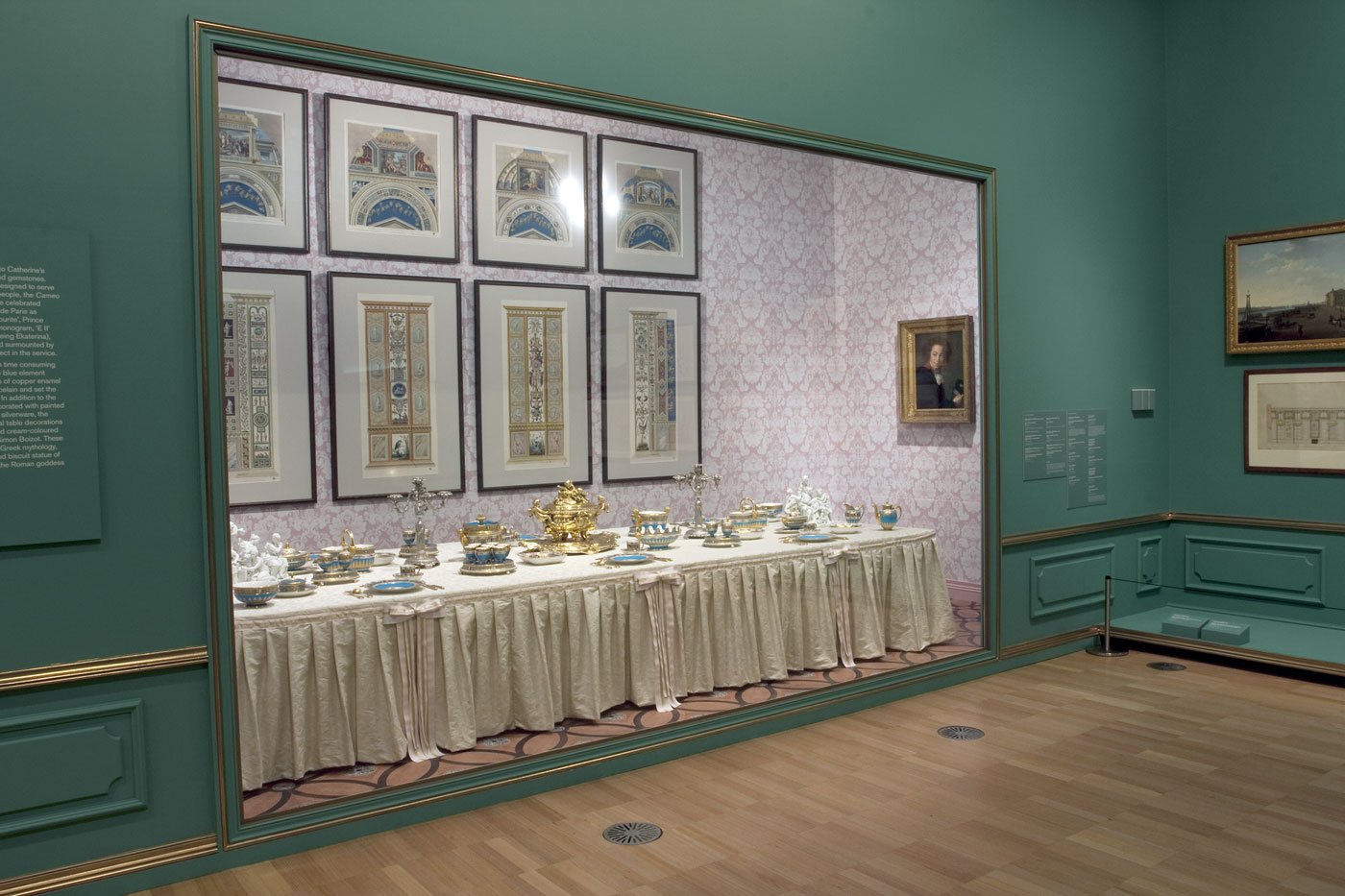


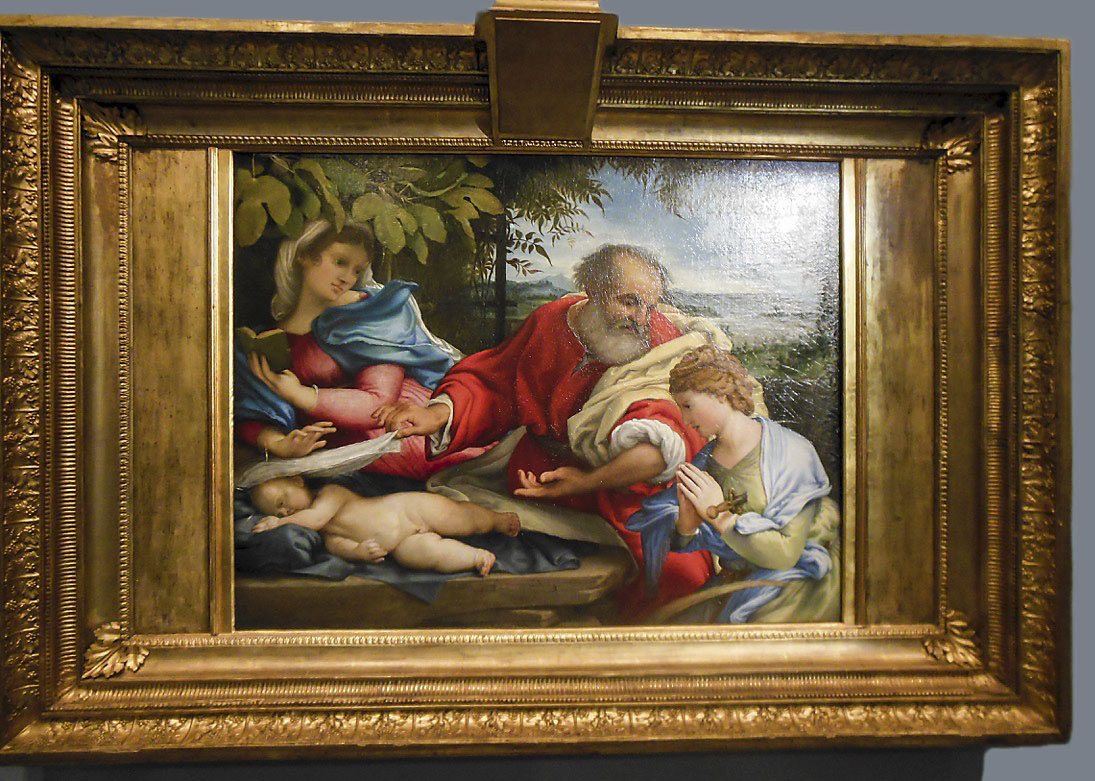


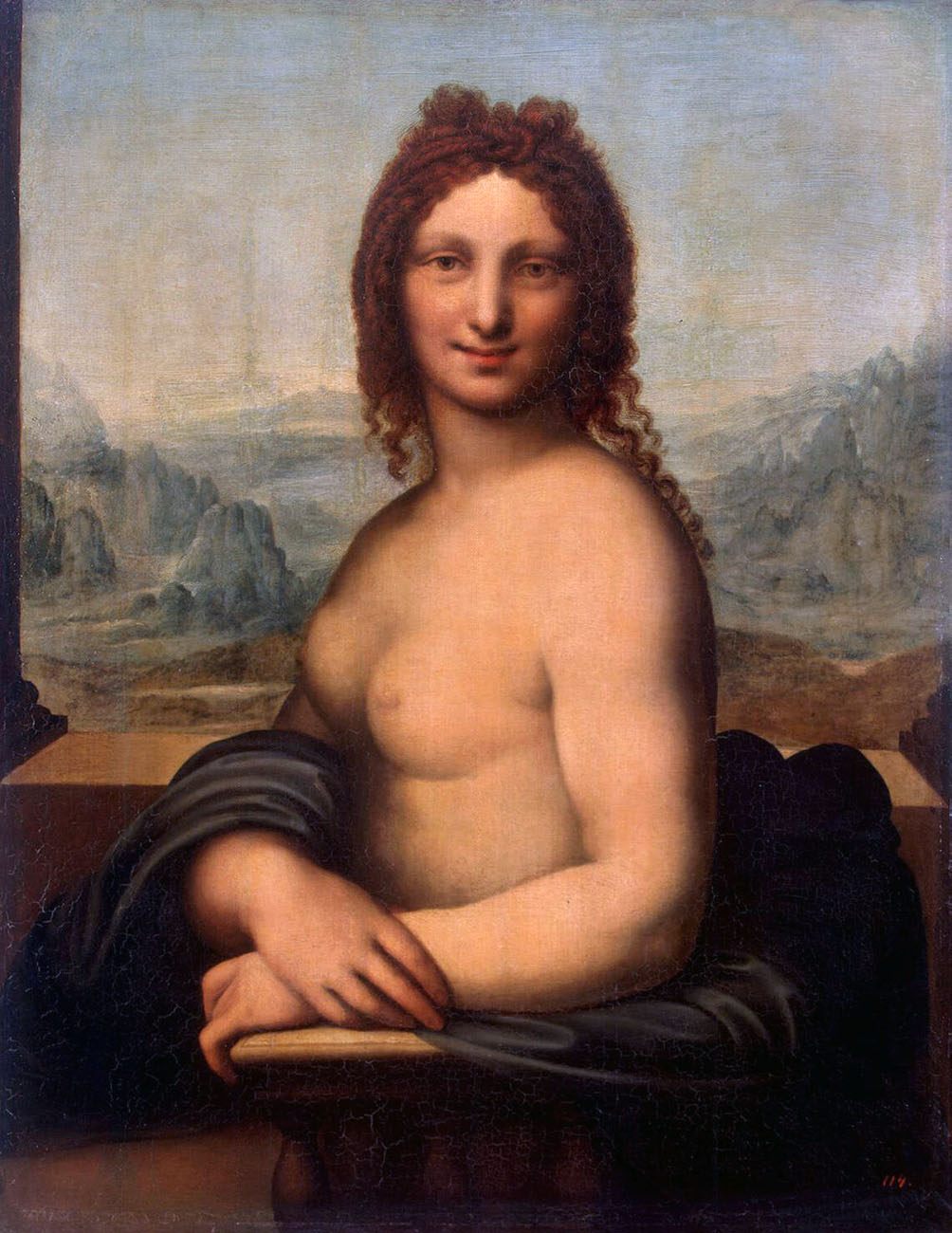


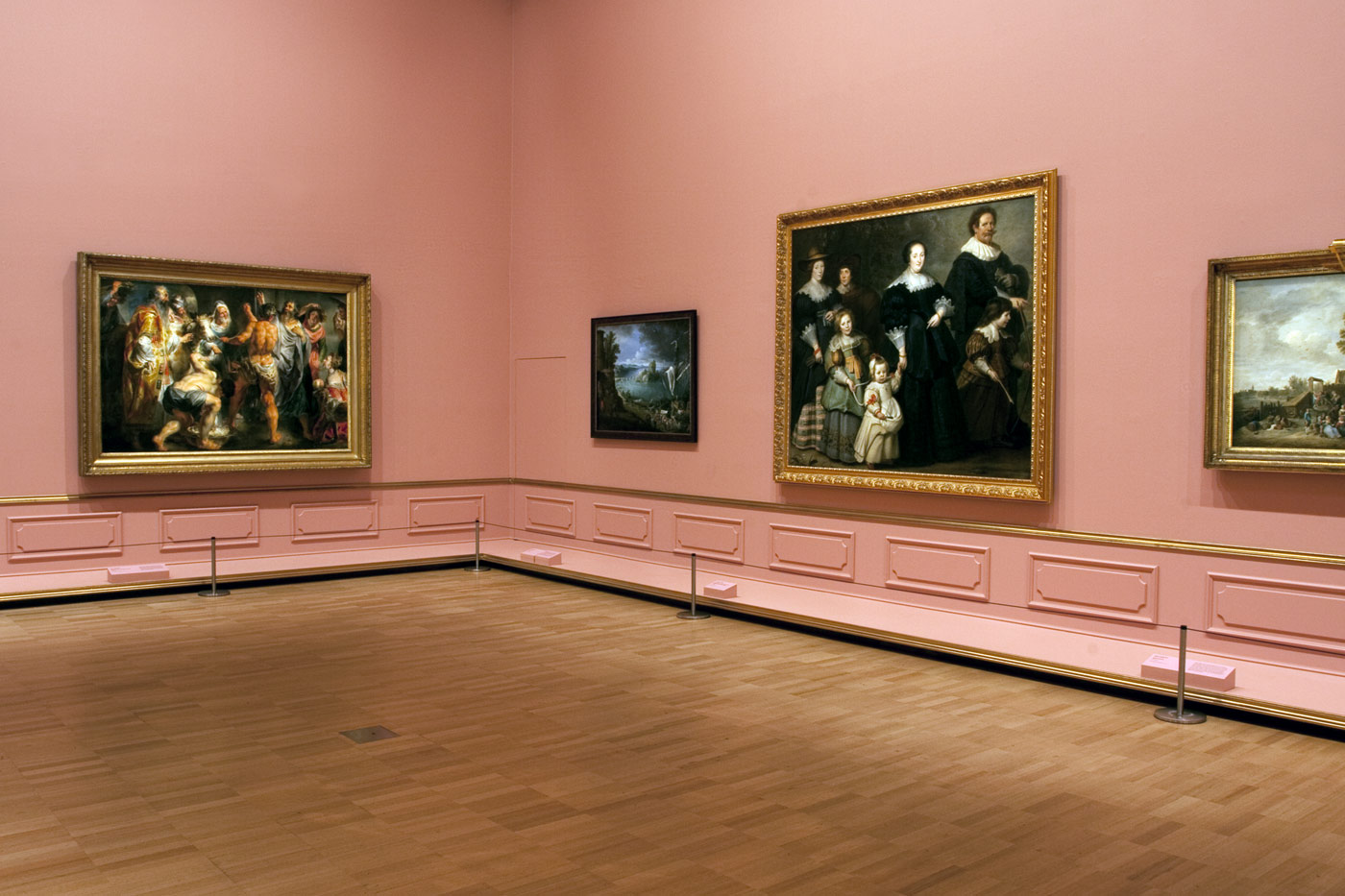


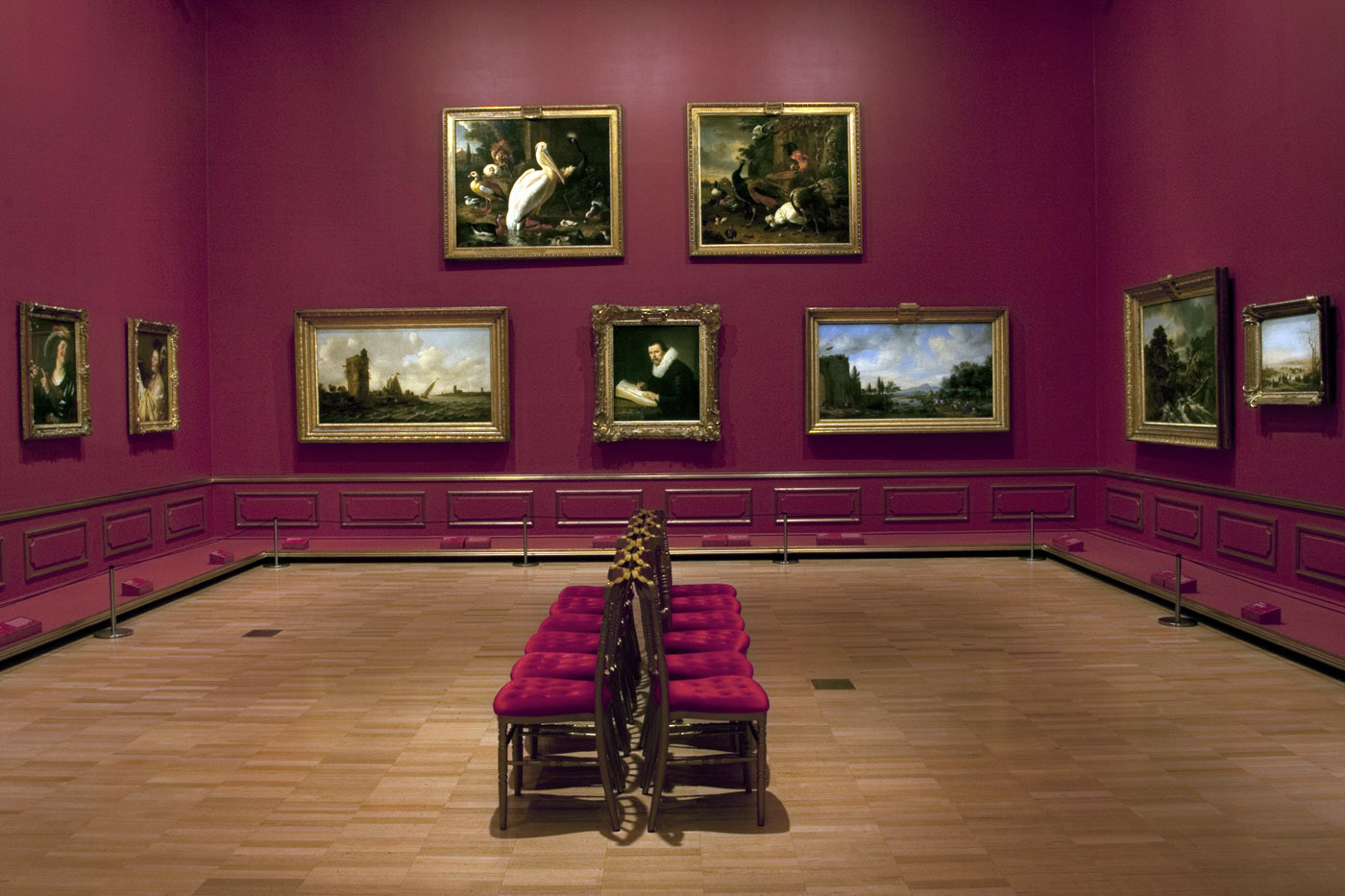
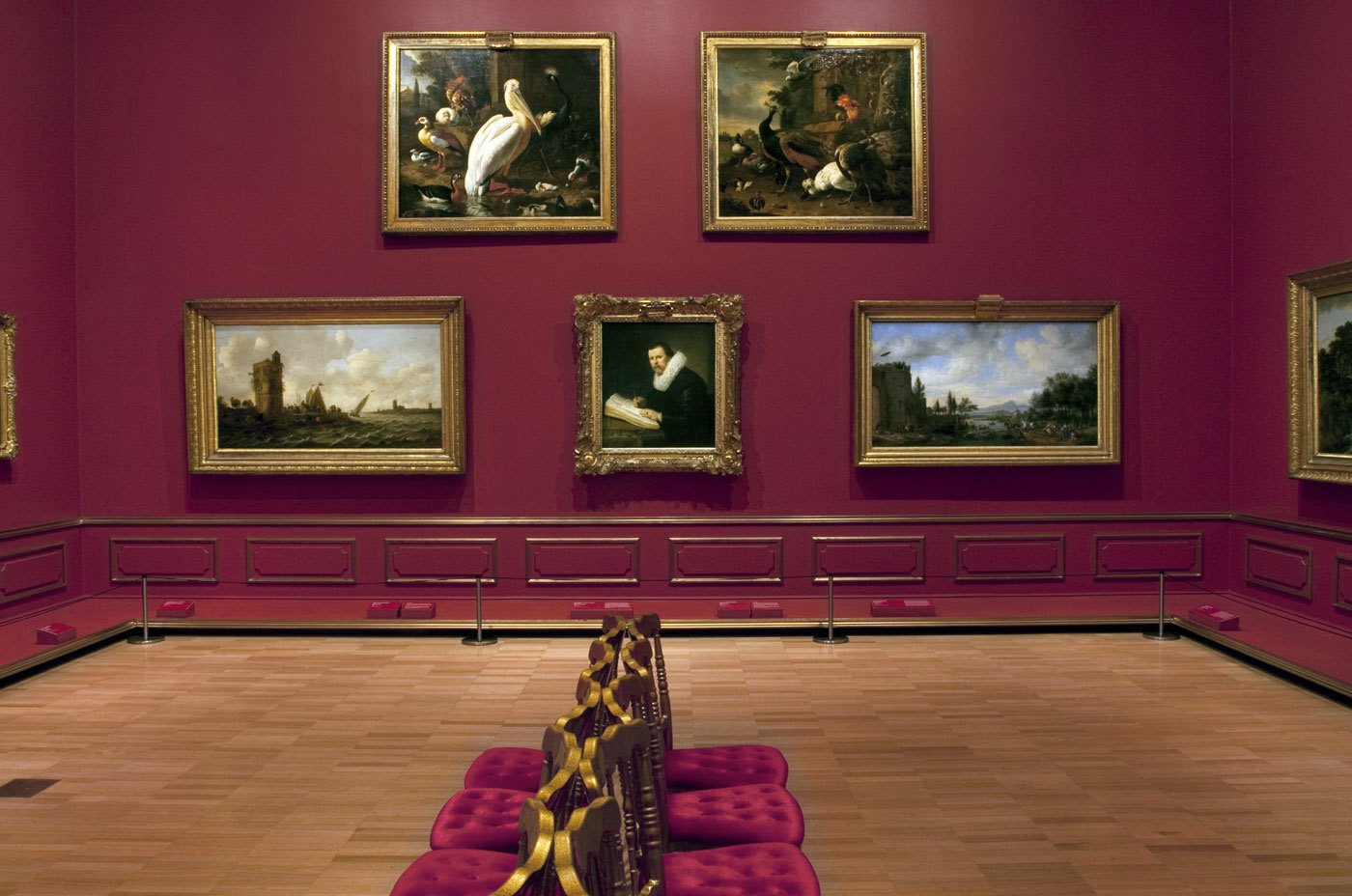


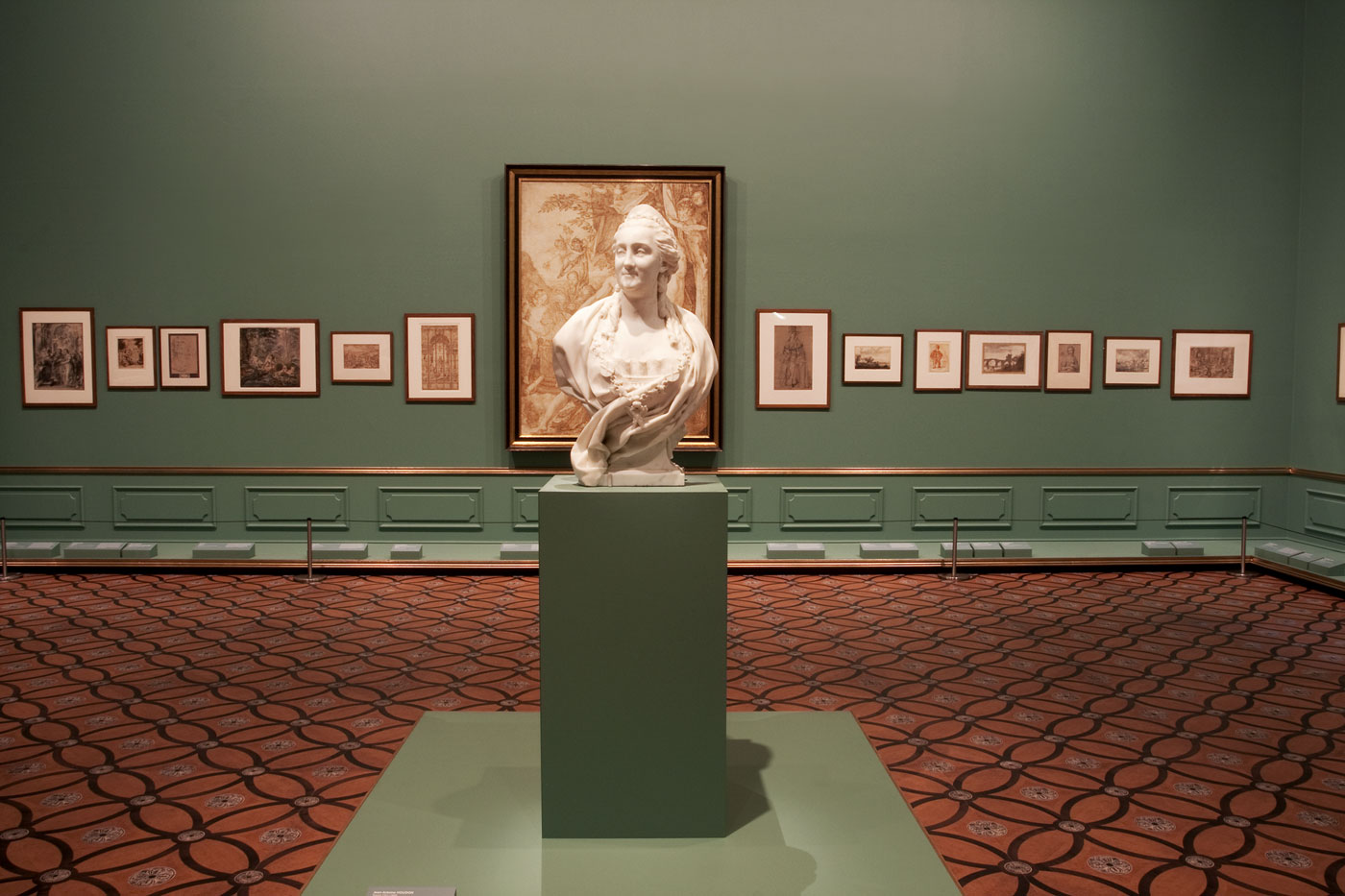


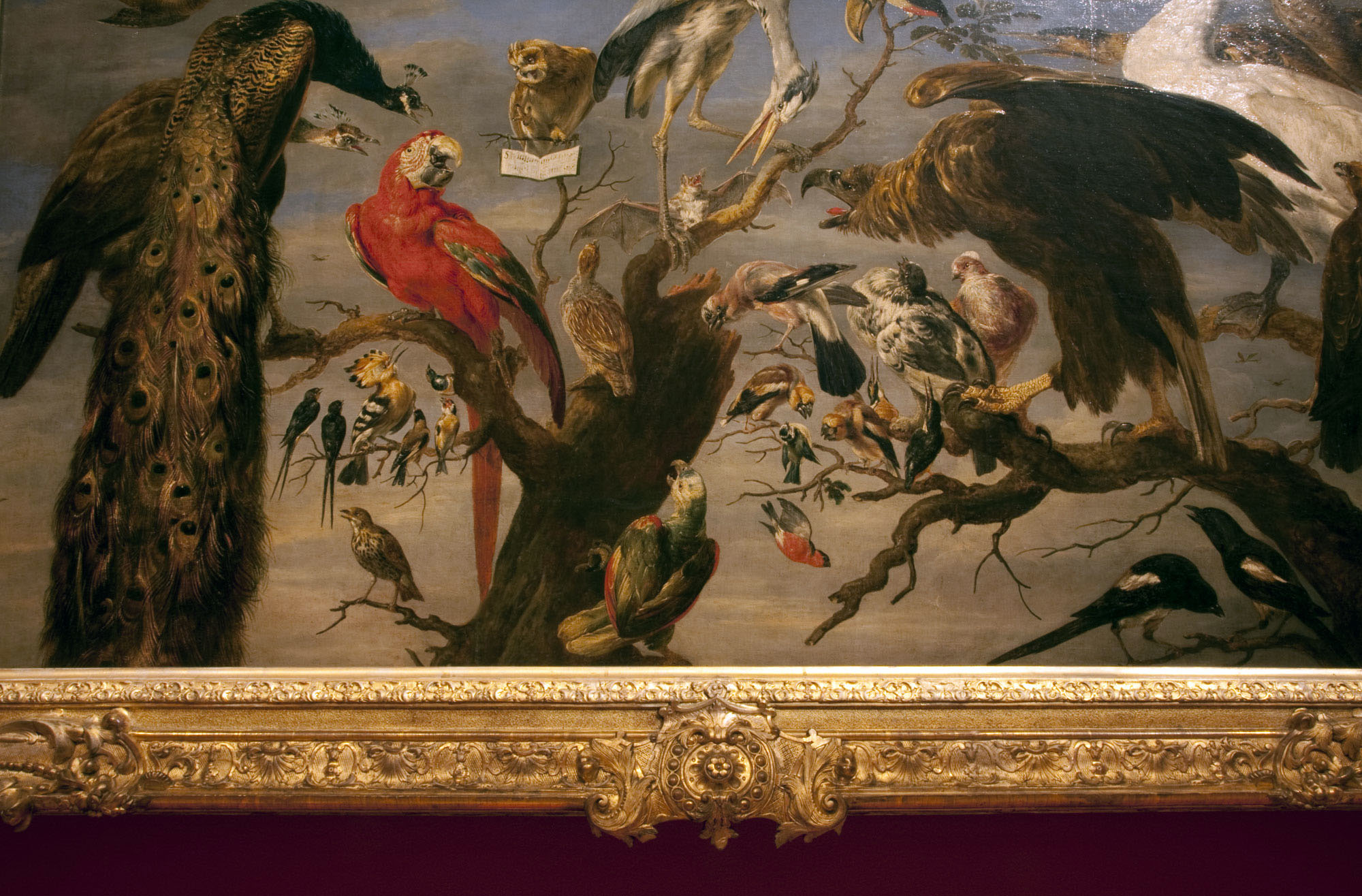


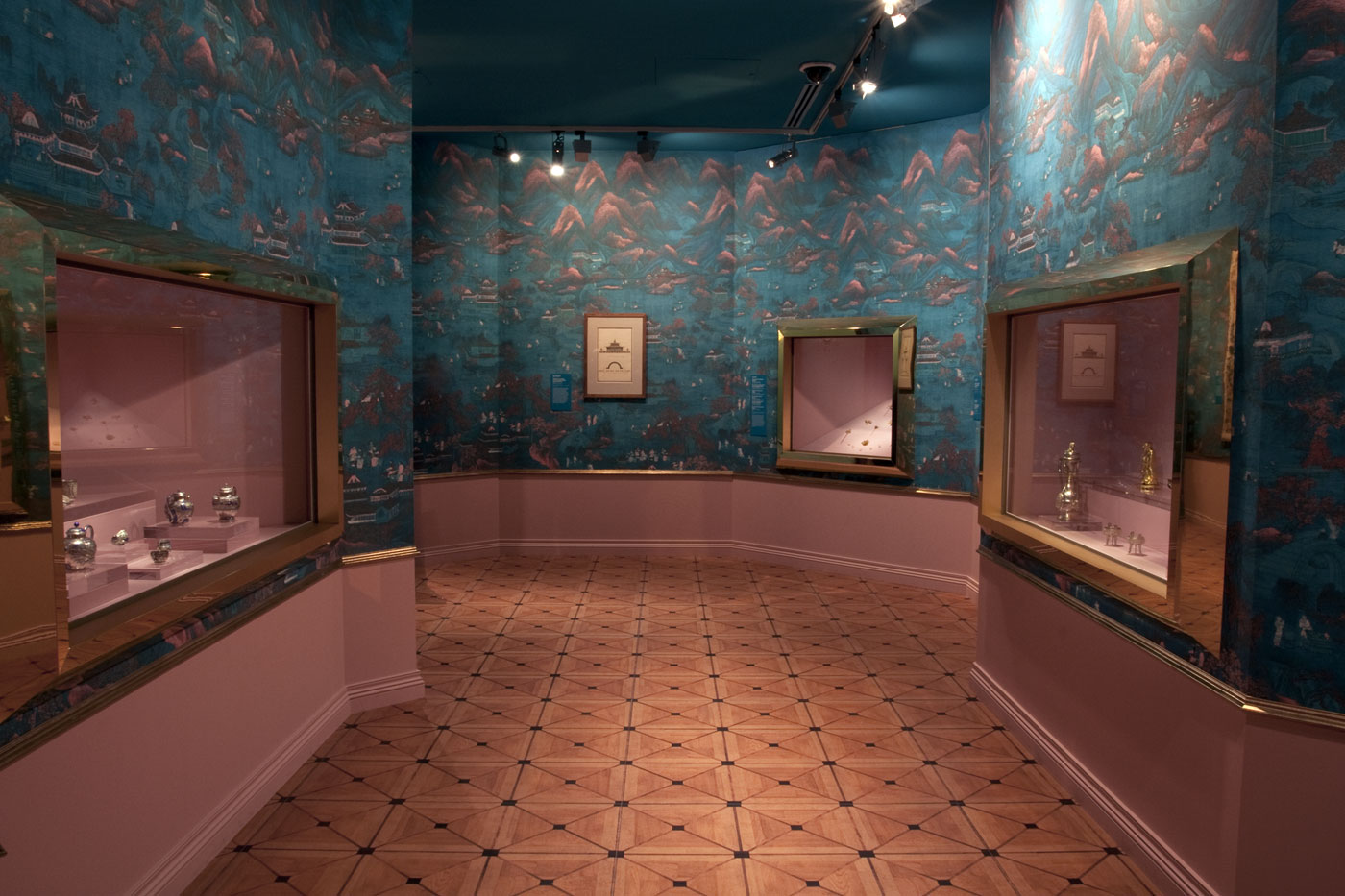


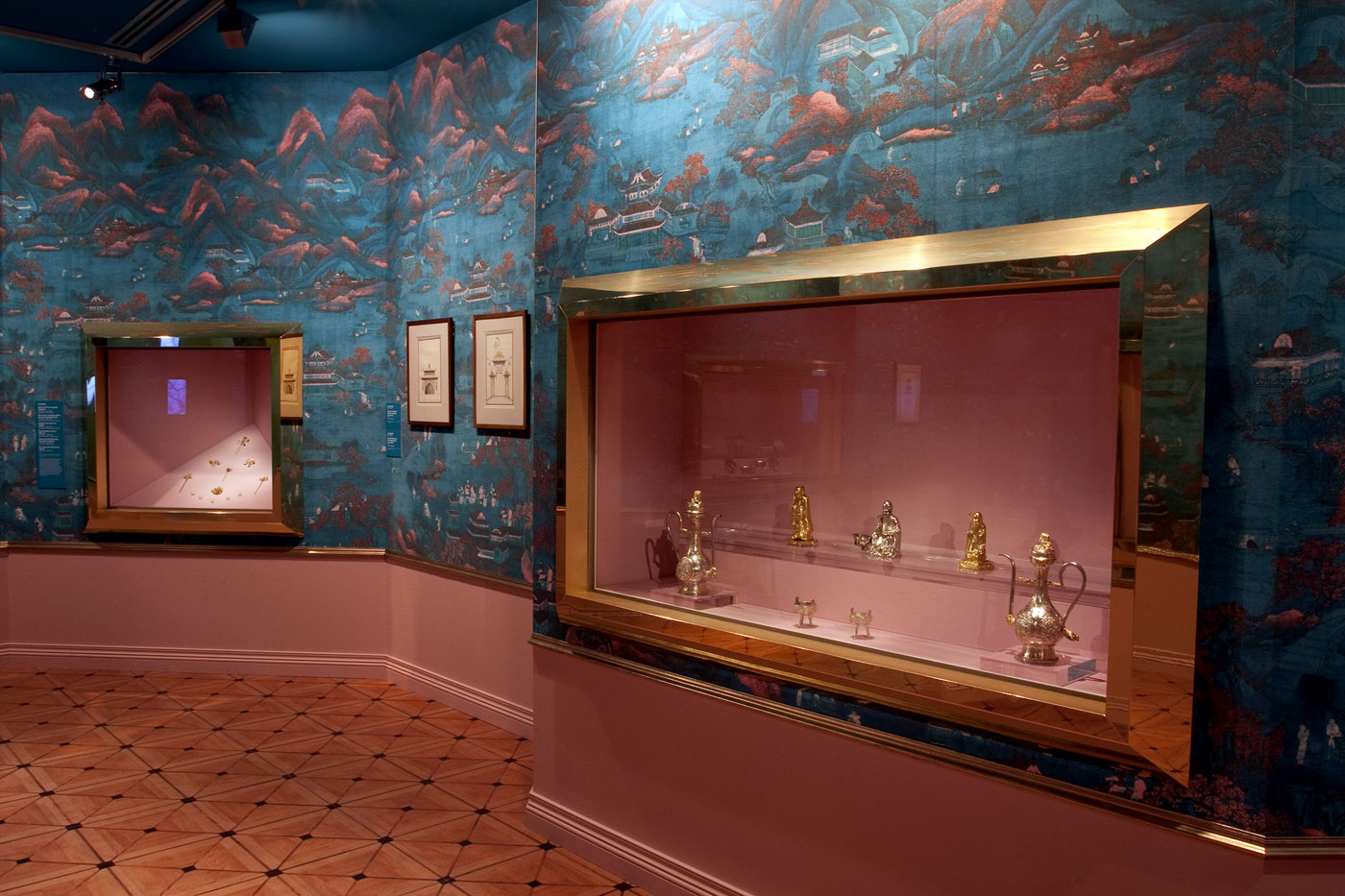

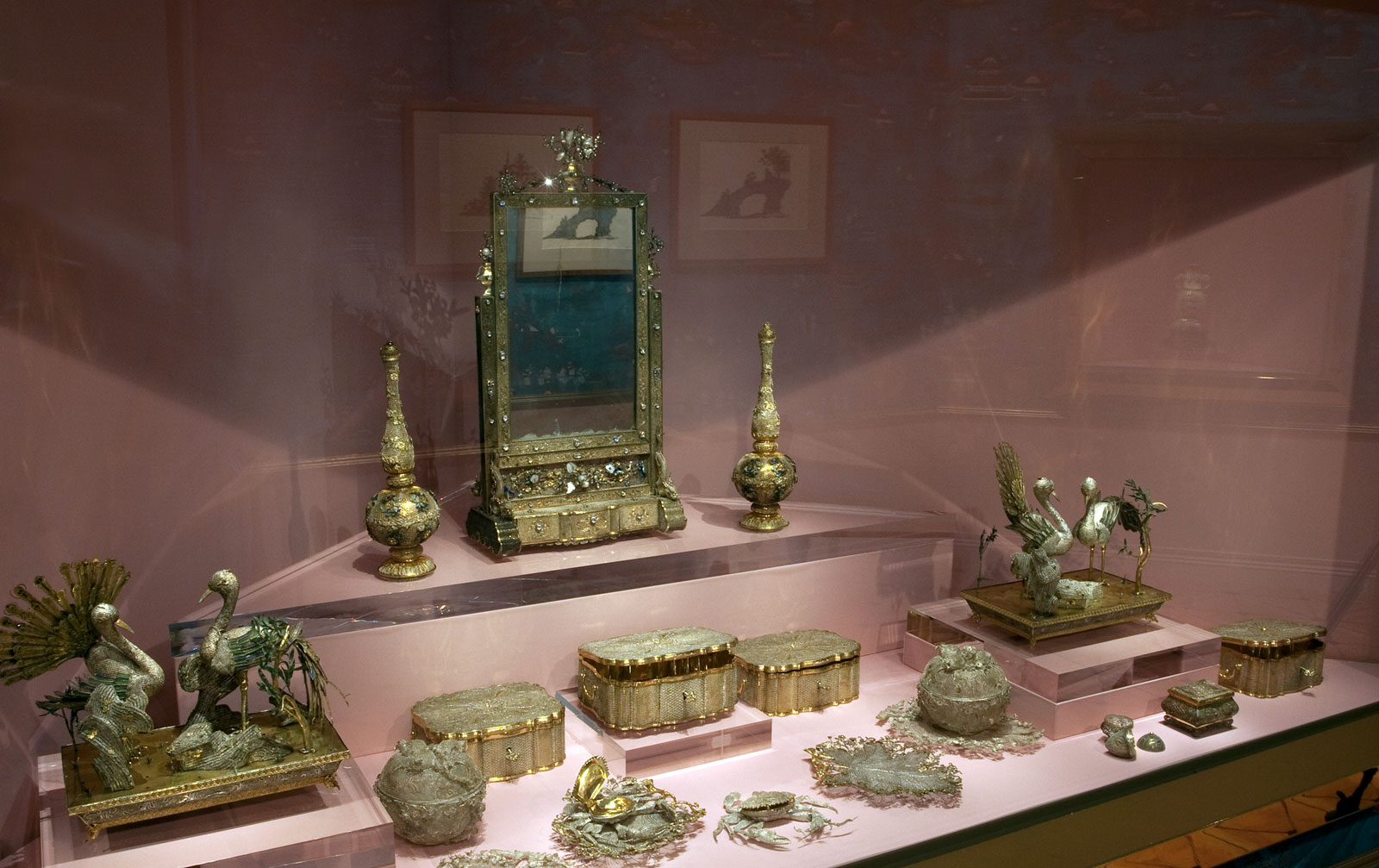
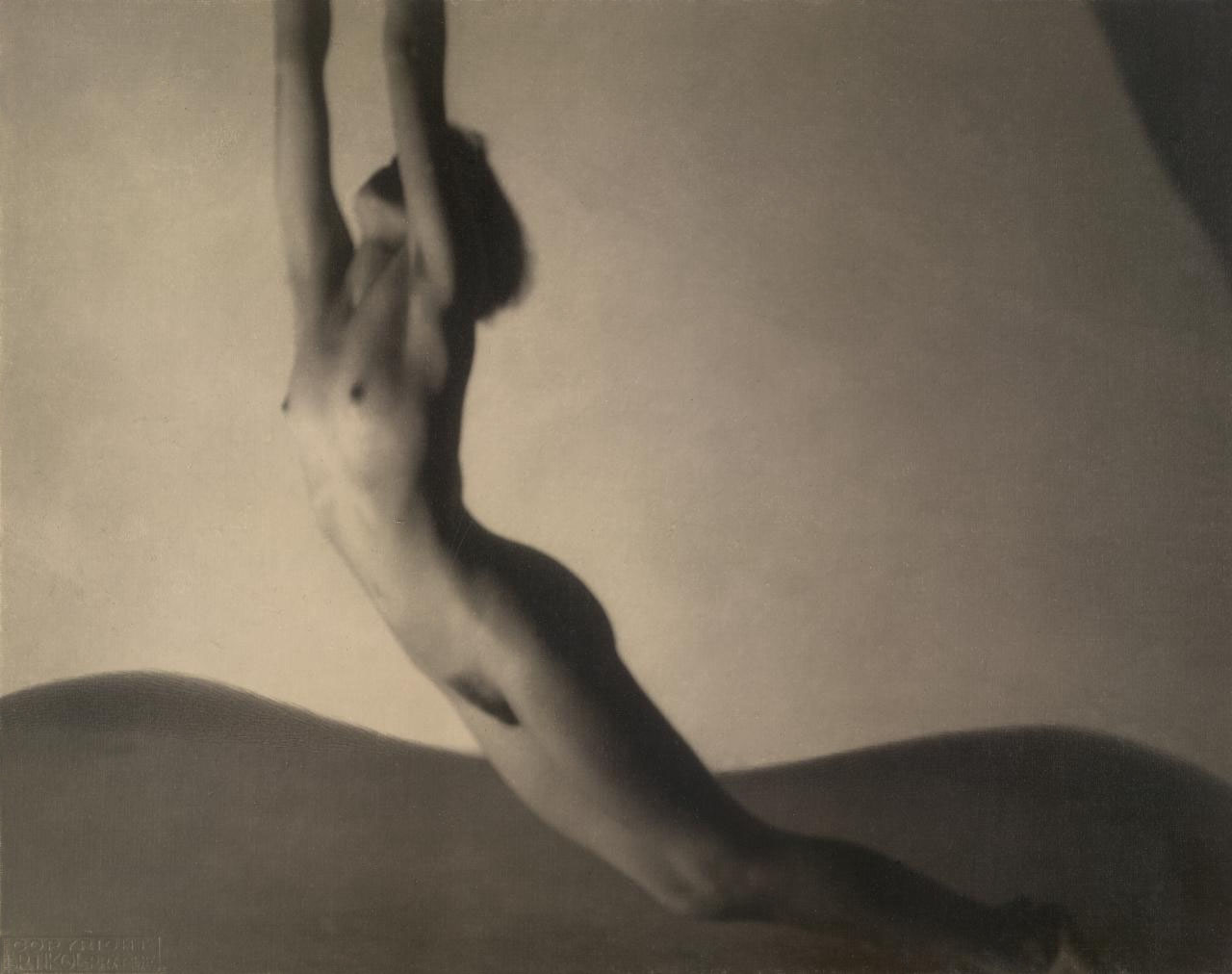
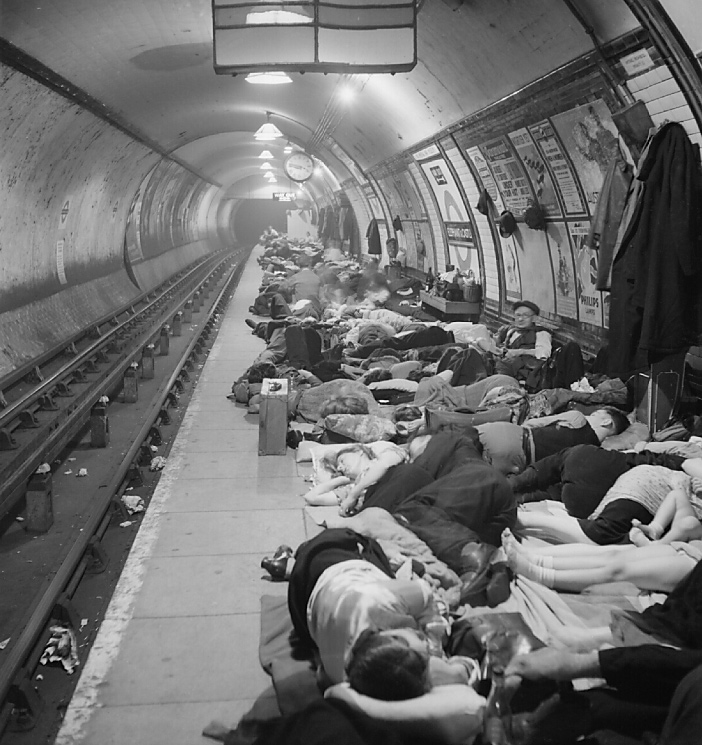
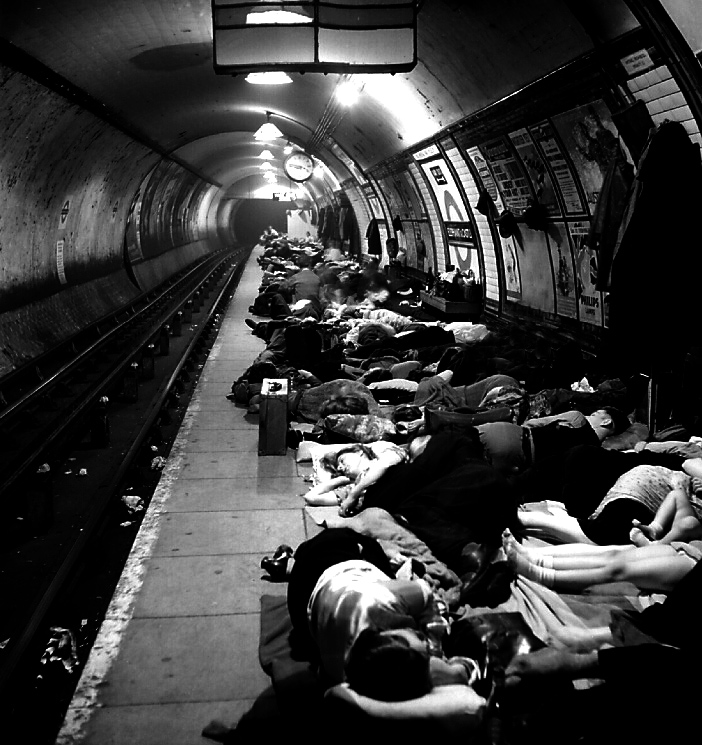
![George Baron Goodman, d. 1851. [Dr William Bland, ca. 1845 - portrait] c. 1845](https://artblart.com/wp-content/uploads/2014/07/goodman-dr-george-bland-1845-web.jpg "George Baron Goodman, d. 1851. [Dr William Bland, ca. 1845 - portrait] c. 1845")
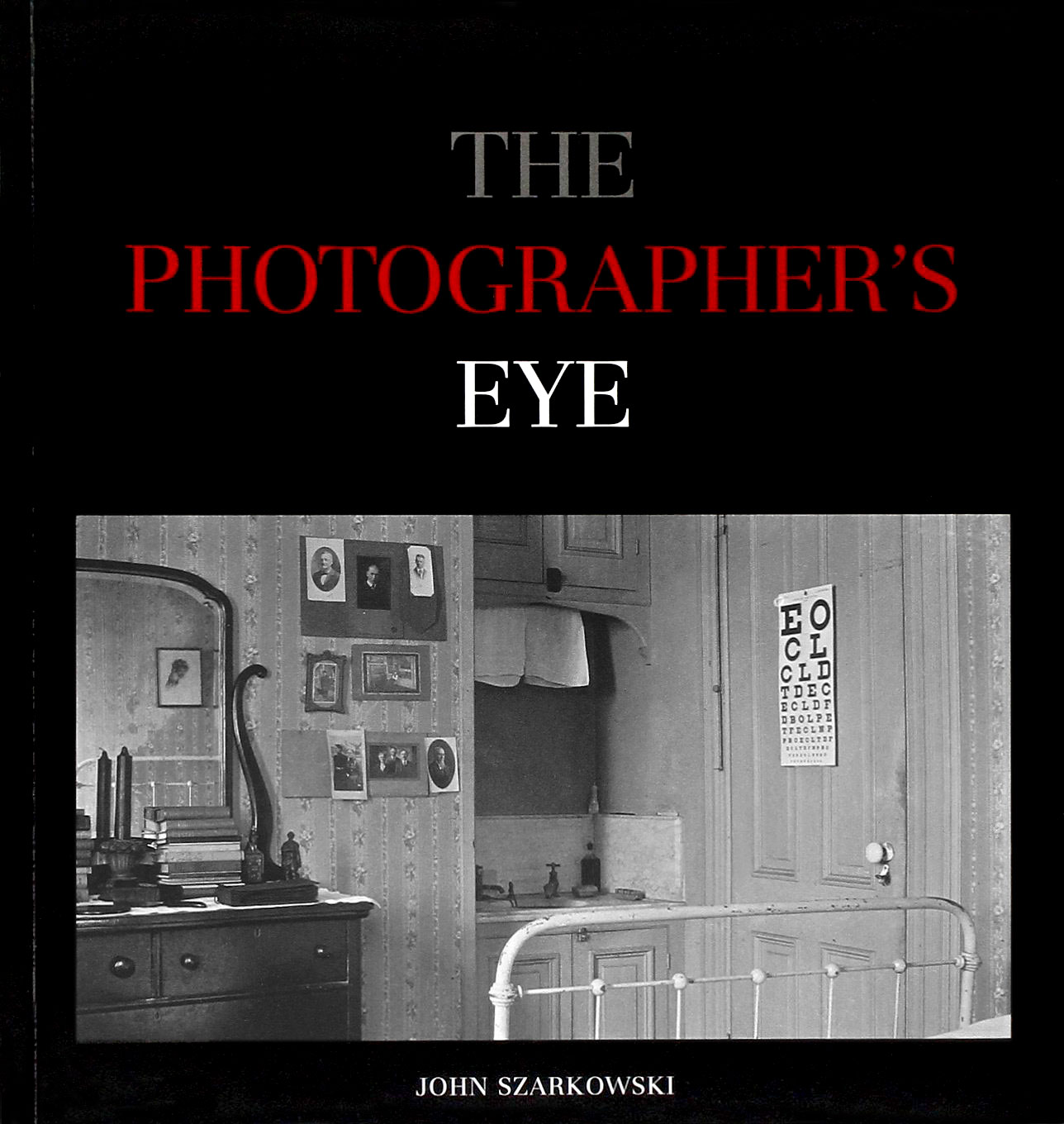
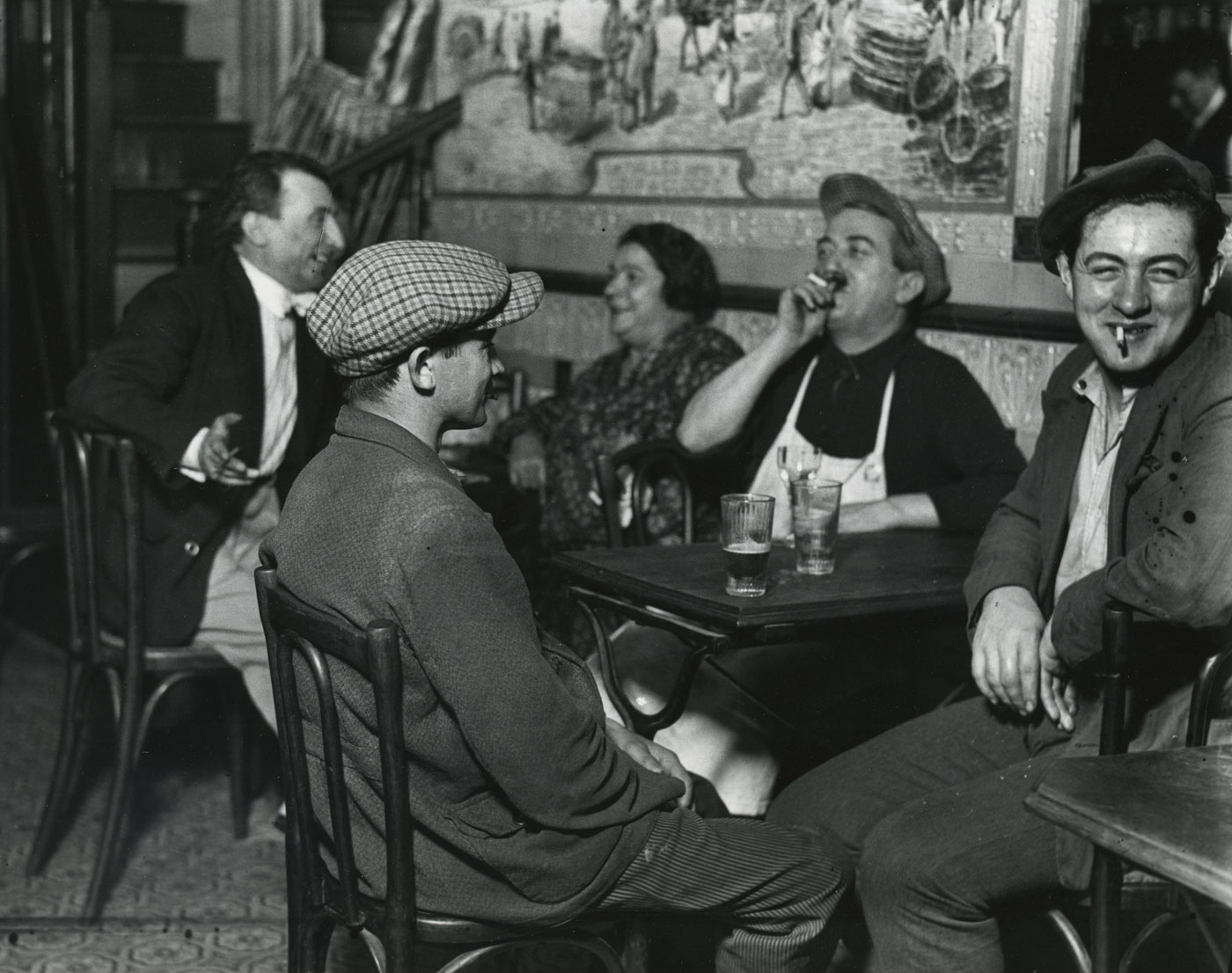
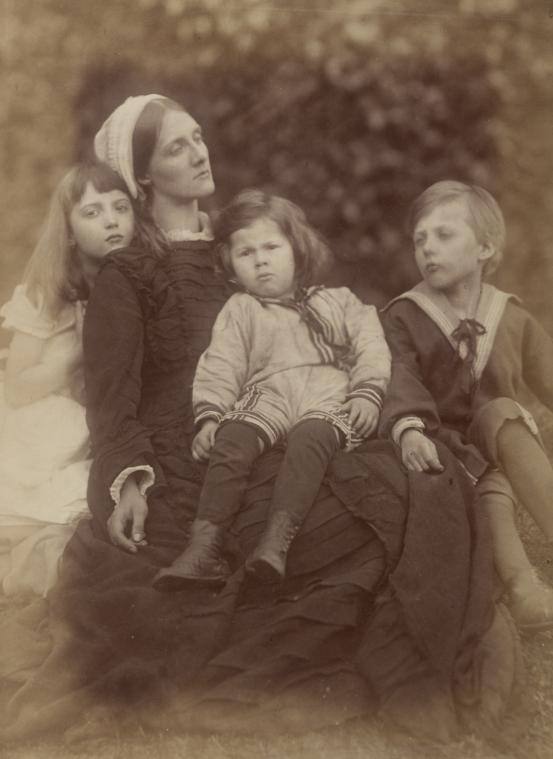
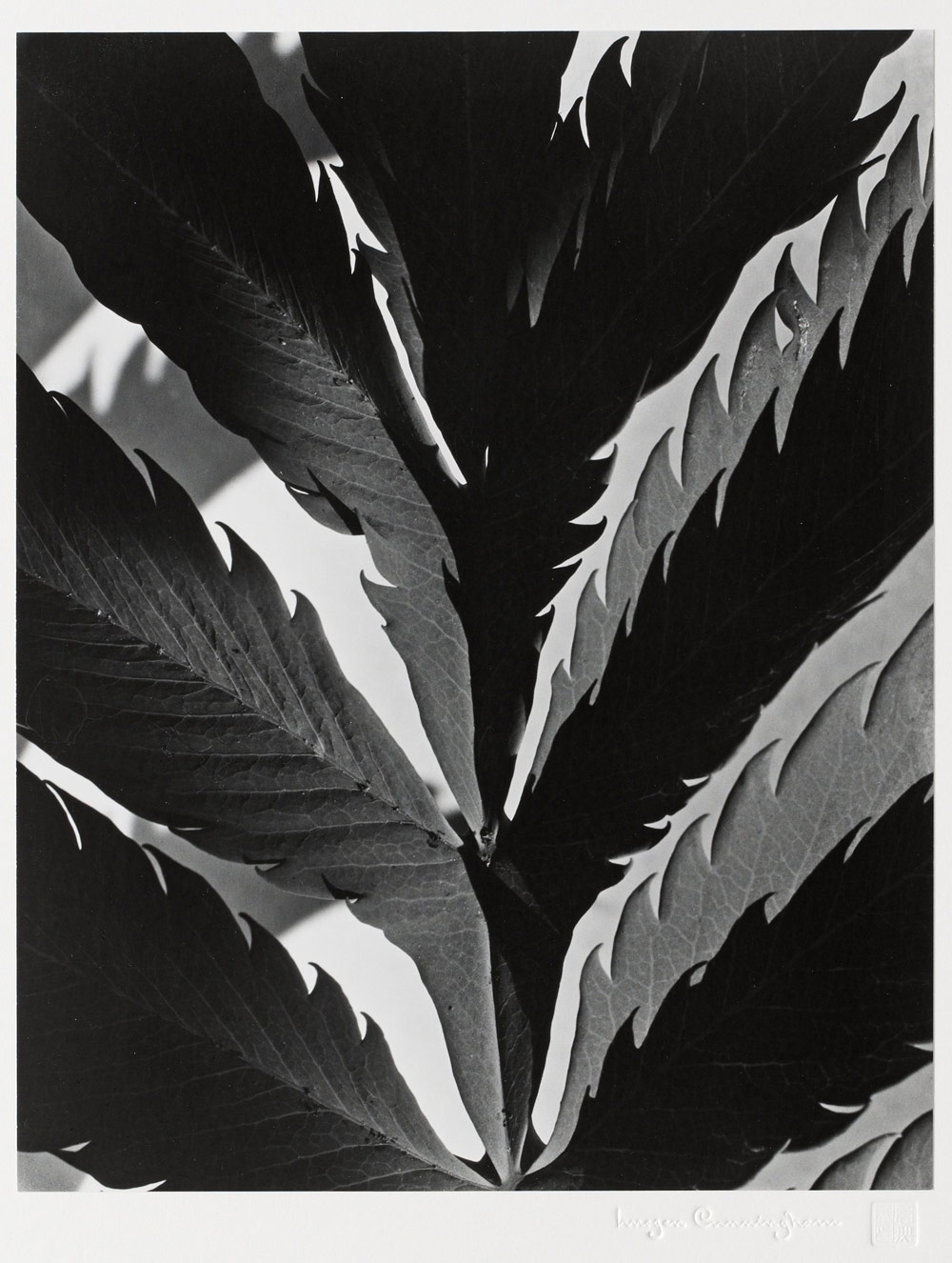
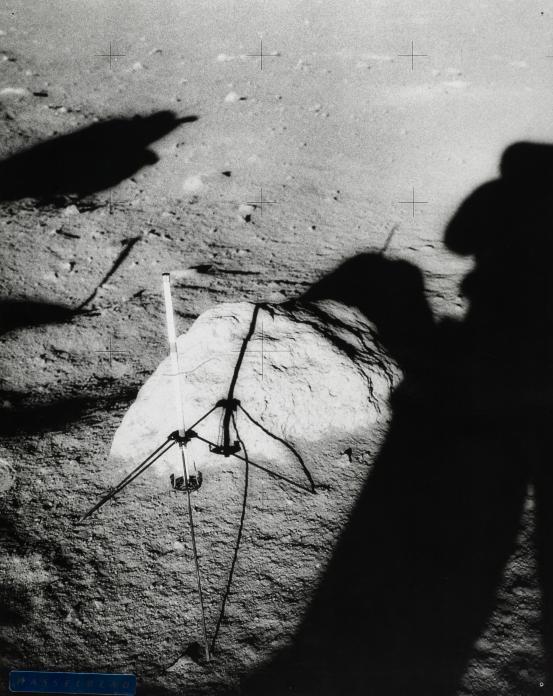
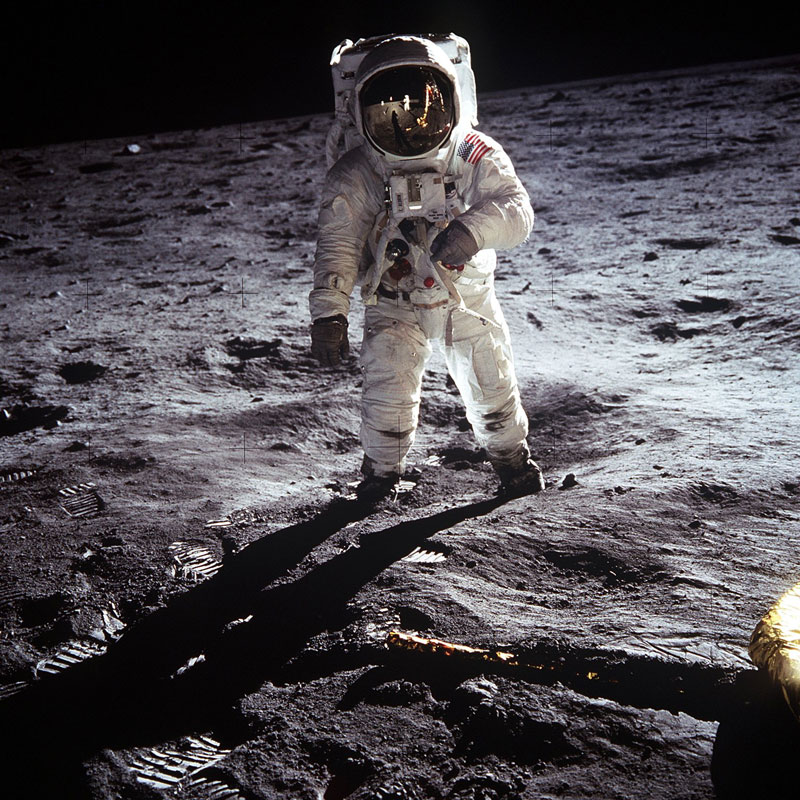




![Zoë Croggon (Australian, b. 1989) 'Comalco Aluminium Used in the Construction of the National Gallery of Victoria [7] (after Wolfgang Sievers)' 2014](https://artblart.com/wp-content/uploads/2014/08/installation-h.jpg "Zoë Croggon (Australian, b. 1989) 'Comalco Aluminium Used in the Construction of the National Gallery of Victoria [7] (after Wolfgang Sievers)' 2014")
![Zoë Croggon (Australian, b. 1989) 'Comalco Aluminium Used in the Construction of the National Gallery of Victoria [18] (after Wolfgang Sievers)' 2014](https://artblart.com/wp-content/uploads/2014/08/installation-i.jpg "Zoë Croggon (Australian, b. 1989) 'Comalco Aluminium Used in the Construction of the National Gallery of Victoria [18] (after Wolfgang Sievers)' 2014")


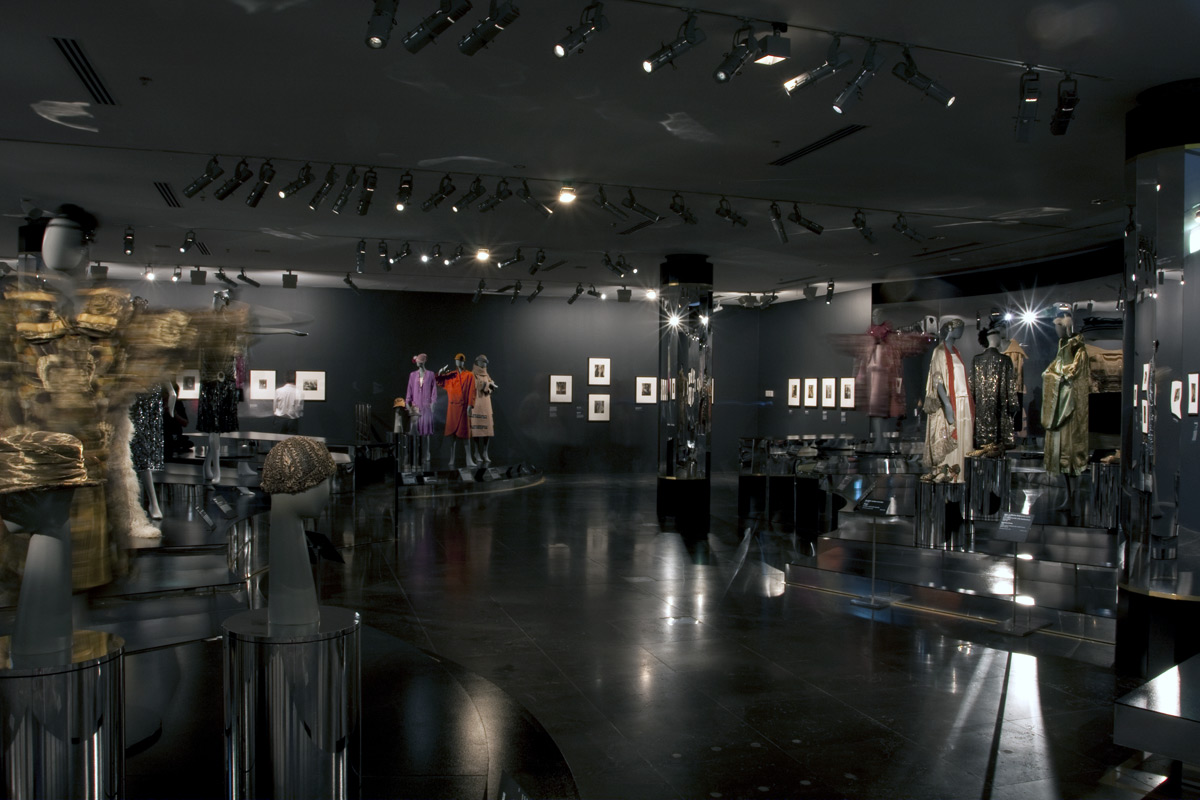
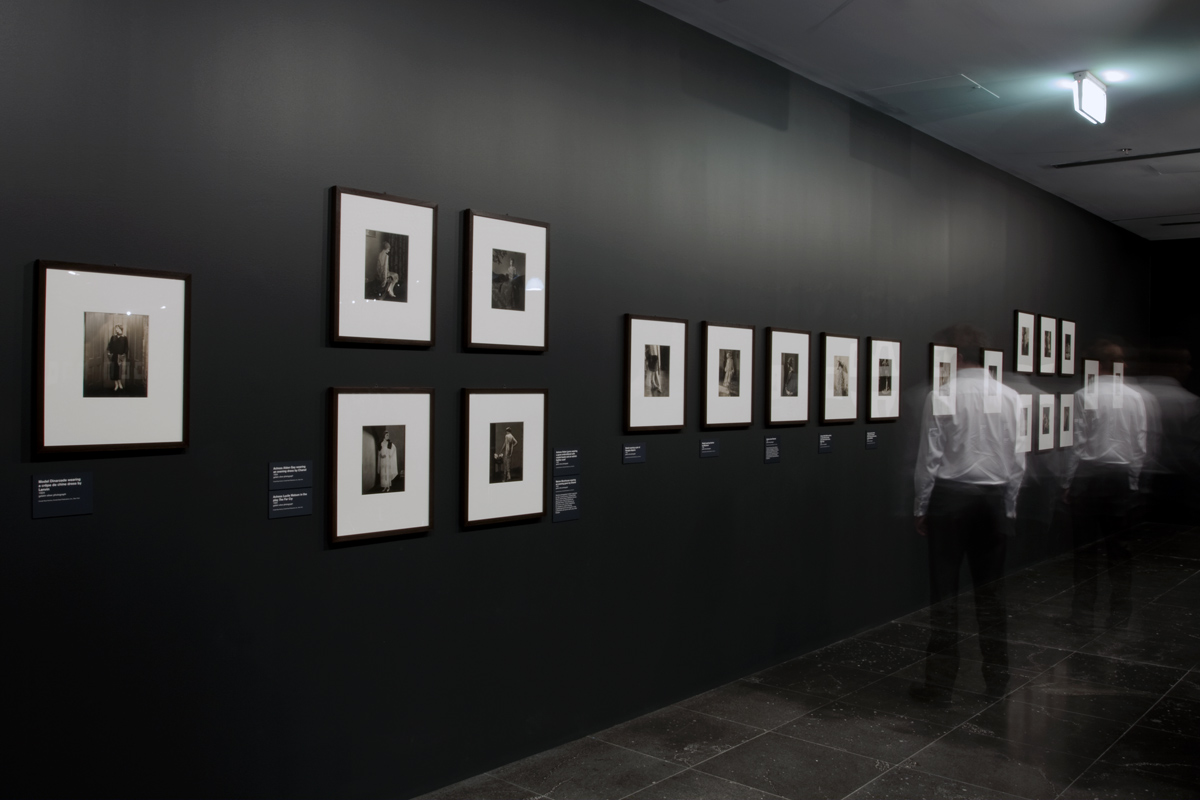


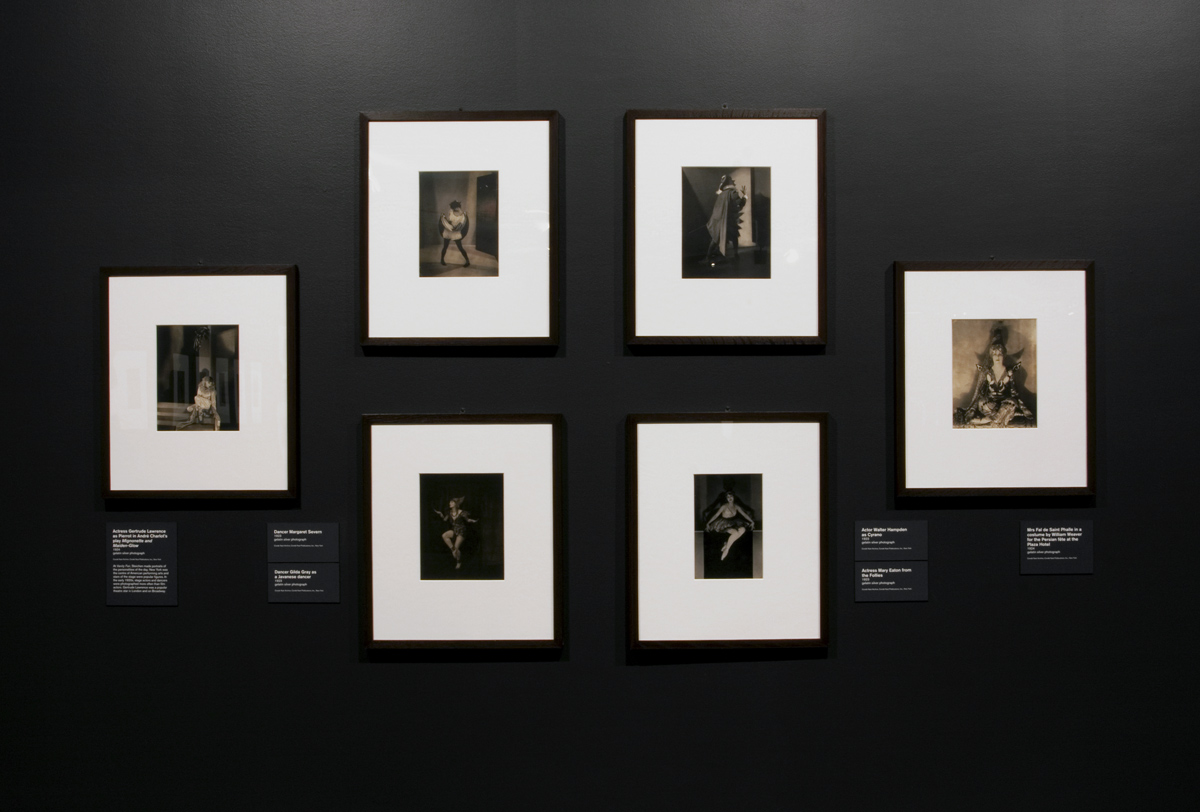
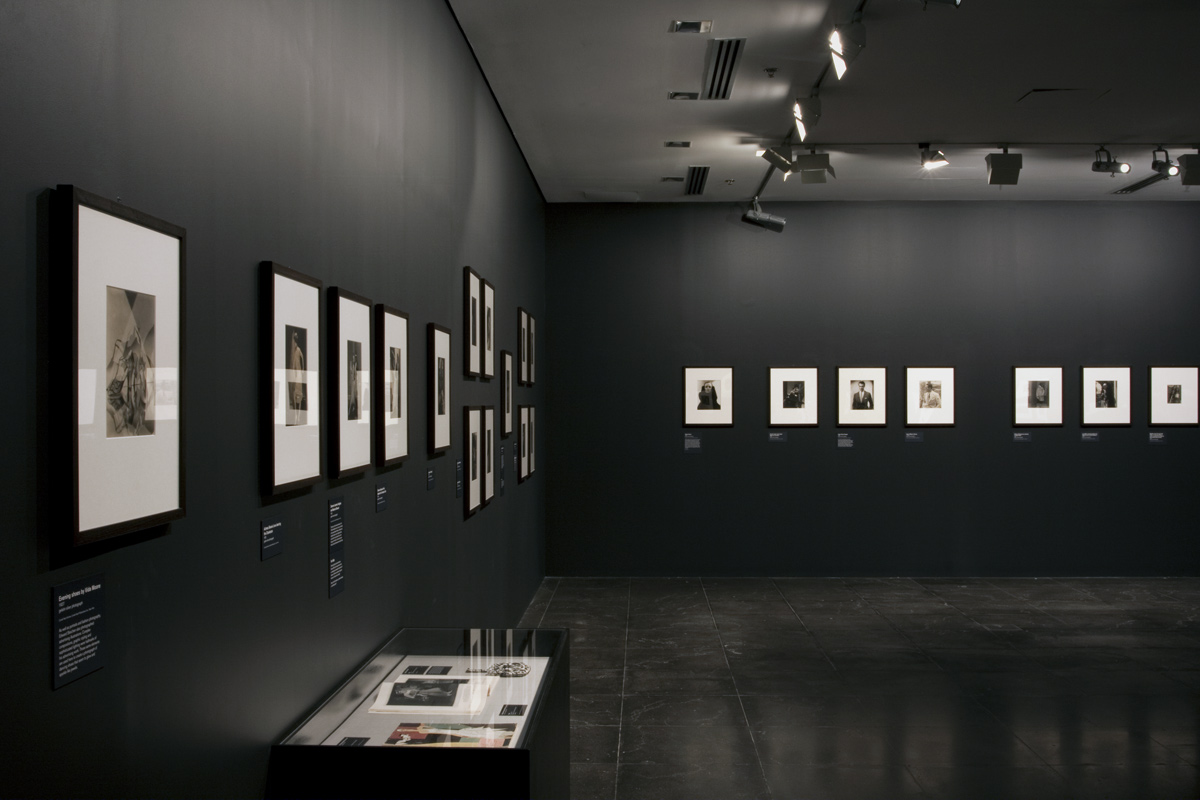

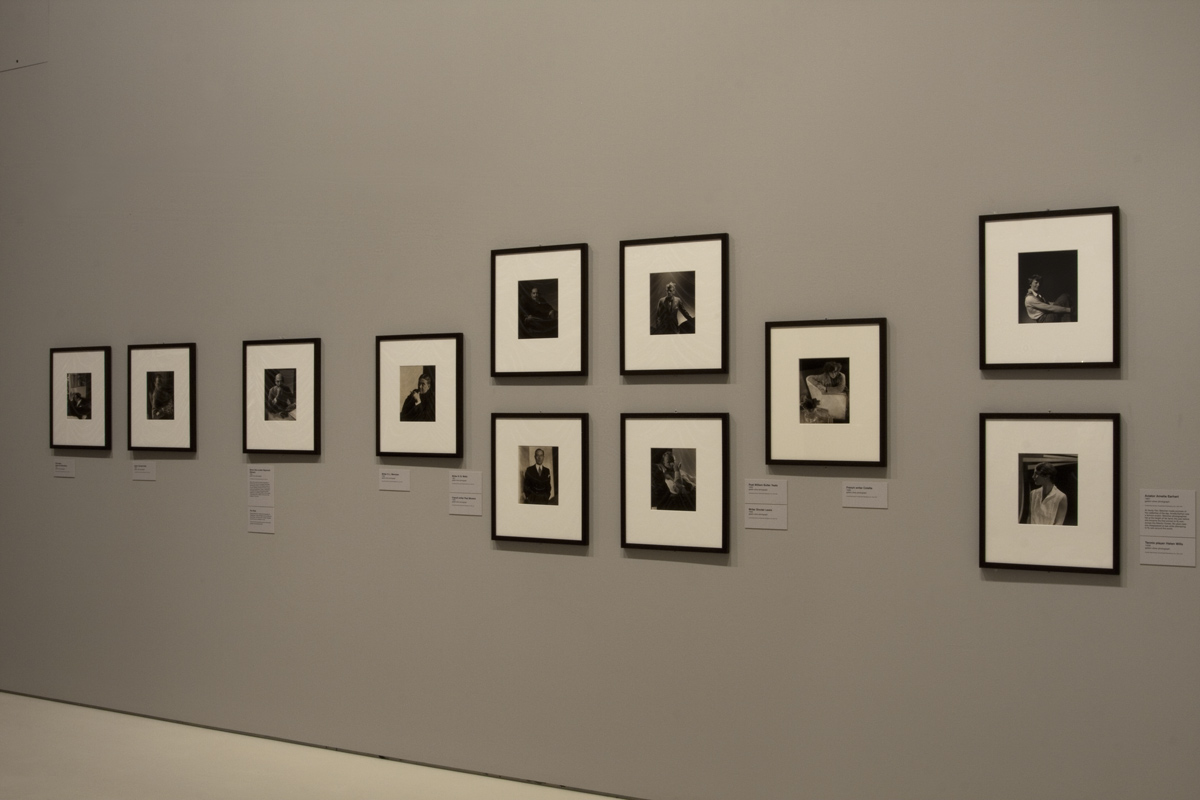

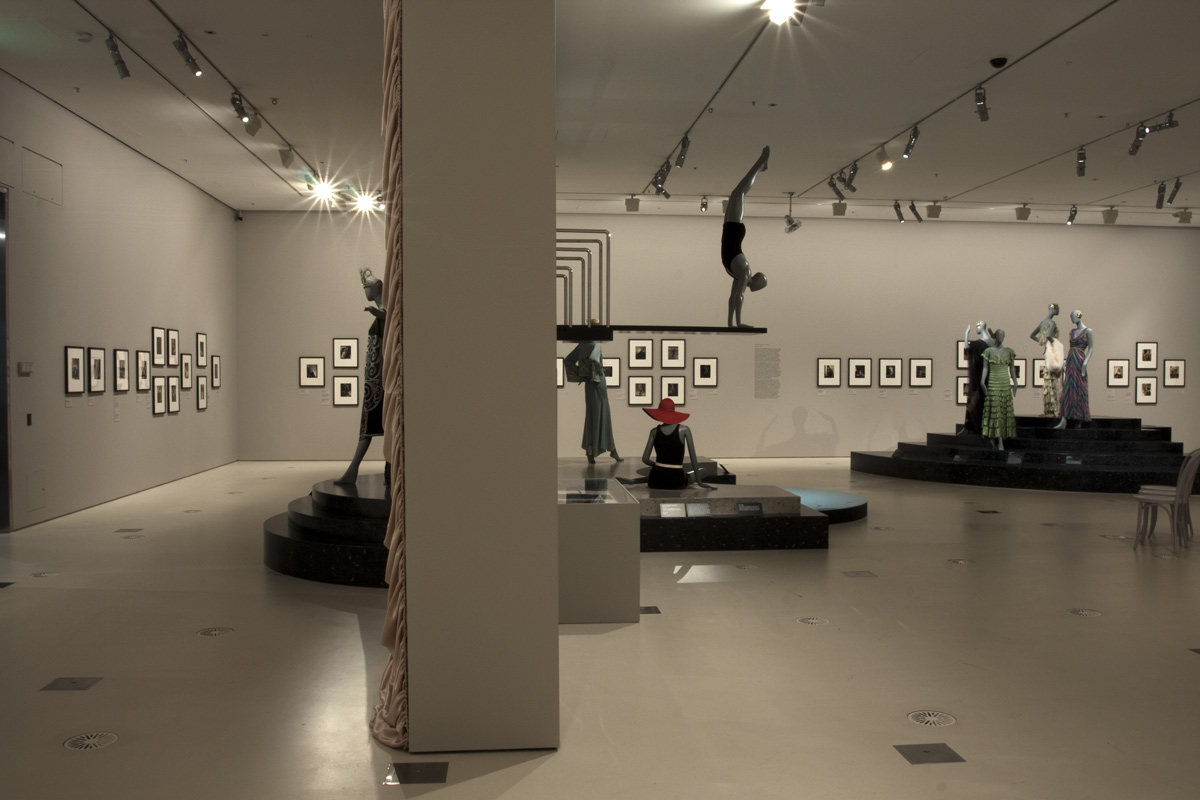

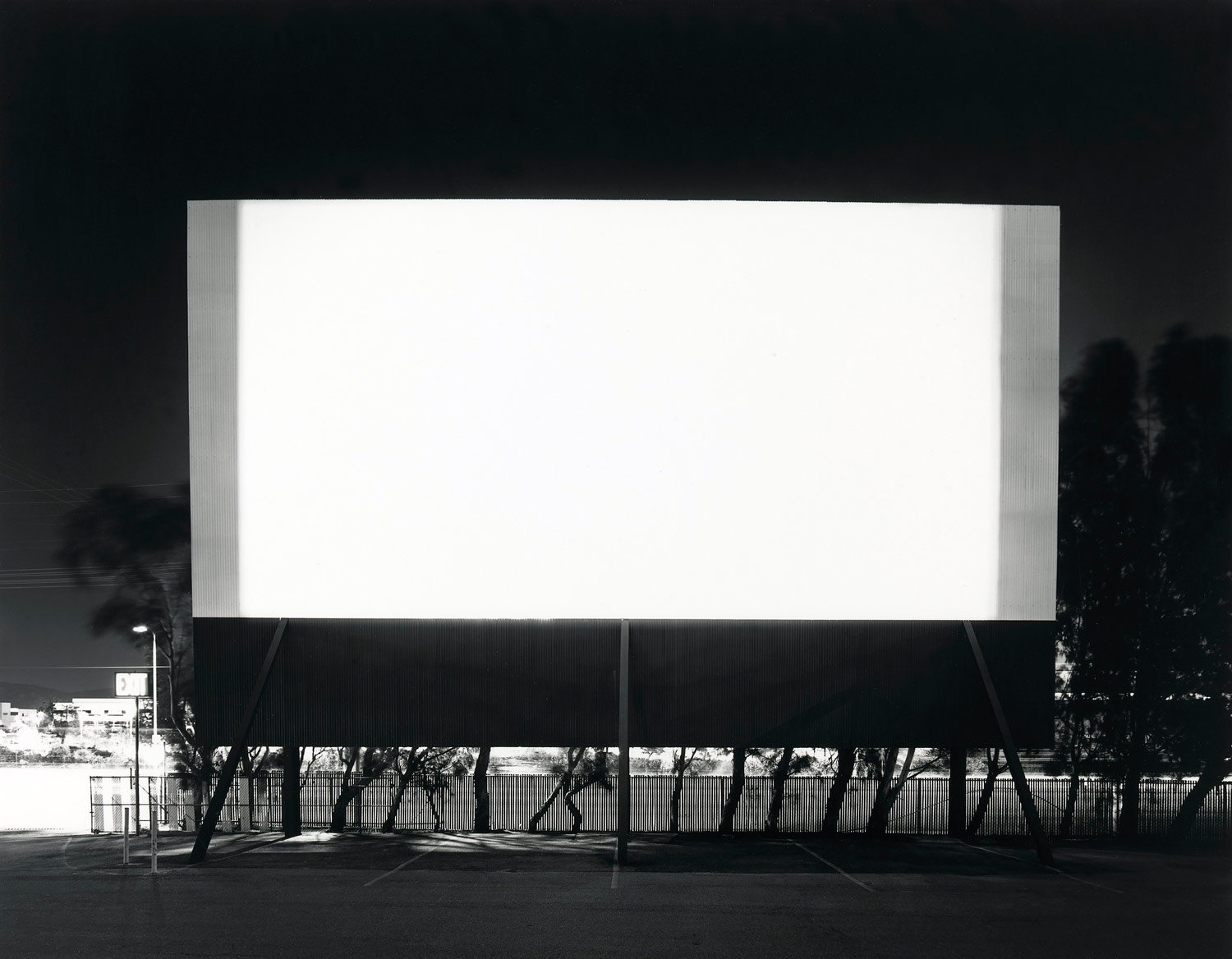









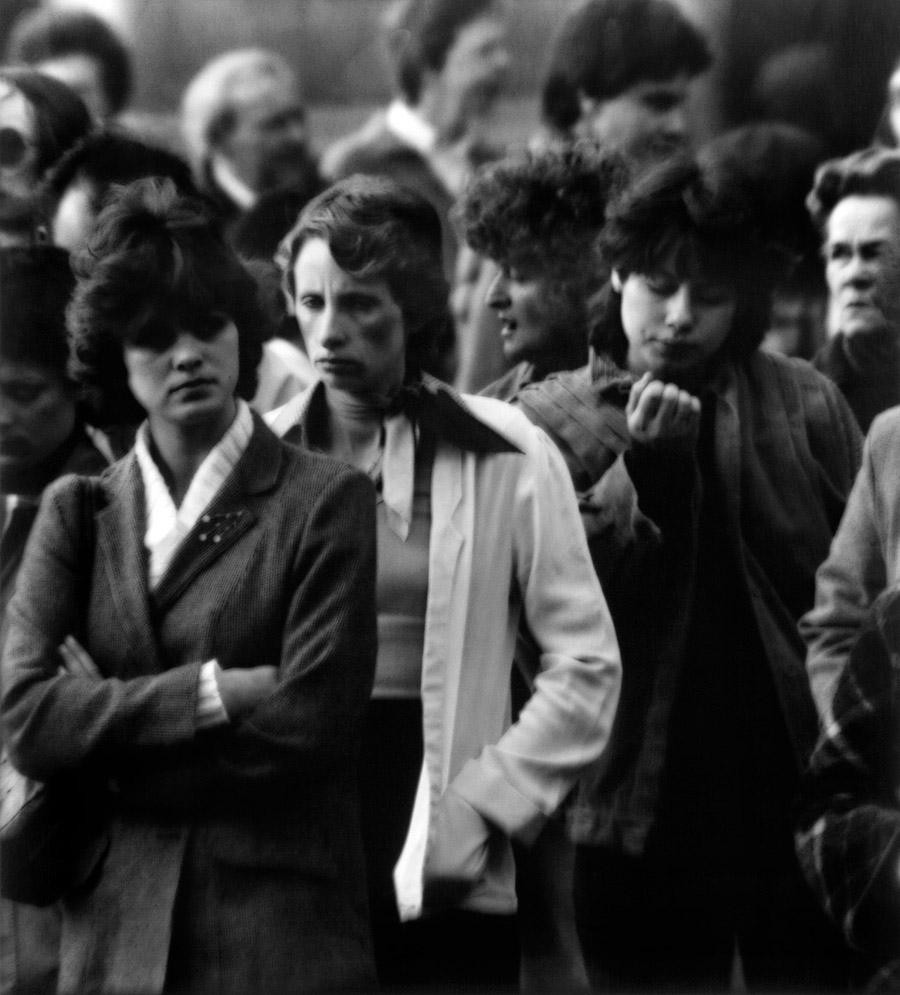


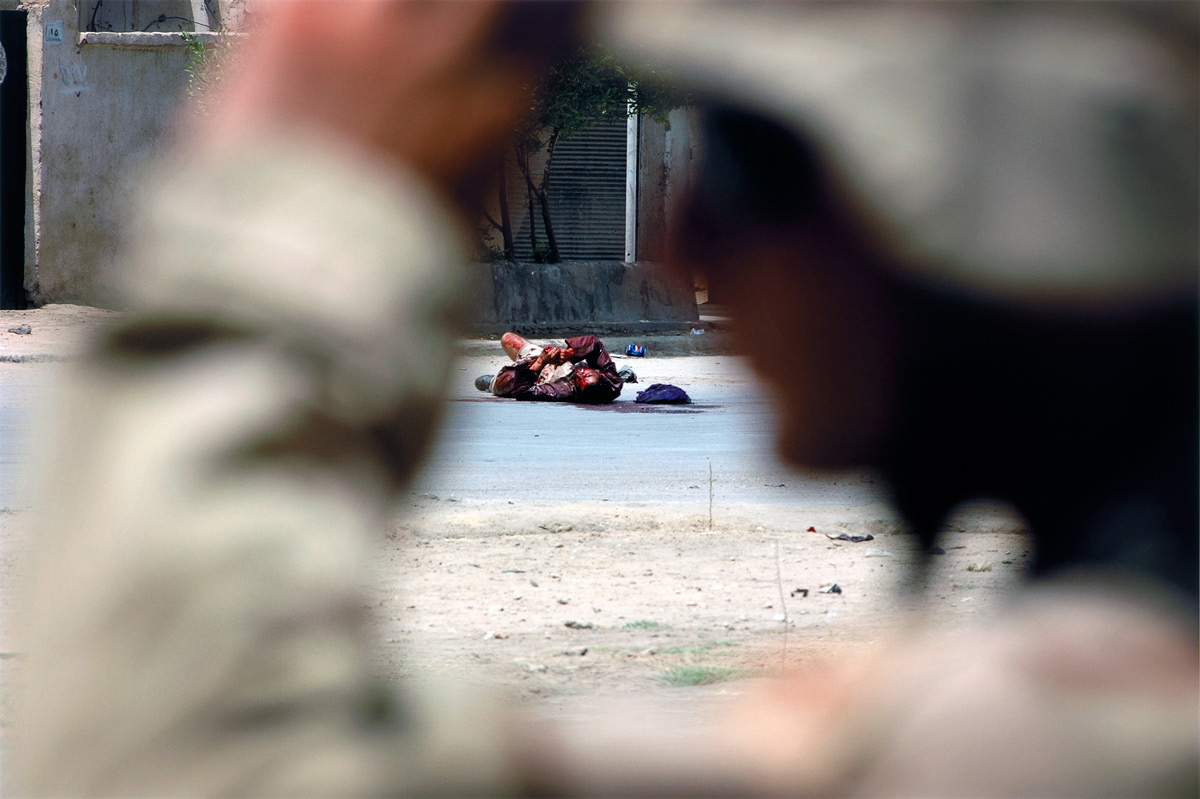


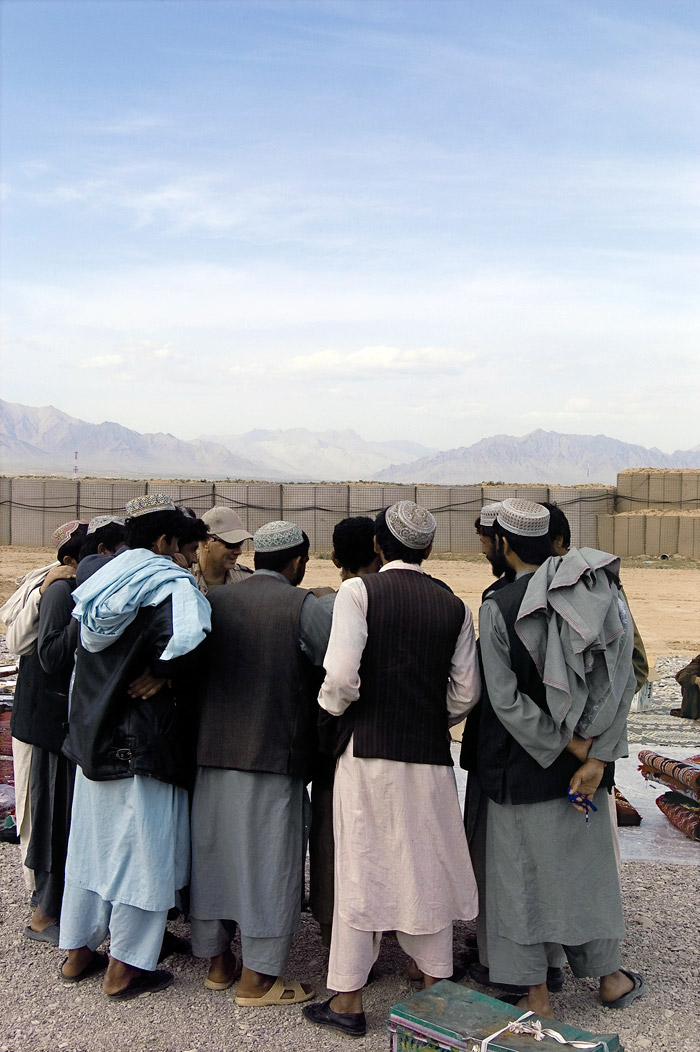


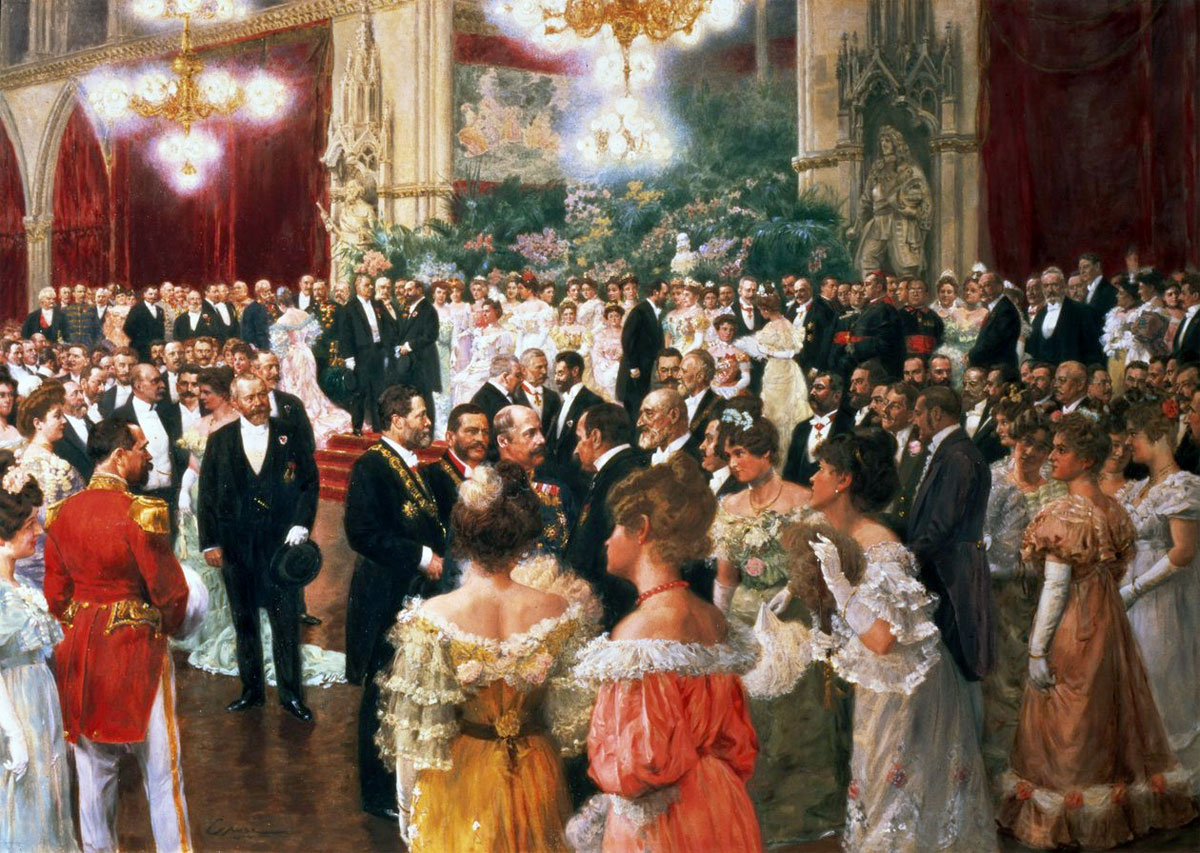
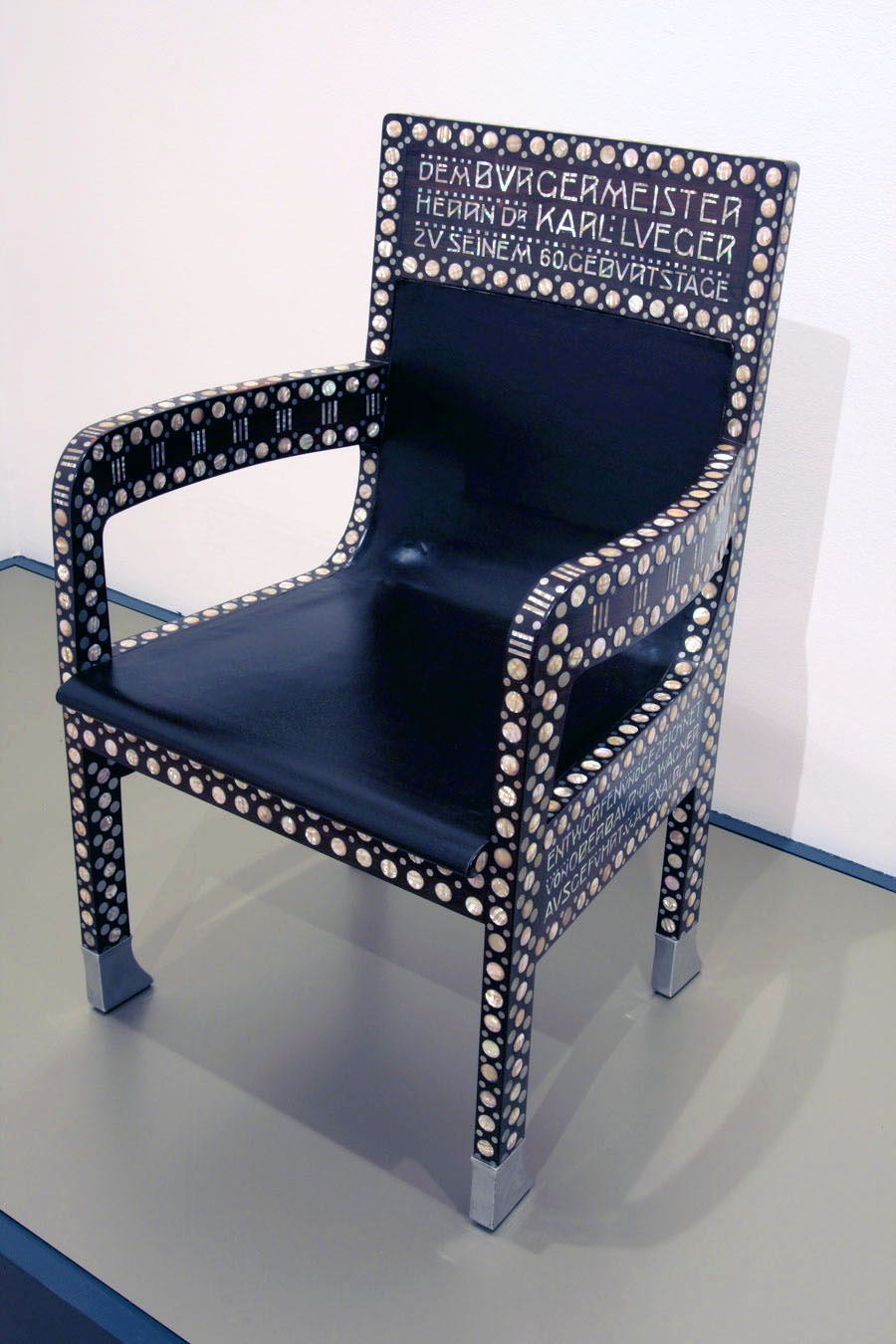




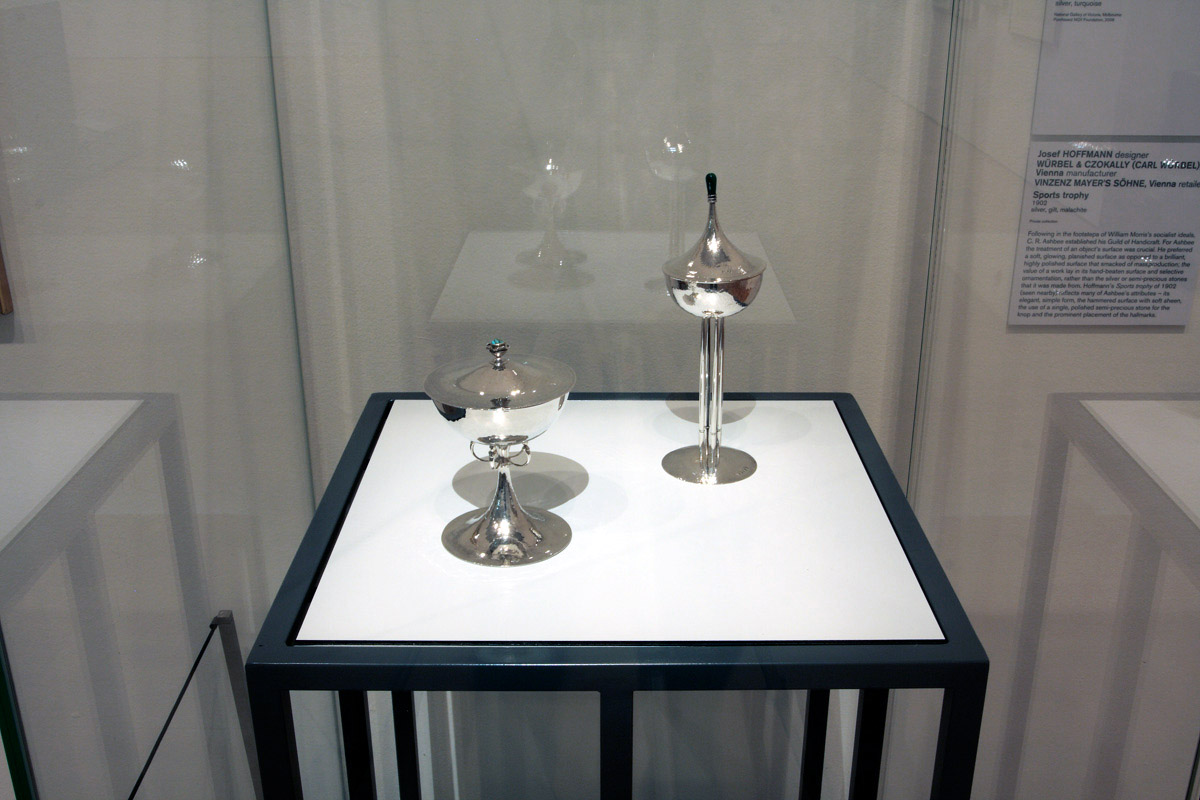
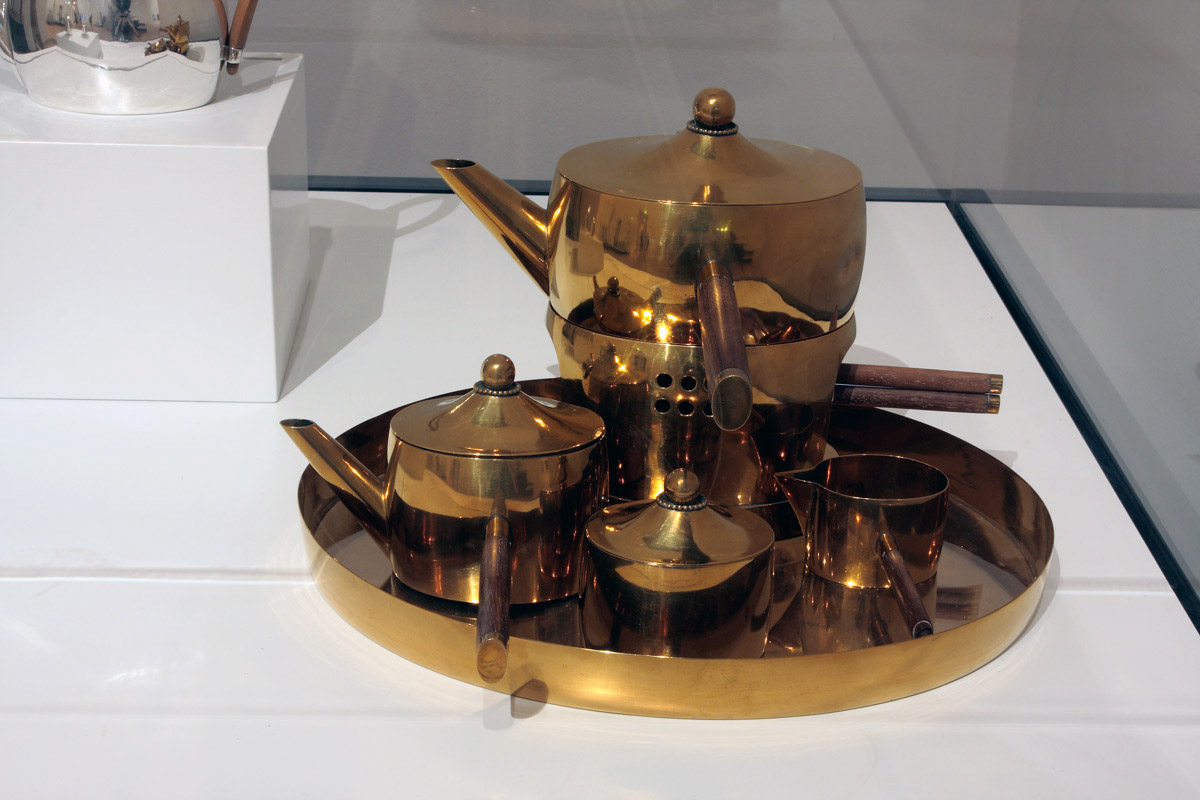


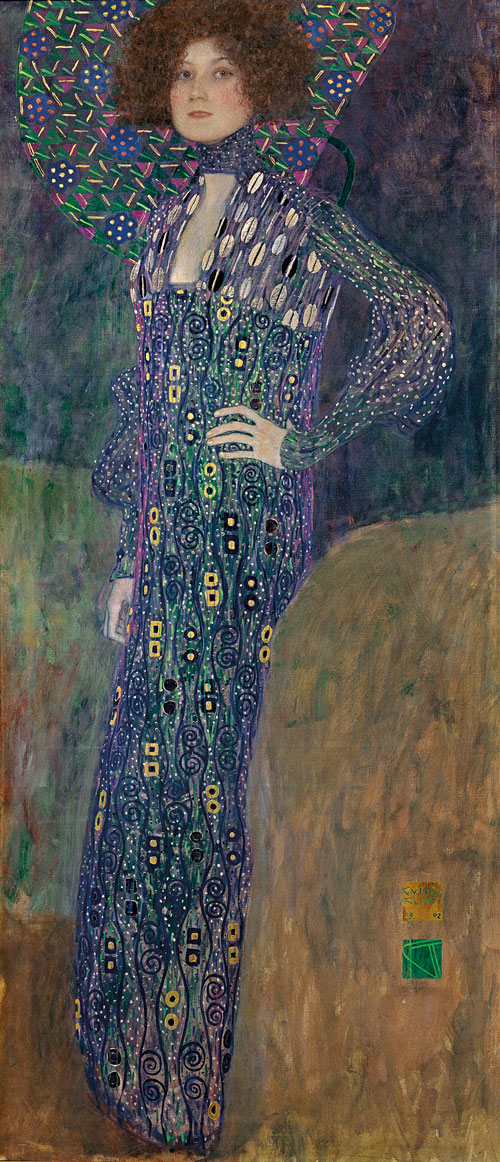


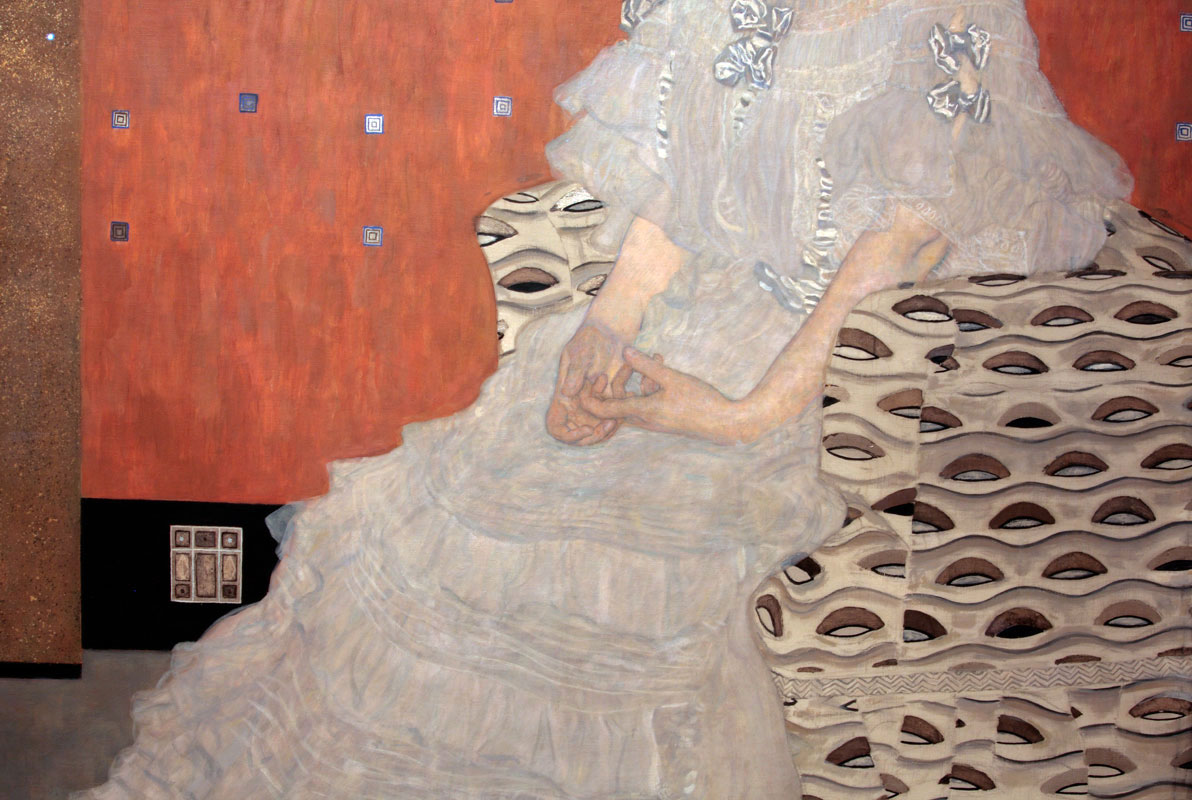


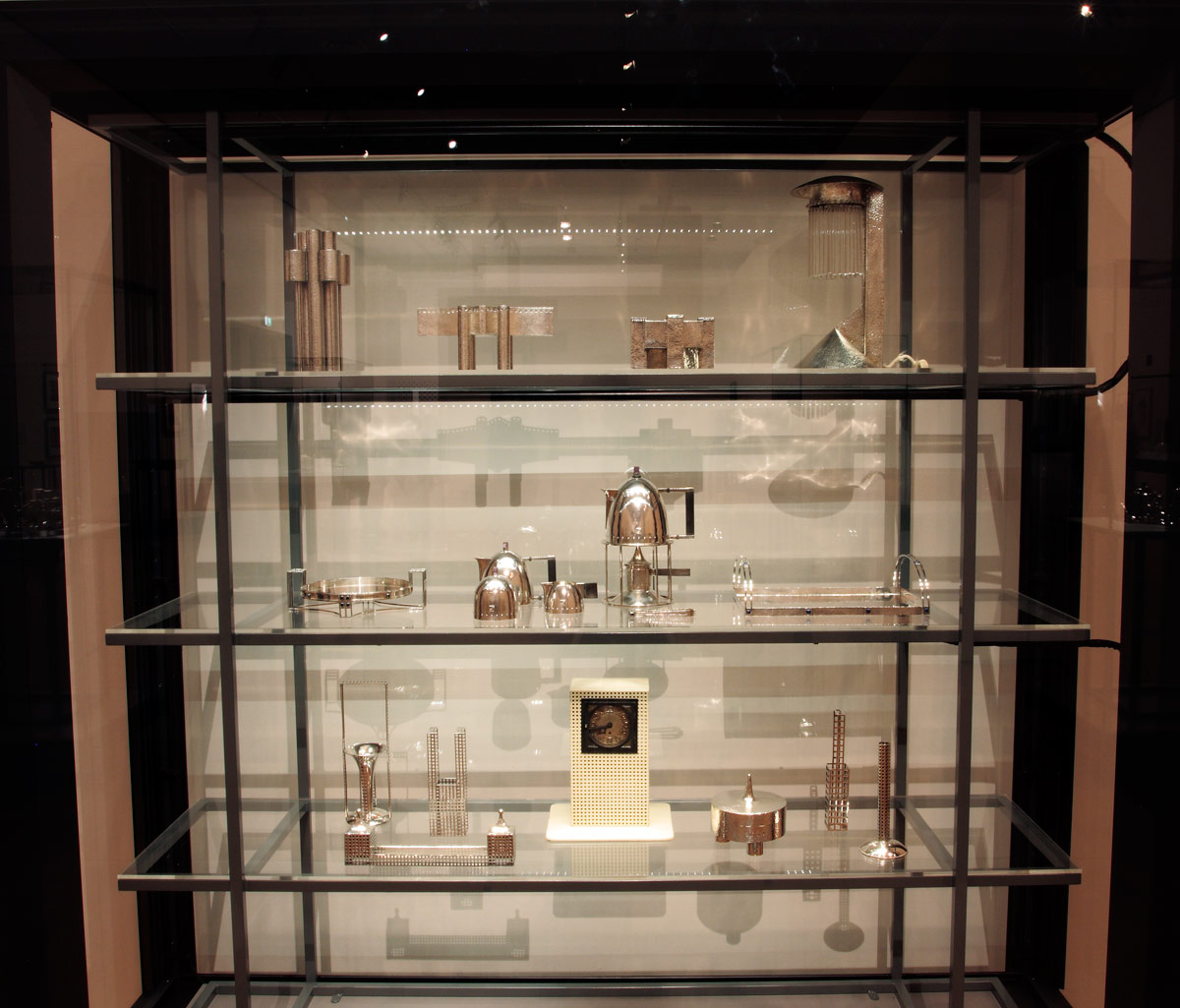





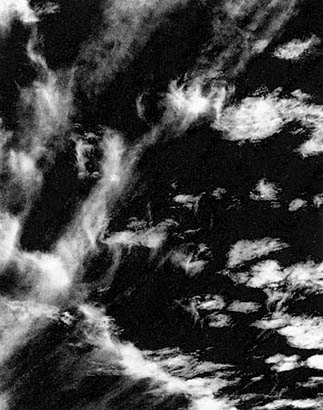
 Art Blart _ art and cultural memory archive
You must be logged in to post a comment.